
At Turnpike, we live and breathe cars. So if there’s a car museum anywhere near our travel route, we’ll find a way to pay a visit. And yes, sometimes the museum is the reason for the trip altogether. The only problem? Most car museums keep you at a respectful, but sometimes frustrating, distance. You end up admiring legendary machines but miss some of the finer details that make them legendary.
Luckily, there are exceptions. One of them is the PACE Museum in Dortmund, founded by Jean Pierre “JP” Kraemer, who is the biggest car influencer in Germany, if there is such a thing. But I will save that story for another time. JP bought the ex-car dealership building in 2022 and turned it into what can only be described as automotive heaven.
The PACE collection includes everything from concept cars and race cars to privately owned cars, and the lineup changes every six months. Thanks to JP’s connections in the automotive world, the PACE Museum often displays cars you’d normally only see in press photos or hidden away in a manufacturer’s vaults. And the best part? You can actually get close to them.
Dortmund is only about an hour and a half from where I live in the Netherlands, so last month I packed my camera gear and headed to Germany. I got a tip that something very special had just been added to the collection. But before we get there, let’s start at the entrance.
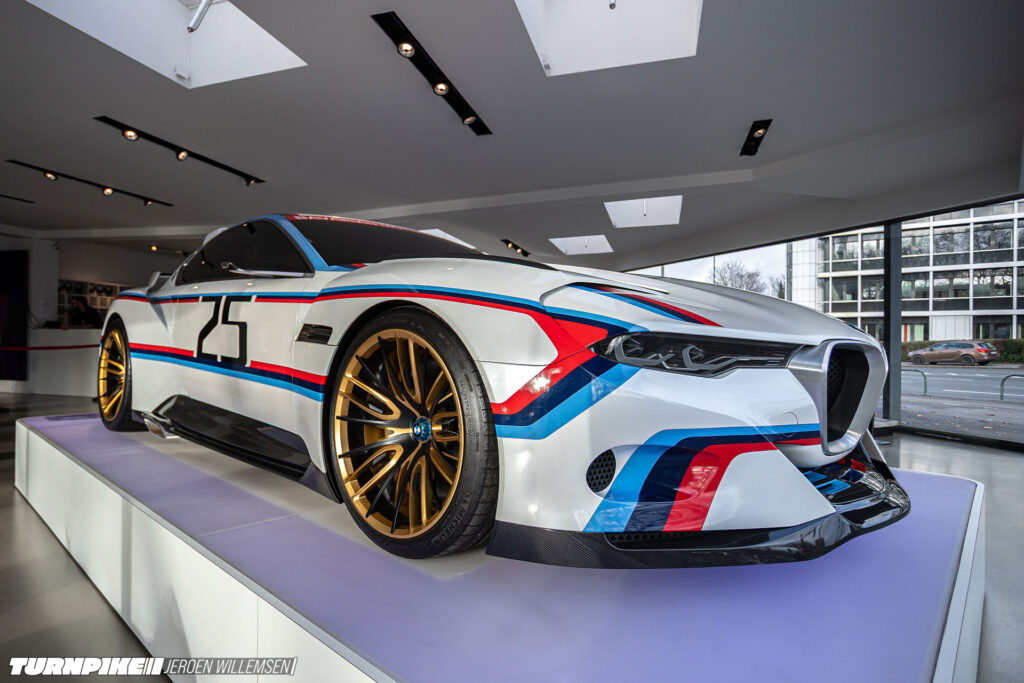
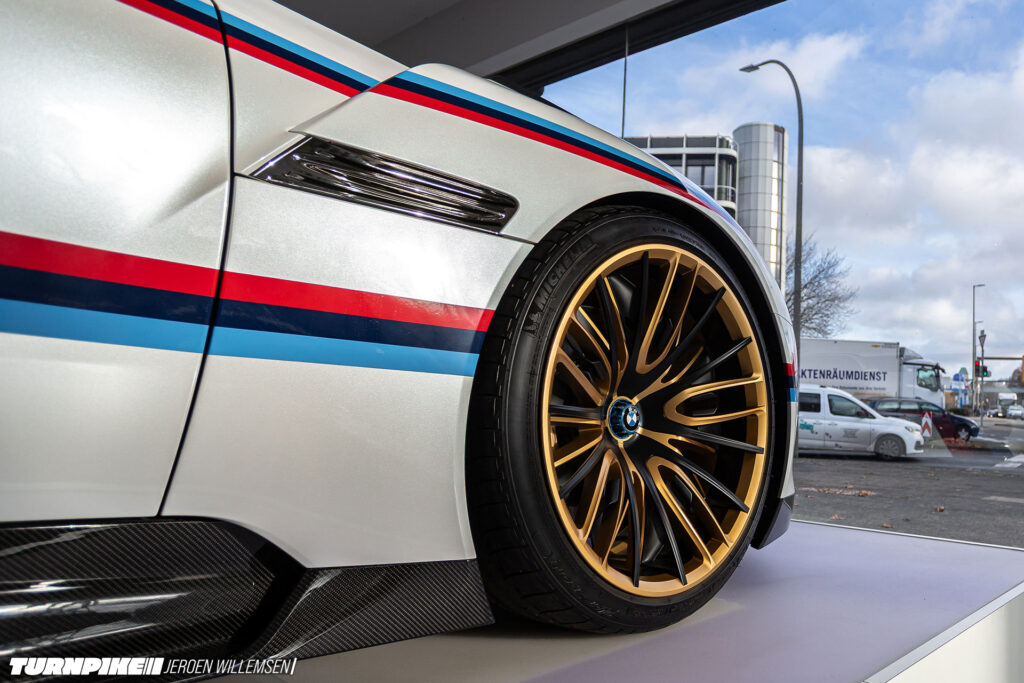
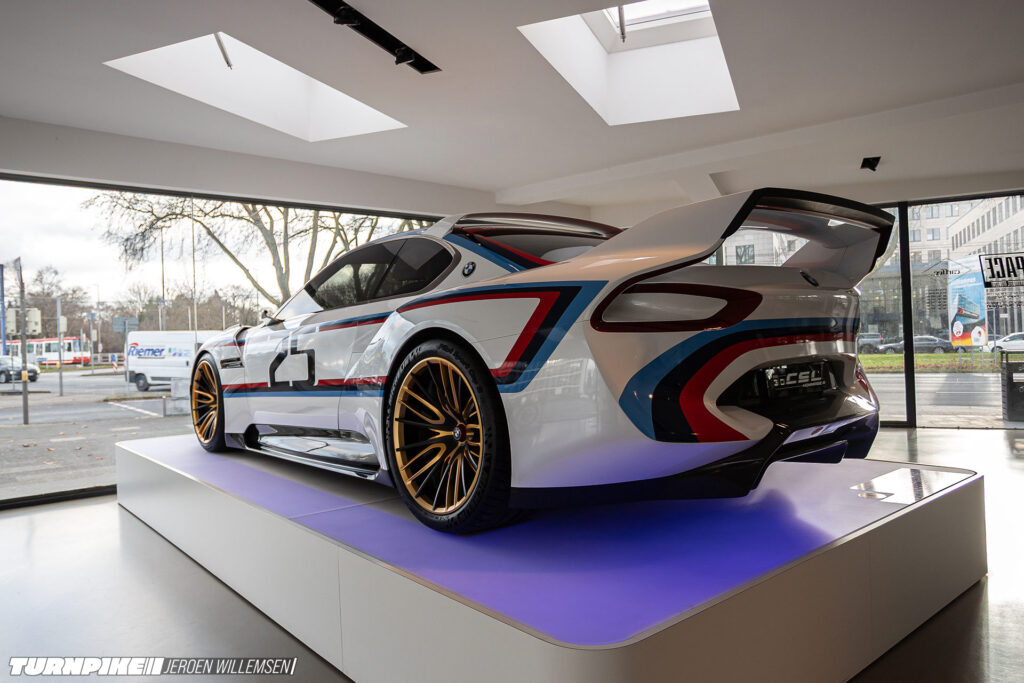
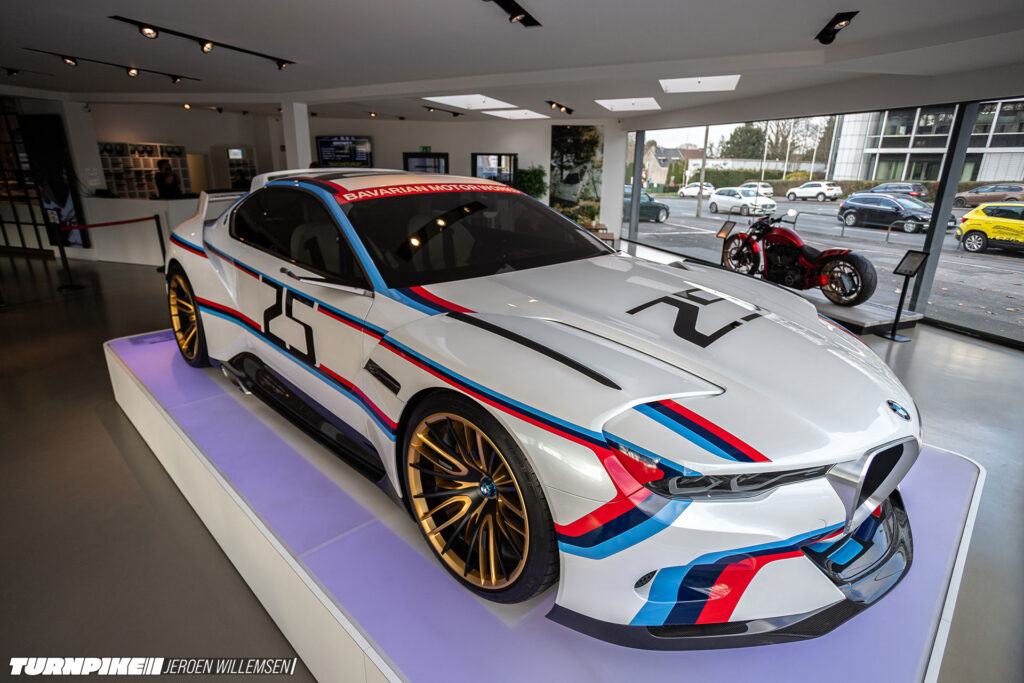
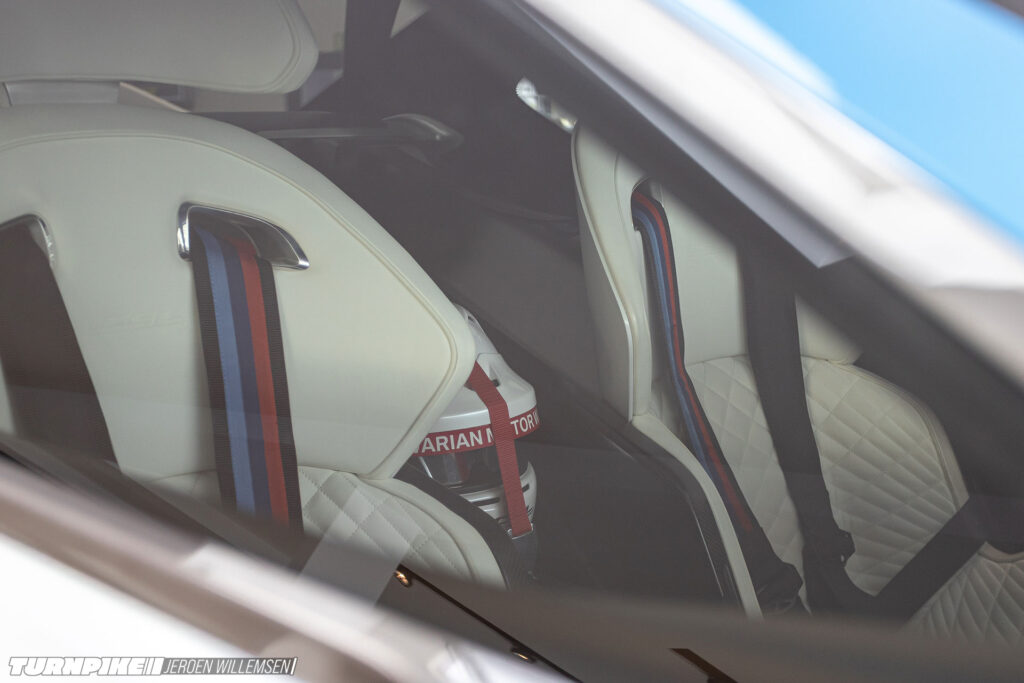
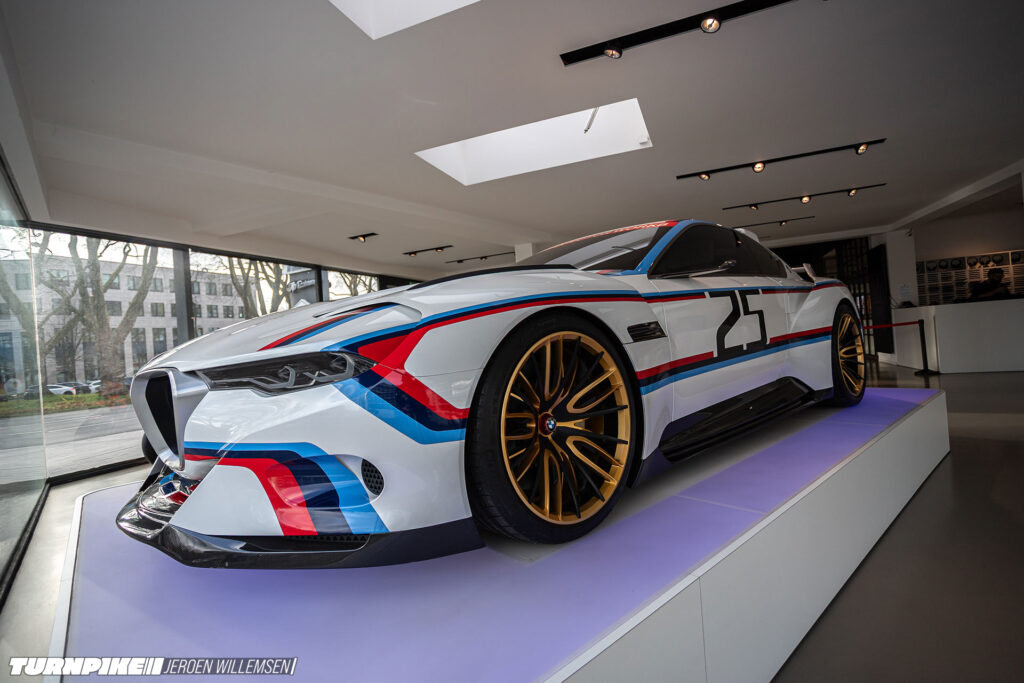
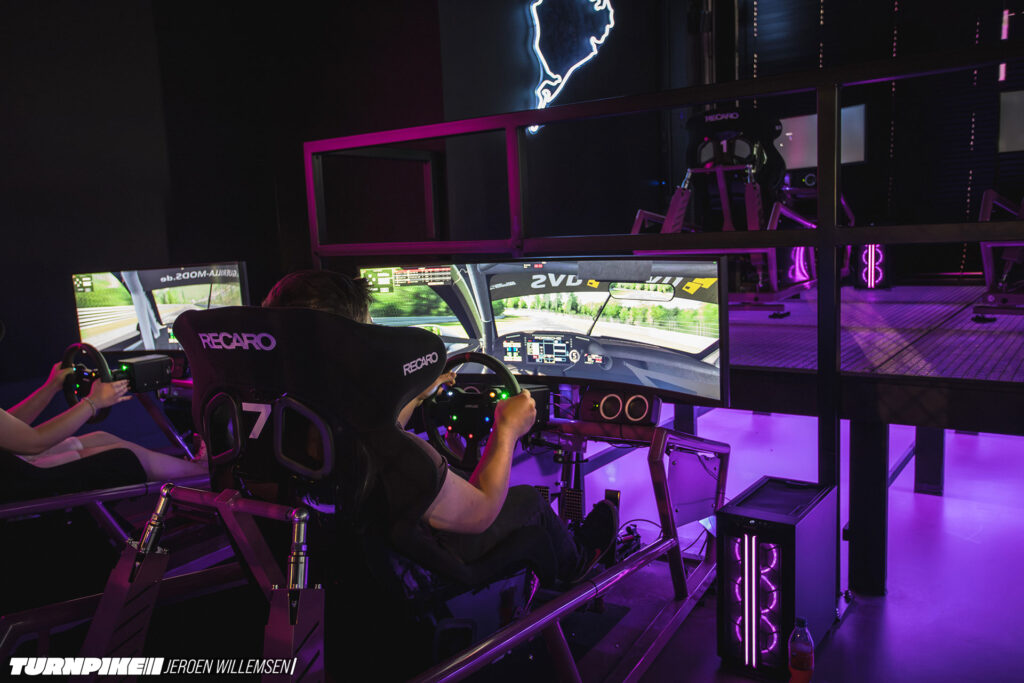
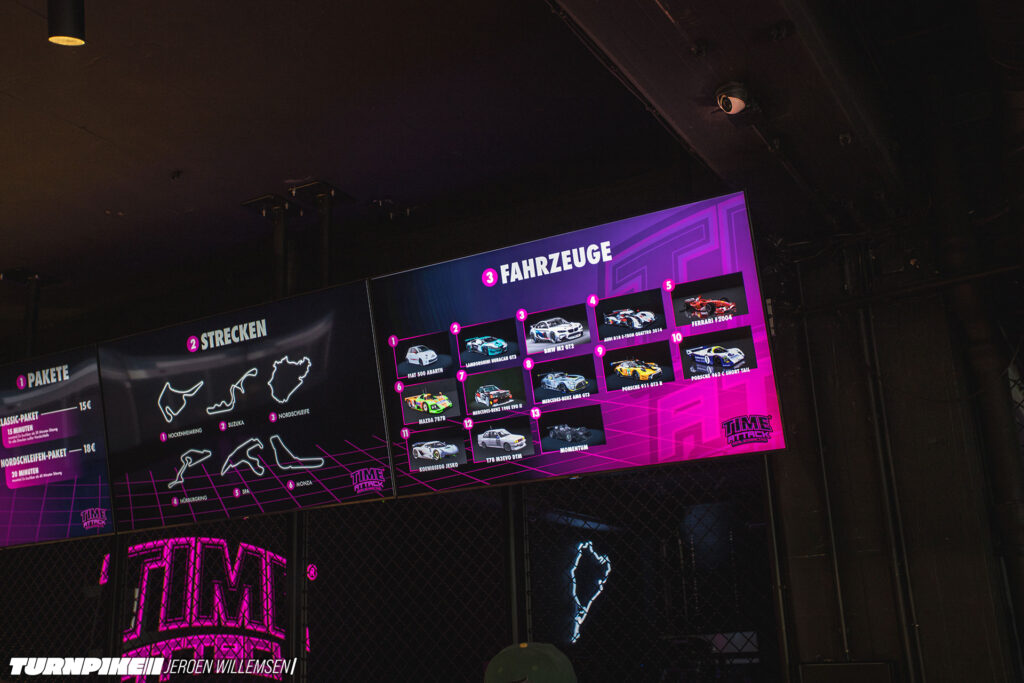
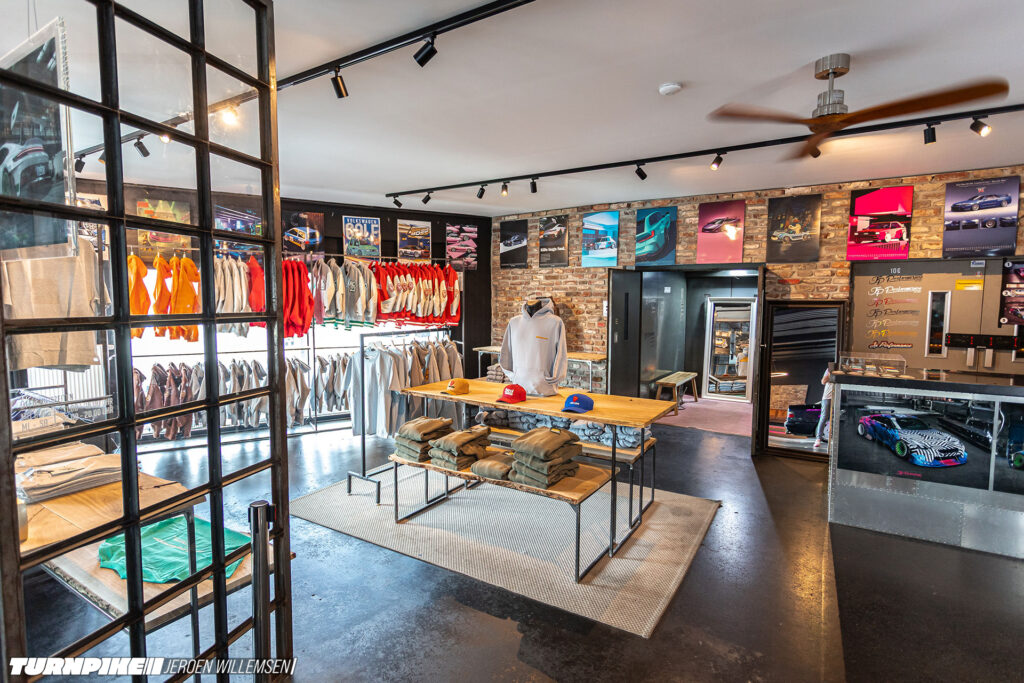
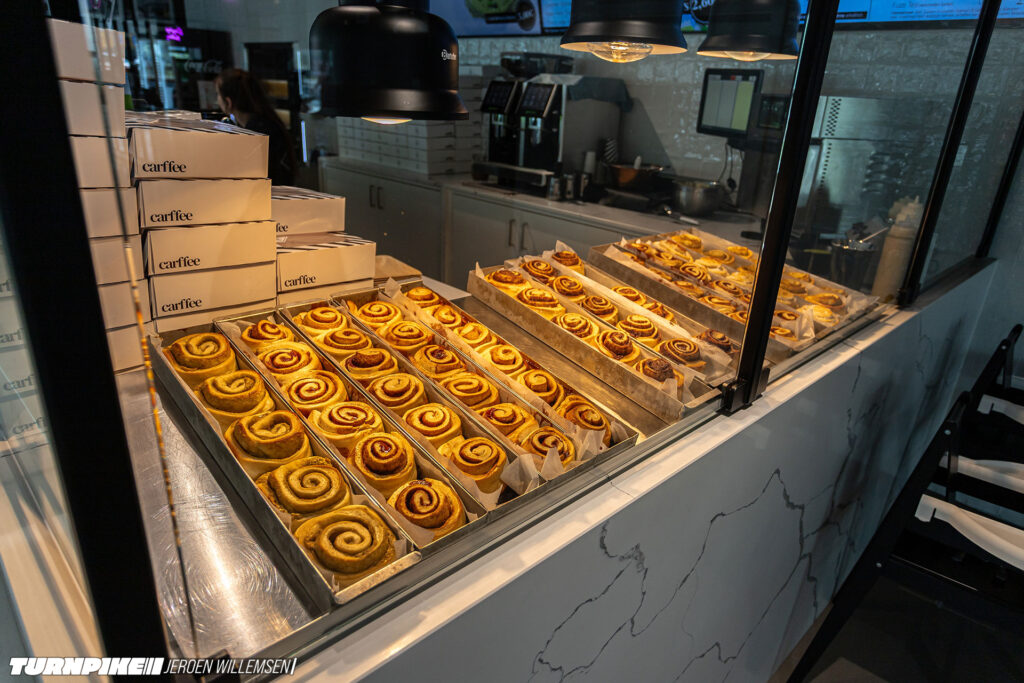
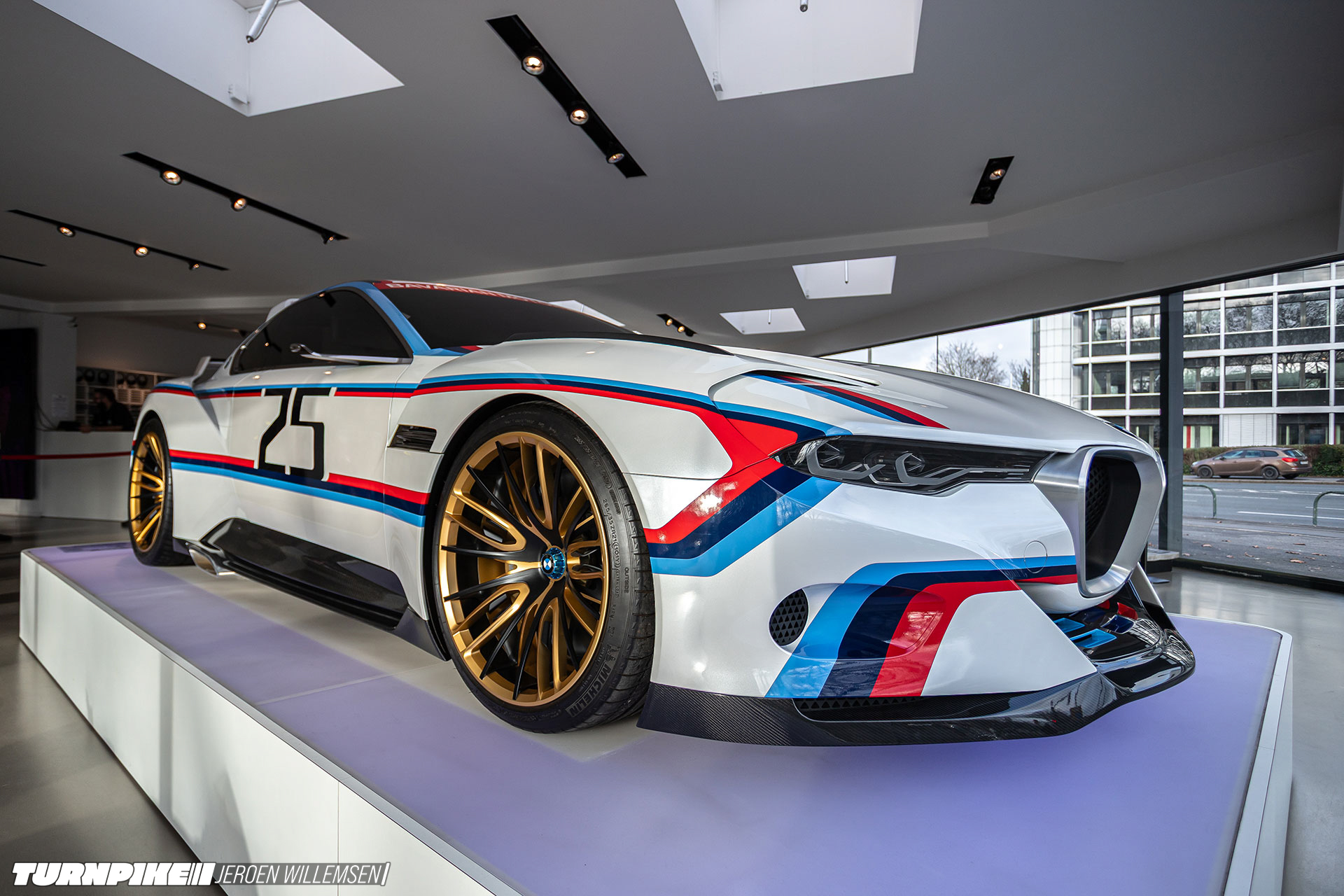
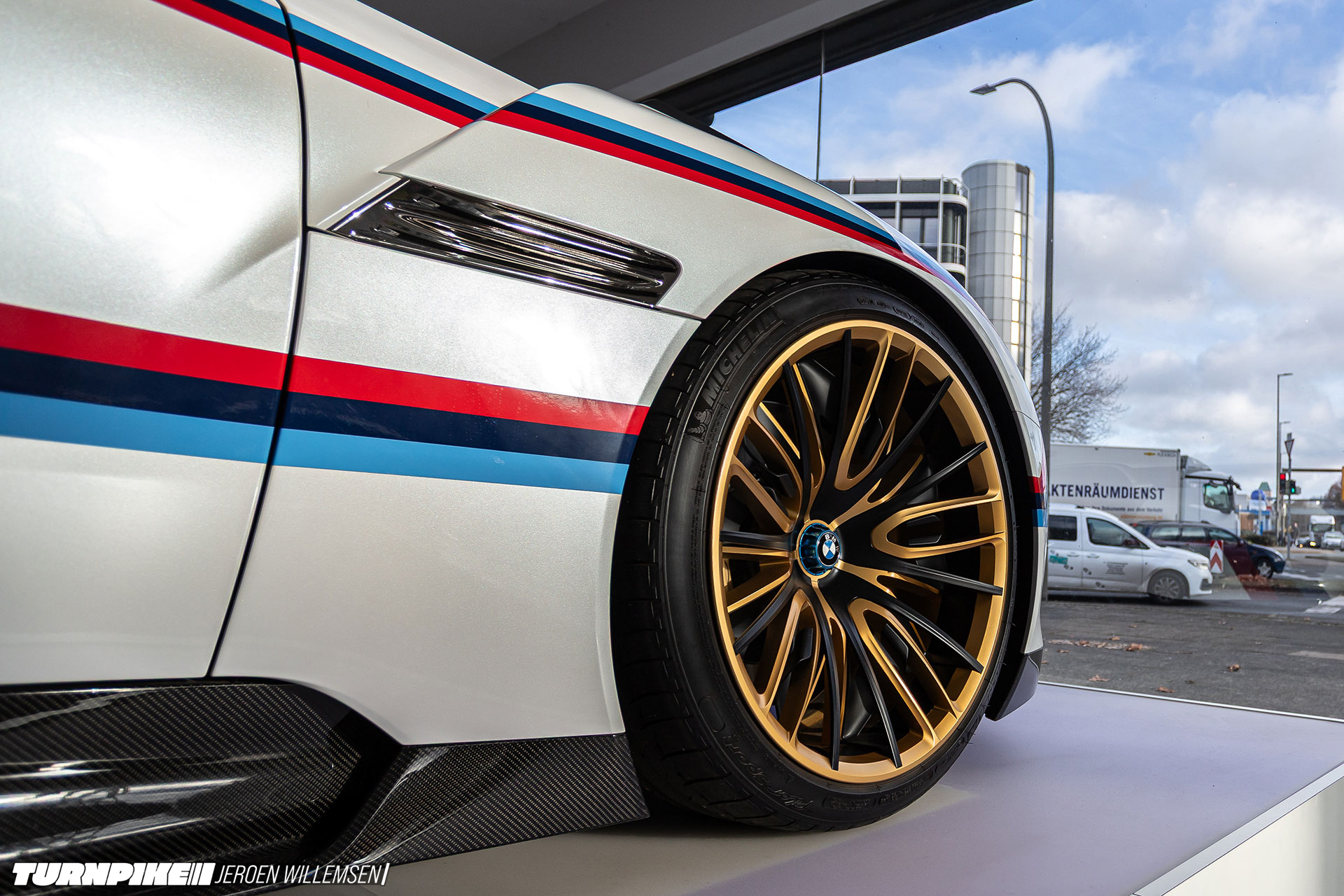
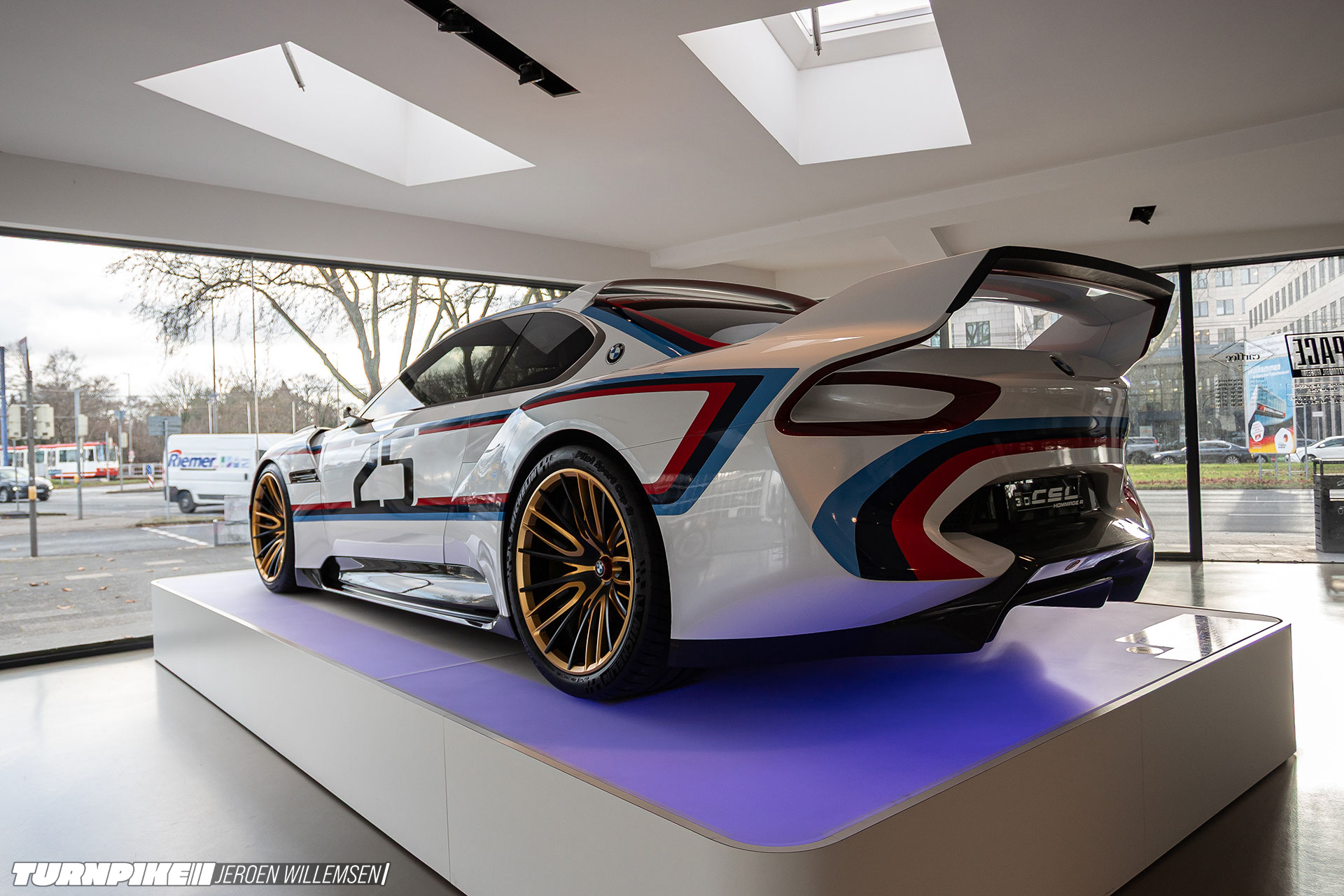
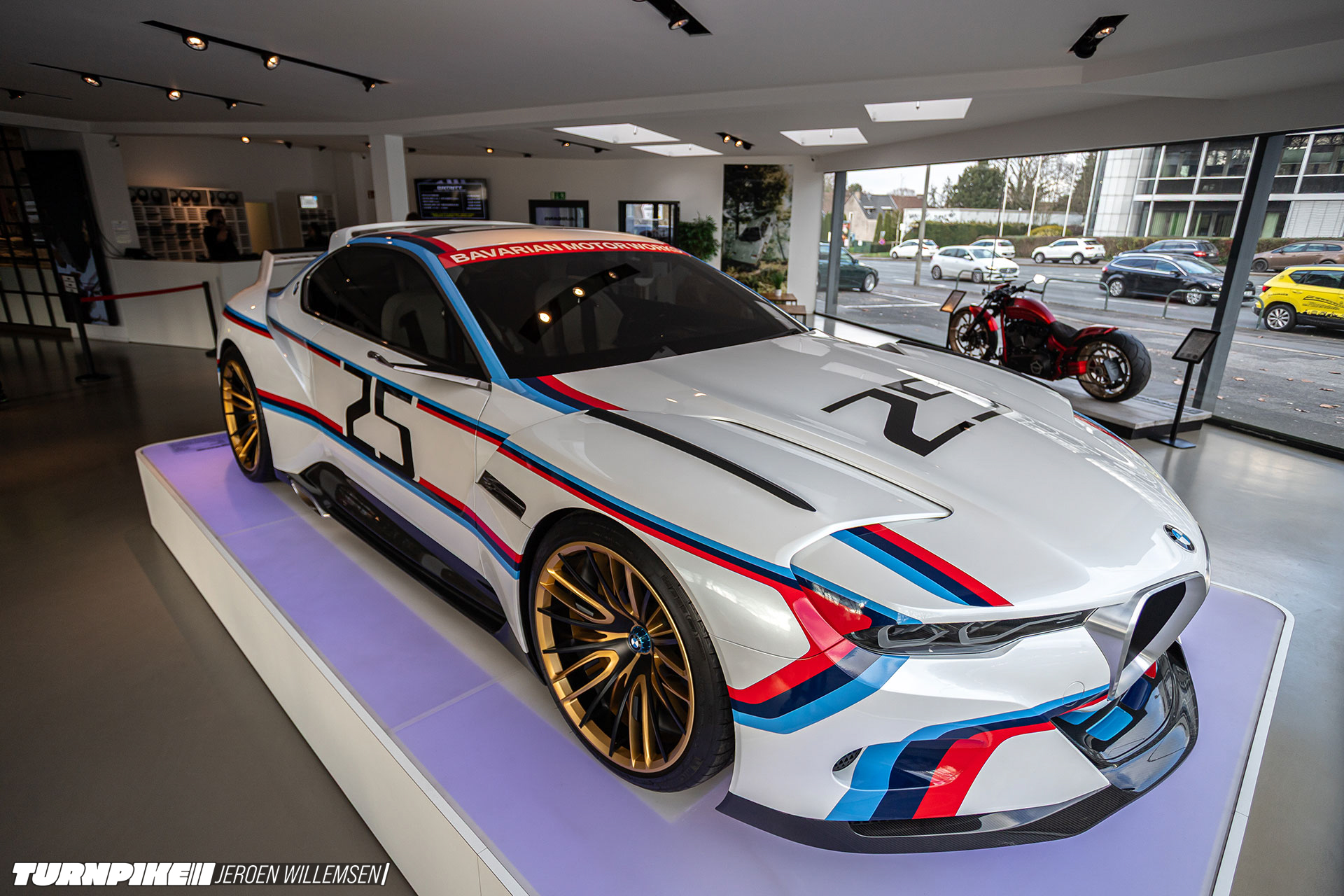
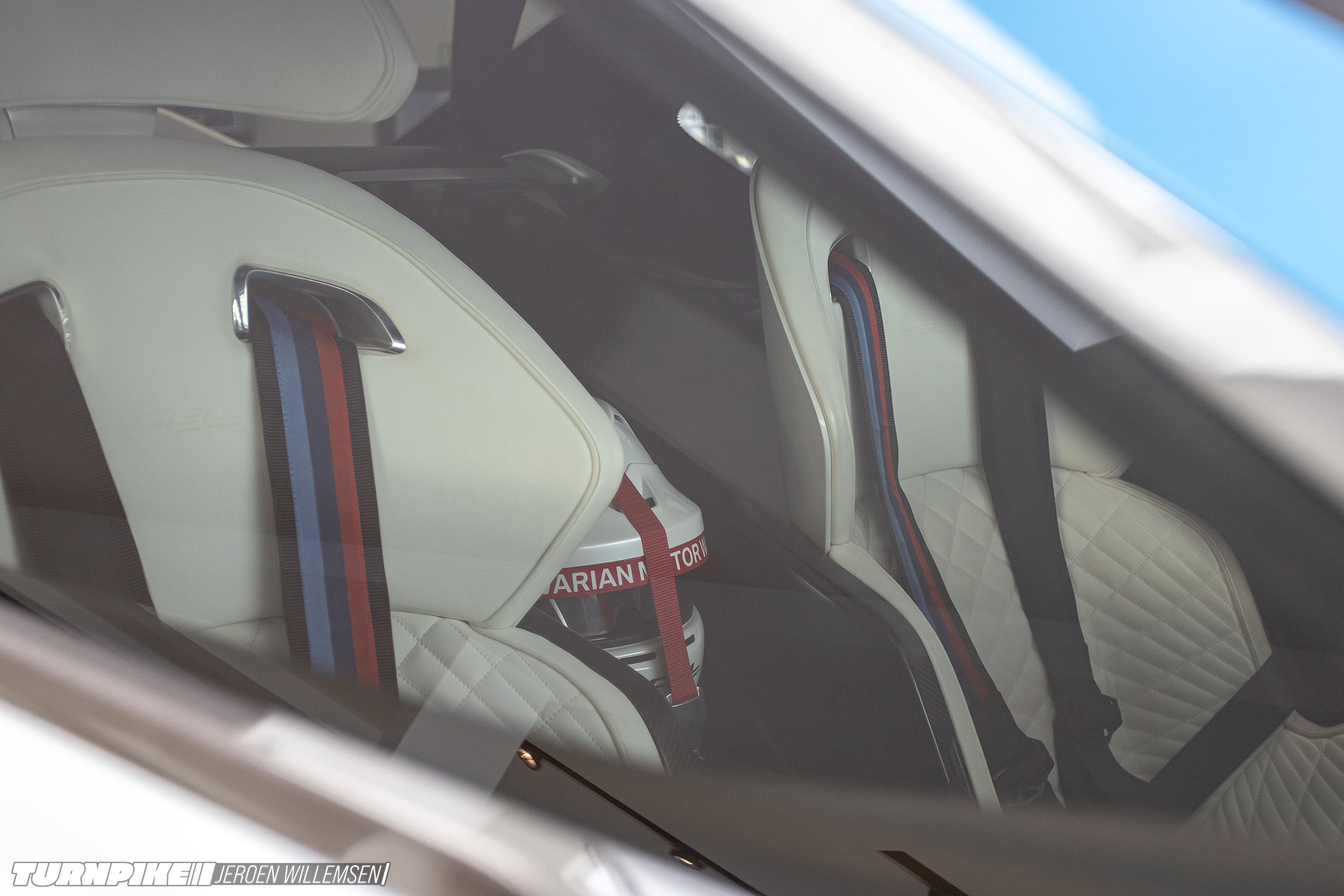
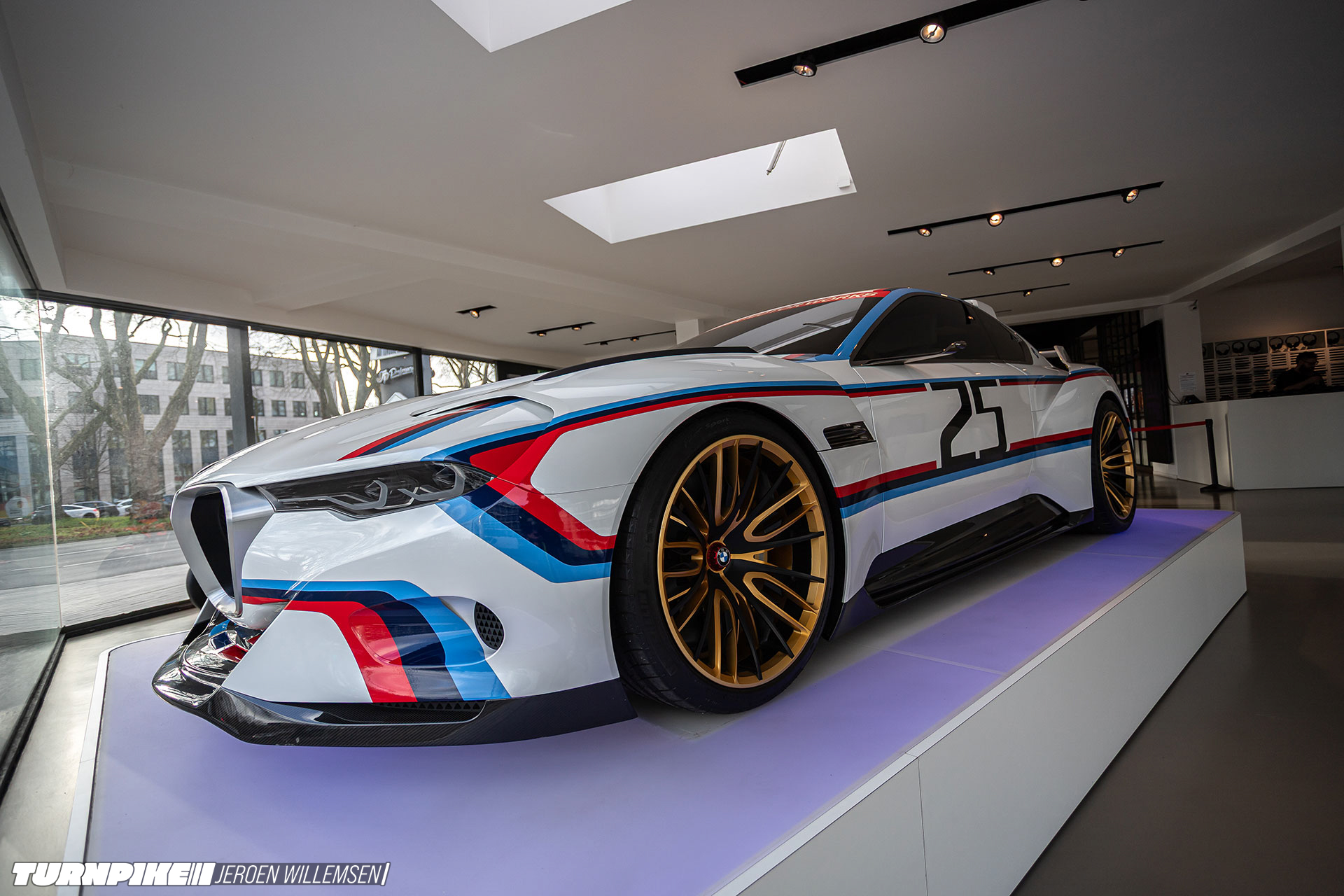
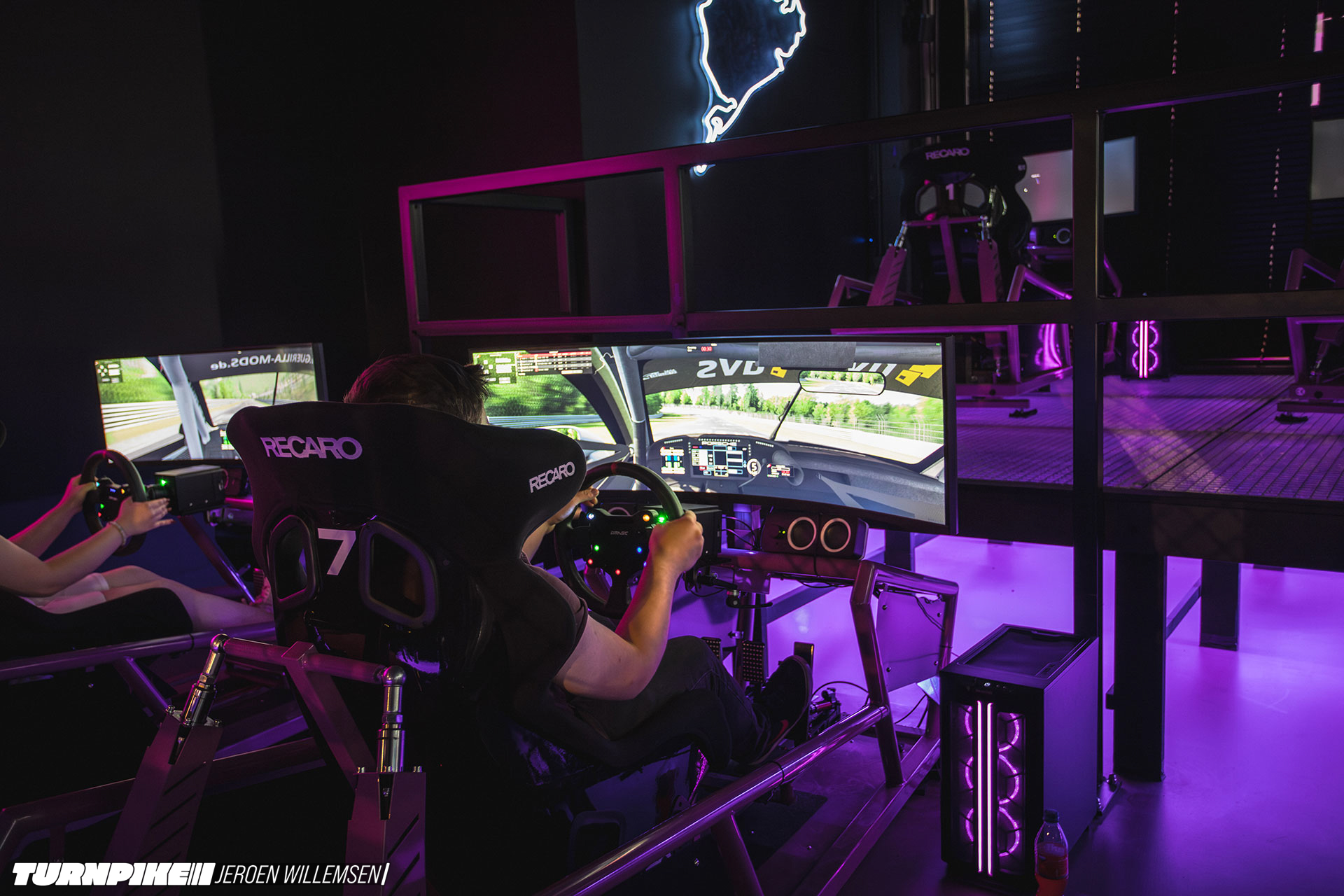
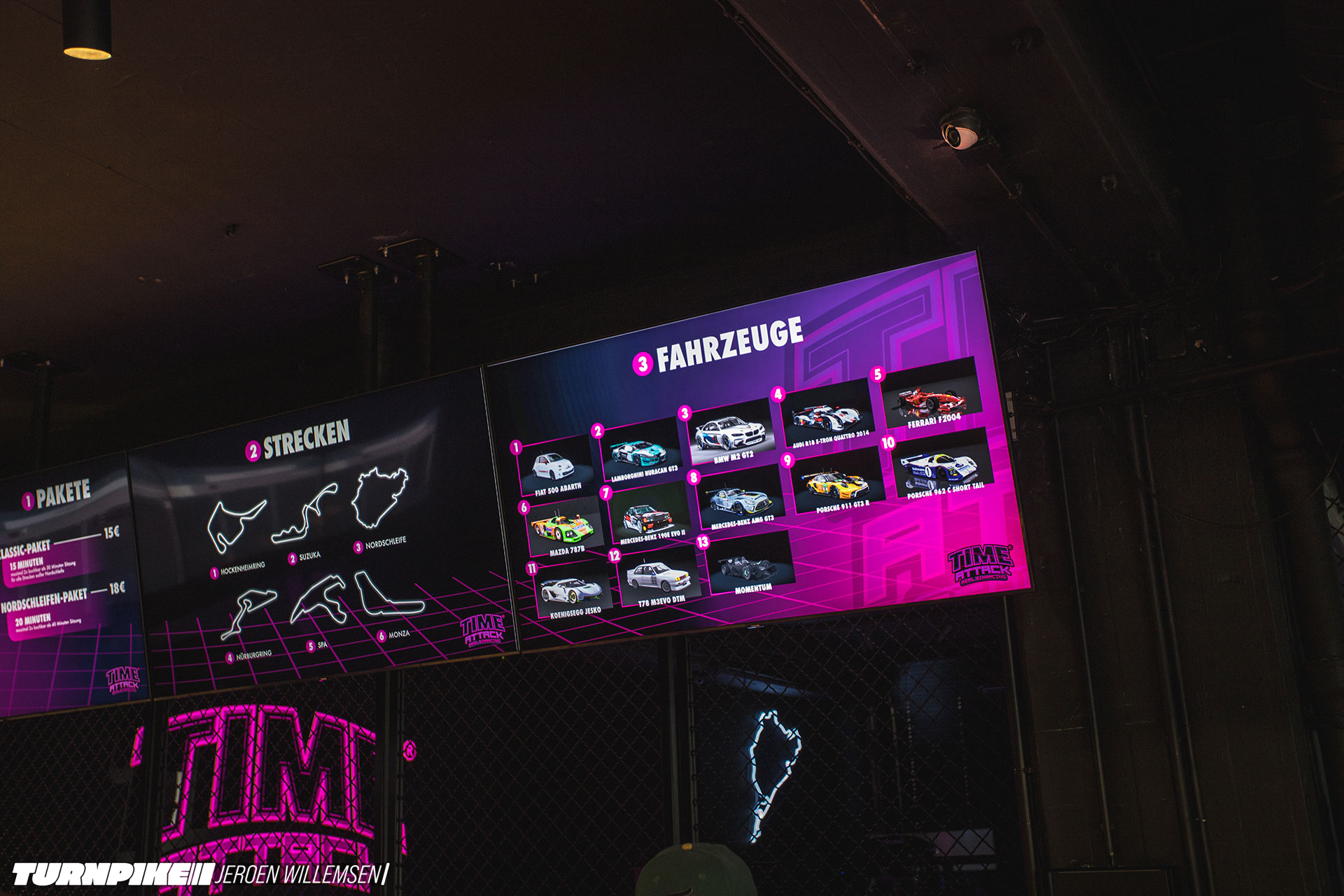
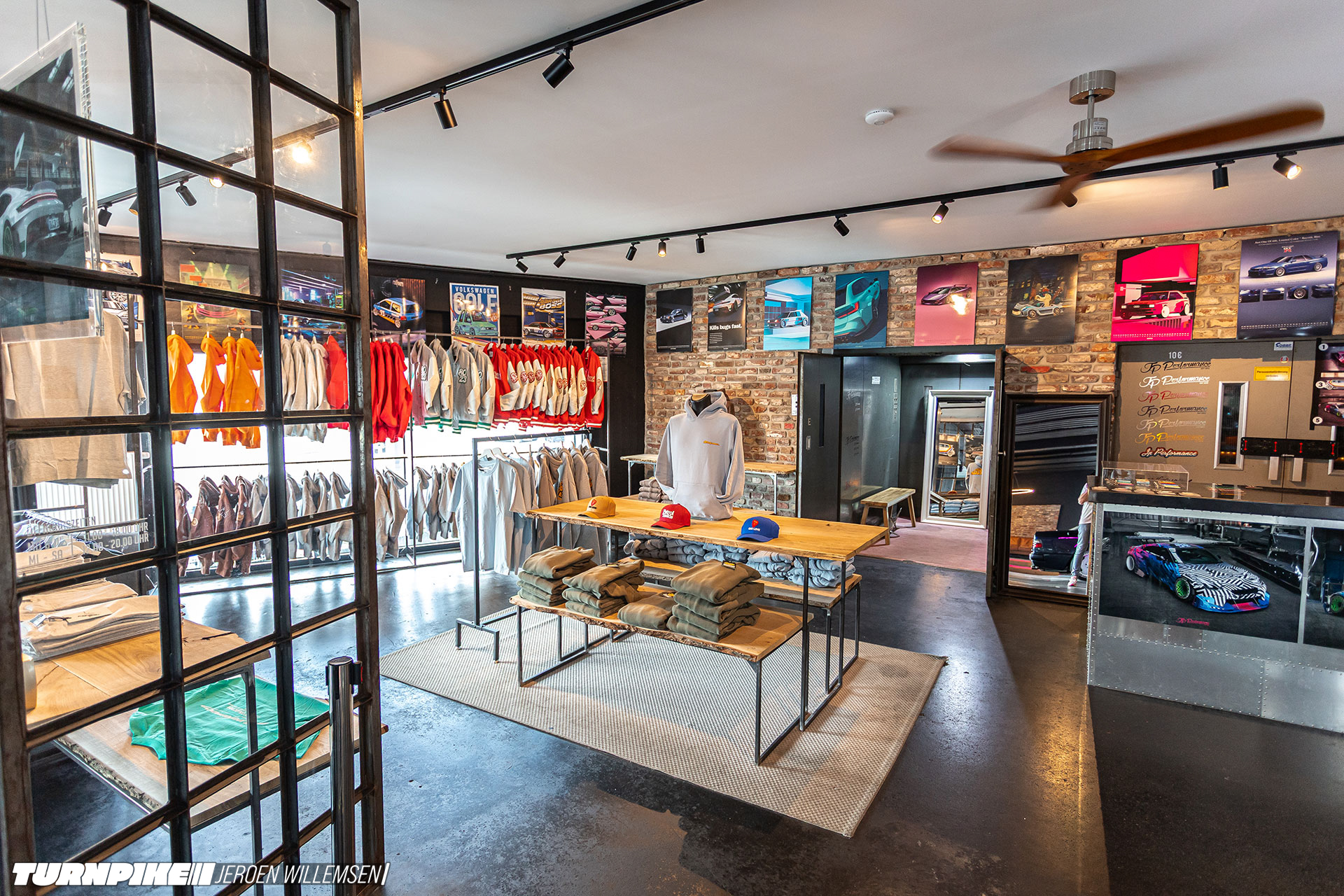
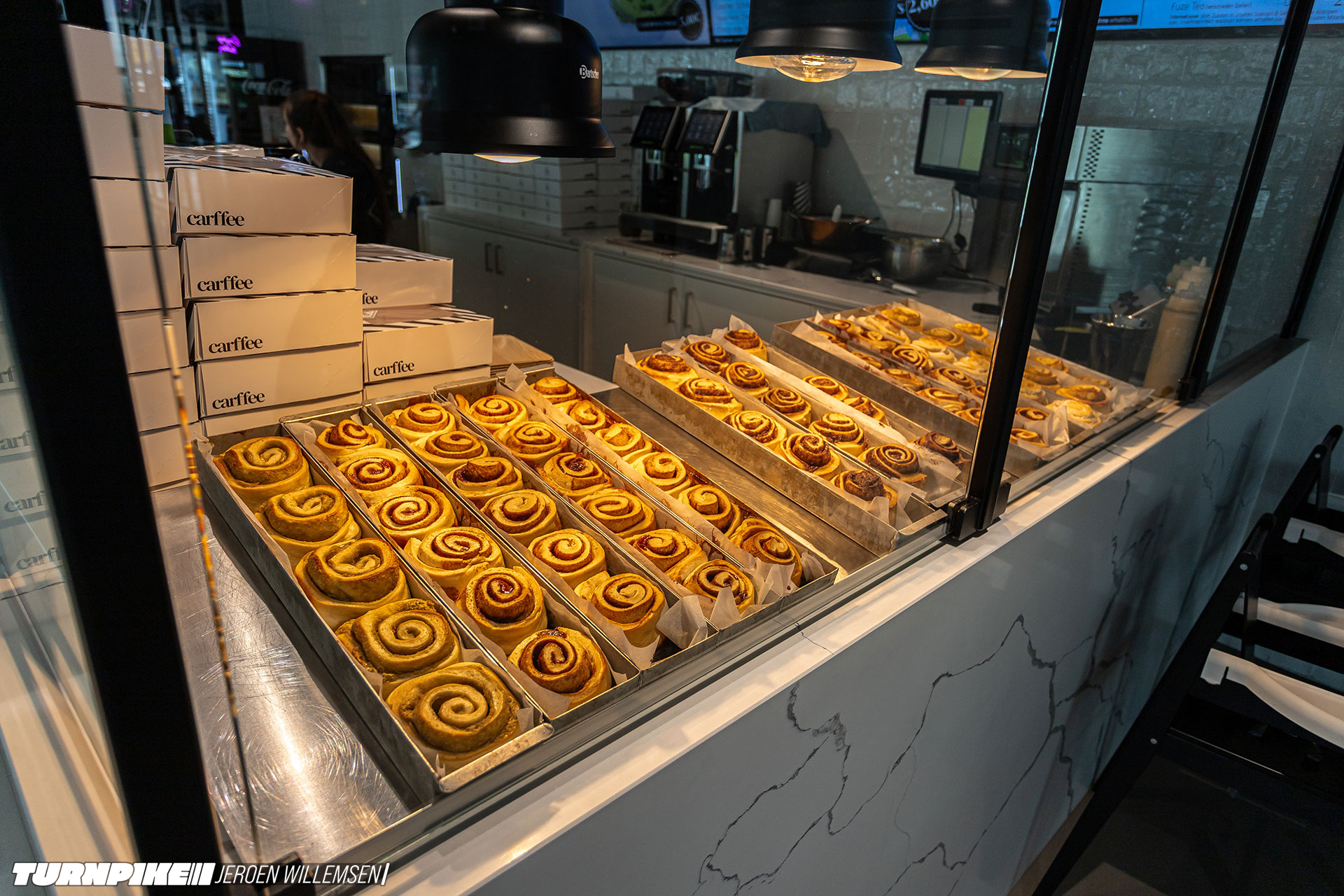
When you walk through the PACE Museum’s main door, you’re greeted by this BMW 3.0 CSL Hommage R. Built in 2015 for the 40th anniversary of BMW North America, it pays tribute to the iconic 3.0 CSL that dominated the European Touring Car Championship in 1975. It looks stunning in person, which almost makes it a pity that the street-legal version released in 2022 shares little in common. Then, when you turn left, you arrive at Carffee, the café serving some dangerously good cinnamon rolls and refreshing drinks. Next to it is the museum shop with JP Performance merch, and behind that is another room with digital Time Attack rigs where you can race your favorite car on famous race tracks around the world. But let’s get to the reason I was there in the first place: the cars.
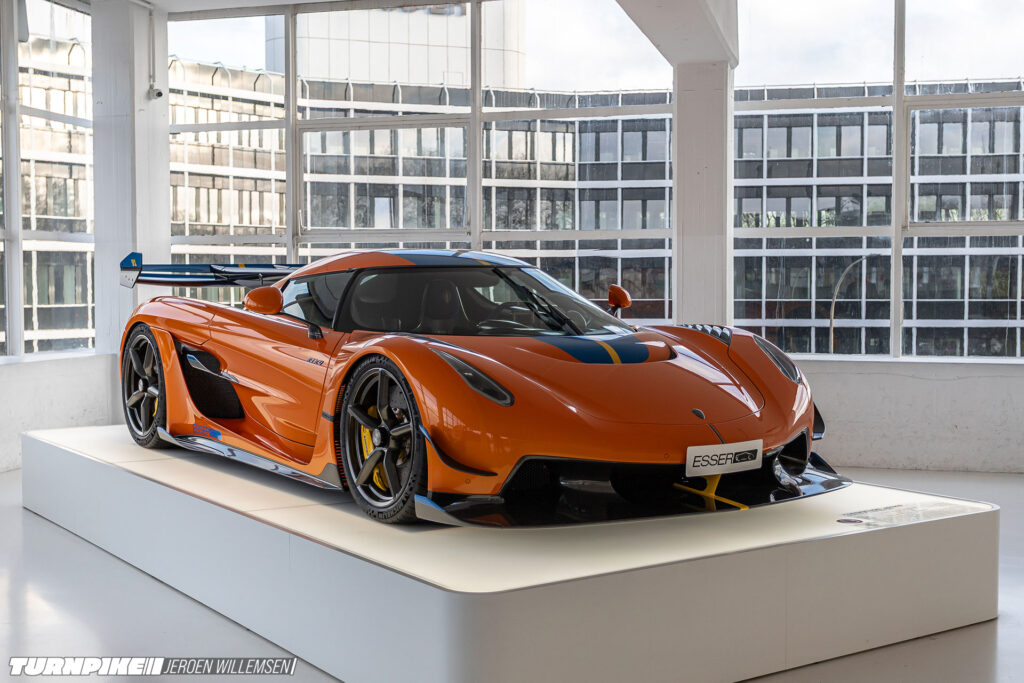
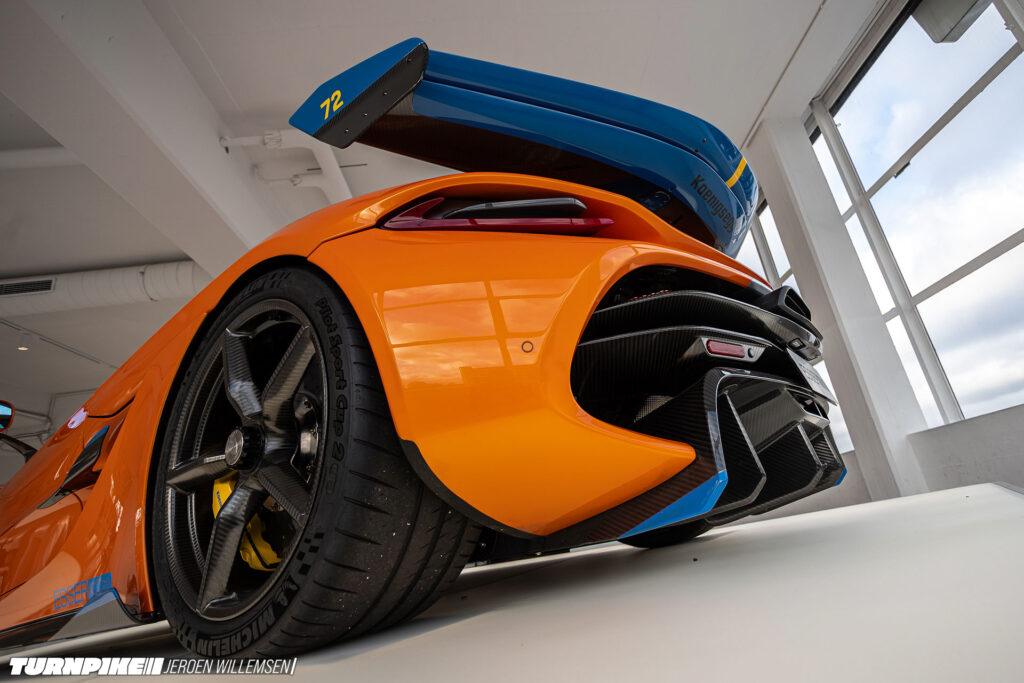
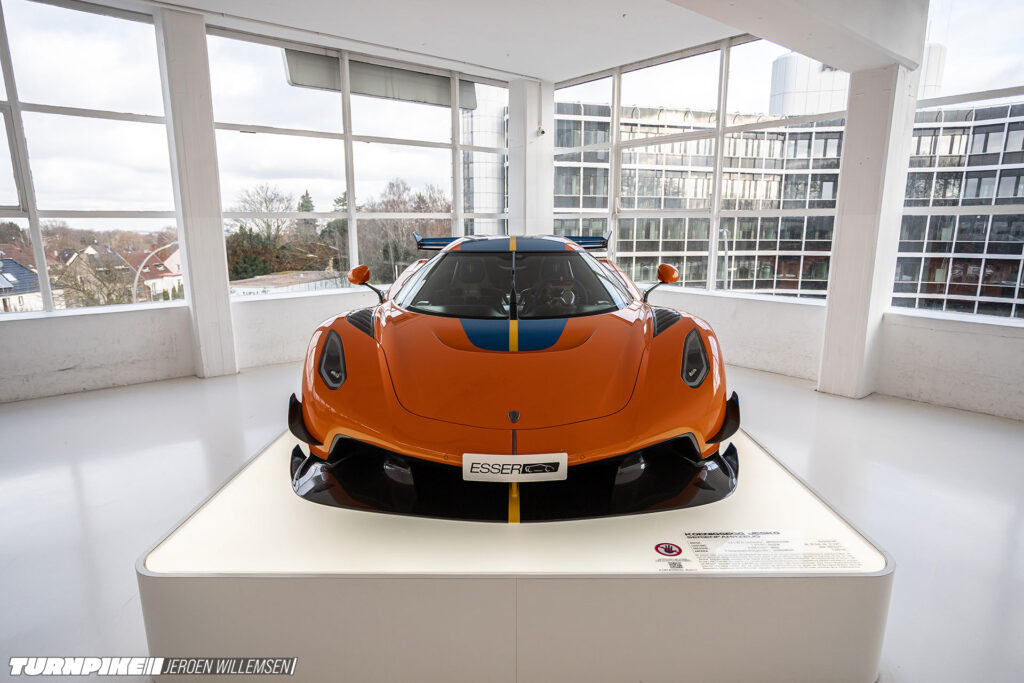
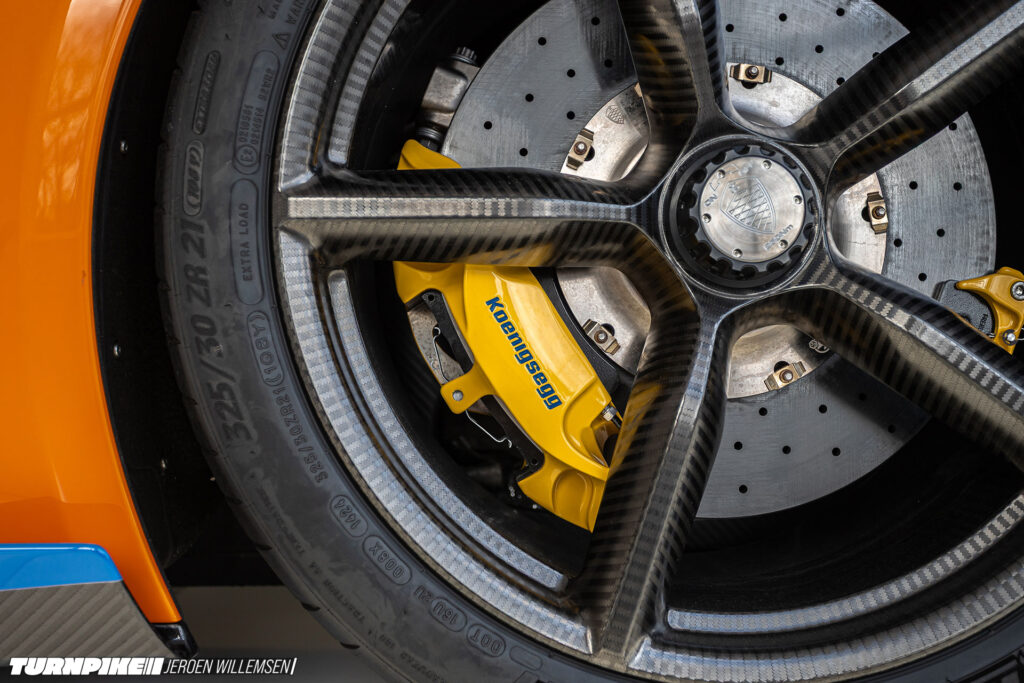
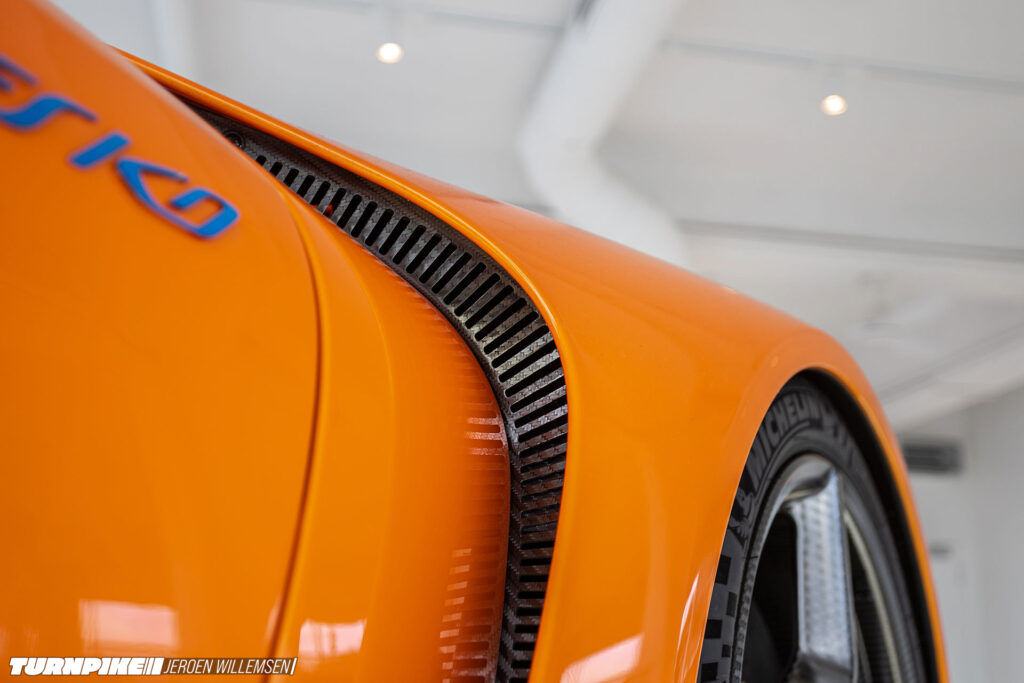
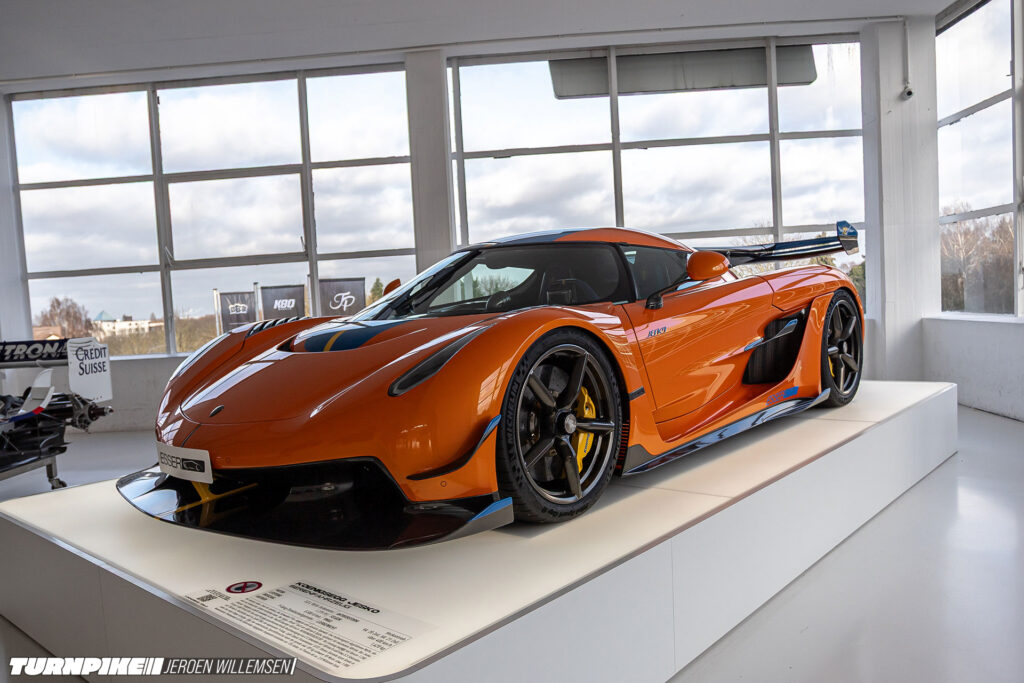
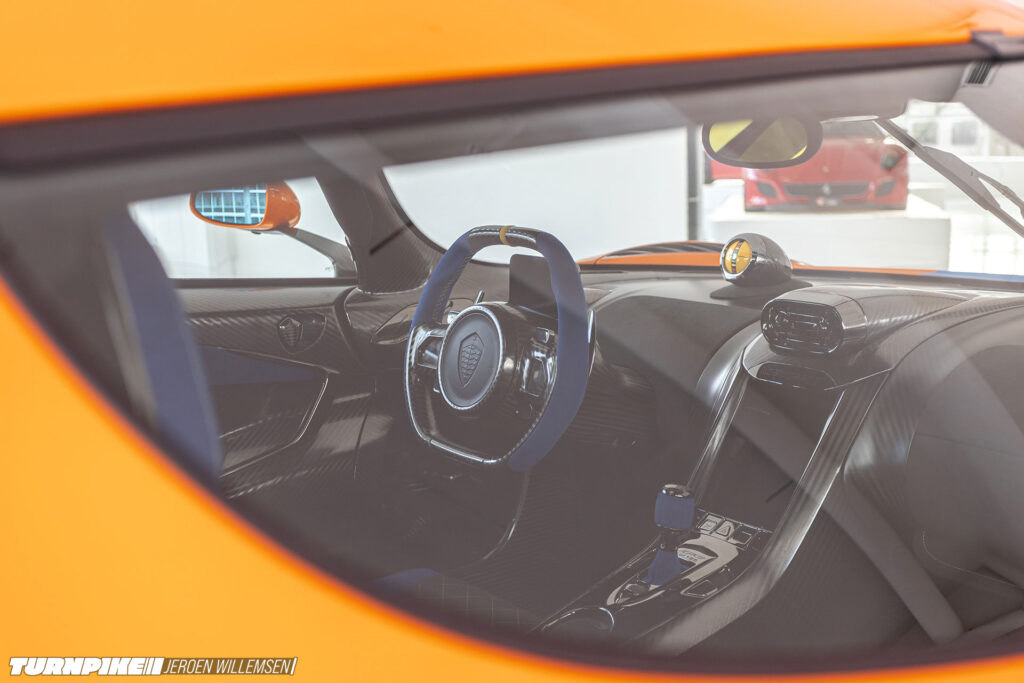
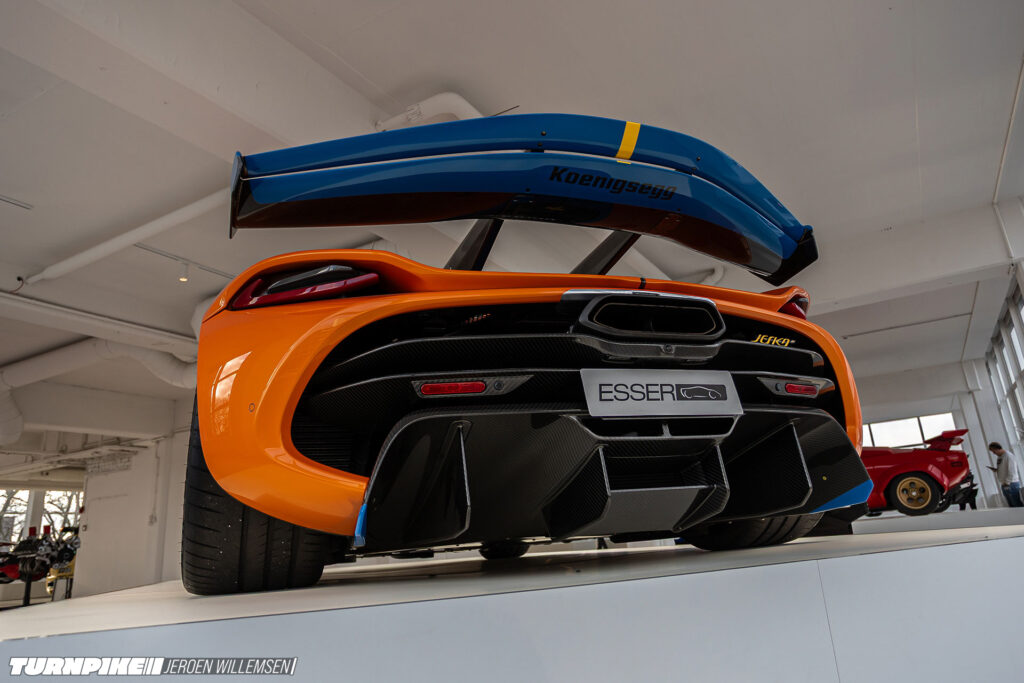
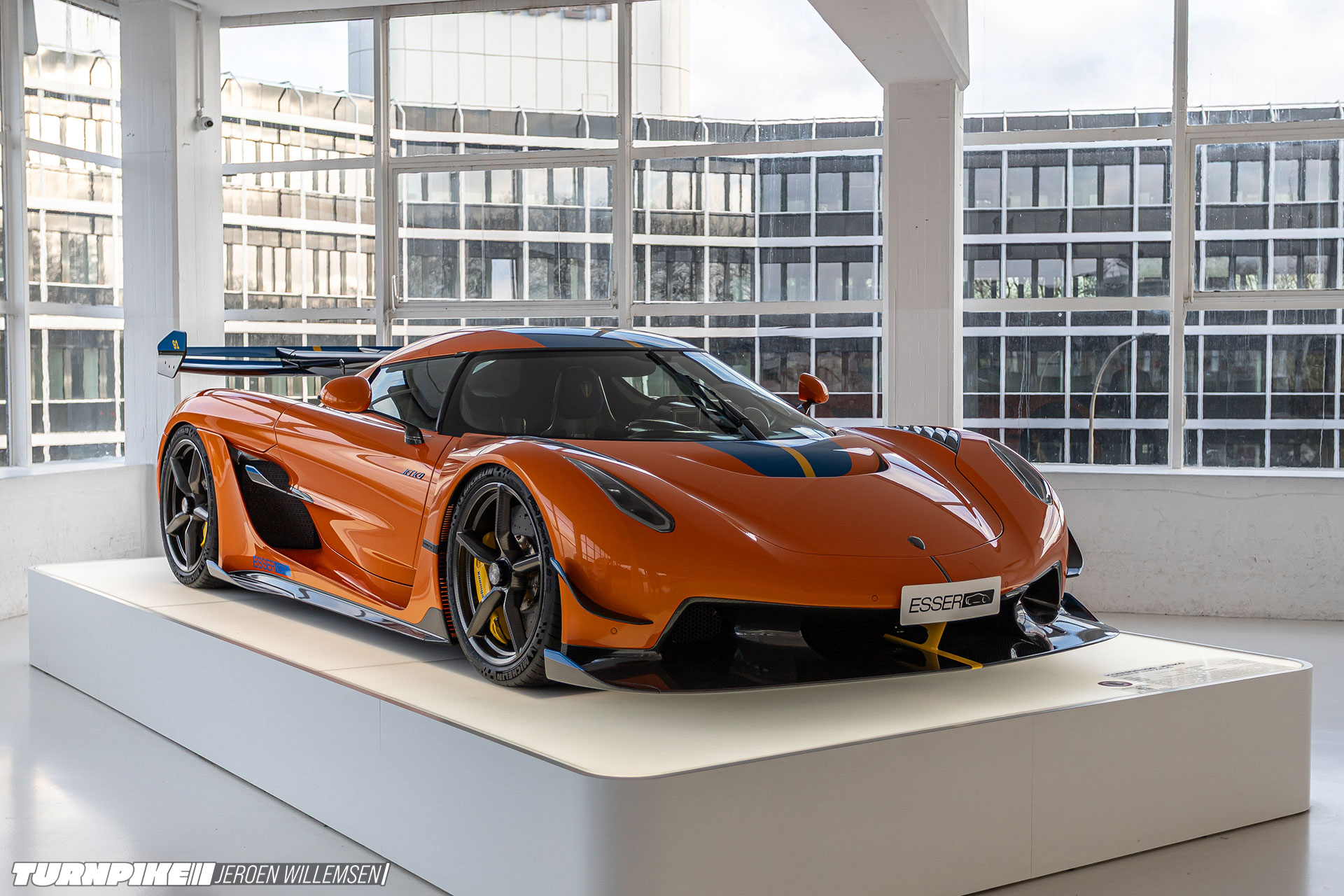
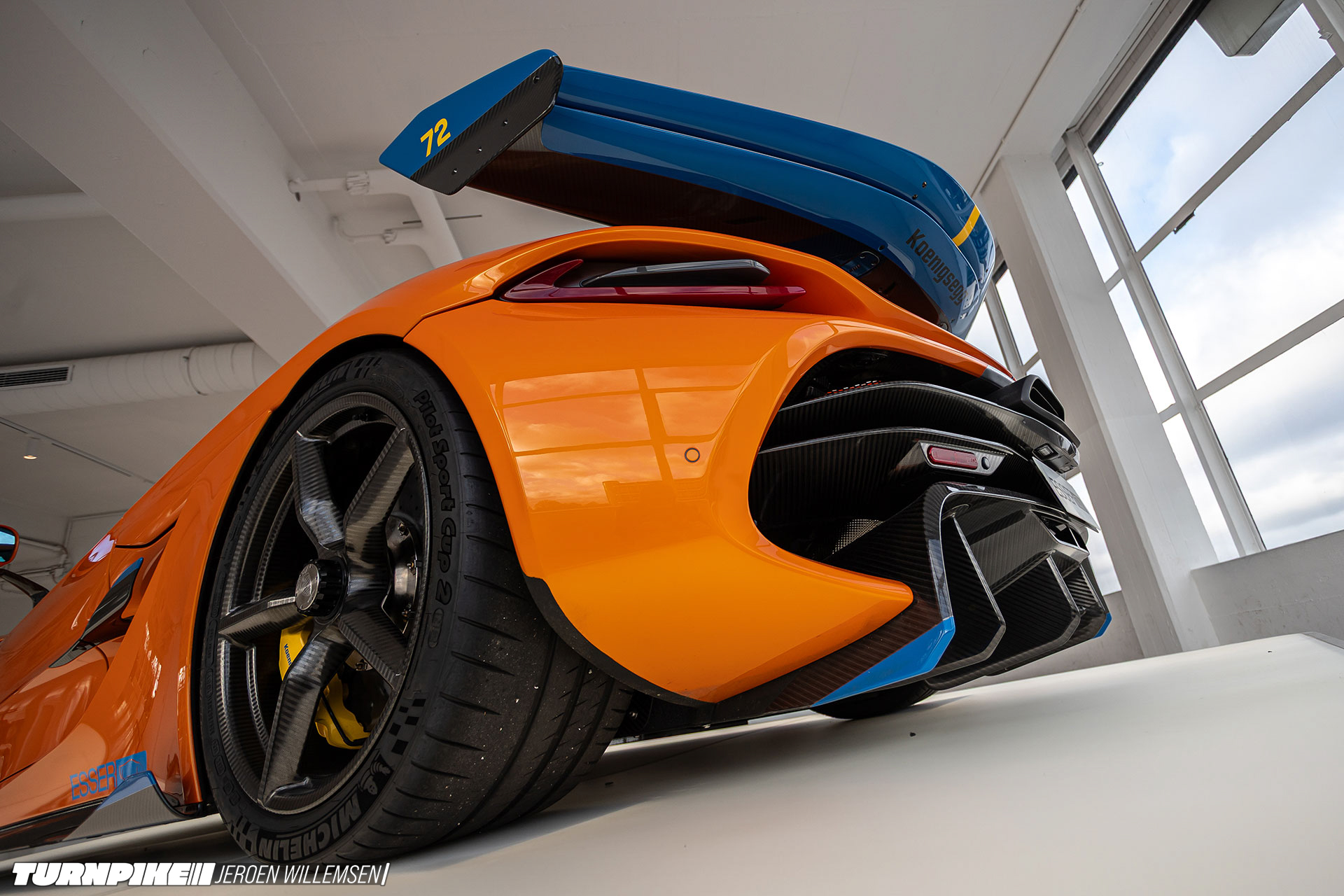
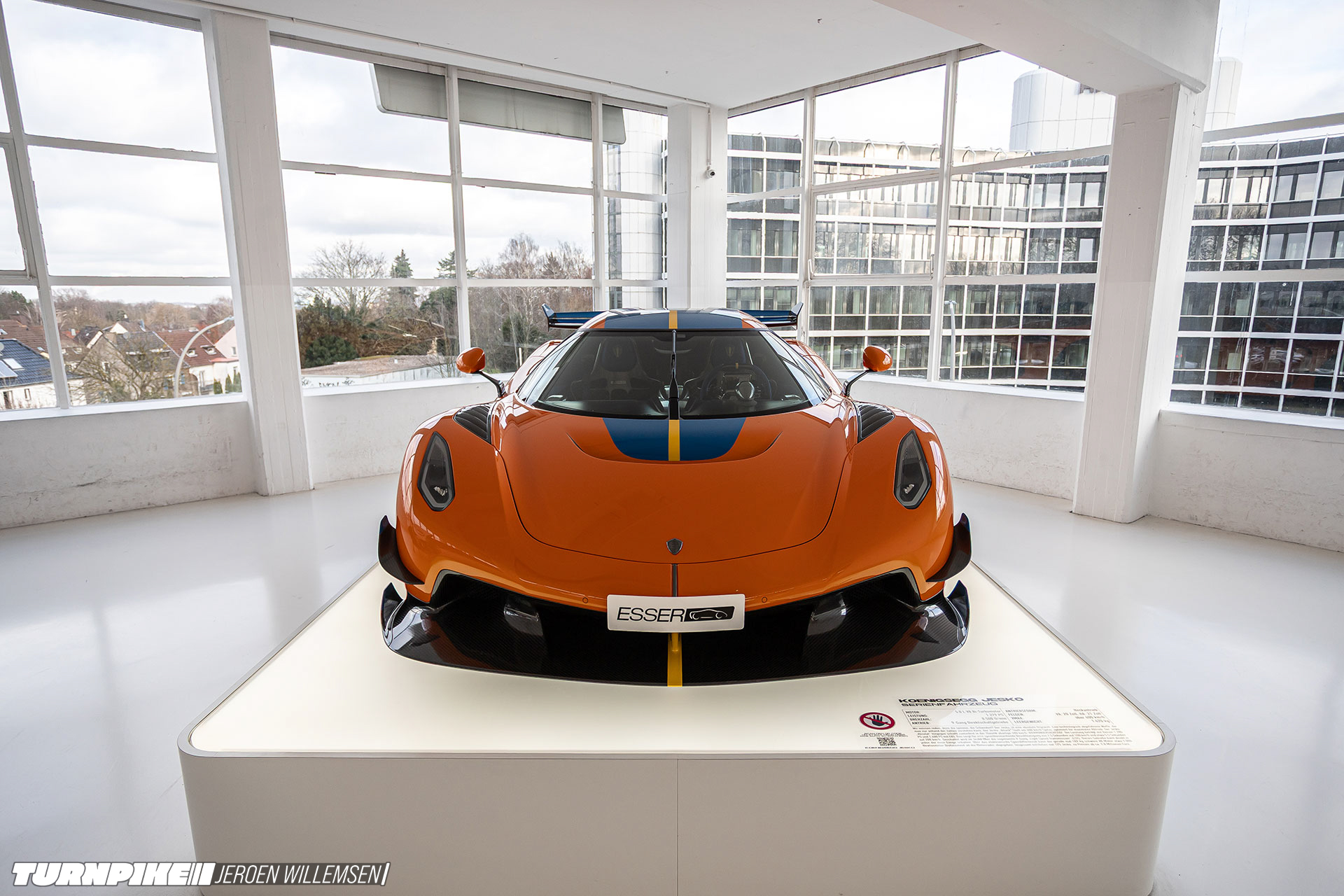
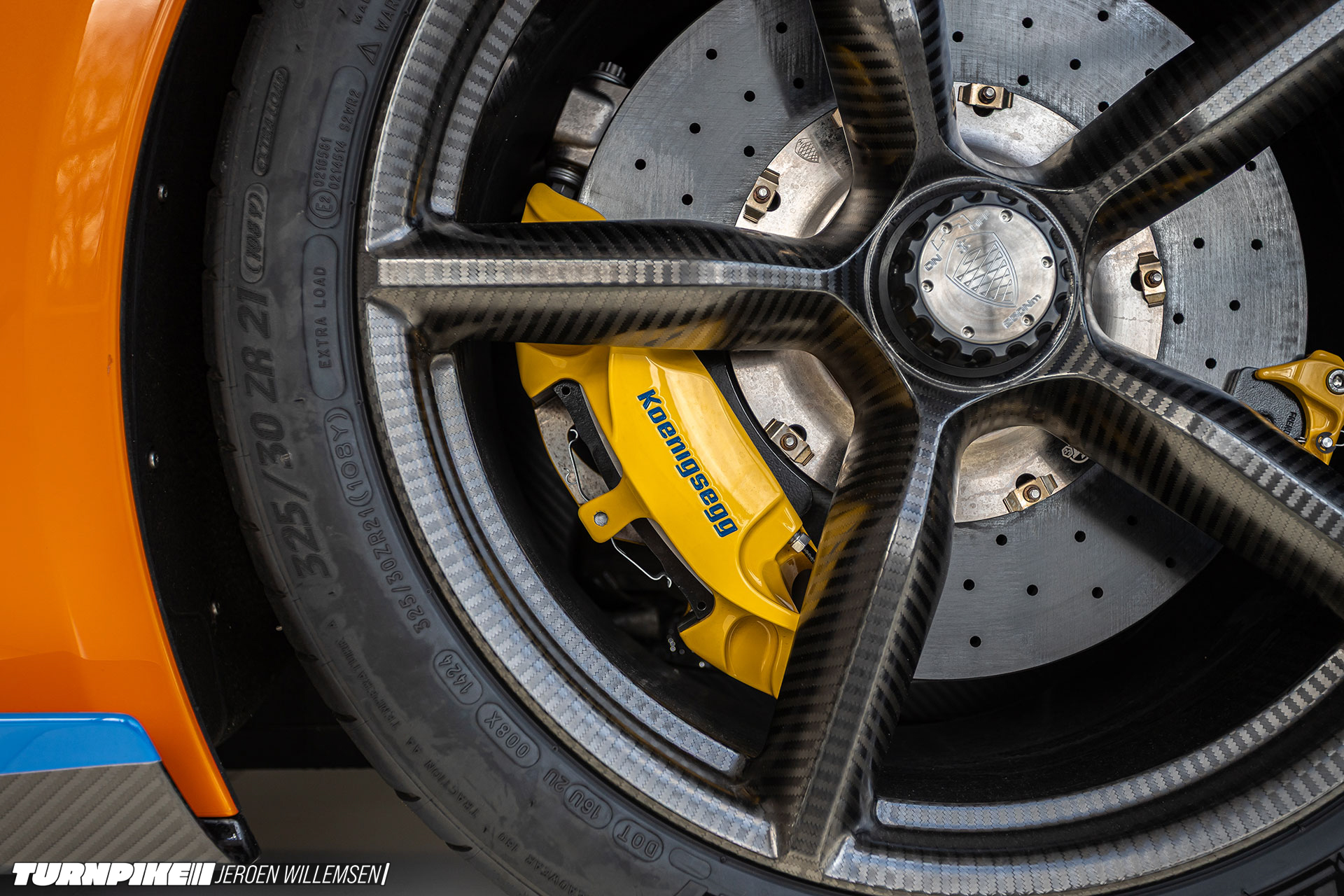
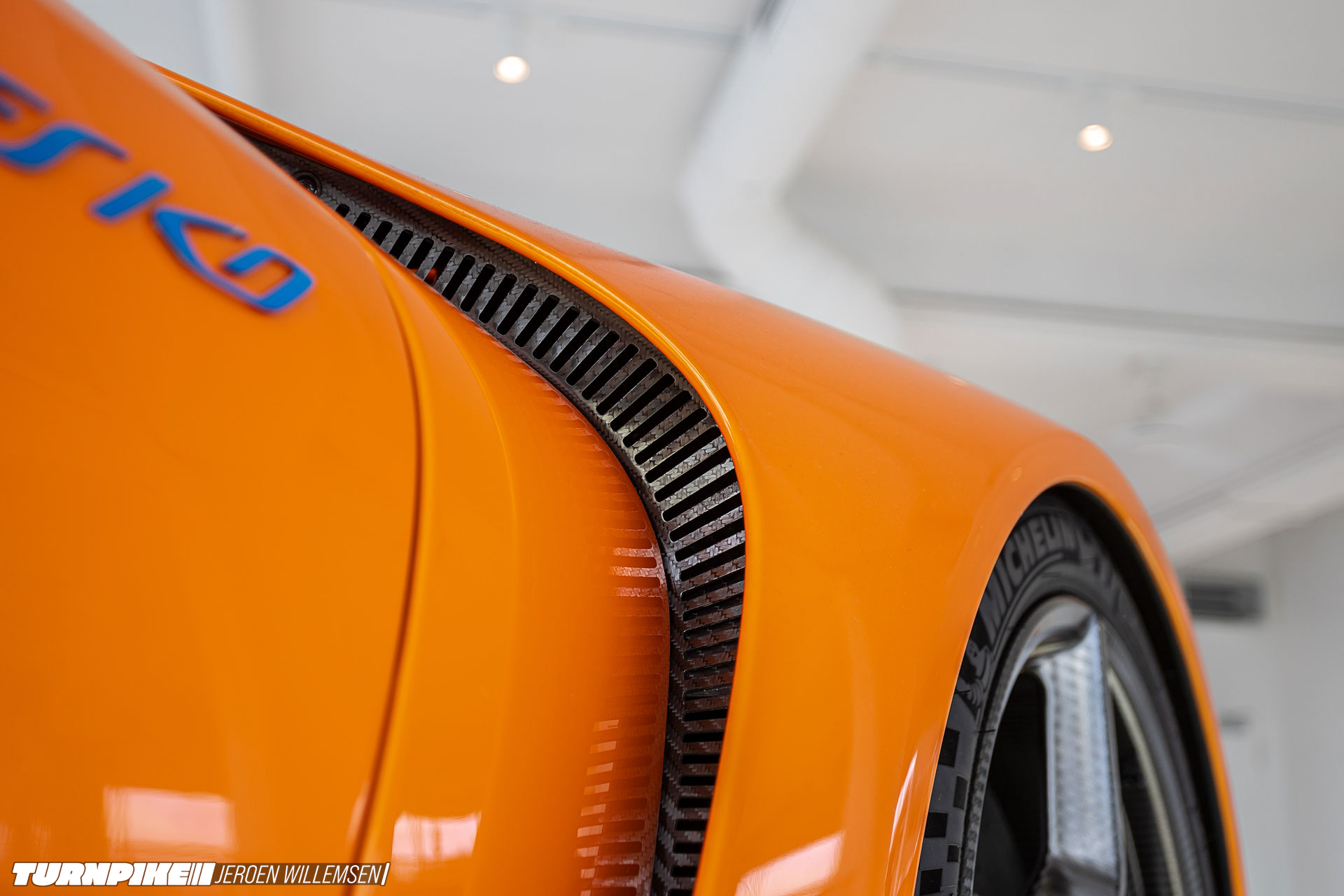
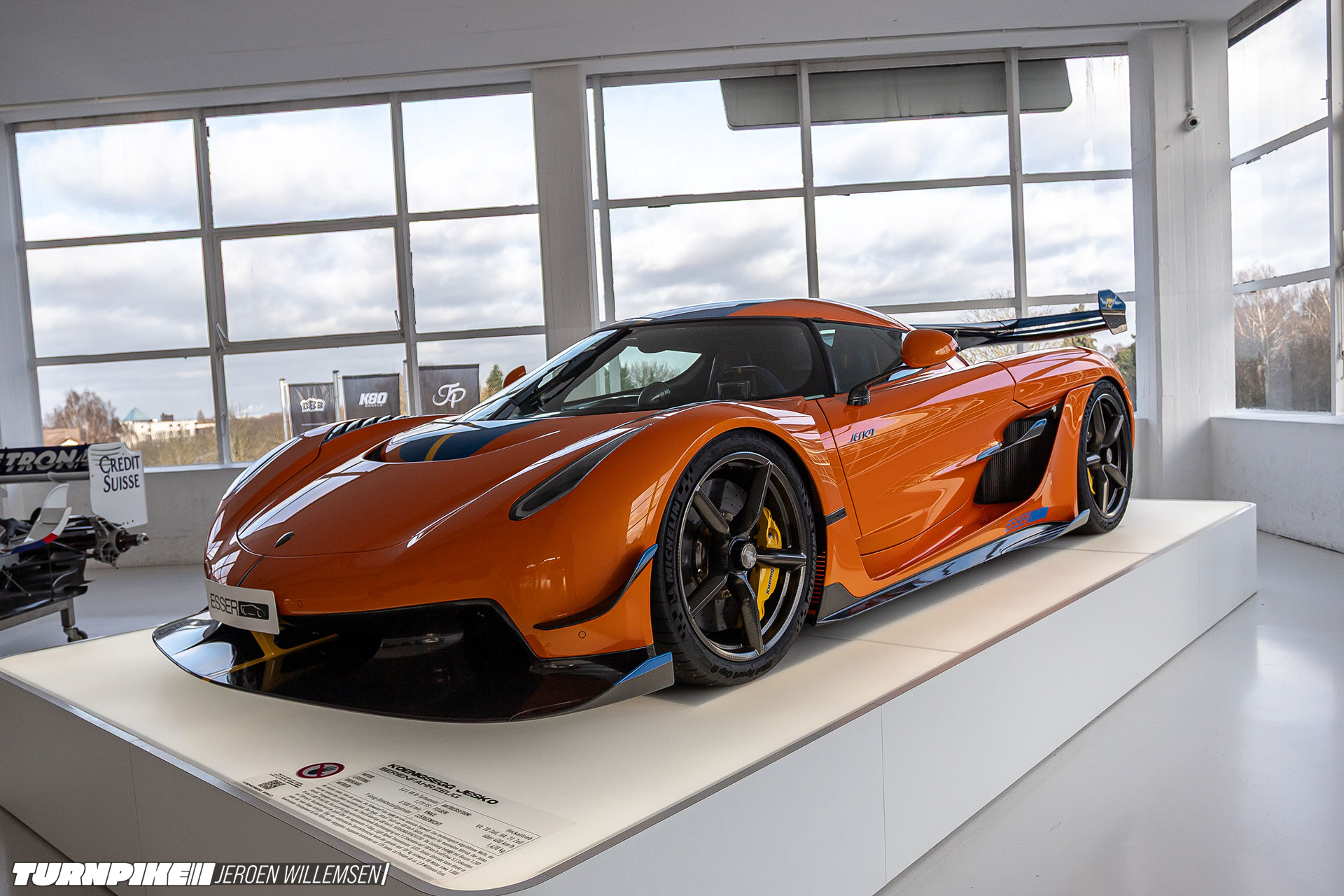
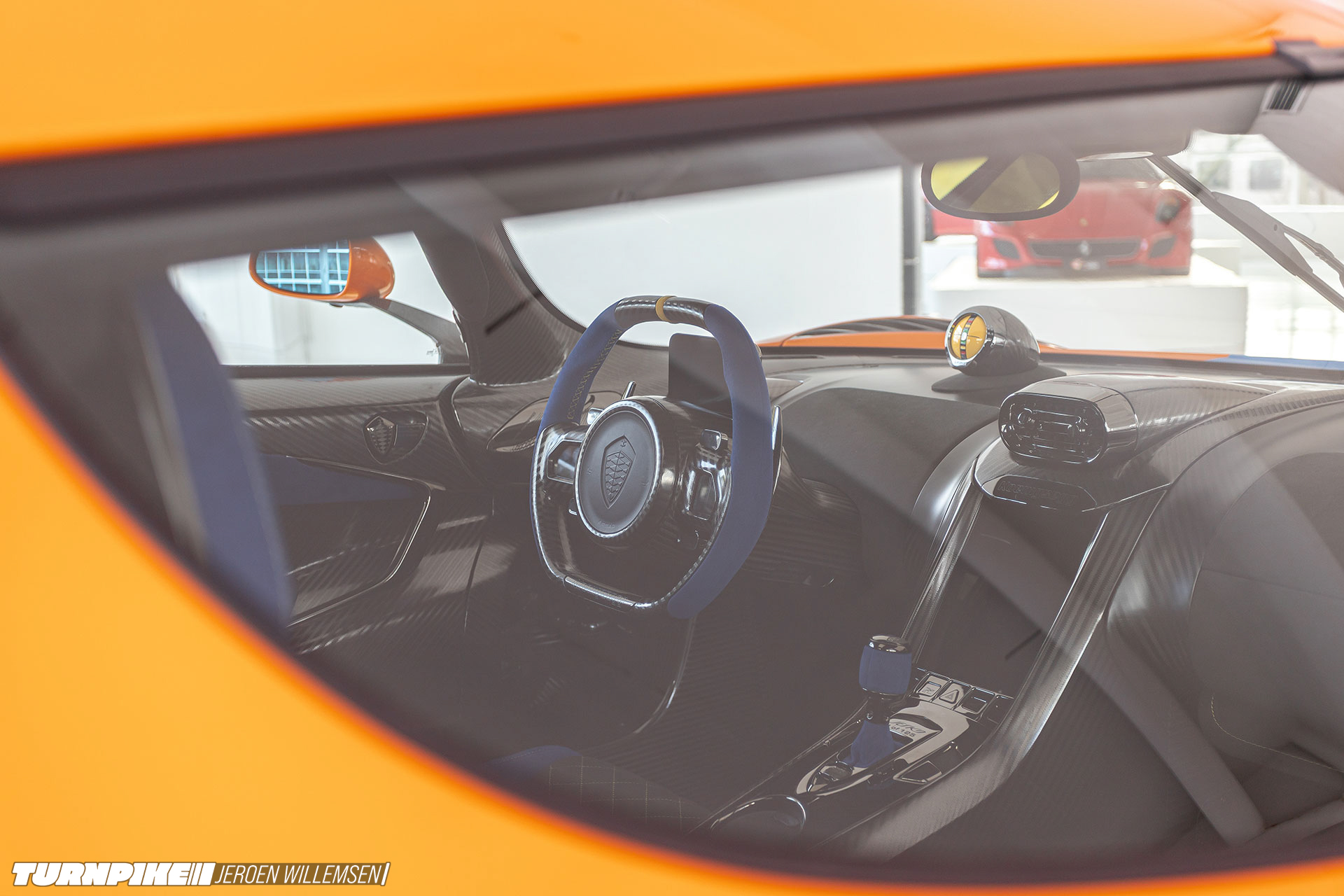
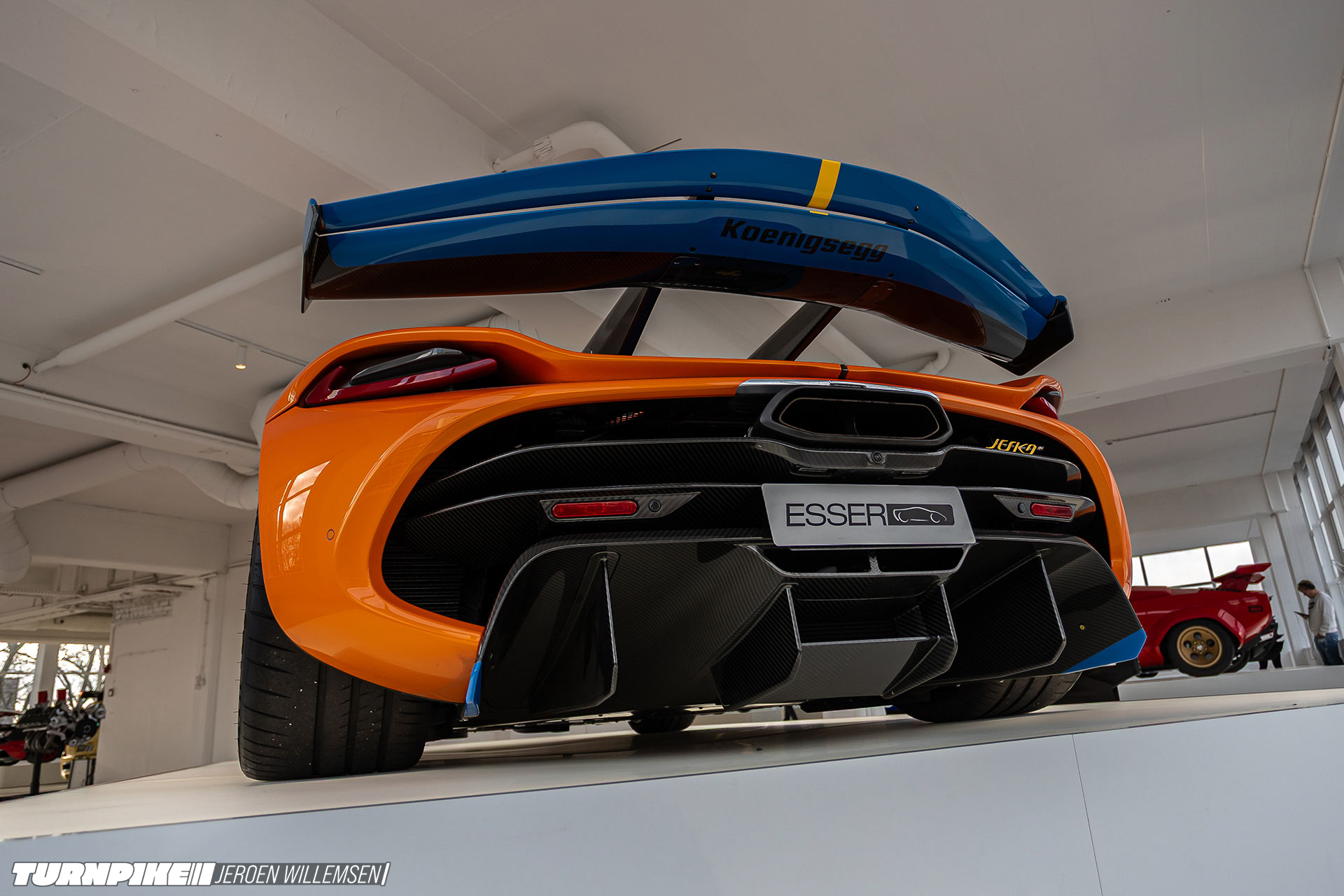
I always start at the top and work my way down. So up the stairs to the top floor and immediately on my right was a car I’d seen before, although never this close: the Koenigsegg Jesko Attack. This particular Jekso was loaned by Esser Automotive, one of Koenigsegg’s German dealers. Standing next to it, I could finally take in the details that no photo could fully capture: the flawless carbon weave, the aerodynamic trickery, the way every surface looked as if it were designed by someone who decided gravity was optional.
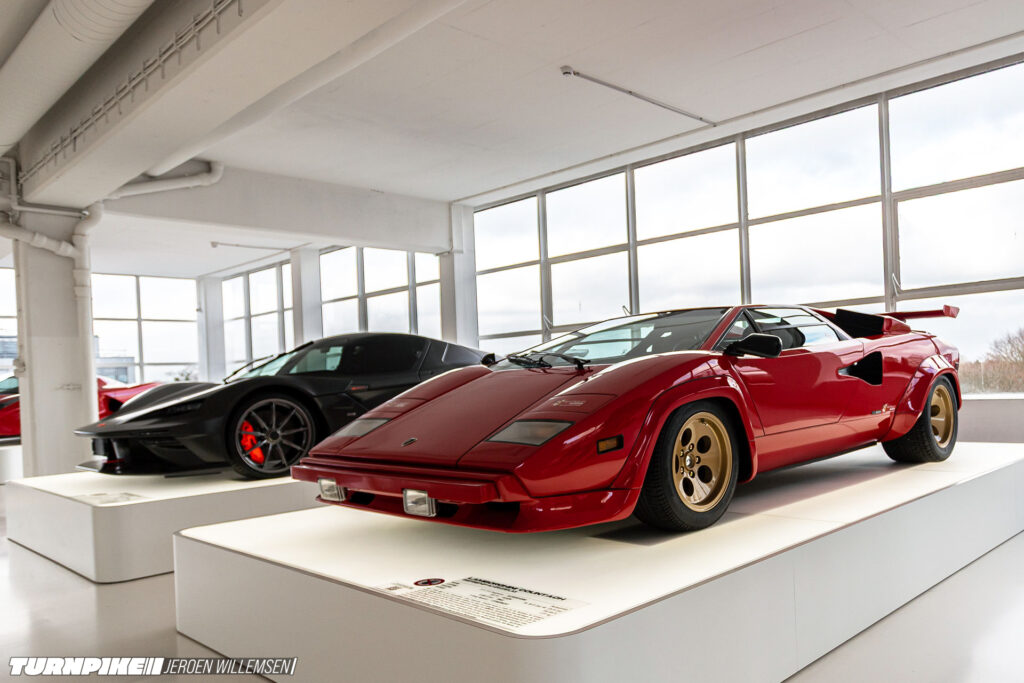
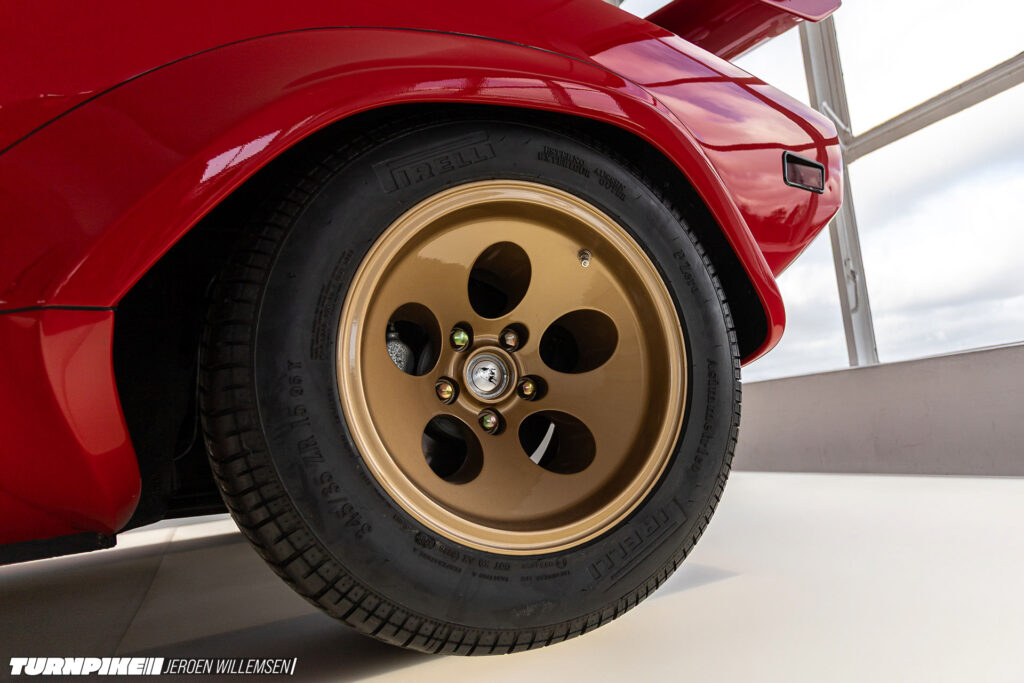
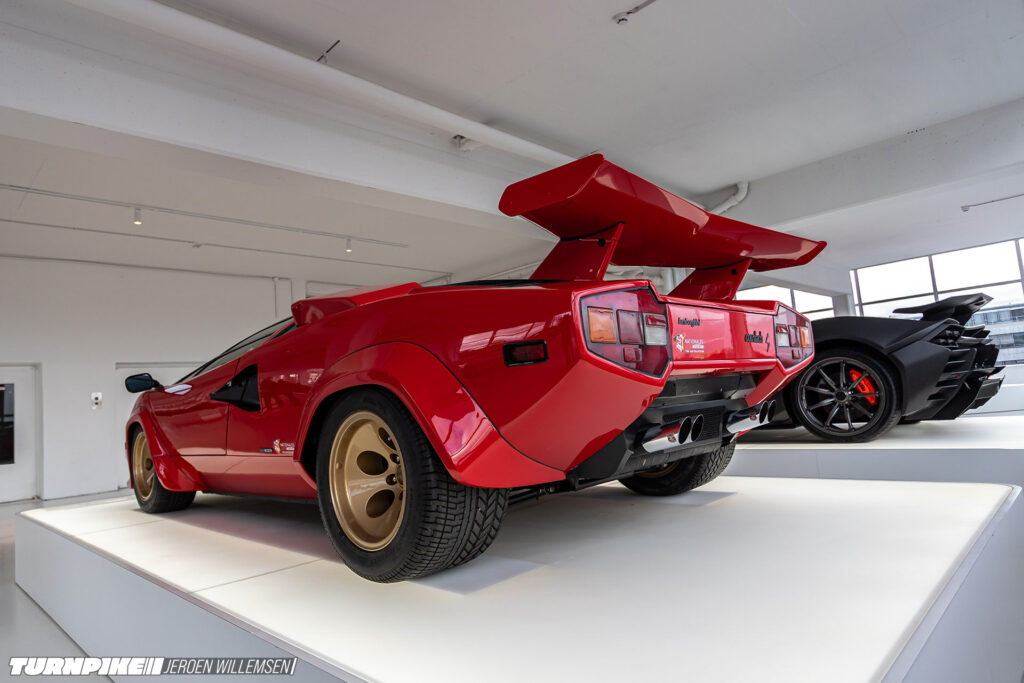
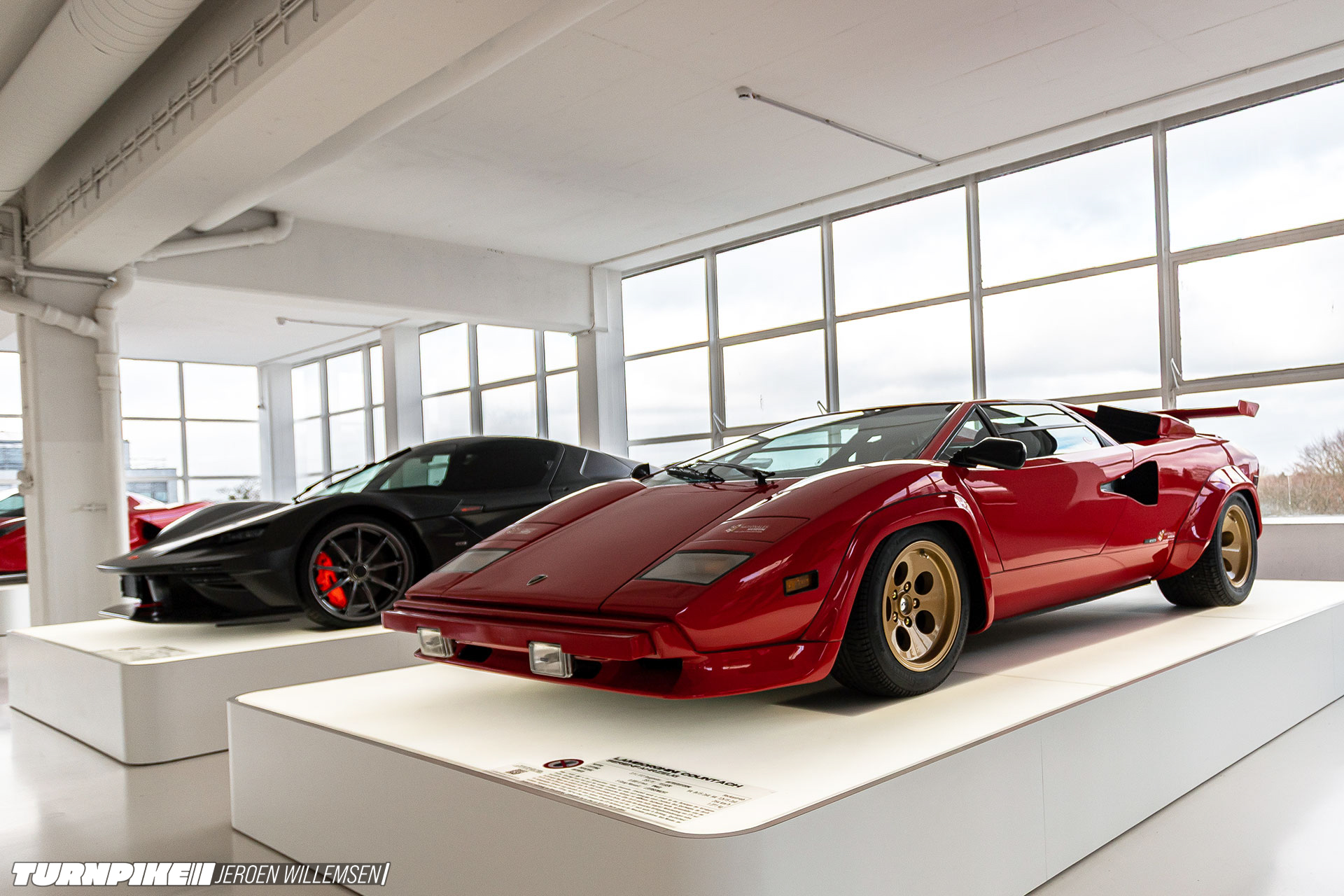
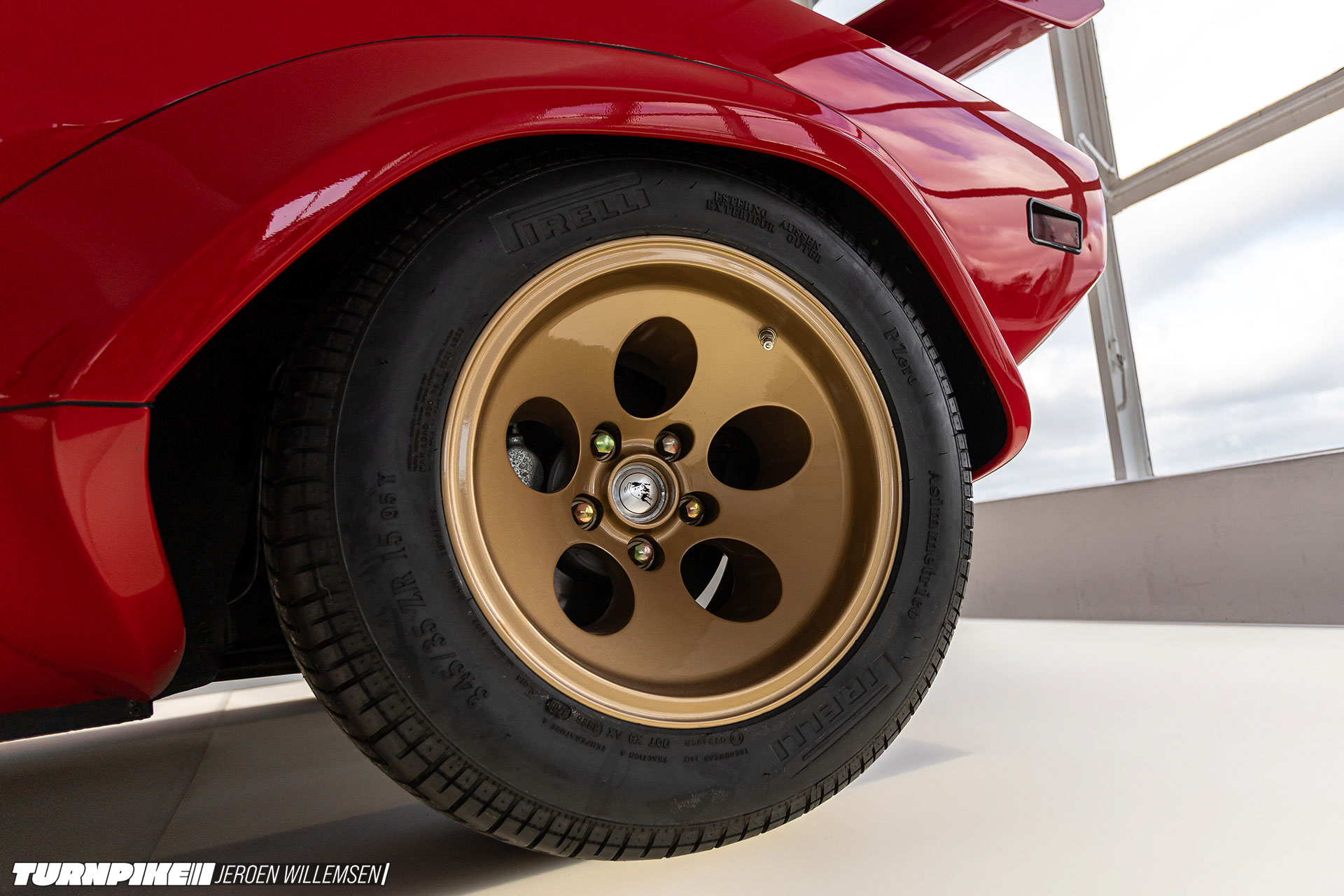
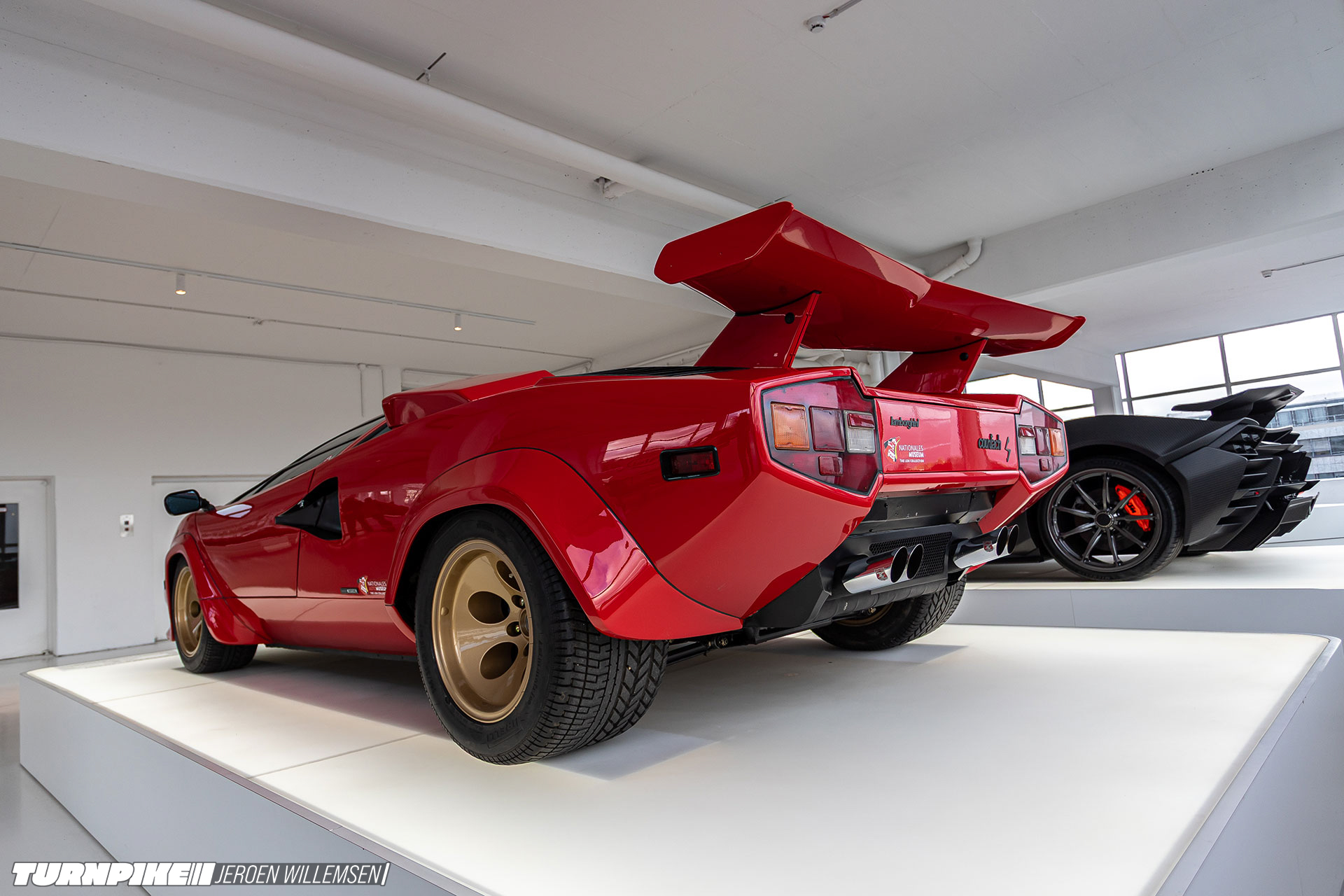
A few steps further, a red Lamborghini Countach sat on iconic gold Campagnolo wheels, looking every bit as perfect as you’d want it to be. Next to it, a bare‑carbon KTM X‑Bow GT‑XR, which has all the subtlety of a brick through a window. And in the corner, a V12 icon: the Ferrari LaFerrari.
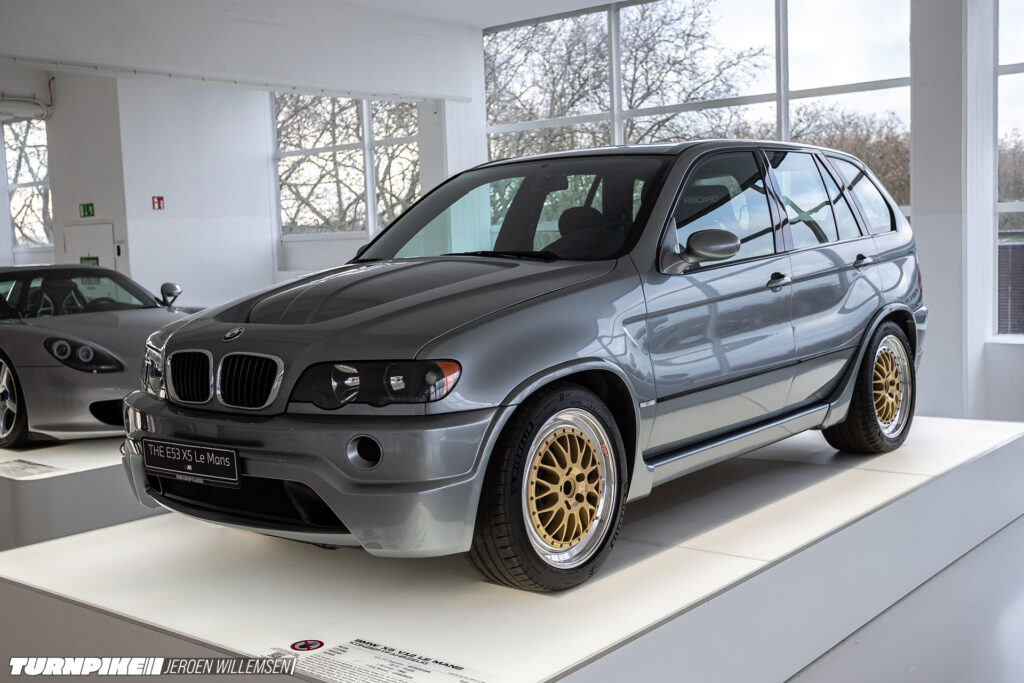
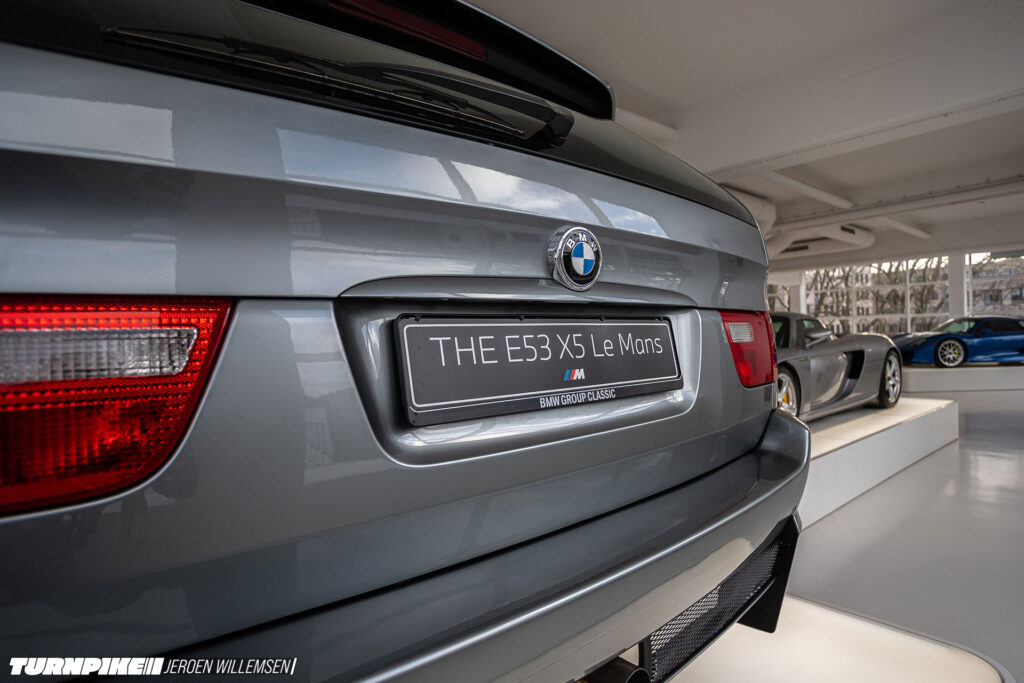
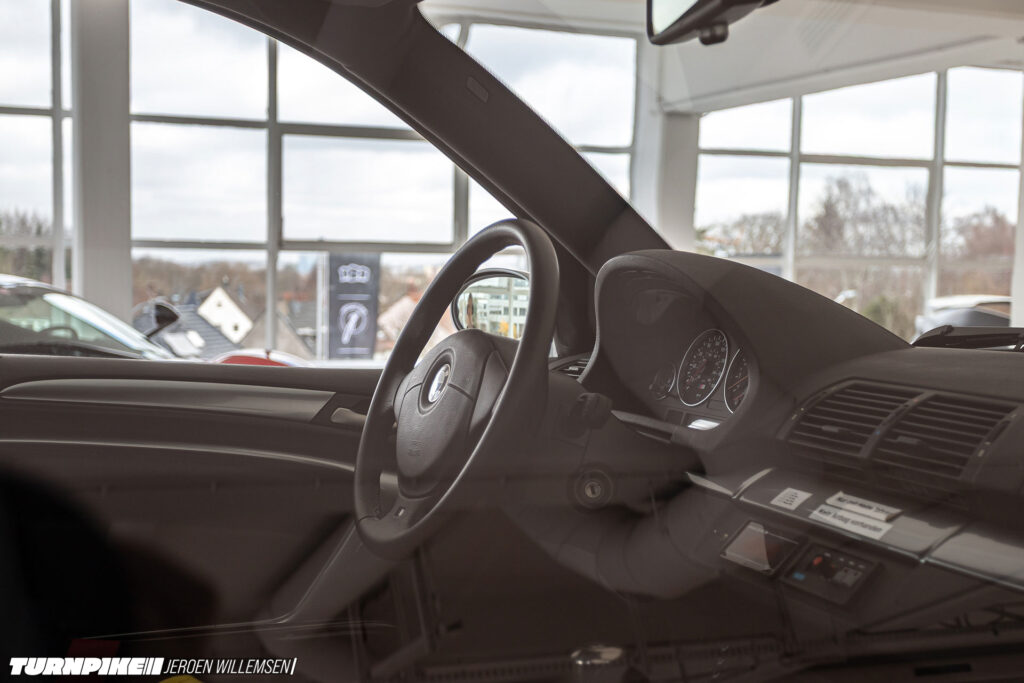
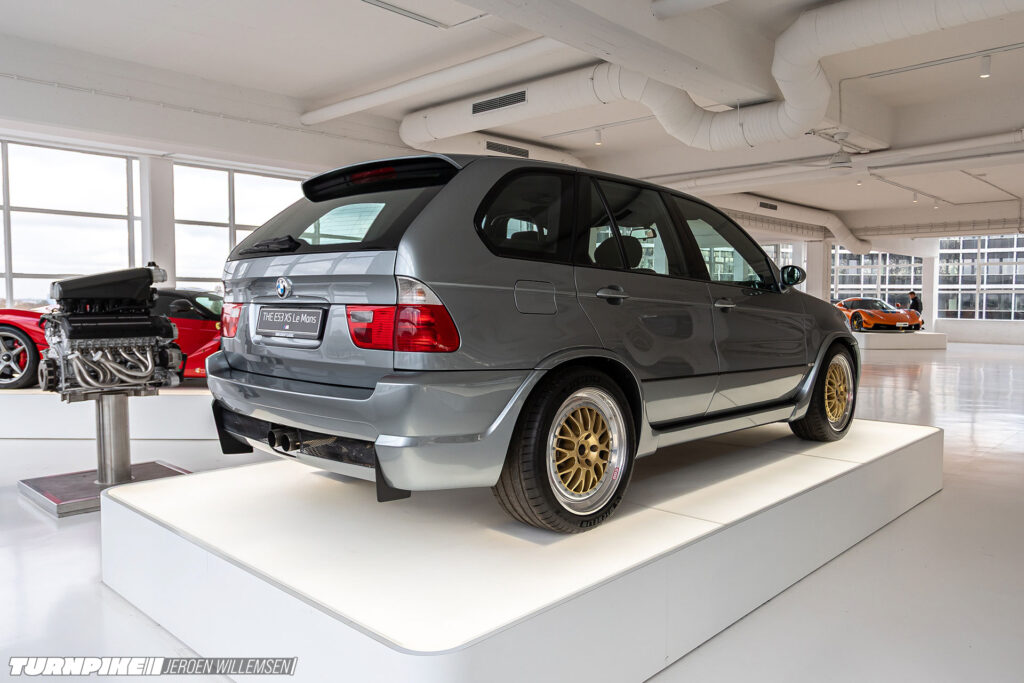
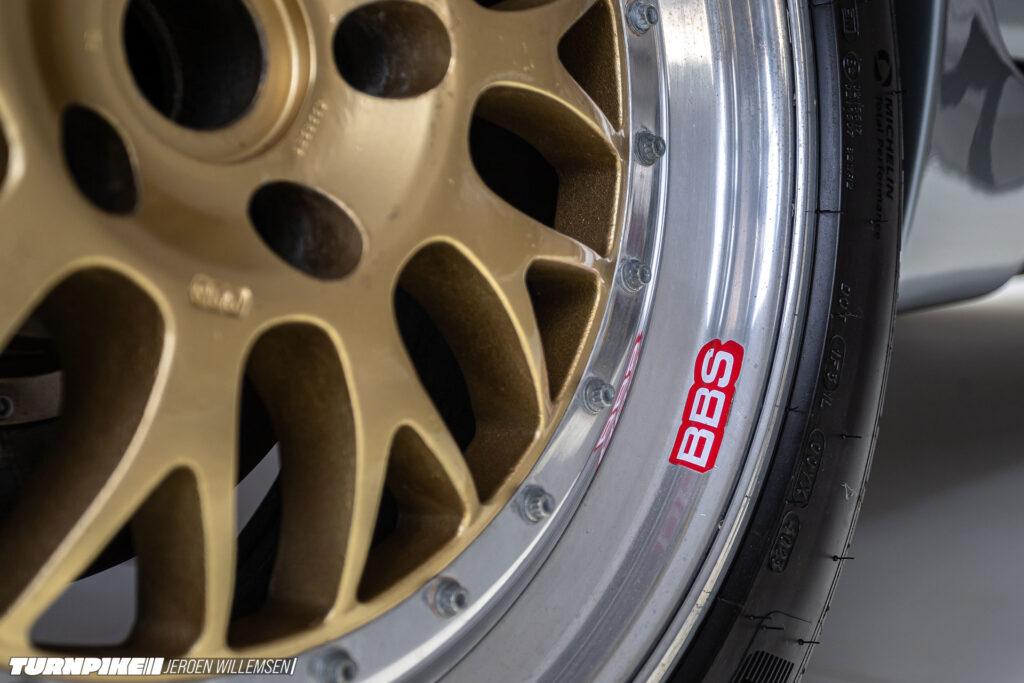
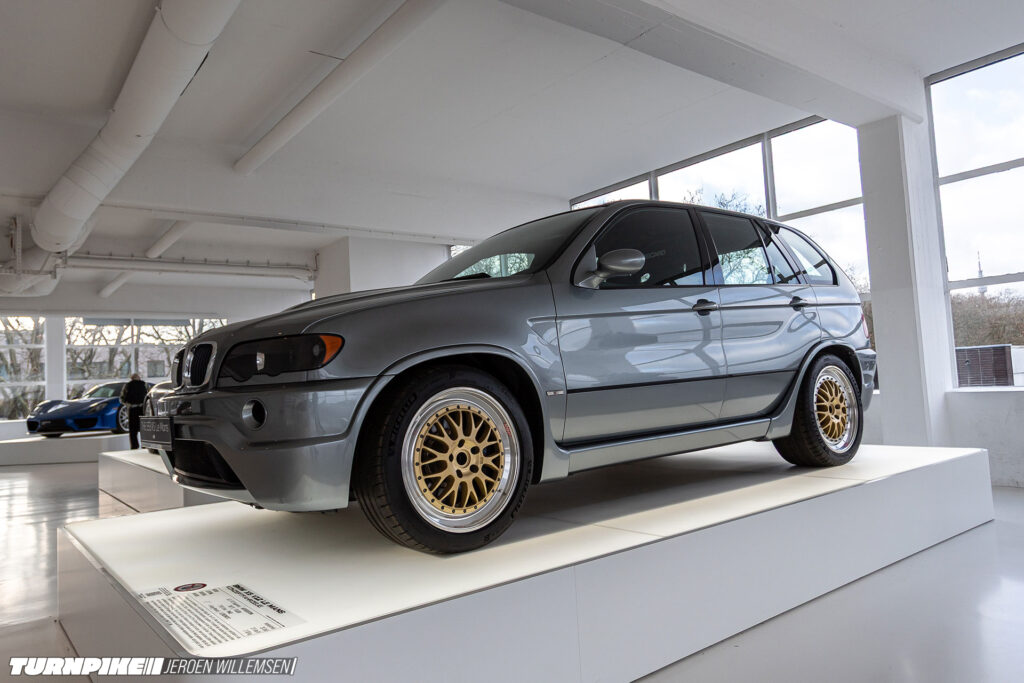
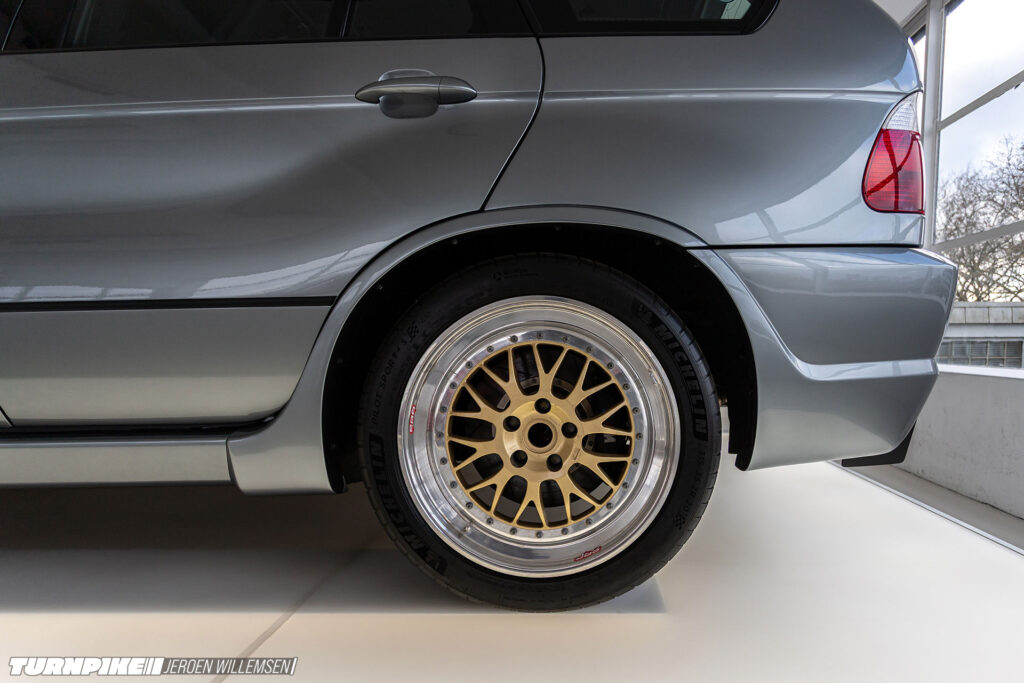
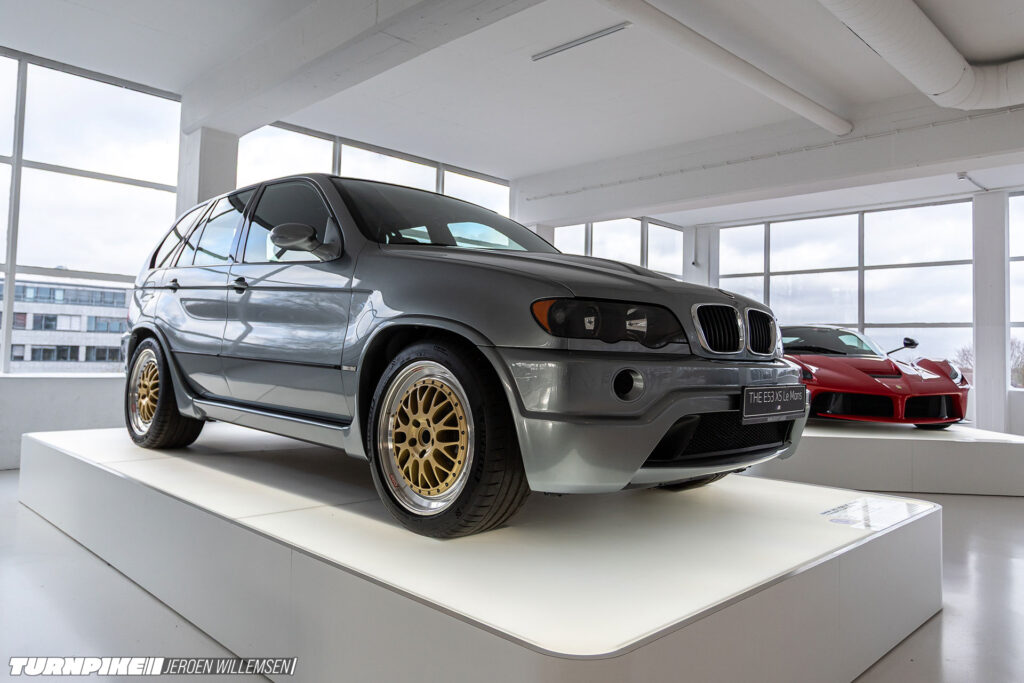
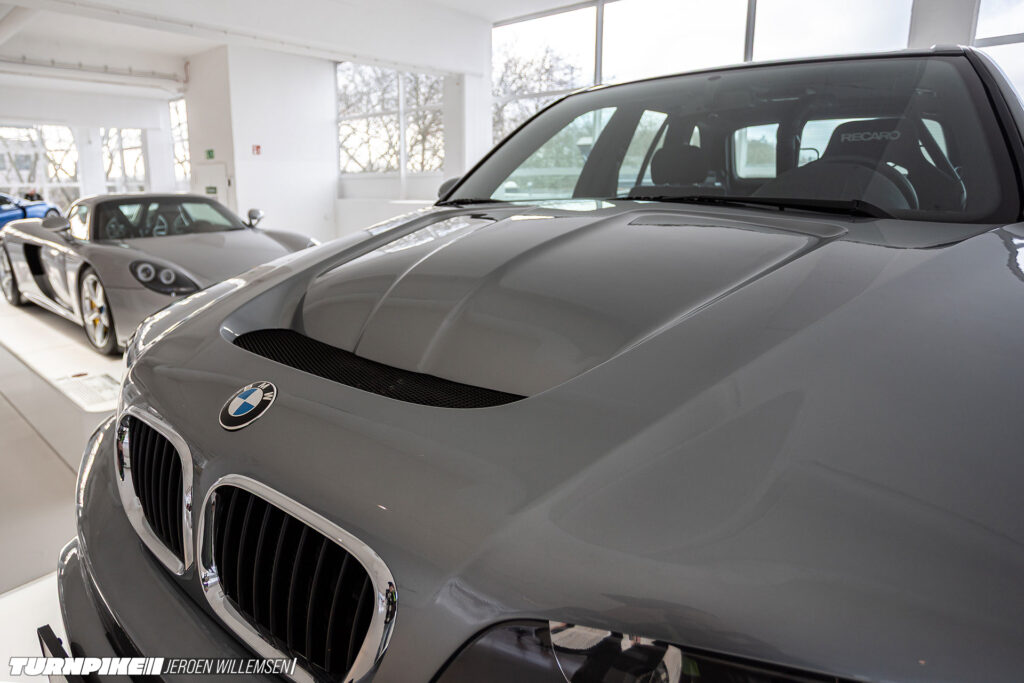
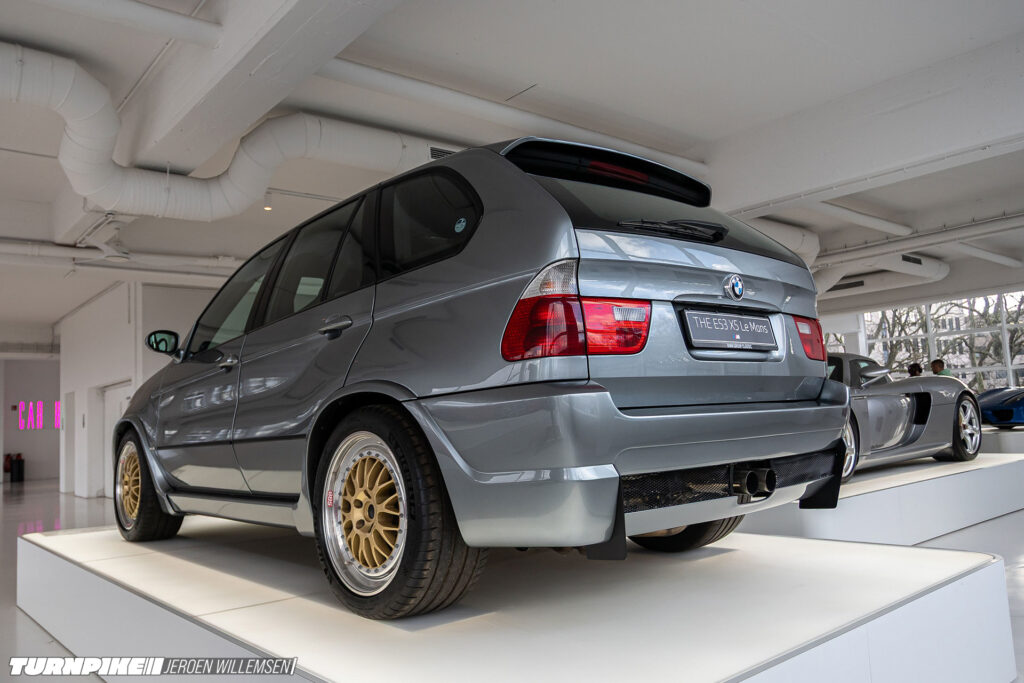
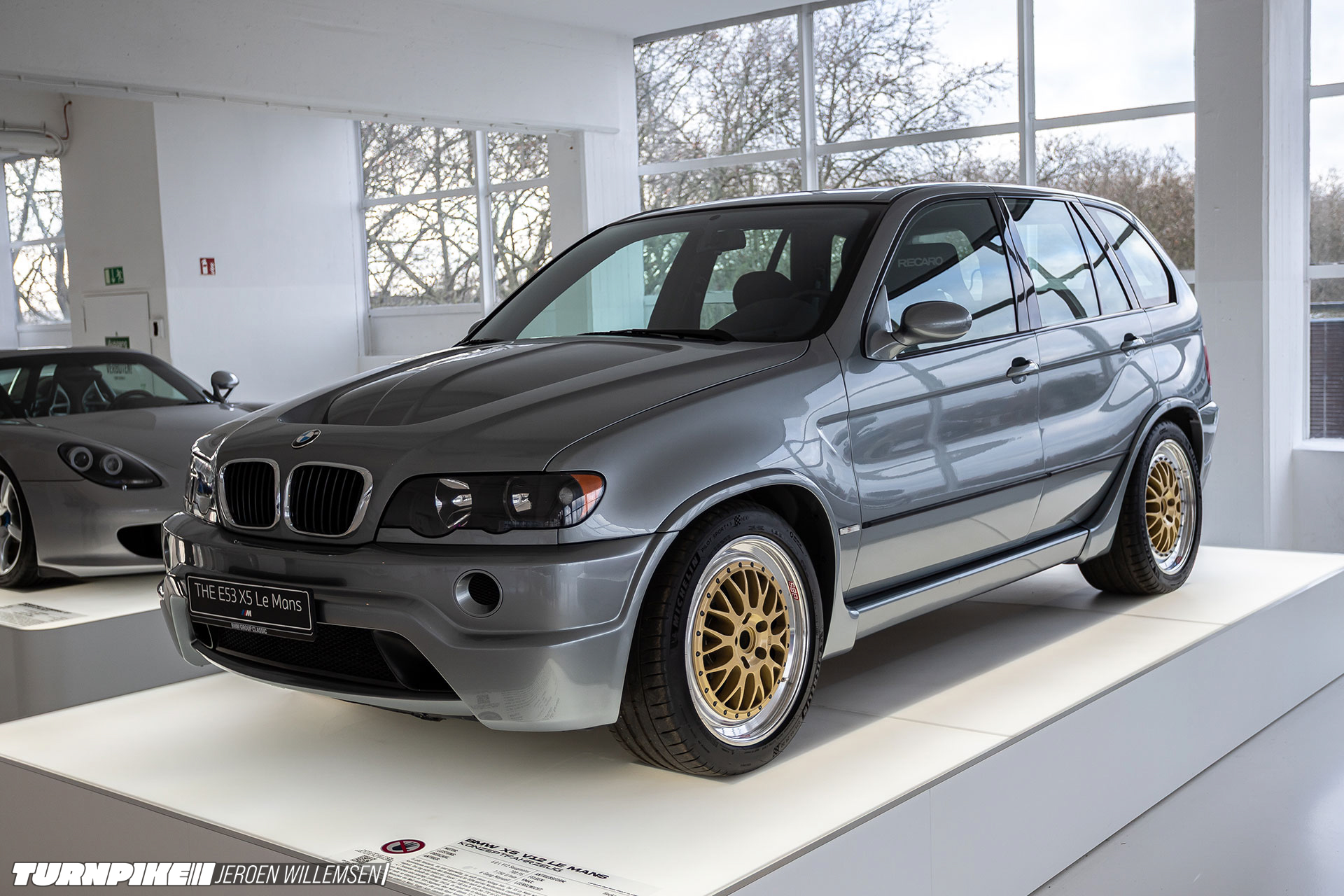
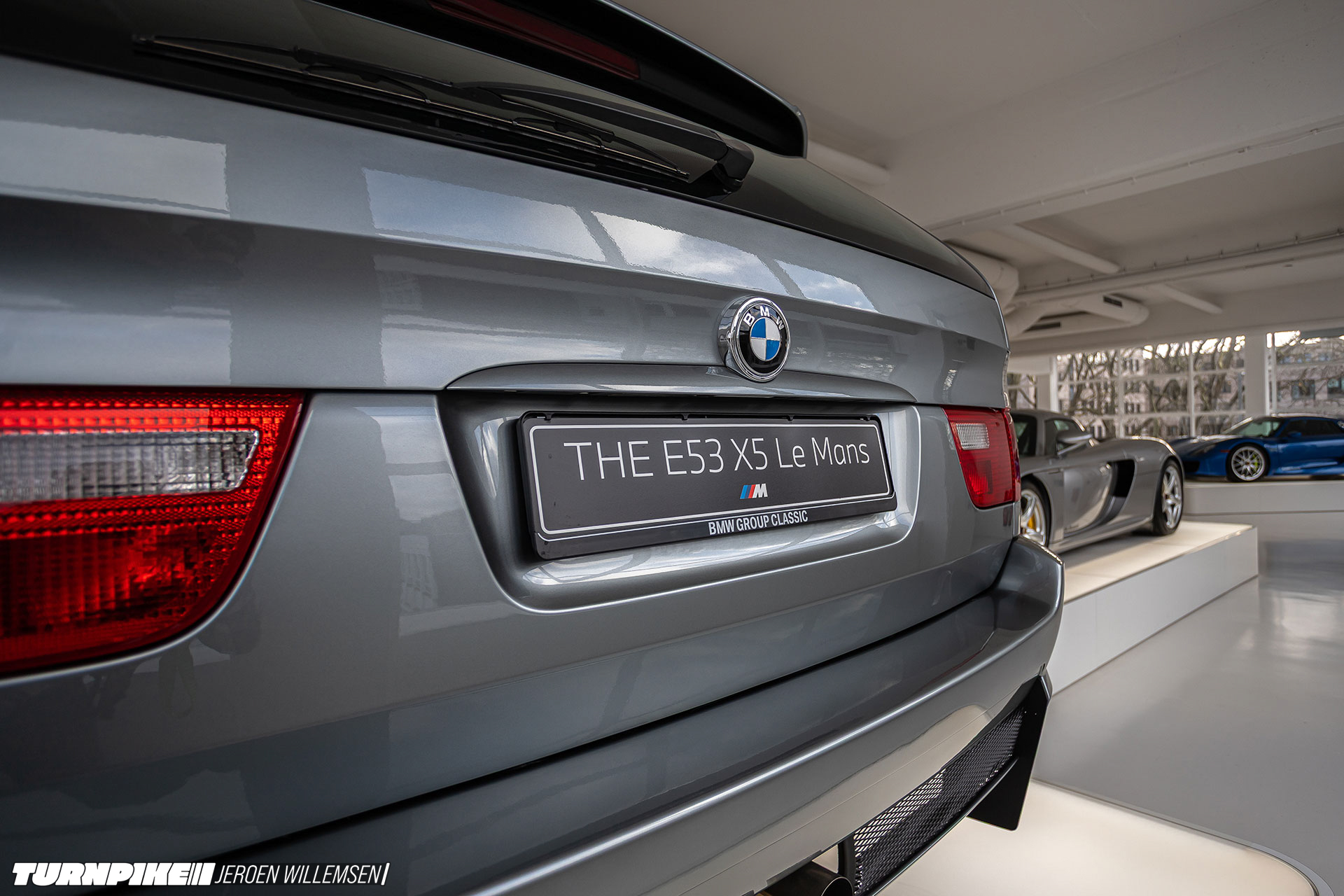
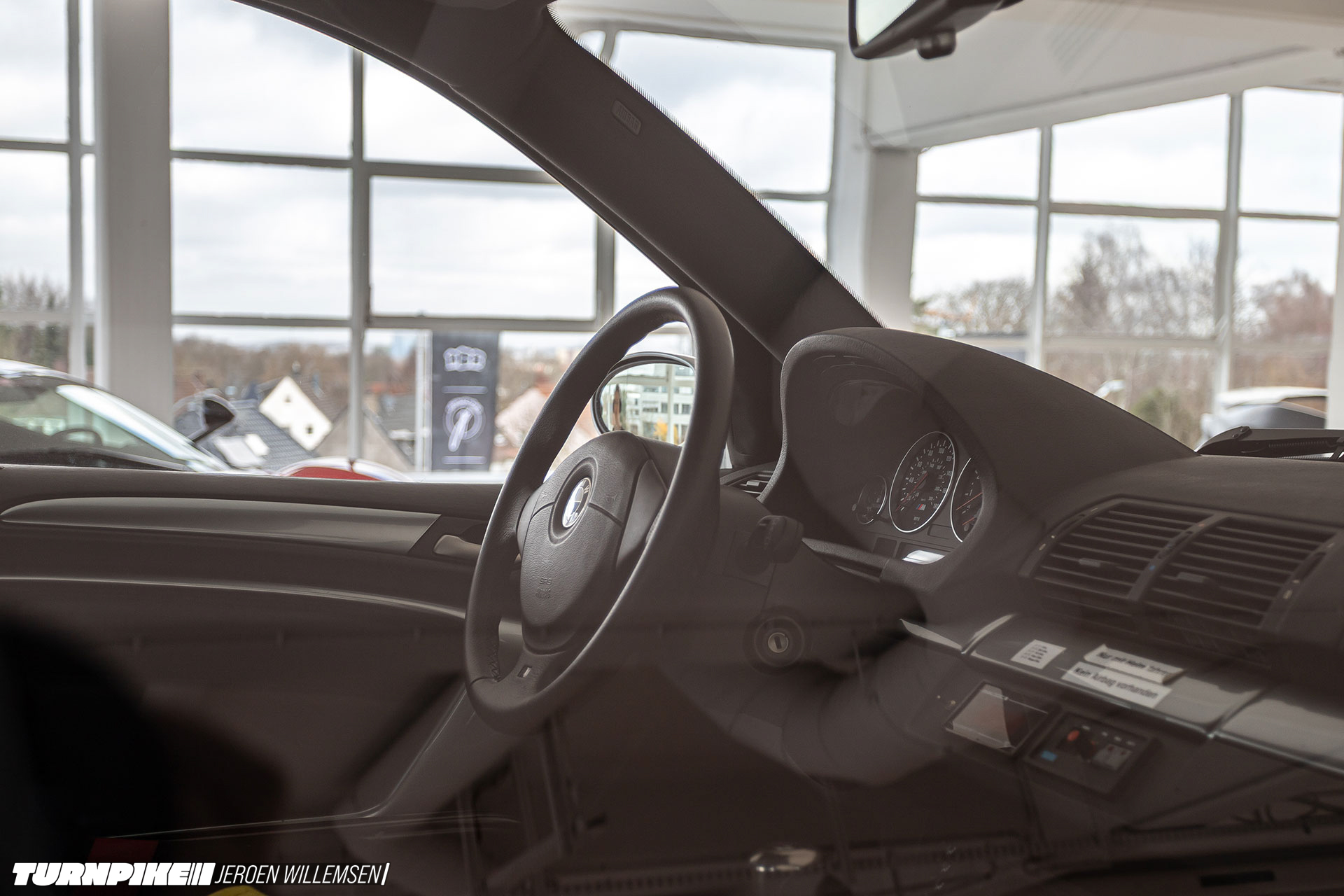
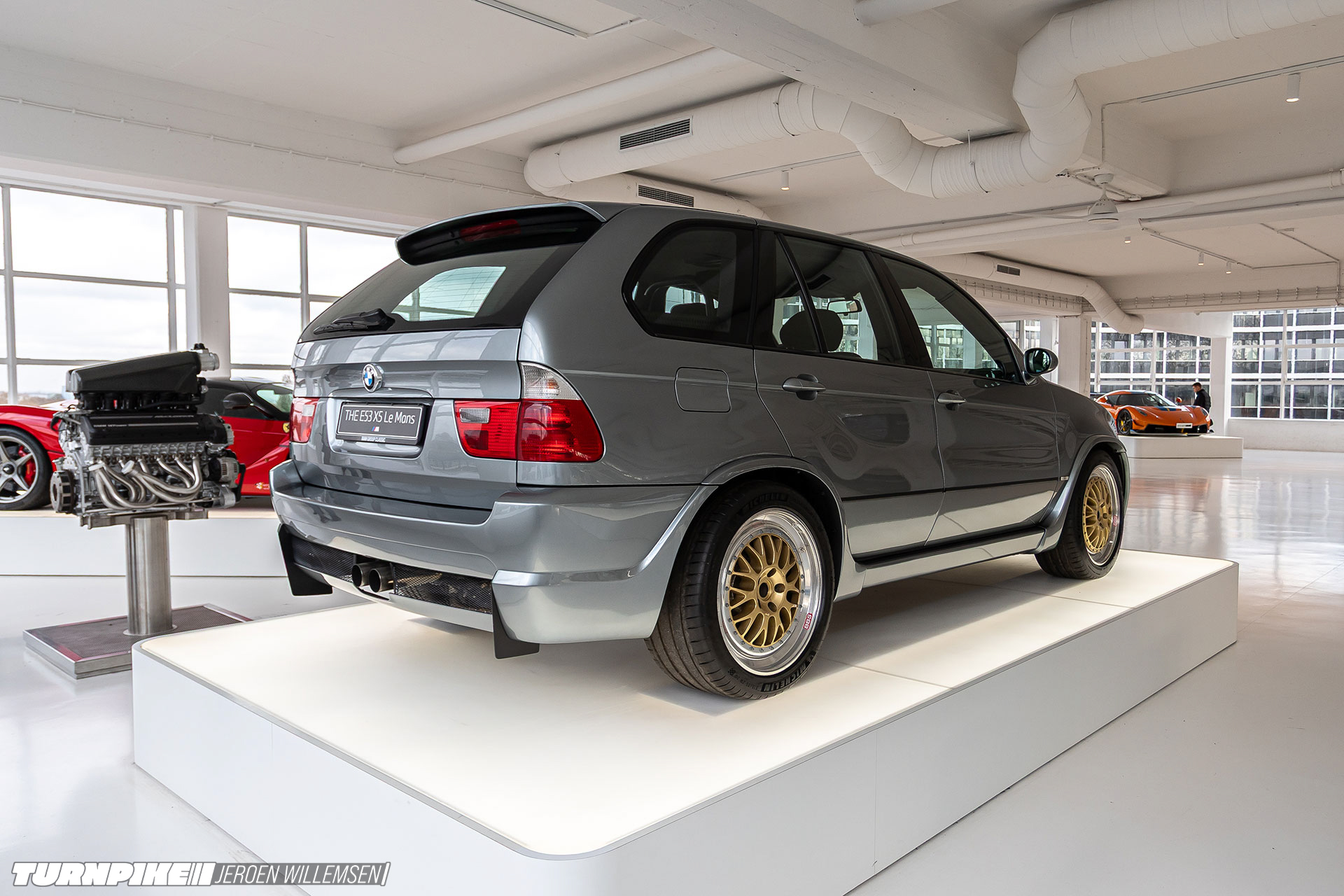
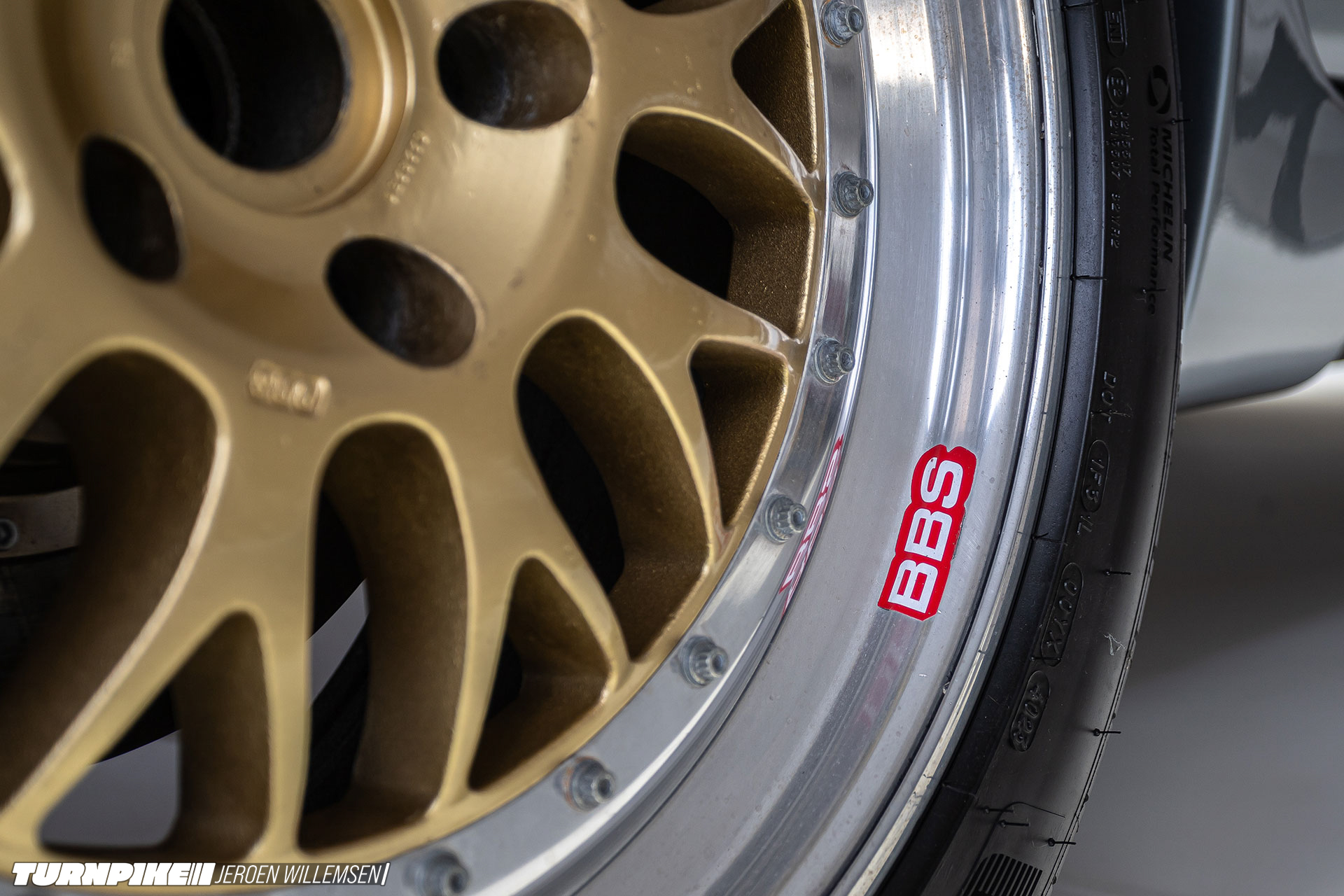
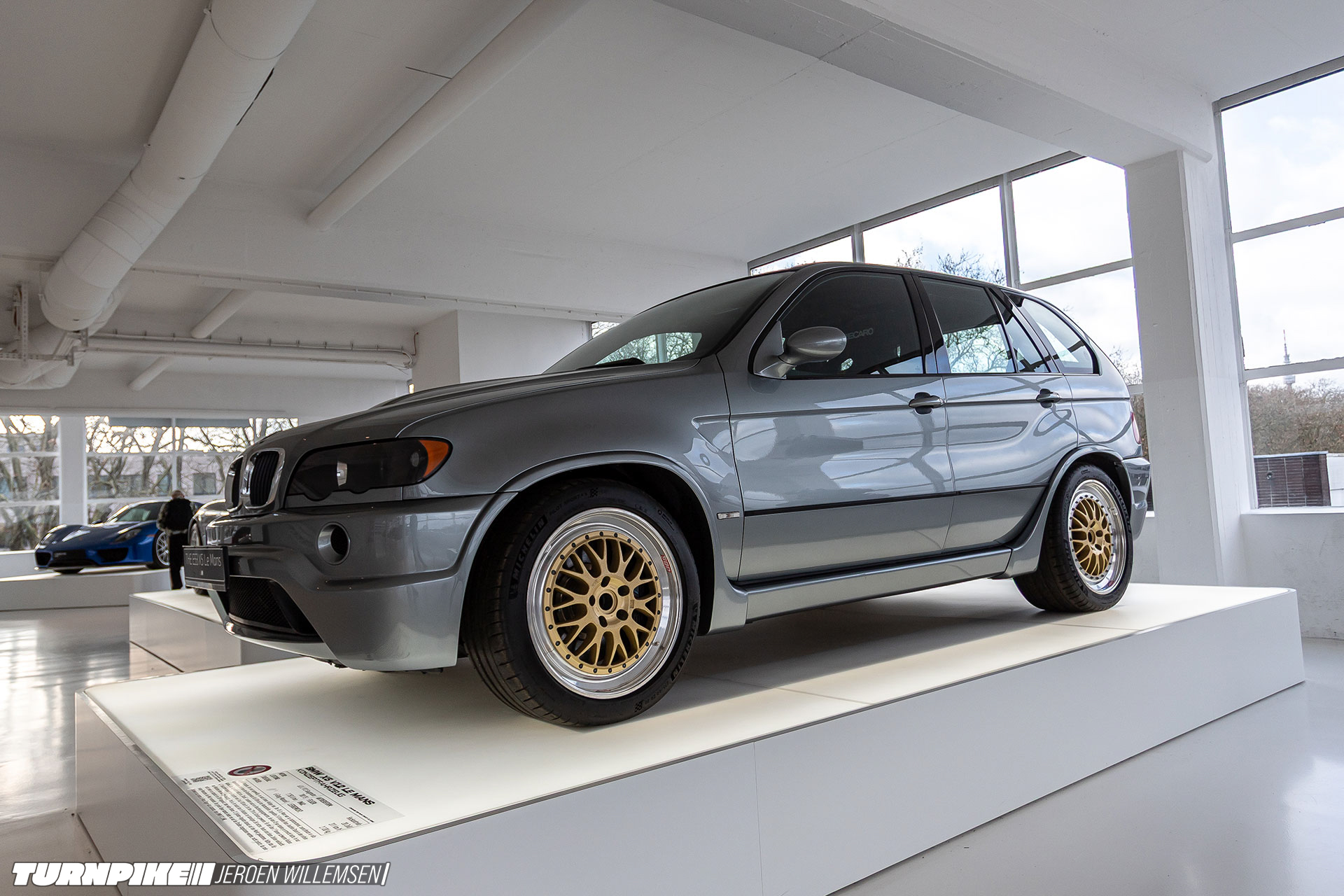
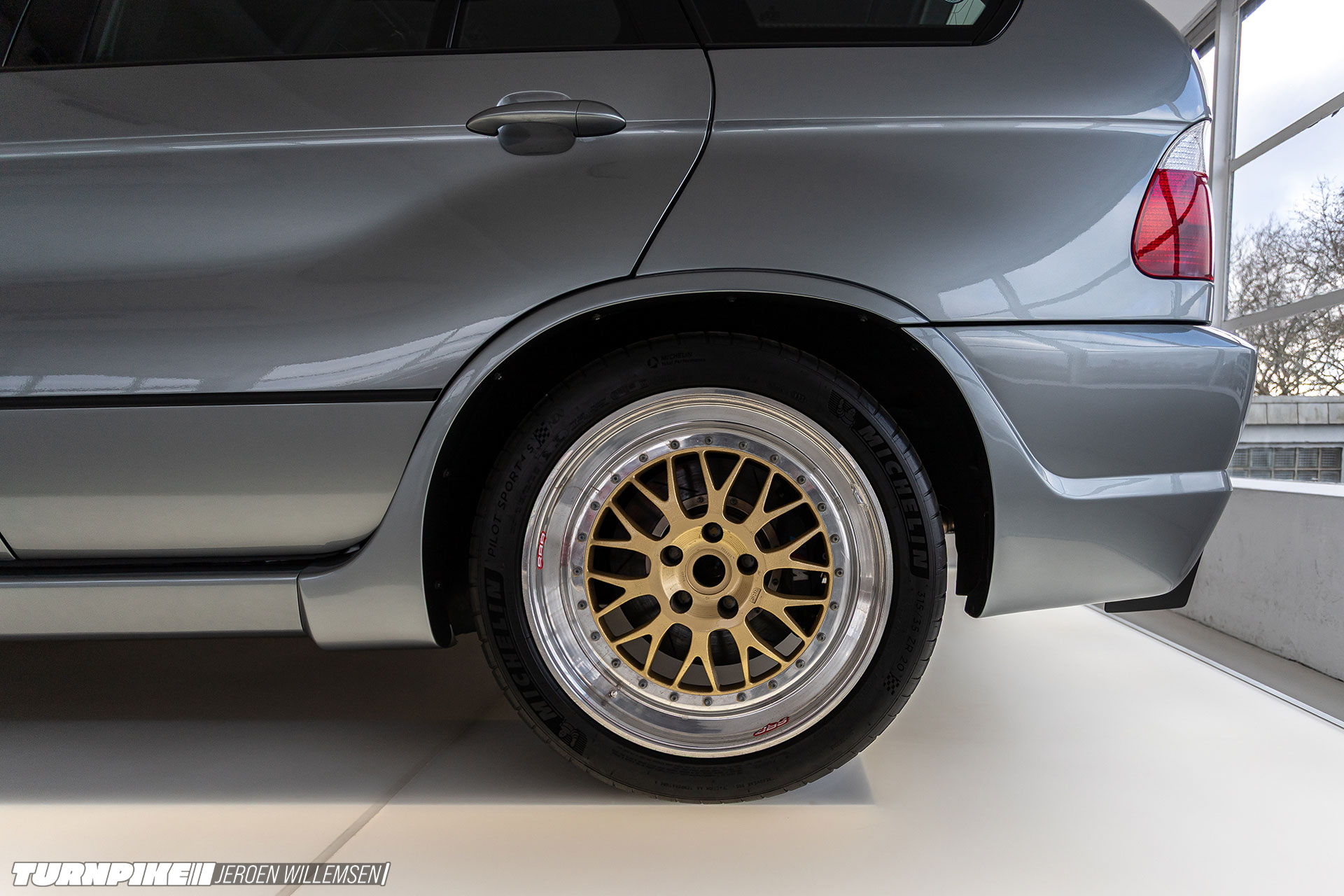
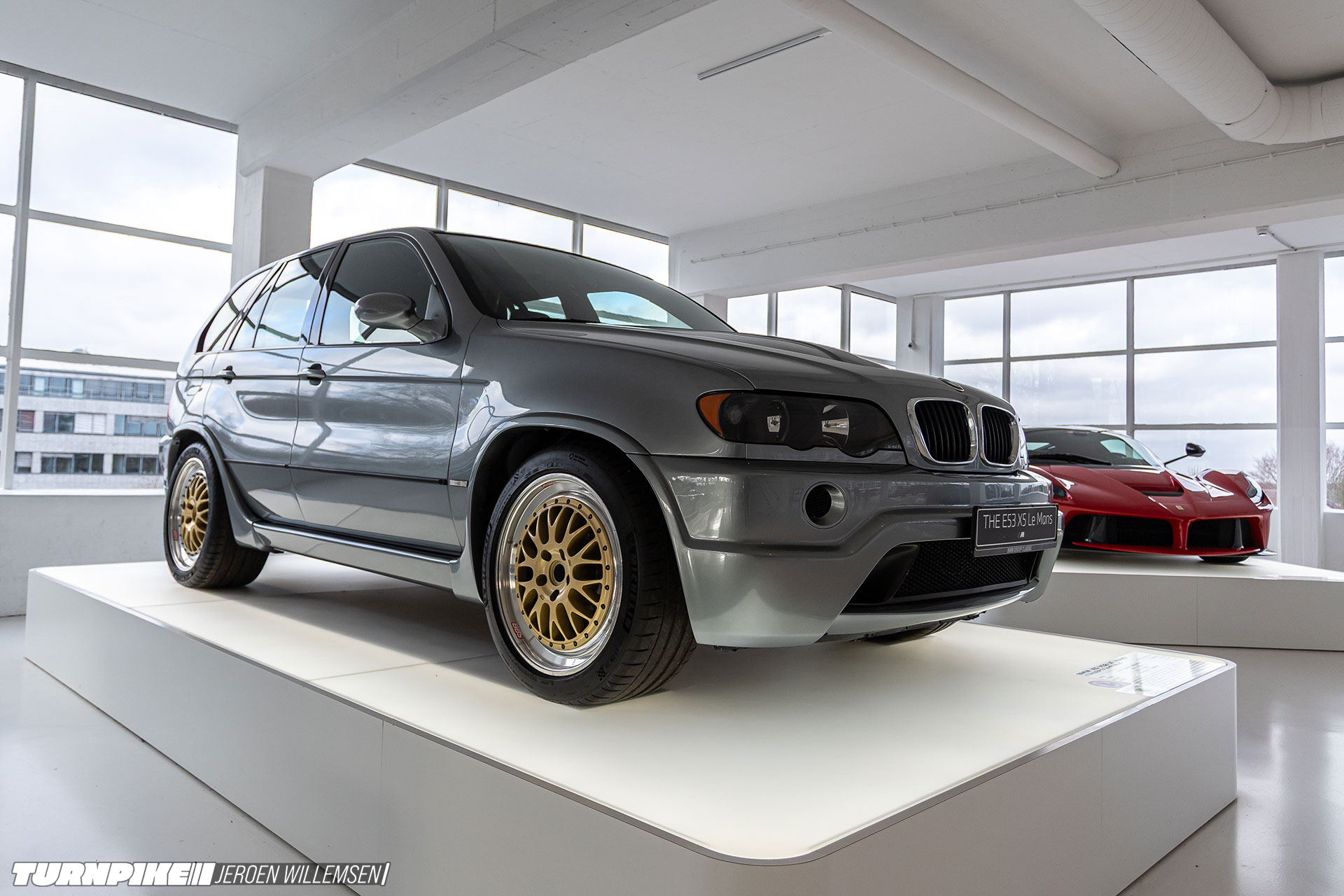
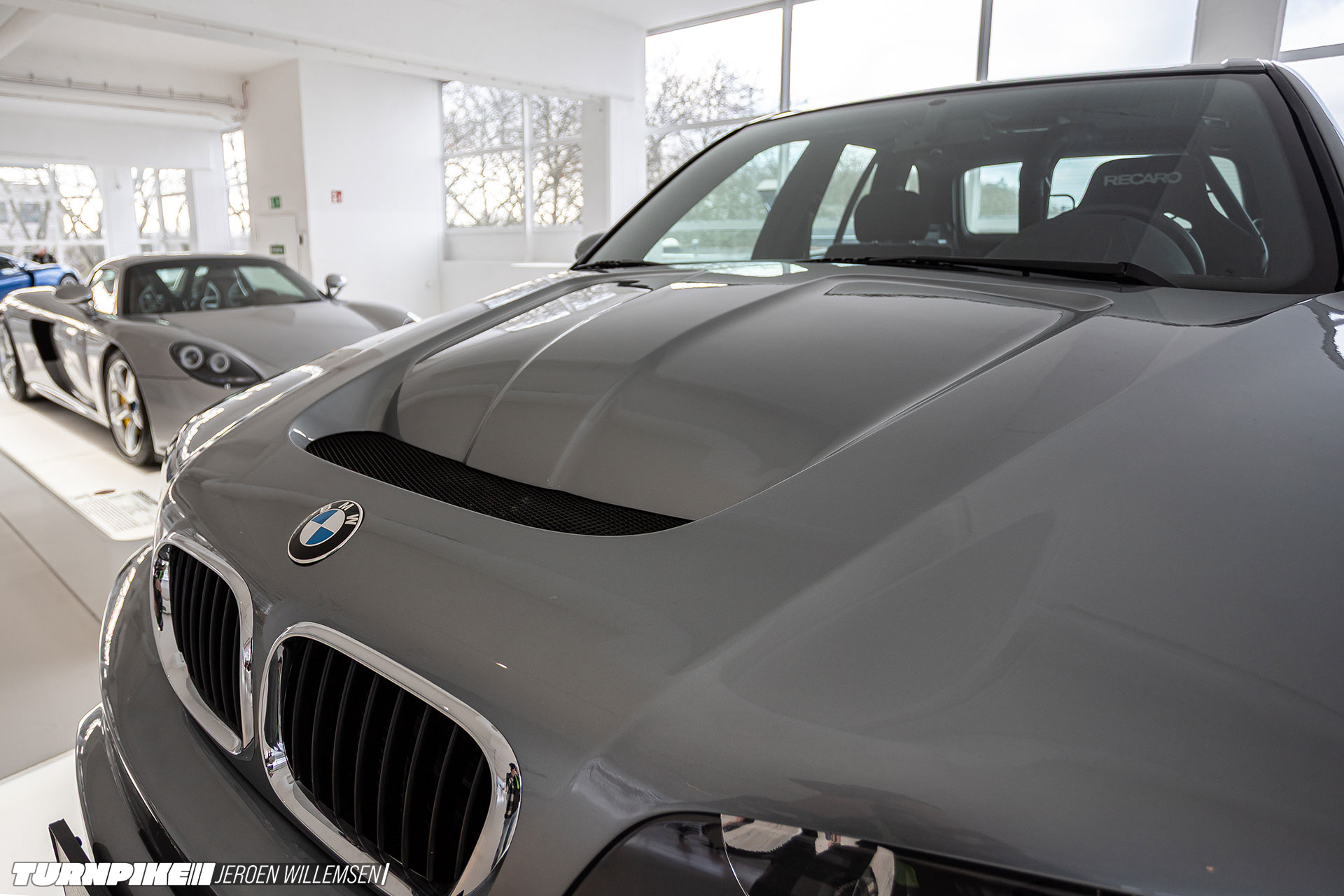
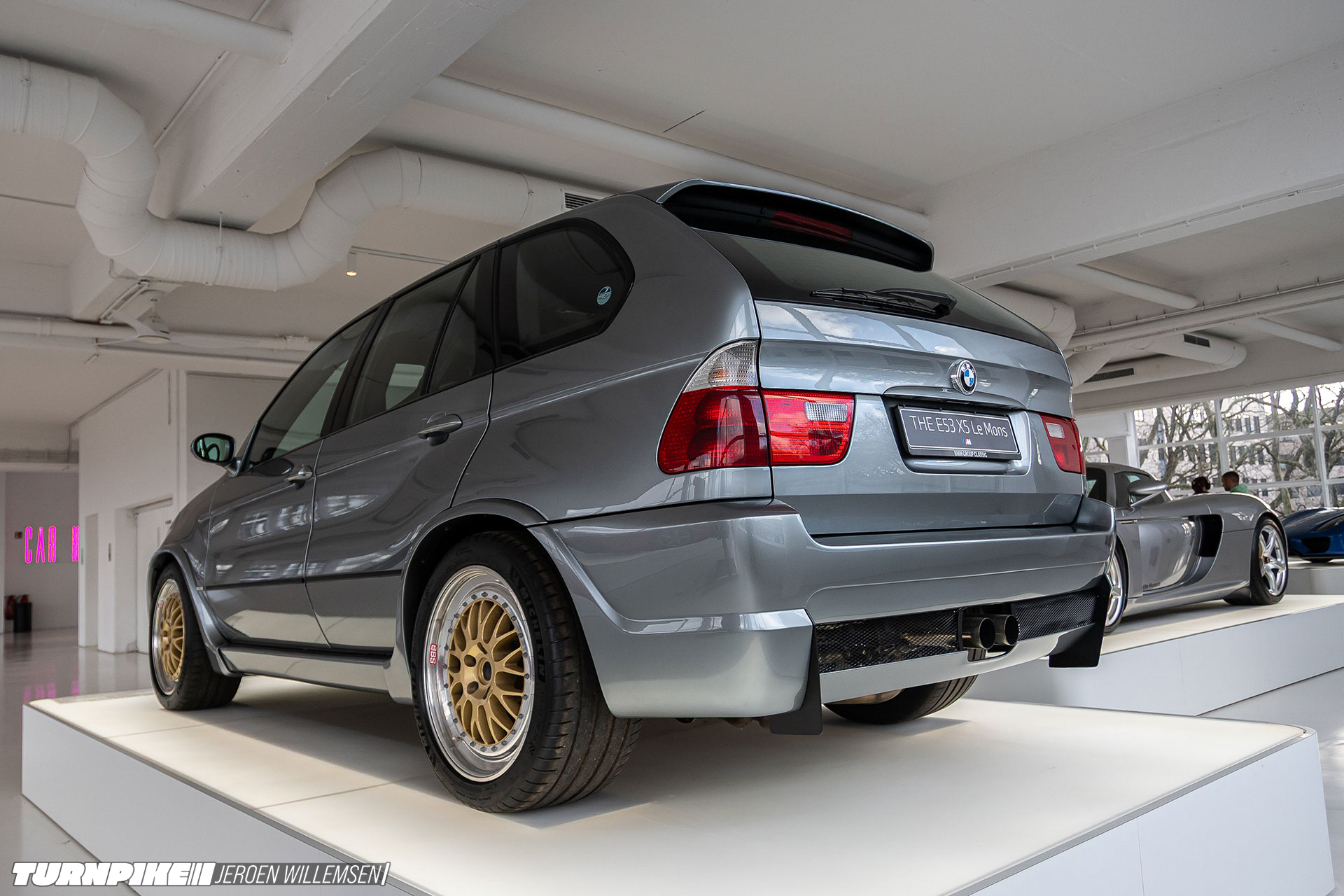
But it was the BMW X5 V12 Le Mans that pulled me in. How could it not? This car has reached mythical status. The X5 LM was never intended for production; it was an engineering flex to celebrate BMW’s 1999 Le Mans victory with the V12 LMR. To celebrate the win, a group of mischievous engineers decided to shoehorn the race engine from that same race car, a 6.0‑litre naturally aspirated V12, into an X5. Unlike the race car, this one breathed freely without restrictors. The result? More than 700hp at a time when most supercars were still catching up.
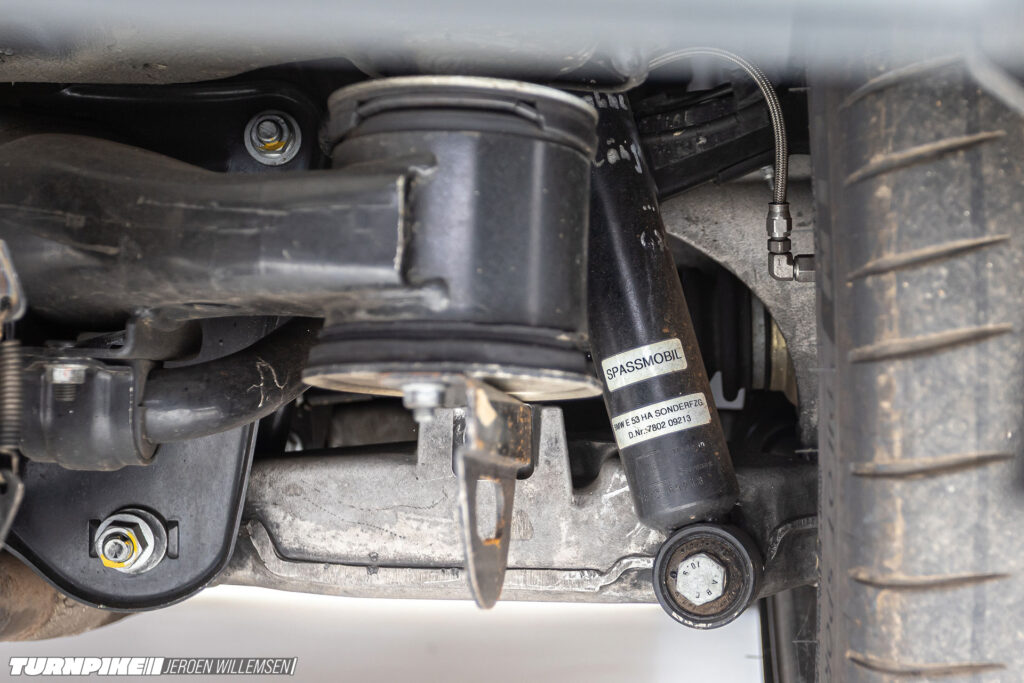
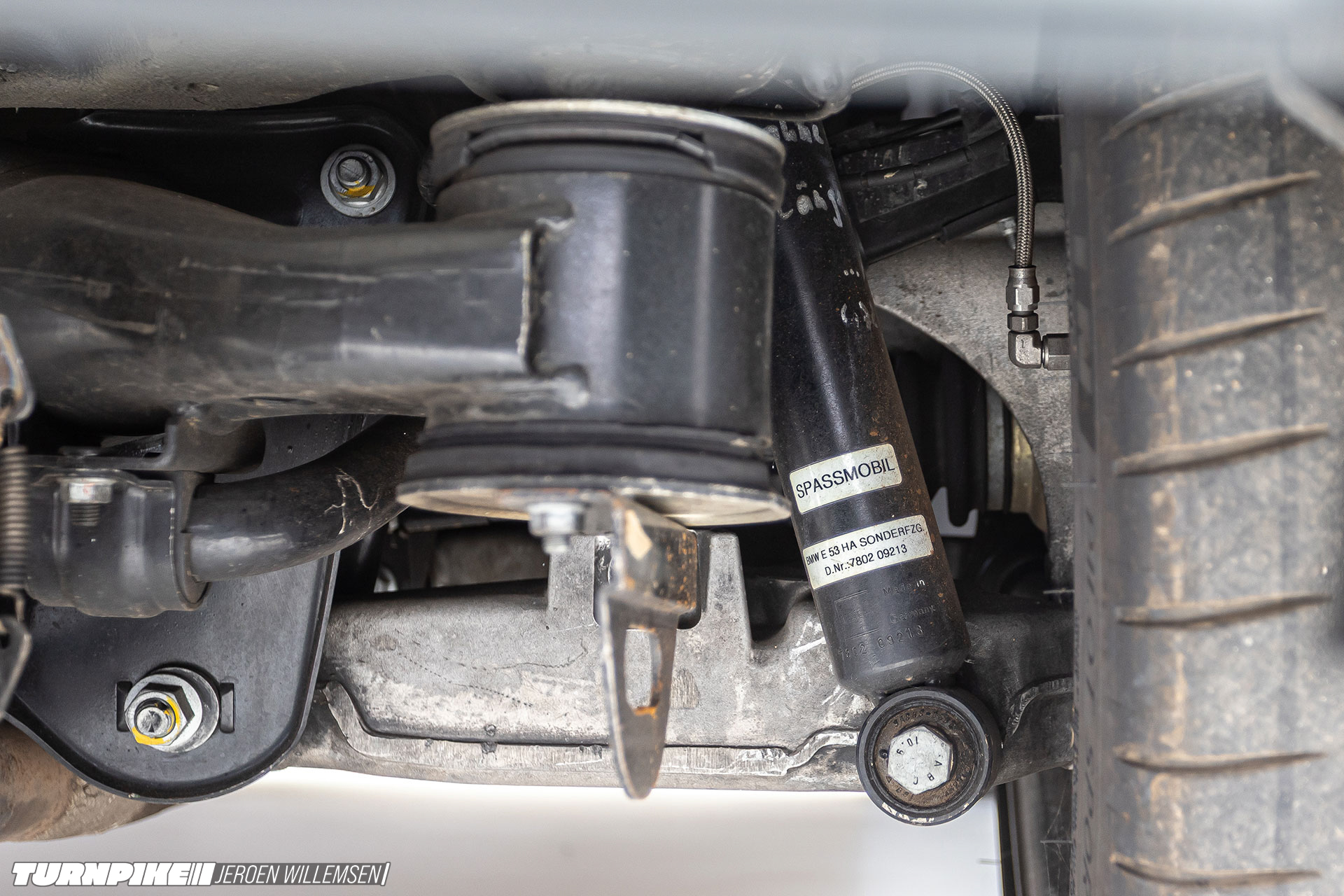
While I deep dived into all the details, I noticed one small detail at the rear of the car. Because the X5 was set up on a plateau, I could get a good look underneath it. And on the rear shock absorbers, I found a sticker that simply read Spassmobil, literally translated: “fun mobile.” Just a small nod from the engineers who knew exactly what they’d built. Here’s a video of how absurdly fast it is around the Nürburgring.
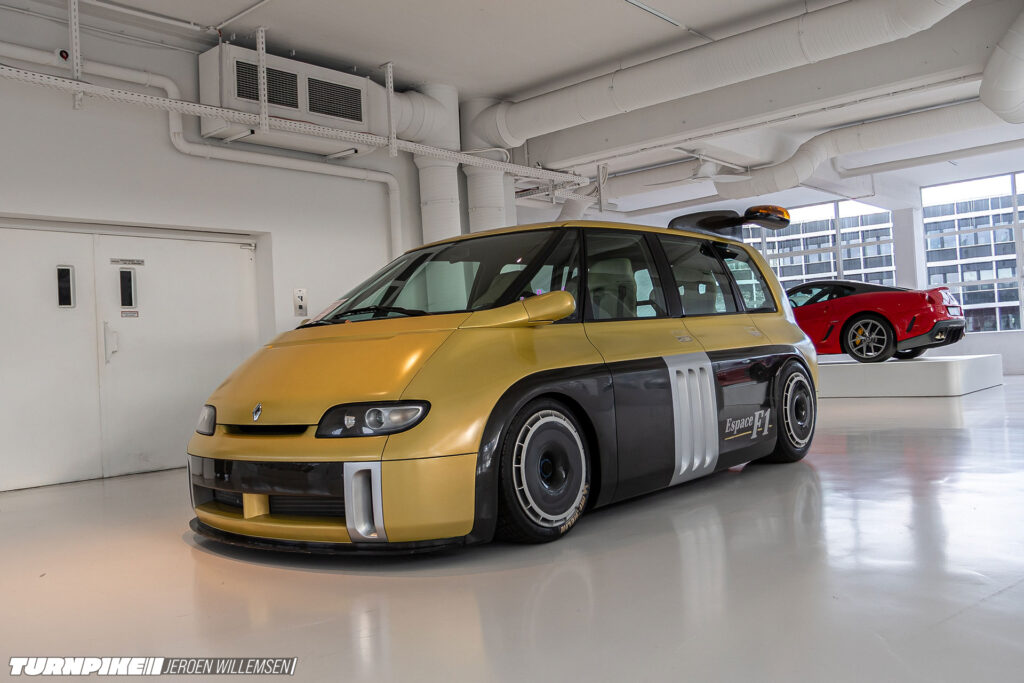
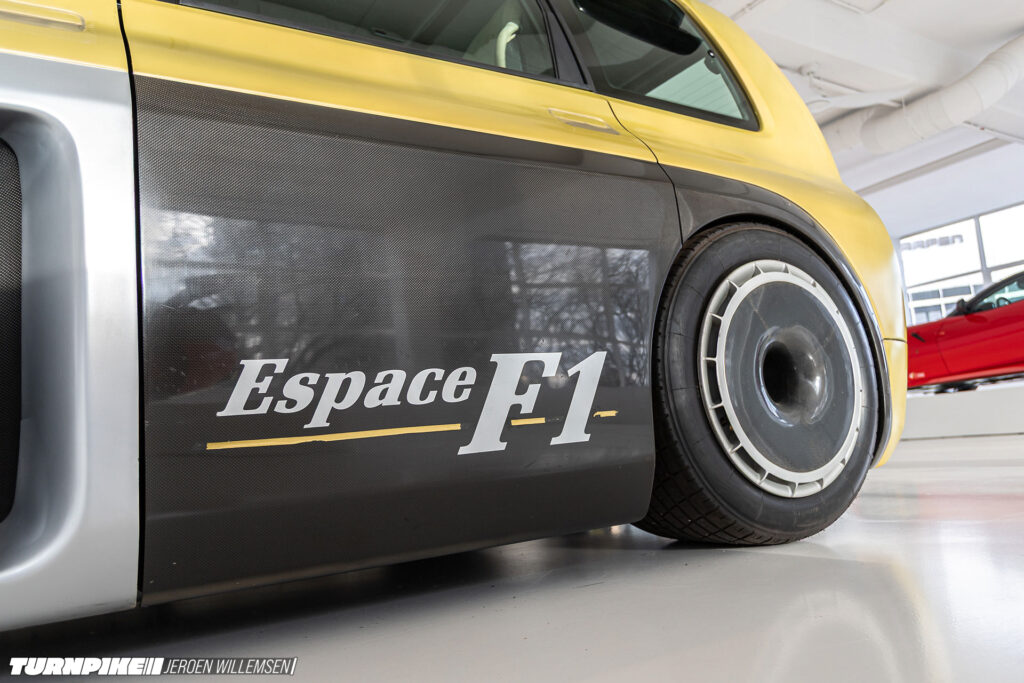
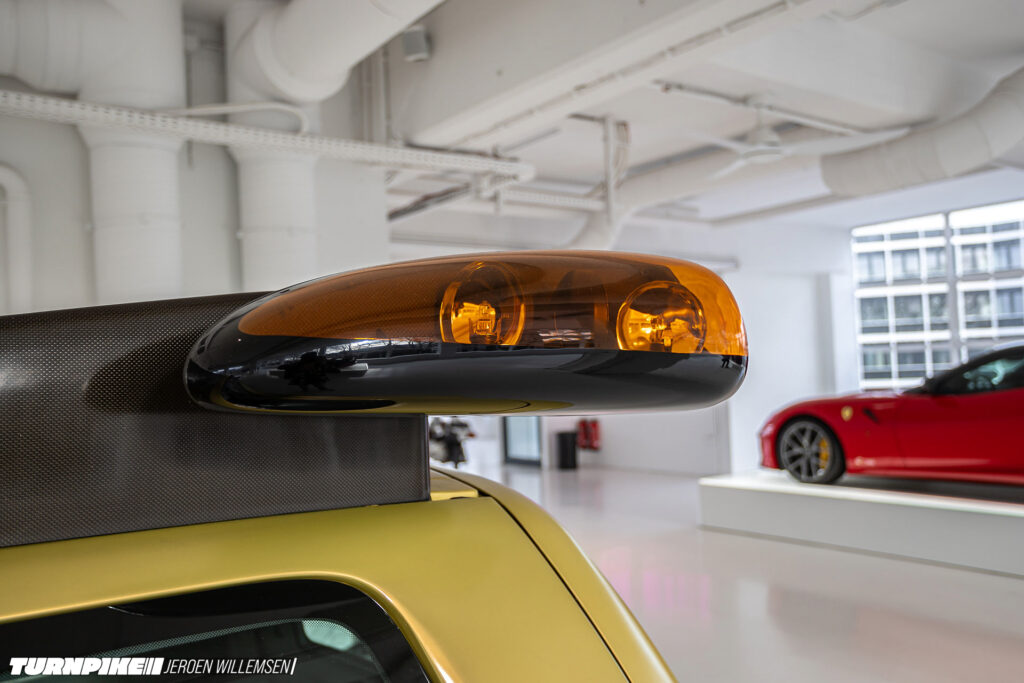
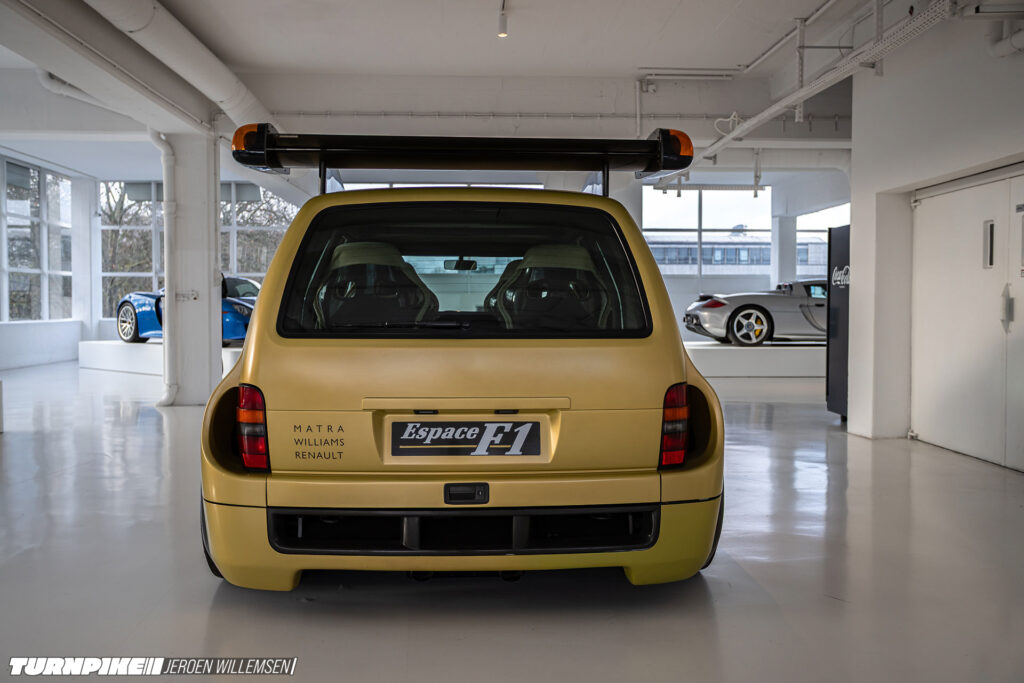
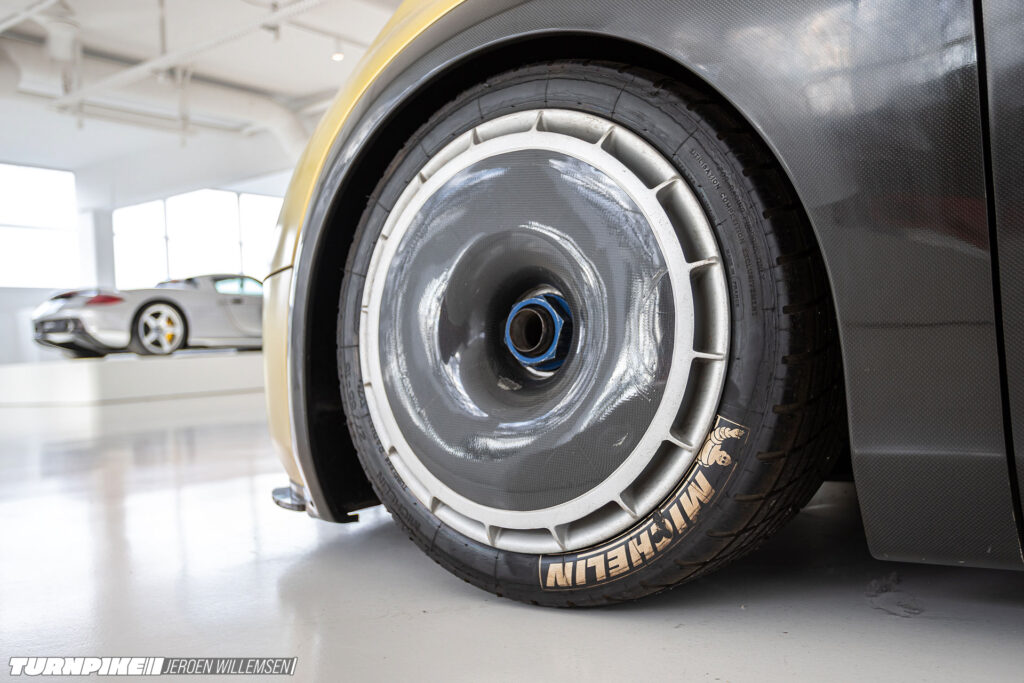
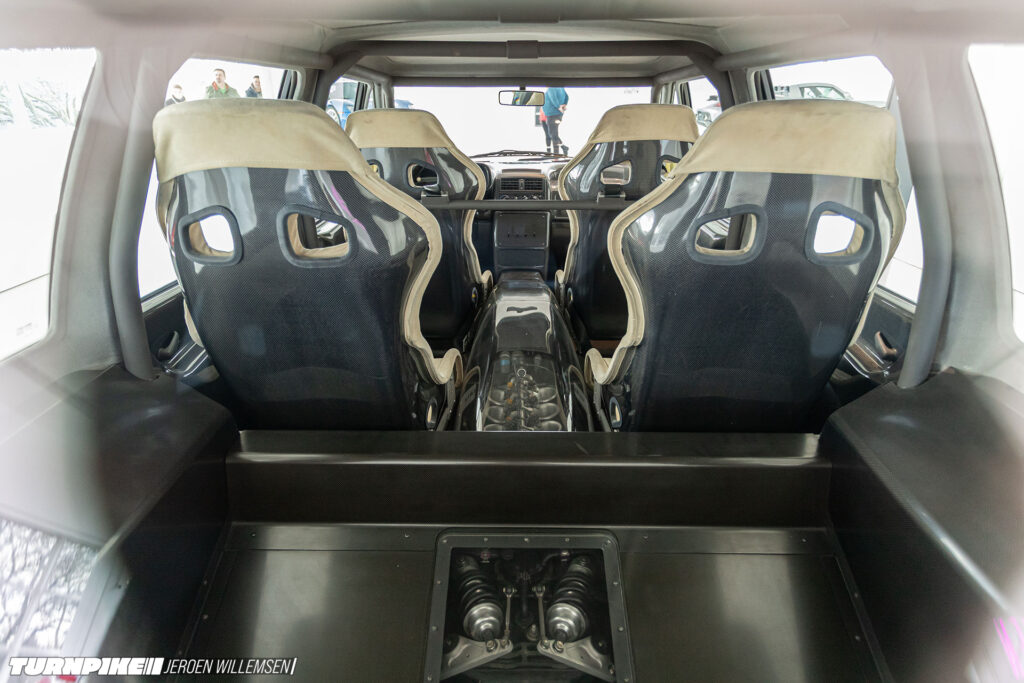
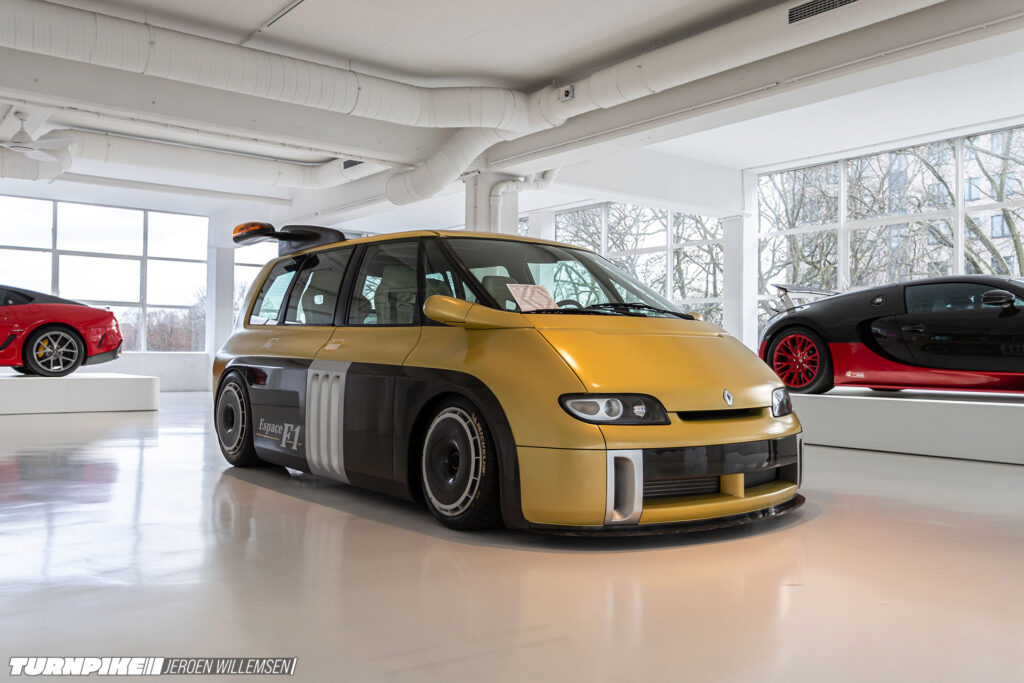
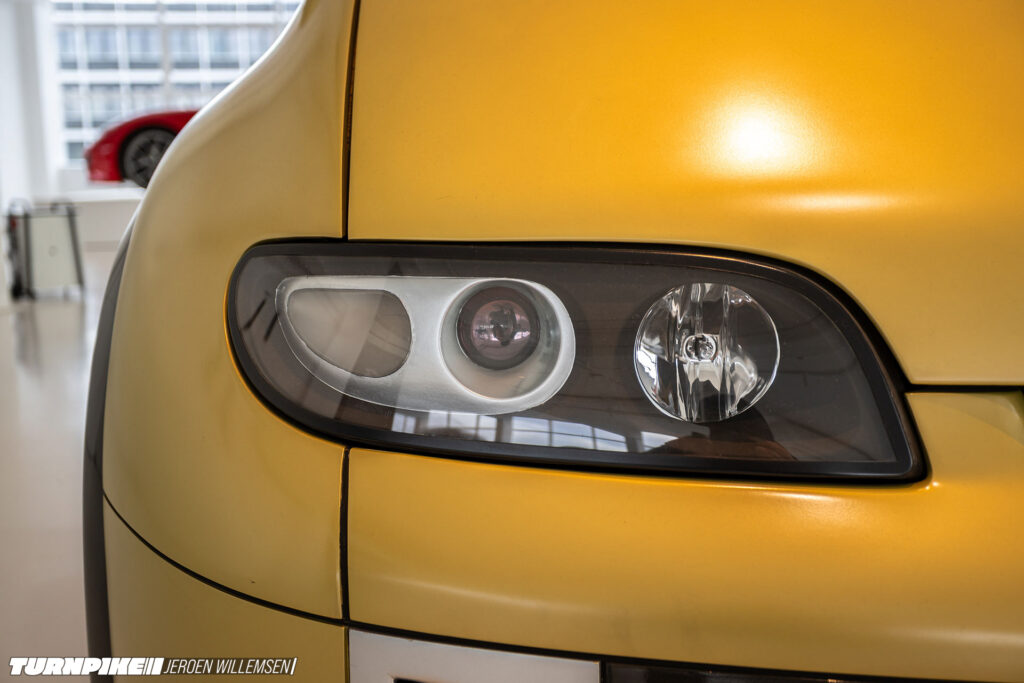
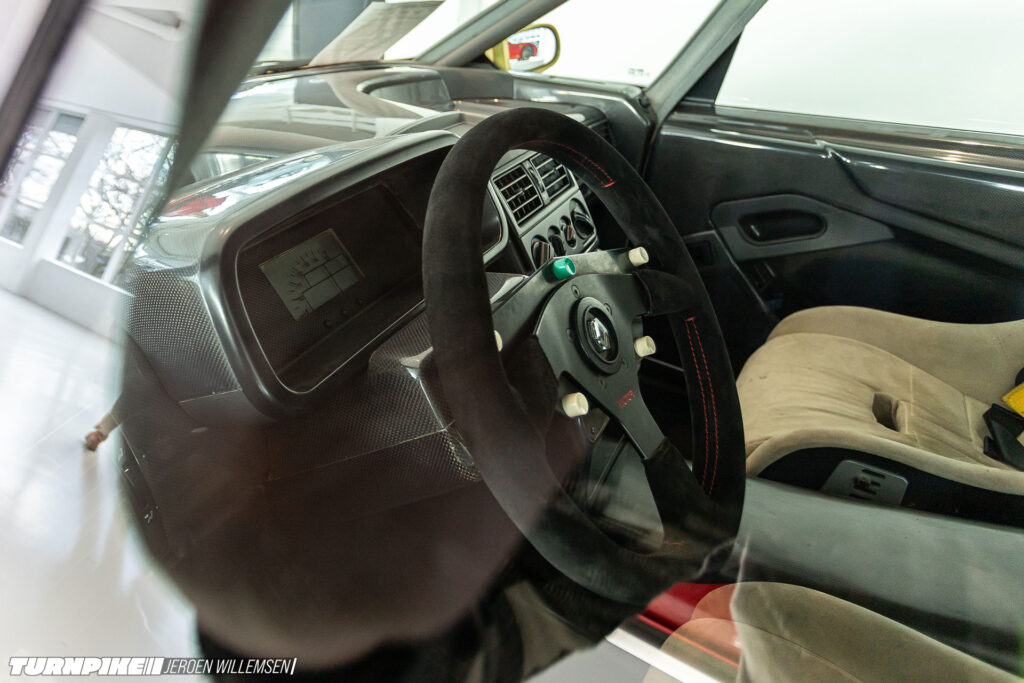
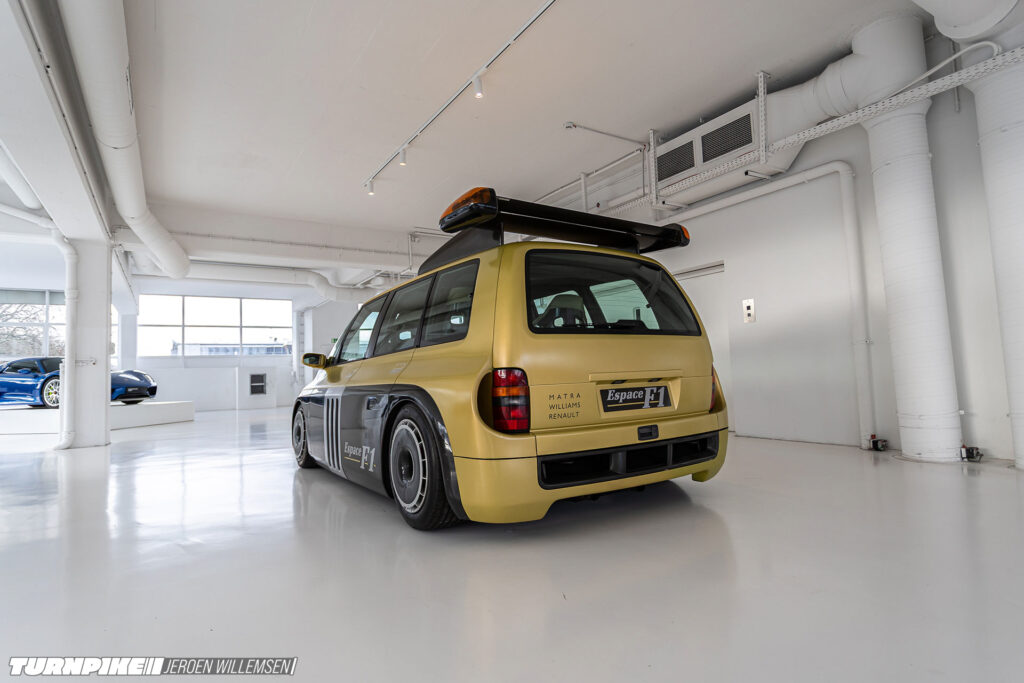
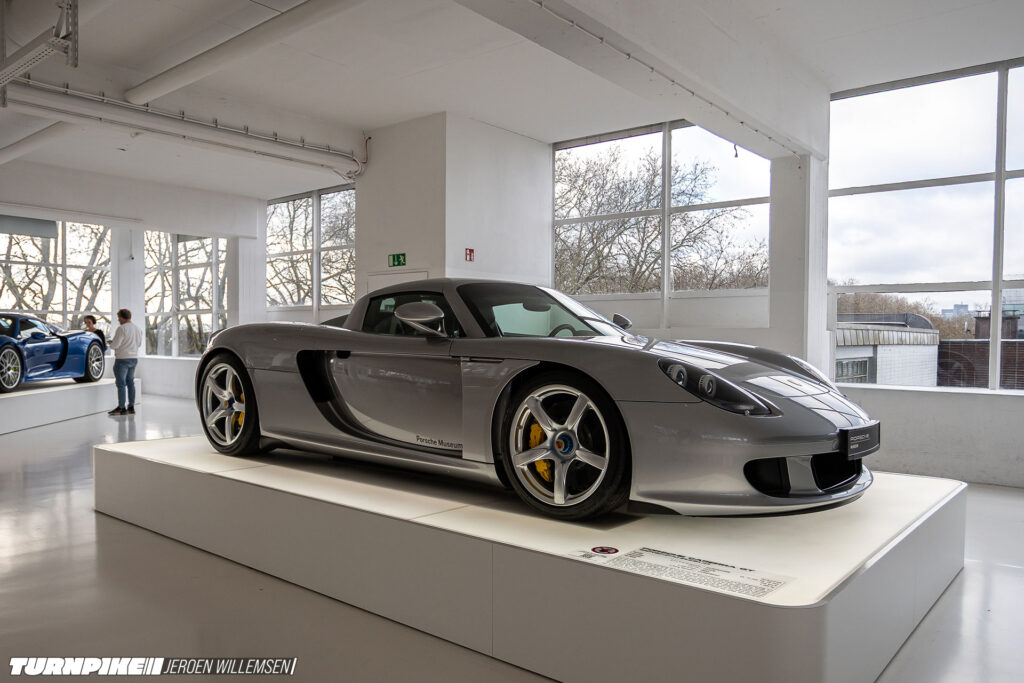
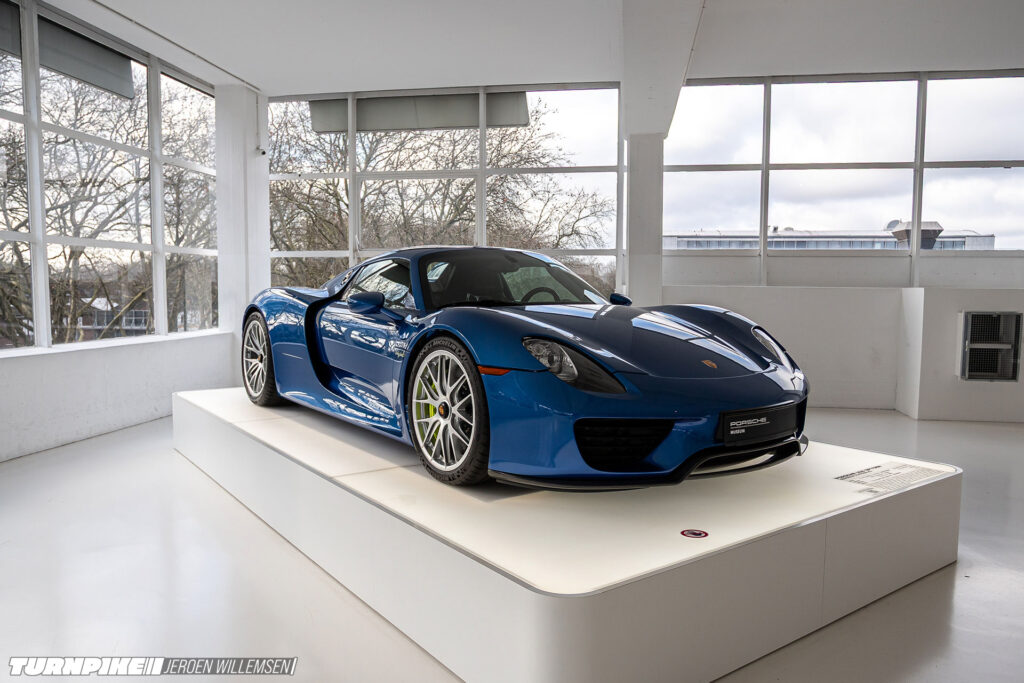
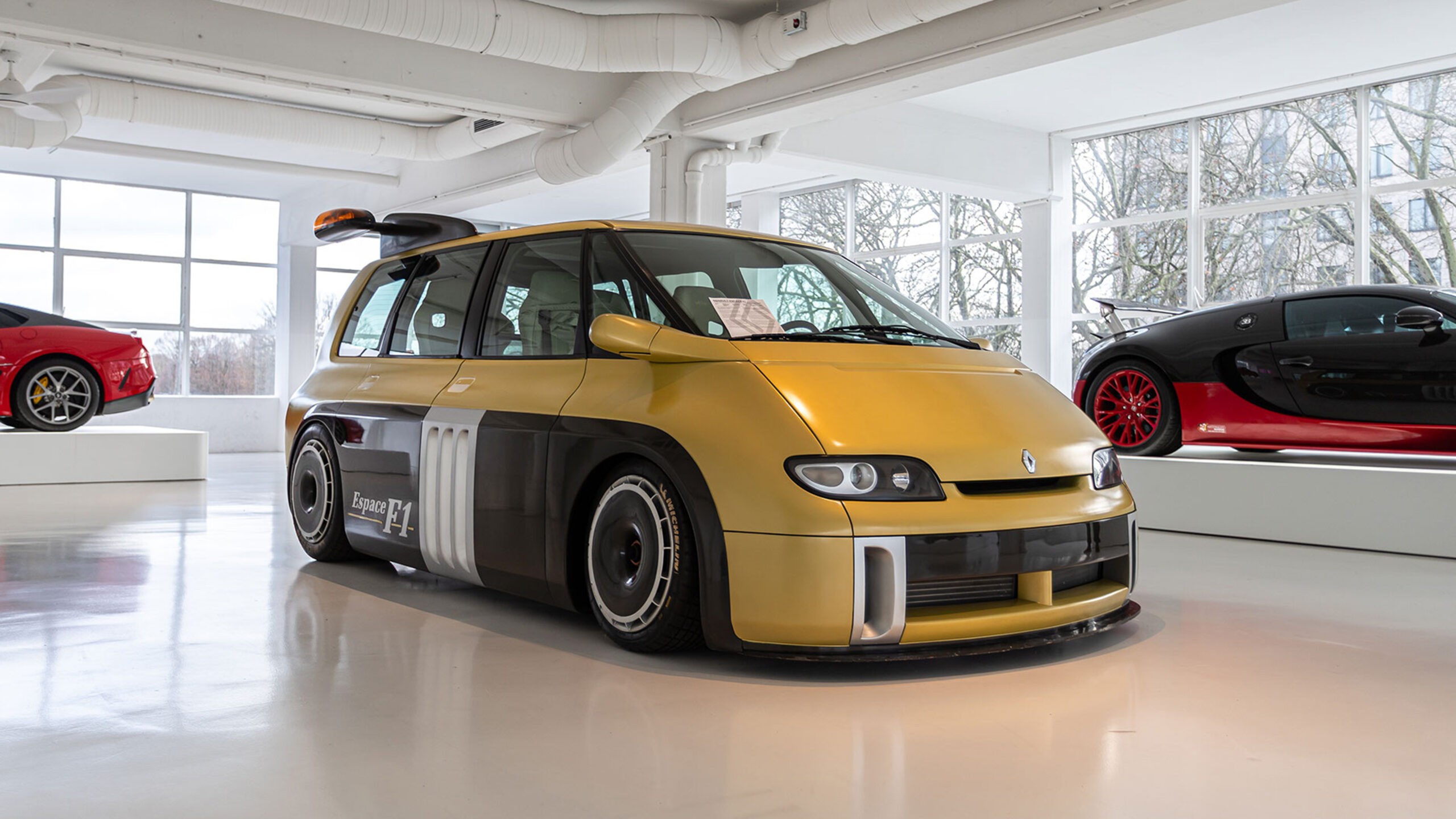
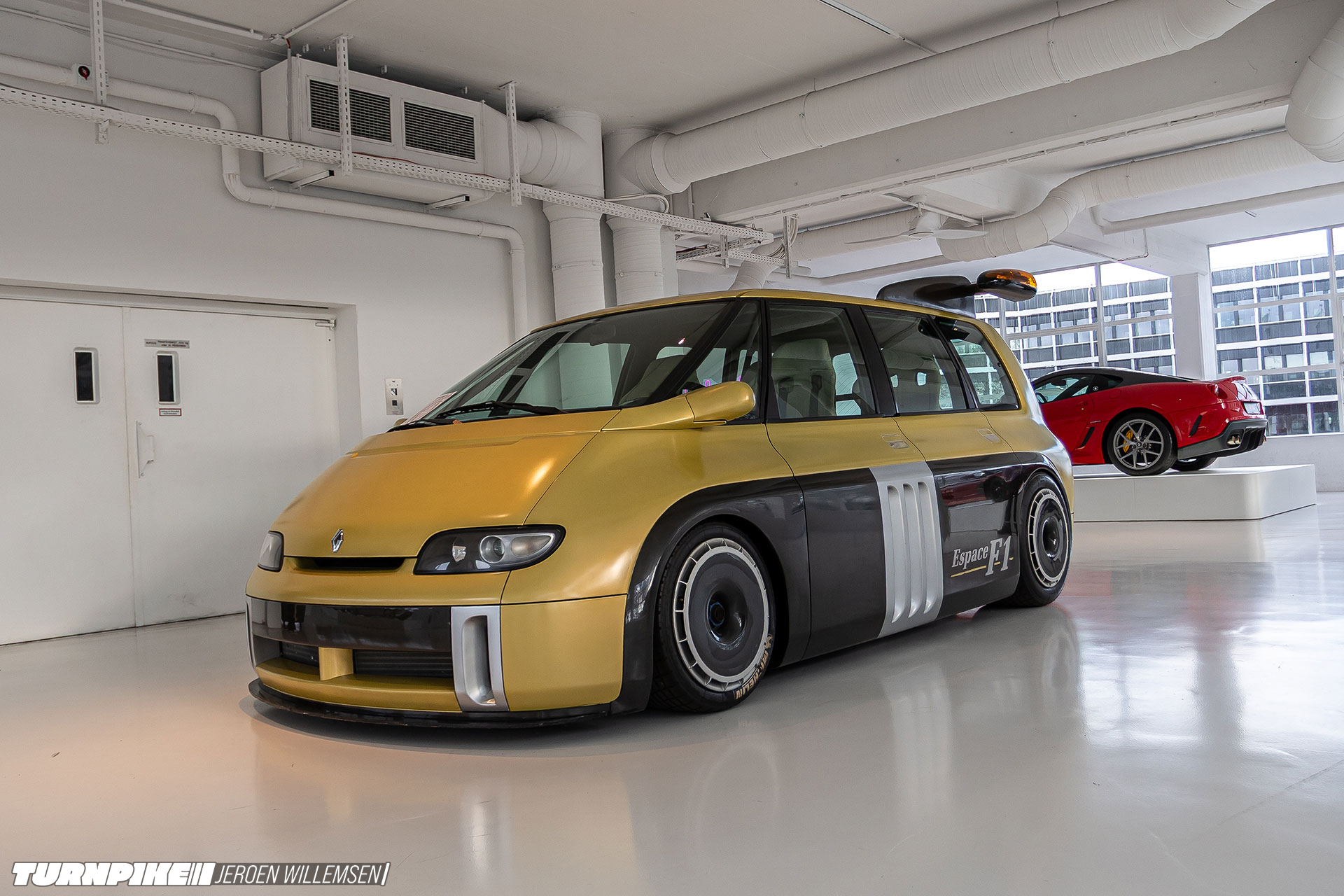
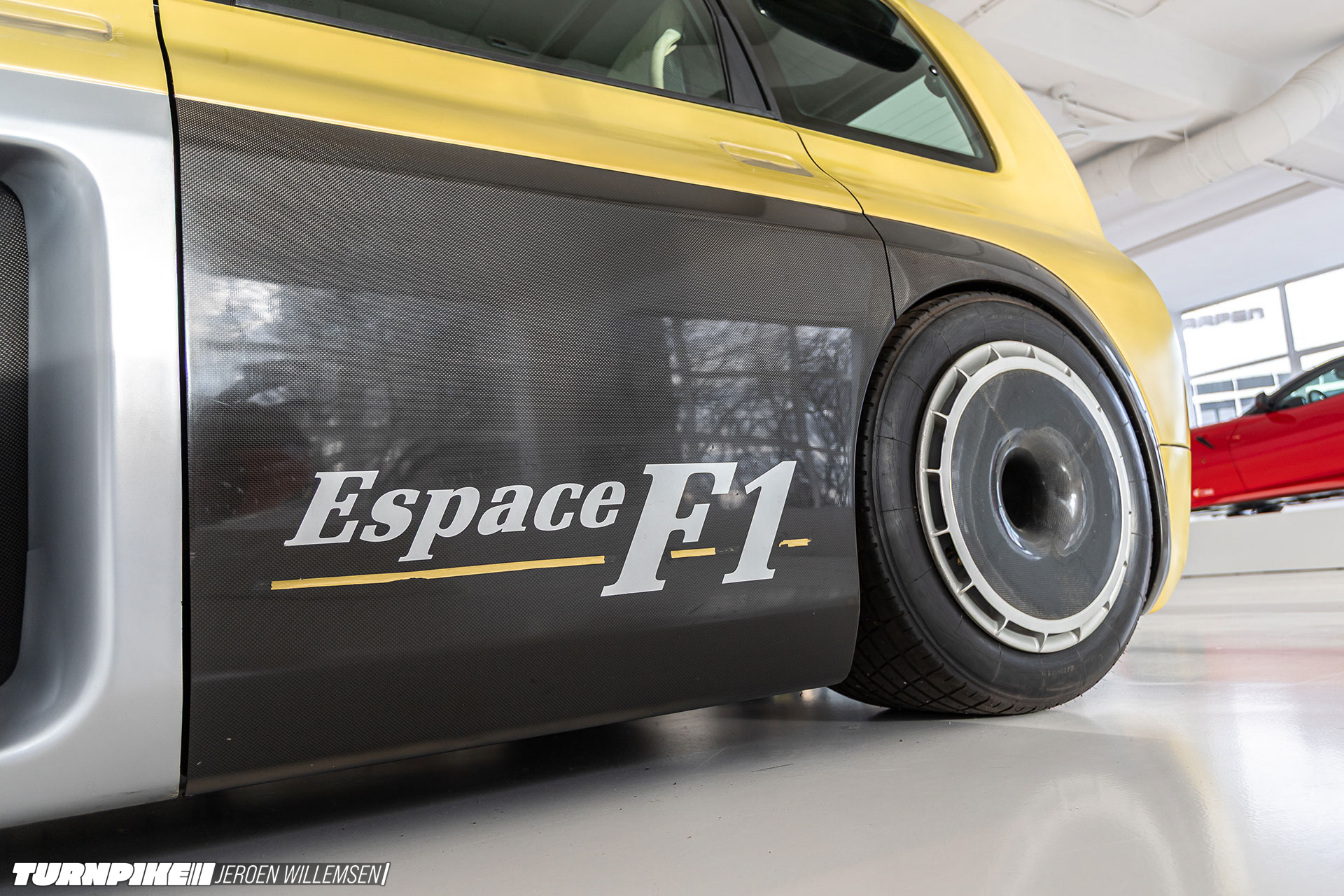
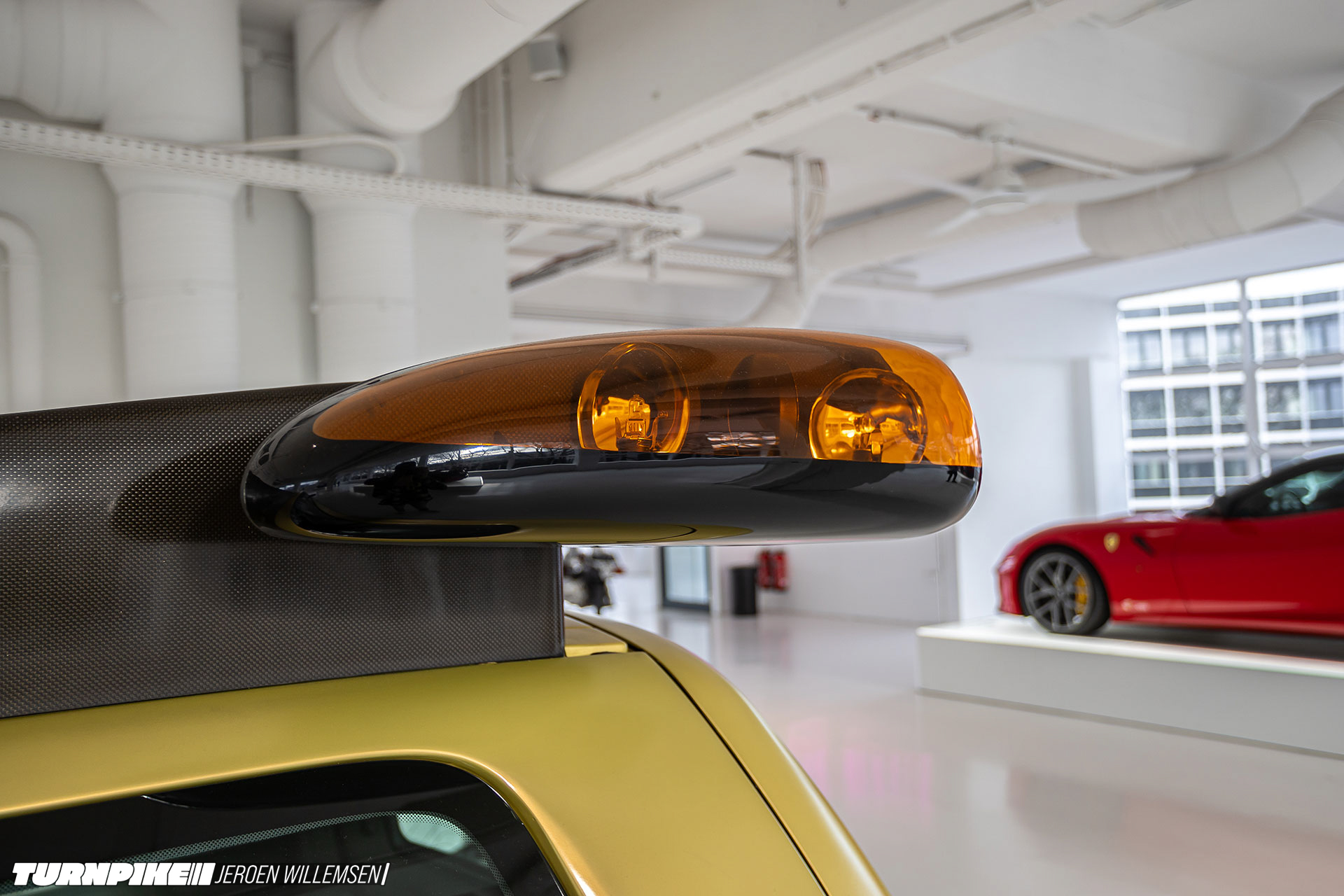
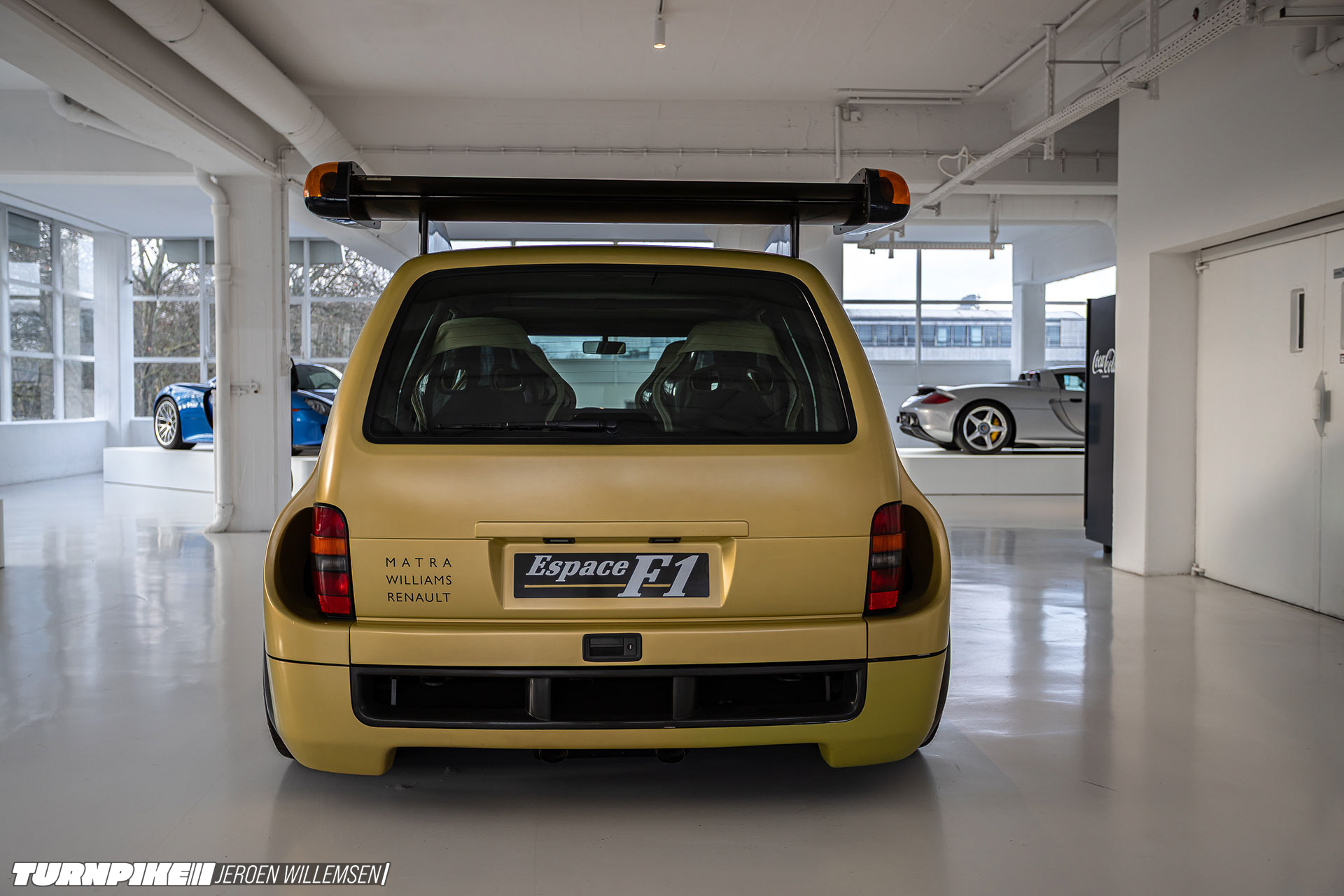
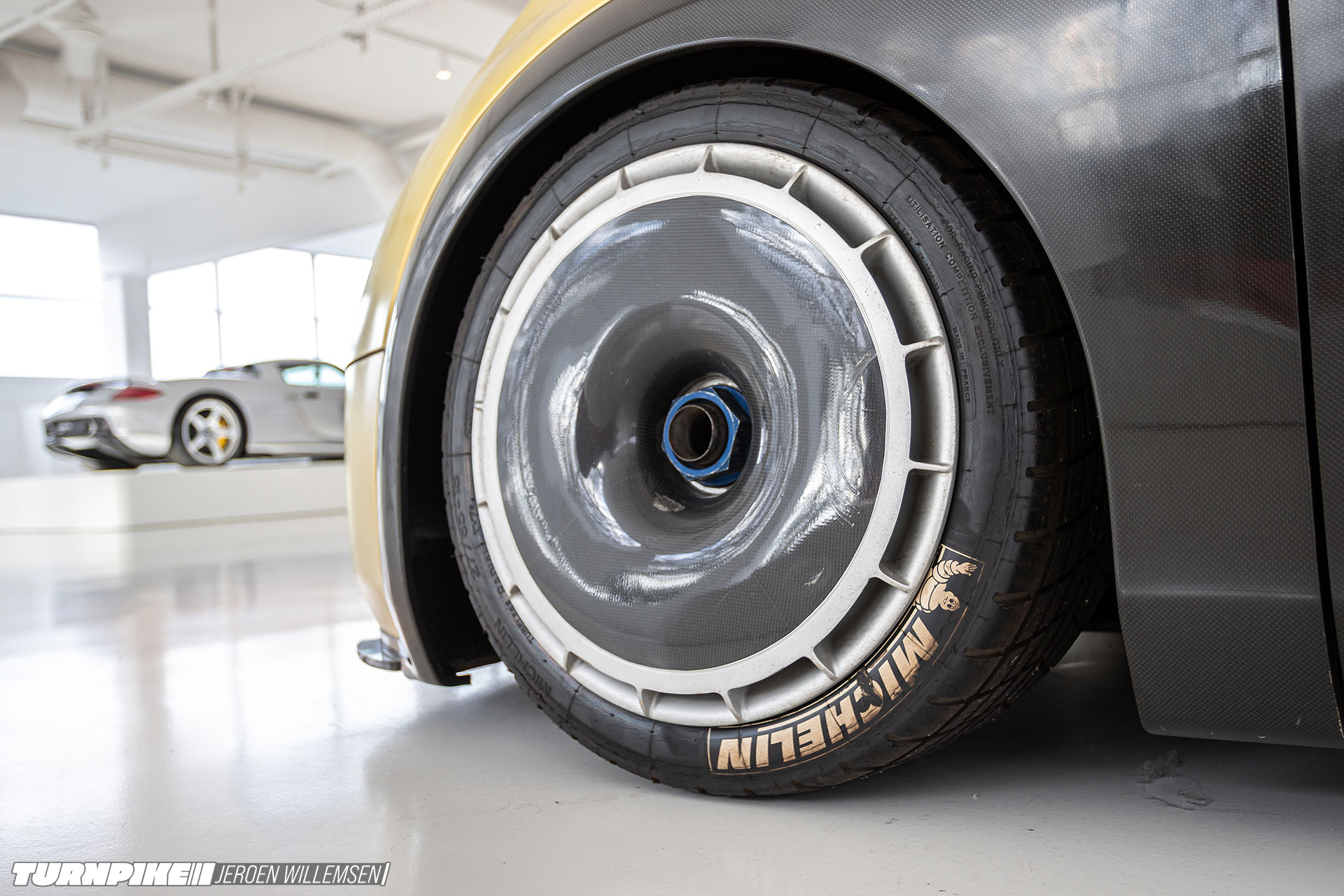
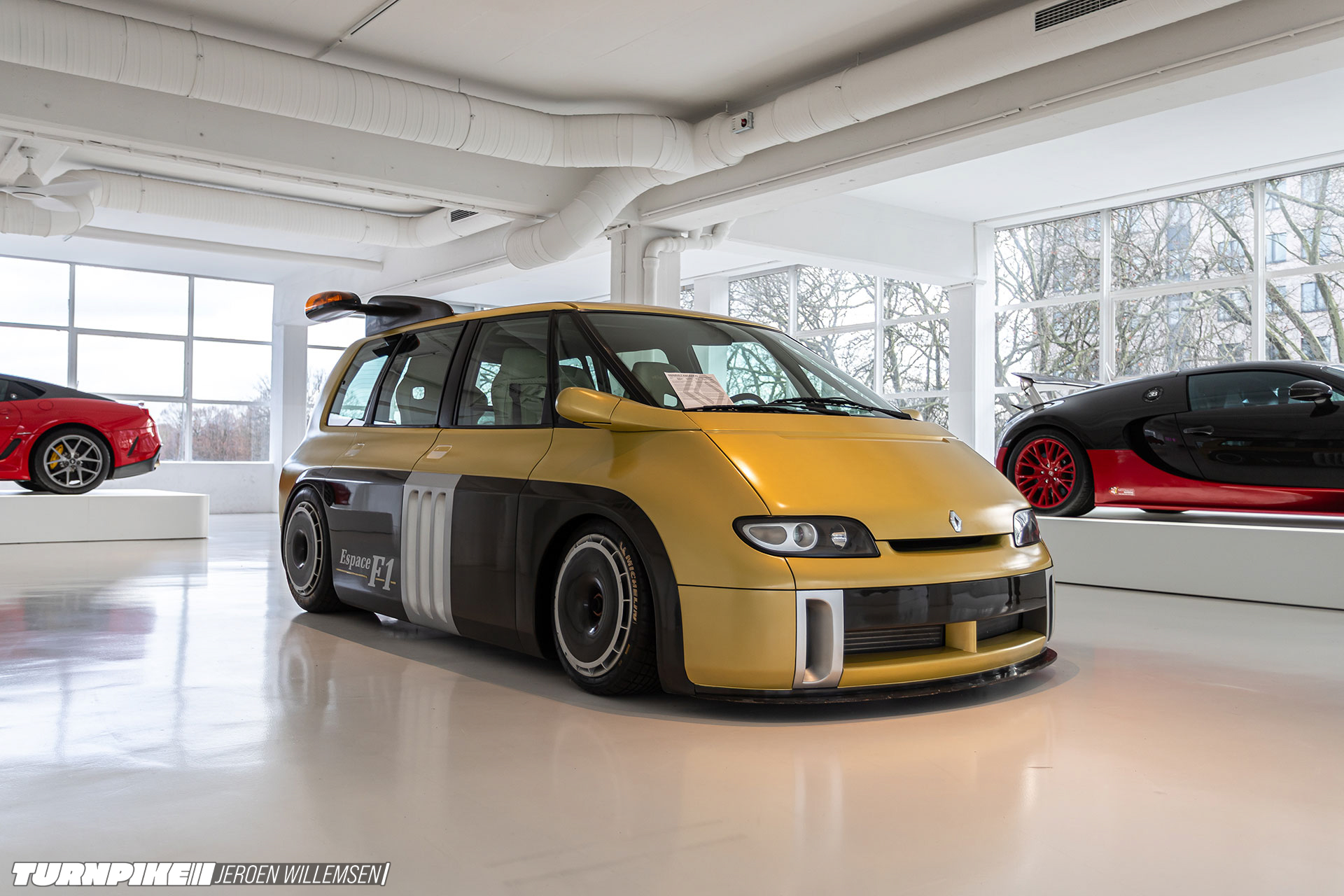
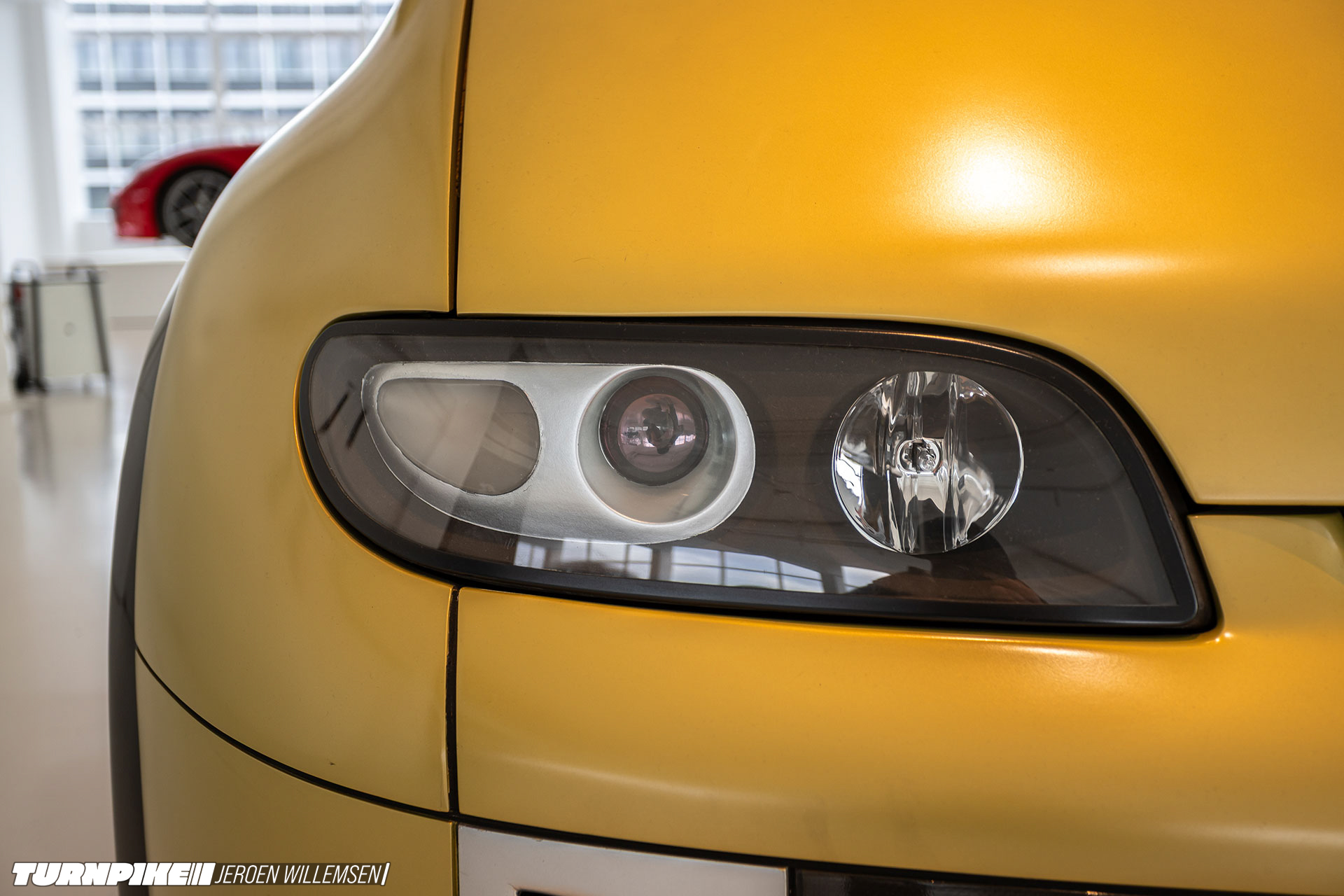
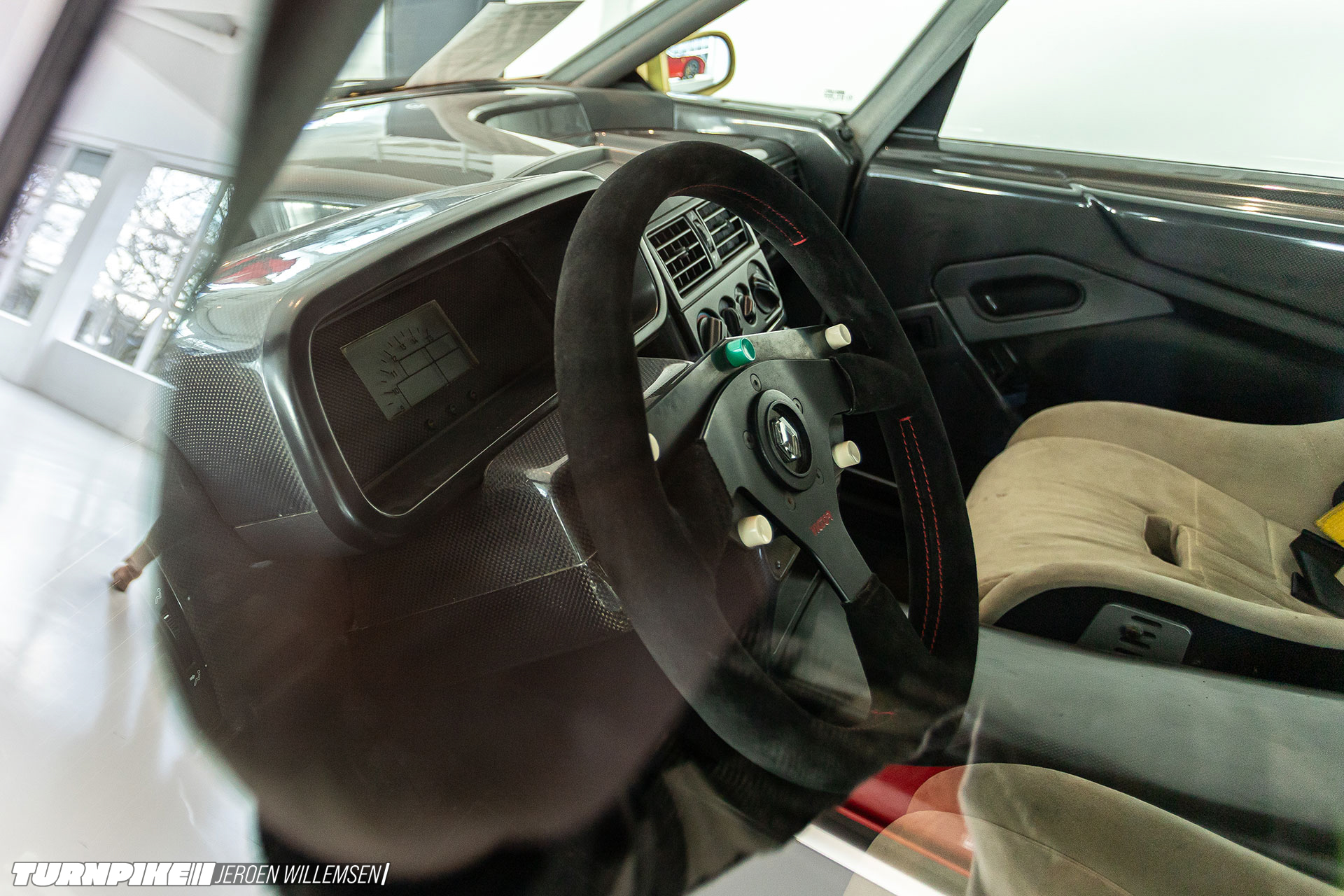
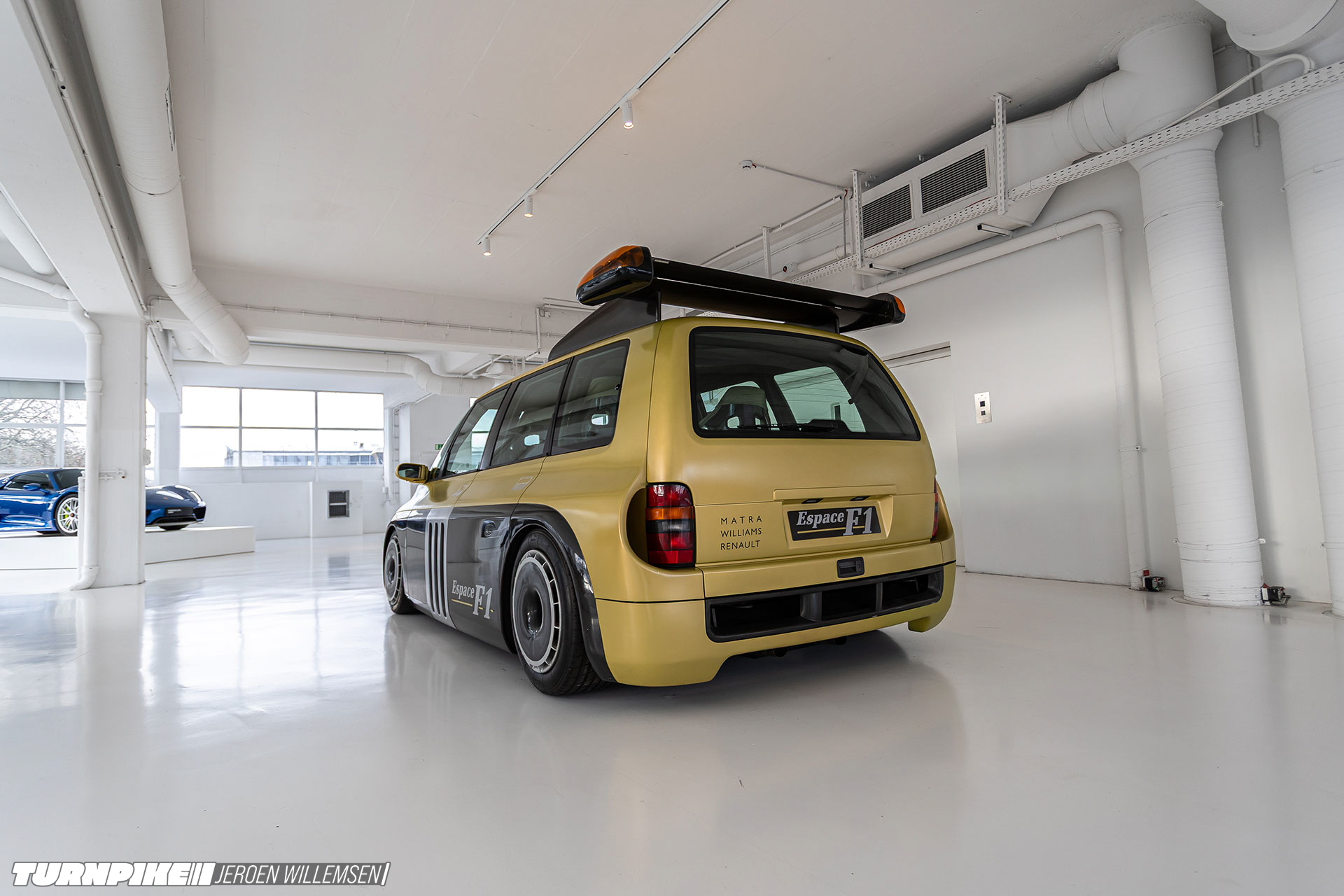
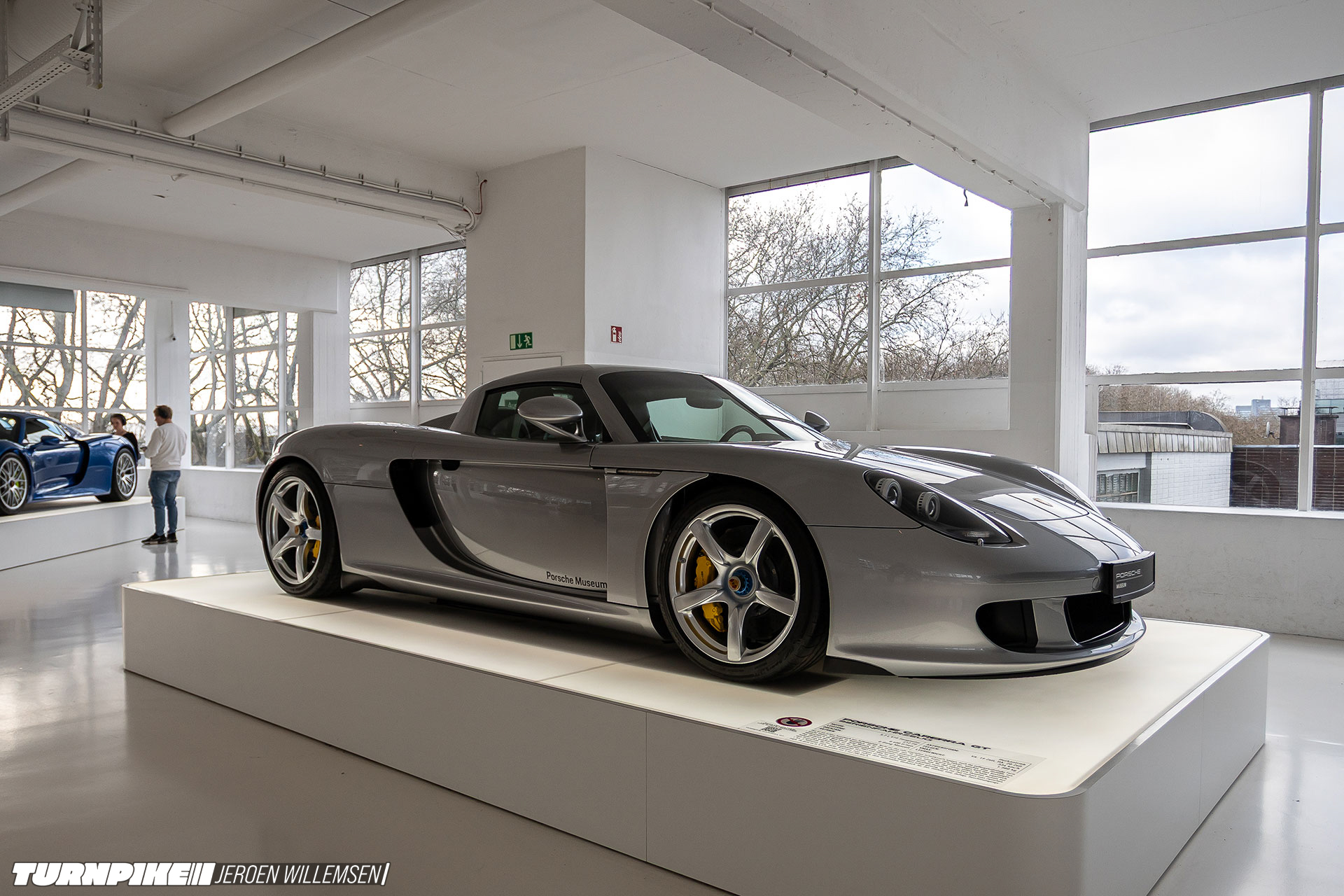
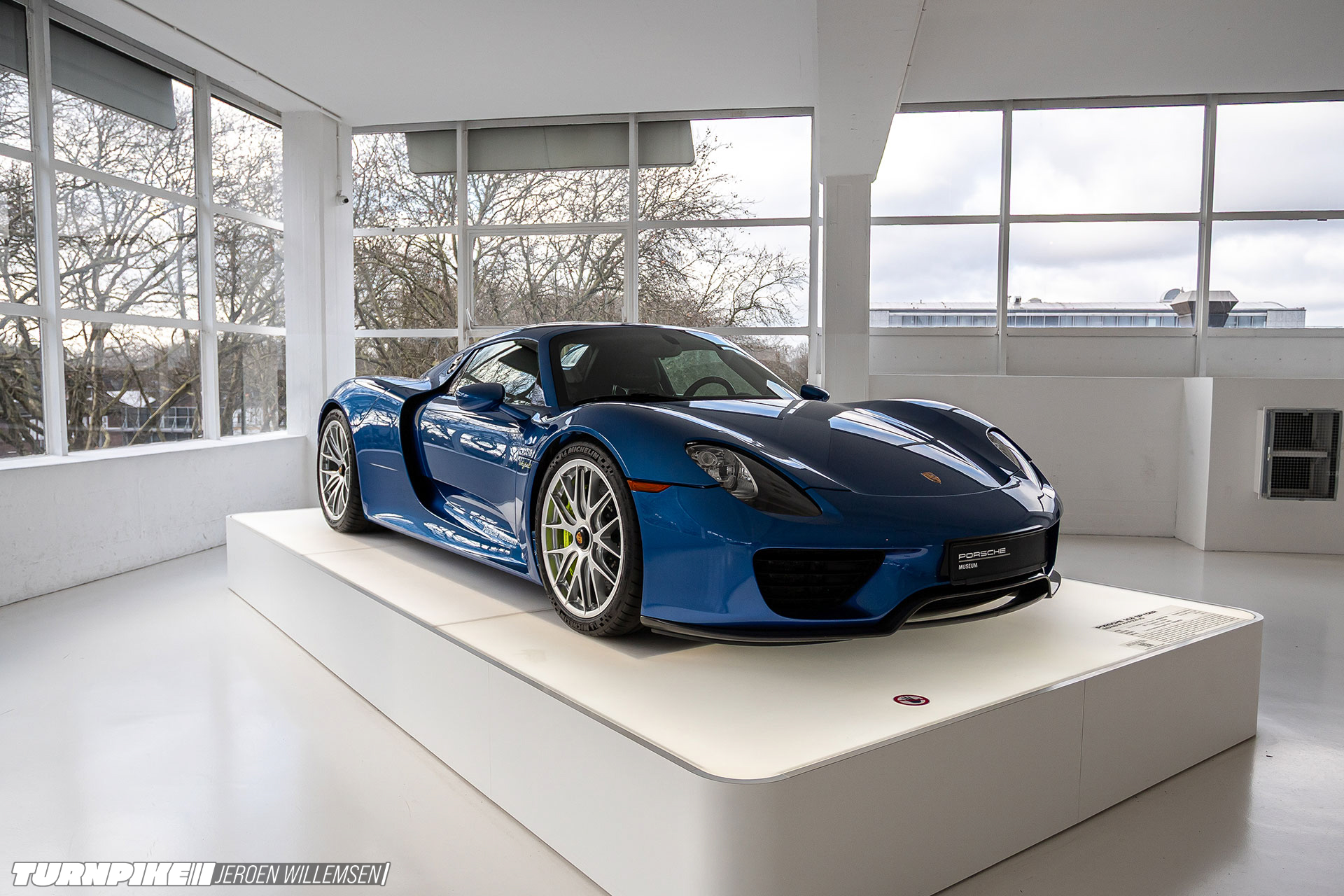
With my brain still processing all of this, I casually walked past the Porsche Carrera GT and the Porsche 918 like they were nothing special, because something else caught my eye. The car I’d been tipped off about. The Renault Espace F1.
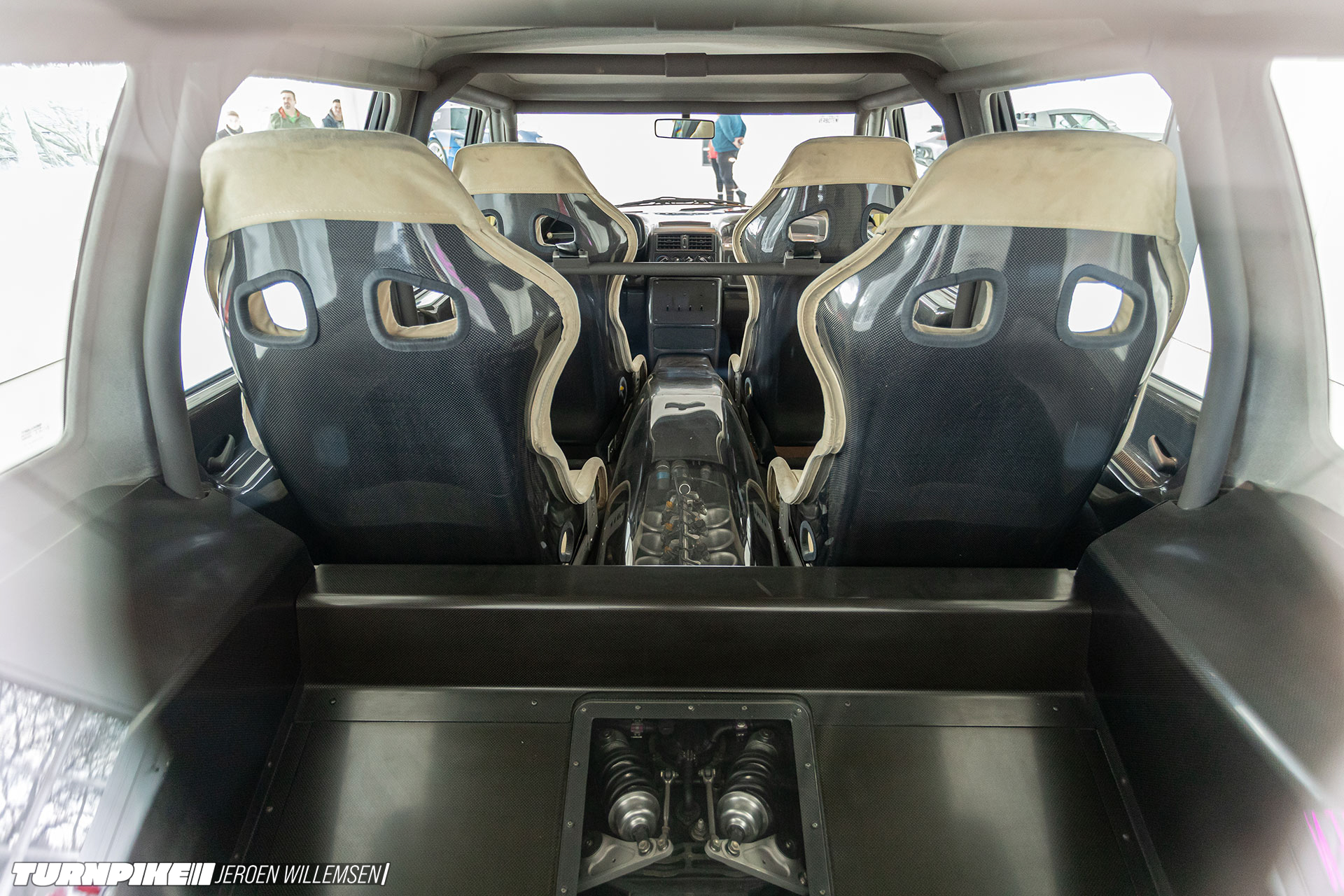
Back in the mid‑90s, Renault decided that celebrating the Espace’s 10th anniversary with balloons and champagne wasn’t enough. So they decided to drop a Formula One engine into the minivan. But first, they crafted a carbon fibre body over a bespoke monocoque chassis and placed the 3.5‑litre RS5 V10 straight out of the Williams FW15C F1 car (from 1993) in the middle between the rear seats. In this configuration, it has nearly 800hp and revs to 14,000rpm. It has a 6‑speed semi‑automatic gearbox and is rear‑wheel drive. It can go zero to 100 km/h in under three seconds, and reach a top speed of over 310km/h. All of that inside a Renault Espace with a giant wing on top. Bonkers!
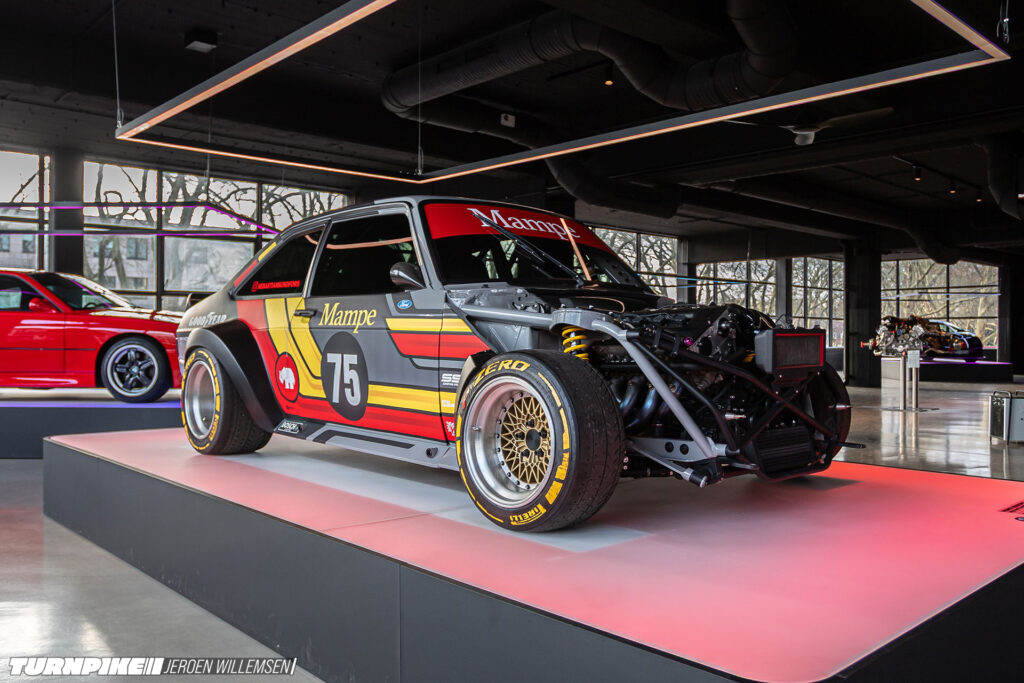
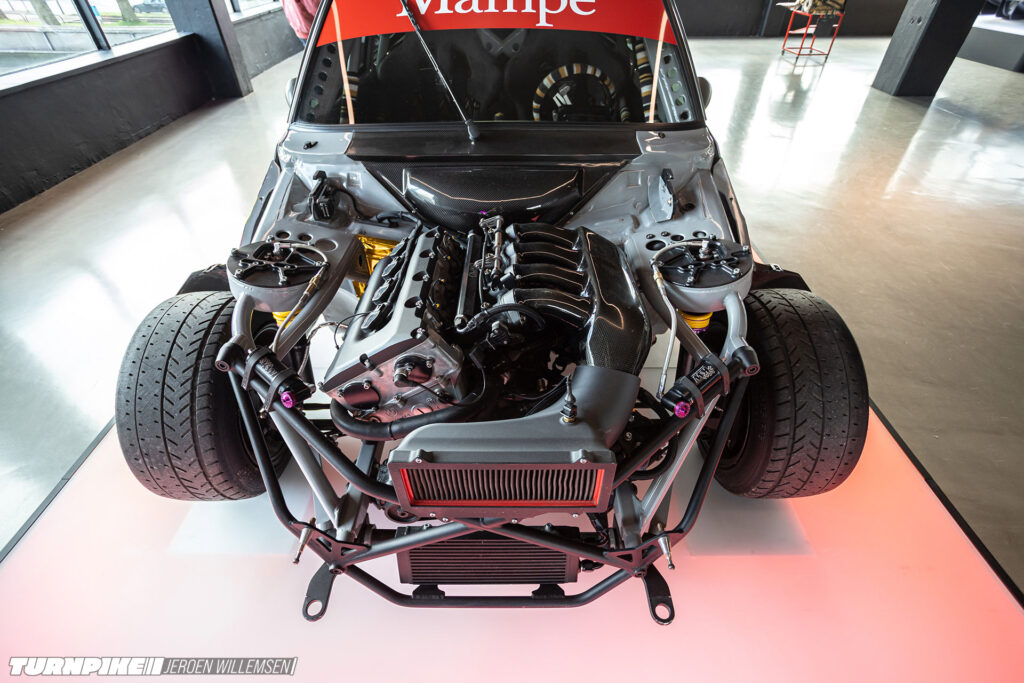
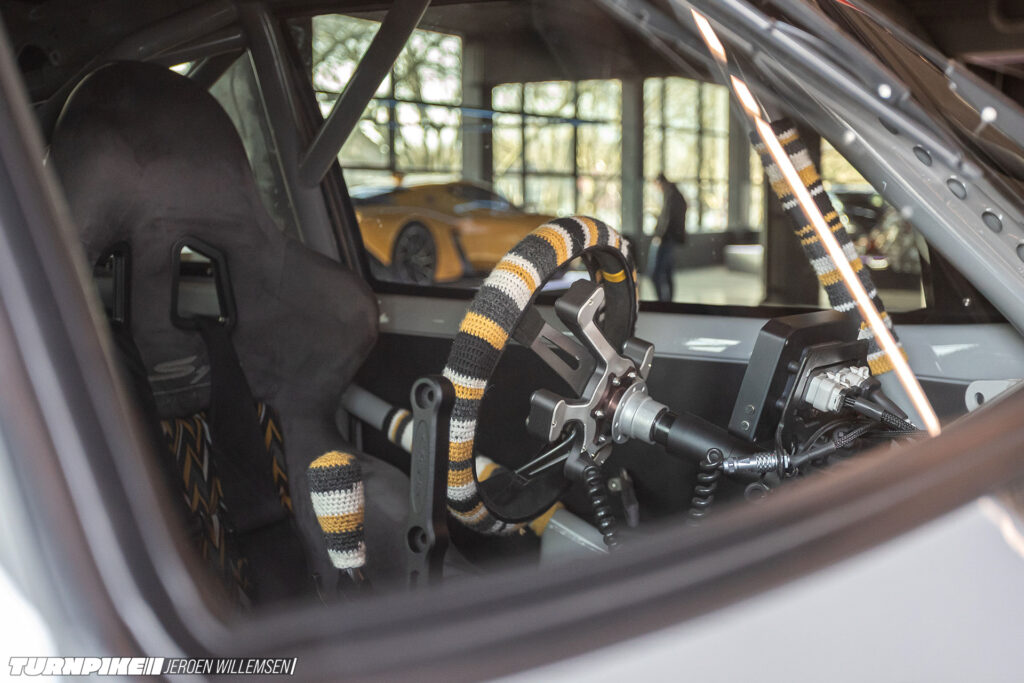
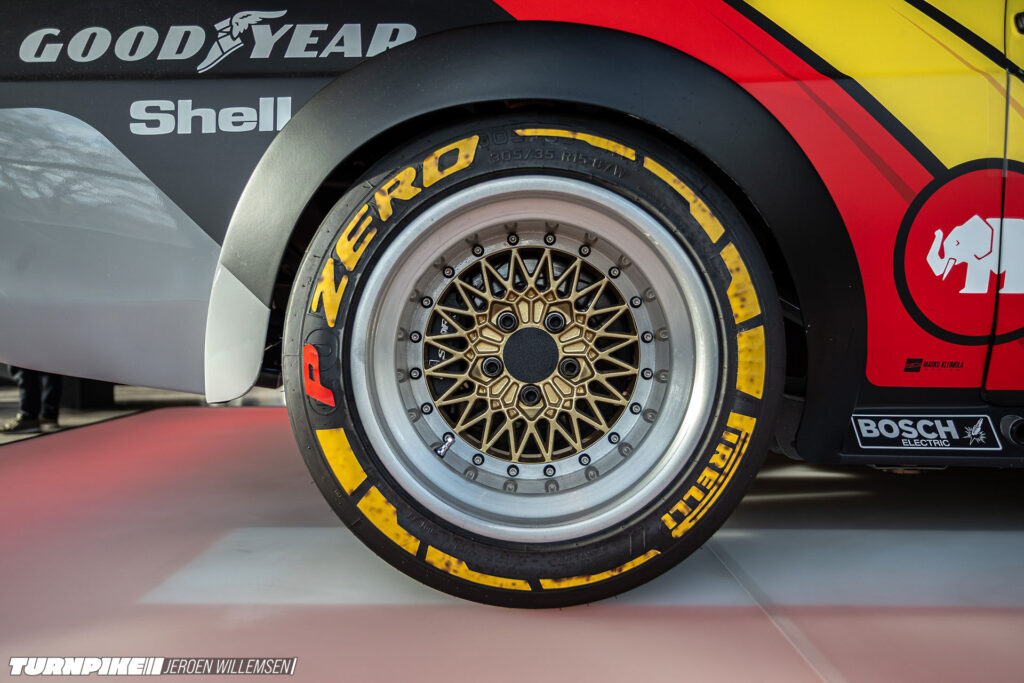
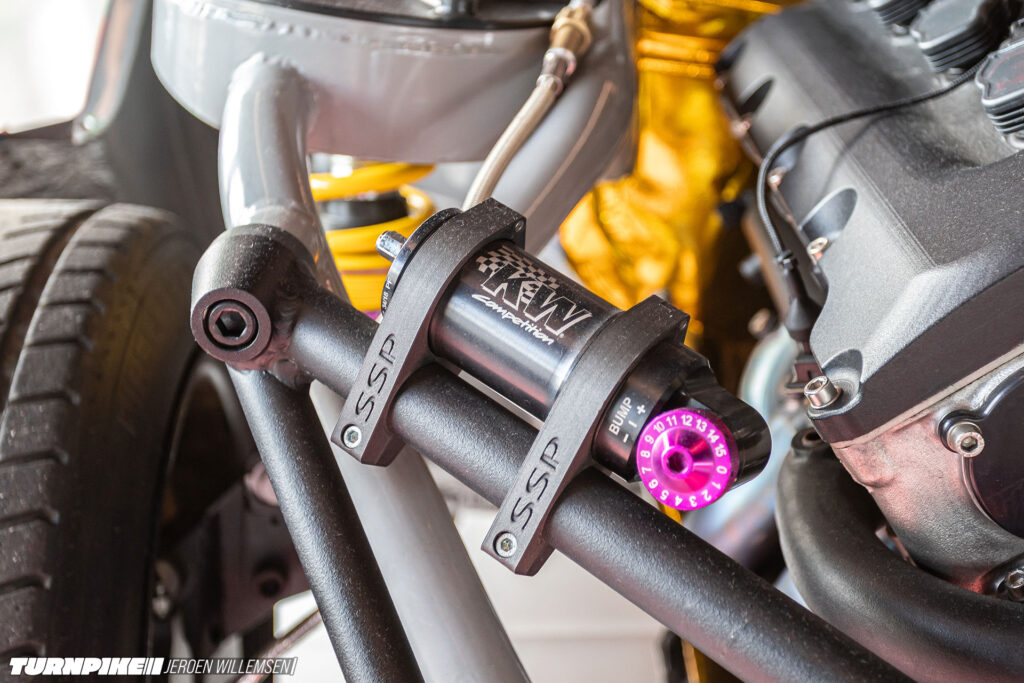
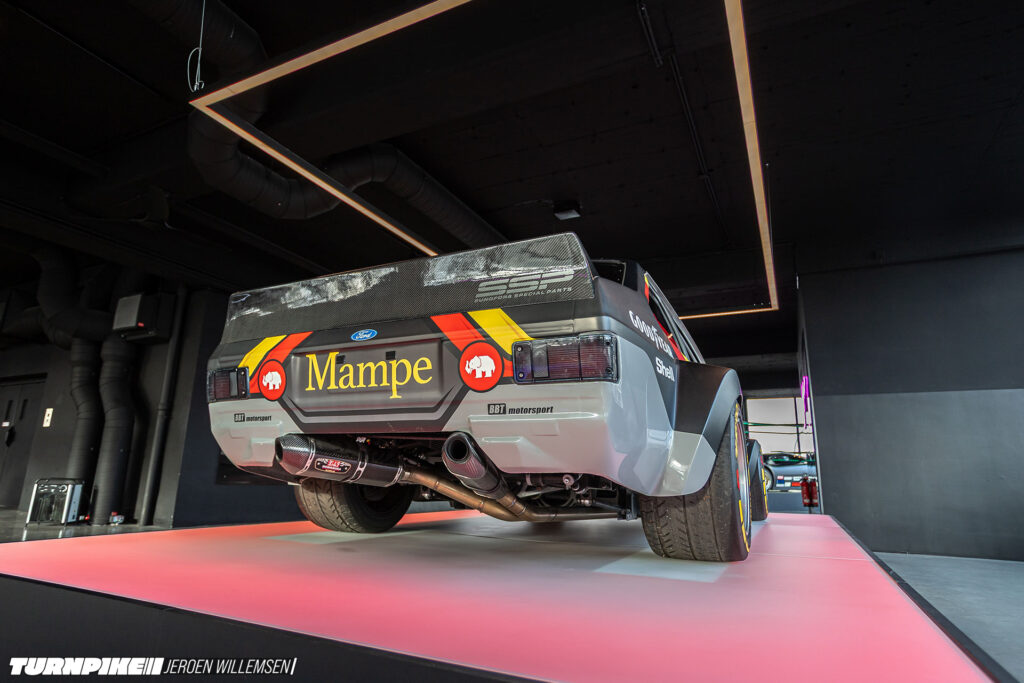
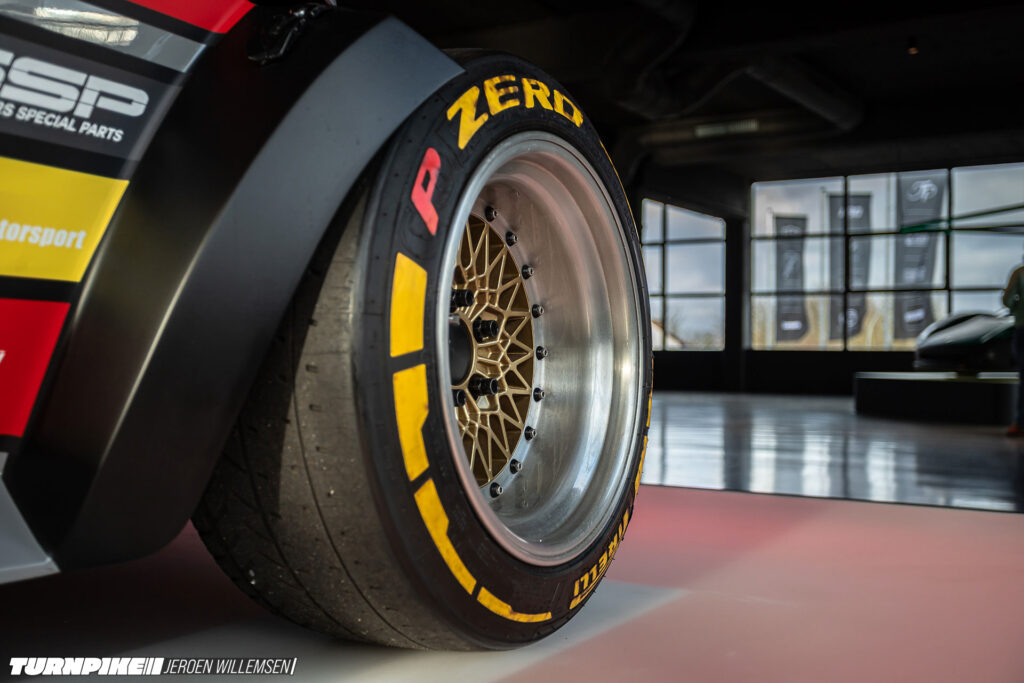
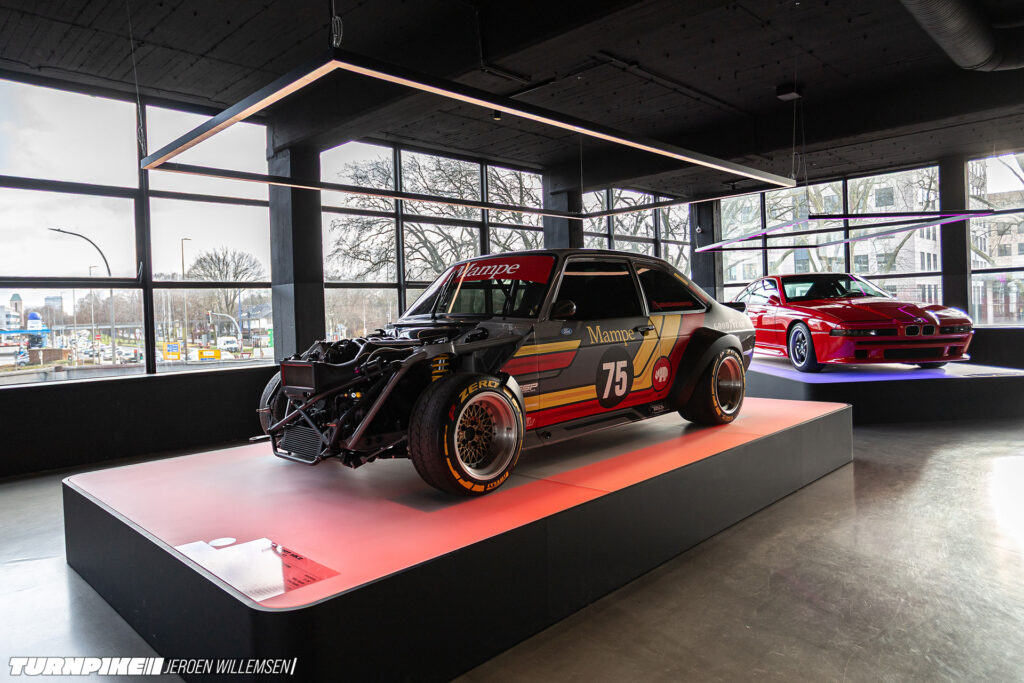
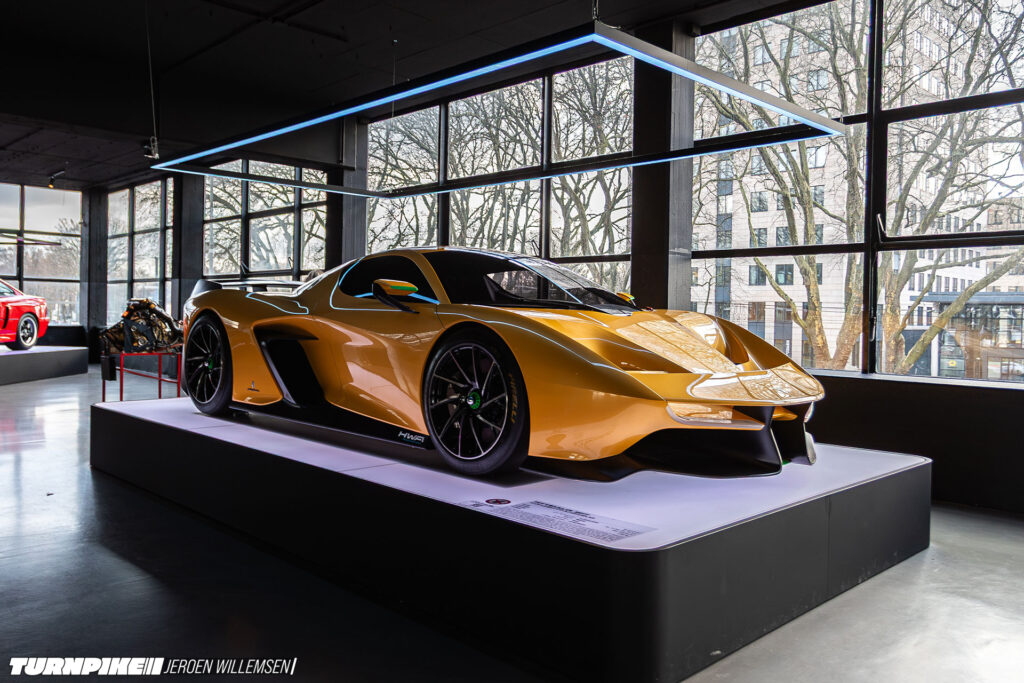
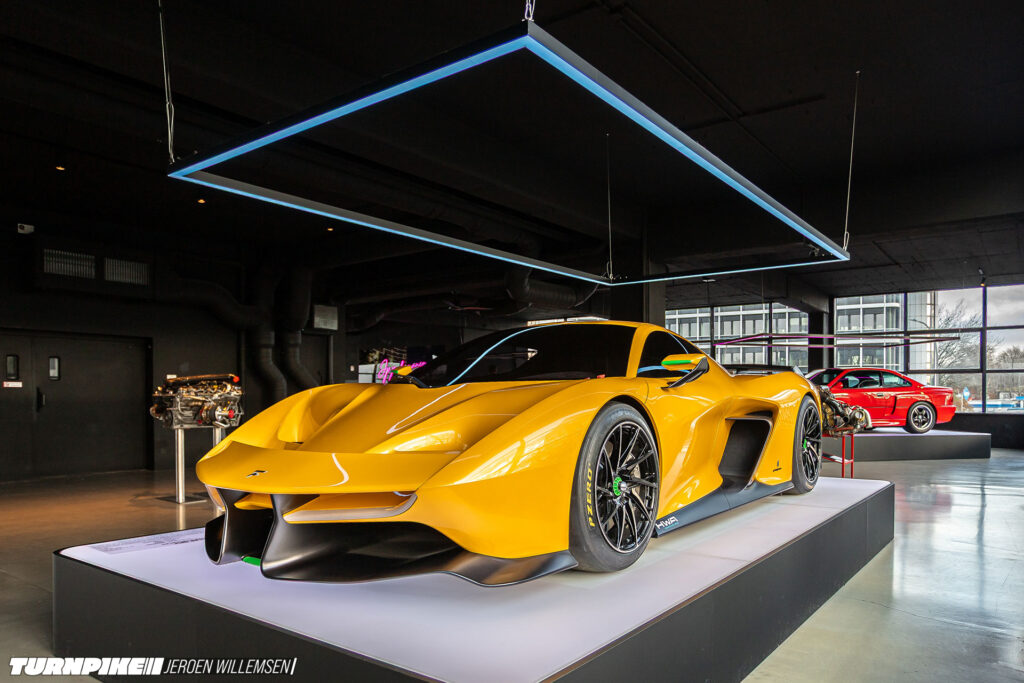
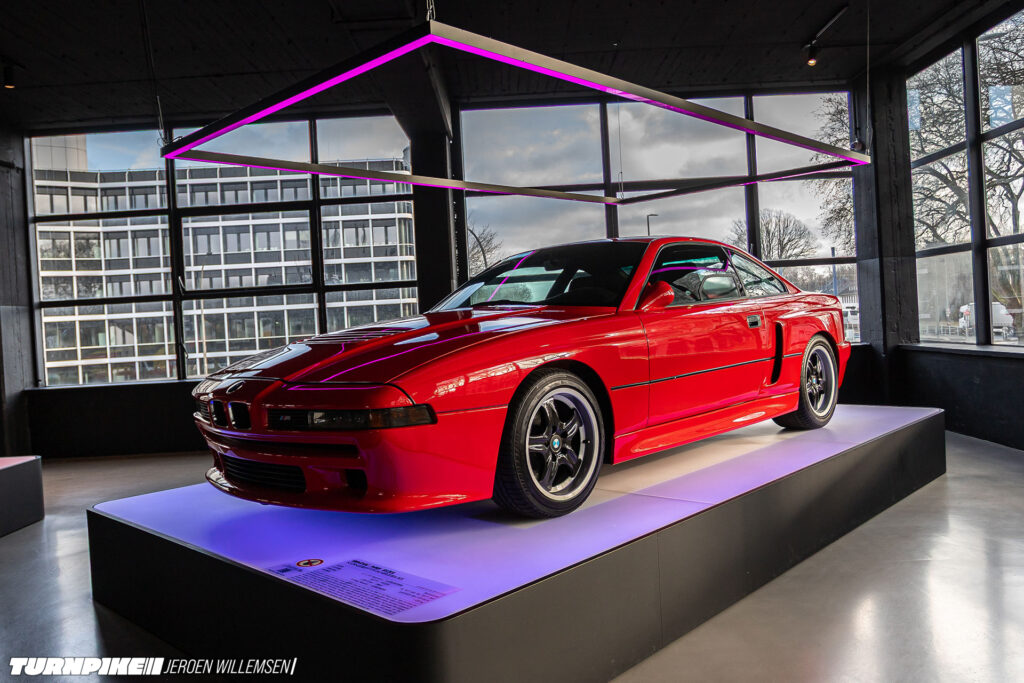
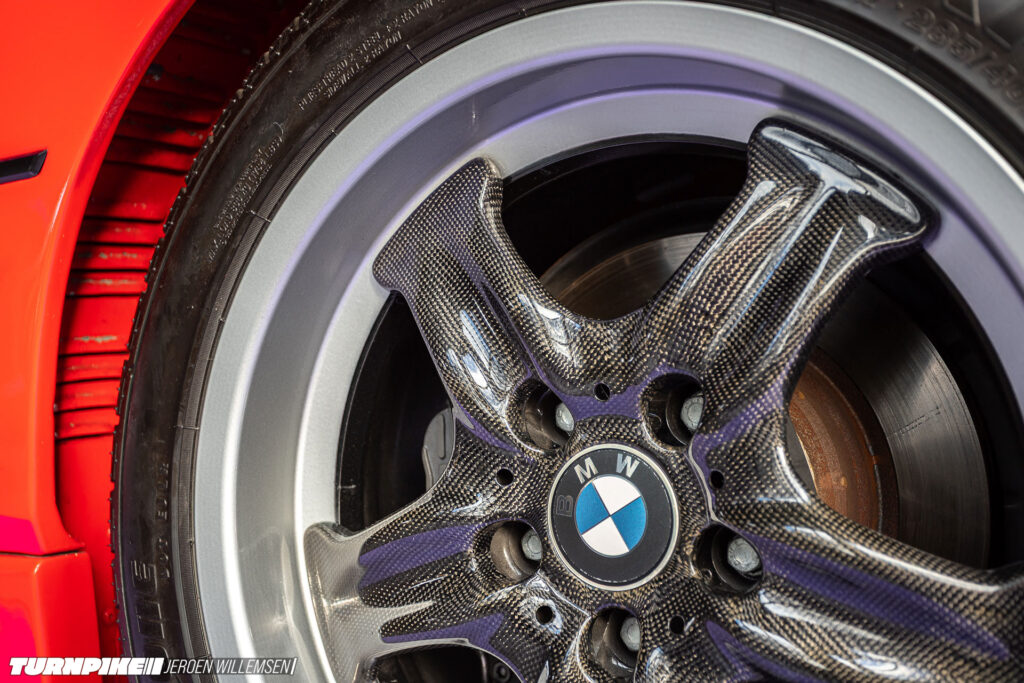
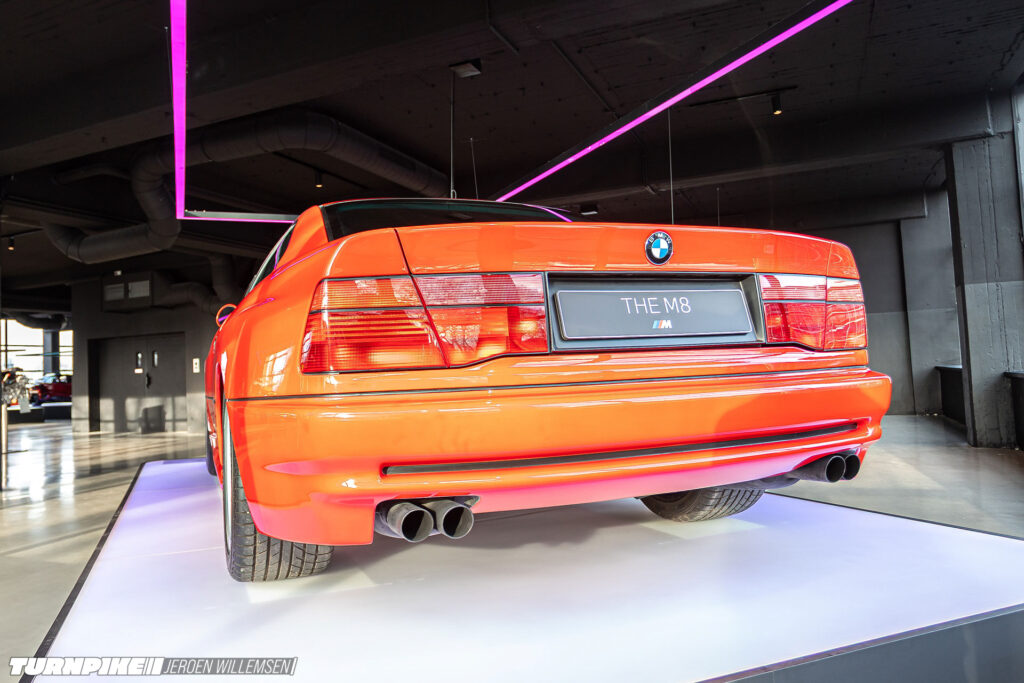
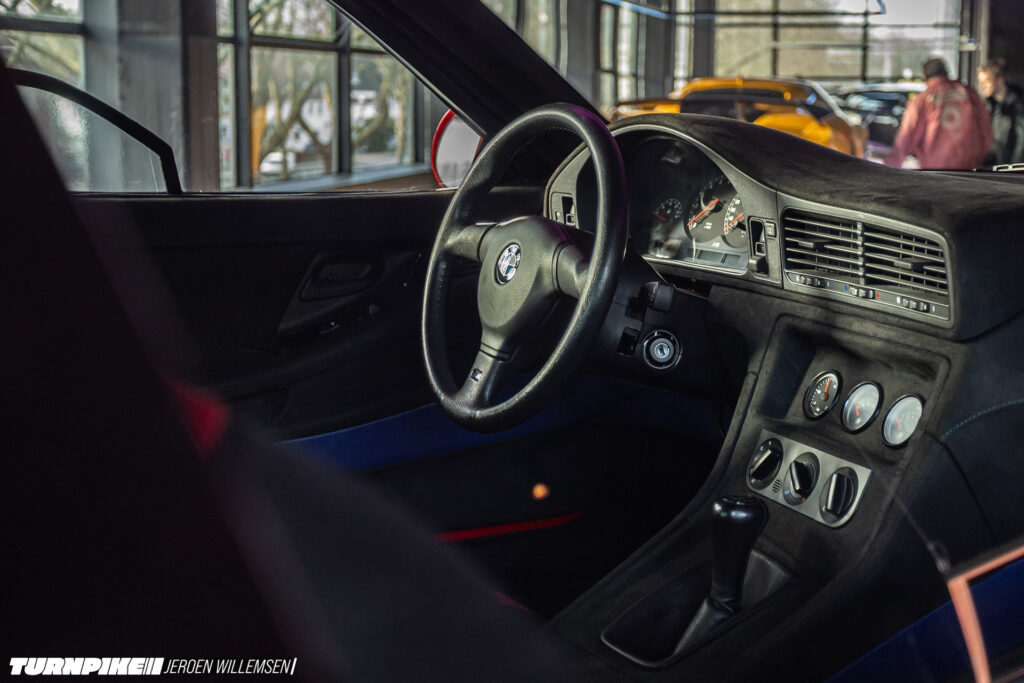
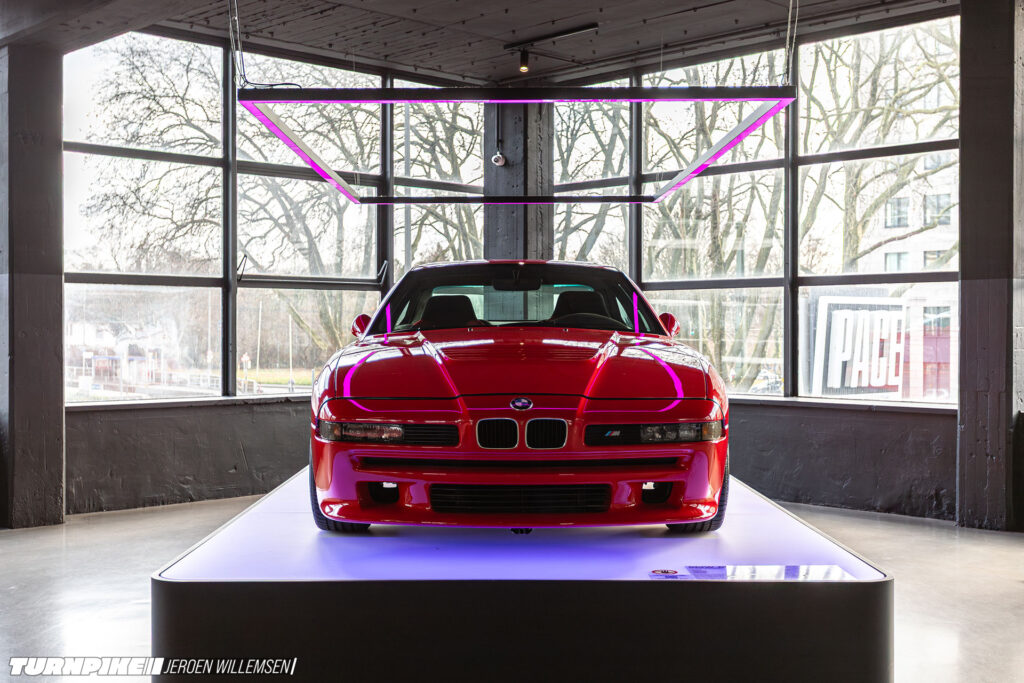
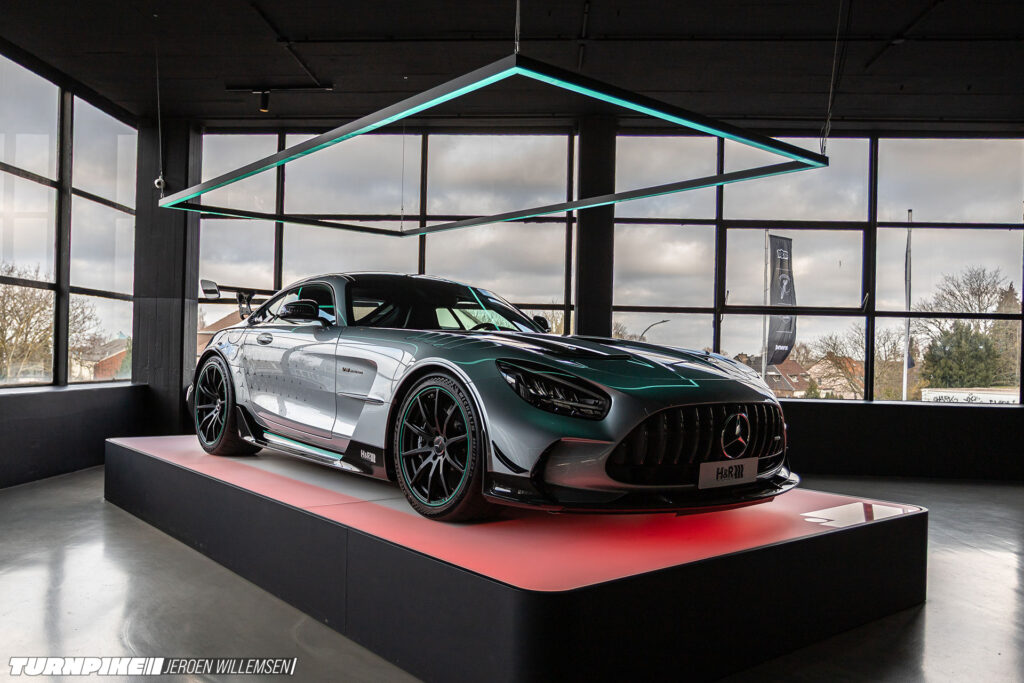
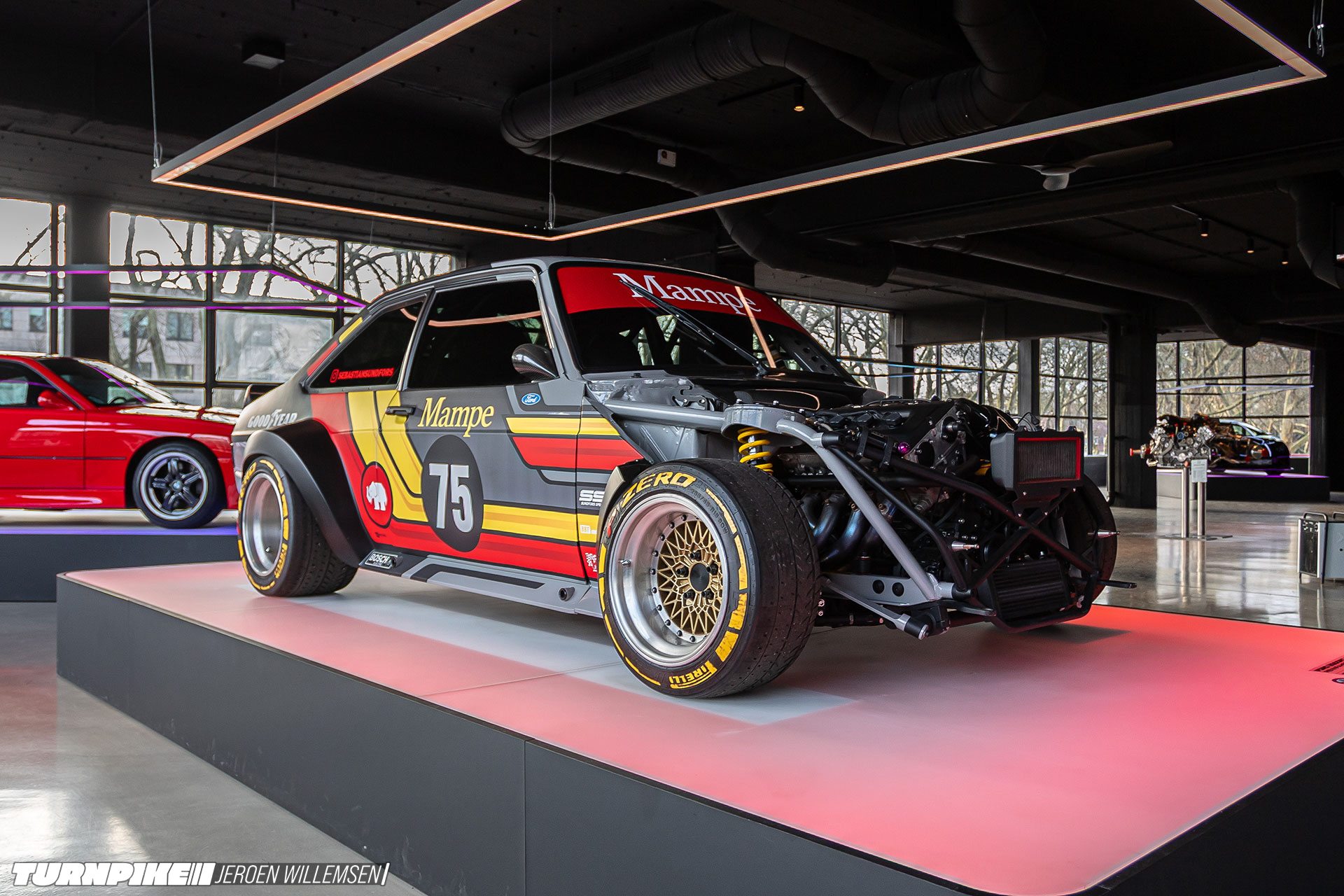
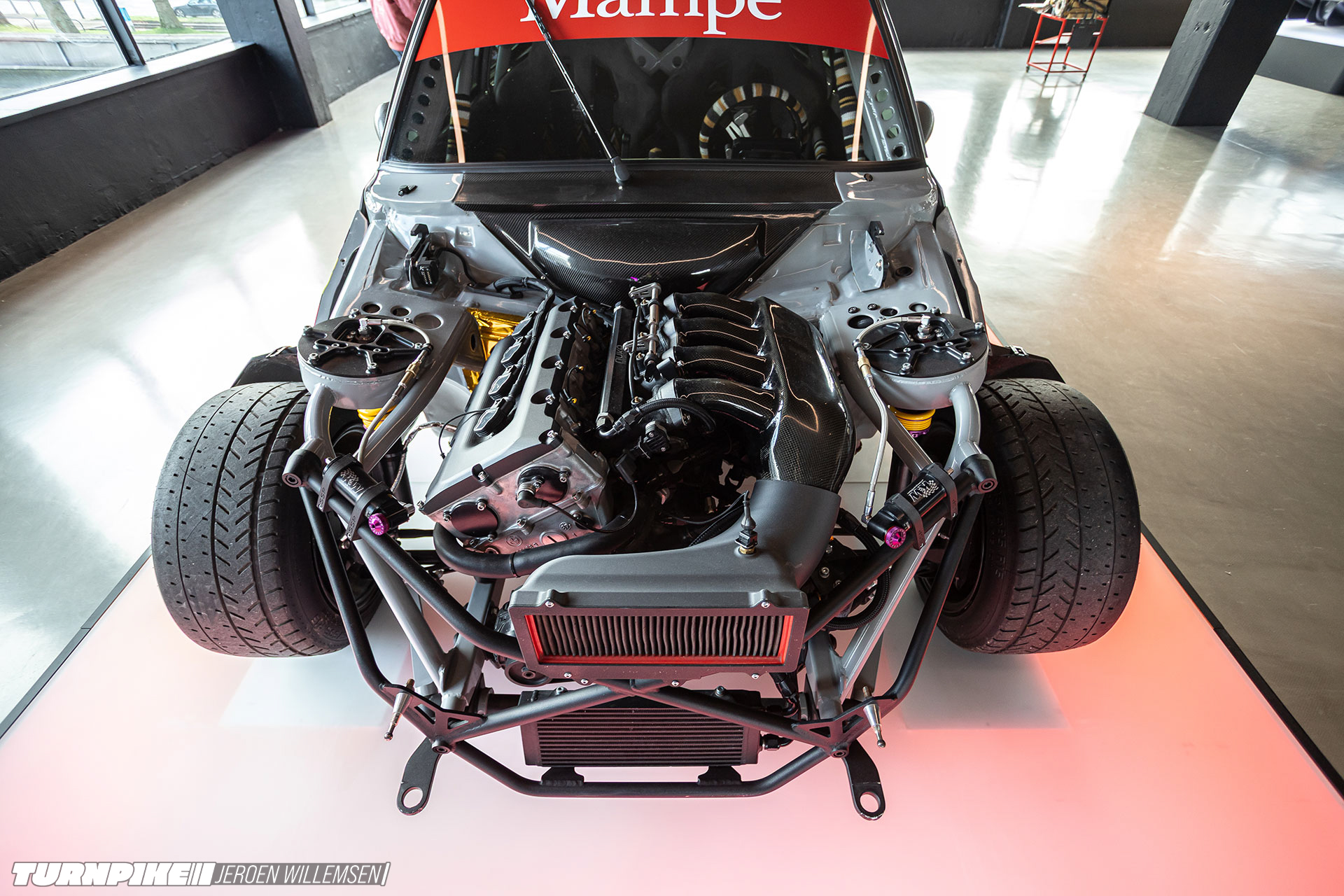
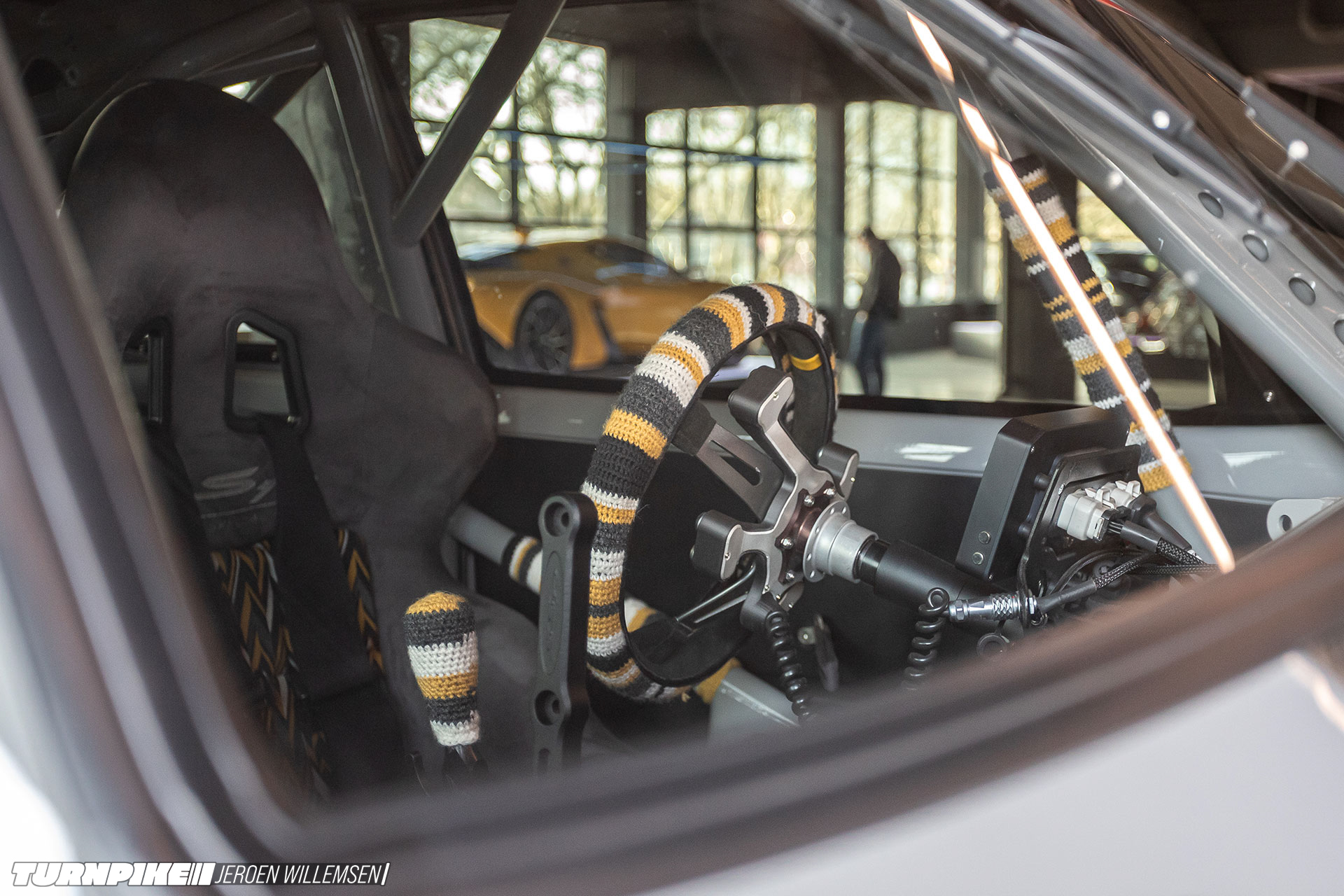
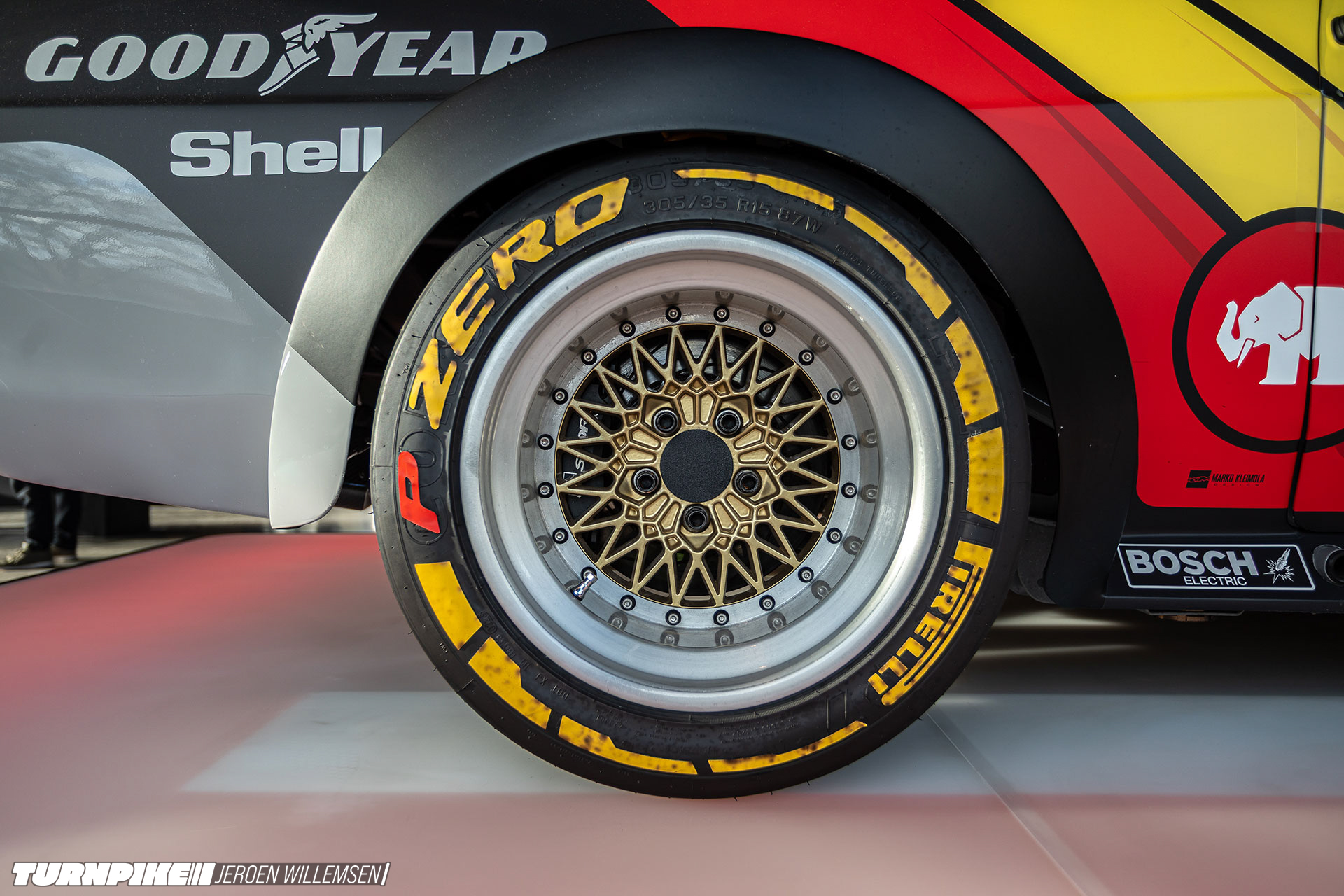
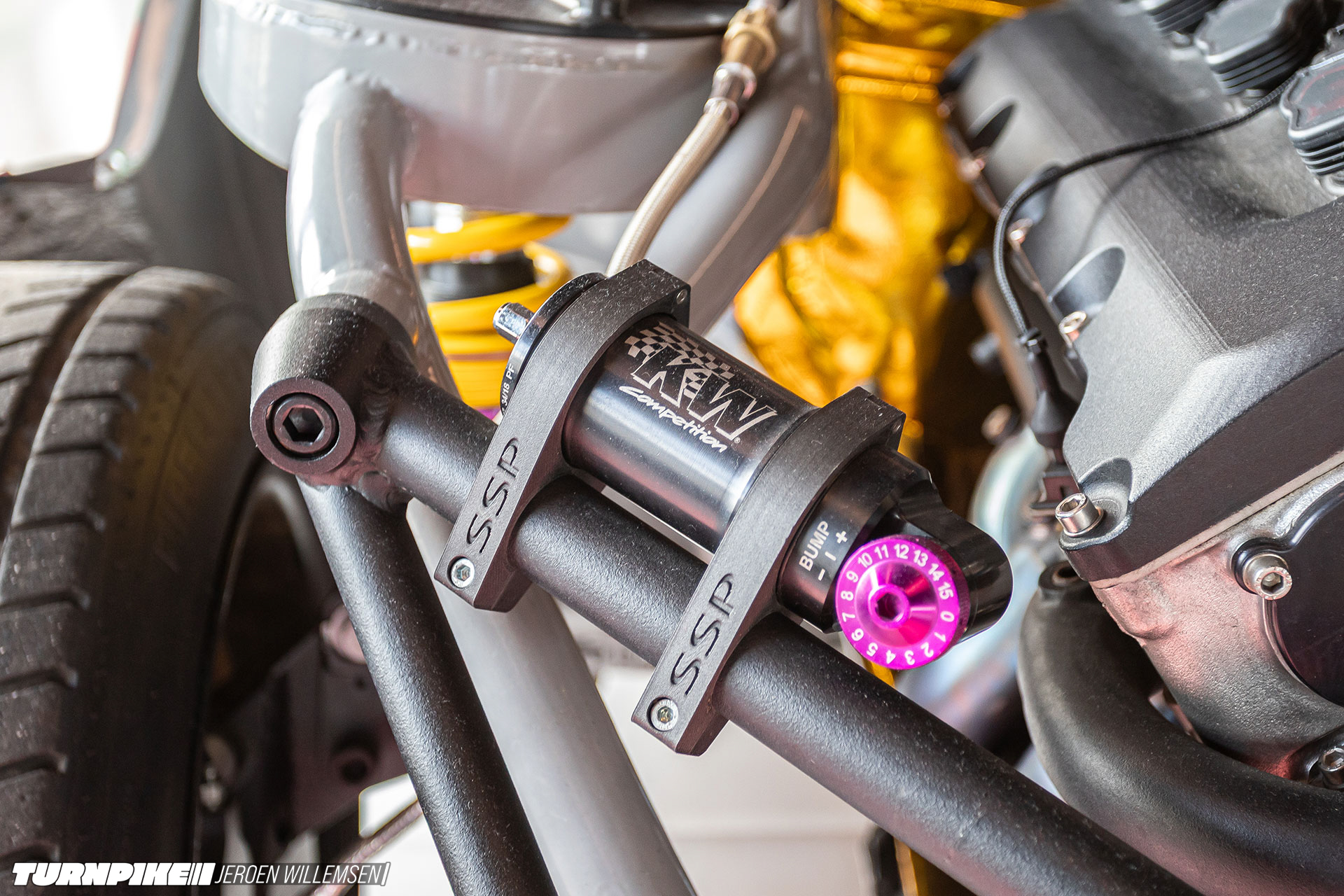
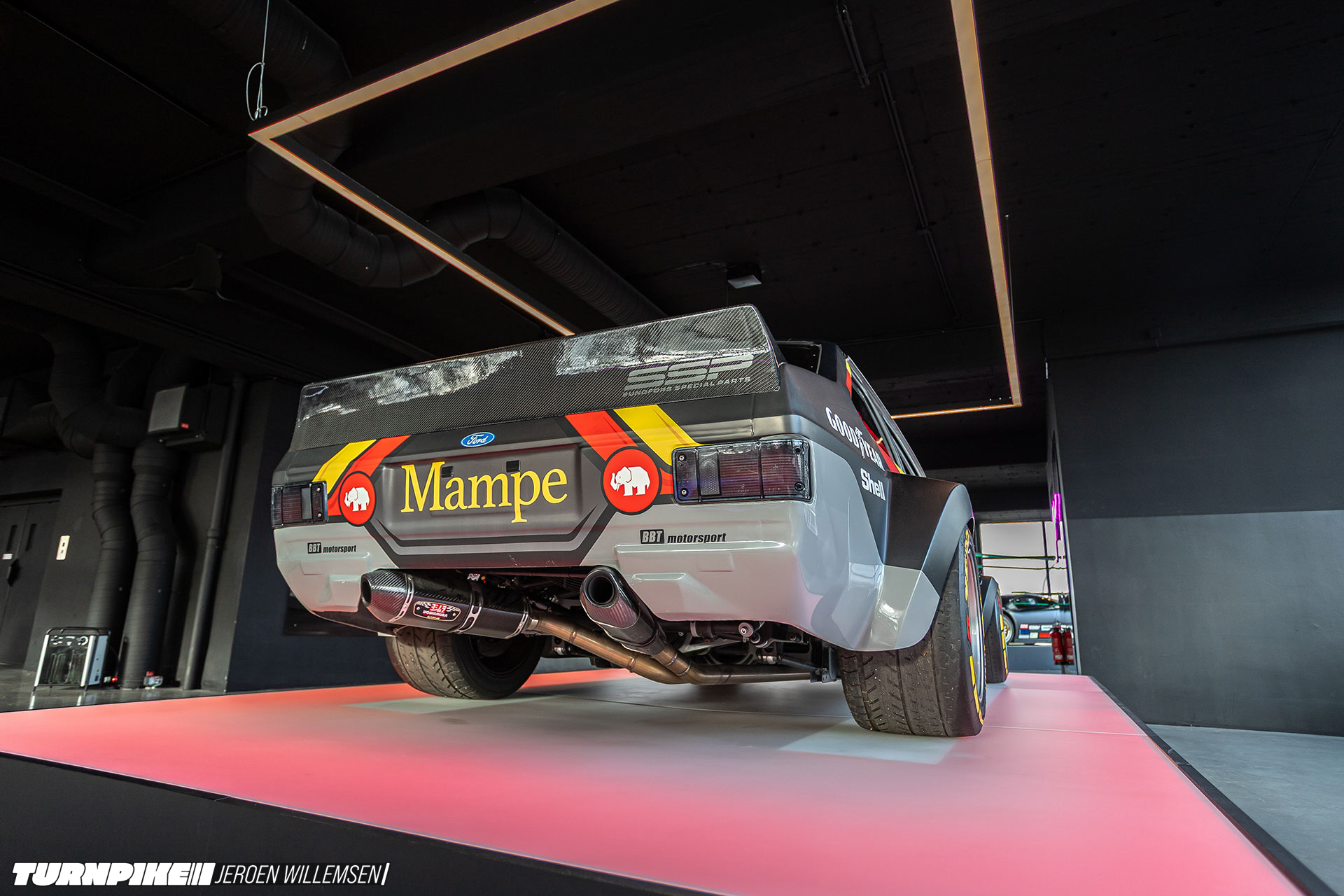
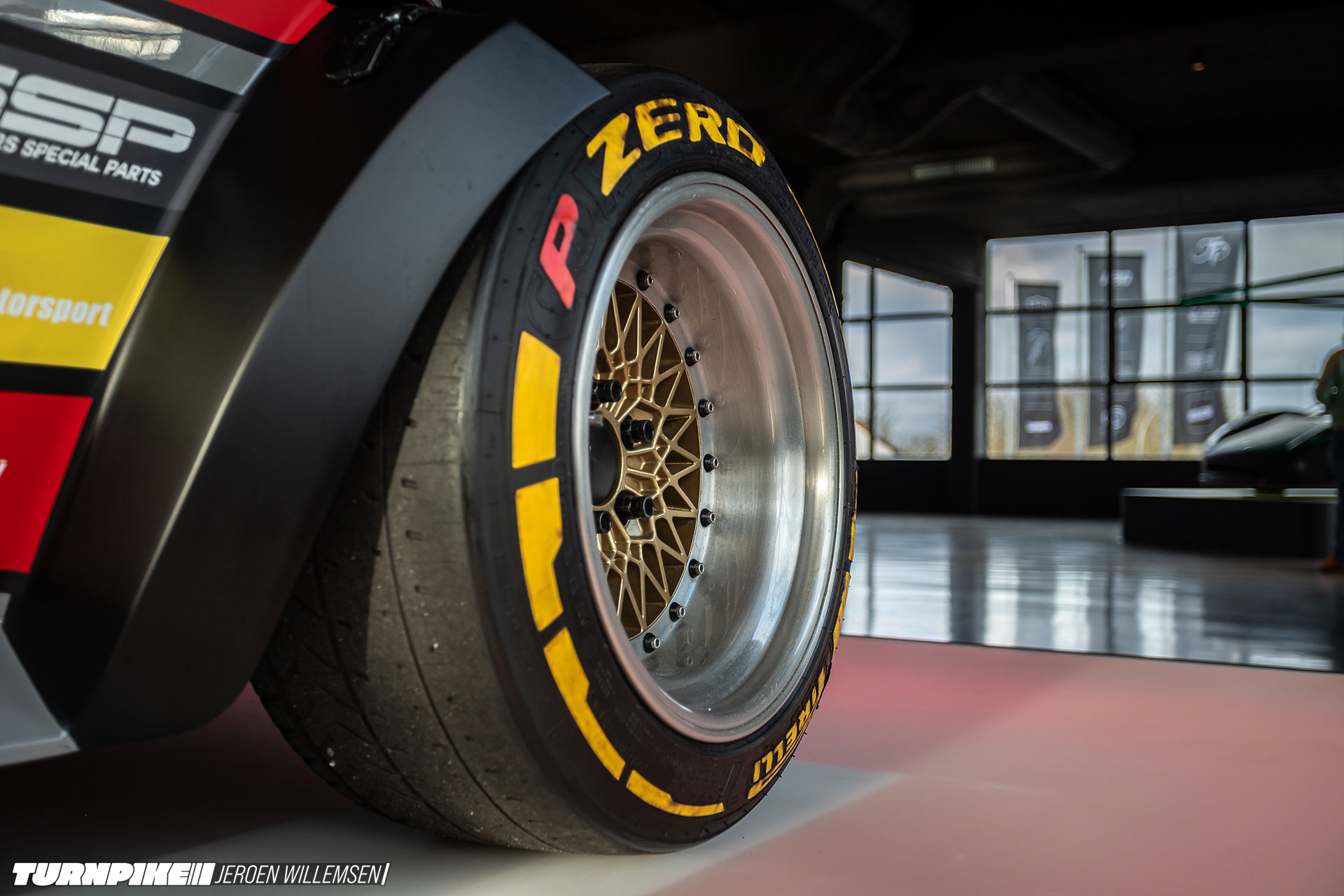
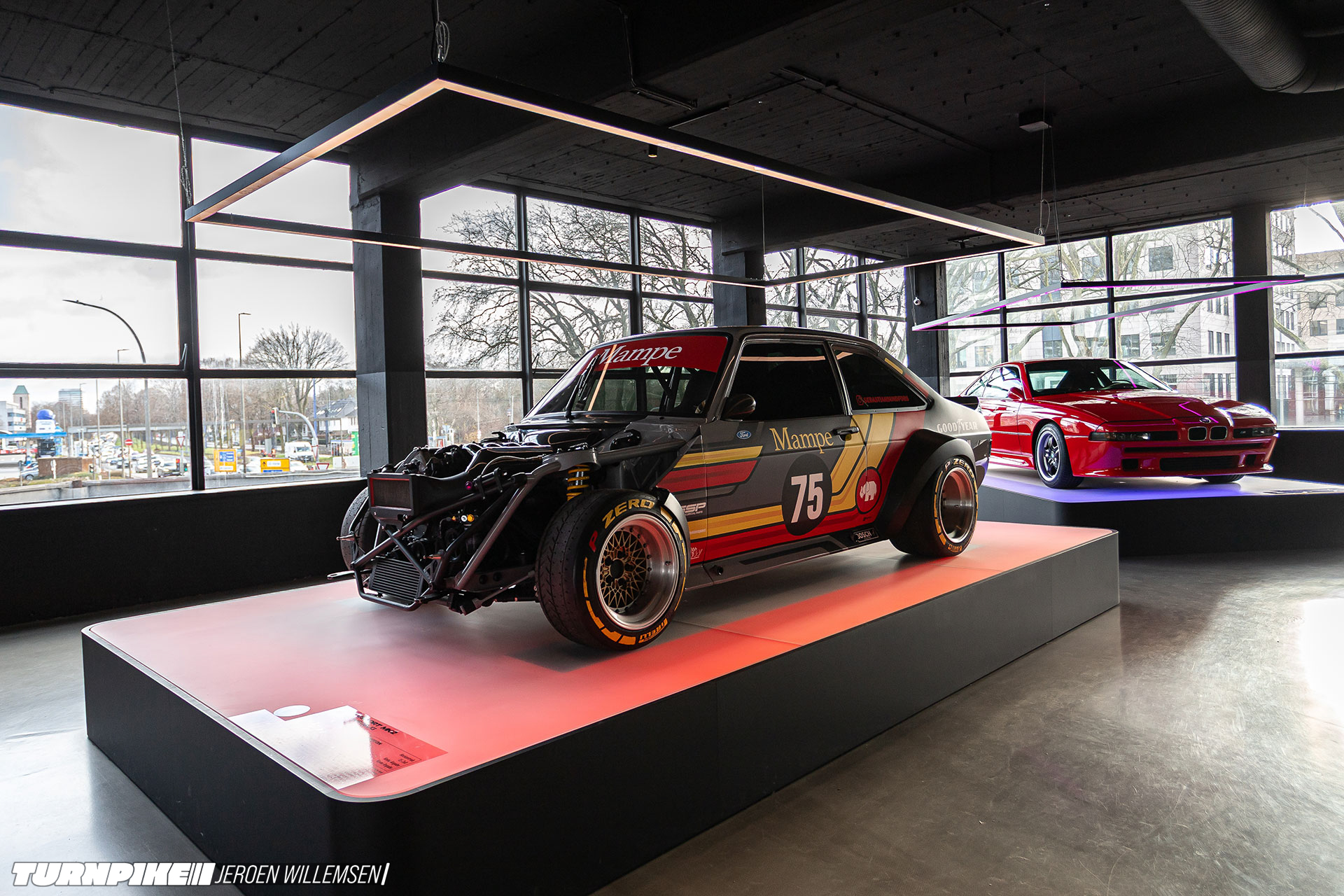
One floor down at the PACE Museum has a totally different feel. Instead of white, this level is finished in black, though the cars were just as wild. First up: a Ford Escort that was registered in 1979 in Finland, originally powered by a paltry 1.3‑litre engine. The current setup produces 300hp and 320Nm of torque. The original engine is long gone; instead, you will find a 2.5‑litre S14B25 from a BMW E30 M3. But the madness doesn’t stop there. It has dry‑sump lubrication, twin Yoshimura Suzuki Hayabusa motorcycle silencers, magnesium wheels, a straight‑cut dogbox, and a Volvo 740 rear axle, just for good measure.
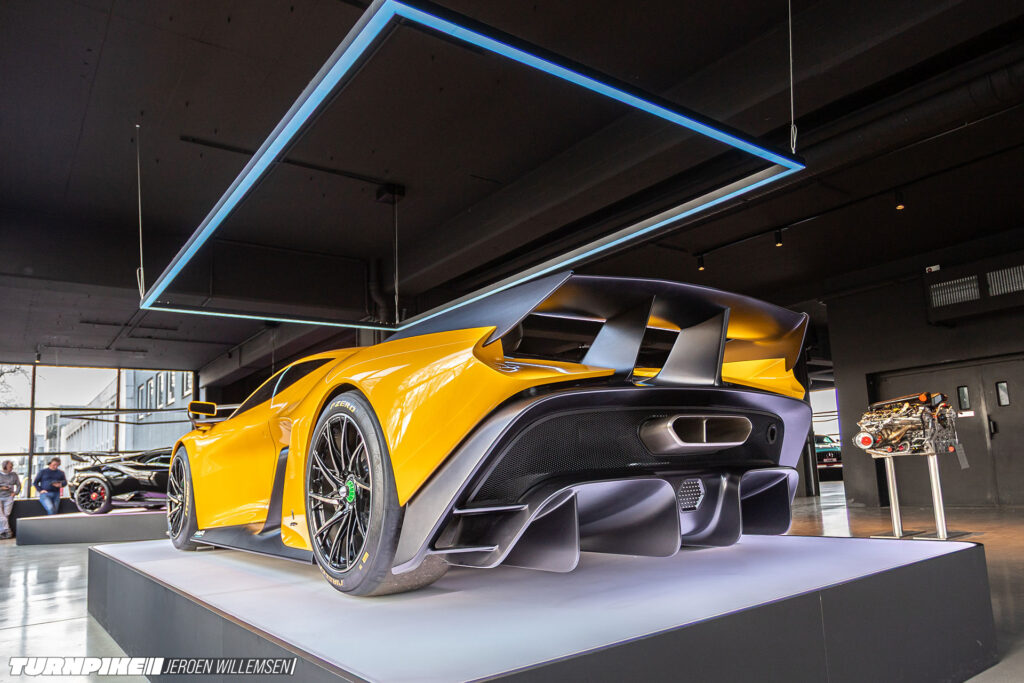
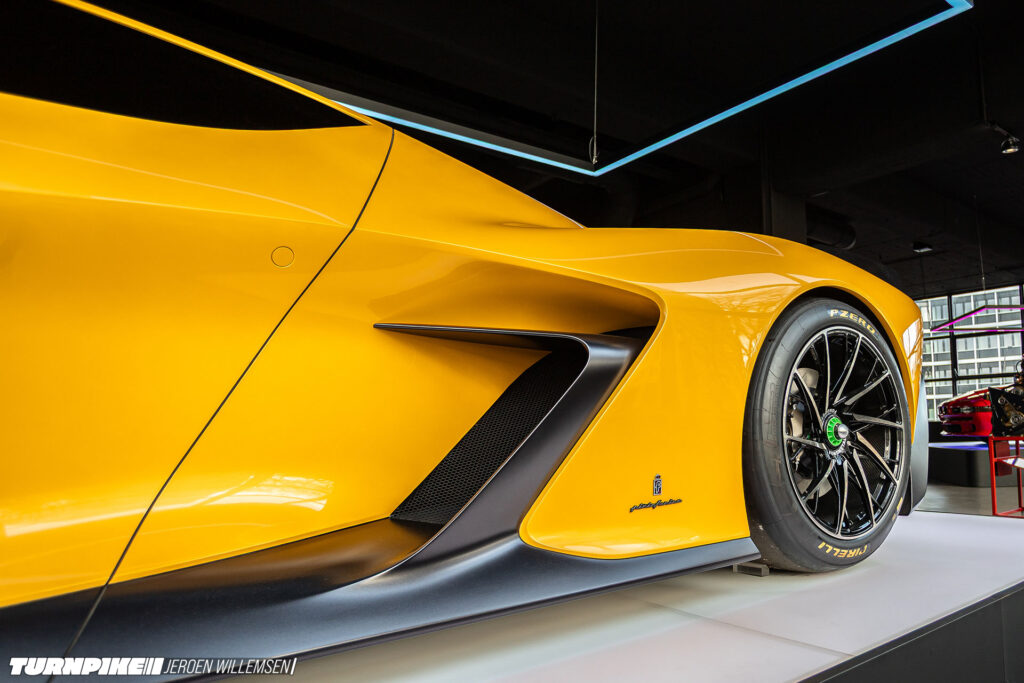
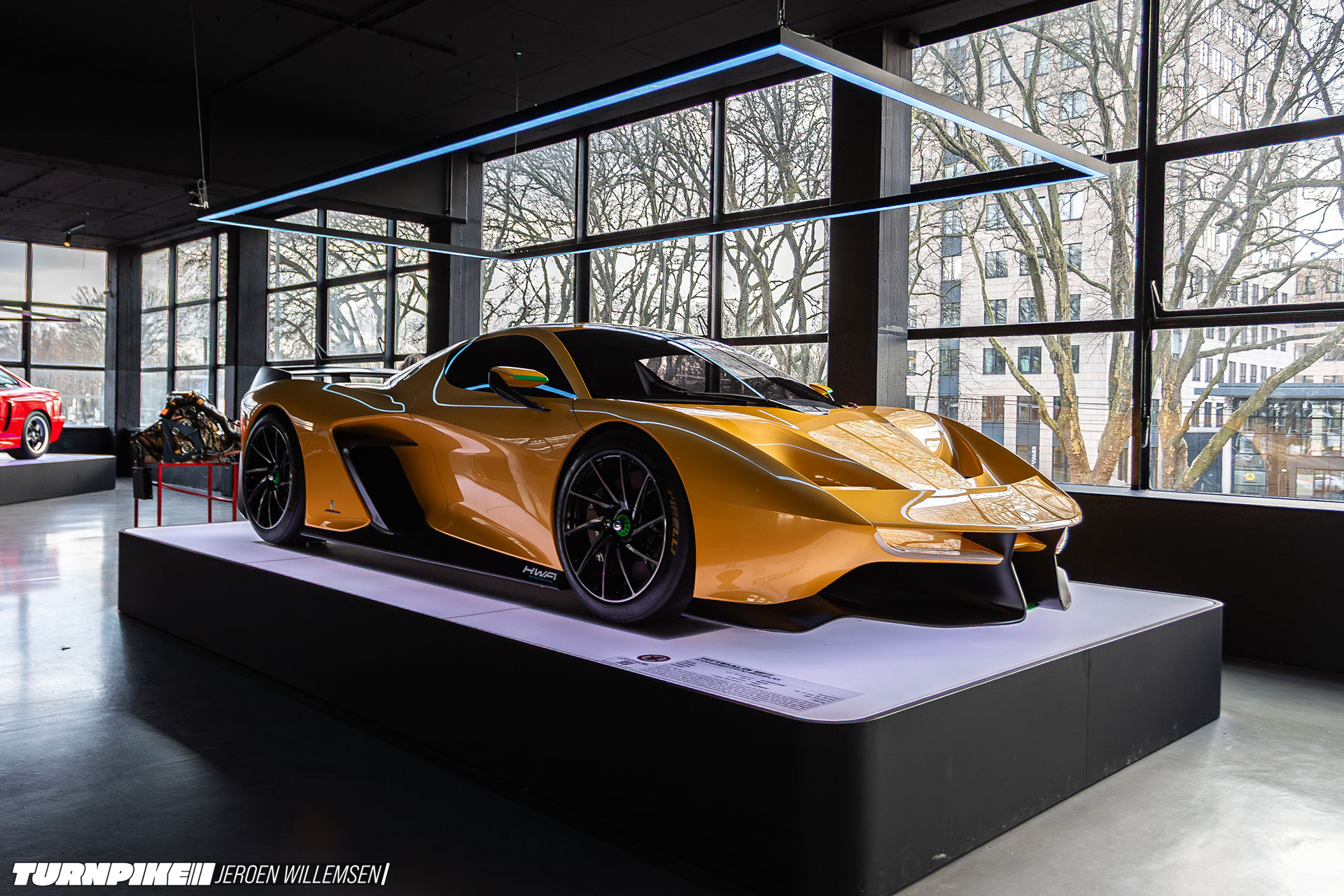
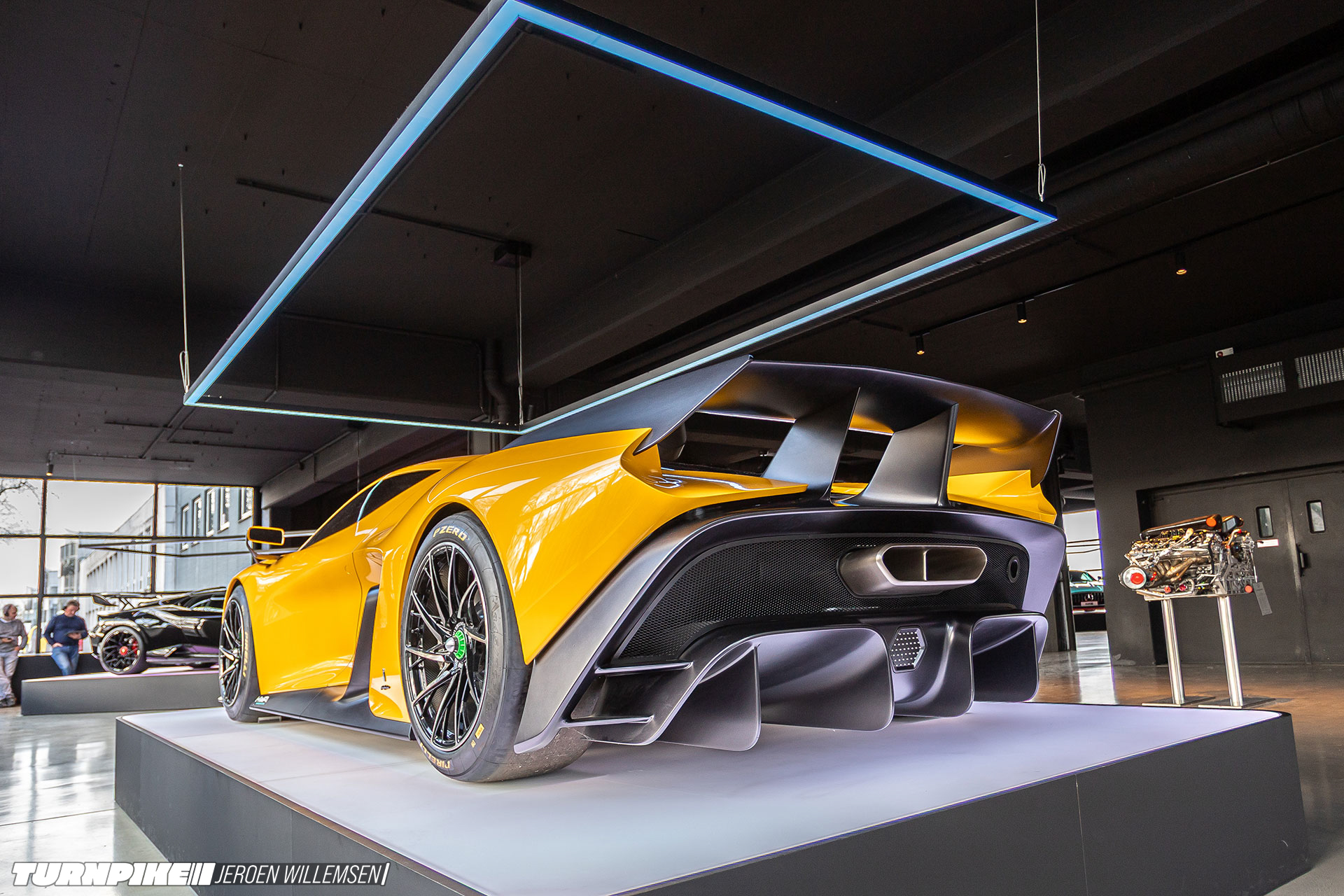
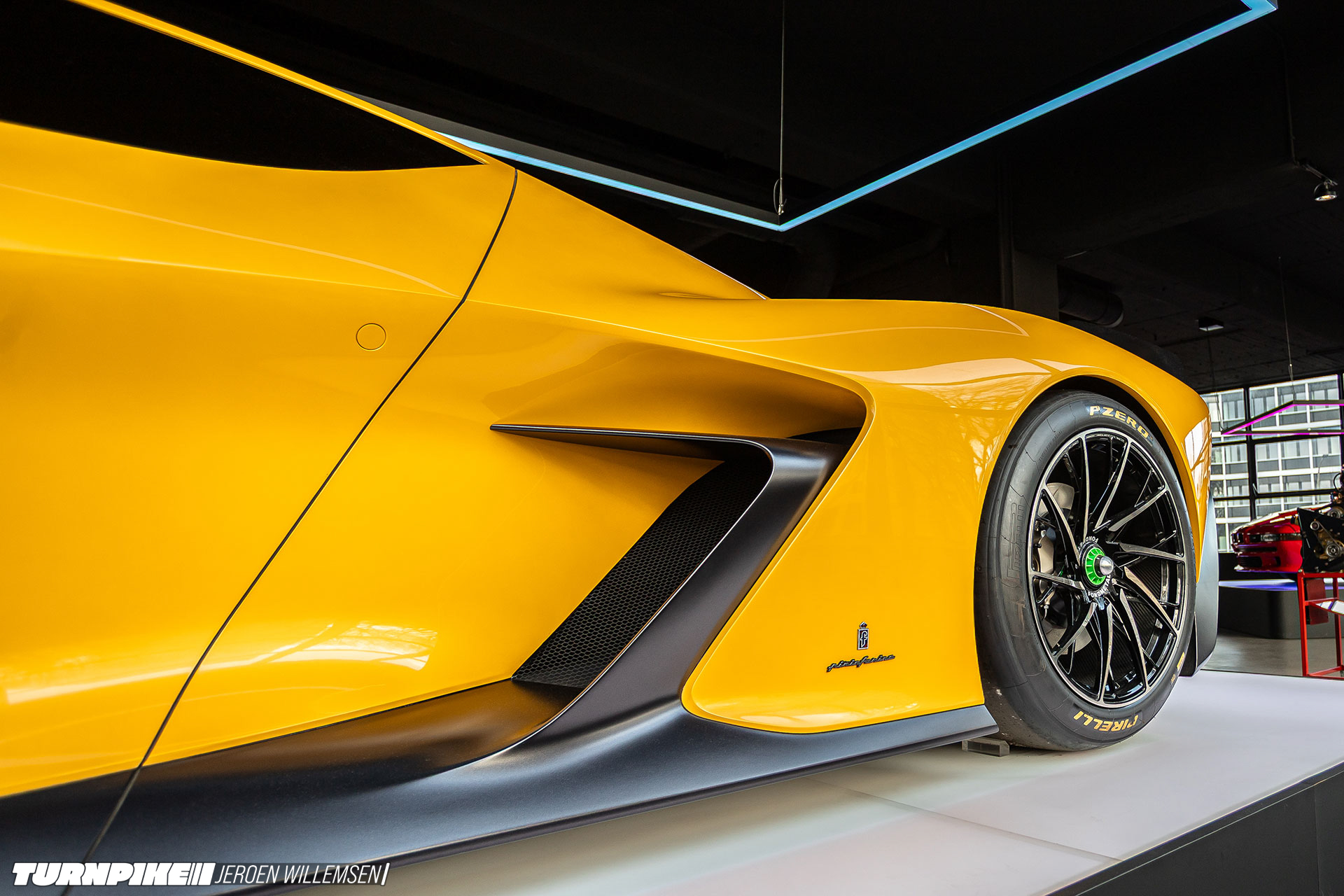
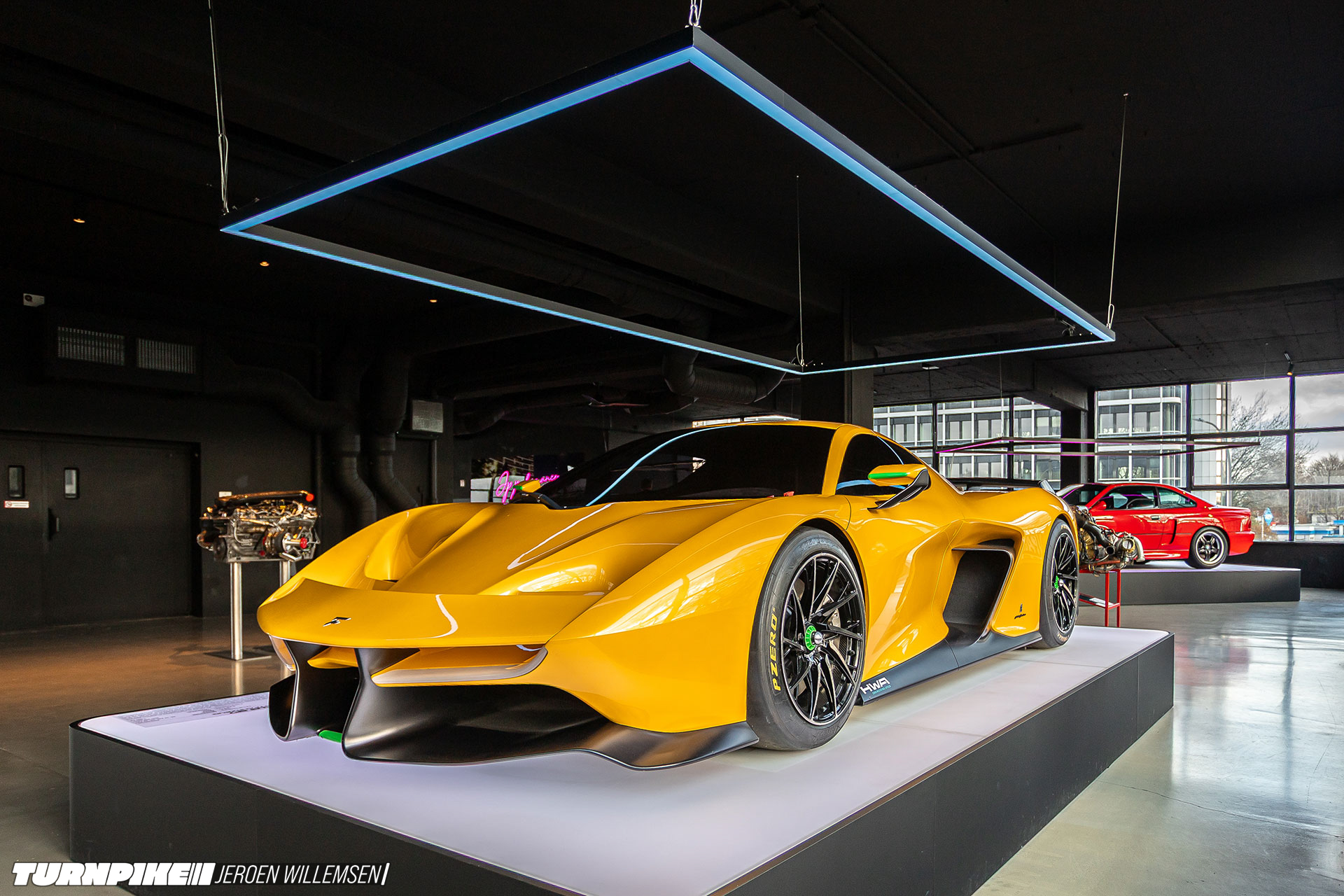
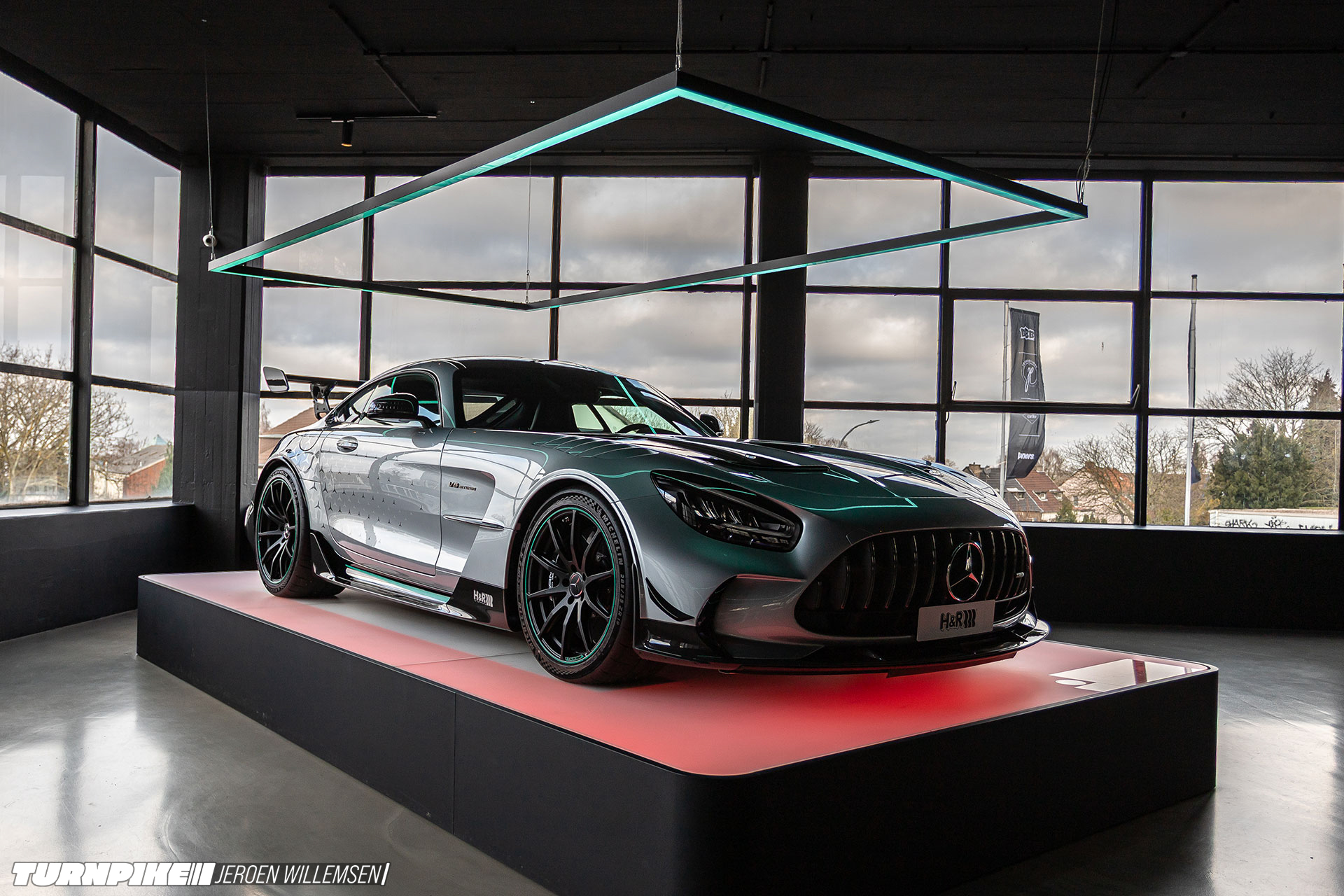
Another standout was the Fittipaldi EF7, built by HWA Engineering. You might know HWA for their modern take on the Mercedes‑Benz 190E EVO. The Fittipaldi EF7 started life as a Vision Gran Turismo car designed by Pininfarina and was supposed to become a limited‑run track car, the Fittipaldi EF7 GTR. As far as I know, that never happened, making this concept possibly the only one still in existence.
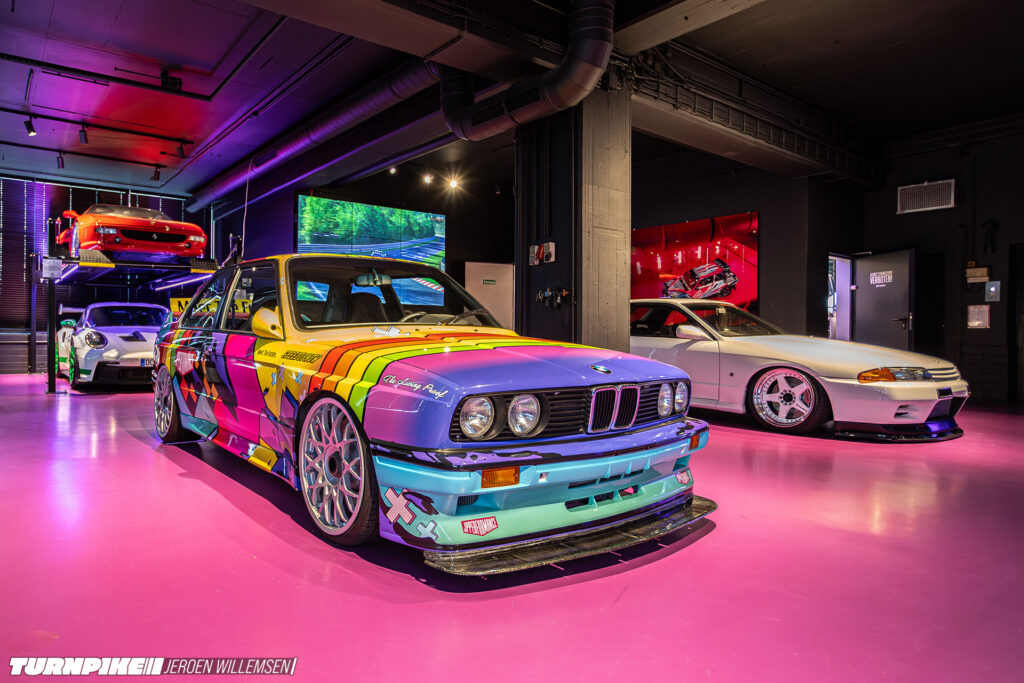
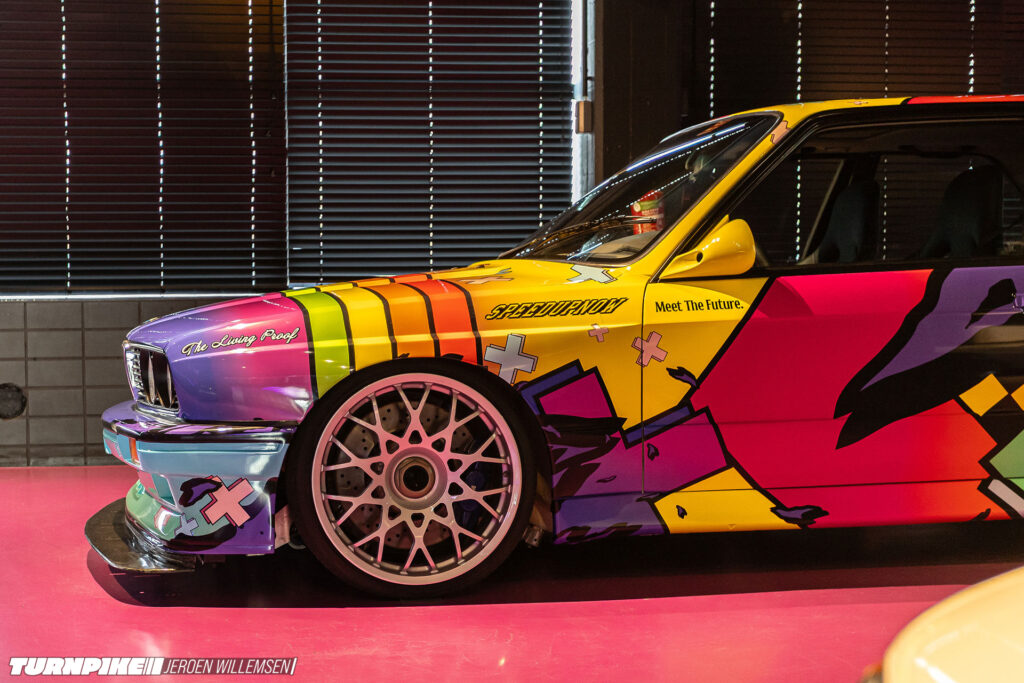
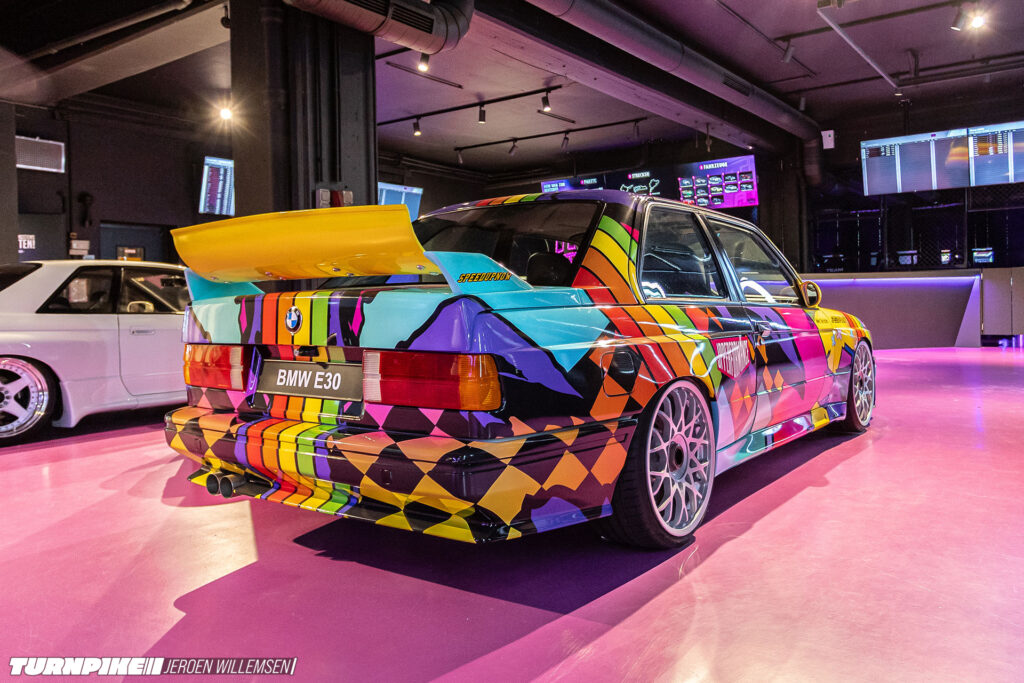
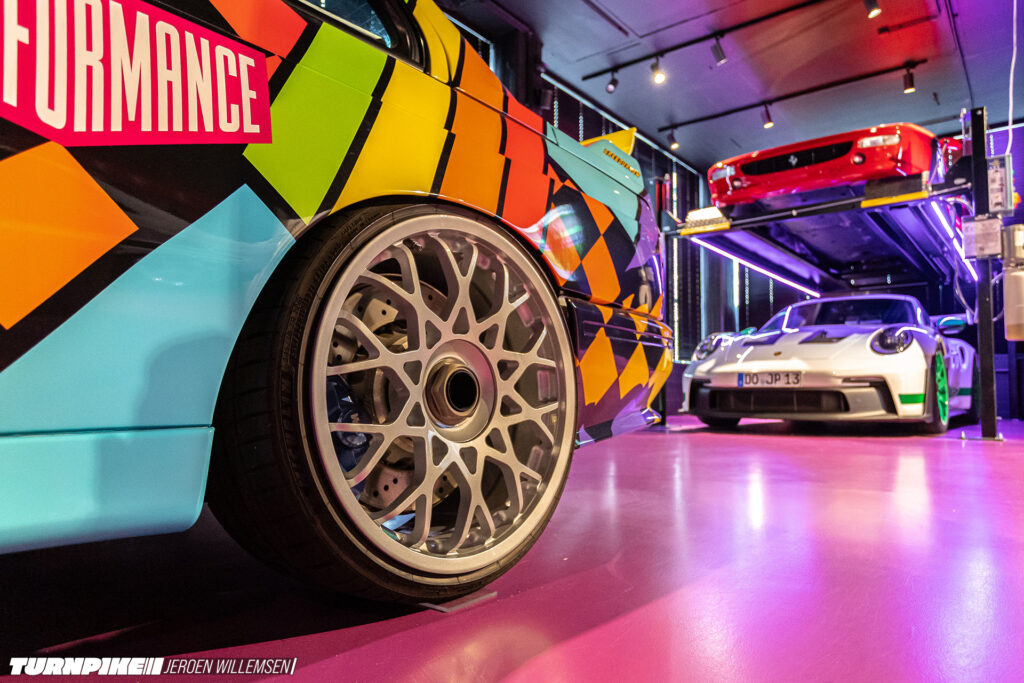
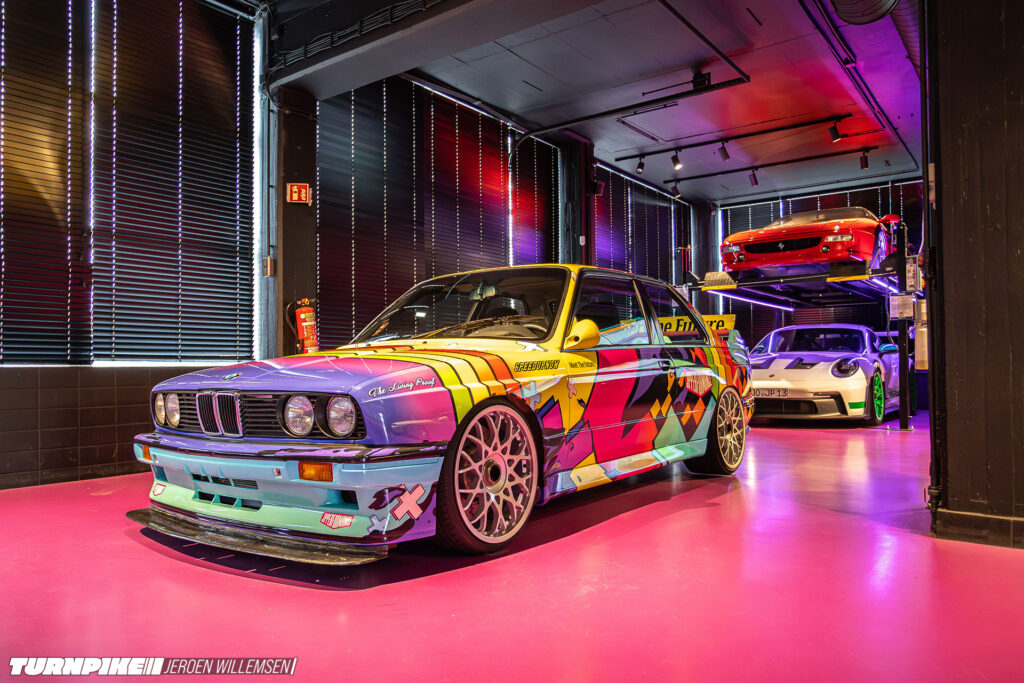
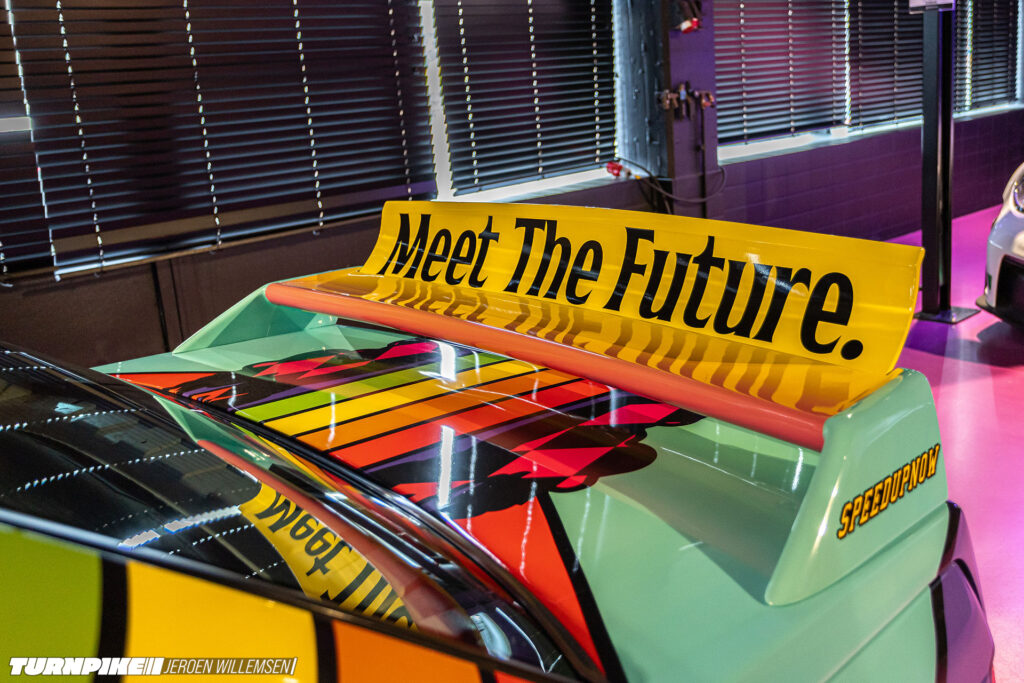
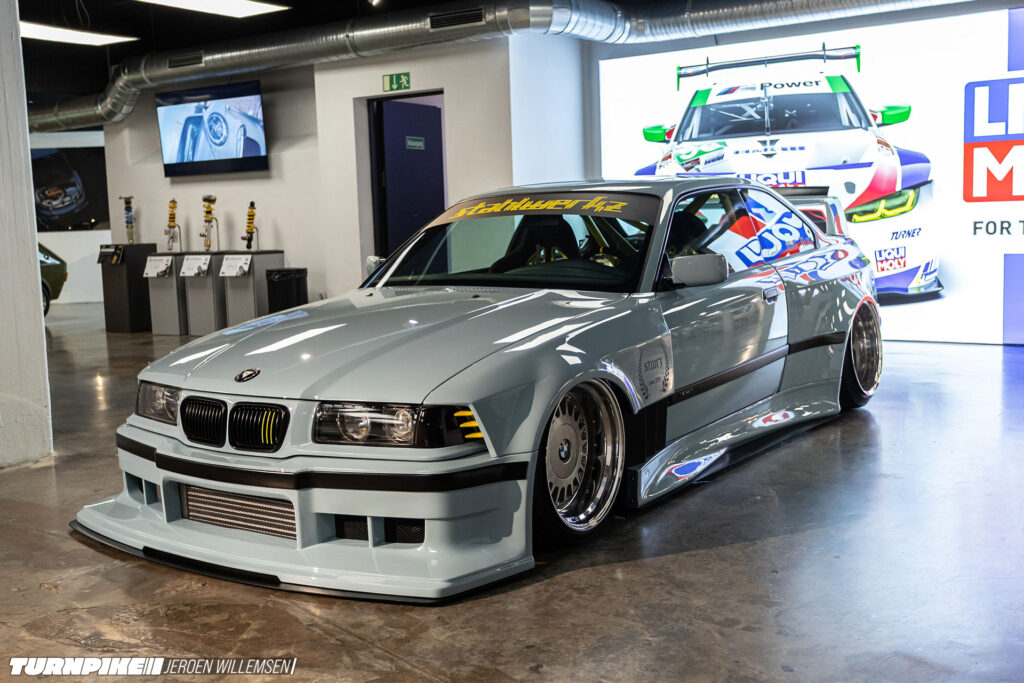
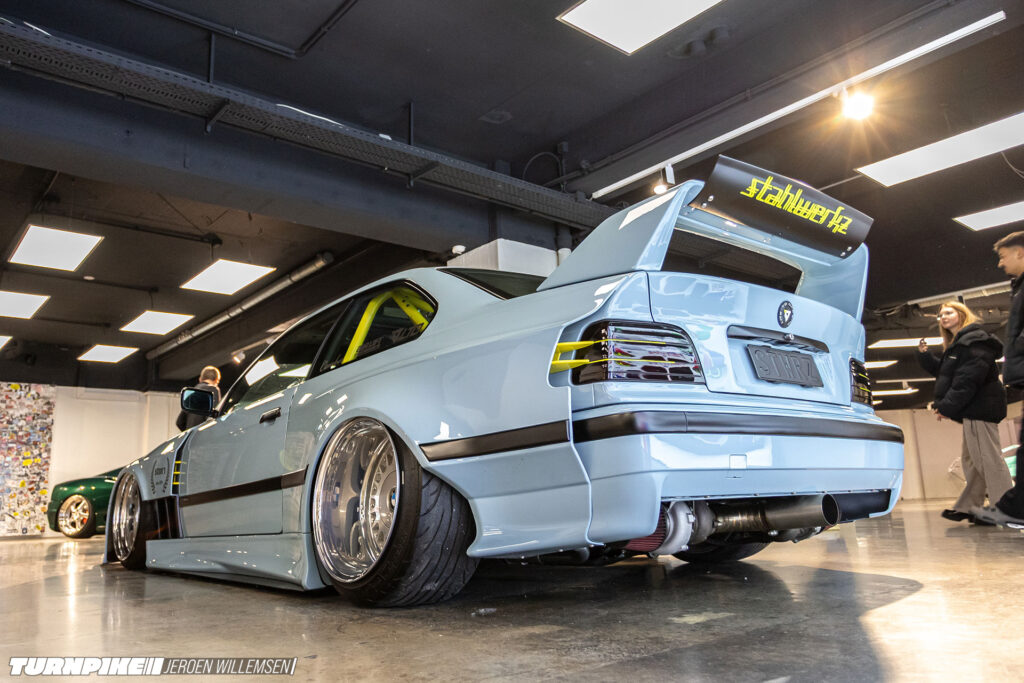
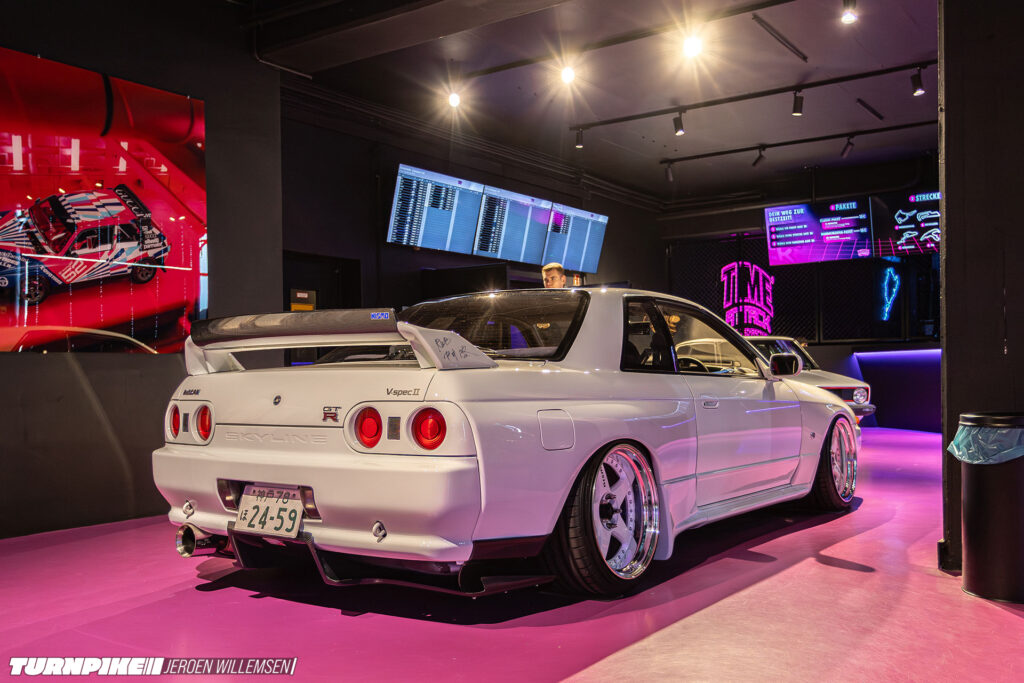
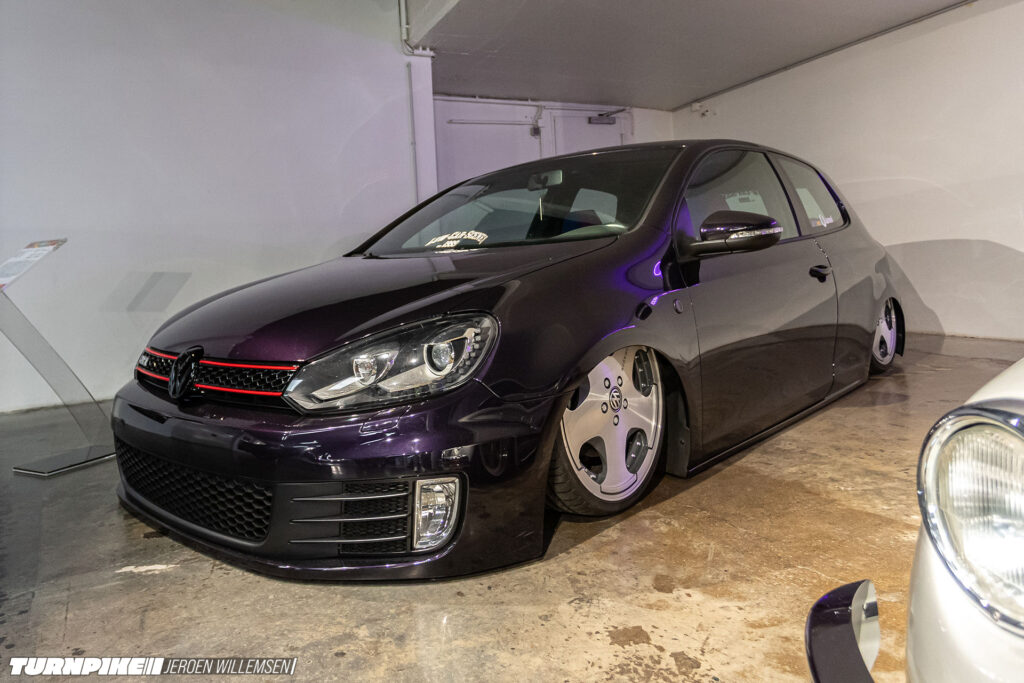
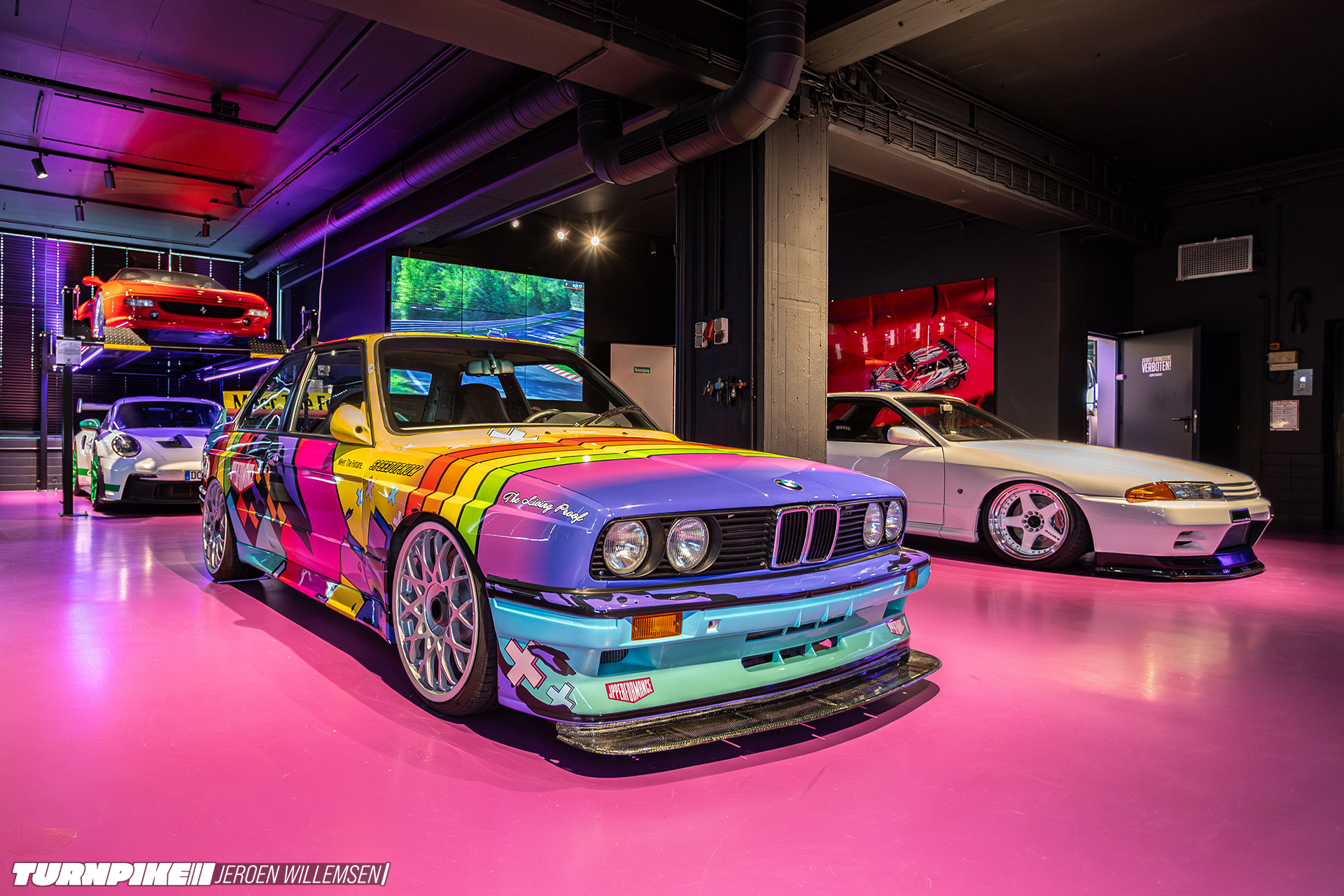
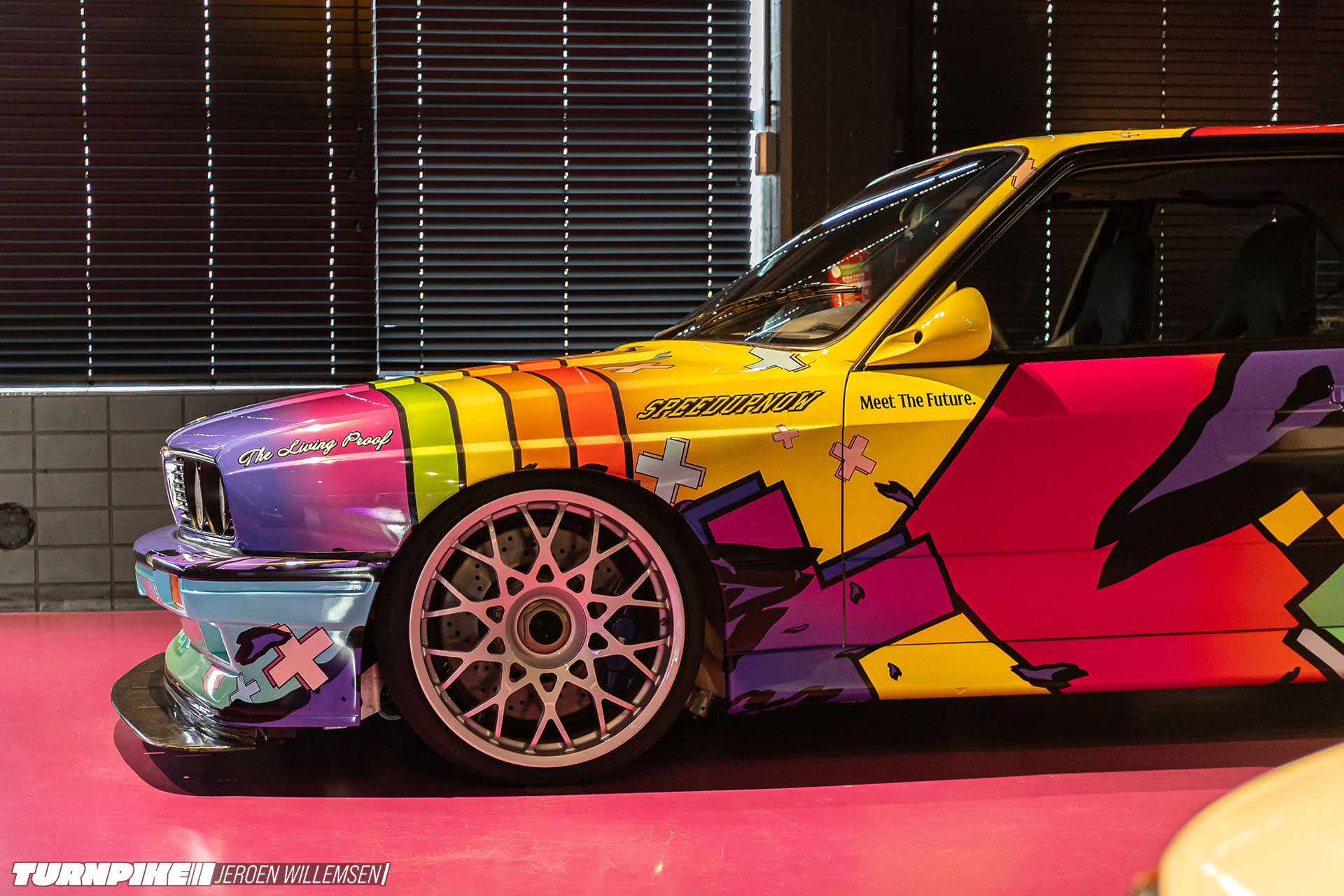
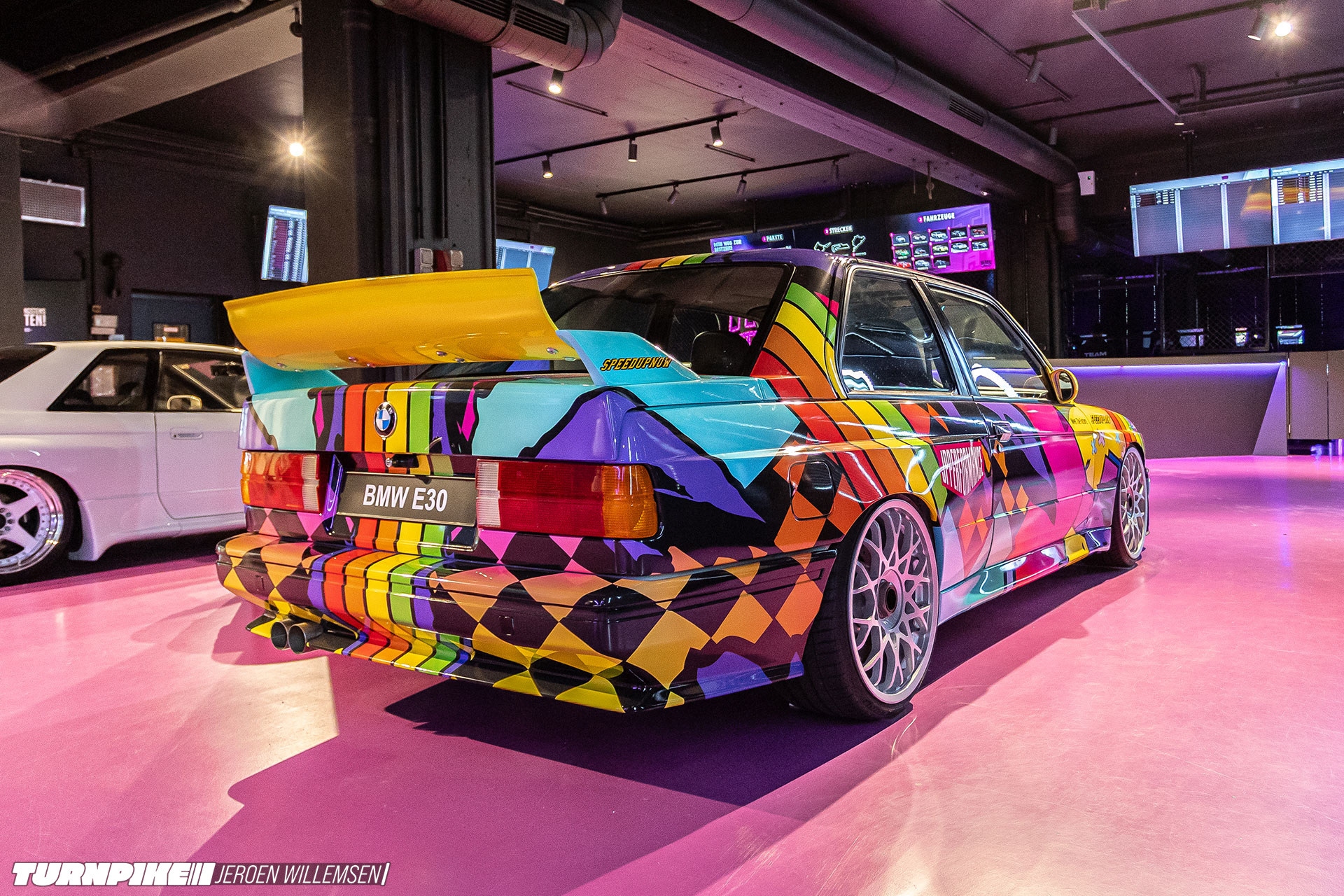
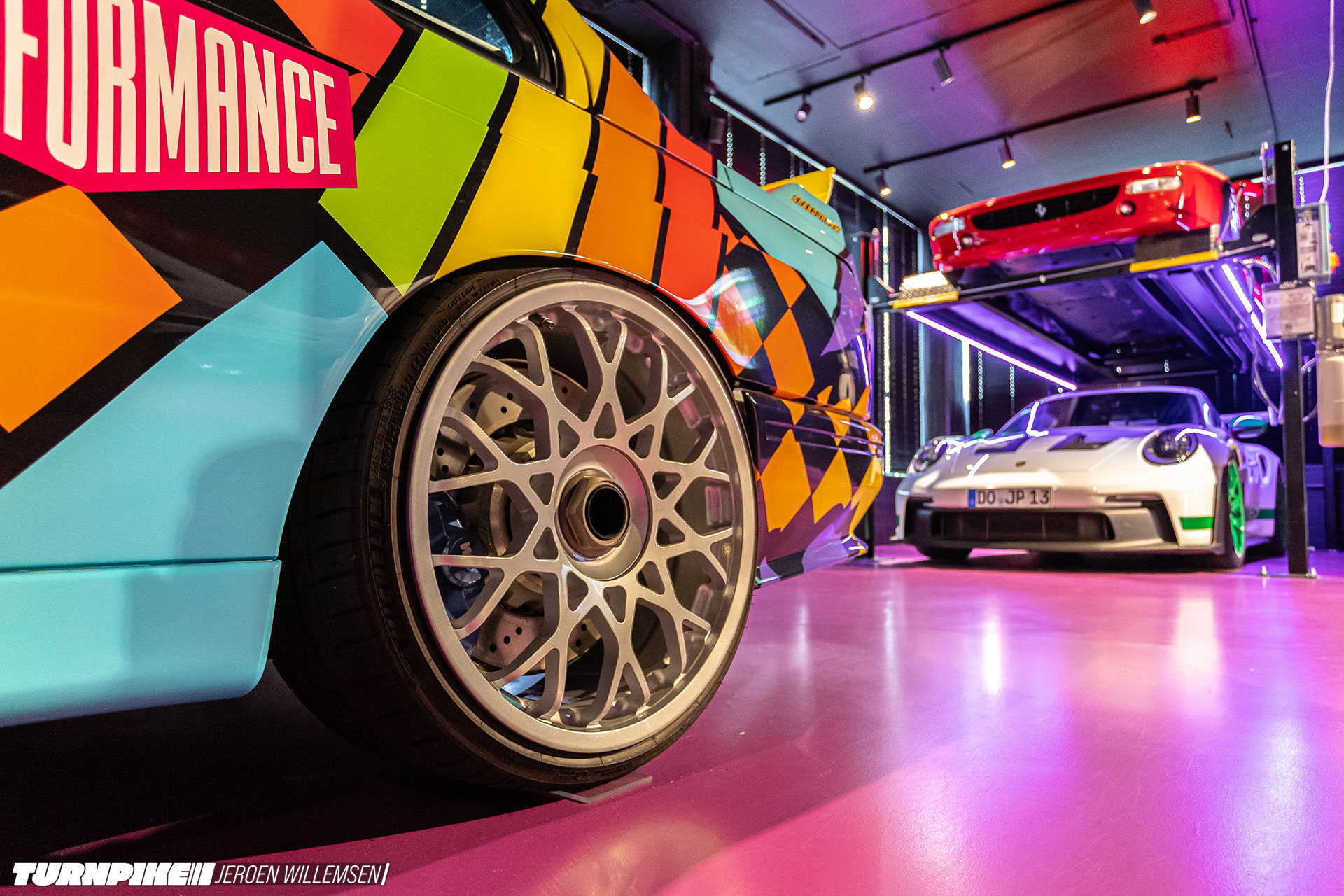
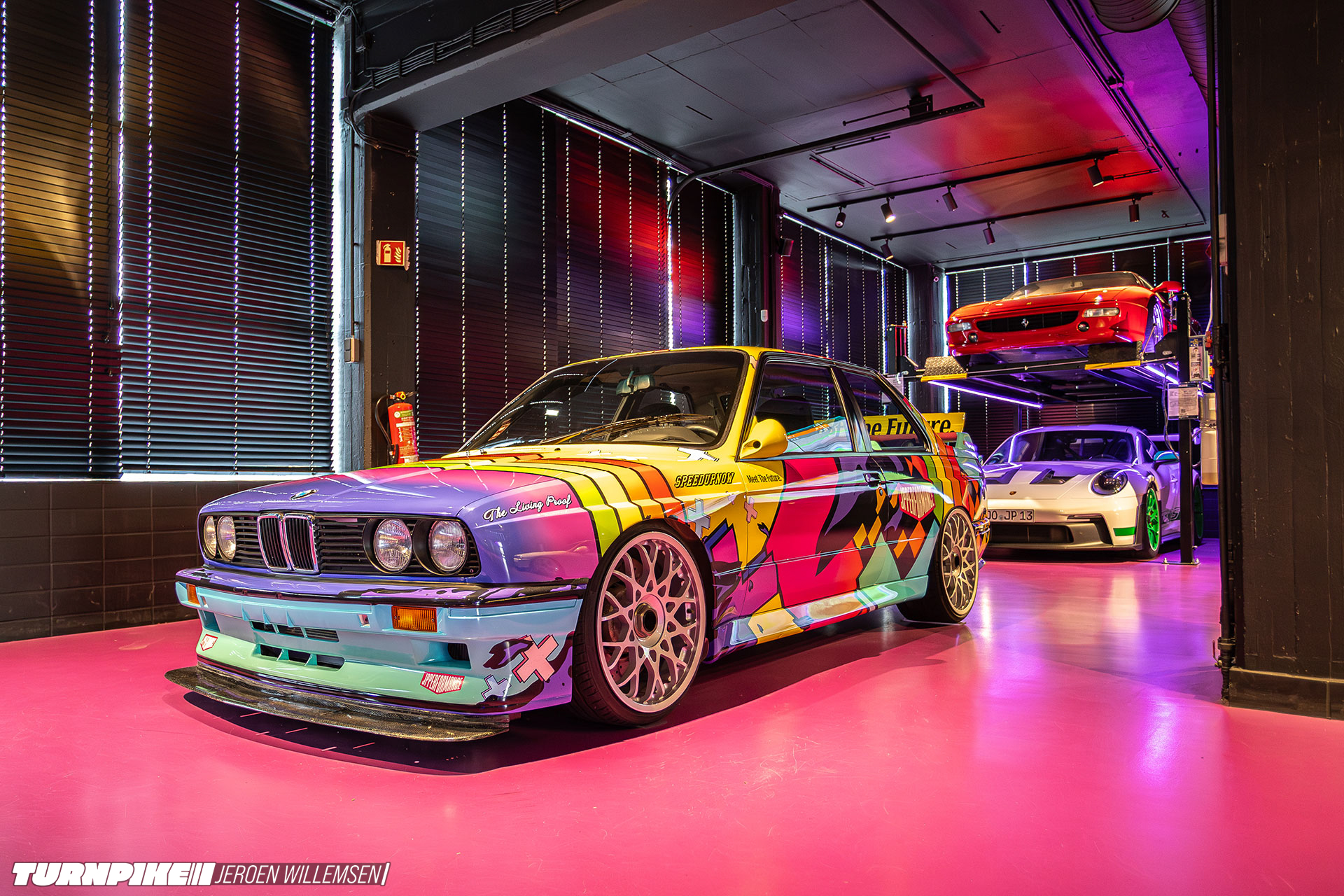
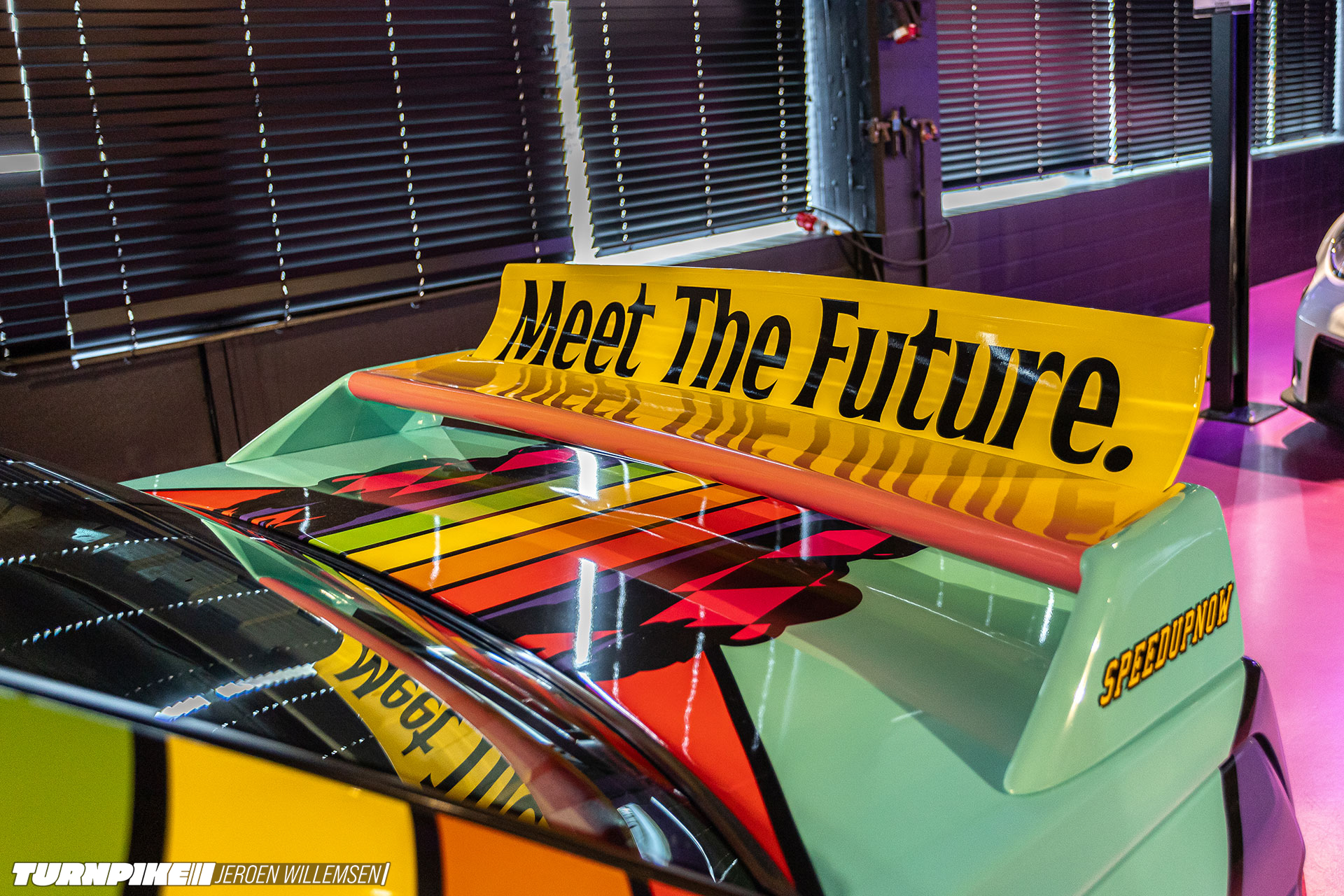
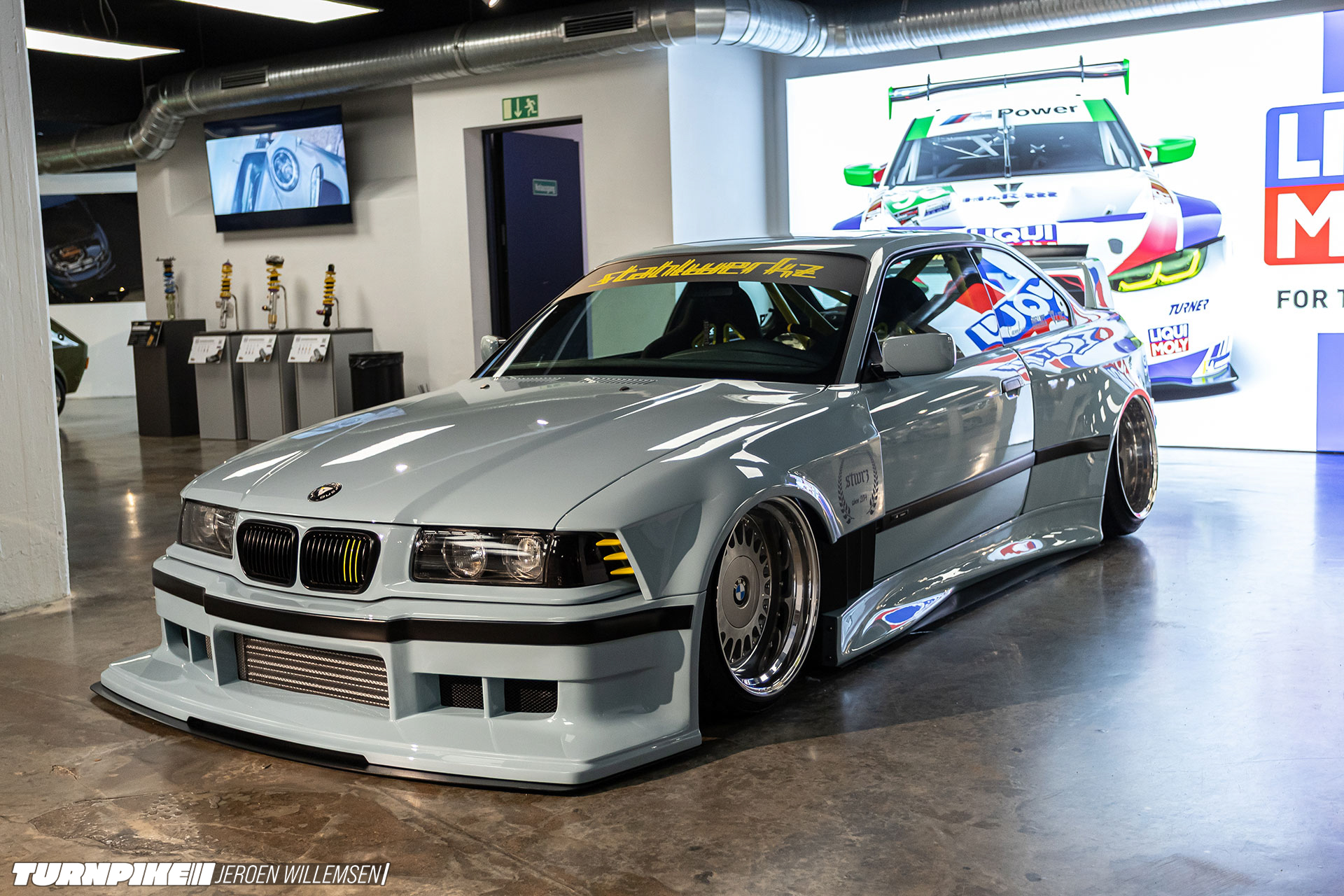
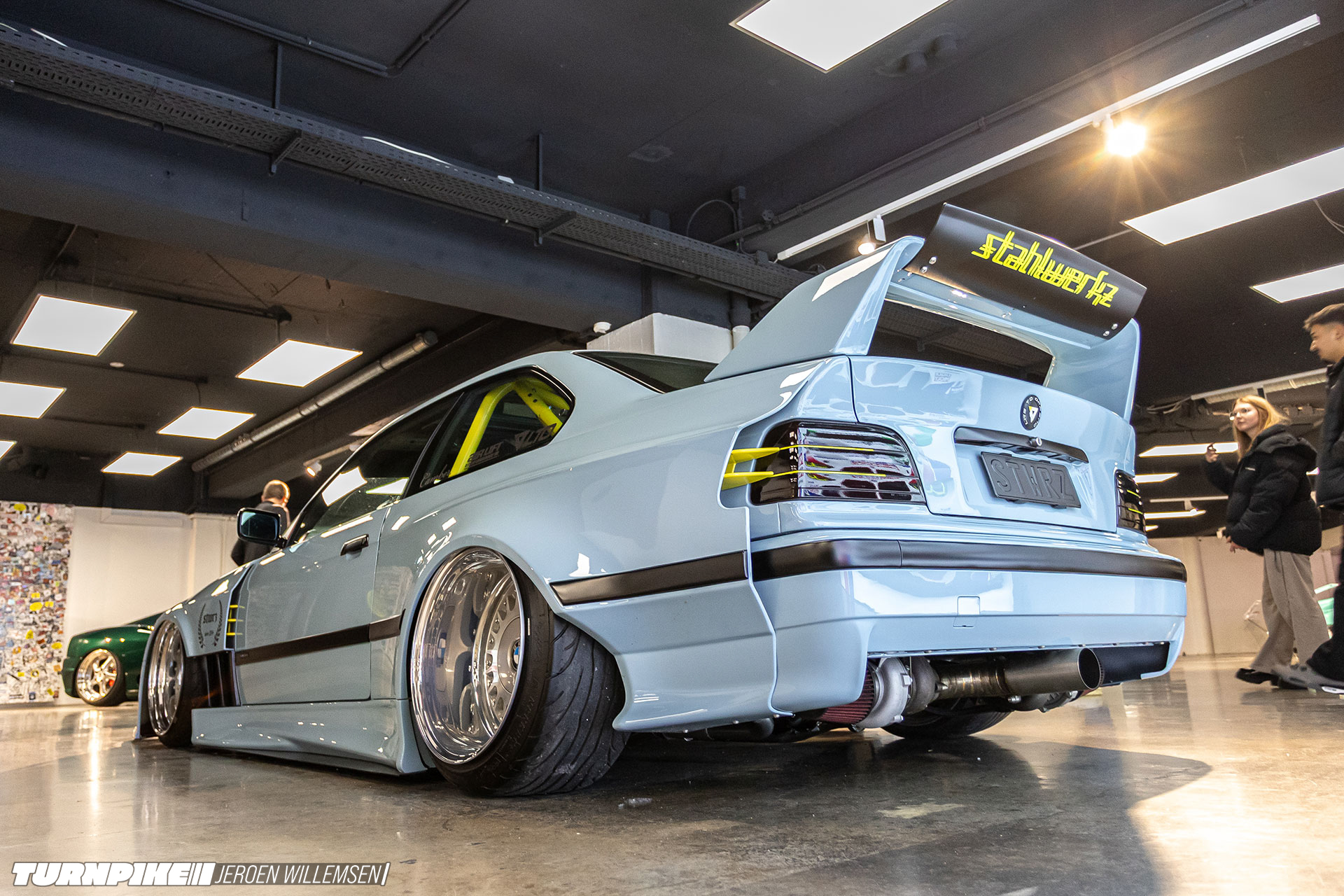
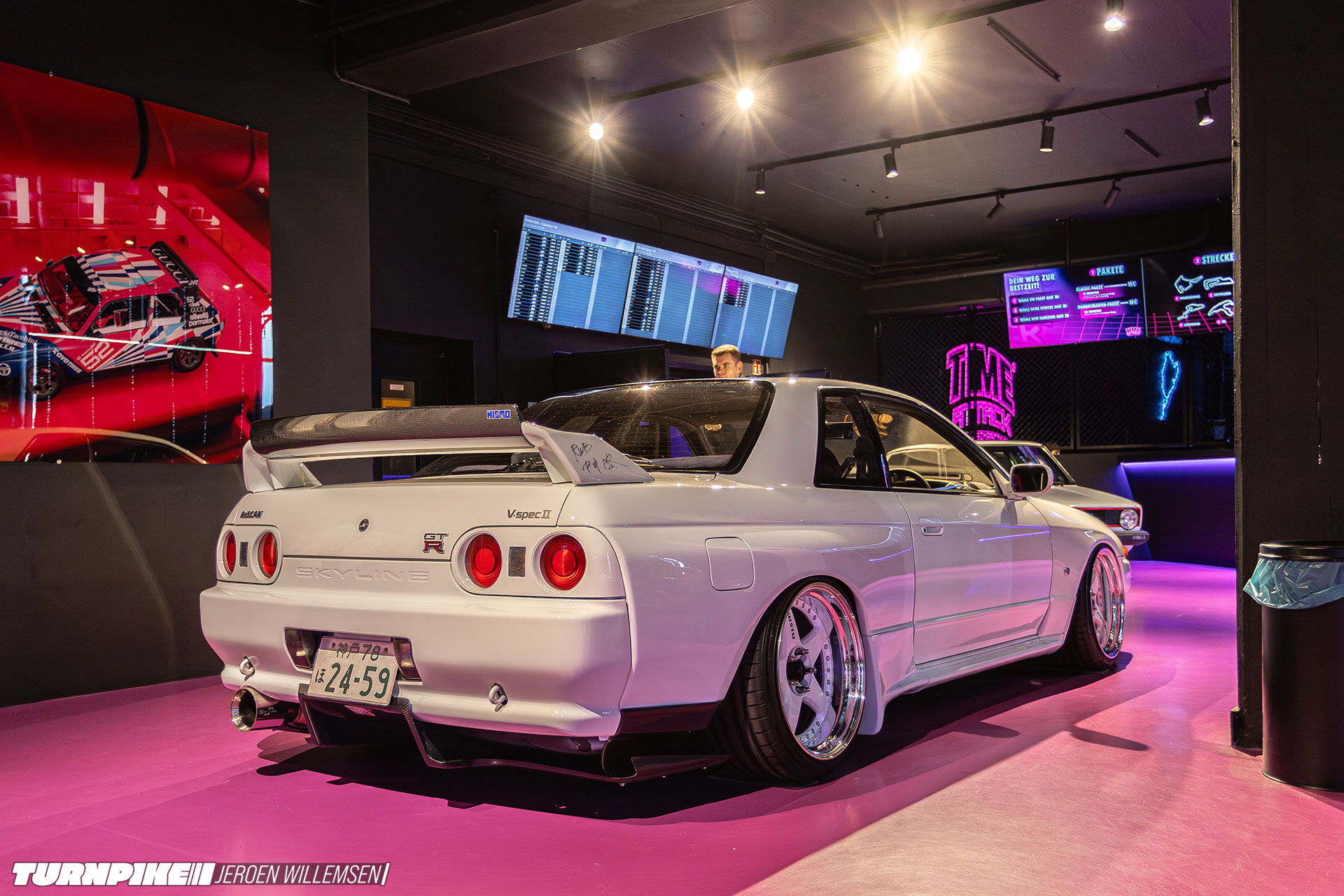
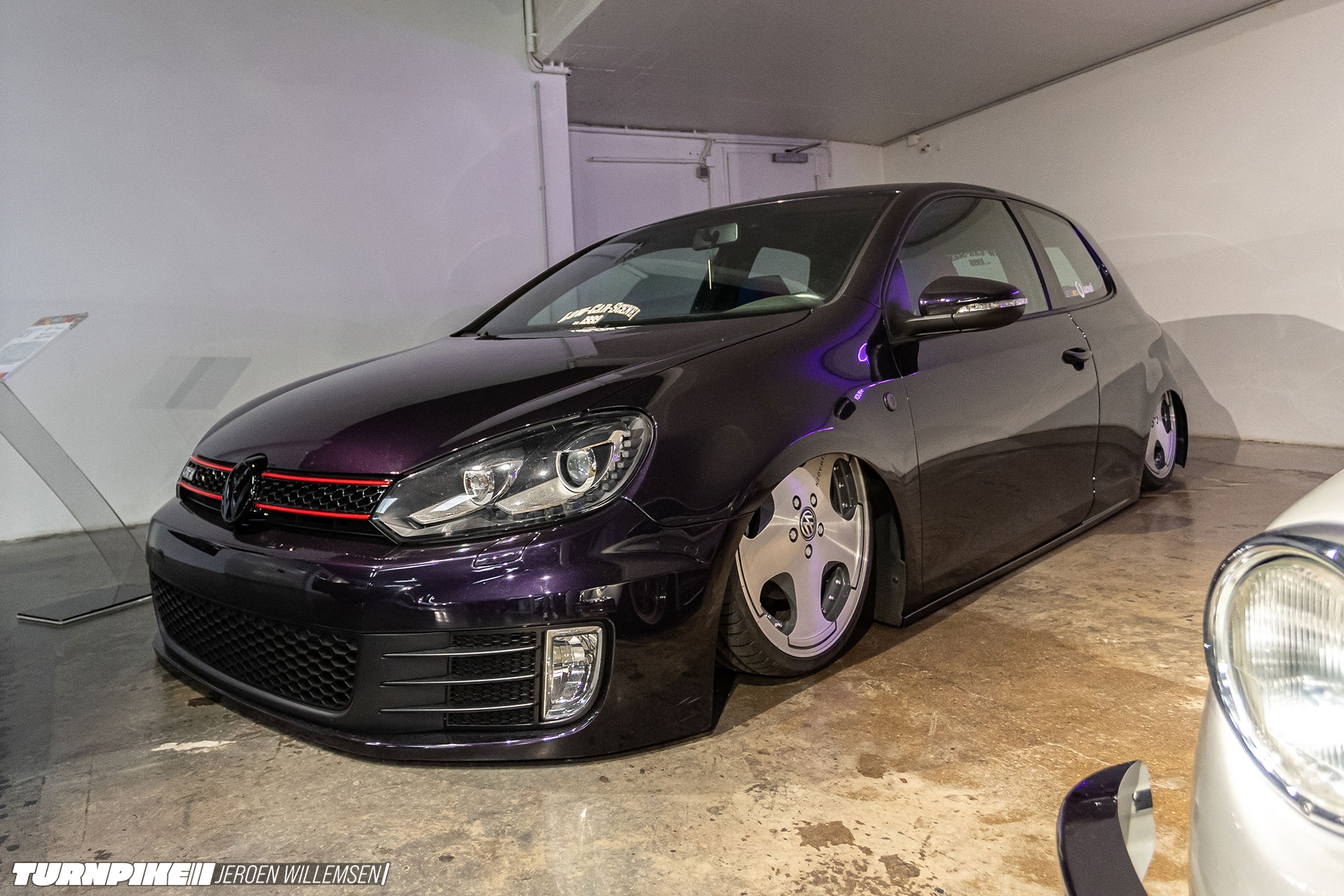
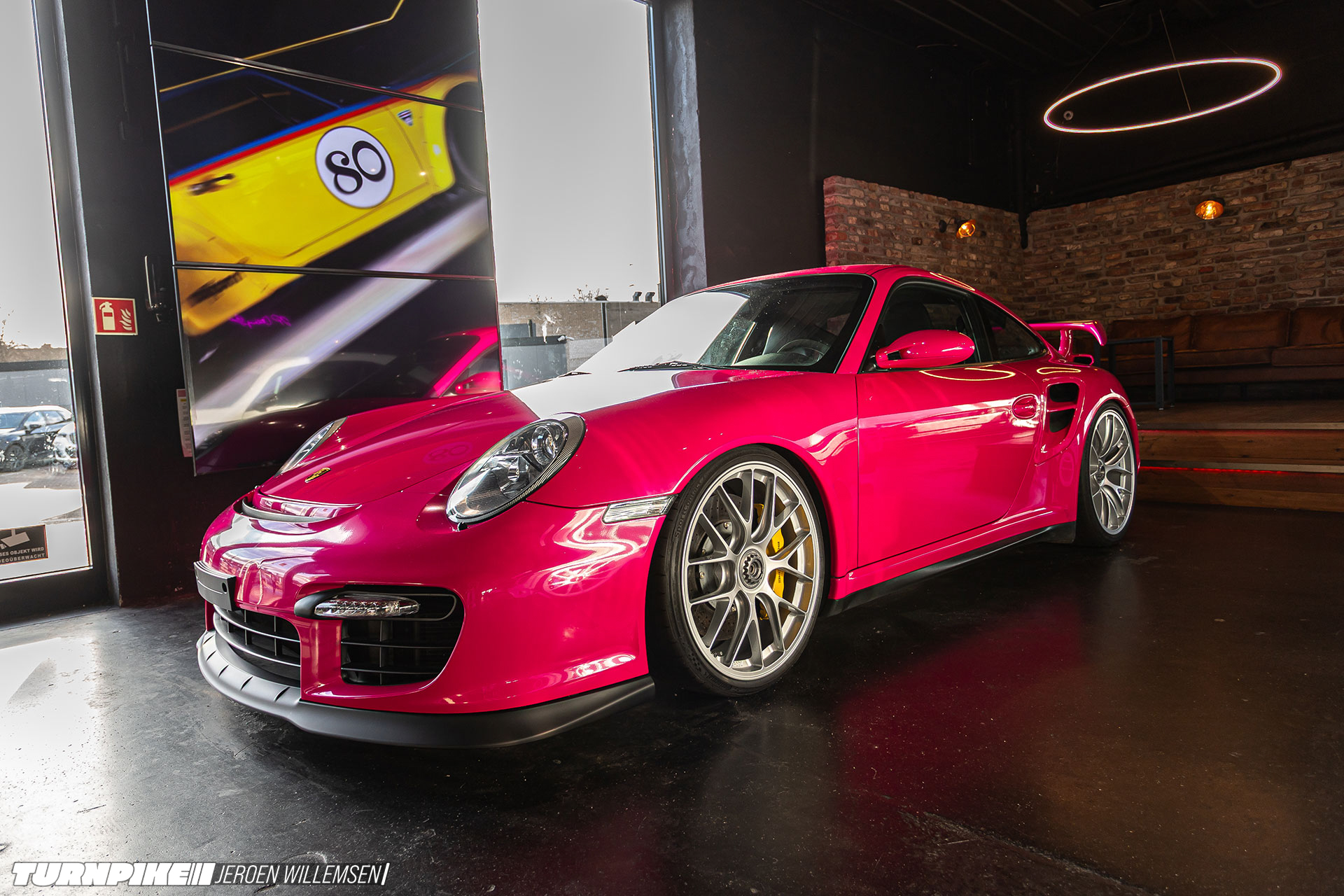
On the main floor and in the cellar, you’ll find more of JP’s personal collection, including a BMW E30 M3 that looks externally stock, except for the wrap, but hides the entire drivetrain, interior, and engine of an M4 F82. Behind the BMW was a car lift holding a Porsche GT3 RS with the tribute to Carrera RS Package and a Ferrari F355. If that wasn’t enough already, there was a casually parked Nissan Skyline R32 GT‑R. Downstairs, you’ll find cars from other companies and private owners, like the Stahlwerkz E36 and the lowest Golf I’ve ever seen. But I won’t spoil everything that is there.
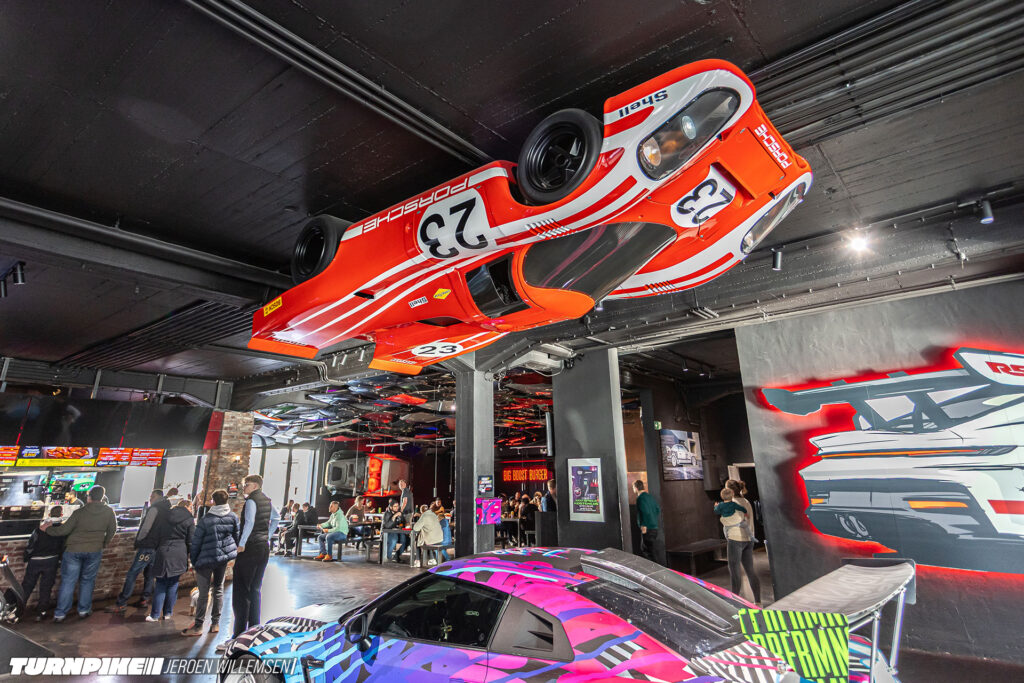
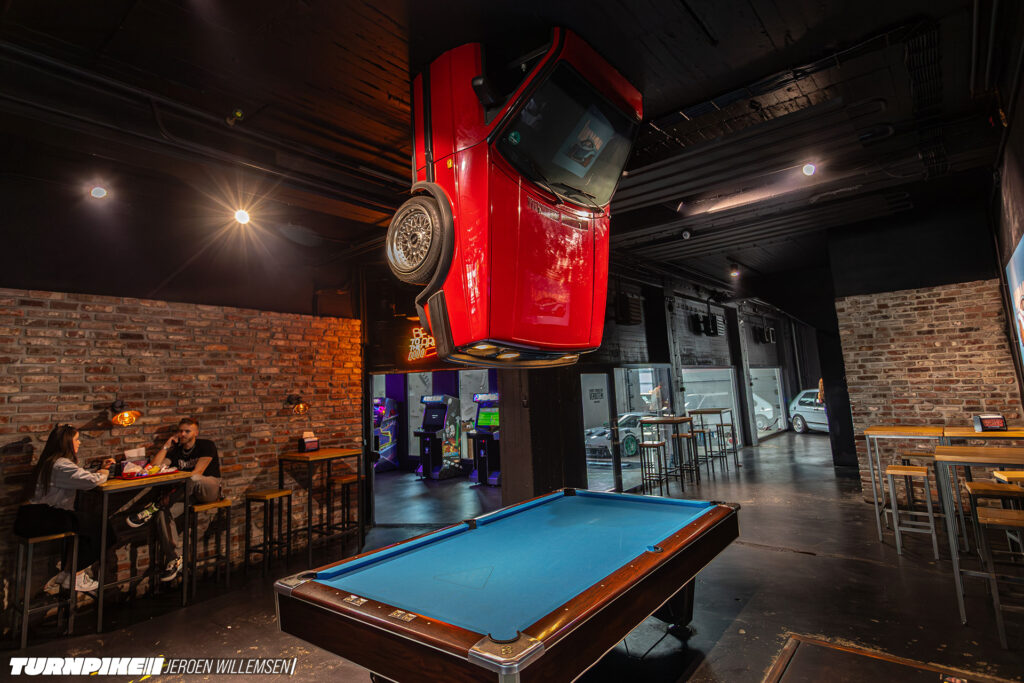
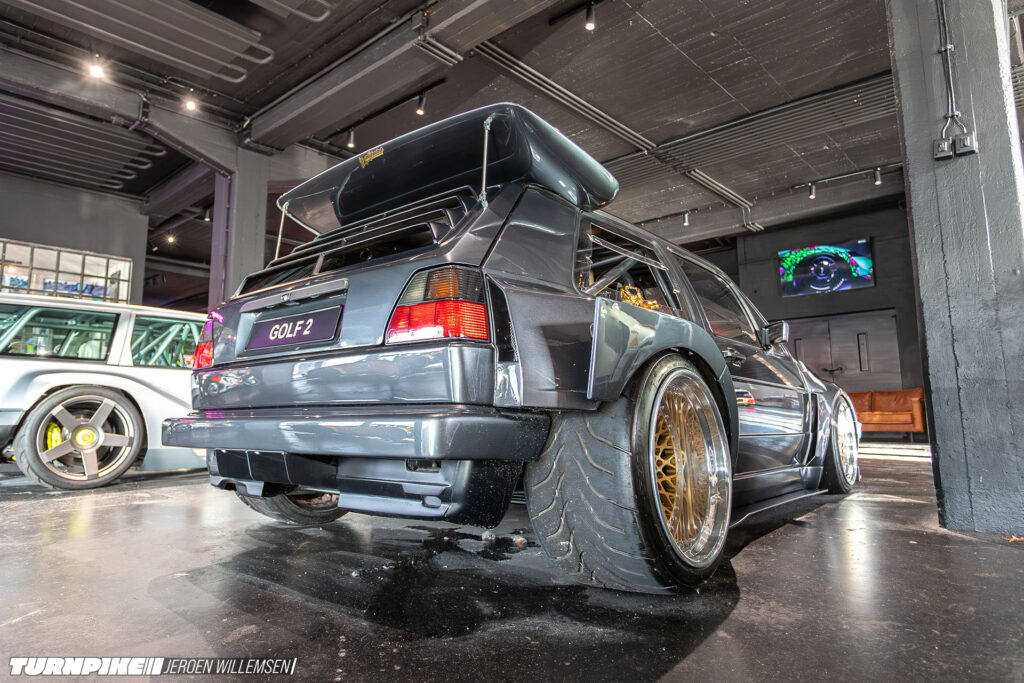
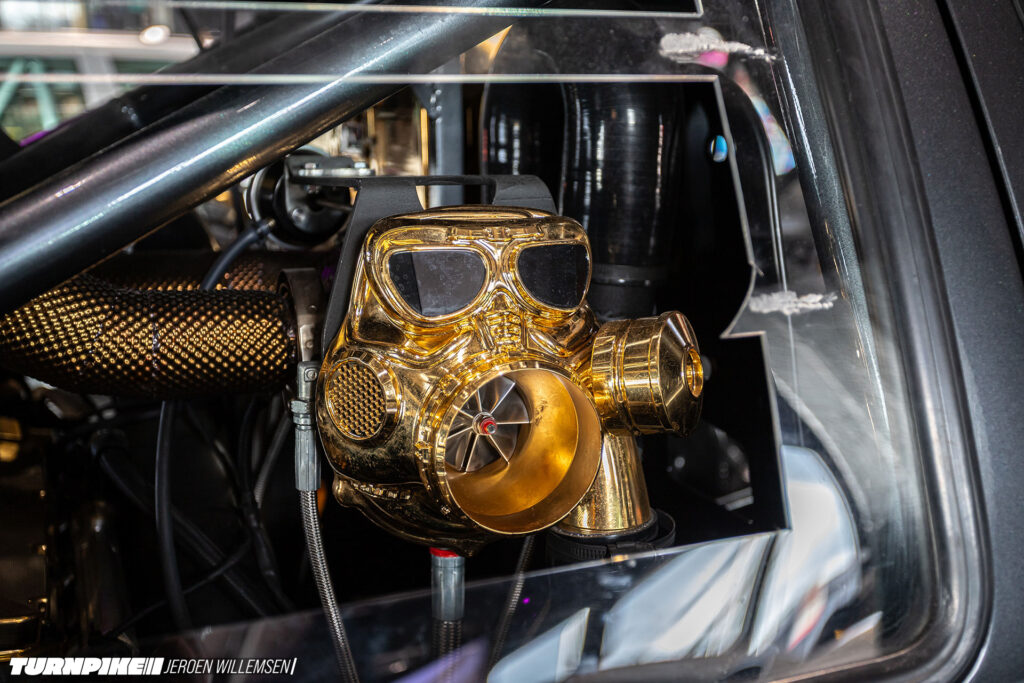
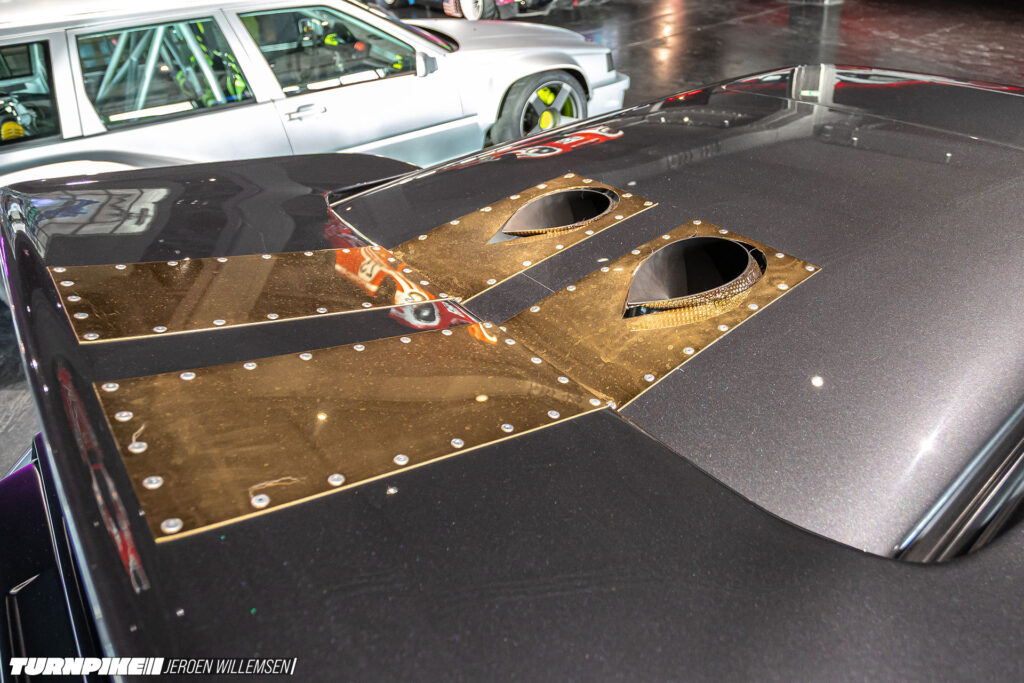
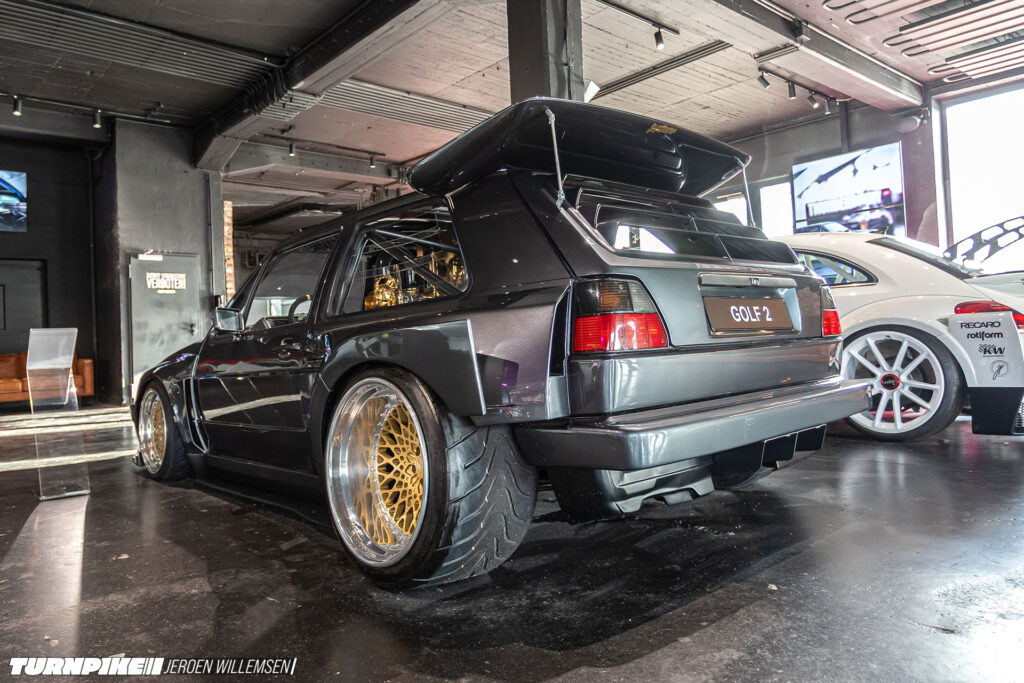
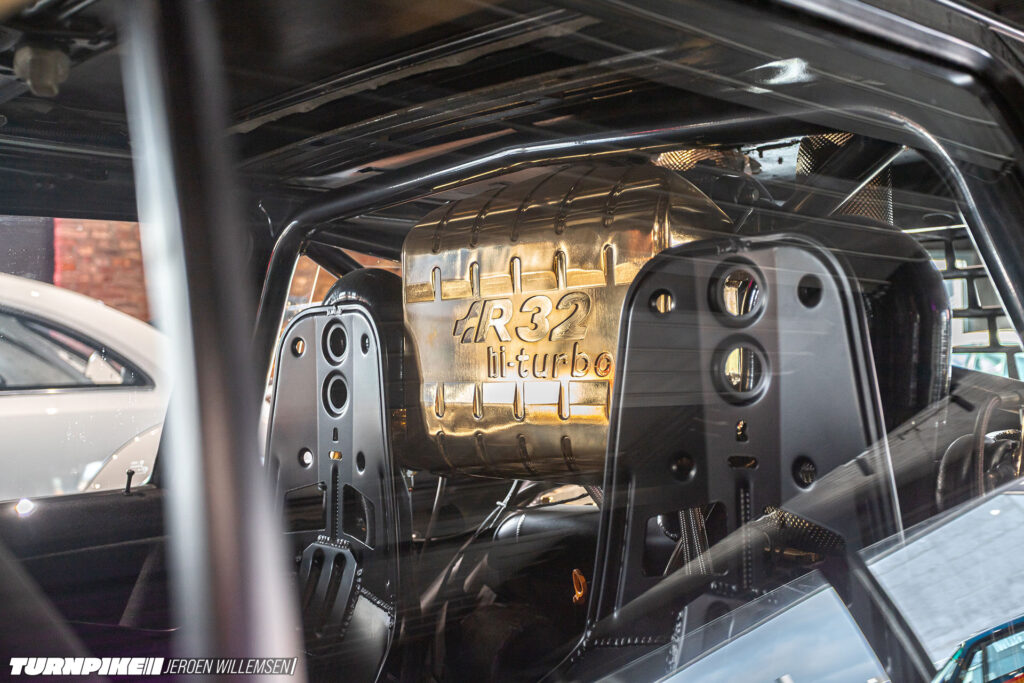
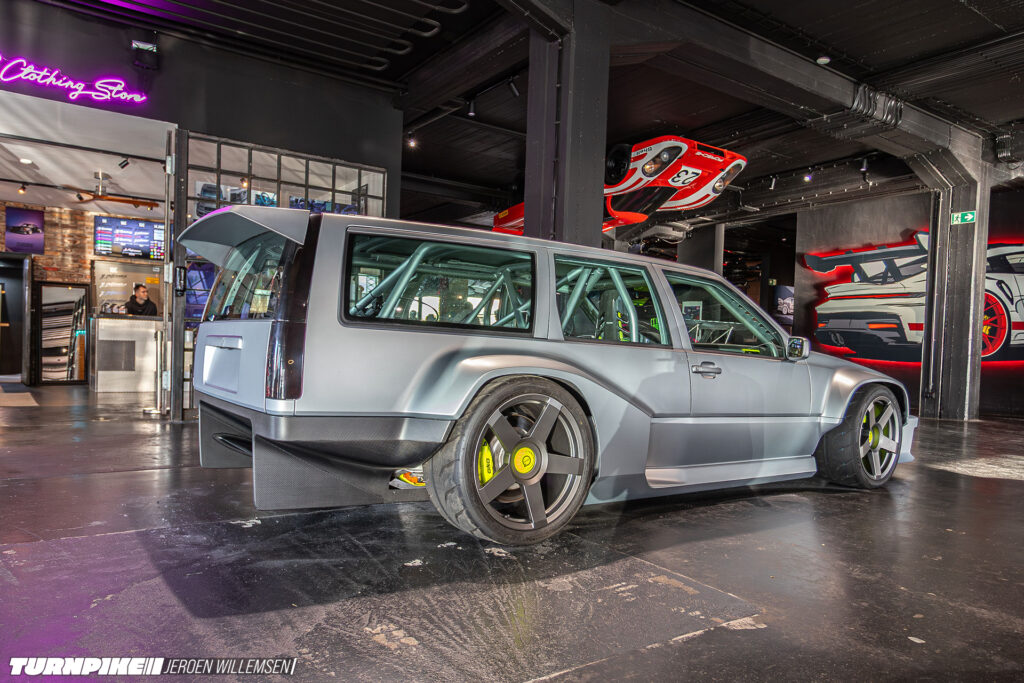
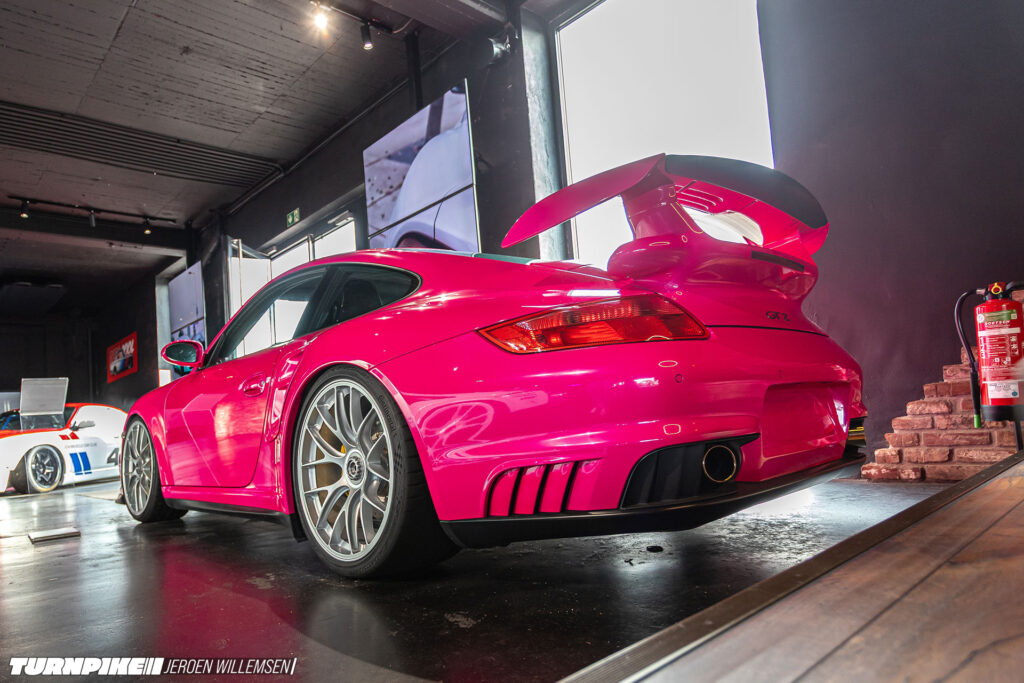
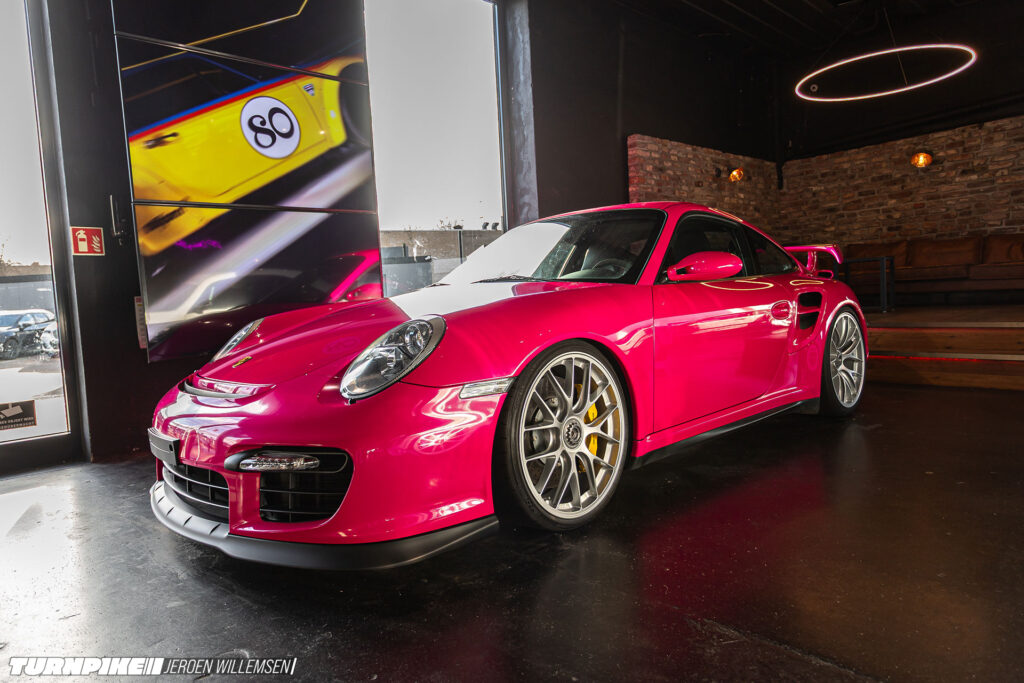
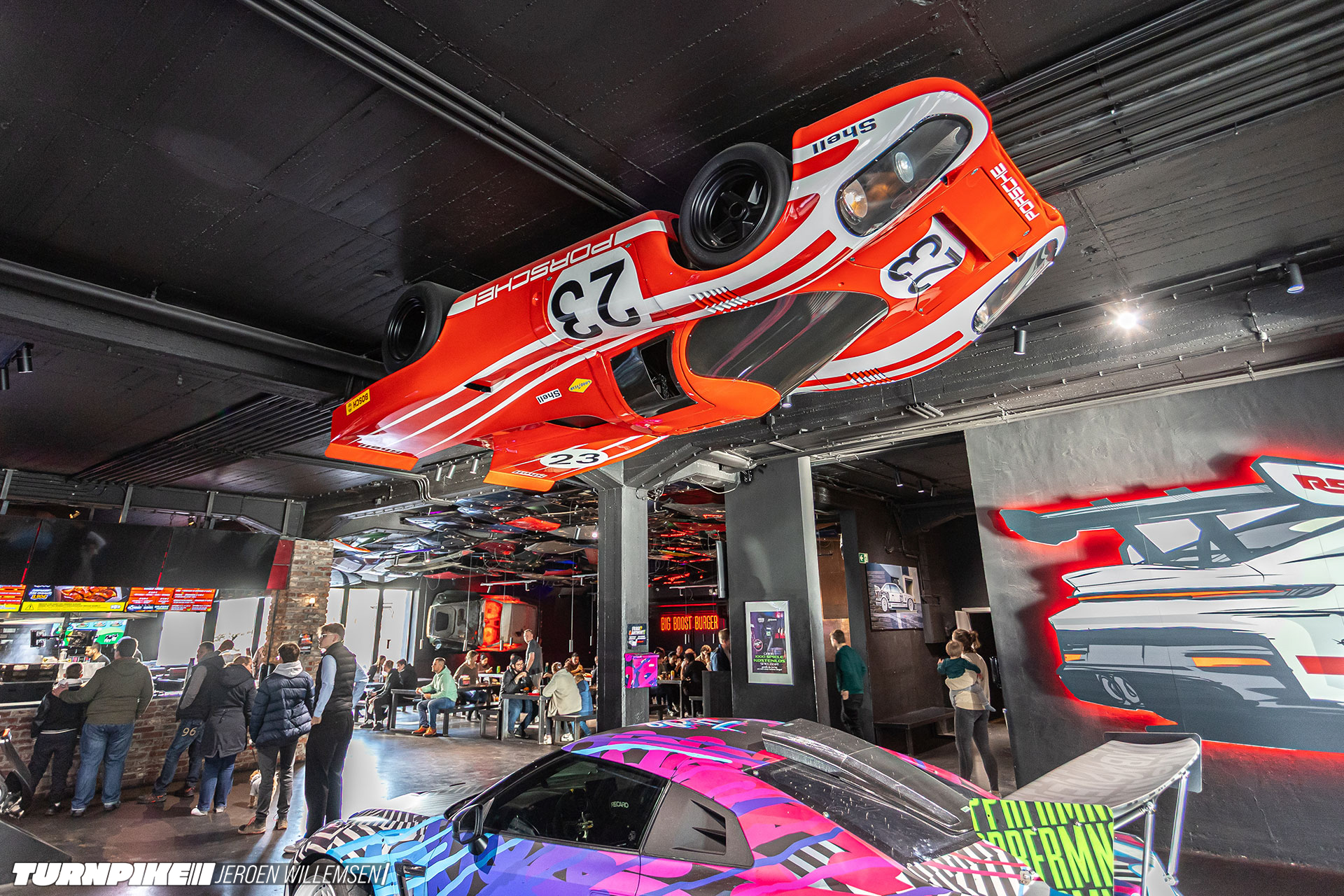
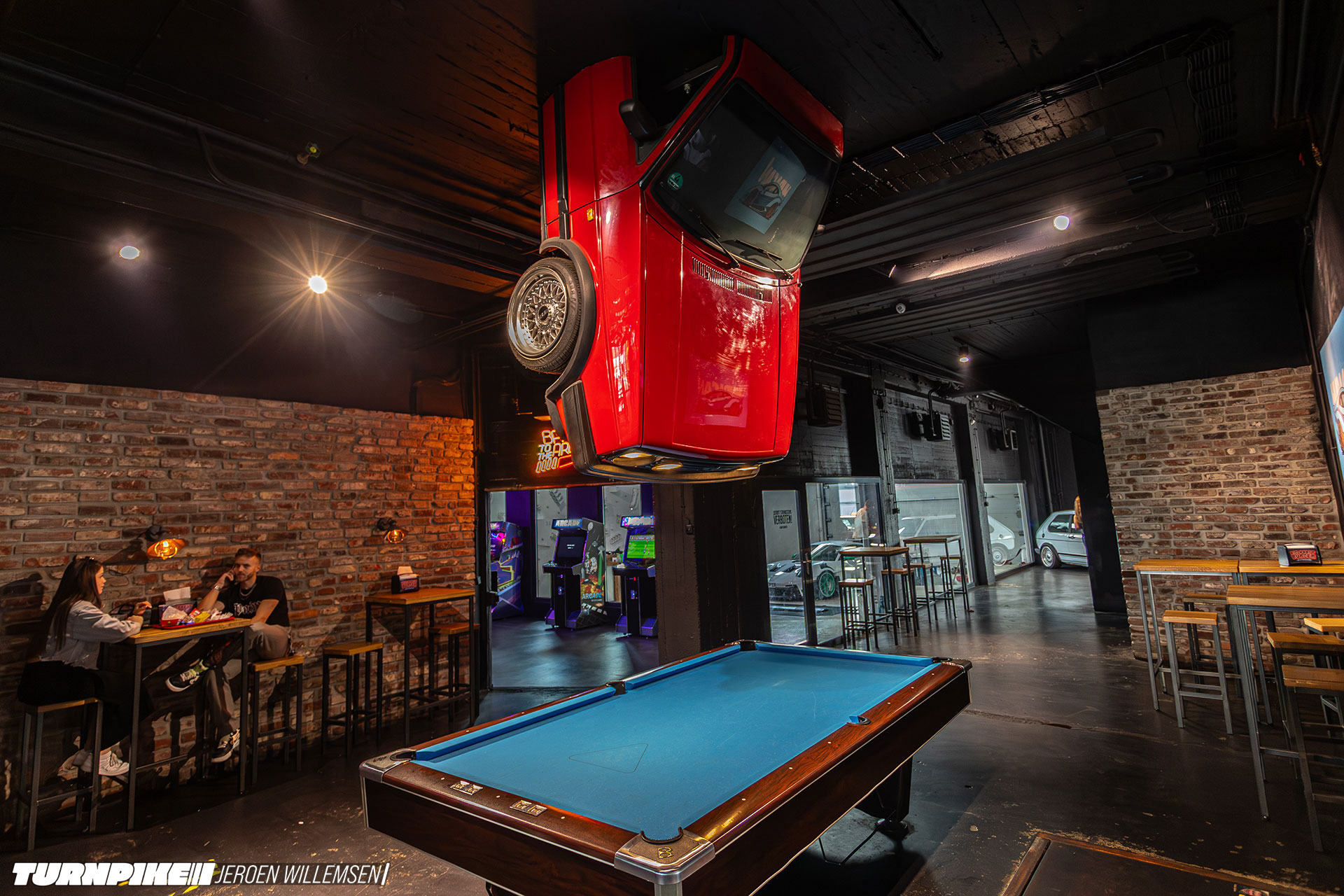
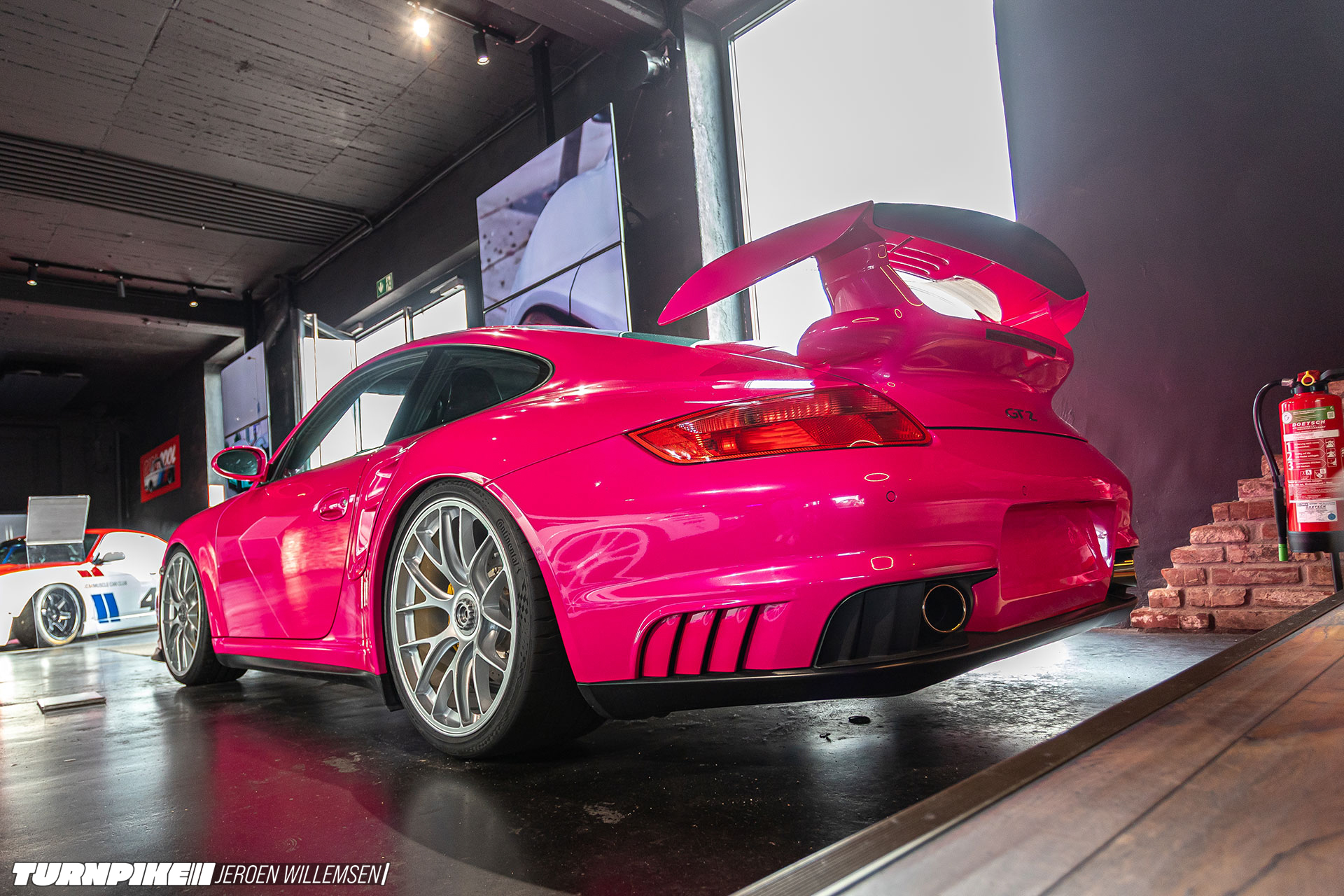
Before heading home, I stopped at Big Boost Burger, another one of JP’s projects. It’s near his workshop and not far from PACE, and it’s just as much part of the JP universe as the museum itself. Inside, you find even more of JP’s personal cars, including the ‘Thunderbunny Golf’, the ‘Volto’ 850 with a Tesla motor between the rear wheels, and his Porsche GT2. There’s even a Porsche 917 hanging from the ceiling, because why not?
But my main goal was to enjoy the burgers. And yes, they were absolutely worth it.
If you ever find yourself anywhere near Dortmund, the PACE Museum is a must‑visit for any car enthusiast. It’s one of those rare places where you’re guaranteed to see something unexpected and get close to machines you’ve only ever dreamed of.



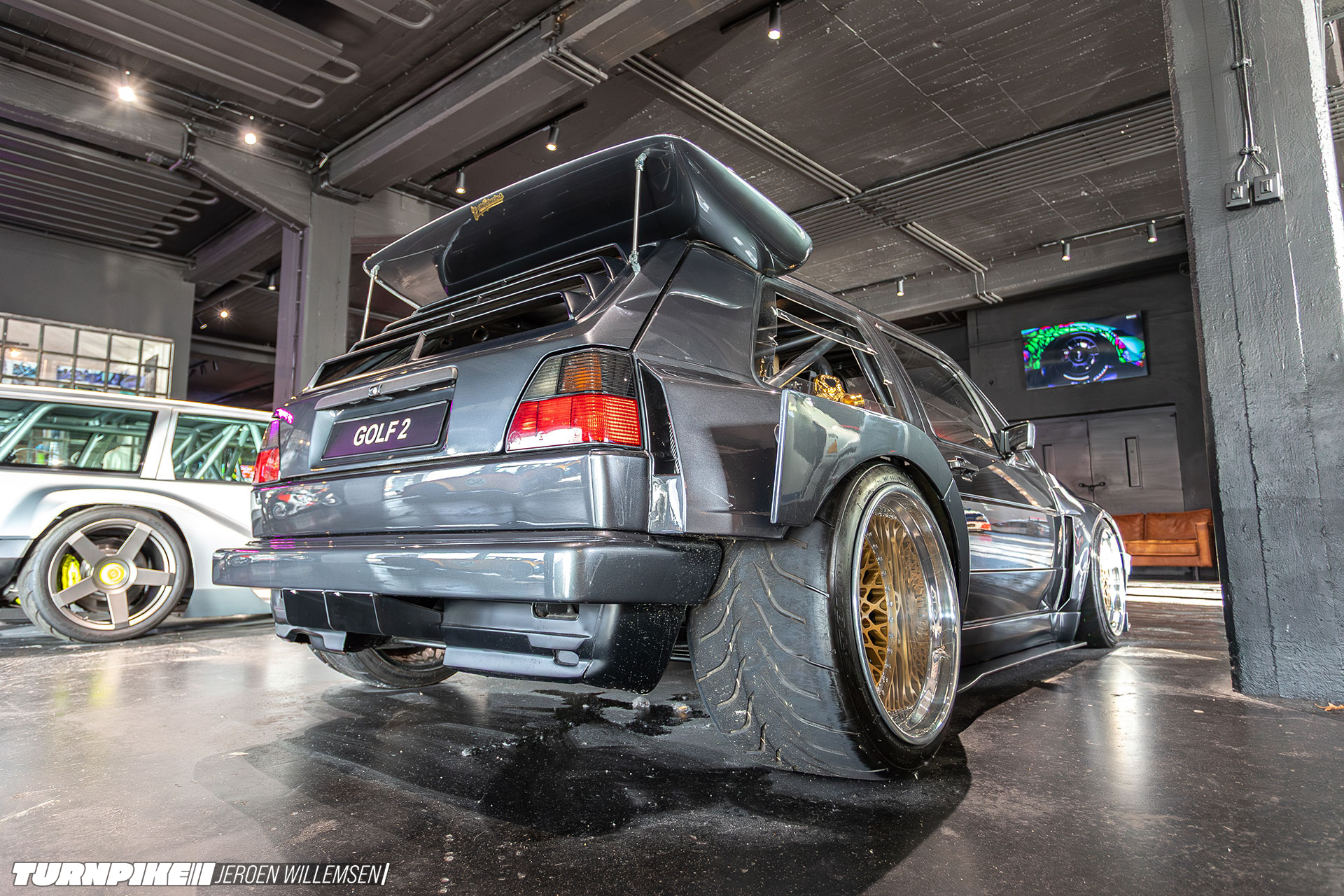
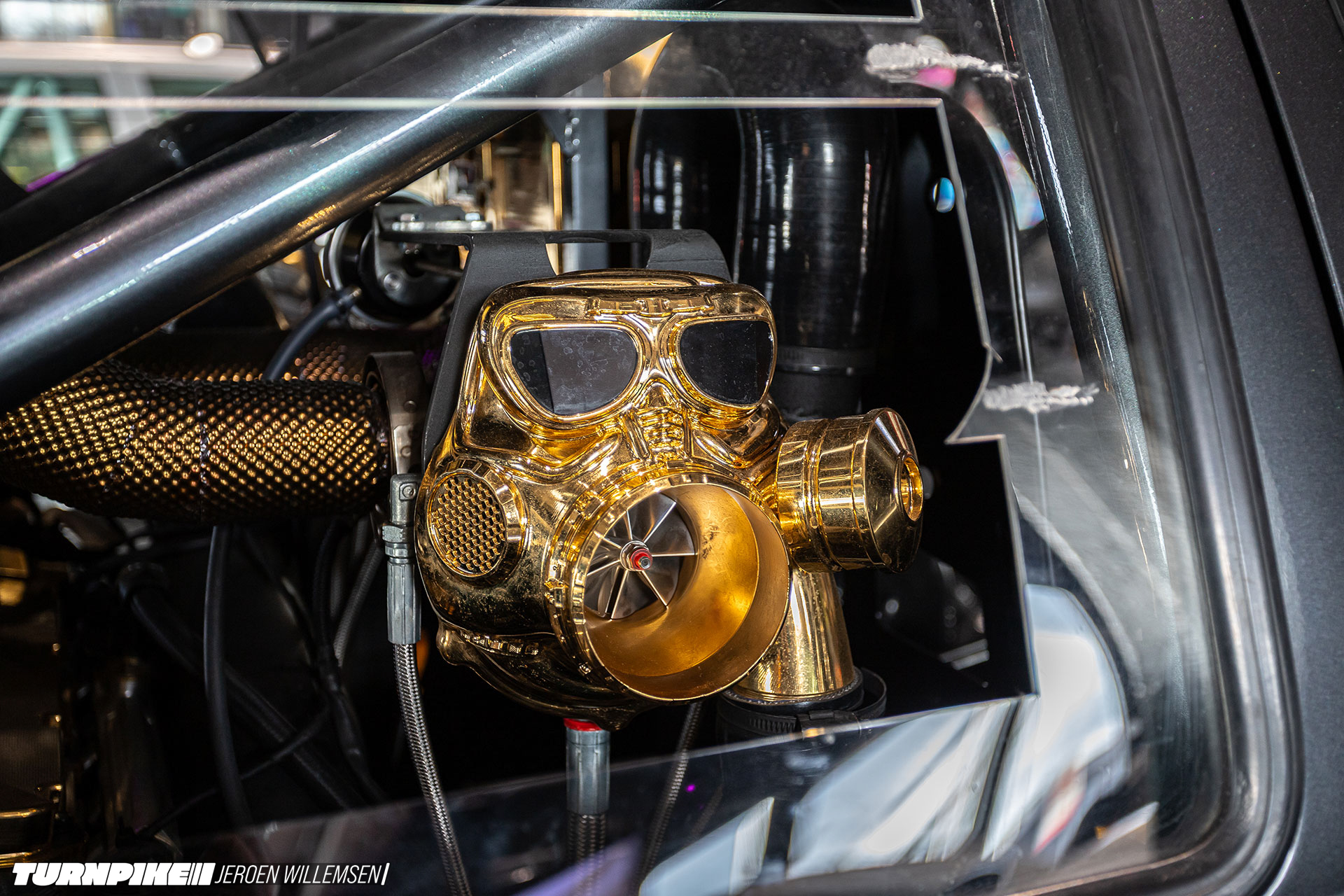
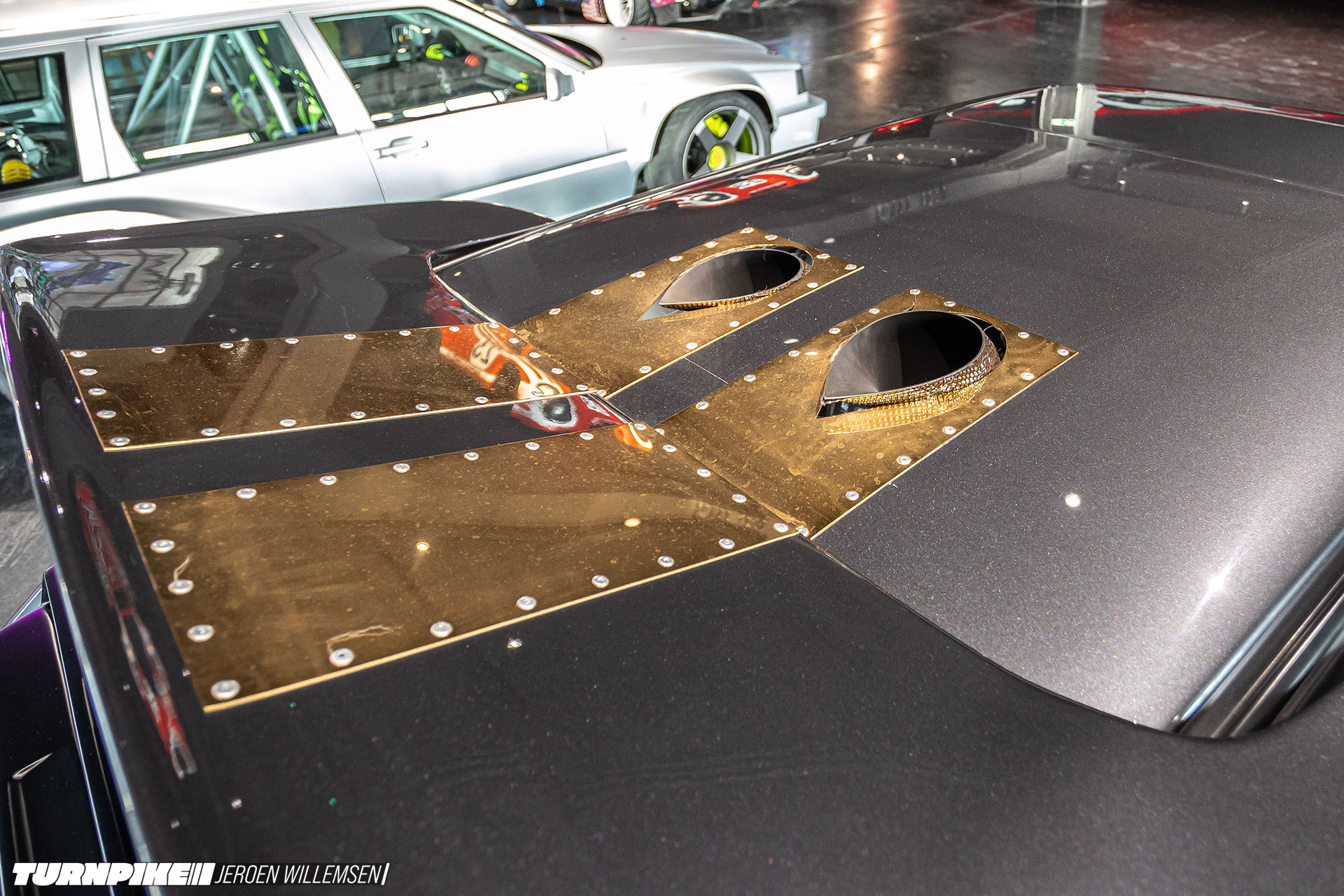
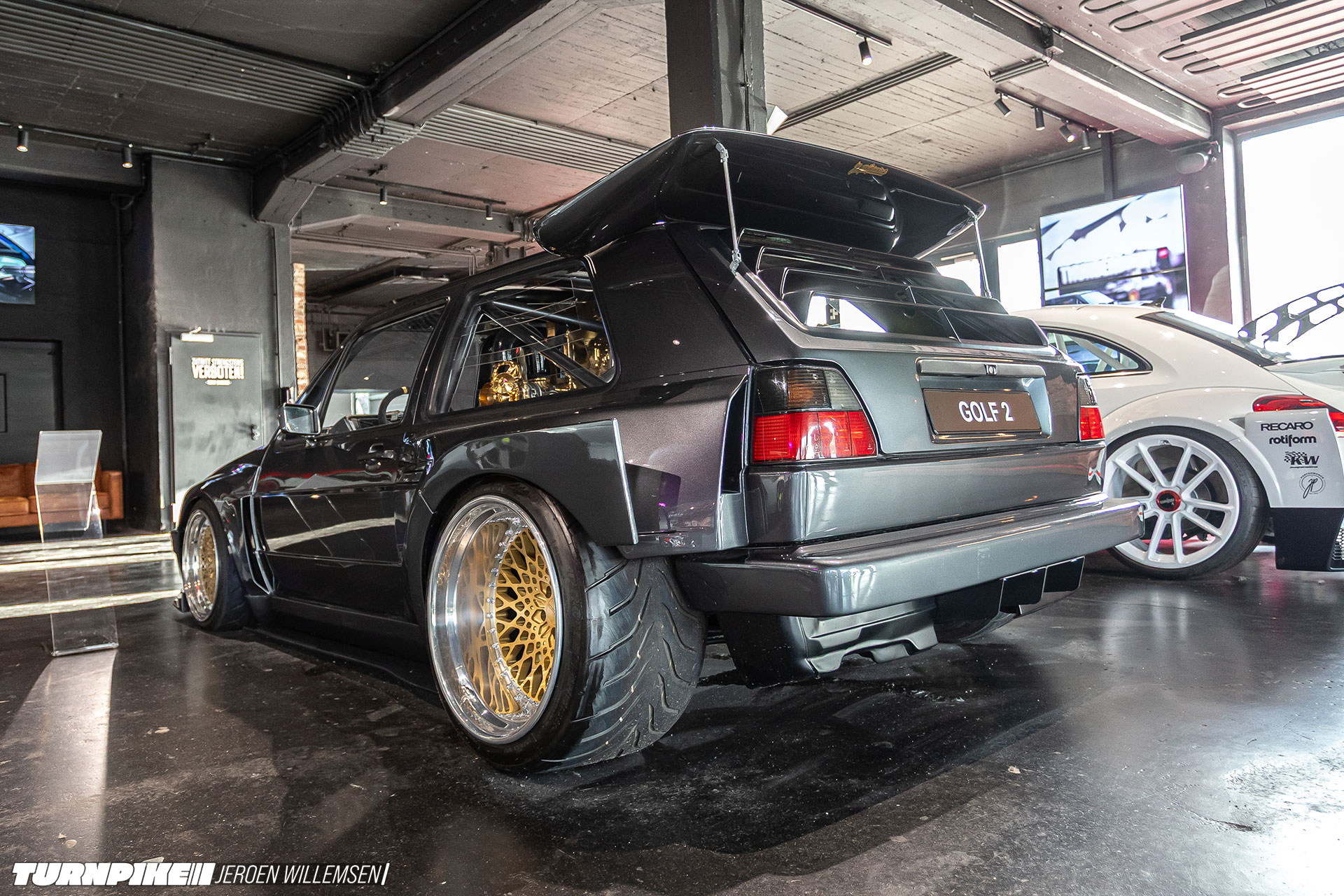
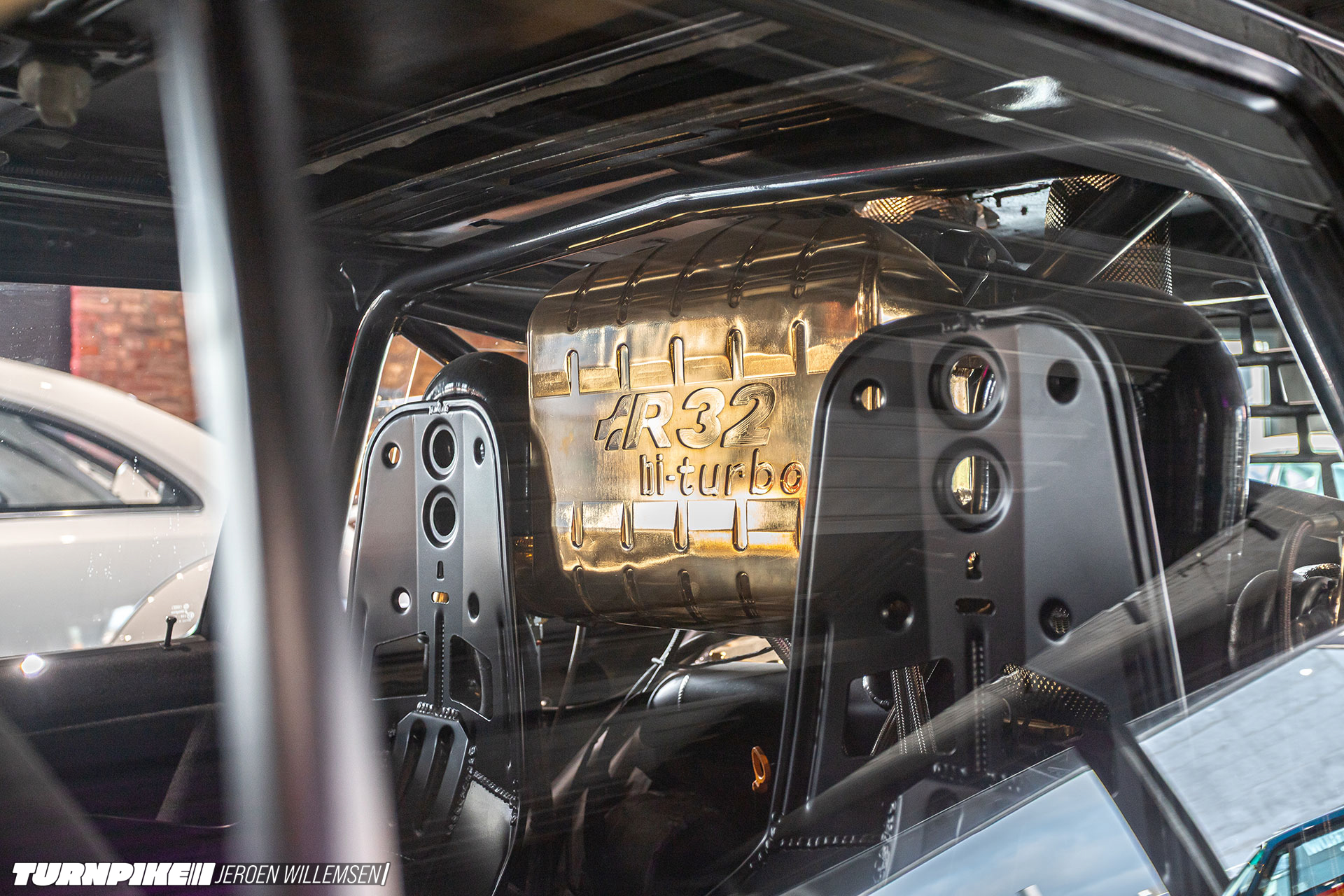
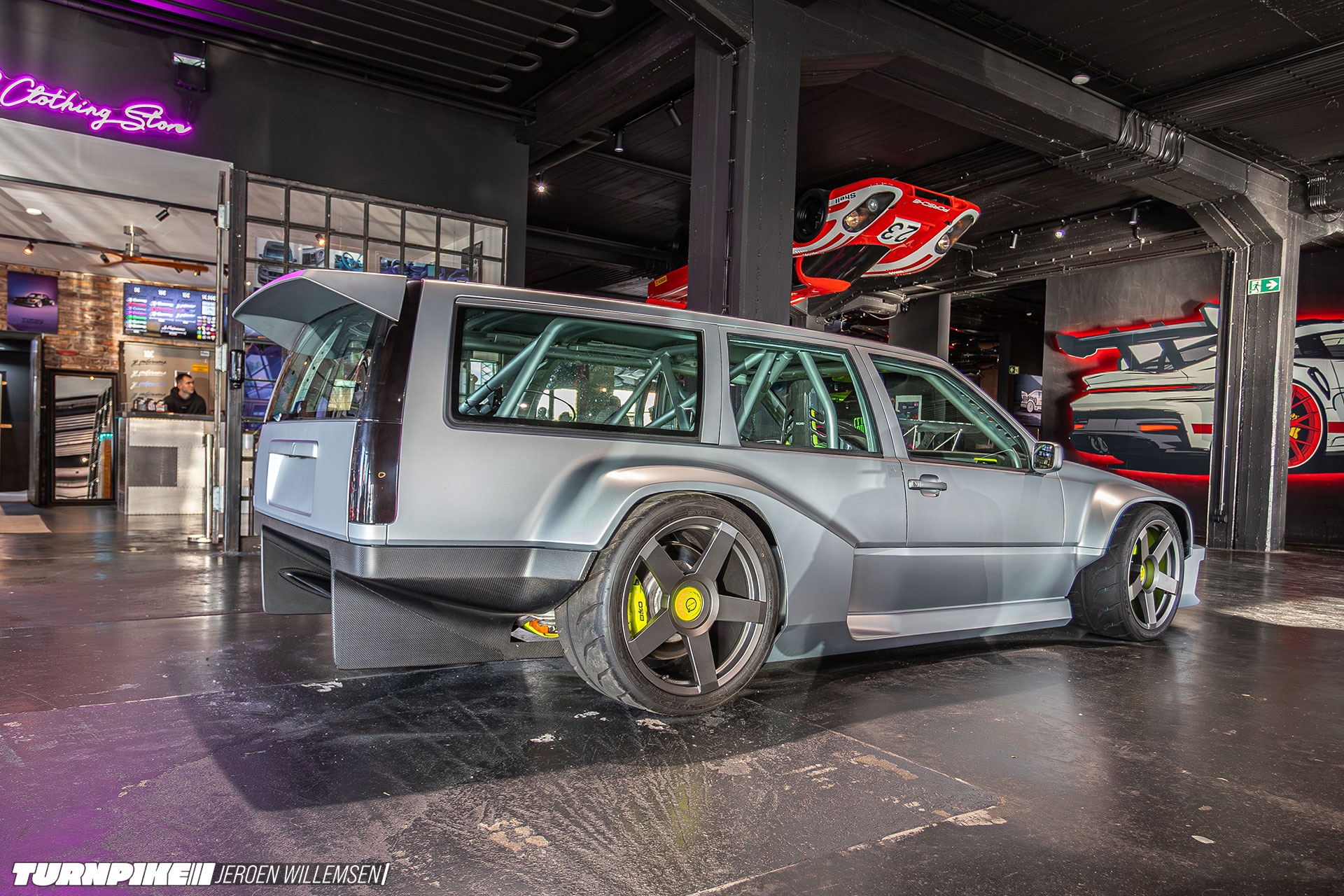
Cmon now we have GOT to have separate articles for the thunderbunny golf and the volto. I think I speak for all the turnpike users when I say we need a closer look!😃
I will try and arrange a shoot at JP Performance, stay tuned!
Man JP is the absolute GOAT not only does he have a diverse collection of cars that gives Petersen a run for its money but he has all kinds of builds that no one else has ever seen and heard of. It would be so hard to name every single one he’s ever made. This has to be top 3 must go to locations in Germany with the Nurburgring.
I think he talked about the number of cars he has in a recent video, it was well over 100 cars. Insane!
Insane place, definitely on my to-go list!