
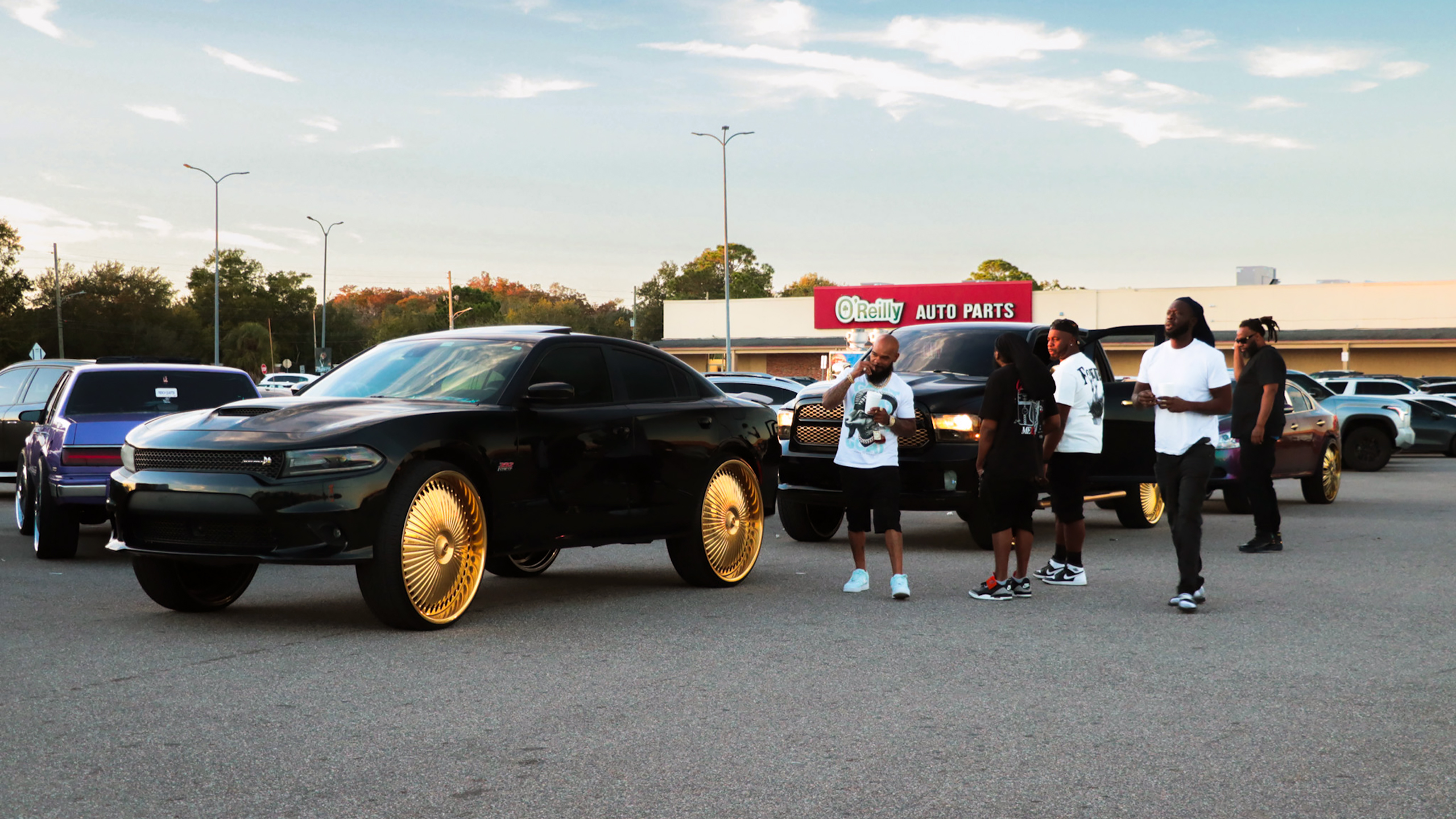
Growing up in Detroit, Michigan, in the early 2000s gave me a unique perspective on a remarkable car culture. As much as the Fast and Furious franchise movies and Need for Speed games introduced me to the tuner craze of the era, what I came to love as a kid was big wheels and trunk rattle.
It was only natural that this happened. My dad was heavily into the ‘Big Wheel’ scene, and he and his friends brought me long to late-night meets, which usually culminated in an intersection smoke show. Whether it was out on the street or at our local park – Belle Isle – for a BBQ get-together with the local Big Wheel community, I couldn’t get enough of the cars. The kindness I was shown was the best introduction I could’ve had, and passion followed. It’s the reason why I’m writing this article now.
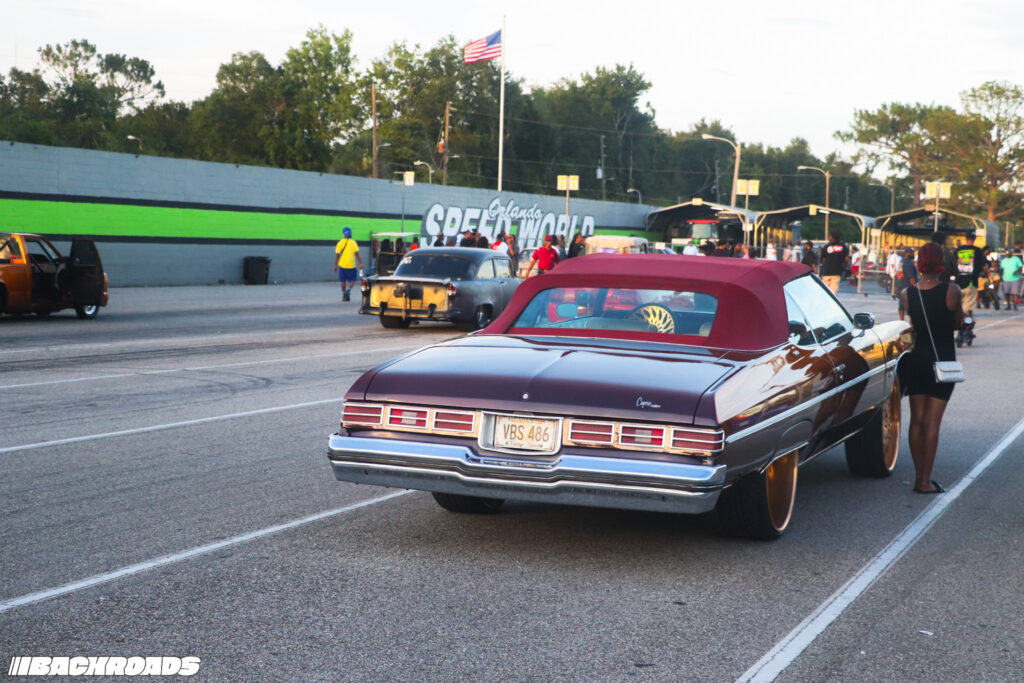
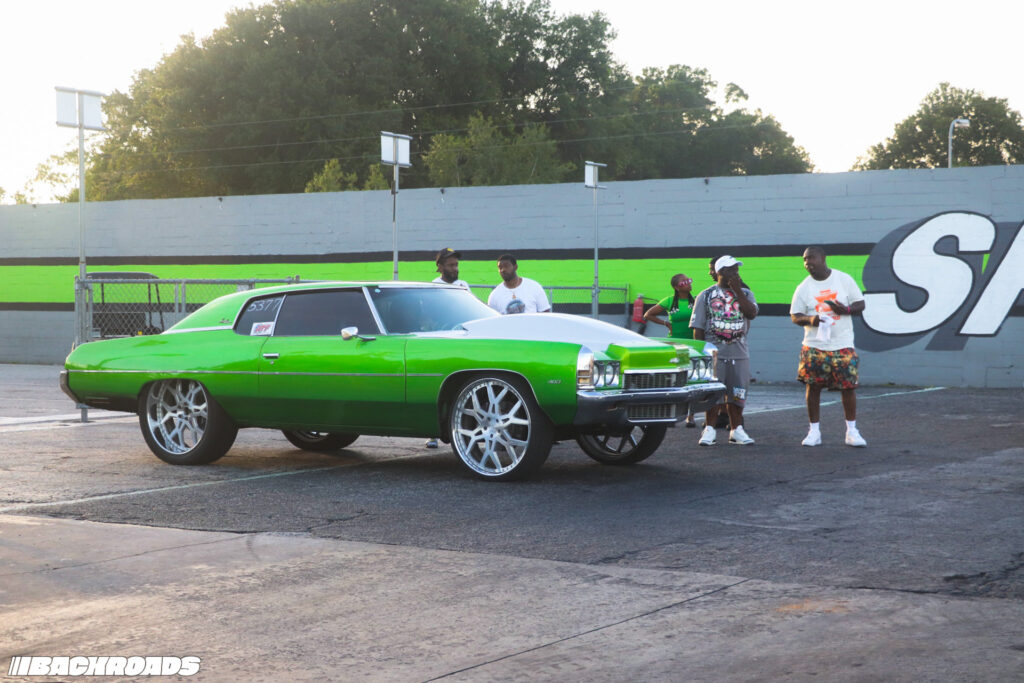
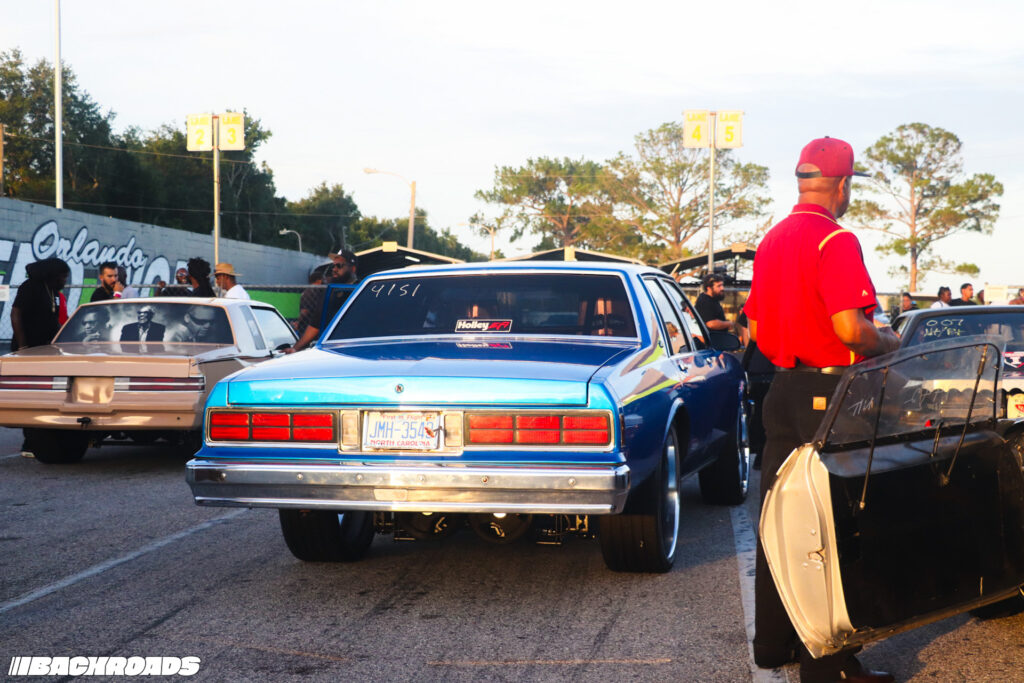
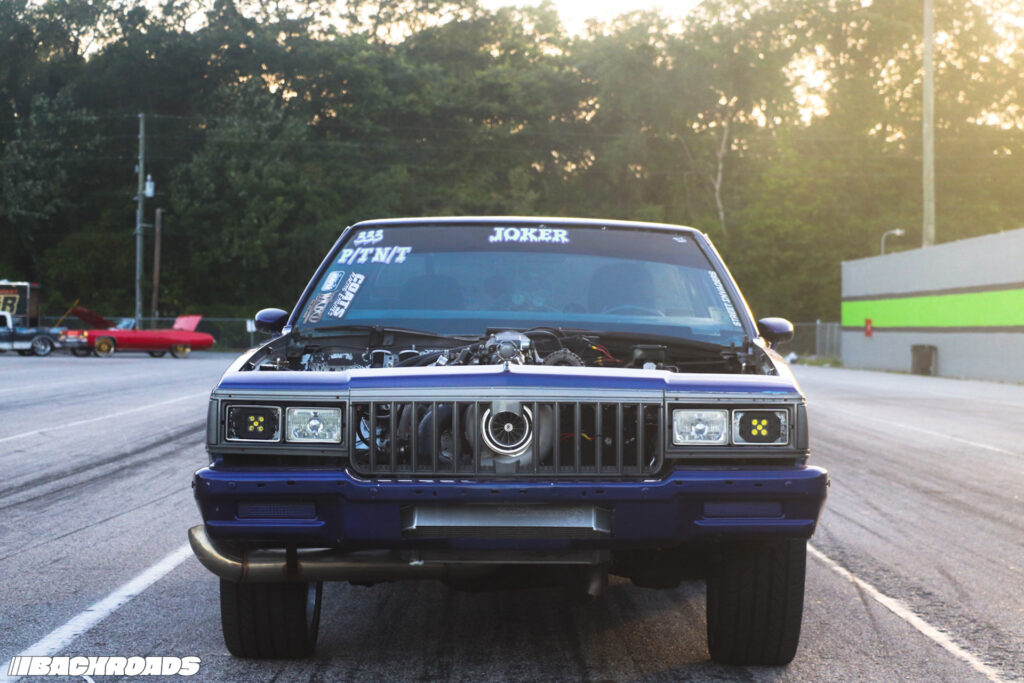
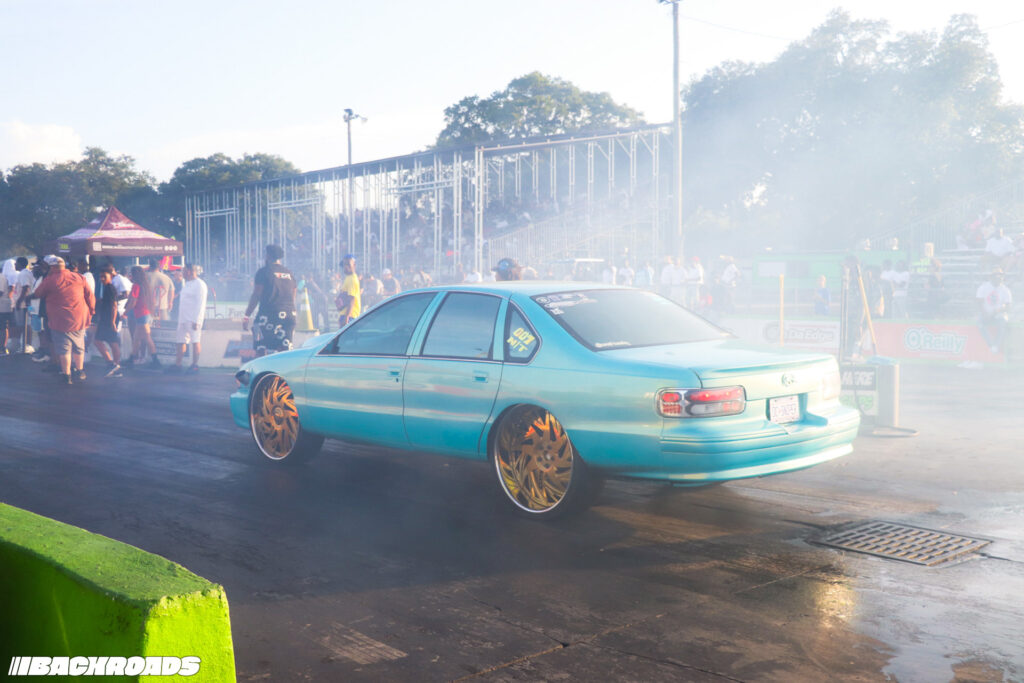
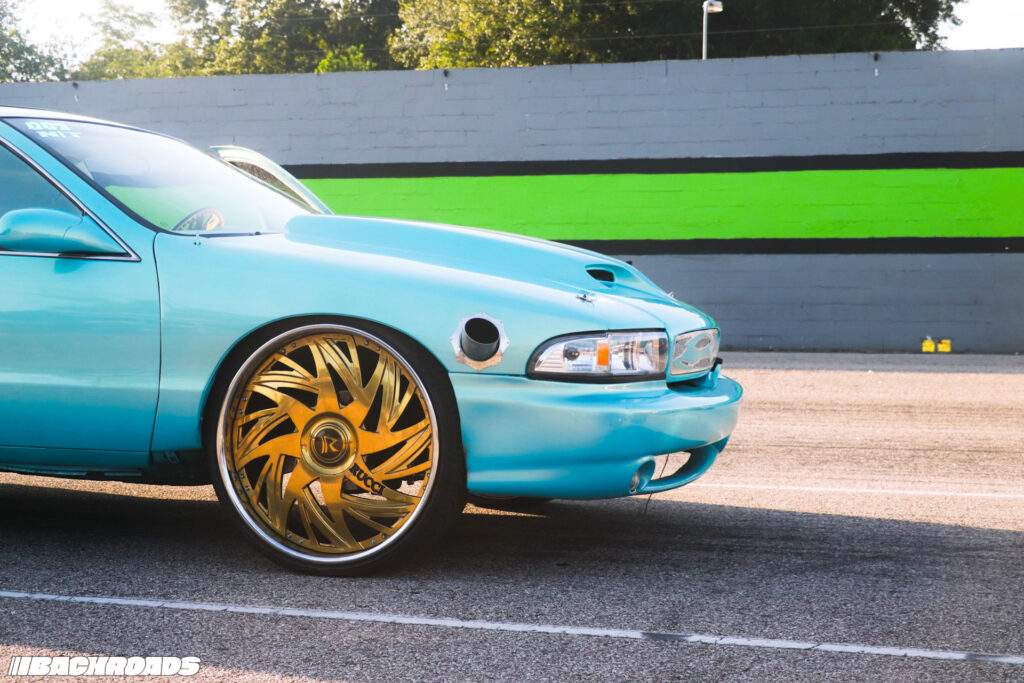
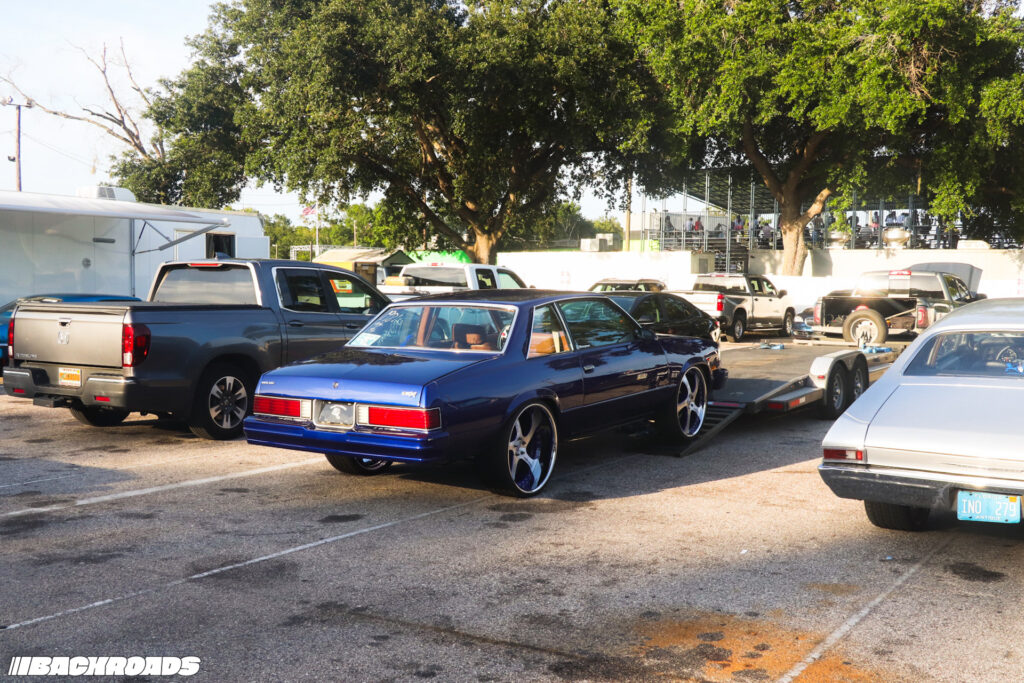
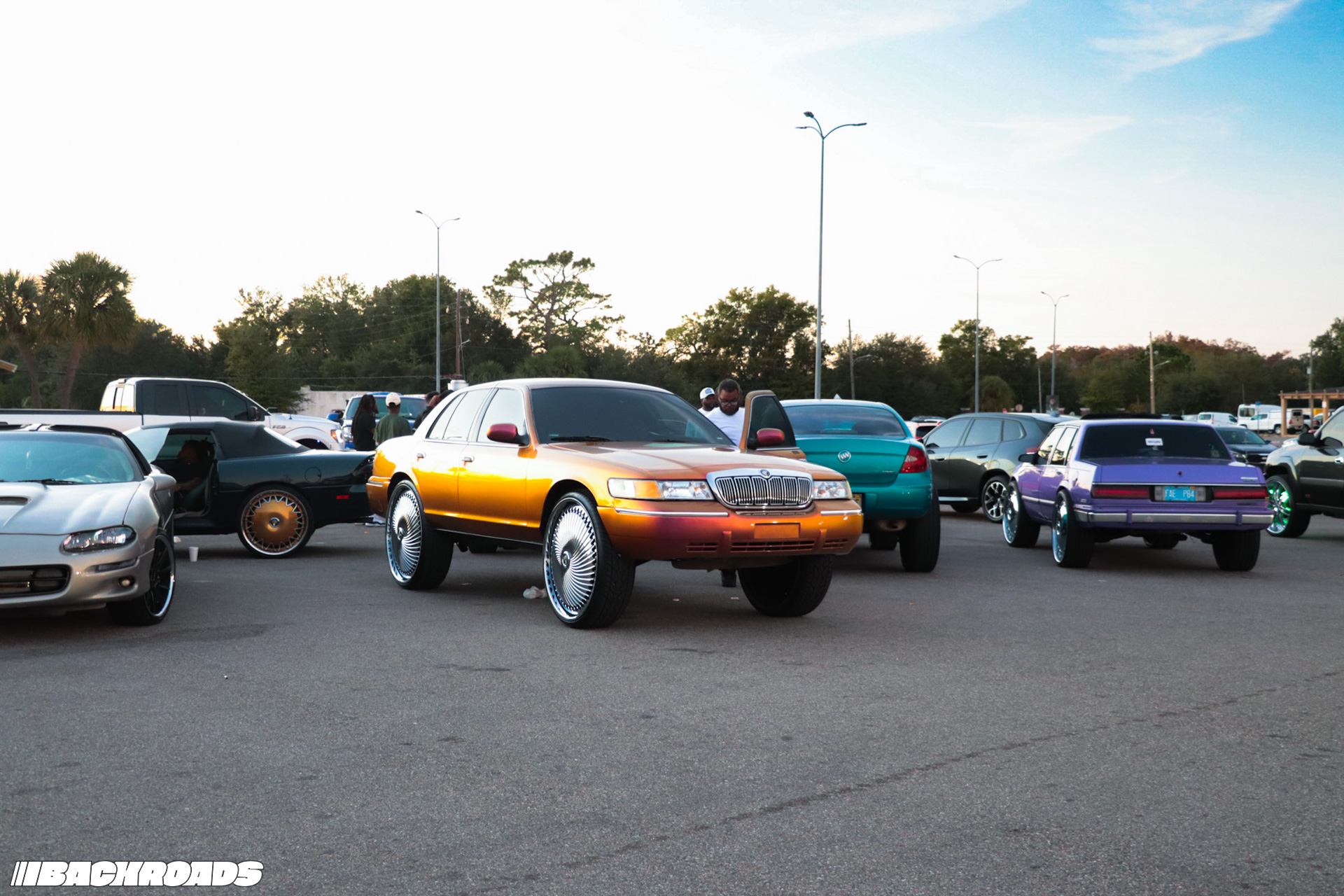
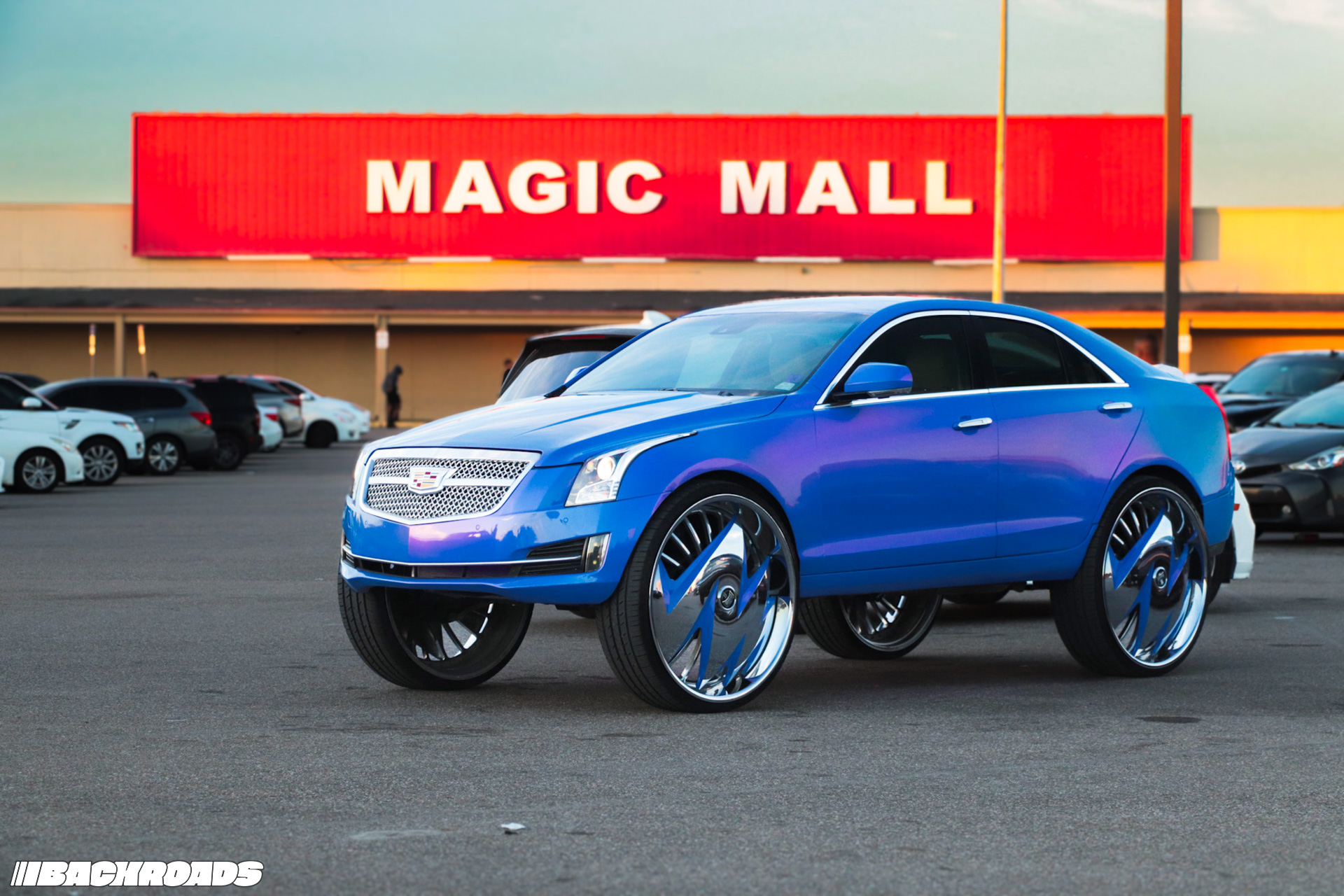
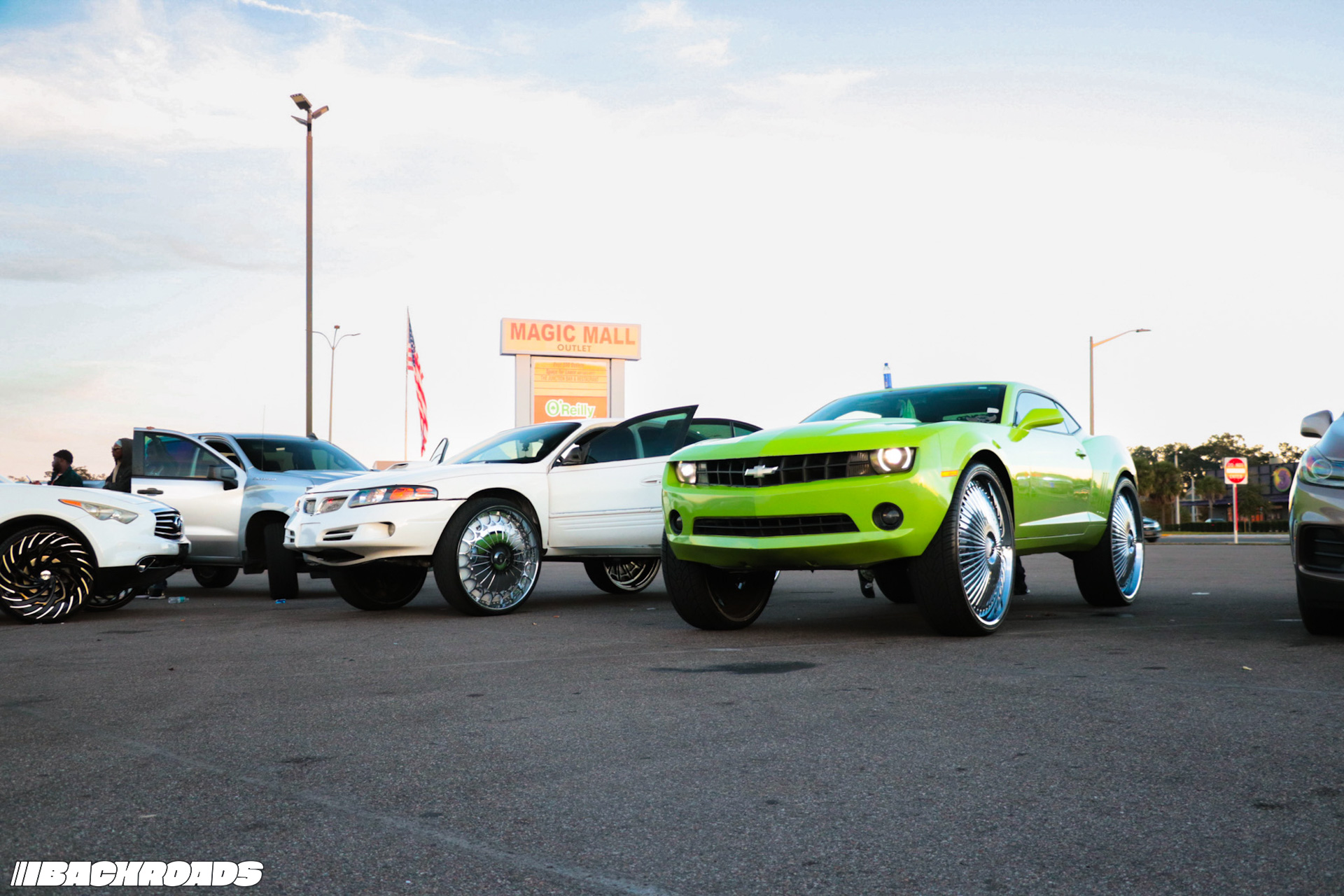
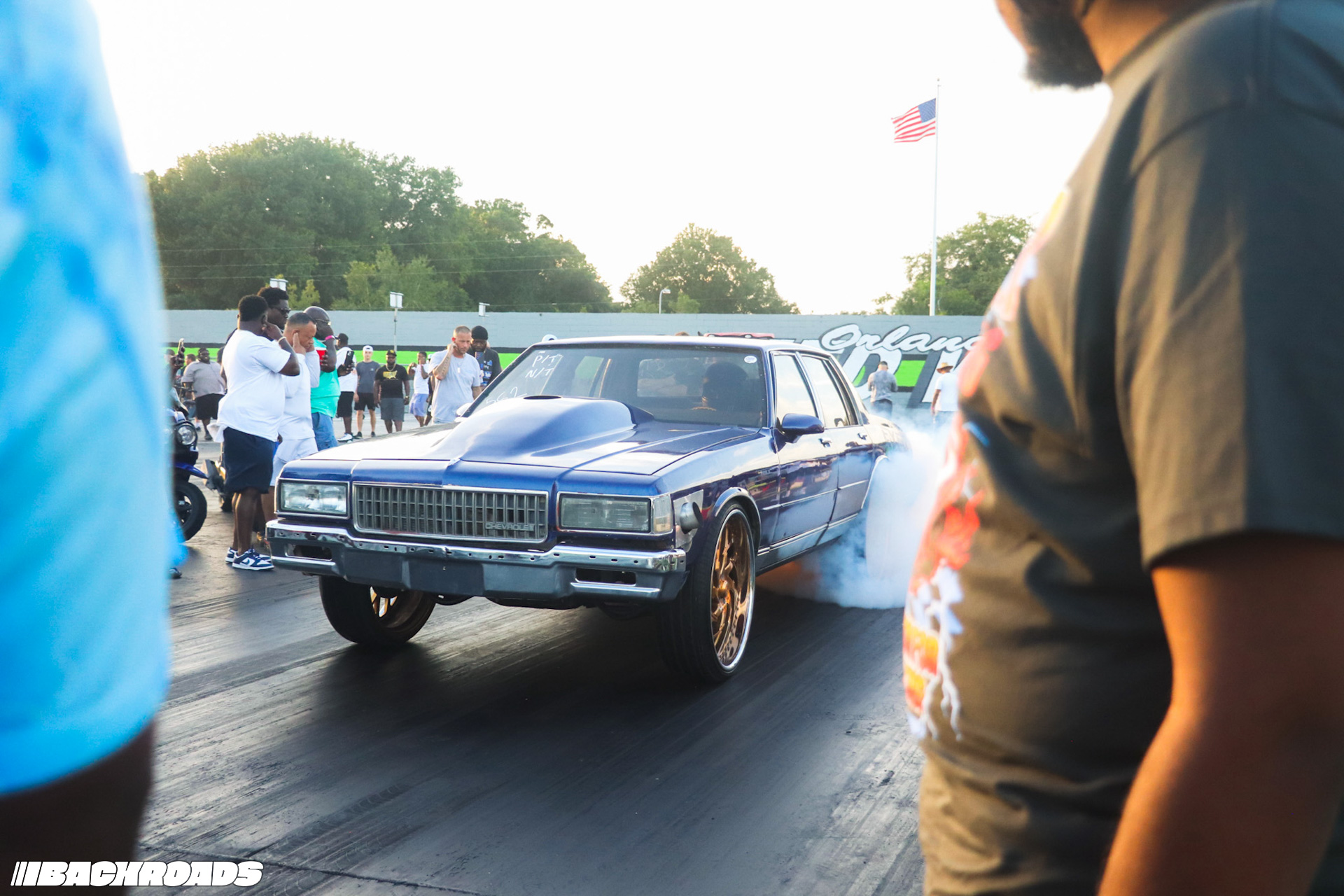
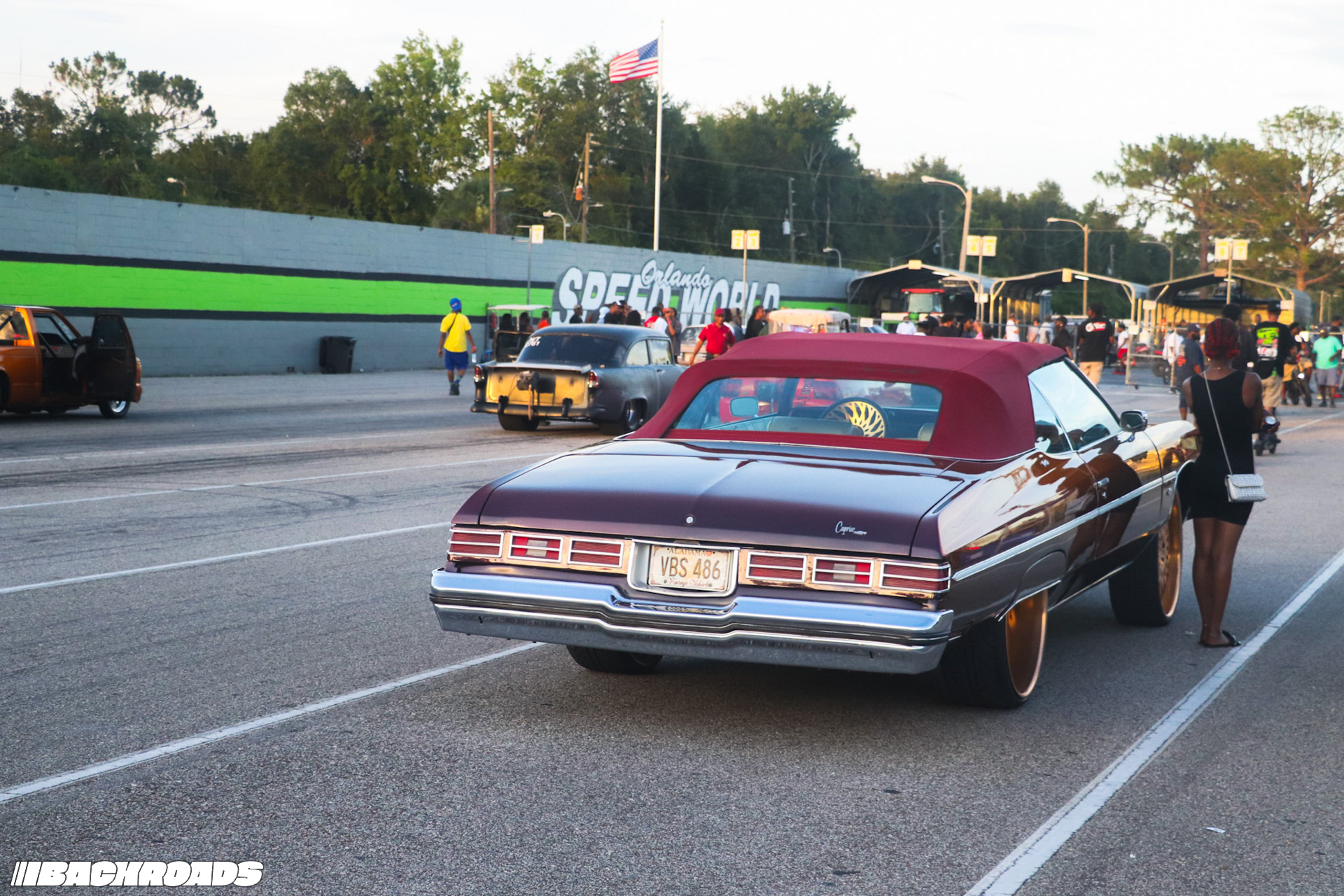
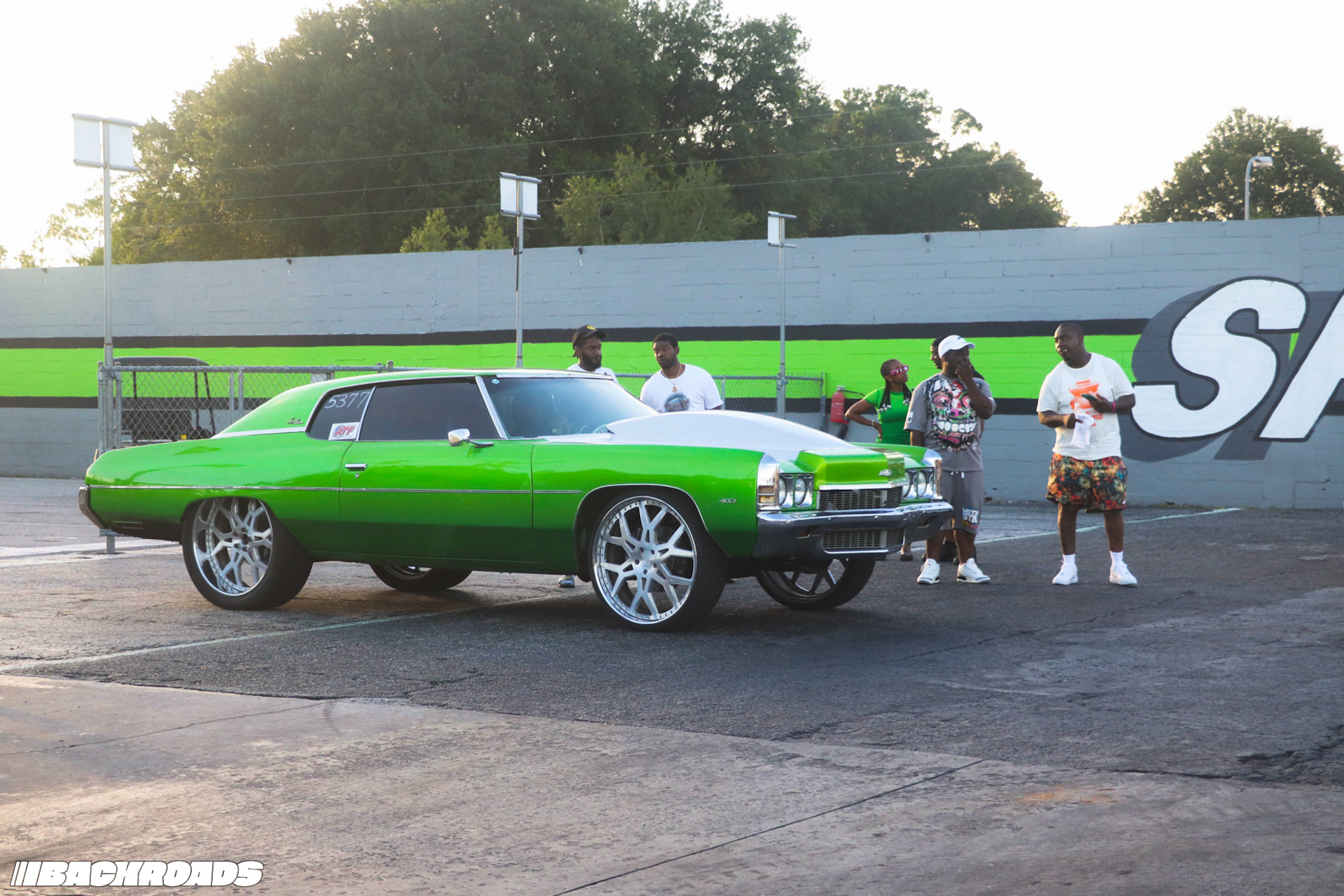
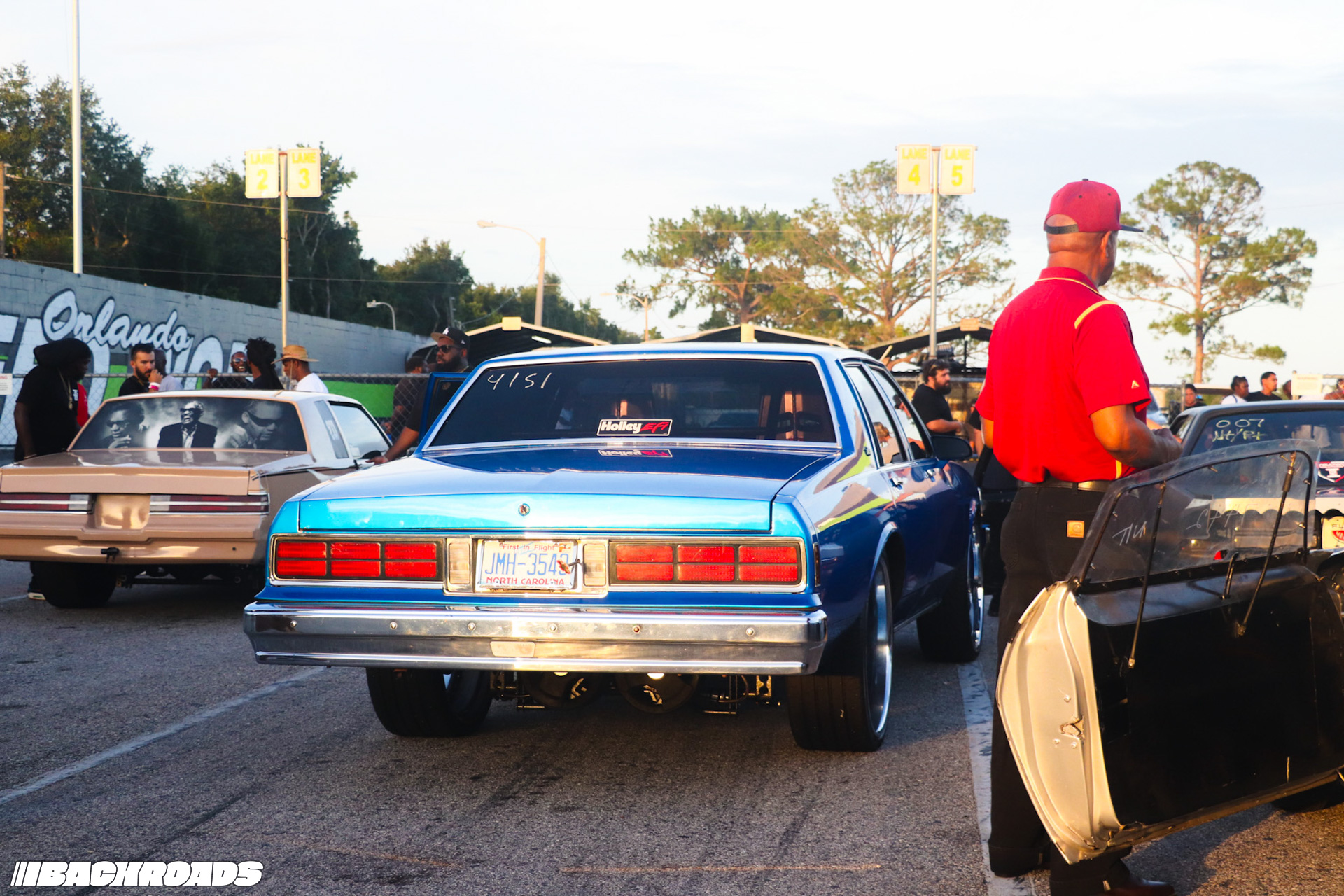
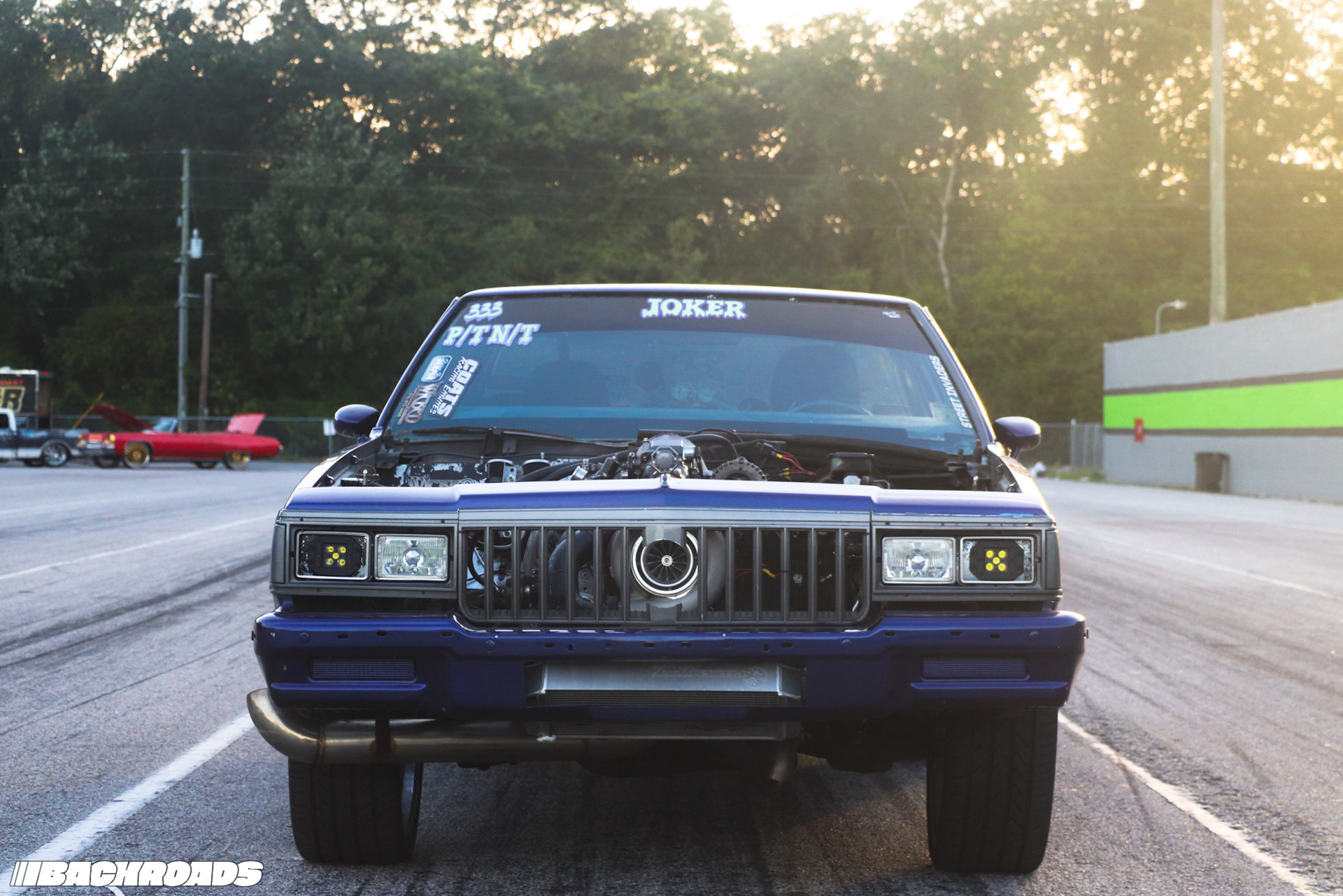
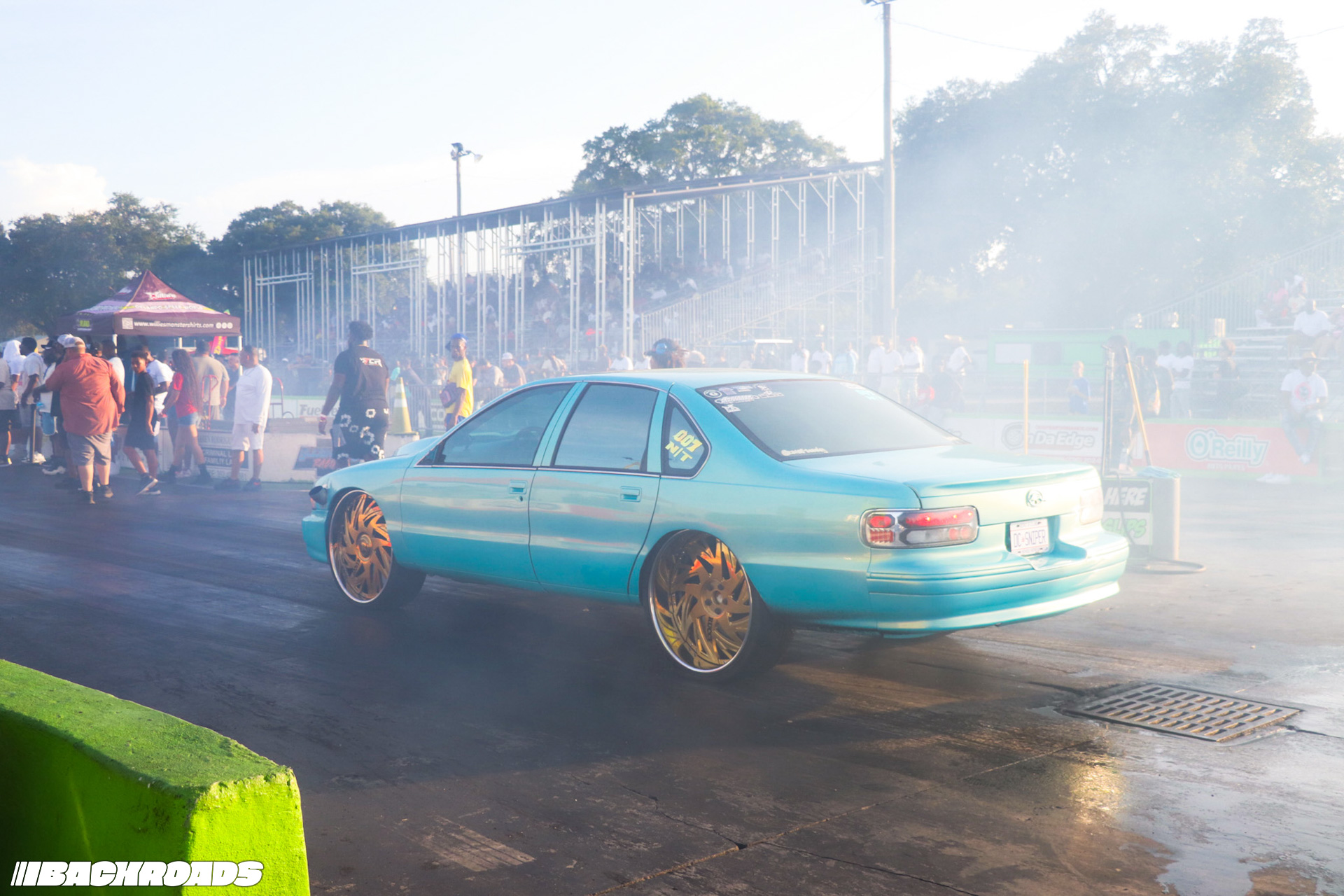
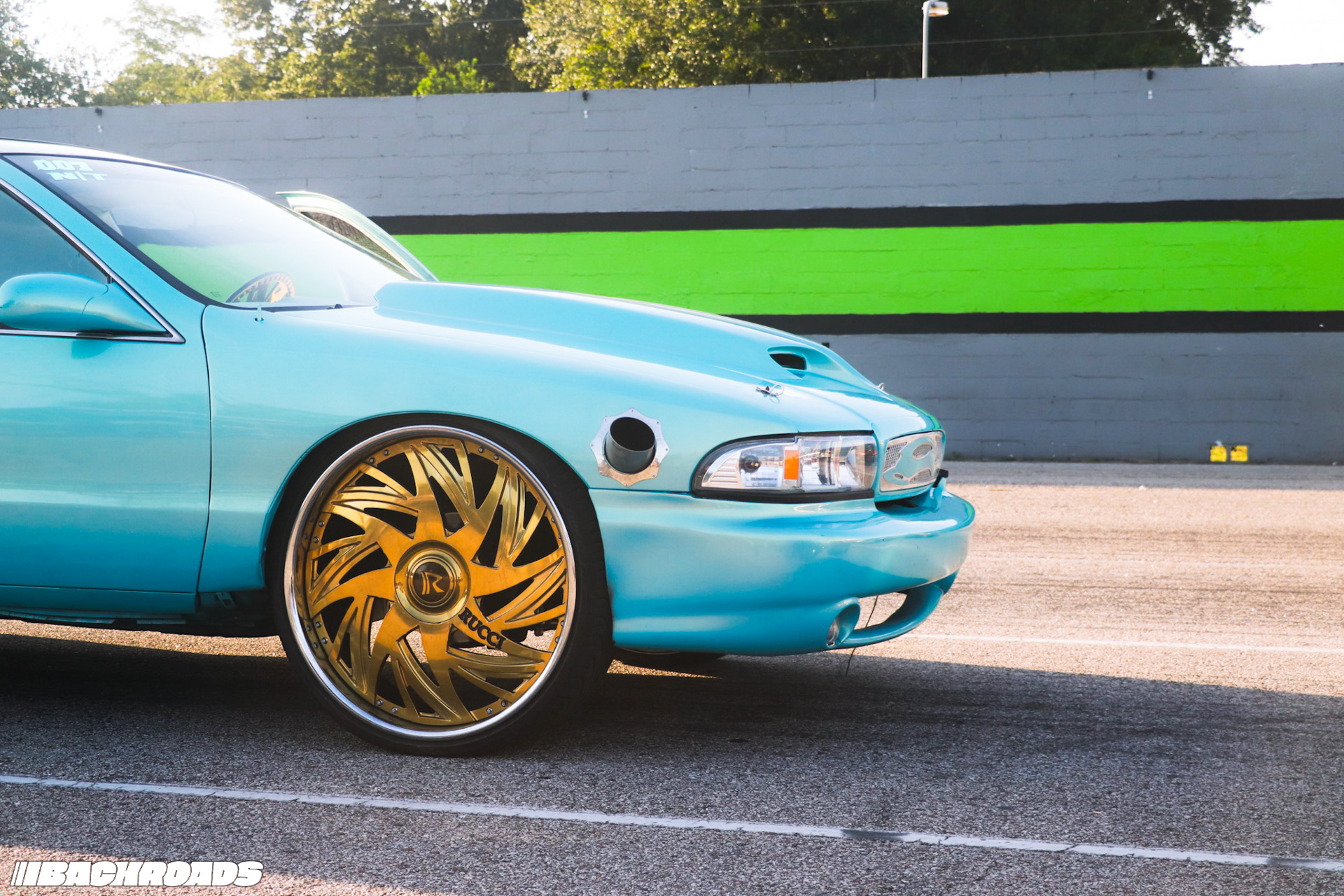
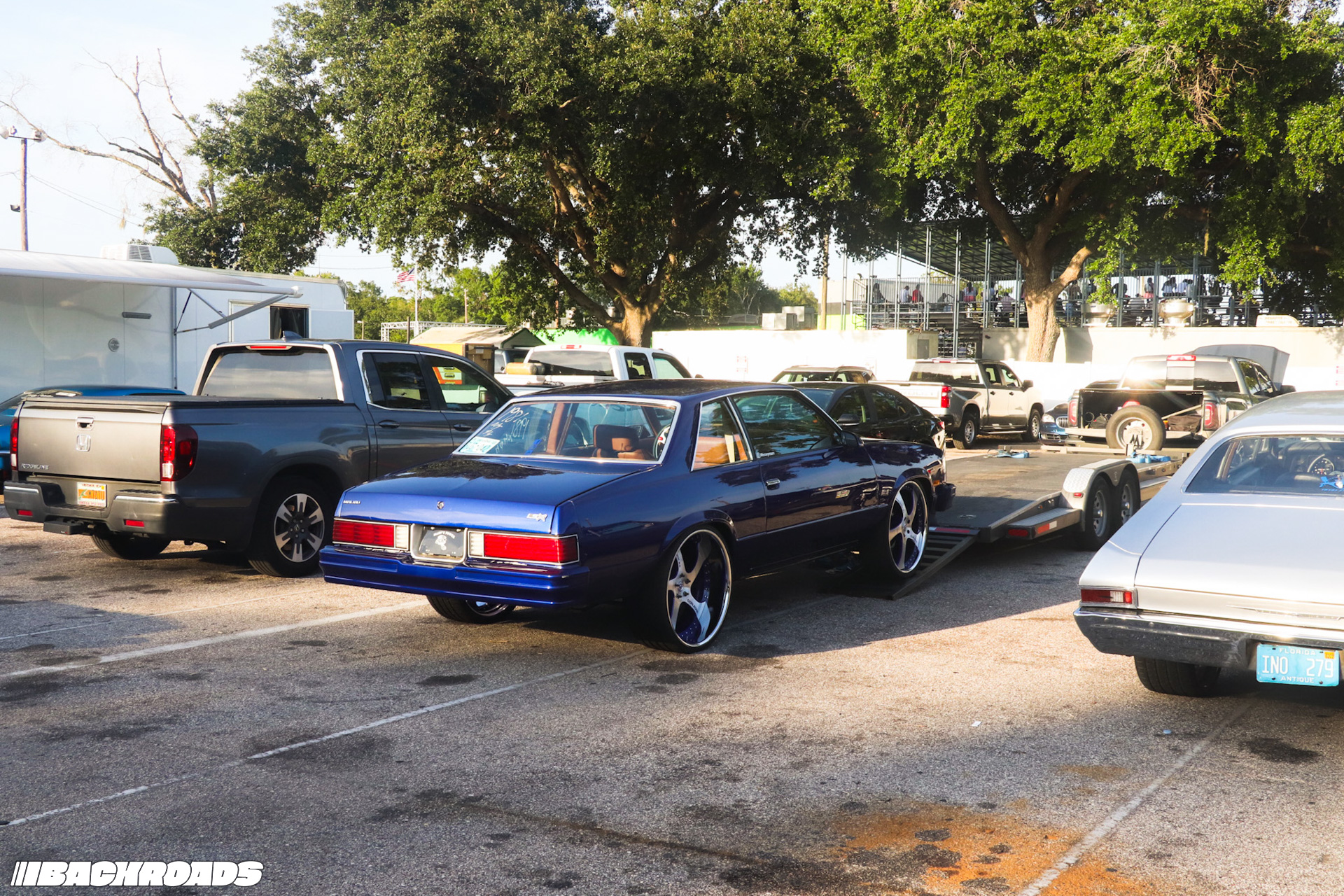
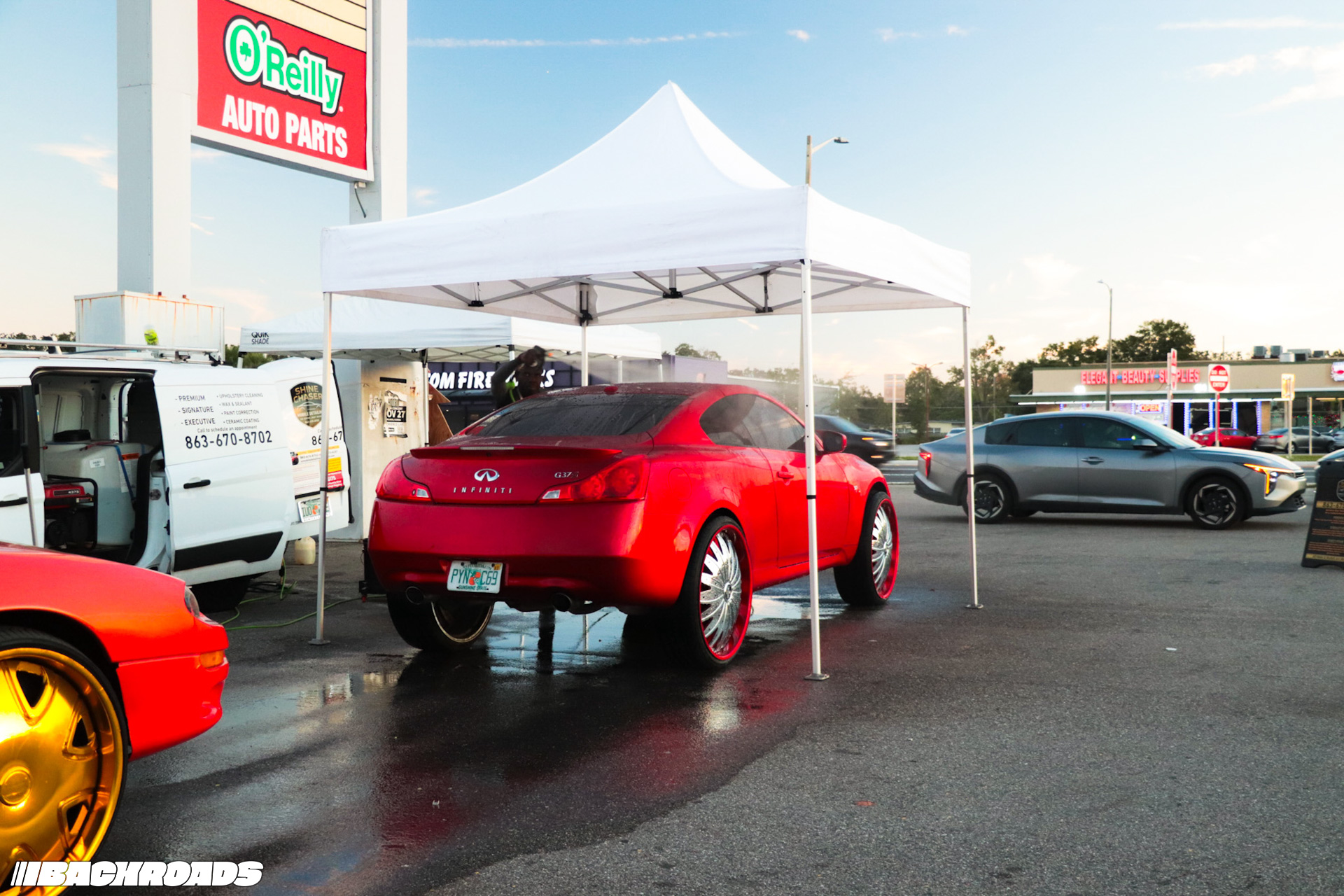
Before I get into the history, I have to make a few things very clear about Big Wheel cars that not many people may have heard of. To most, any car on big wheels is considered a ‘Donk’. This is simply untrue. Over the years, Big Wheel culture has expanded to include a variety of build styles. A Donk only refers to a Big Wheel ’71-’76 Chevrolet Impala or Caprice. The term is a nickname (its origins are largely unknown, but it stems from early-’90s Miami) referring to that specific body style. More common terms you hear are ‘Box’ and ‘Bubble’, the first referring to a ‘77-’90 Impala or Caprice, and the second referring to the ‘91-’96 models of the same cars. If the vehicle has big wheels but does not fall into any of those three categories, it’s simply categorized as a Big Wheel car. There’s no textbook for what needs to be done to be considered a Big Wheel build, either. Some cars are simple, sporting nice paint and the owner’s choice of wheels. Others have custom interior panels and upholstery, chrome and gold panels, built engines, and even custom Rolls-Royce front-end swaps. Yes, that actually happened.
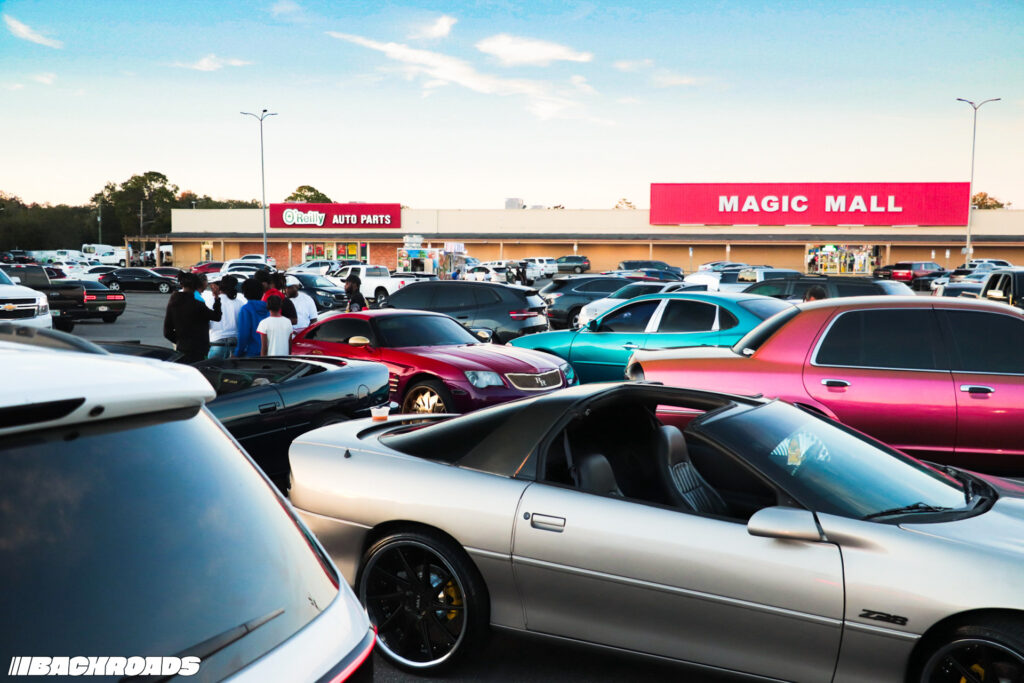
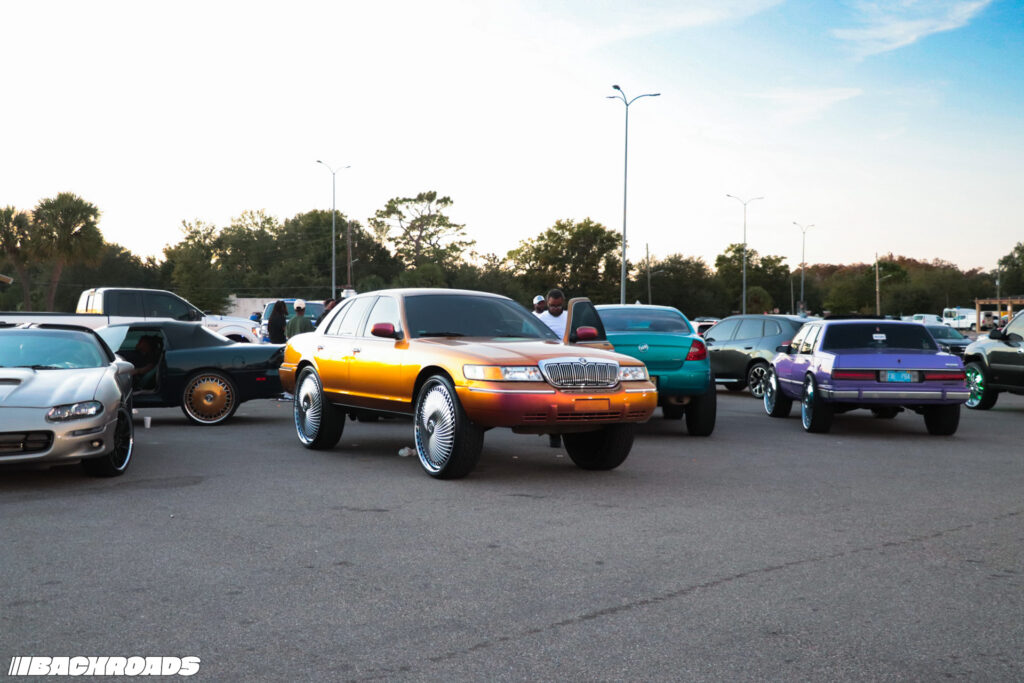
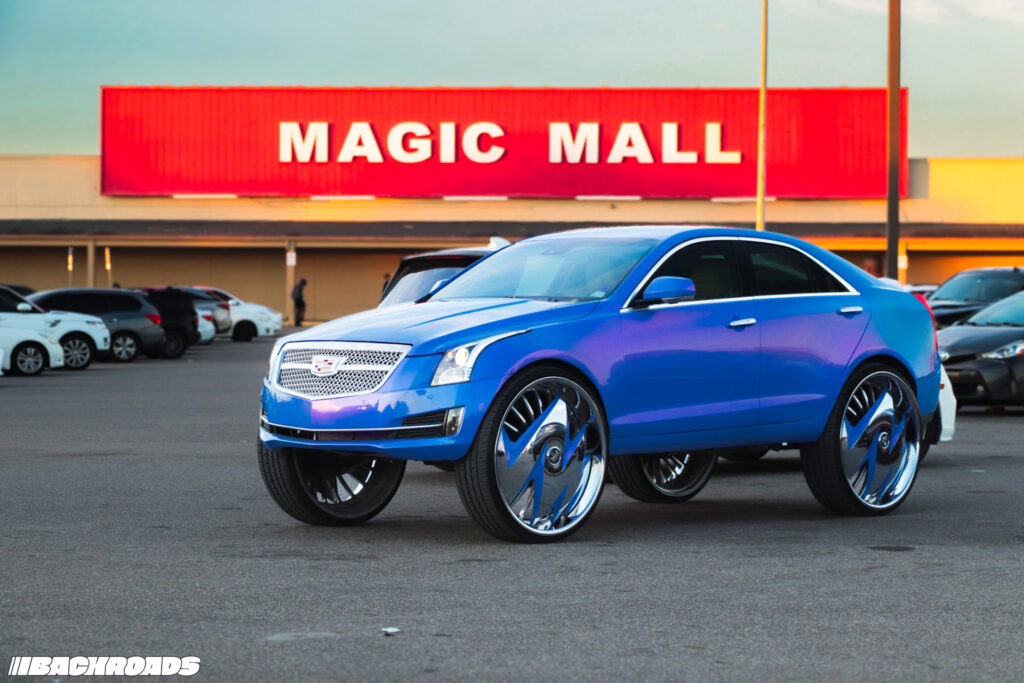
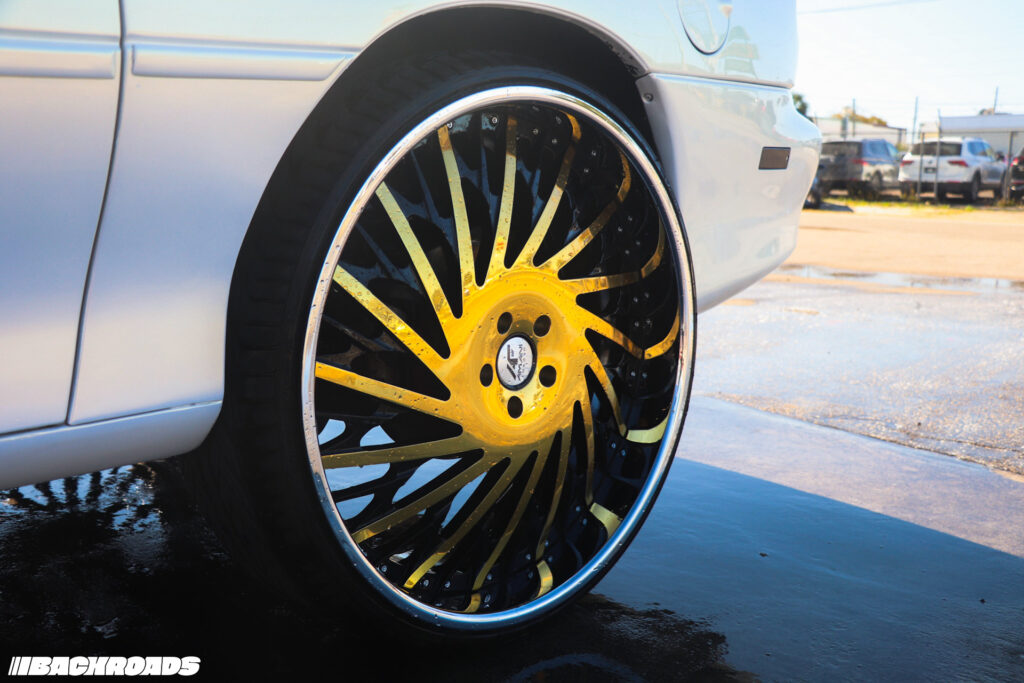
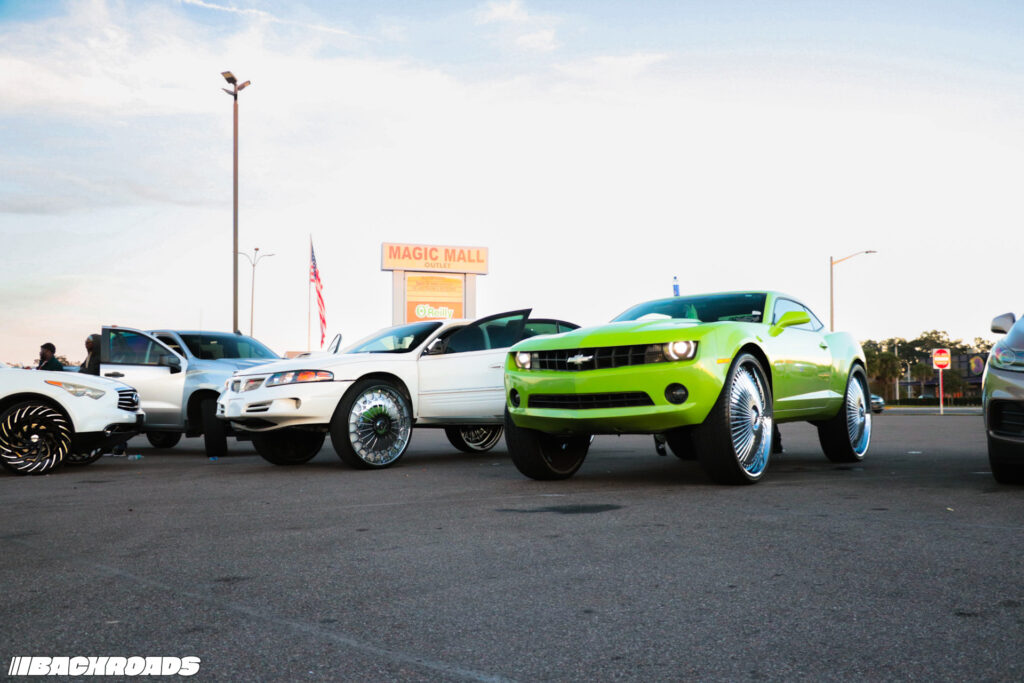
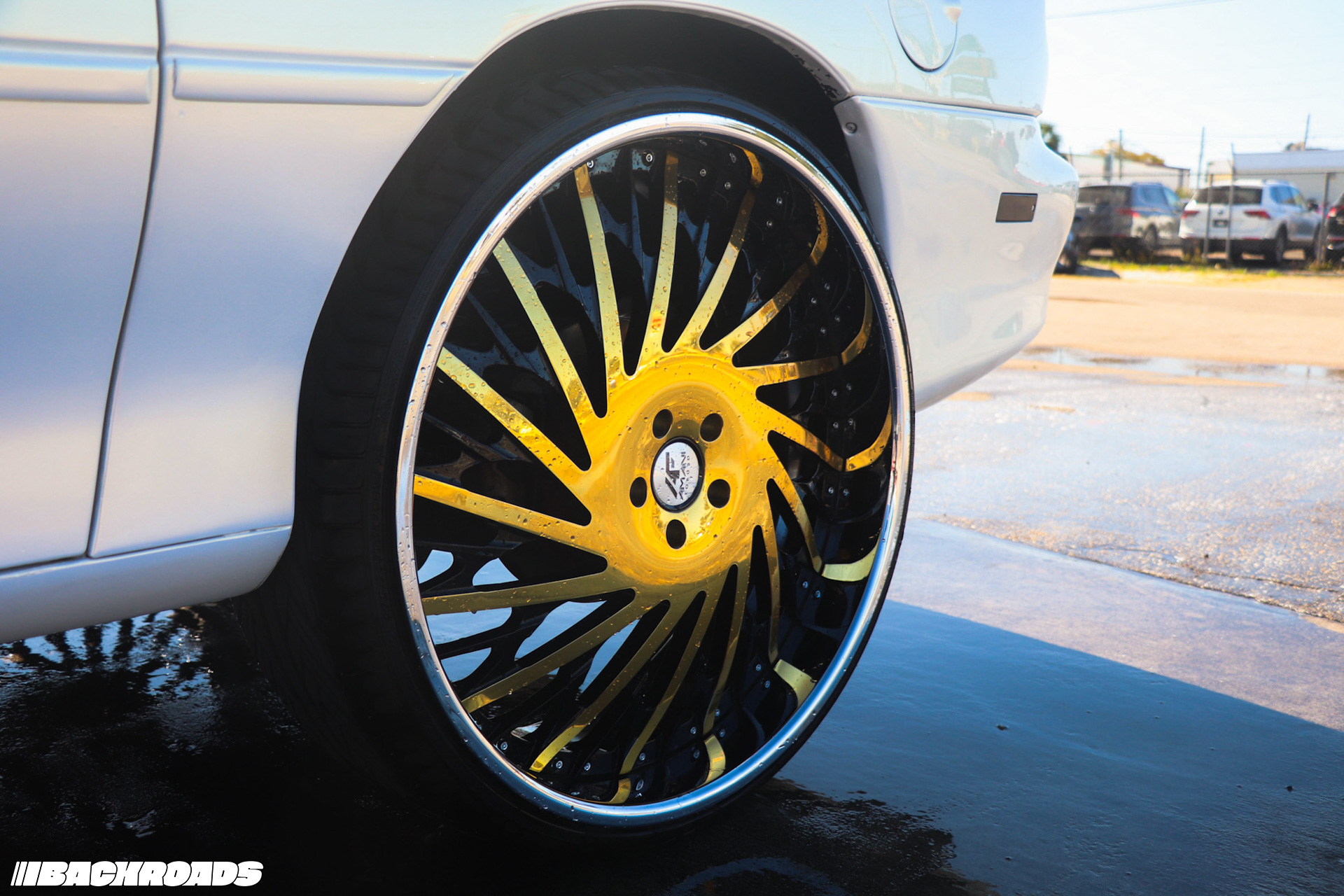
Wheels are the most important part of this culture, and their popularity – like the culture itself – was forged in the media. As music videos grew in popularity, rappers flaunted high-end cars and trucks with custom wheels, helping spark the Big Wheel craze of the 2000s. The Dayton Wire Wheel company began offering its wire wheels (already popular in the market) in larger sizes to meet the growing trend. Not long afterwards, companies like DUB, Ashanti, Lexani, Forgiato, and Davin Wheels, among others, arrived with new designs and larger diameters, furthering options. To pair with this new automotive trend, magazines like Rides, XXL, and DUB devoted entire editorial sections to breakout builds. Ultimately, in 2006, a spinoff magazine titled Donk, Box, & Bubble was released.
Compared to other American car cultures, the Big Wheel genre is still in its infancy. Most enthusiasts who were around for the start of the culture are still living and, in some cases, still active in the scene, giving the next generation firsthand insight into its roots.
The term ‘Donk’ grew in popularity after being introduced to a wider audience through hip-hop music videos in the ’90s and ’00s. If one video stood out above others, it would be Trick Daddy’s ‘I’m A Thug’, where a 1973 Chevrolet Impala with chrome wheels and custom green paint played an integral role. The vehicle choice is more than eye candy; it becomes apparent that while Trick Daddy raps about his lifestyle, the bright Chevrolet is a monument to his success, despite following a path that many Americans would shame him for. Various other rap music videos spread the culture to Alabama, Georgia, Michigan, and Illinois, where urban communities loved the idea of accessorizing their vehicles. For some, large wheels became a way to recognize their hard work, as much as a way to stand out from the crowd.
To outsiders, it seemed pointless or even contradictory for less-affluent communities to spend money this way. But for those in these communities, car accessories were an important source of motivation in daily life, especially in places where low morale was common and deliberately created.
With this being a culture that has its roots in the Deep South and its connection to ‘trap’ (a controversial late-2000s sub-genre of rap), it’s no surprise that Black Americans would come to be at the forefront of this growing trend. Unfortunately, being a Black American means you have to constantly prove yourself in spaces where you might not even find yourself. With the rise of Big Wheel cars in the ’00s, a considerable amount of the criticism was gross and racially targeted. Memes were created with pictures that showcased stereotypes of Black Americans next to a popular platform for law enforcement and Big Wheel enthusiasts alike – the Ford Crown Victoria – with derogatory captions like: ‘From the back of the car to the front.’ A lighthearted joke for the unaffected, but a stark reminder that in some spaces, you may be judged on what you wear, how you speak, or the tone of your skin. The culture was often cast off as being ‘ghetto’ or ‘indecent’, all criticisms that made one point very clear: Big Wheel cars were not wanted in American car culture.
This type of cultural essentialism kept Big Wheel culture out of the mainstream eye of most other automotive media outlets for years. Not only that, but it also discouraged enthusiasts who wanted to learn, as many felt that they were being ostracized by the very culture that they enjoyed. But it didn’t stop the culture from moving forward – it just kept developing in the shadows. The people who loved it kept building and showing off Big Wheel cars, and eventually, they began making them fast.
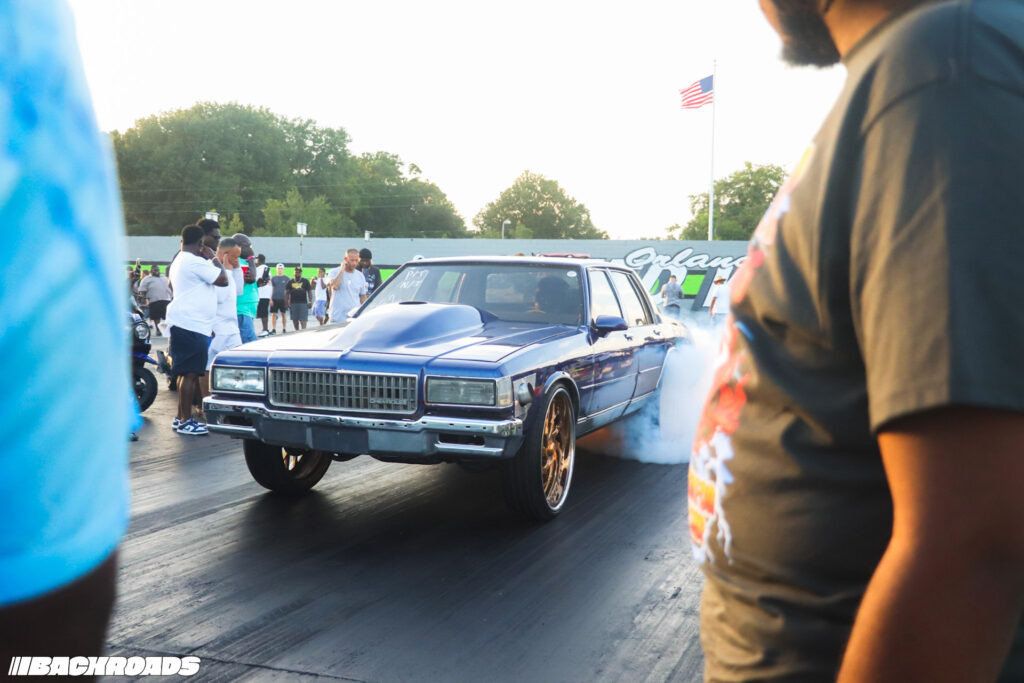
Big Wheel cars (like any other cars) have been raced forever. But in the late 2010s, Big Wheel drag racing started to go viral. All of a sudden, Big Wheel showpieces began hitting drag strips and laying down reputable quarter-mile times for their size and weight. One Big Wheel racing trailblazer was Sage Thomas, aka Donkmaster. A well-established Donk racer and owner of South Carolina’s In And Out Customs, Thomas built his reputation on a fleet of fast Donks that he trailered around the Southern United States. One of these Donks was “Da Z06″, a 1971 Chevrolet Impala Convertible powered by an LT4 from a C7 Z06 Corvette.
Thomas and his car rose to mainstream fame after landing a one-season VICE show, Donkmaster, which followed them as they toured Southern drag strips and placed big cash bets on races. “Da Z06″ wasn’t just a fast grudge-race car; it was a proper drag machine that just happened to launch like a rocket on 26-inch wheels with ultra-low-profile tires. With a full audio system on board, show paint, and chrome trim, it was also a metaphorical middle finger to the ‘function over form’ crowd.
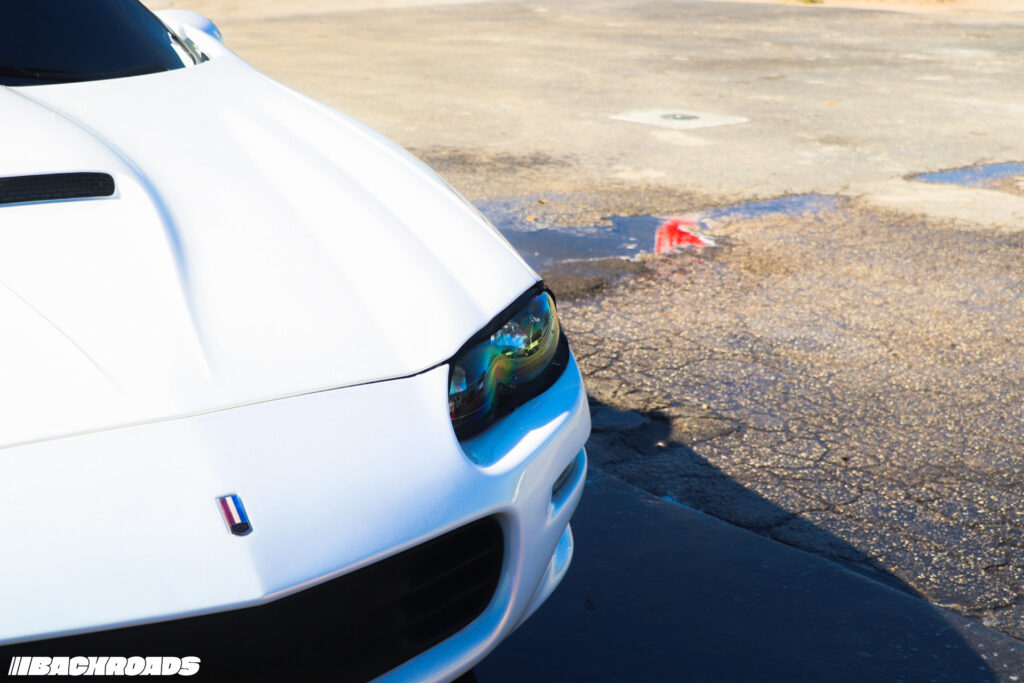
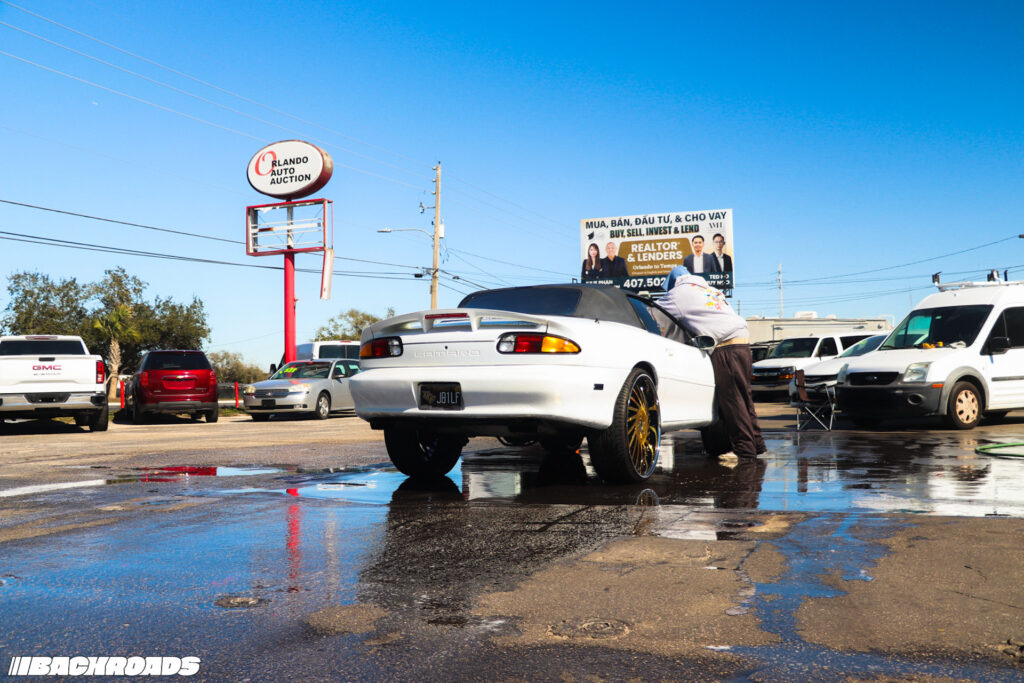
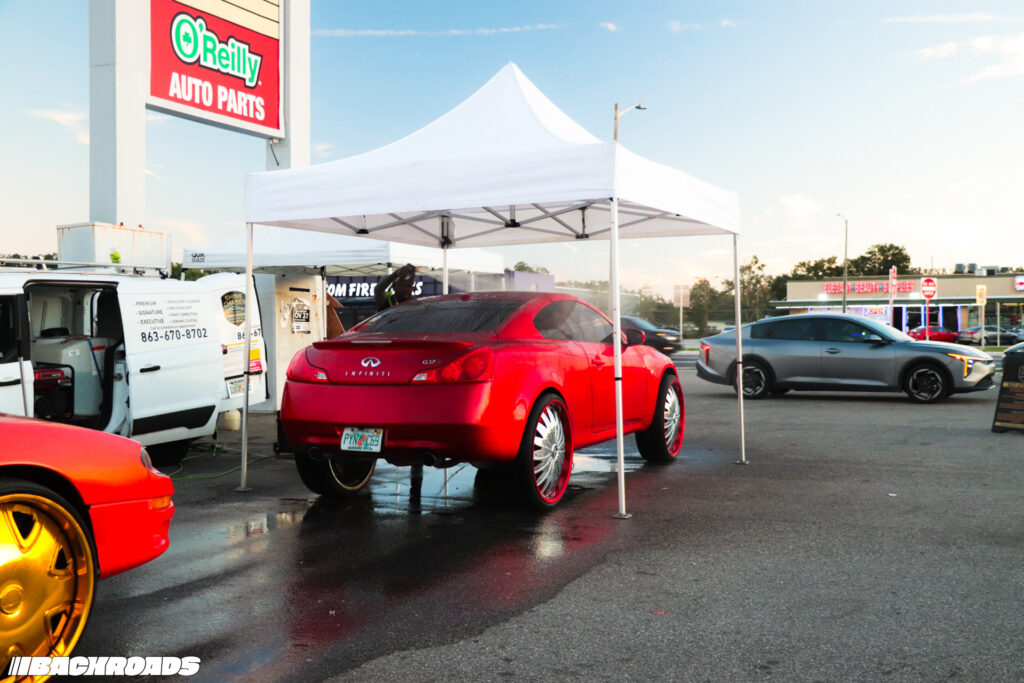
The reaction shifted from “why?” to “how?” People began exploring the culture to understand how these Big Wheel cars – despite their less-than-aerodynamic designs and large amounts of unsprung weight – were going so fast on Southern drag strips. This curiosity led to a connection that had been building for decades.
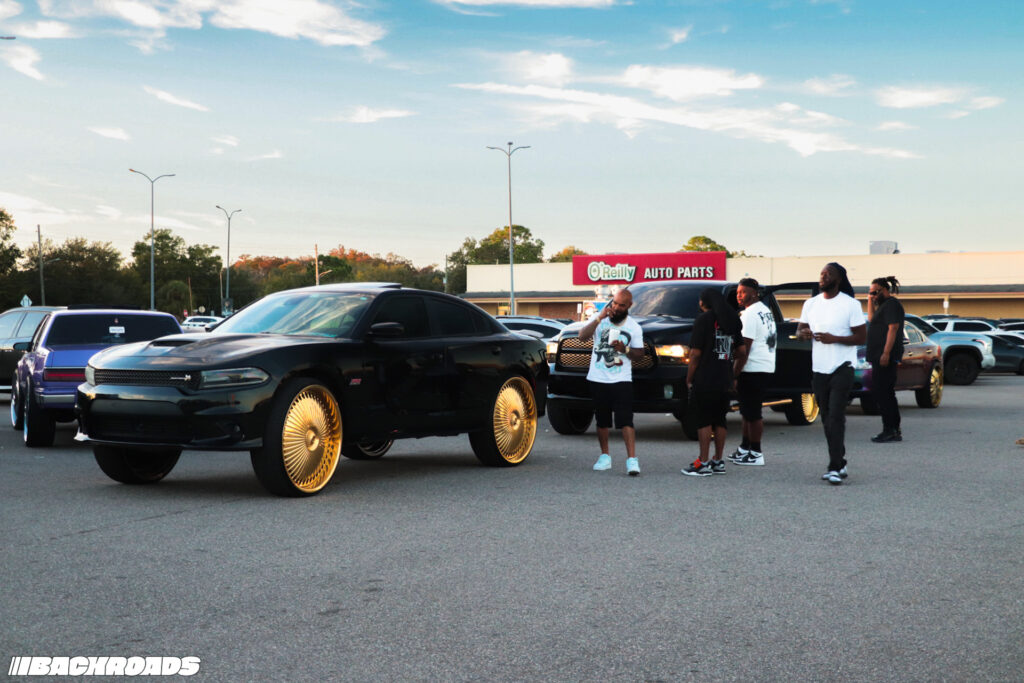
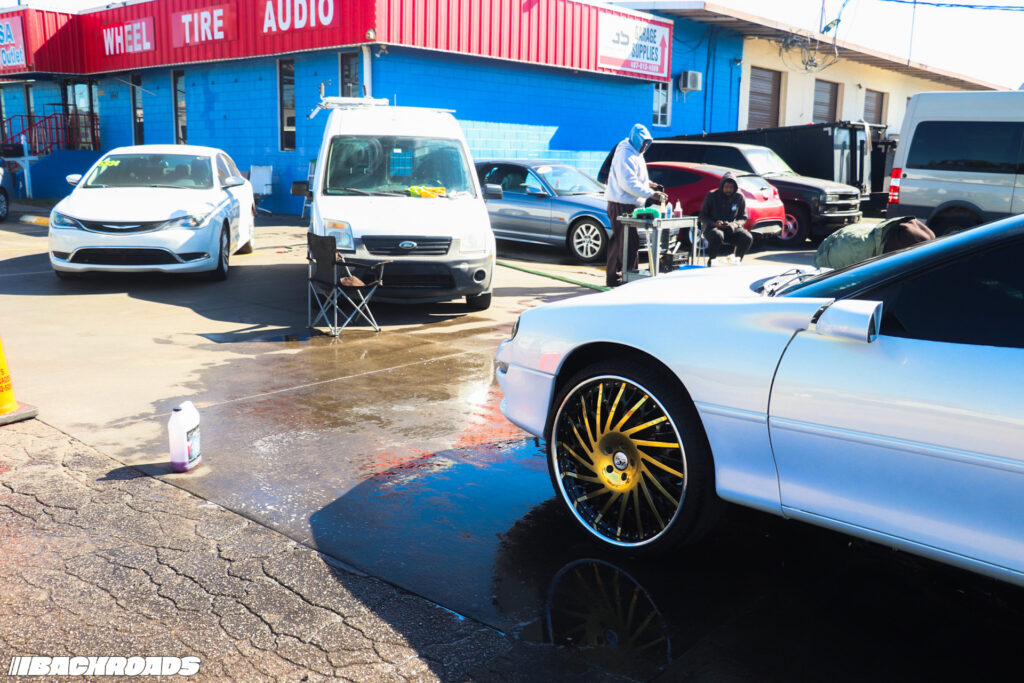
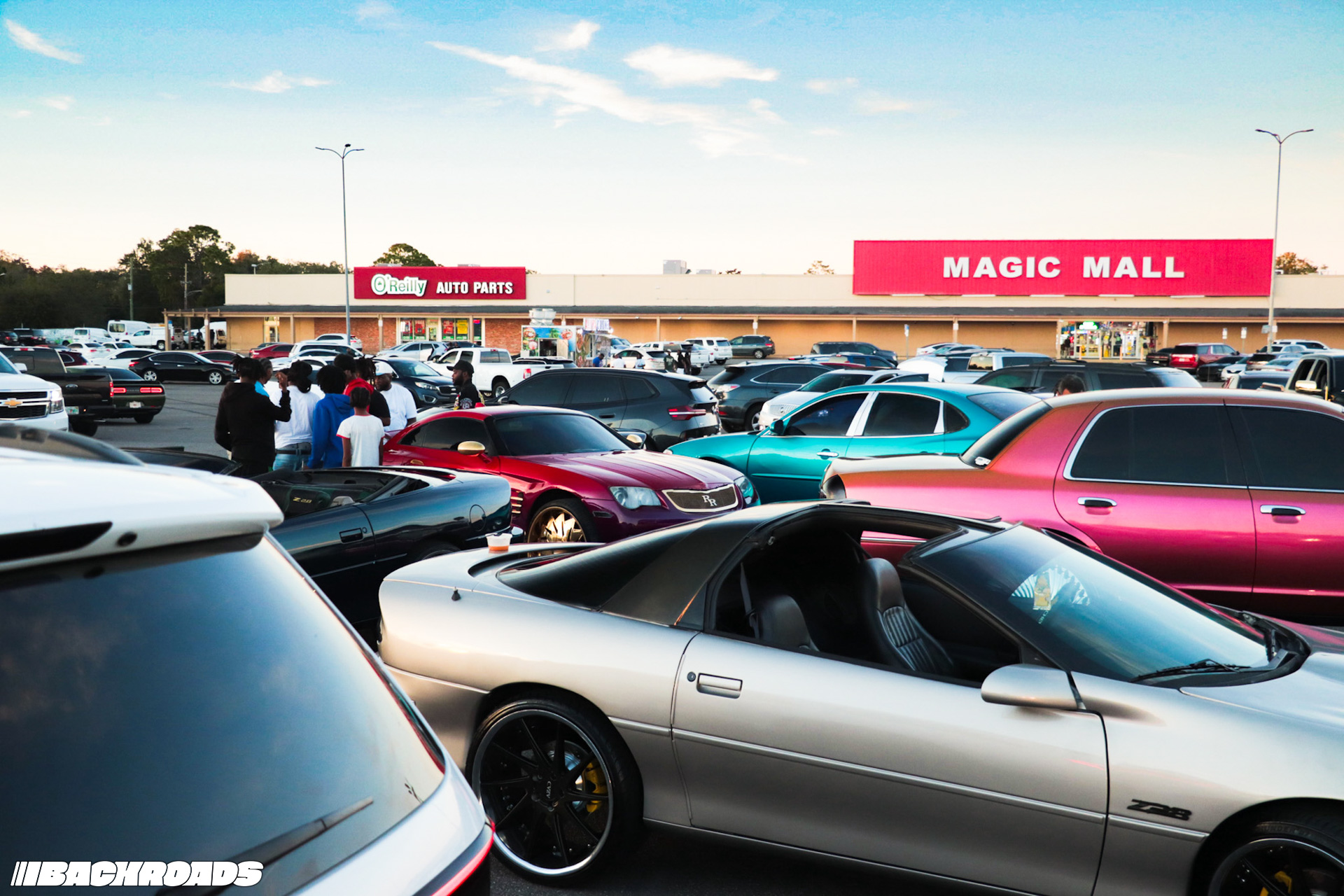
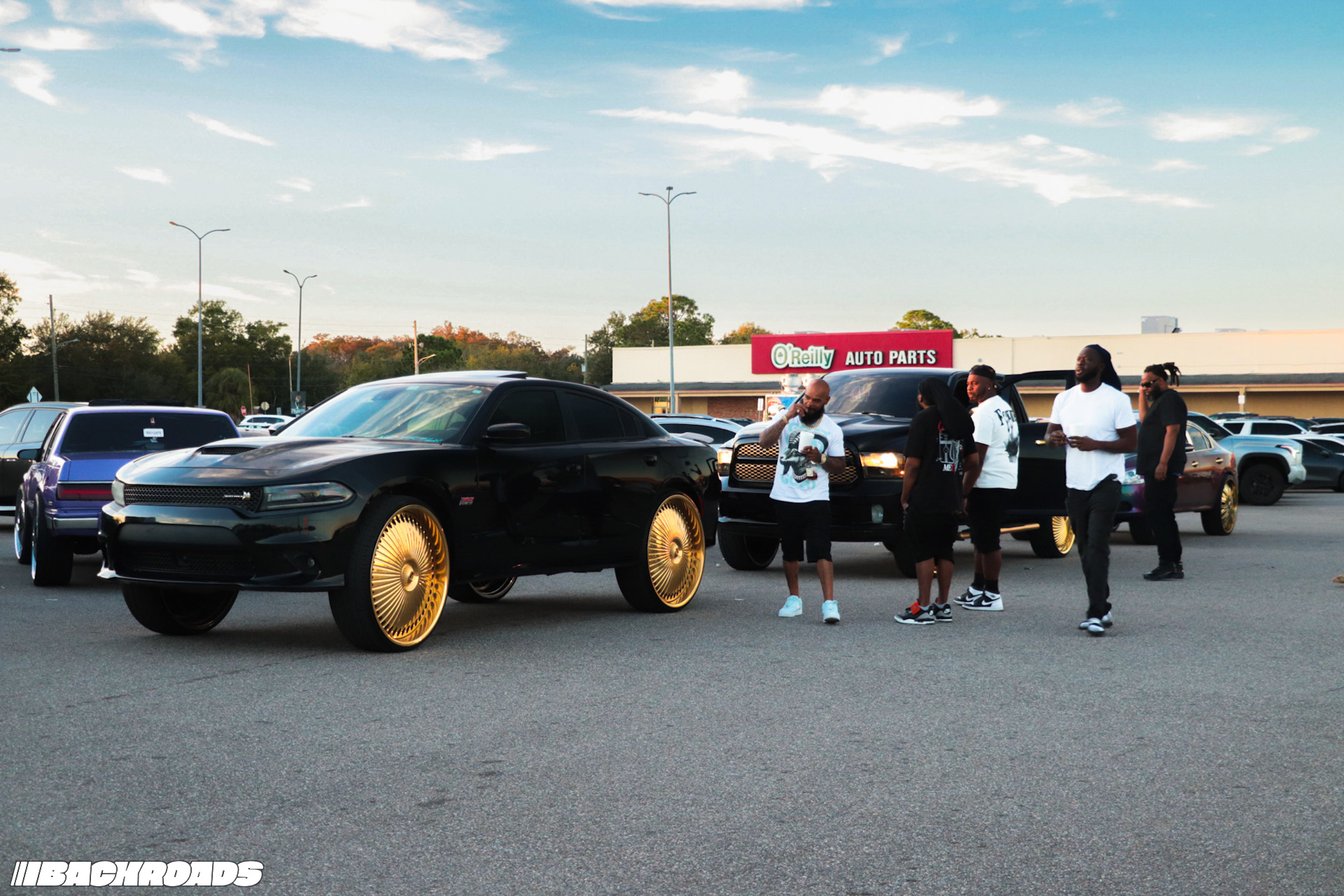
Today, Big Wheel culture remains true to its roots. Street racing still happens in tight ‘if you know, you know’ groups, but other community-oriented events are now easier to find, allowing more people to enjoy the unique culture. While many events operate as rolling clubs, often partnering with local businesses or nightclubs to serve as an extension of the party, you can still find Big Wheel cars cruising to your local liquor store or parked in a pack at a mall, blasting music and generally enjoying the evening.
If you ever find one of these groups, please consider talking to the owners. Ask about their cars and why they chose to modify them. Every Big Wheel car owner has a story, and they all deserve to be heard.



Great story mate – I’ve only seen these American big wheel cars periodically on the internet, but to get to know the story behind them is pretty awesome
Thank you! They’re hard to come across, even irl in places where the scene is popular. I’m just thankful that I was able to meet people who pointed me in the direction of where to find them.
Haven’t ever had the opportunity to learn about these, but see them pretty often. Here in Dayton Ohio there’s a shop I pass every day that works on these. They have rows of Impalas waiting to get some altitude. I’ll have to start paying more attention to what they’re putting out!
I’d honestly recommend you stop by and talk to them! Everyone in the scene is friendly and loves talking about them.
I remember seeing a Speedhunters story on donk culture and it is something rather misunderstood. Yes it’s not everyone’s taste however, I think it’s really cool to see someone else’s art and craft that even shows great quality and workmanship that went into it. That is passion and dedication right there. It’s something unique and different and I’m all for it.
Exactly. Thank you for being so understanding about the culture that I love.