
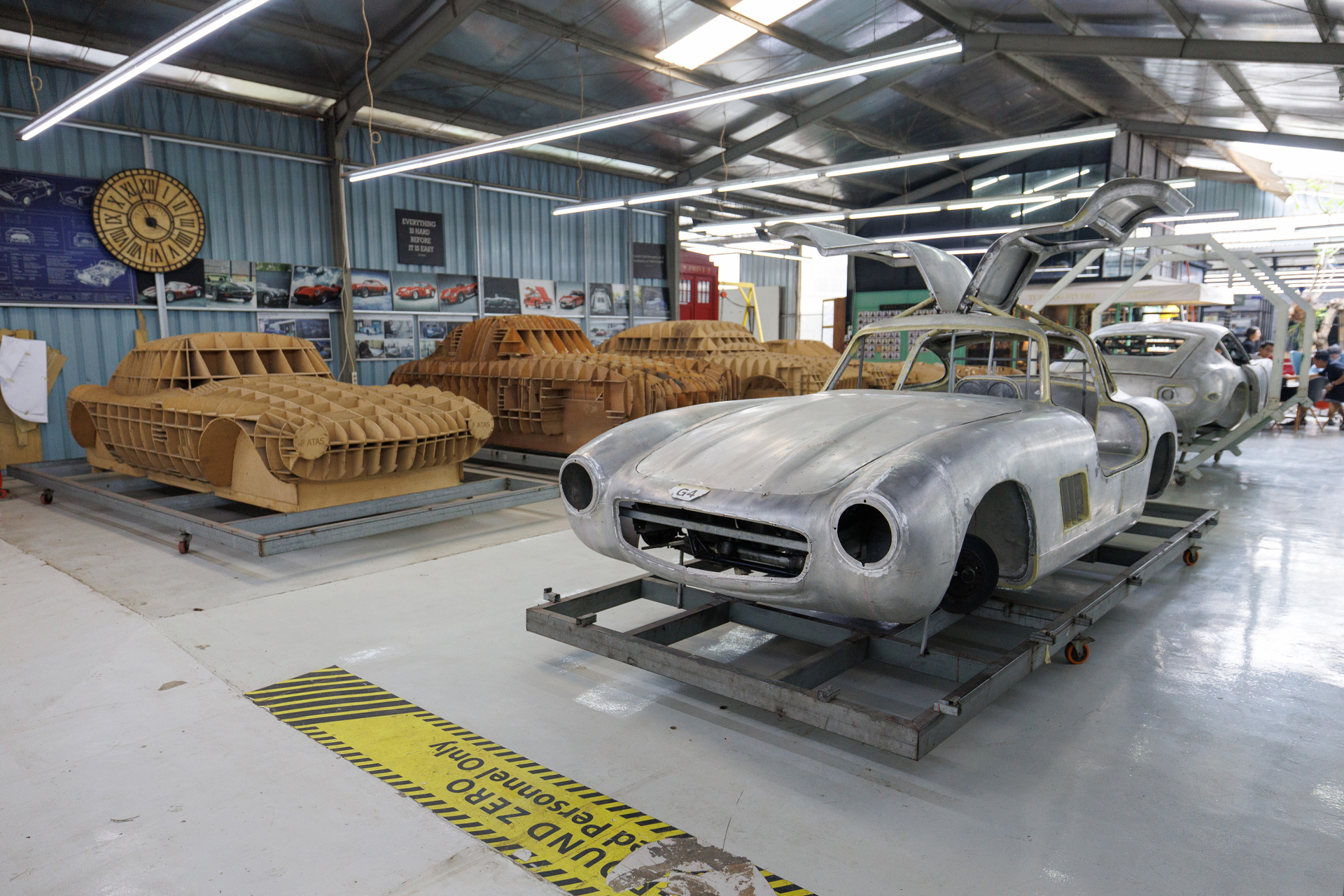
Every once in a while, I come across something that completely redefines what I think is possible, or at least shifts my perspective on the car world.
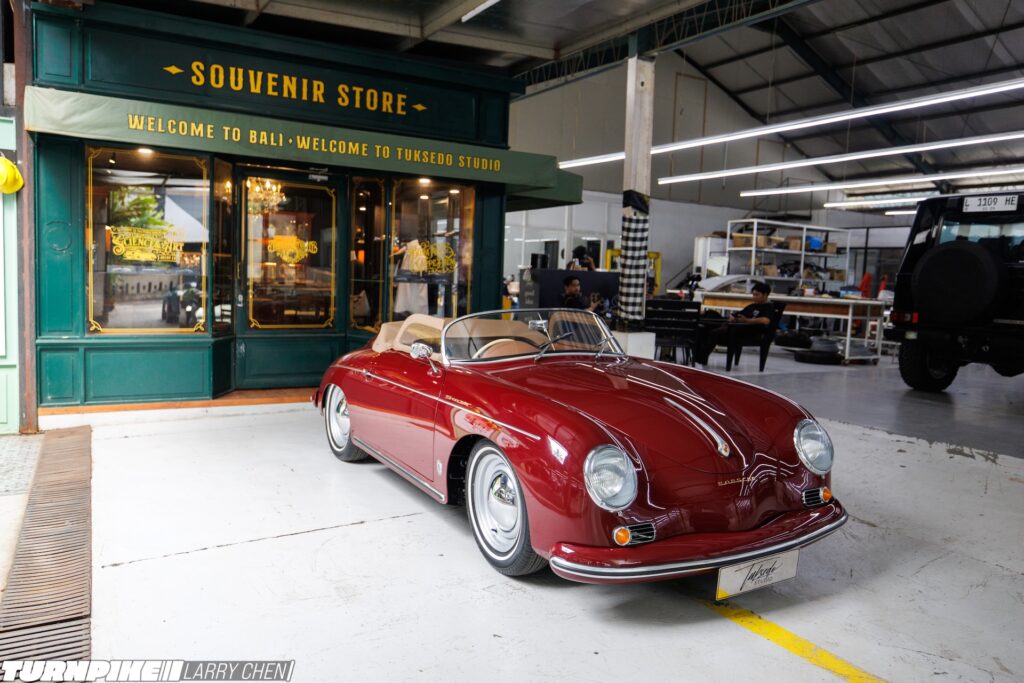
That’s exactly what happened when I visited Tuksedo Studio in Bali, Indonesia — a small workshop that’s quietly handcrafting brand-new recreations of some of the most iconic cars ever made.
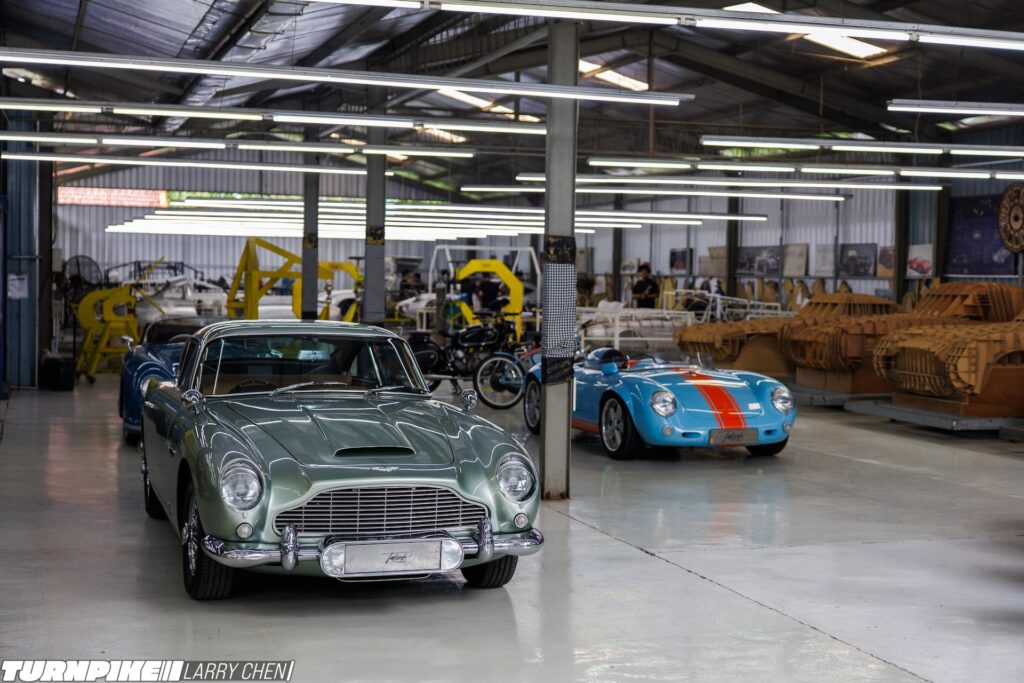
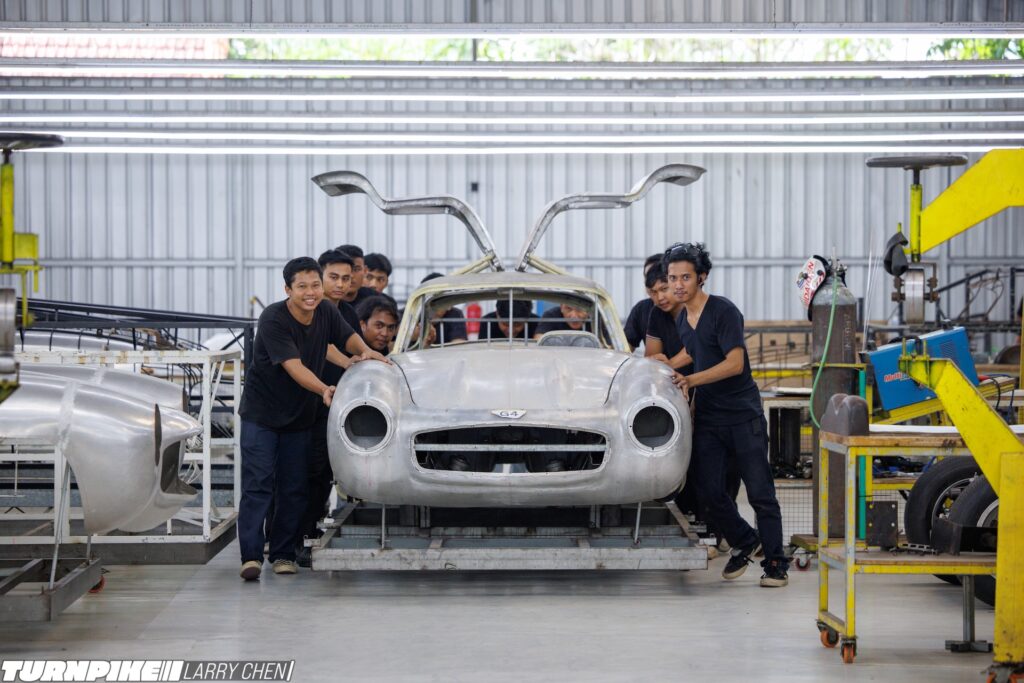
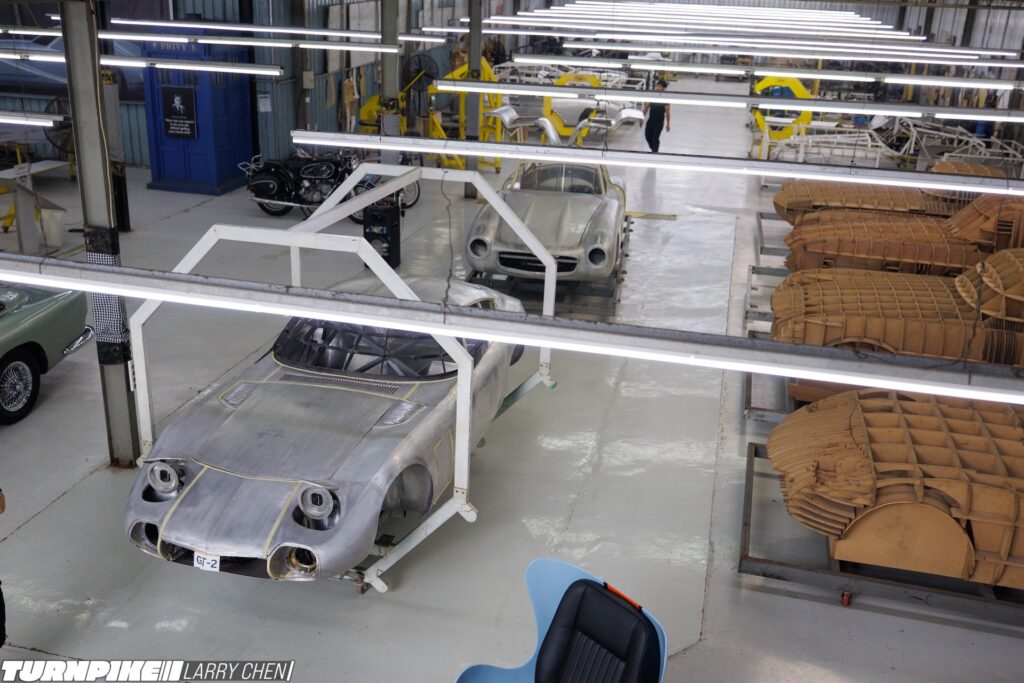
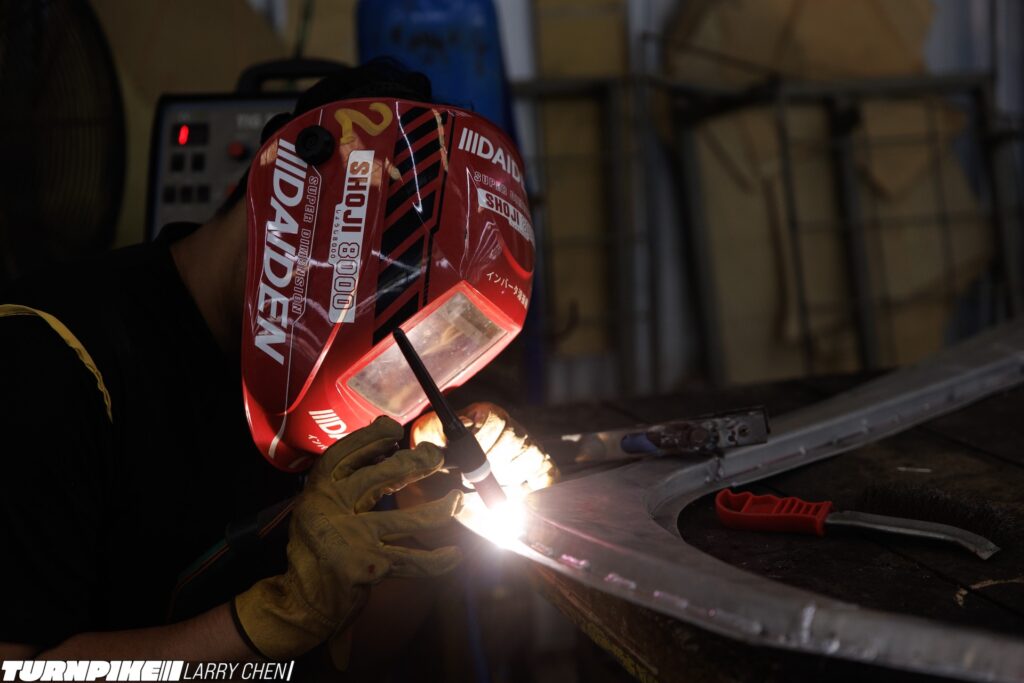
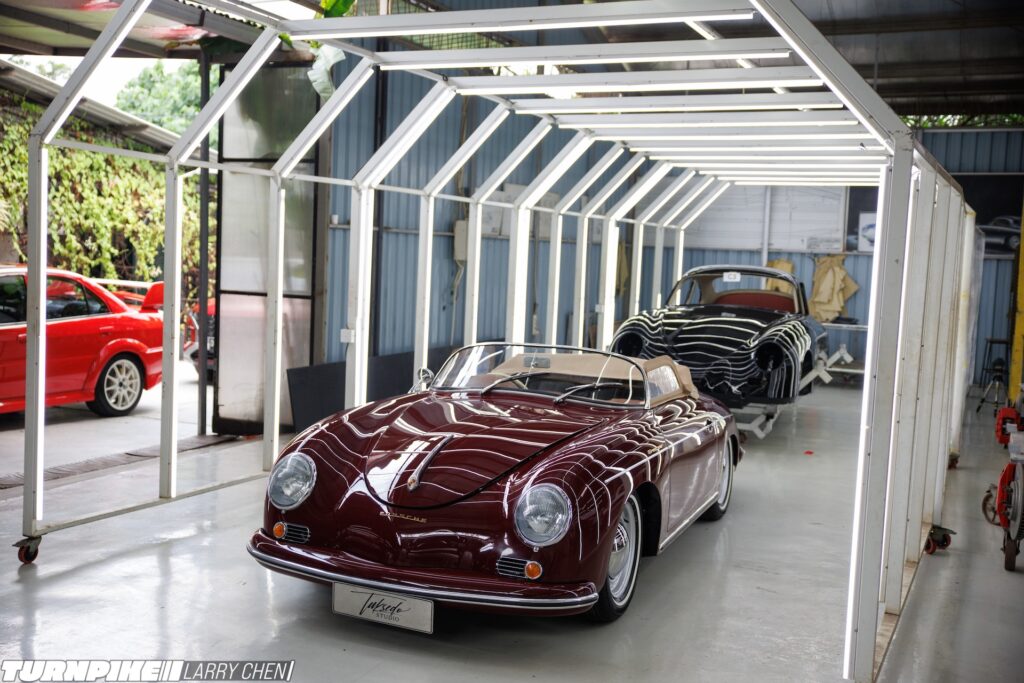
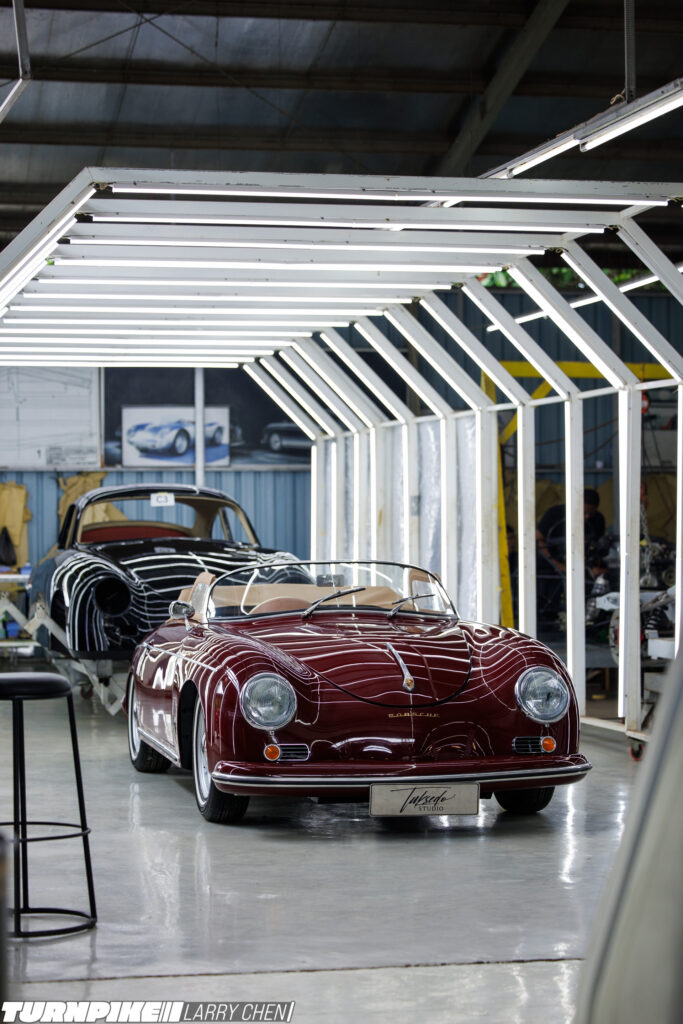
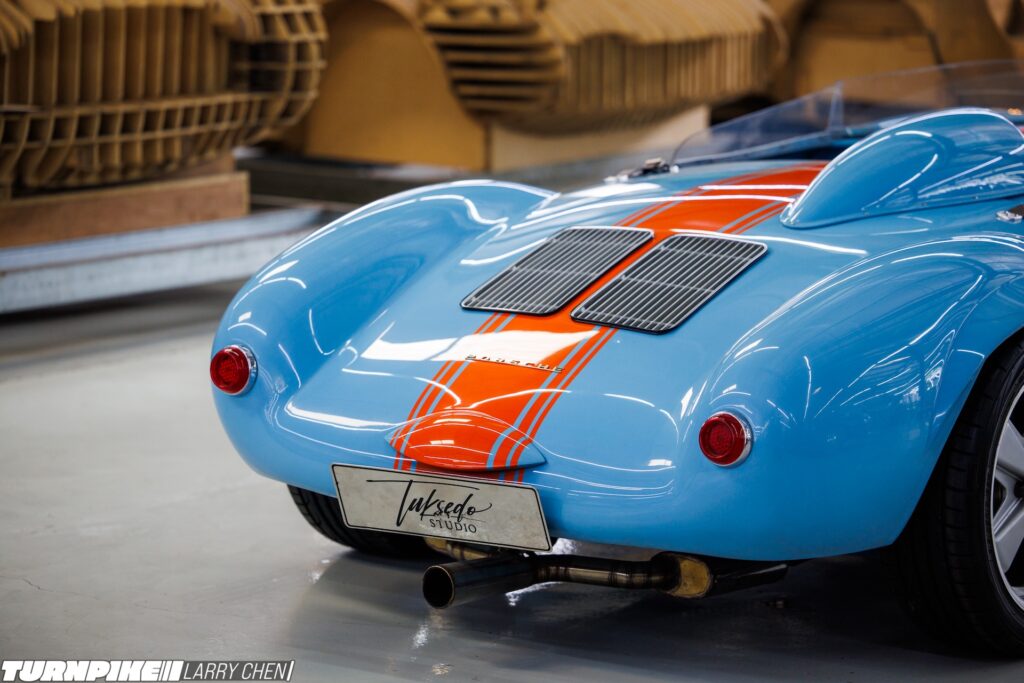
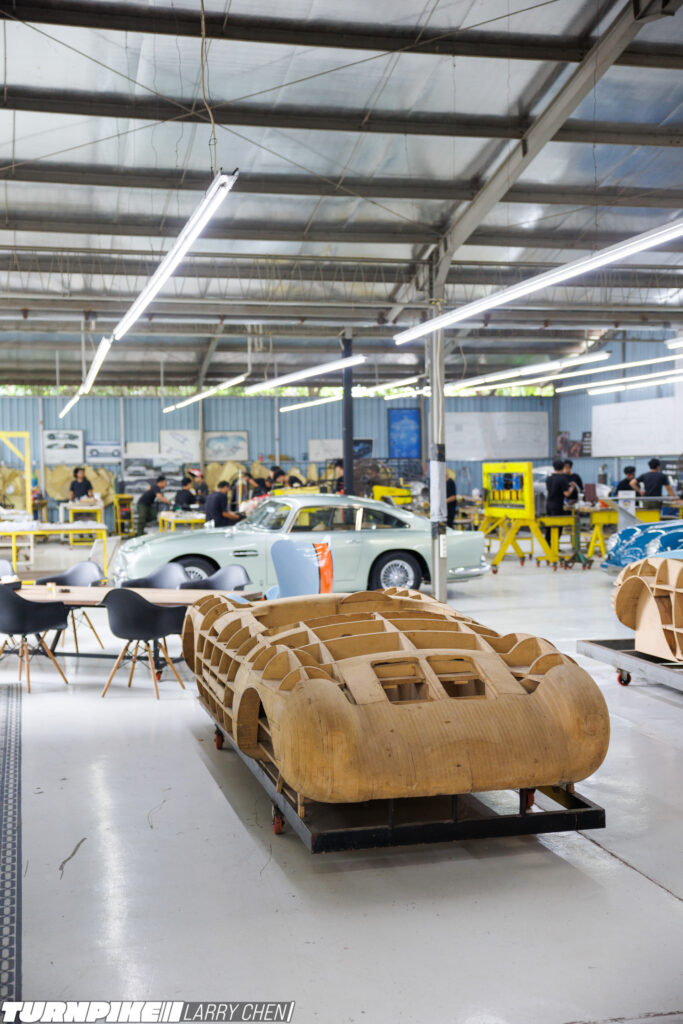
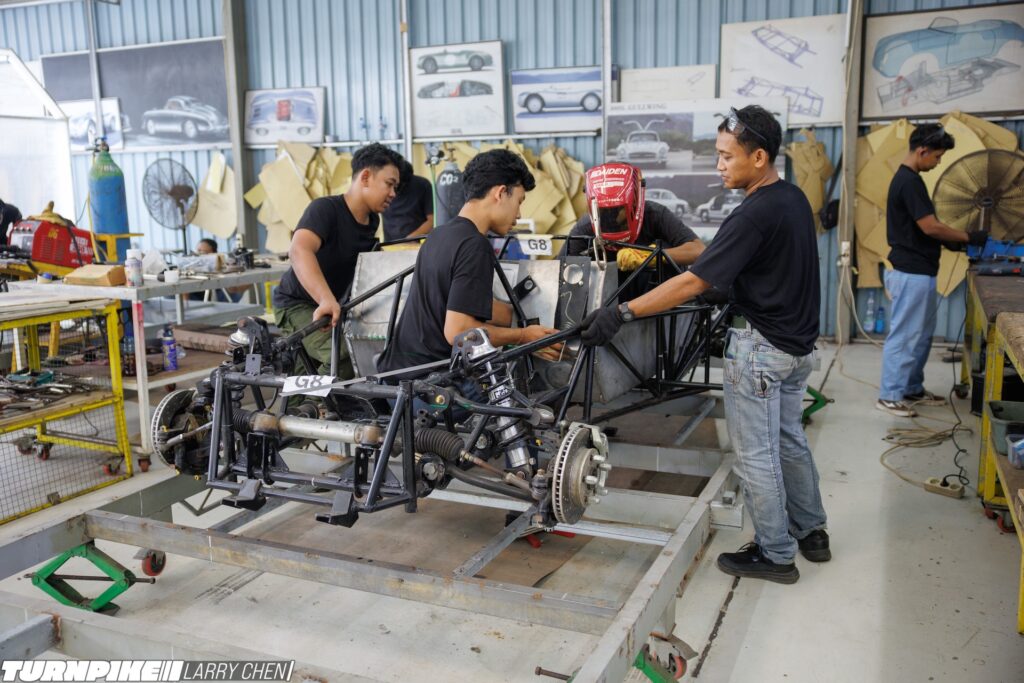
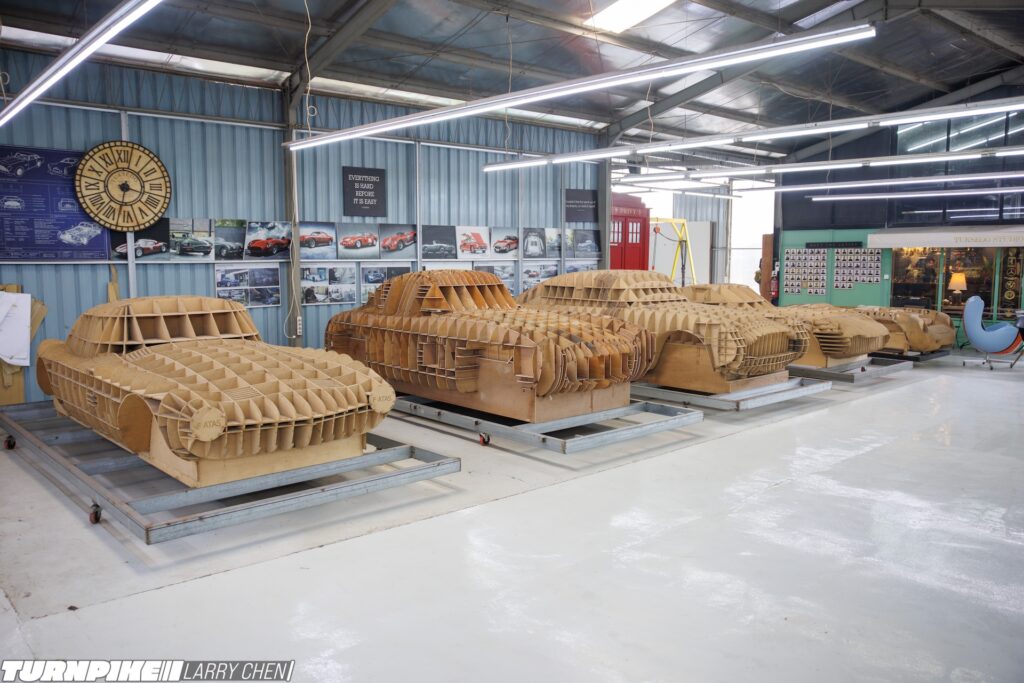
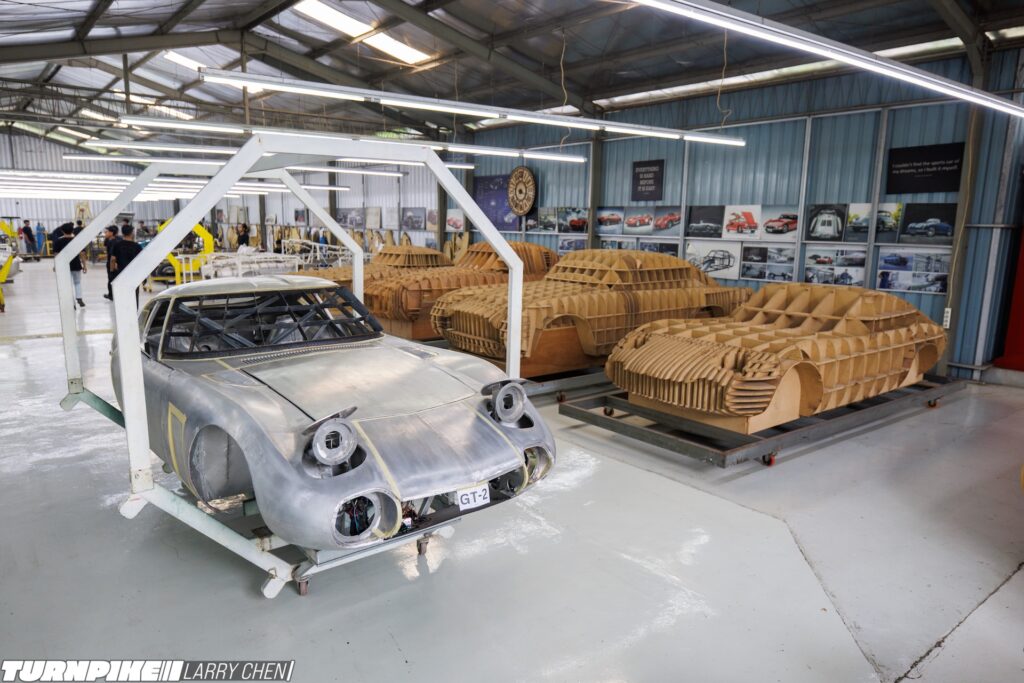
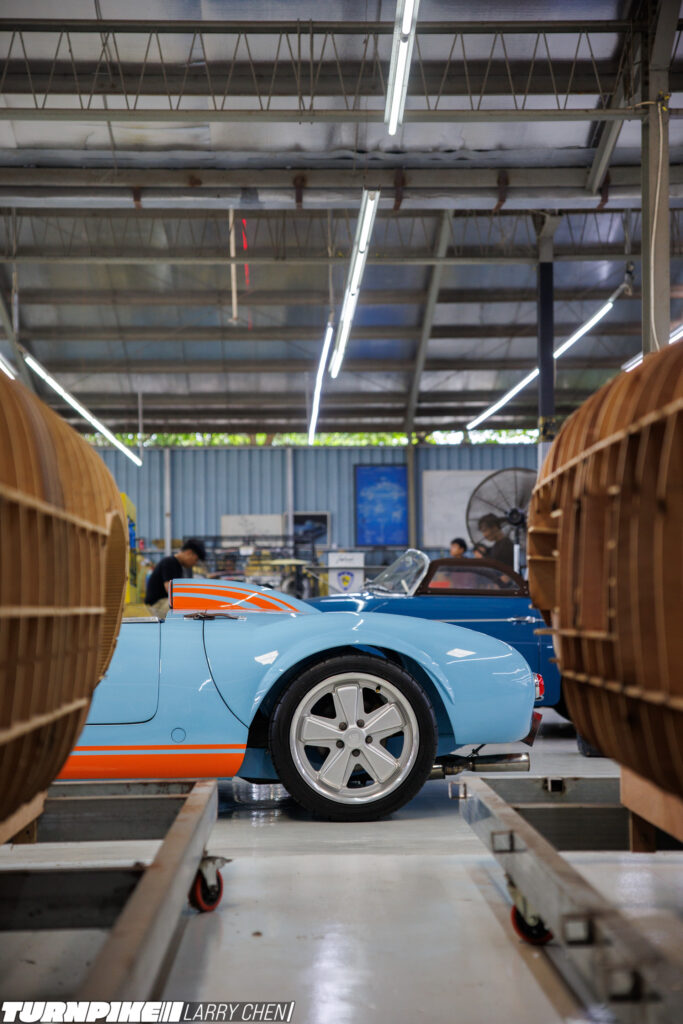
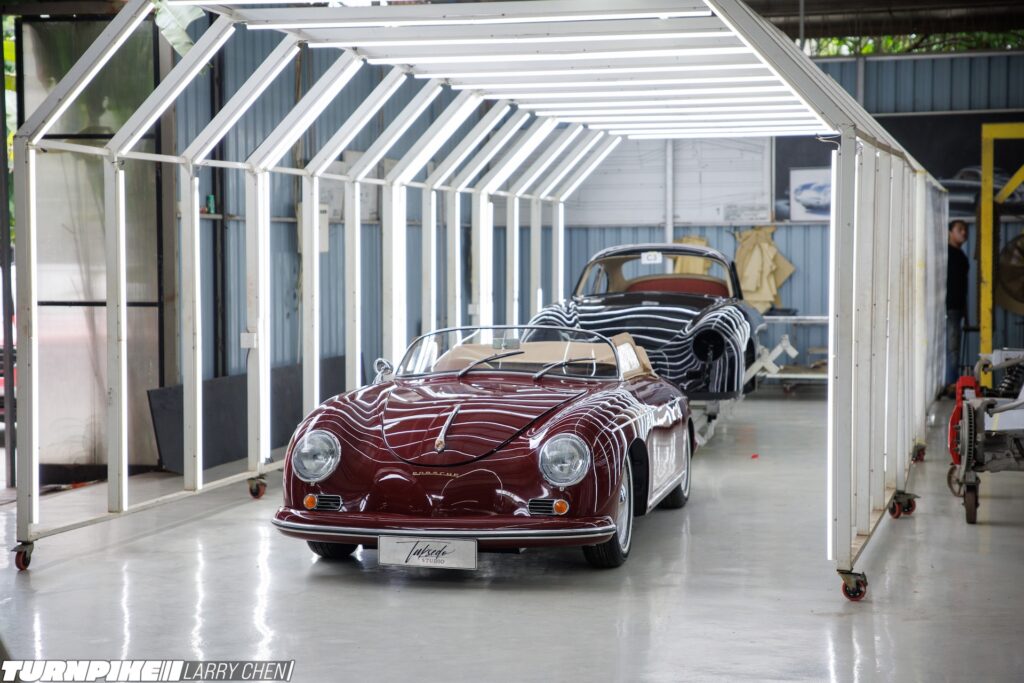
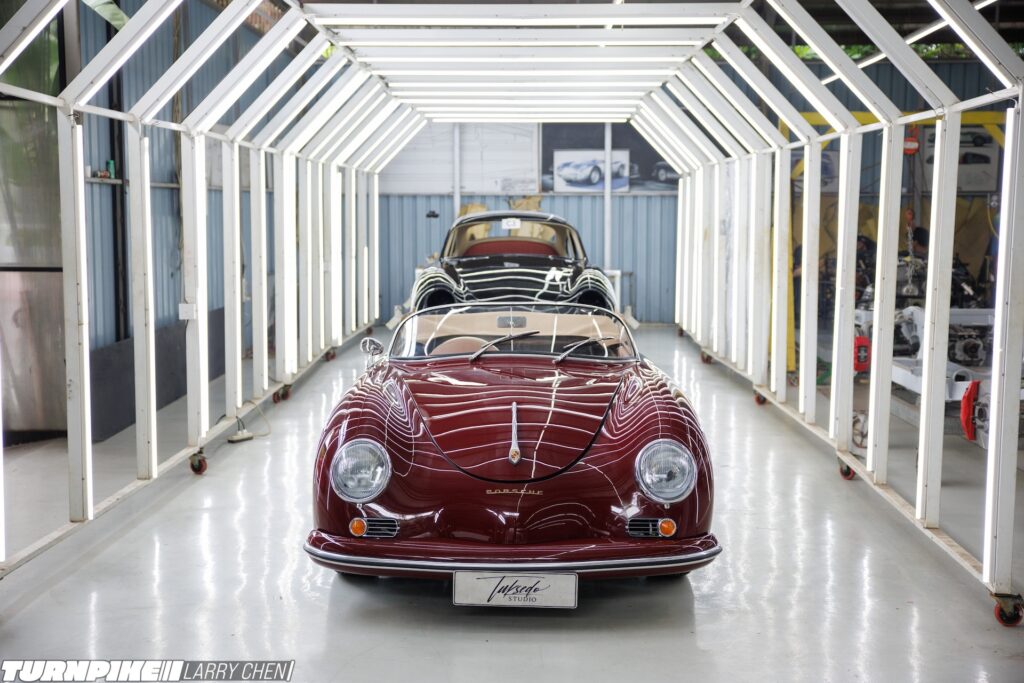
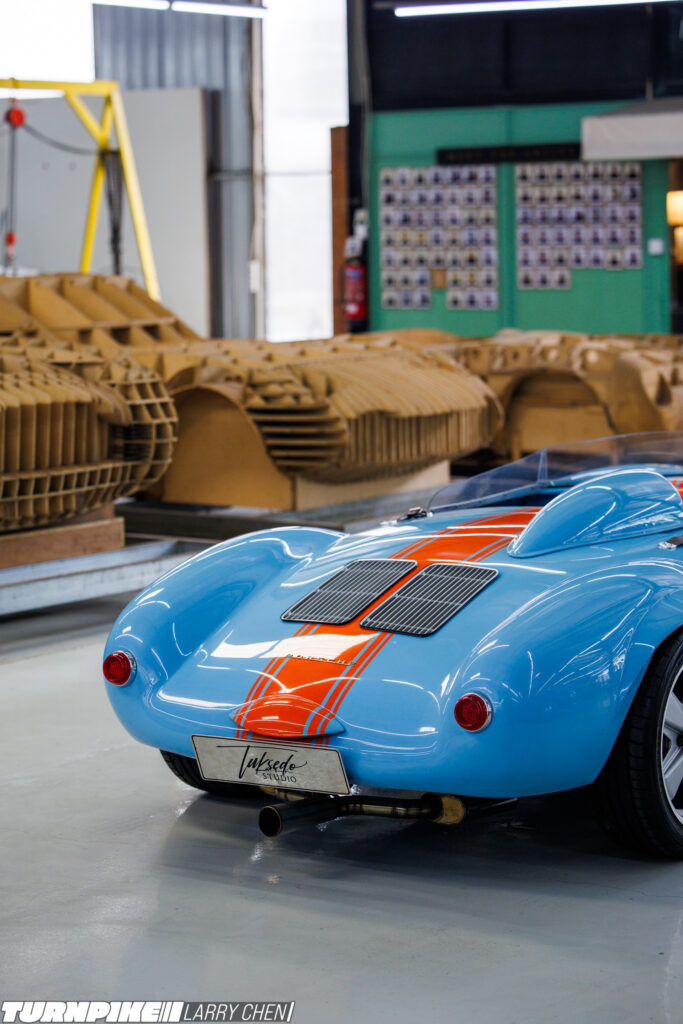
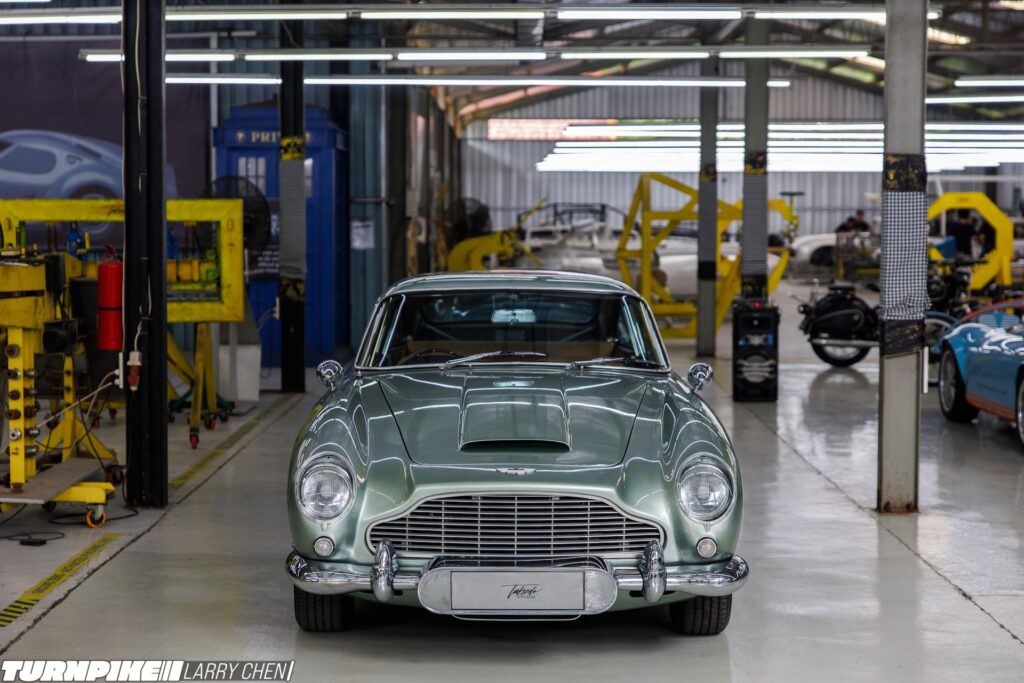
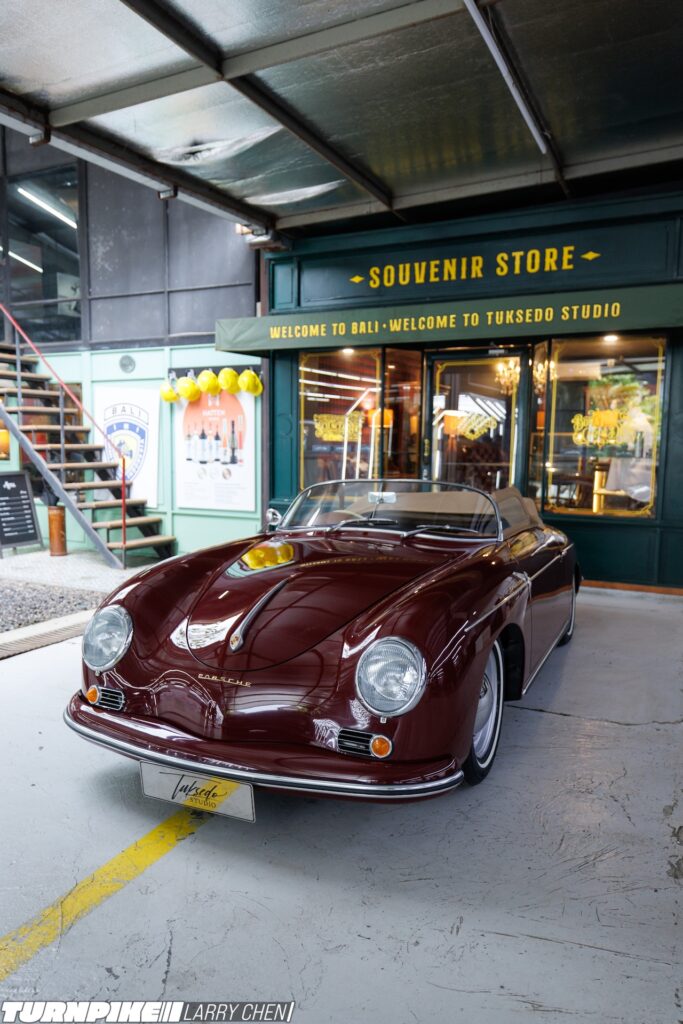
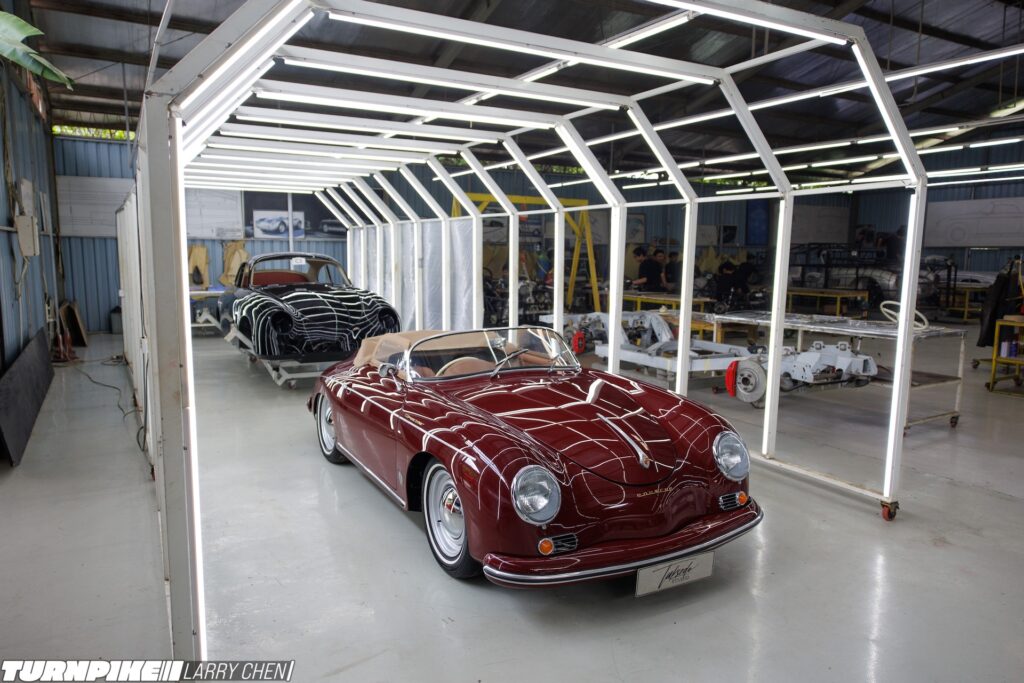
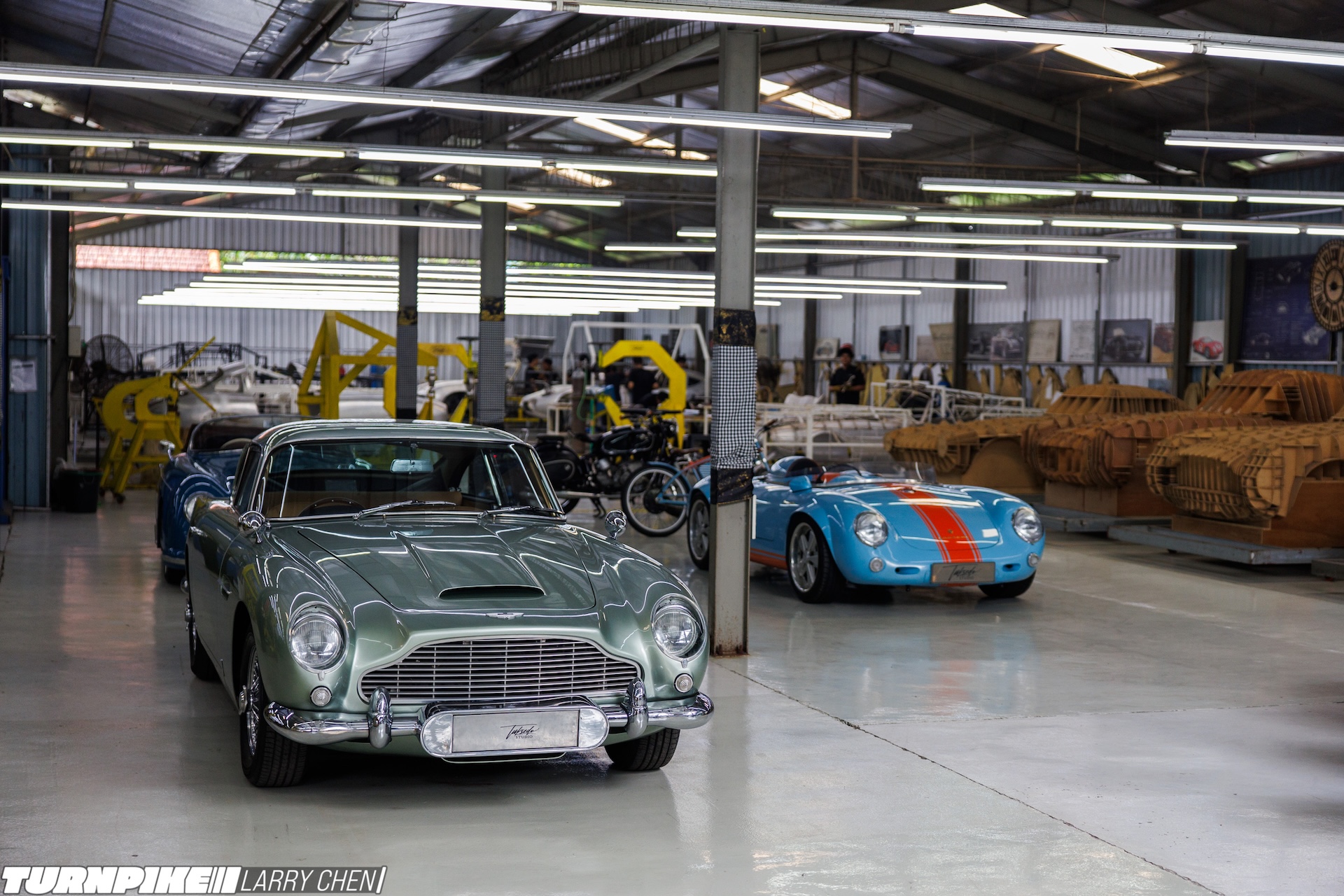
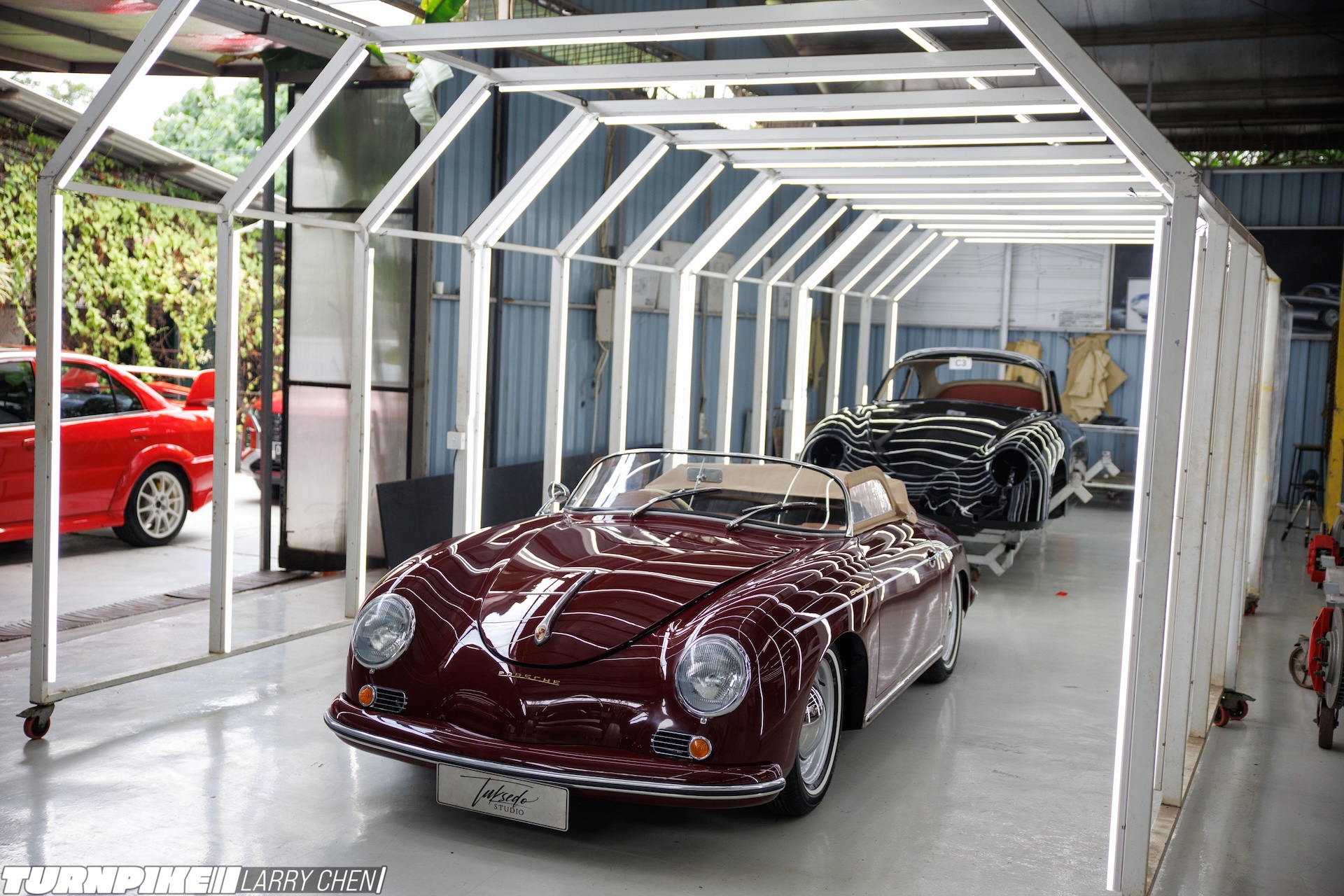
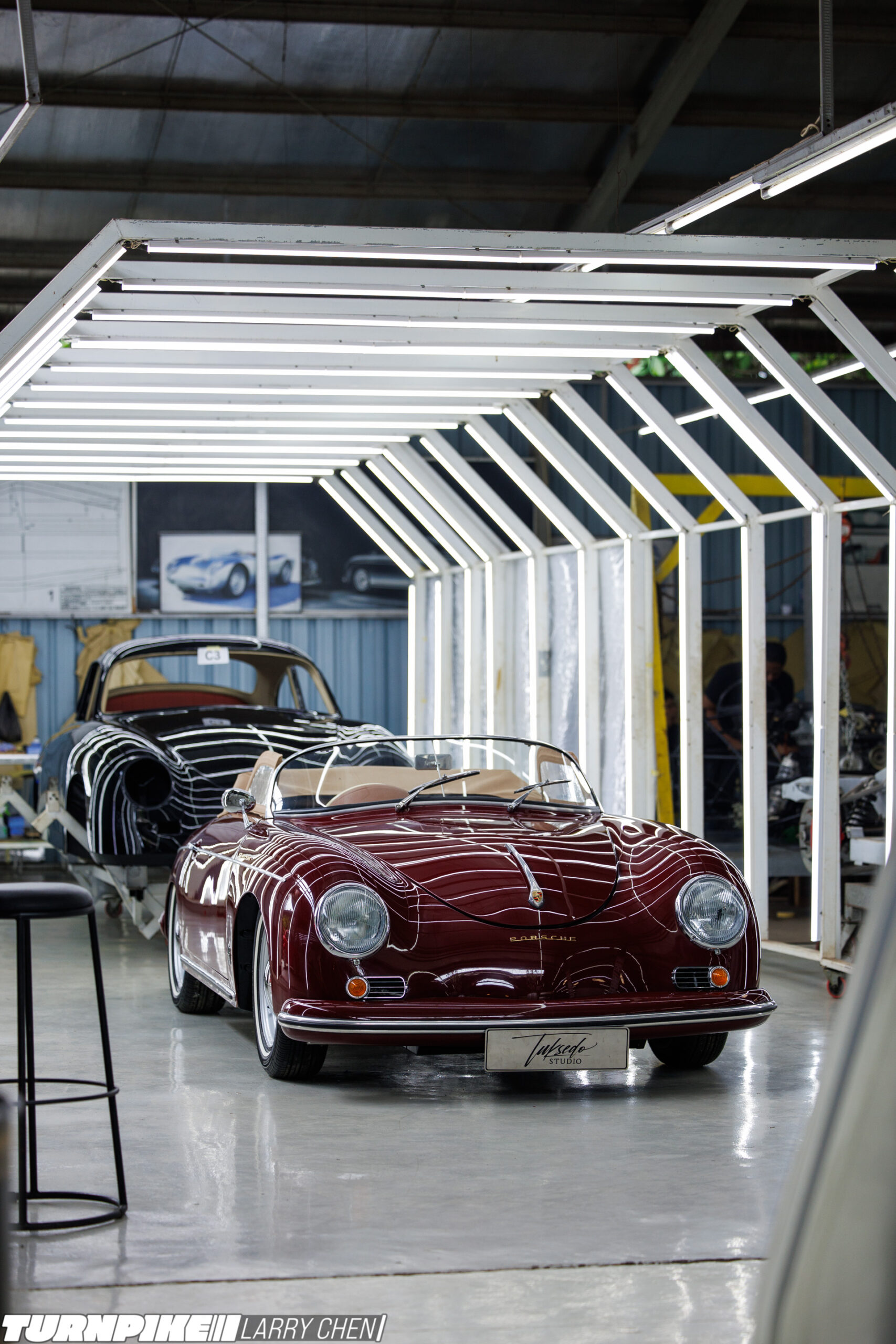
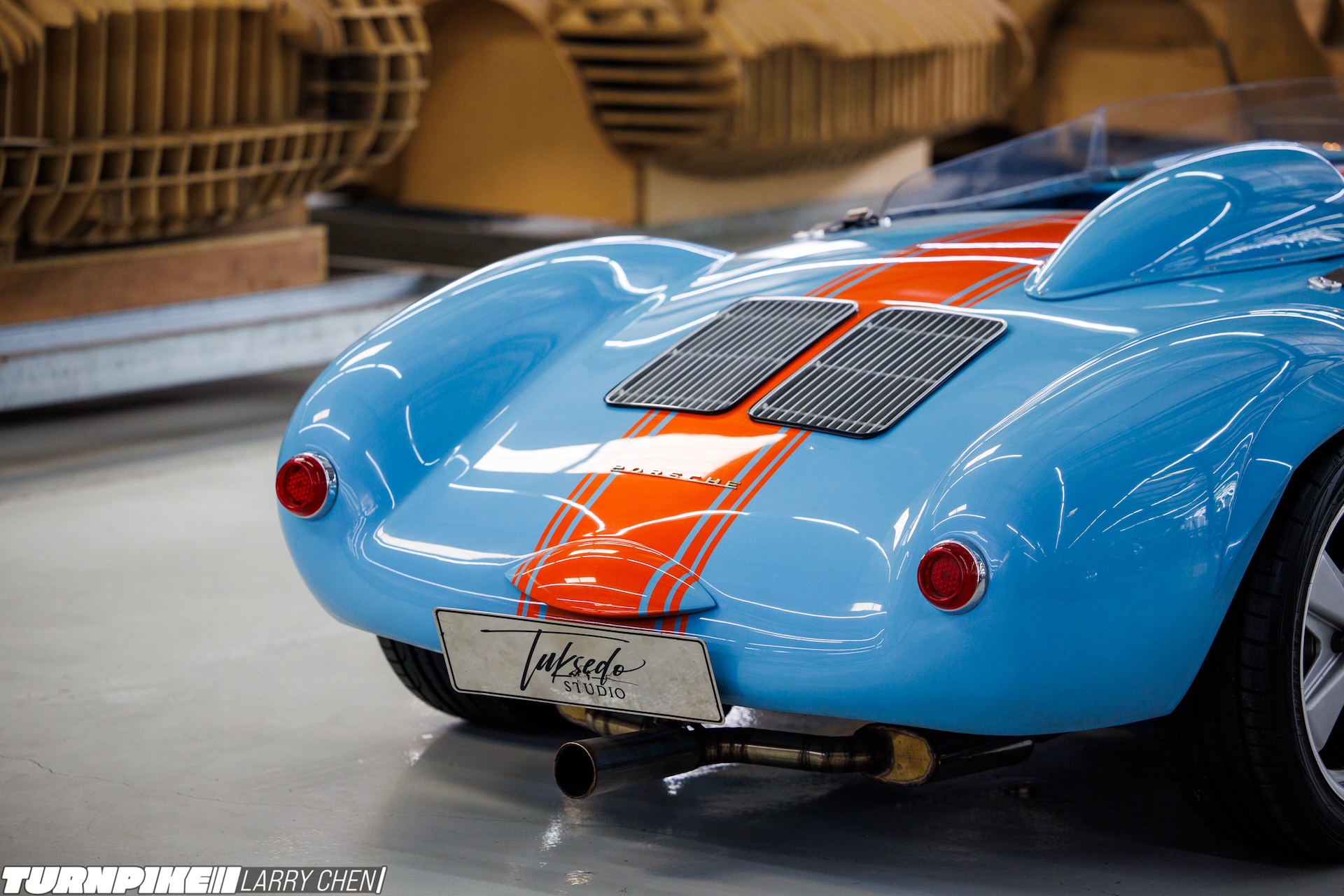
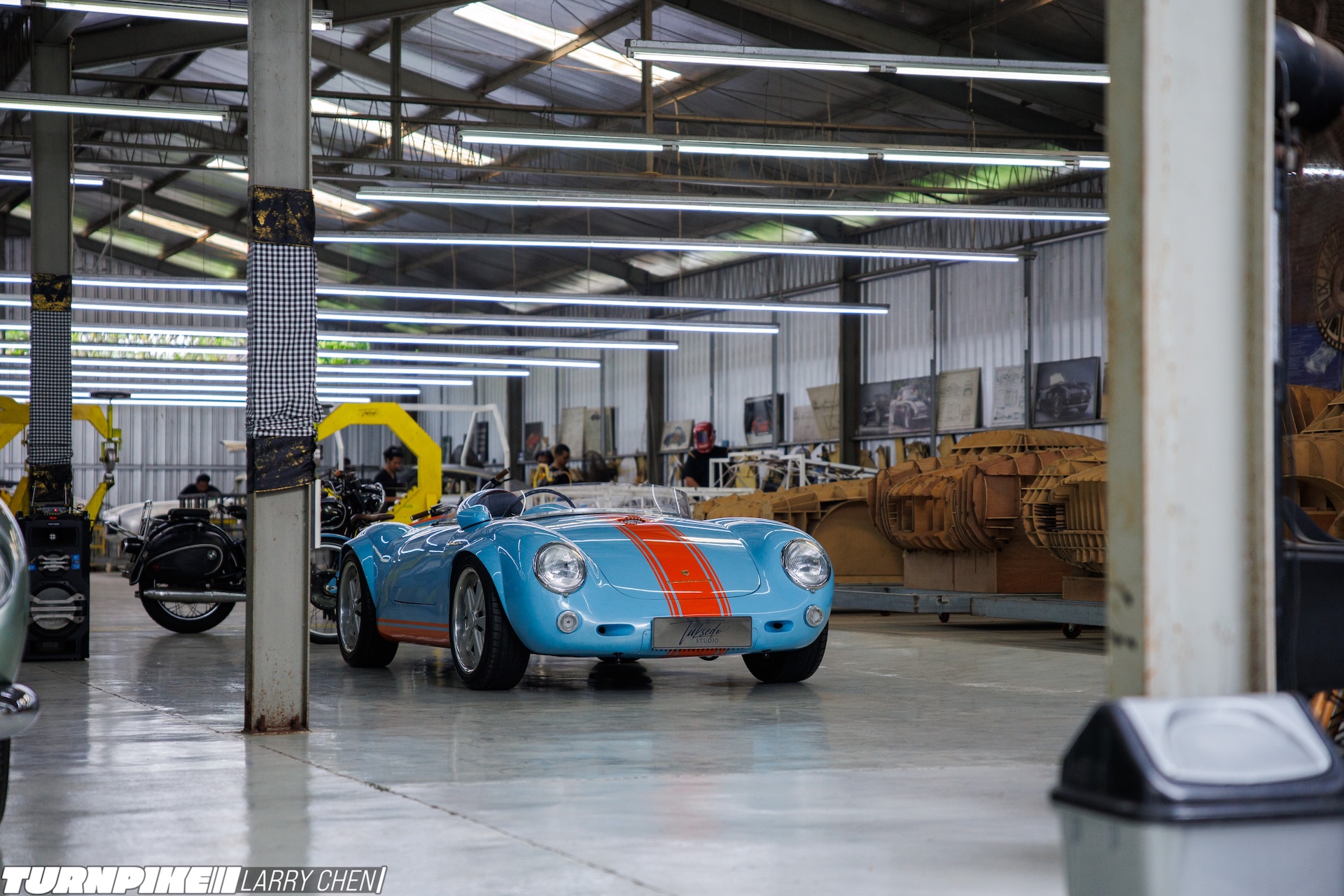
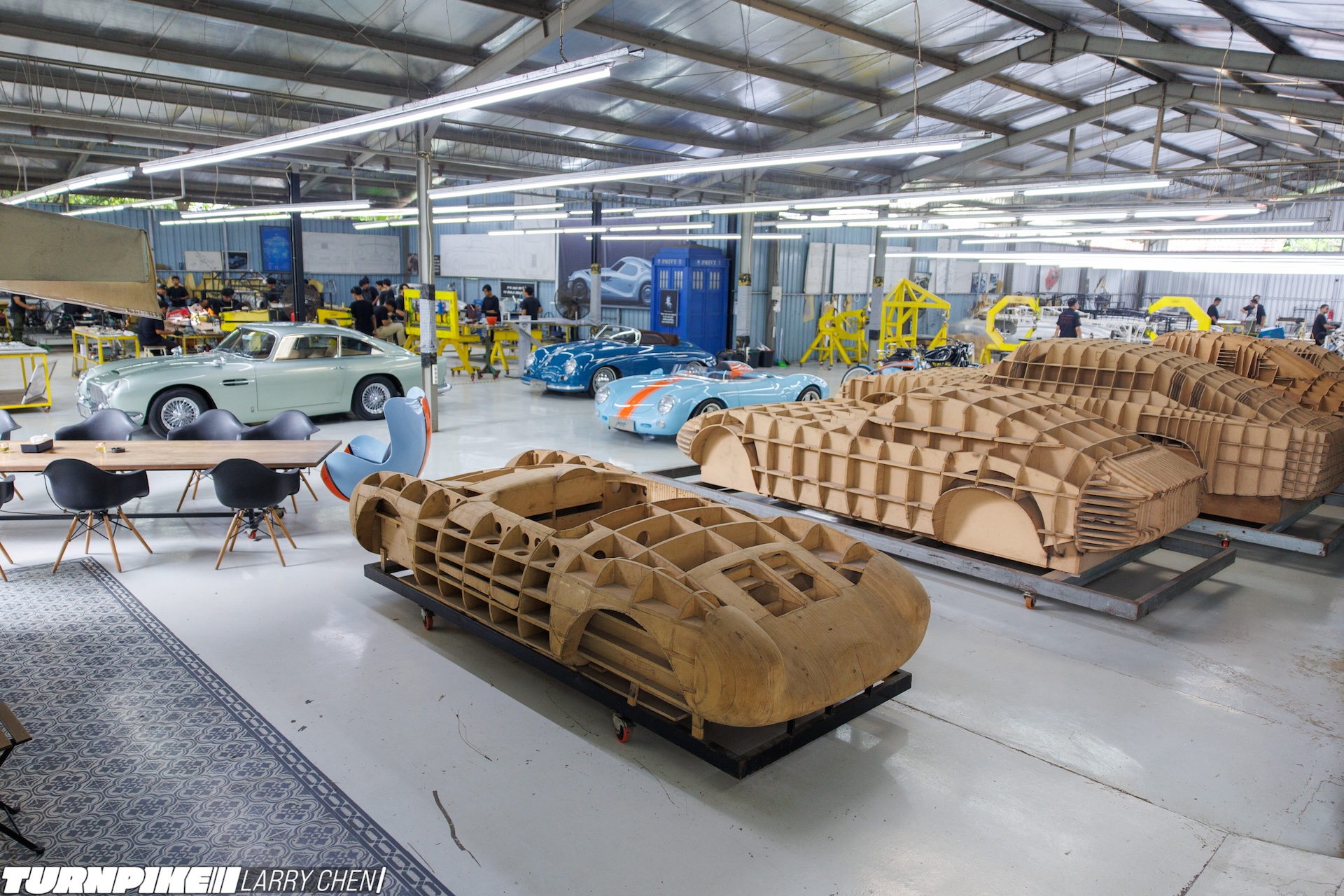
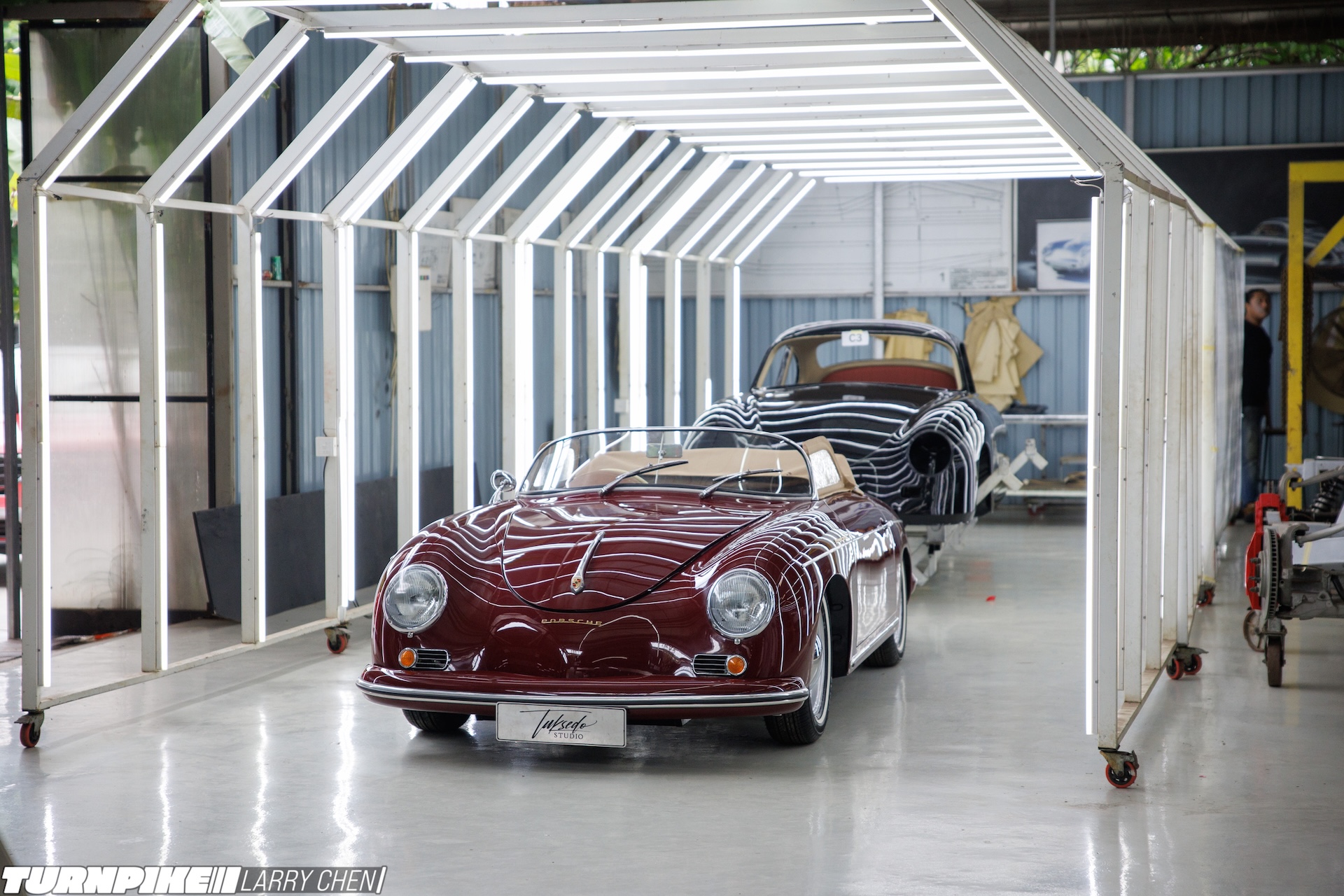
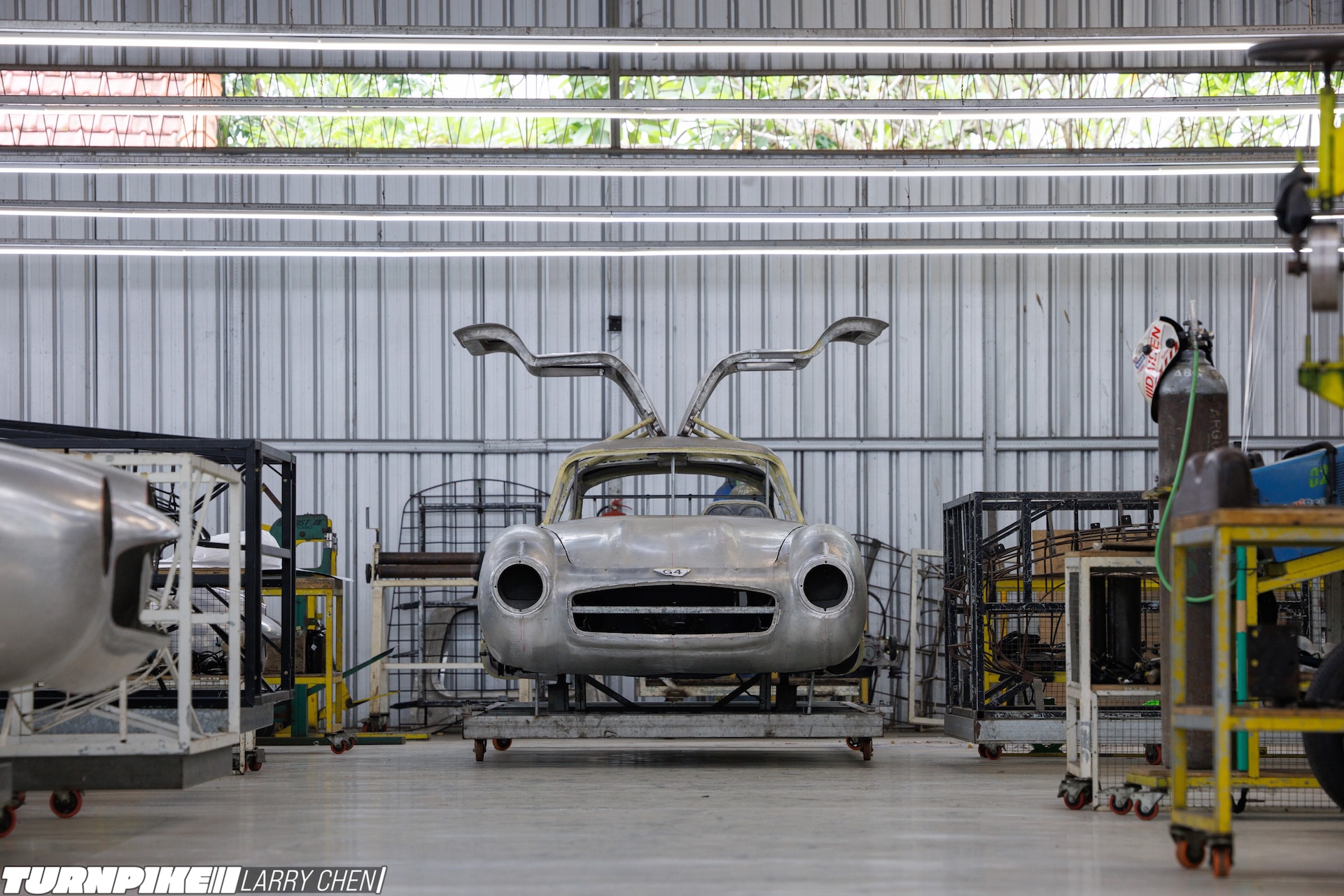
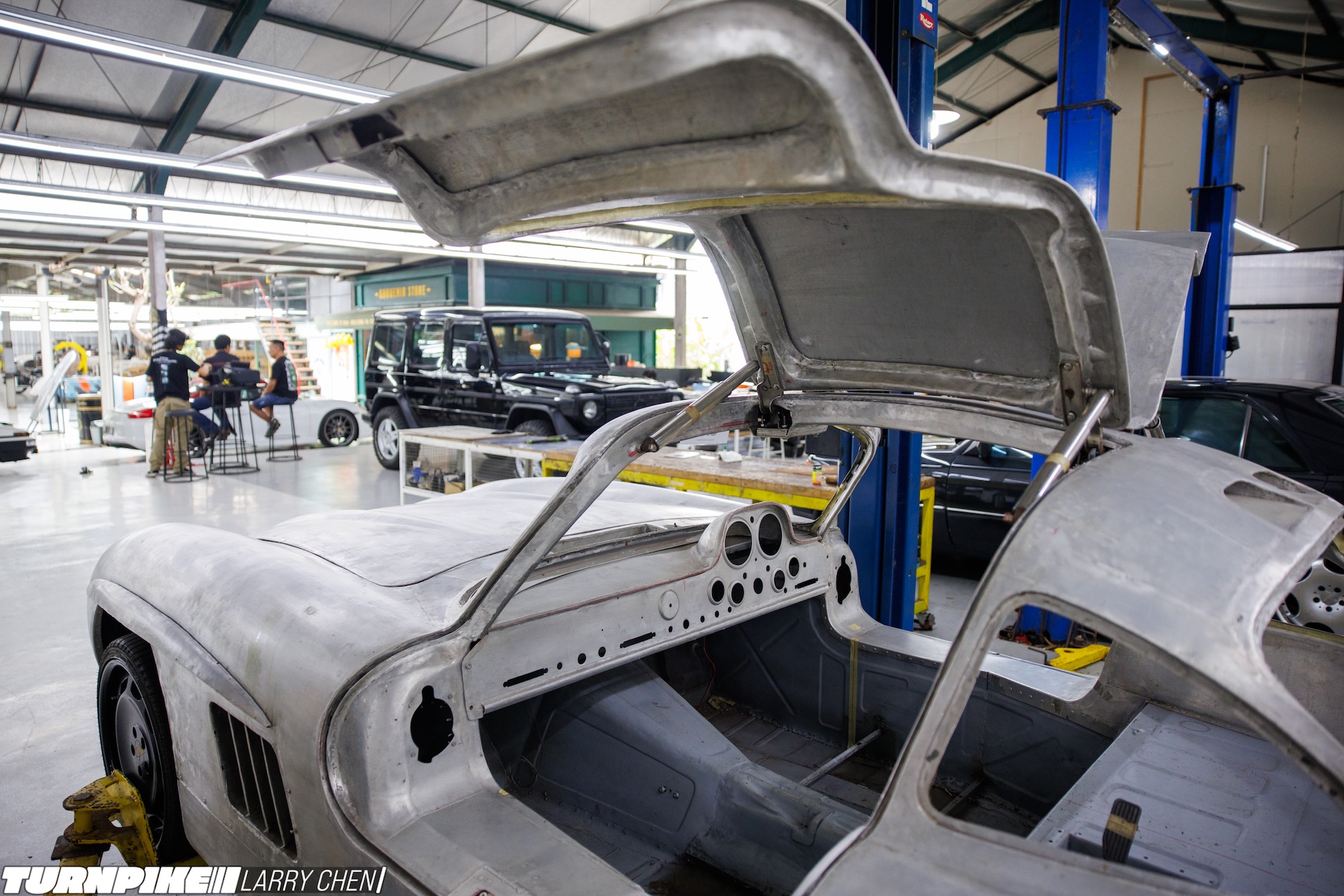
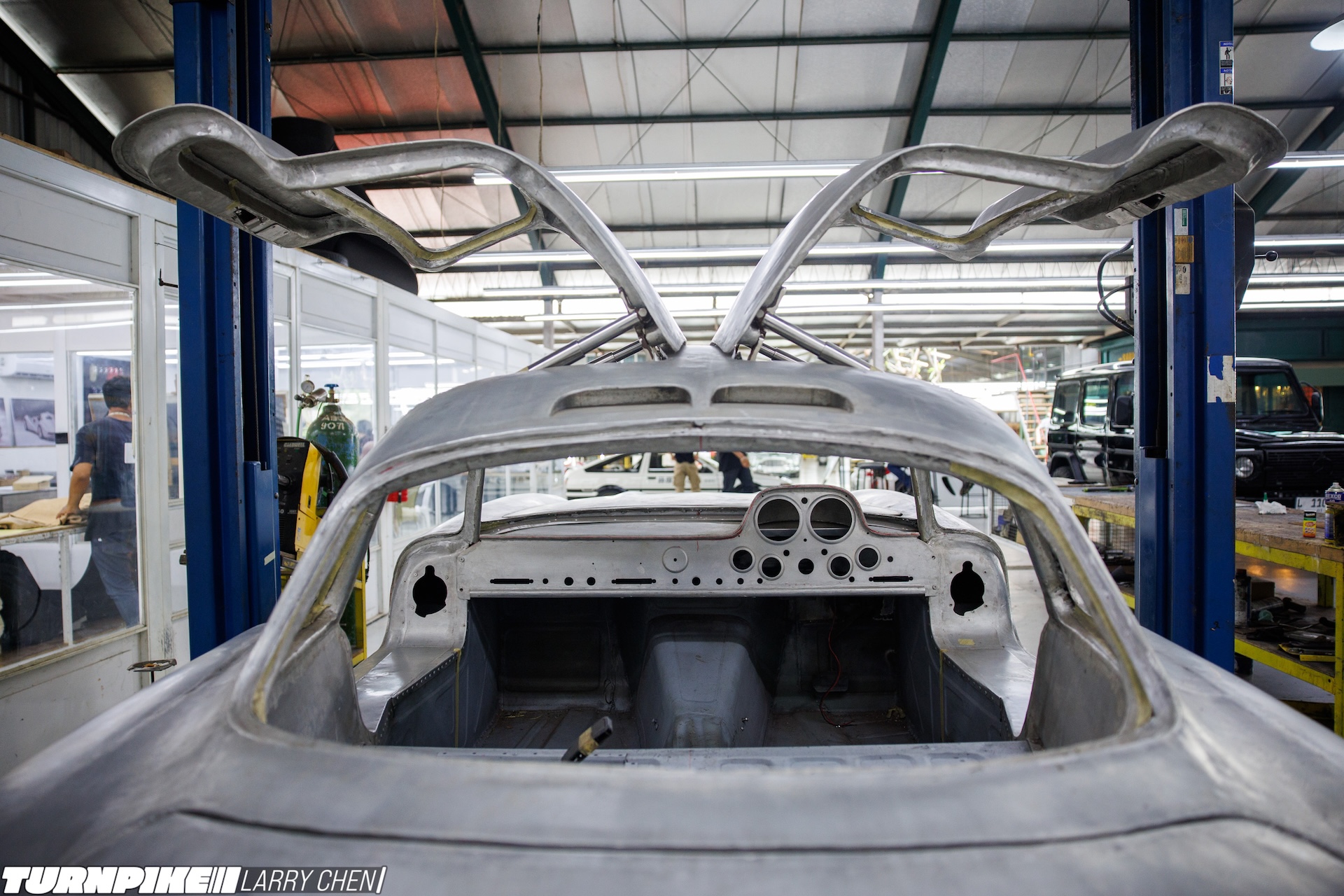
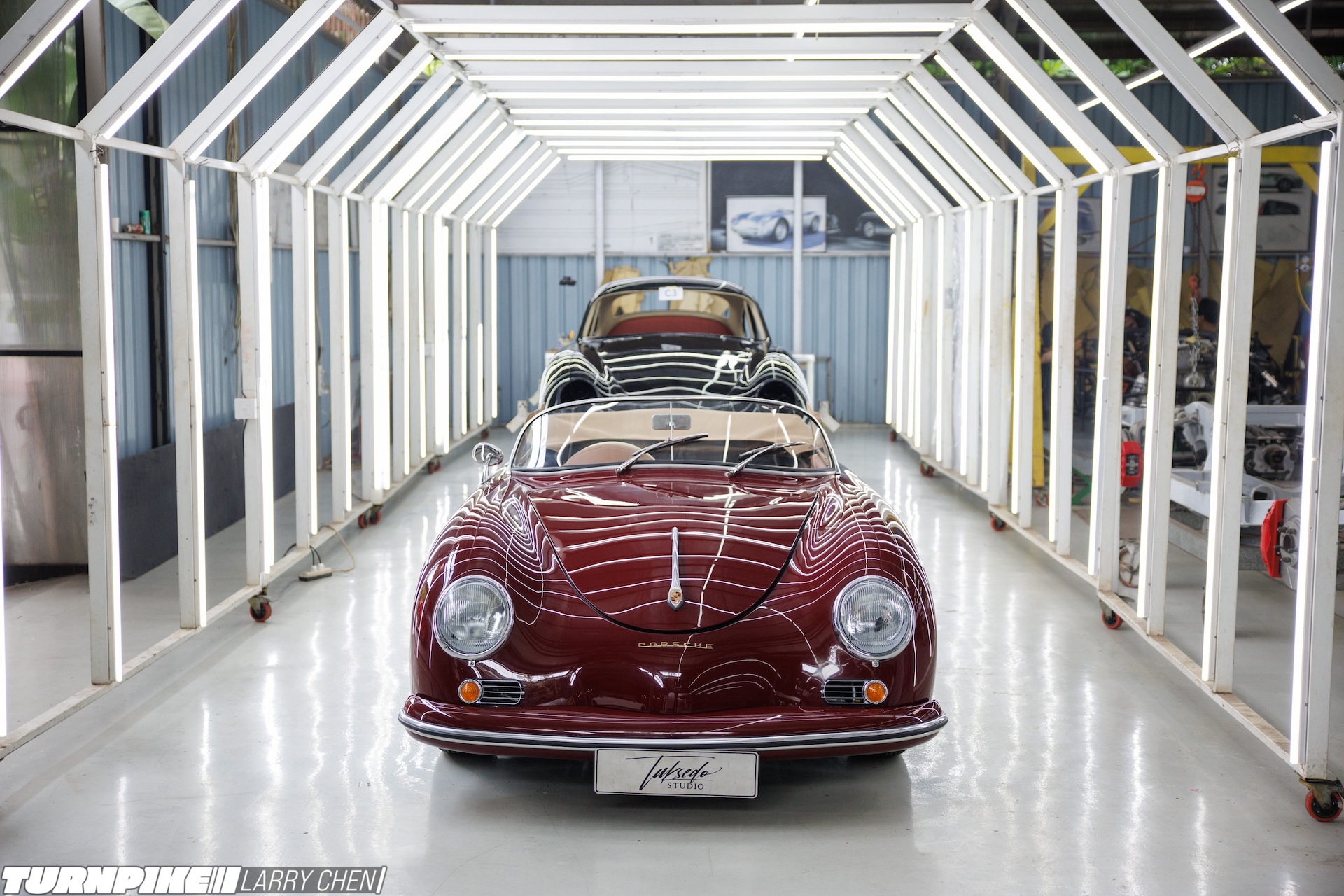
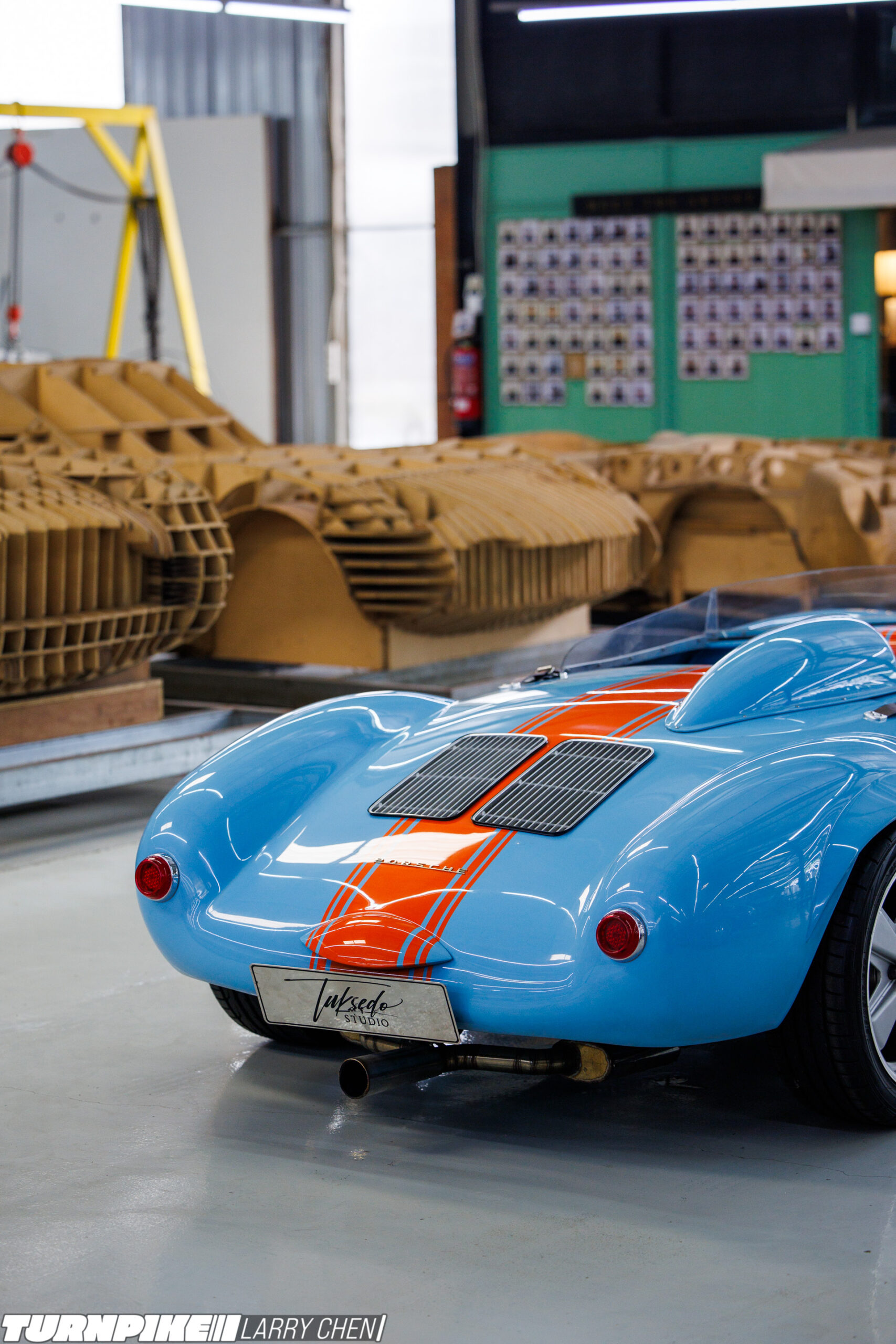
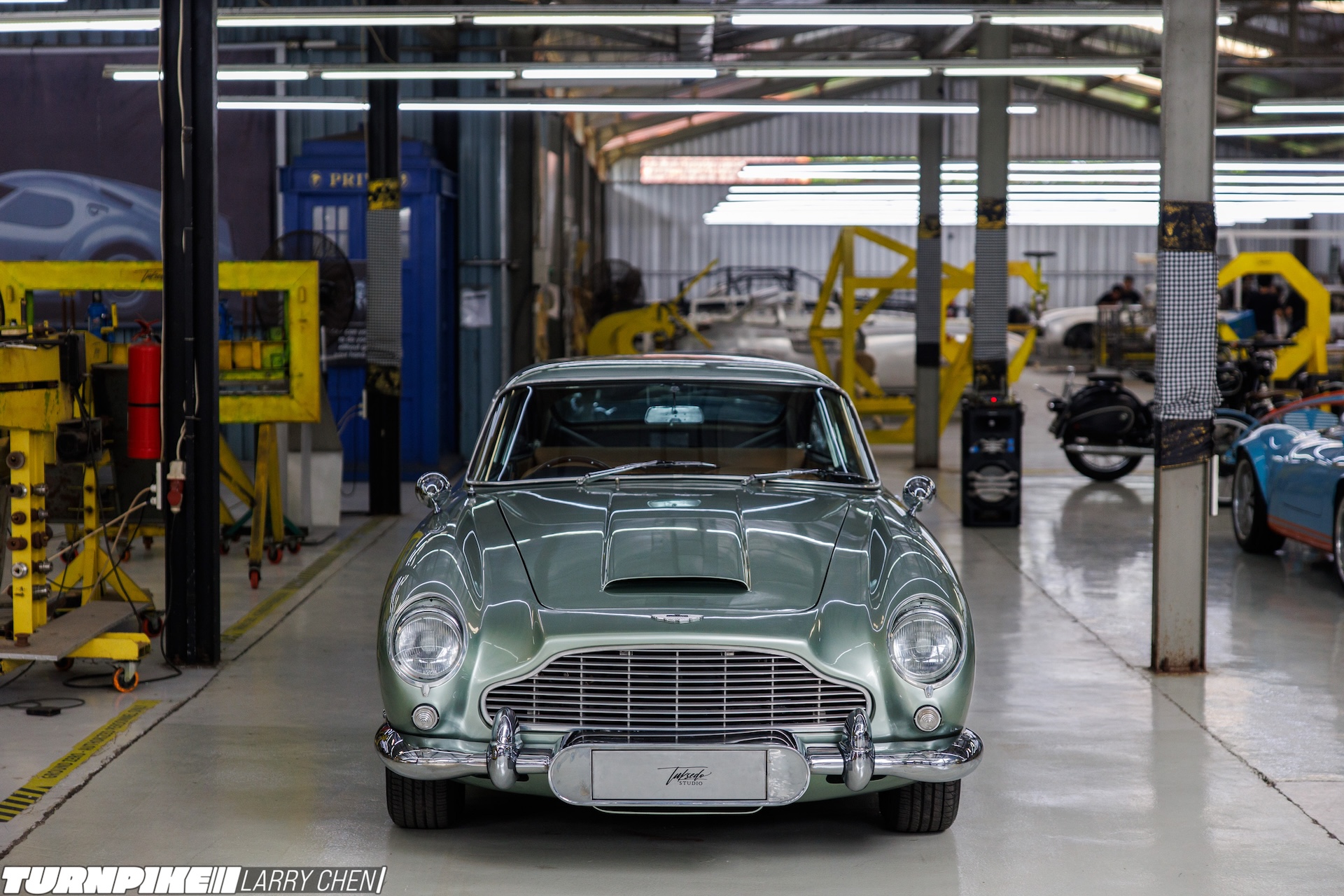
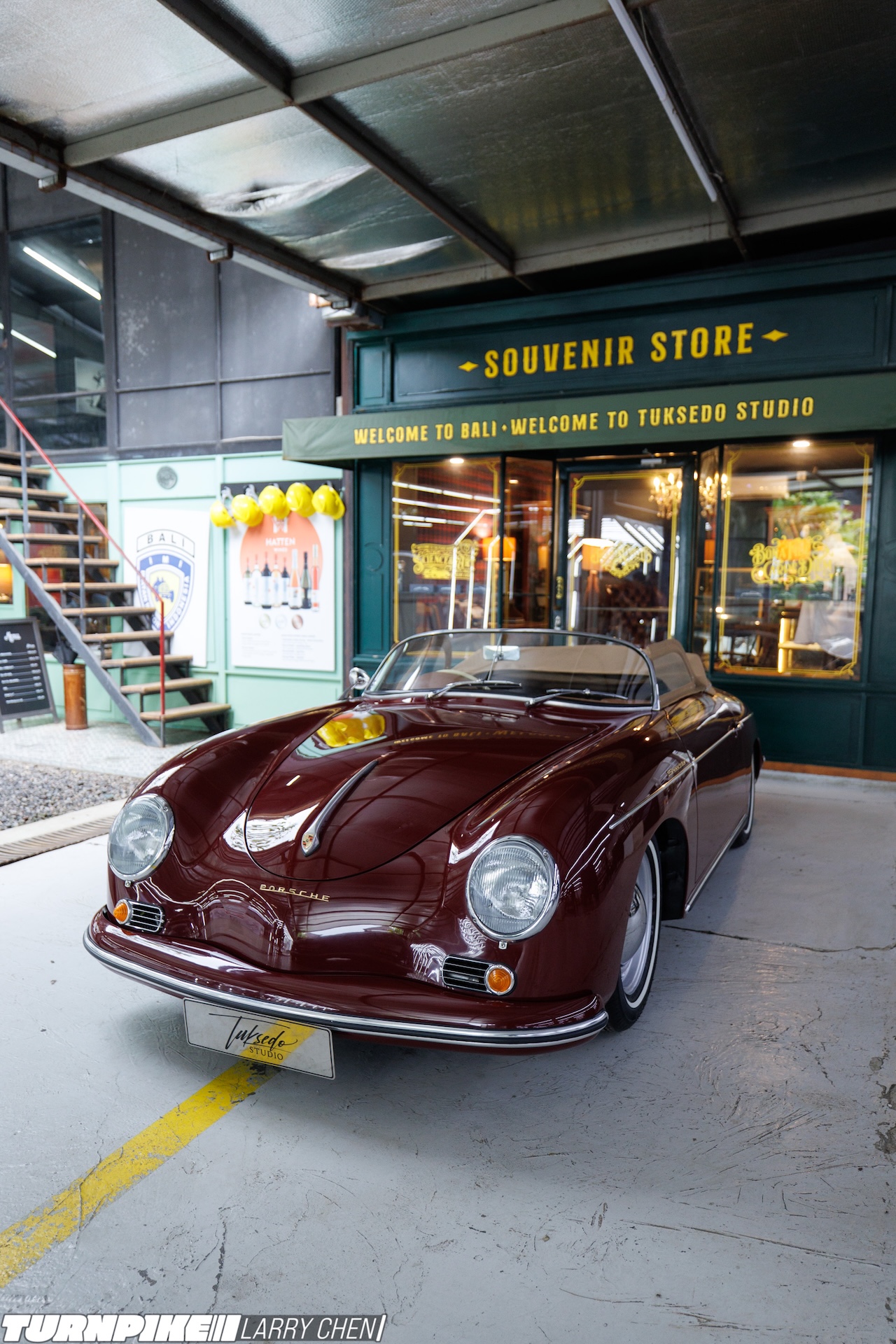
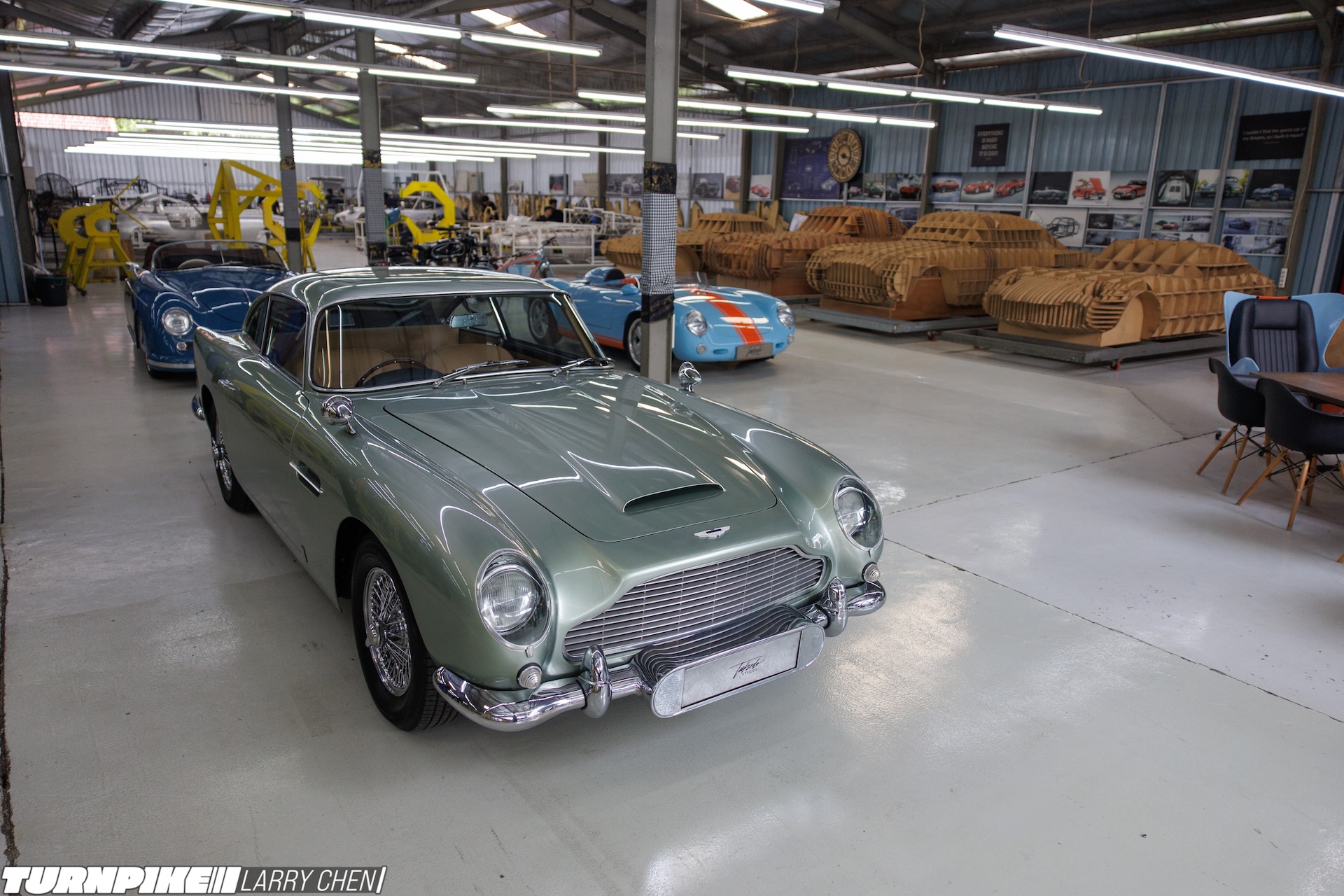
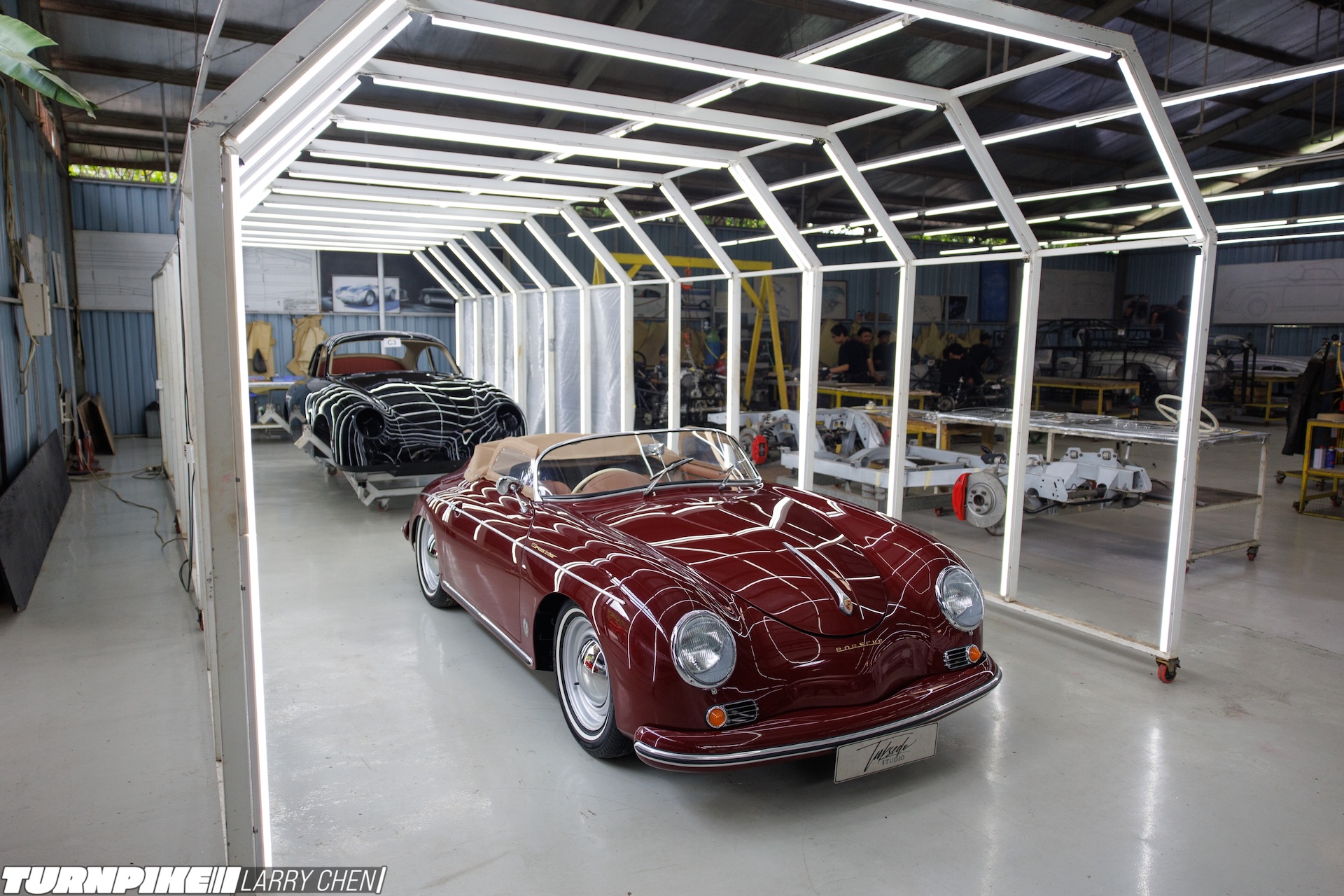
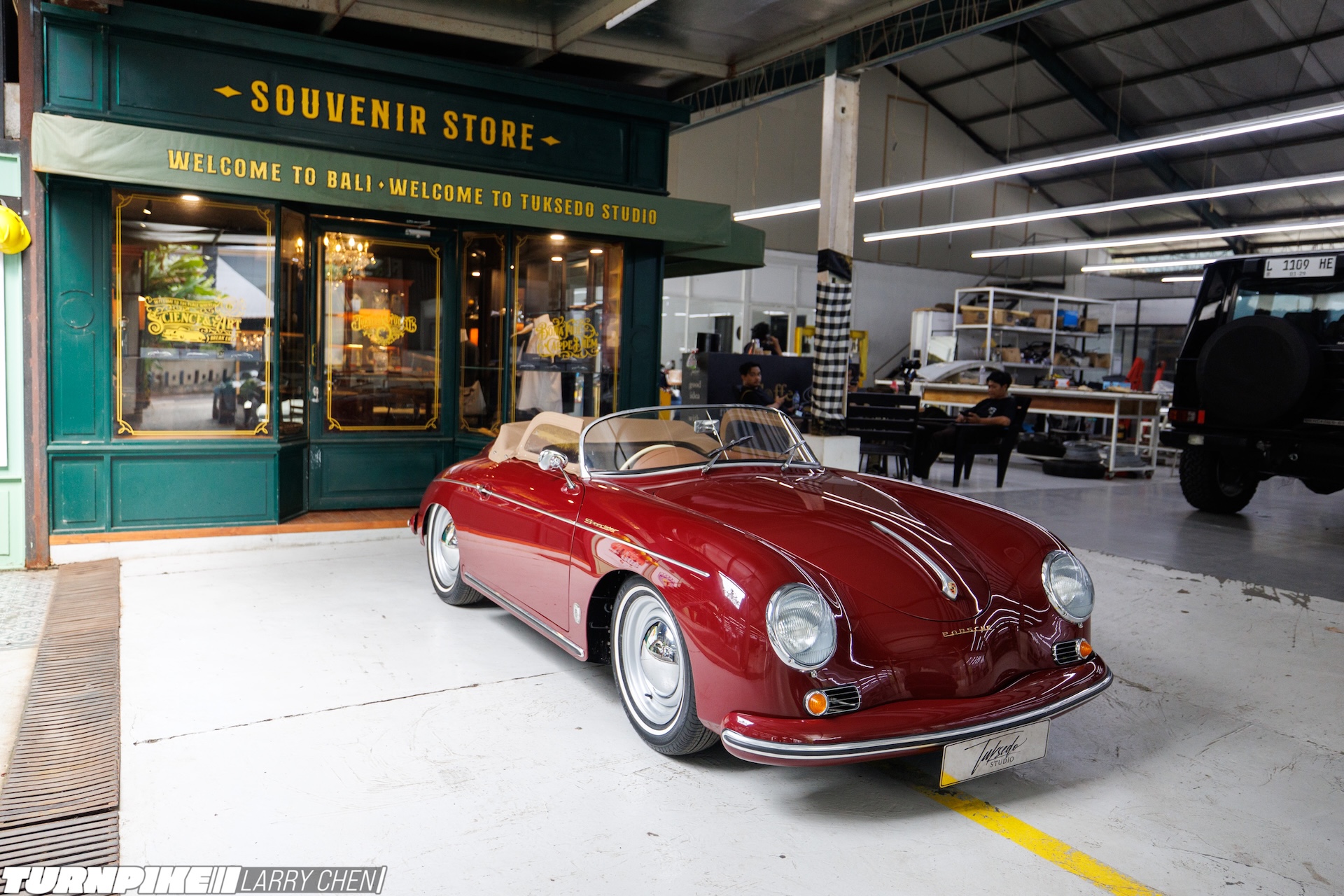
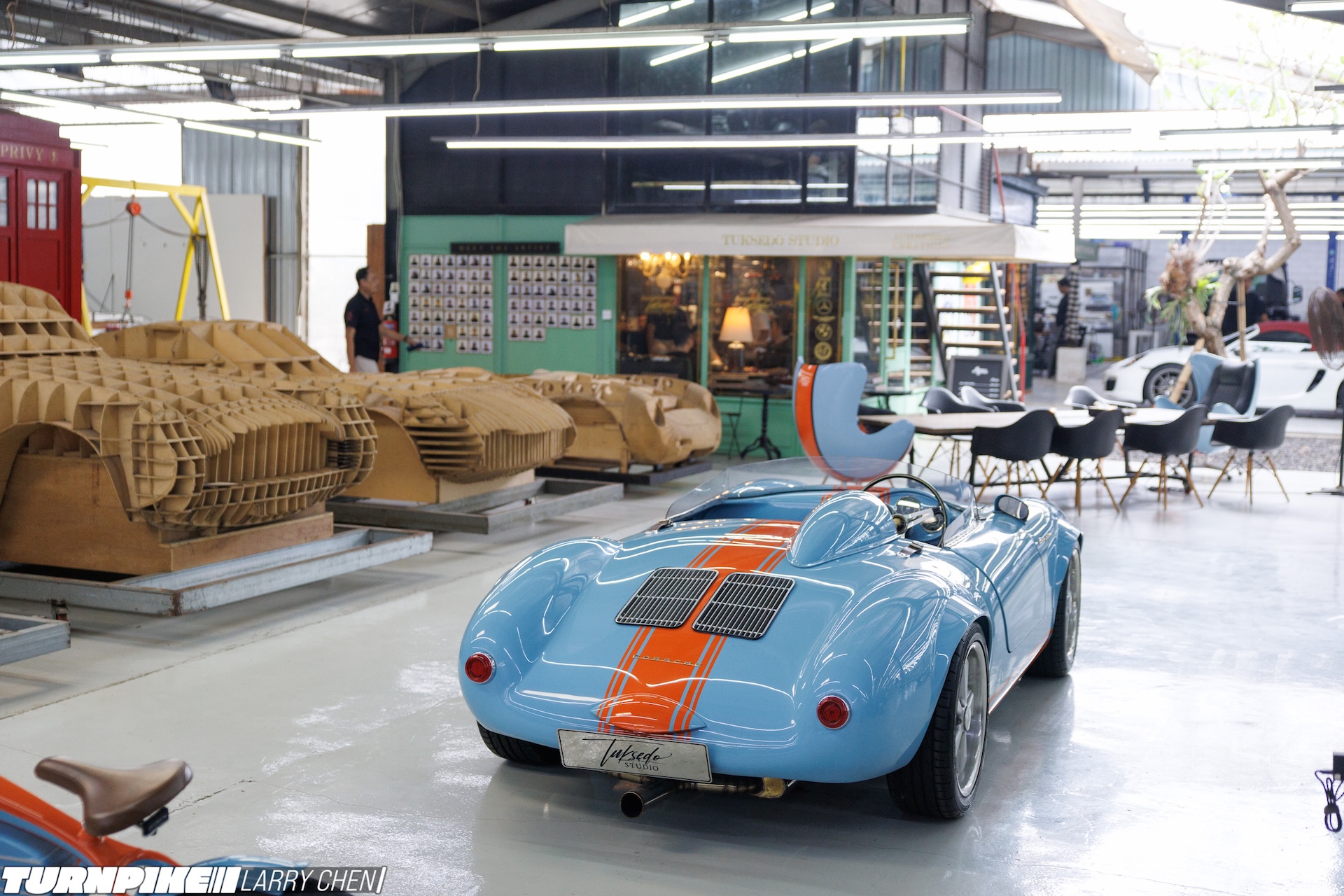
Even though Mercedes hasn’t produced the 300SL Gullwing for nearly 70 years, brand-new examples are being built right now on this tiny, beautiful island, entirely by hand. The same goes for the Toyota 2000GT, Aston Martin DB5, BMW 507, and even Porsche’s most coveted classics — the 356 and 550 Spyder.
These cars aren’t restorations or kit builds. They’re created from scratch by craftsmen who, incredibly, have never even seen the originals in person.
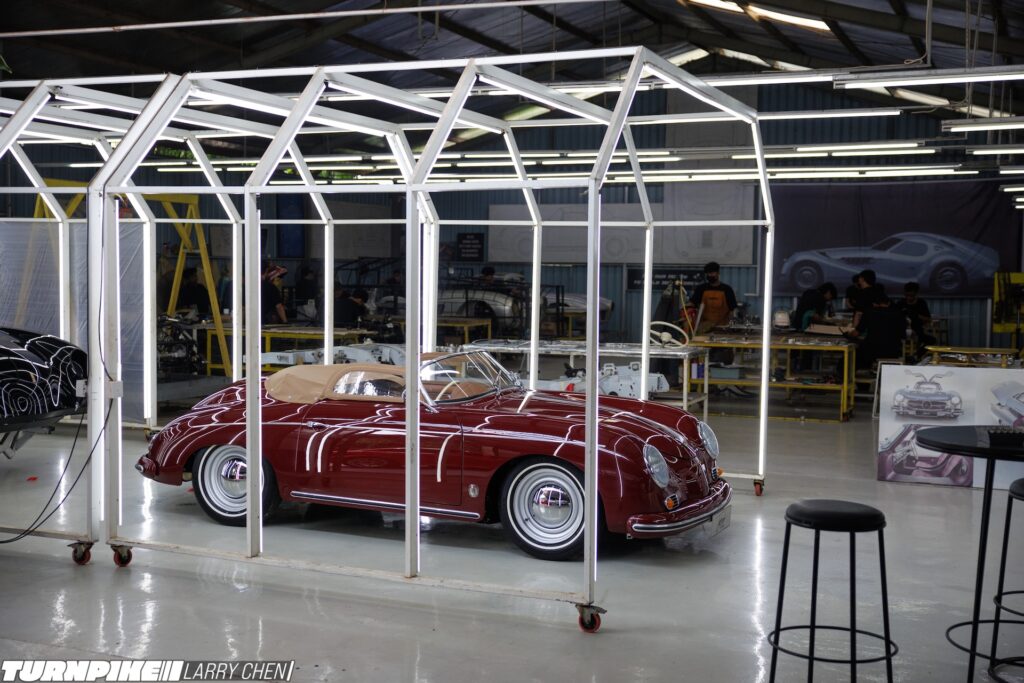
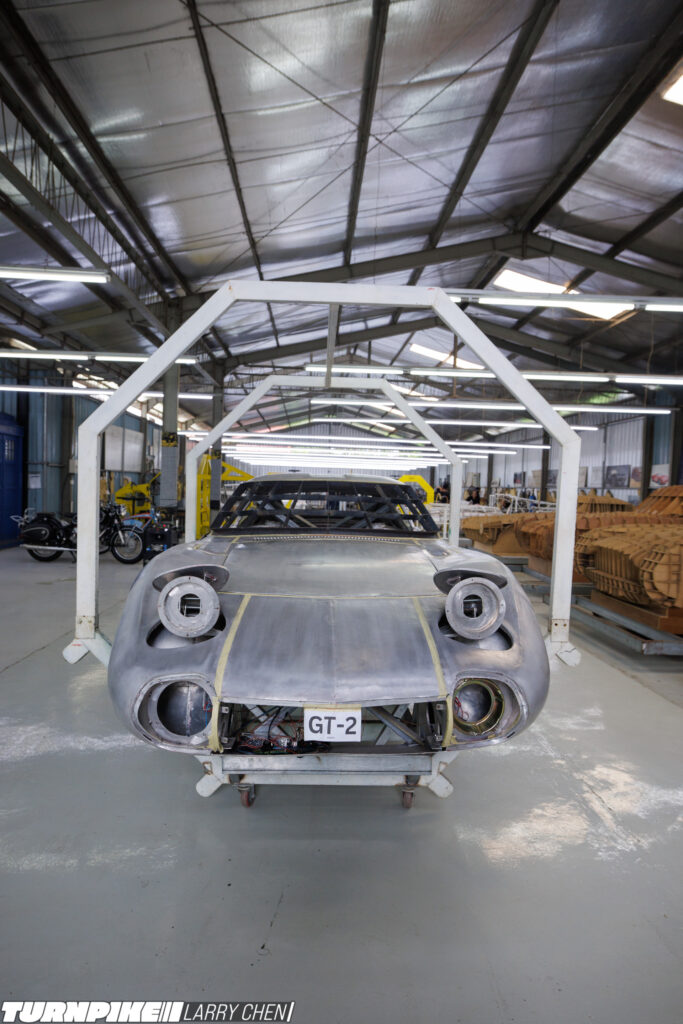
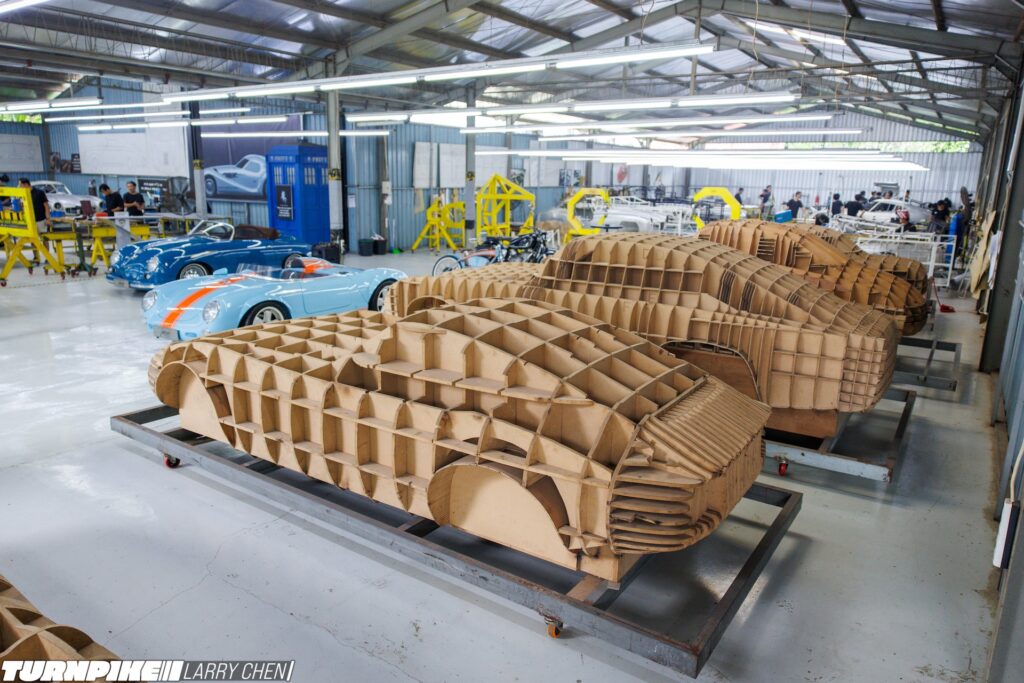
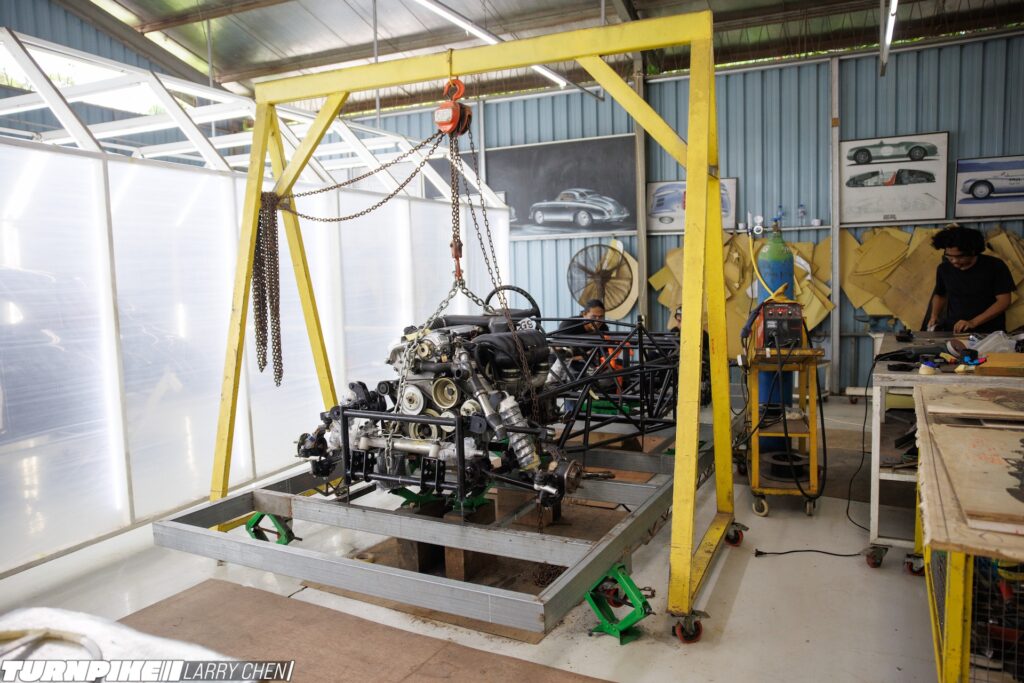
The man behind it all is Mr. Puji, an architect-turned-automotive dreamer. He told me that Tuksedo Studio started simply because he wanted to make these cars available to enthusiasts in Indonesia — a country where importing classic vehicles is essentially impossible. Strict laws prohibit bringing in cars that weren’t purchased new decades ago, leaving countless collectors unable to enjoy the cars they love.
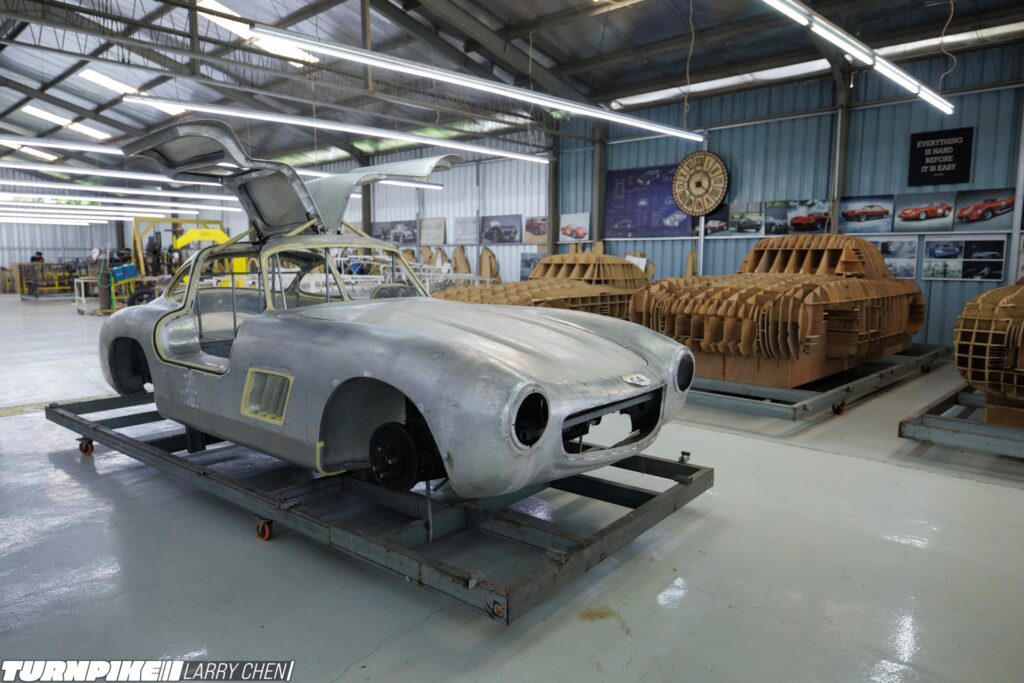
Puji started small, building his first car — a blue 300SL — completely alone. “Four years,” he told me. “From drawing, welding, painting — everything. I never saw the real car. Only photos.”
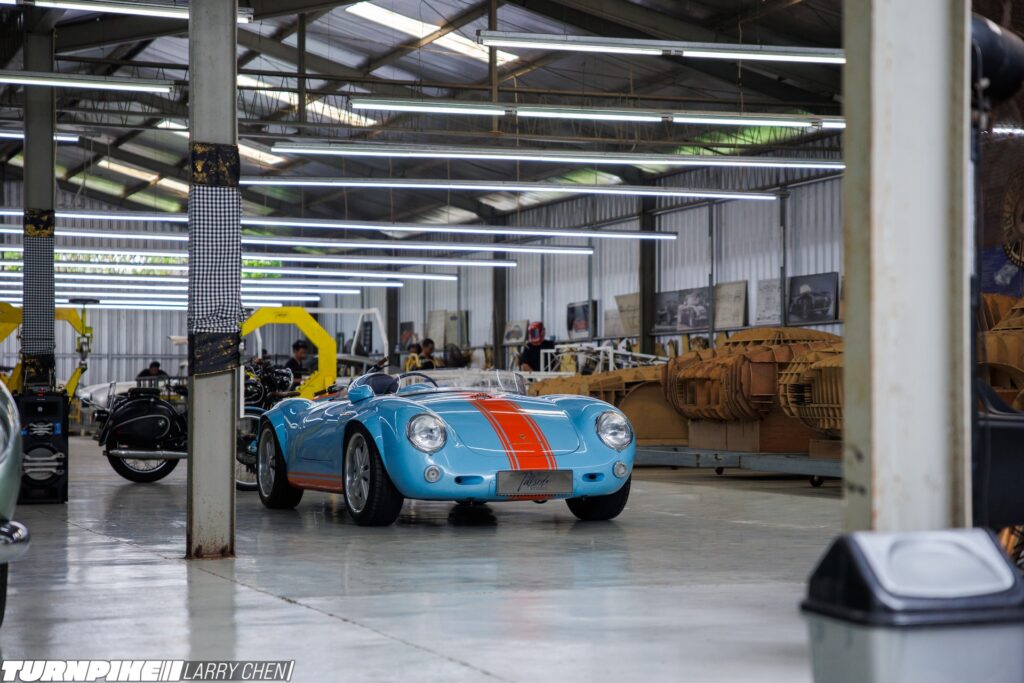
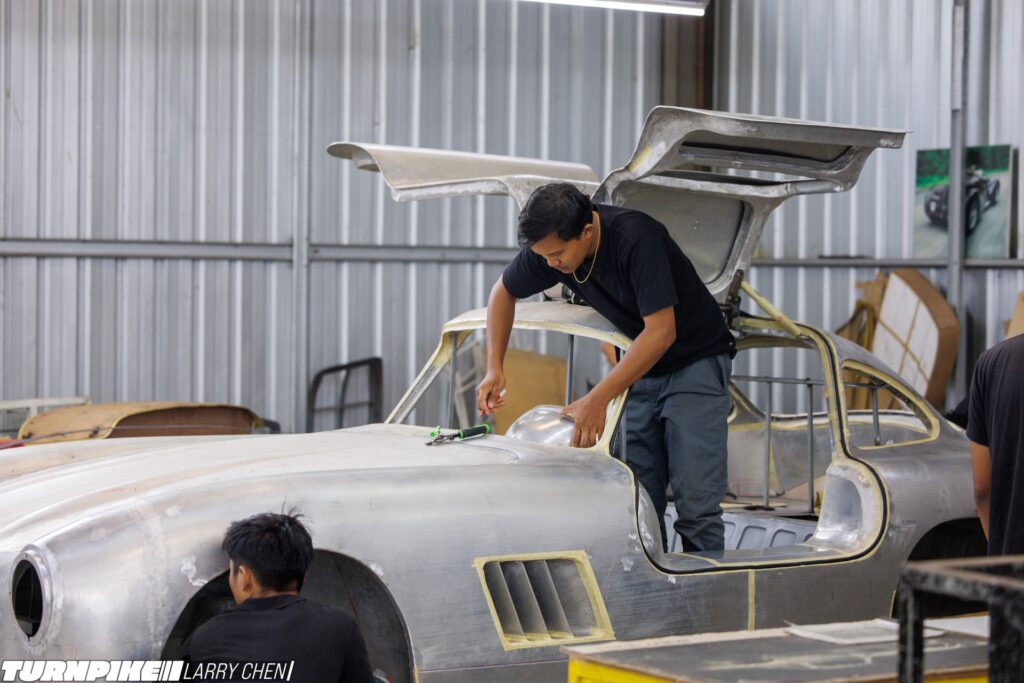
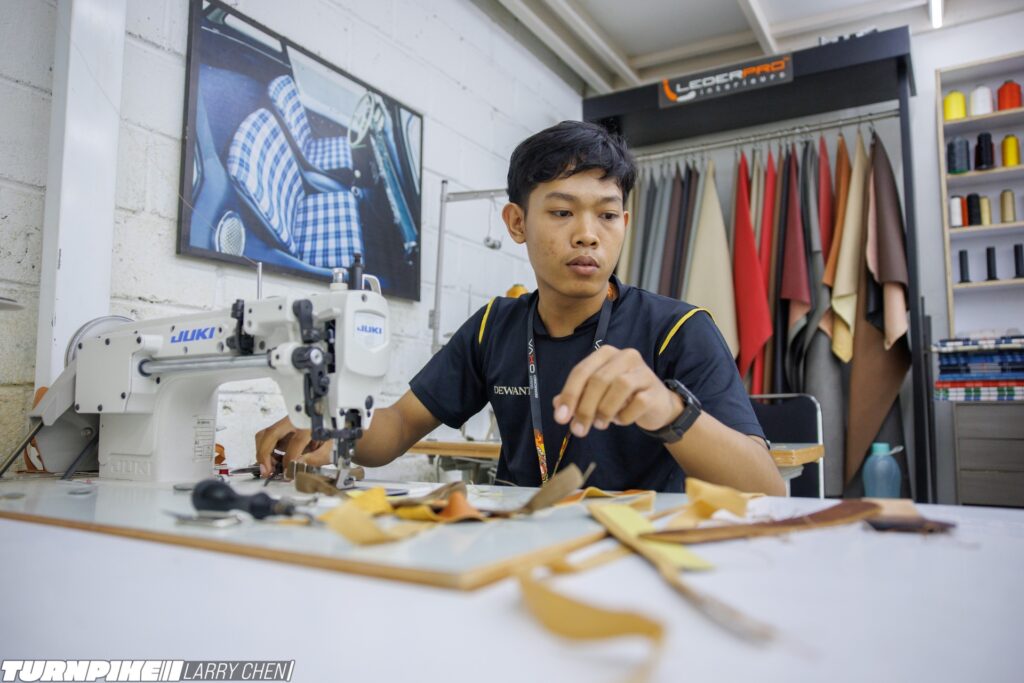
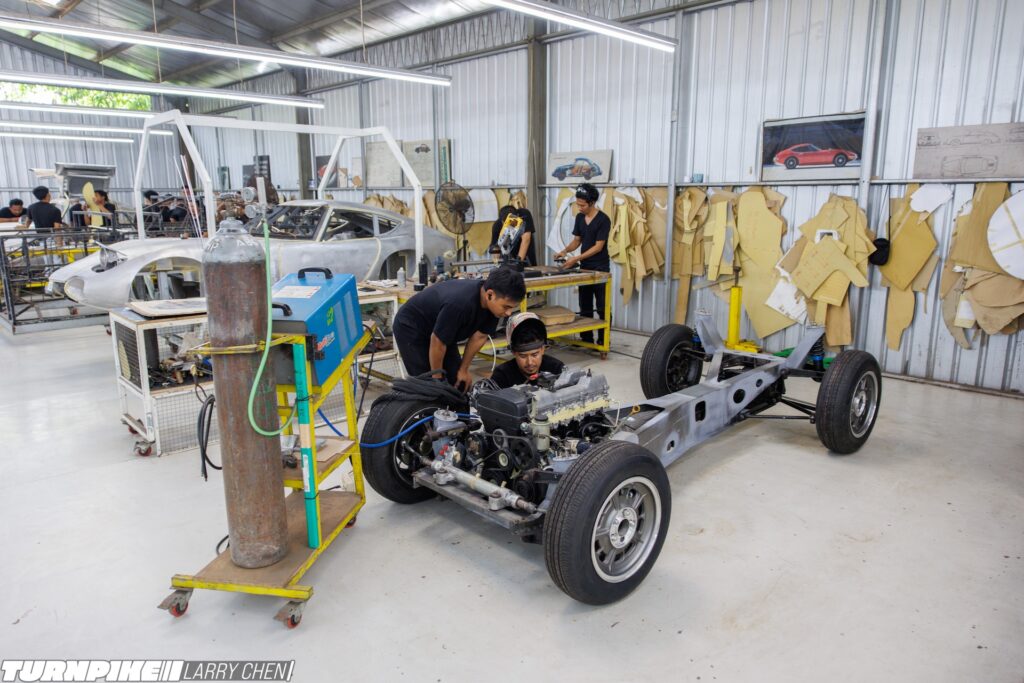
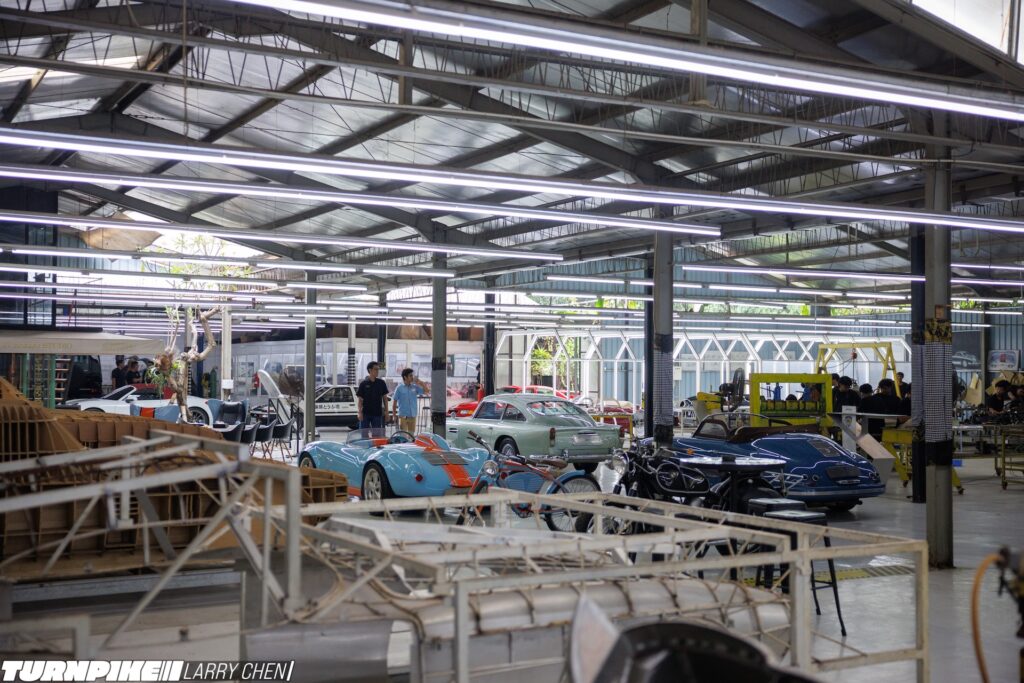
The name Tuksedo itself came from his architectural background. “It’s very masculine,” he explained. “Most of our clients are gentlemen, and not everyone wears a tuxedo. It’s about the stitching — and we stitch the cars.”
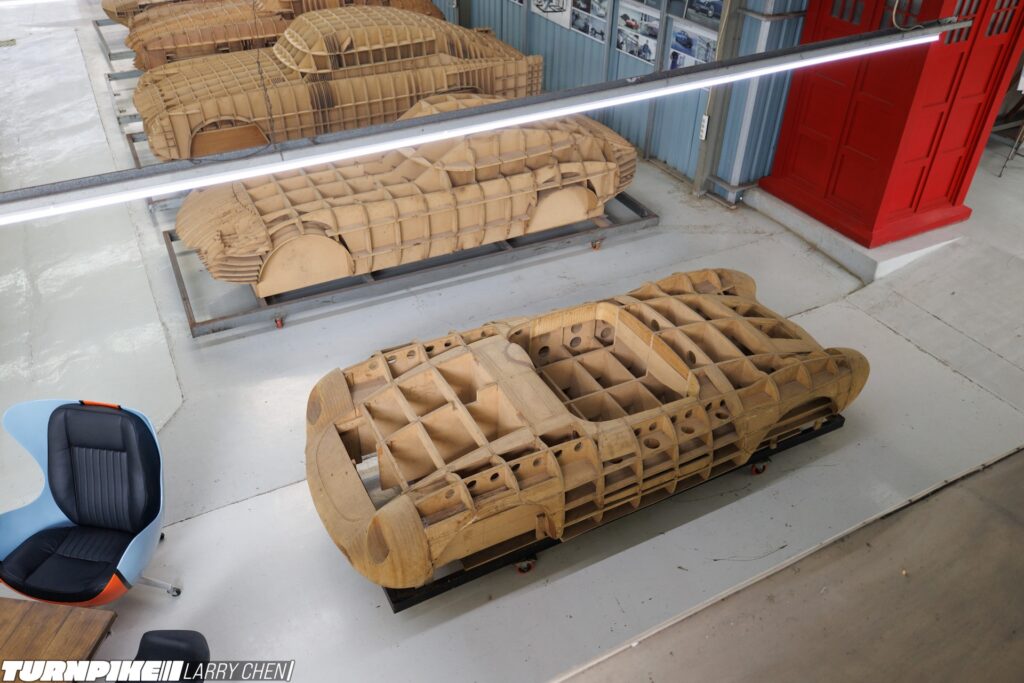
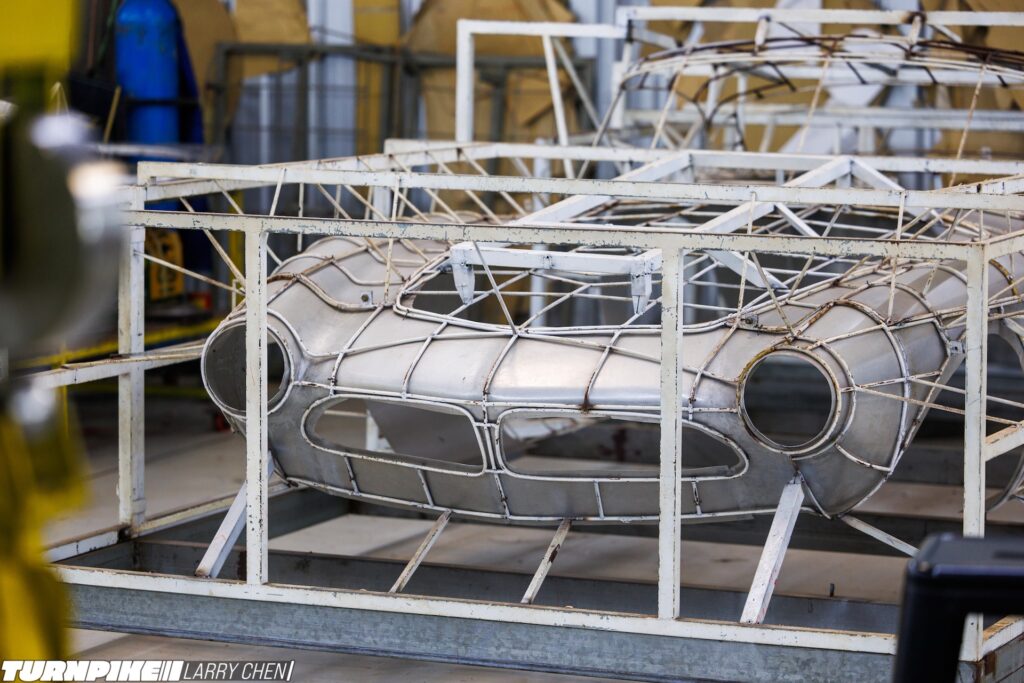
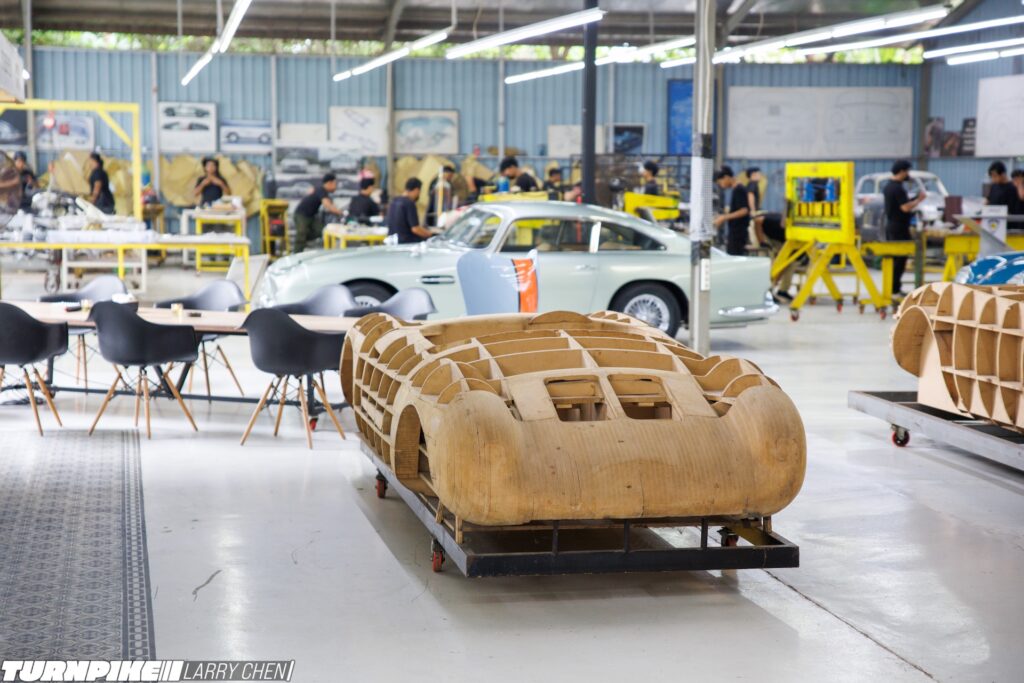
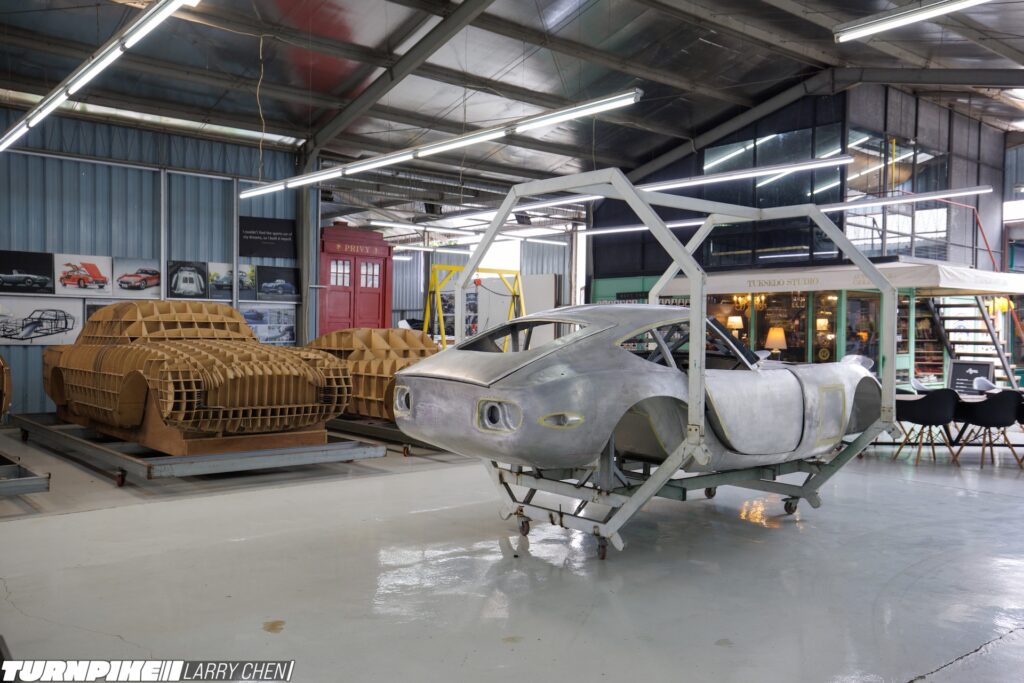
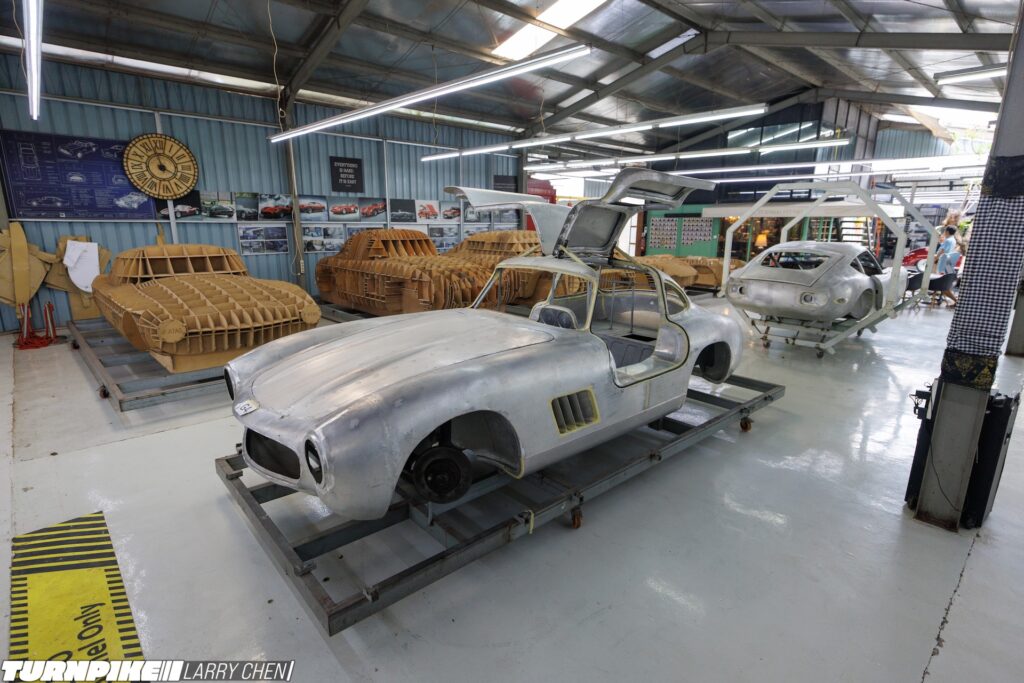
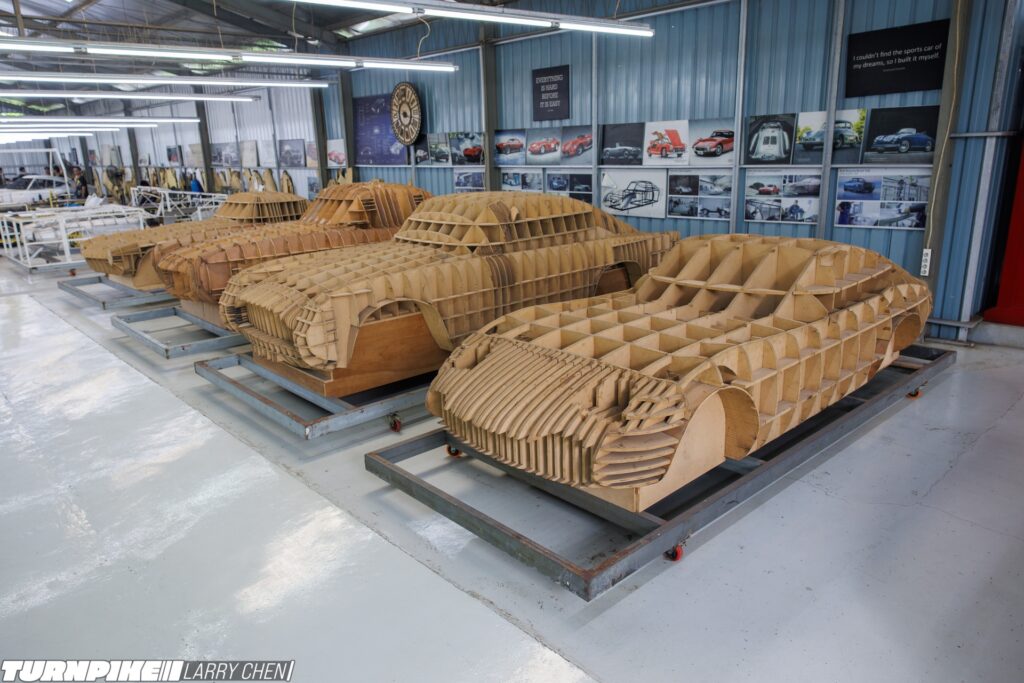
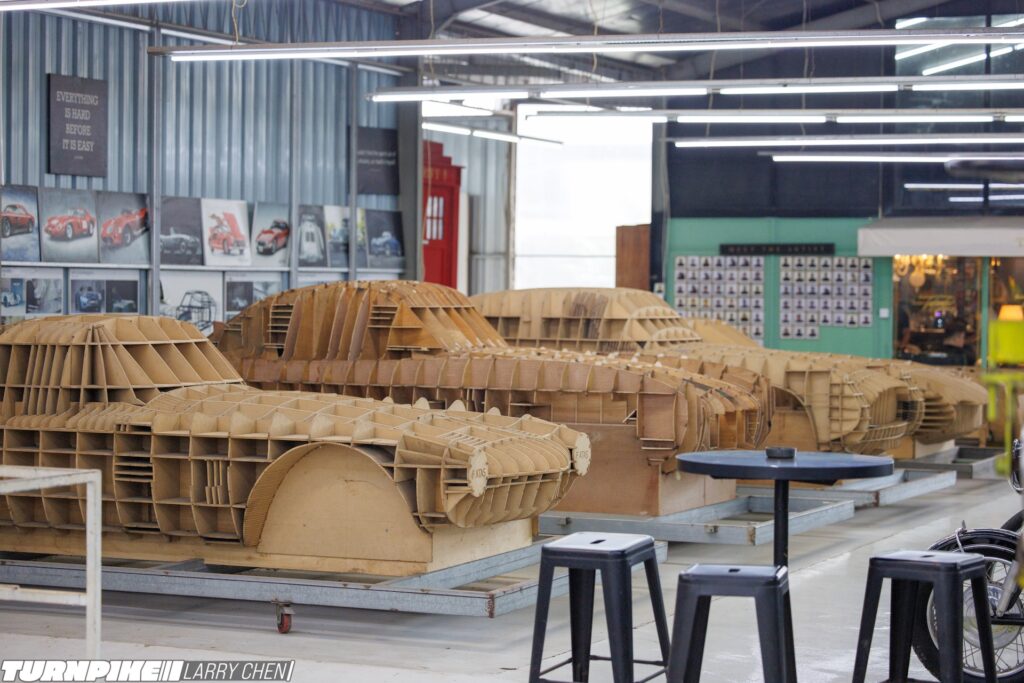
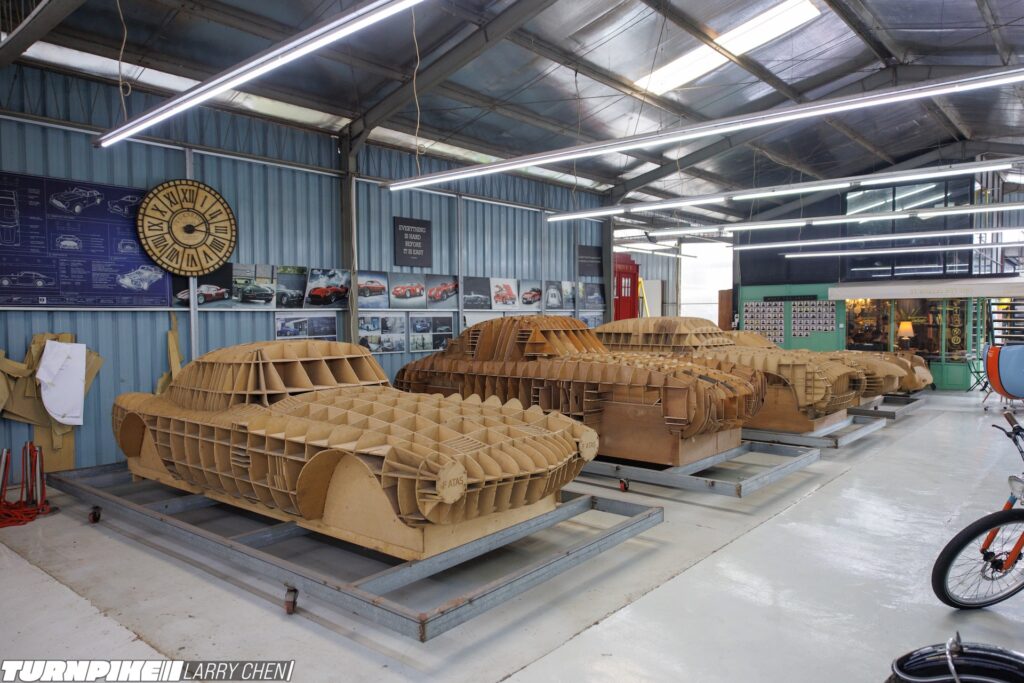
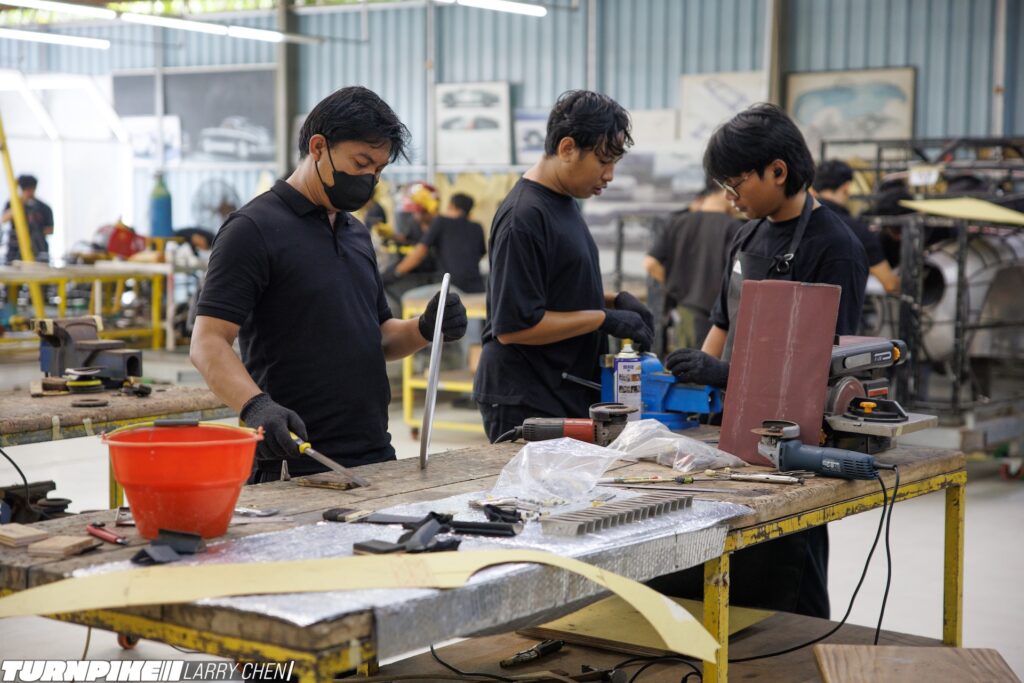
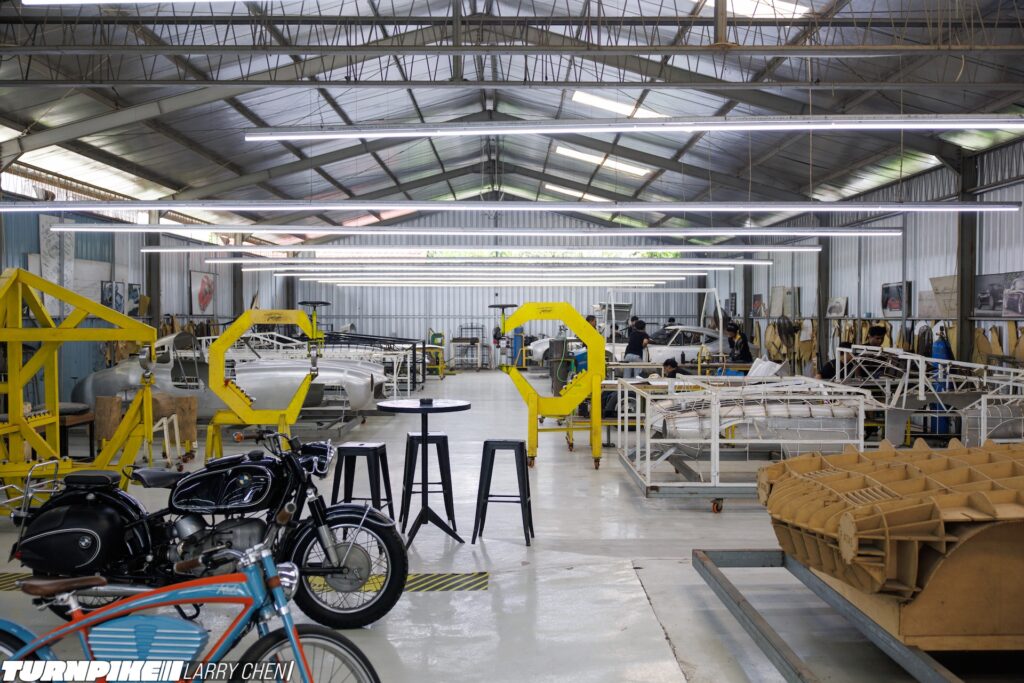
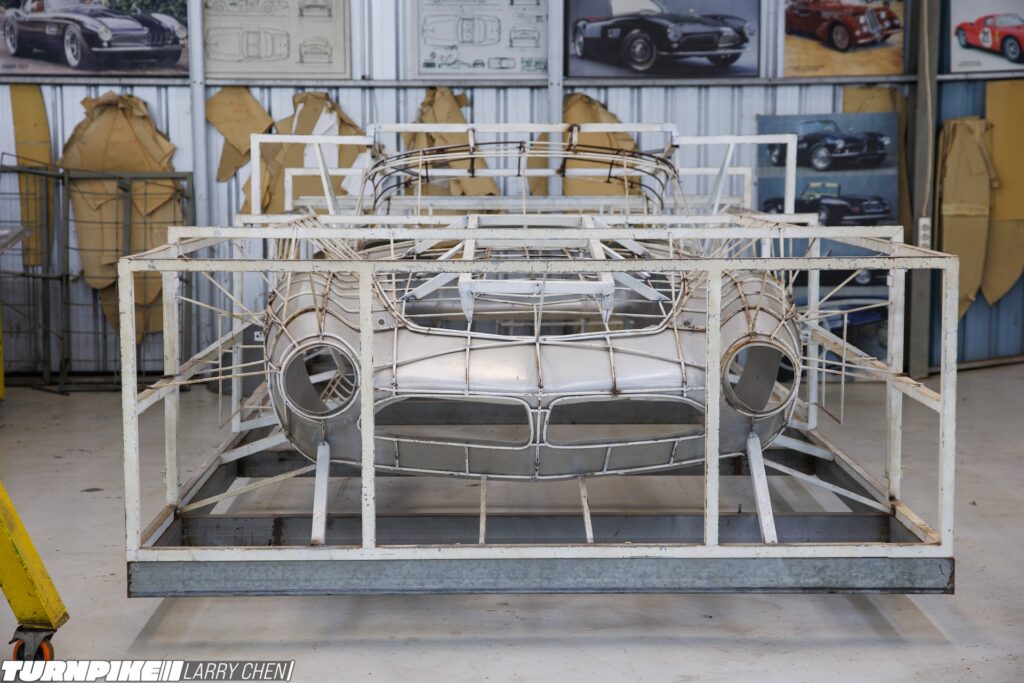
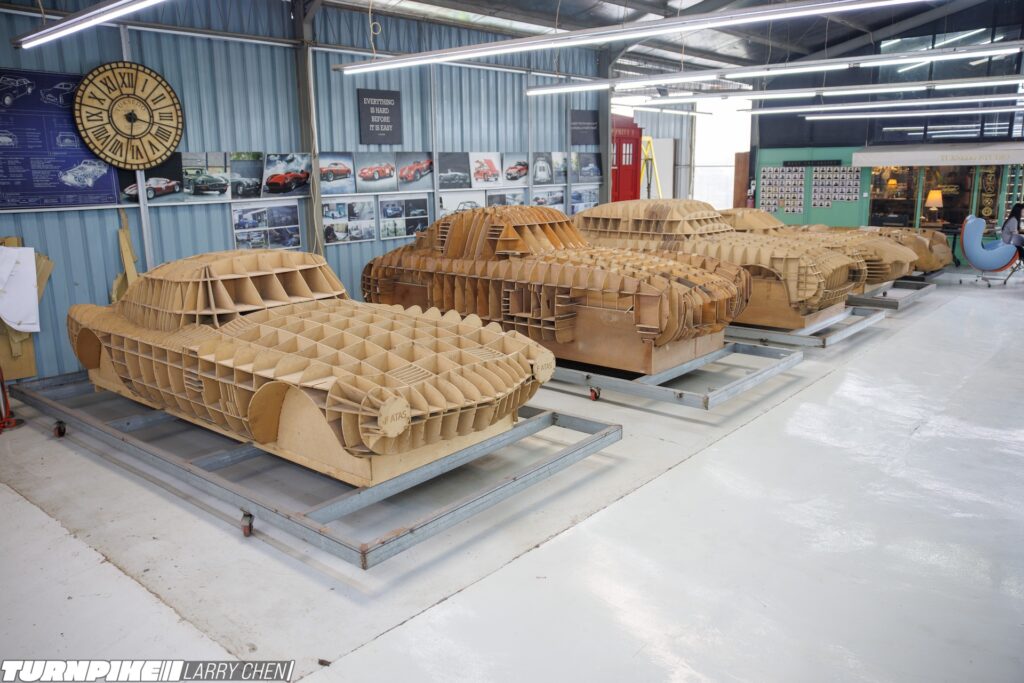
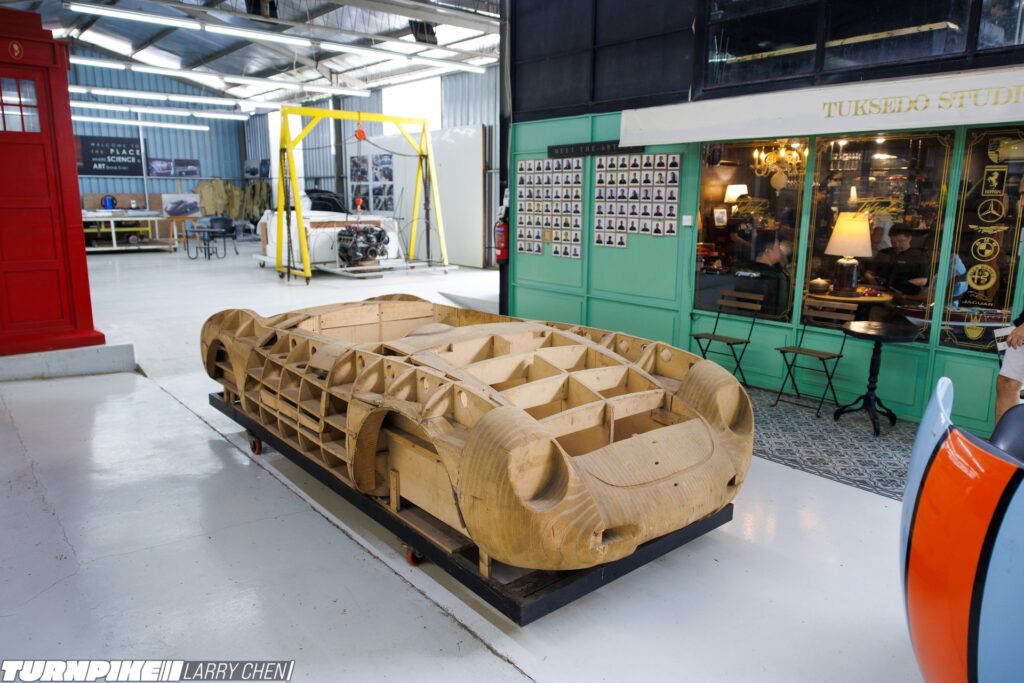
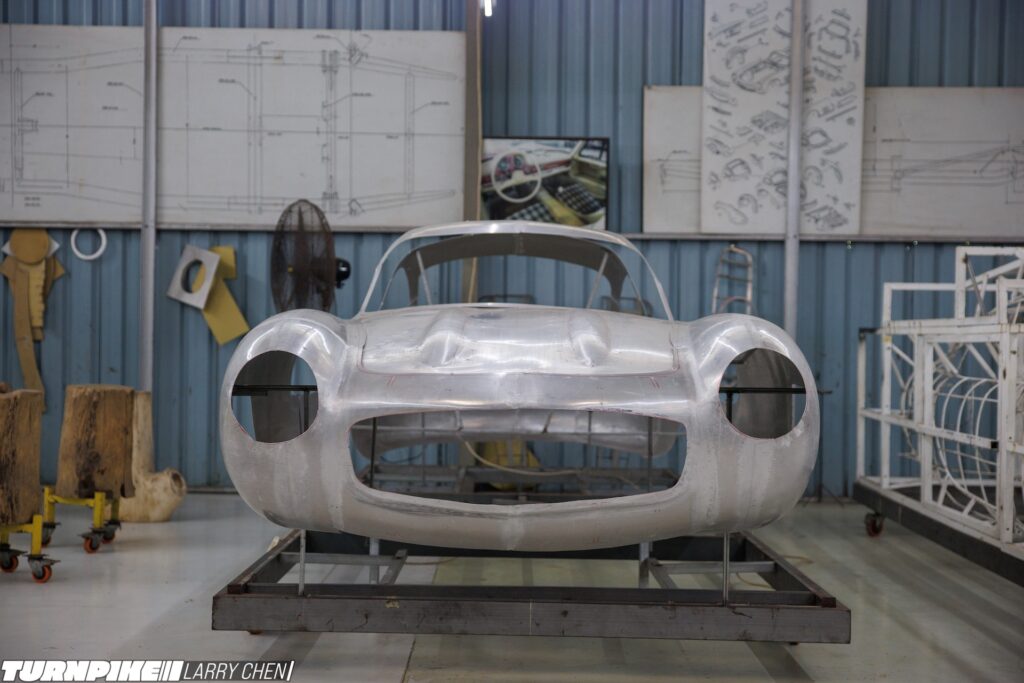
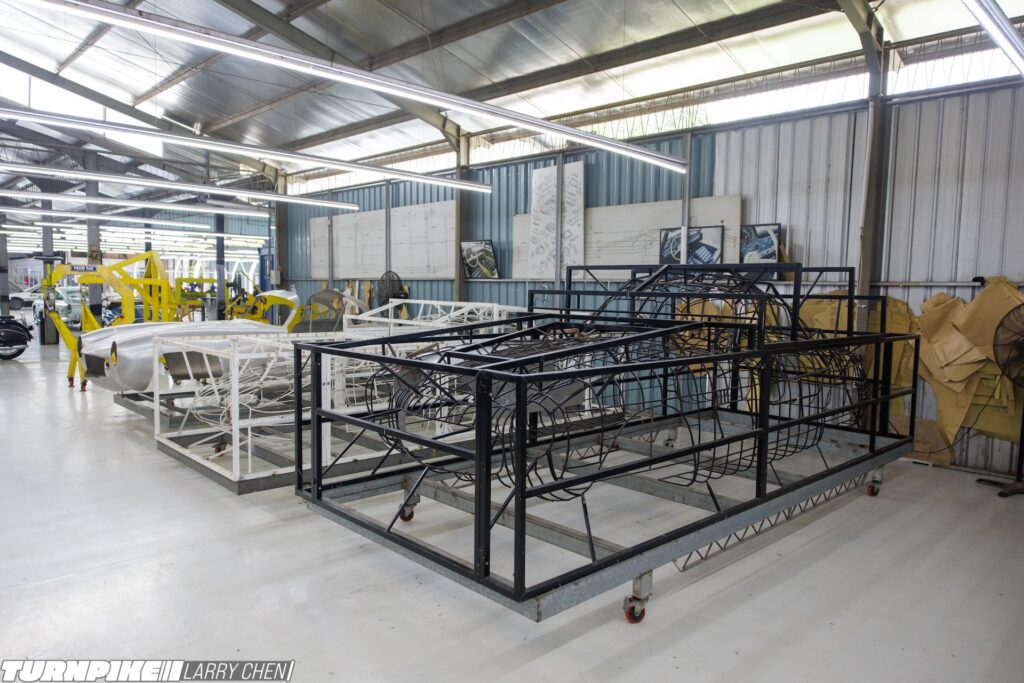
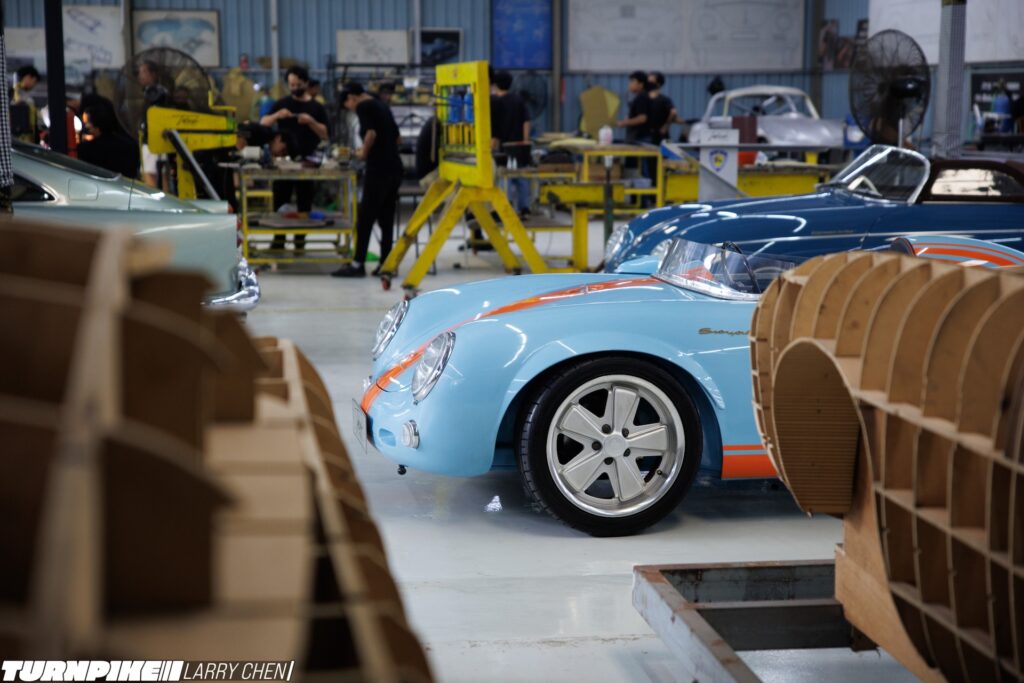
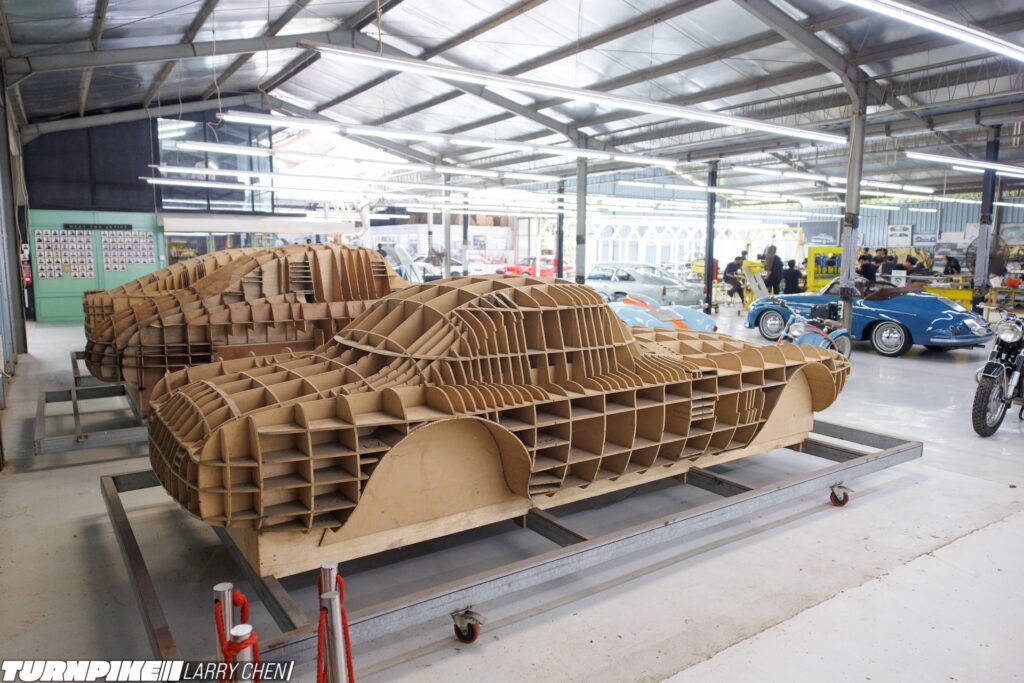
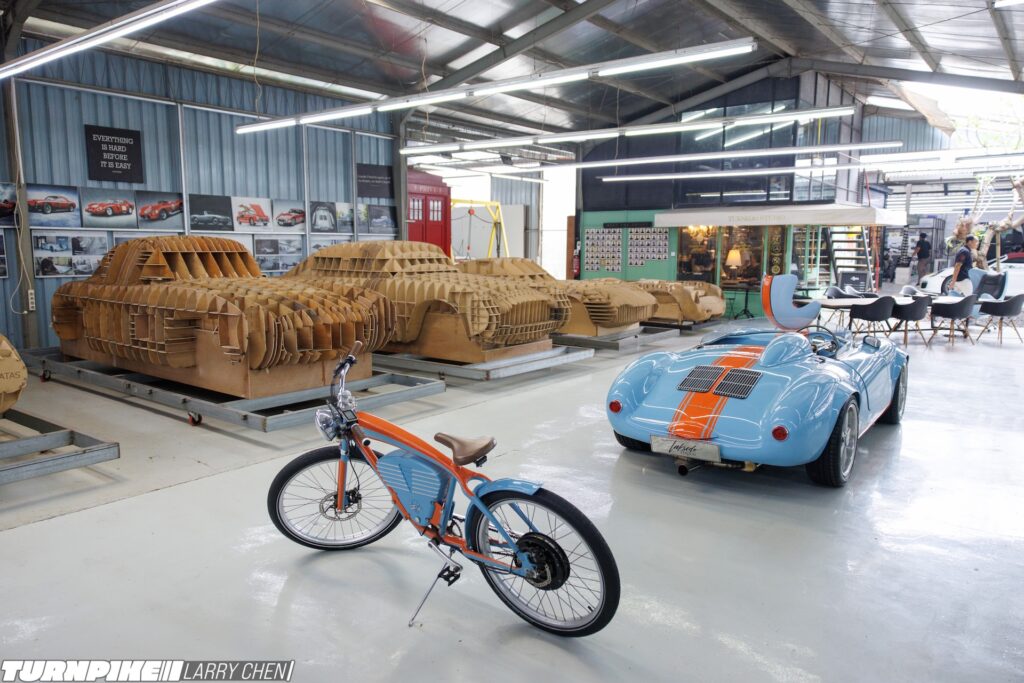
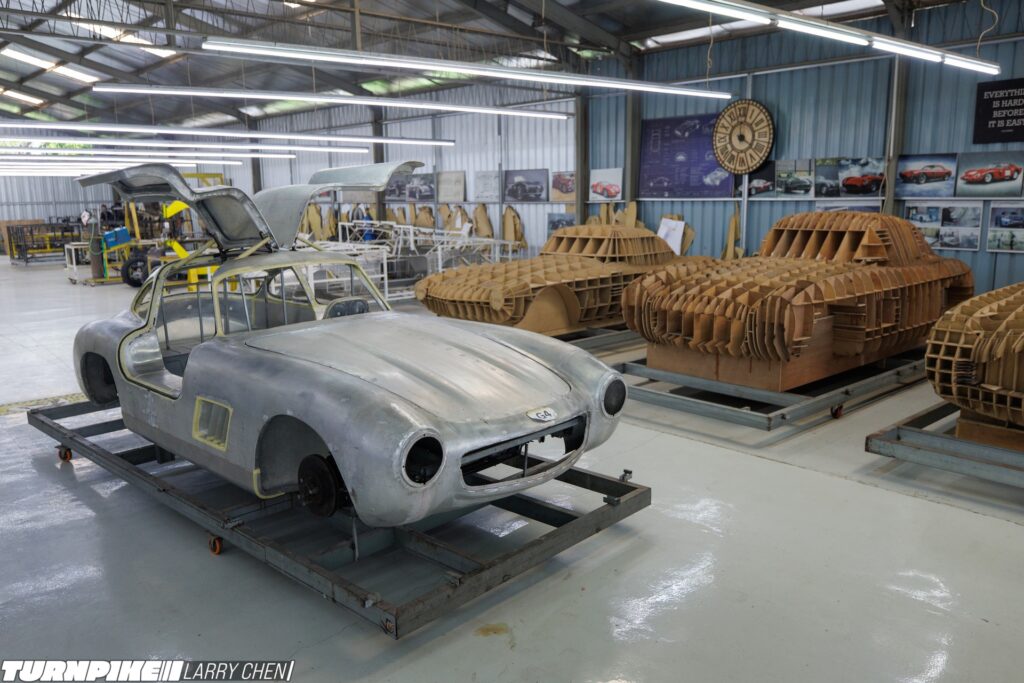
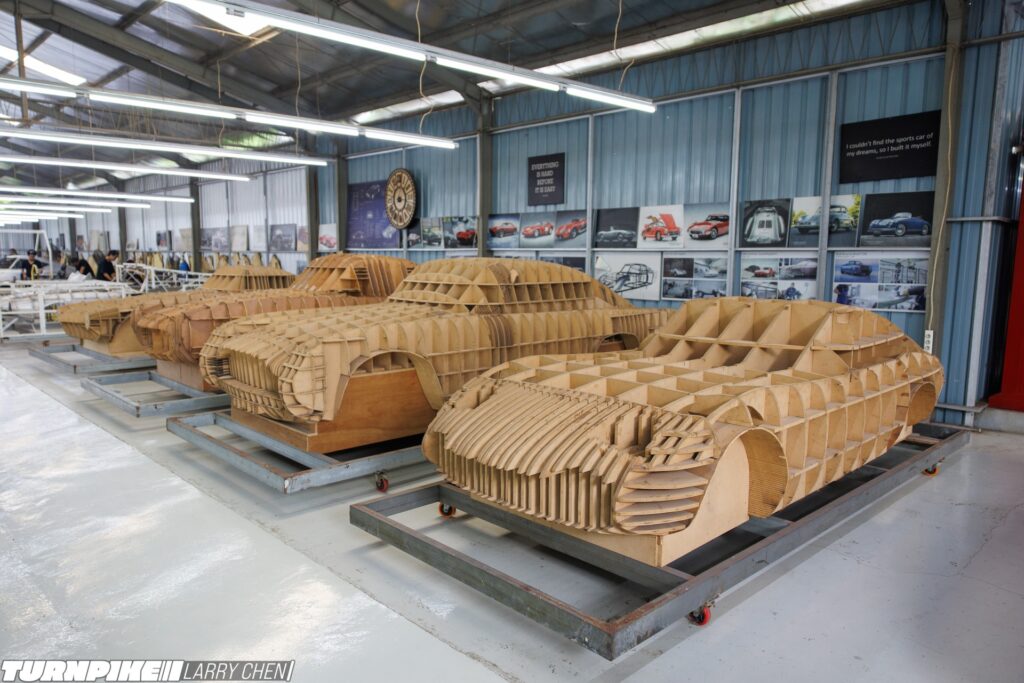
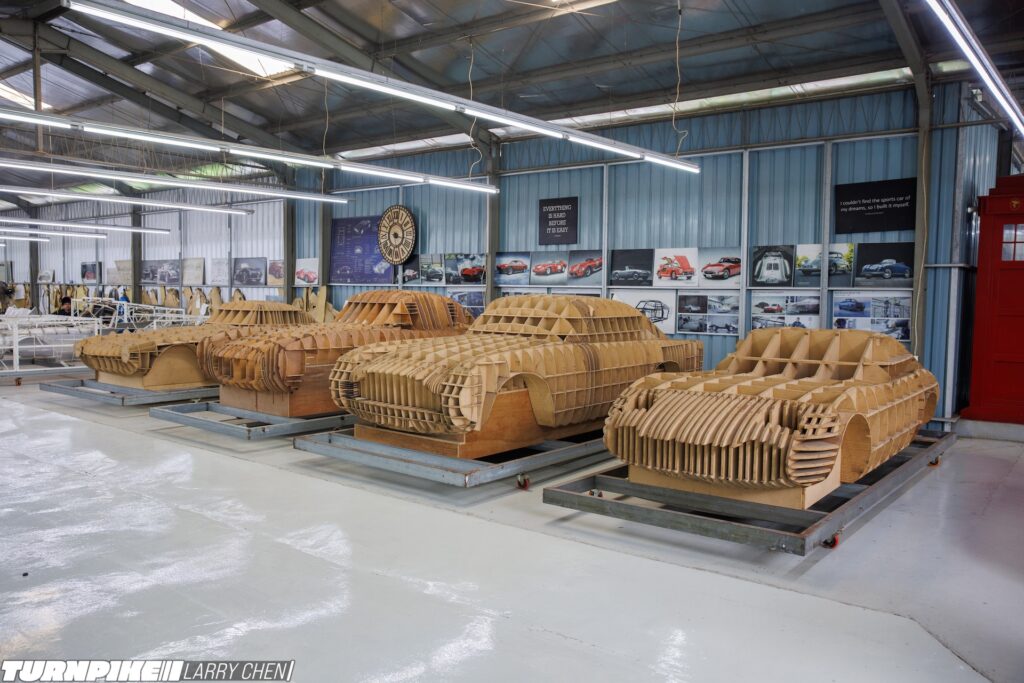
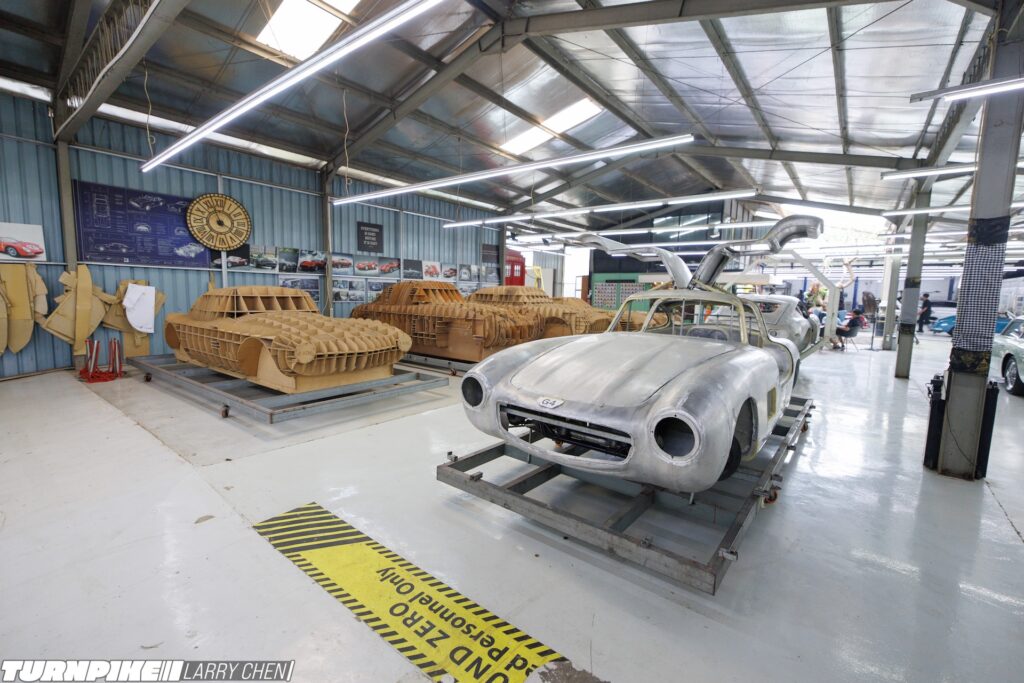
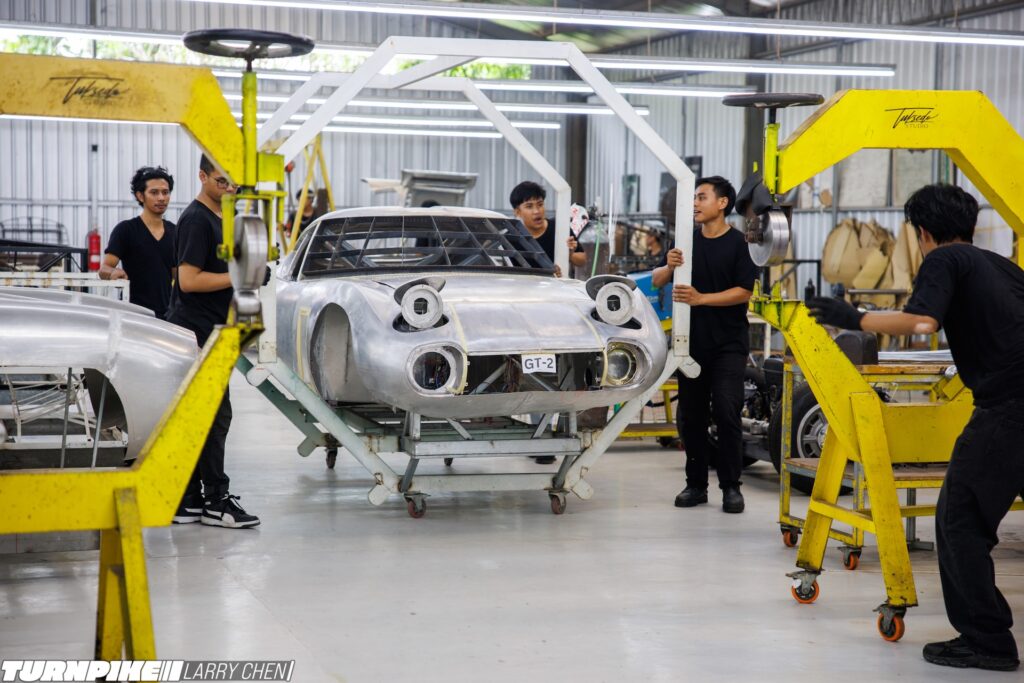
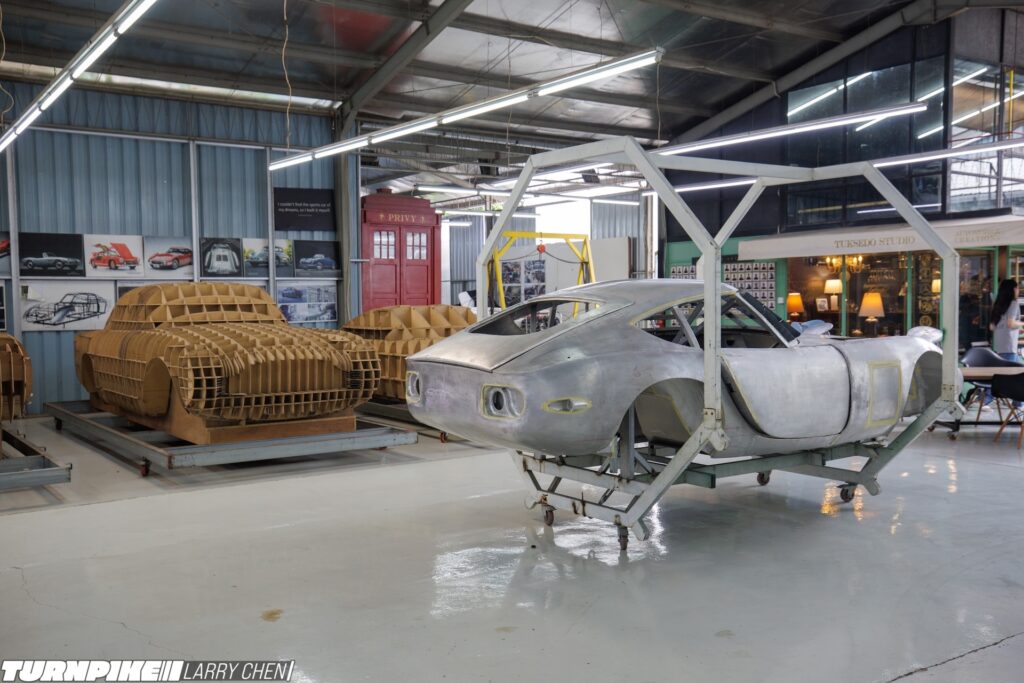
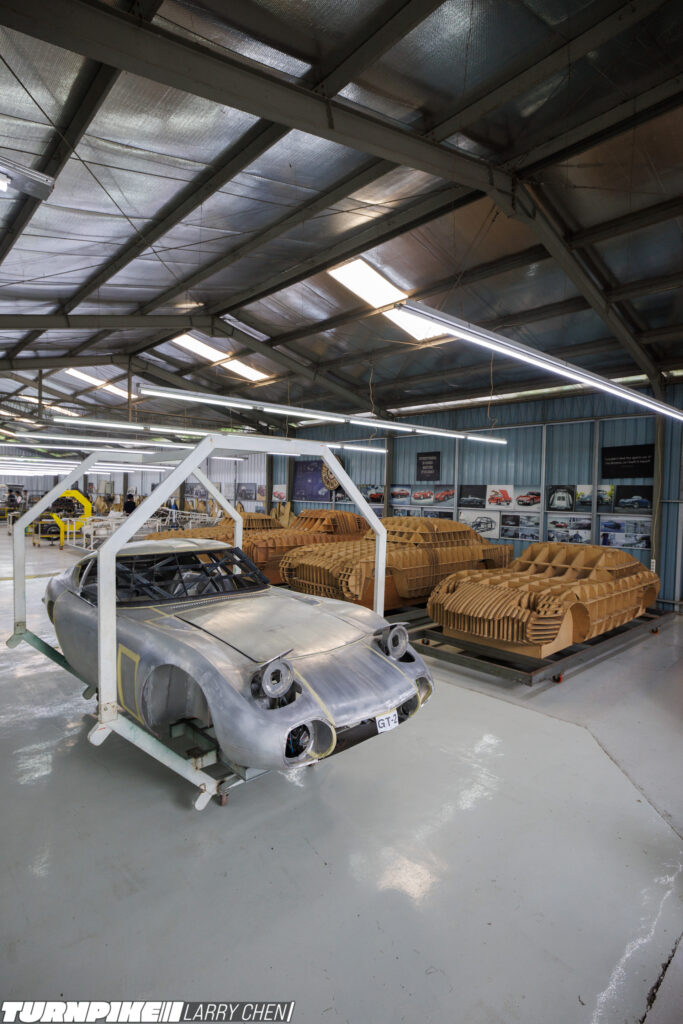
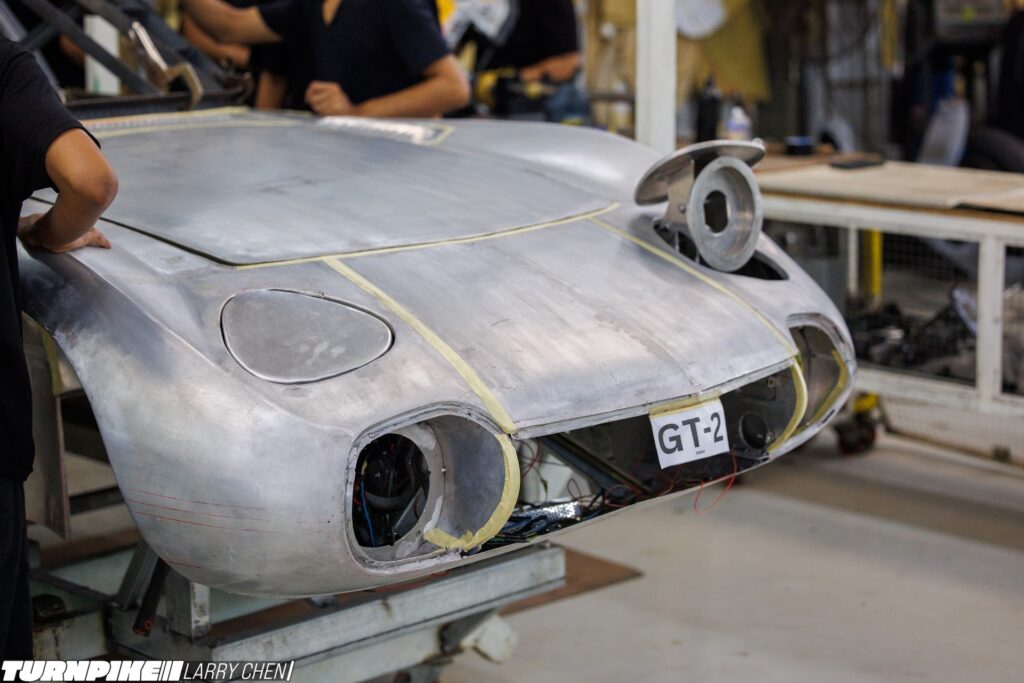
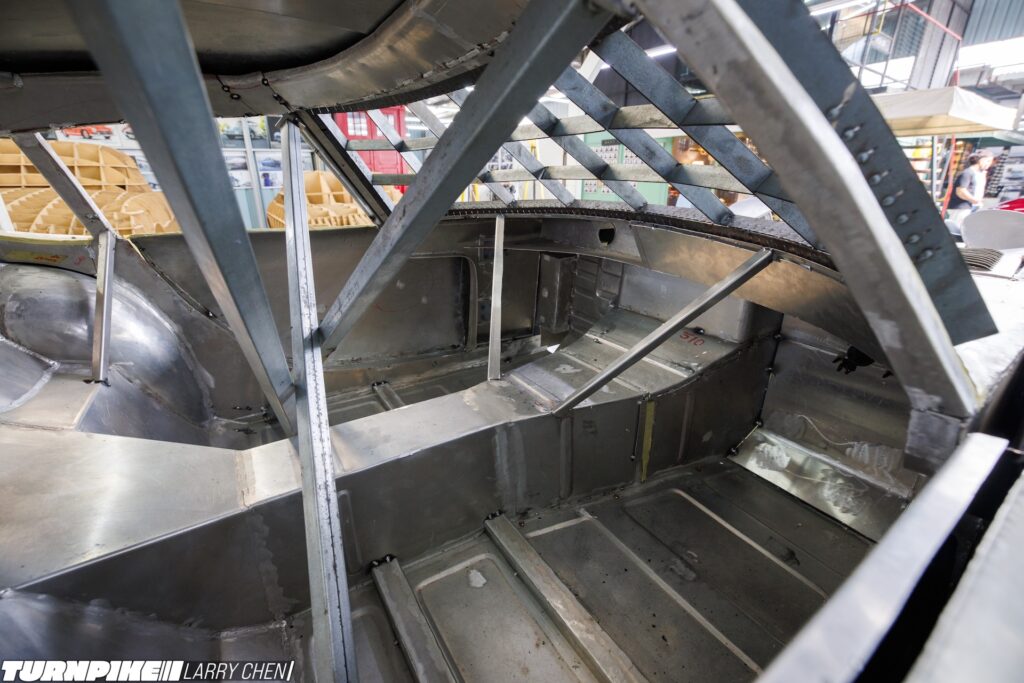
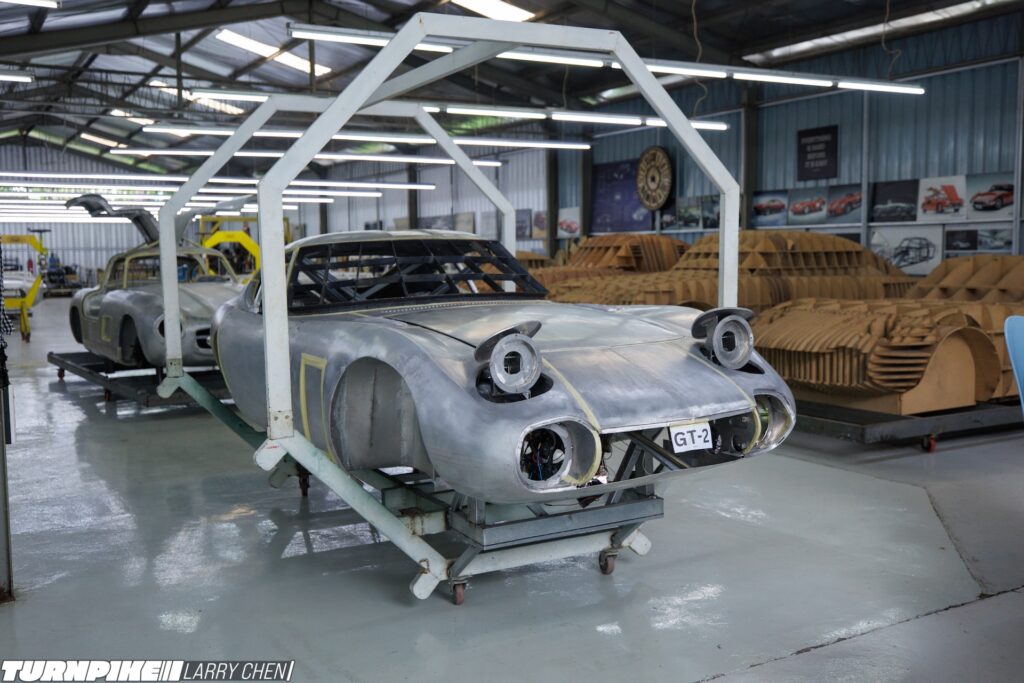
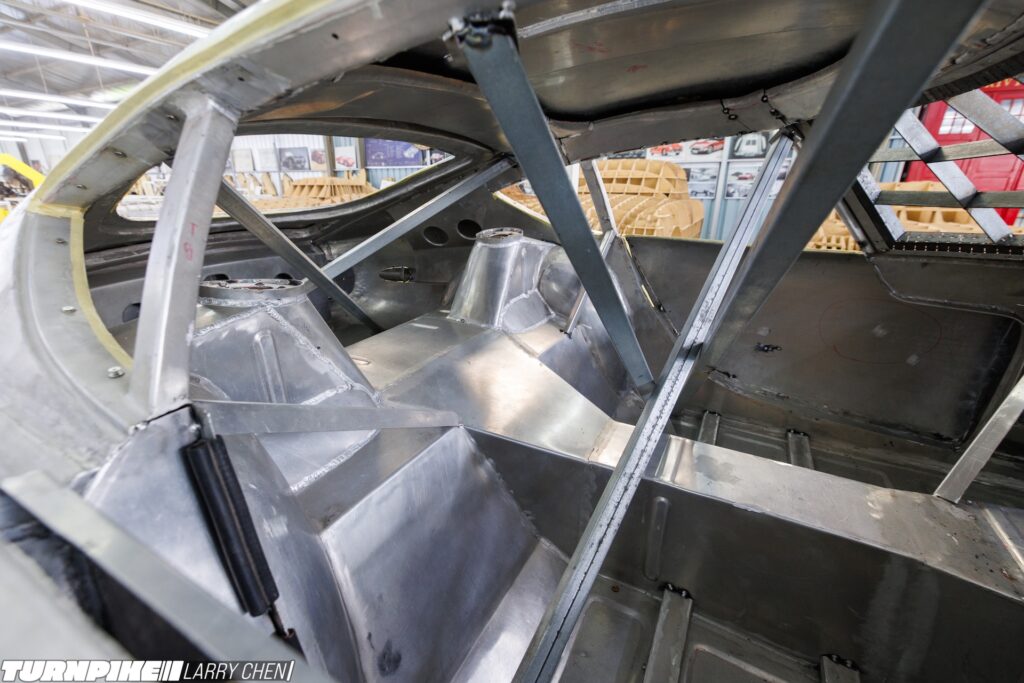
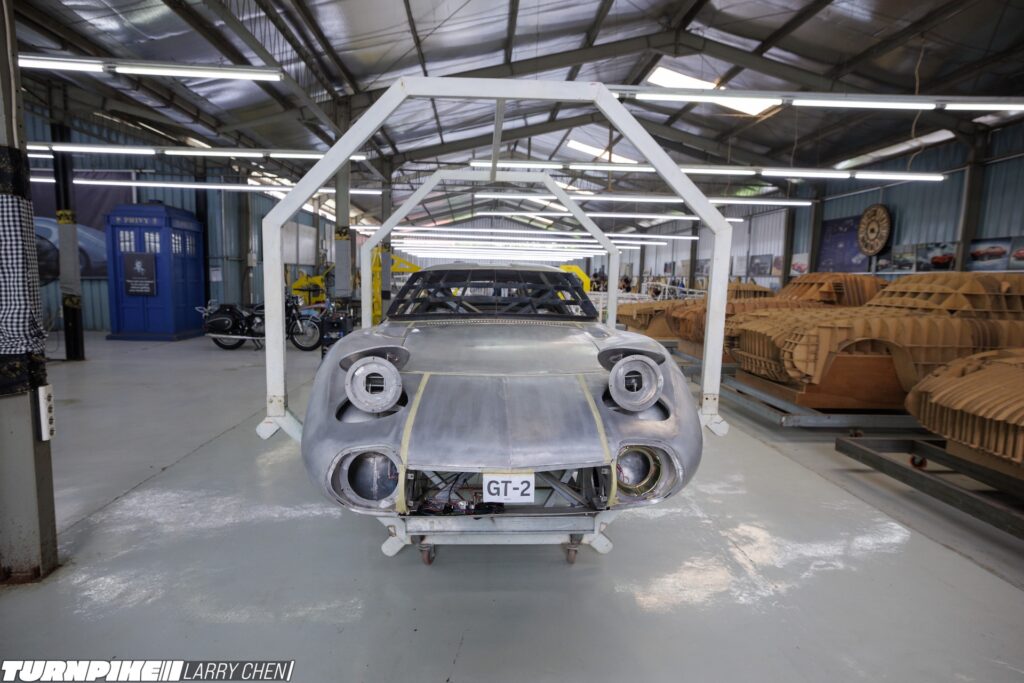
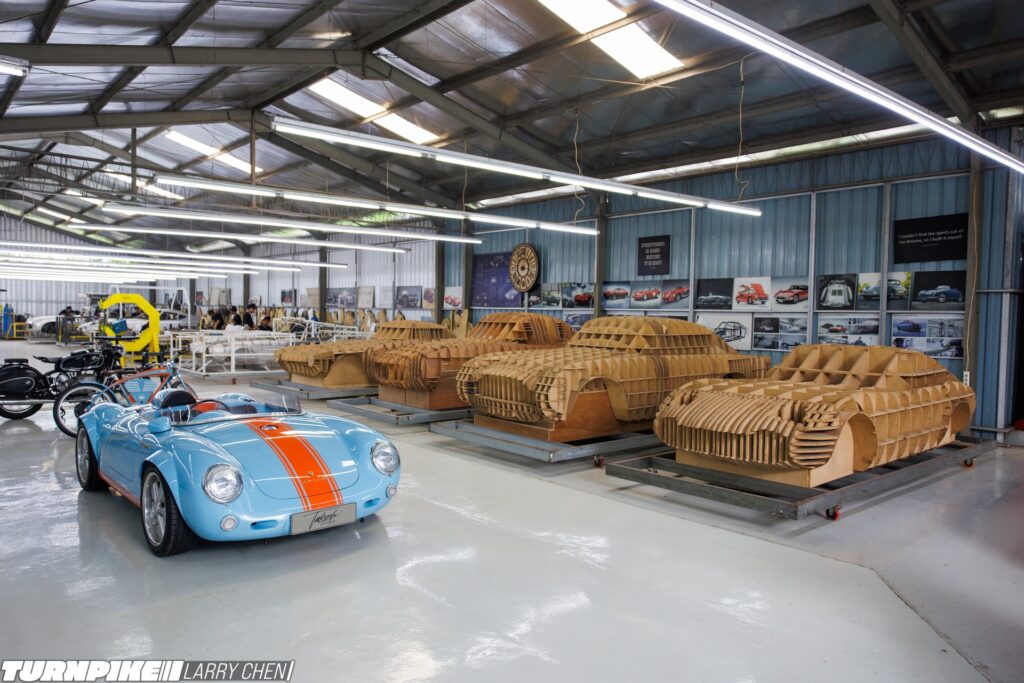
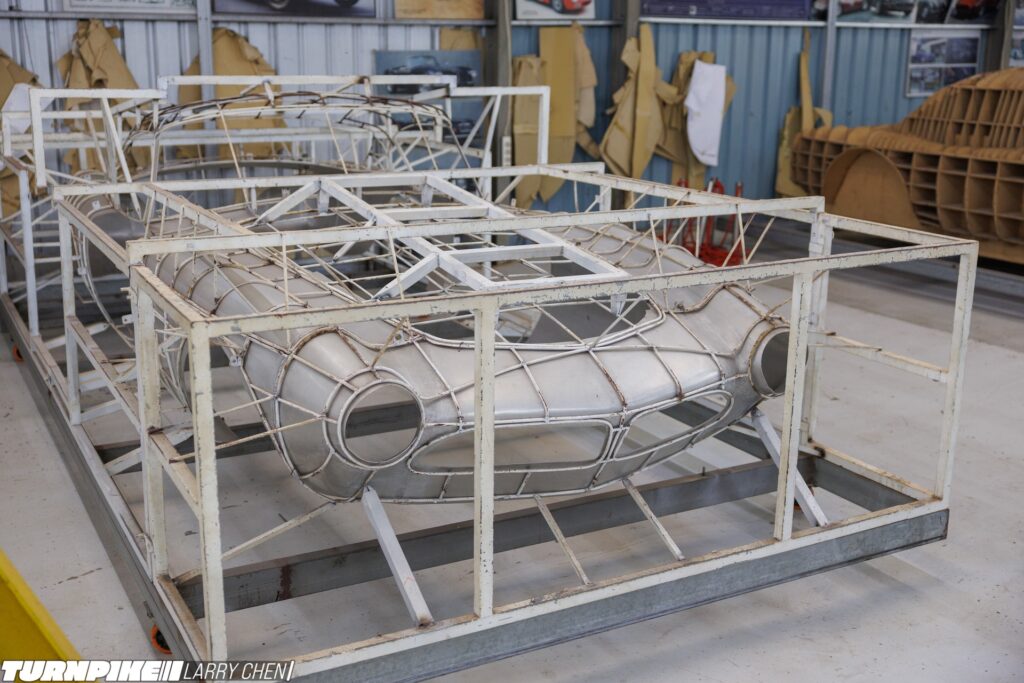
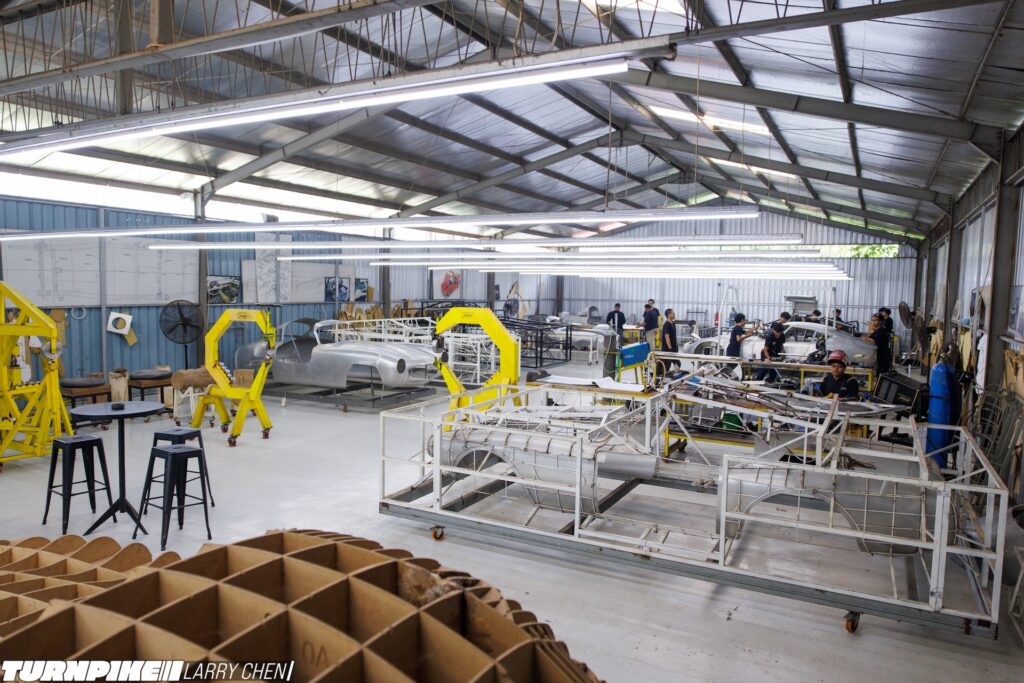
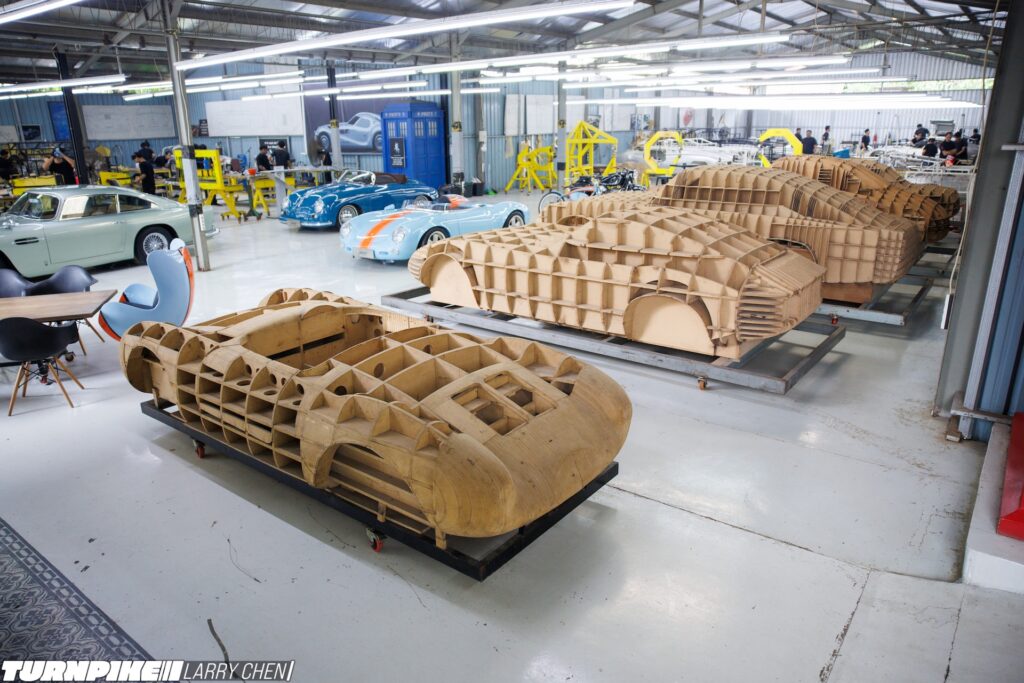
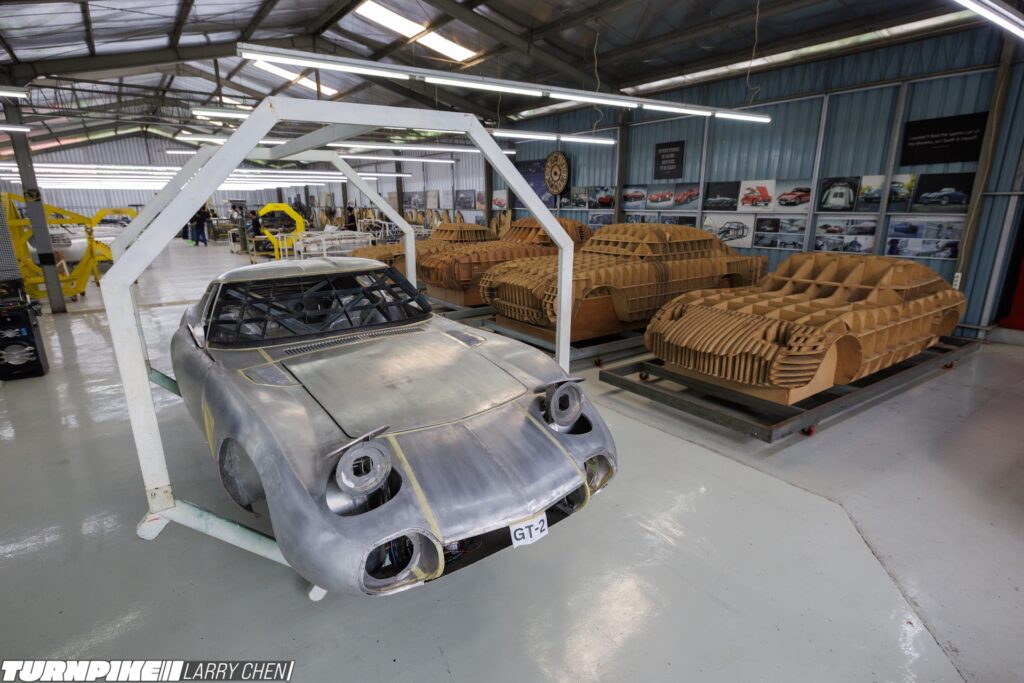
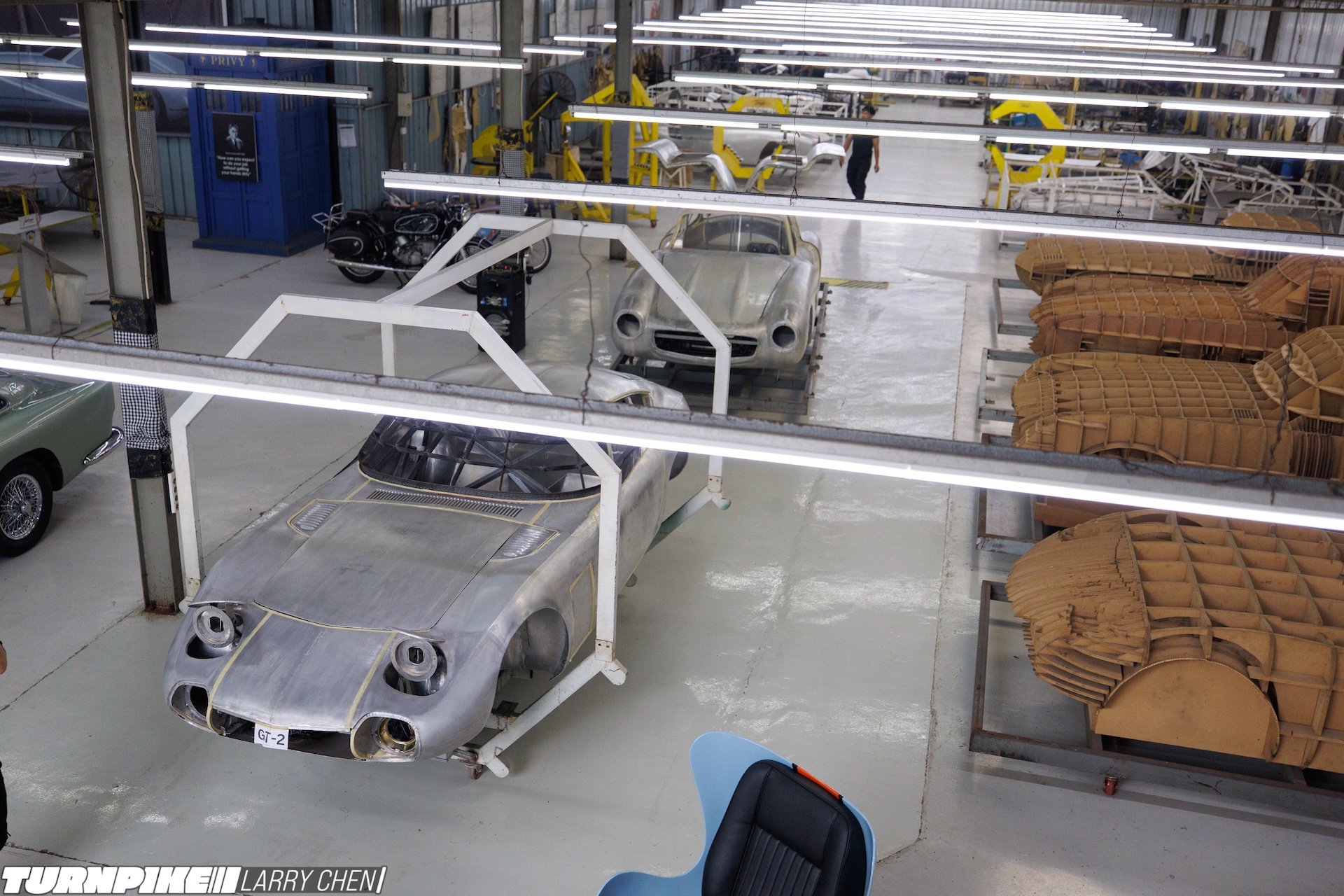
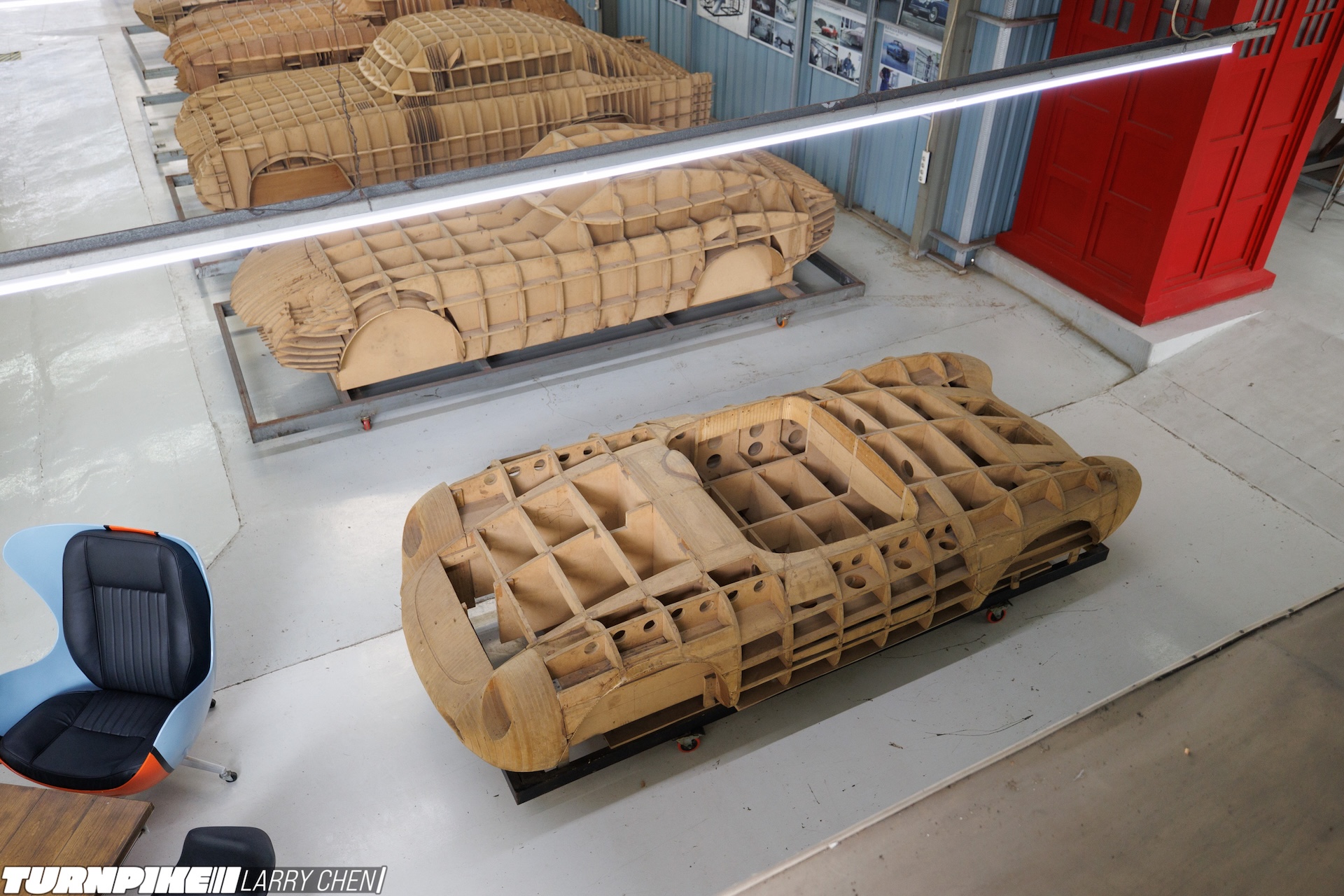
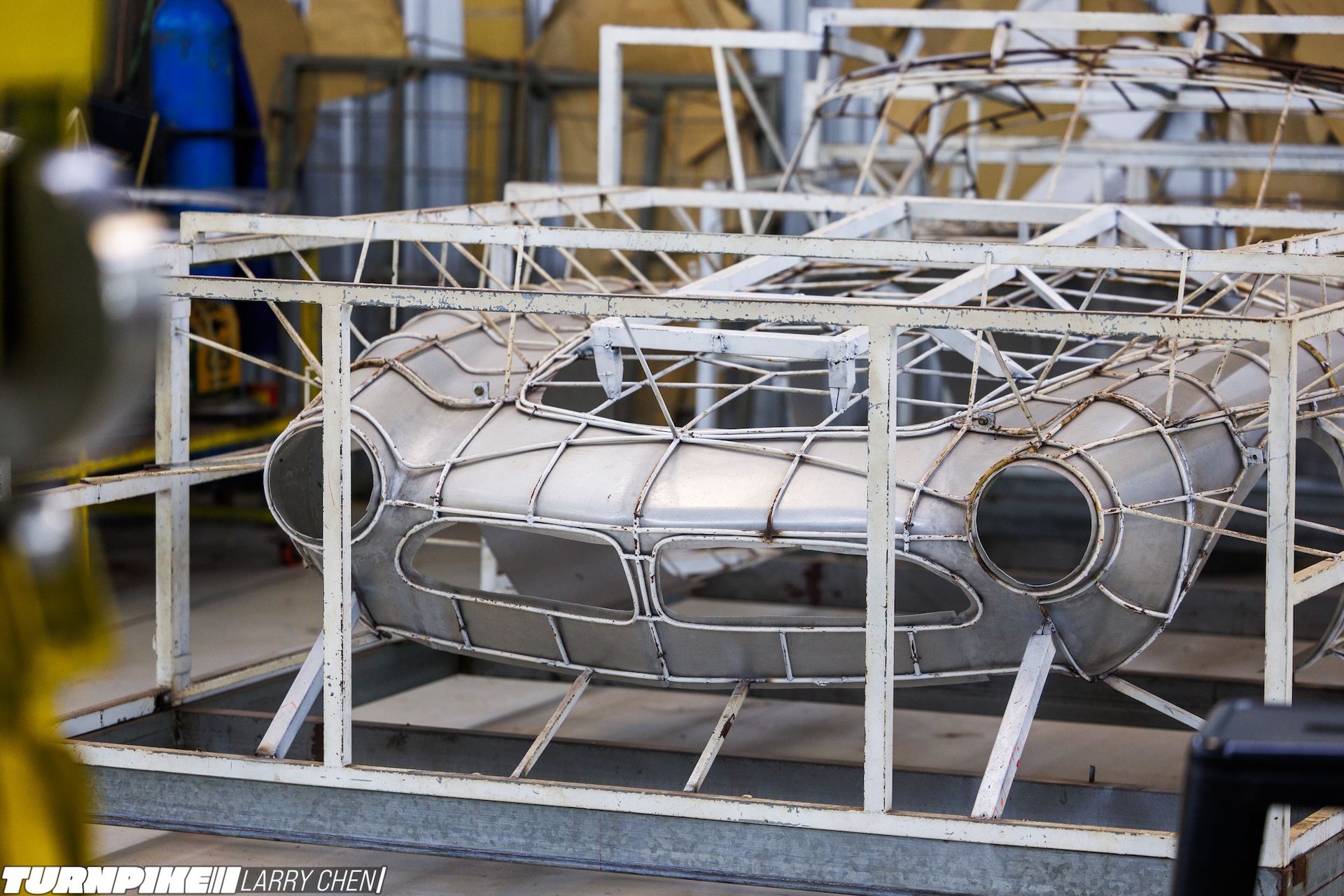
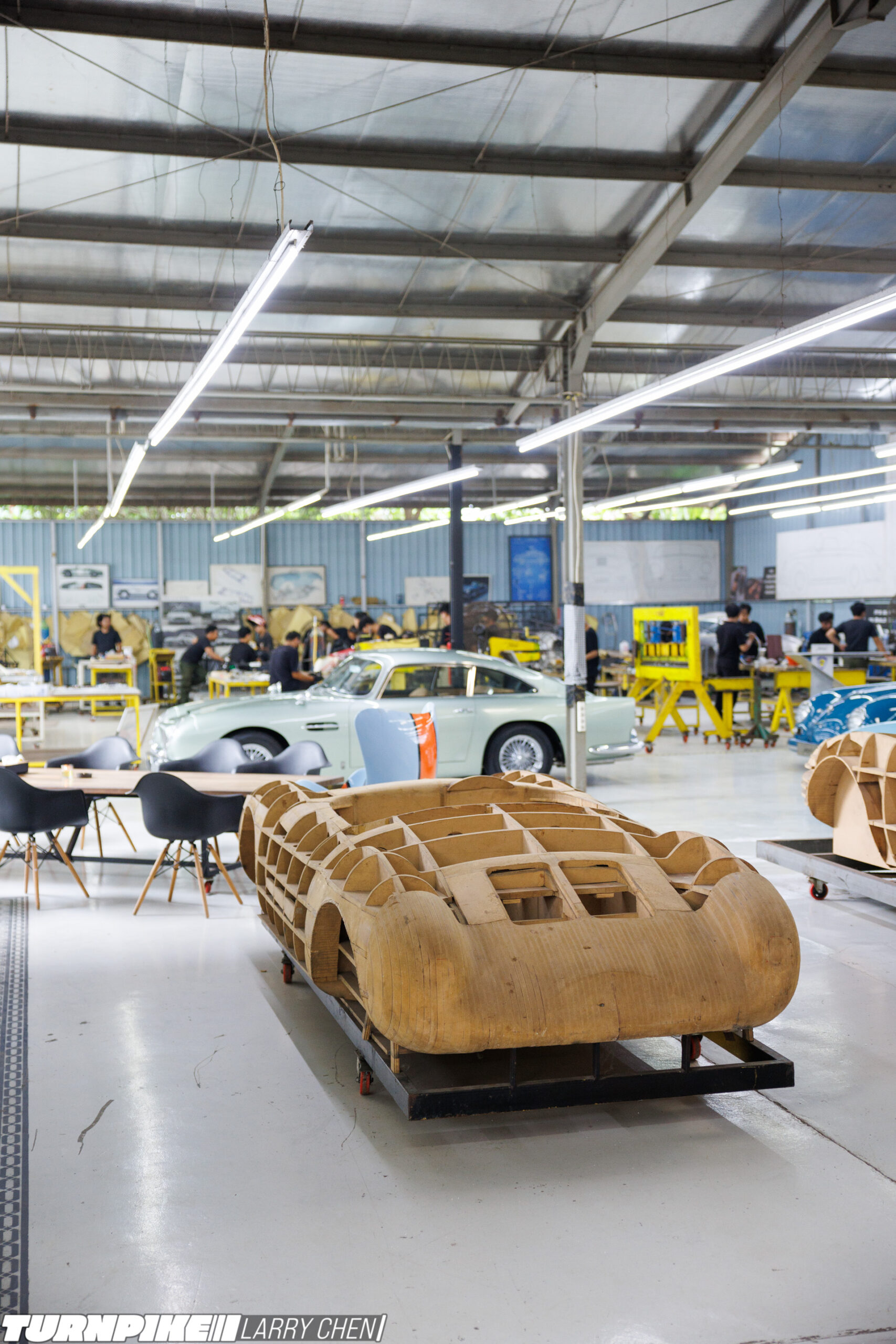
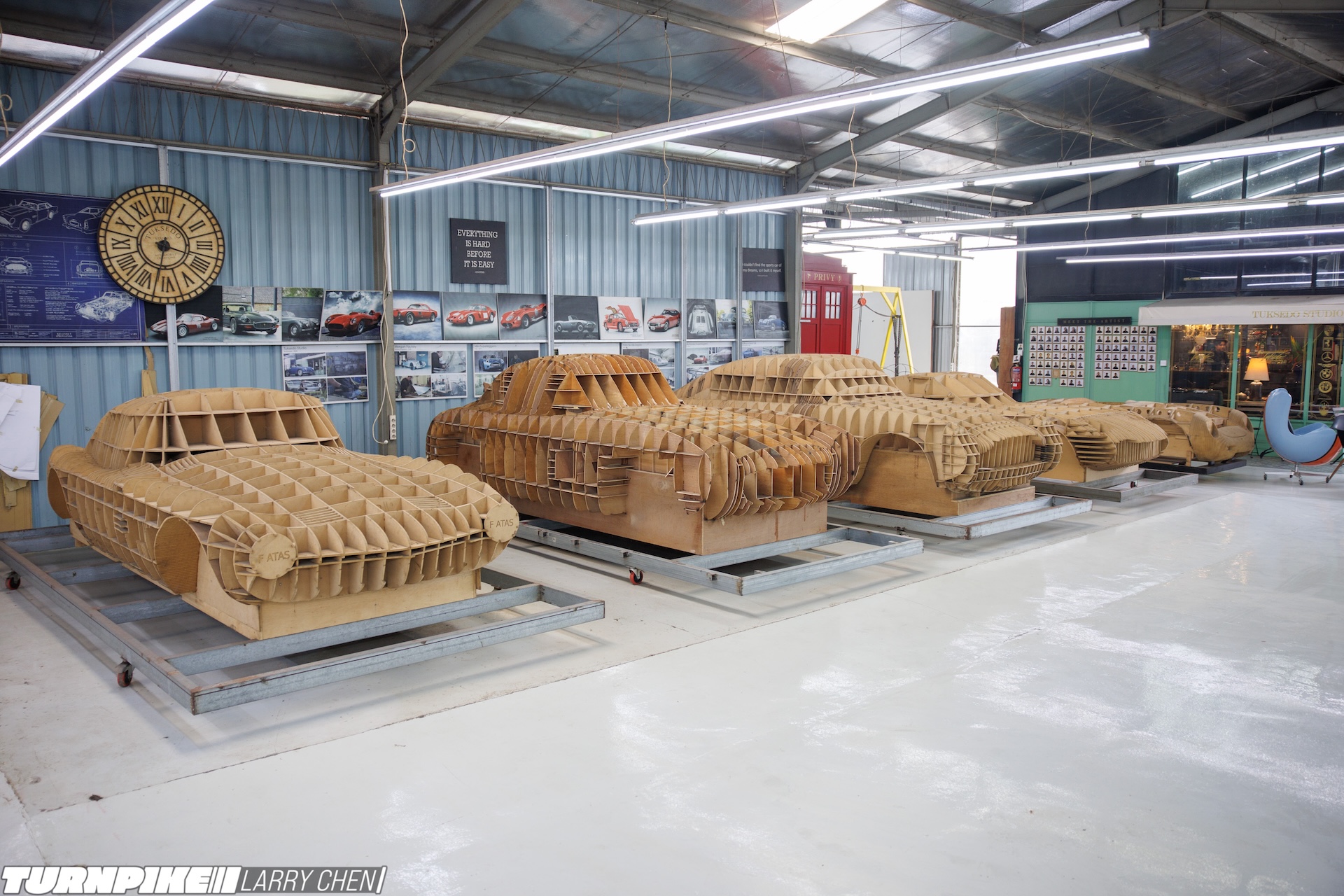
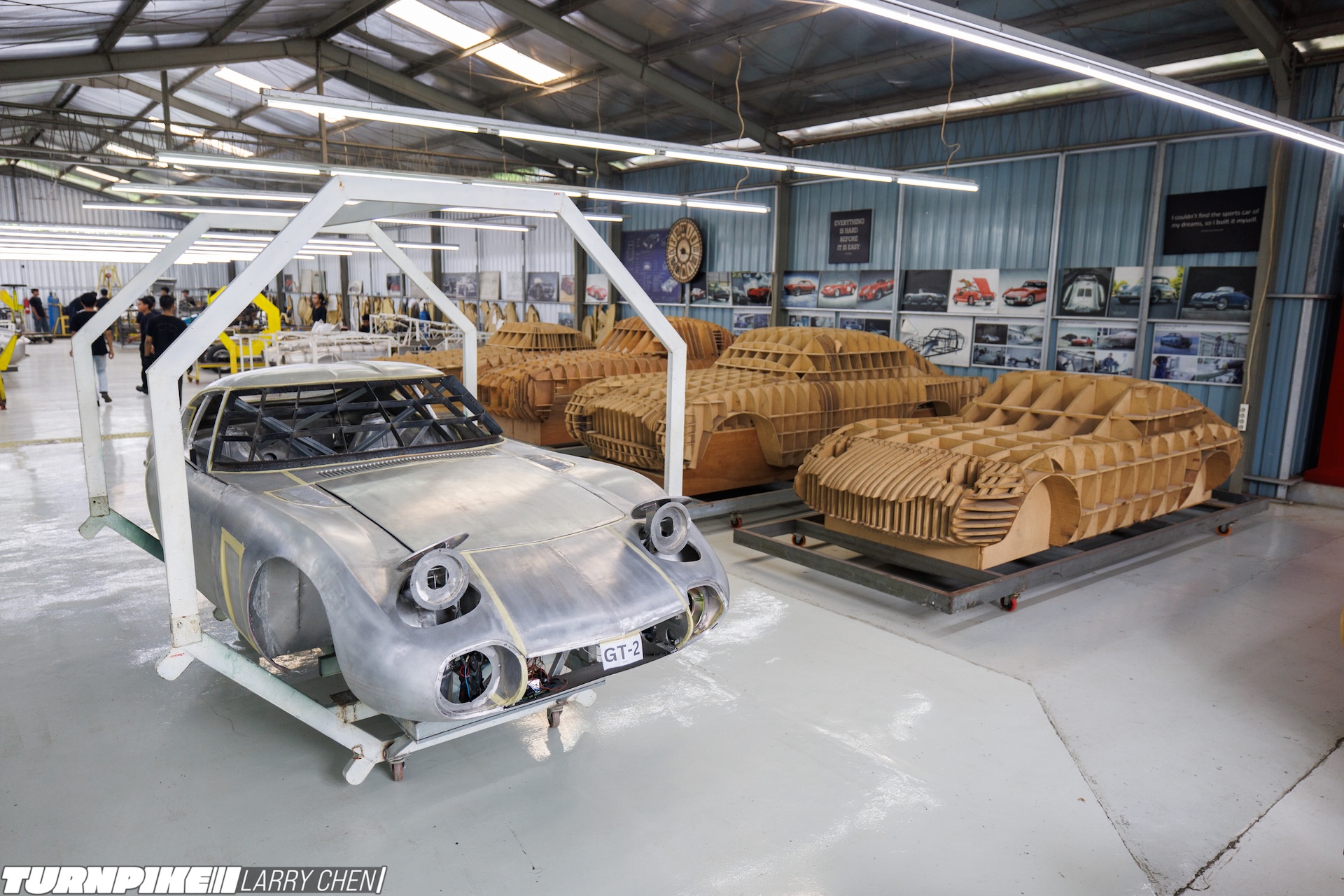
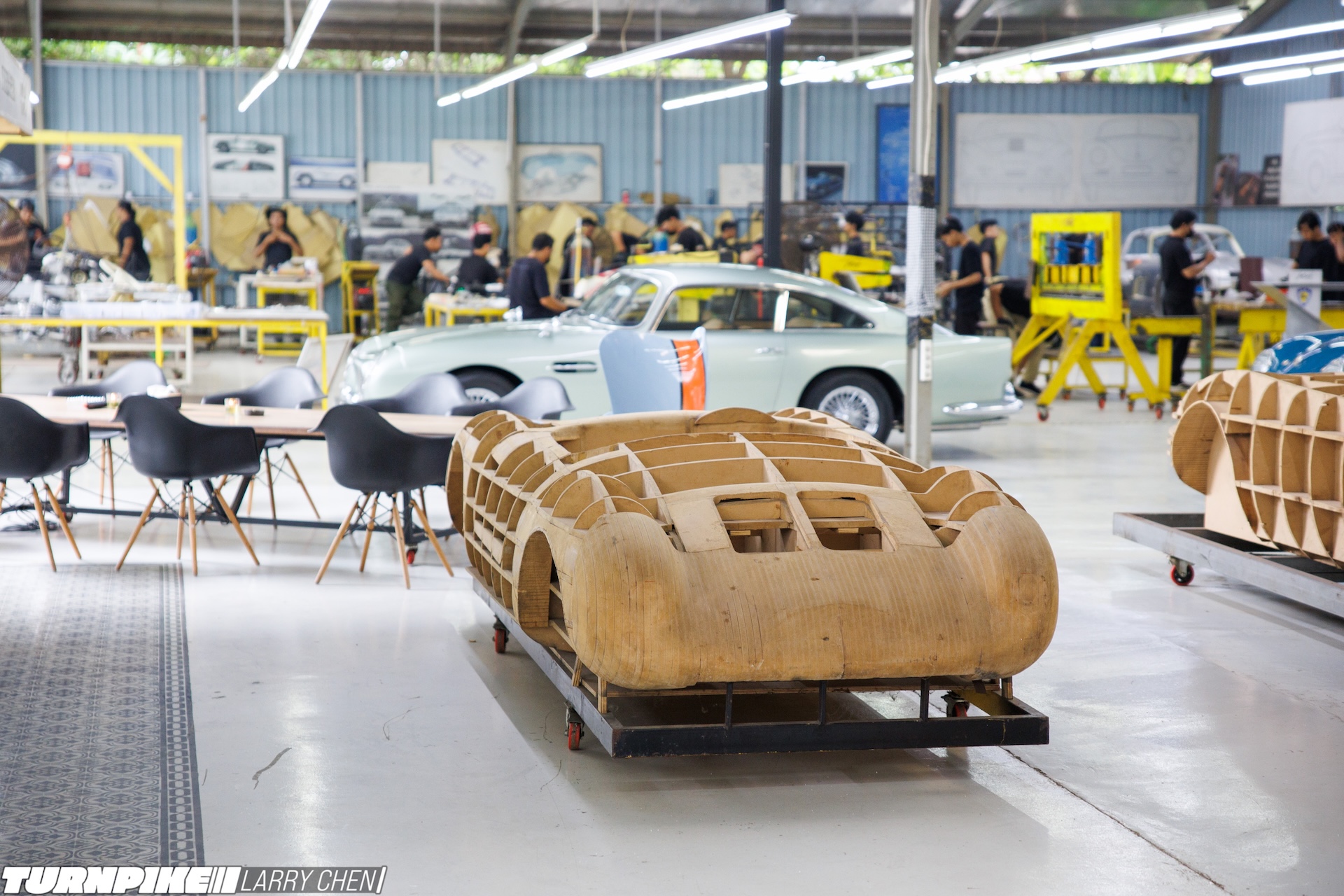
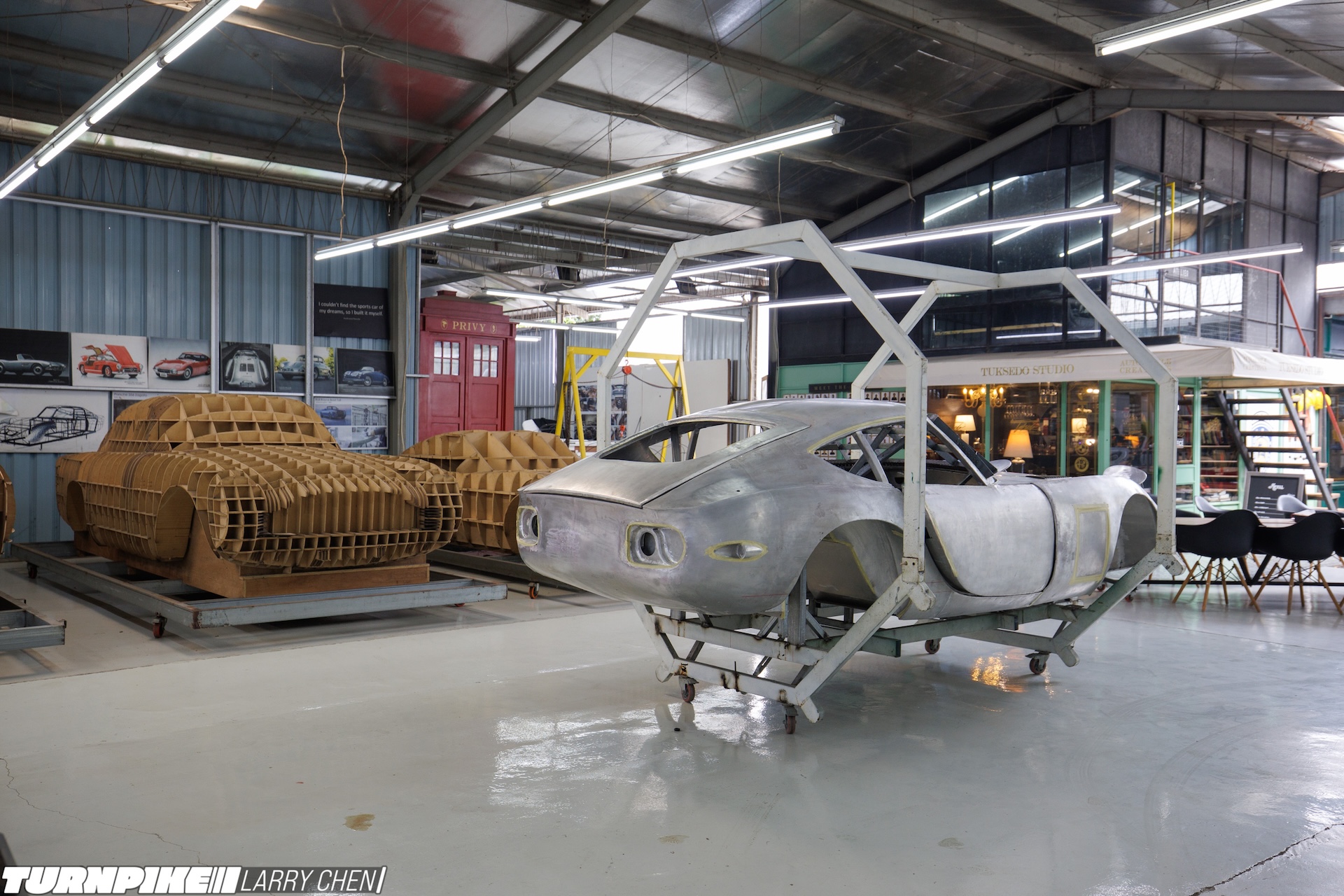
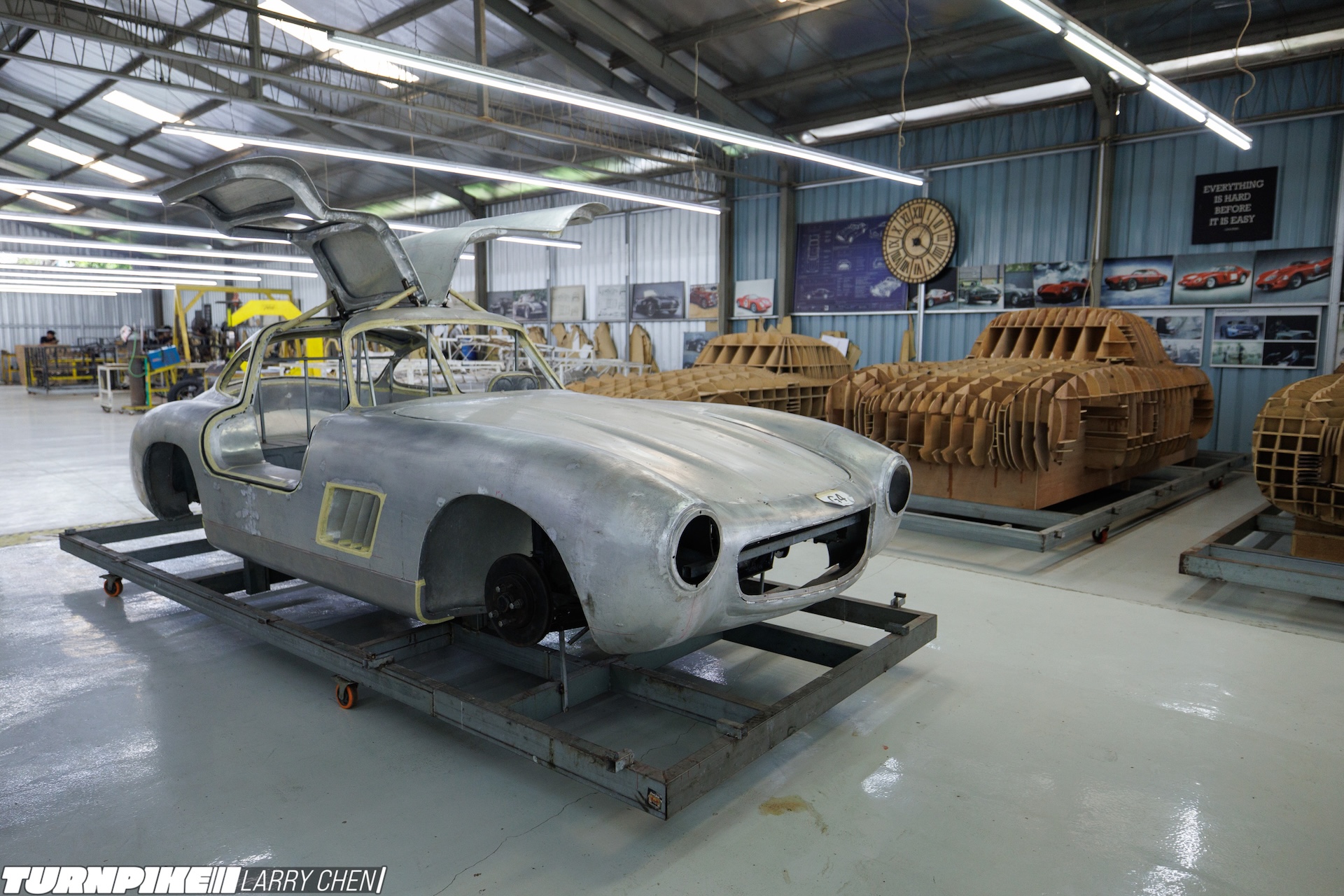
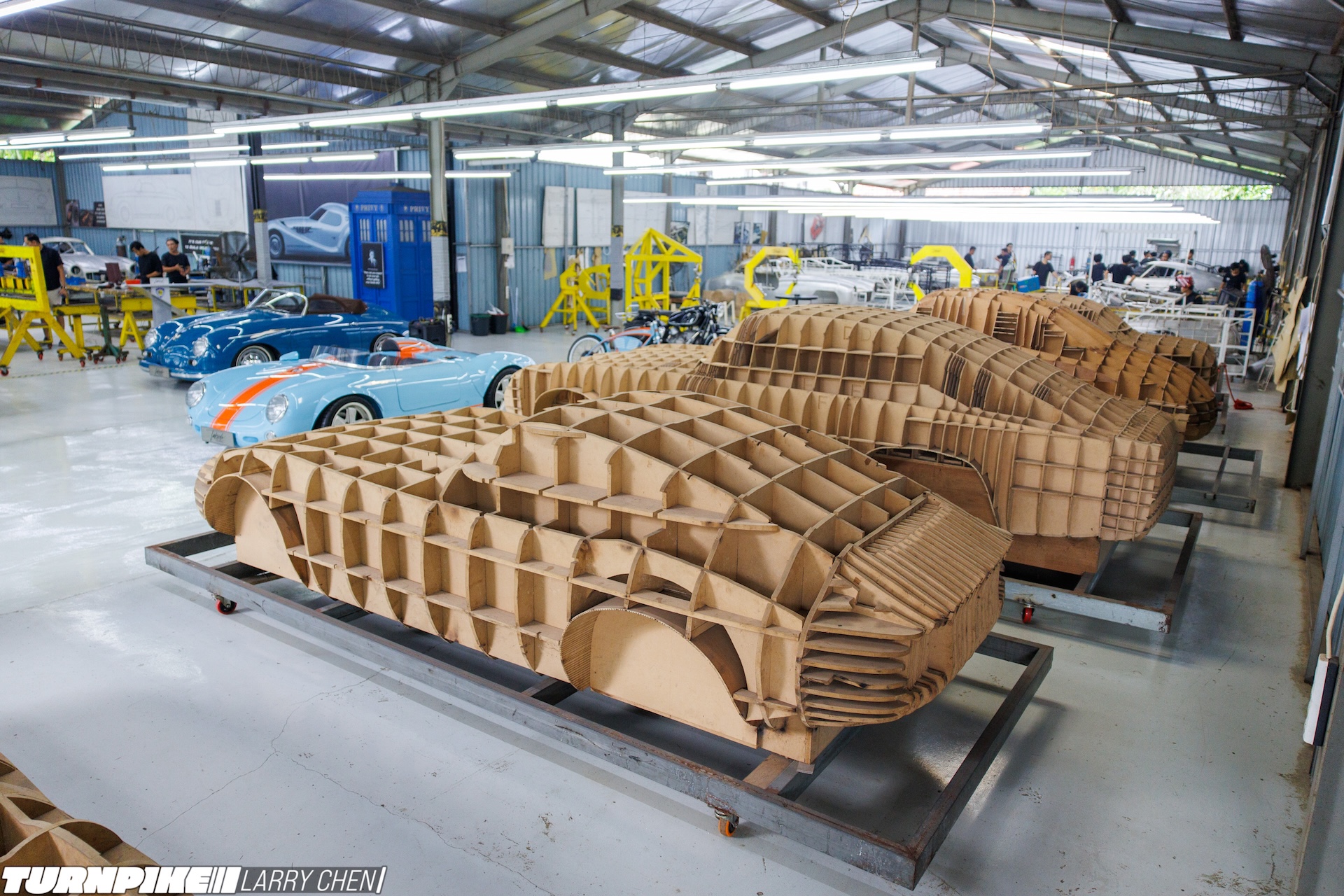
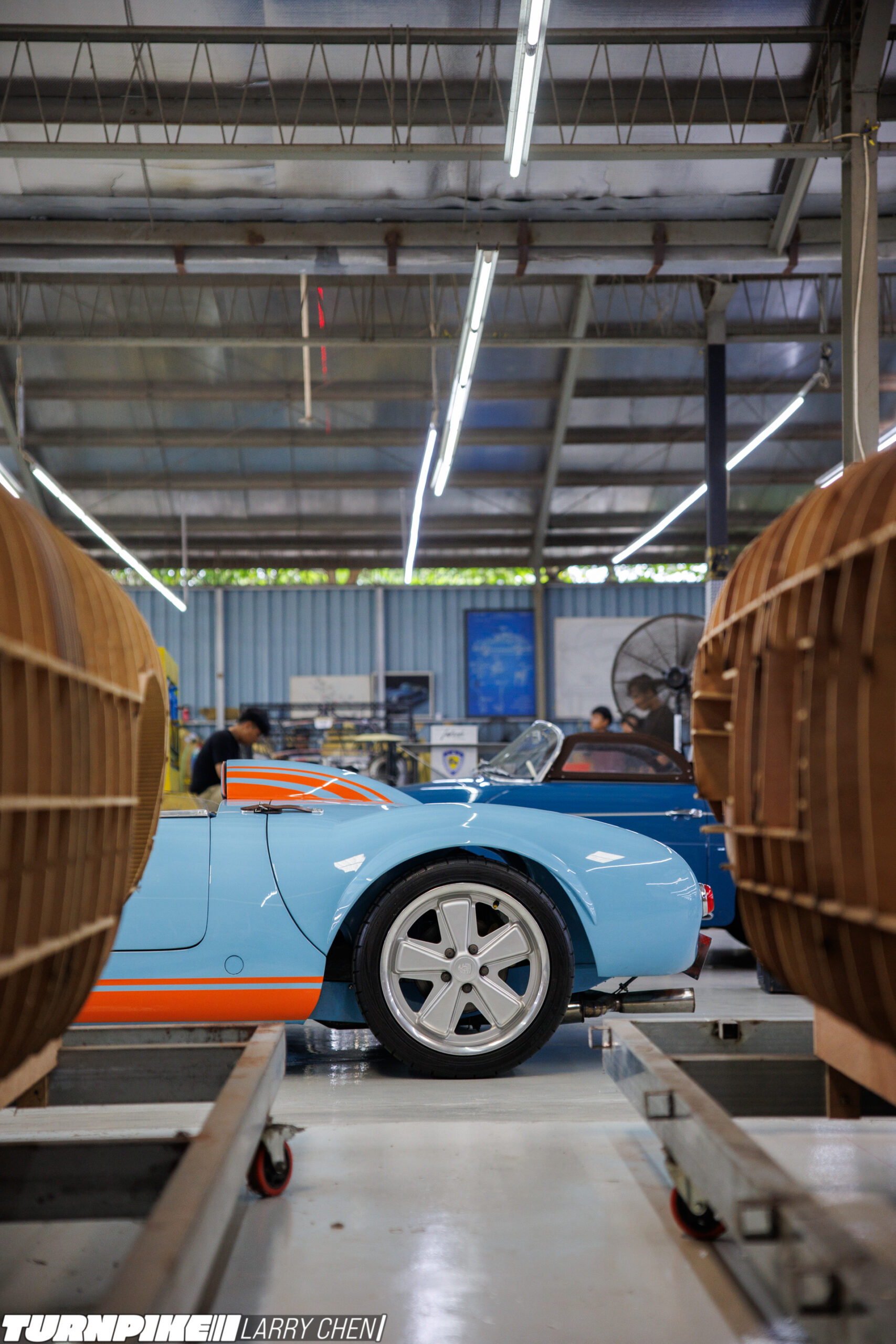
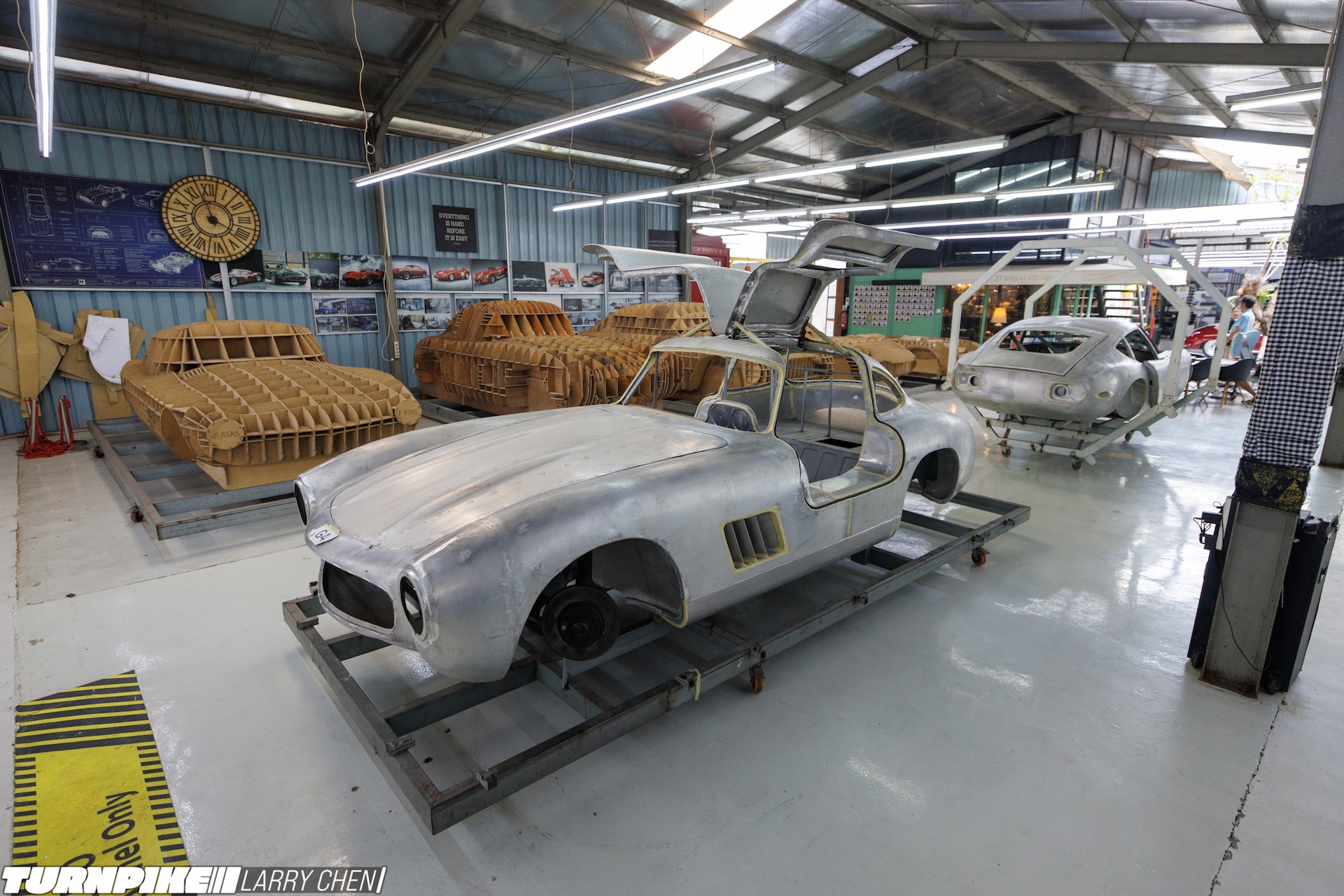
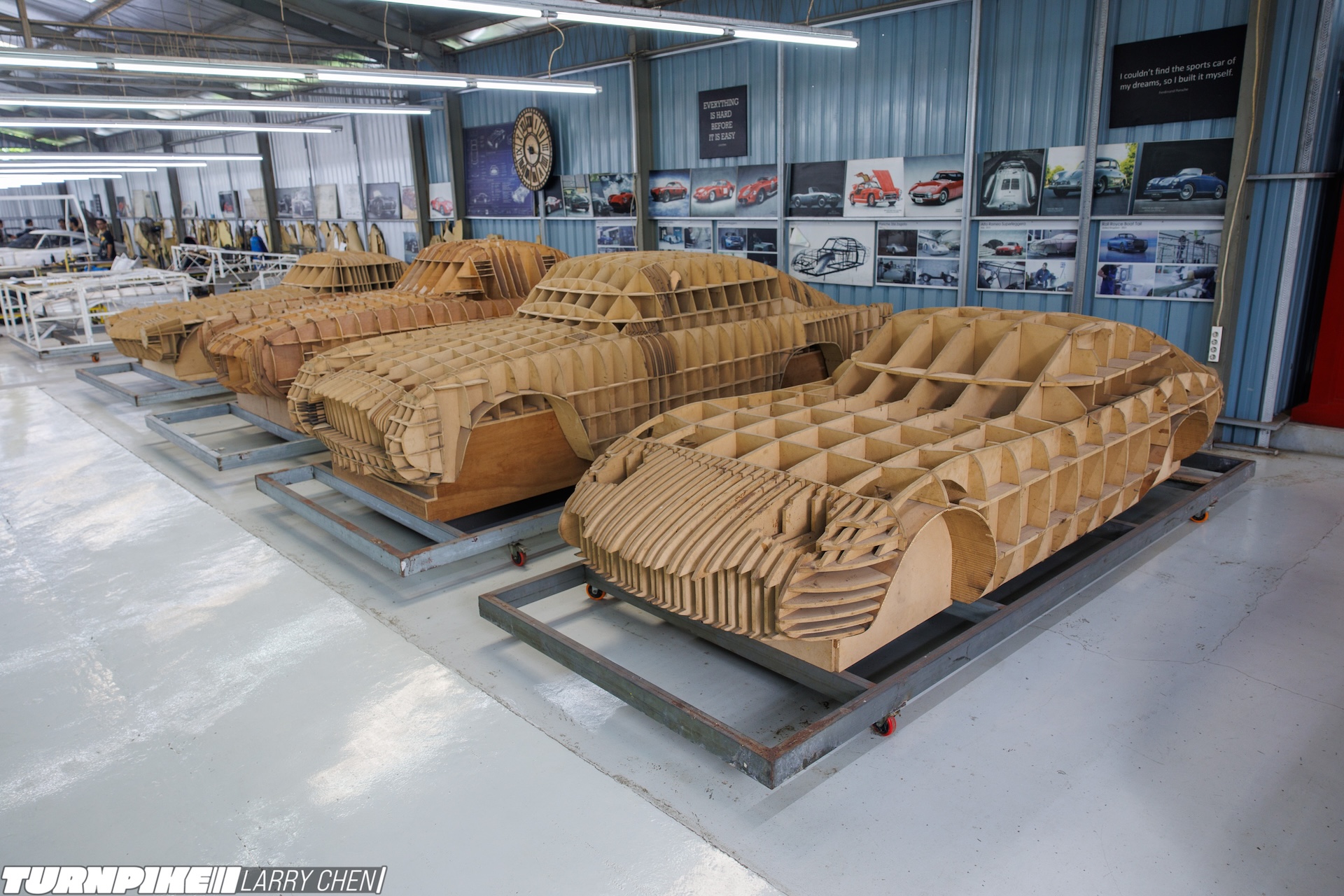
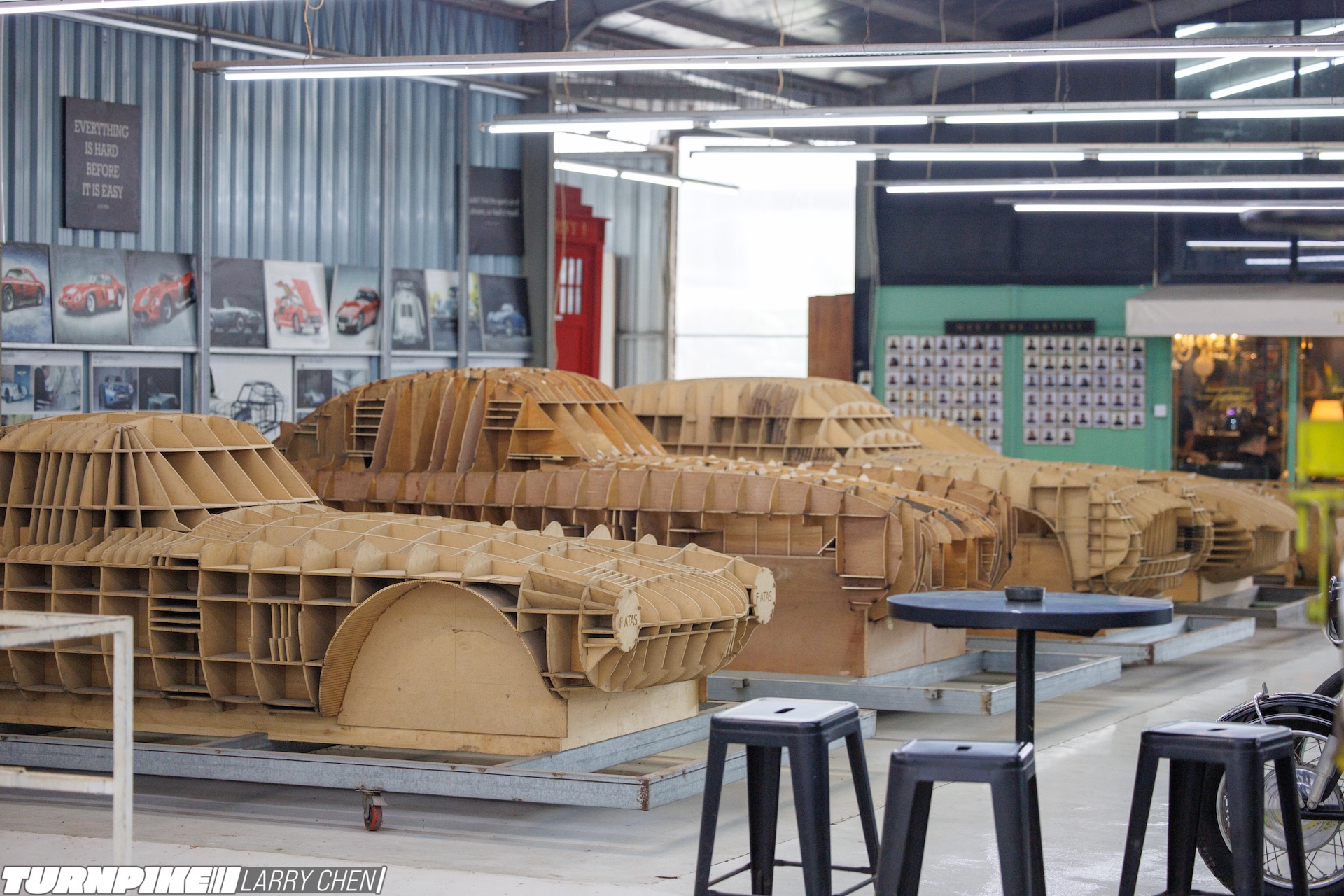
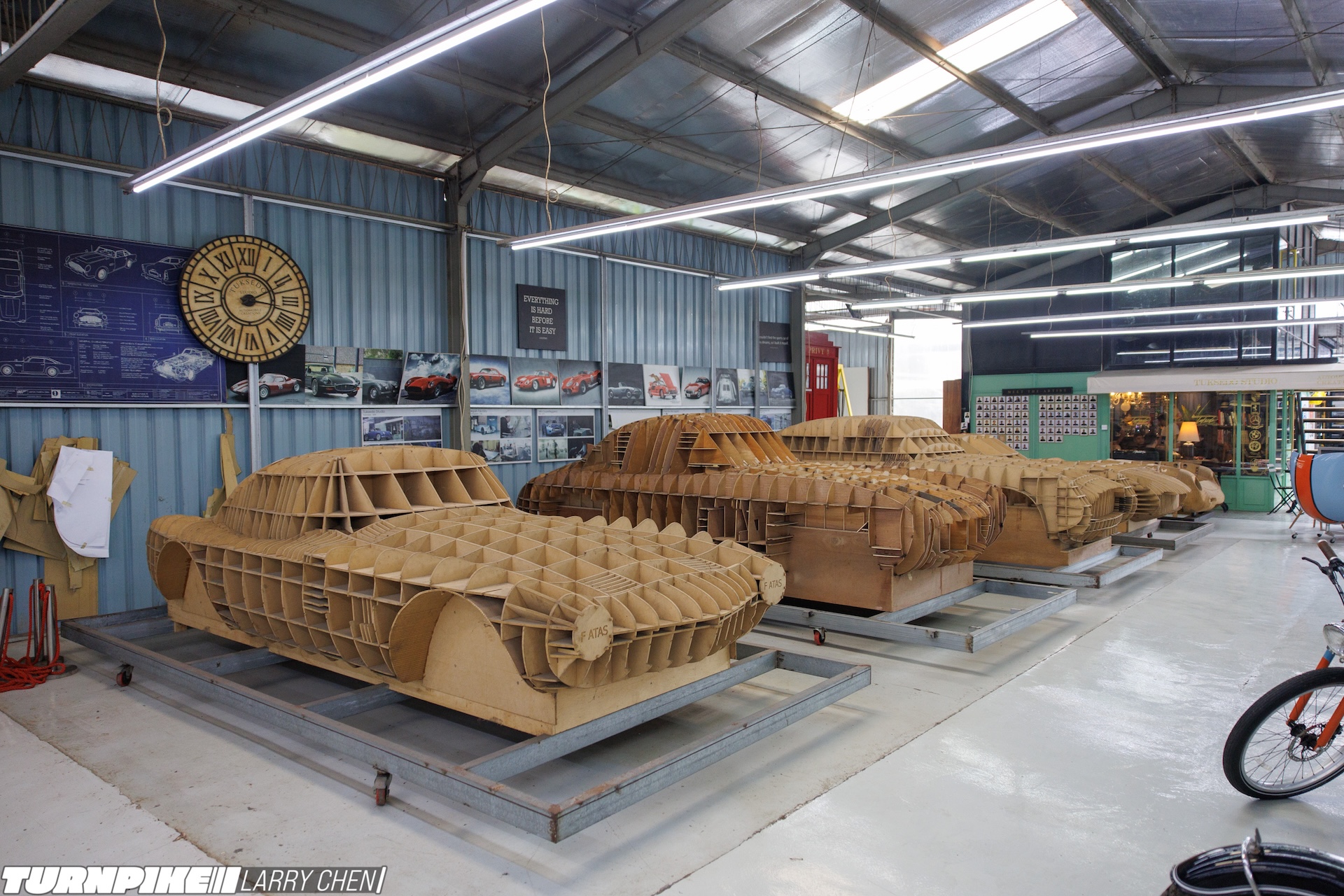
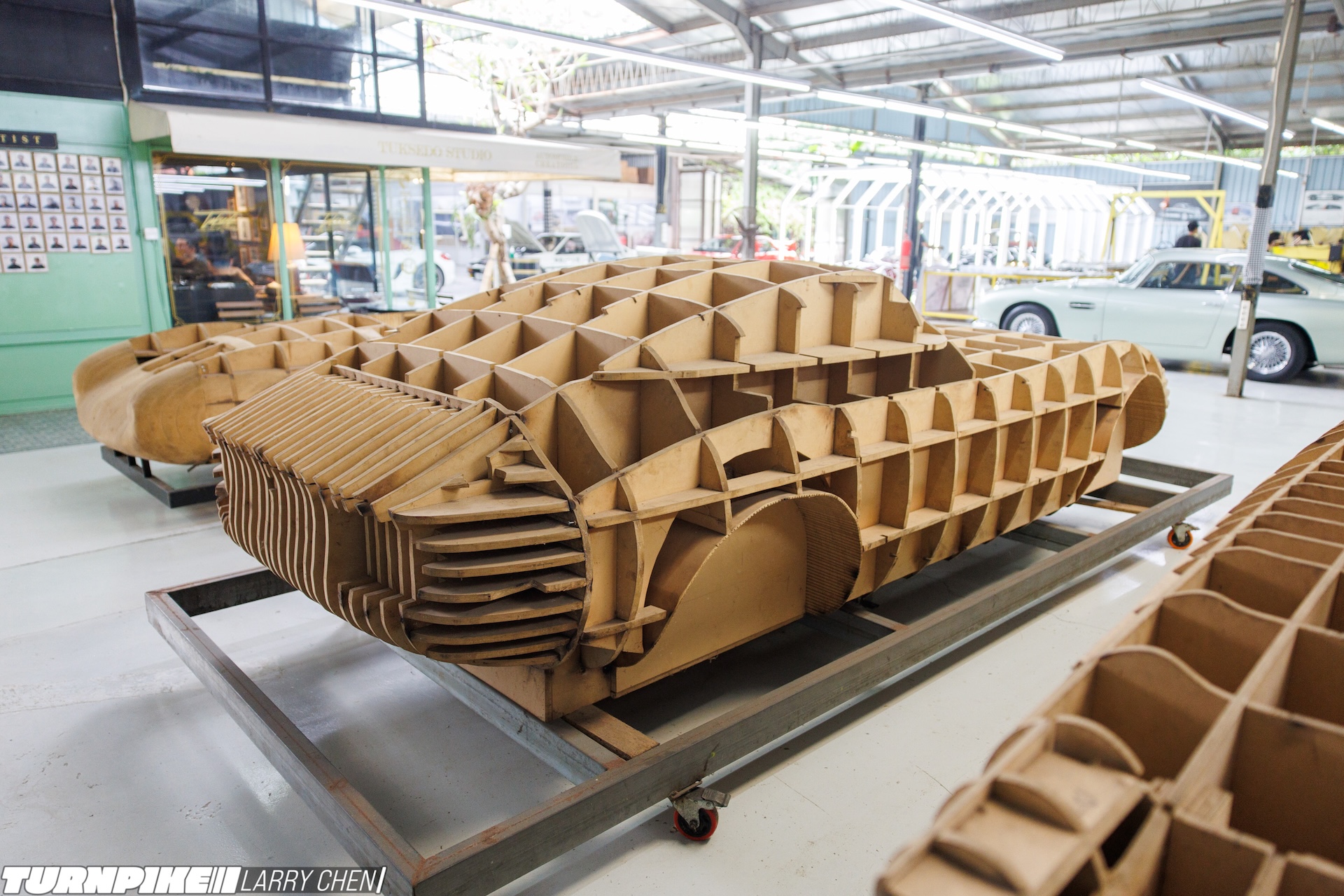
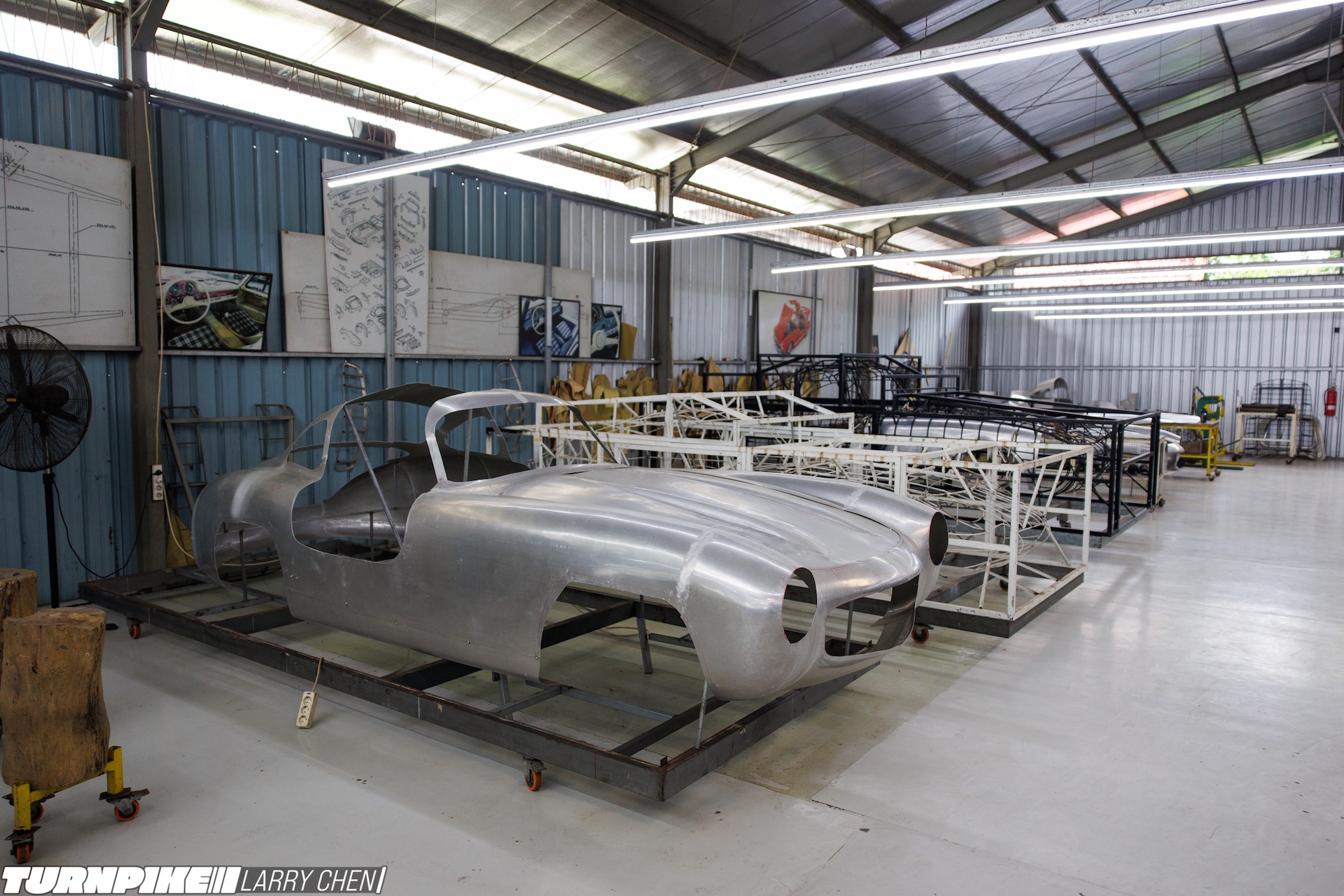
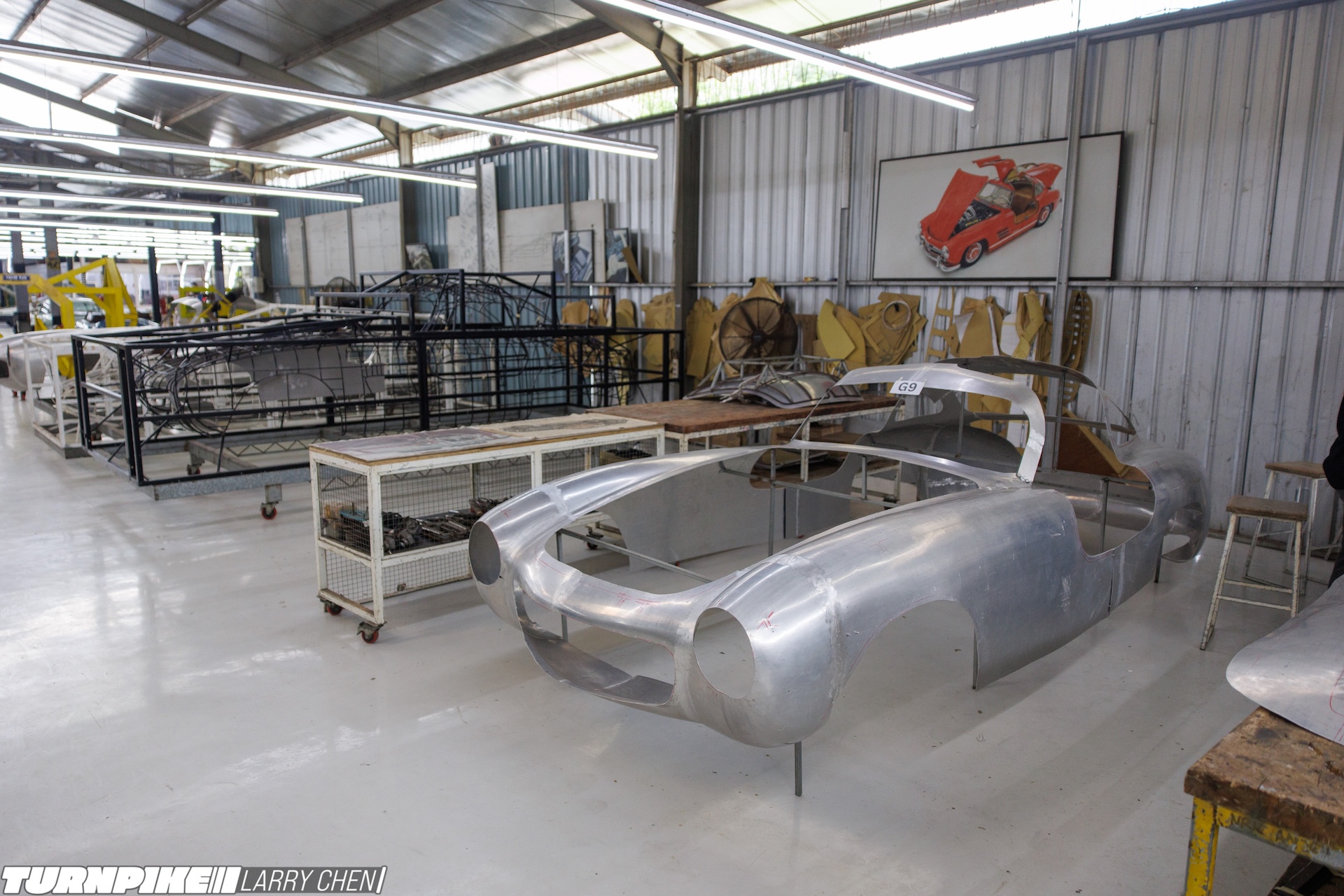
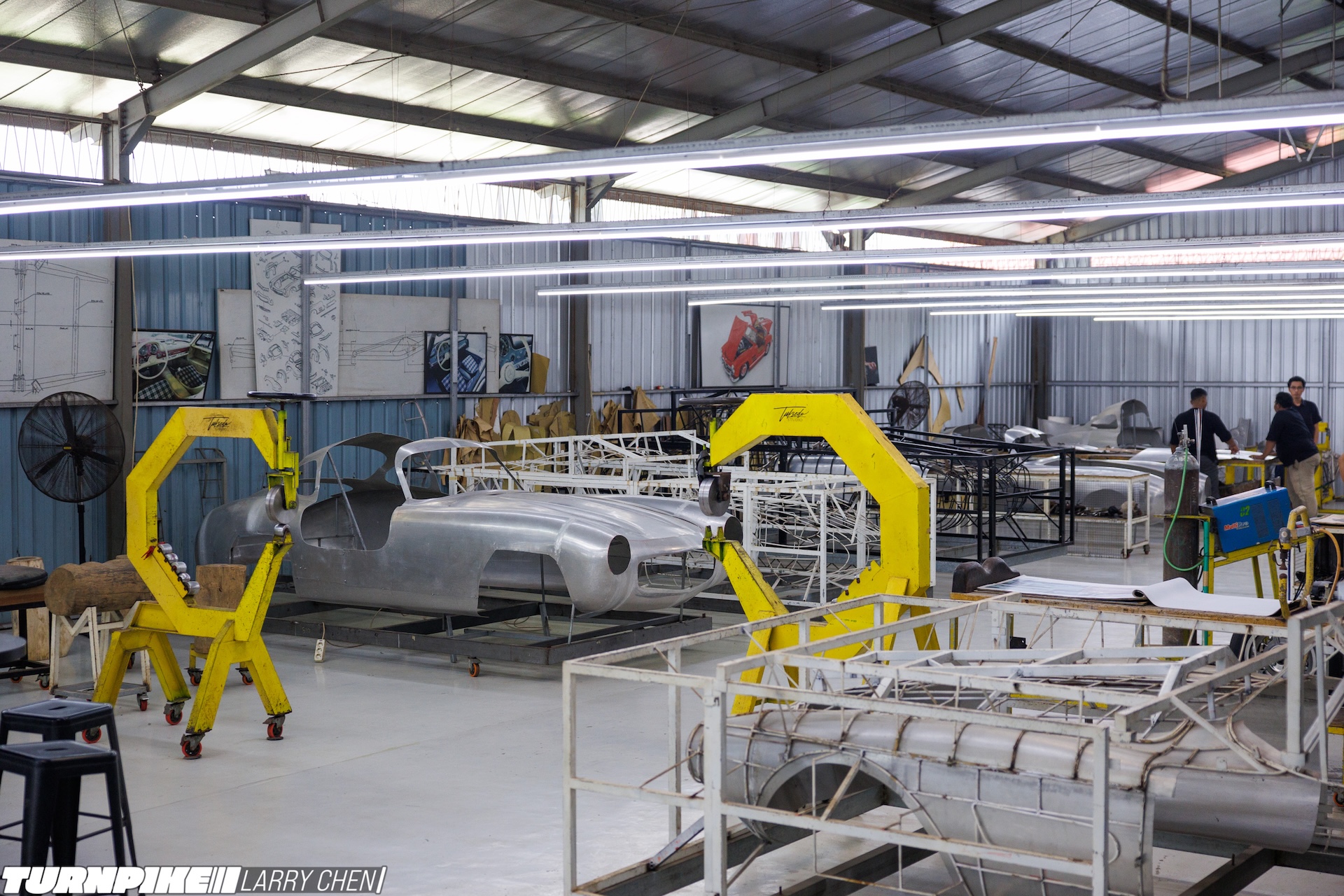
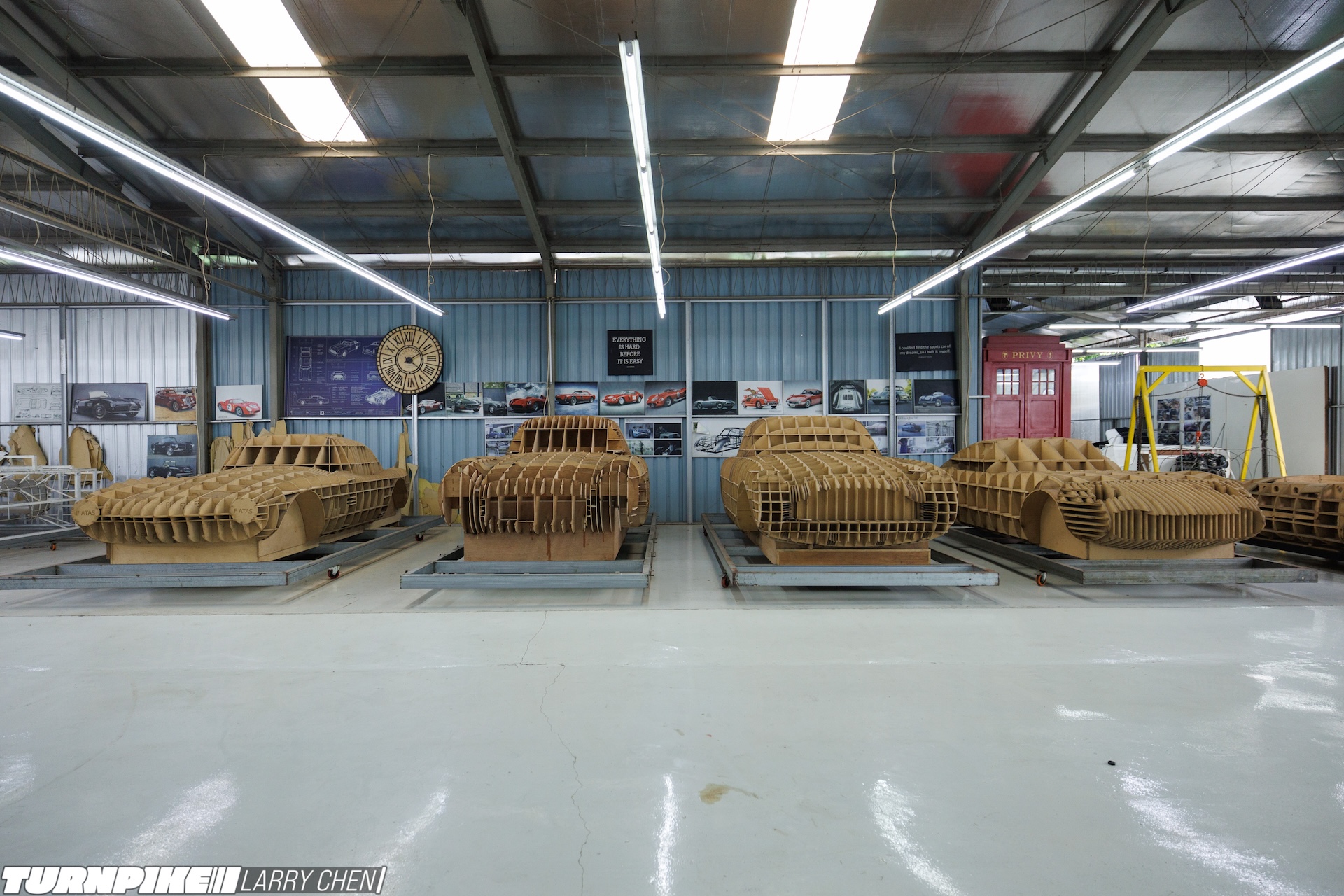
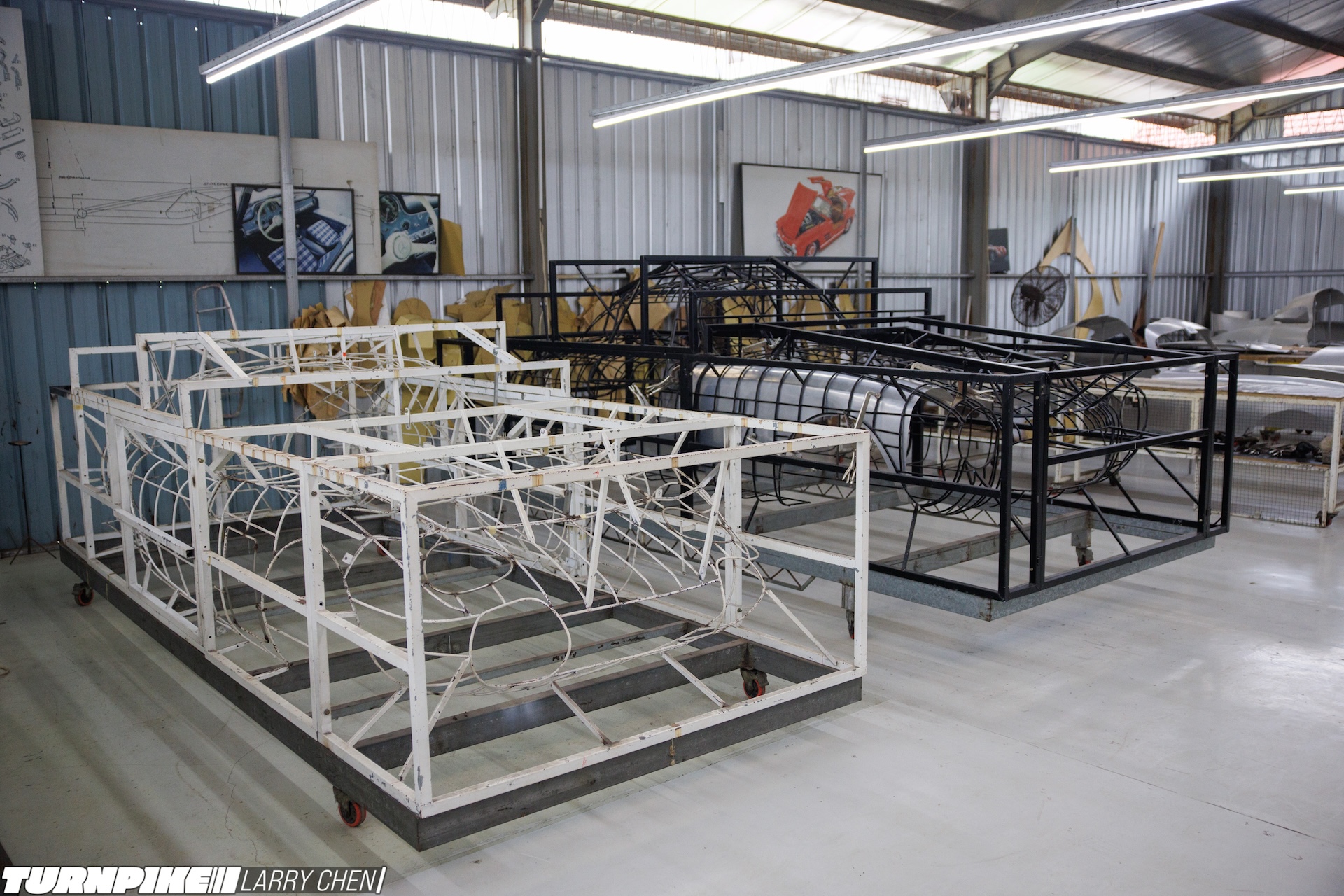
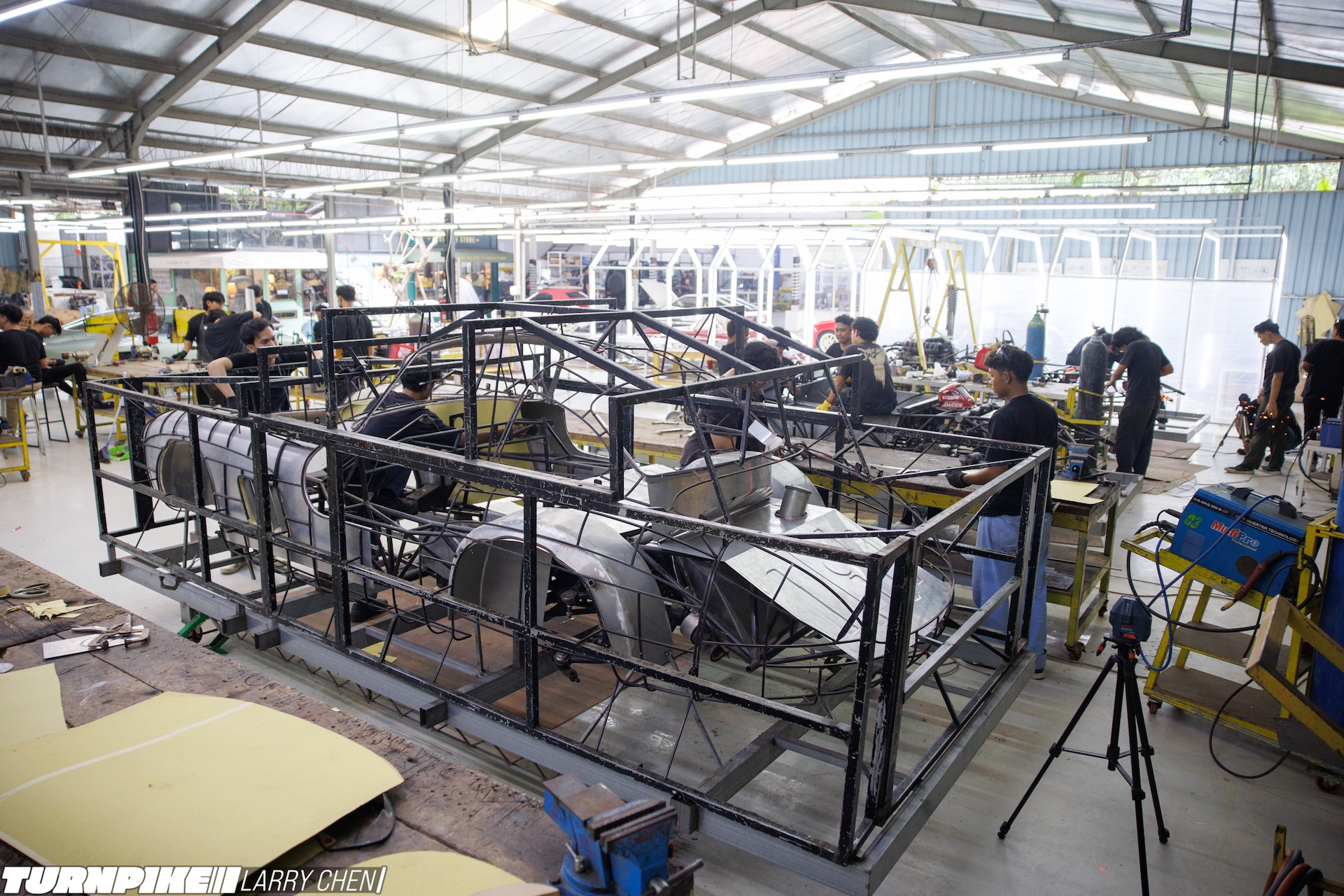
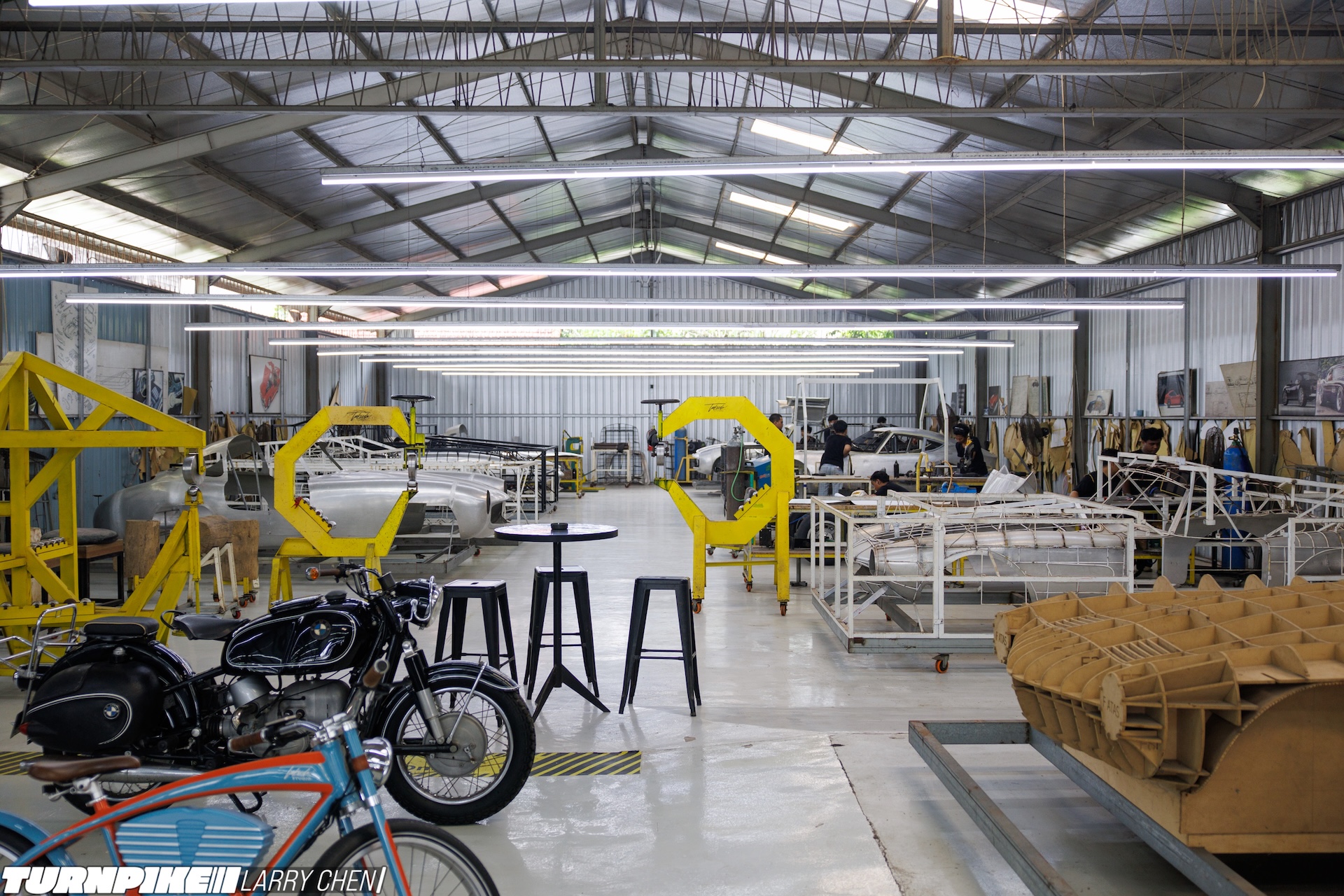
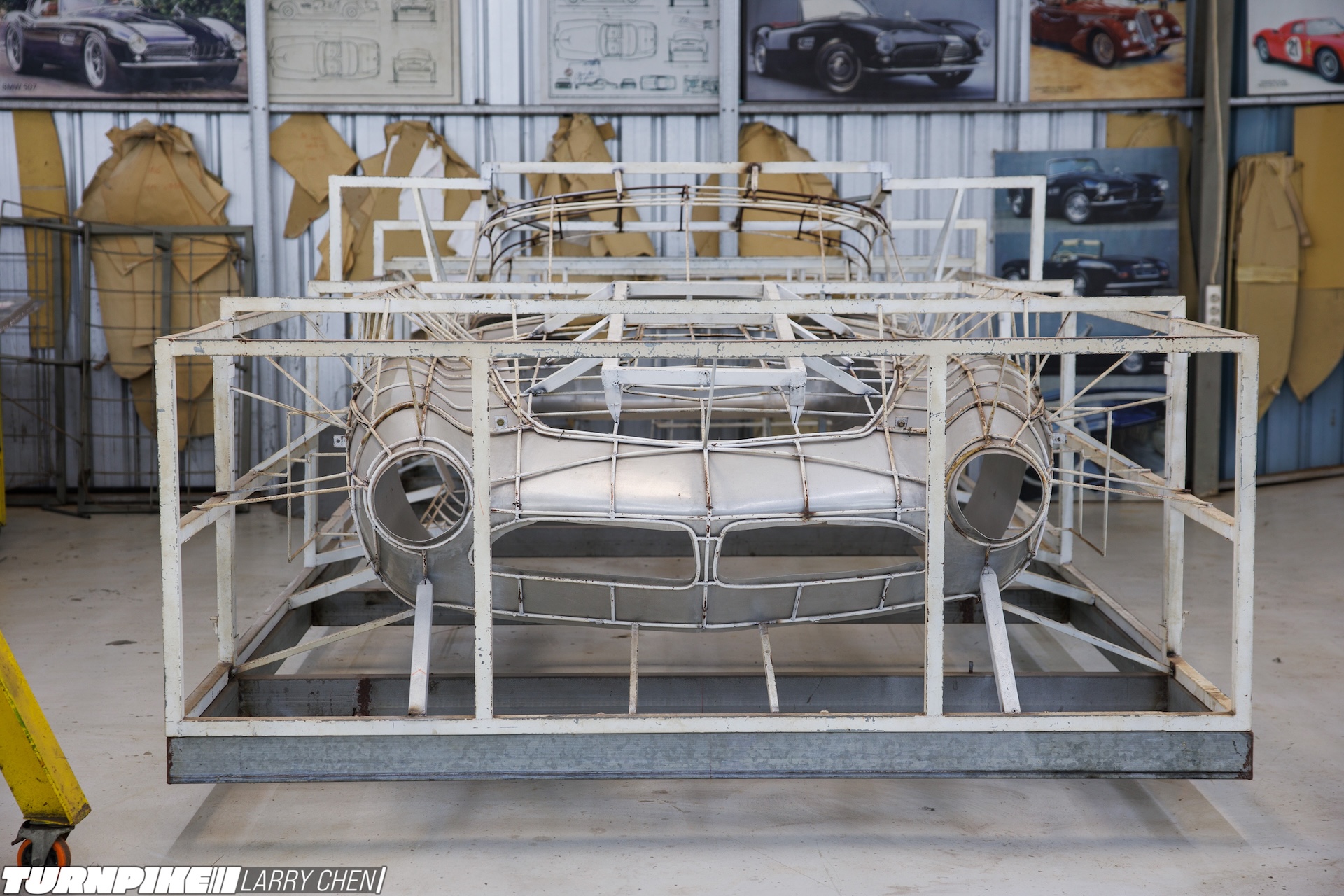
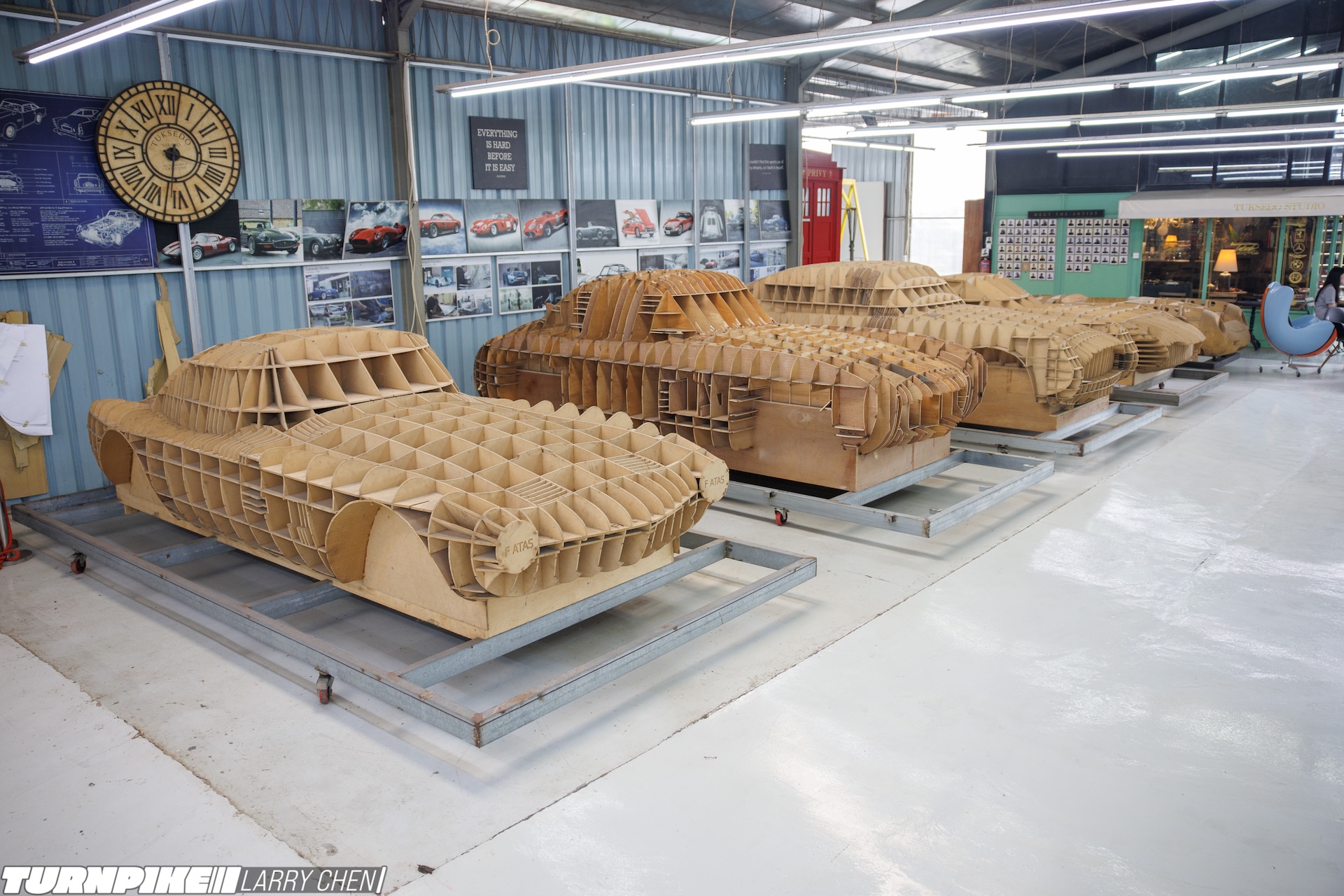
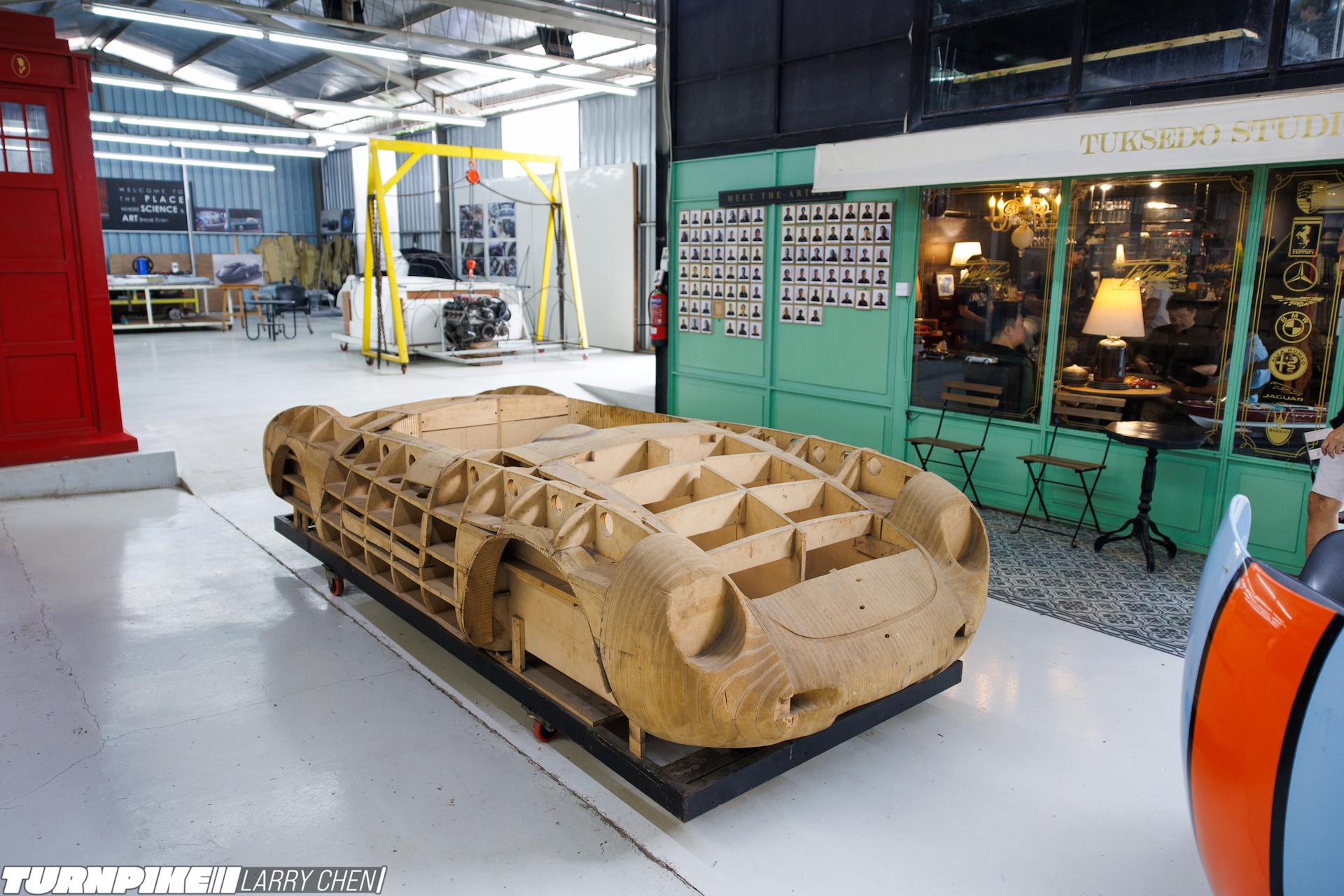
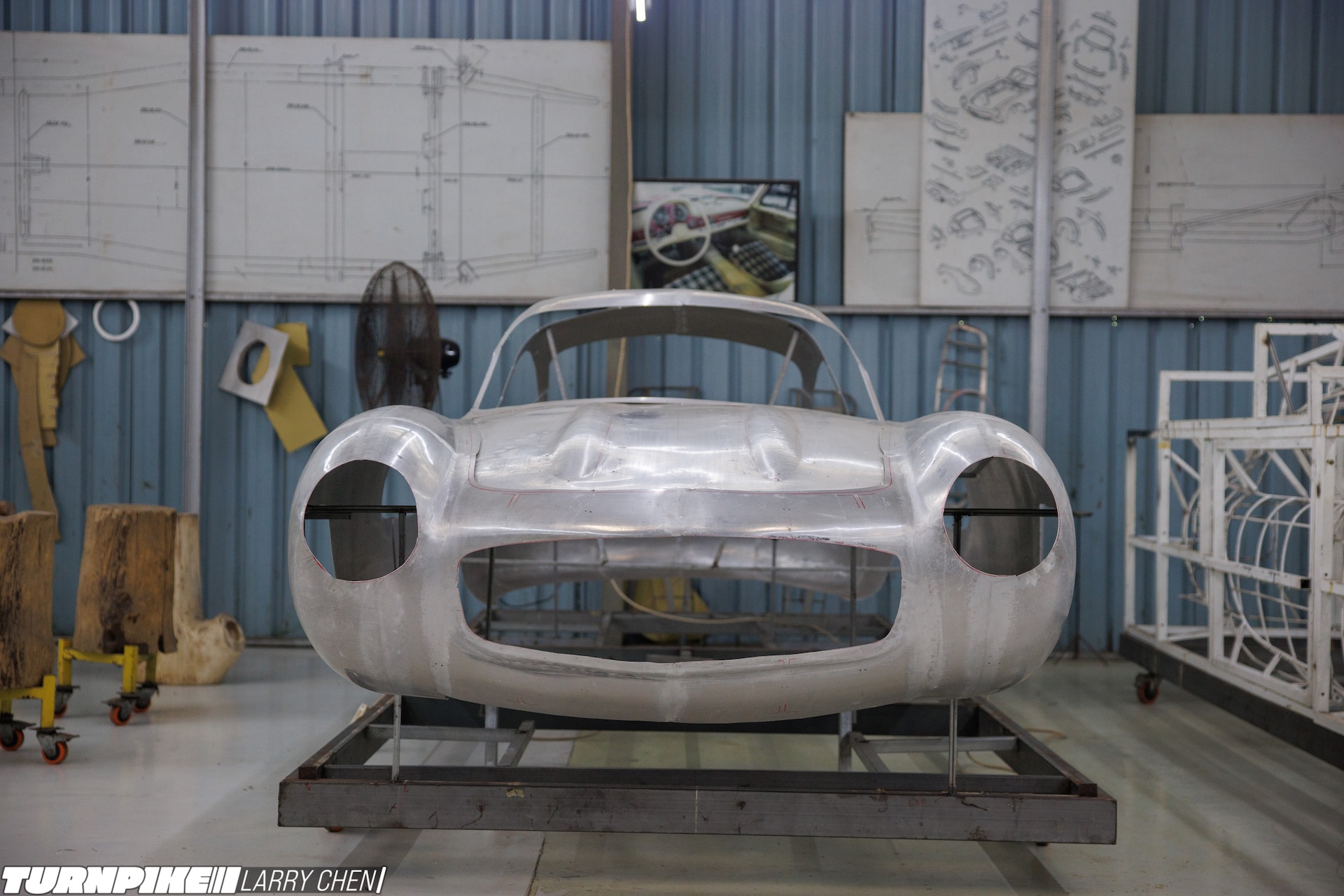
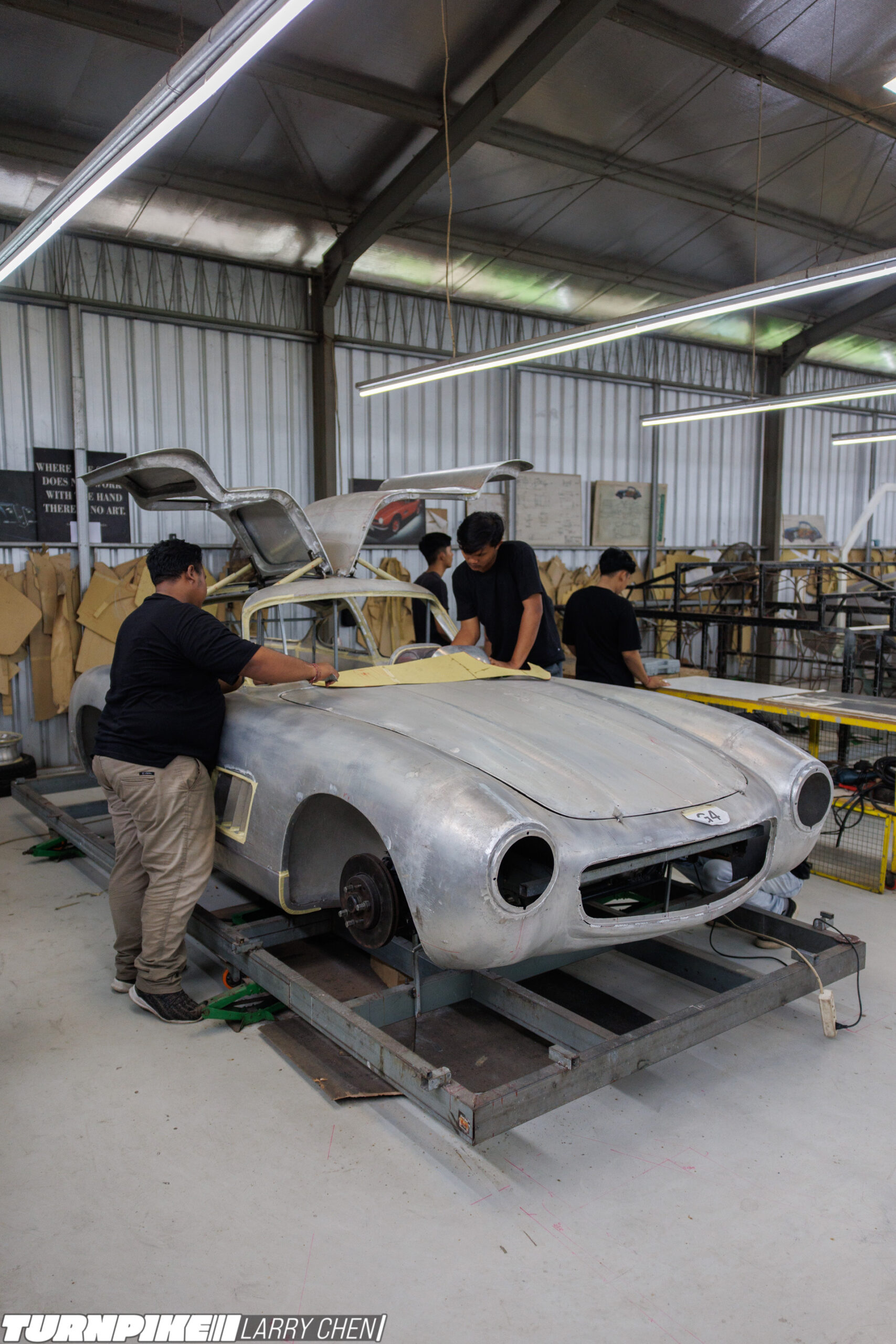
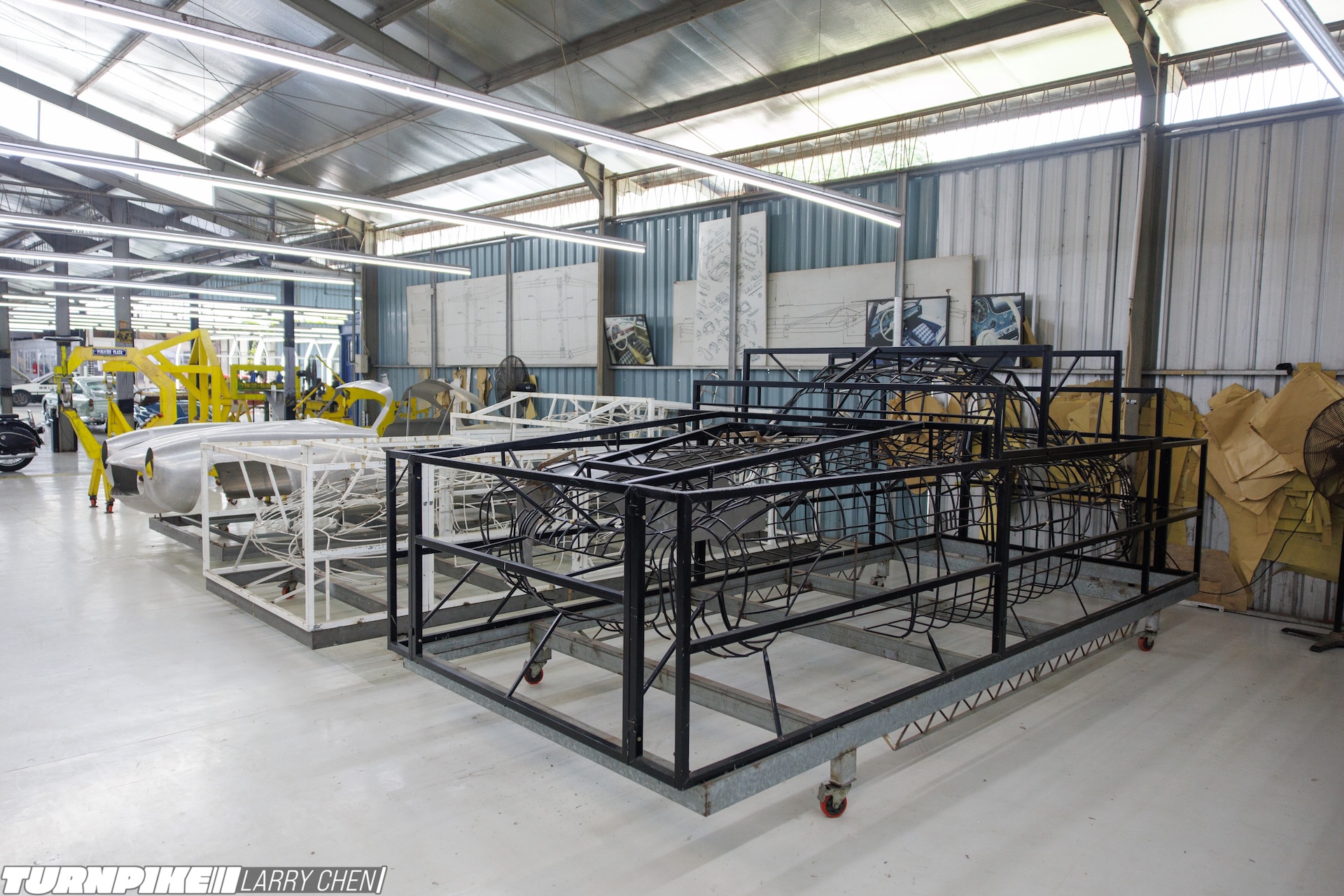
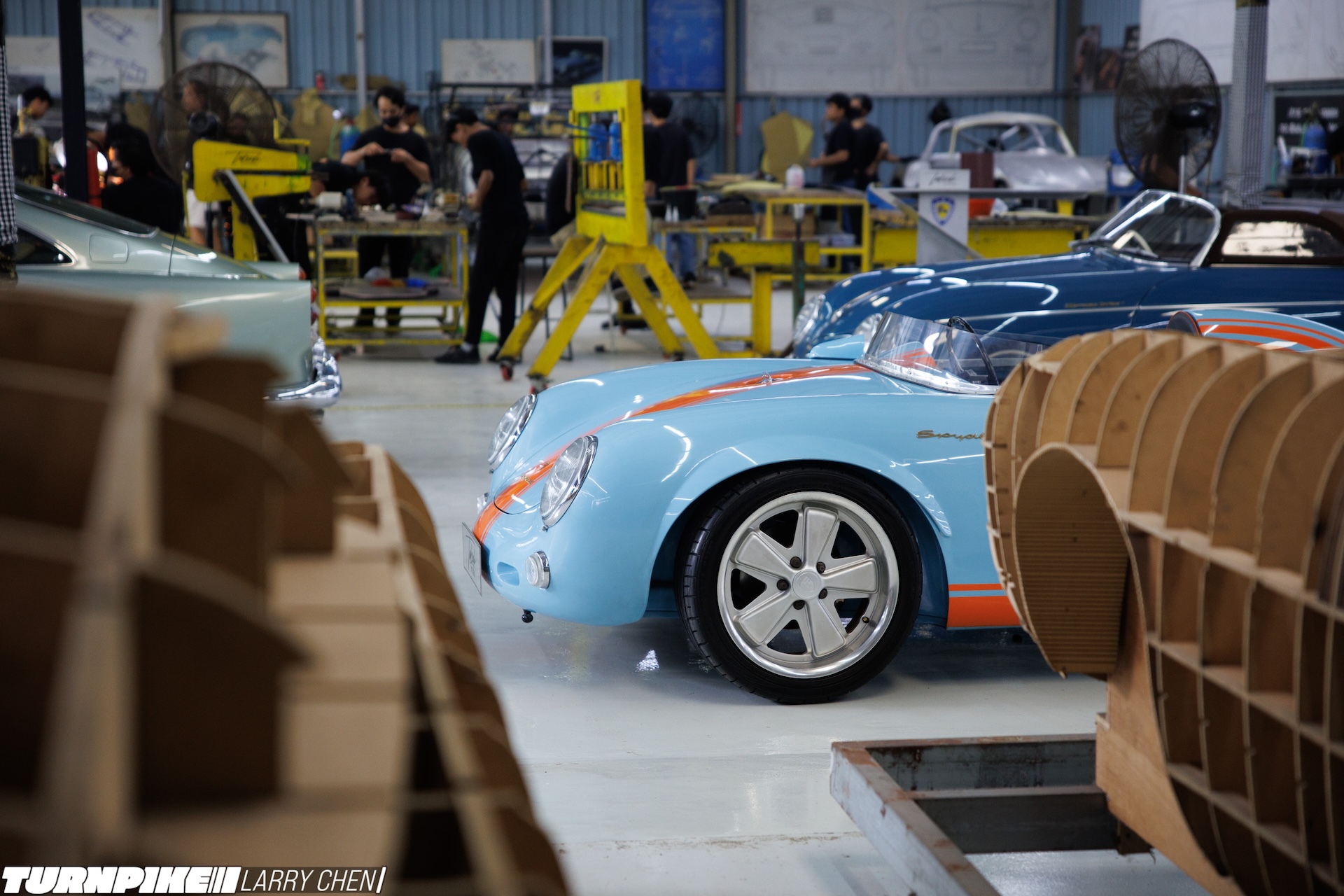
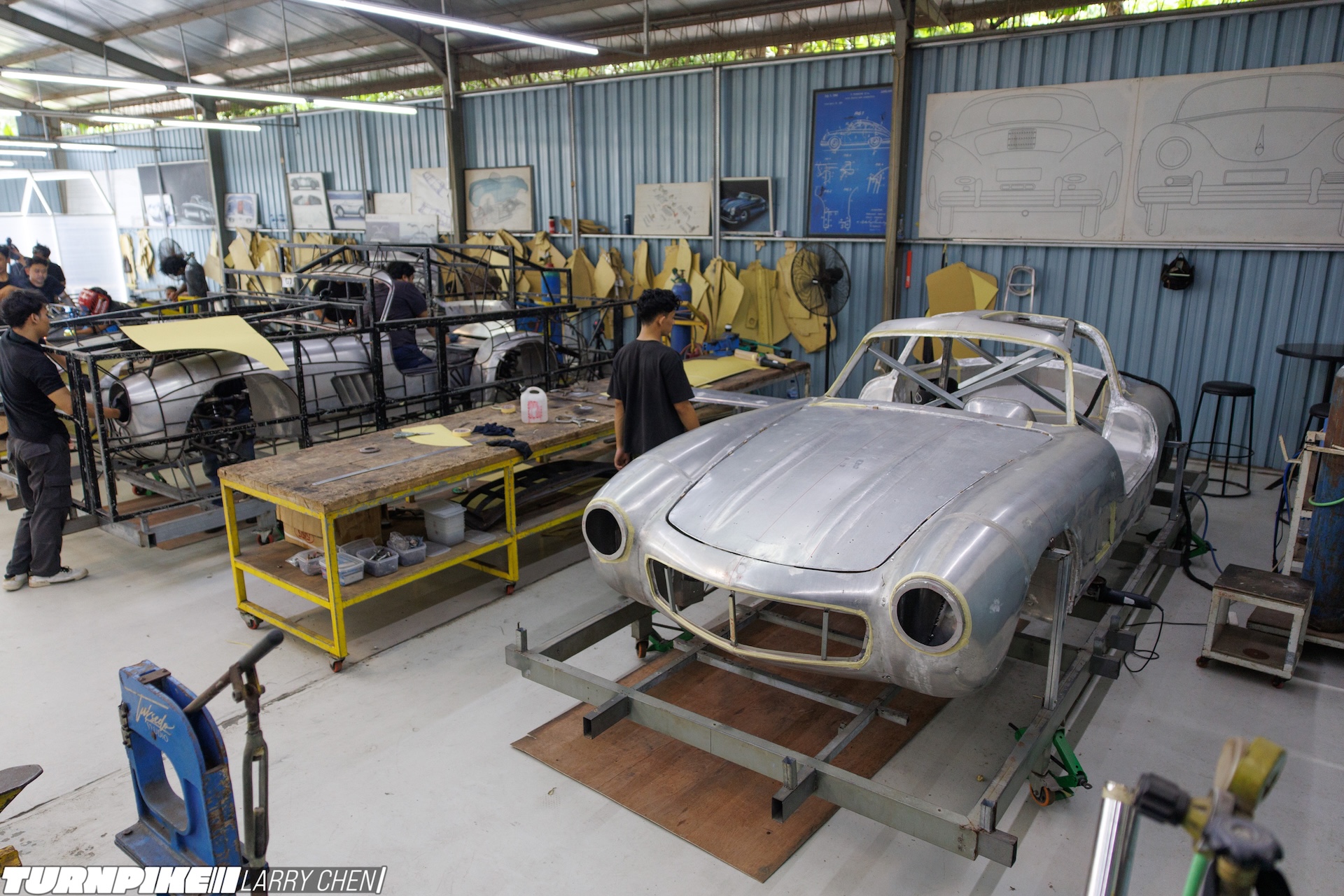
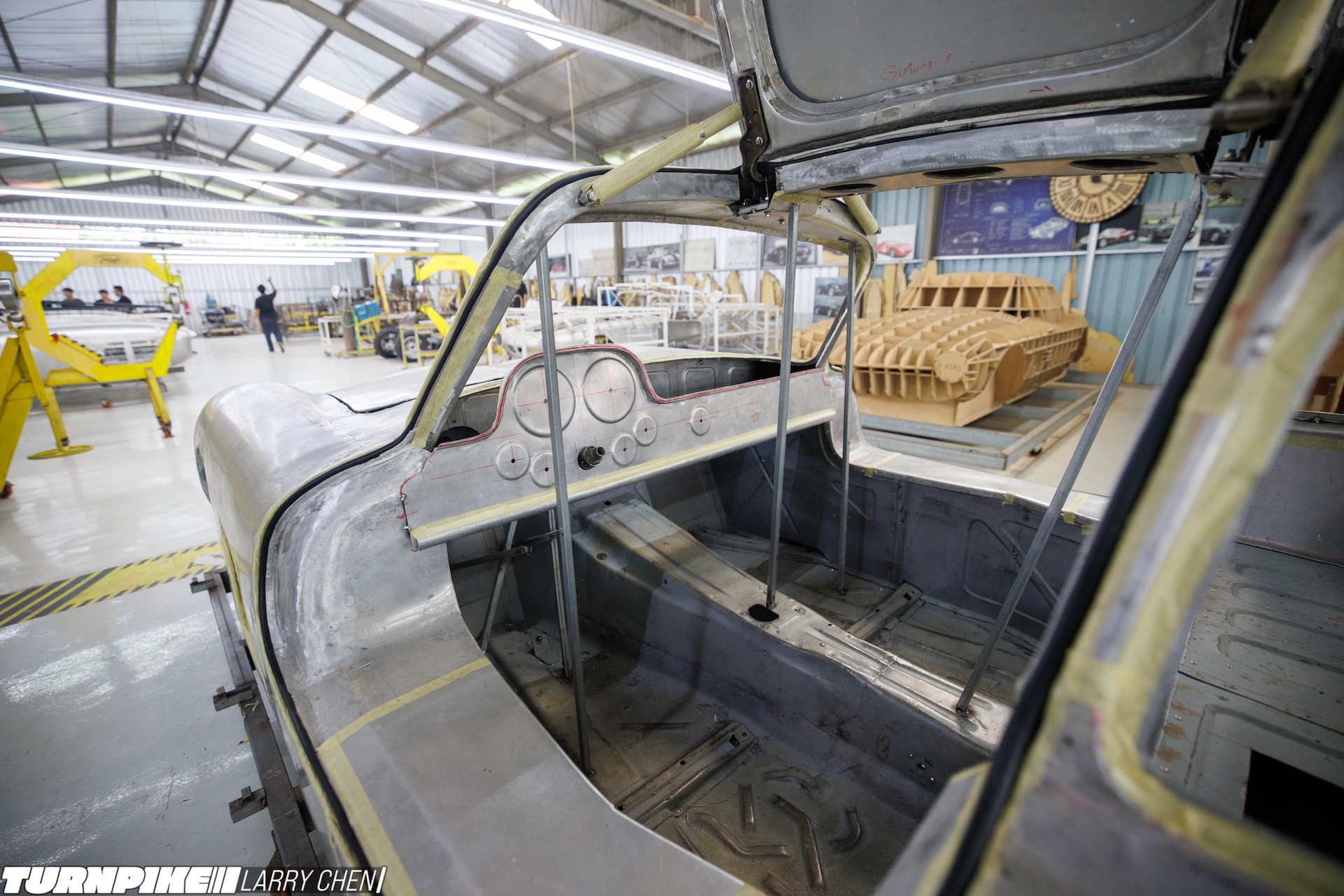
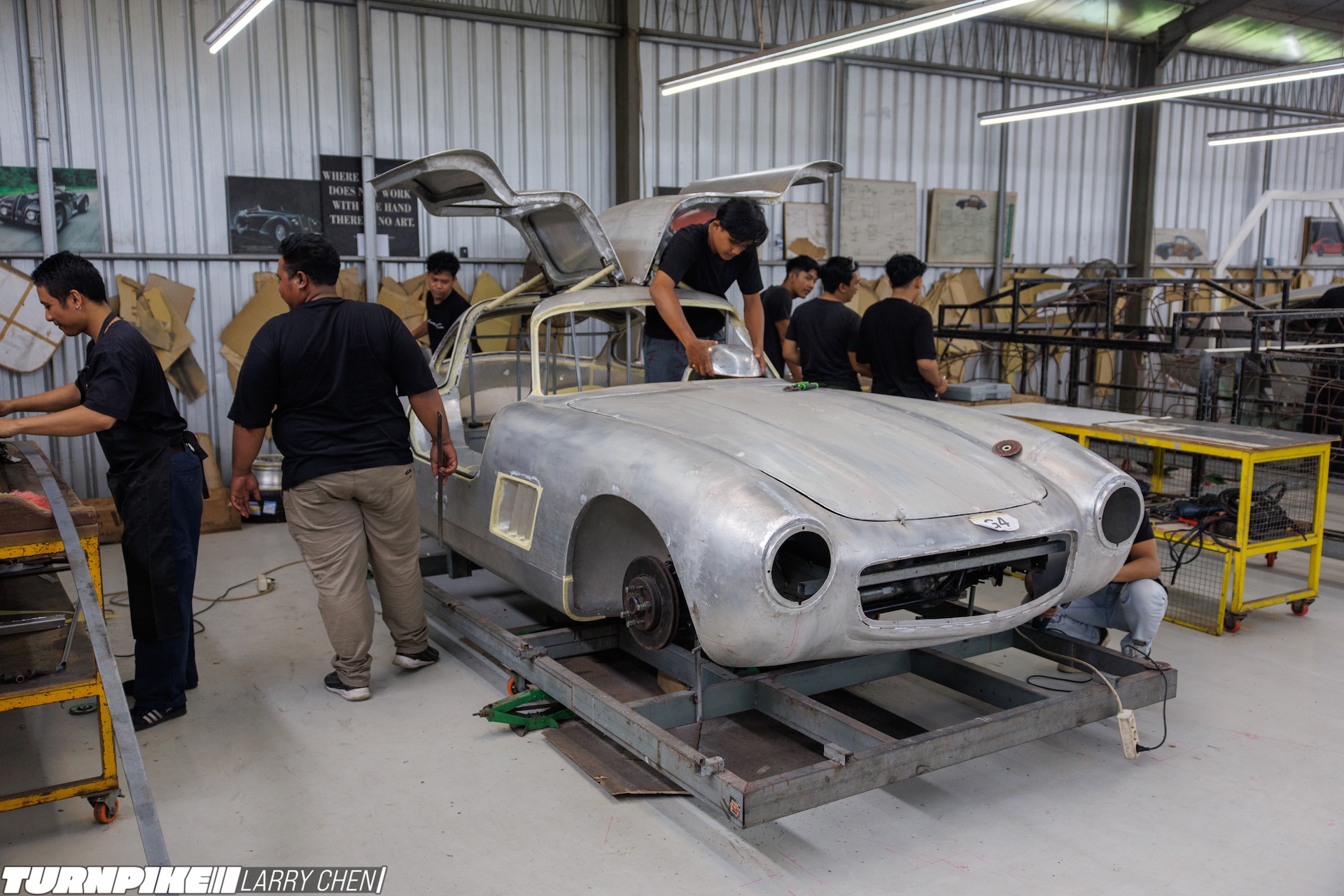
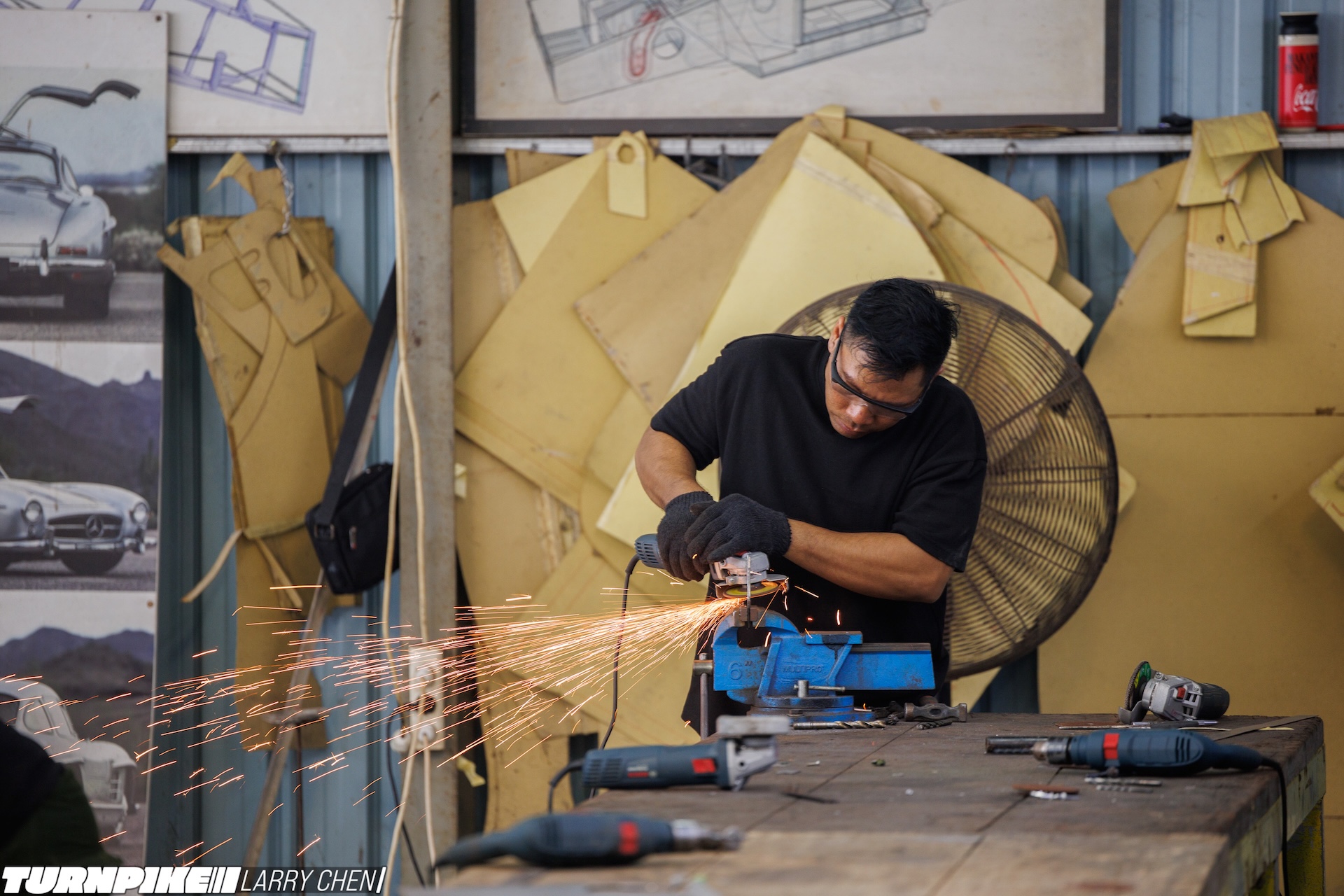
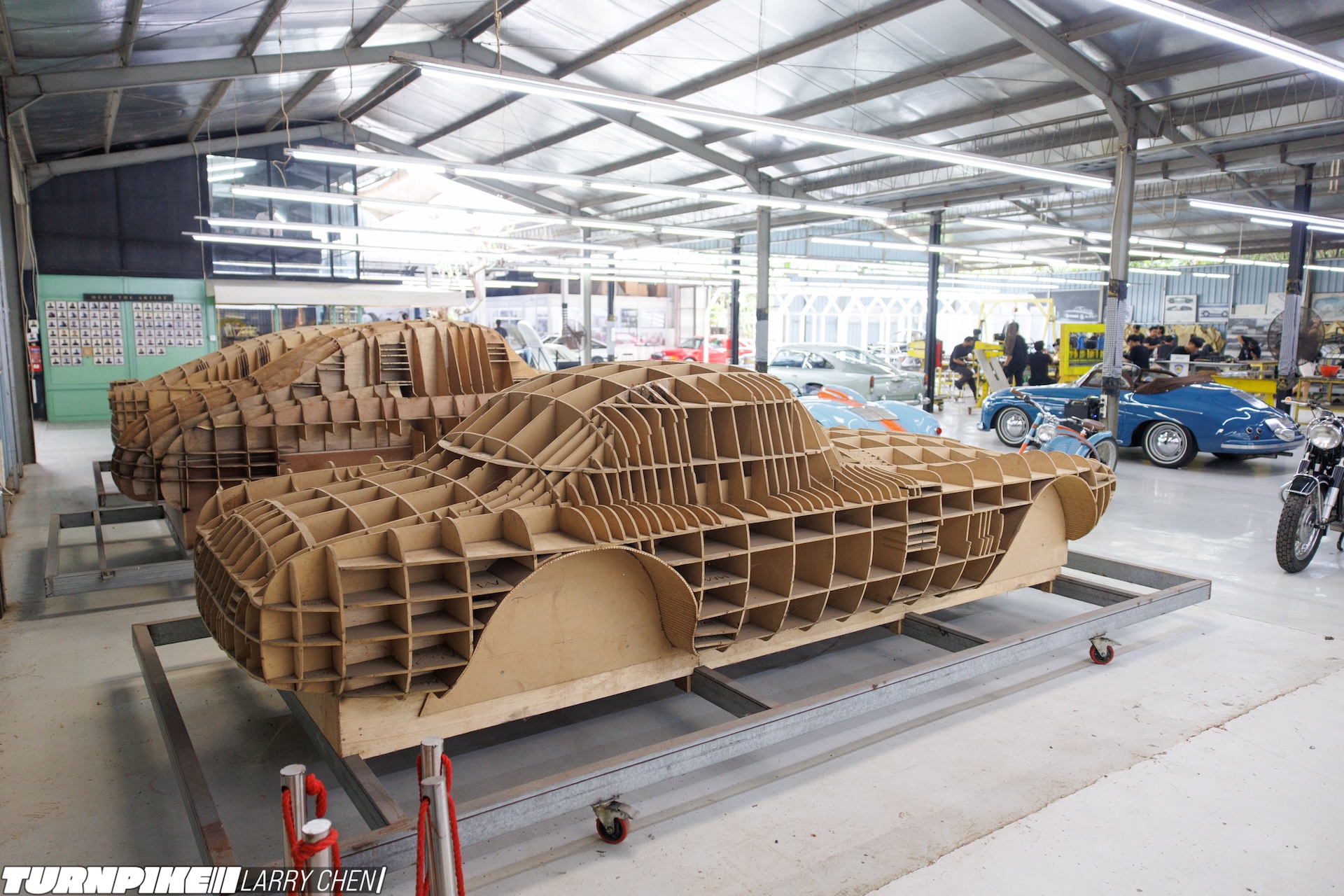
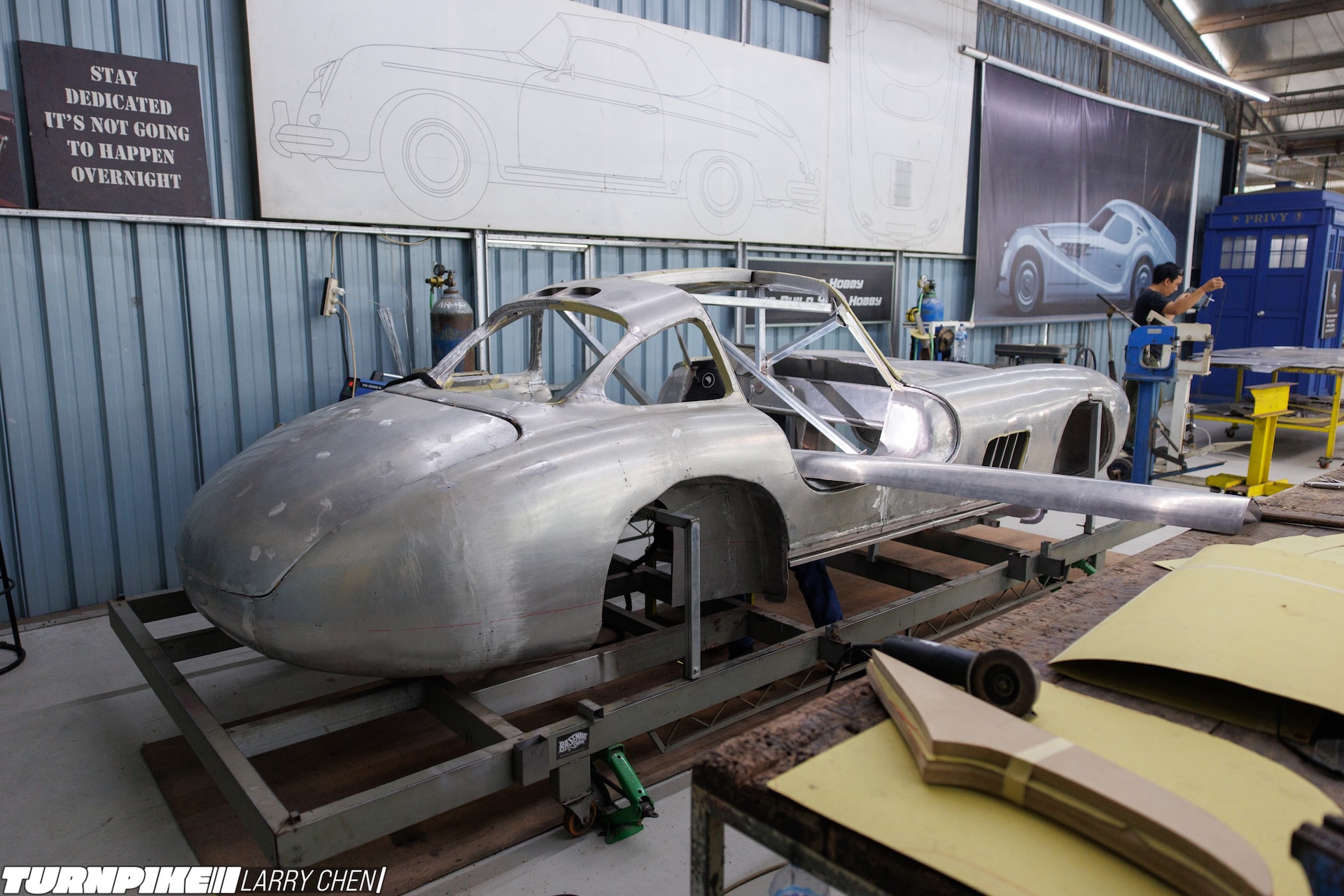
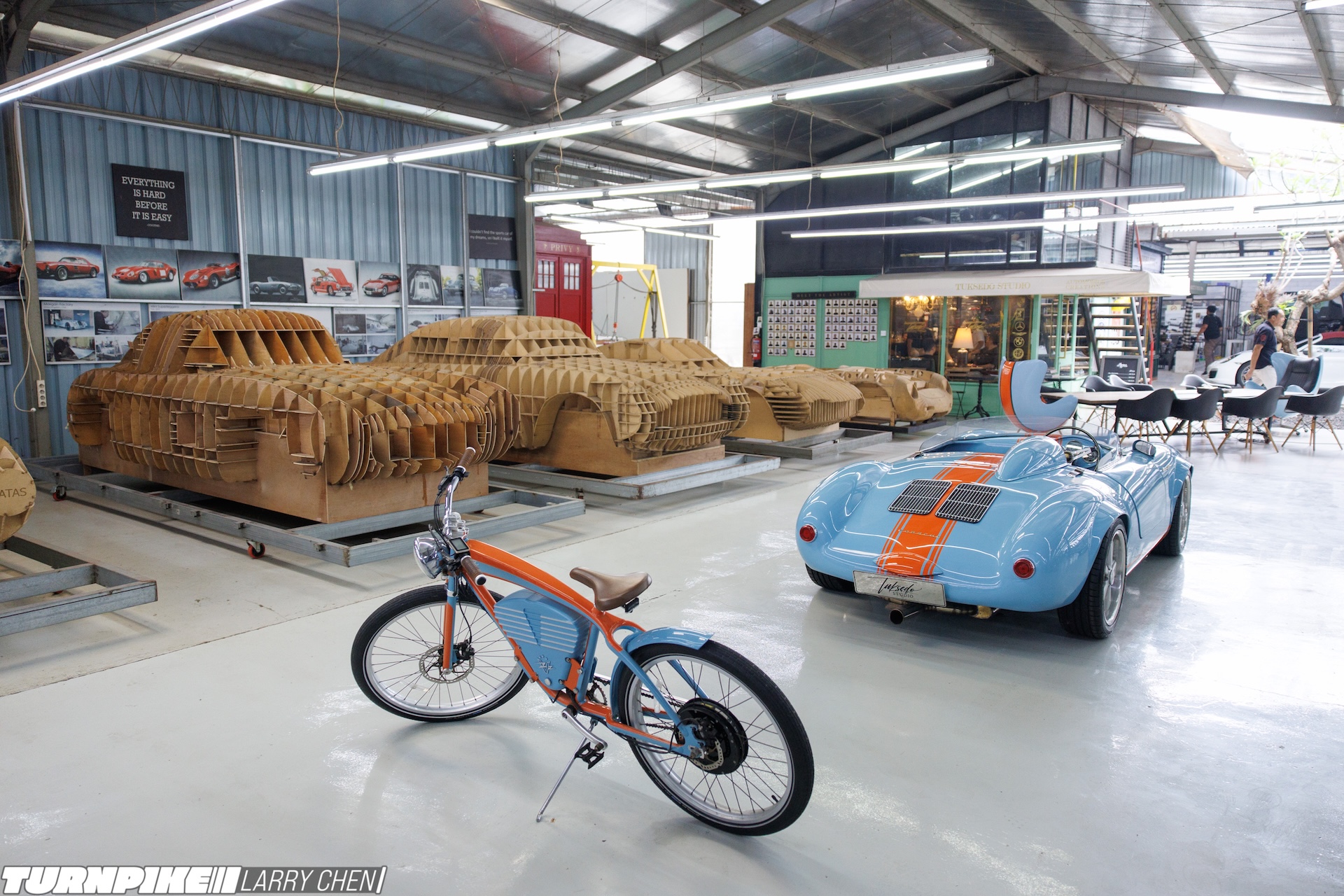
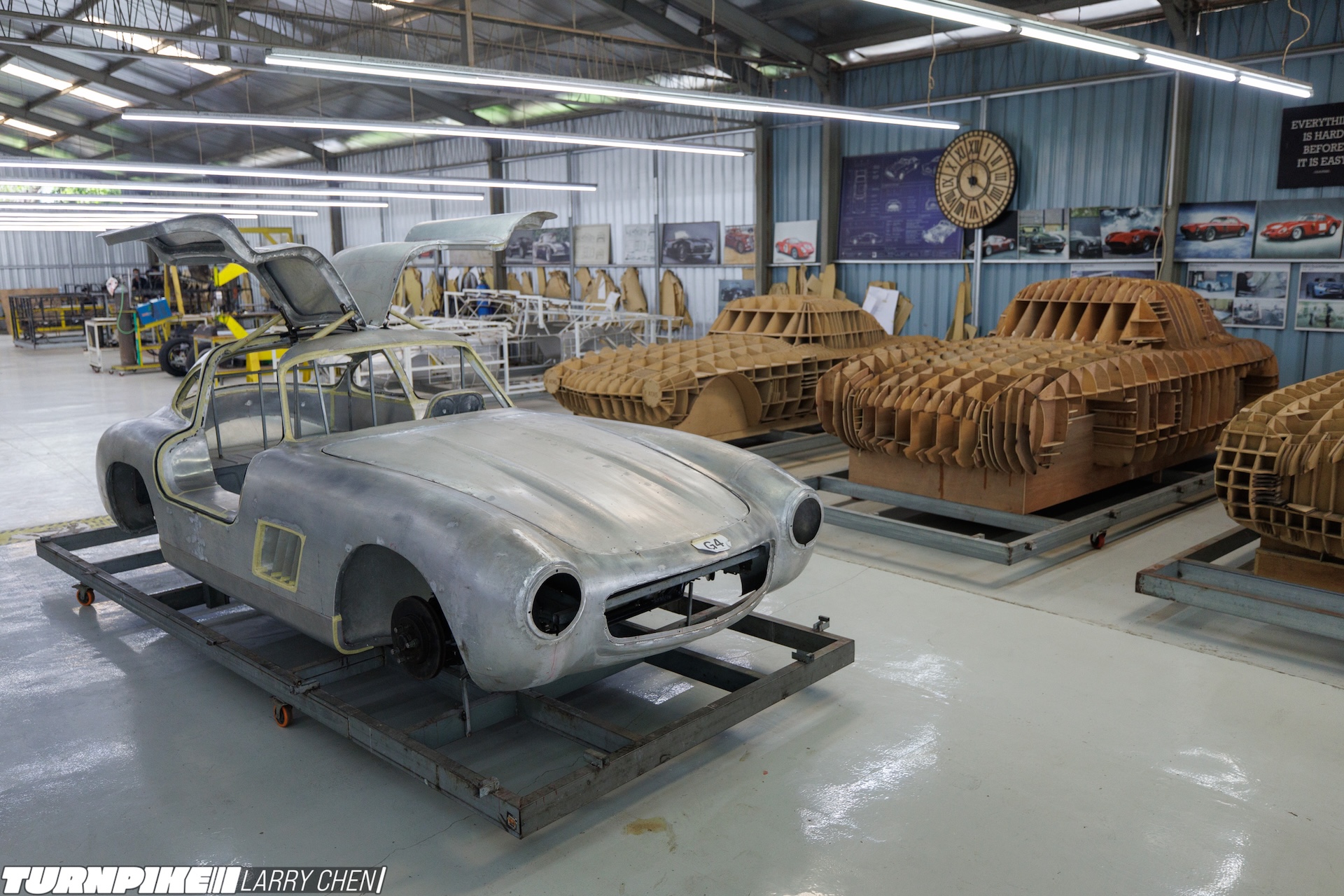
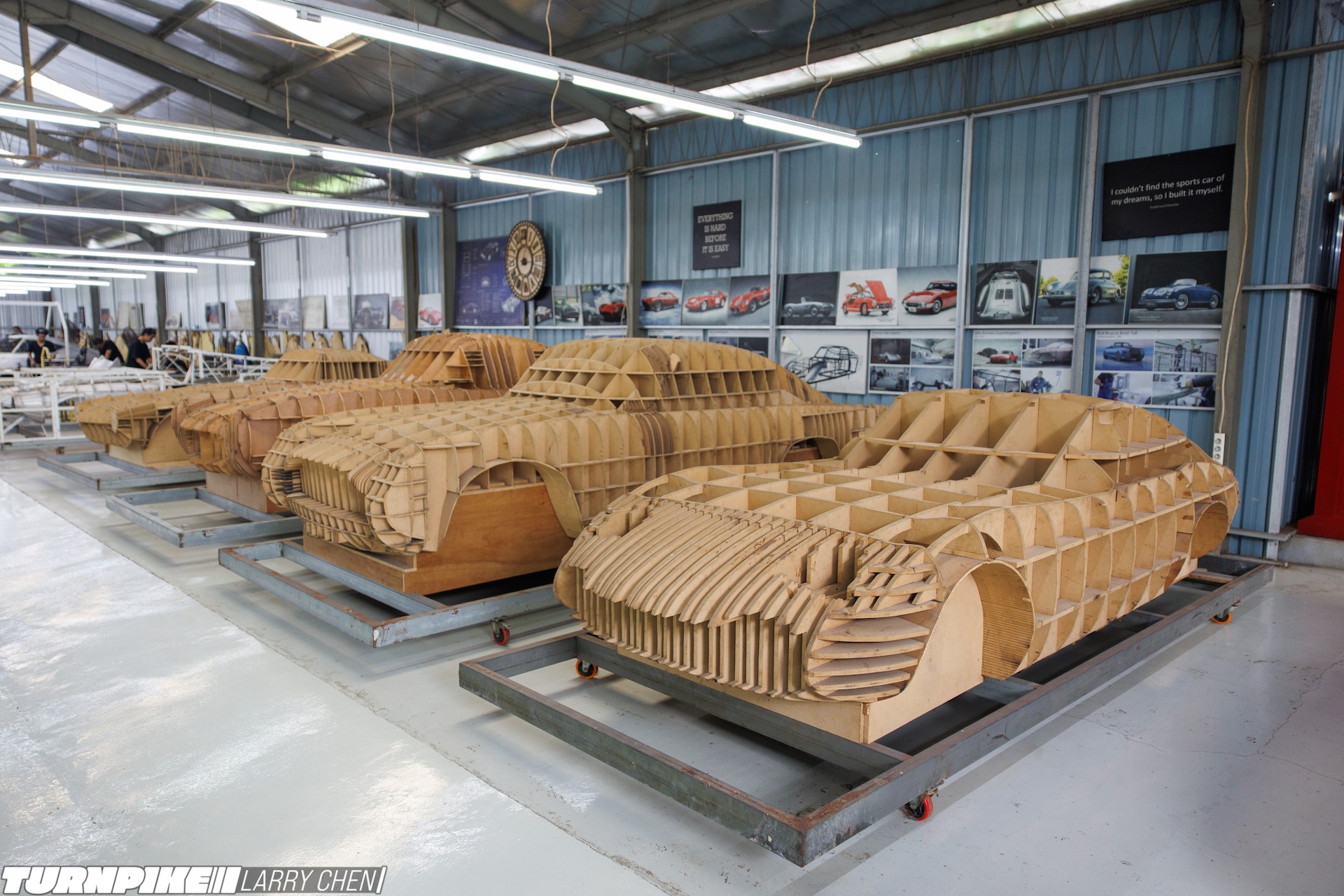
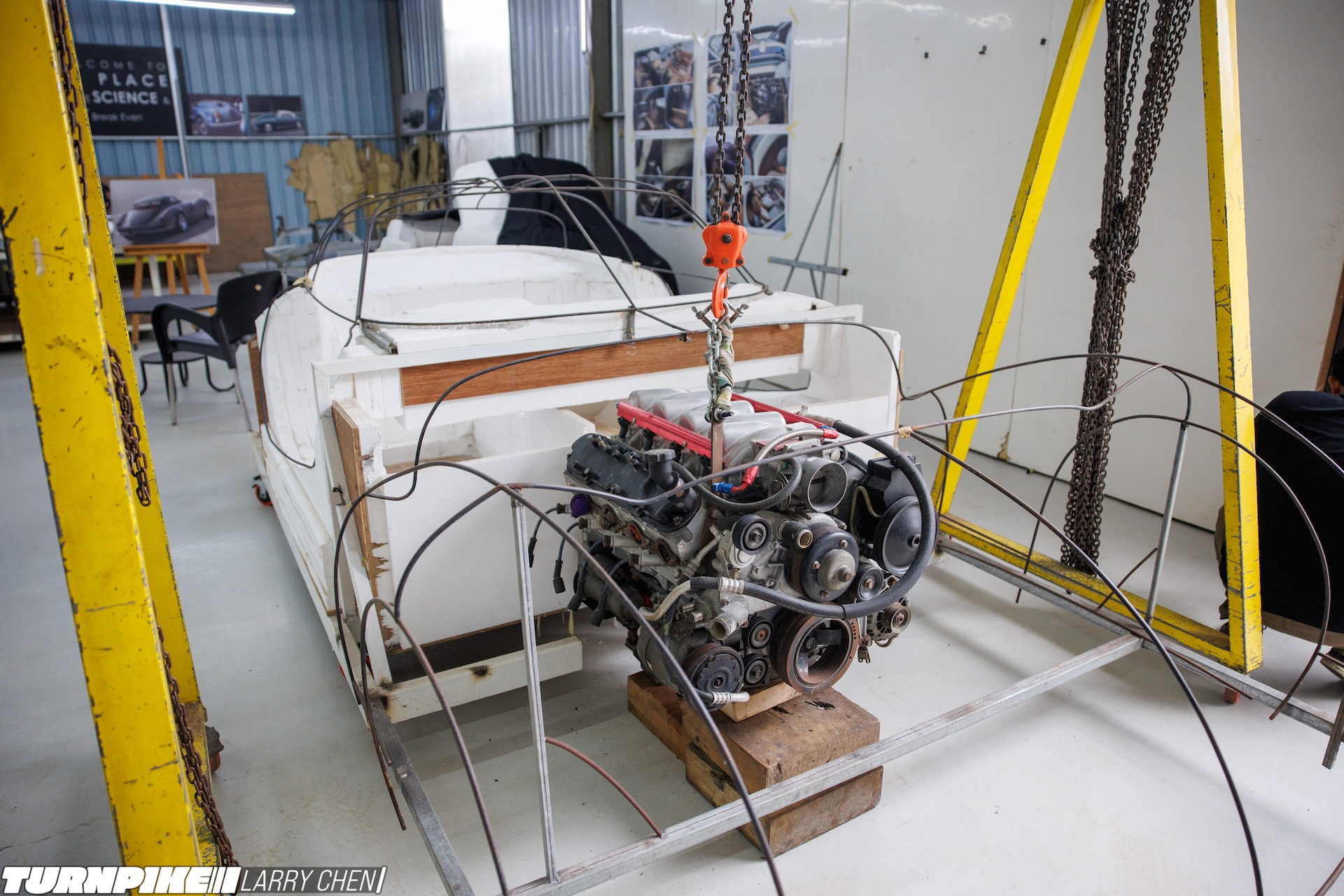
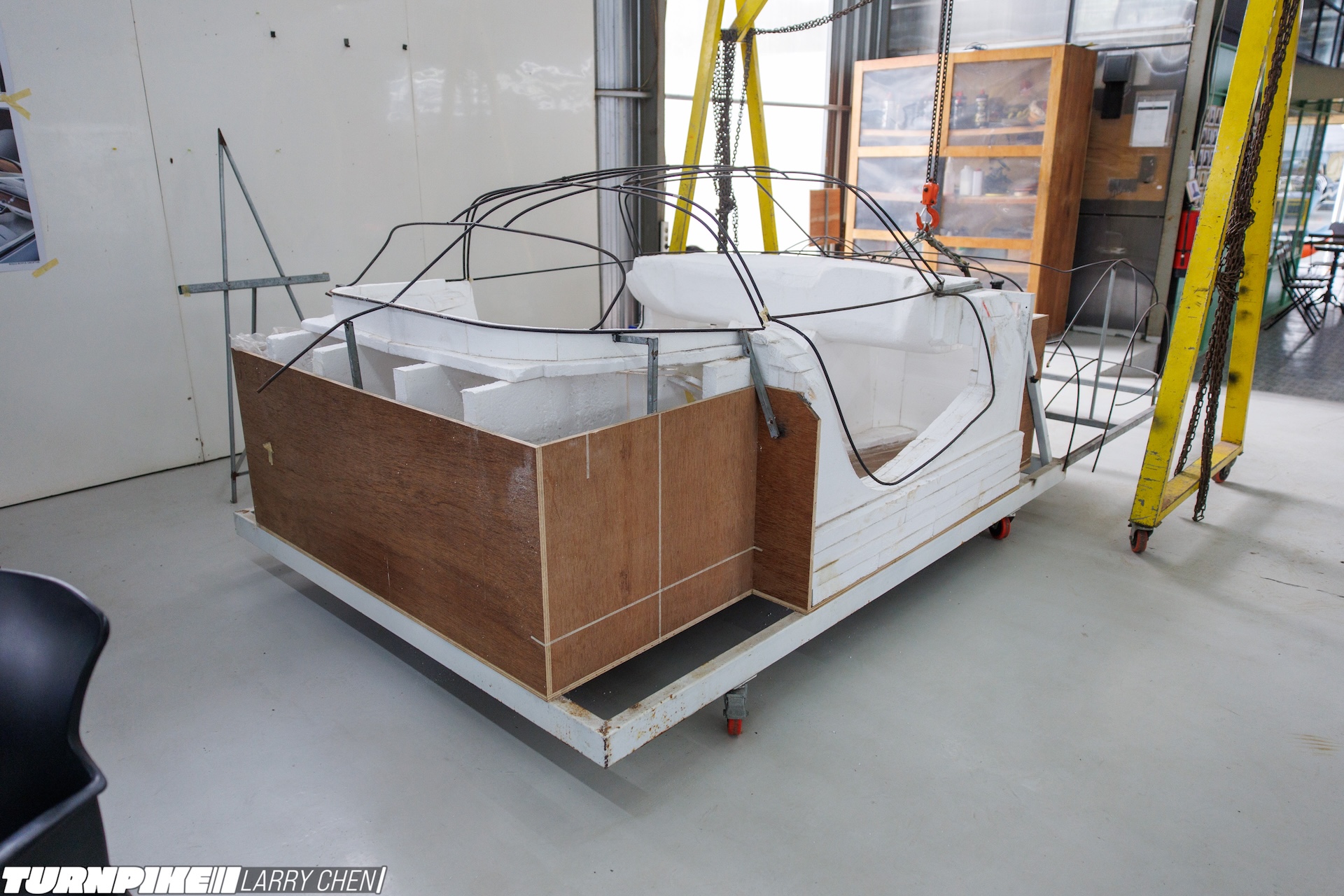
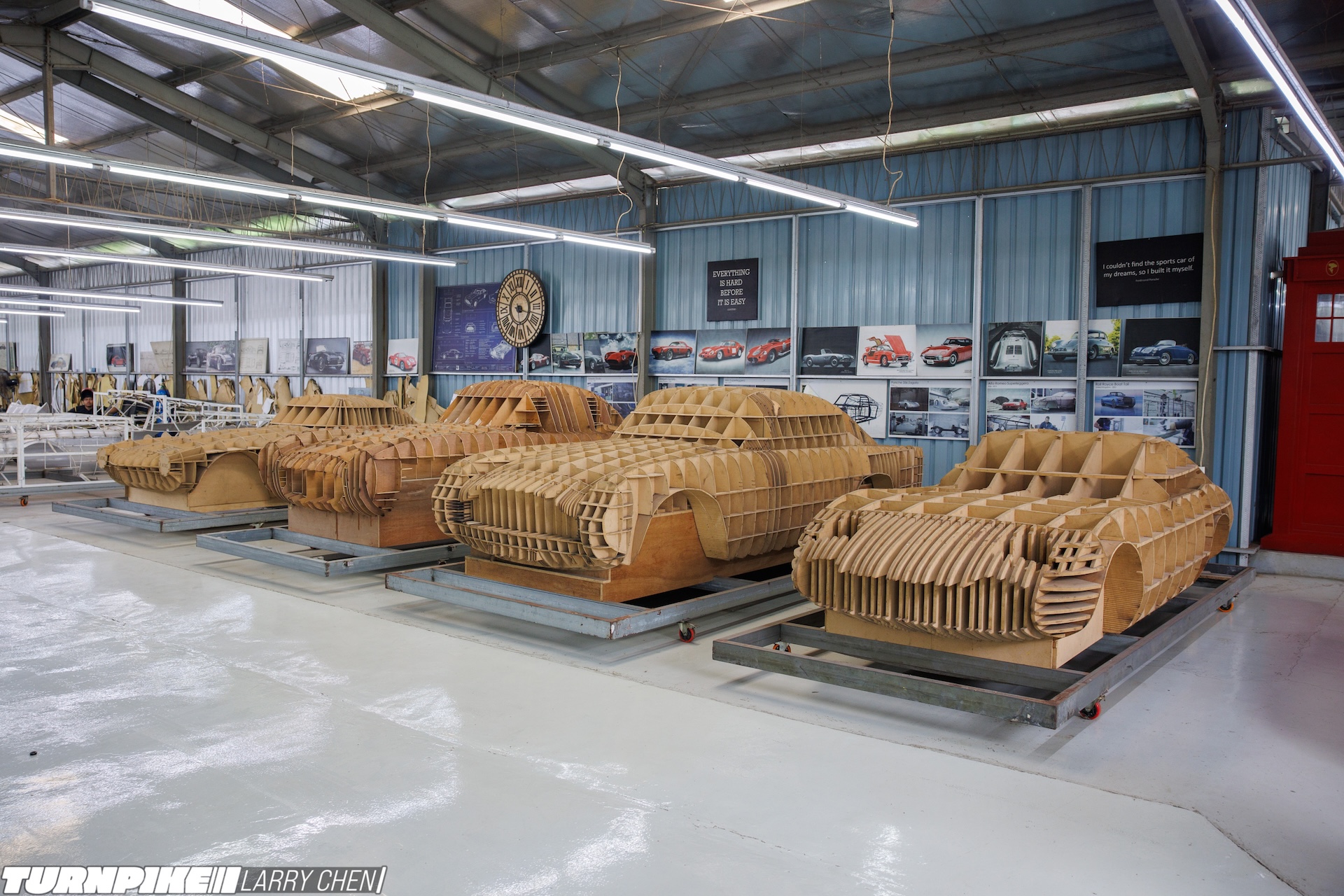
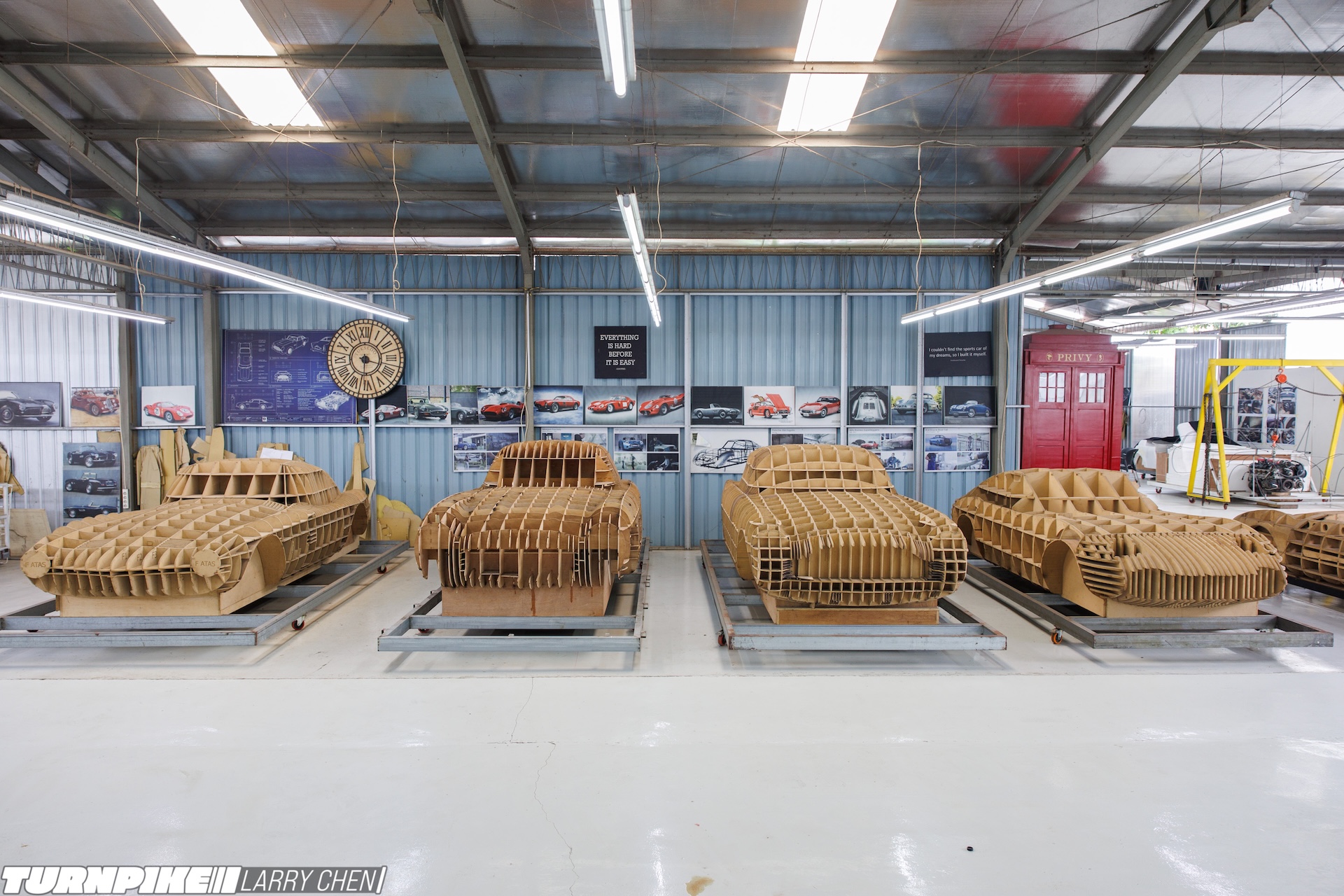
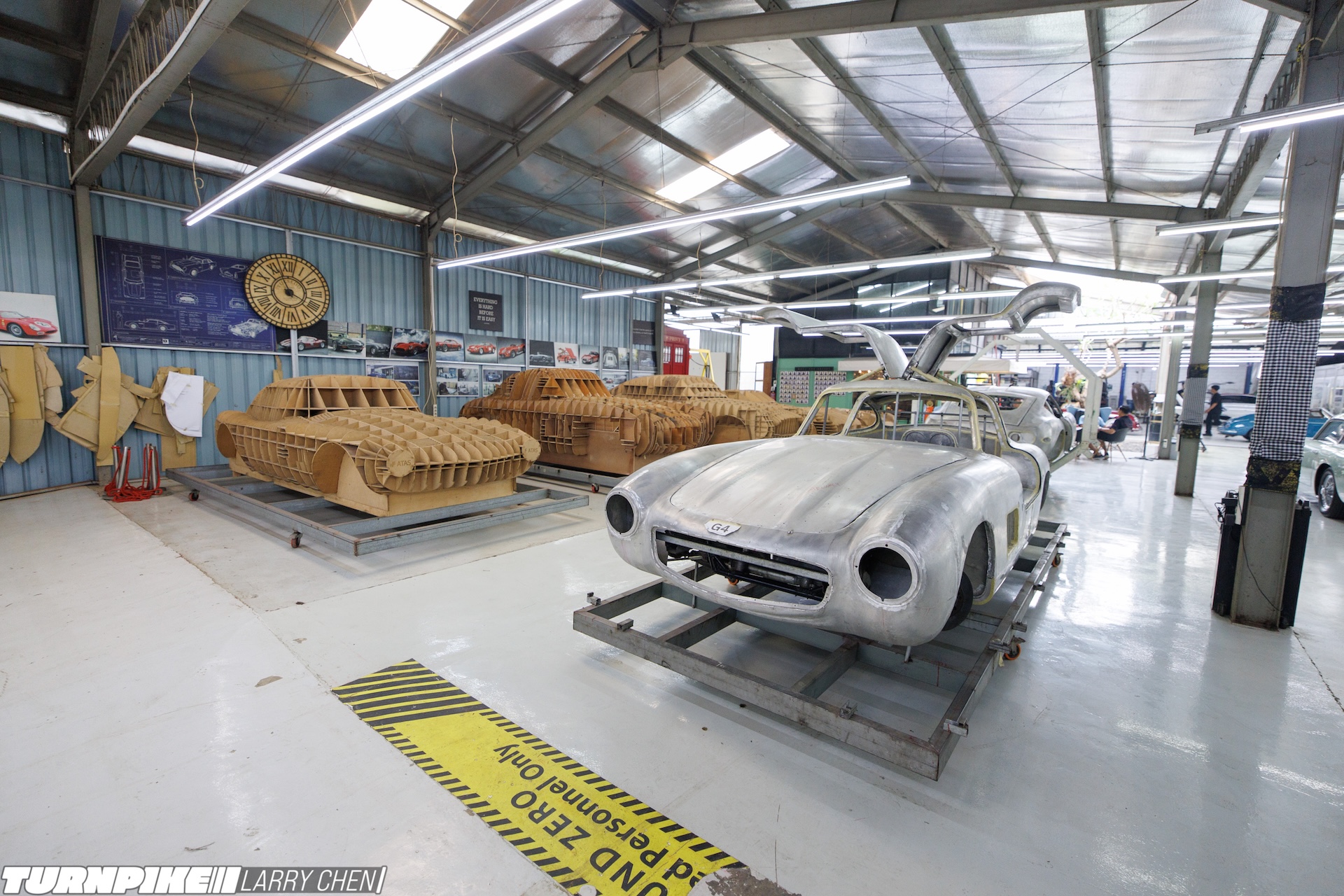
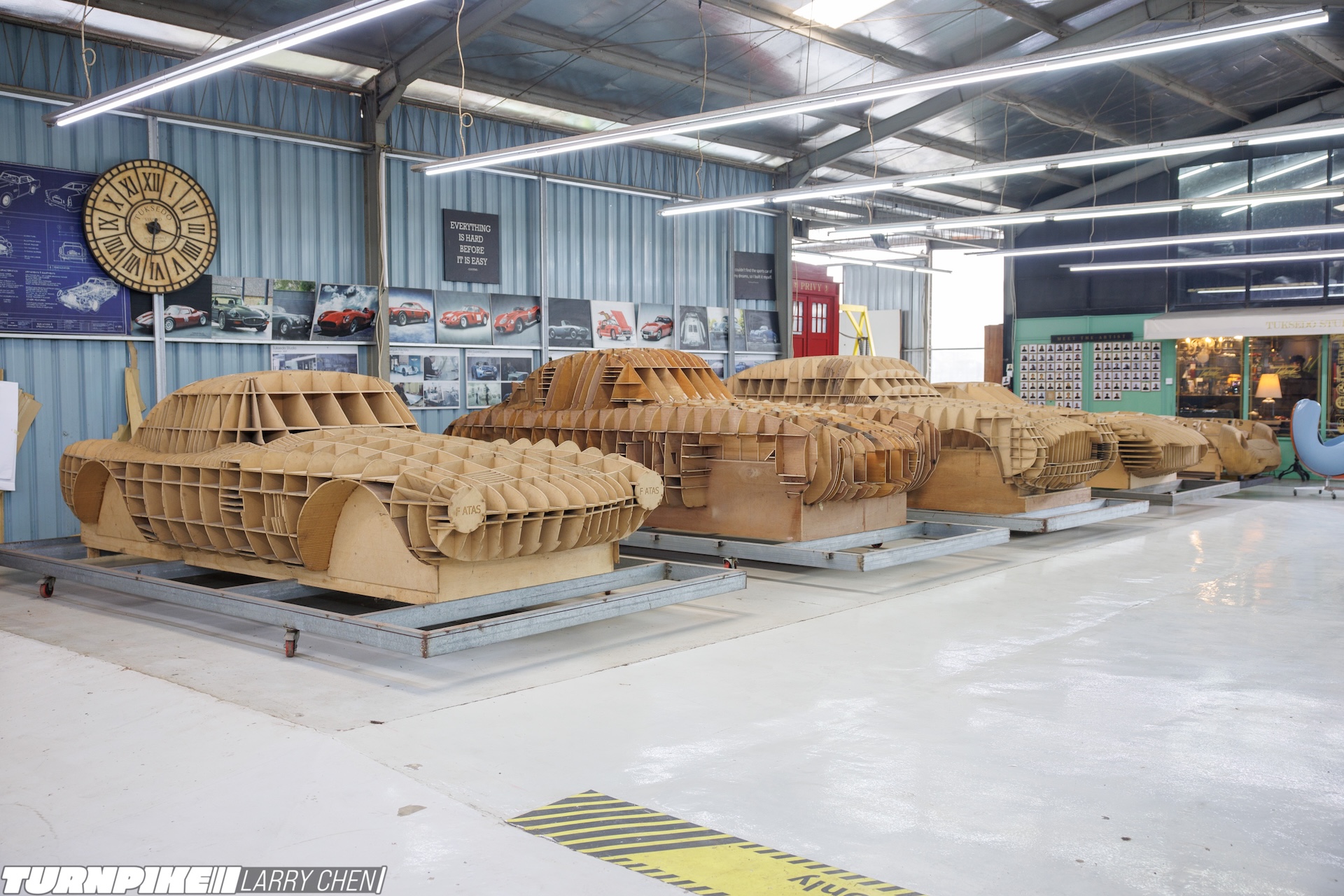
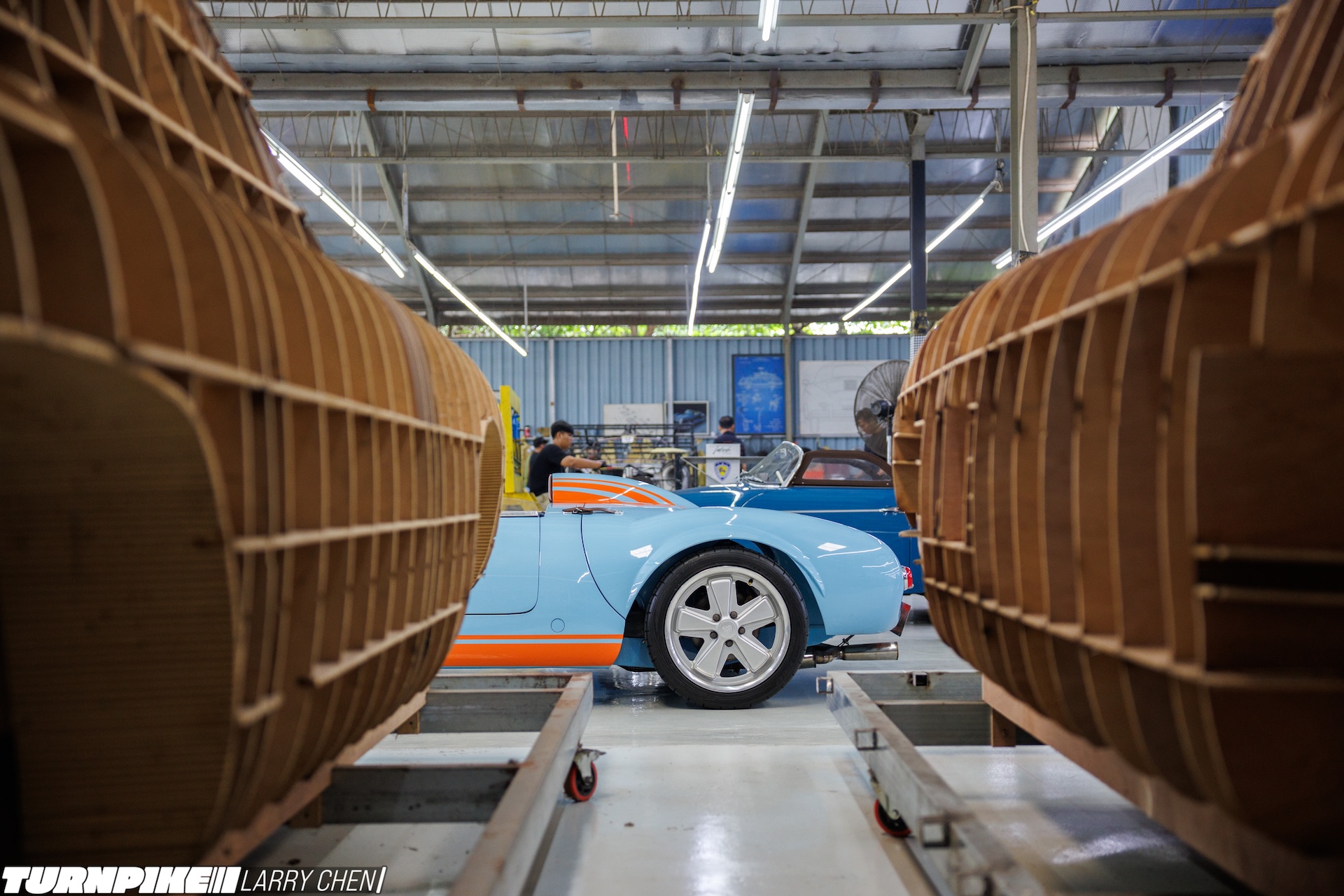
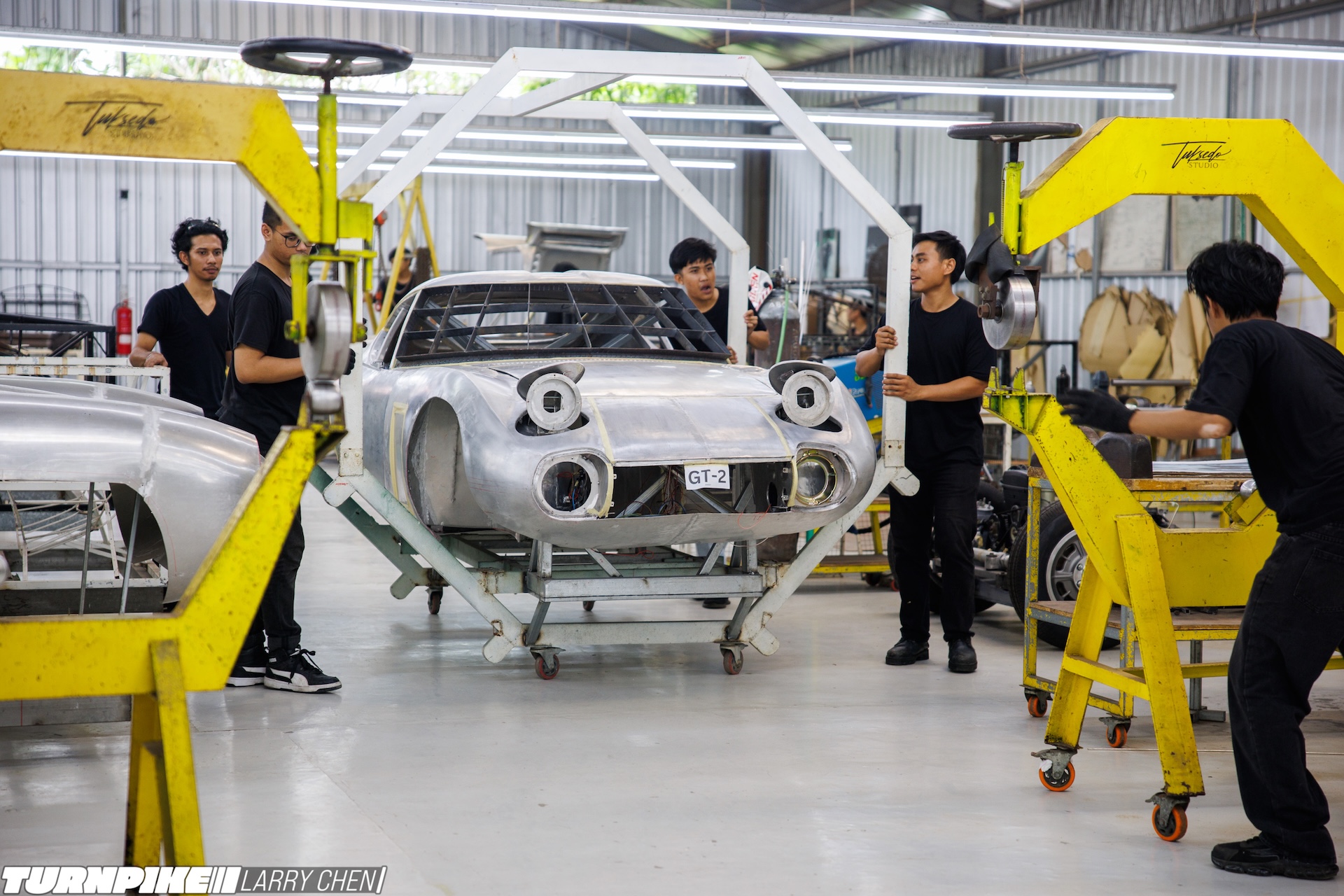
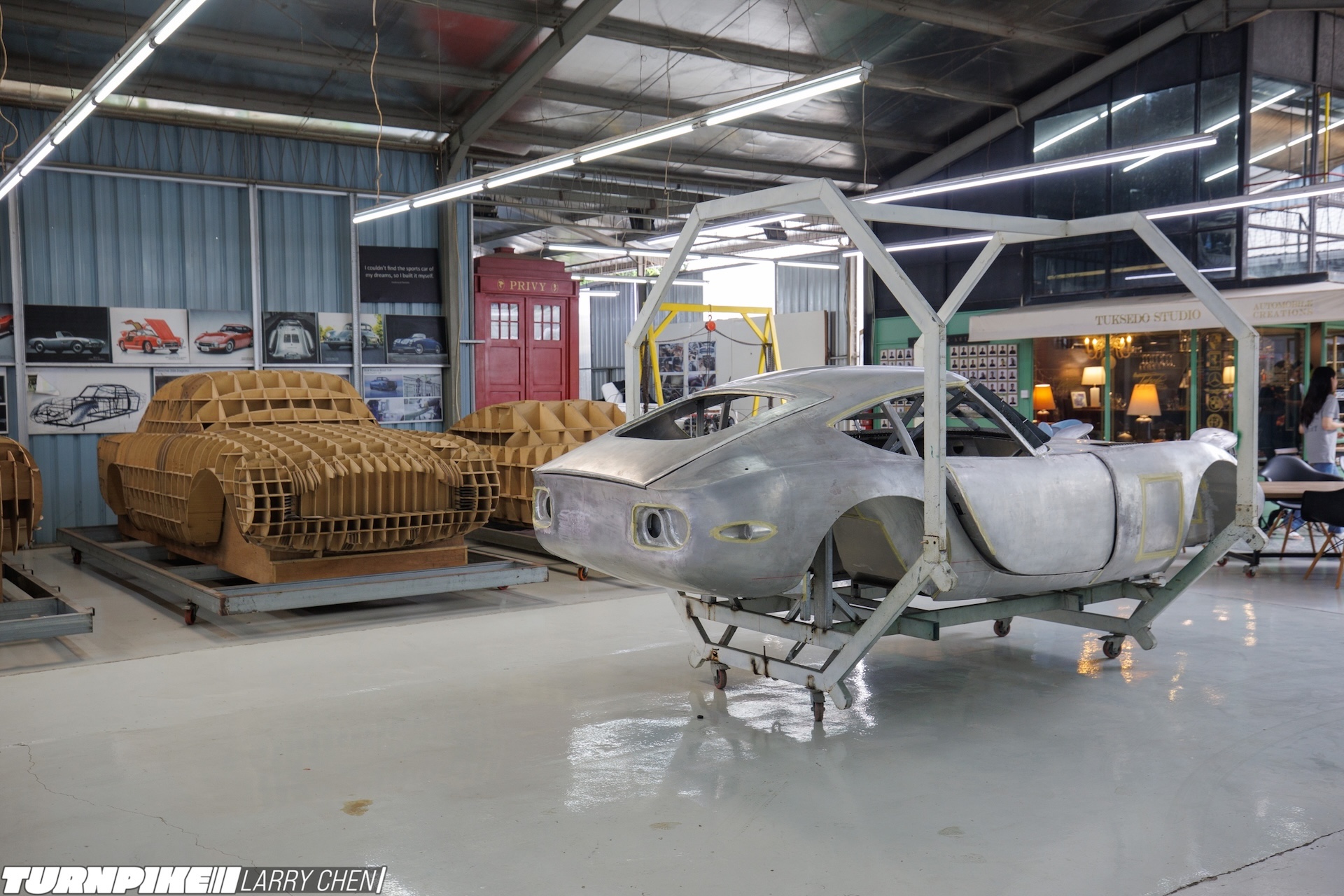
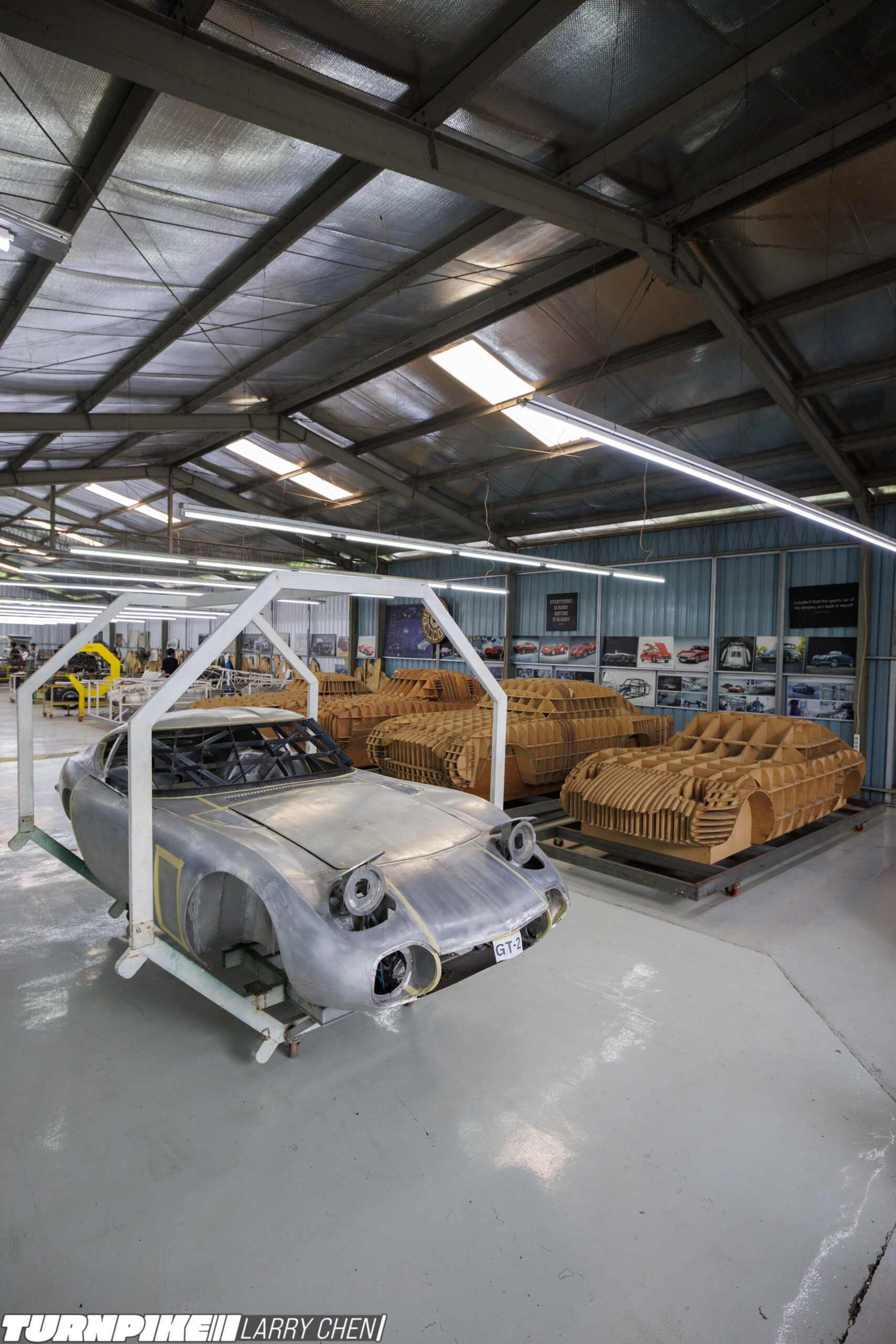
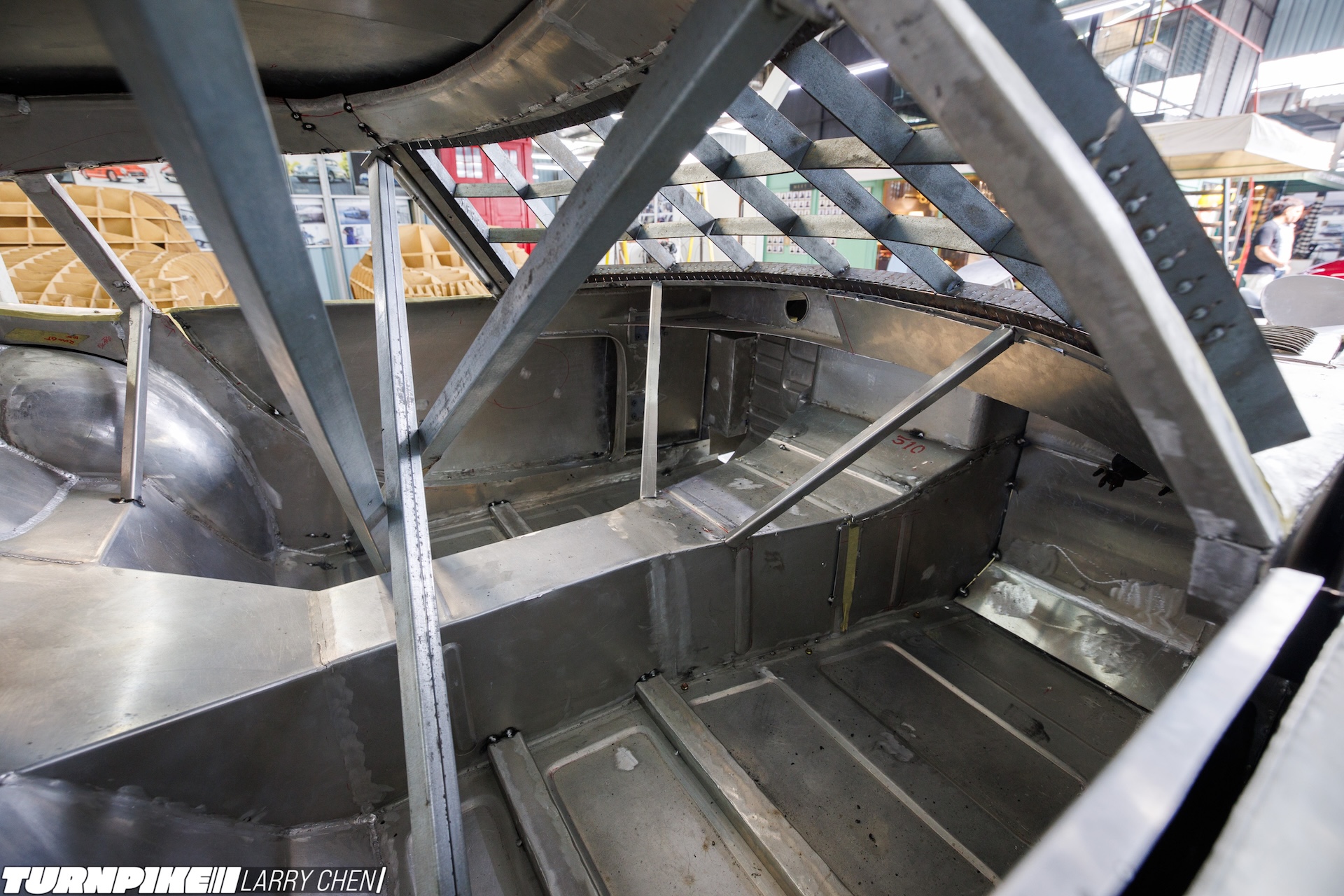
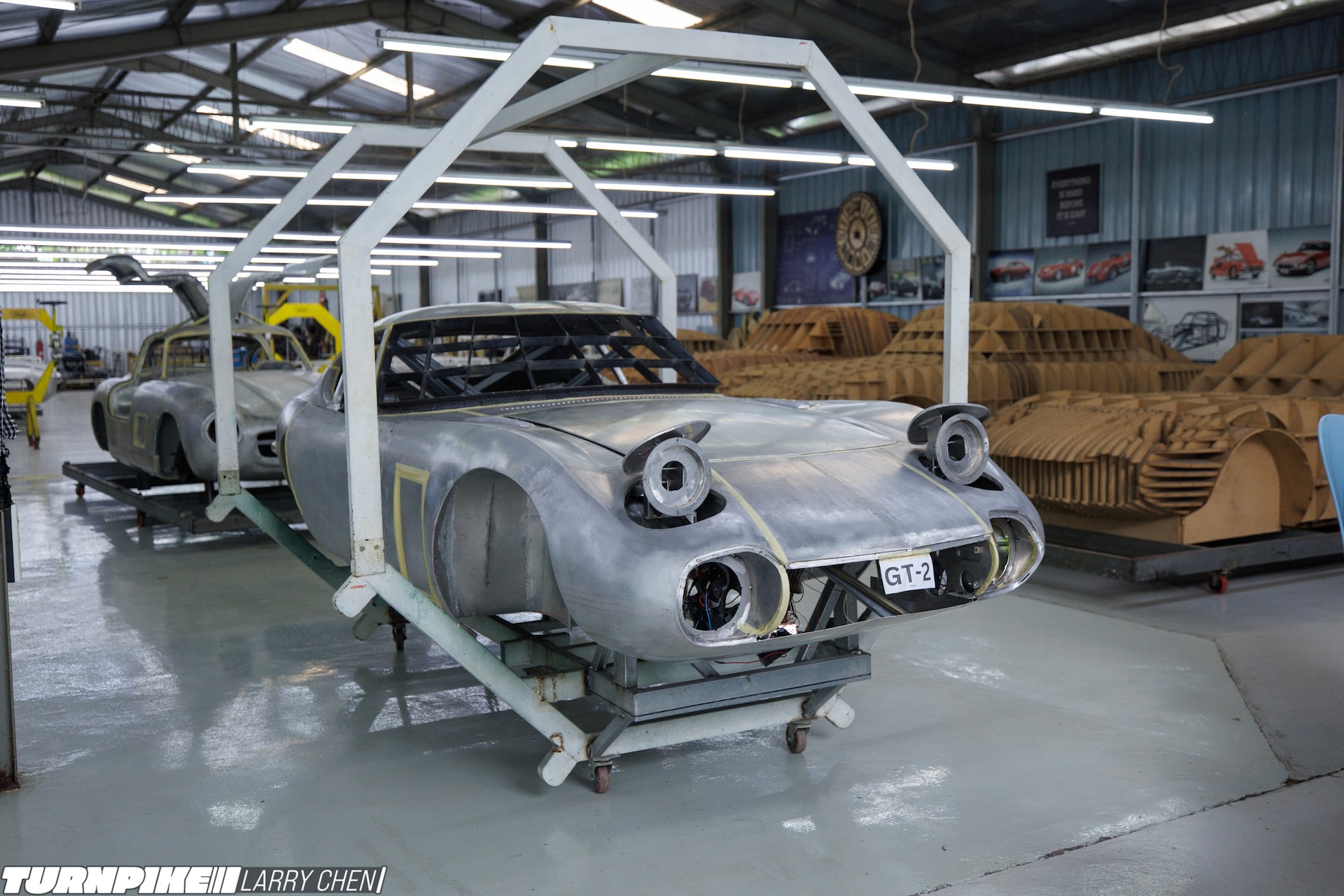
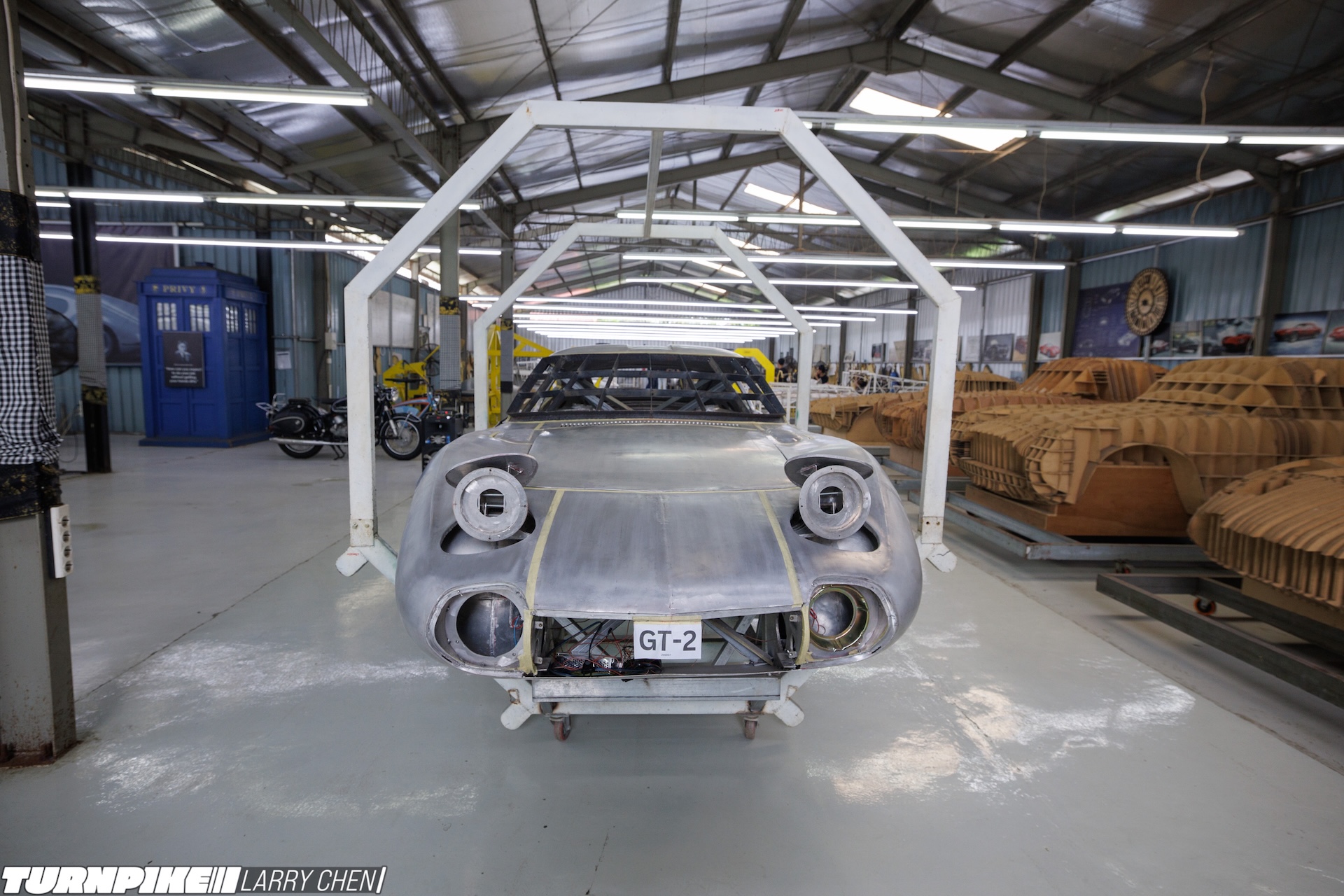
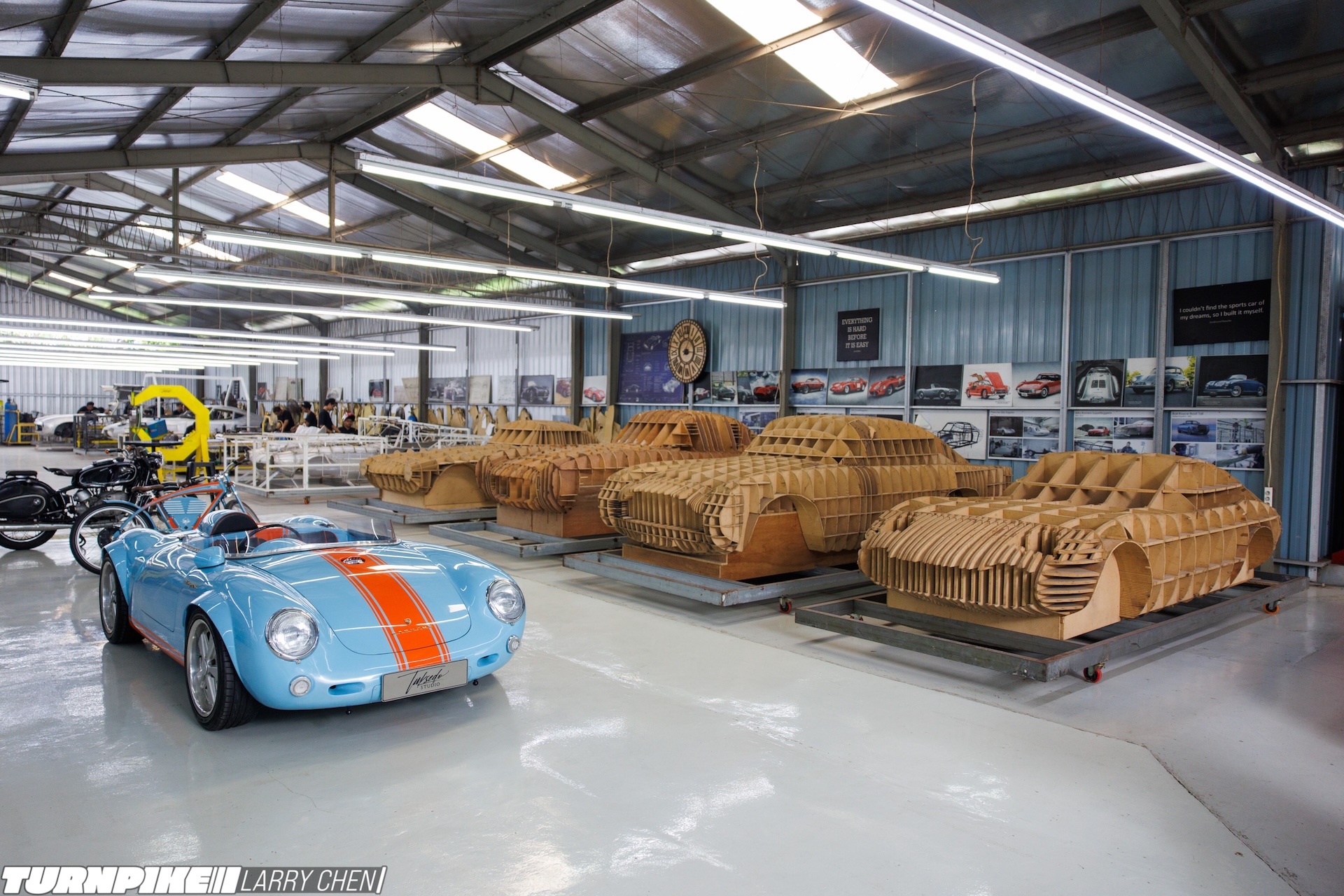
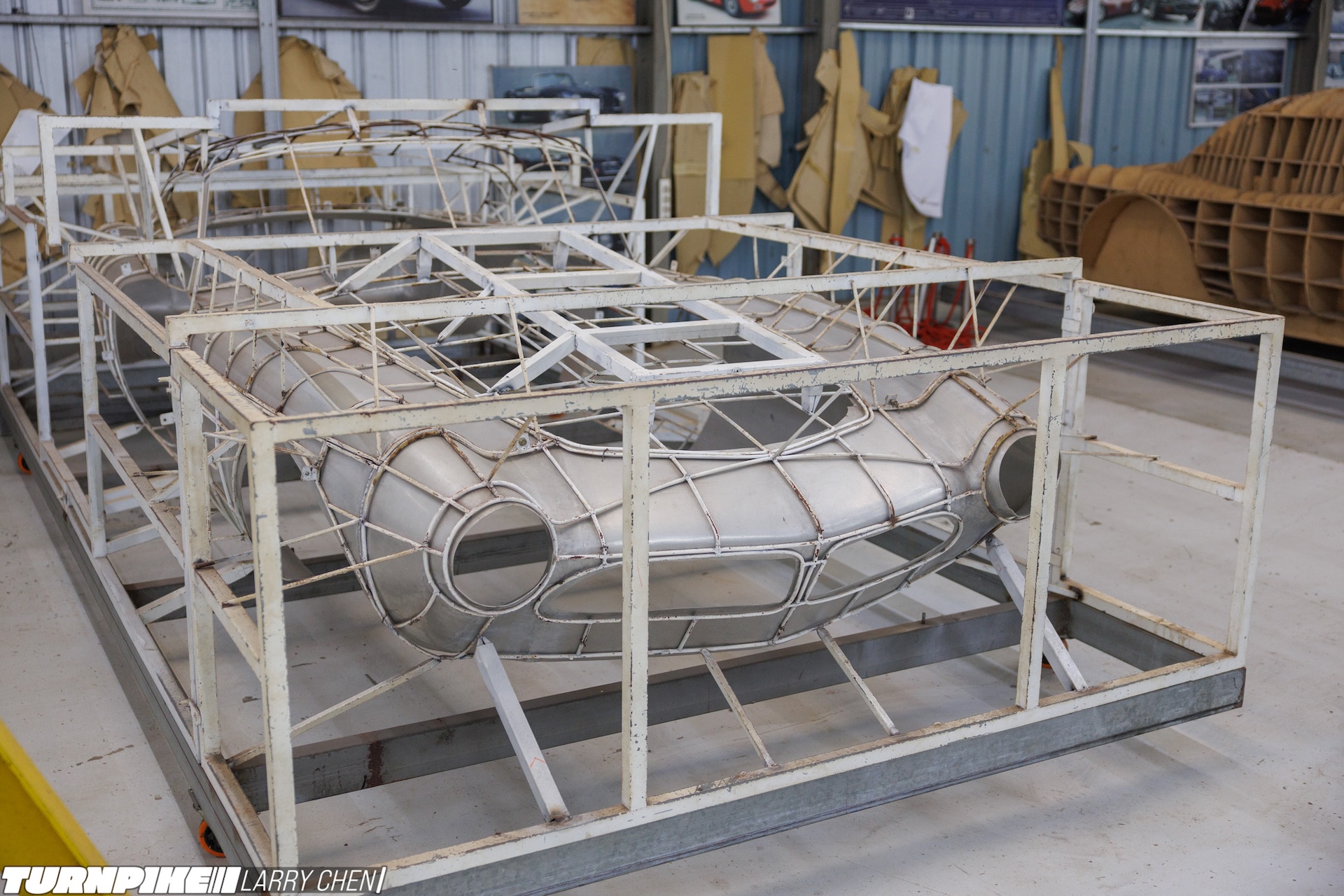
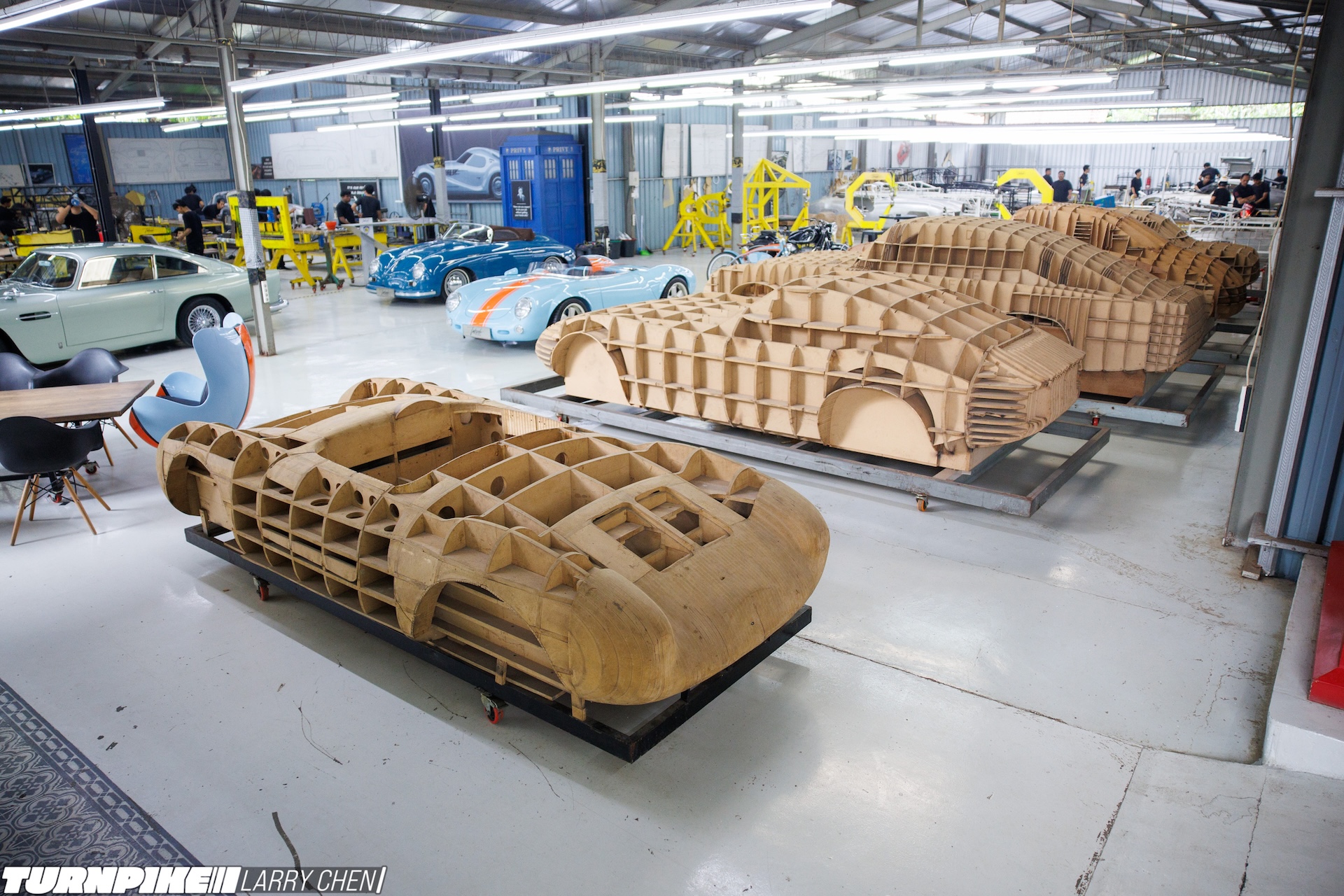
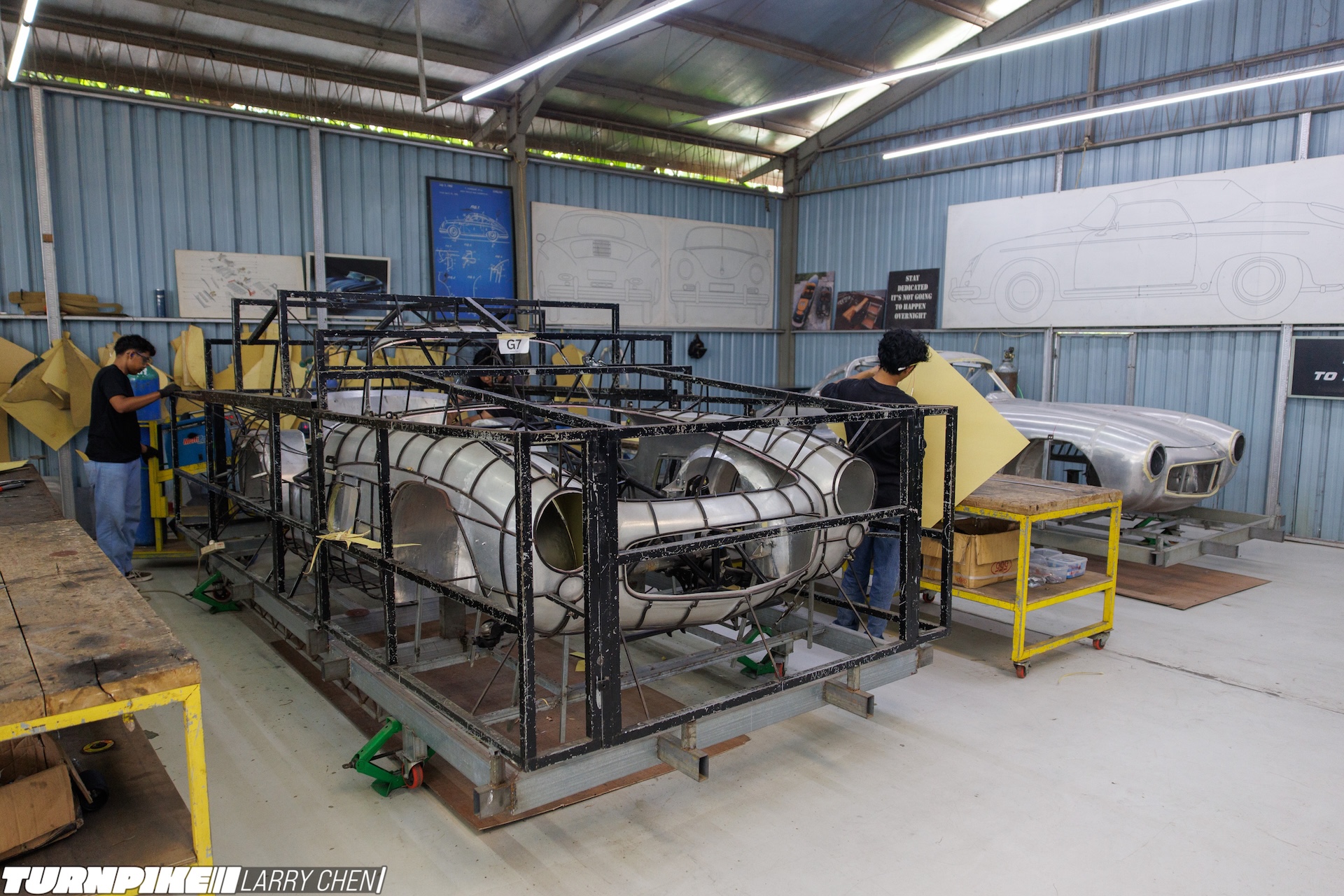
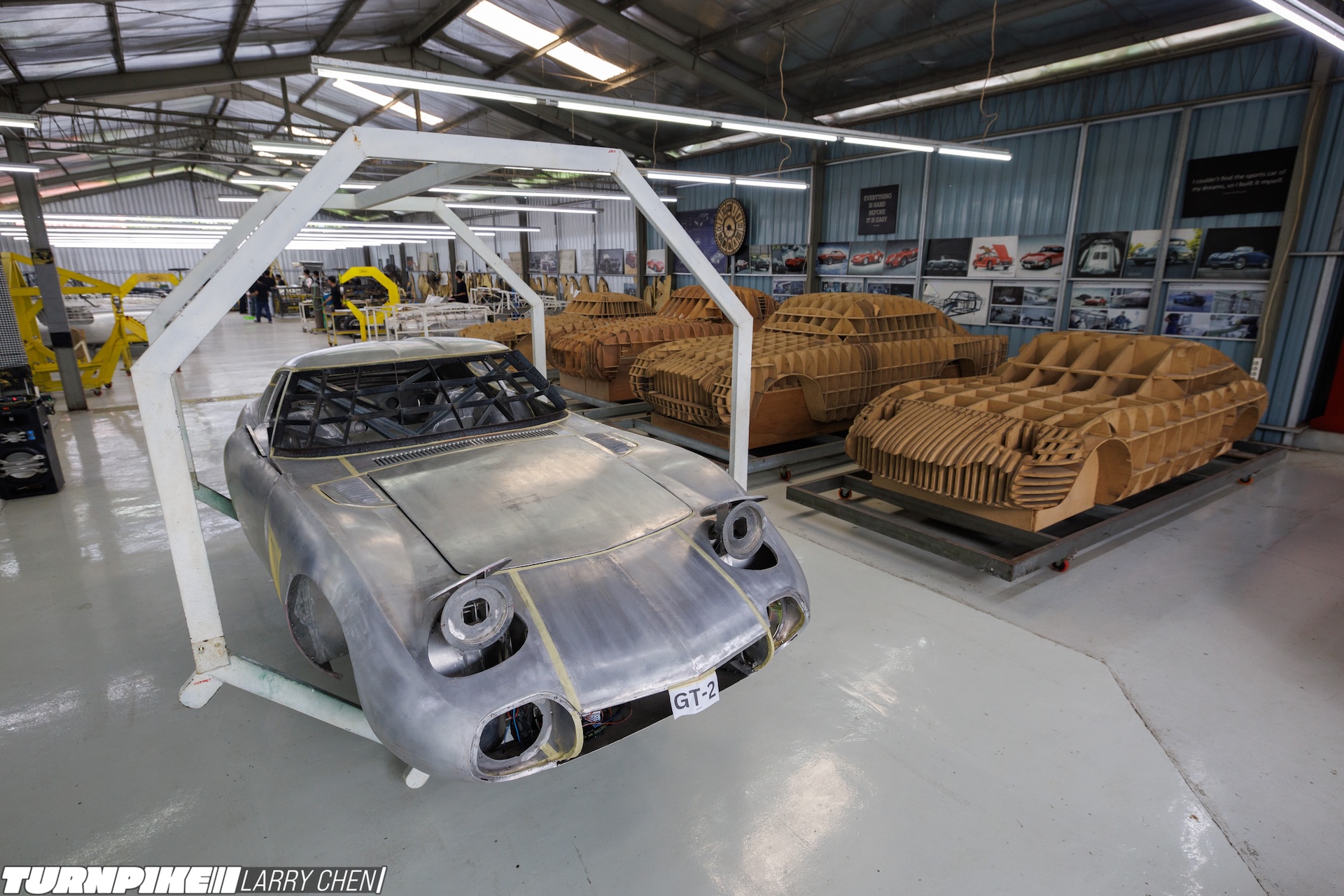
When I say these cars are hand-built, I mean it in the most literal sense. The Tuksedo team begins with low-resolution photos and original blueprints found online. They use those images to digitize the shapes and then carve 3D wooden bucks that serve as their guides. Around those bucks, they form wireframes — negative molds that define every curve and contour of the body.
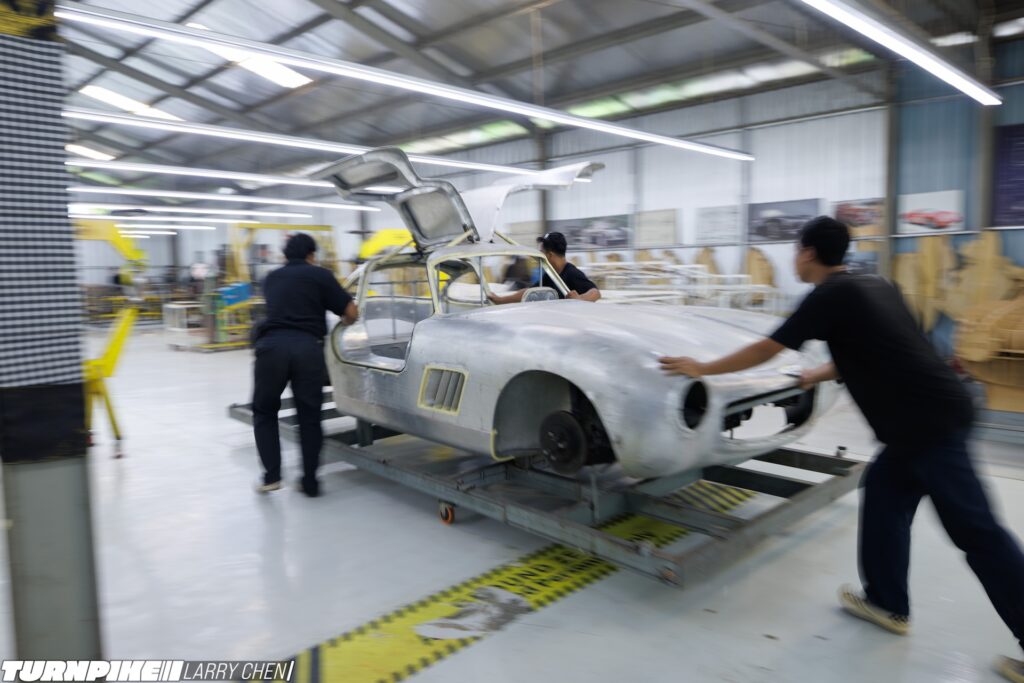
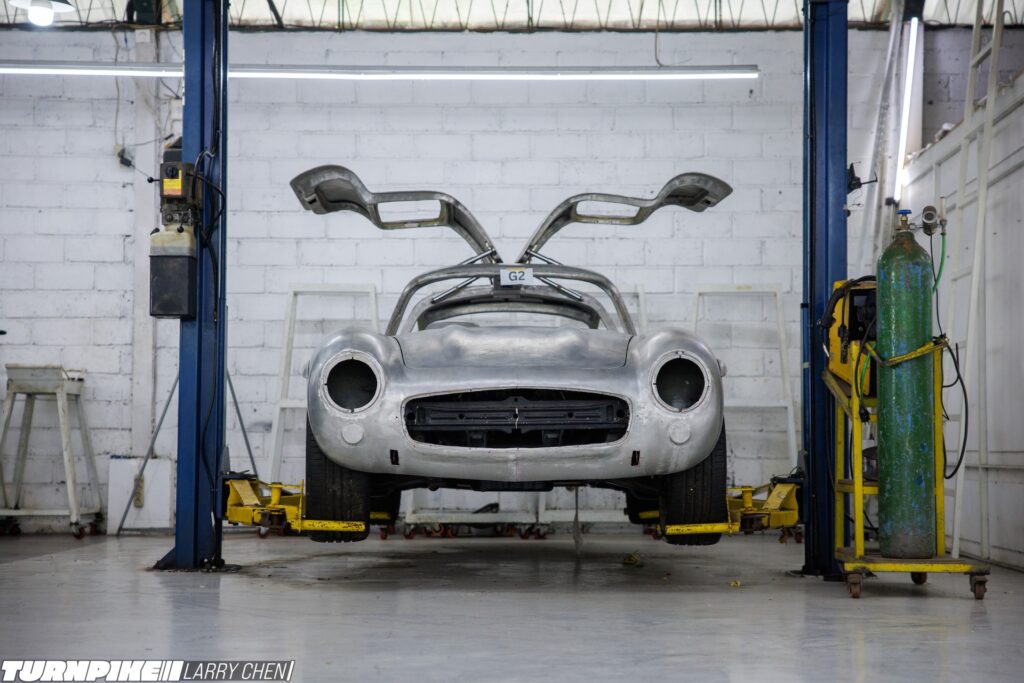
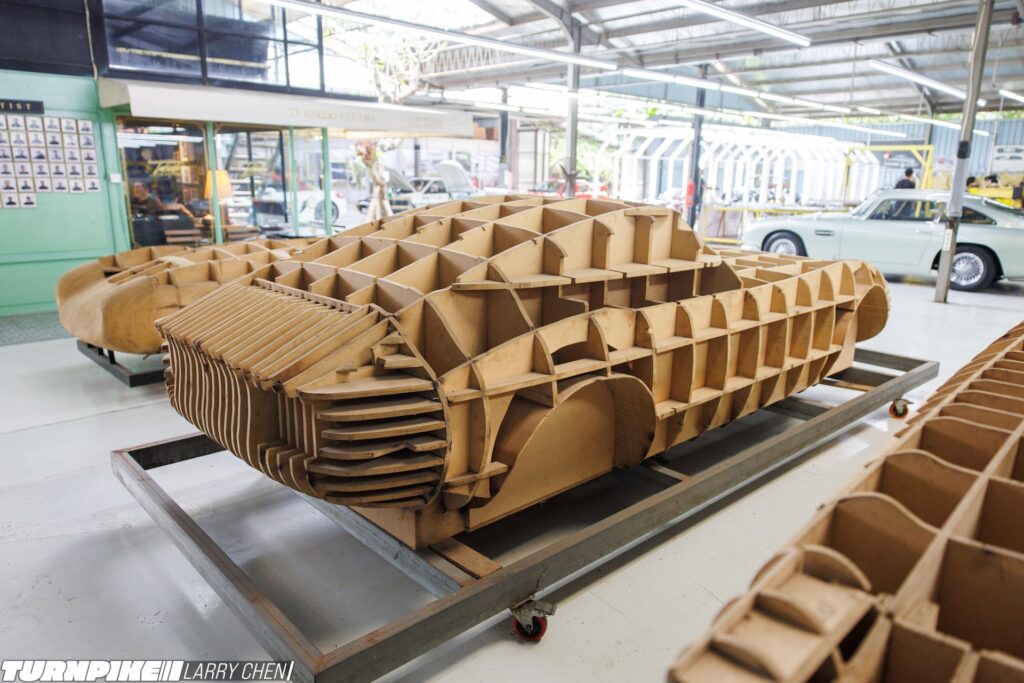
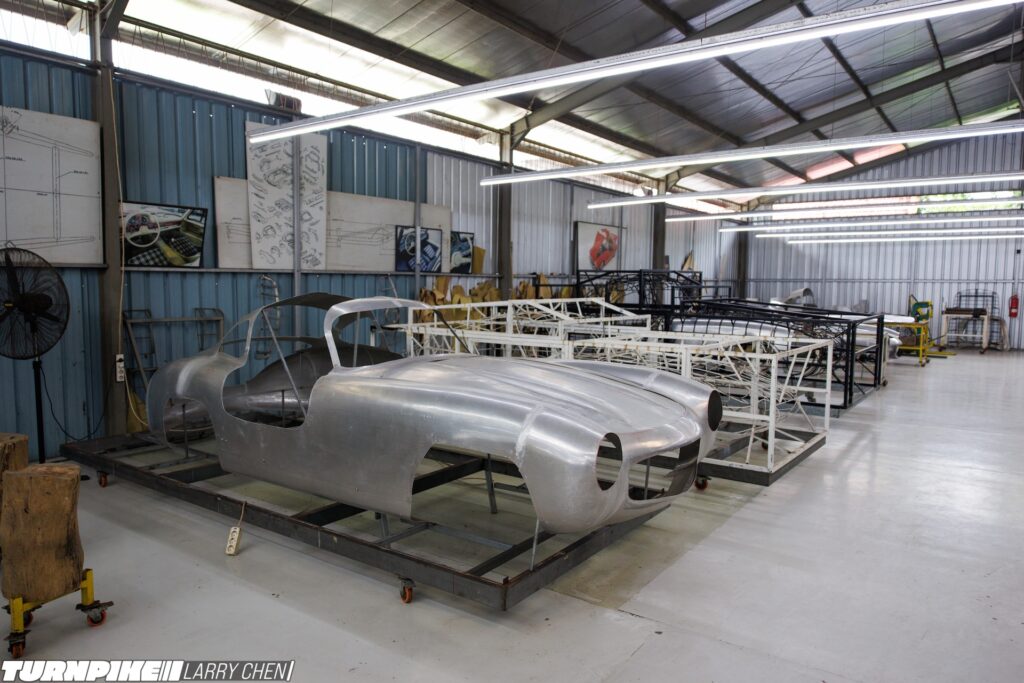
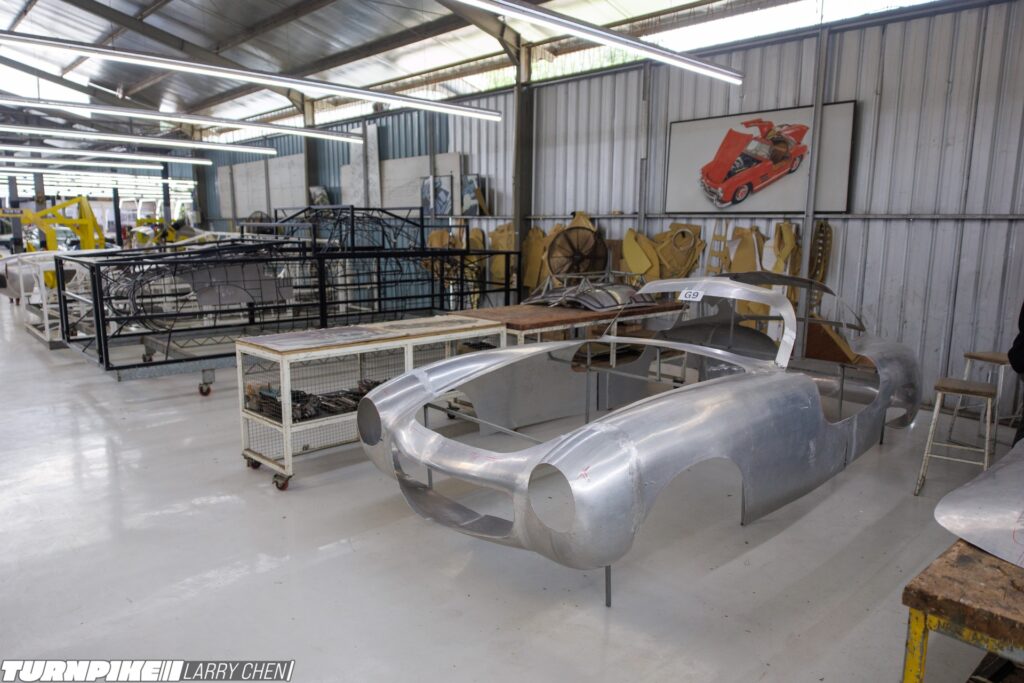
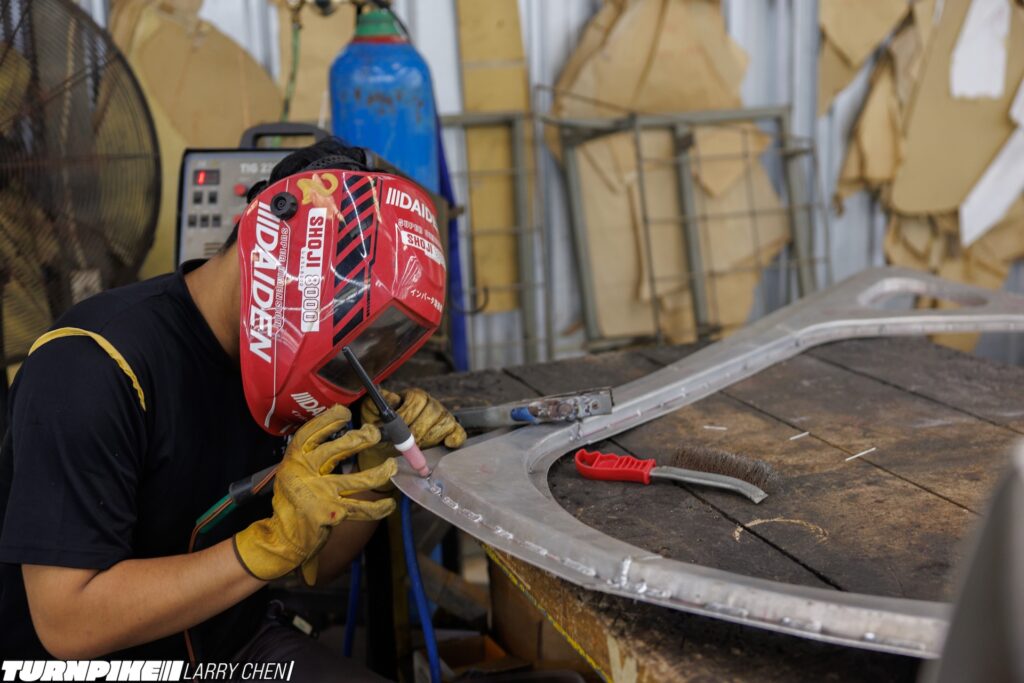
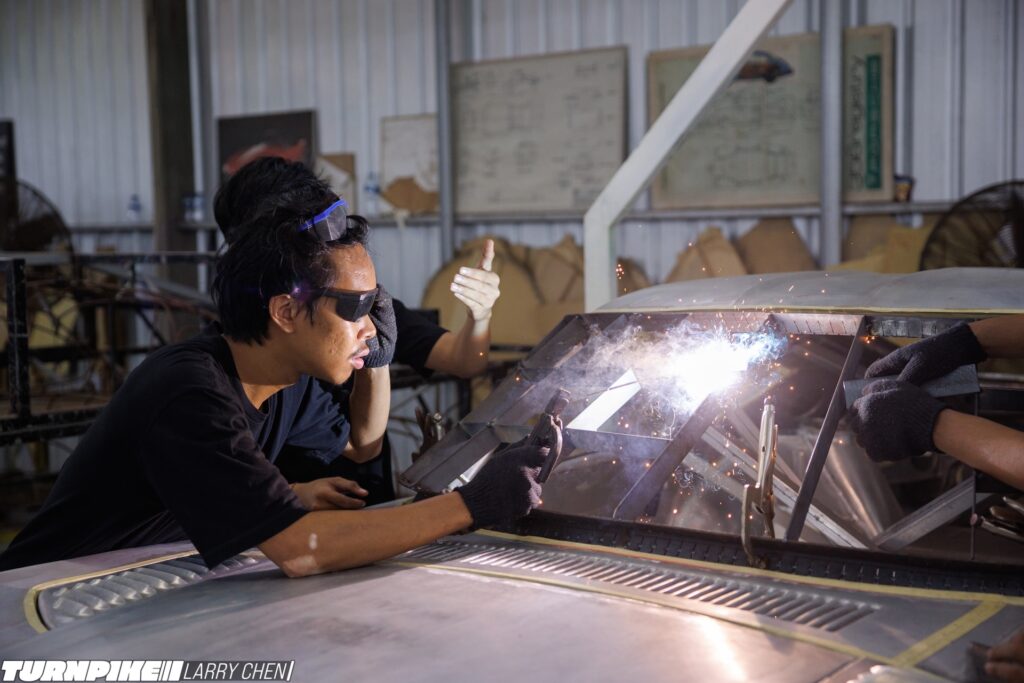
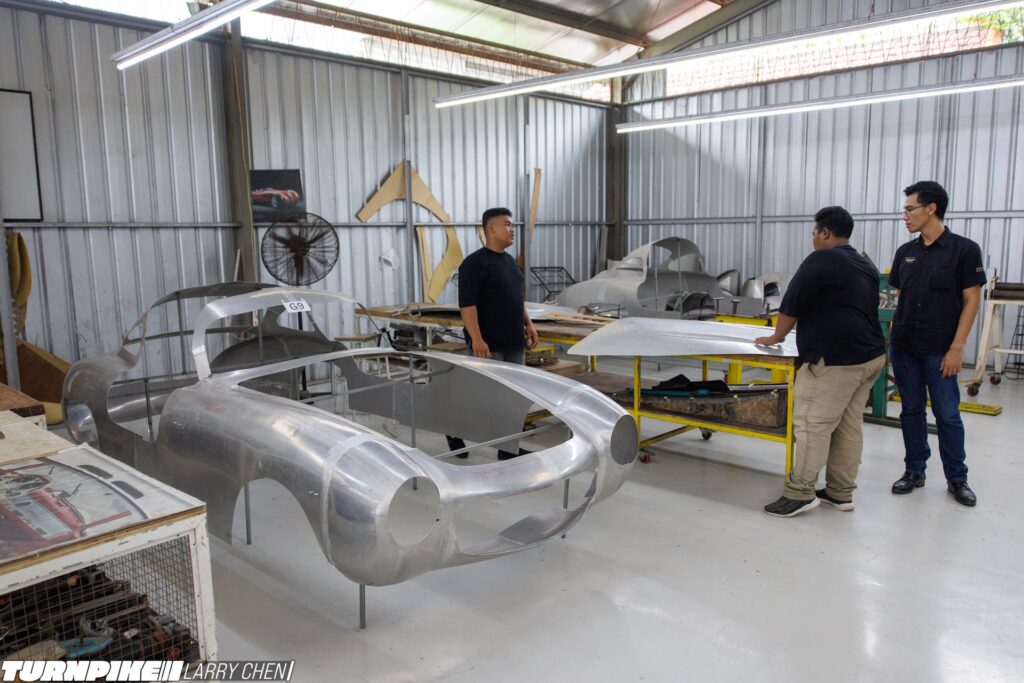
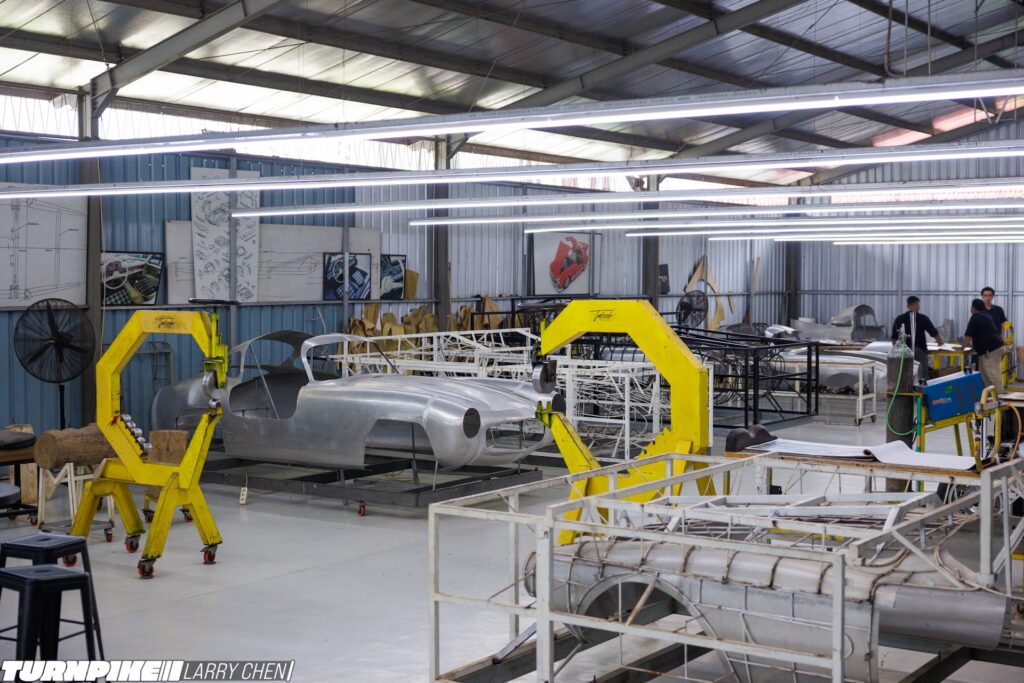
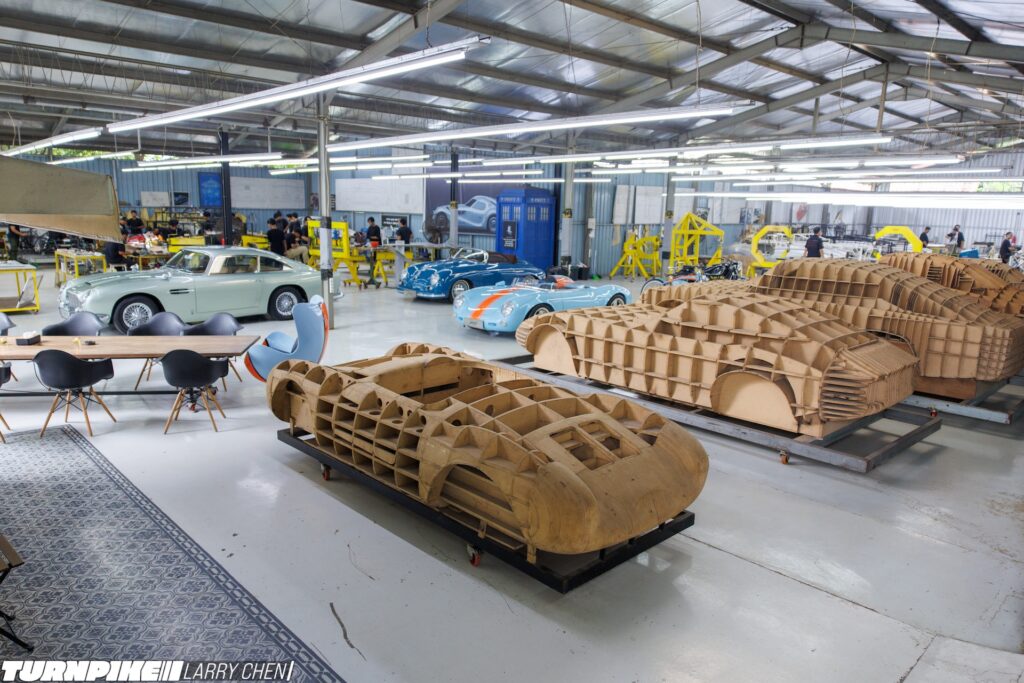
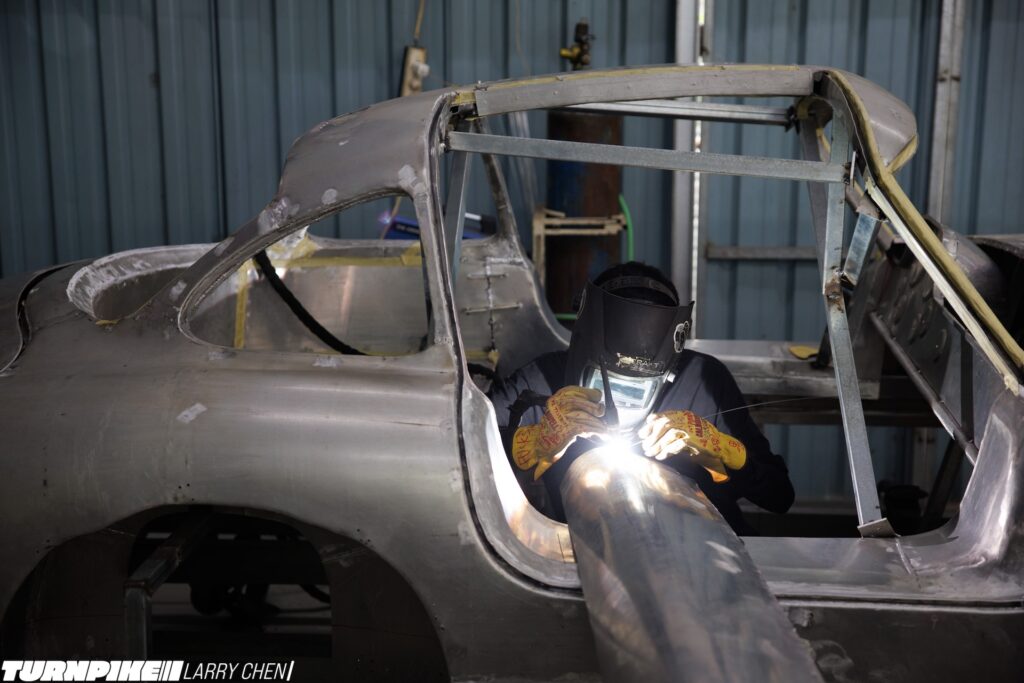
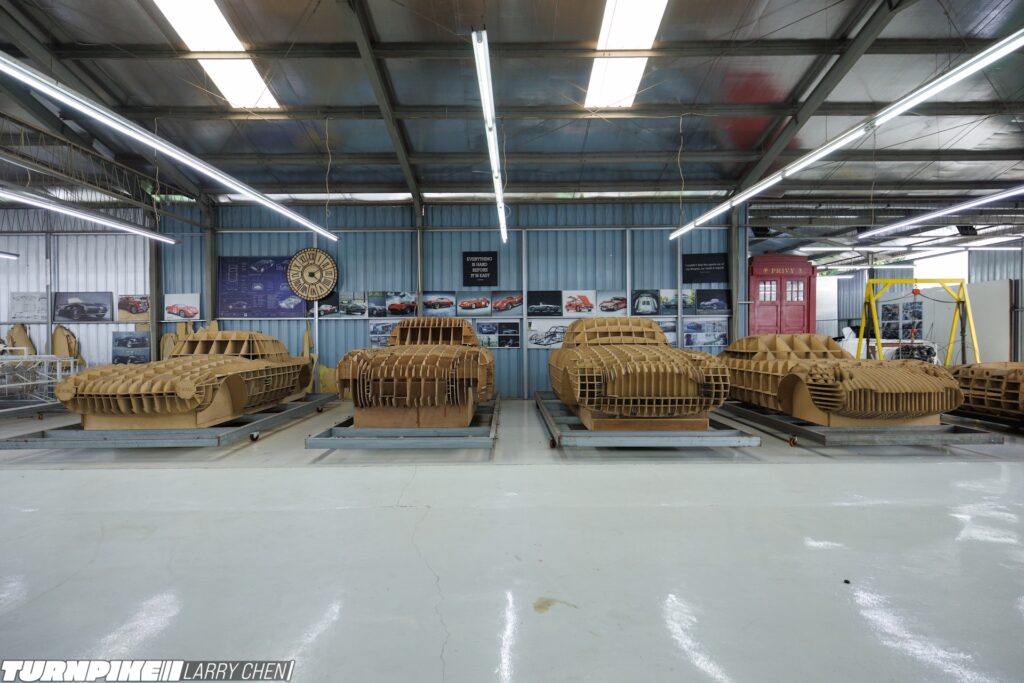
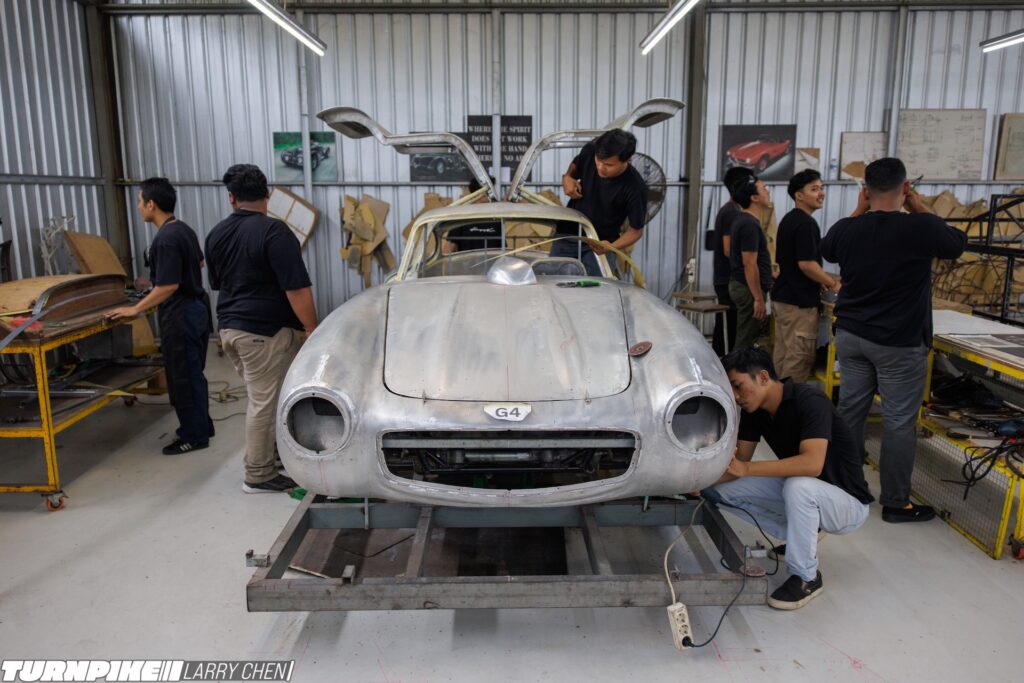
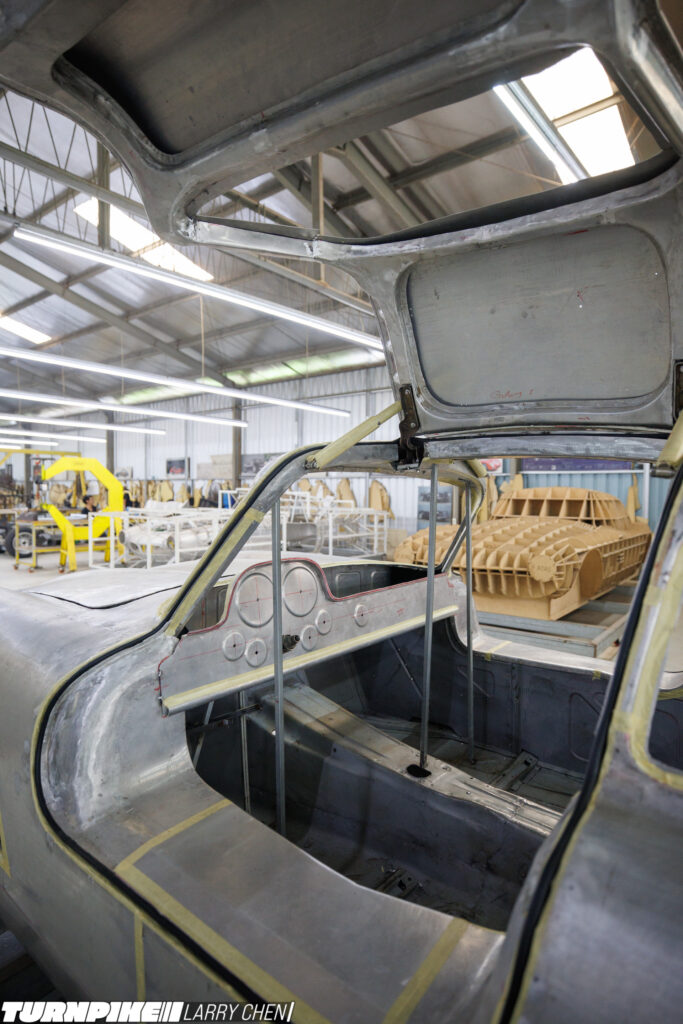
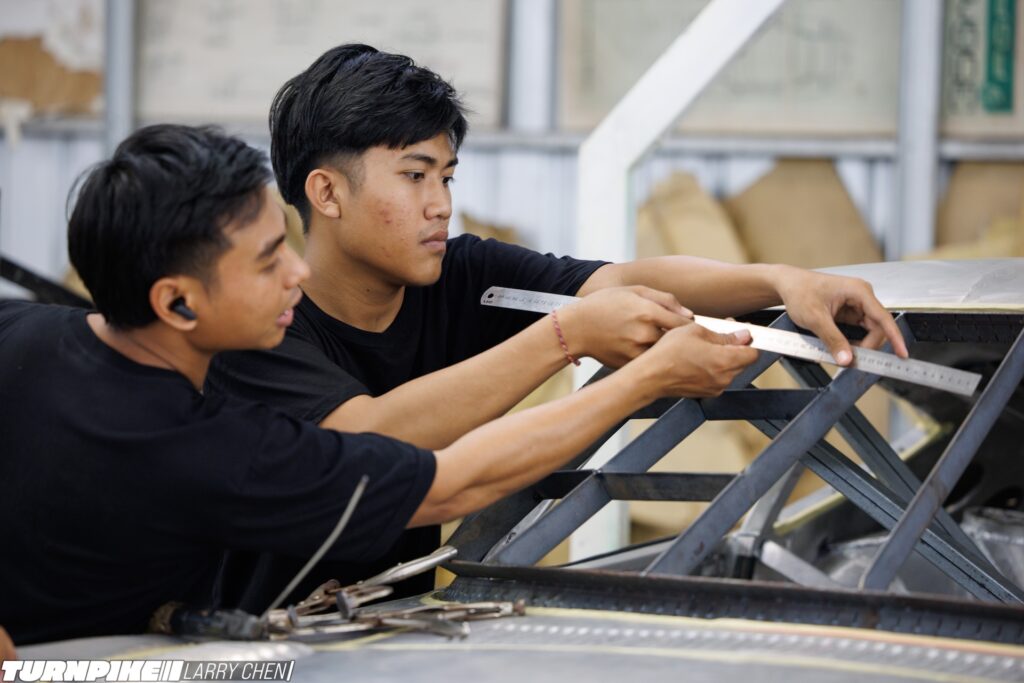
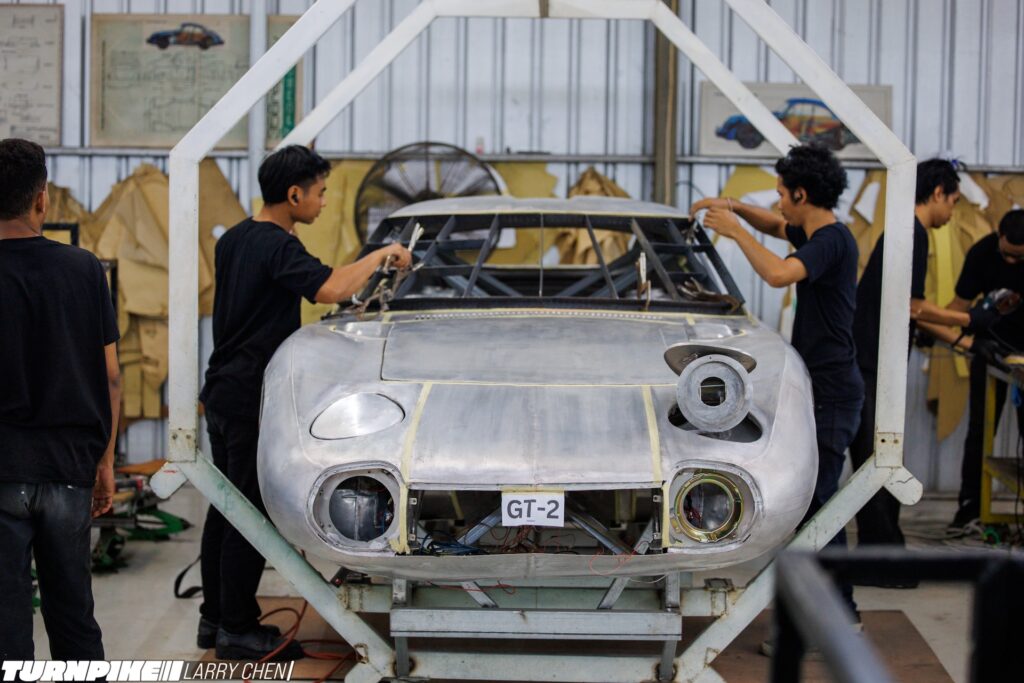
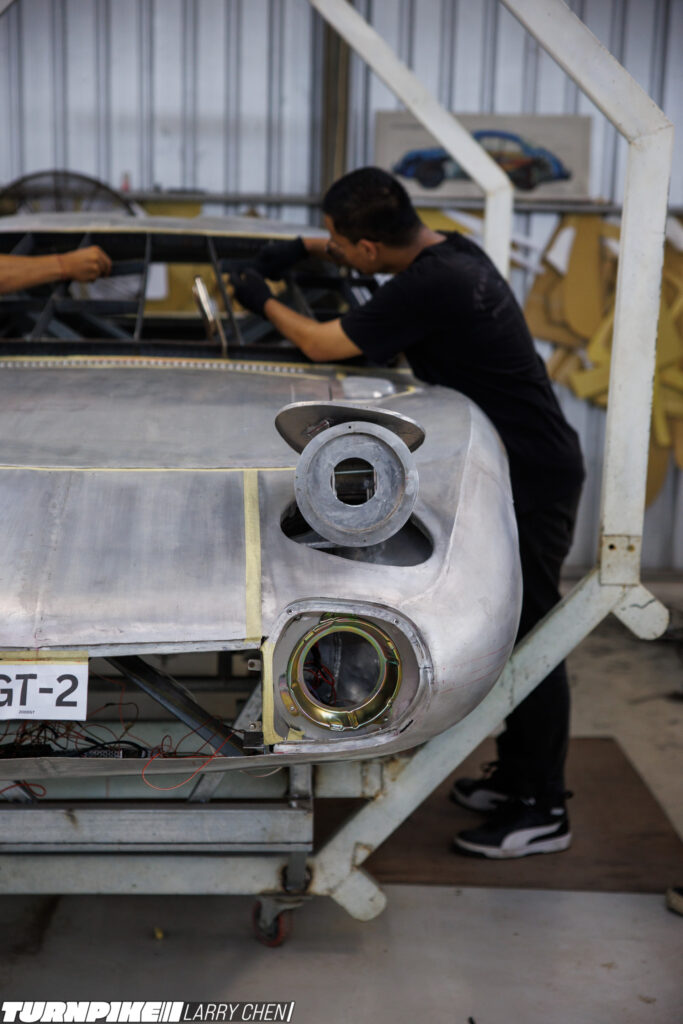
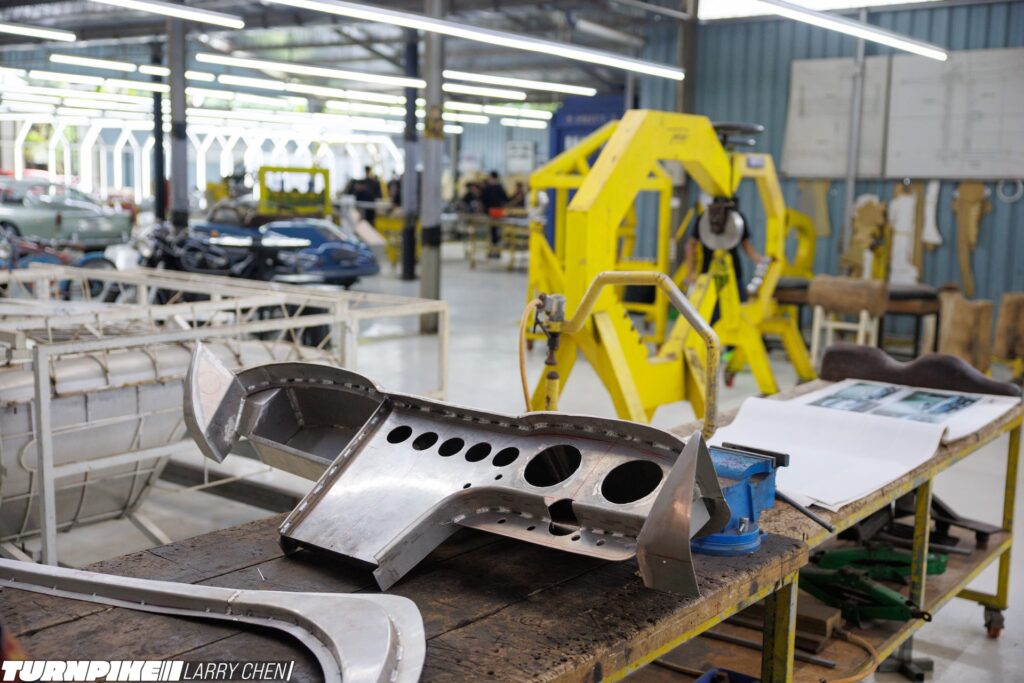
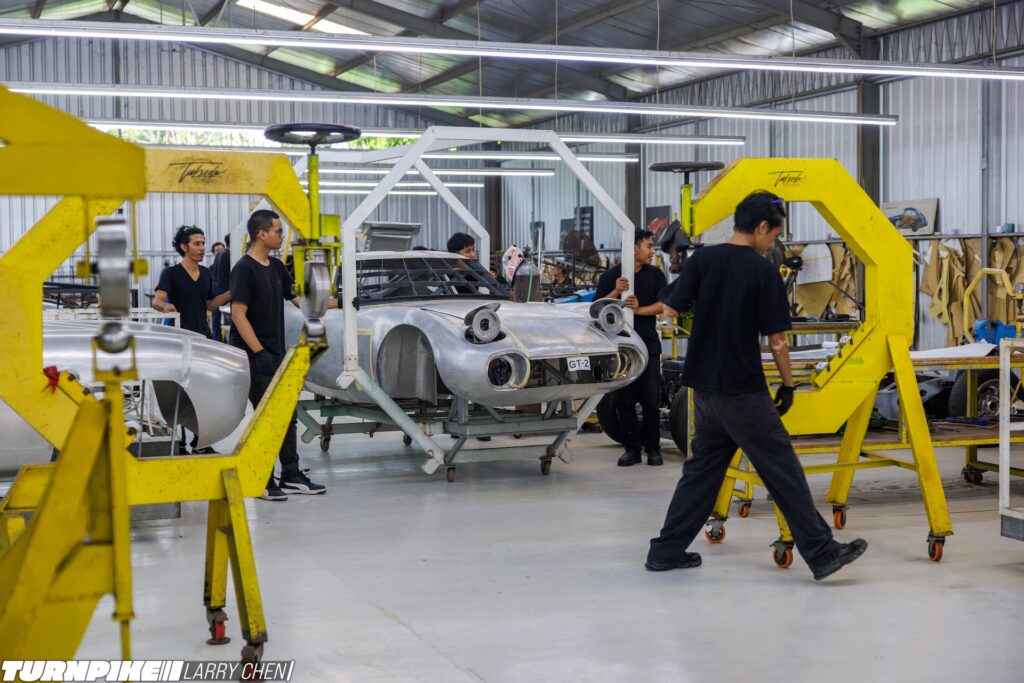
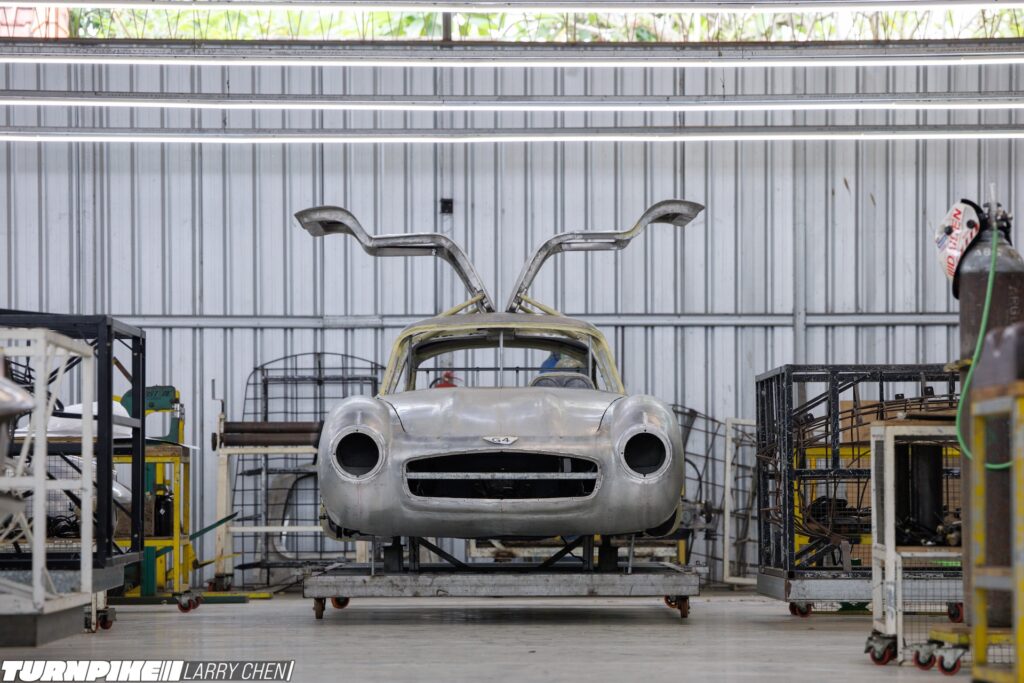
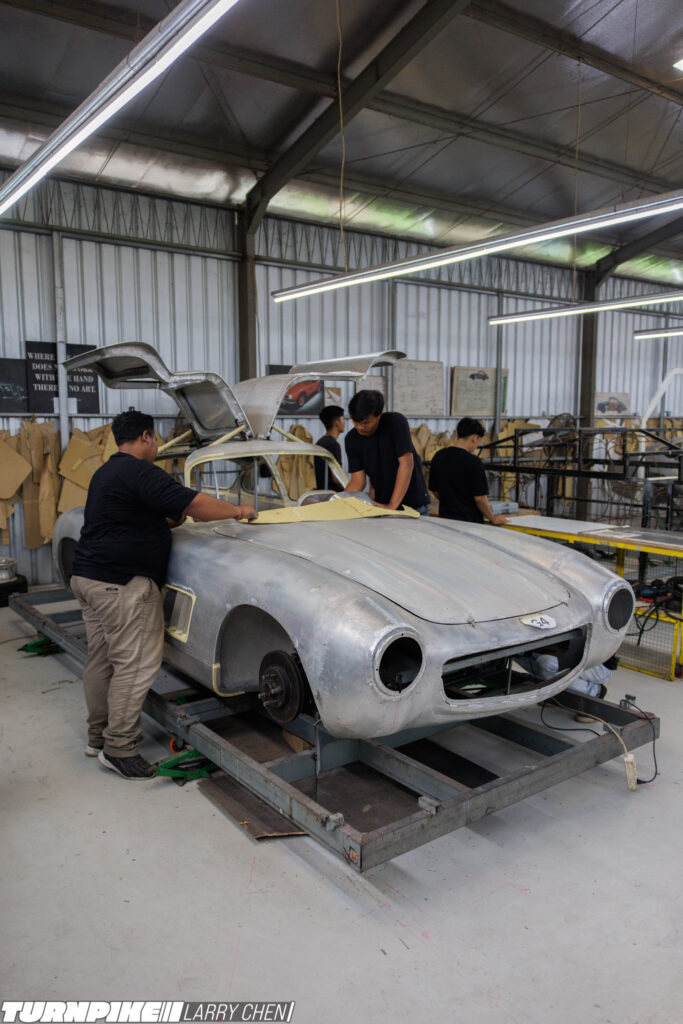
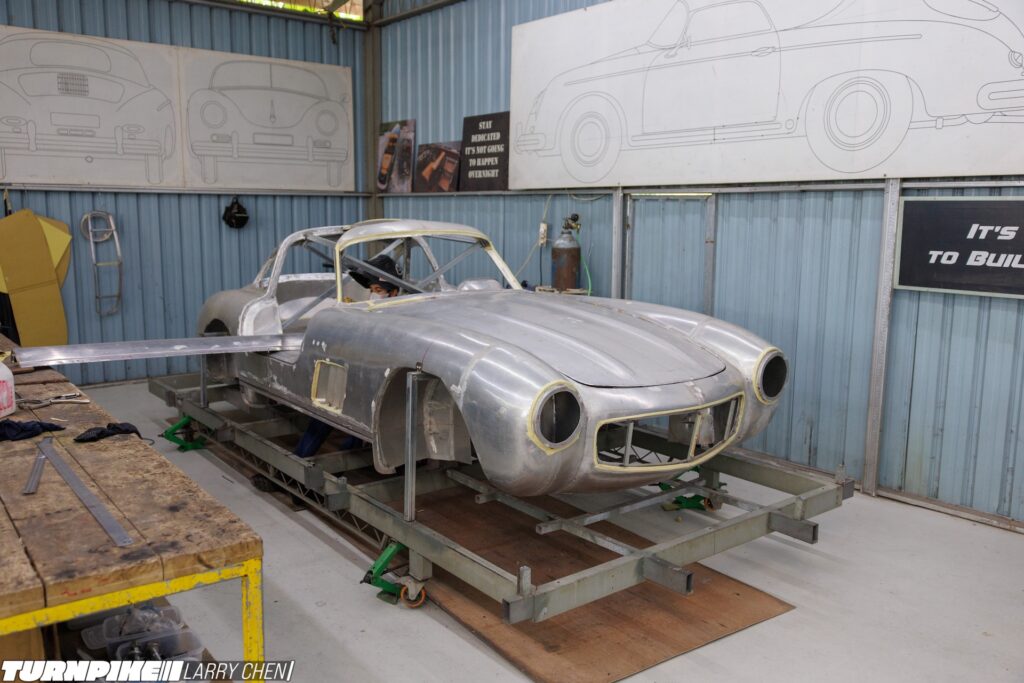
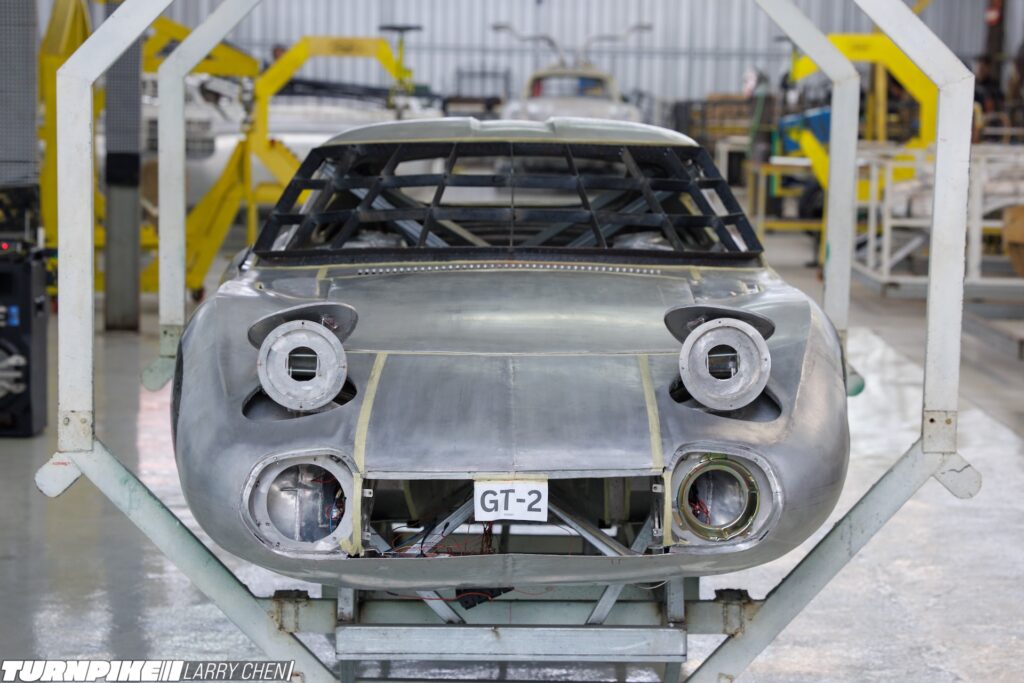
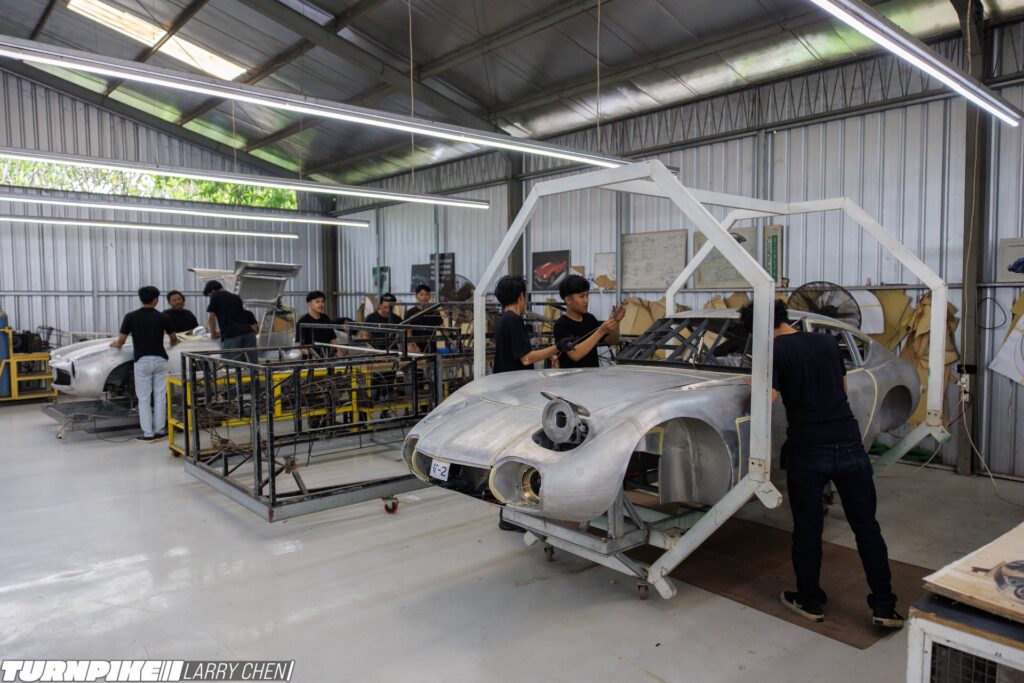
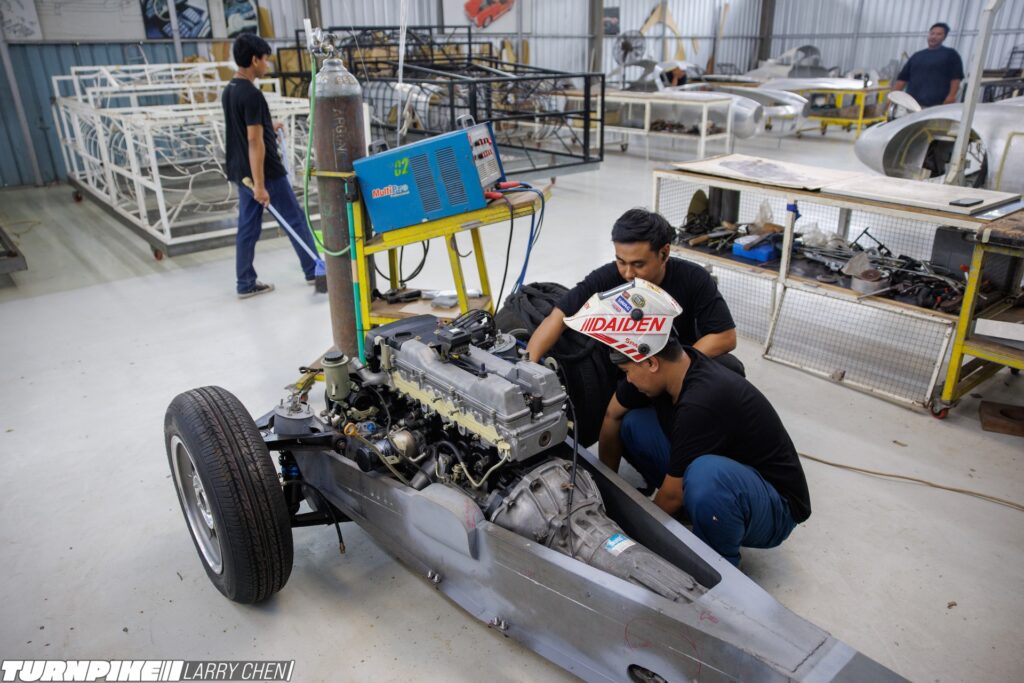
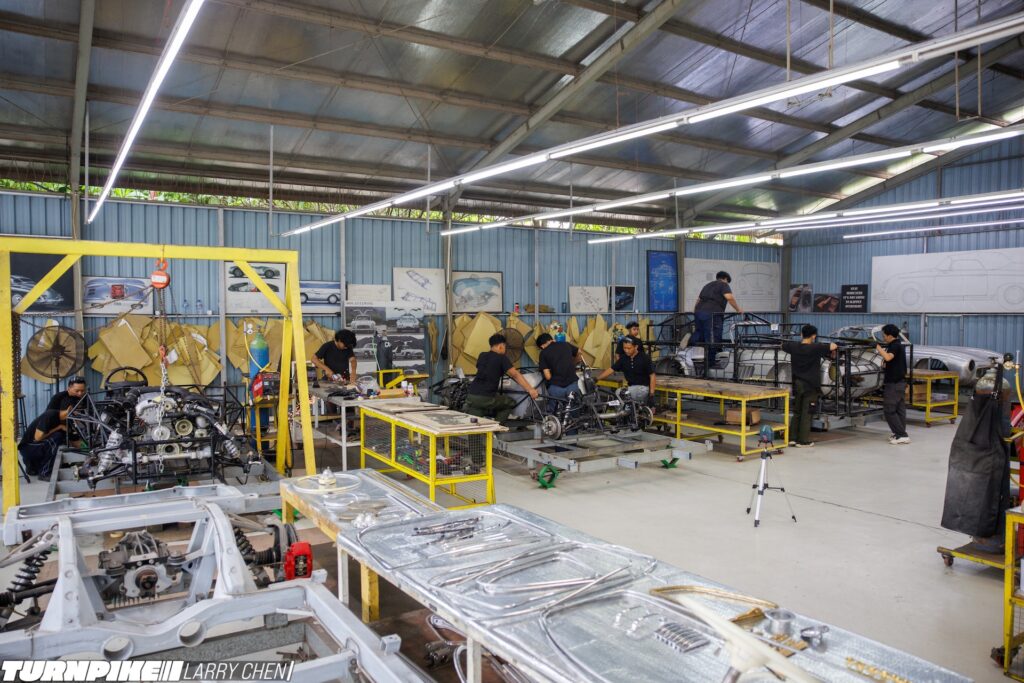
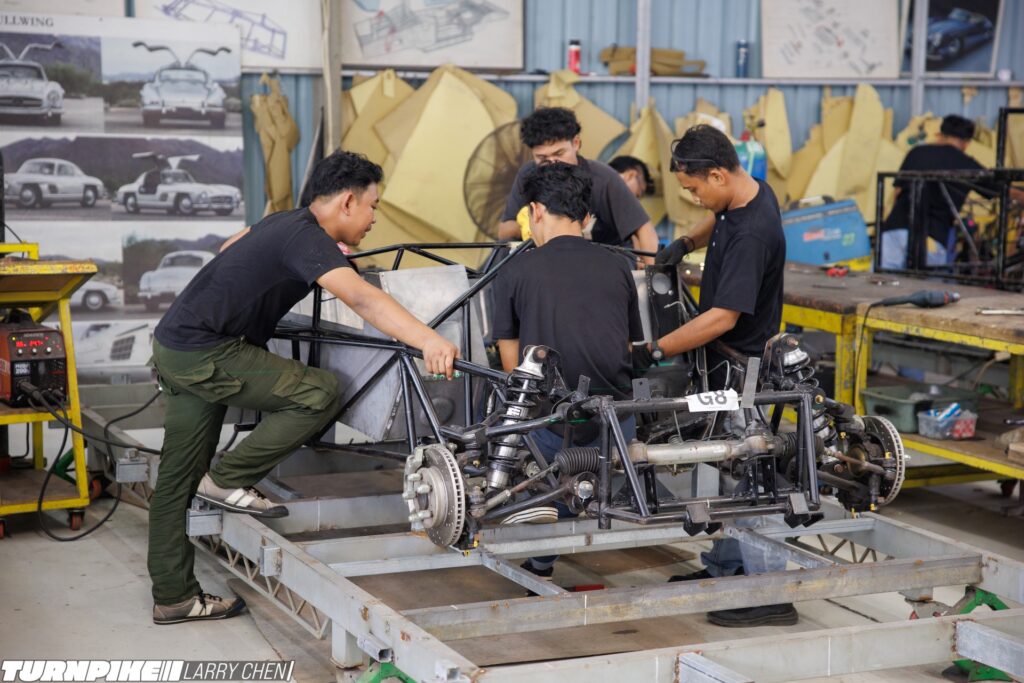
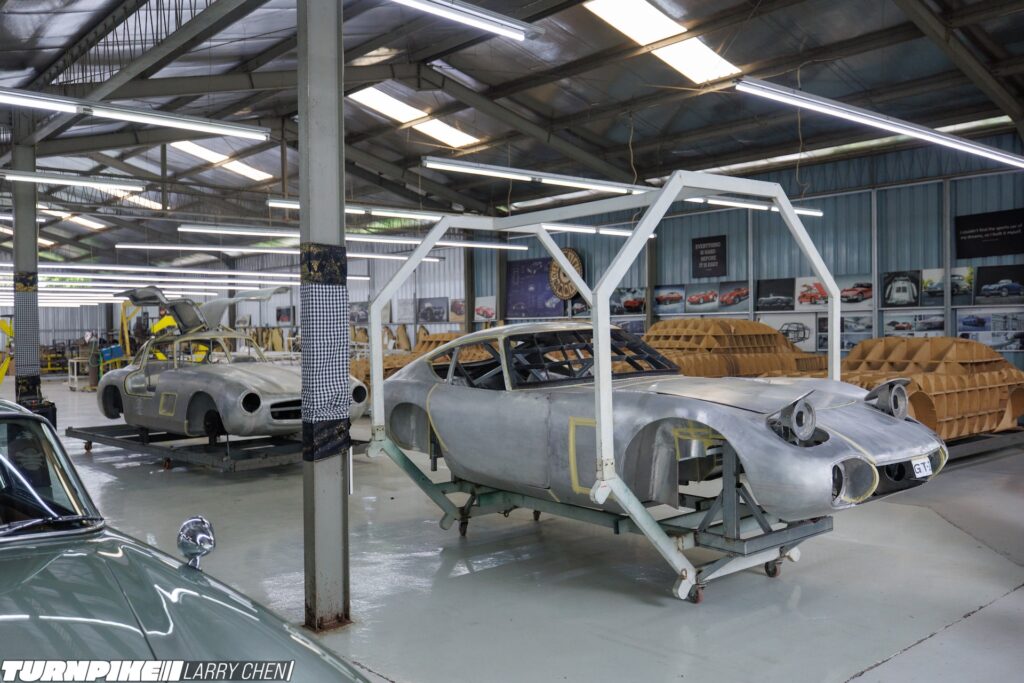
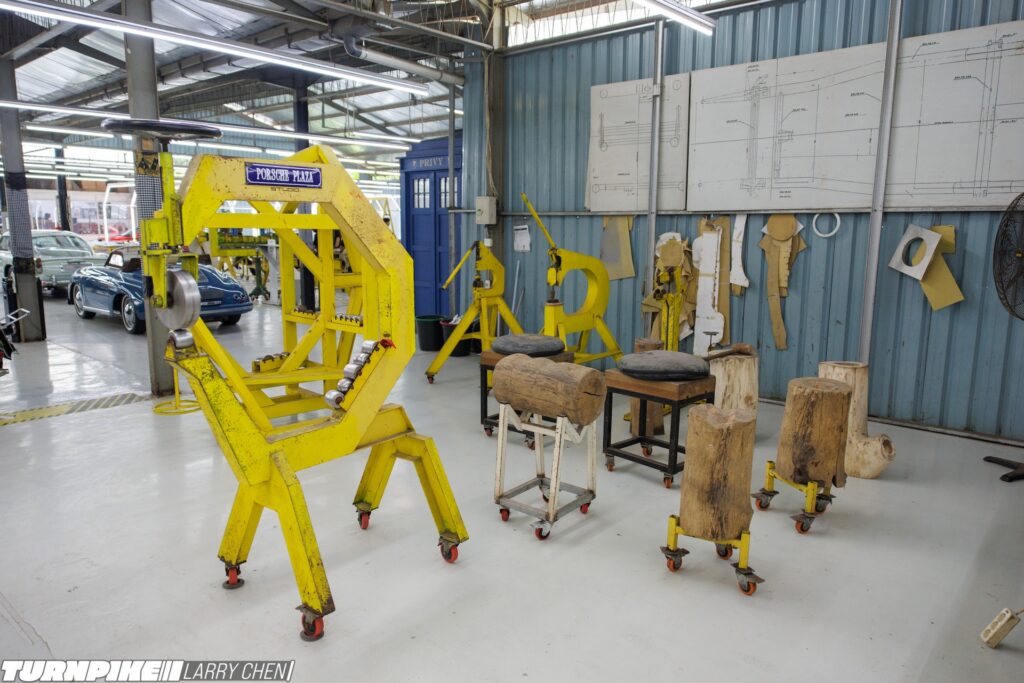
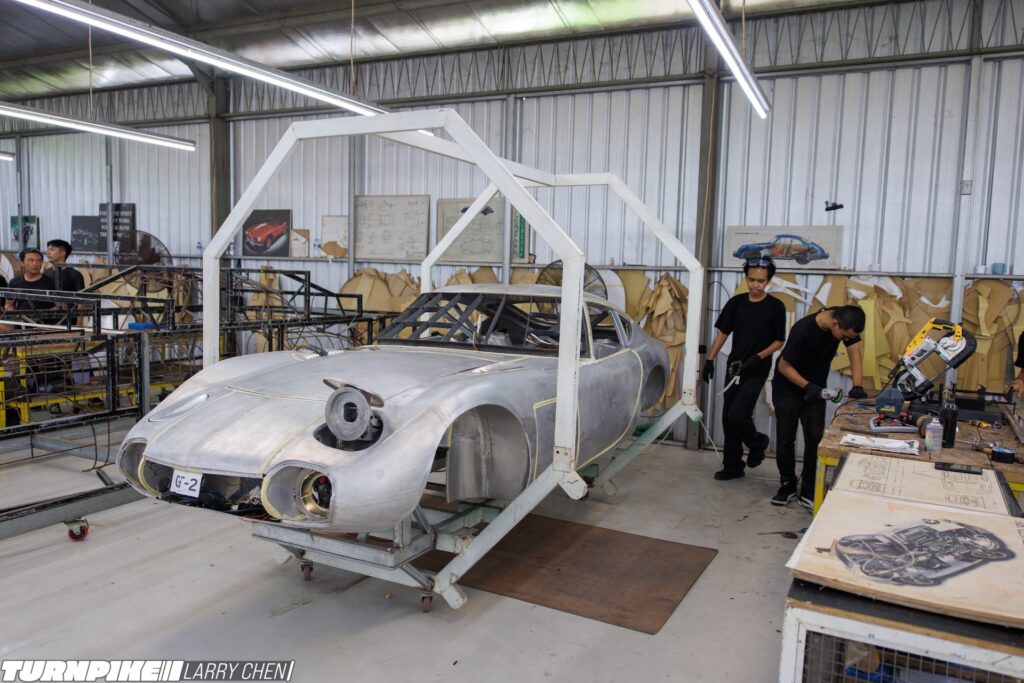
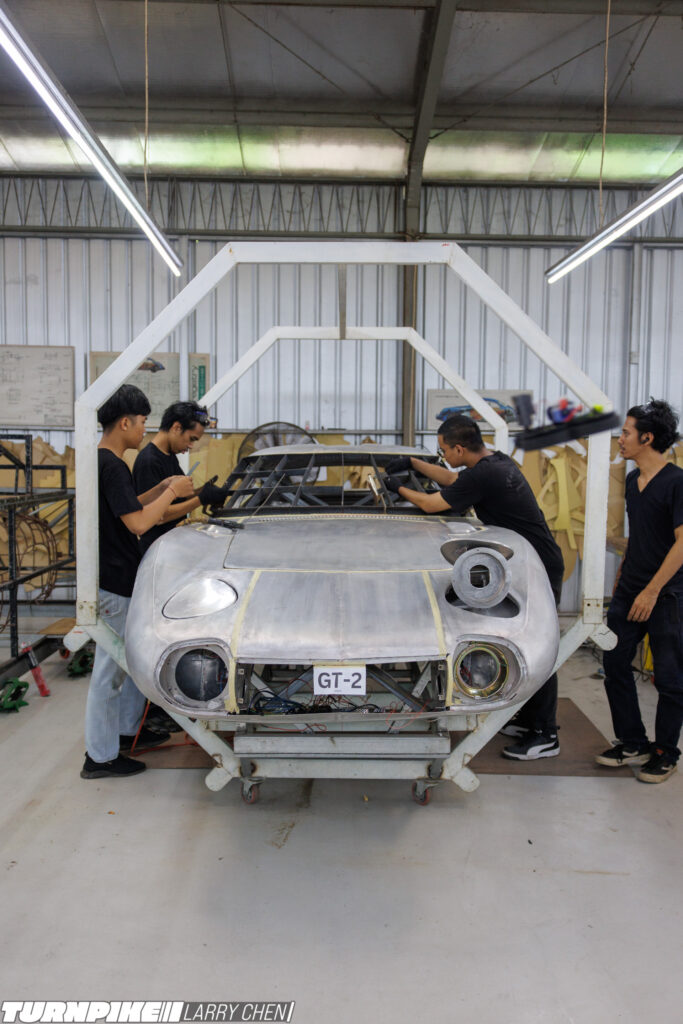
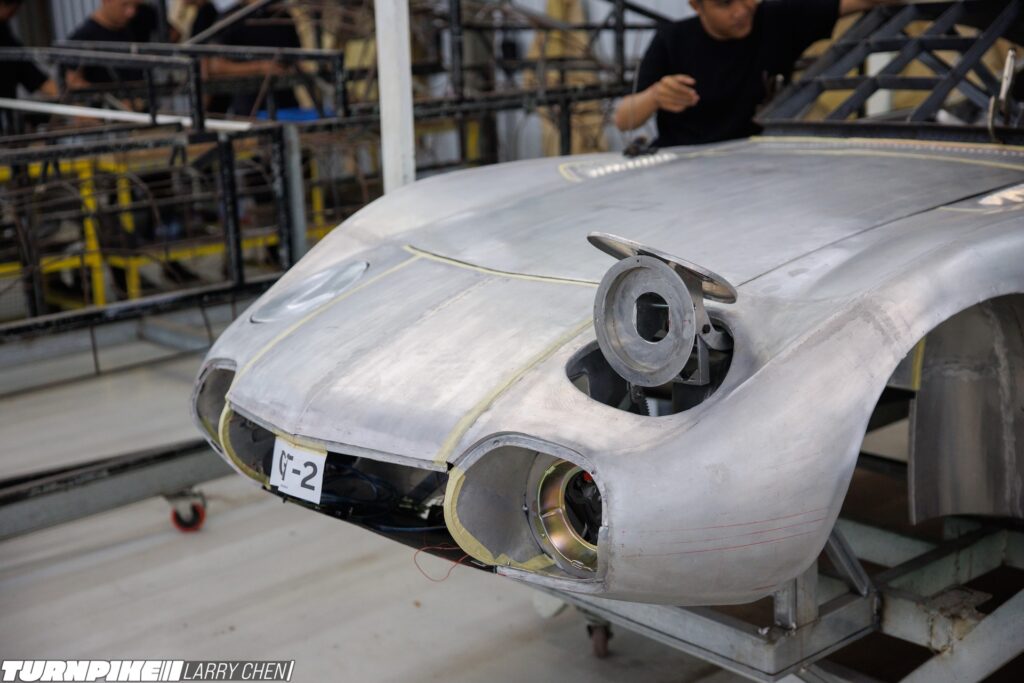
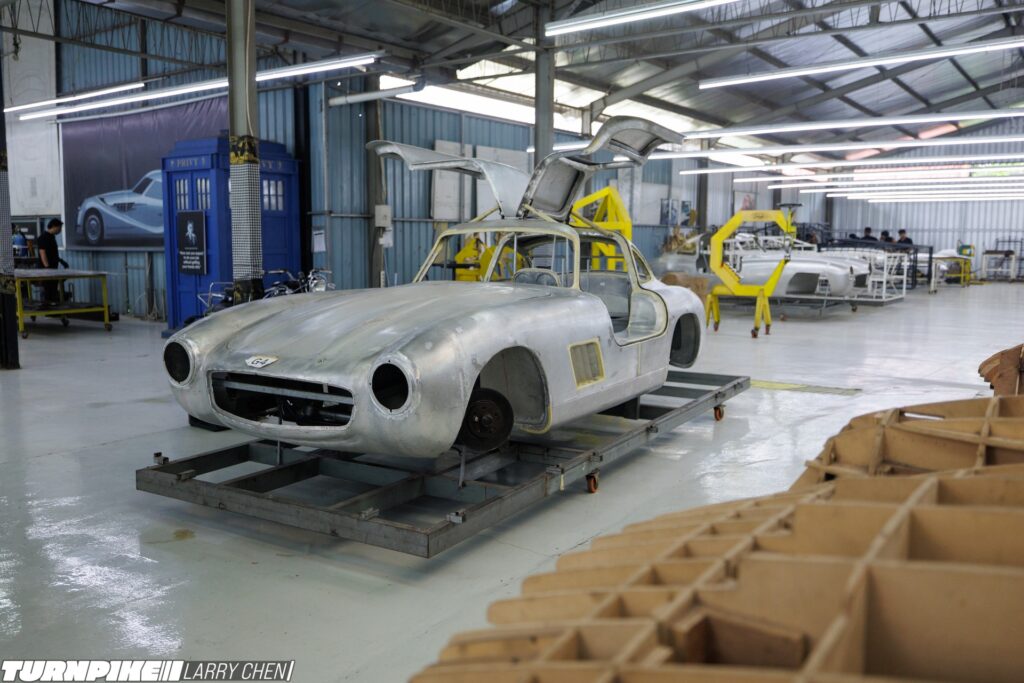
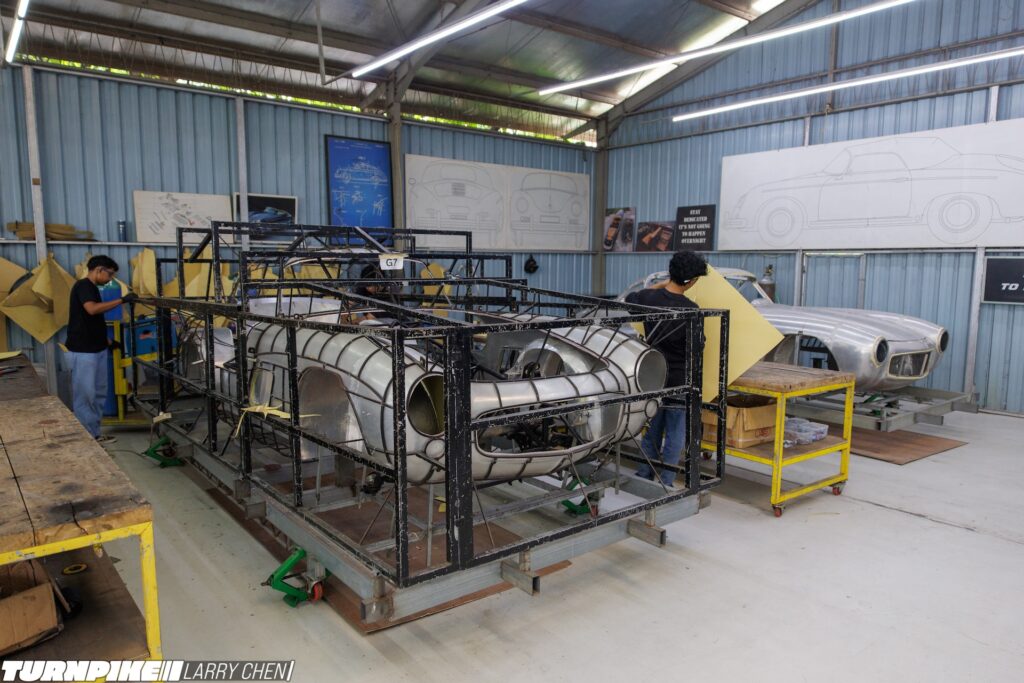
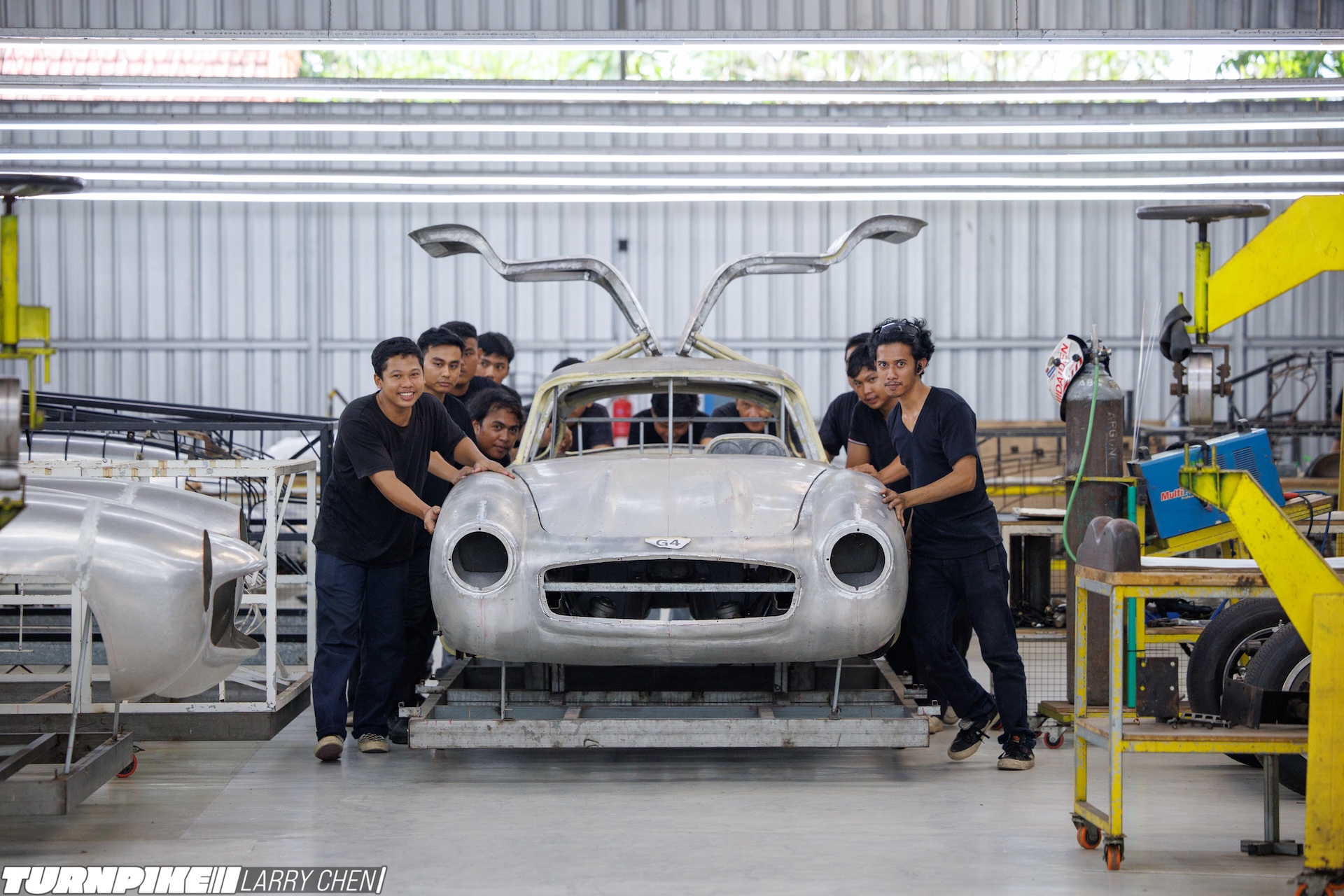
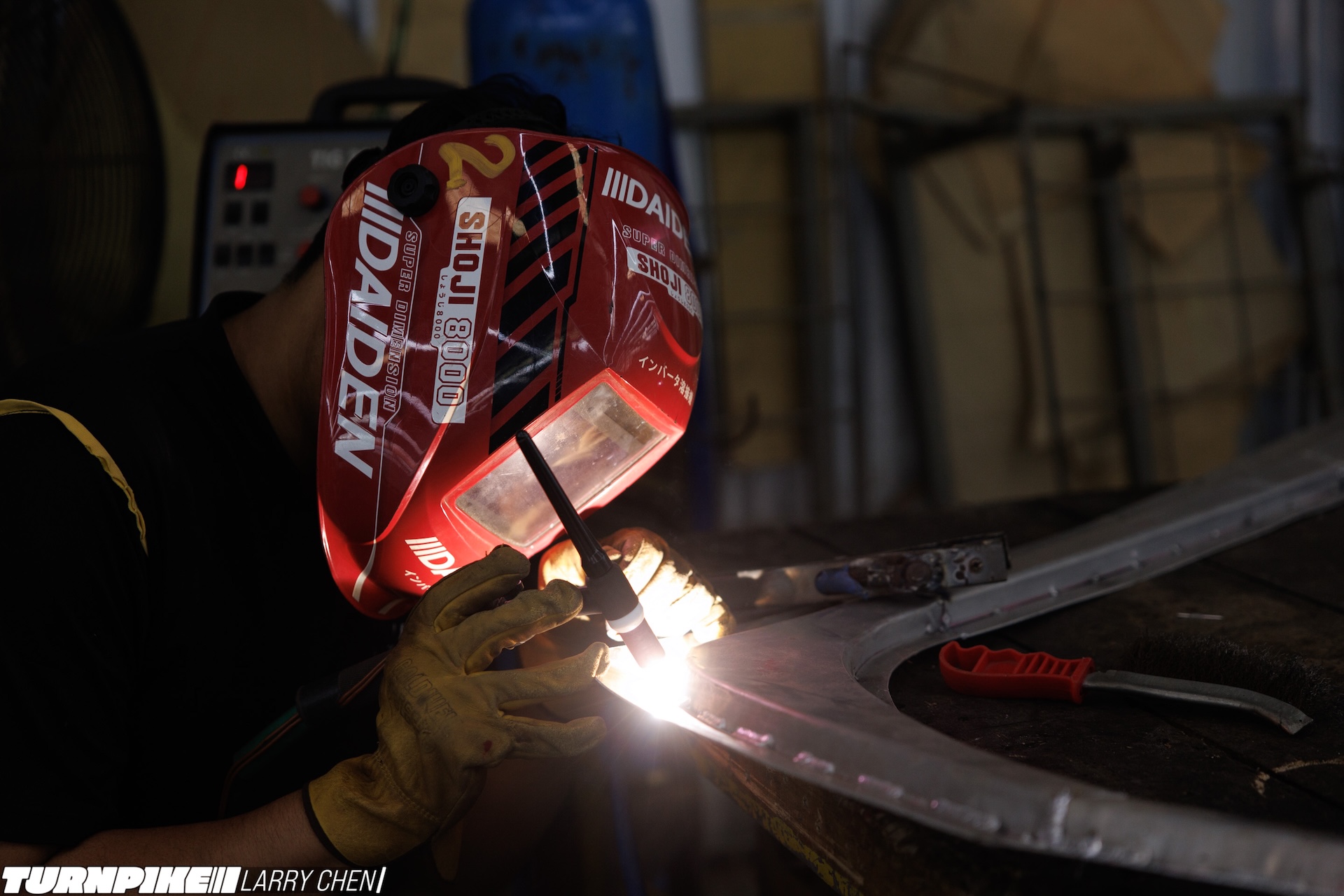
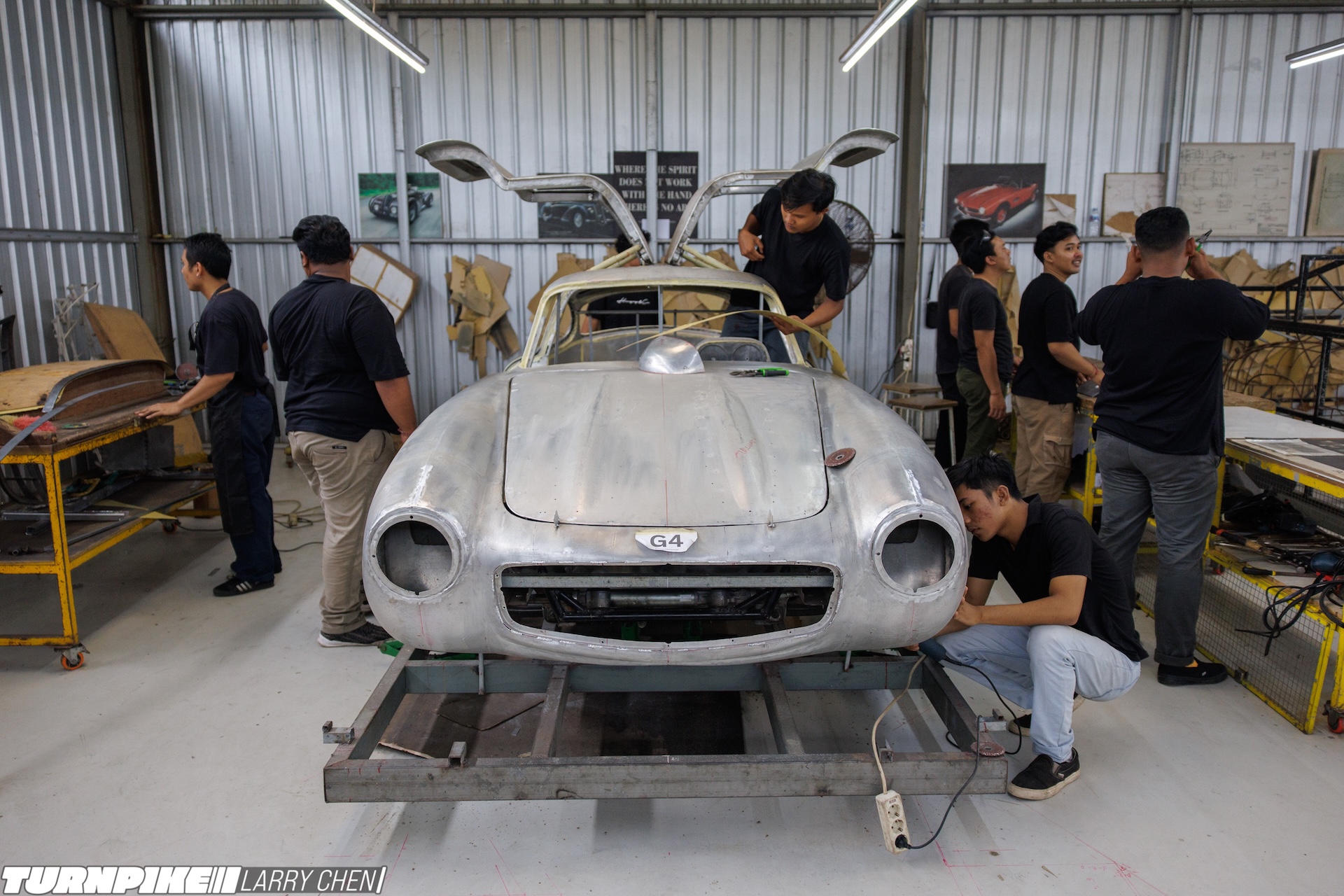
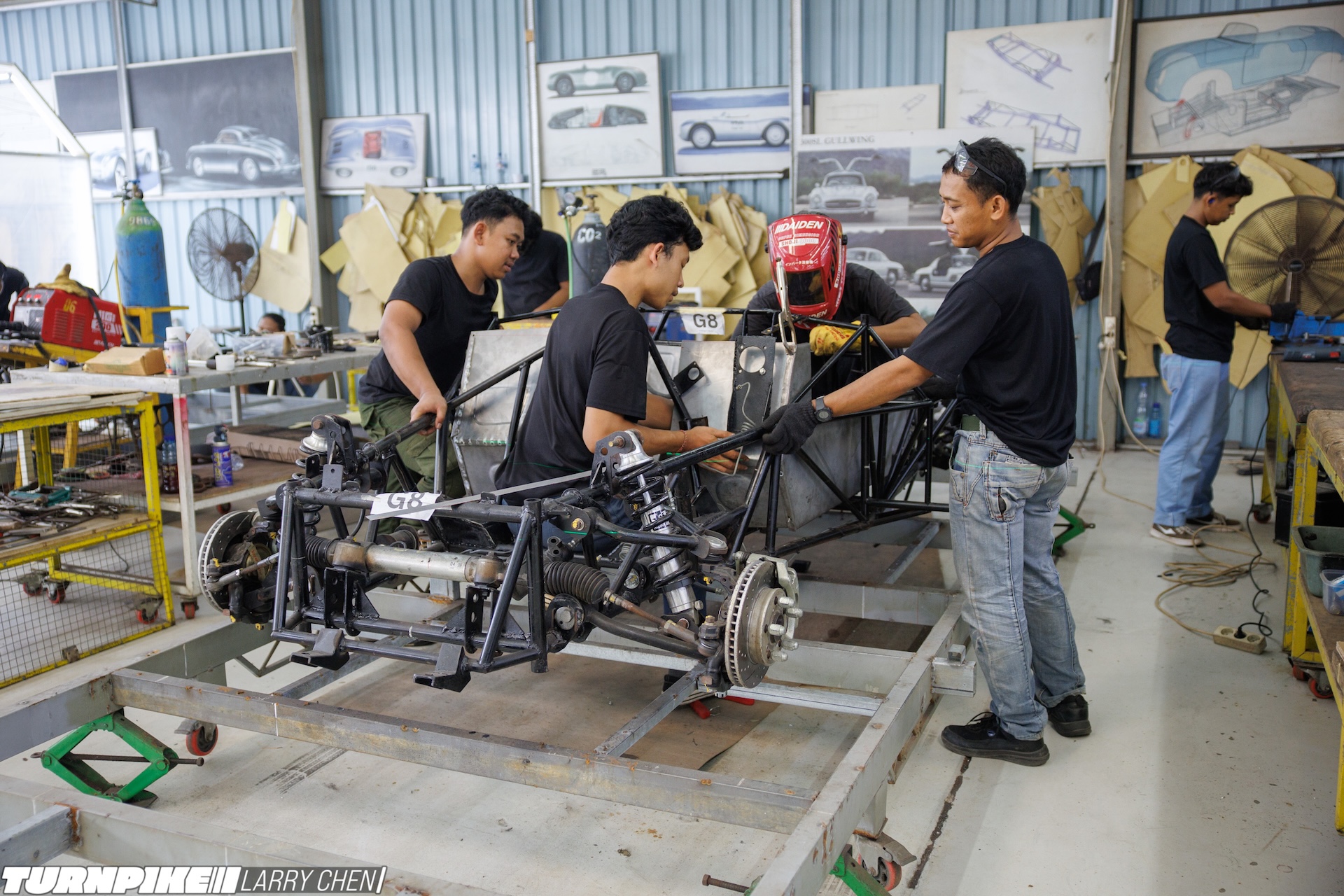
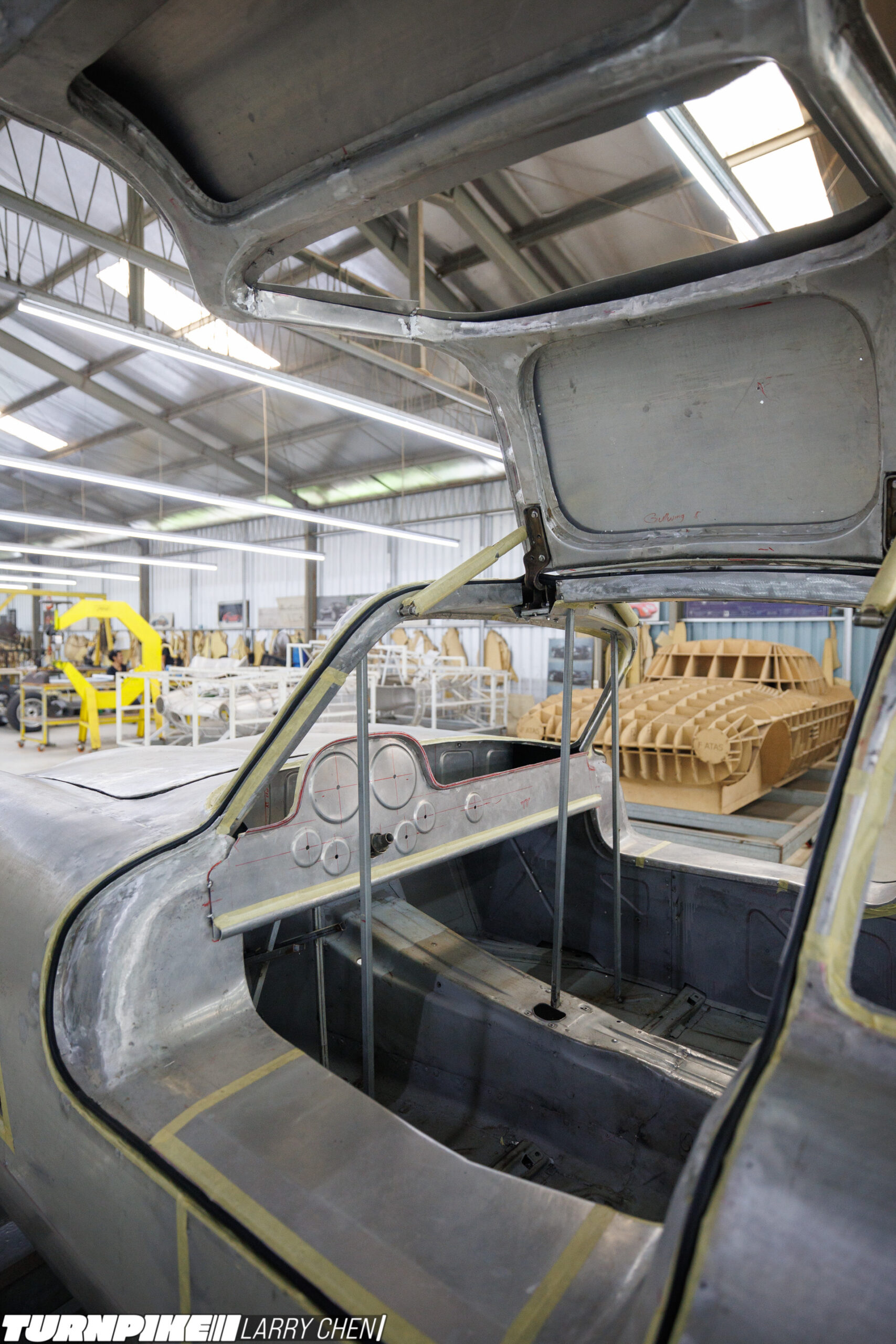
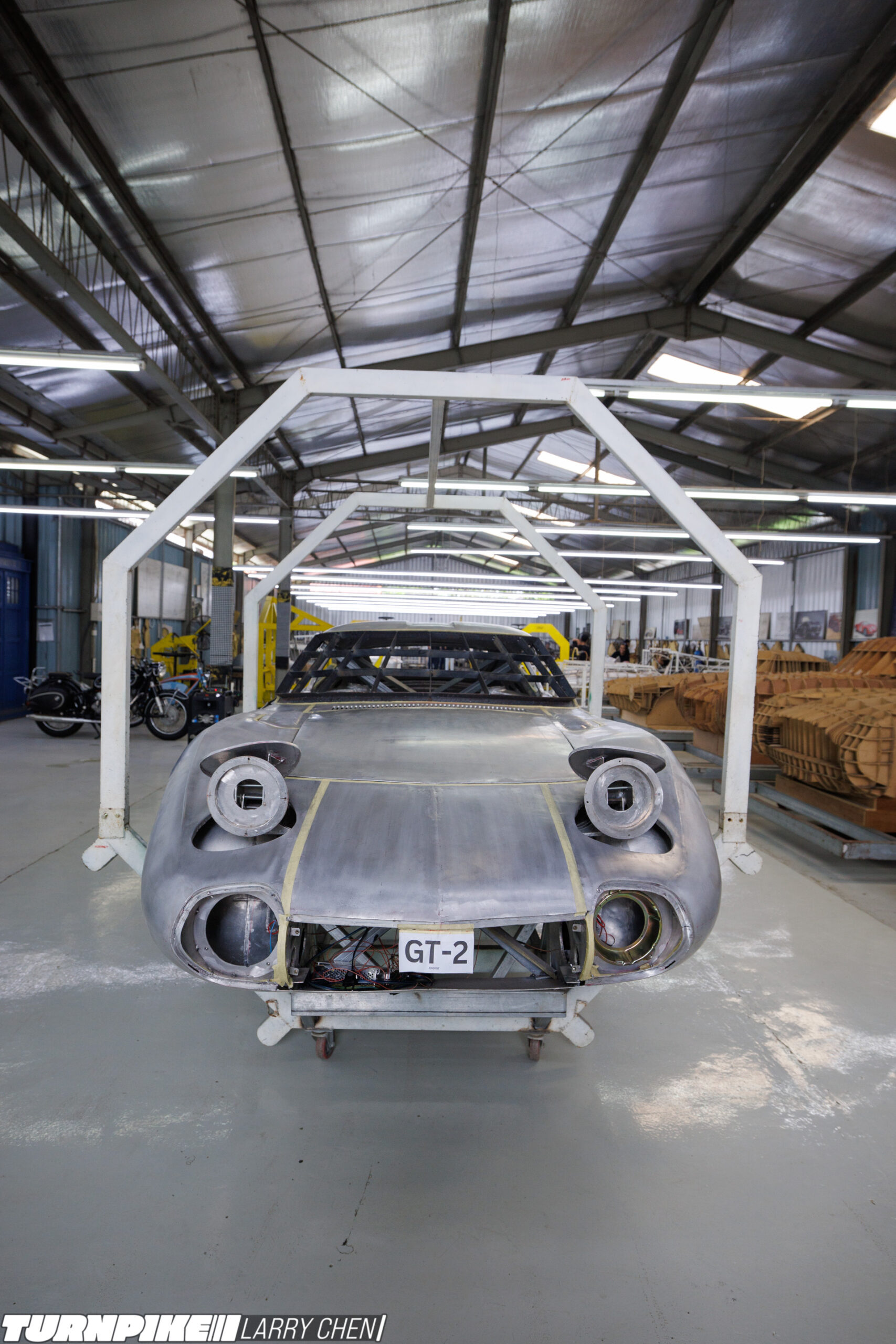
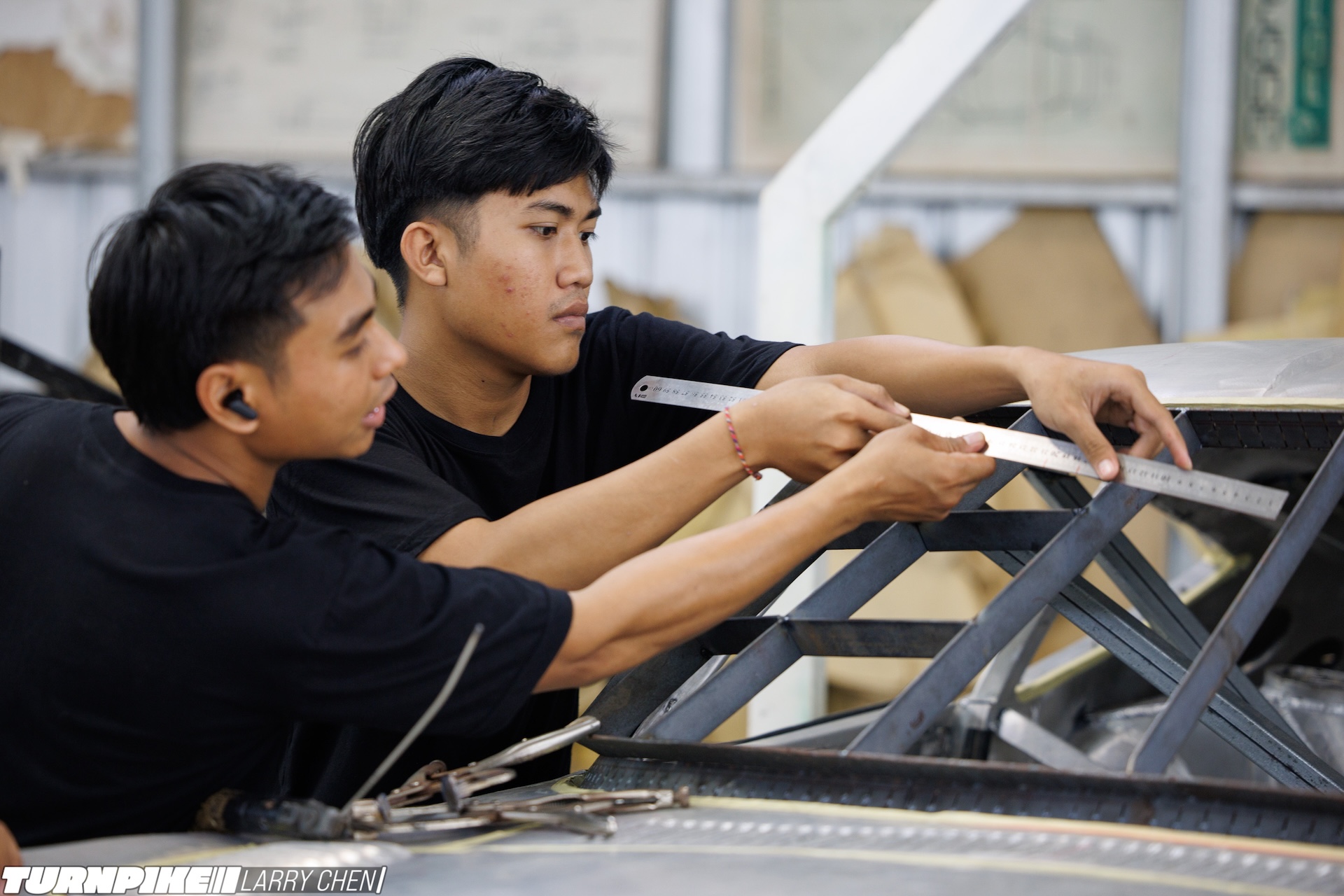
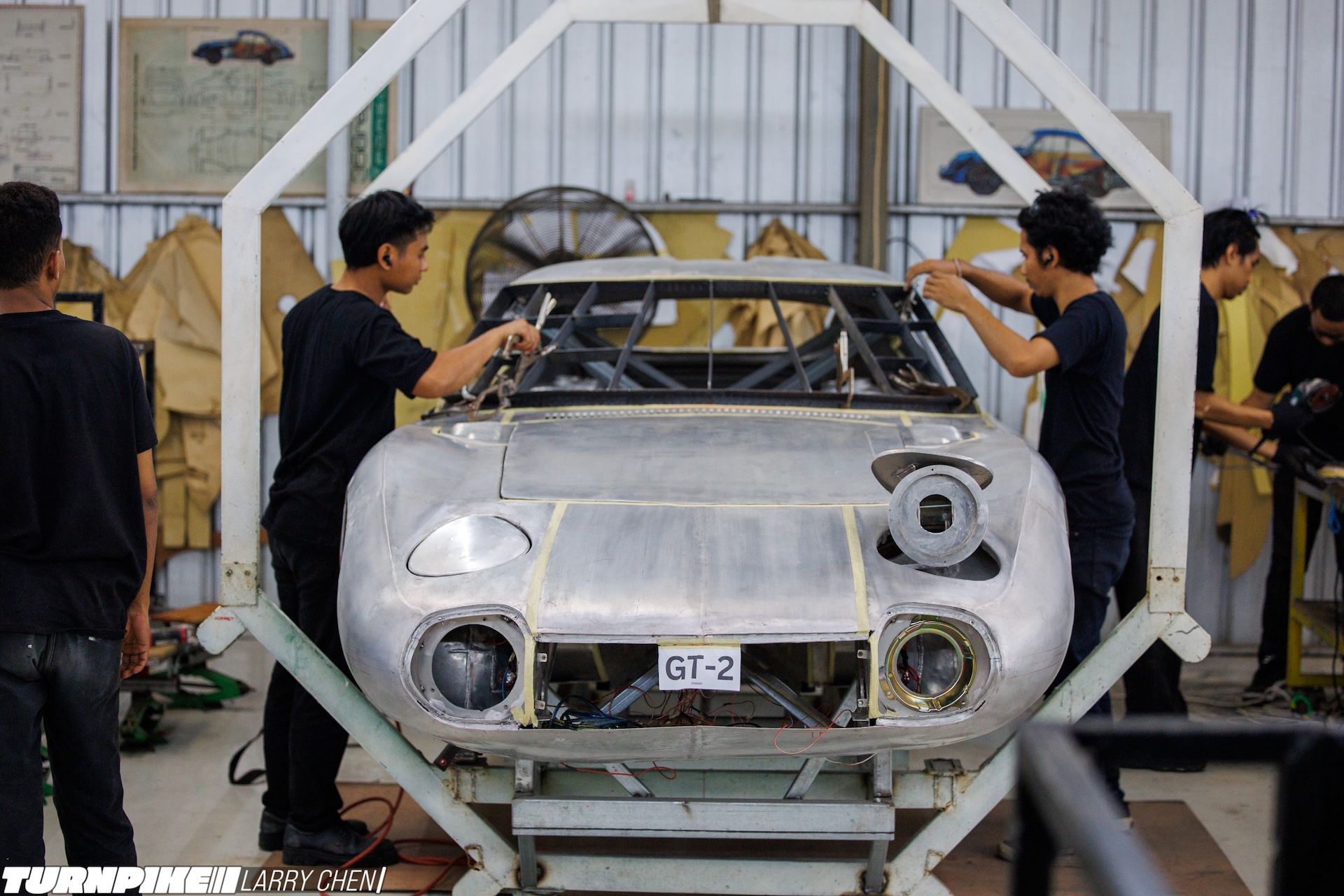
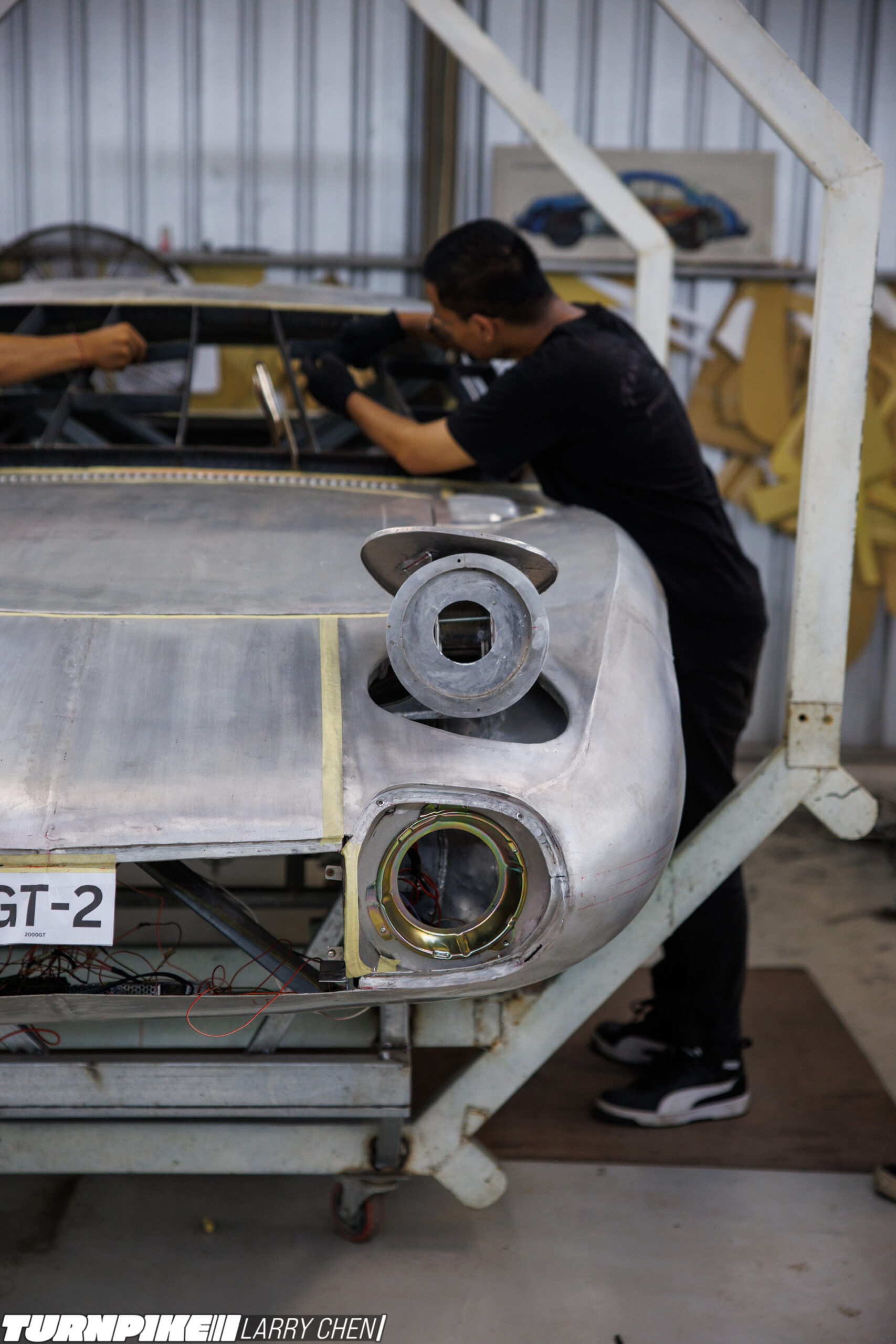
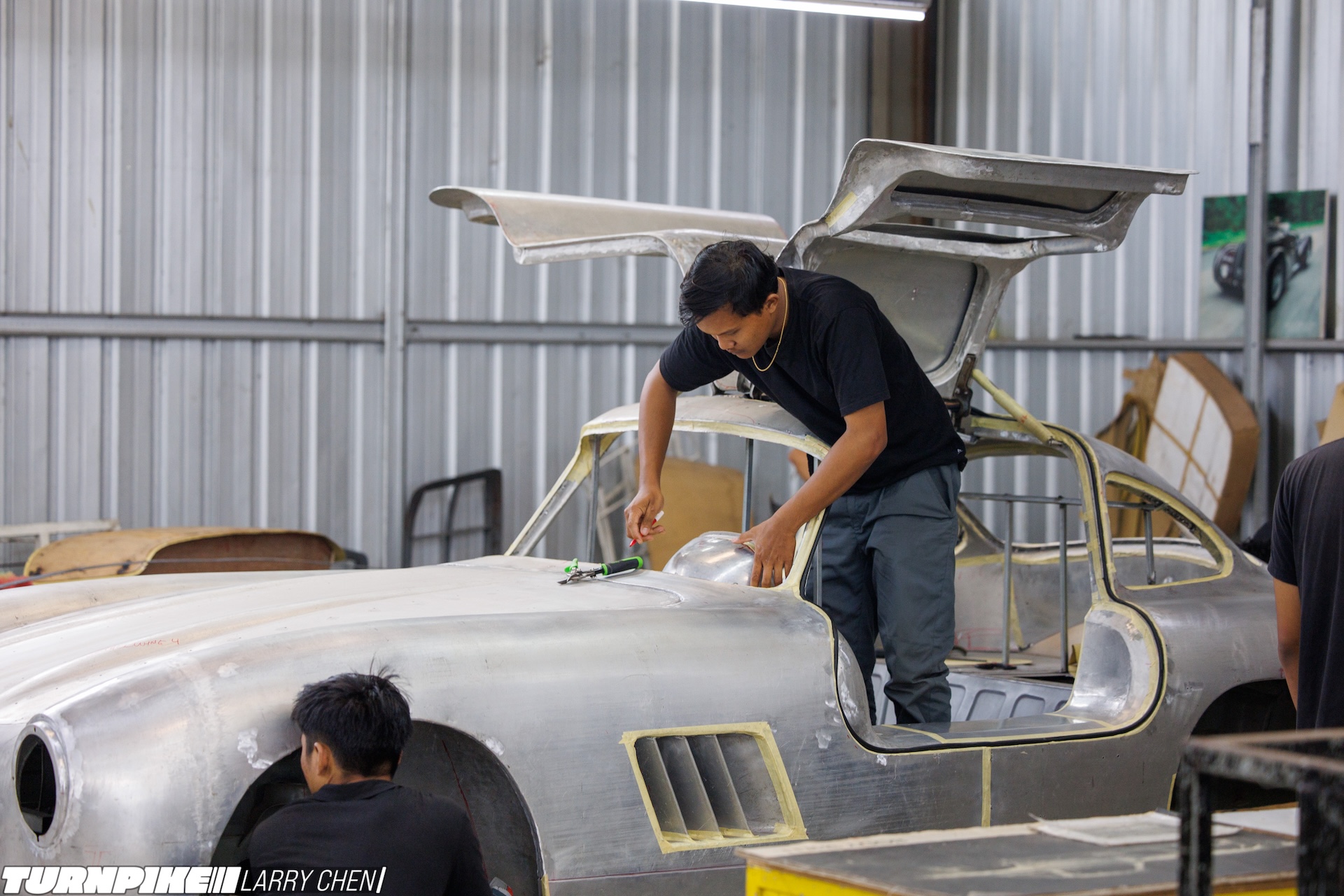
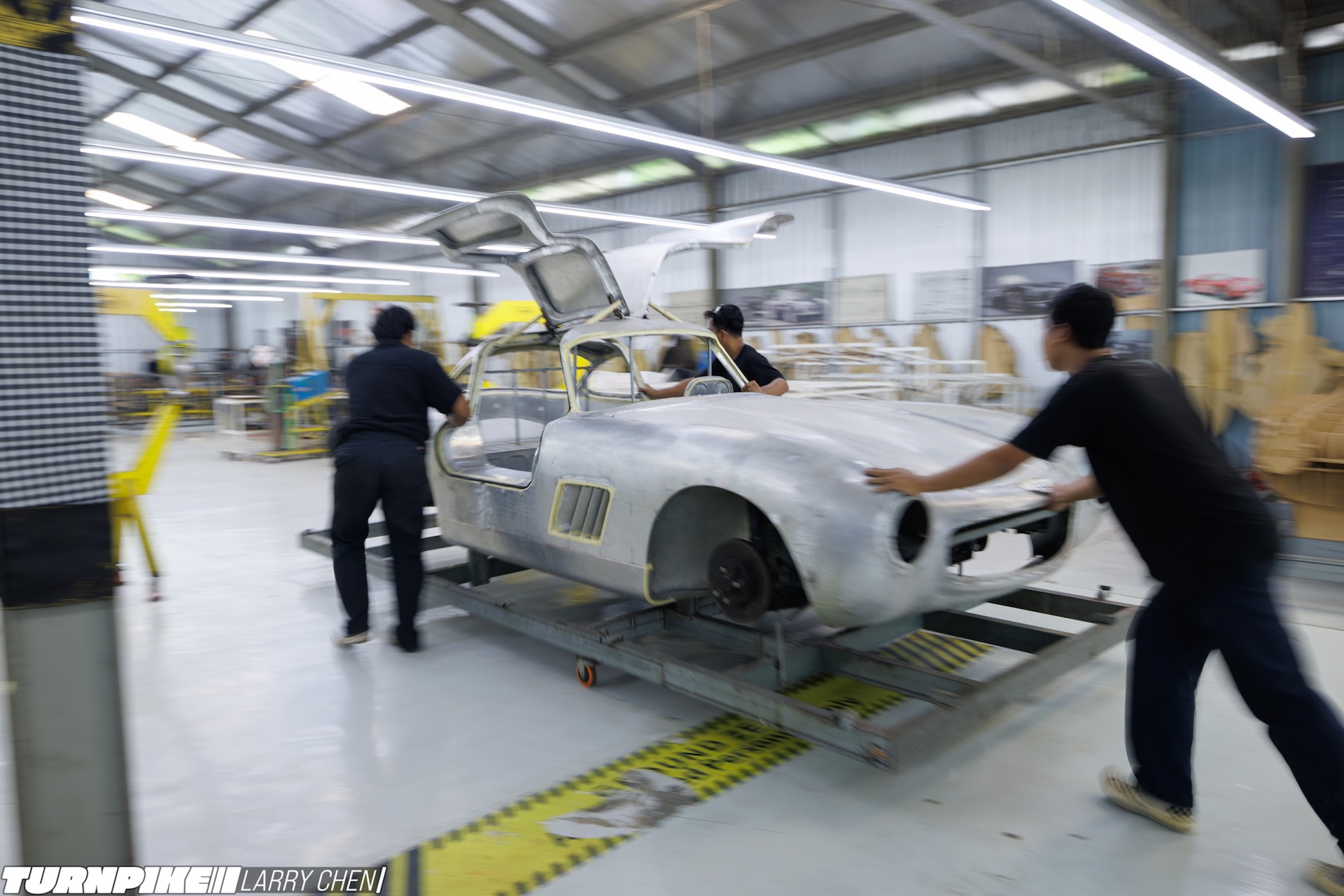
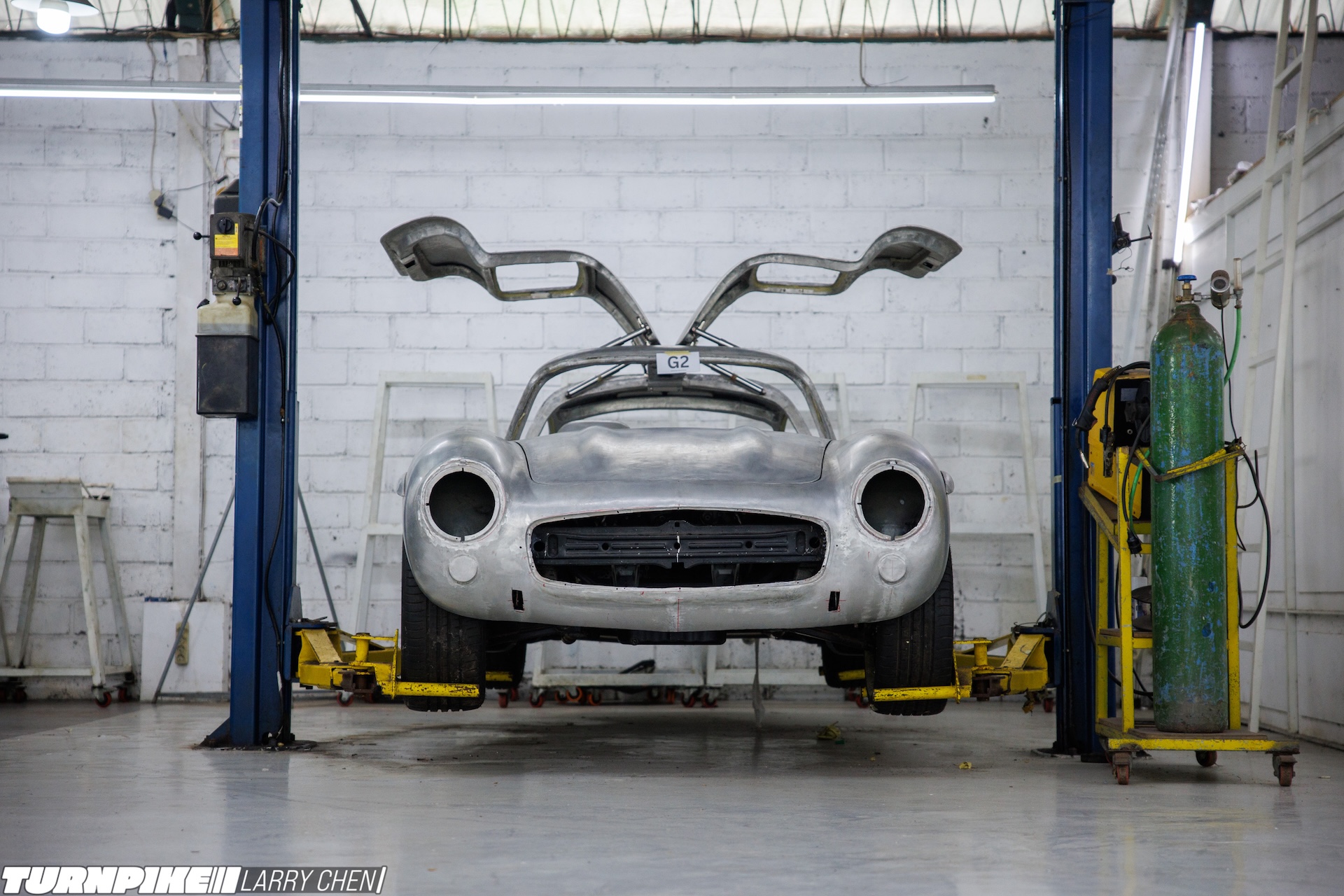
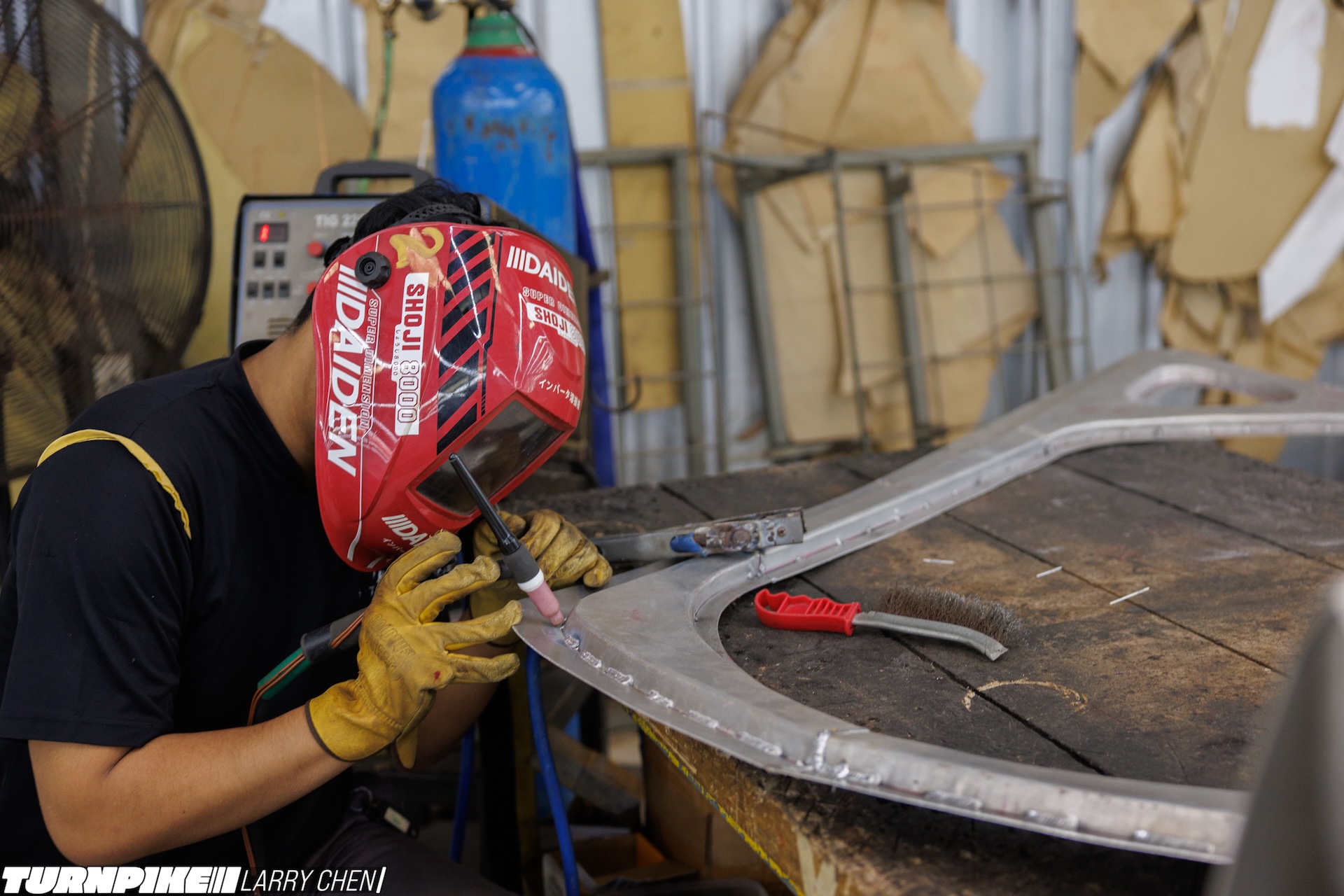
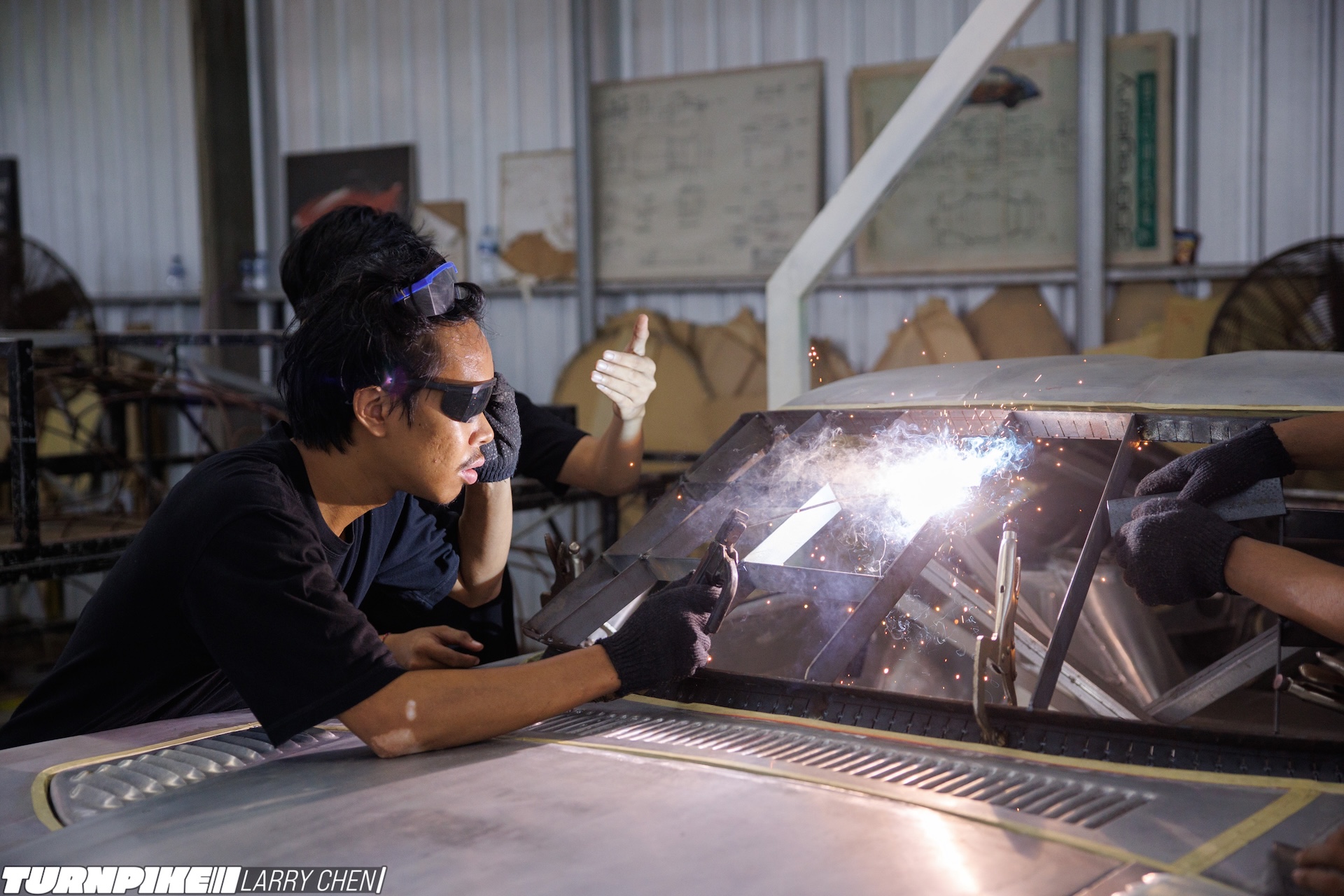
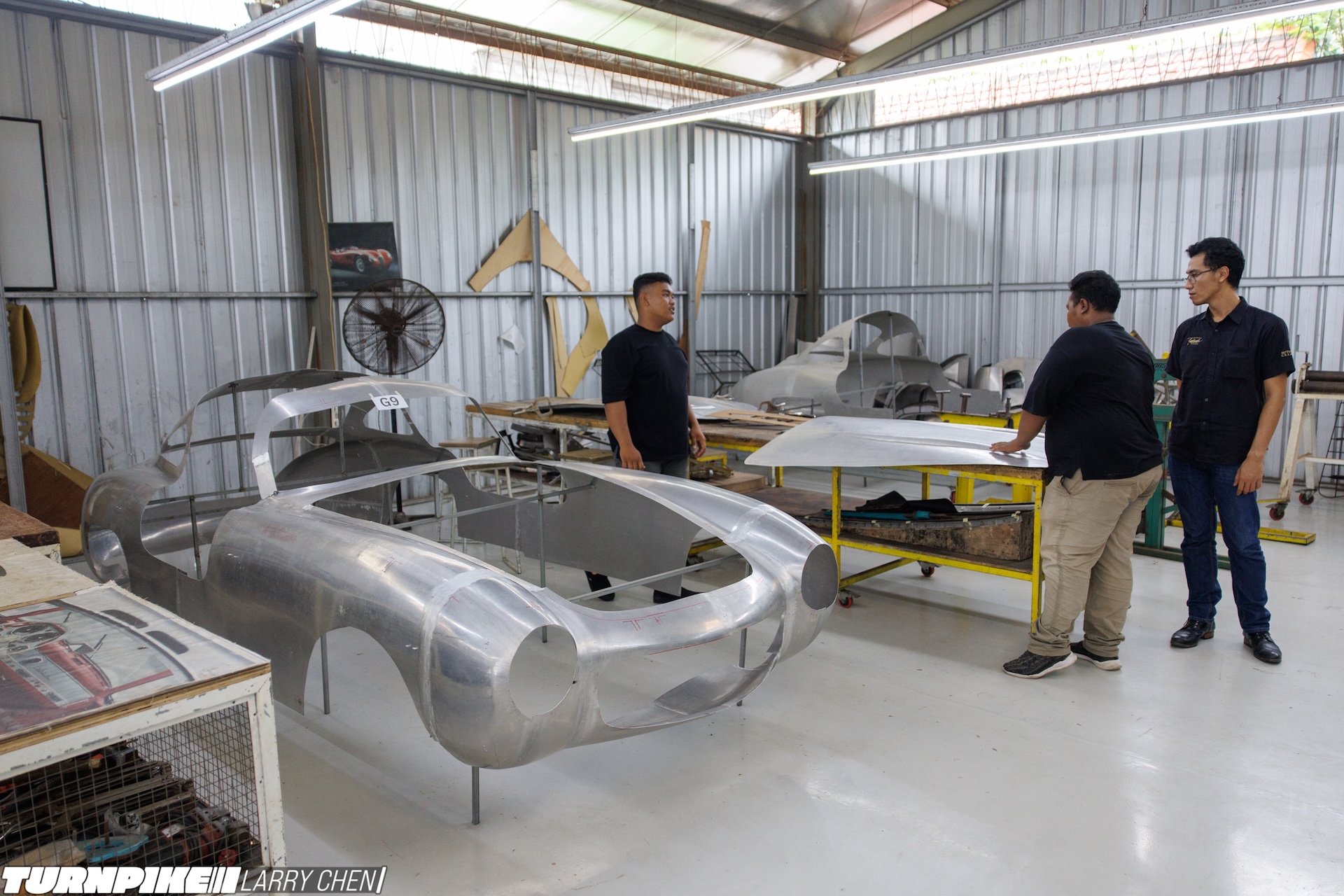
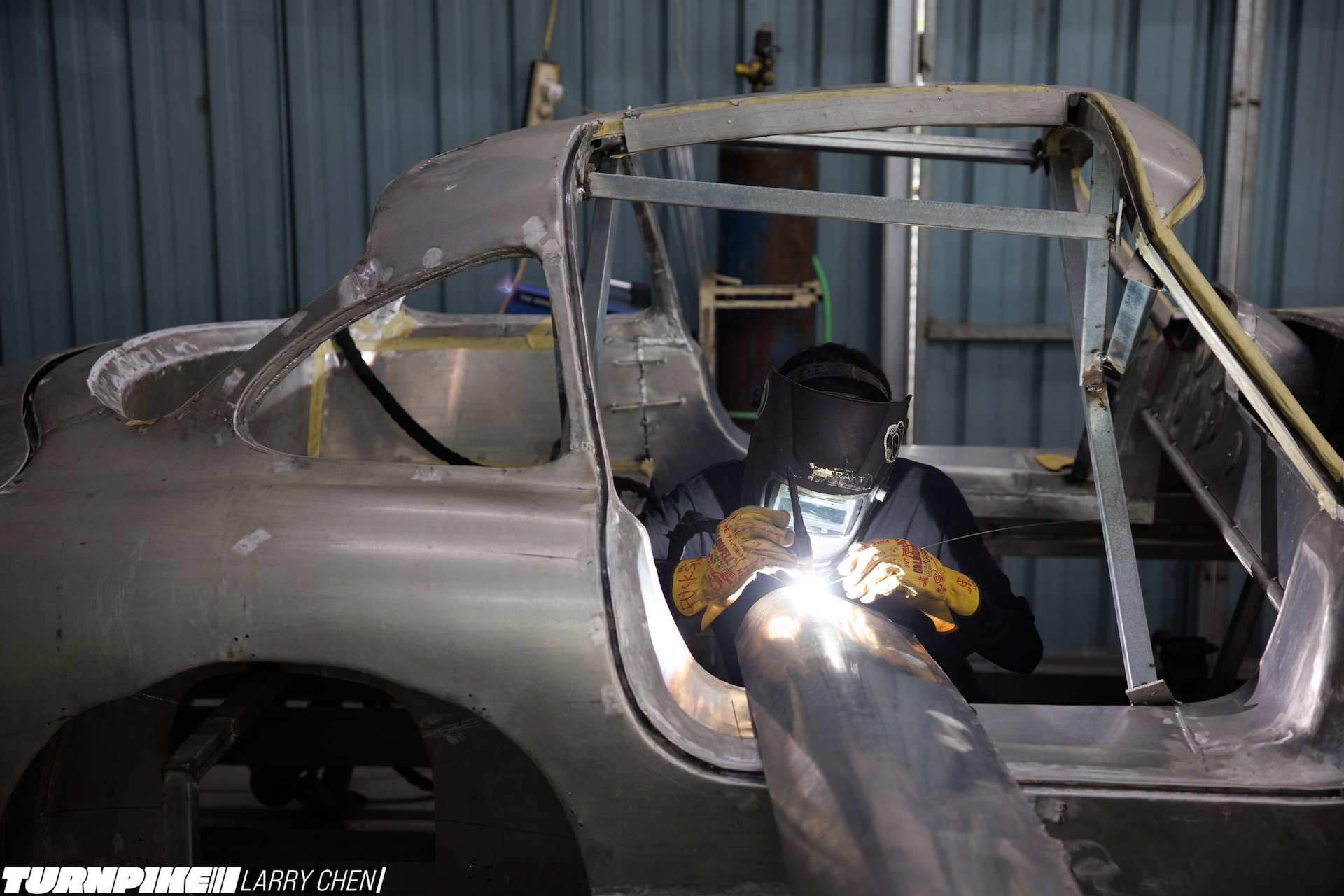
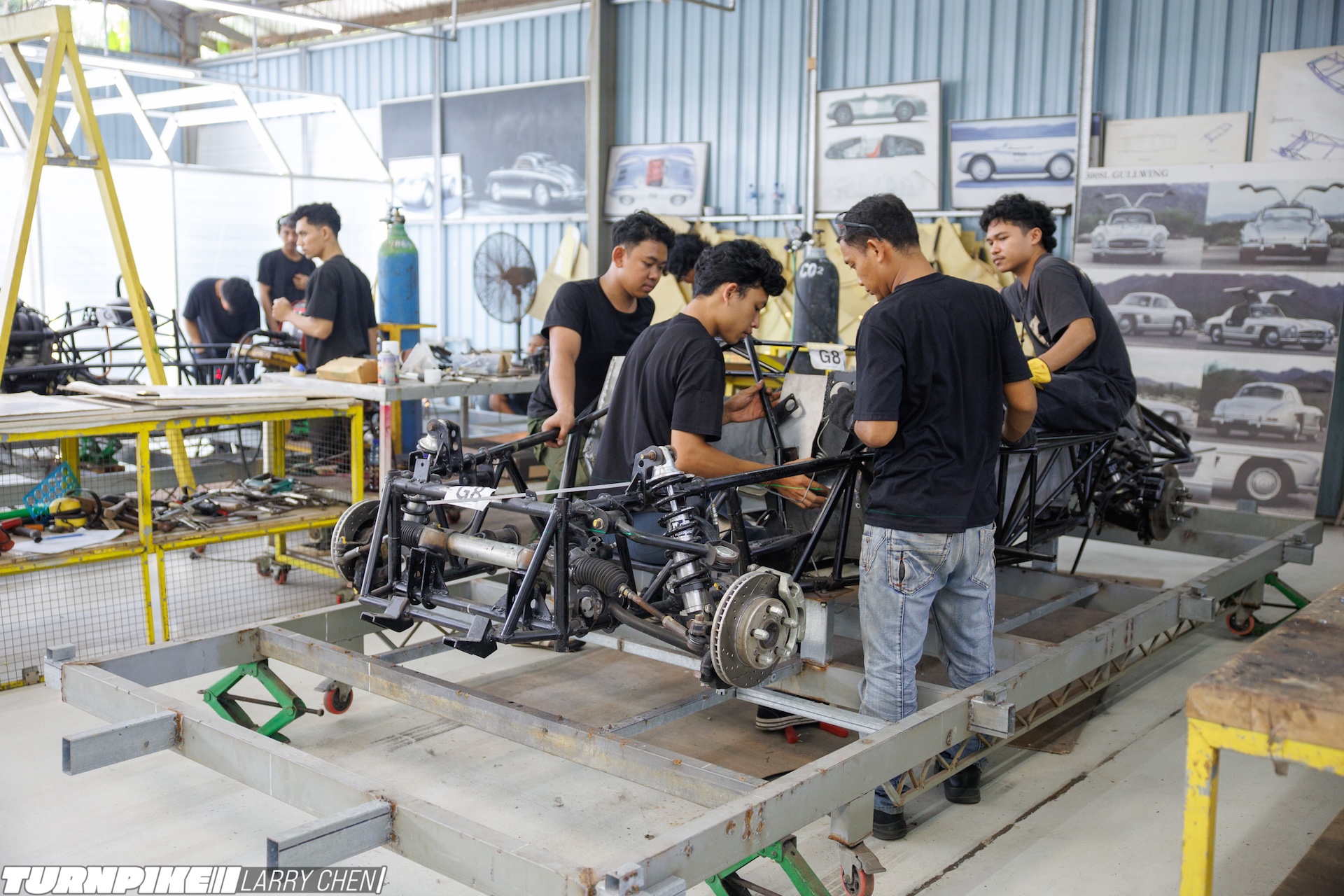
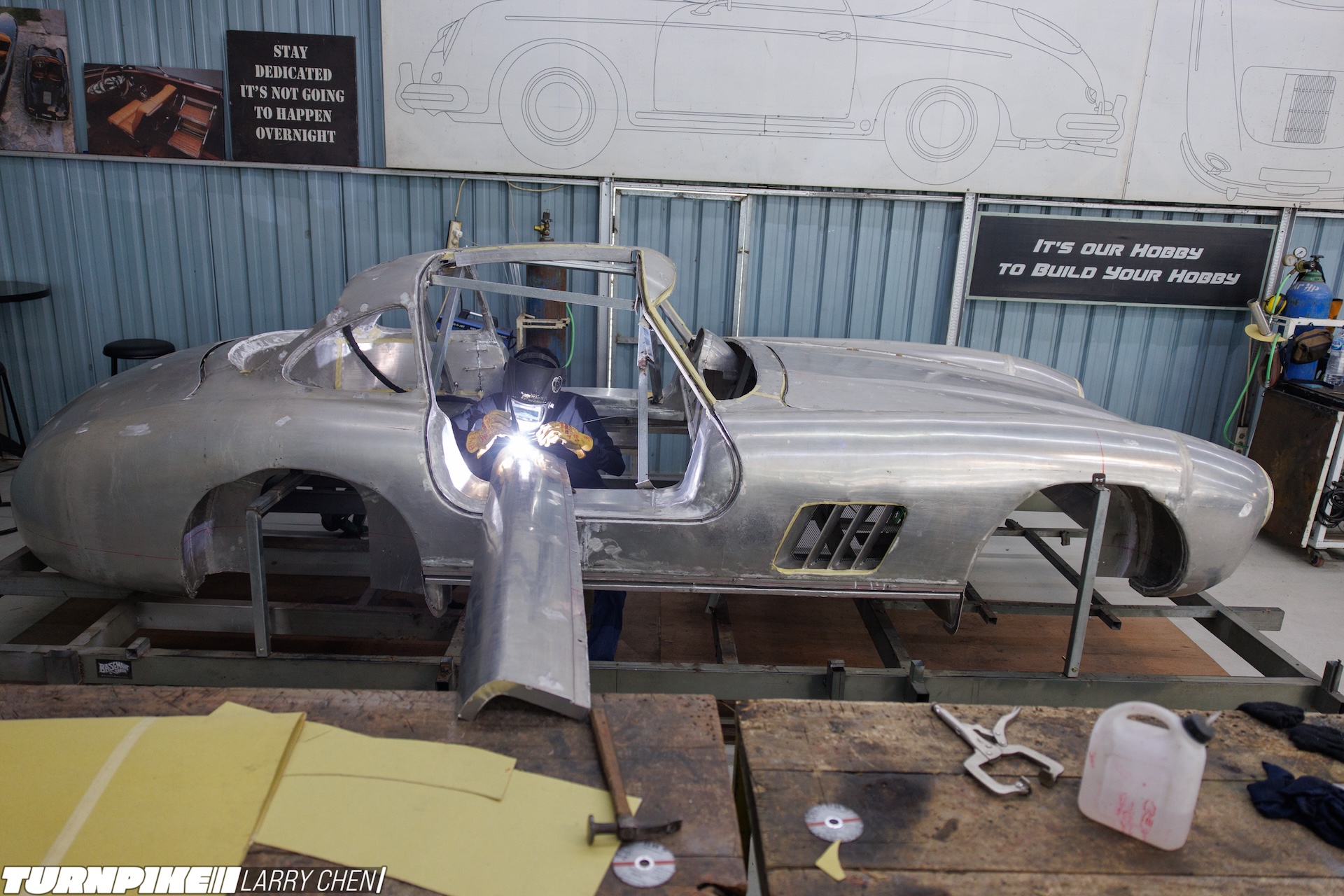
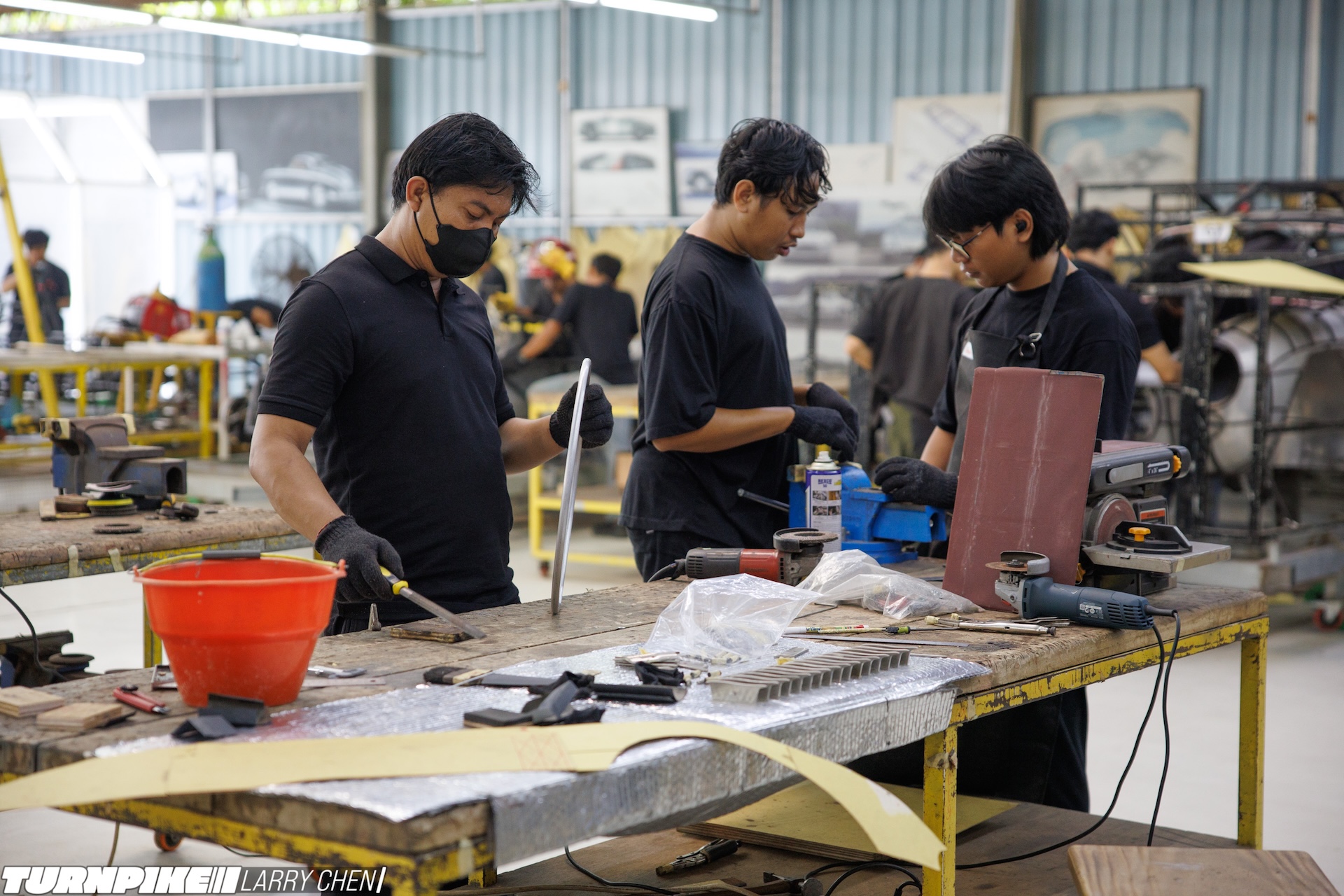
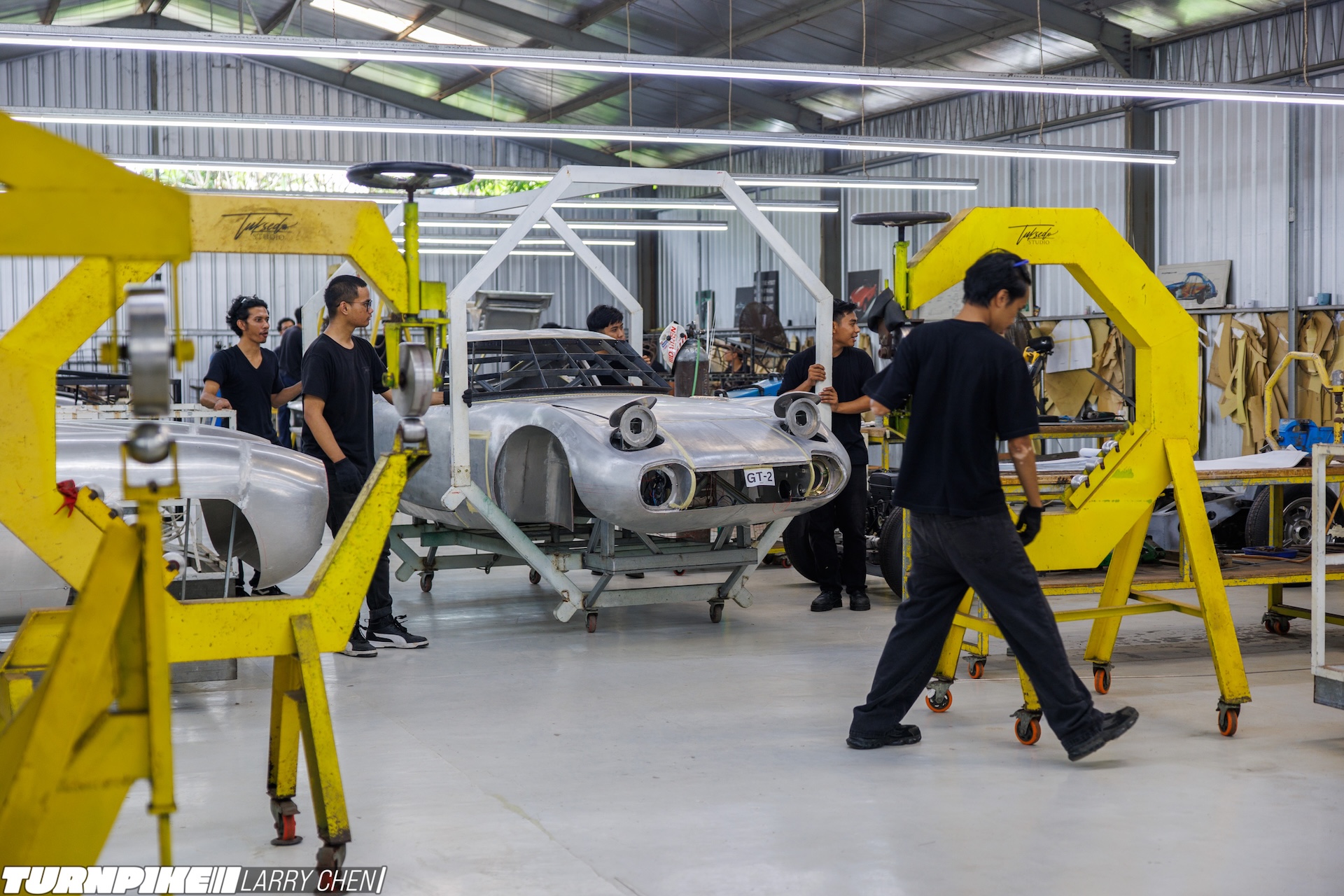
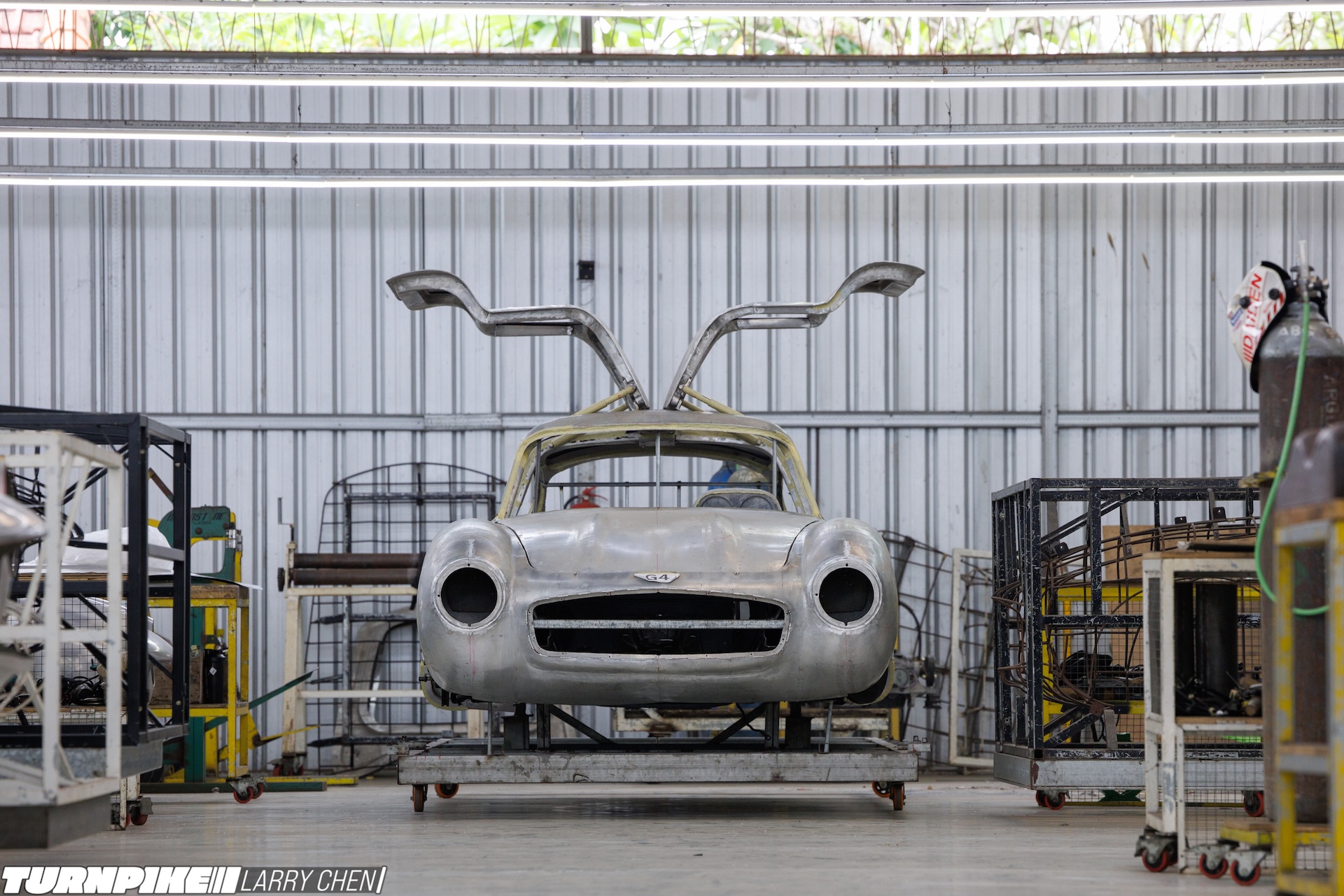
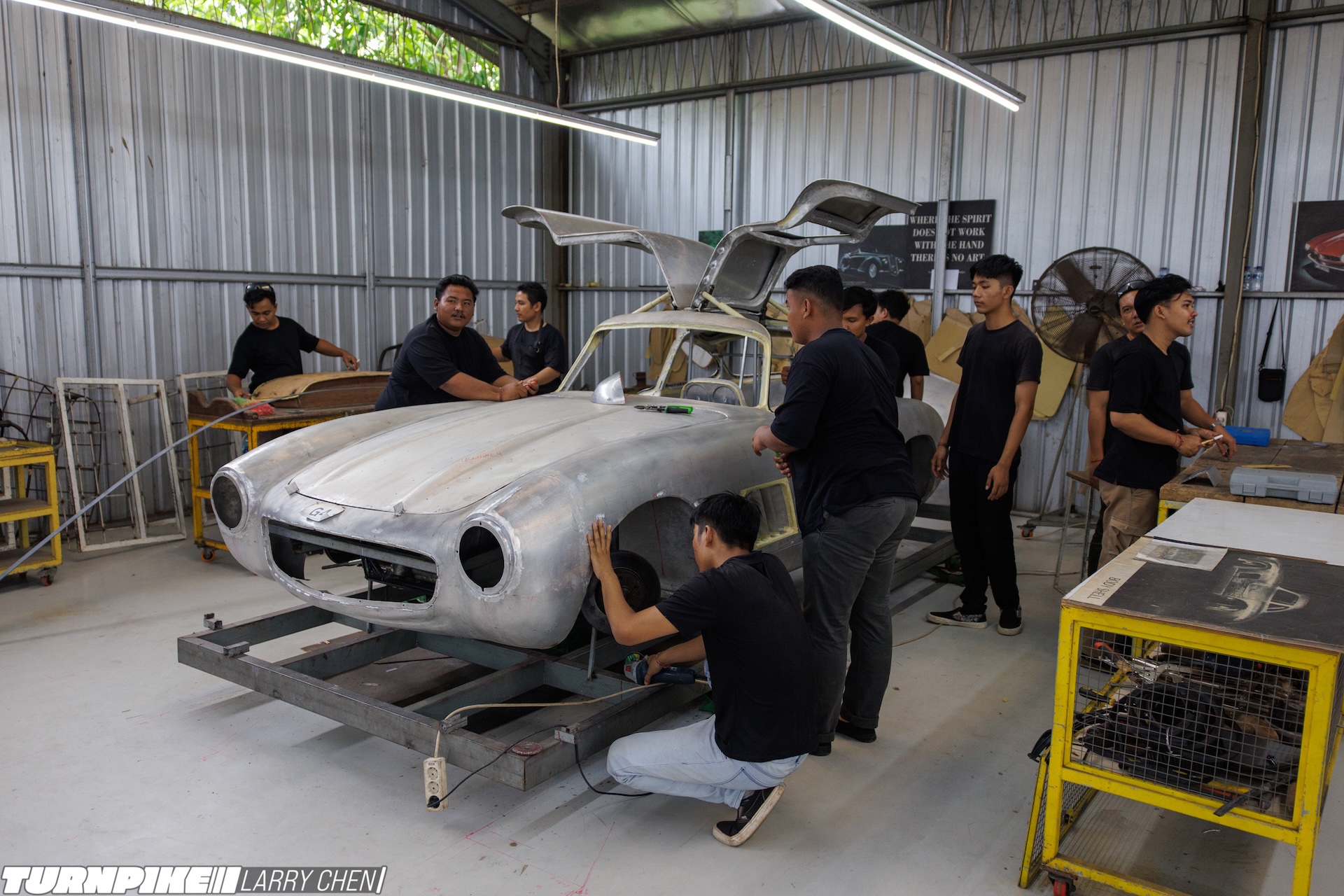
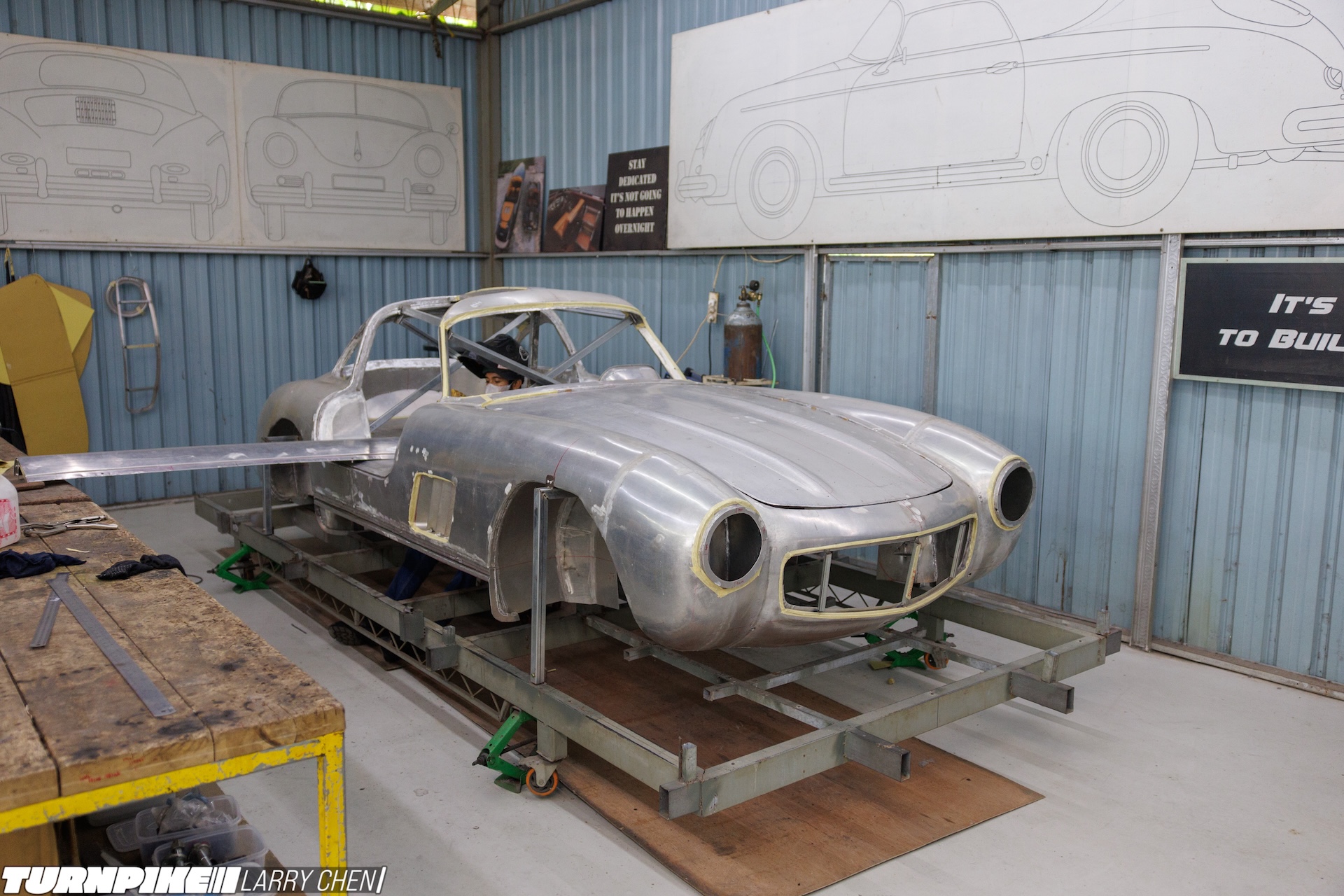
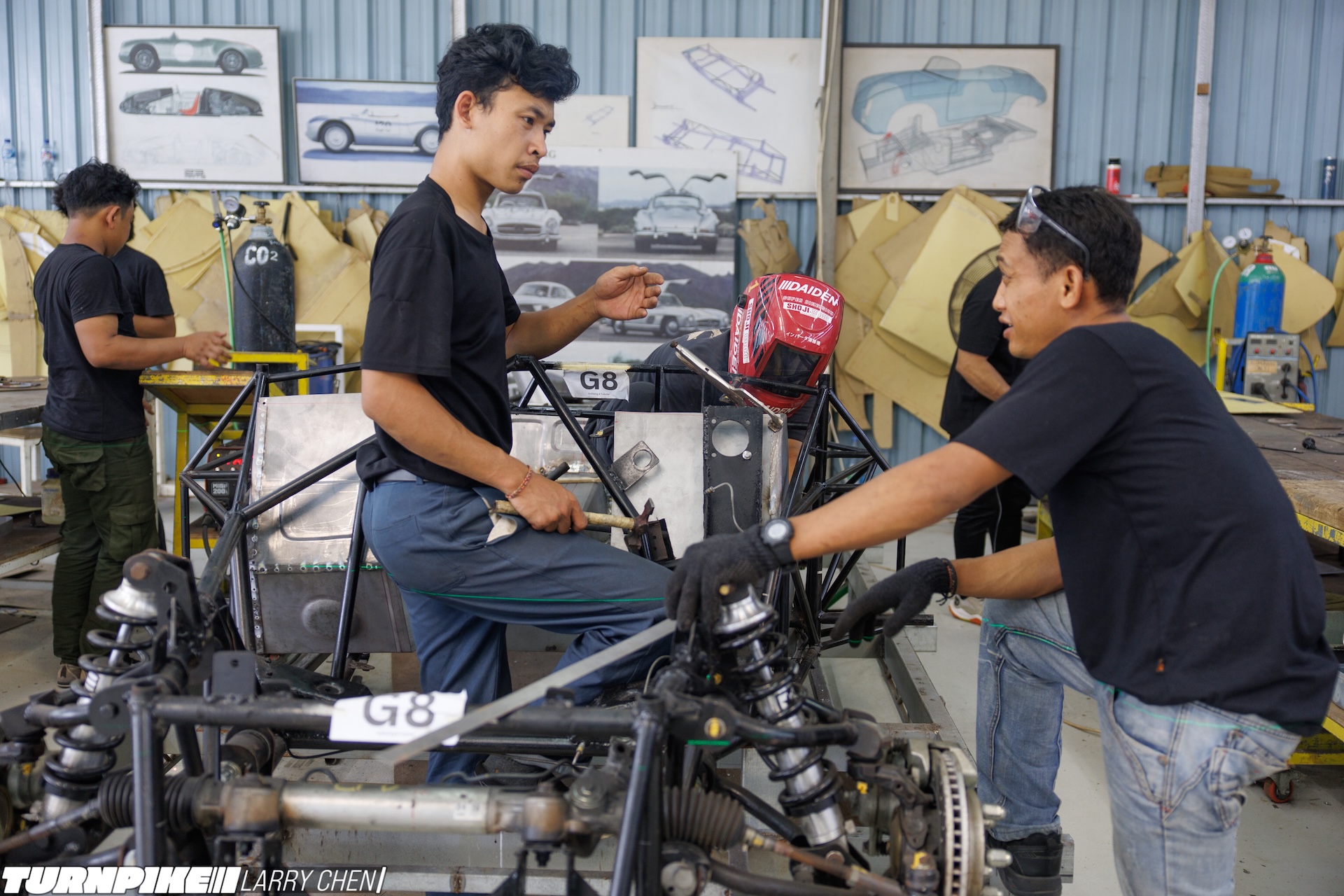
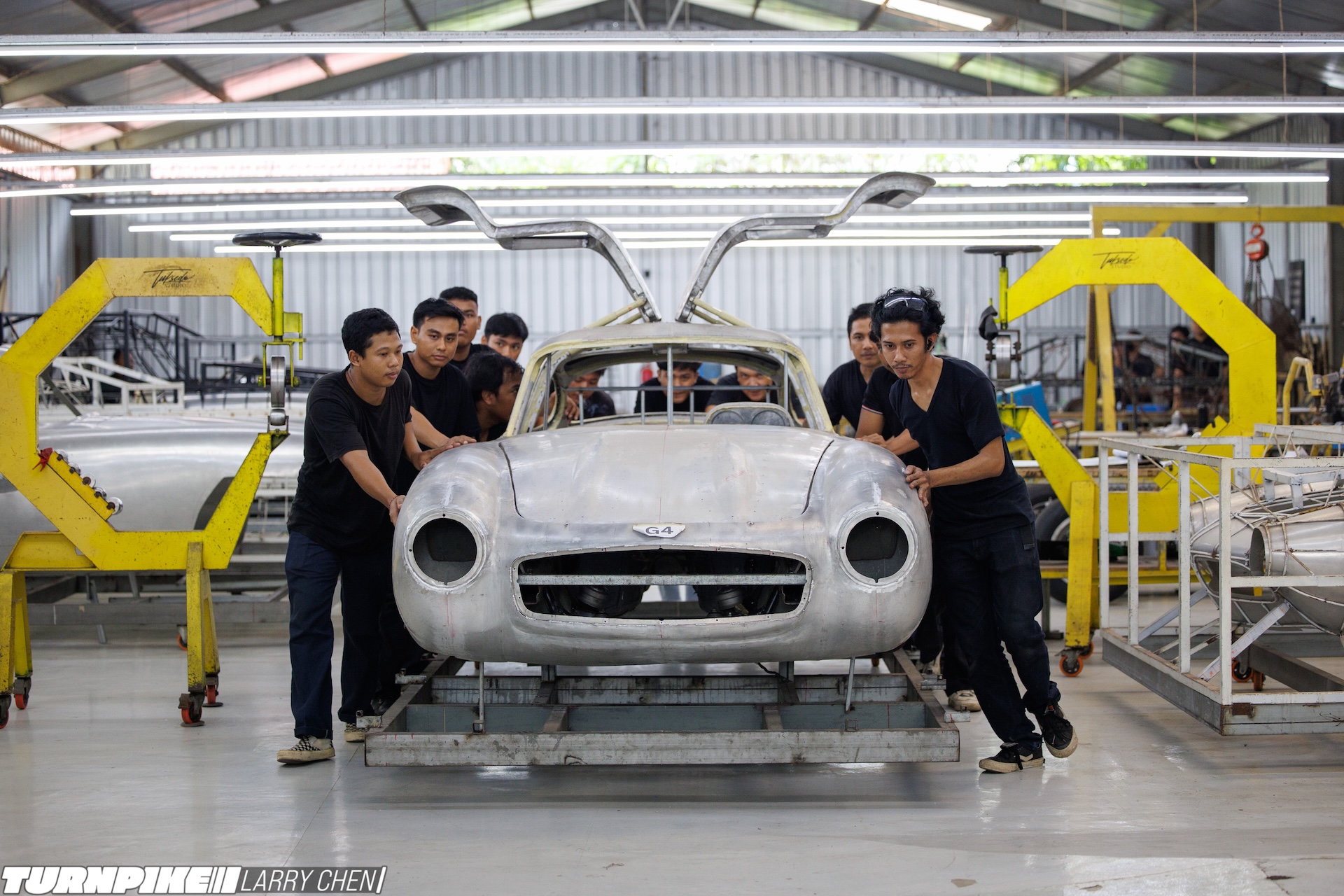
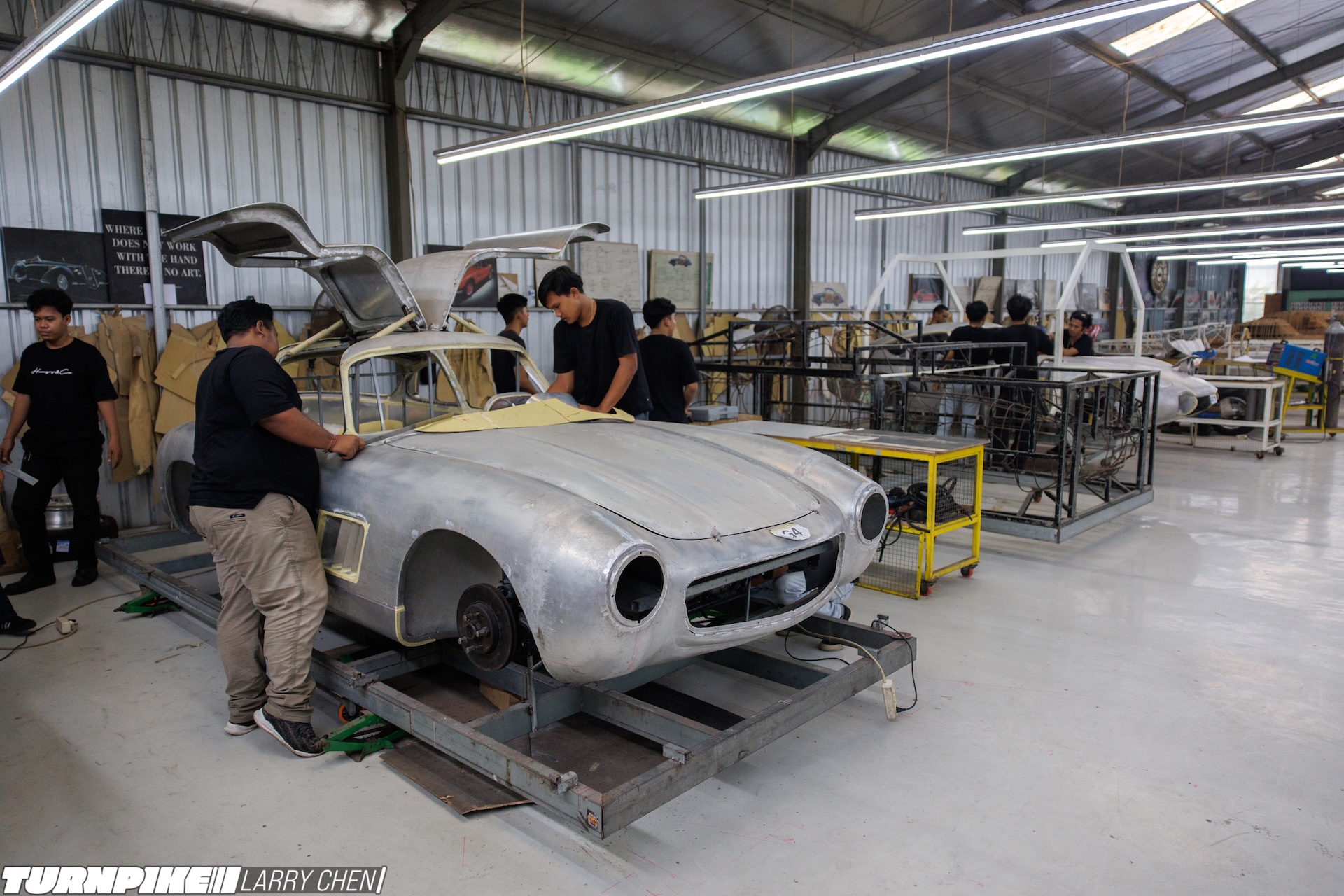
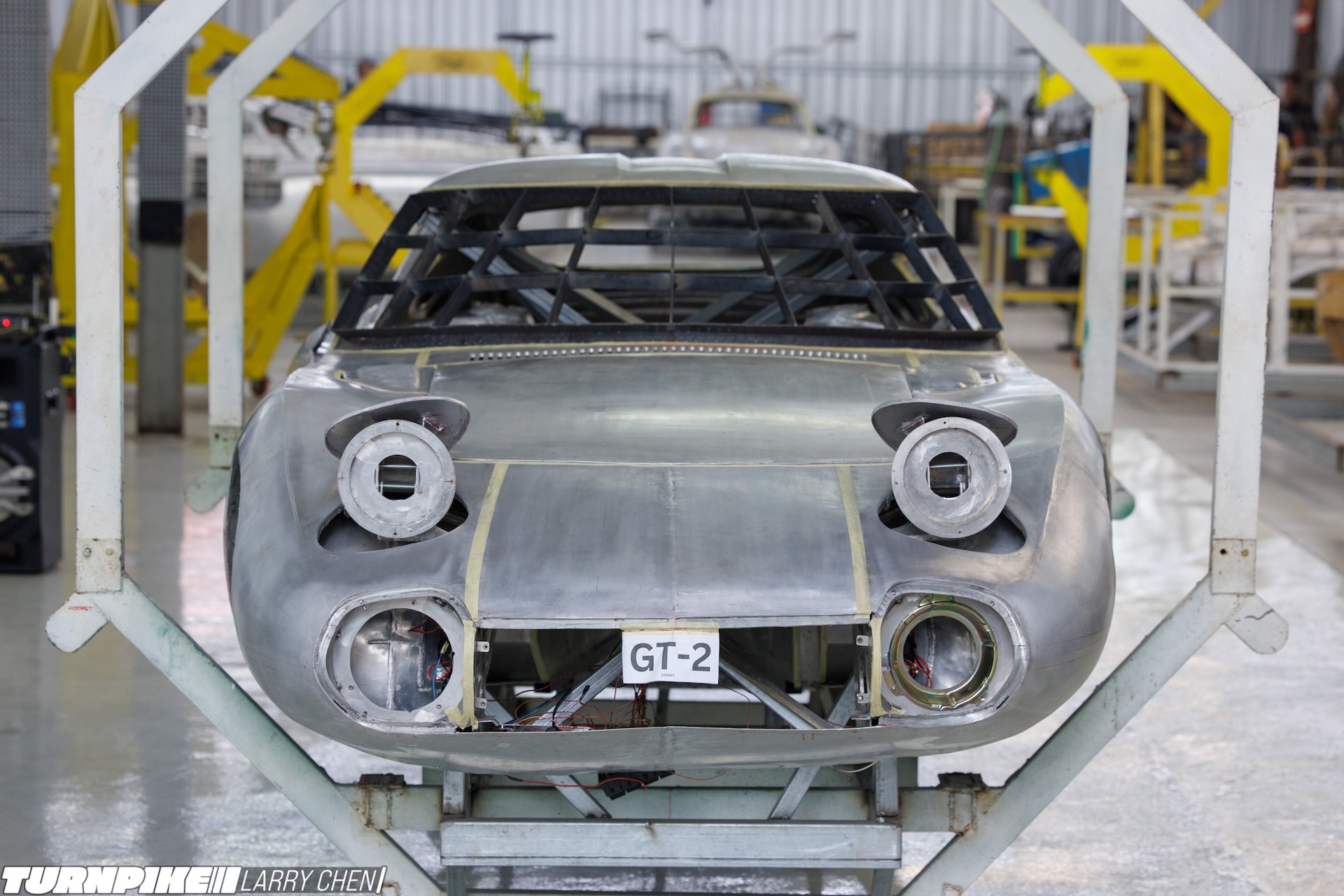
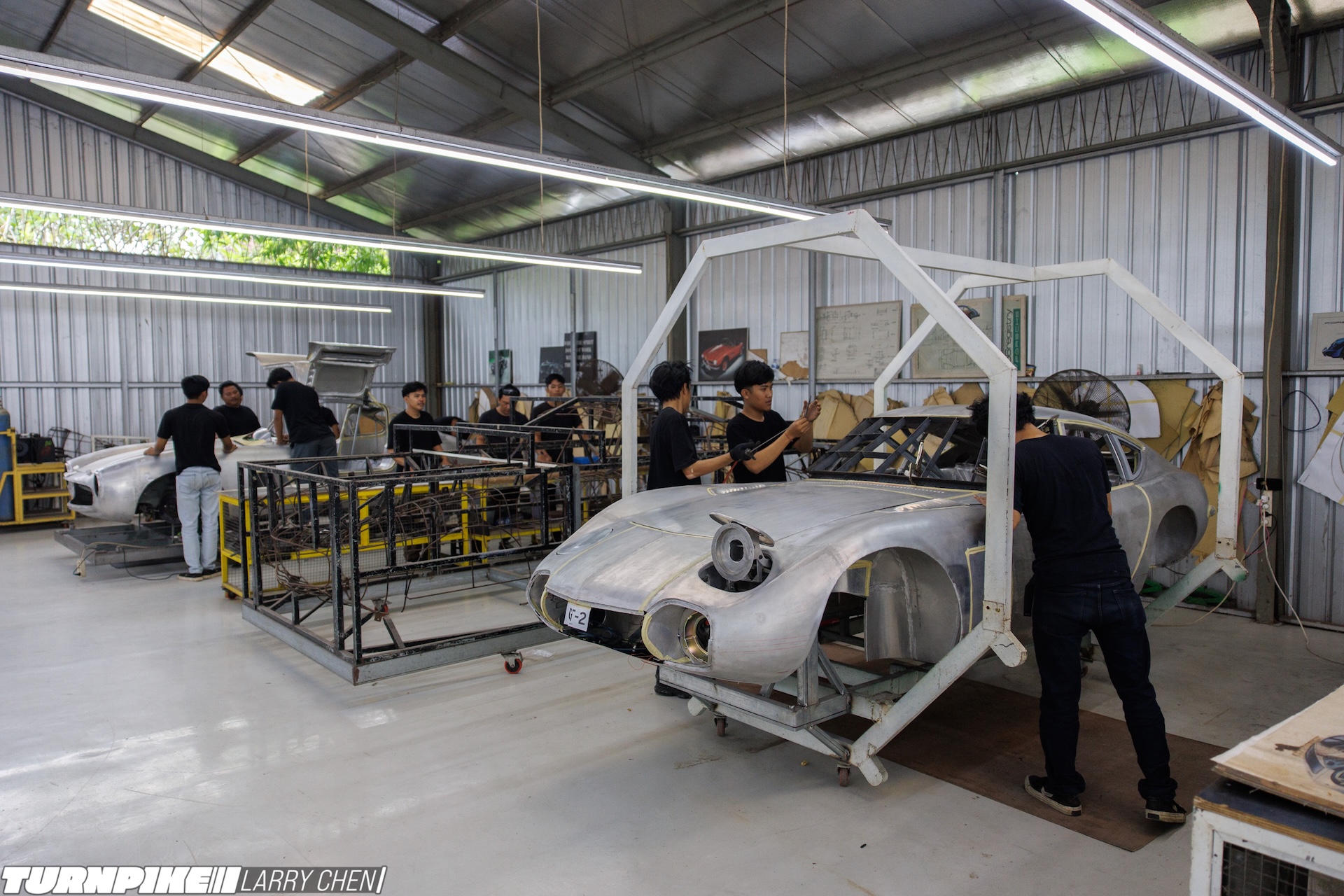
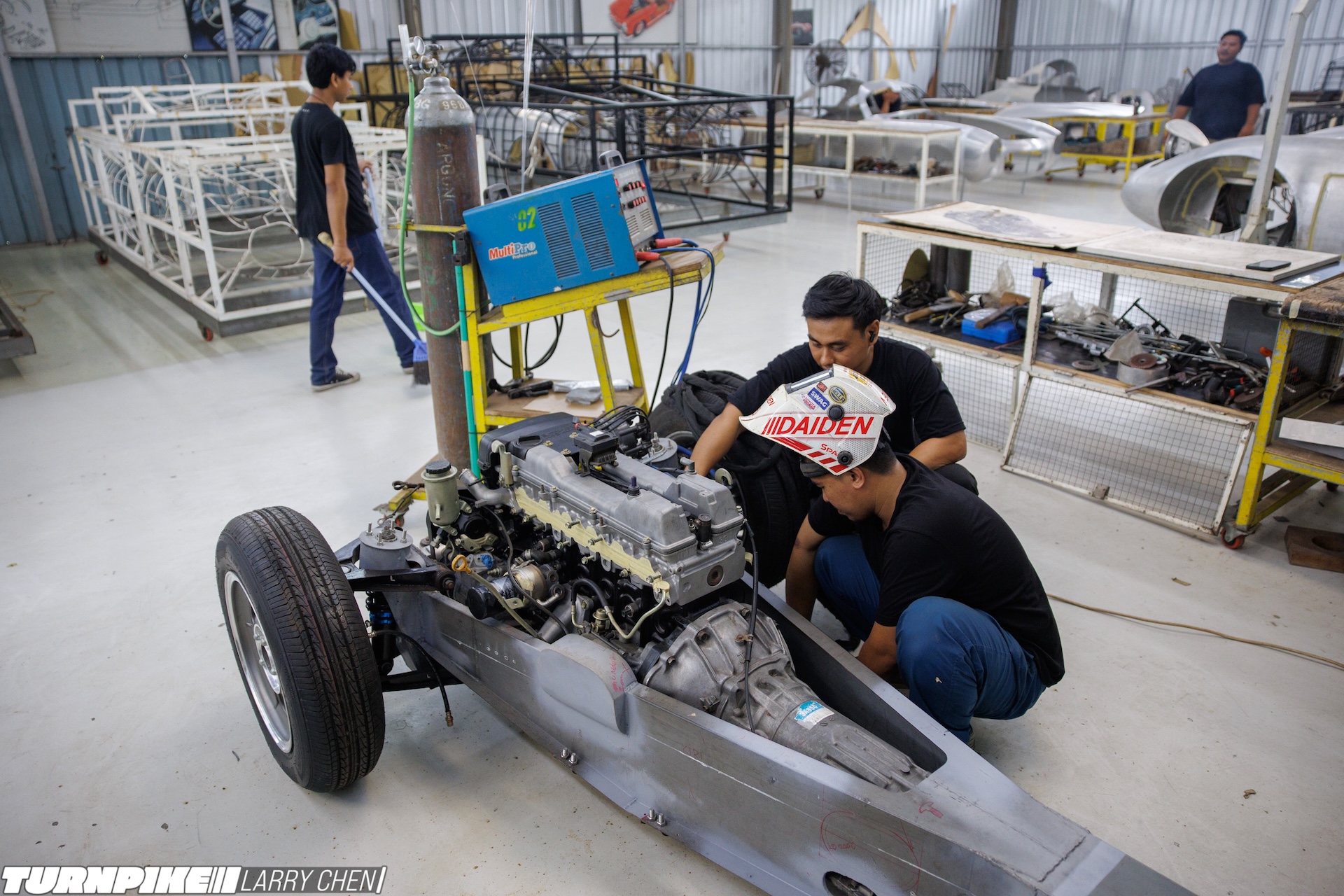
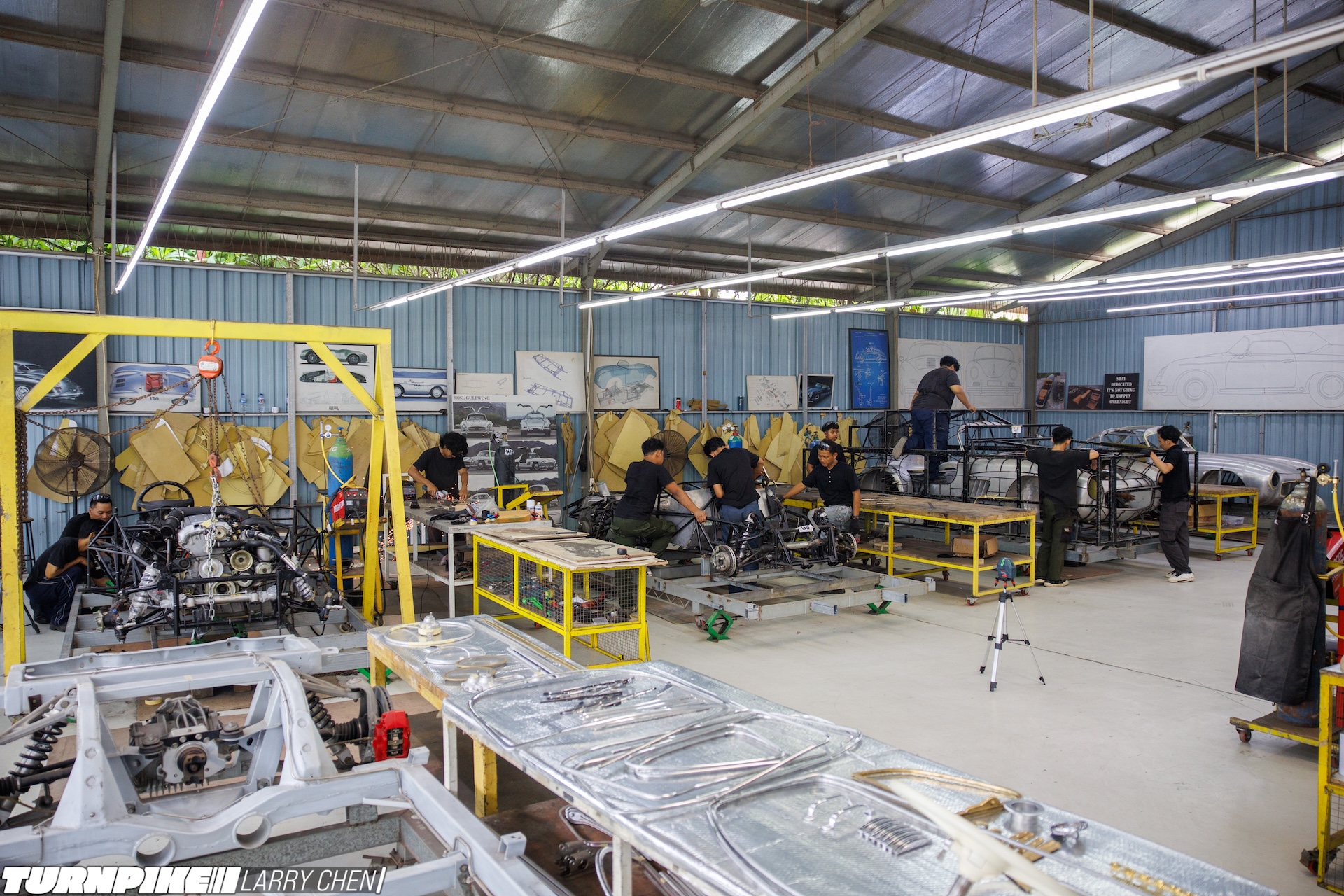
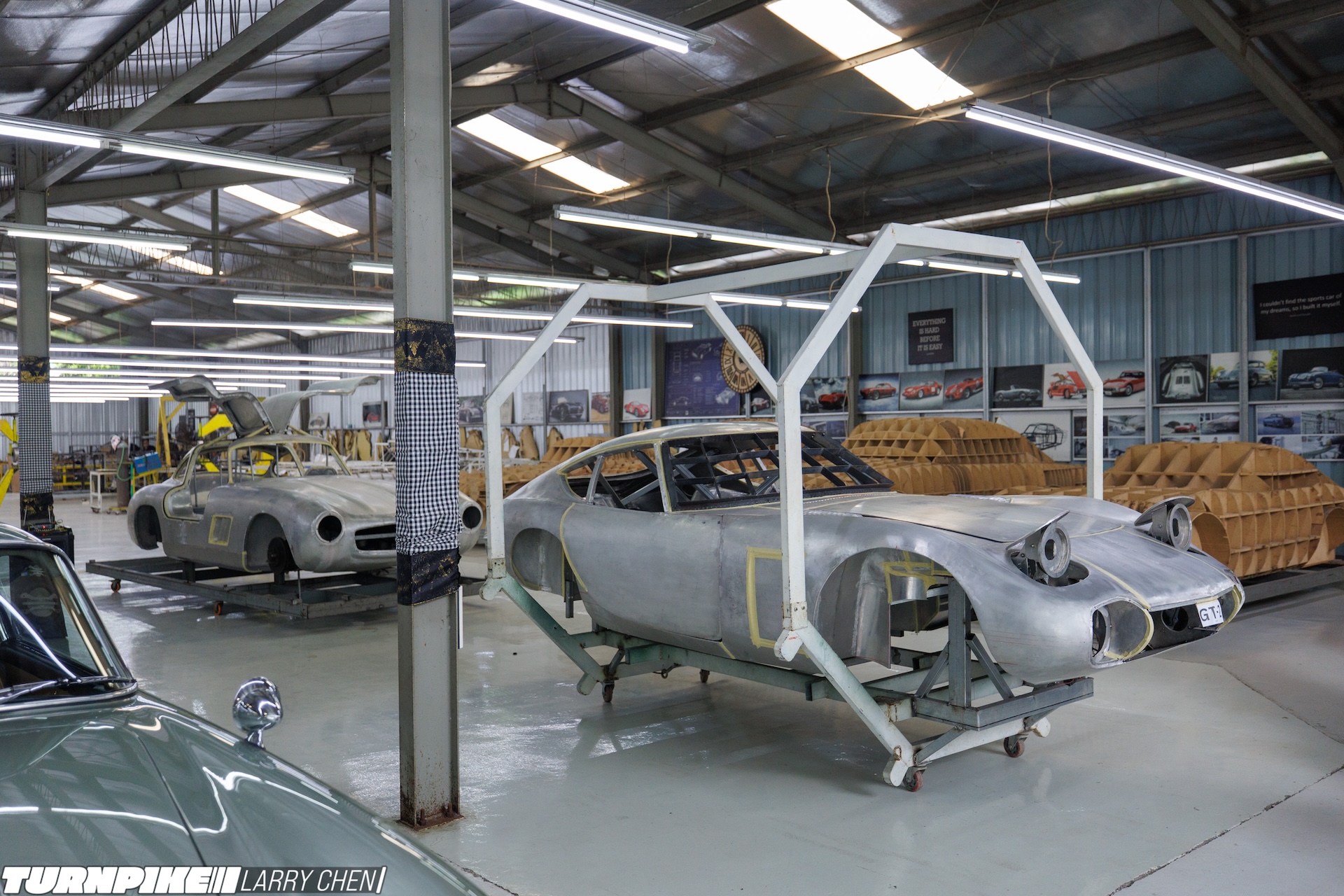
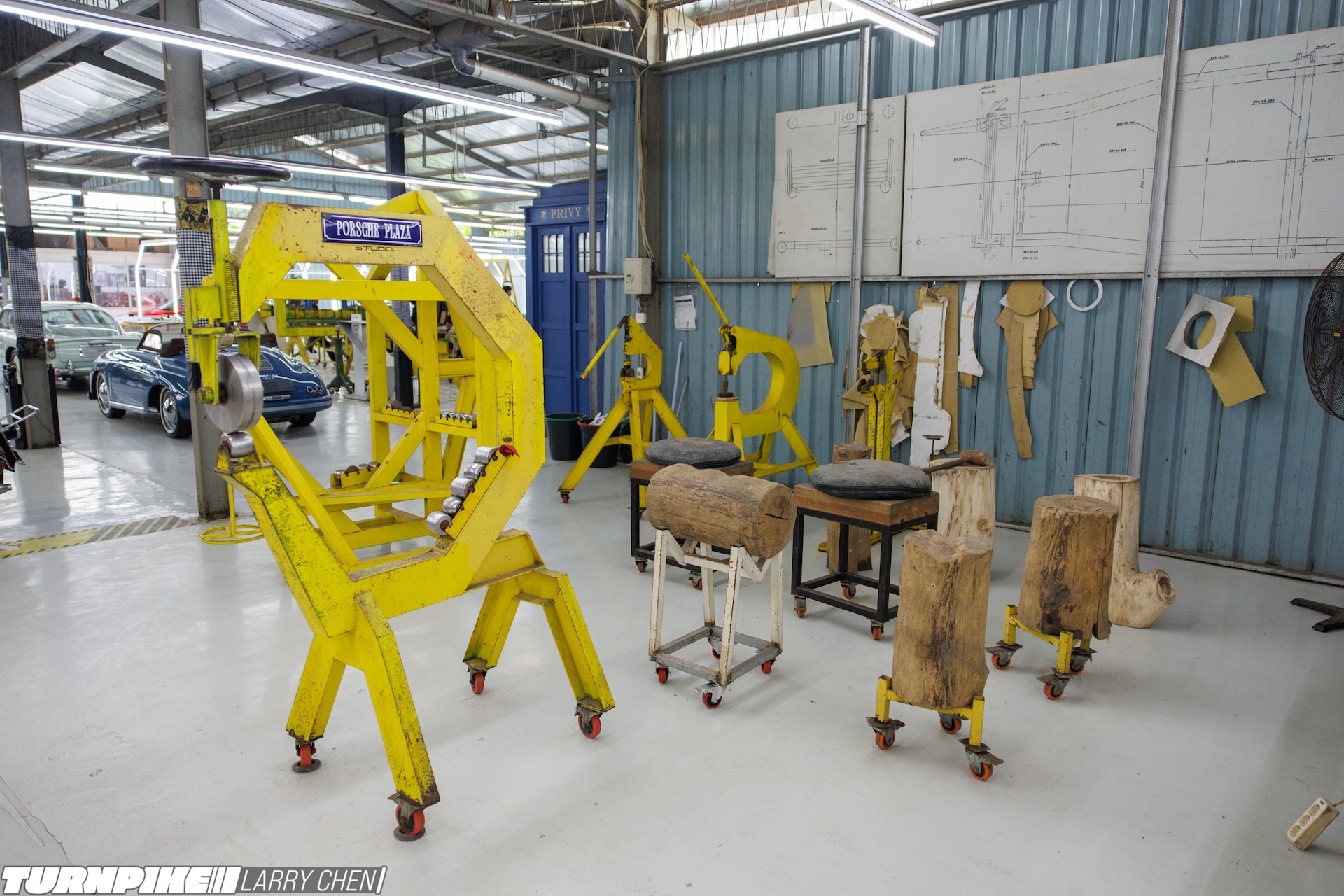
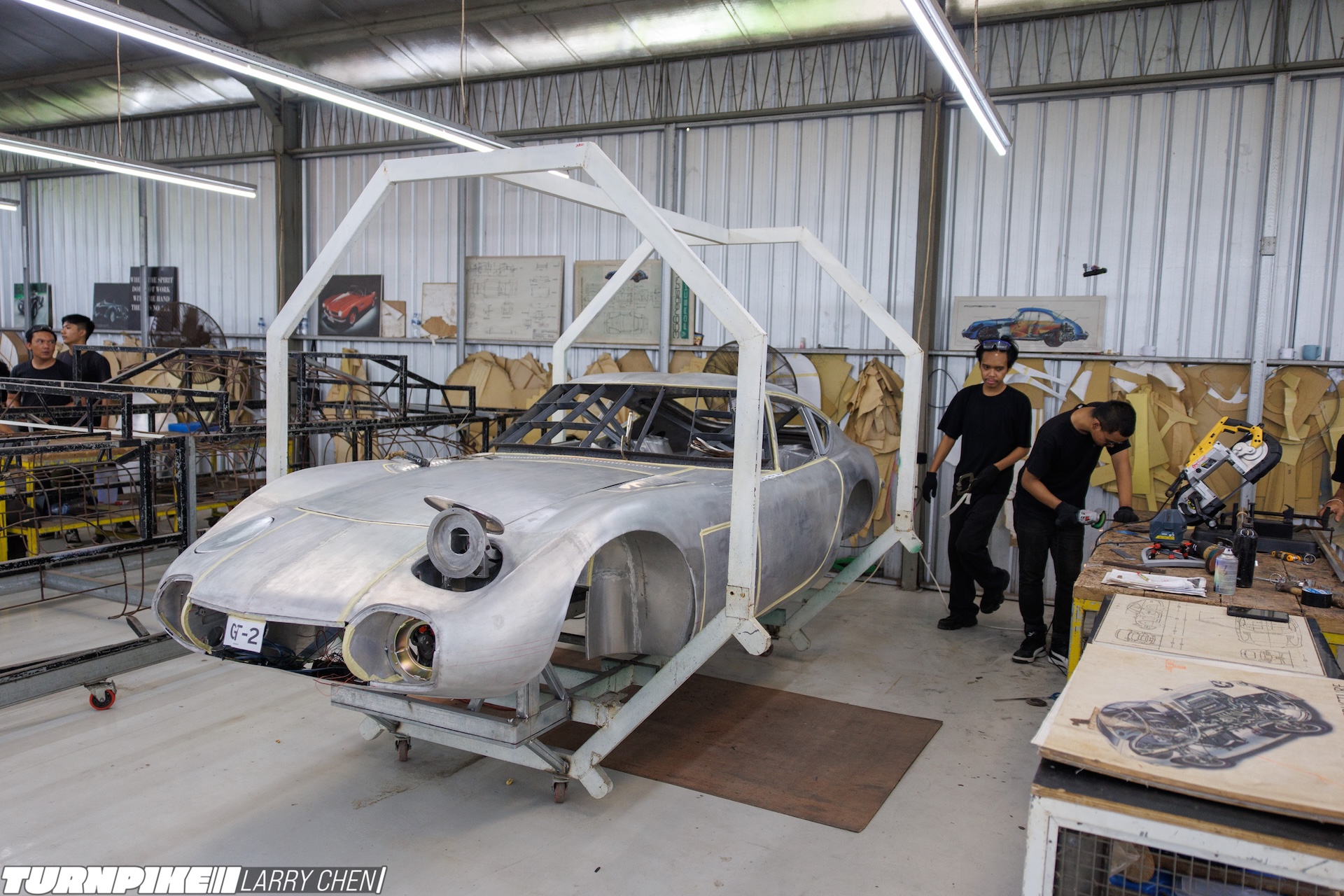
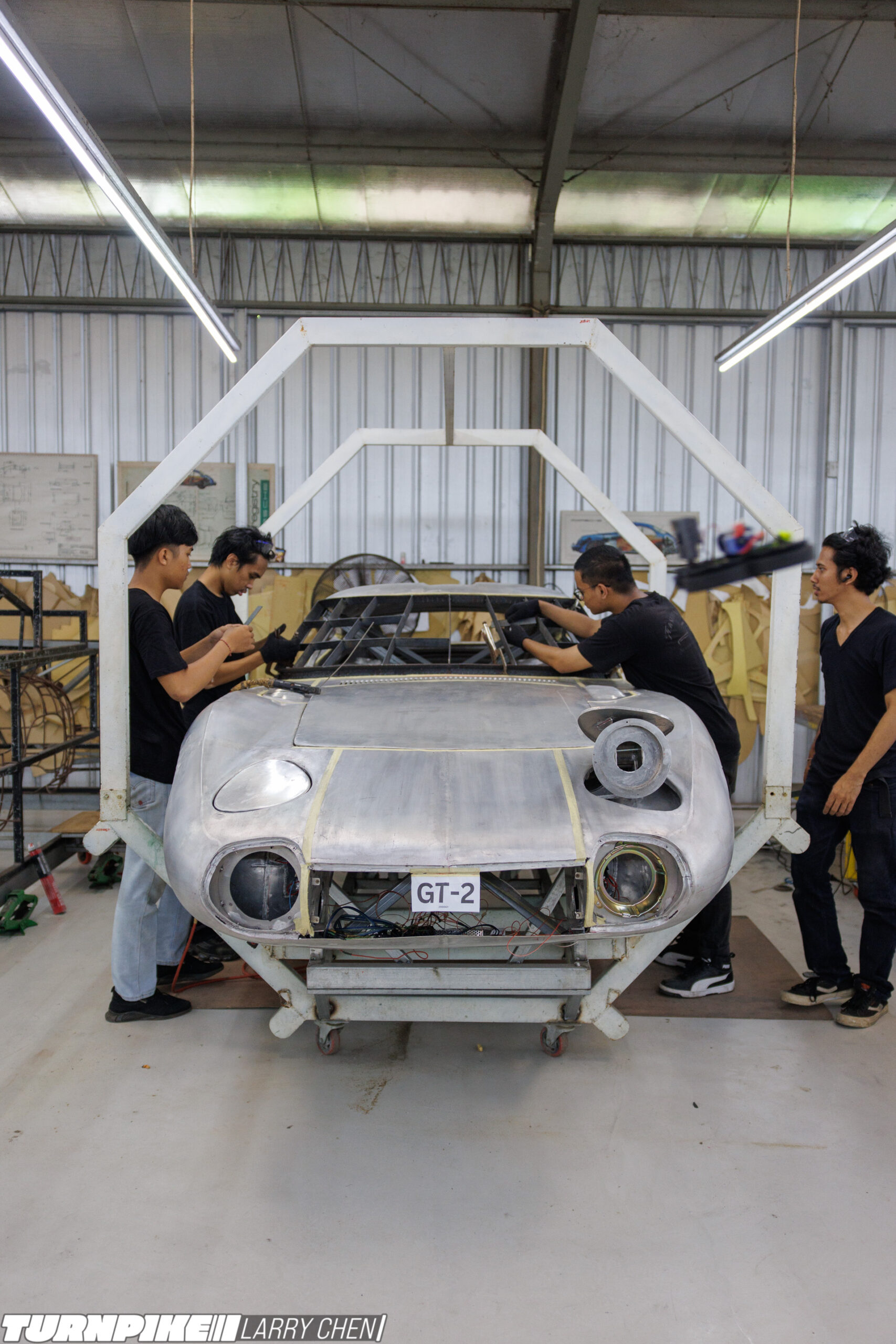
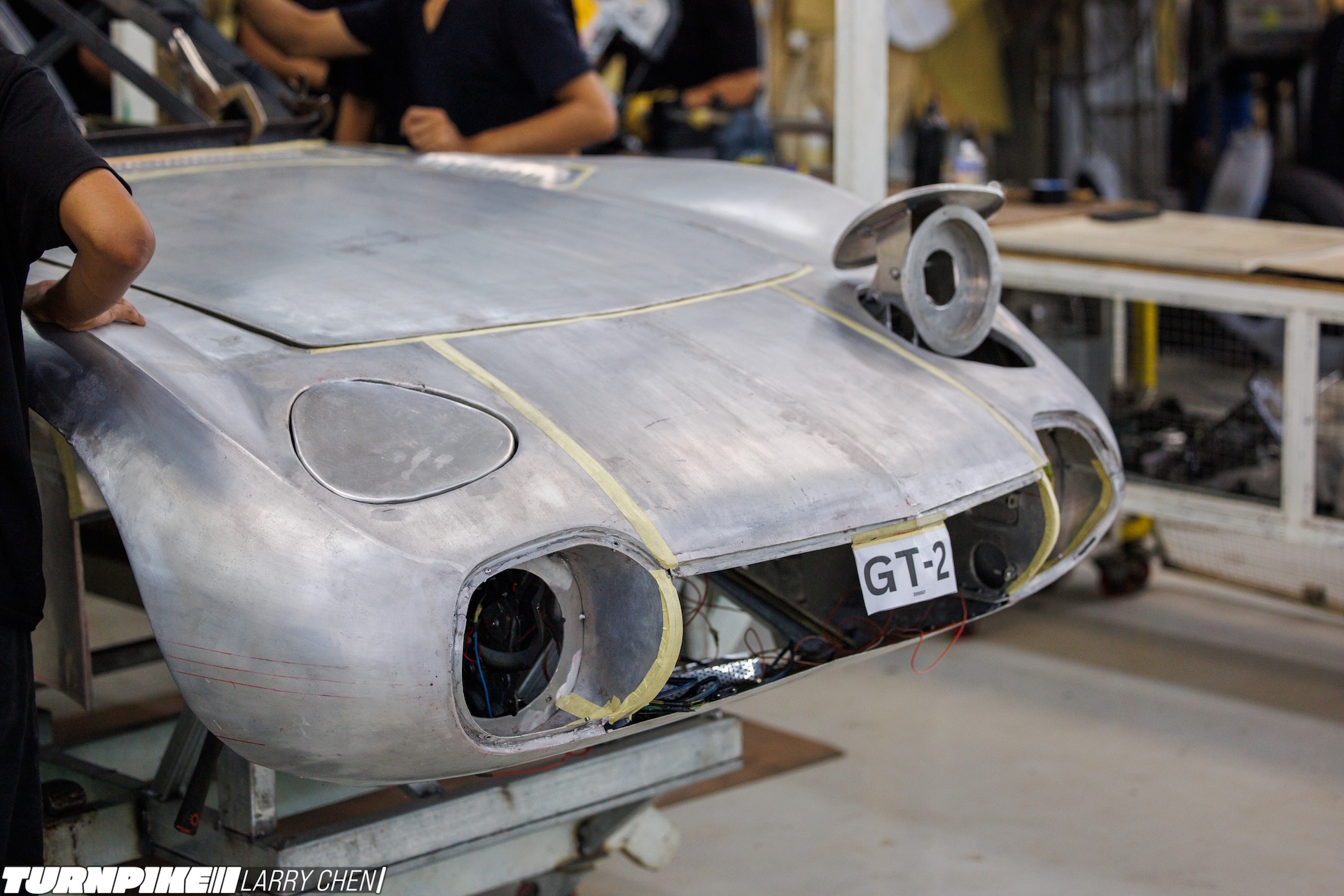
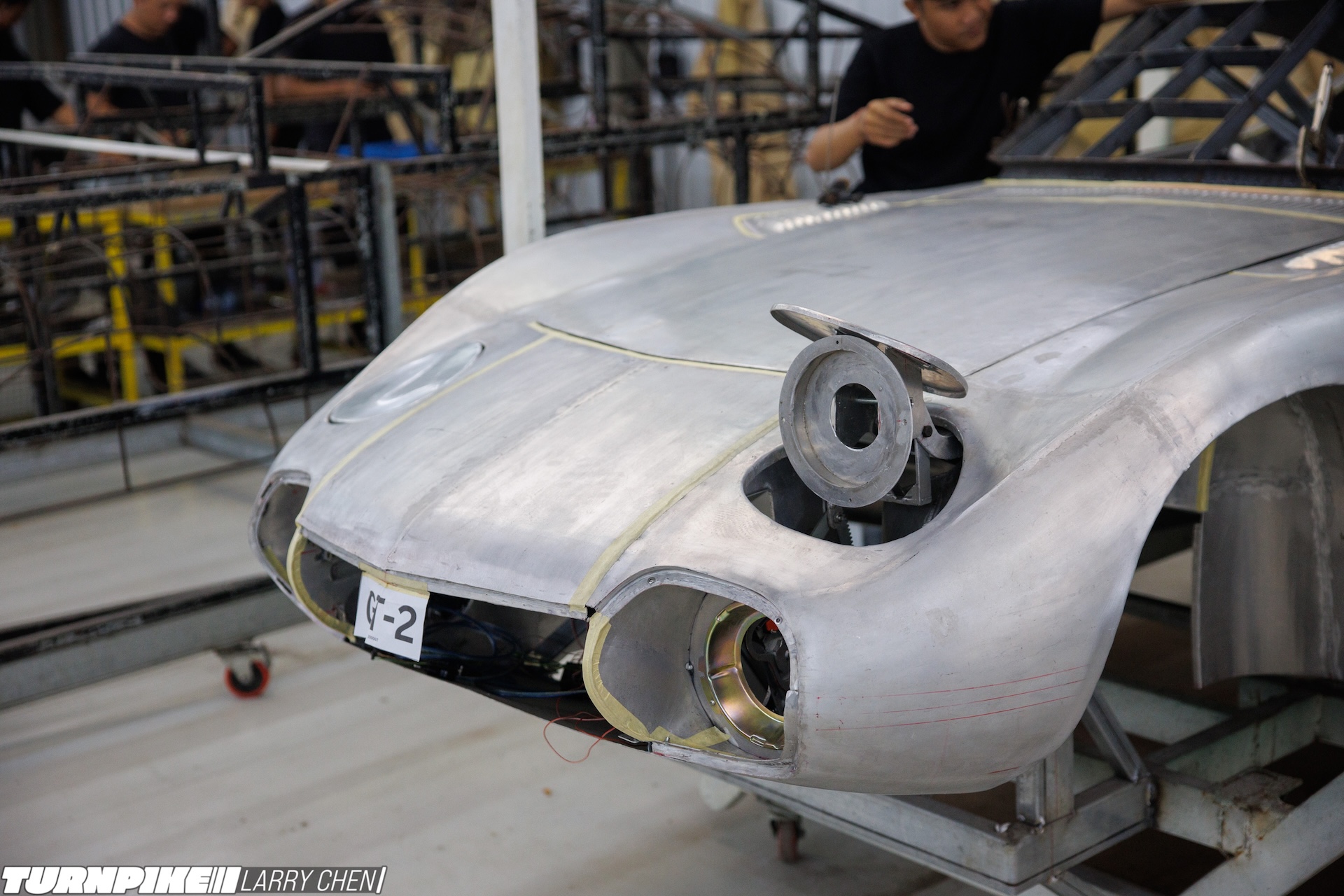
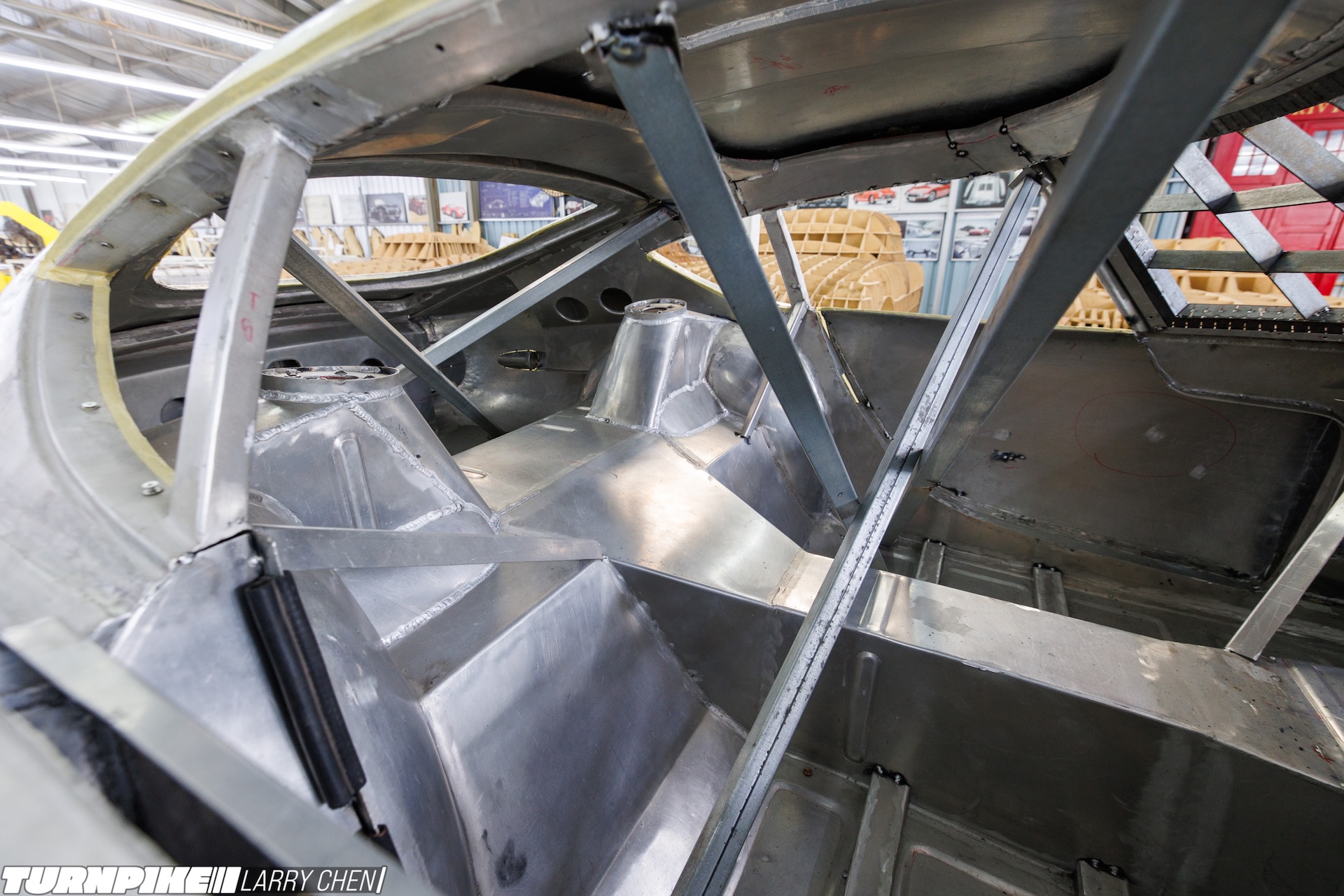
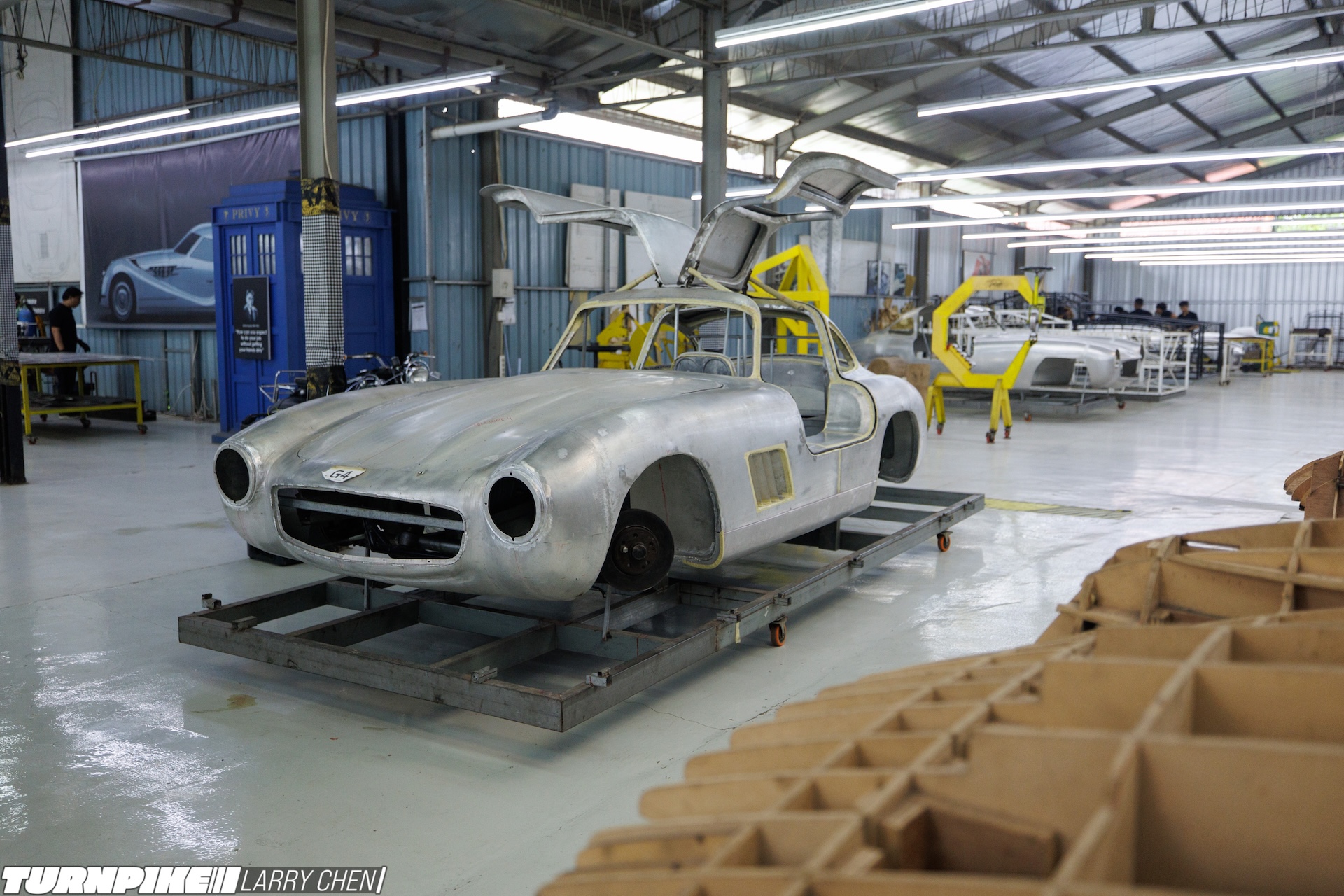
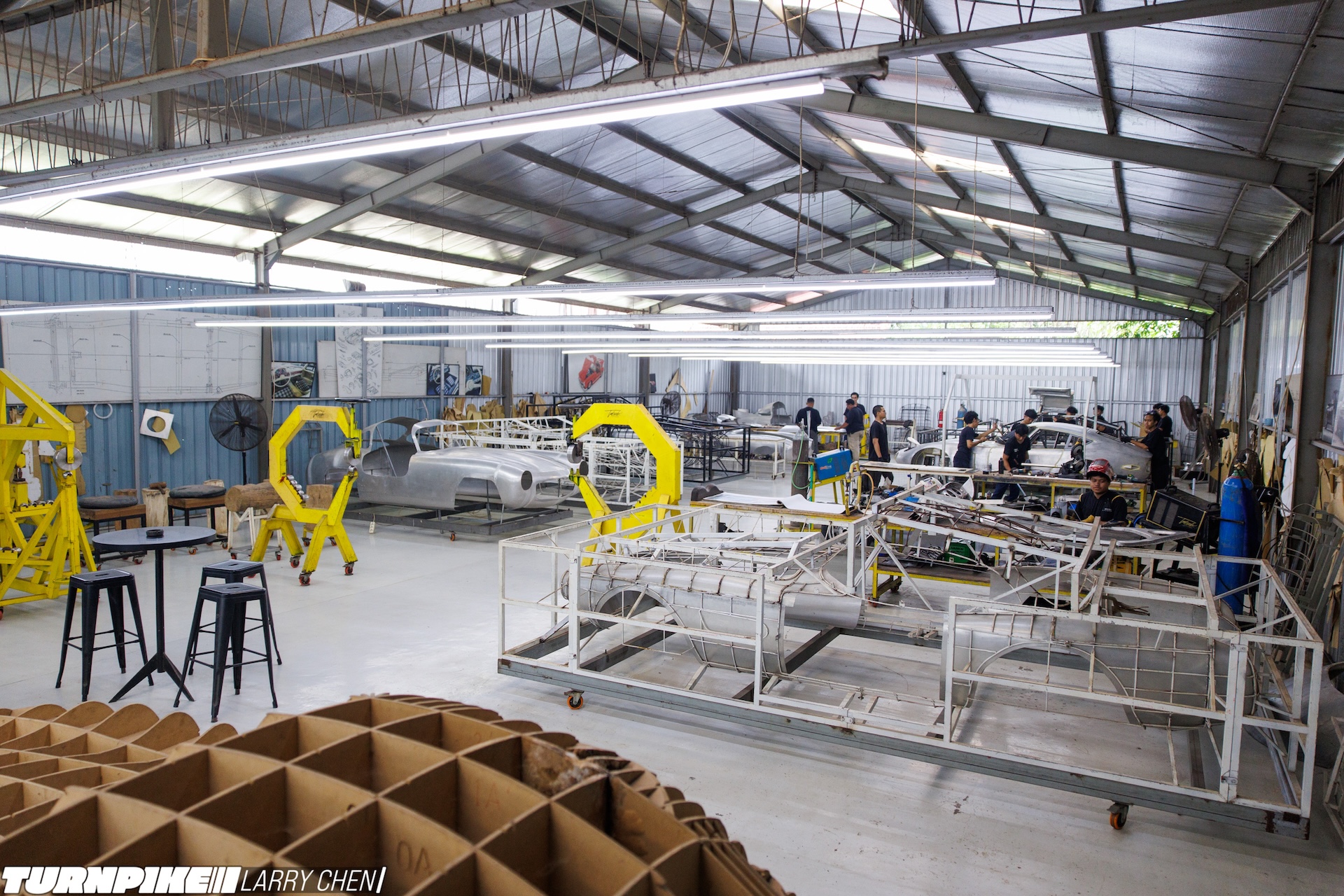
From there, the process is pure craftsmanship. Aluminum sheets are hand-shaped, English-wheeled, and hammered into form. The welders and panel beaters check fitment repeatedly, attaching and detaching the panels until everything is perfect. It’s an ancient method of car building that almost no one practices anymore — and yet, here it is being kept alive in a small Balinese workshop.
Watching it up close, I realized this is the first time I’ve truly seen a car being made by hand, piece by piece. There are no shortcuts here, which is why the team can only produce five cars a year.
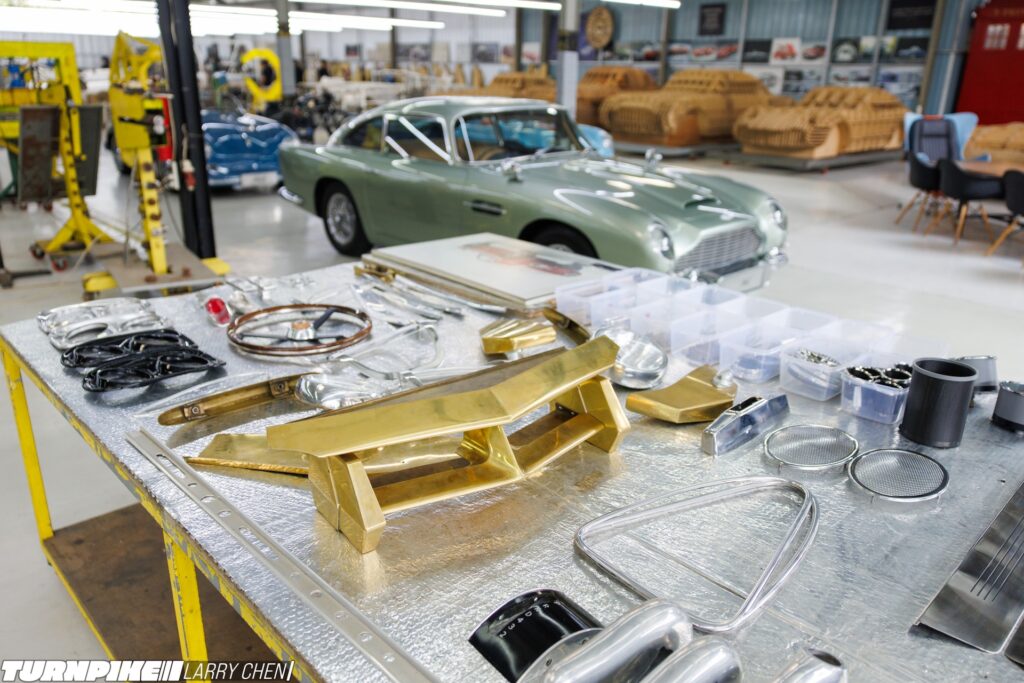
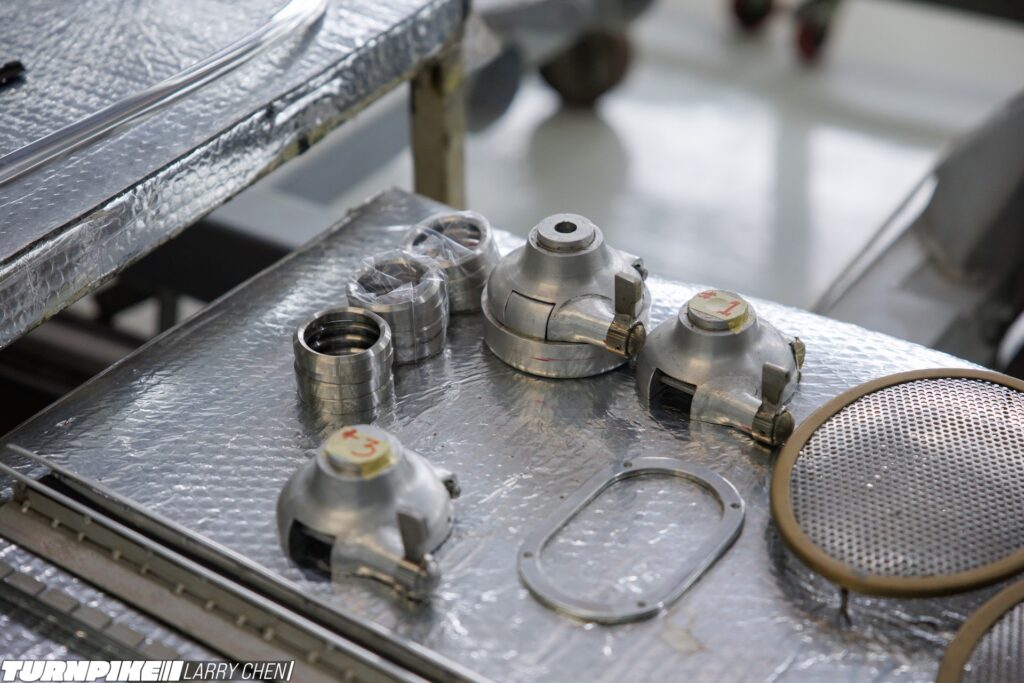
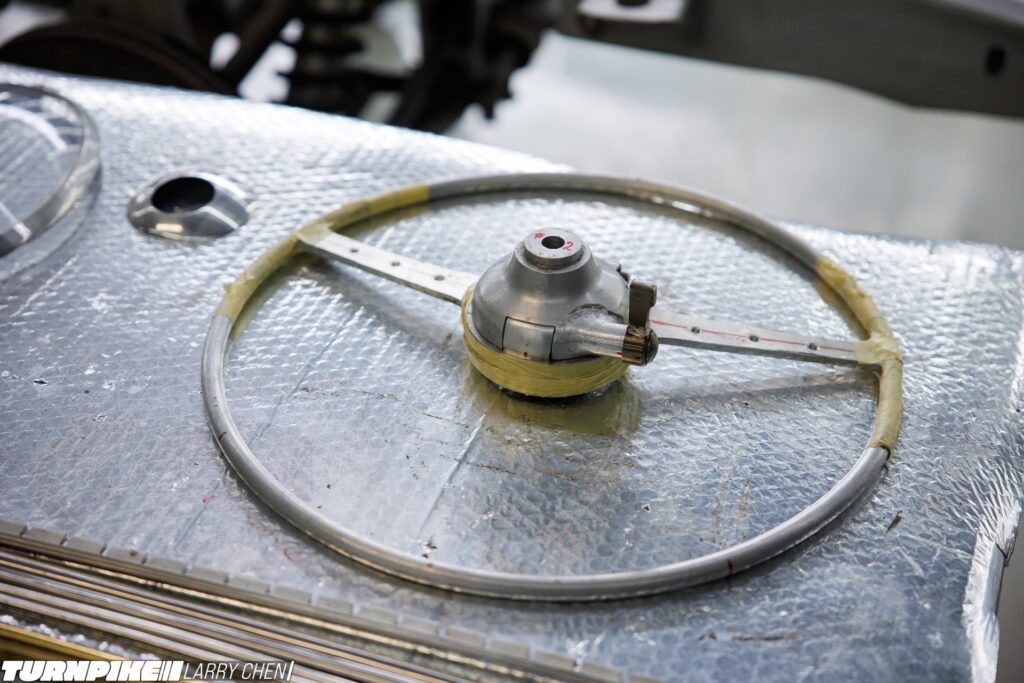
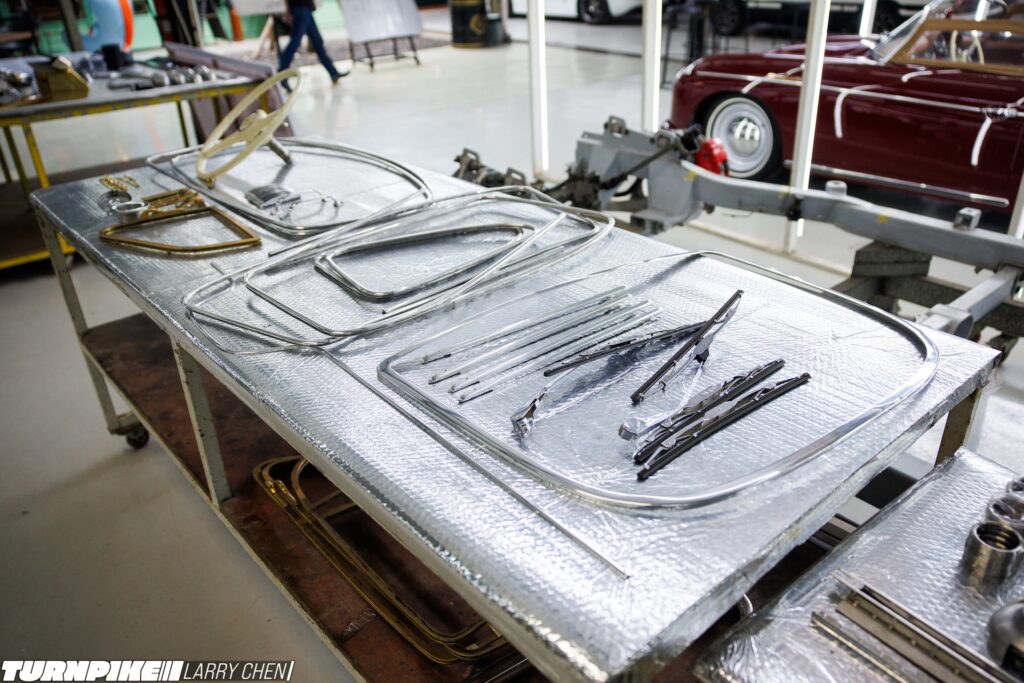
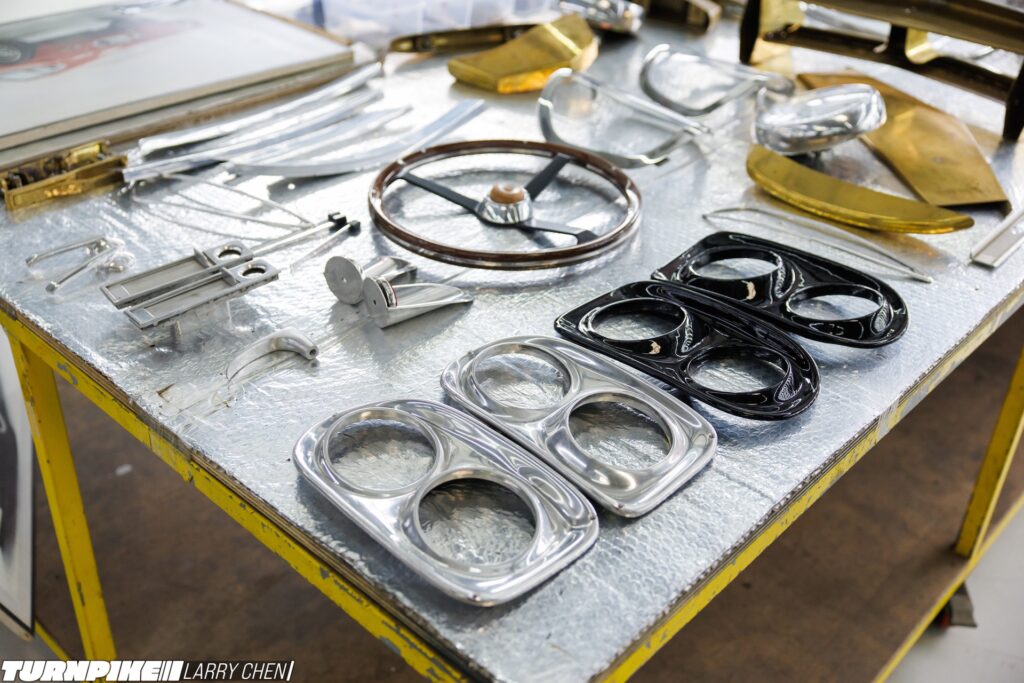
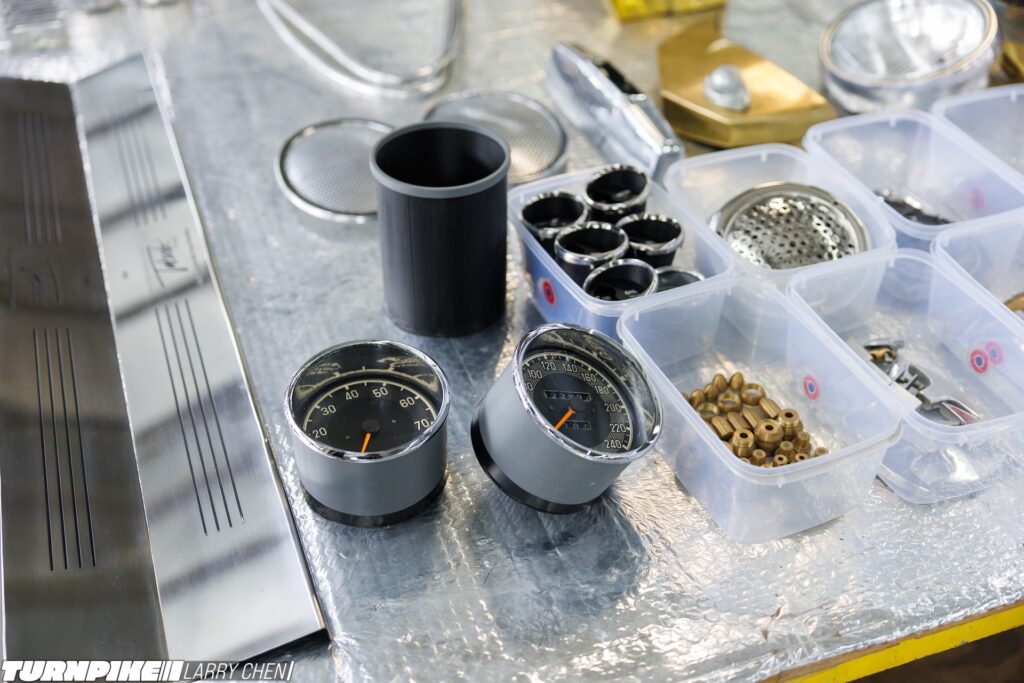
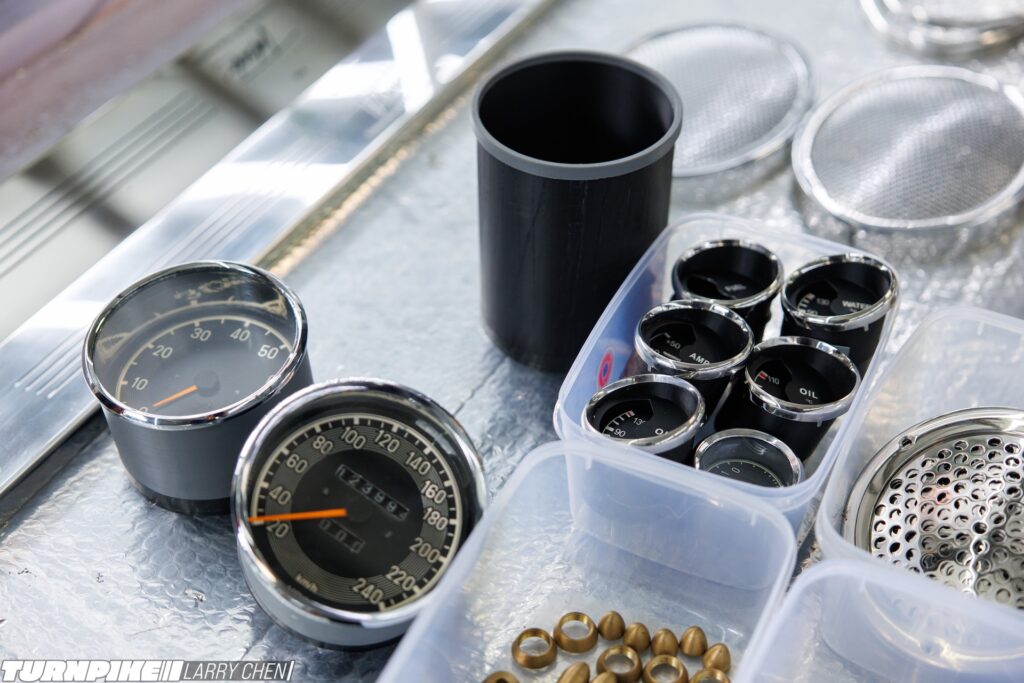
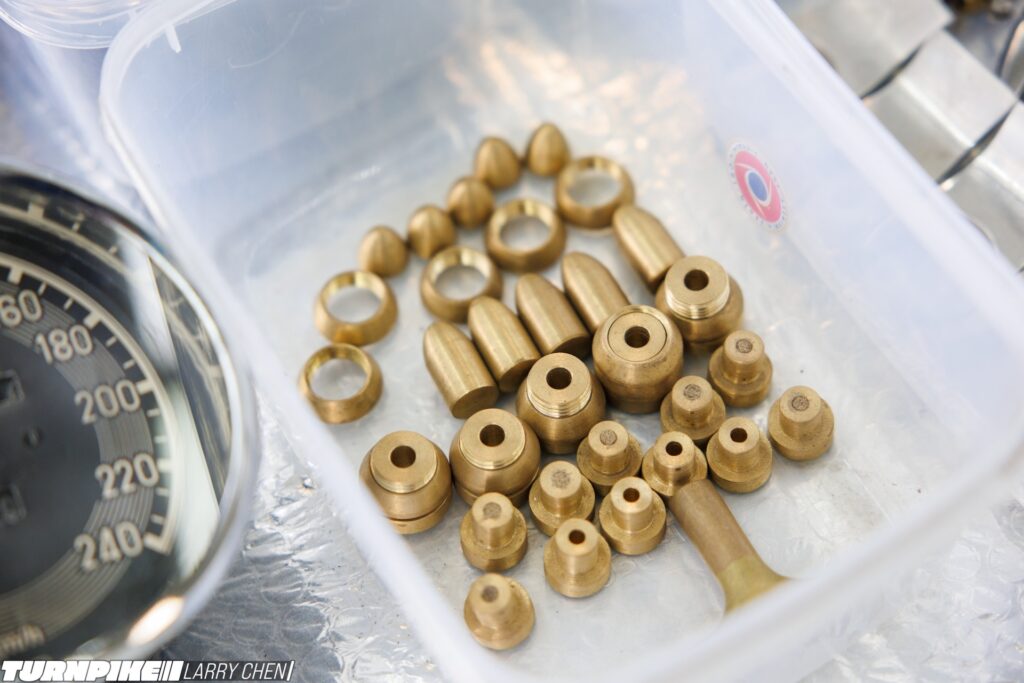
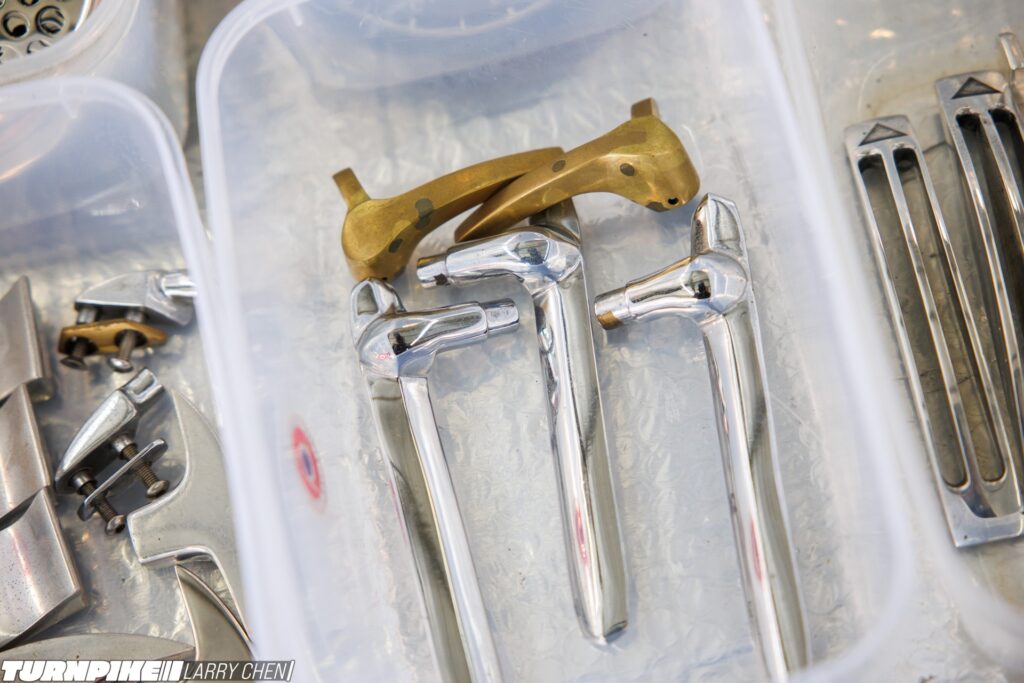
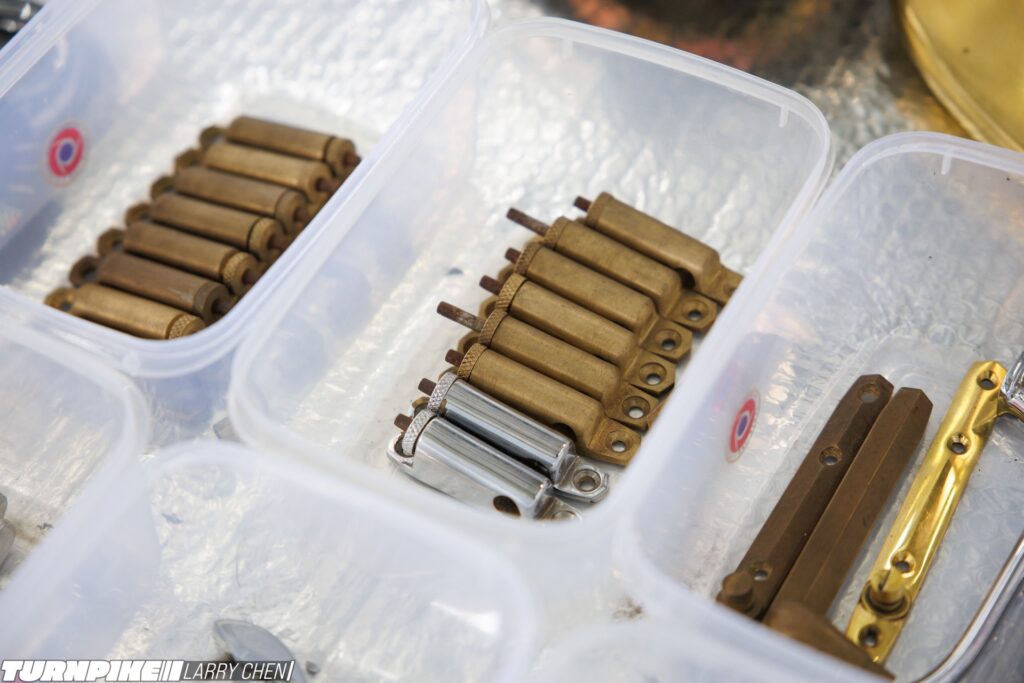
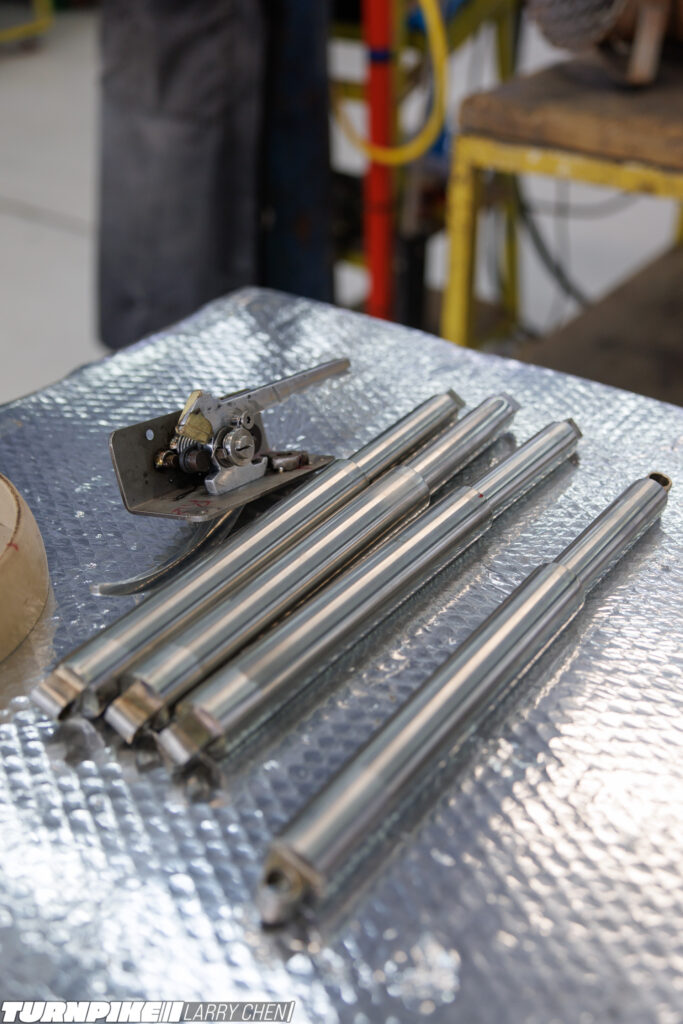
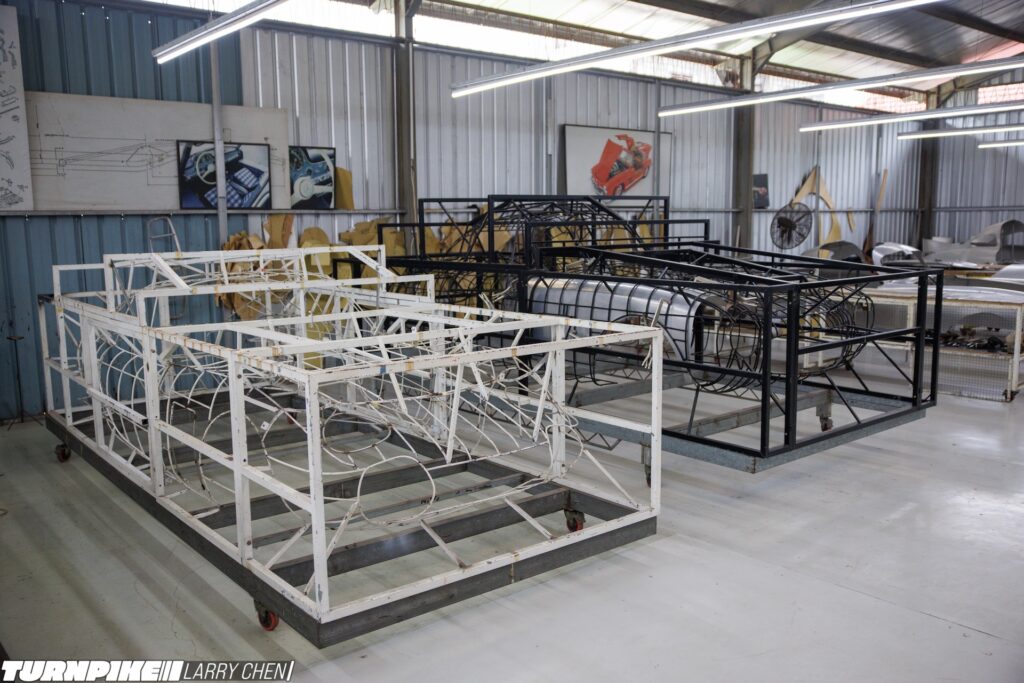
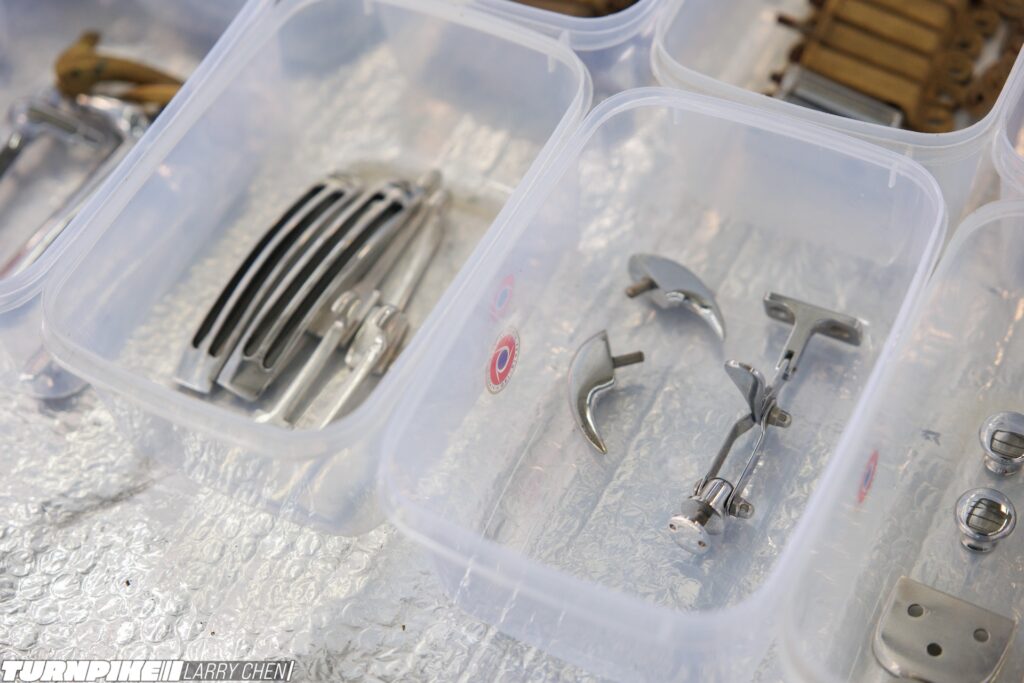
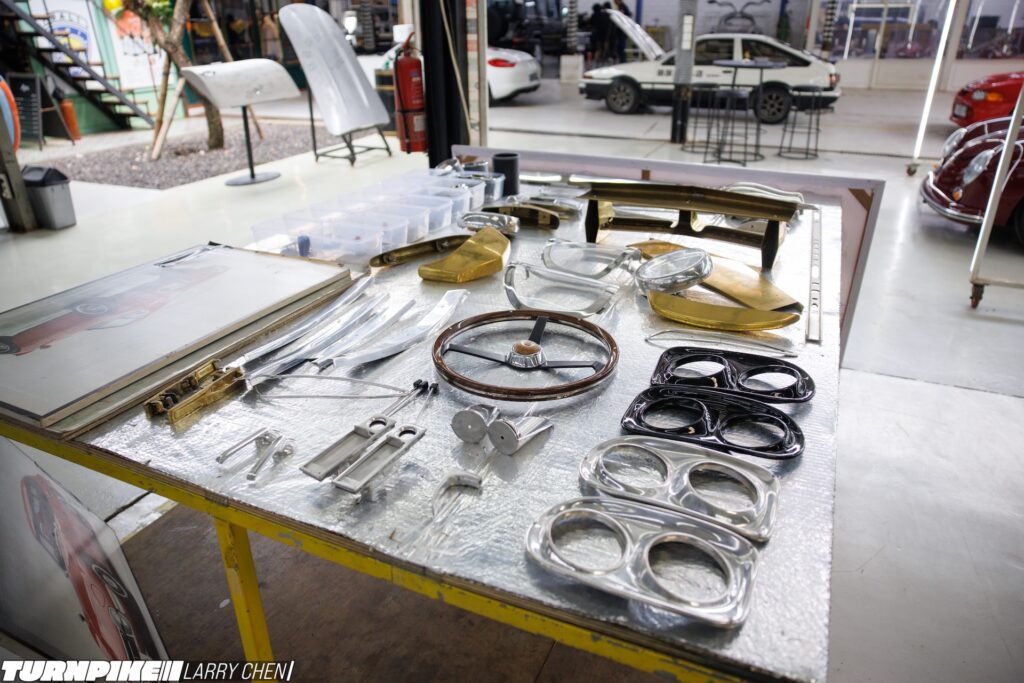
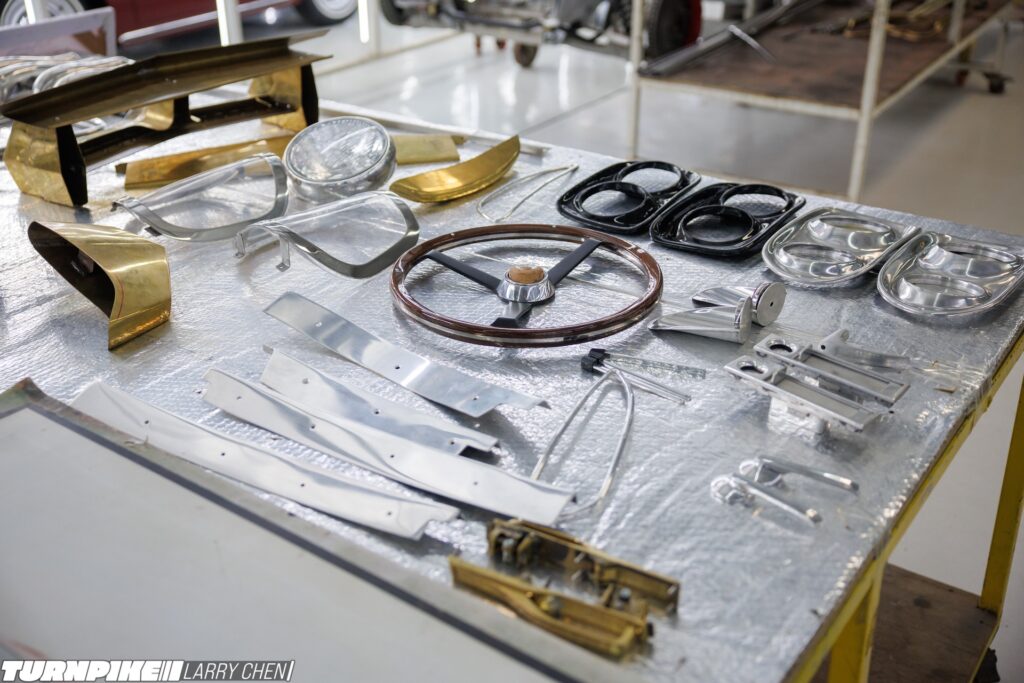
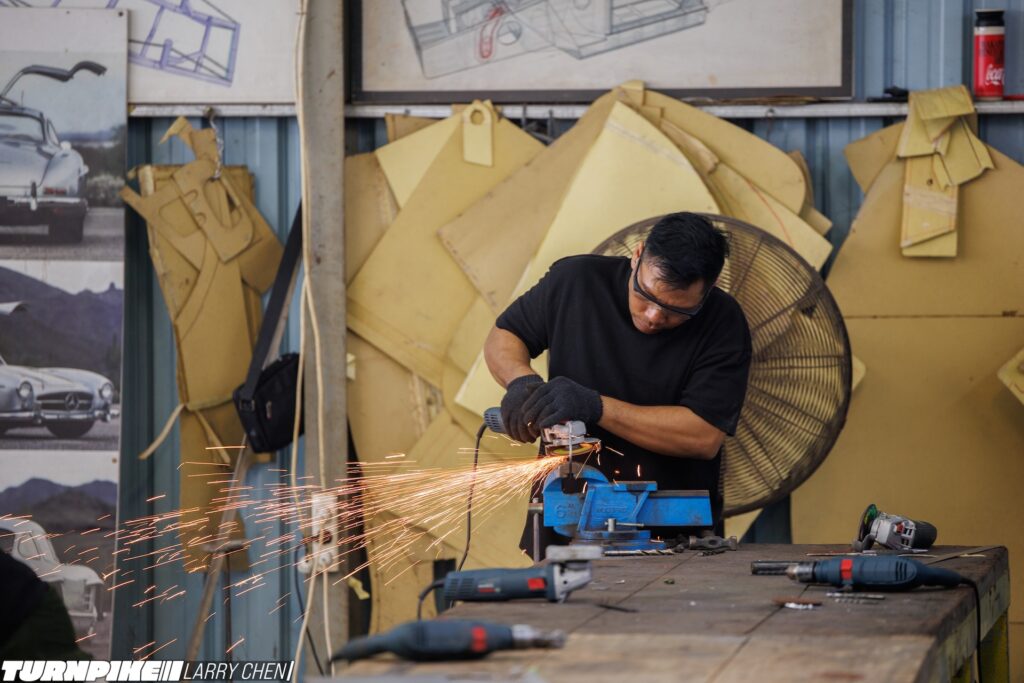
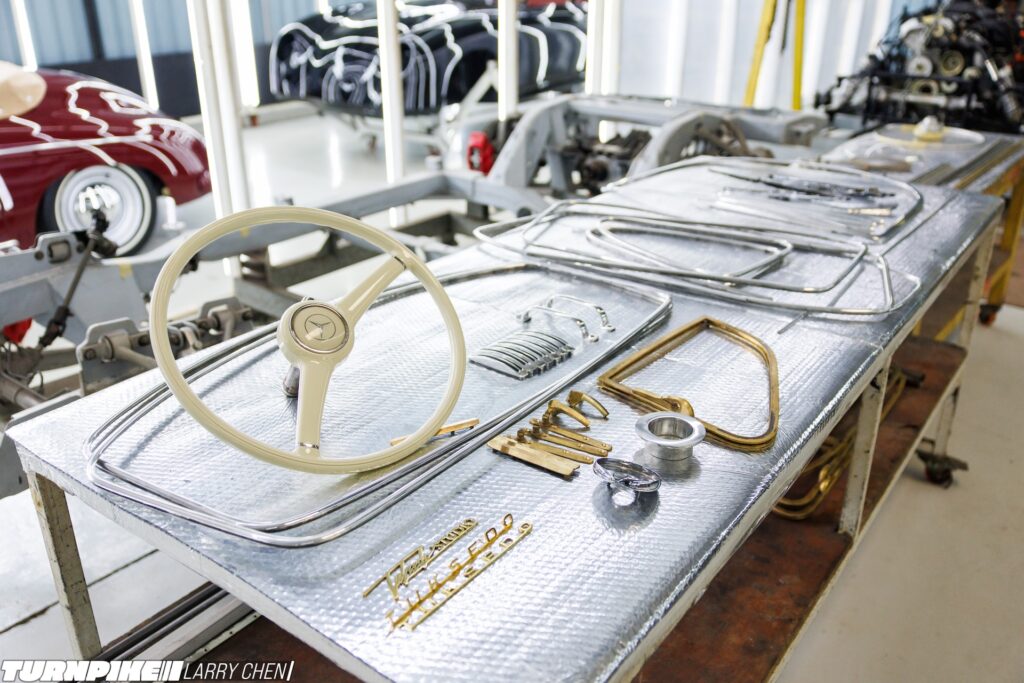
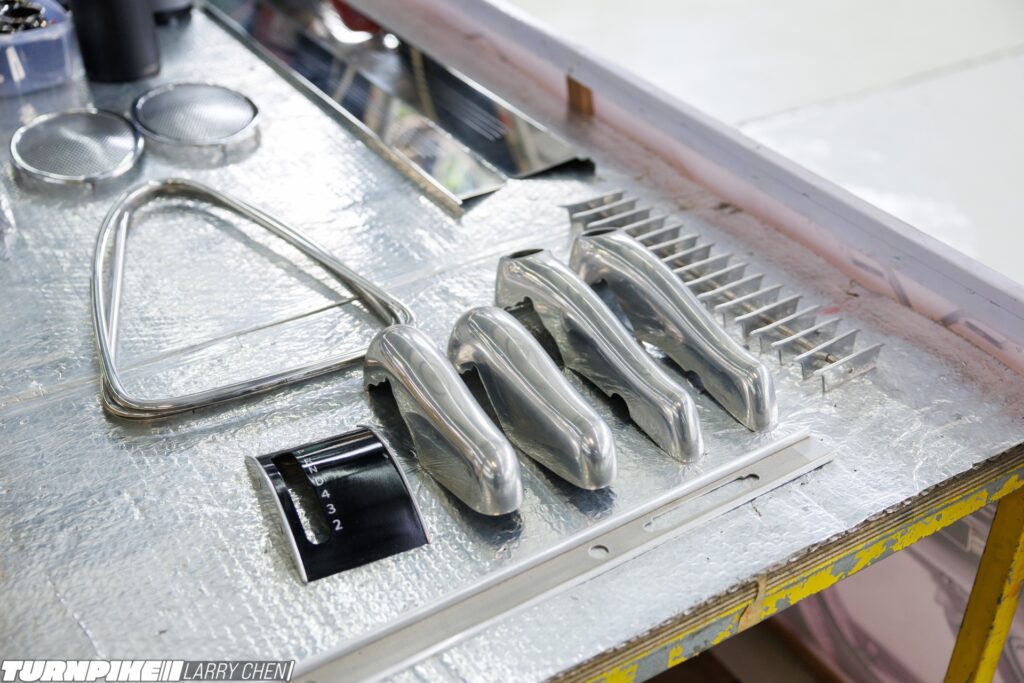
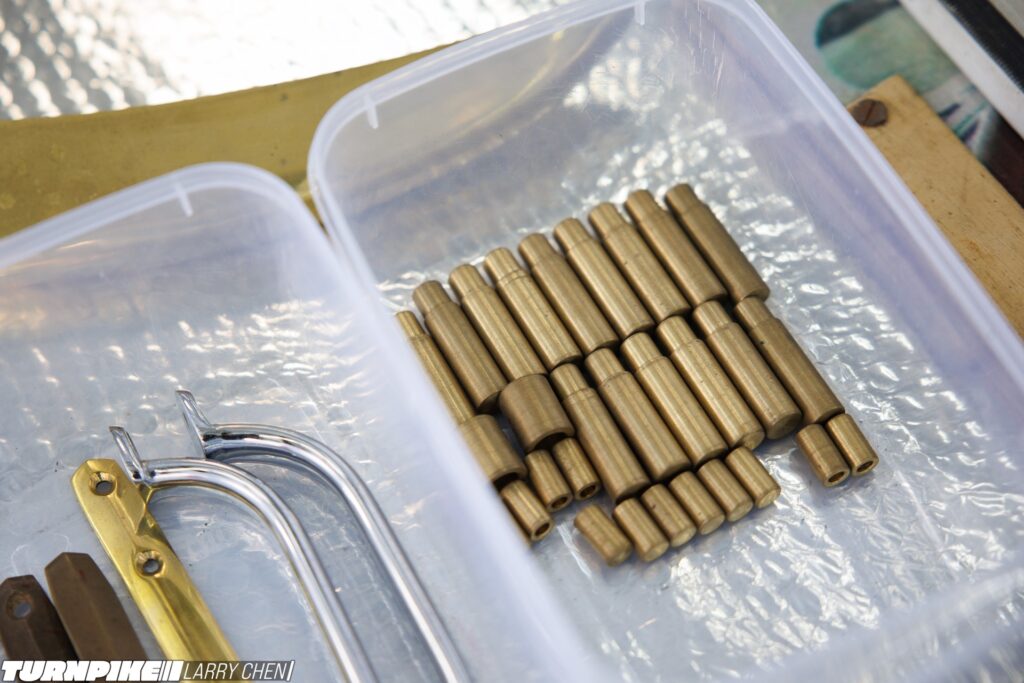
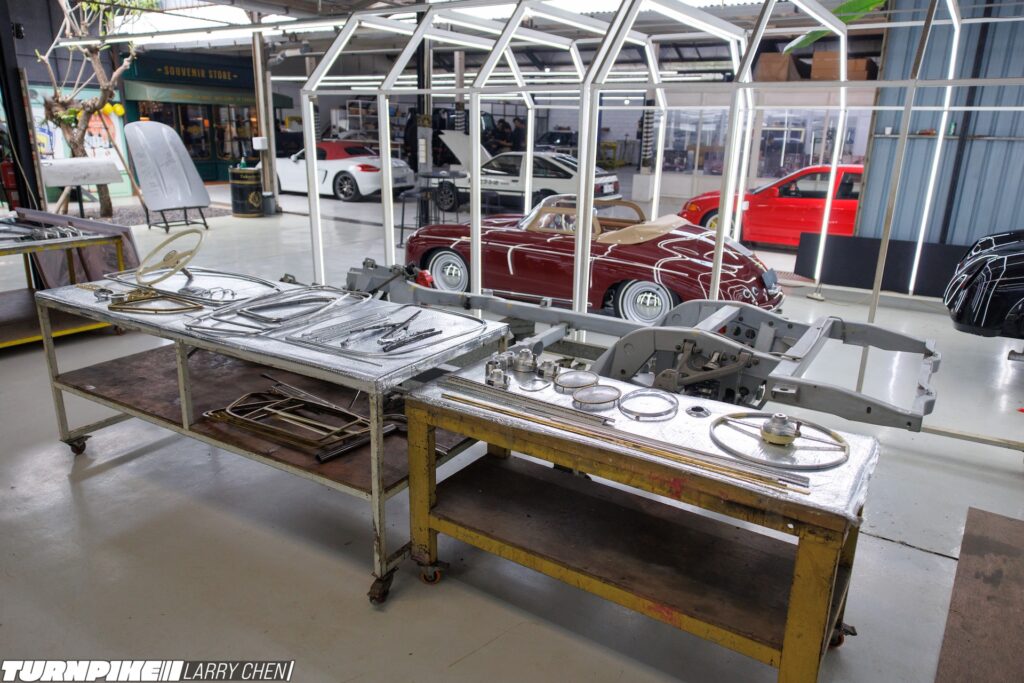
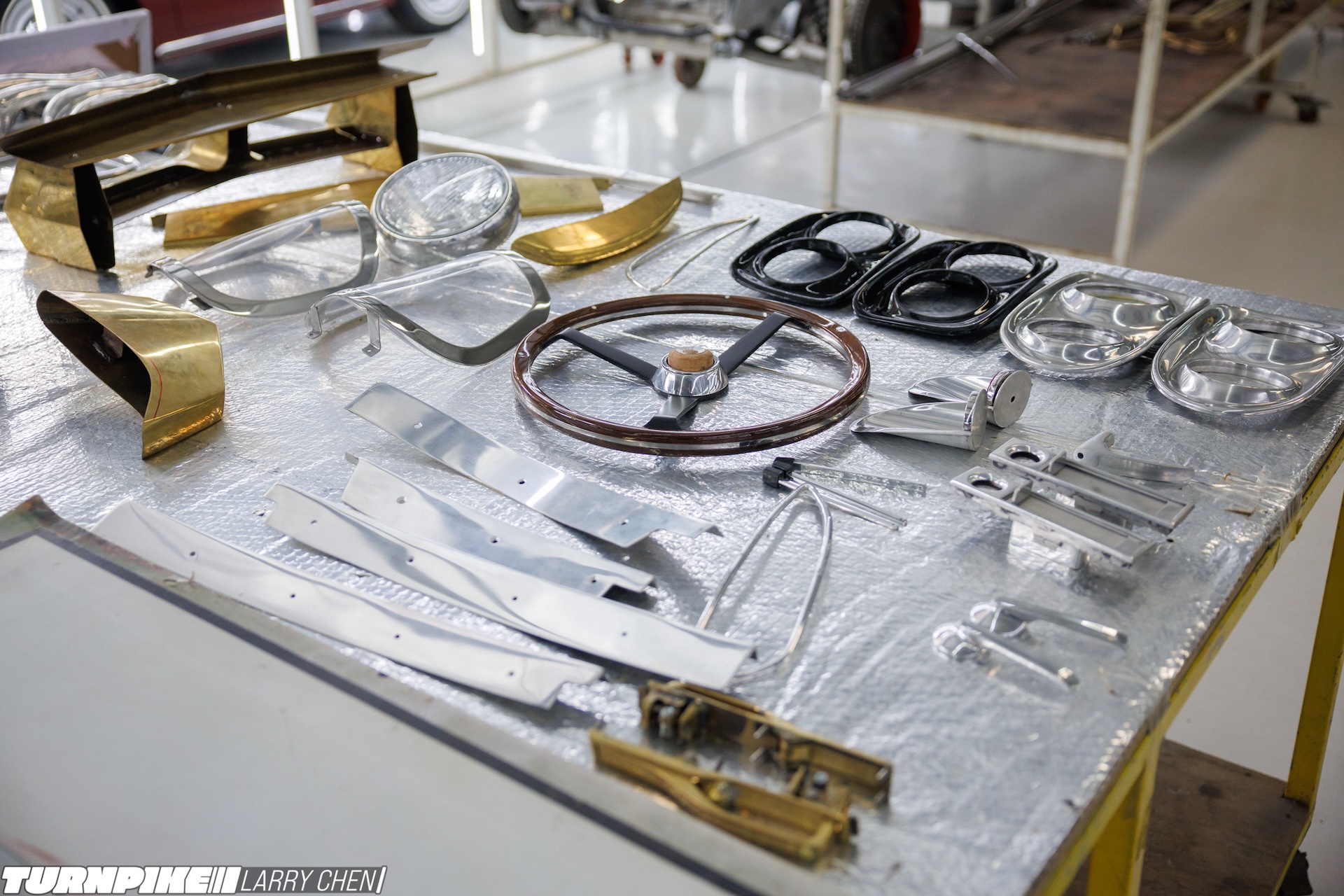
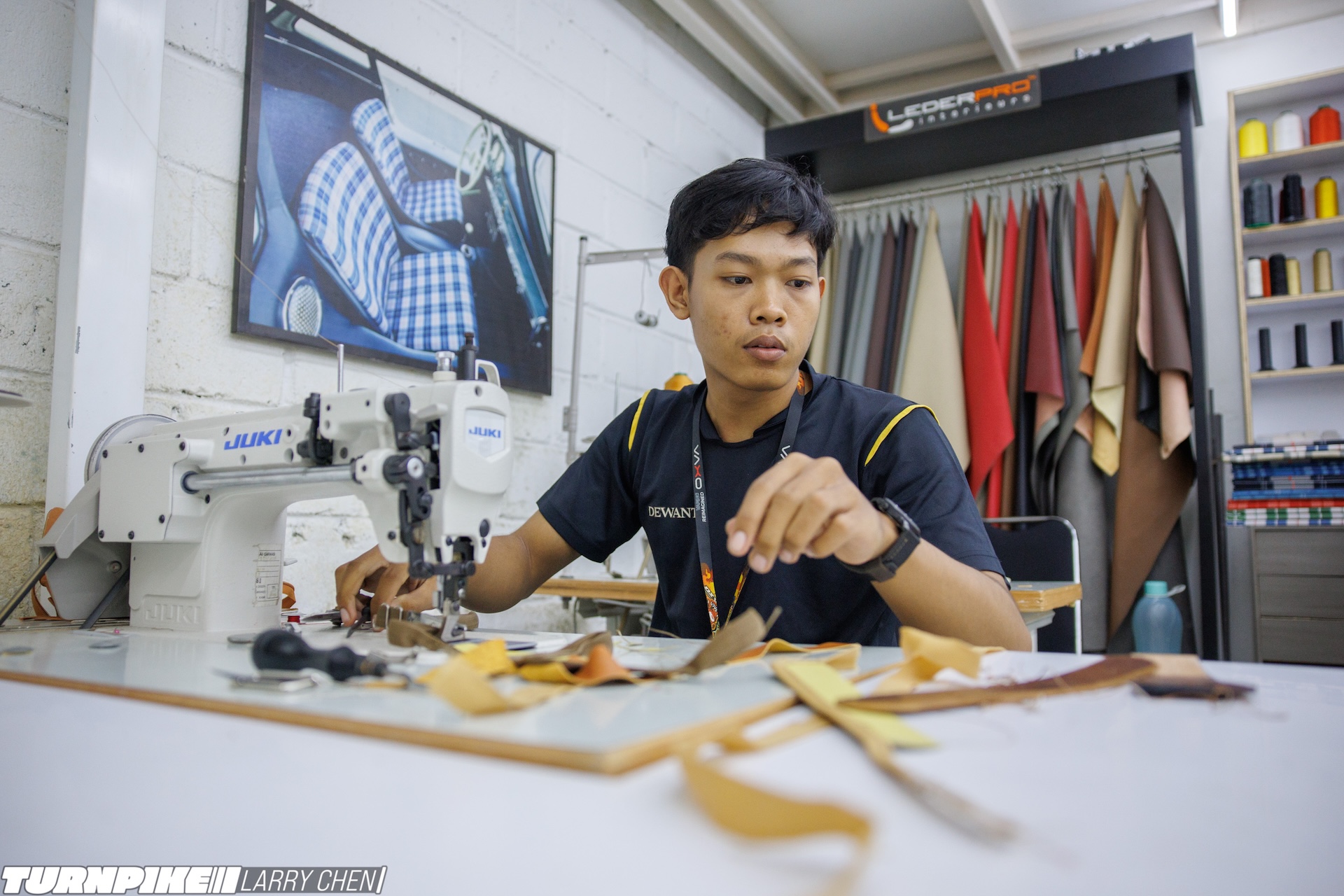
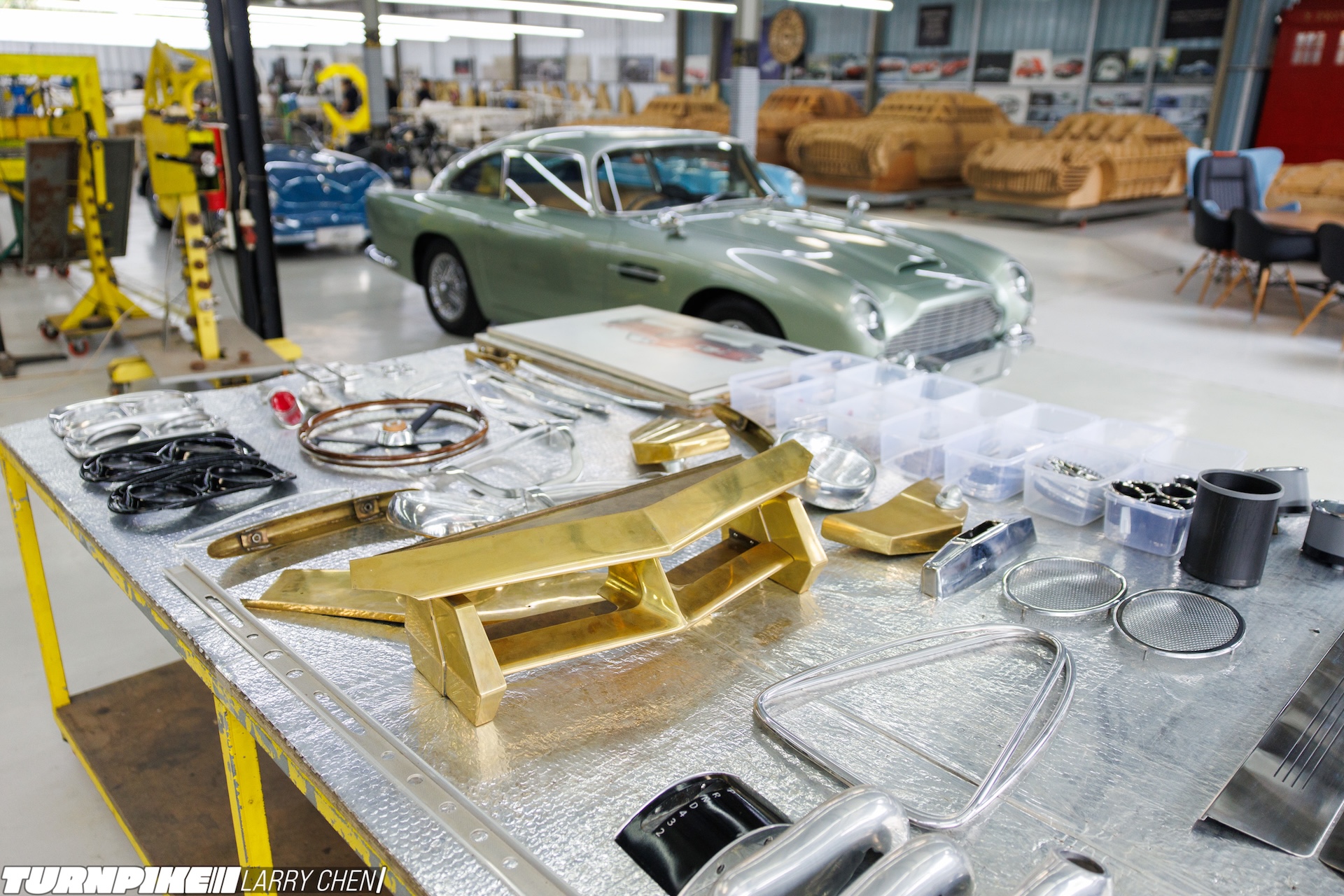
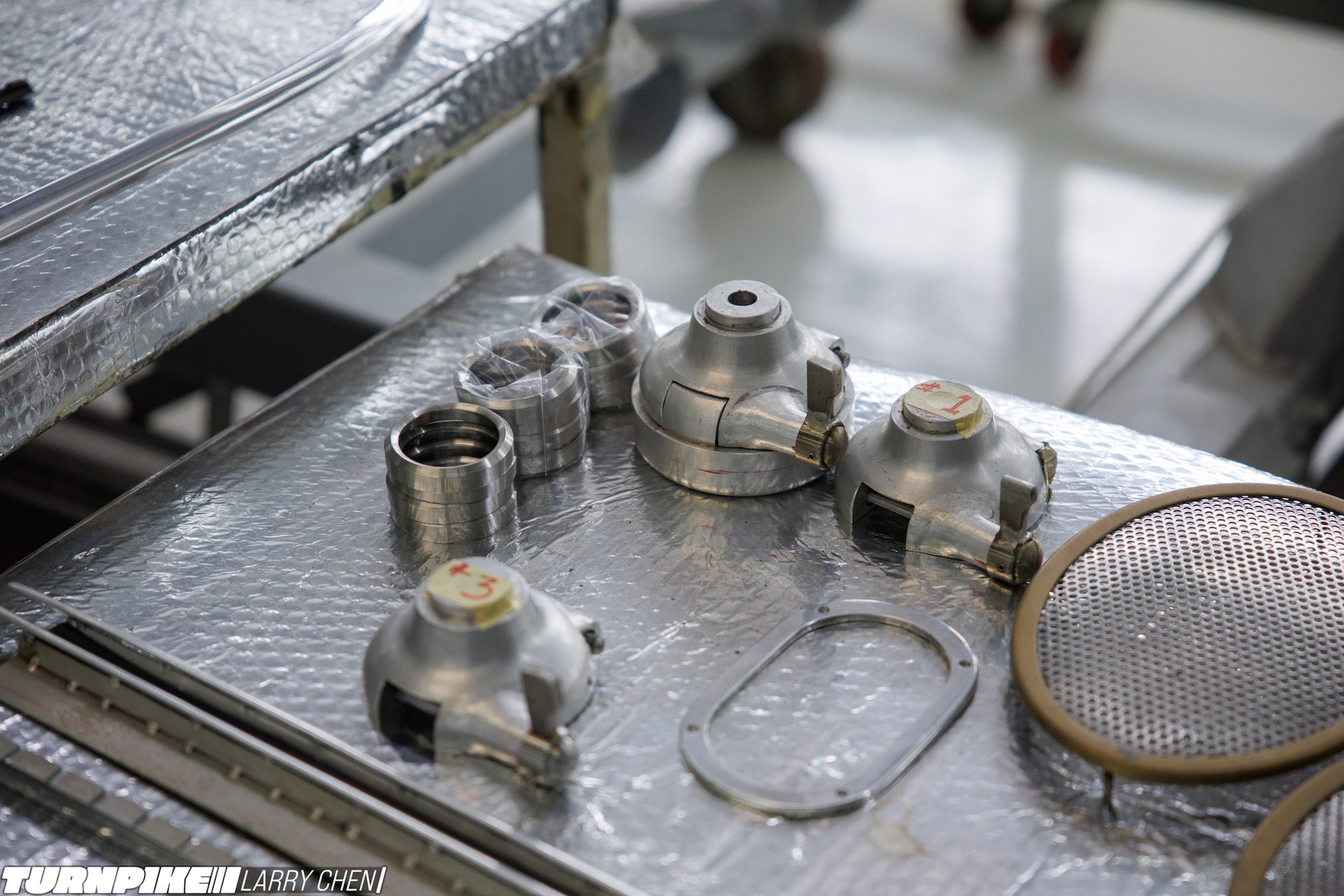
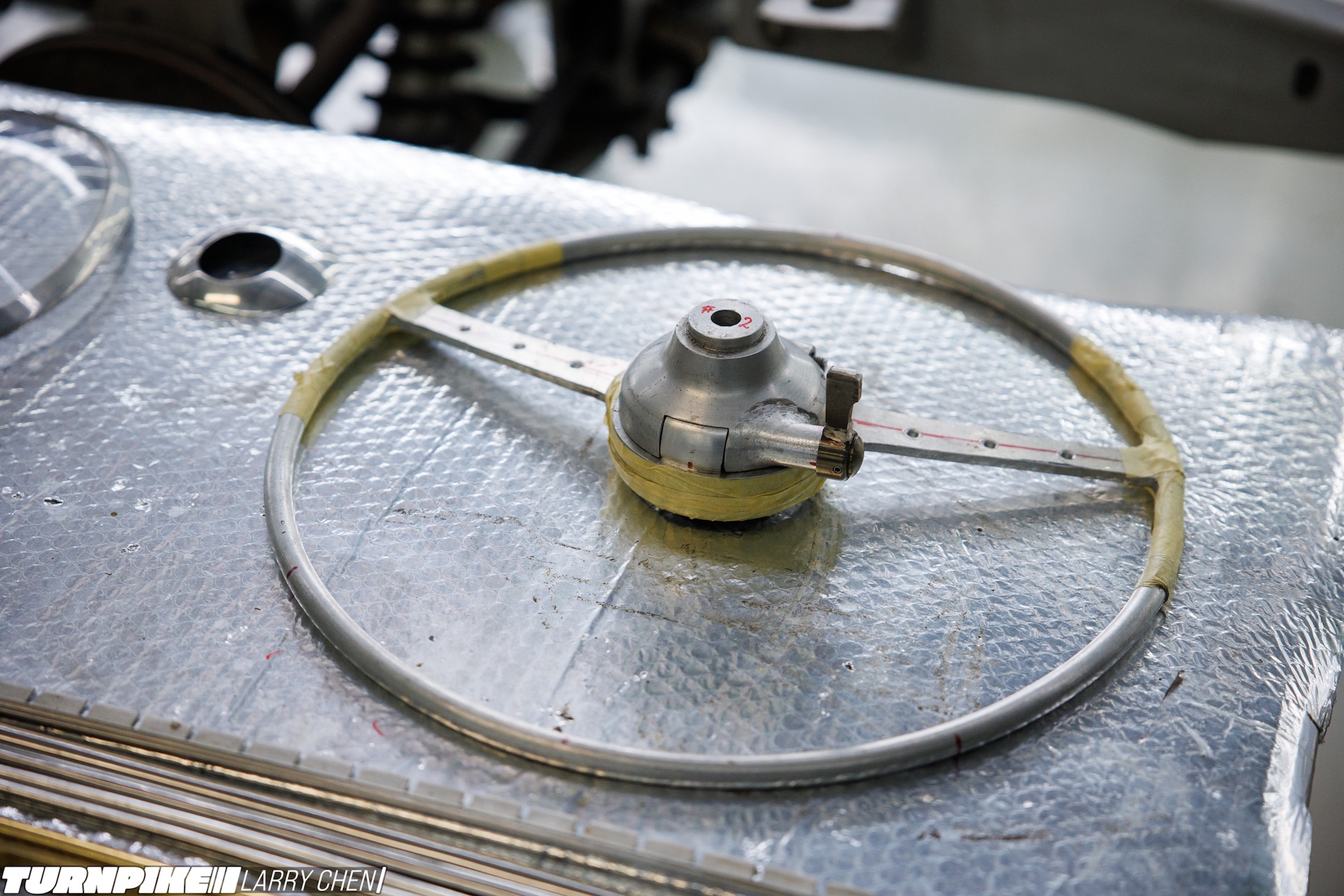
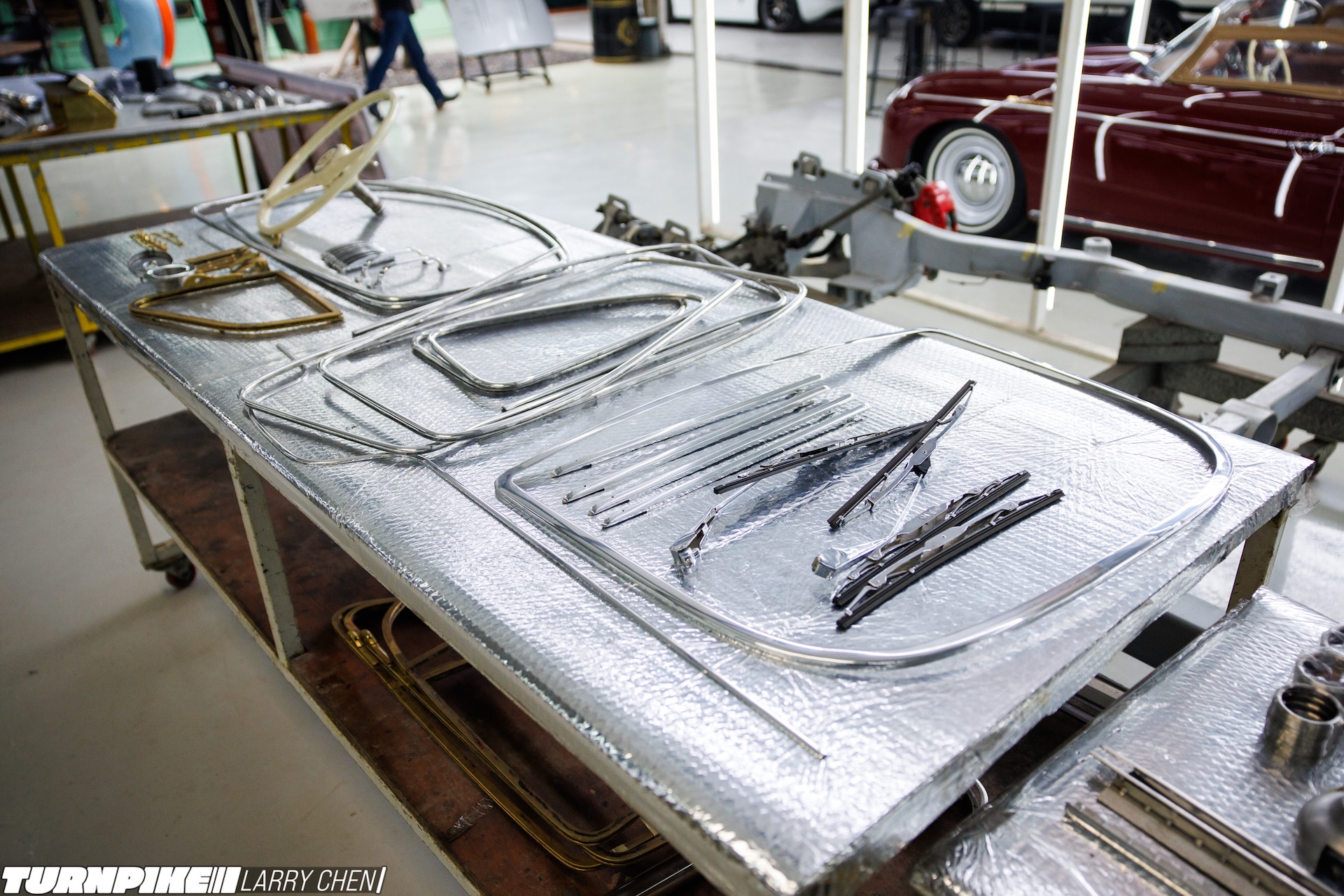
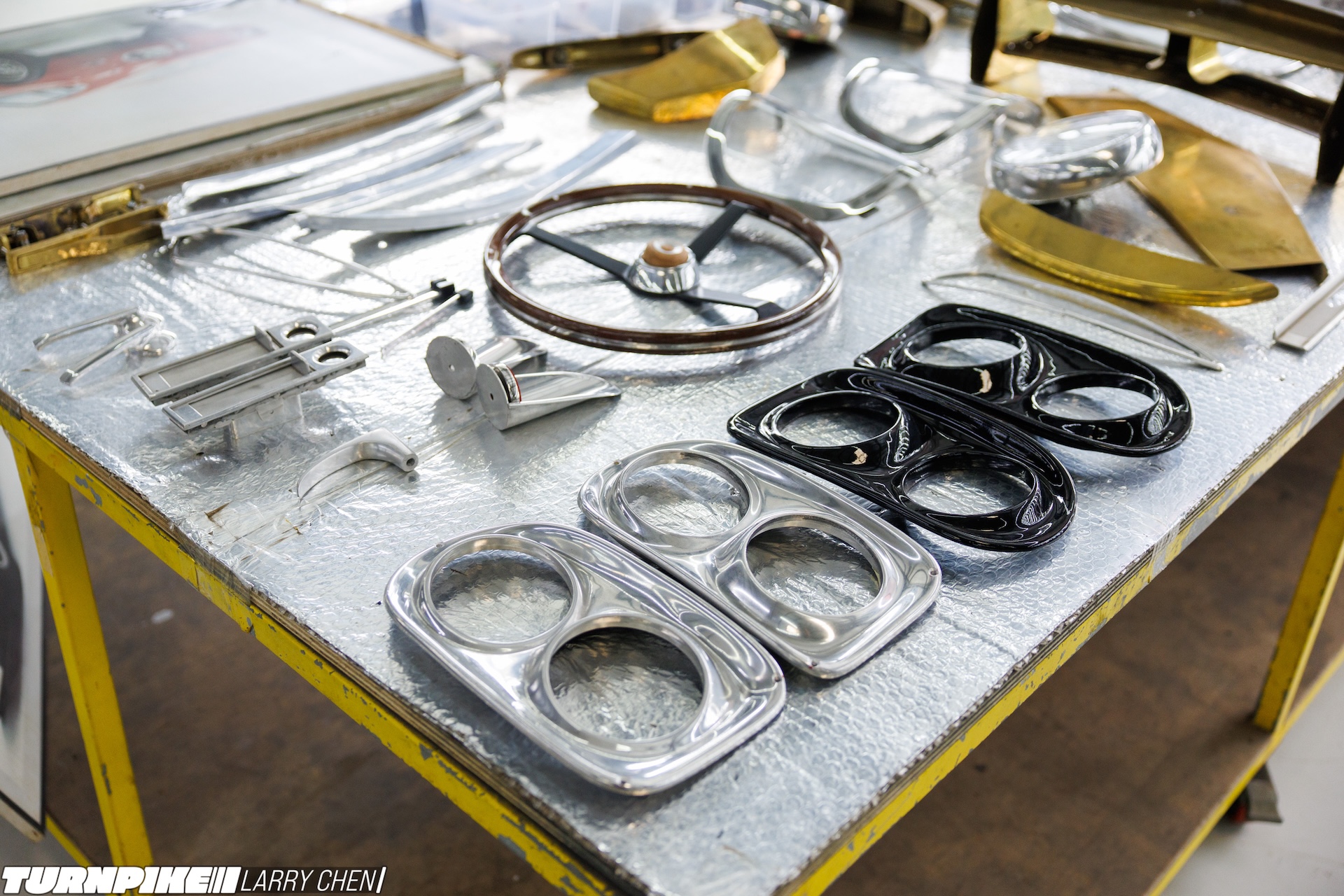
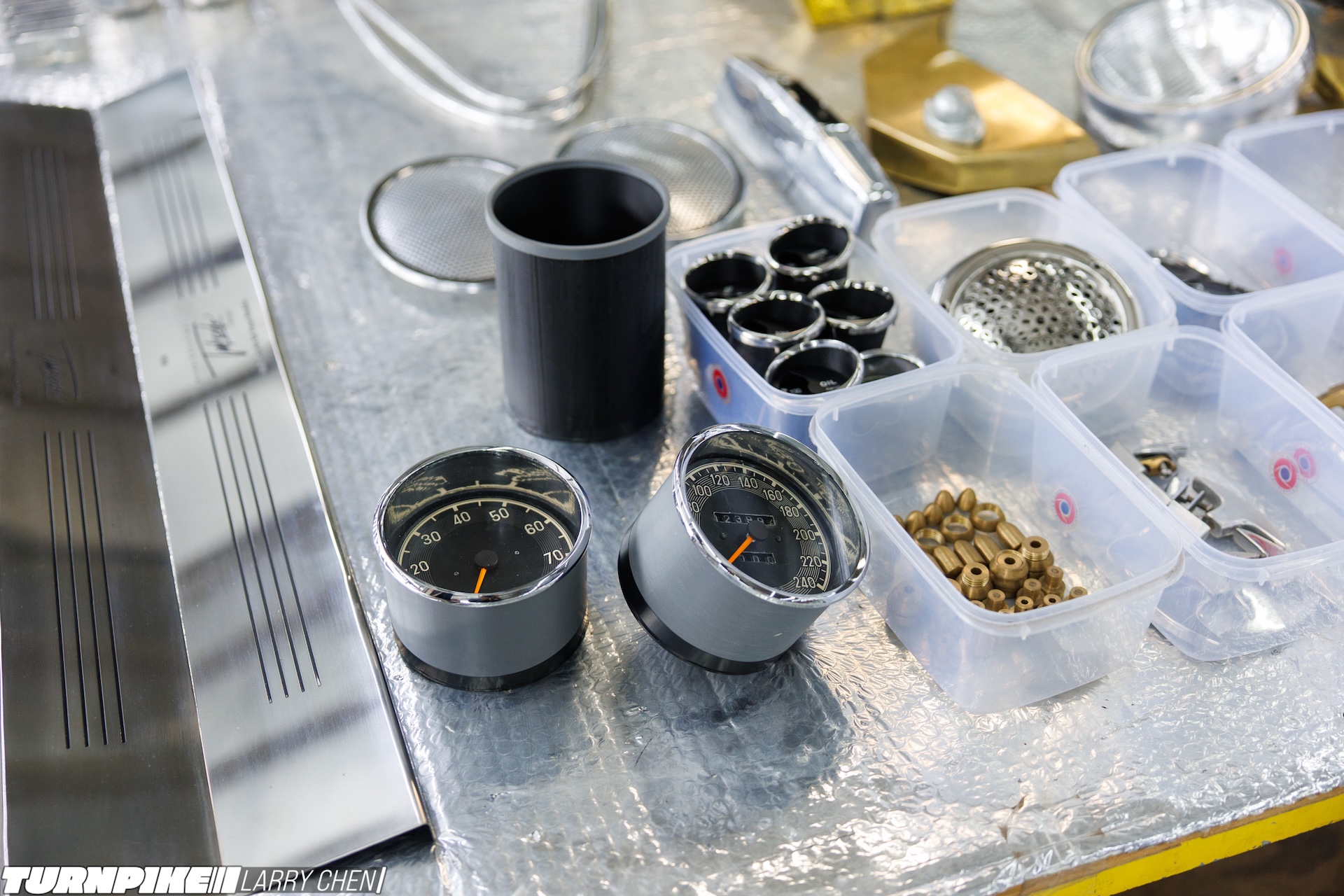
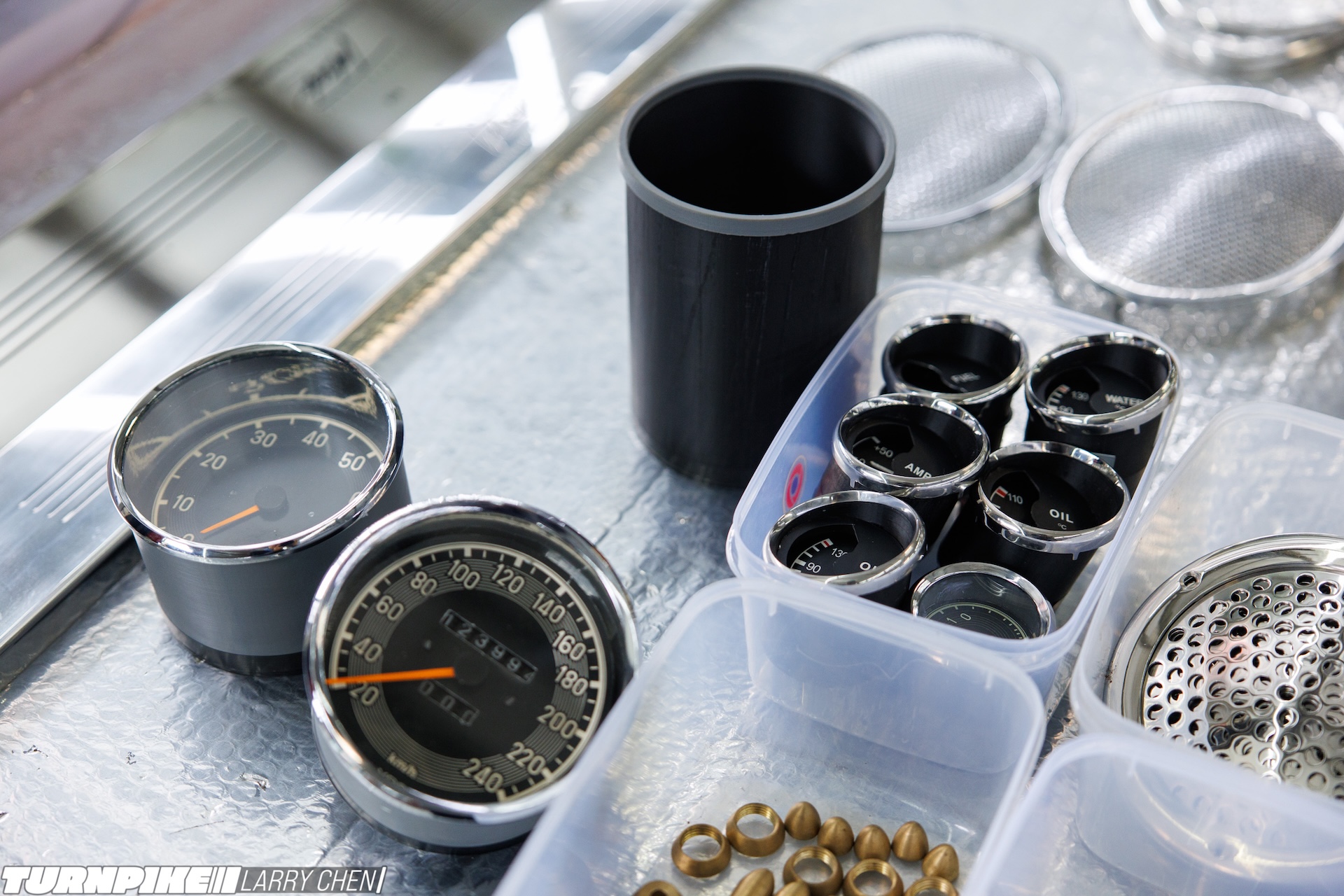
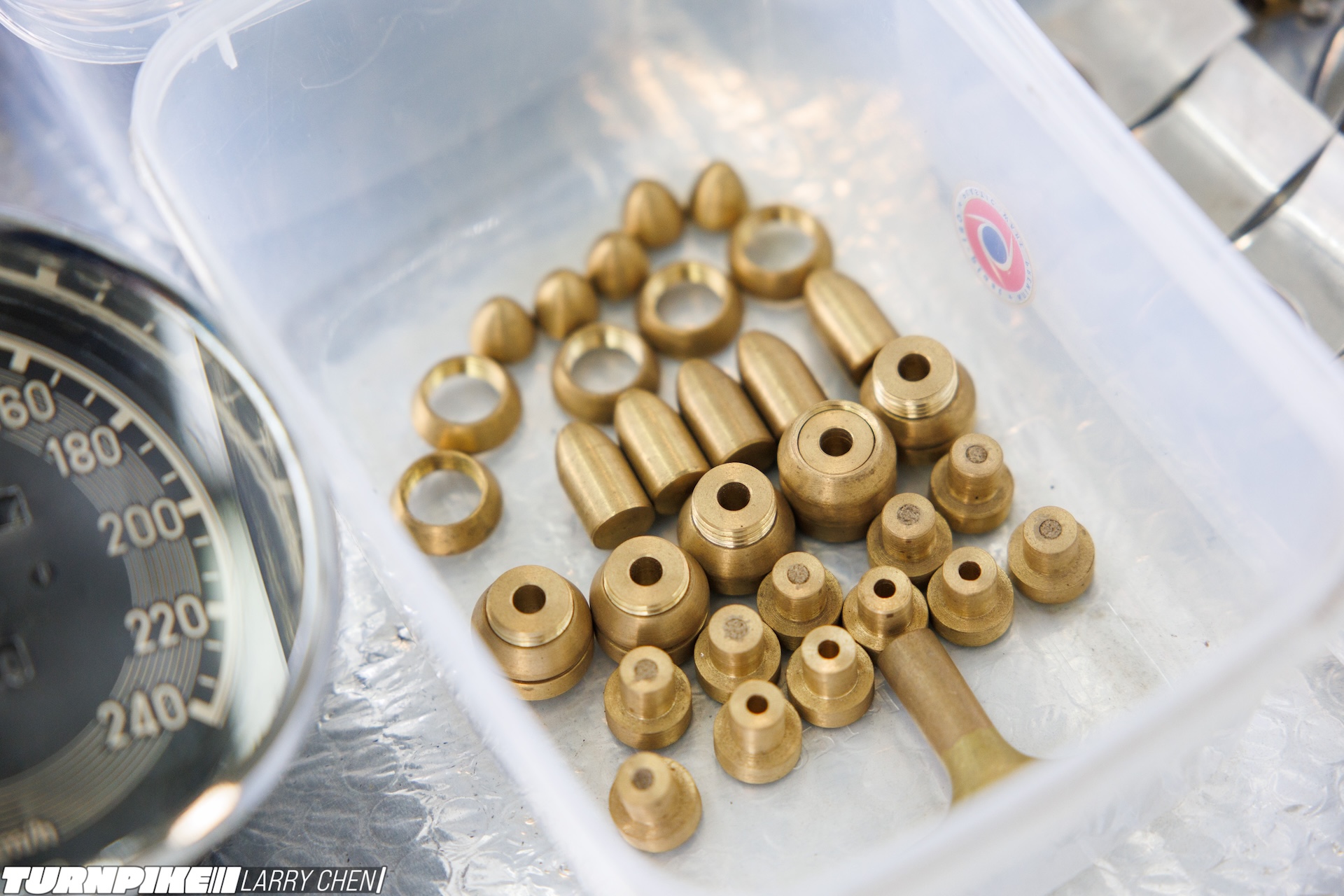
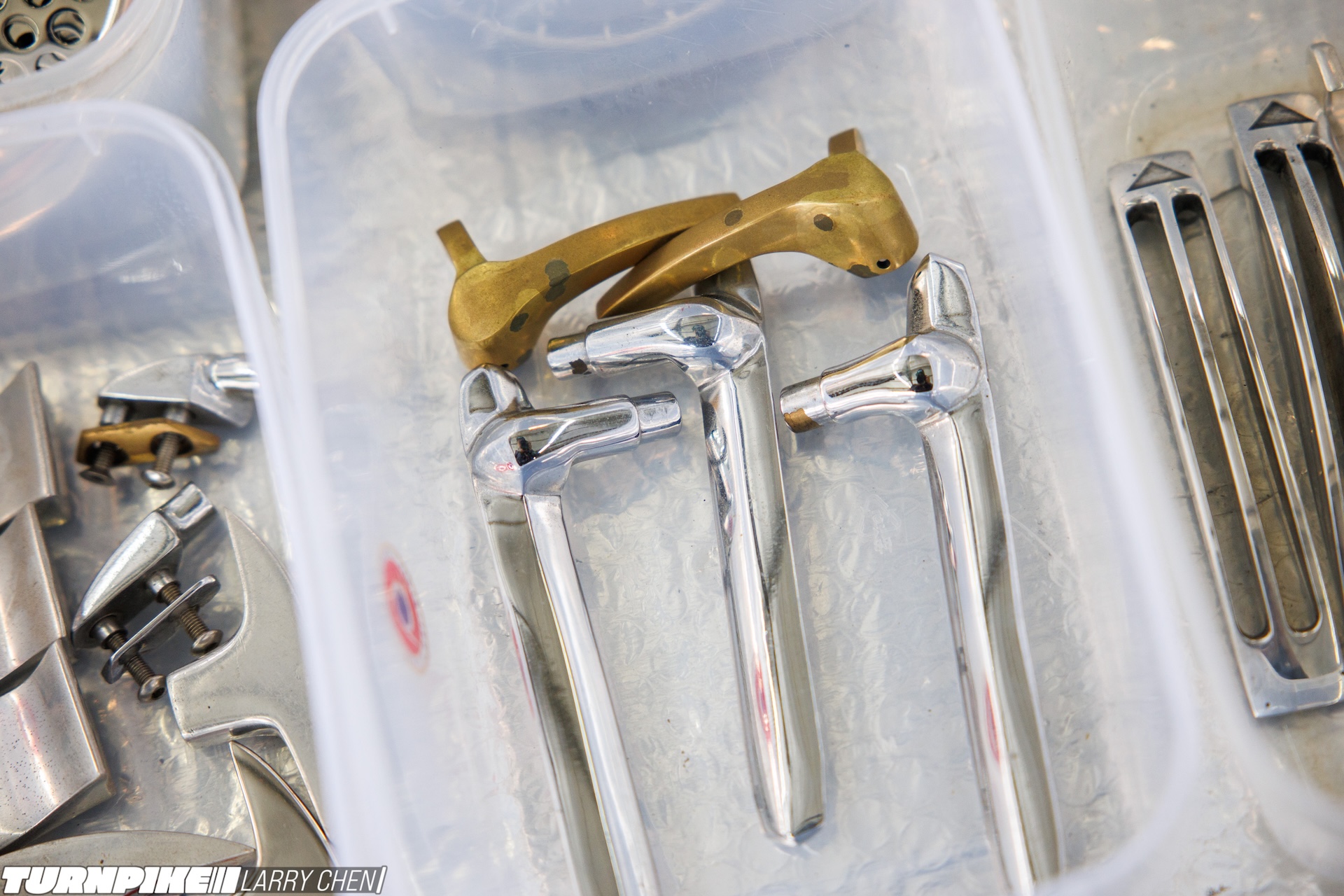
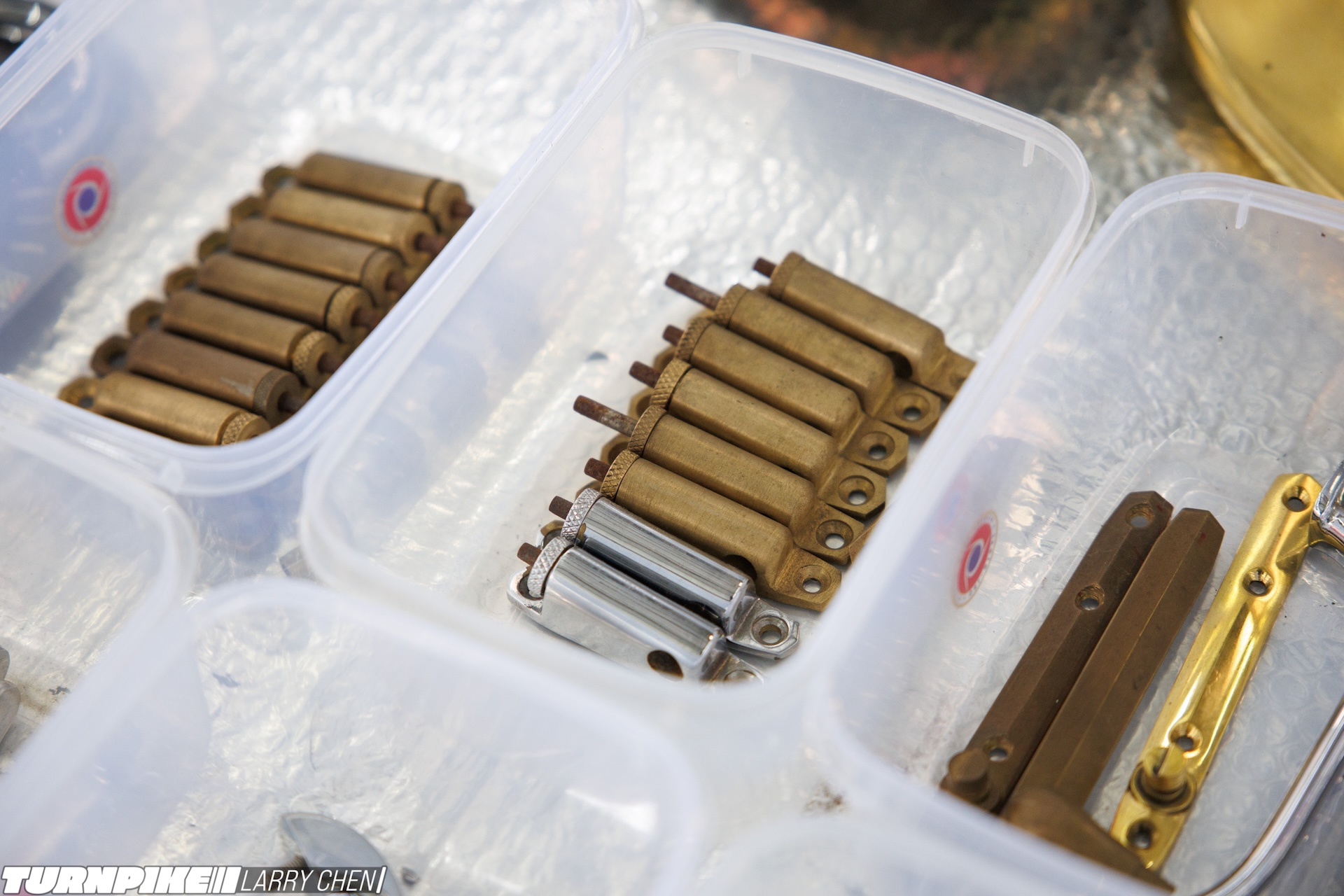
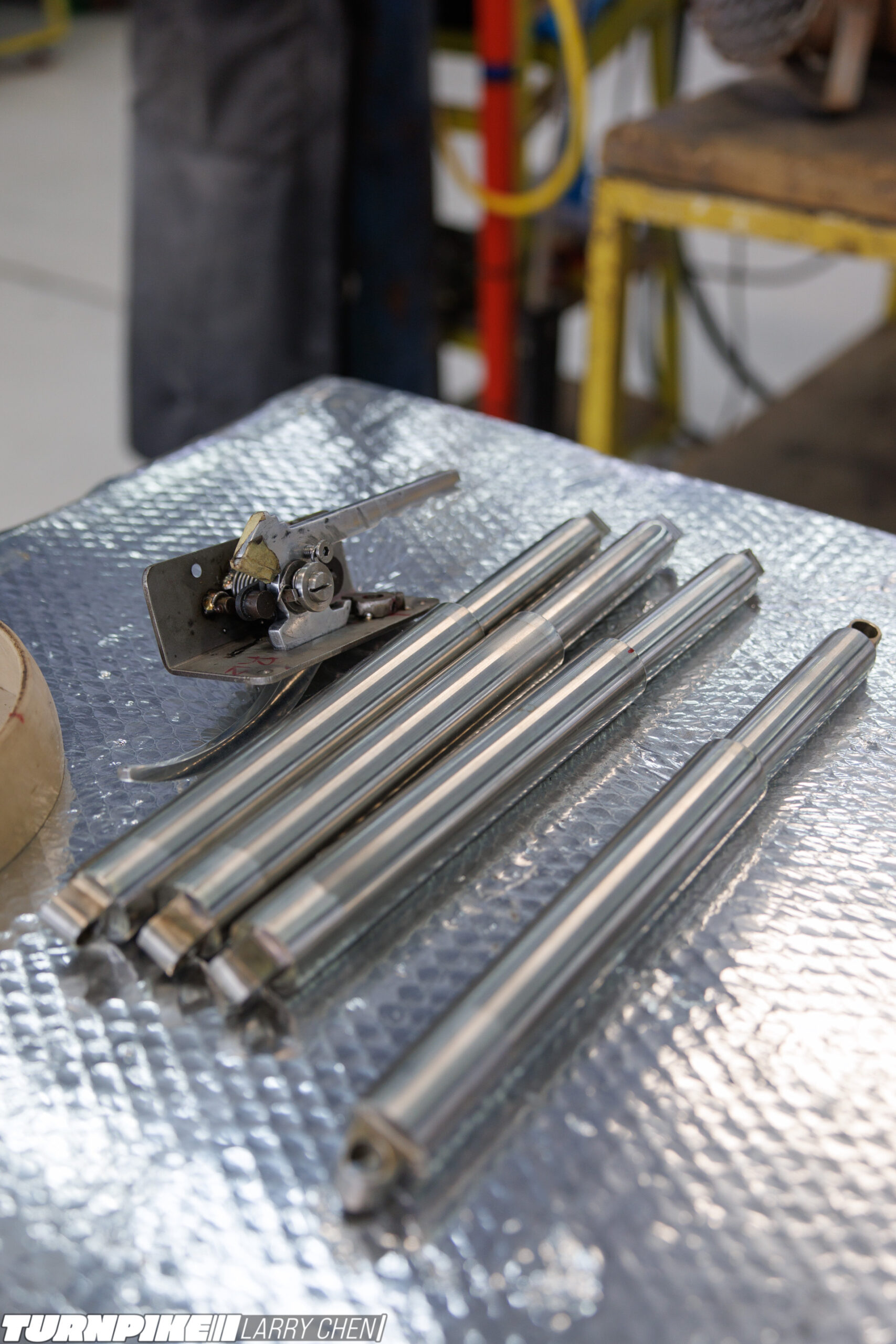
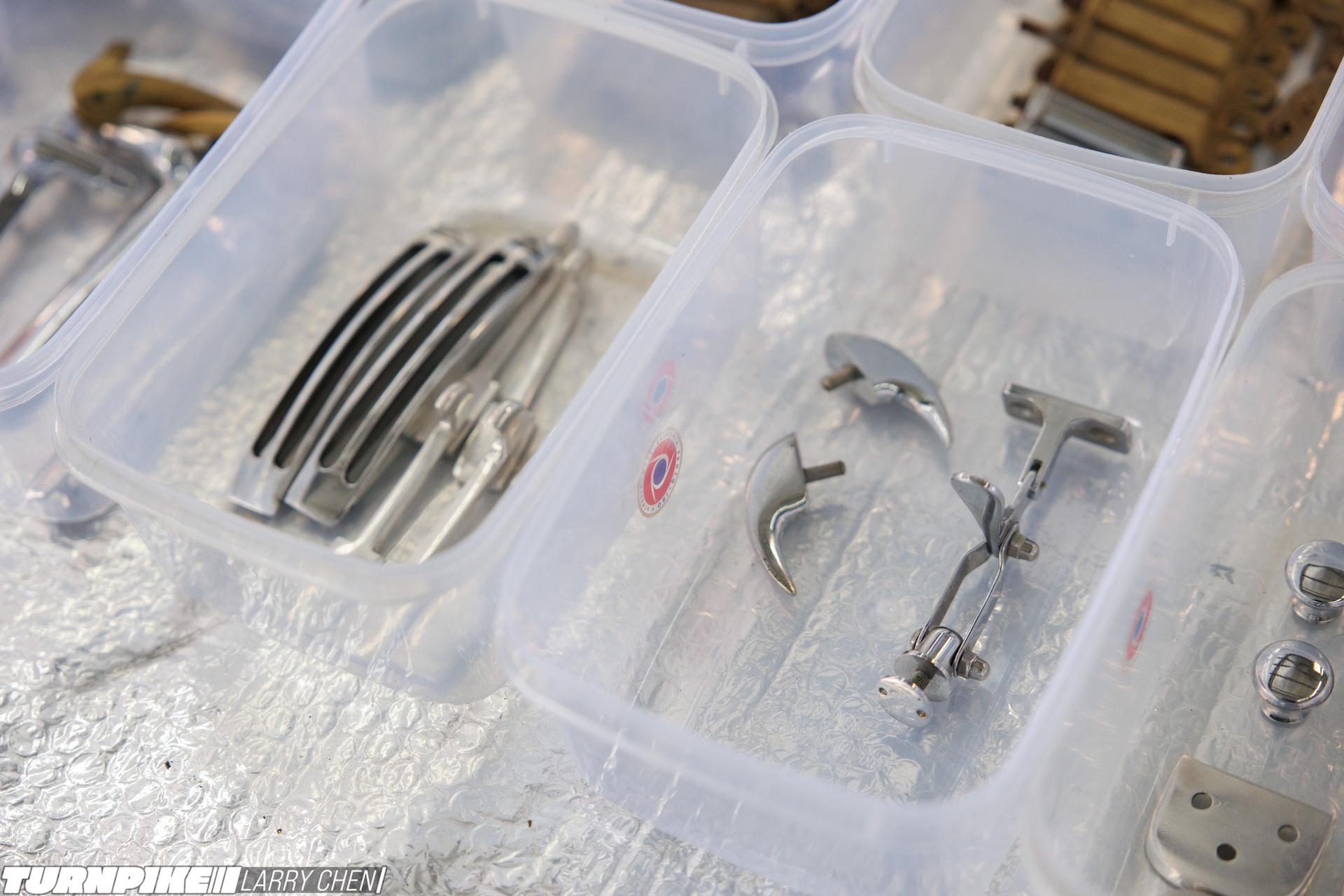
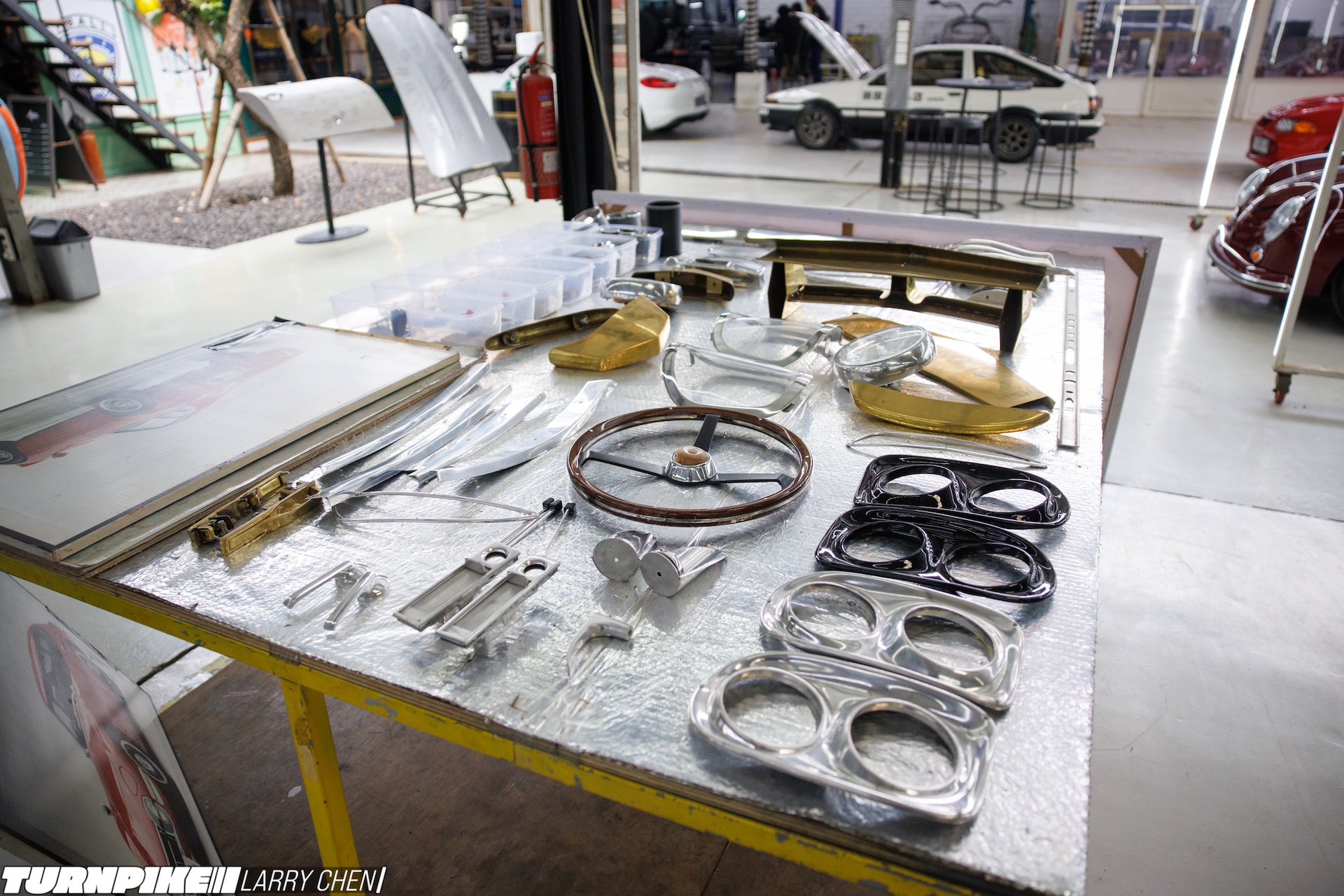
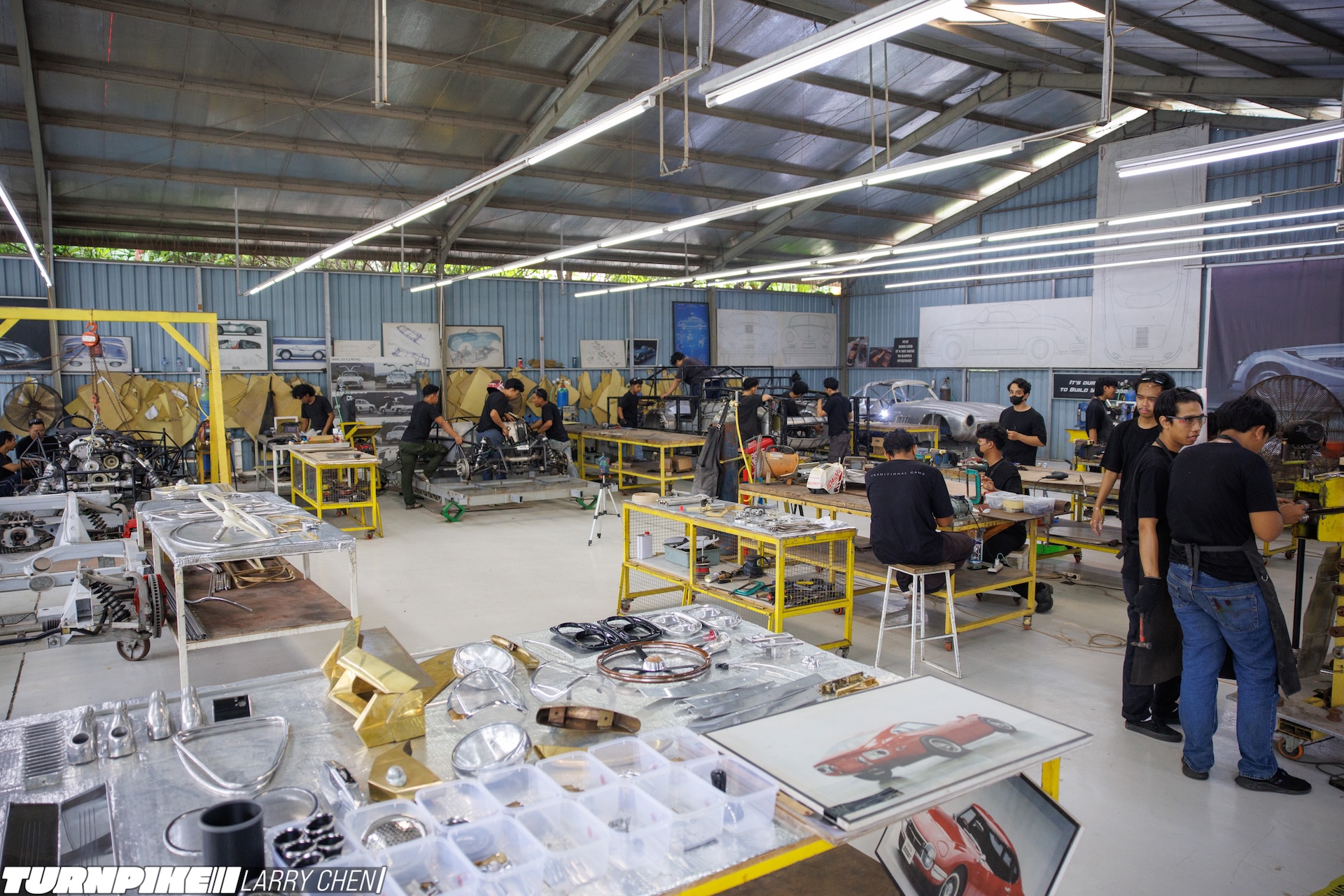
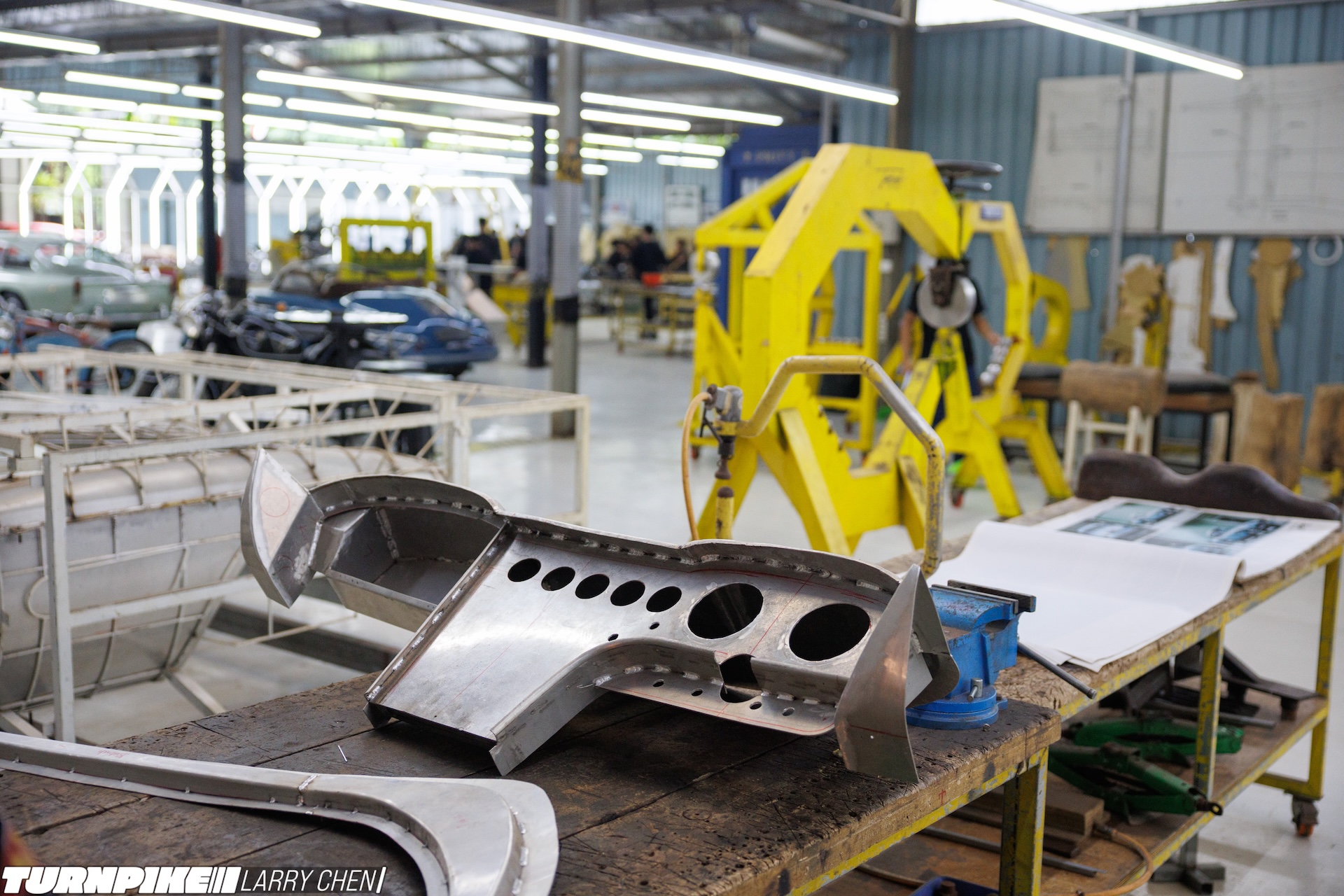
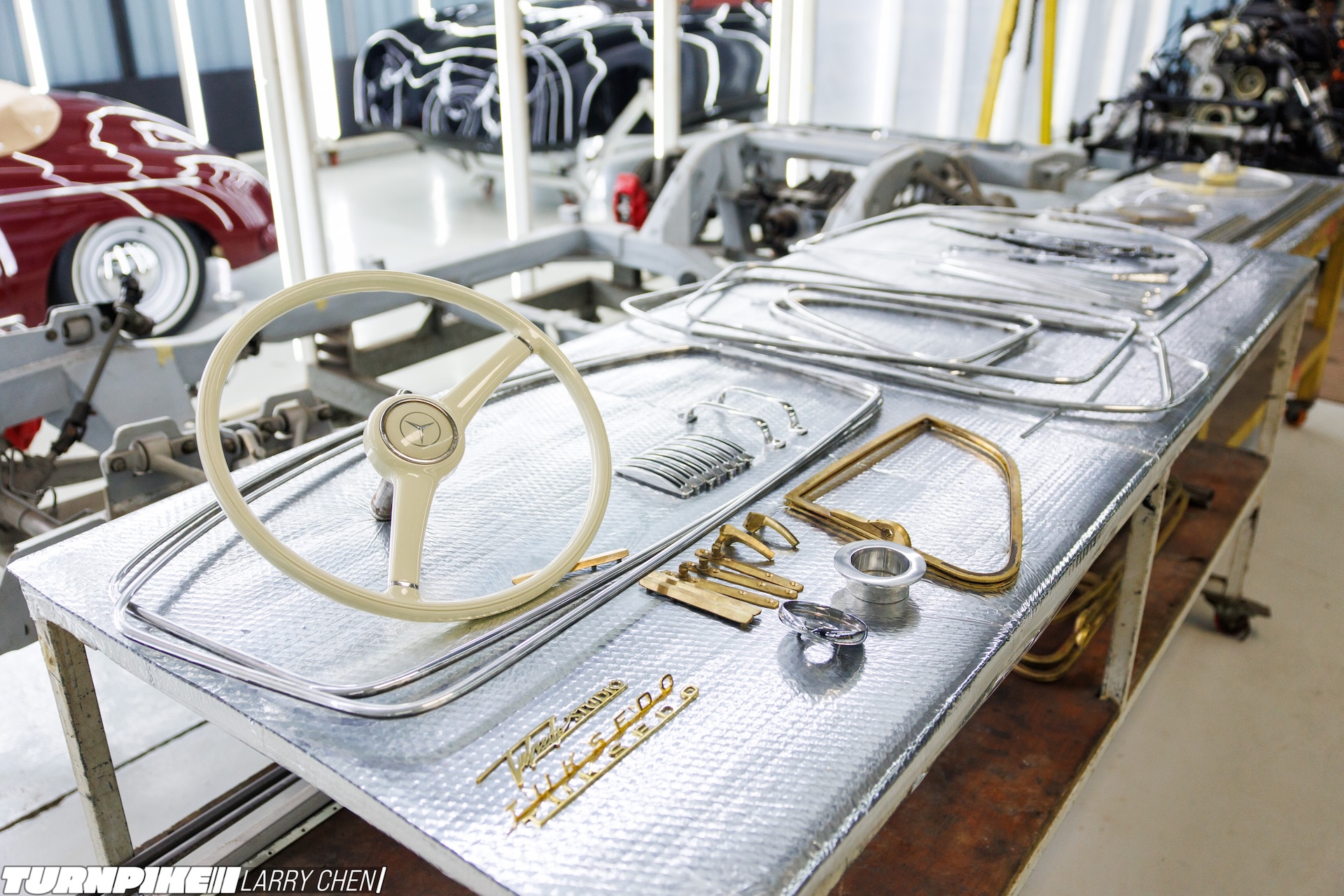
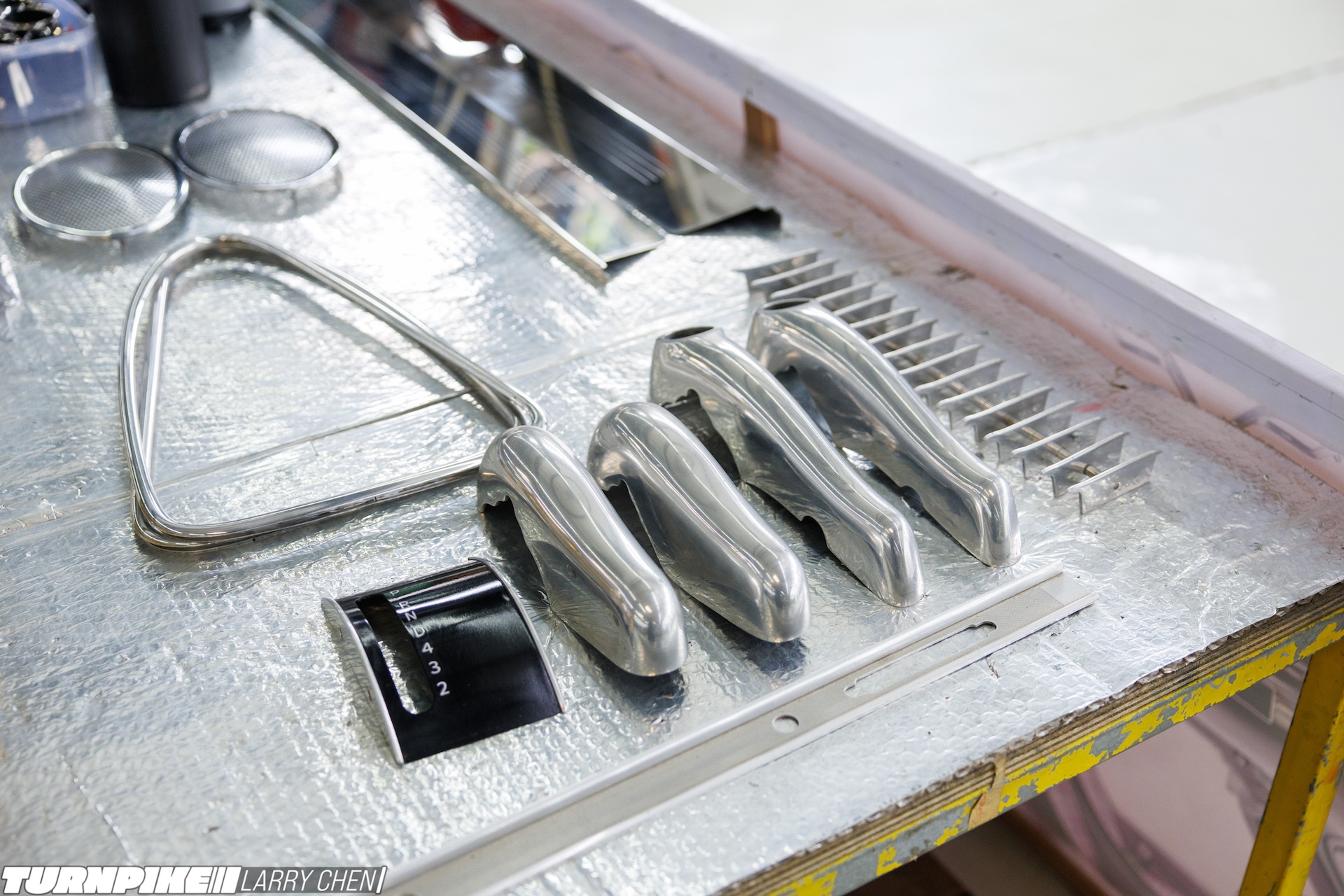
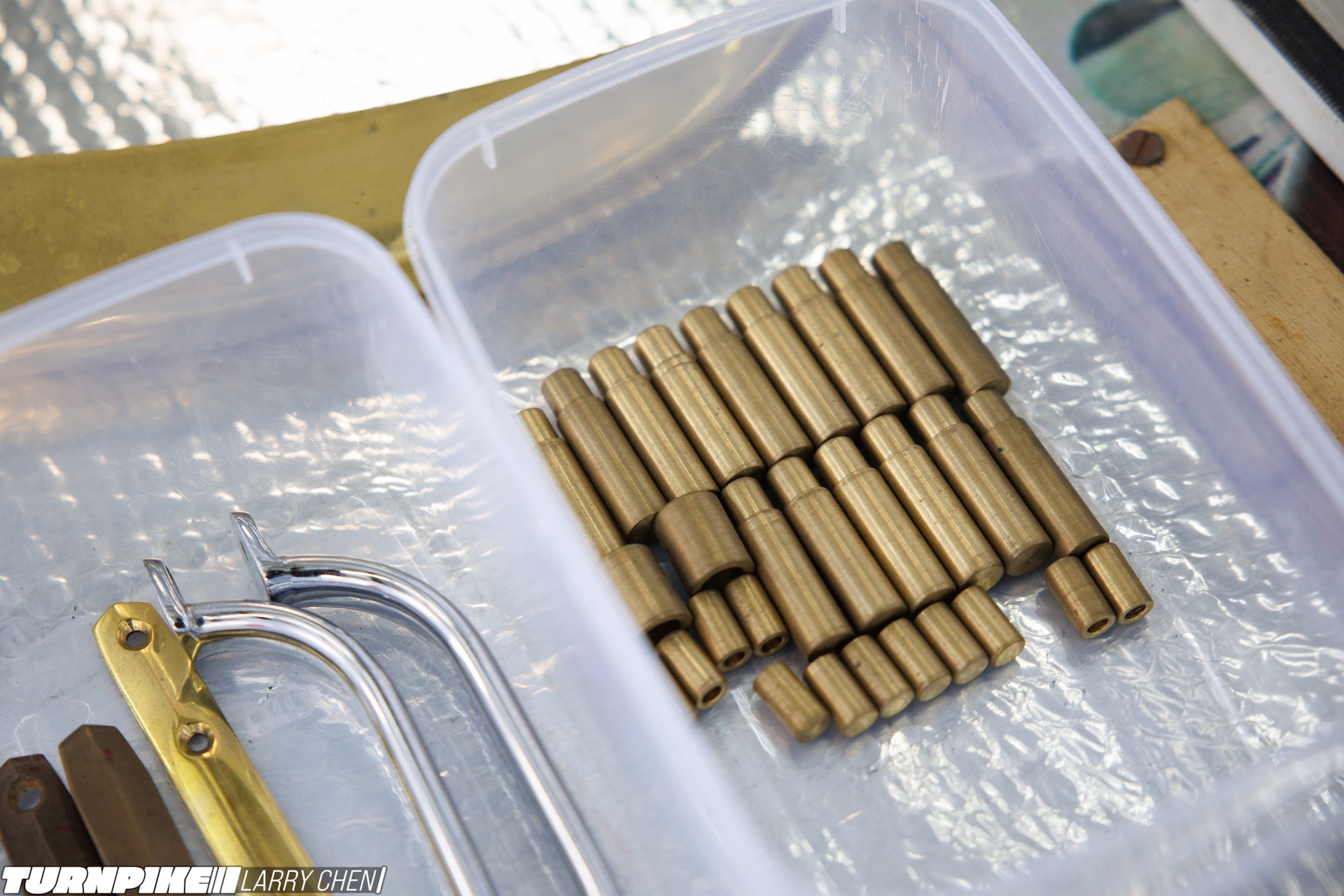
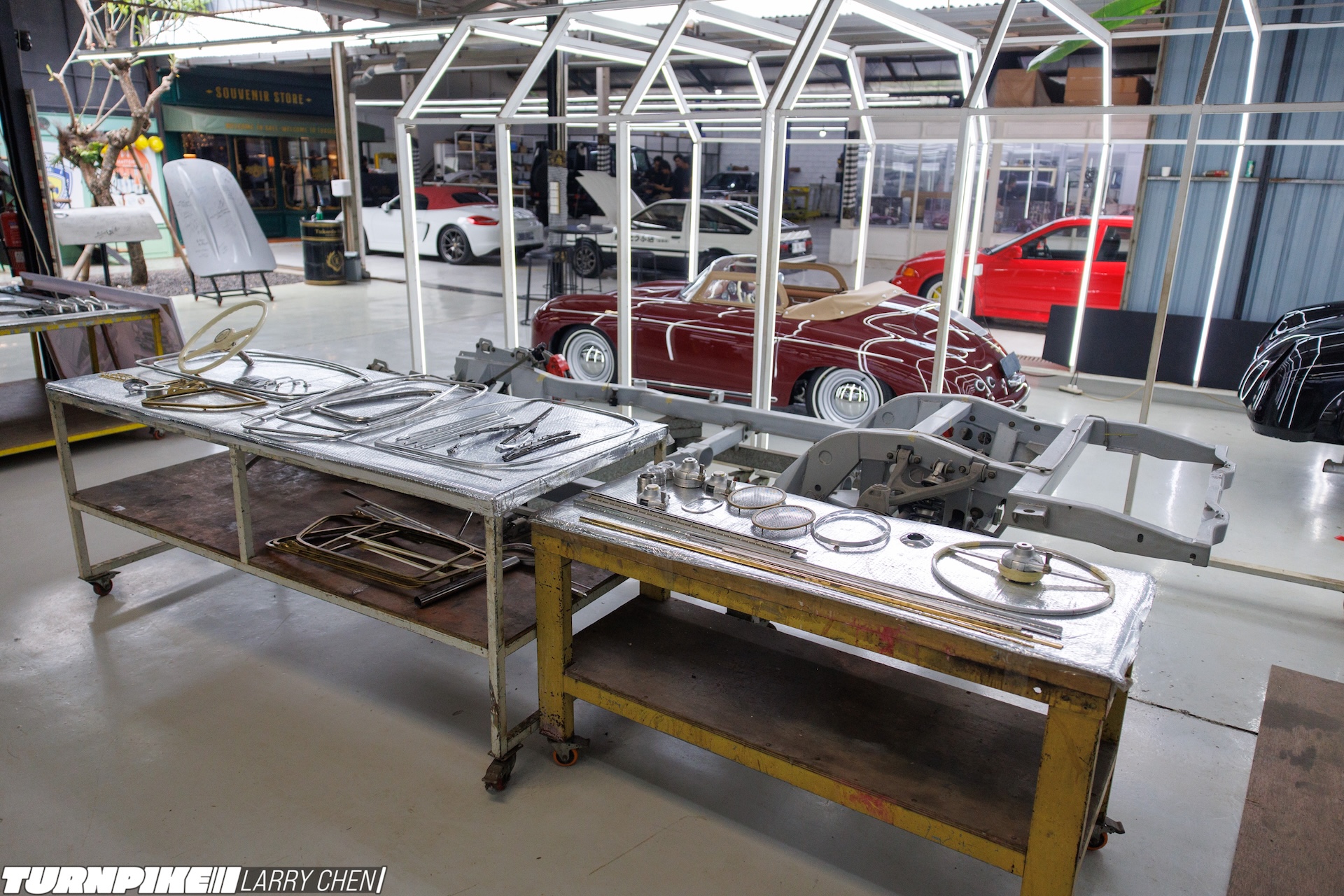
Nothing gets outsourced — not even the details you’d expect to buy off the shelf. Gauges, hinges, glass, trim pieces…even the steering wheels and door handles are fabricated in-house. Since Indonesia doesn’t have an extensive automotive supply chain, the team often builds its own tools, too. They’ve made their own English wheels, presses, and casting molds from scratch – it’s mind blowing.
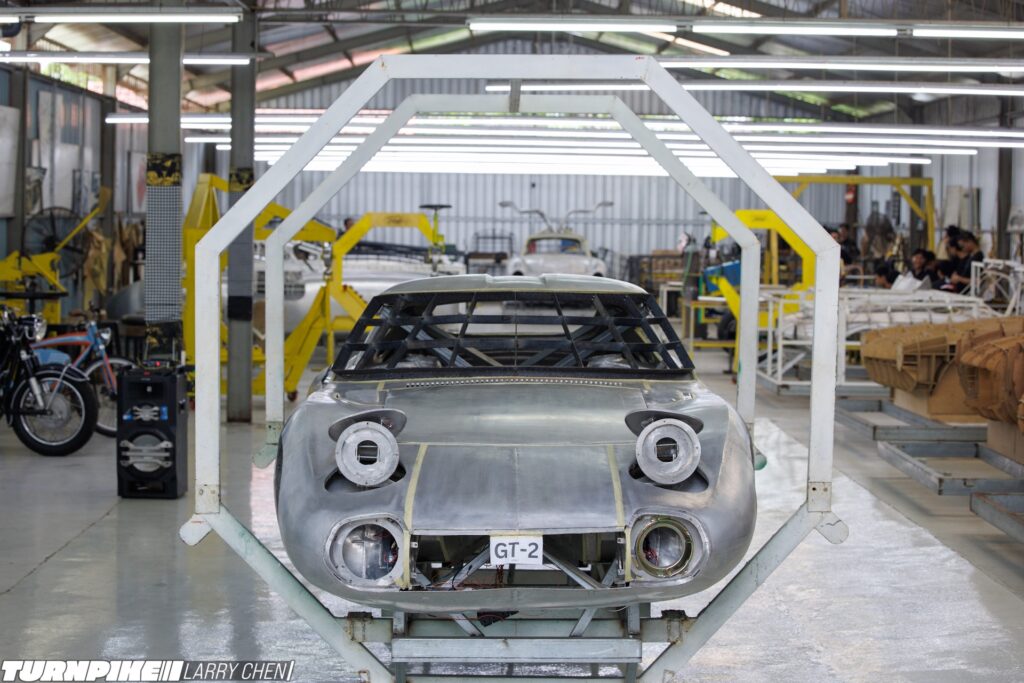
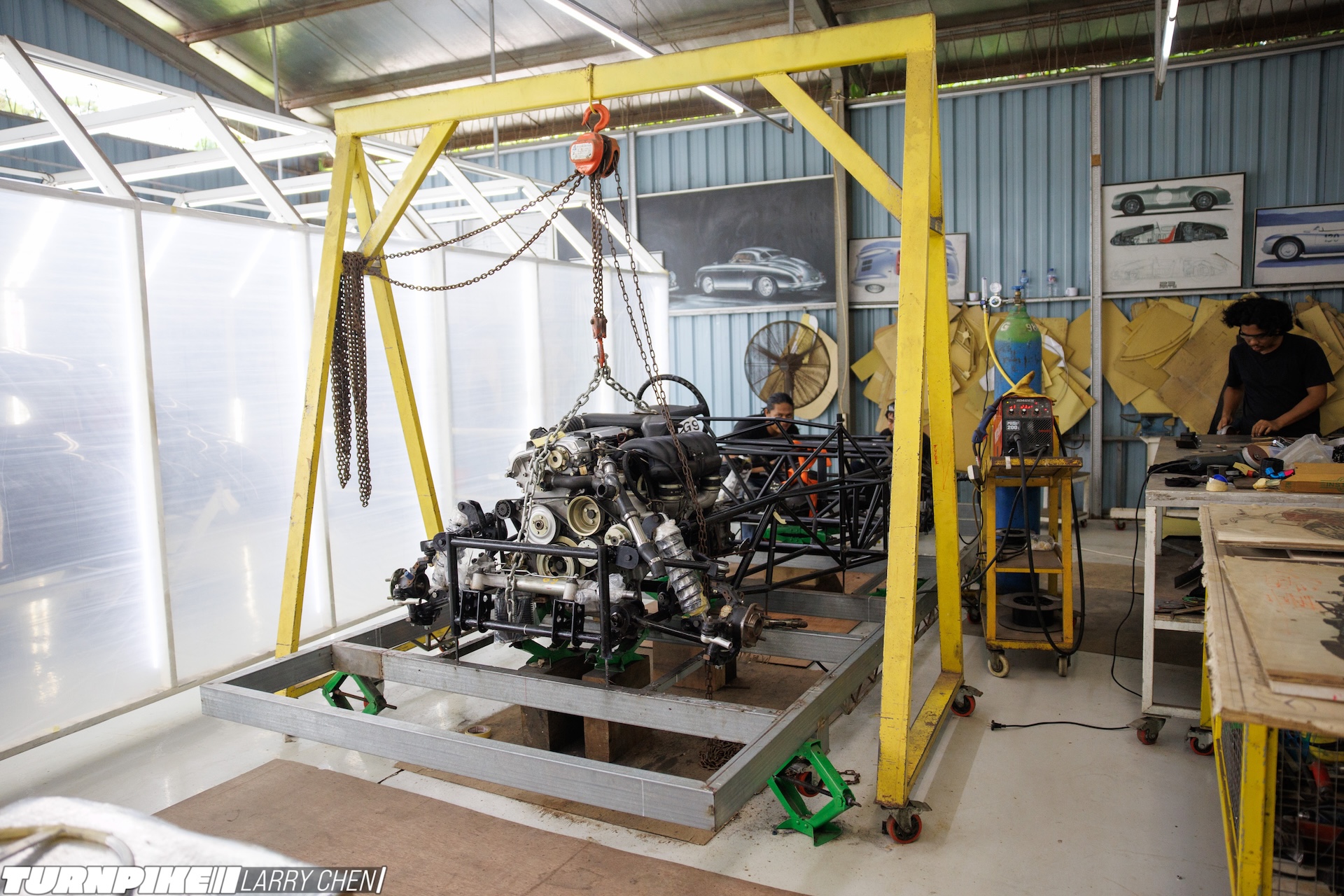
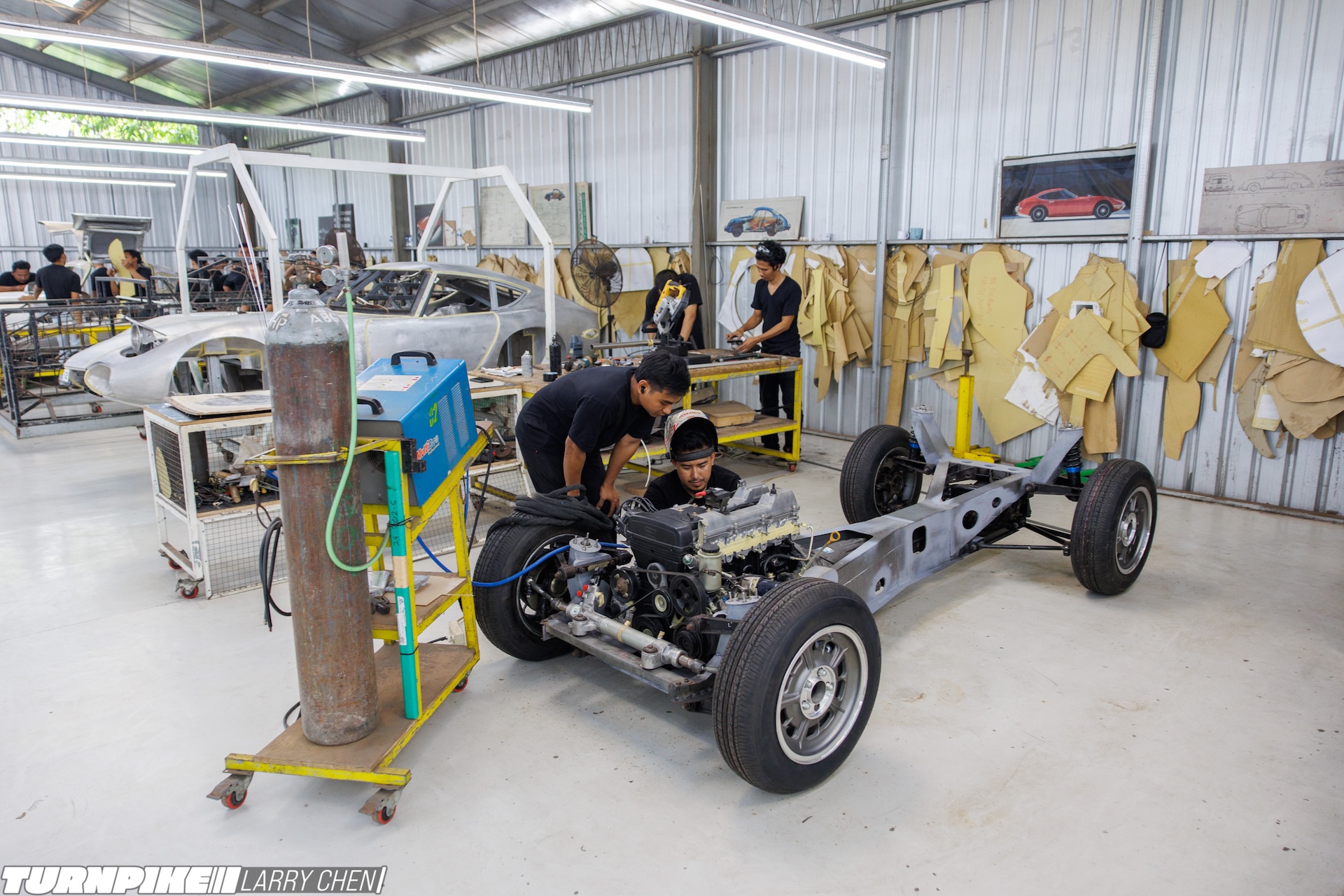
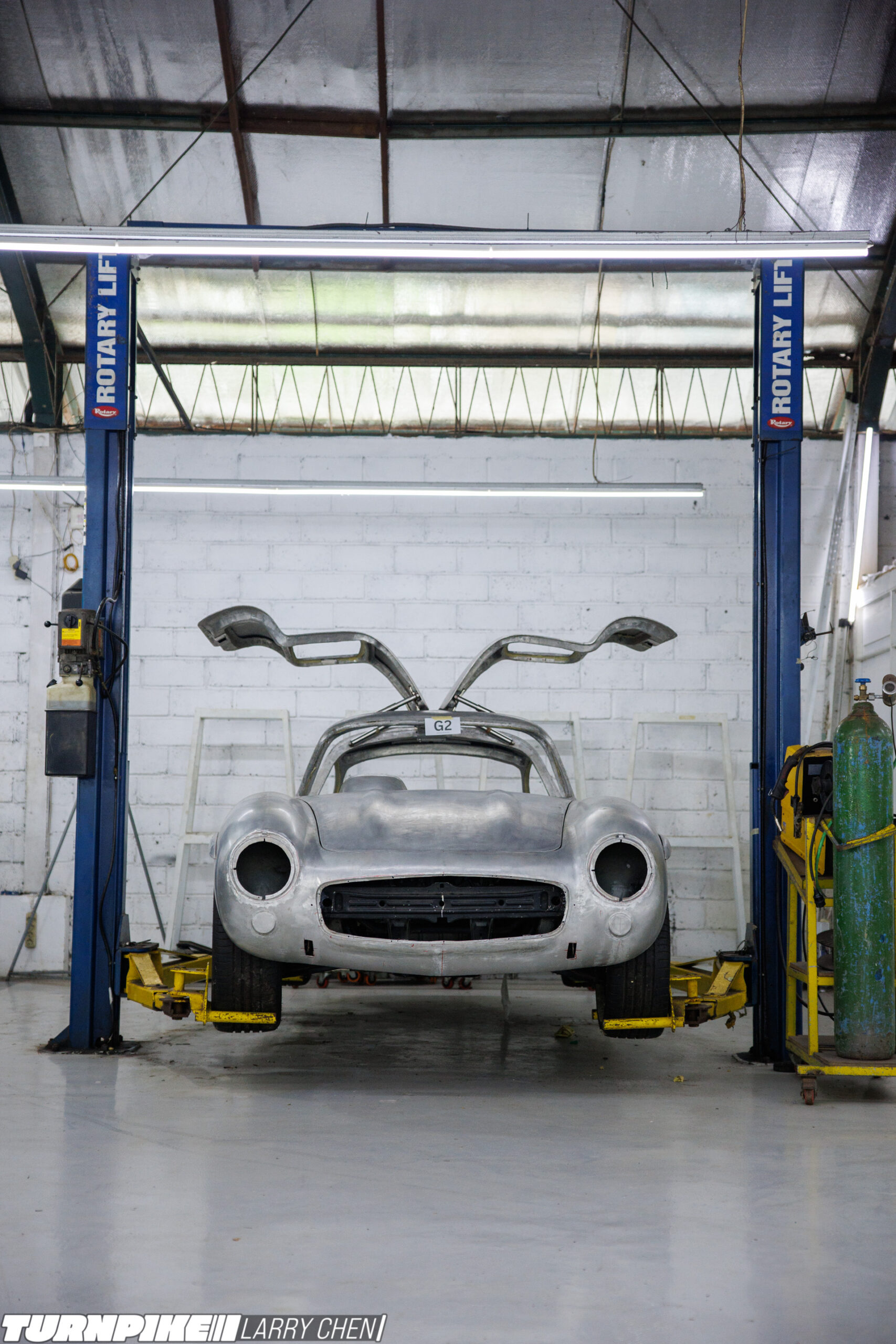
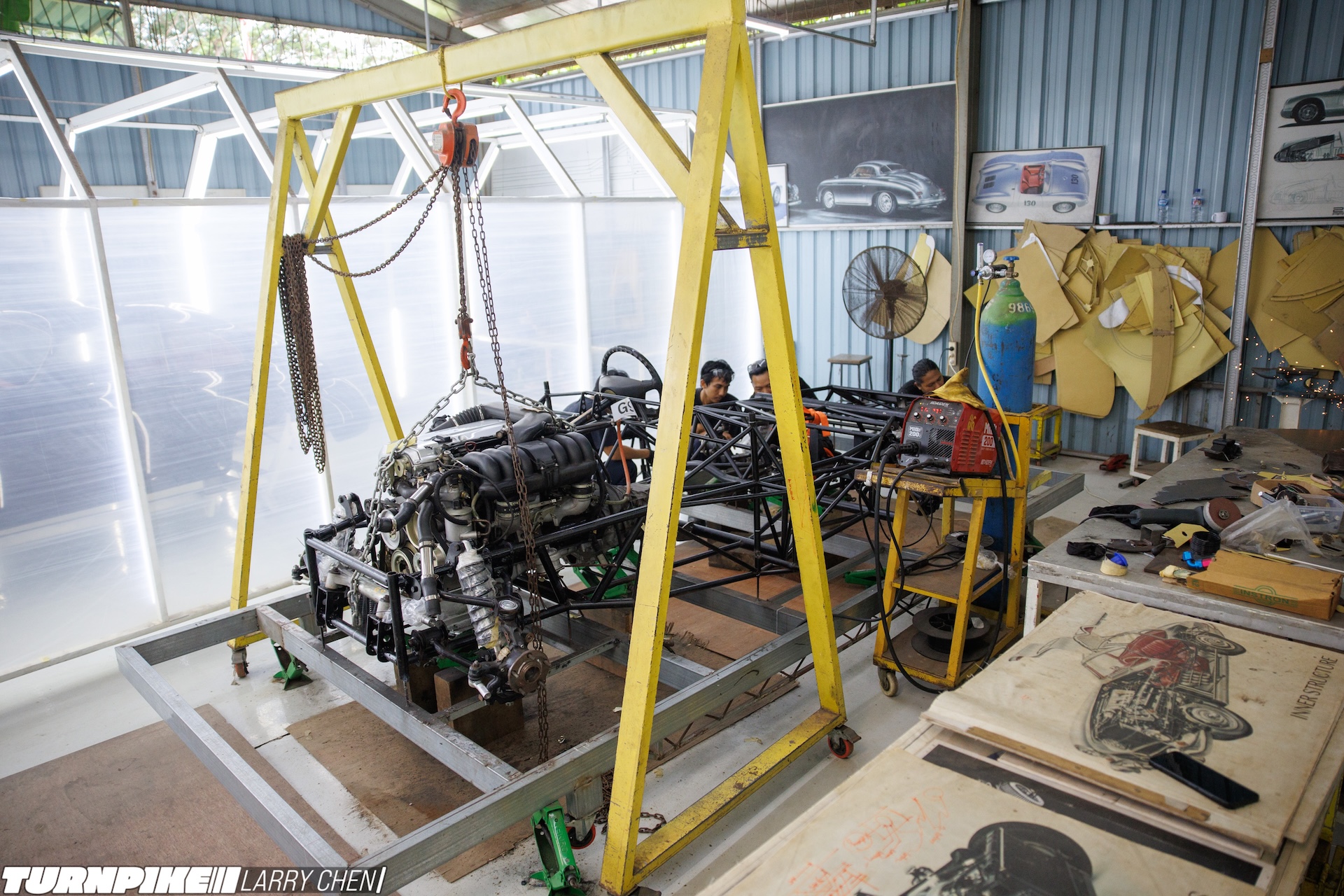
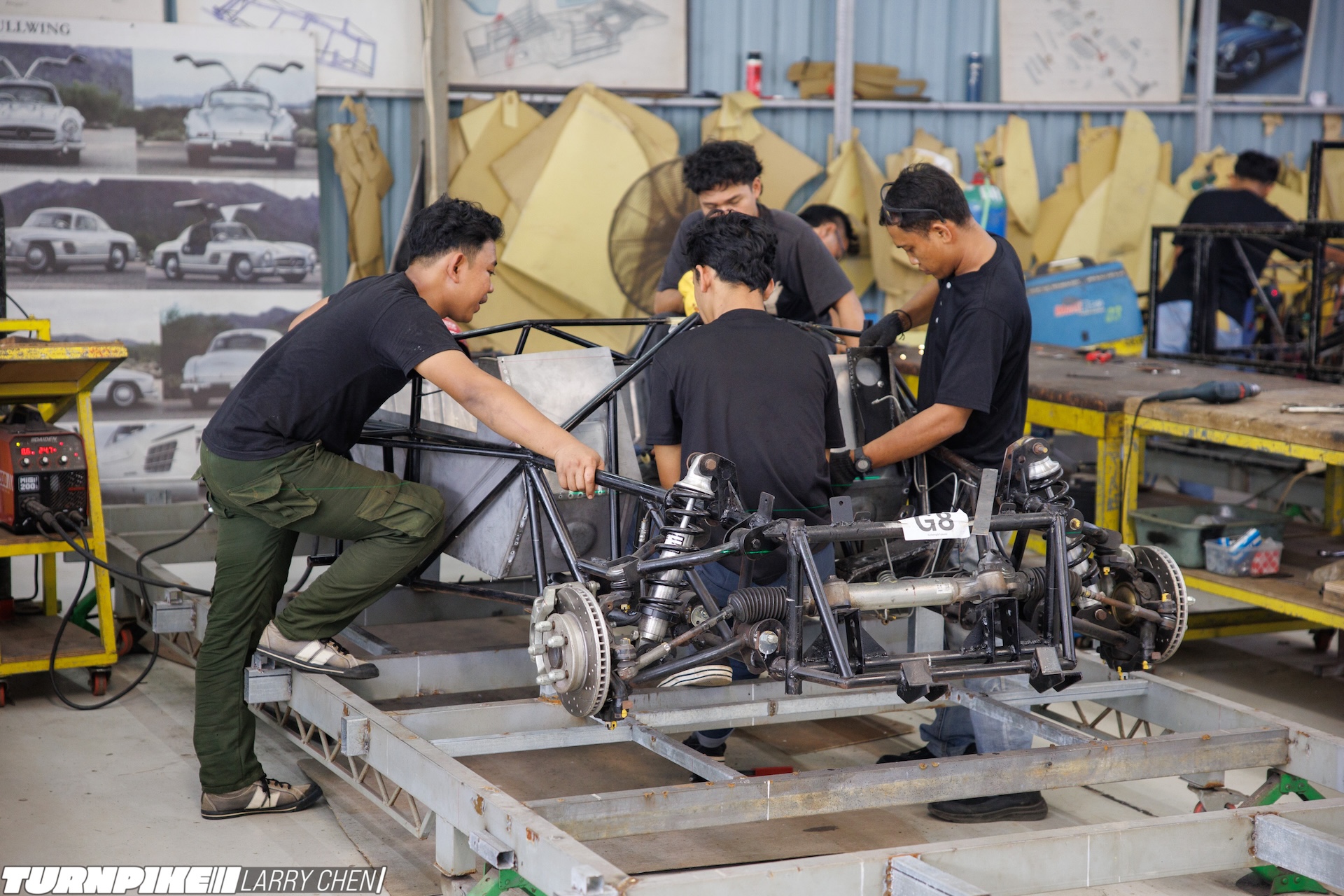
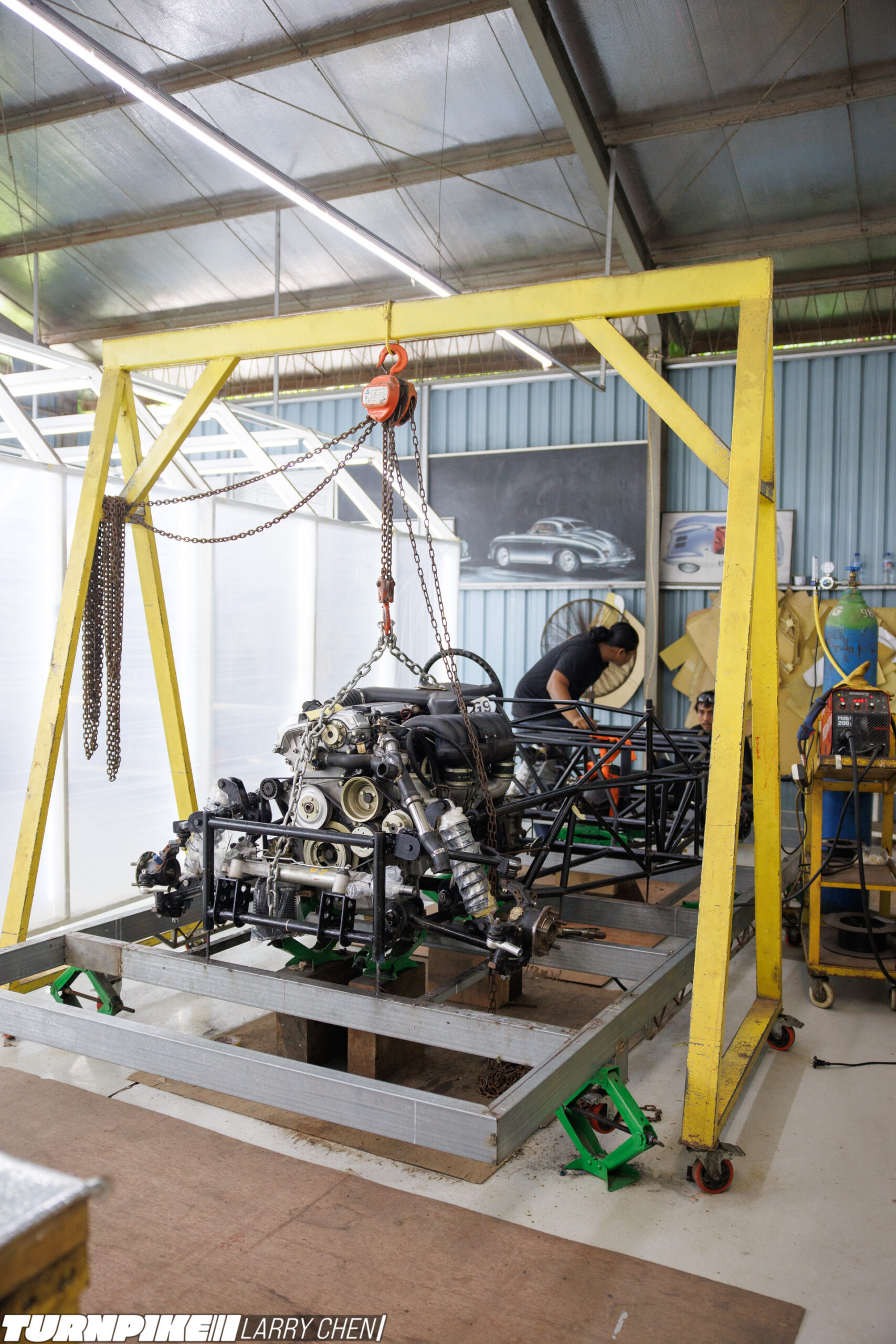
The crew works with whatever they can find locally, using donor cars for mechanical components. A Toyota Crown donates its 1JZ engine and running gear for the 2000GT, while a Mercedes W124 underpins the Gullwing builds. Once stripped and refreshed, the parts are adapted and refined until they fit perfectly within the newly built chassis.
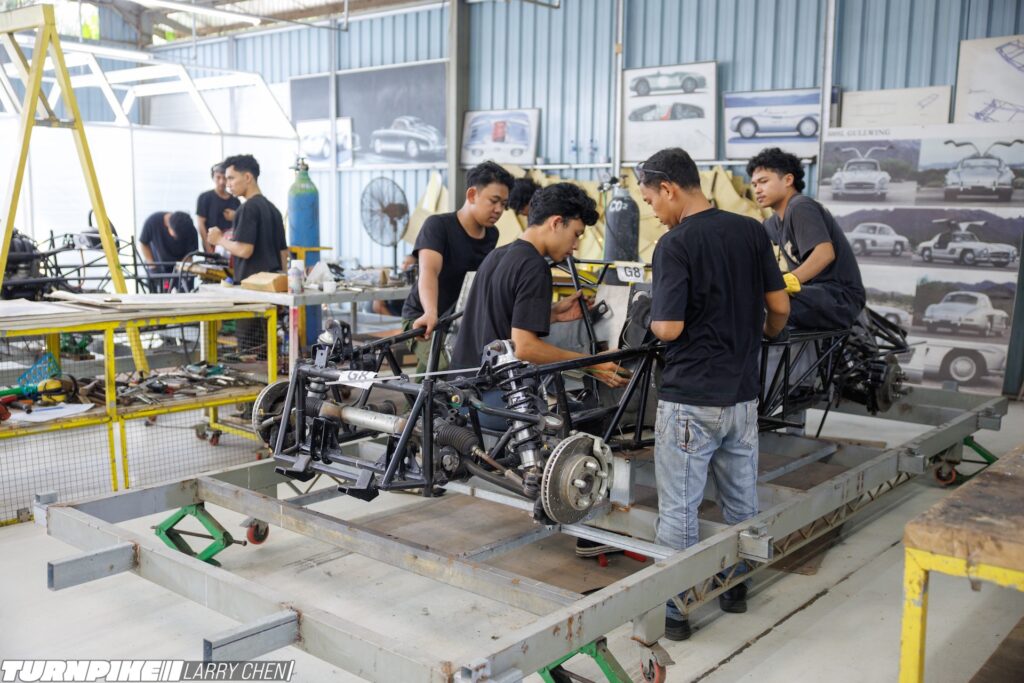
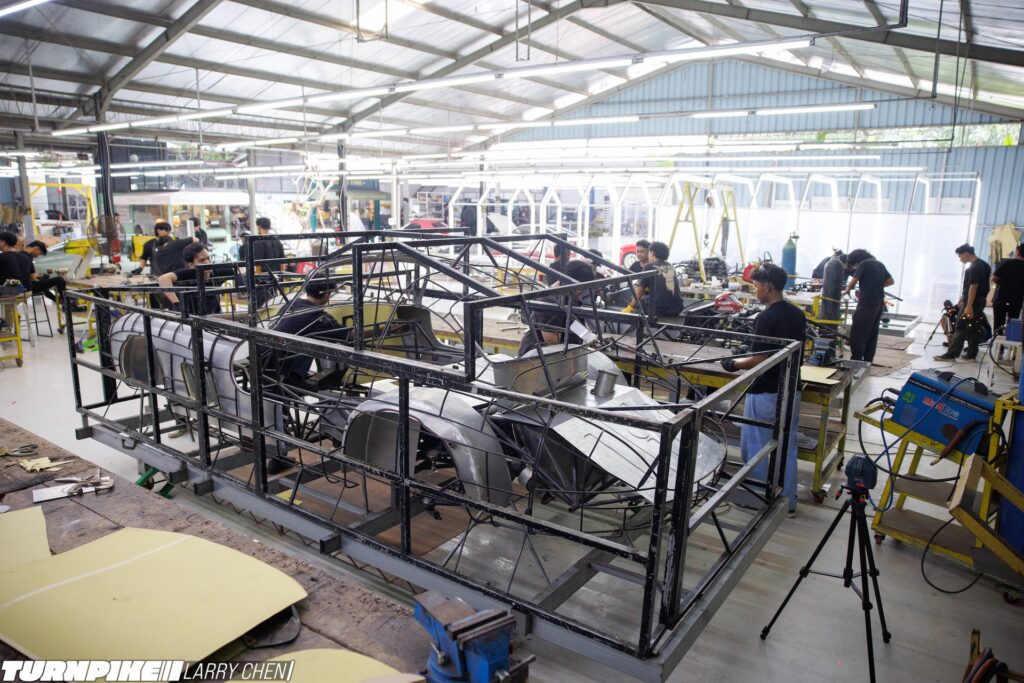
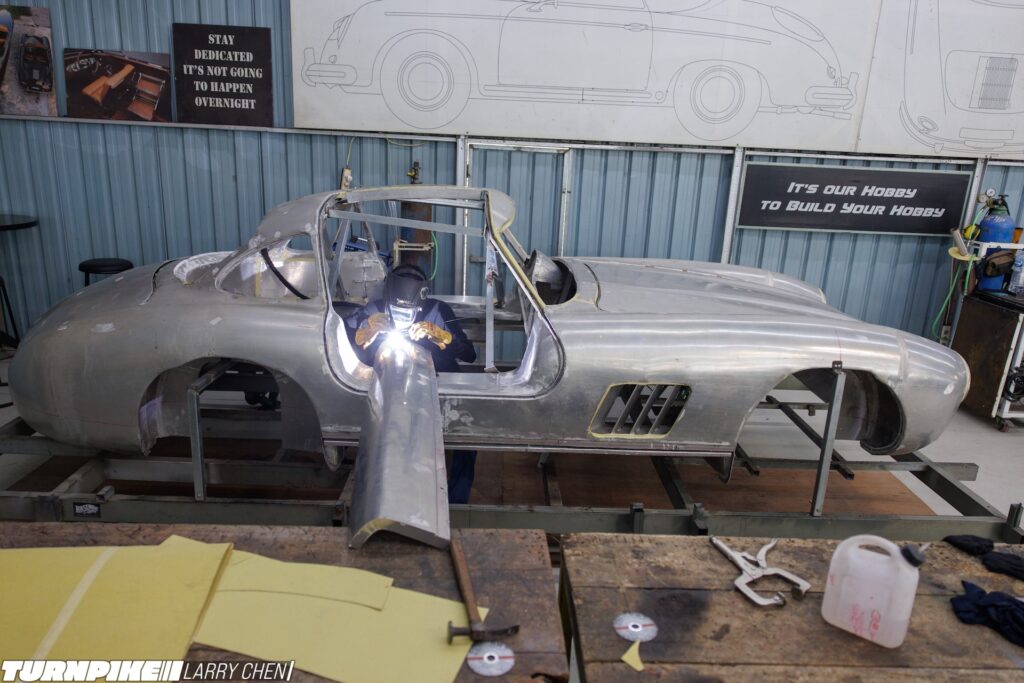
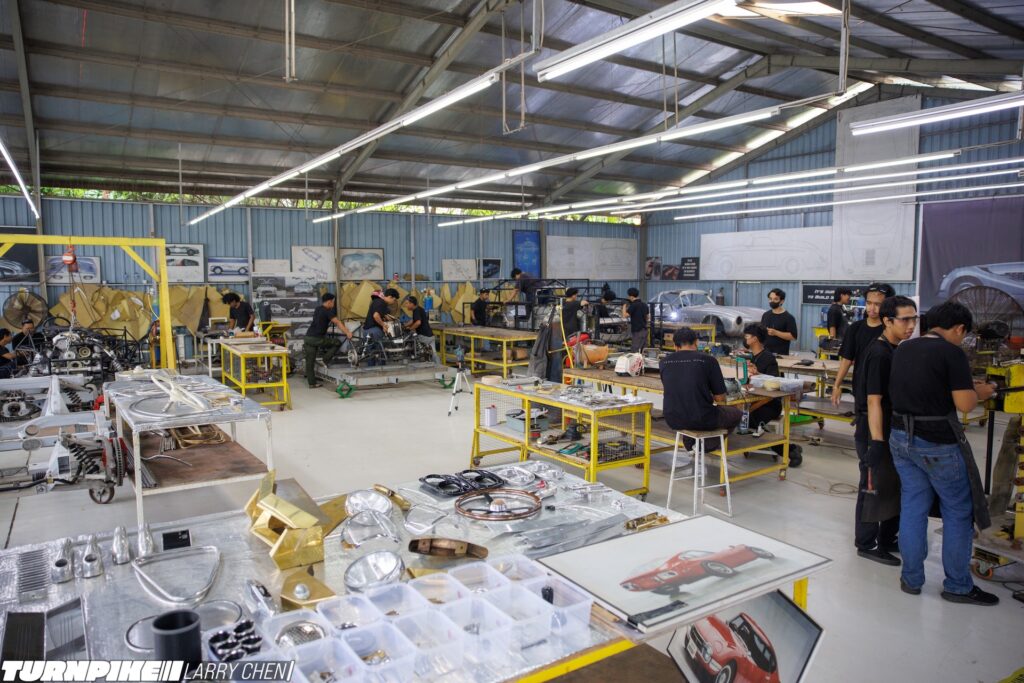
“You have to make everything,” Puji told me. “Even if you can’t find it, you learn to make it yourself.”
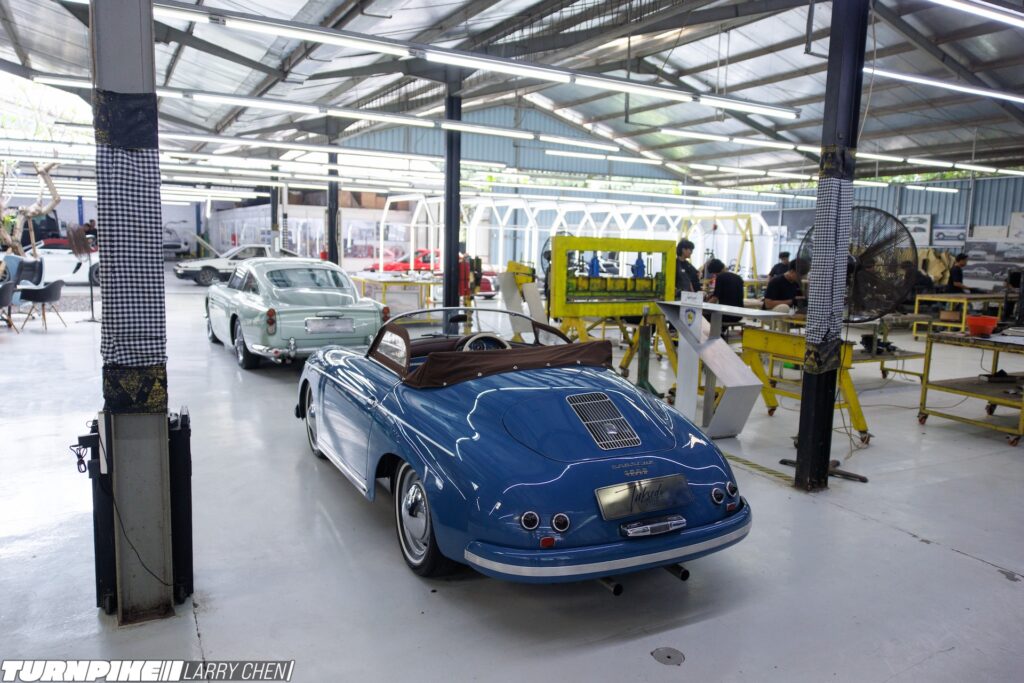
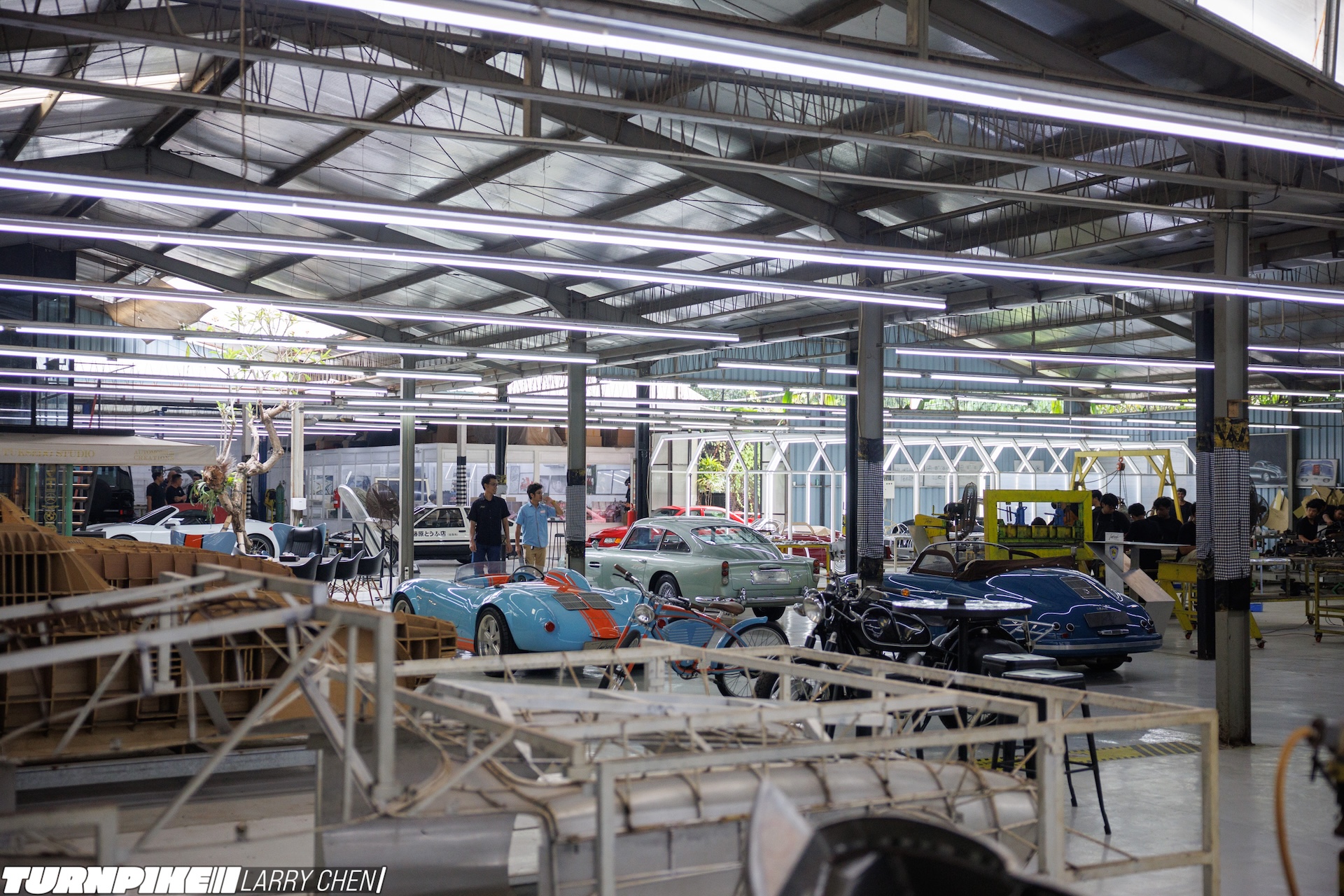
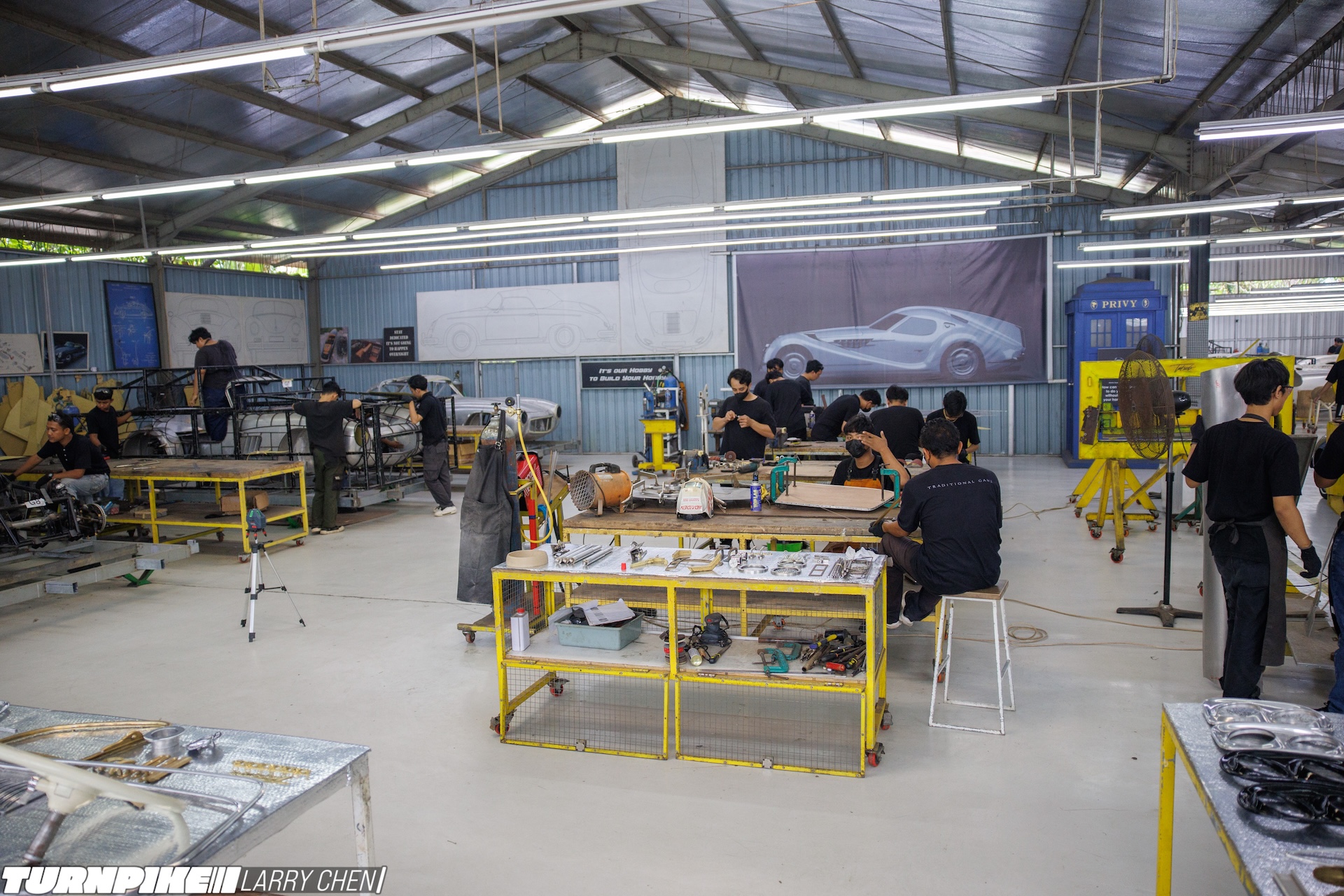
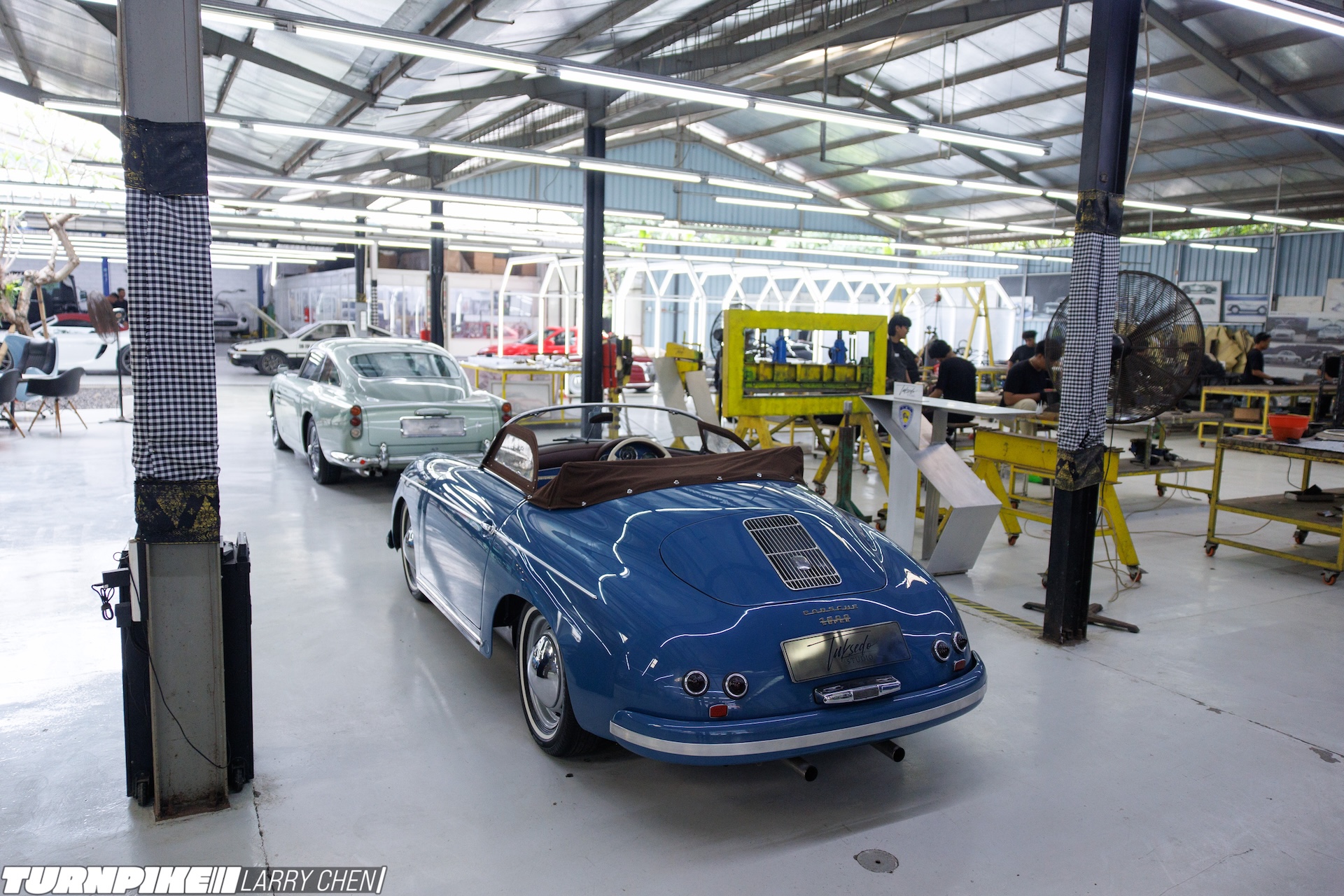
I walked through every section of their workshop, from the welding bays to the upholstery area, and every corner was alive with energy. Young craftsmen, many in their twenties, were shaping aluminum, stitching leather, or machining small parts on homemade lathes.
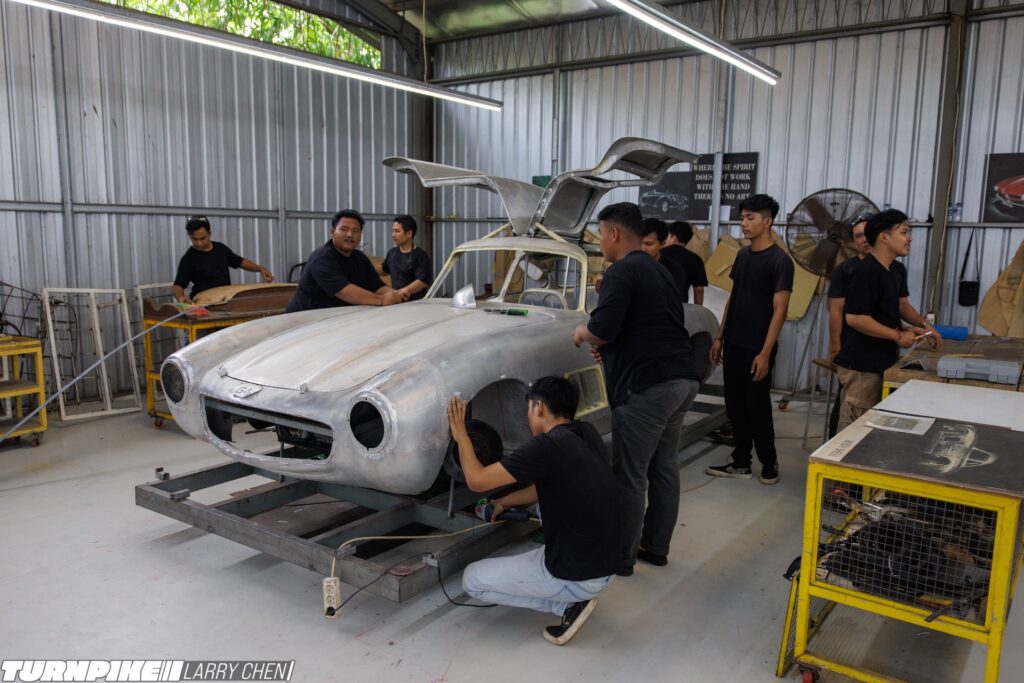
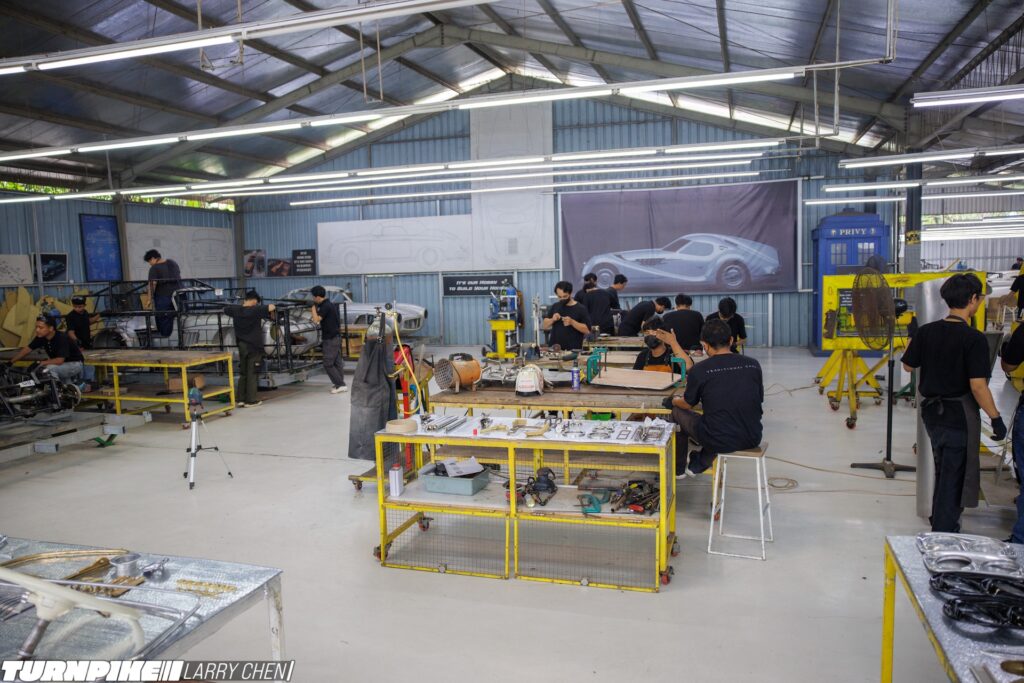
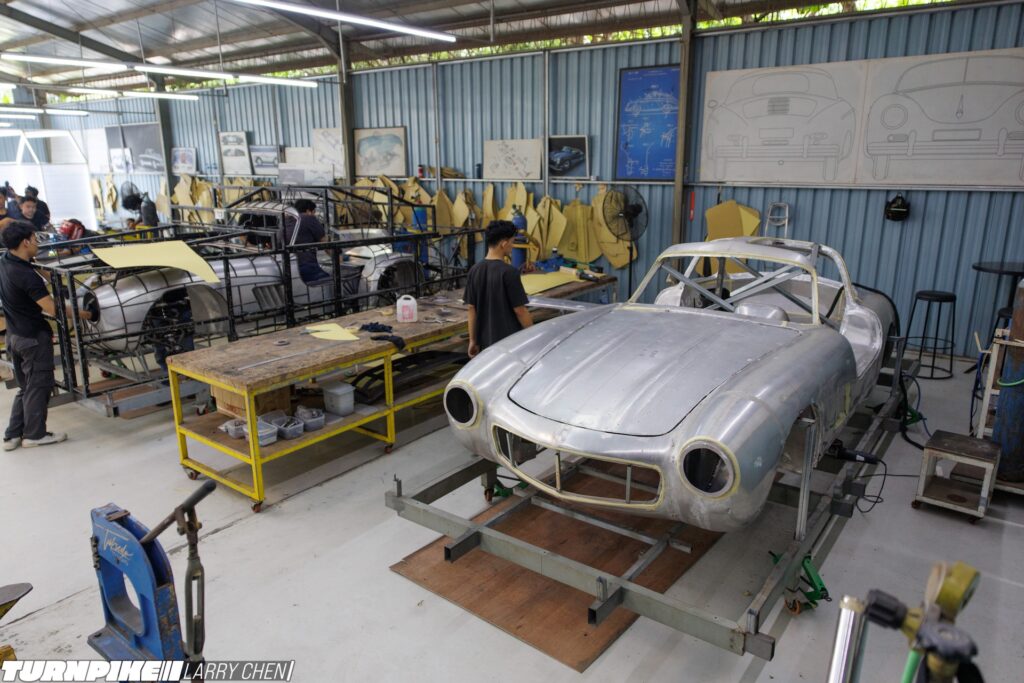
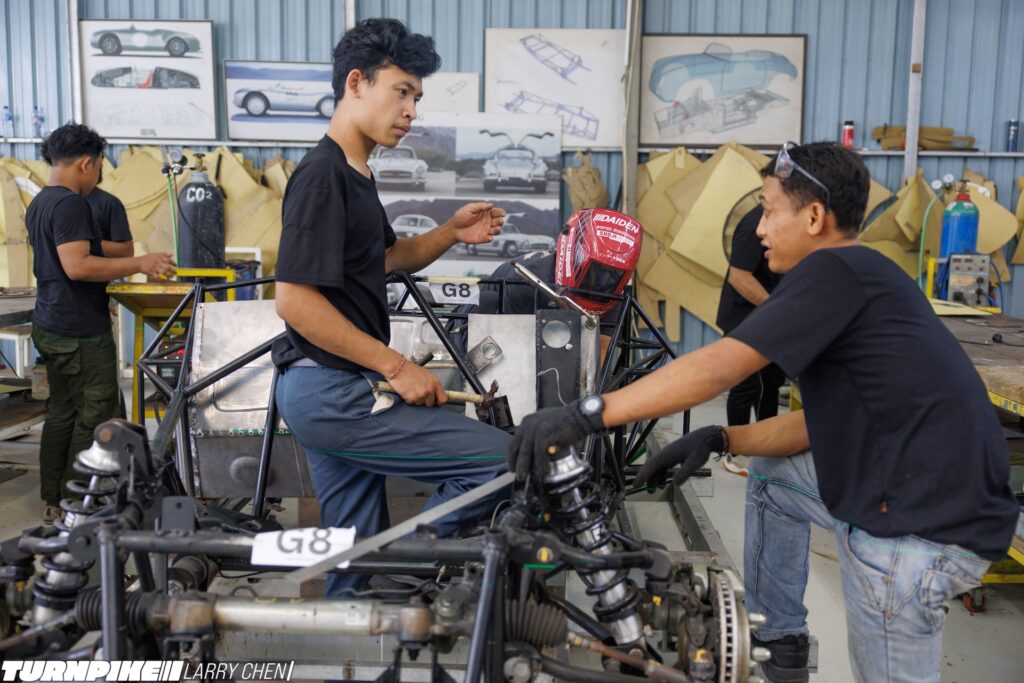
Most of these builders had no prior experience in car manufacturing. Puji personally trains them, teaching each skill step by step. “We tolerate failure,” his son told me later. “That’s how they learn. Every mistake becomes part of the process.”
It’s a philosophy that carries through every build. Even the dashboards and instruments are recreated from old photos — scanned, 3D-printed, and then cast in metal. I held one of their handmade Mercedes grills, a heavy, intricate piece of aluminum that took months to perfect. Each tiny imperfection told the story of human hands shaping something real.
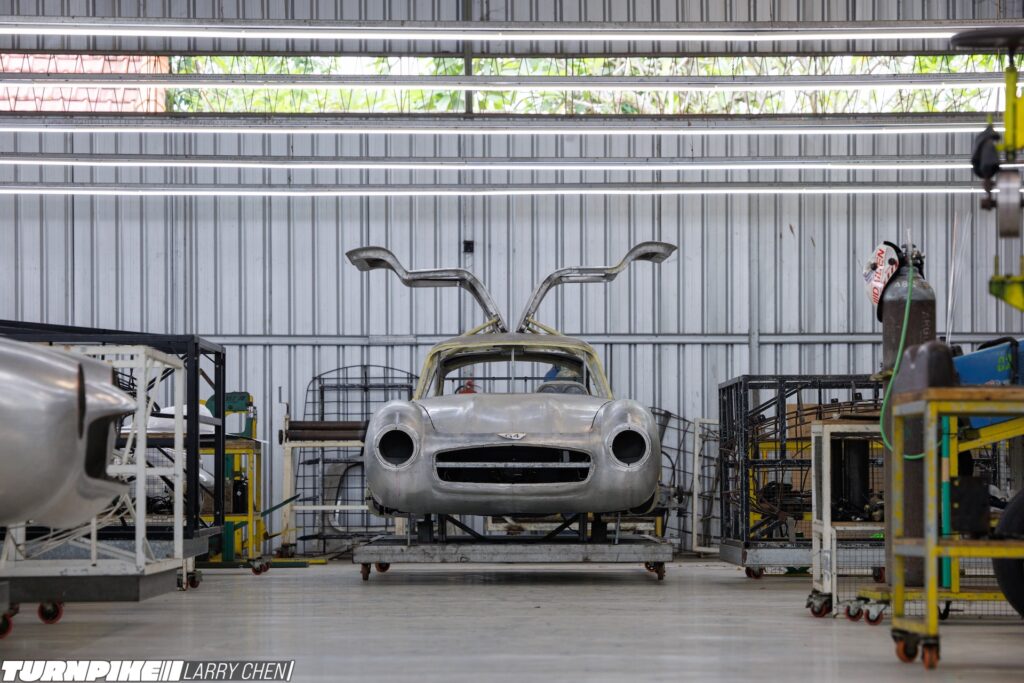
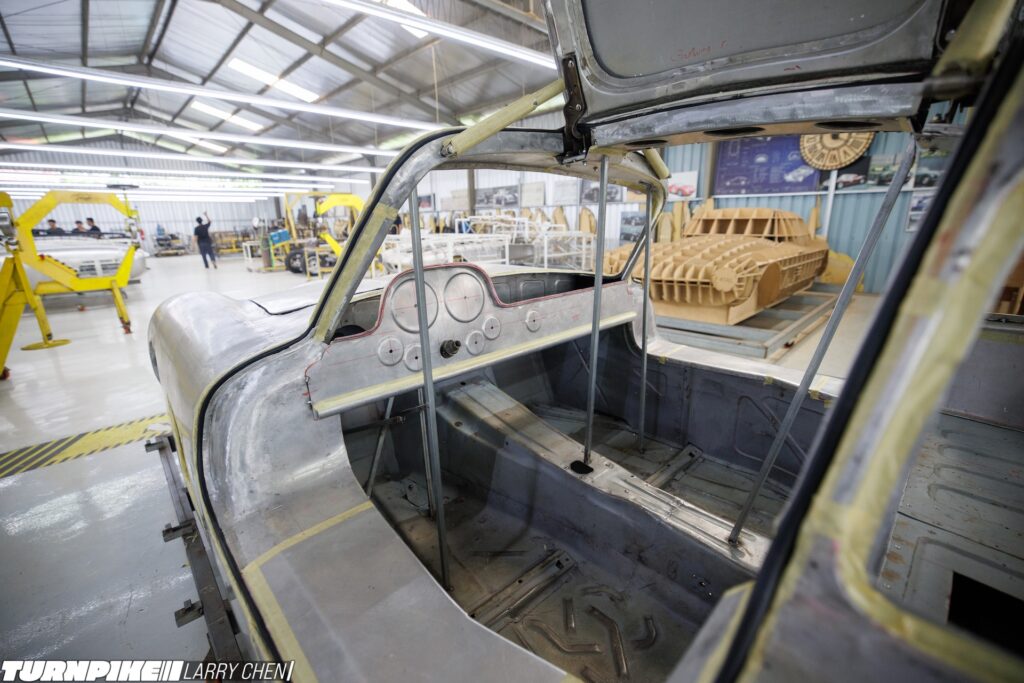
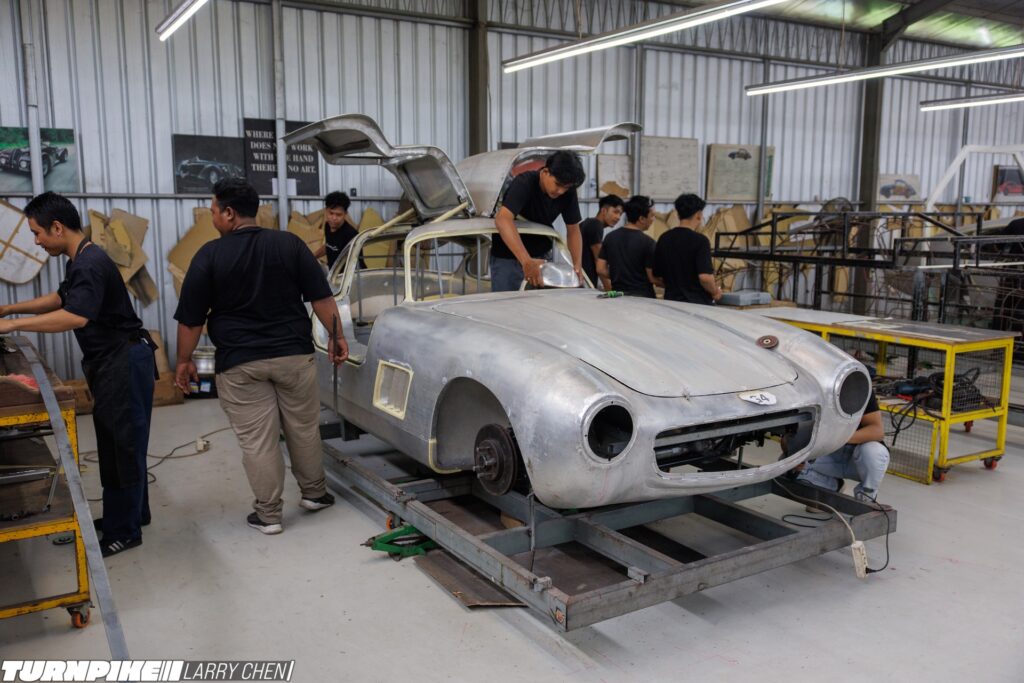
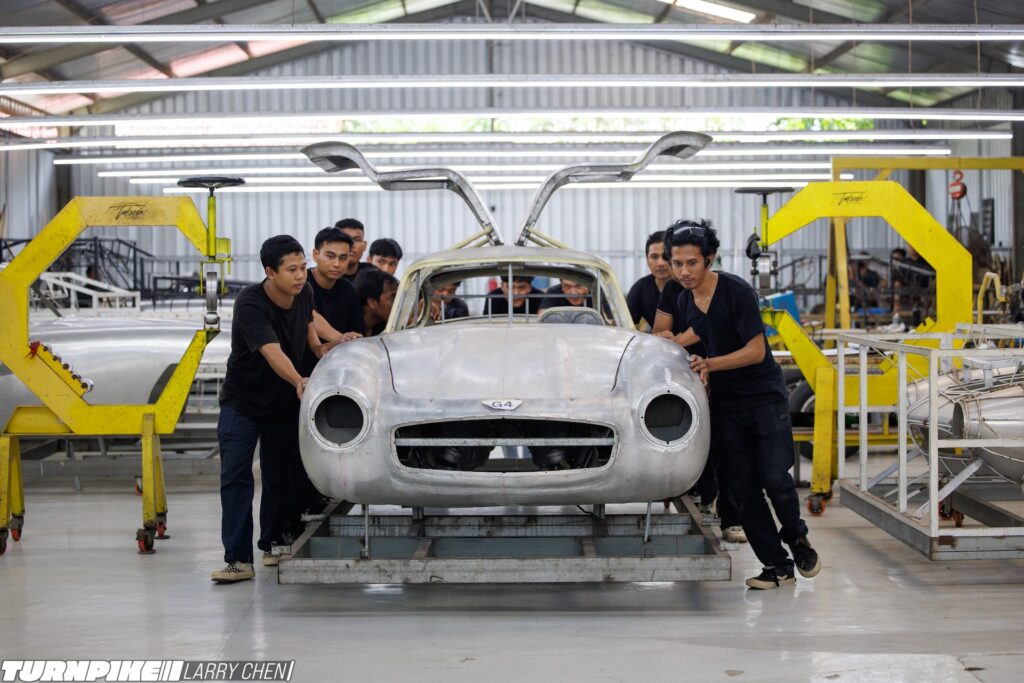
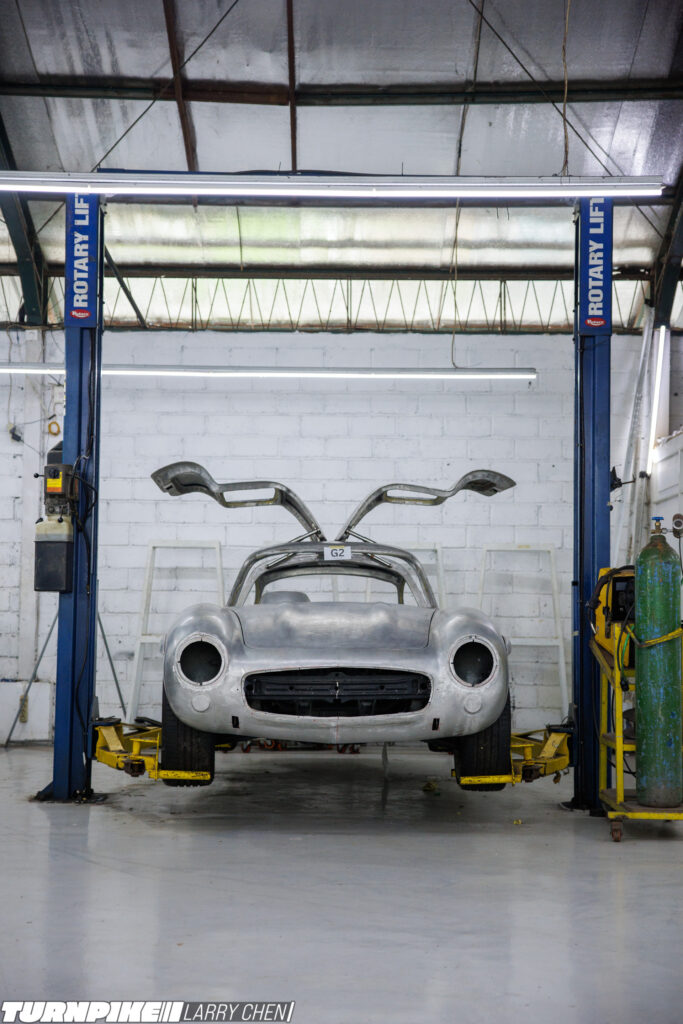
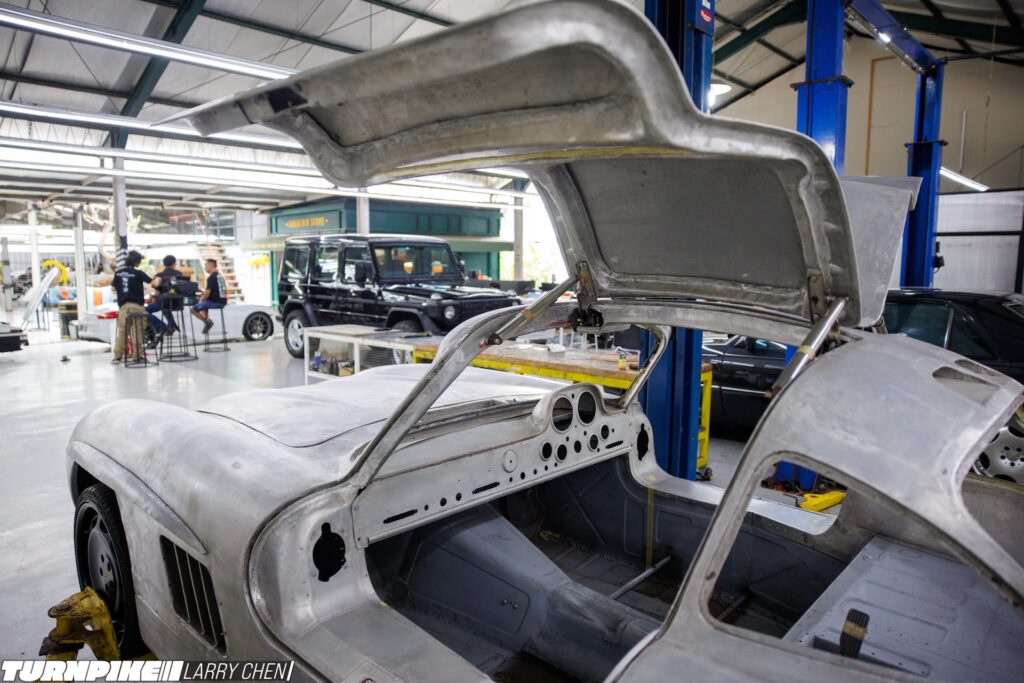
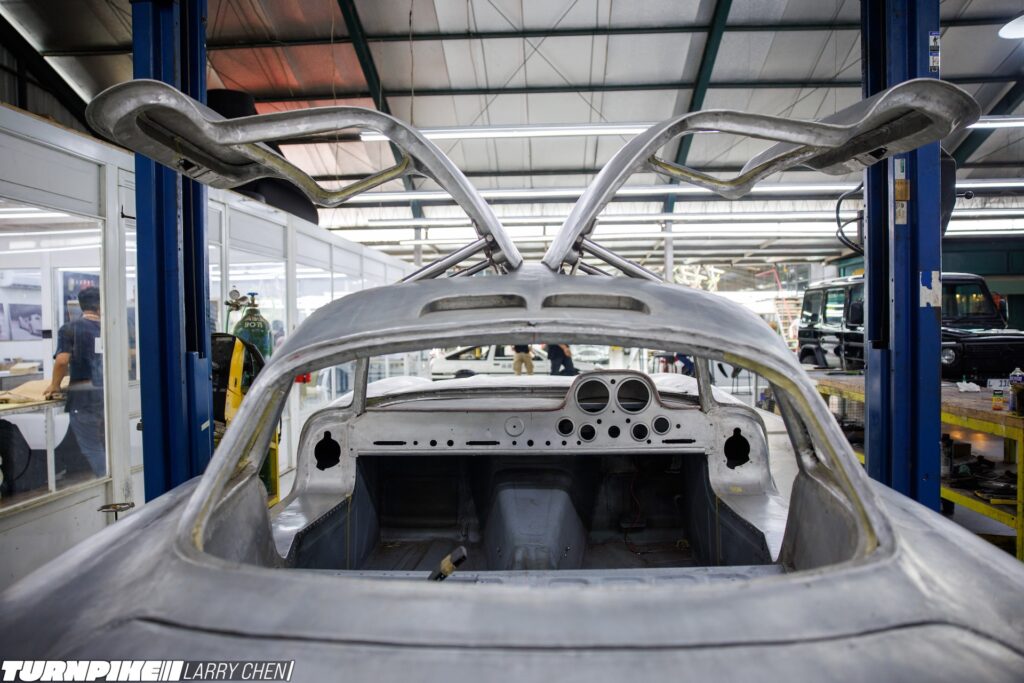
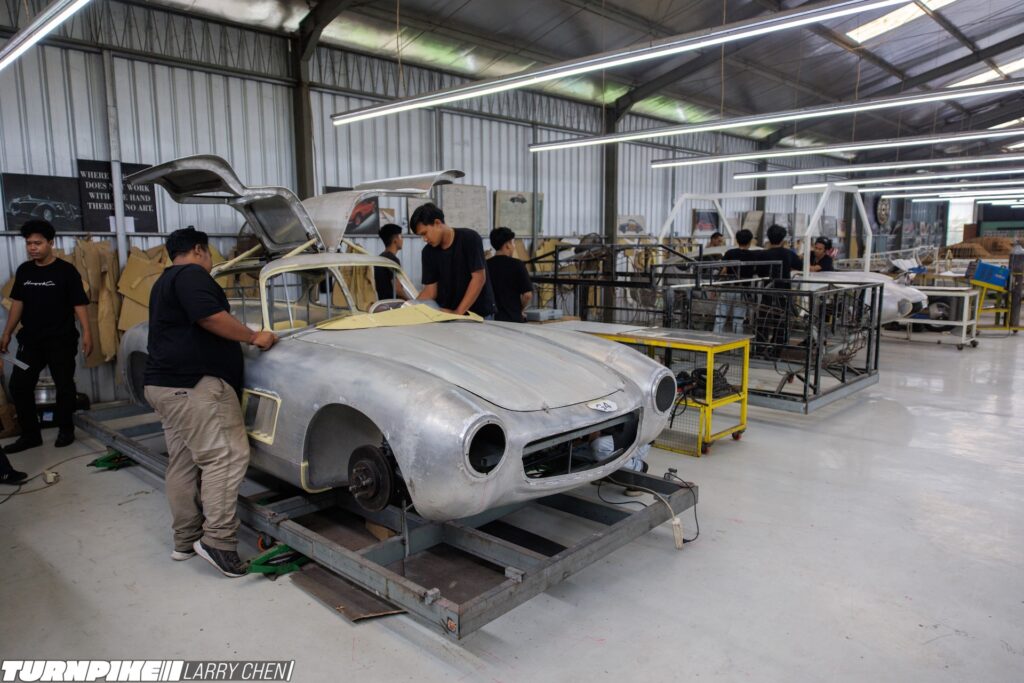
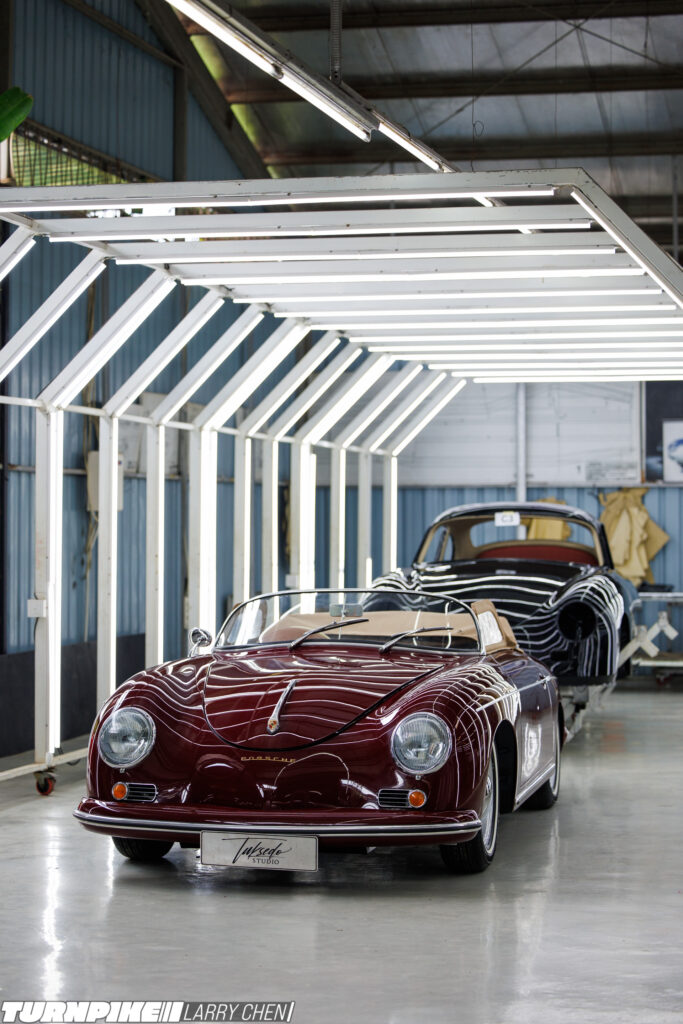
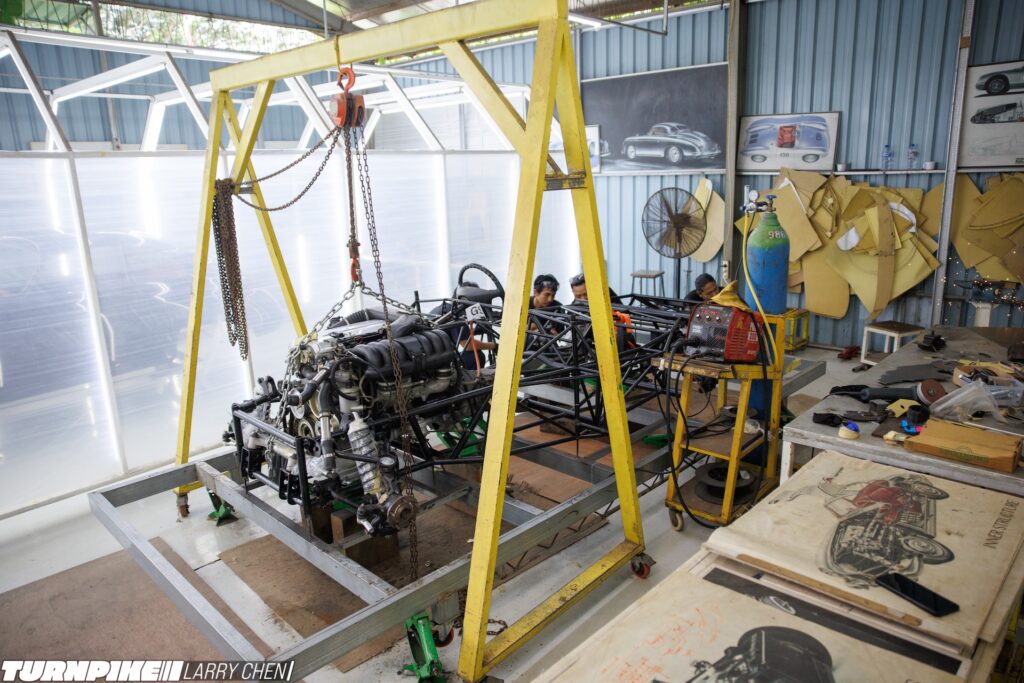
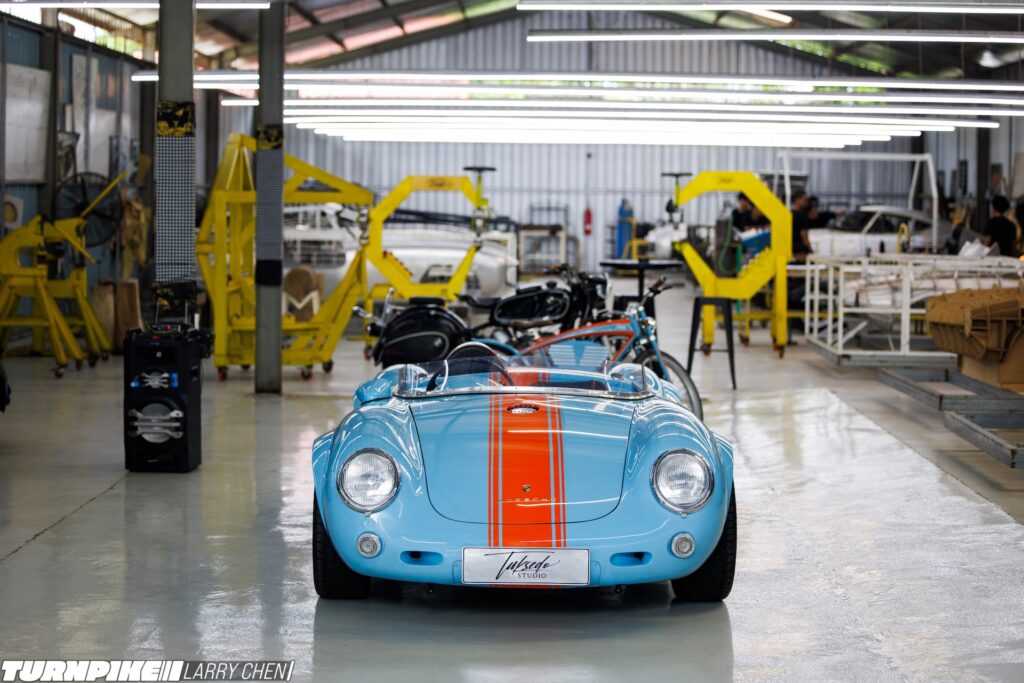
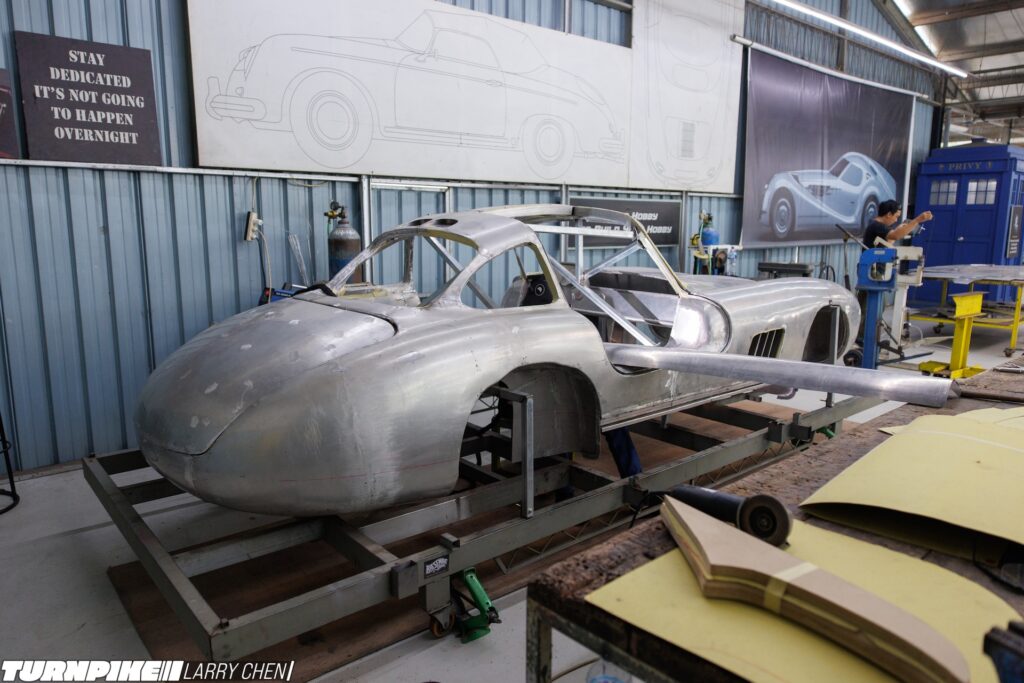
As we moved through the workshop, I watched them assemble one of five Mercedes Gullwings currently in production. Every car takes roughly a year to complete, and the waiting list stretches to two years. Despite the complexity, the team has already delivered around twenty vehicles, most of them to local buyers in Indonesia.
Each one carries the VIN number of its donor car, which makes it road-legal under local registration laws. A few customers order multiple builds — one even commissioned both a Gullwing and a DB5 at the same time.
The prices, surprisingly, are still reasonable for the amount of work involved: between $200,000 and $300,000 USD, depending on the model. That might sound expensive in Southeast Asia, but compared to the millions these originals fetch on the collector market, it’s almost unbelievable.
Later, I met Puji’s son, who now helps run the daily operations. He explained that Tuksedo employs over a hundred people, most of whom started with zero automotive experience. “They came here just looking for work,” he said, “and now they love what they do.”
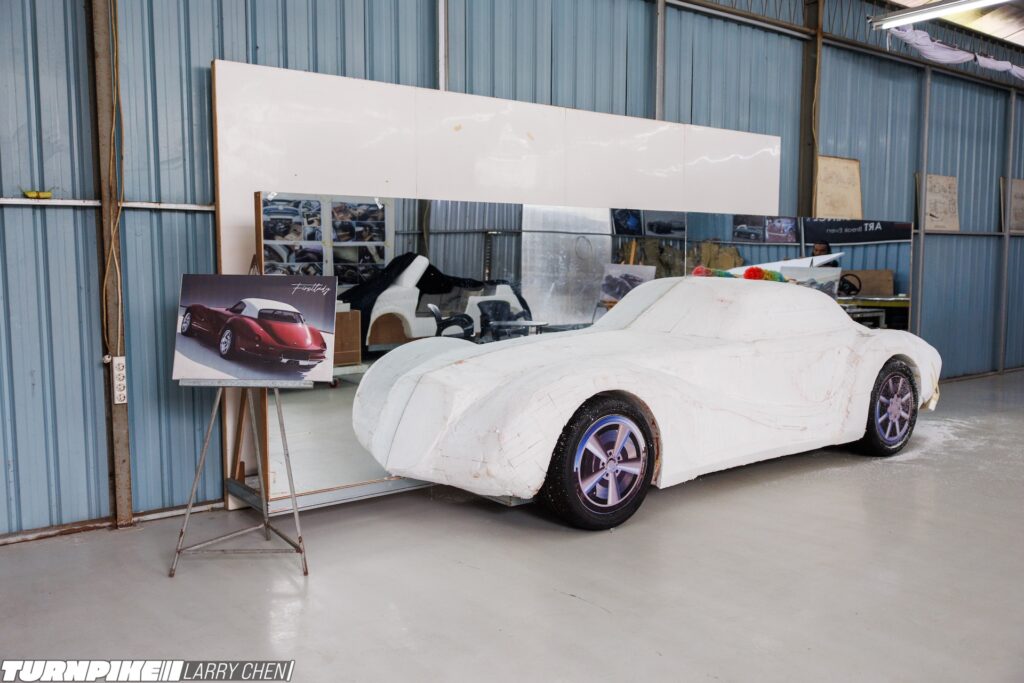
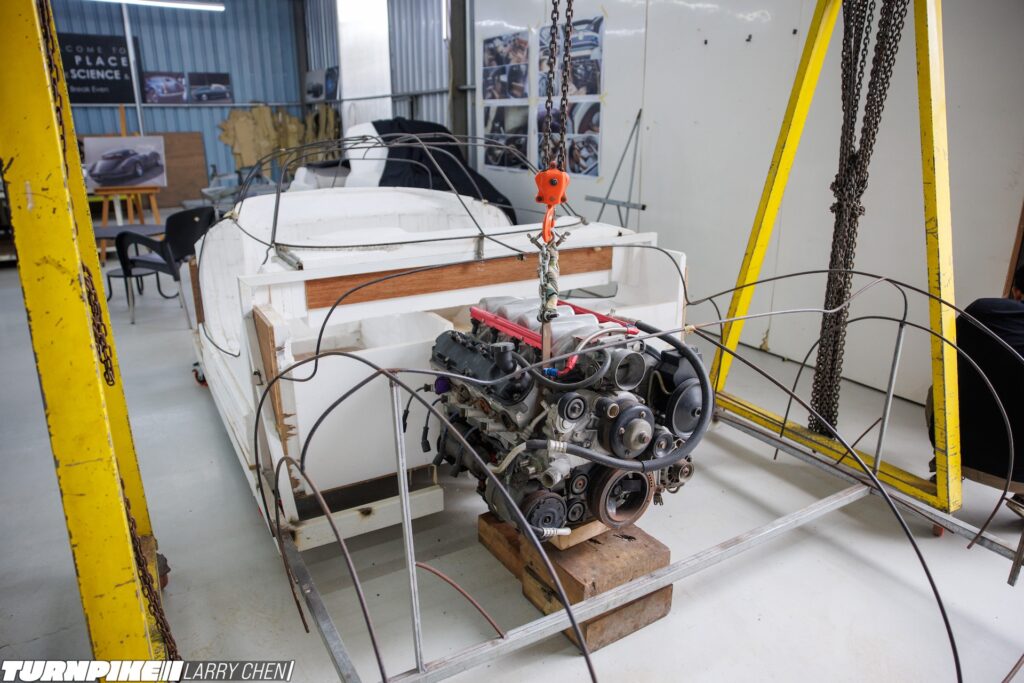
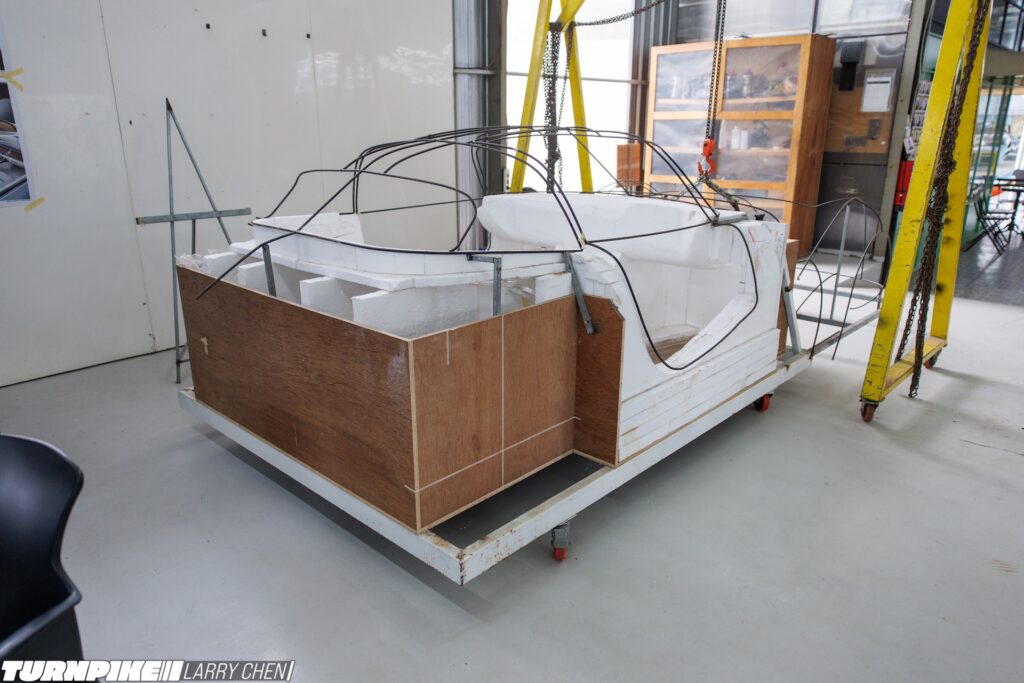
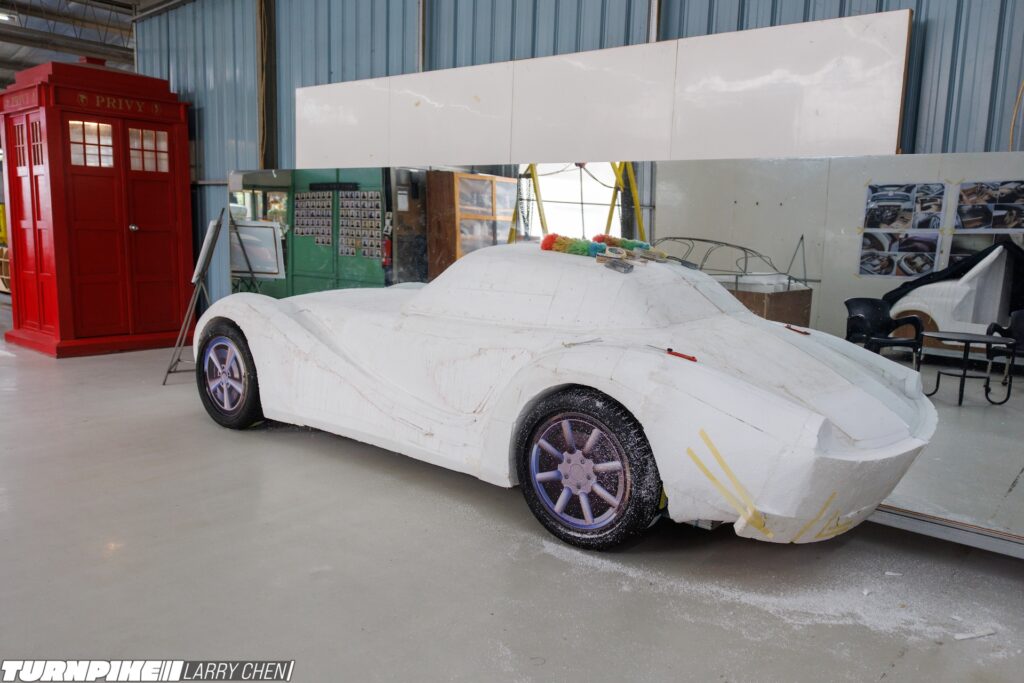
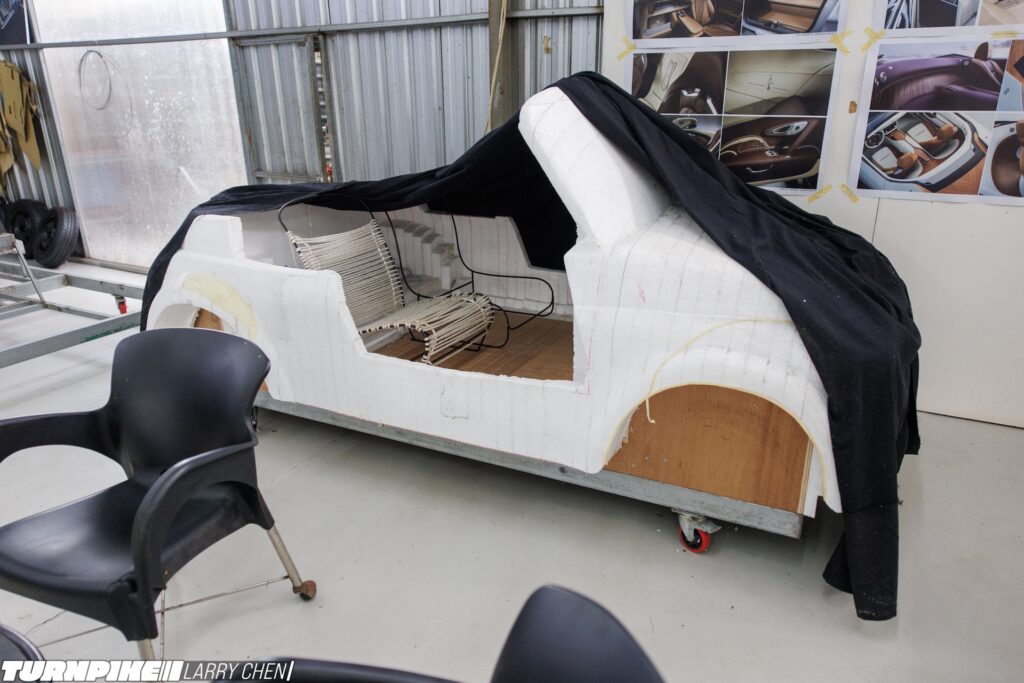
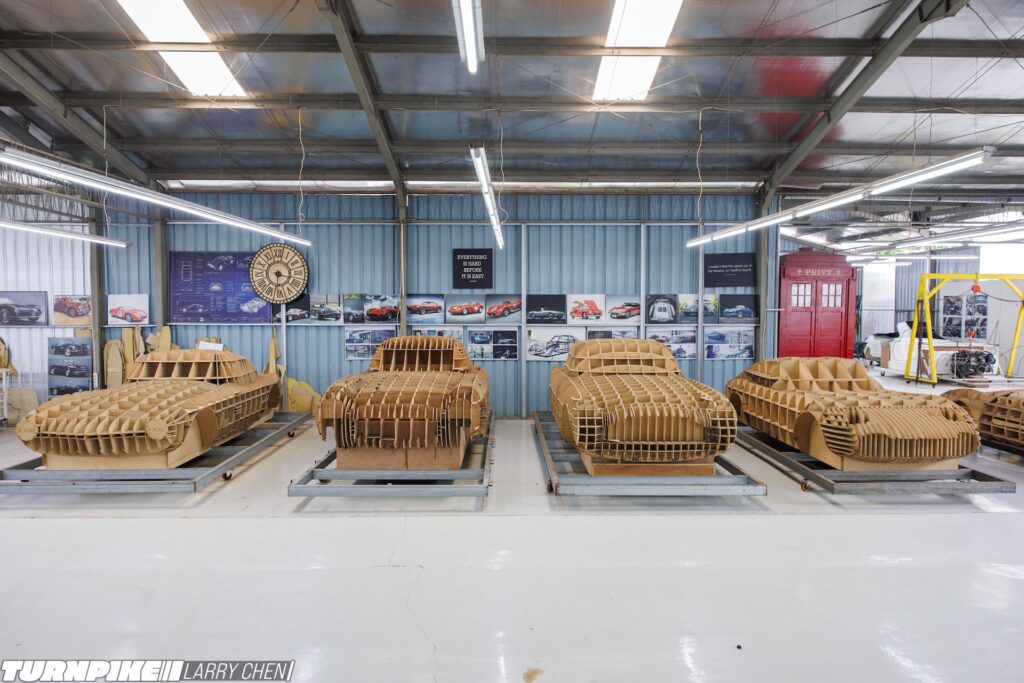
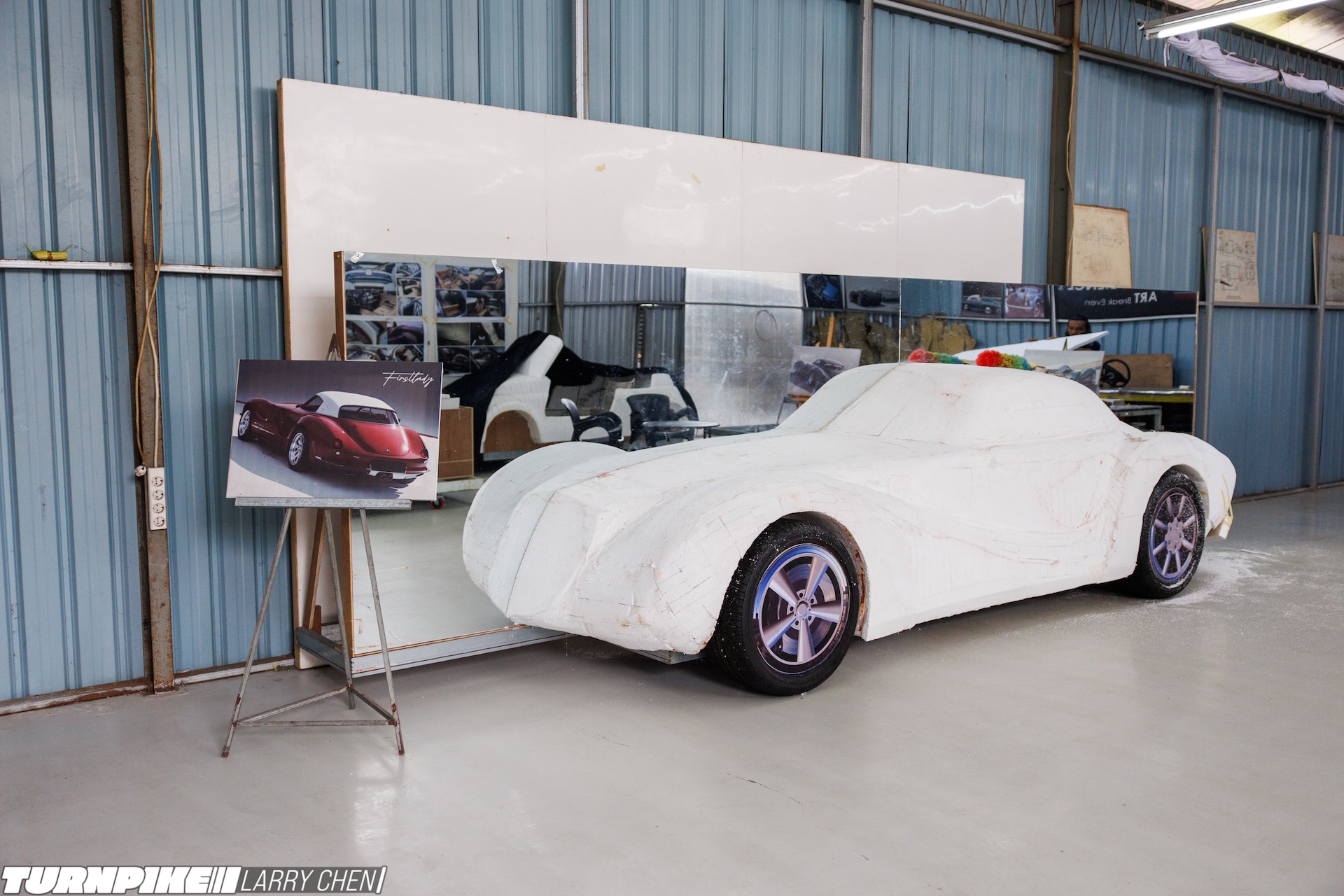
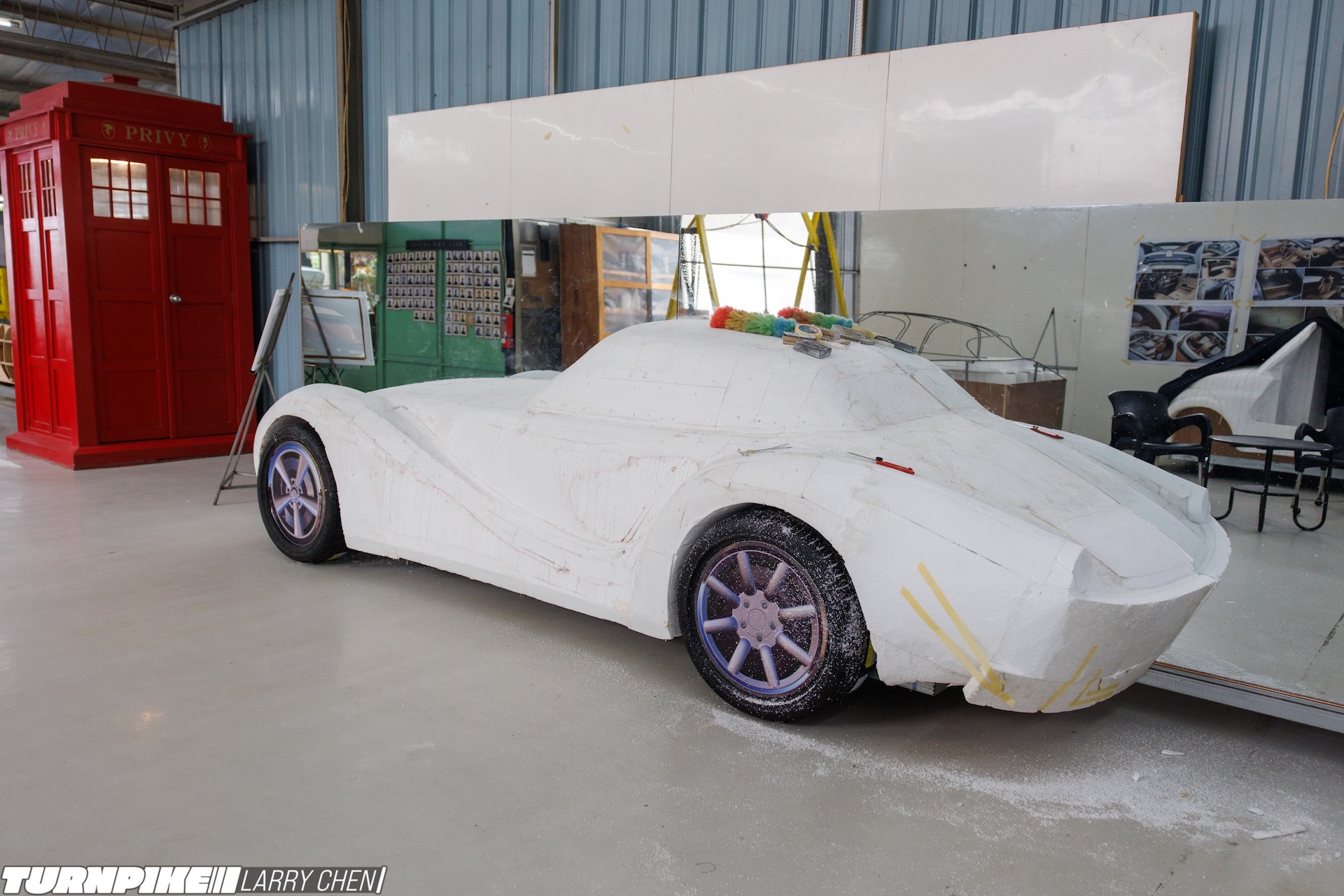
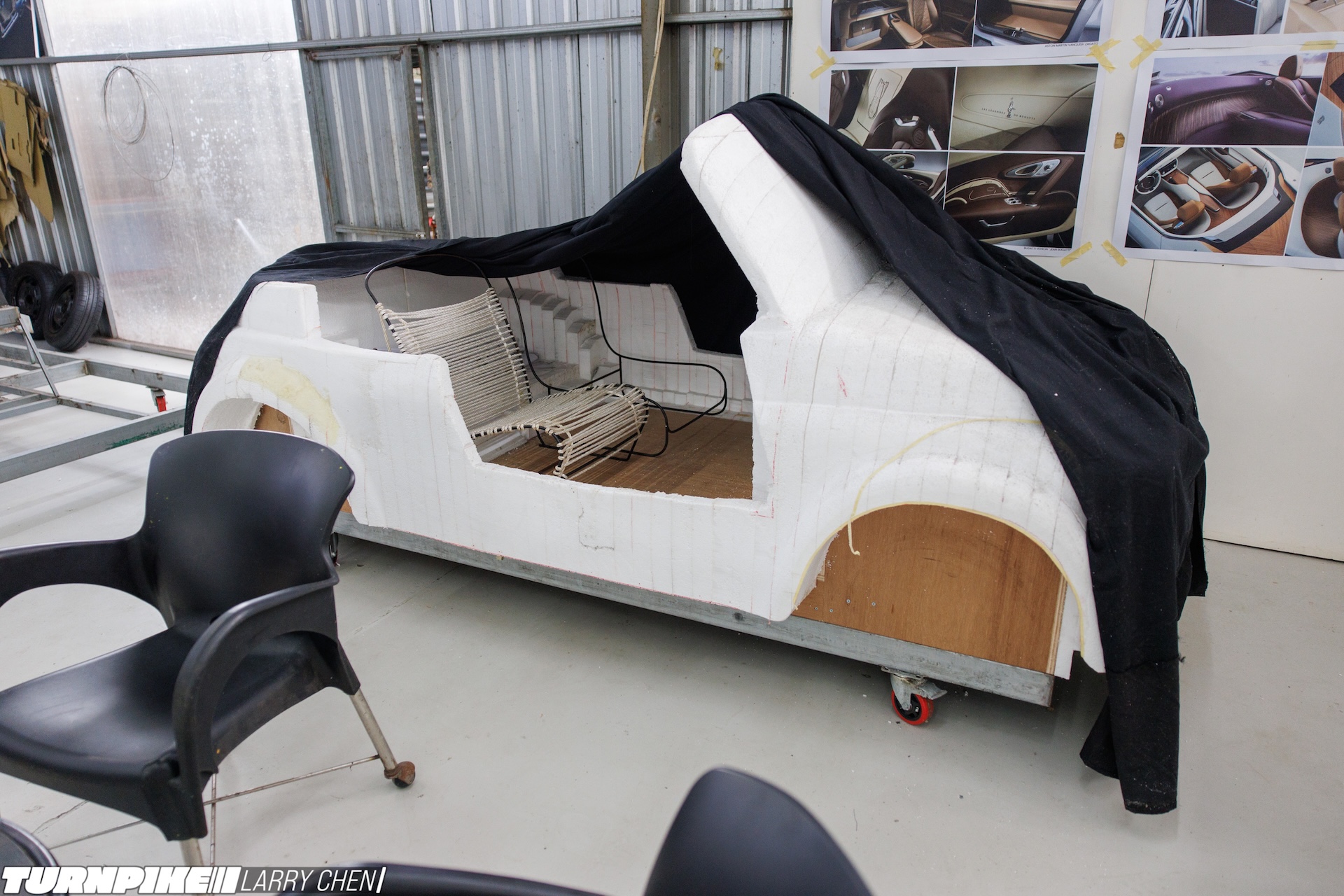
He talked about the future; wanting to create their own original car, designed and built entirely in Bali under their own name. They’ve already begun a prototype called The First Lady, a gullwing-doored concept inspired by the seven classics they’ve already recreated. It’s their first step toward becoming a legitimate manufacturer, not just a rebuilder.
When I saw the clay and foam models of their prototype, I couldn’t help but think about how Singer began in a small California shop two decades ago. The parallels are undeniable.
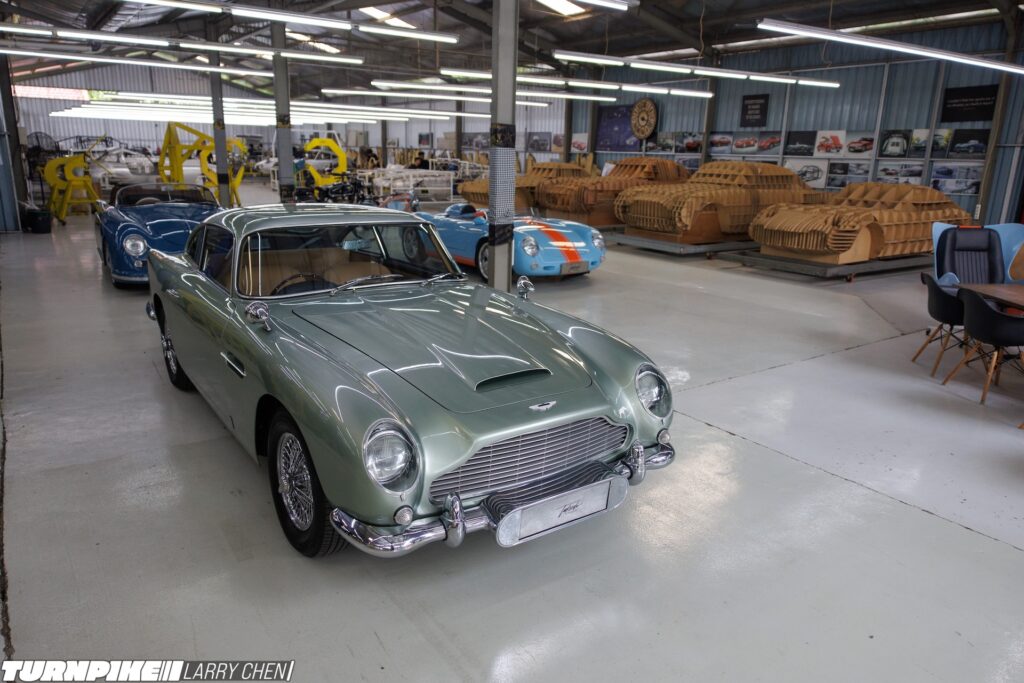
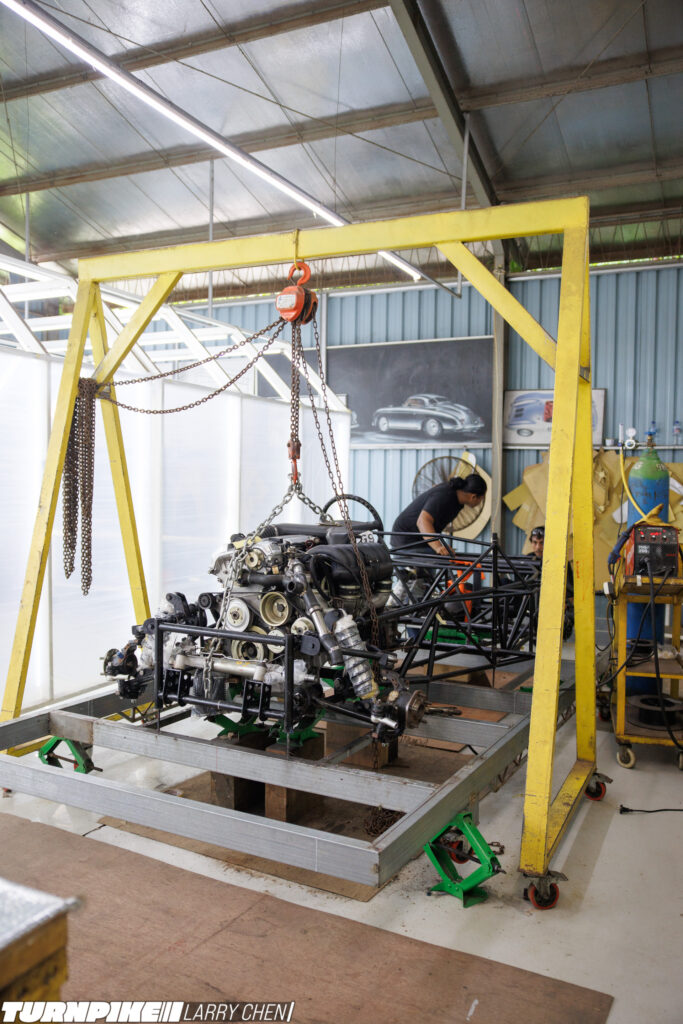
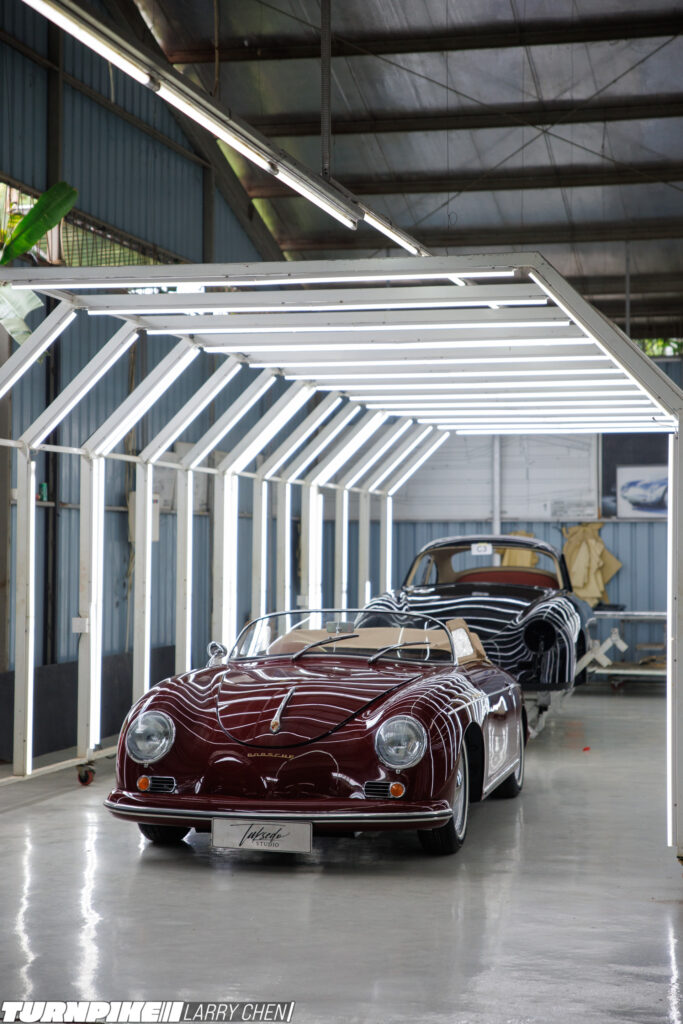
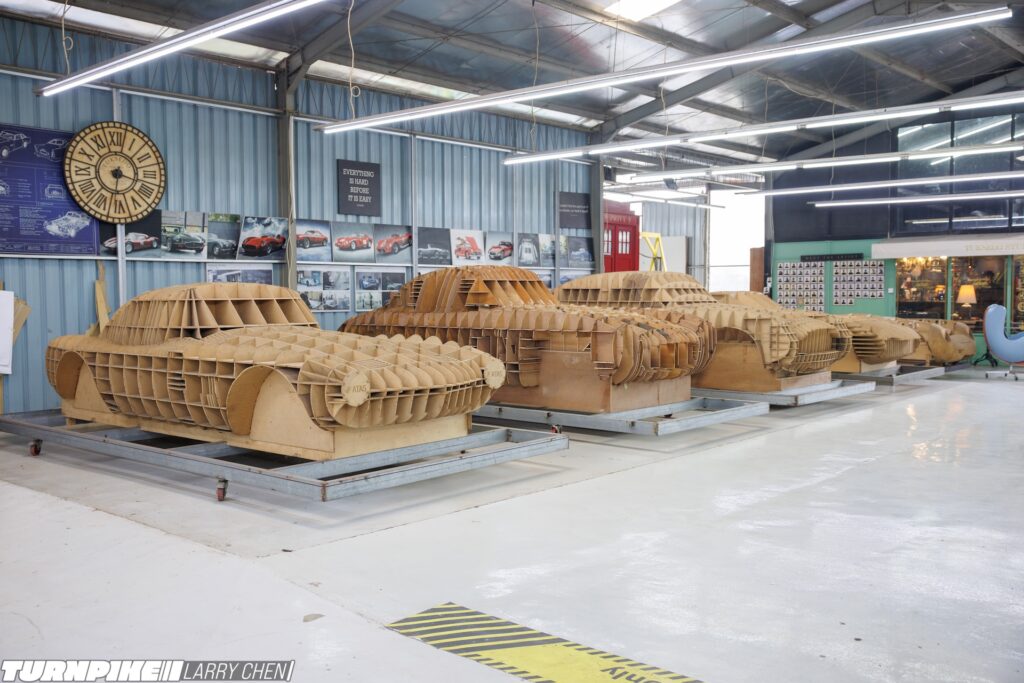
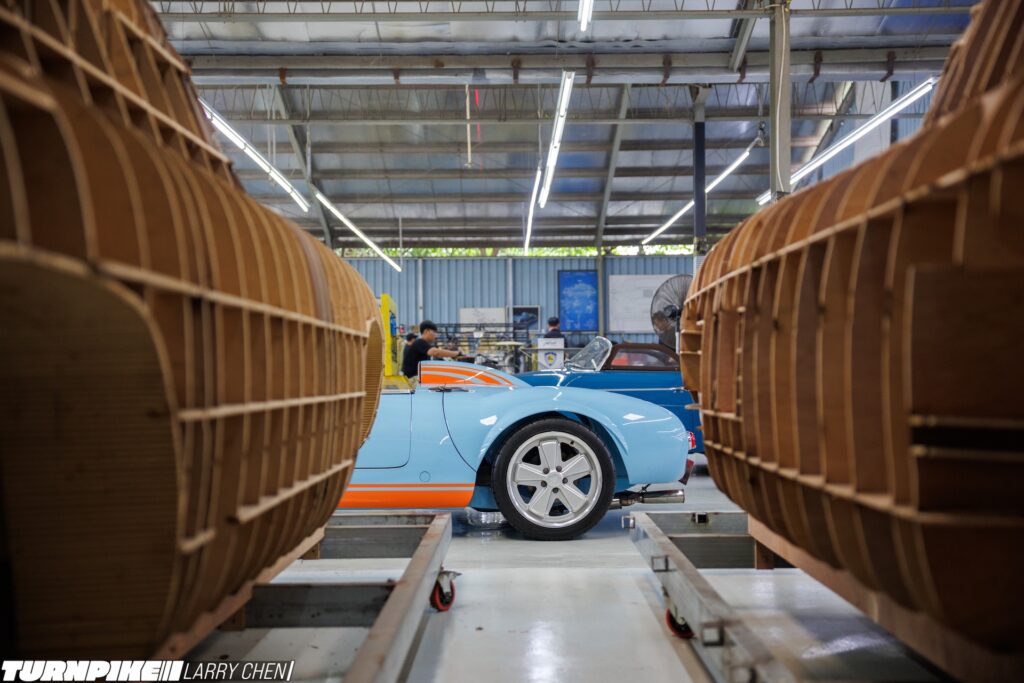
Bali might seem like an unlikely place for a car manufacturer, but it makes more sense the longer you’re there. The island is filled with artisans — metalworkers, jewelers, sculptors — all with generations of craftsmanship in their blood. The culture values patience and precision, and that spirit translates perfectly into what Tuksedo Studio does.
Their workshop sits right in a residential area, next to a temple and a graveyard. “No one complains,” Puji’s son said with a smile. “Everyone helps. That’s Bali.”
That openness, combined with the island’s natural hospitality, makes it the perfect backdrop for what they’re building: a new chapter in Southeast Asian car culture, driven by passion rather than profit.
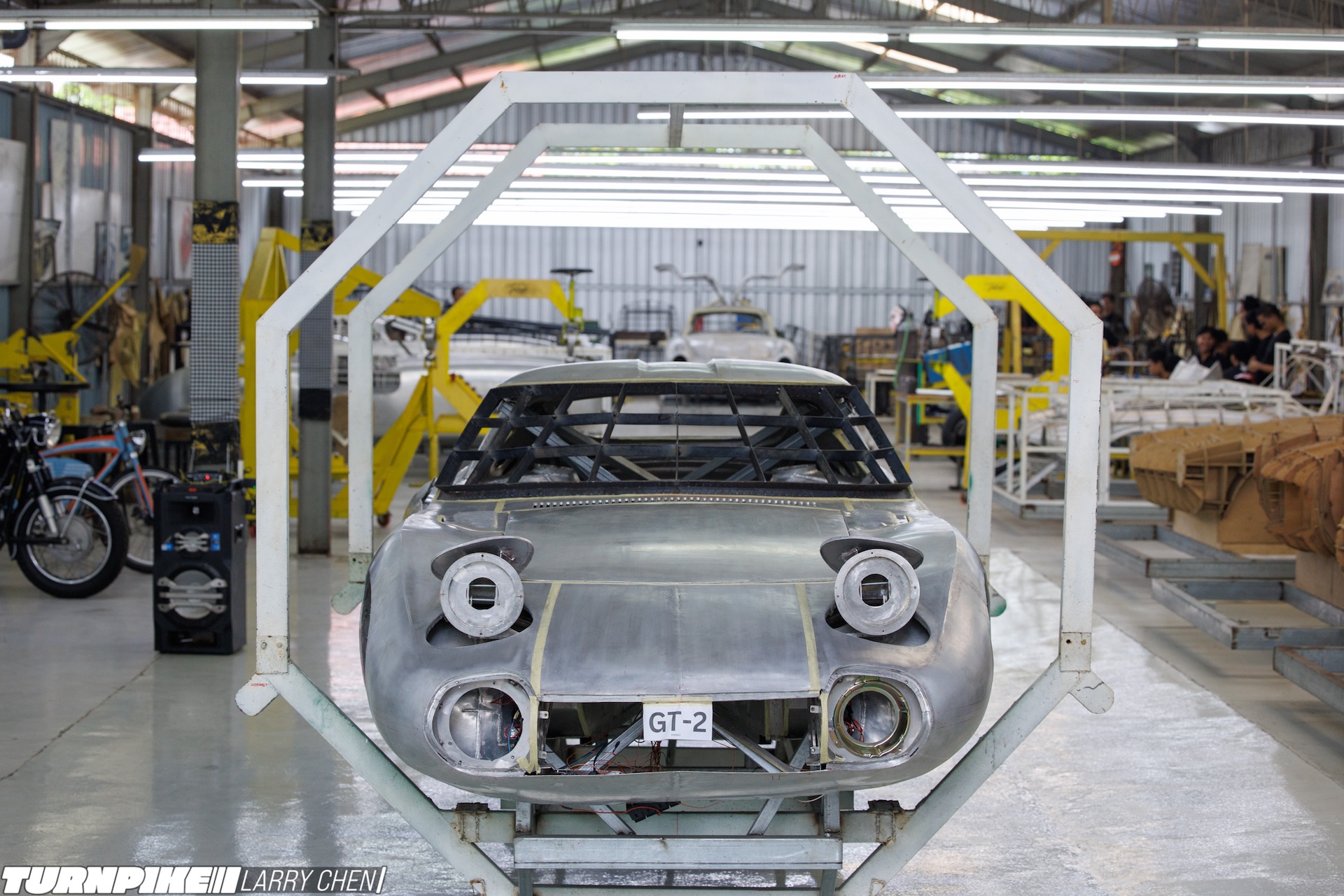
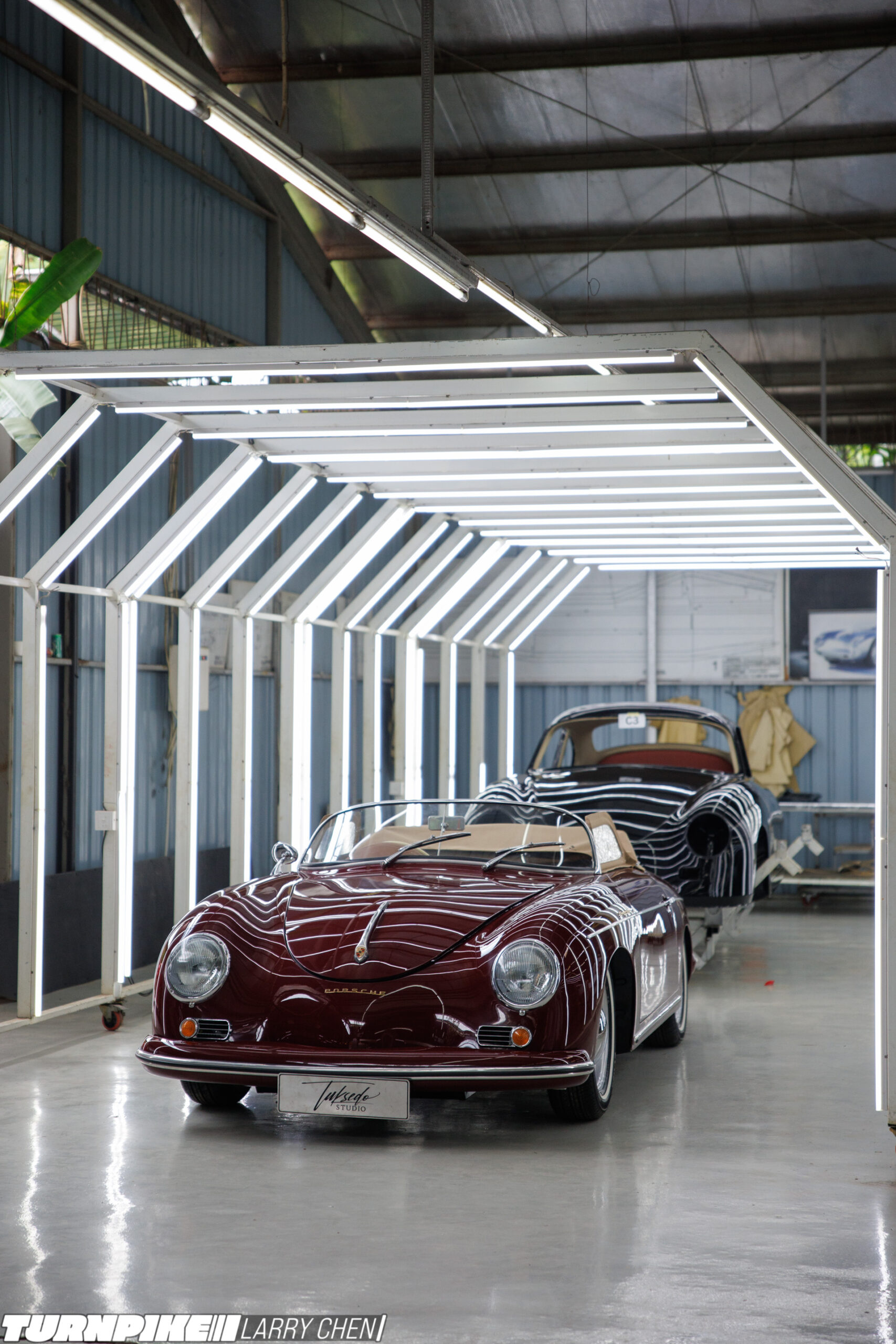
As I wrapped up my visit, I took one last look at a nearly completed Toyota 2000GT — a car so perfectly recreated that even I had to remind myself it wasn’t the original. Seeing it gleam under the soft Bali light was surreal.
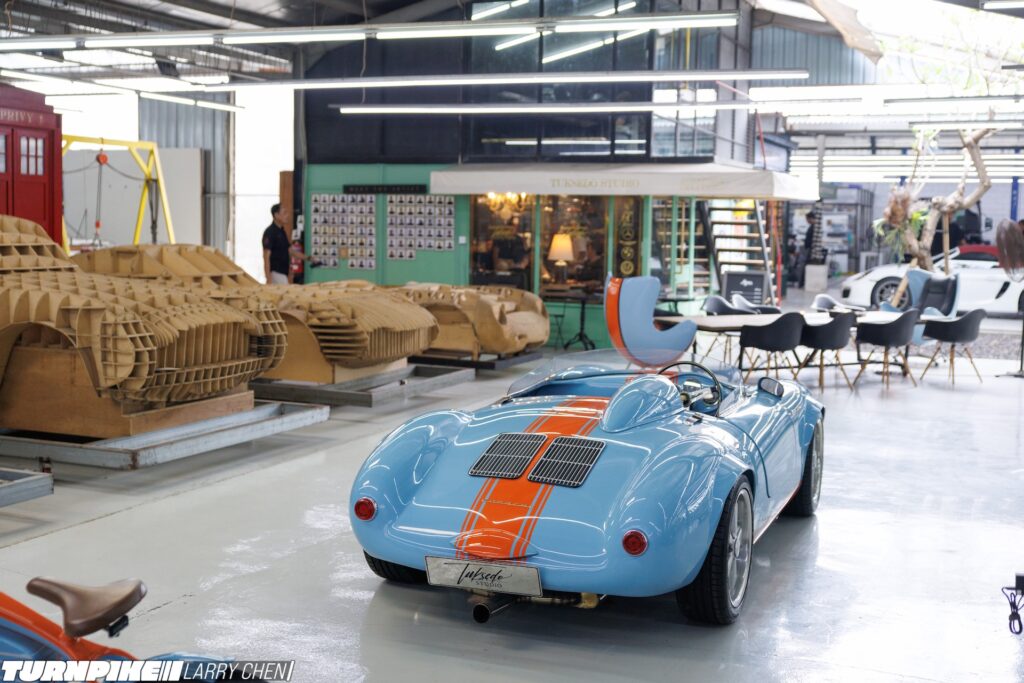
It reminded me why I chase these stories in the first place. Around the world, there are people who devote their lives to keeping automotive history alive, not through nostalgia, but through craftsmanship and dedication.
For Tuksedo Studio, that devotion isn’t about imitation. It’s about continuation. About proving that with enough passion, the impossible can be built again. By hand, from scratch, in a small shop in Bali.



Absolutely amazing what they are doing here, pure Ingenuity and craftsmanship!
Even for a replica you can tell how well made of a car it is like look at that craftsmanship and all those parts made in-house!
I definitely want that 300SL and 2000GT
I’ve been waiting this content since 2024, because Tuksedo Studio really deserve to be noticed and I always thought Larry Chen would be the man to capture moment about them, what they do, what they make, and how good the quality of the cars coming out from their shop. And as I expected, the way Larry explain it in this article are awesome, the photo are awesome.. even as I expected before, the perspective ini this article still got me stunned because both Larry and Tuksedo Studio are one of the best of what they do.
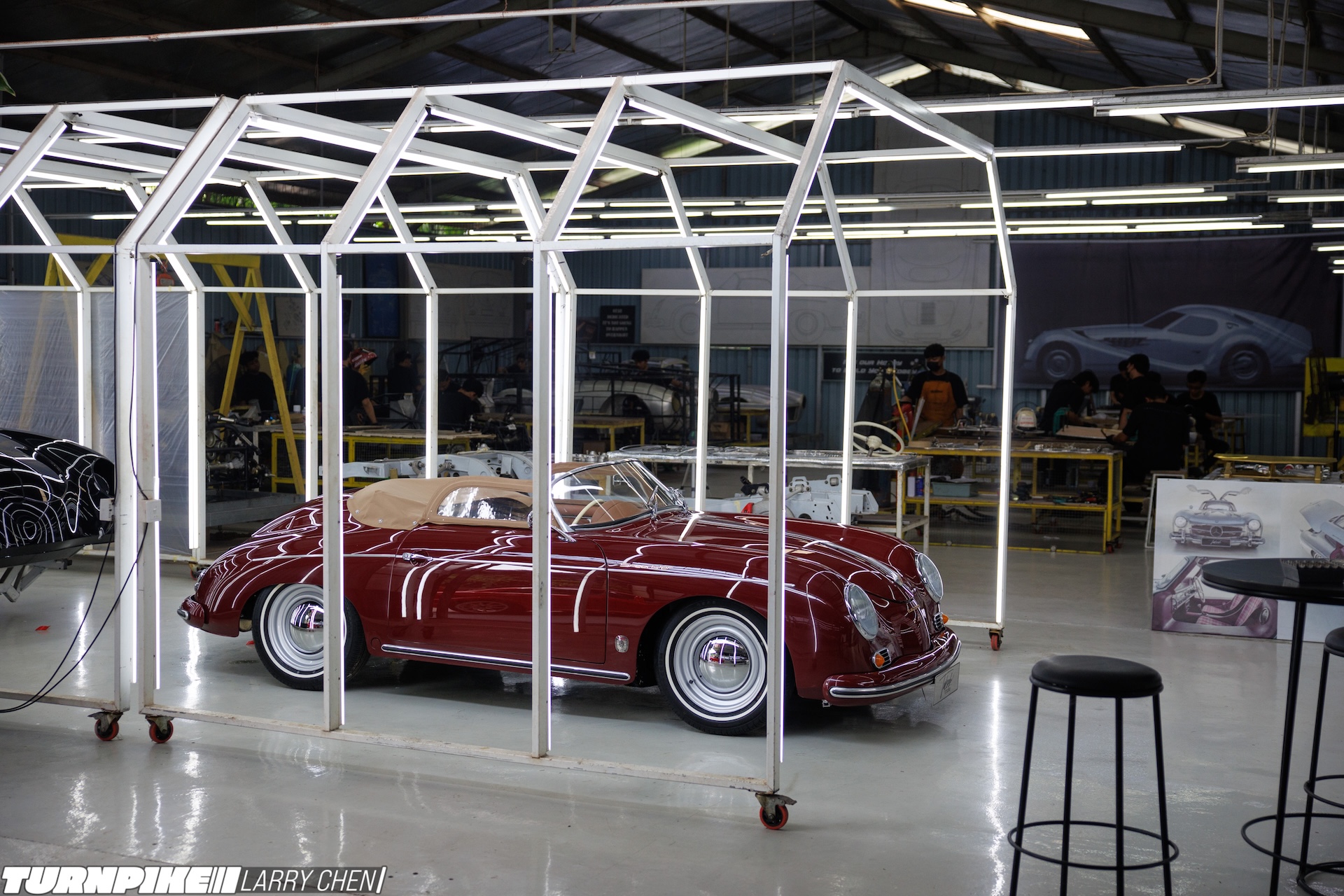
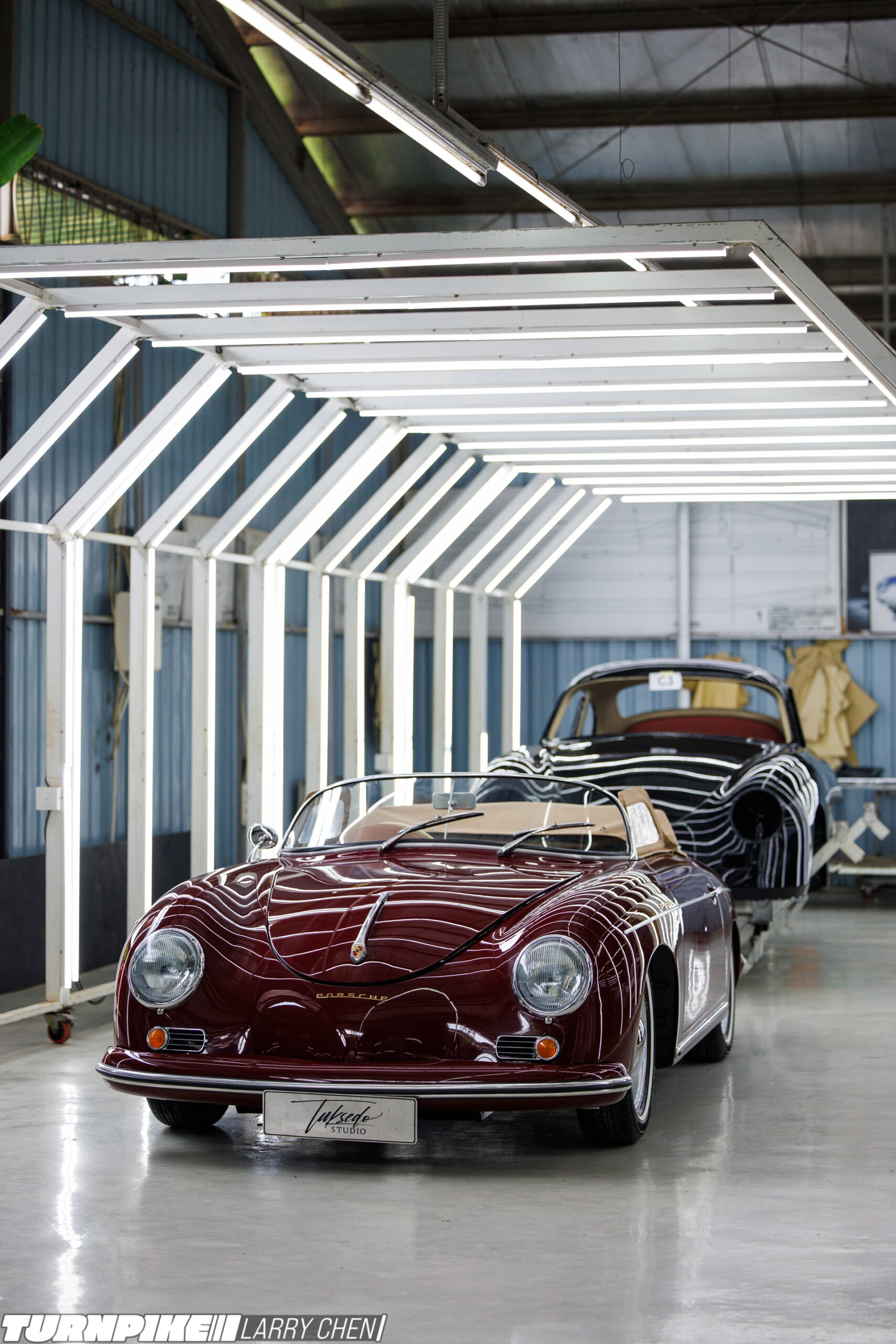
The red 356 really does look stunning. The methods used are incredible.
Legendary.
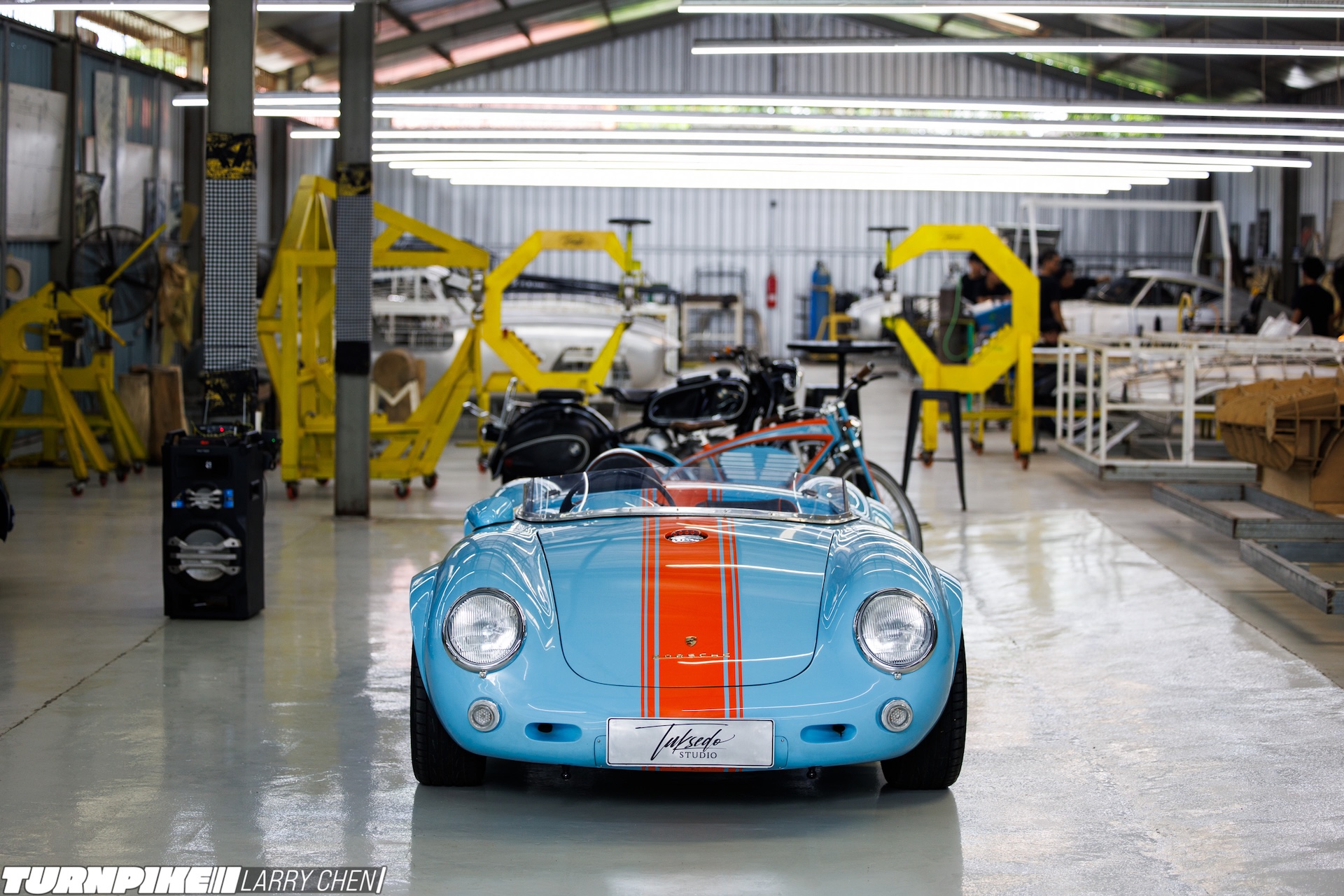
Notice how clean the entire work floor is. Nice to see such professional work ethics!
I genuinely hope companies like this will thrive in the future. Even tho the average Joe (thats me) won’t be able to afford them, its still nice knowing there is some colour left in the automotive industry.
I am amazed by the great cars being build there, but did anyone notice how well organized and tidy this place is
Just watched your YouTube video on this. Really impressive and the fact they make everything in house is incredible craftsmanship and creativity.
All of the cars are beautiful, but the DB5 and the BMW 507 were my favourites.
It would be really cool if they were to build their own designed car.
Thanks, enjoyed that!