
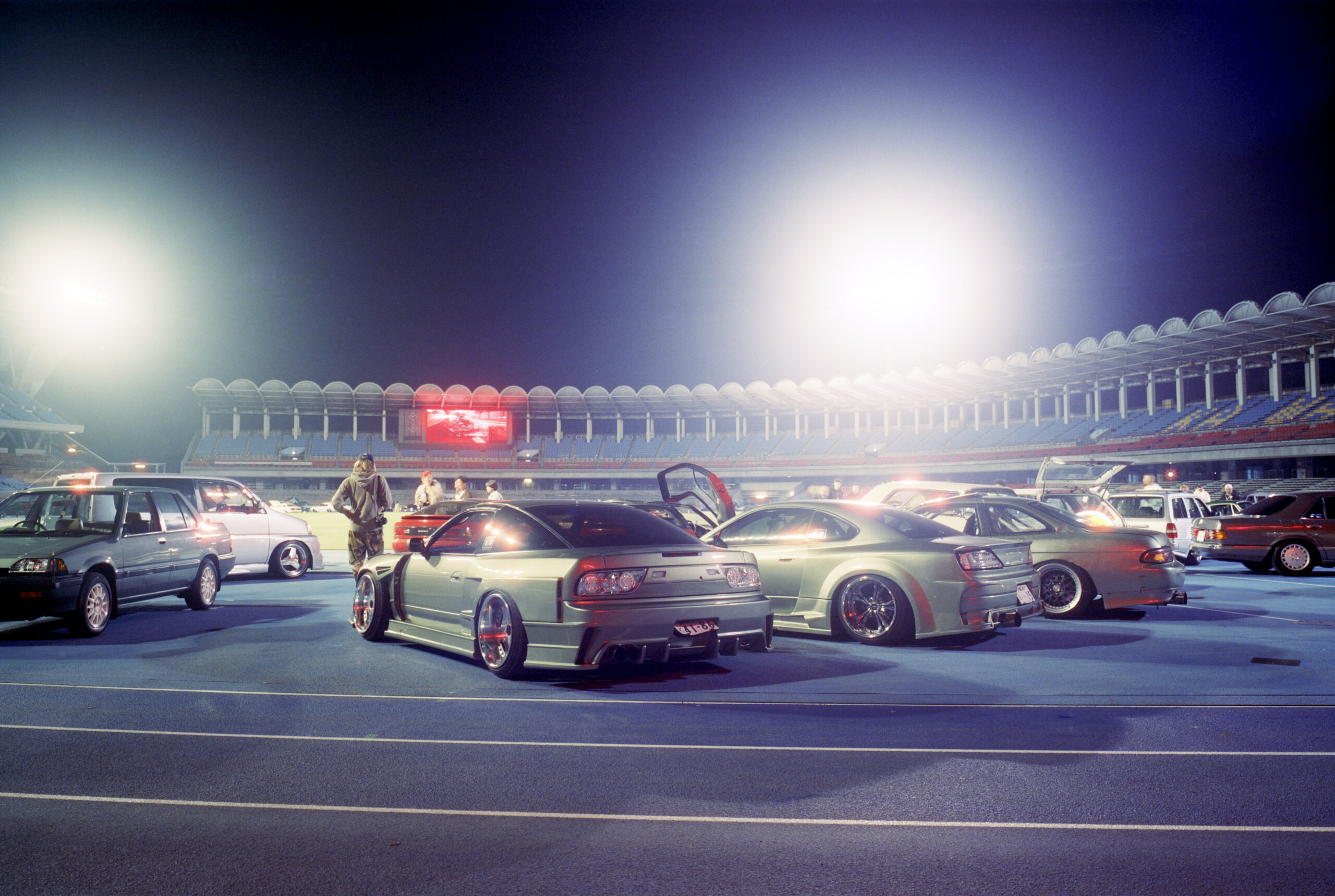
There’s been a disturbance in the photography force for the past few years, because camera technology is the best it’s ever been – yet creators like Jonathan Taylor are sticking it to the mirrorless masses by keeping things analogue.
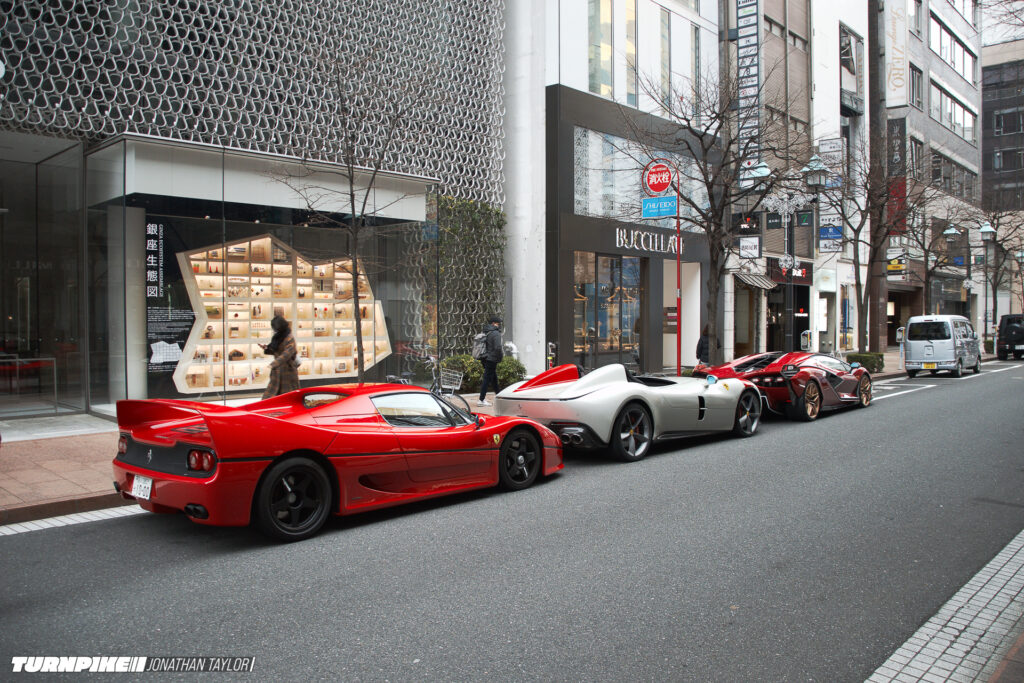
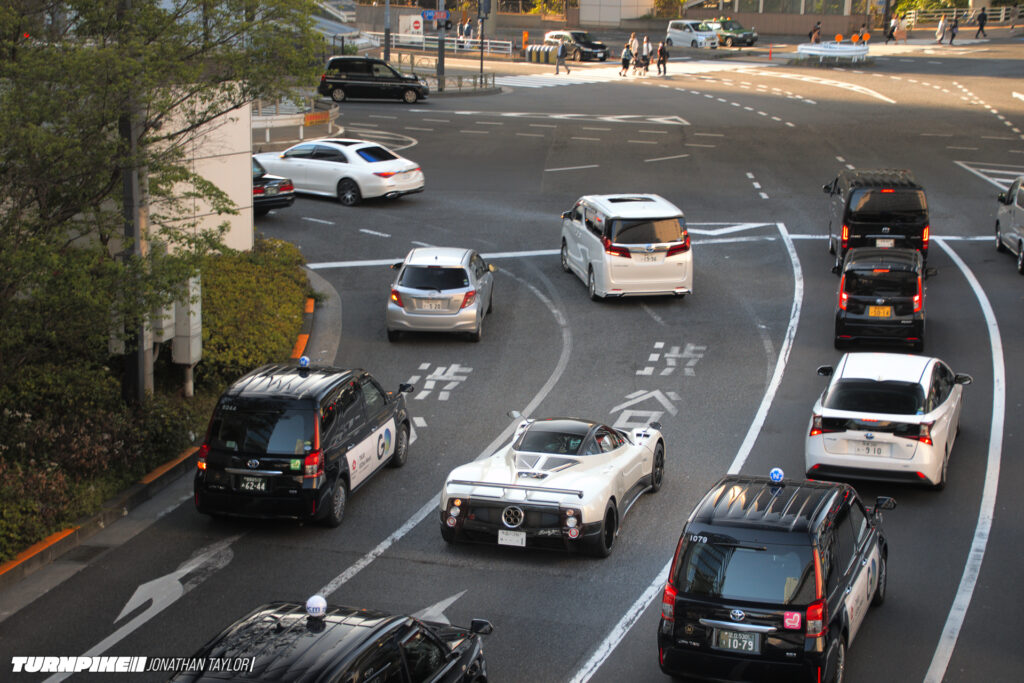
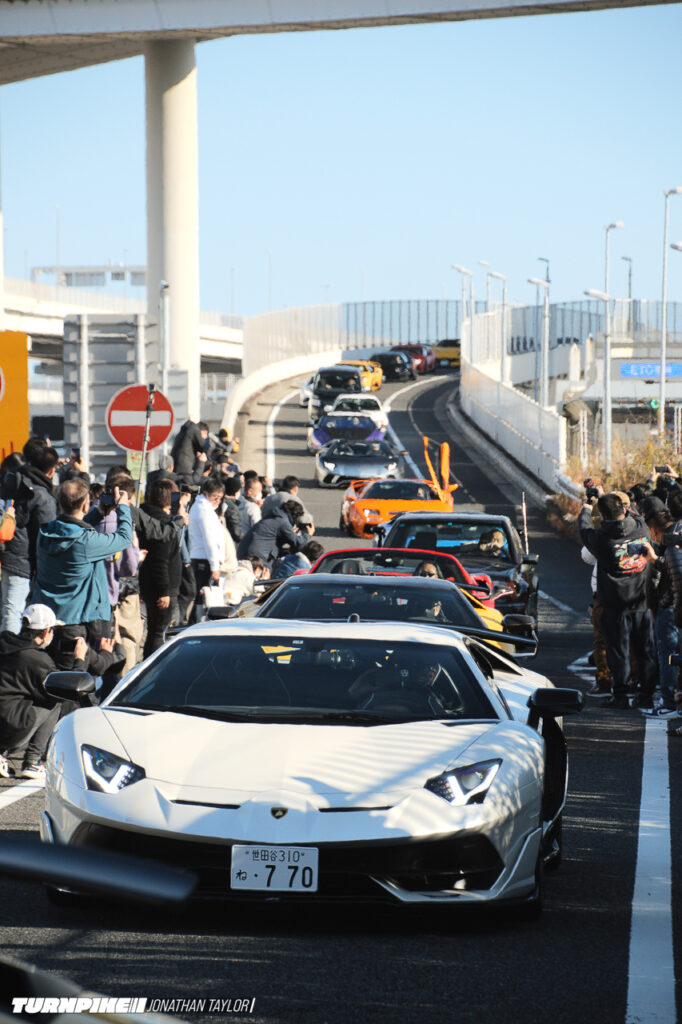
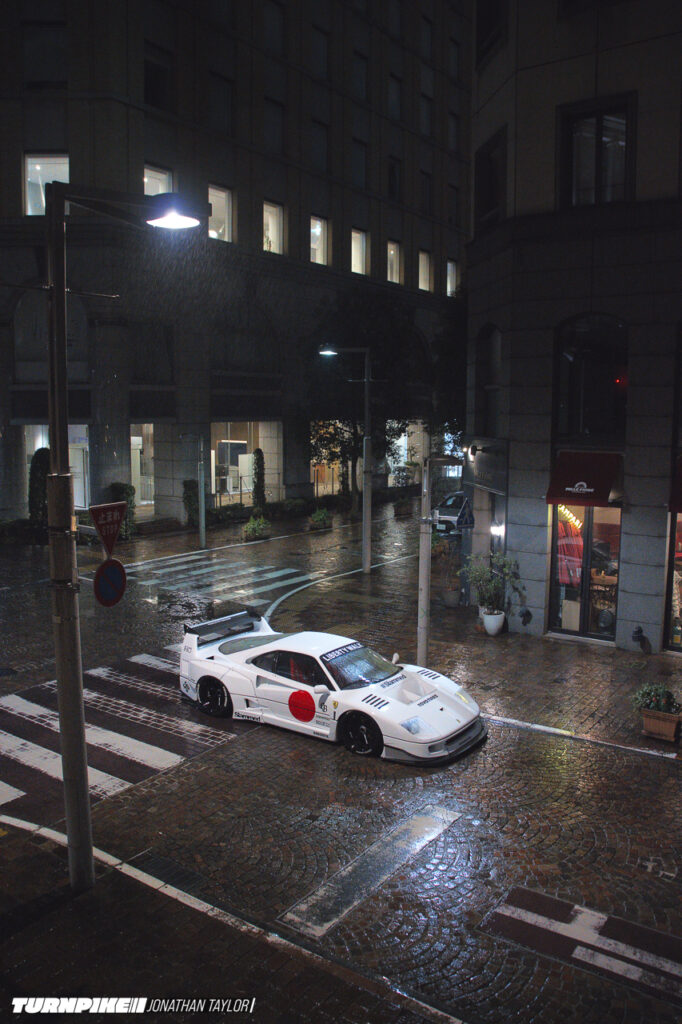
Tokyo is a photography hotspot, with thousands of people flocking over for weeks at a time, frantically trying to capture the car scene from the moment they wake up to the second they hit the sack. Jonathan, via his Instagram account @pizza_turismo, shows us a slower, more focused approach to shooting in the city by using film, rather than digital.
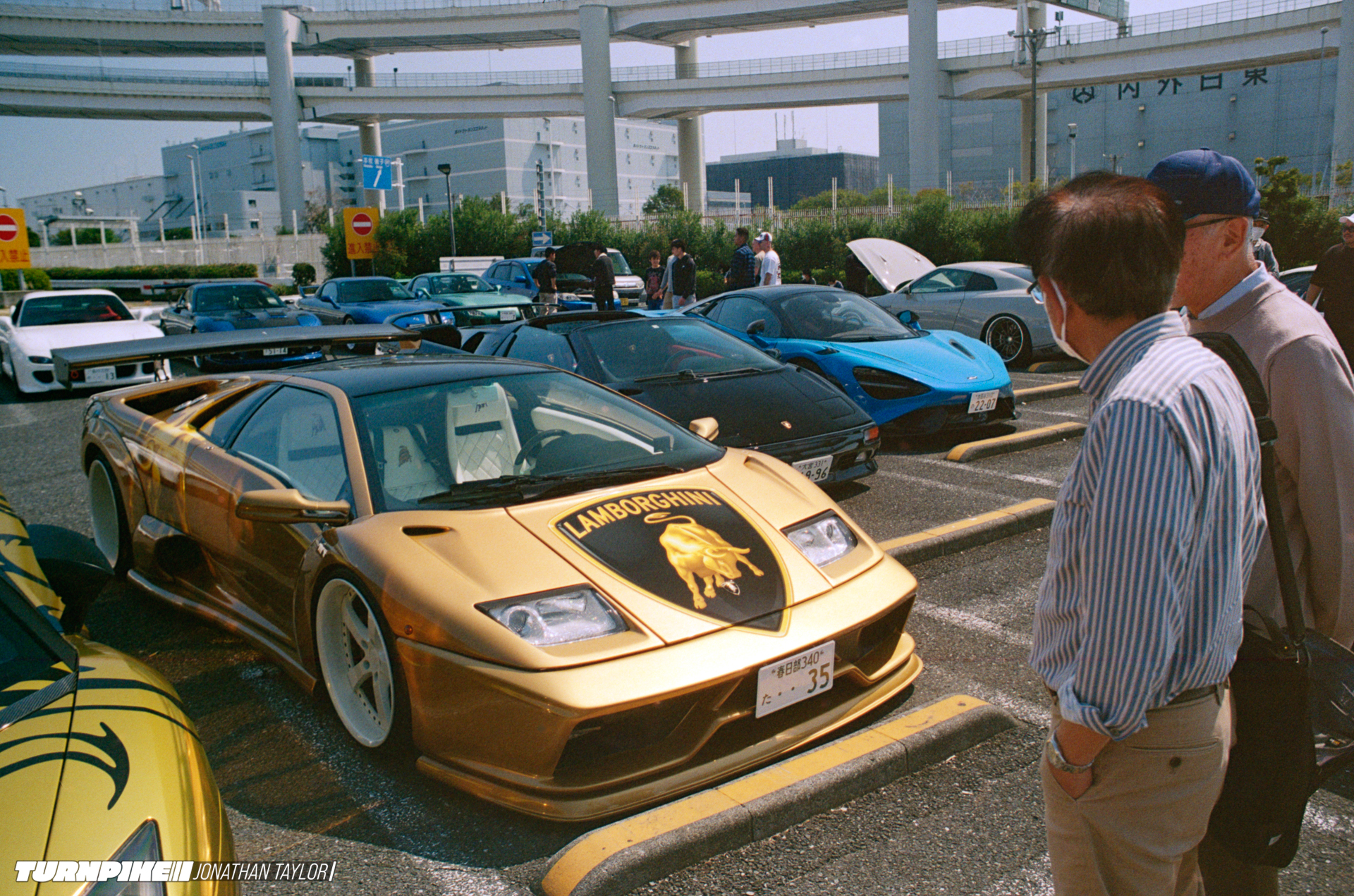
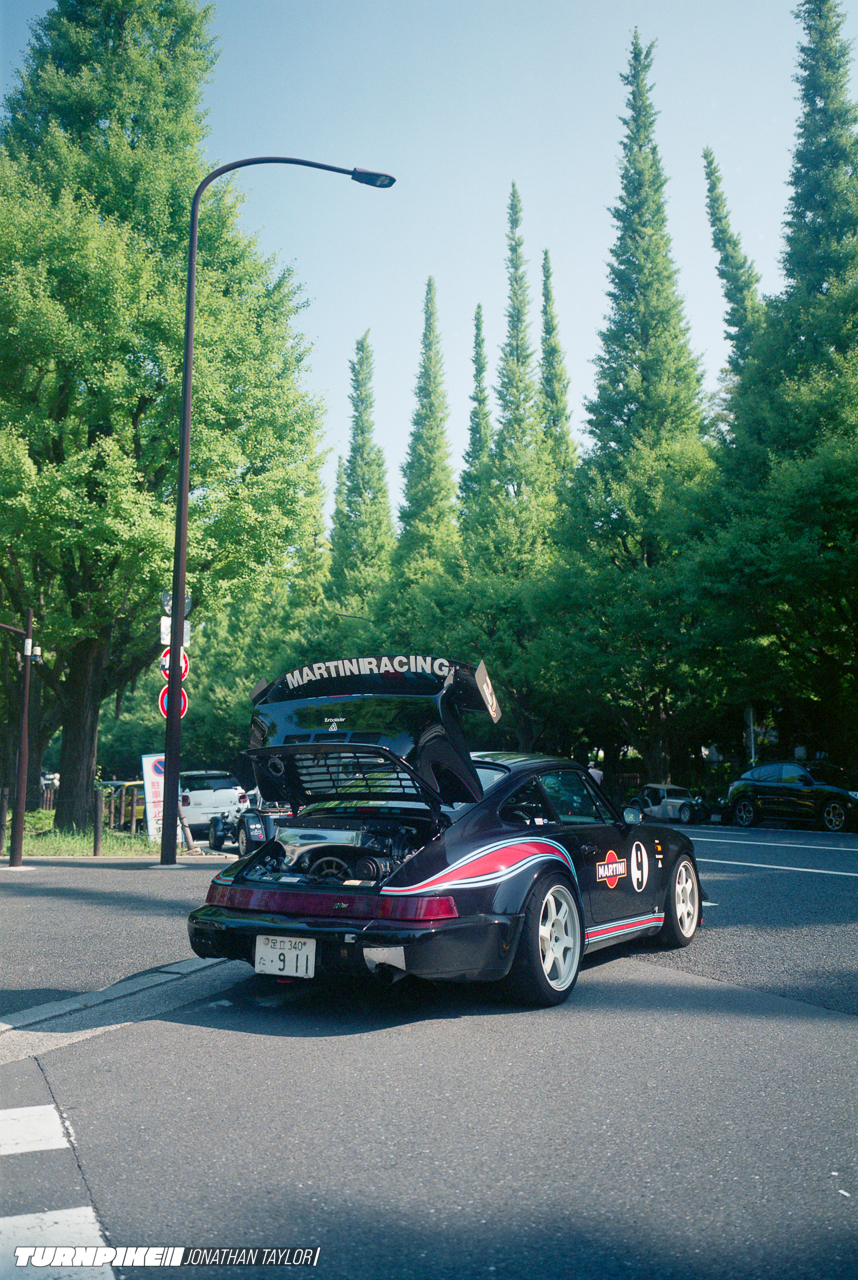
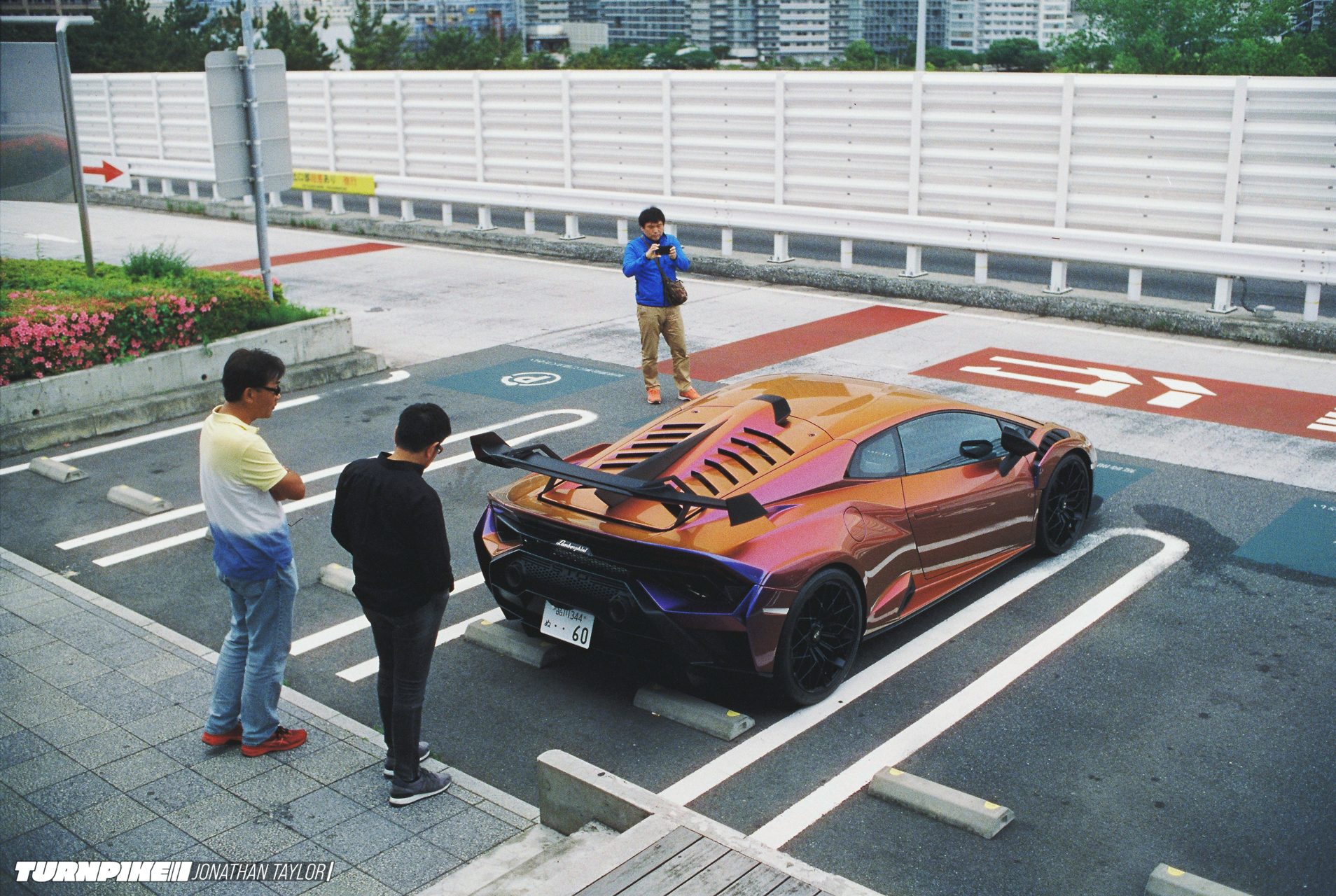
His photos have a more chilled out, relaxed vibe as a result. It’s hard to stand out in such a crowded part of the world, so what is it that makes Jonathan’s work do just that

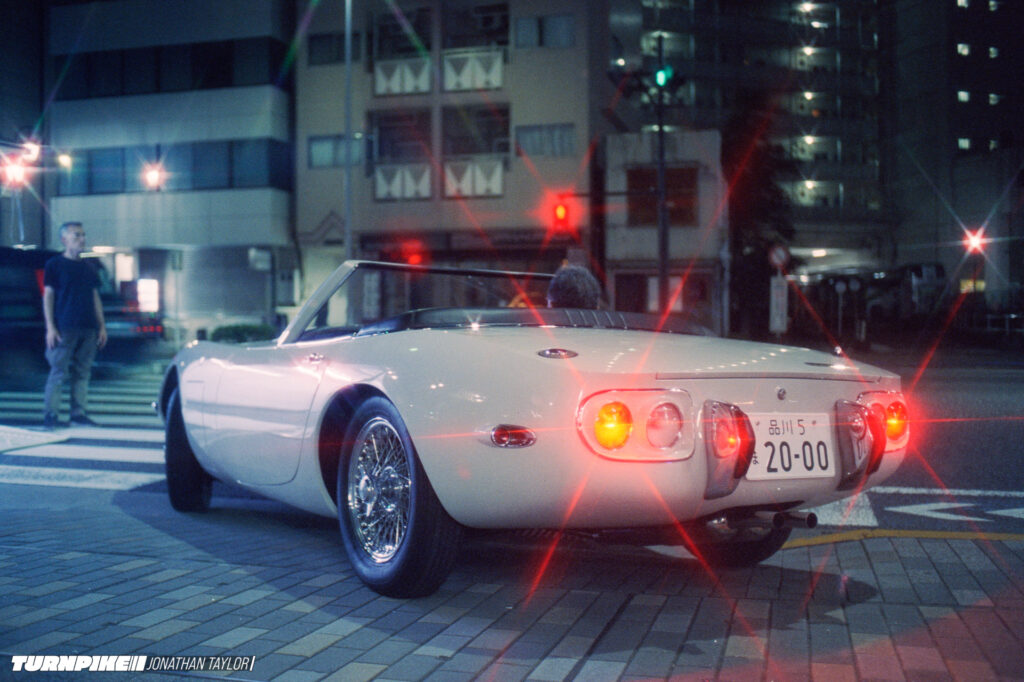

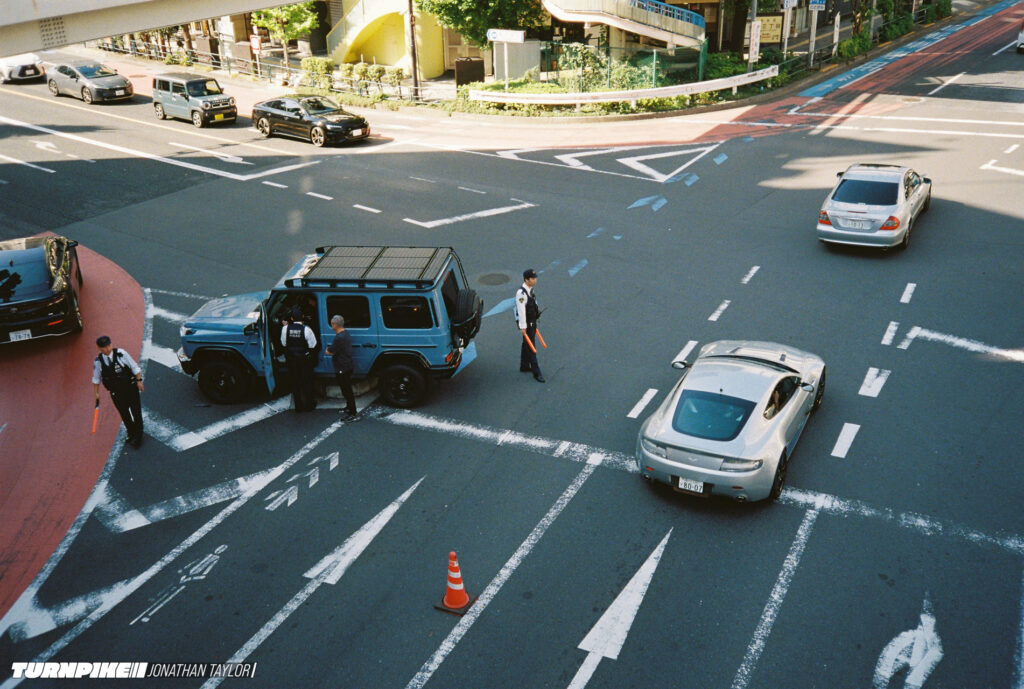
MC: Tell us a bit about yourself. The who, what, where and why did you first pick up a camera?
JT: Hi, I’m Jonathan. I’ve been living in Tokyo for the past five years, but I spent most of my life before that in Denmark. I’ve loved cars for almost as long as I can remember, but the photography side of things only really started getting serious about three or four years ago. Before then I took photos purely to document what cars I had seen.
Nowadays I spend a good chunk of my free time driving around Tokyo, photographing whatever cool or interesting cars I see on the street, or attending car-related events and meets. I try my best to keep it as “just a hobby”, though I must admit it does sometimes slip over into “obsession” territory.
My actual work is as an electrical engineer in the fledgling Japanese commercial space industry. At one point my job title was “Spacecraft Design Engineer”, which made the job sound way fancier than it really is. The title has since been changed to something less exotic, despite the work being the same.
As for “Pizza Turismo”, I used to have a terrible Instagram handle which all of my friends hated because it was impossible to remember. Eventually it got to the point where they held an intervention and forced me to change it. My favorite food is pizza and Gran Turismo is the main reason I got into cars. That’s how the @pizza_turismo handle was born.
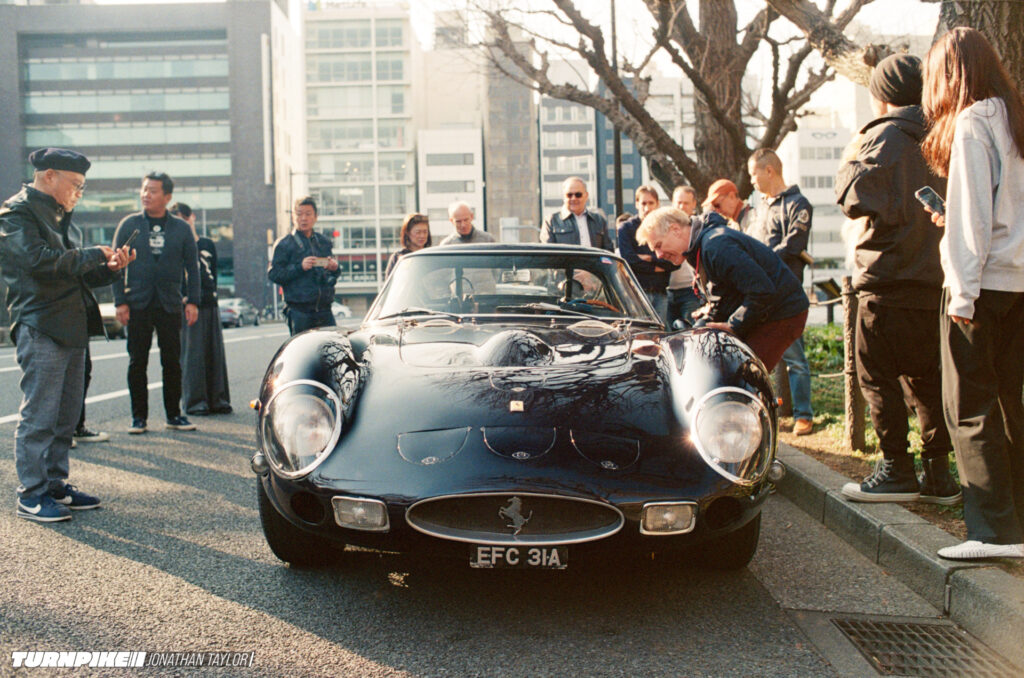


MC: I mean it sounds like you’ve fallen into it pretty hard, but that you didn’t mean to?
JT: I never intended on becoming a photographer. As a kid I was introduced to car spotting by a similarly car-crazy cousin, who would use a DSLR to document everything he saw on his trips to Southern France with his family. It became something of a tradition during family gatherings to see a slideshow of whatever he had spotted on his most recent trip. The newest Ferraris, Lambos, and eventually a Bugatti or two.
Although I was rarely able to travel, this did inspire me to always have a camera on me in case I saw something rare or interesting. It was never about taking a nice photo, it was just about having proof. That isn’t to say I didn’t try my hand at “real” photography, but I kinda sucked.
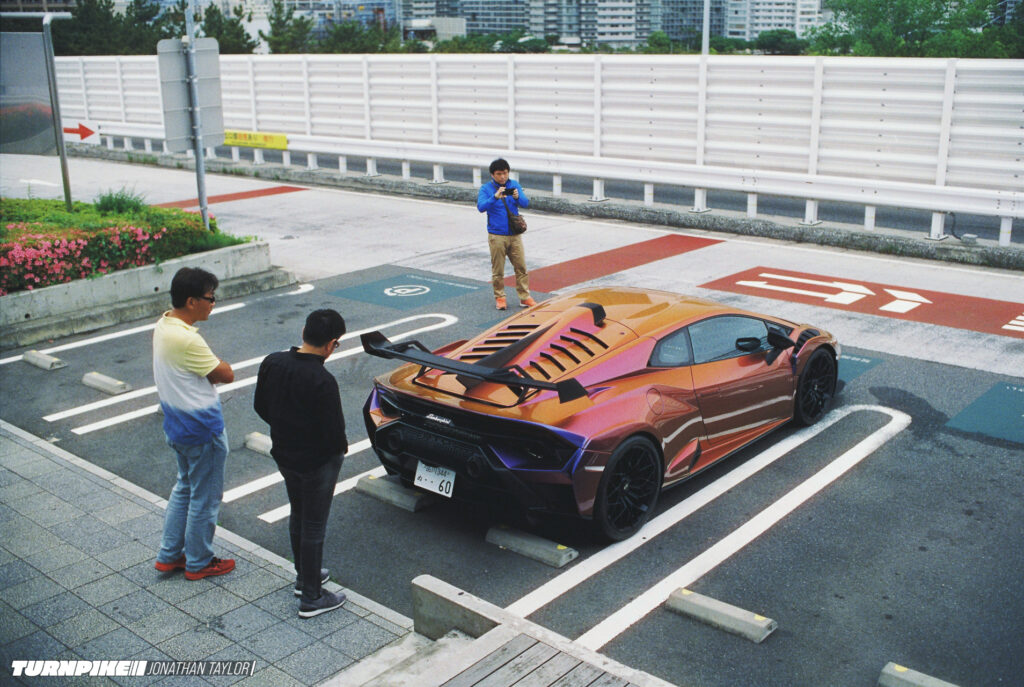
When I first came to Tokyo on an exchange trip in late 2017, I met and befriended some amazing photographers, who in turn introduced me to the then-unknown-to-me supercar scene in Tokyo. They also introduced me to Instagram, which I had been blissfully unaware of up until that point. Suddenly being among people who not only captured incredible cars, but captured them beautifully, made me want to up my game a bit. Before I could really improve though, my exchange semester was up and I was on my way back to Denmark. The bug had bitten me though. Both the photography bug and the Japan bug.
After finishing my studies, I hurried back to Japan and got straight into car spotting again. I like to think that I steadily improved as a photographer, but it really wasn’t until I started getting into film around 2023 that I really got into it. It’s cliché to say this, but it forced me to be super aware of every step of the process, which in turn taught me a bunch about the basics of photography that I had been ignoring beforehand.
Since then I have had the opportunity to do some cool paid gigs, as well as hold a couple of photo exhibitions in Tokyo. Although I’m still nowhere near as accomplished as many other people out there, I’m happy with where this “hobby” has taken me. I still have a hard time calling myself a photographer, but I really appreciate the positive response I have gotten from other people in the Tokyo photography scene.
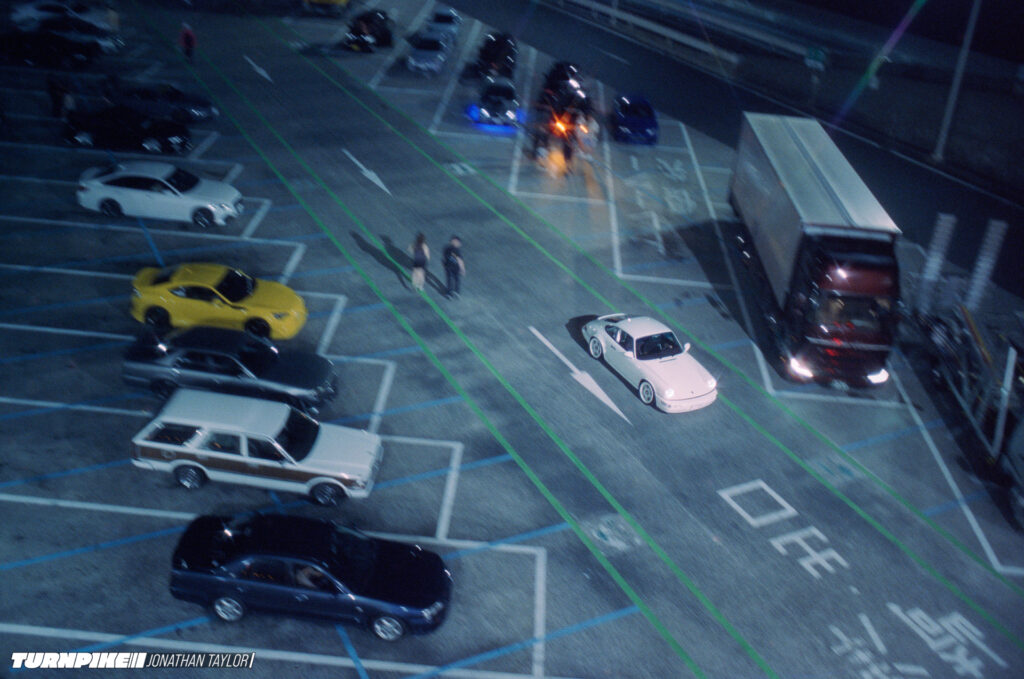
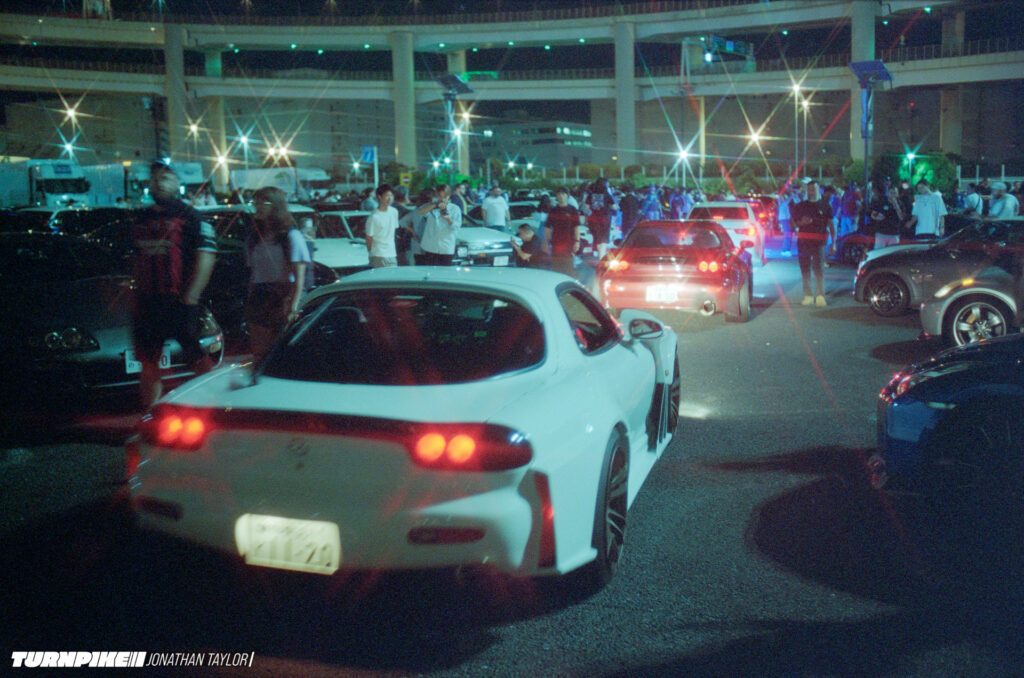
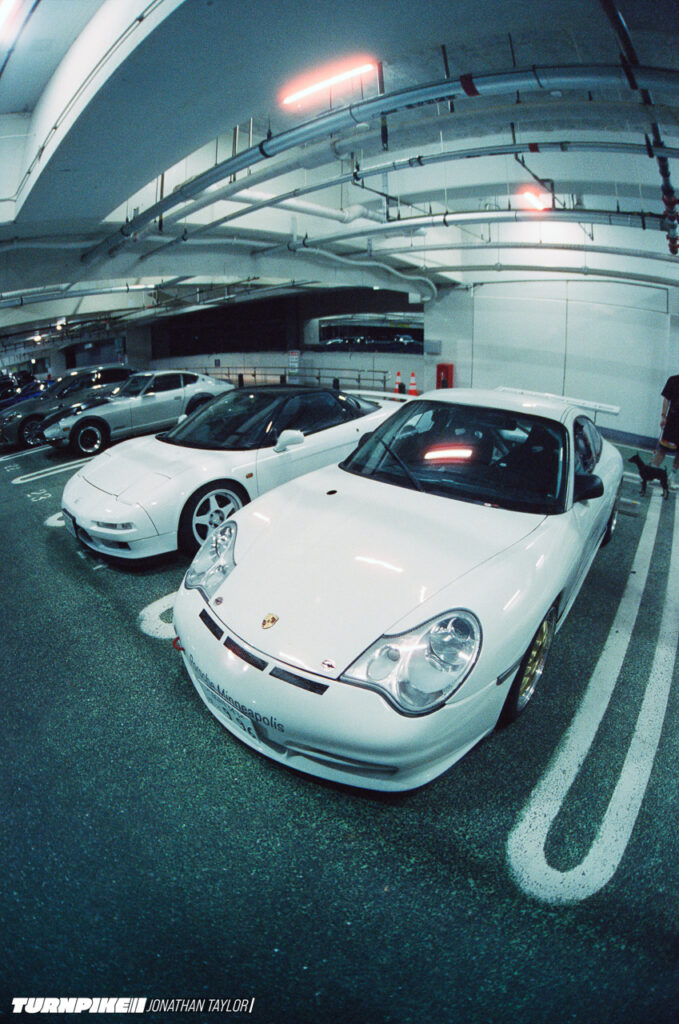
MC: Keeping a camera on you all the time, is that how you got your practice?
JT: I spent a lot of time playing around in photomode in Gran Turismo 4. That is probably my earliest memory of doing any kind of automotive photography, real or not. When doing car spotting I would borrow whatever camera I could from family members.
The first camera I could call my own was a Nikon D3100 – a crop-sensor DSLR that I got as a gift from my dad, shortly before going on exchange to Japan. I bought an 18-300mm superzoom lens for it, which was great for proof shots, but in terms of actual photographic quality was pretty mediocre. I used the crap out of that camera though, all the way up until the point where I started switching over to film. Despite being an entry-level DSLR and shooting on what is essentially a lens for birdwatching, I’m quite proud of some of the photos I took with it.
My first film camera was an Olympus Mju, a simple but robust point-and-shoot, which I got in the beginning of 2023. The switch to film was in part inspired by my friend Andre, who had started shooting film on a crappy plastic film camera the year prior. I loved the results he got from that little thing and needed to copy him ASAP.
After a few months of shooting I could feel I wanted more control over my photos, and started looking into getting an SLR. I settled on an old Nikon FE, since I would be able to adapt my current F-mount Nikon lens to work on that. Turns out I’m an idiot and a modern-ish lens designed for a crop sensor DSLR isn’t going to work on an old film SLR, even if it’ll physically mount onto the camera. This forced me to deep dive into the world of vintage lenses, which eventually led me to purchase an old Nikkor 35mm f2 prime; my ride-or-die for the rest of that year.
This setup immediately grew on me, and I spent a lot of time shooting with just that camera at just that focal length, completely neglecting my D3100. I started experimenting with different films and lens filters, and that was really the beginning of what is now my current style of photography.


MC: Well on the subject, where did you find that style? Did you have any inspirations?
JT: The talented friends around me were a huge initial inspiration. Ken and Nozomi, with their very clean takes on car spotting. Hugo with his highly curated shoots. As well as Andre who I mentioned earlier with his film photos. Starting out it’s easy to fall into a mindset of “I’ll never be as good as them”, but once you realize even world class photographers are still just regular people it’s somehow easier to go out and take good photos. If those idiots can do it then I can too.
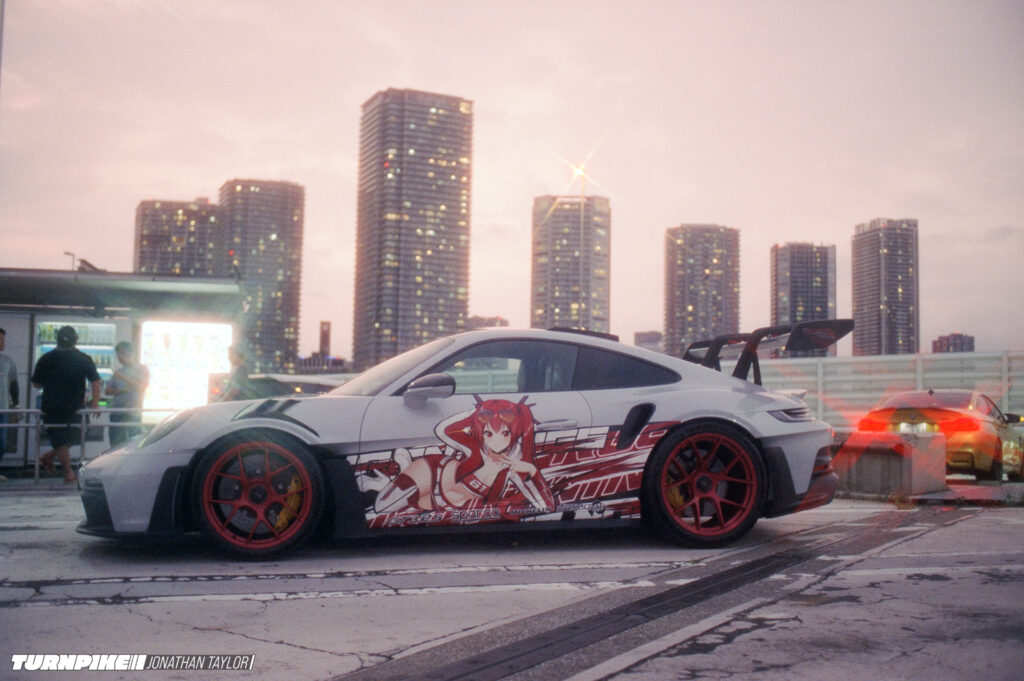
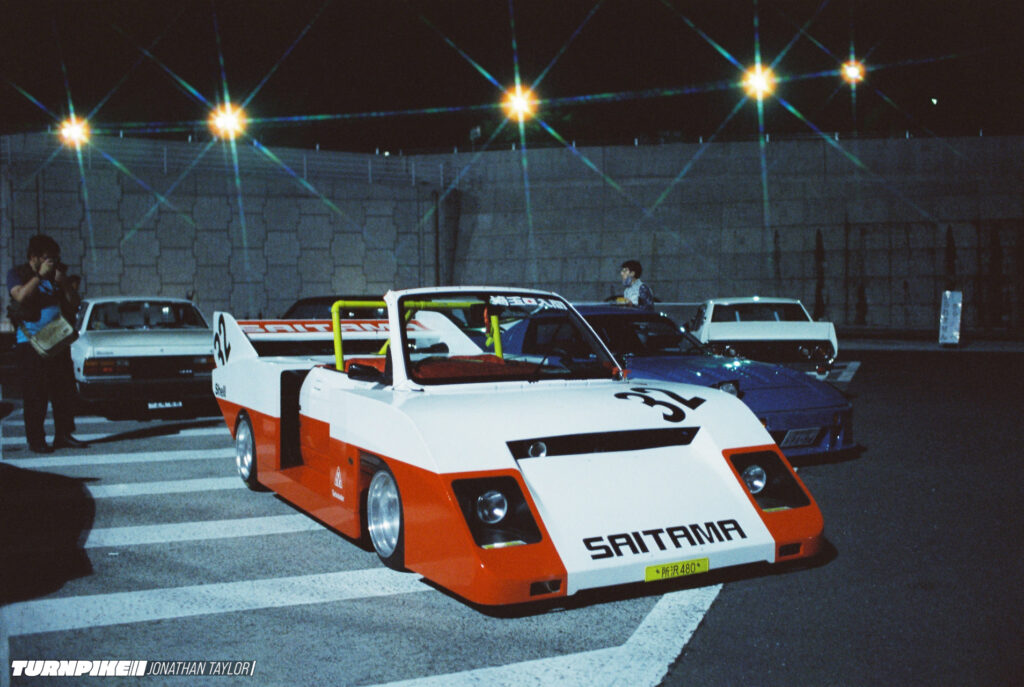
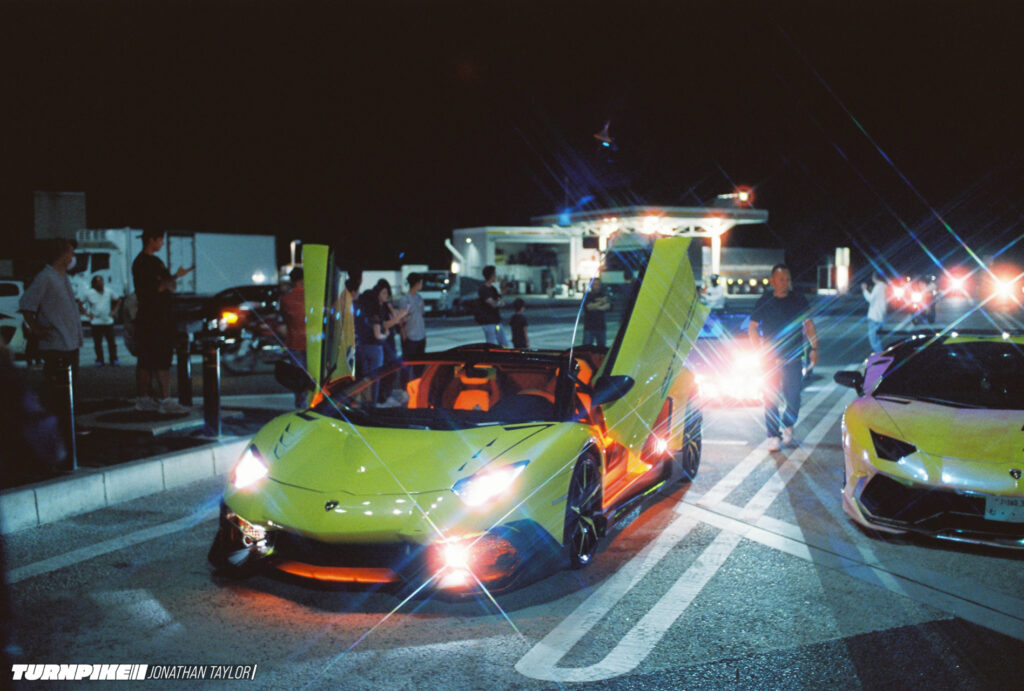
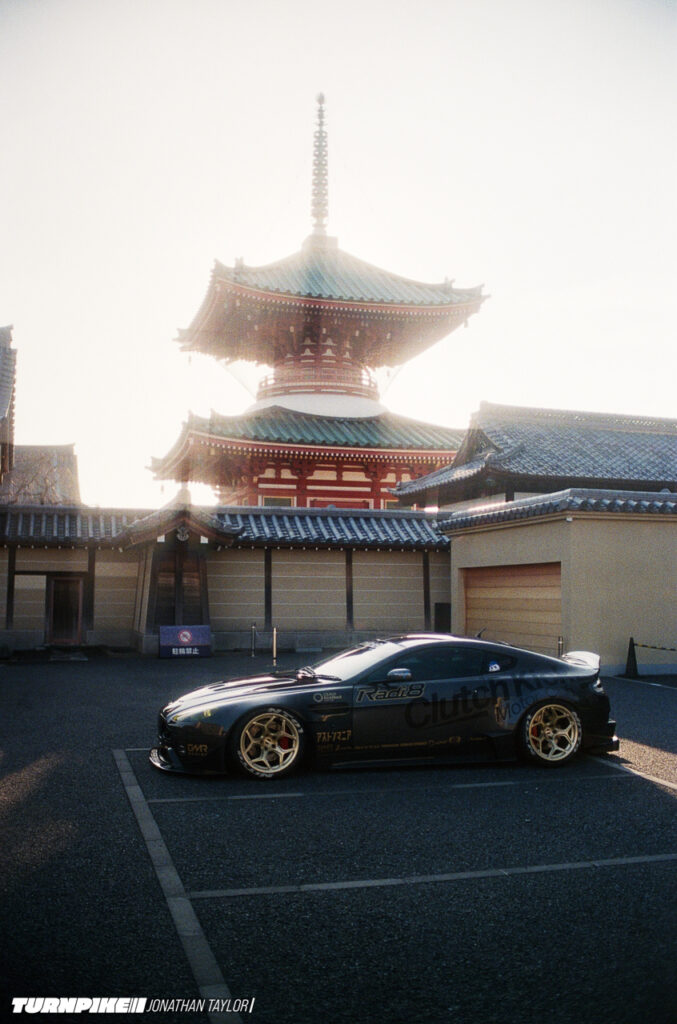
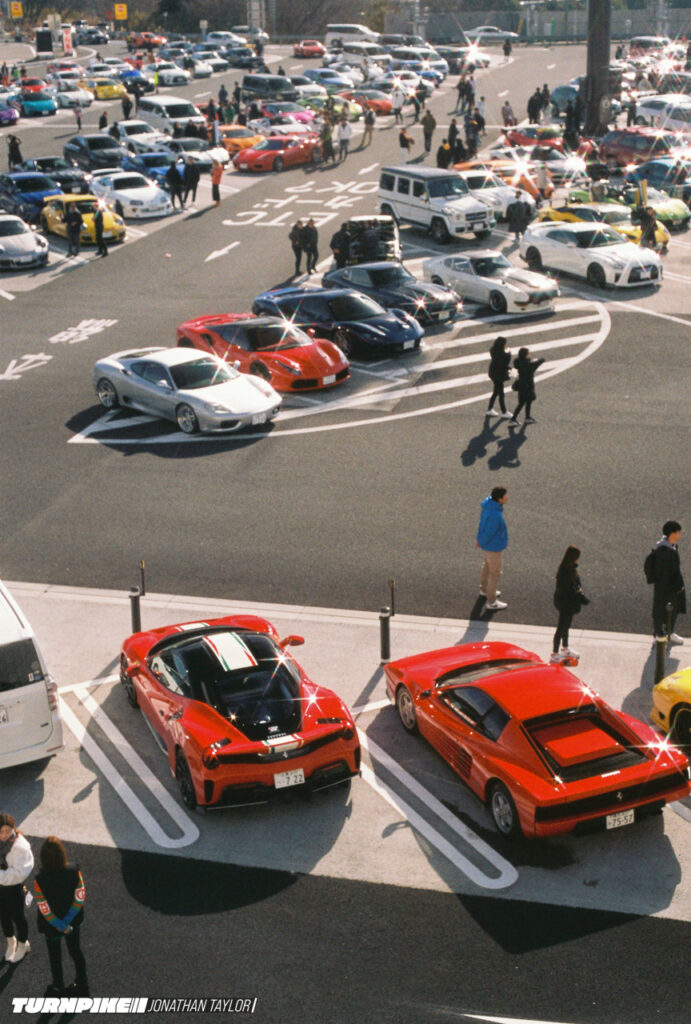
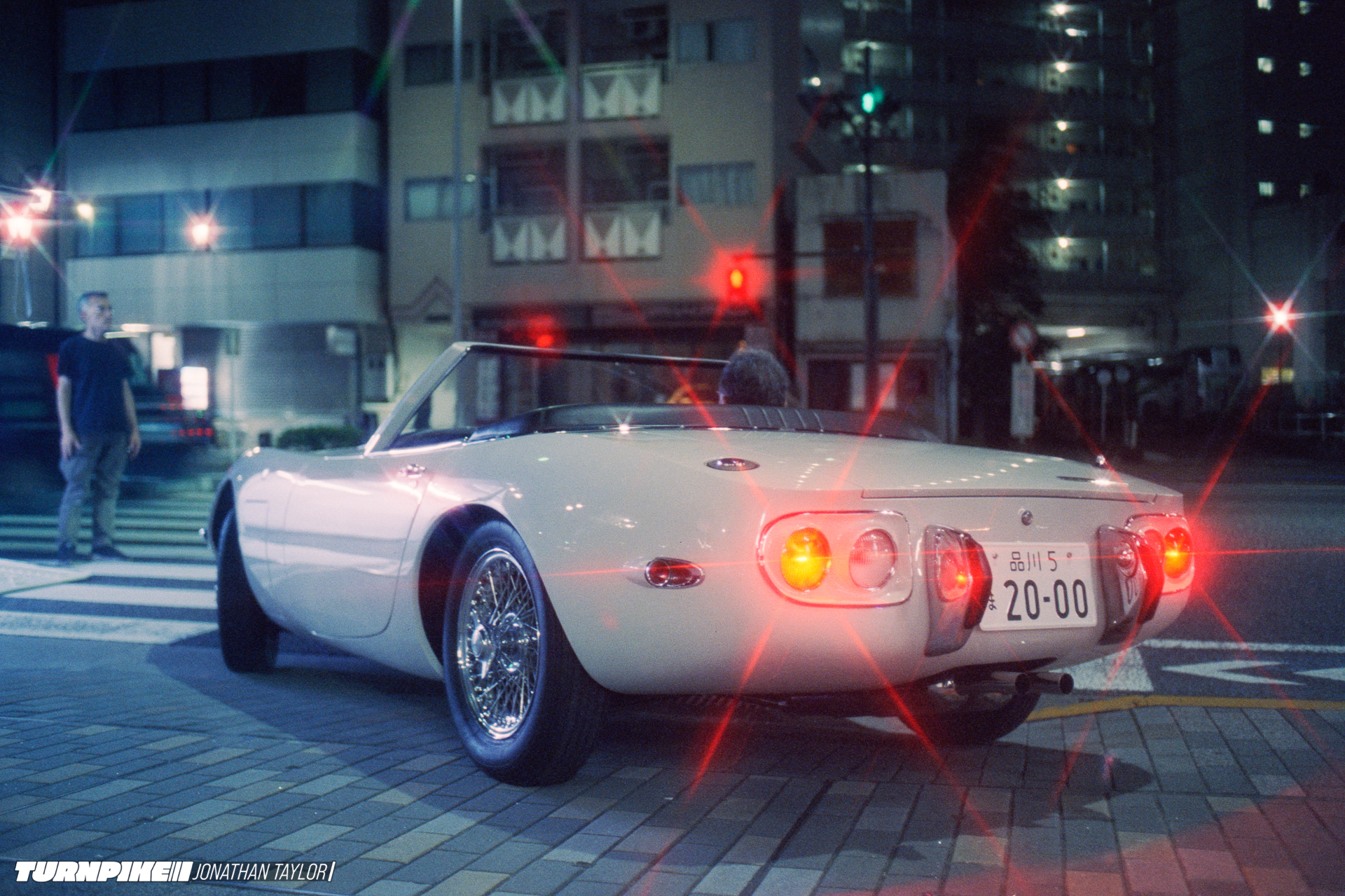
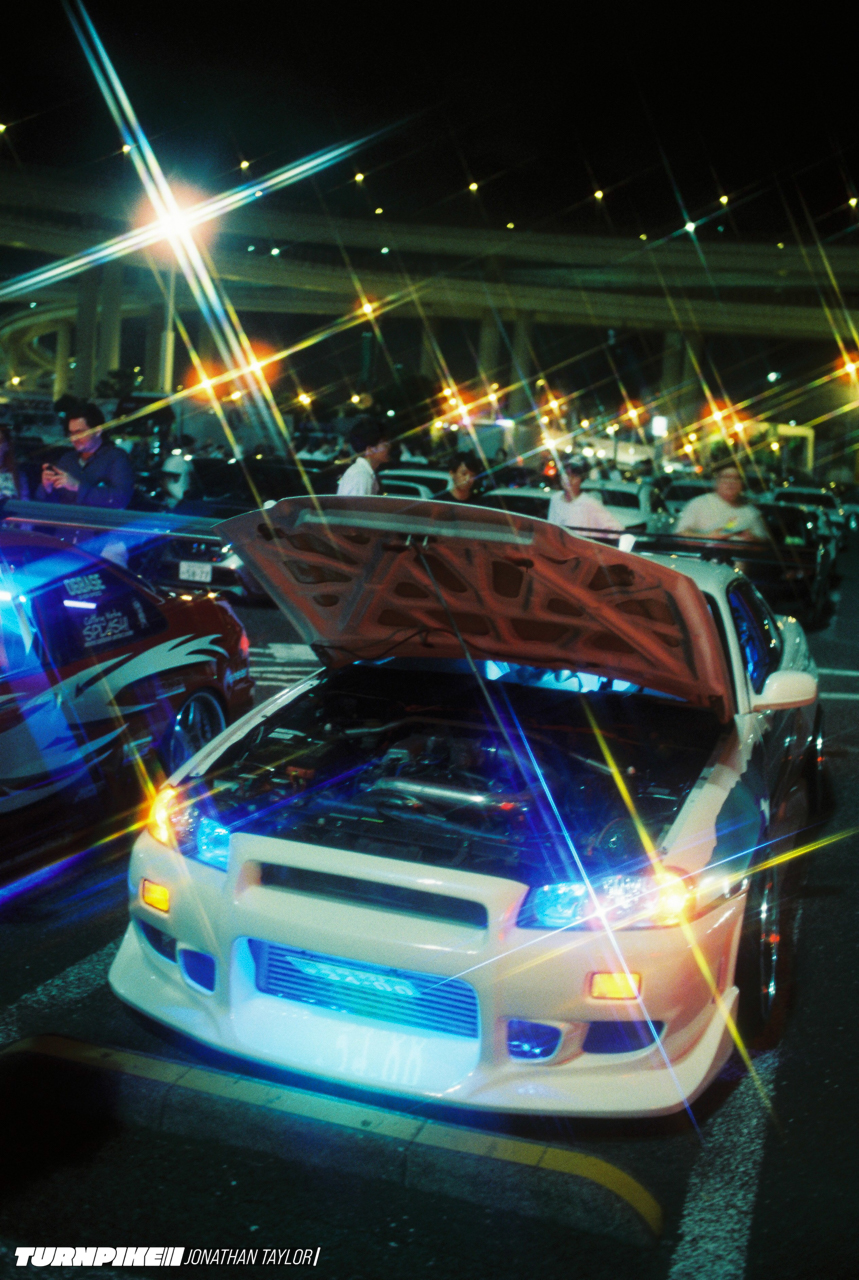
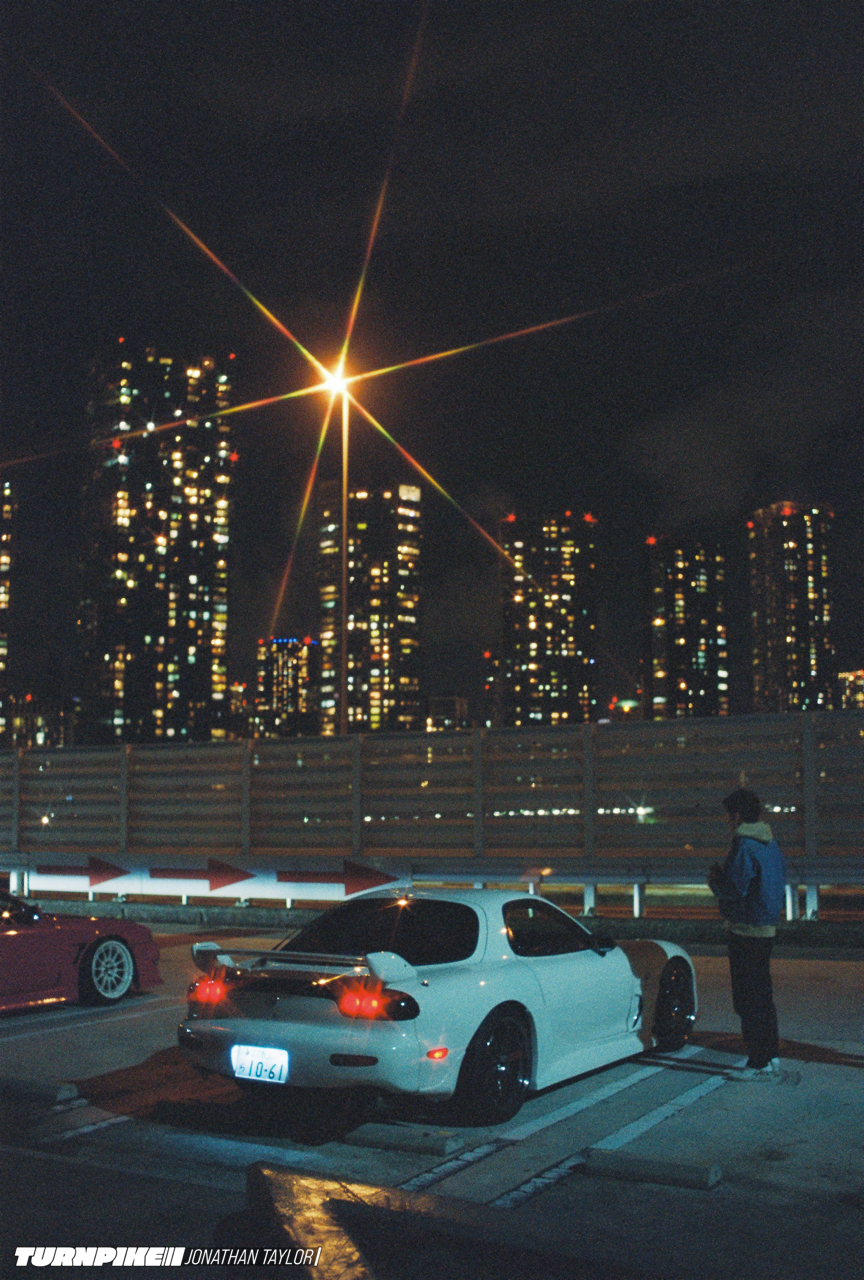
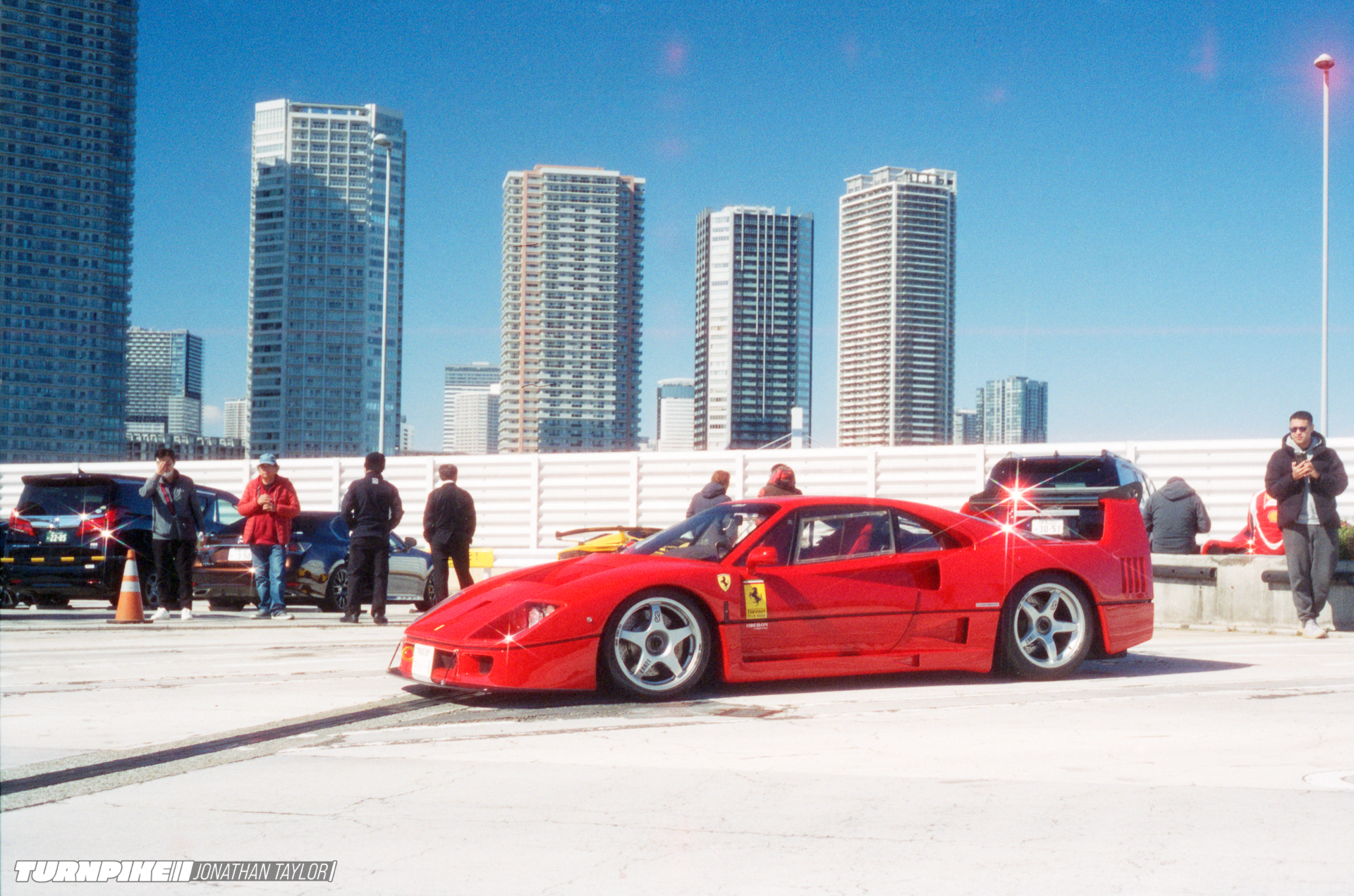
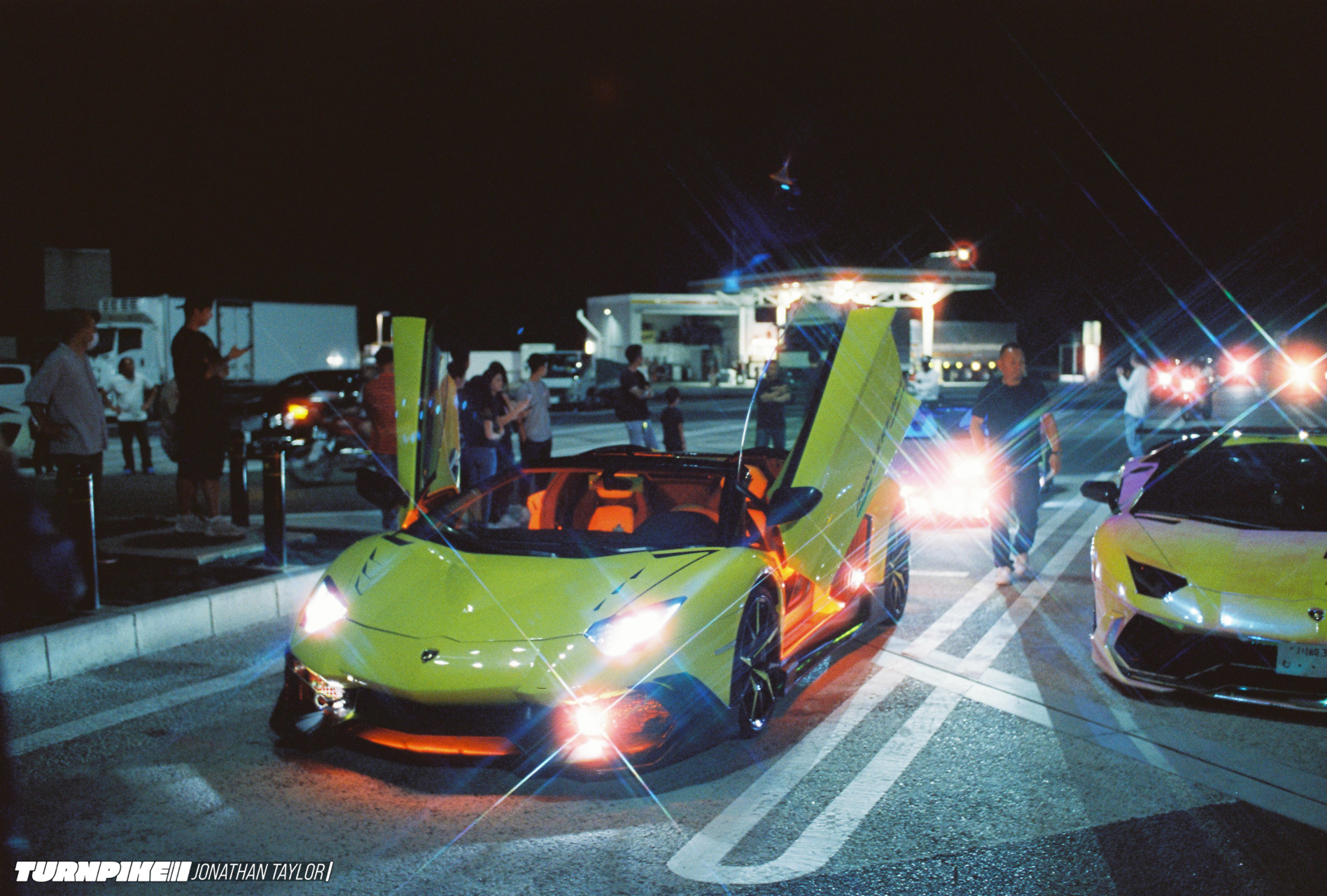
Looking at Instagram also provided plenty of inspiration. I remember seeing a post a couple of years ago using a star filter and thinking it looked super cool, so I immediately bought one to try out for myself. For better or worse it has become a part of my signature style. I know it’s gimmicky, but I like it.
Of course, the obvious answer to the question is that most of the style just came about from shooting a lot. In the end there’s no substitute for practice.

MC: Practice makes perfect, after all, so tell me about your favourite photo that you’ve shot, and why it’s at the top of your list.
JT: (turnpike_020.JPG)
It has to be the photo of the two Lamborghini Countachs at Daikoku. It was shot with a new-to-me Fujifilm GSW690III, a medium format camera that shoots massive 6×9 negatives, using 20-year expired Fuji Pro400. Being an all-manual camera and shooting expired film I didn’t really know what to expect, but when I saw the scan I was blown away by the colors and overall quality of the image.
As for the photo itself, I like how it captures that Sunday morning Daikoku vibe. I’ve shot much rarer cars and in more creative ways, but I always come back to this photo as my favorite. I can’t really explain it much beyond “the colors are nice”.


MC: Denmark to Japan is a pretty big switch, so what drew you over, and where do you find the motivation to keep exploring every weekend?
JT: Growing up a lot of my favorite things were from Japan. Dragon Ball, PlayStation, Gran Turismo, the Suzuki Escudo Pikes Peak Version… but I didn’t really know much about the country beyond what I had seen in Fast and Furious: Tokyo Drift.
When I was in school our class was going on a week long school trip to Amsterdam. For whatever reason I decided that I didn’t want to go, and as punishment I still had to go in and sit in the classroom from 9am to 3pm for the entire week – doing nothing. This was in March 2011, and the huge earthquake and tsunami had hit Japan just three days prior… so the entire week I ended up just doing a deep dive on Japan. I read about the culture and got news about the (then) current situation. It feels bad saying this given how tragic the event was, but by the end of the week I knew it was a place I wanted to visit.
When I was in university I had the opportunity to study abroad for one semester. As much as I wanted to go to Japan, I ended up going to Korea during my undergraduate studies as it had a better program. At the end of it all I really enjoyed the experience, to the point where the Japan dream slowly got replaced by the Korea dream.
During my graduate studies I enthusiastically applied for another program in Korea, but got unexpectedly rejected. This was pretty depressing, but the applications for Japan were still open for a few more days, so I quickly prepared an application and sent it away. By some miracle I was one of two people from my university selected for a semester abroad at The University of Tokyo. The Japan dream had been re-ignited.
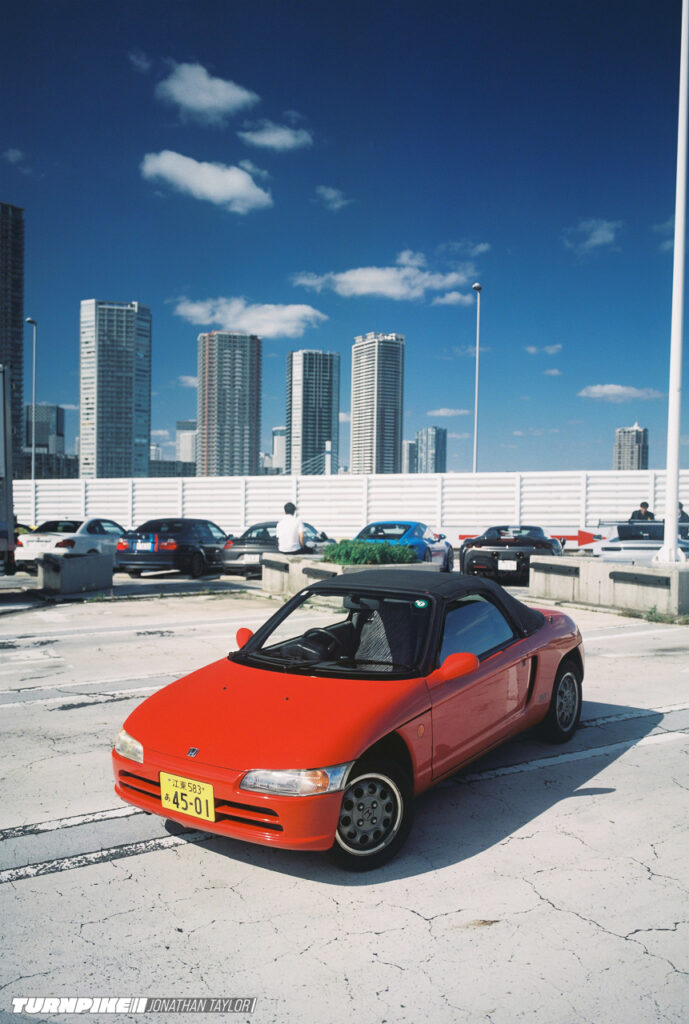
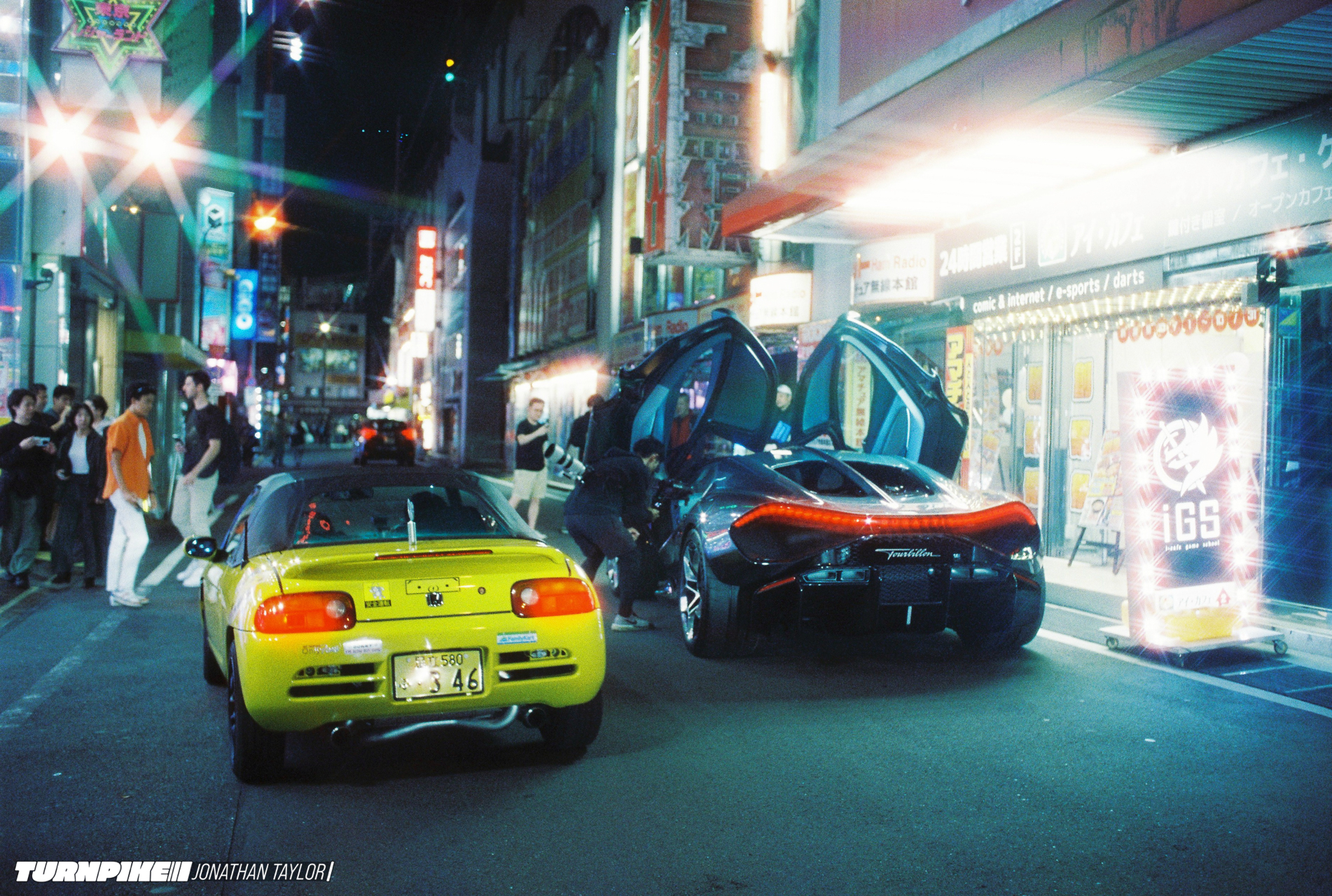
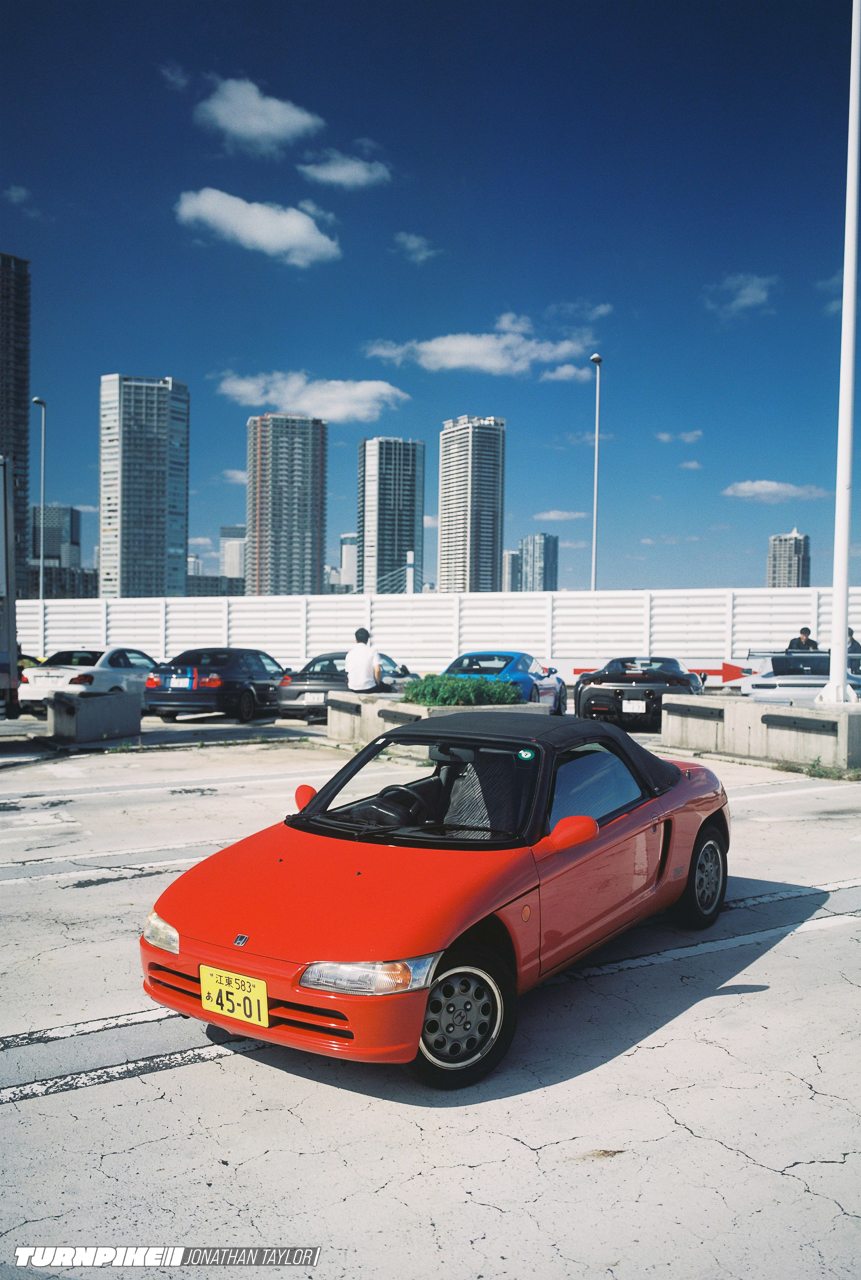
To make a long story short, my time in Japan completely blew me away. Every day felt like a dream, and six months really wasn’t enough. As soon as I graduated university I applied for a position at a small startup in Tokyo, which I somehow got, and was able to move back permanently in February 2020 just before COVID-19 locked everyone else out for the next couple of years. A year after arriving I bought my first car, a 1991 Honda Beat, which I have been thrashing around Tokyo ever since.
During my time in Japan I have been fortunate to have a great group of friends who are just as crazy about cars as I am, so part of the motivation to go out almost every weekend is to just spend time with them. Tokyo itself just has an amazing variety of cars as well though, so there’s almost always some surprise helping to keep each outing fresh. Hopefully the photos speak for themselves in that regard.
I should maybe mention that I have picked up other hobbies in my 5+ years here, so not every weekend is spent doing car stuff. I did also eventually visit Amsterdam for a Rocket League LAN event. It was a neat city and I had good pizza there. Would recommend.

MC: It’s not the gear that makes a photographer, but what’s in your kit bag? What’s your favourite item and what could you not live without?
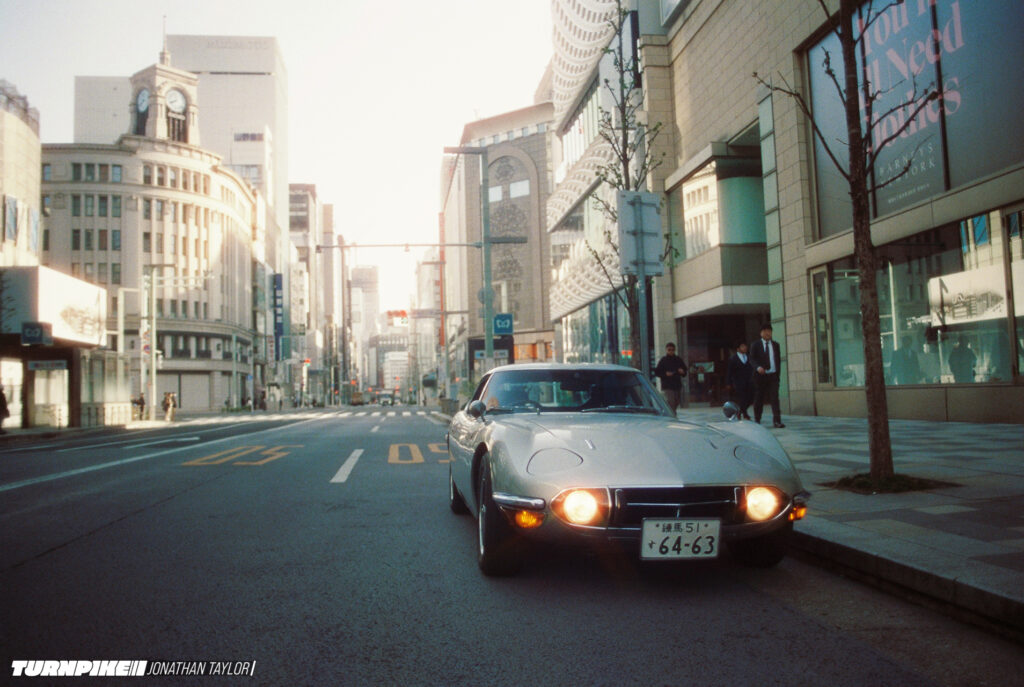
JT: My favorite camera is the Nikon FA. It has a bunch of useful features, but the main things for me are the max shutter speed of 1/4000 and reasonably small body compared to the pro camera bodies from Nikon. The Nikon FE2 and FM3a both go that high as well, and use the same base camera body, but are more expensive and crucially do not have the built in grip which makes the FA so much easier to handle. I usually keep this camera loaded with Fuji 400 for shooting during the day.
My favorite lens is the vintage 35mm f2 Nikkor lens I mentioned earlier. 35mm is my favorite focal length, and that lens in particular is just so nice to handle. If I had to choose just one camera body and lens to use for the rest of my life, it would be the Nikon FA with the 35.
As for the other gear in my bag:
Olympus Mju – My first film camera still gets regular use, especially at night since the flash photos look cool. Usually loaded with Fuji 400.
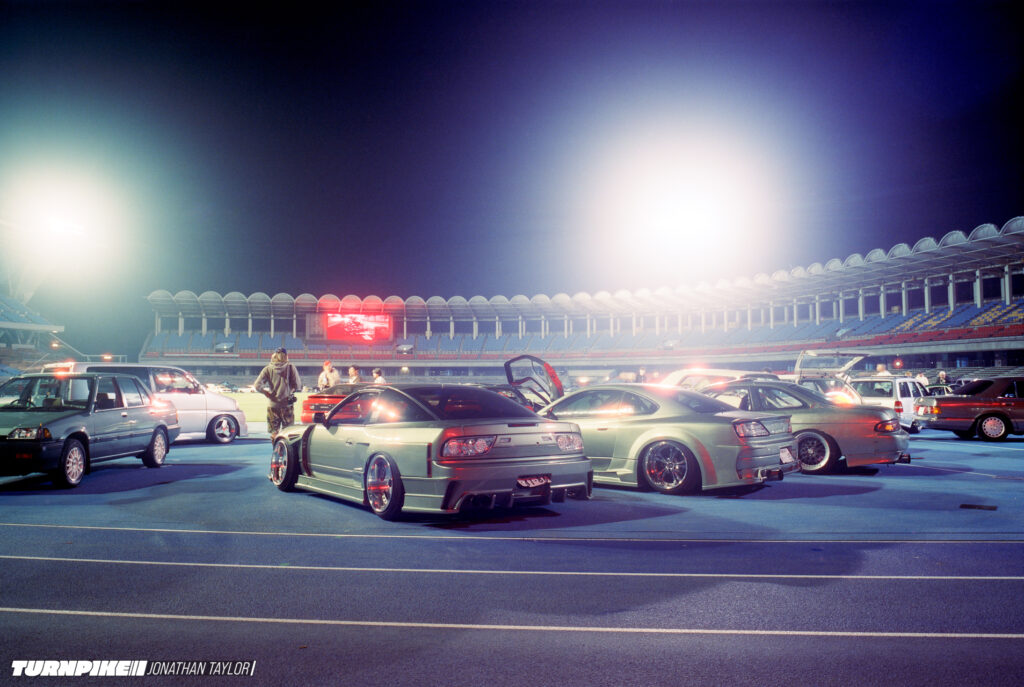
Nikon FE – The first SLR I bought is now always loaded with 800 ISO film for shooting at night. Whenever it gets too dark to shoot the FA I pull this guy out. Of all my cameras this is probably still the most satisfying to handle.
Nikon F4s – This is by far the most advanced film camera I have. Auto-everything. Vertical shutter release button. Shoots up to 6 FPS in continuous shutter mode, which translates to about 500 yen per second. It’s quite bulky, so not very comfortable to carry around for extended periods of time and thus usually stays in the bag. It’s usually loaded with random film I wouldn’t normally shoot.
Fujifilm GSW690III – Nicknamed “The Lunchbox”, this only comes out on special occasions since shooting it is so expensive. I load it with whatever medium format film I have lying around. It usually takes more than a month to finish a roll of 8 shots since I’m so scared to use it.
As for lenses I usually carry a Sigma 16mm f2.8 fisheye, a Tamron 28mm f2.5, the aforementioned 35mm f2, a Nikkor 50mm f1.8 pancake lens, a super old Nikkor 50mm f1.4 which produces really crappy results wide open, and a Nikkor 35-200mm f3.5 which I use like once per year at most.
Finally I have a pretty wide selection of lens filters with me at all times. A bunch of CPLs, some ND filters, 4x, 6x, and 8x star cross filters, a weird rainbow diffraction filter I found in a used filter bin, and a split diopter attachment that I haven’t found a good use for yet.





MC: So why is it that you focus on film, rather than digital? What is it that appeals to you so much?
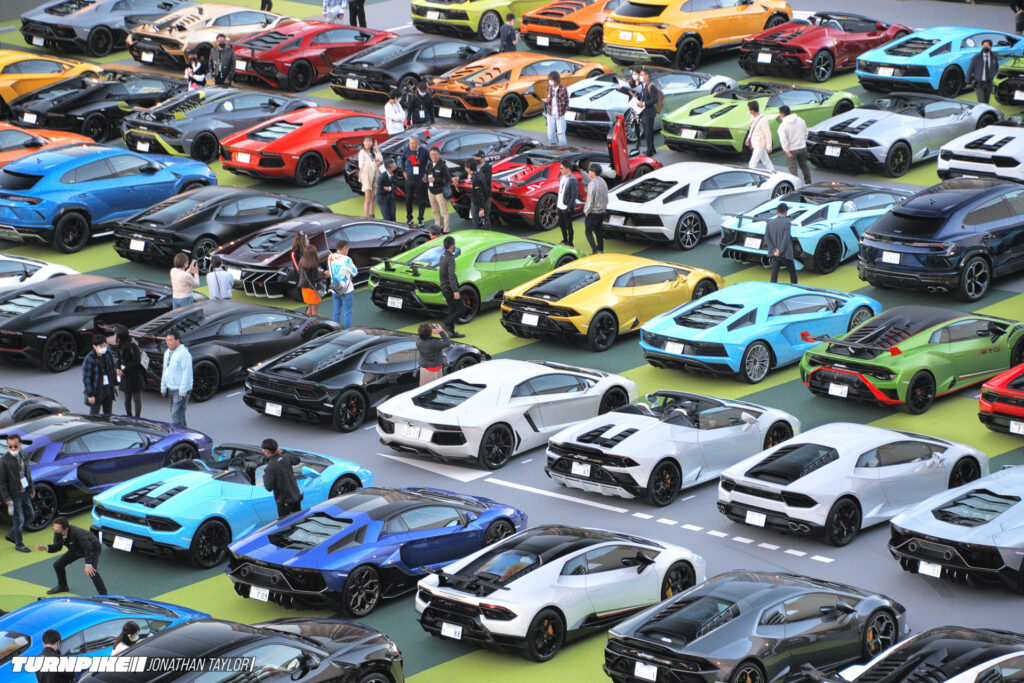
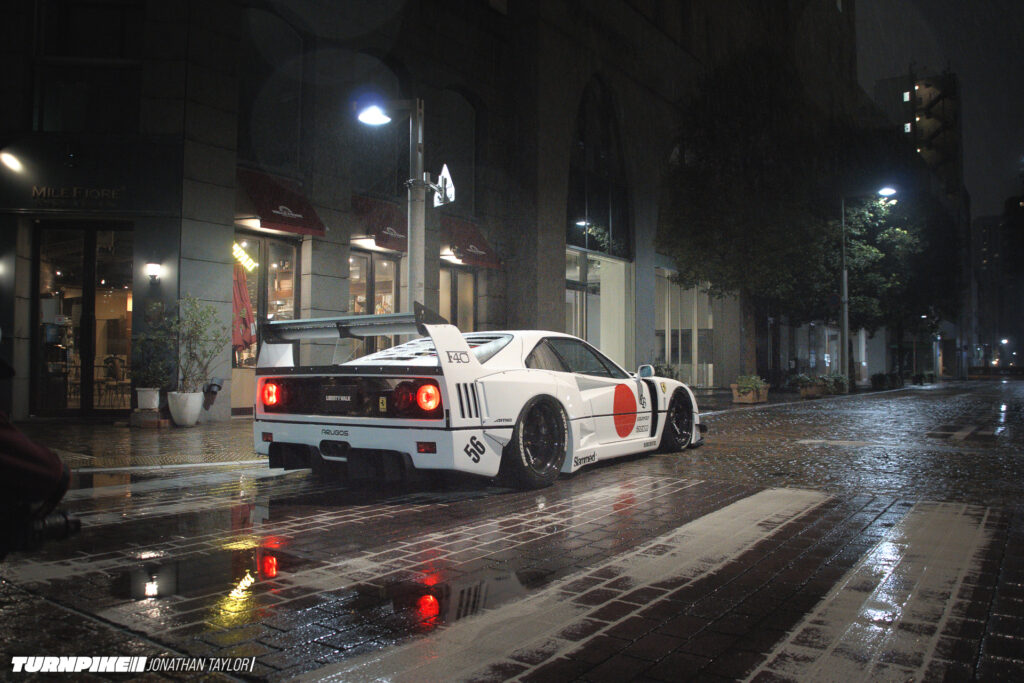
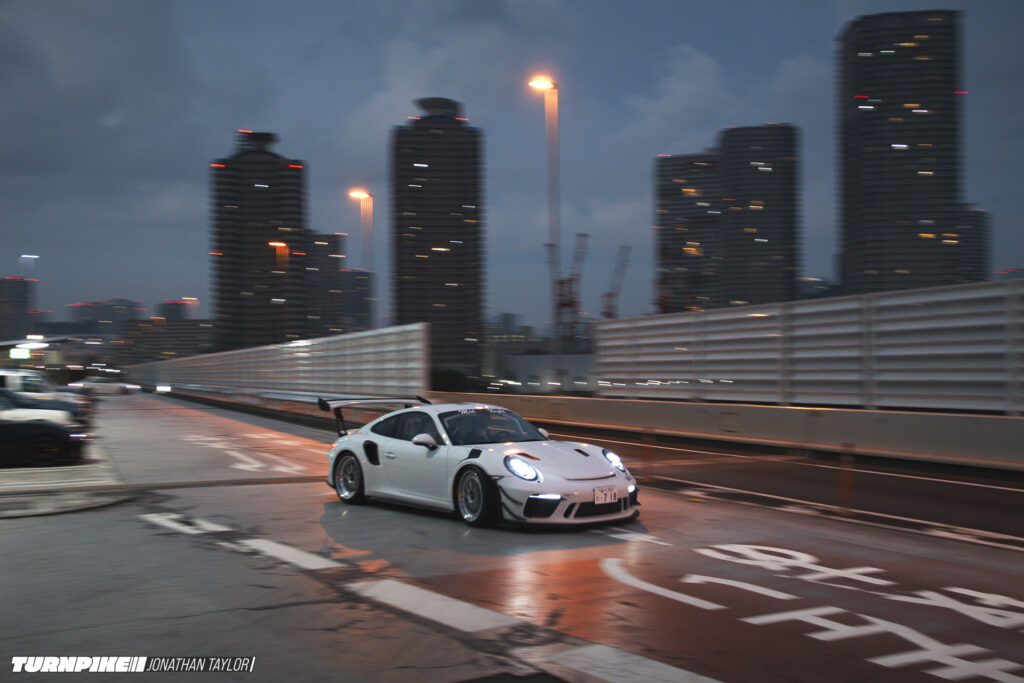
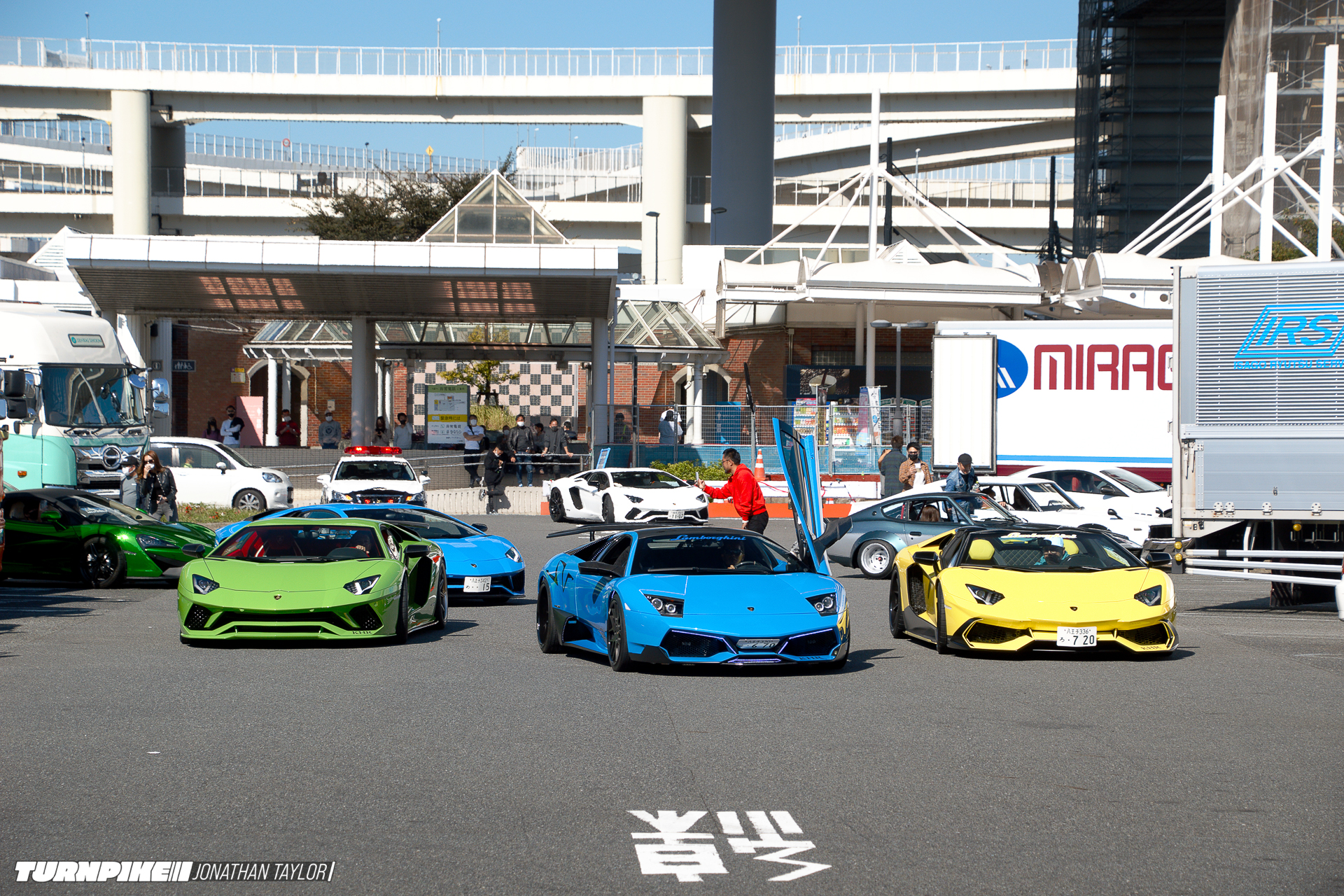
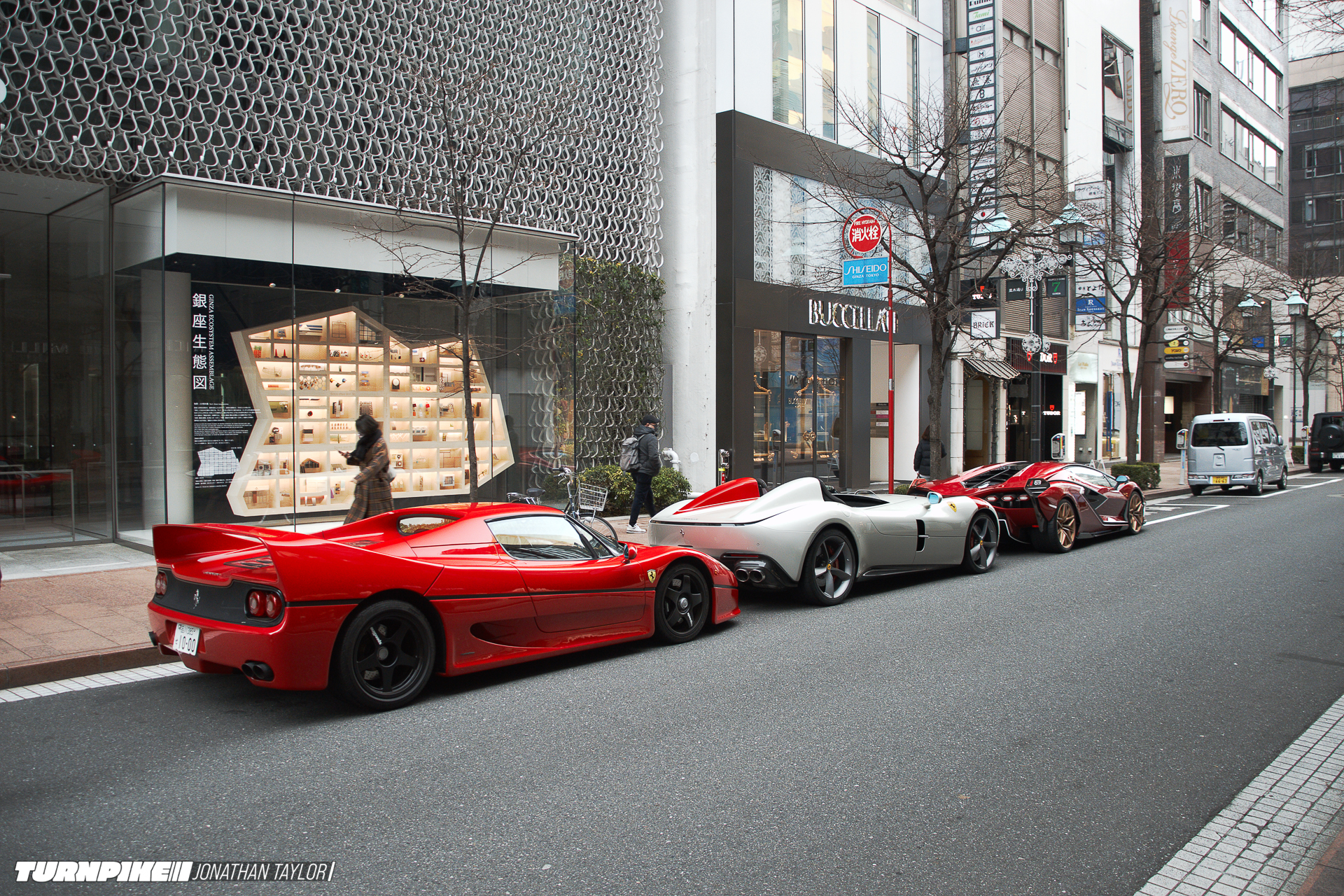
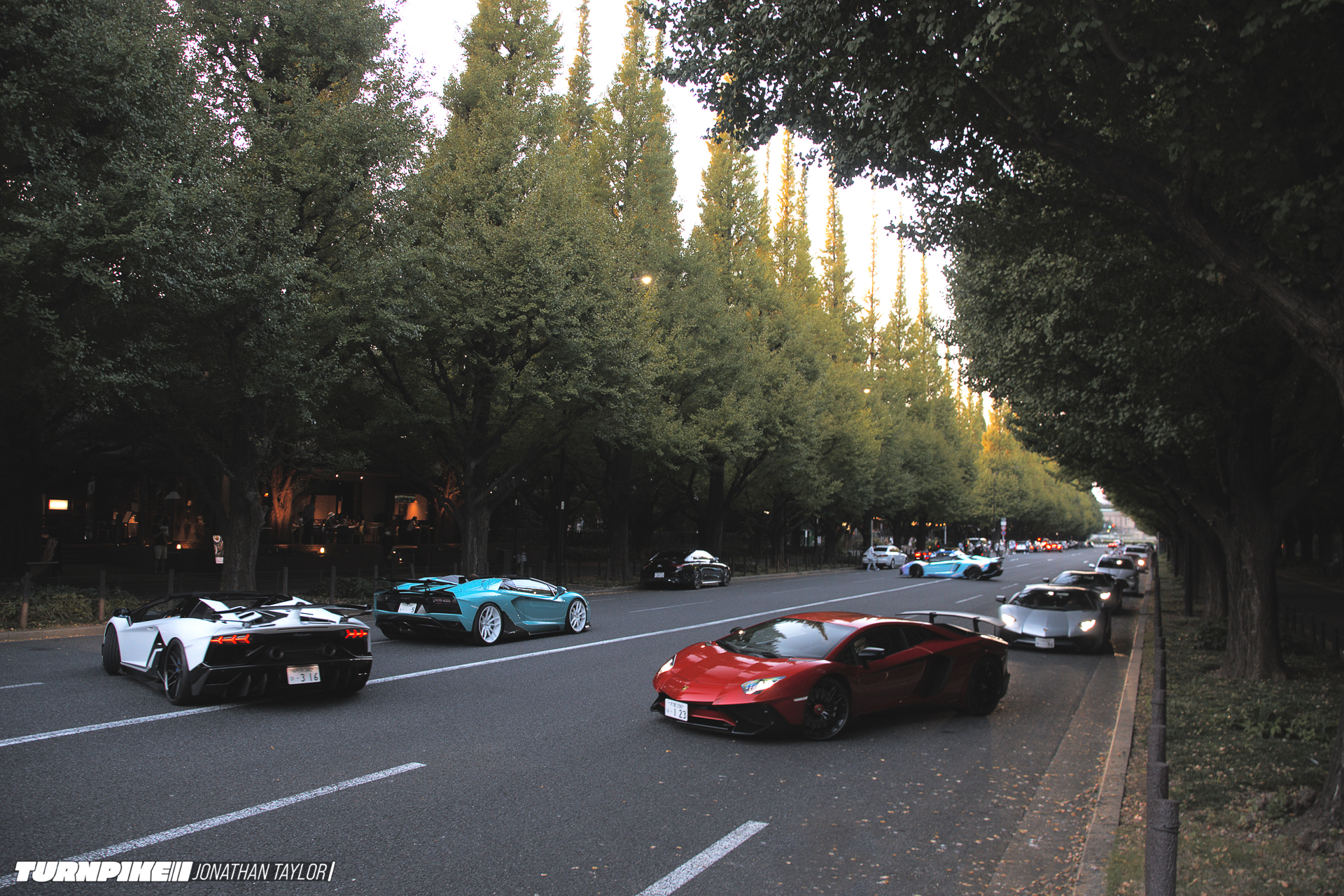
JT: More than anything I think it’s the process. With digital I would shoot a thousand photos over the weekend and then spend way too much time selecting and editing photos. Once I switched to film I worried less about the editing and more about the actual act of taking the photo. With film I only take the photos I really need.
More importantly I get way more likes on Instagram when posting film photos.


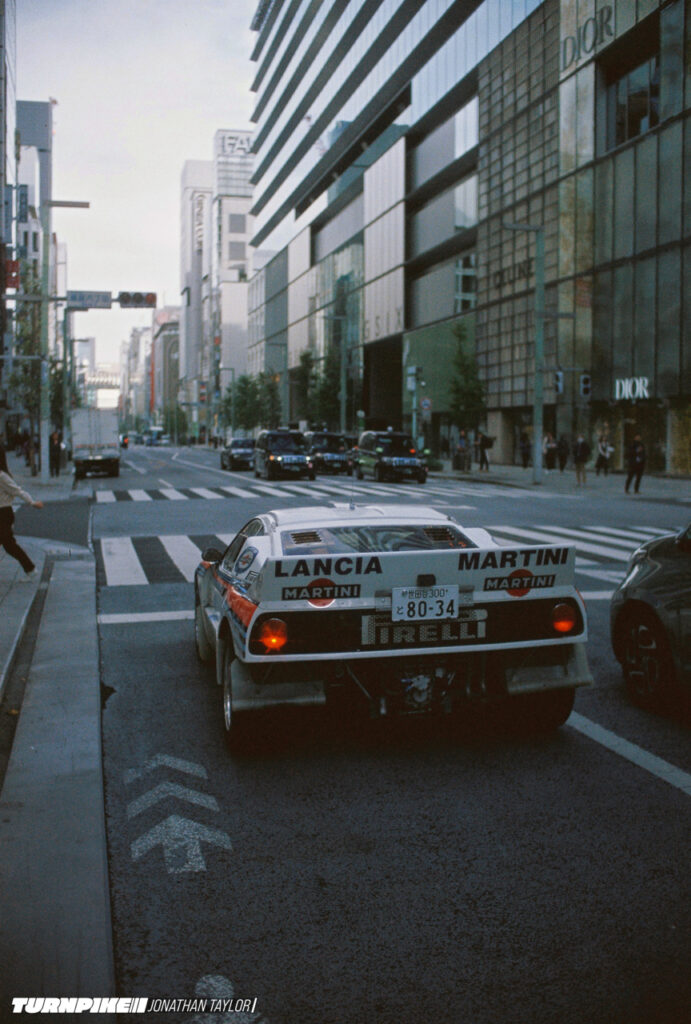
MC: Okay so break it down for me a little more. What film stocks do you shoot on? What characteristics appeal to you?
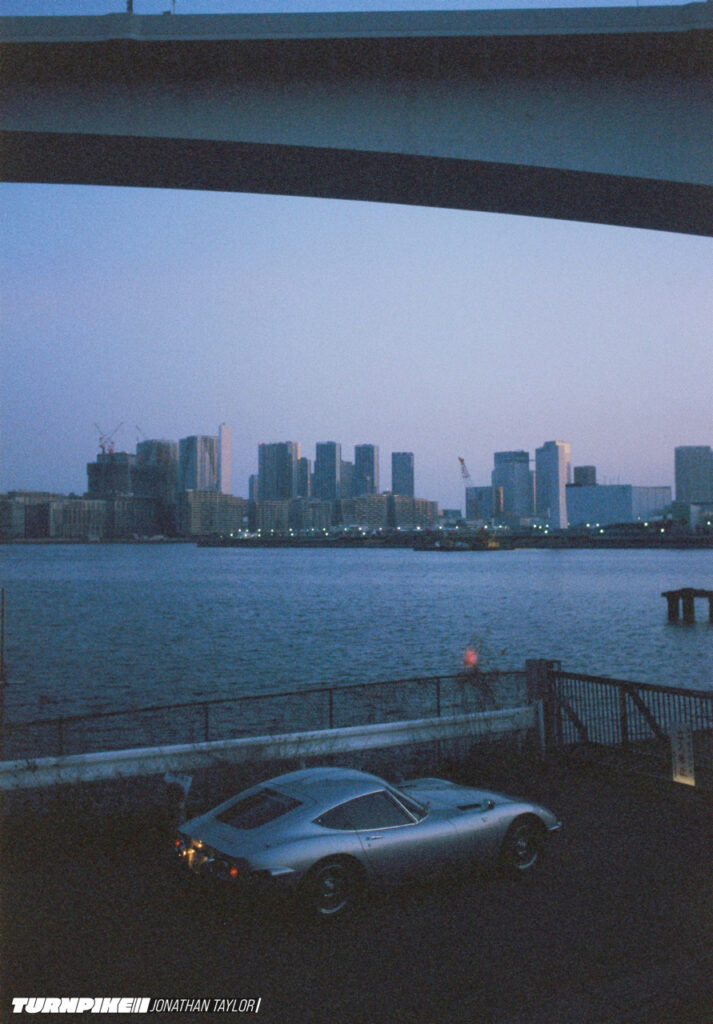
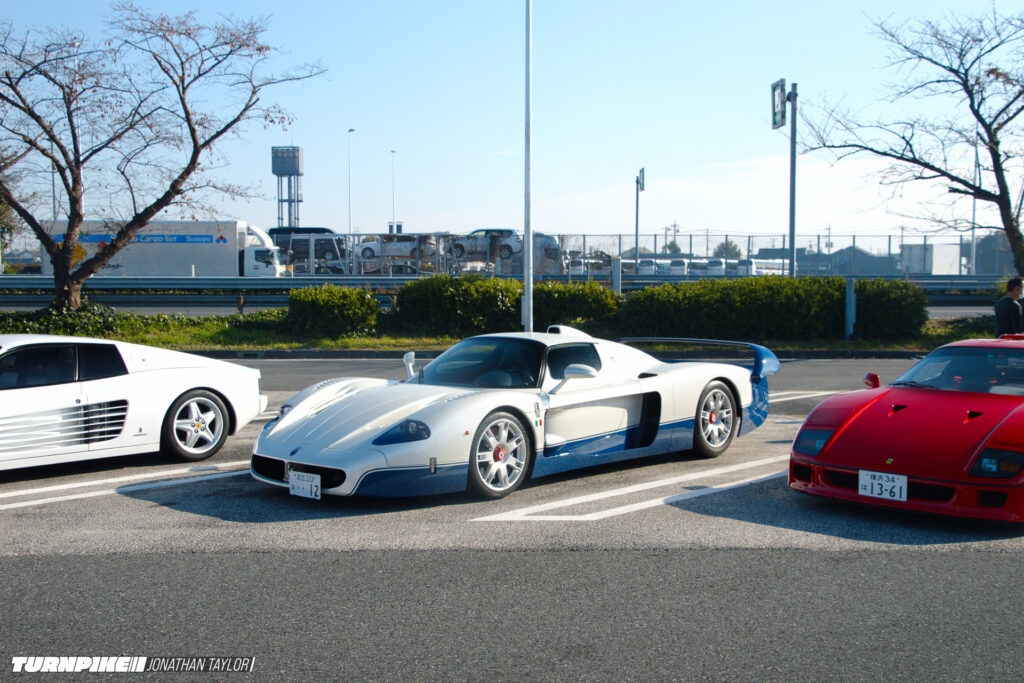
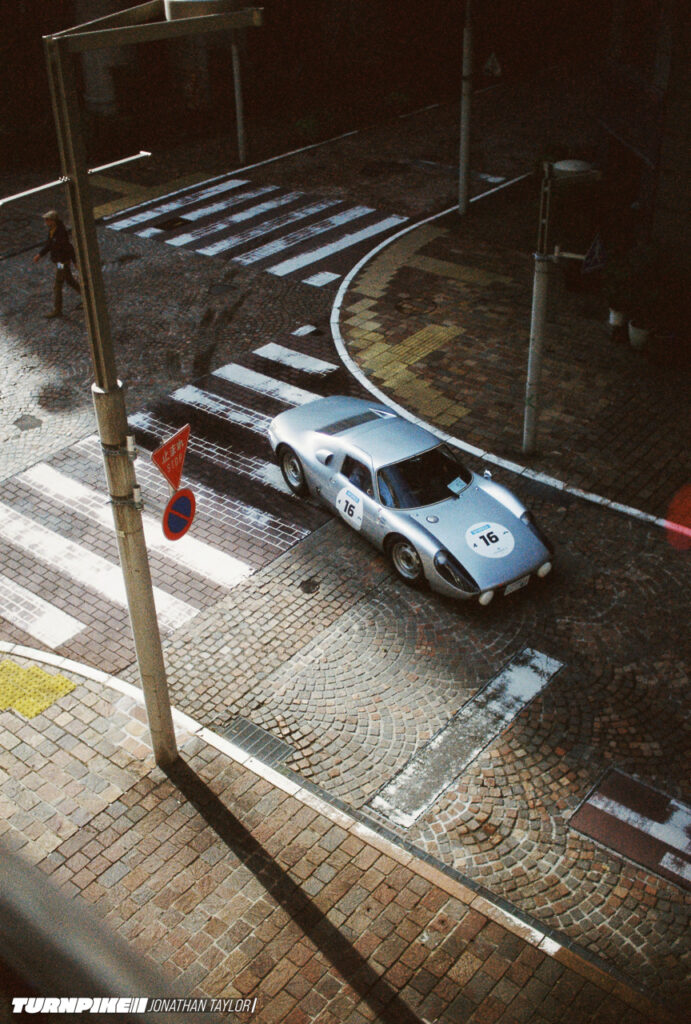
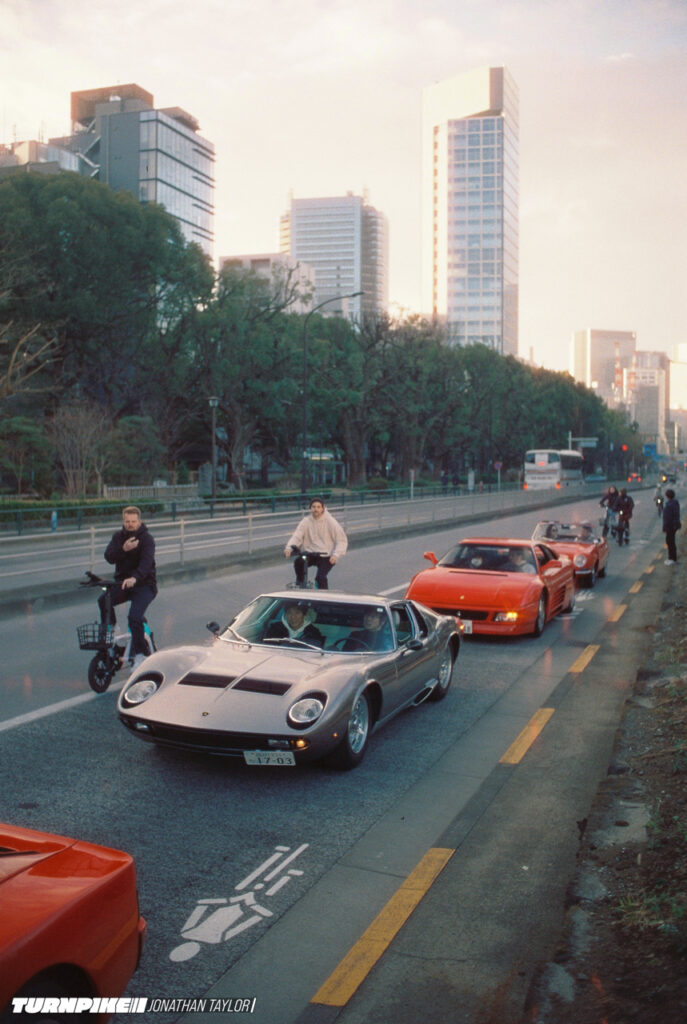
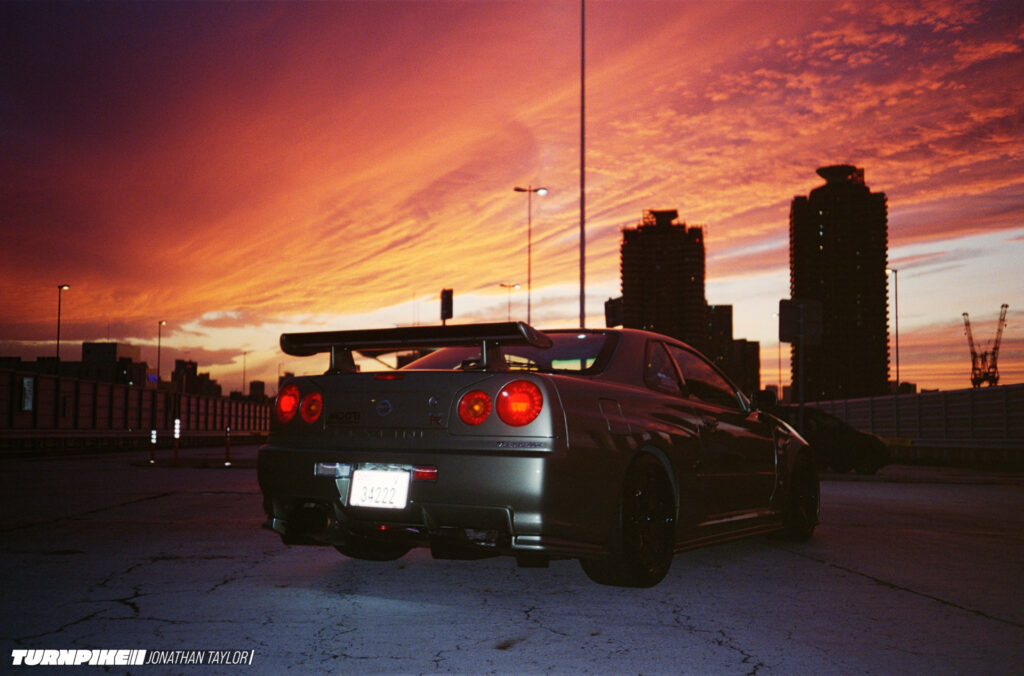
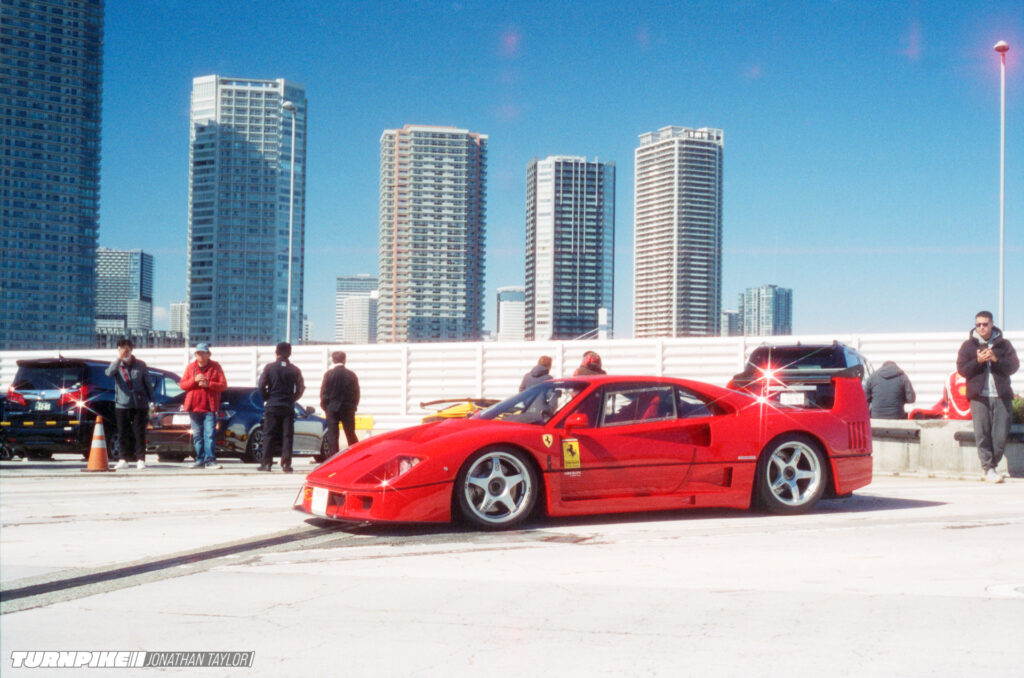
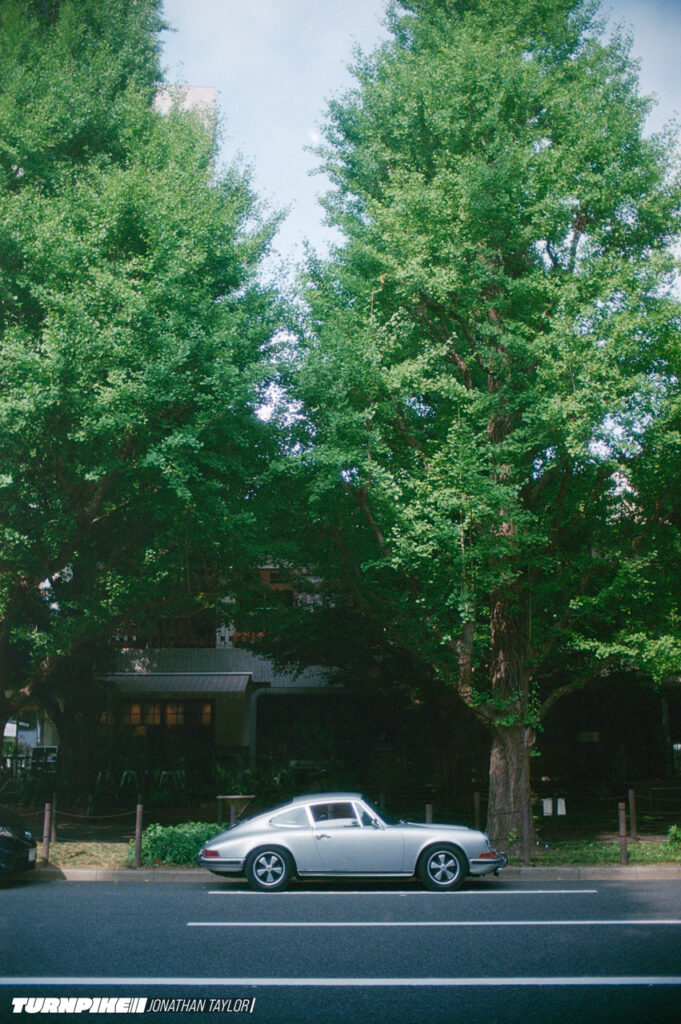
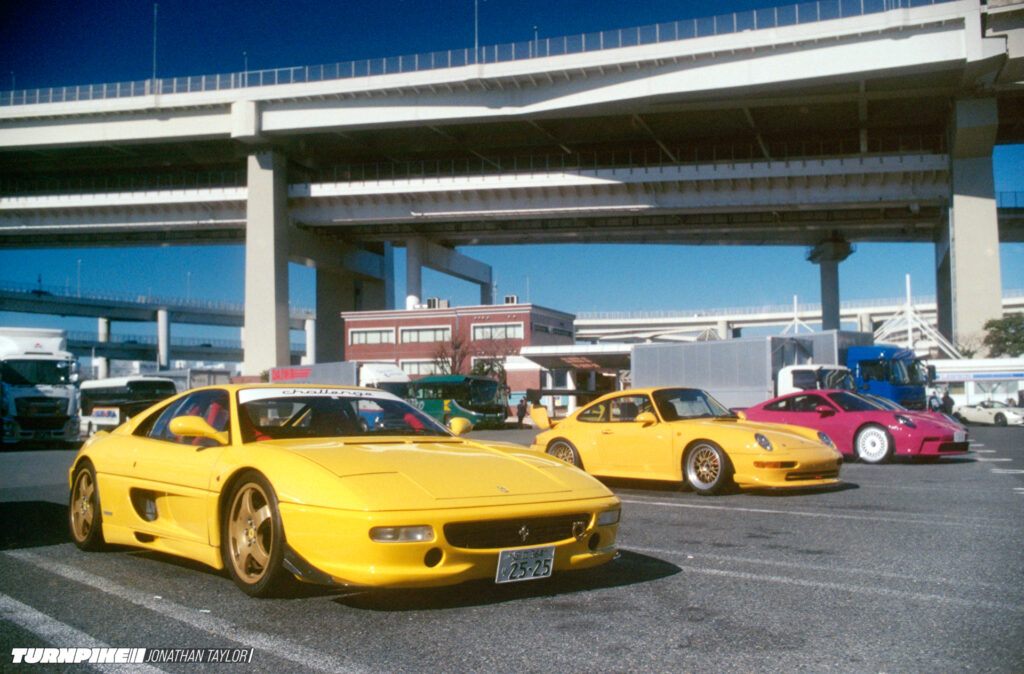
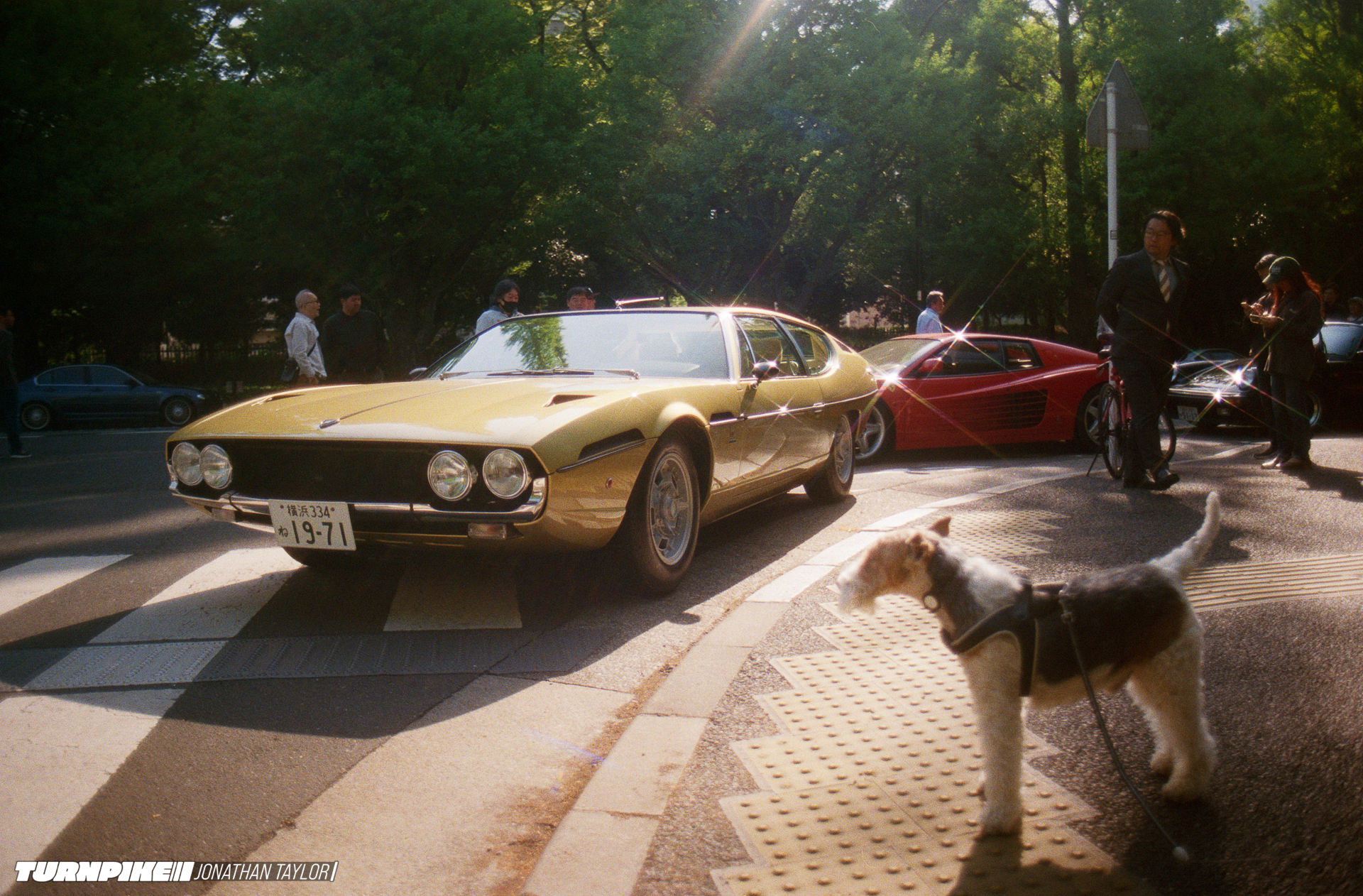
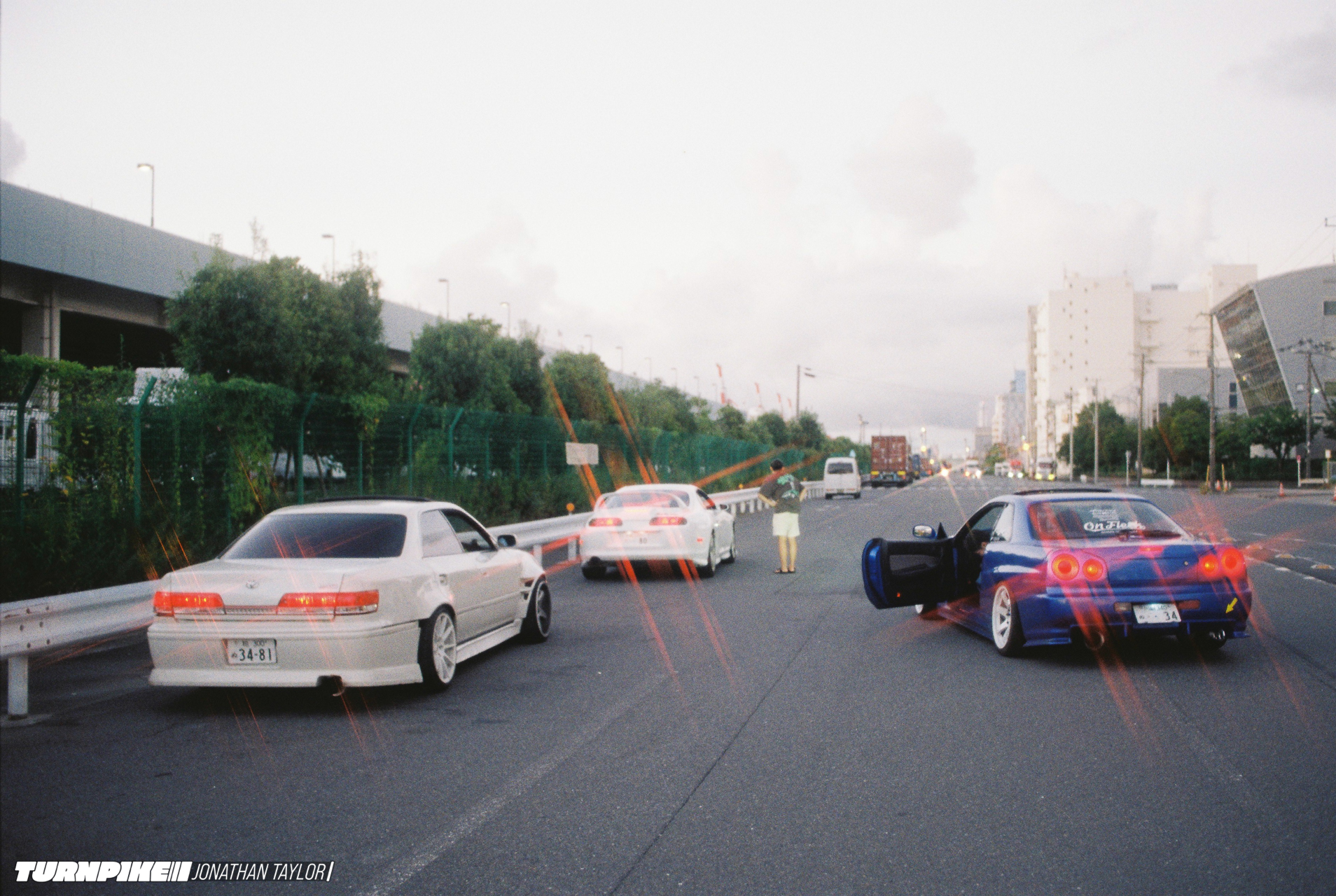
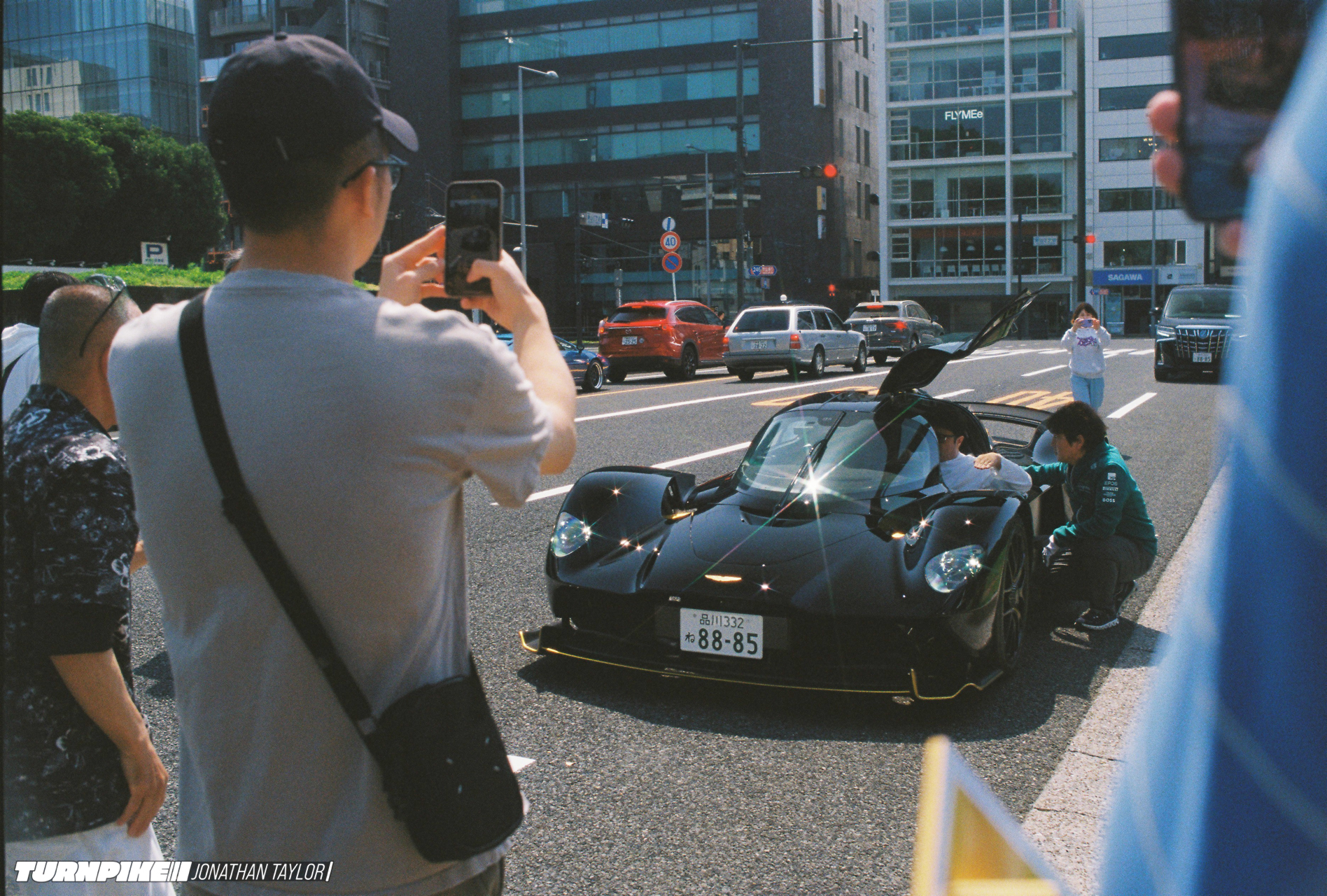
JT: During daytime it’s Fuji Pro400H. In the right conditions the colors are like nothing else. Really nice blues and greens, leaning a bit colder than typical Kodak films, which for me looks really nice on clear sunny days. Unfortunately this film is no longer in production, and expired rolls are going for way more than I’m willing to pay. Nowadays I just stock up on Fuji 400 since it’s cheap and still produces really nice results. Ironically this film is produced by Kodak.
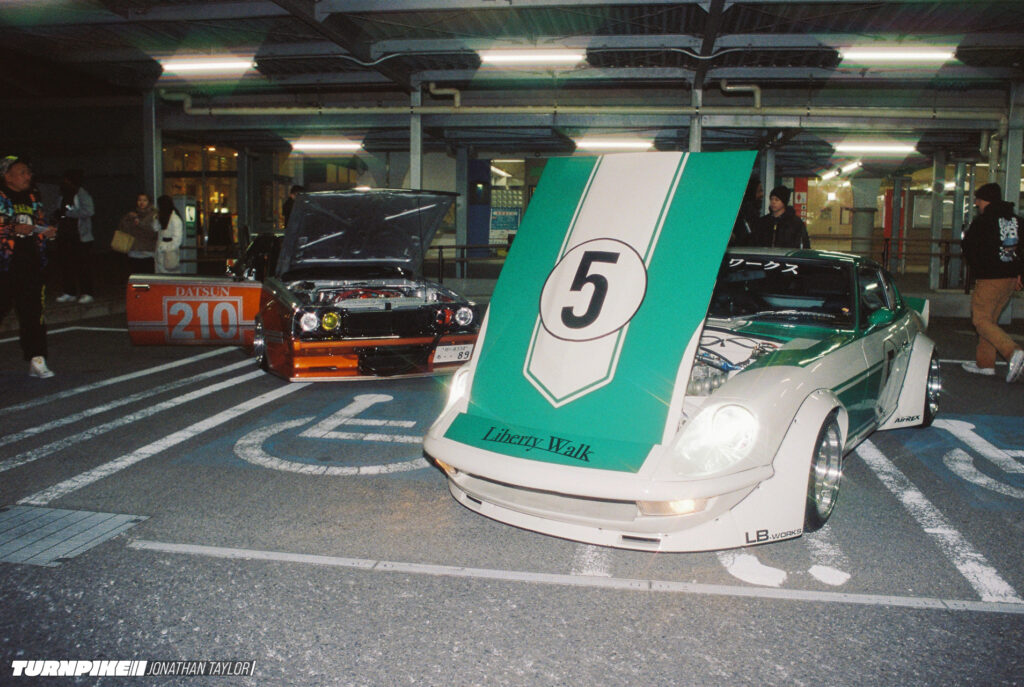
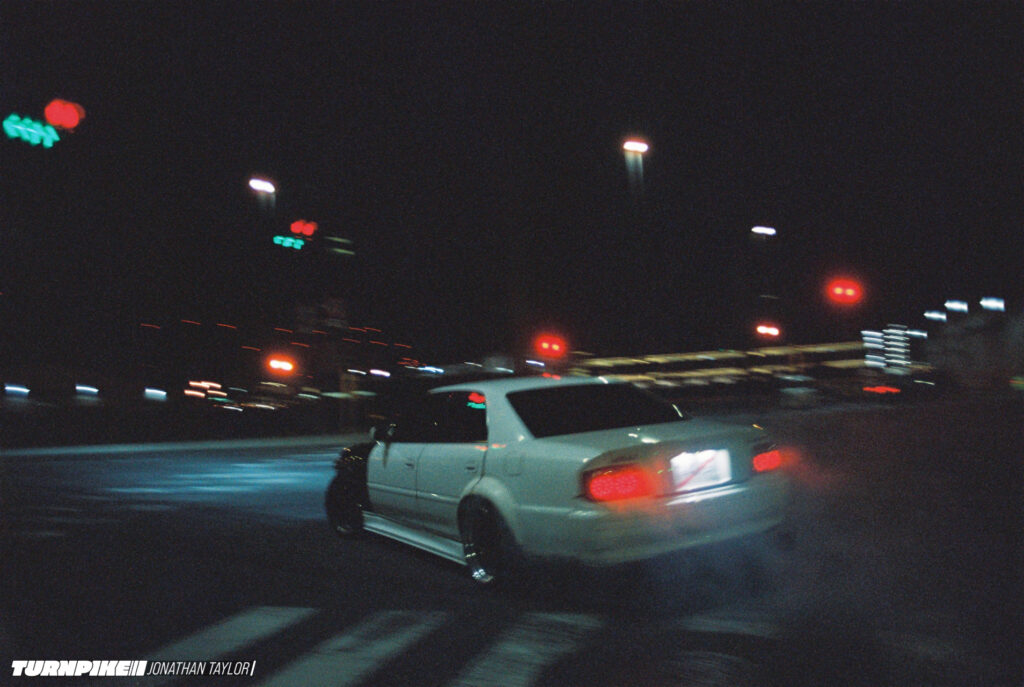
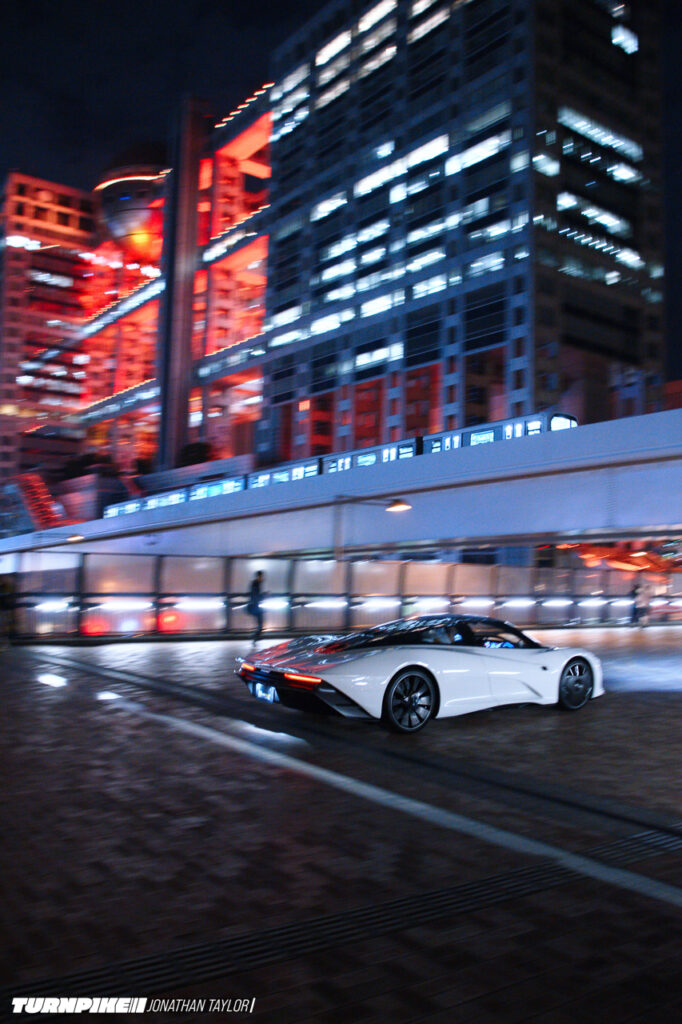
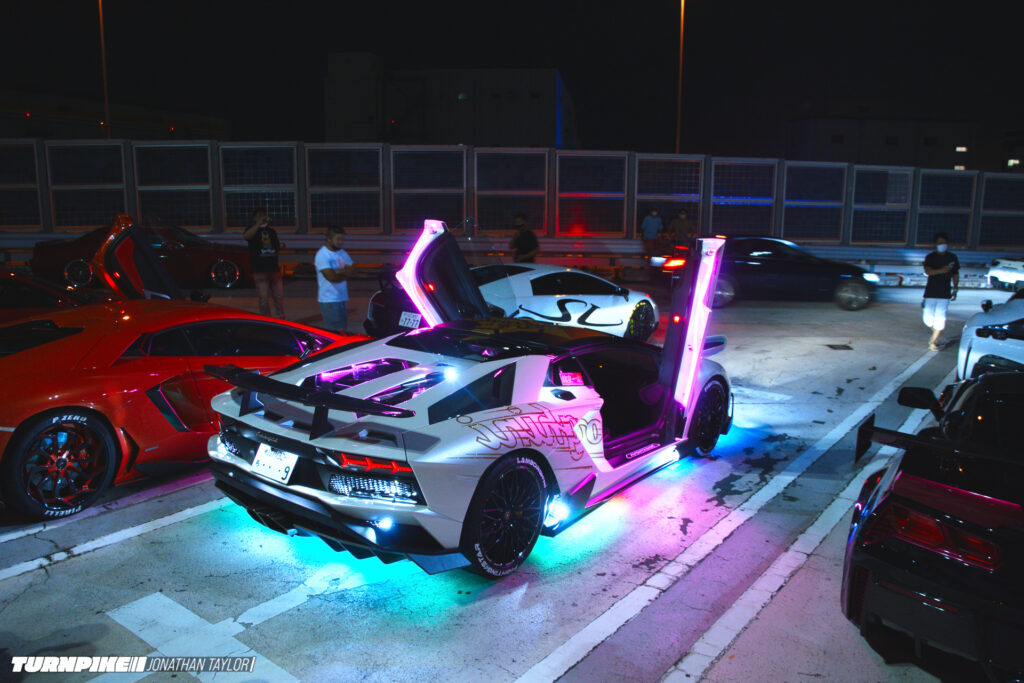
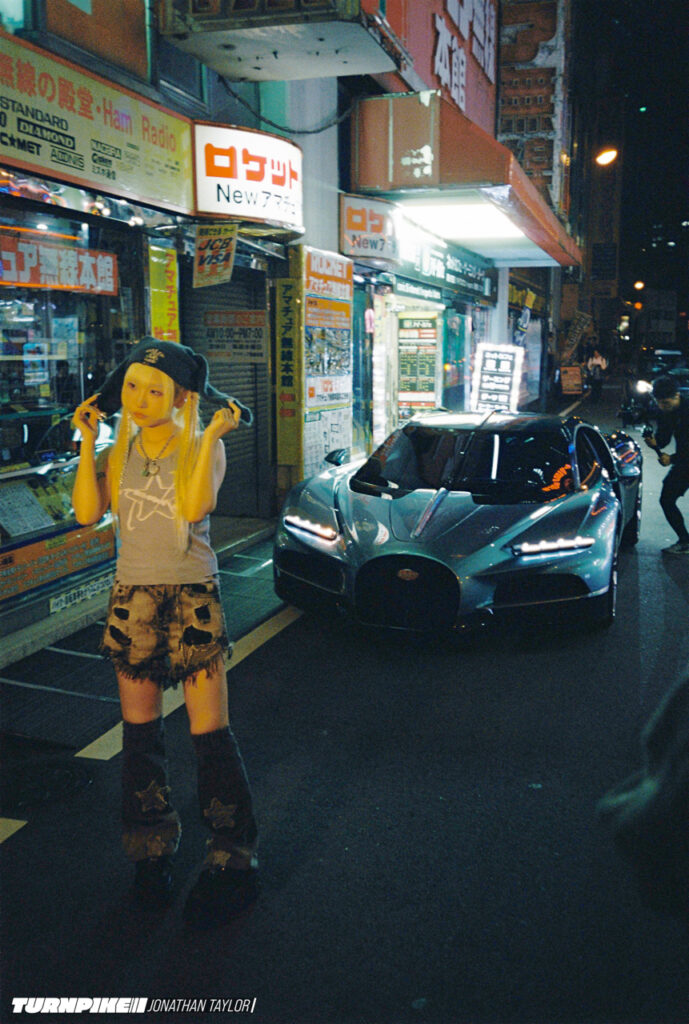
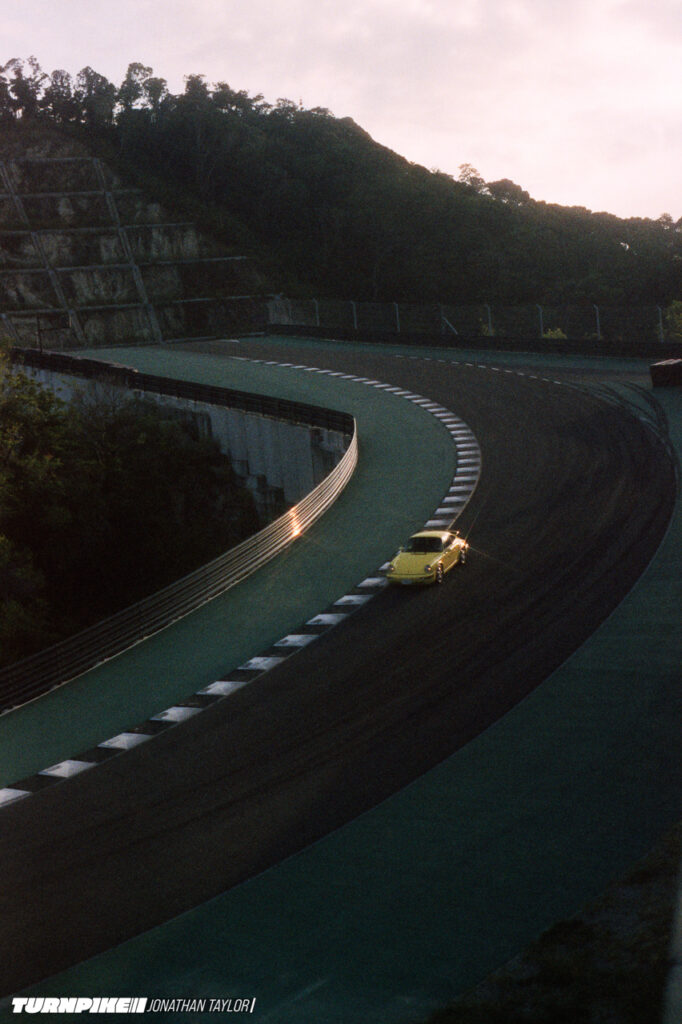
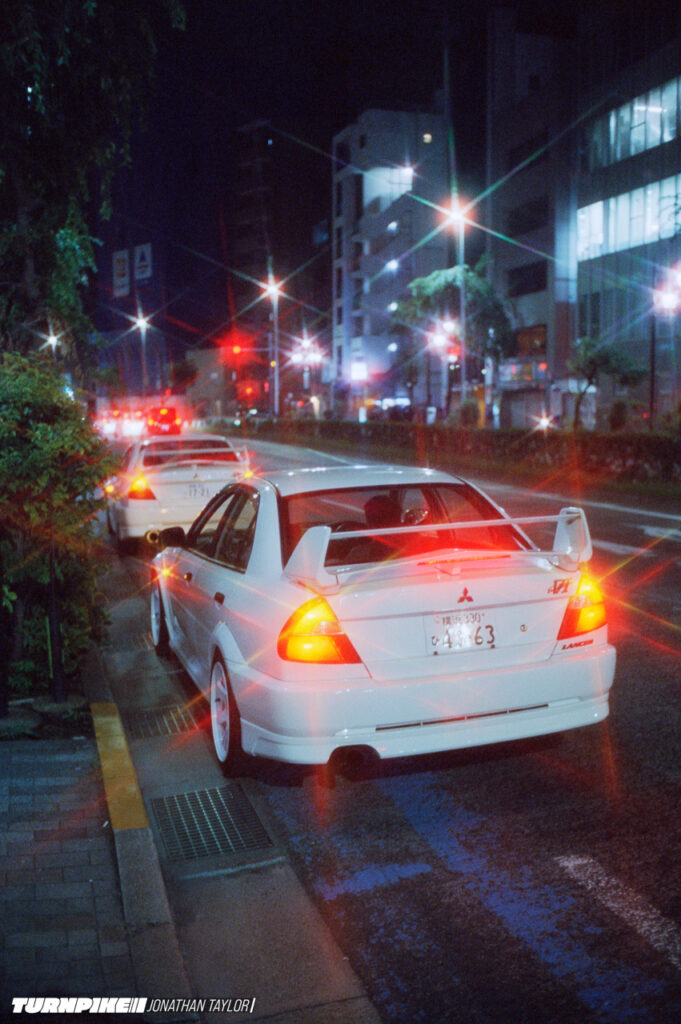
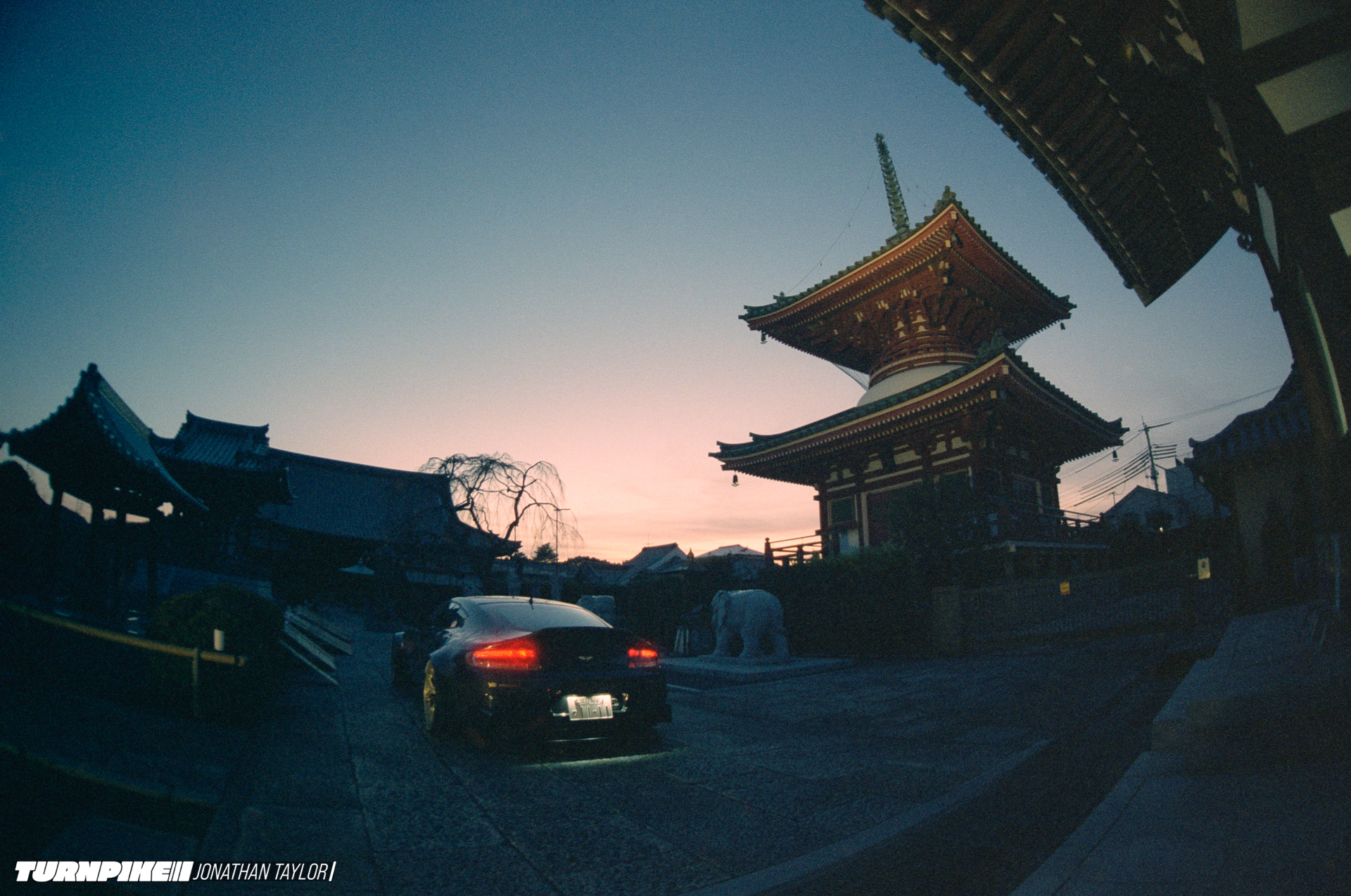
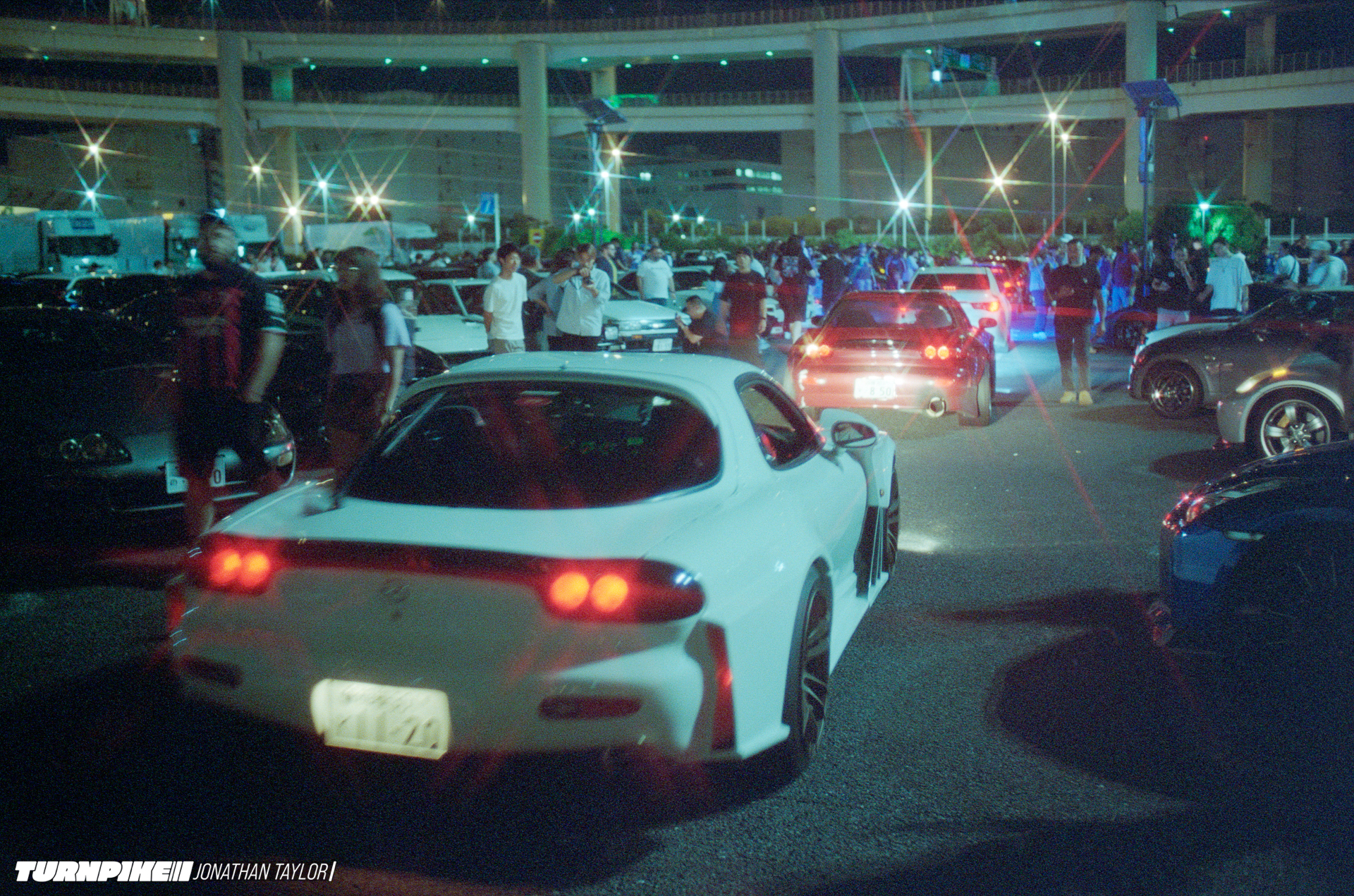
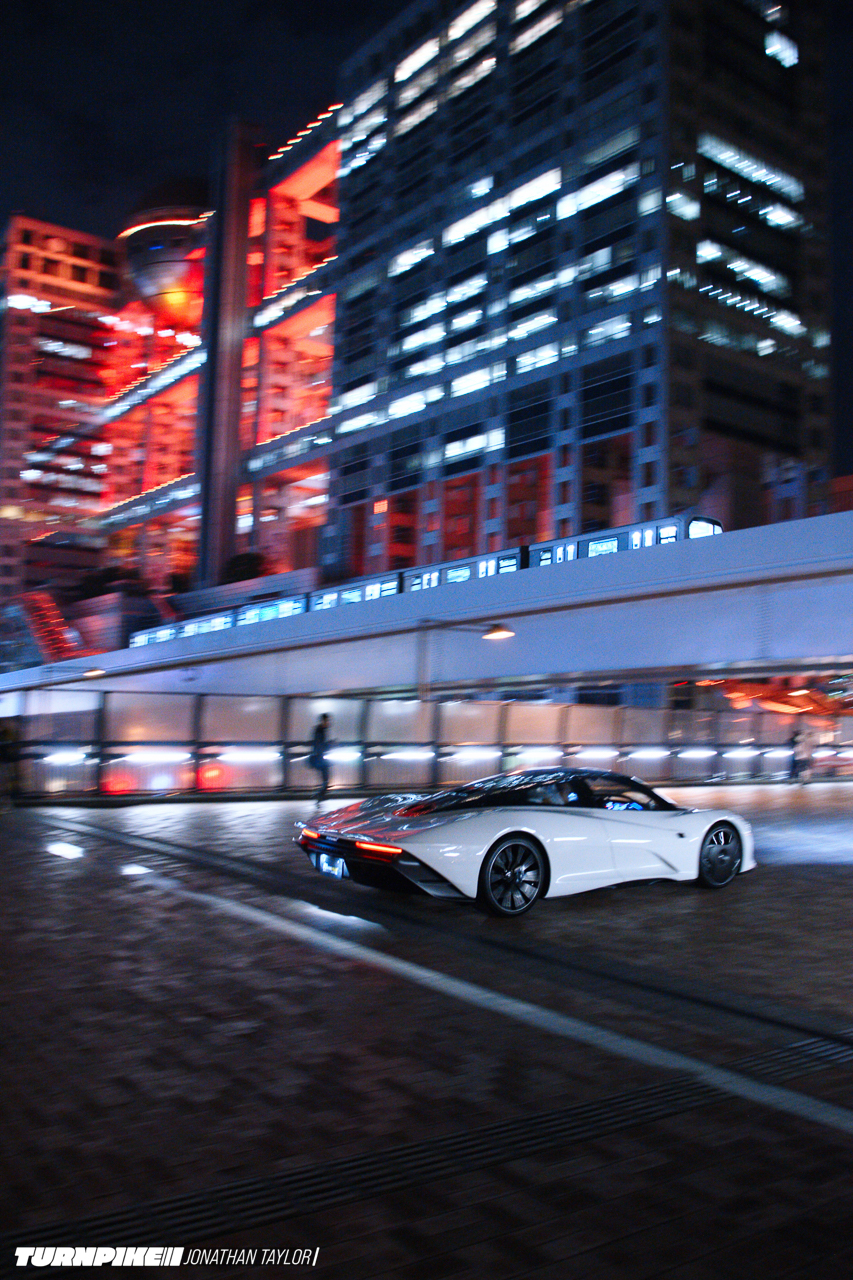
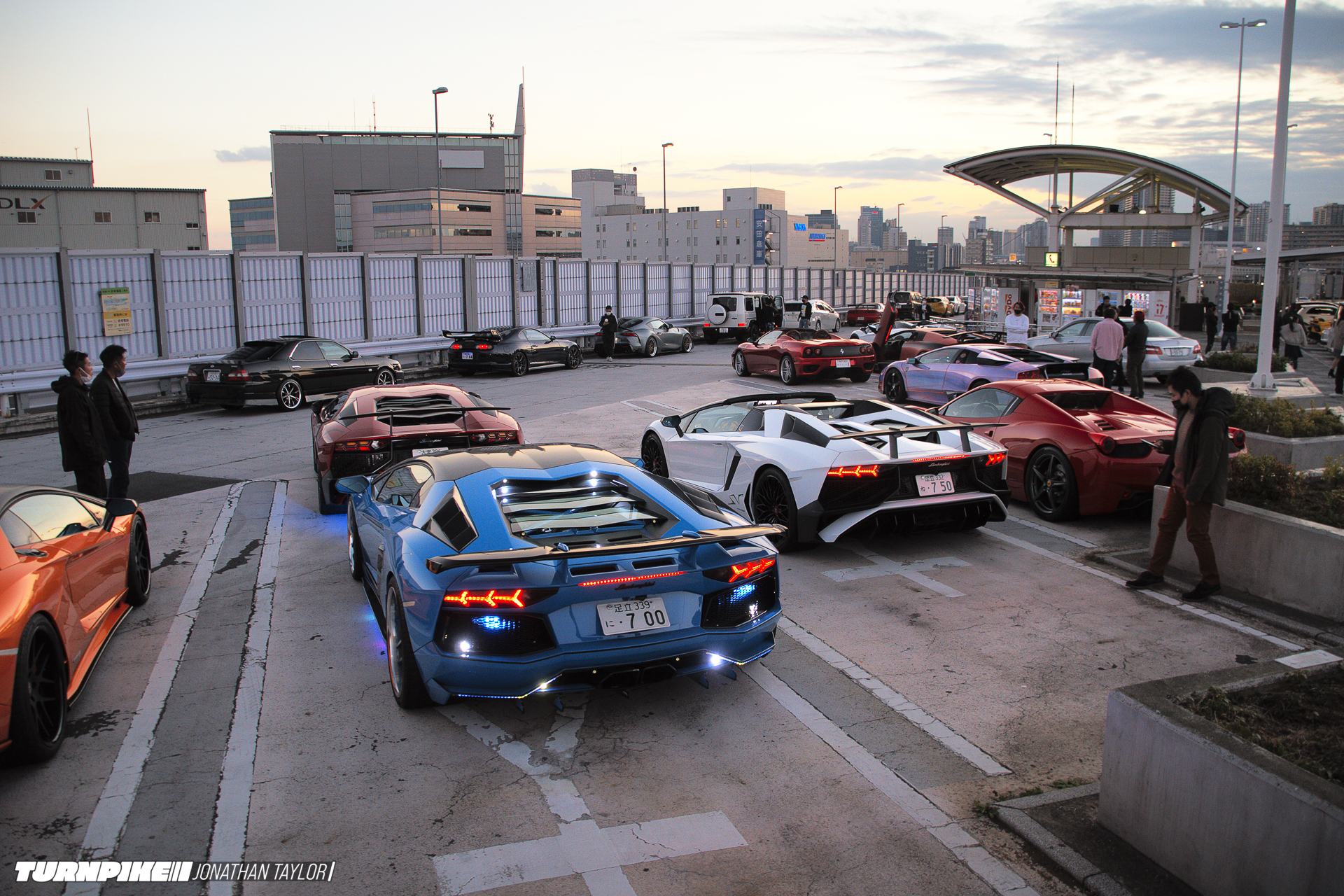
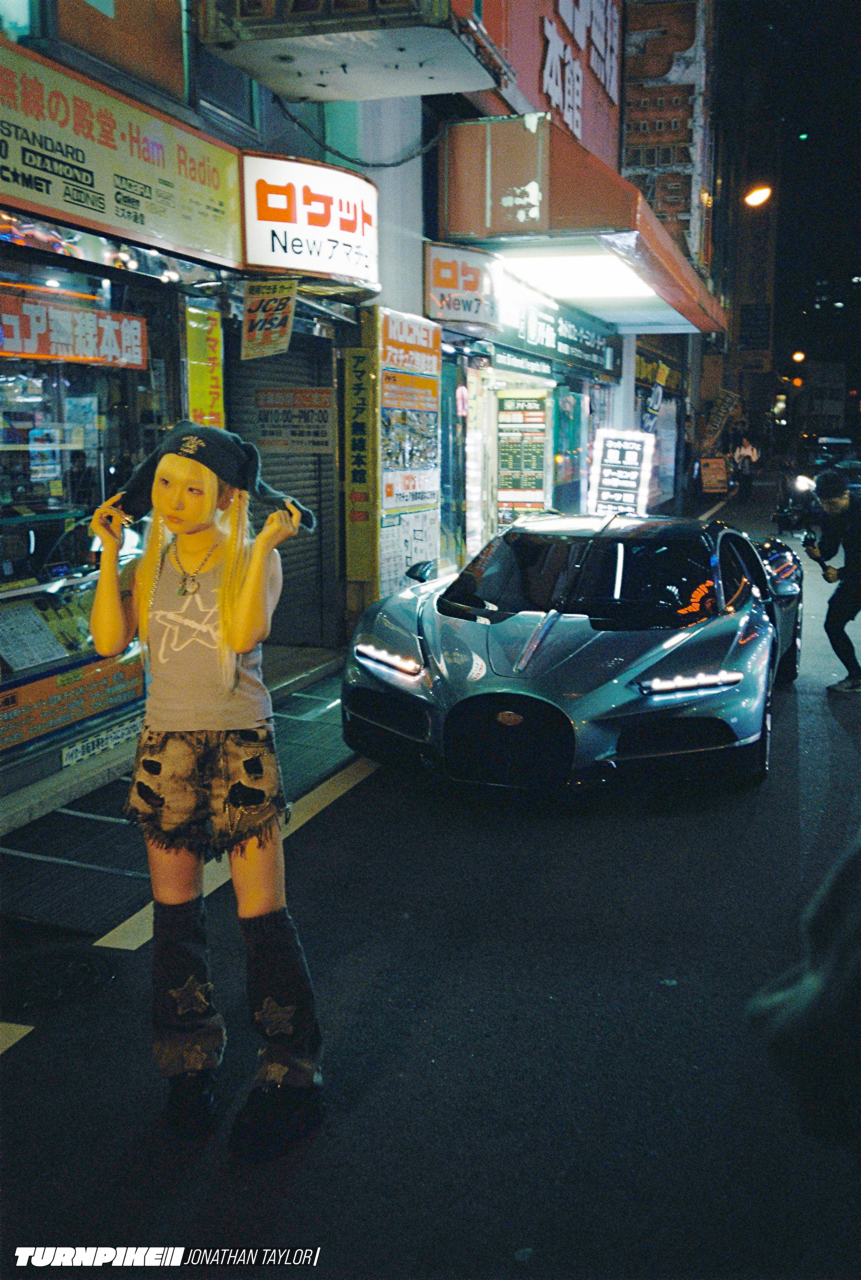
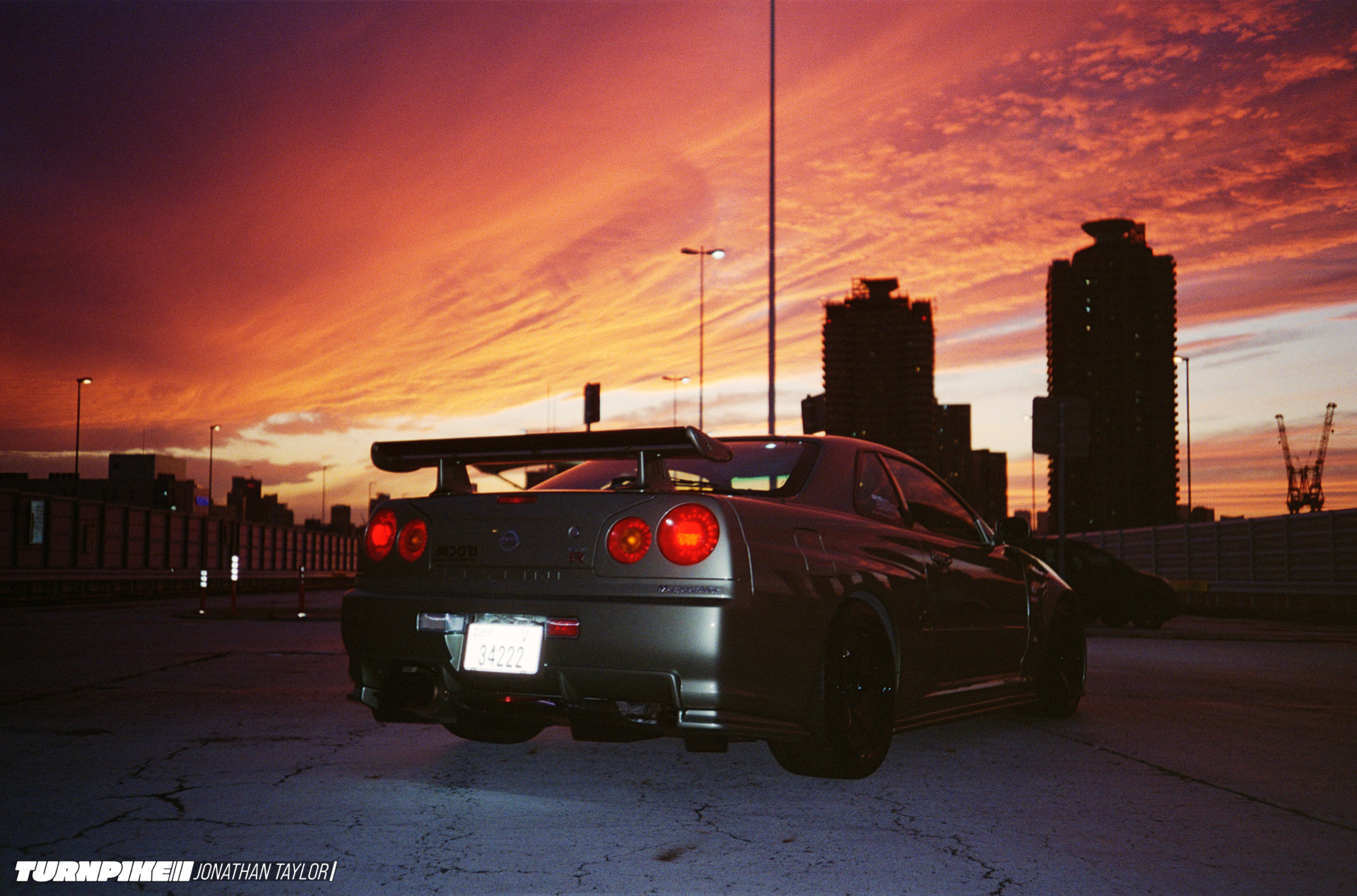
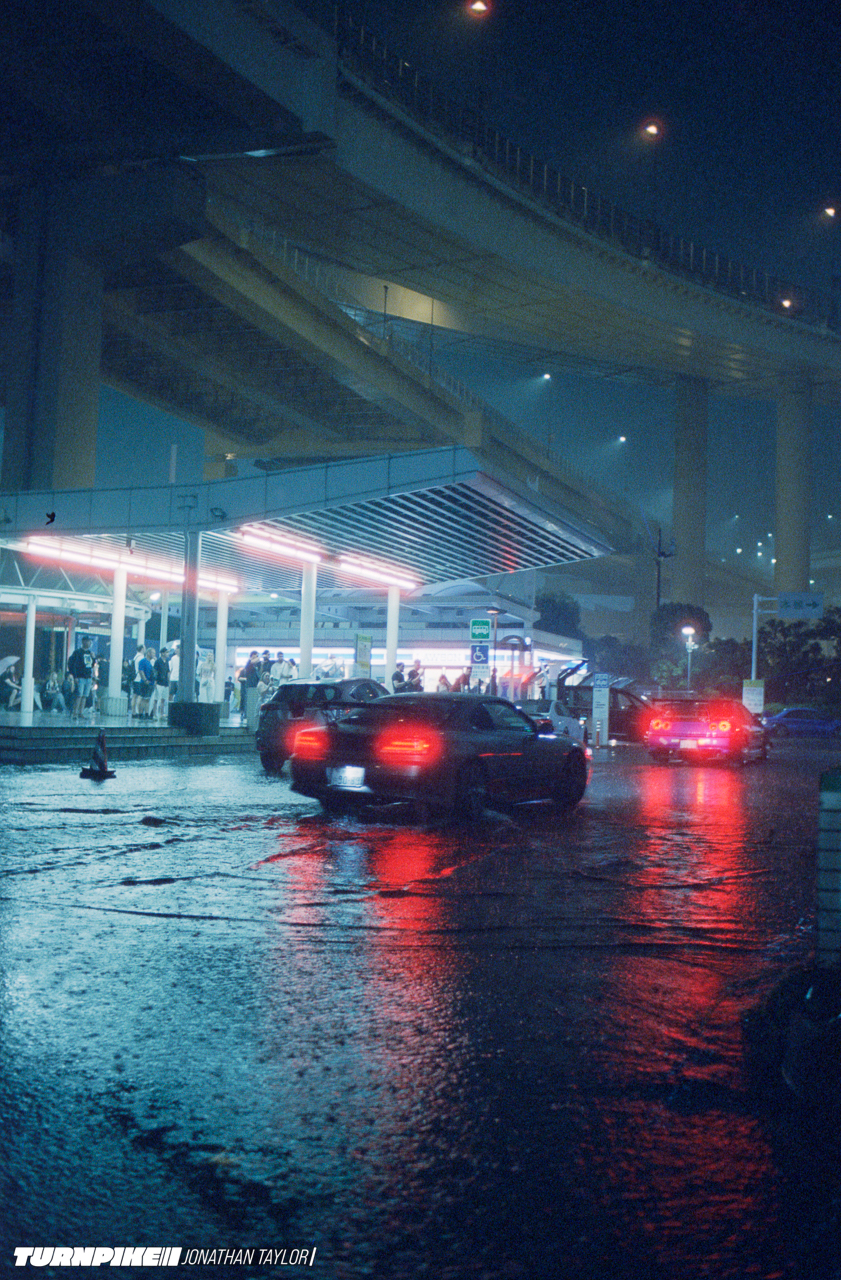
At night I love to shoot Marix 800T. It’s basically a Japanese version of Cinestill, but quite a bit cheaper. Shooting 800T at night in Tokyo is cliché, but for good reason – it just looks really nice.
I do try to shoot new films here and there. Recent films I have been pleasantly surprised by are Santacolor 100 and Harman Phoenix II, which both produce very interesting colors. As for black and white I’ve only shot a single roll, and I didn’t really like it. For me the colors are a big part of shooting film, so I do not have much interest in shooting black and white.
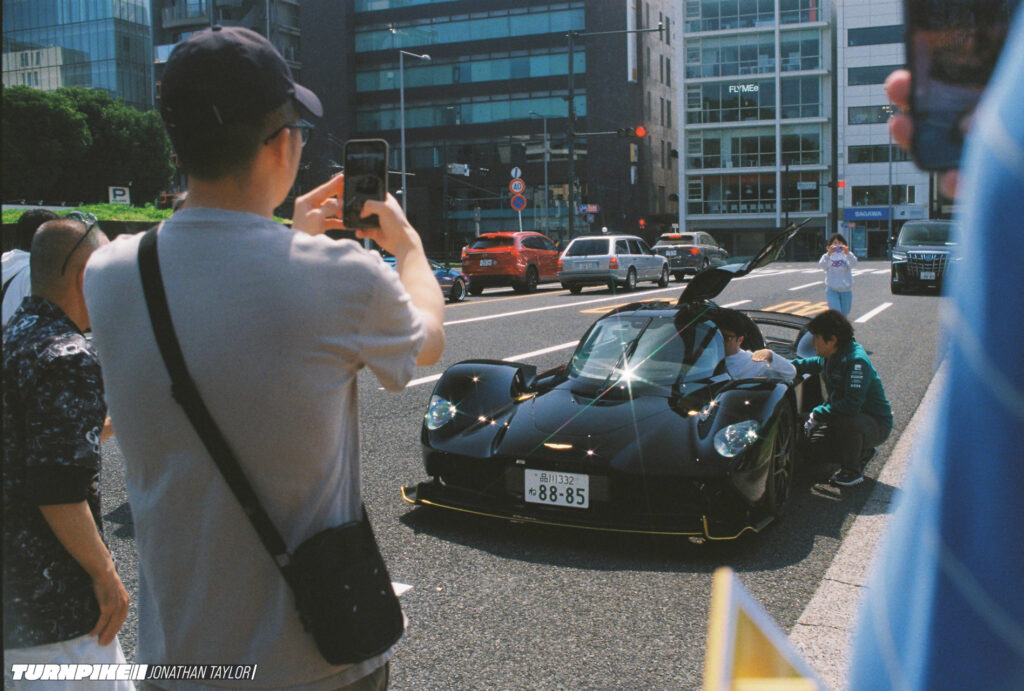
MC: Who are your three favourite photographers, or creators in general?
JT: Sergio Leone, pre-2013 Daft Punk, and the guy in the taco rice food truck that comes to my office every Wednesday. True masters of their craft.

MC: What’s the one car you most want to photograph? You’re spoiled for choice in Japan…
JT: There’s a street registered Diablo GT2 living somewhere in western Tokyo, and right at this moment that’s what I most want to shoot. I once randomly saw it while out on a drive and had no idea it was a real race car. It wasn’t until later that I discovered its pedigree and the effort that went into making it street legal. The dream shoot would be that car, early morning in central Tokyo. I’m too shy to reach out to the owner though.
If I had the pull I would also grab the Nissan R92CP from the Nissan Heritage Collection and drop it in Ginza for a shoot. I loved that thing in Gran Turismo 4, and being able to shoot it in Tokyo would be a nice full-circle moment for me.


MC: How has social media shifted since you started shooting, in your eyes?
JT: I primarily post my stuff on Instagram and don’t really worry too much about other platforms, so with that limited perspective in mind I would say the biggest change is the introduction of Reels. I’ve stuck to just posting photo content, however I have seen many photographers fall into the mindset of “if I don’t post Reels then I won’t get picked up by the algorithm”. Whether it’s true or not that “the algorithm” favors Reels I don’t really know, but to me it’s a bit discouraging seeing people make content they aren’t passionate about for the sake of staying relevant.
Of course we’ll all become irrelevant once AI becomes good enough, so soon it won’t matter anyways…

MC: Okay last question, I promise. What advice do you have for new photographers looking to get into the game?
JT: Just take the kind of photos you want and don’t compare yourself to others. Don’t worry too much about the gear in the beginning. Learn and improve at your own pace. Try to enjoy the process. Be courteous of others in public spaces. Don’t get mad when people get in the way of your shot. Don’t do anything stupid for internet clout. Do it for the love of the game.
Jonathan is just the first in this new series, and he’s not the only film photographer making a name for himself on social media. Let me know what you think below, we’ve got a lot more to come here.





















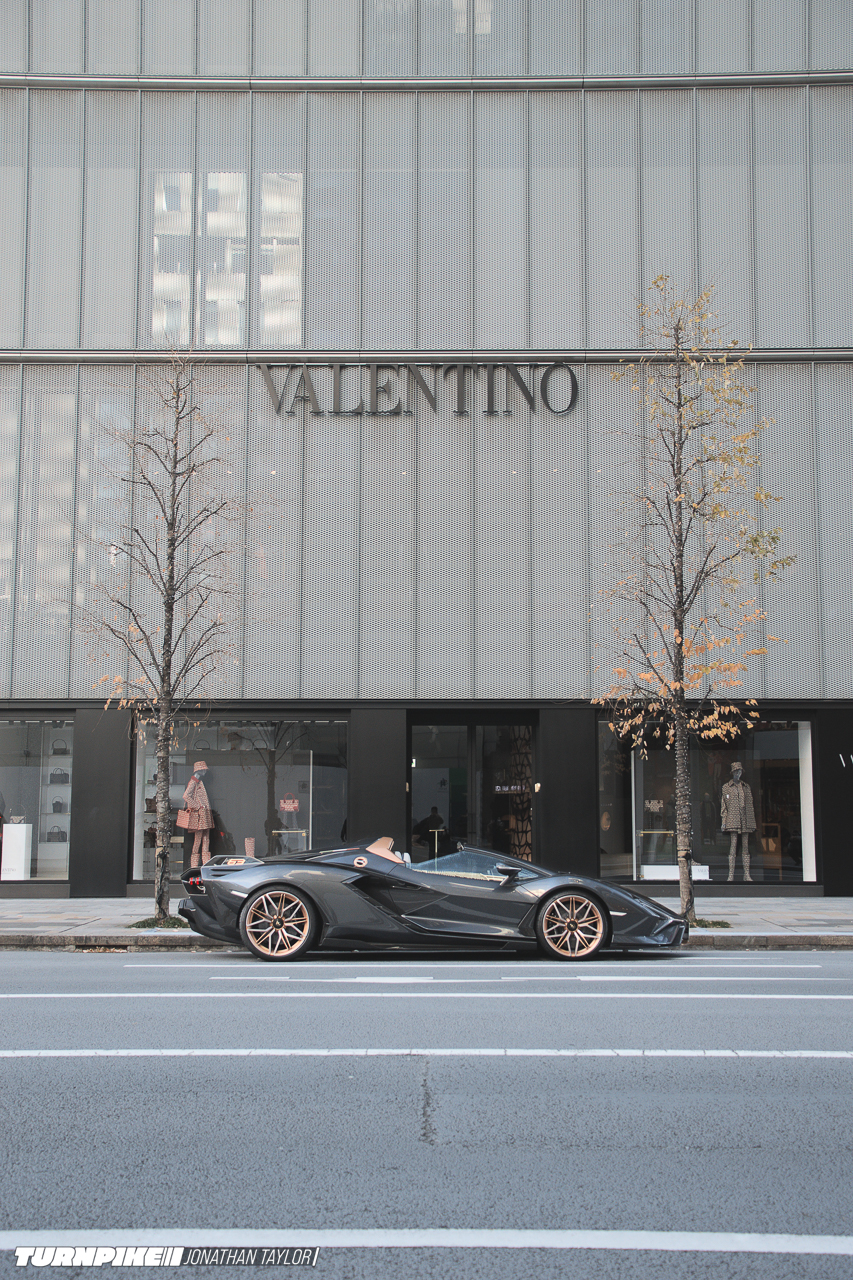
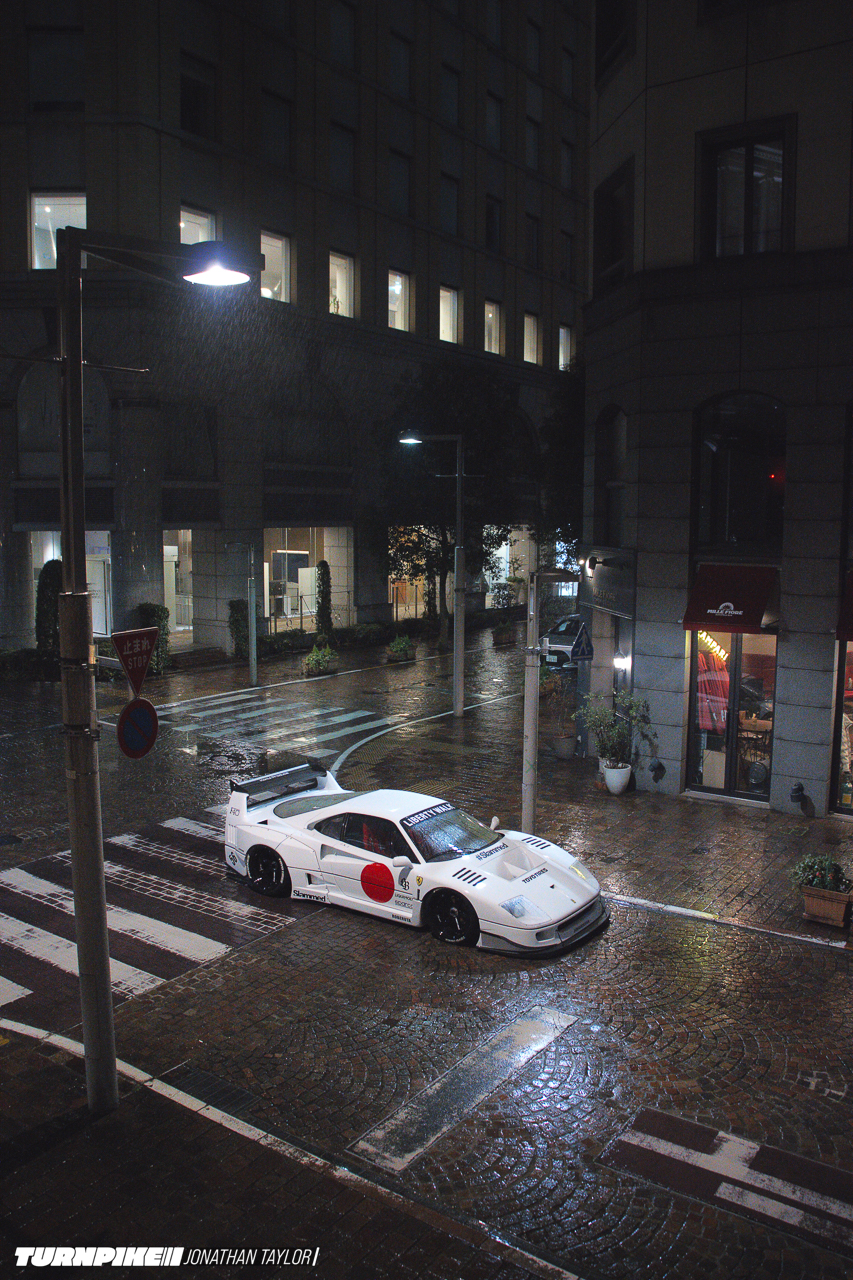
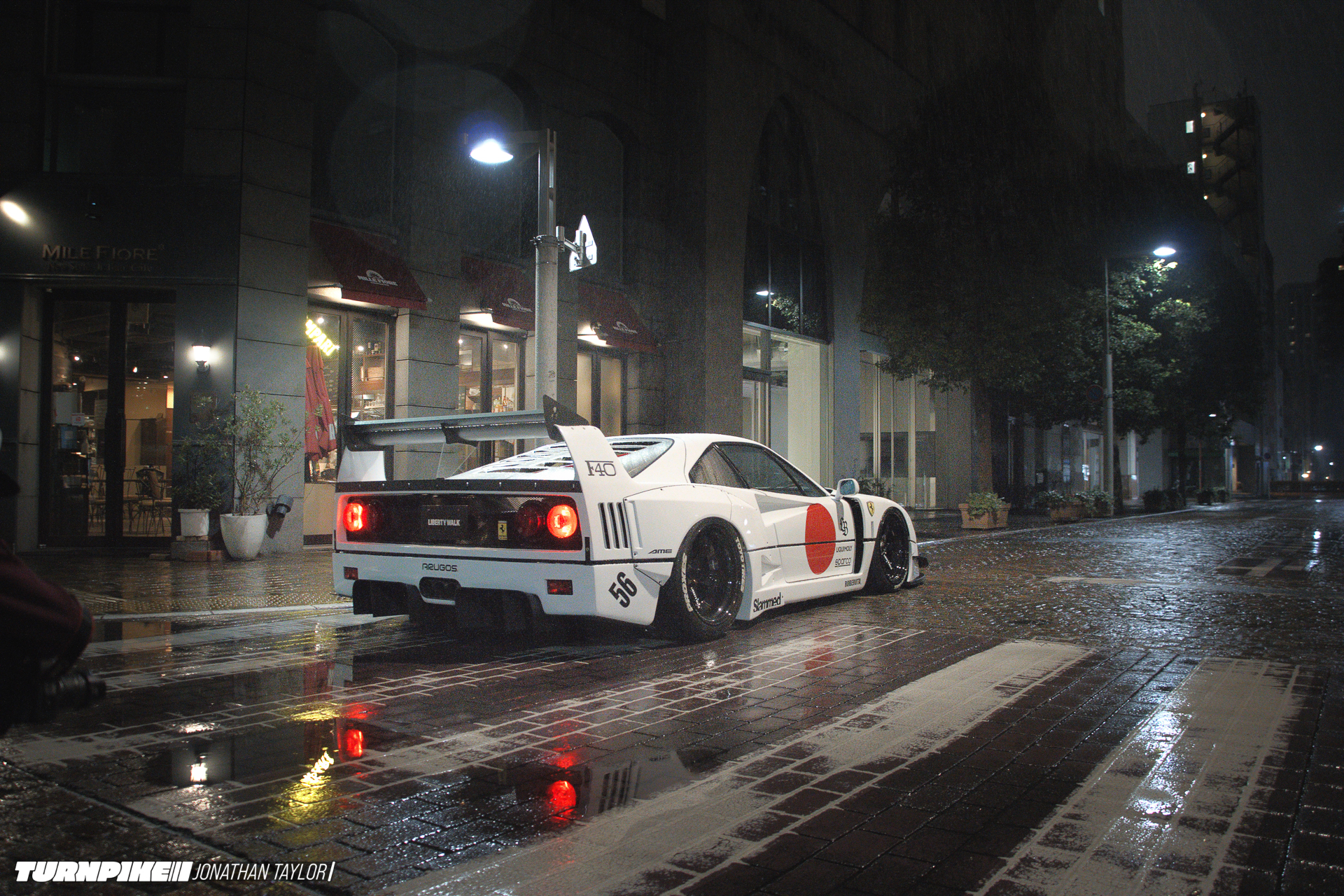

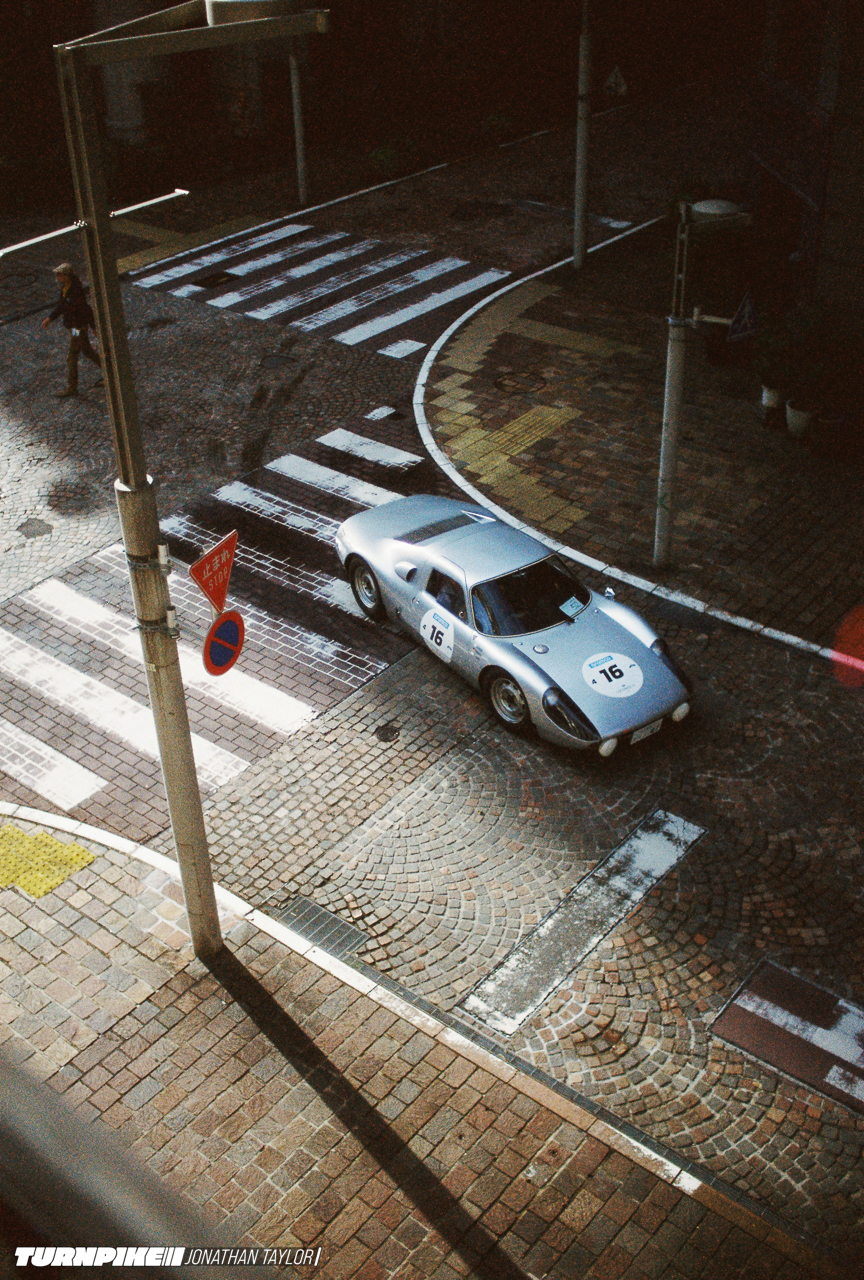


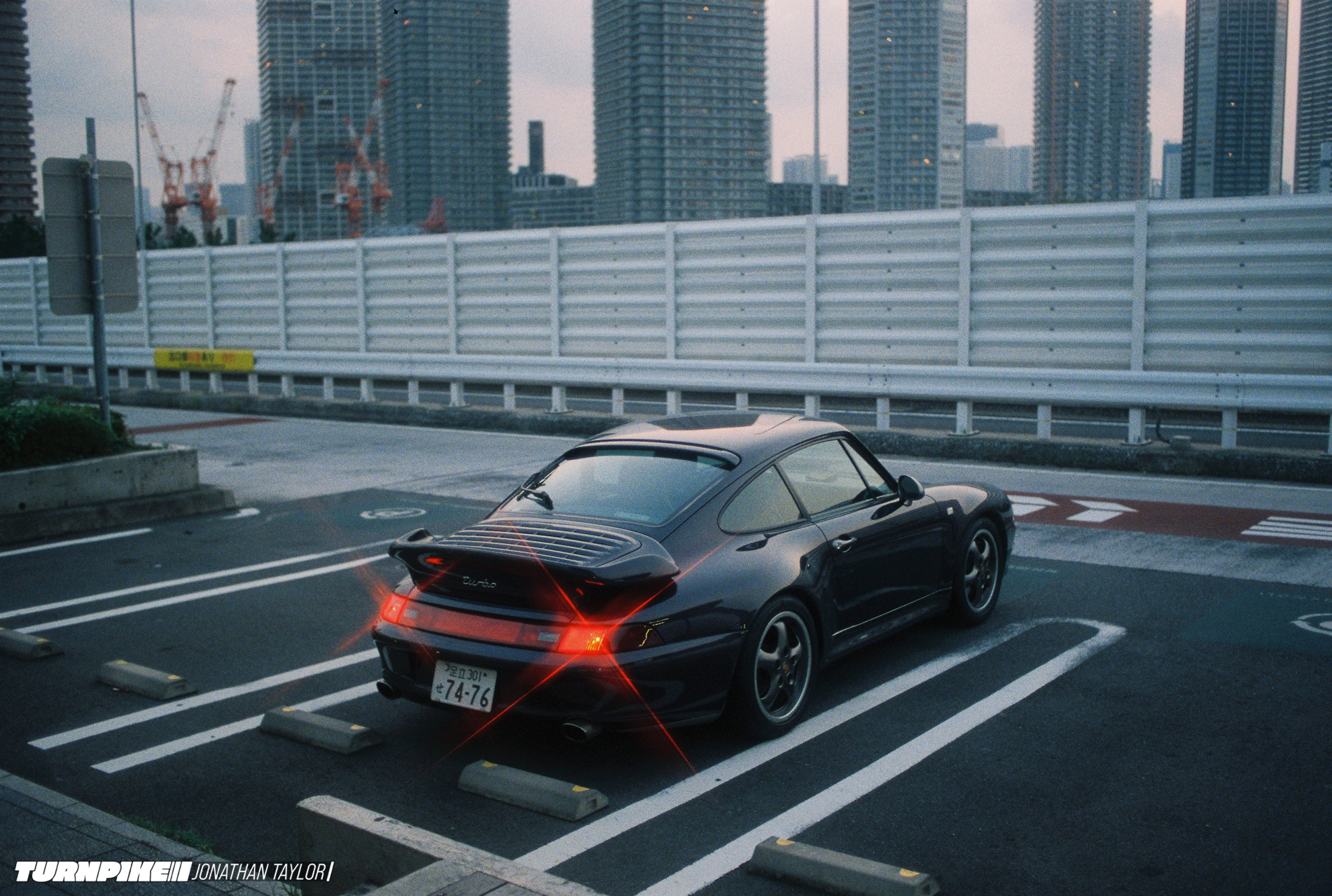




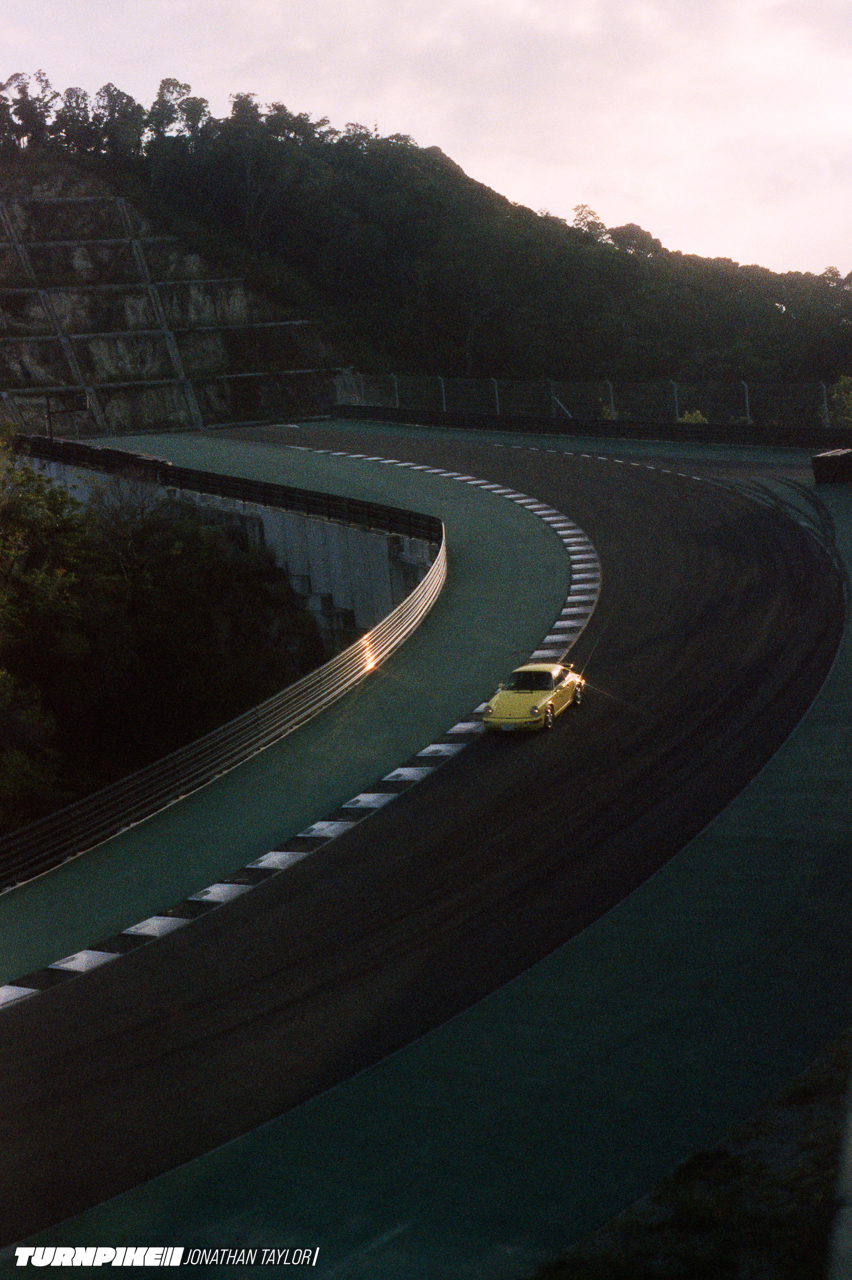


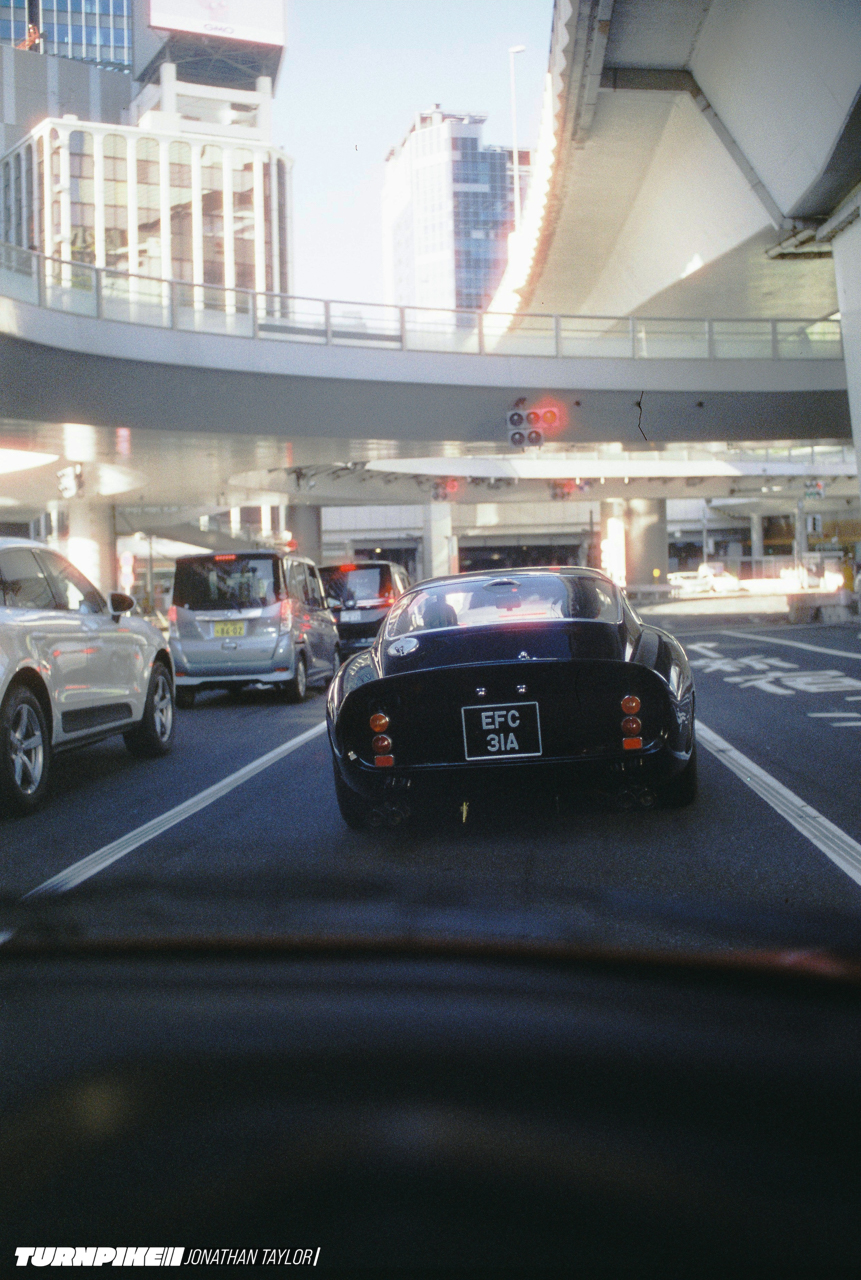
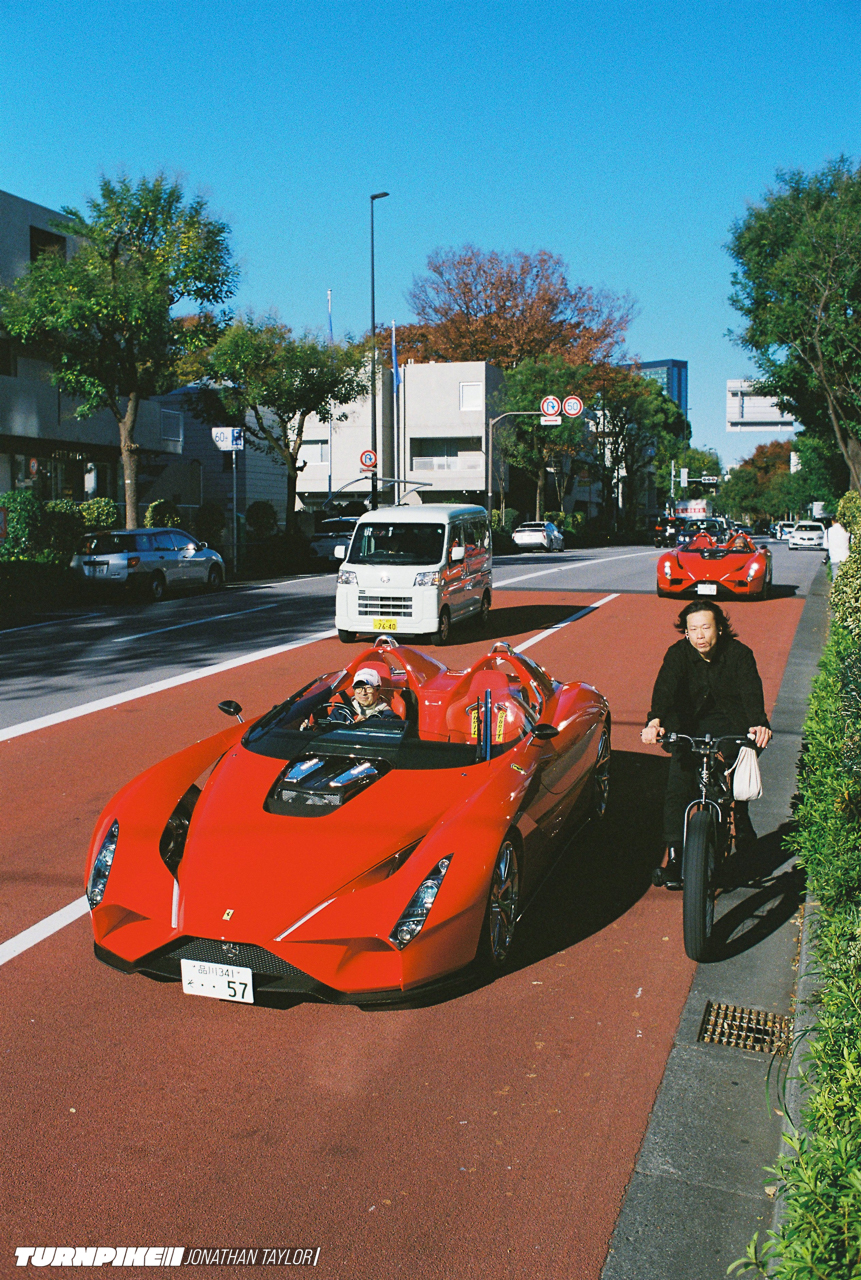


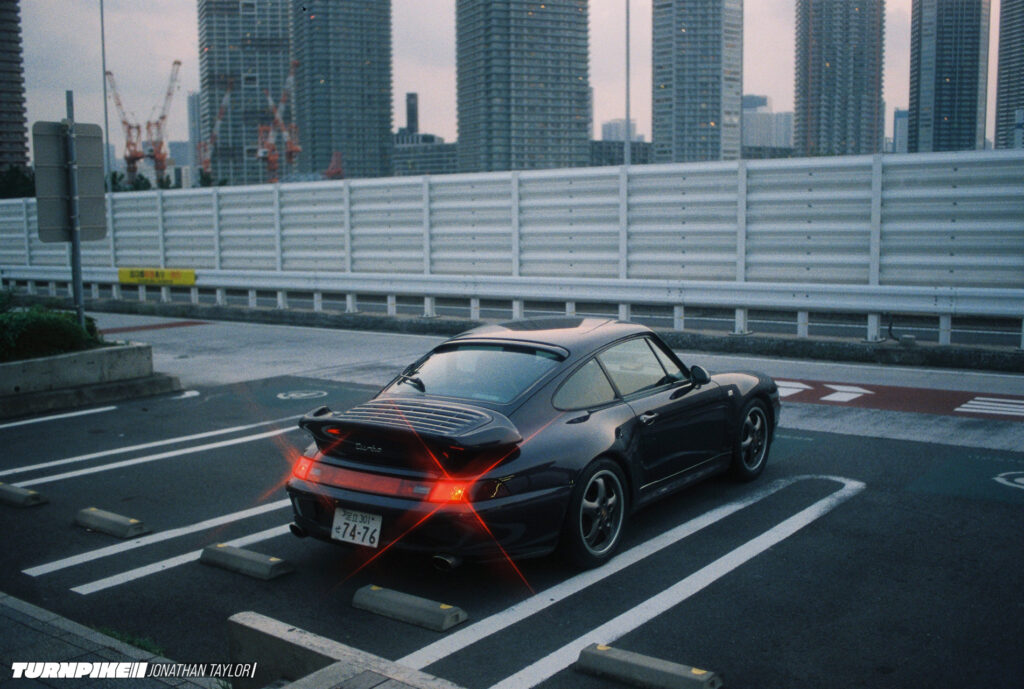
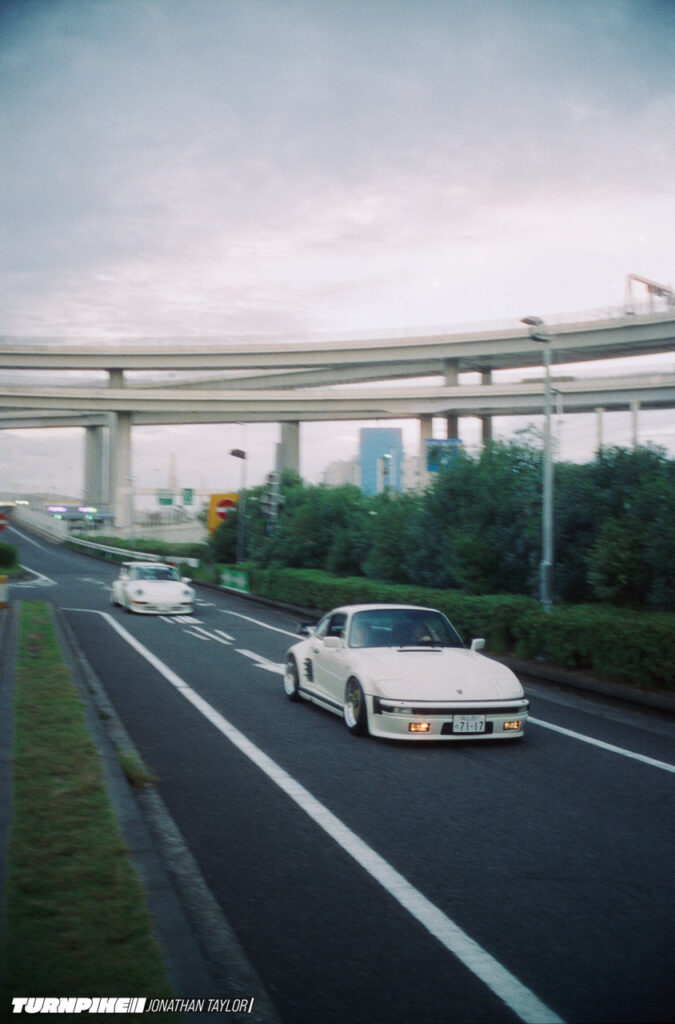
Nice to meet you, Jonathan, and thanks for sharing your photos and process. Cars taken on film look so cool! Love the clean 993 Turbo at Tatsumi. Such a vibe.
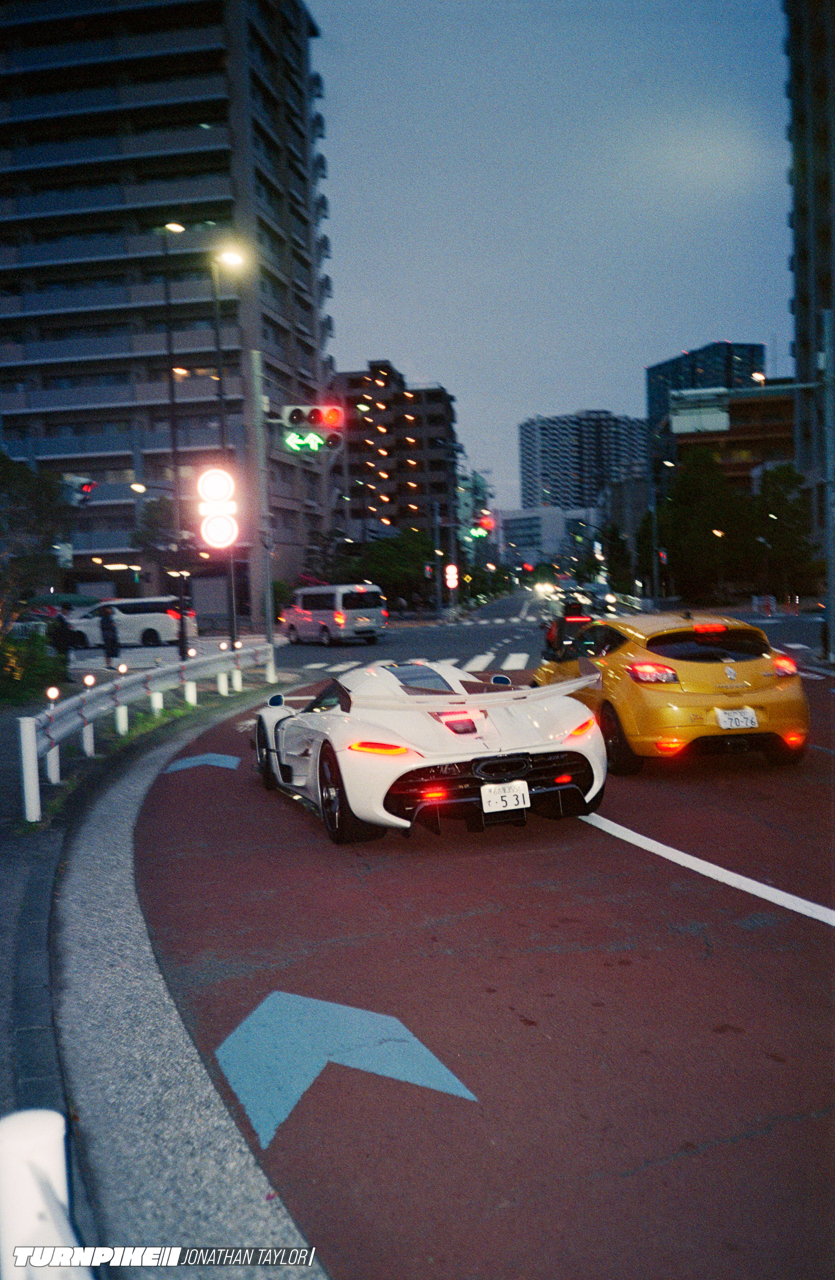
Thank you! That’s one of my favorites as well. Blue hour + taillights is always a nice combo.
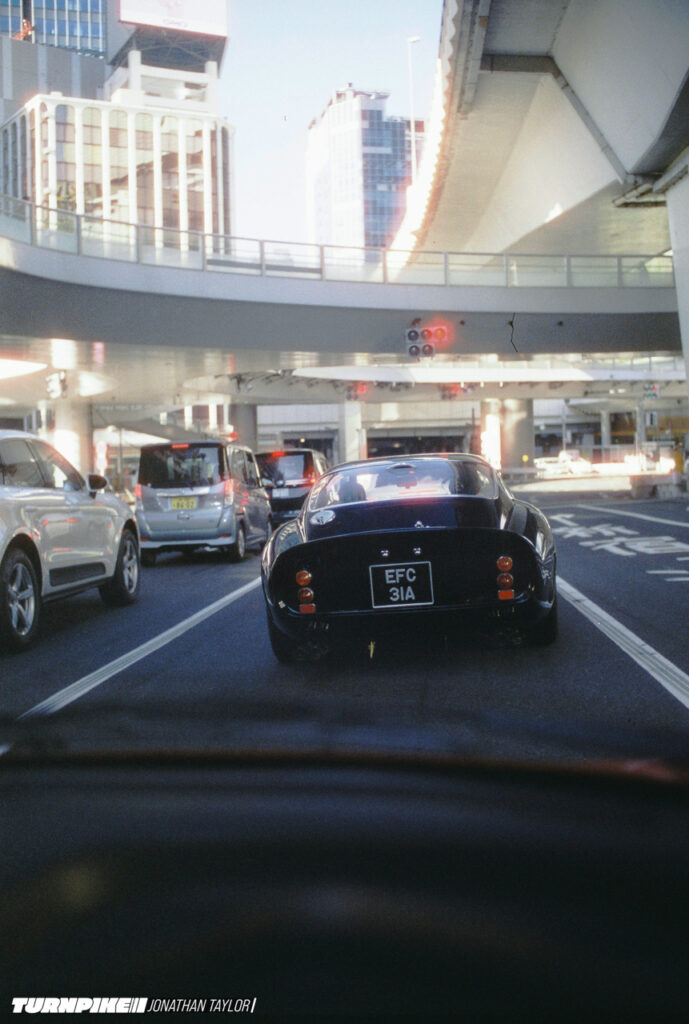
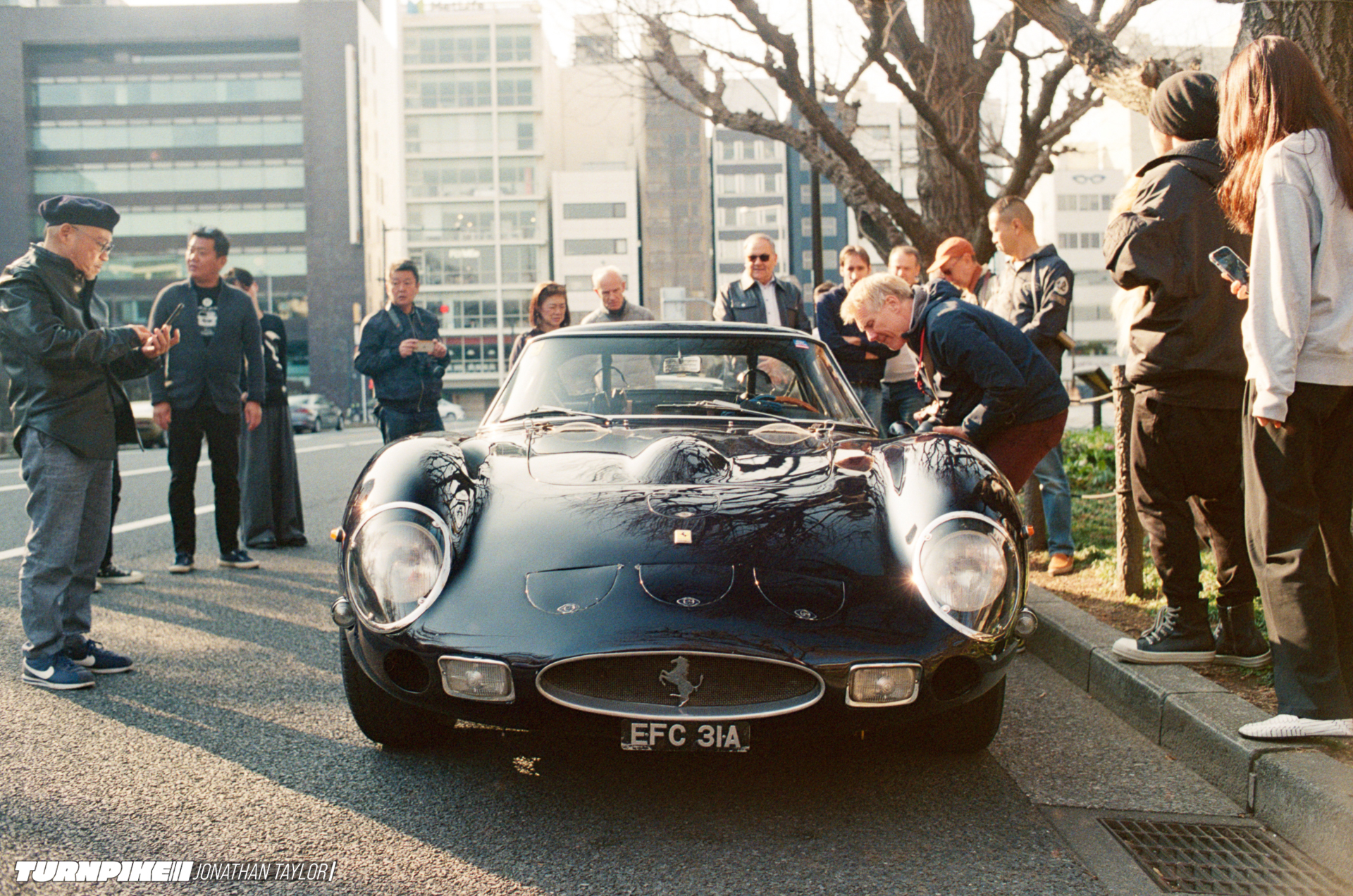
incredible photos as usual, my jaw is still on the floor as i type this over that 250 GTO just out and about.
I have to say Johnathan the pics here are just magnificent each one of them with a distinctive style a great blend of retro and modern photography
This is what got me into photography starting off with some filters on my iPhone my next goal is to get a camera like a Nikon and maybe a film camera since they look so damn cool looking forward to seeing what’s next for you Johnathan!