
Every year, the Elmia Custom Motor Show raises the bar, and 2026 was no different. As the title of my main event coverage suggested, this event was on another level. I could’ve easily fit 20 or more cars into this highlight follow-up story, but for me, three stood out as exceptional.
Each of these builds had its own thing going on. One was a modern take on a platform we all love: Porsche. One was a super-aggressive stance car. And the final one was a classic reimagined. Let’s start from the top…
Select Cars’ Porsche 997 Turbo
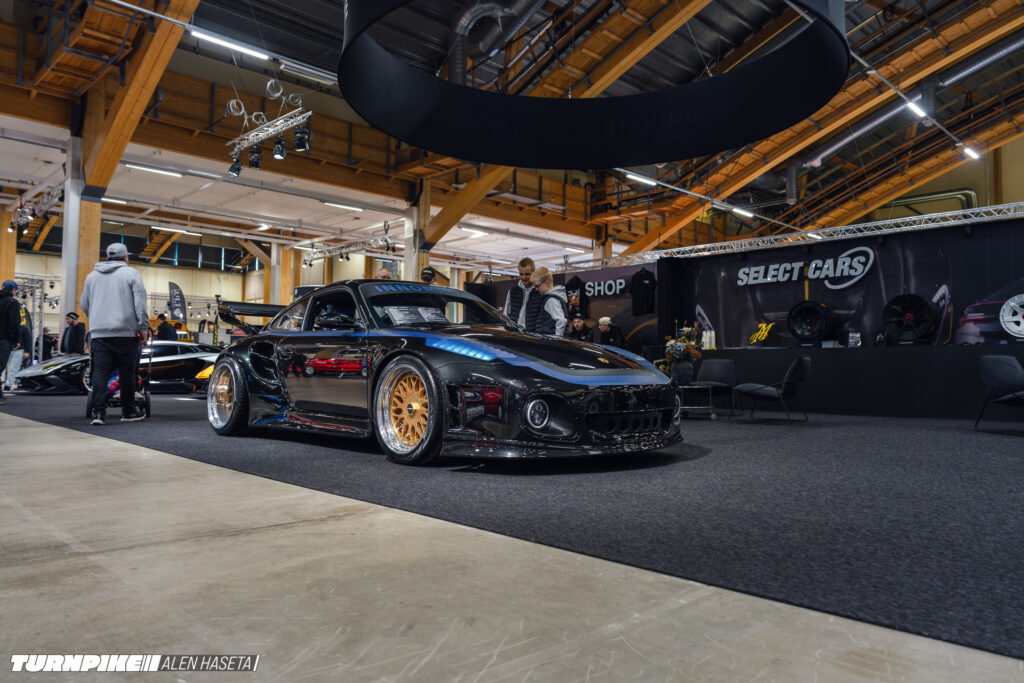
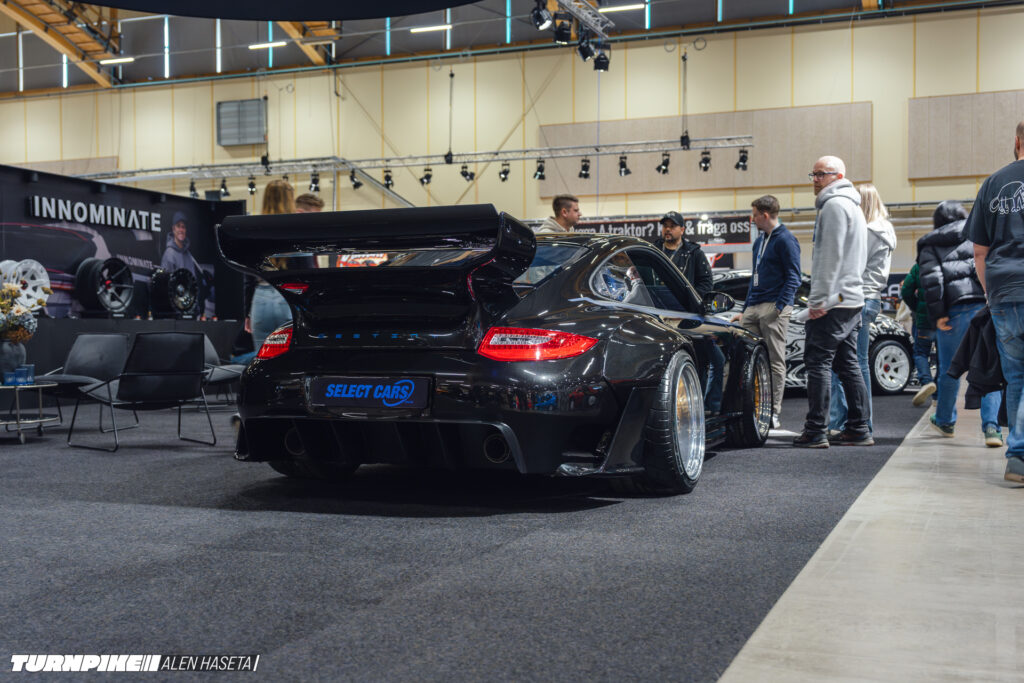
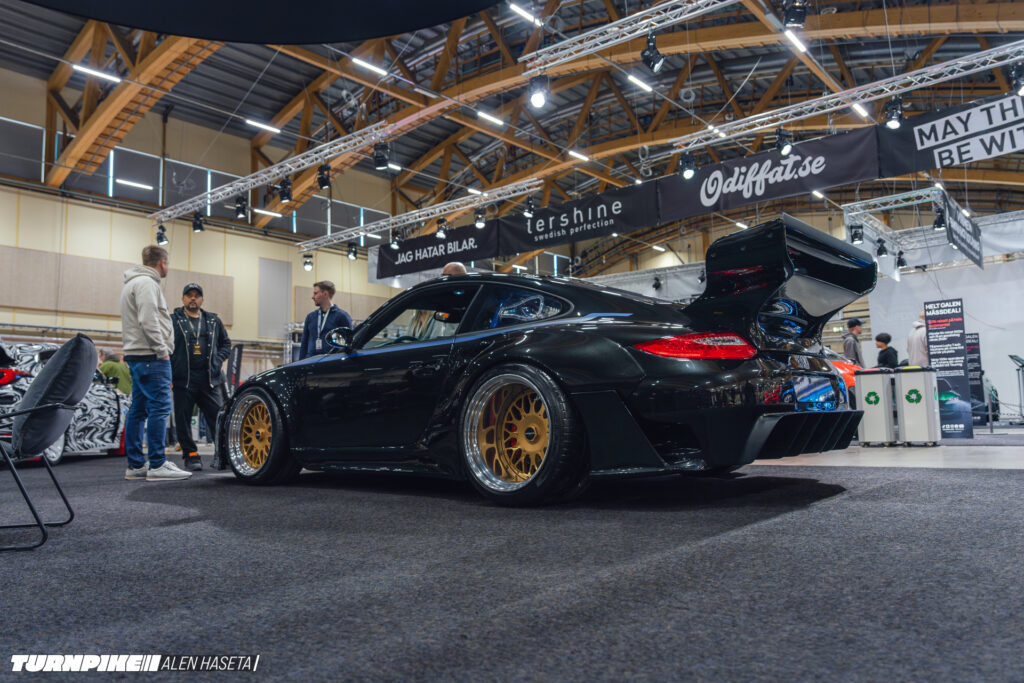
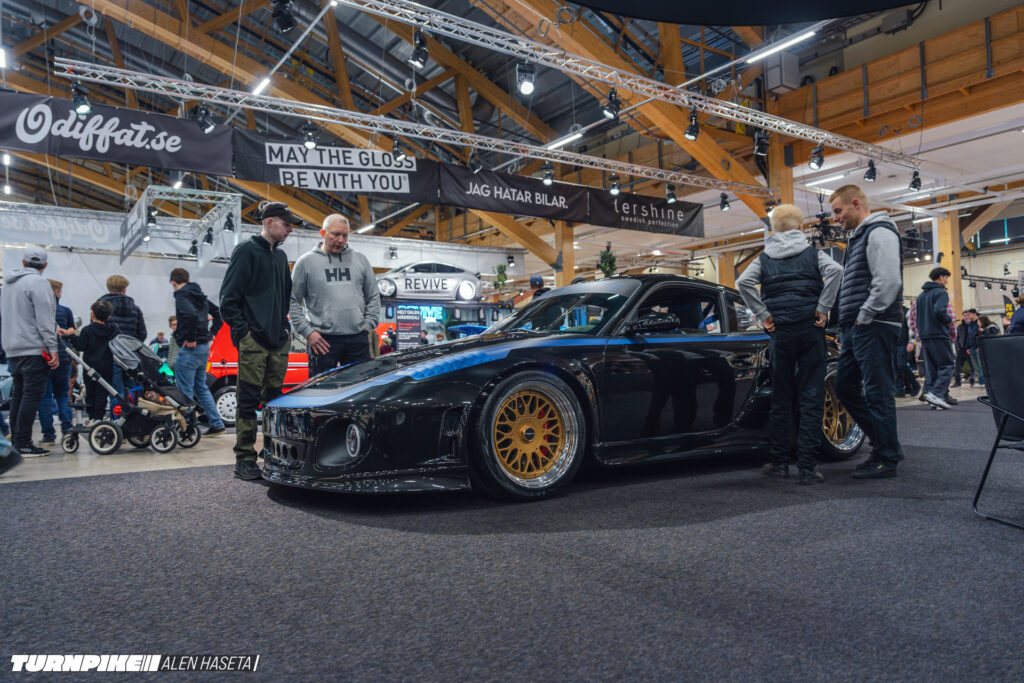
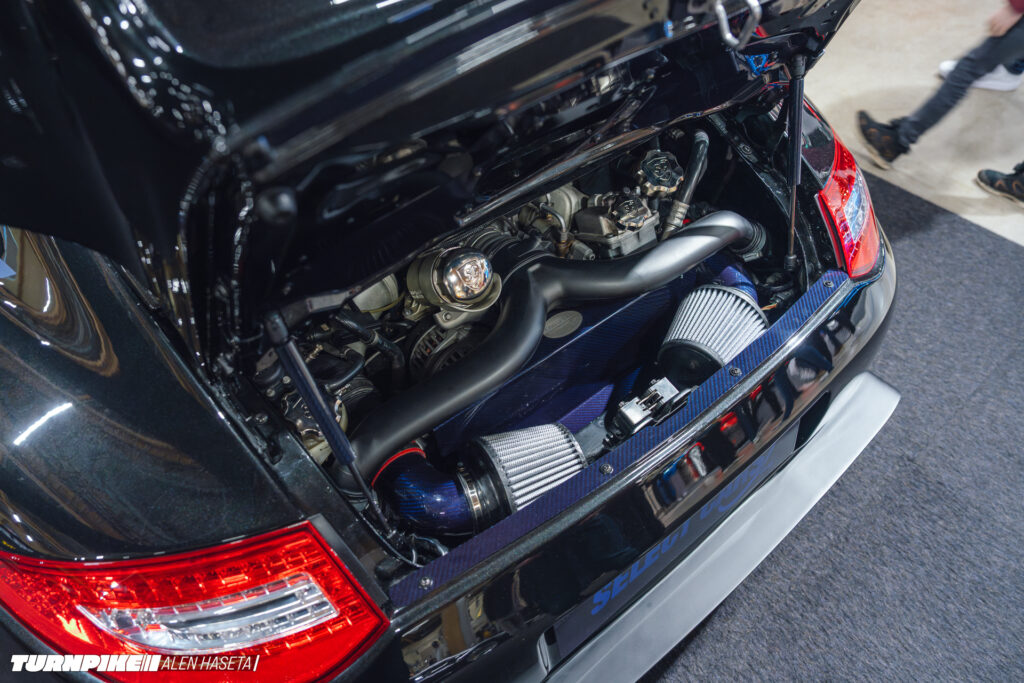
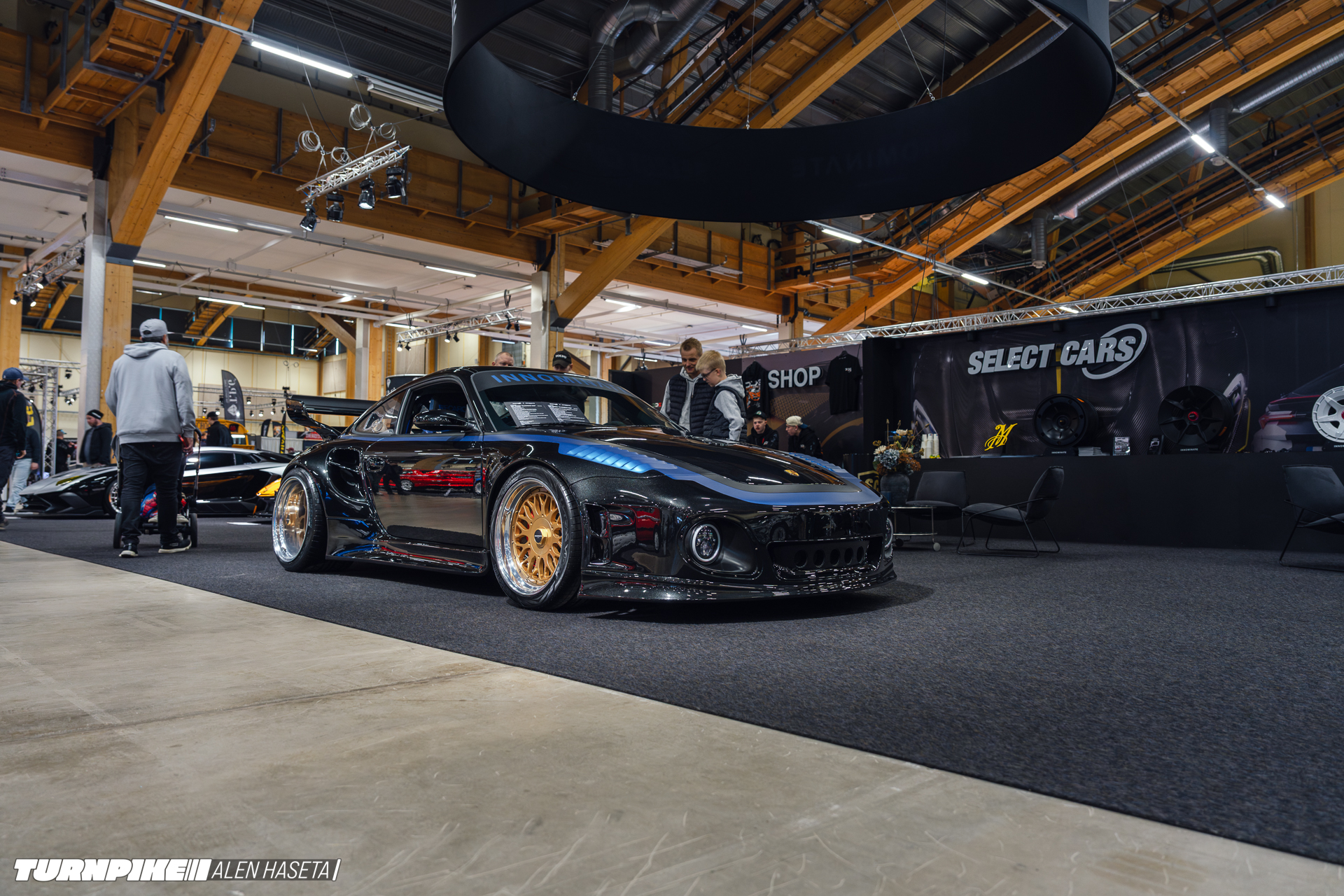
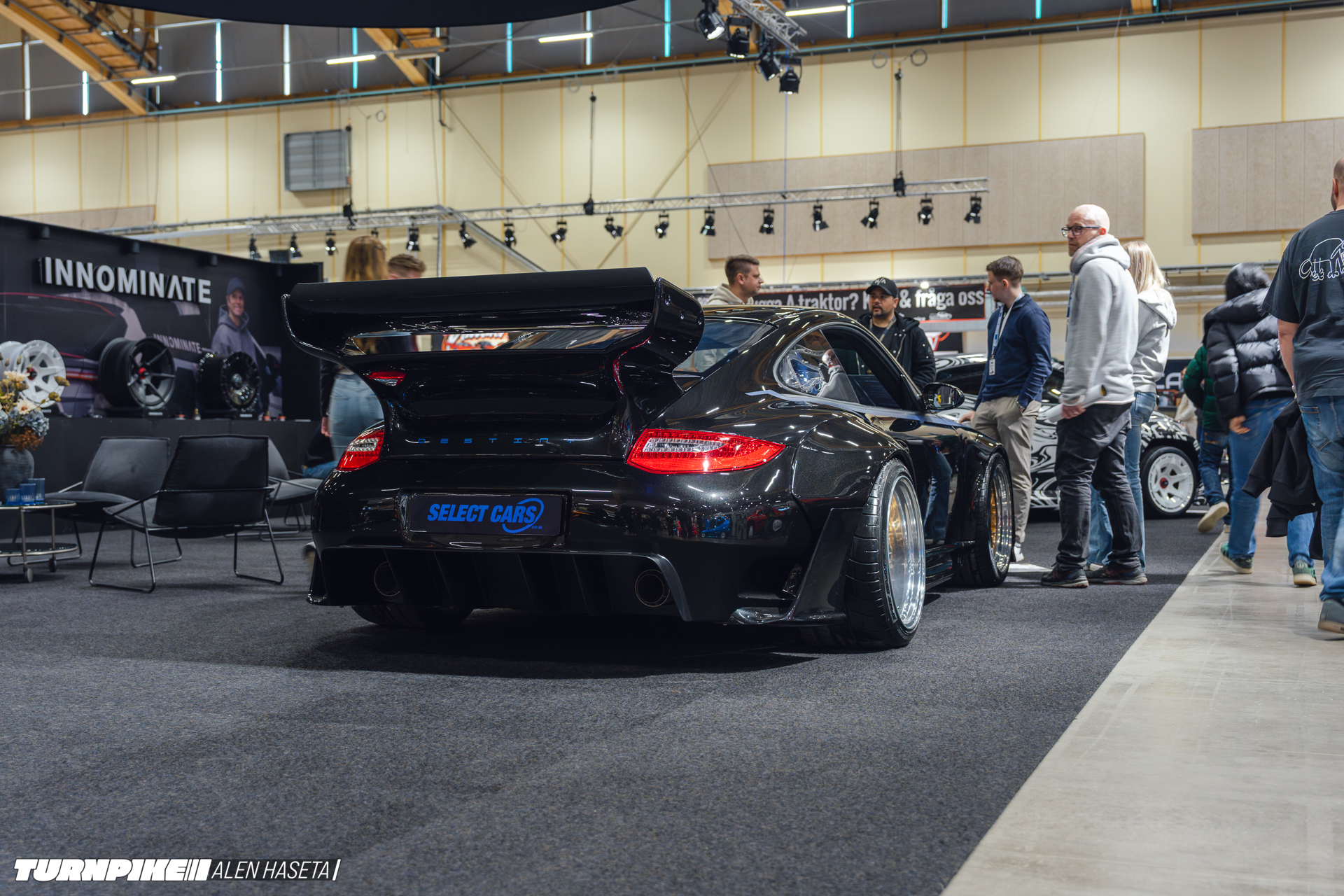
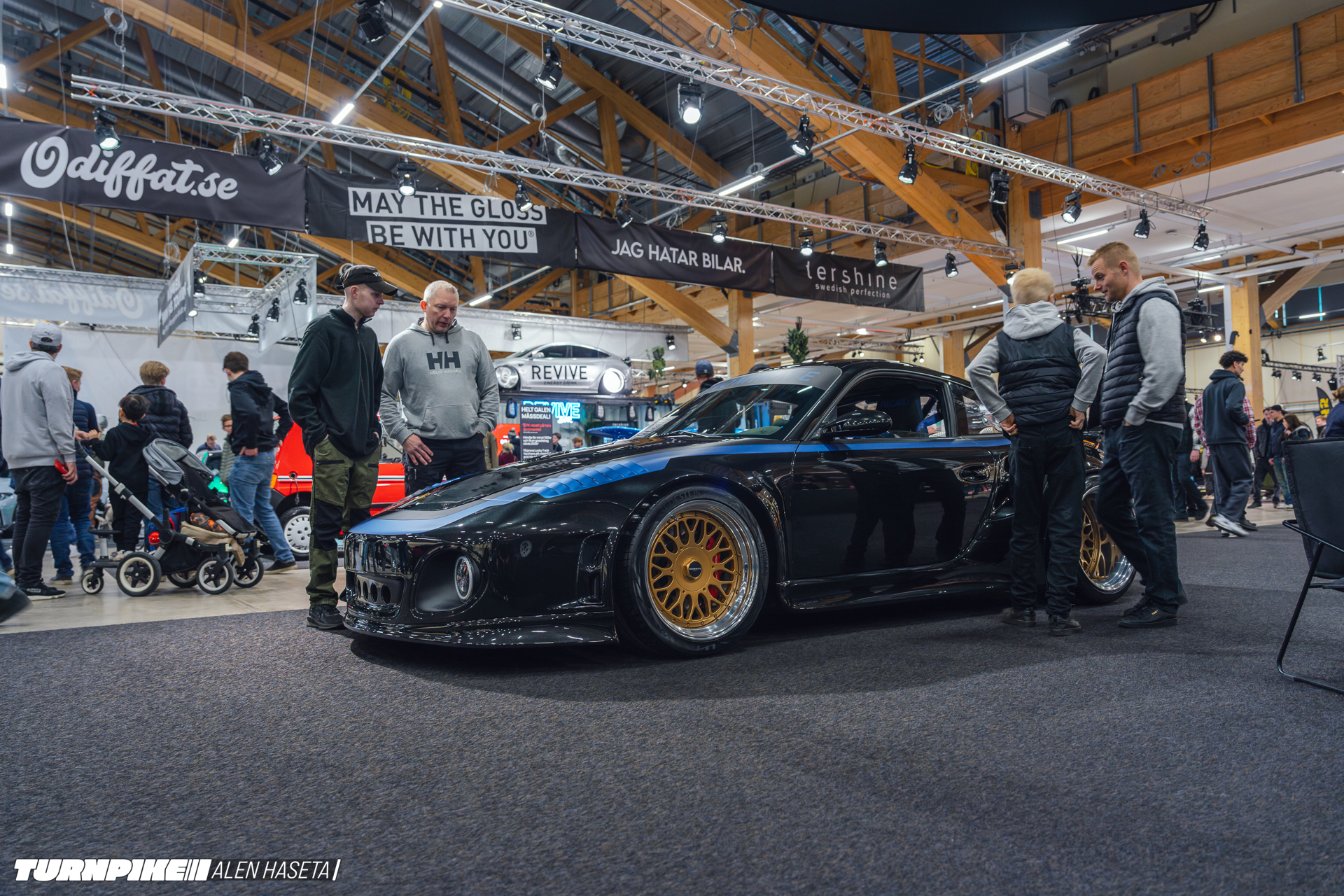
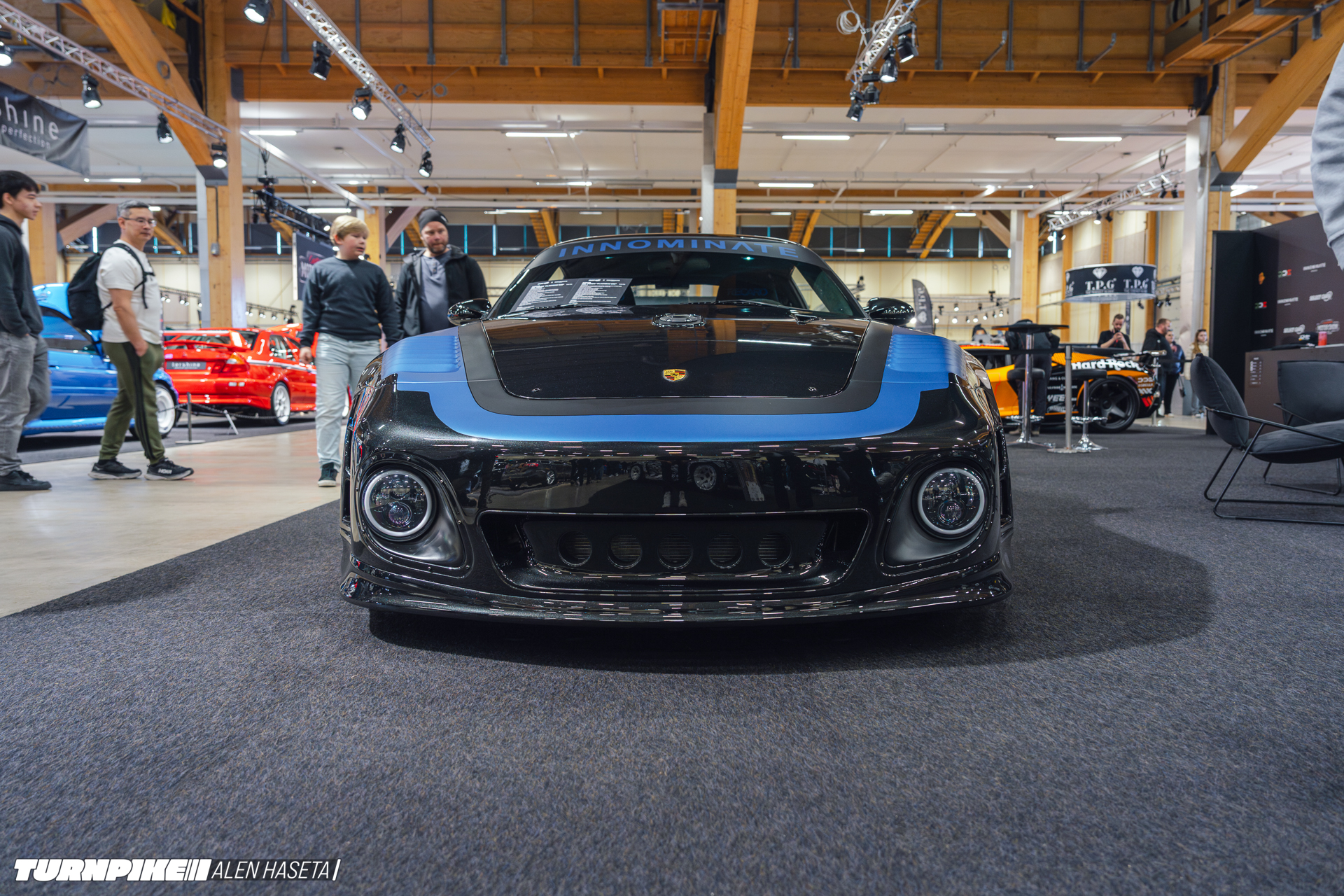
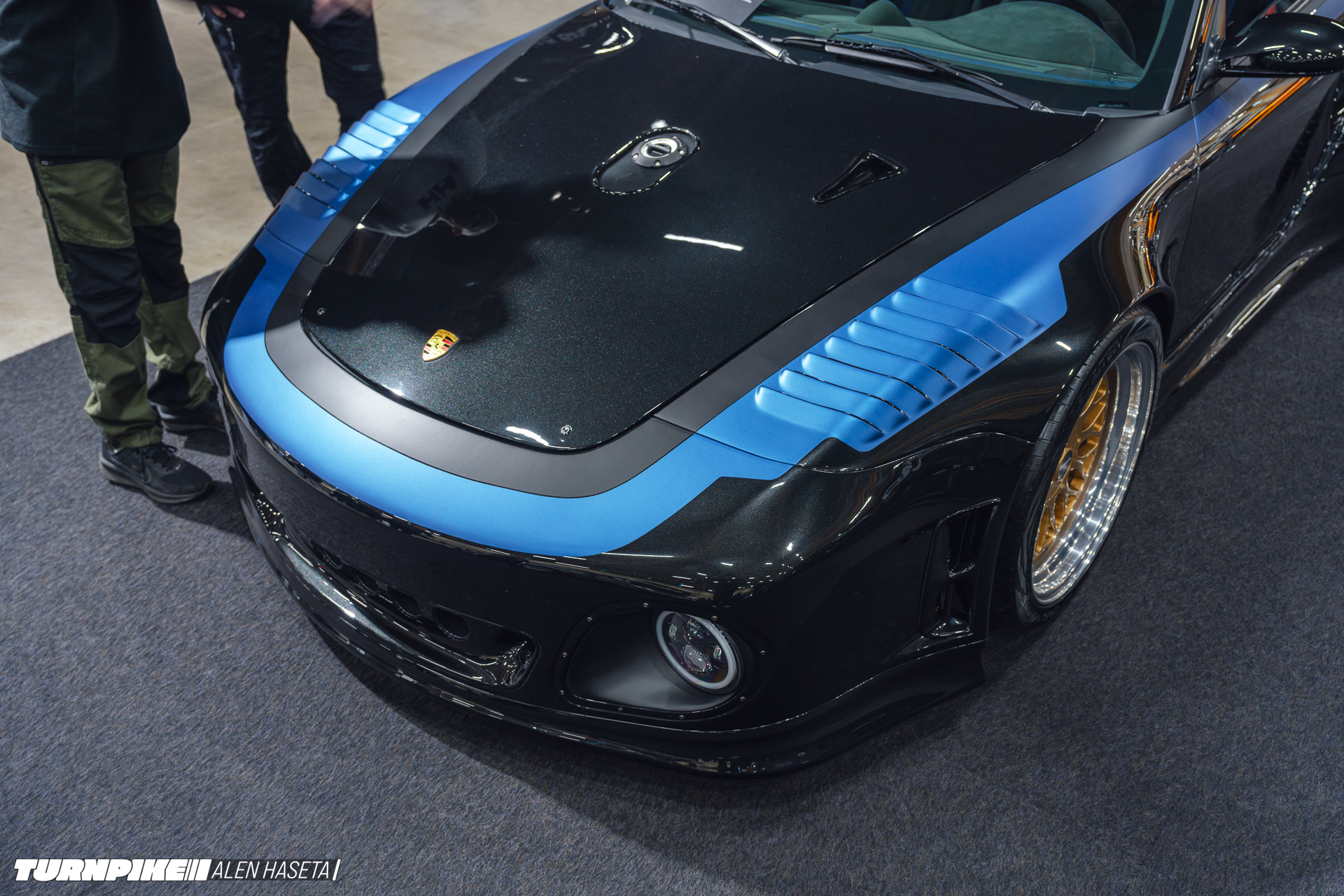
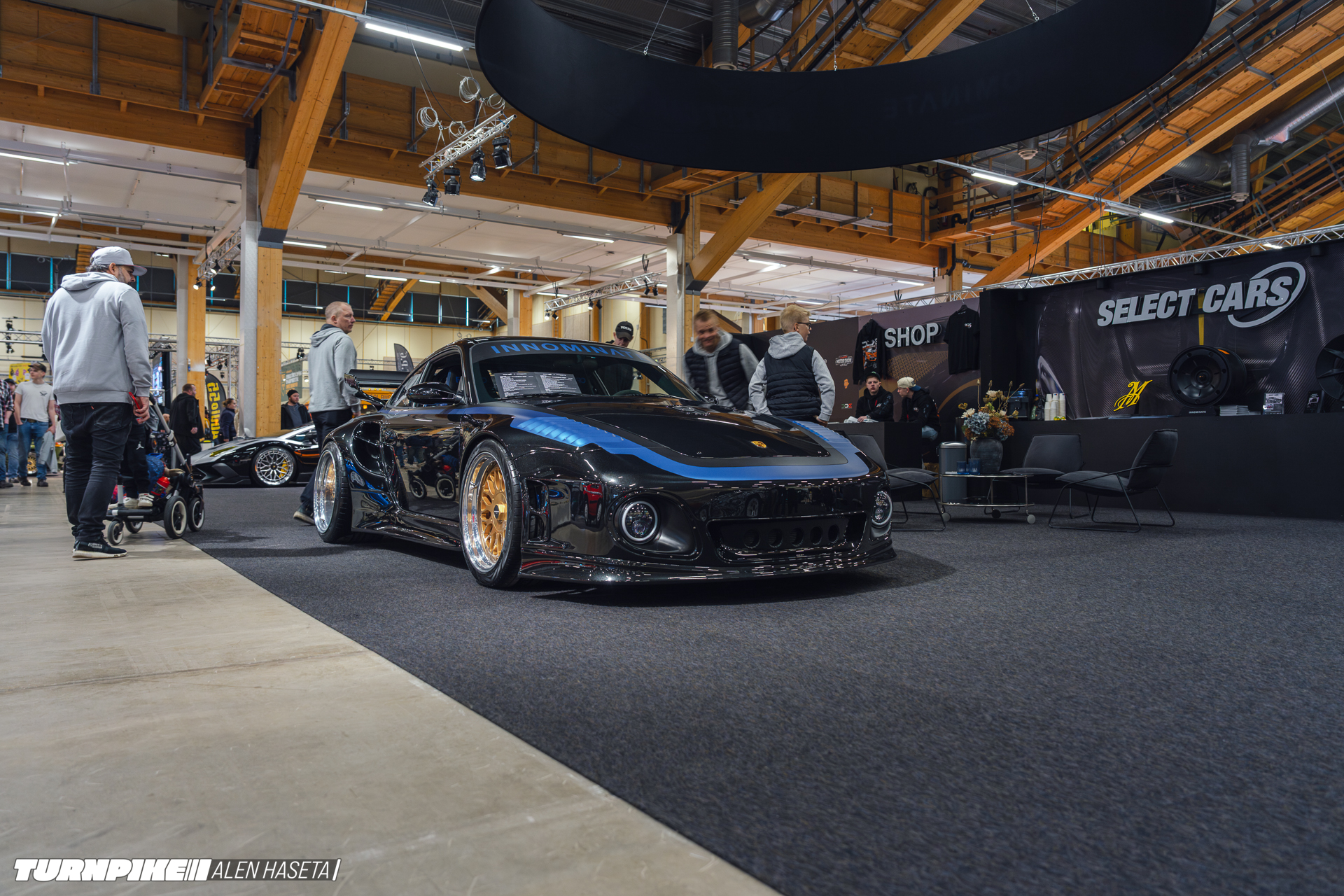
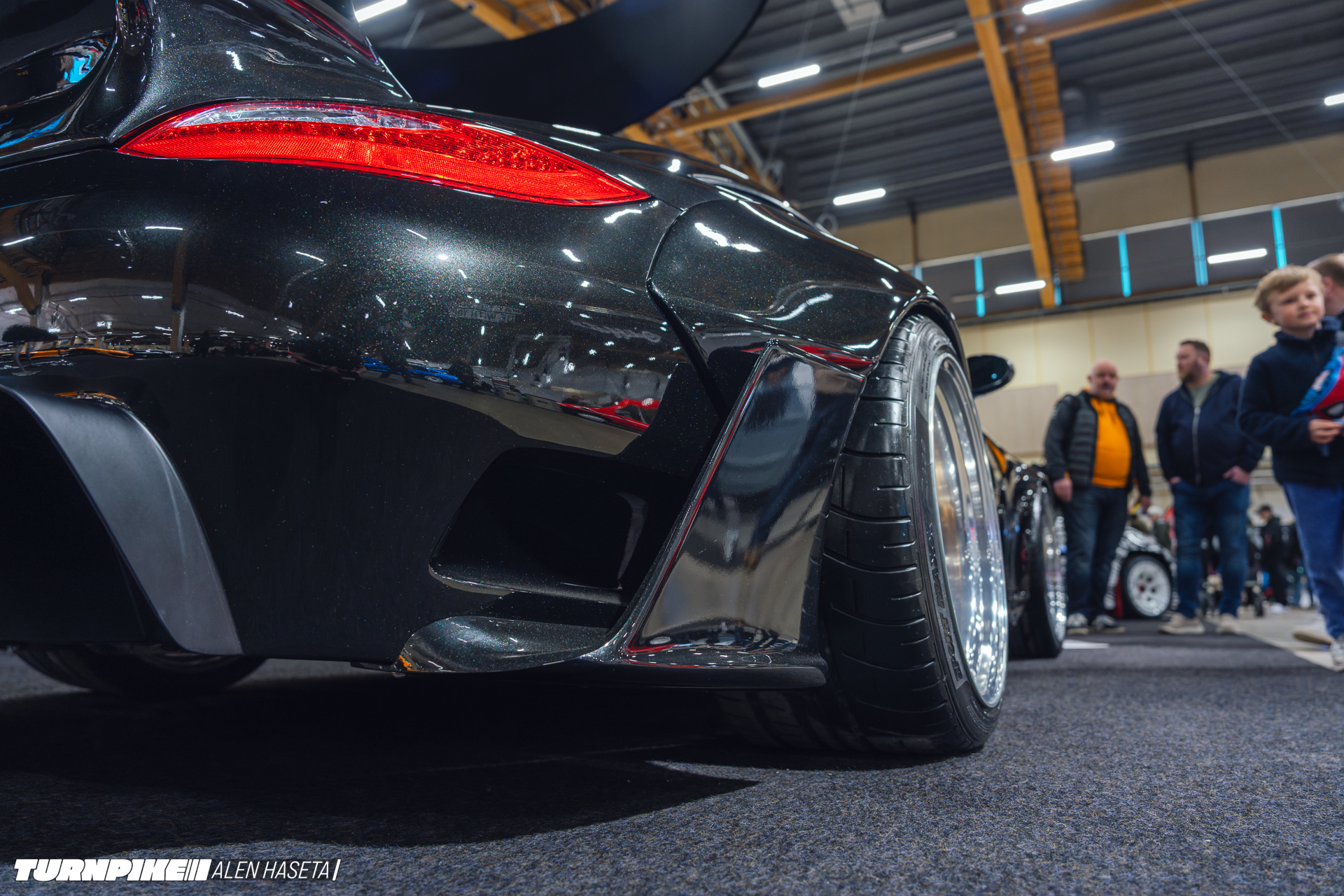
In the Innominate booth, I found this widebody Porsche 997 Turbo. The car was covered when I arrived at Elmia on Friday morning, and I had no idea what it was. Even better, once it was revealed, it was a total surprise for everyone. There had been virtually no mention of it on social media – a rarity these days, and honestly, a refreshing change. The moment the cover came off, the Porsche instantly became one of my favourite cars of the entire show.
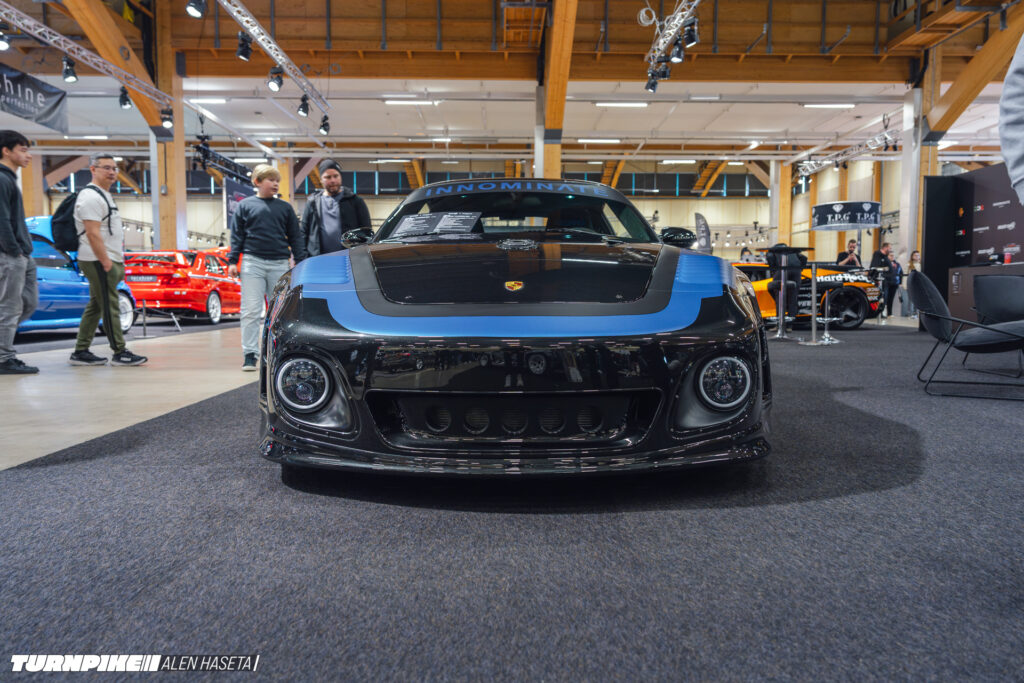
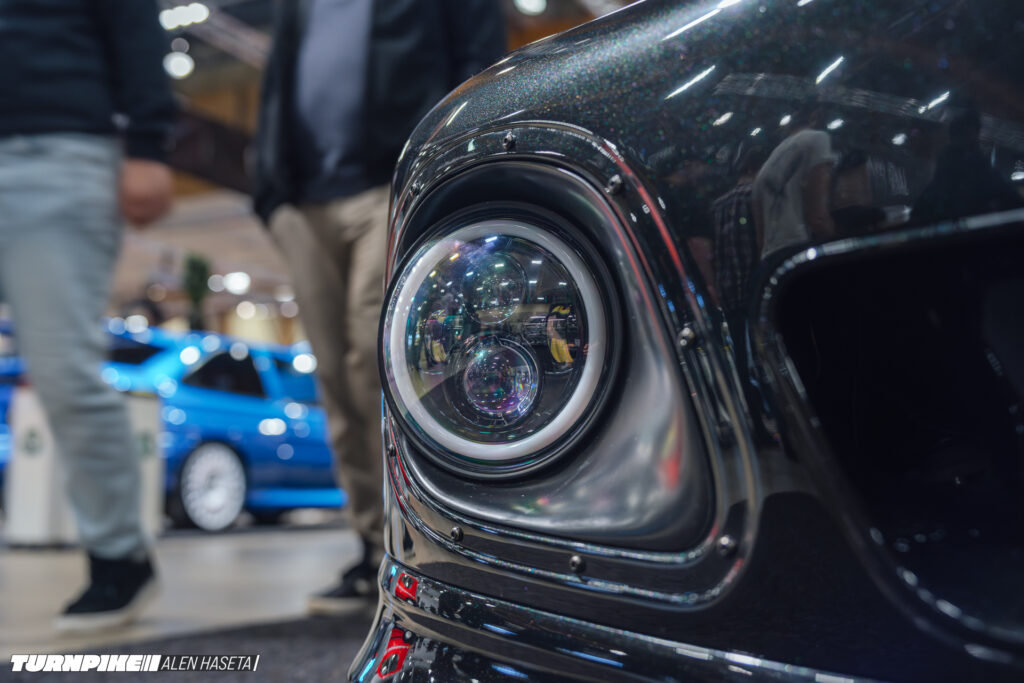
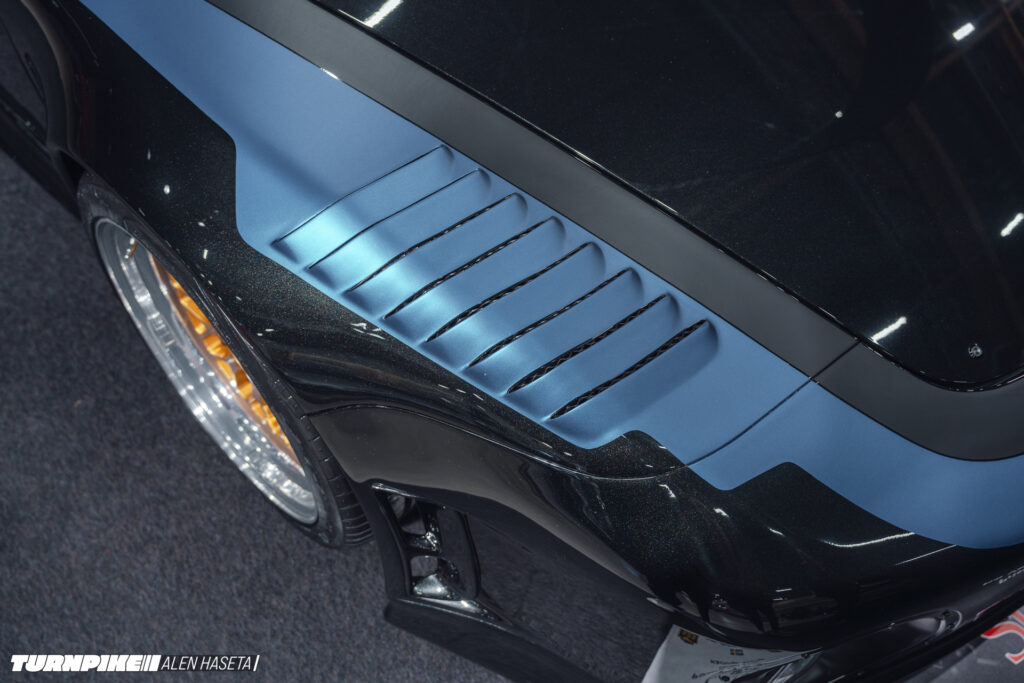
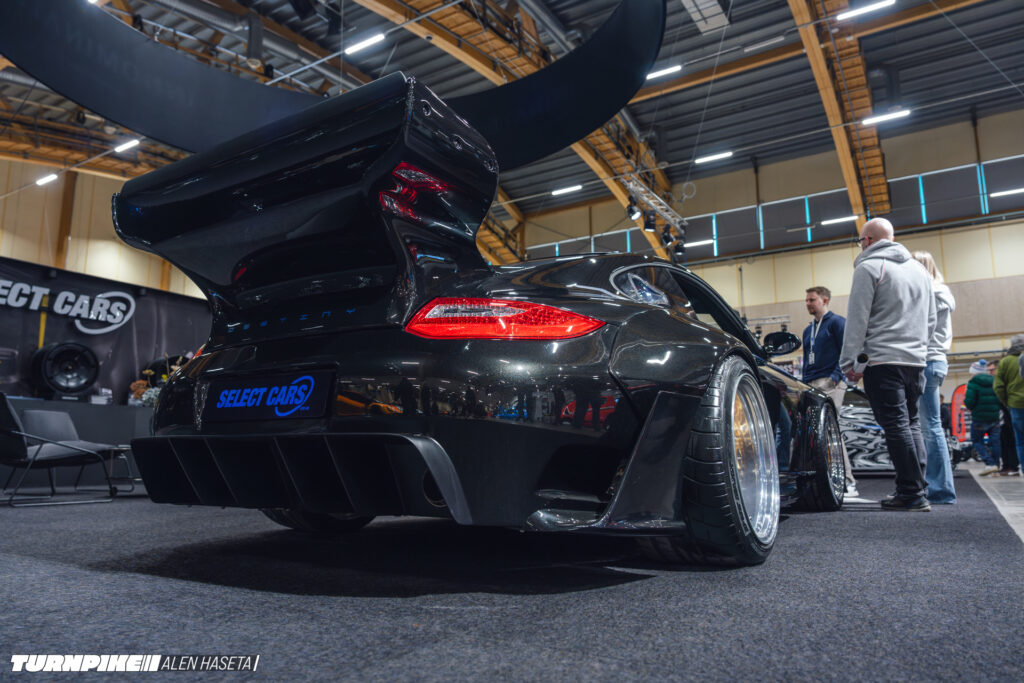
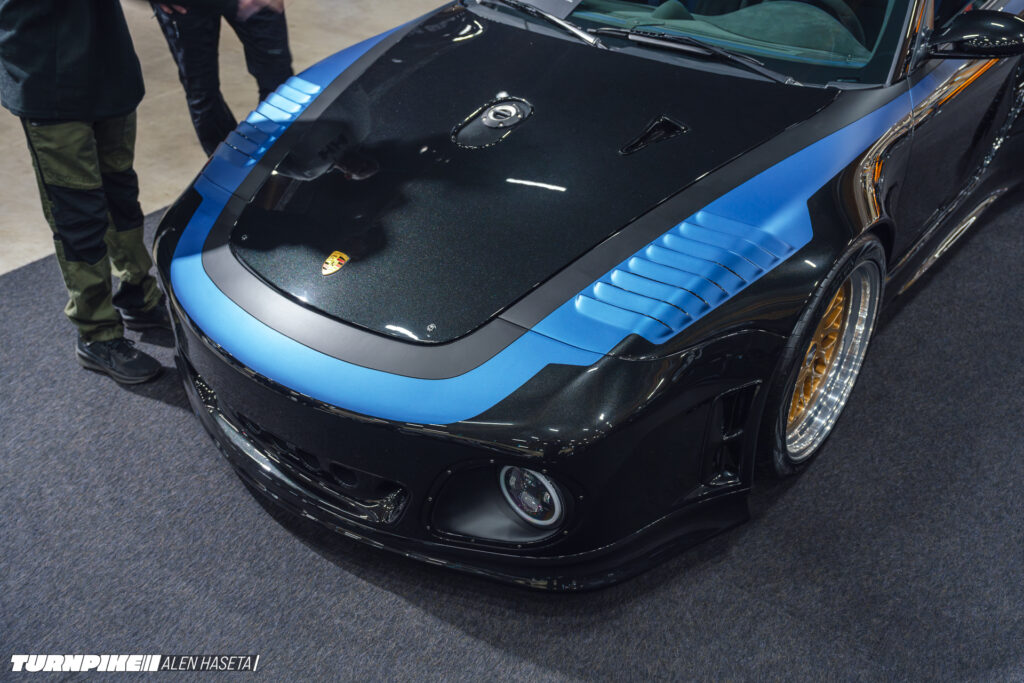
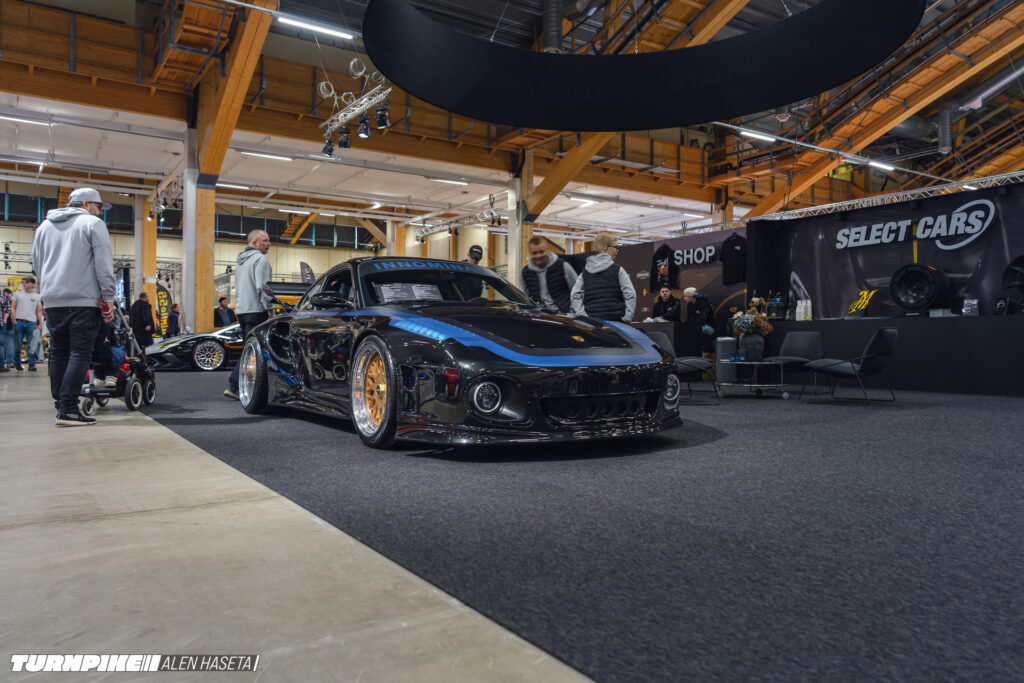
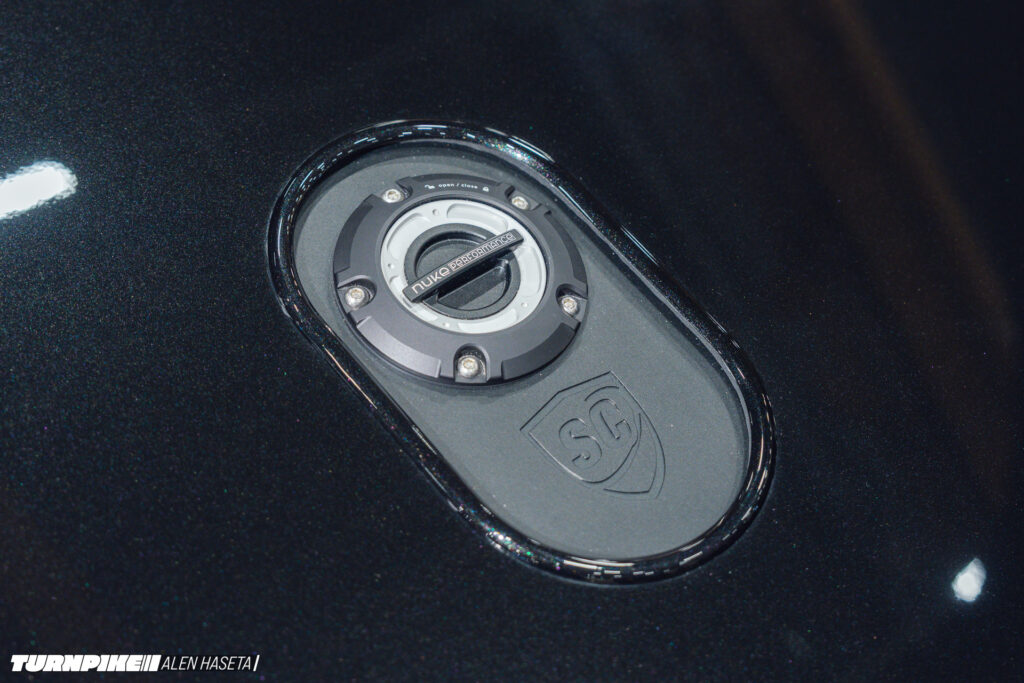
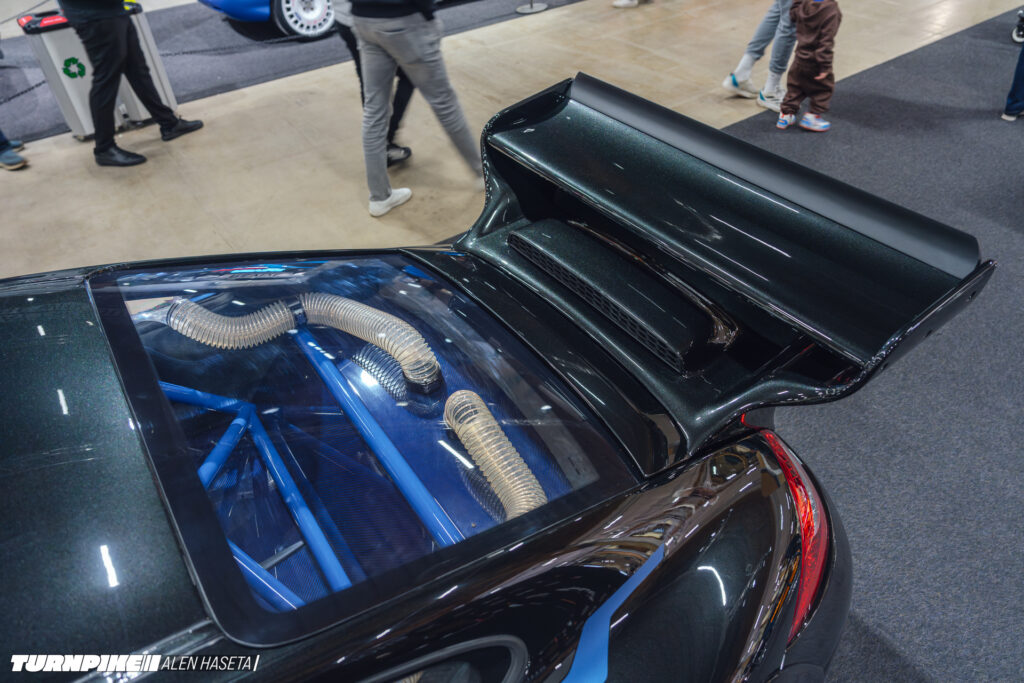
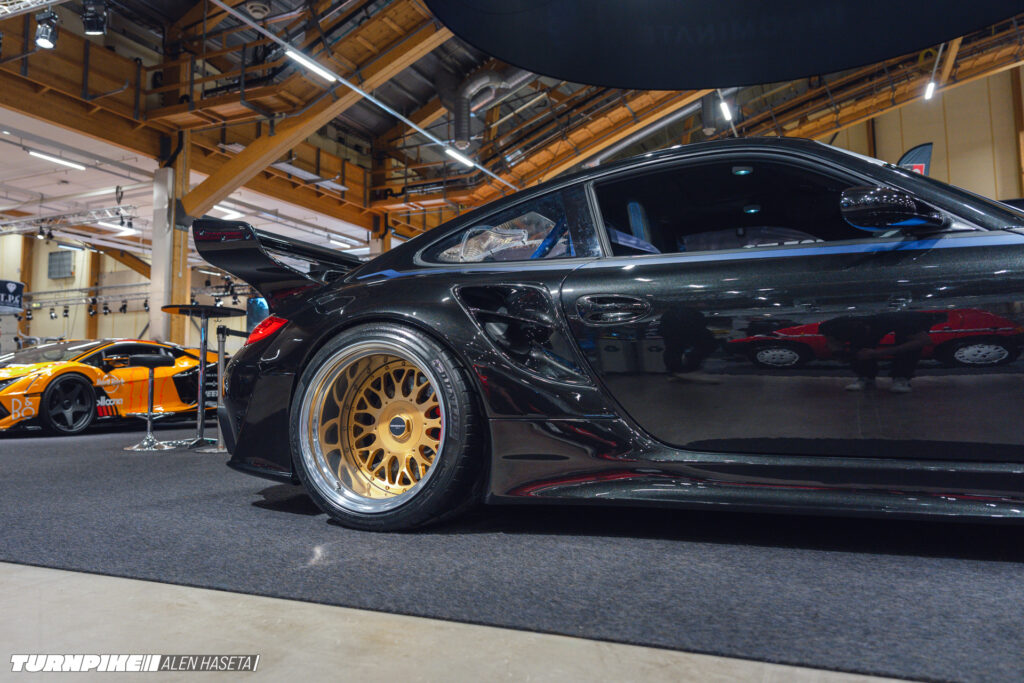
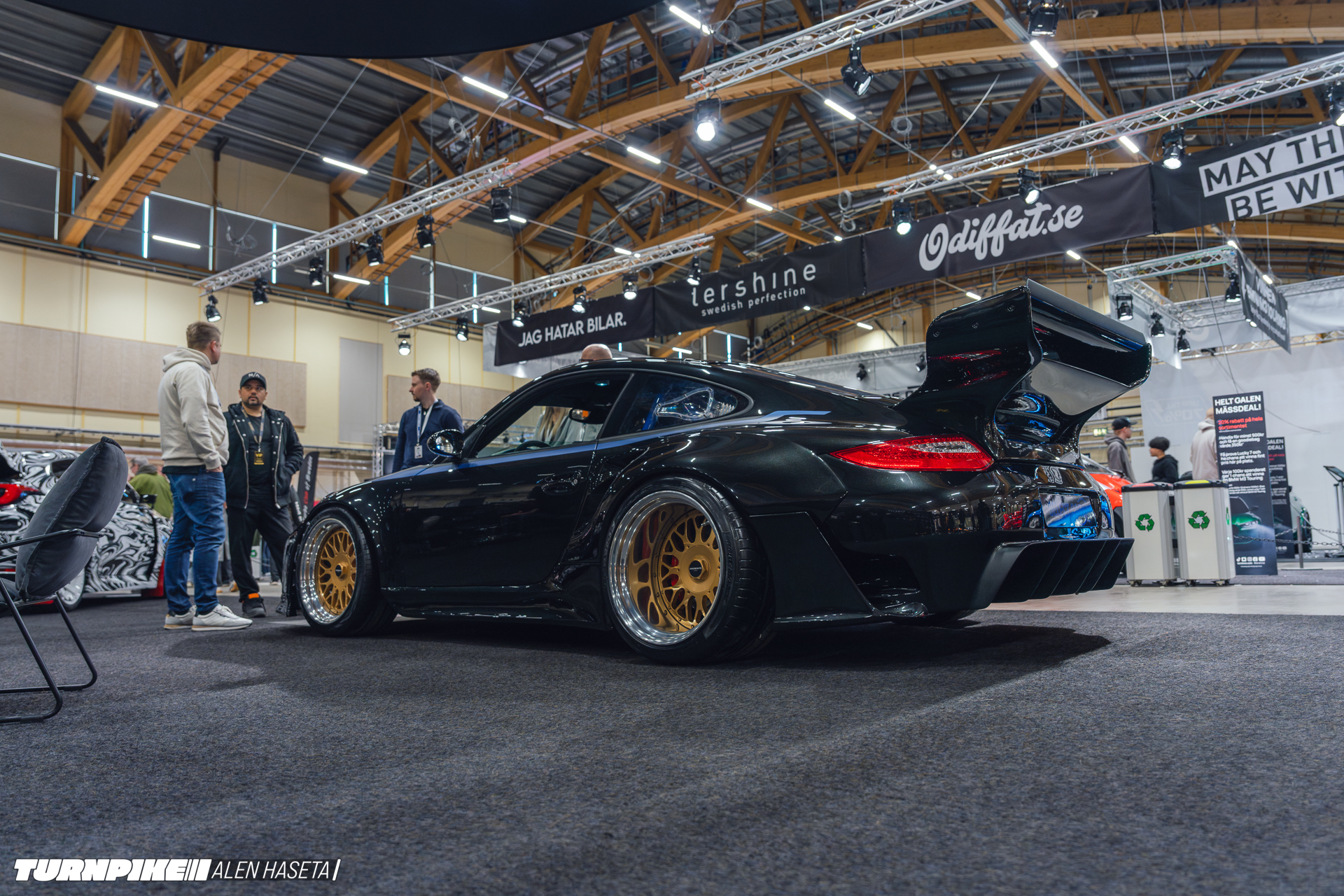
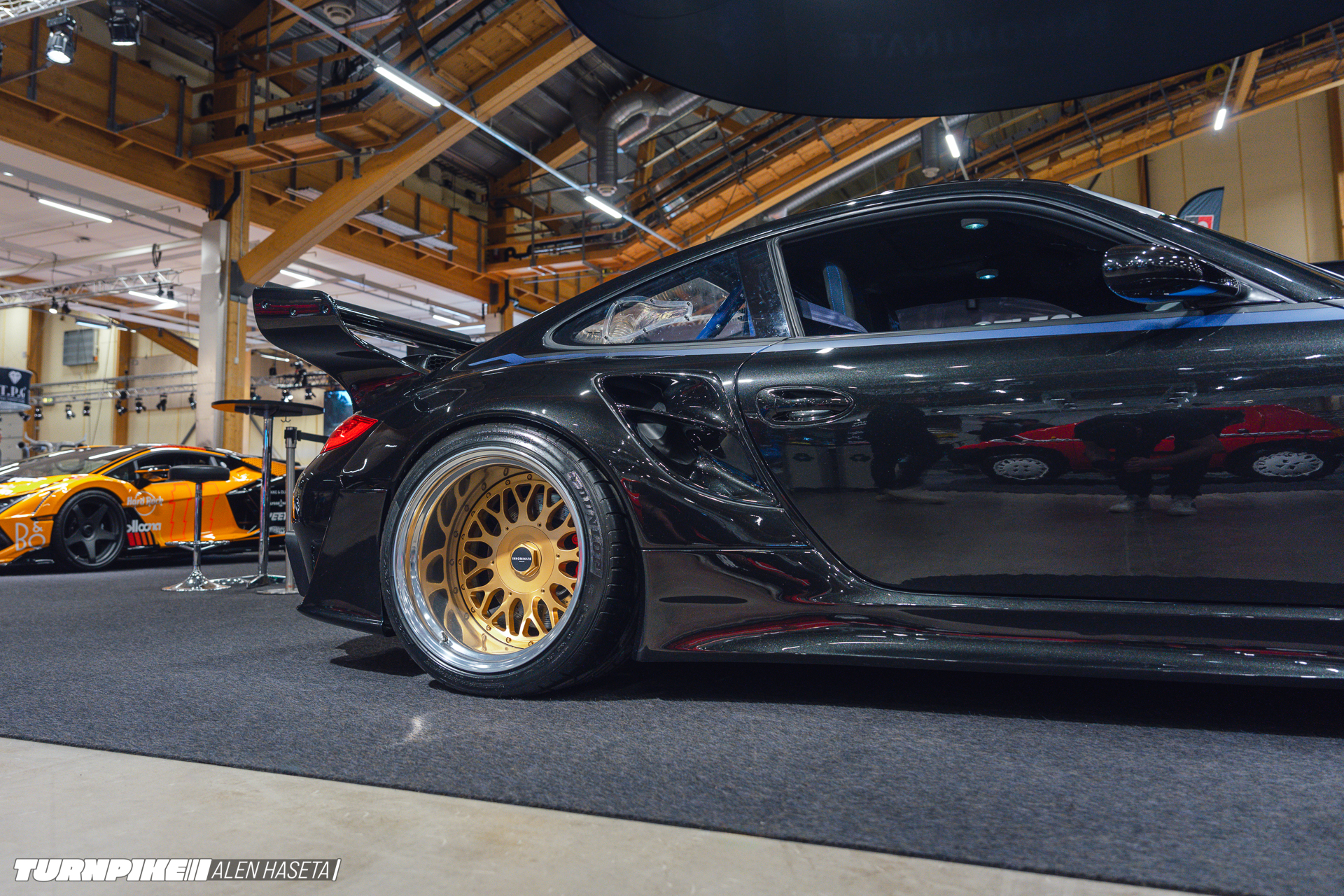
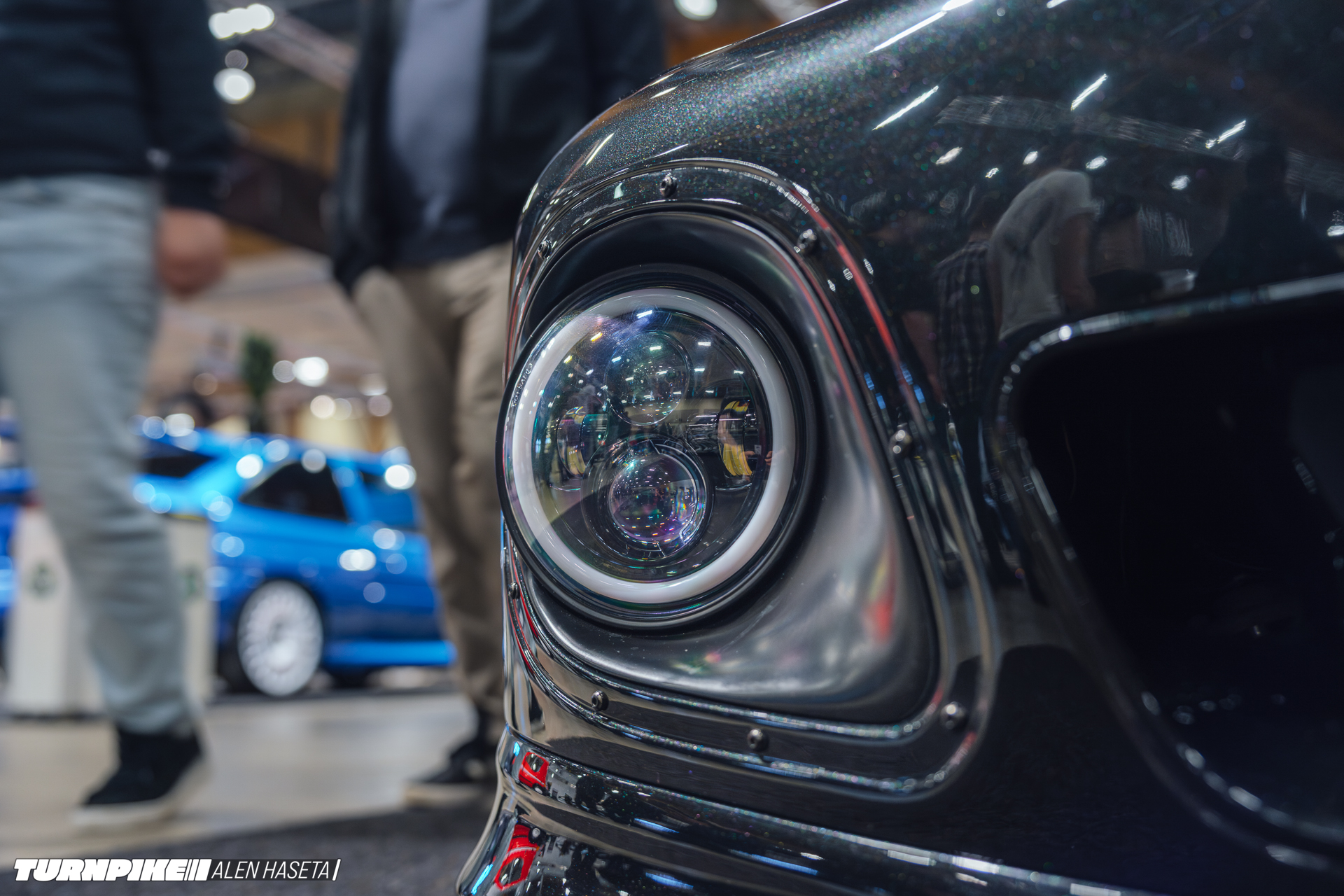
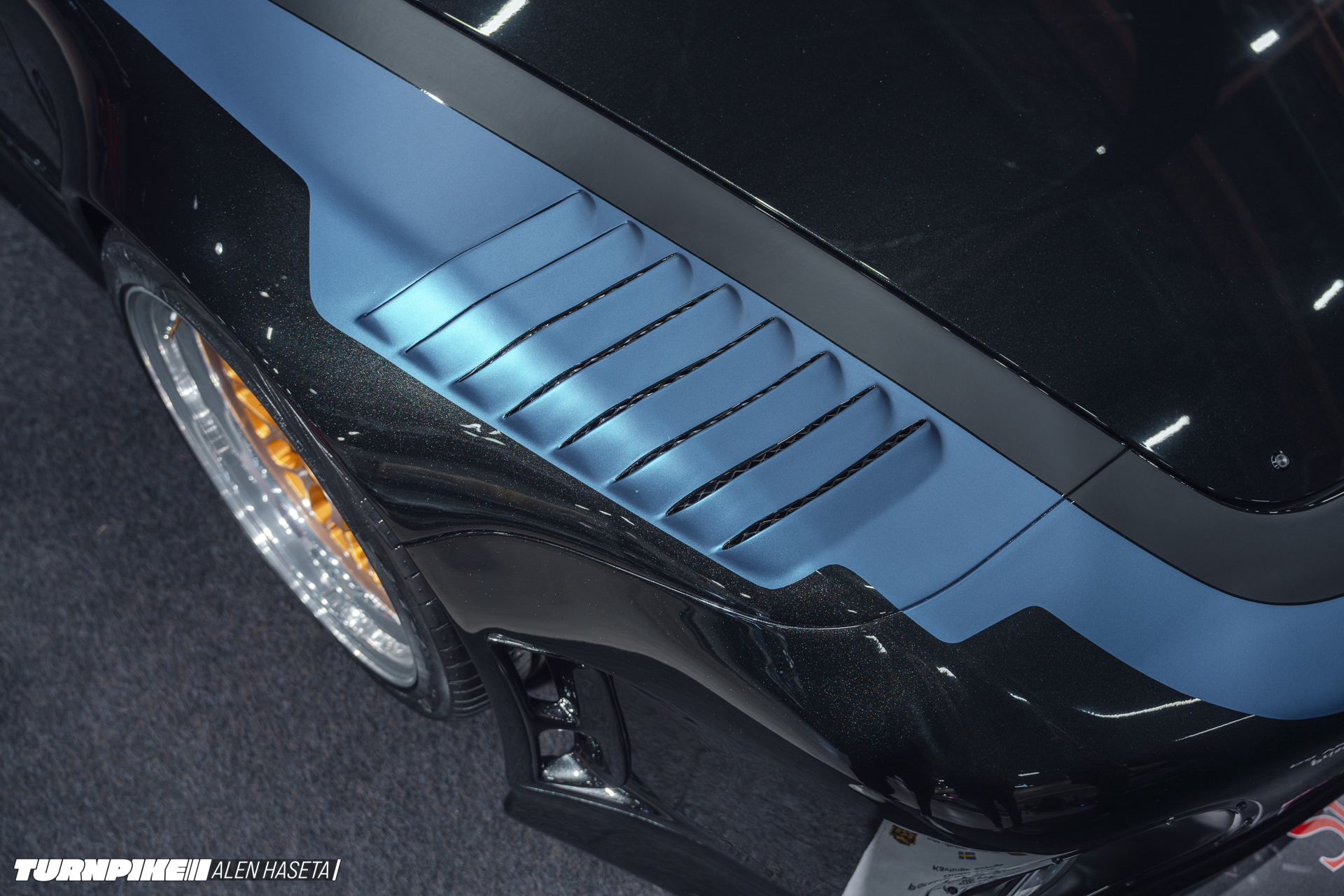
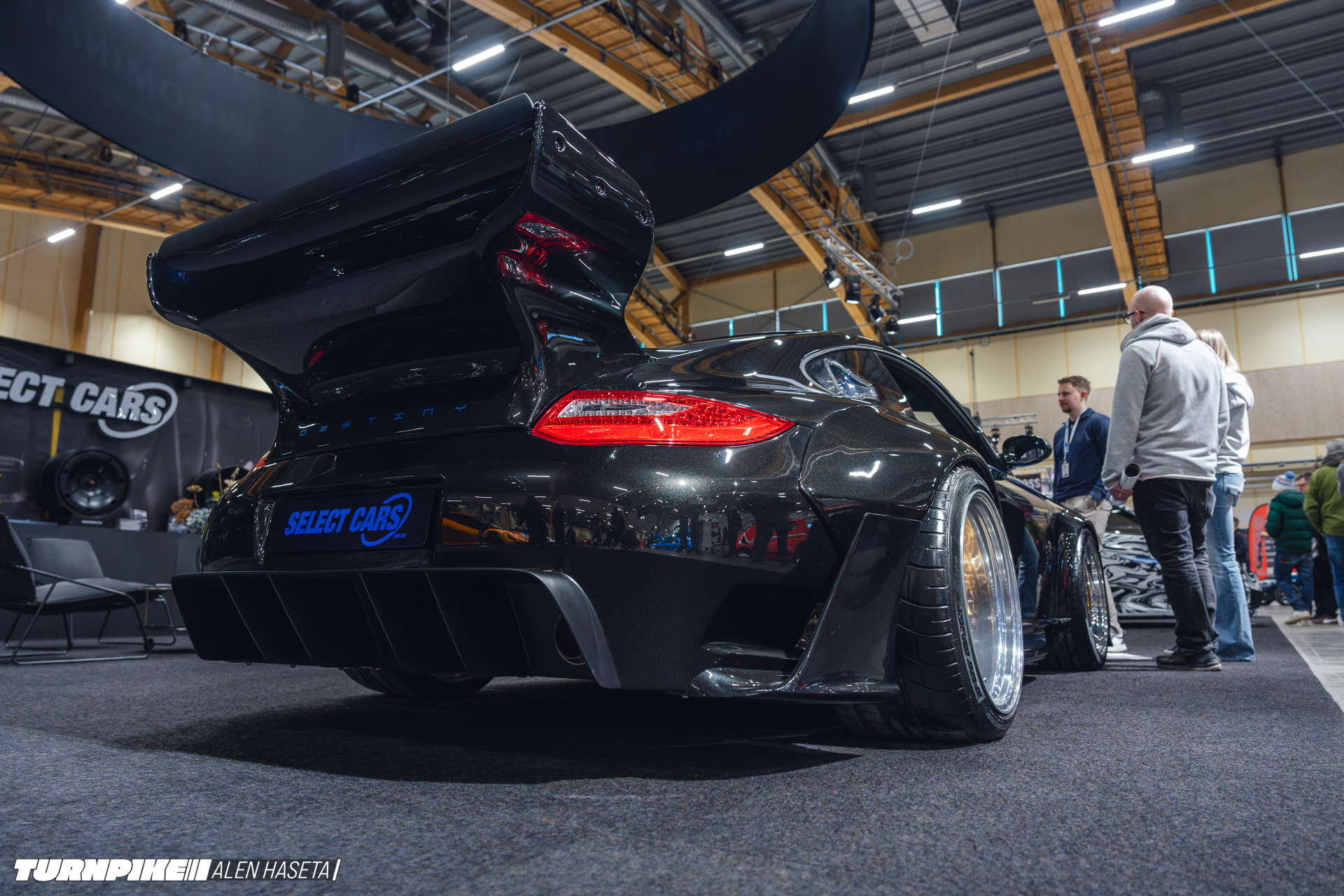
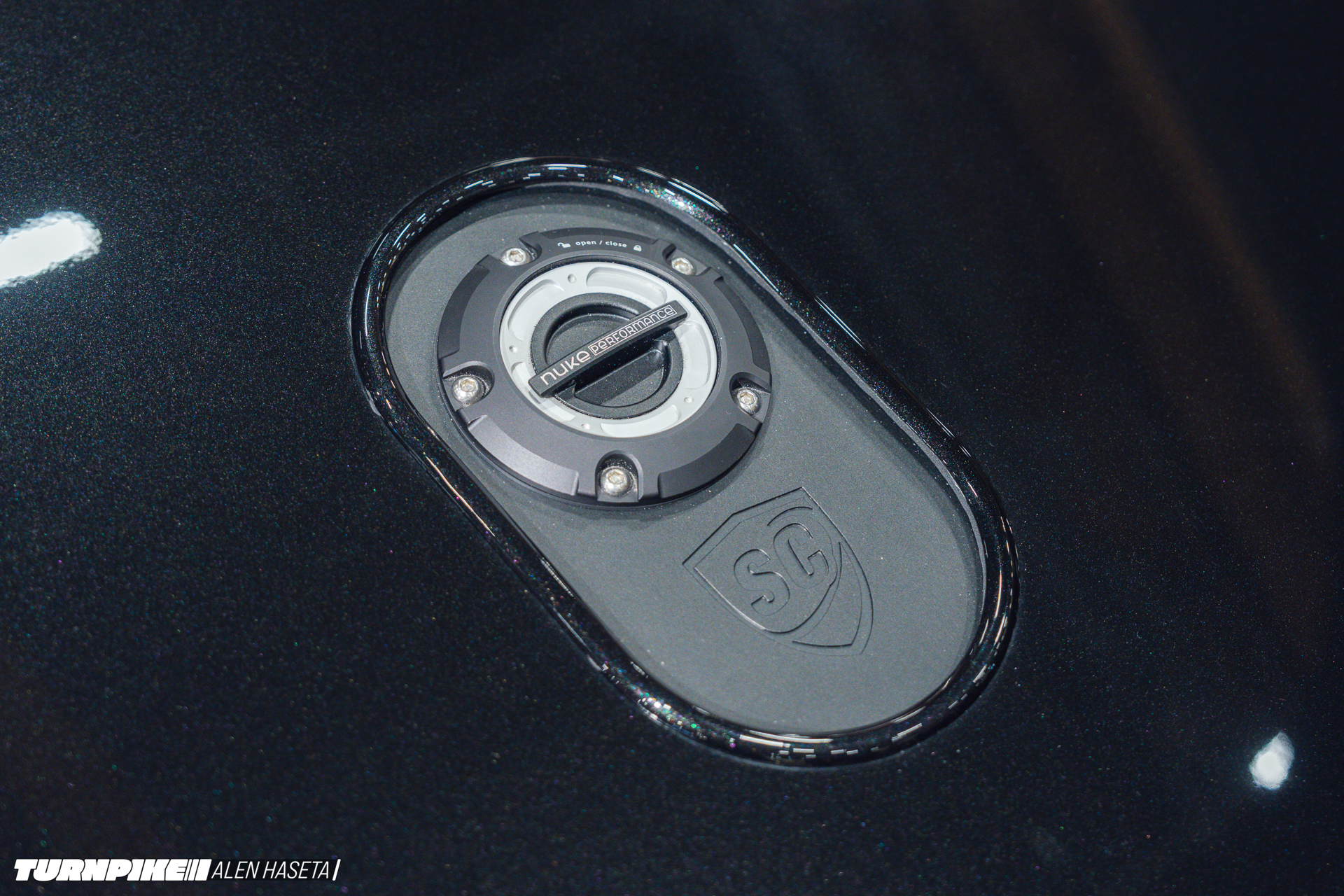
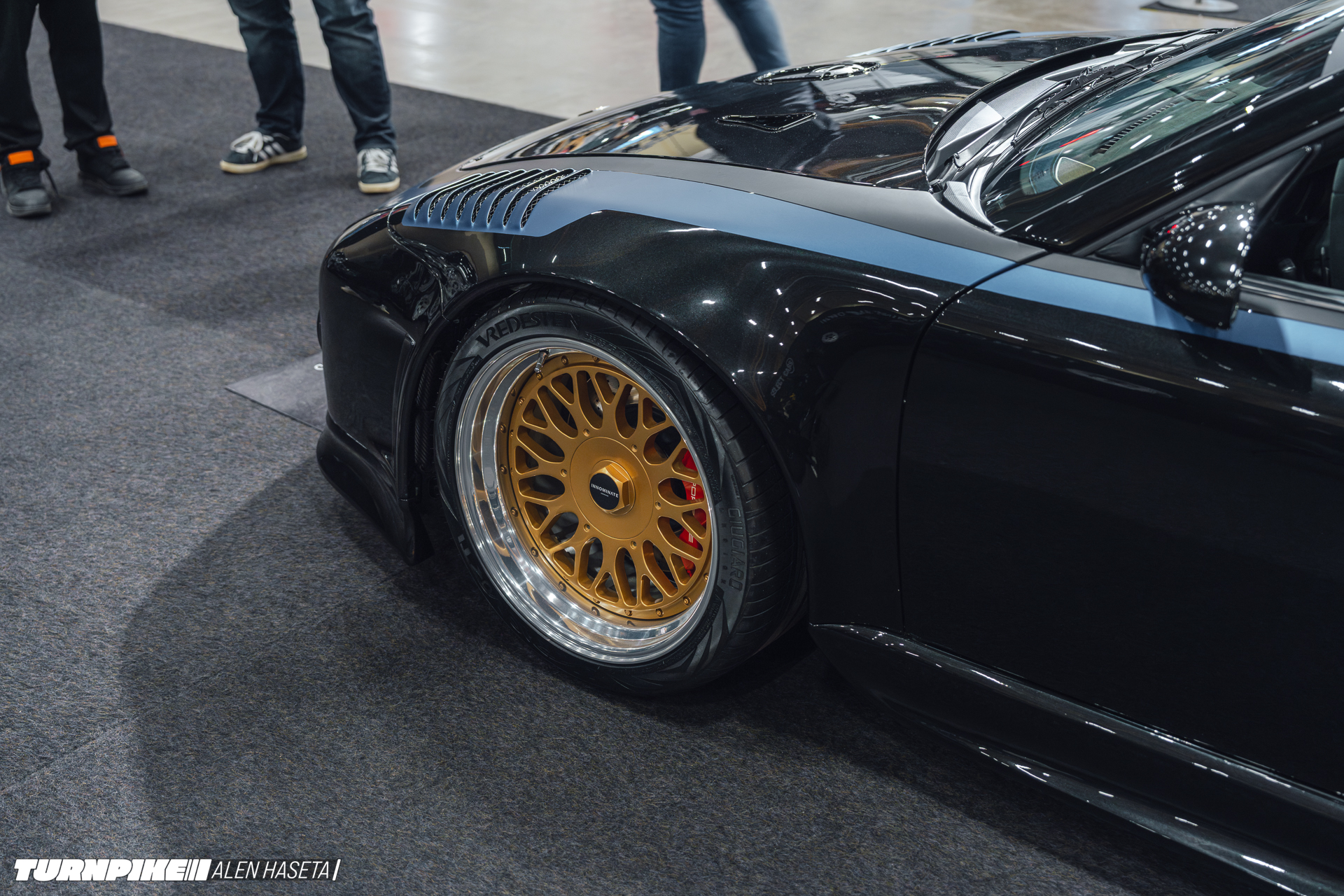
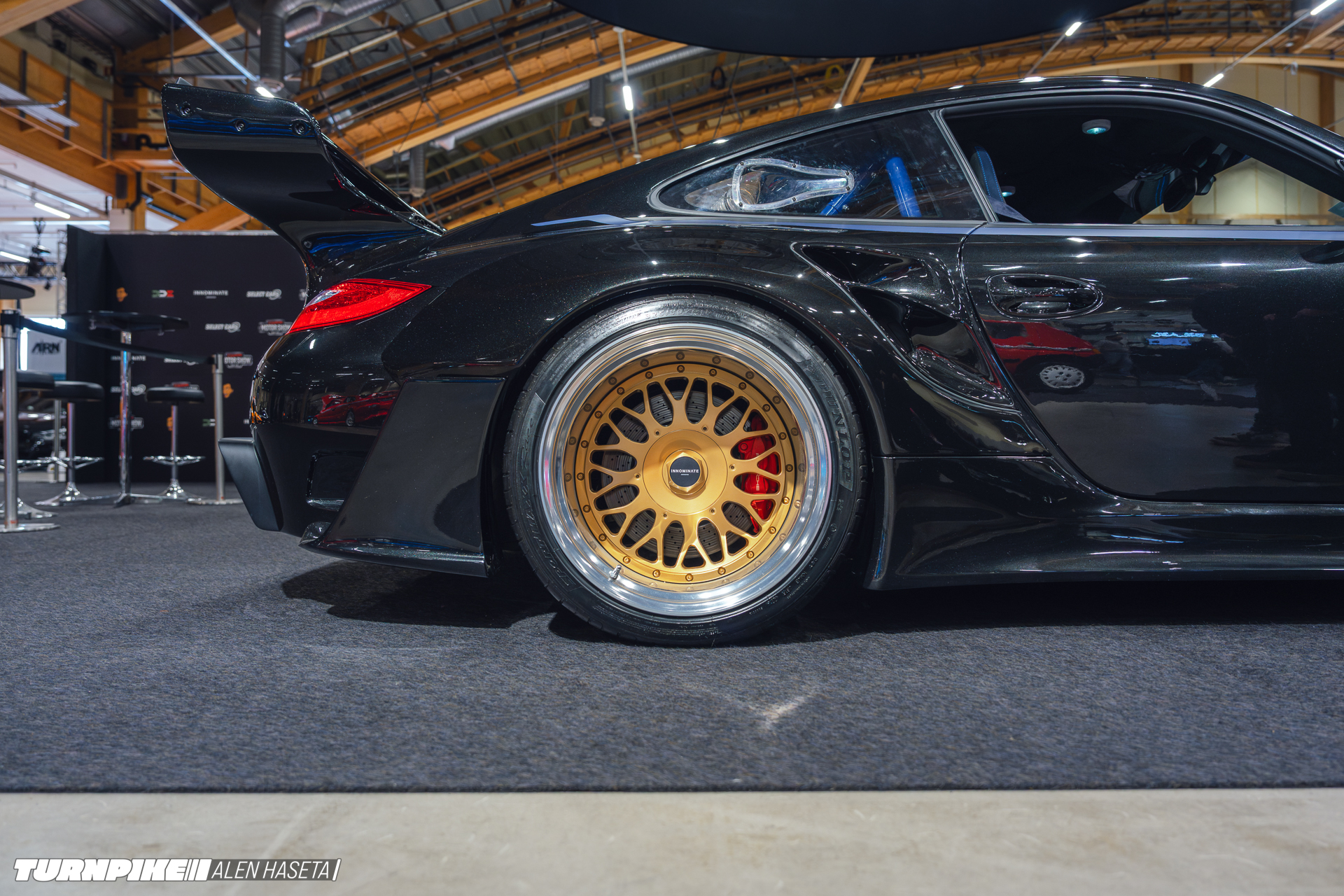
Starting with the most obvious changes, the exterior has been extensively reworked with custom-fabricated bodywork inspired by a modern interpretation of the Porsche 935 Flachbau (slantnose). The build features relocated headlights, a bespoke rear bumper, sculpted side vents, and a NACA-ducted bonnet, which together give the car a far more aggressive and purposeful presence while paying homage to an iconic design.
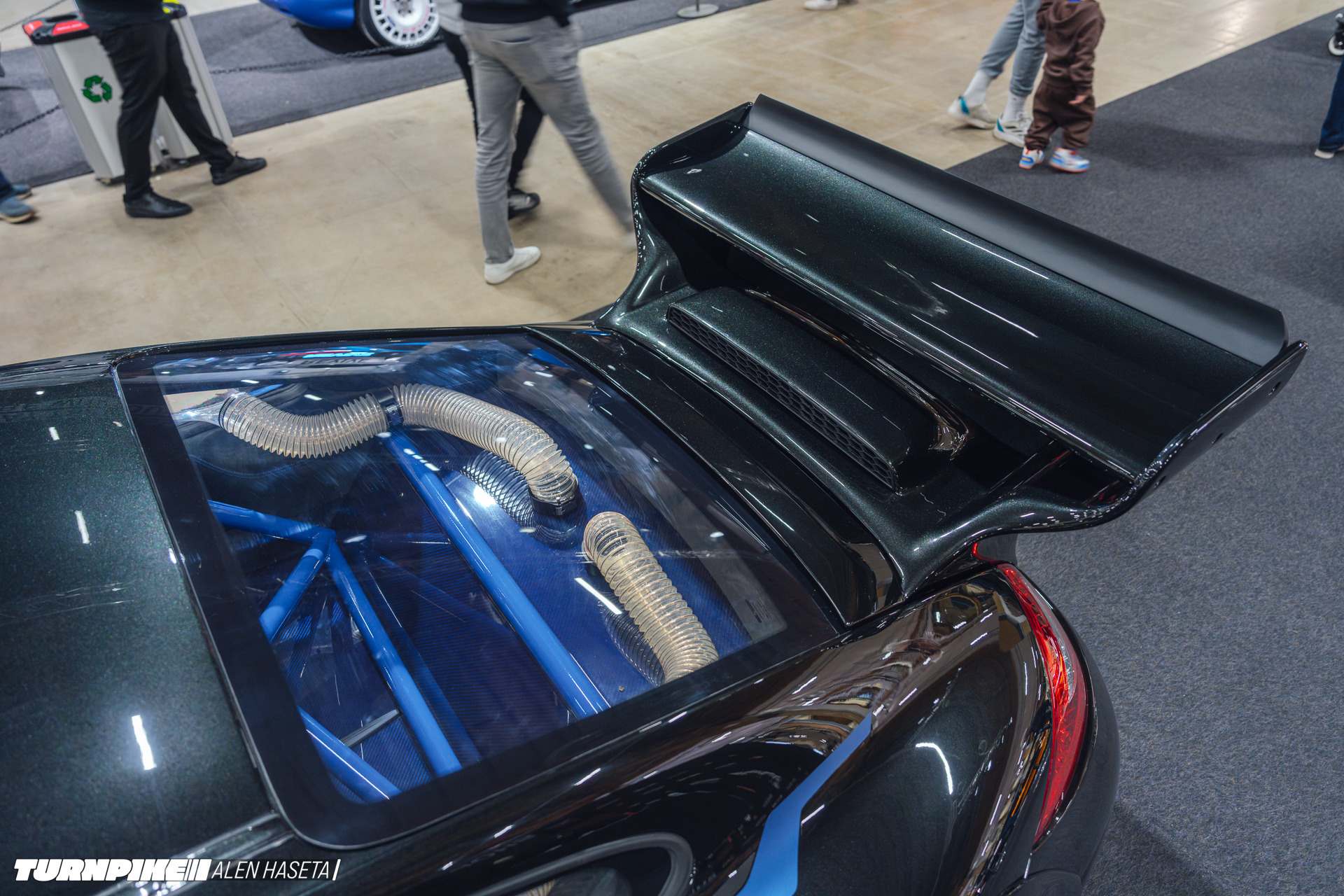
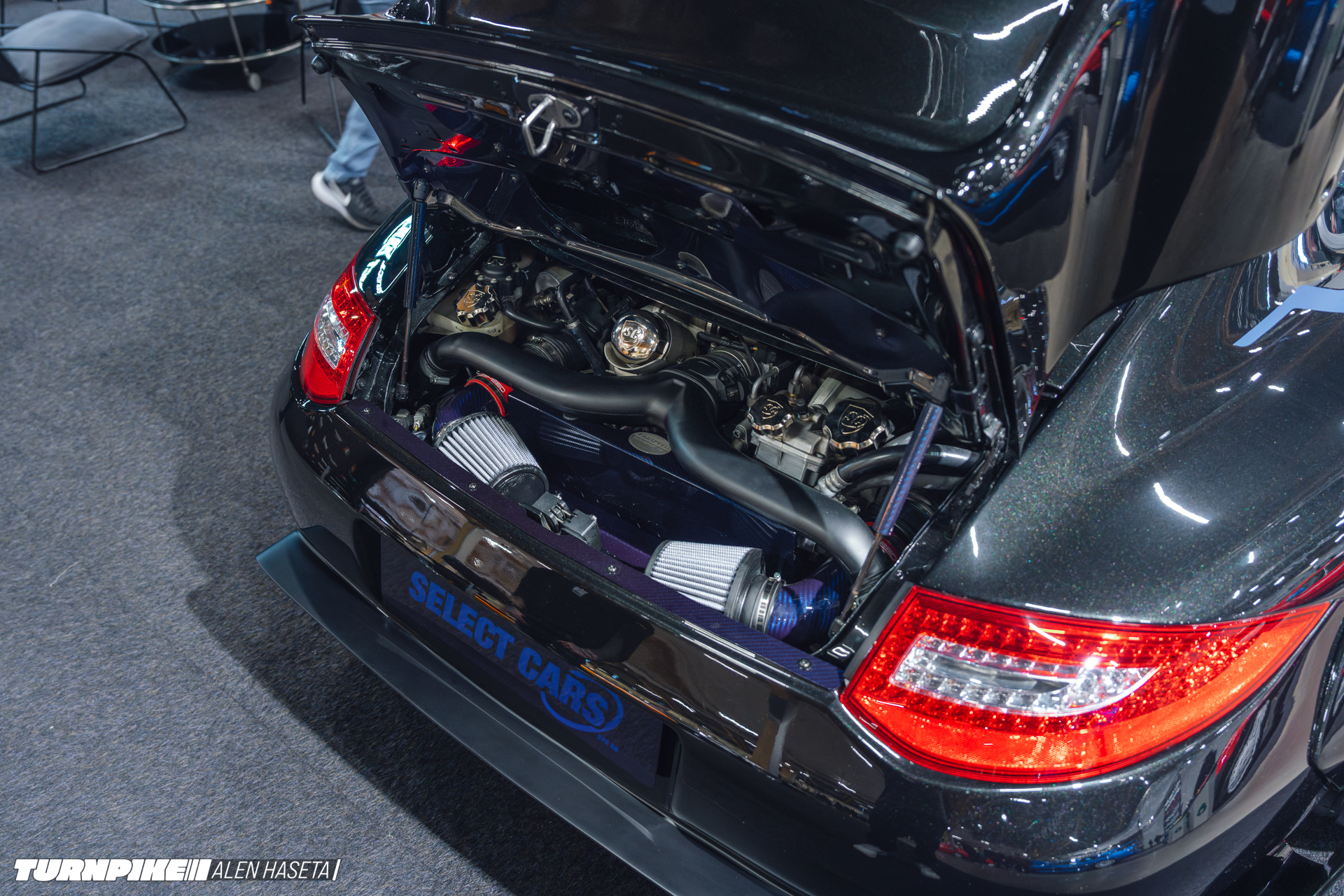
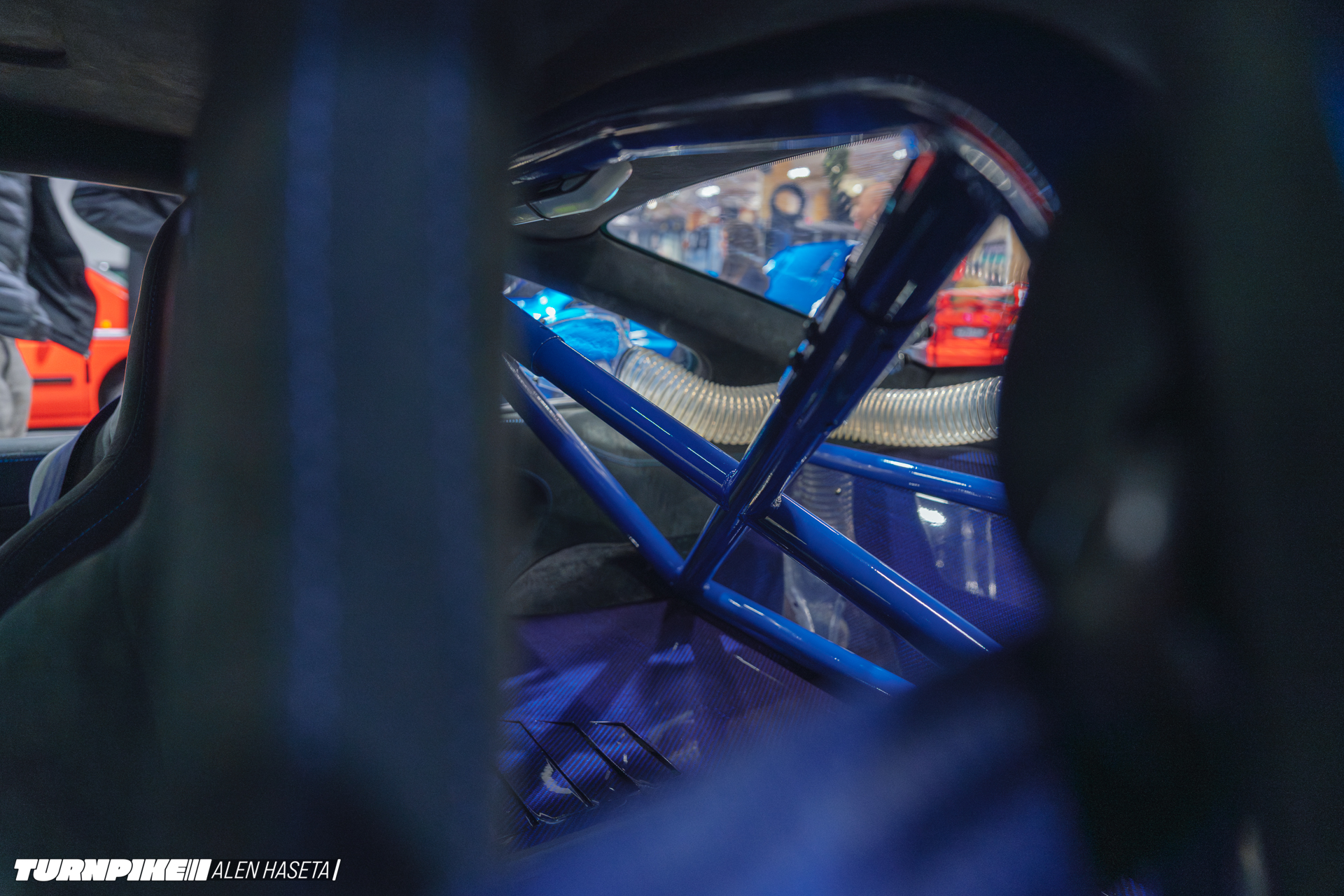
At the rear, the factory glass quarter windows have been replaced with polycarbonate panels that channel air directly toward the totally refurbished engine.
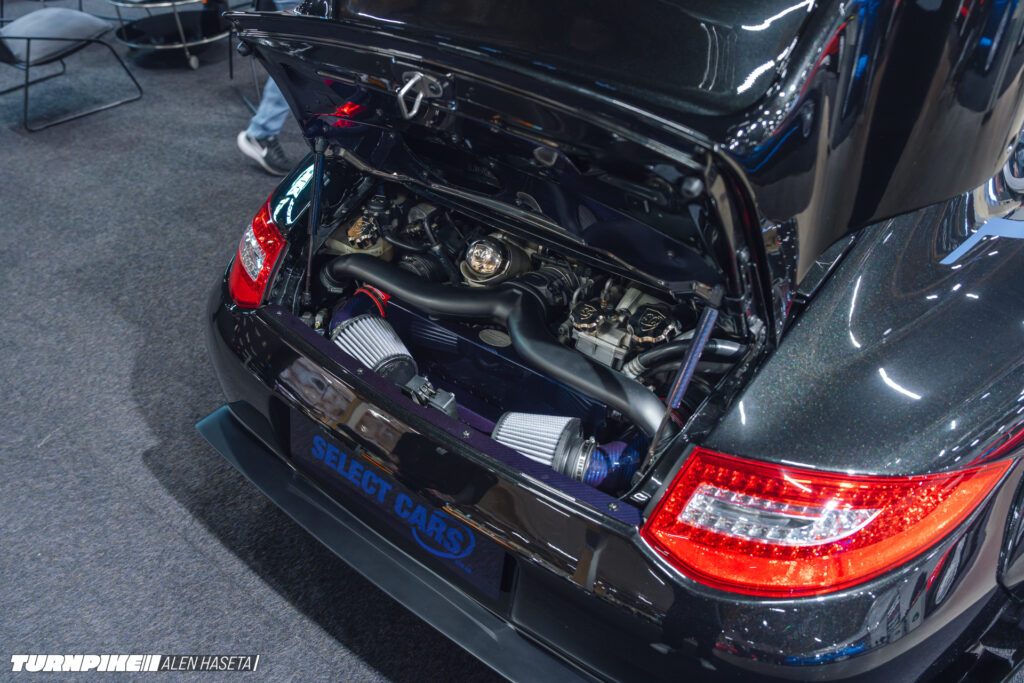
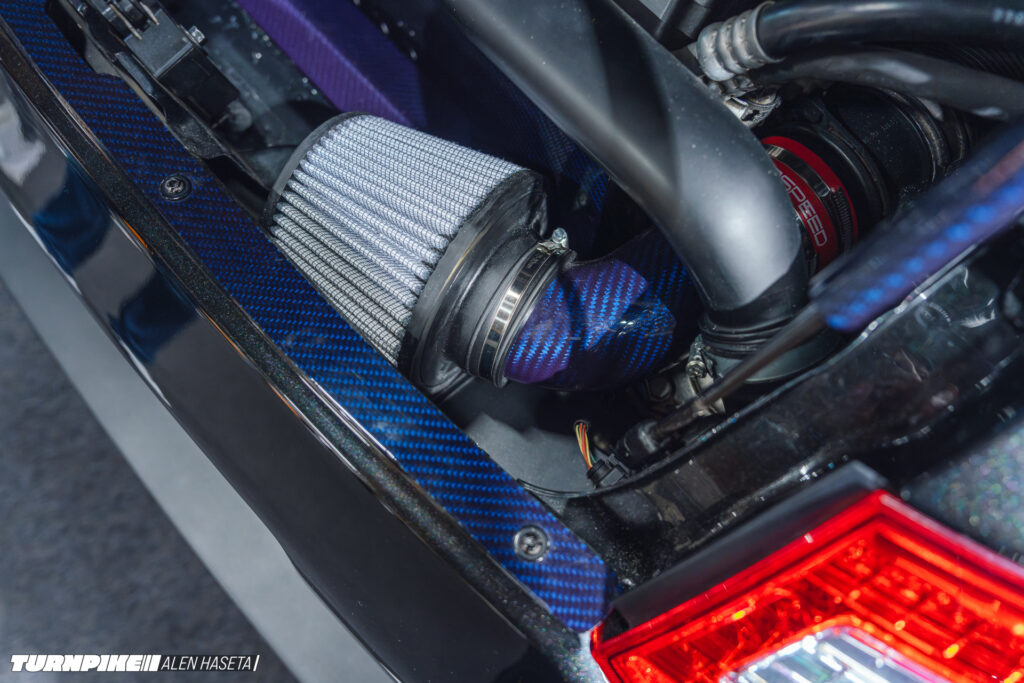
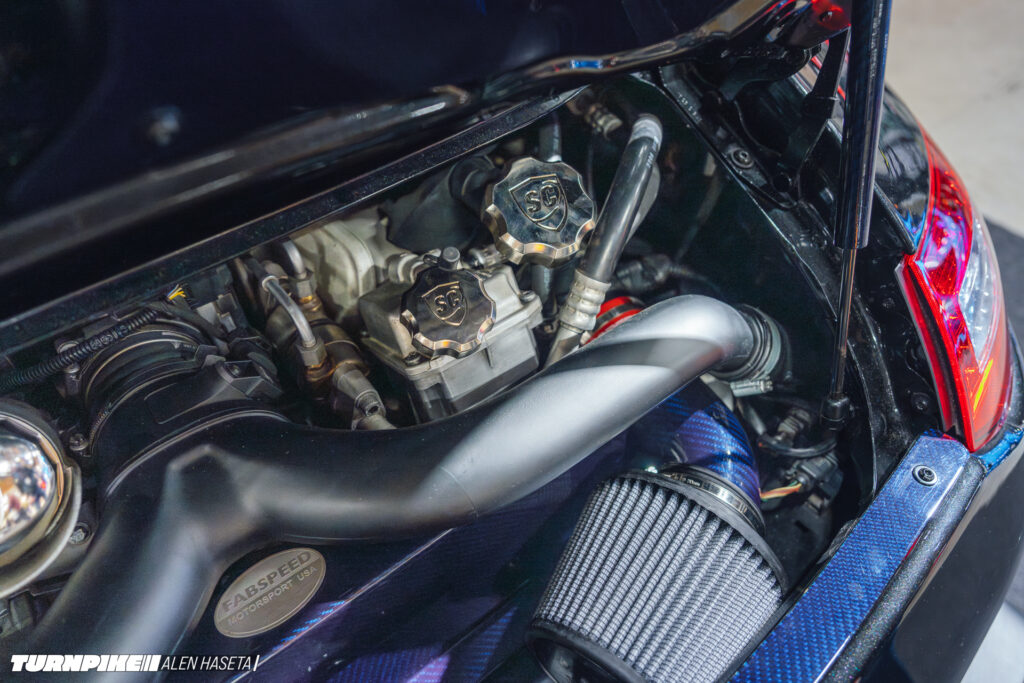
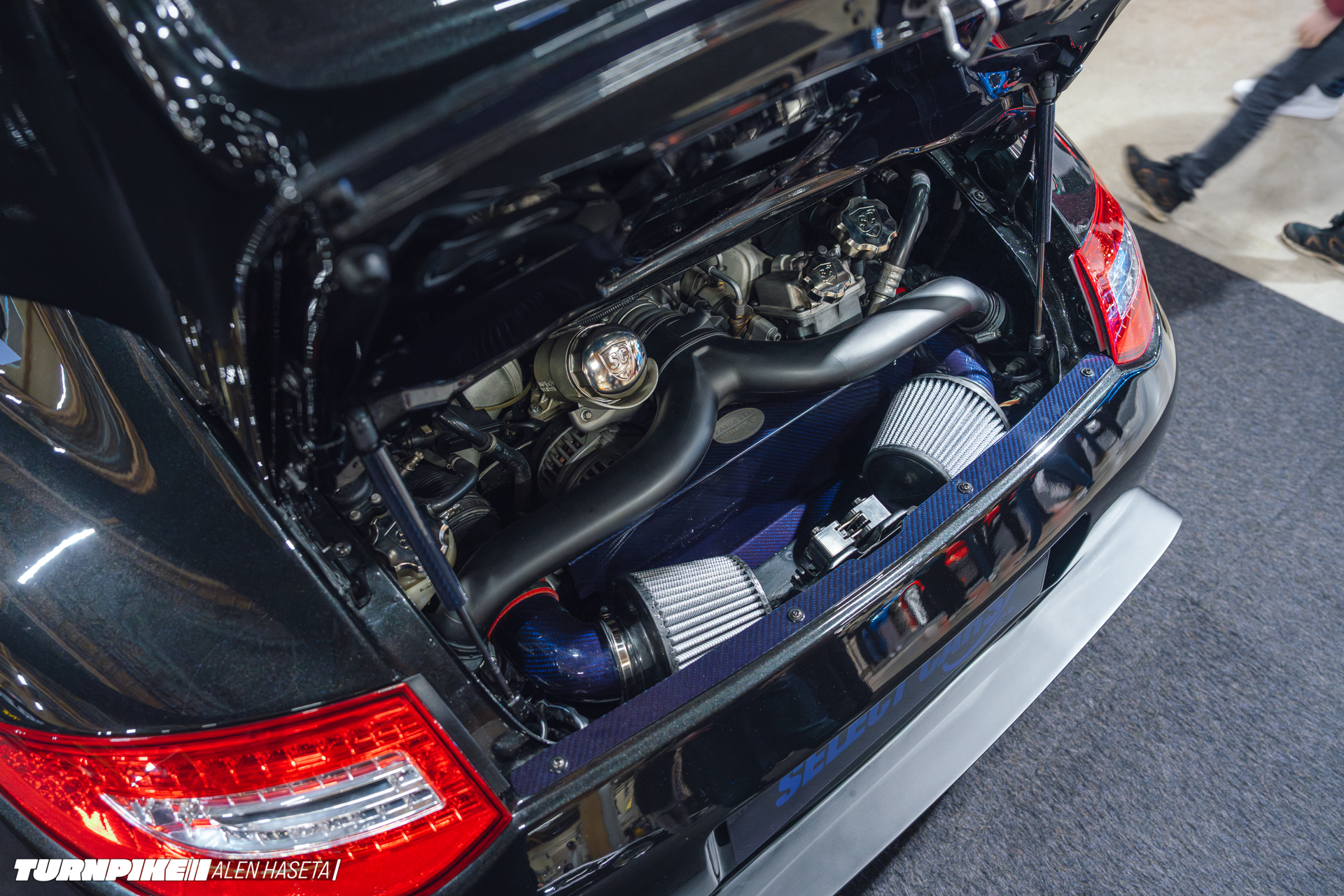
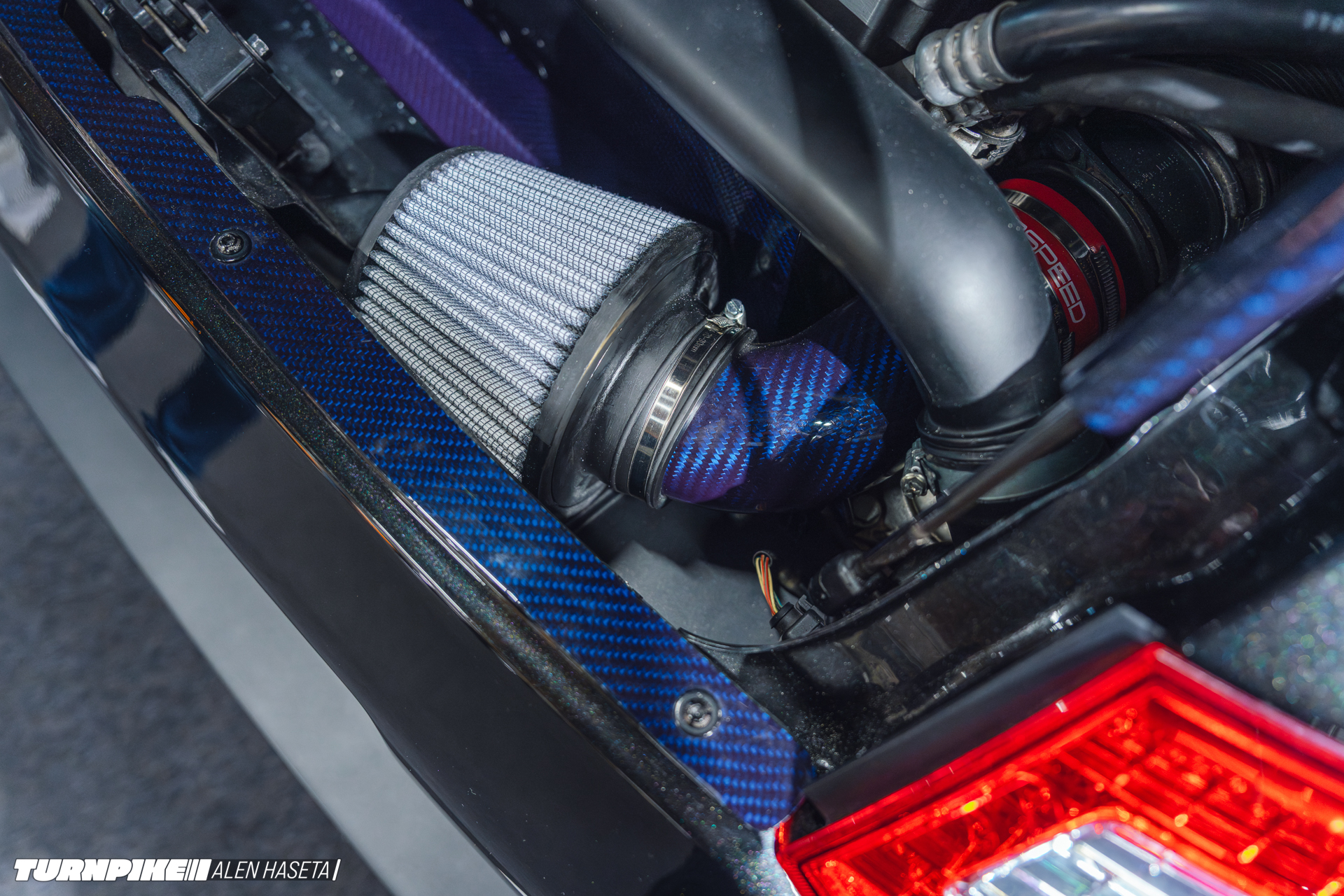
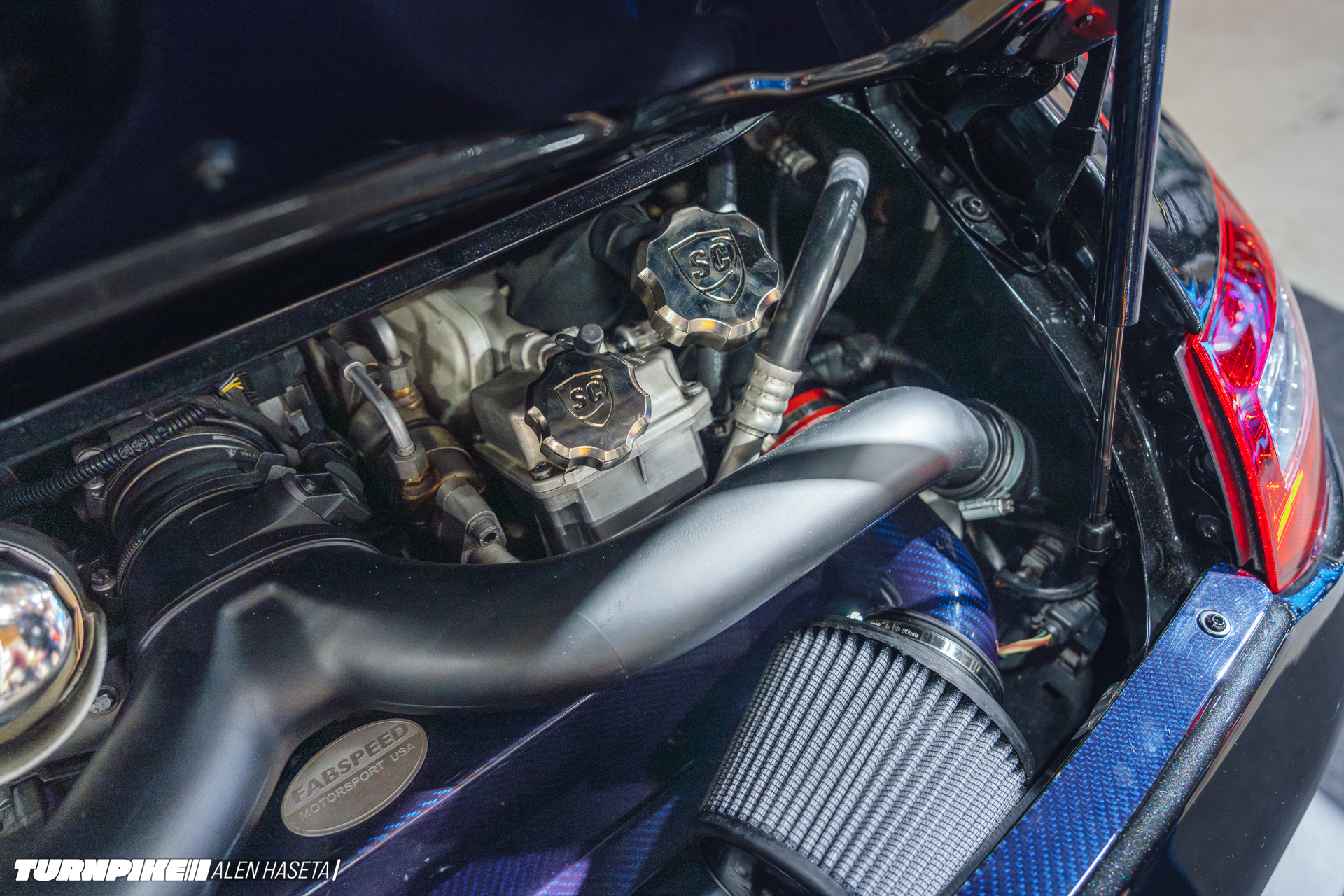
That engine is the 997’s original turbocharged flat-six, which has been subtly enhanced with some select modifications. These upgrades focus on improving airflow and include a blue-tinted carbon fiber Fabspeed Competition Air Intake System, overhauled turbos, and a stainless steel exhaust. A custom tune makes the most of the changes.
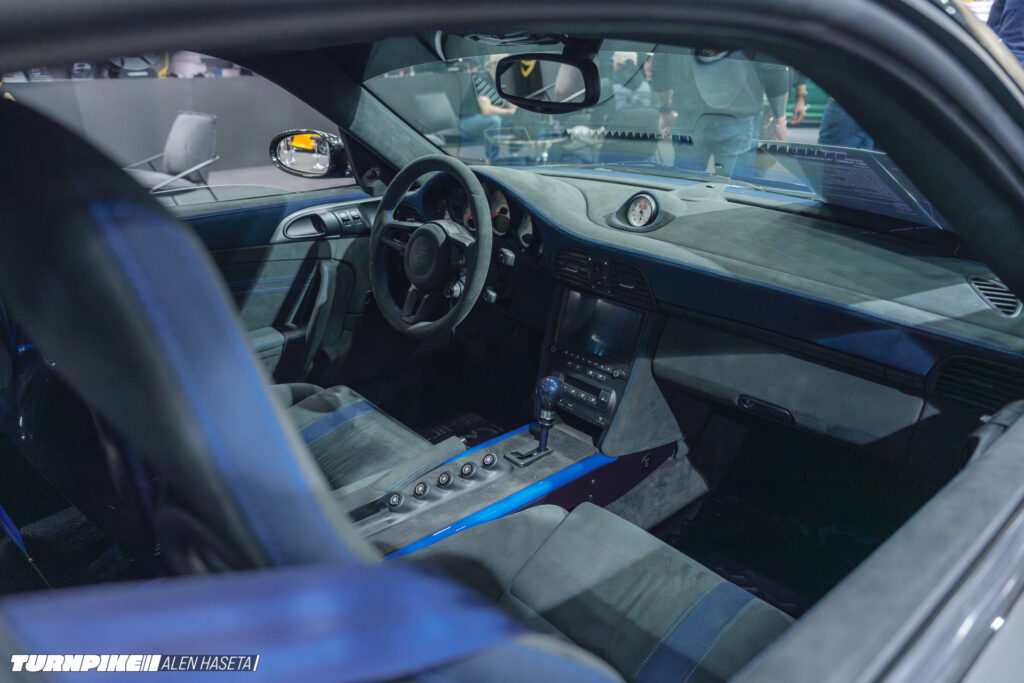
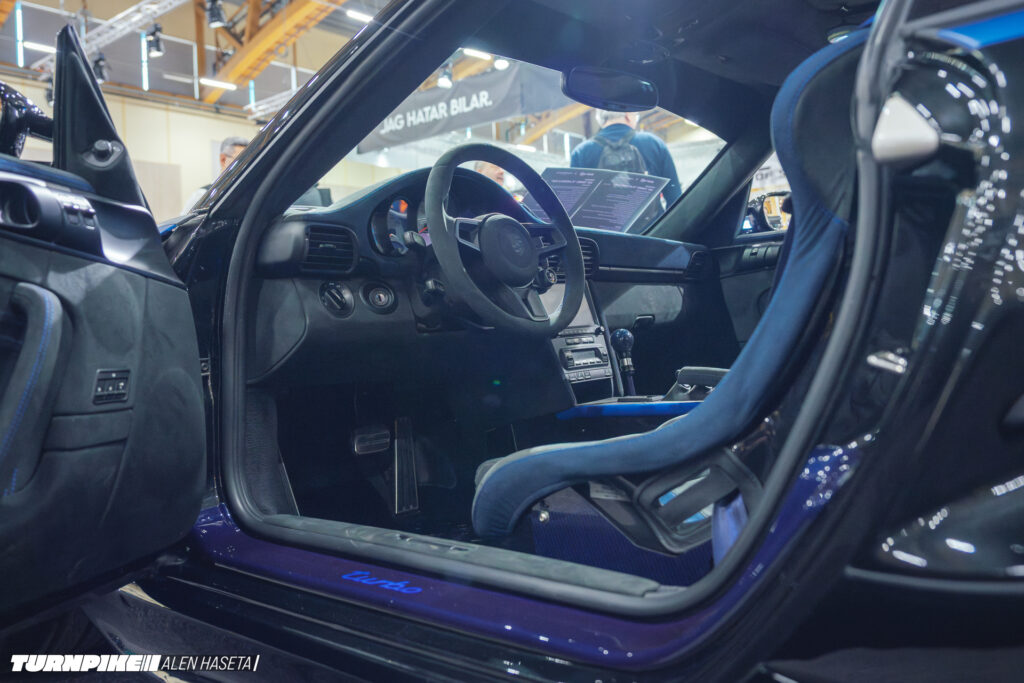
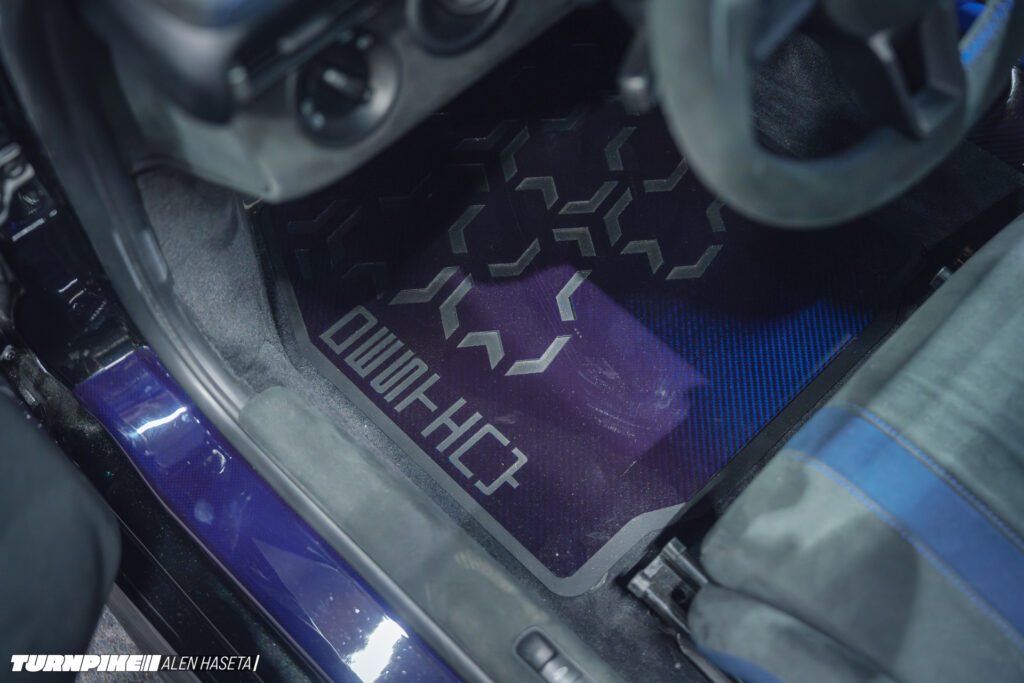
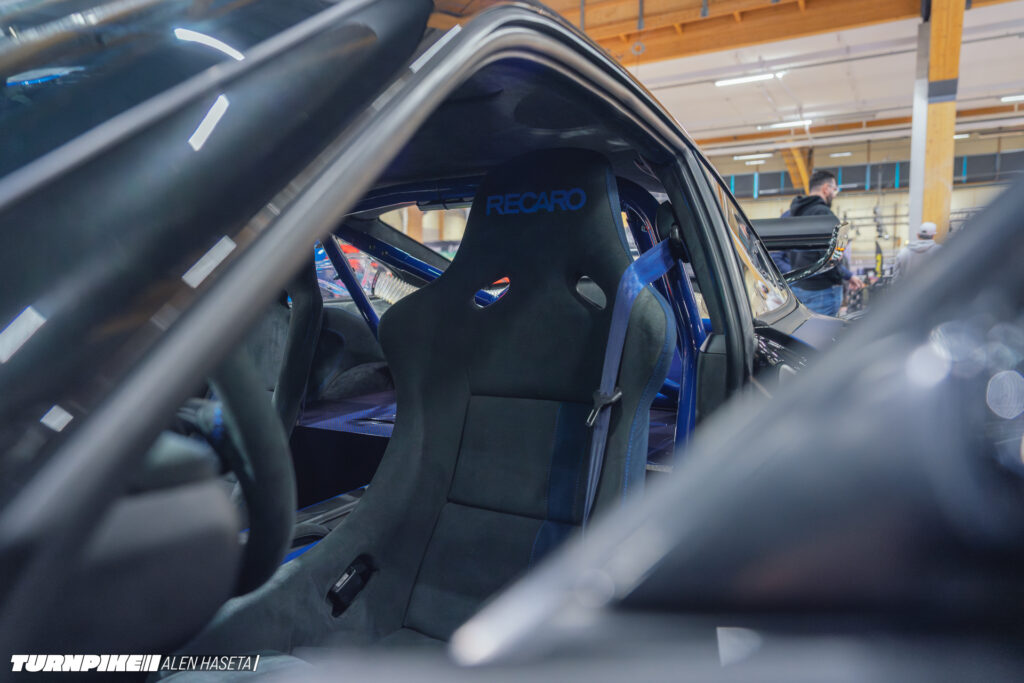
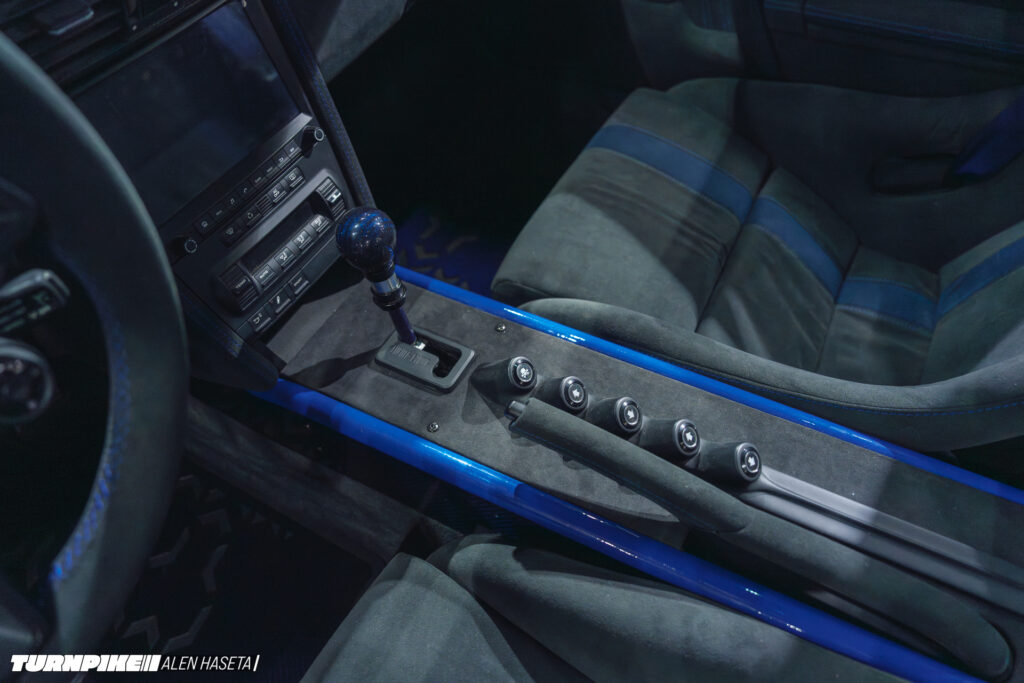
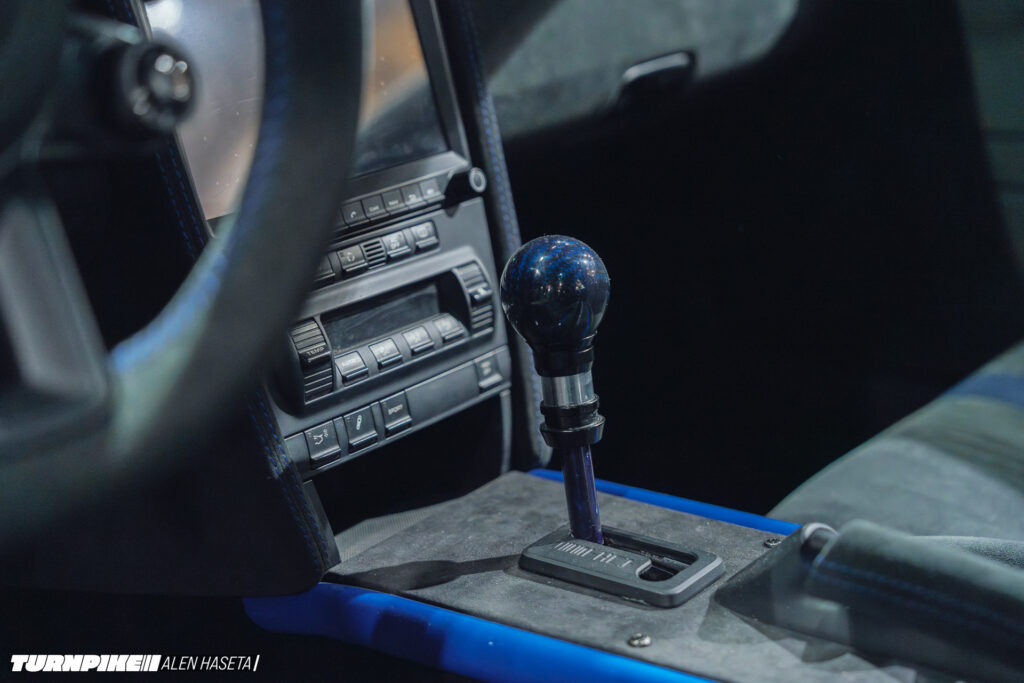
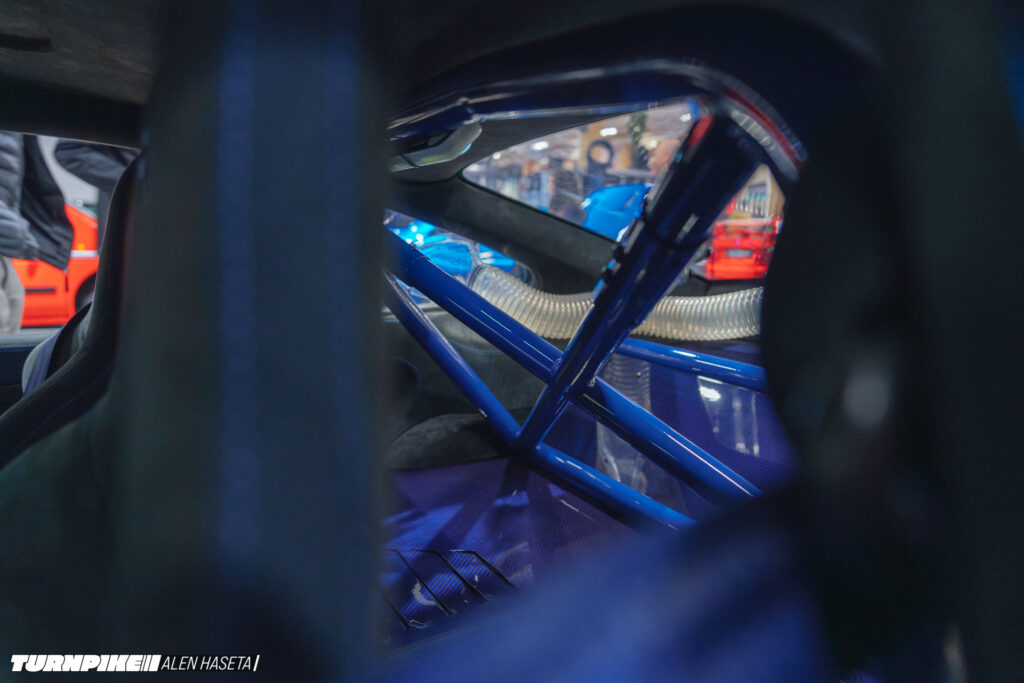
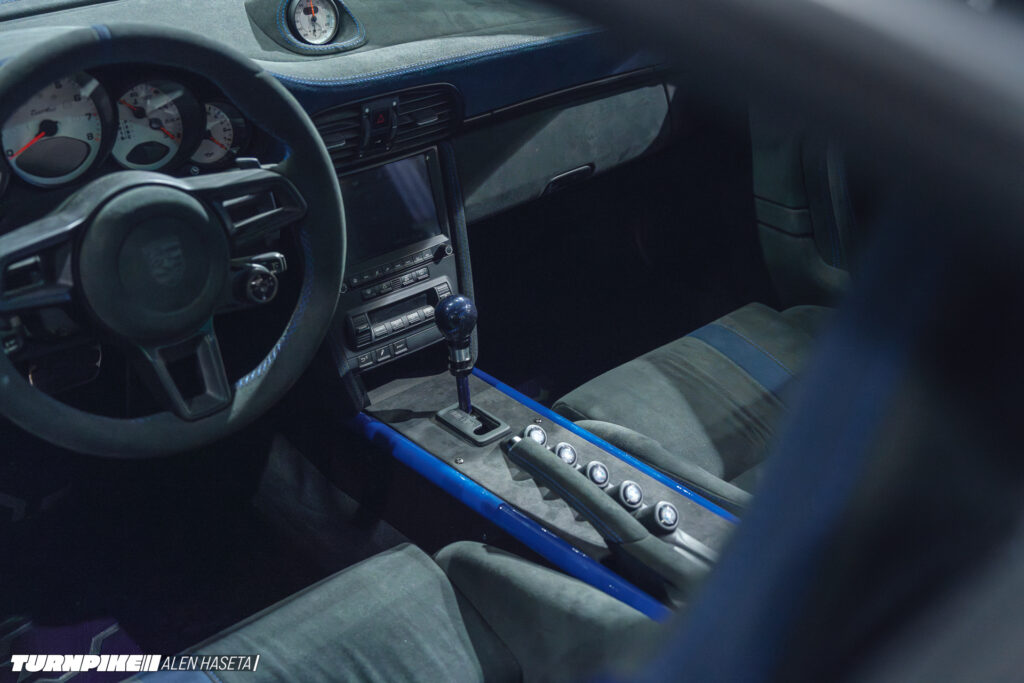
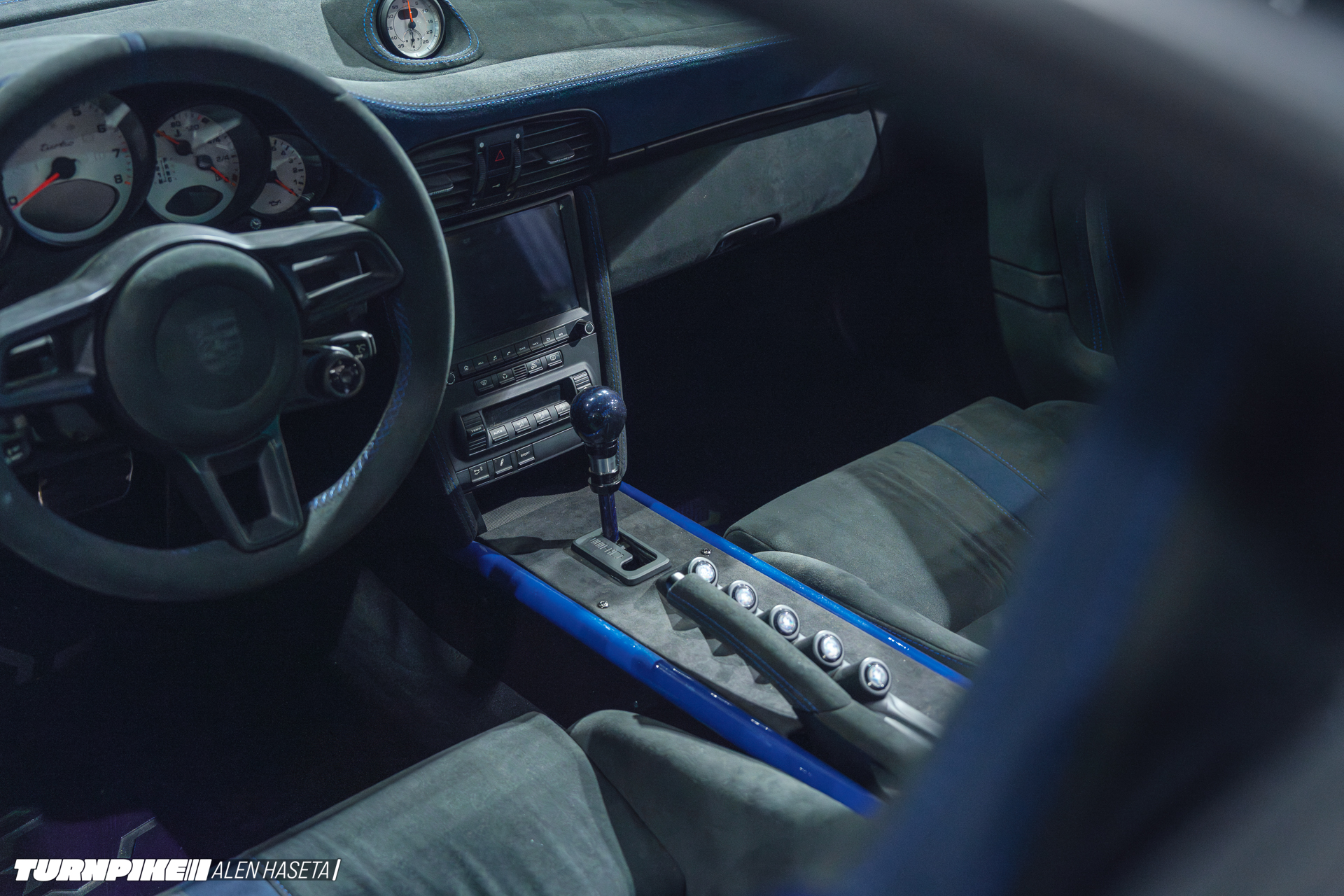
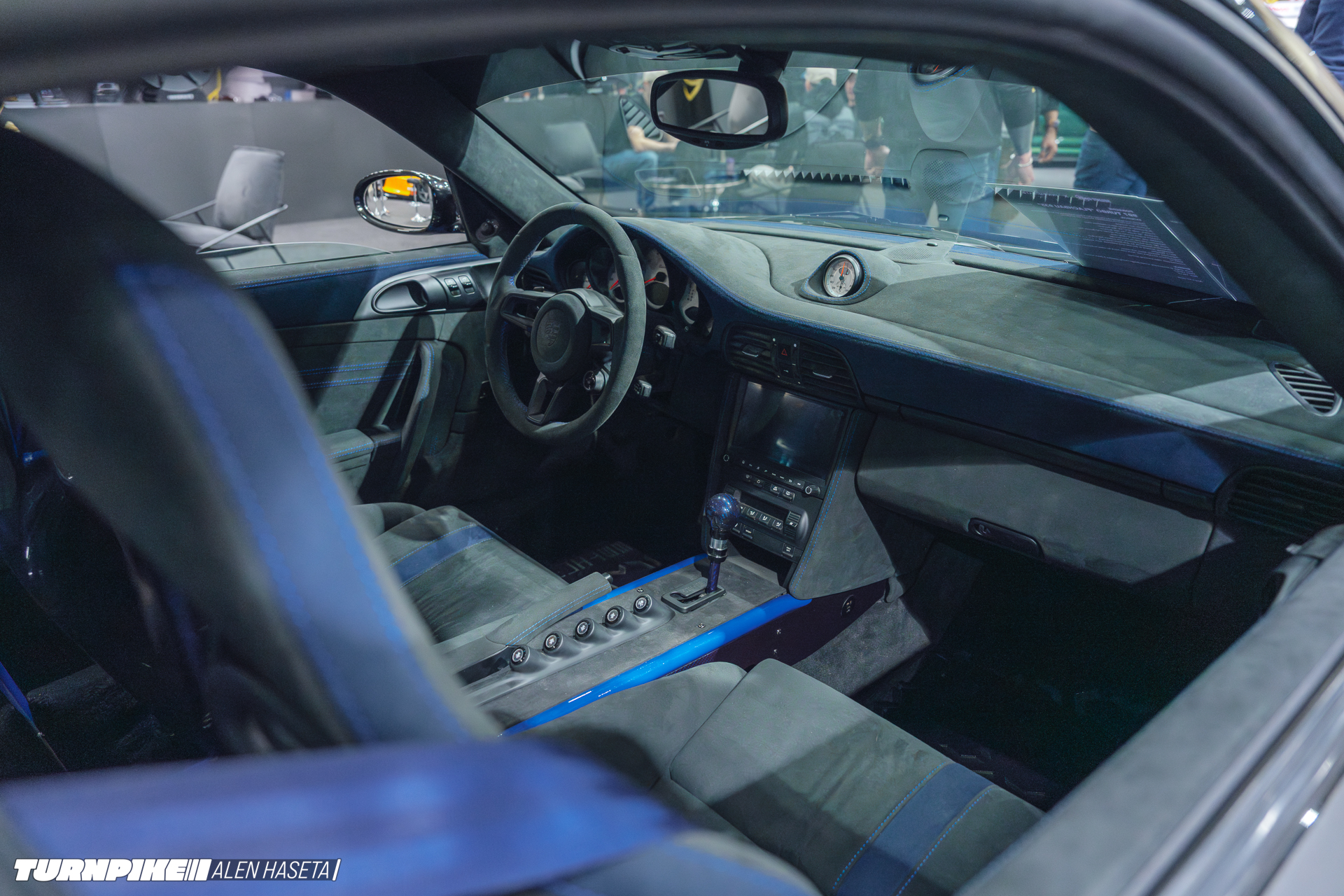
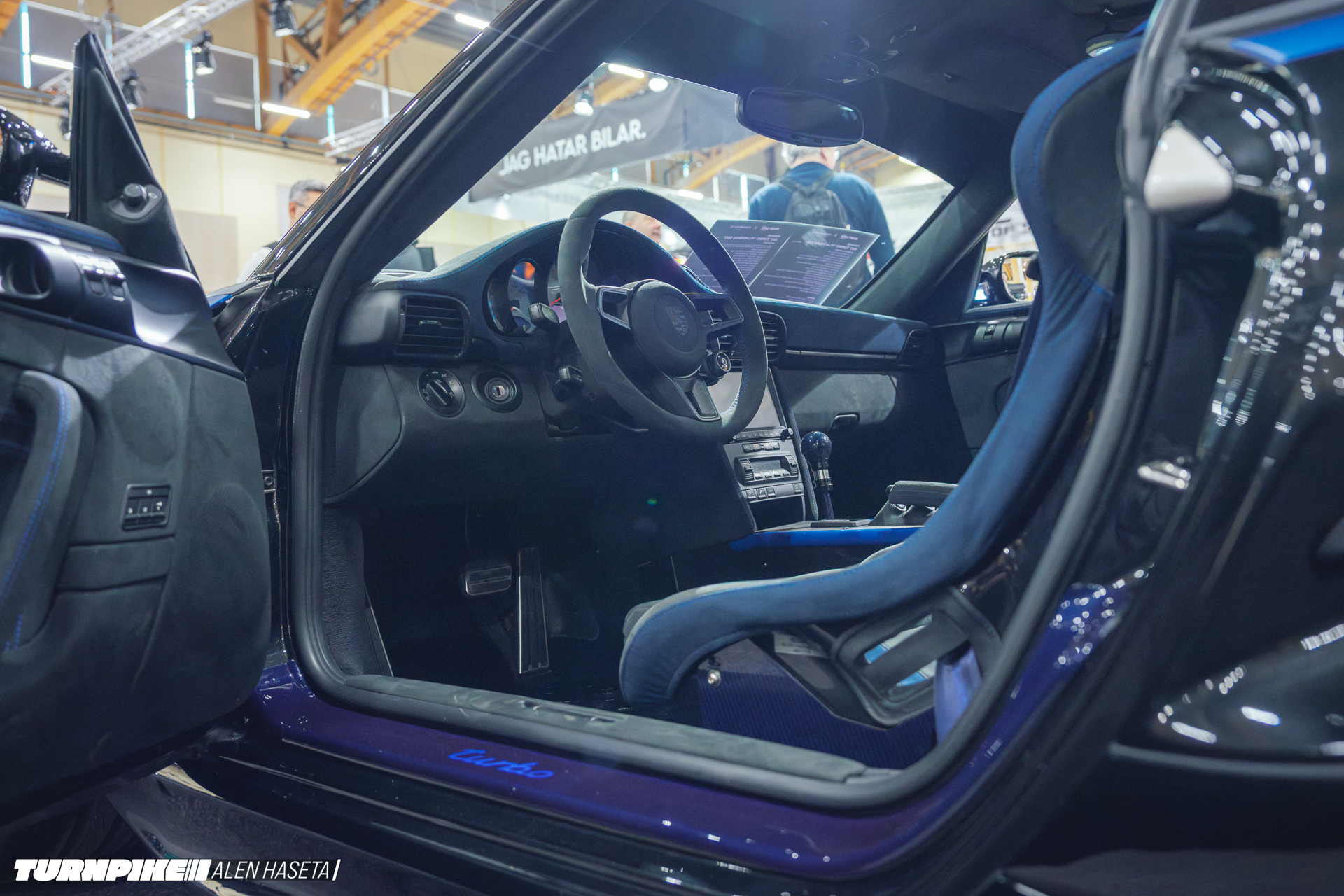
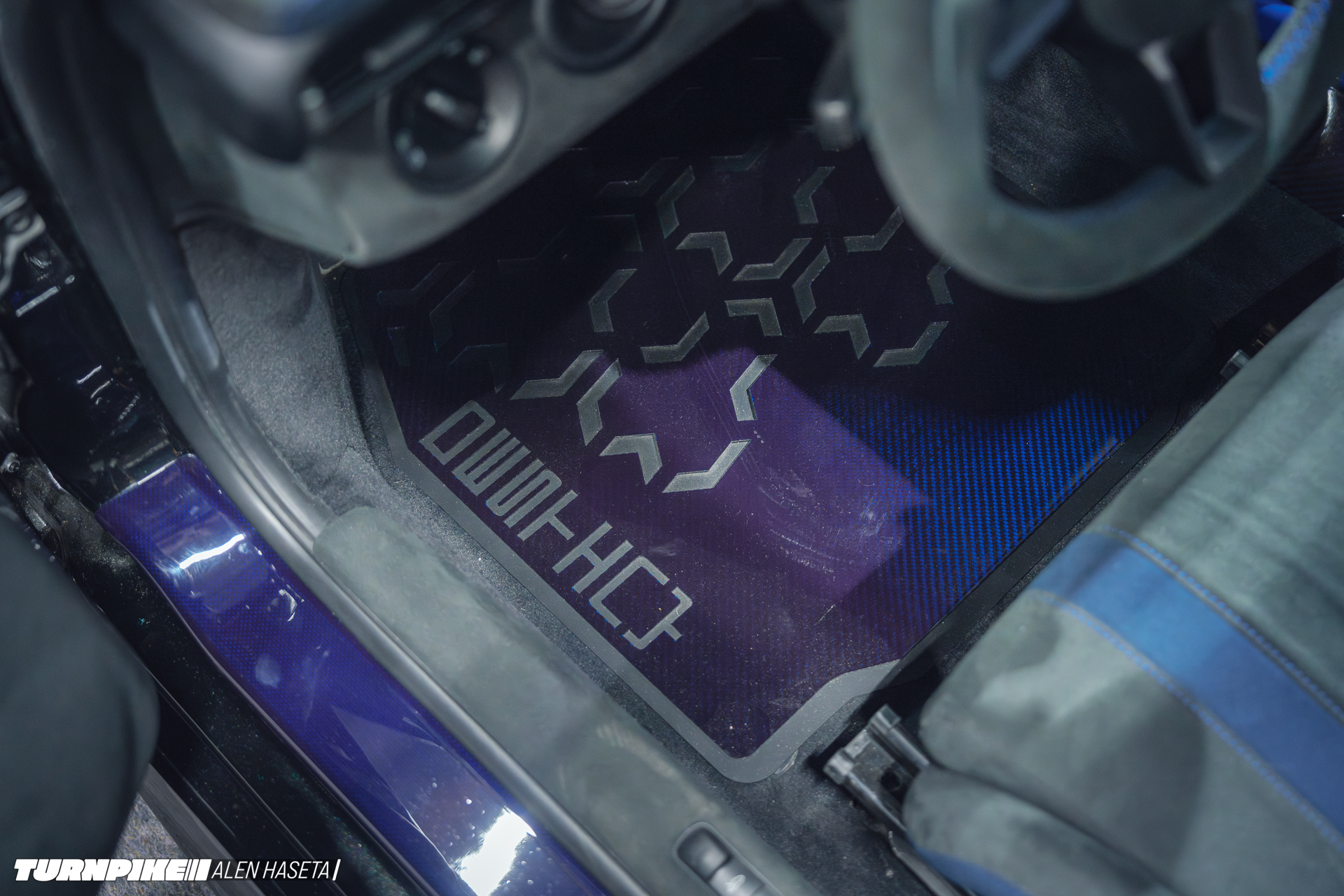
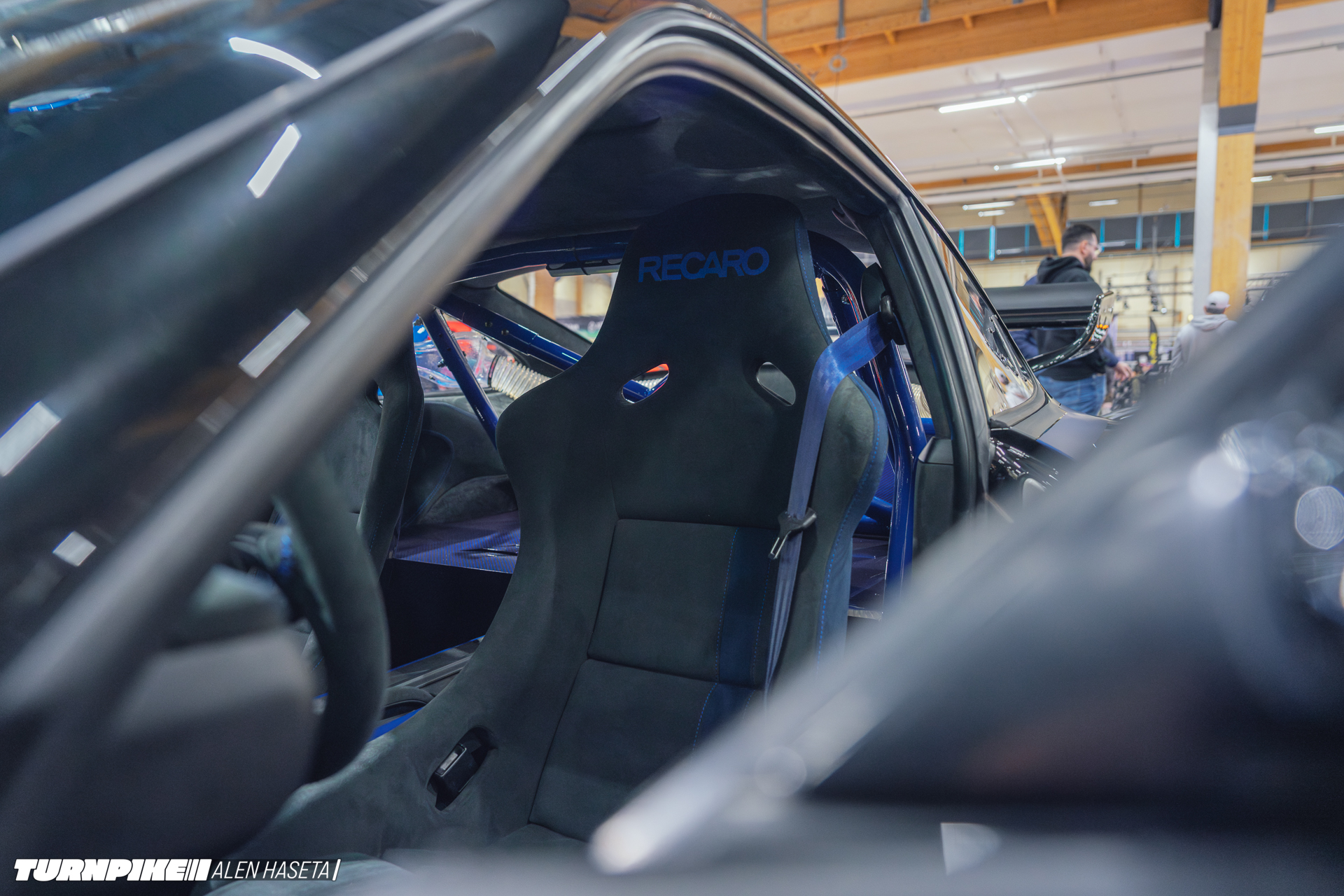
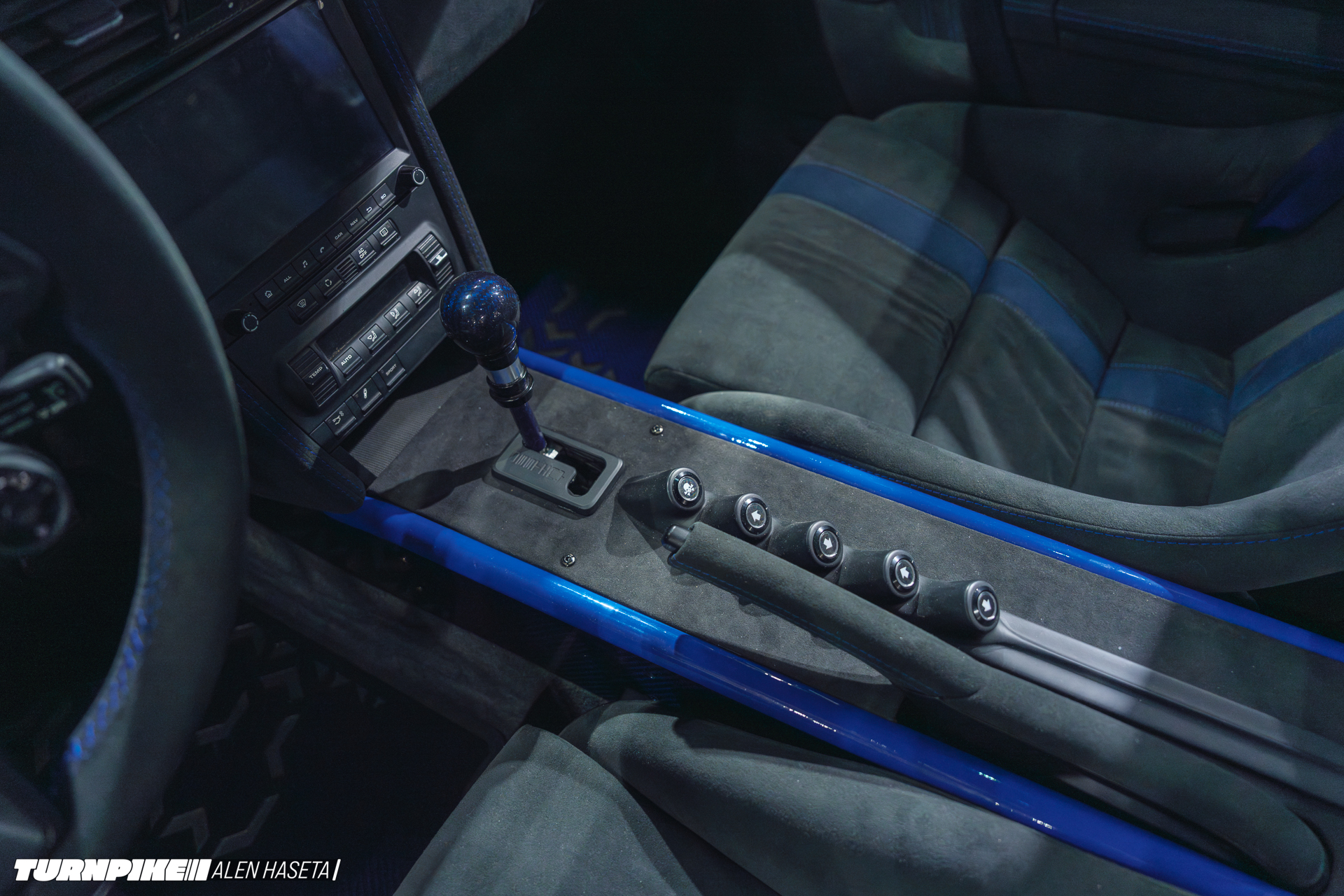
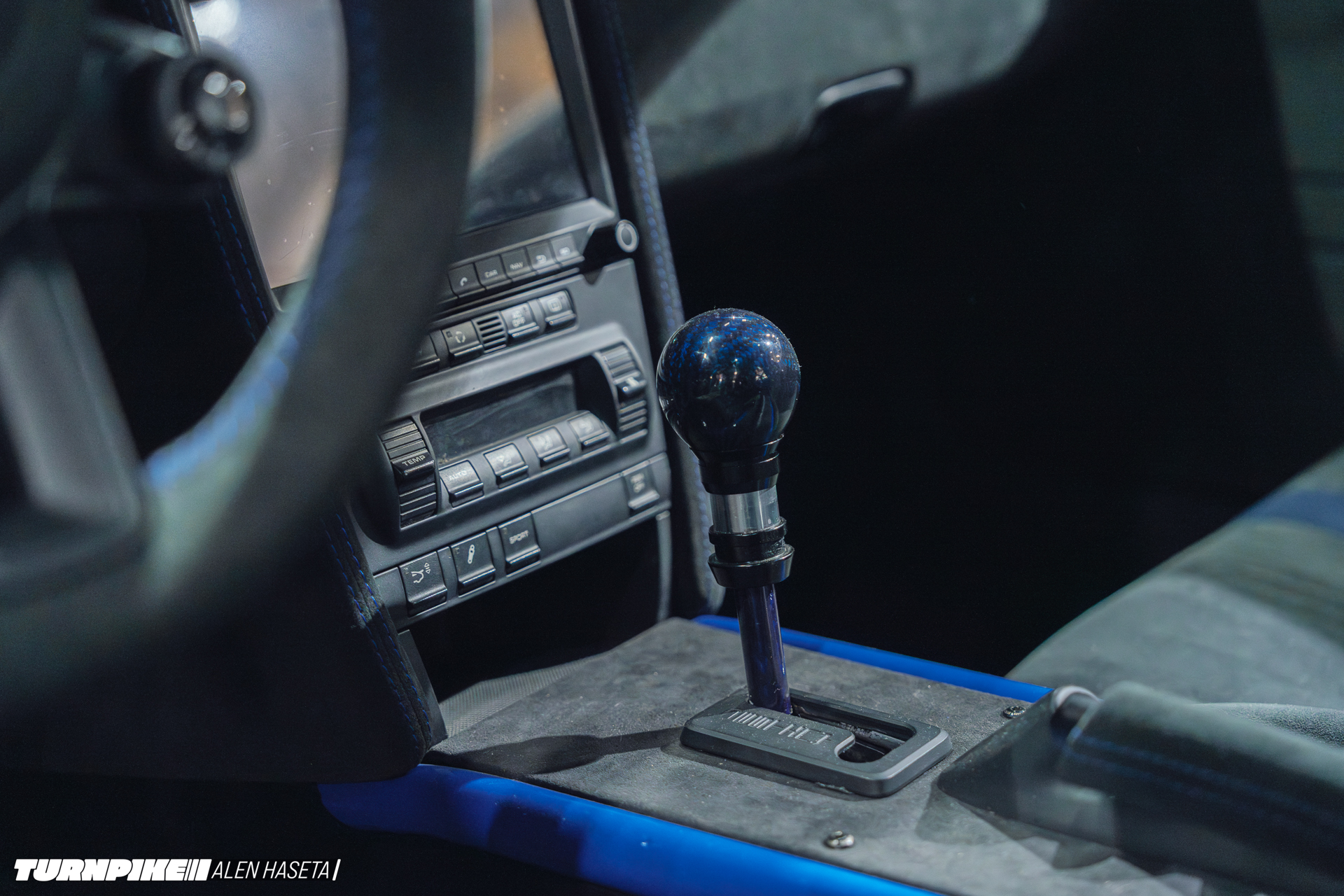
Inside is a mix of business and pleasure. Most of the interior has been dressed in black Alcantara with blue stitching, and blue details can be found throughout.
The seats are custom-trimmed carbon fiber (blue-tinted again) Recaro Pole Positions, and the steering wheel is a Porsche 718 item. There’s even a fully integrated audio system. Not that you would need it; the sound of the boosted flat-six at full volume would be music enough for most people’s ears.
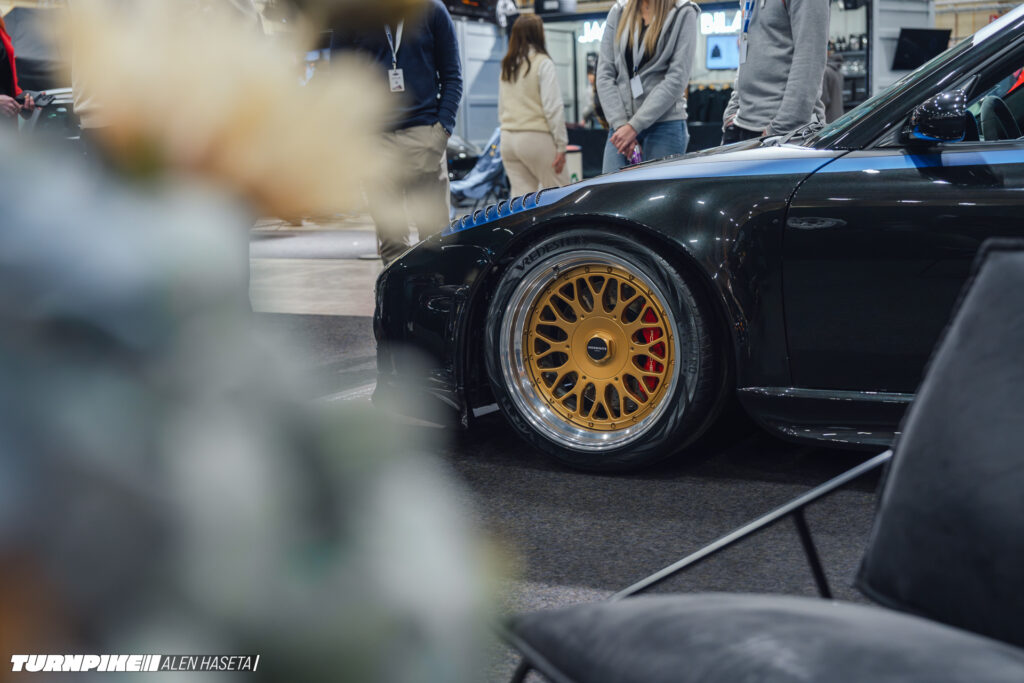
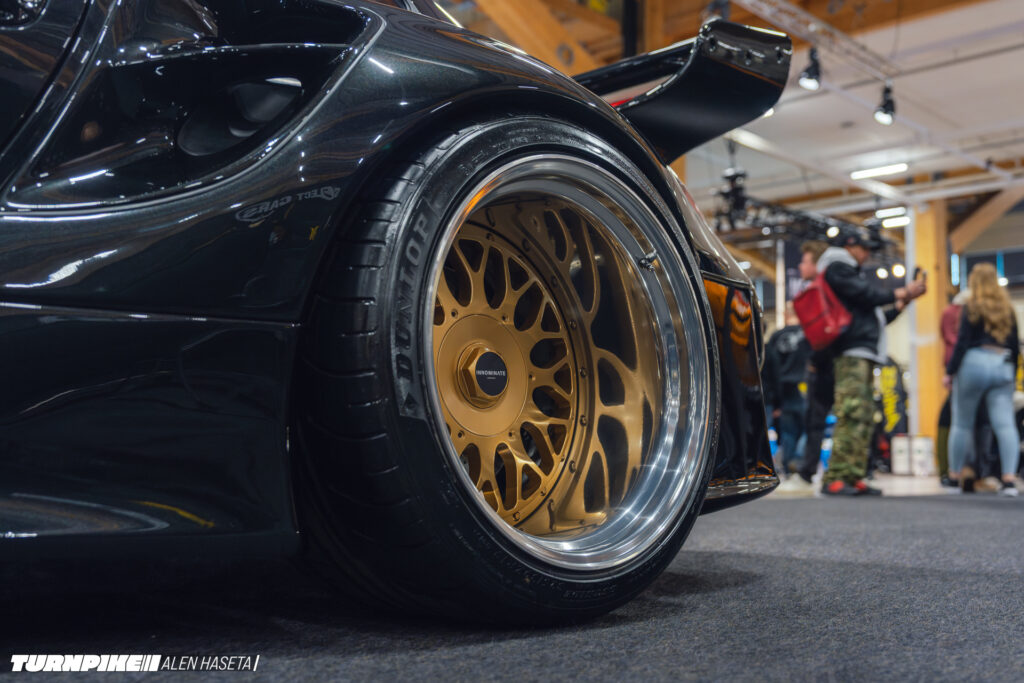
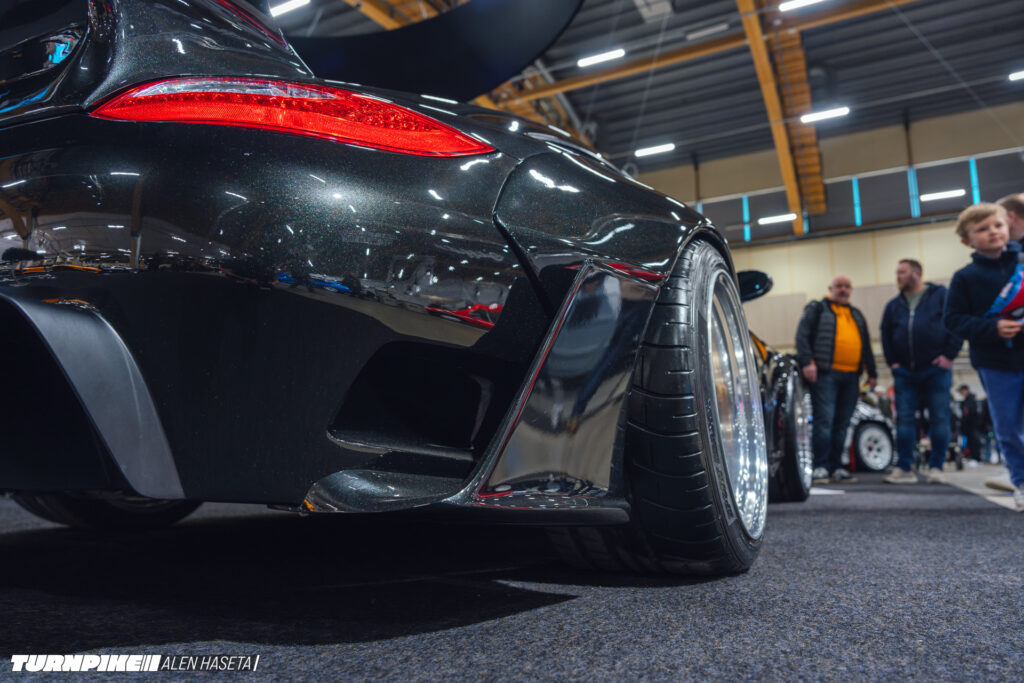
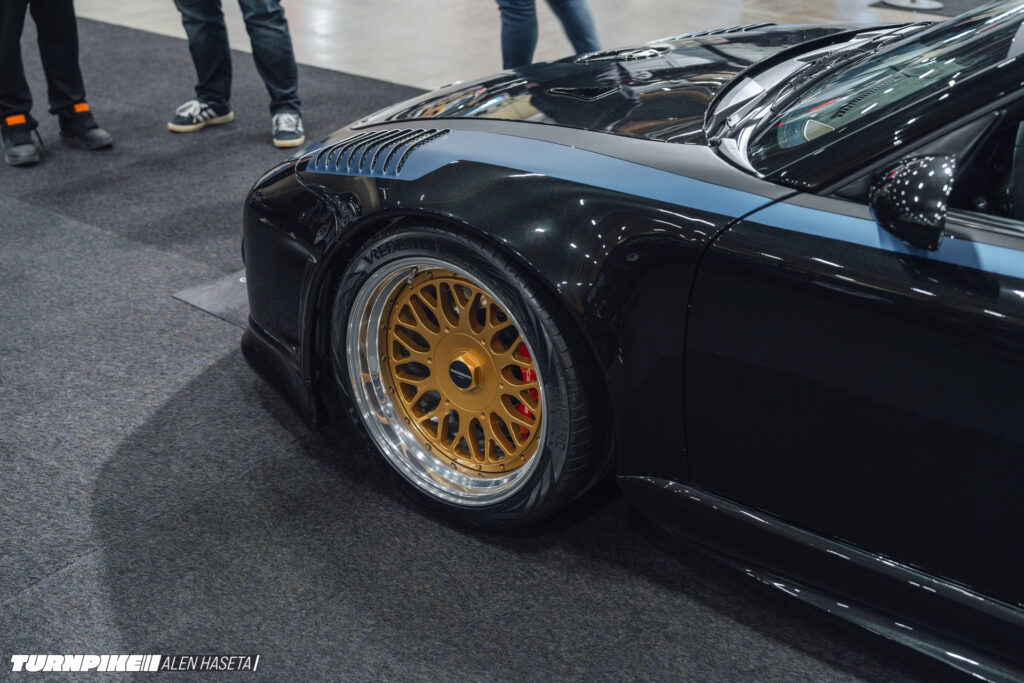
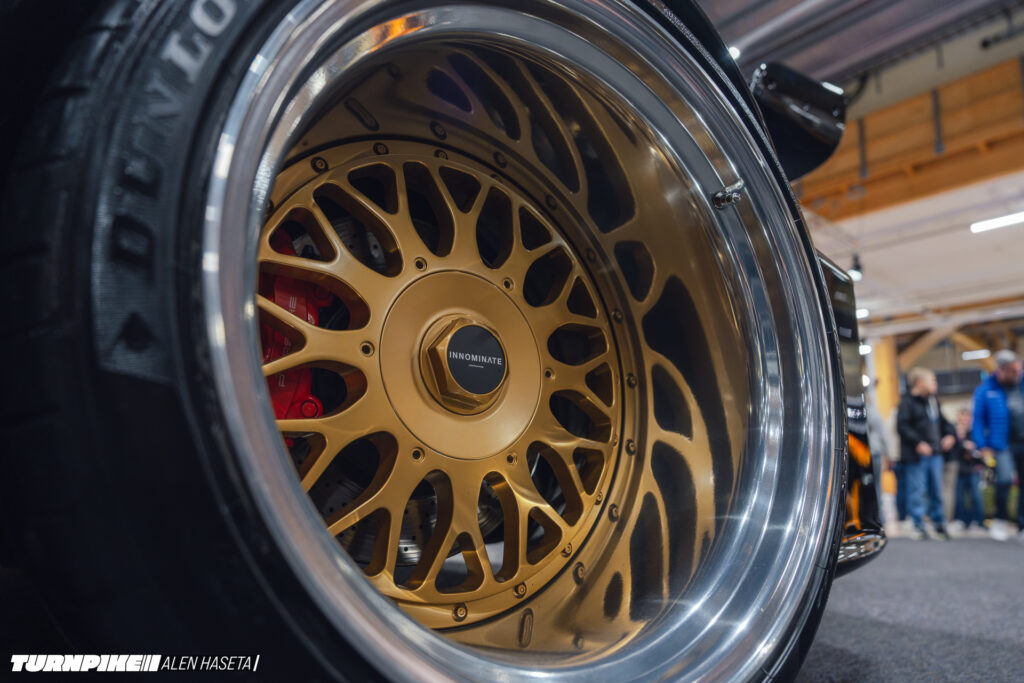
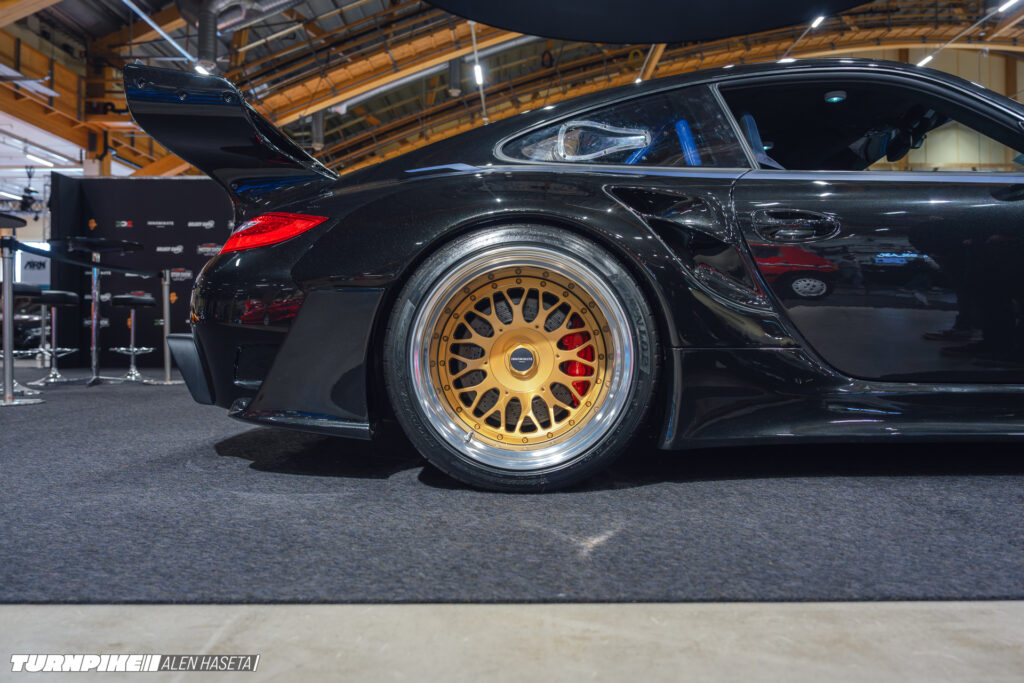
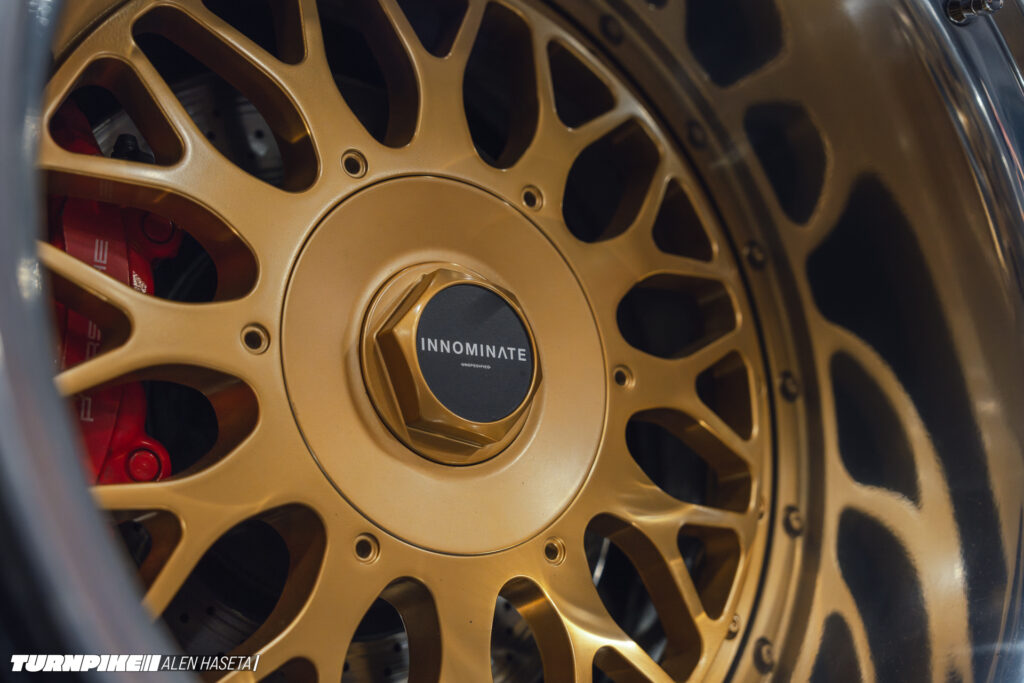
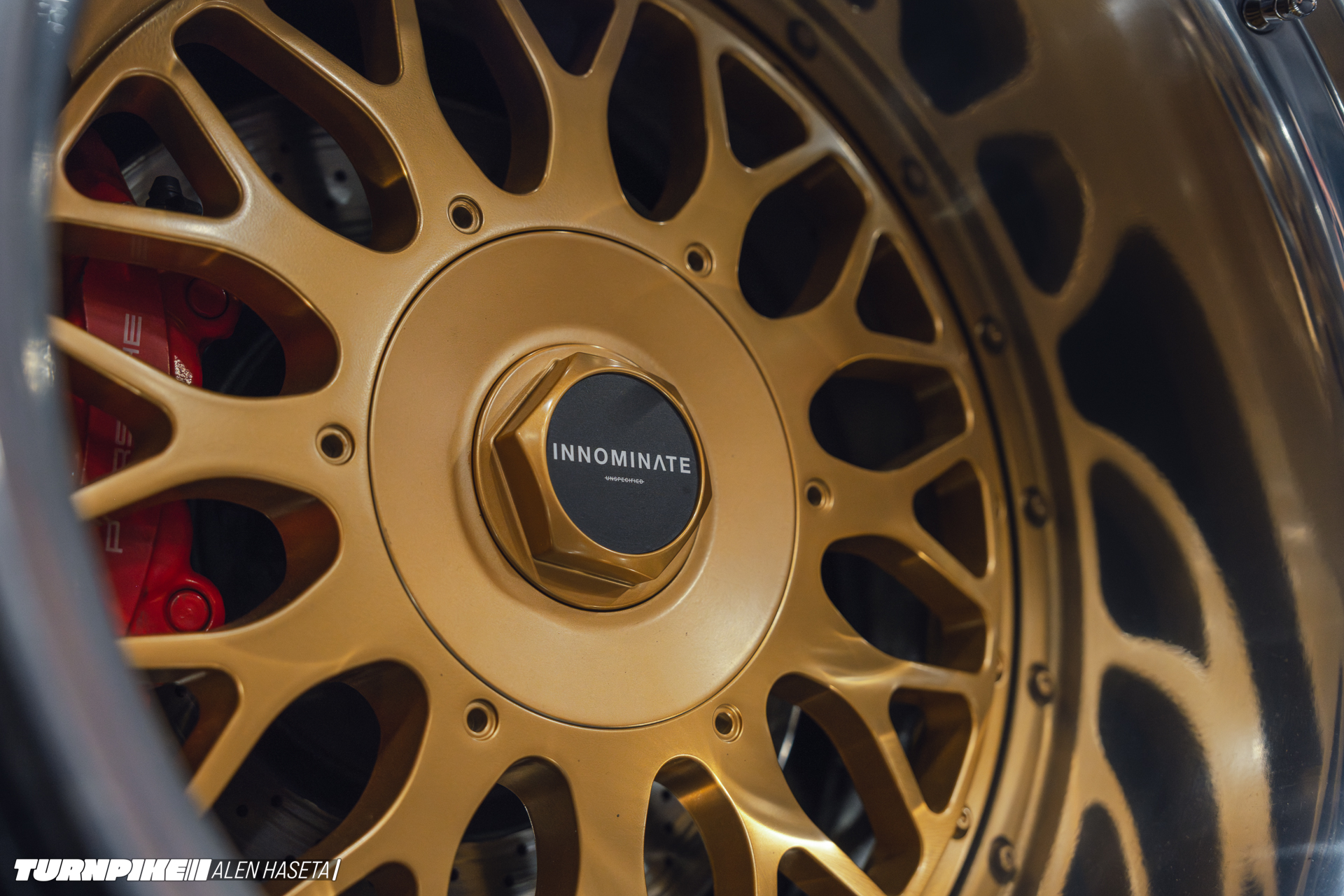
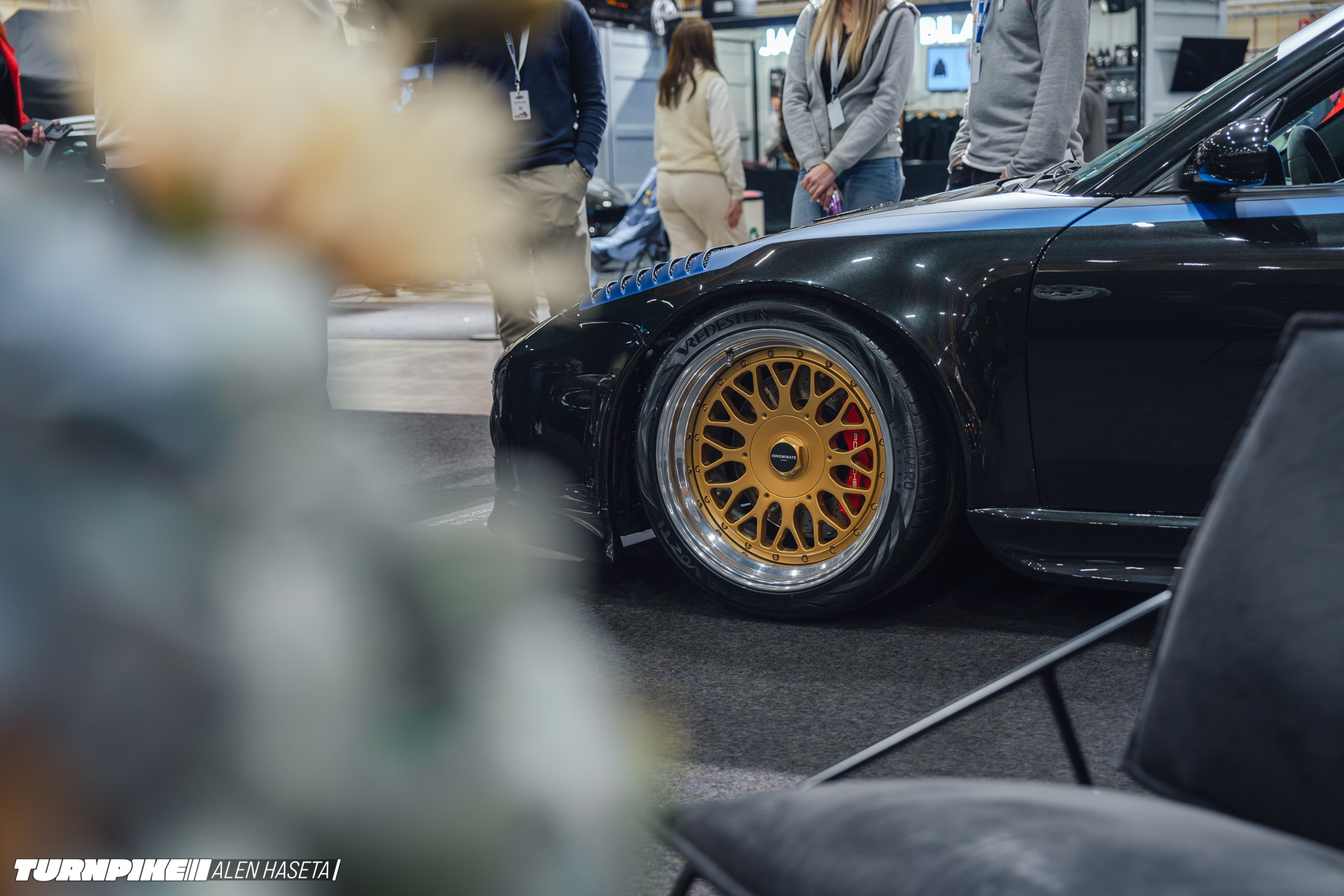
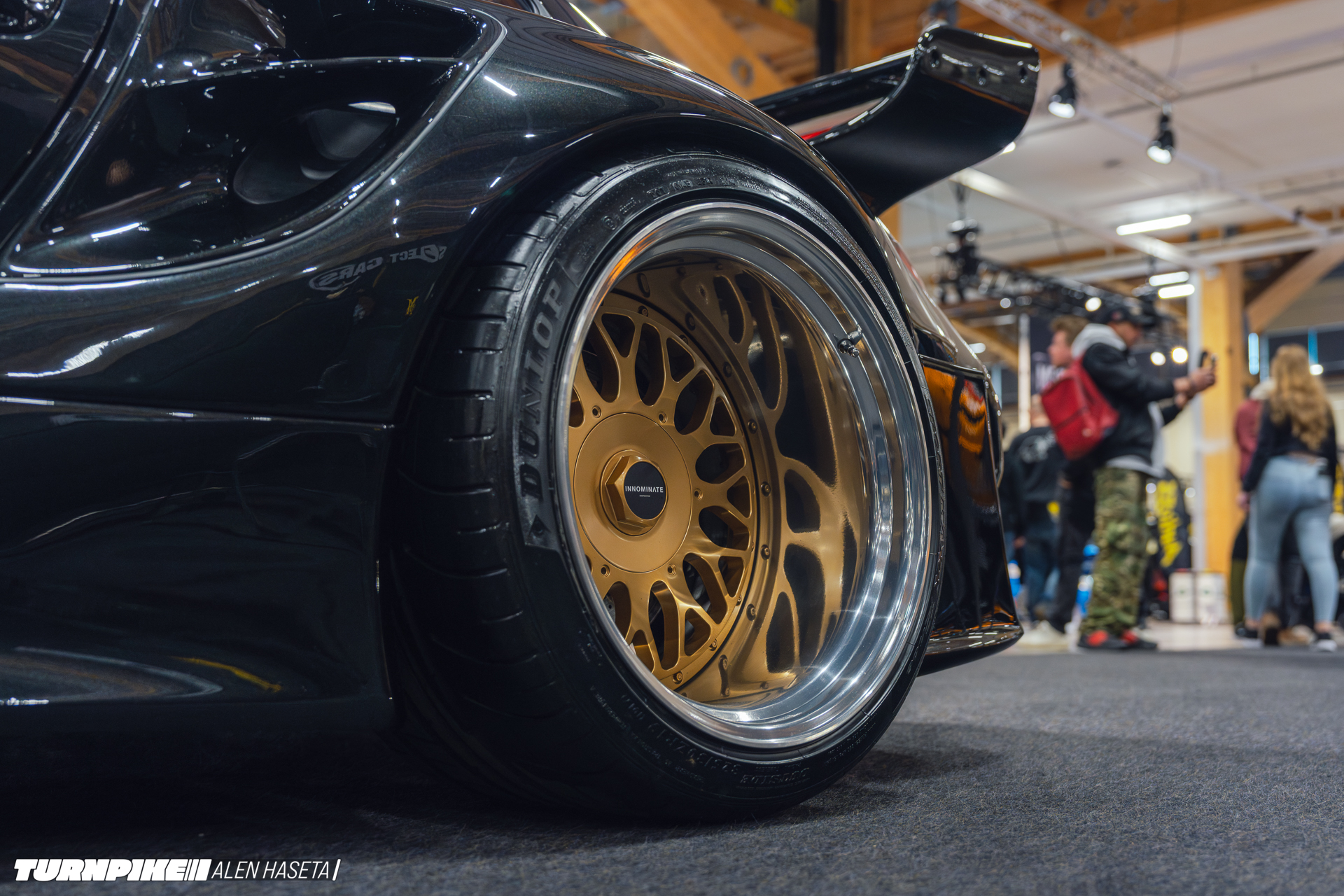
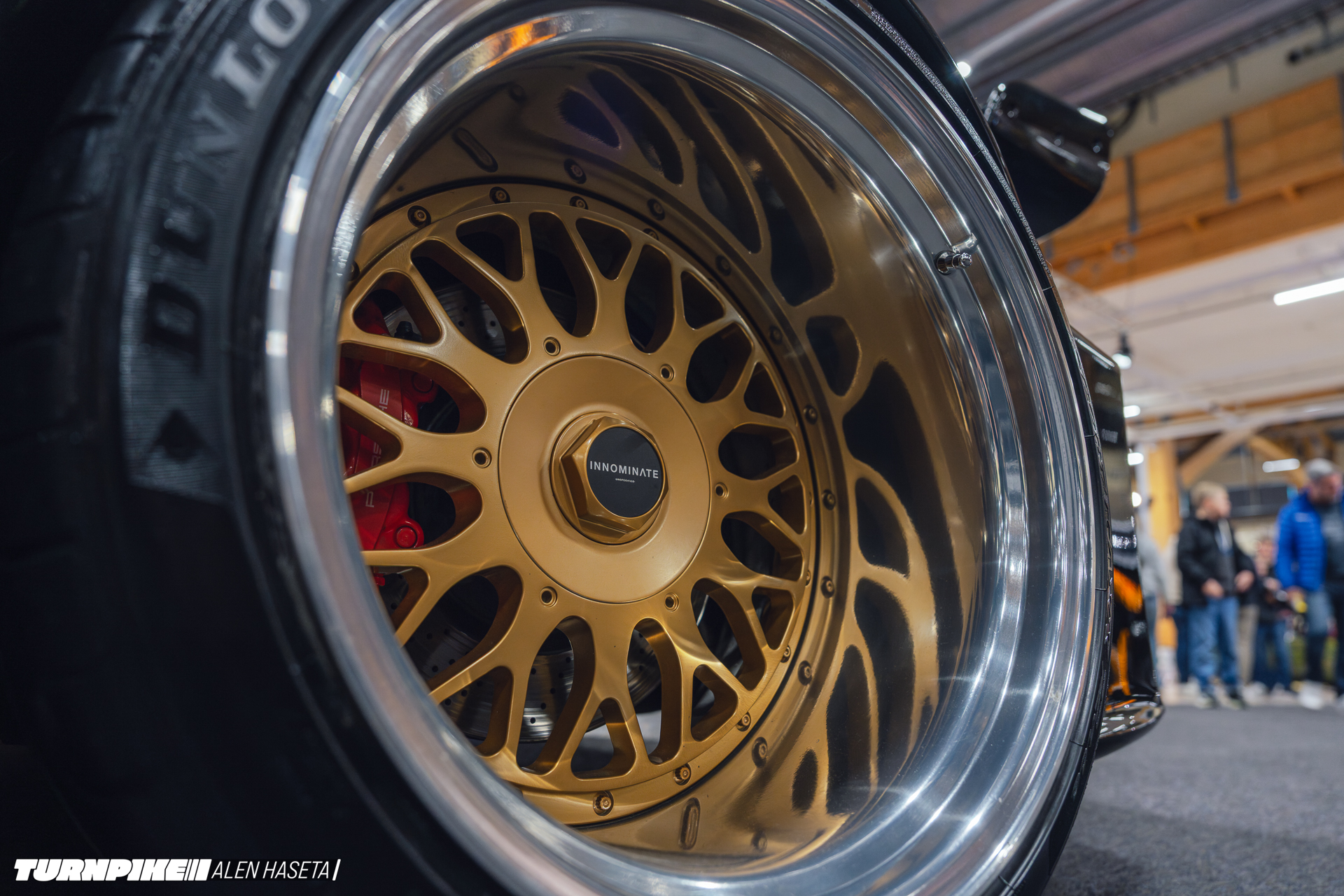
While all aspects of the 997 impressed, its custom-spec forged monoblock wheels were the main talking point. The brand Innominate is a relative newcomer to the scene, and the brains behind it are Swedish alpine ski racer Jon Olsson and Önder Akay. The Porsche featured a set of yet-to-be-named prototype wheels – 19×9.5-inch in the front and 19×13-inch in the rear – wrapped in Dunlop tires.
Emily Broman’s Nissan 200SX
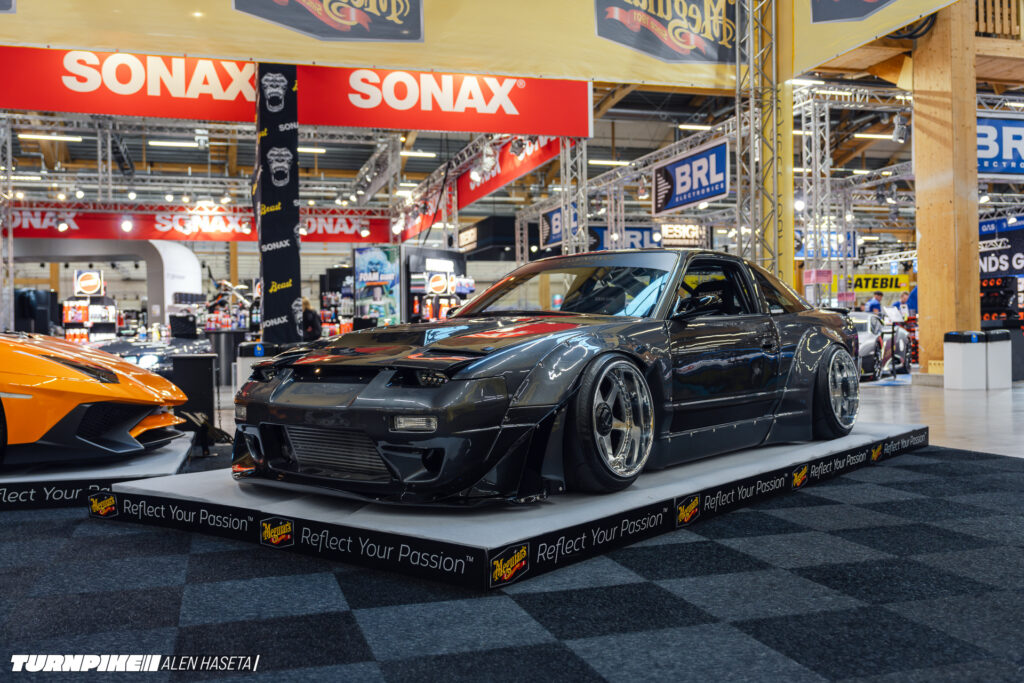
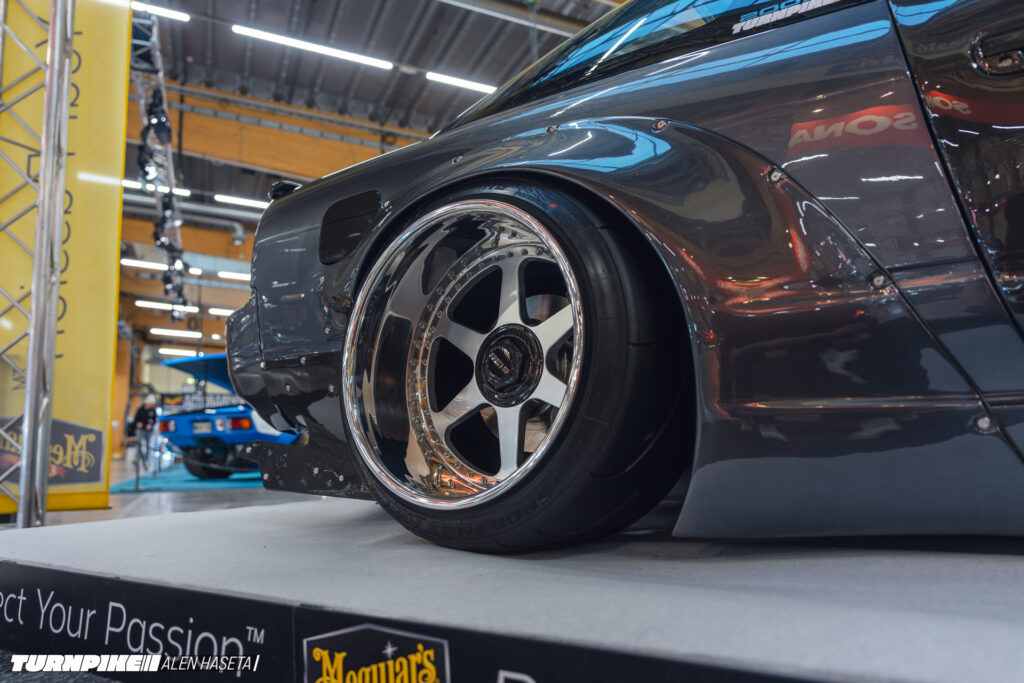
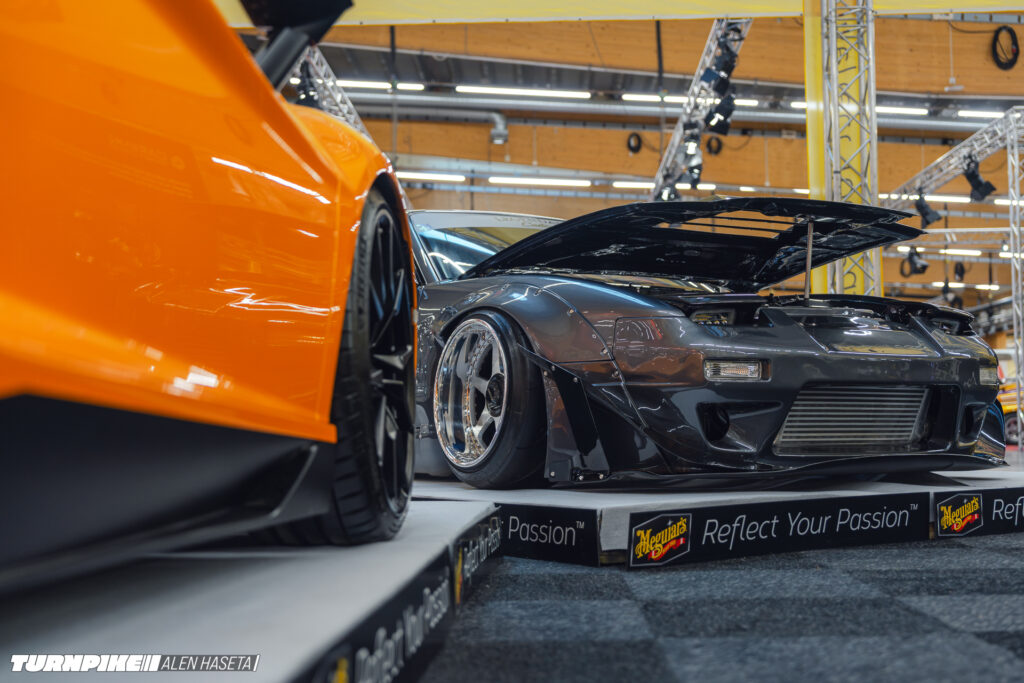
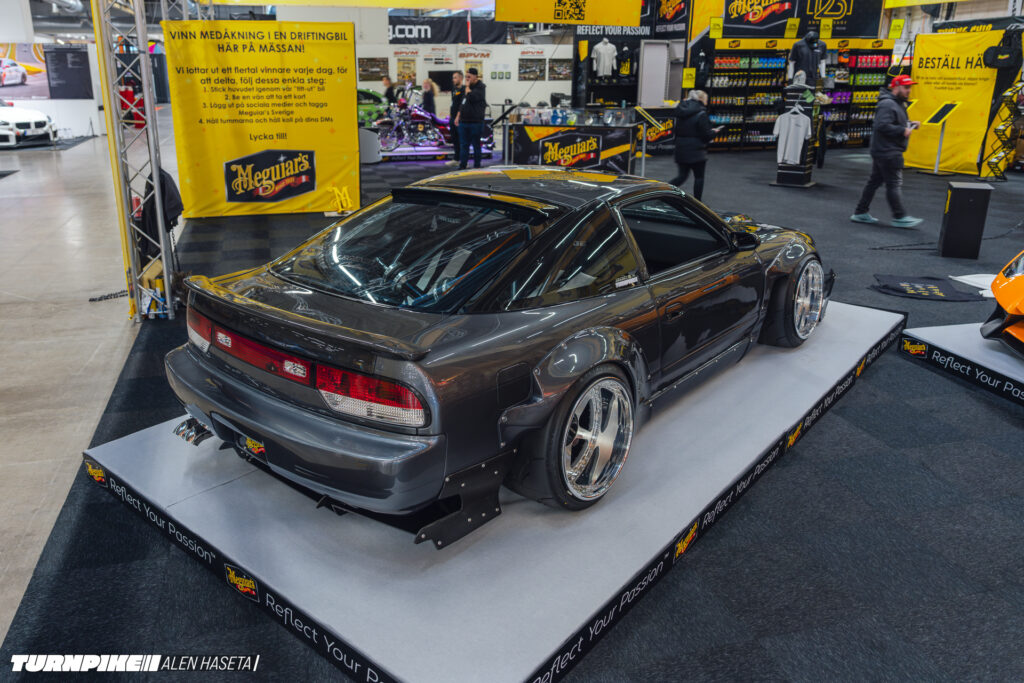
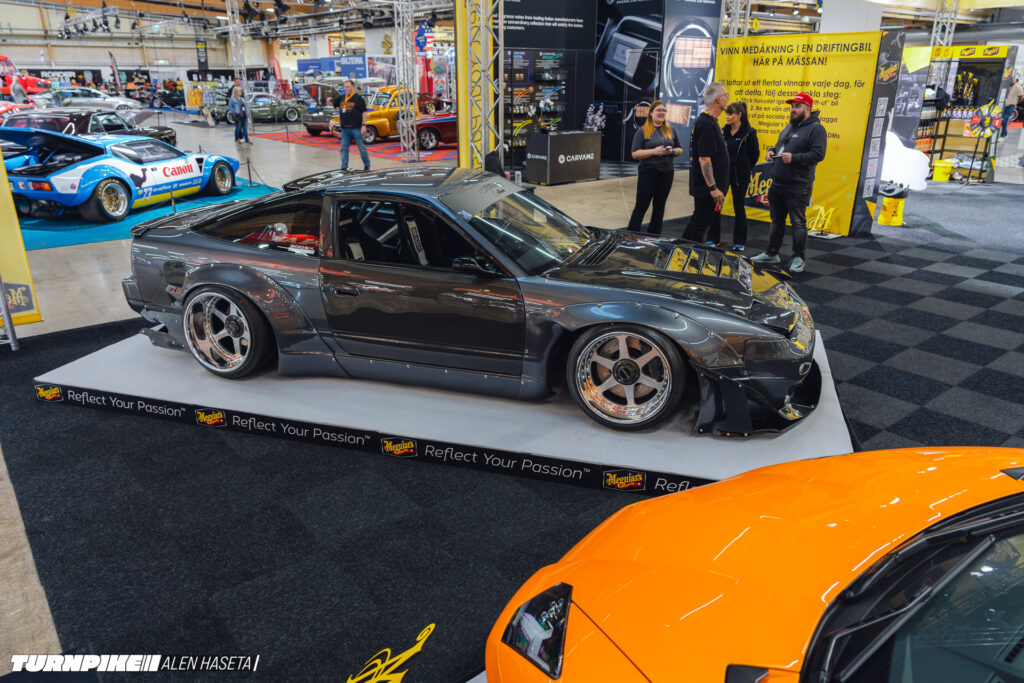
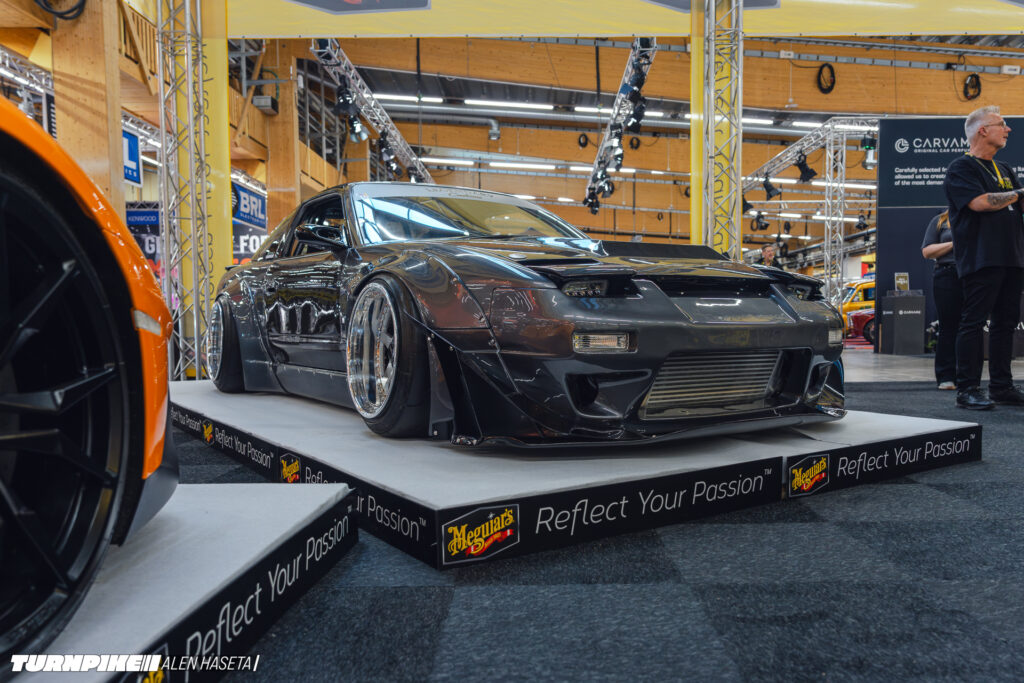
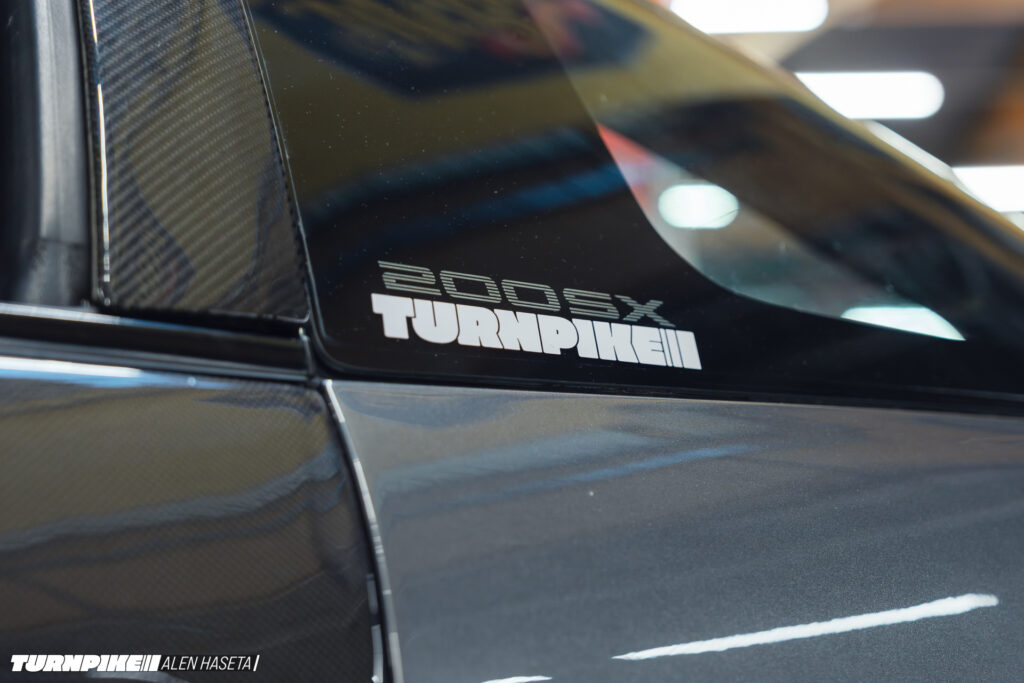
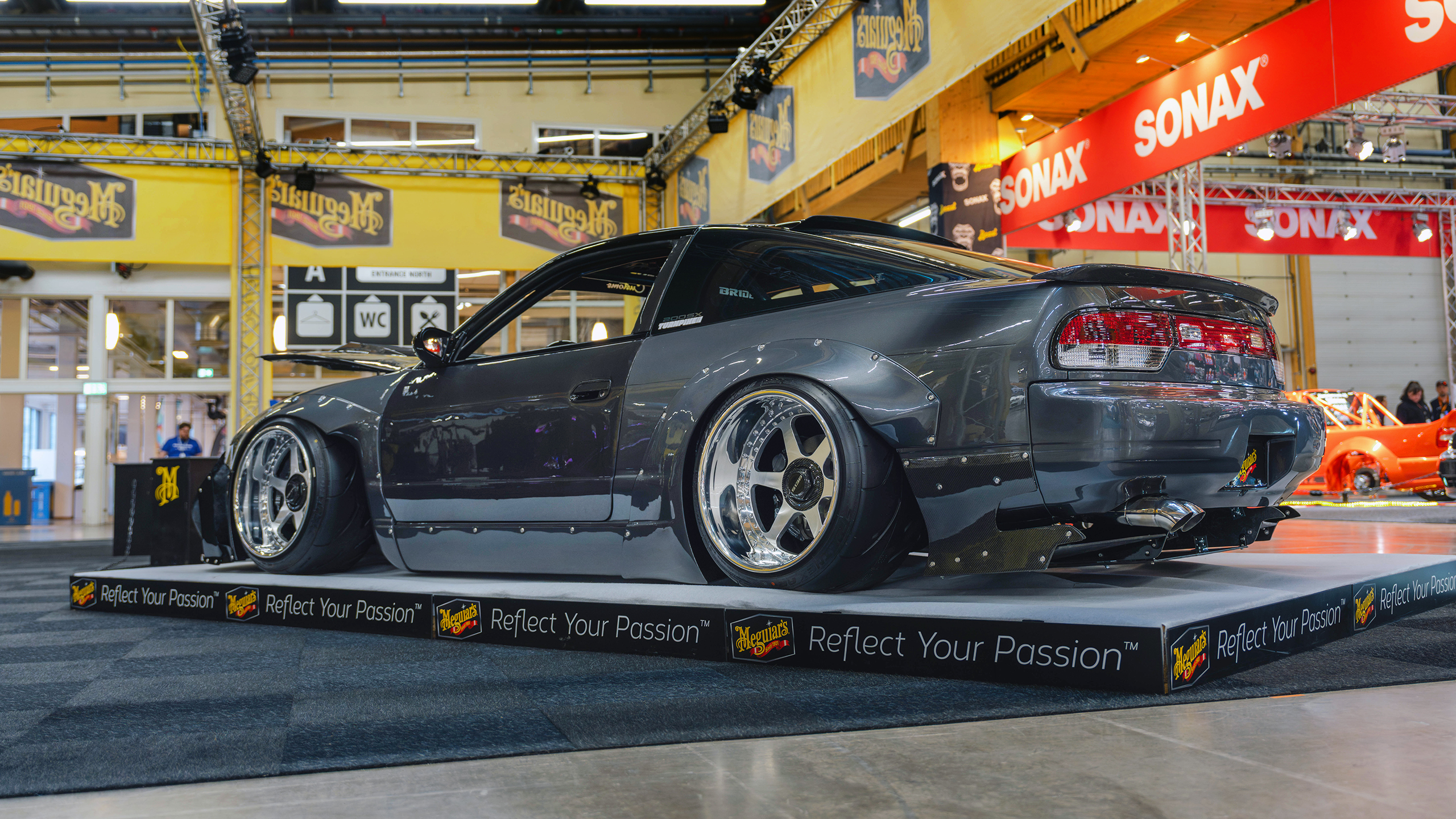
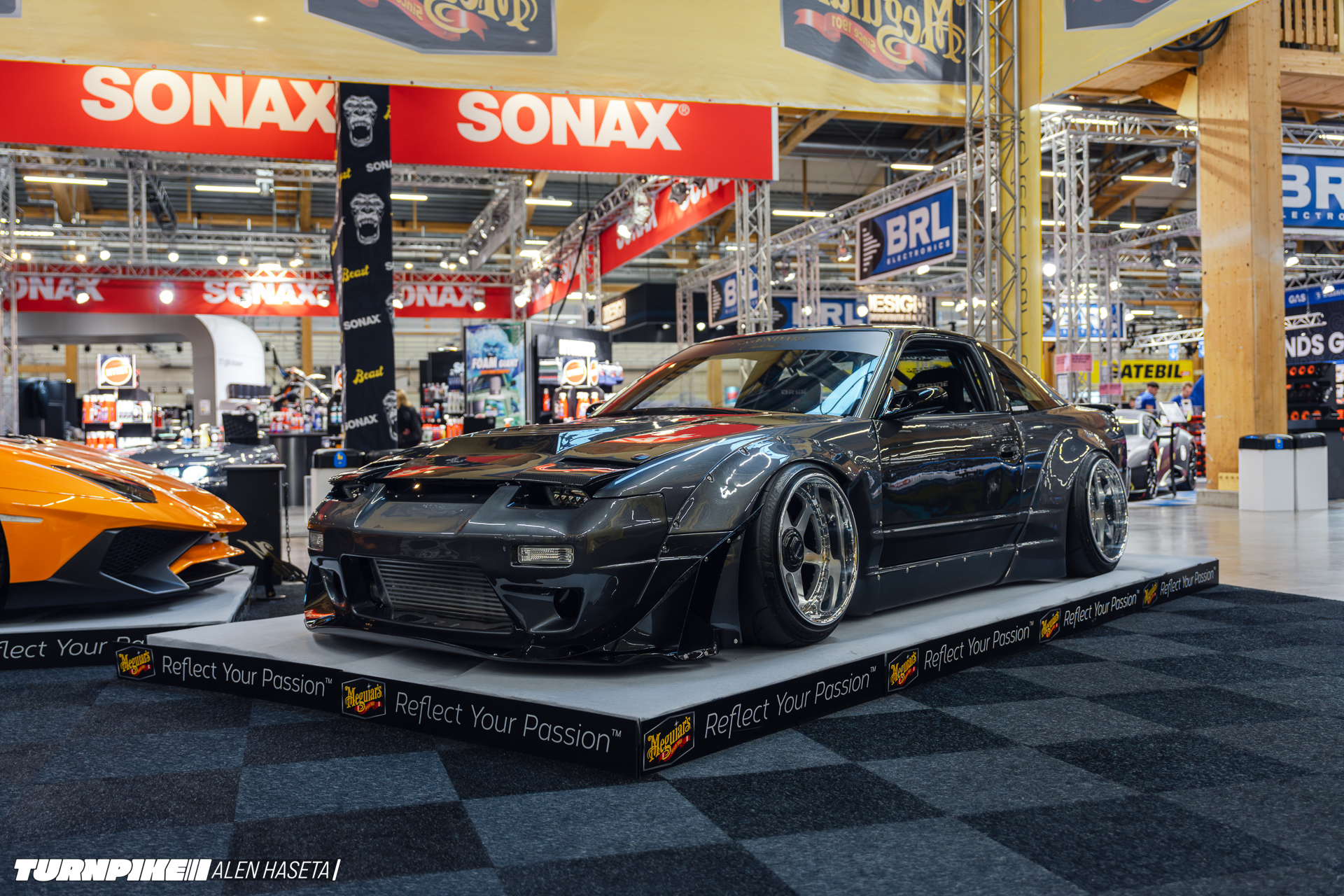
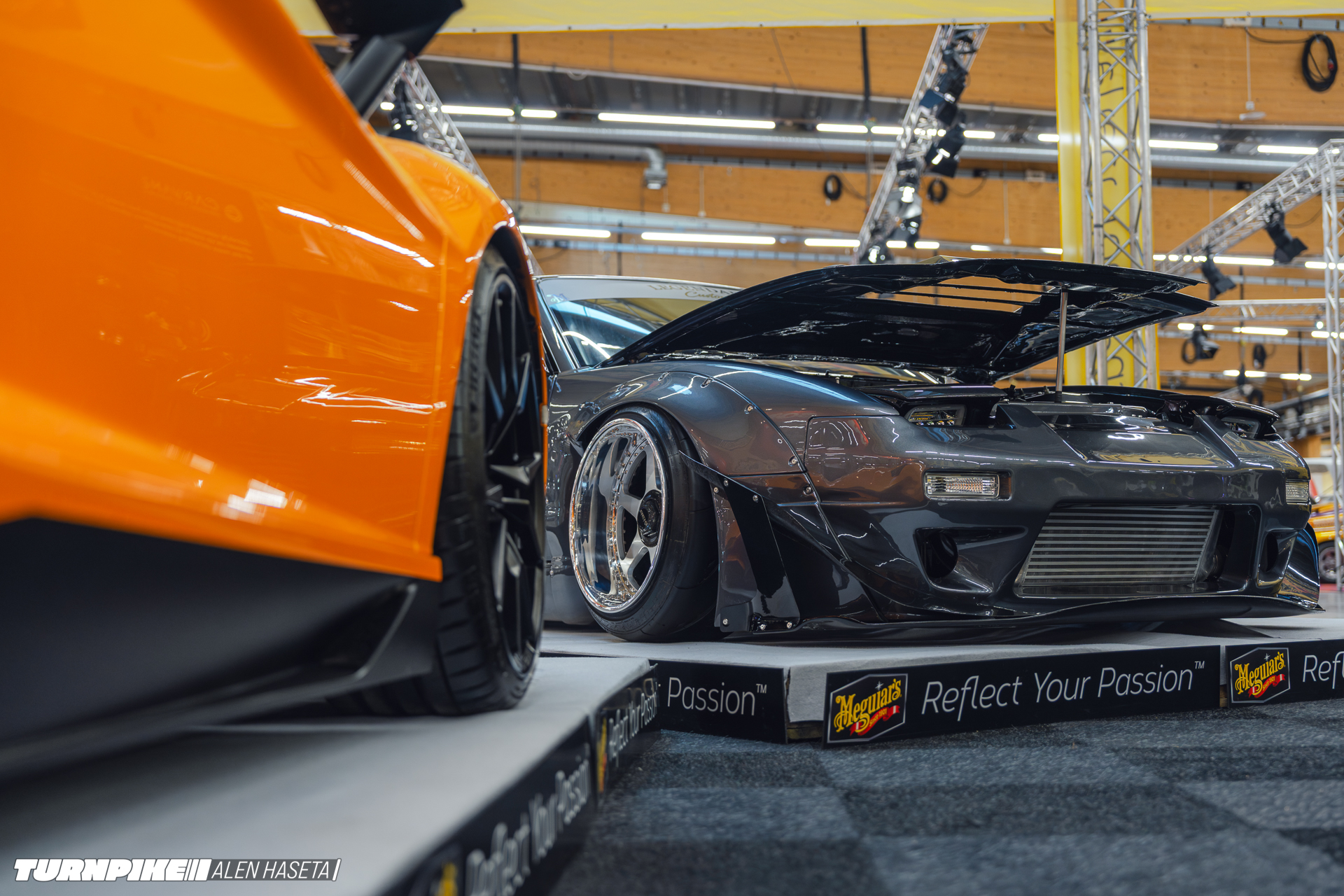
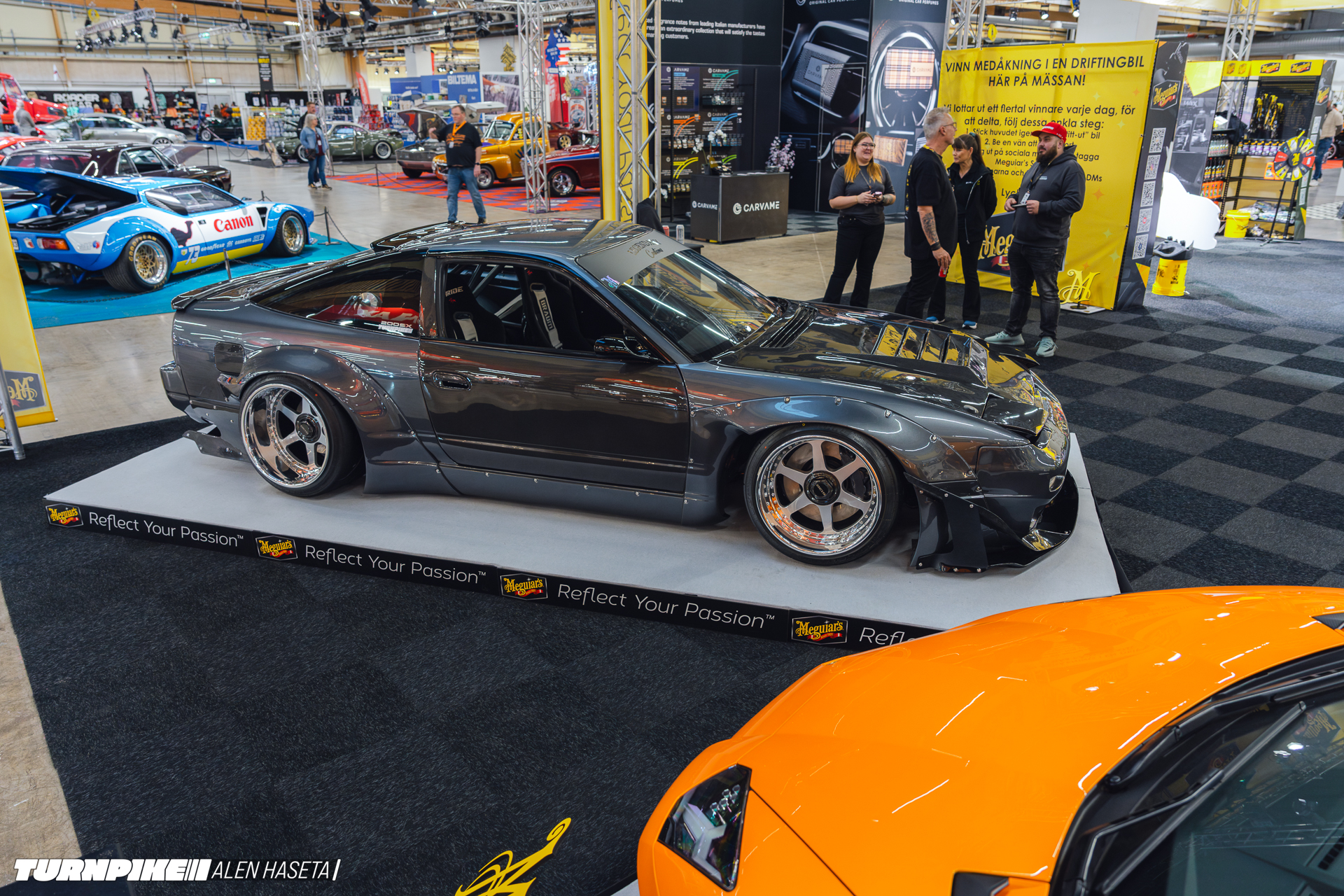
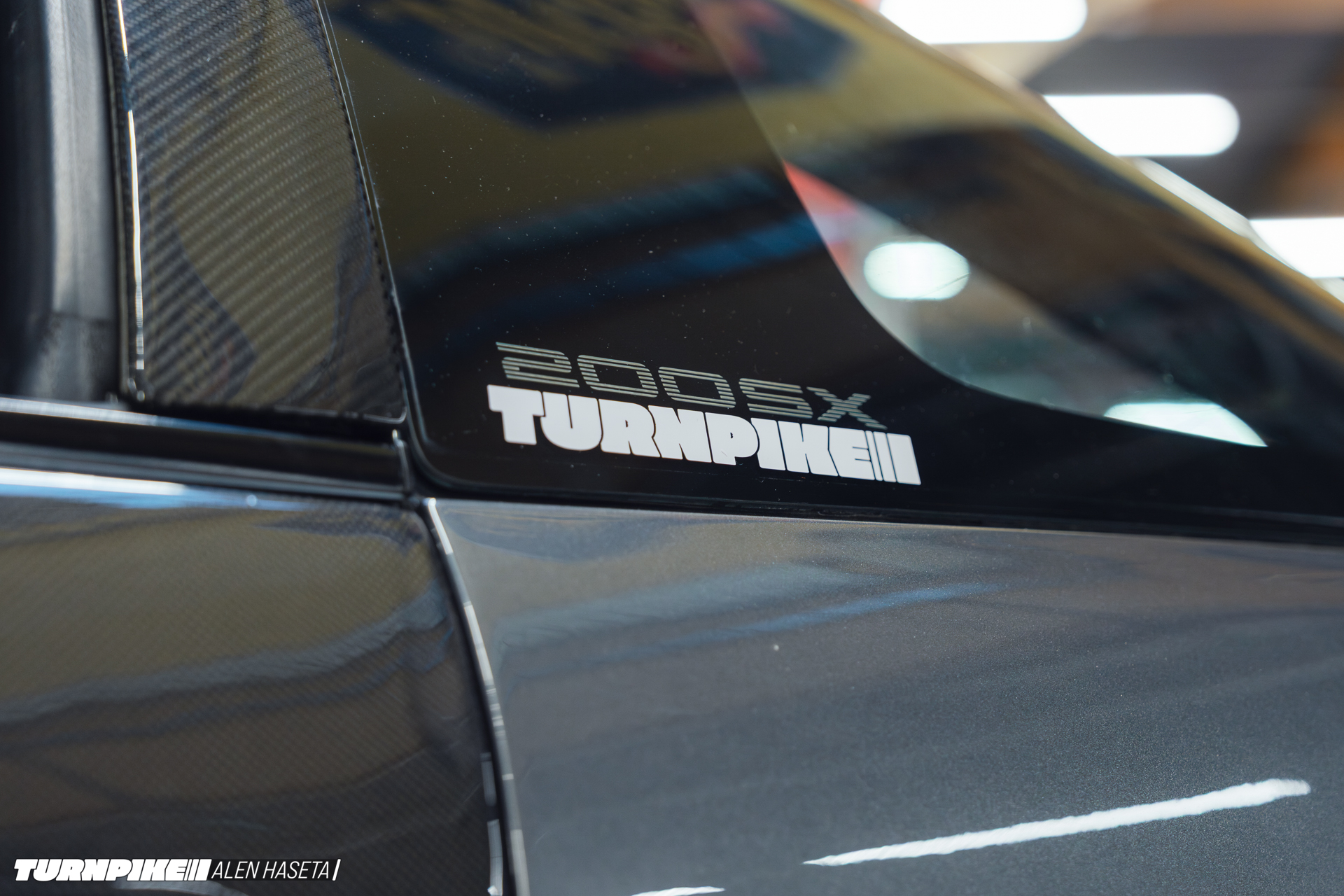
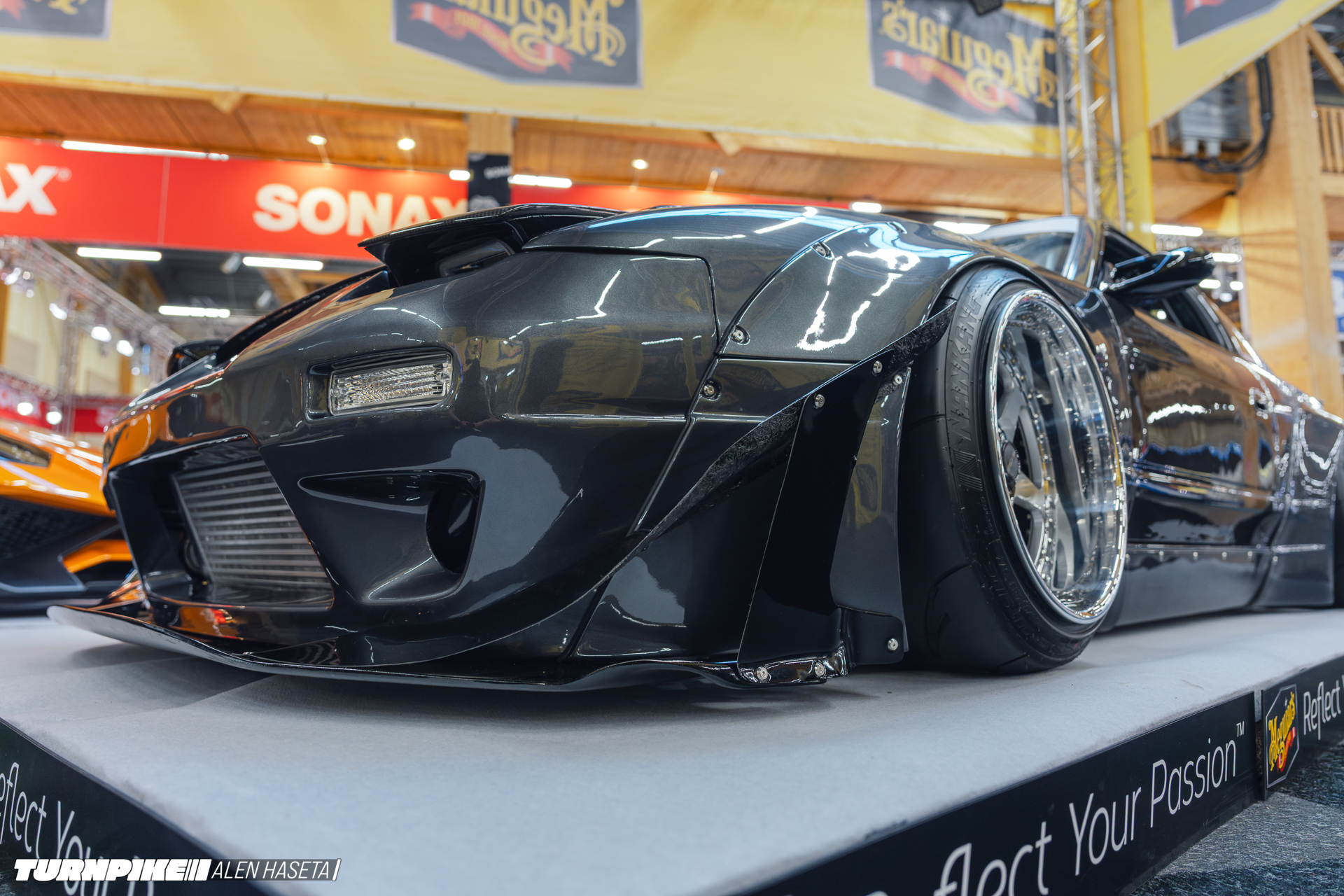
Next, we have something right up my alley. My good friends over at Meguiar’s had this 1992 Nissan 200SX displayed alongside two Lamborghinis, and it’s safe to say that the RPS13 stole the show at the booth.
And for a good reason – its owners, Emily Broman and her boyfriend, Michel Silva, went above and beyond to turn their Nissan into the ultimate stance car.
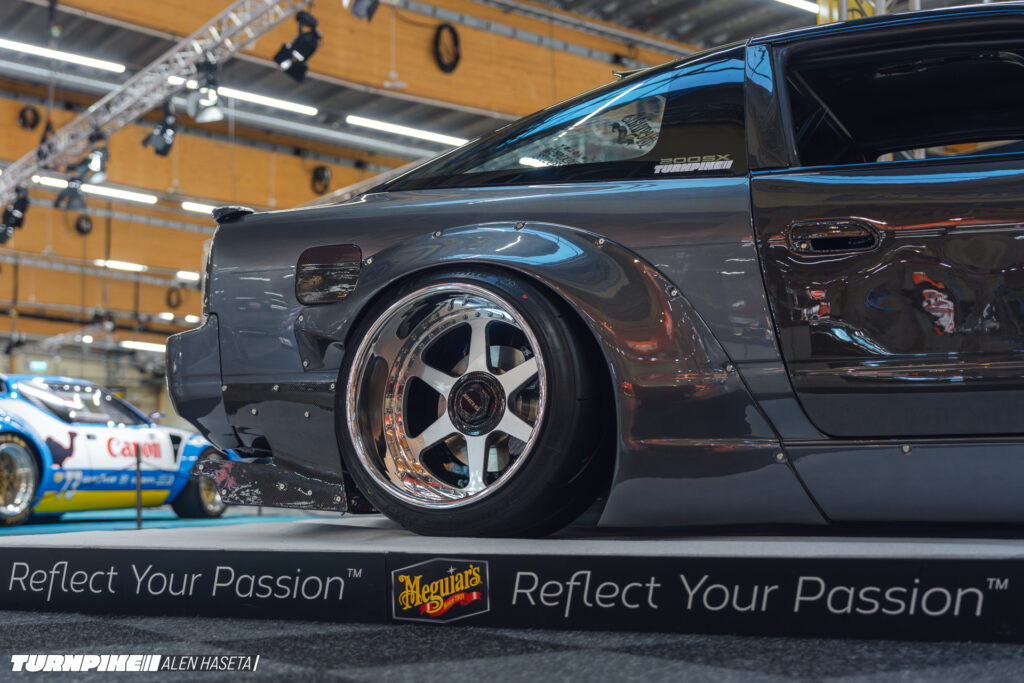
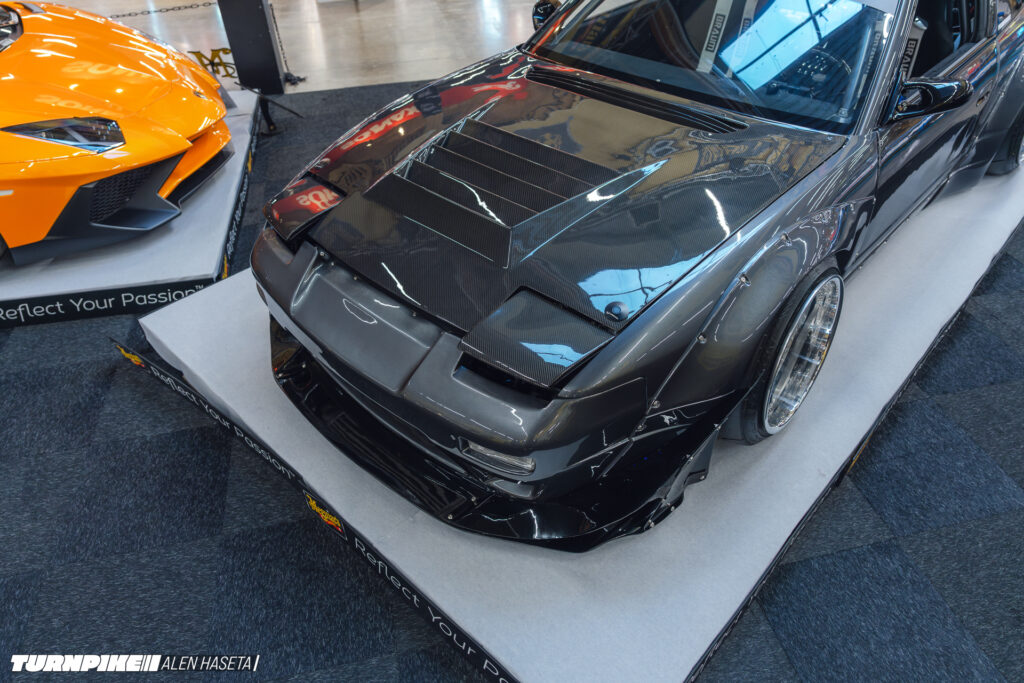
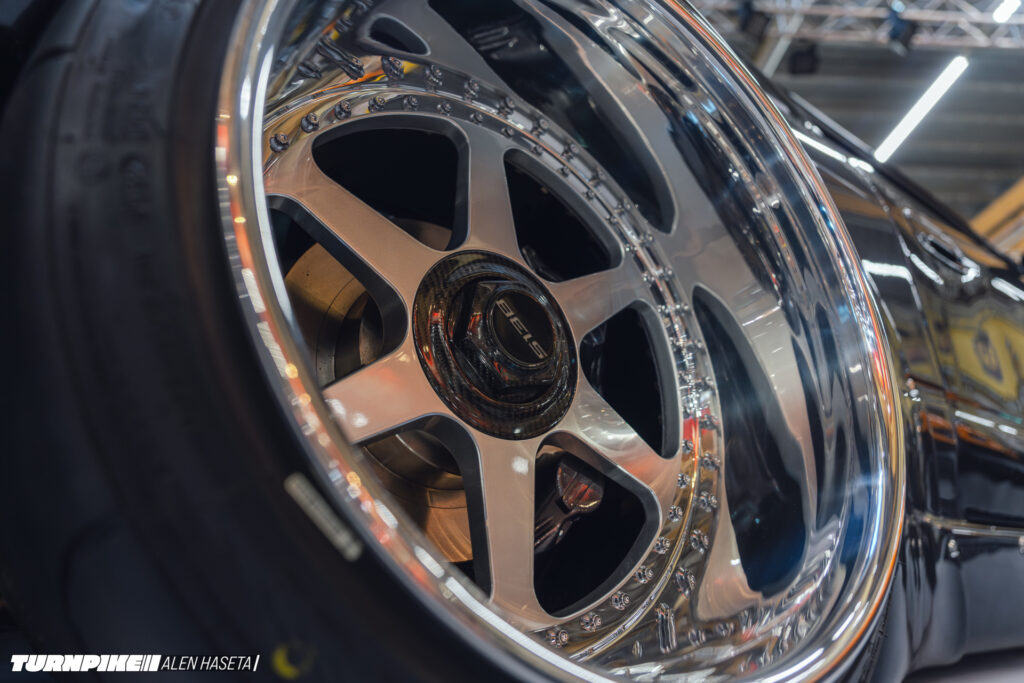
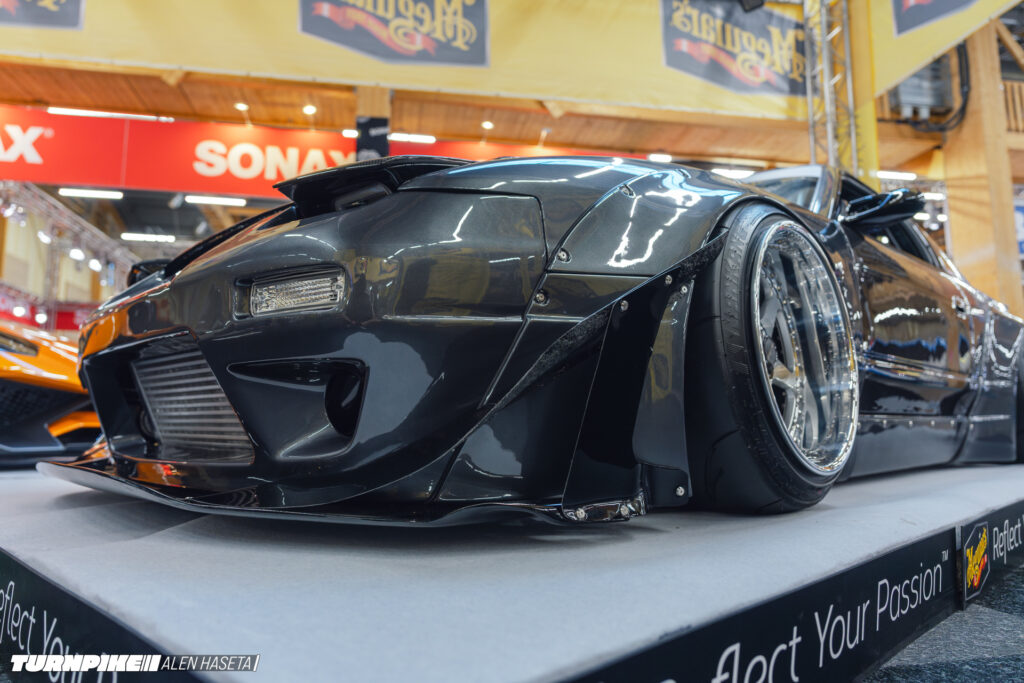
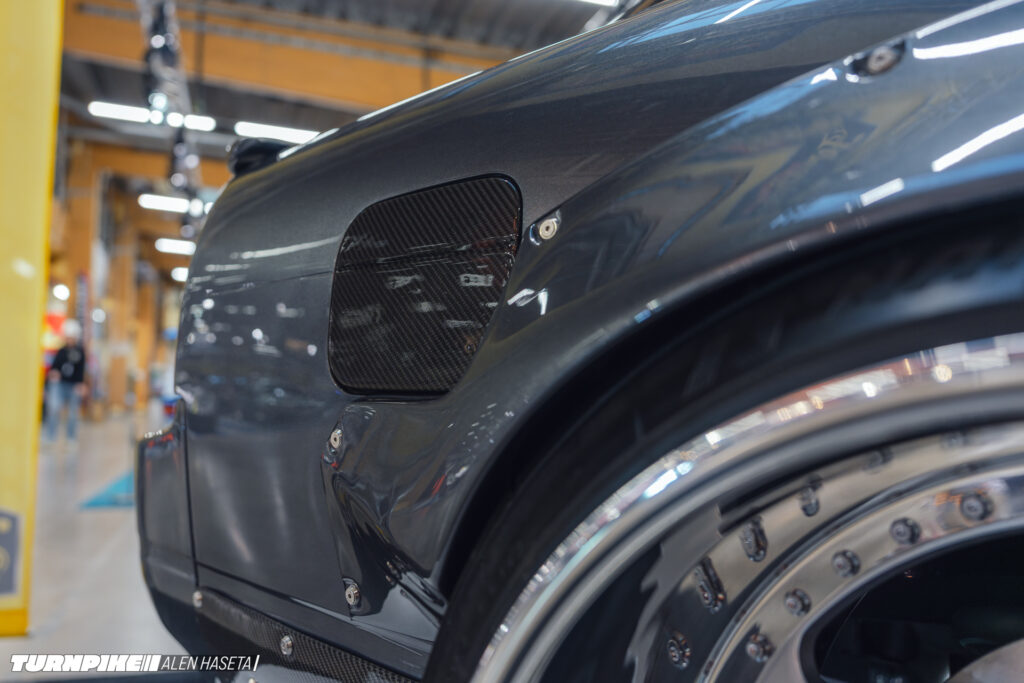
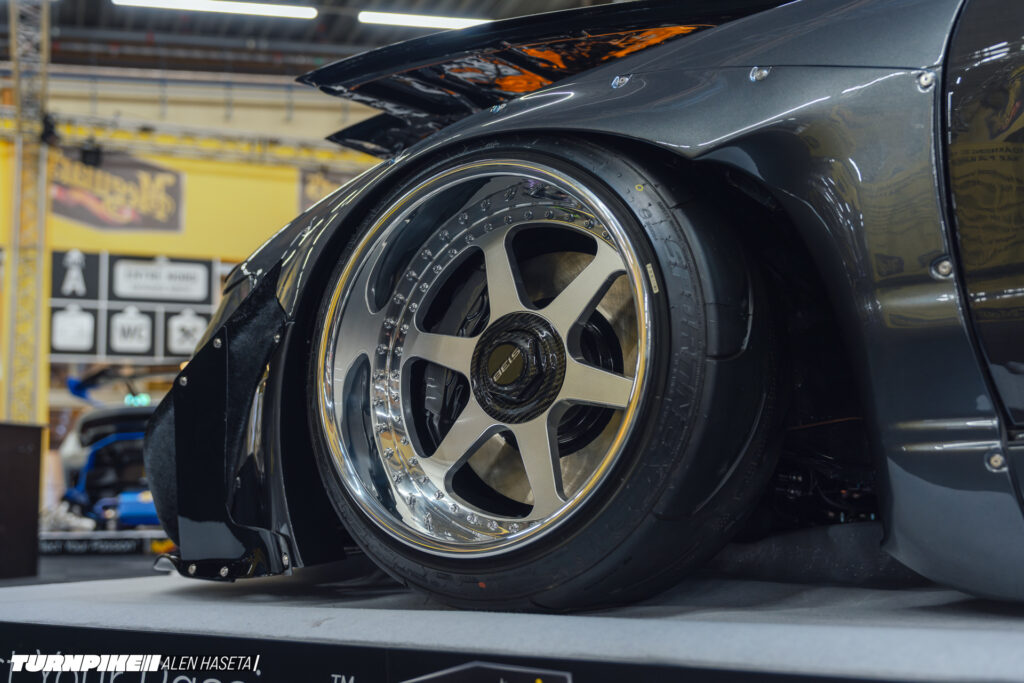
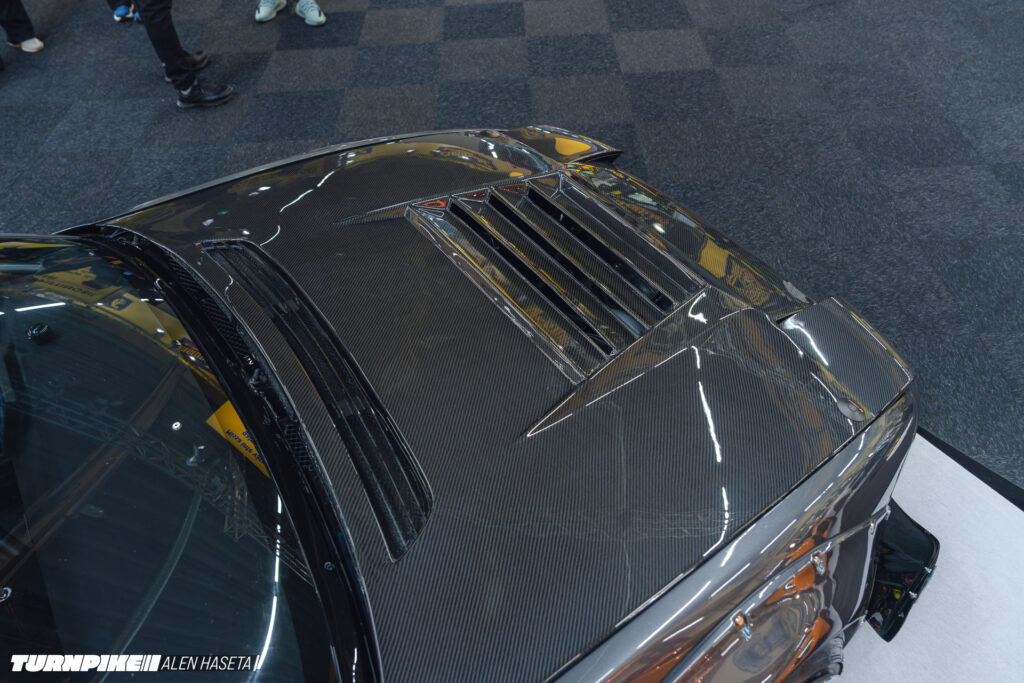
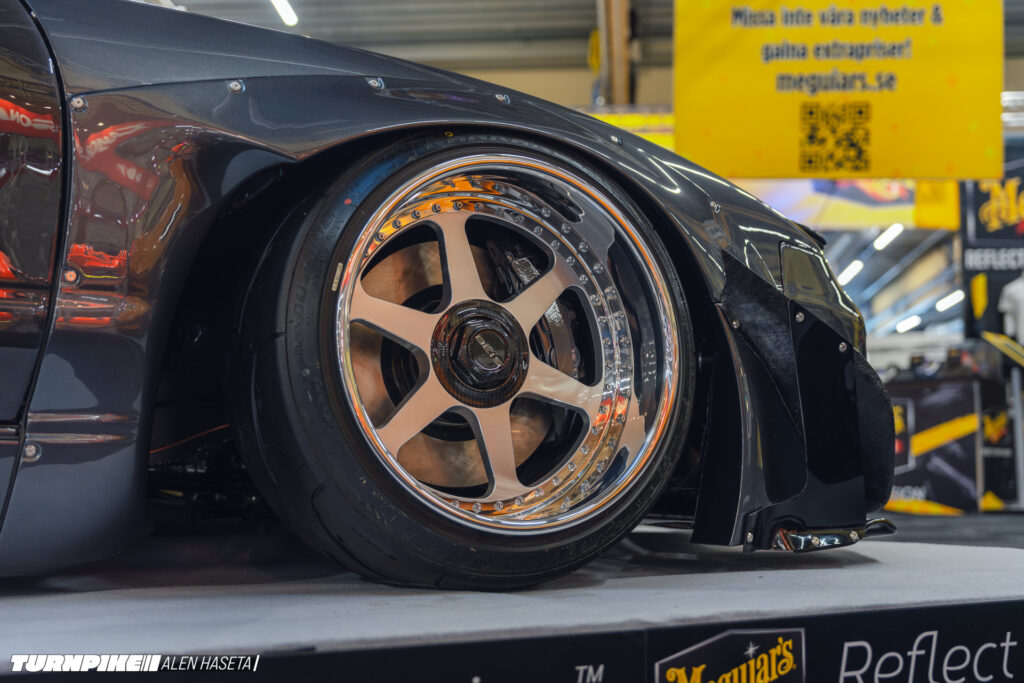
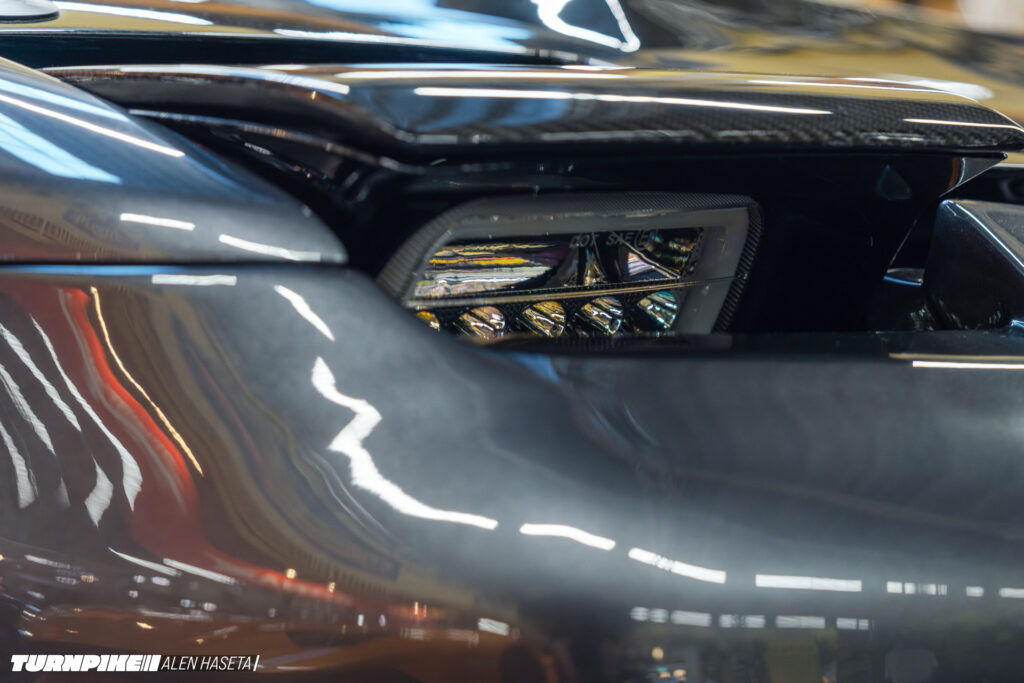
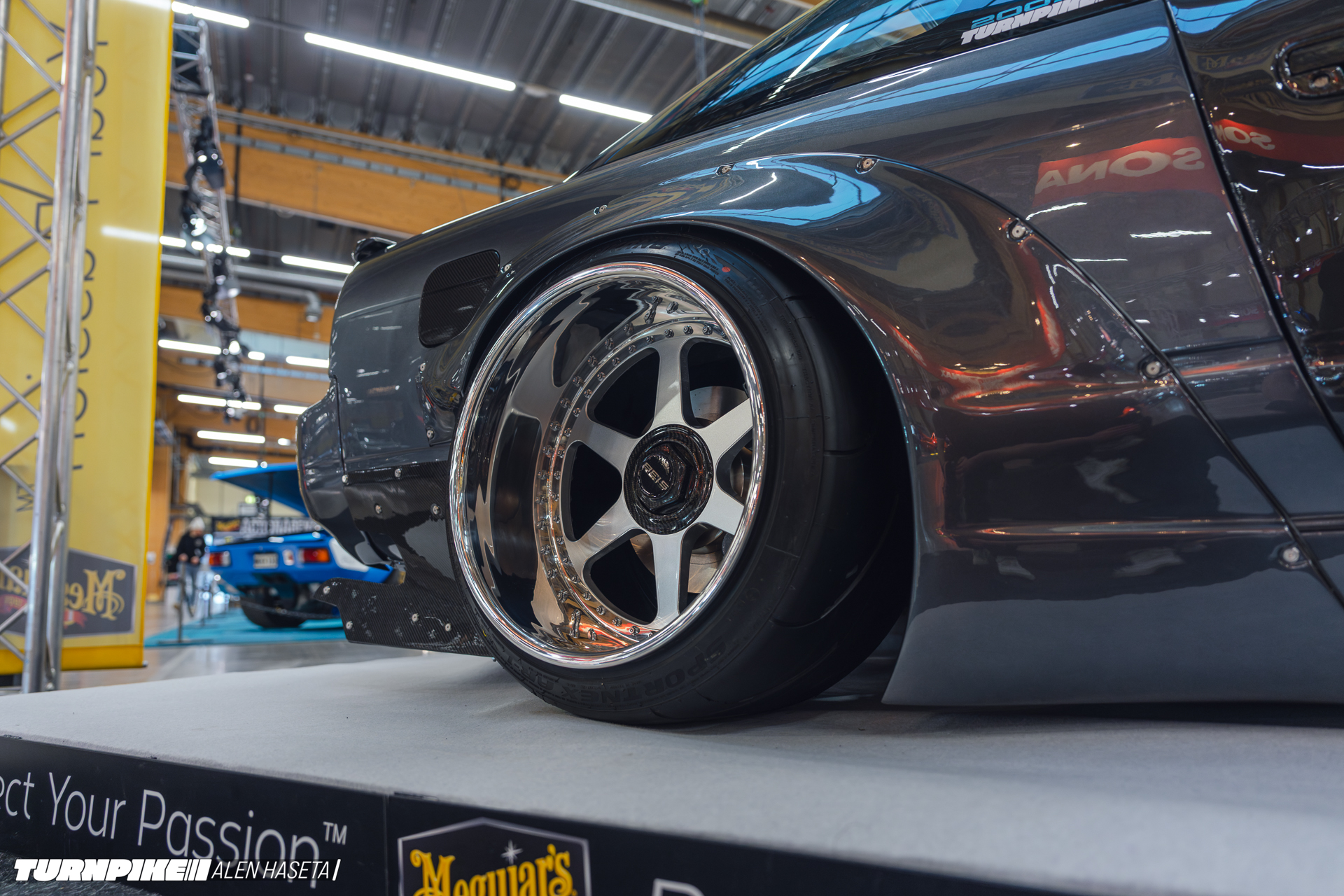
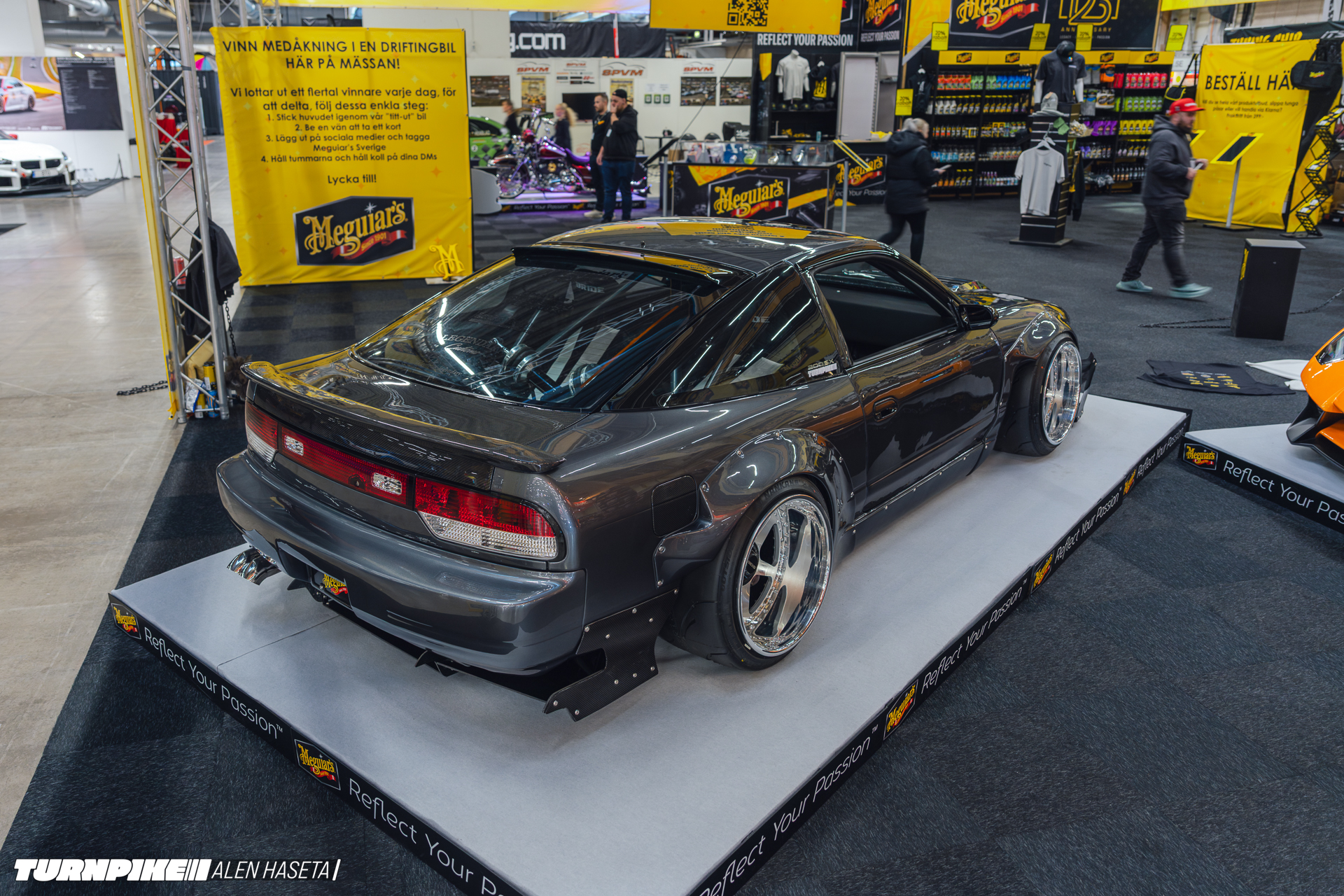
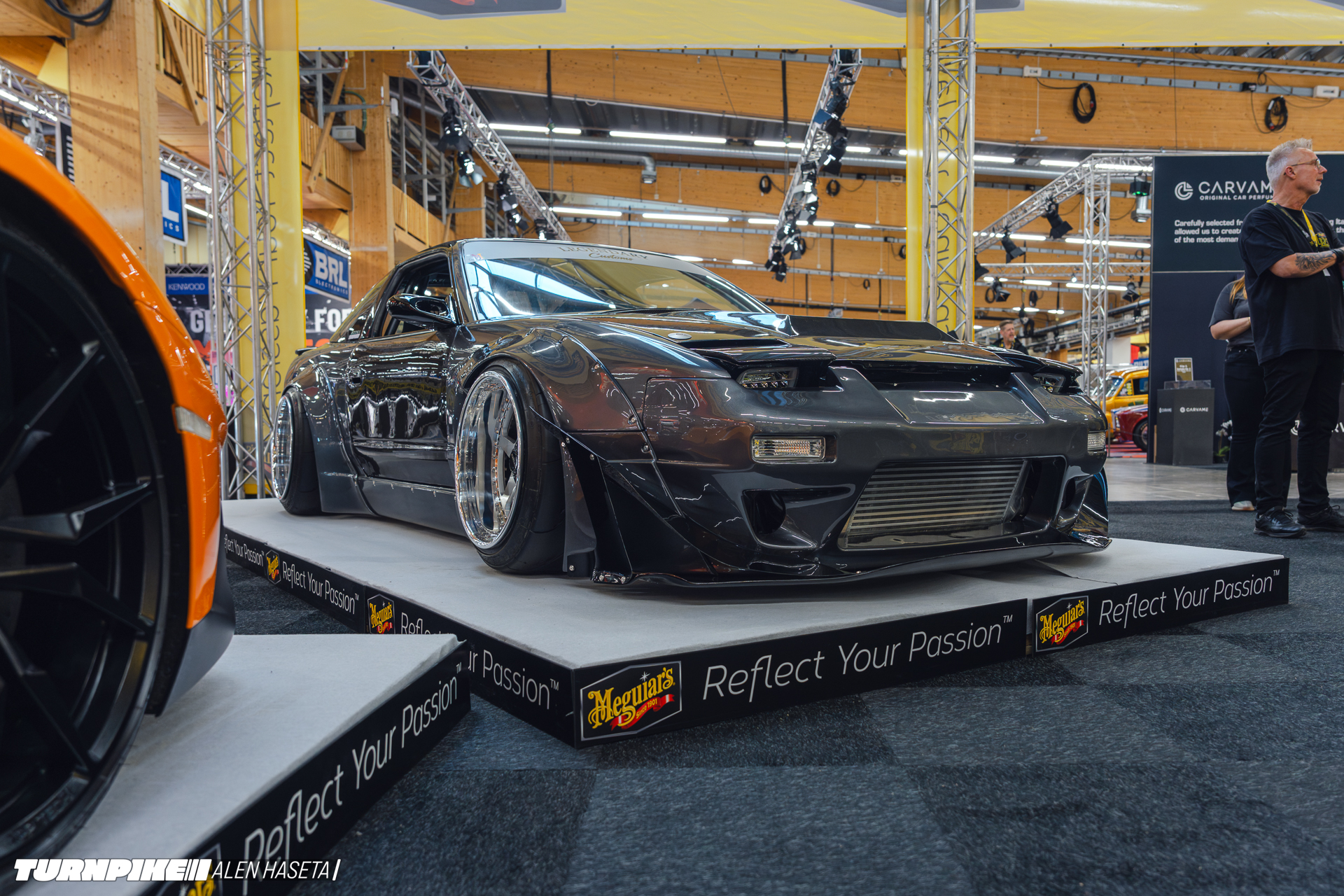
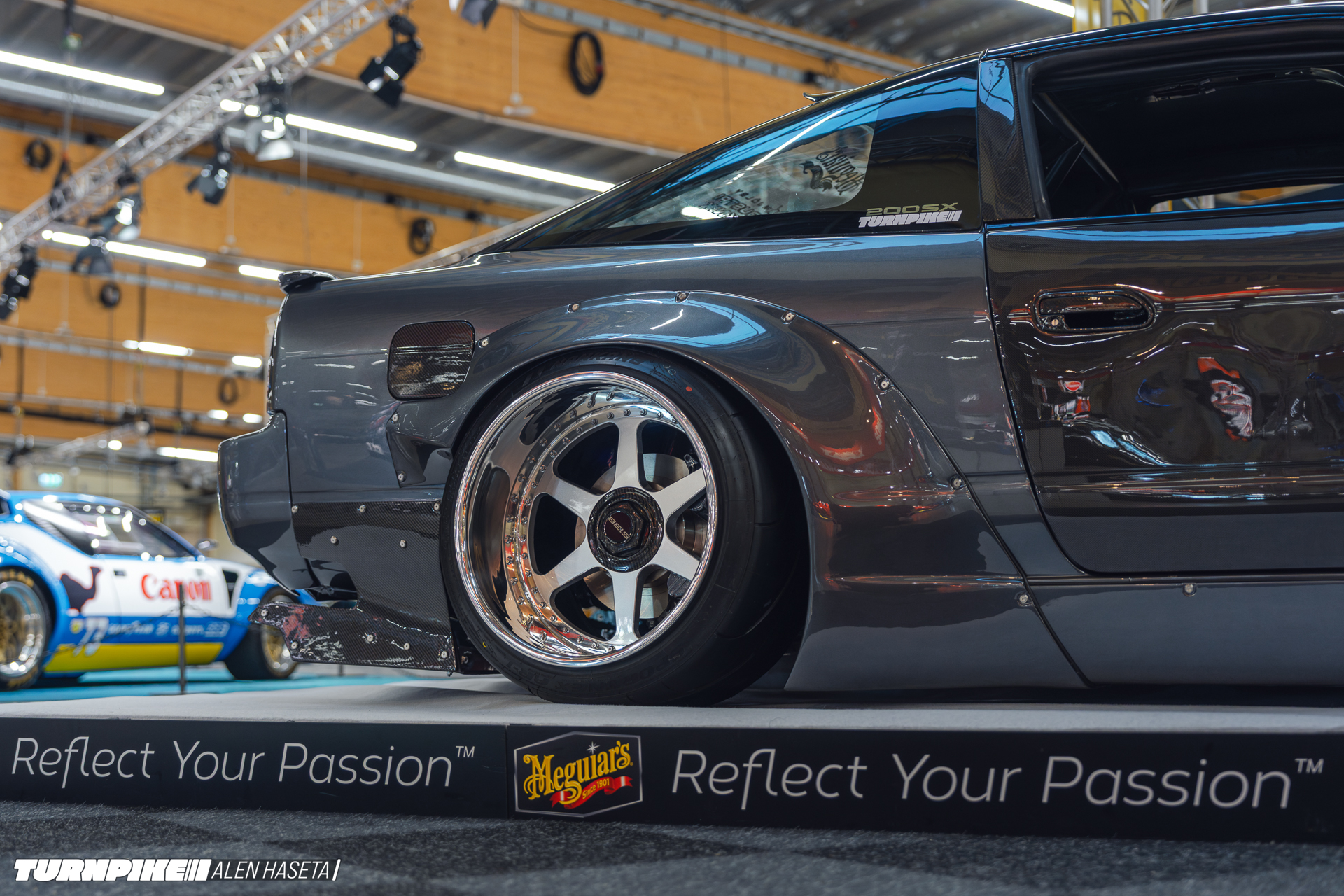
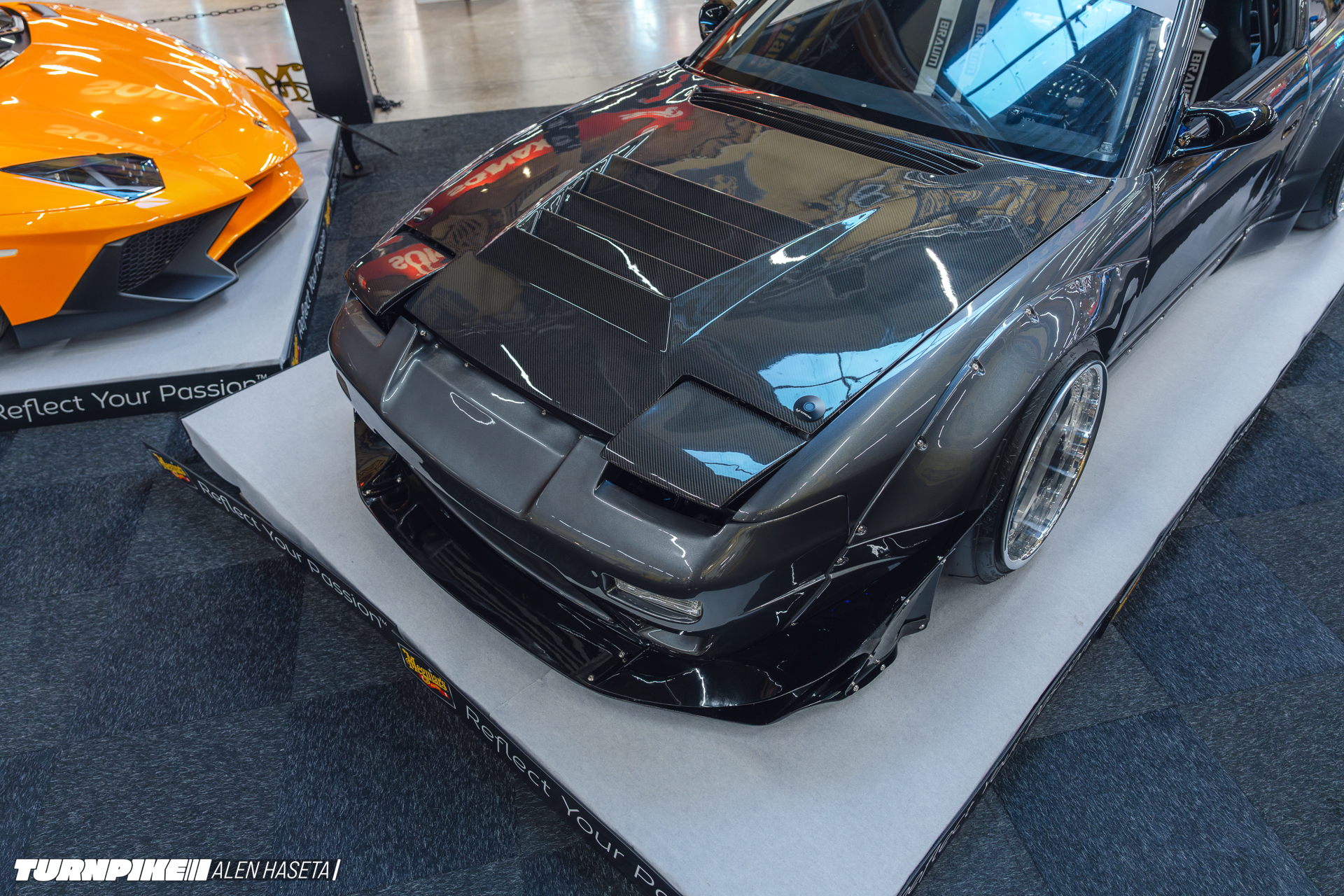
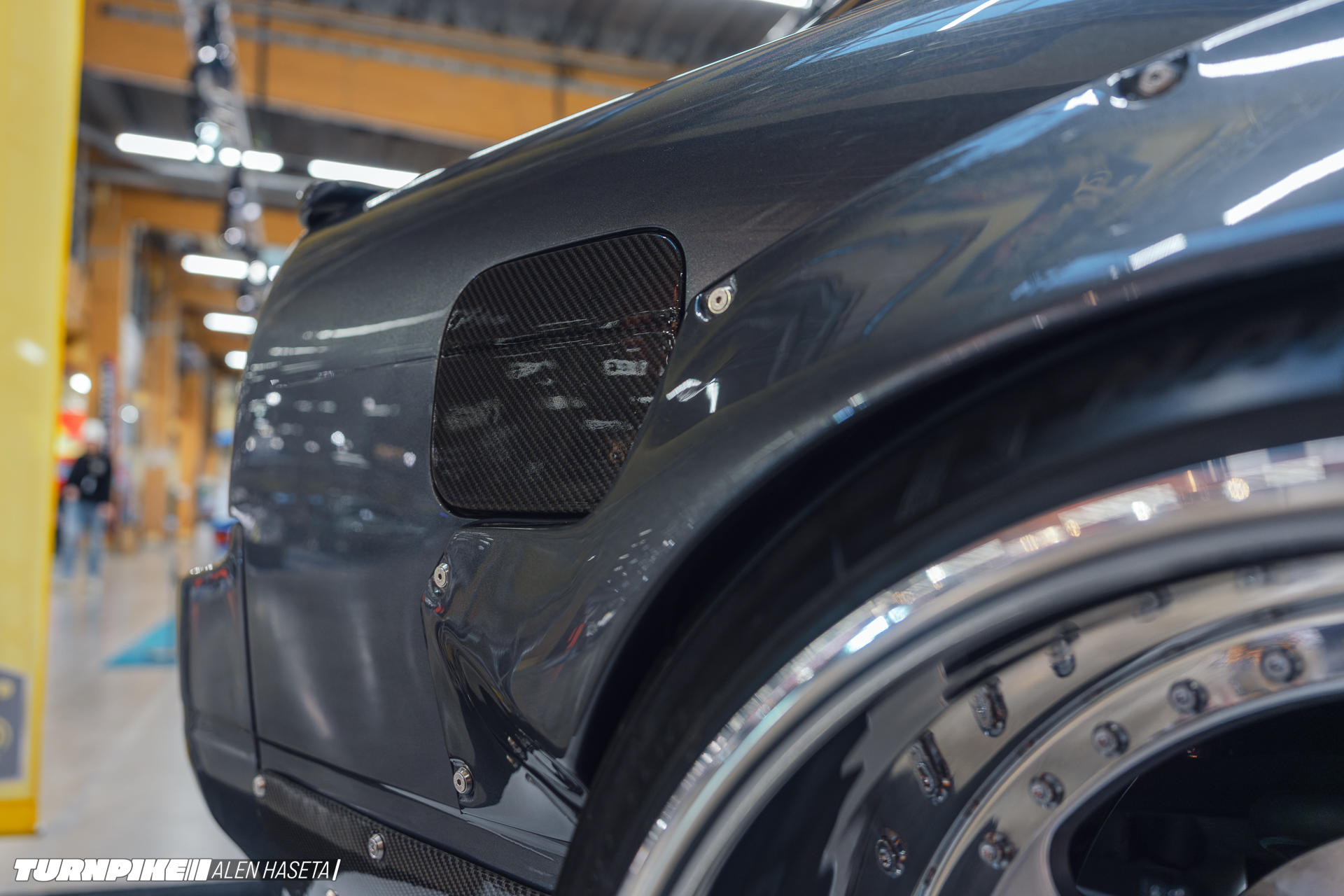
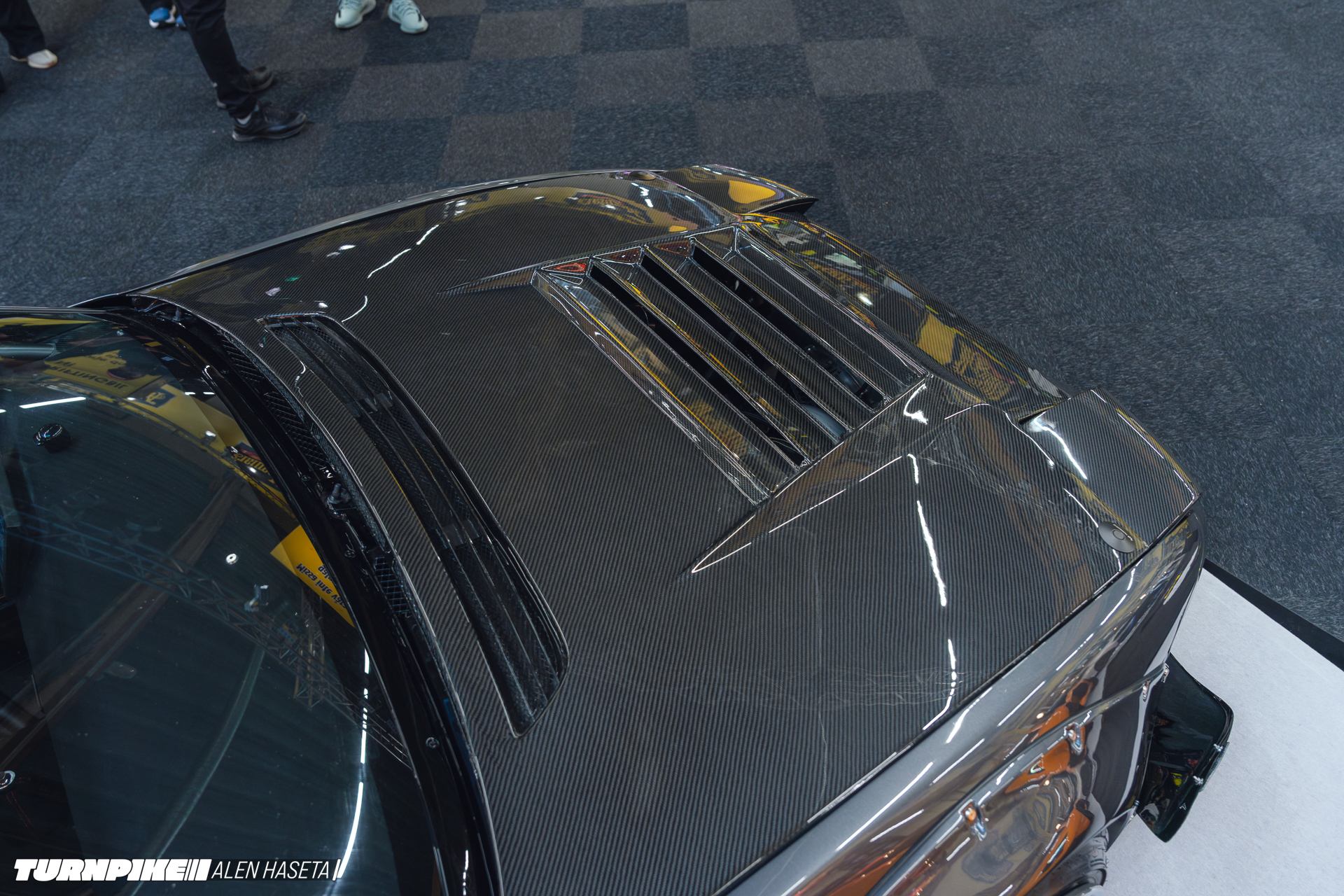
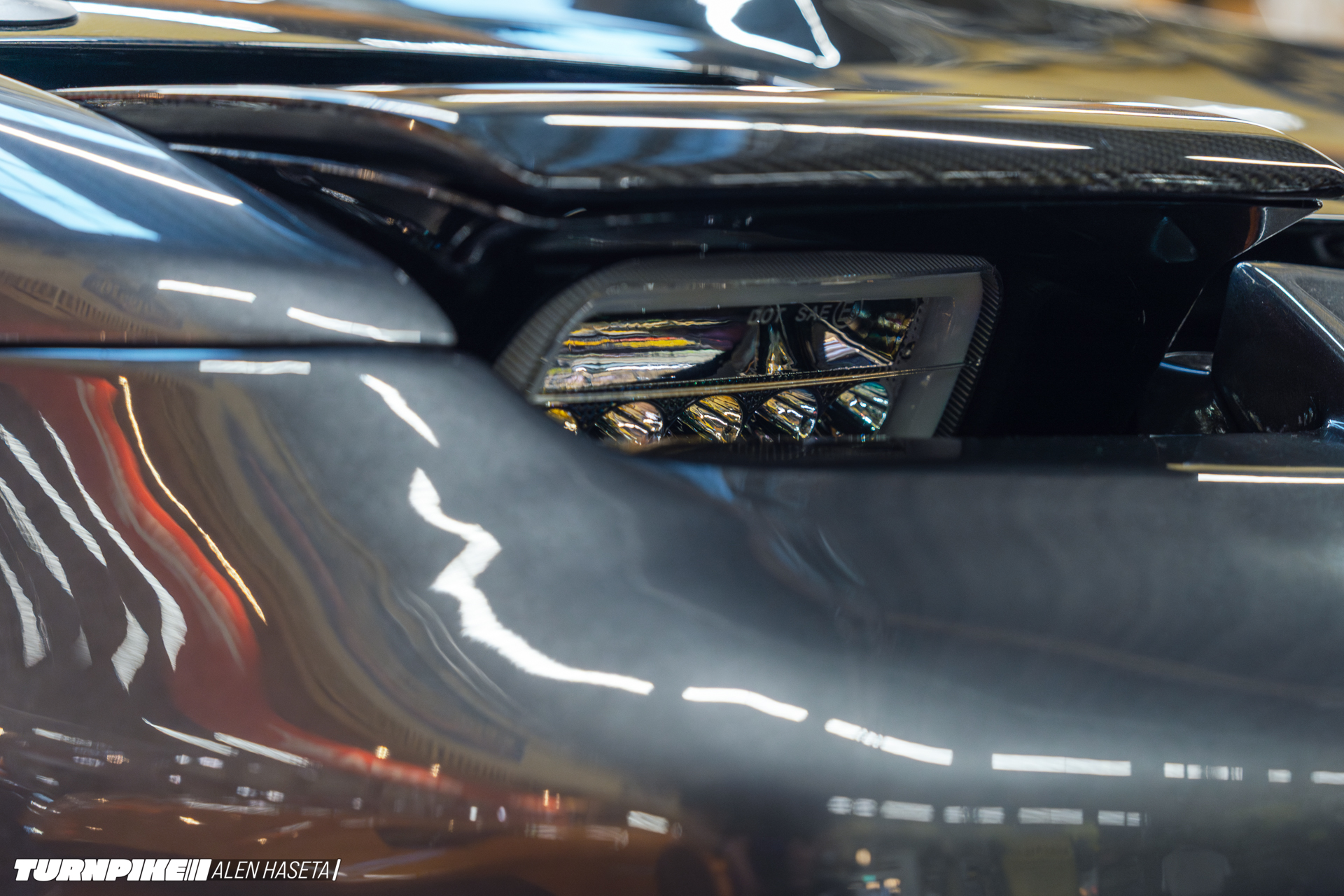
The 200SX wears a full Rocket Bunny V2 kit – minus the GT chassis-mounted wing. Swedish vehicle regulations dictated this, as no parts, such as wings, can extend past the confines of the bodywork. Because of this, Emily opted for a carbon ducktail instead, which may suit the build even better.
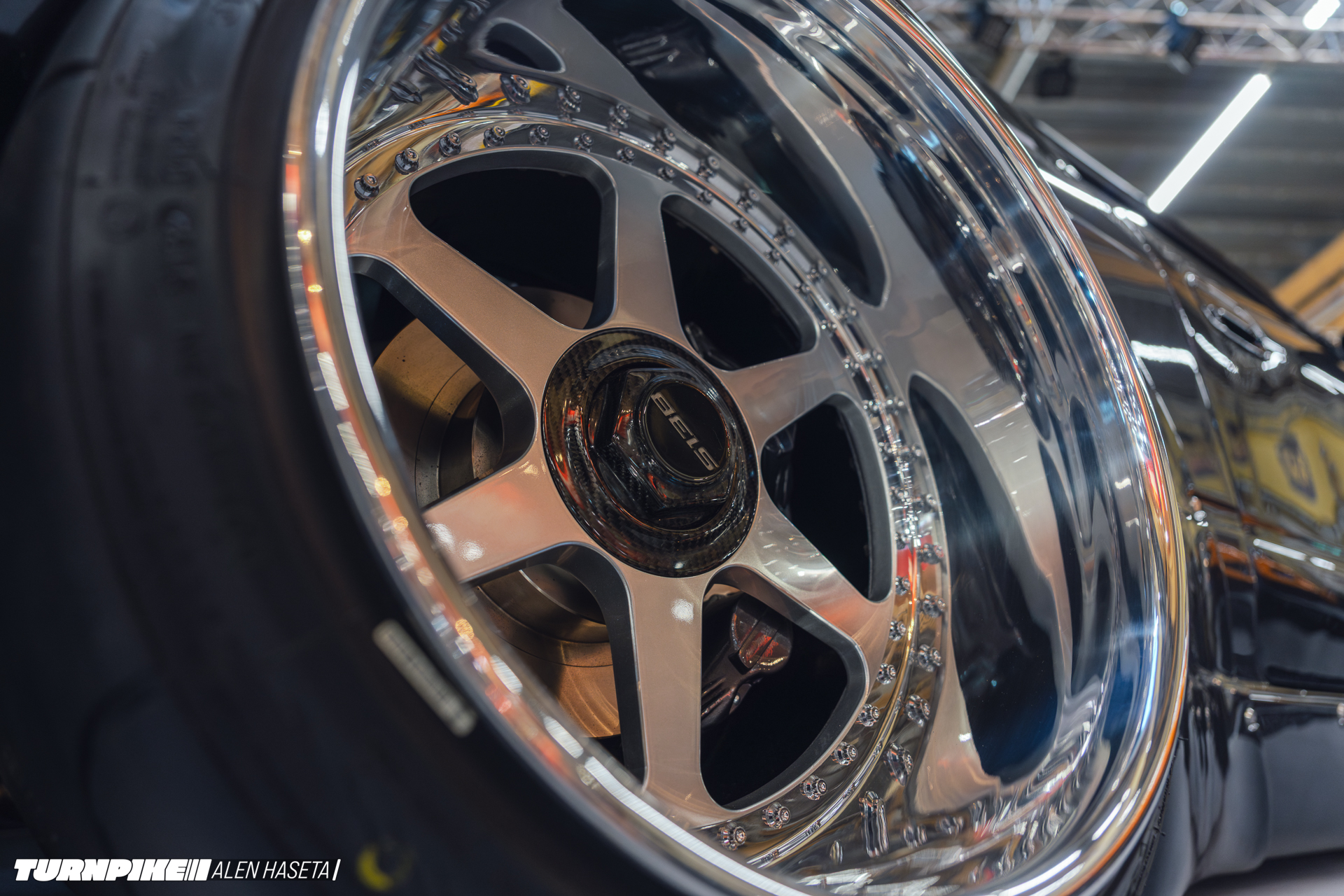
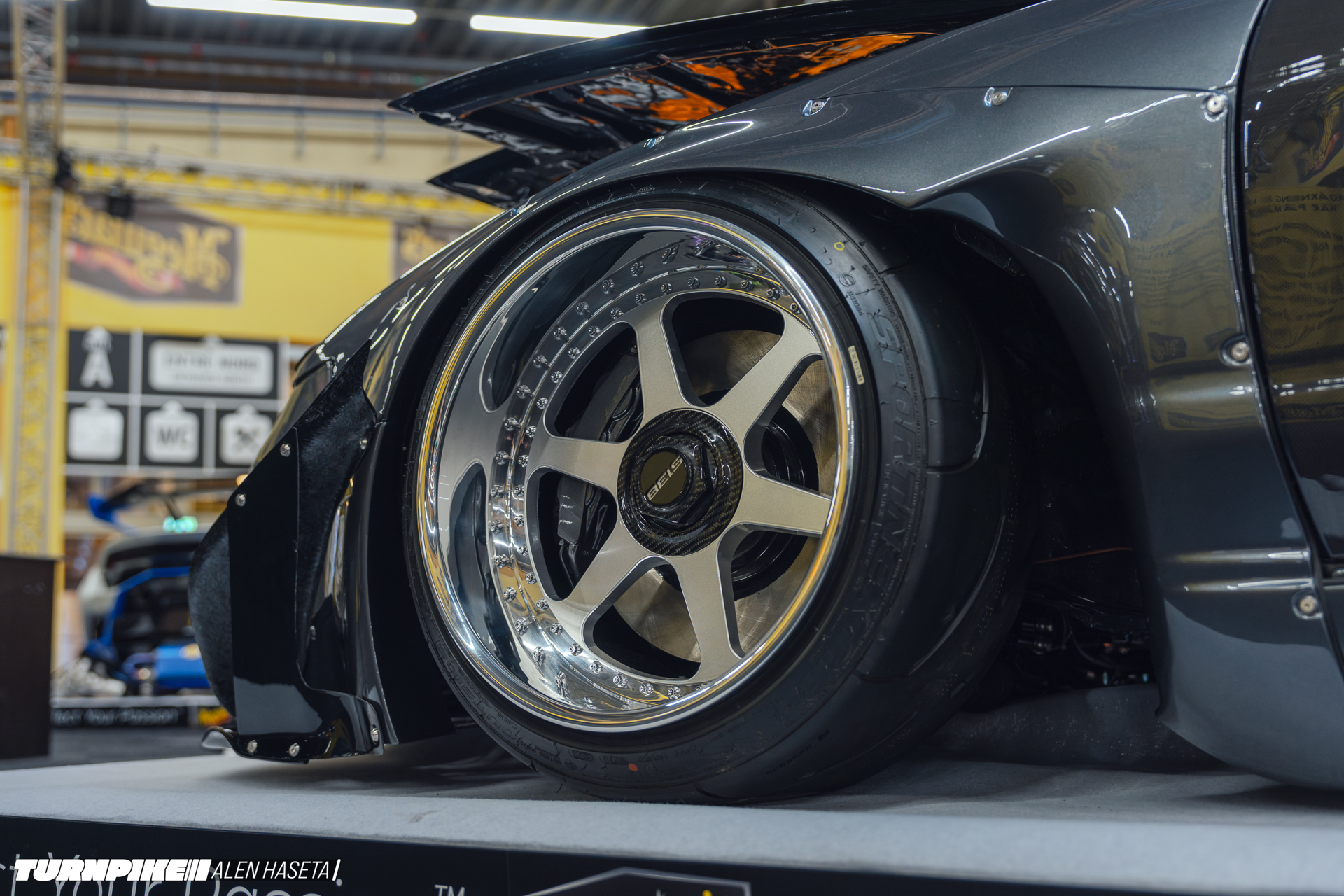
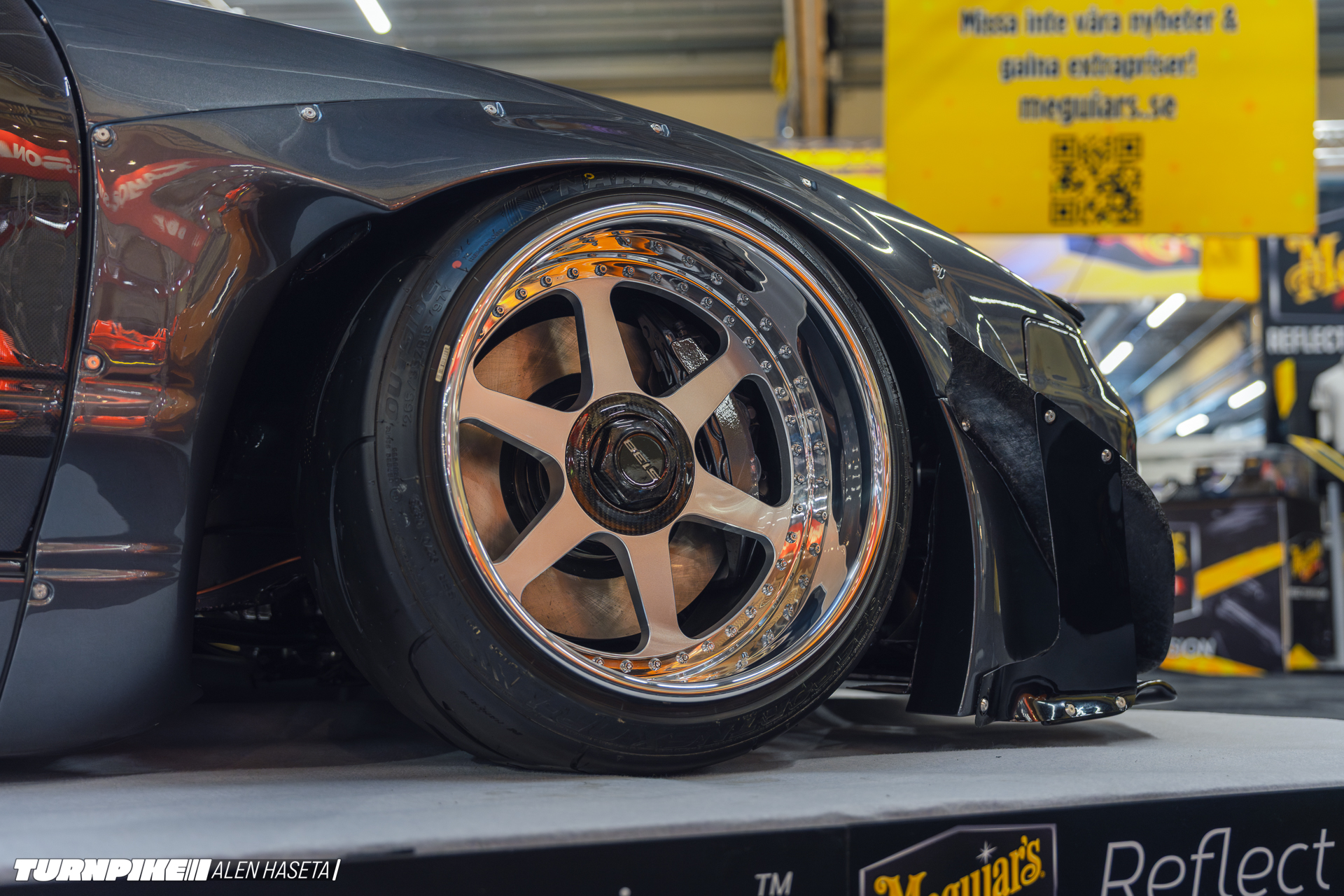
The wheels are ultra-rare Manaray Motorsport M6s measuring 18×12.5-inch in the front and 18×14-inch at the rear, shod in Nankang AR-1 semi-slicks. The aggressive stance comes courtesy of AIRMEXT air suspension.
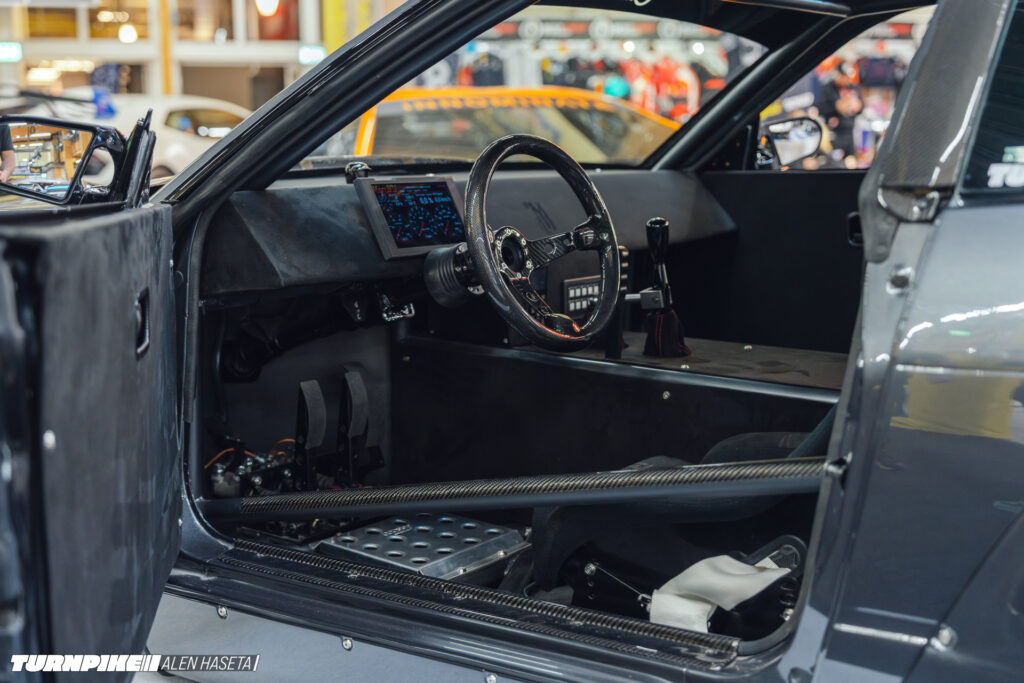
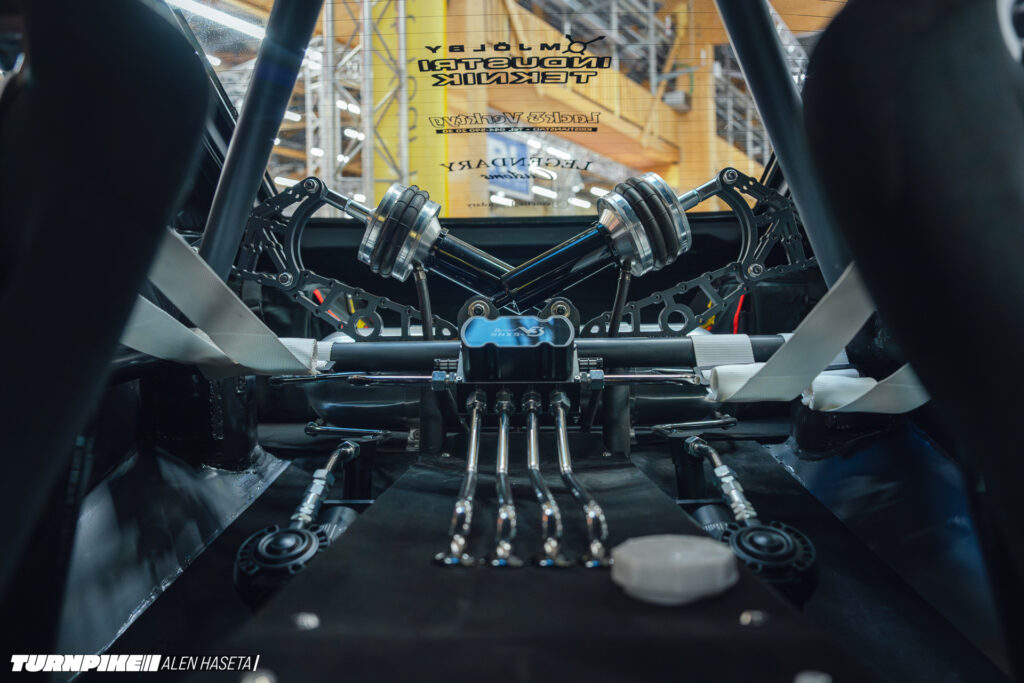
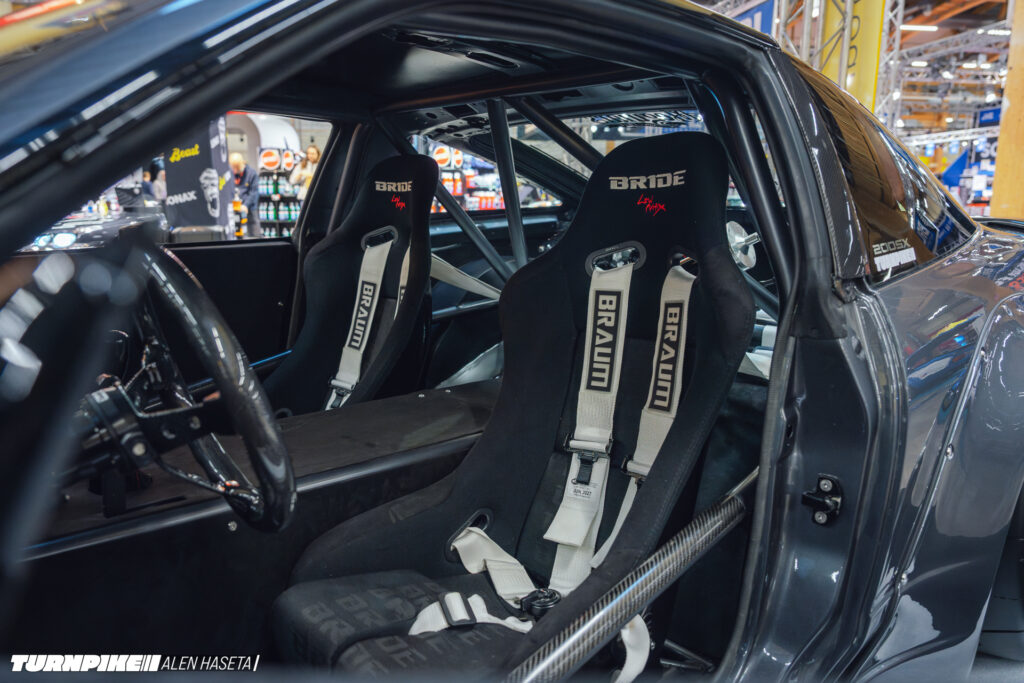
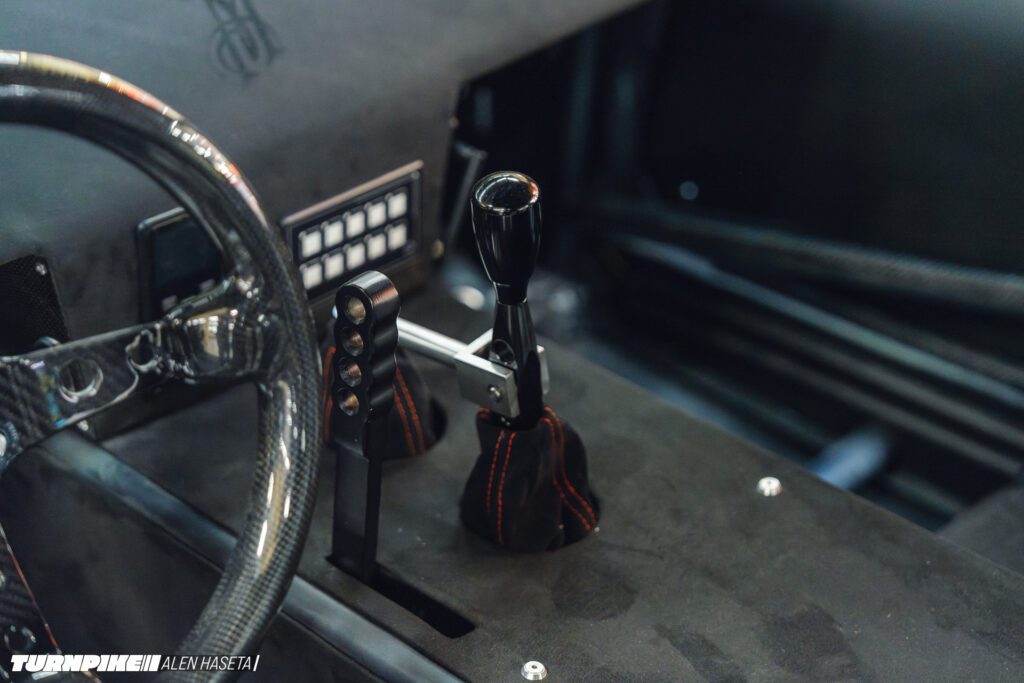
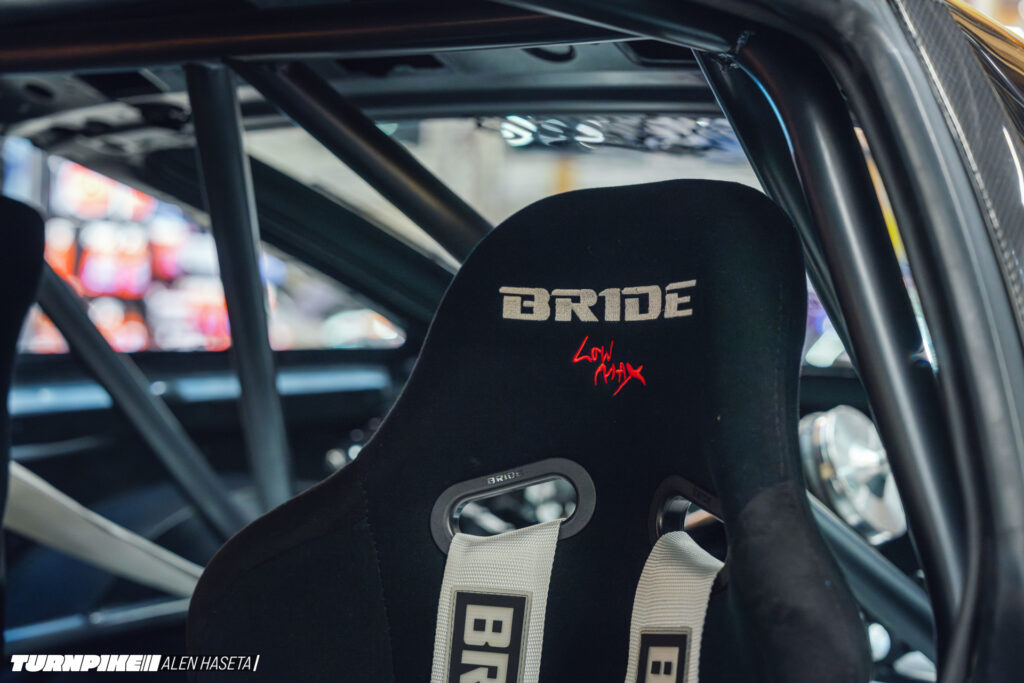
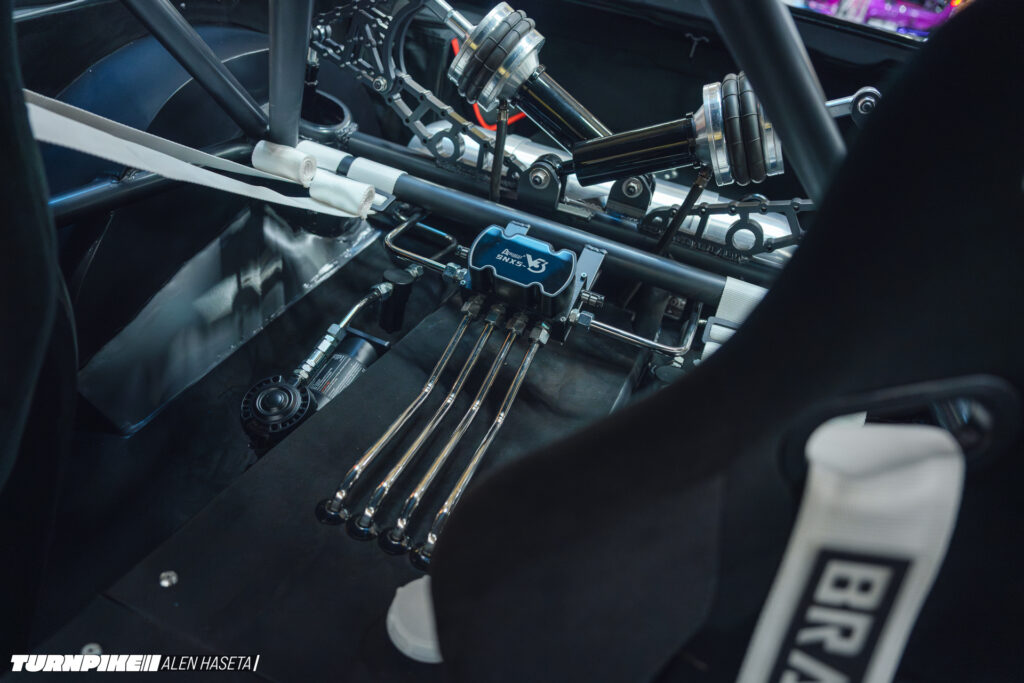
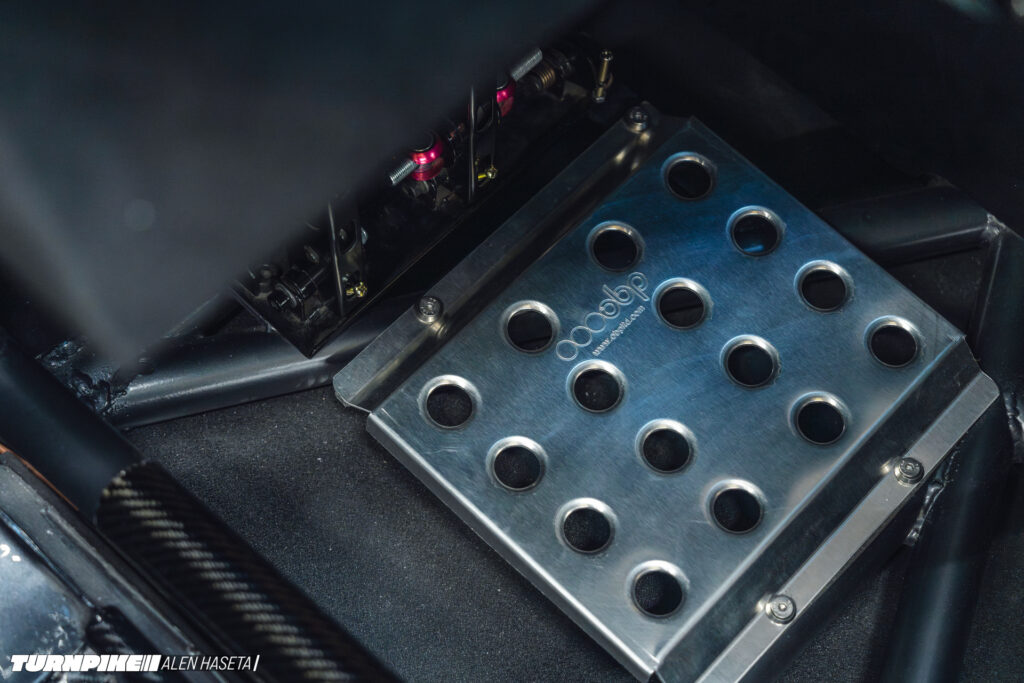
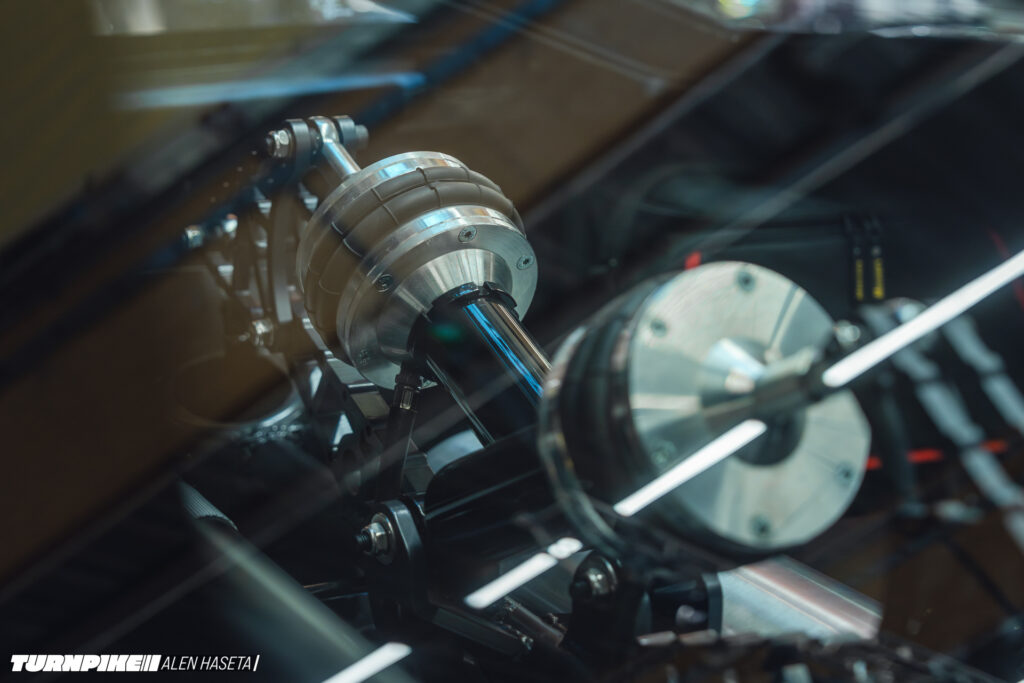
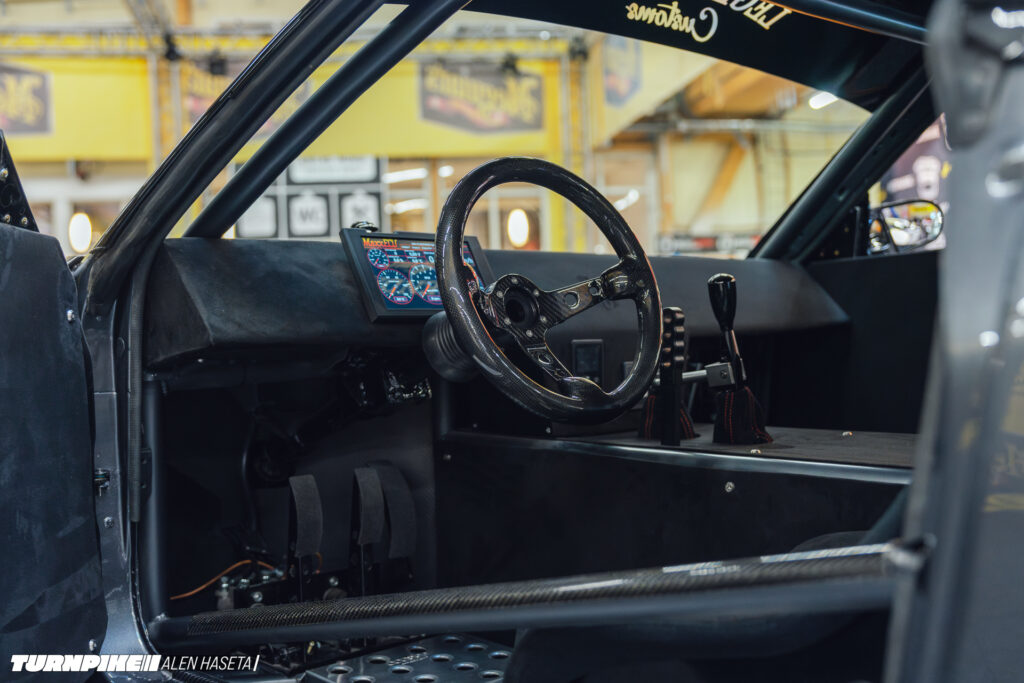
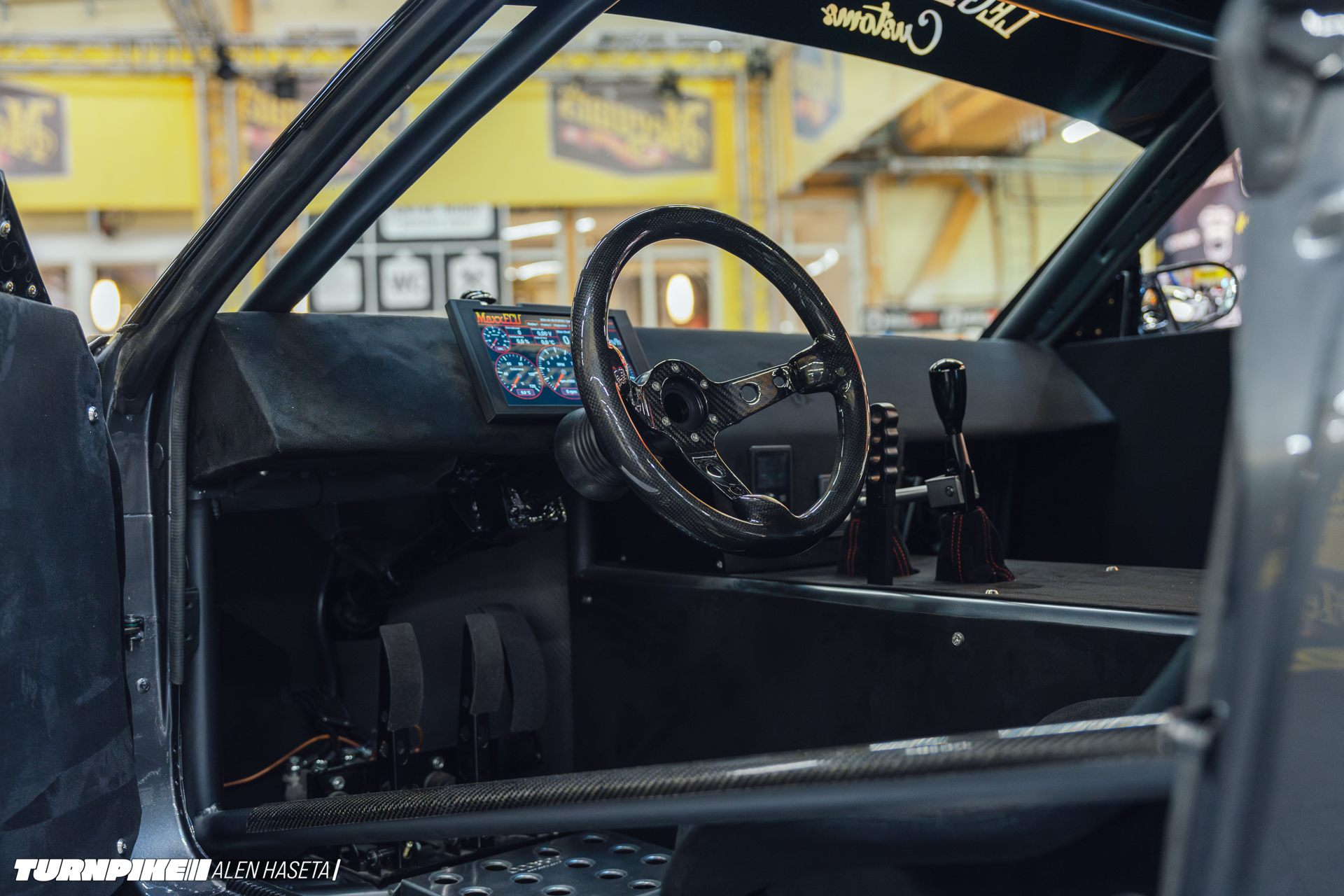
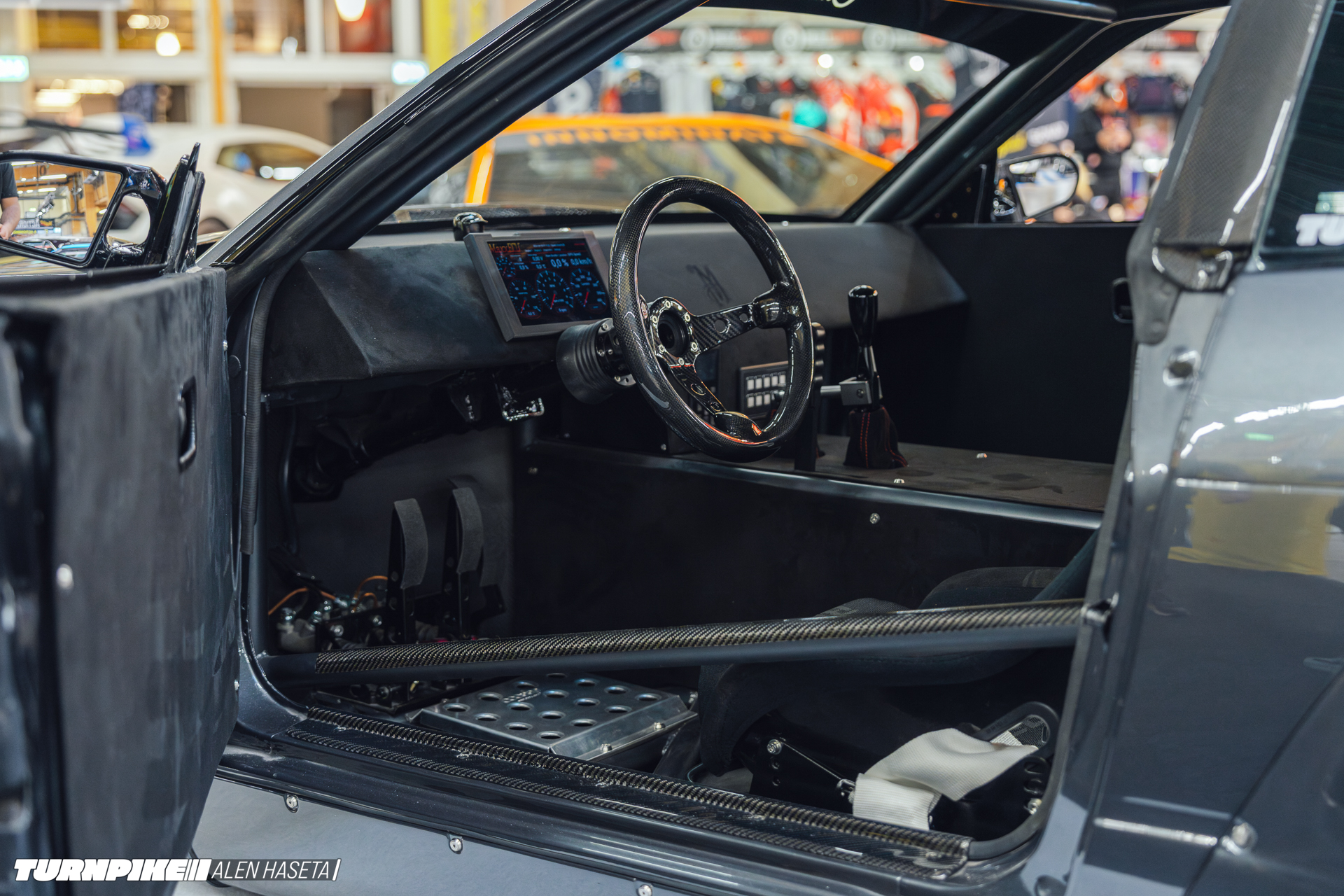
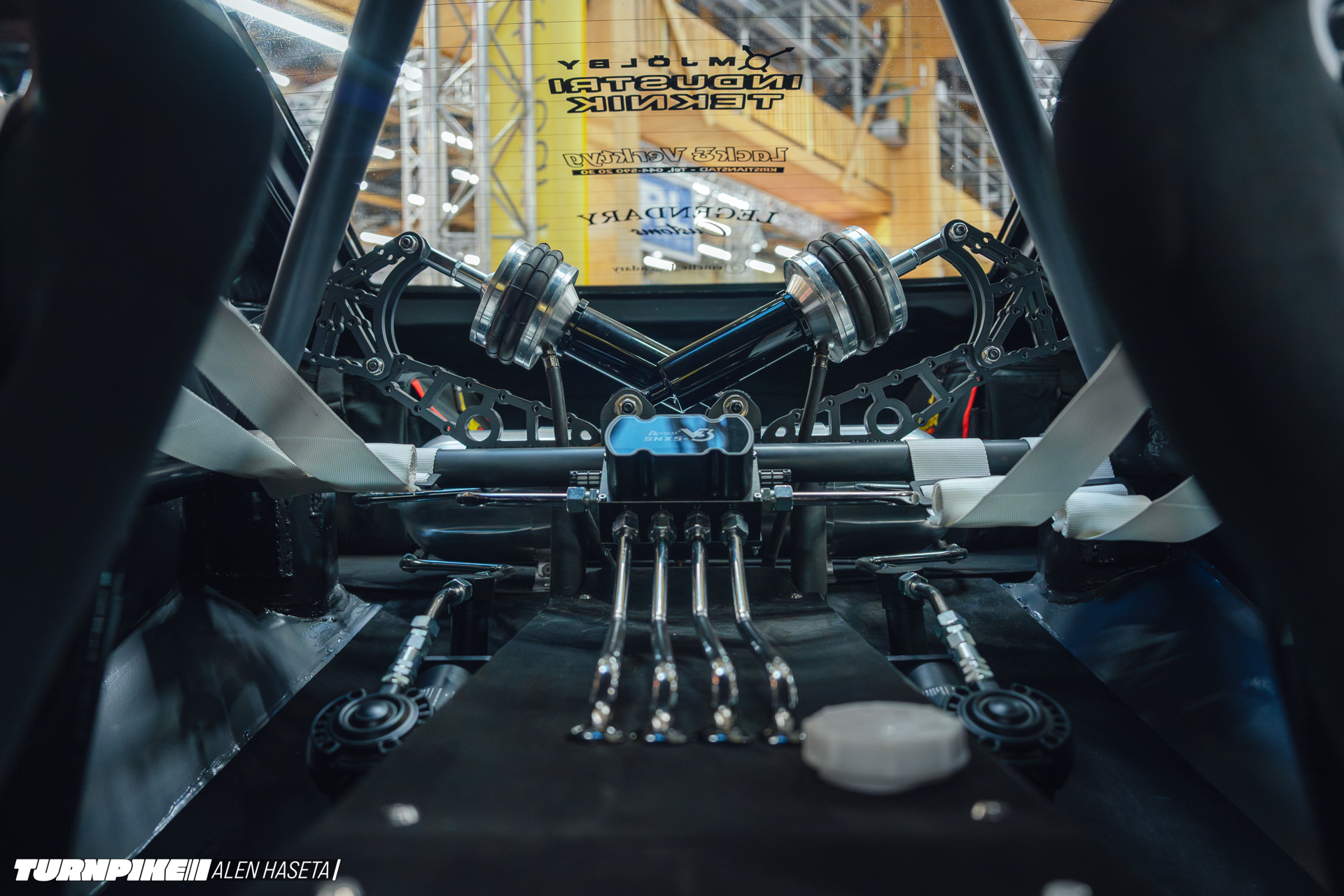
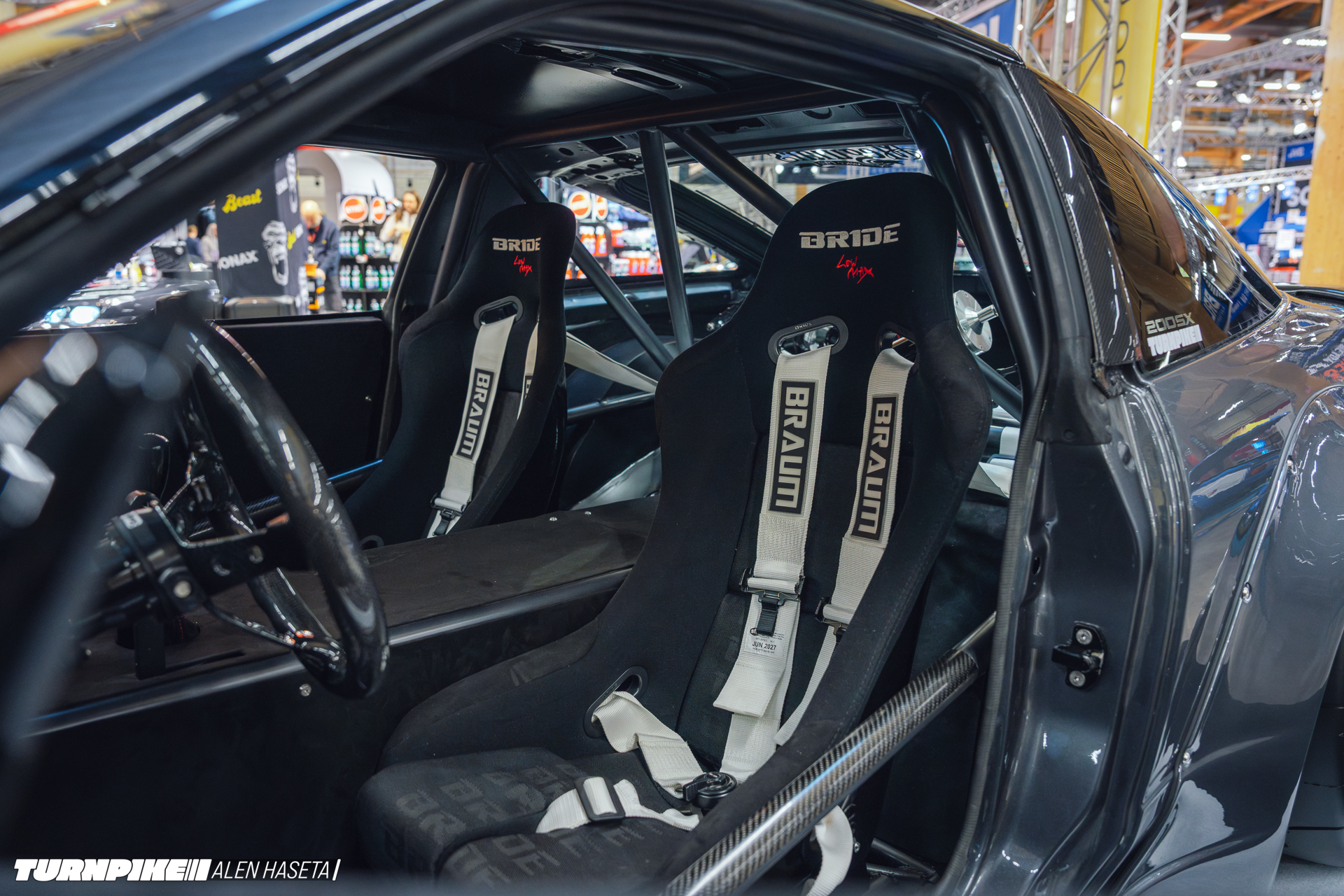
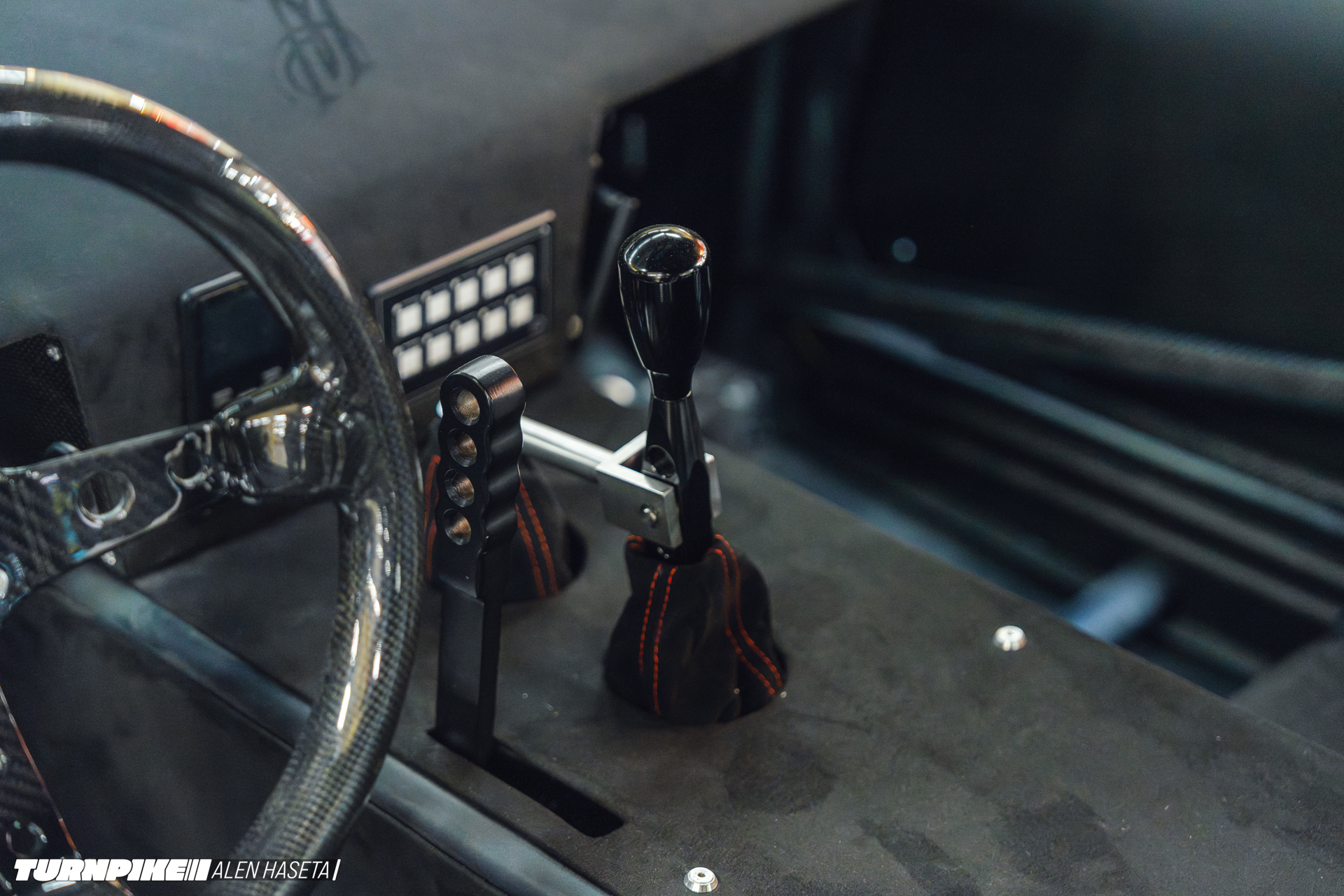
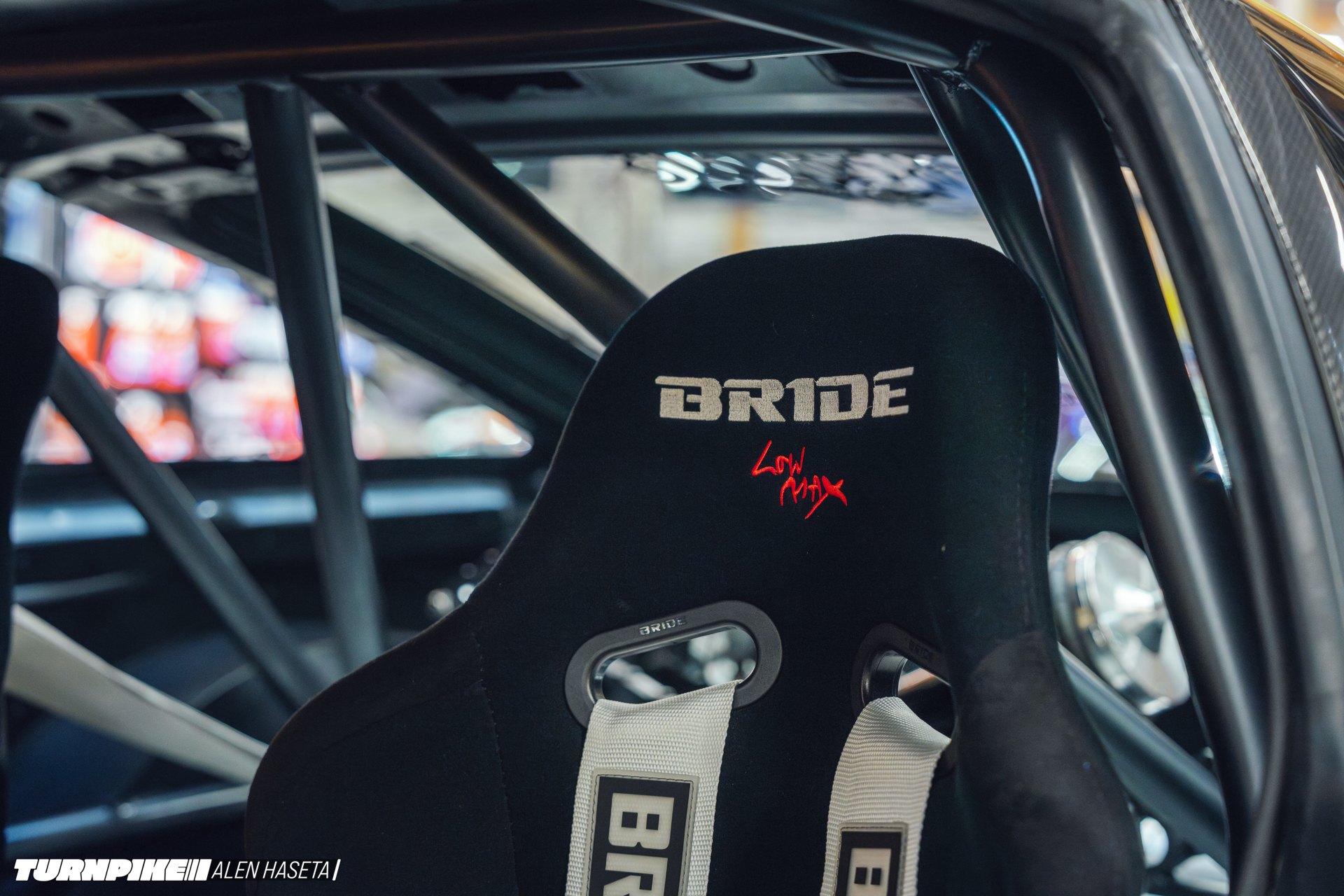
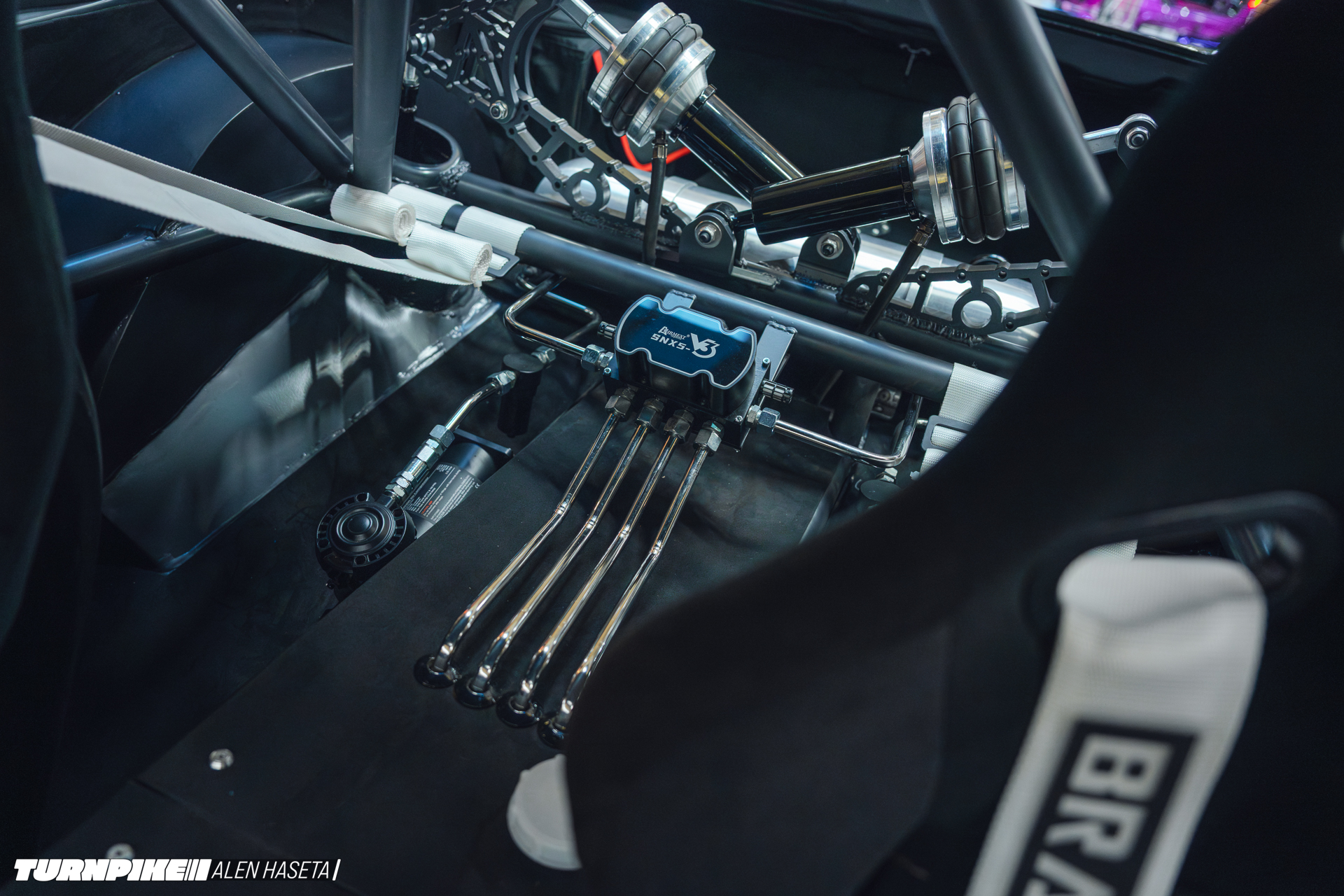
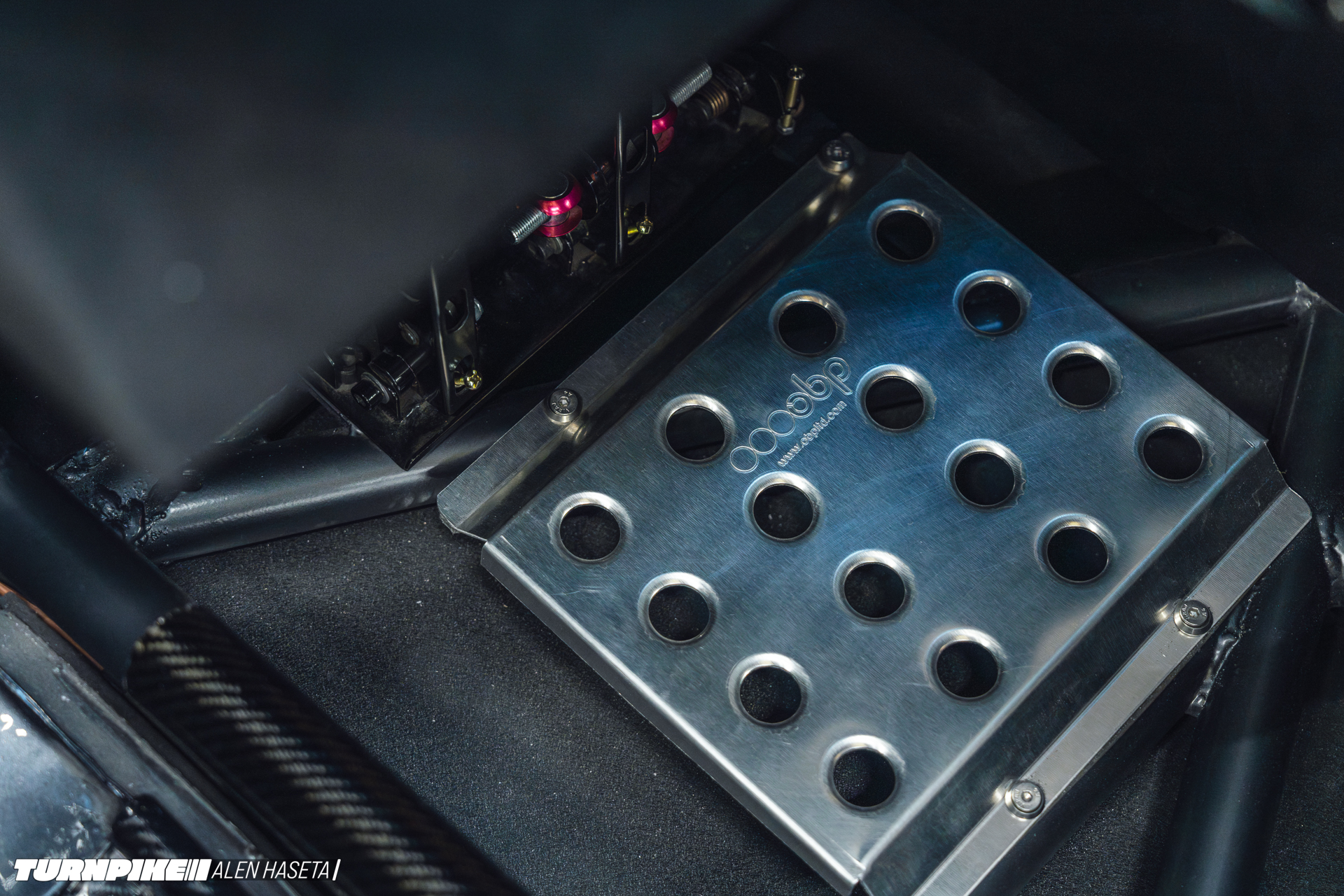
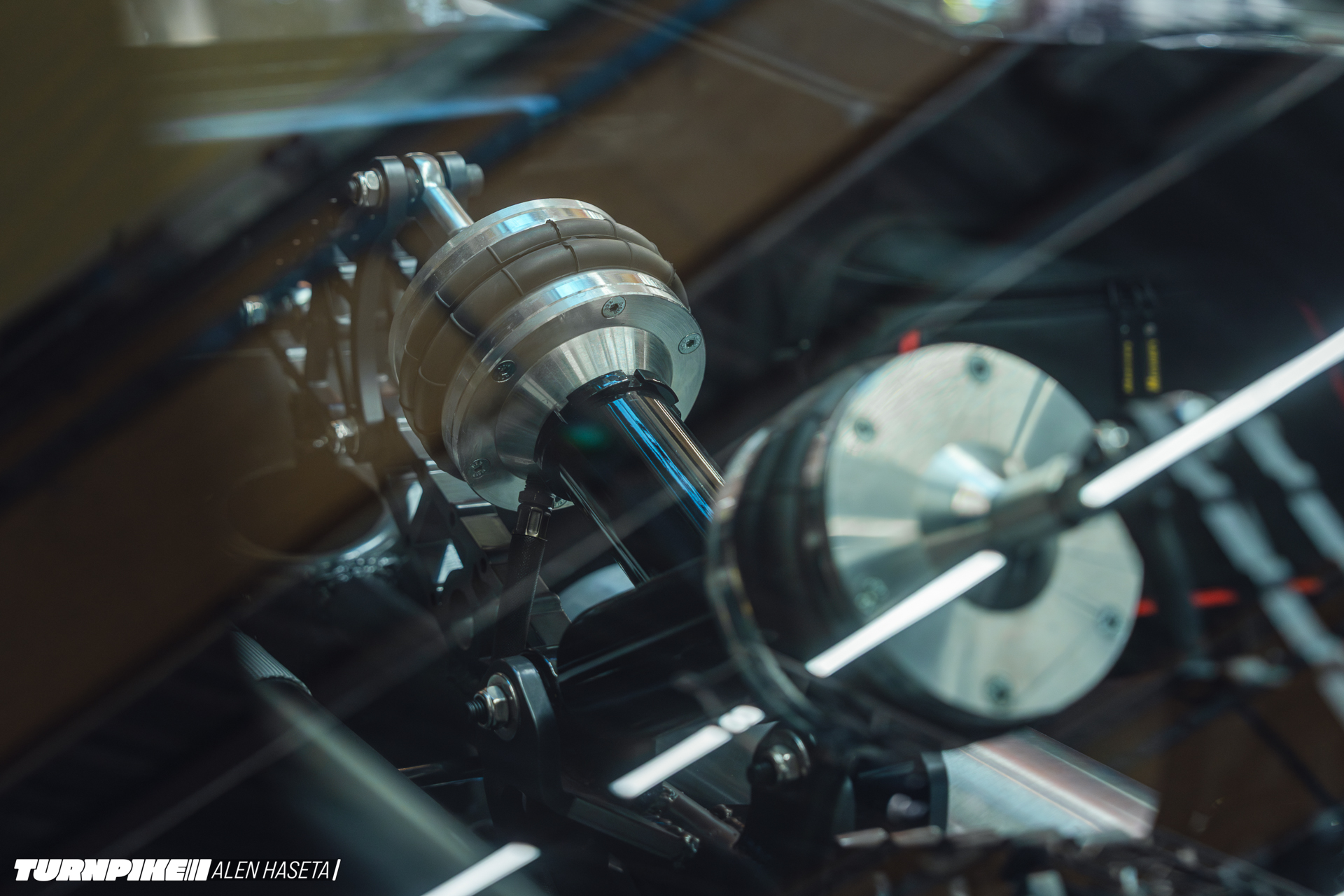
The Nissan’s cabin has been totally transformed. Bride Low Max seats, Braun 6-point harnesses, and a carbon fiber steering wheel set the tone, but it’s out back where things really shine. Here, the rear bench seat has given way to the car’s custom pushrod suspension setup, which, for me personally, is one of the reasons why this build stood out so much.
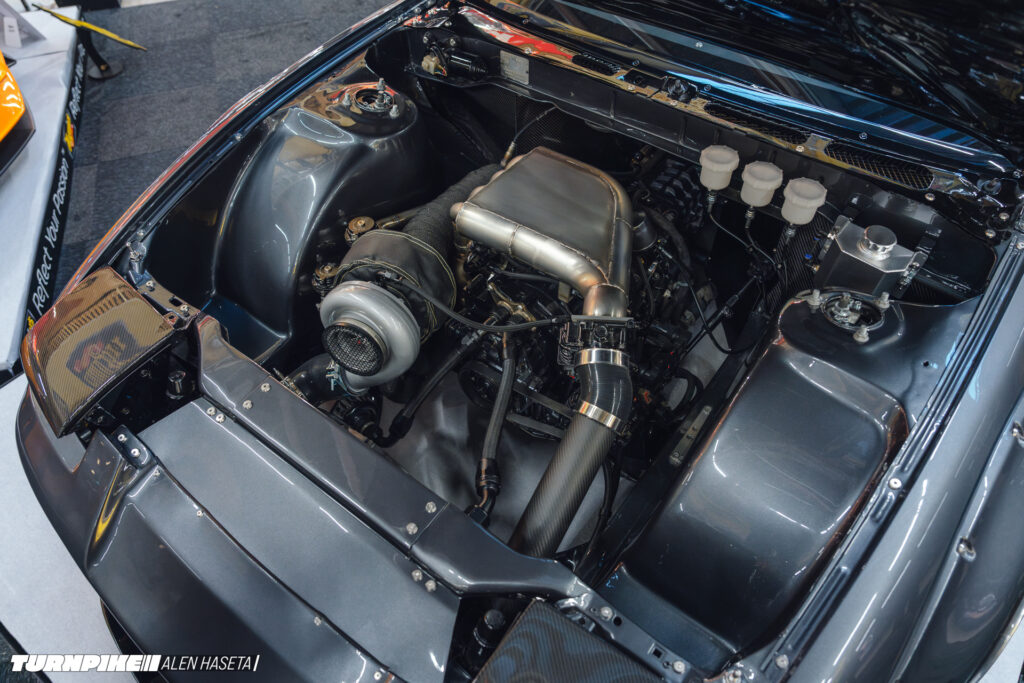
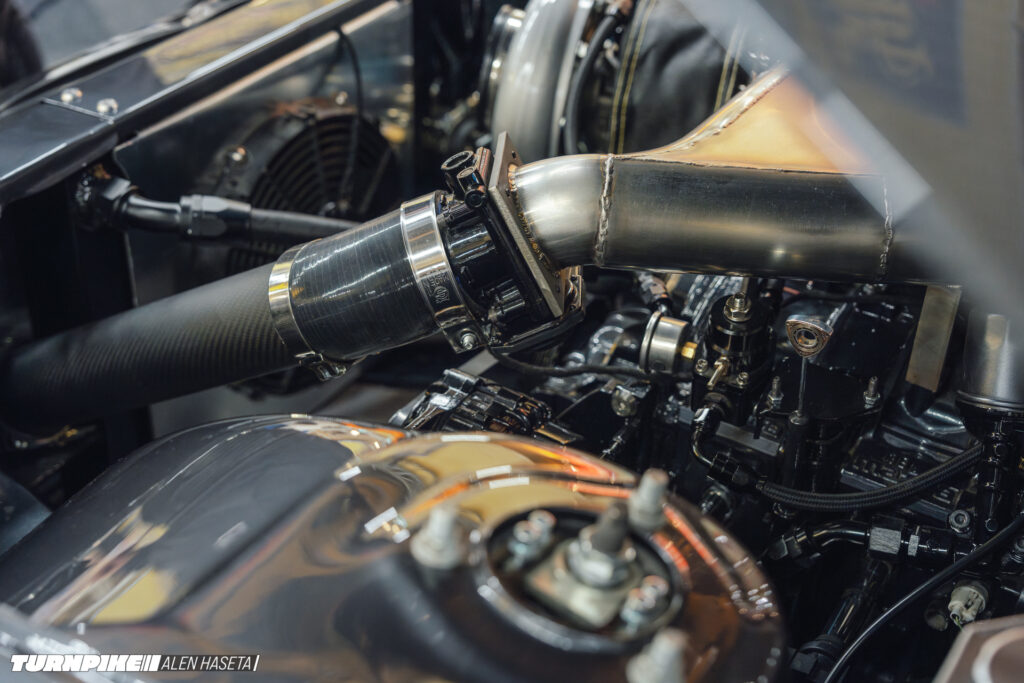
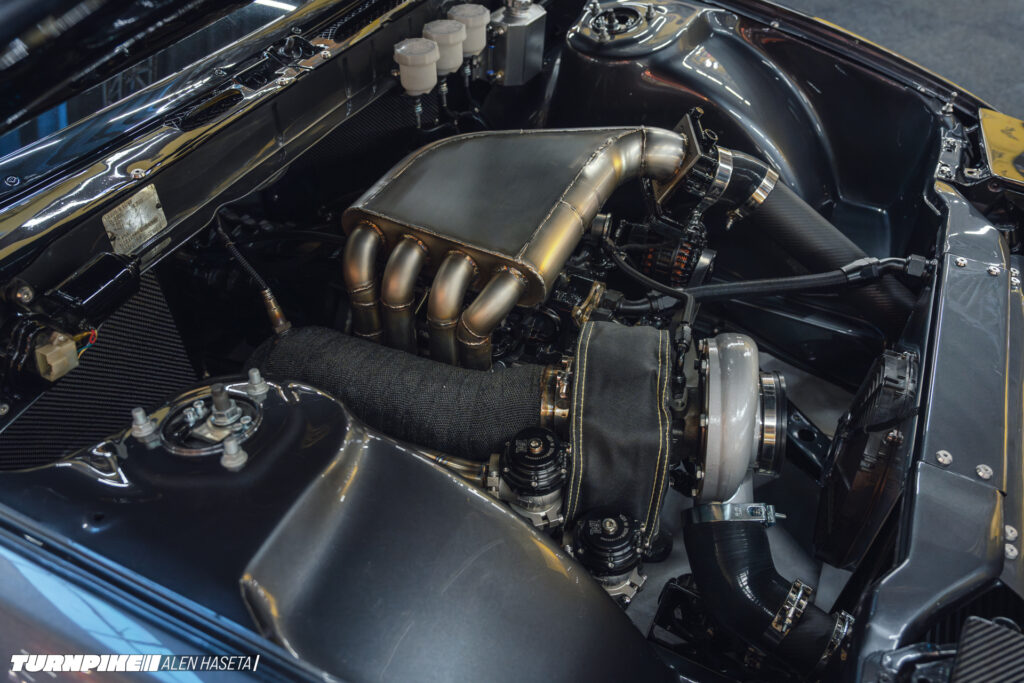
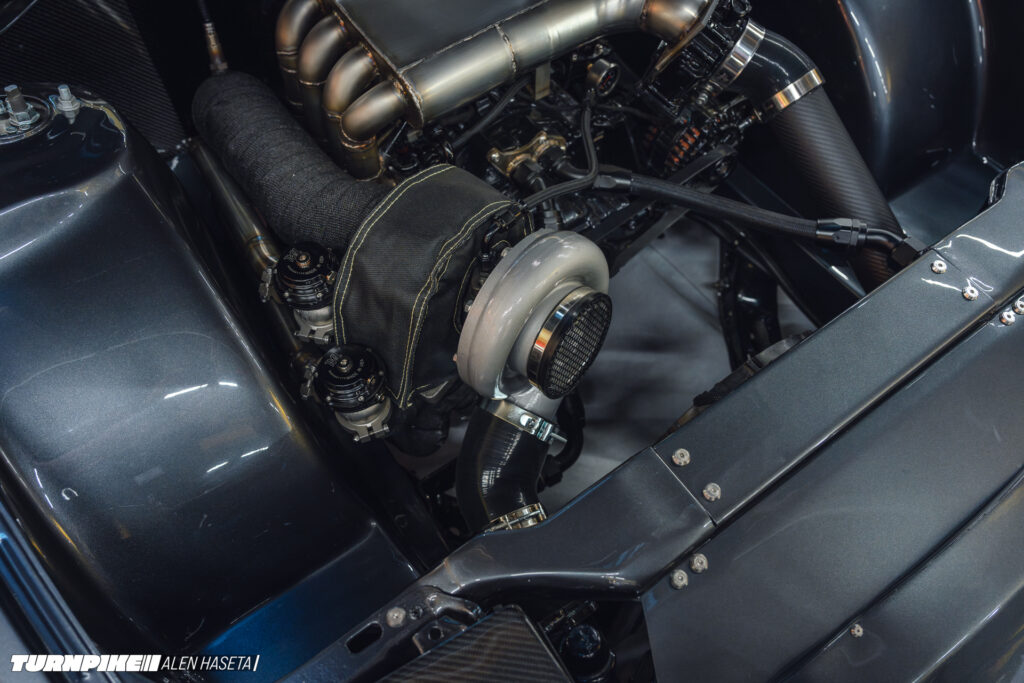
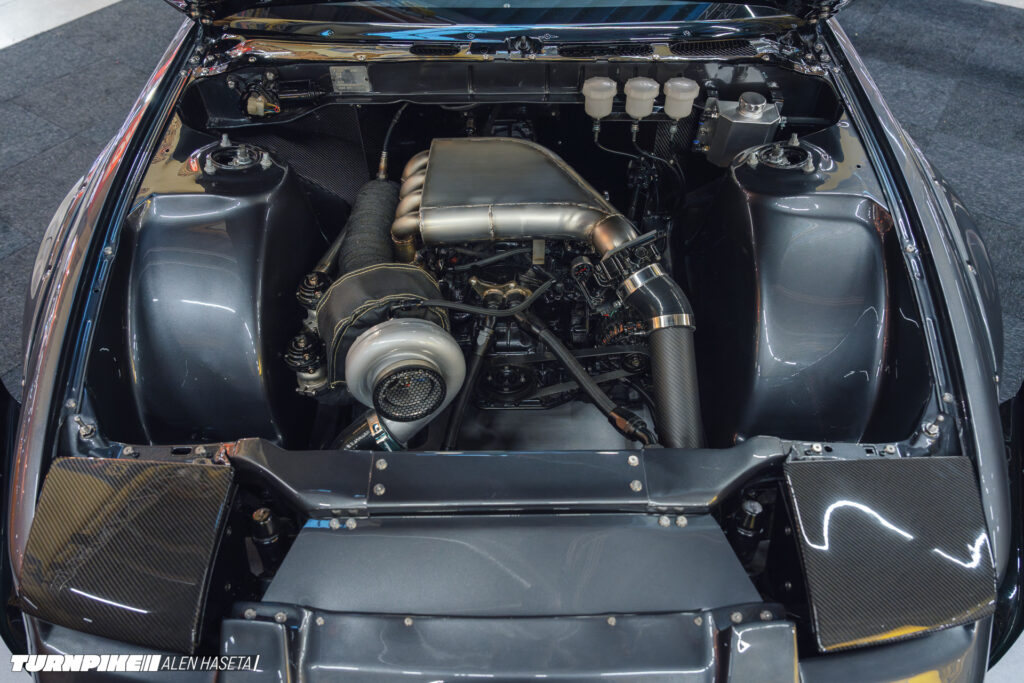
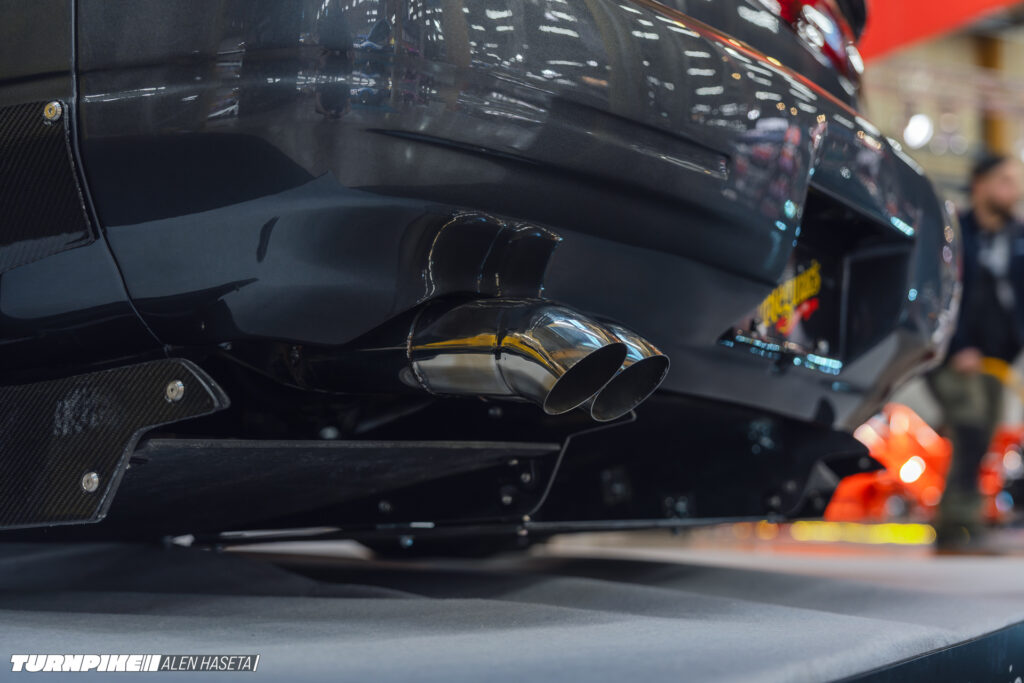
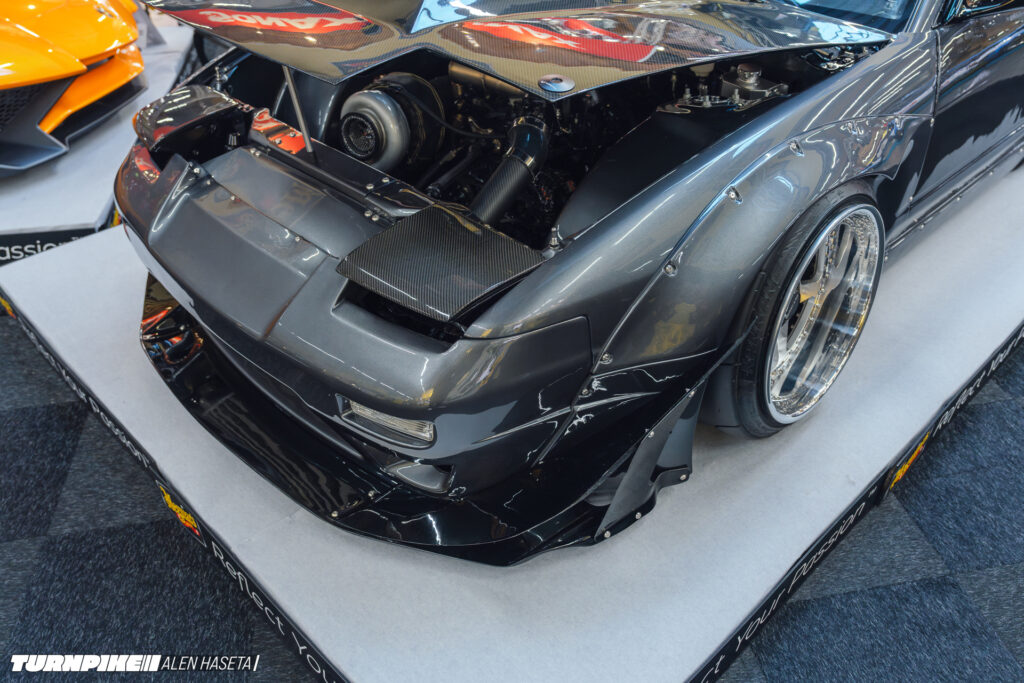
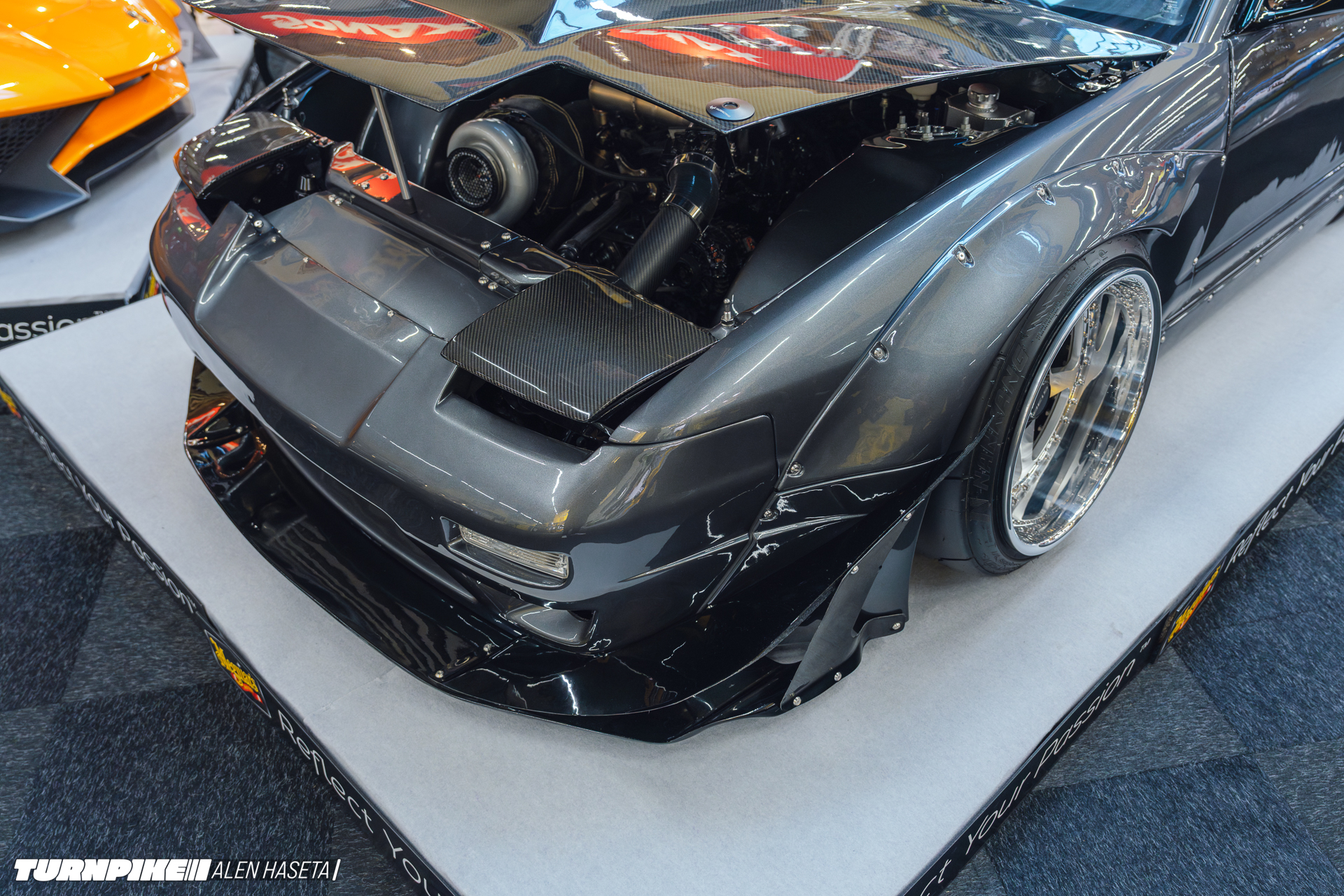
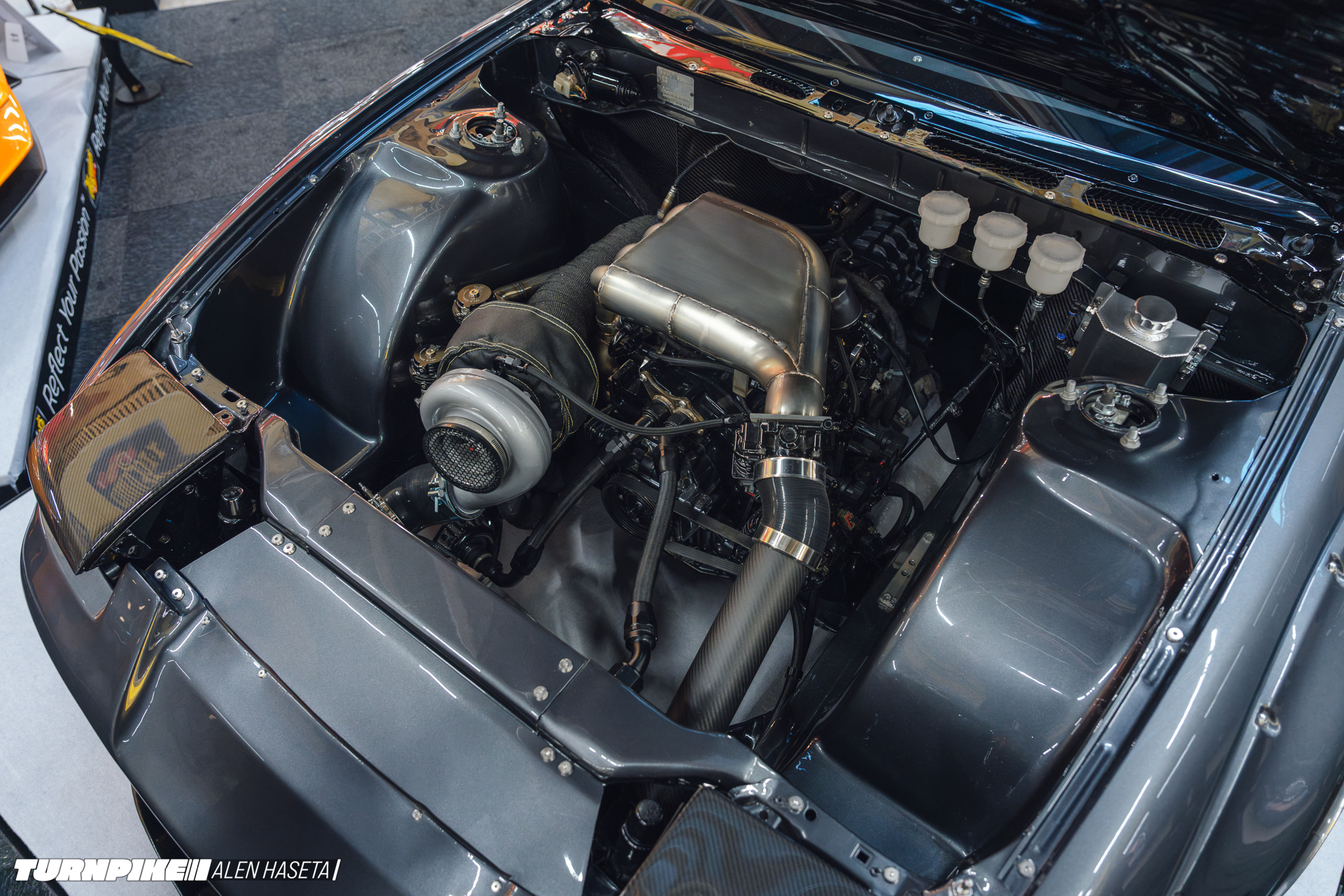
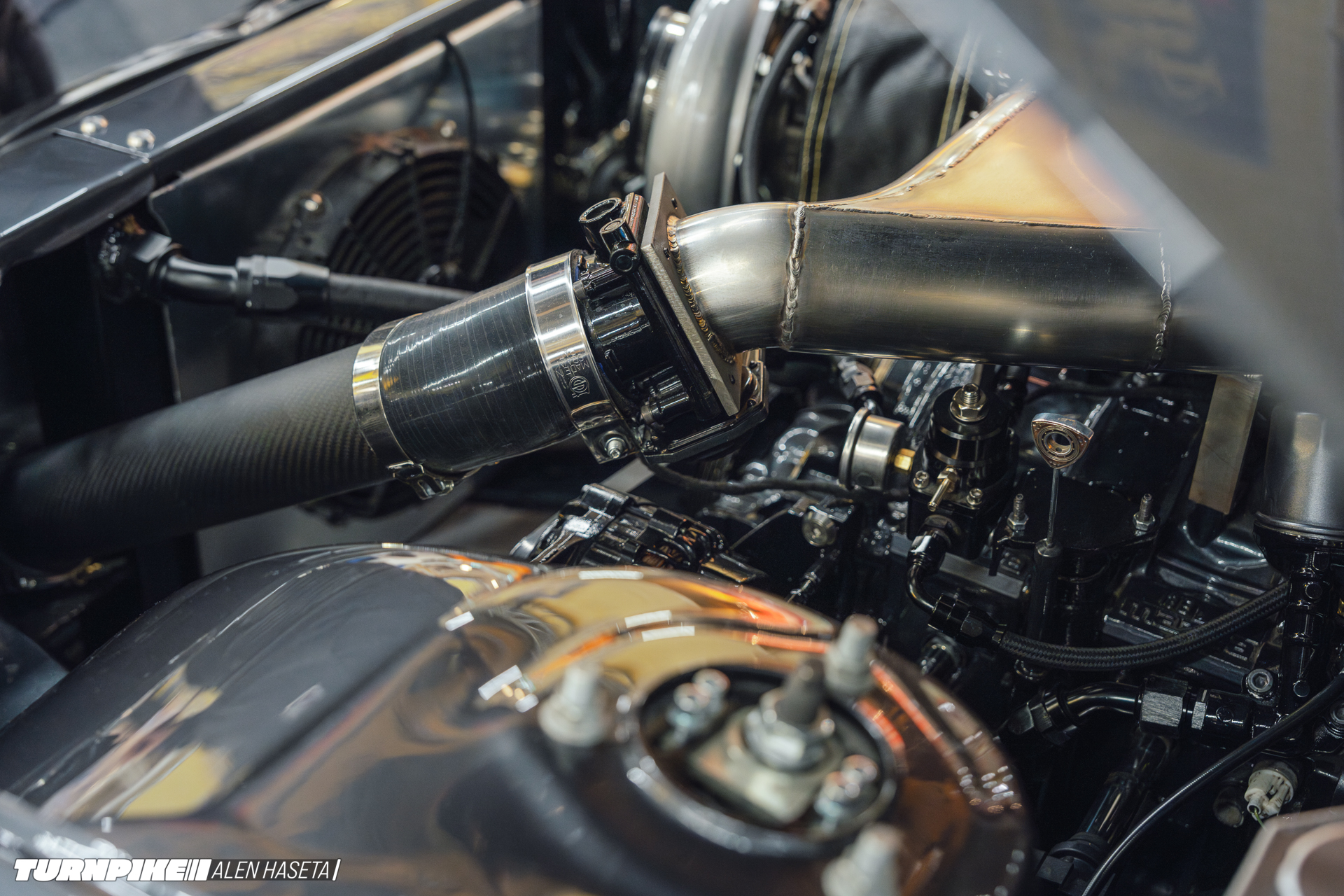
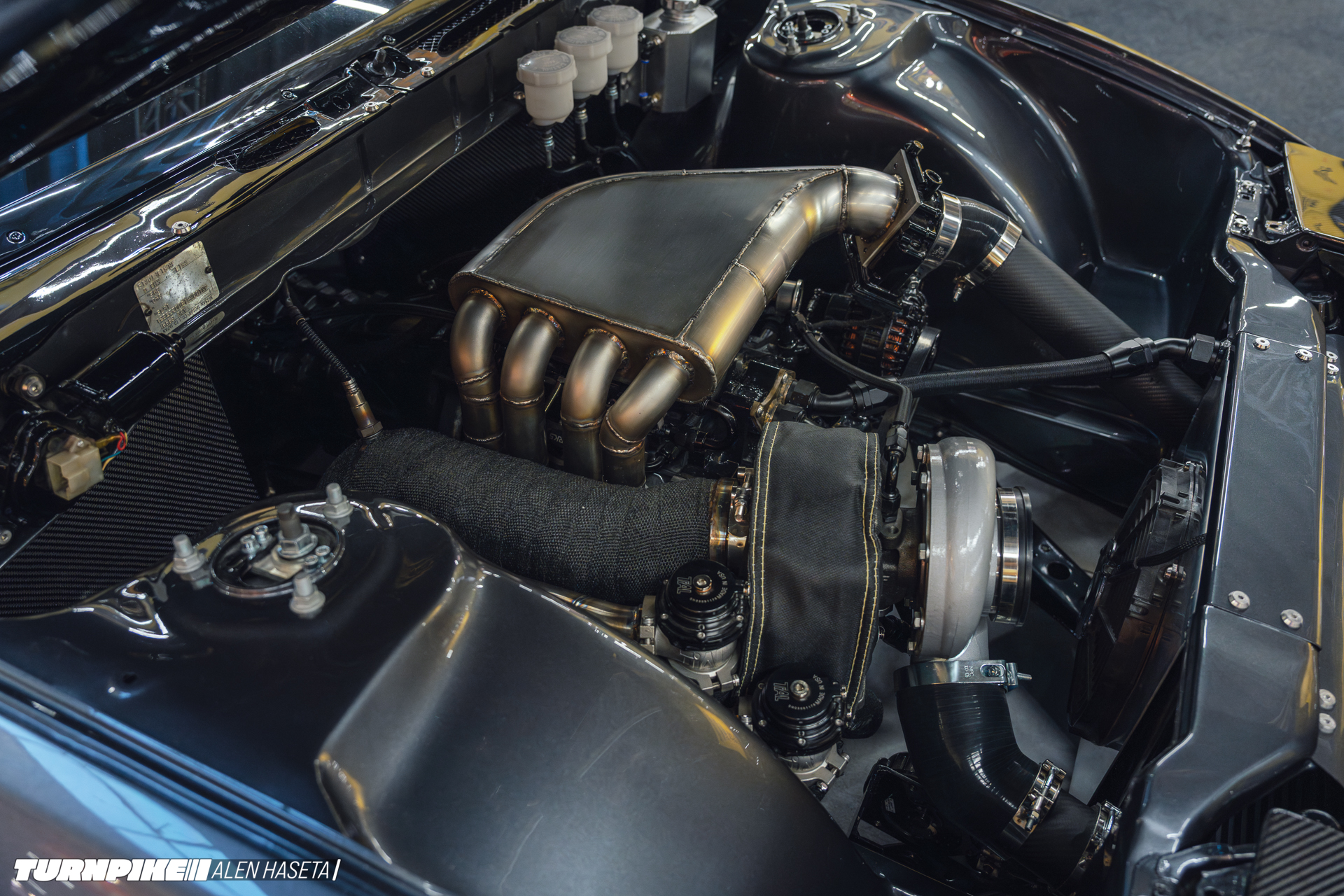
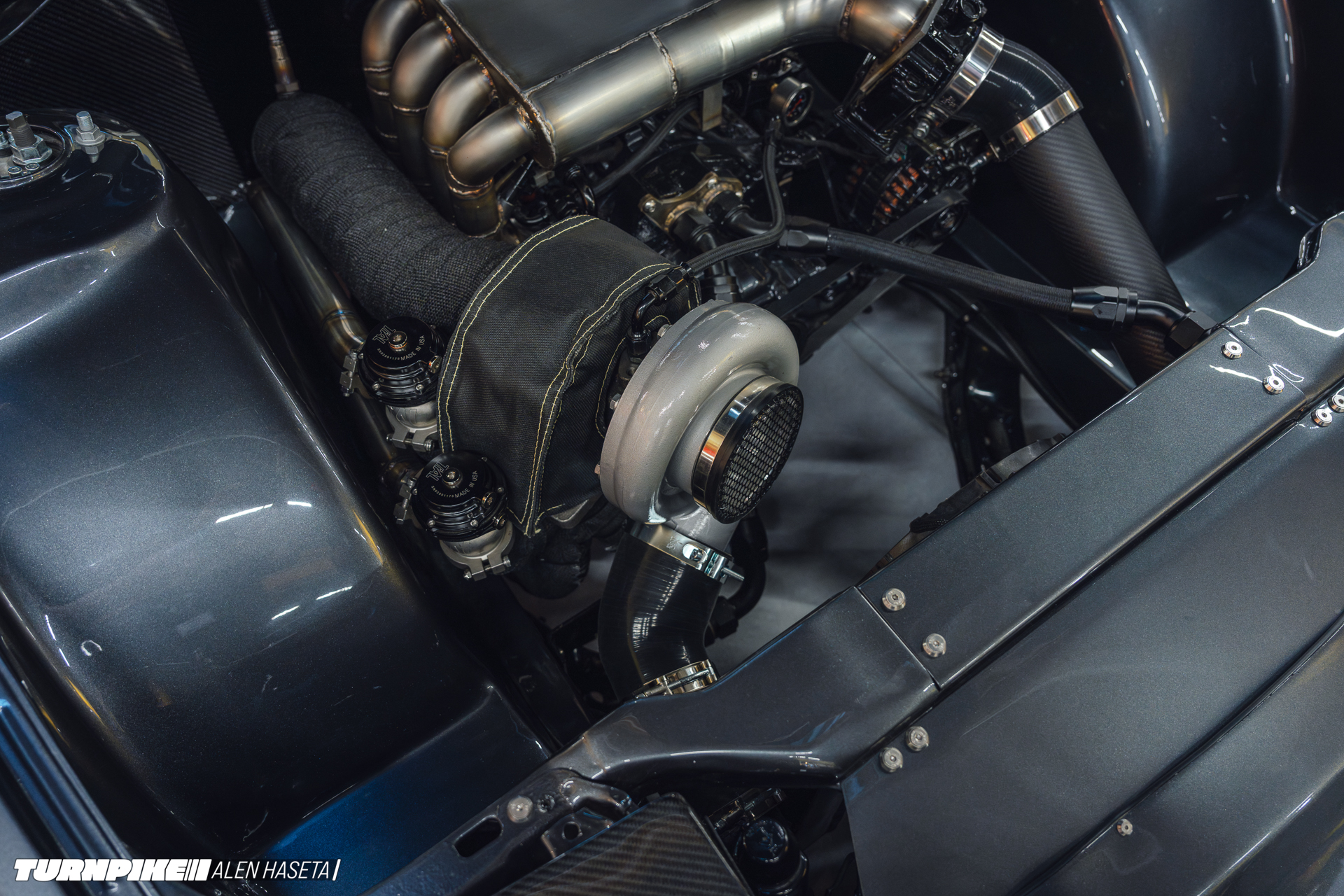
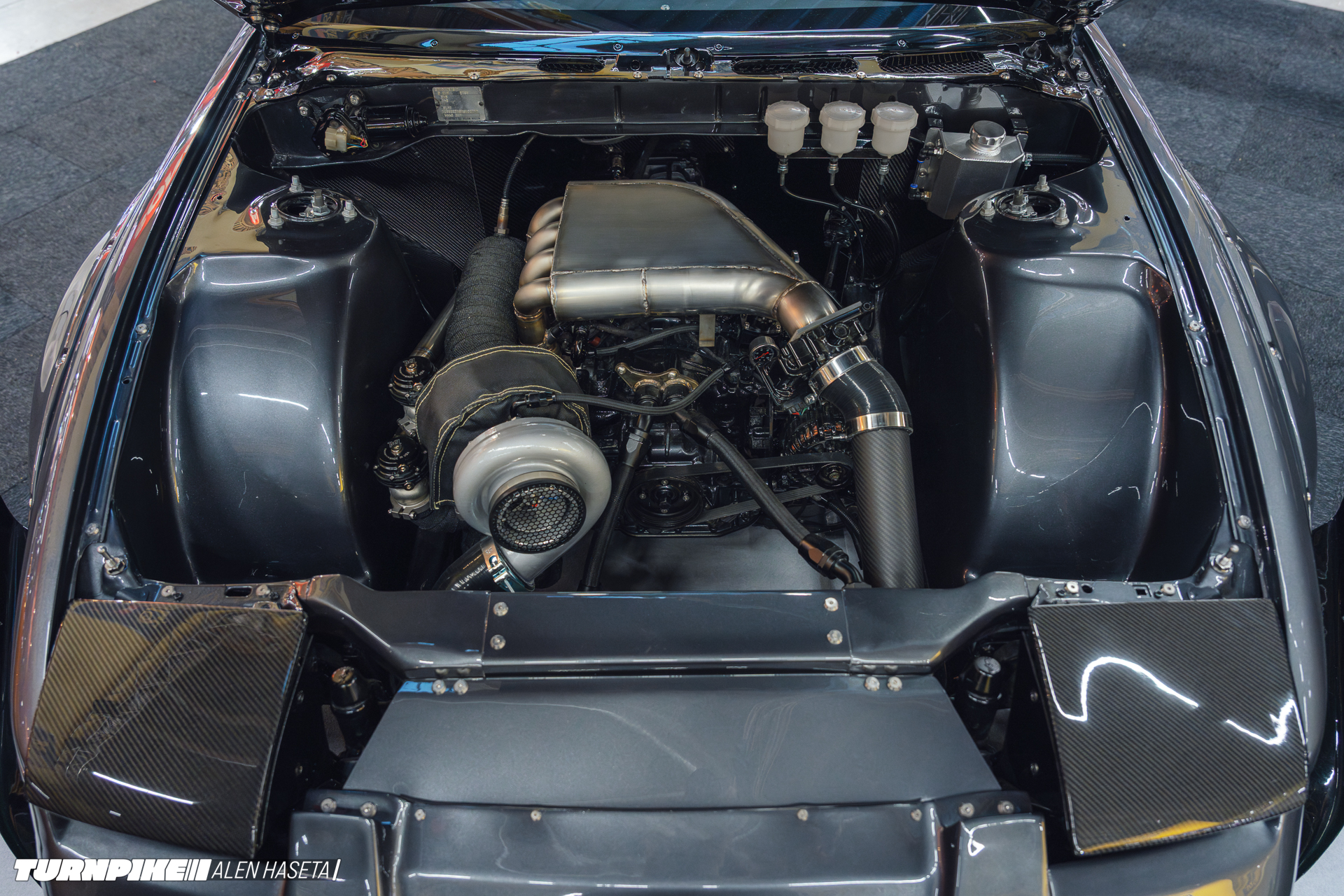
But wait, there’s more. Under the hood, the 200SX’s factory-fitted CA18ET has been replaced with something far less conventional. Yes, that’s a Mazda rotary engine – a 13B twin-rotor built with REW (13B turbo) and MSP (13B RENESIS) components to be exact.
While engine swaps have become increasingly common and, in many cases, predictable, there’s still something unexpected about a rotary fitted into anything outside of its natural Mazda habitat. It feels almost rebellious, but in the best possible way.
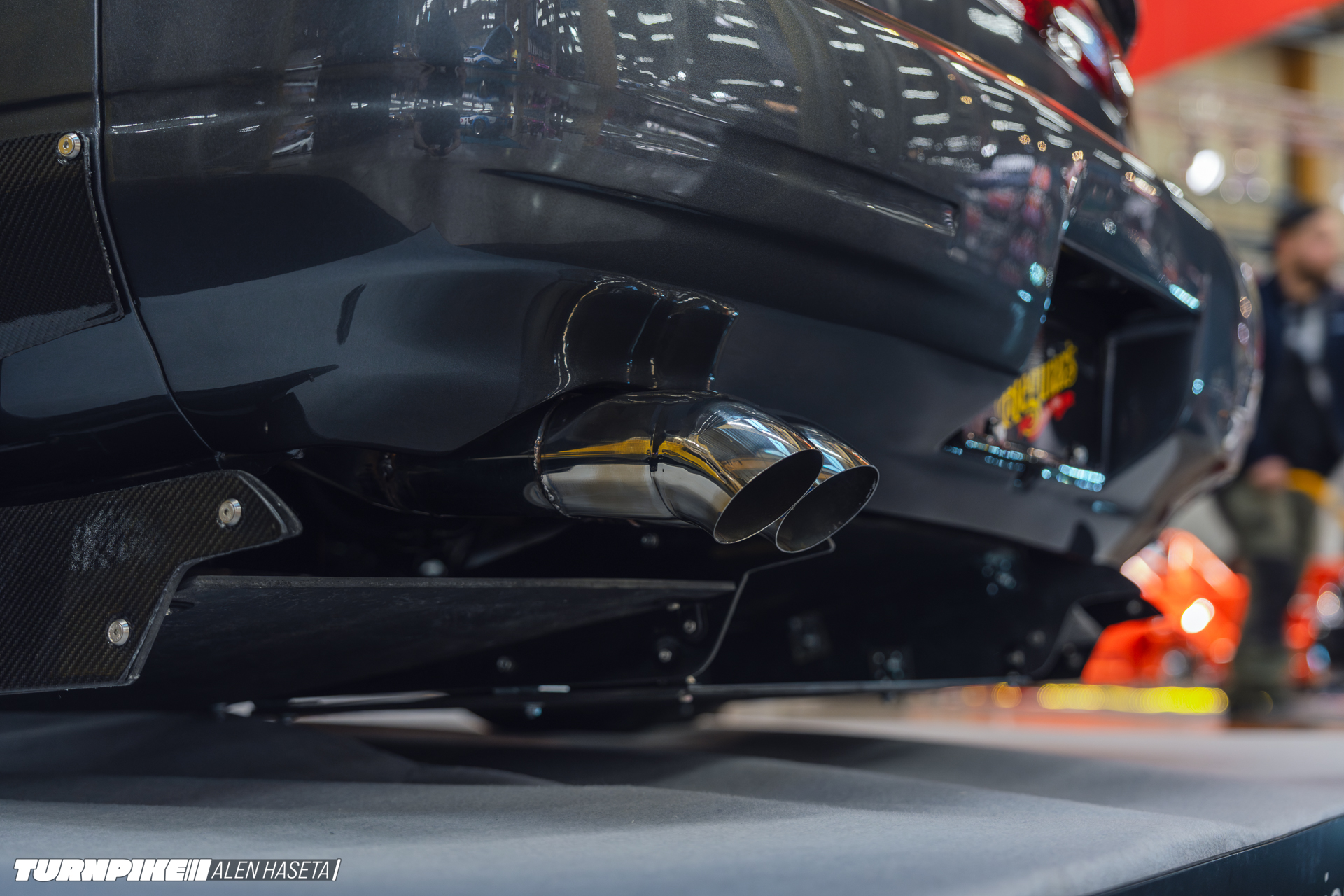
If the engine swap wasn’t cool enough on its own, this 13B has been paired with a giant GT45 turbocharger, all the intake and exhaust modifications you’d expect to make the most of it, and a long list of custom fabrication work. The Nissan has yet to see the dyno since being rotary swapped, but I’m sure it will before the Swedish summer rolls around.
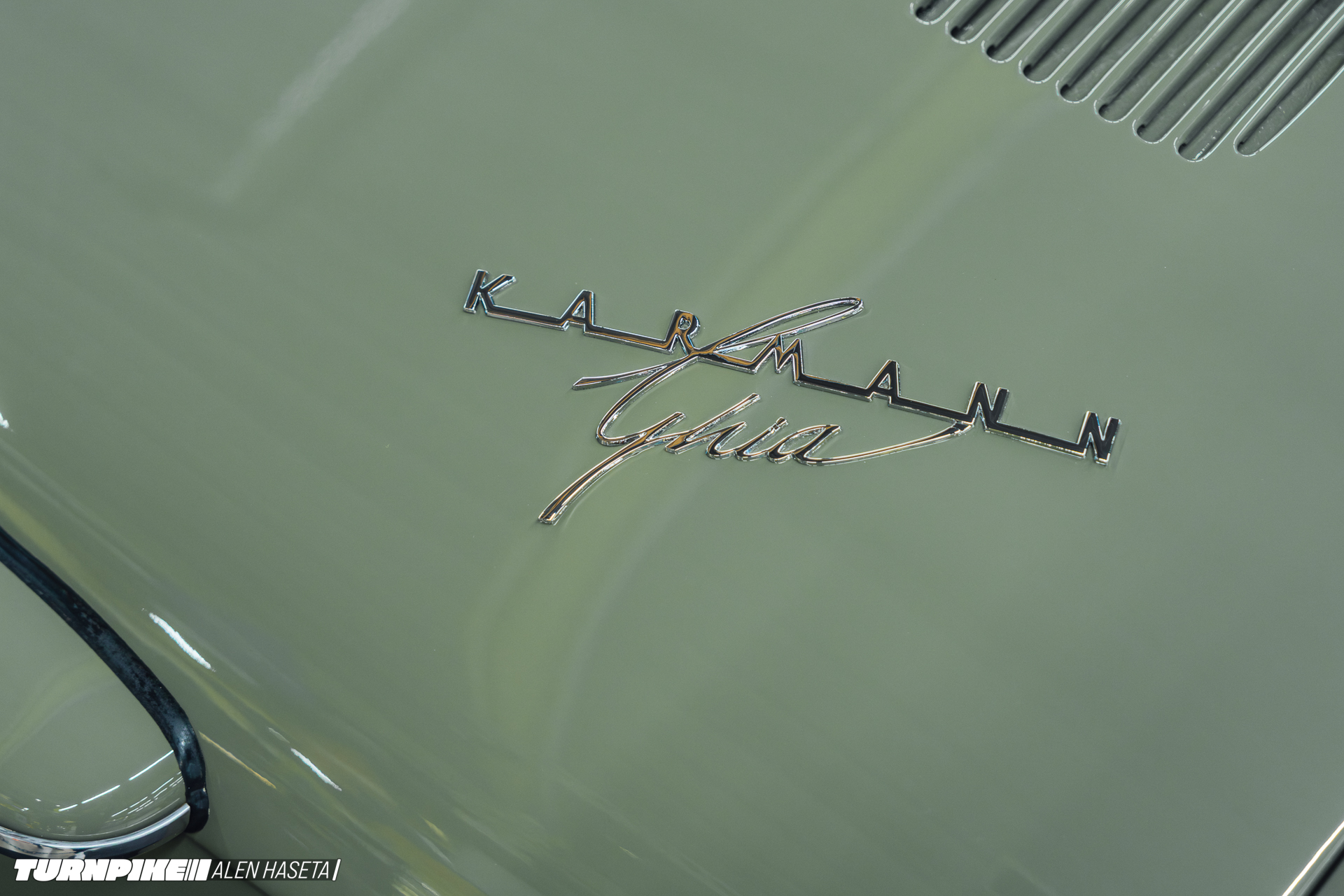
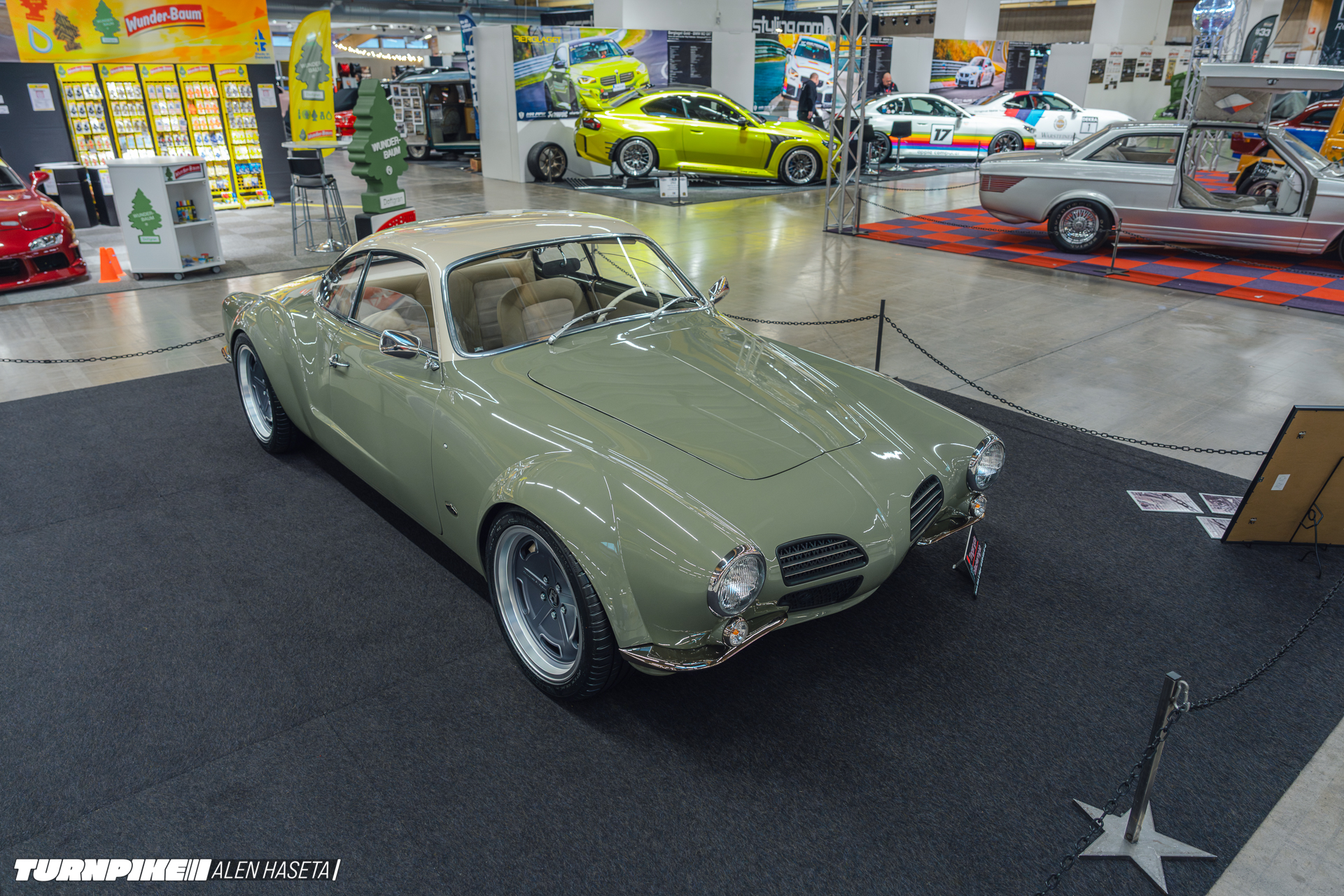
Fagerströms Garage’s Volkswagen Karmann Ghia
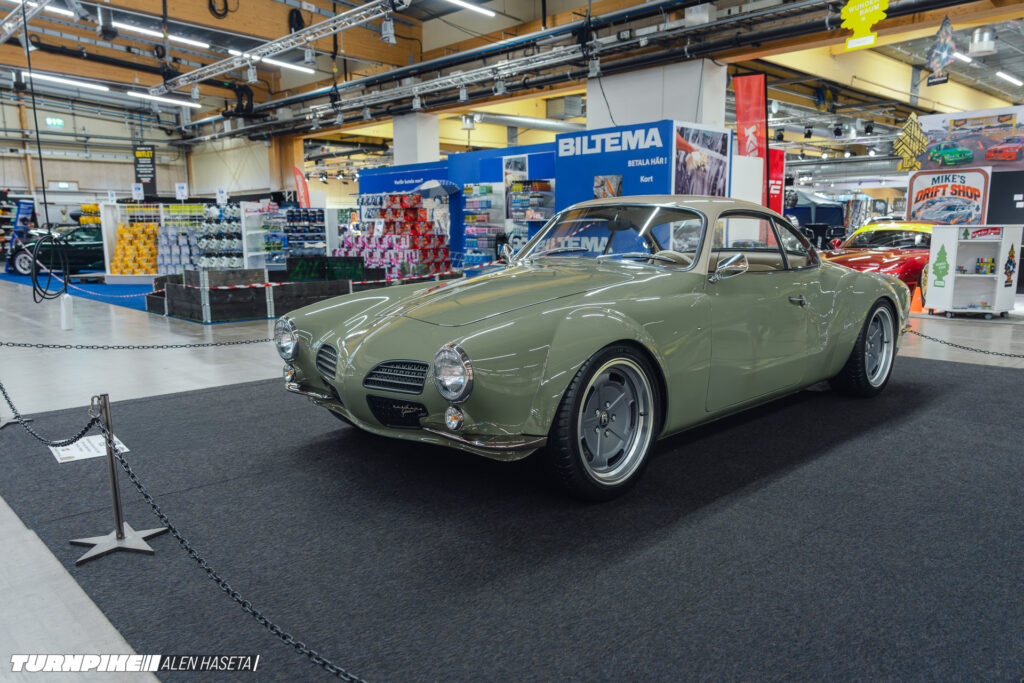
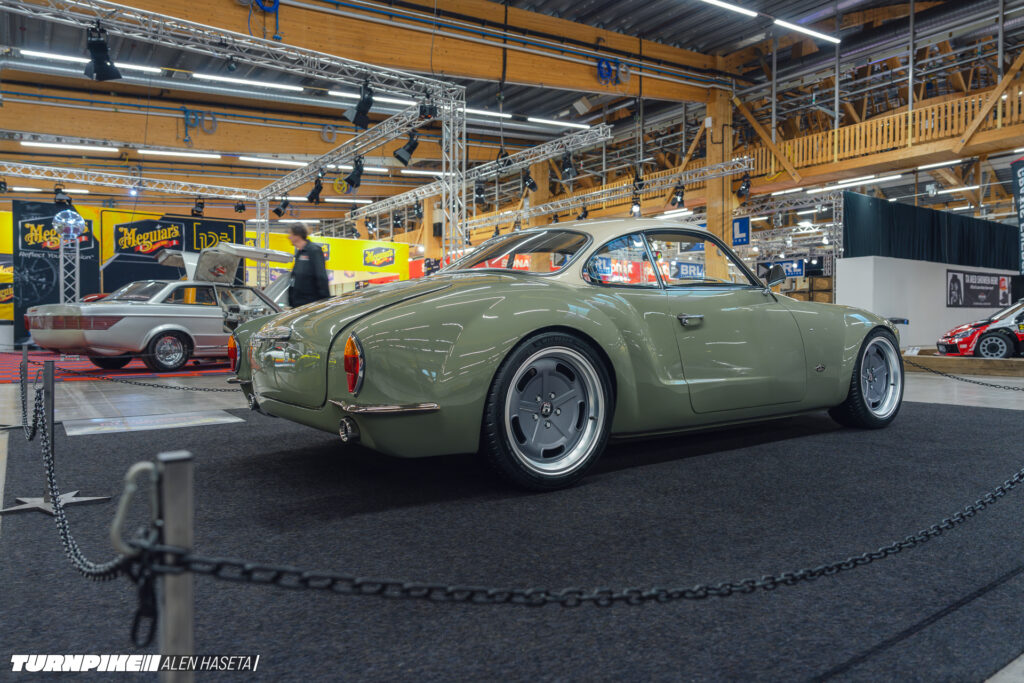
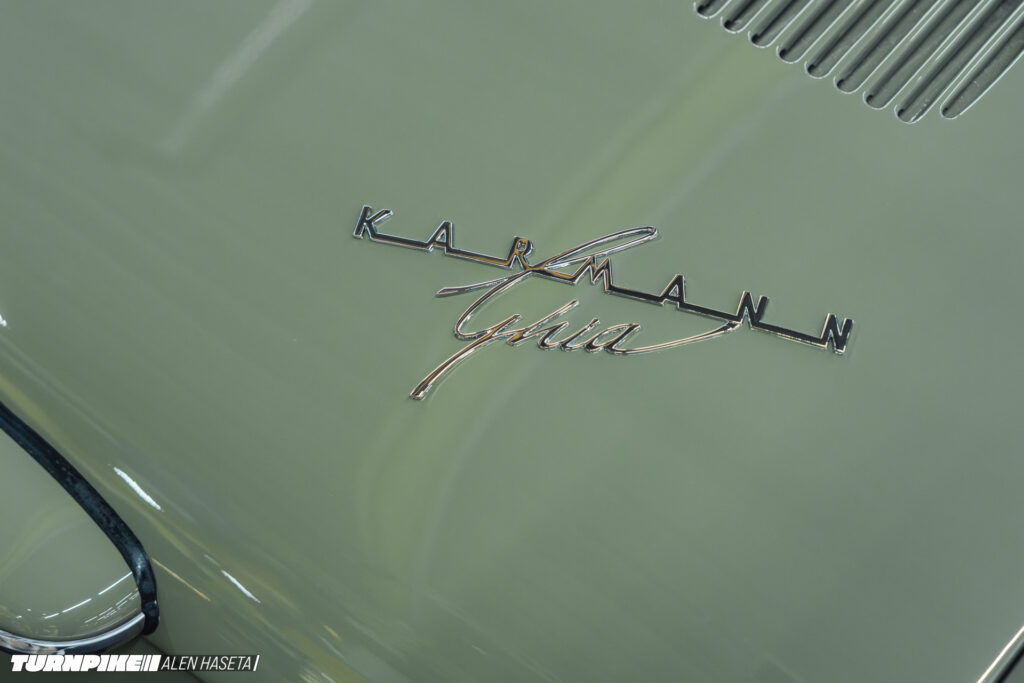
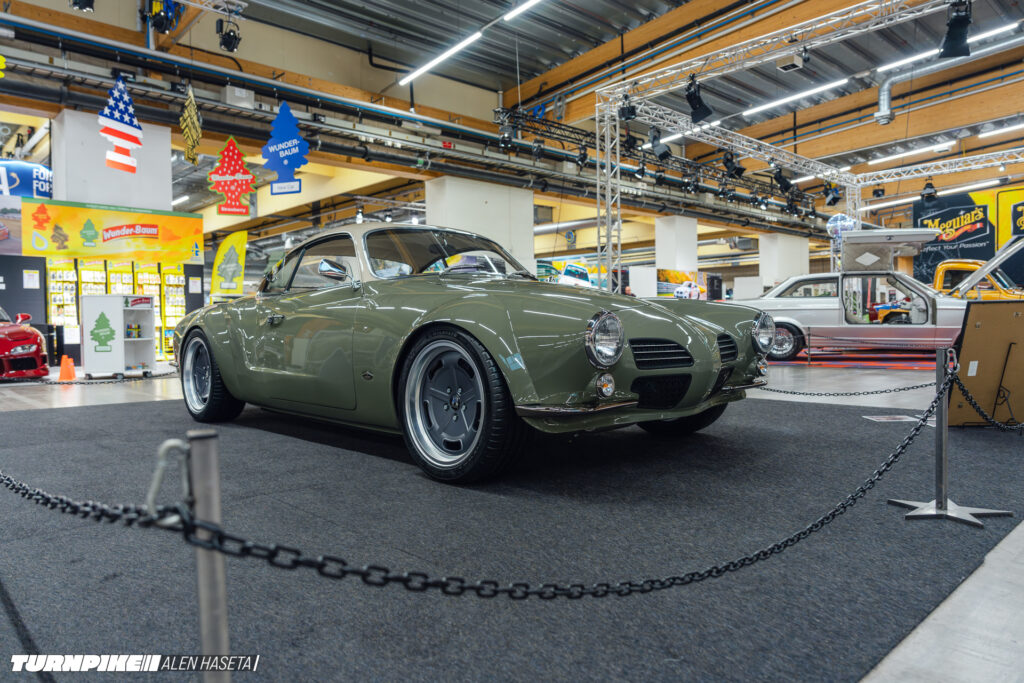
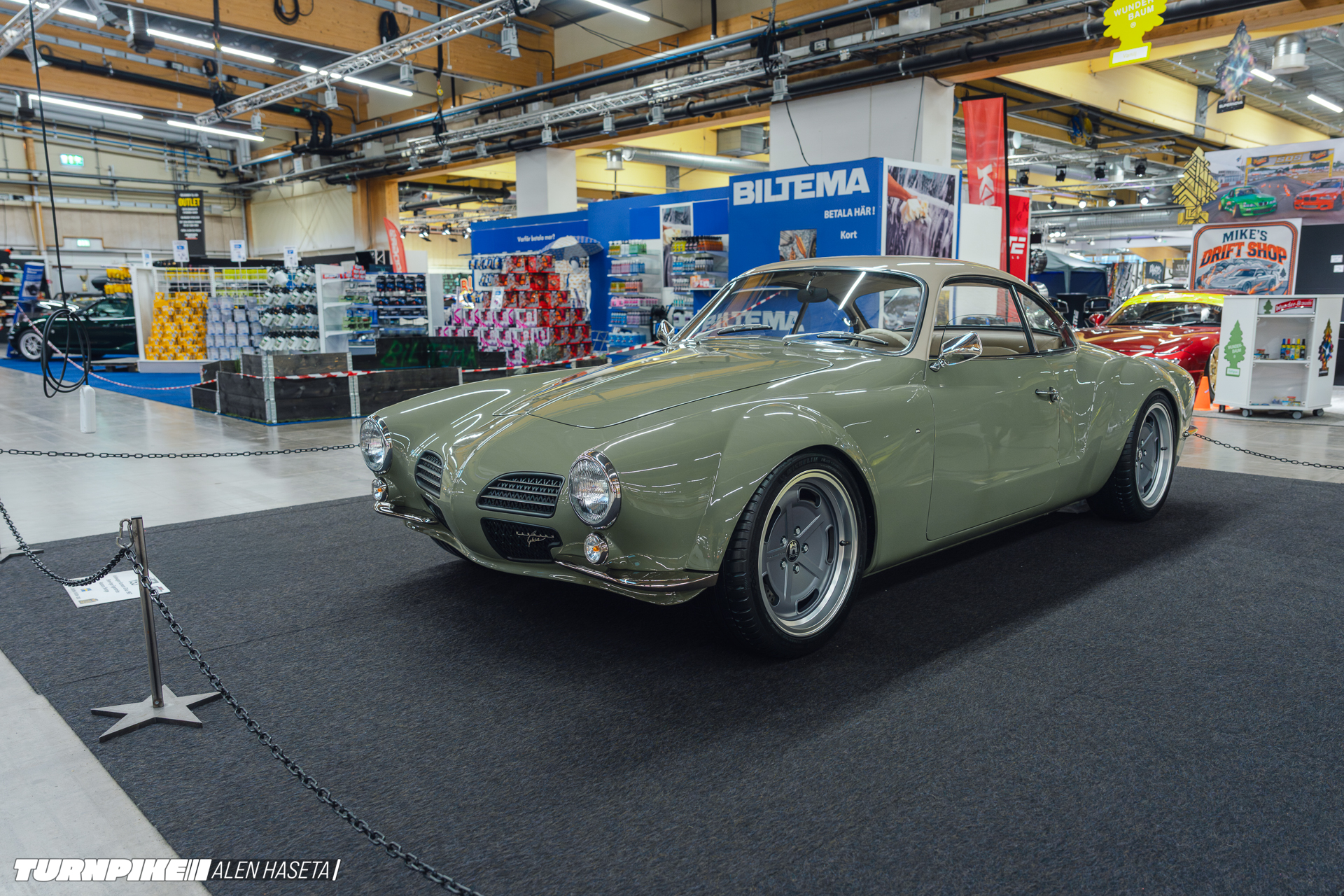
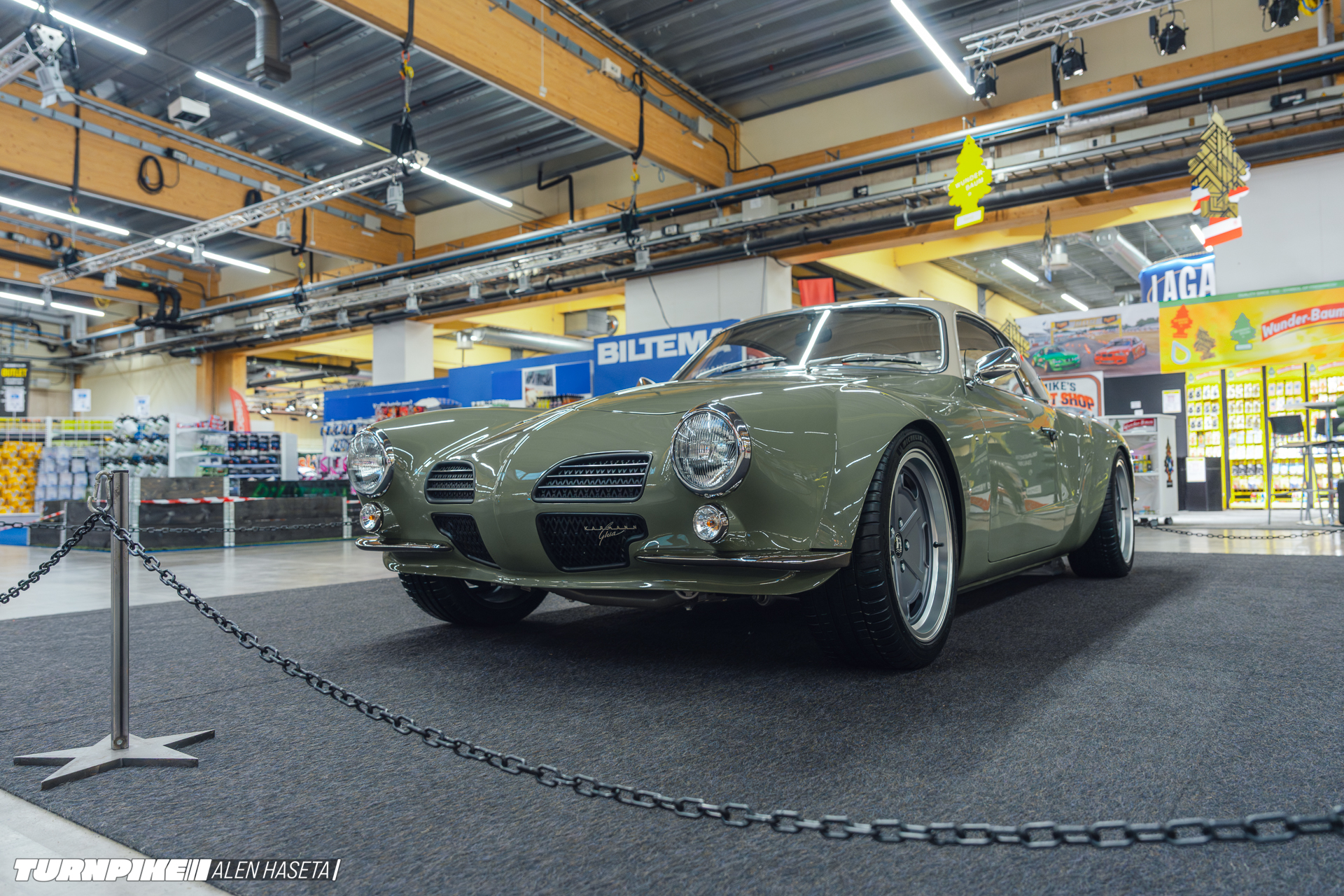
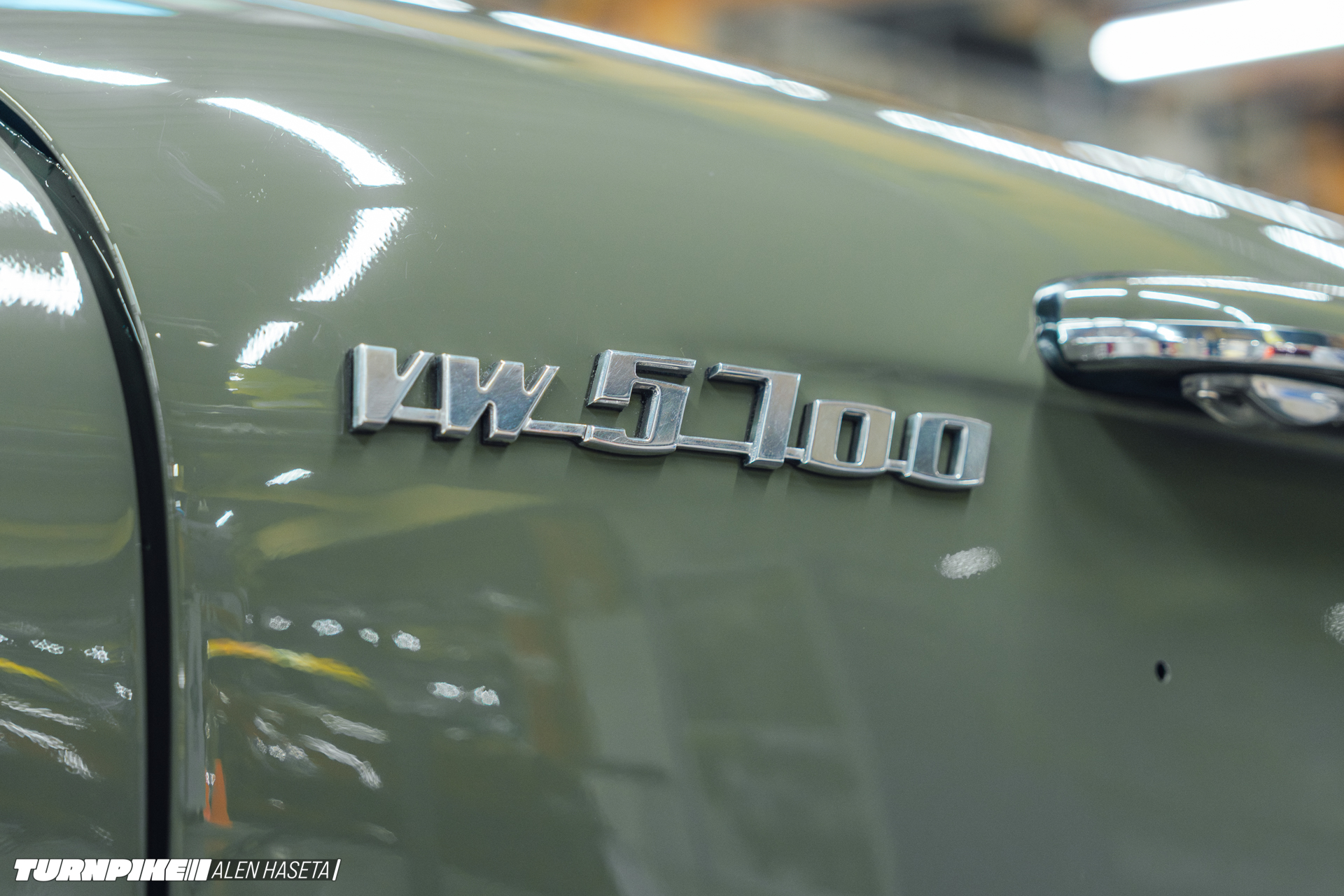
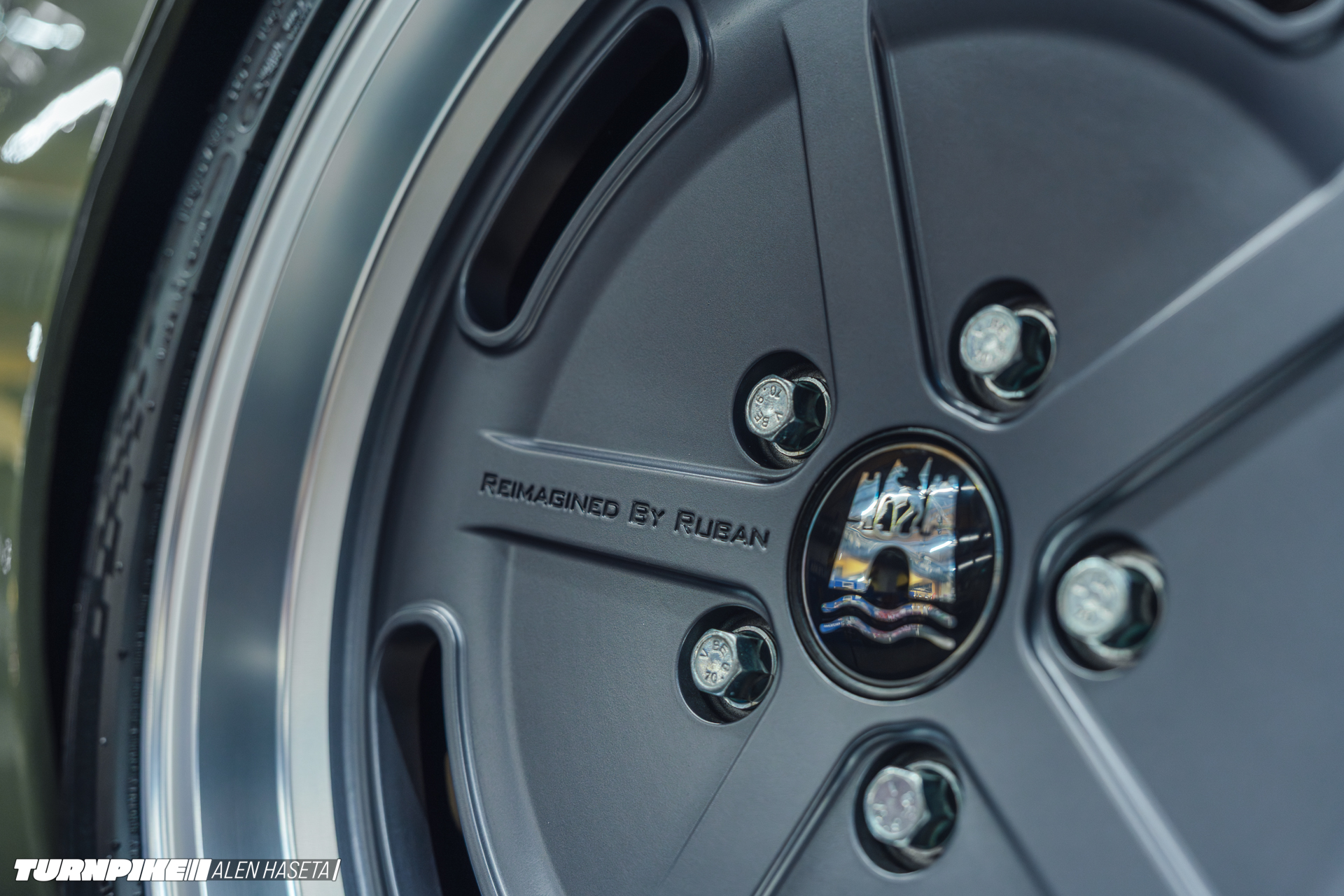
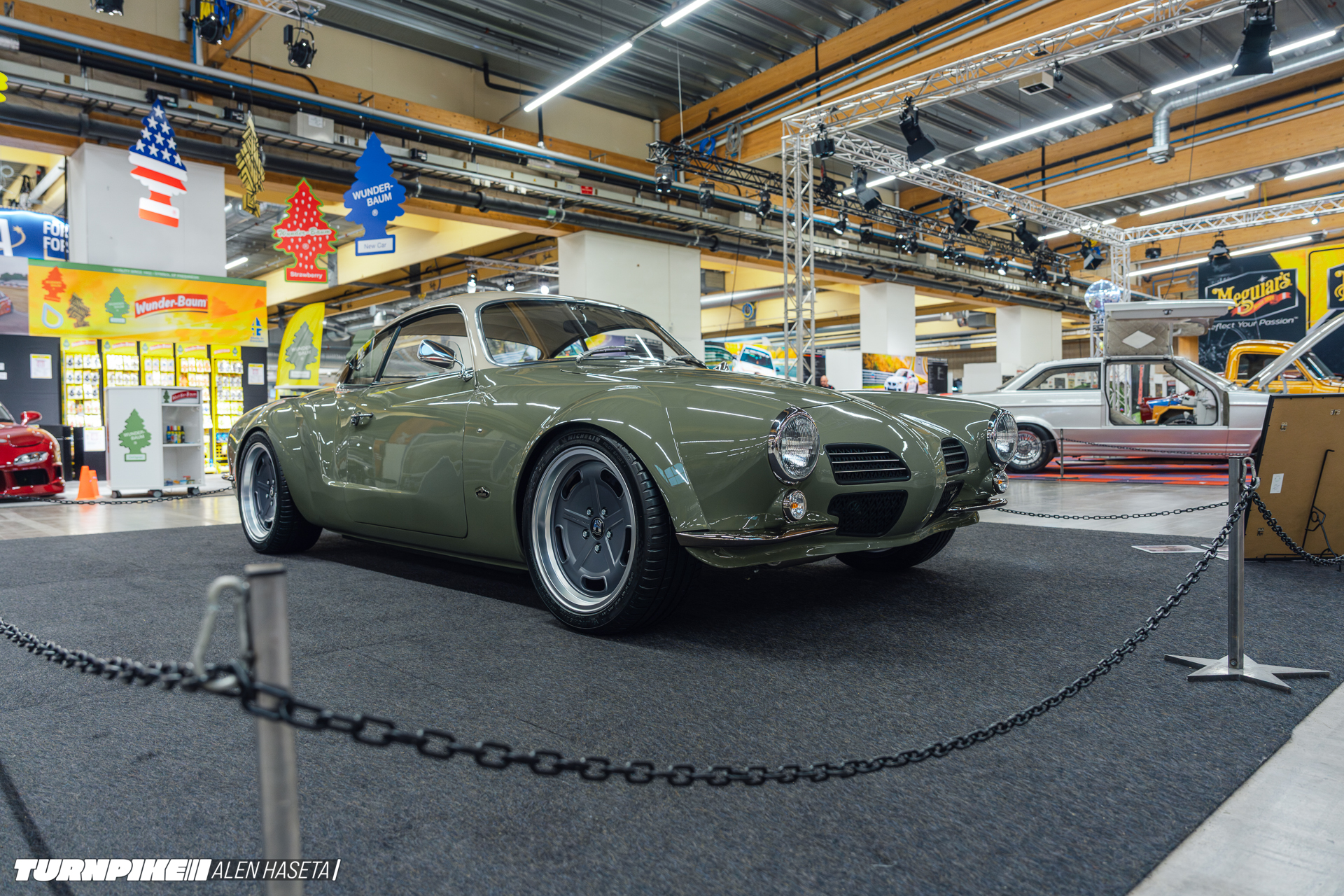
Last but certainly not least is this Volkswagen Karmann Ghia. At first glance, it looks original, but that couldn’t be further from the truth.
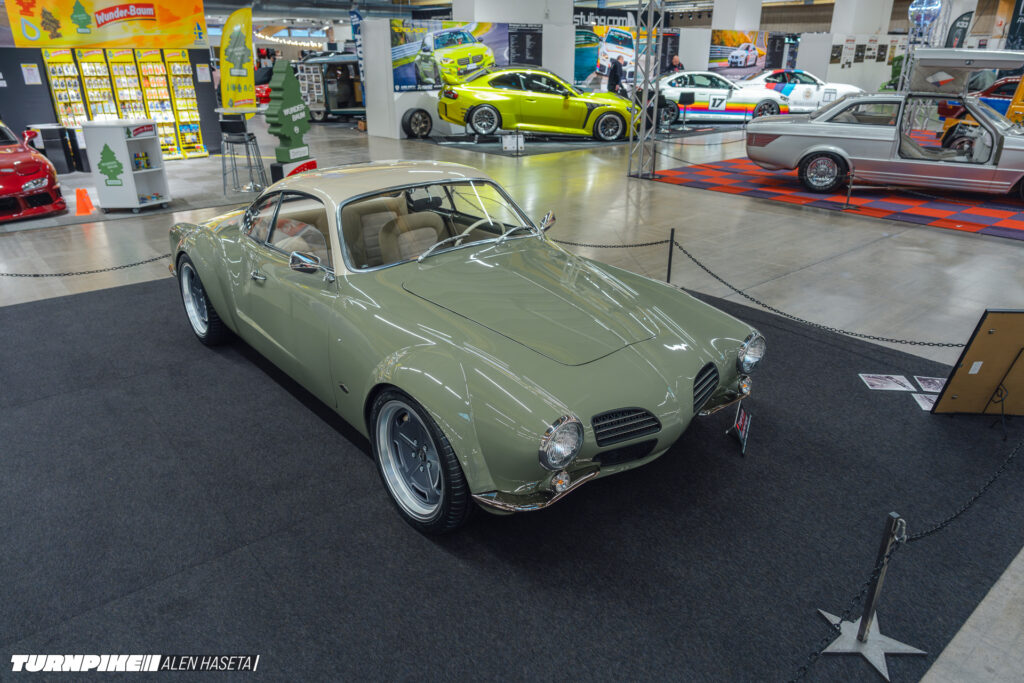
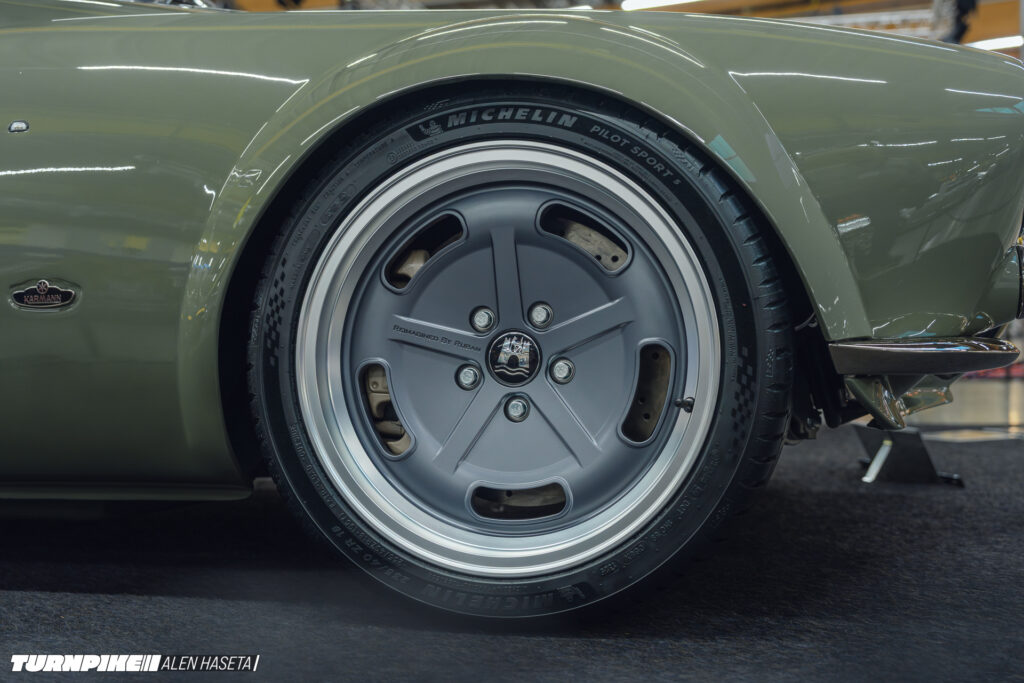
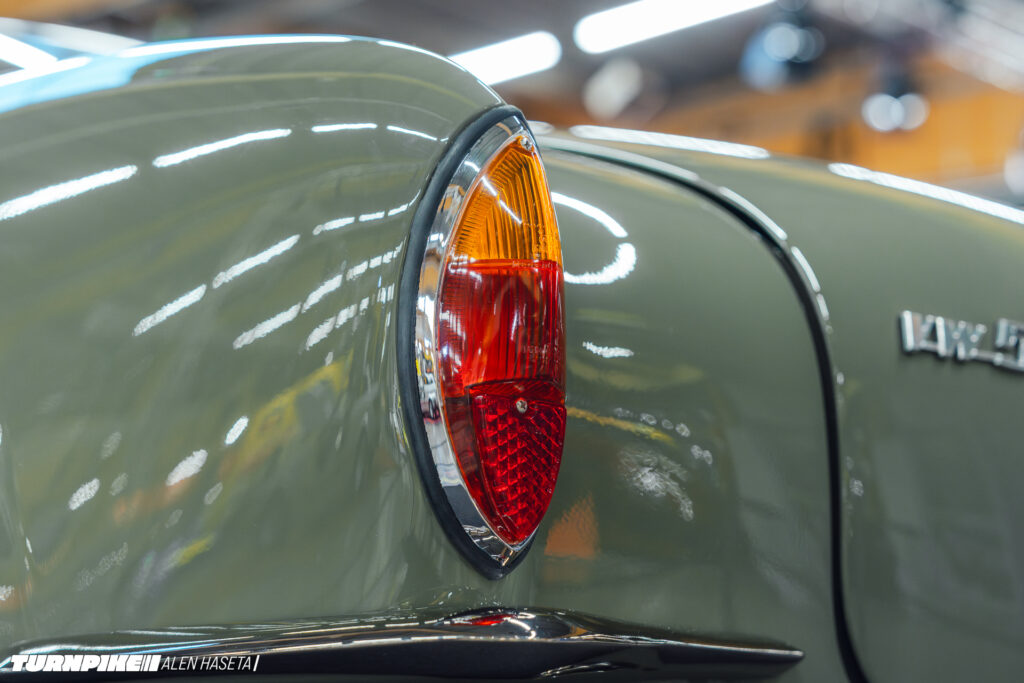
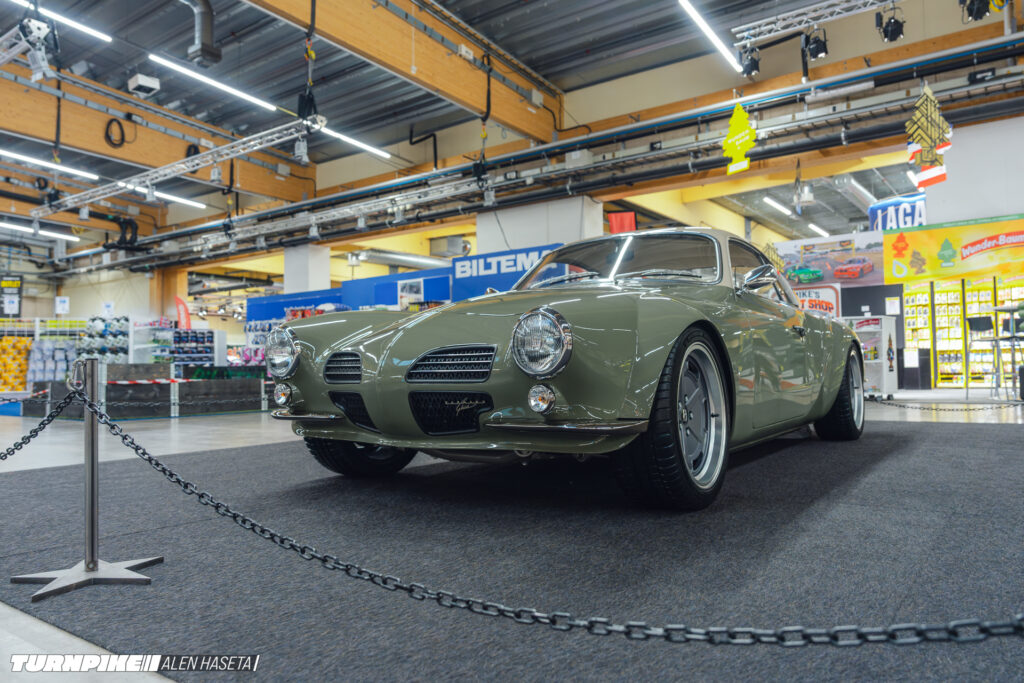
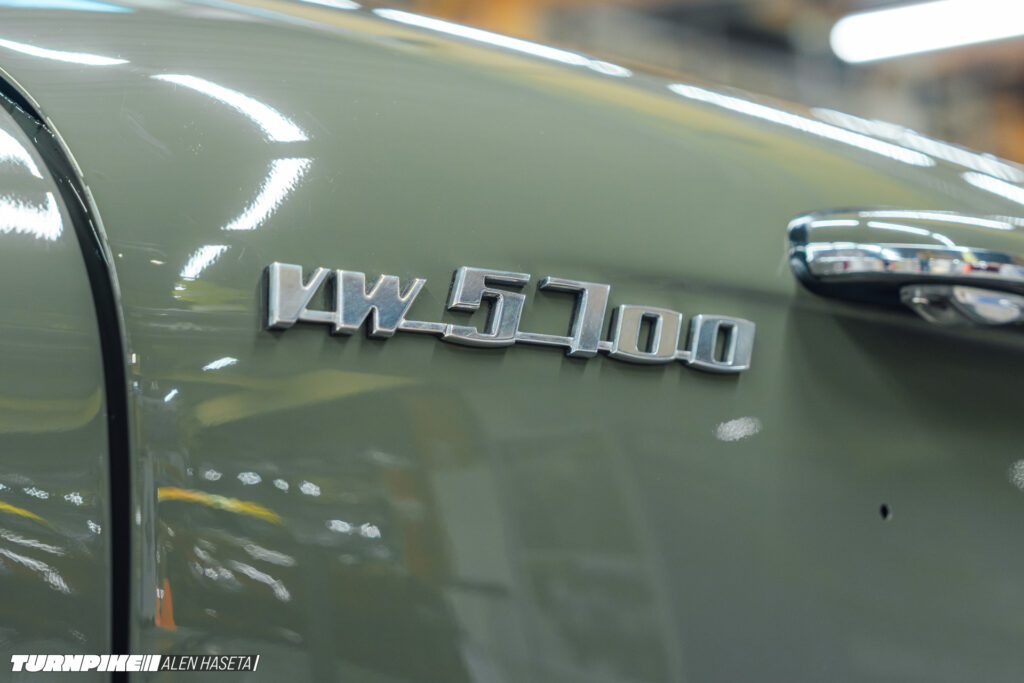
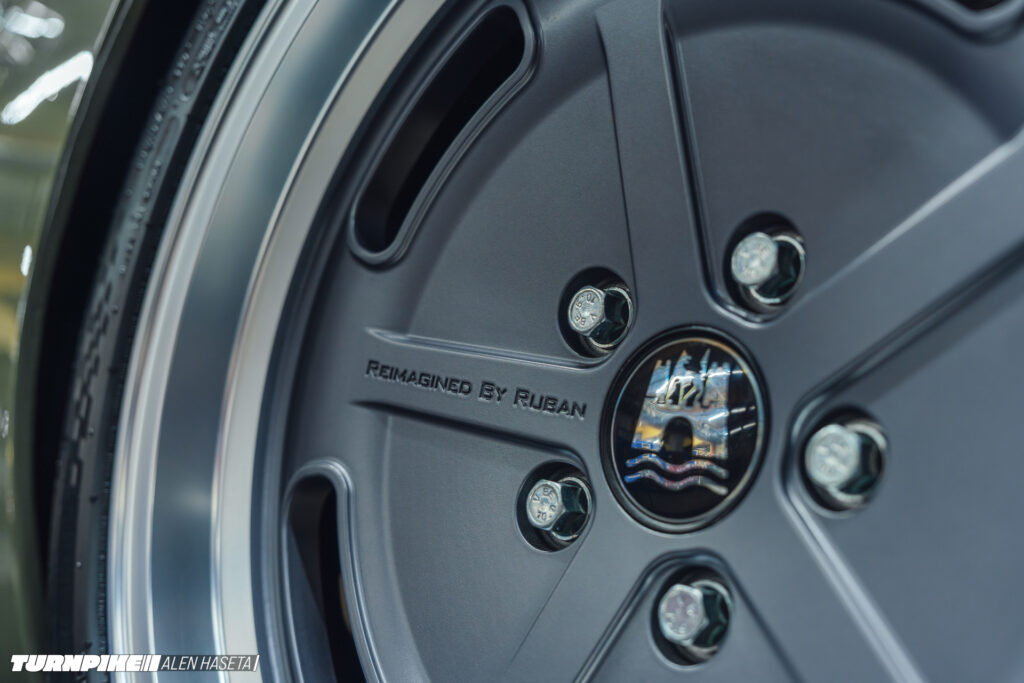
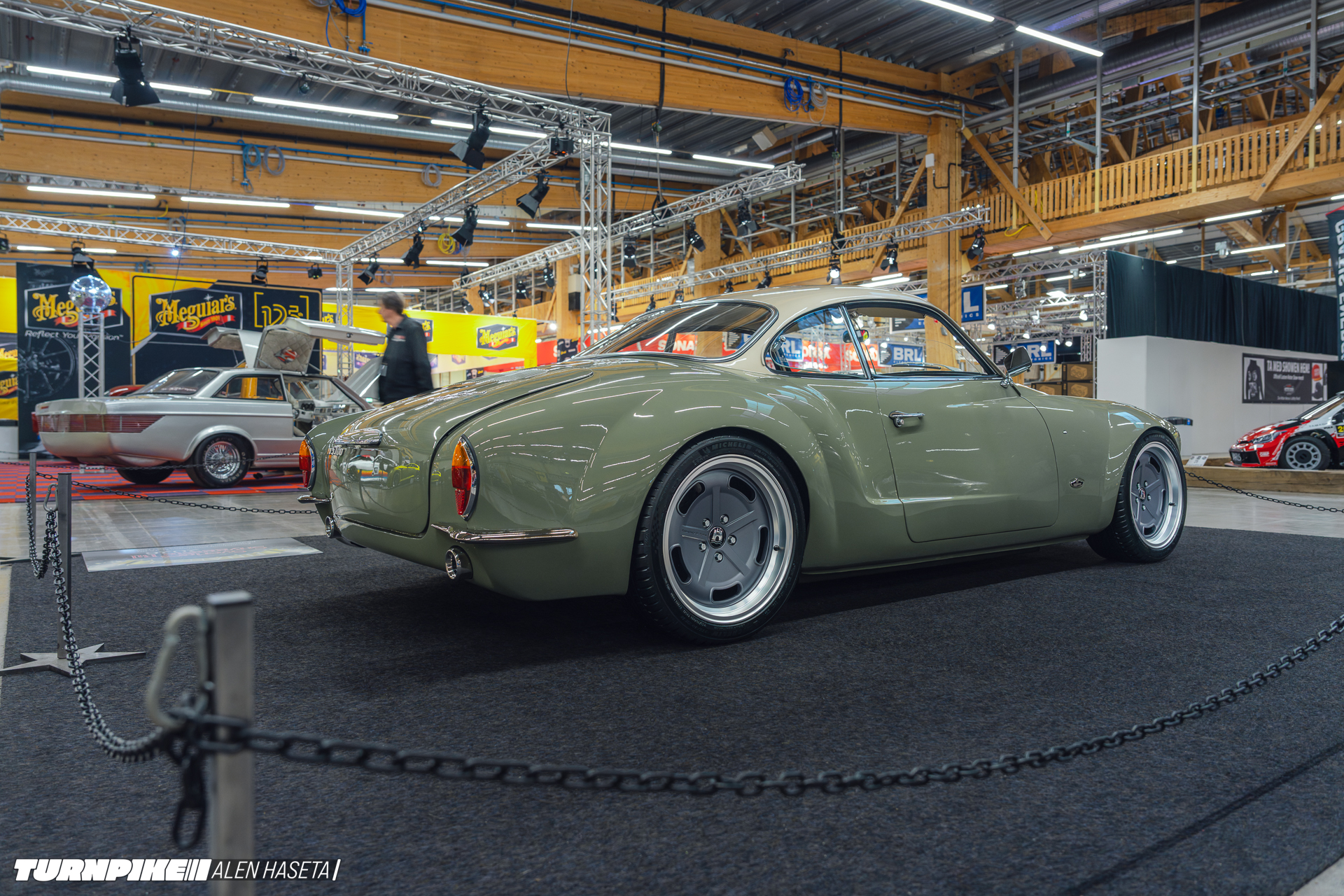
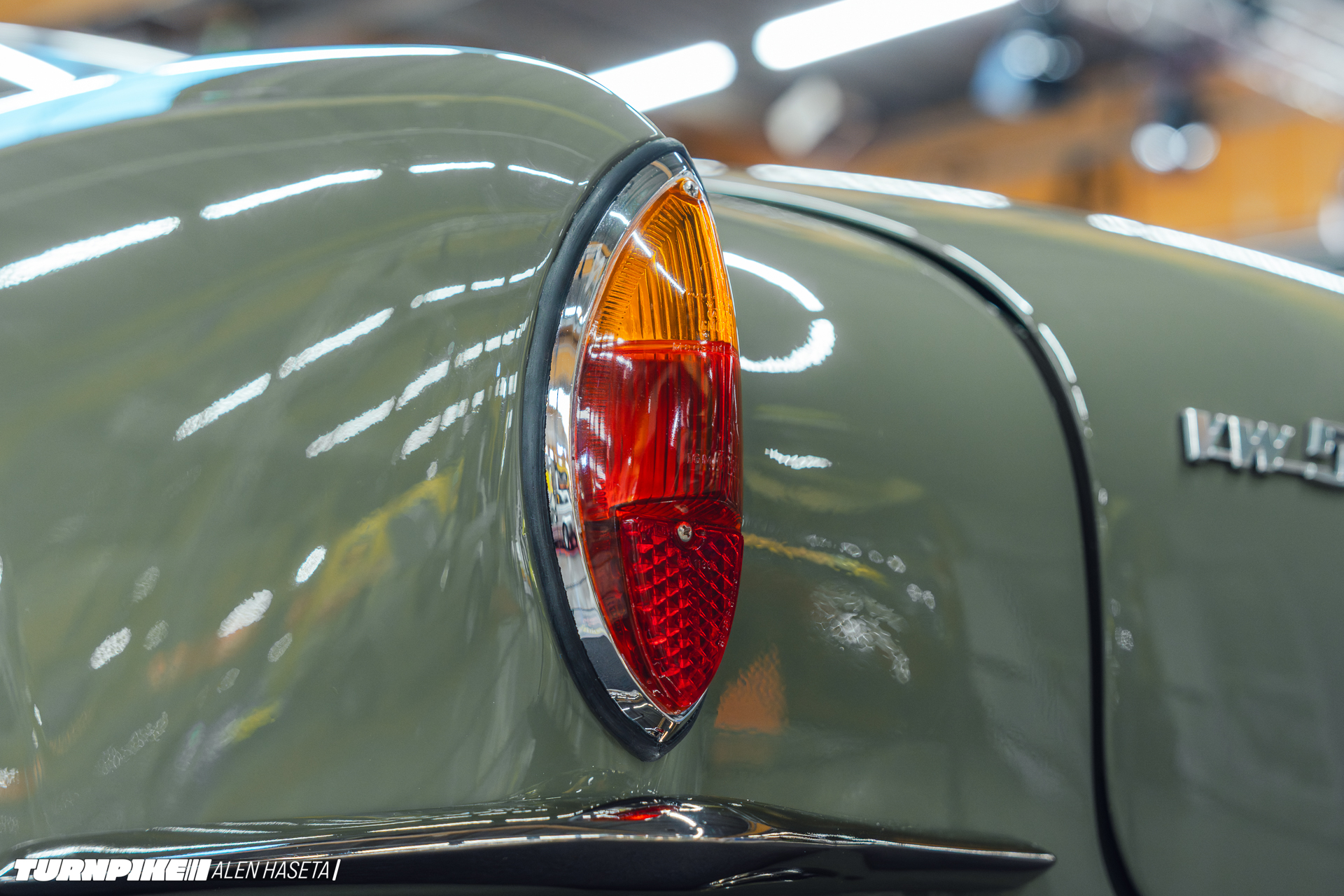
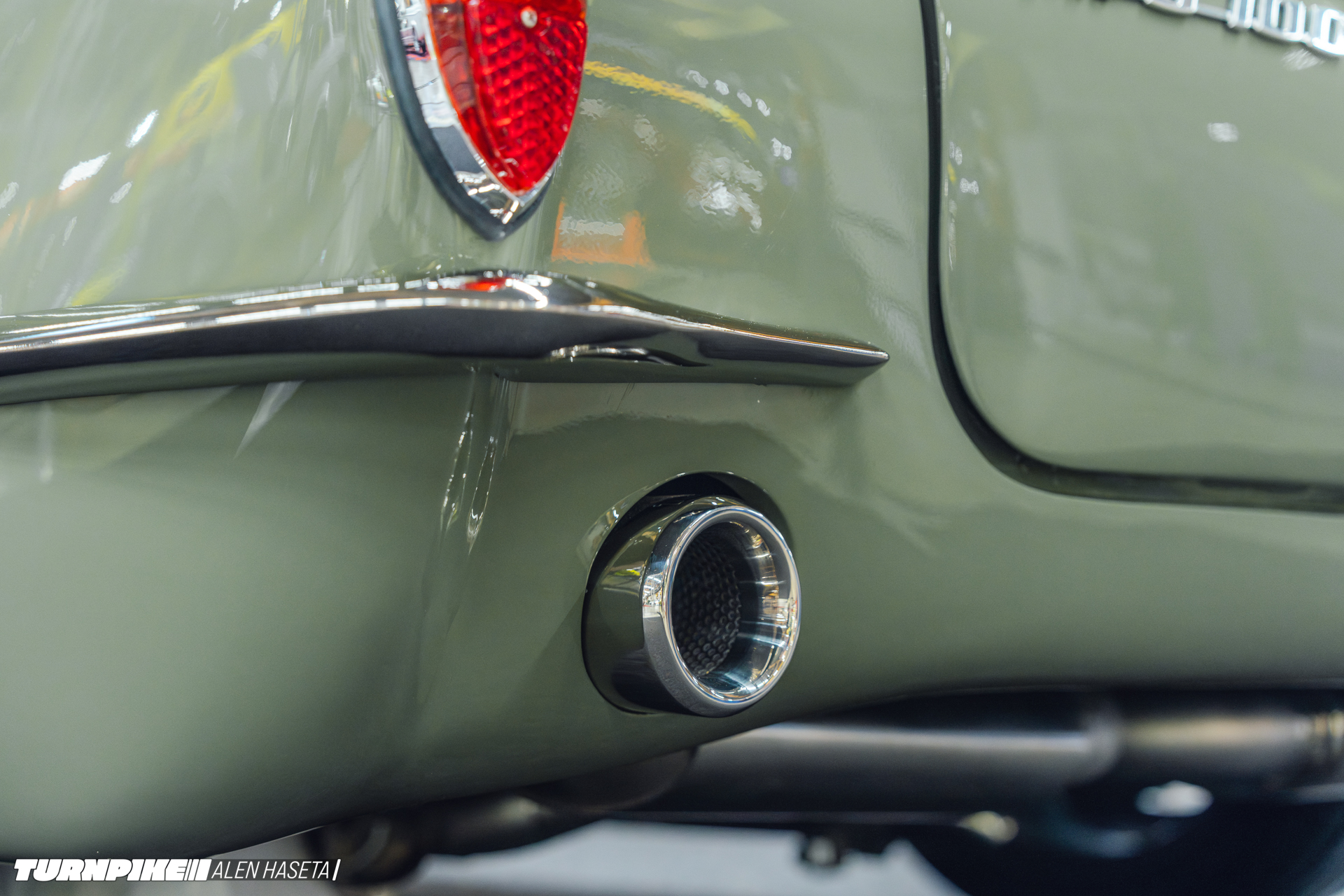
Unlike the other two cars we’ve looked at, the Ghia’s original curves have been preserved, but they are not stock. The body has been stretched by 150mm and widened by 80mm on each rear quarter, which are subtle but significant changes.
Speaking with the car’s builder, Sven-Inge Fagerström of Fagerströms Garage, he said that it would be easy to lose the original design language doing such modifications, but in this case, it’s given the car a more muscular stance.
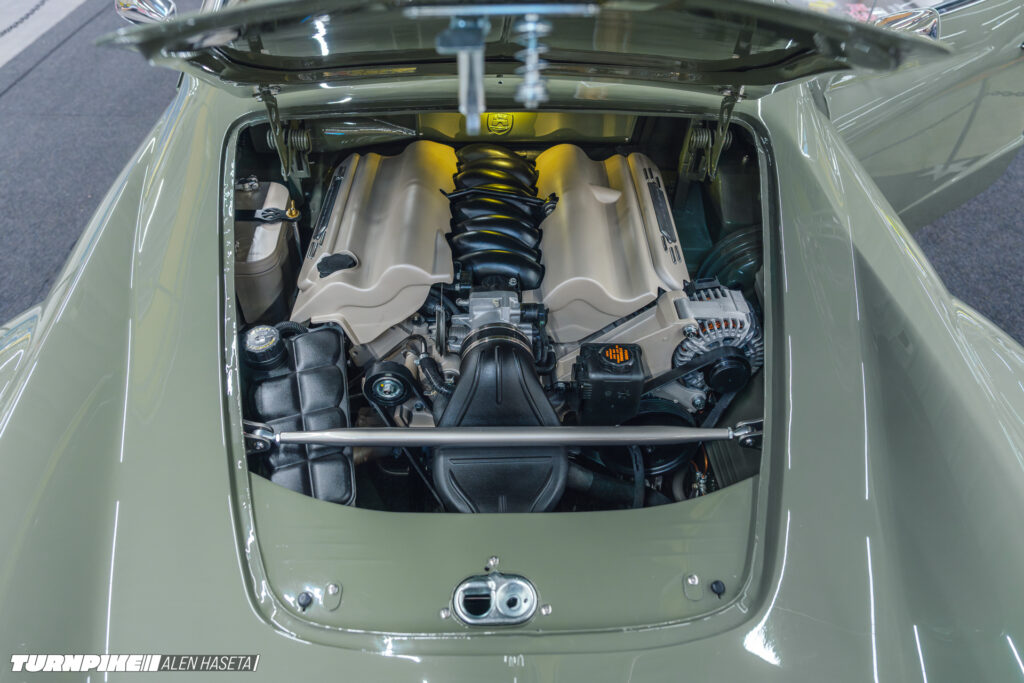
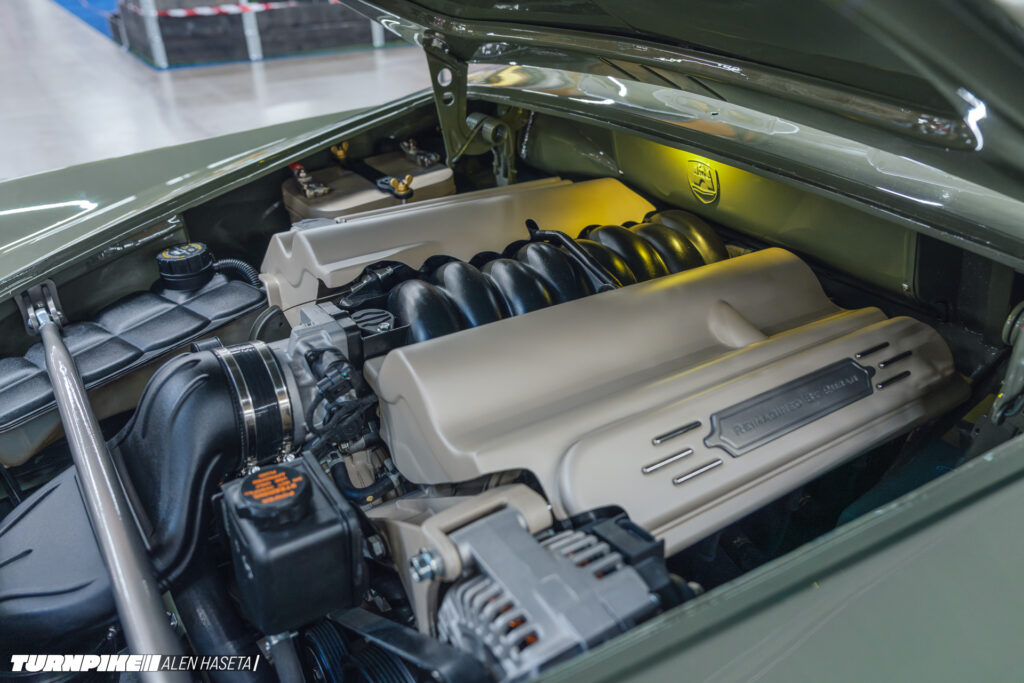
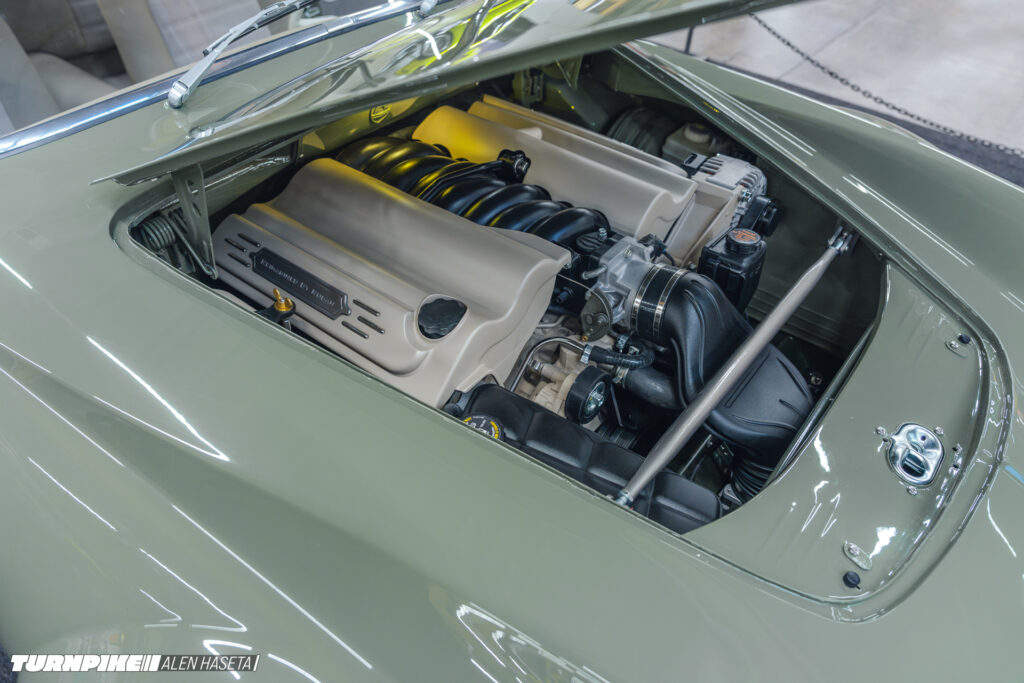
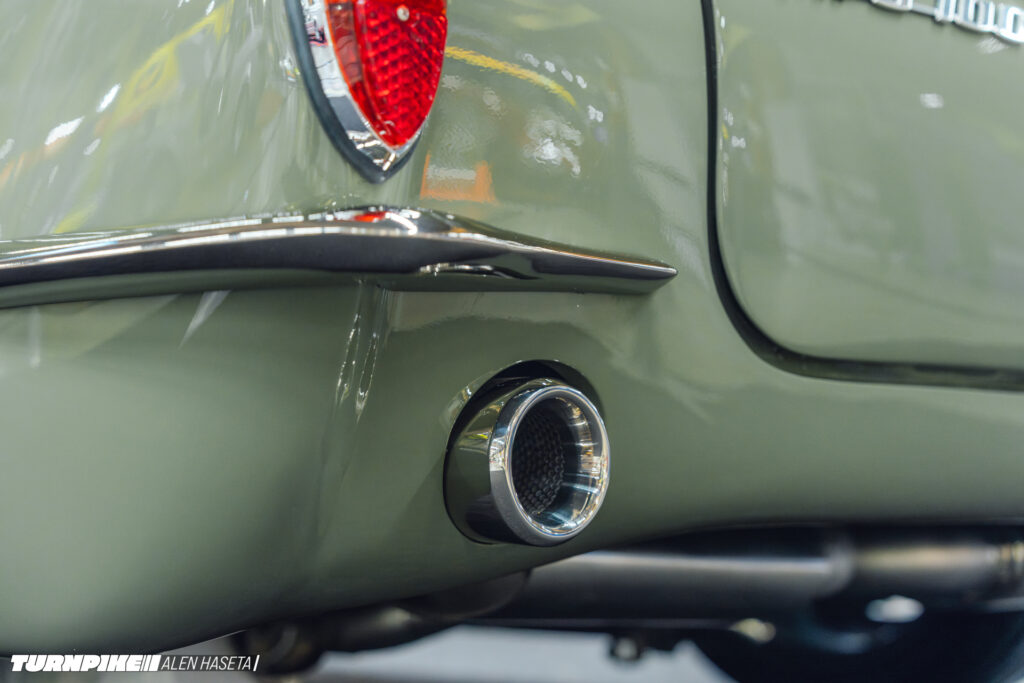
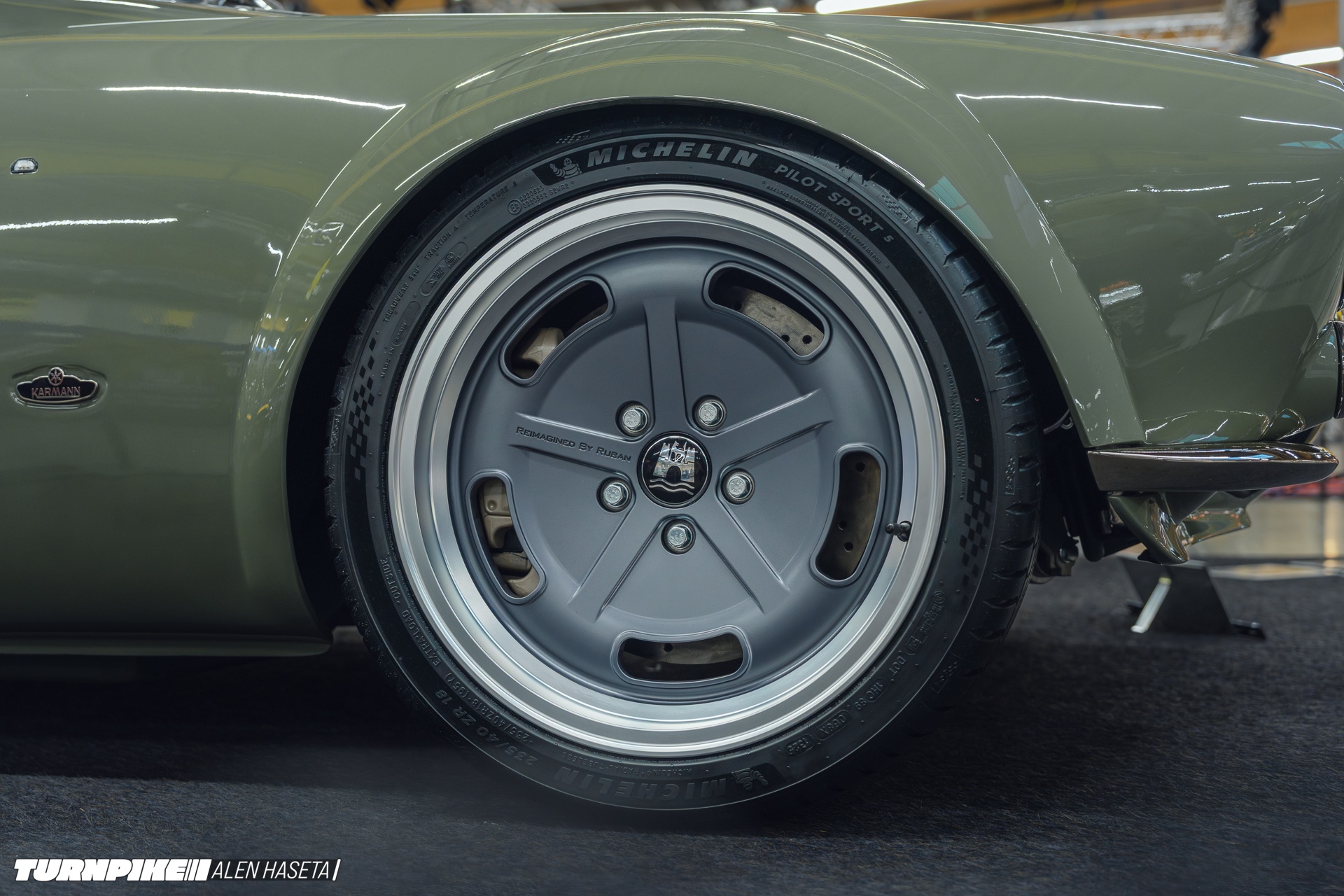
Underneath it all, Sven has built a fully custom chassis using BMW E39 front suspension and E90 rear suspension.
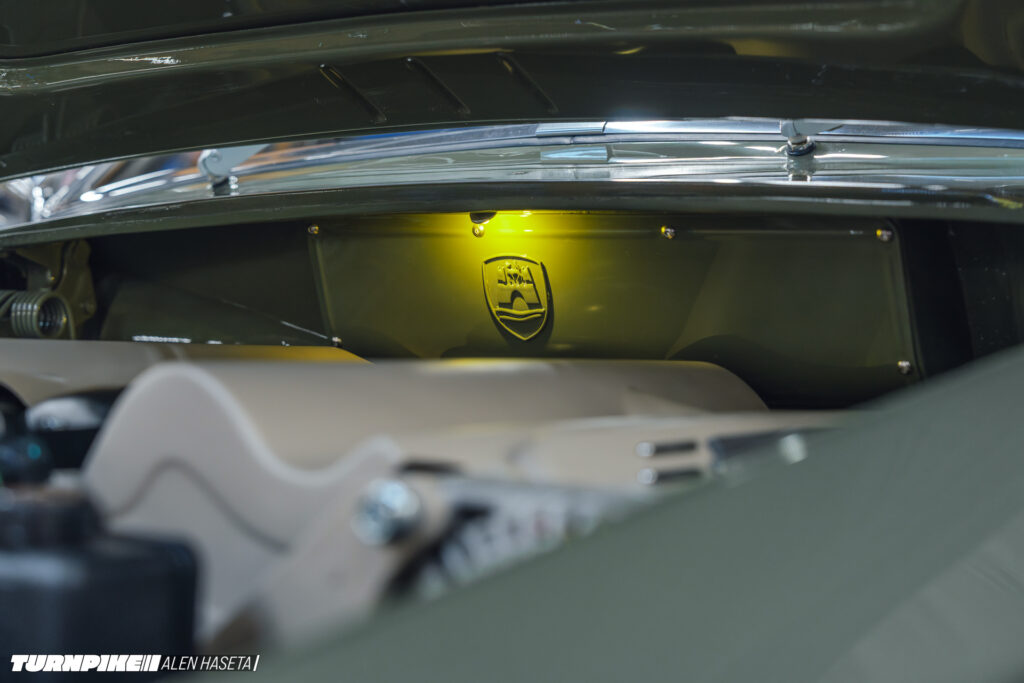
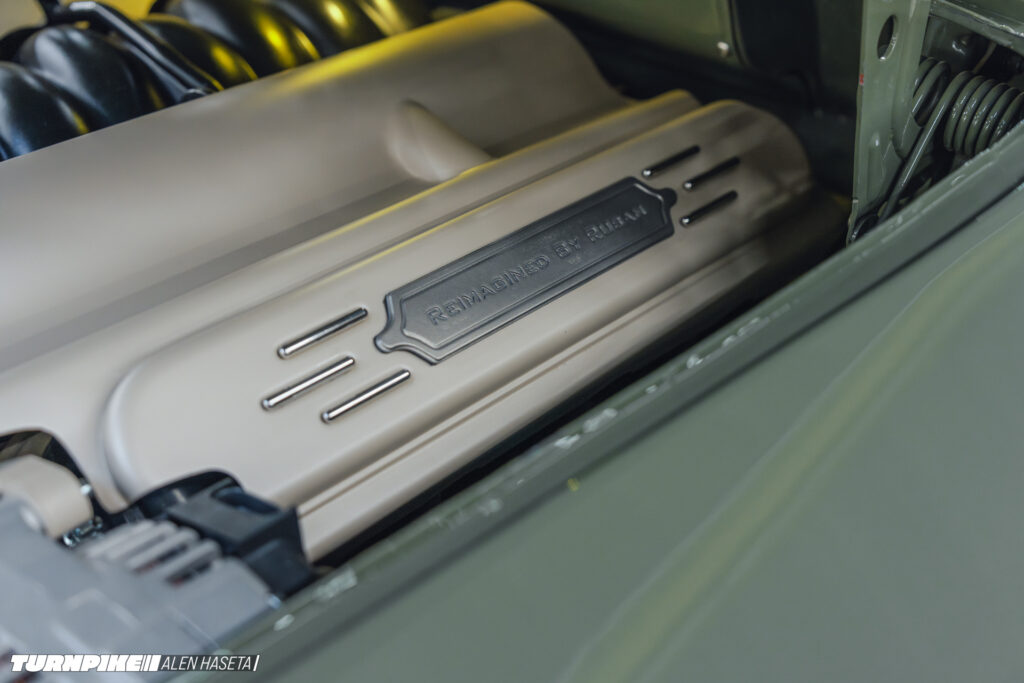
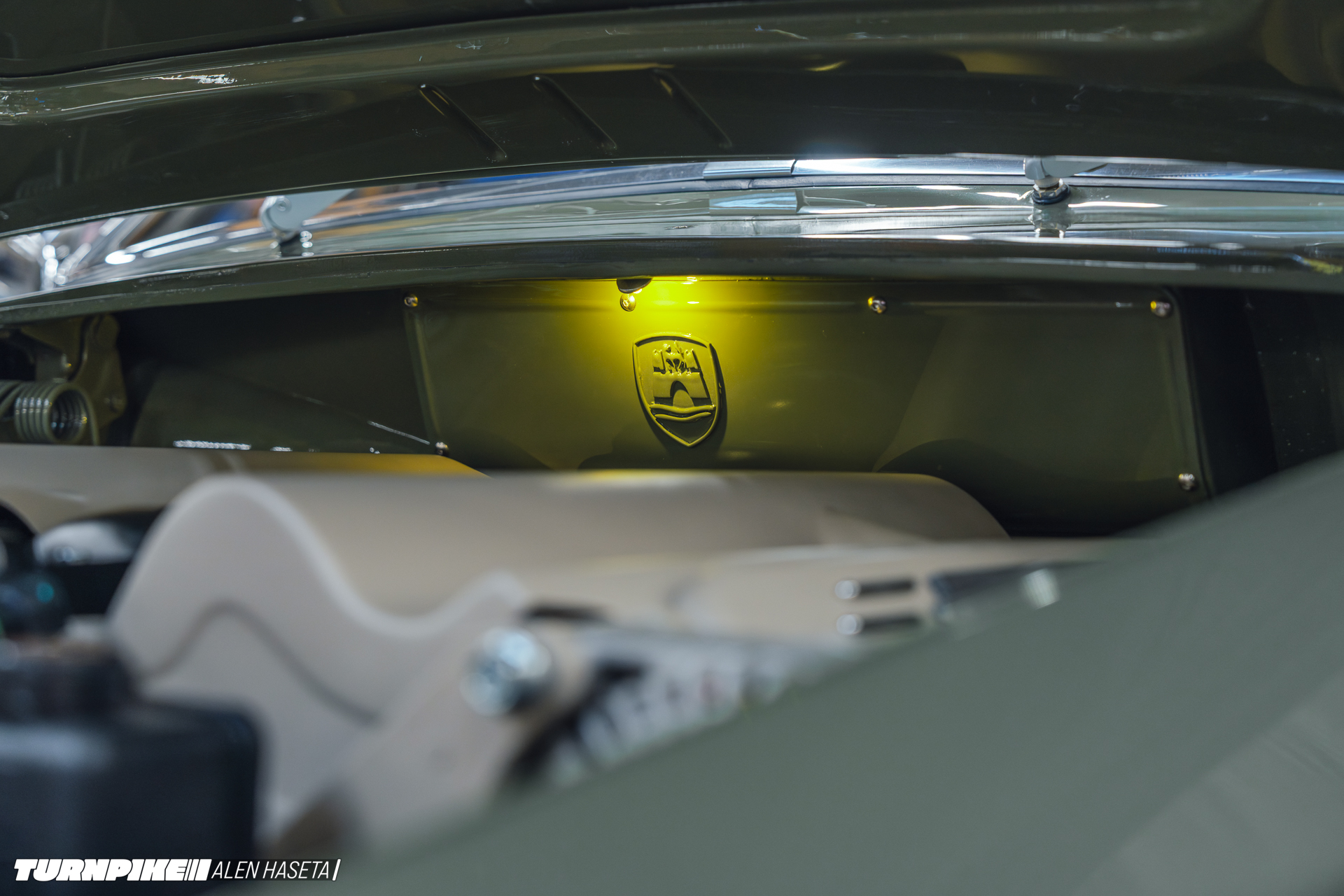
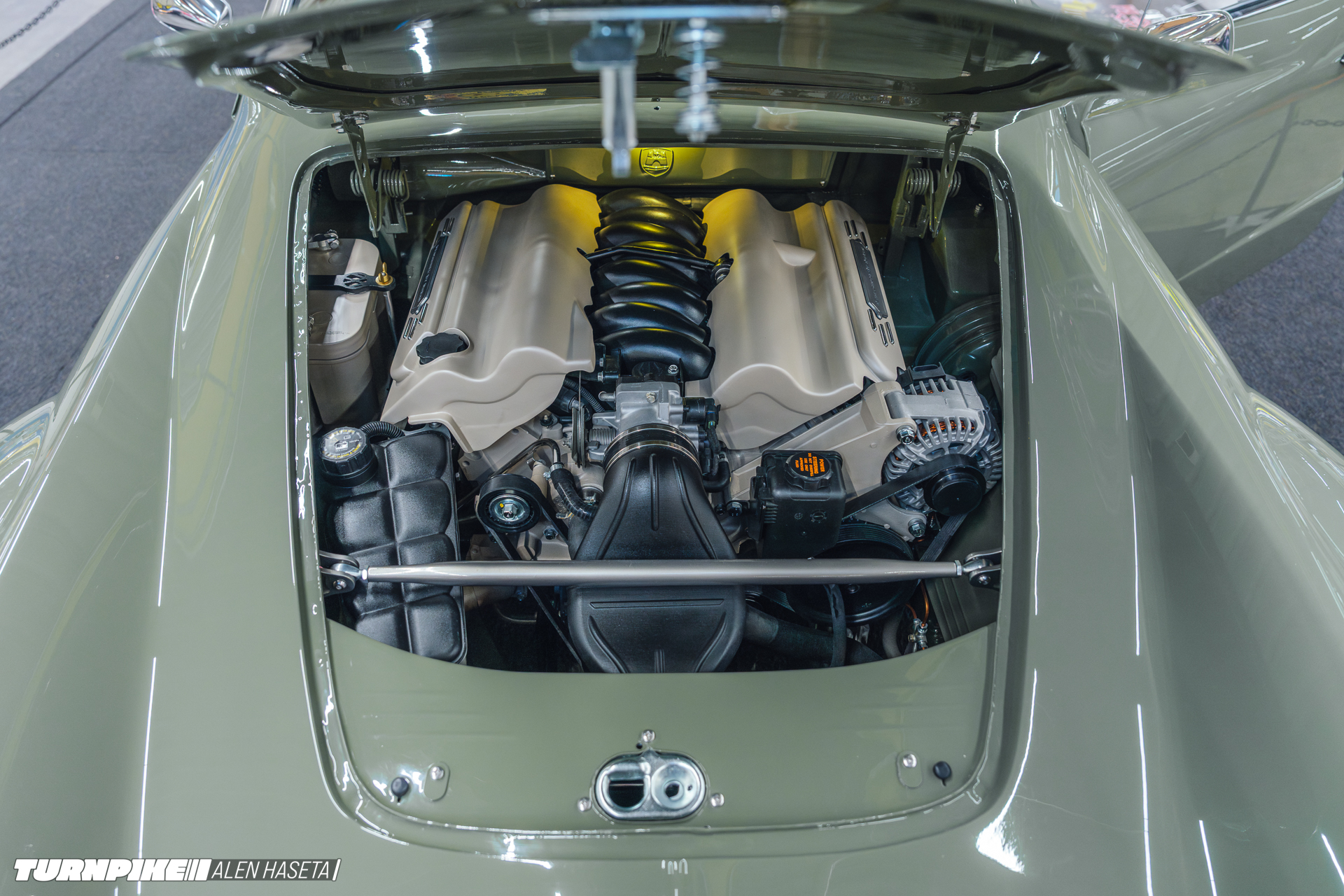
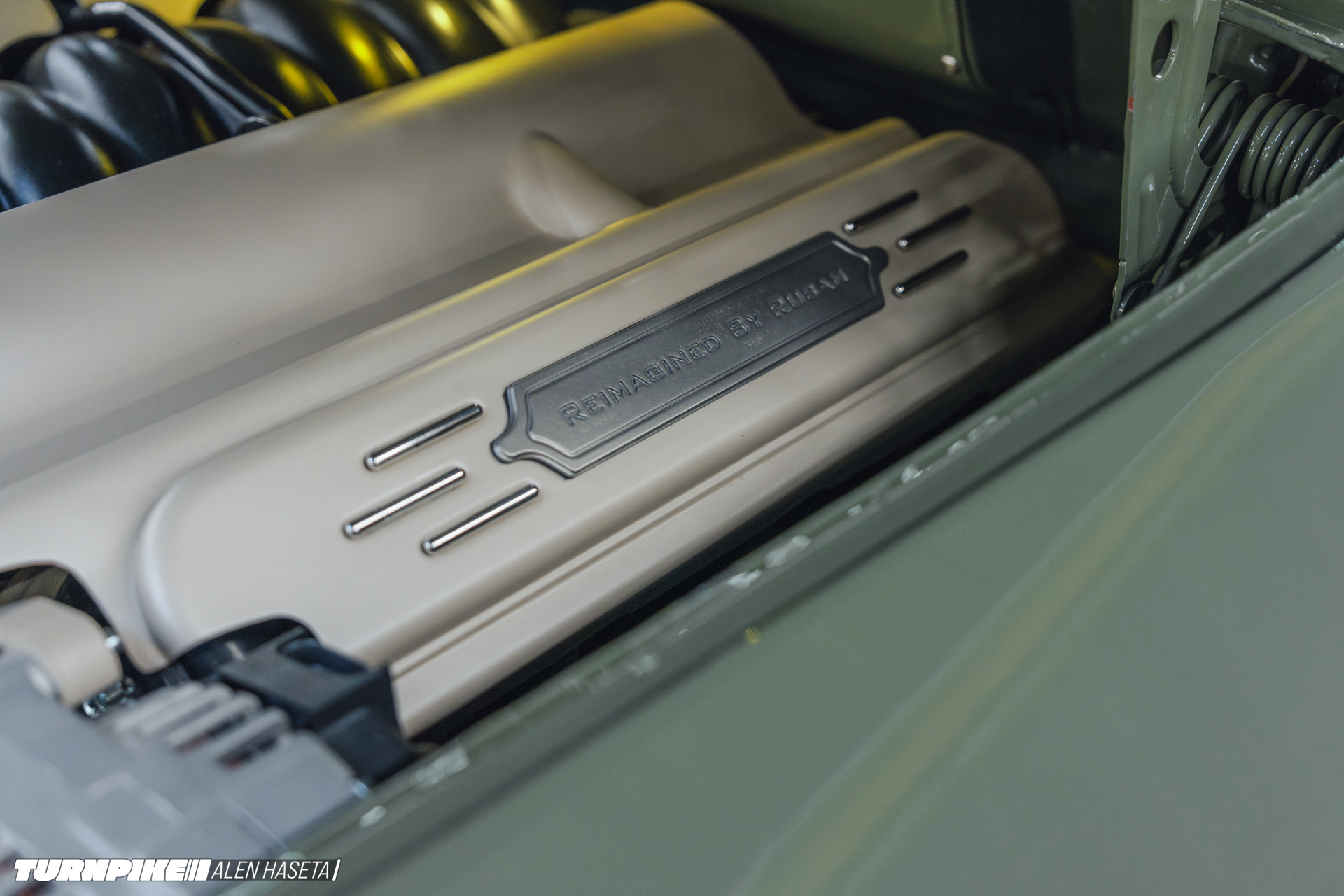
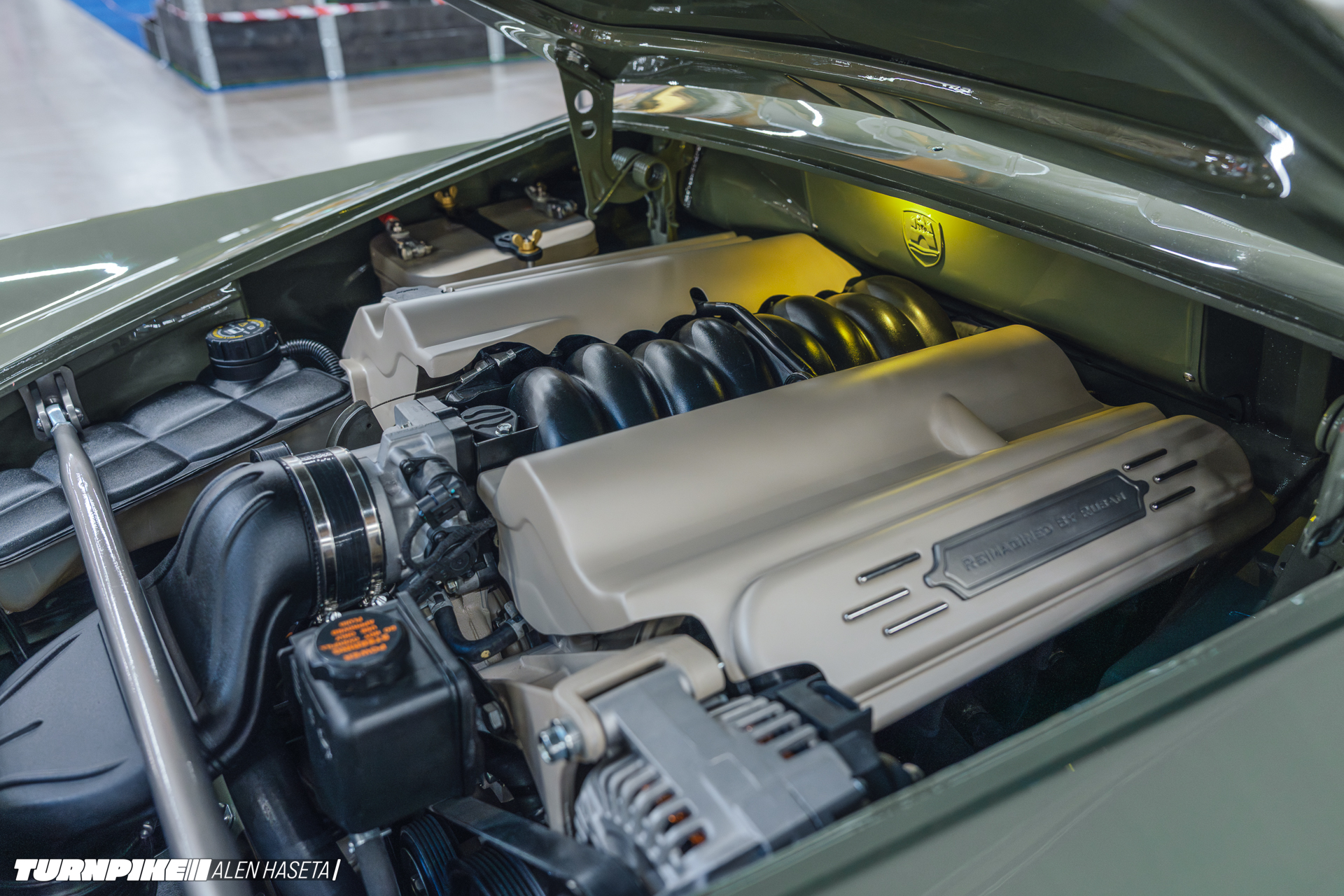
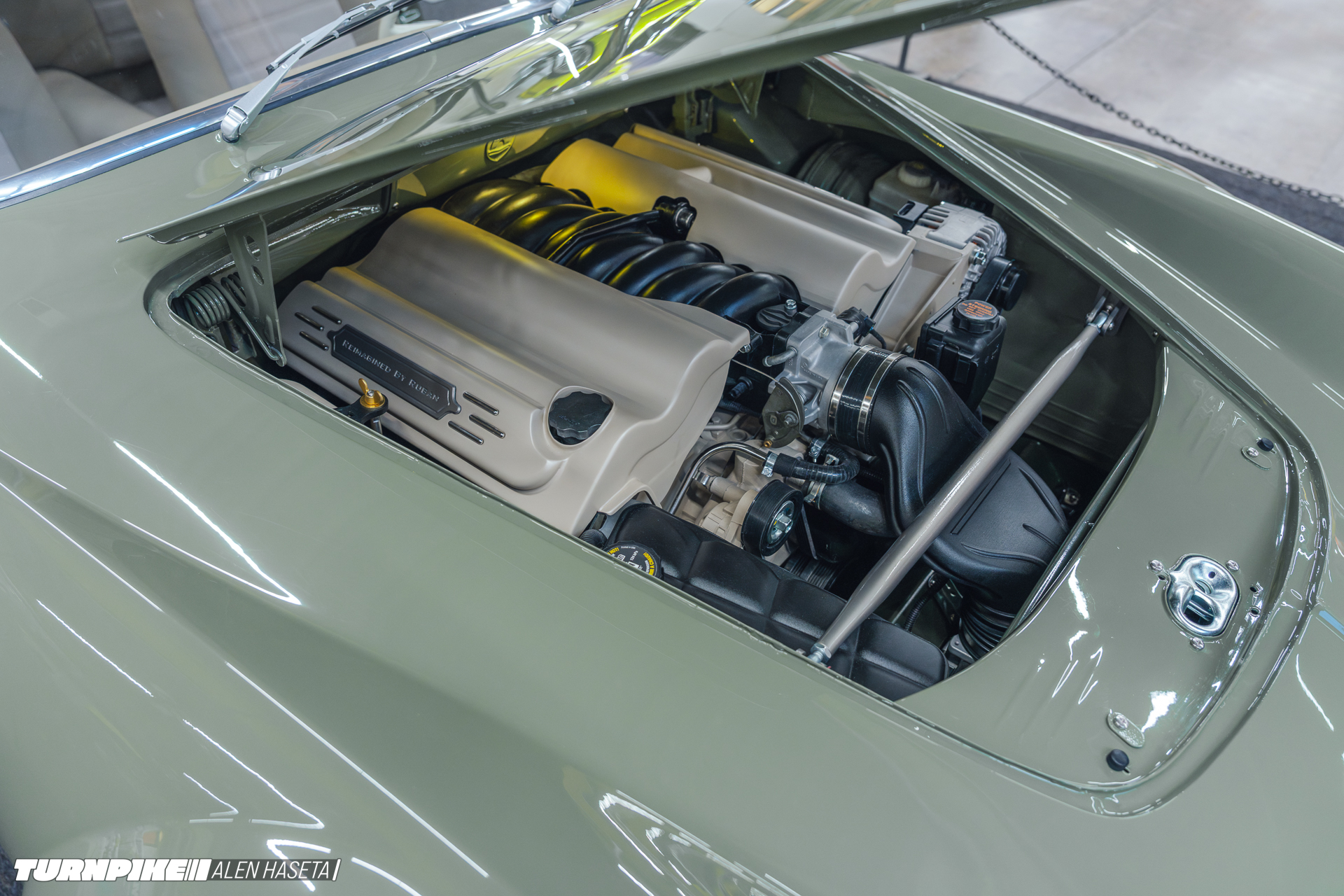
A Karmann Ghia’s engine is normally found in the back, but open the rear lid on this one, and you’ll instead find a fully functioning trunk. Yes, the engine is now in the front, but it’s about as far from an air-cooled VW flat-four as you could get. No, your eyes are not deceiving you, Sven has indeed re-powered the car with a Chevrolet LS1 V8 sourced from a Camaro.
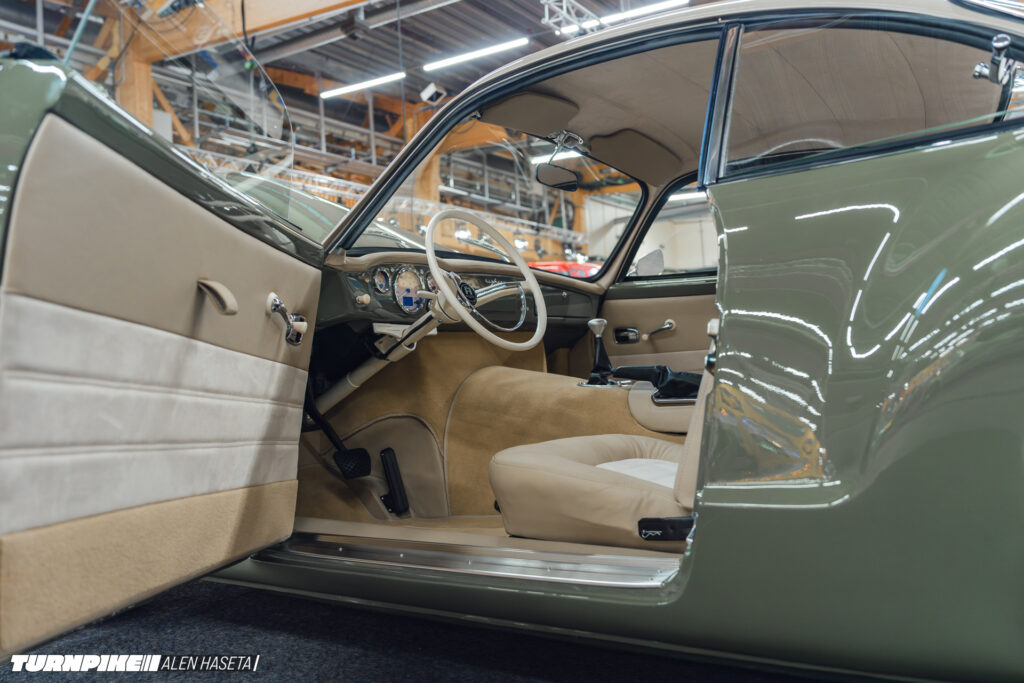
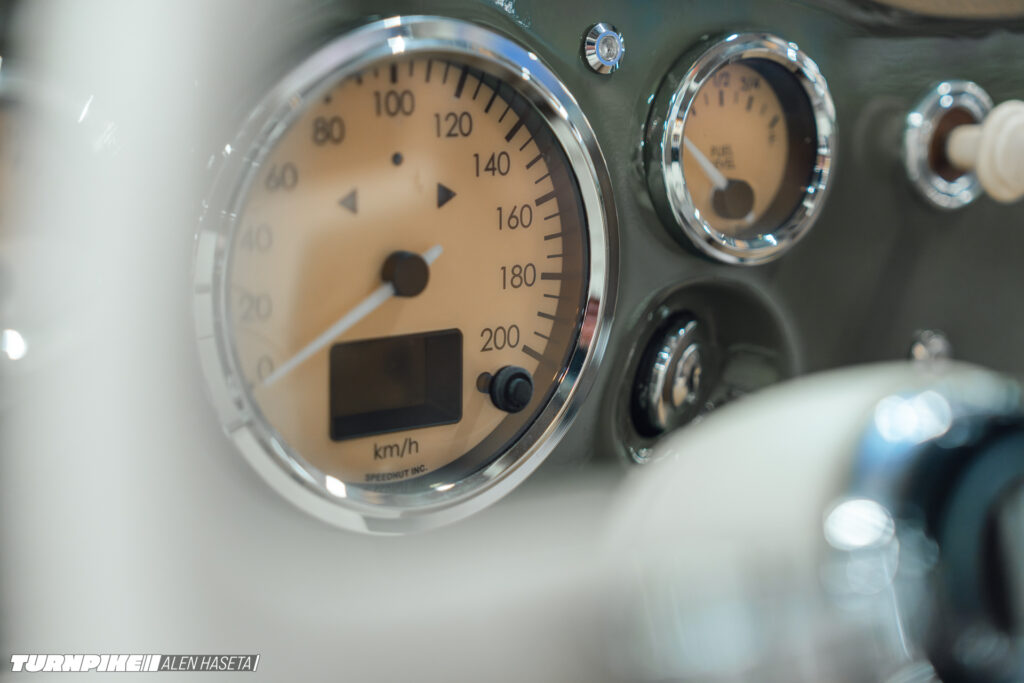
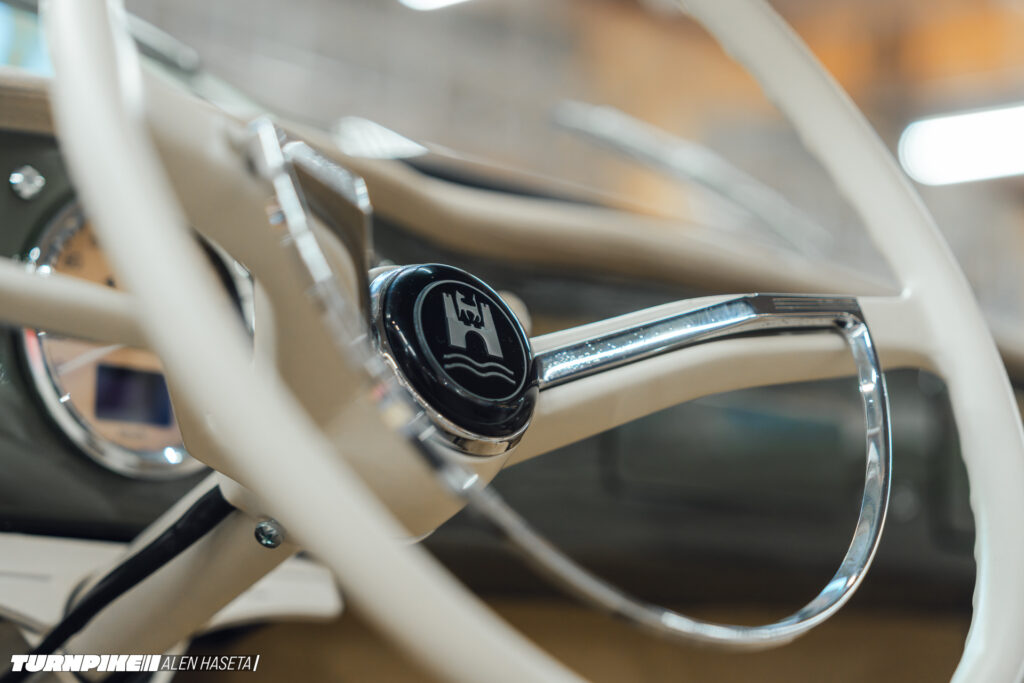
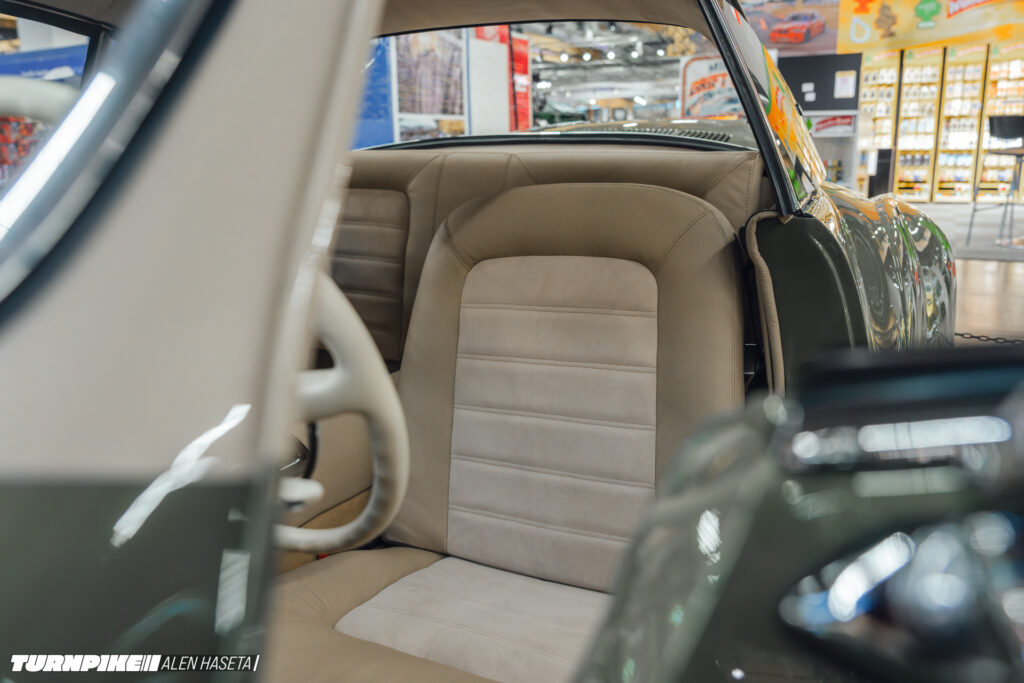
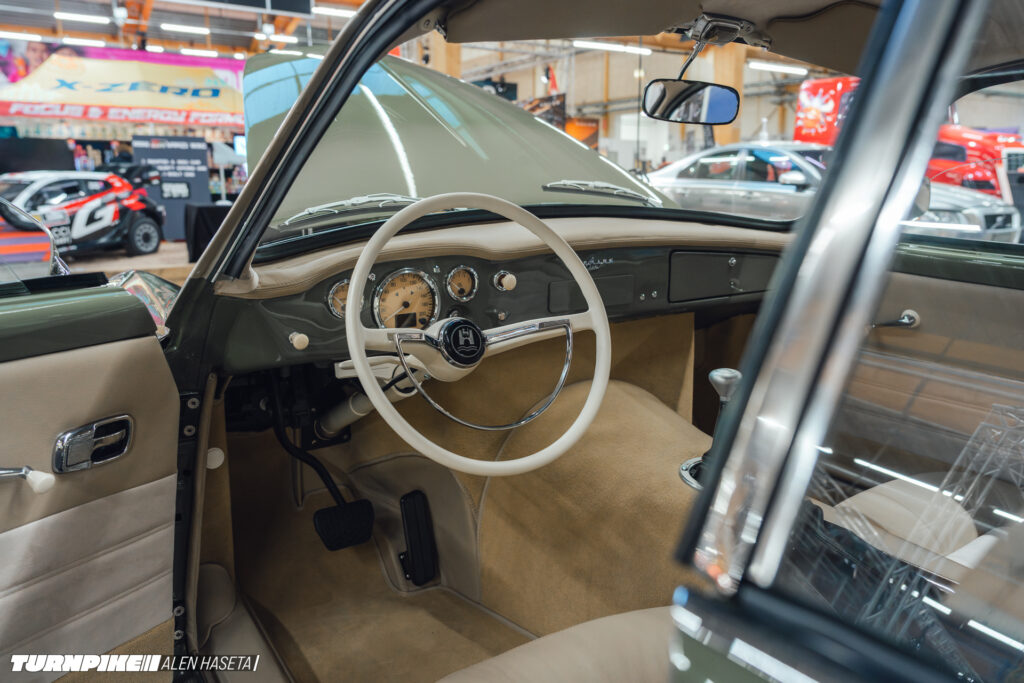
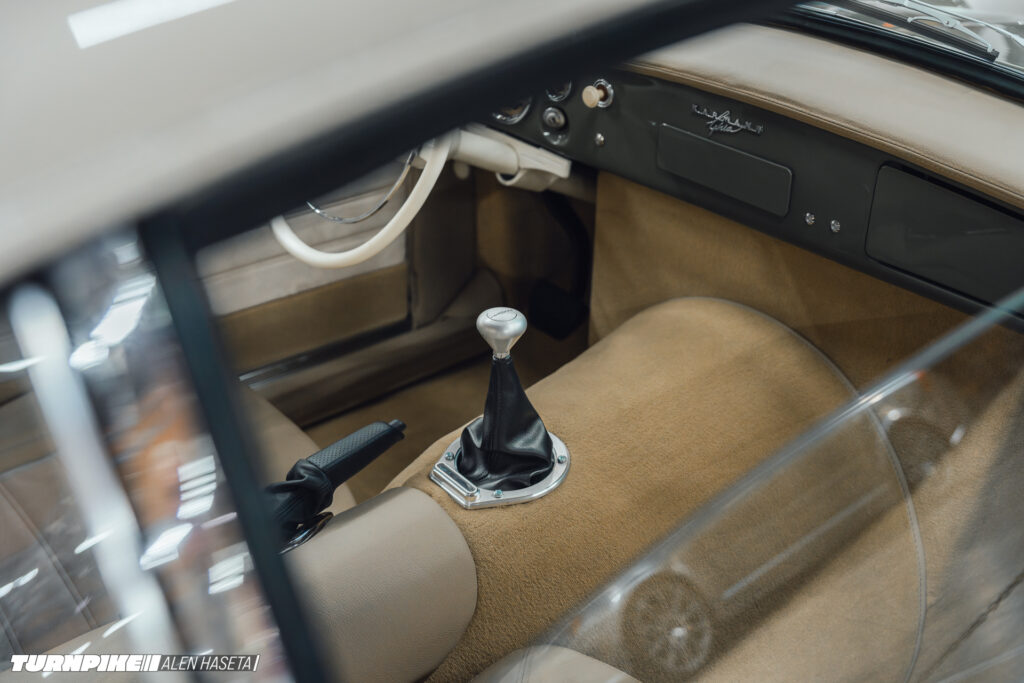
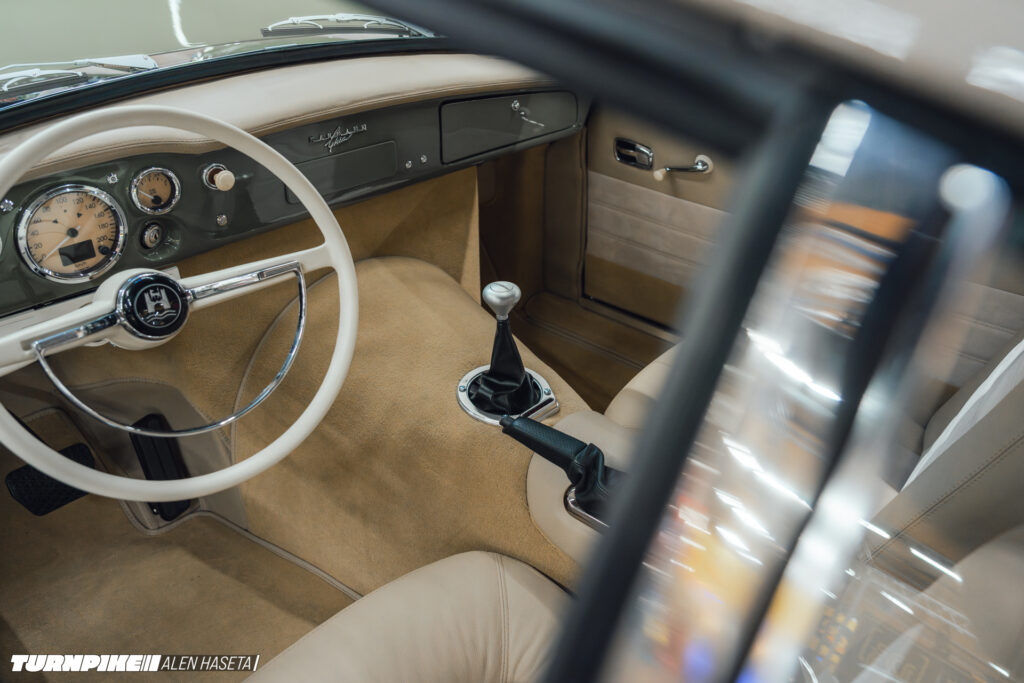
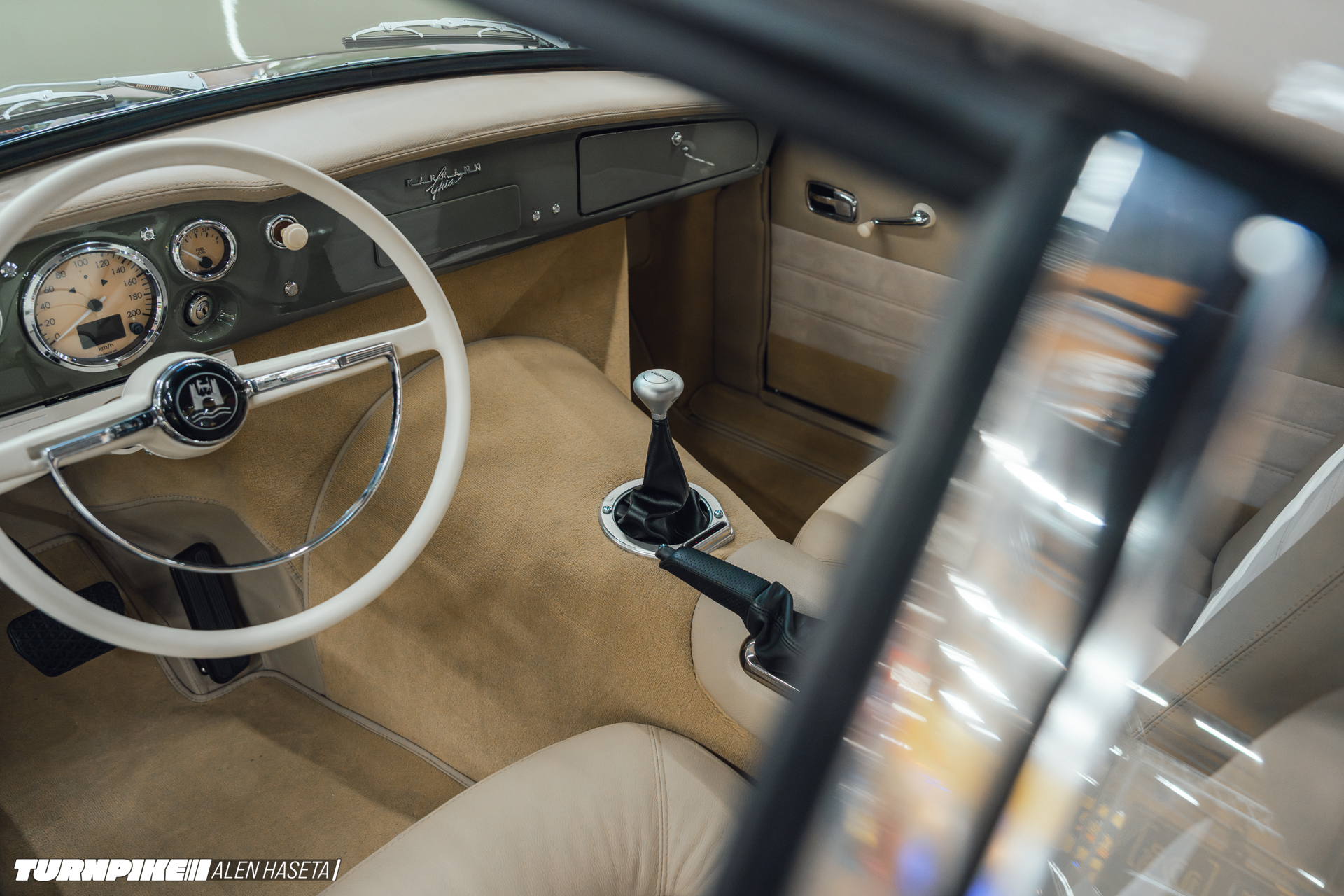
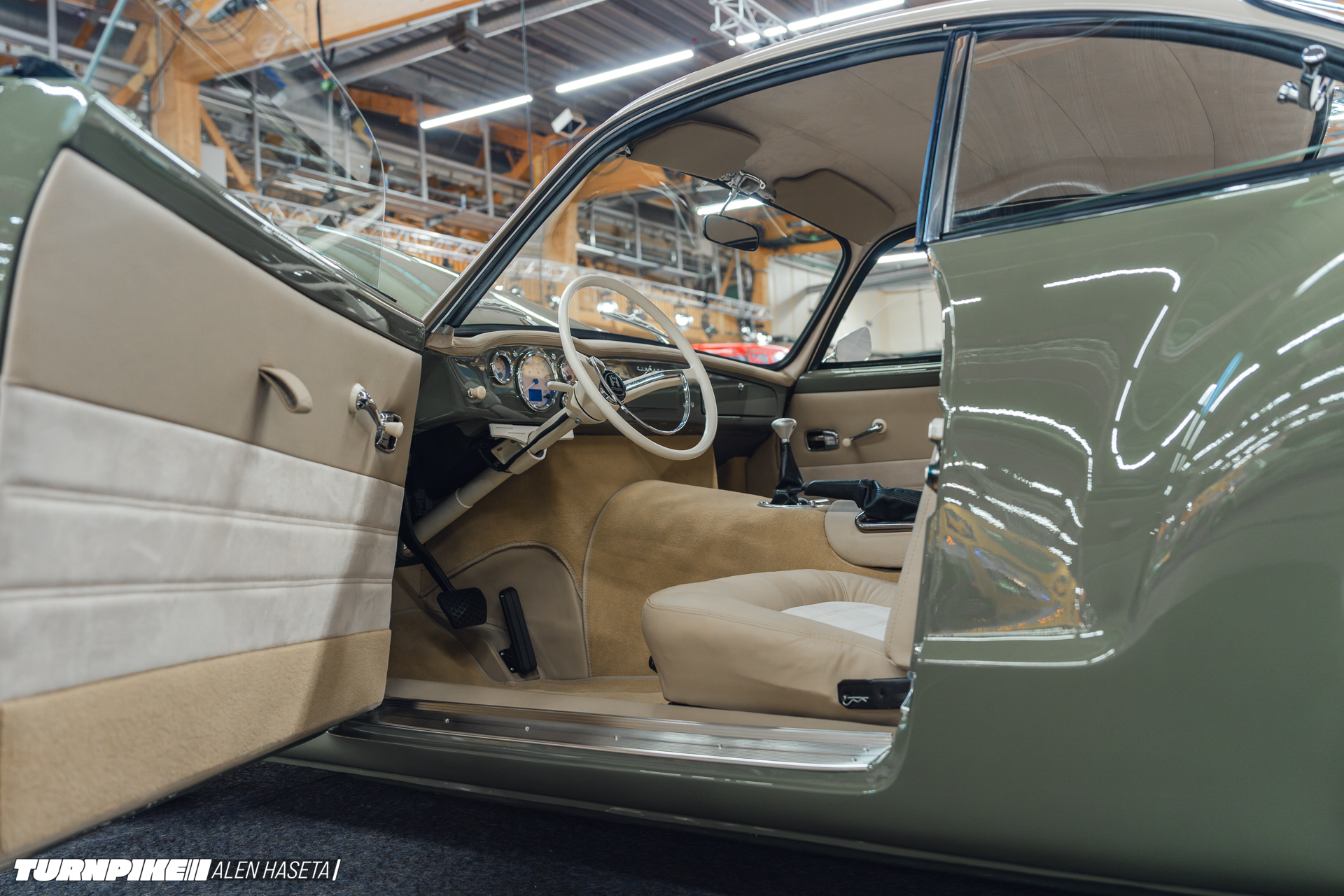
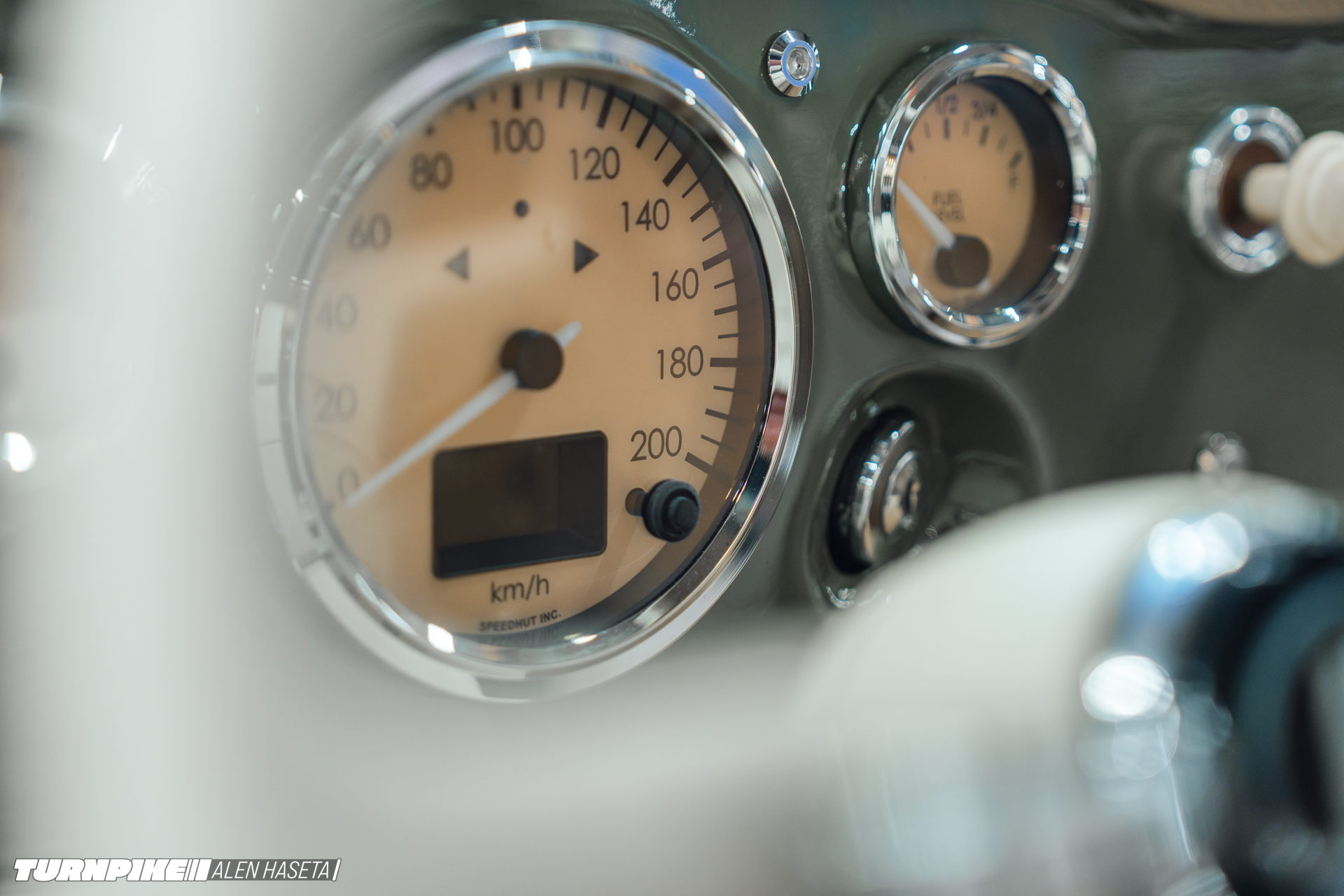
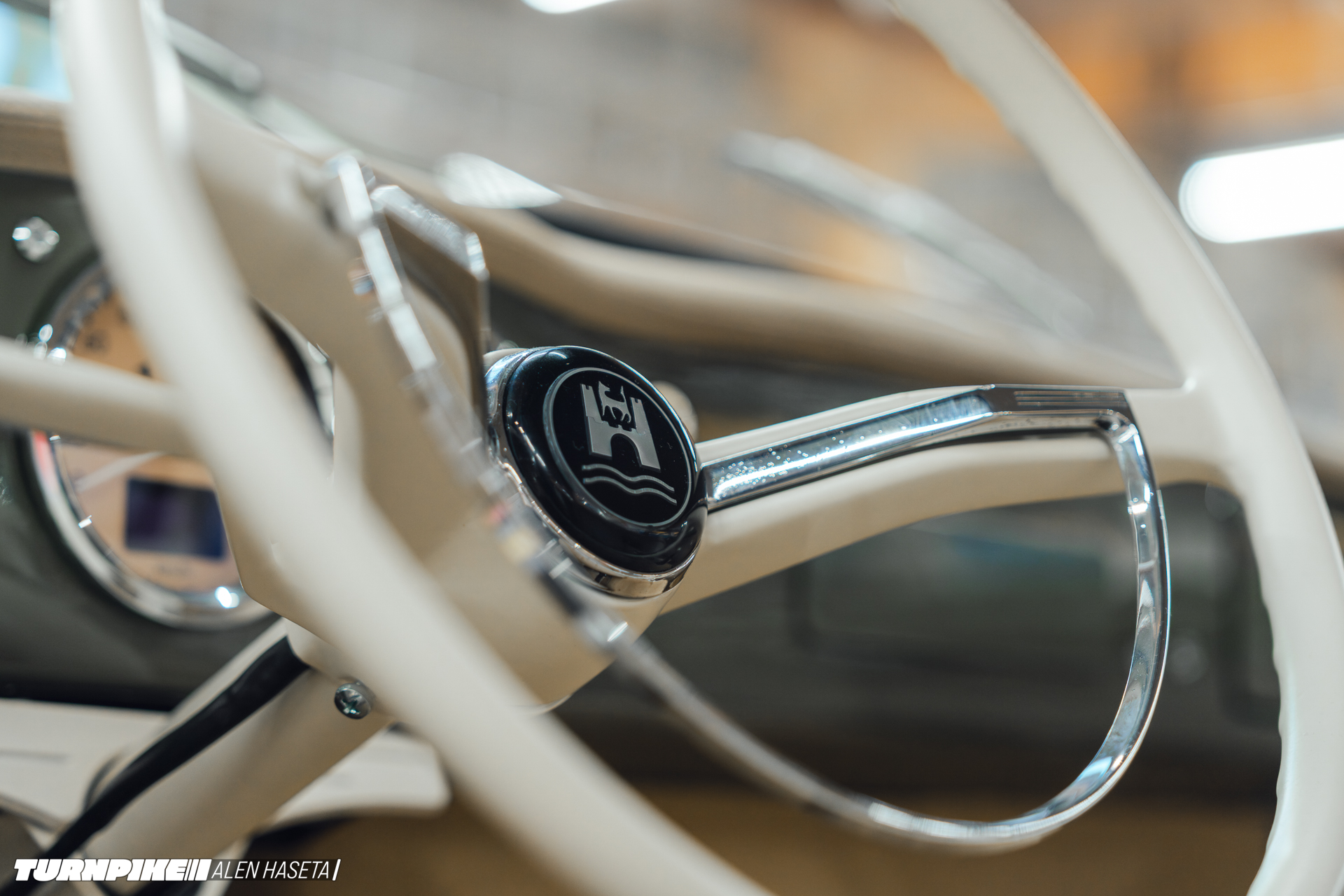
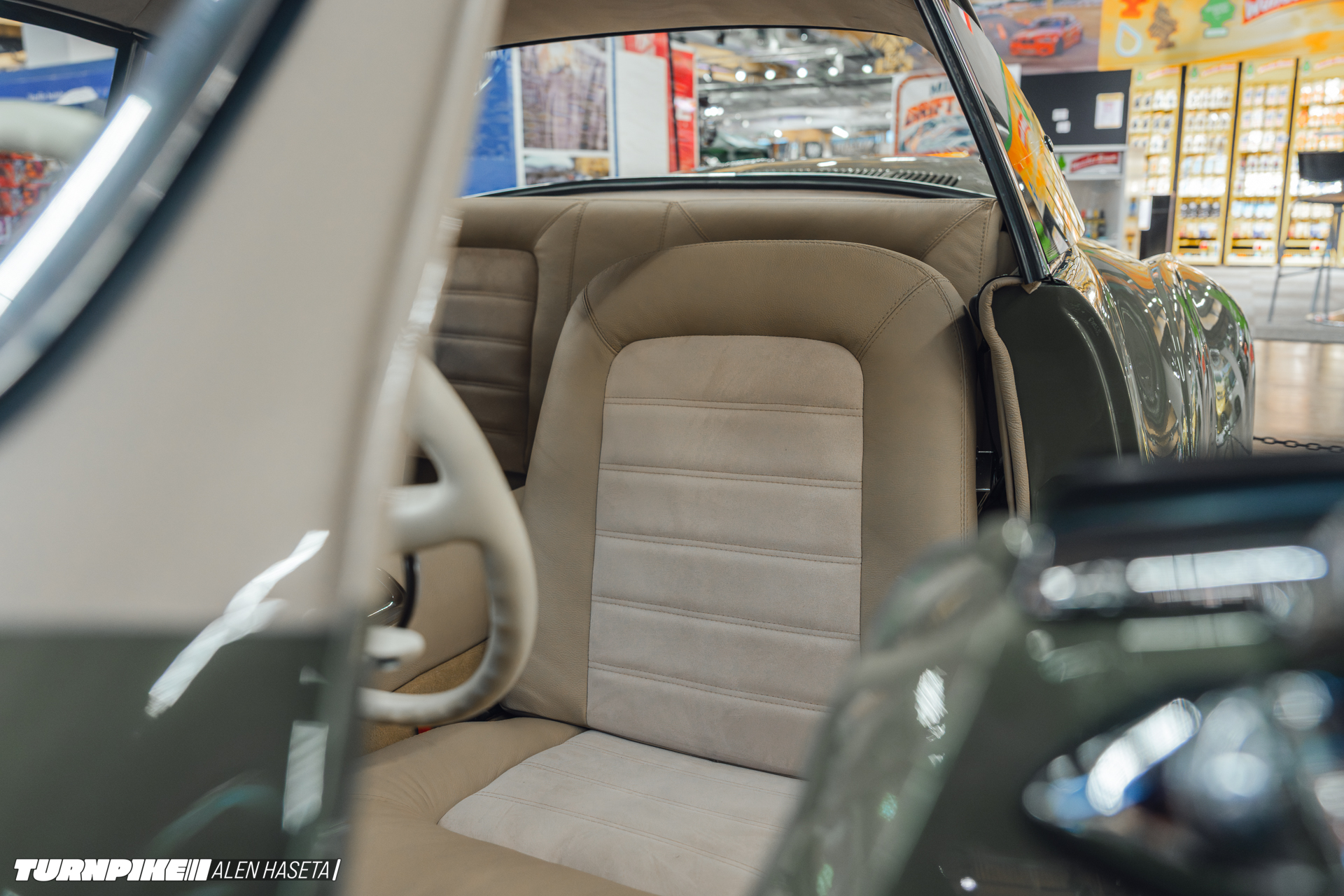
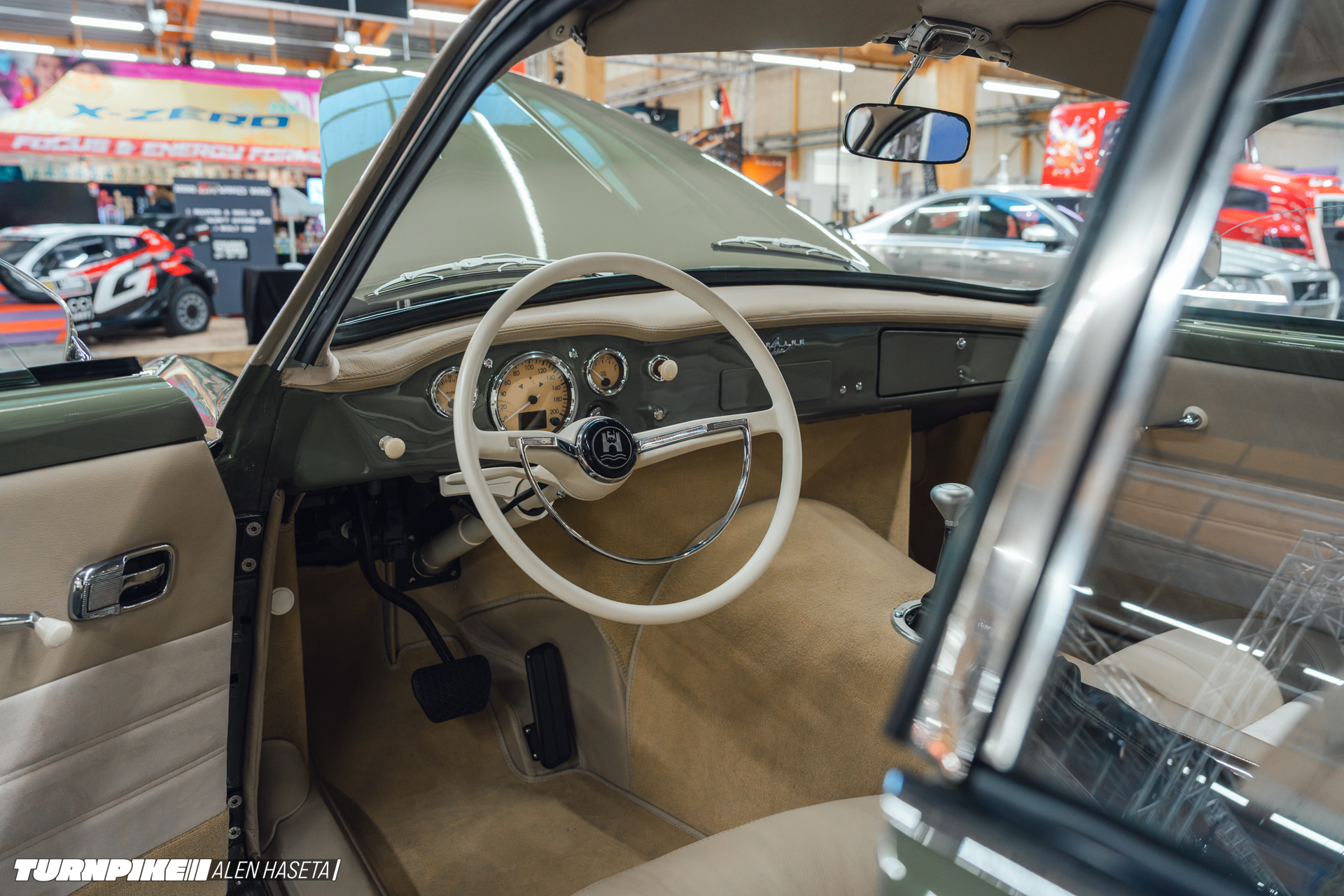
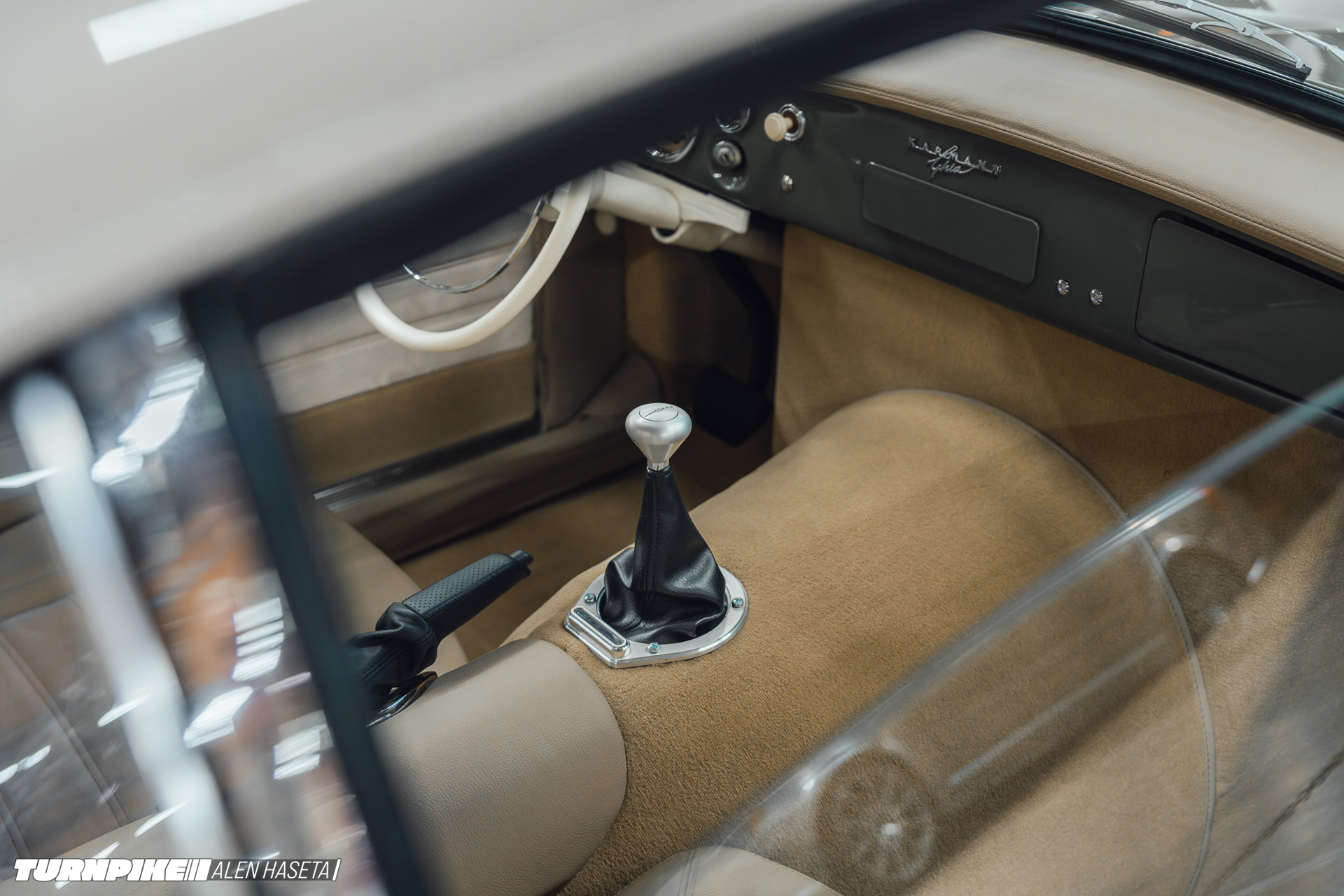
Inside, it’s a blend of old and new with Mustang seats, classic-style digital gauges, and a reworked original steering wheel.
Walking through Elmia and seeing builds like these makes you wonder what other hidden projects are taking shape in garages across Sweden right now. If this year’s show proved anything, it’s that Swedish car builders are continuing to push boundaries in ways that surprise even seasoned enthusiasts.
If the standard at Elmia keeps climbing like this, the 2027 Custom Motor Show will be on a whole new level again.



Love the site but the horizontal scrolling gallery thing is terrible just make them vertical like IG and everything else it’s unnatural to swipe that way. 🙂 that said love the site and appreciate u guys – avid reader for about 10+ years since speedhunters days