
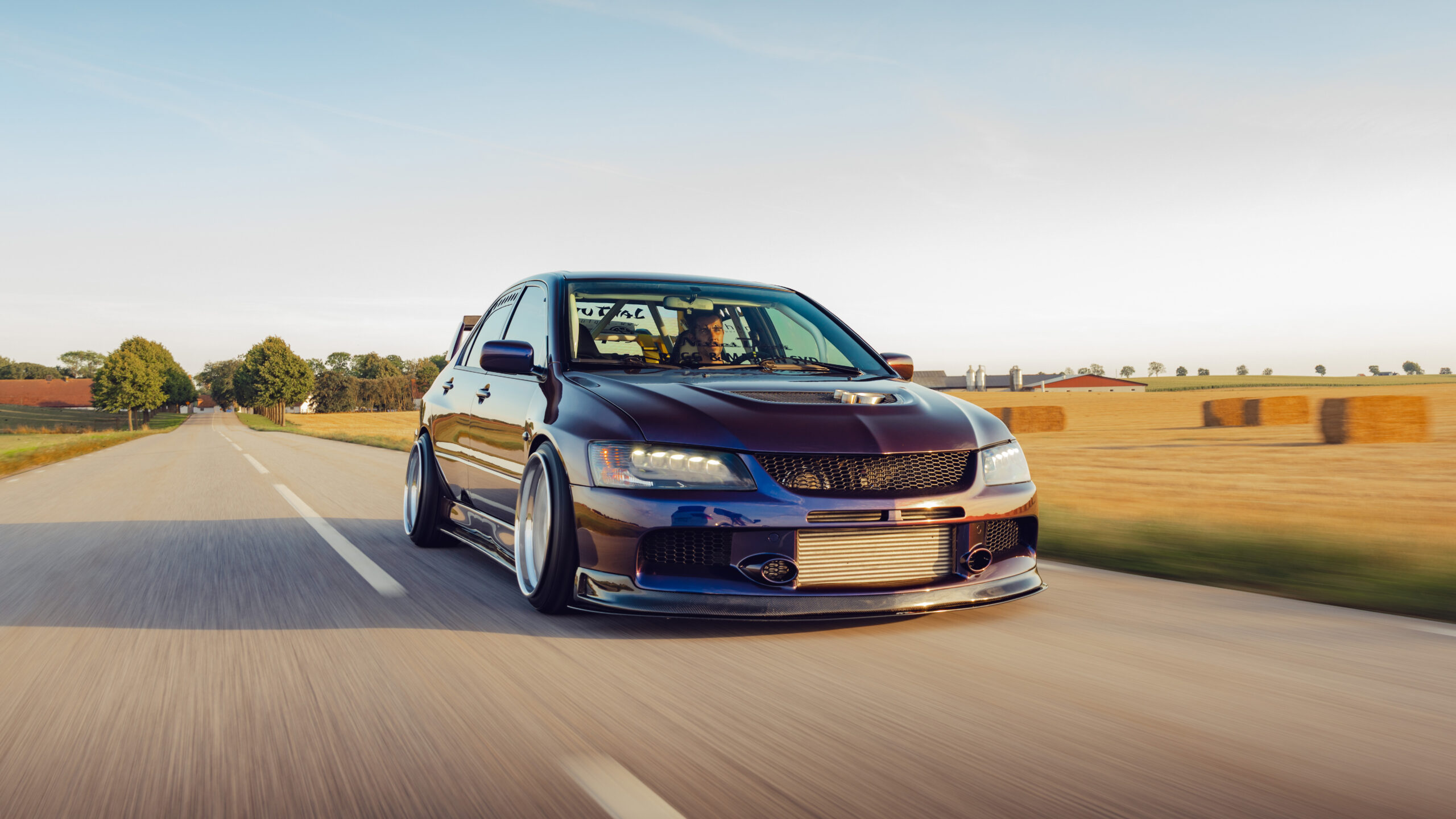
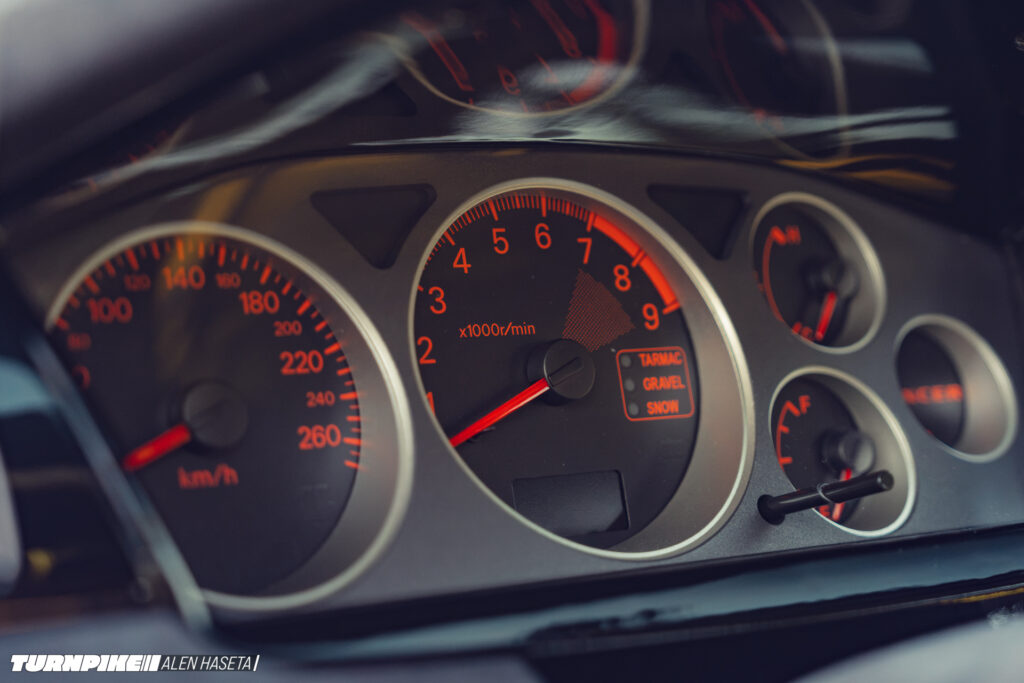
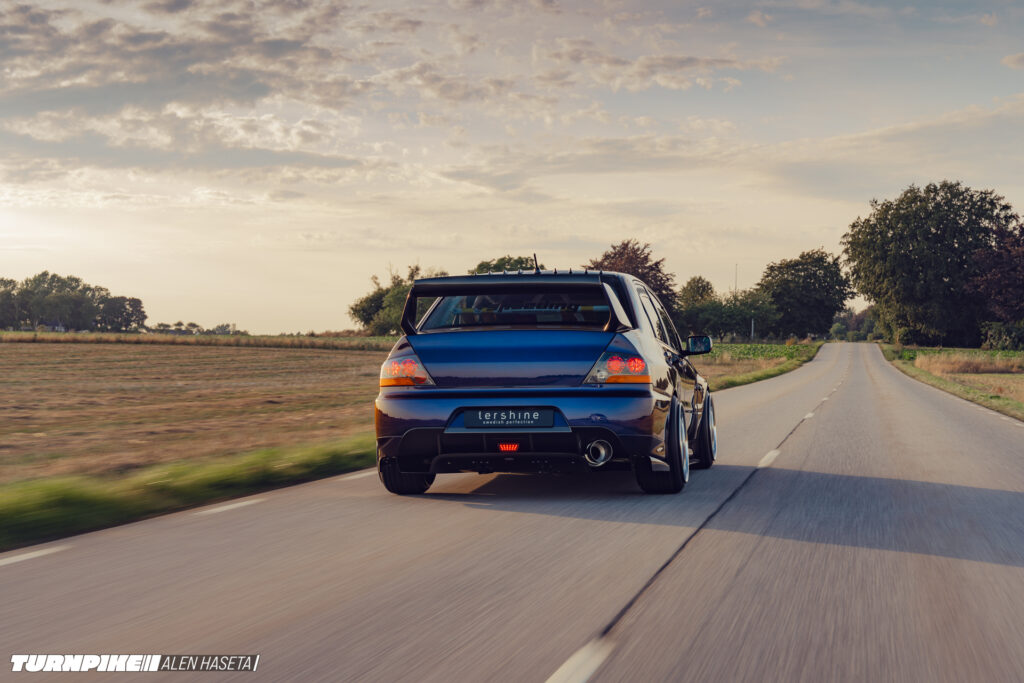
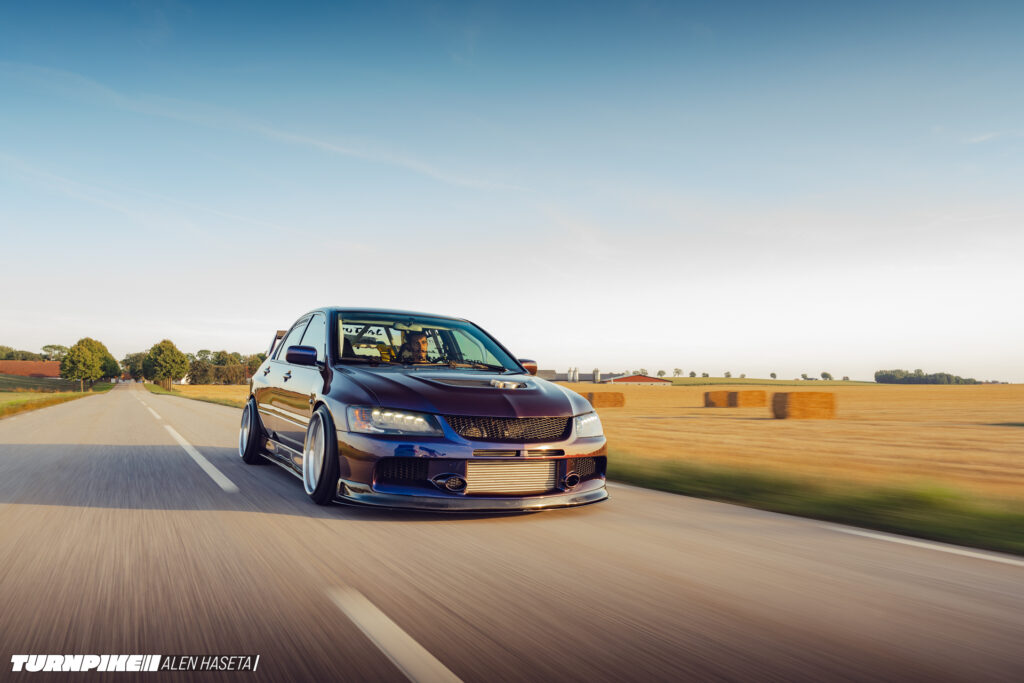
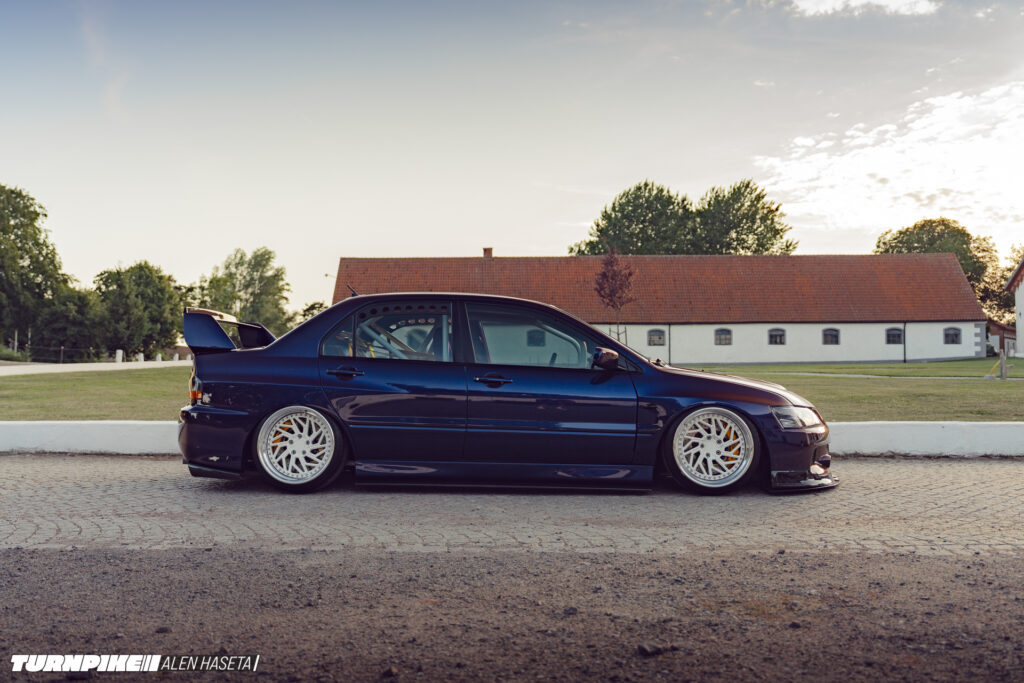
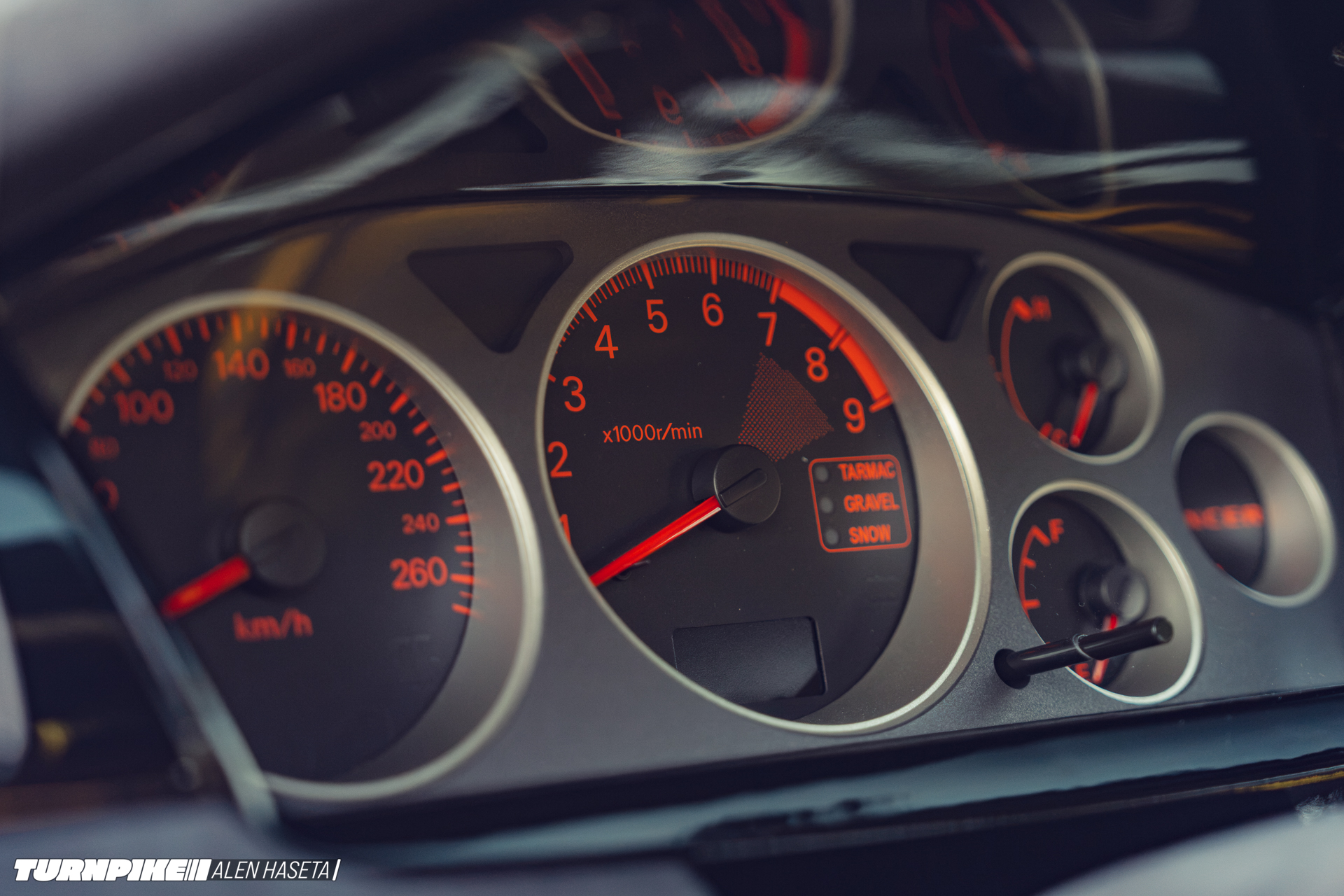
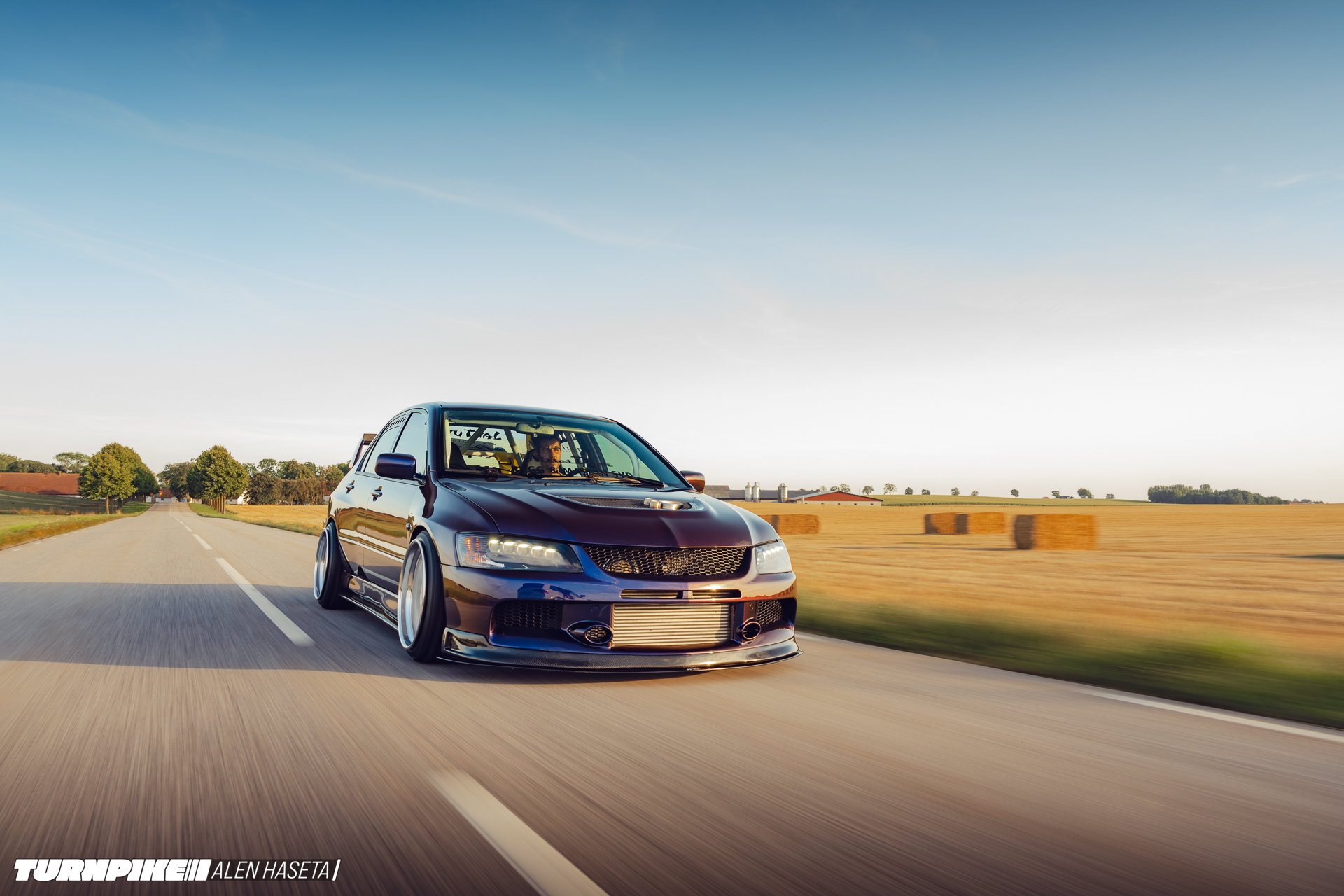
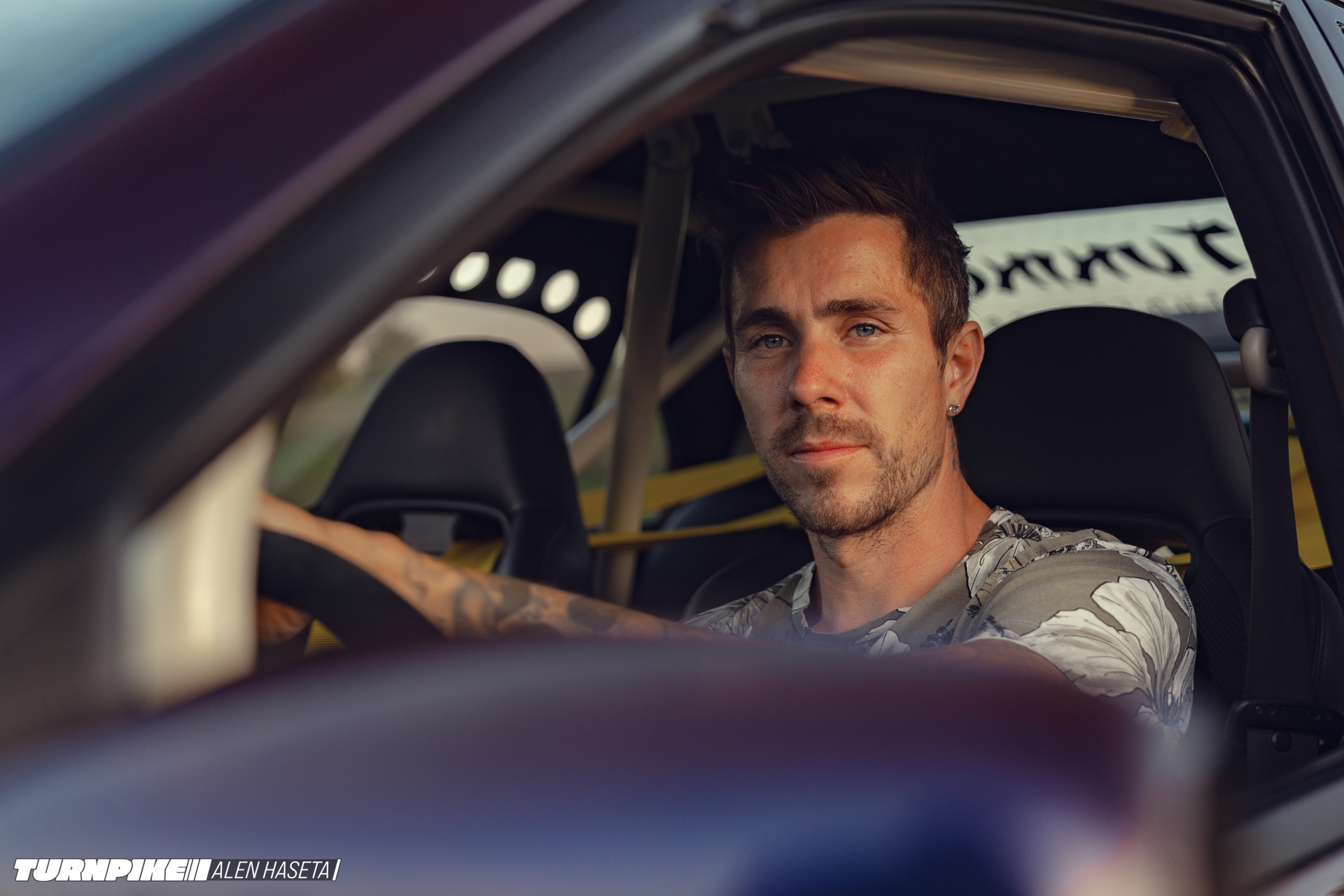
The Mitsubishi Lancer Evolution was born for rally. Dirt, gravel, snow, tarmac, four-wheel drive and boost; it’s a recipe that turned the Evo into one of Japan’s most iconic performance cars. Fabian Jinnevik’s 2006 Evo IX, however, has been taken down a slightly different route.
Rather than being built for special stages or time attack, Fabian’s Evo now sits somewhere between three worlds: rally heritage, aggressive stance, and mad horsepower.
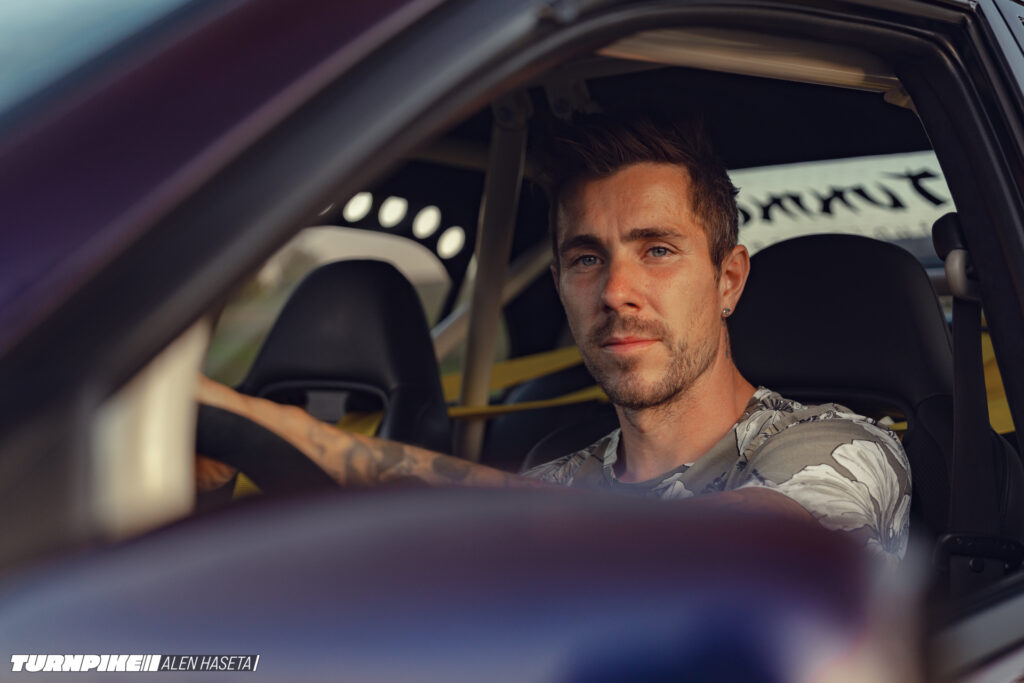
Based just outside Tomelilla in southern Sweden, 34-year-old Fabian has spent more than a decade transforming the car. He bought it in May 2013, and just six months later the first modifications began. The latest and most ambitious phase, including the complete forged engine build, took around five years.
Fabian’s interest in cars started with engines, but like many of us who grew up during the golden era of modified car culture, the Fast & Furious franchise played its part too. At 17, he started building his first car, a Golf GTI 16V. More than 15 years later, that same obsession has evolved into a much more ambitious project.
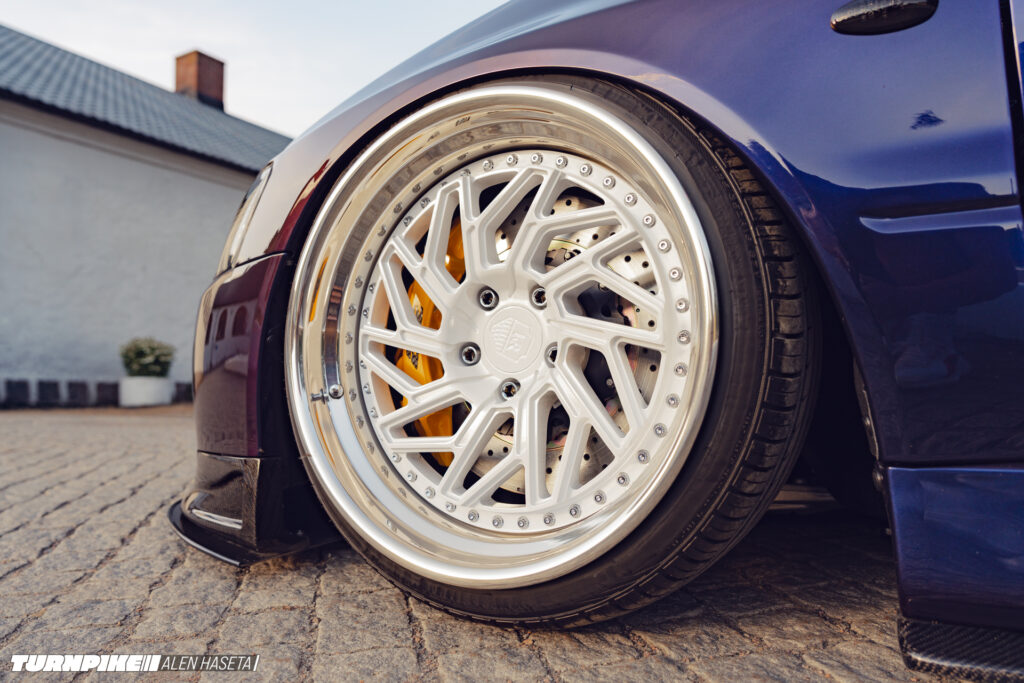
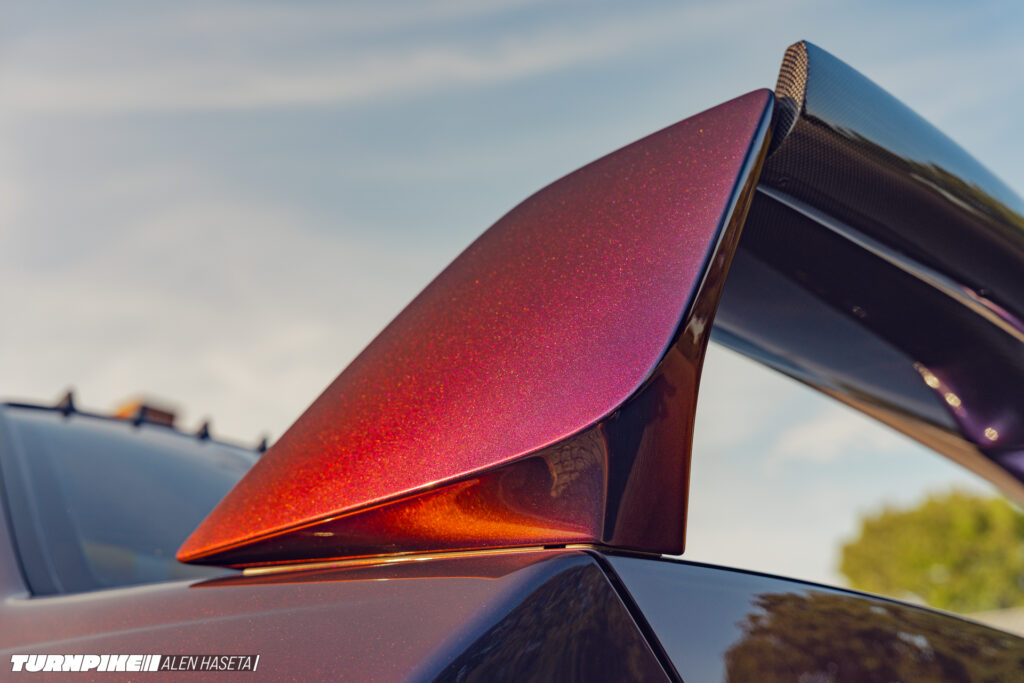
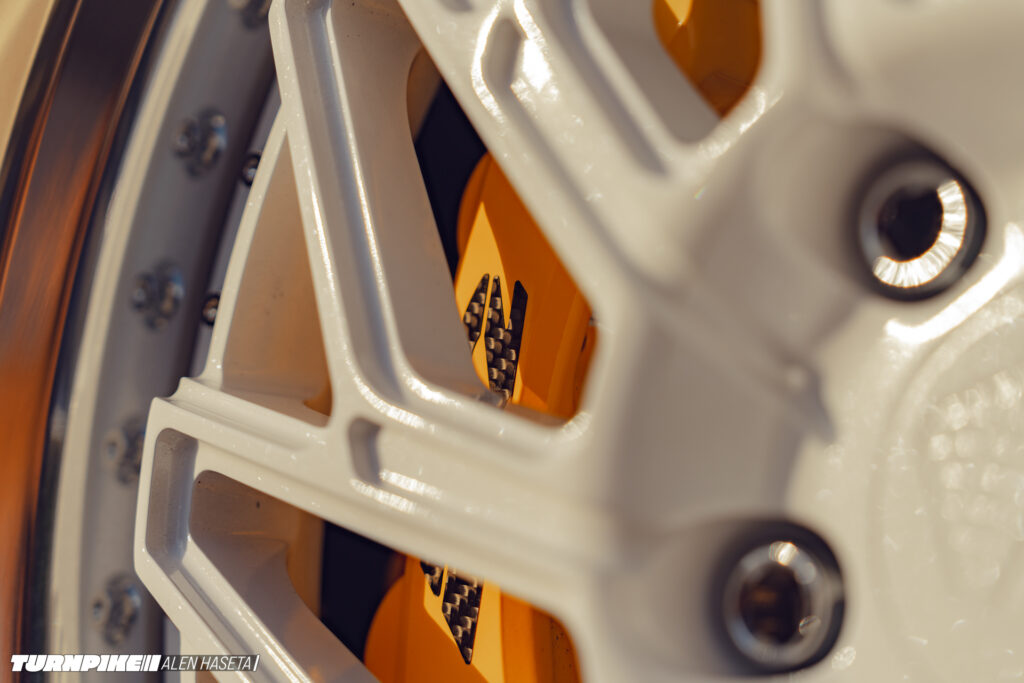
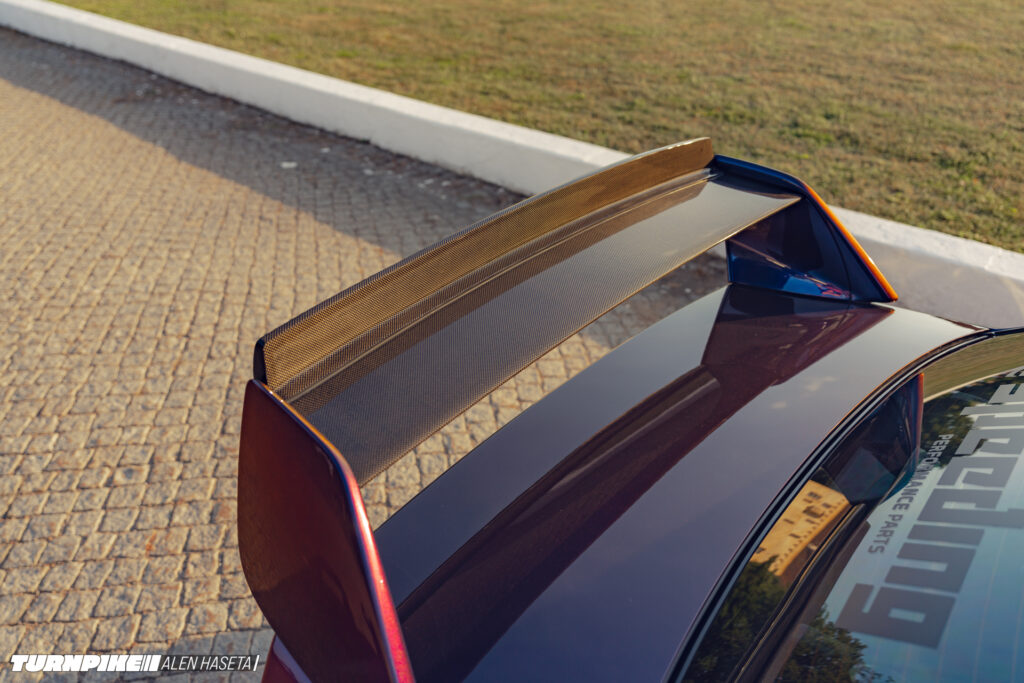
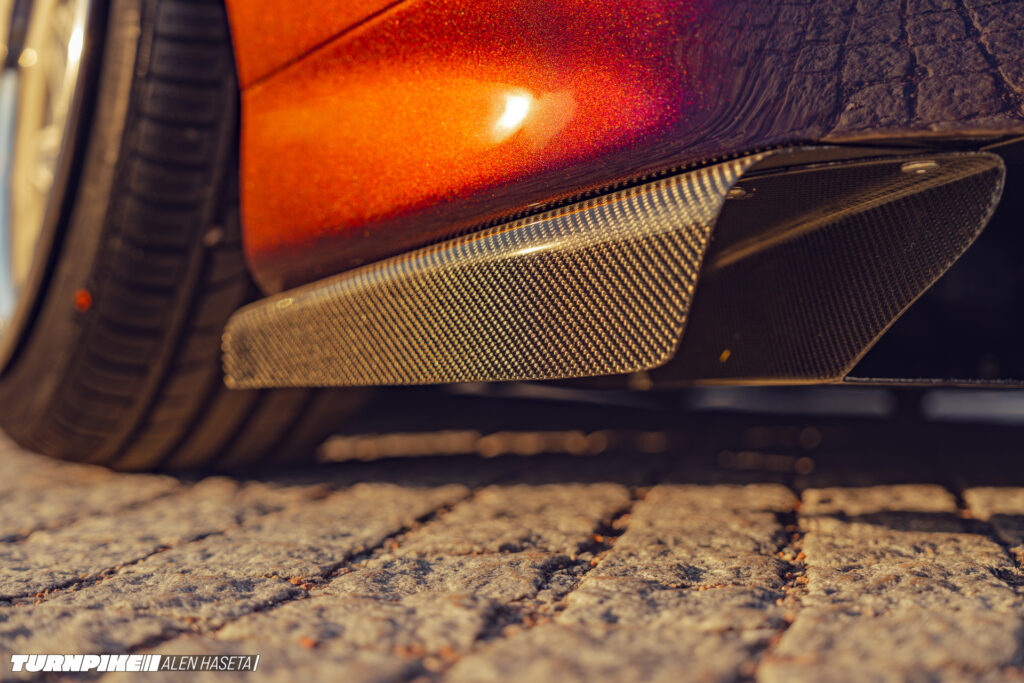
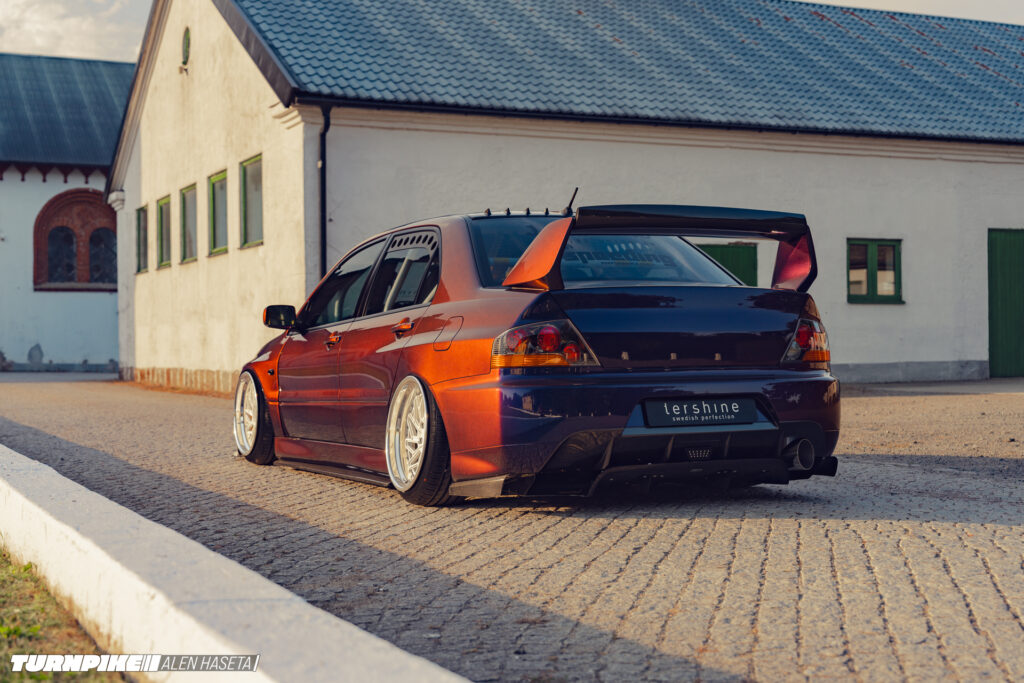
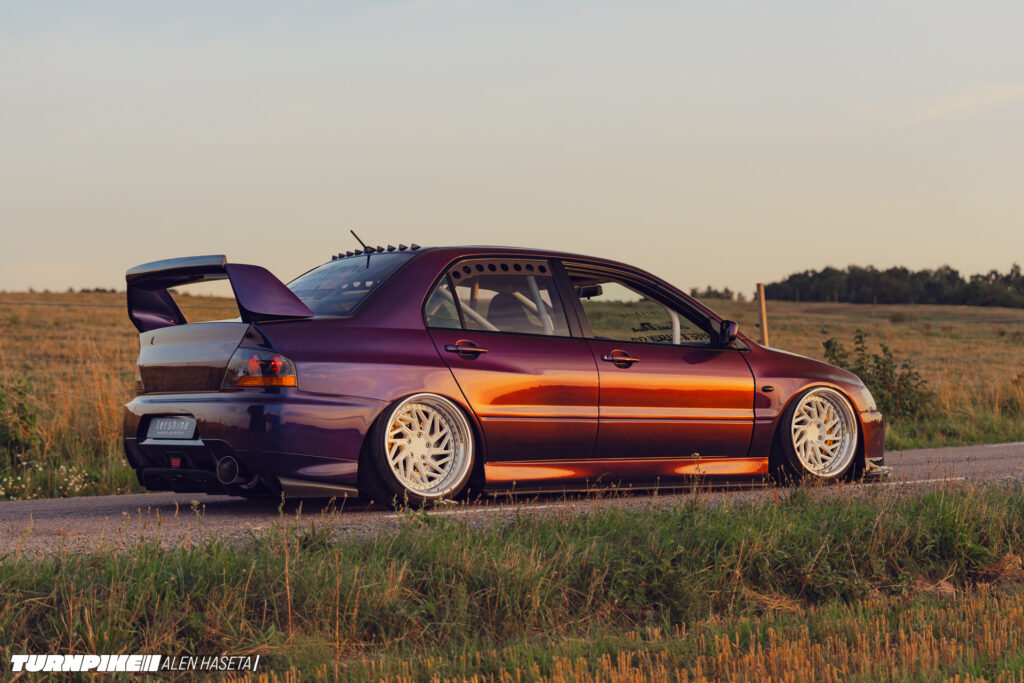
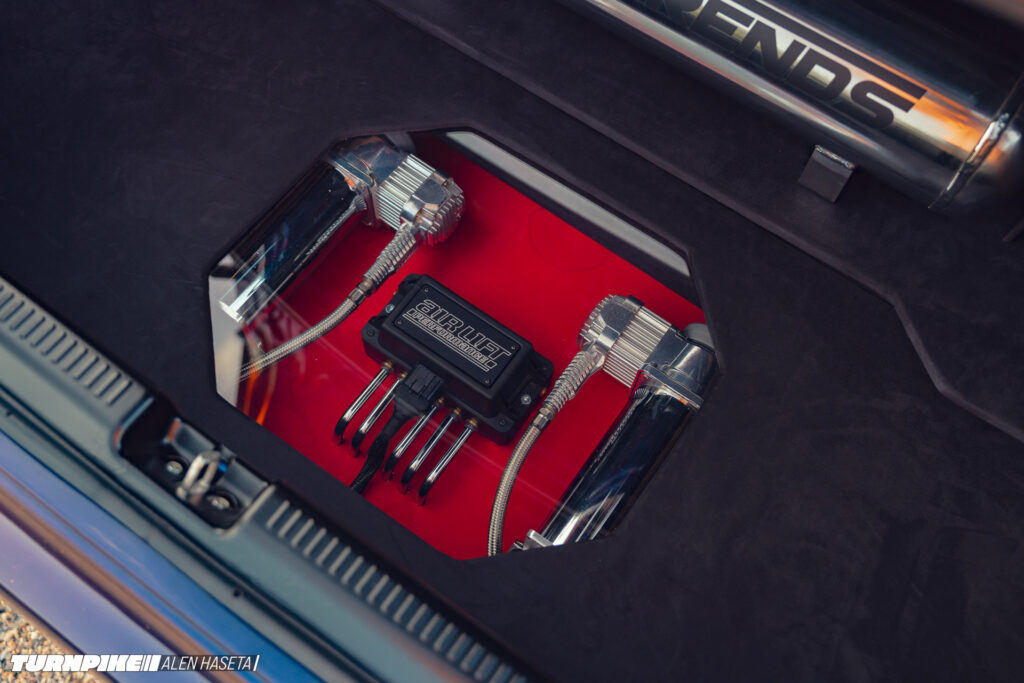
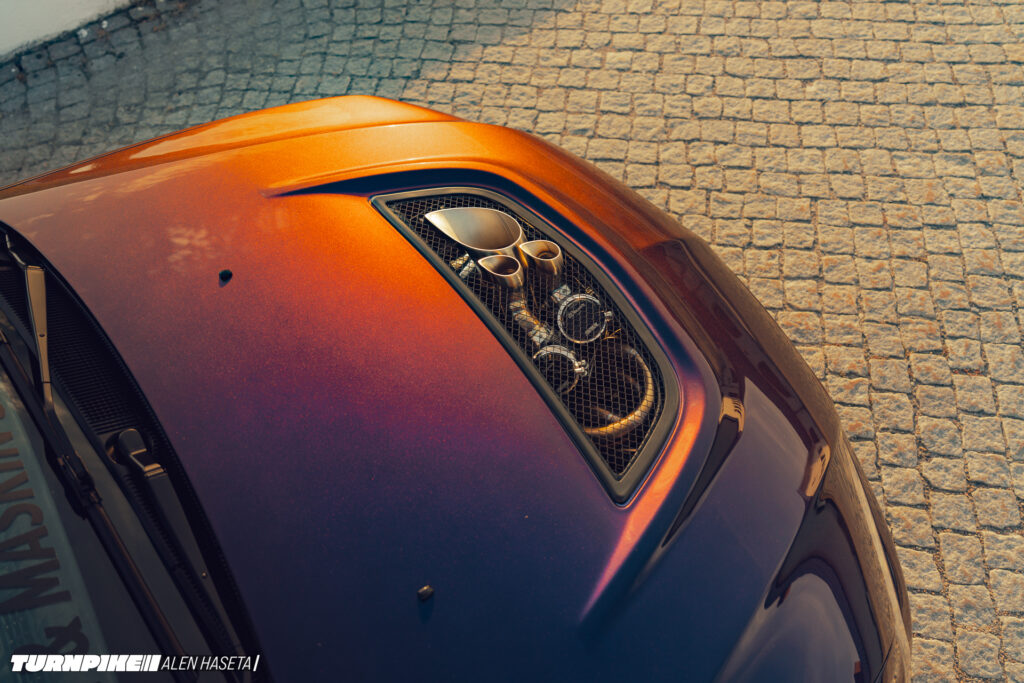
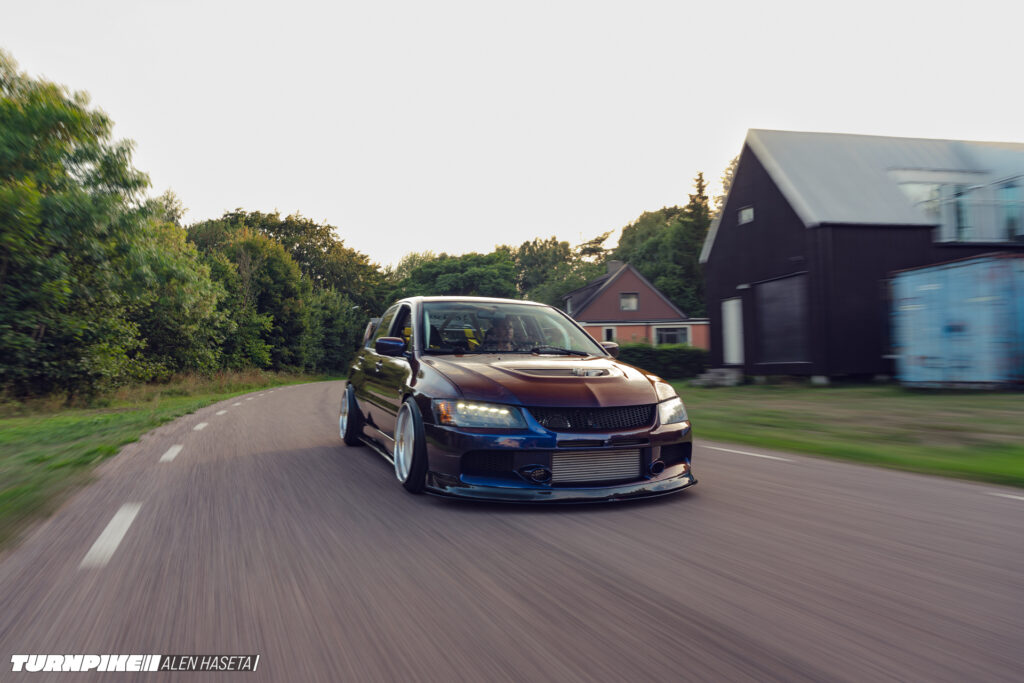
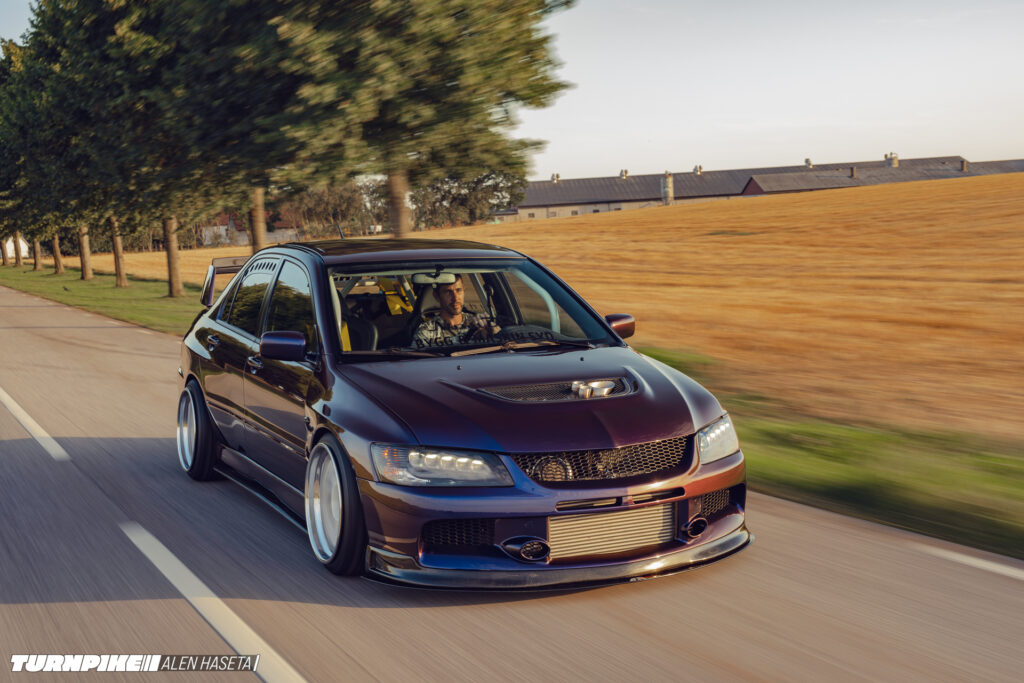
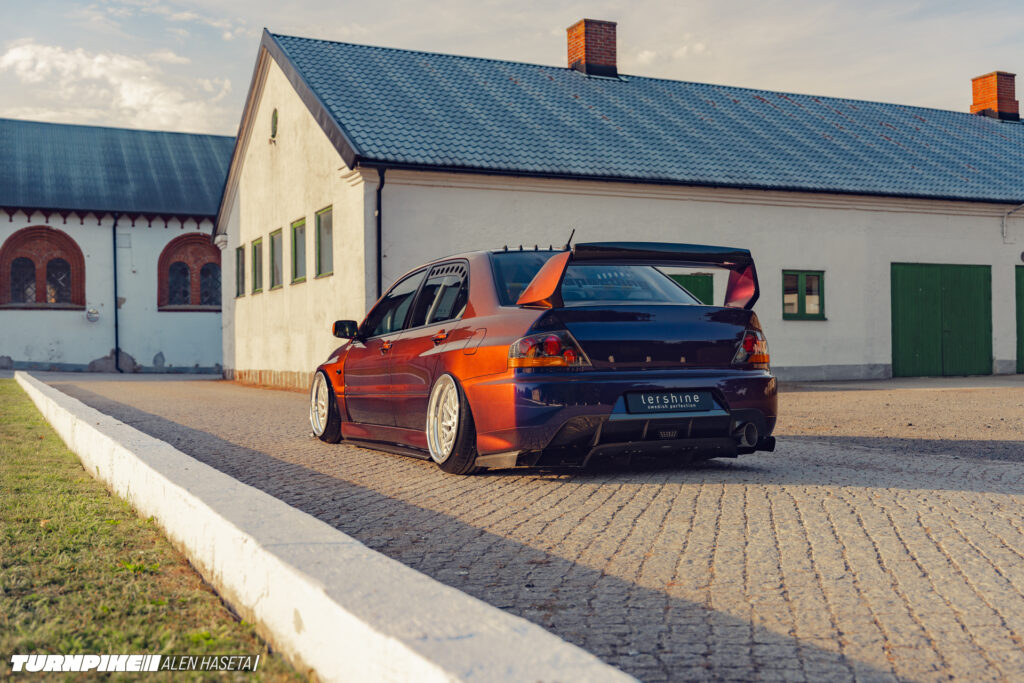
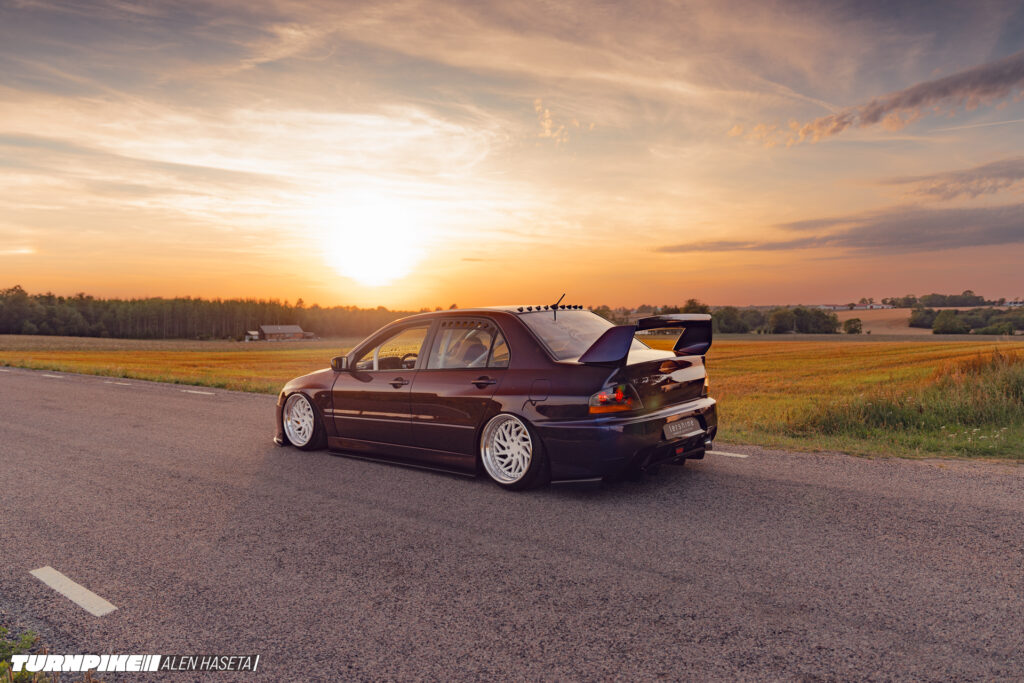
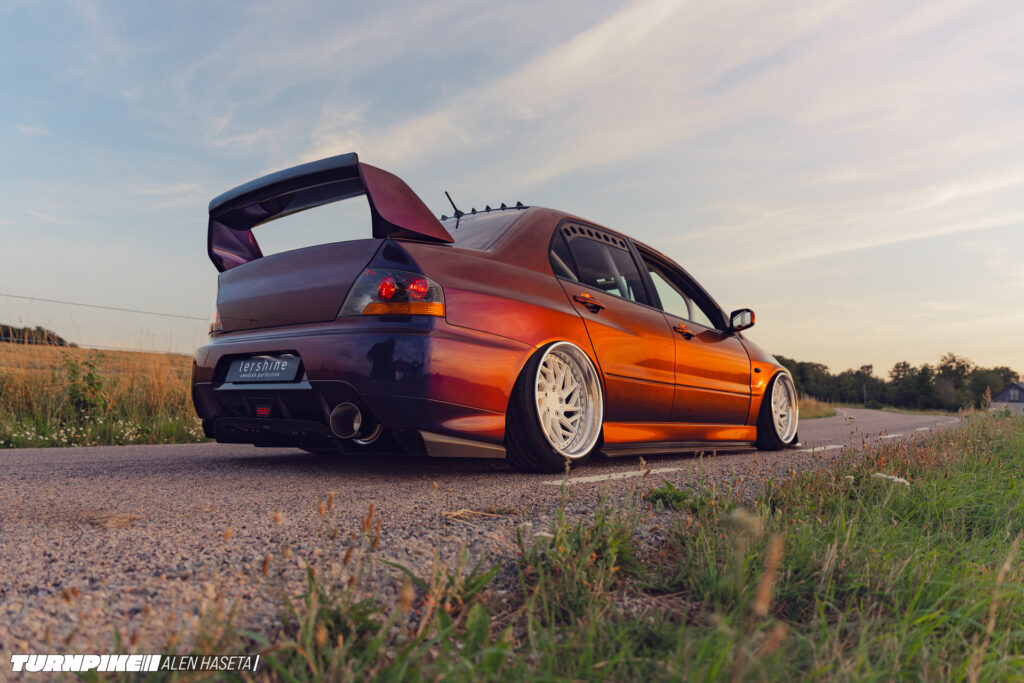
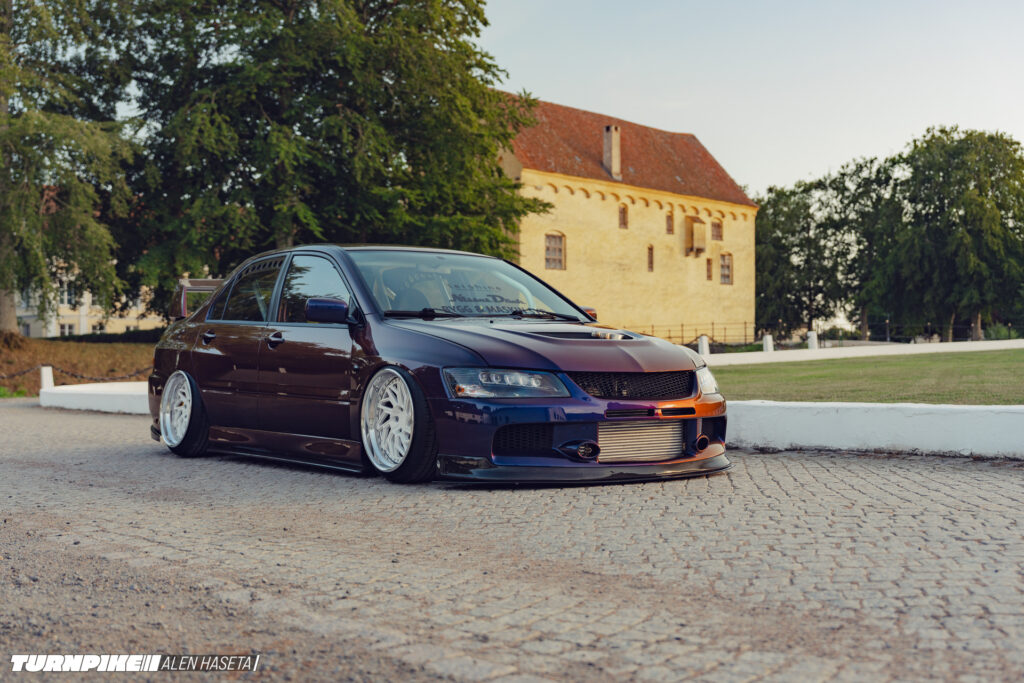
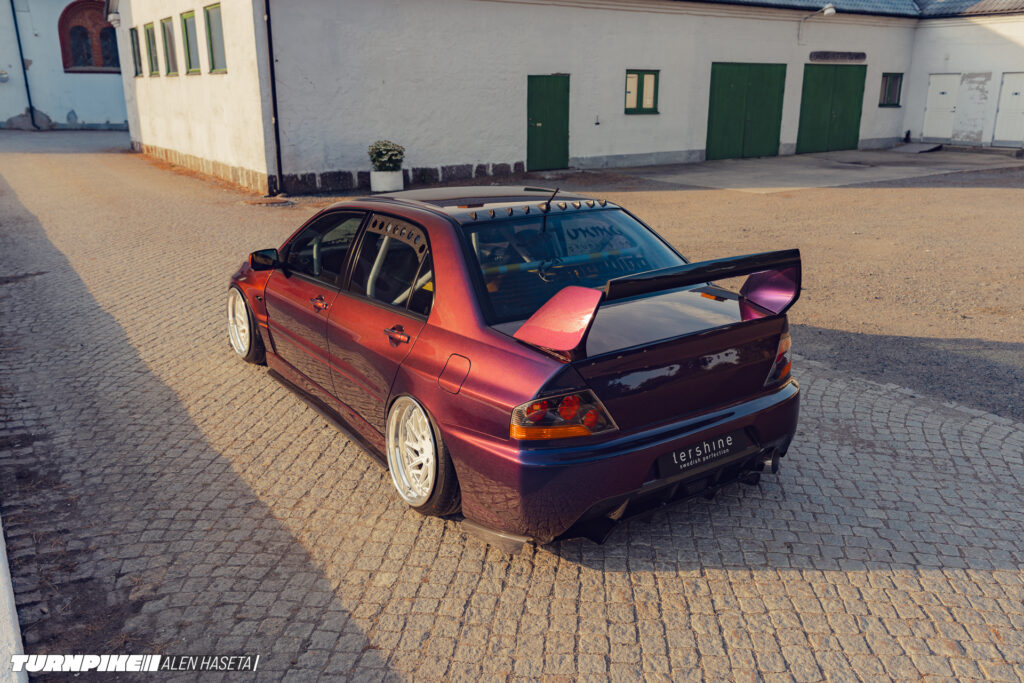
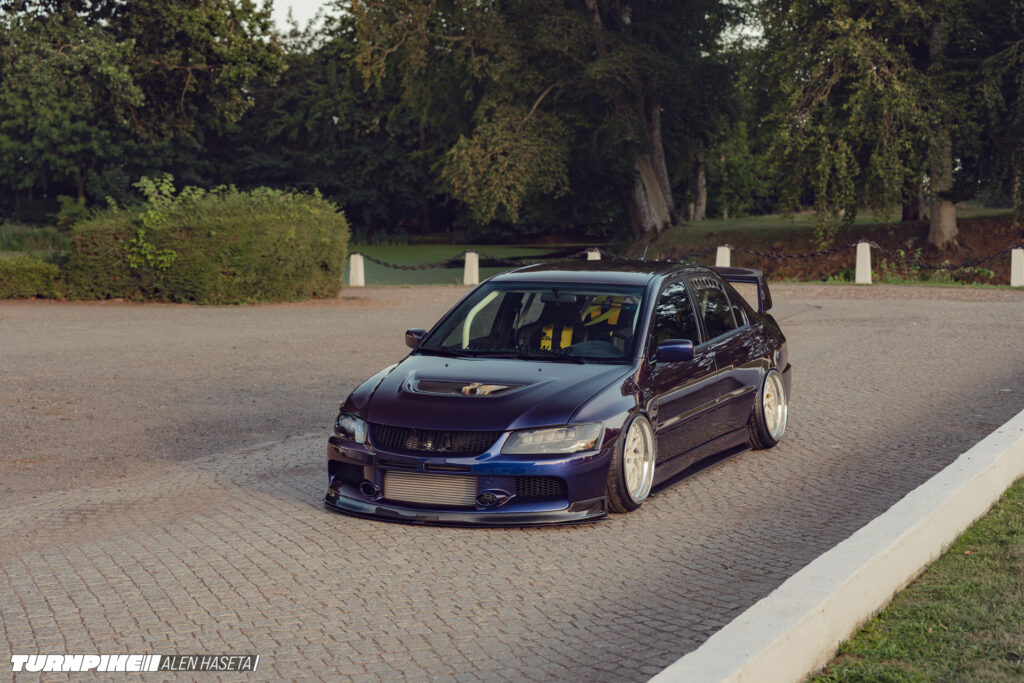
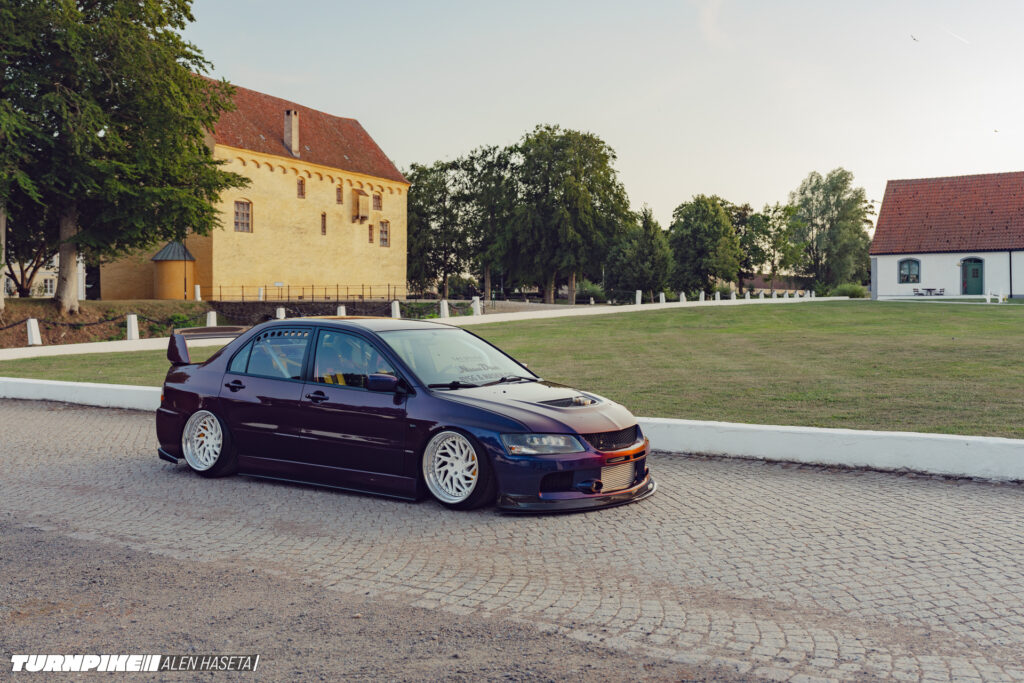
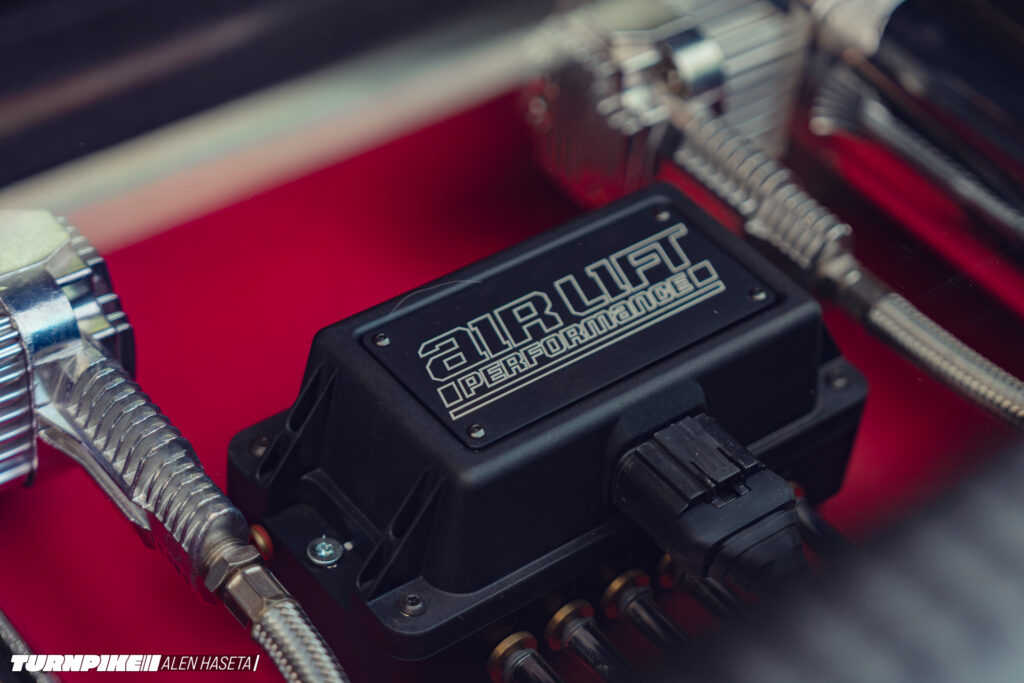
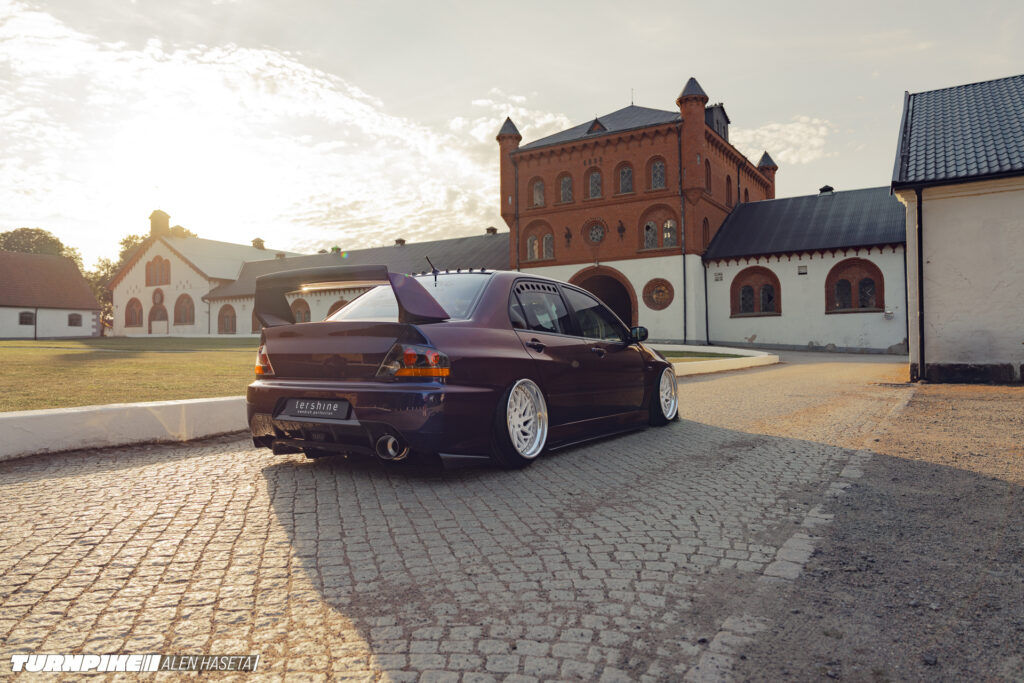
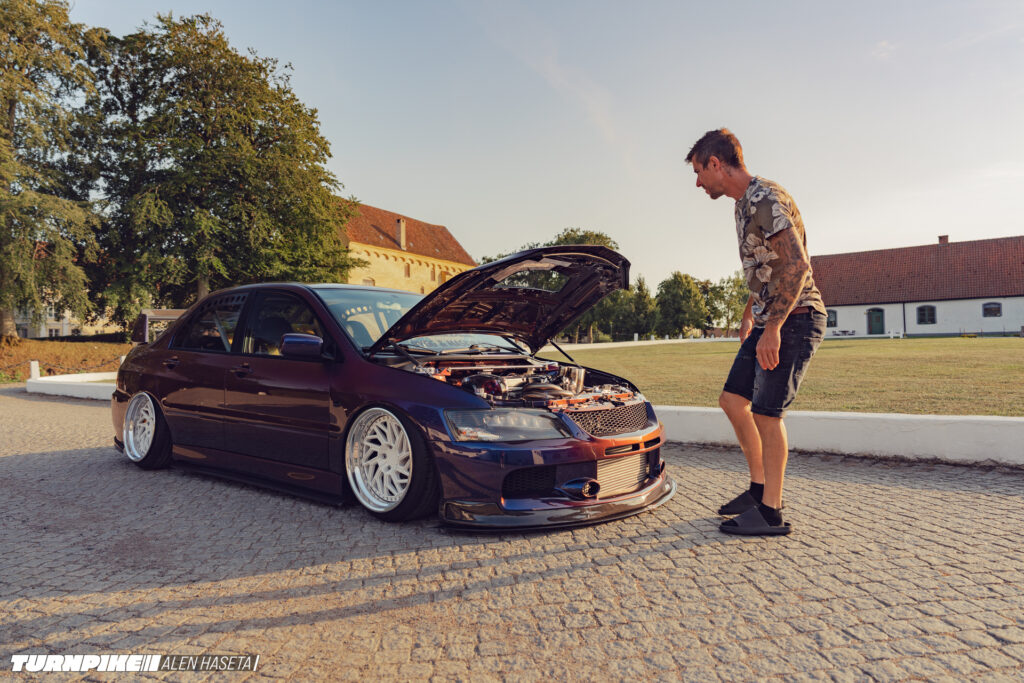
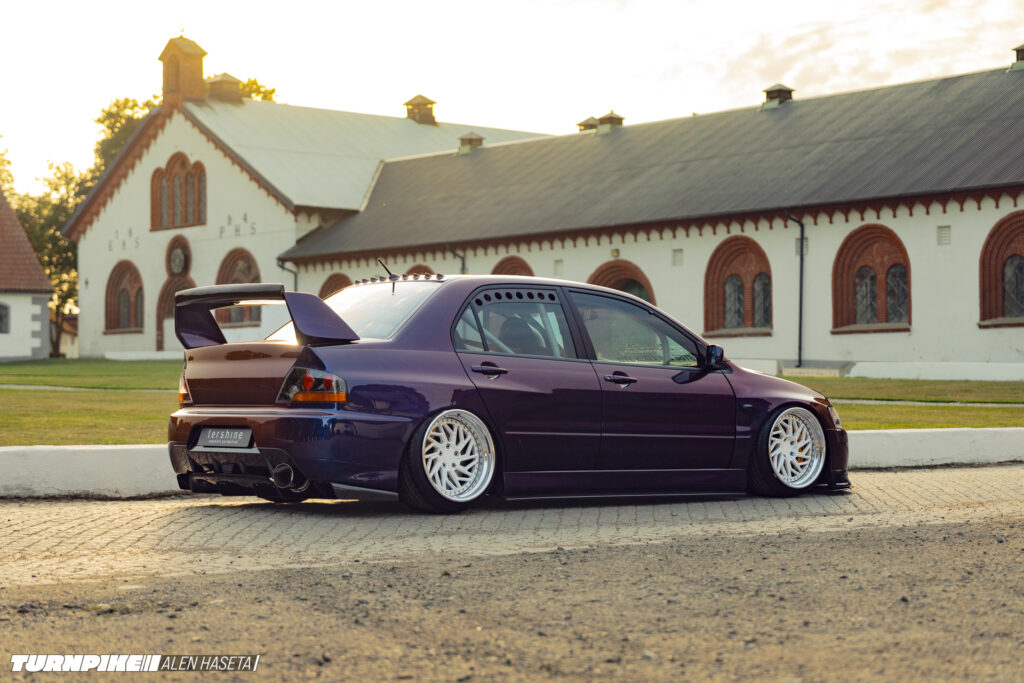
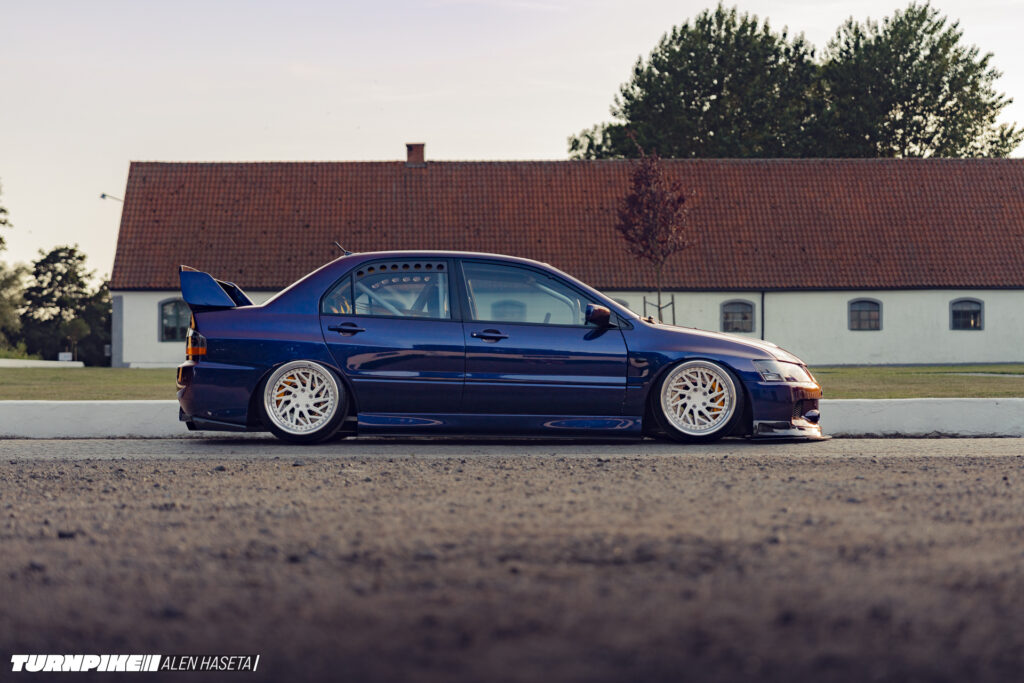
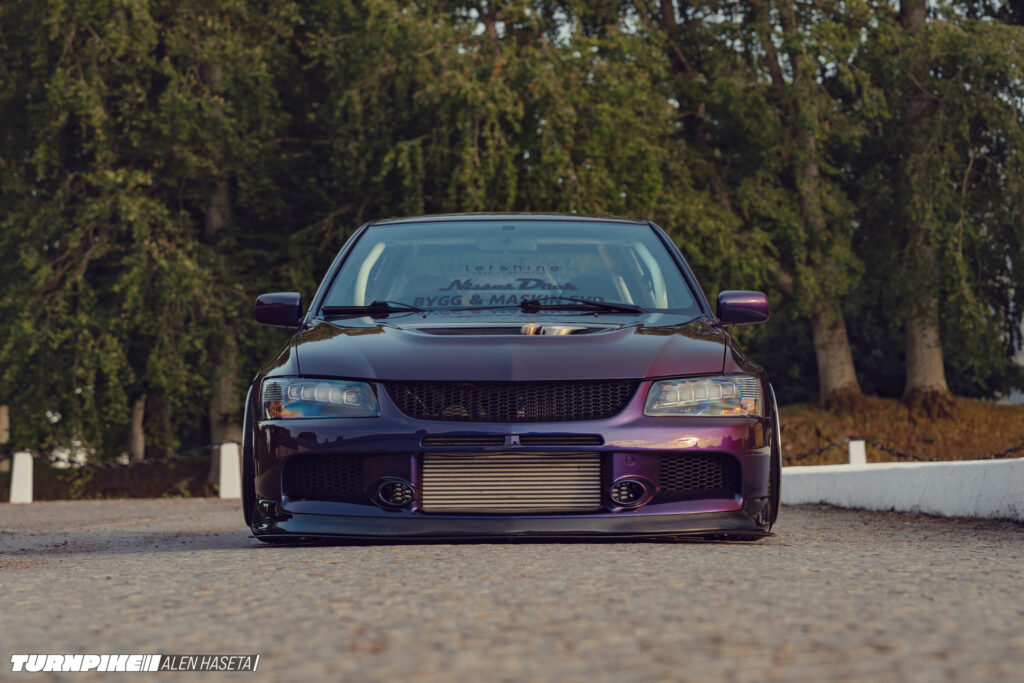
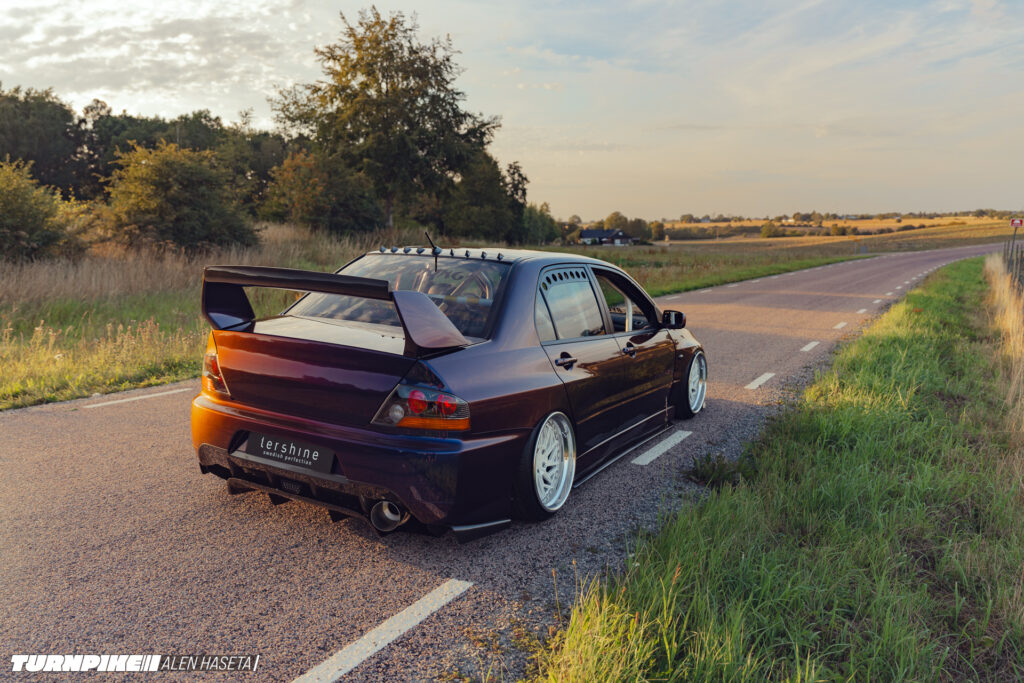
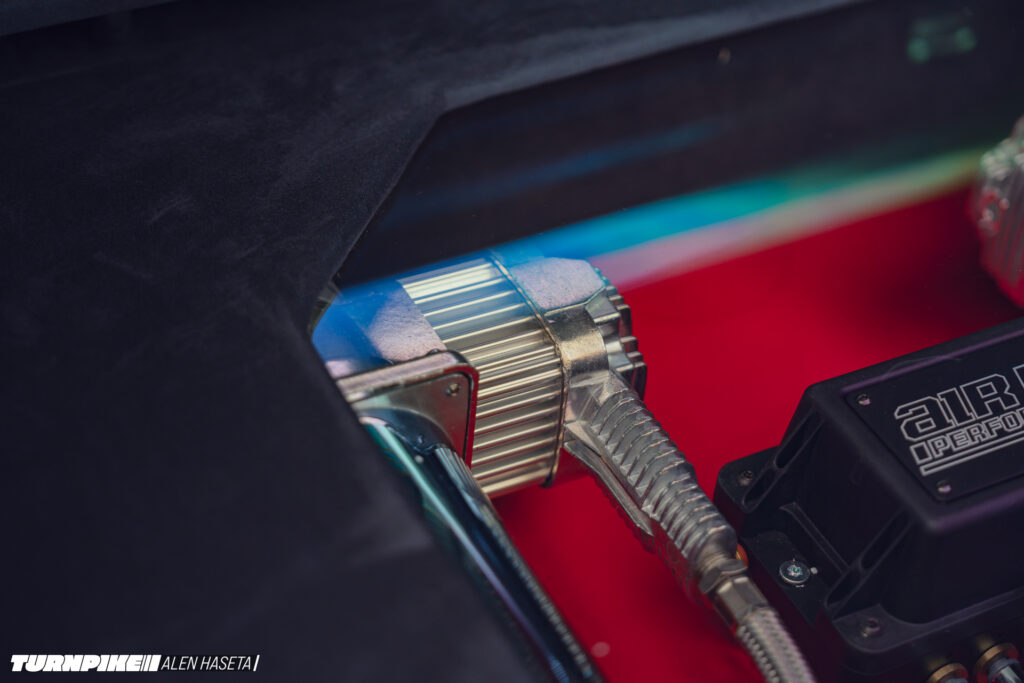
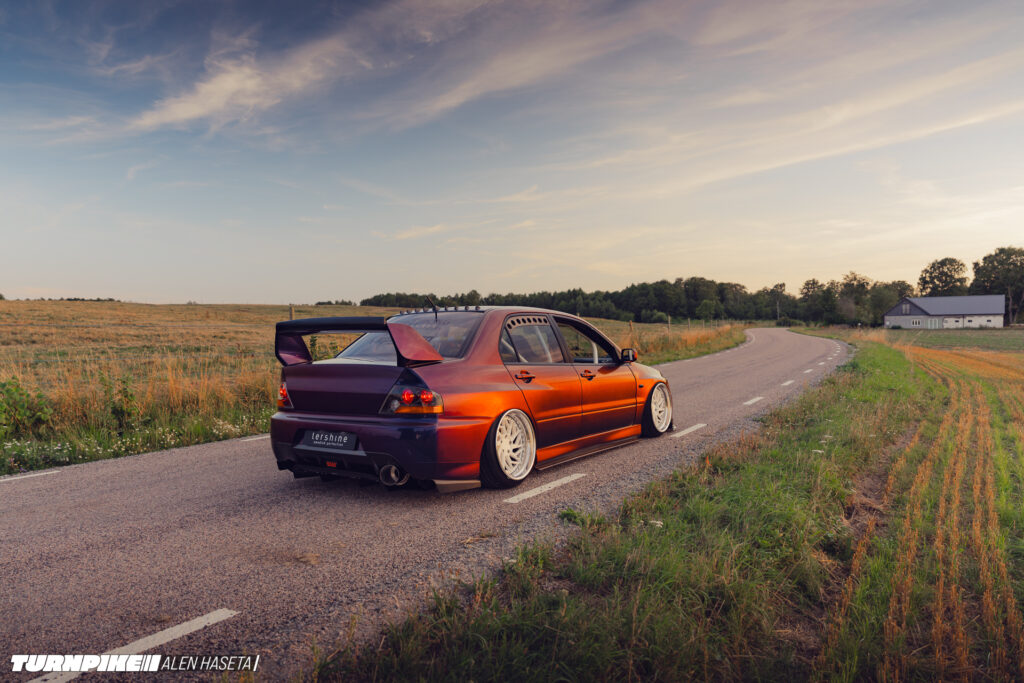
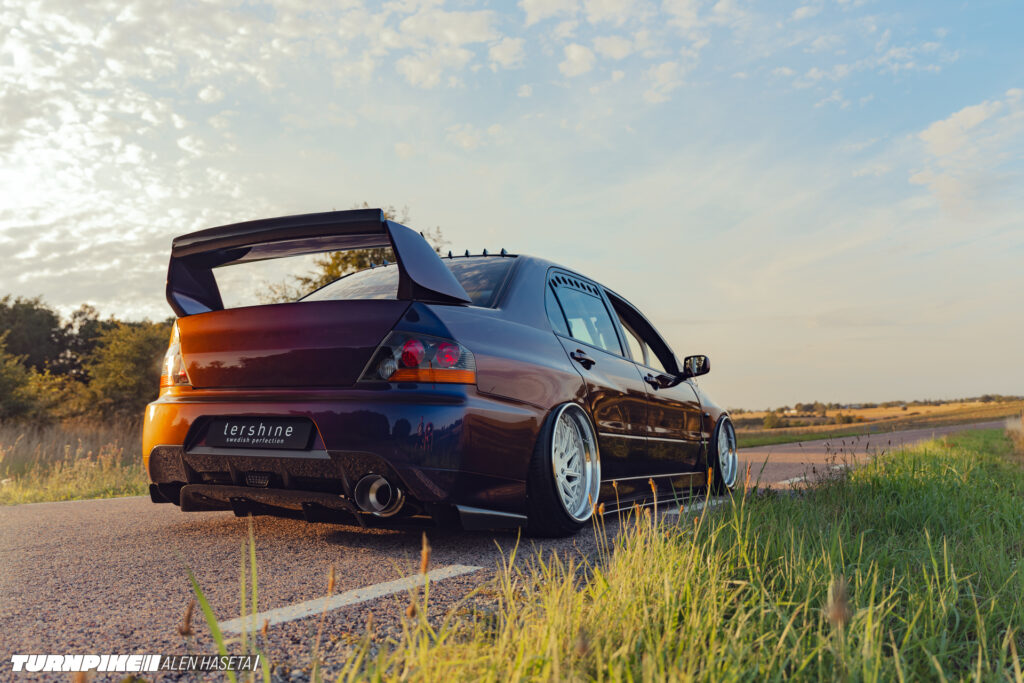
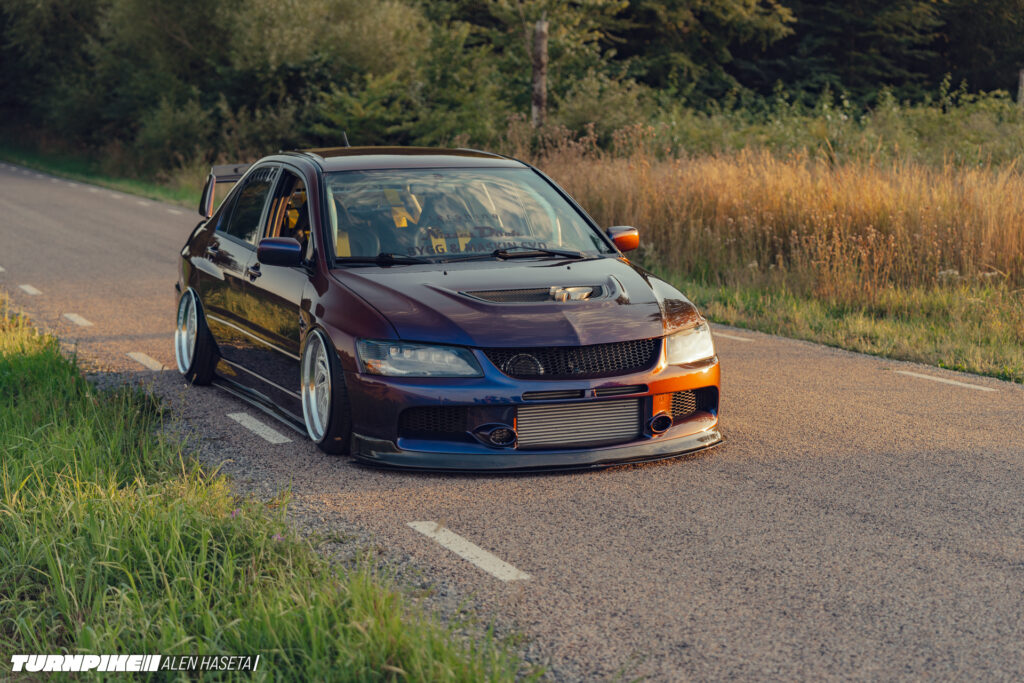
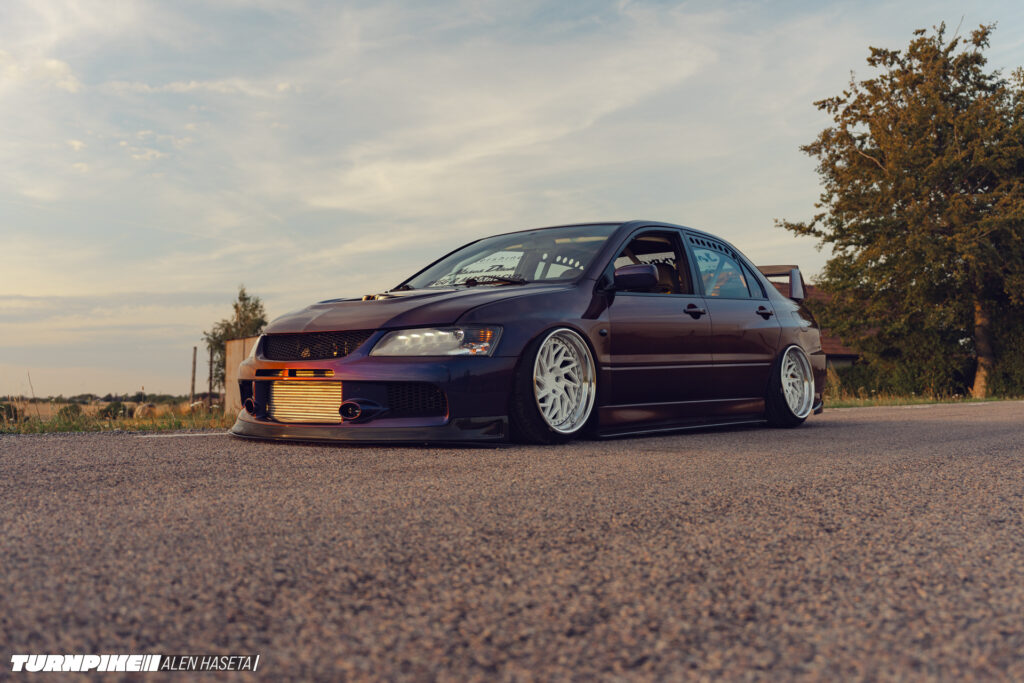
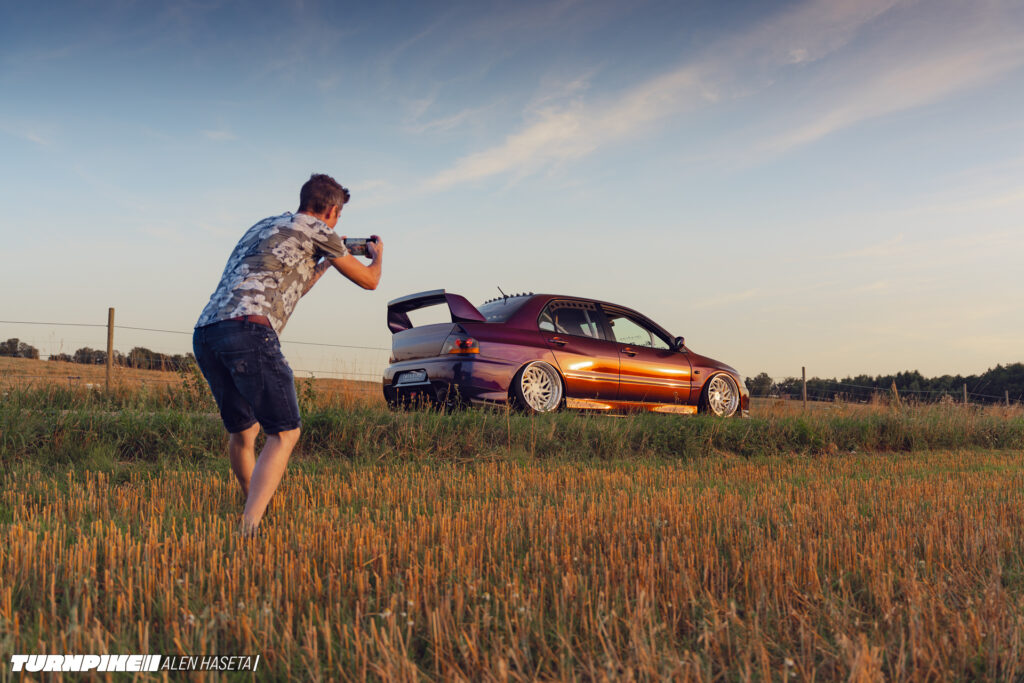
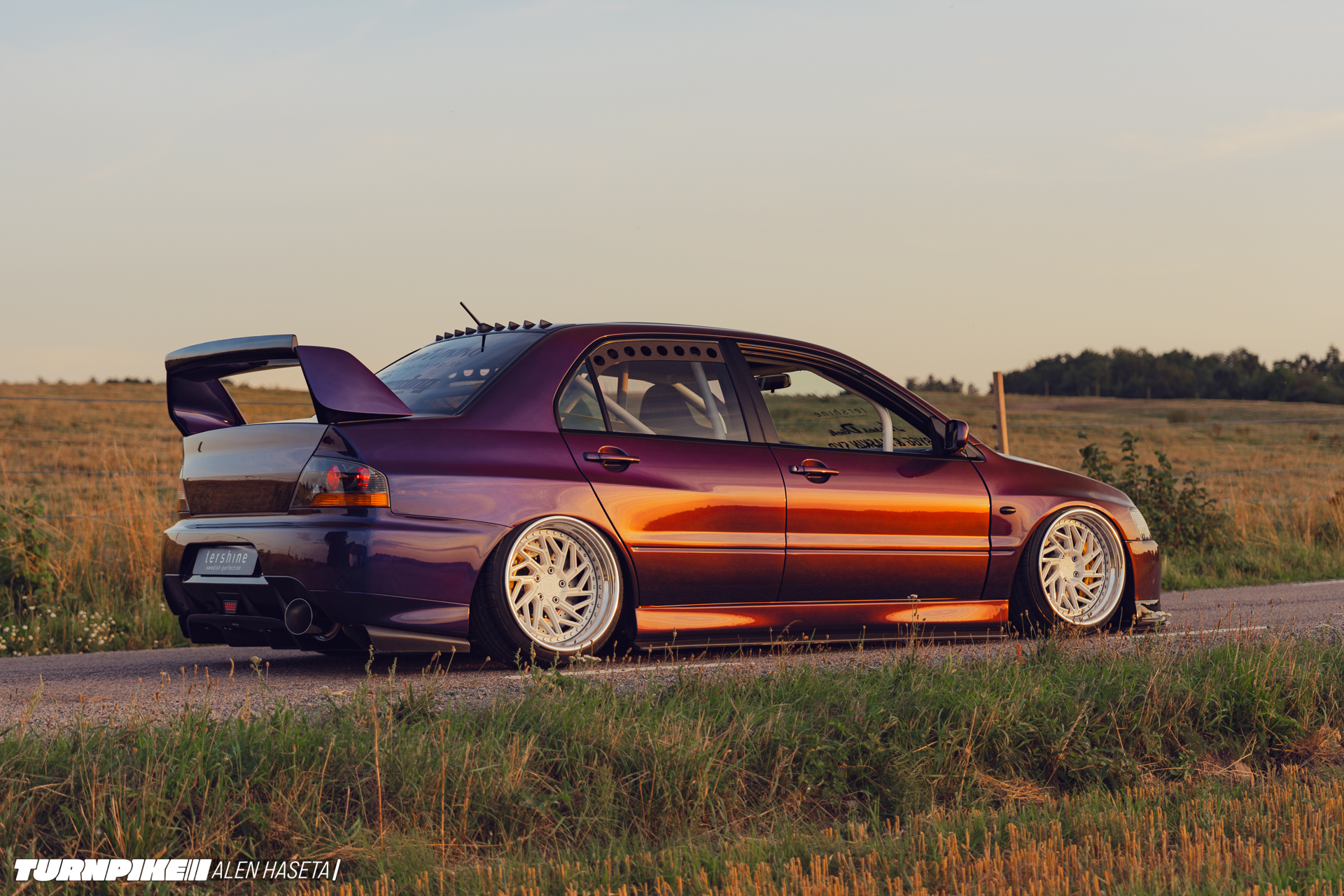
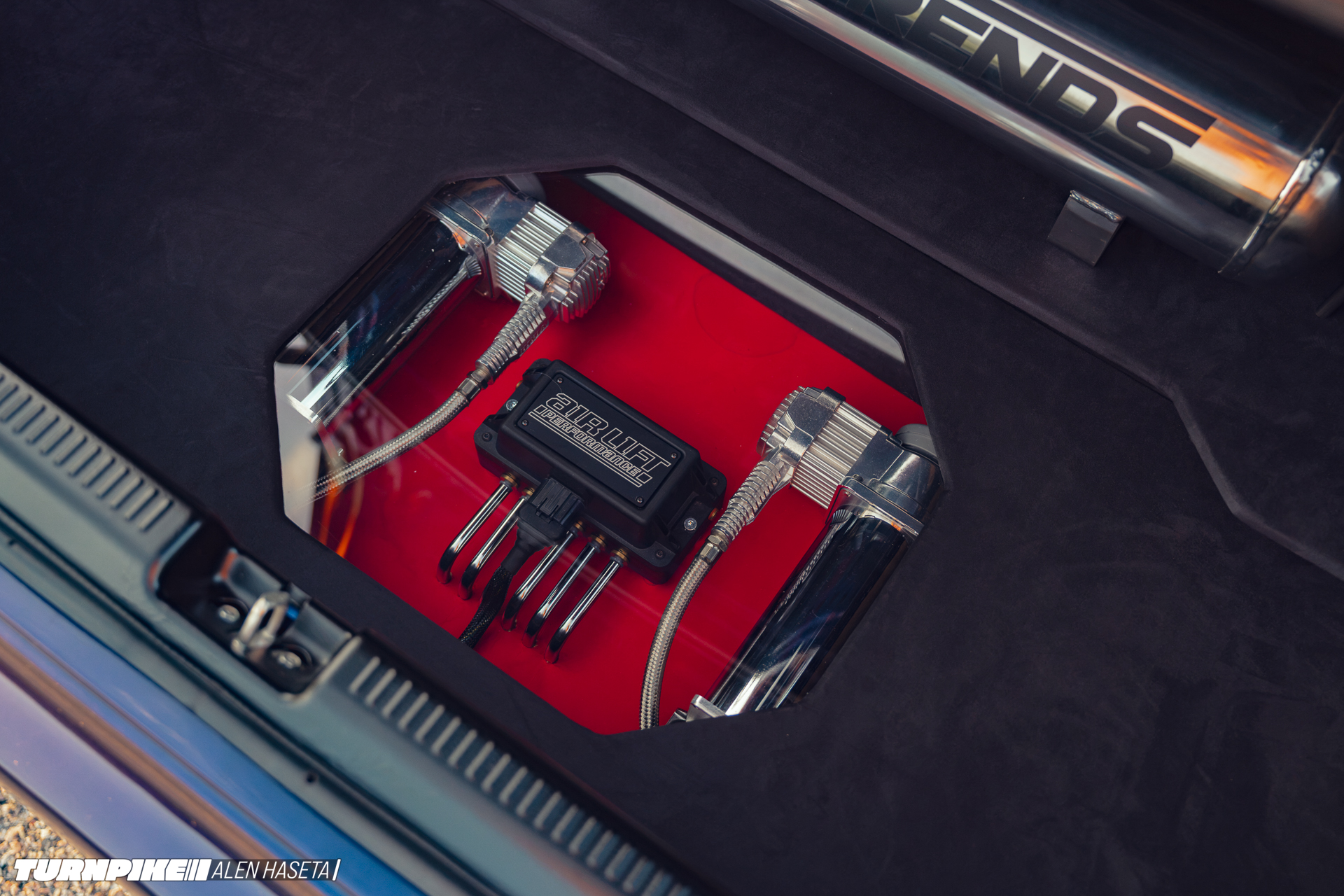
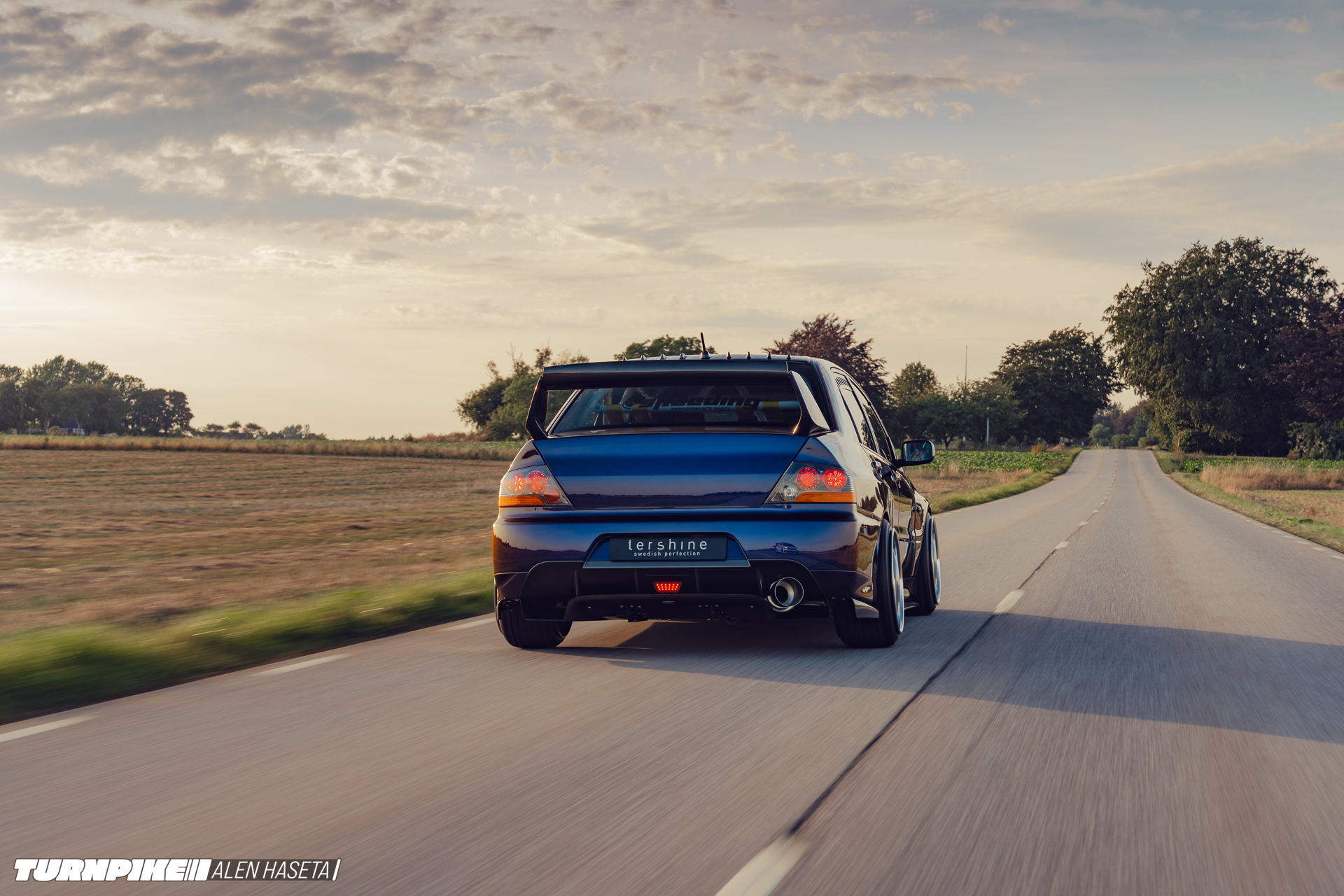
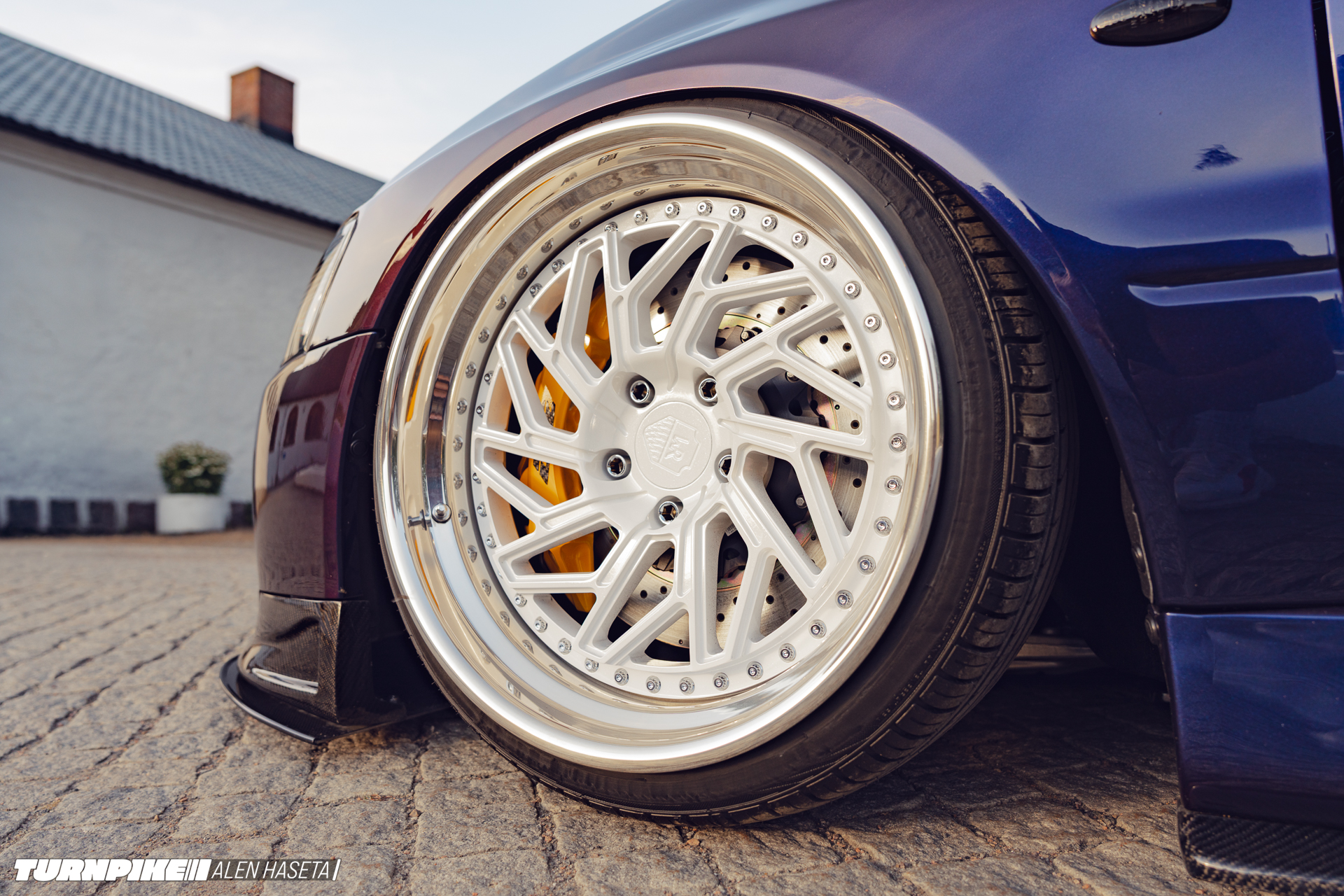
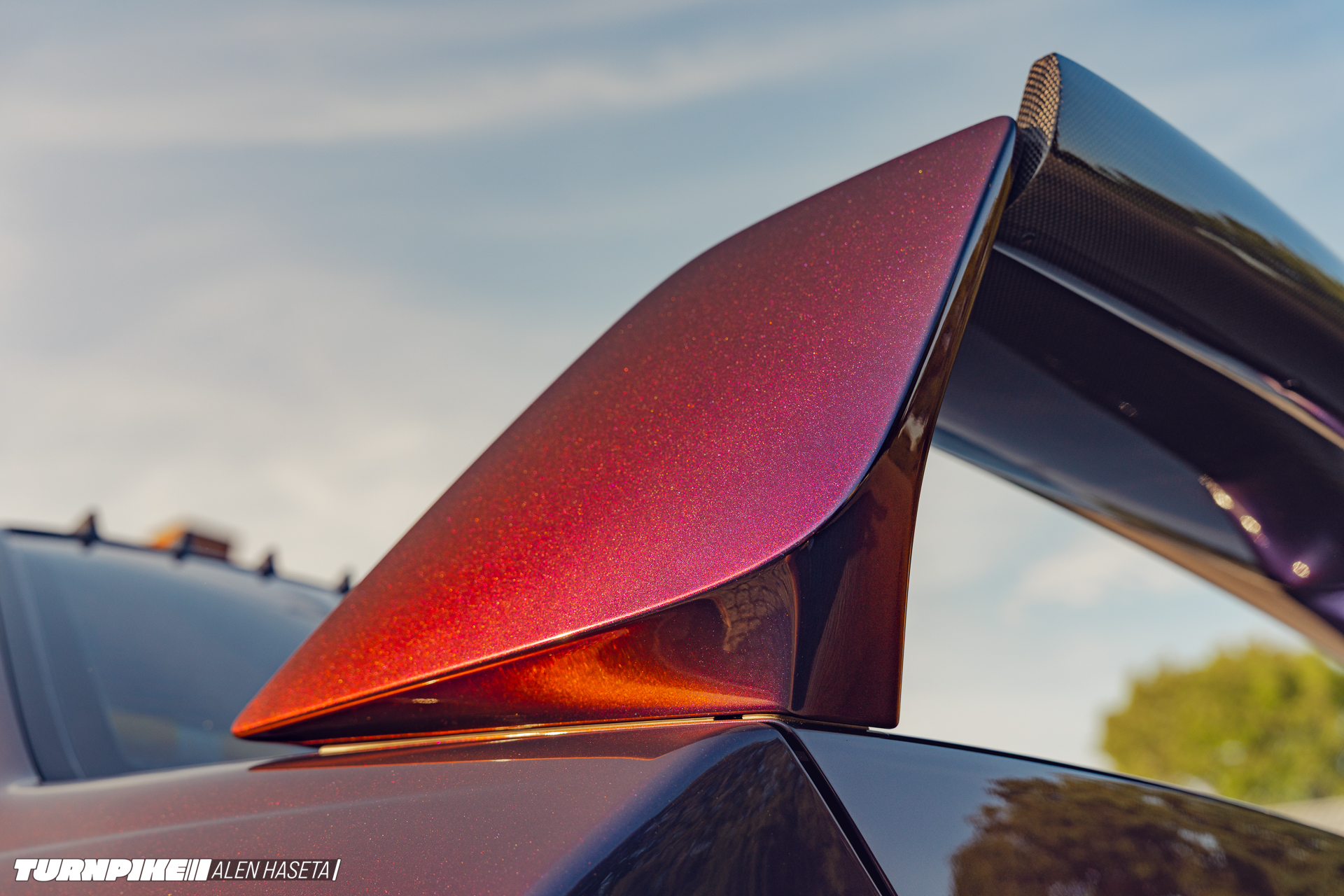
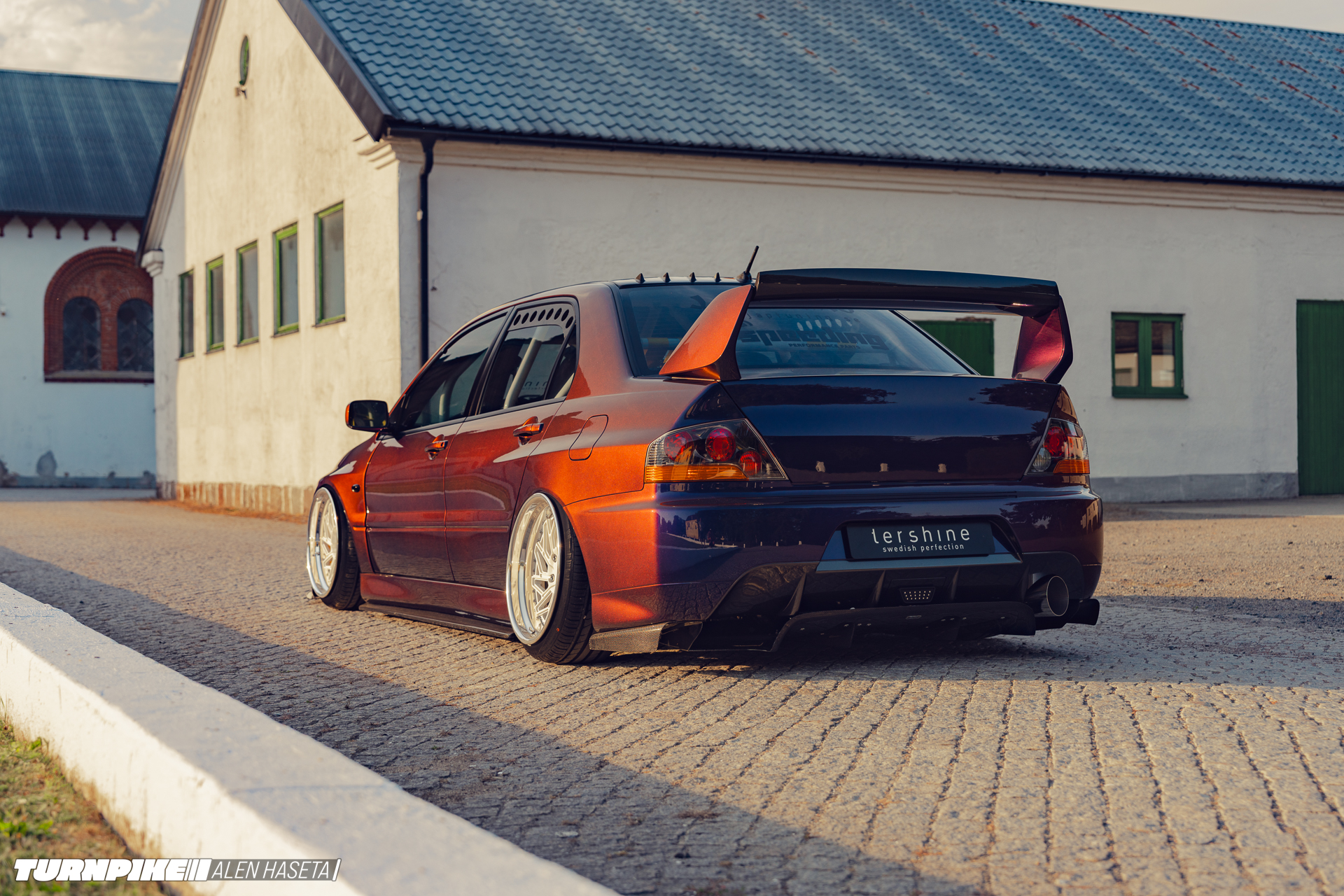
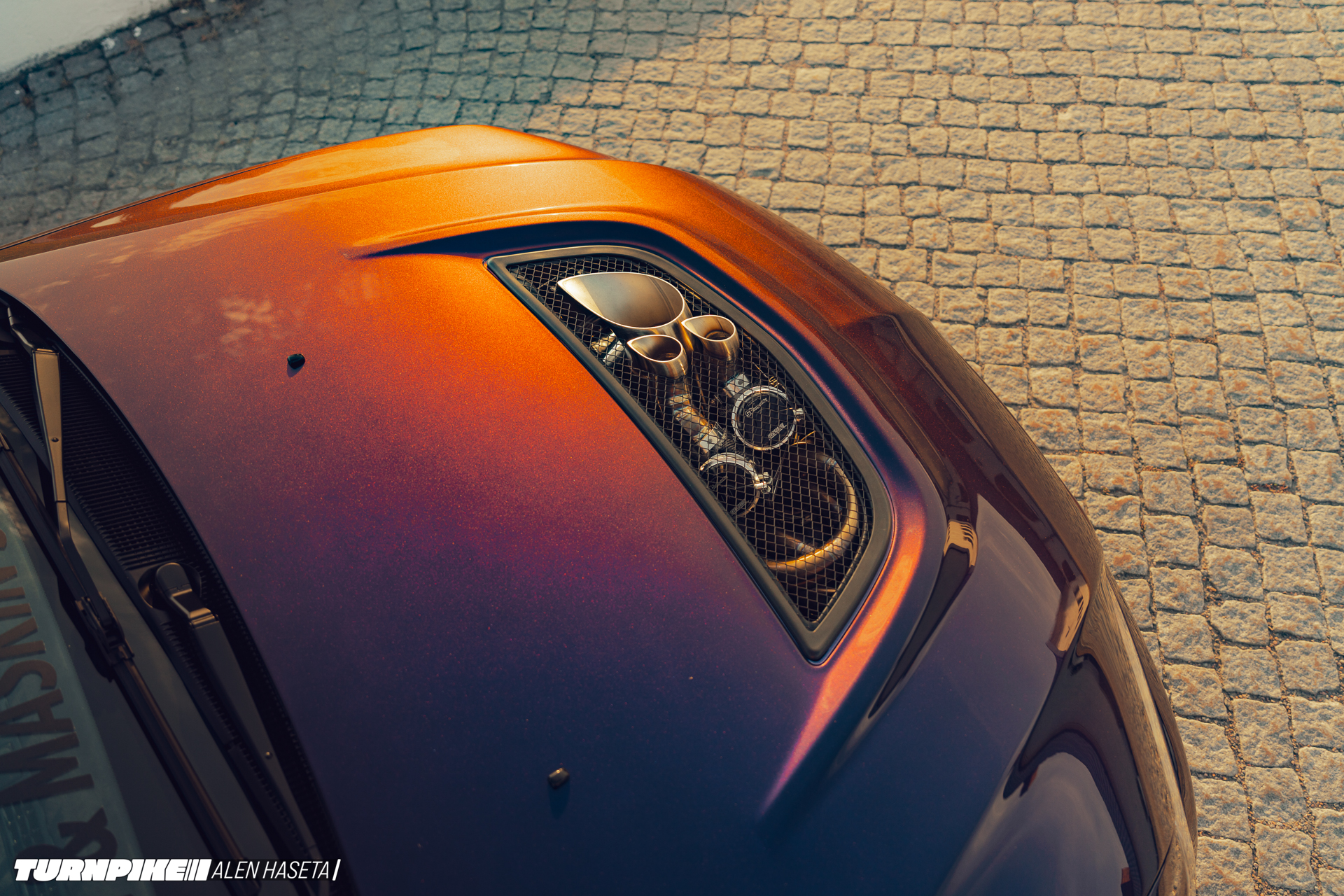
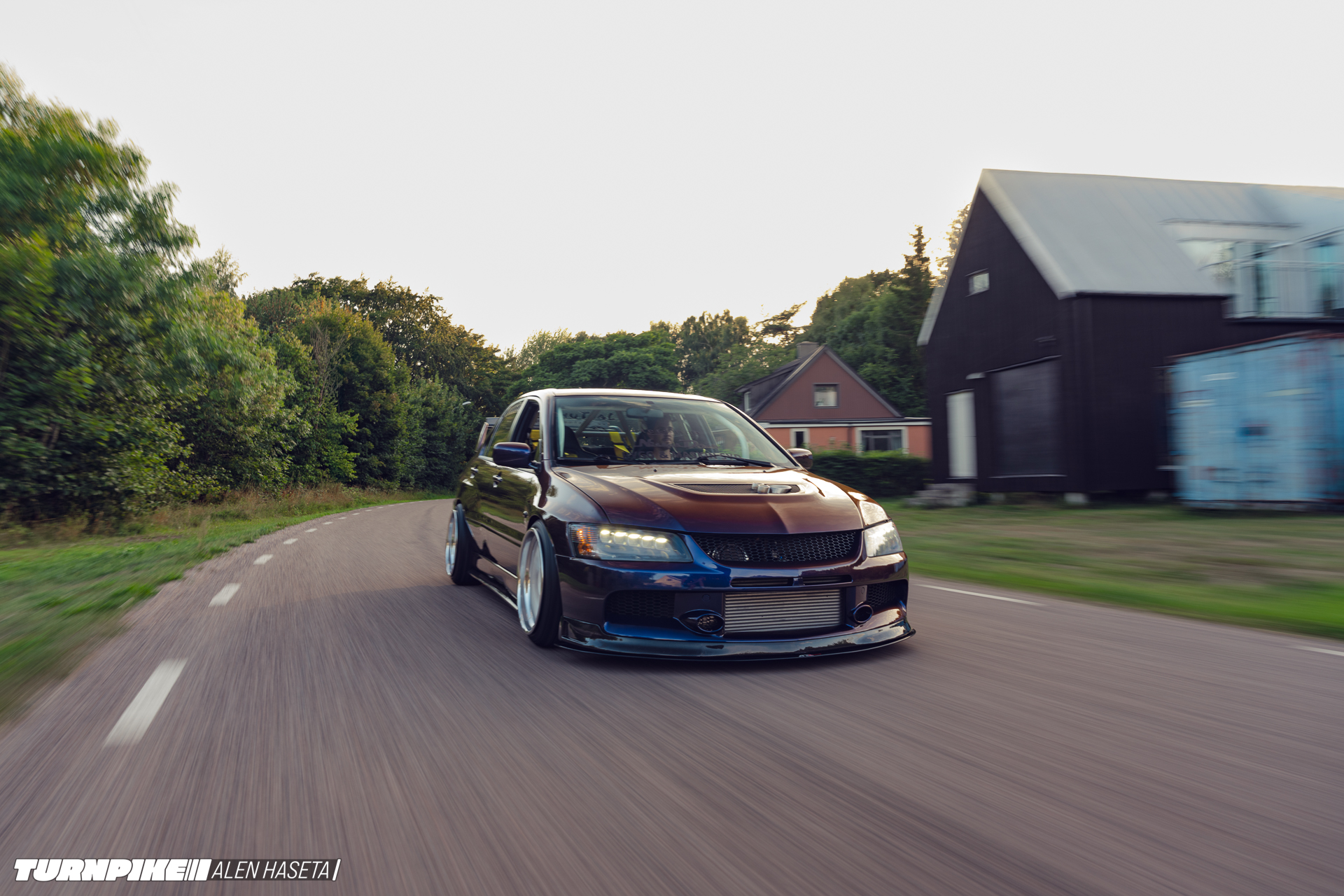
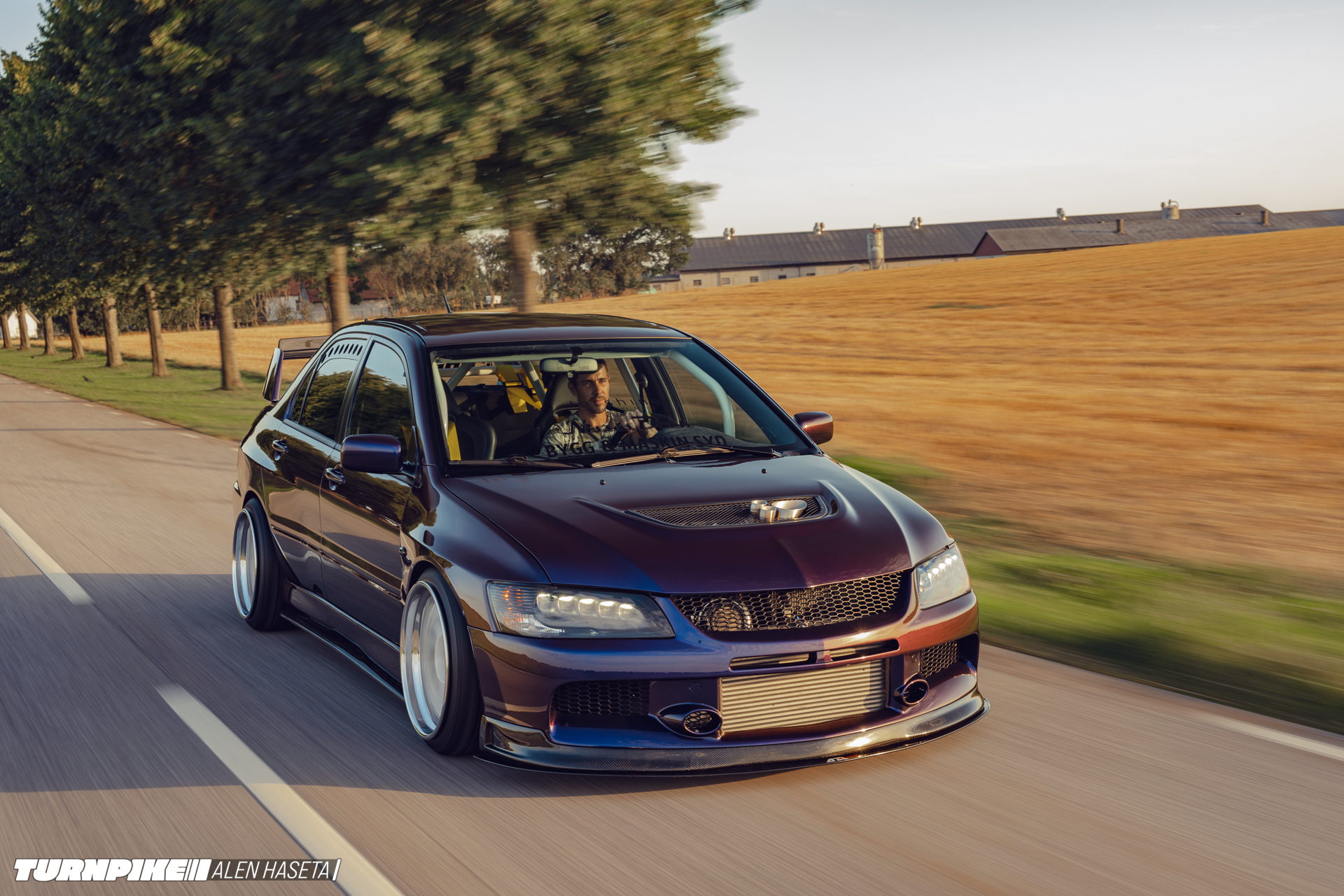
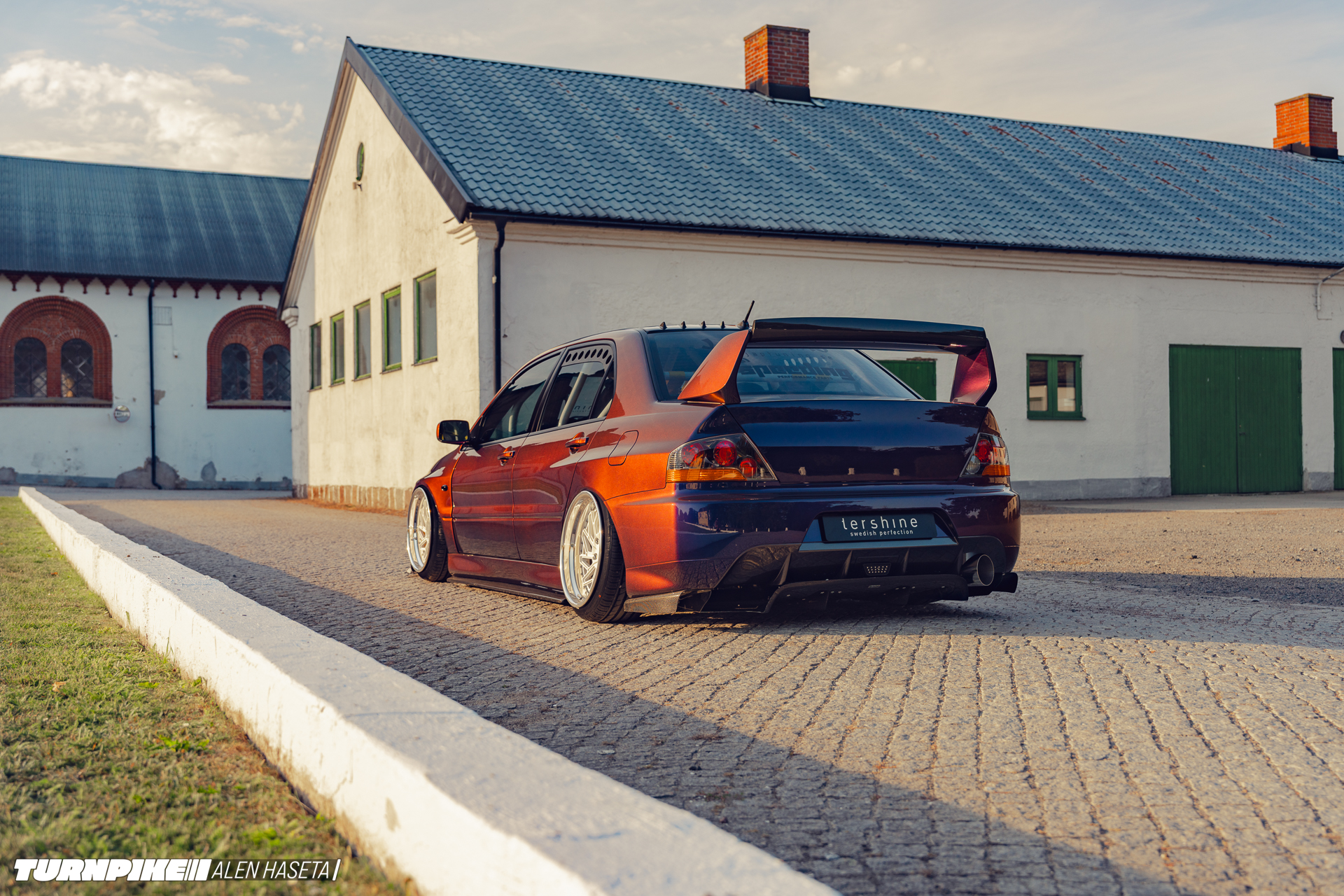
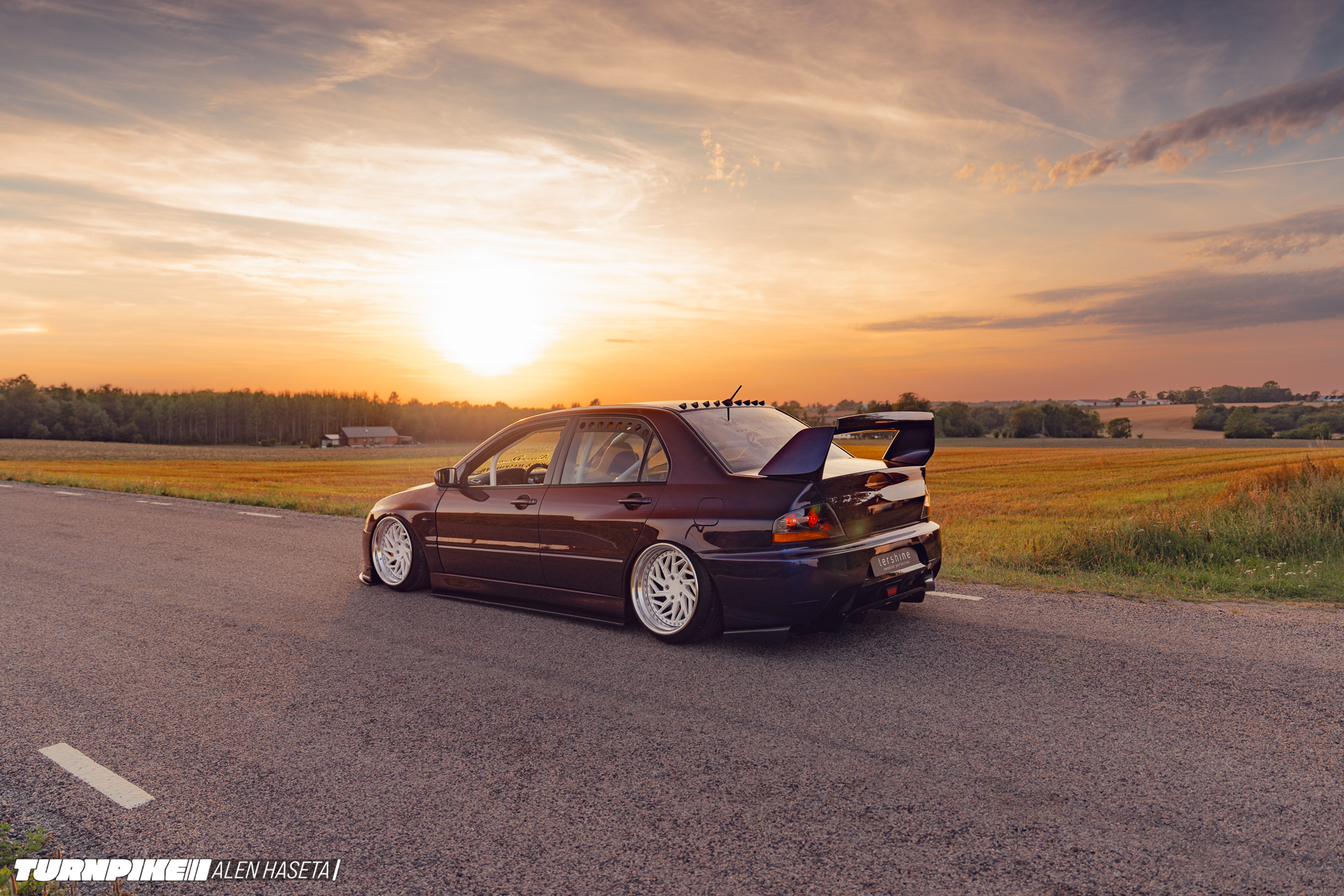
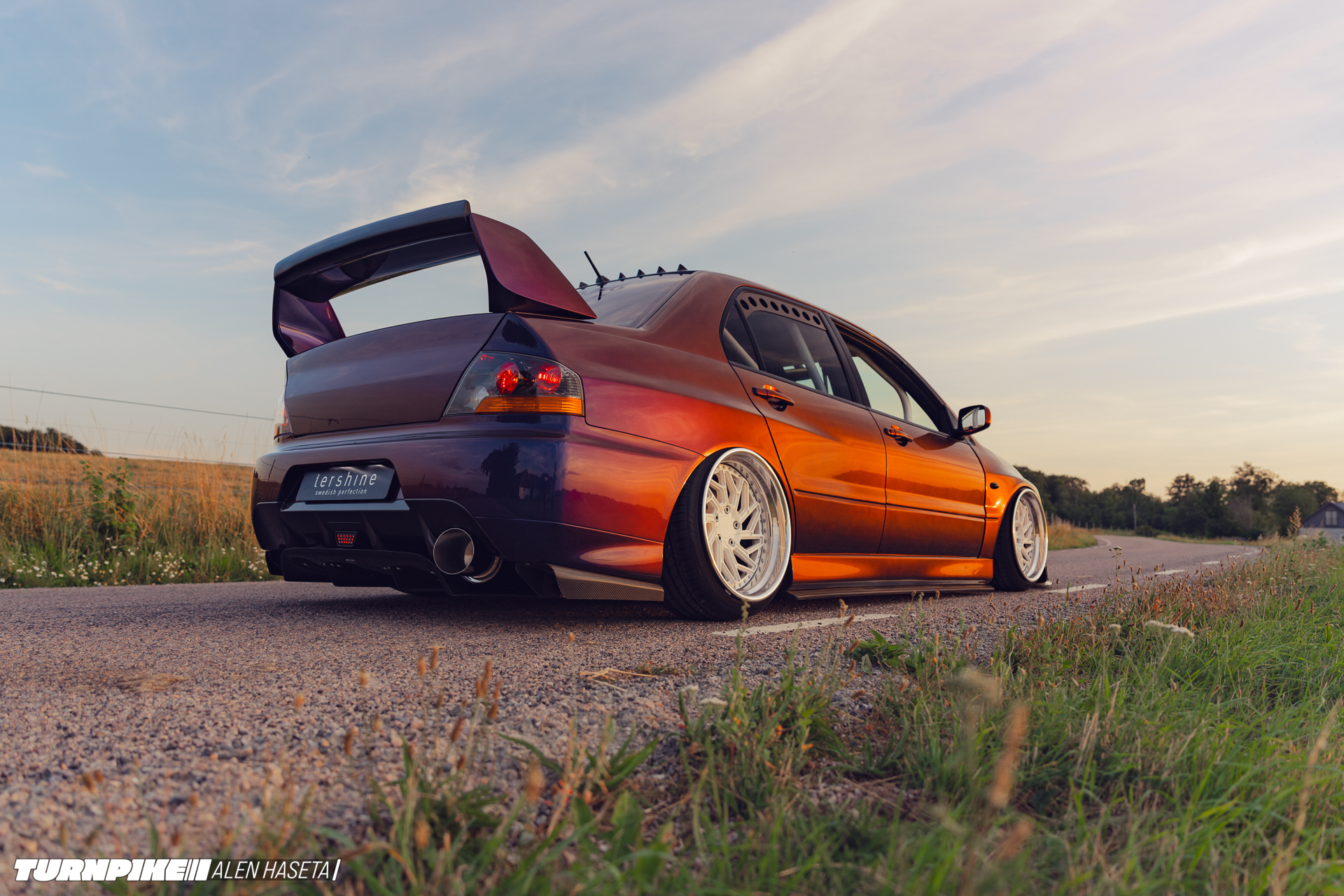
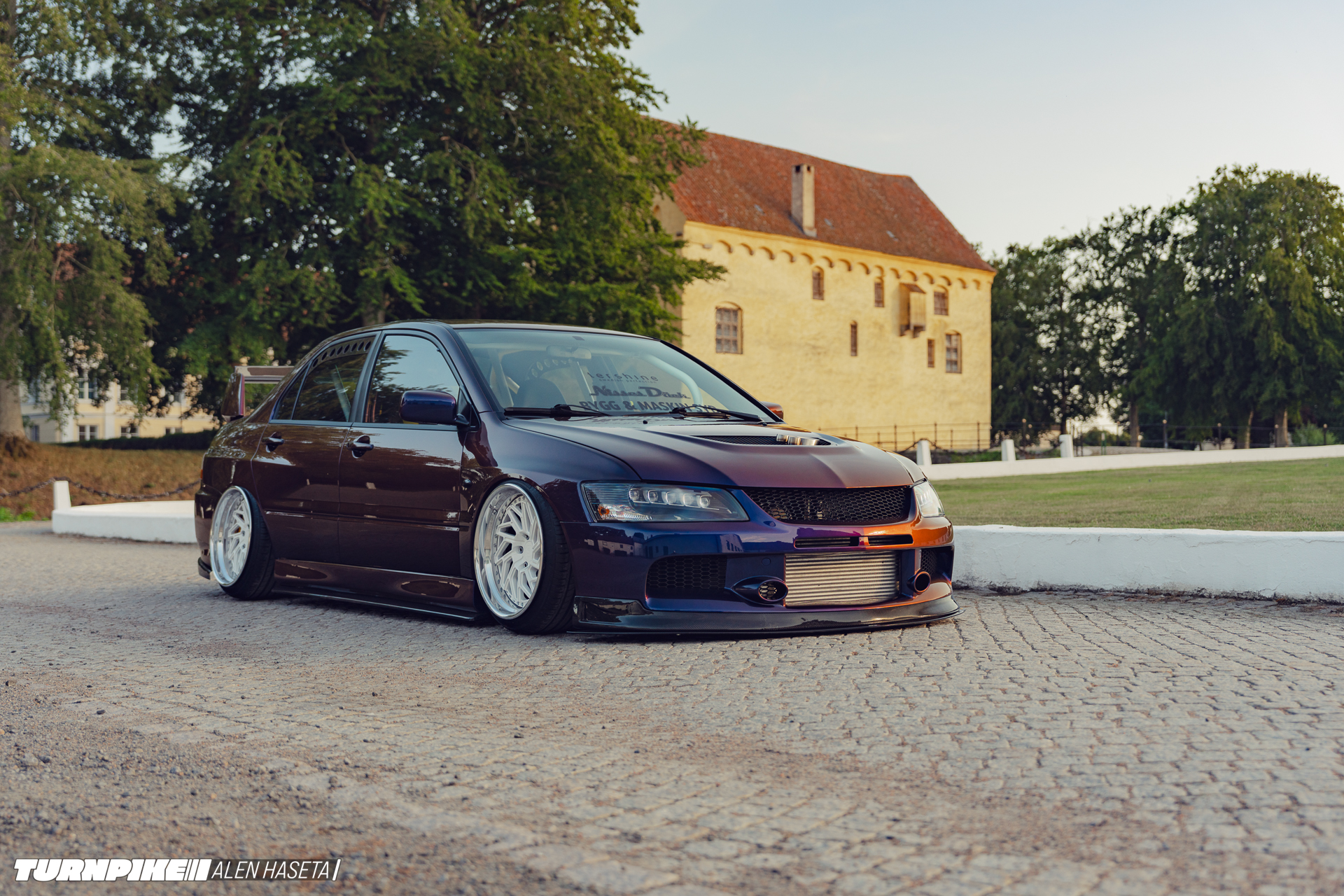
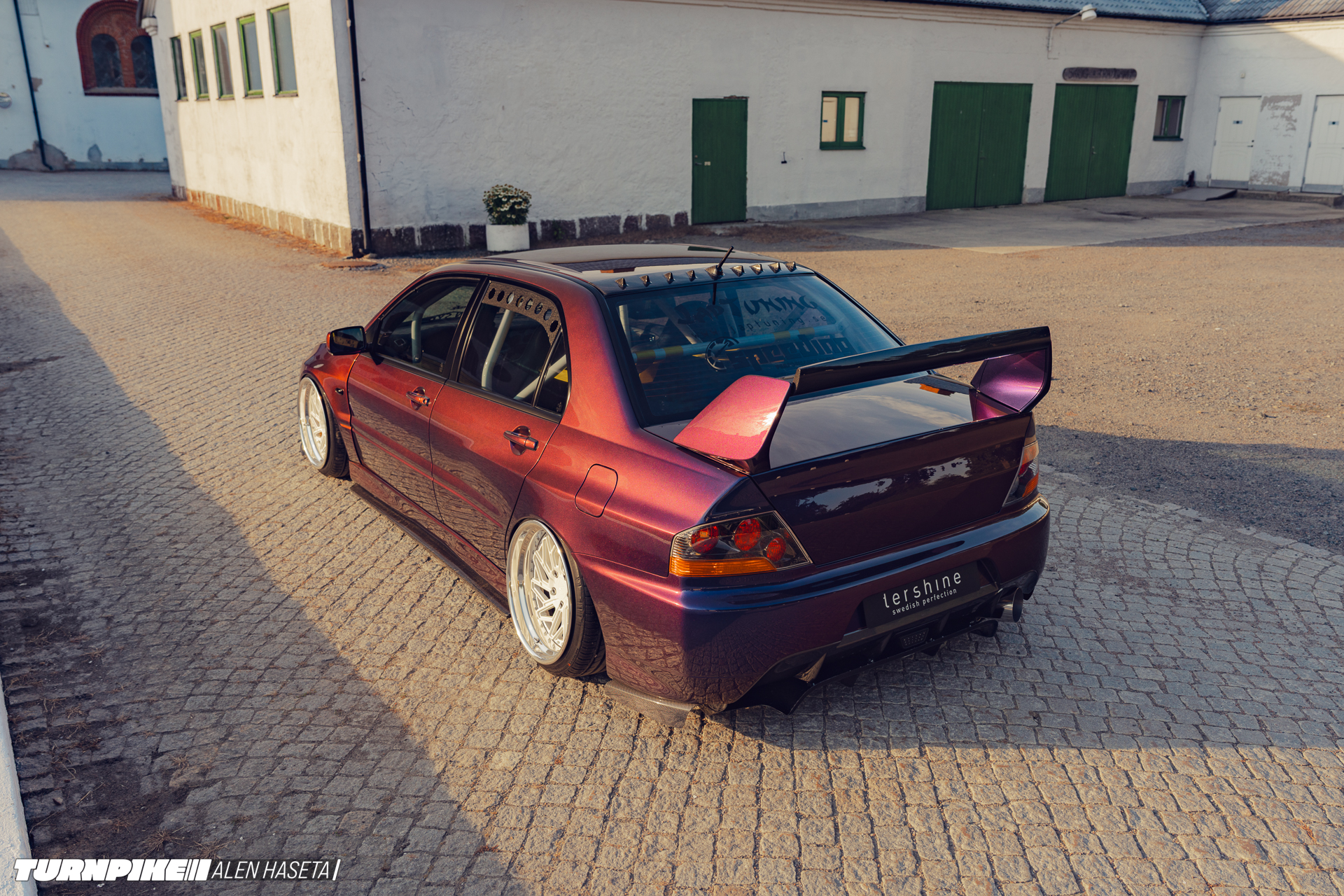
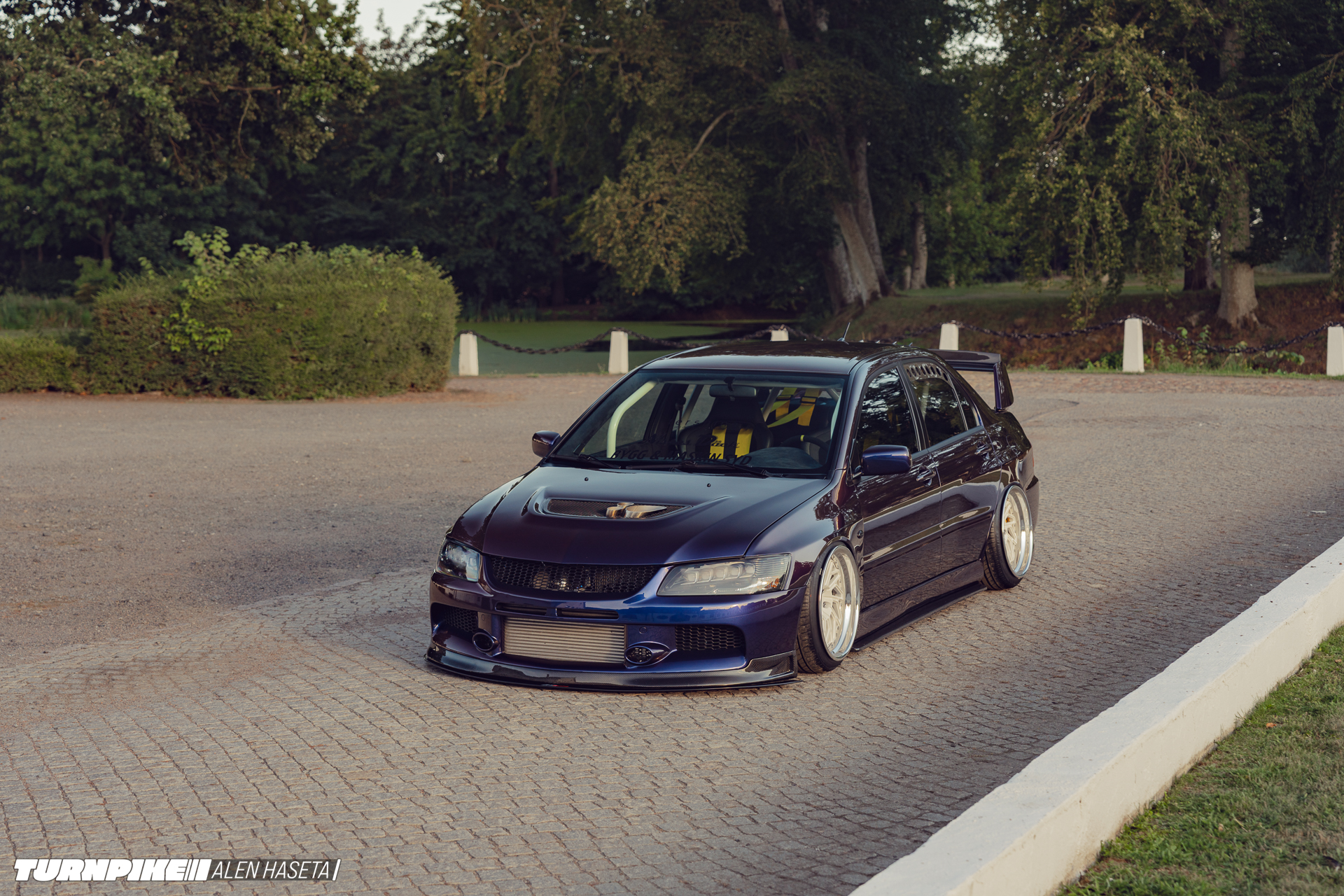
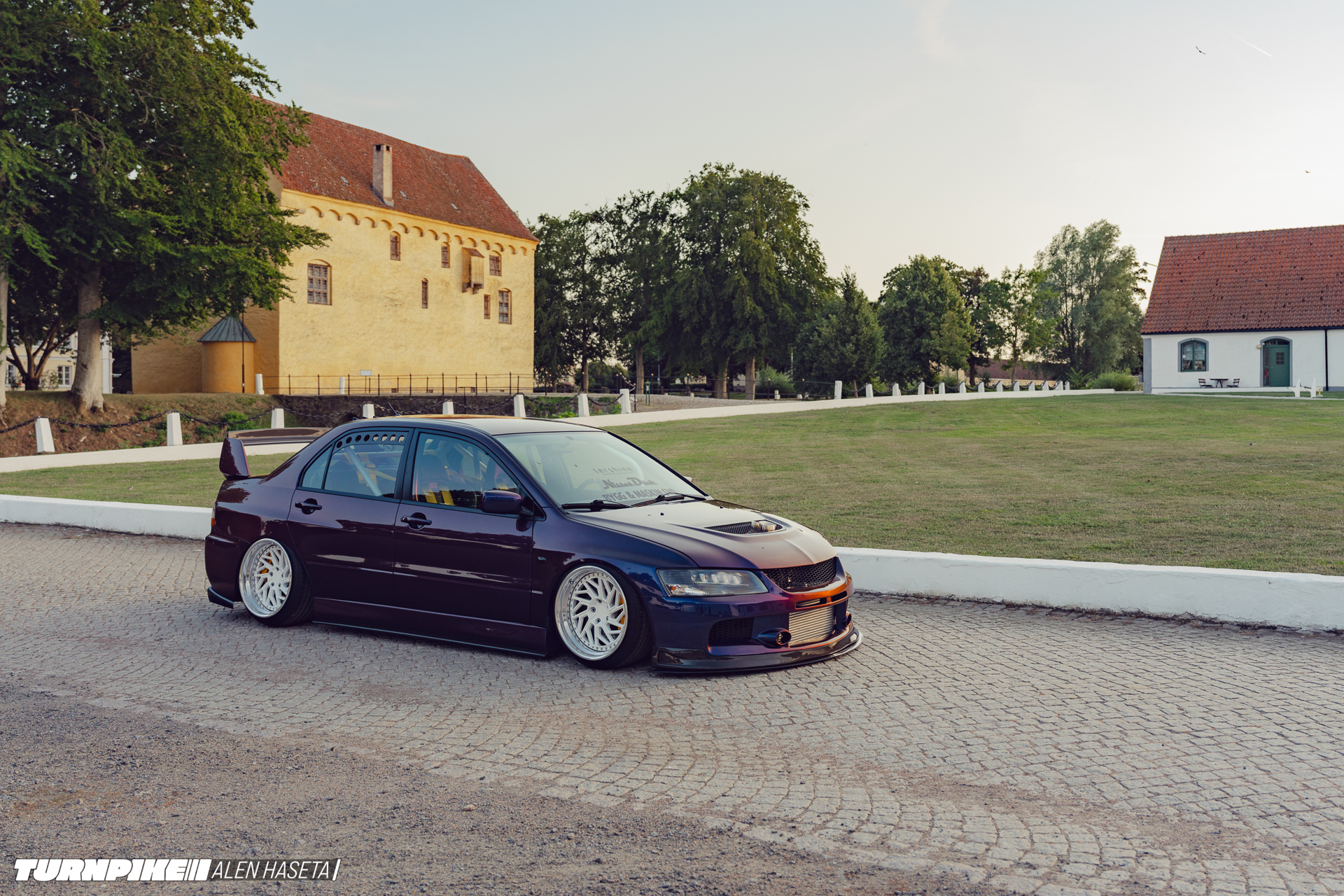
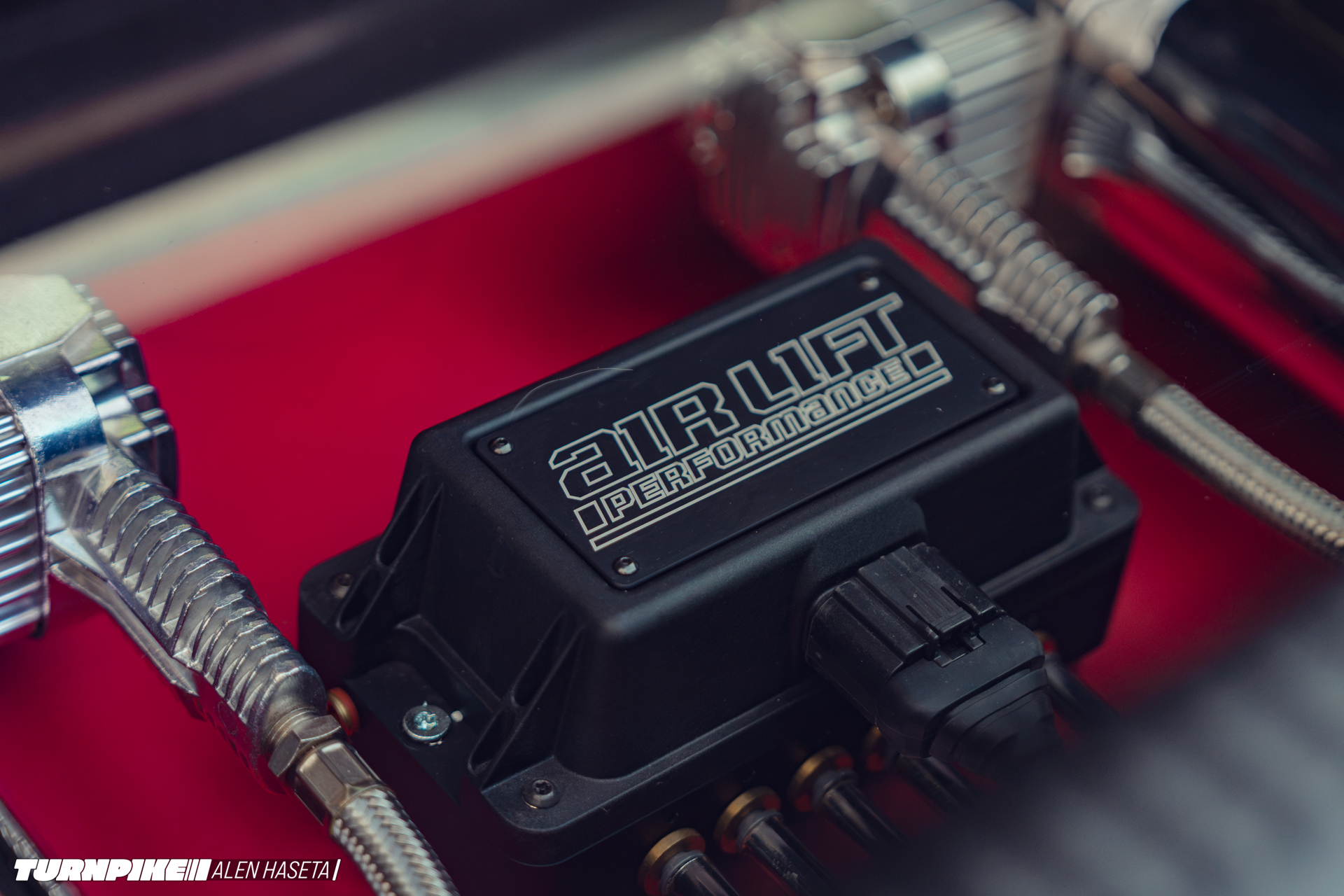
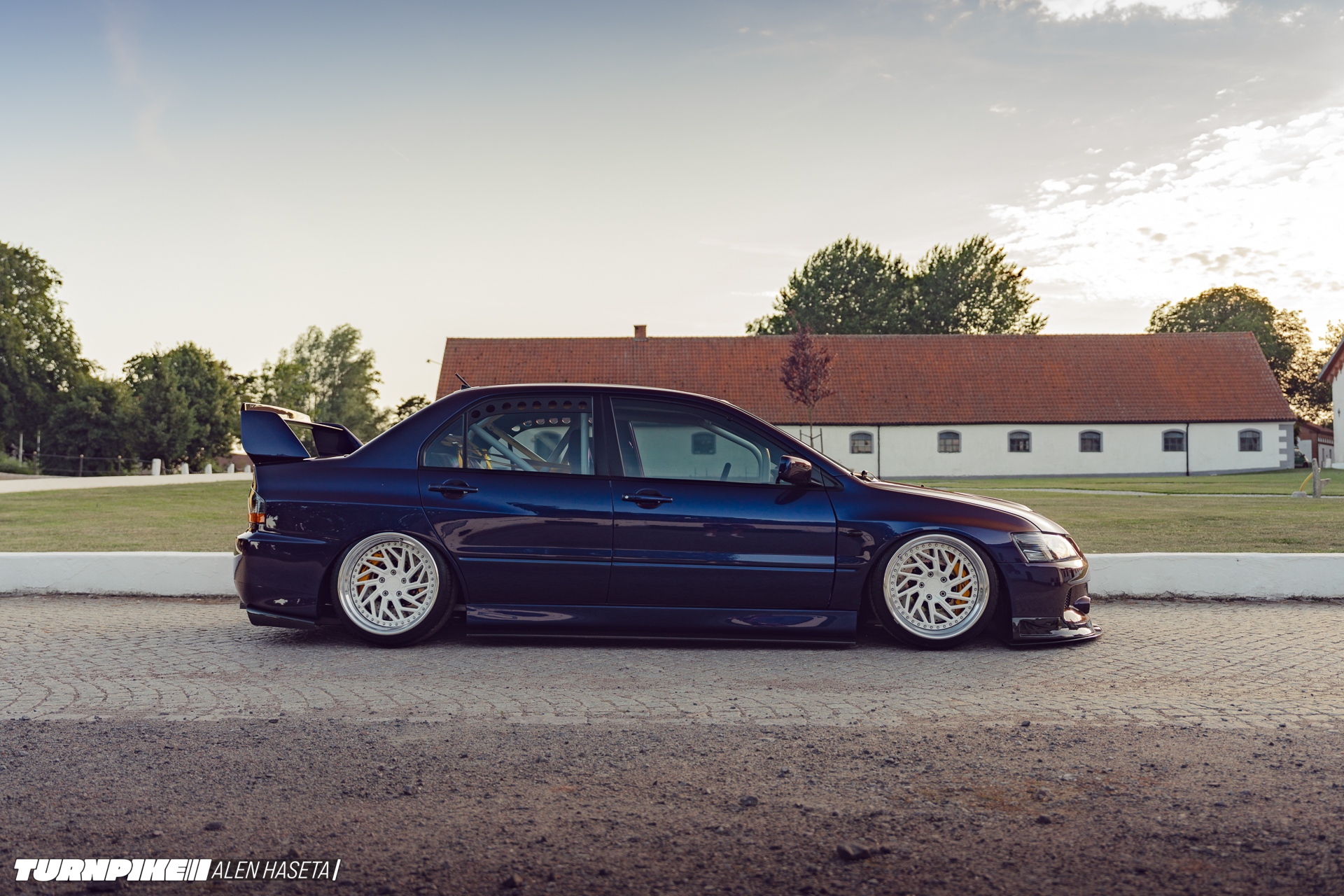
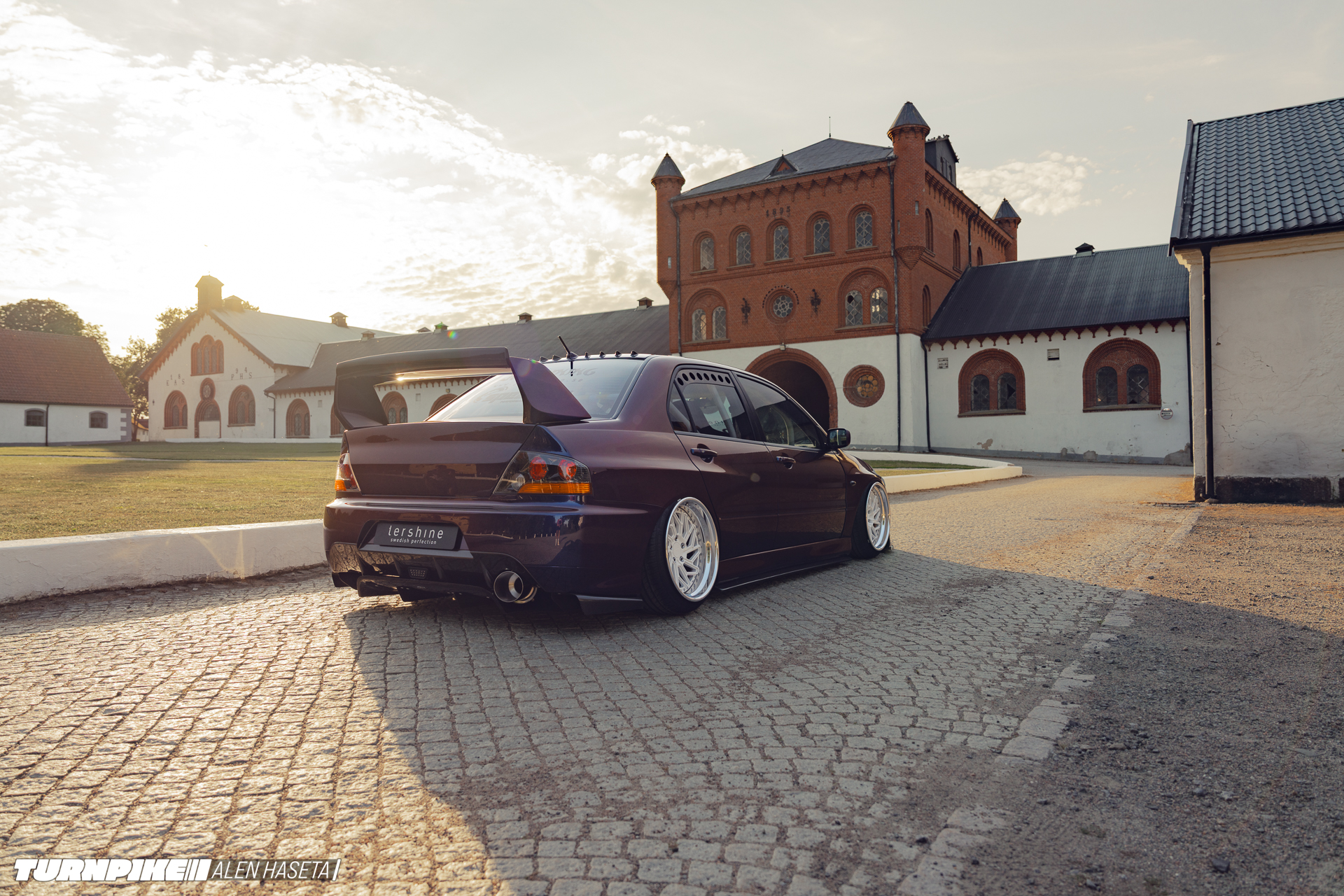
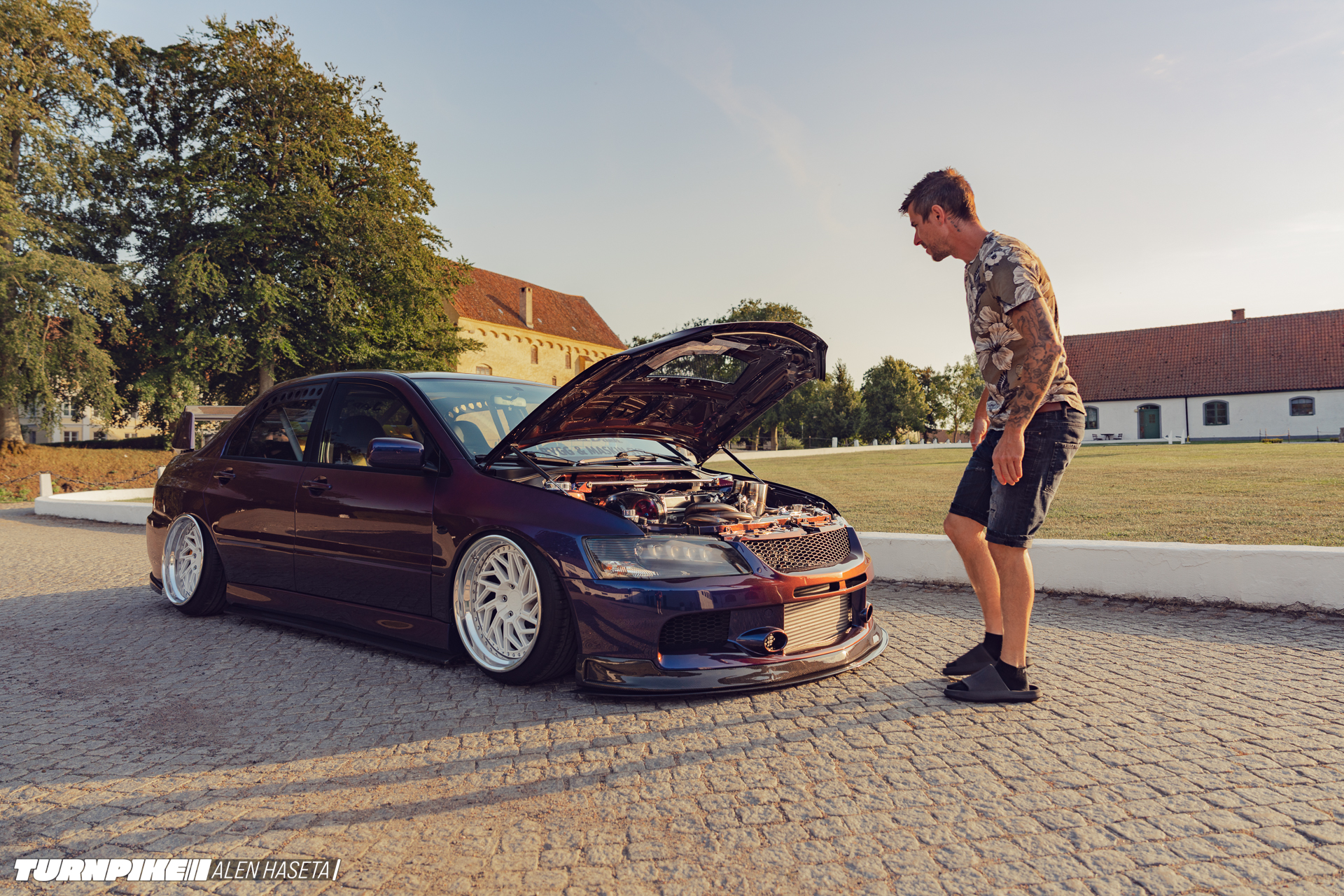
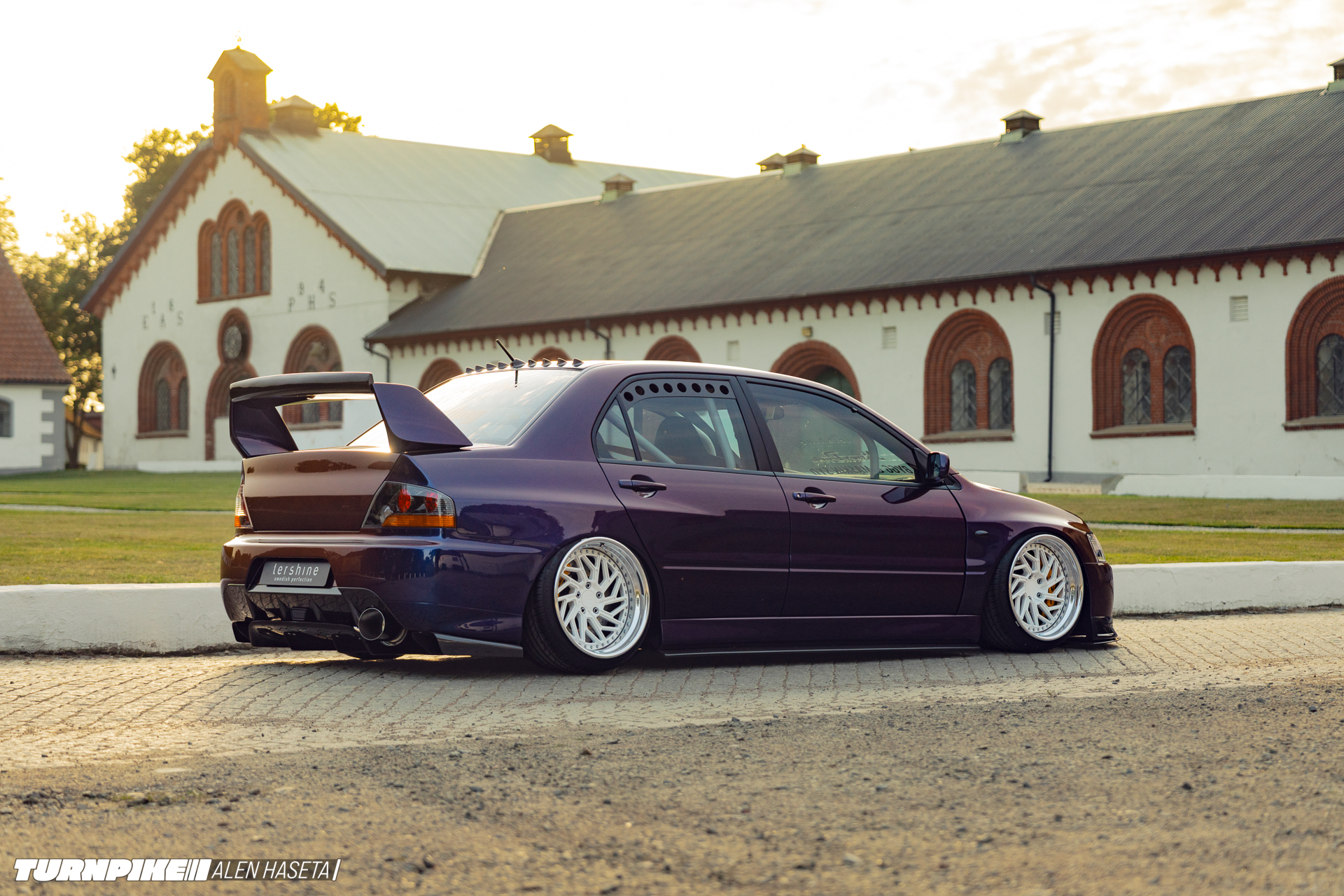
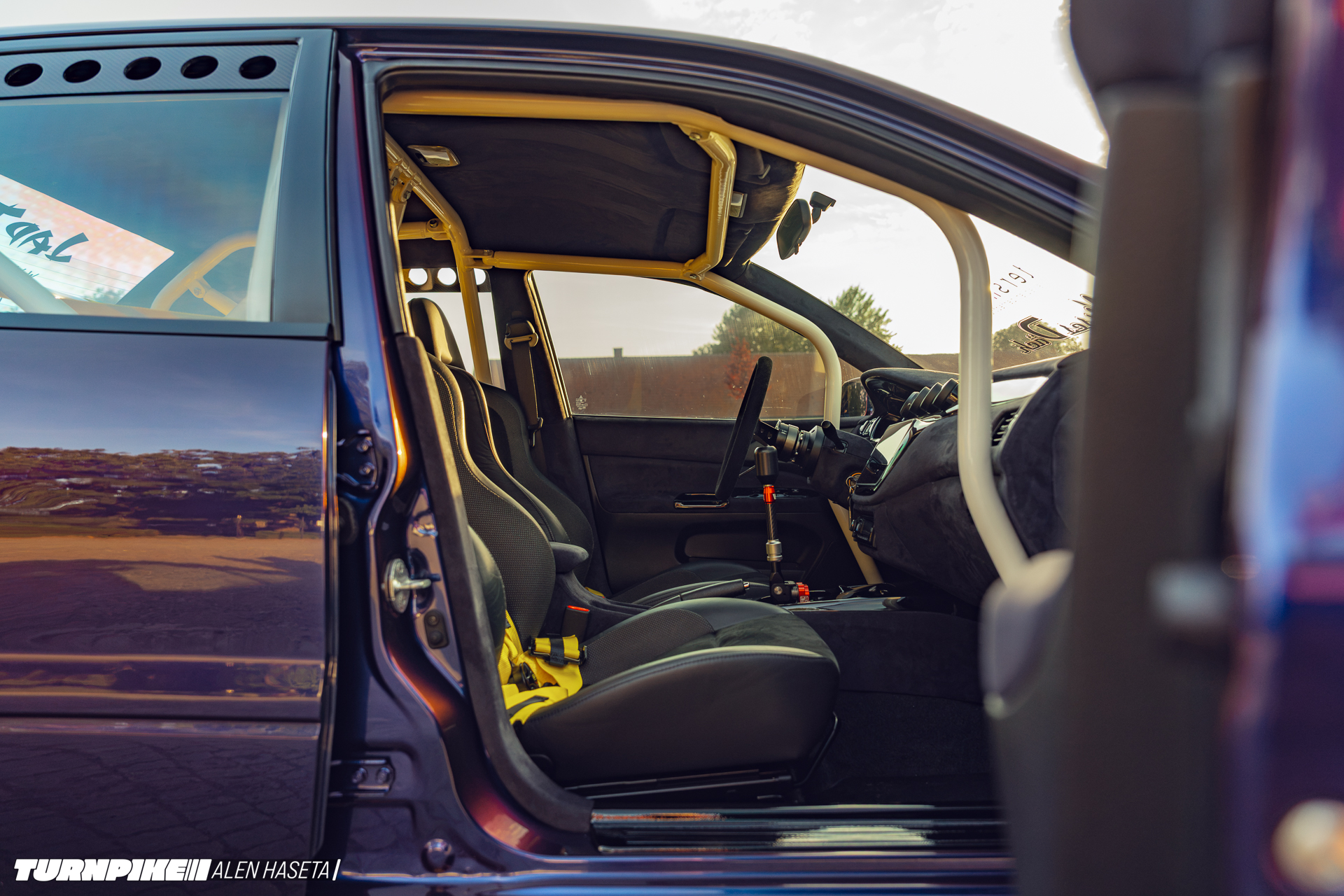
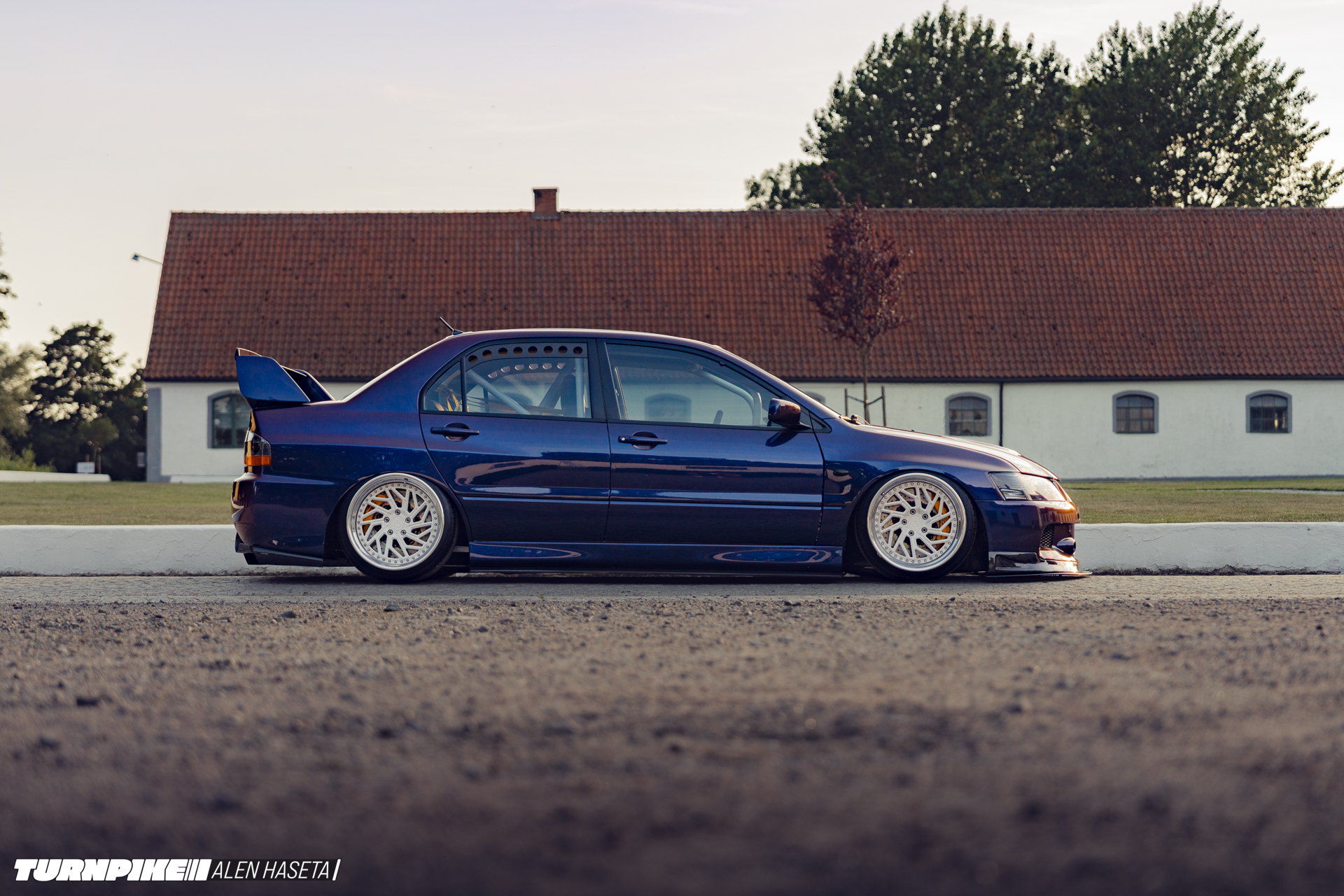
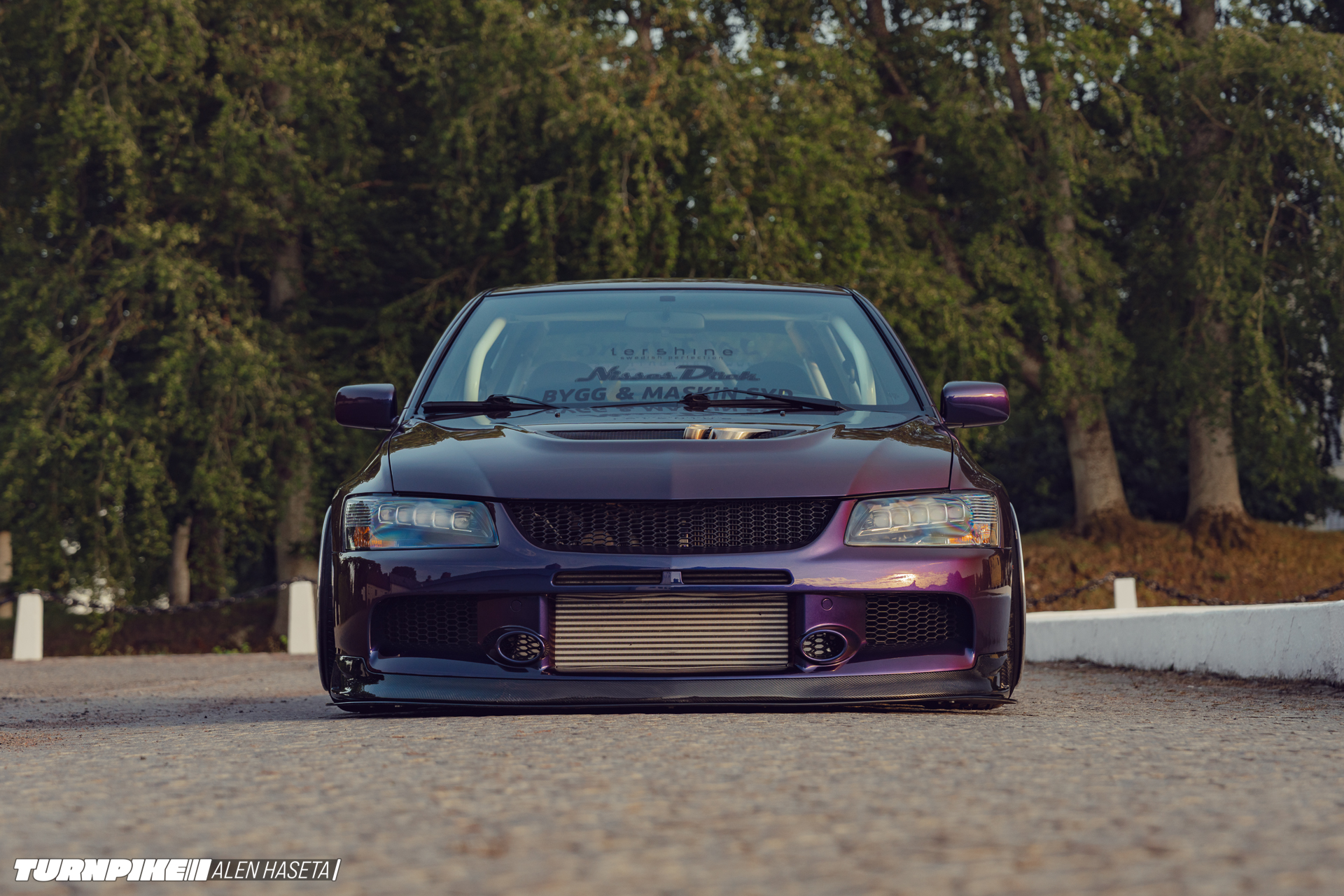
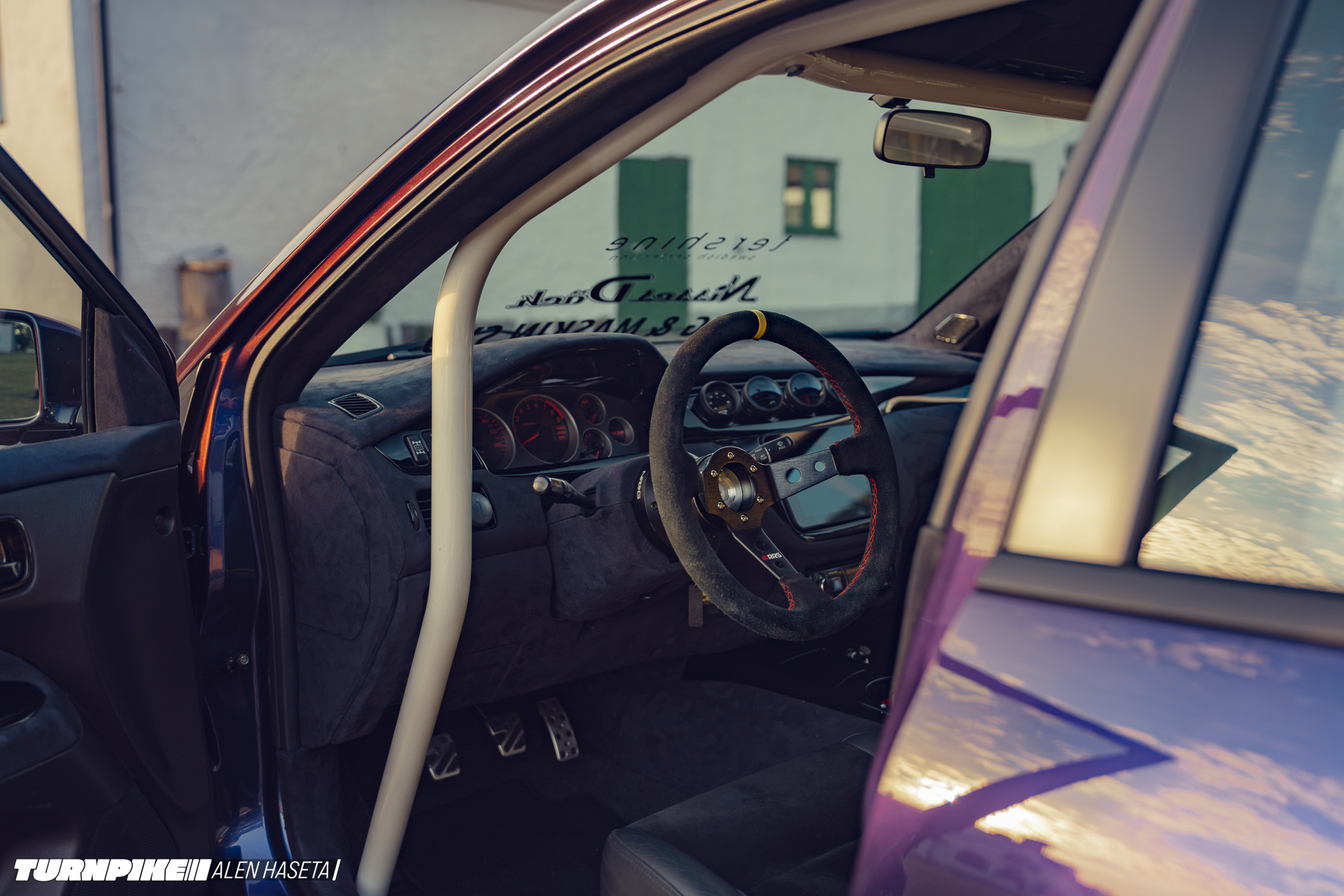
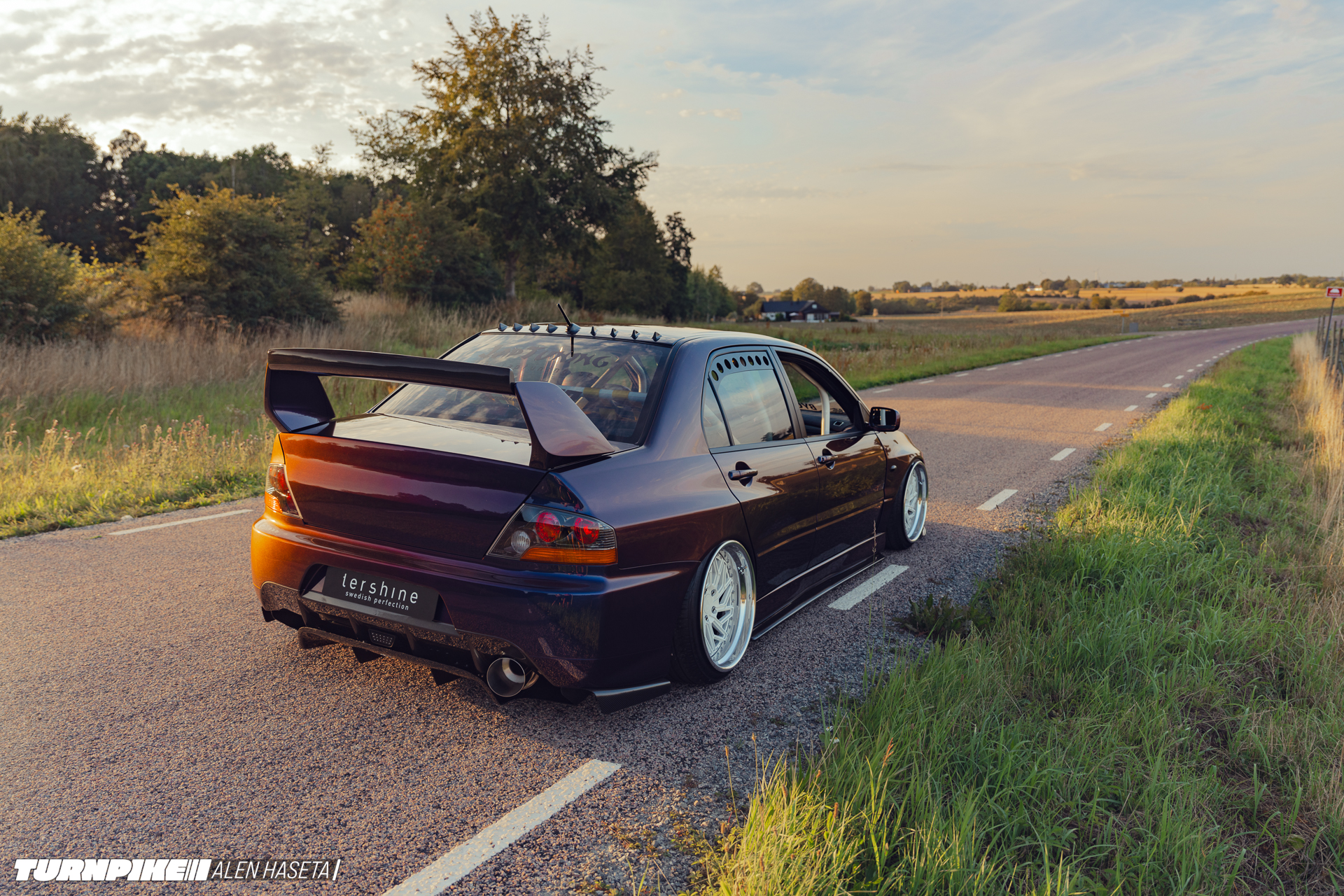
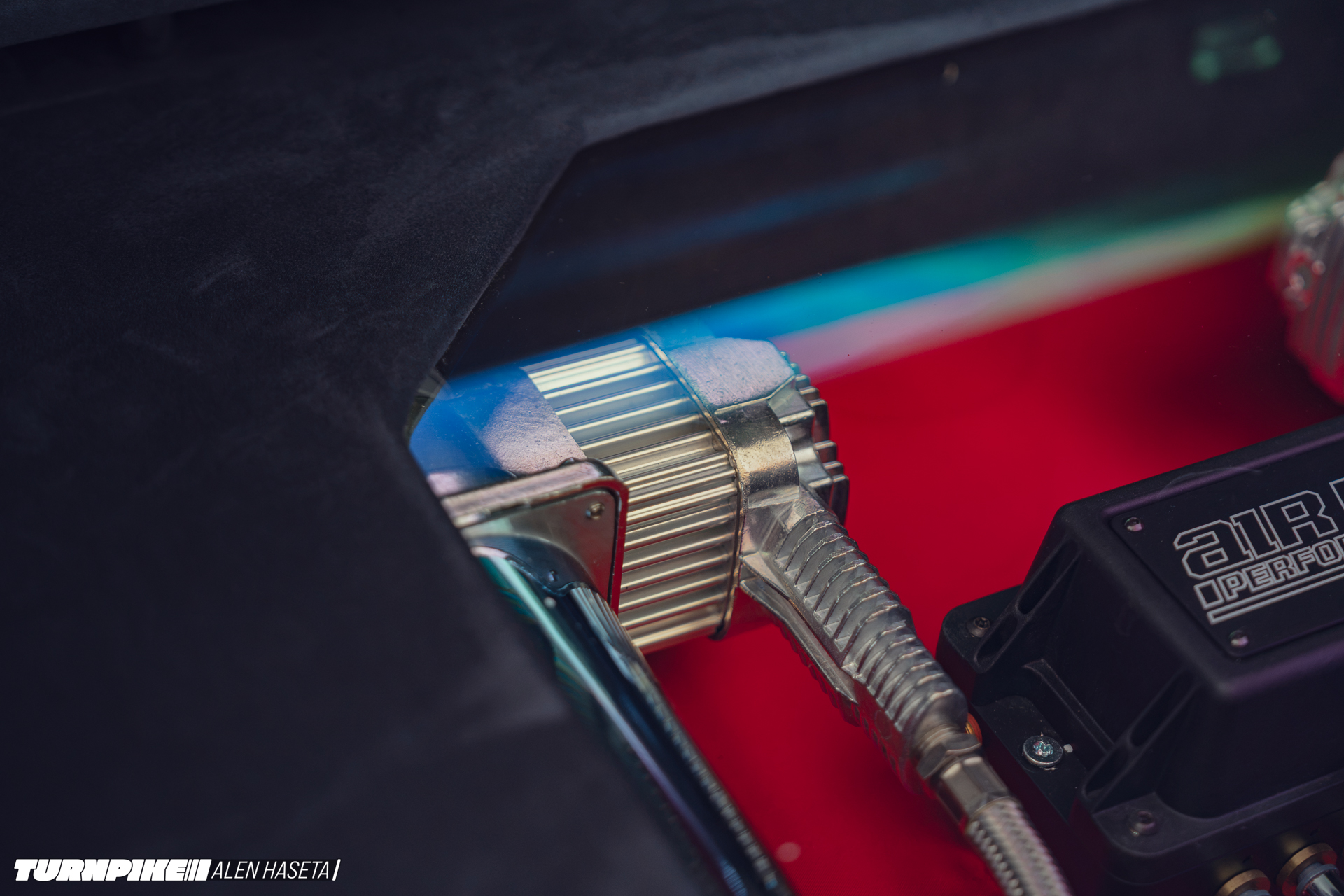
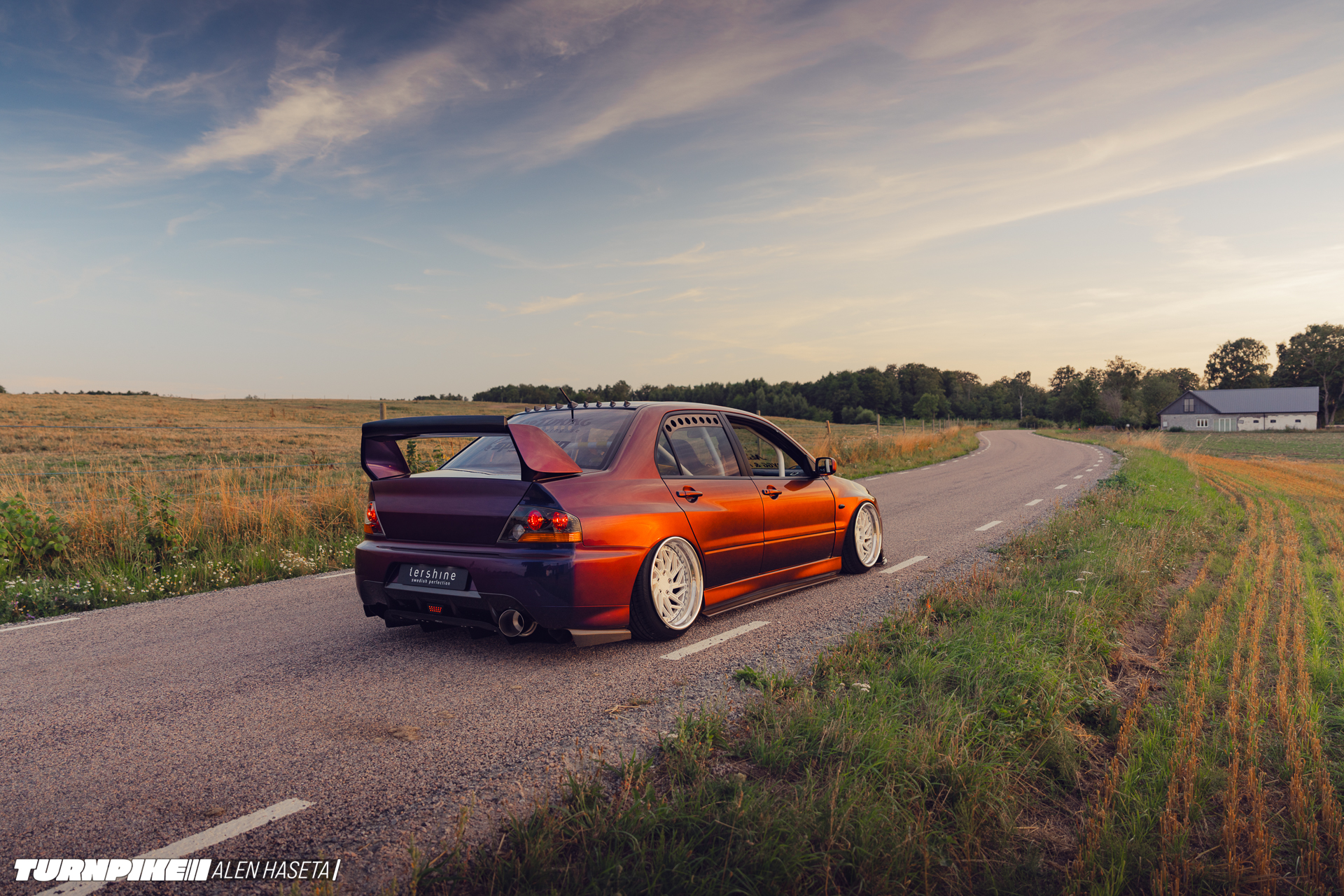
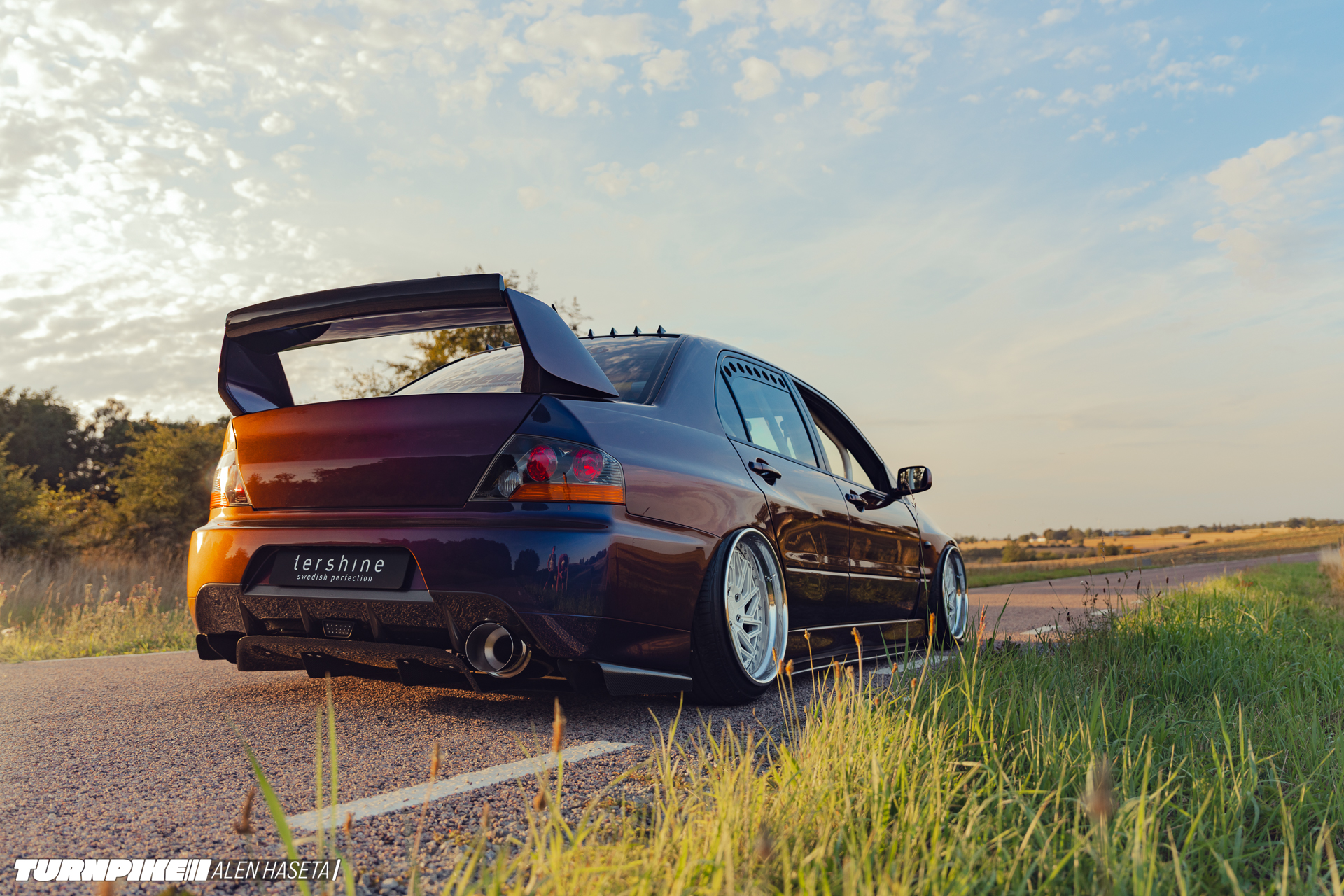
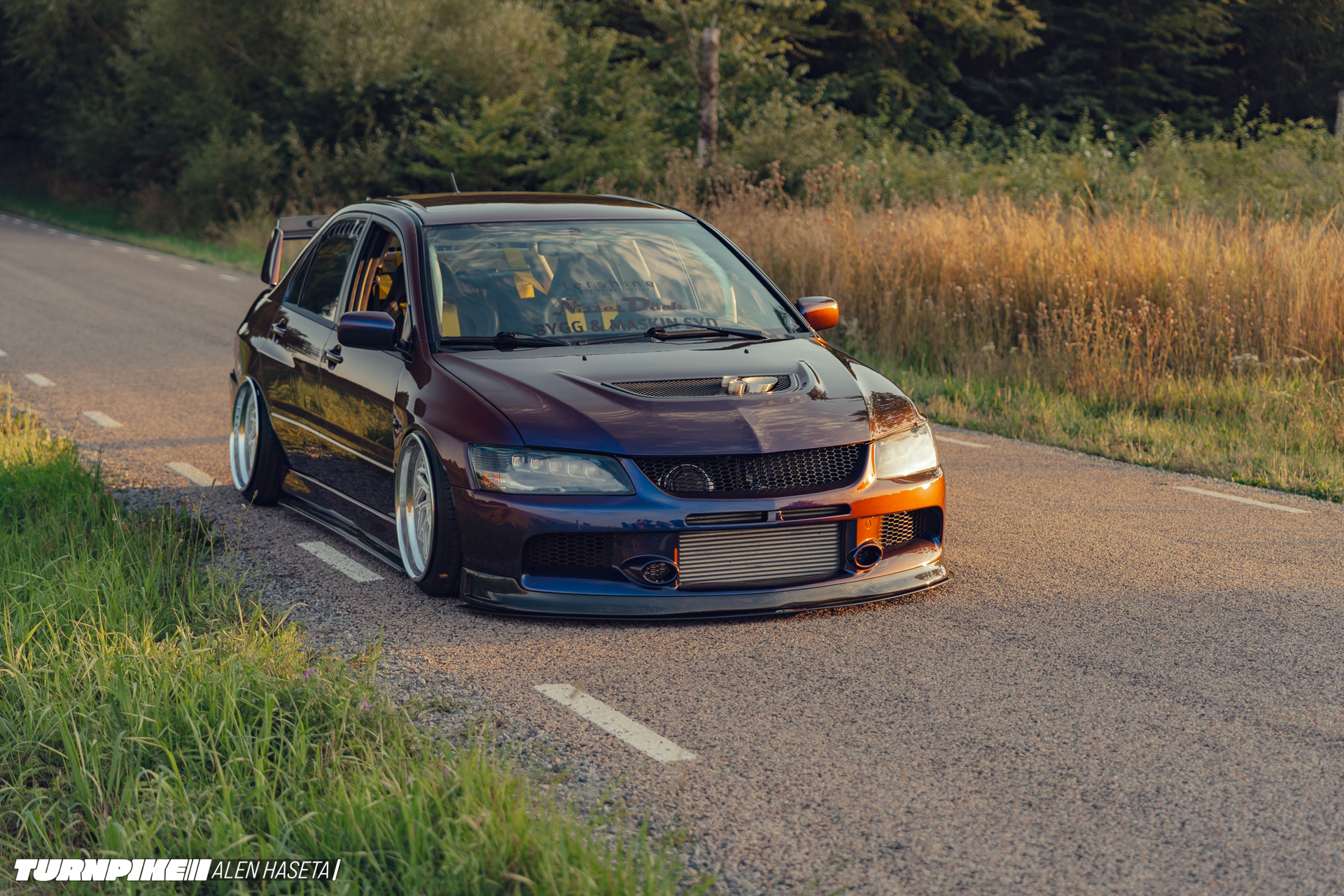
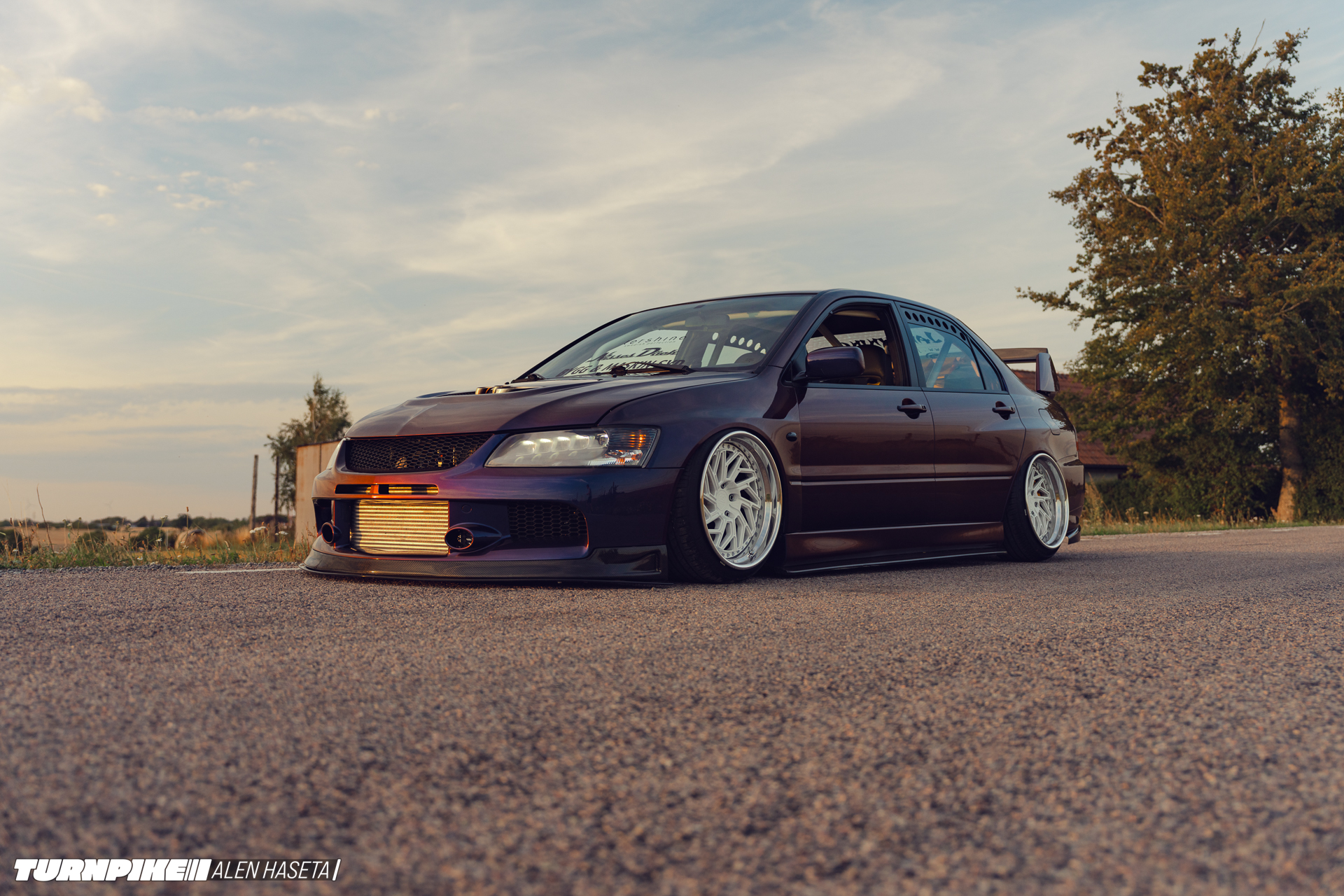
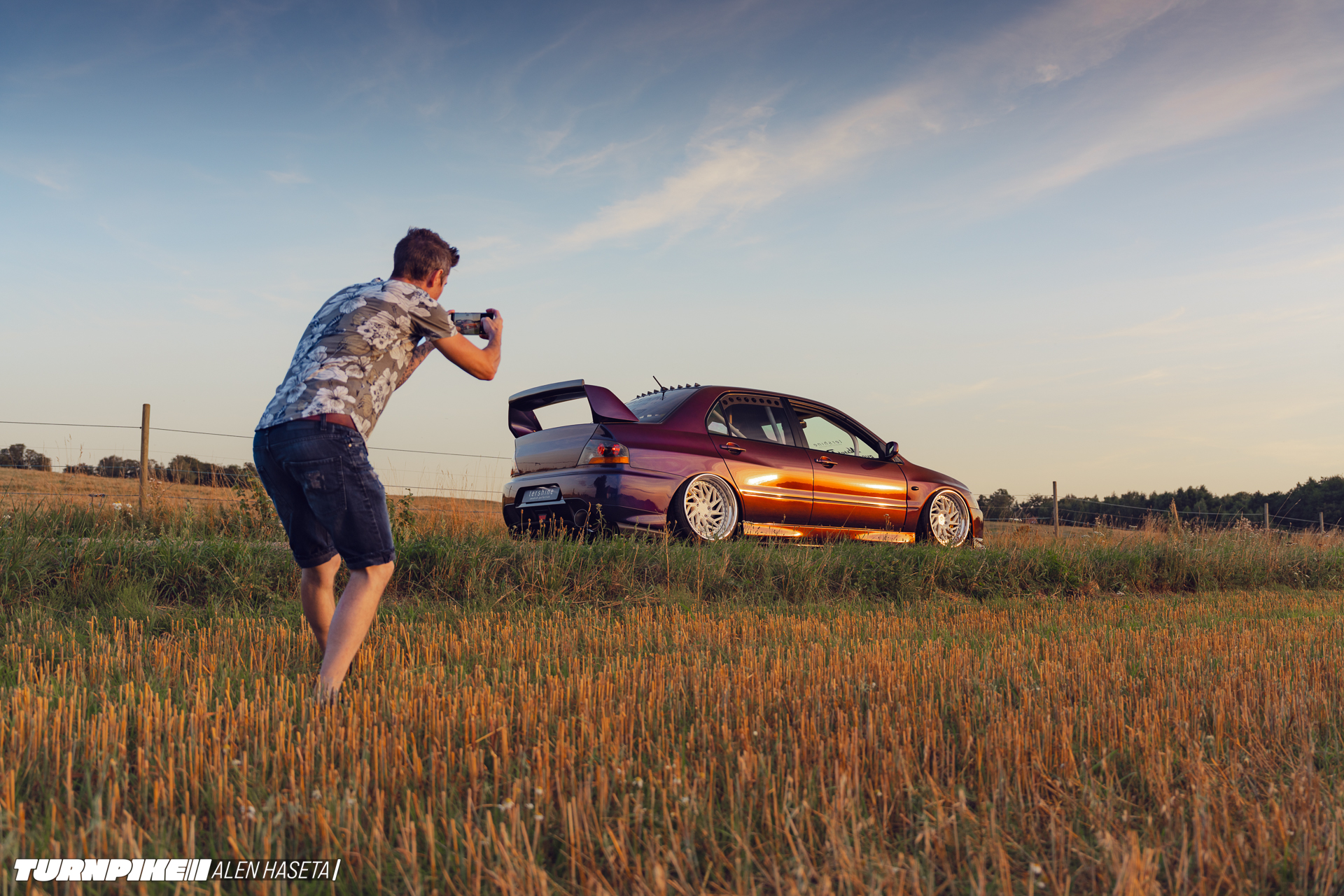
On the outside, the Evo wears Nissan’s LX0 Midnight Purple III, a colour that was an absolute joy to photograph. The car sits aggressively on custom WR Racing wheels measuring 18×10.5-inch ET0 at all four corners. BC Racing coilovers with air bags and Airlift Performance management provide the low stance, while Torque Solutions bushings are fitted throughout.
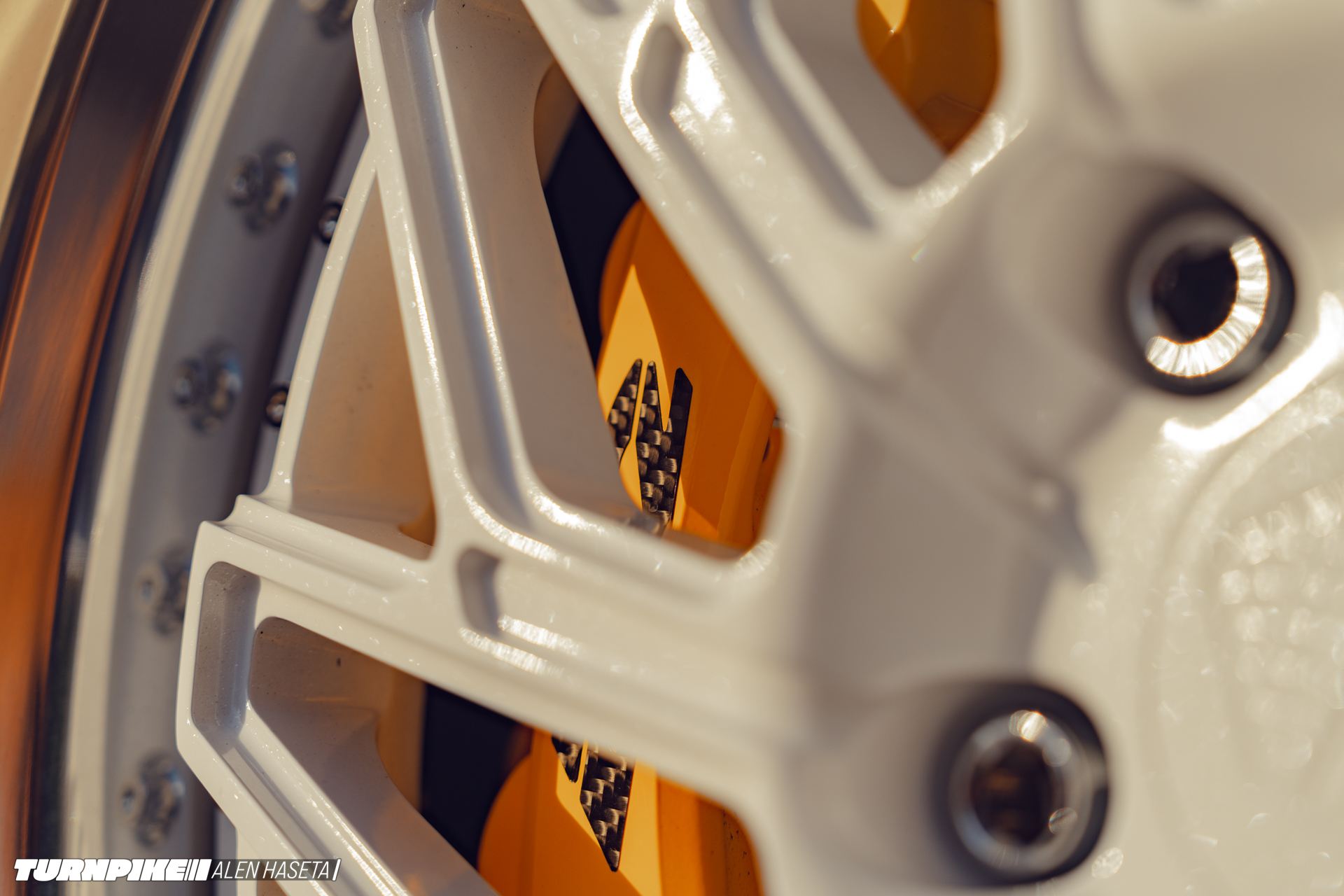
The fenders have been rolled and cut to make room for the wide wheels, while D2 brakes provide serious stopping power with 356mm two-piece discs and 6-piston calipers at the front, matched by 4-piston calipers at the rear.
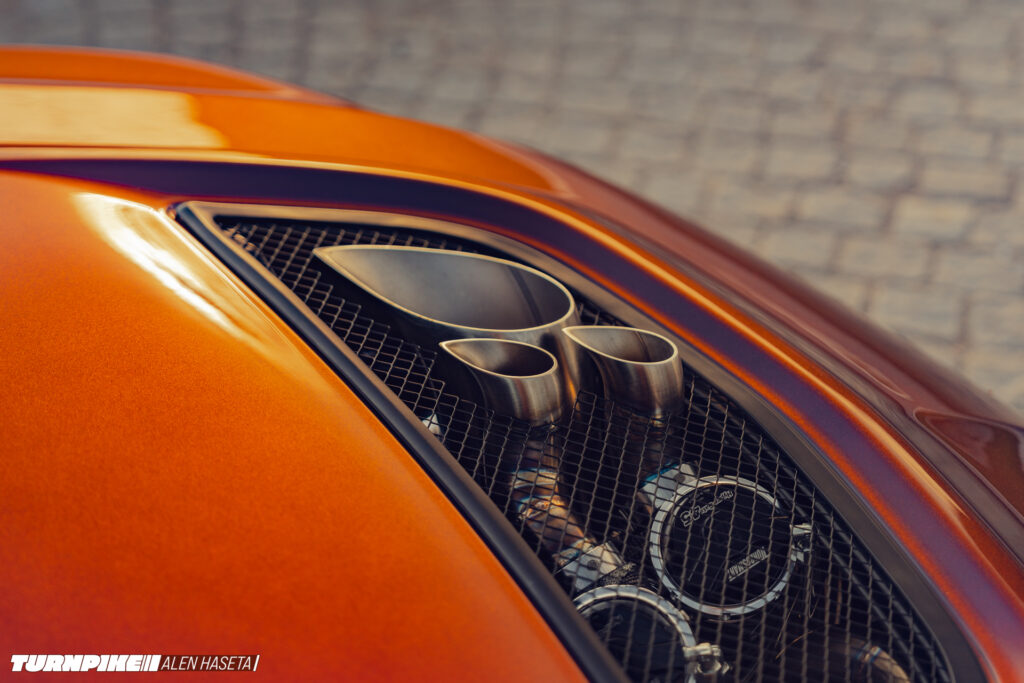
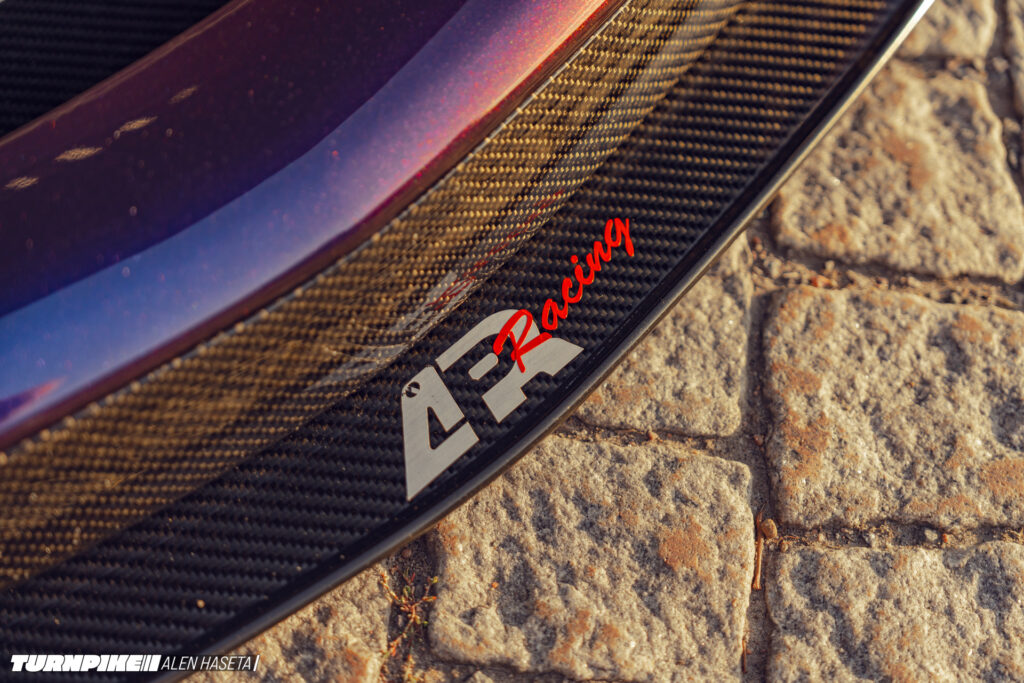
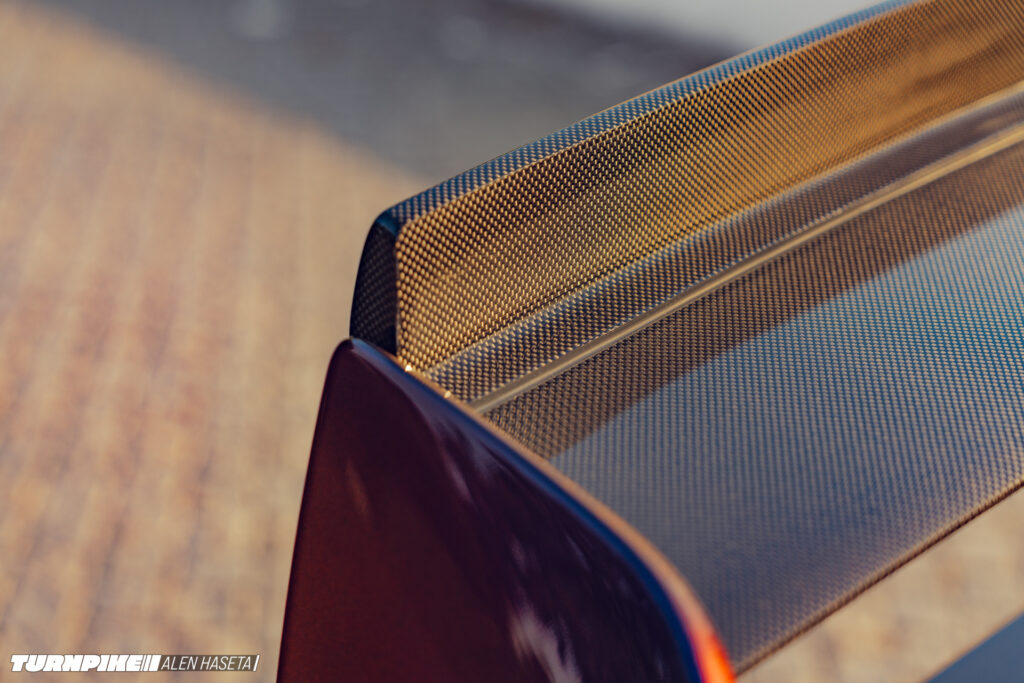
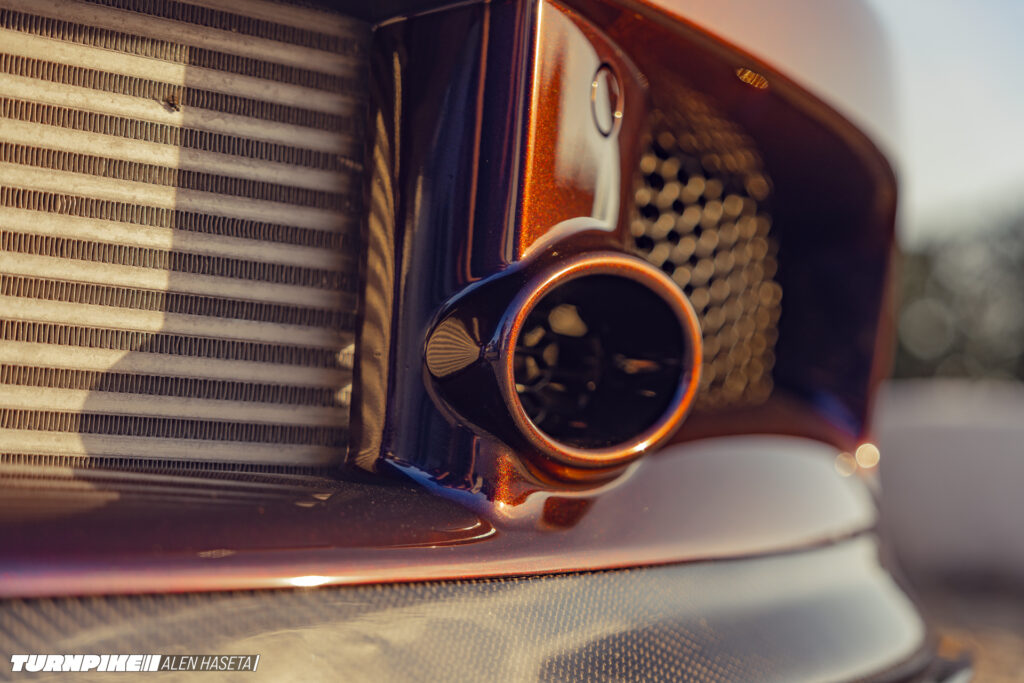
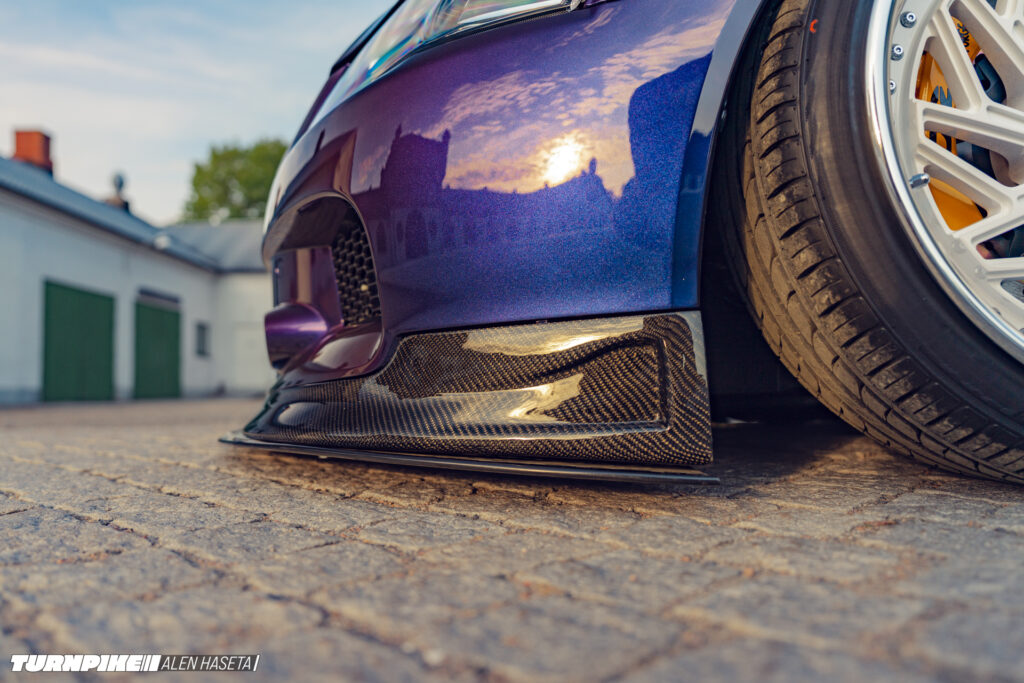
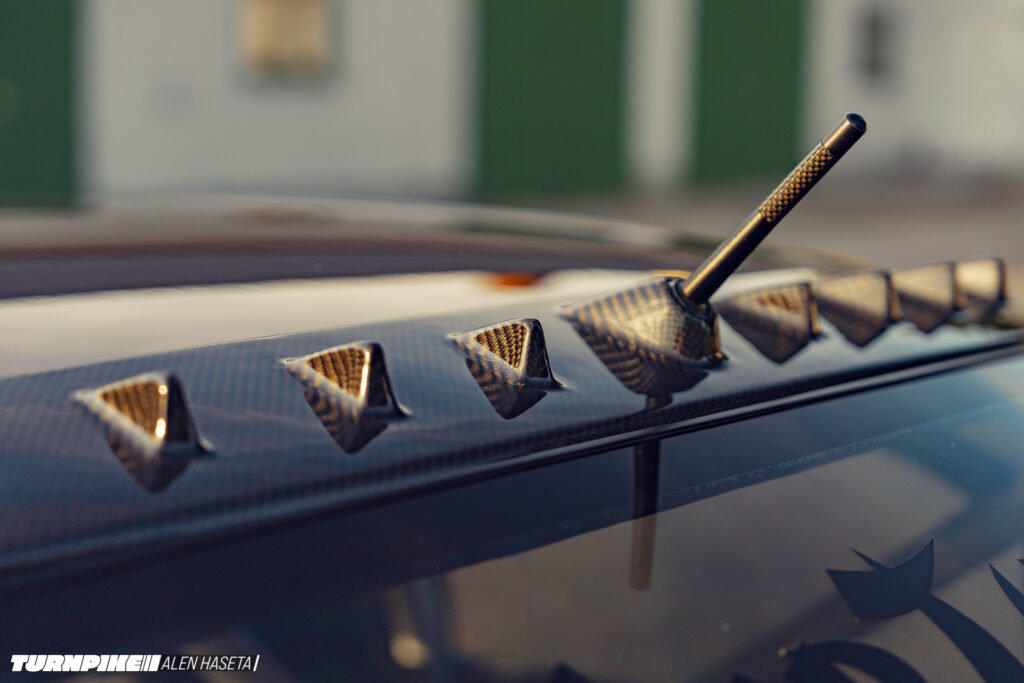
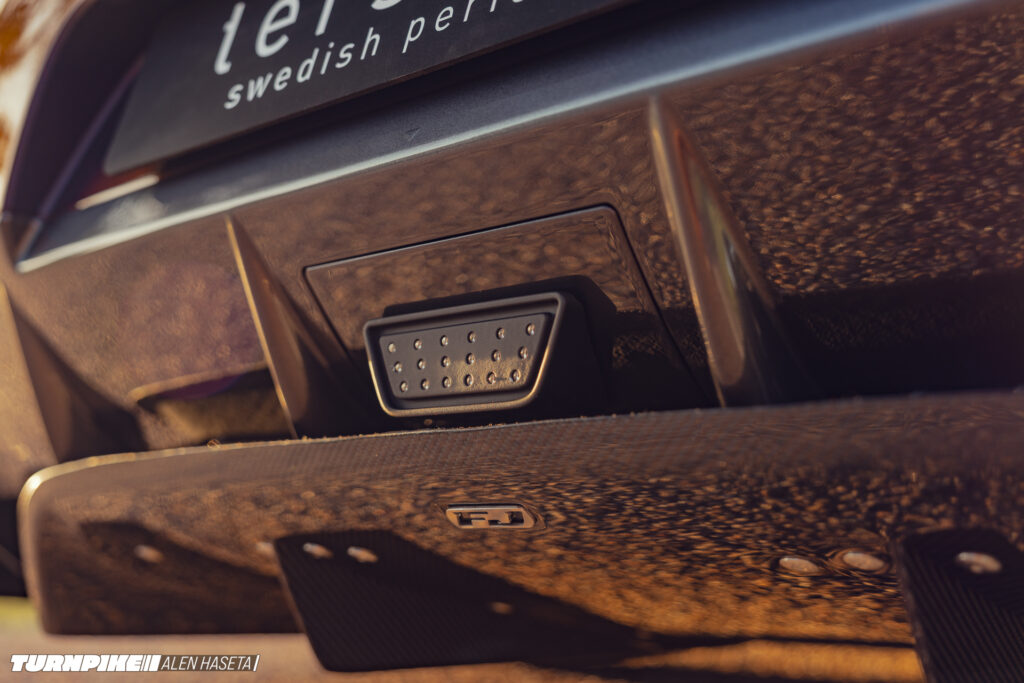
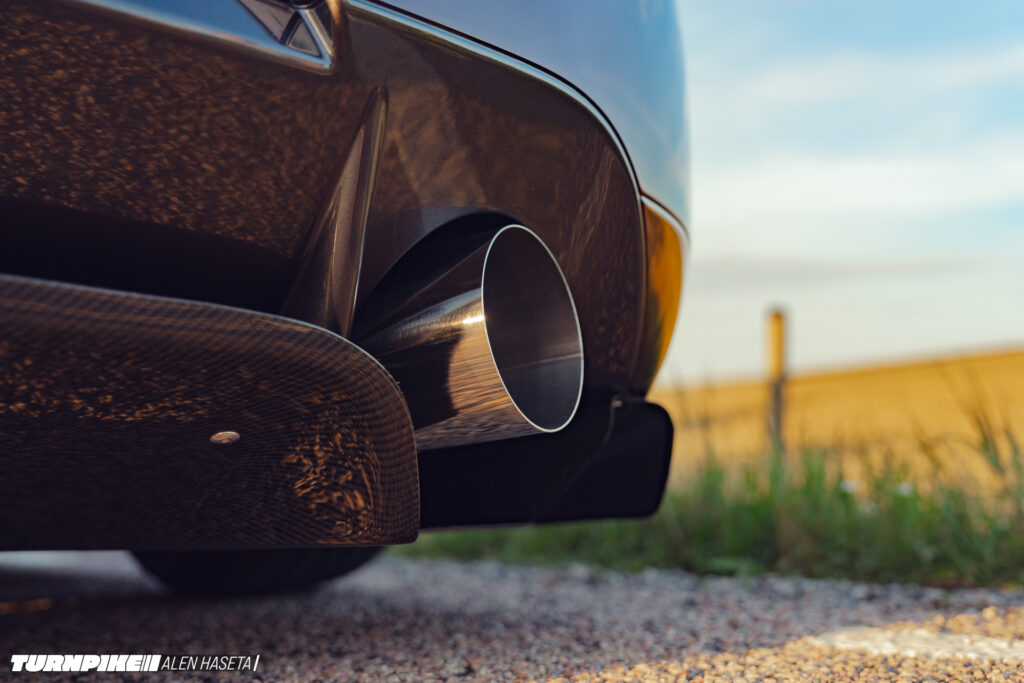
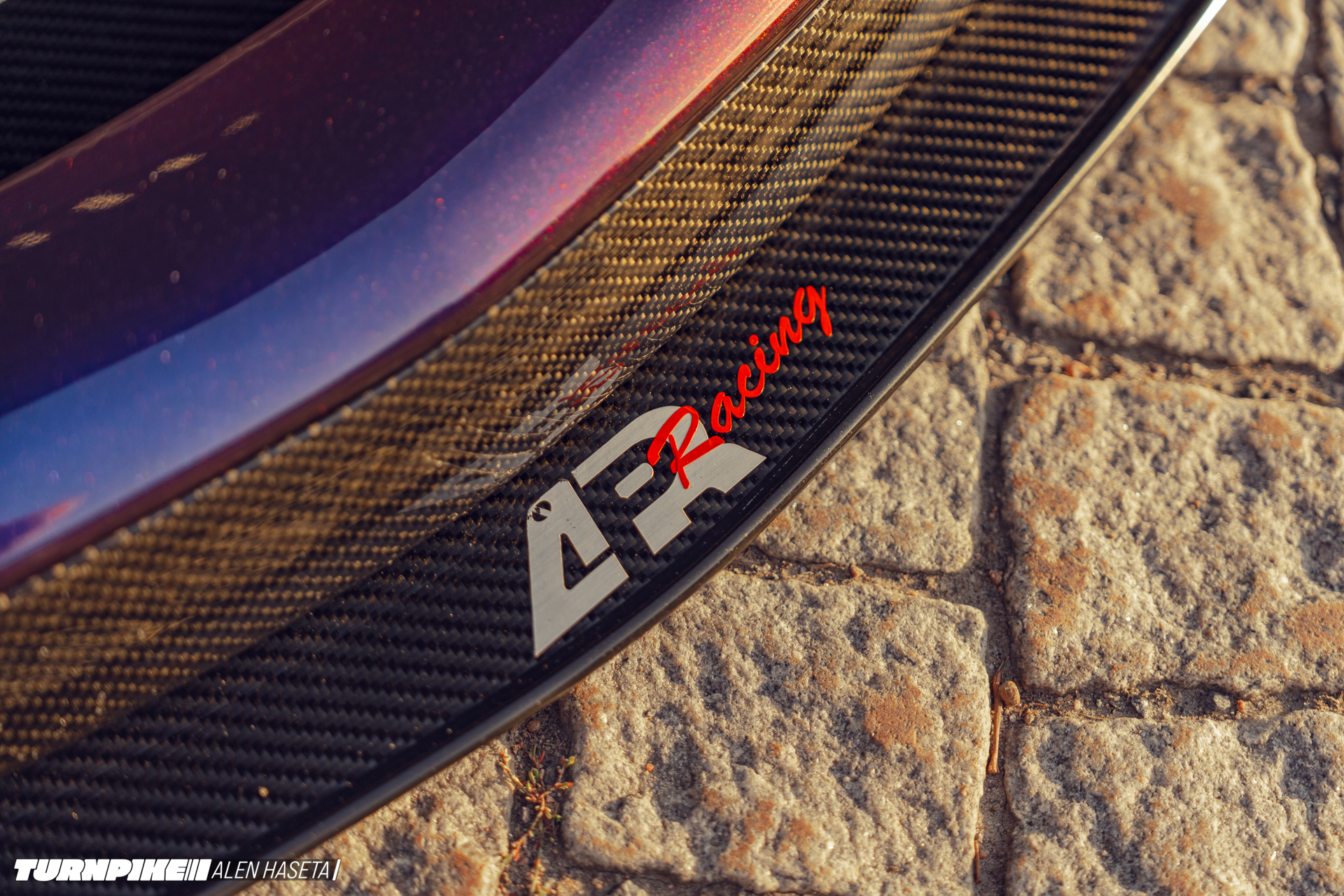
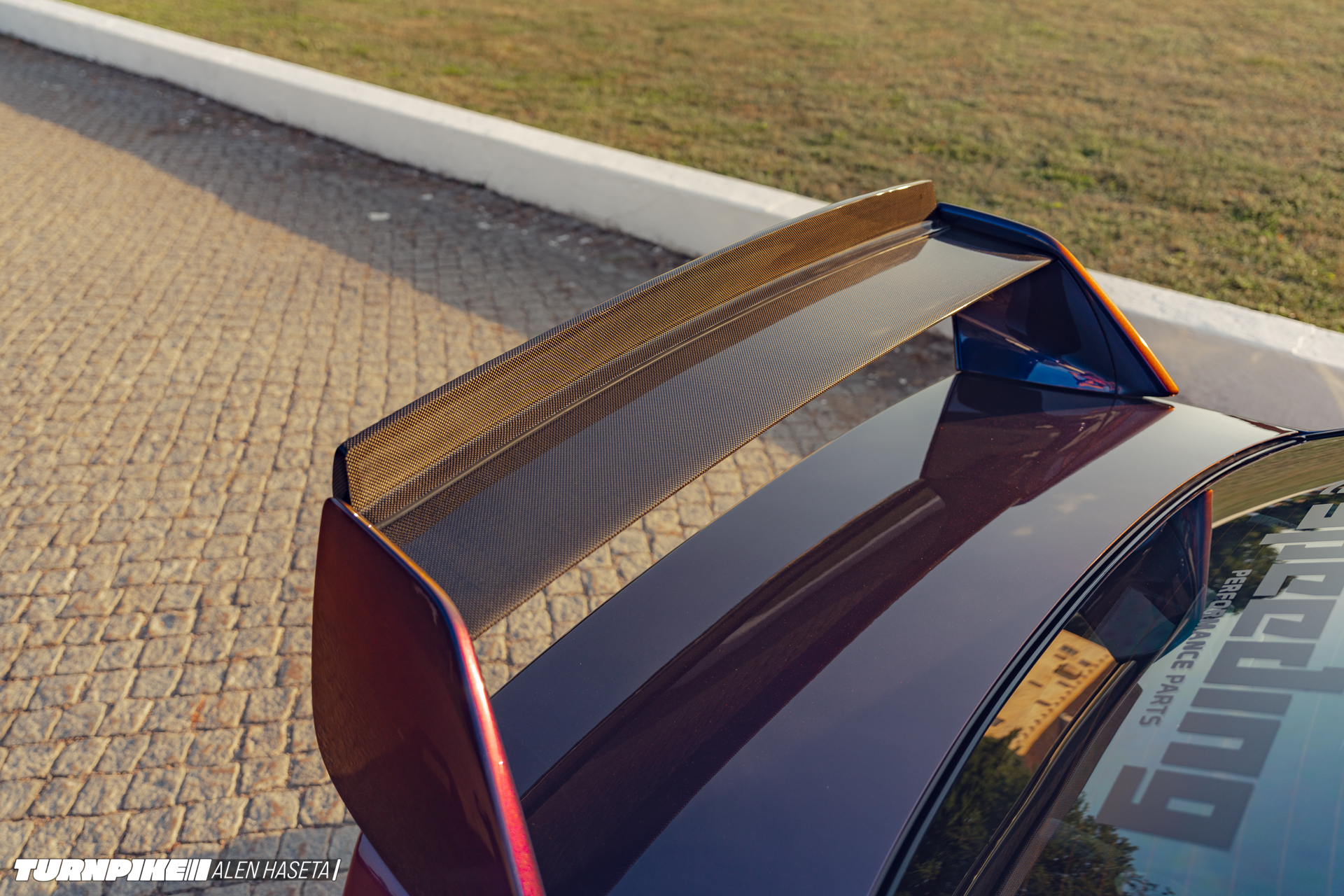
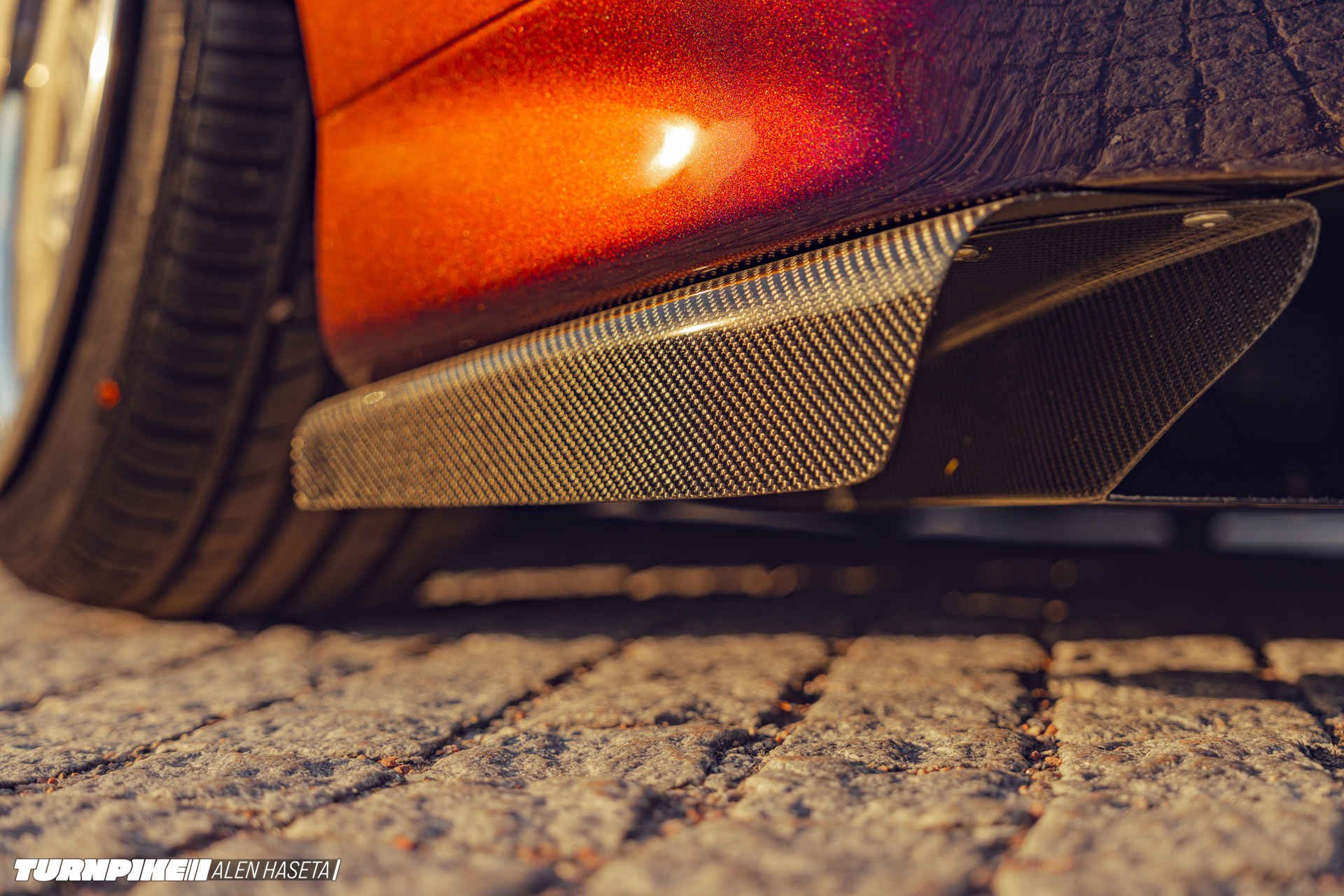
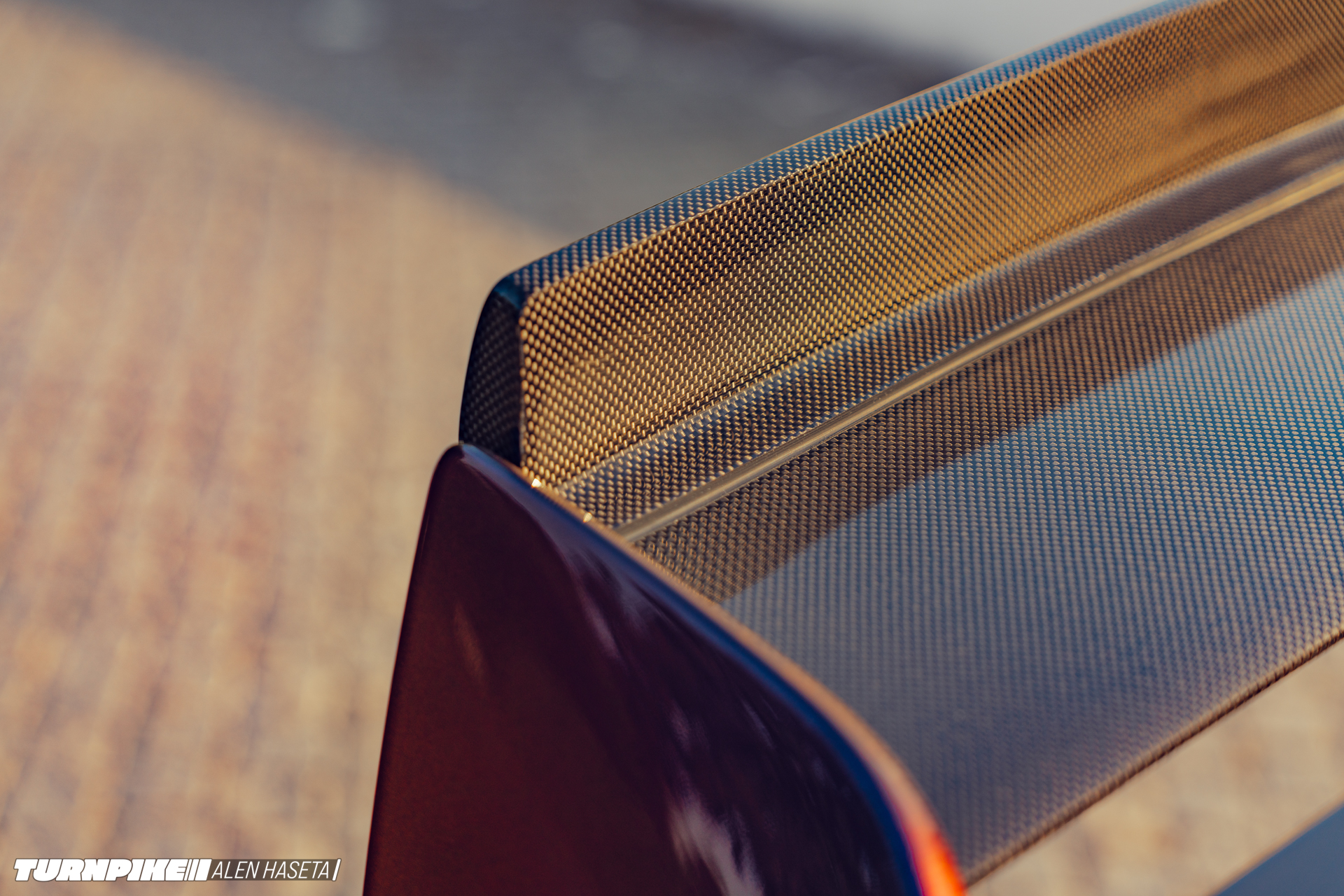
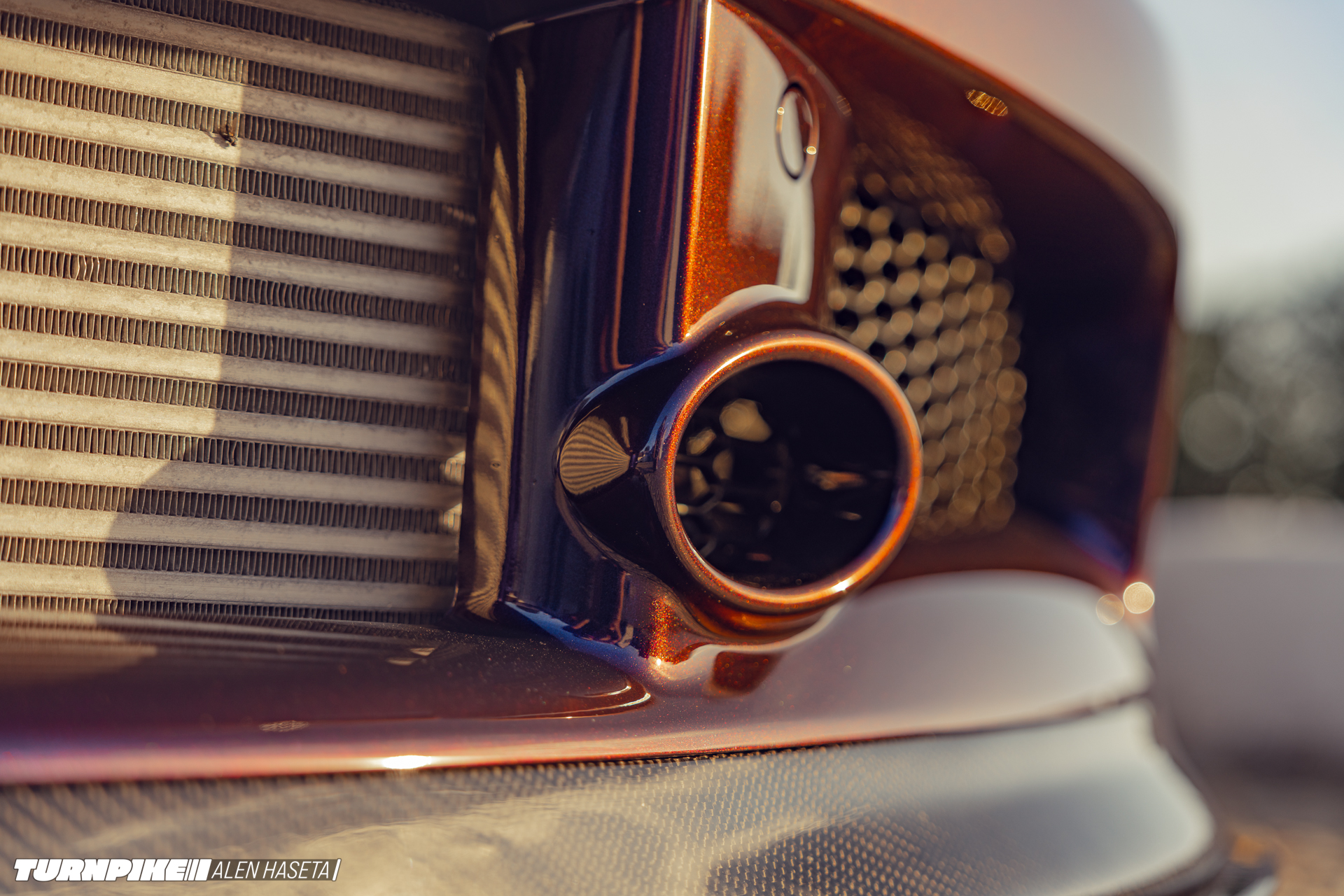
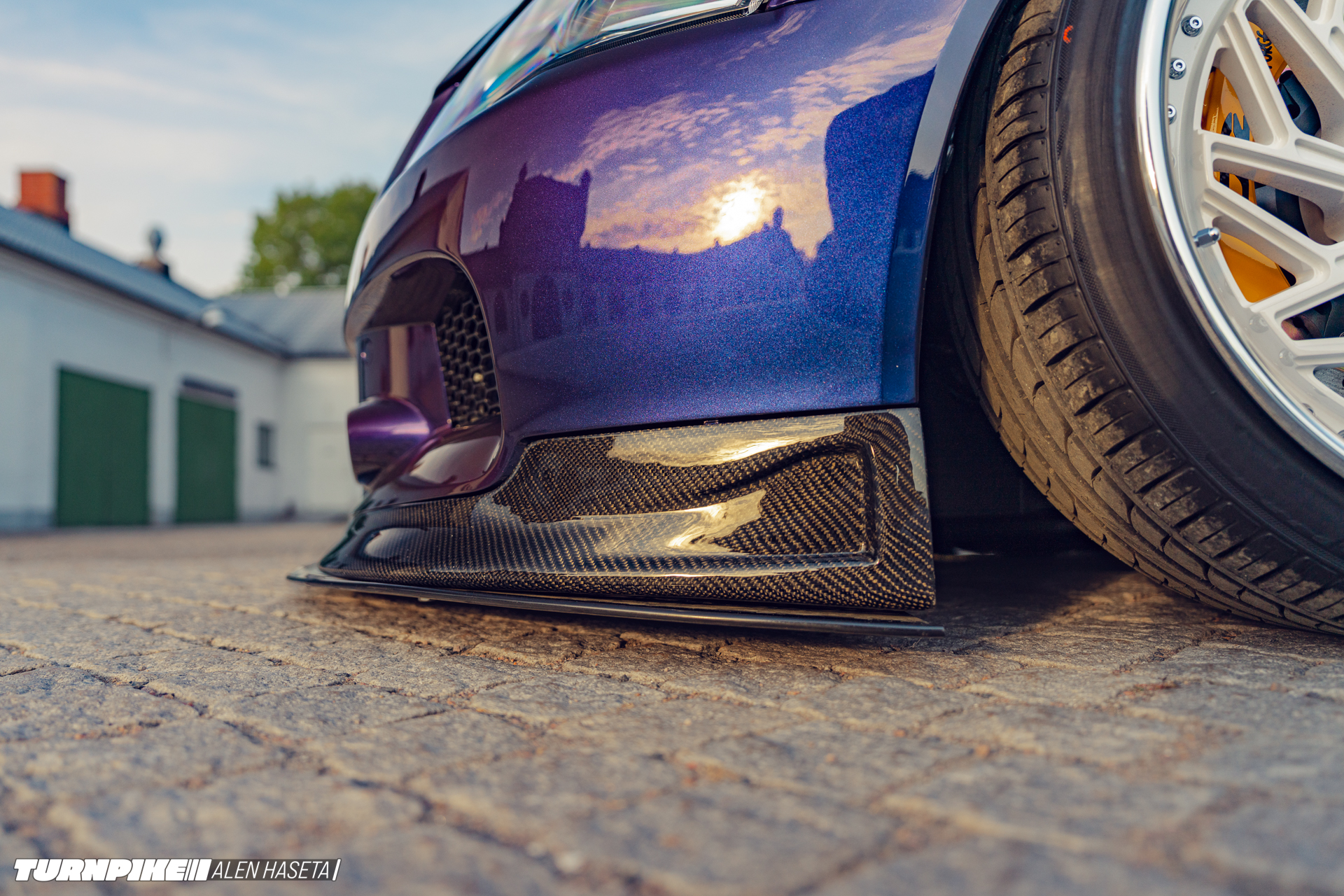
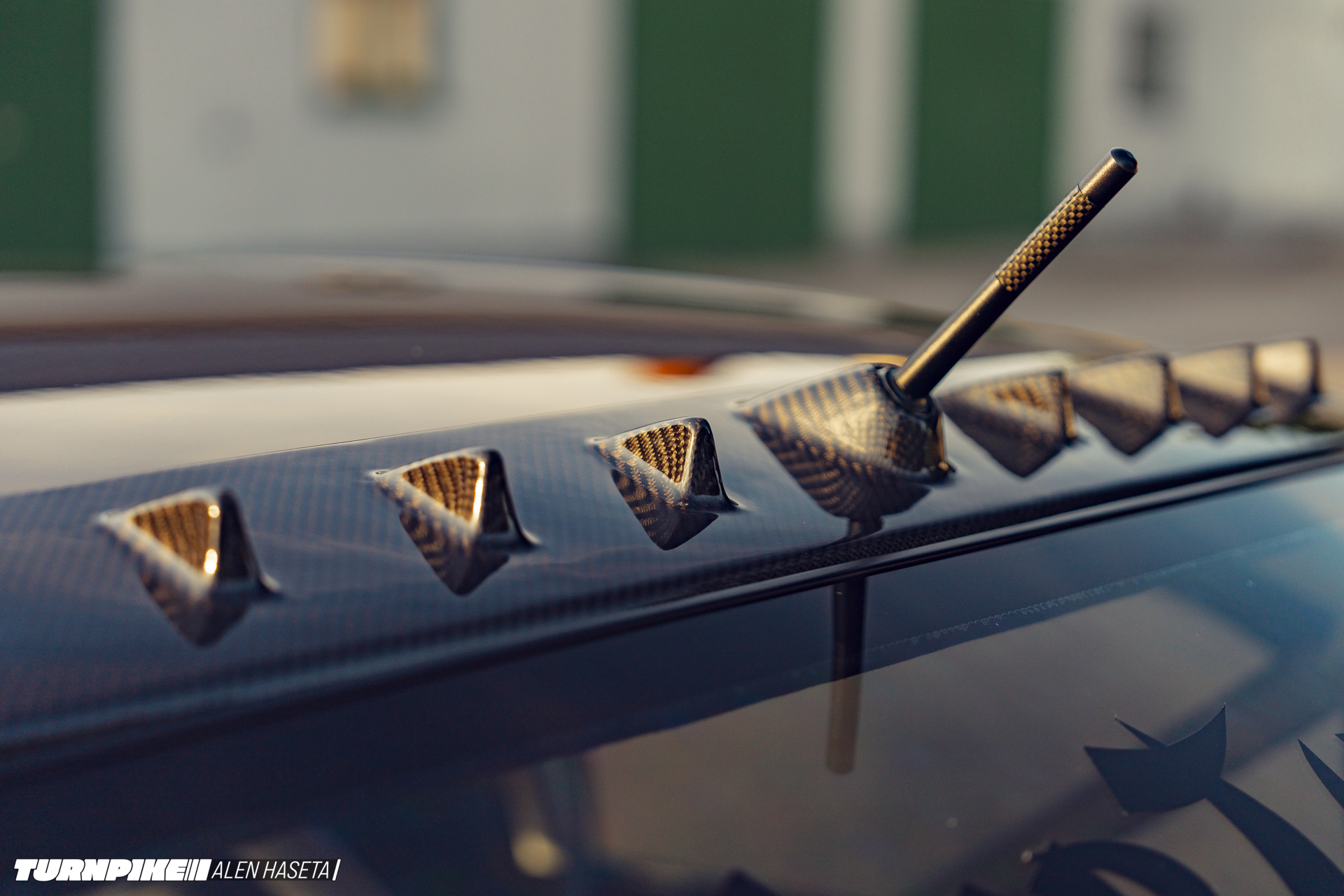
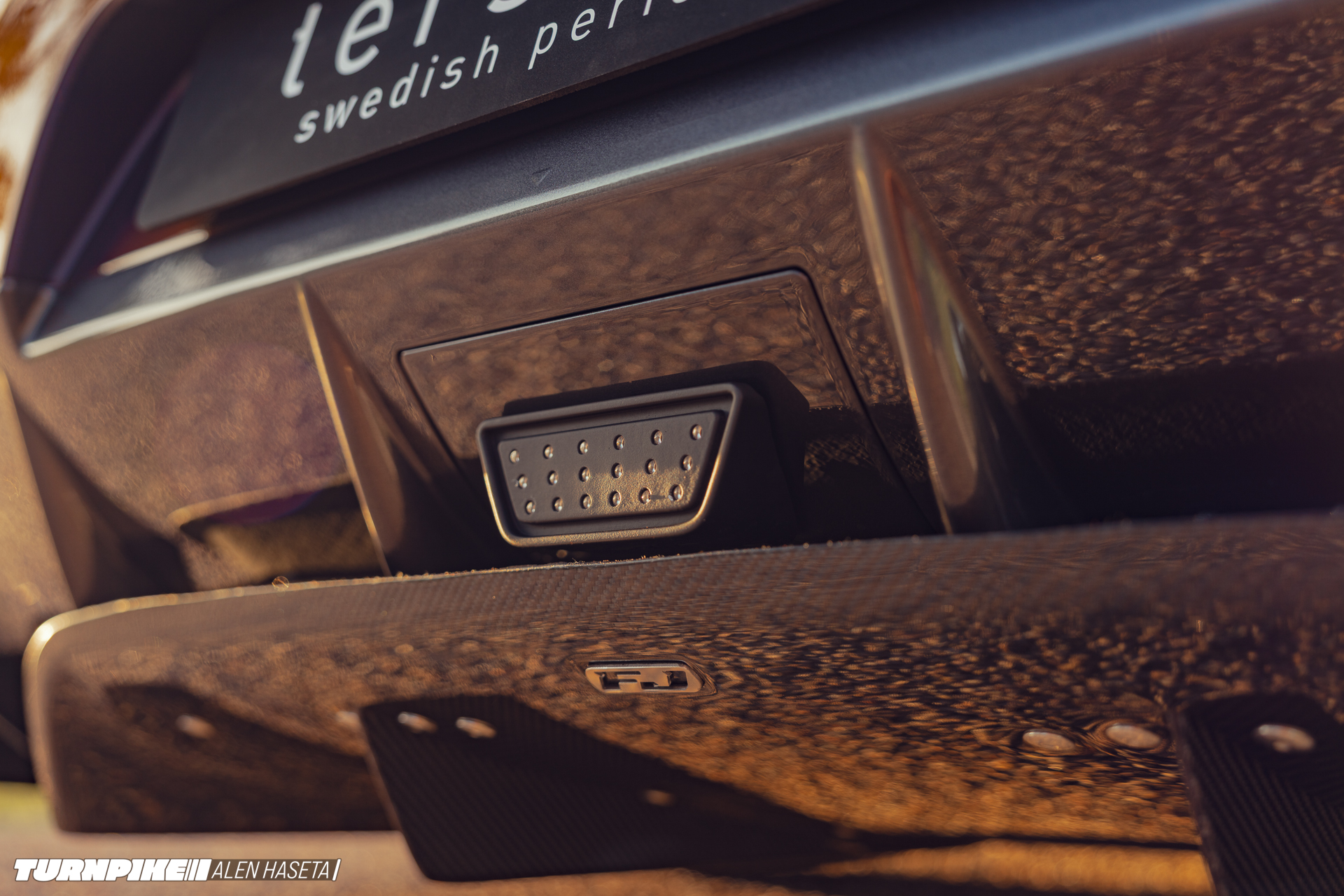
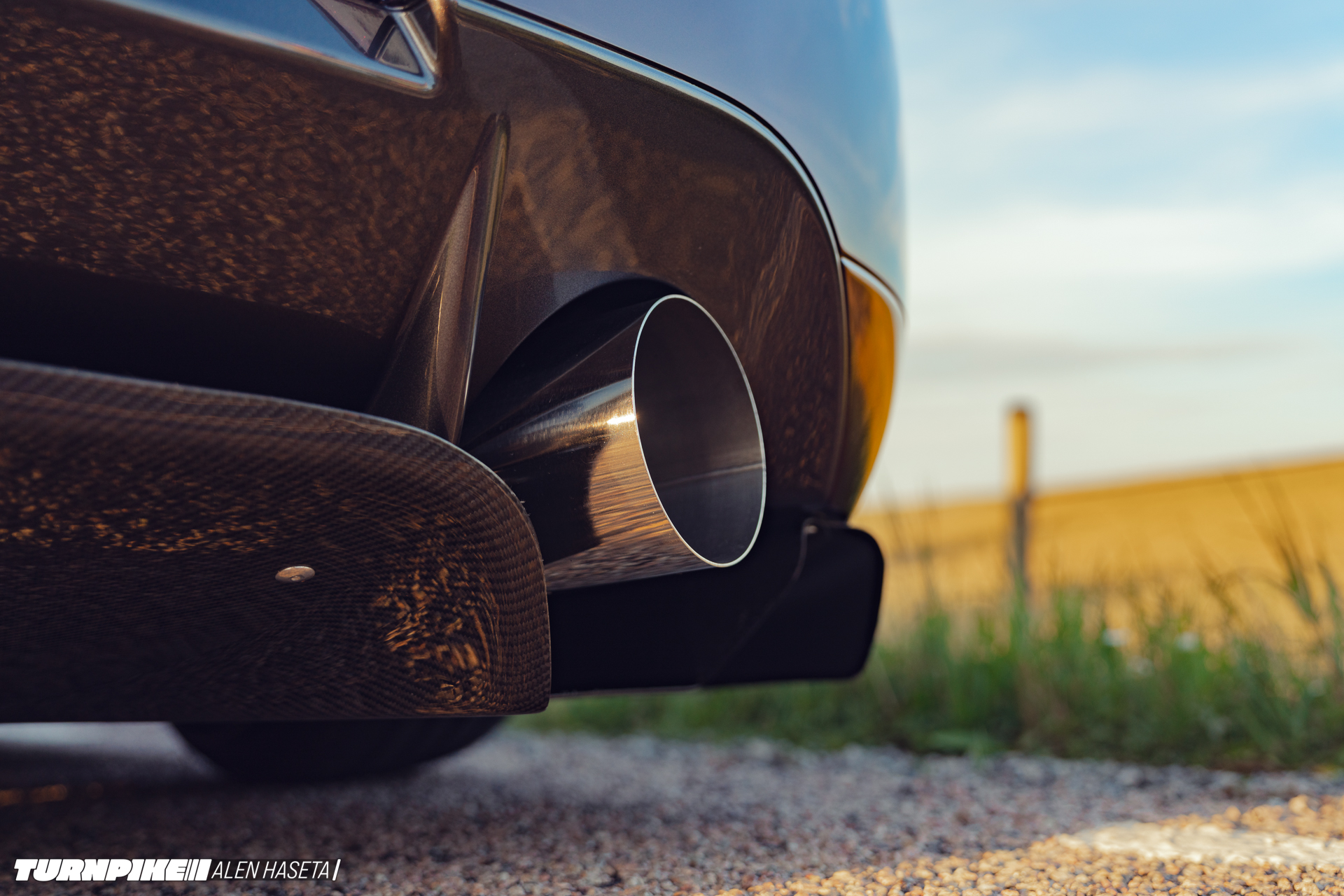
Carbon fiber is everywhere. An APR front splitter, front lip, side skirt extensions, Varis rear diffuser, and a carbon ducktail mounted over the OEM wing give the Evo a much more modern appearance.
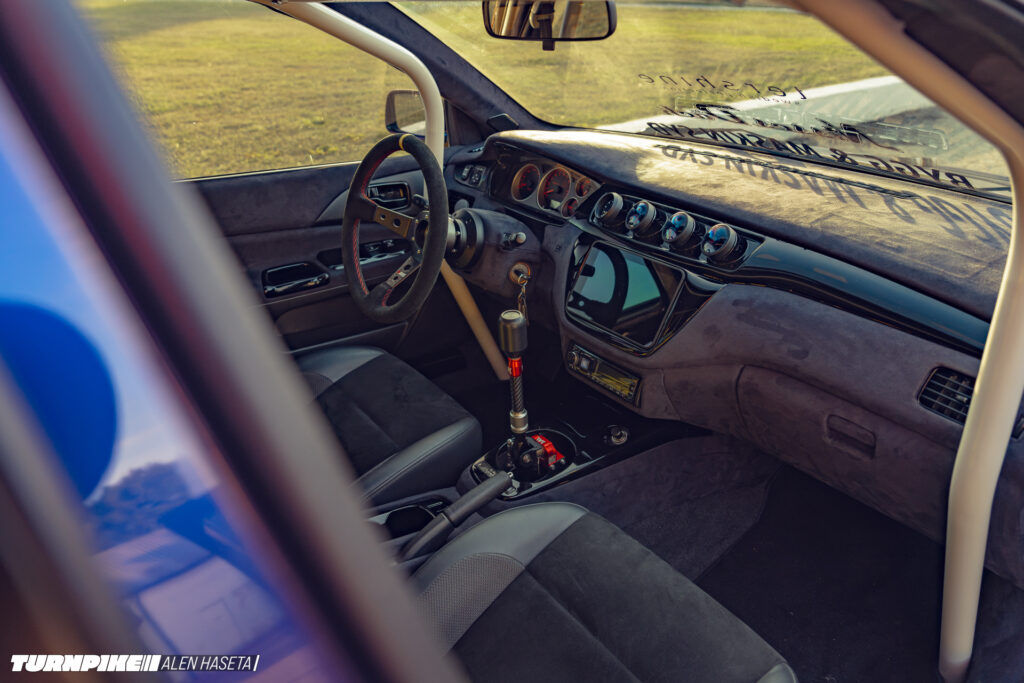
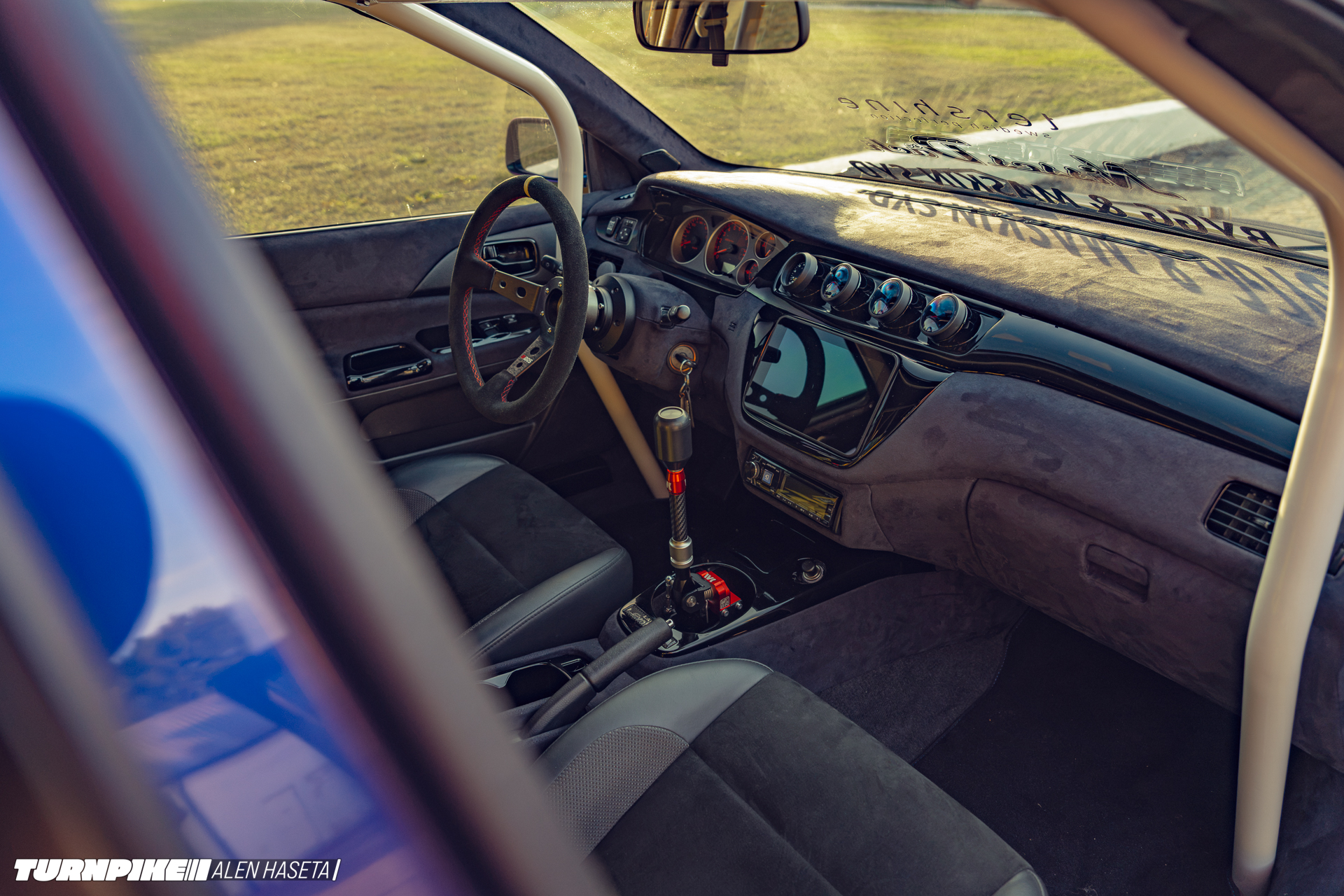
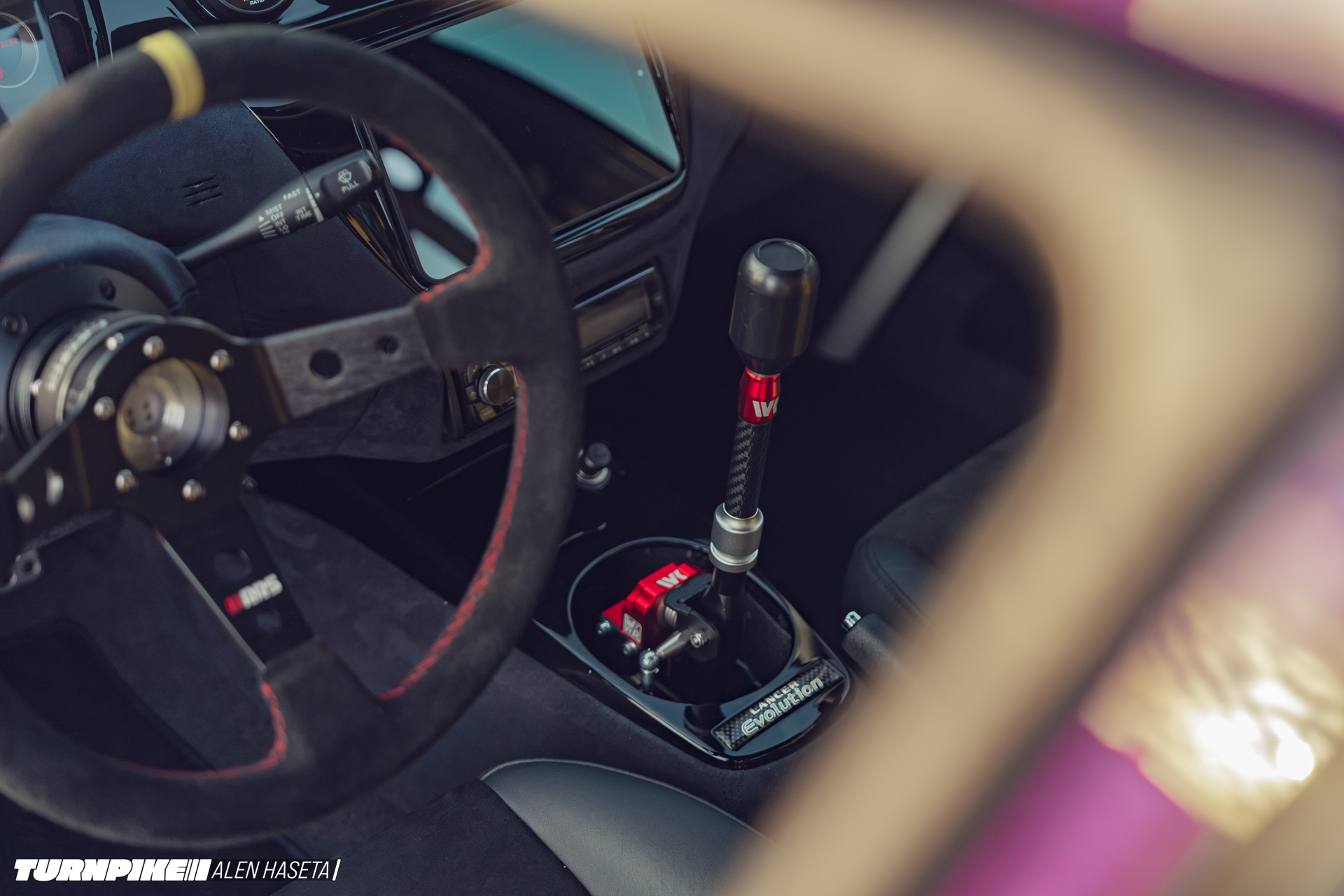
Despite its rally pedigree, this isn’t a time attack build. The Evo retains serious hardware, including a complete RS rear axle and 5-speed gearbox with a Torsen centre differential. But Fabian isn’t trying to optimise every millimetre for a lap time.
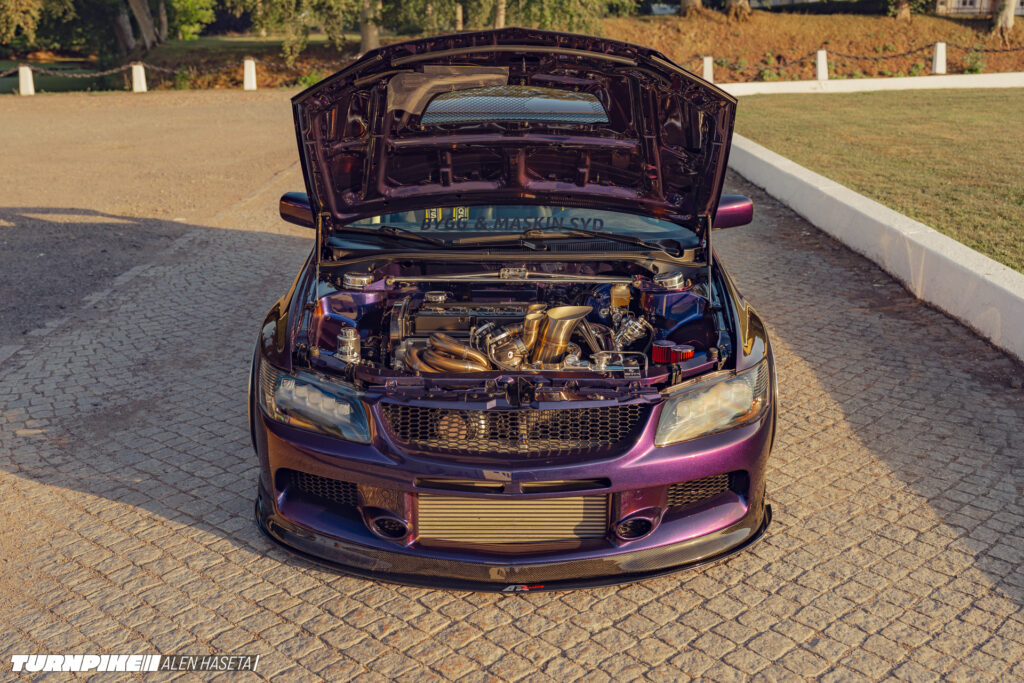
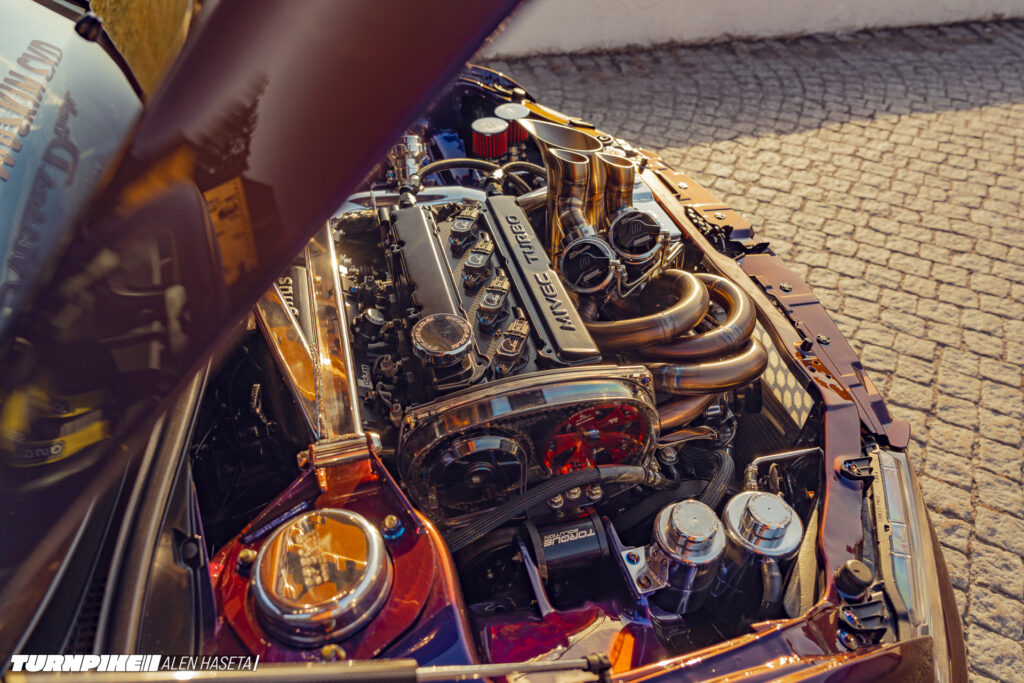
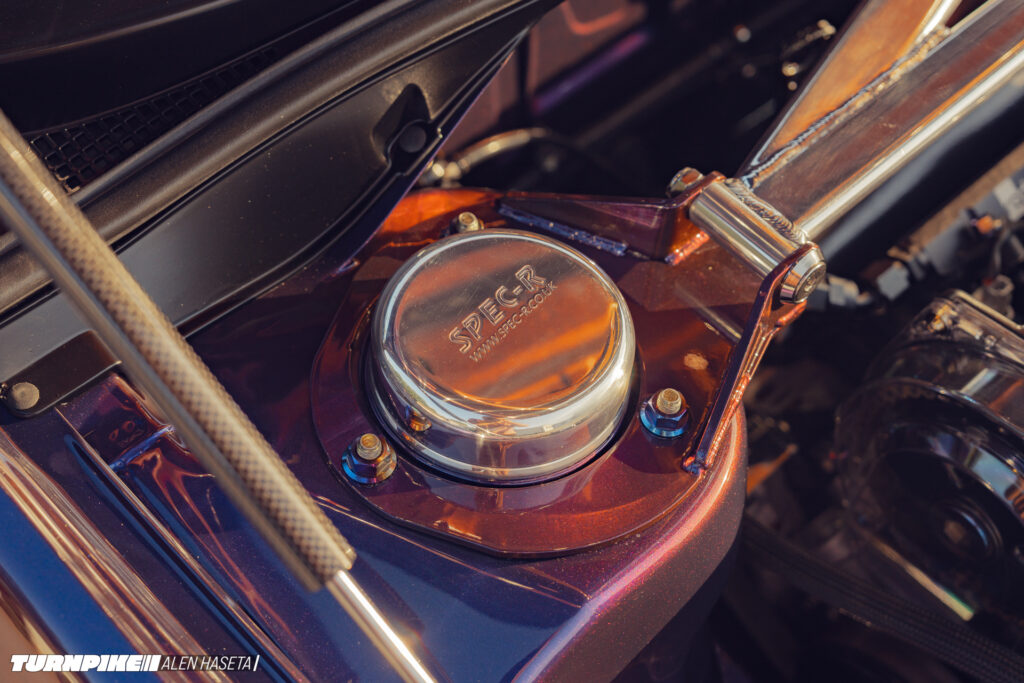
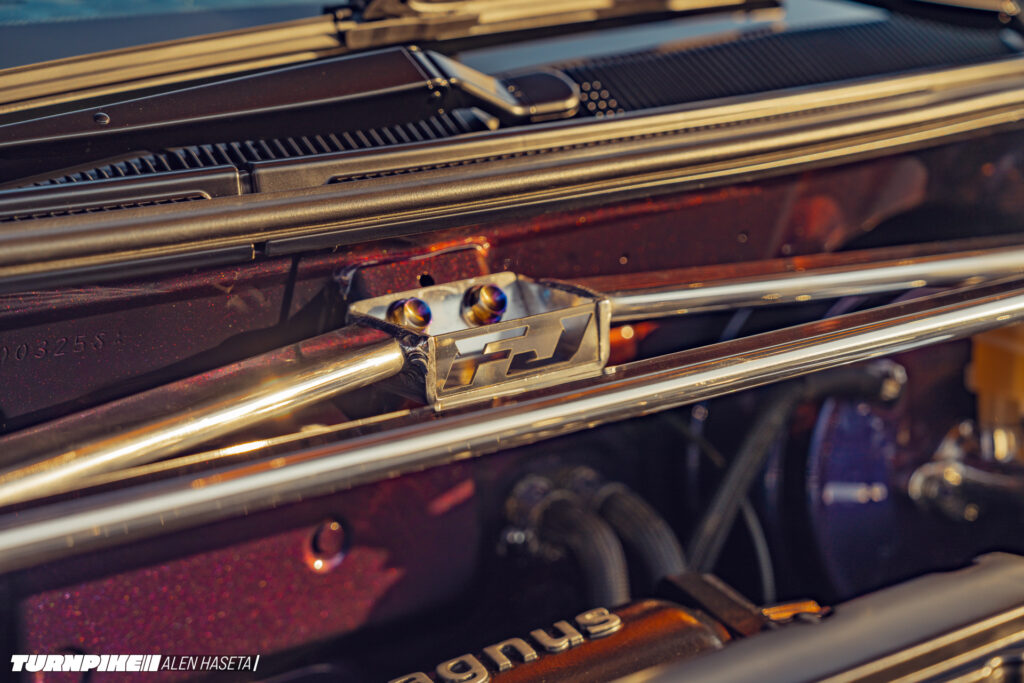
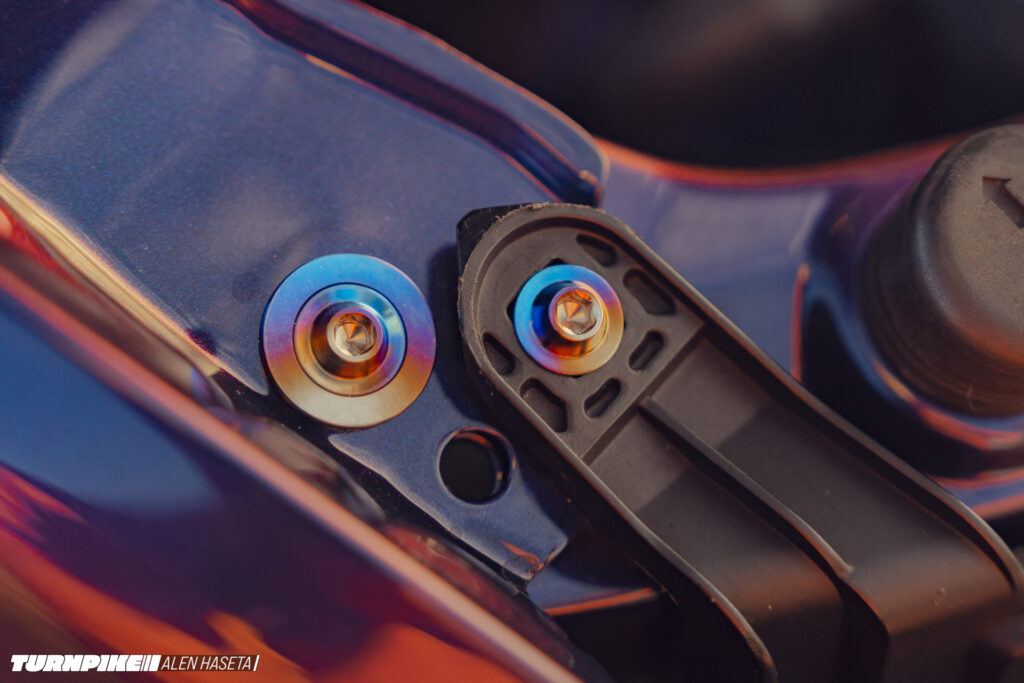
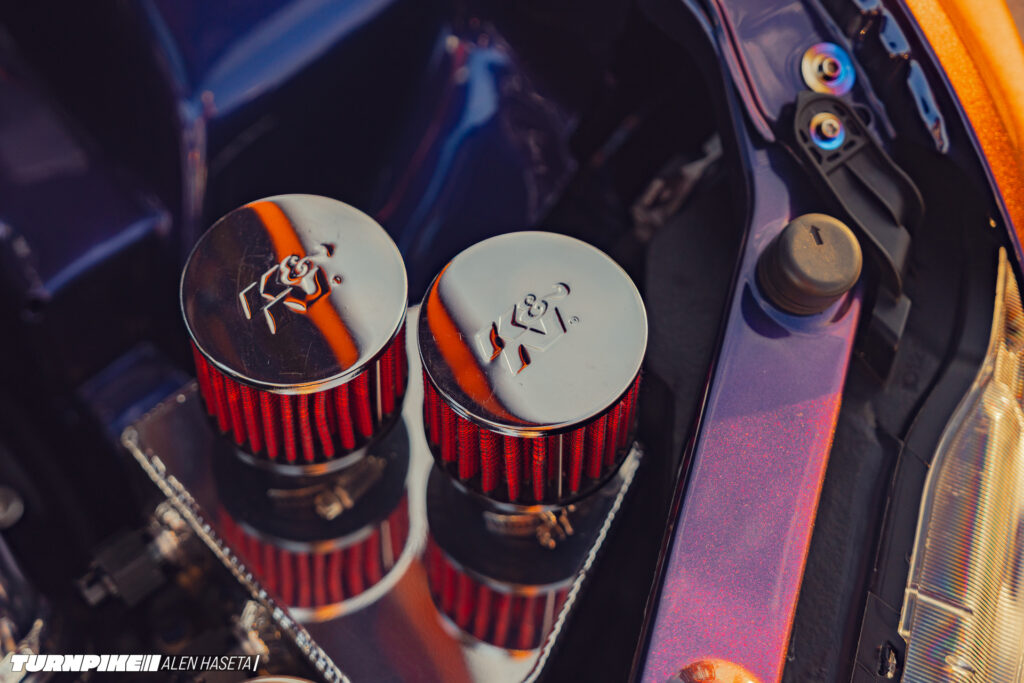
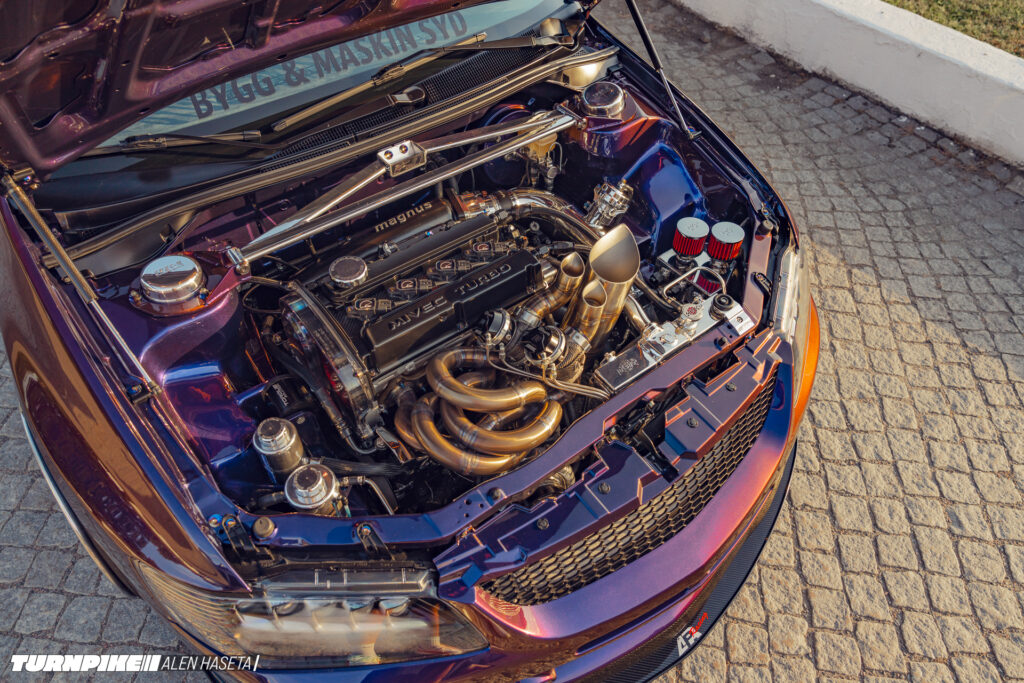
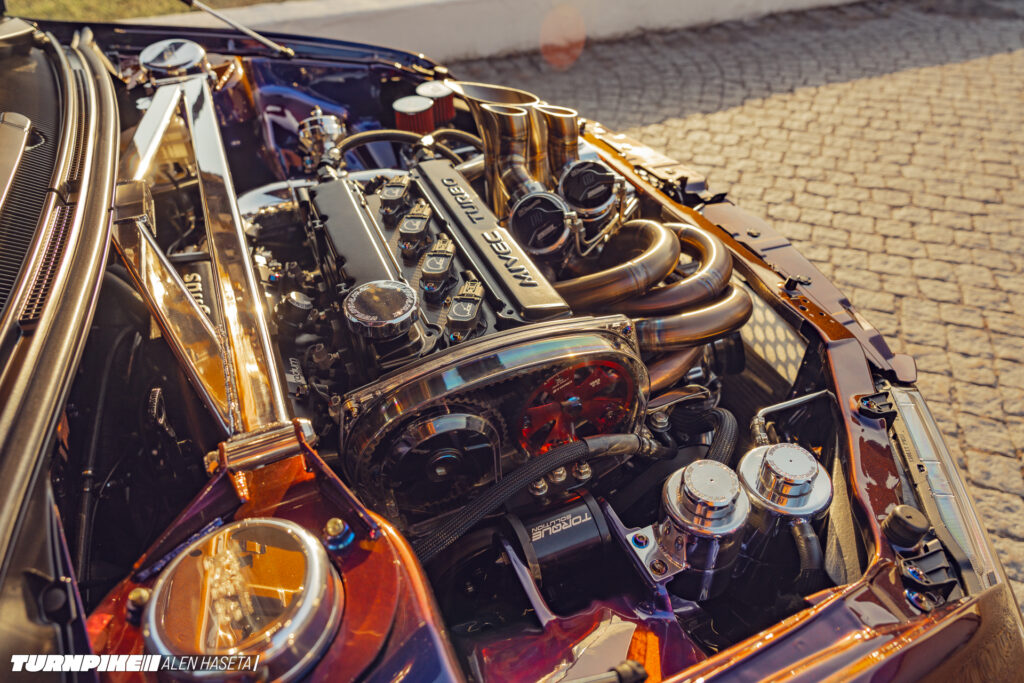
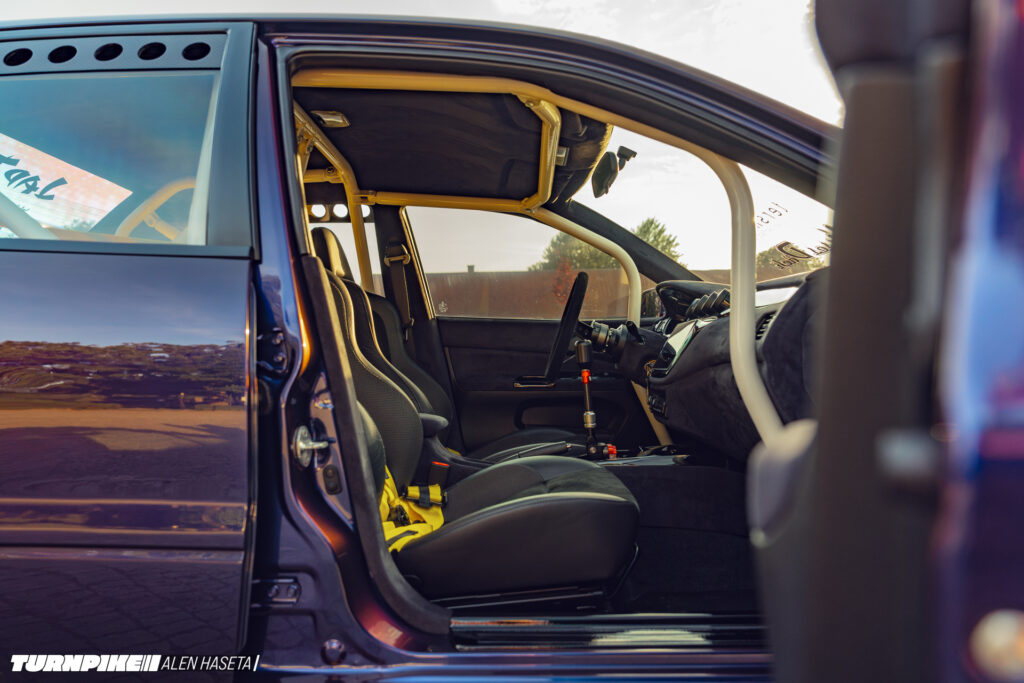
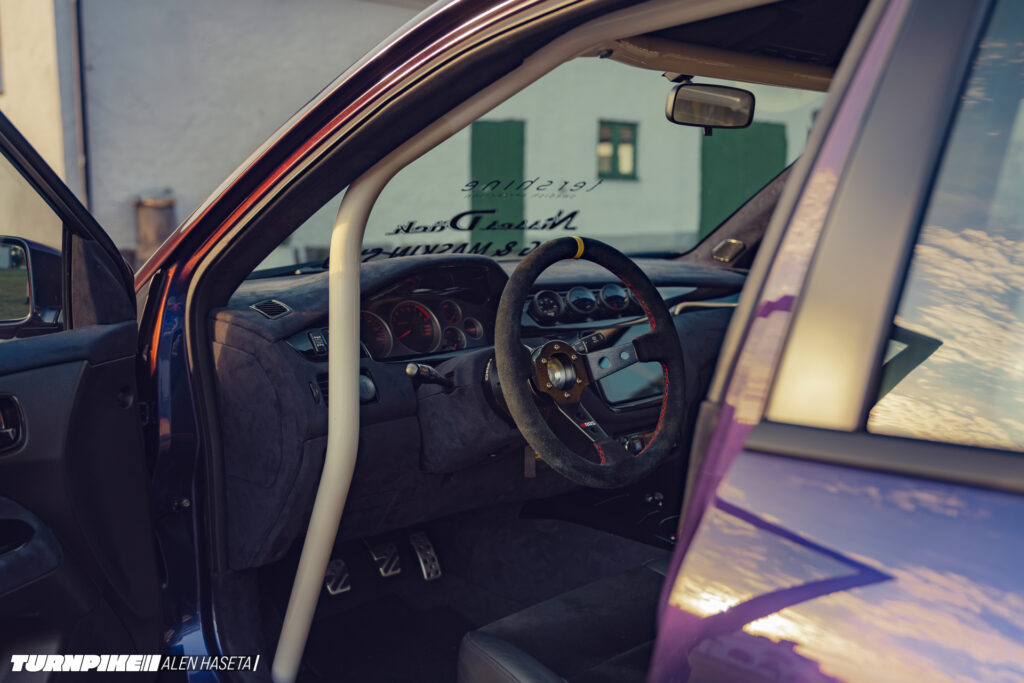
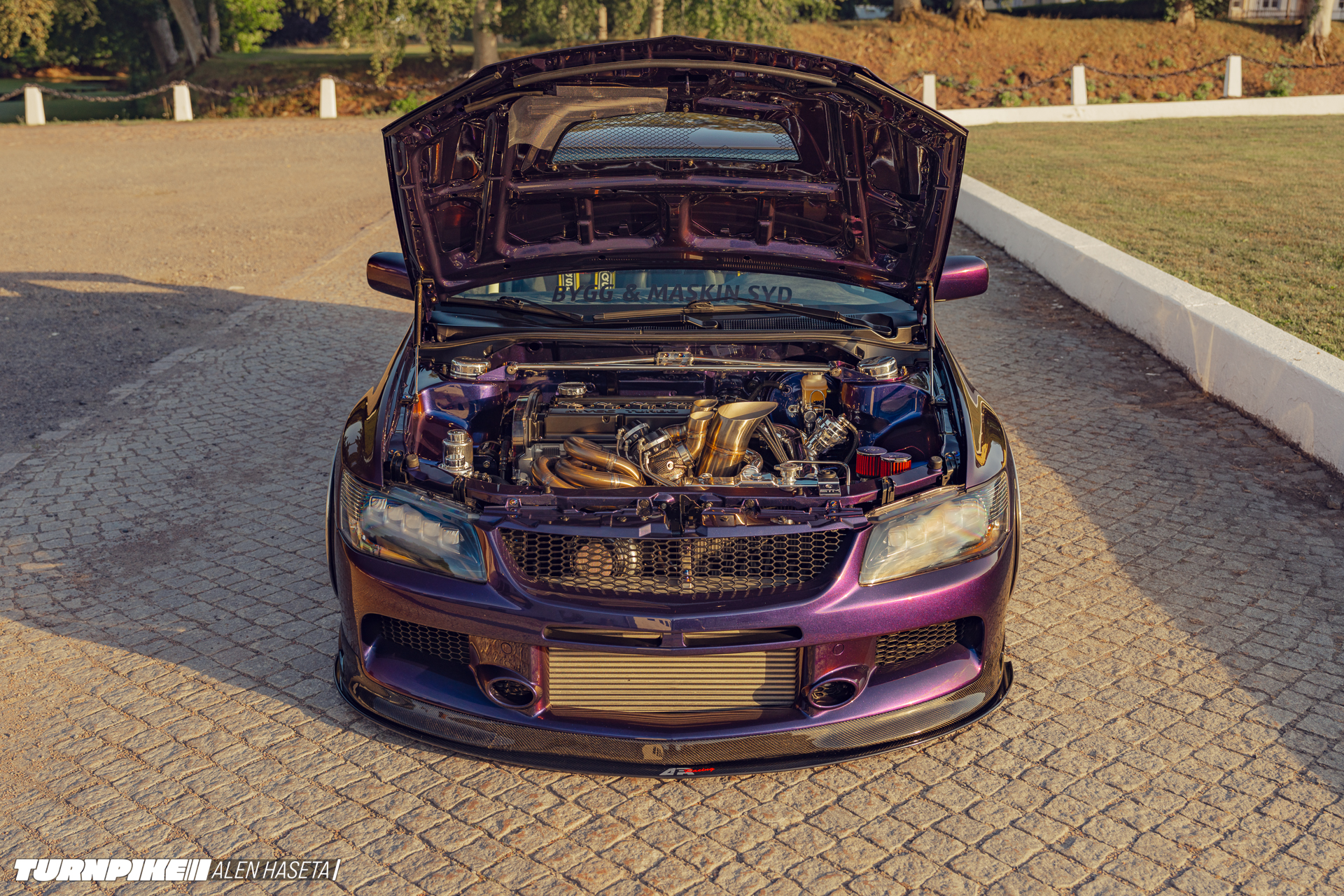
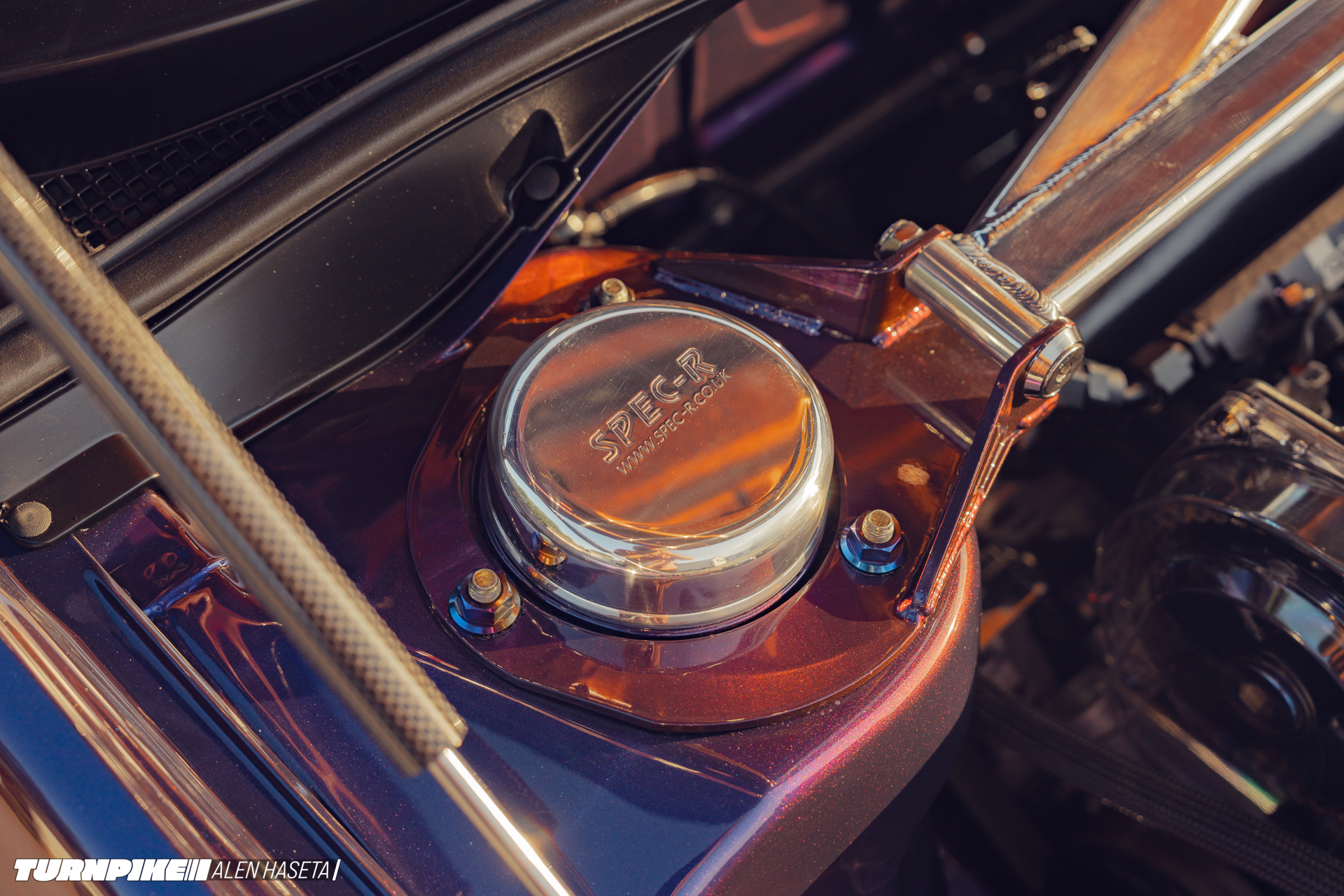
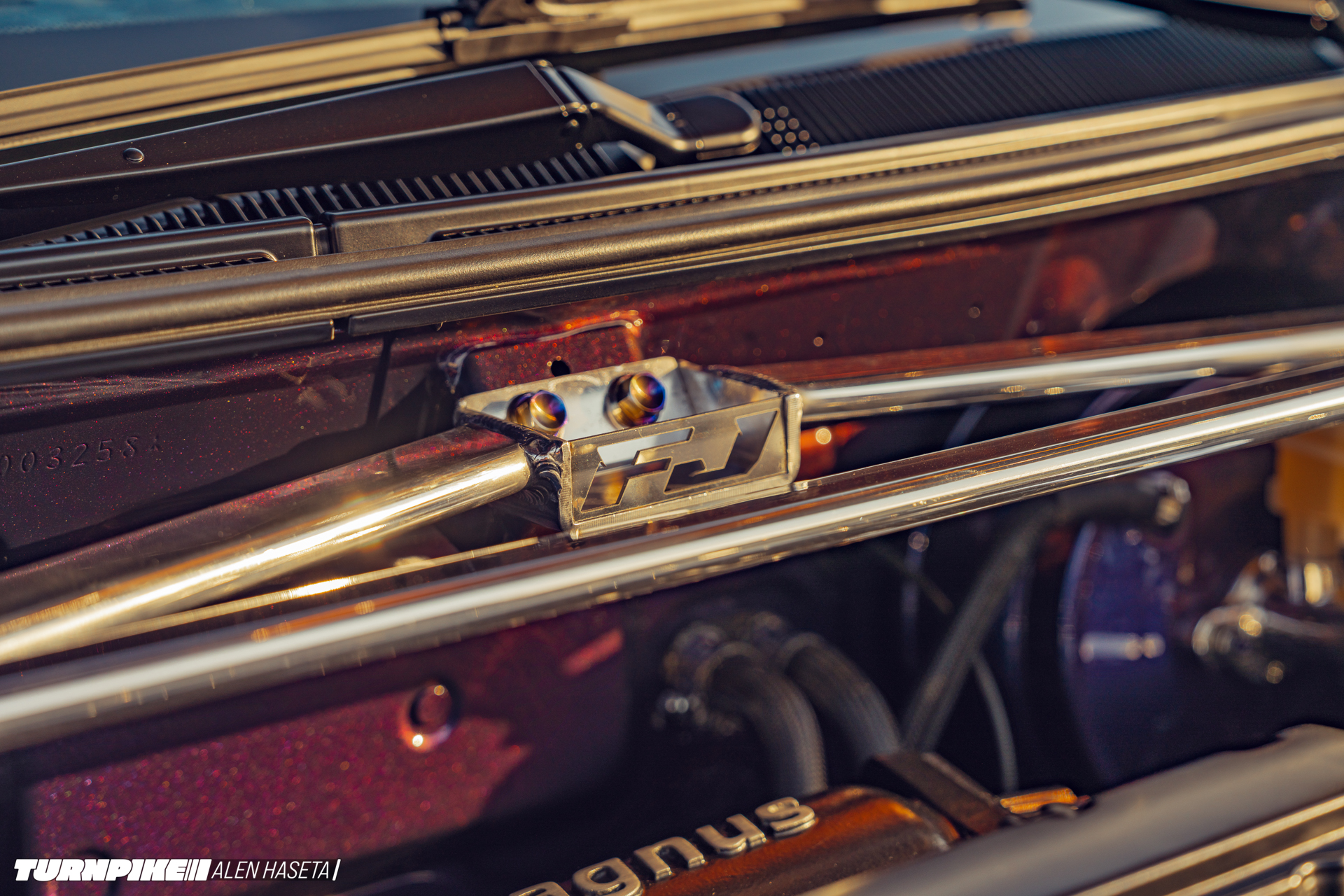
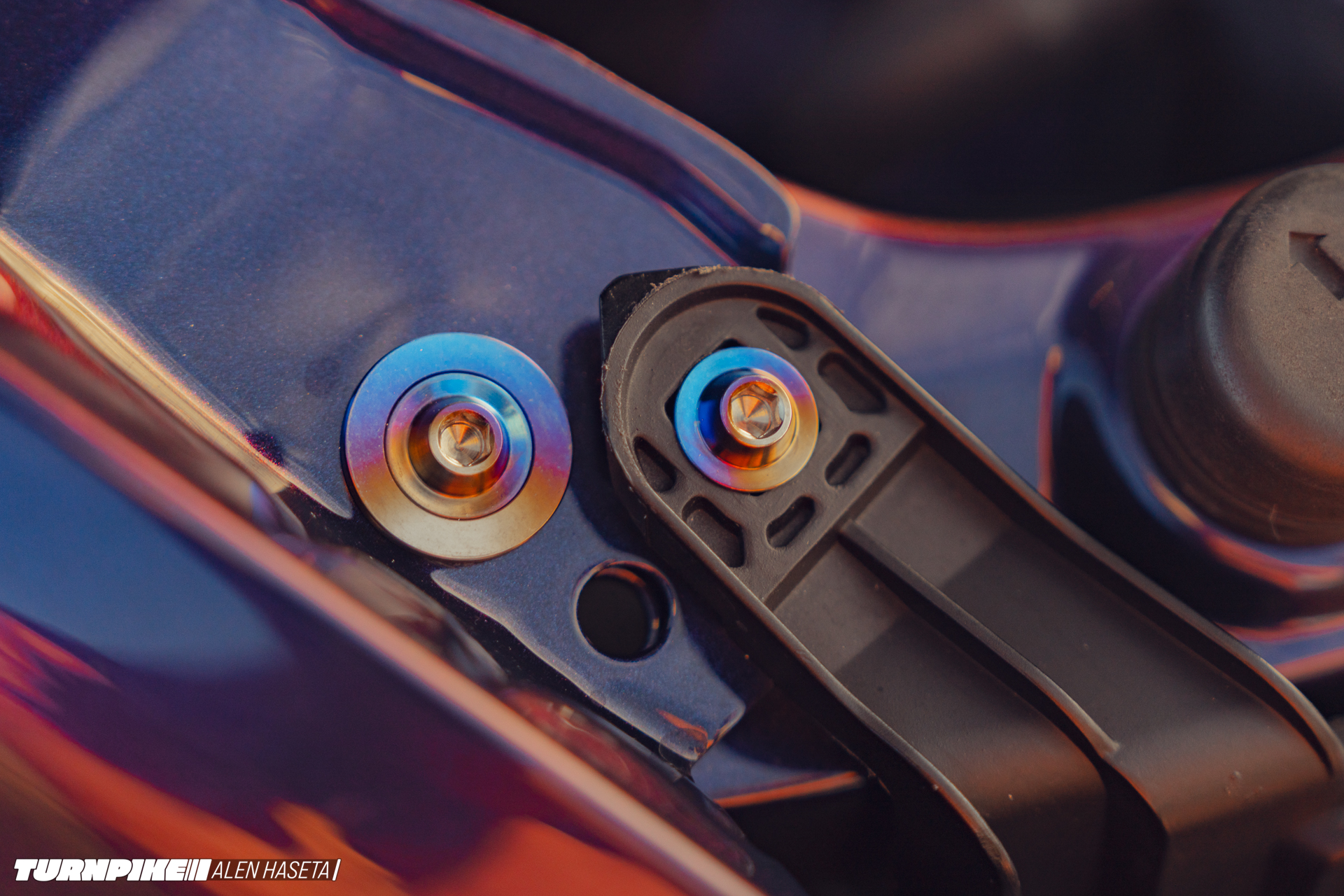
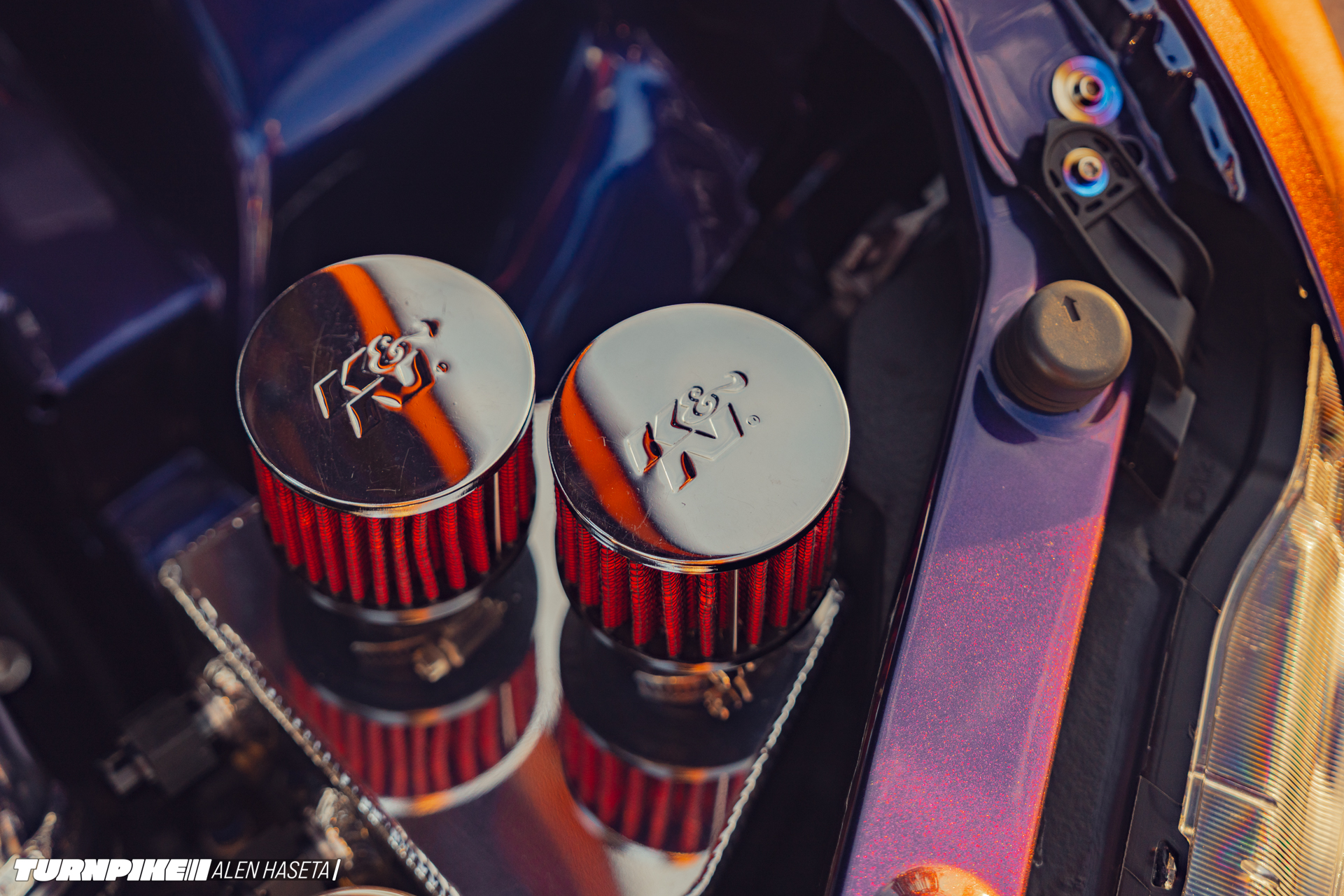
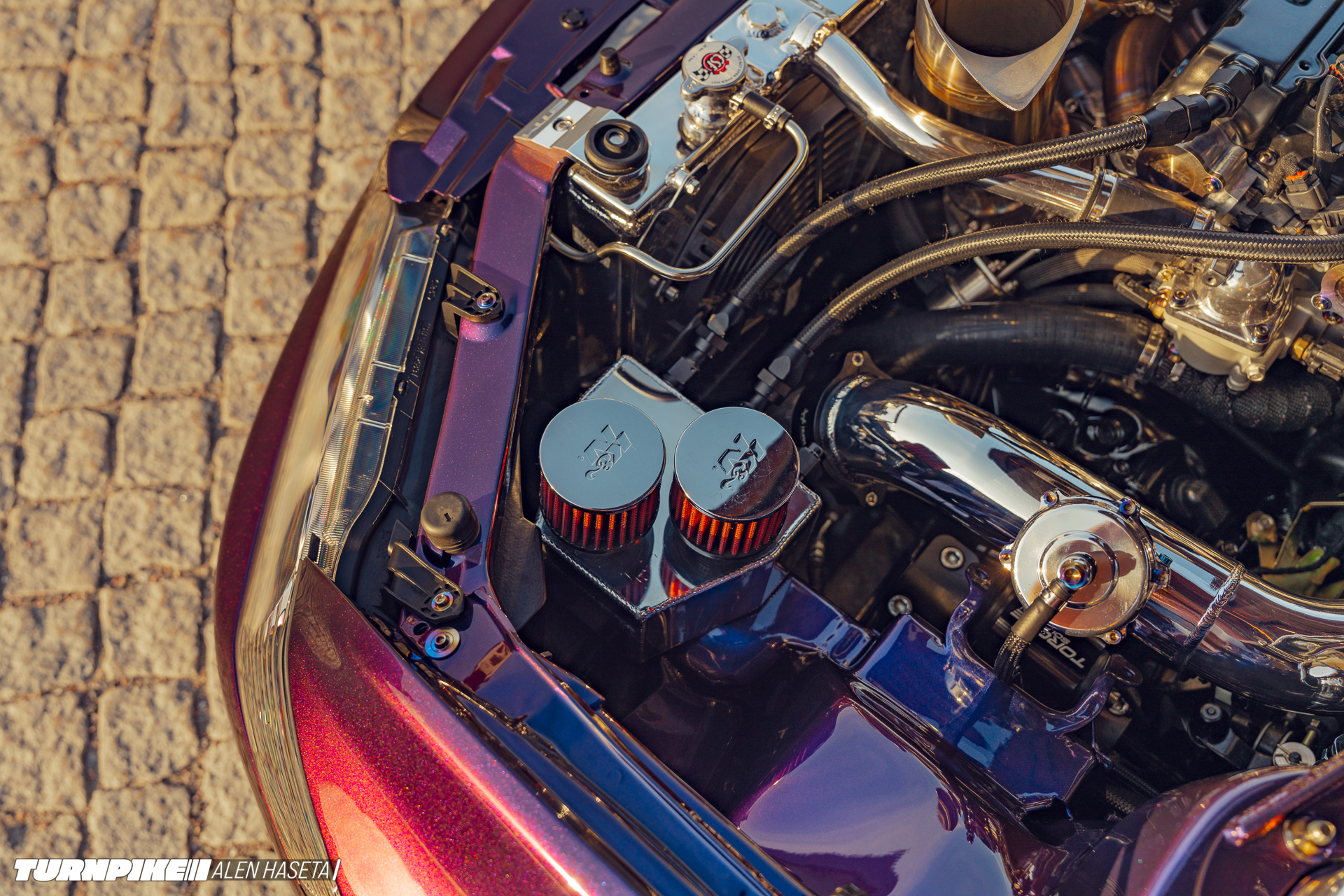
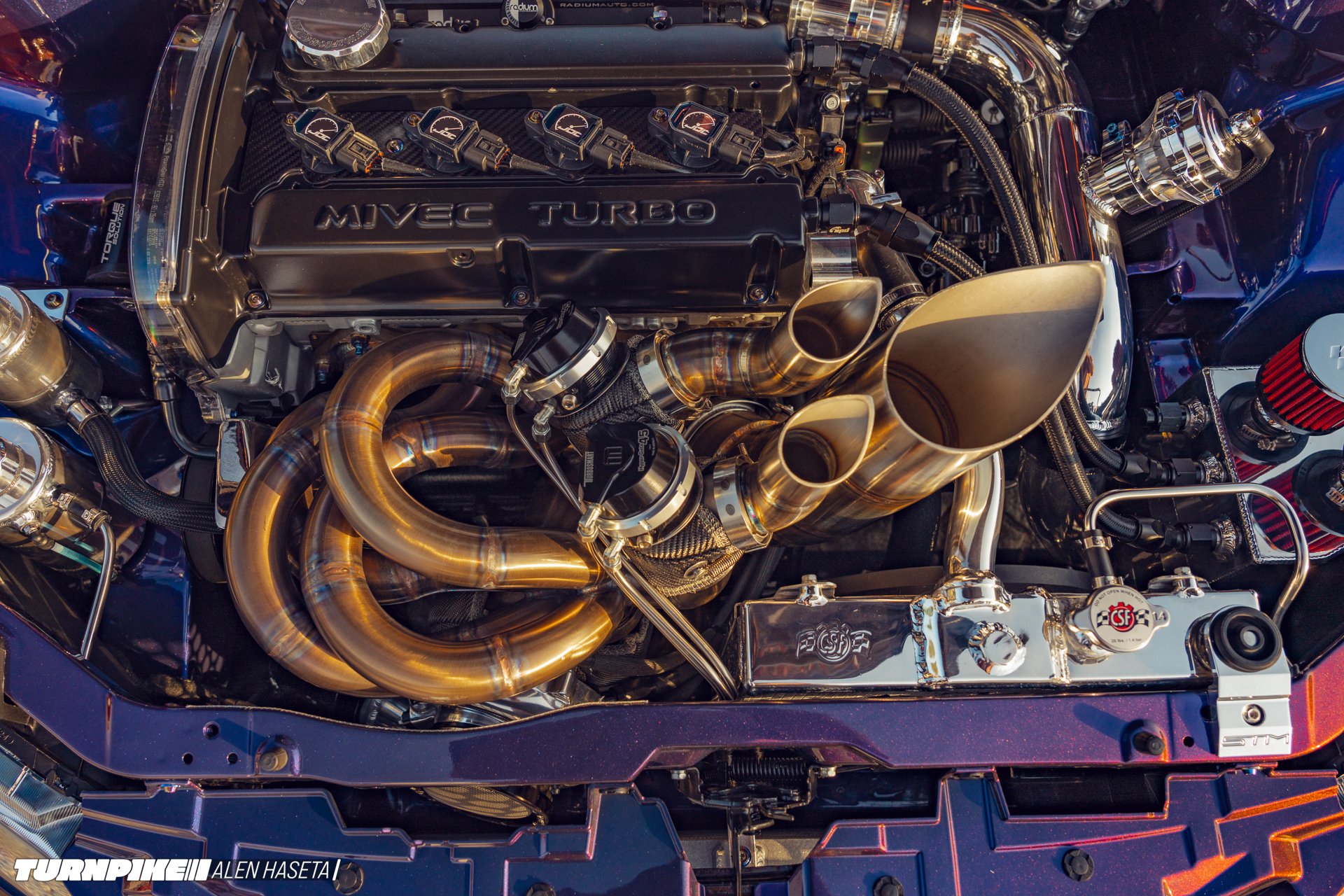
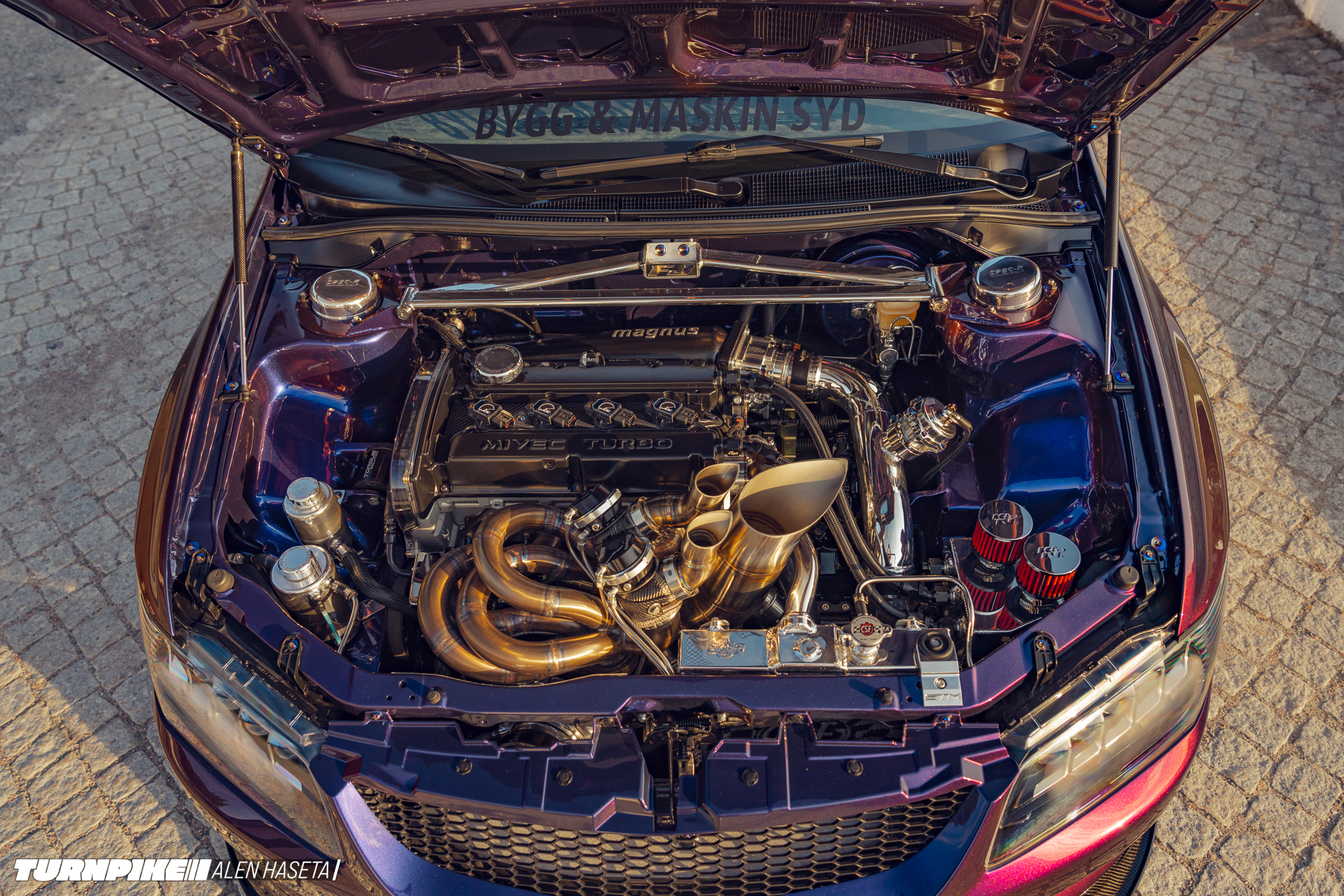
Instead, he has focused on creating a car that looks as good underneath as it does from the outside. The entire underside has been painted and treated, while every bolt has been zinc plated. The engine bay has received the same treatment, with all seams fully welded, unnecessary brackets removed, and the wiring harness modified and relocated for a cleaner appearance.
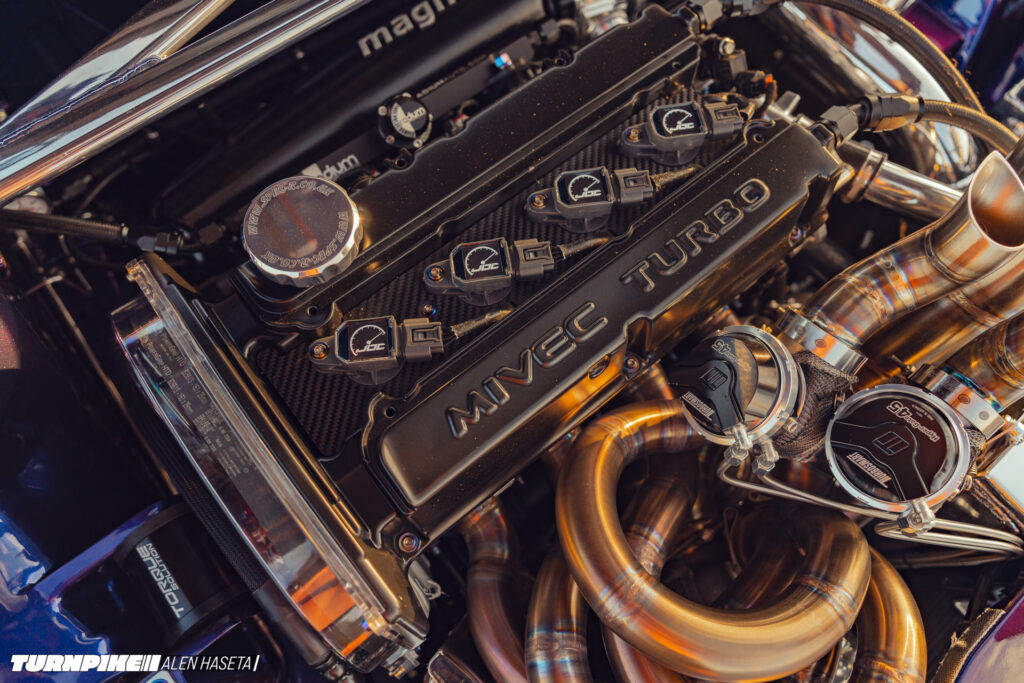
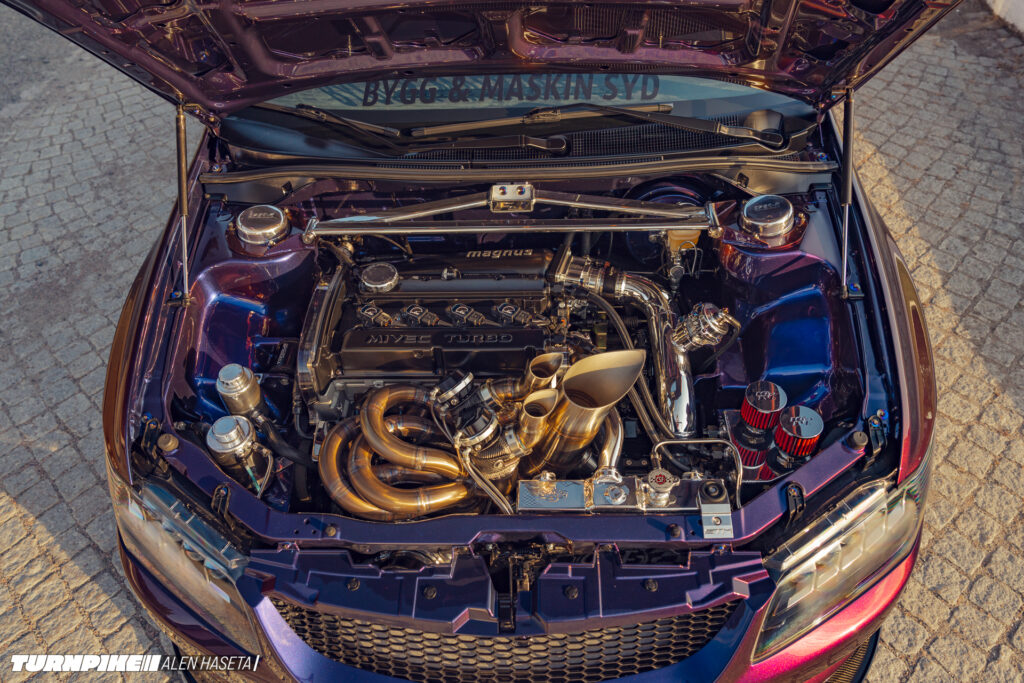
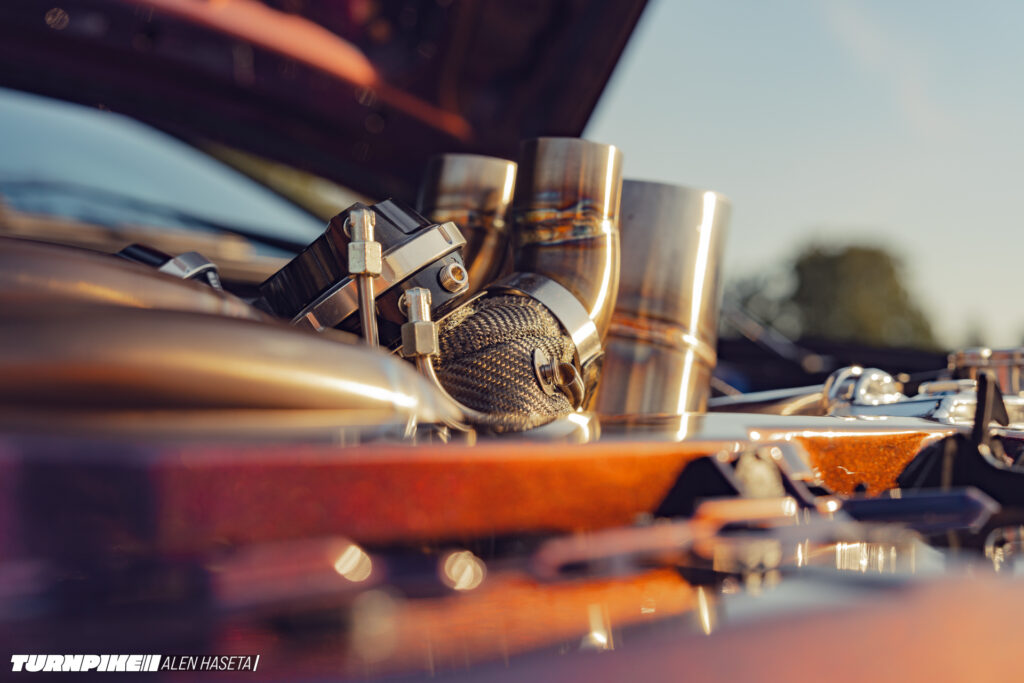
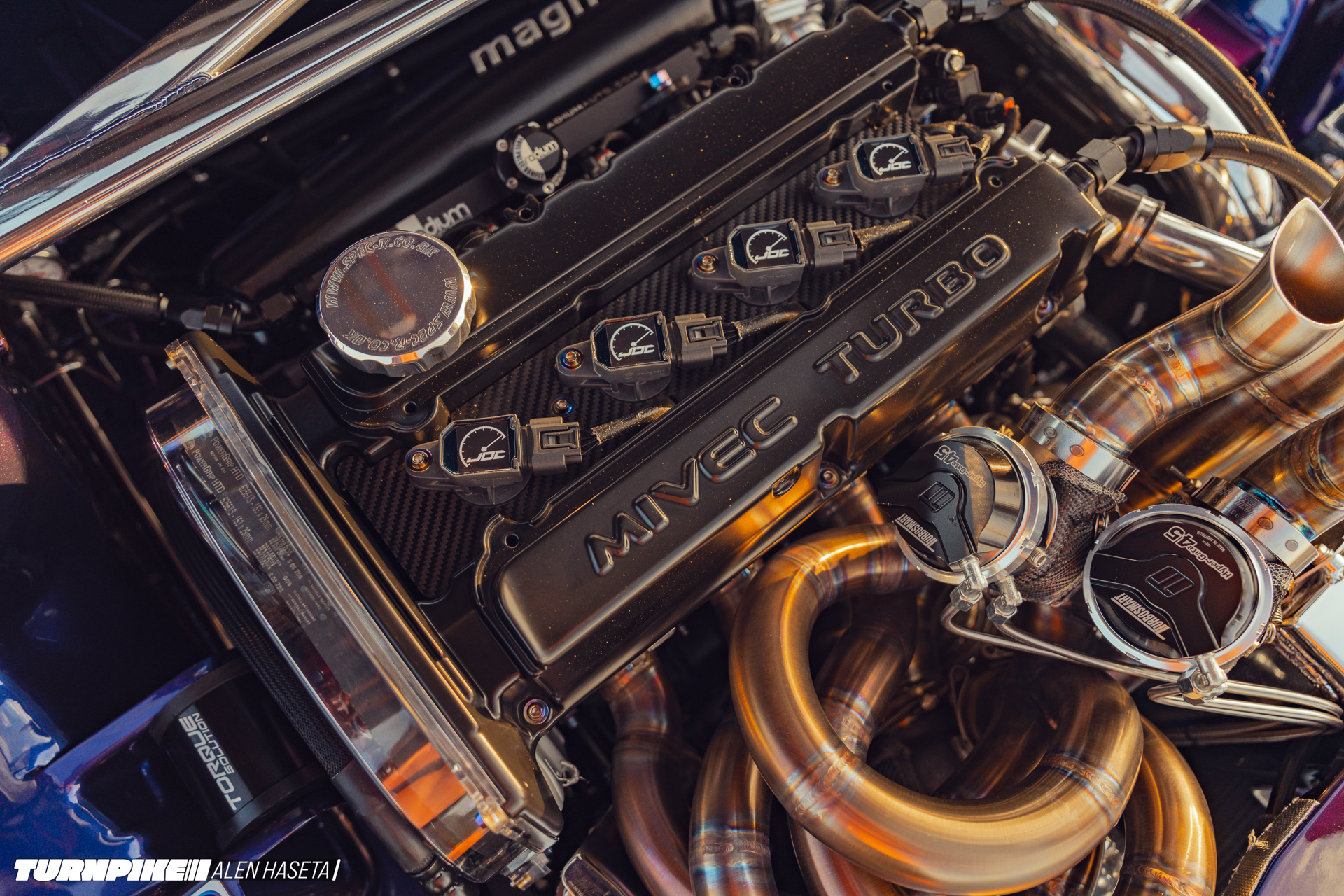
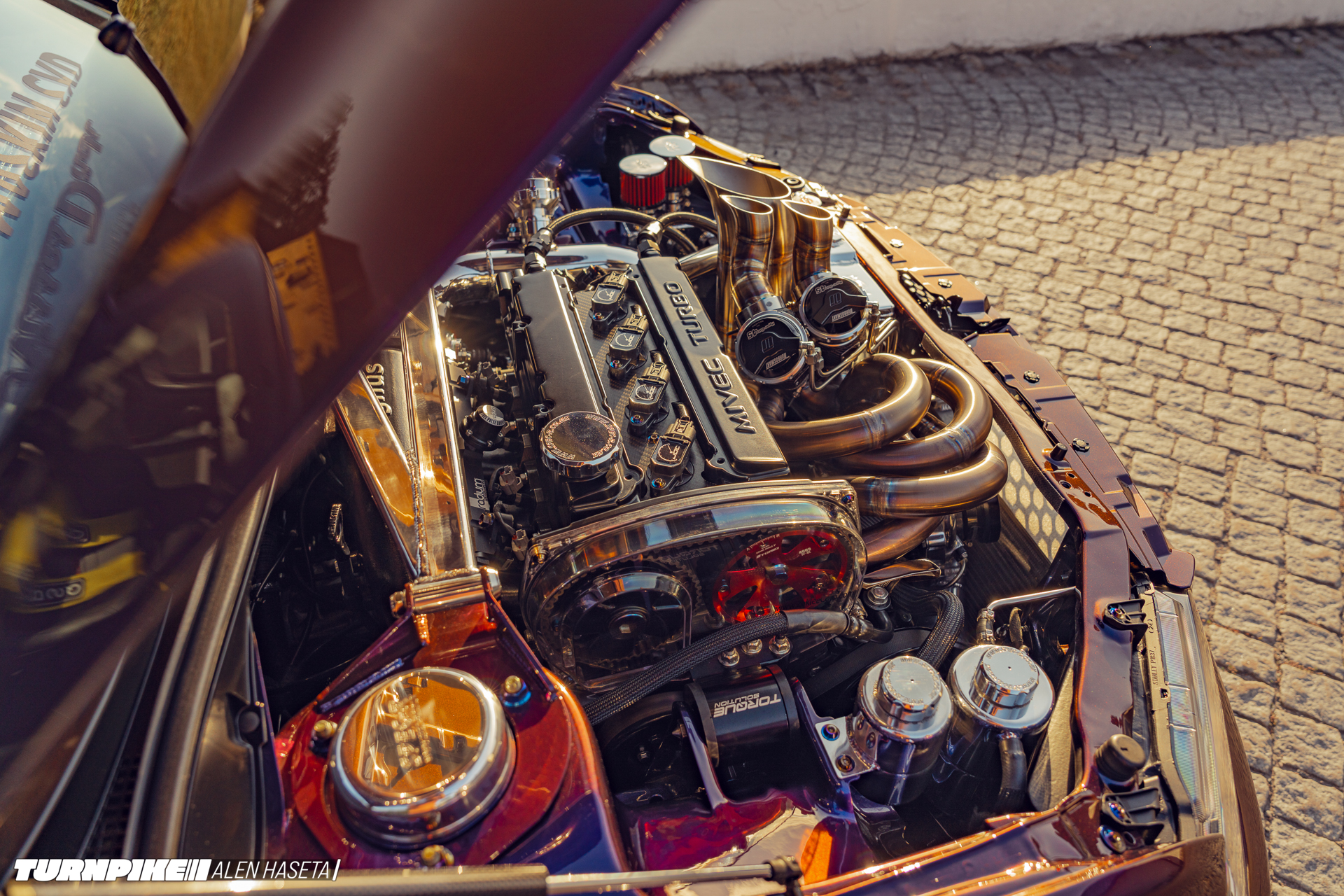
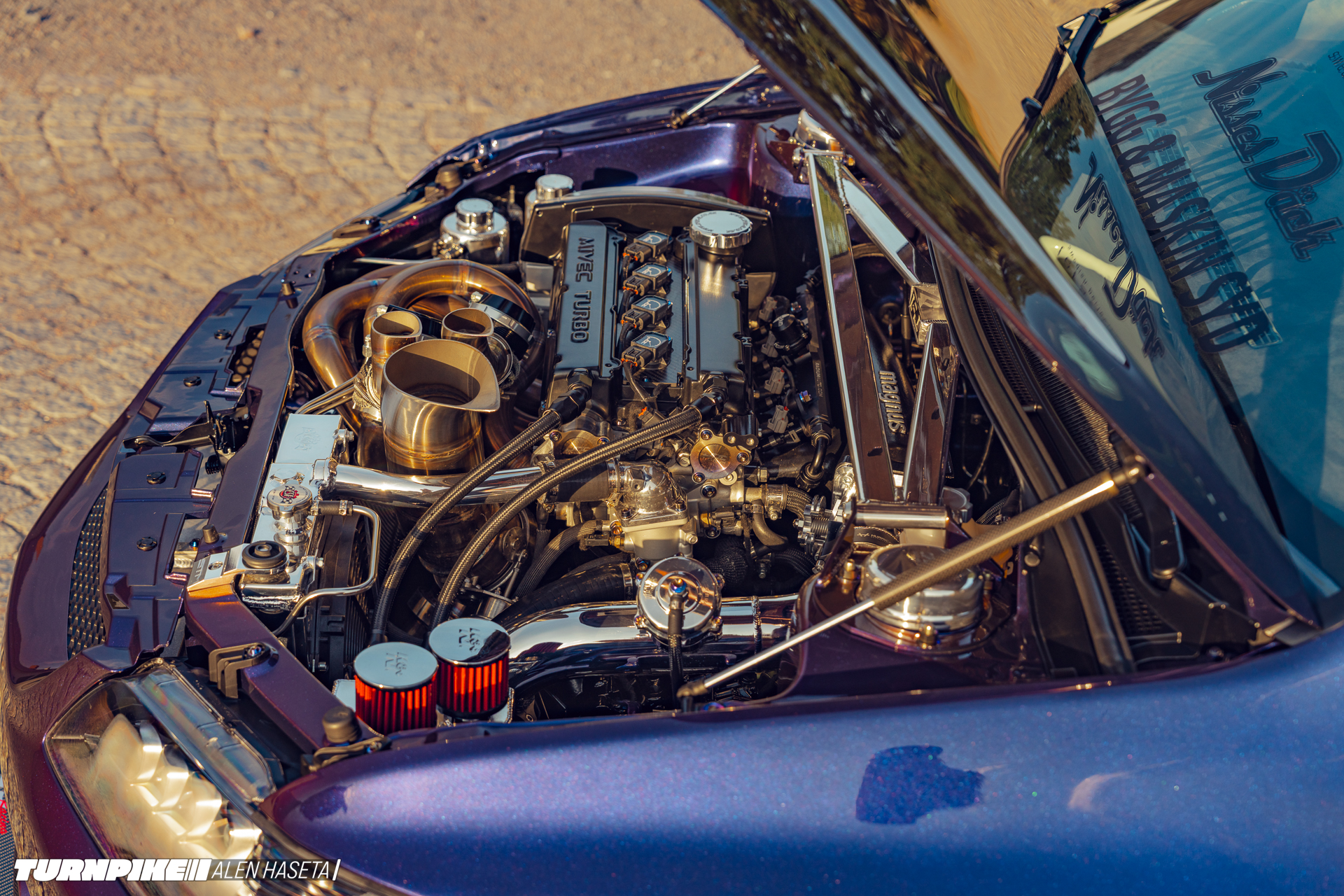
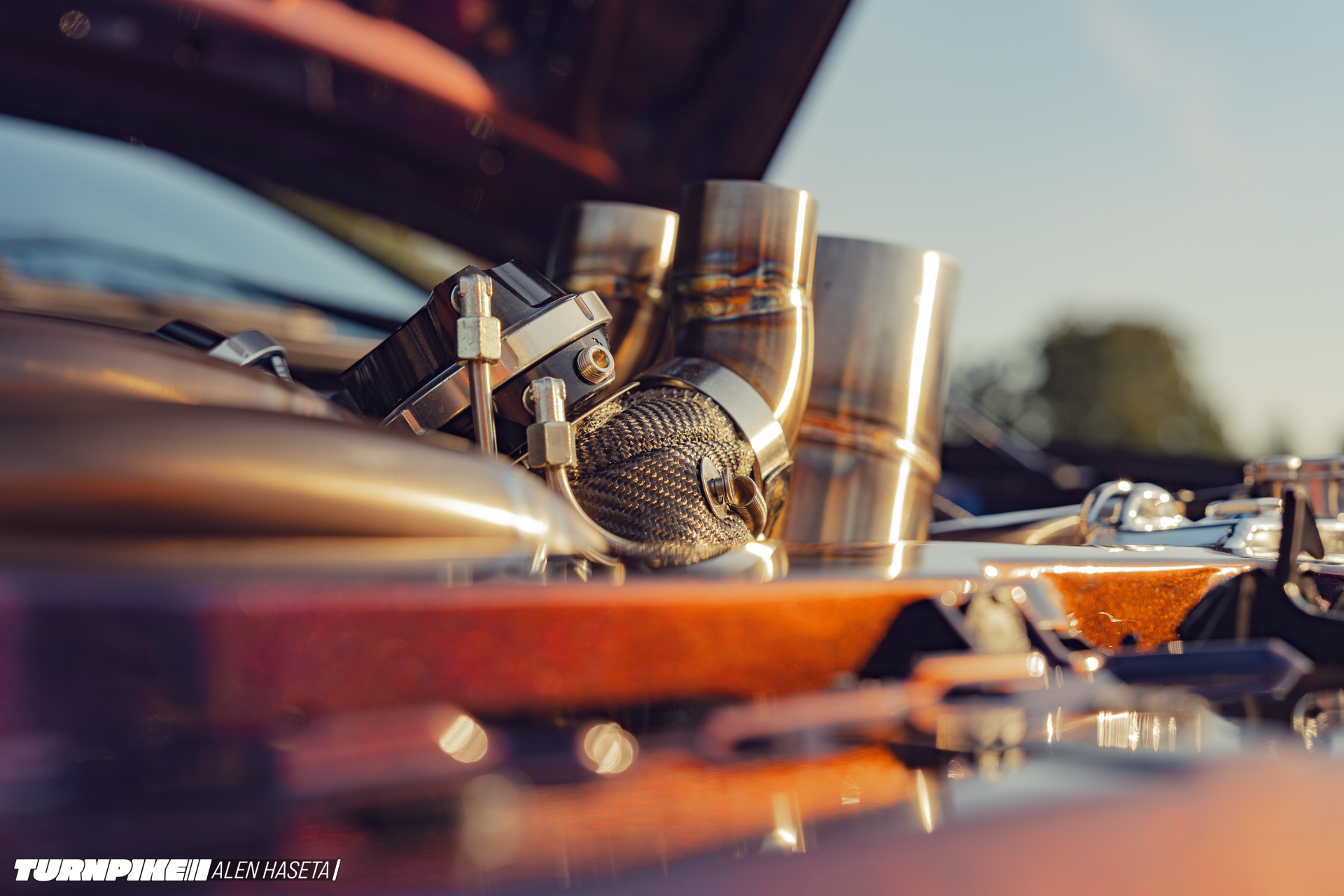
That brings us to our next point and the reason I wanted to shoot the car in the first place: the engine.
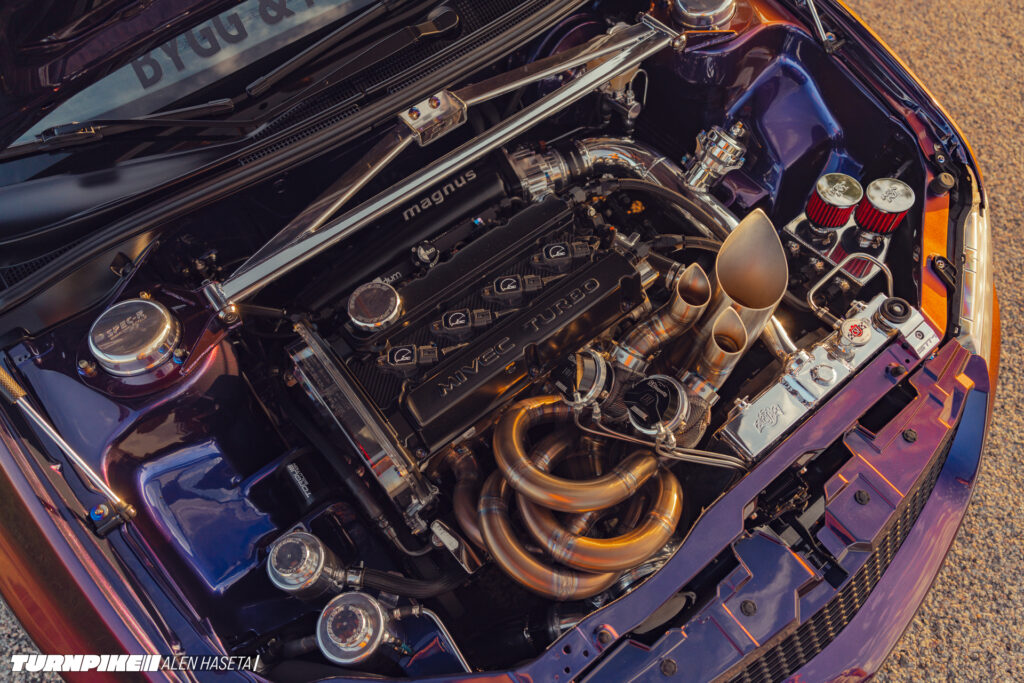
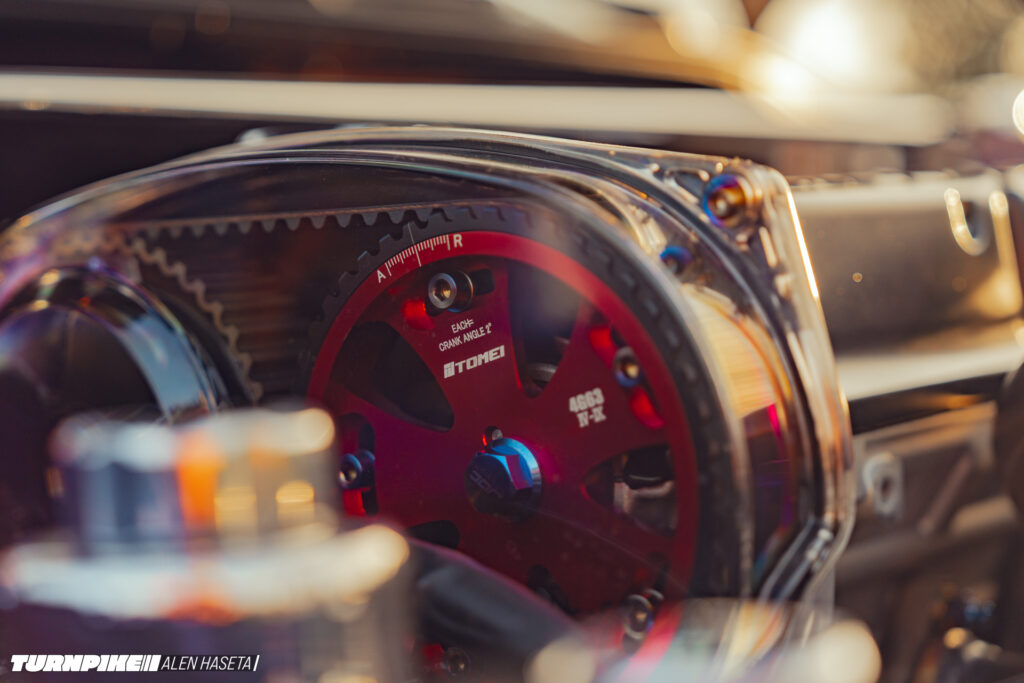
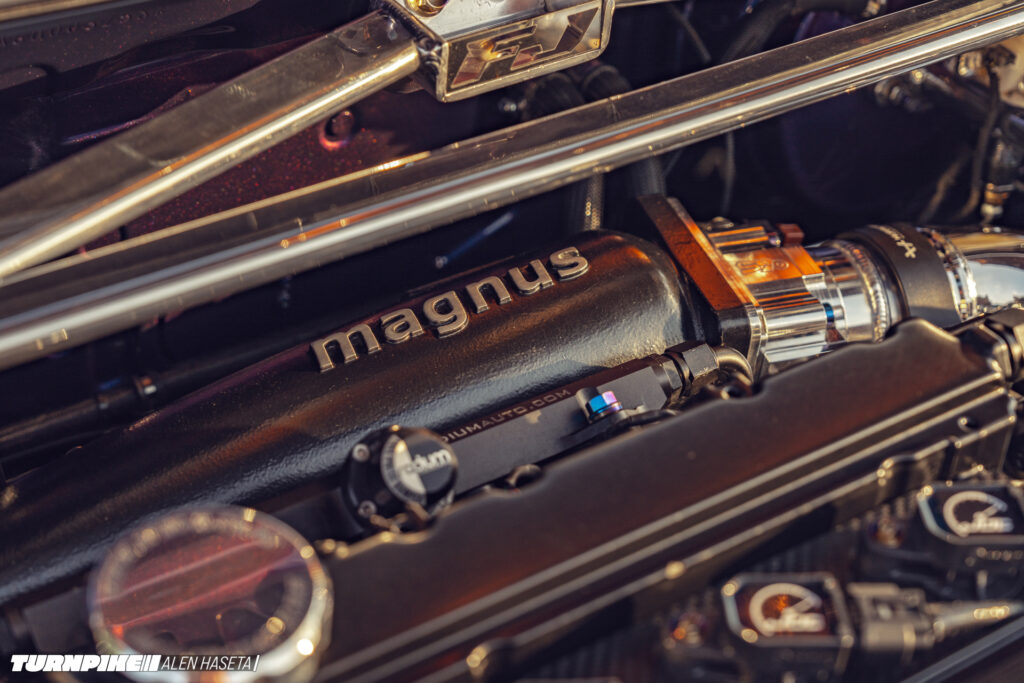
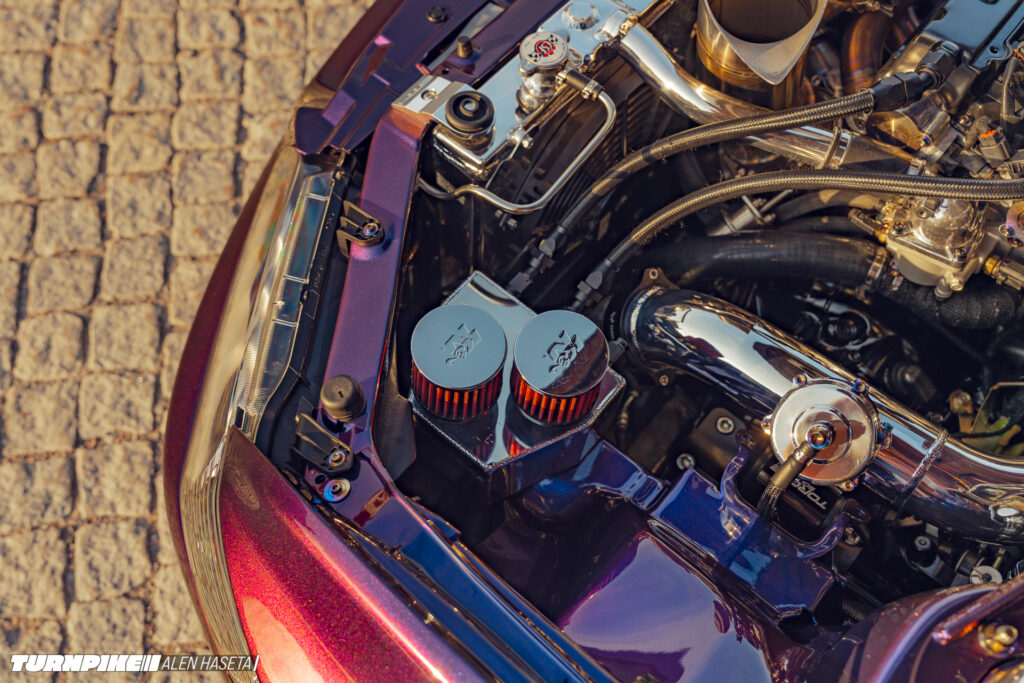
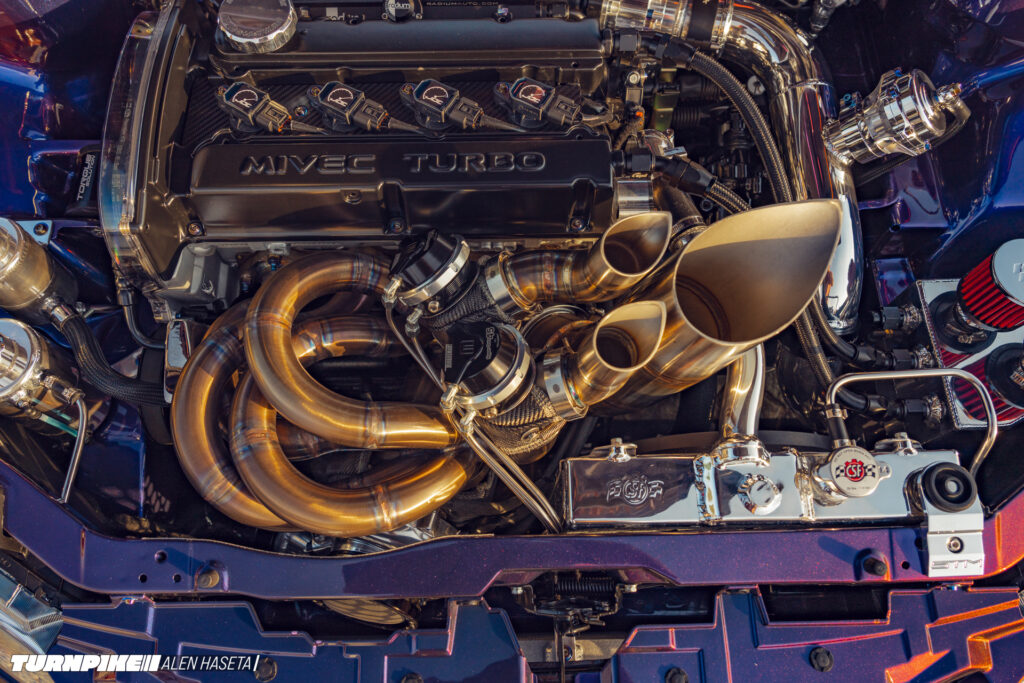
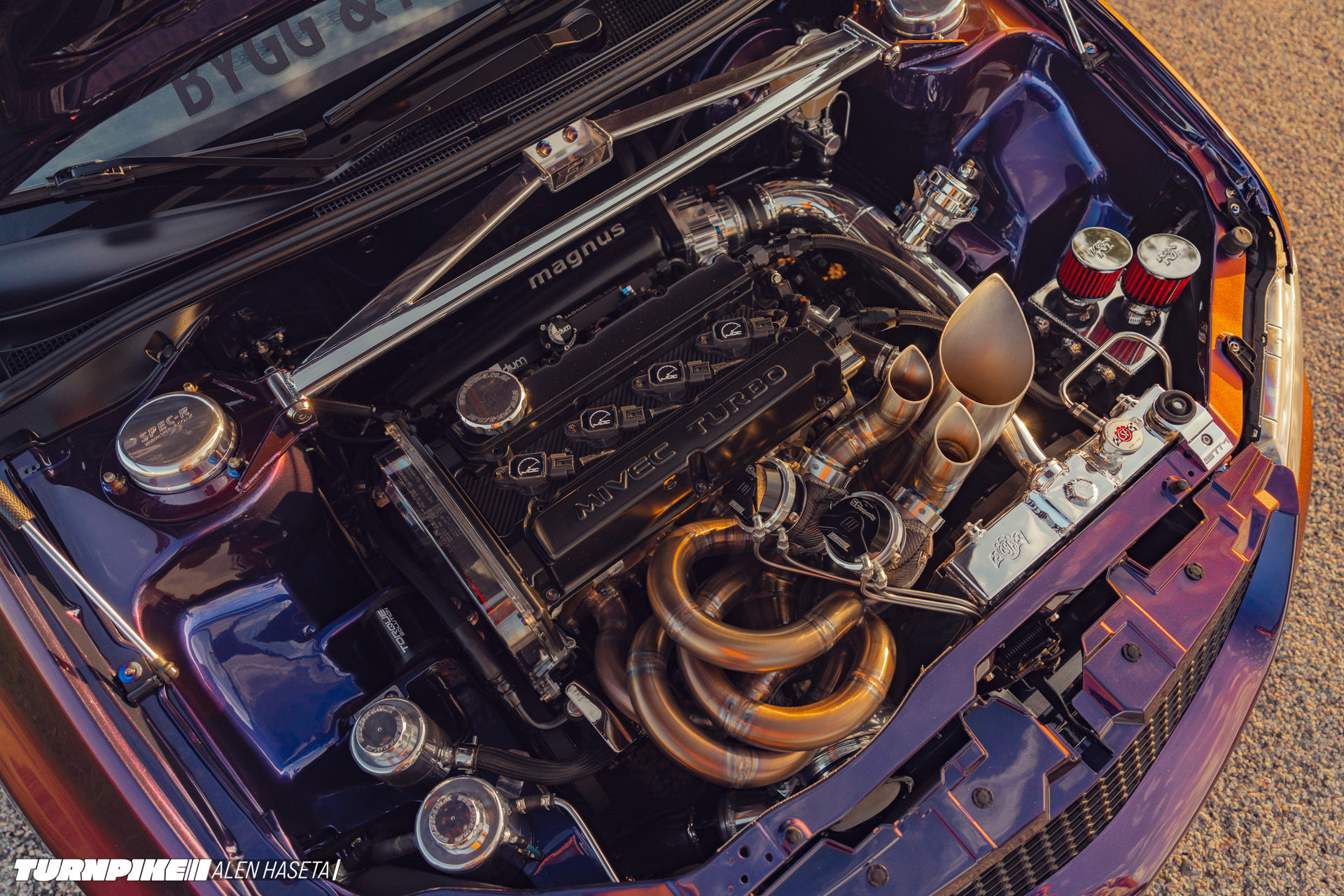
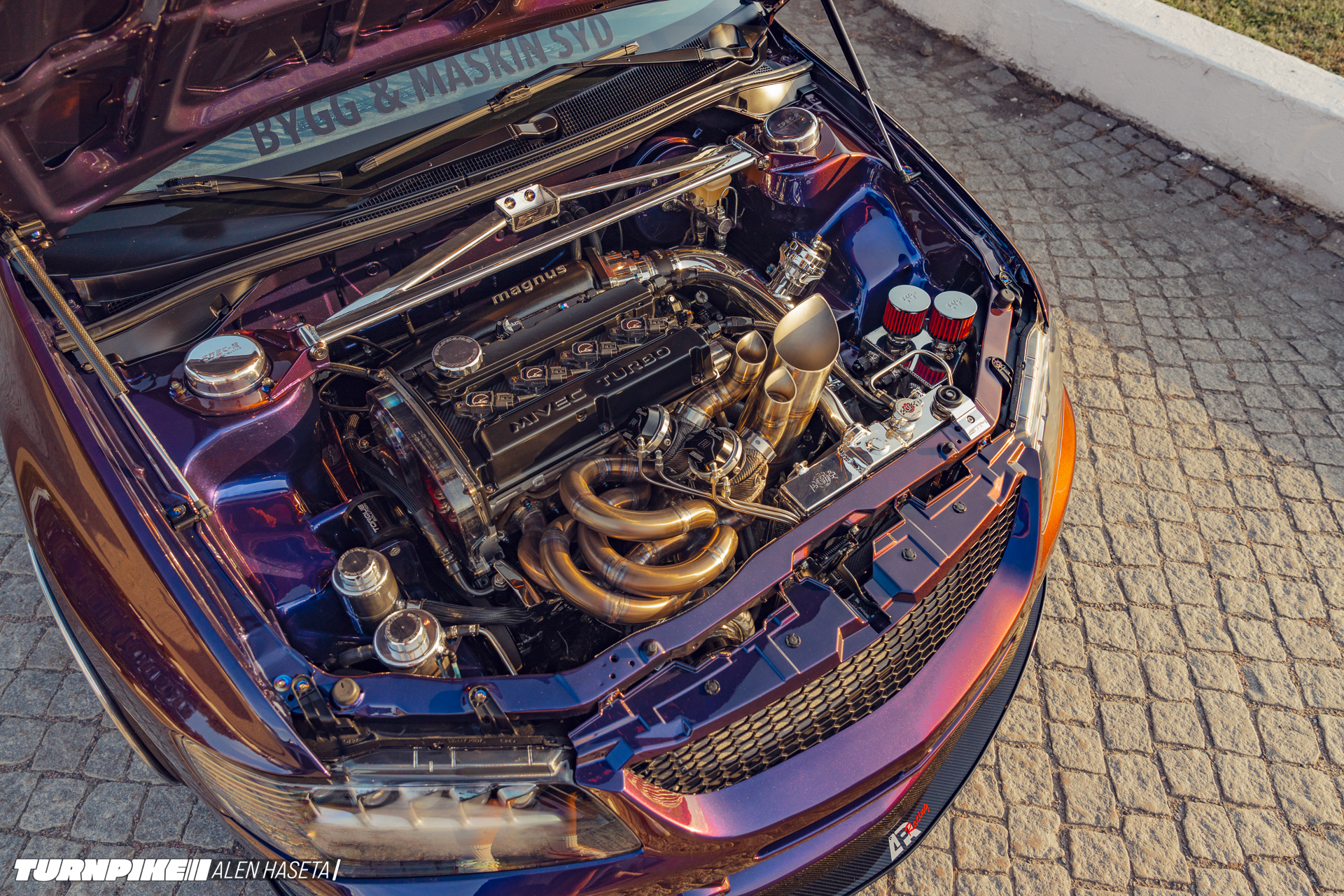
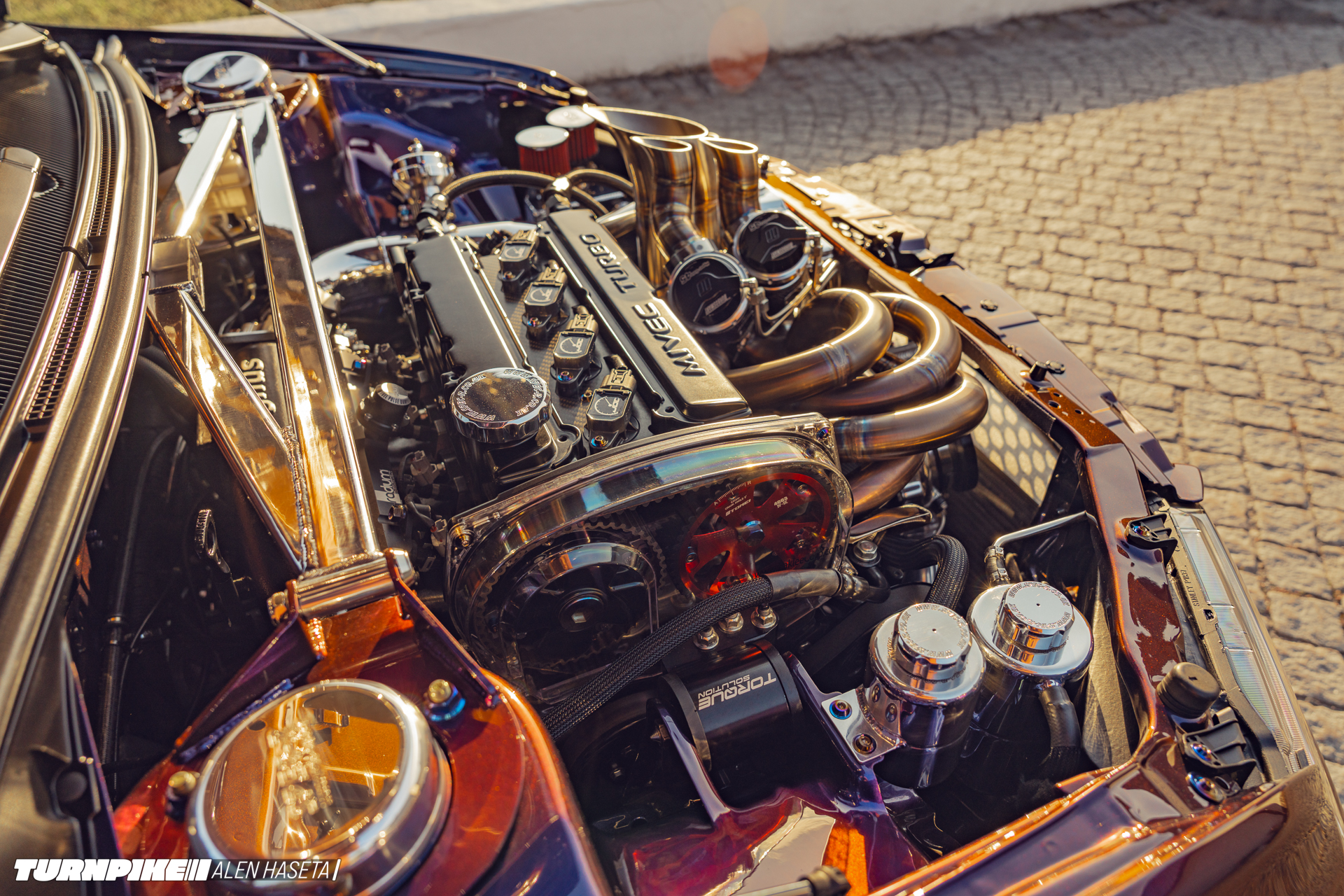
Beneath all the visual detail sits a heavily built 4G63T.
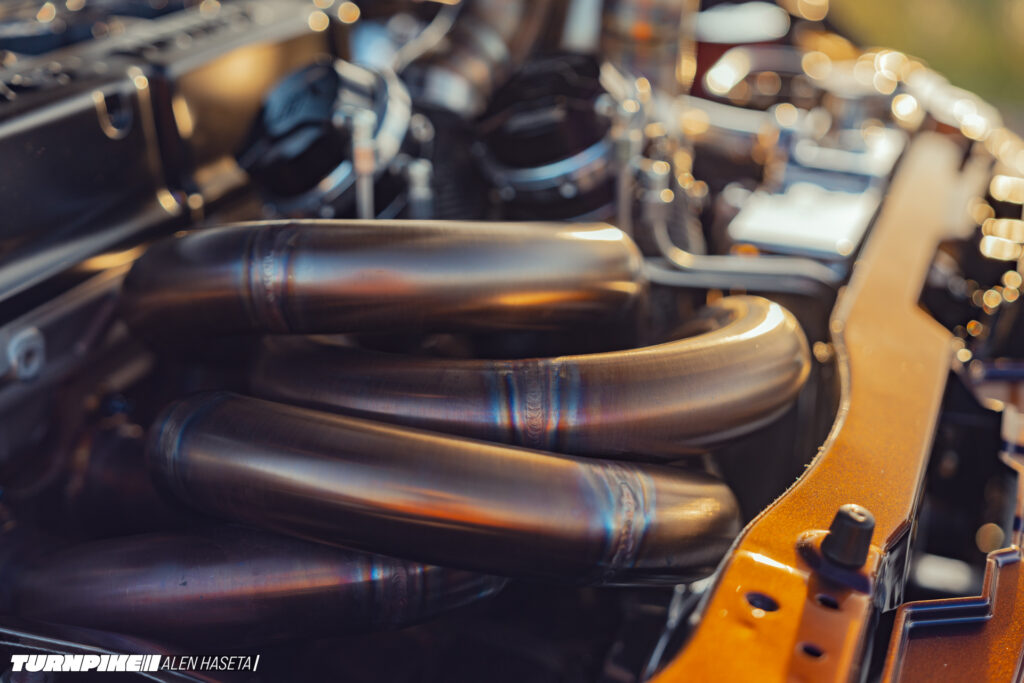
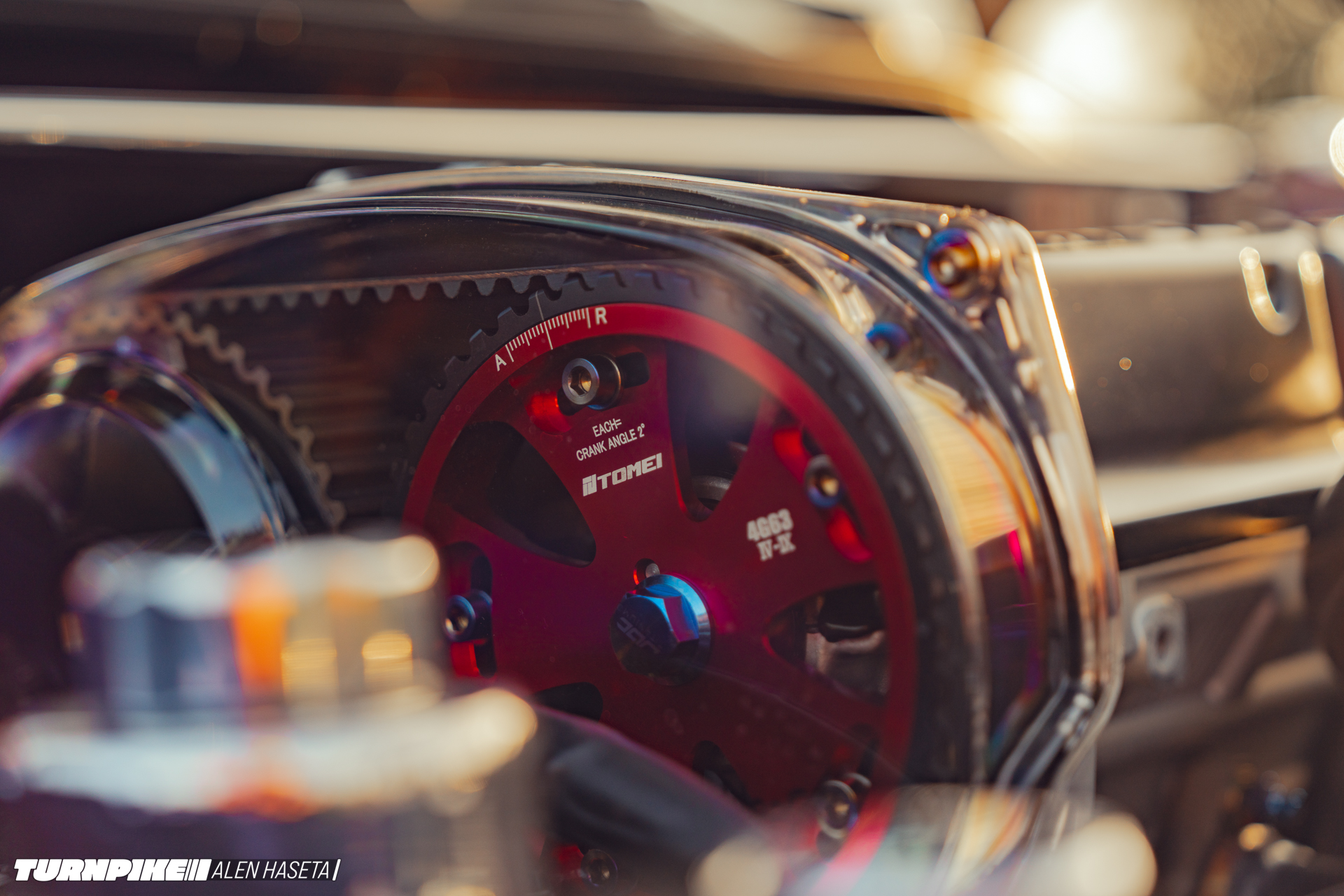
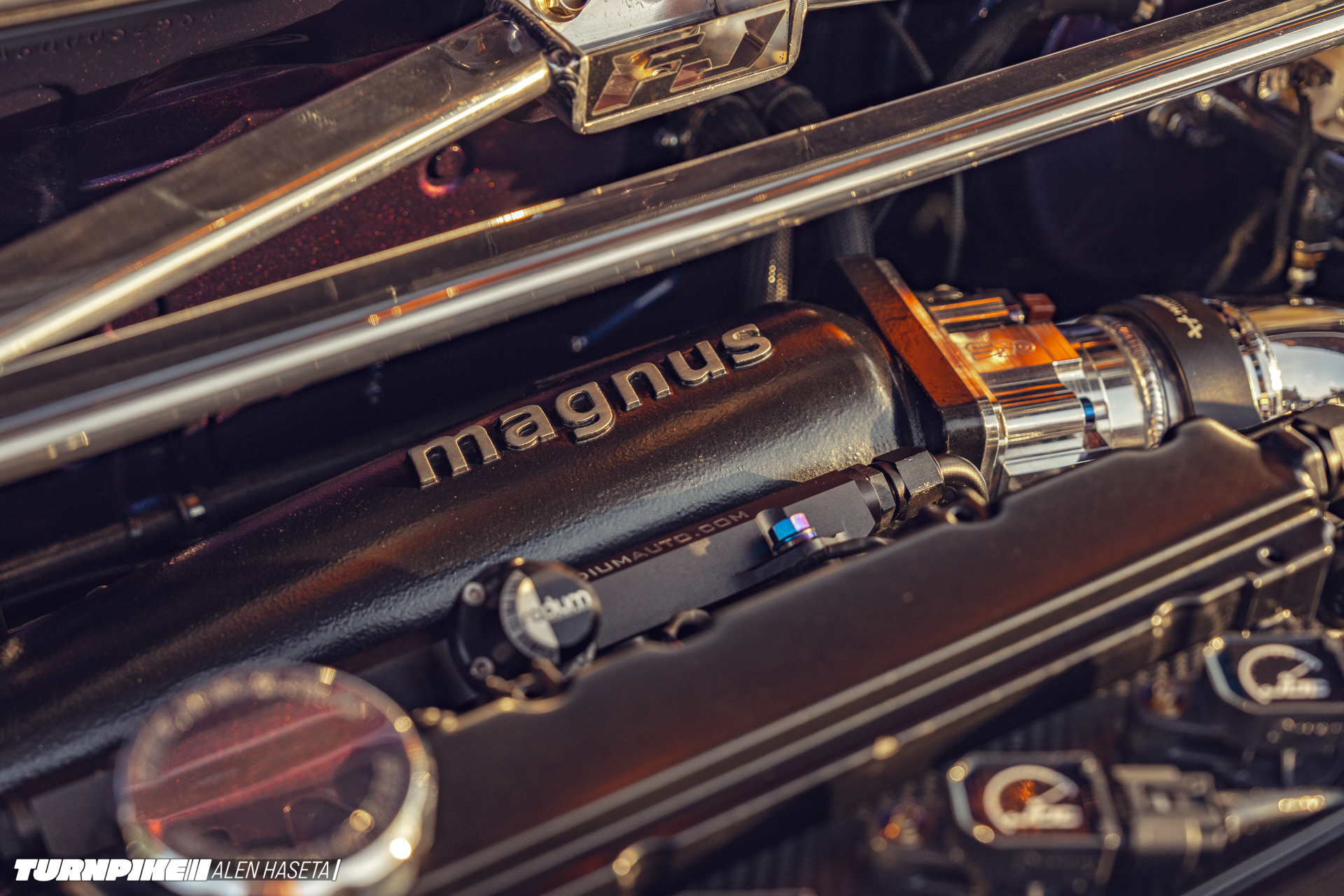
The turbocharged 2.0-litre DOHC 16-valve engine features Manley Turbo Tuff I-beam forged rods, Wiseco Extreme Duty 10.5:1 forged pistons, ACL Race bearings and a polished Evo IX crankshaft. The cylinder head has been ported and fitted with HKS 272-degree intake and 278-degree exhaust camshafts, Tomei adjustable cam gears, Kiggly valve springs, titanium retainers and GSC Power Division zero-tick lifters.
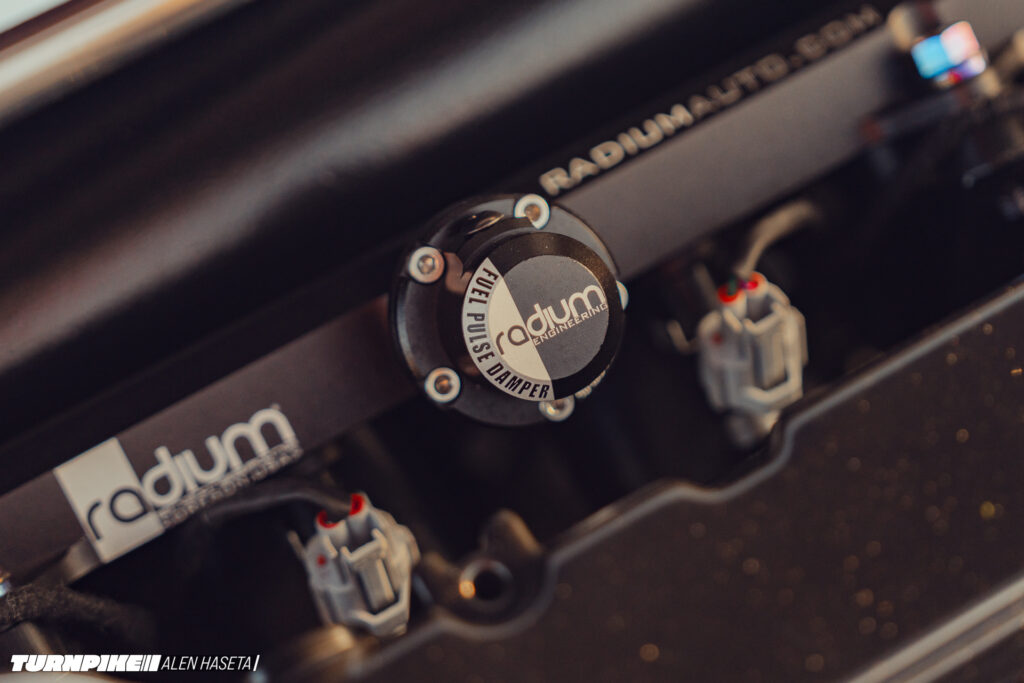
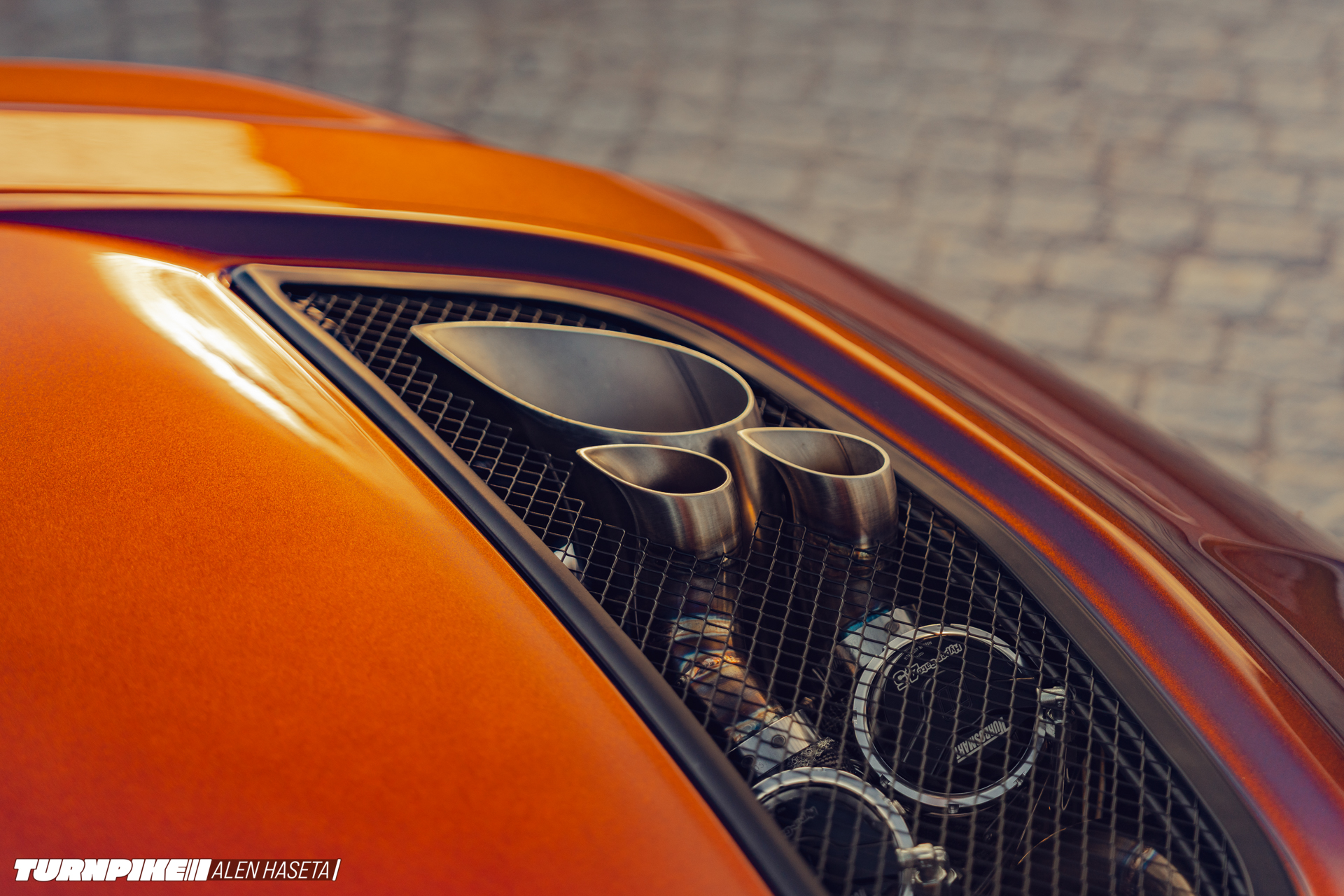
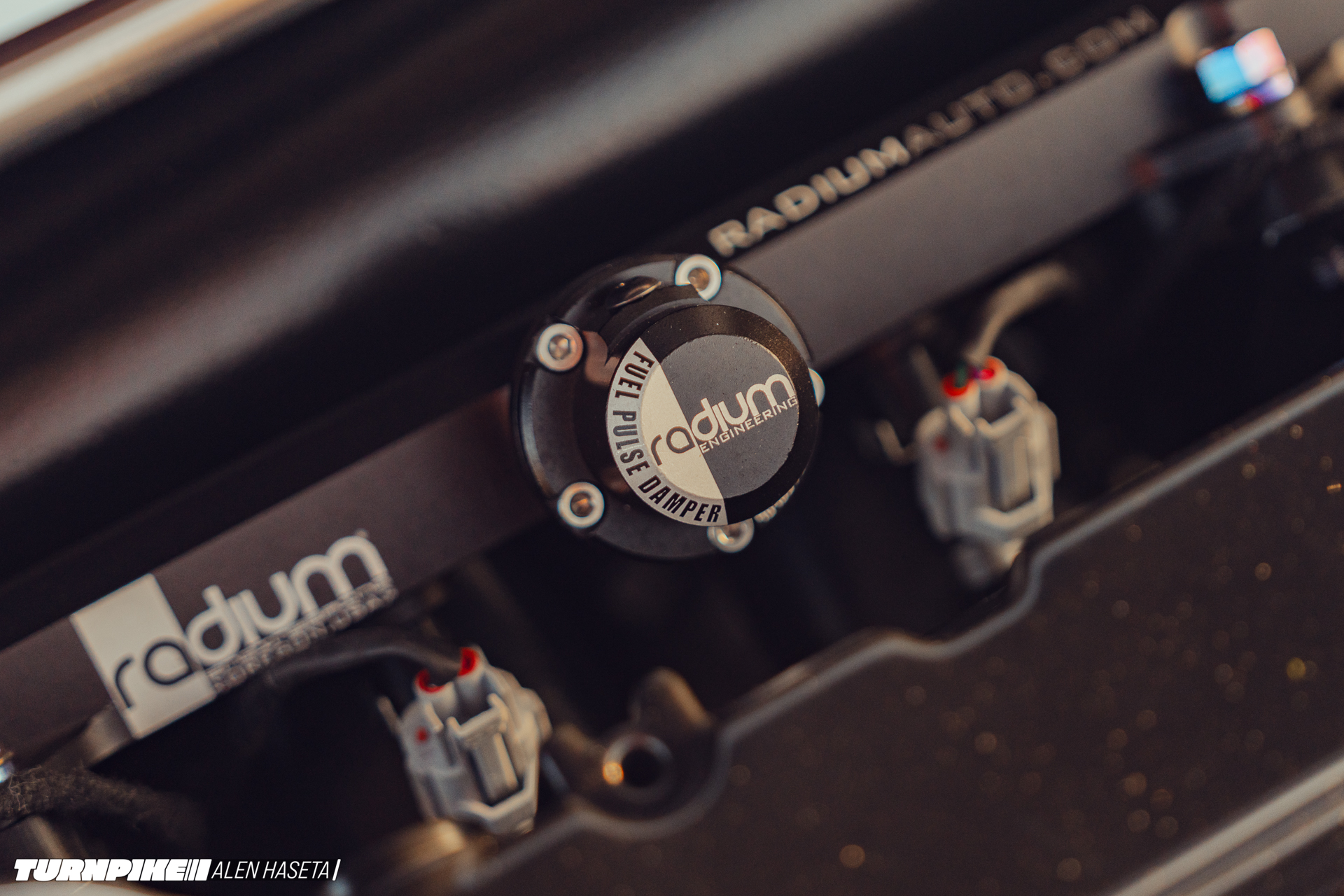
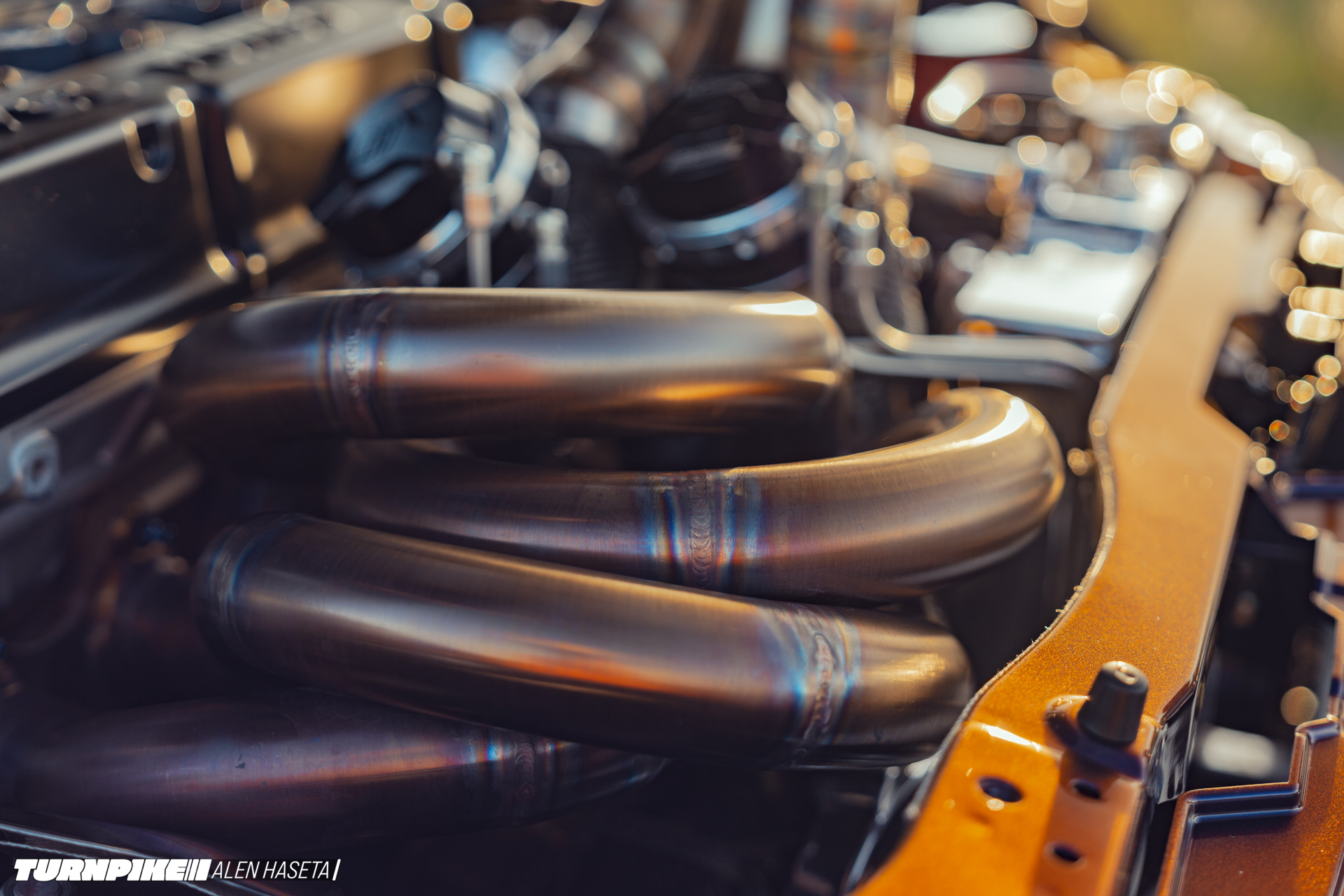
A Garrett G30-770 turbo feeds the engine through a custom manifold and twin Turbosmart Gen-V 45mm wastegates. Fuel delivery comes from Bosch 2,200cc injectors, a Radium fuel rail and twin Walbro 450 pumps, all controlled through a Link G4+ ECU.
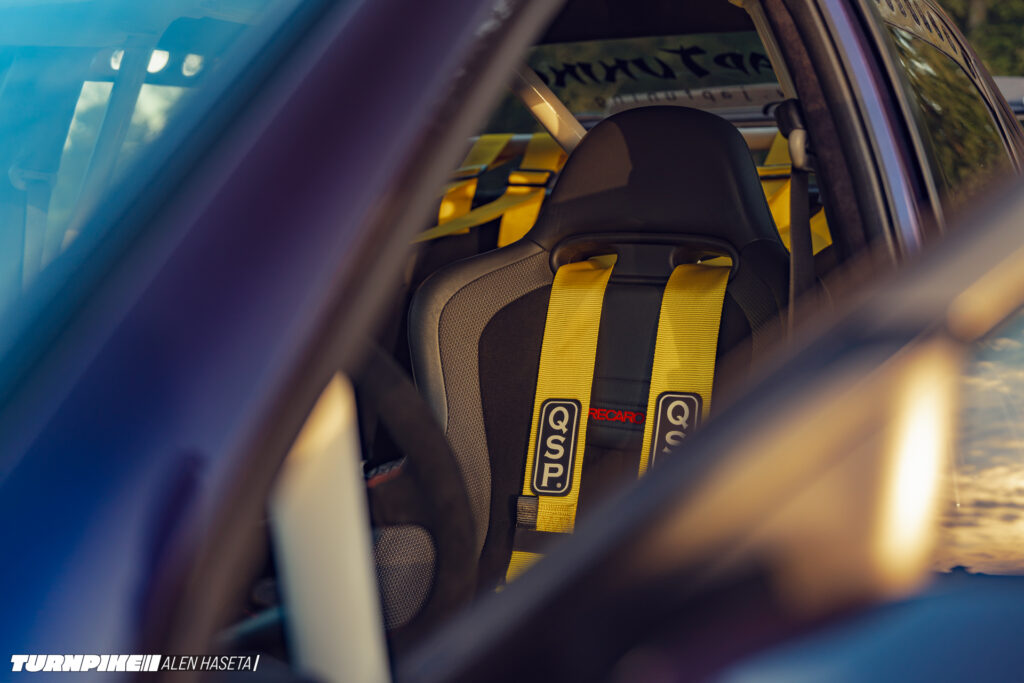
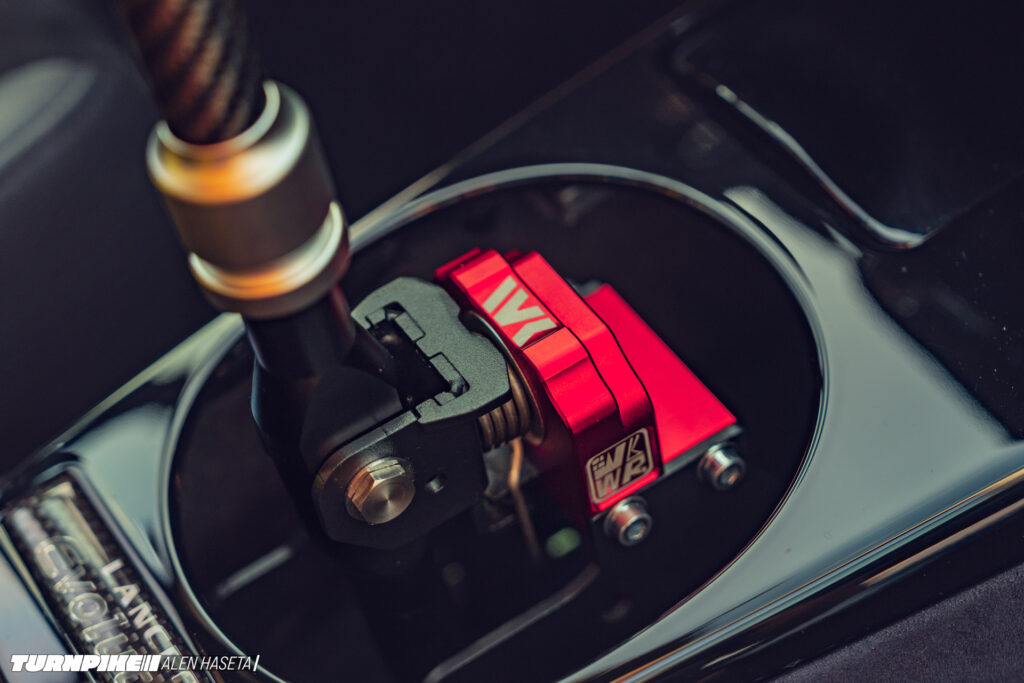
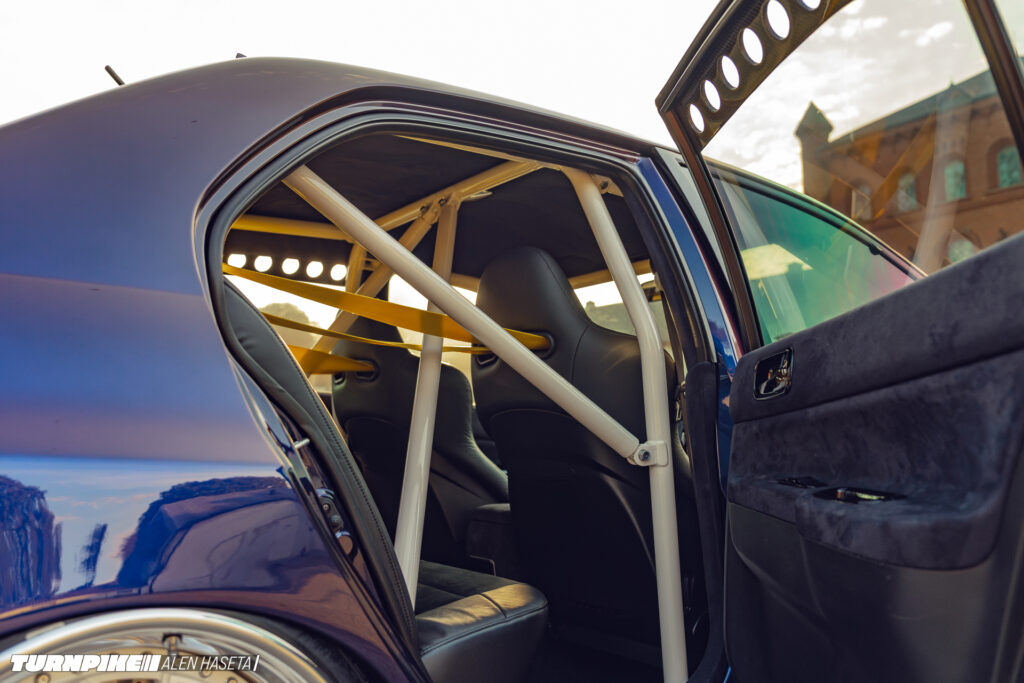
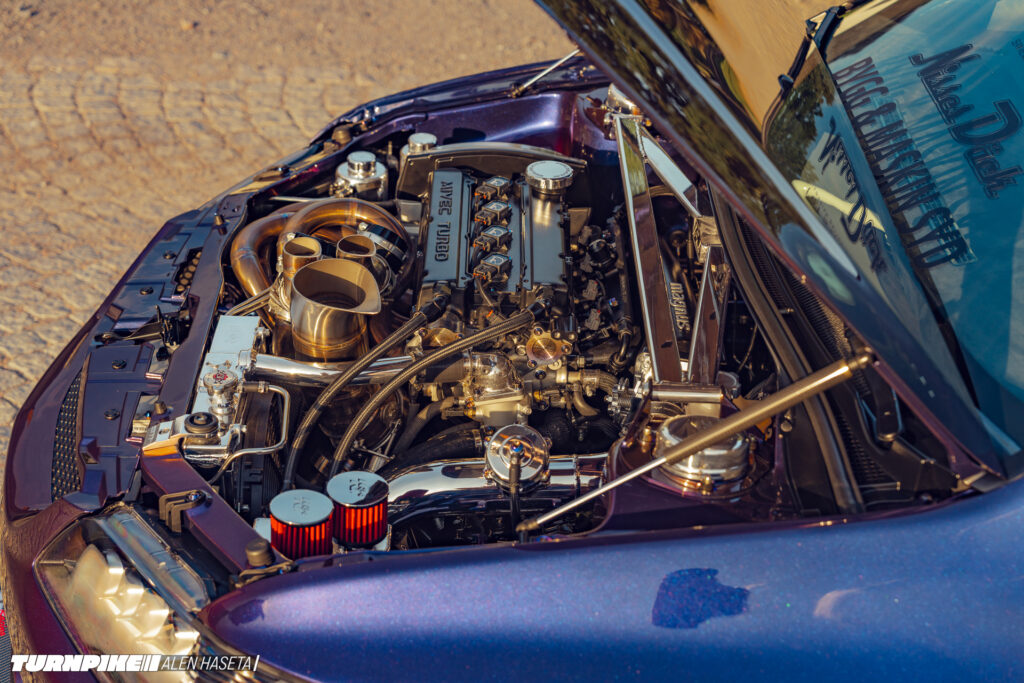
It hasn’t been tuned yet, but Fabian has built the engine with maximum power in mind. The target? 800hp.
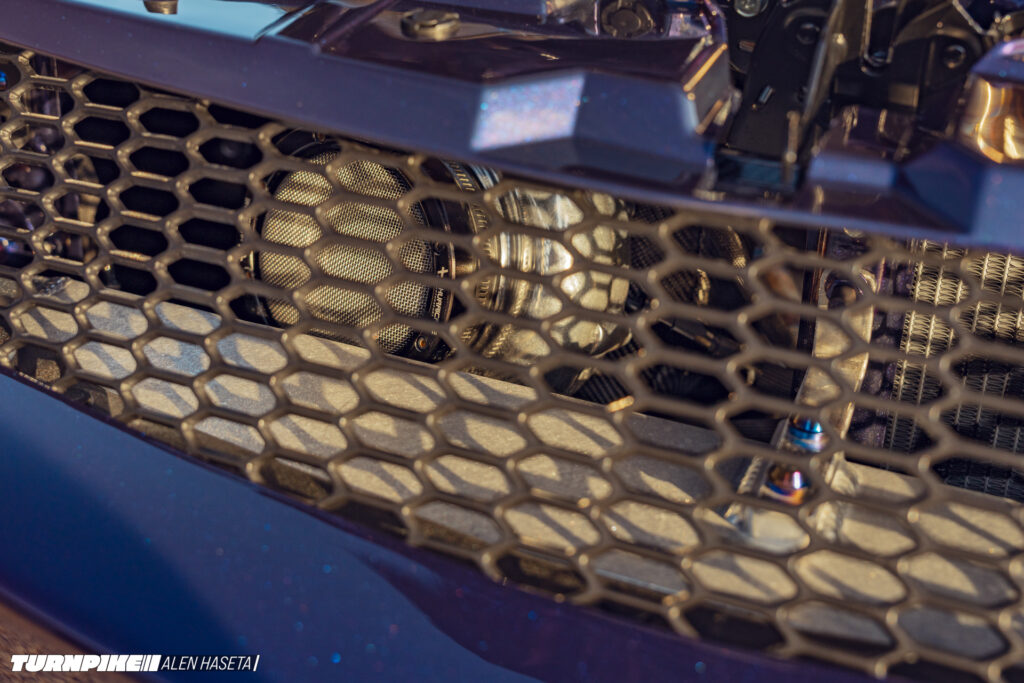
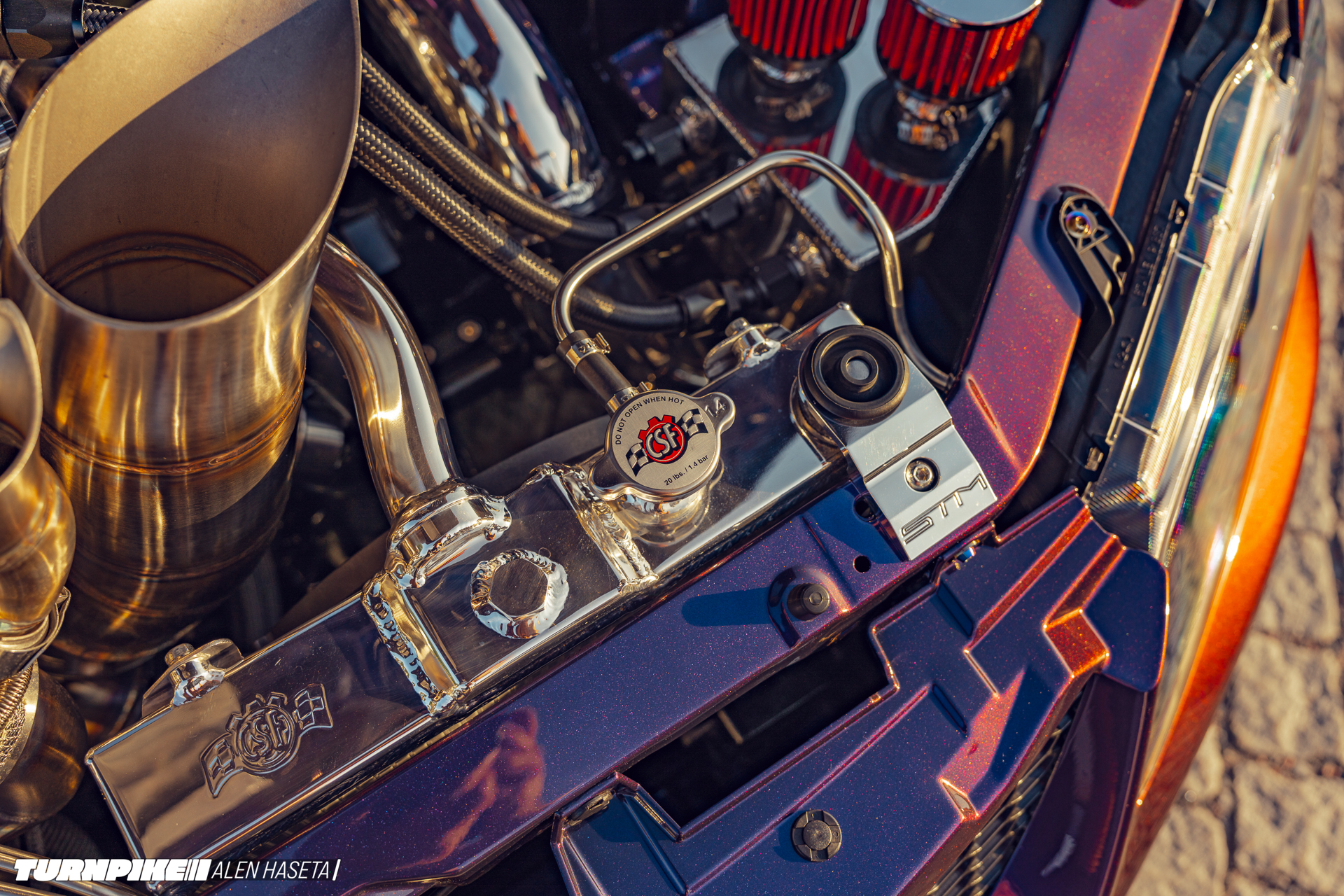
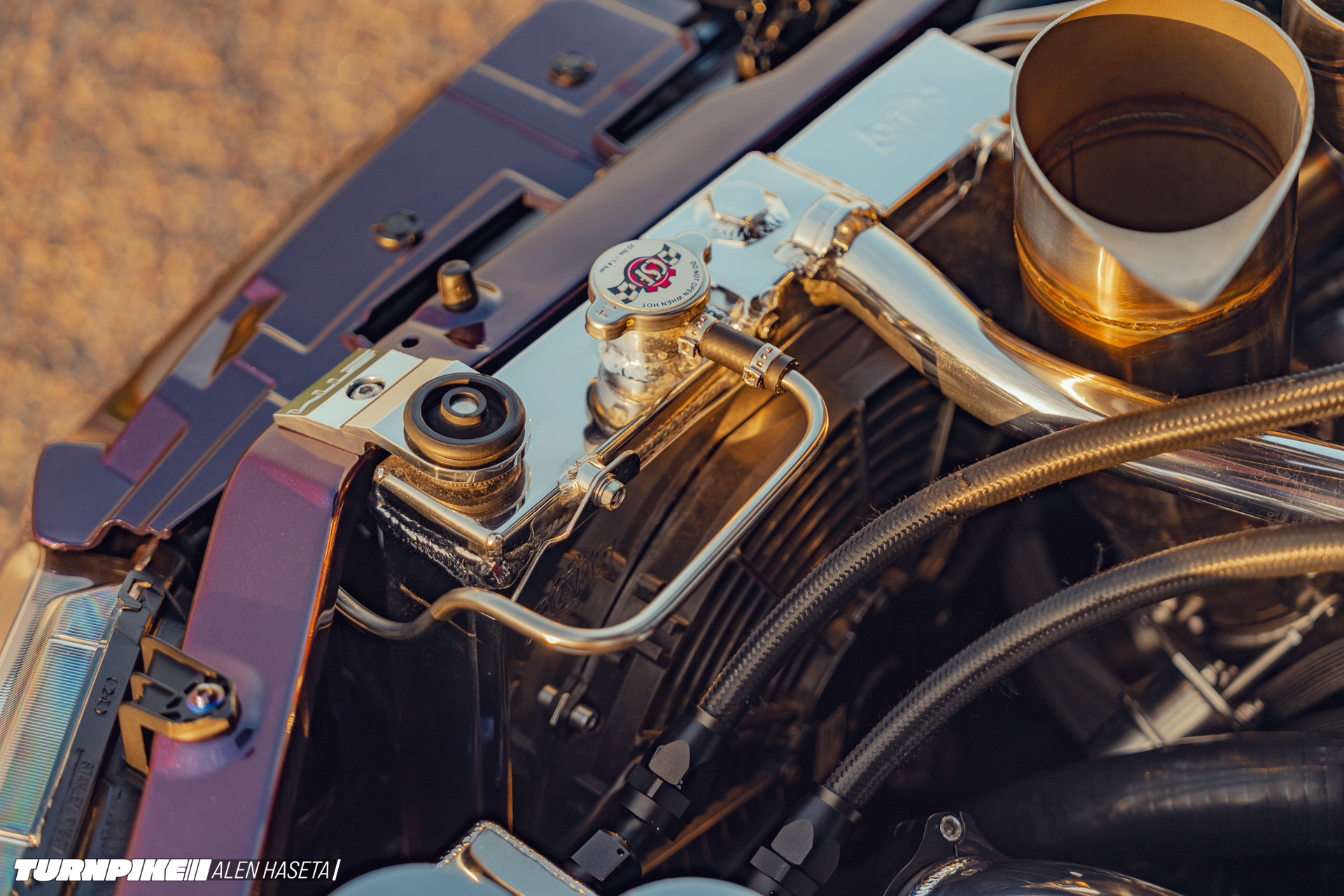
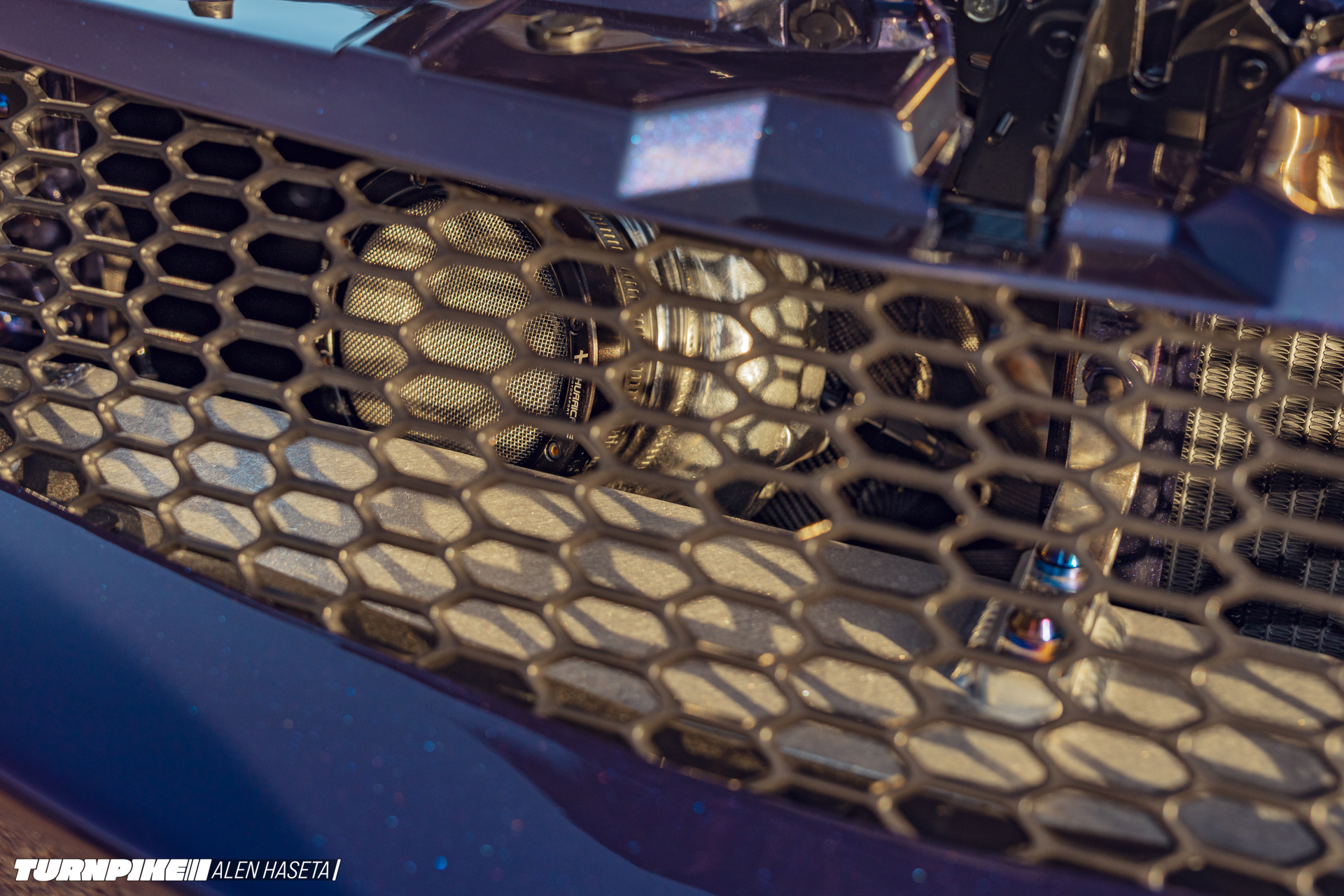
Of course, building a 4G63 up to over two and a half times its factory output is one thing, but making sure it survives is another, hence why Fabian put considerable thought into the cooling system.
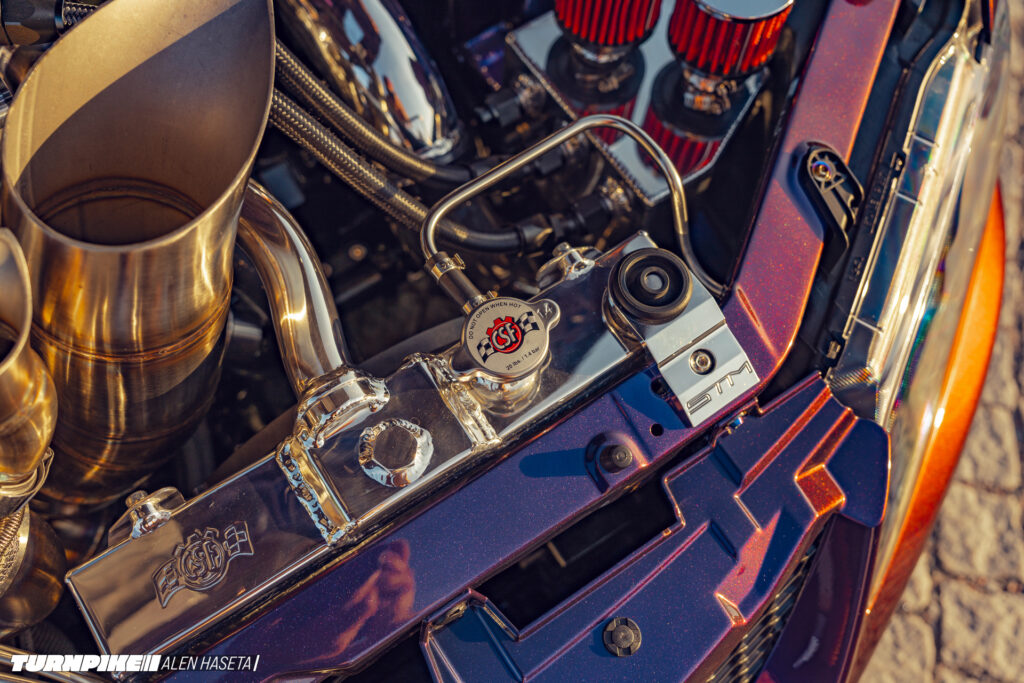
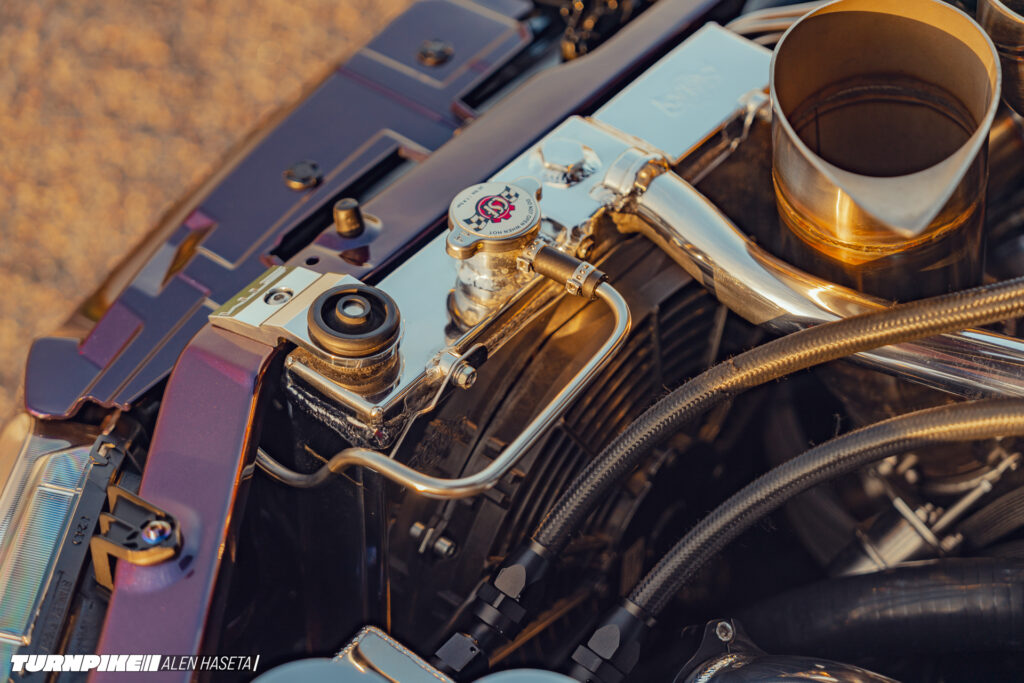
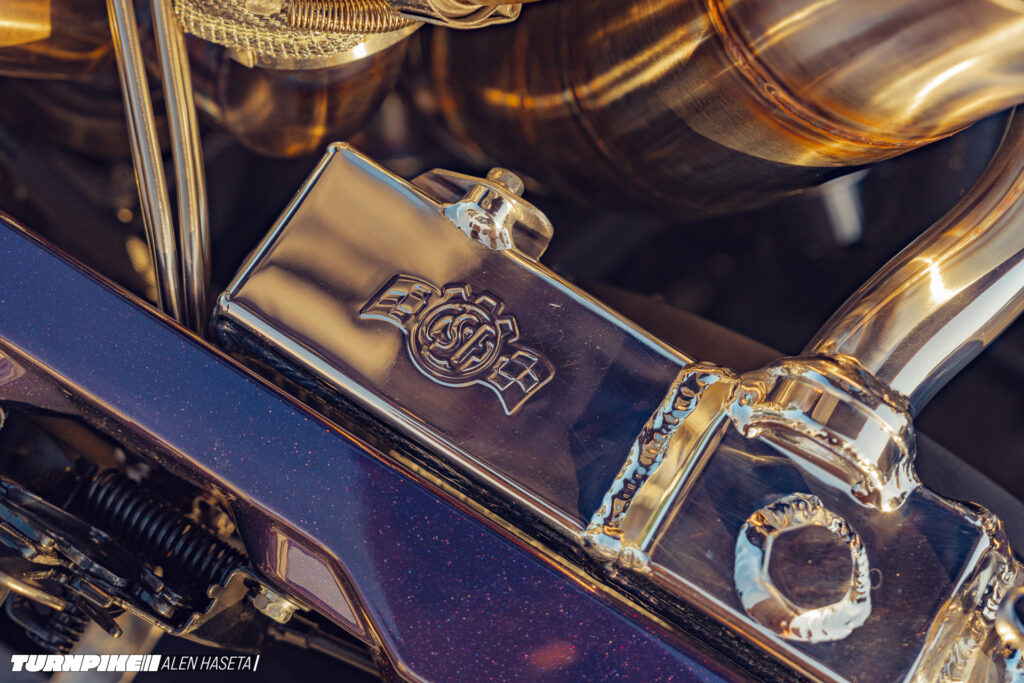
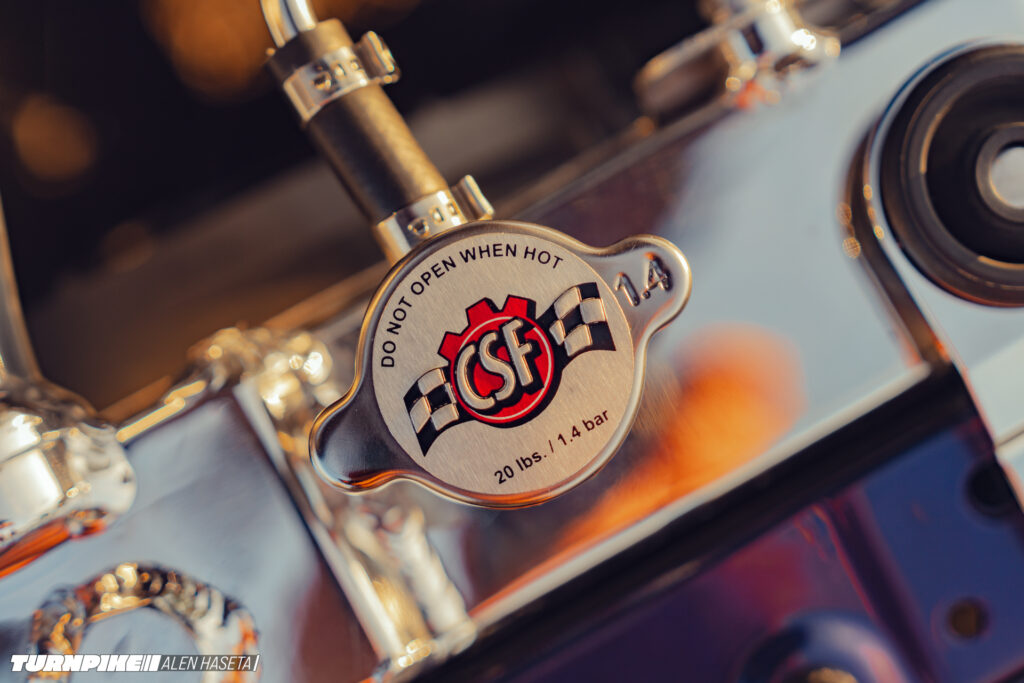
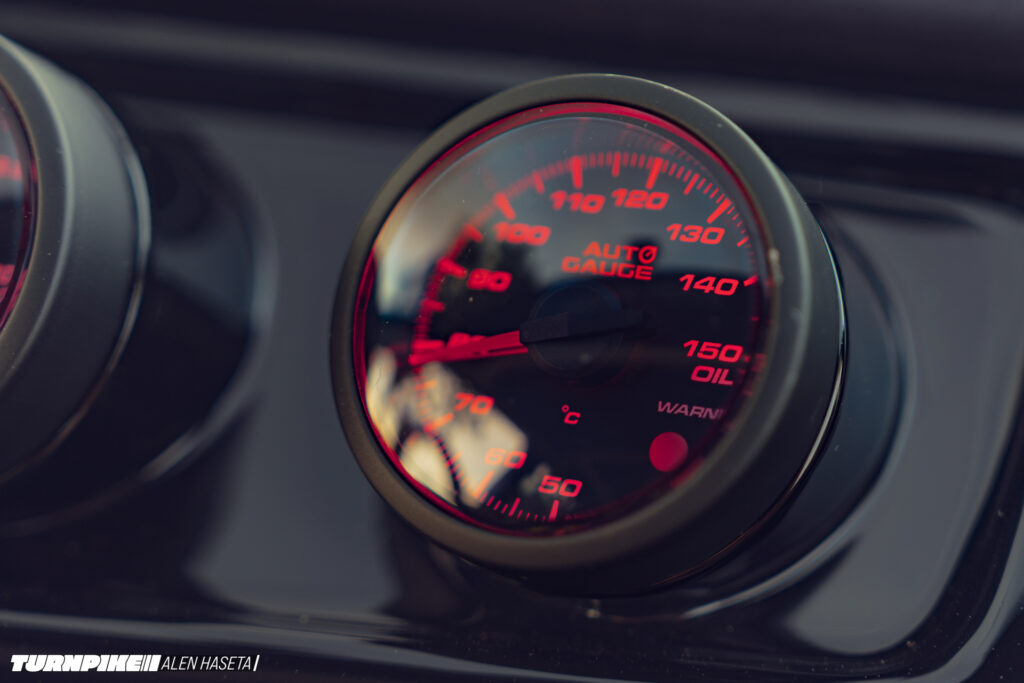
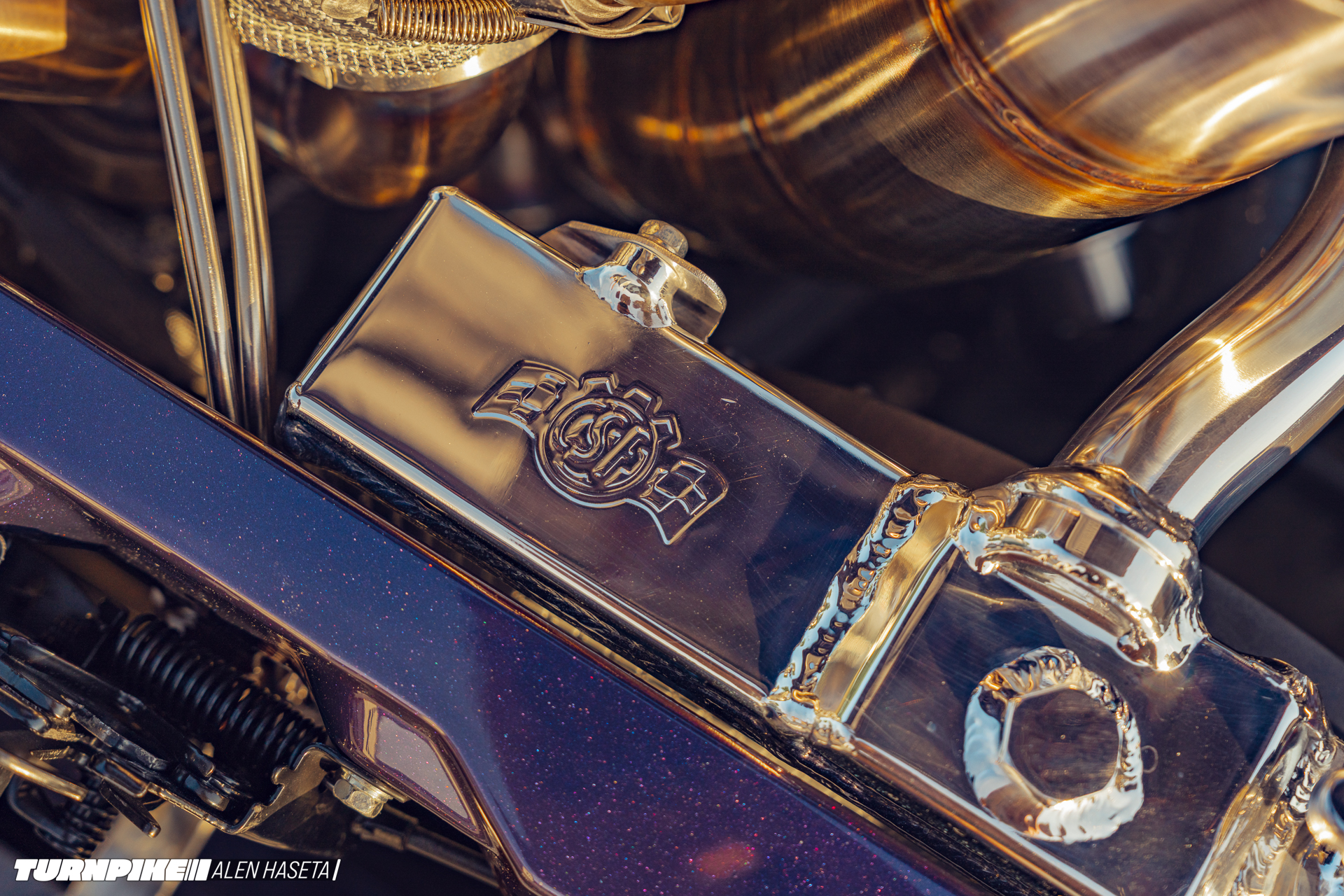
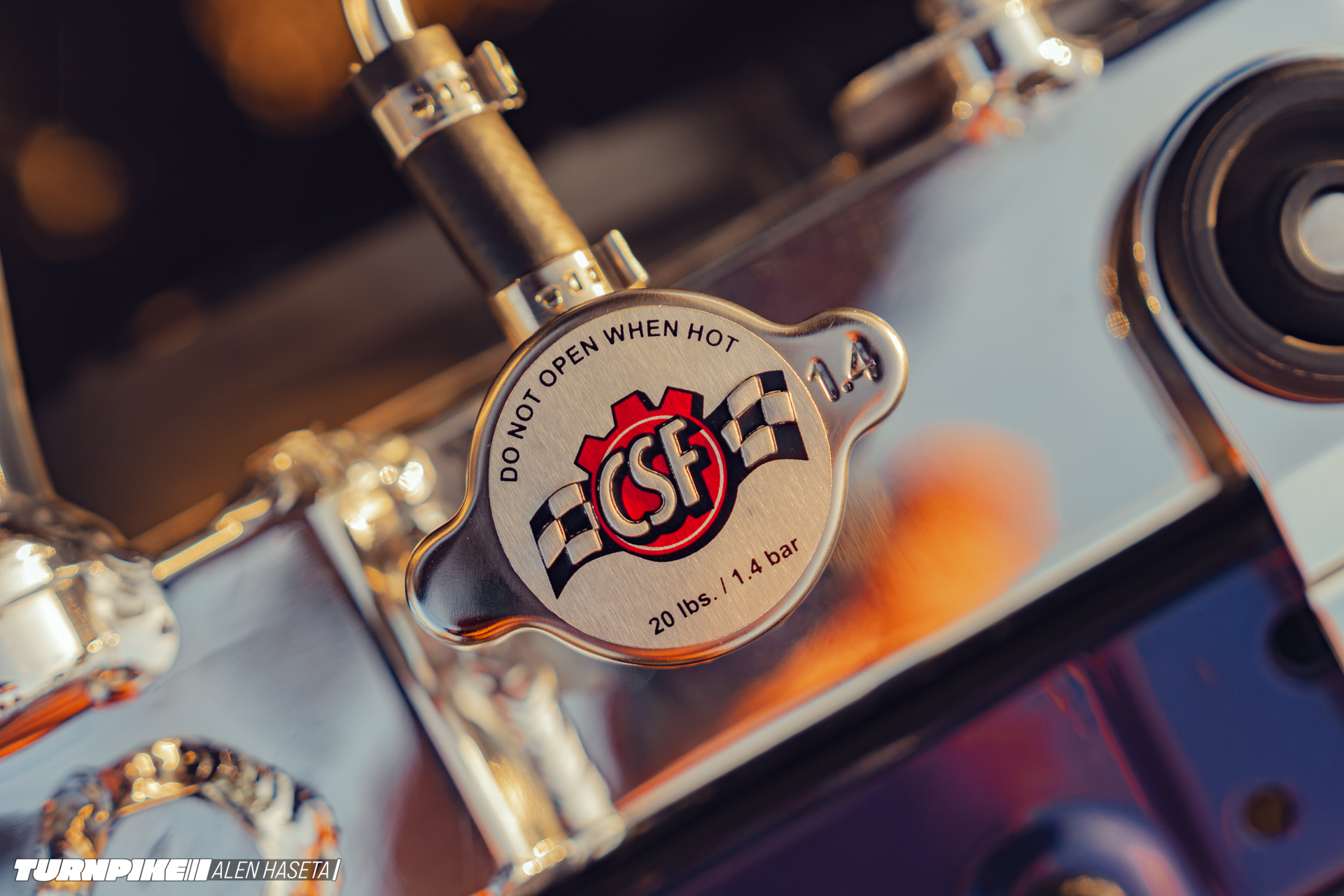
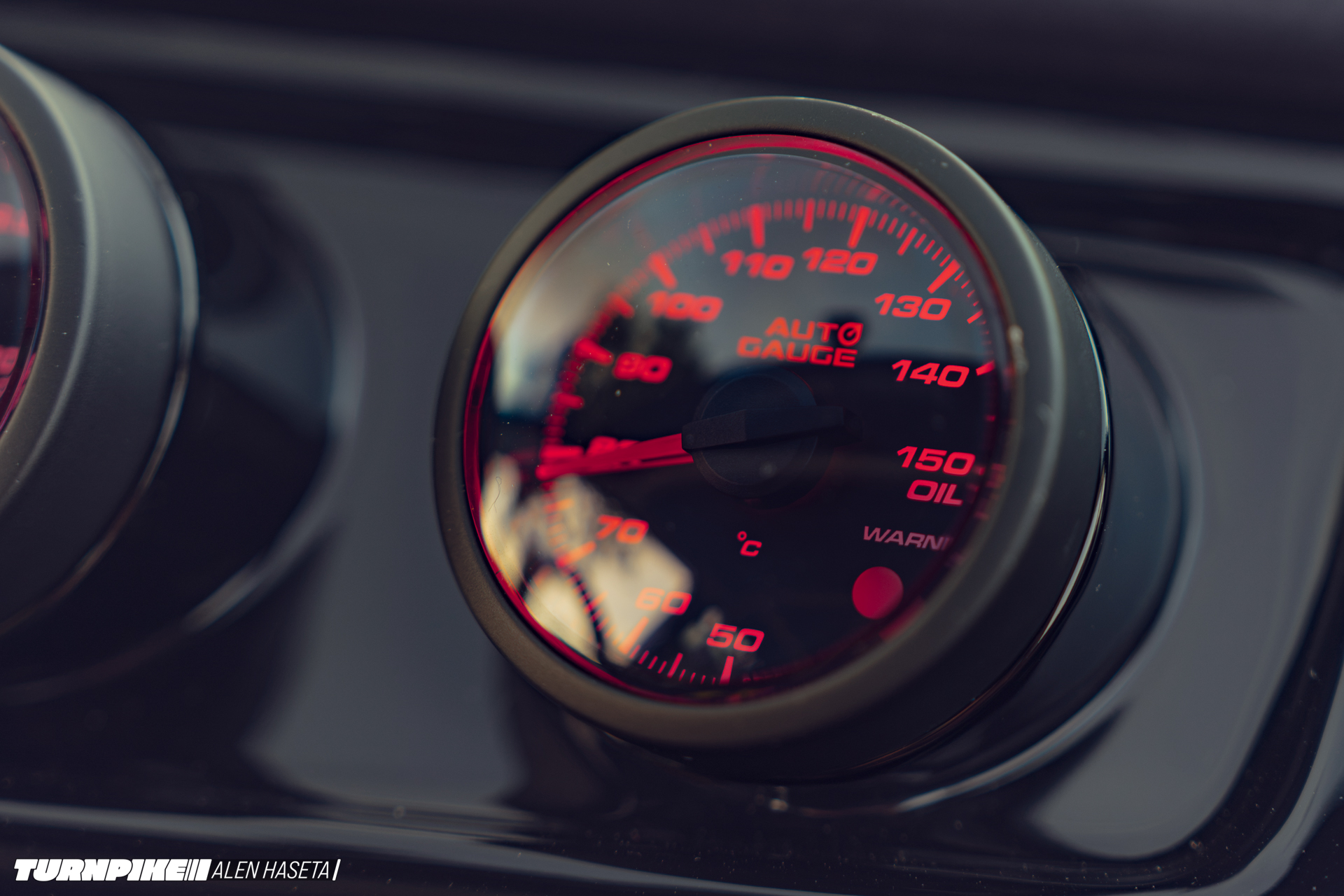
At the heart of the setup is a CSF Race half radiator, chosen to provide the cooling capacity for the built engine while keeping the bay clean and purposeful. Sitting alongside it is a Hurricane 25-row oil cooler, giving the Evo separate control over both coolant and oil temperatures. It might not be the most visually dramatic part of the build, but it’s one of the most important.
This is where Fabian is at with the build. After 13 years and four maxed-out trophy cabinets, including a ‘Best Japanese’ trophy at the annual Vallåkra meet, the Evo has already come a long way. But judging by Fabian’s plans, the build is far from finished. And honestly, I wouldn’t expect anything less.



man i miss the era when nissan had the best paint codes.
Midnight purple III
Millennium Jade
Lavender Frost
now Mazda has the creme de la creme,
Crystal Soul Red
Crystal Blue Mica
sick