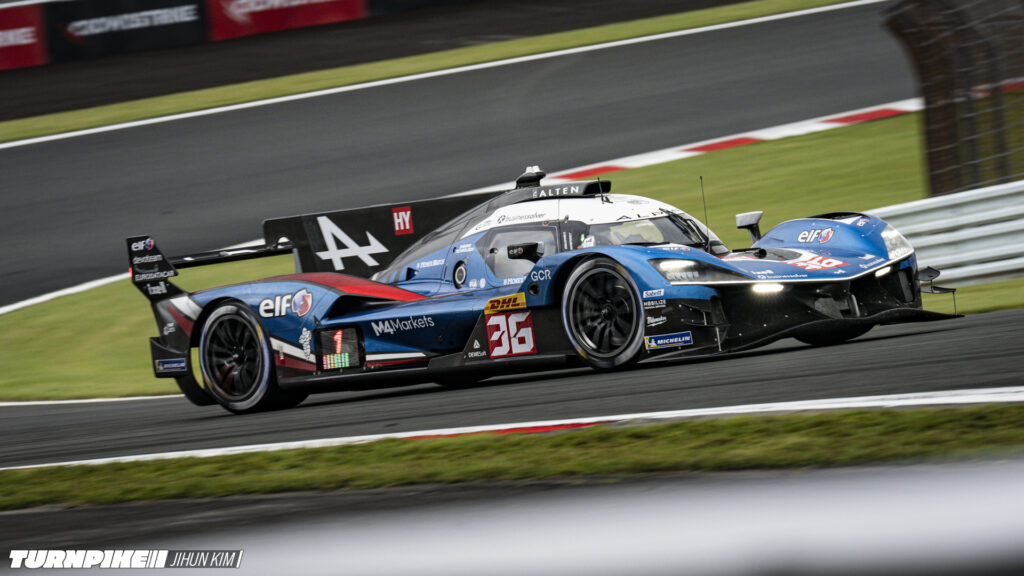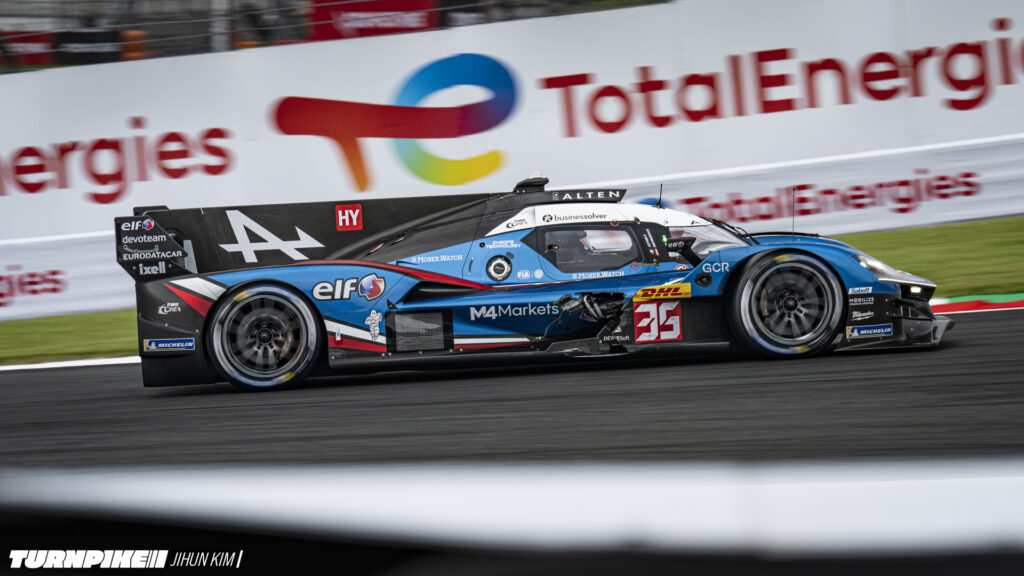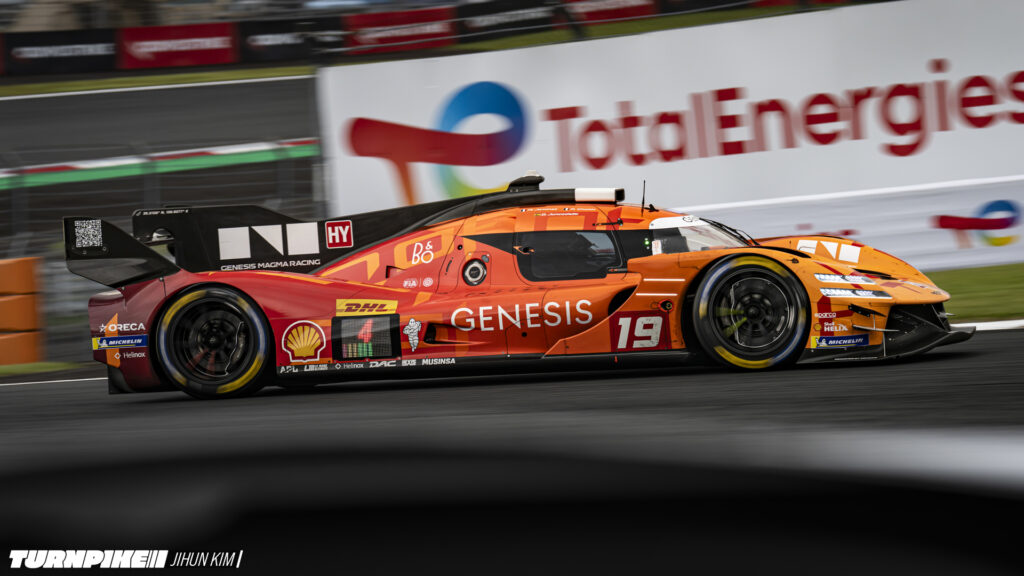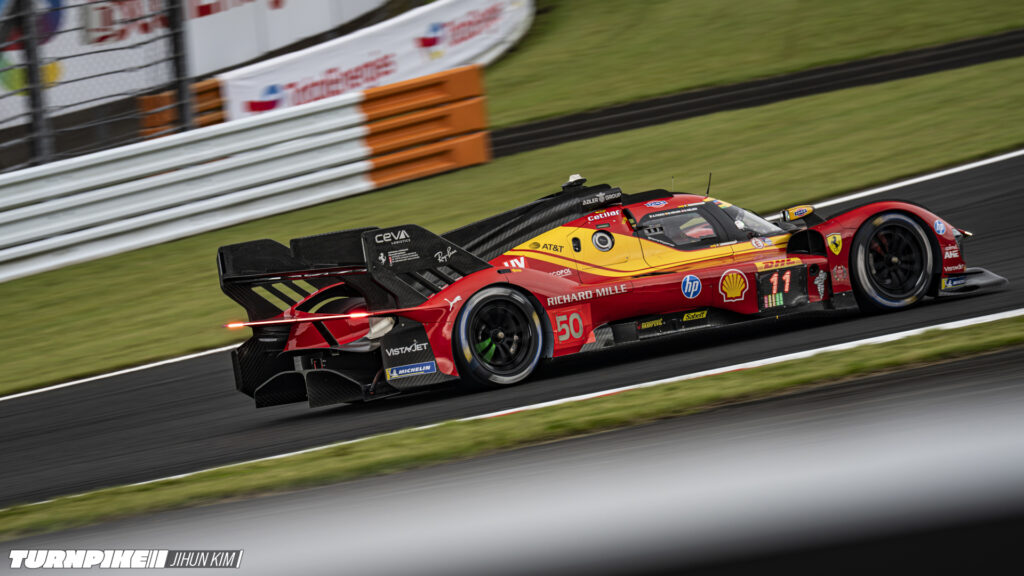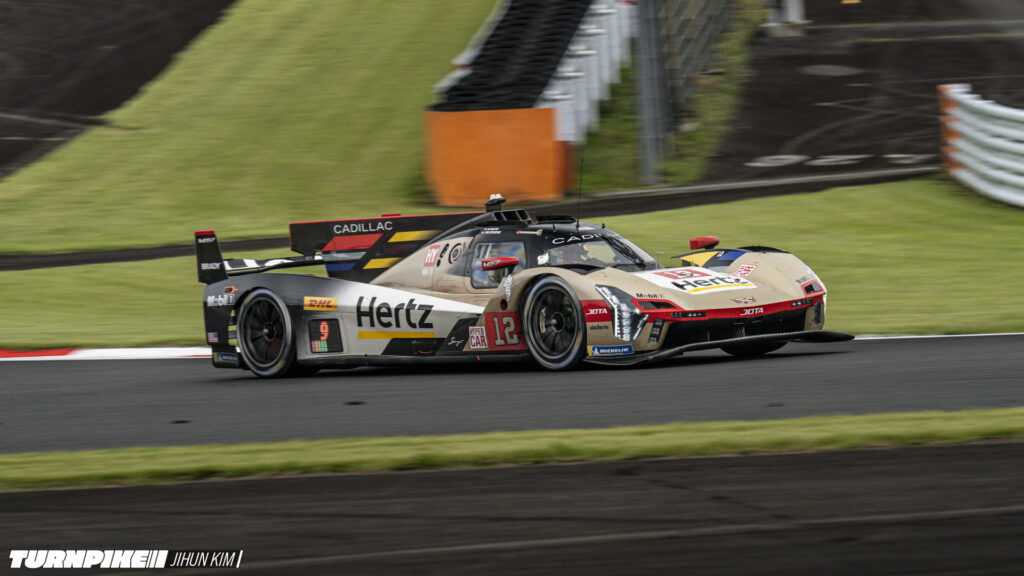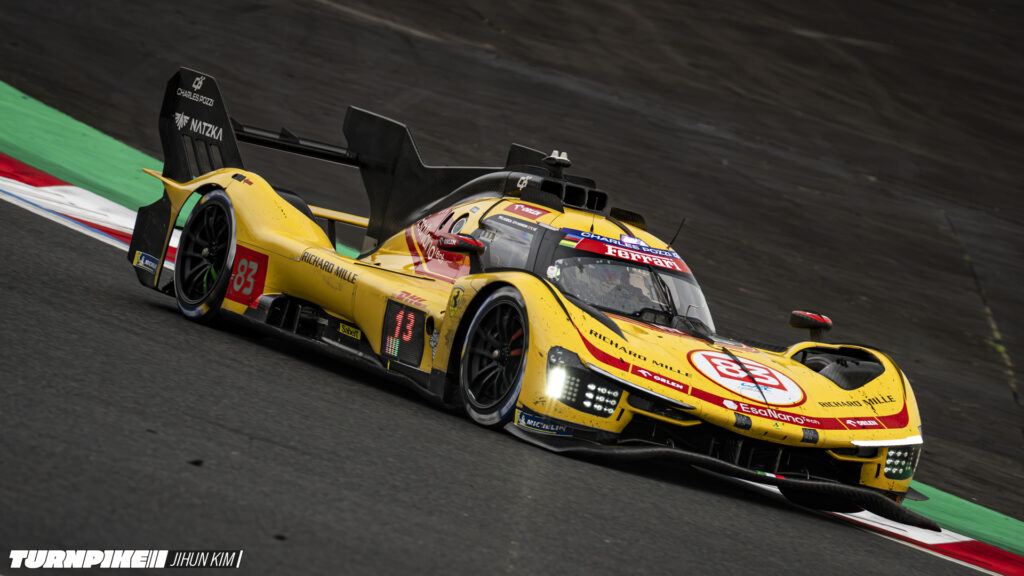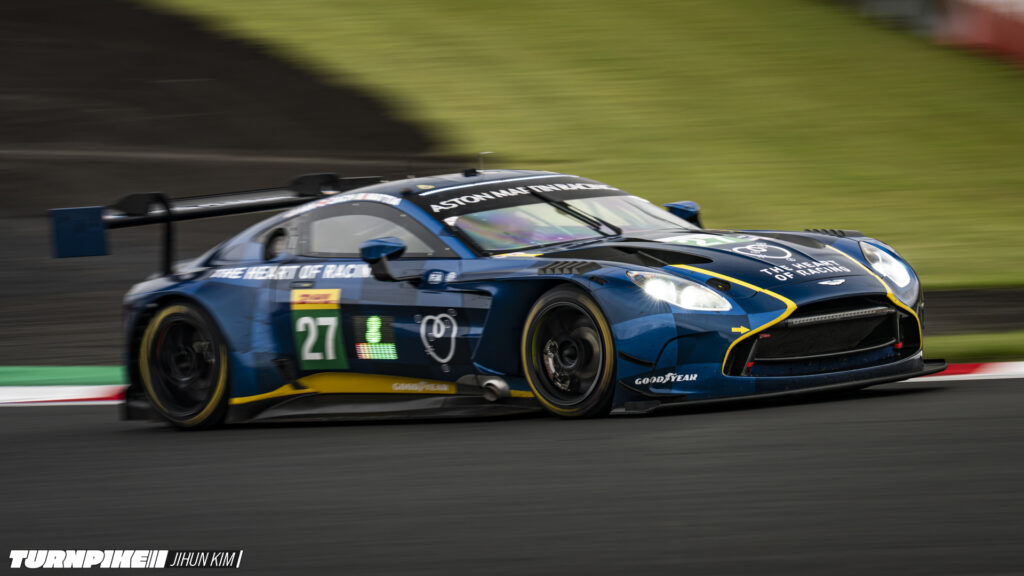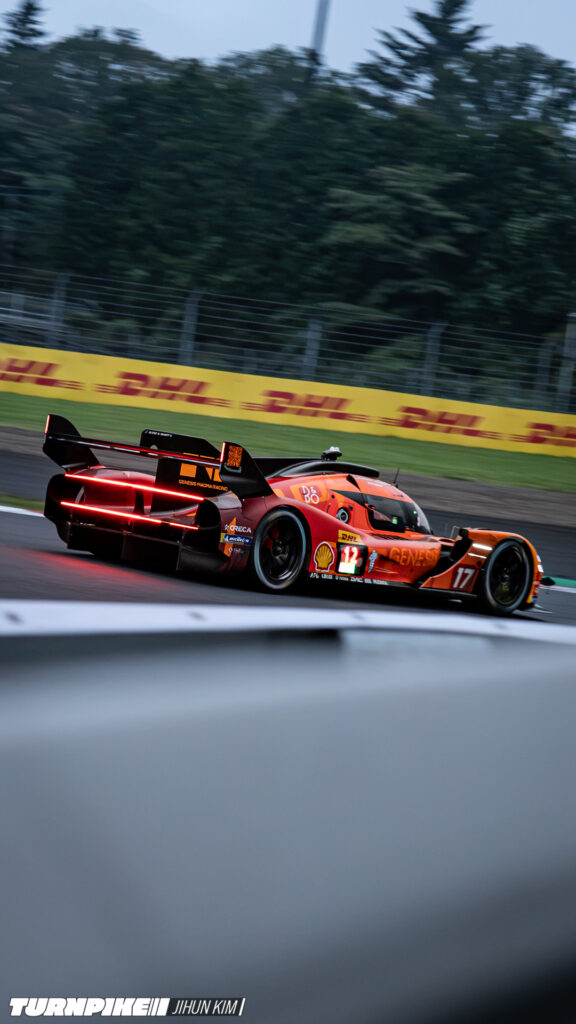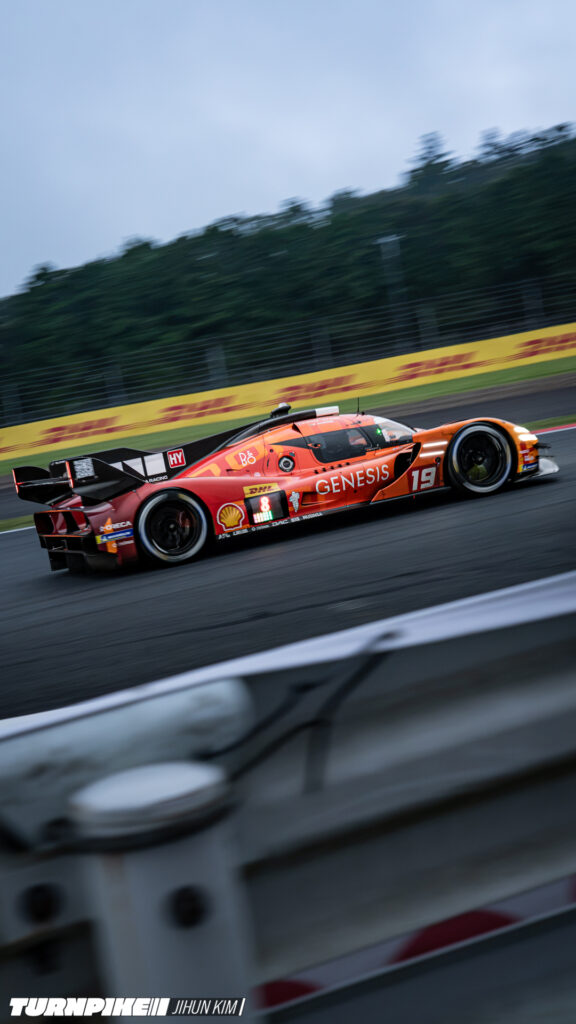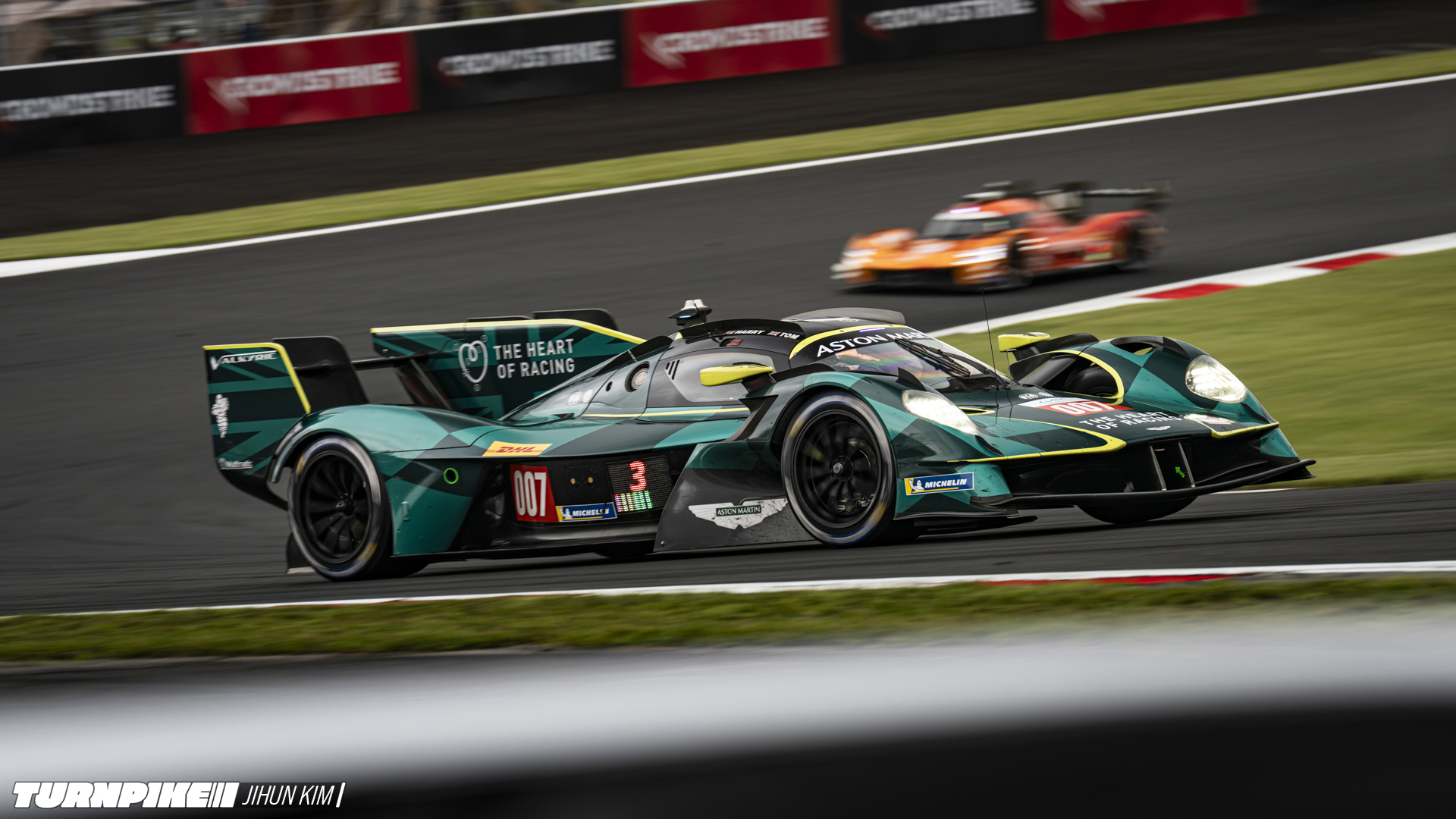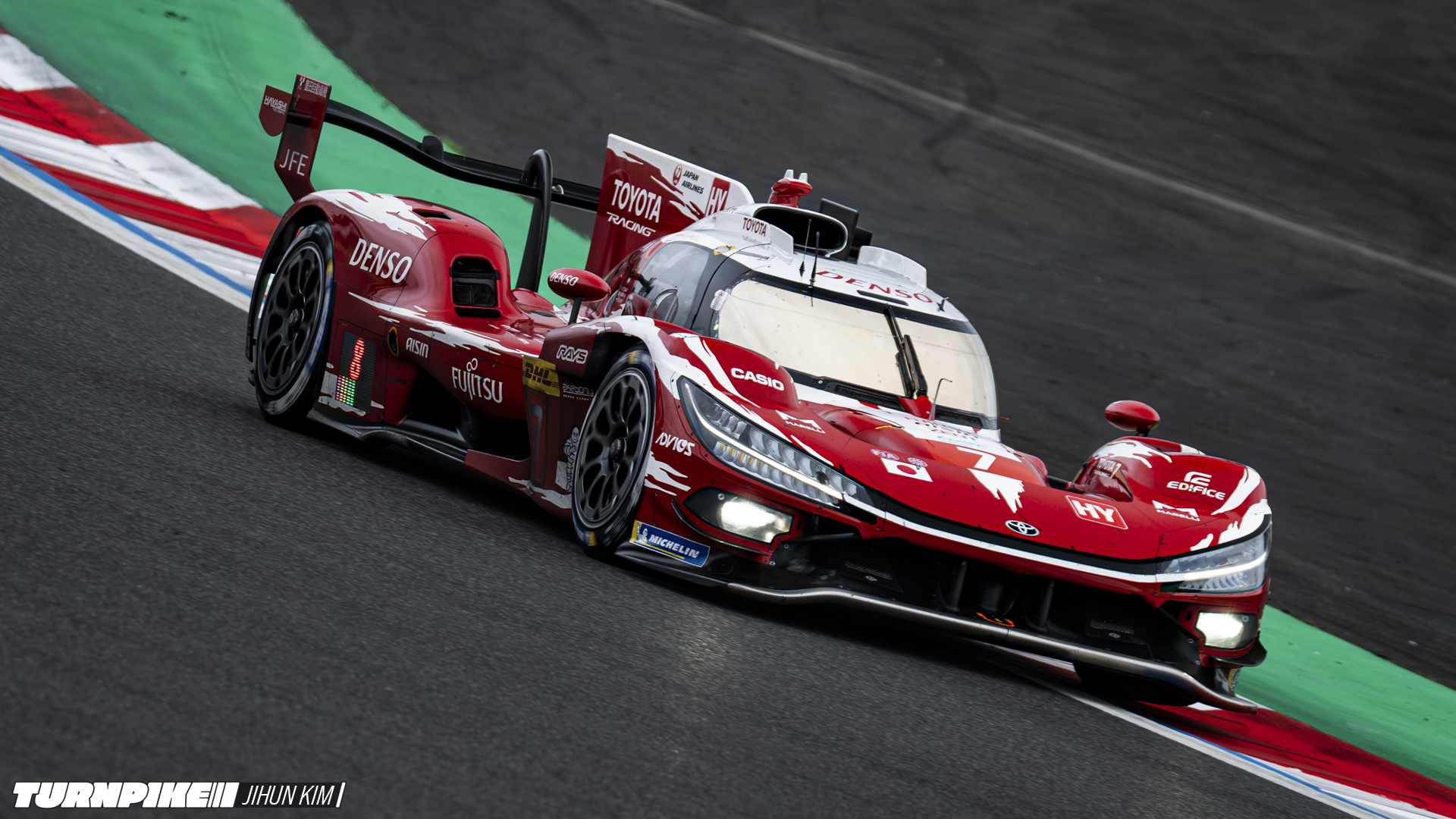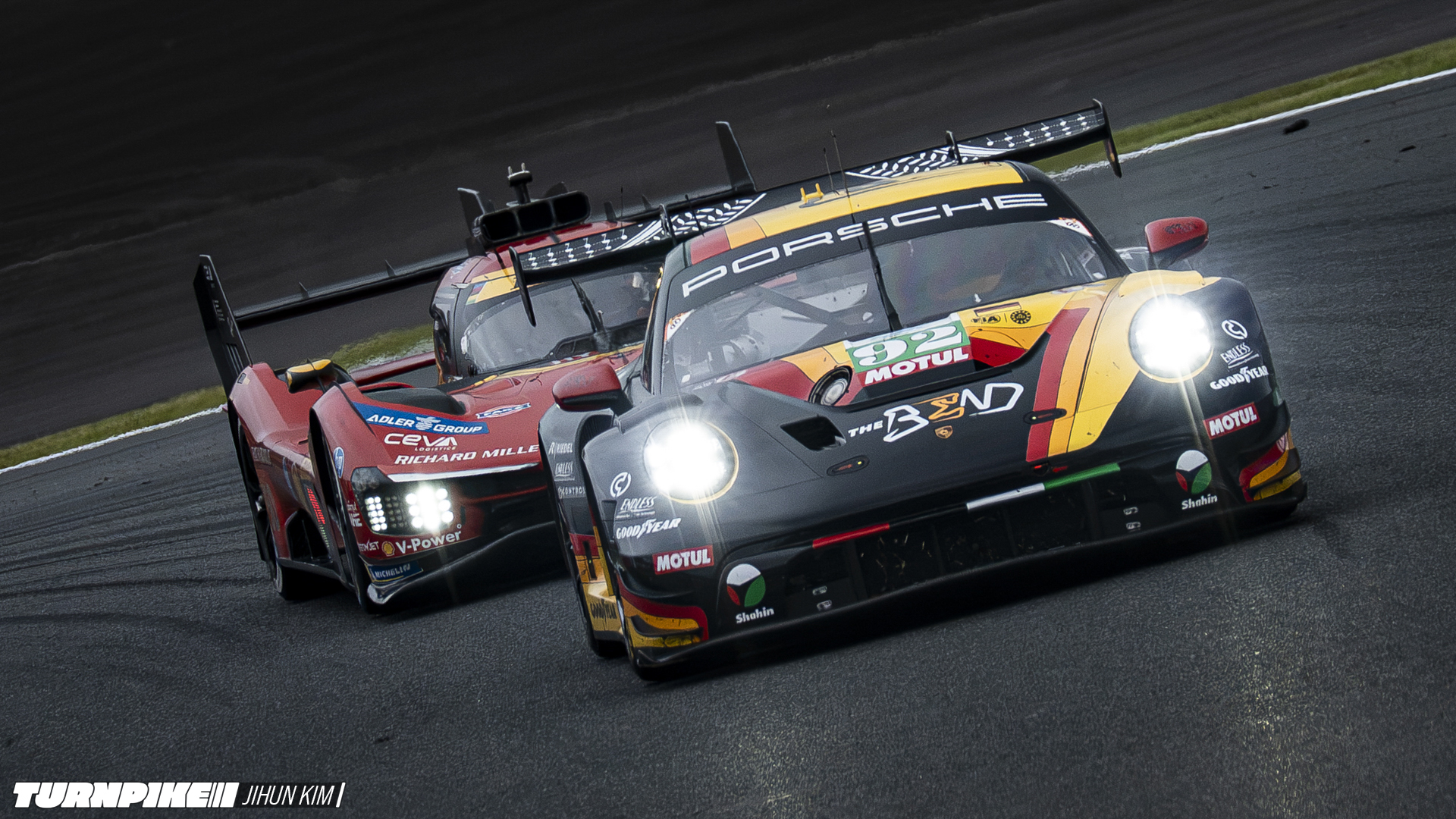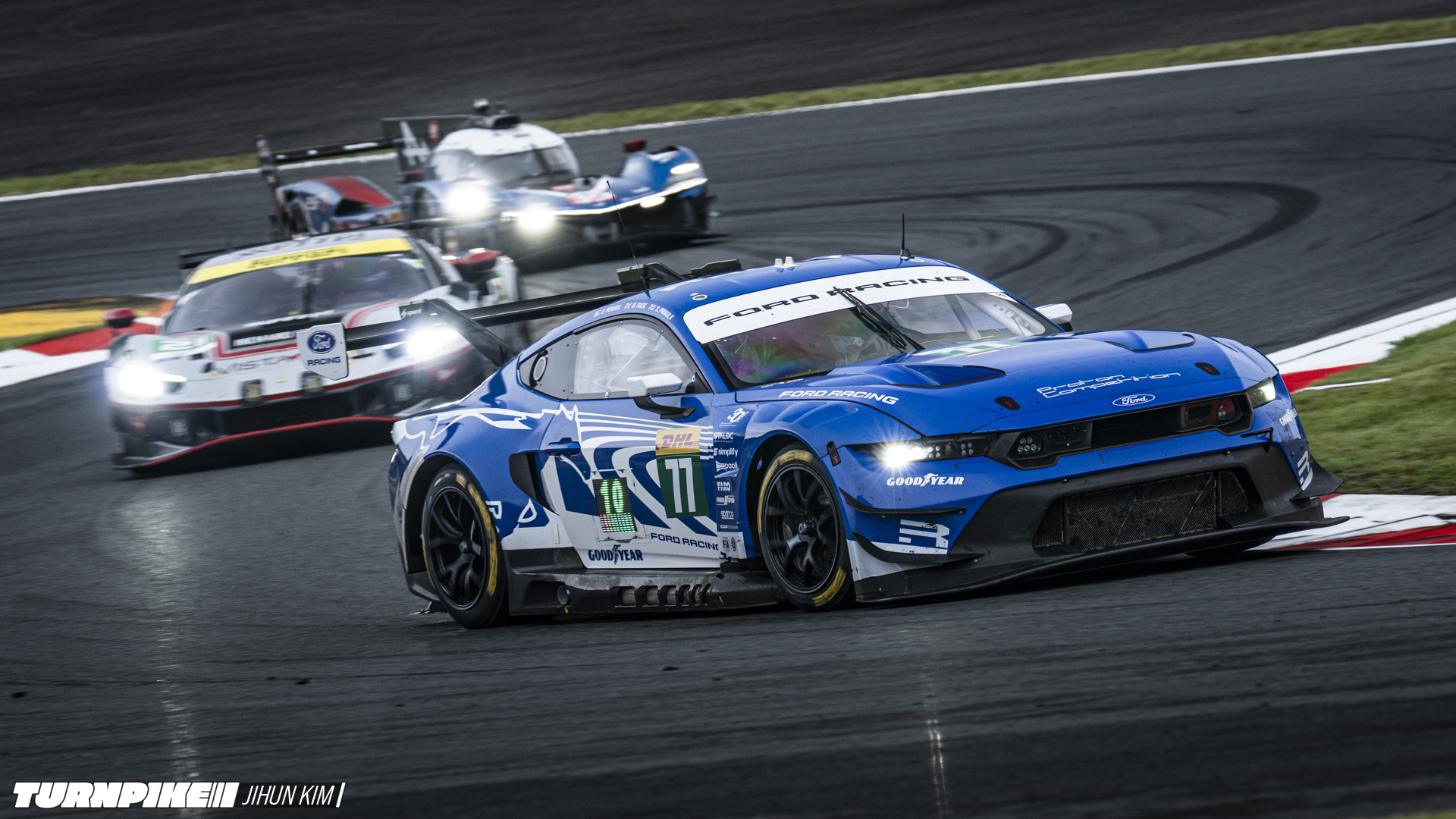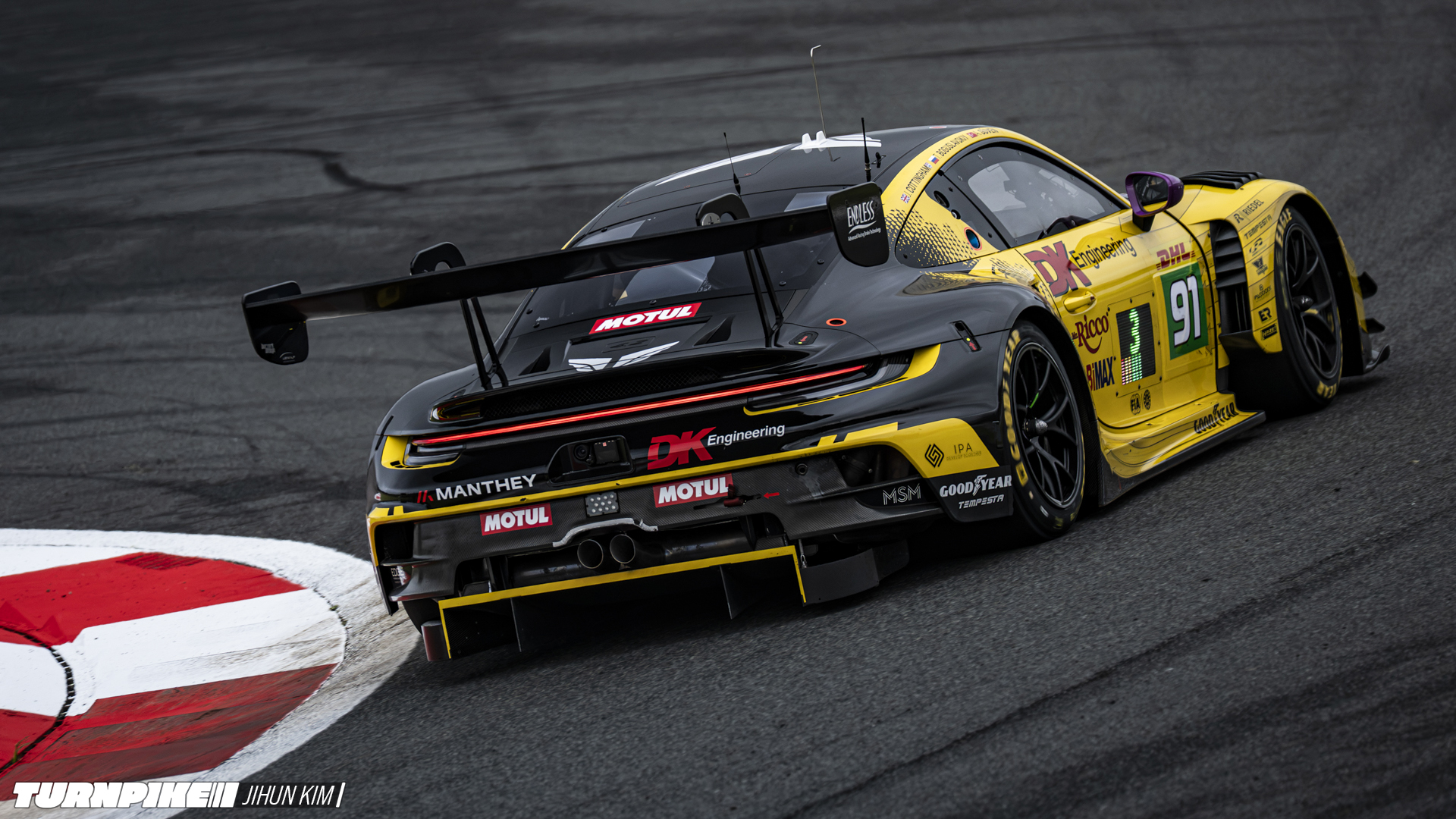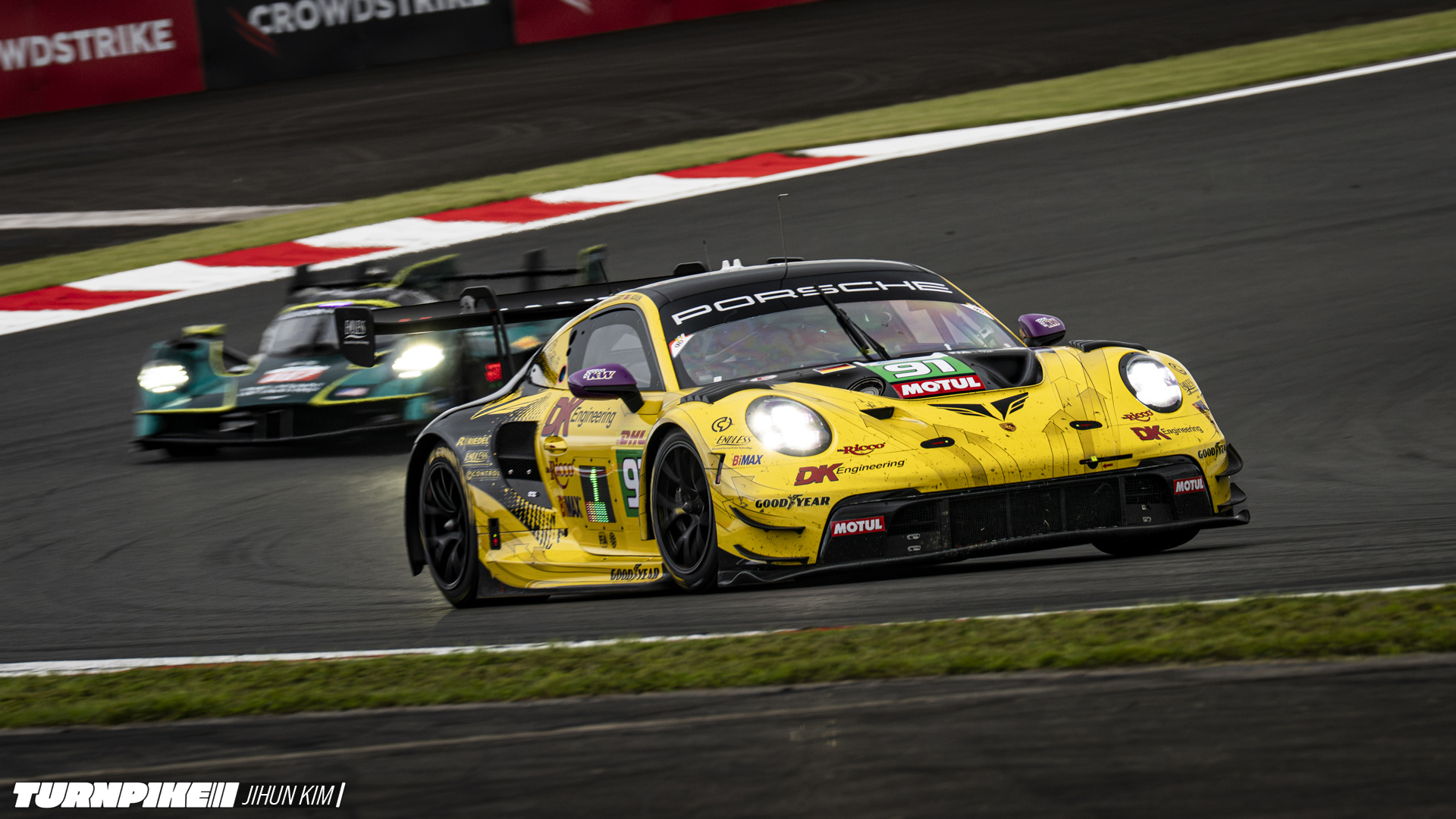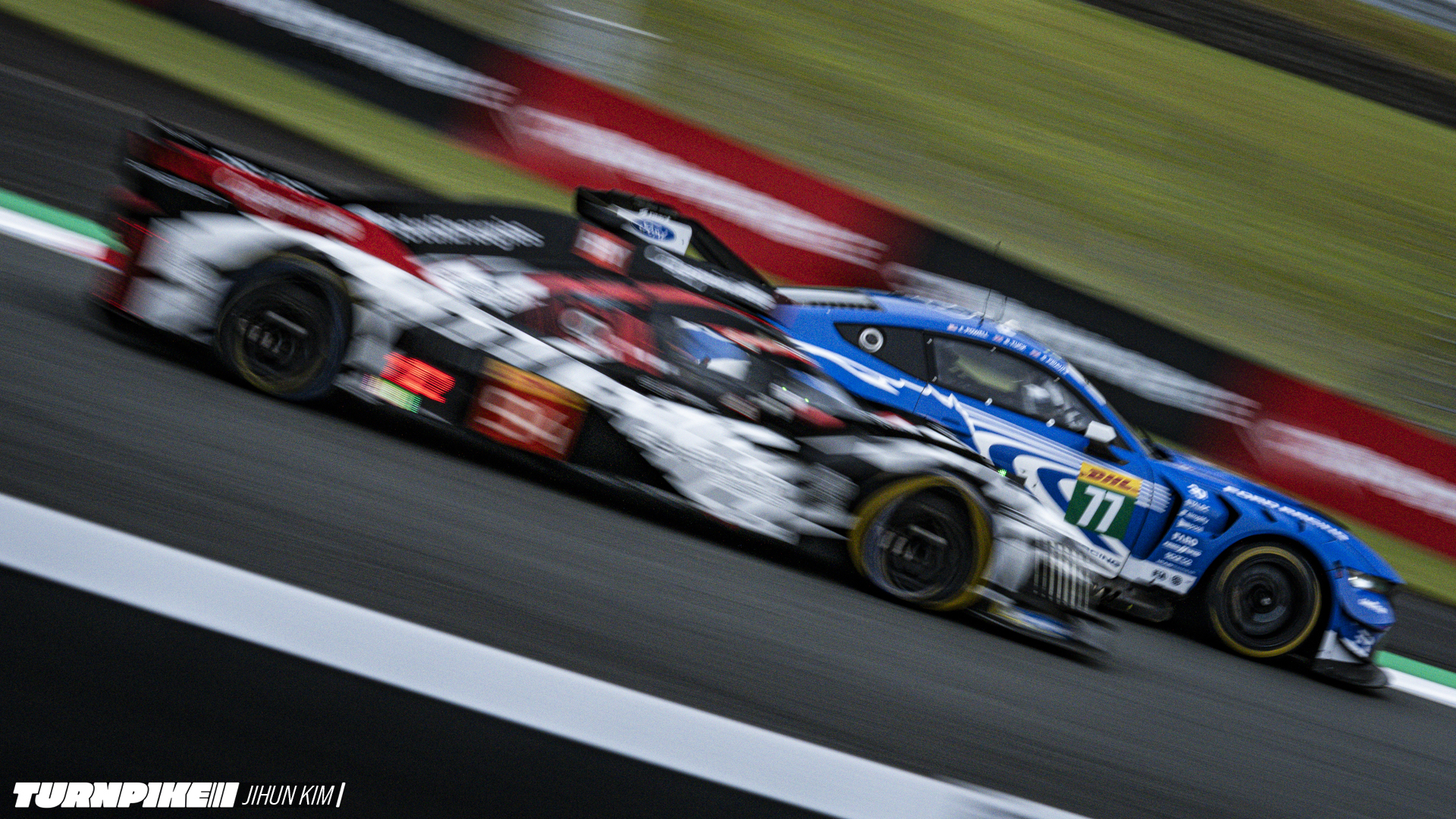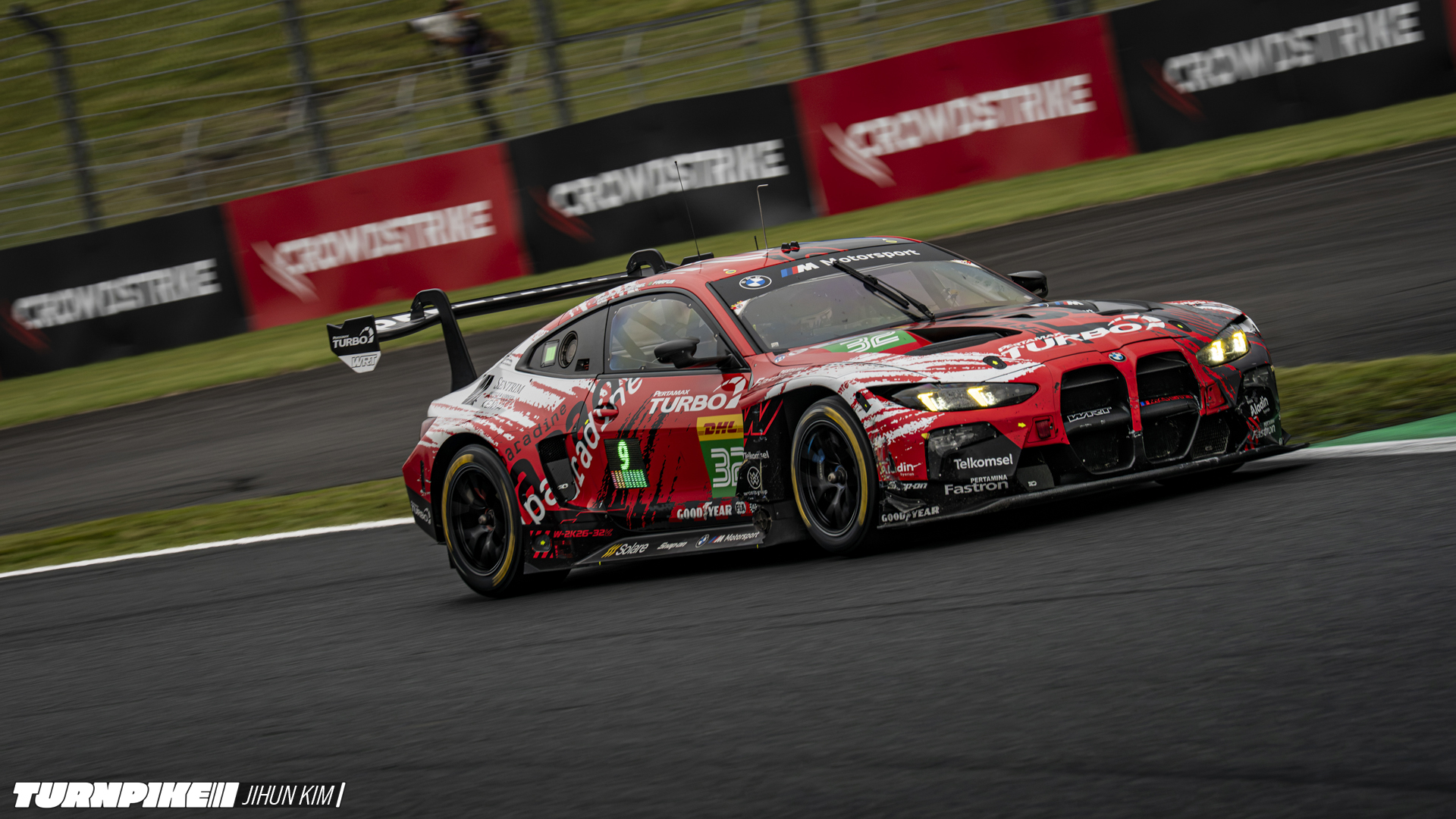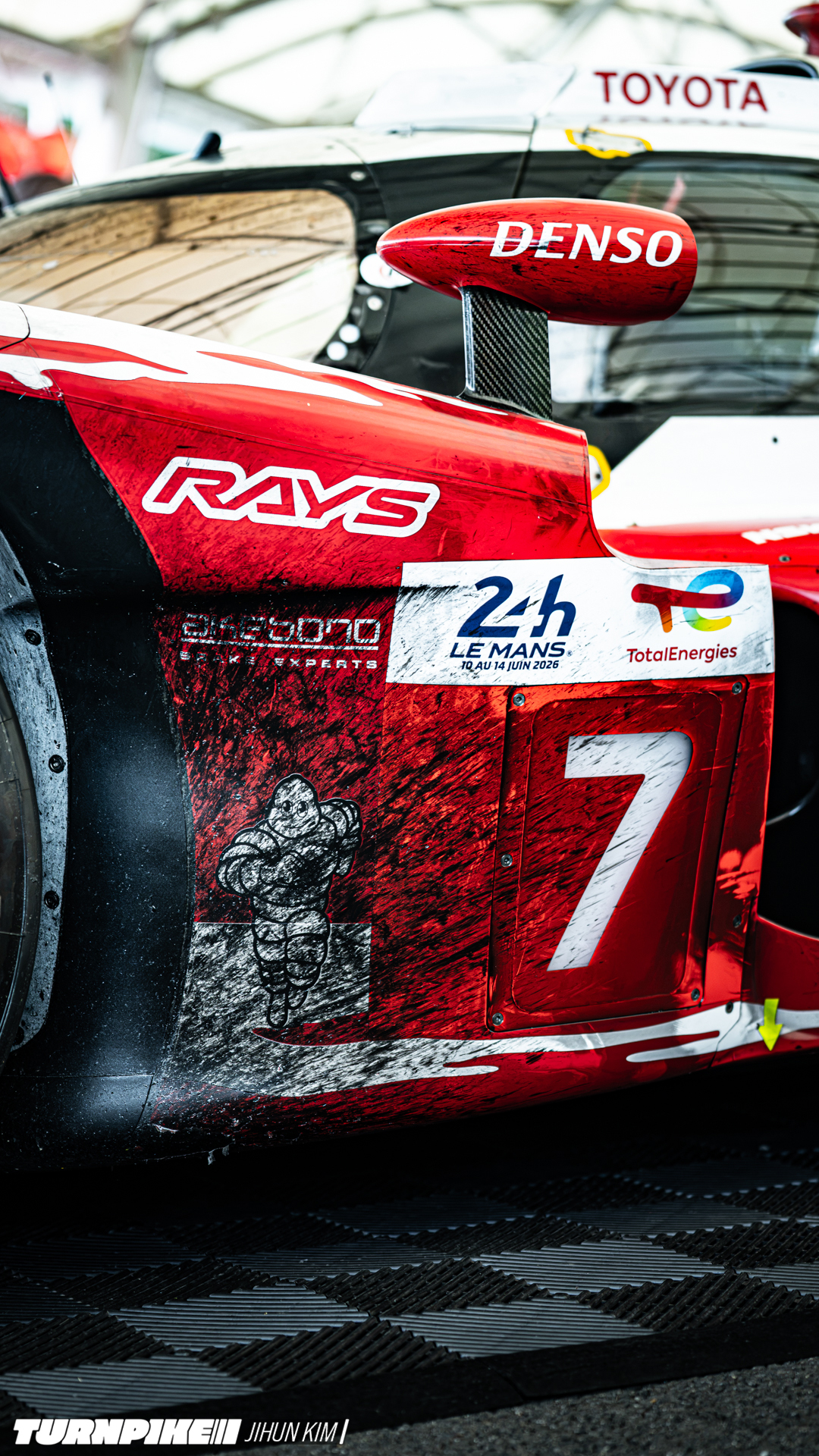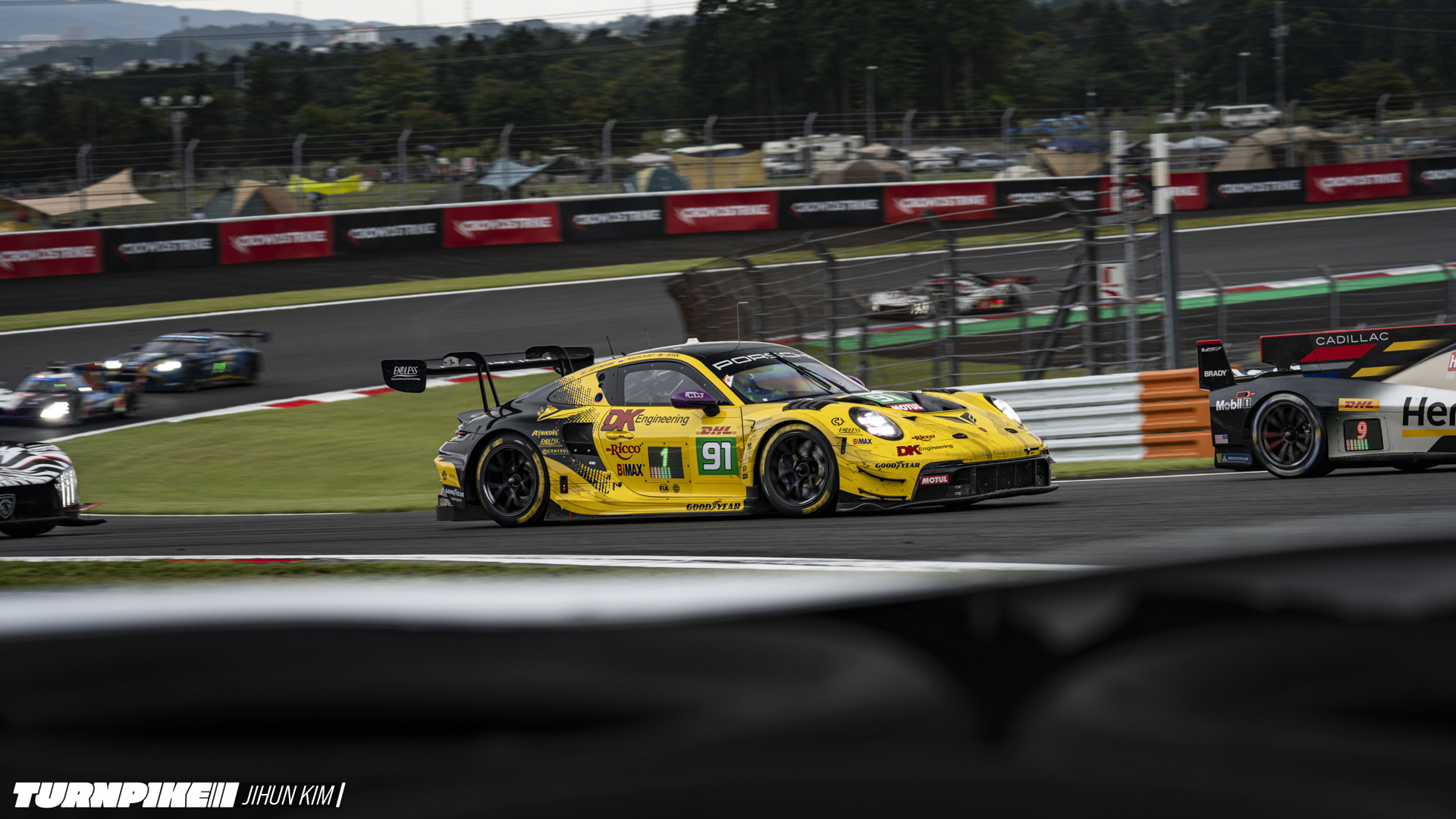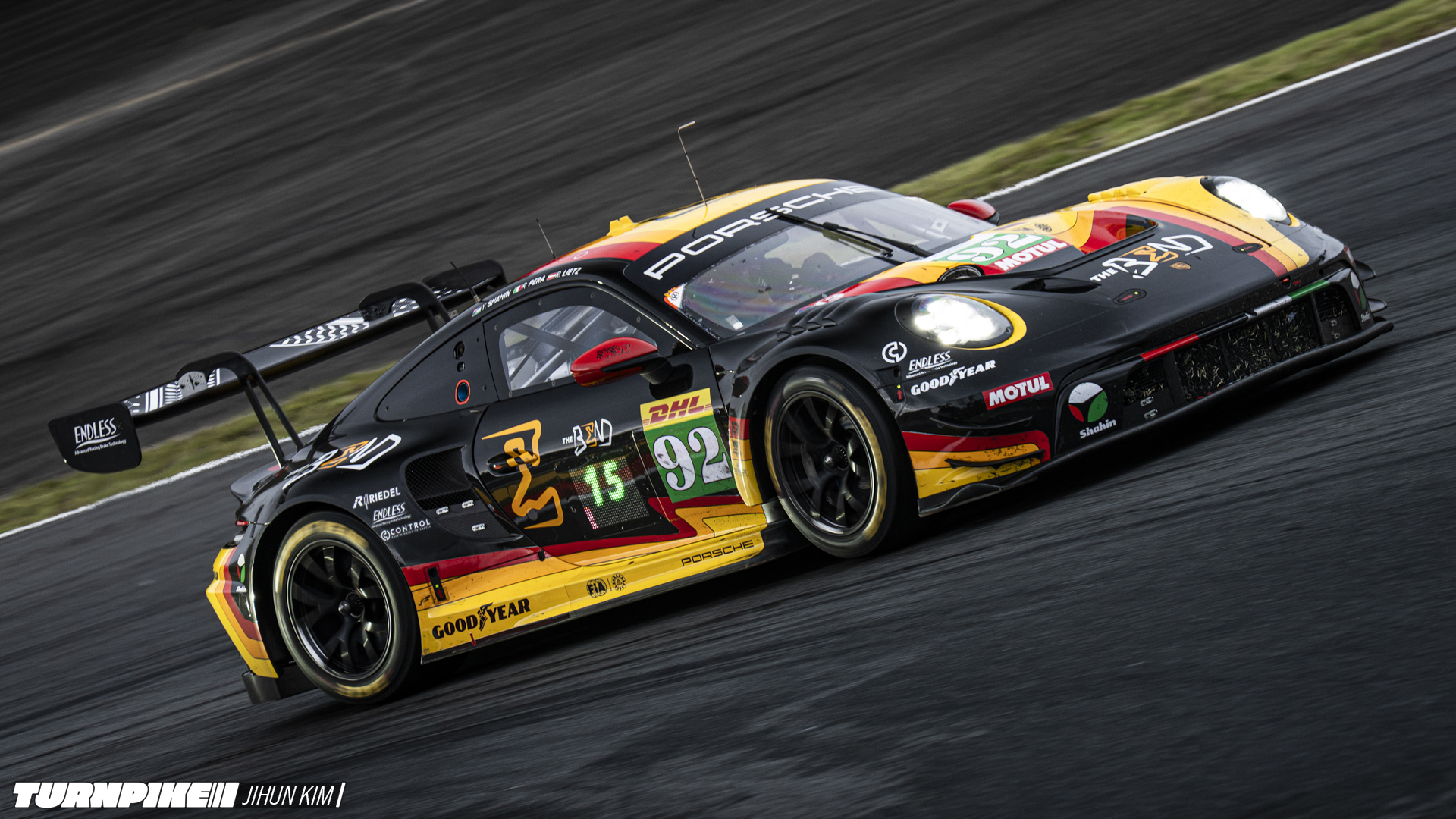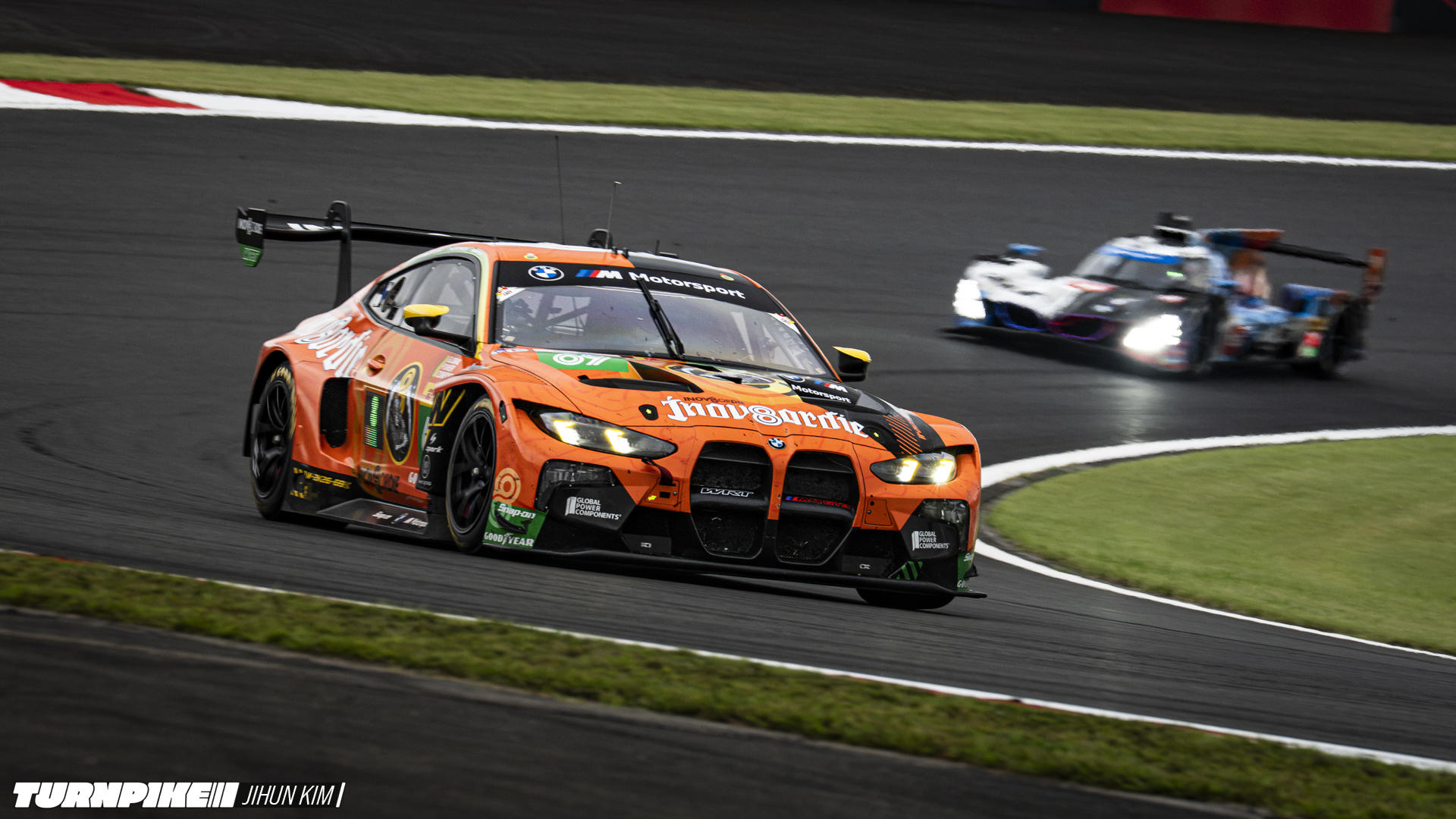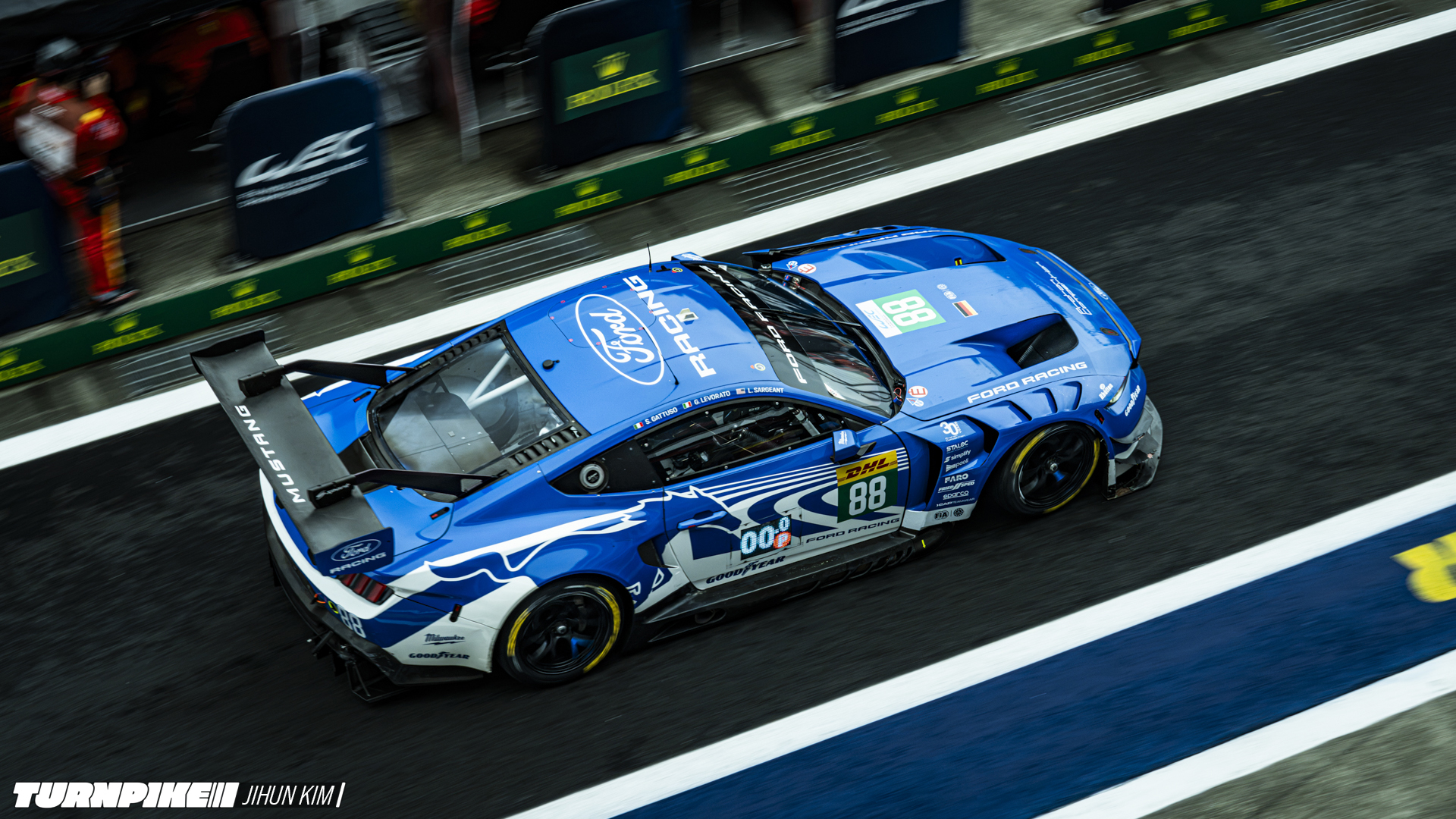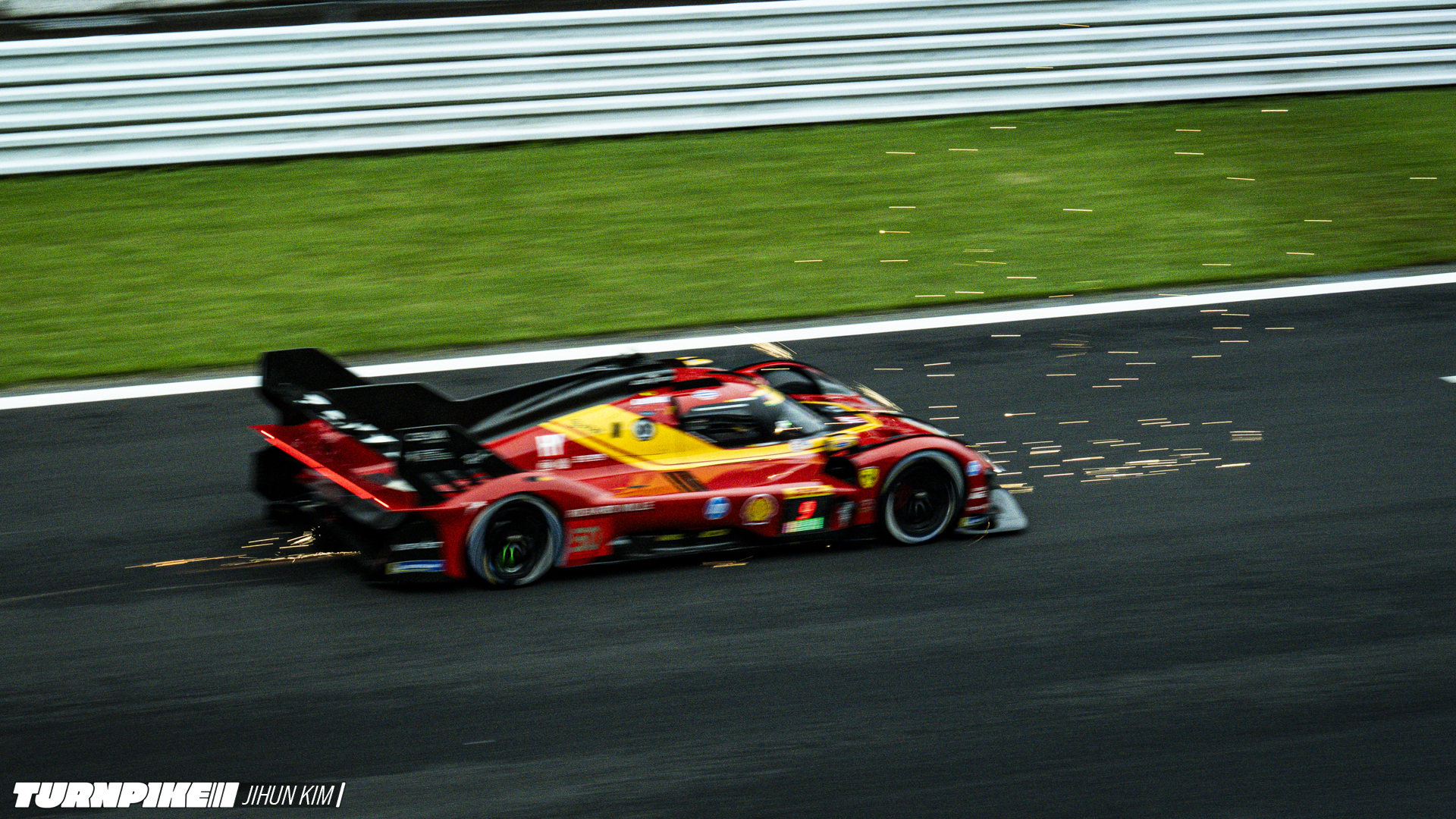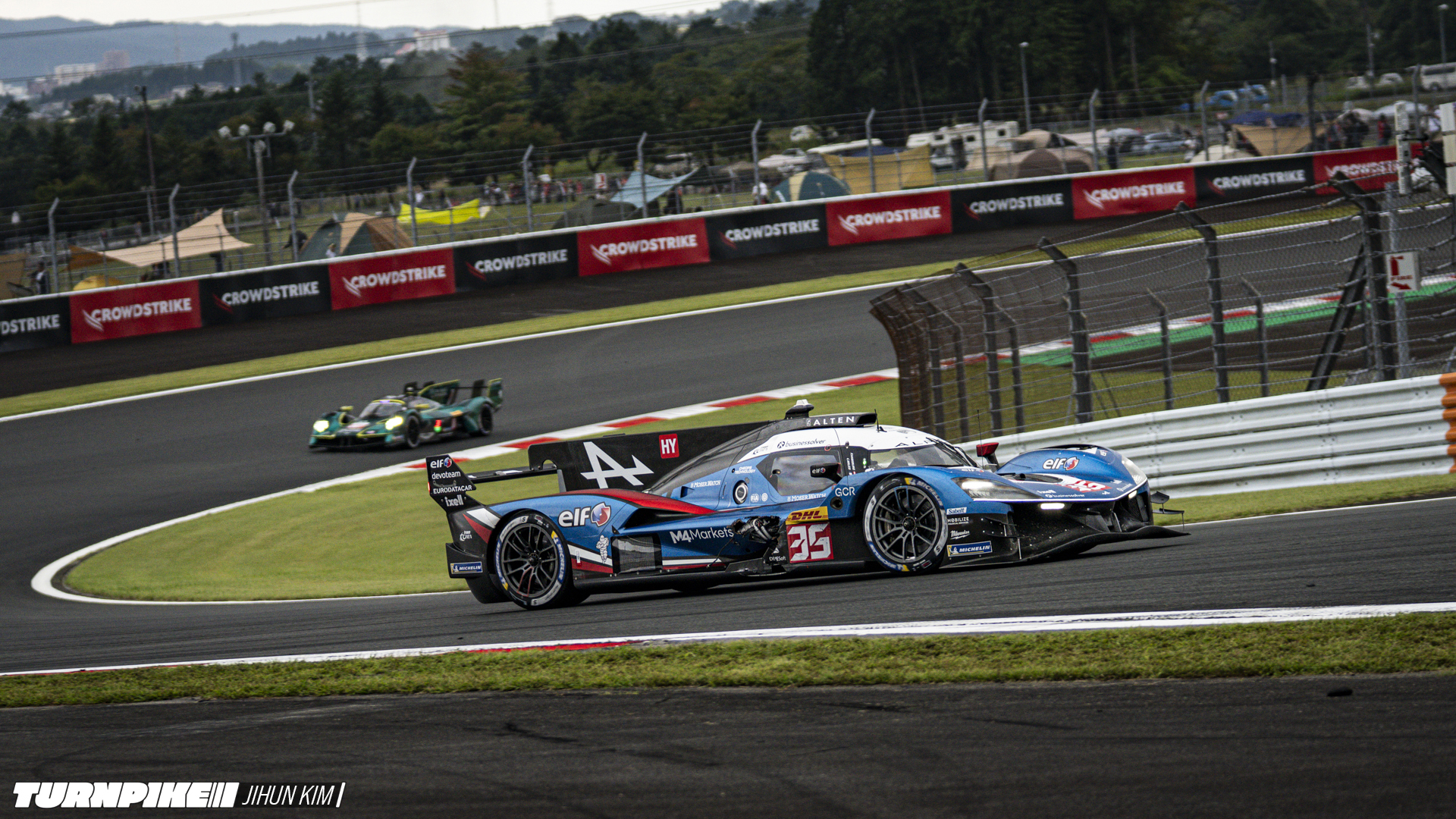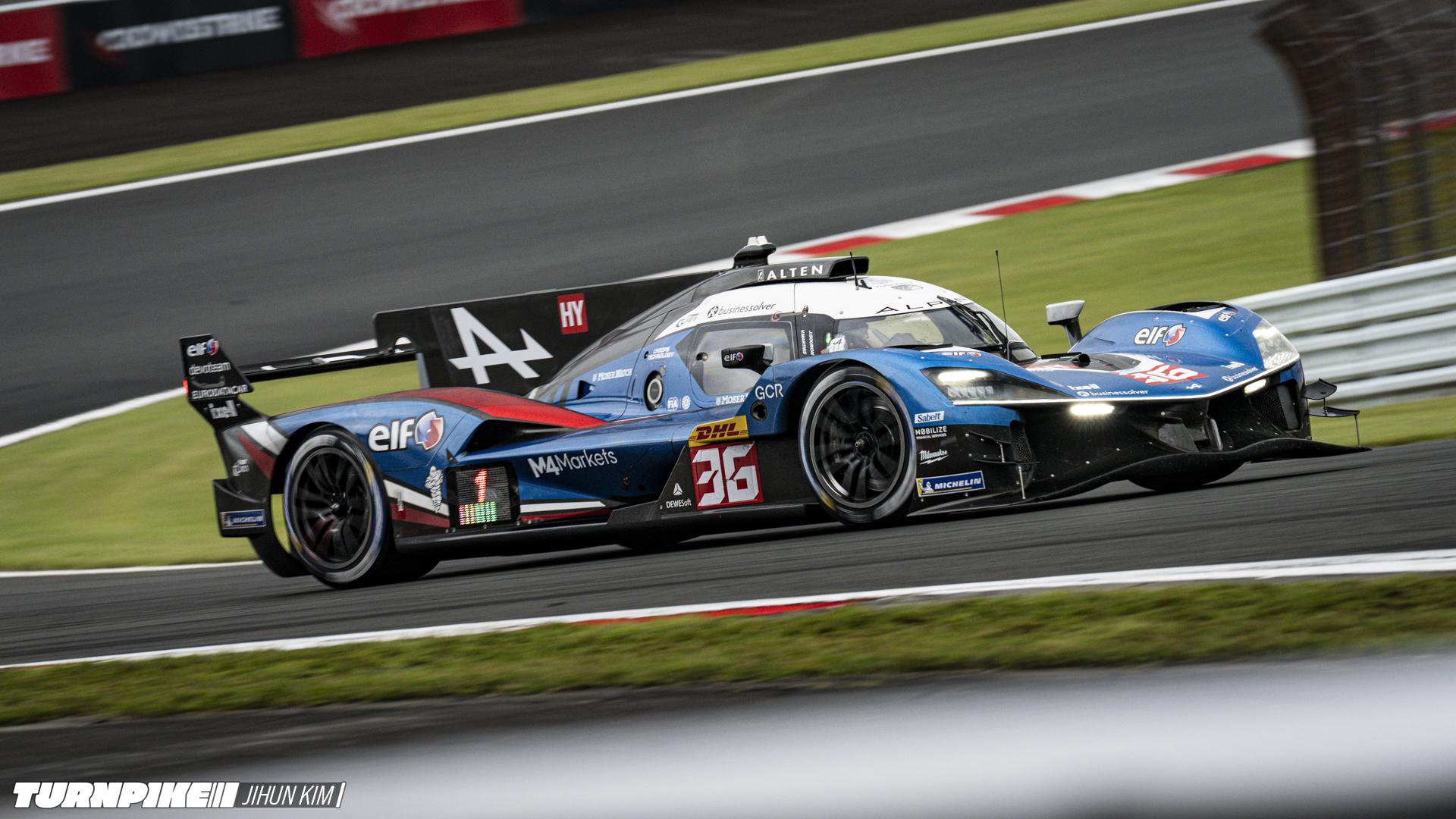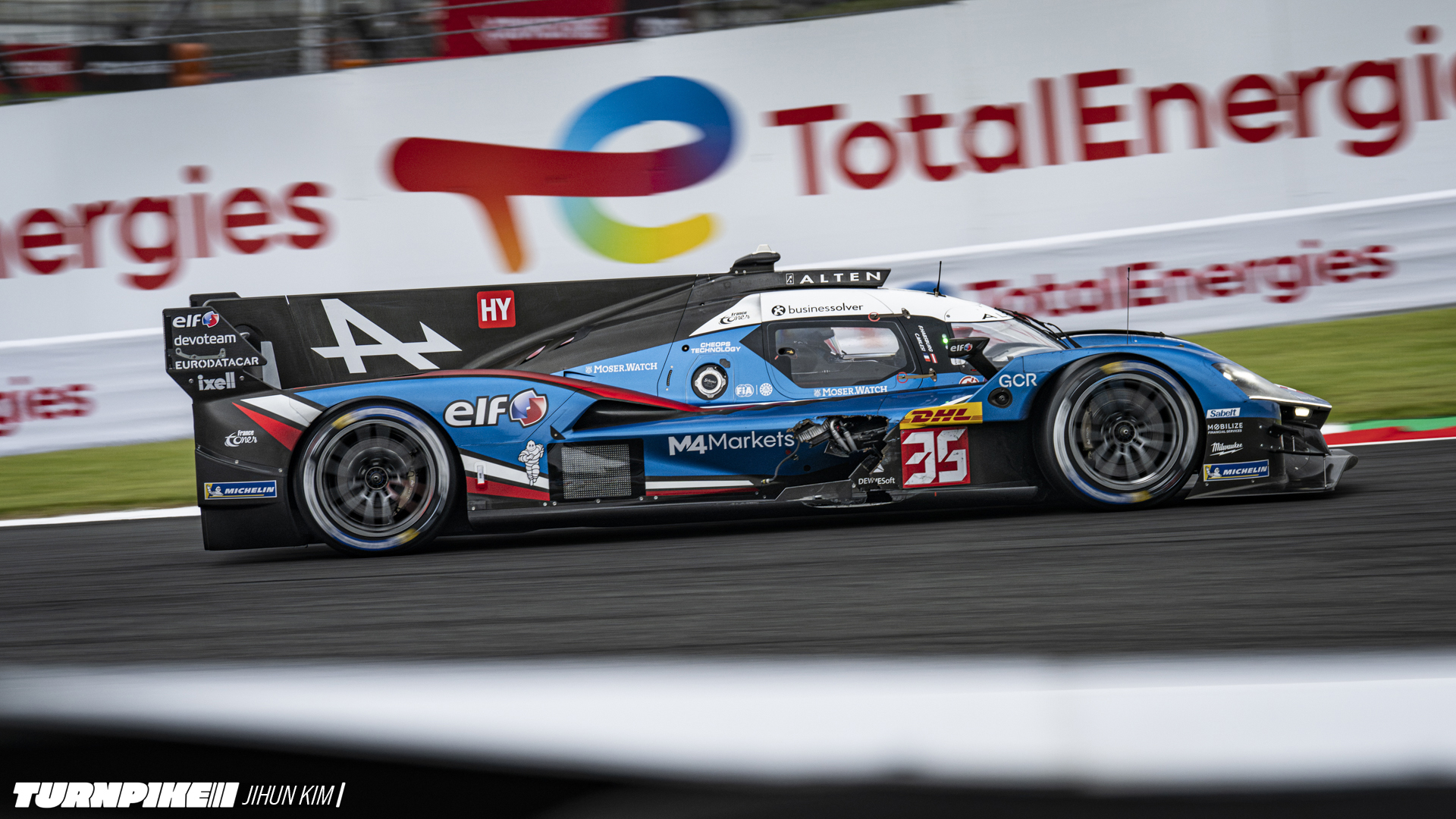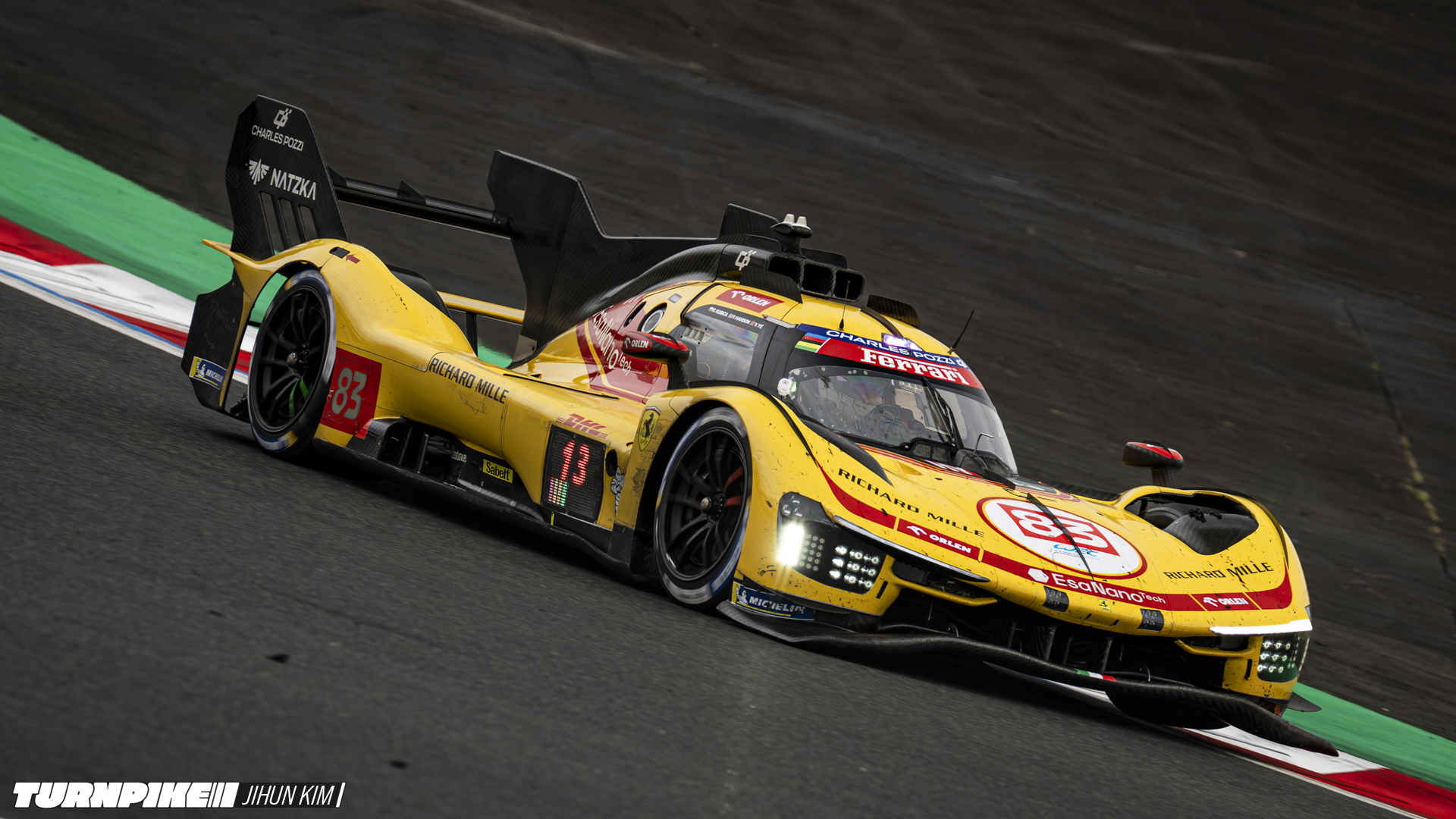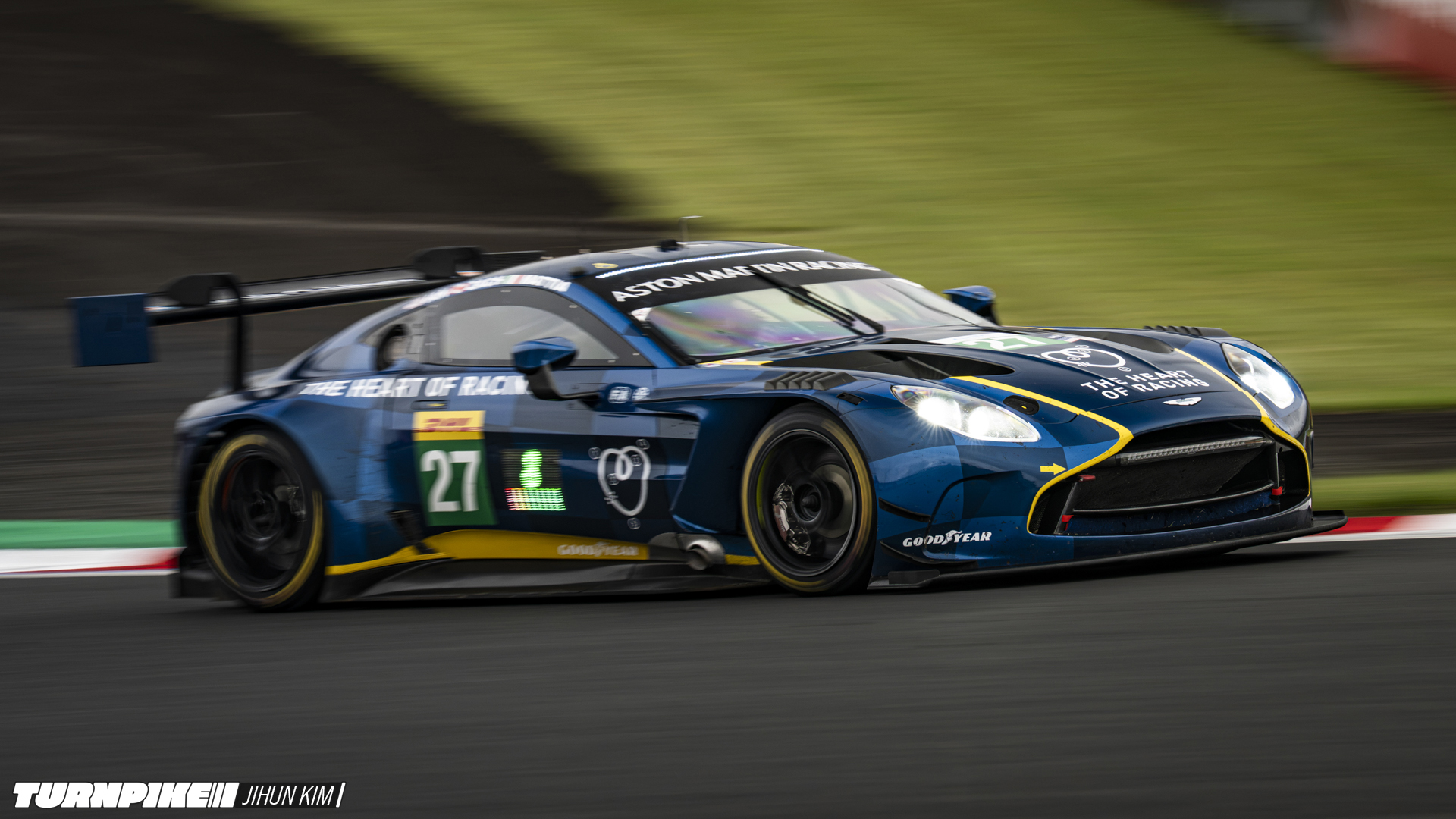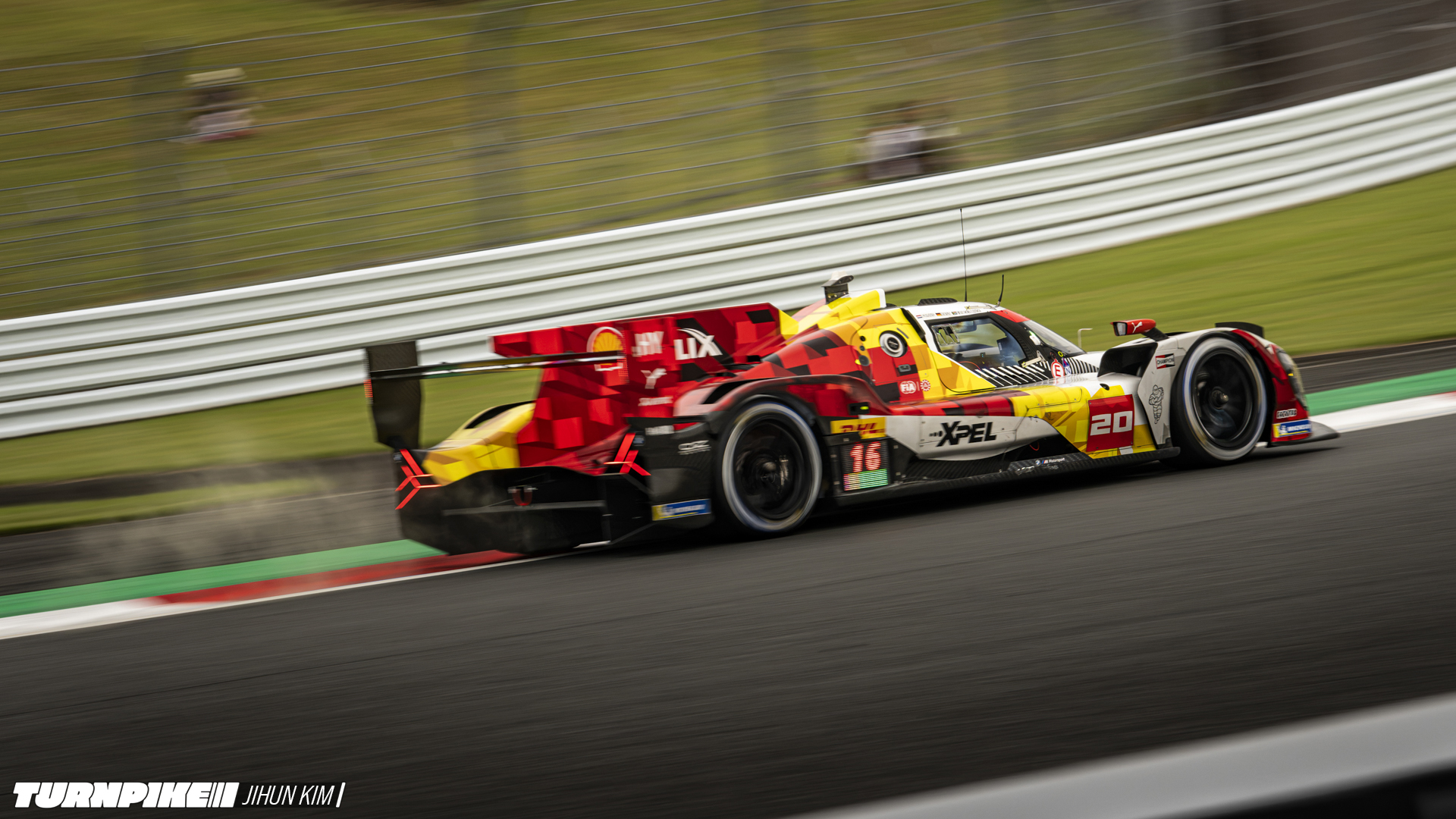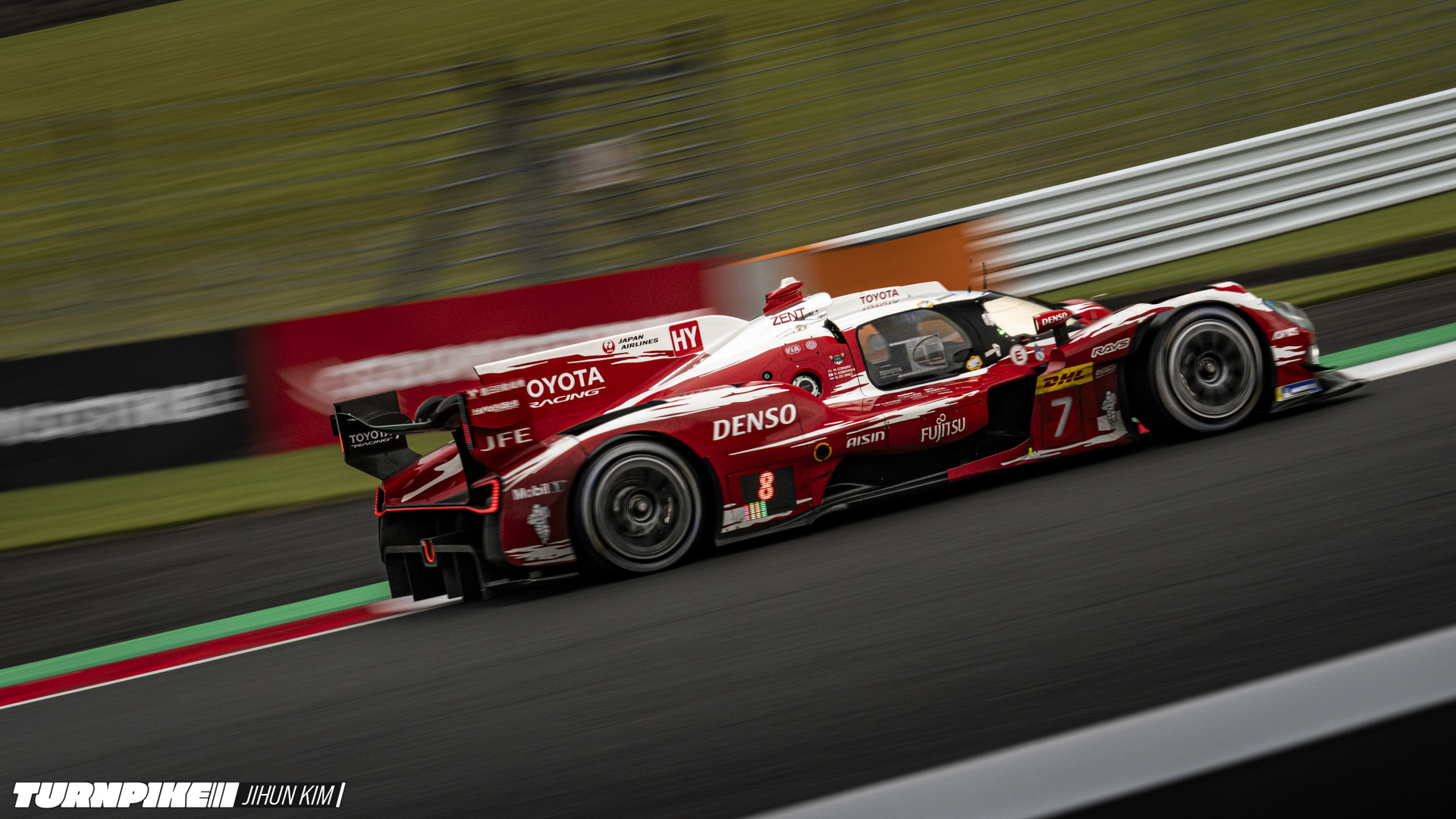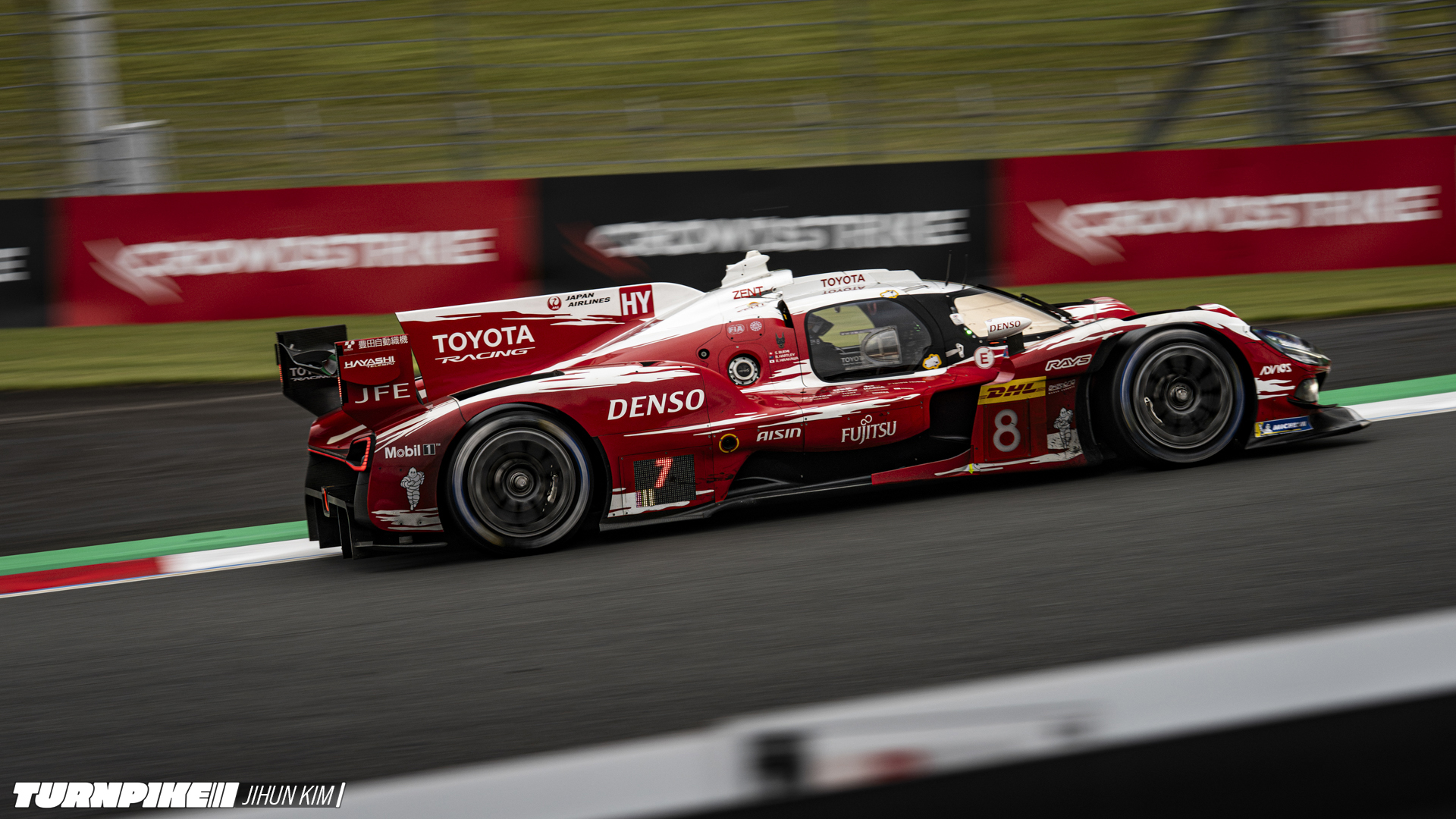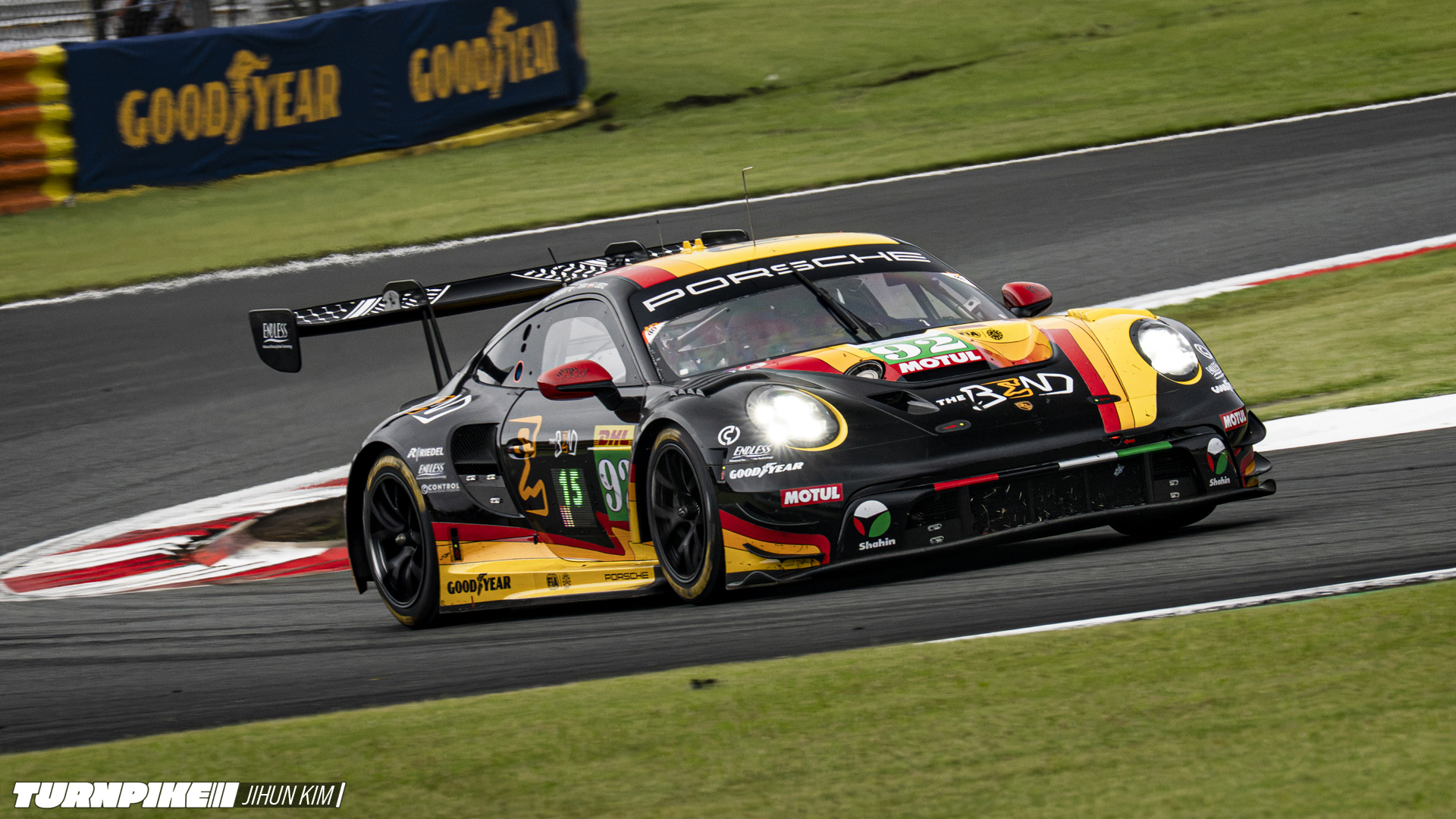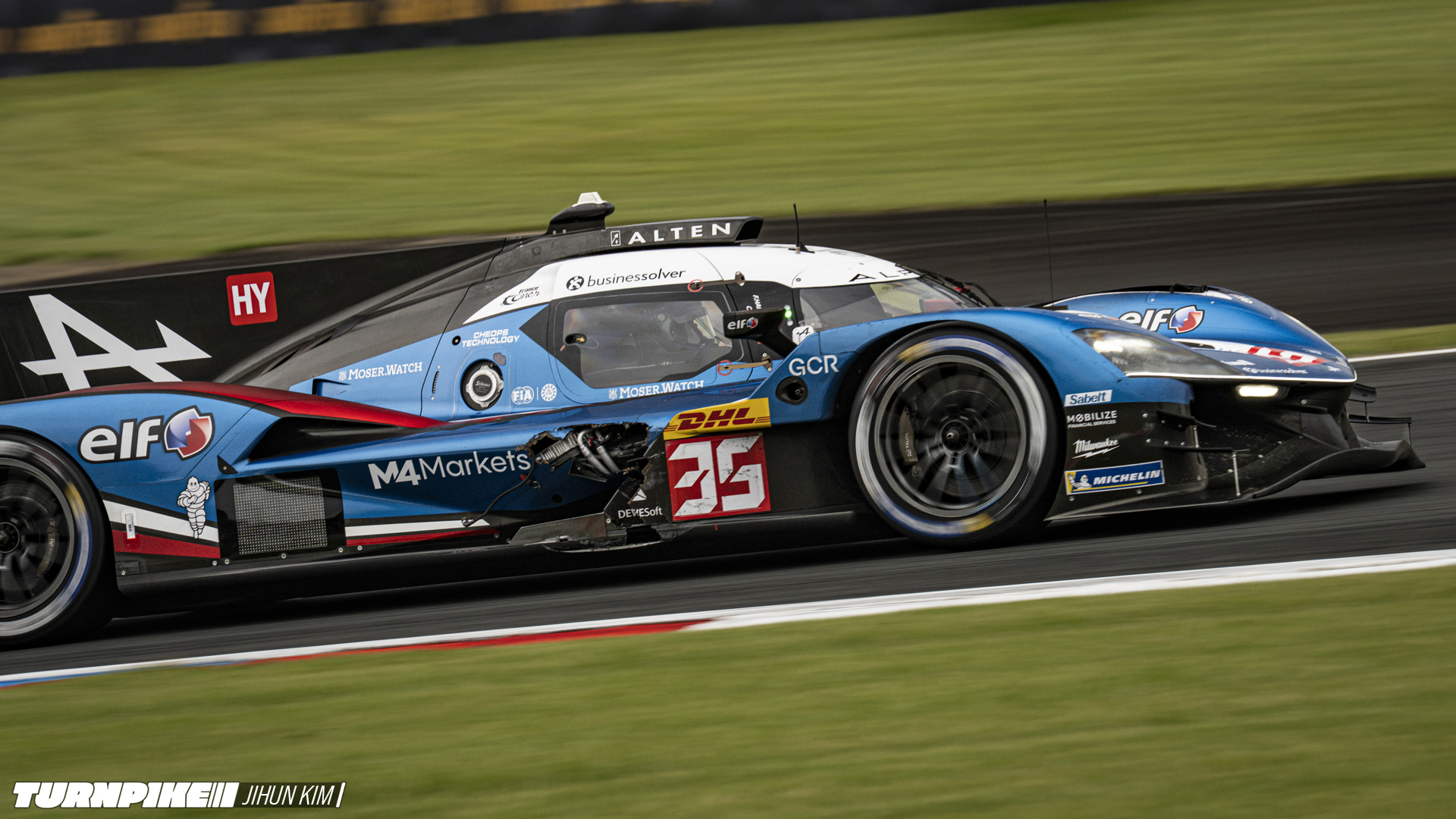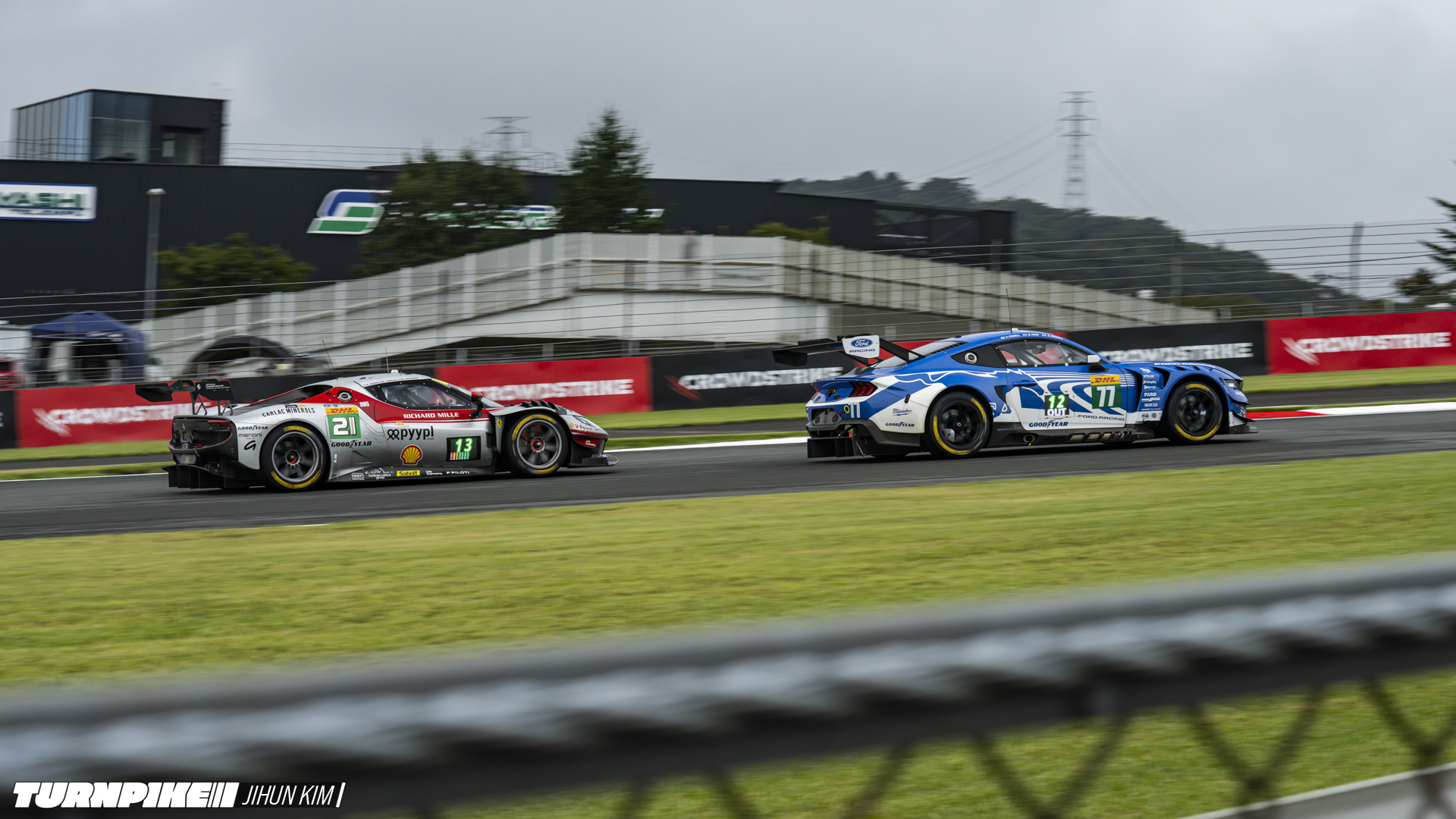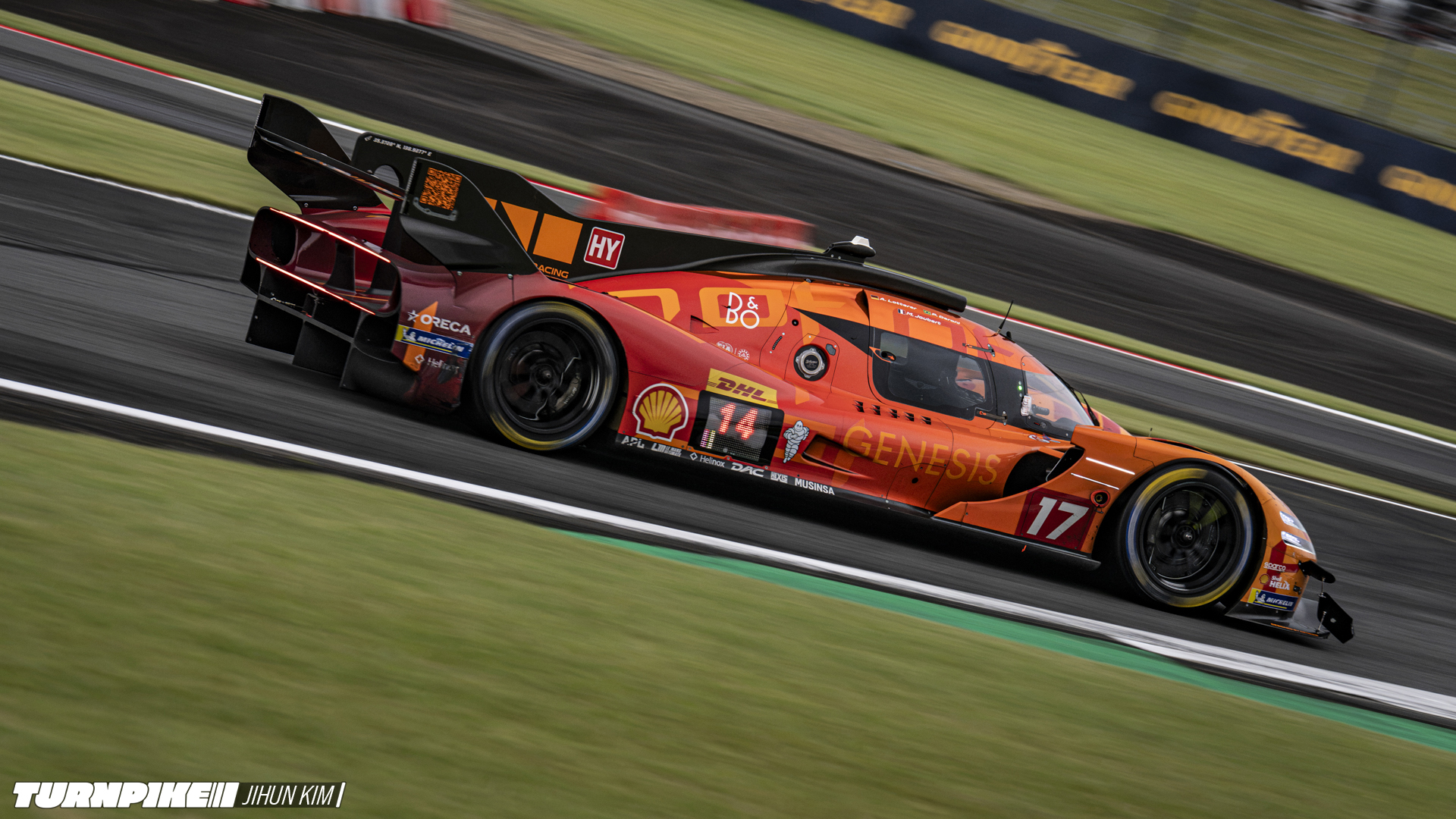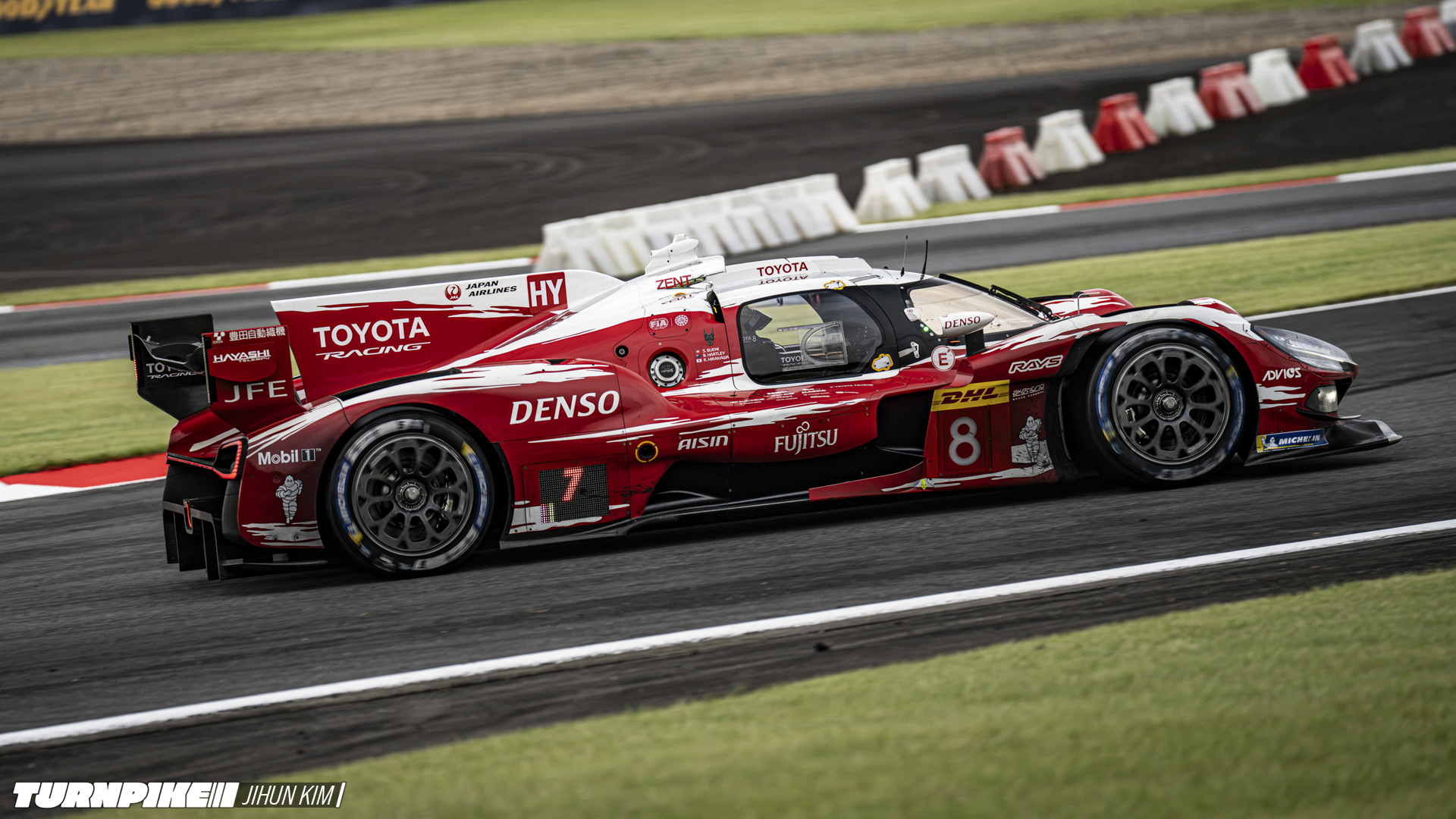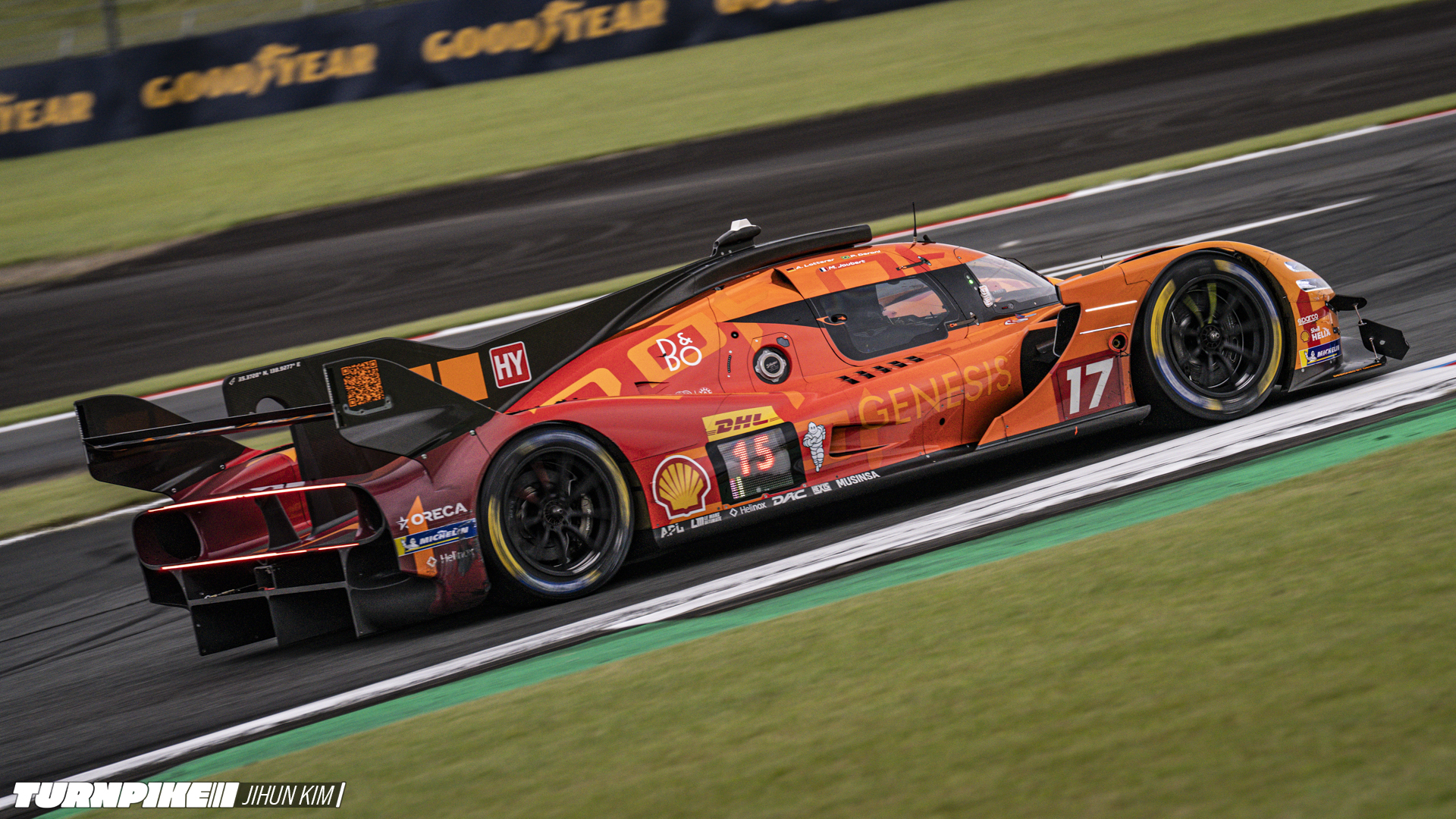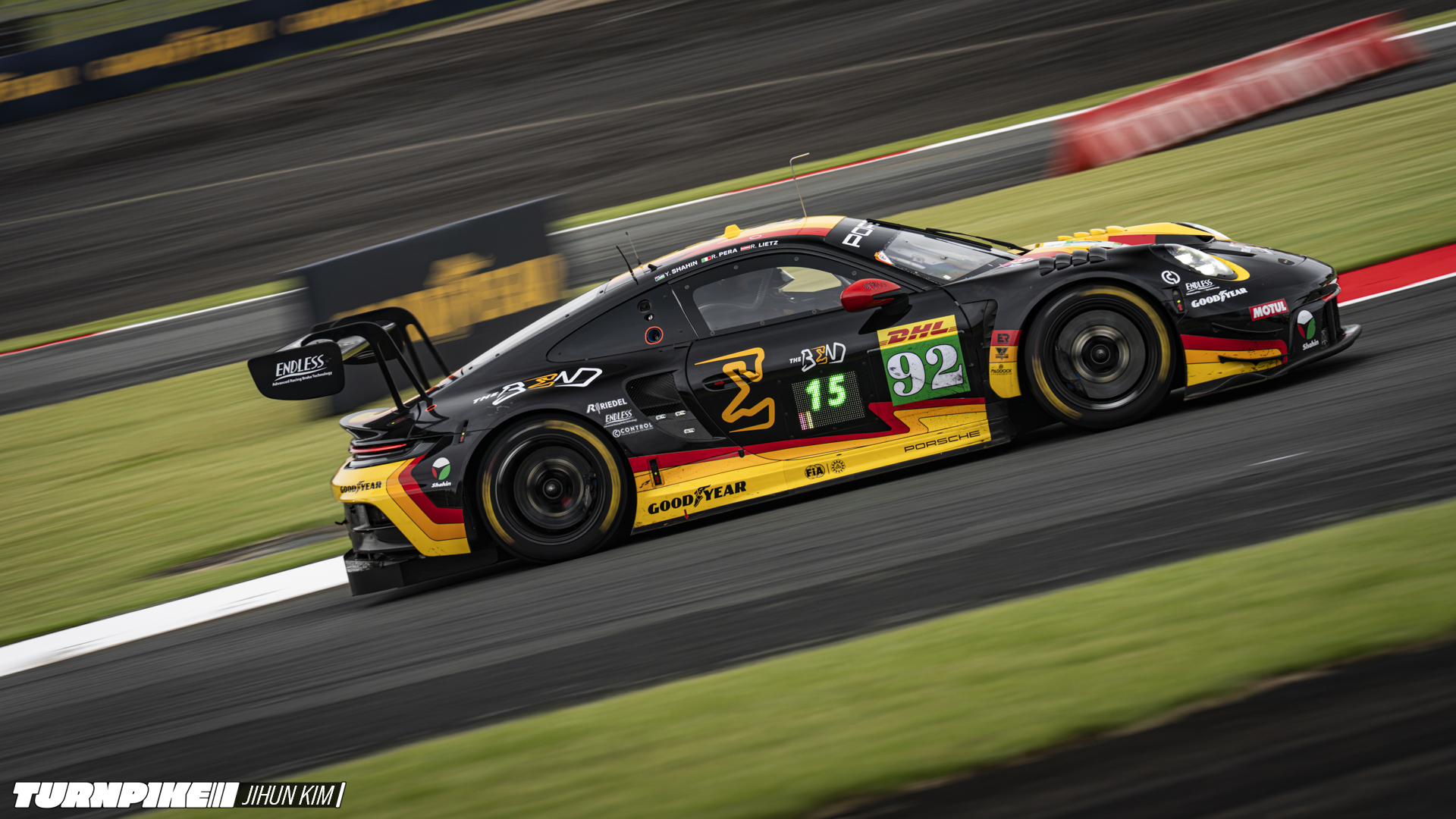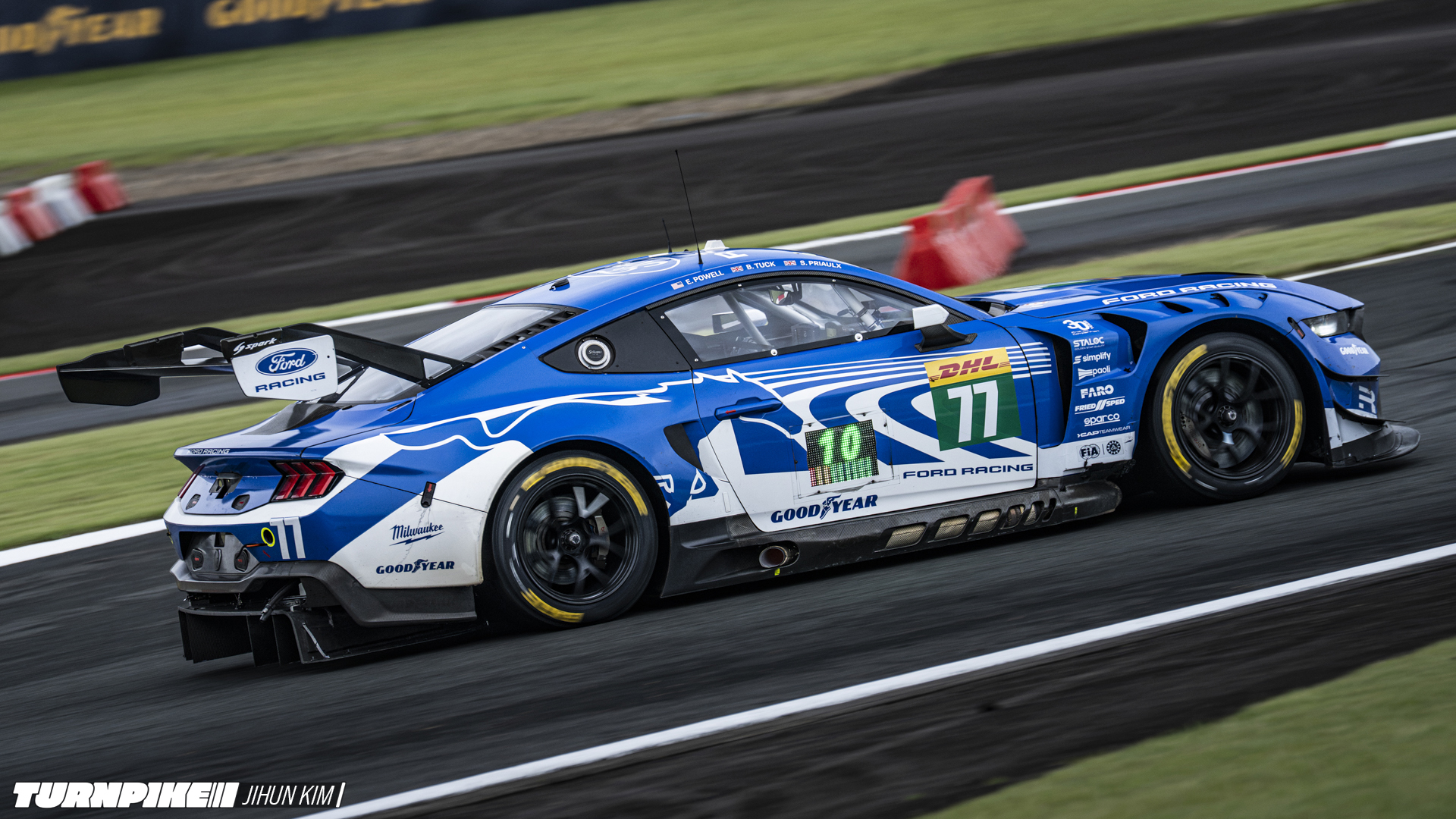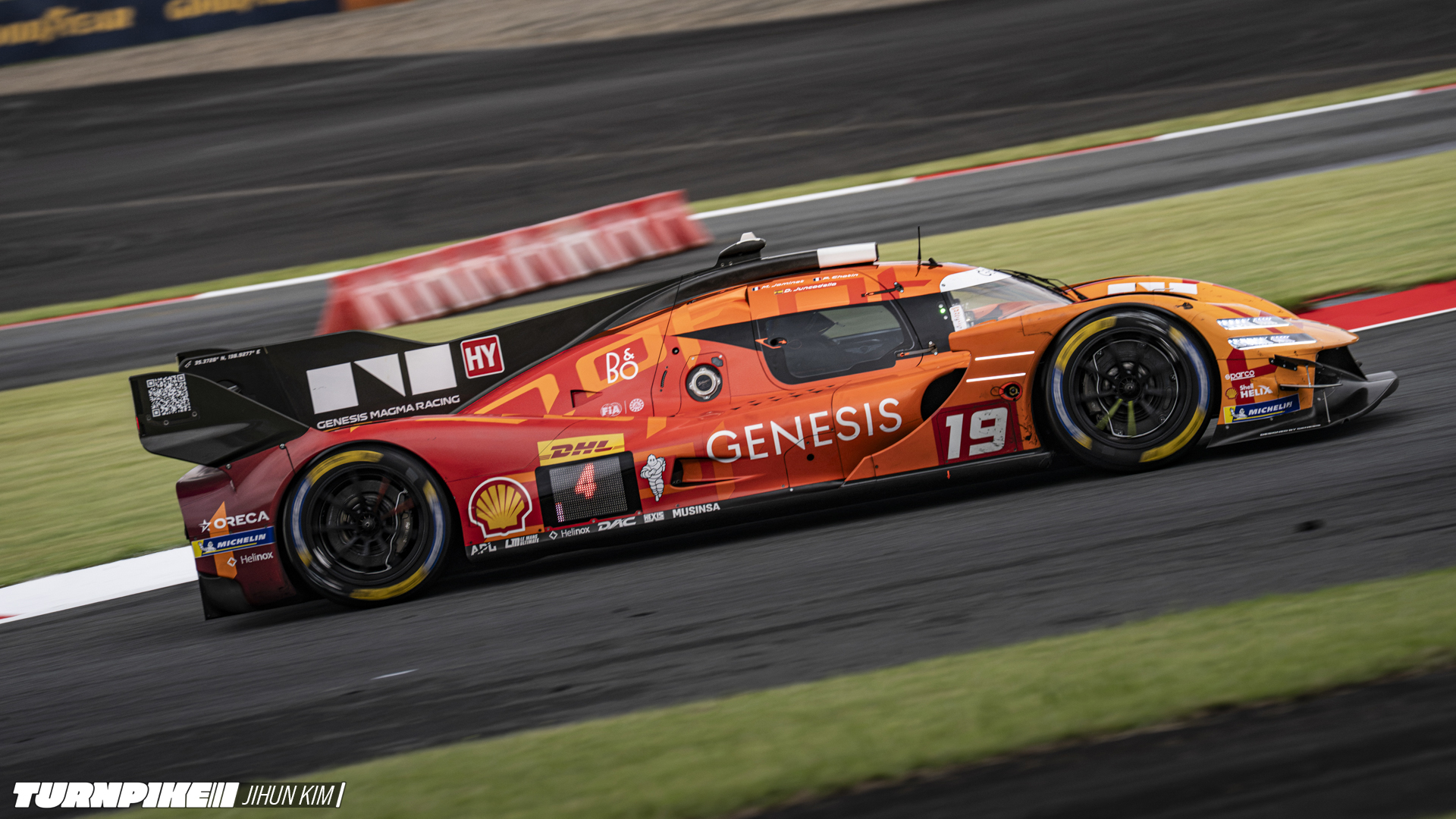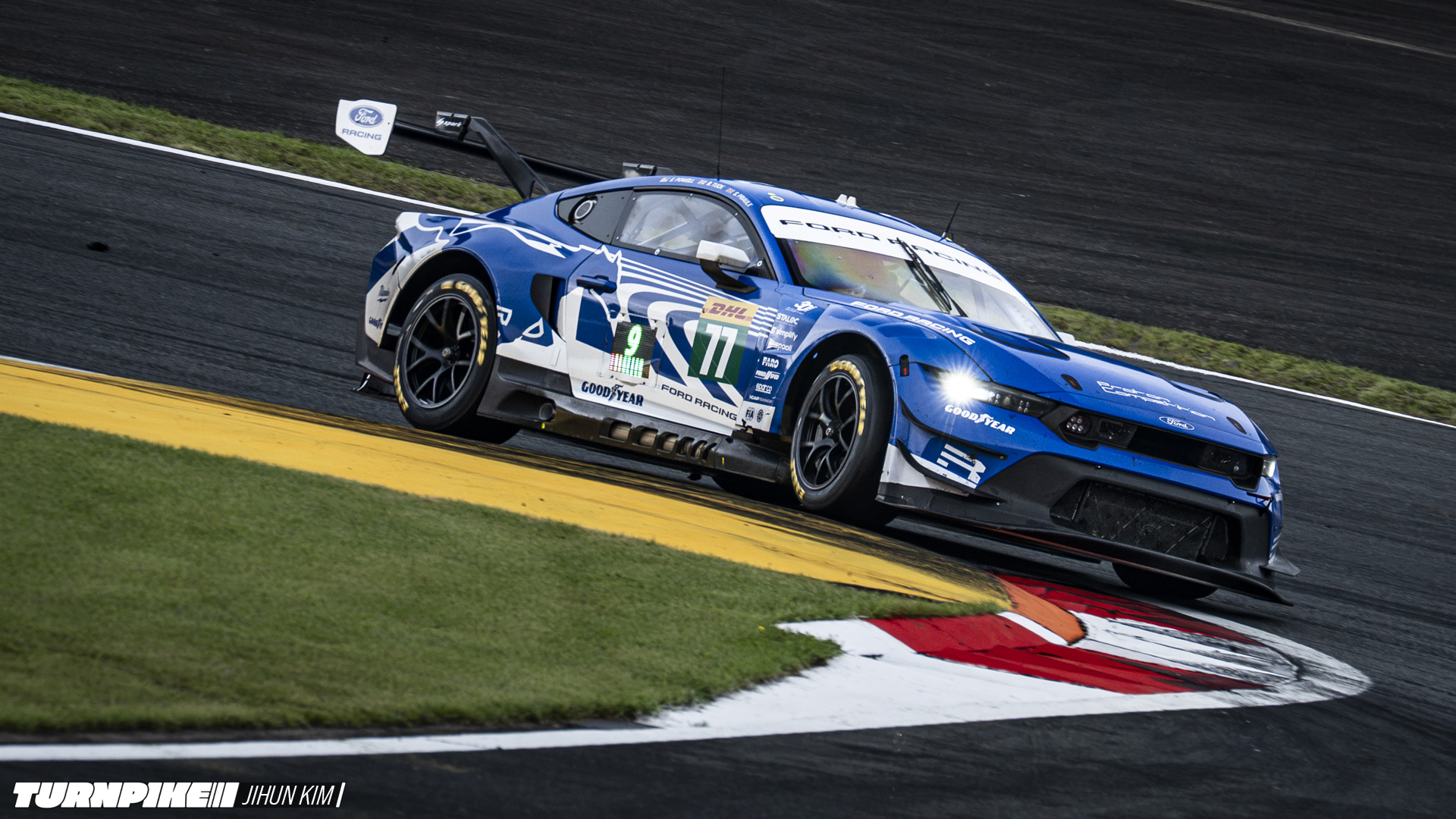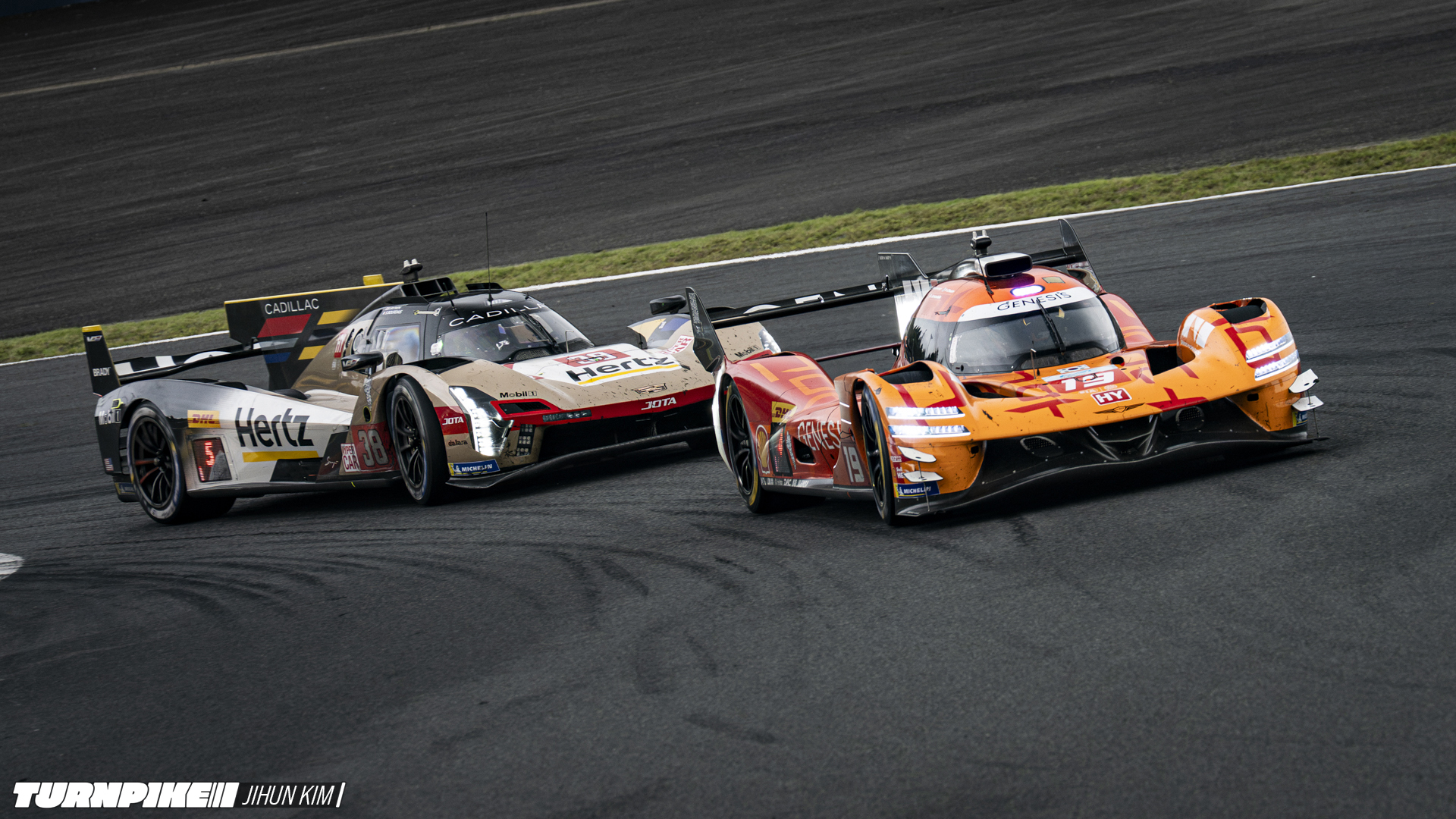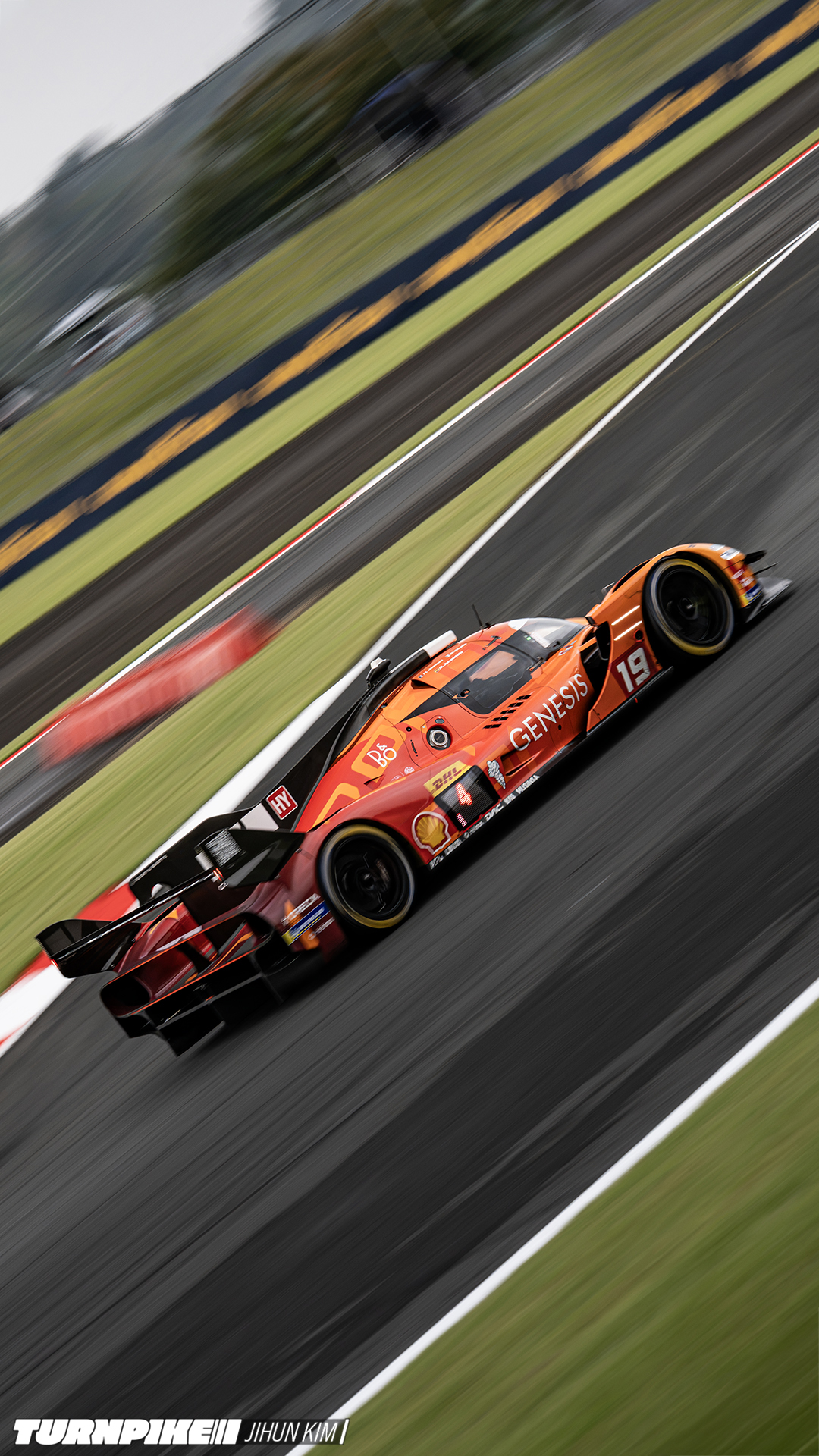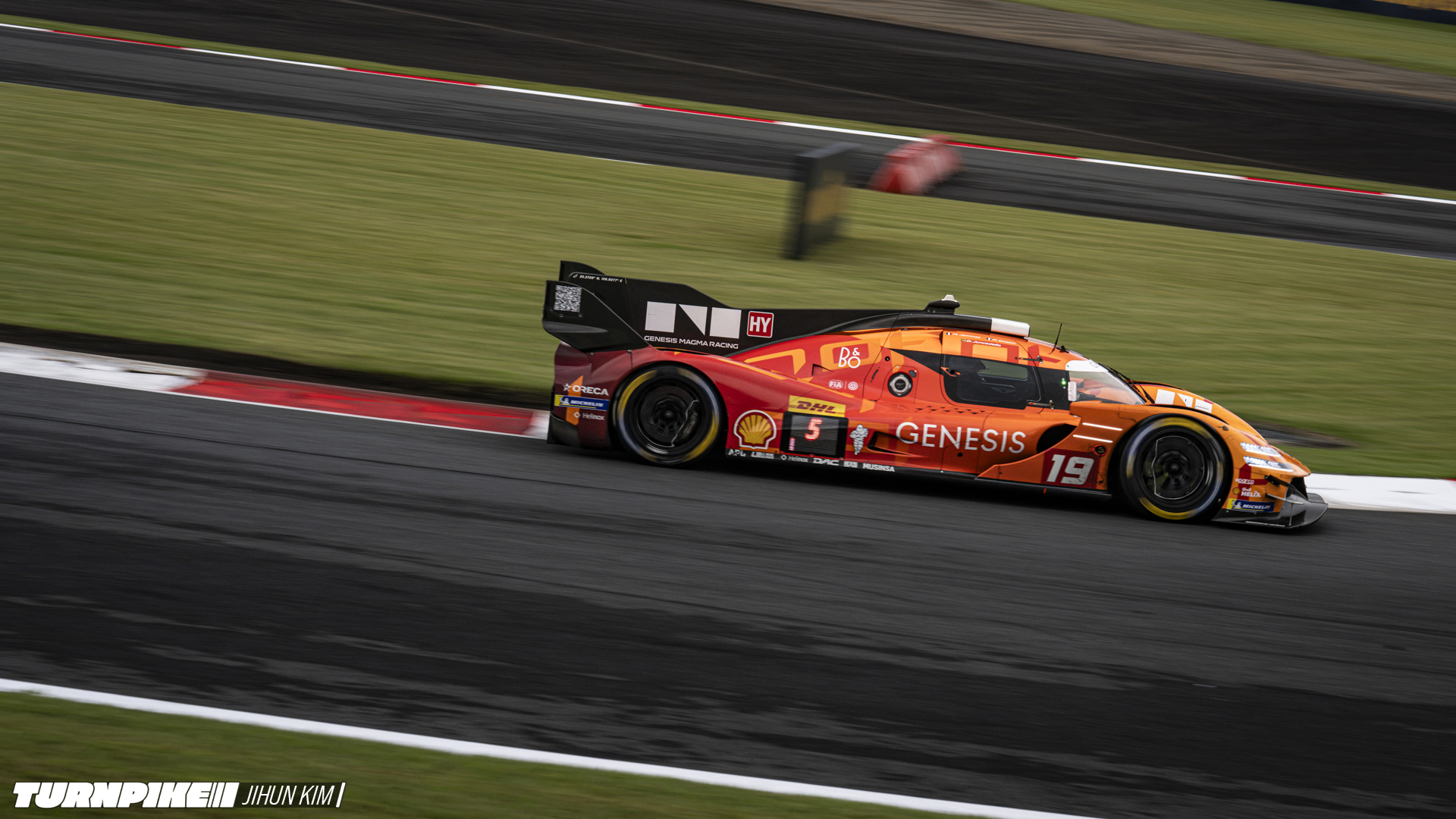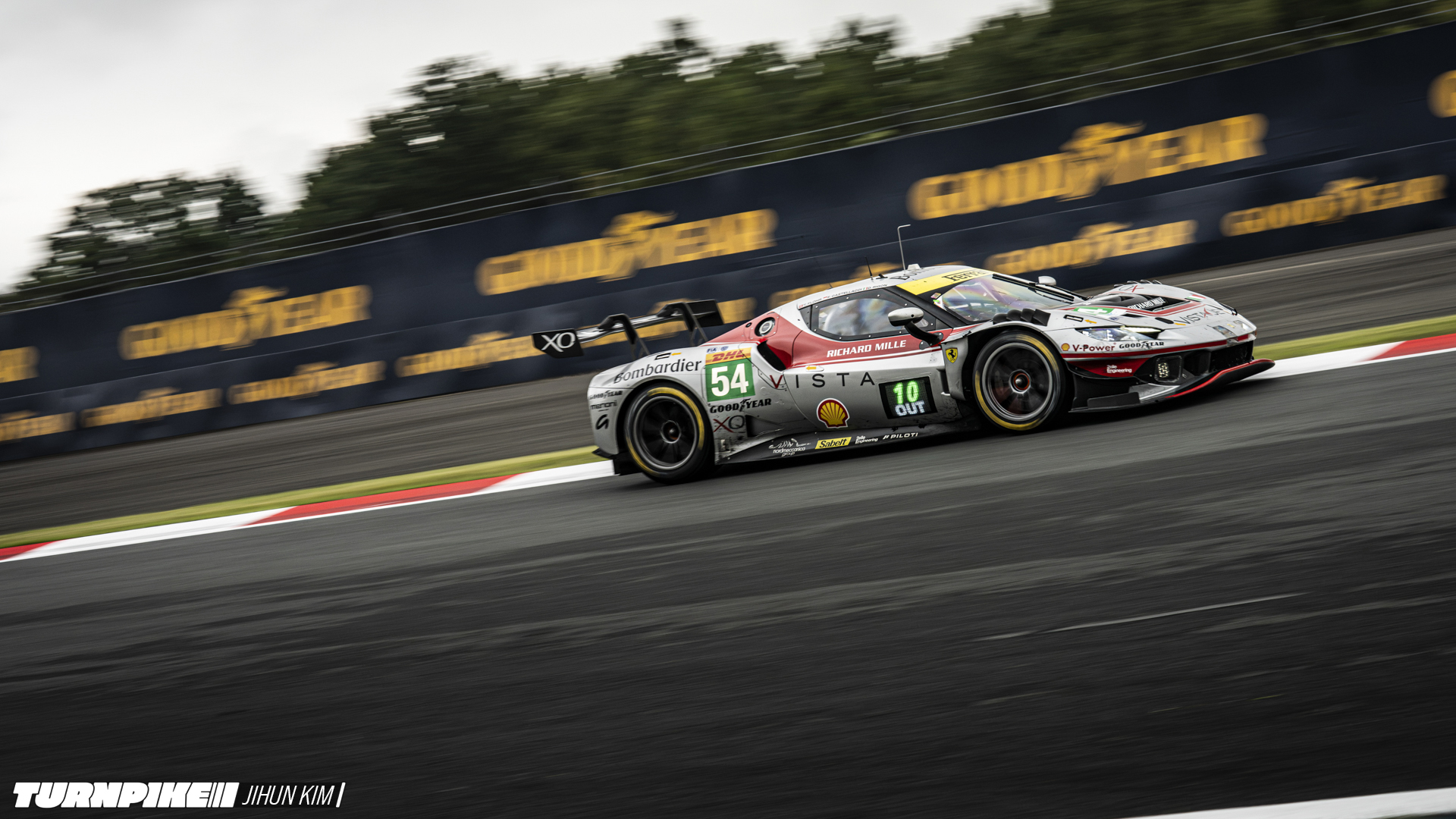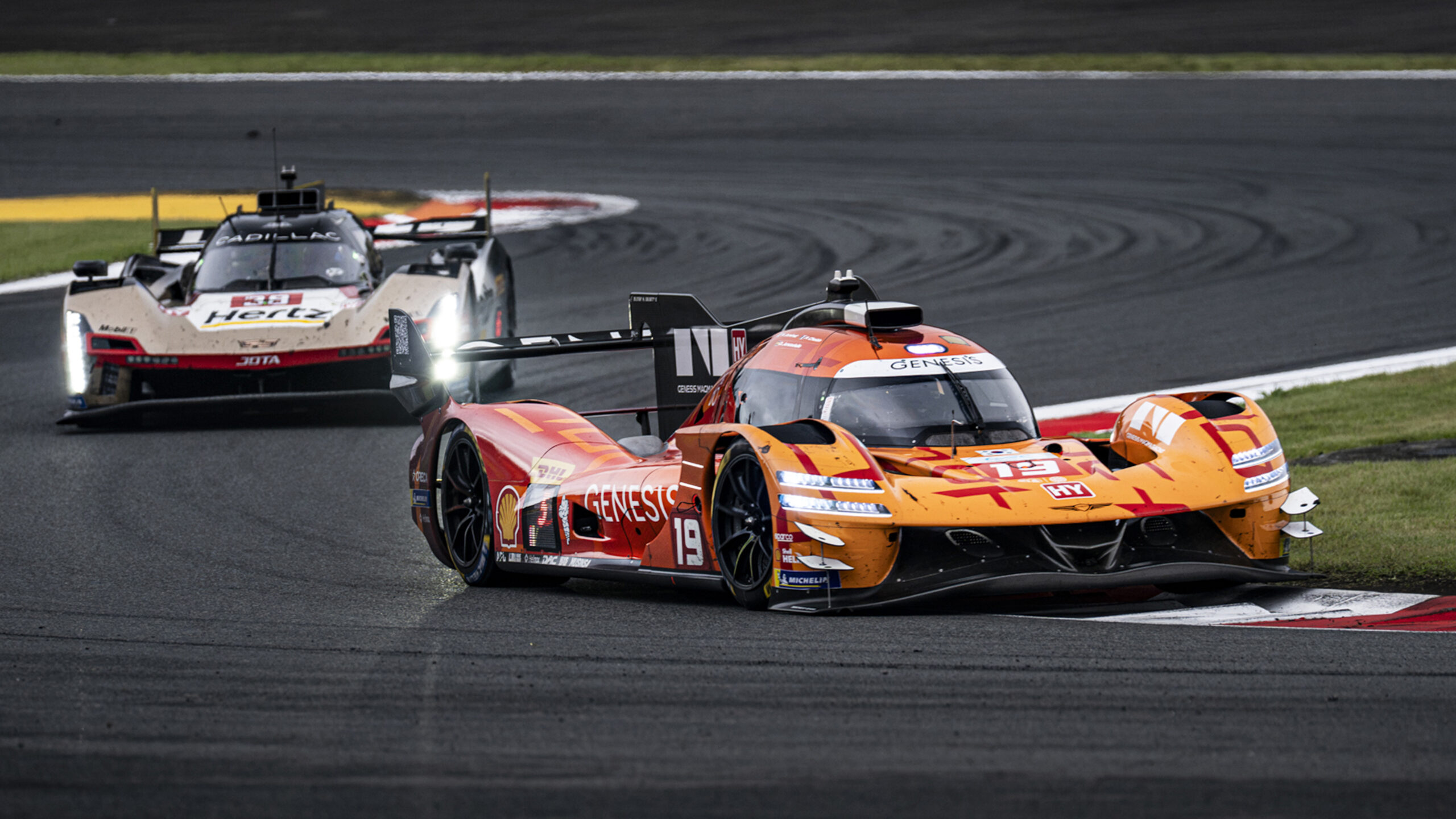
It is a feeling similar to admiration, but a little stranger, to see the world’s most advanced race cars in a place so deeply rooted in Japanese motorsports culture.
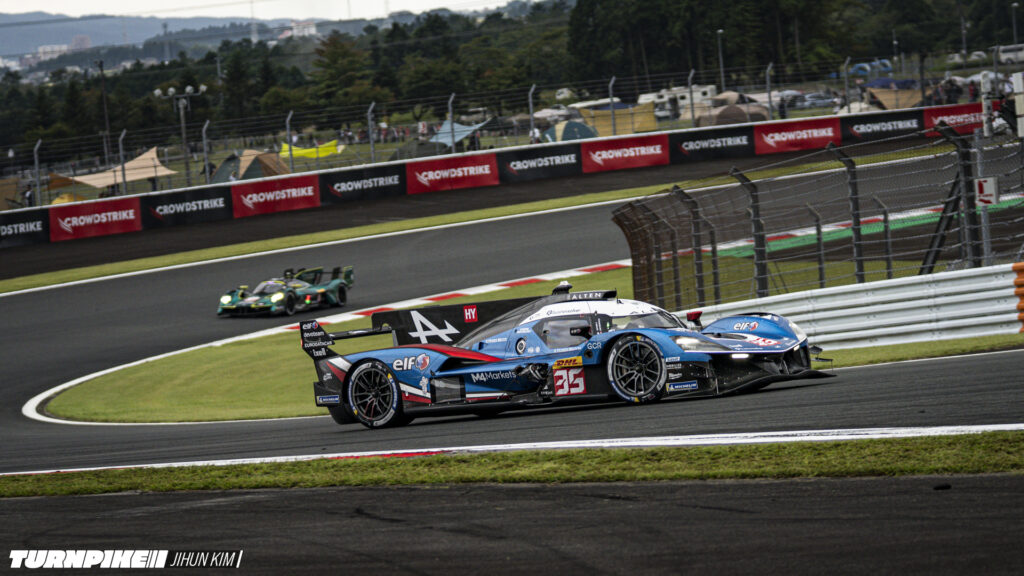
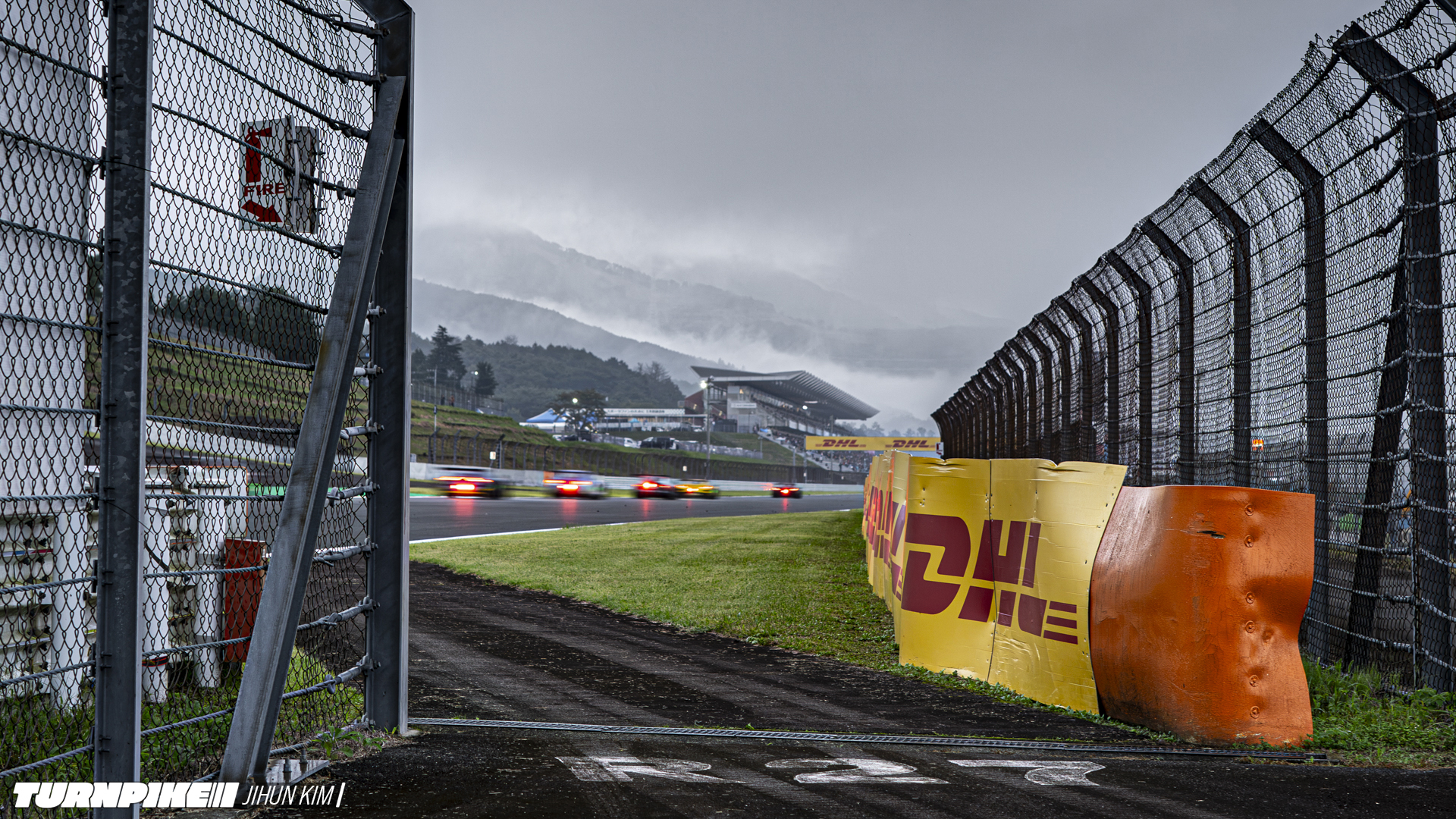
Fuji Speedway carries a weight we enthusiasts admire. Mount Fuji stands right behind the last corner (if you’re lucky, you might see the whole mountain appear), along with a home straight that almost feels endless, and corners with significant names.
Japanese motorsports history gives Fuji Speedway its distinctively domestic atmosphere even before the drivers start their engines. When the FIA World Endurance Championship (WEC) arrives, that sense of identity expands onto an international stage, while Japan’s character remains unmistakable.
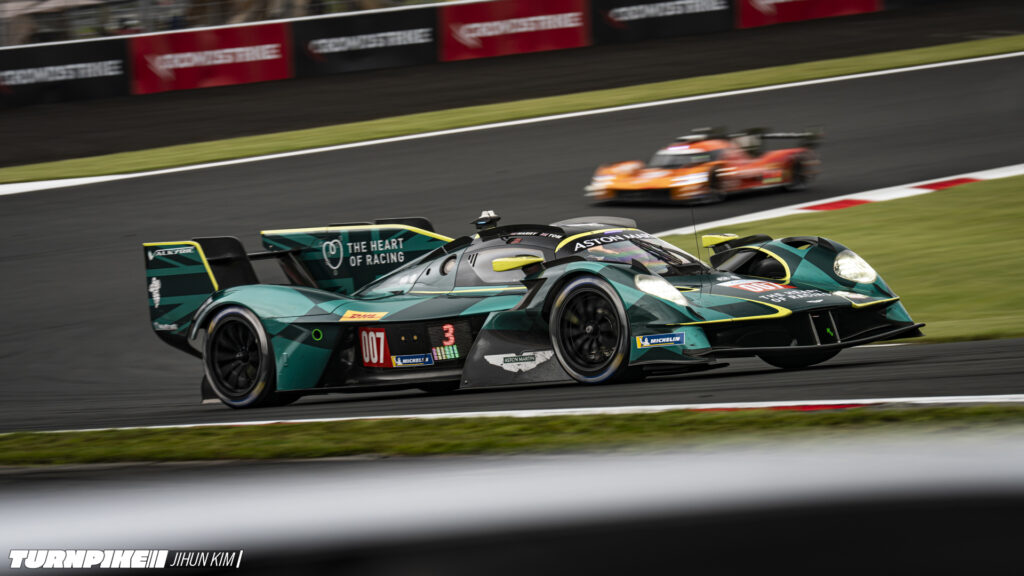
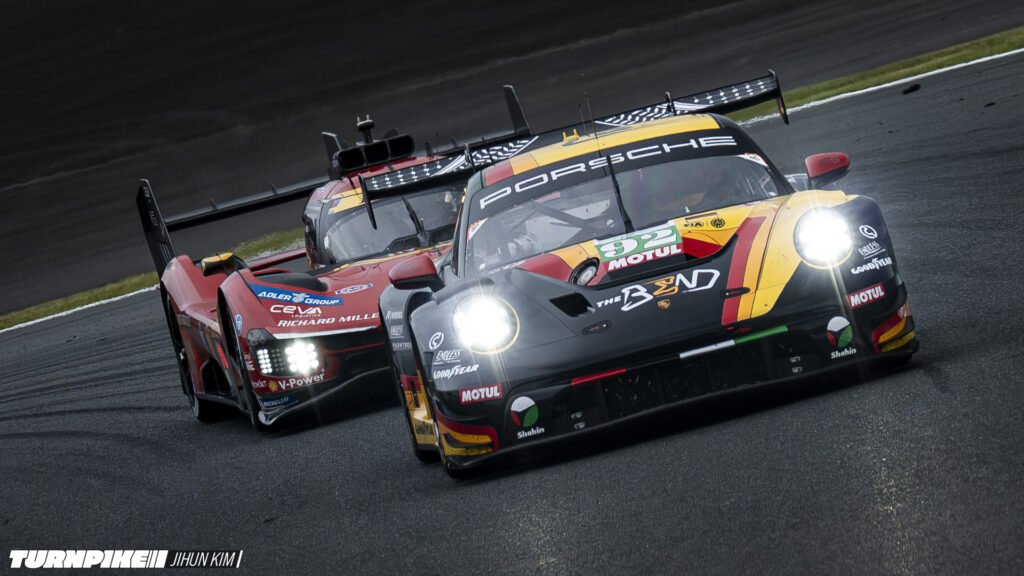
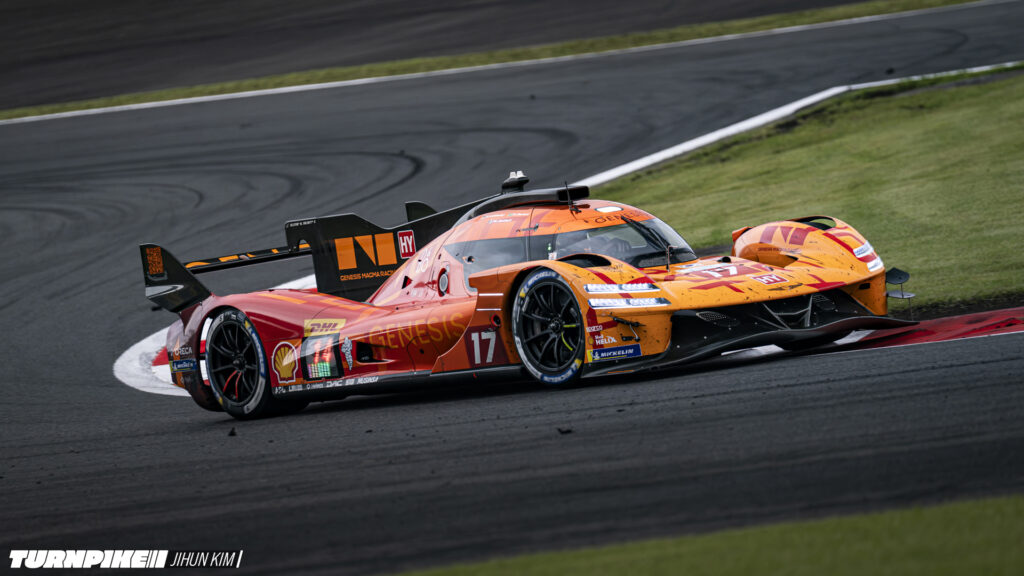
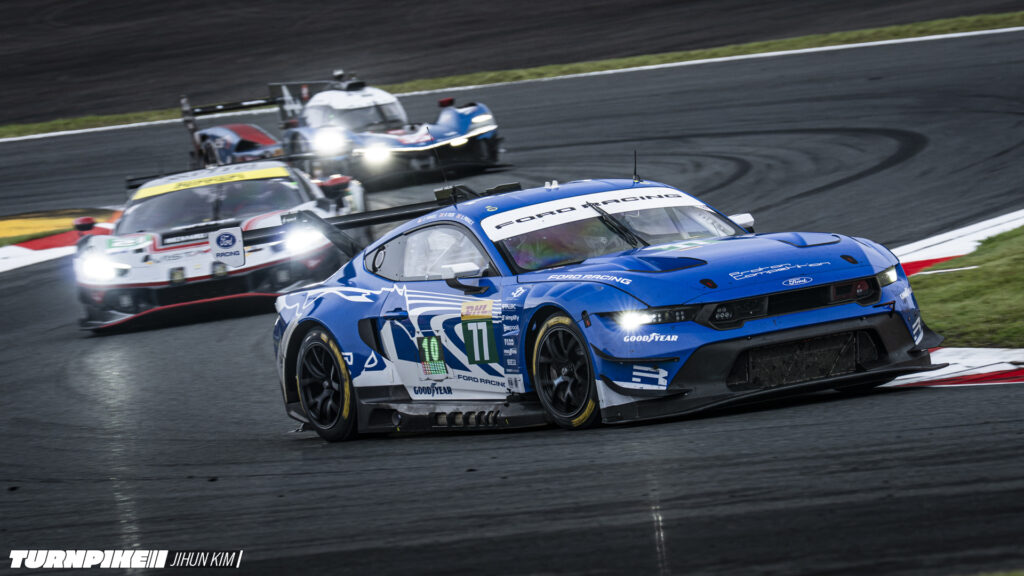
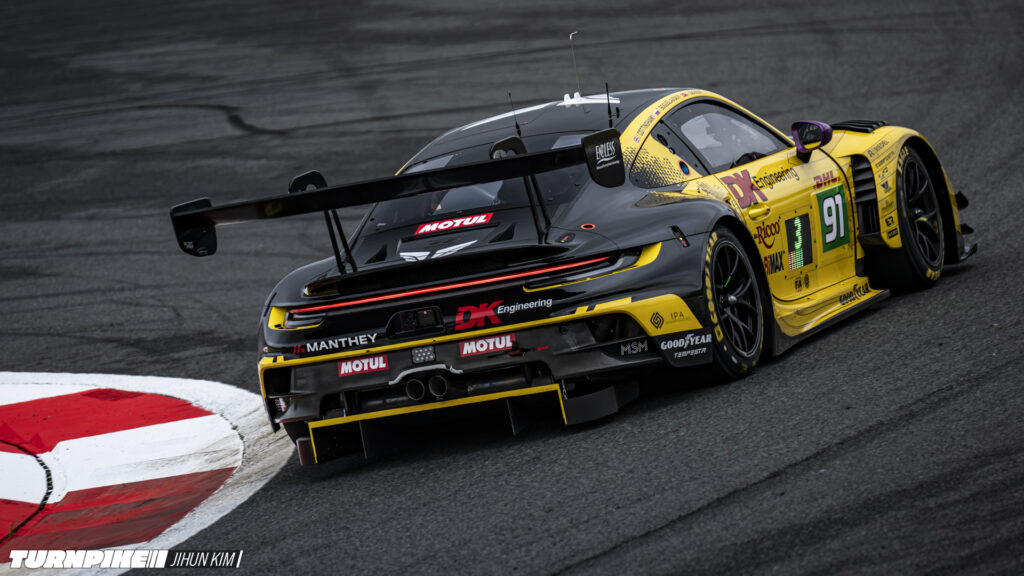
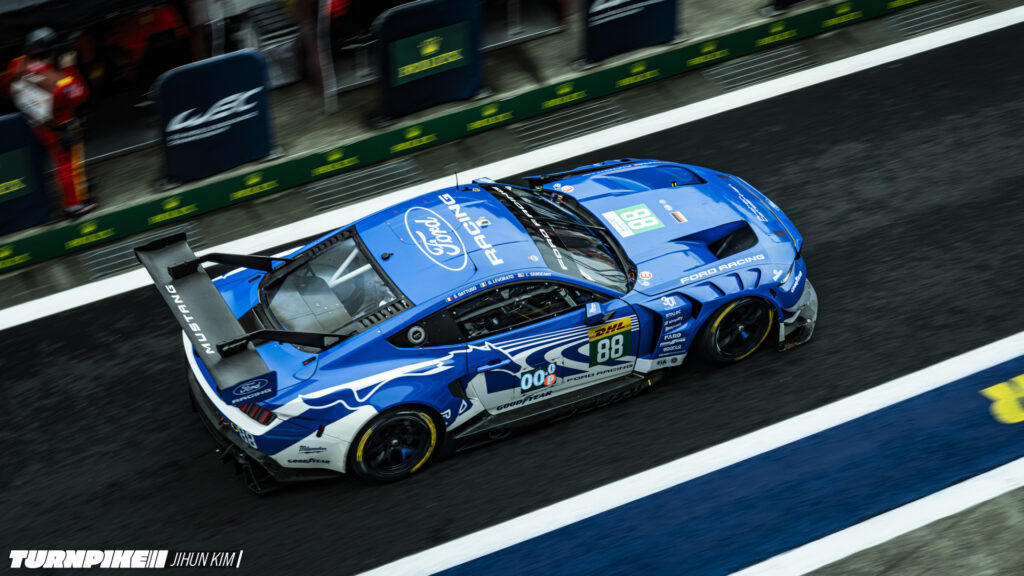
Come the 6 Hours of Fuji weekend, the paddock is filled with languages from all around the world. Engineers scurry between garages and storage areas, while team kei trucks, filled with wheels and tires, speed through the narrow pathways. Fans carry cameras and foldable chairs to witness motorsports history, along with bags full of gifts they collected around the booths. Some hobby photographers lean against the metal fences to capture the spectacle as closely as they can. And when everything falls into place, the race begins with the Japanese national anthem.
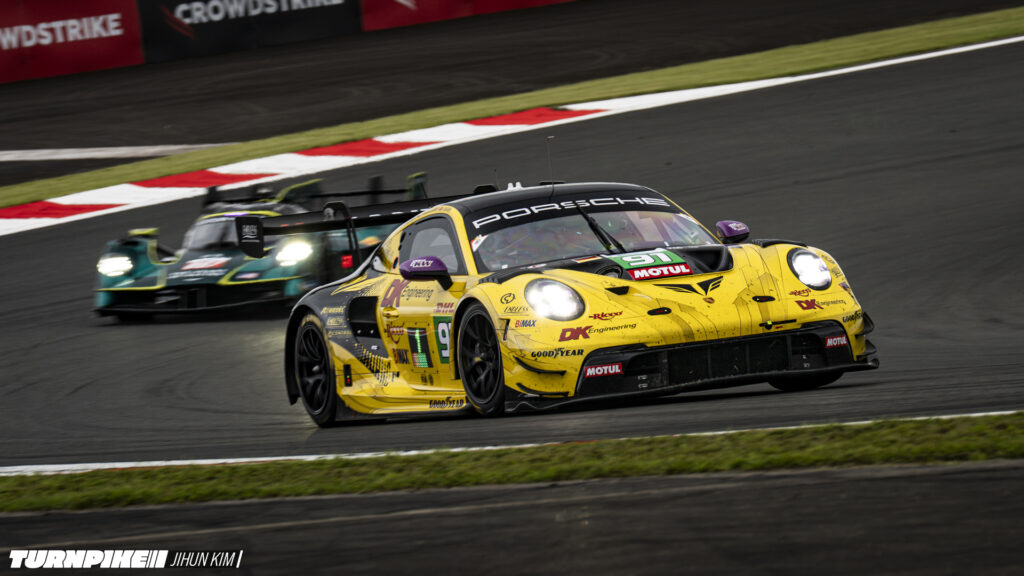
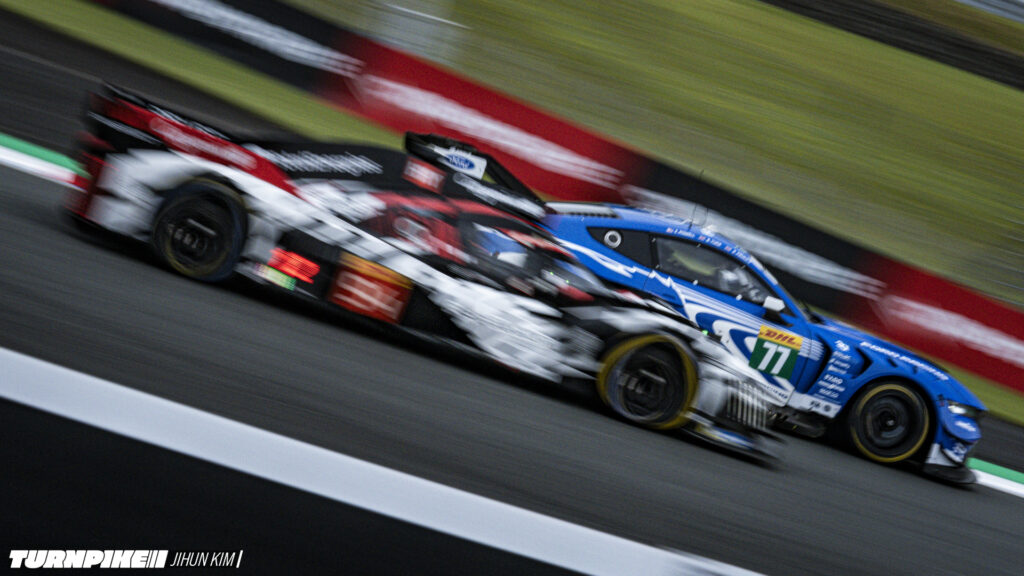
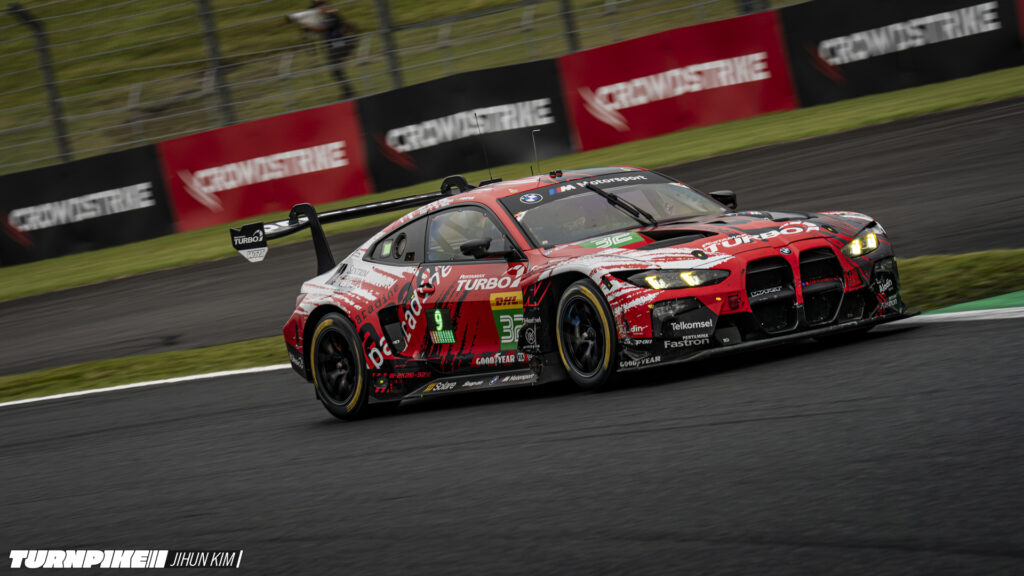
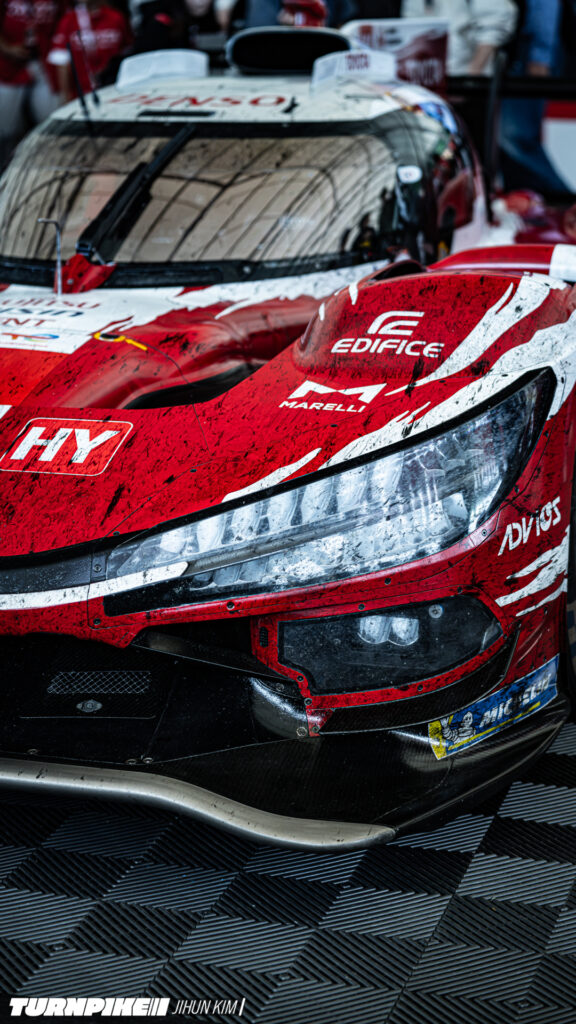
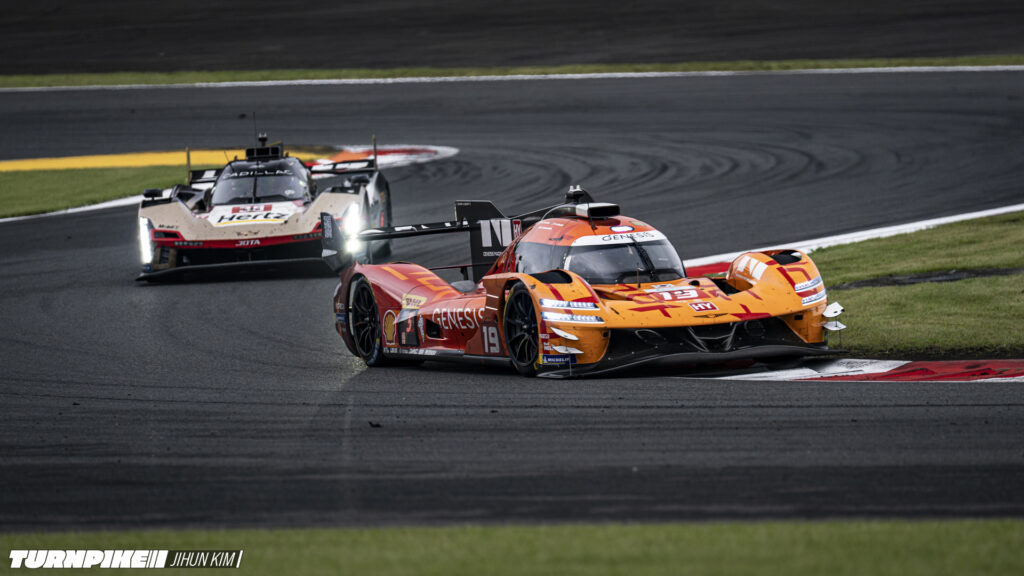
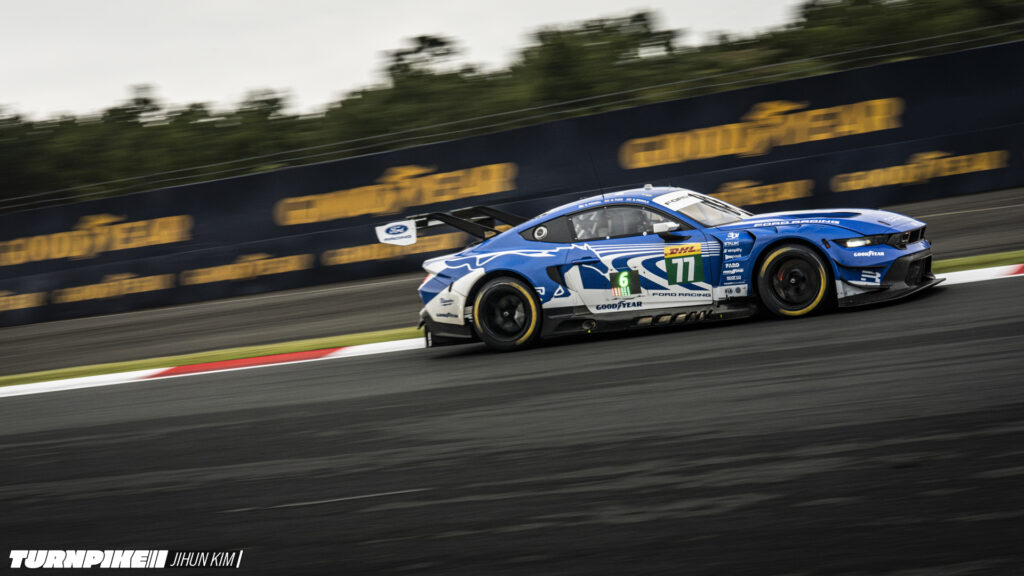
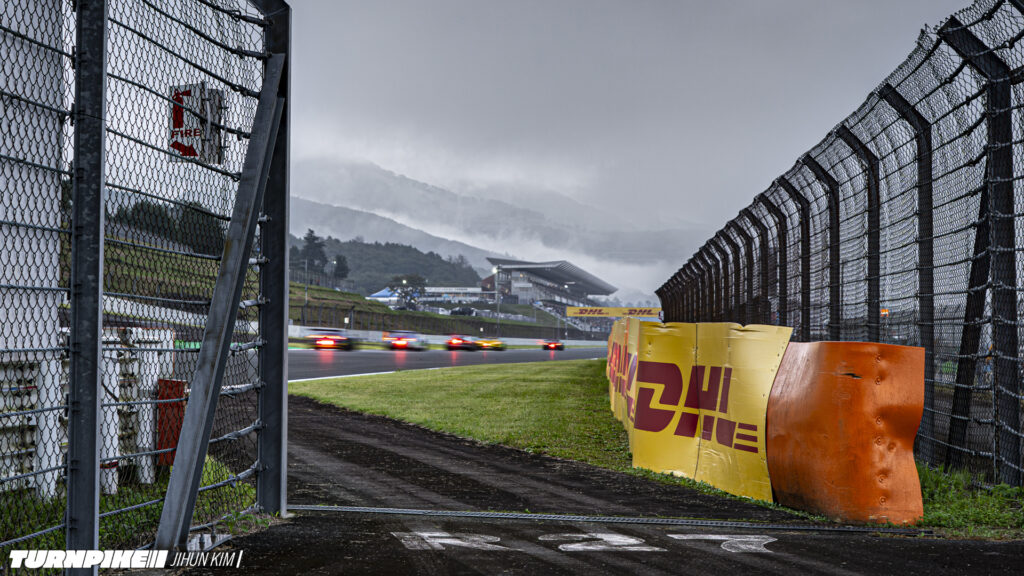
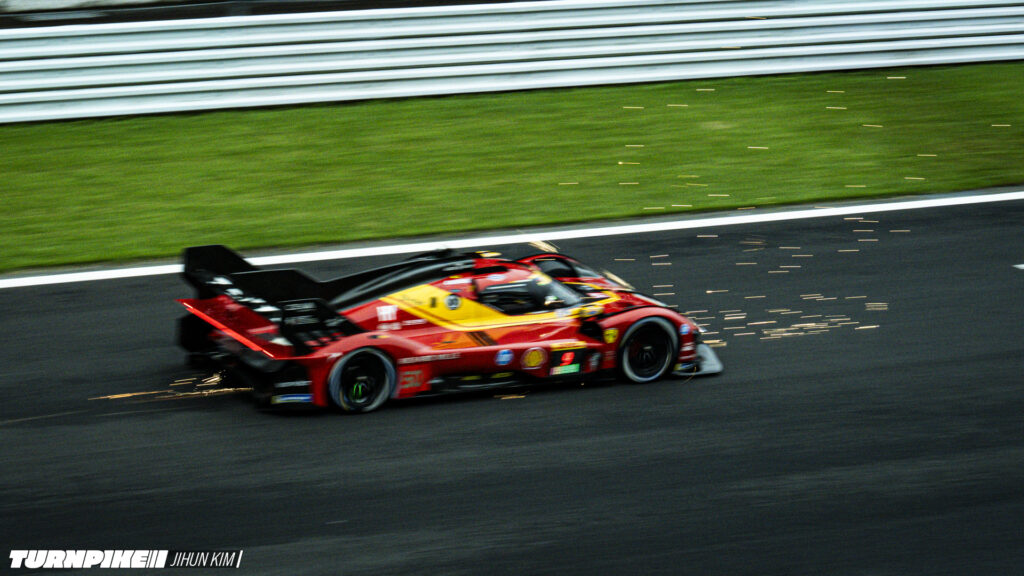
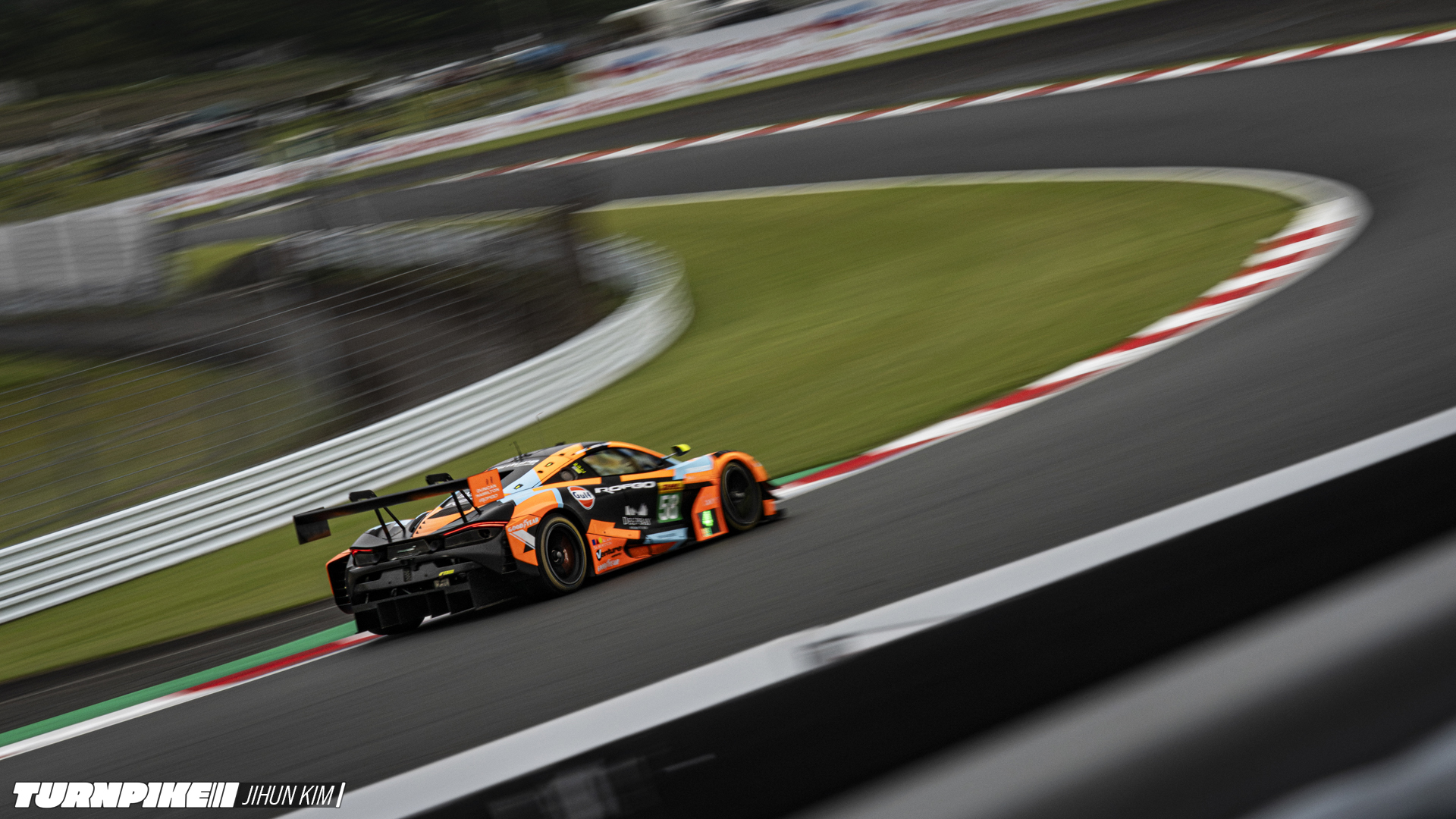
Watching WEC on a screen is nothing compared with watching it trackside. You can feel the Le Mans and GT3 race cars even without hearing them, with every other sense you have in your body.
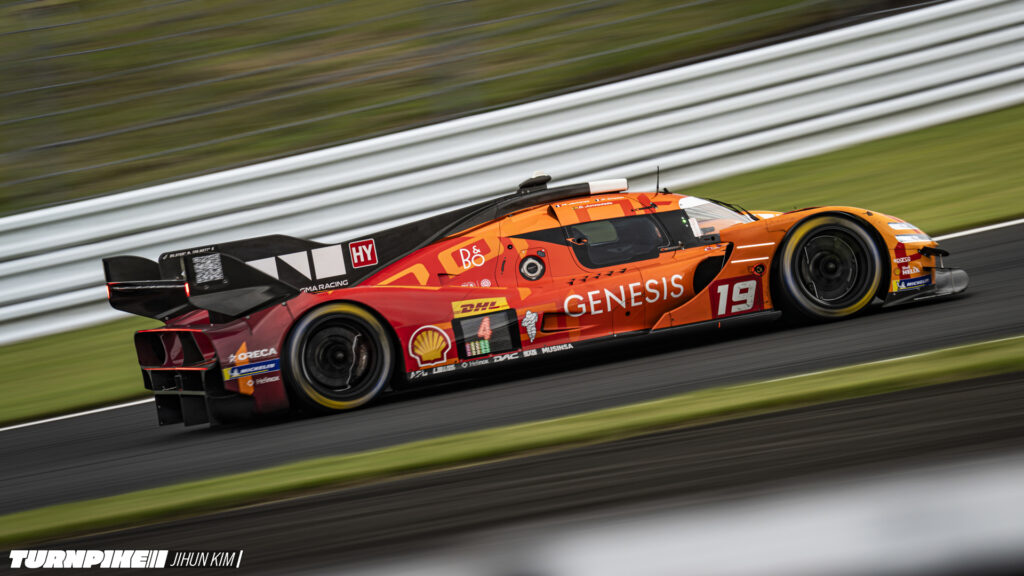
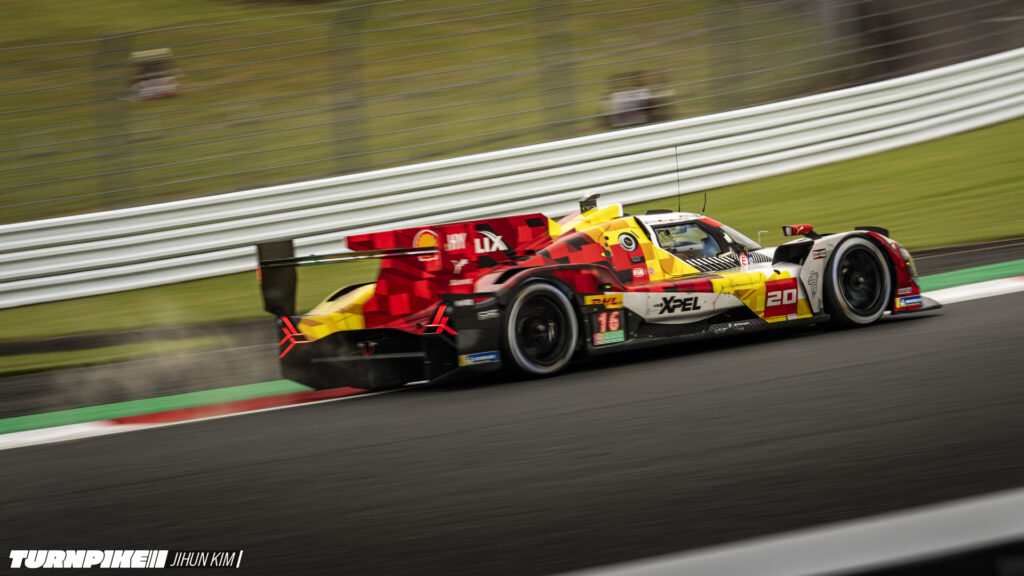
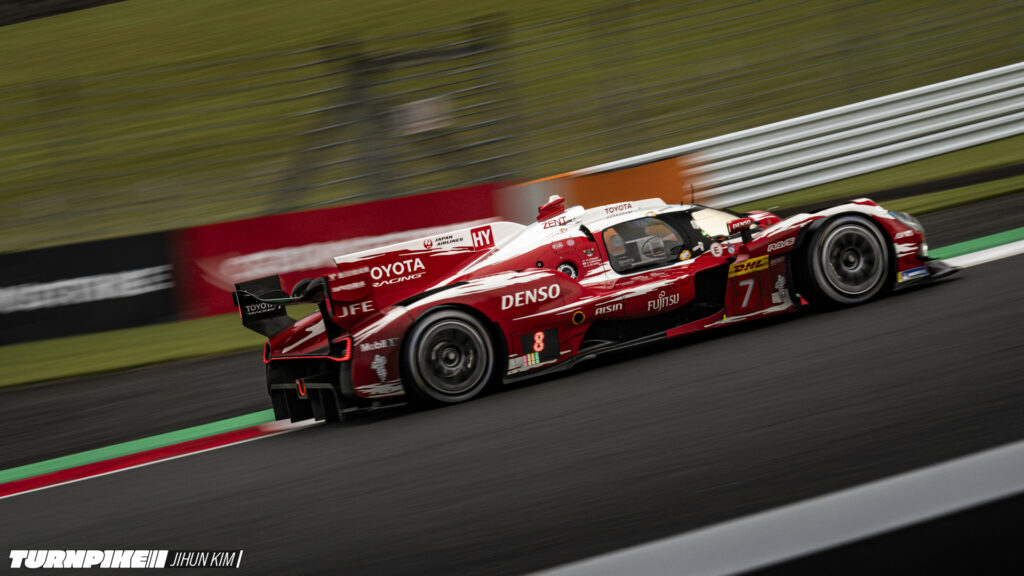
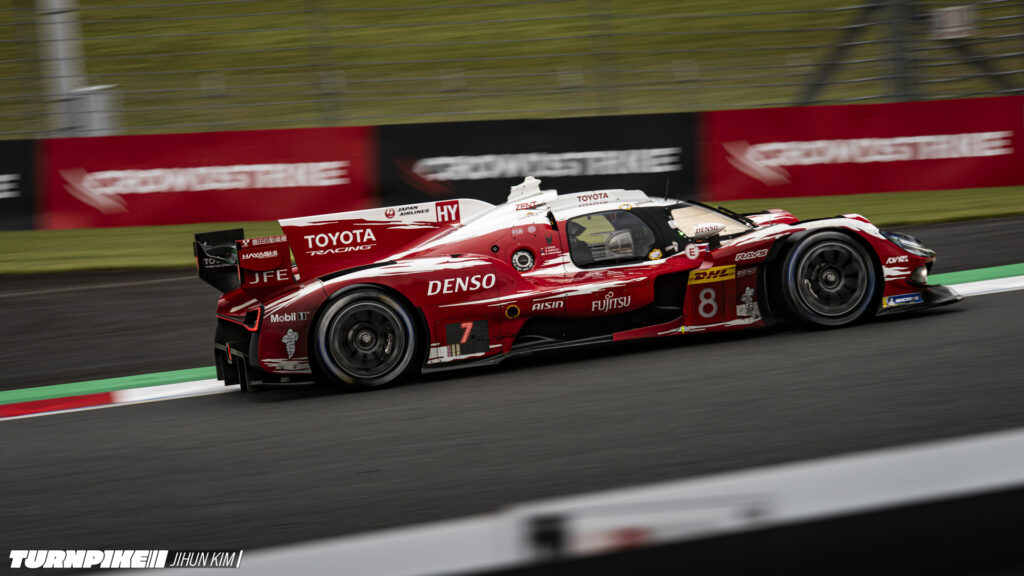
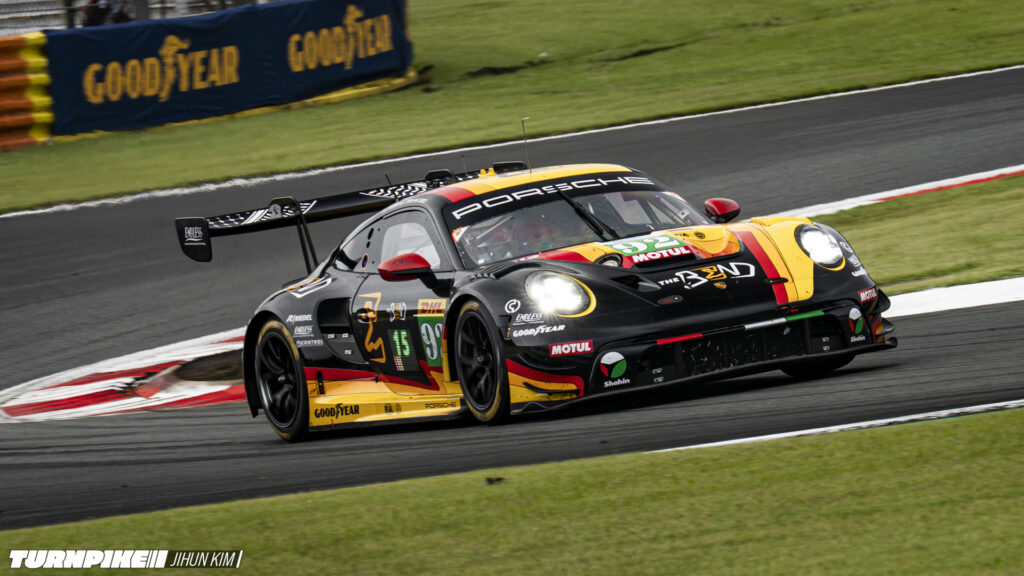
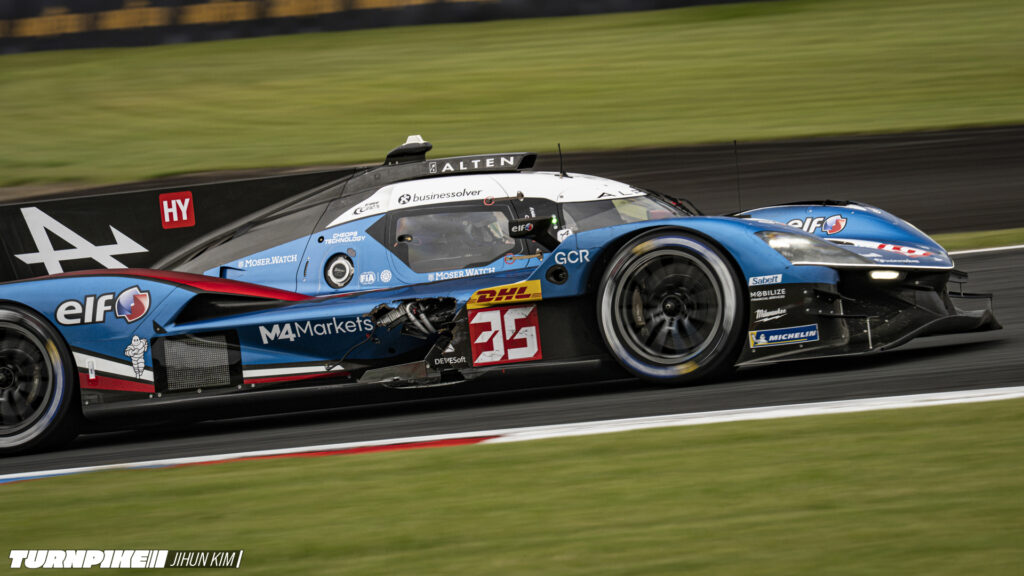
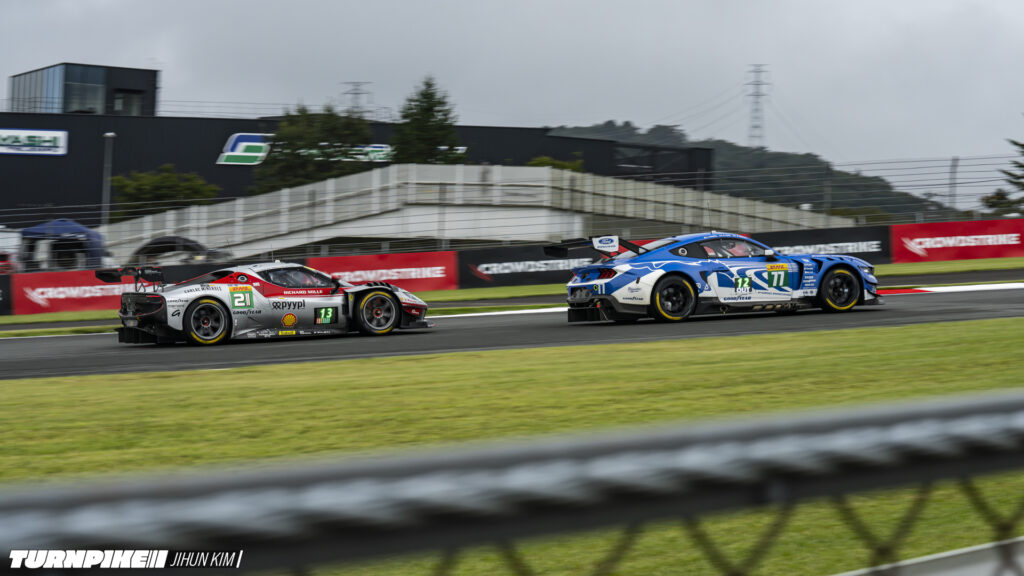
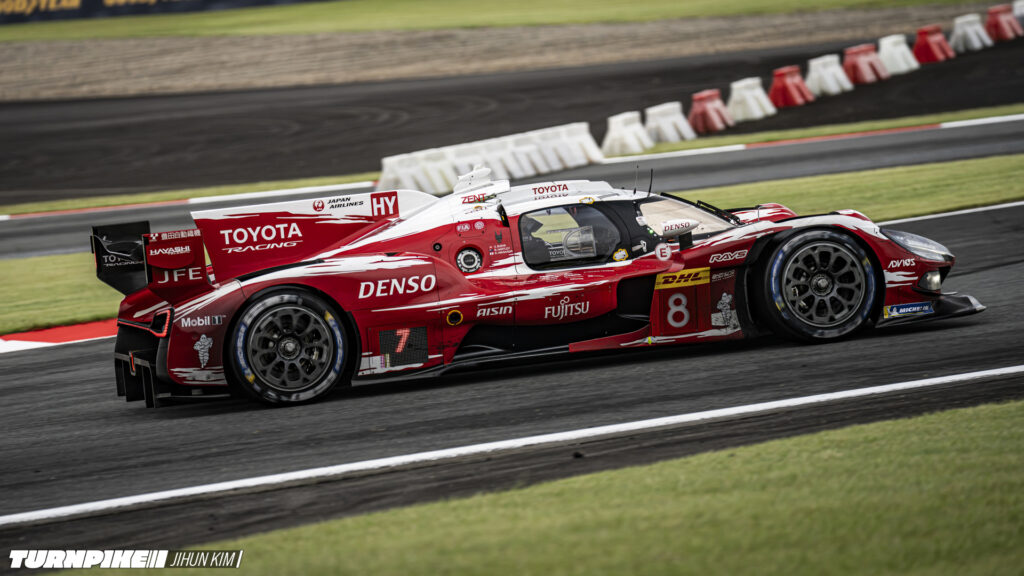
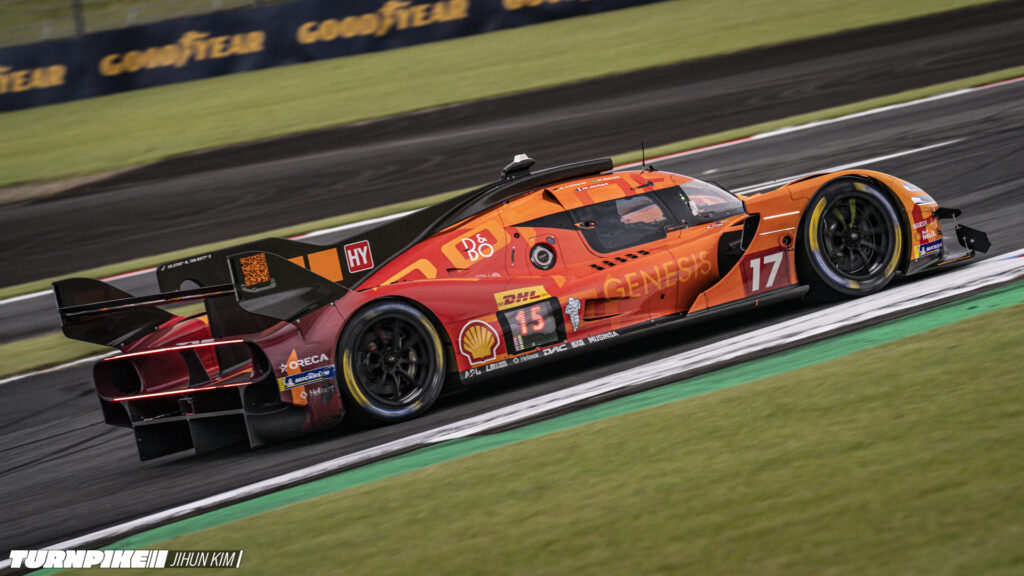
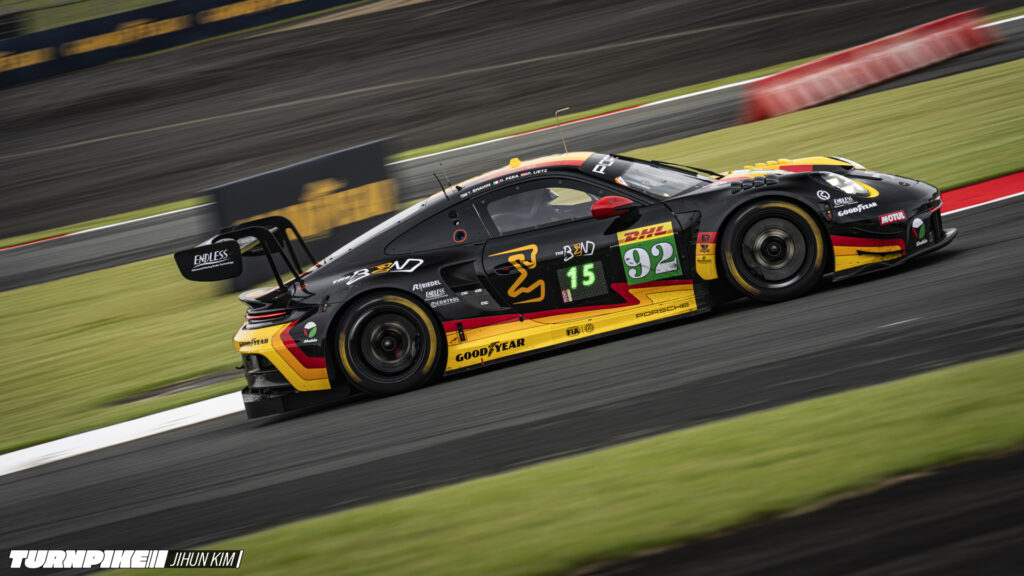
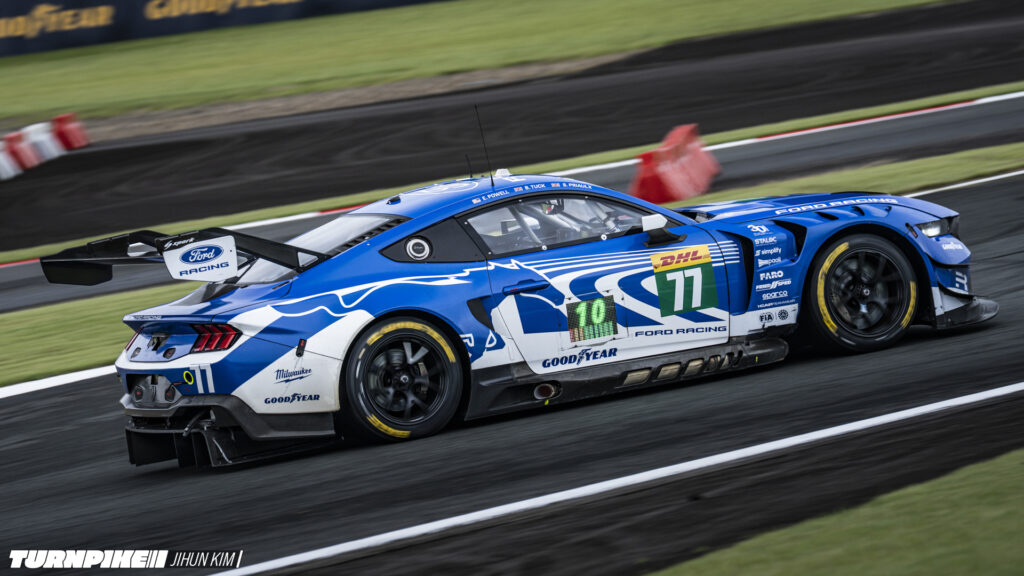
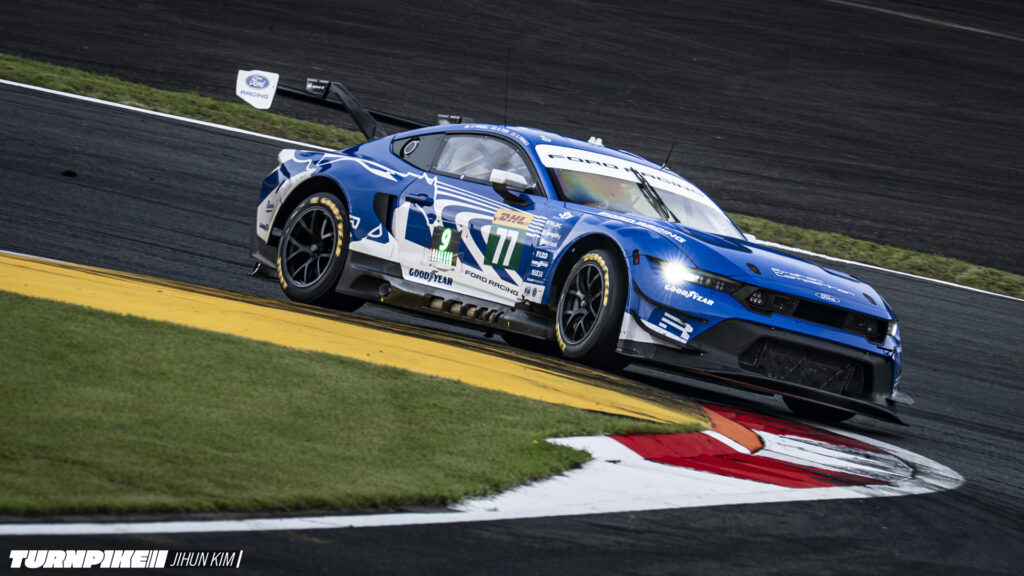
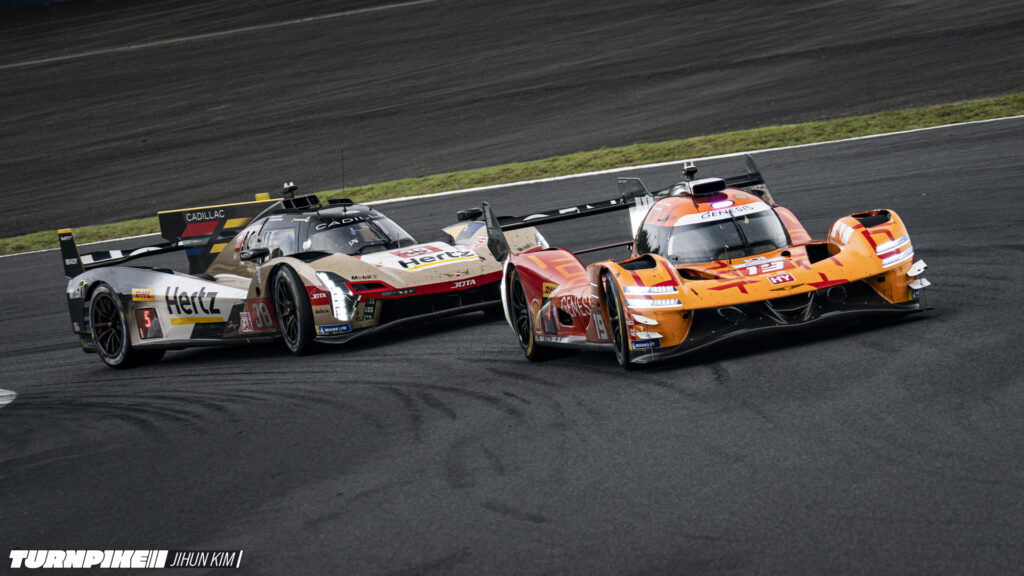
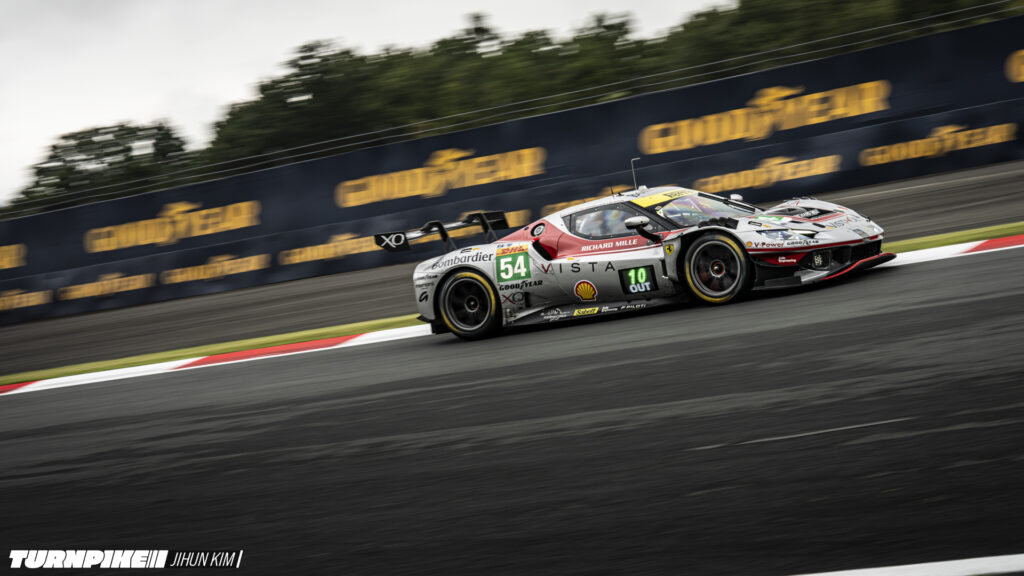
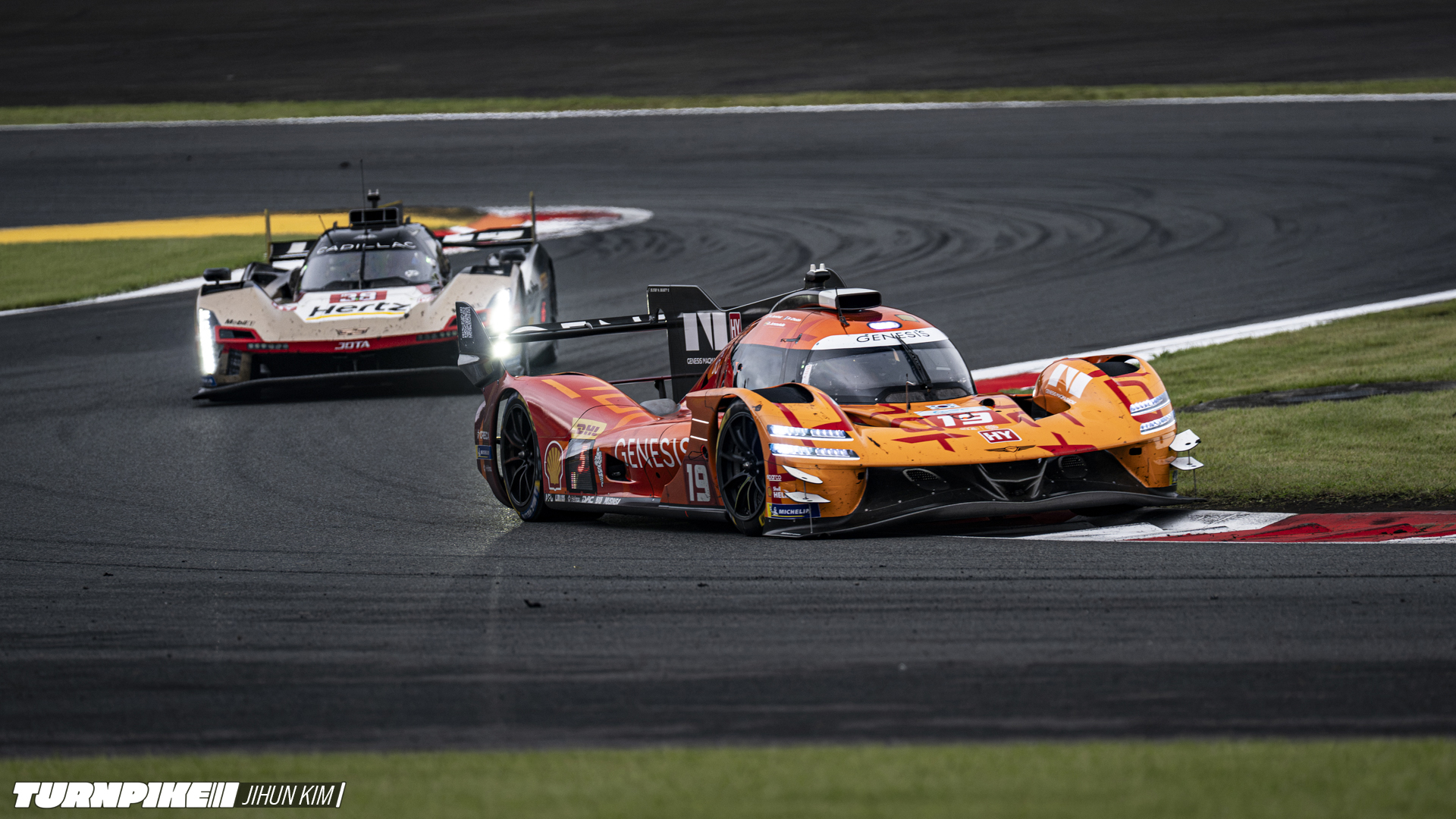
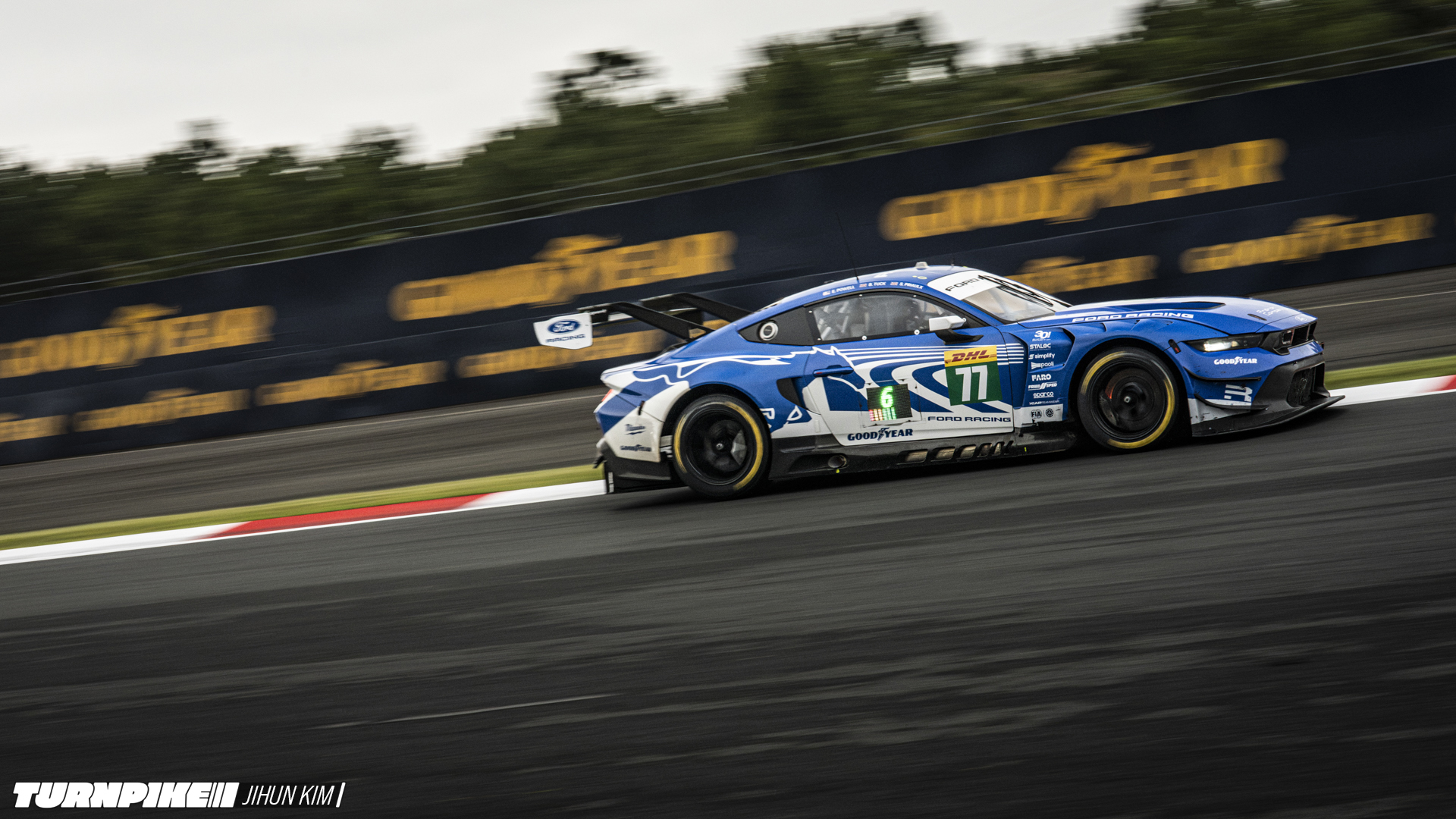
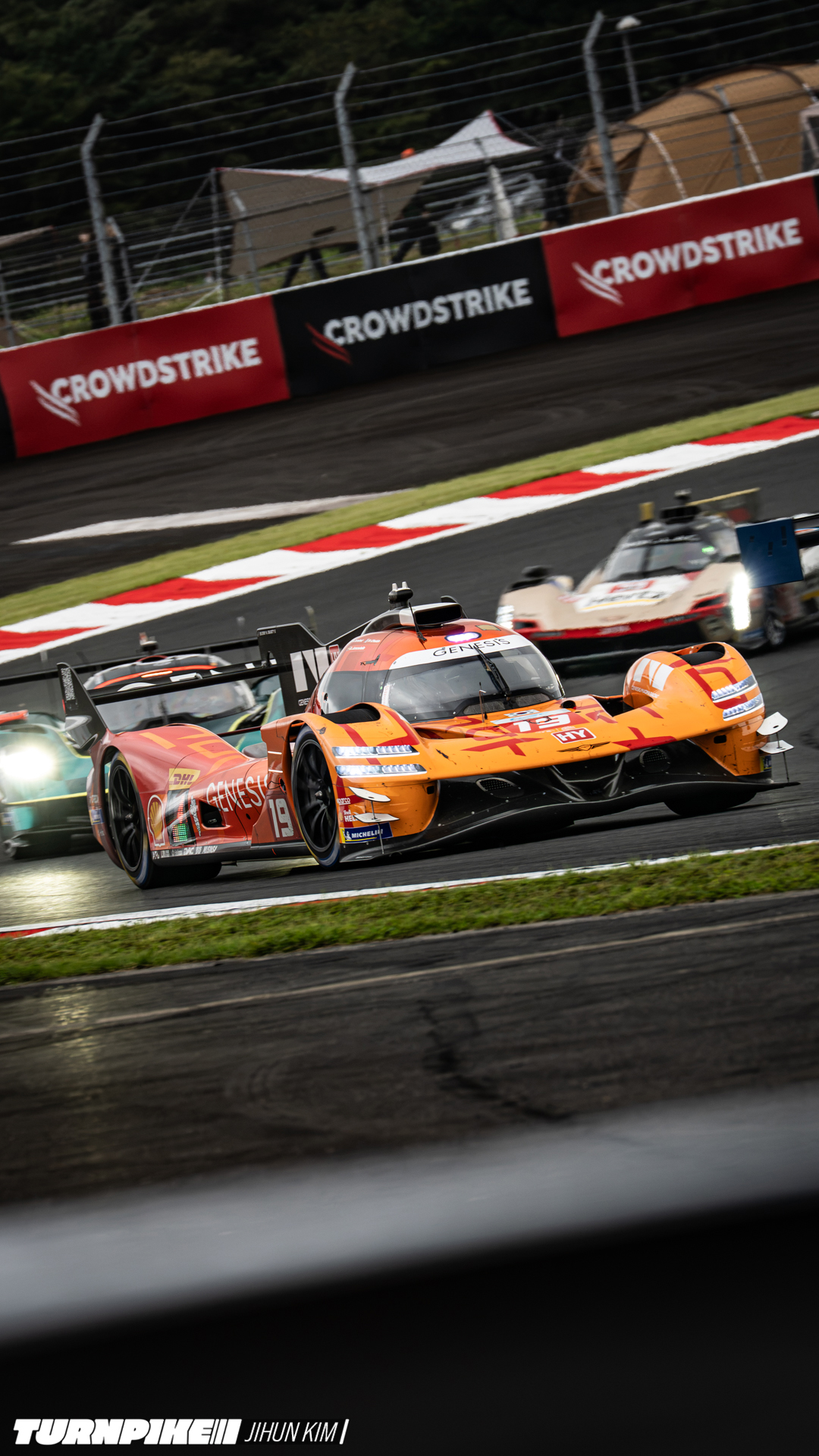
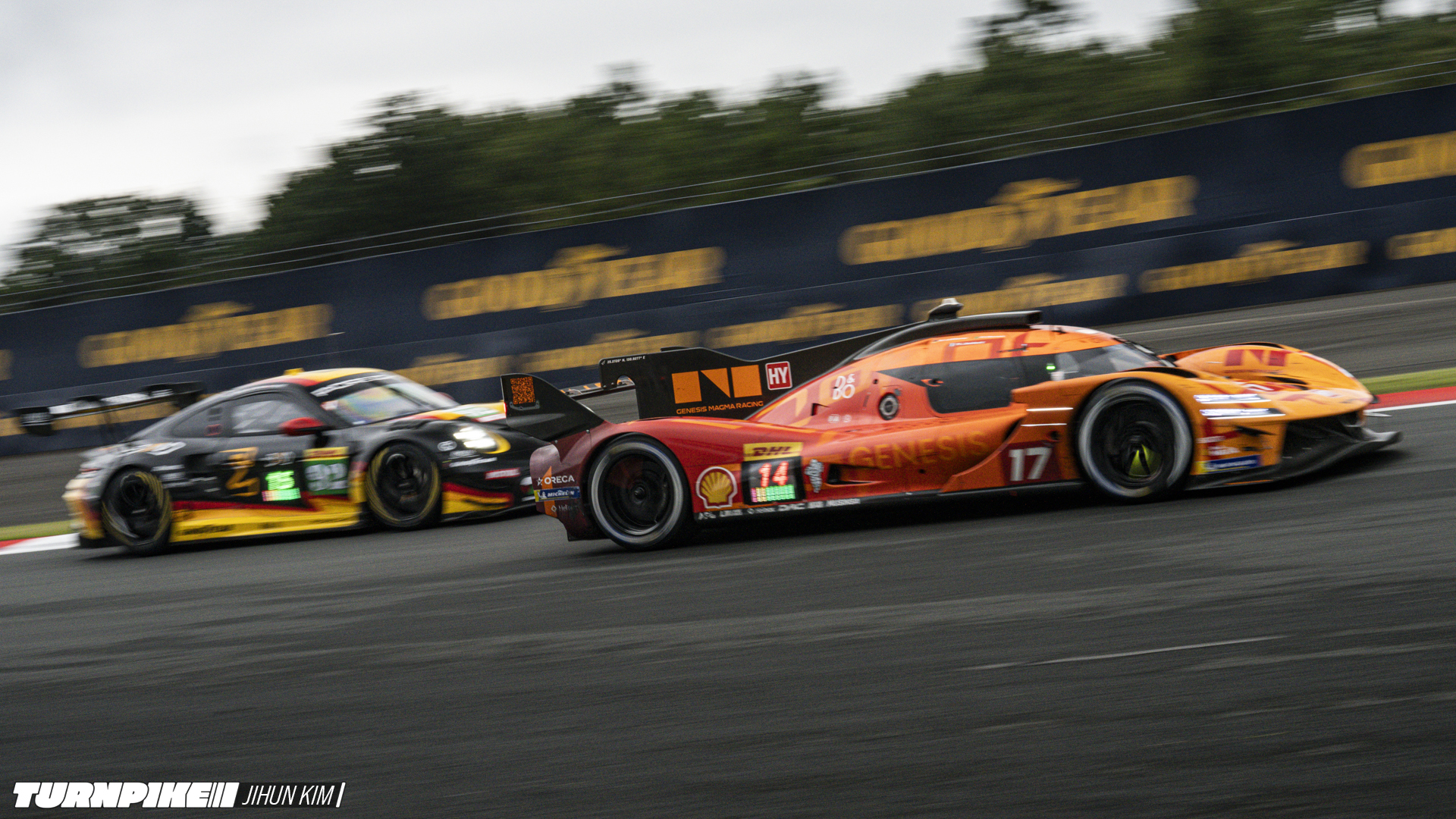
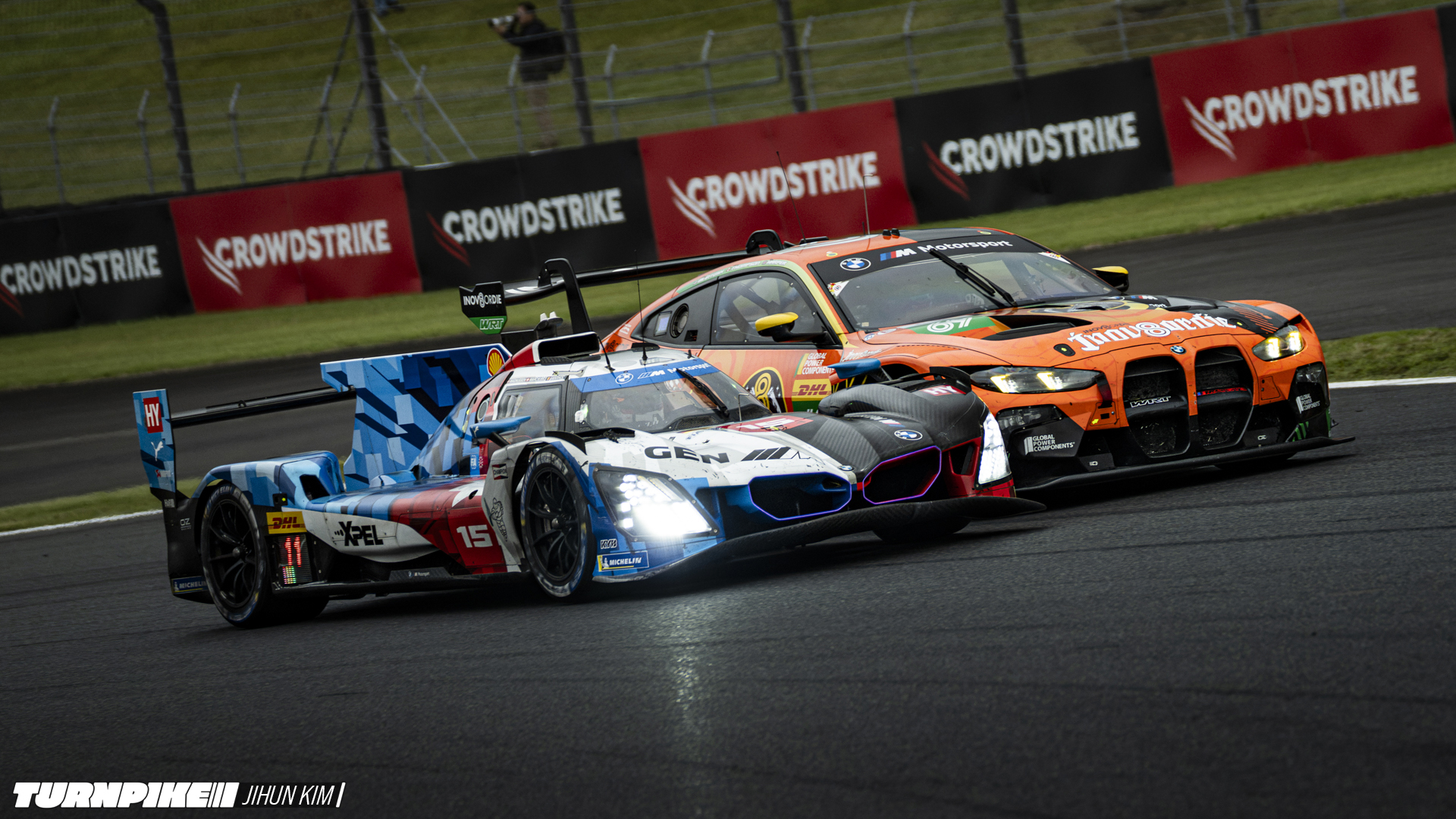
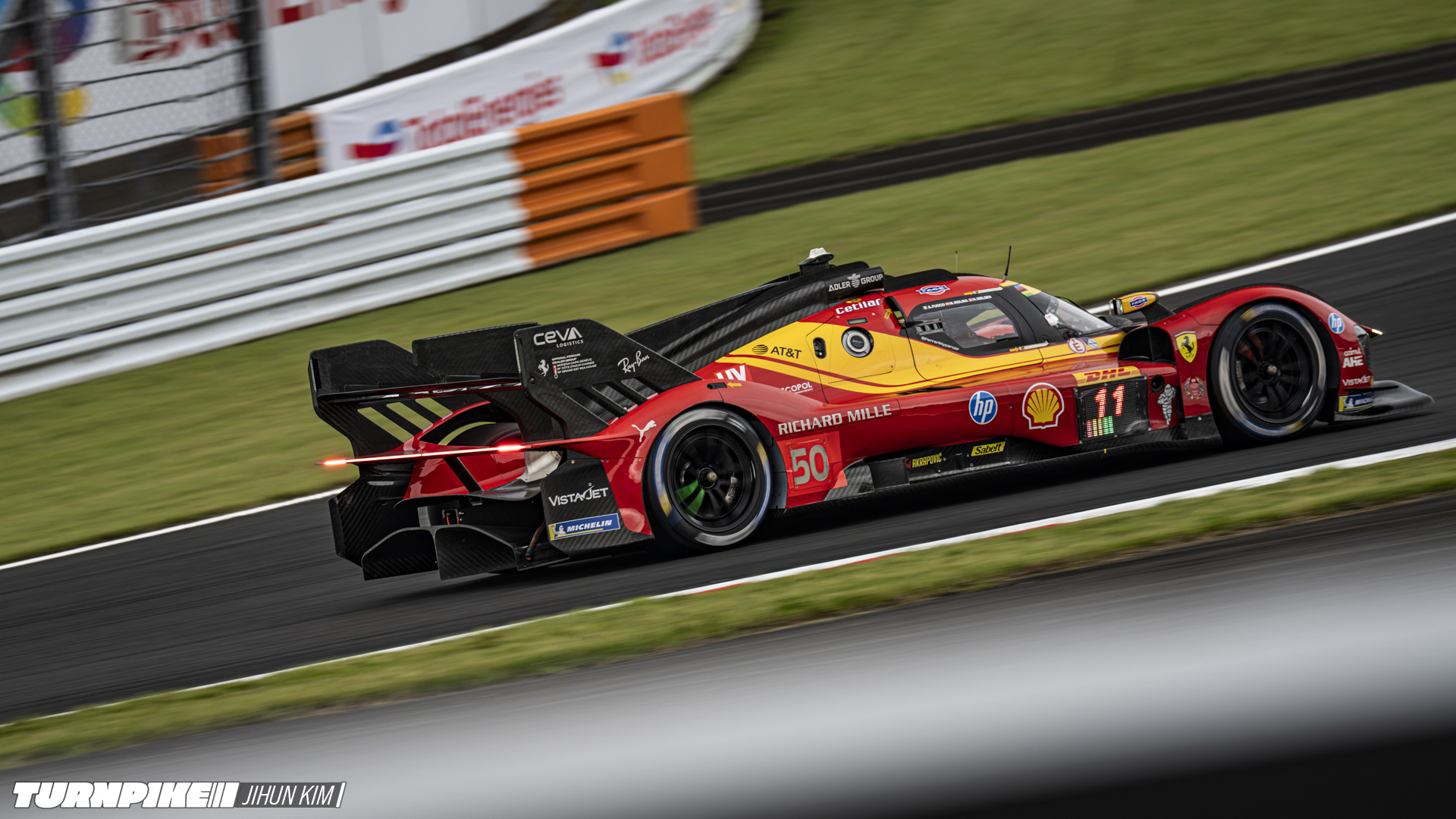
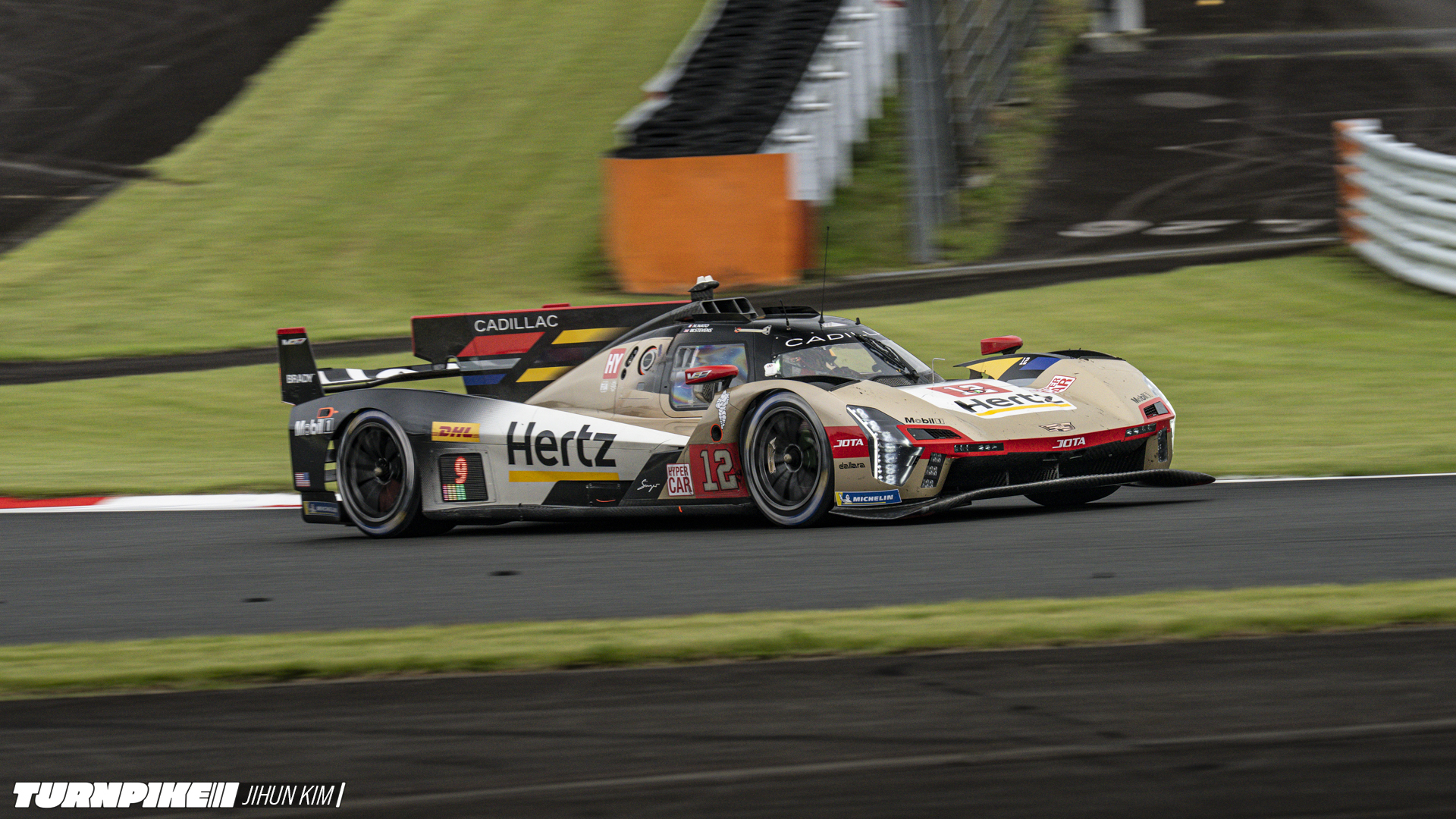
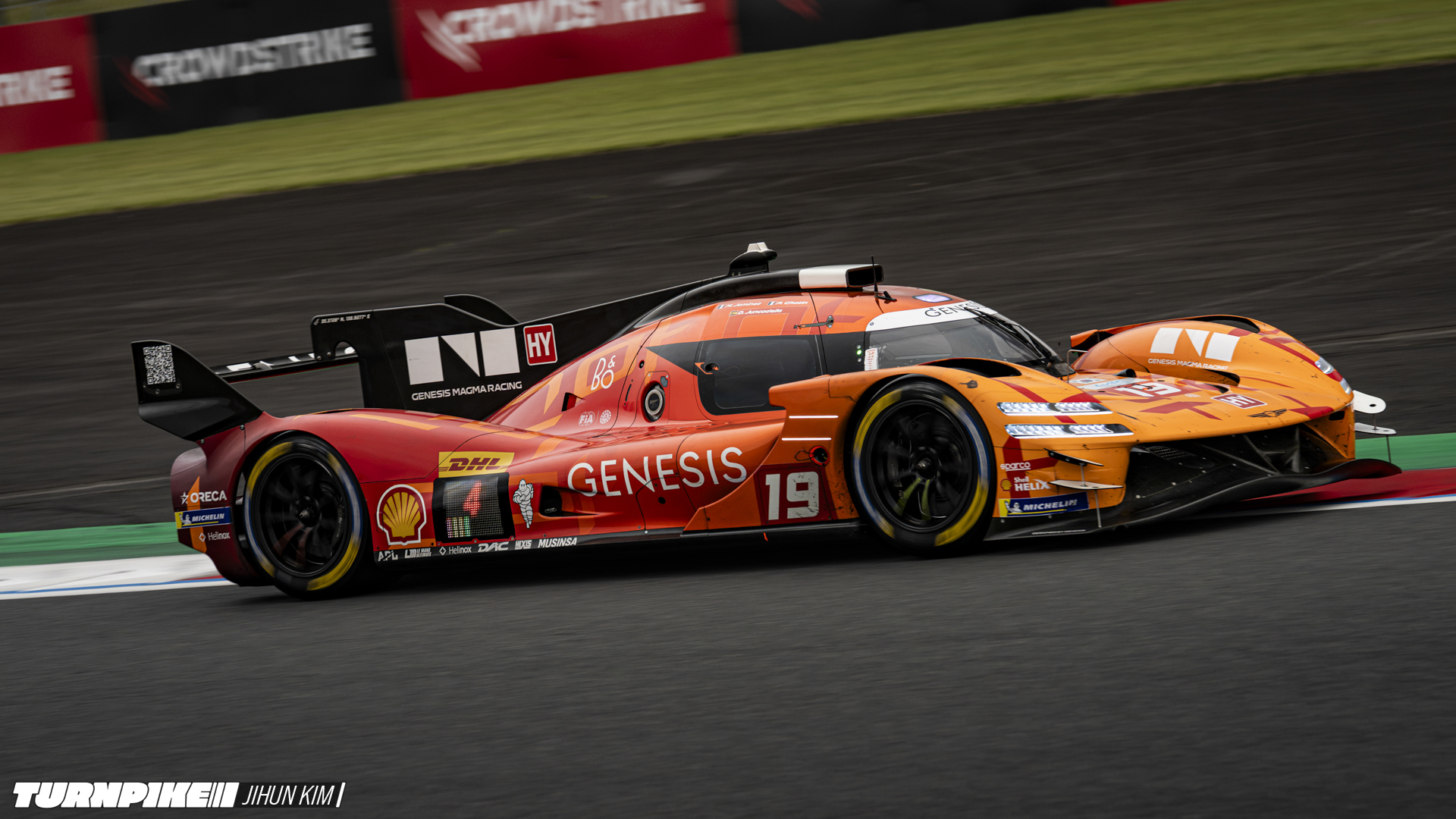
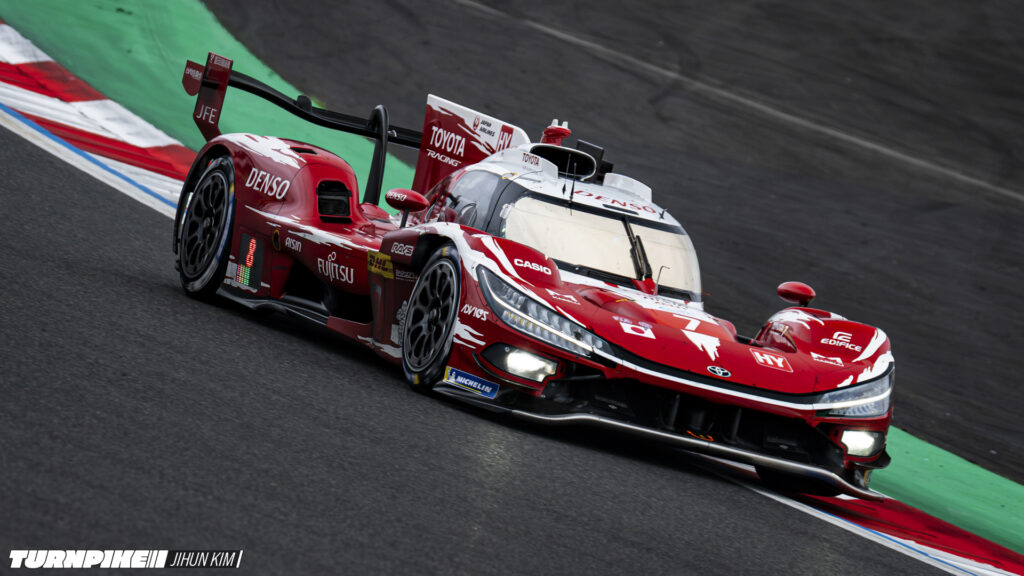
You feel vibrations through the ground and fences, and warm air rushes toward you after a car leaves the apex of a corner. After that one sequence, multiple individual race cars appear: Cadillac, Porsche, Toyota, Ferrari, BMW, Alpine, and even Genesis this season. Completely different machines all share the same asphalt.
That diversity is what makes WEC so interesting. It is also one of the few series where different ideas and philosophies about what a race car should be can coexist side by side.
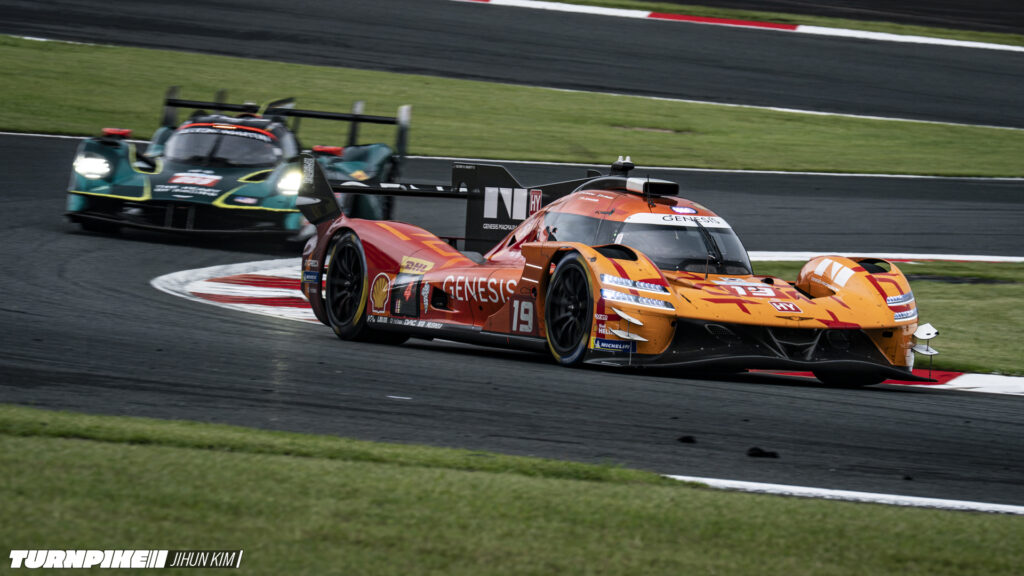
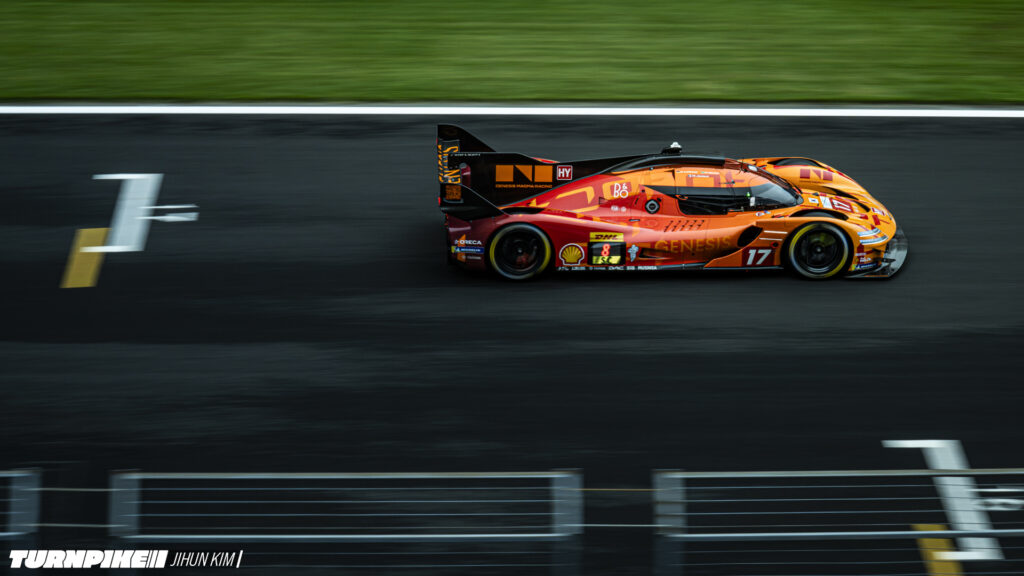
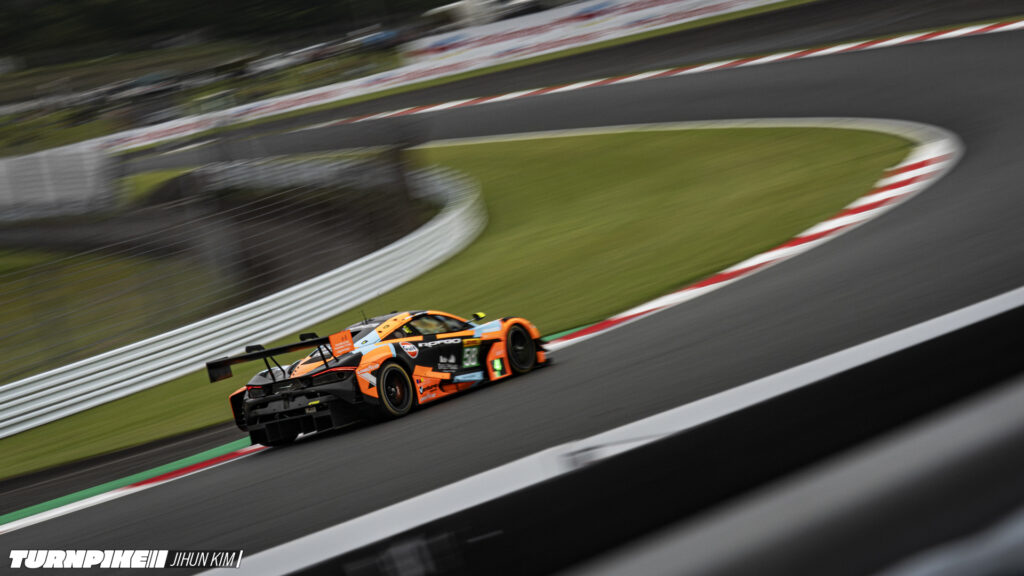
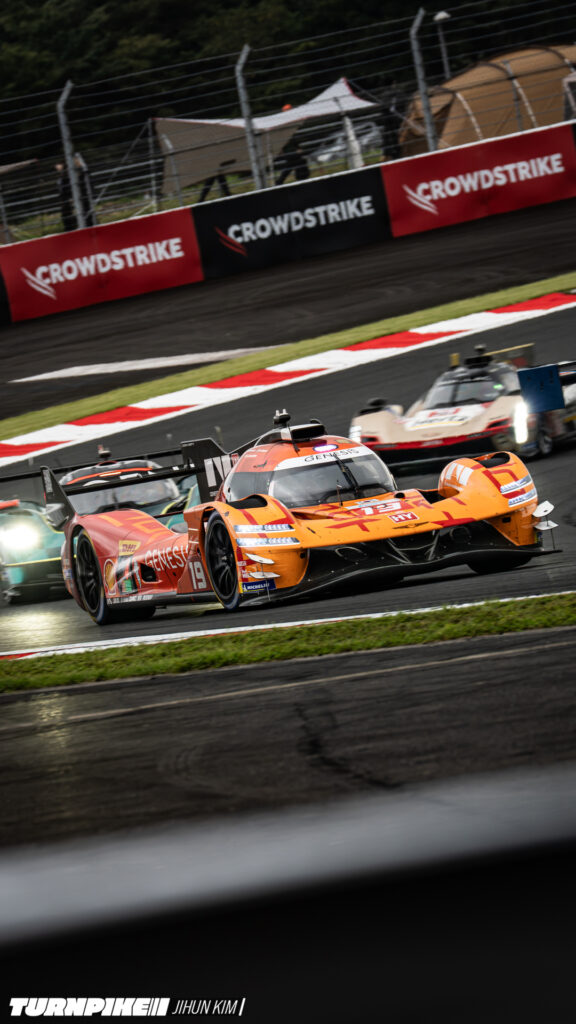
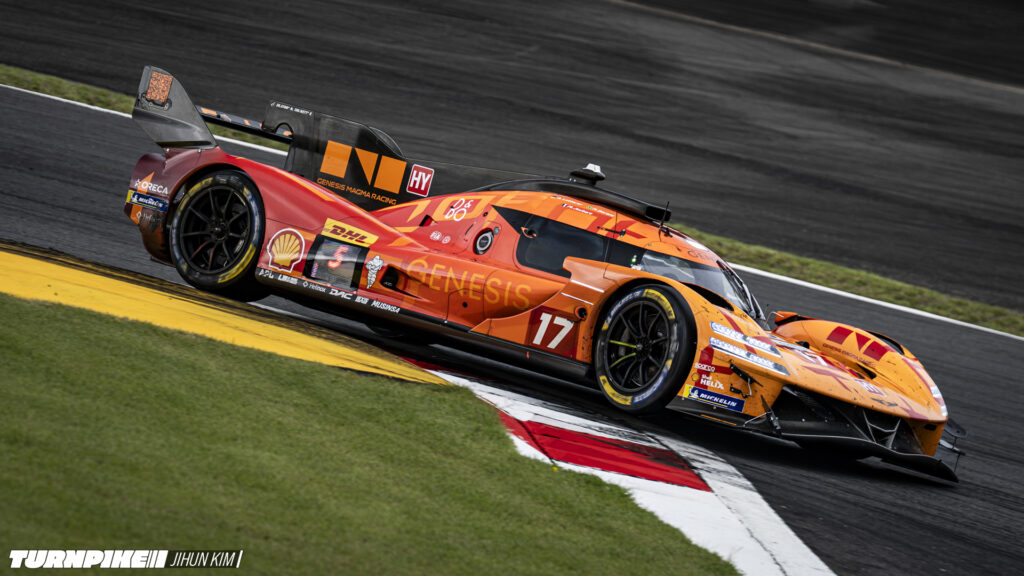
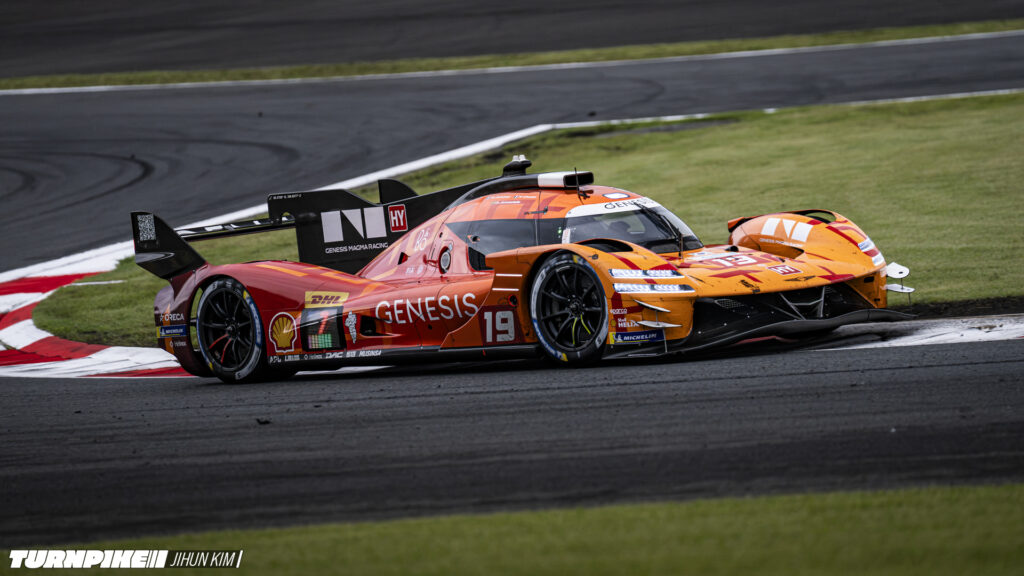
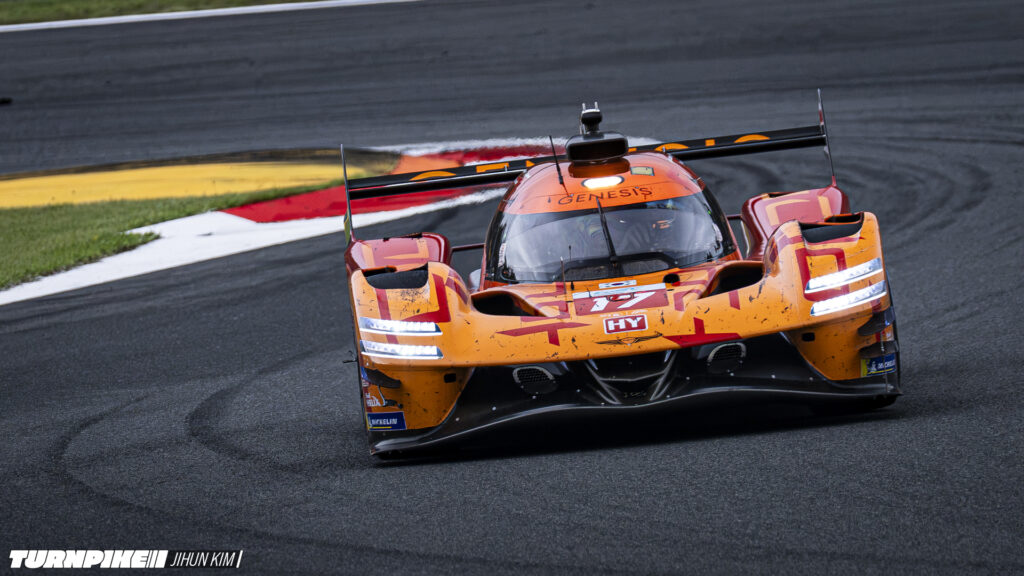
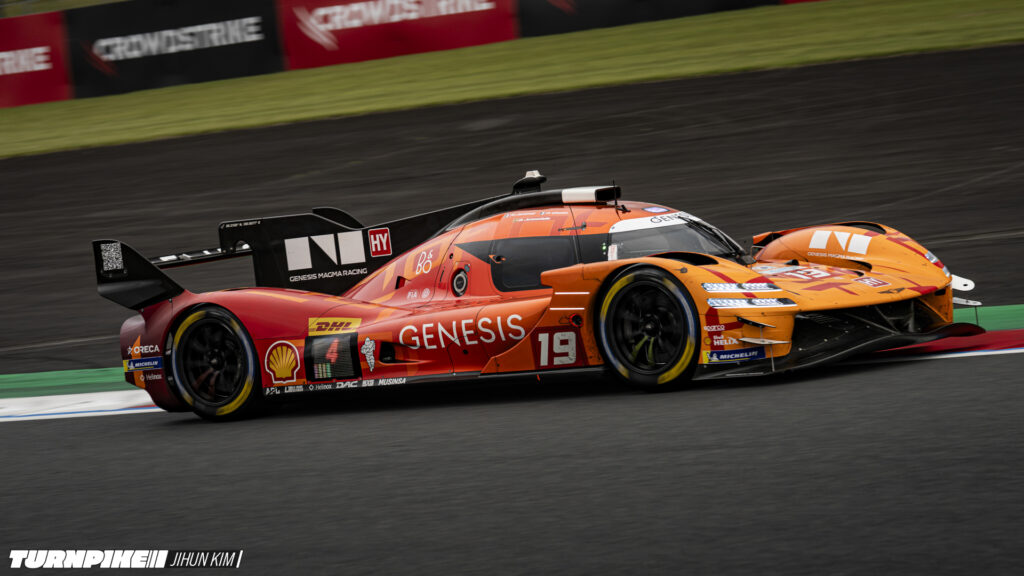
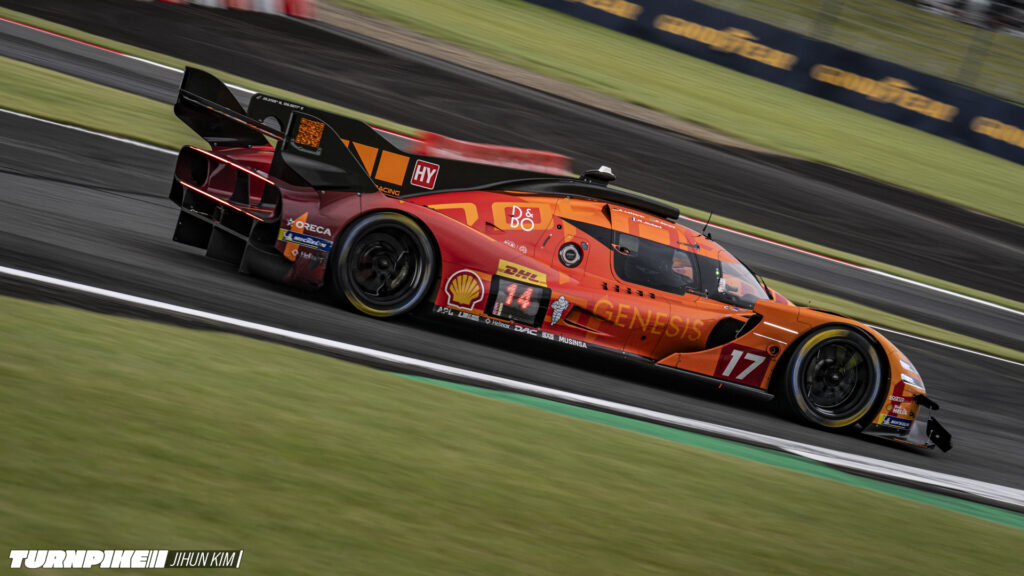
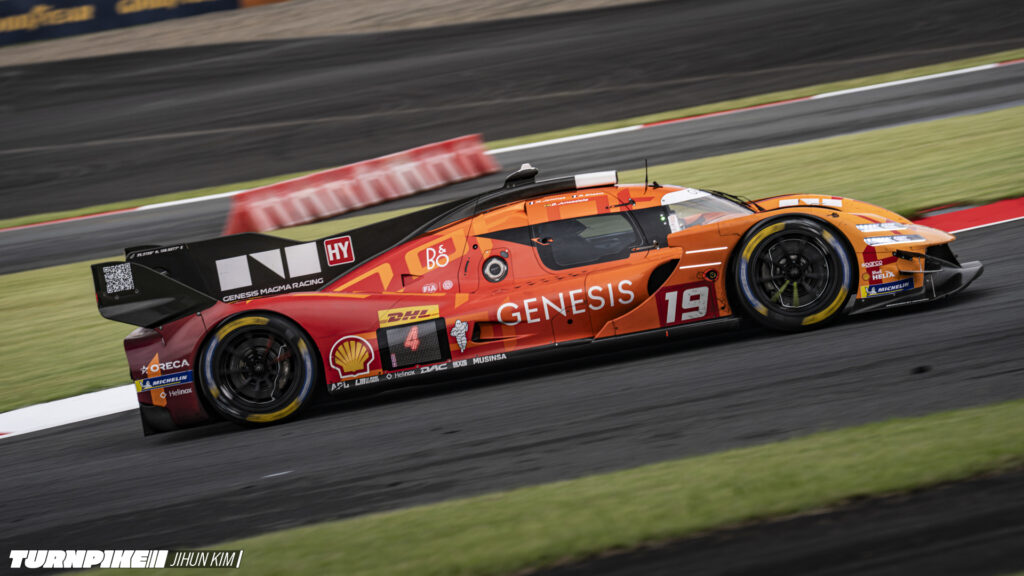
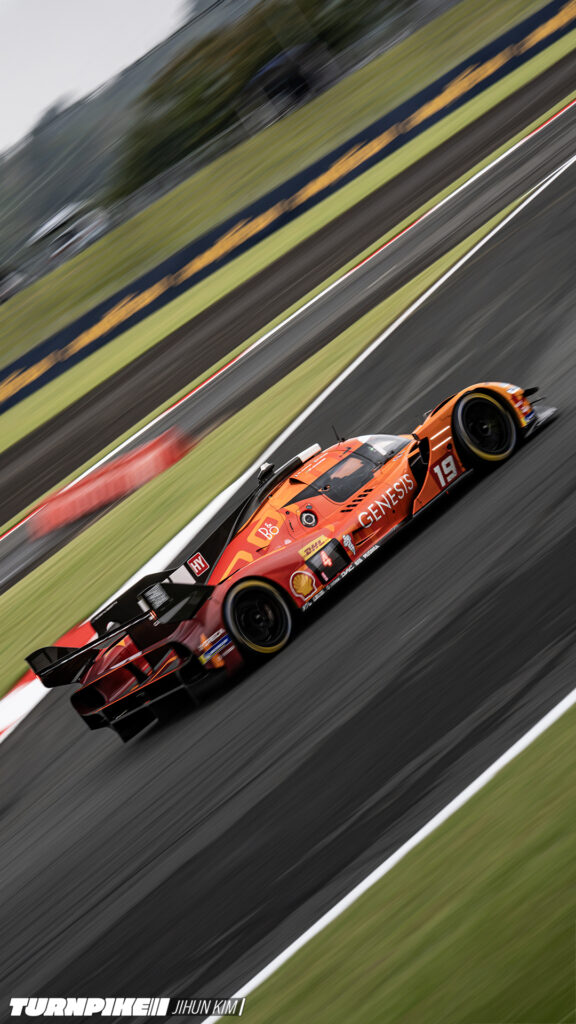
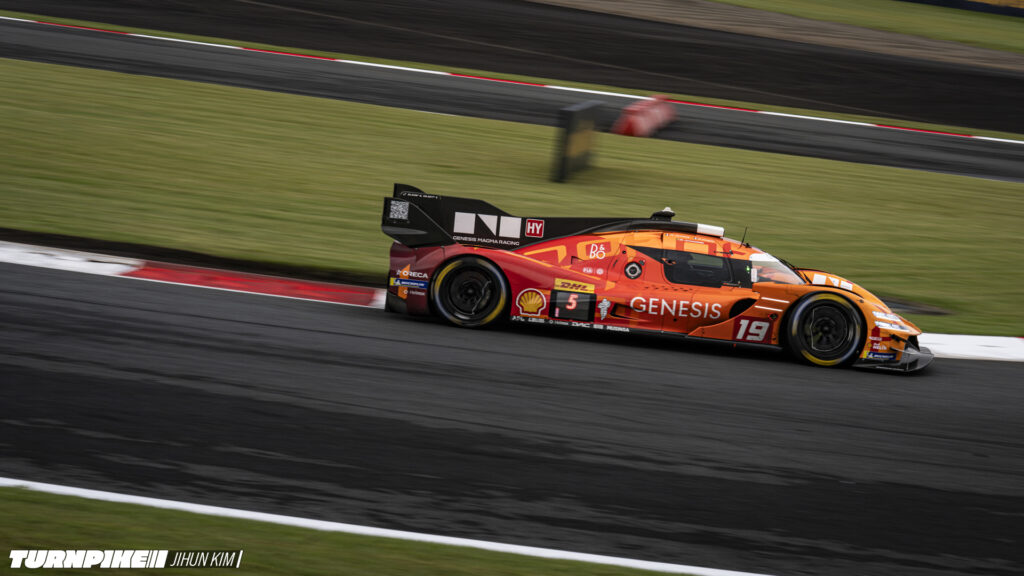
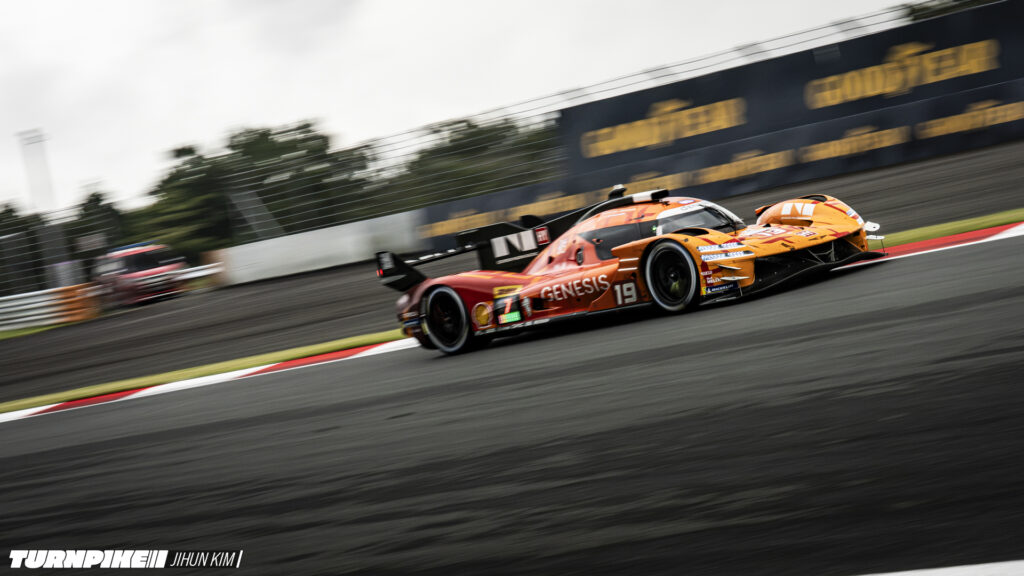
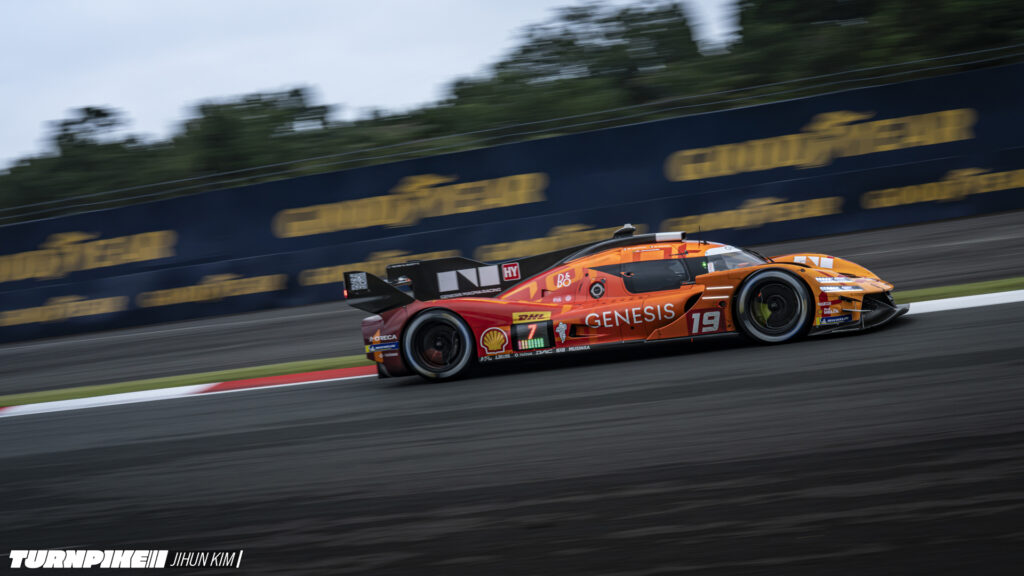
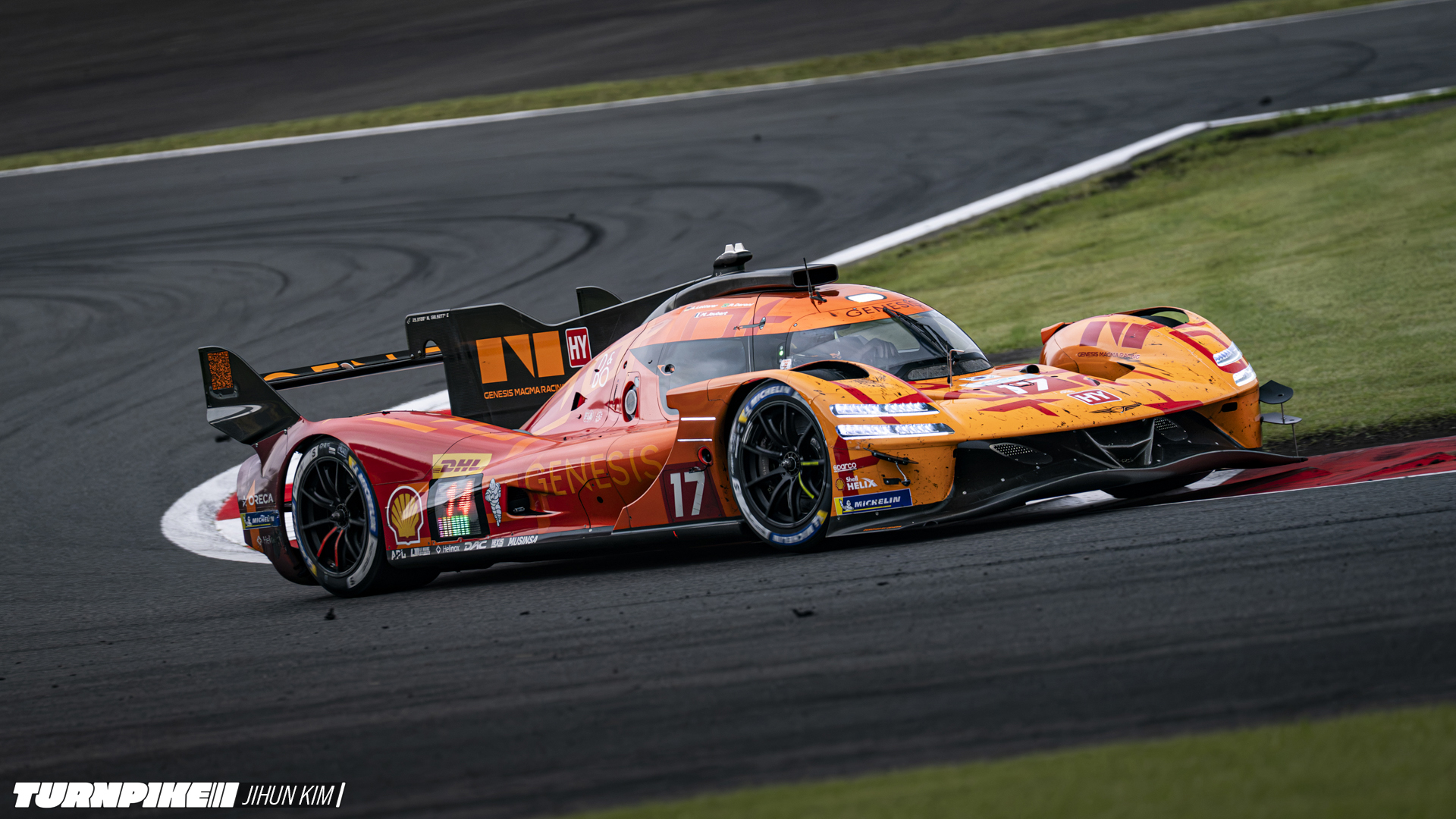
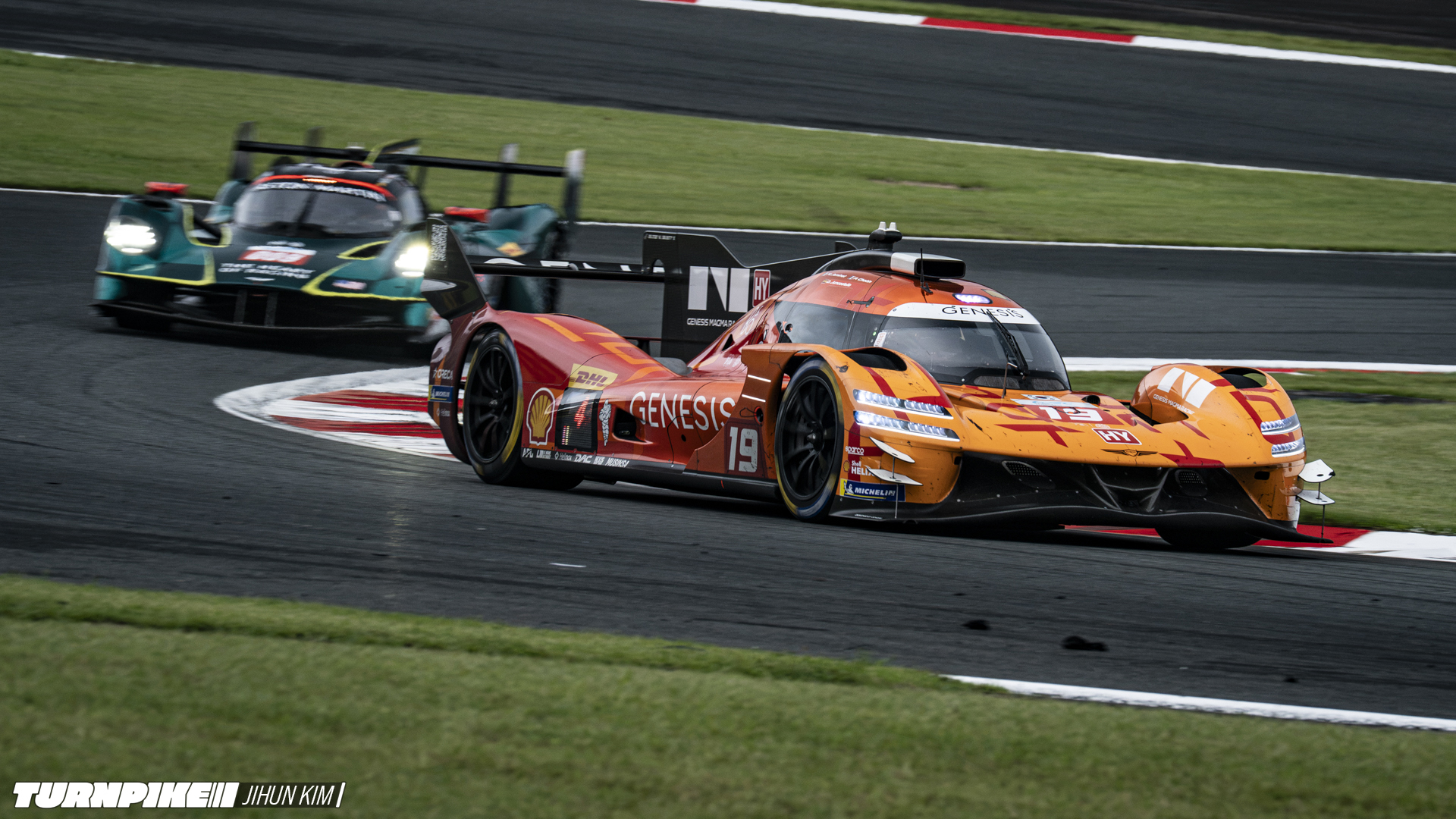
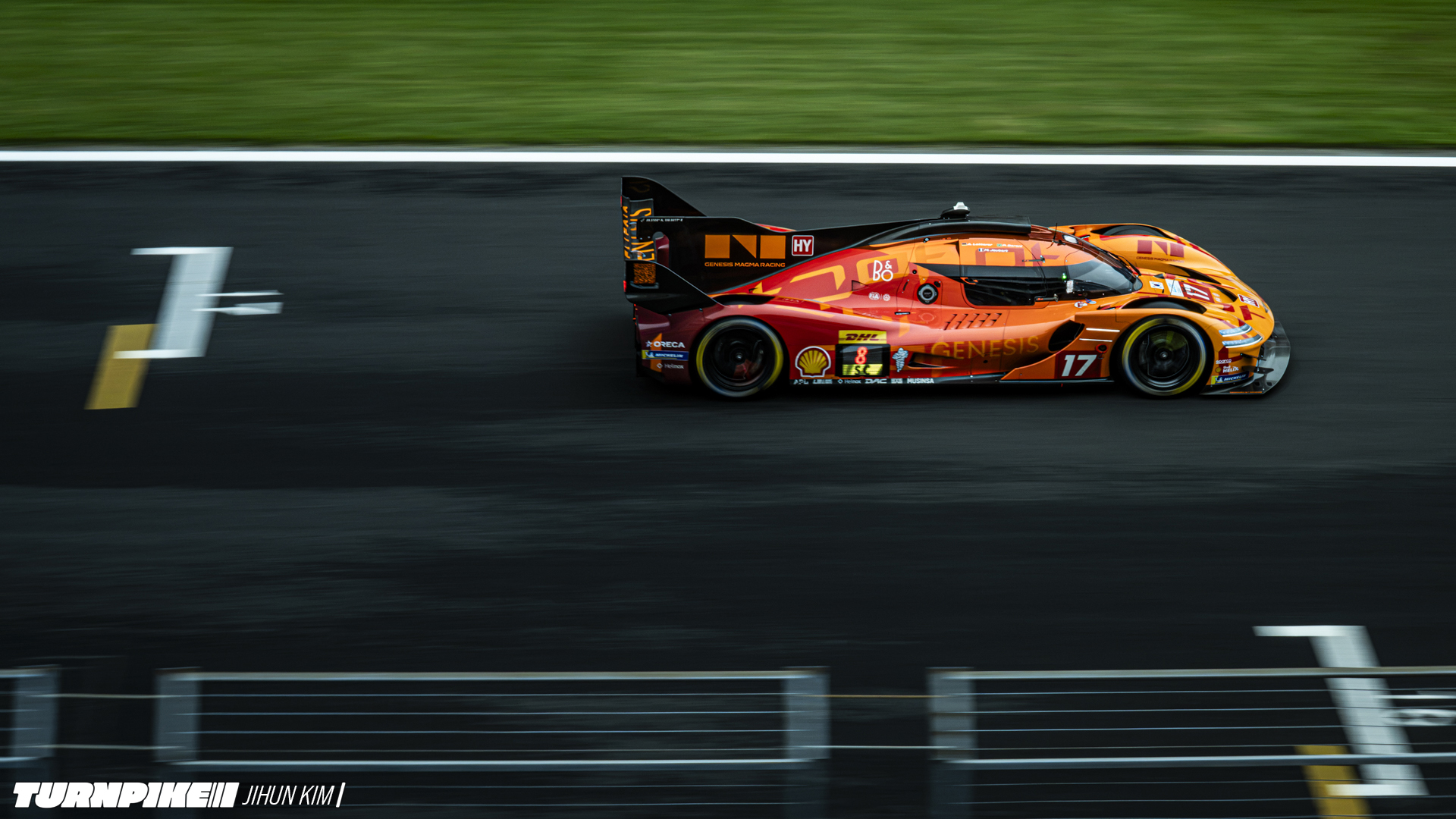
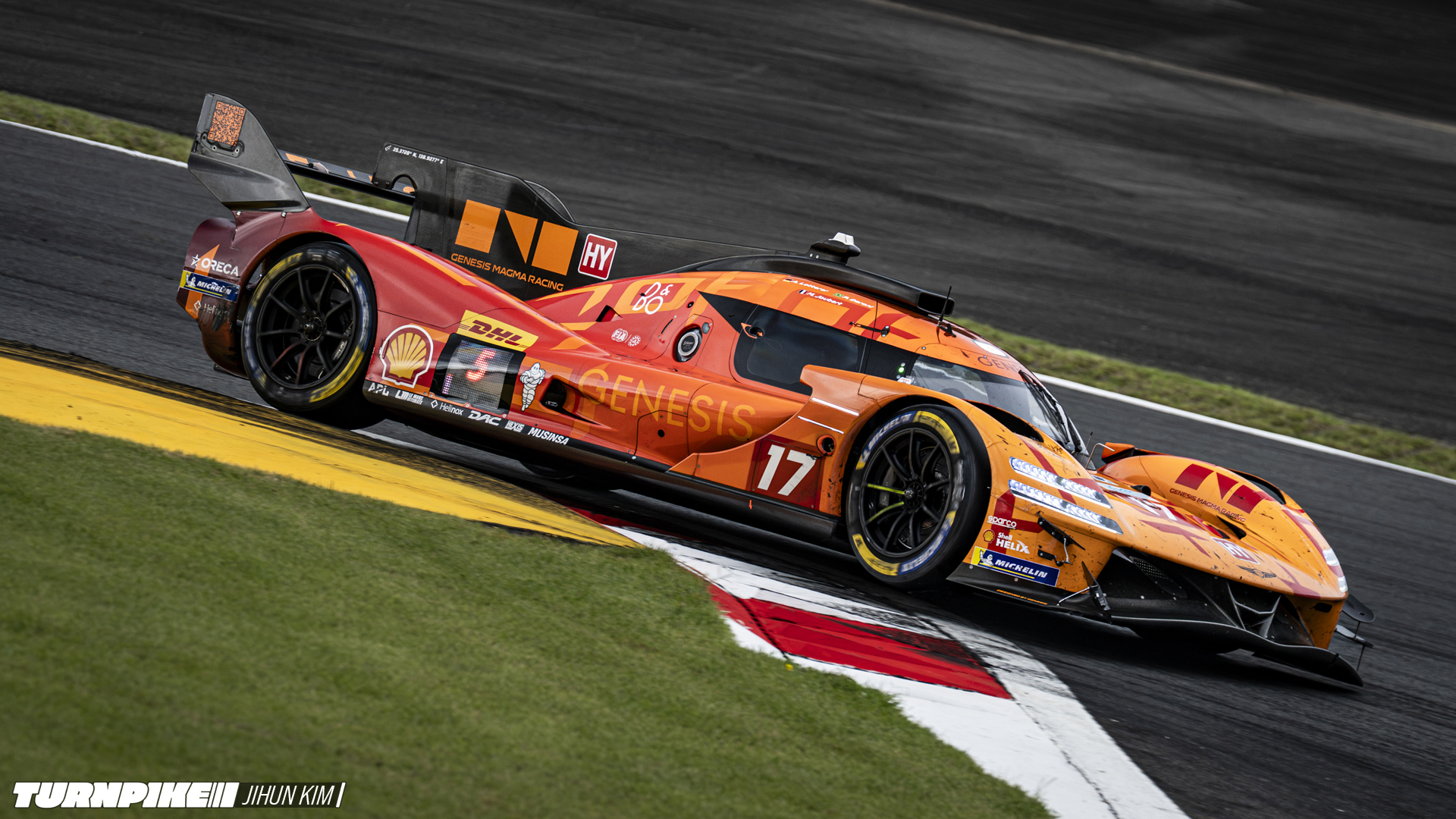
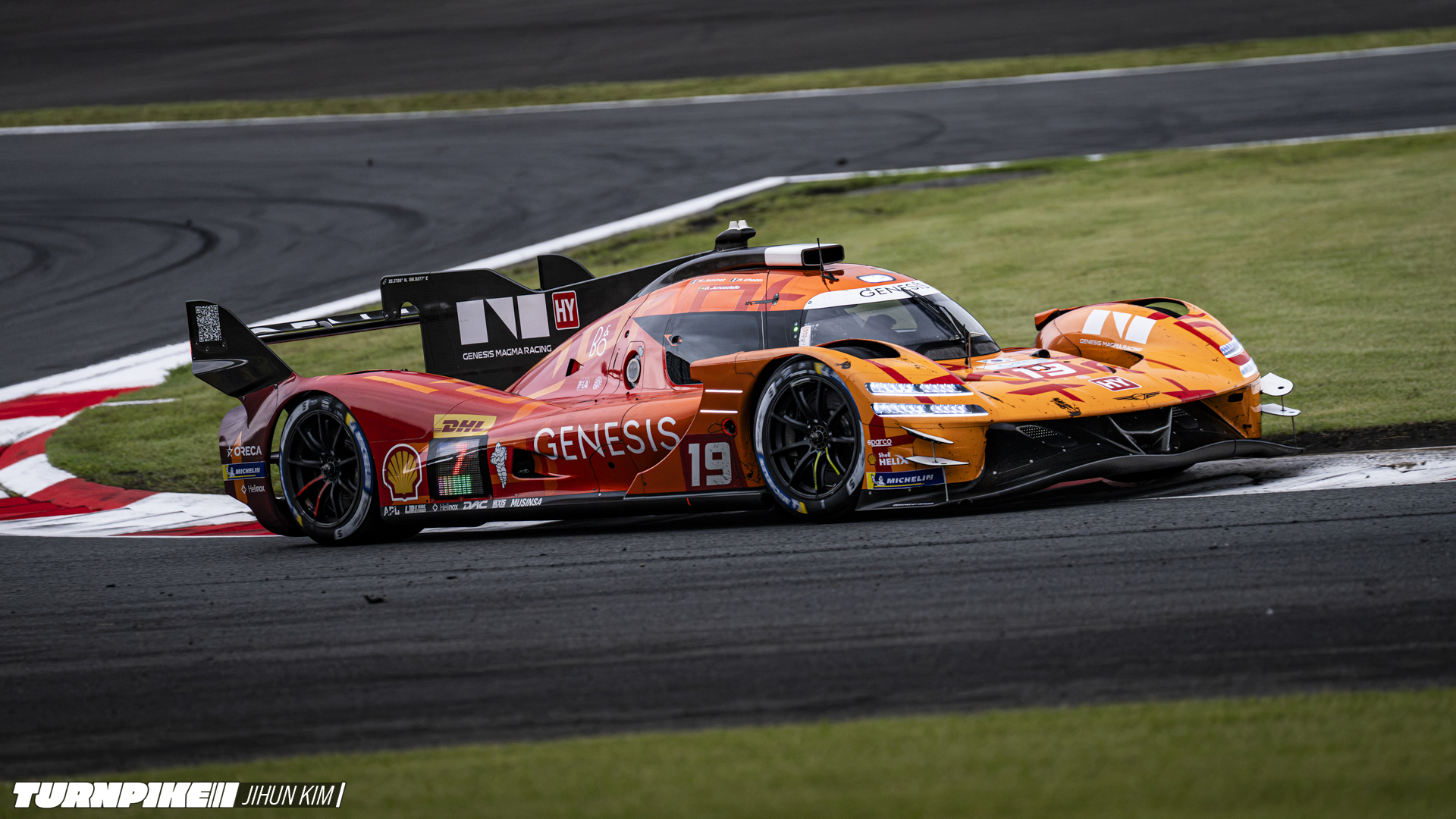
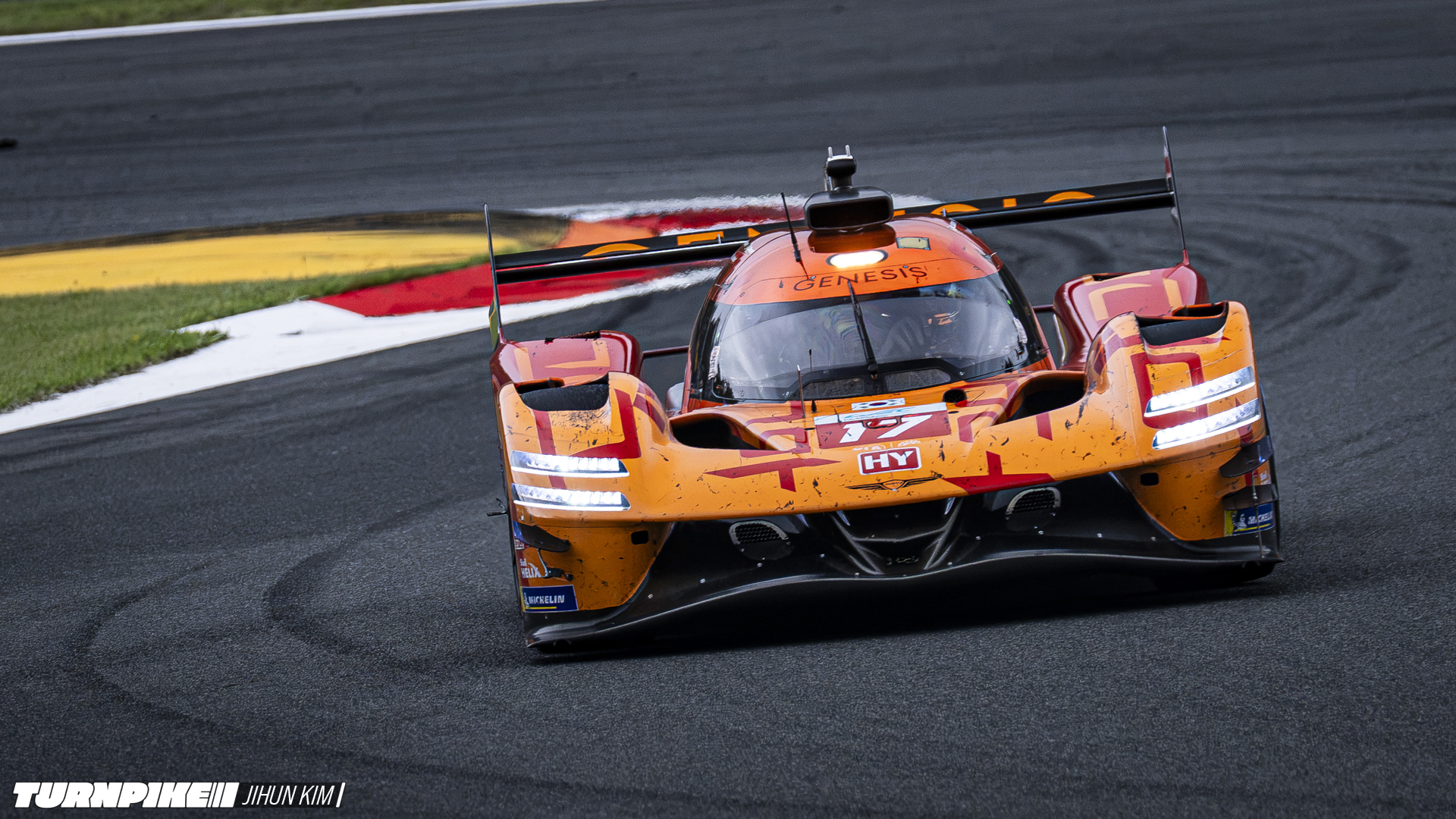
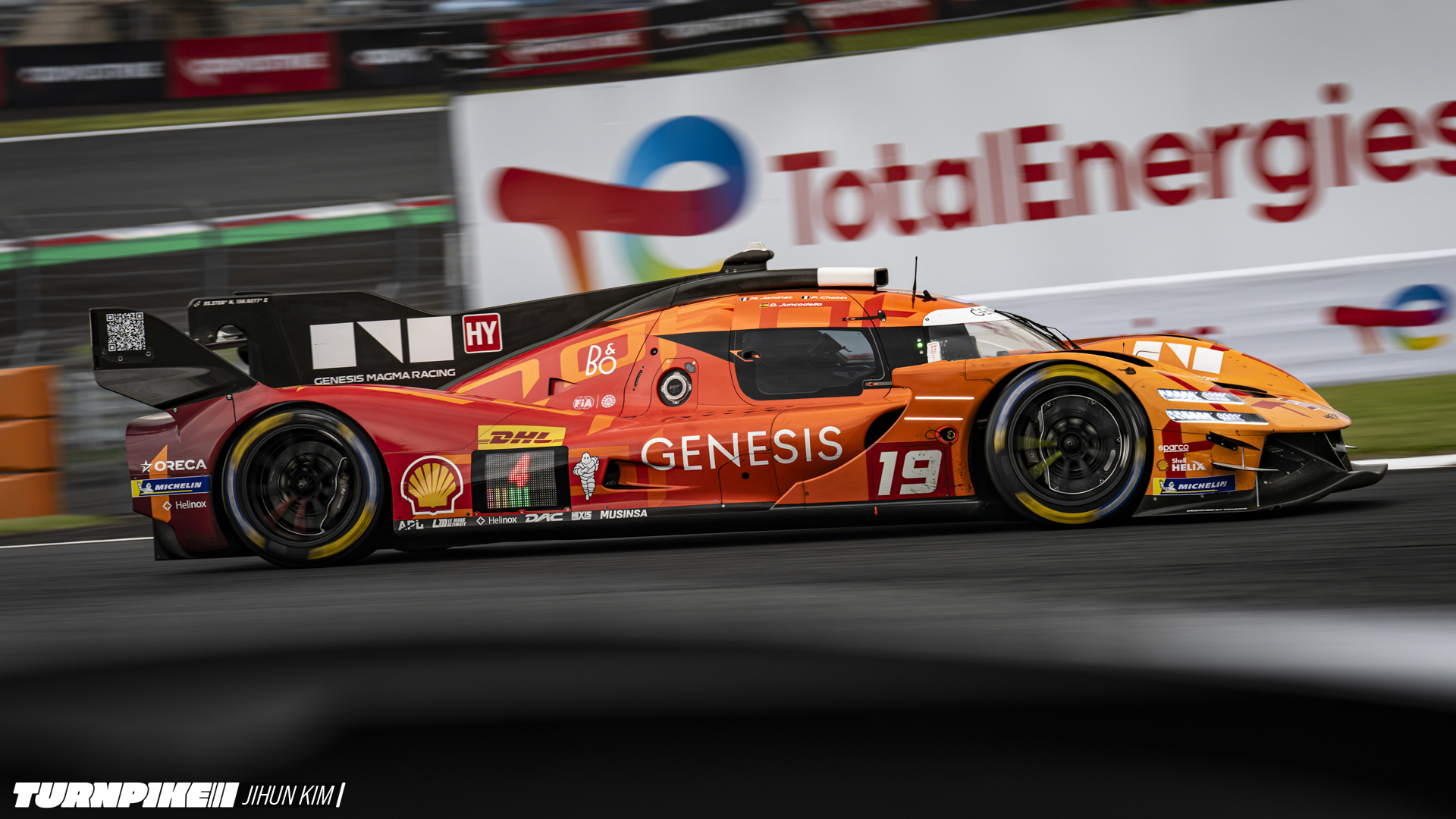
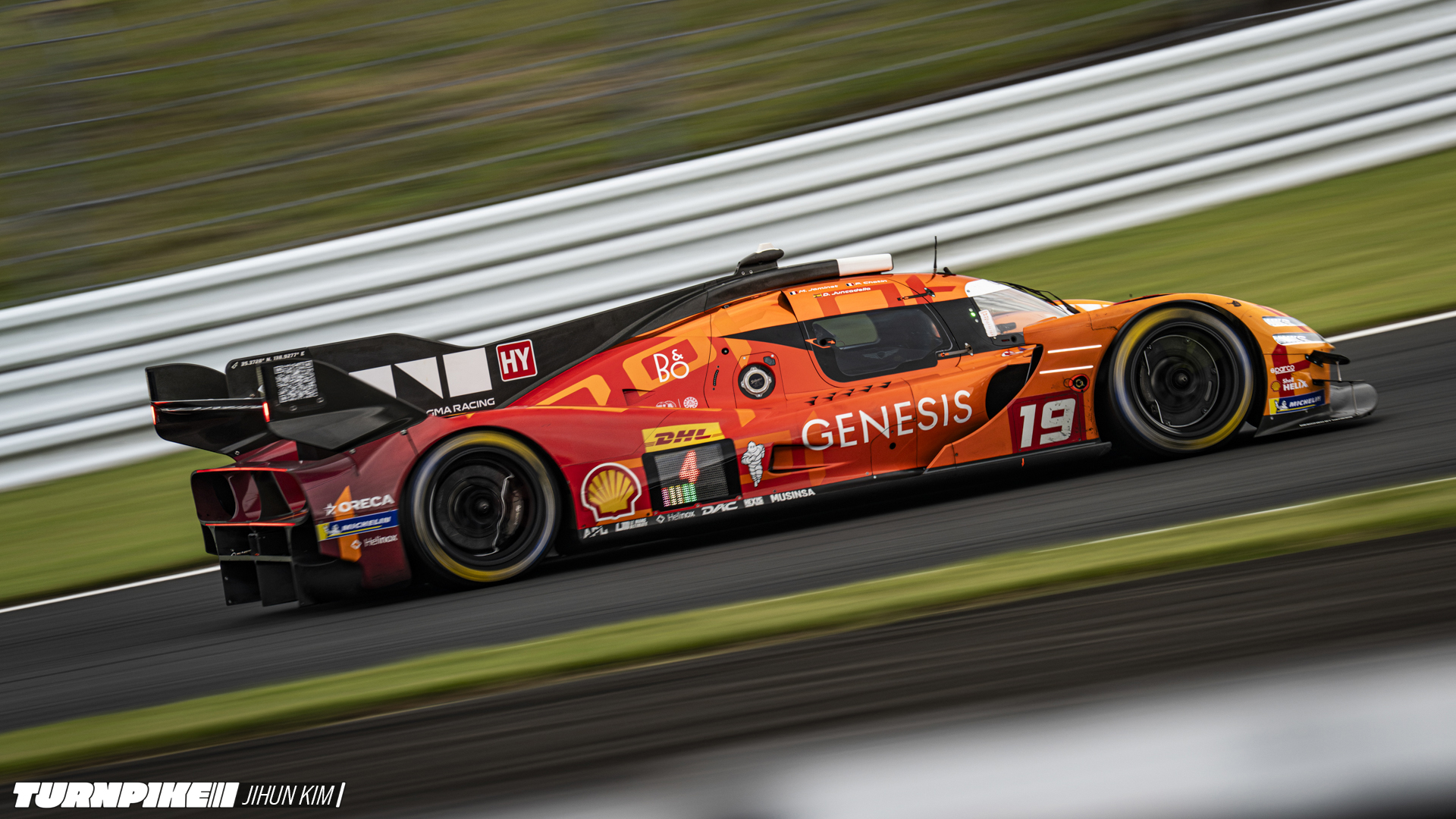
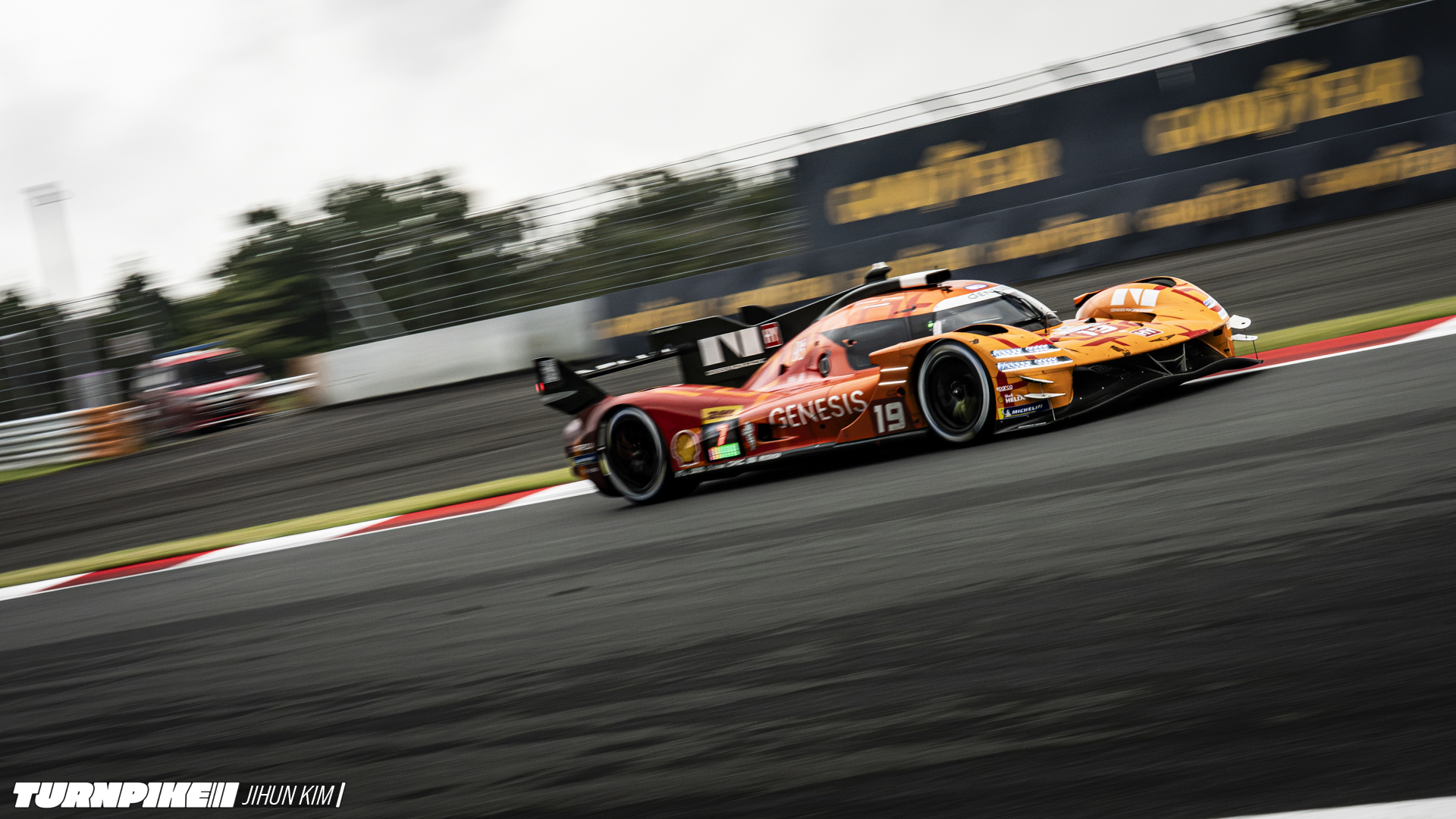
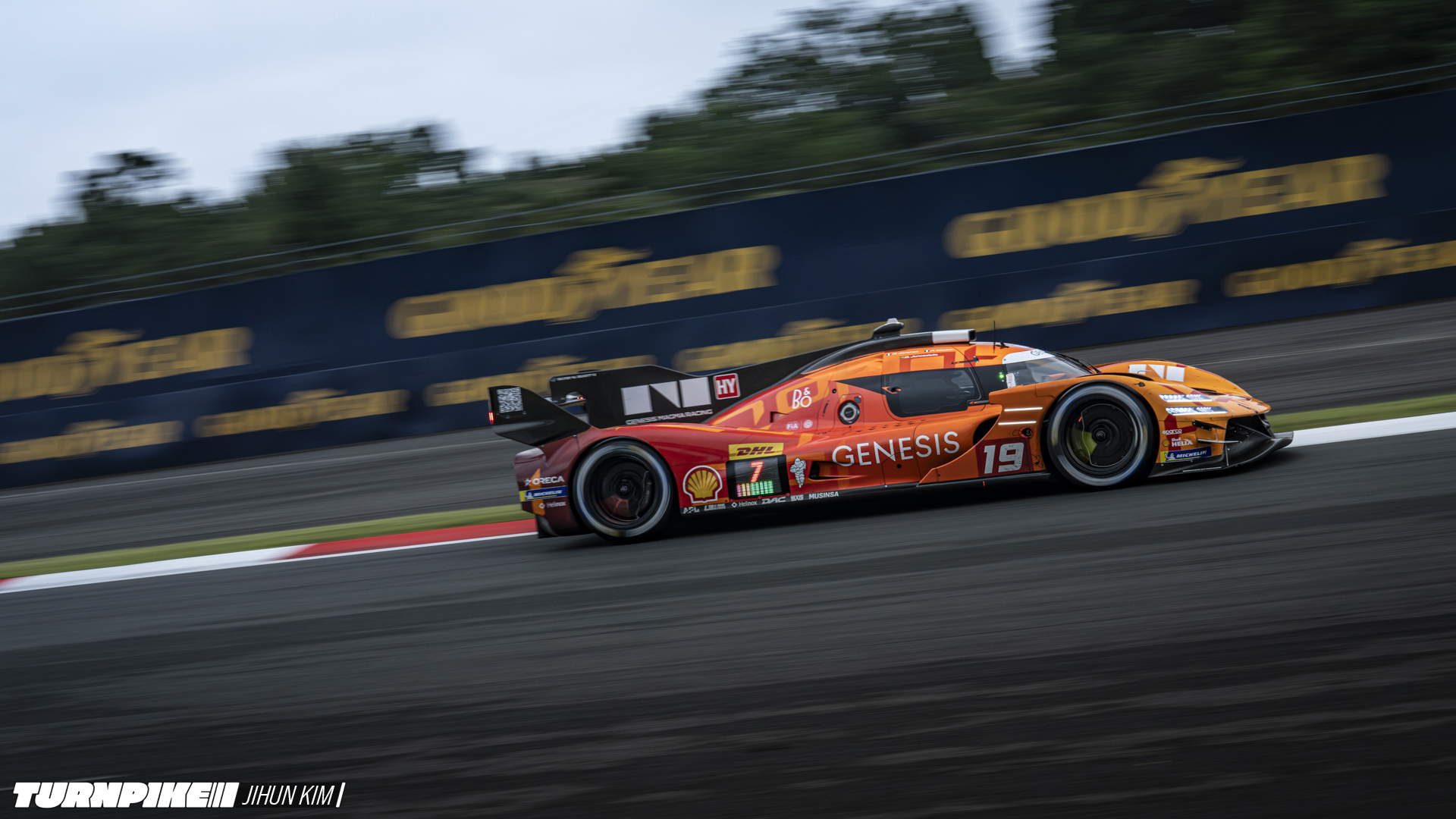
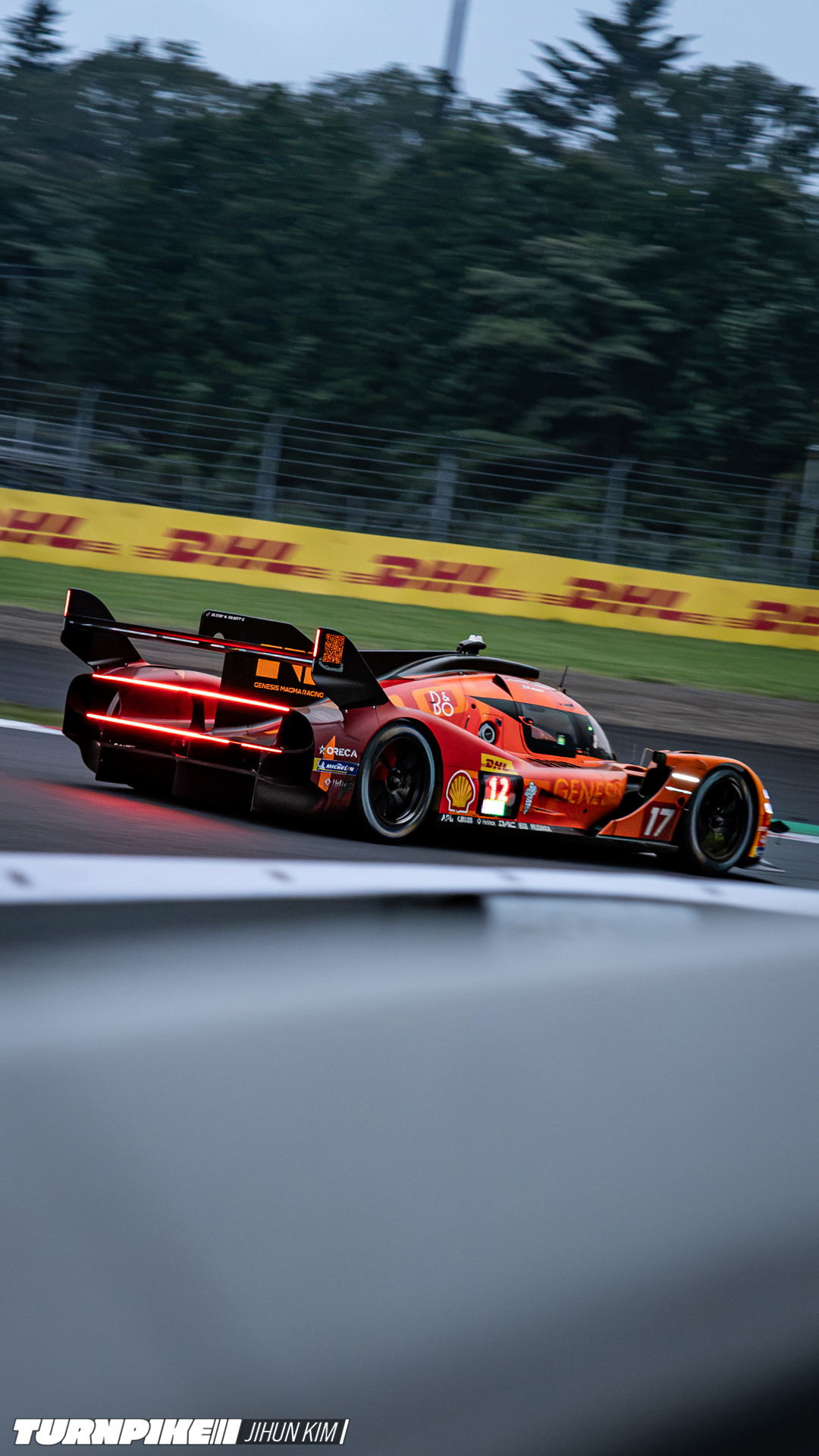
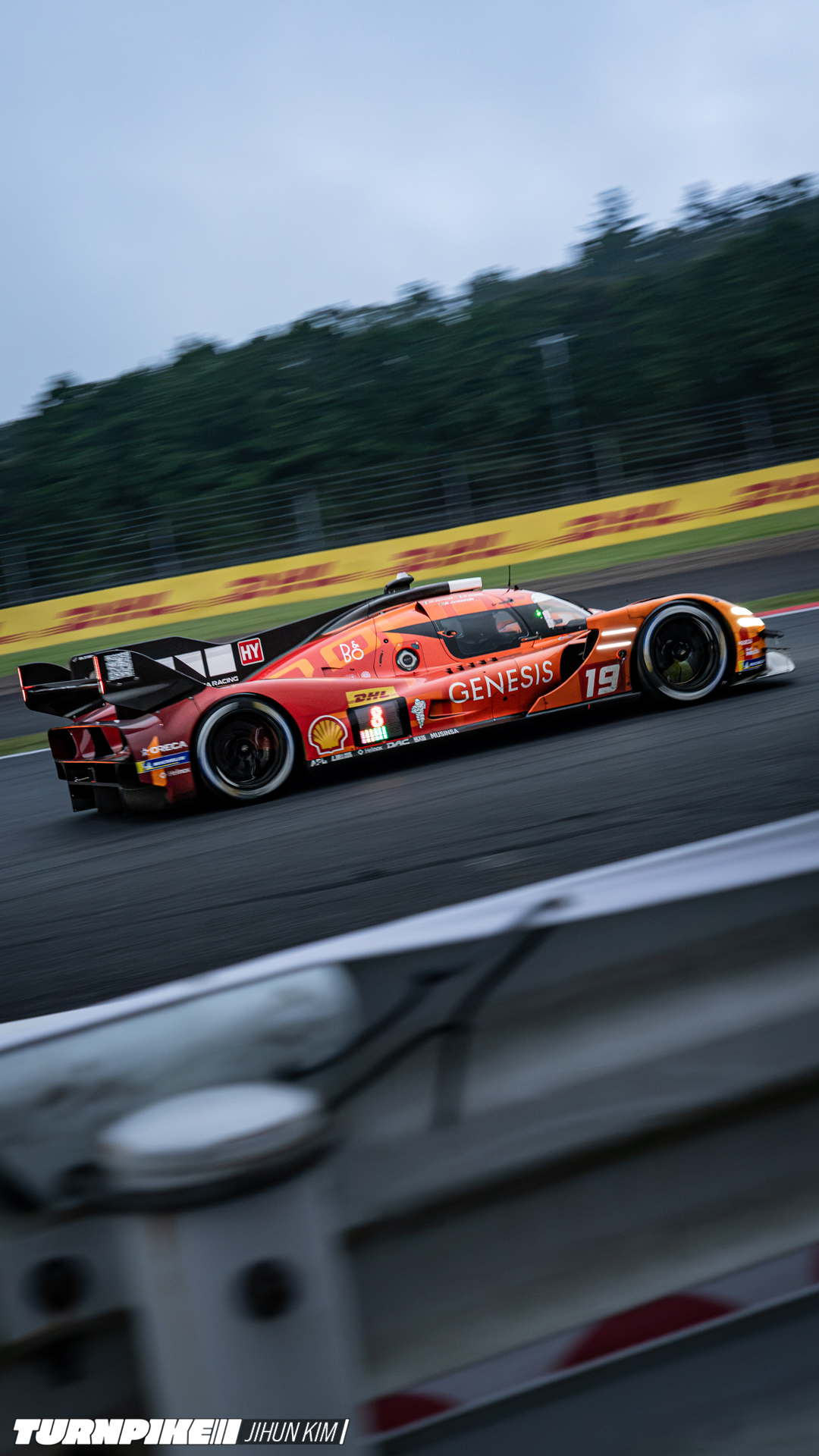
As a motorsports enthusiast, this season was much more attractive to me than last year because of the Genesis Magma Racing team. A new manufacturer entering endurance racing is already significant, but watching a Korean brand begin writing that history in Japan added another layer to the experience. Watching the GMR-001 smoothly navigate Fuji Speedway through my camera viewfinder was a real treat
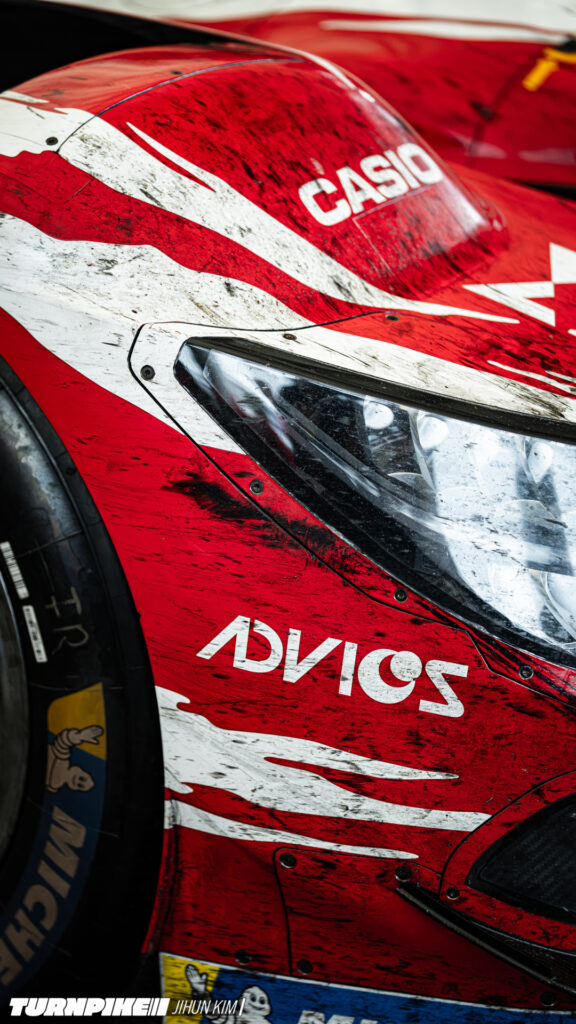
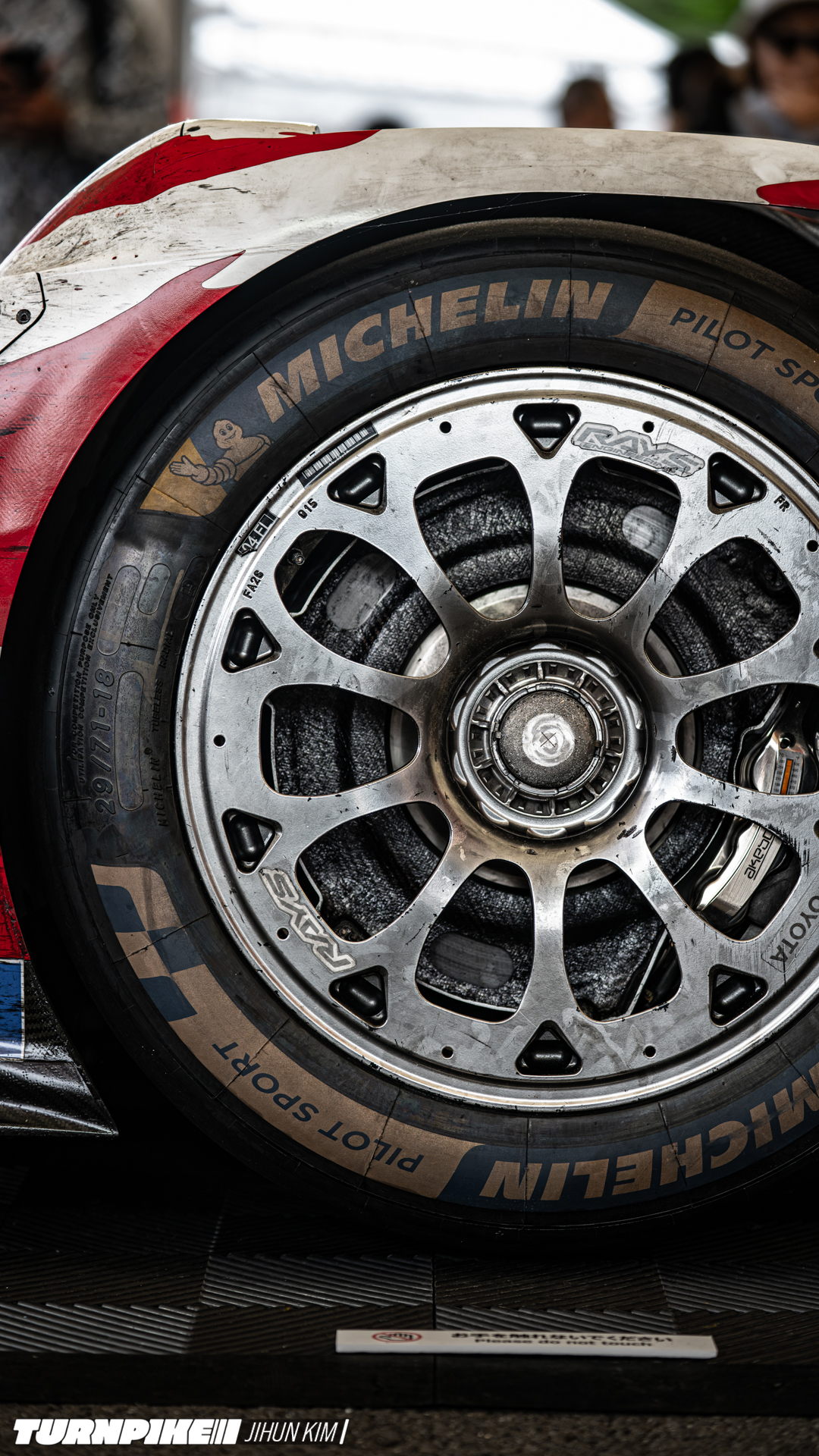
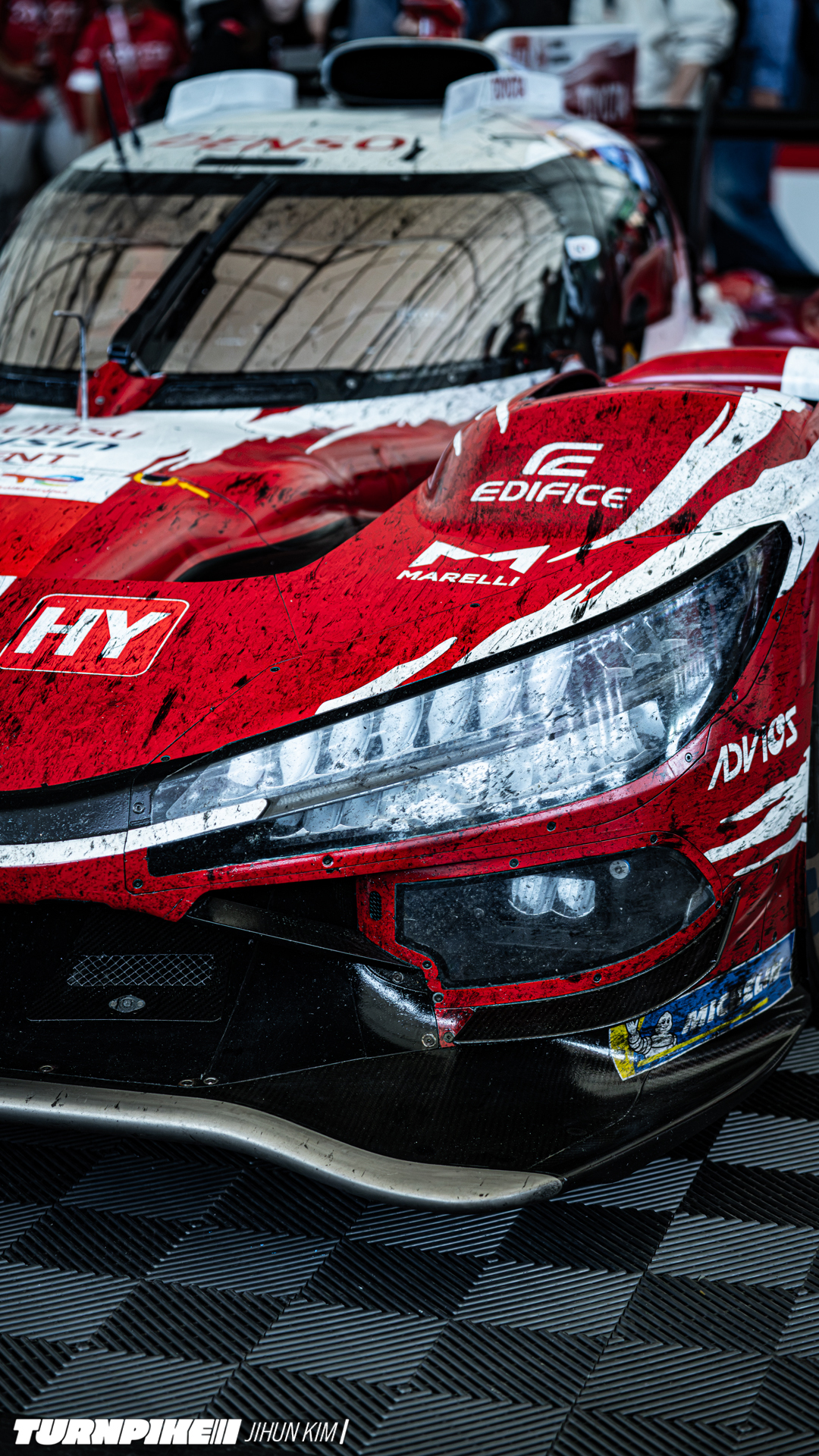
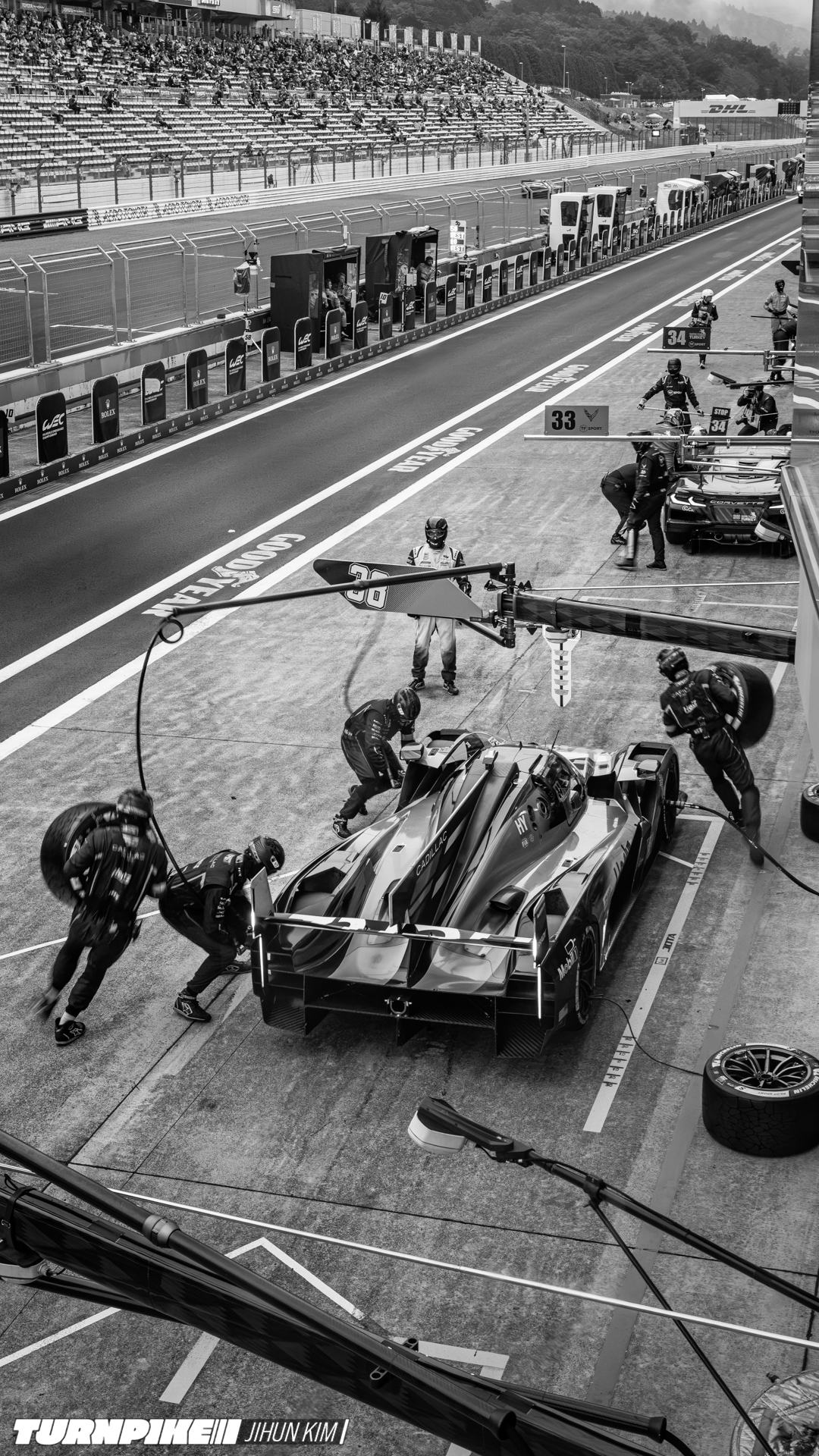
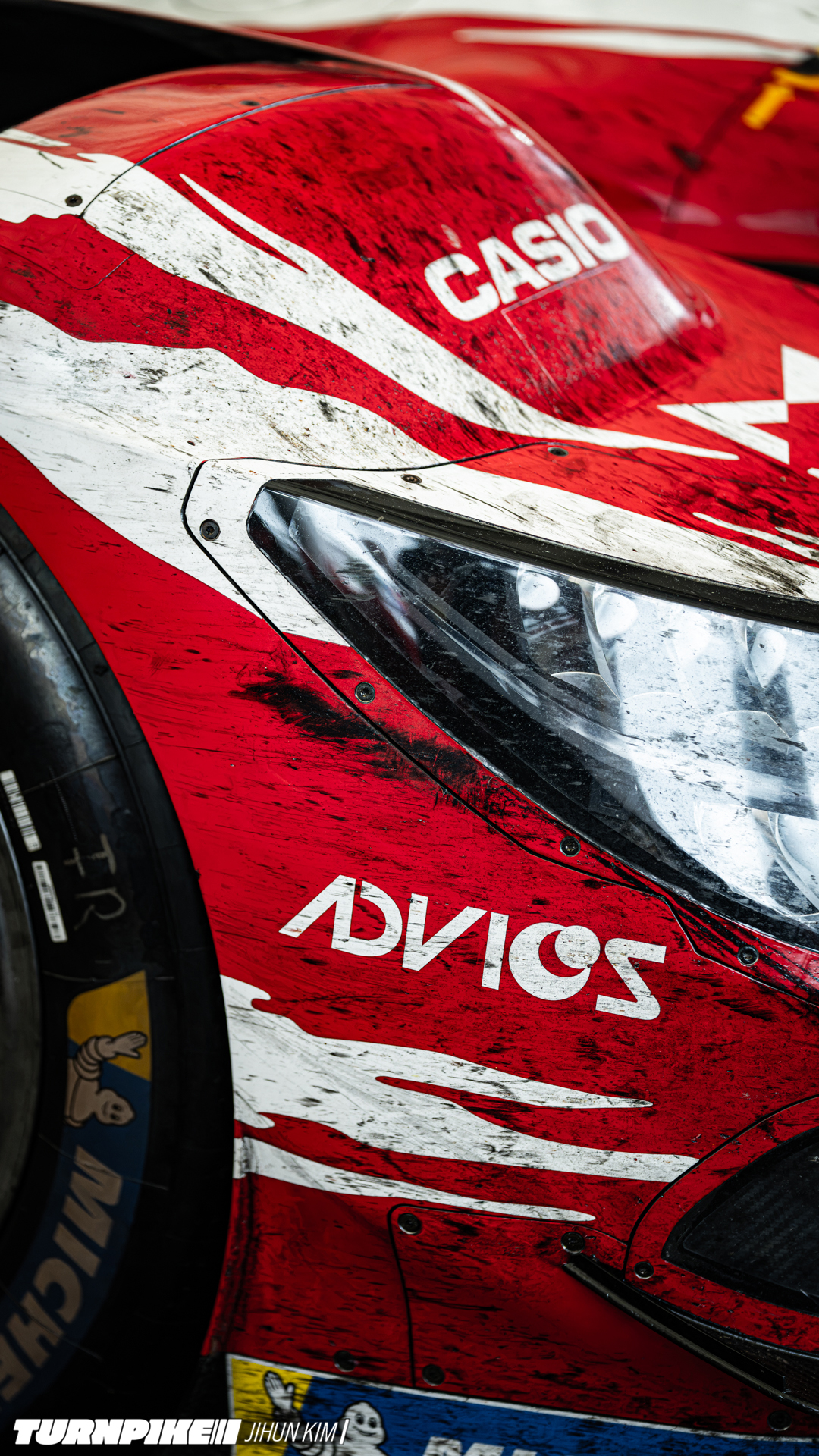
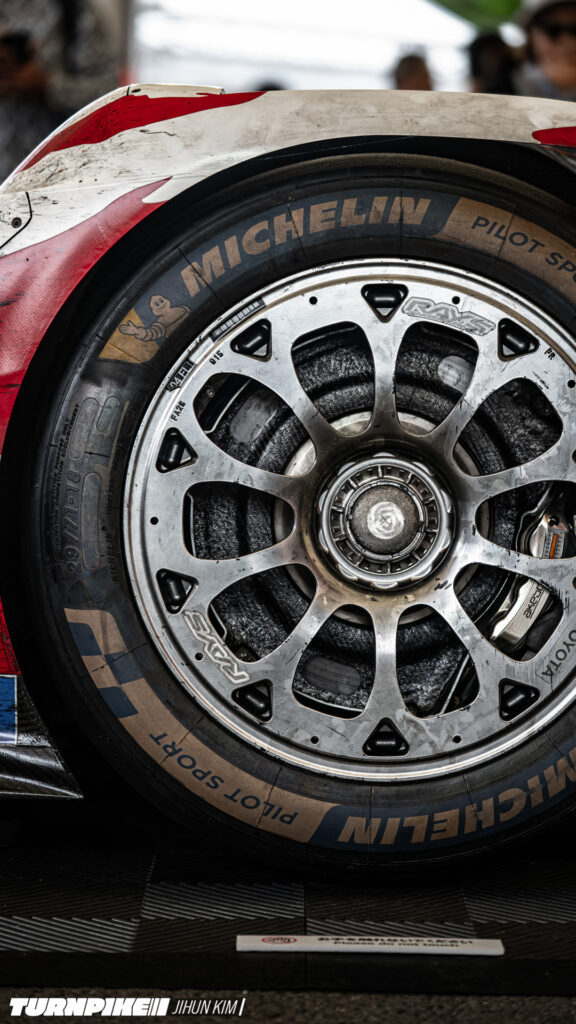
However, the 2026 WEC Fuji weekend, held late last month, wasn’t defined by one manufacturer or a single result, but by unpredictable weather, the smell of wet asphalt and racing fuel, and the brief moment of quiet after a group of race cars passed through a corner. Watching team mechanics at work and admiring the cars returning to the pits, their bodywork covered in rubber marbles after hours of racing, while the air rippled like a mirage in the heat, all served as a reminder of six hours of racing under extreme conditions.
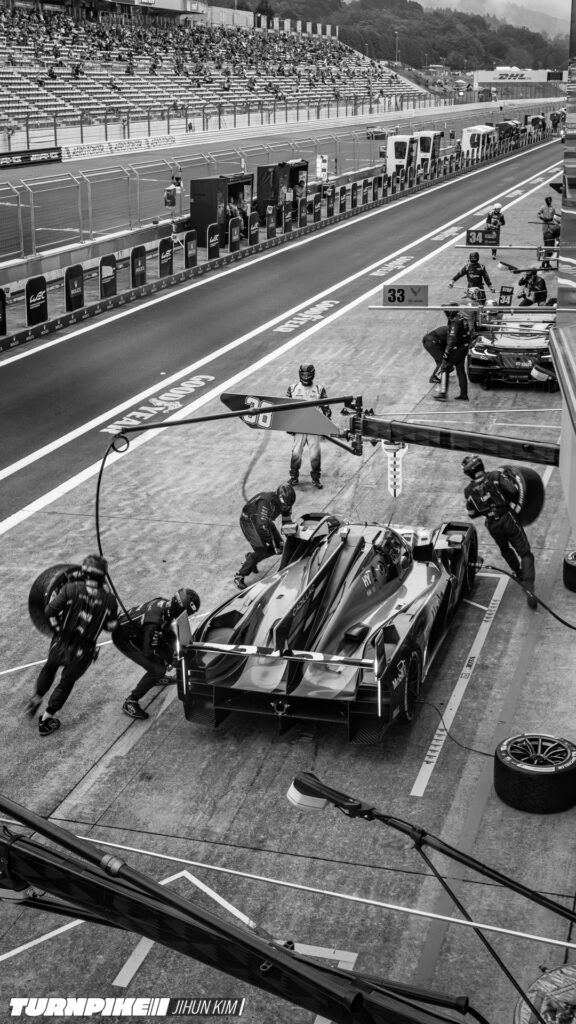
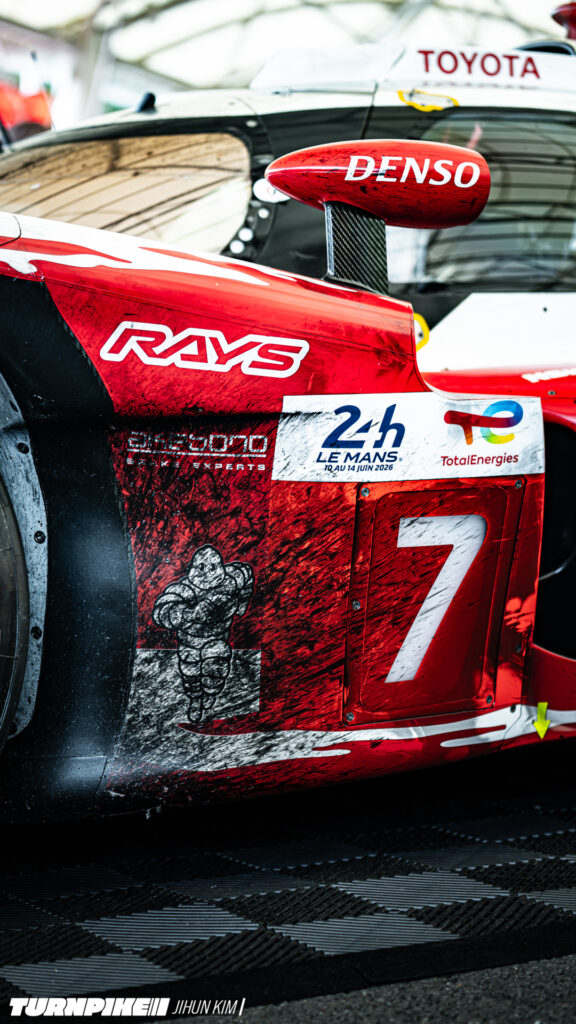
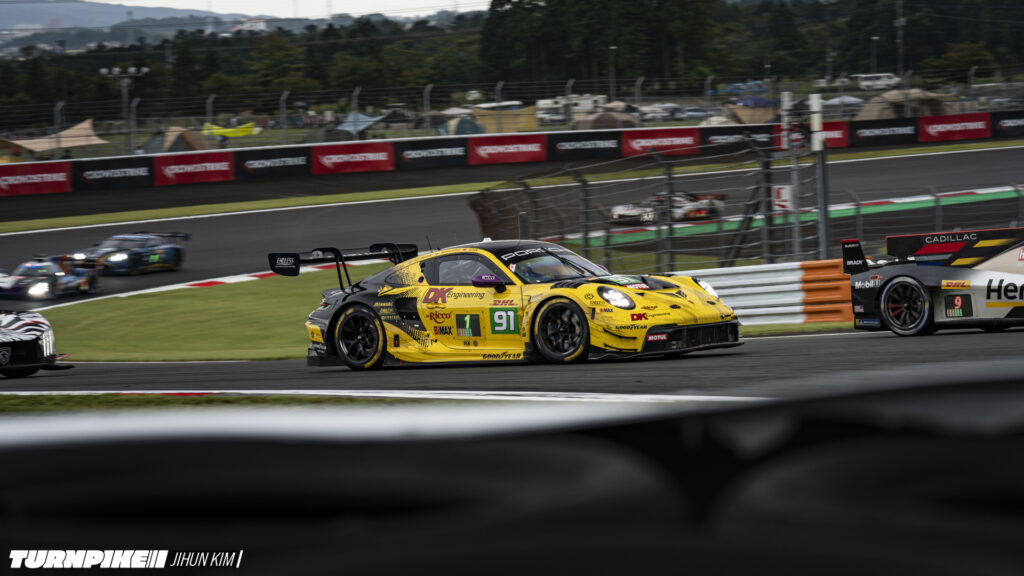
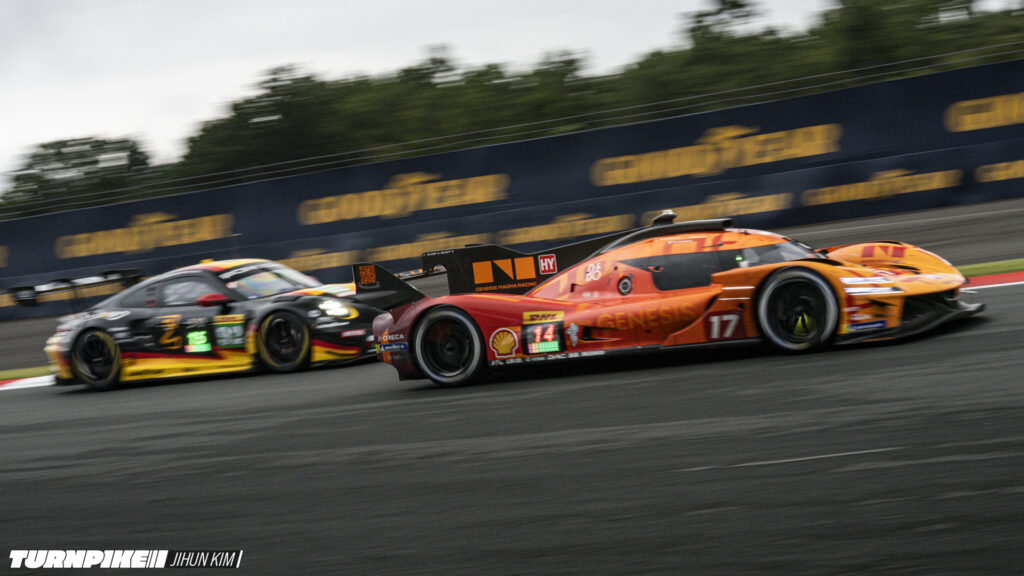
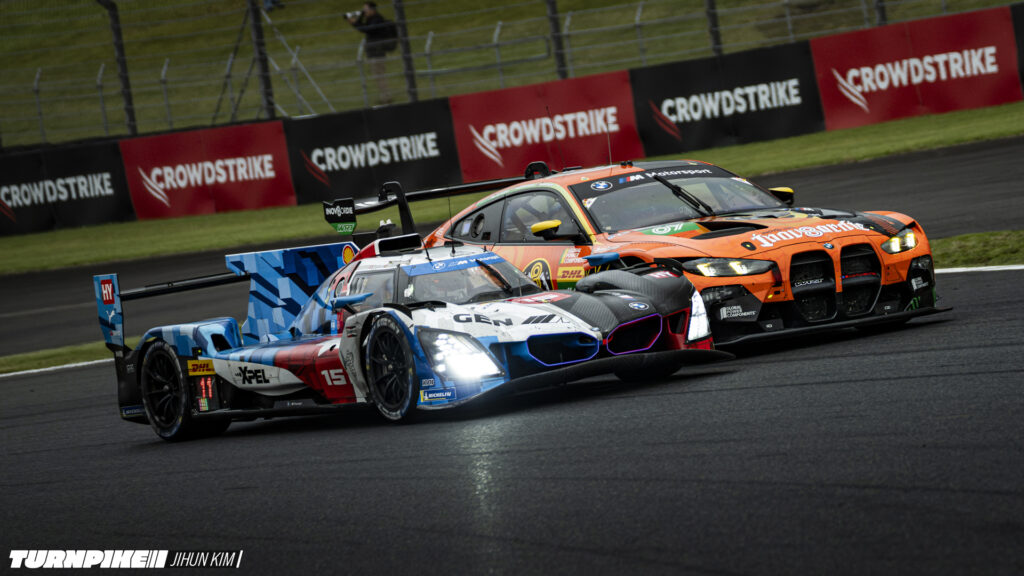
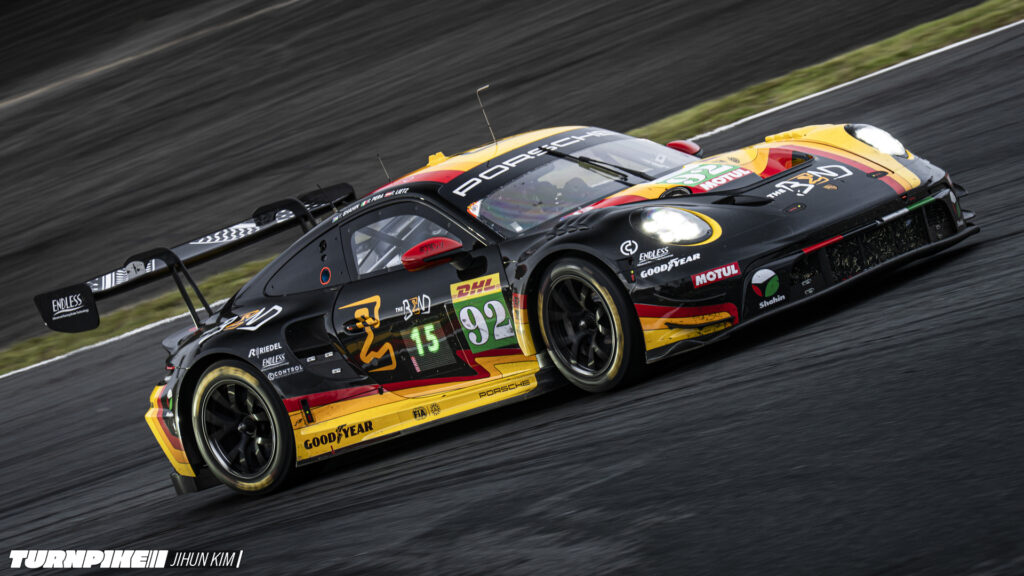
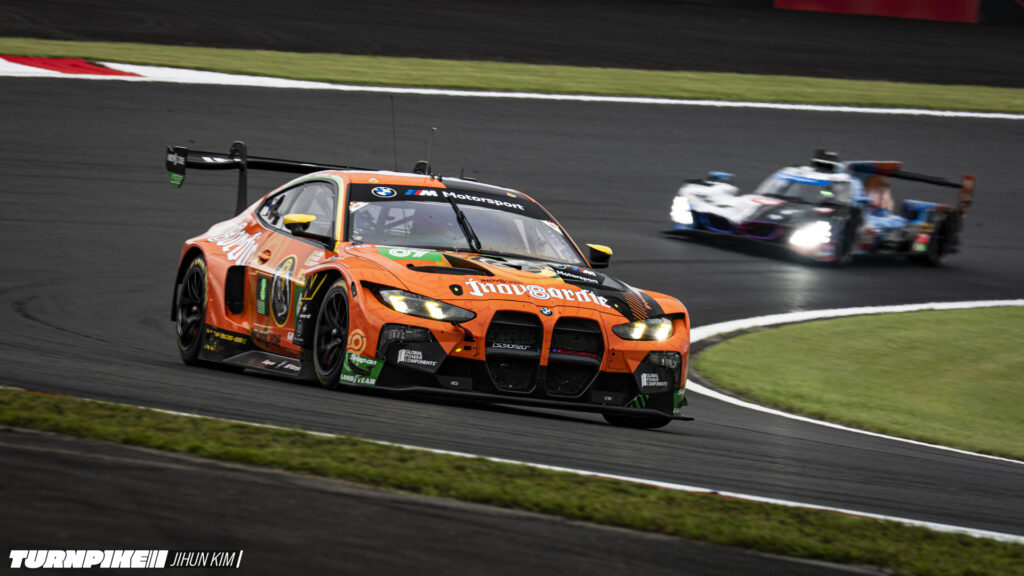
Numbers often define endurance racing. Six hours, a few hundred laps, pit-in timing, tire strategy, and lap times that can create totally different circumstances within 1/1,000th of a second. But when you’re standing trackside, that definition becomes much simpler.
For six hours, people from different countries and generations gather at the same venue to watch cars lap the track over and over again. But somehow, that repetition never feels repetitive.