
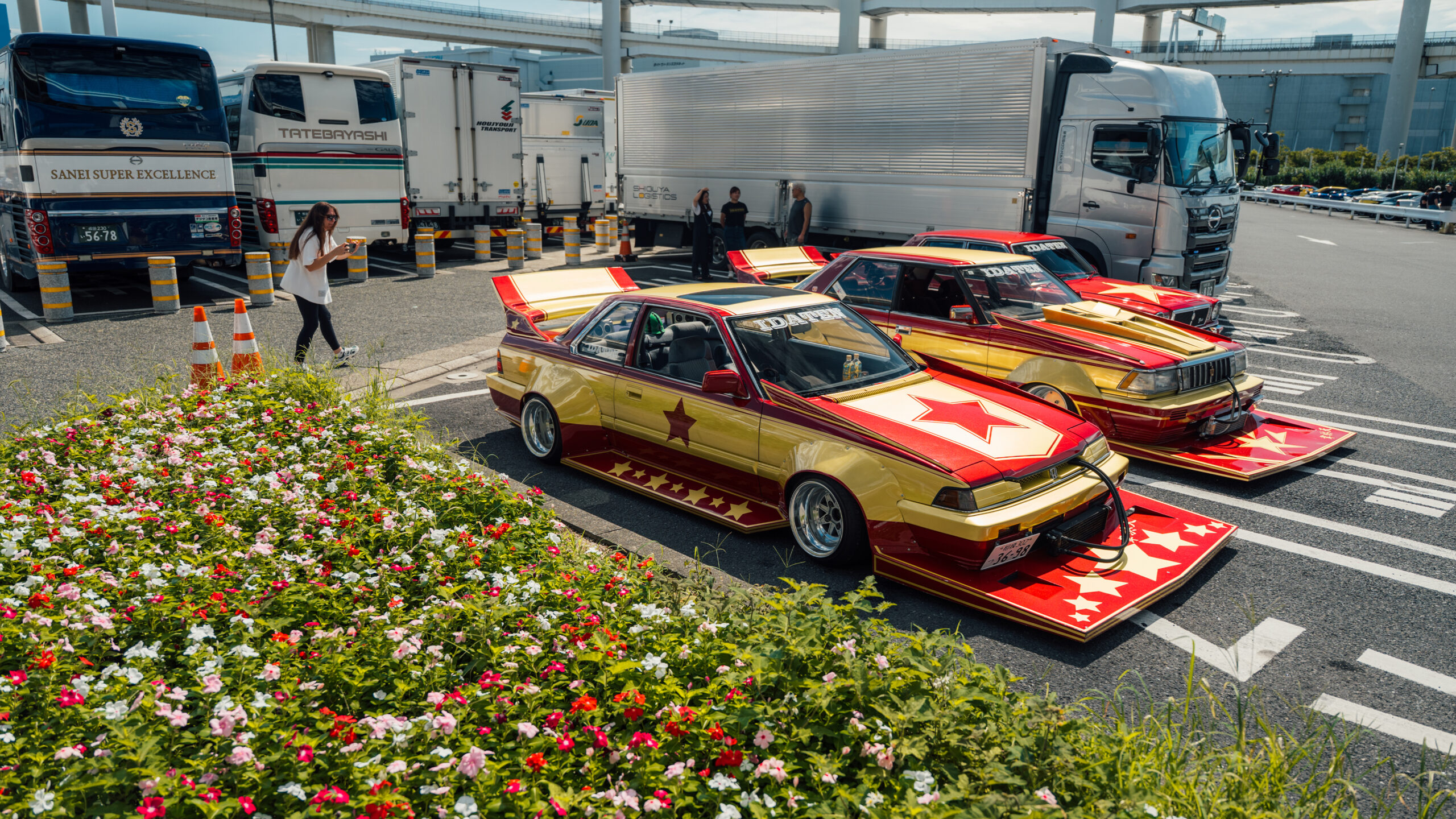
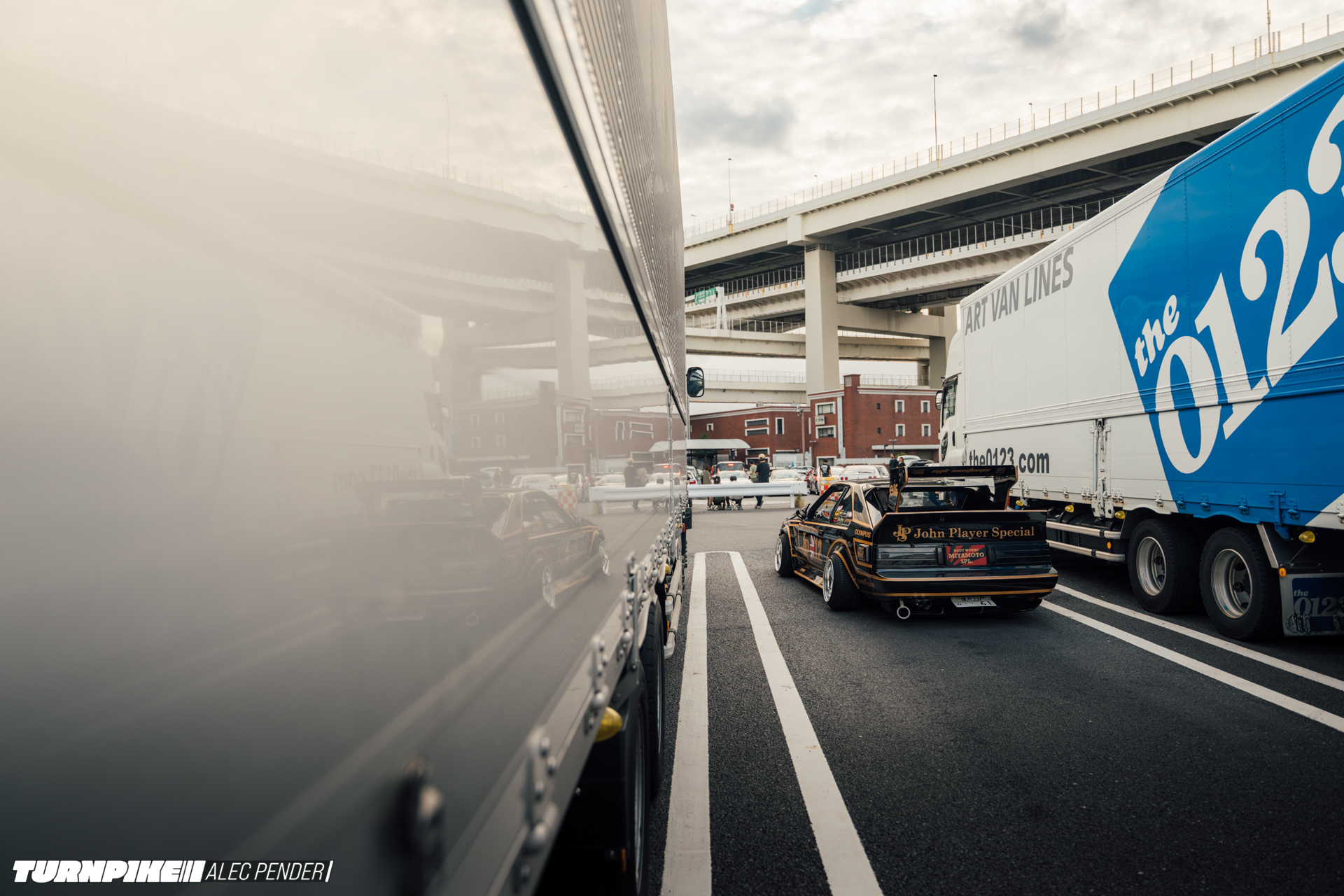
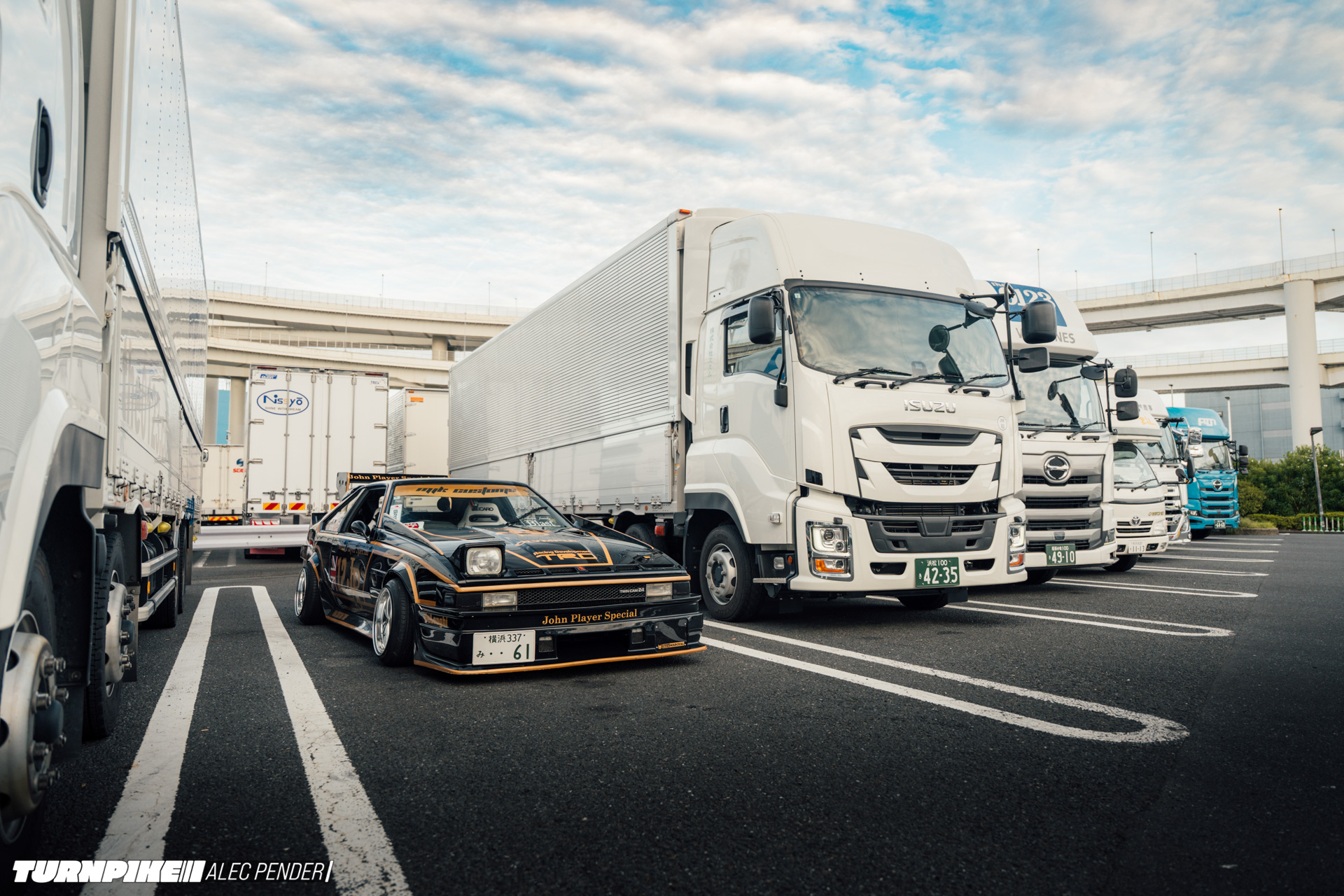
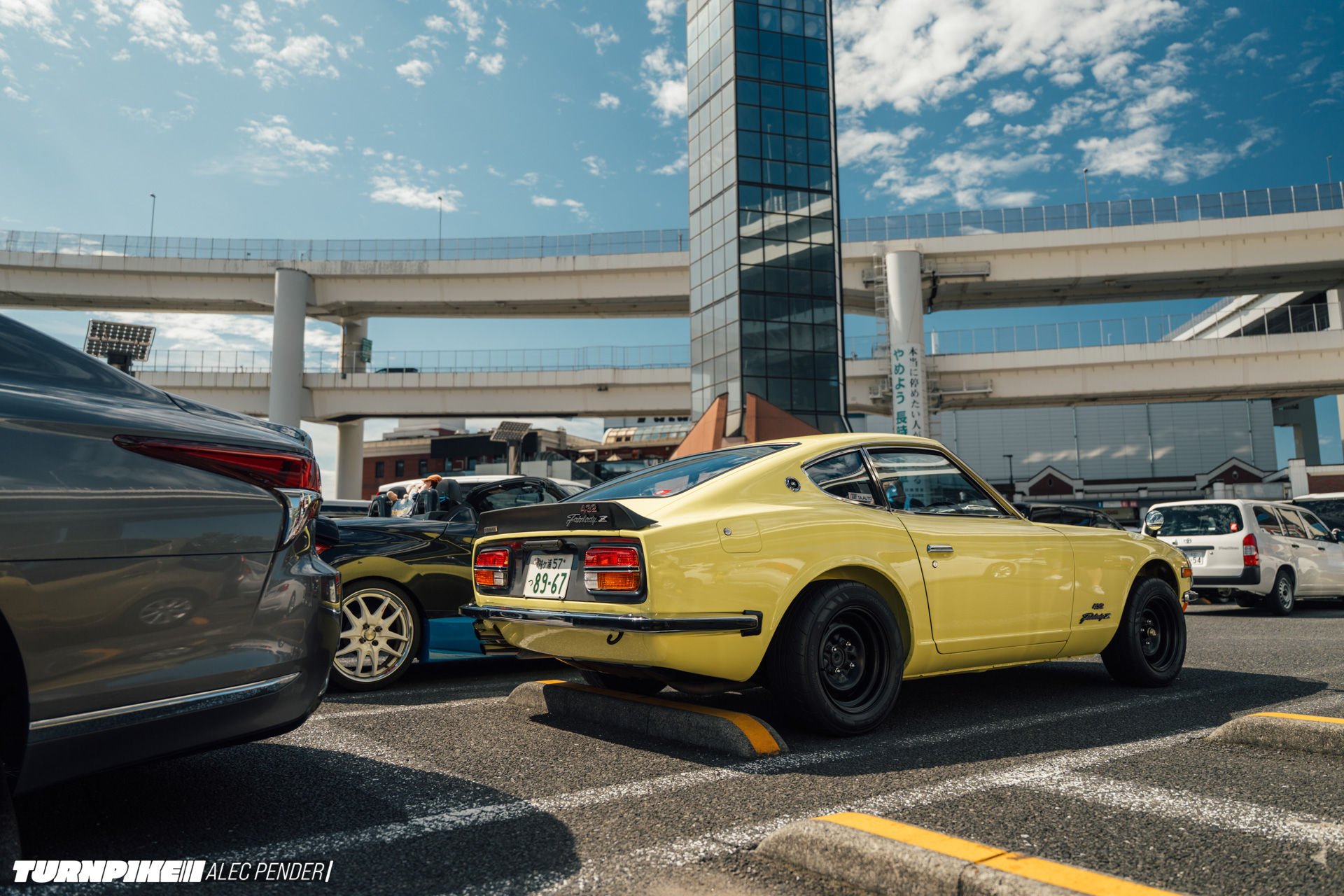
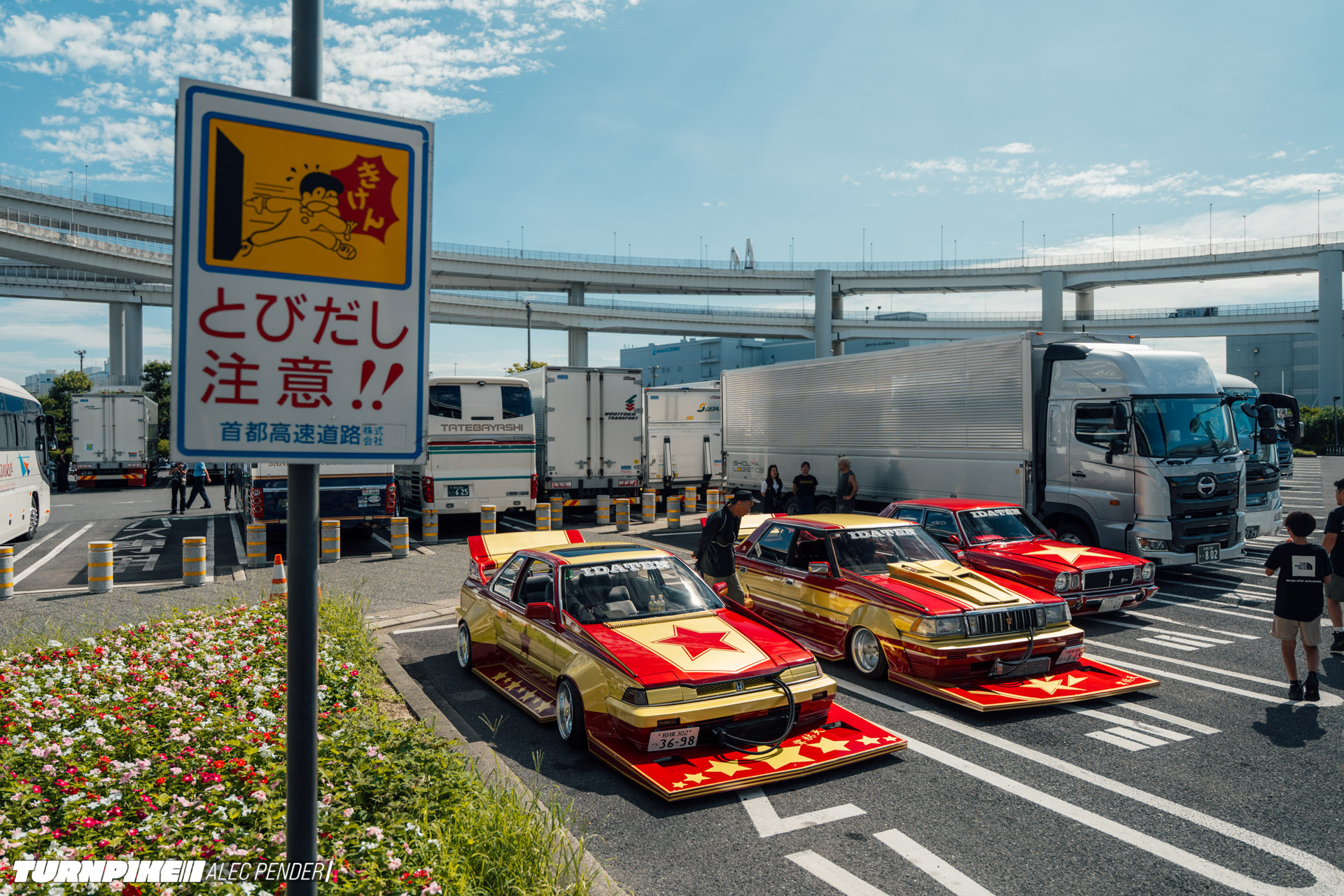
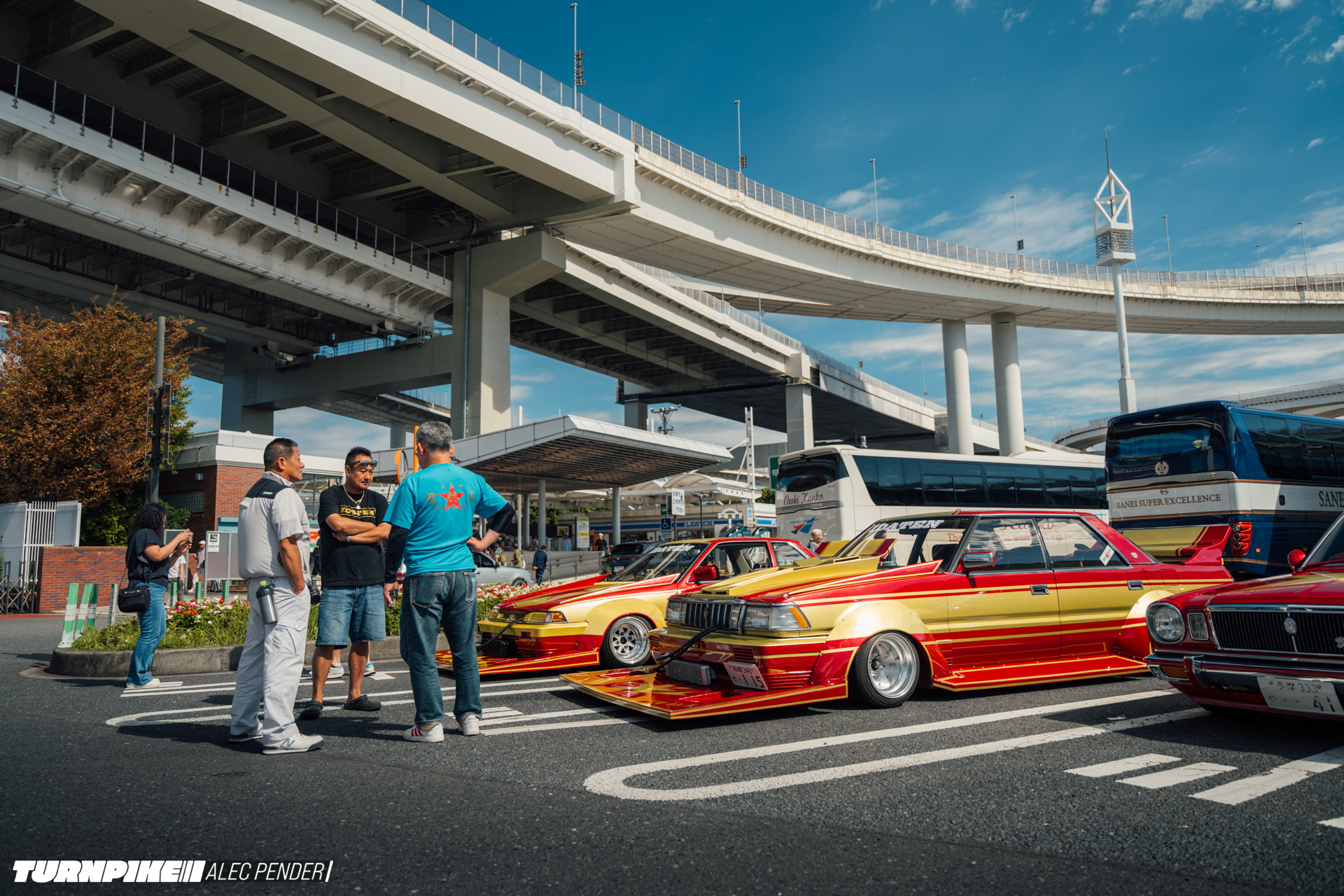
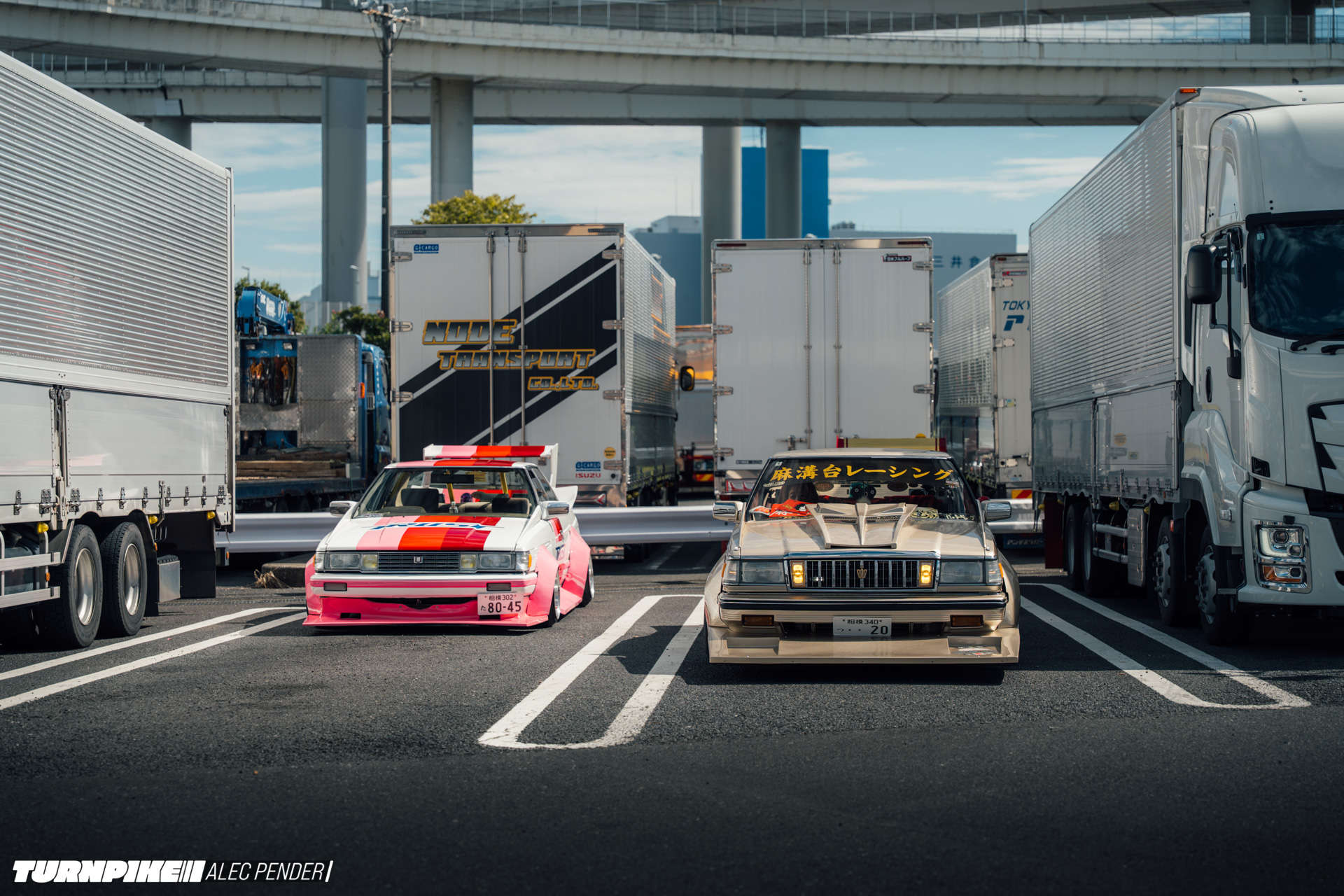
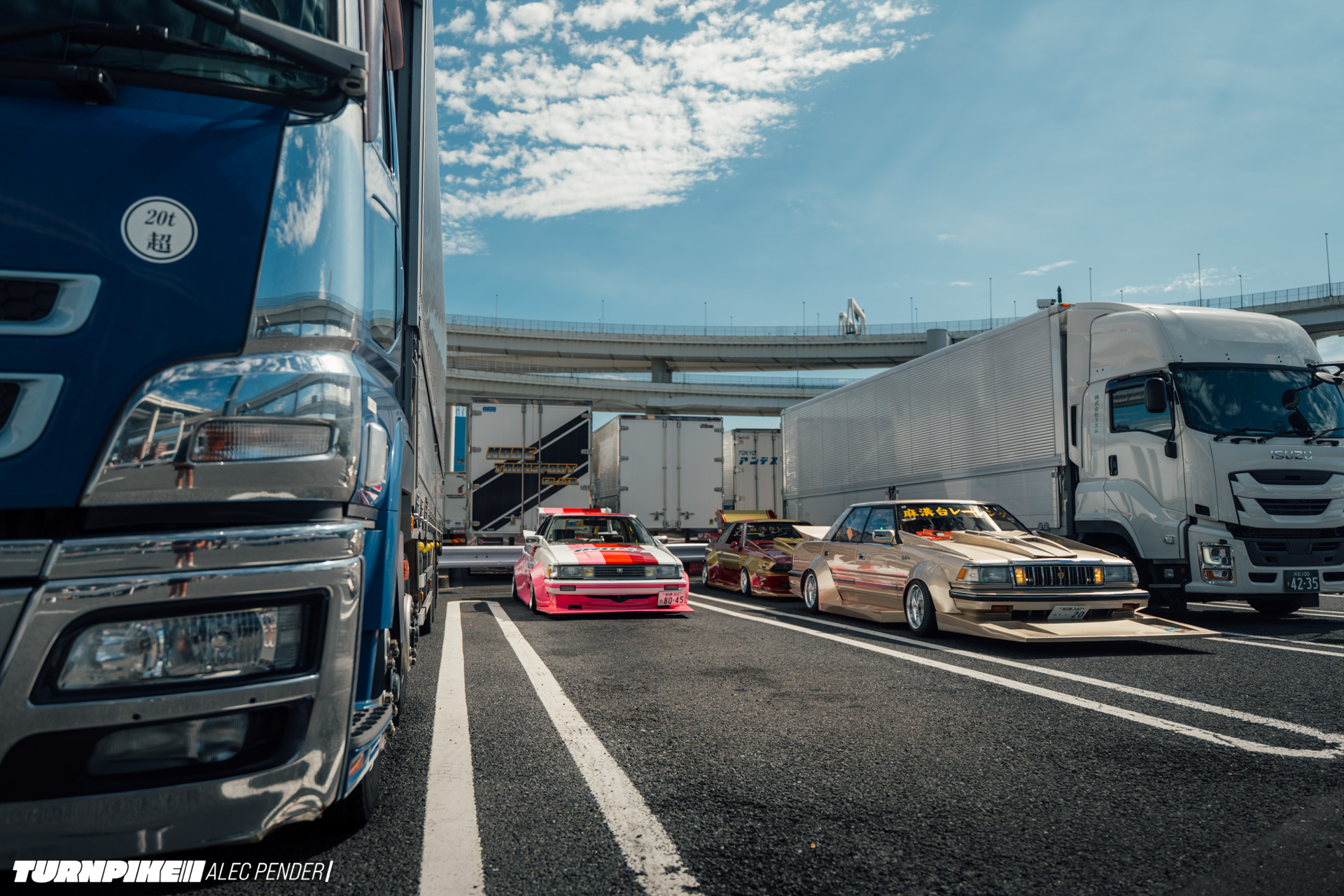
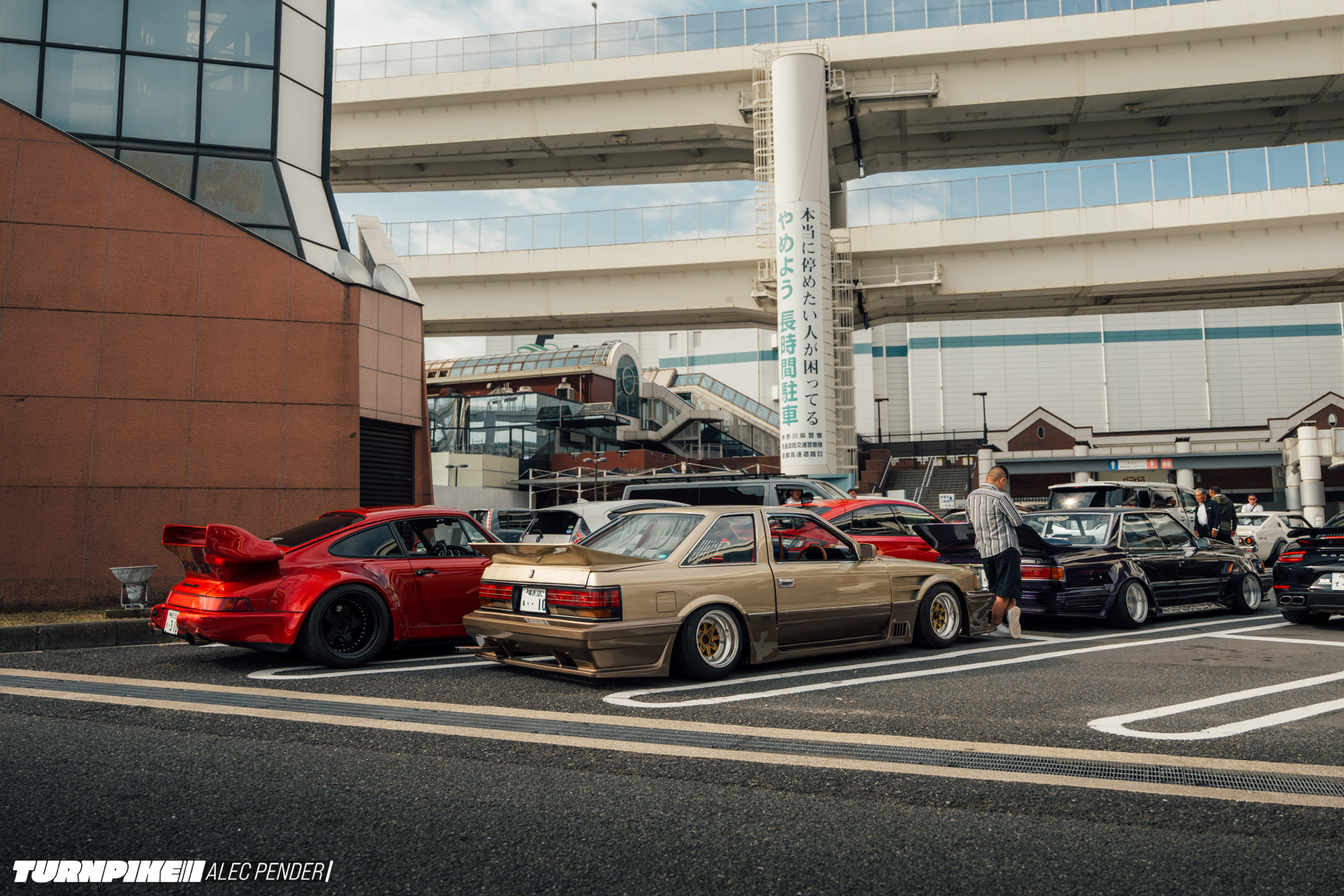
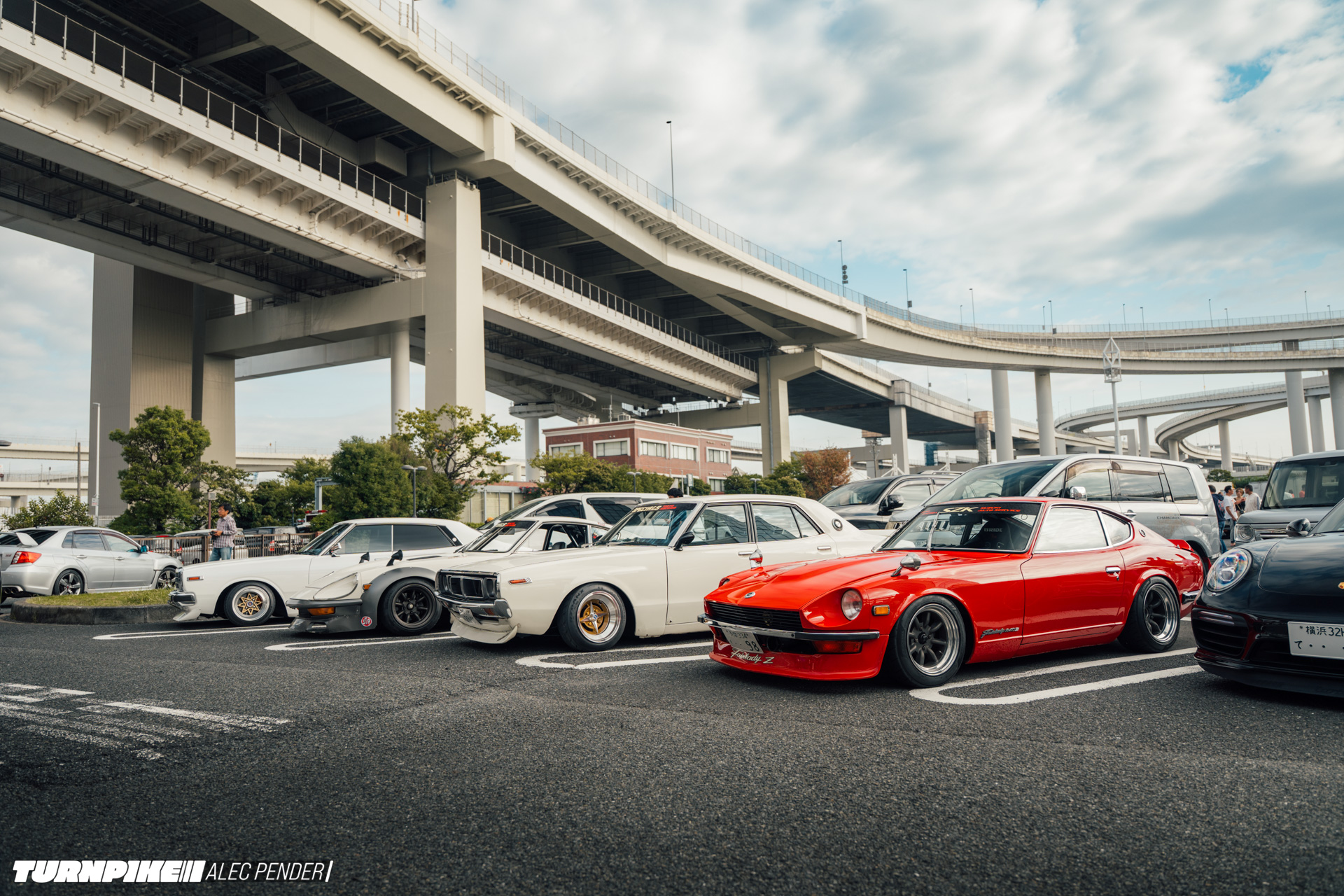
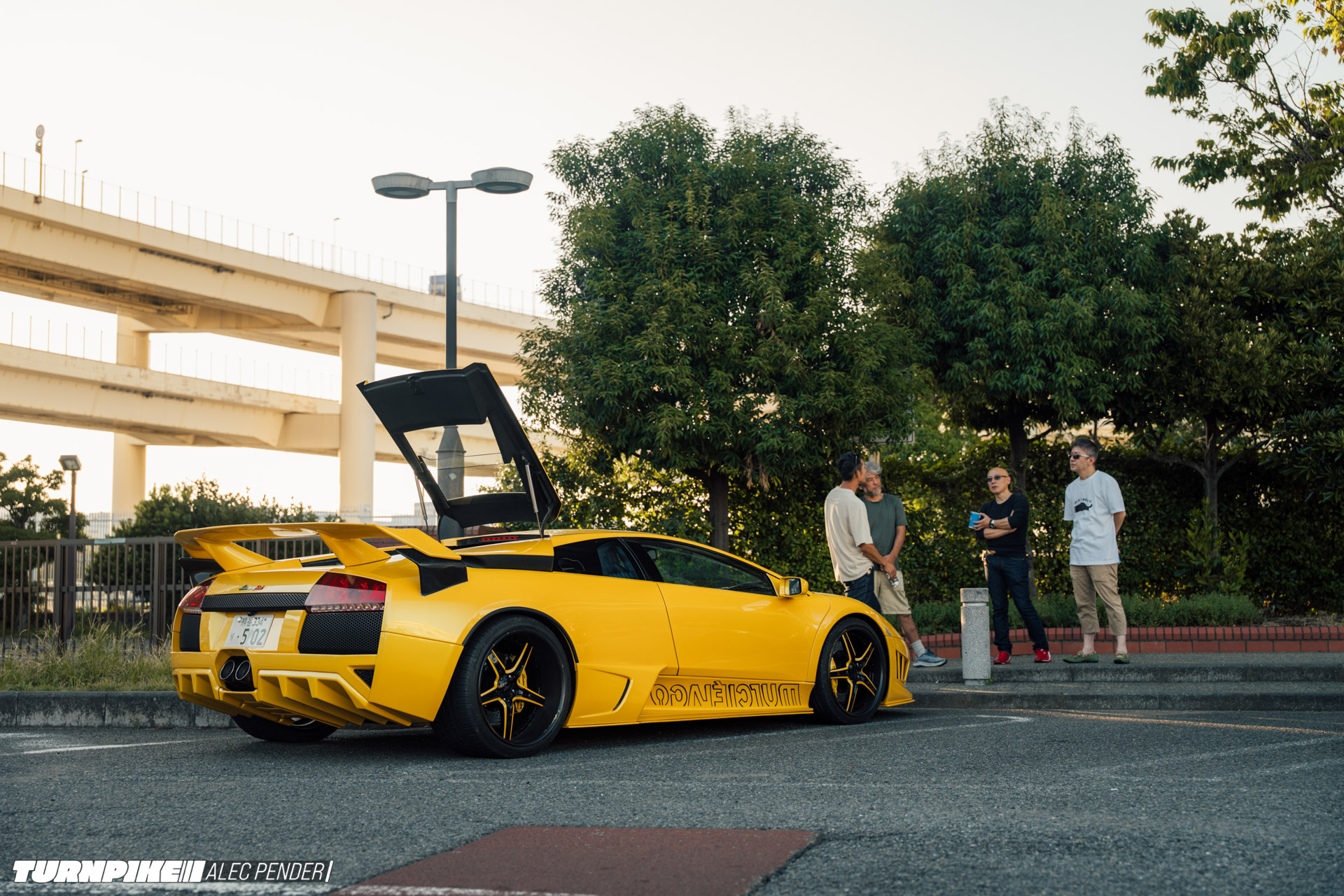
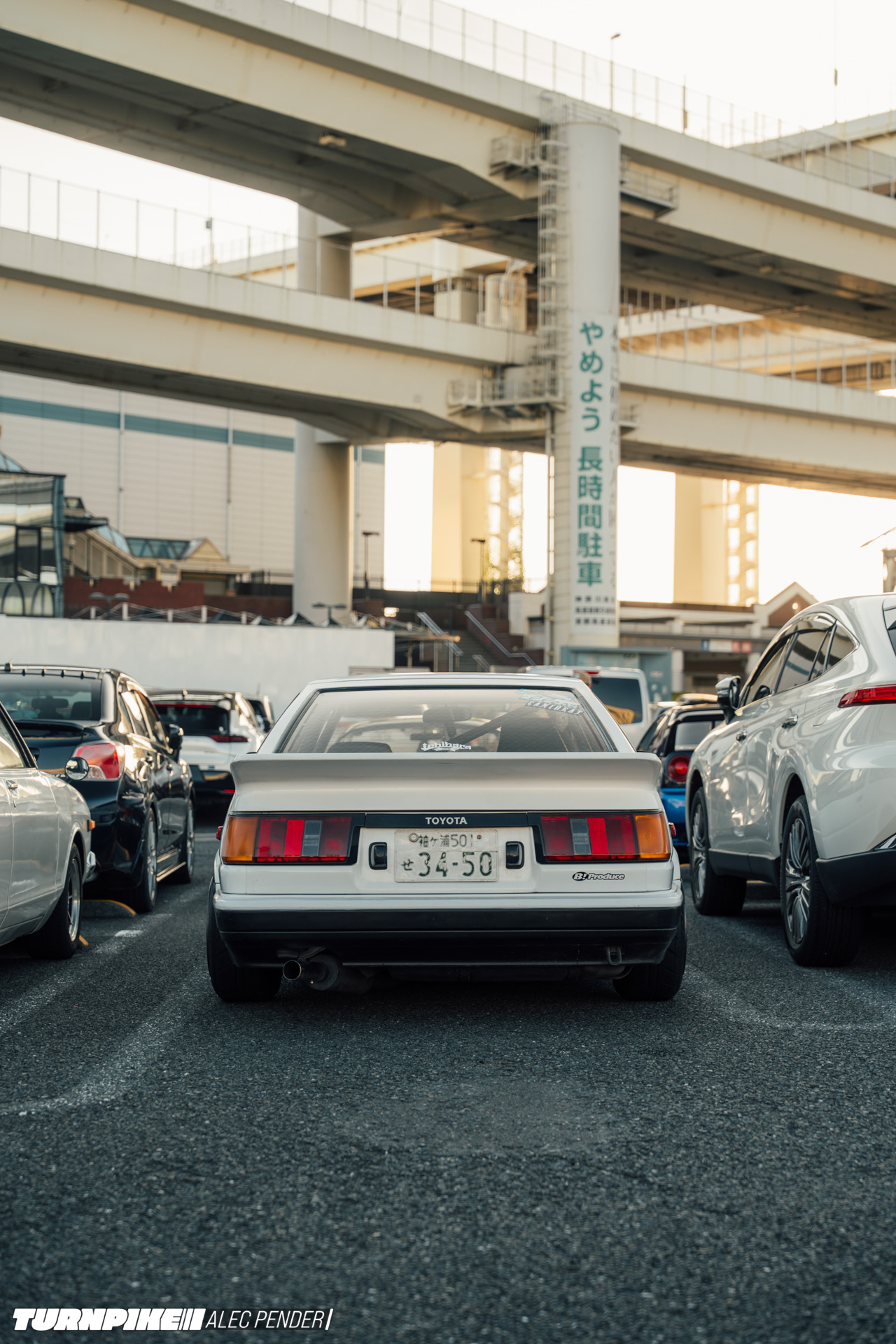
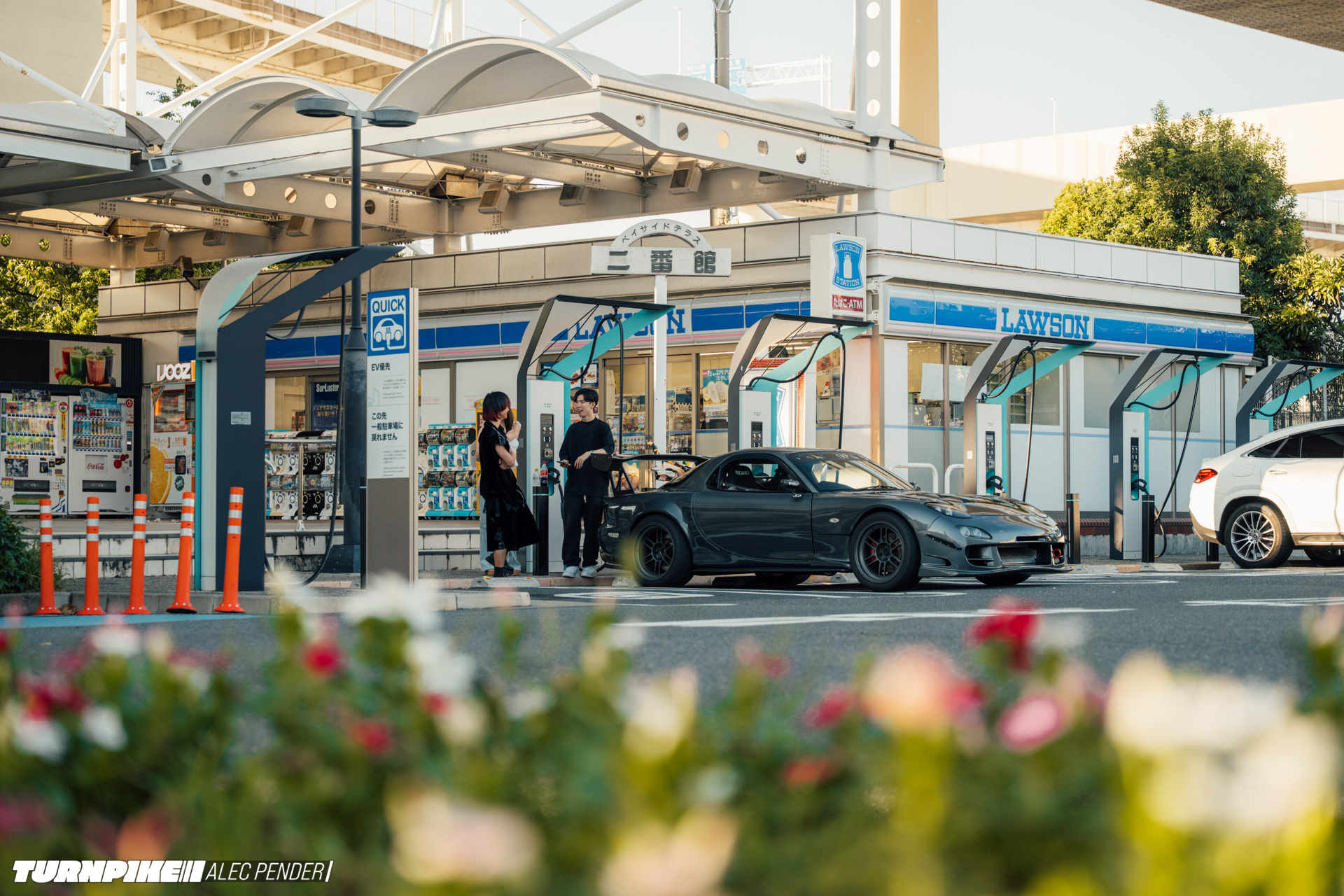
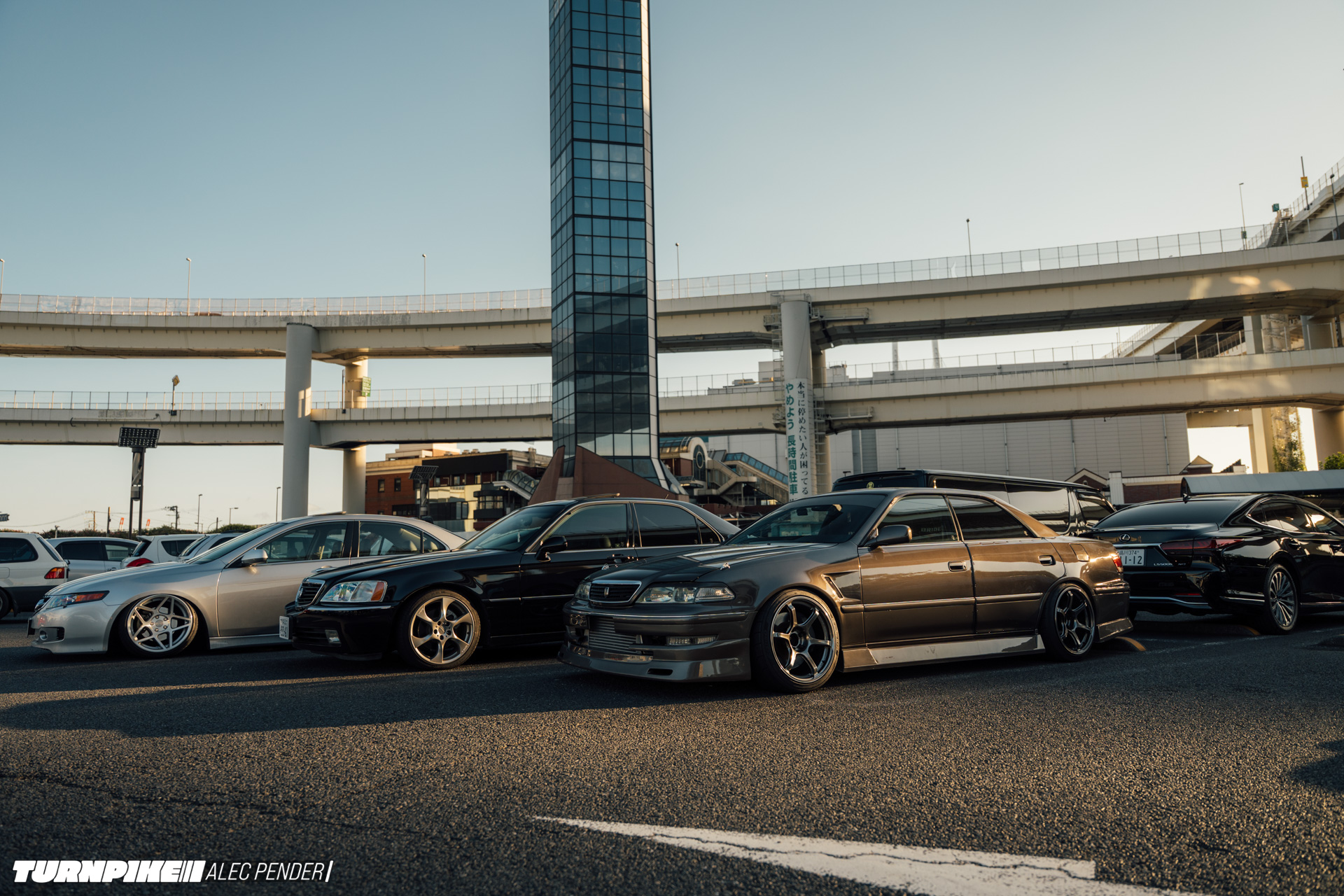
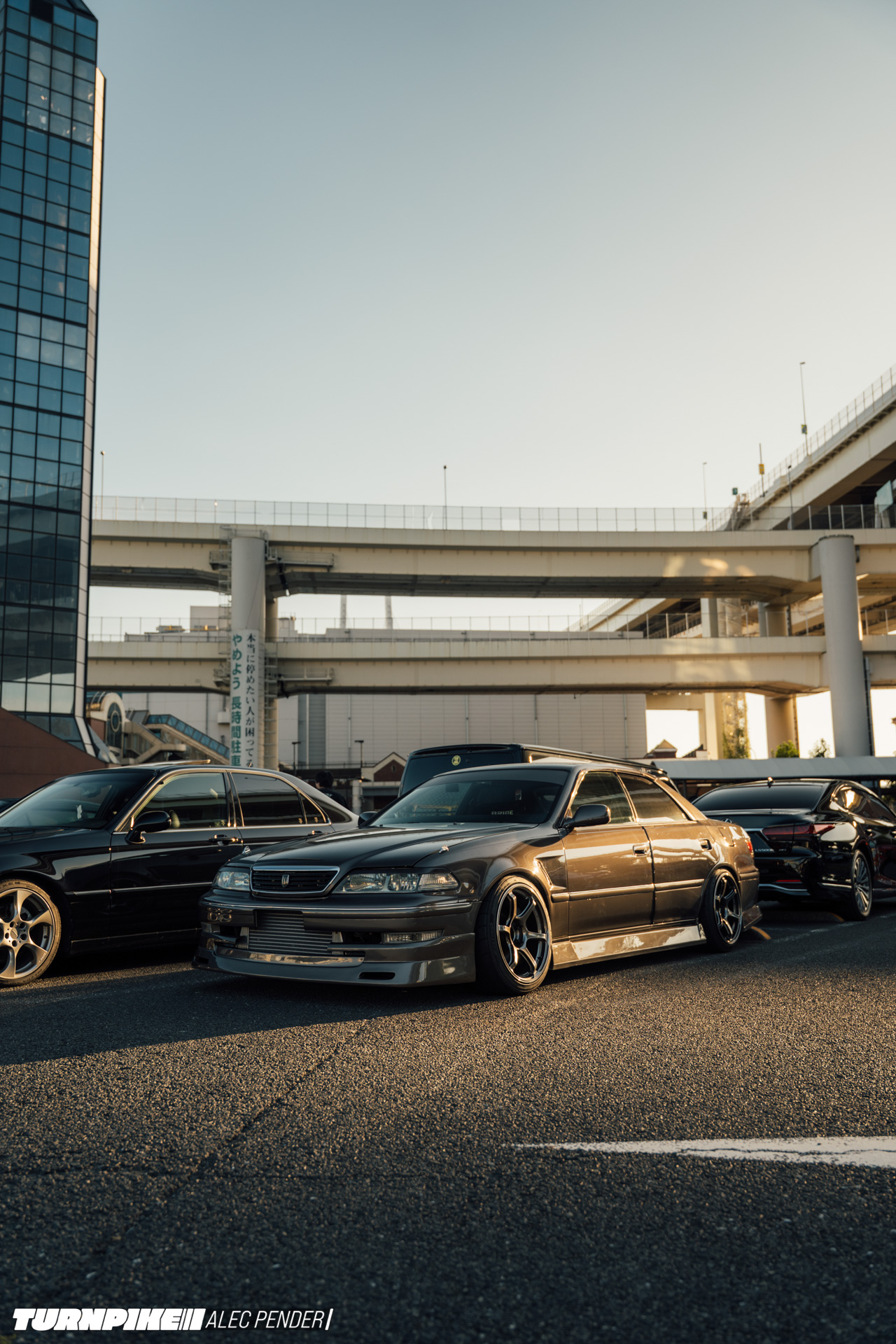
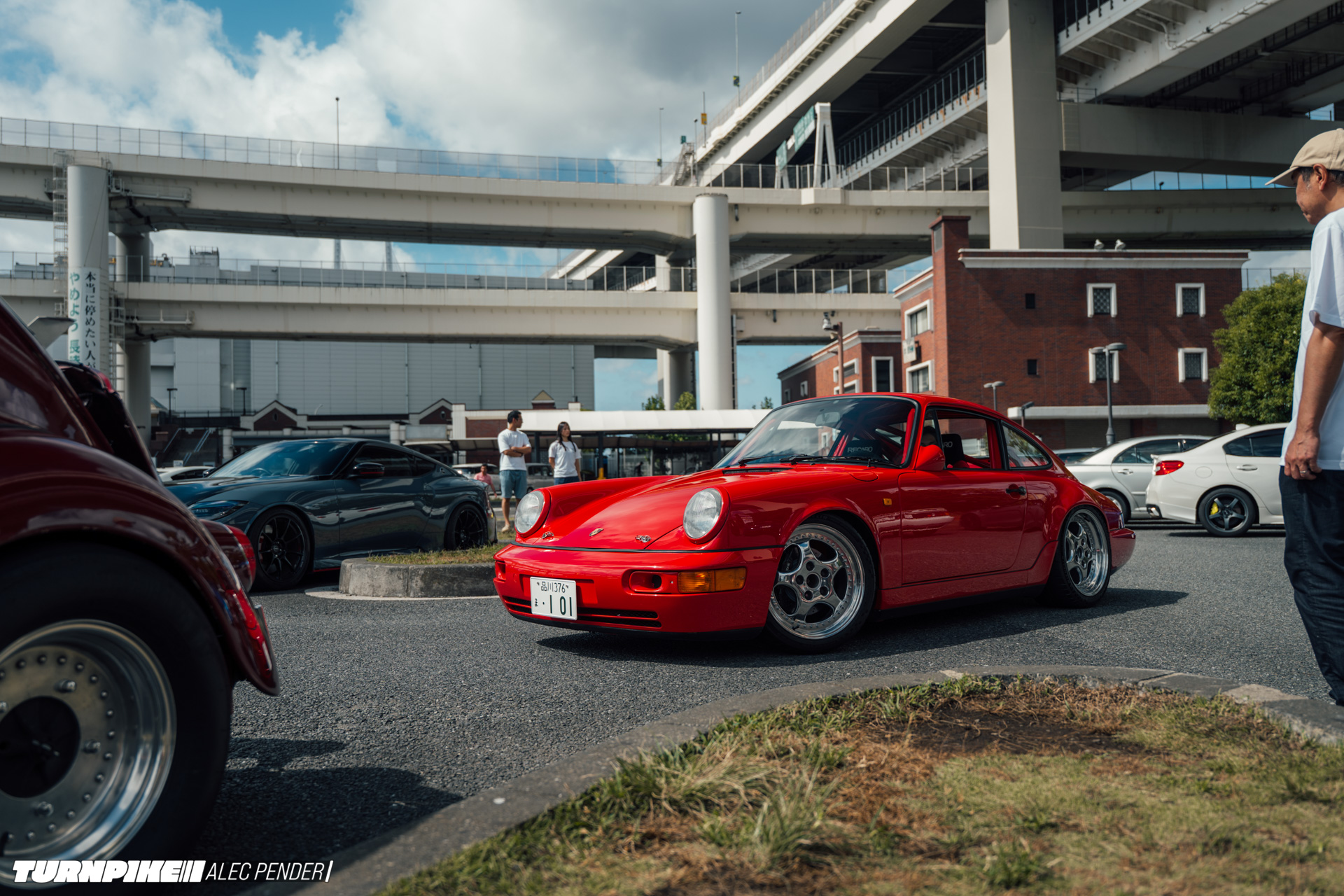
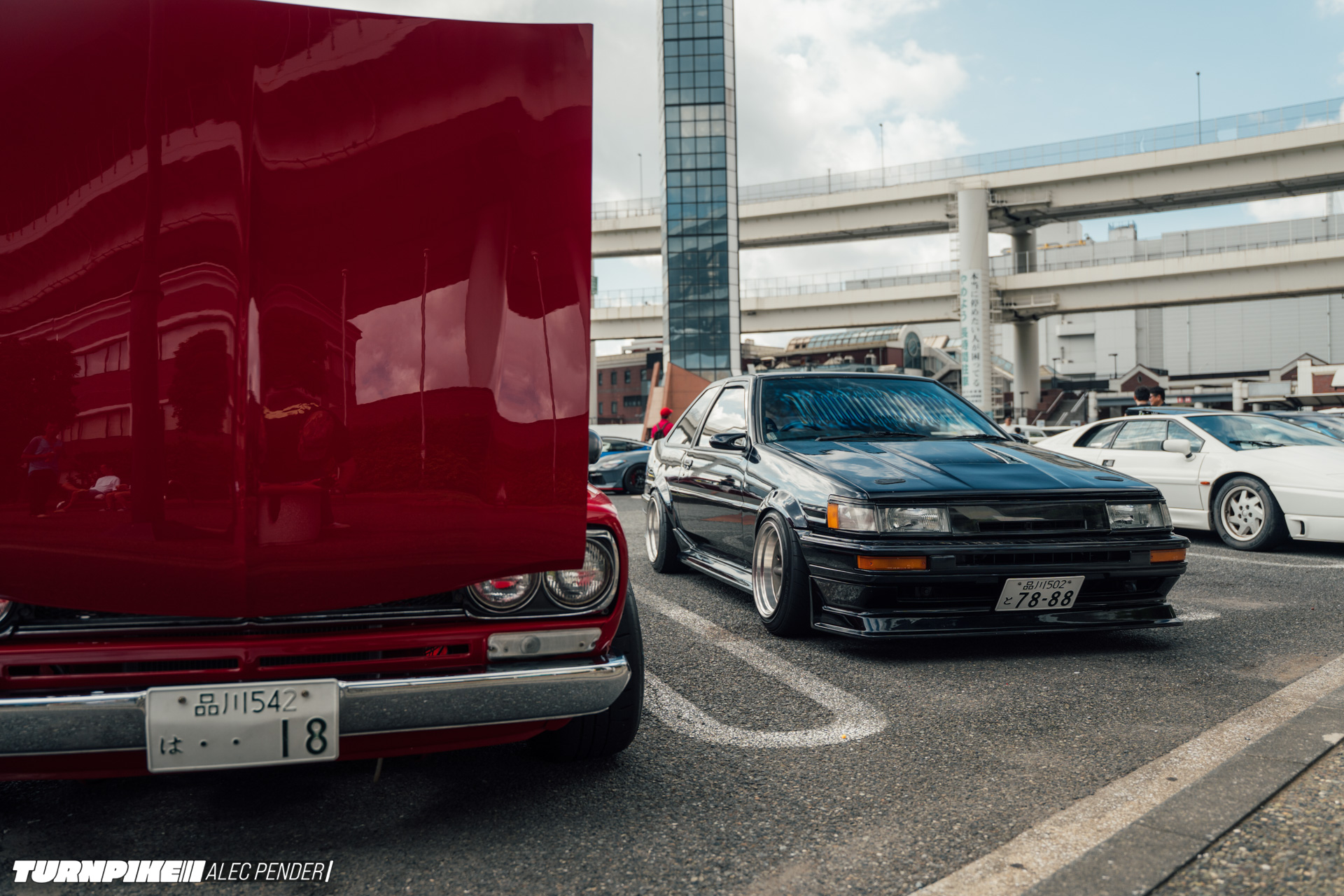
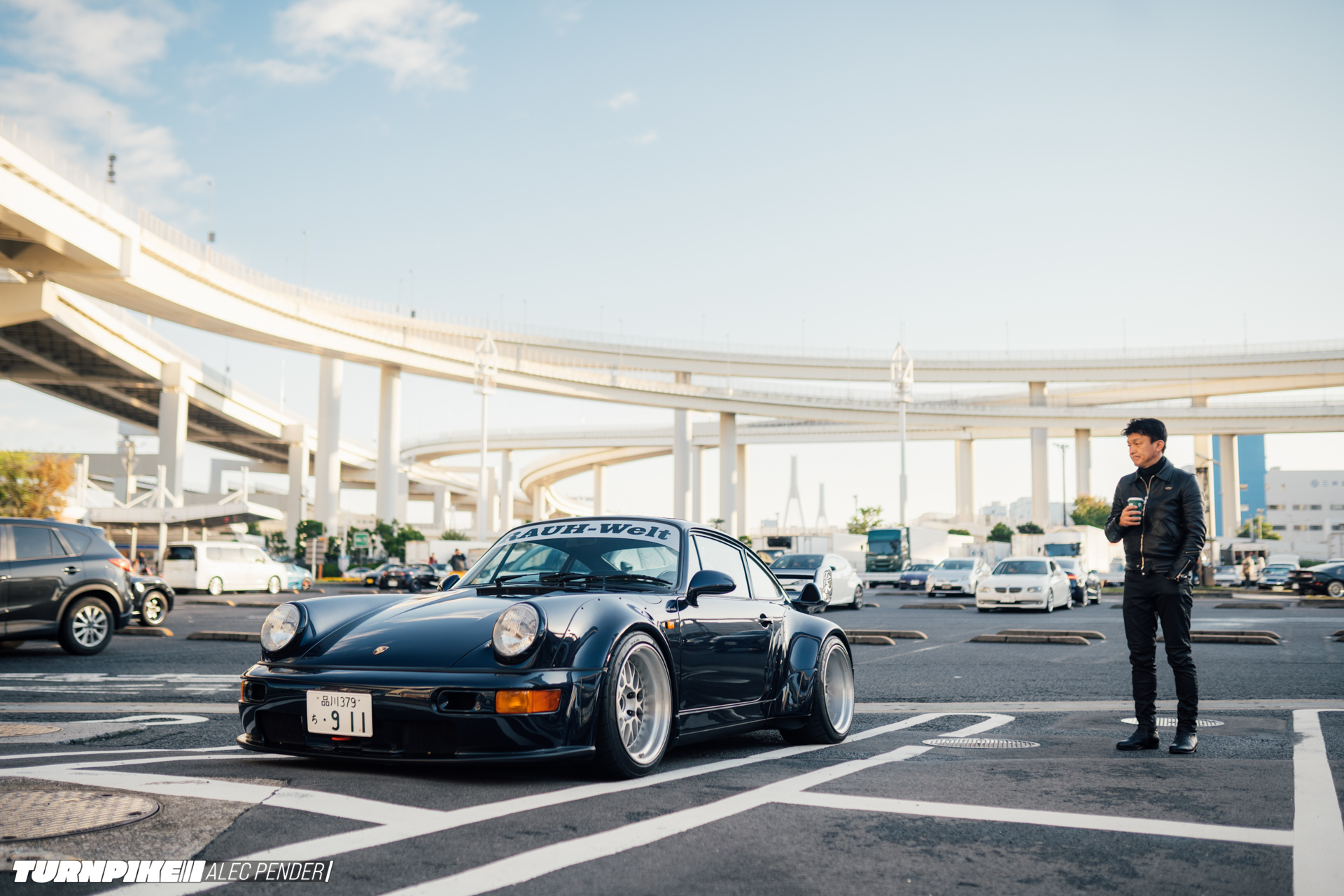
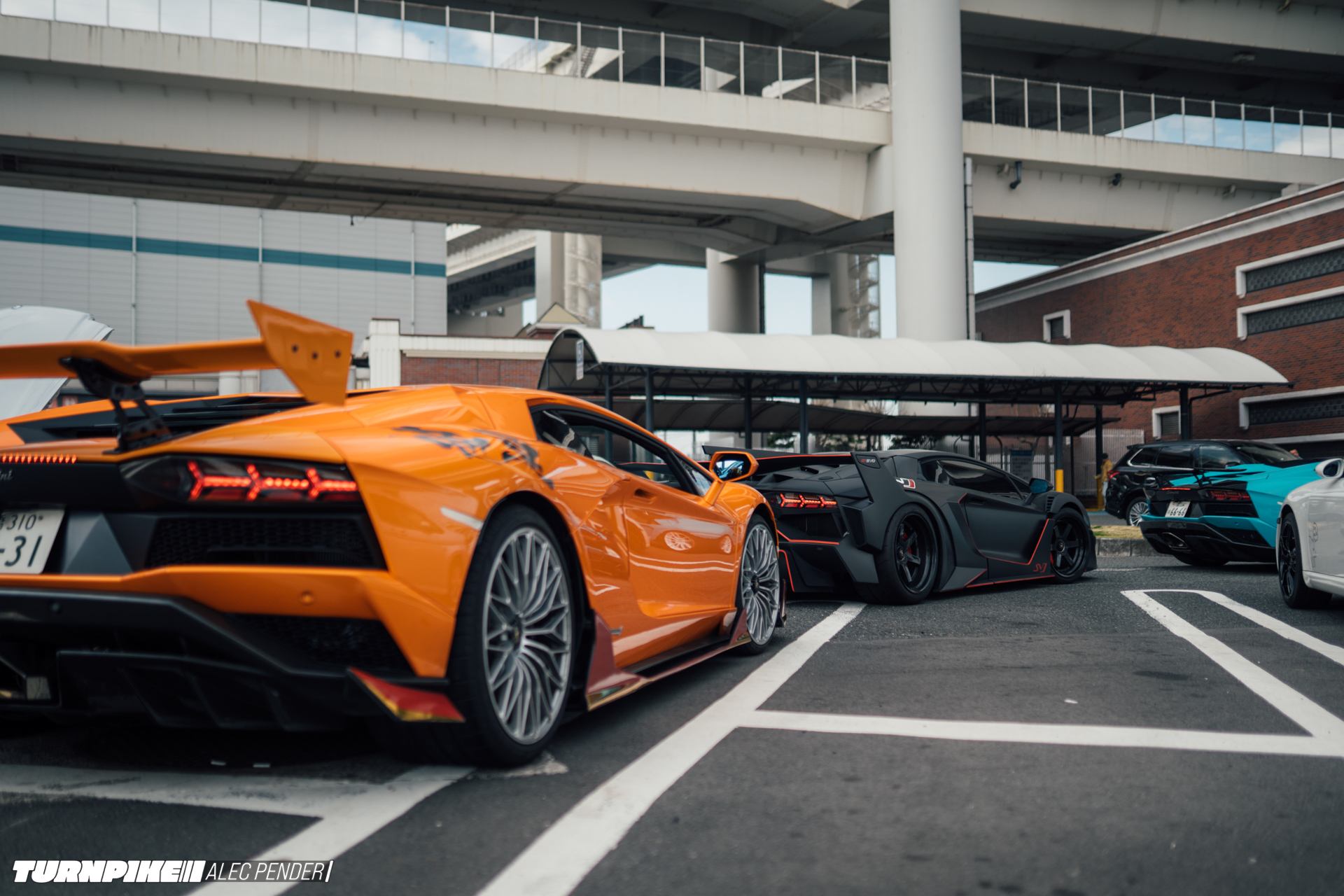
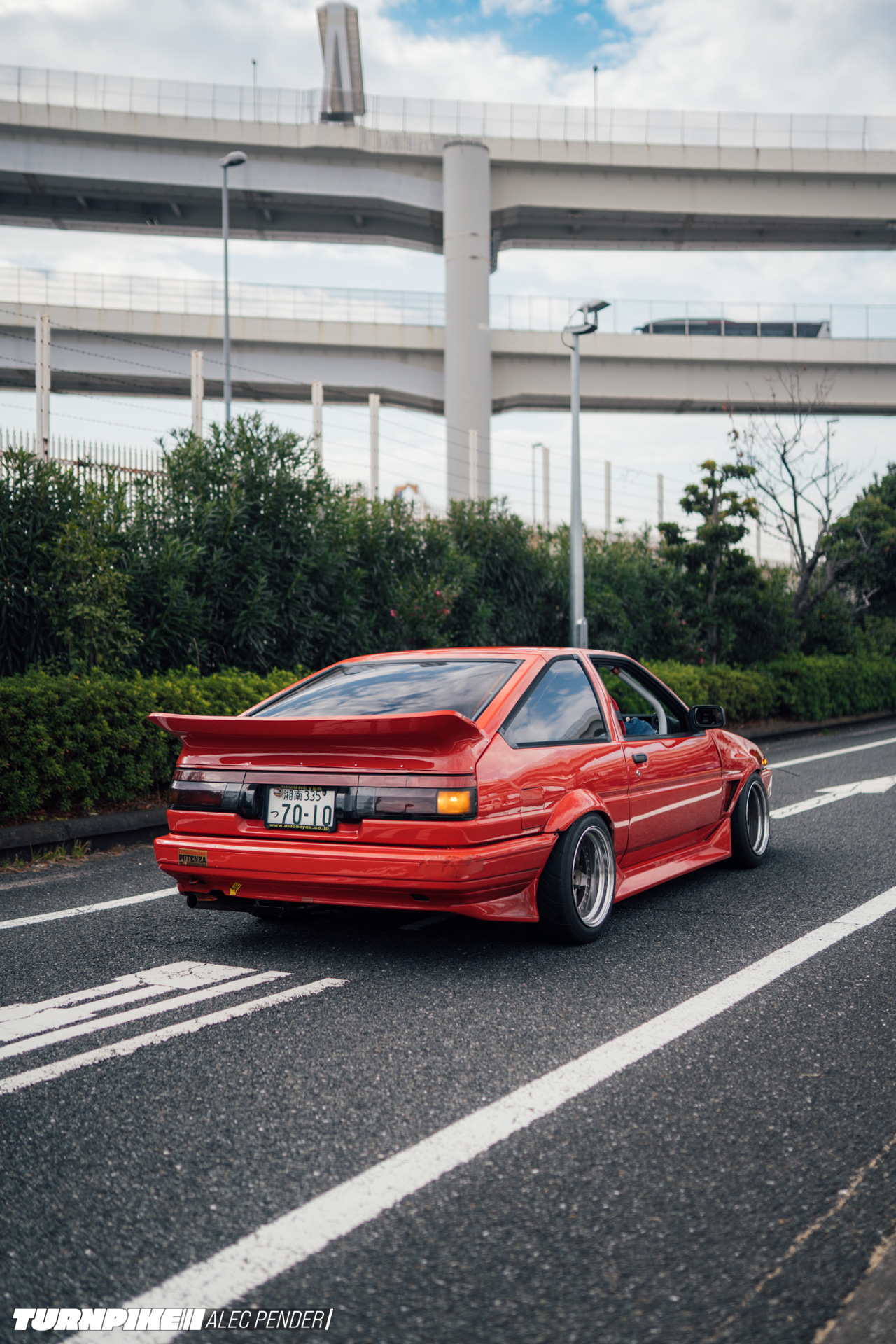
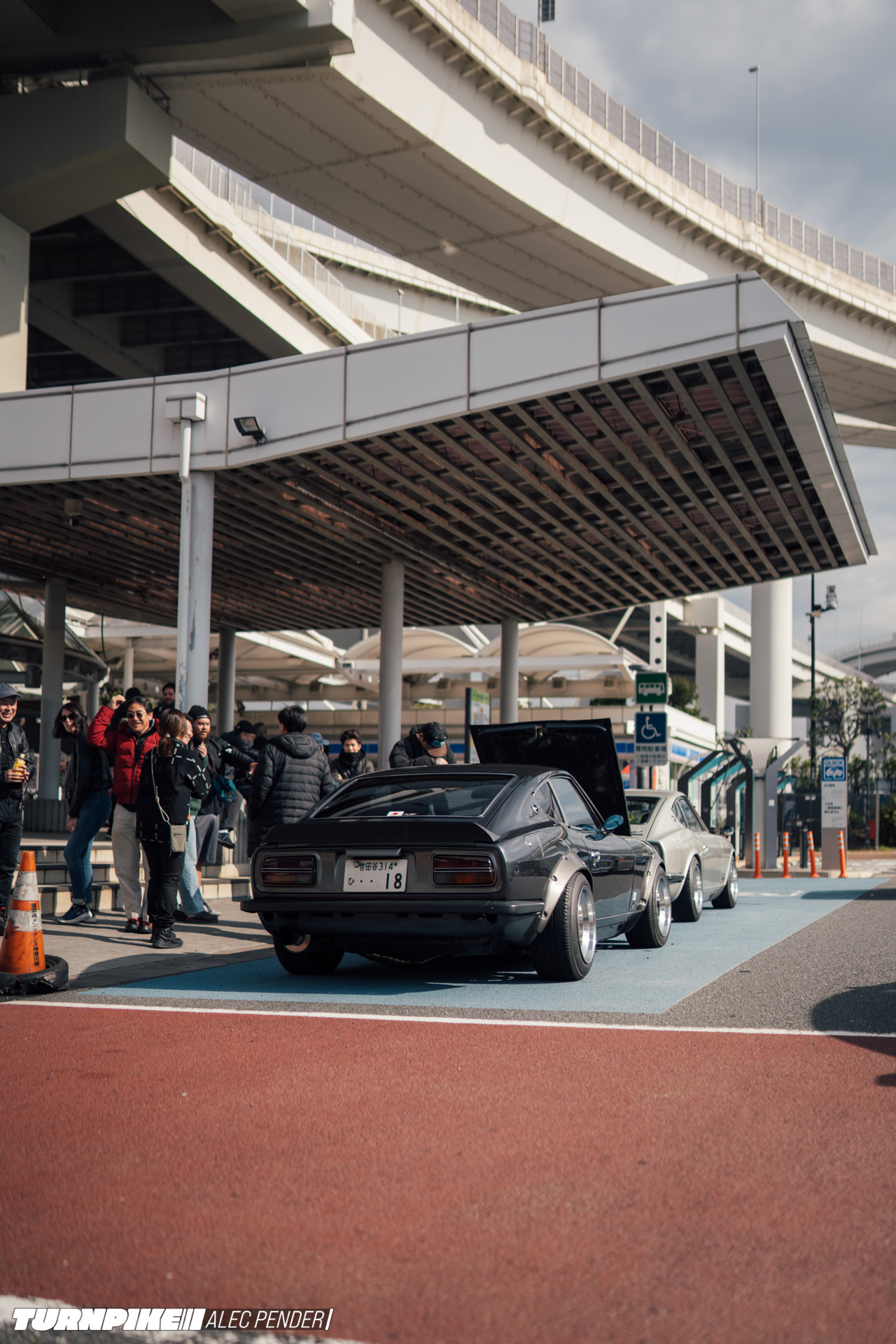
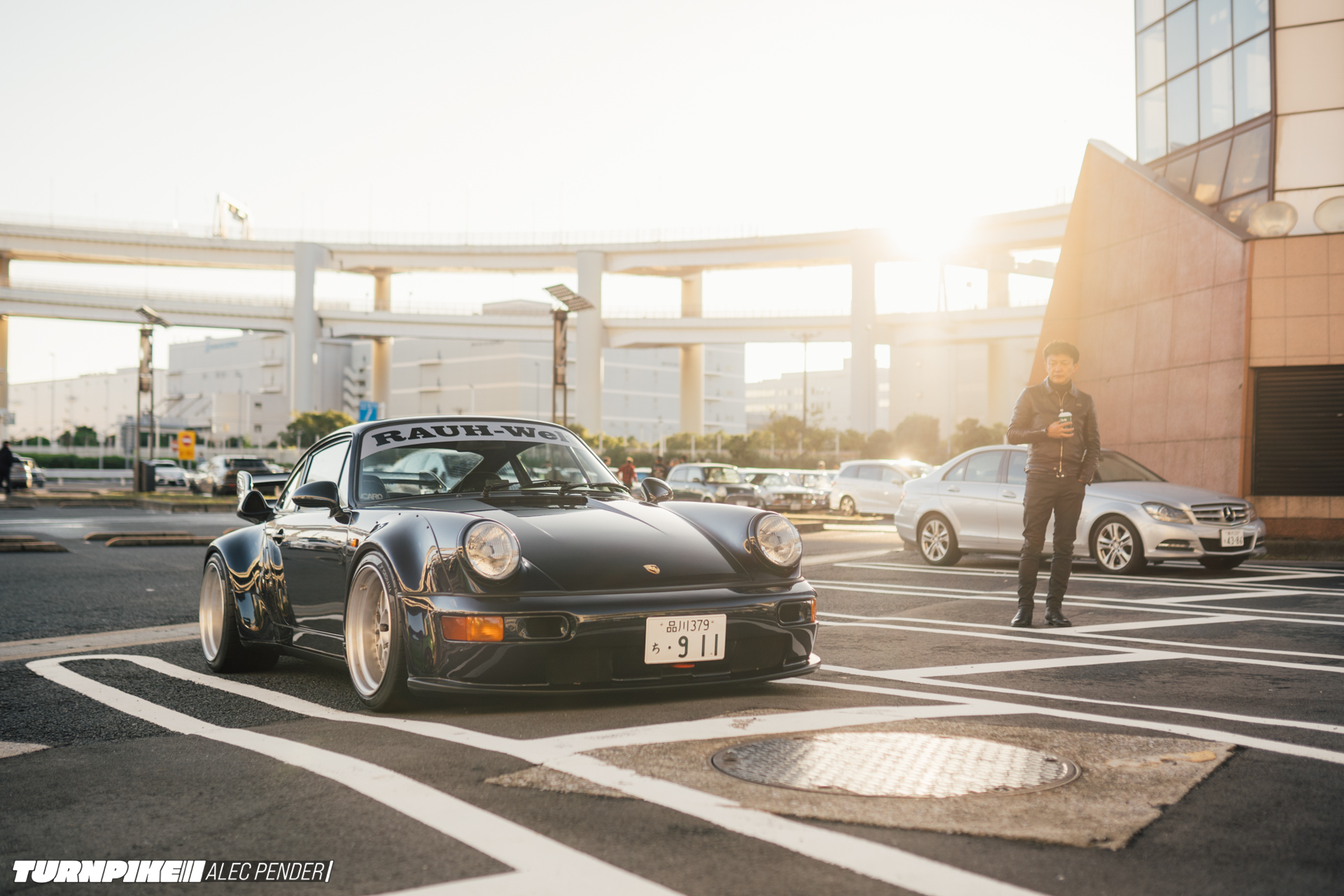
Daikoku Parking Area, possibly the most recreationally visited truck stop in the world. Some might argue that the legendary rest stop has had its day, now a hot spot for tour companies, tourists, unwelcome police crackdowns, and nothing more. I’m not sure I agree with that.
Daikoku PA is not an underground, fresh off the press story. It’s been covered hundreds, if not thousands of times by YouTubers, journalists and anyone with a trigger-happy Instagram finger. But who are we to call ourselves ‘global’ without at least one article on Japan’s car culture Mecca.
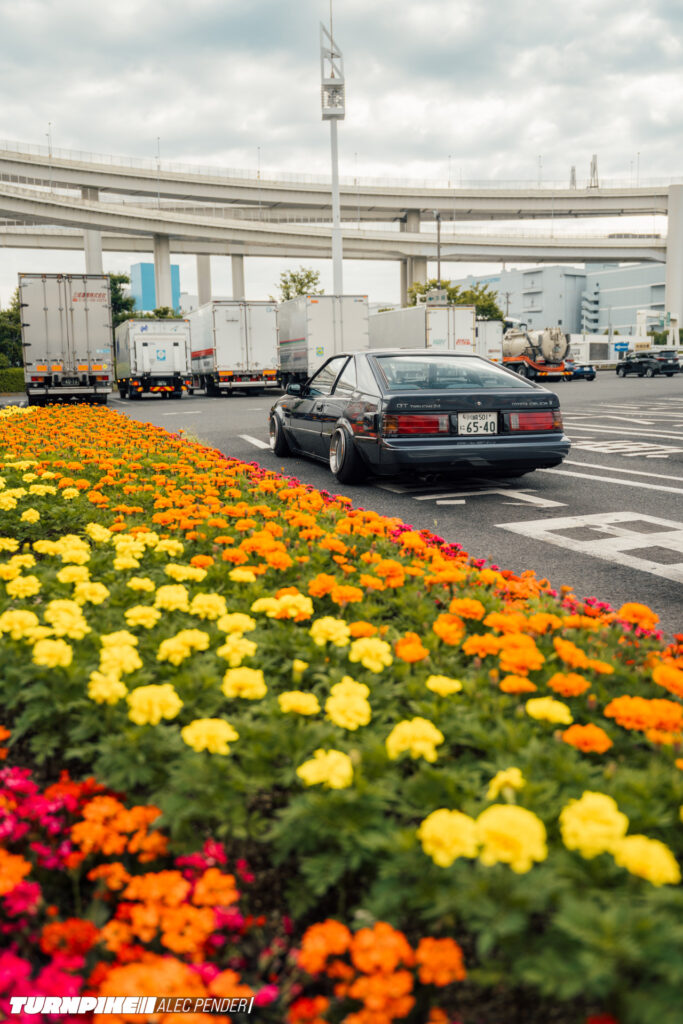


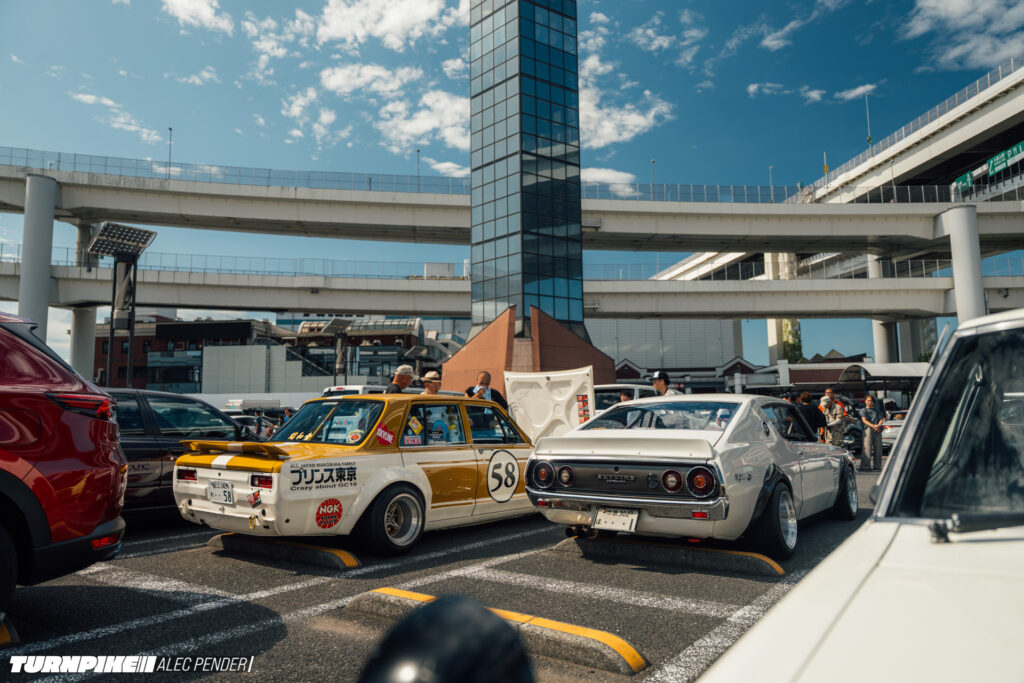
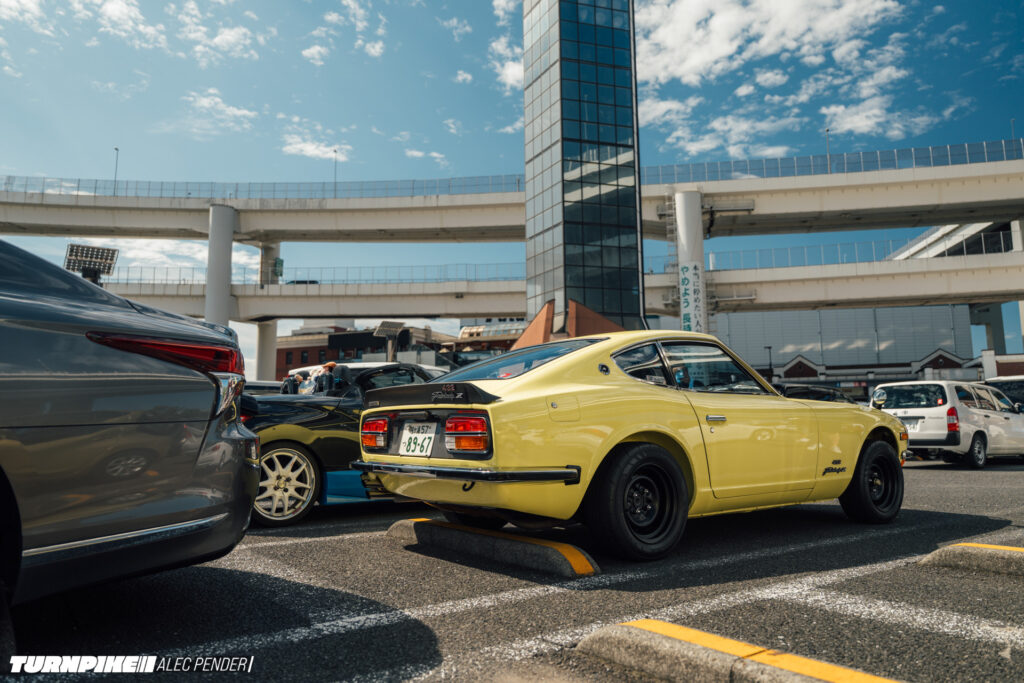

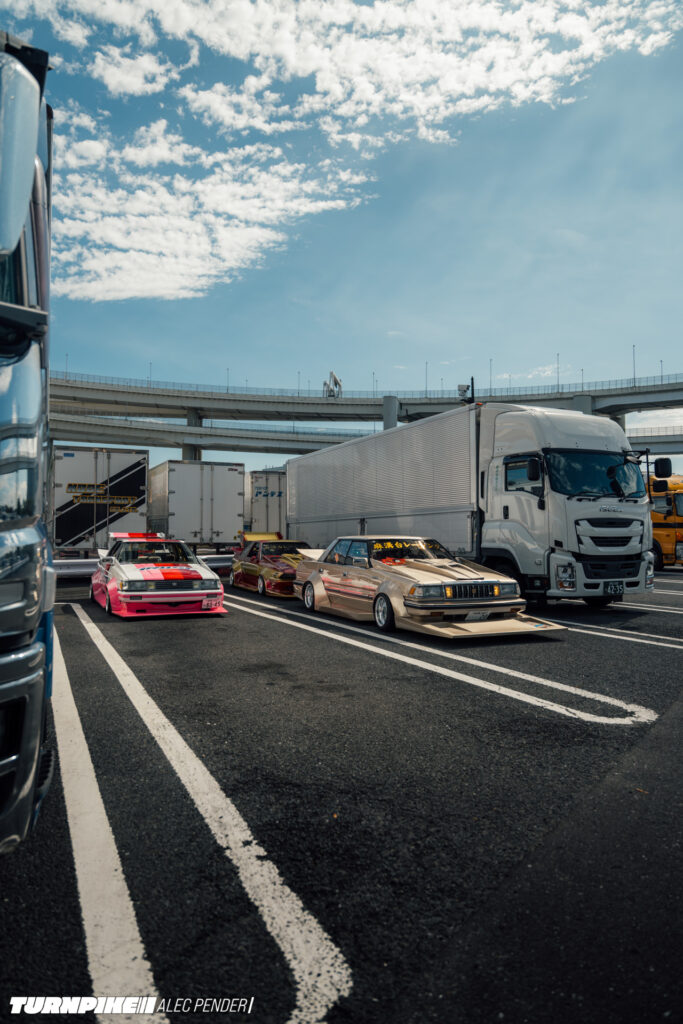


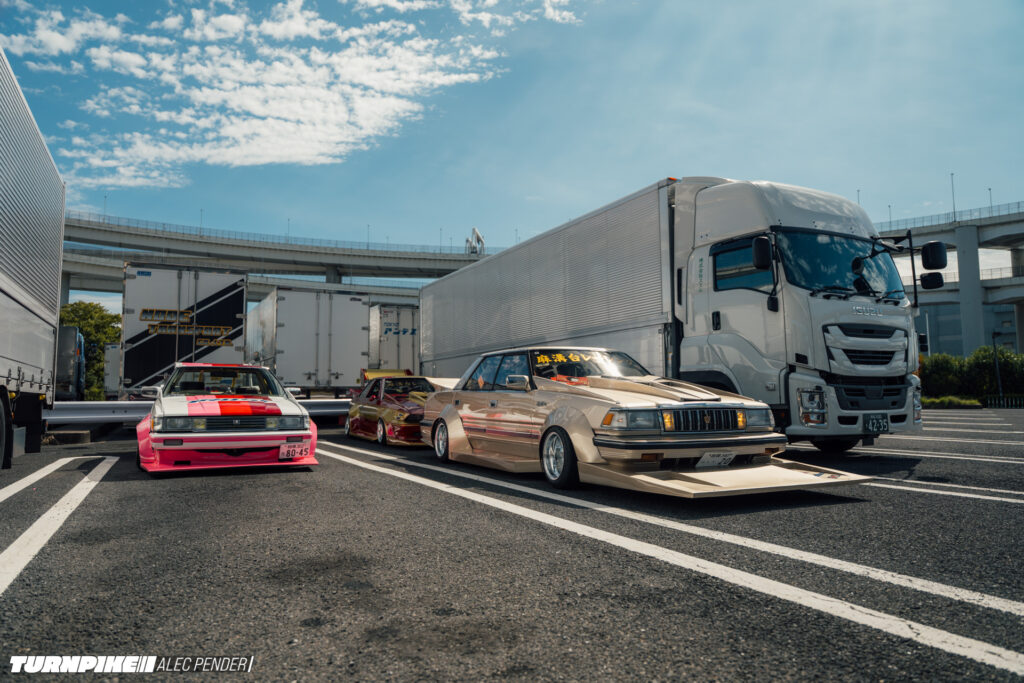
I’ve lived in Japan for just a few short years. Granted, it’s nothing compared to others like Dino – now a part of Japan’s furniture – but in my short tenure I’ve witnessed a significant change in the parking area, the online perception for starters, but most importantly a shift in its reality.
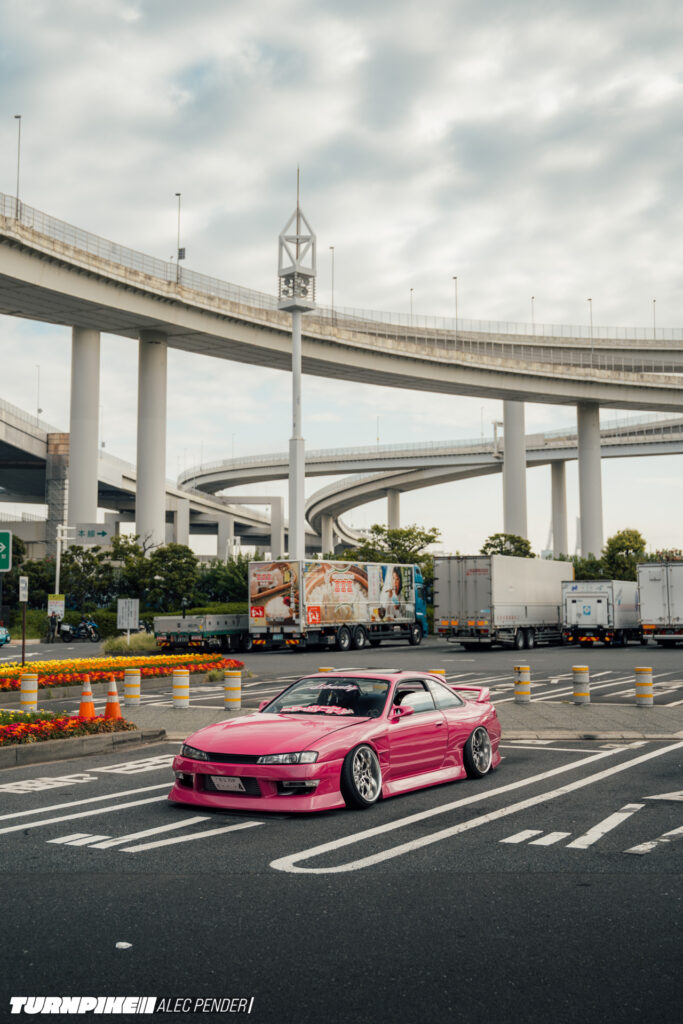


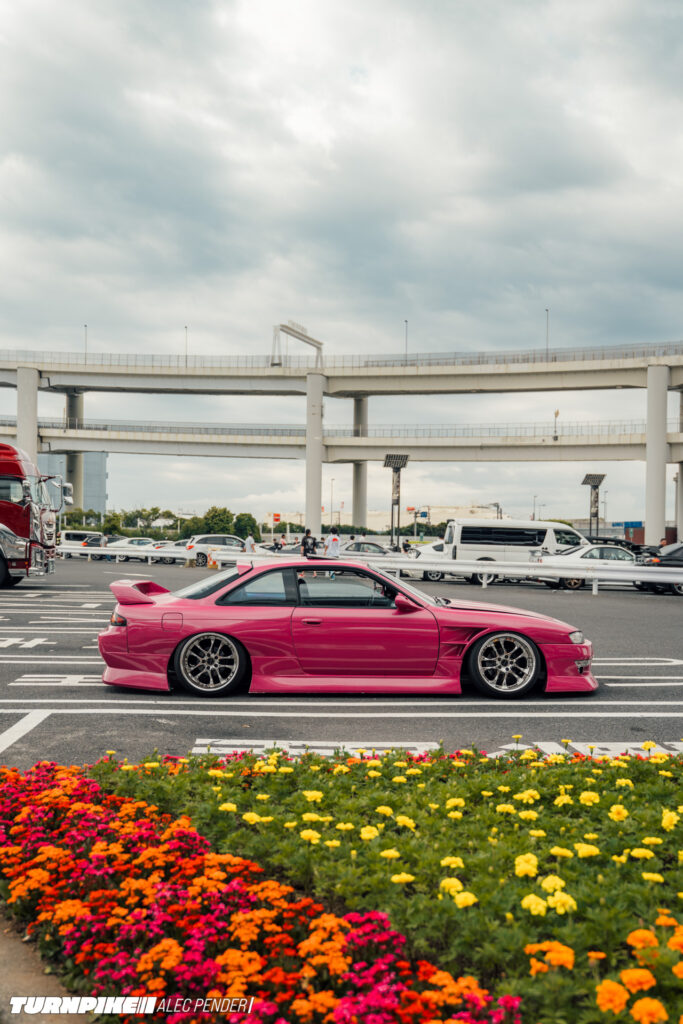
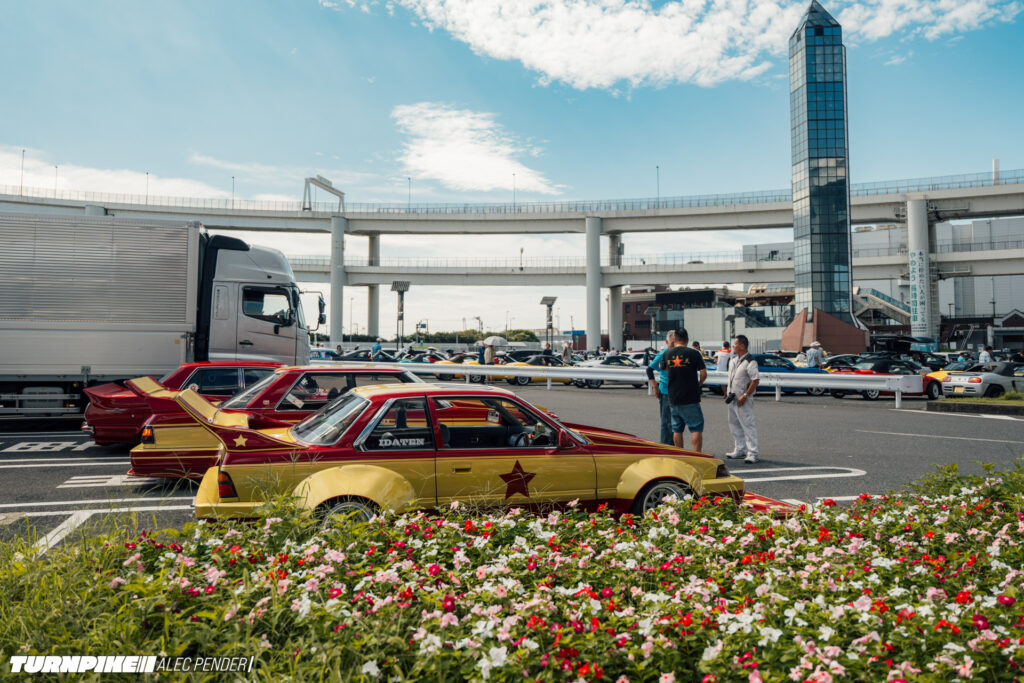

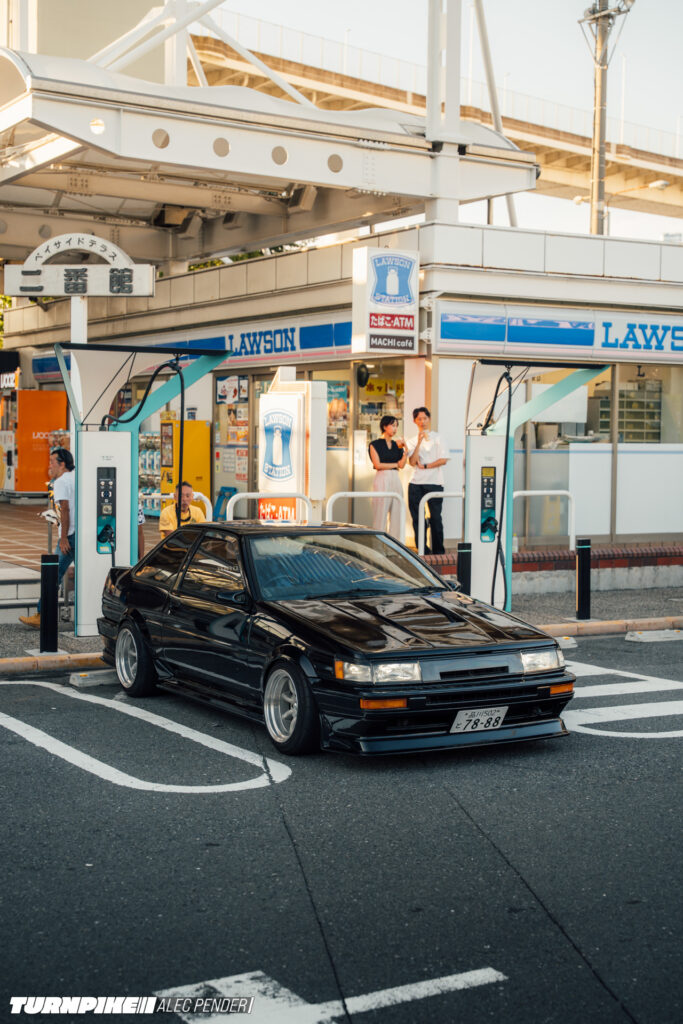


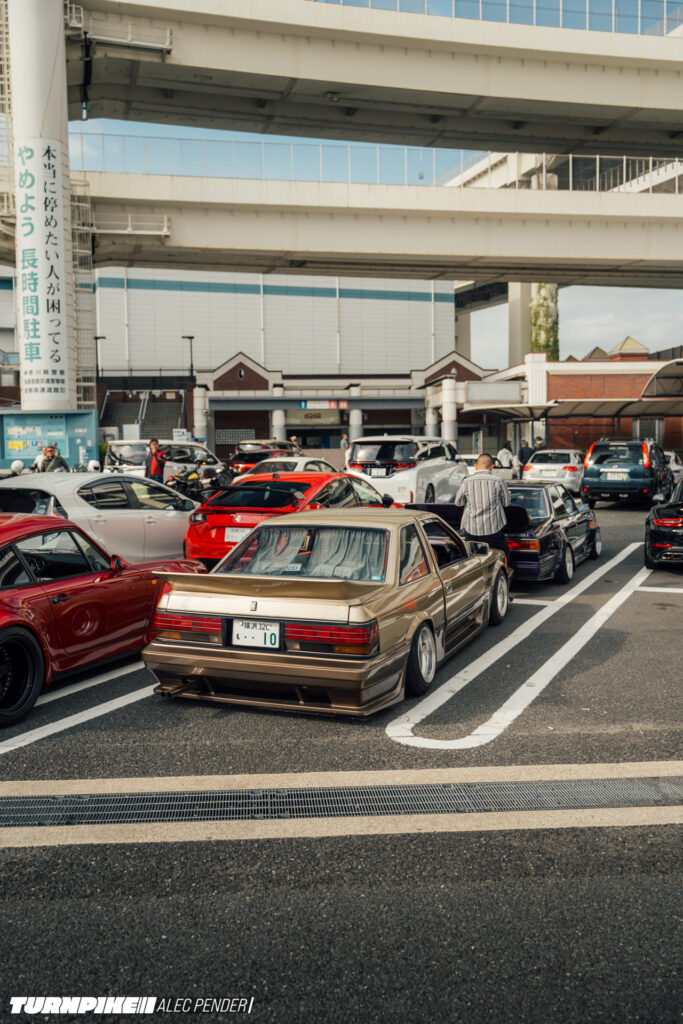

I was lucky enough to first move to Japan whilst borders were still closed to tourism, but times have changed. Fifty dollar hotel rooms are now five hundred dollar rooms, once empty restaurants are now overbooked and long gone are the attractions that were so quiet you’d have them to yourself. It was a fortunate experience that allowed me to tick a lot of boxes, one of which was Daikoku PA.

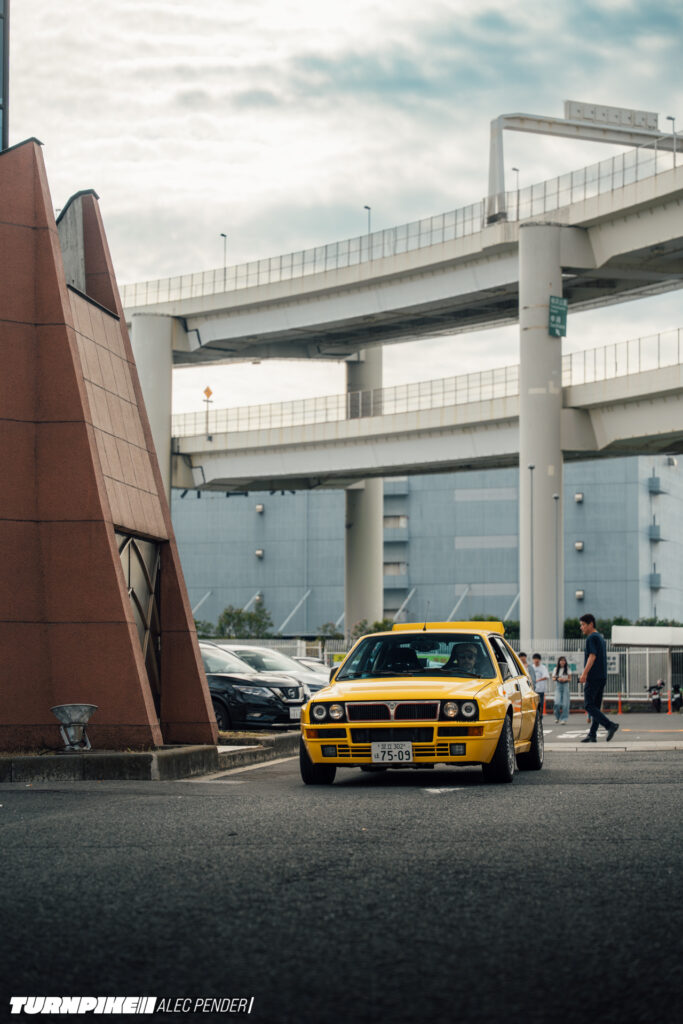


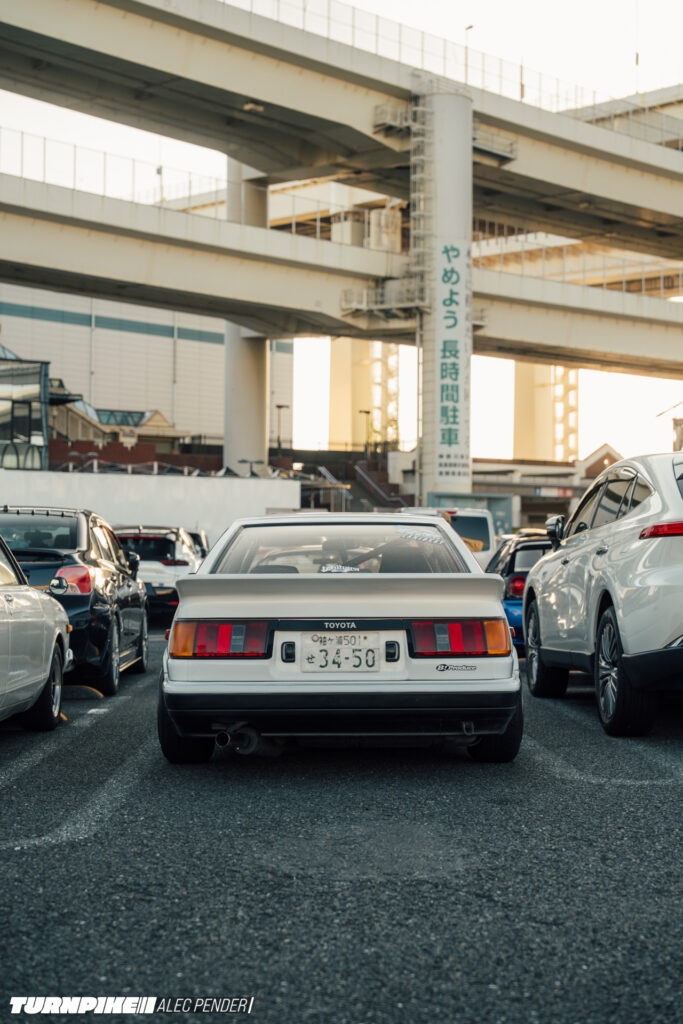

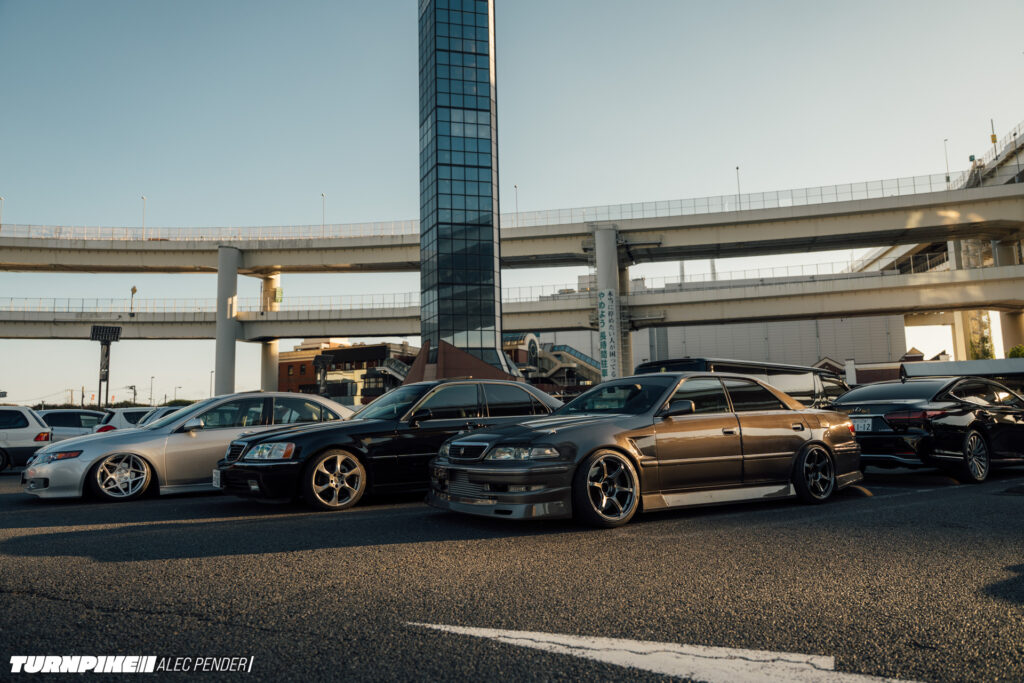


The minute my first weekend in Japan rolled around, I jumped straight in a rental car and bee-lined it for the PA. It was a true local experience; cars were out in the hundreds, it was exactly what I’d imagined. From that point forward, I tried to make it back out there every weekend, sometimes Friday evenings, sometimes Sunday mornings, but no matter what time there was always something to see.


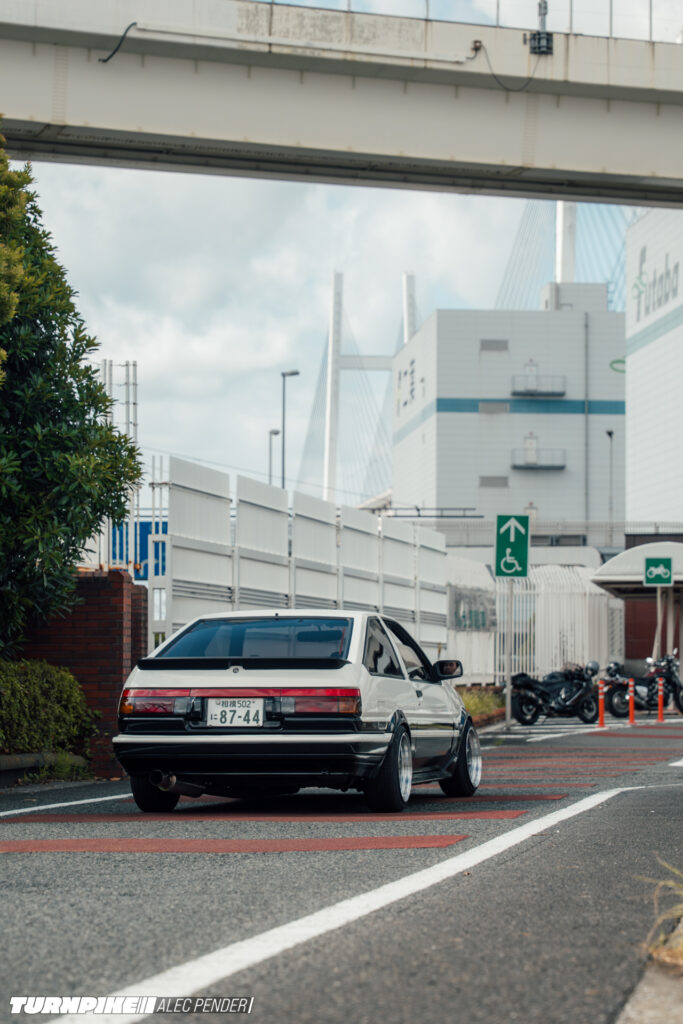

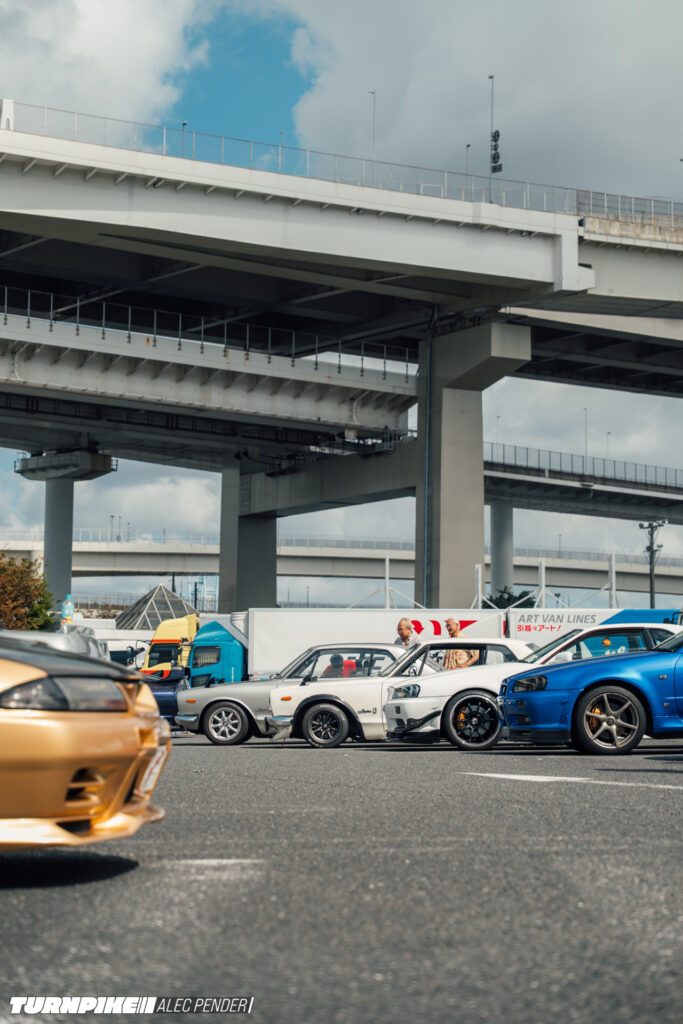
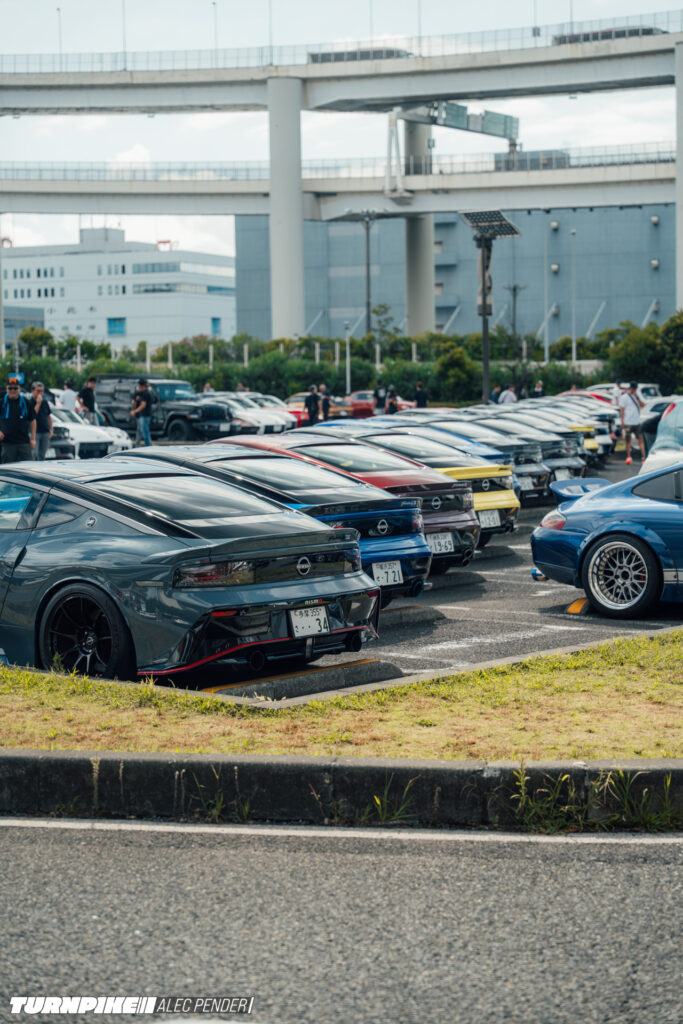
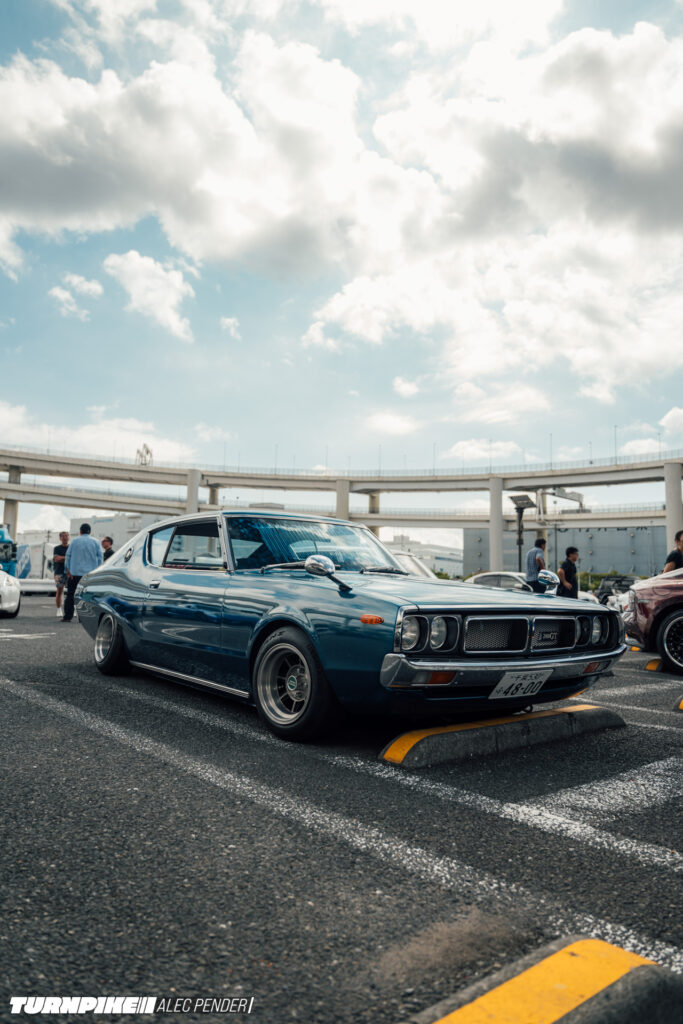
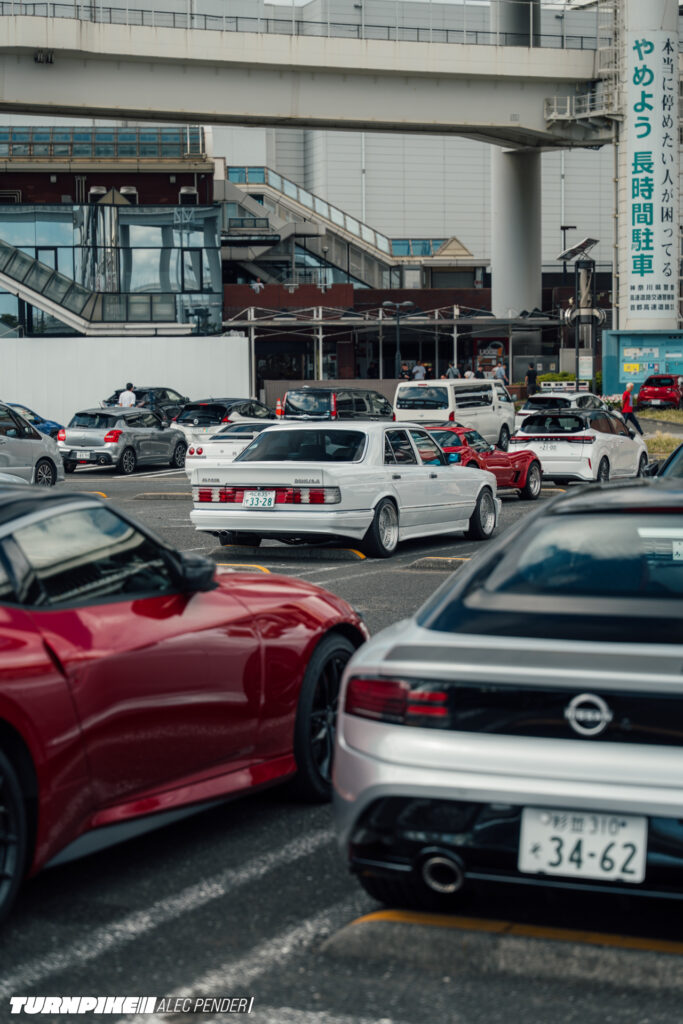

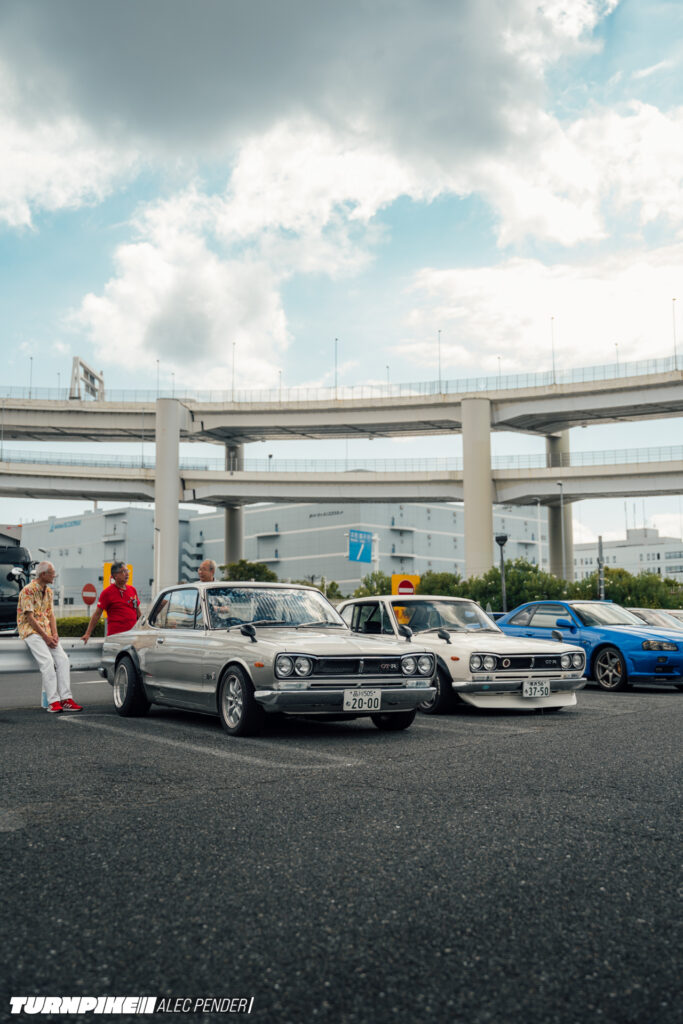

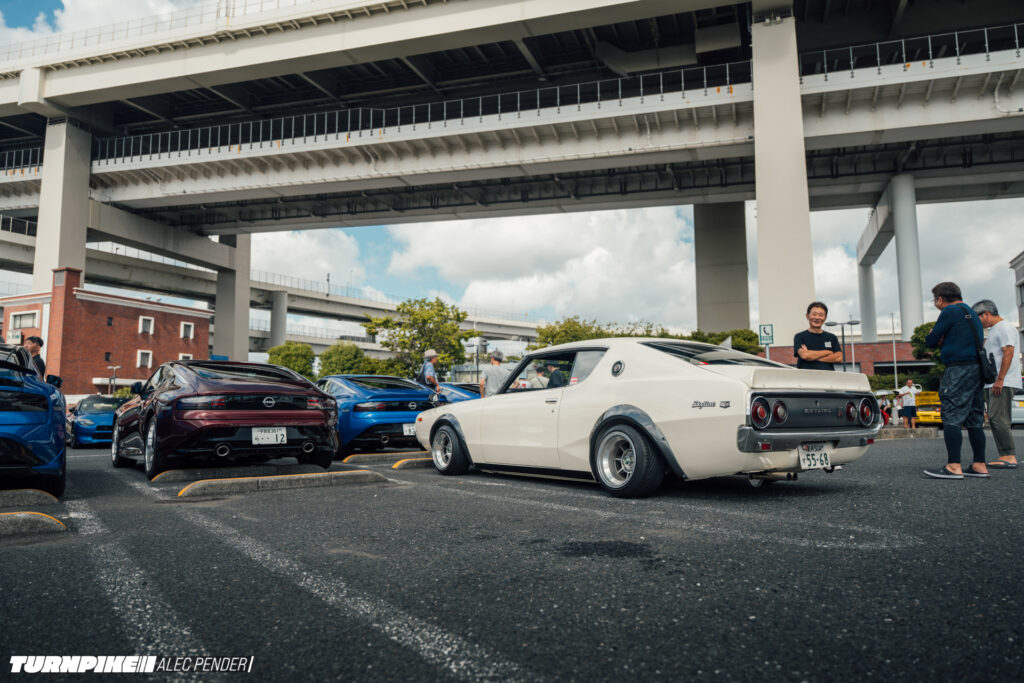


As with all things, however, change is inevitable. For Daikoku PA that change came in the form of tourism – and a lot of it. This change didn’t happen overnight, however, at first it started with a tour group or two, then three, then ten, and now in the dozens. Some of that popularity has stemmed from Japan’s rise in general pop culture and cars just being a subset of that, but some of it still is from the die-hard enthusiasts making it a non-negotiable destination on their Japan trips.
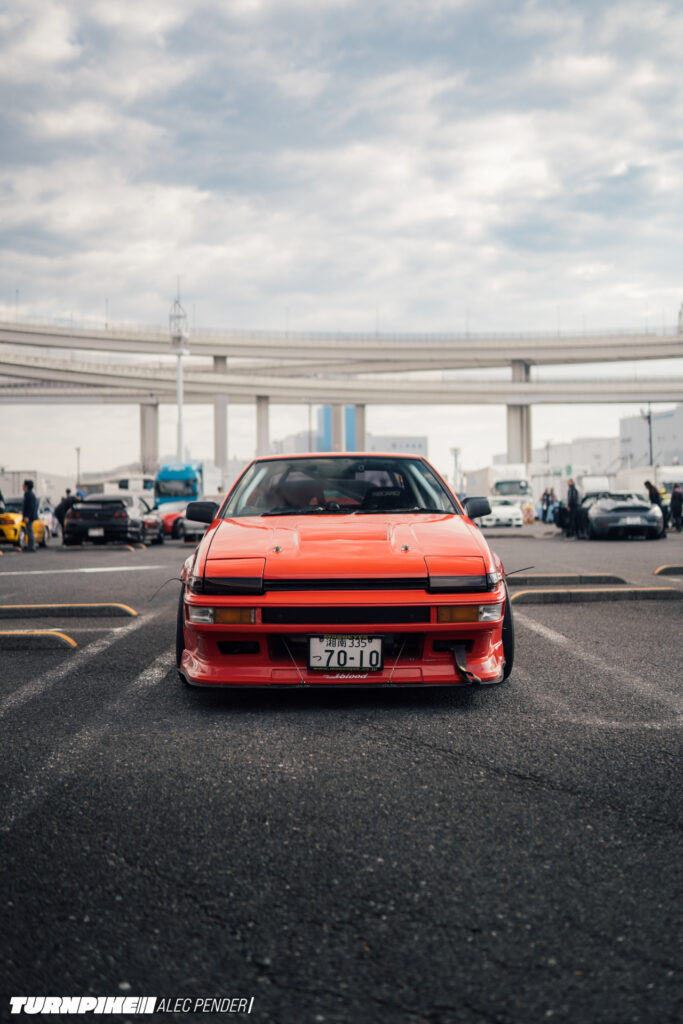
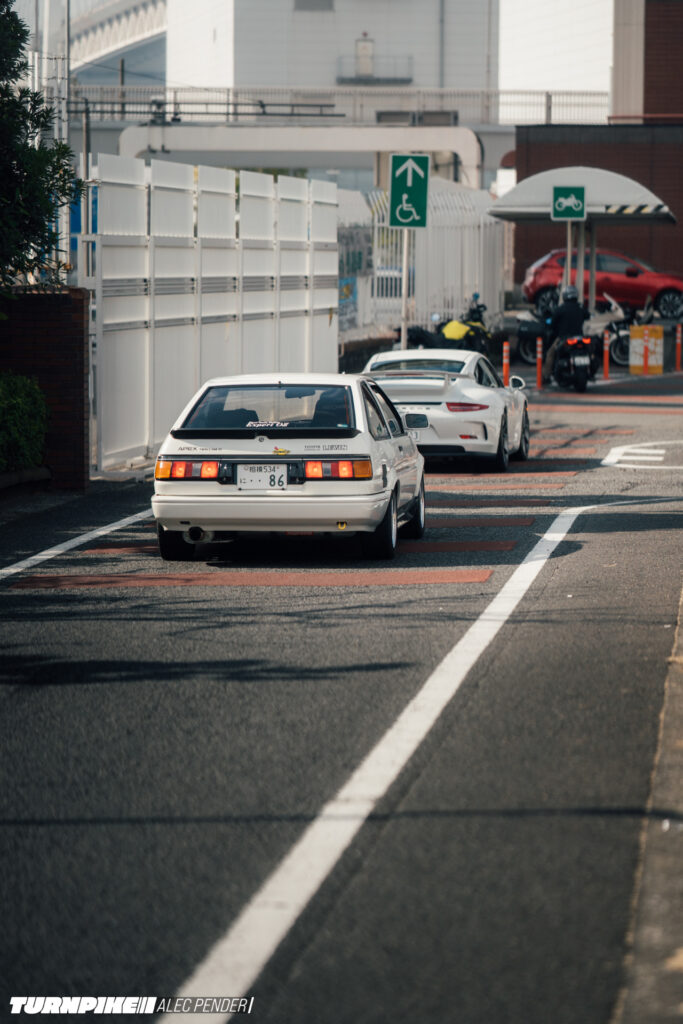

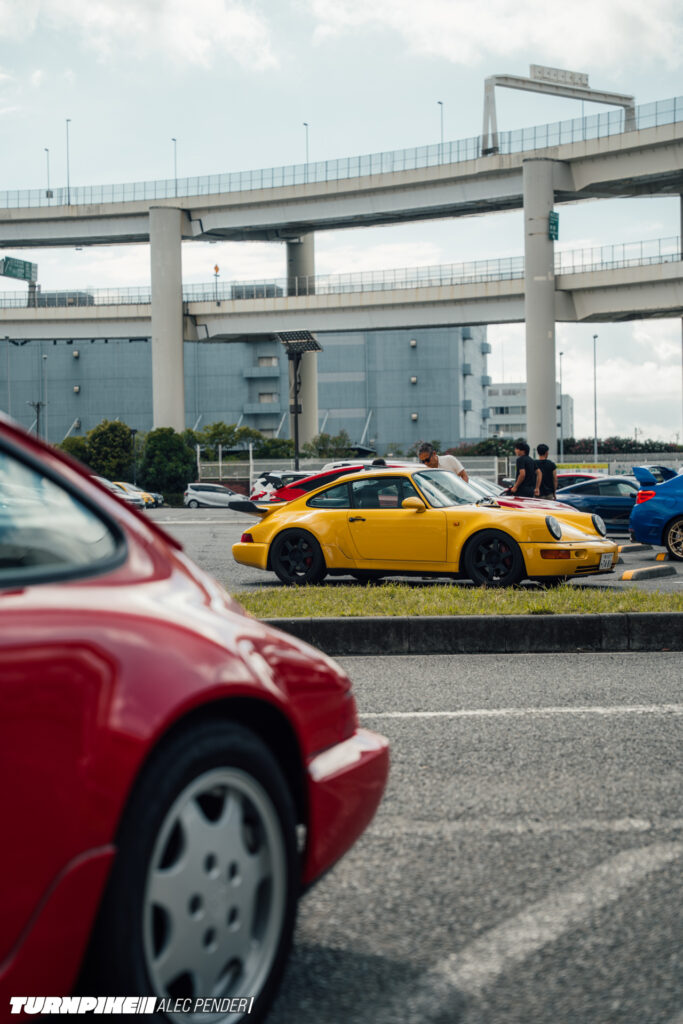
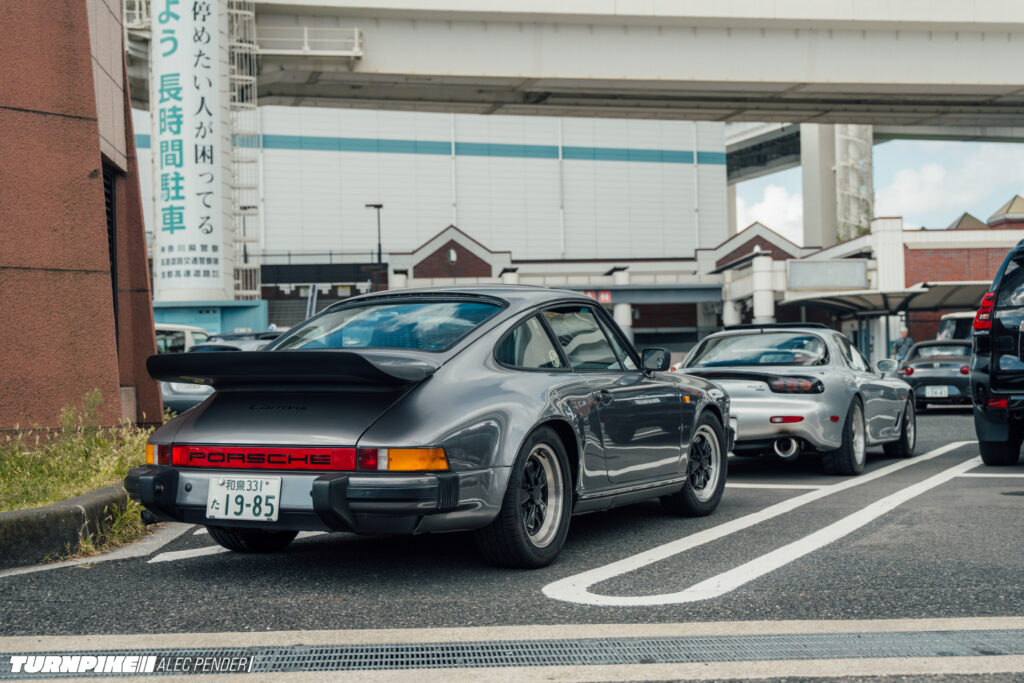

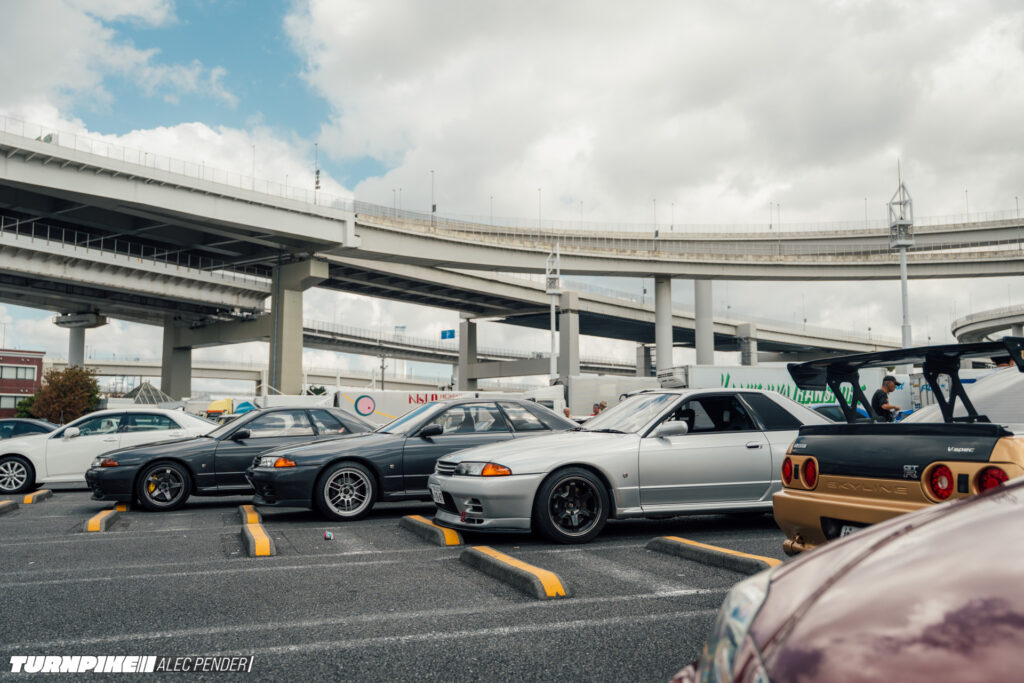


Naturally, this popularity comes with its issues. Namely, the regular policing and shutdowns turning was once a thriving oasis for car culture now a hornet’s nest for anyone with a modified car – get too close and there’s a good chance you’ll be stung. These shutdowns are most common on the busier nights, with more people, more cars, more tourism and more cameras…a vicious cycle.

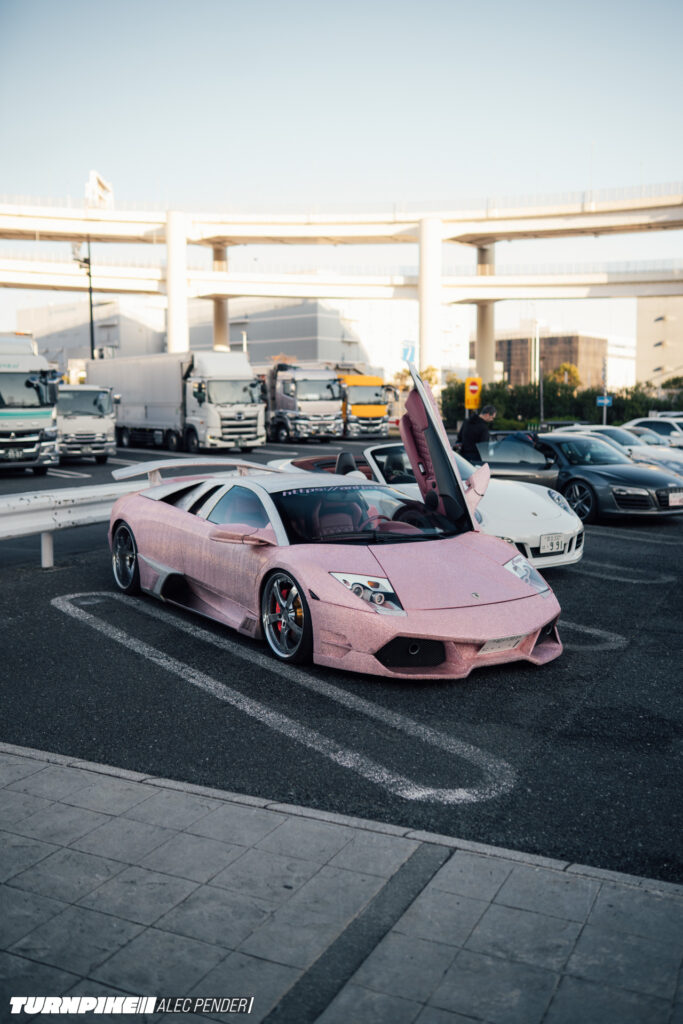

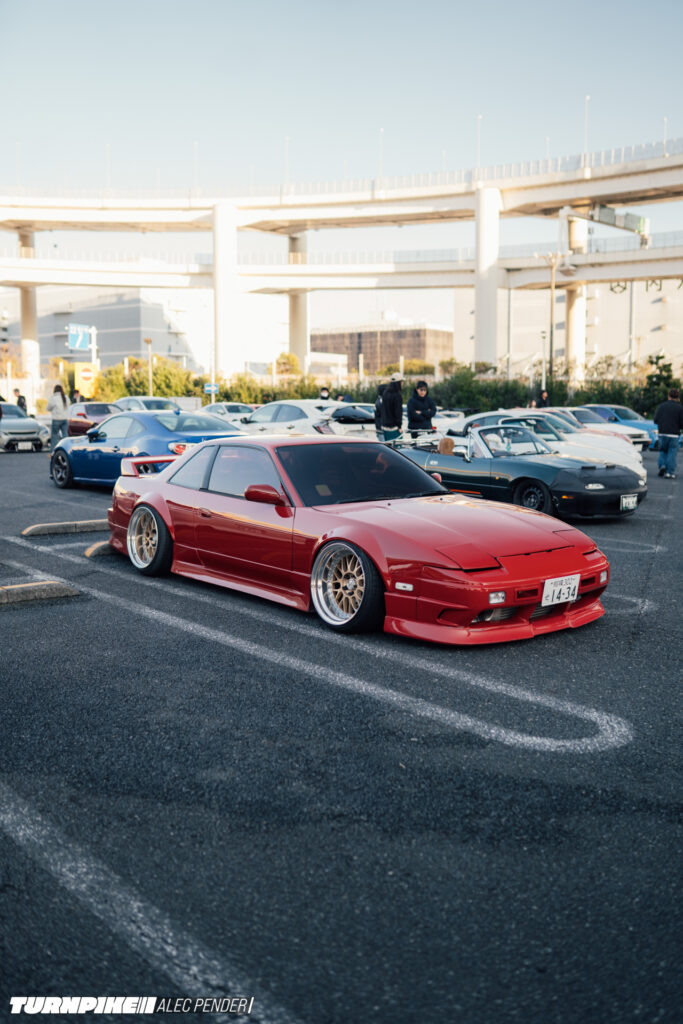

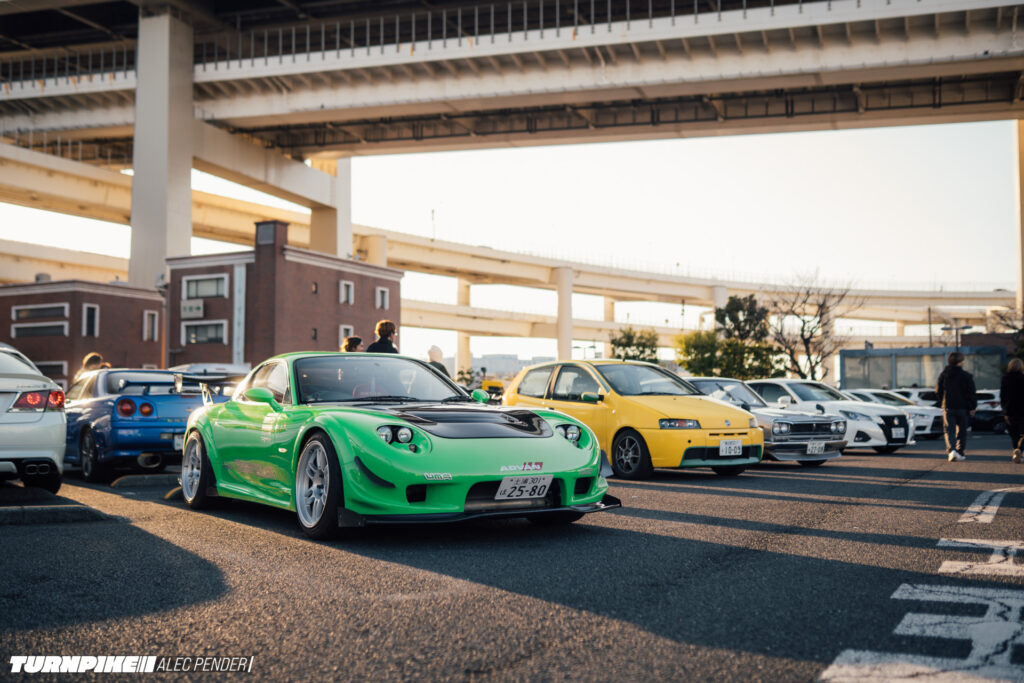

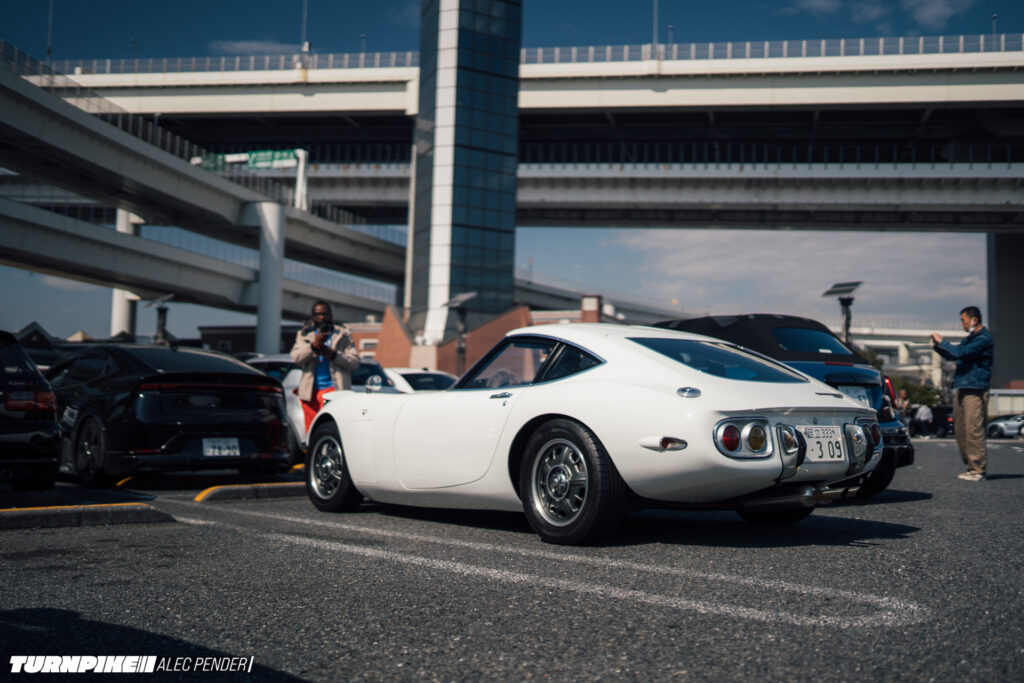

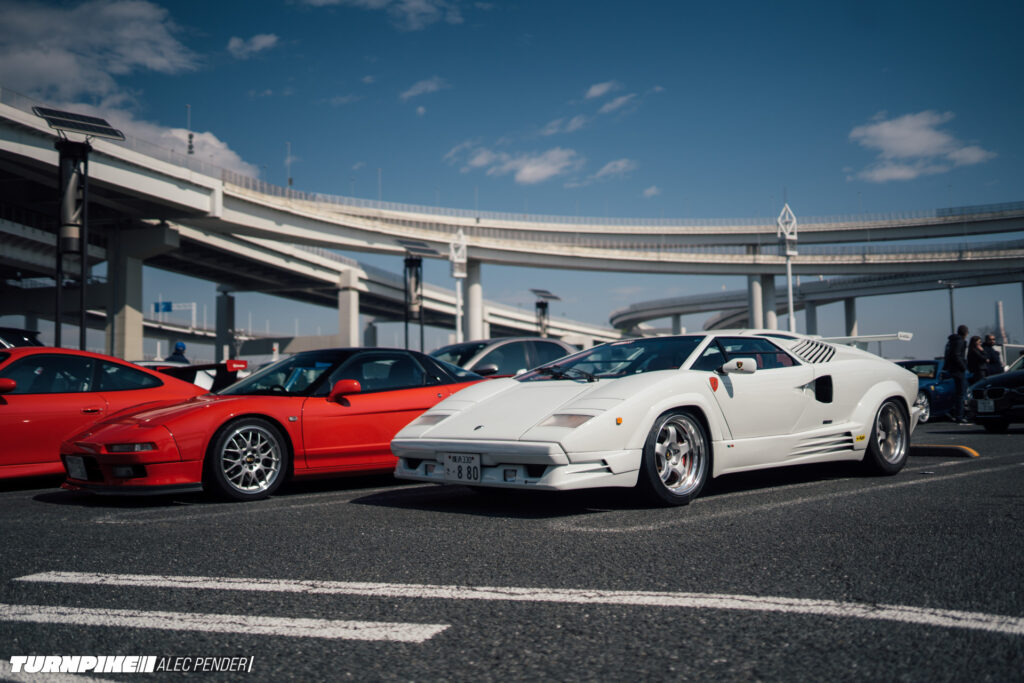


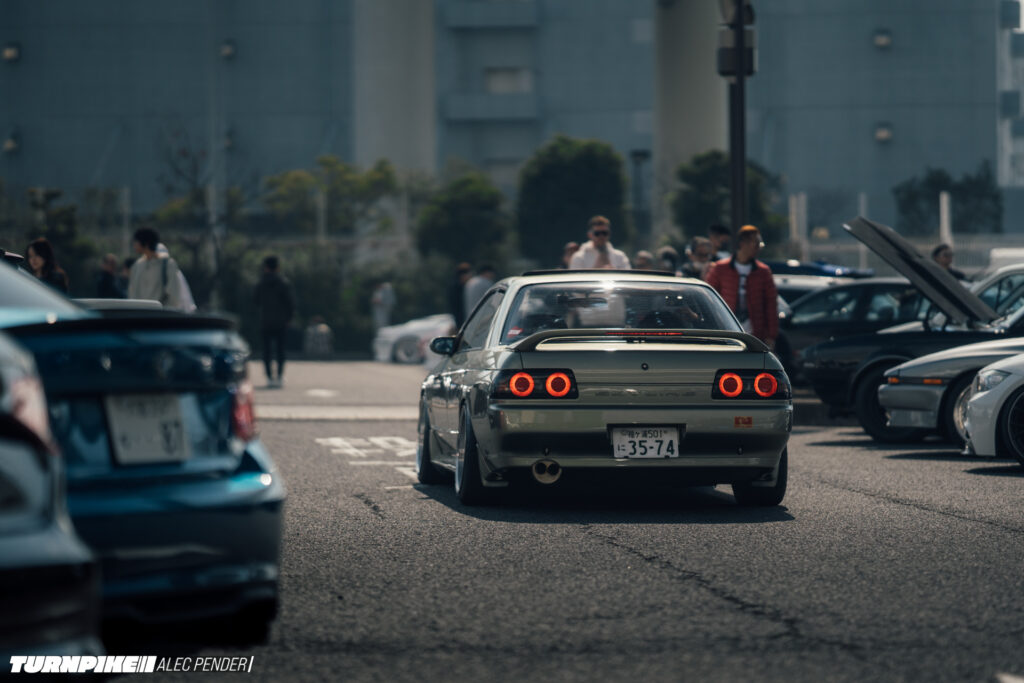


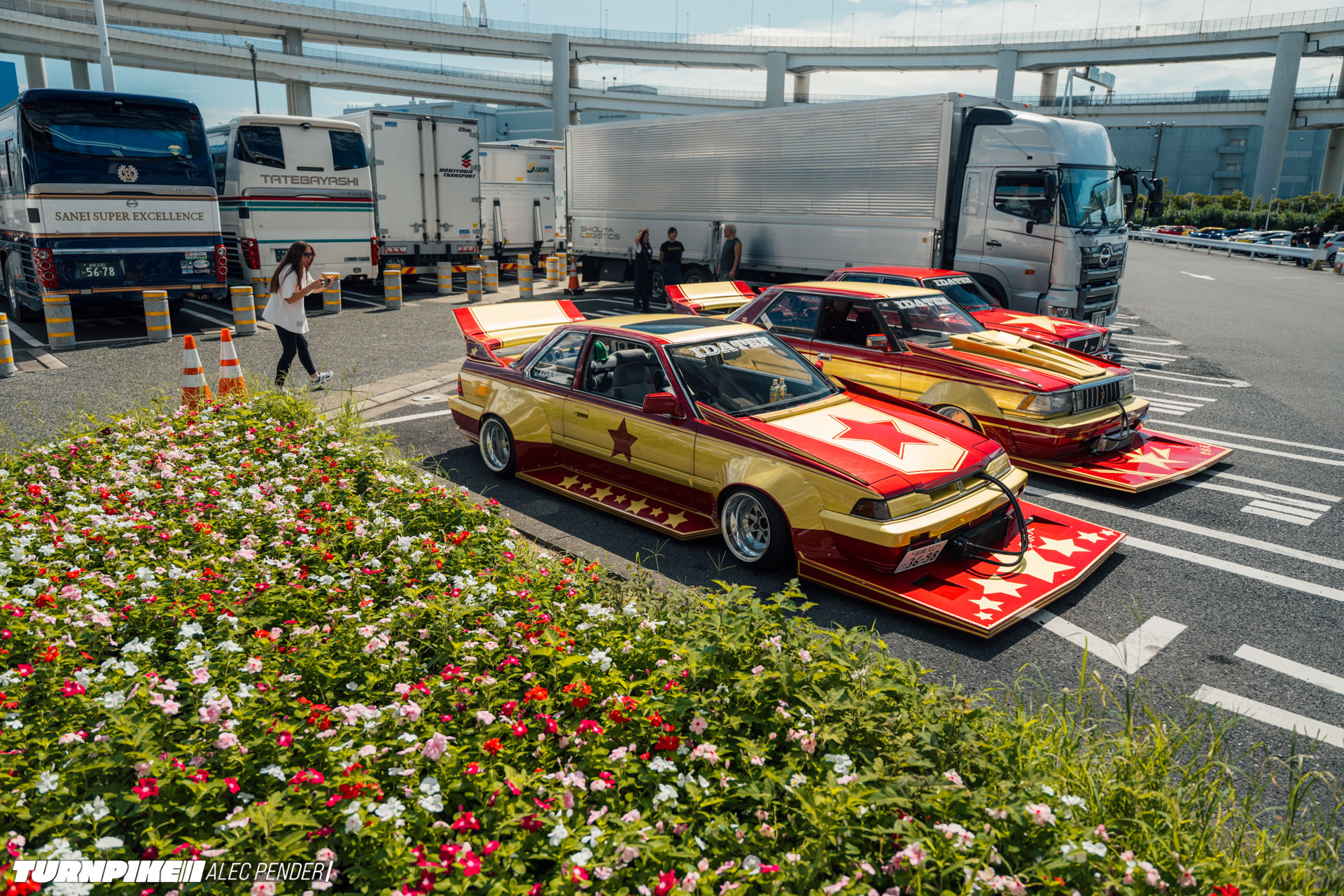
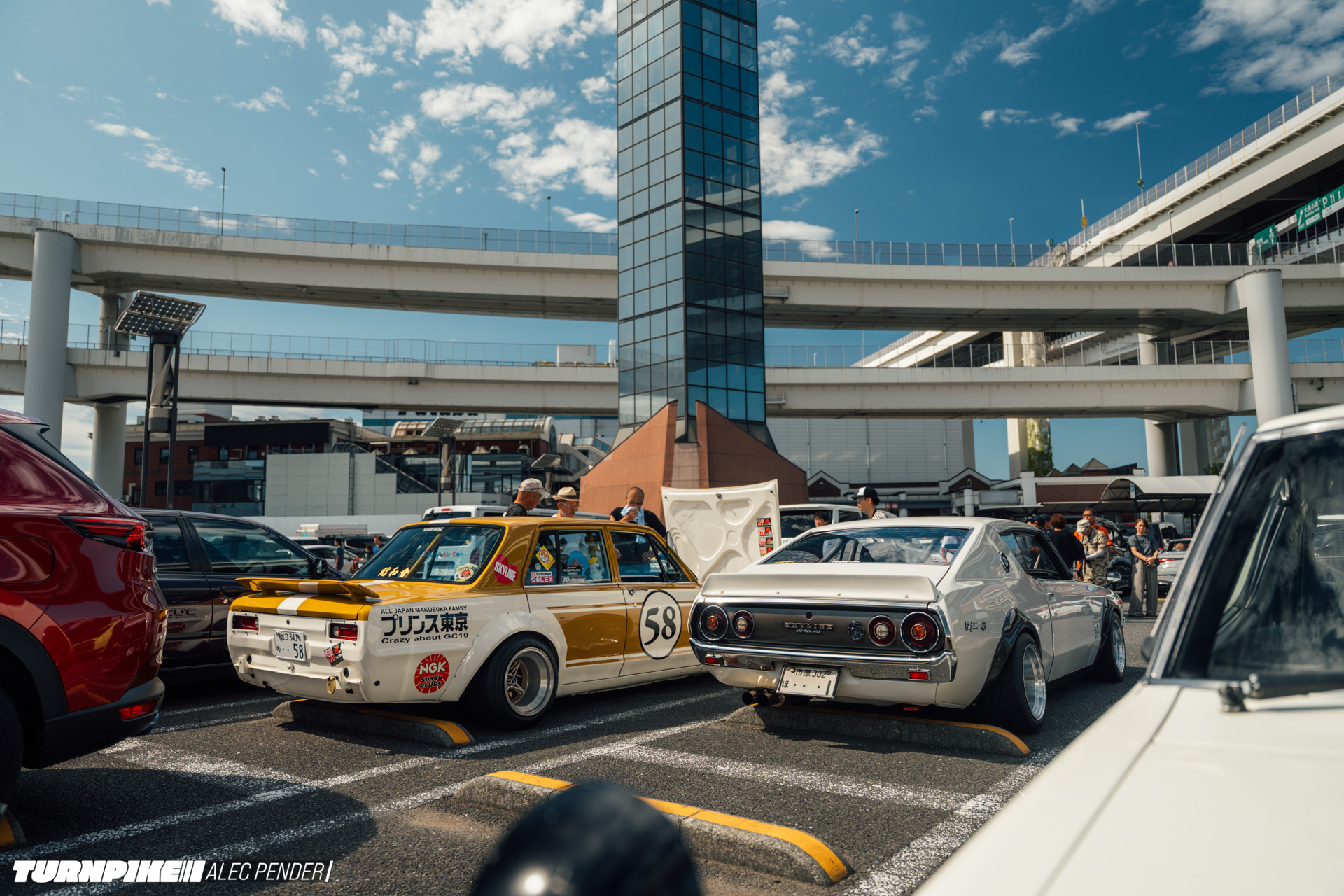
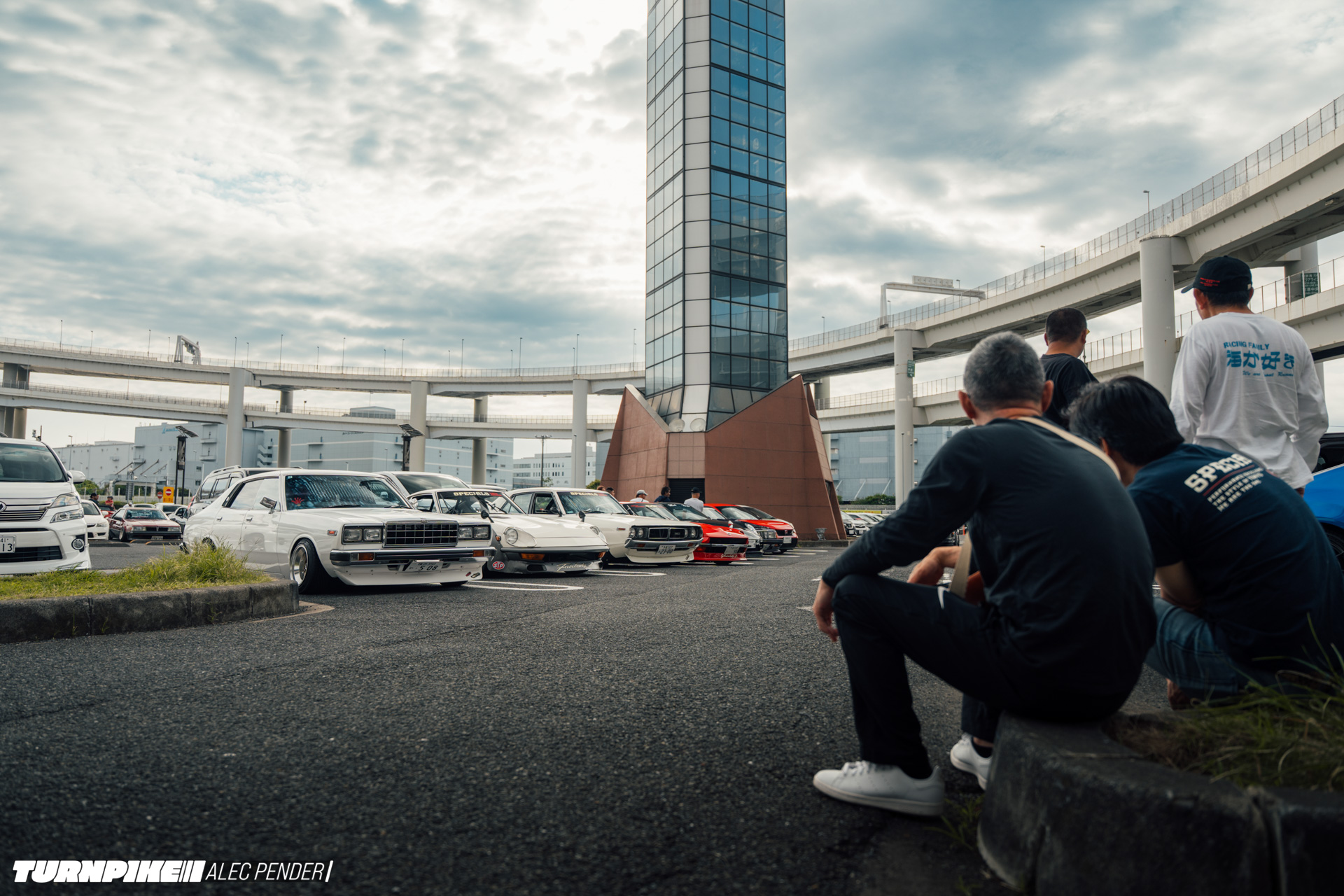
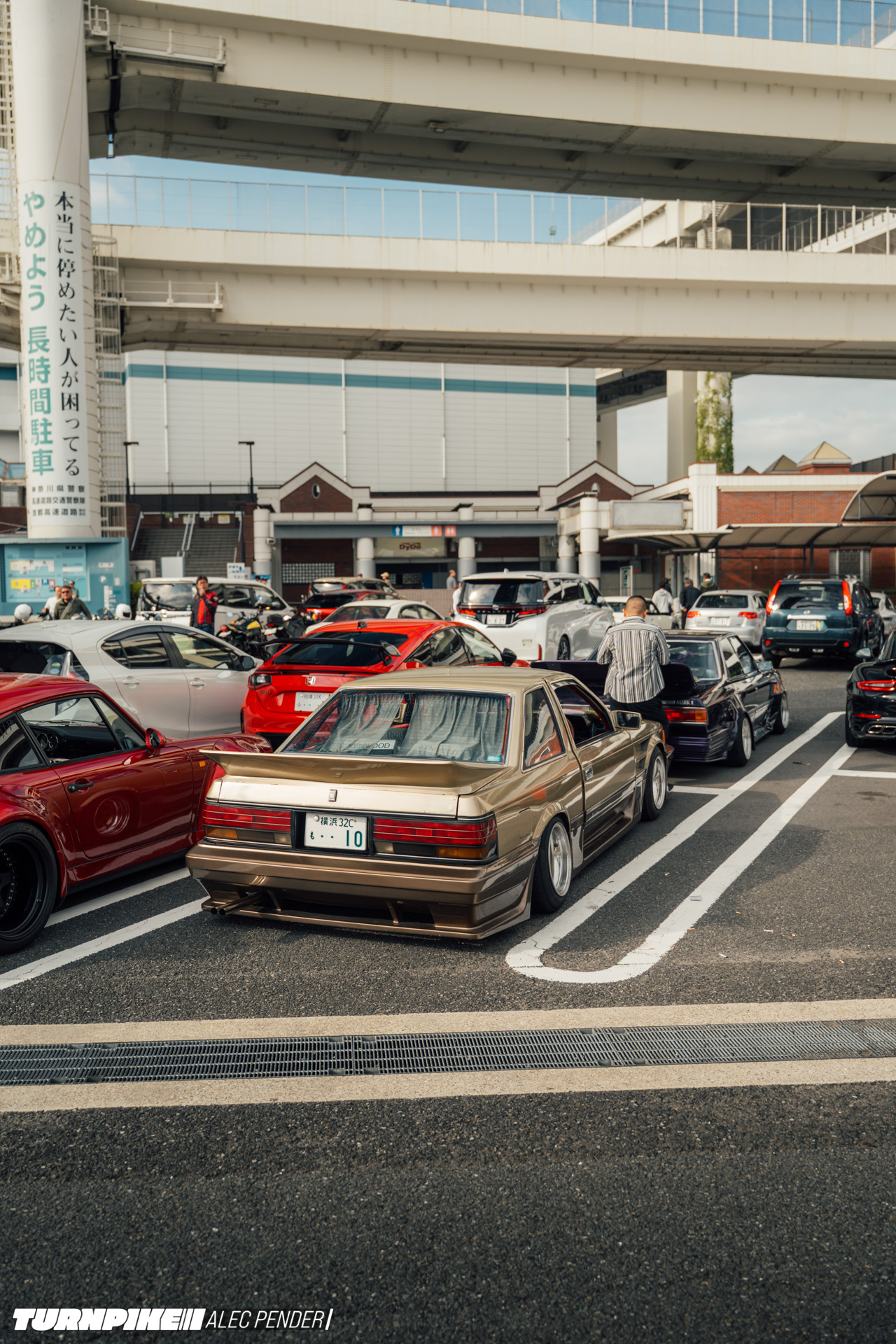
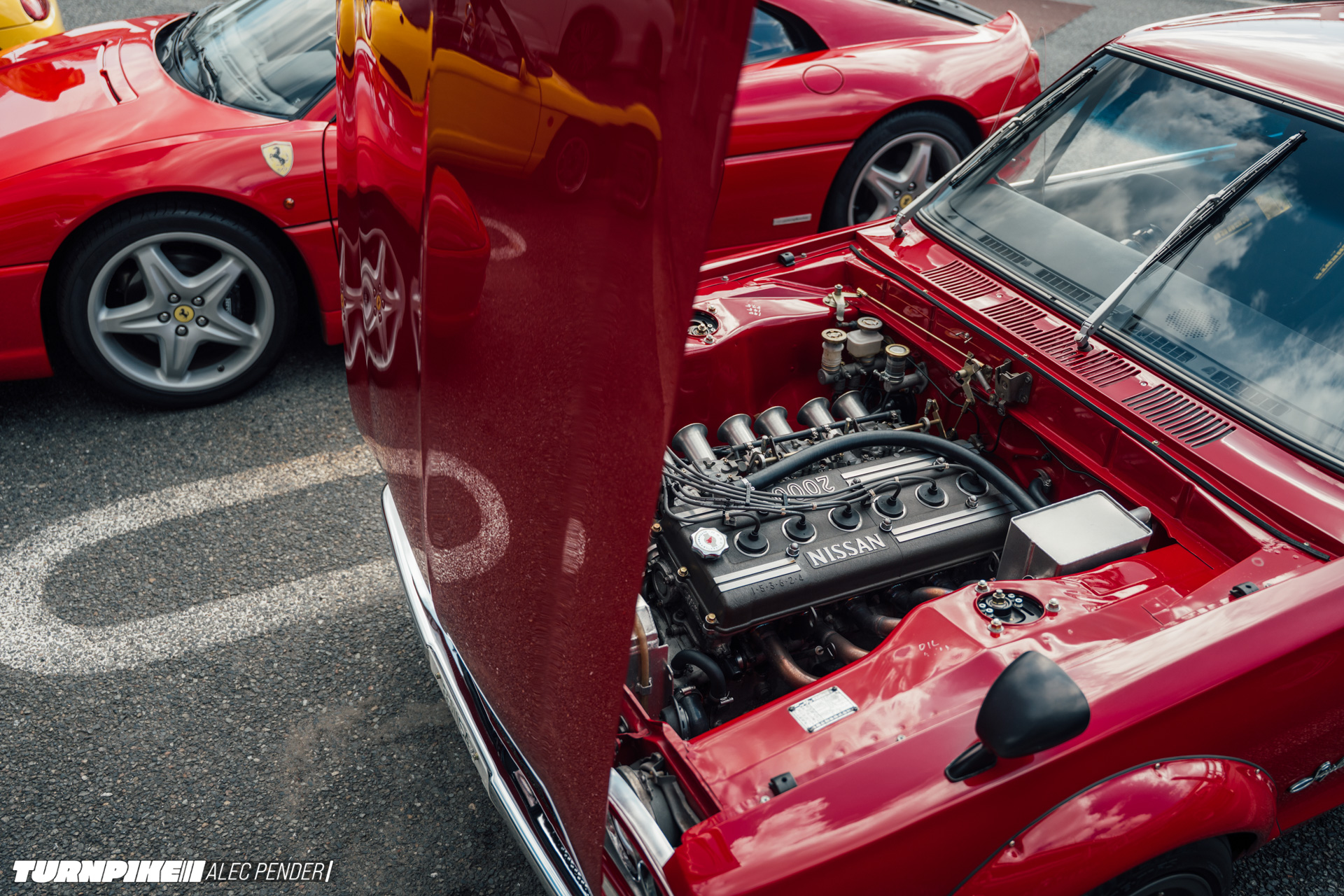
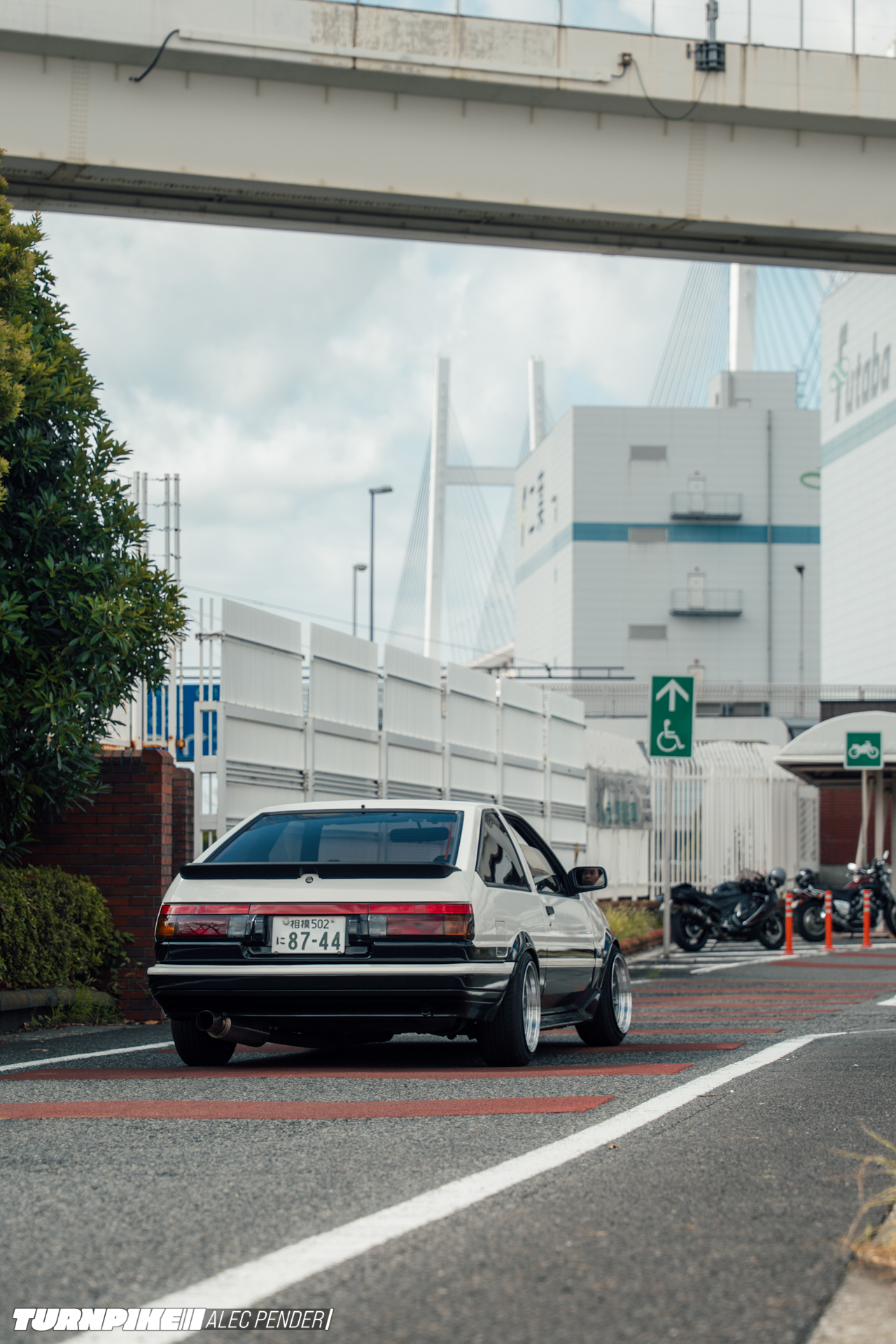
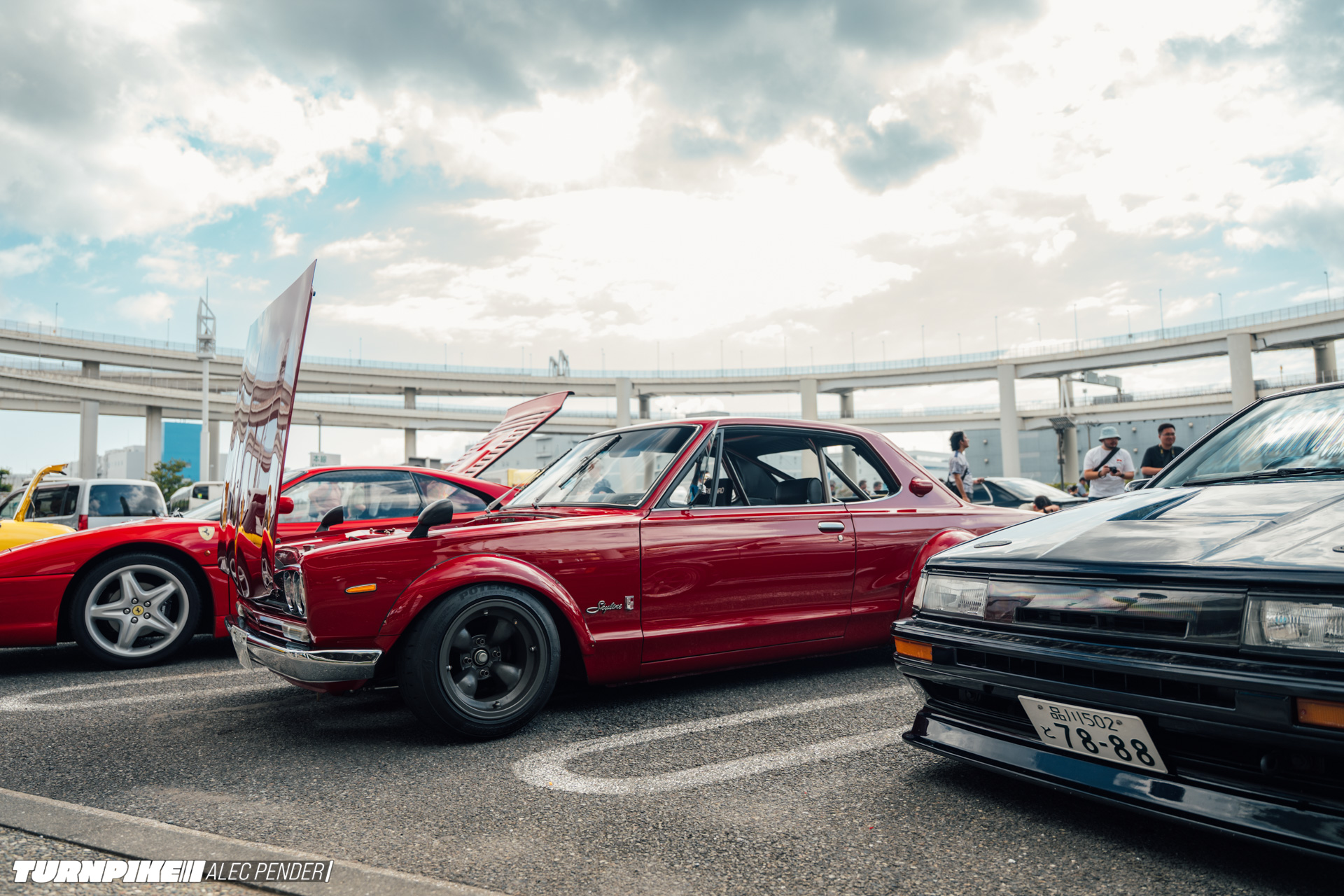
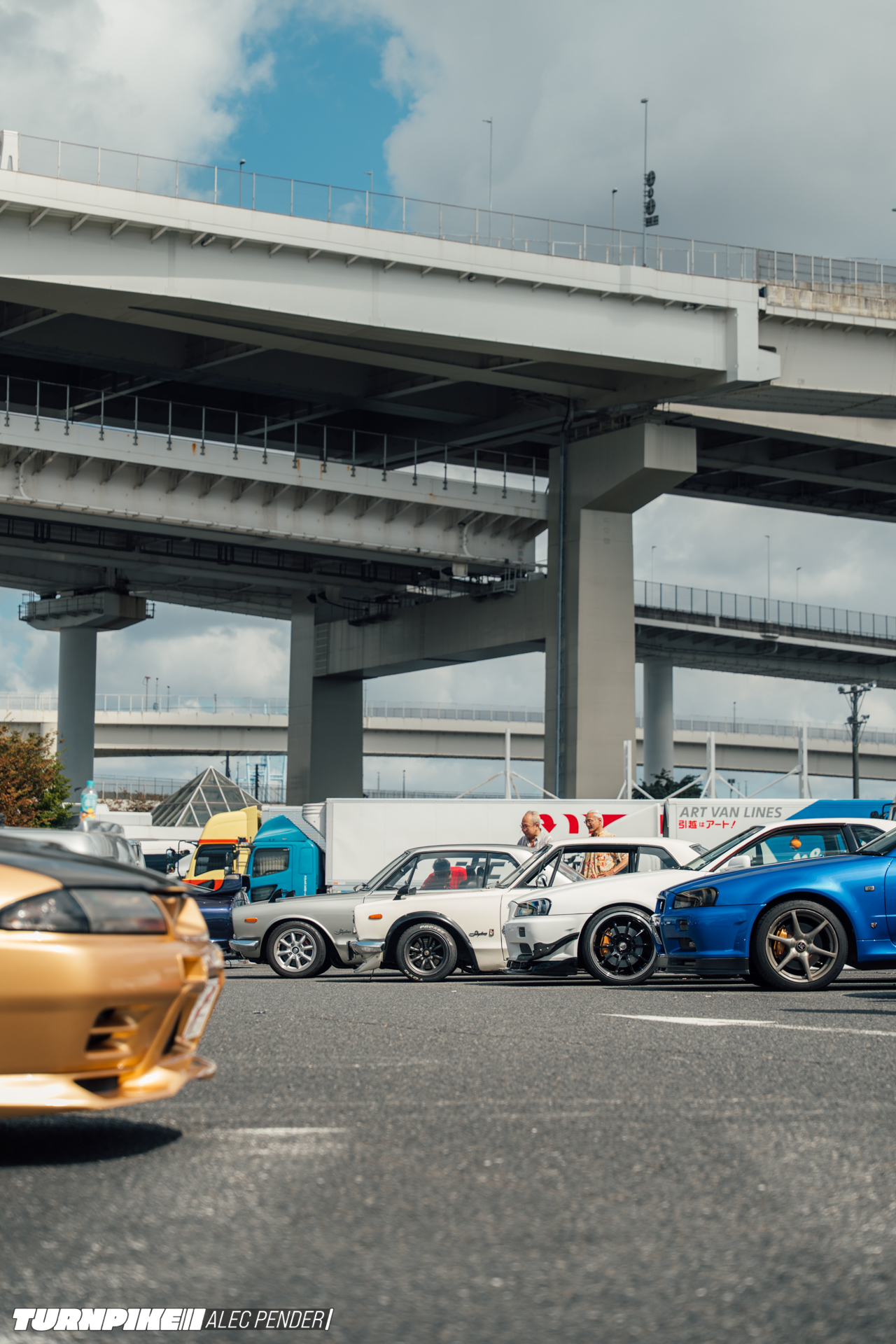
What you see online isn’t the whole truth, though. The information shared most often highlights these shutdowns and heavy policing, and not the other six days of the week where it’s simply not the case. Most nights and weekend mornings you’ll still find a flourishing scene, rich in variety, not too dissimilar to what it once was when I first started going.
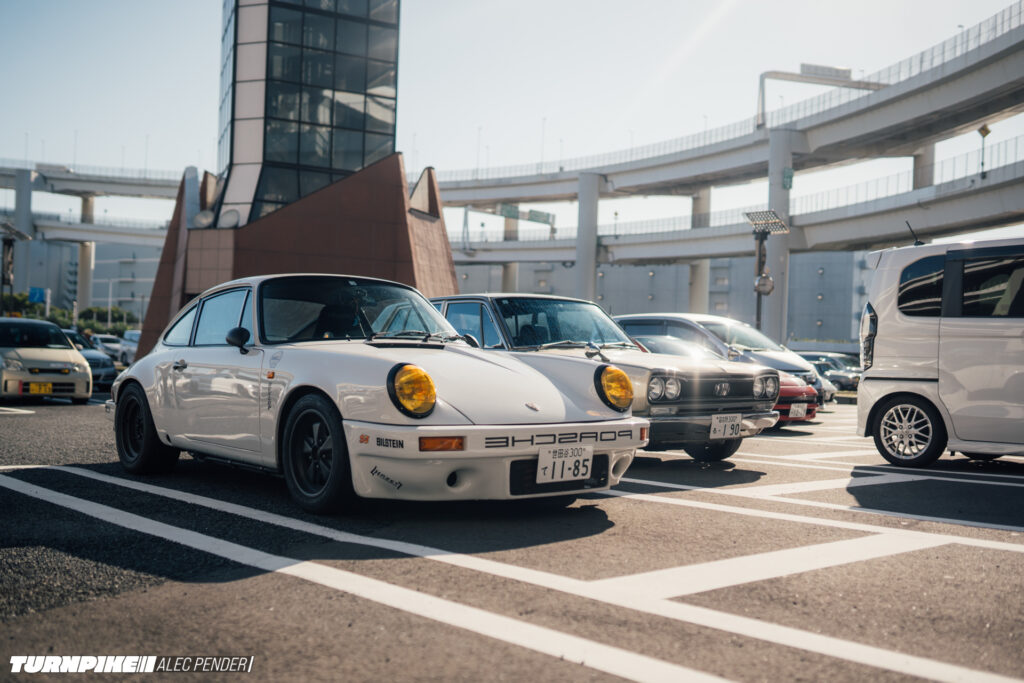


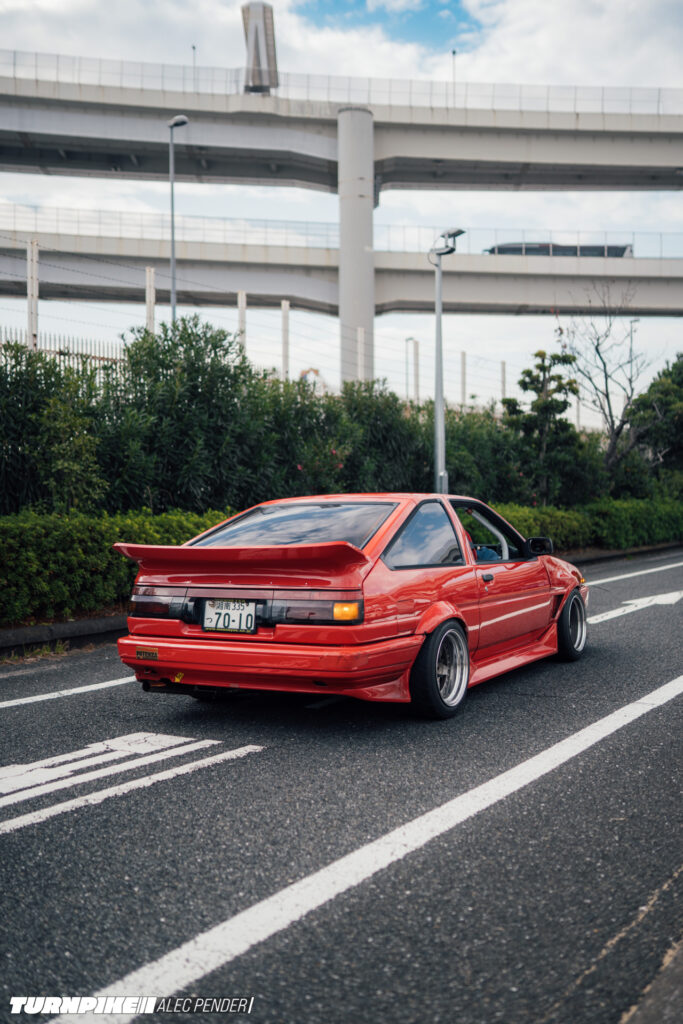


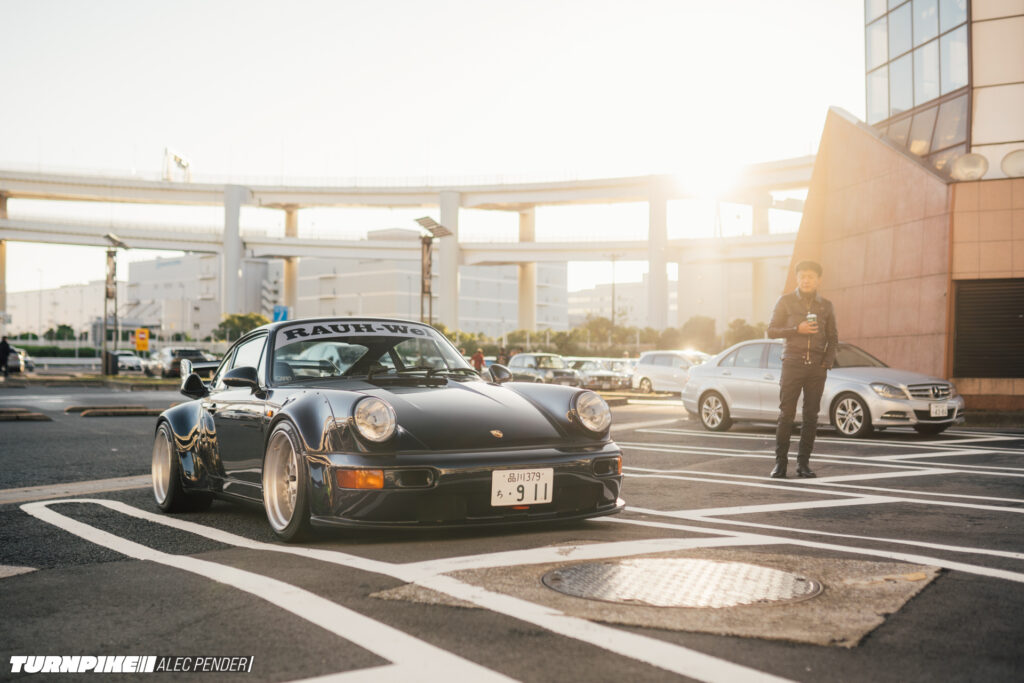

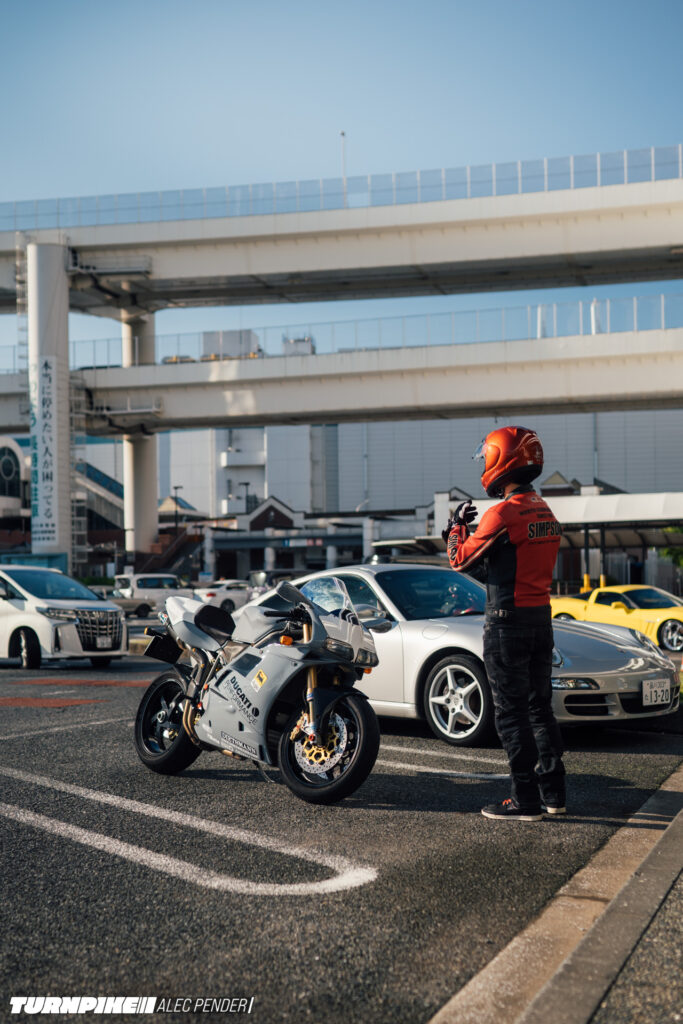
There is a good chance I’ll eat my words at some point in the near future, because no matter what country we’re talking about, there has been a significant shift towards tighter laws and regulations around cars and bikes, and Japan isn’t immune to that.
But for now, these changes are merely a hiccup at the Daikoku Parking area, and for that reason it remains my favourite place to spend a Sunday morning.





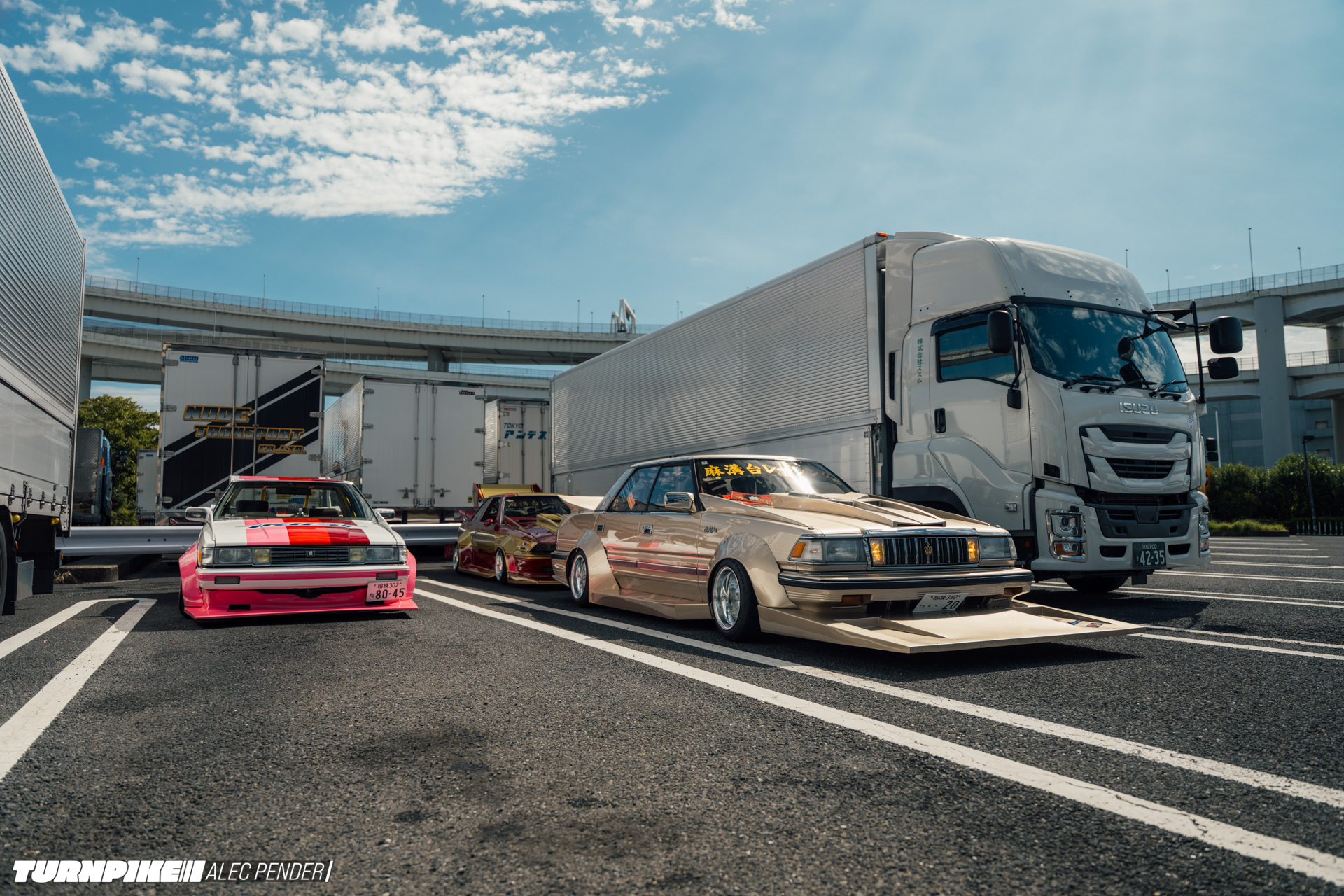
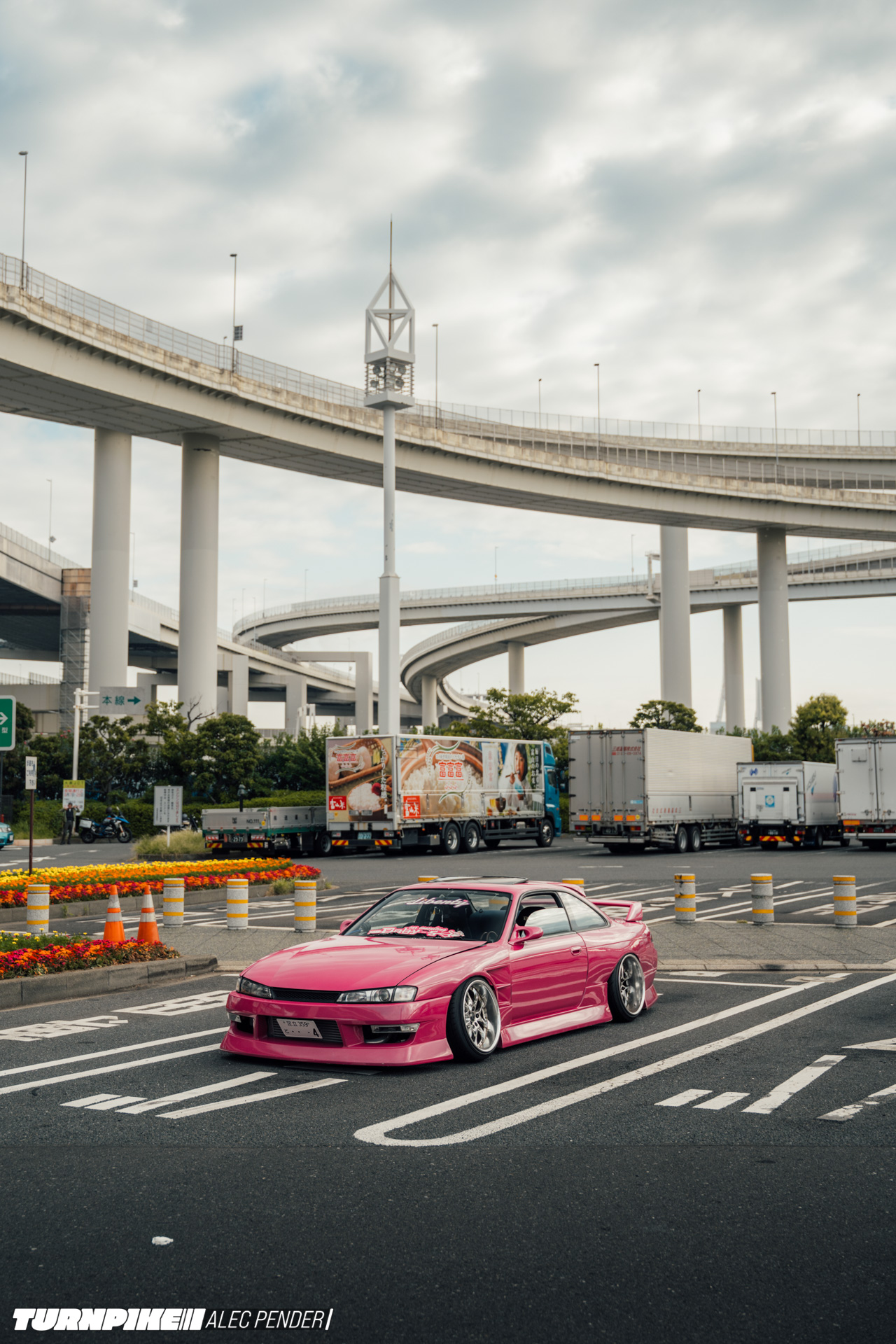
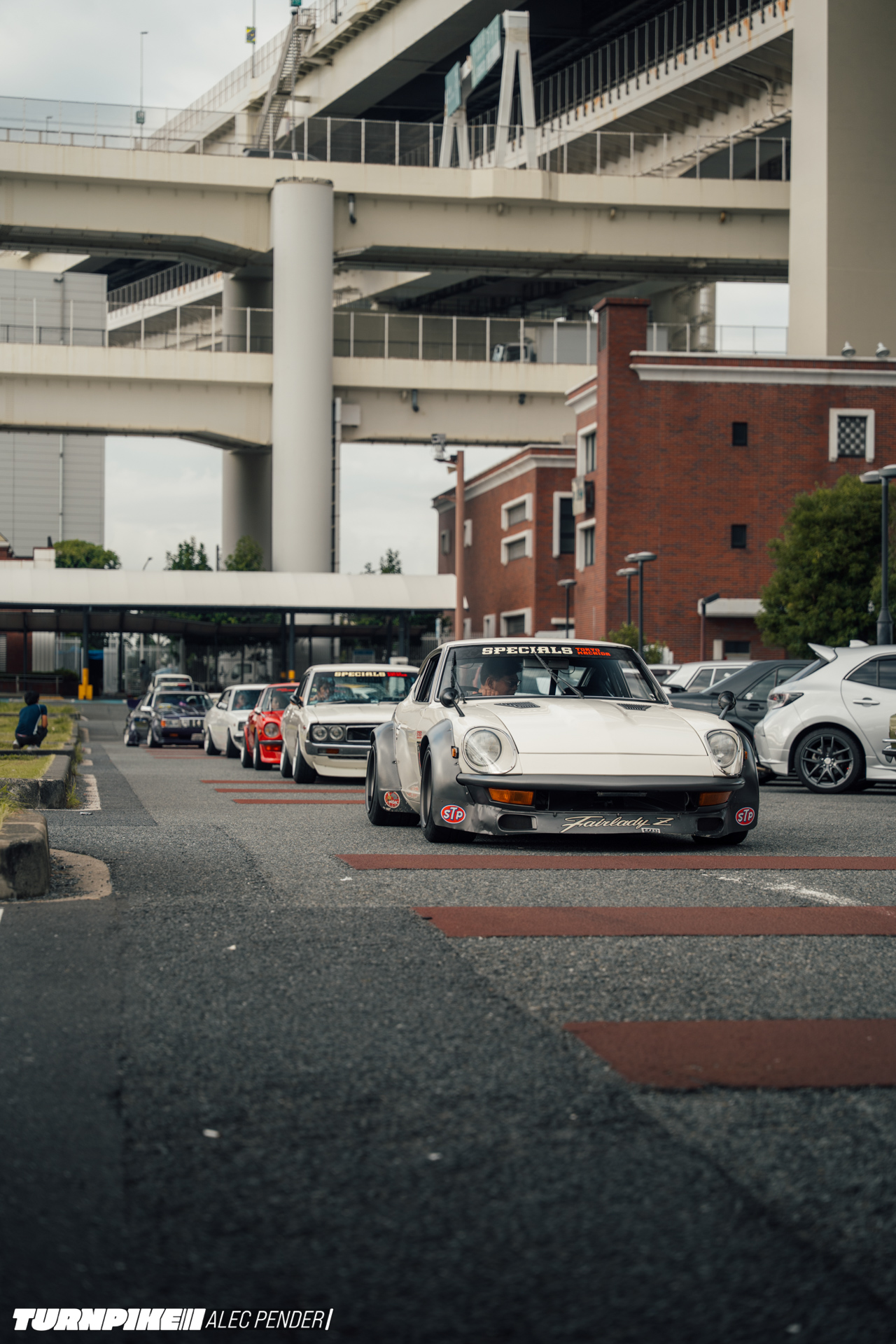


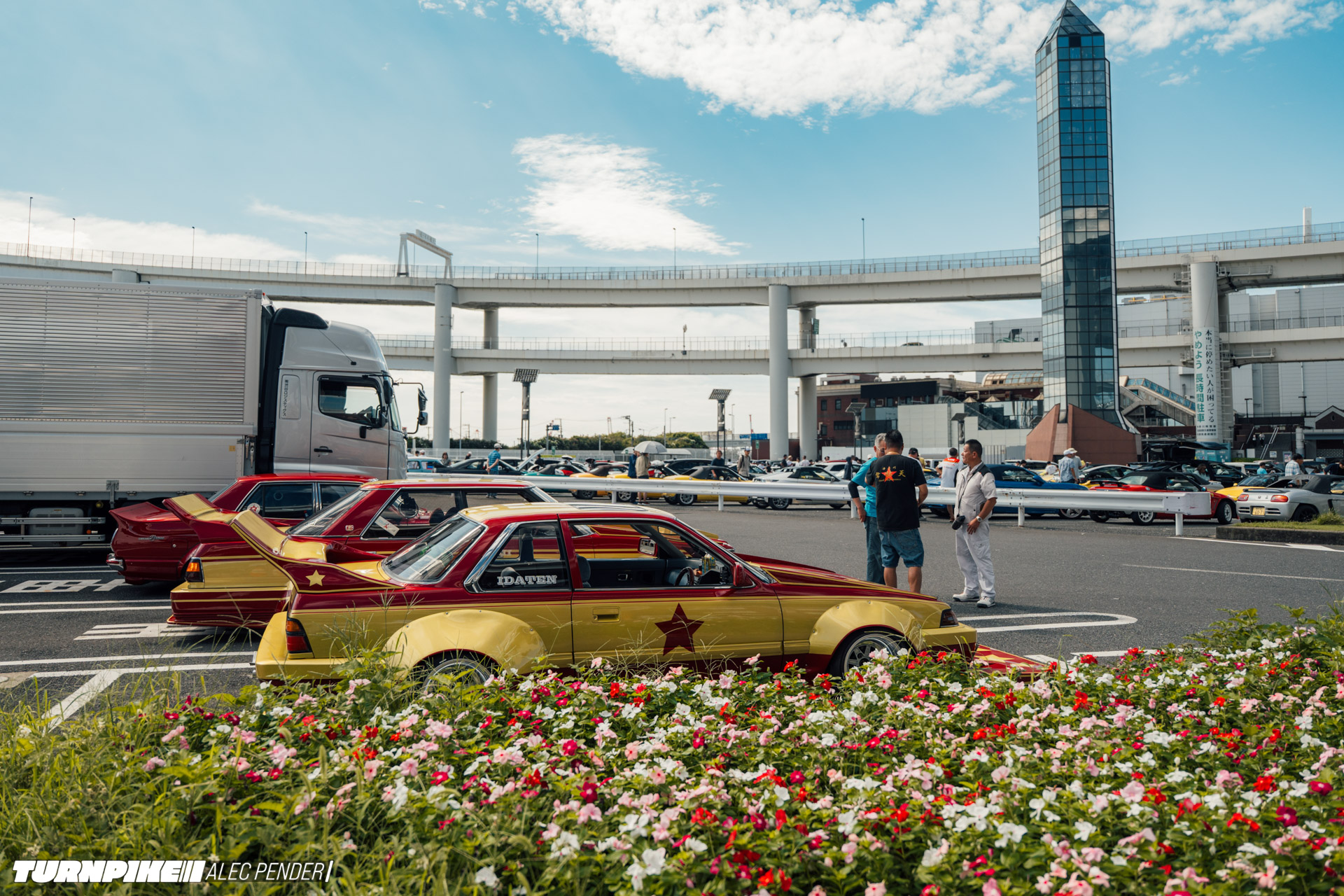



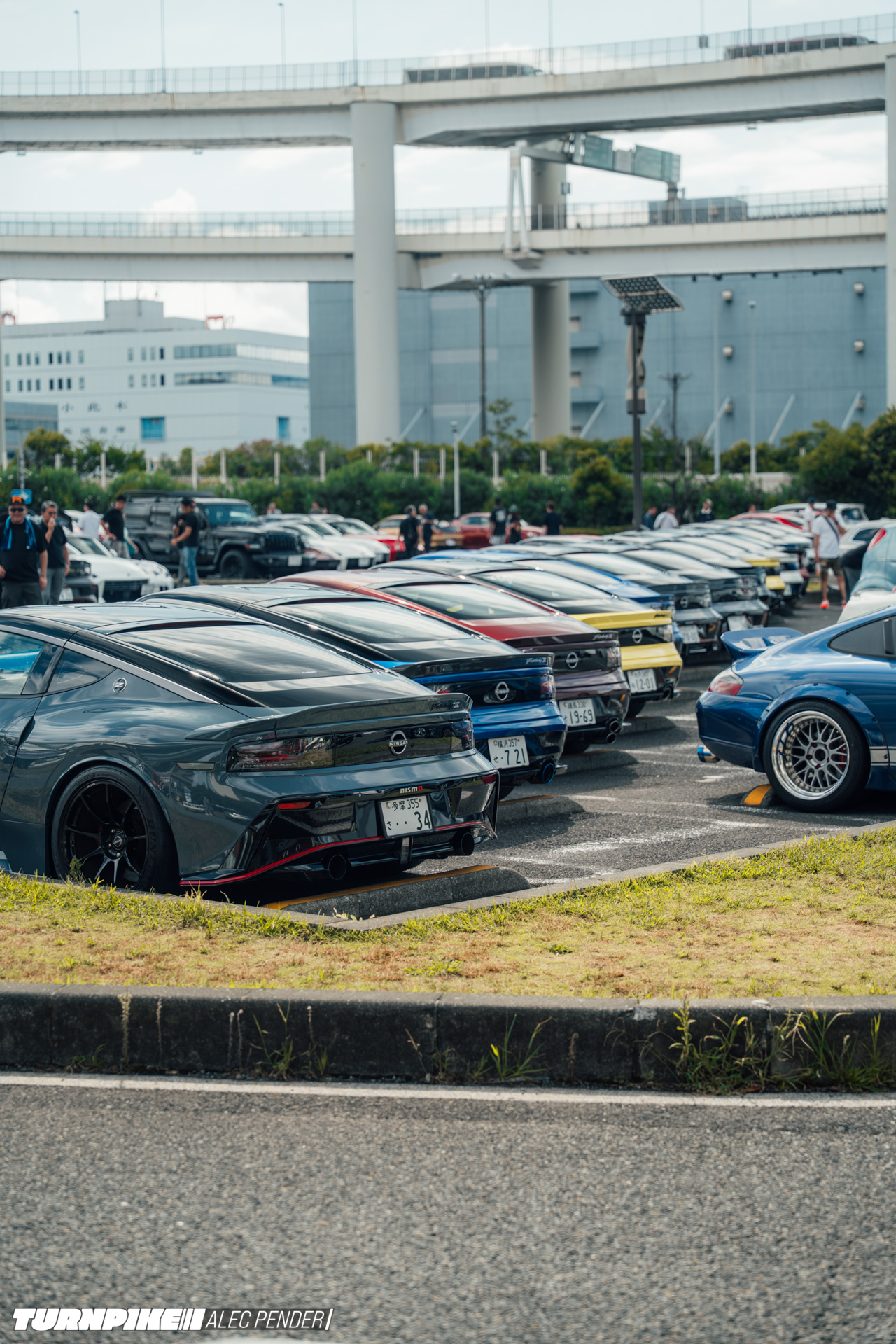
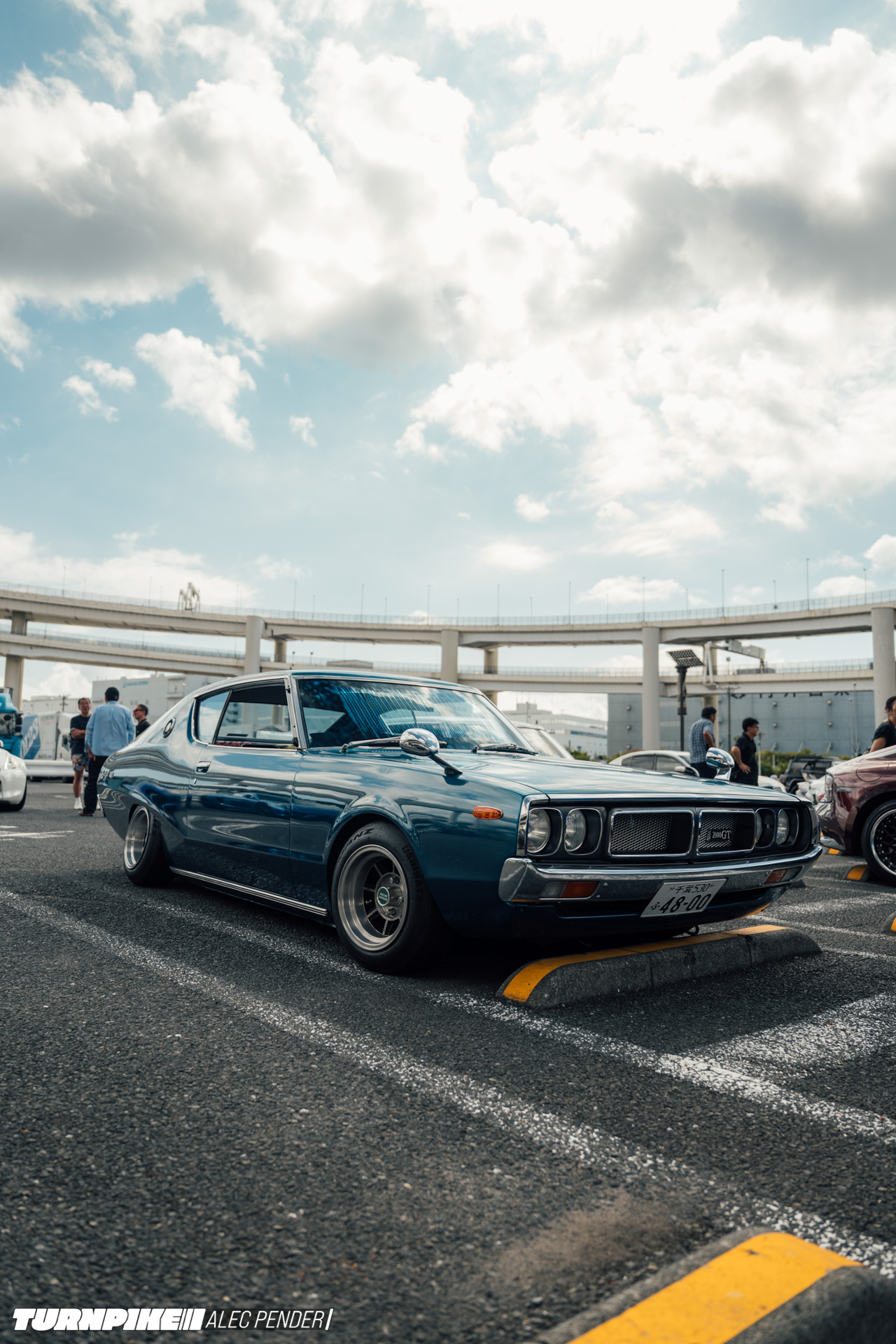

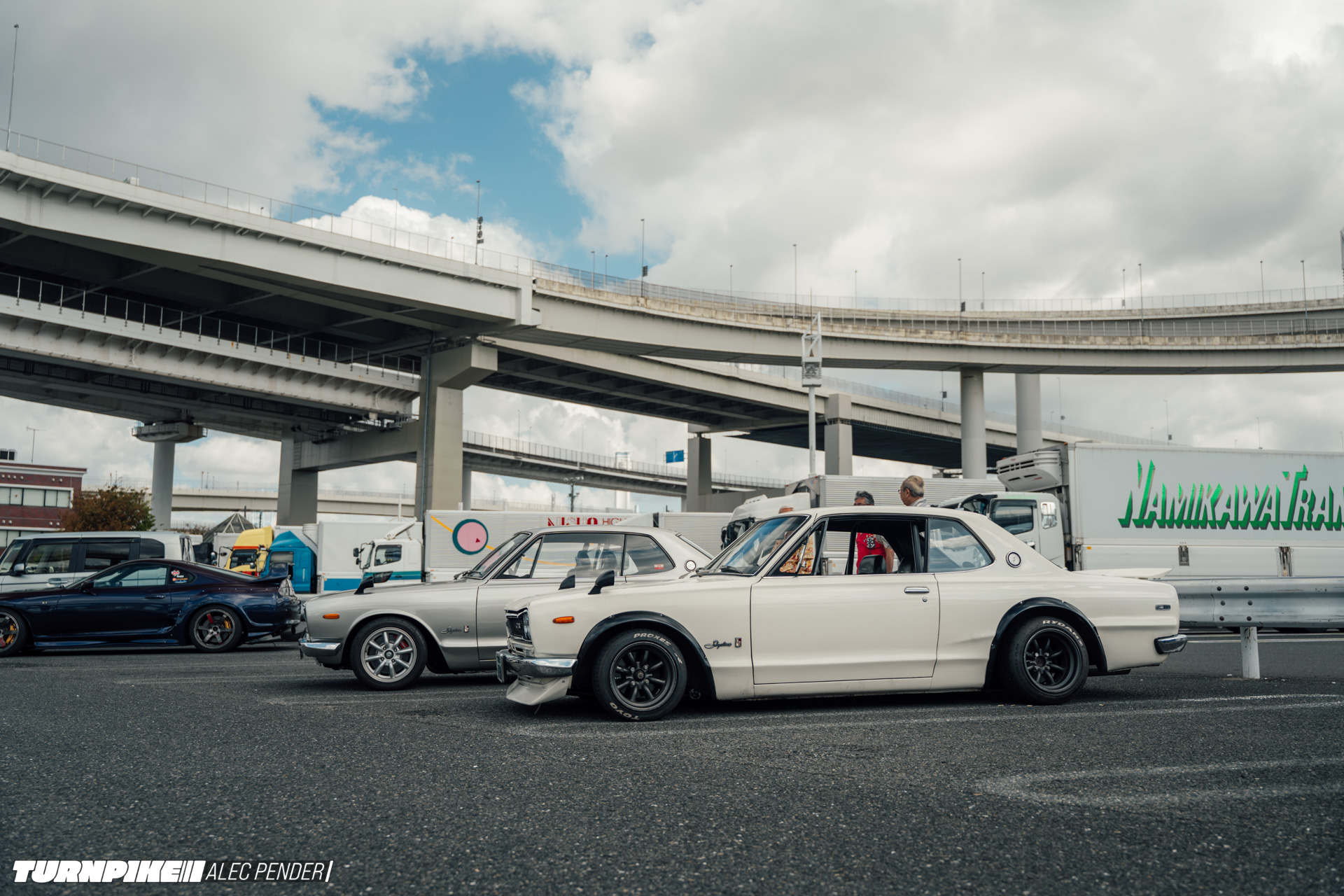

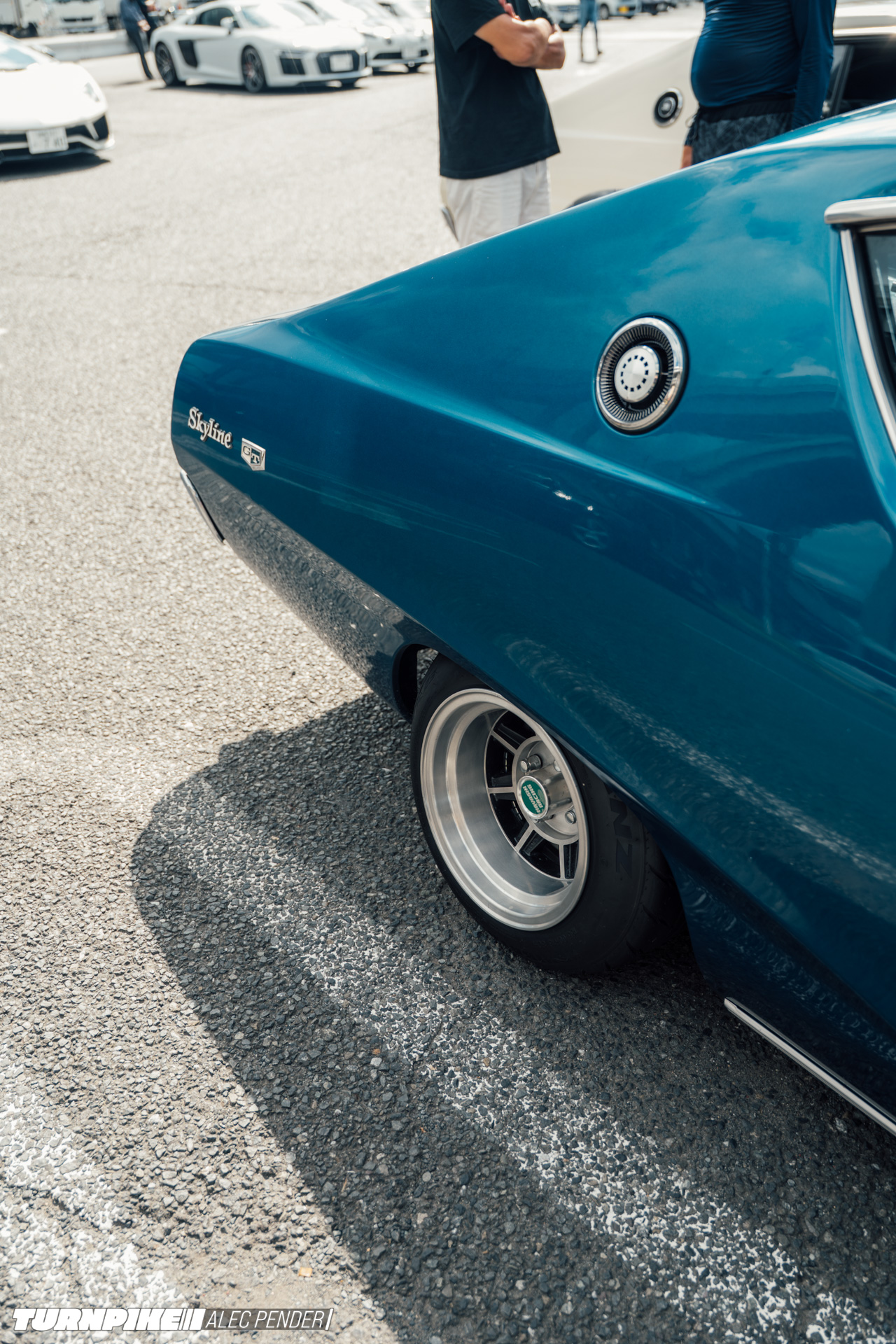
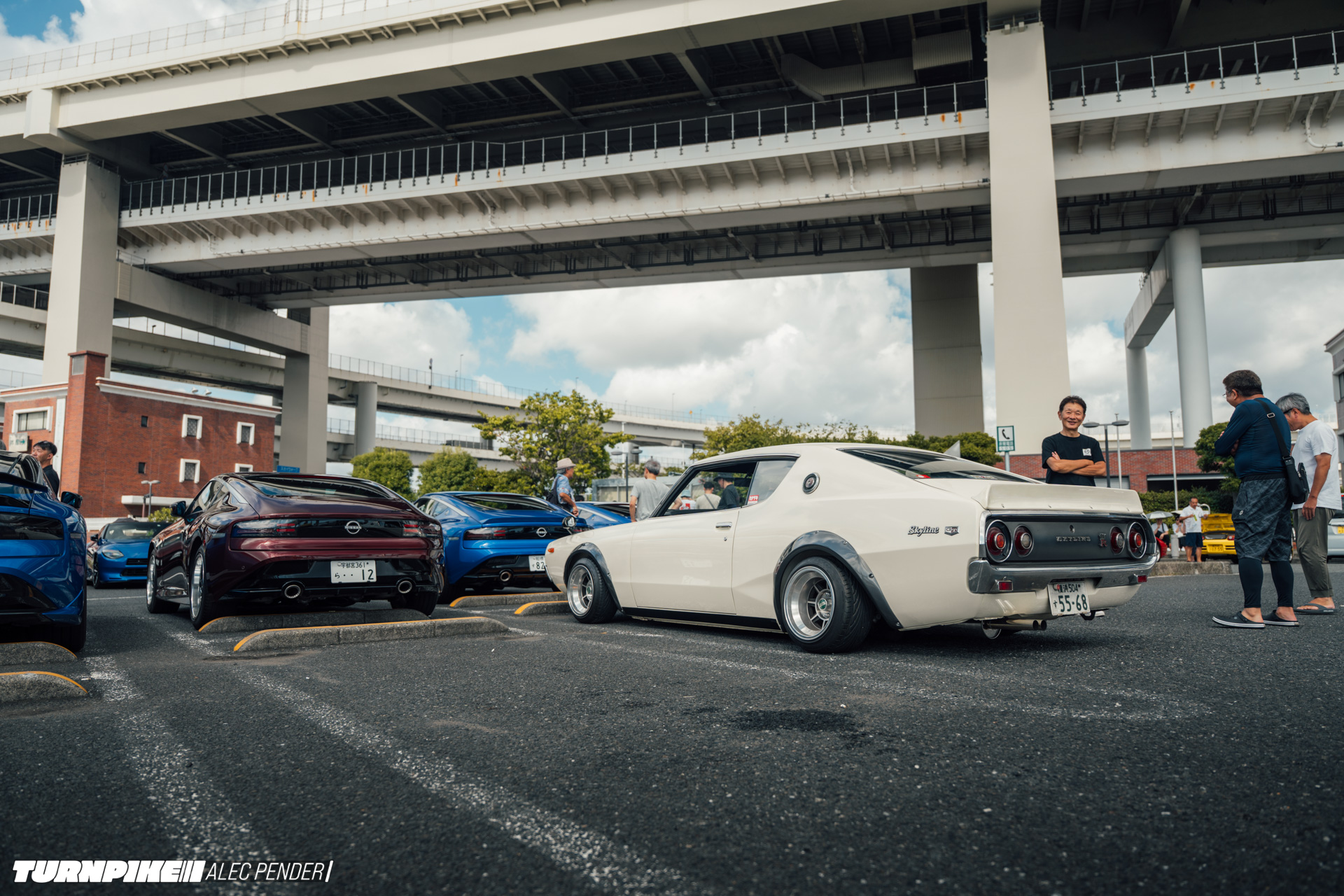

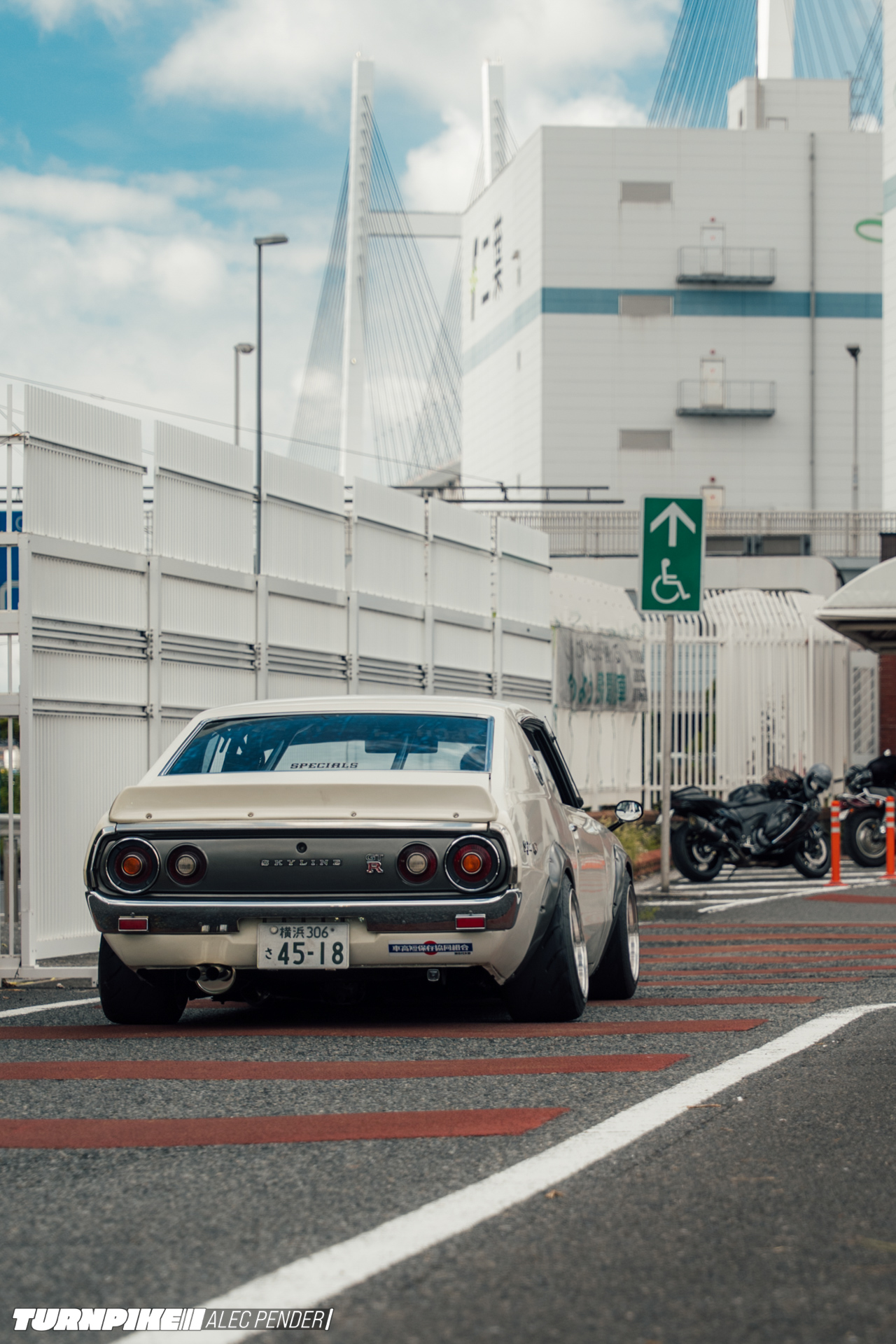


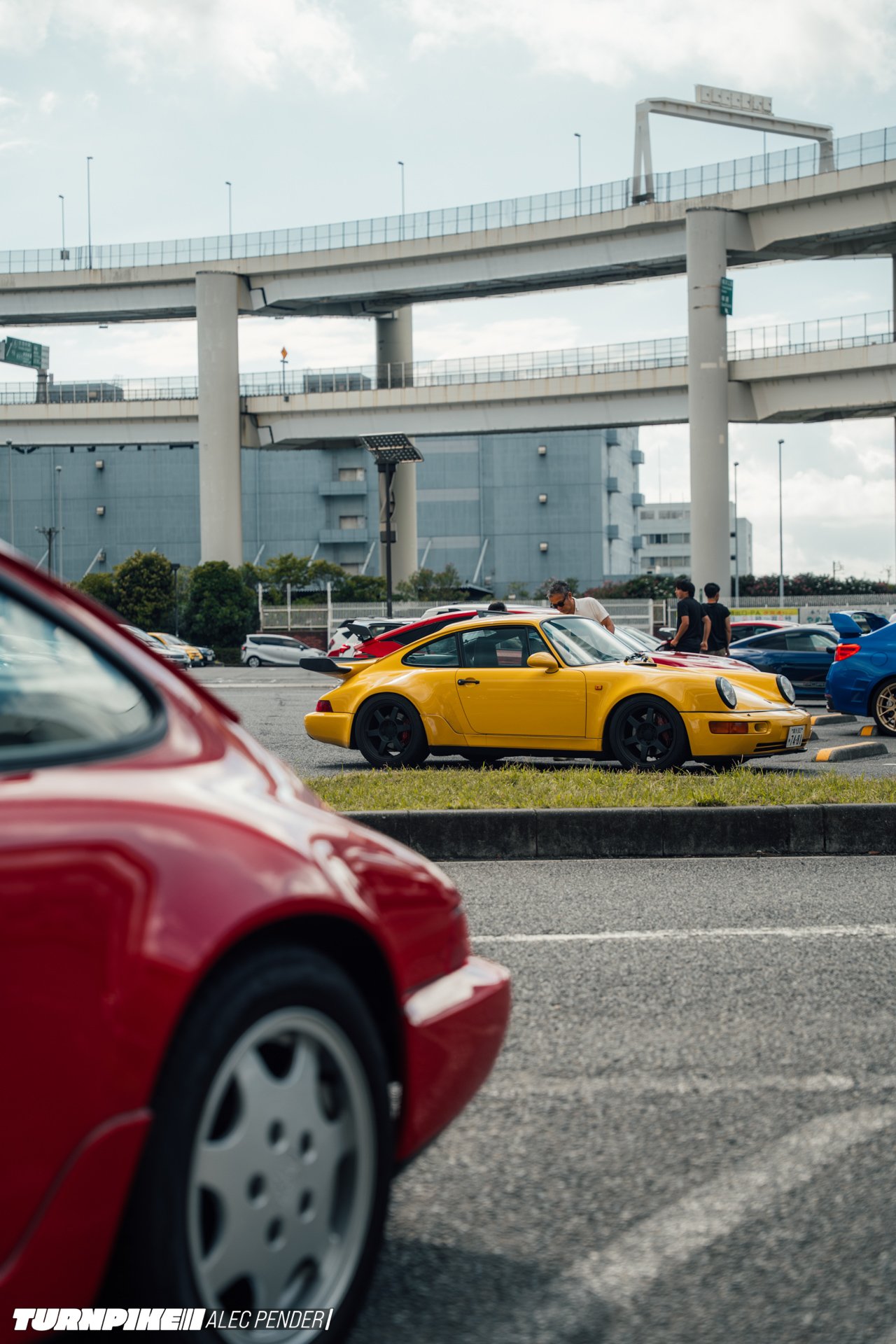

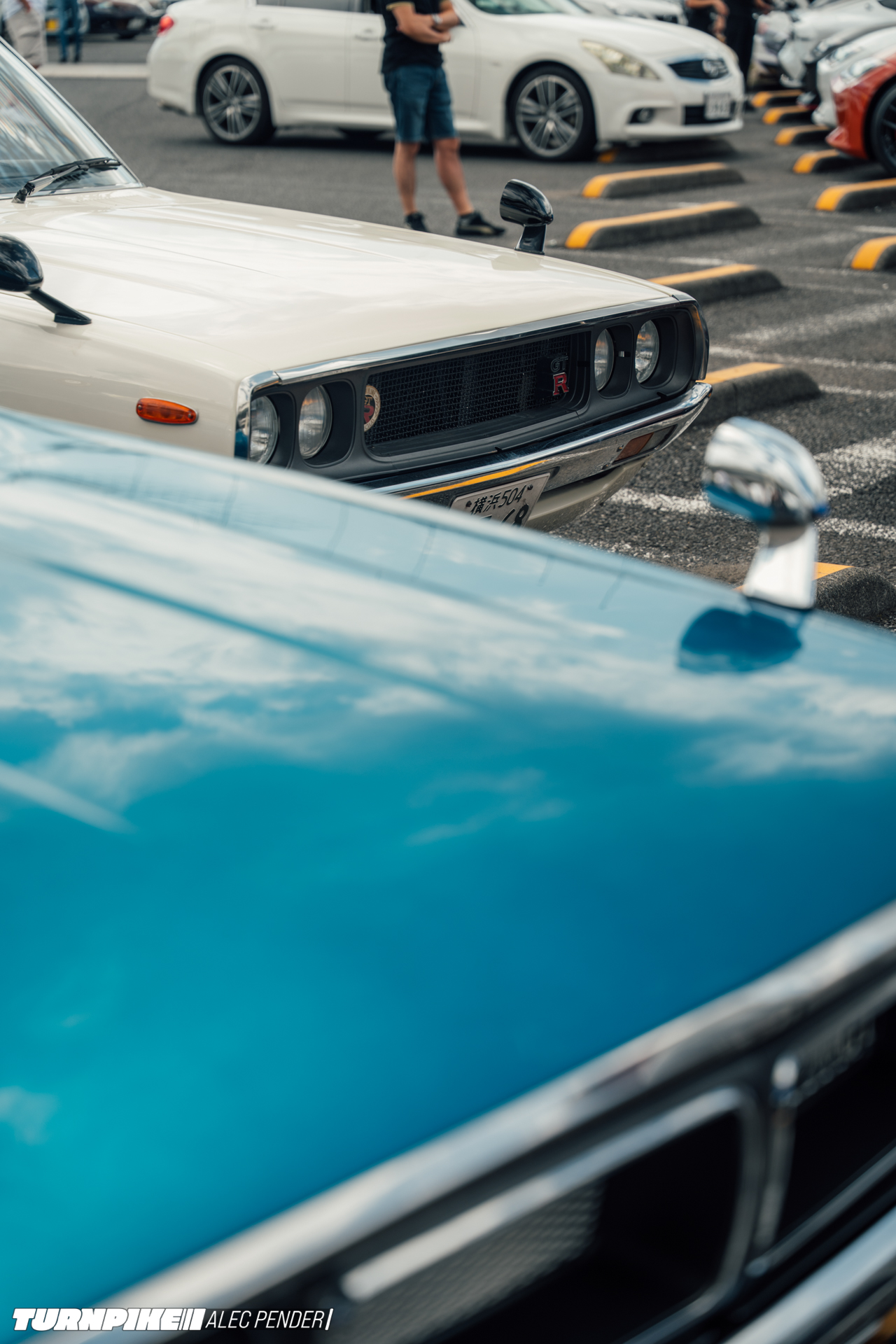

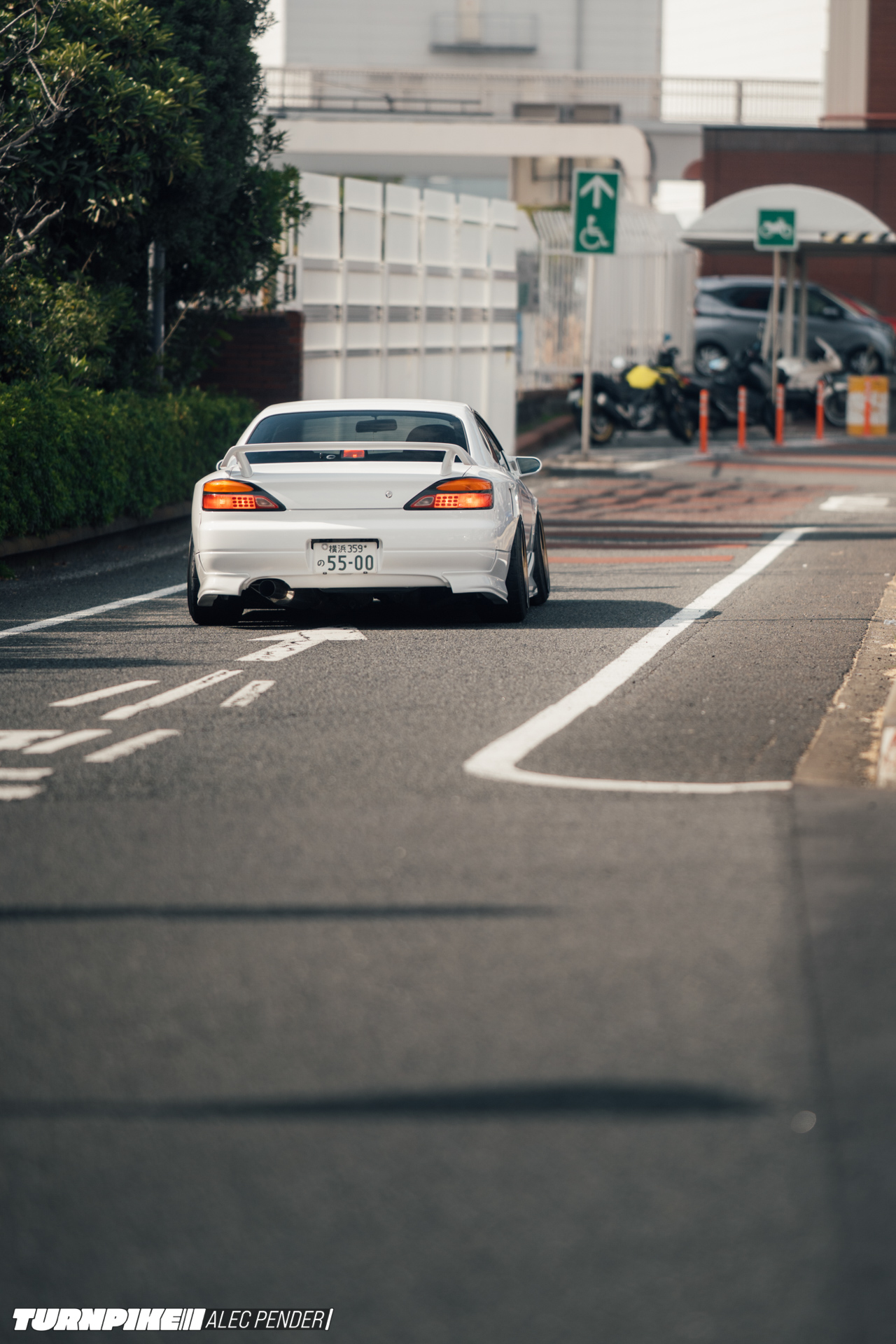
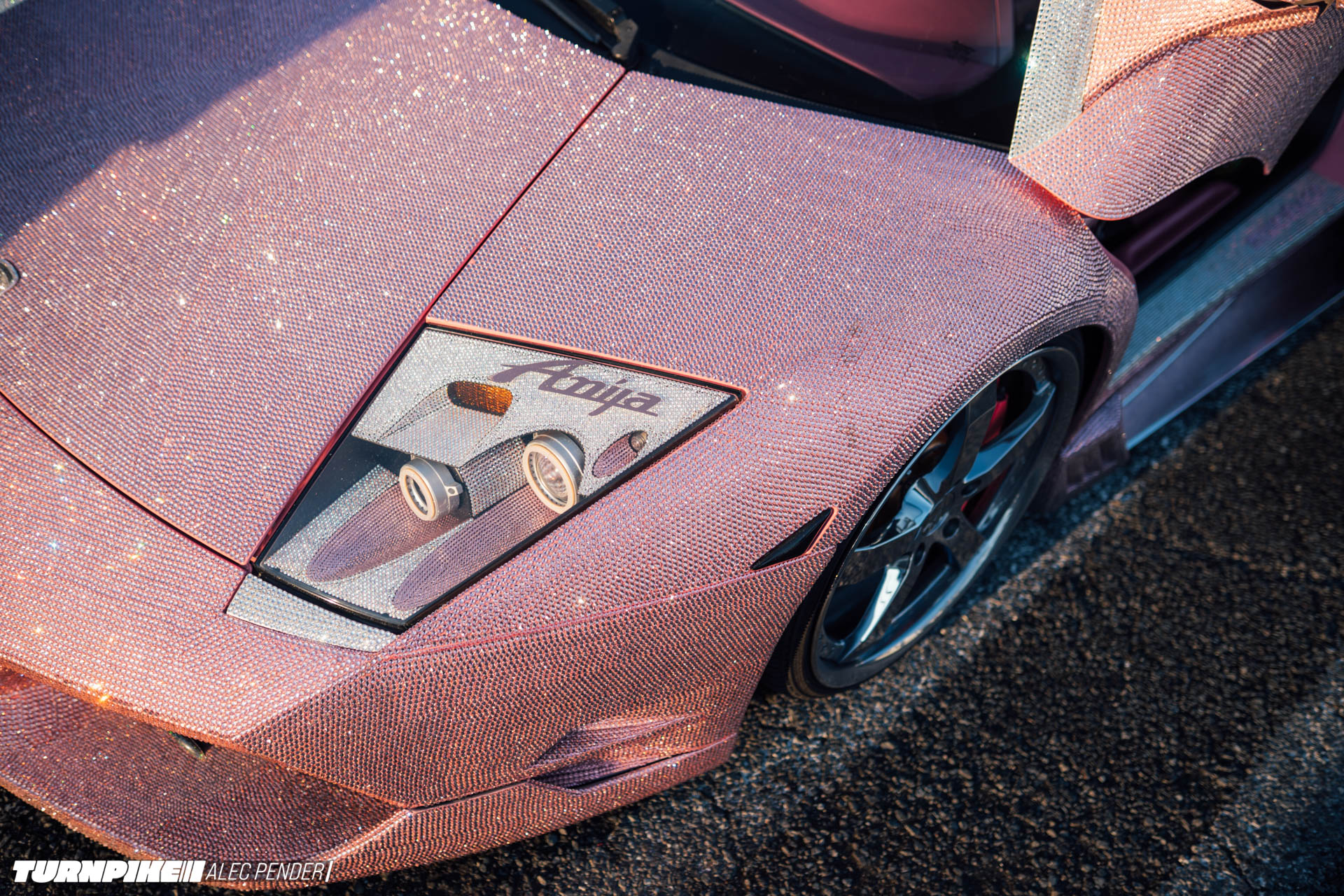
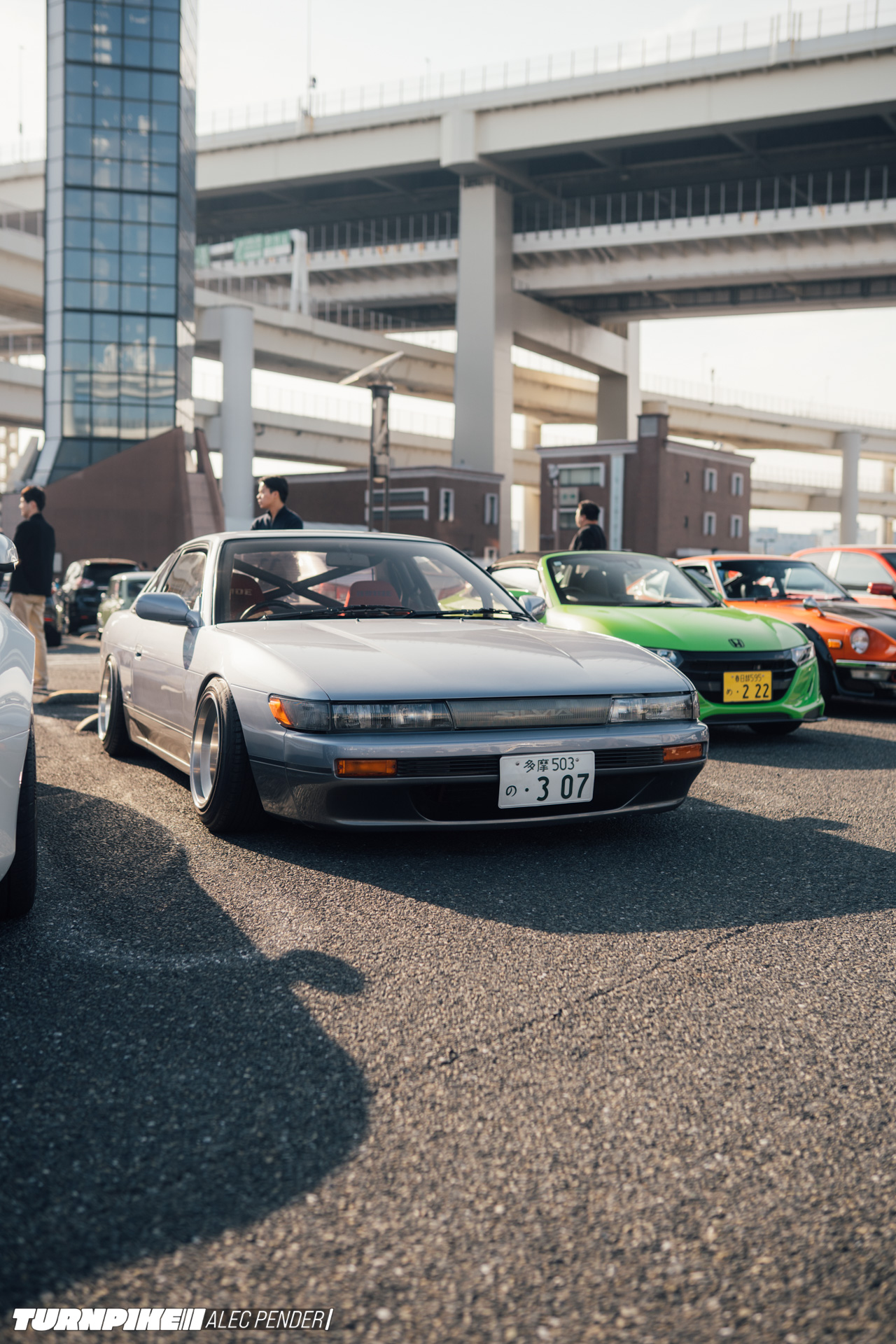

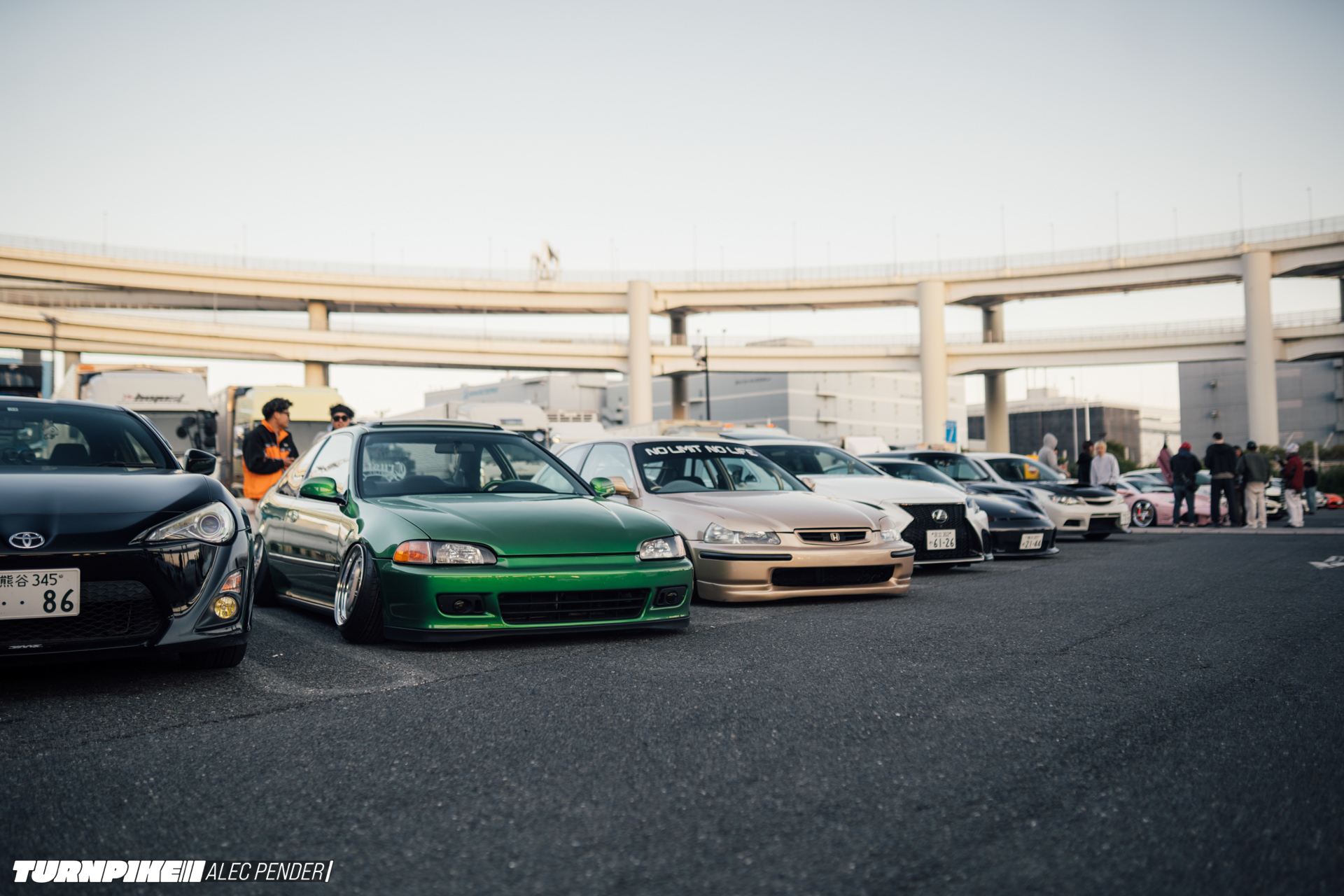

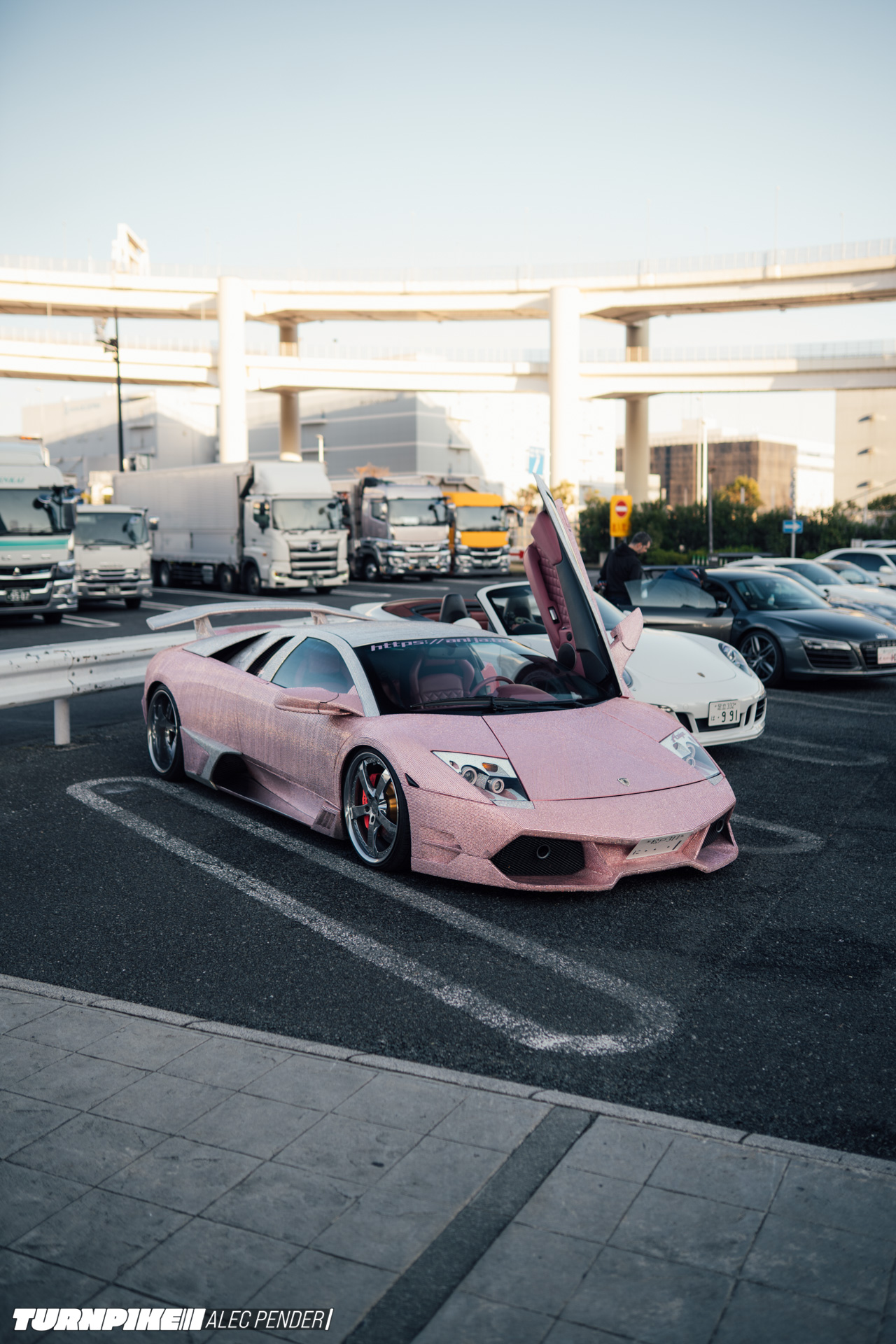

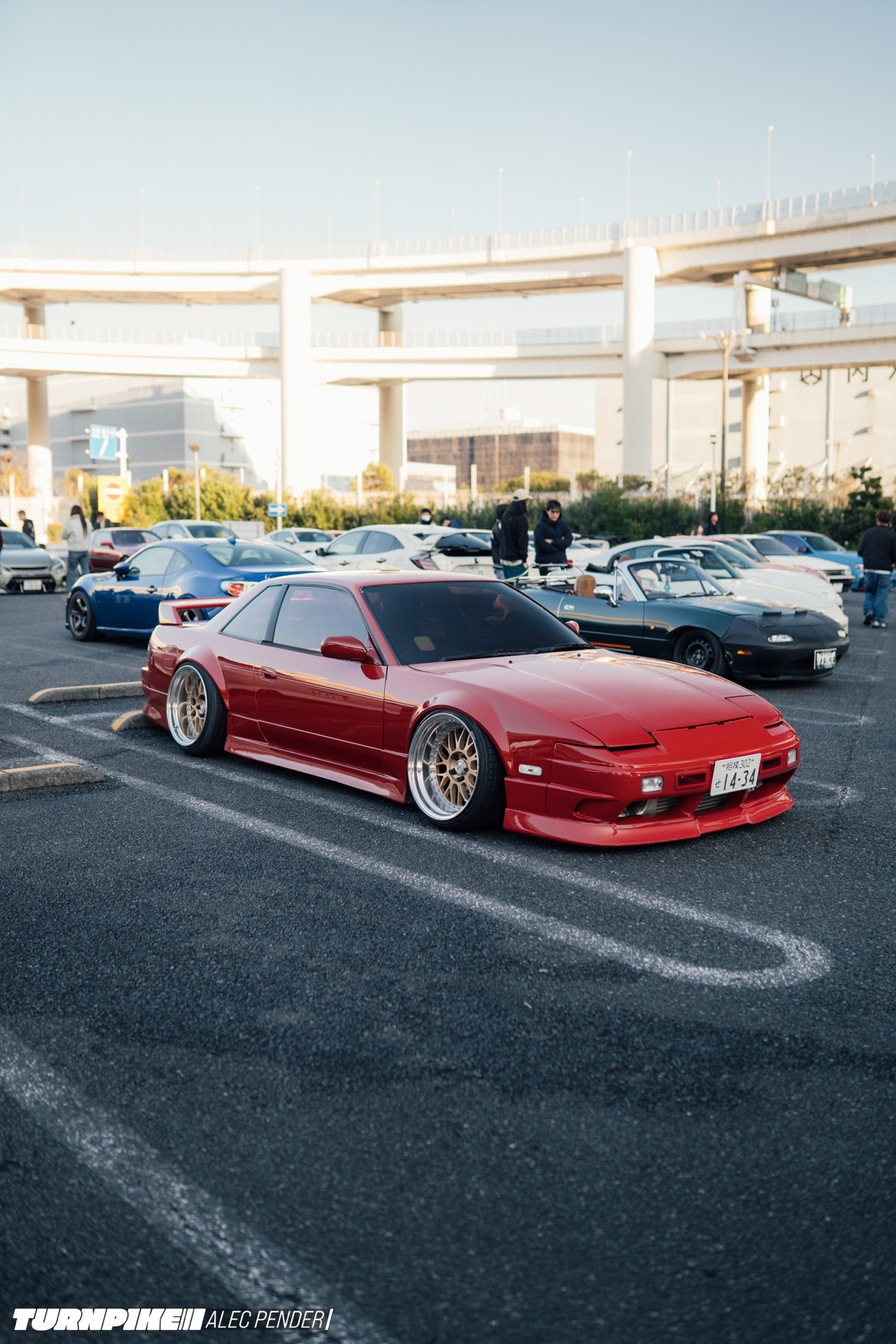

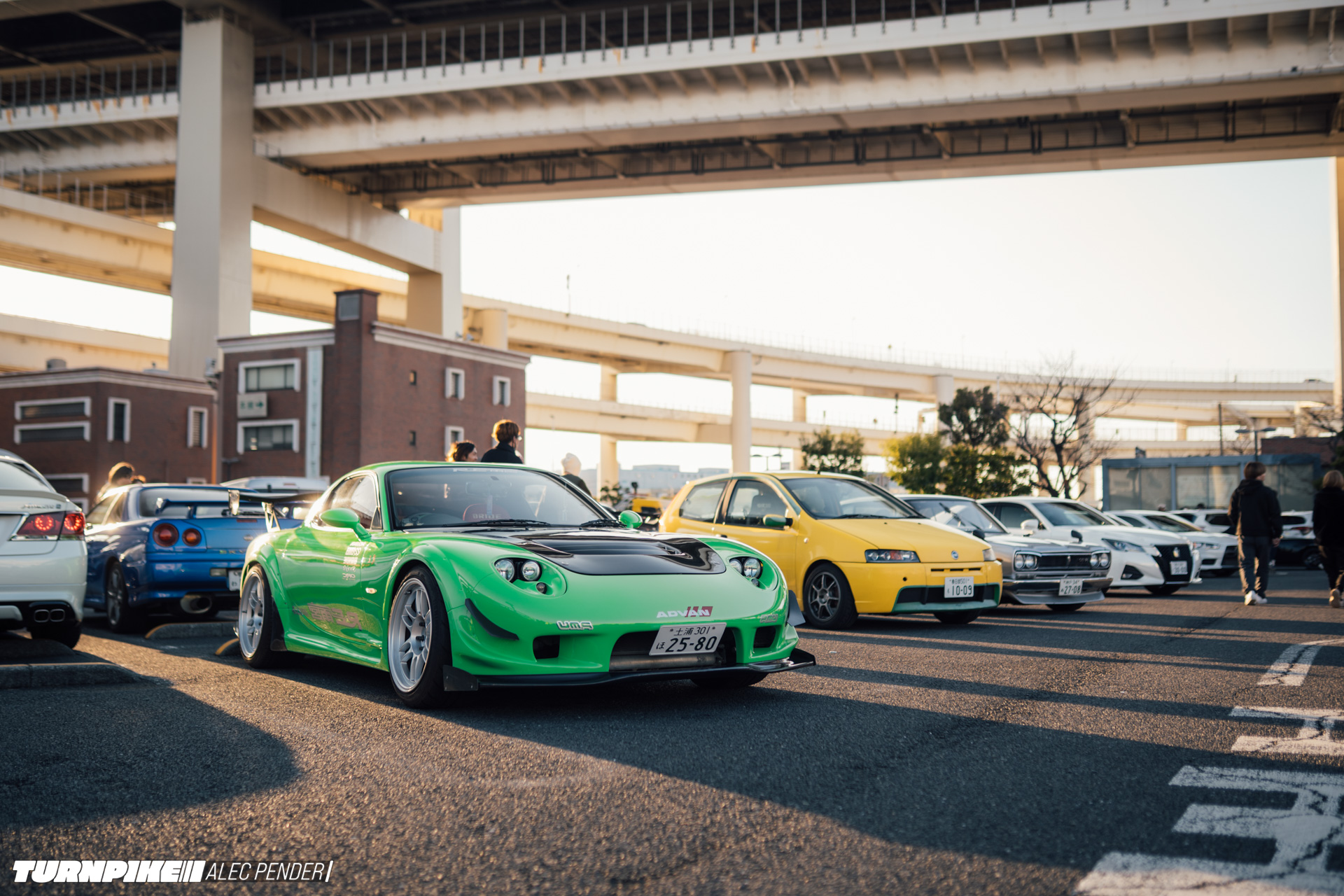
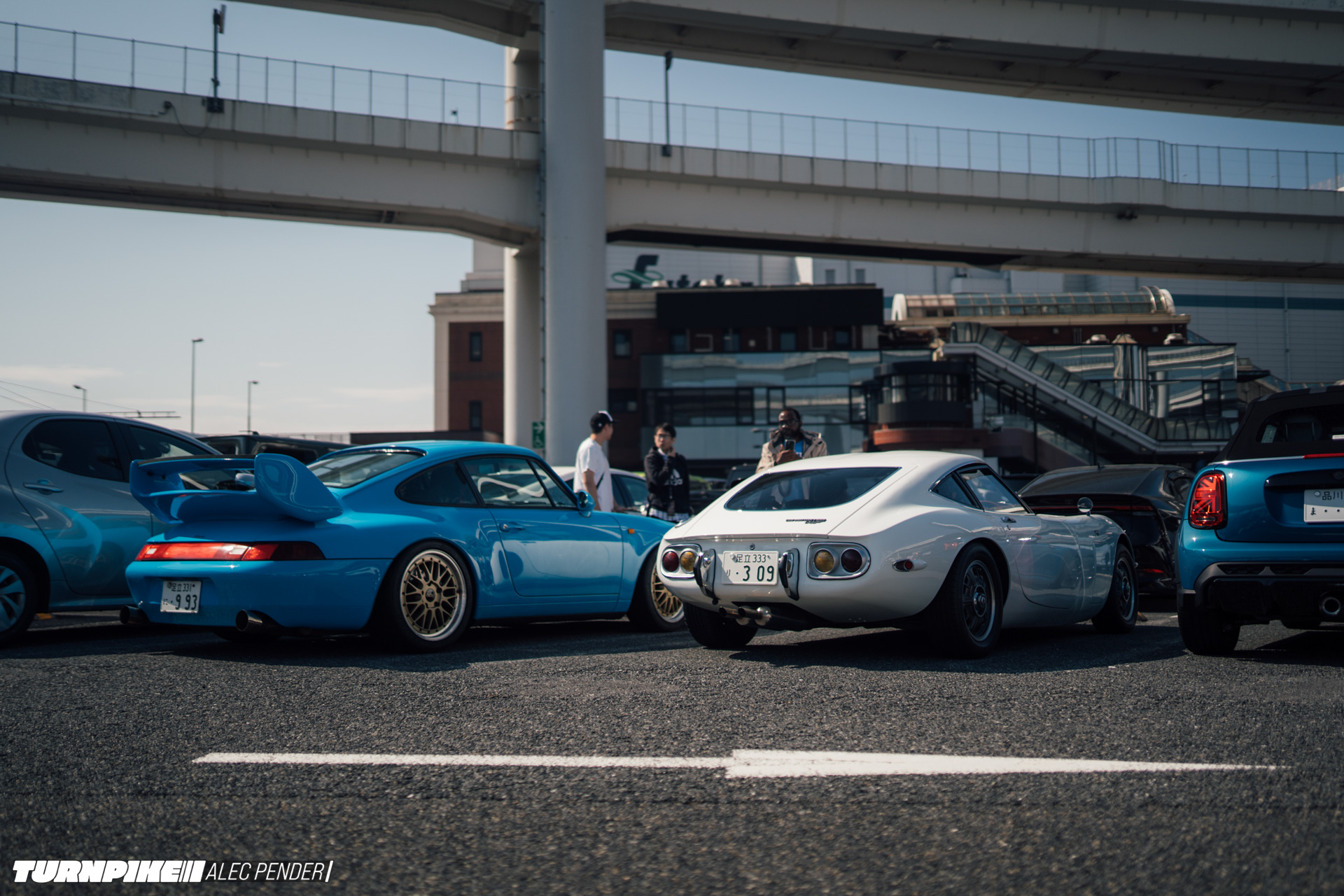








I was fortunate enough to visit Daikoku in Spring 2025. And I got to see two different faces: the loud crowds and cars on saturday night (including a shut-down from the police) as well as the relaxed vibes on the follwoing sunday morning. It absolutely matched my expectations; it was cool beyond a doubt. 🙂
Great read, Alec. You nailed what so many miss, Daikoku isn’t dead, it’s just changing. The way you describe that mix of nostalgia and reality really hits home for anyone who’s spent time there 🙌
Great read and photos. Loved my first visit to Daikoku this year. Hoping to go back next year as well, preferably on a Sunday morning. I definitely want to spend more time there!
I really tried to make it to the Sunday morning pictured, but my friend who I was traveling with refused to join me. still got to enjoy the relaxing midweek nights on numerous occasions on the trip and I am glad I did.
In more recent visits to Tokyo when I can squeeze in a stop to Daikoku, I tend to go weekend mornings.
Especially when shooting in low light in the evenings produces mixed results, and you forget to charge up your portable light..
A magical place for us petrolheads. I was there in September 2023, Saturday night, and it was incredible, but Sunday morning was even better. I hope the culture and passion for motoring never dies due to prohibitions… I hope that essence that unites man and his modified car never disappears. Long live Daikoku.
My luck, they’ll turn the parking lot into a water park before I’m able to visit. I’ll just live vicariously through your pictures!
Hope to visit Daikoku one day.
I’ve never been to Daikoku, and I probably won’t, but these posts help me immerse myself in the atmosphere of this legendary place. The photos are great.