
BMW has found success in motorsport for decades, in disciplines ranging from Formula 1 to endurance racing, touring cars and almost everything in between.
The constant desire to innovate and evolve ahead of the competition meant that sometimes, radical thinking was required.


BMW always sought to use motorsport as a test bed for its road vehicles, with components seeing more abuse and higher loads than it experienced by the average road user.
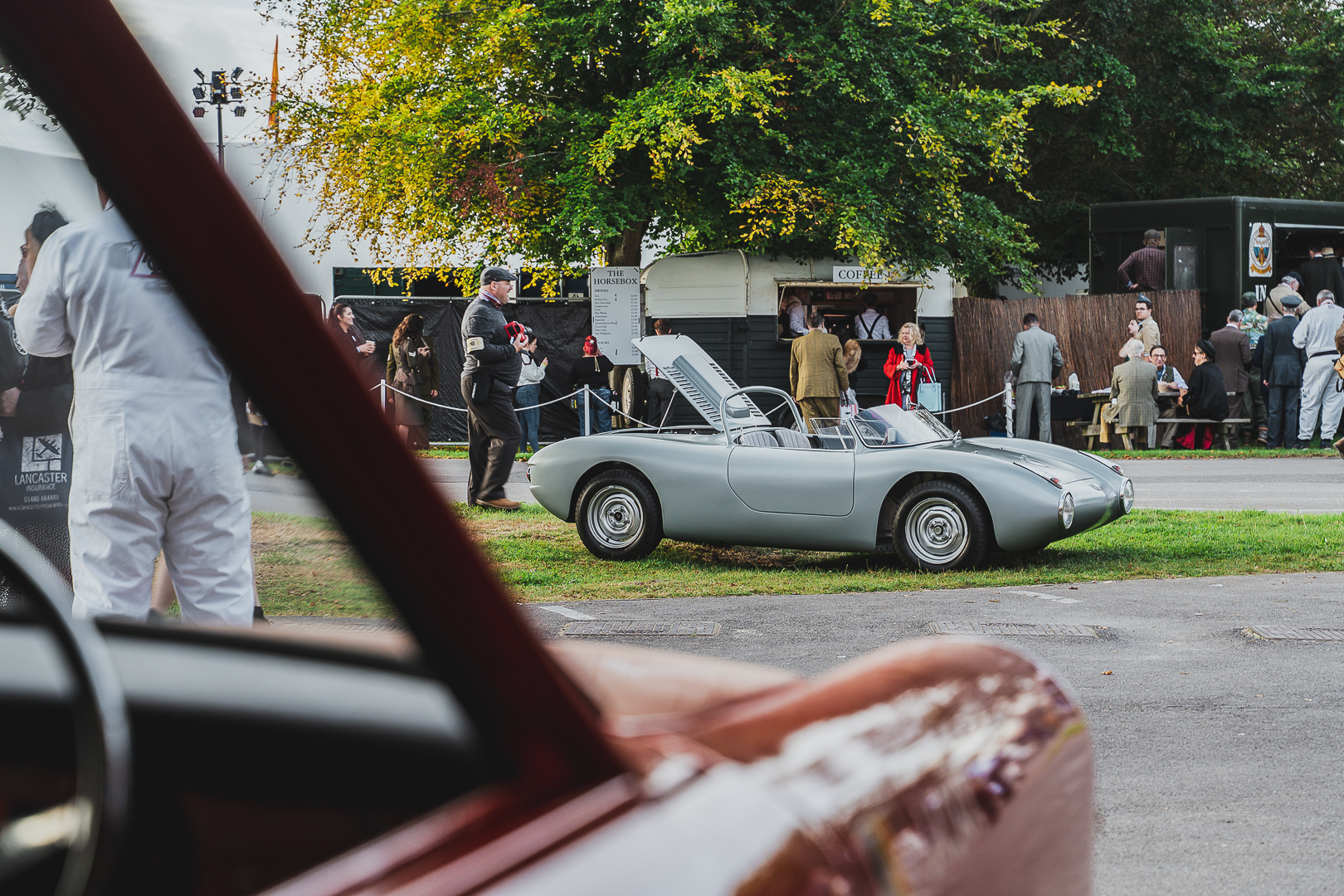
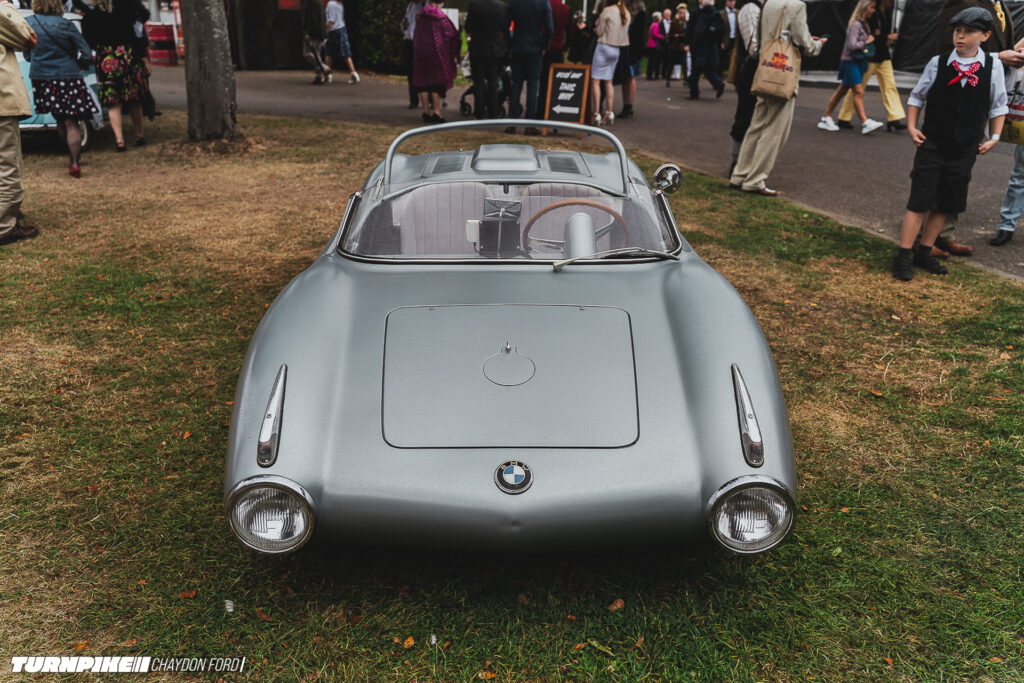
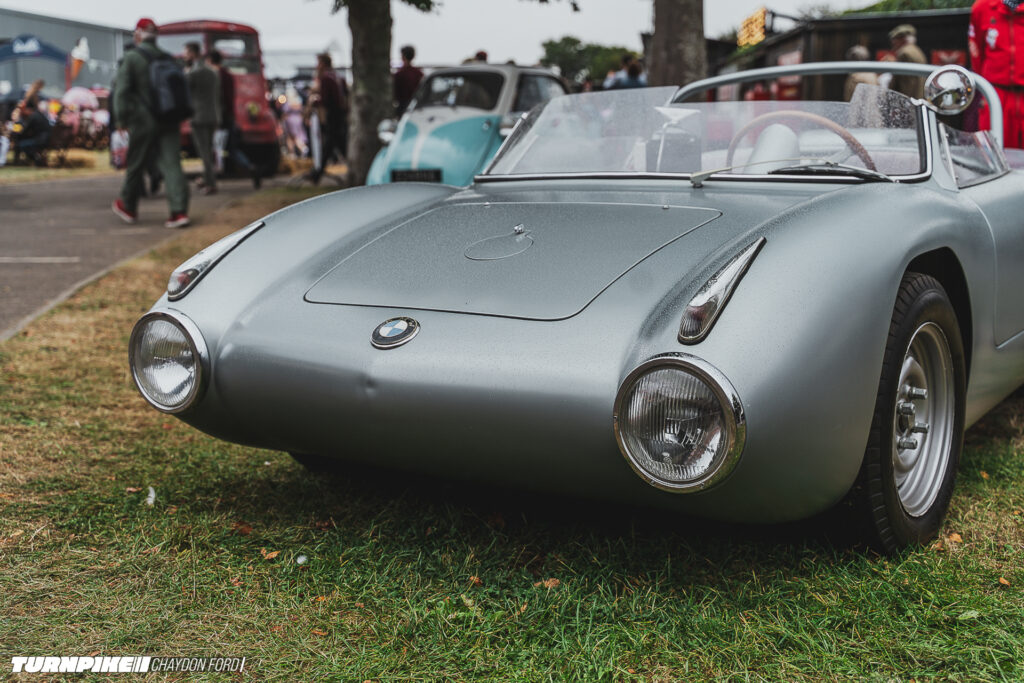
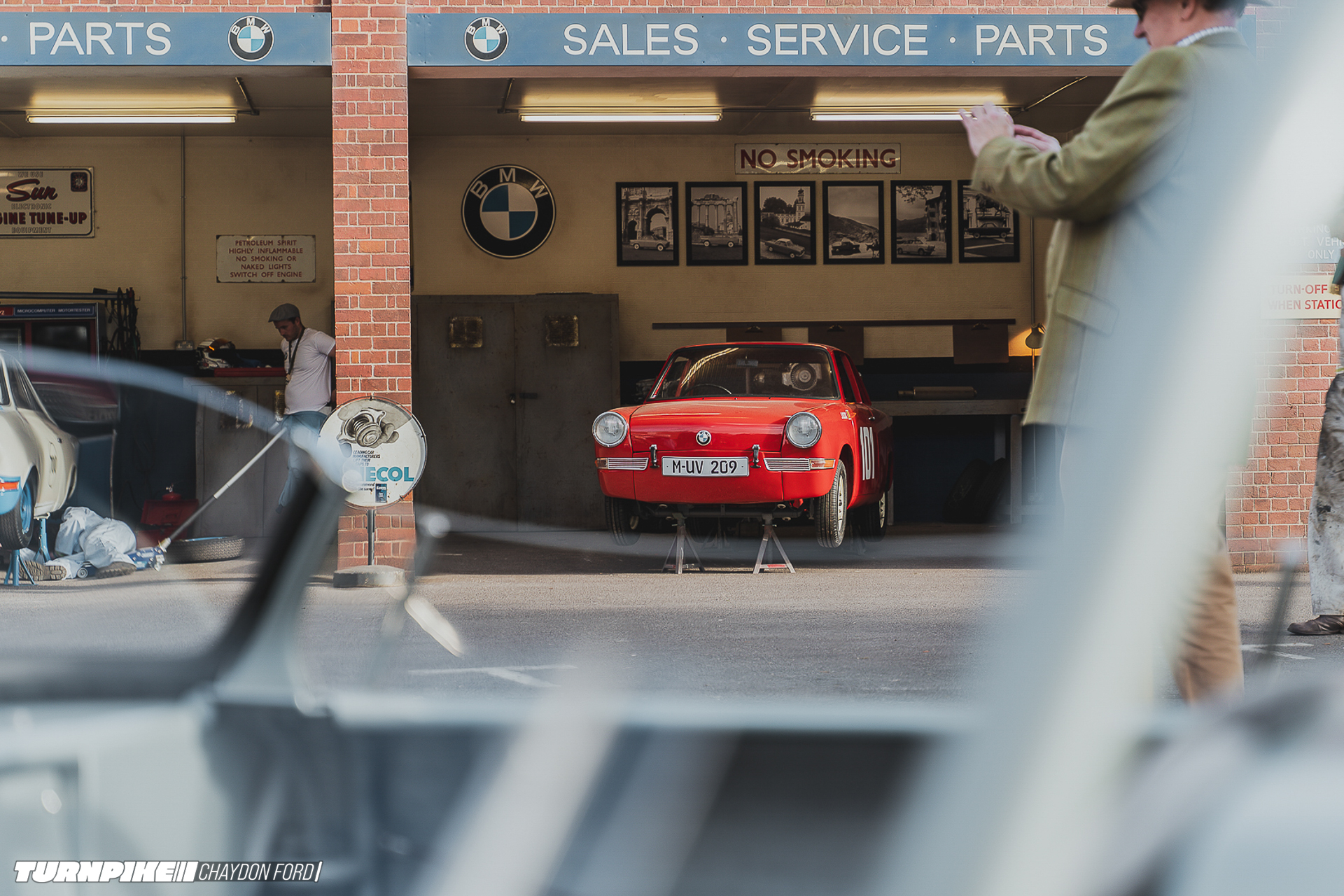
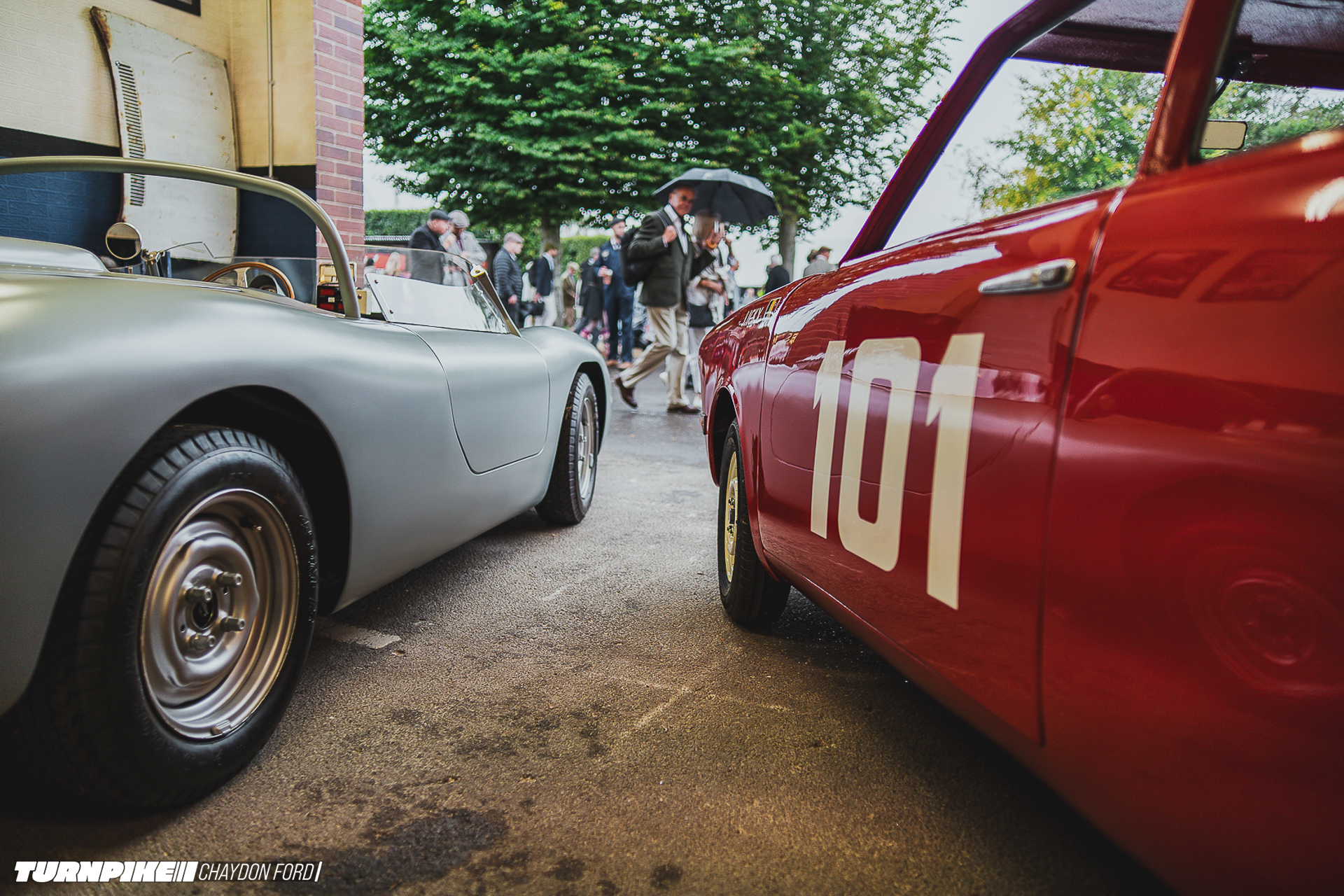
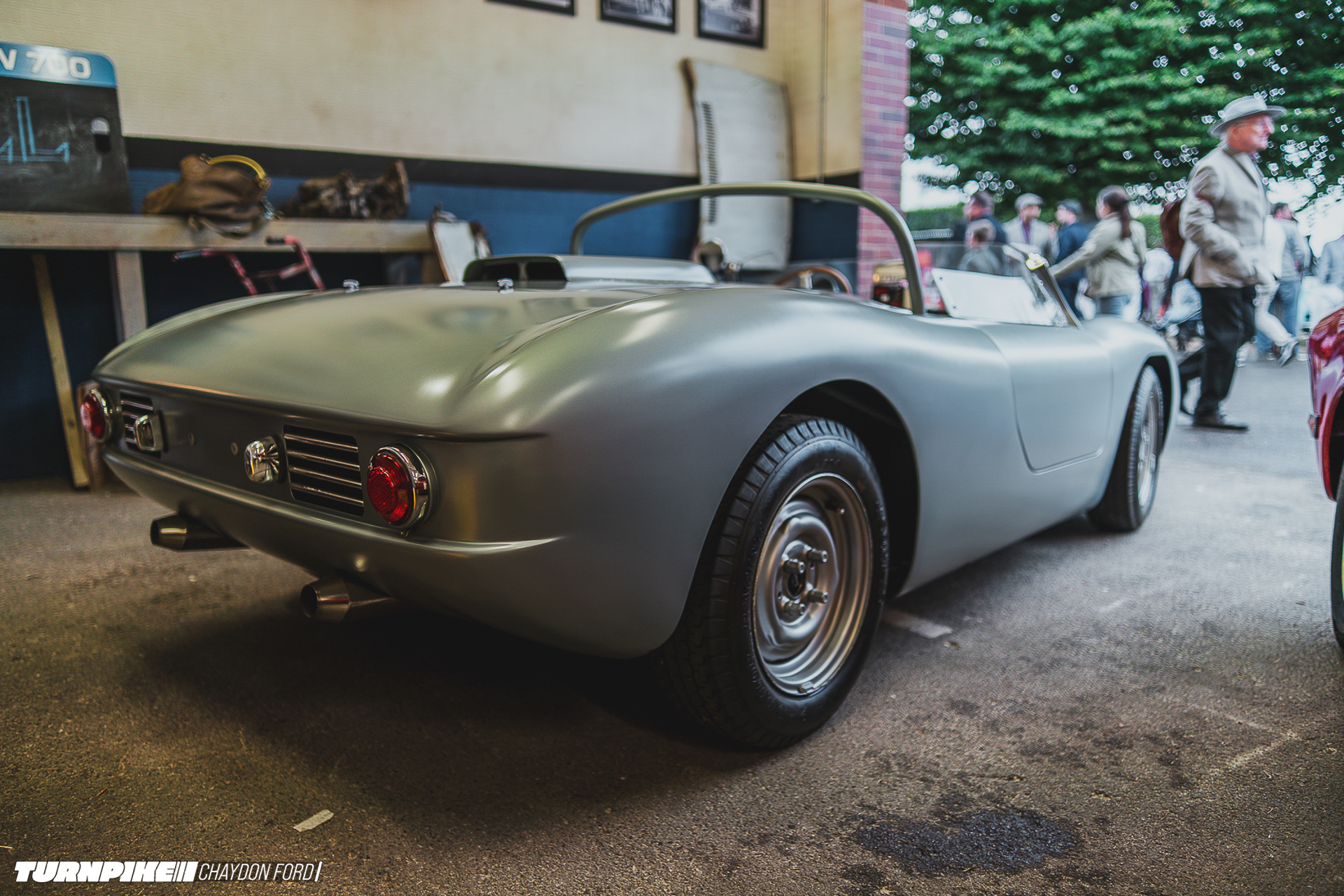
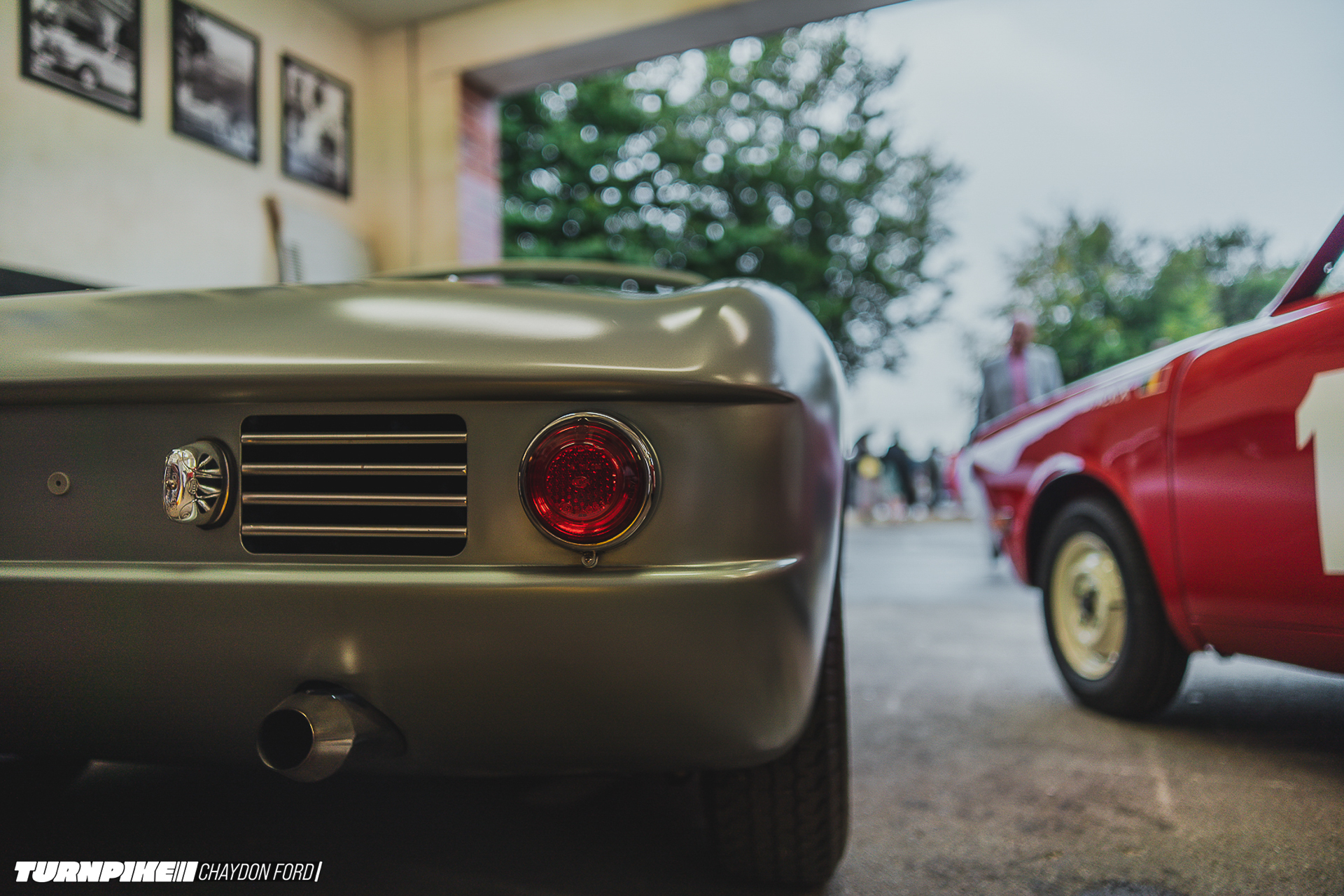
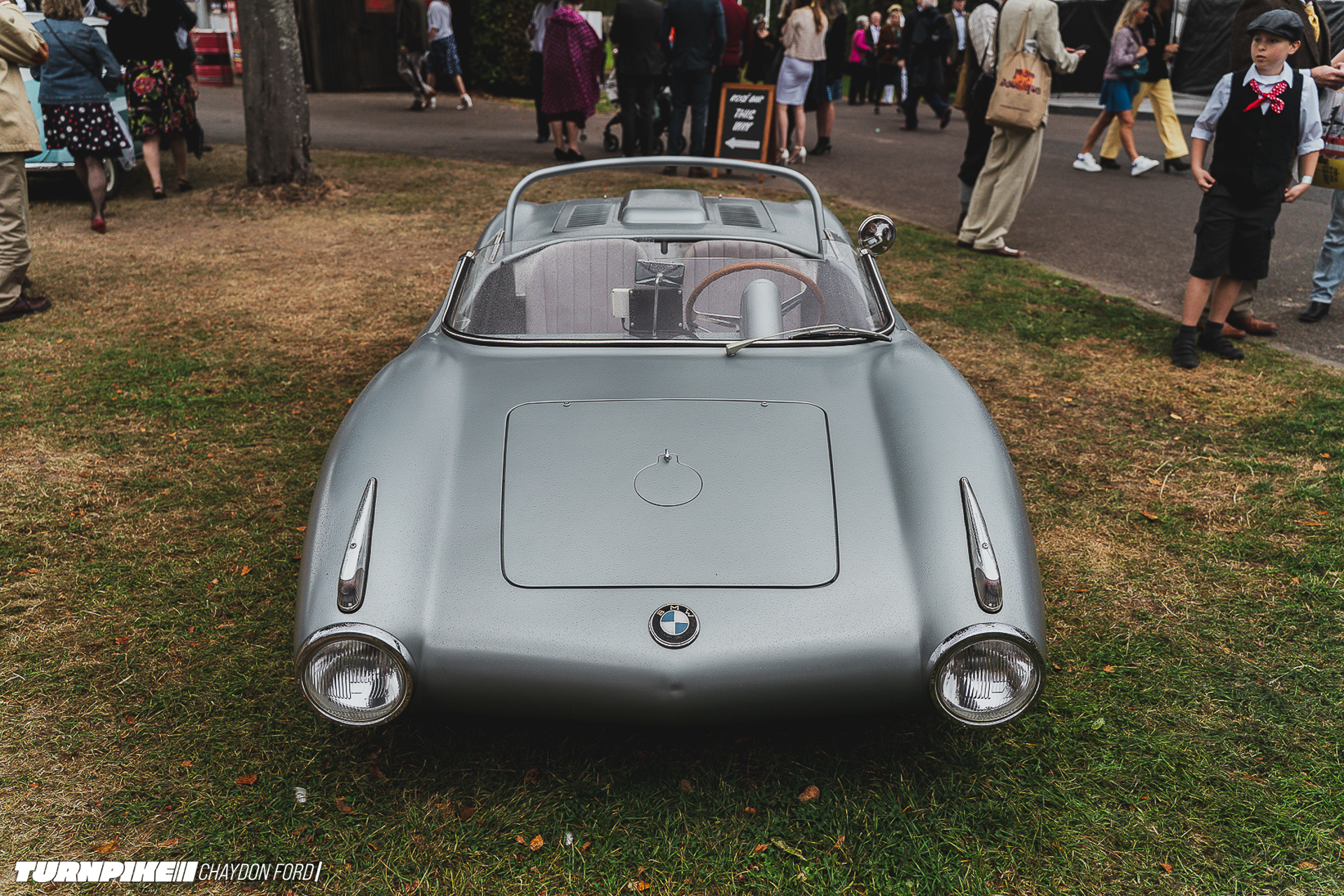
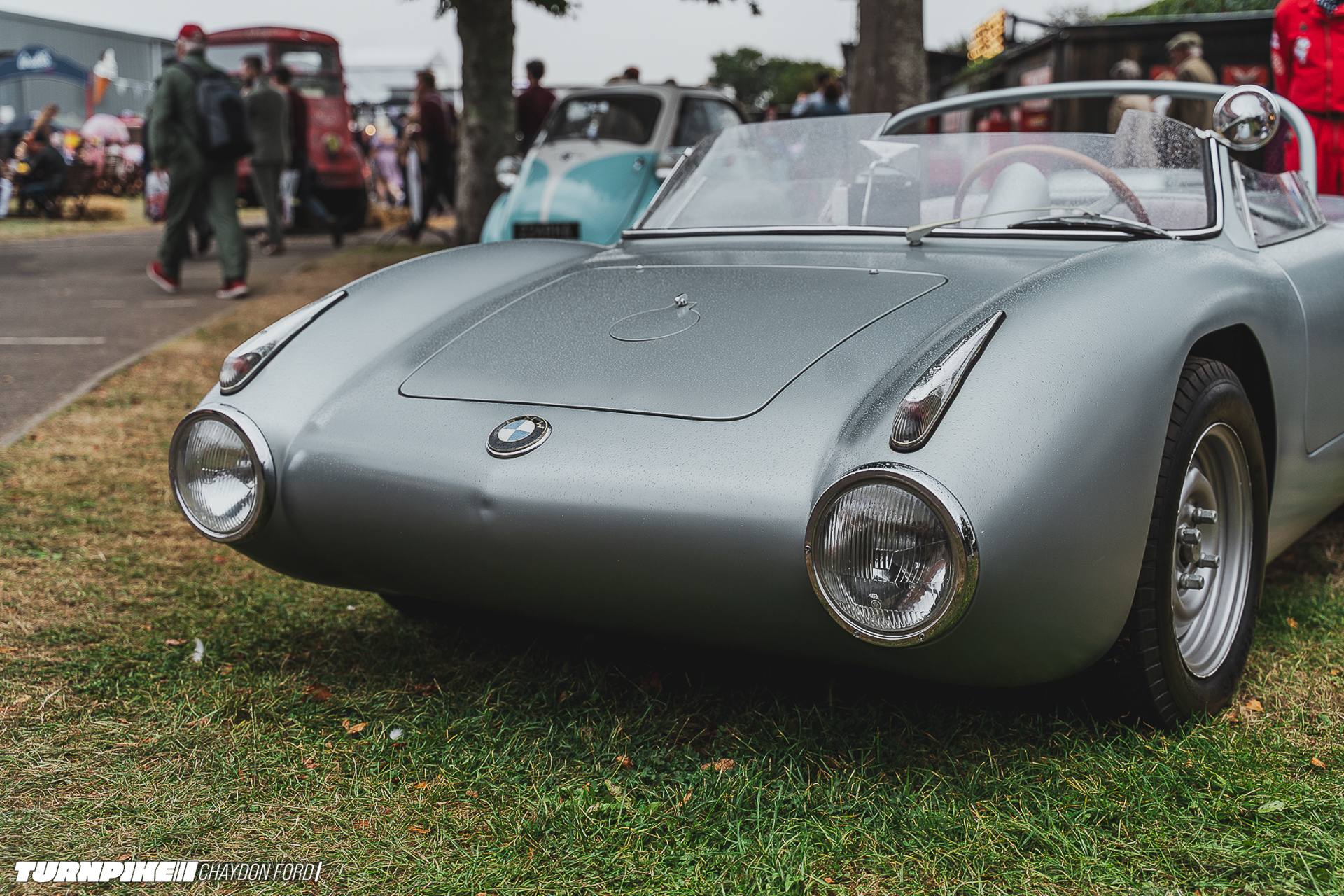
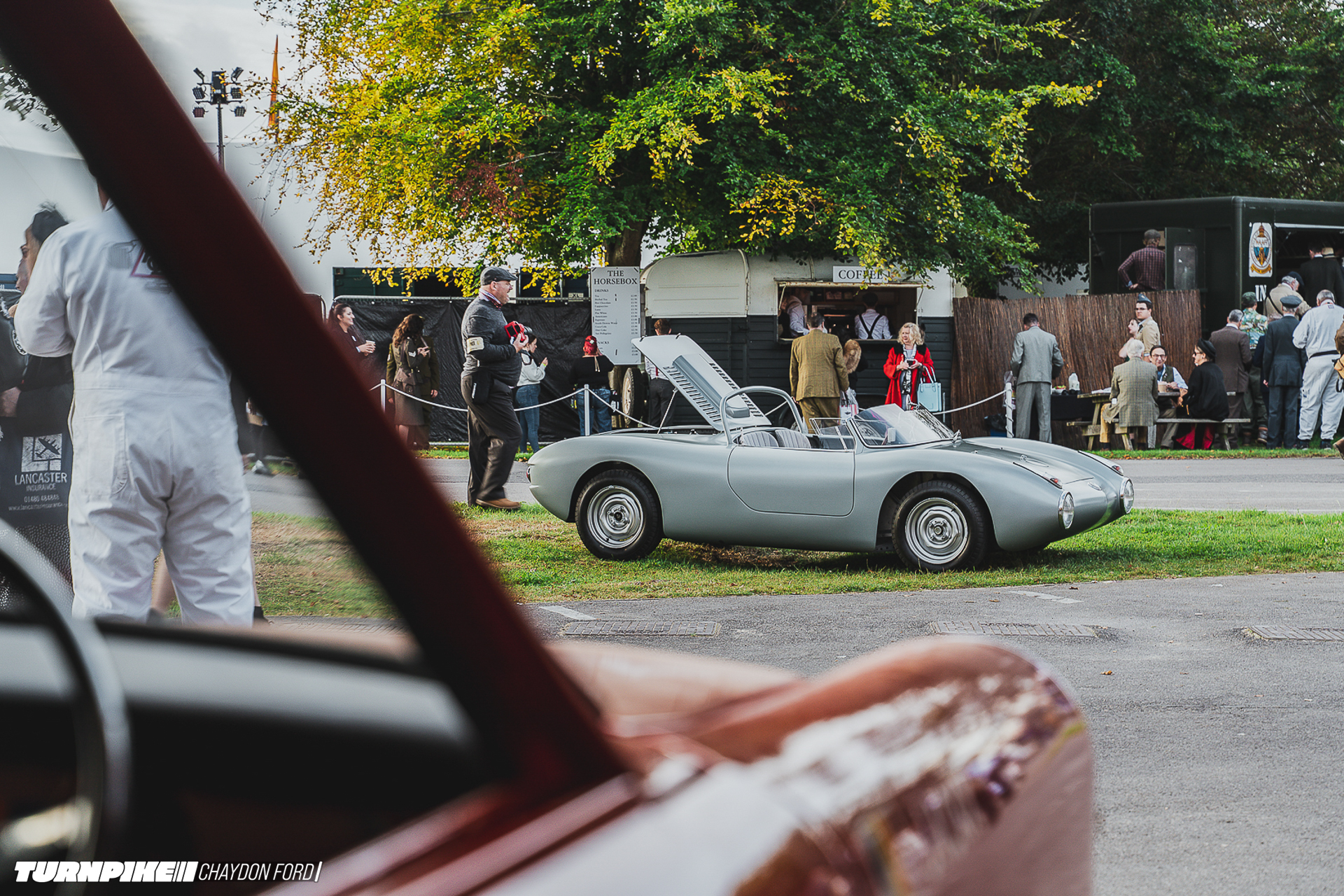
In a rare public appearance at Goodwood Revival a few years ago, BMW Classic brought its 700 RS Spyder to display alongside the 700 coupe racing in the St.Marys Trophy. Many people initially mistook the 700RS for a car born from a very similar mindset, from another German manufacturer; the Porsche 550 Spyder.
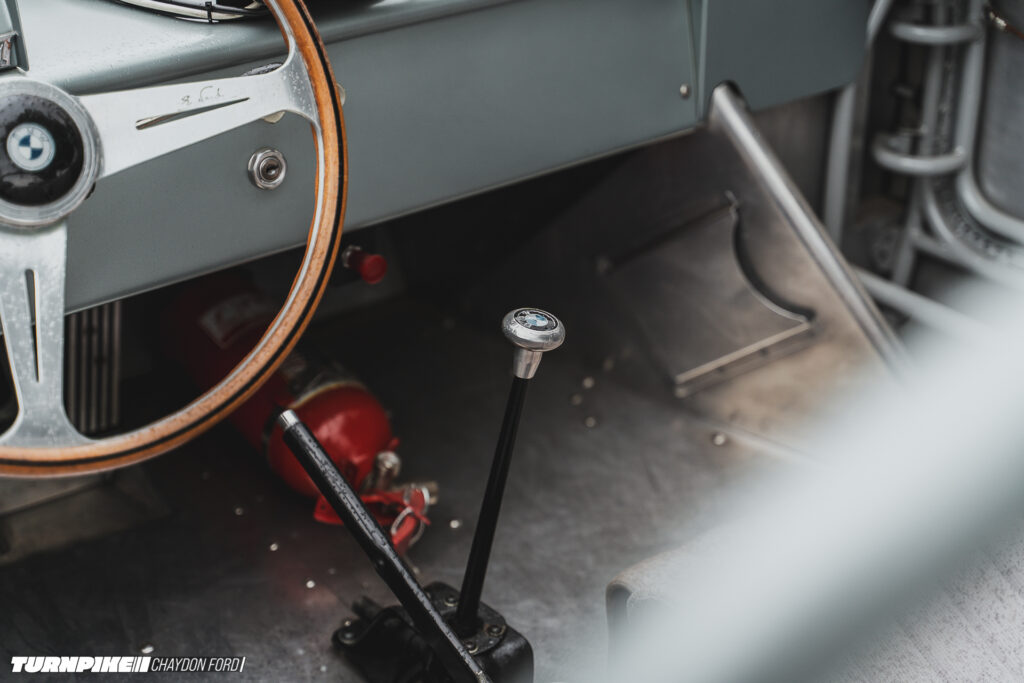
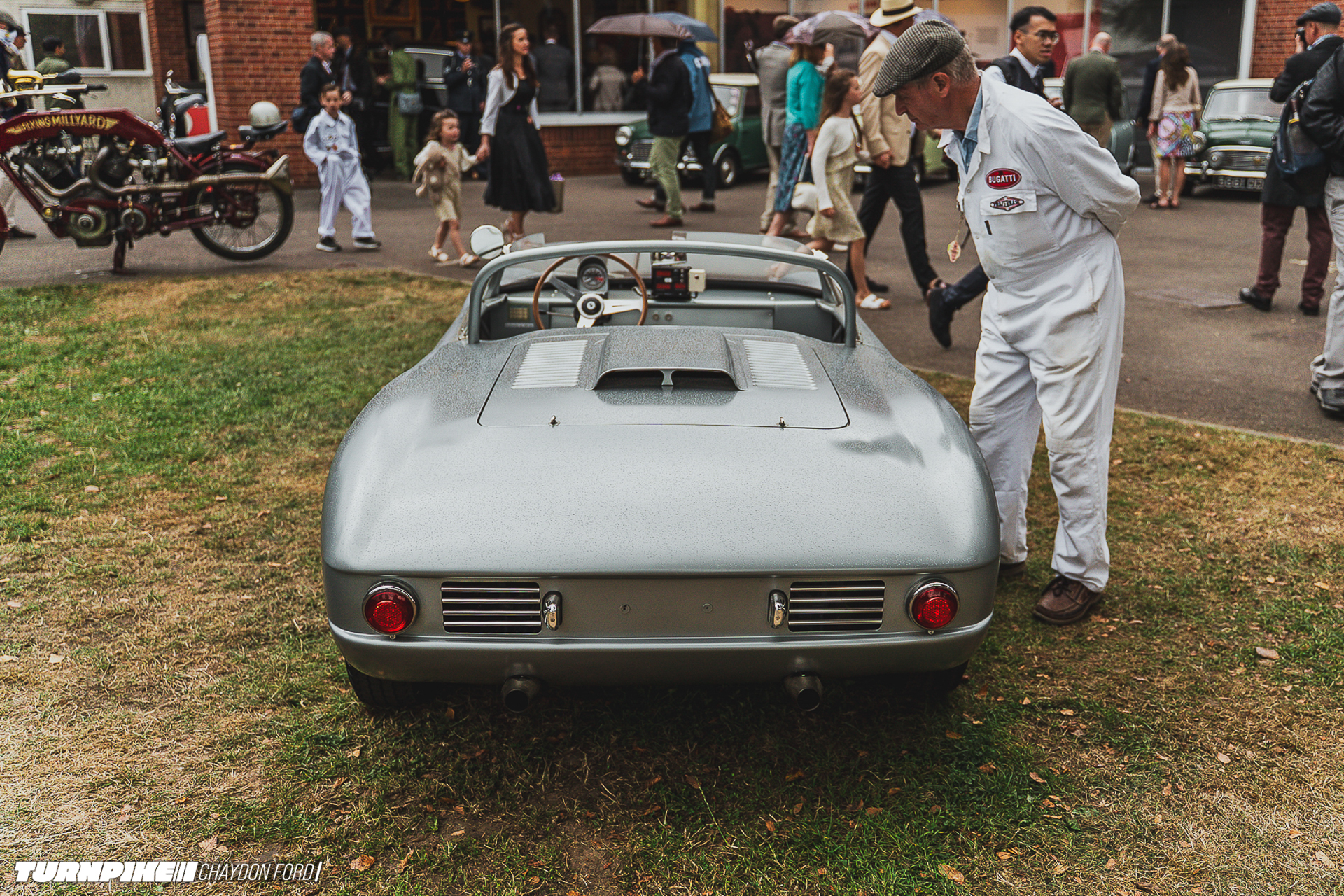
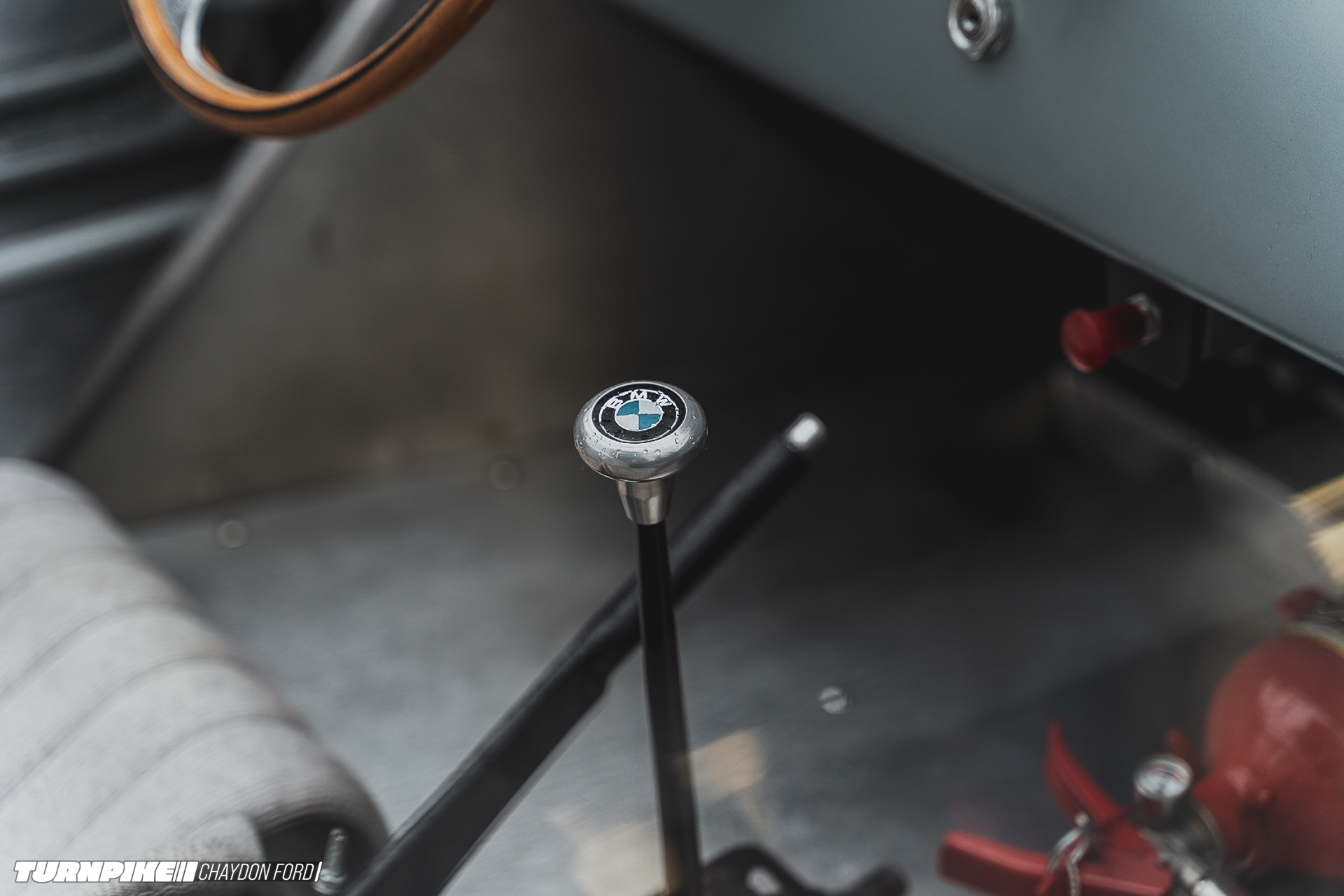
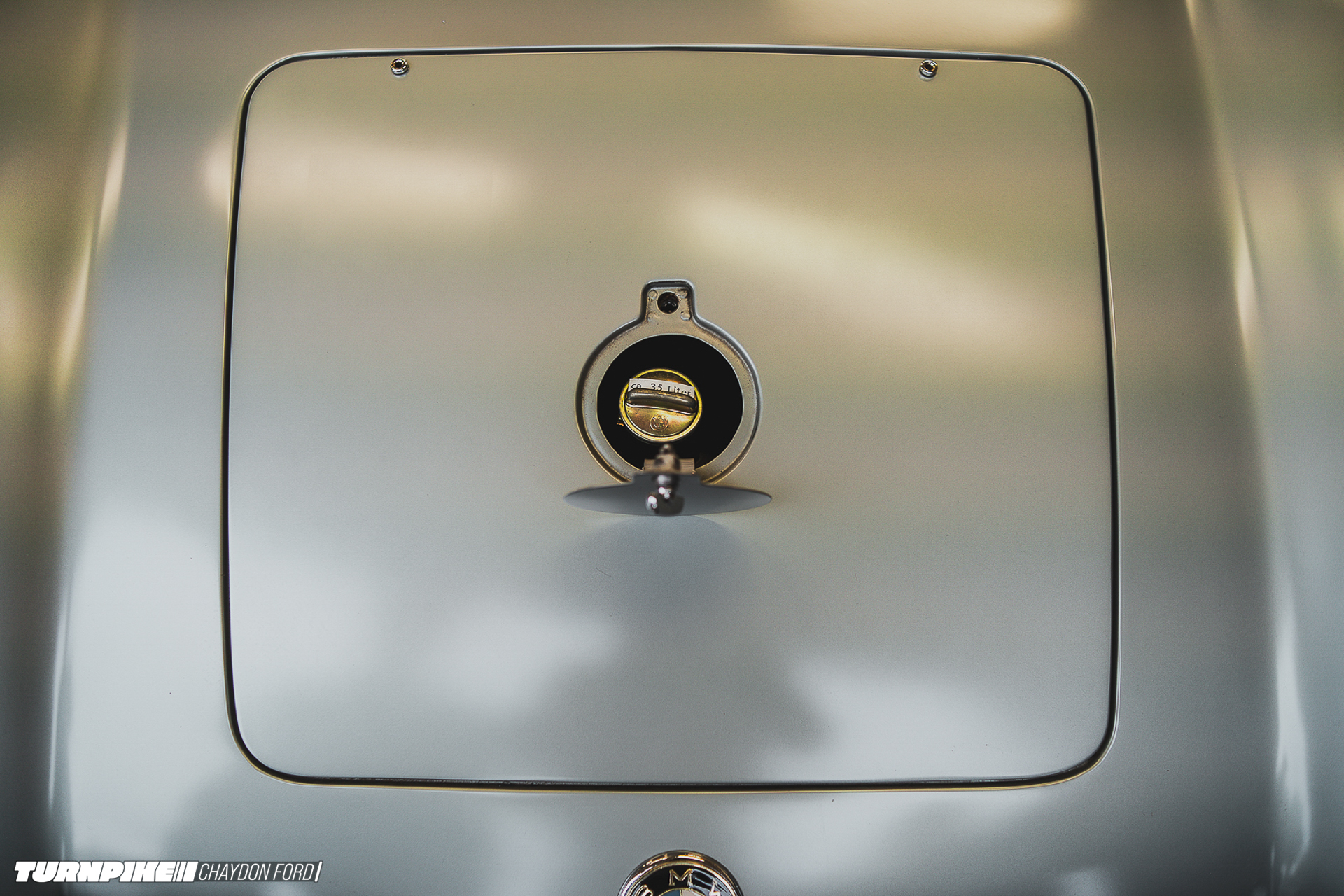
Easily done, since the BMW roundel on the bonnet, steering wheel and gearstick were the only real giveaways to this being a product of the Bavarian brand. It looked like no other Beemer on the road.
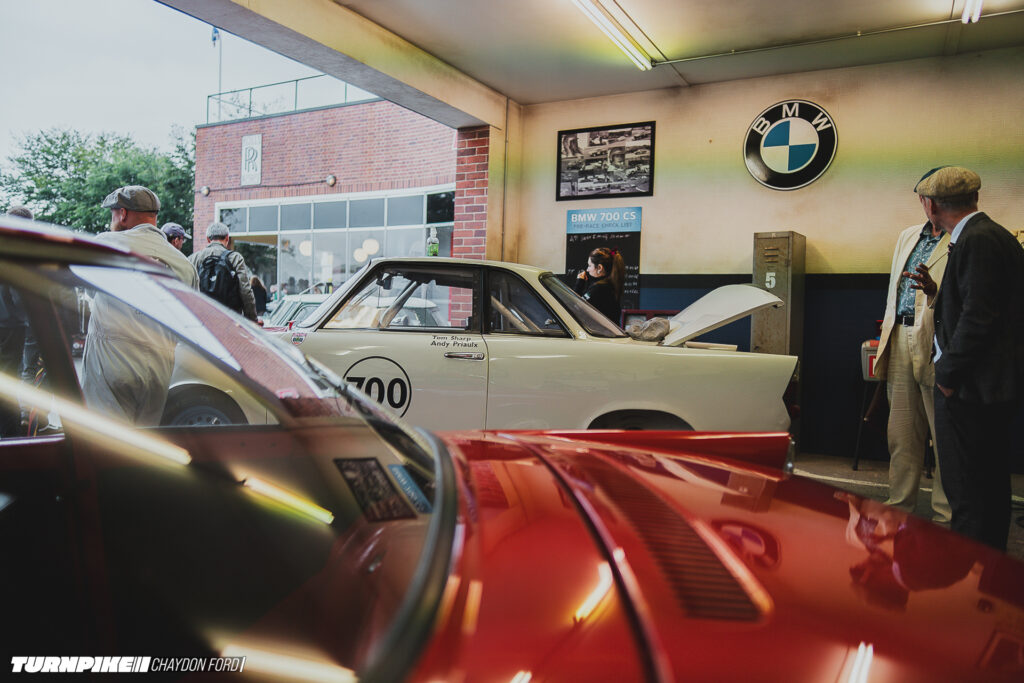
How the 700 RS came to be is a fascinating story. In the late 1950’s, BMW was on the verge of collapse. The 600, based on the Isetta, was not the saviour the board had envisaged. Circling the drain ever more meant a radical change was needed – and fast. Thus the 700 was born.
Utilizing the mechanicals from the 600, but in a more attractive bodyshell, the Michelotti designed 700 was released at the 1959 Frankfurt motor show – and it was a hit. An enlarged version of the R57 air cooled boxer twin output between 32hp and 40hp depending on trim.


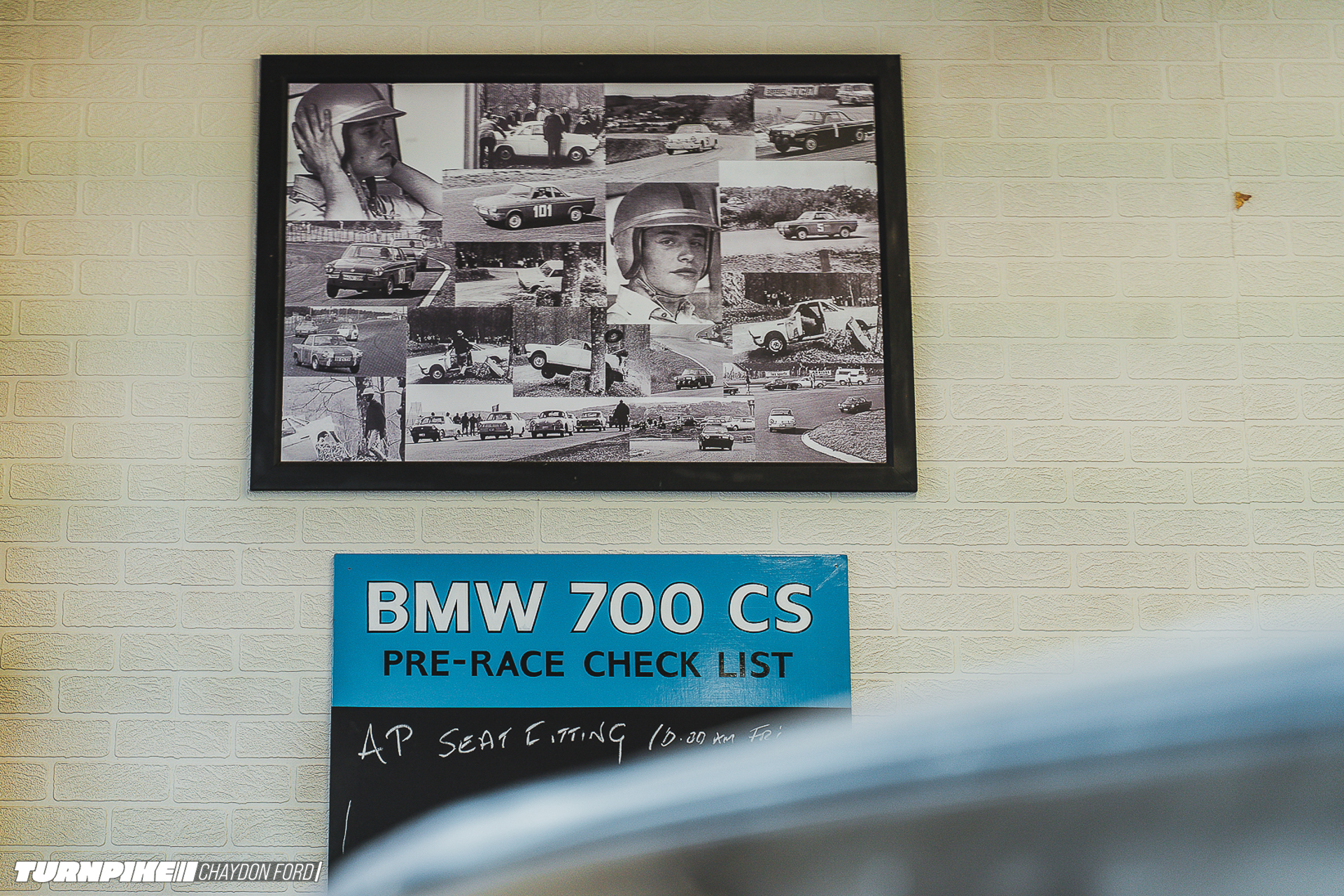
This may not seem like much, but with only 630kg to move, the diminutive 700 could easily keep pace with most traffic. The fully independent suspension meant the car soon found favour in competition too, including wins in the German Hillclimb Championship and the class win at the Nurburgring 6hr endurance race.
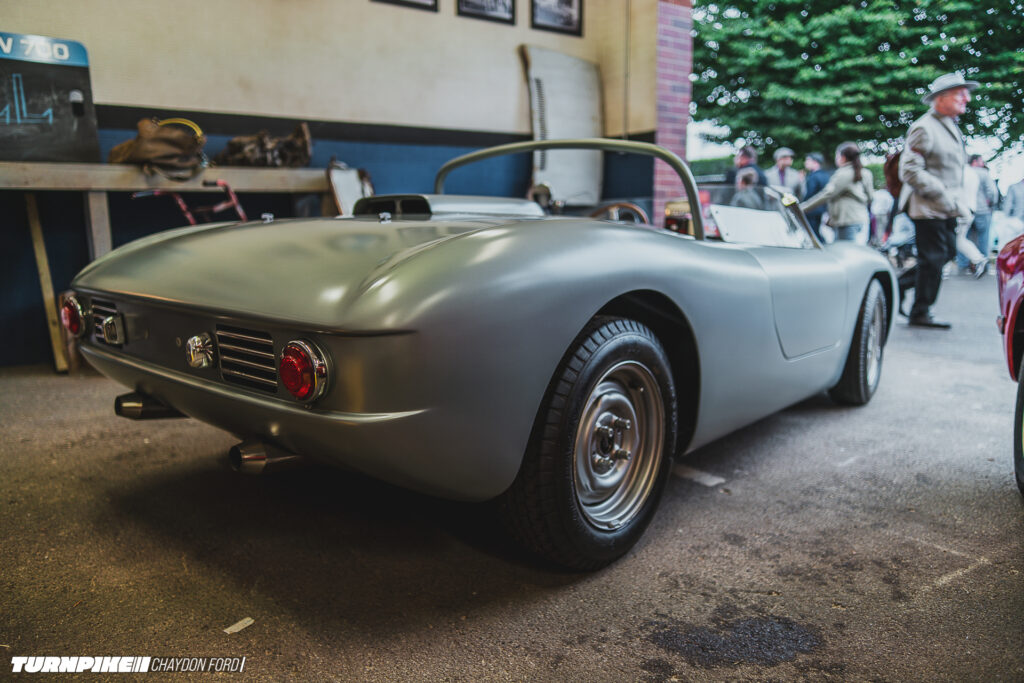
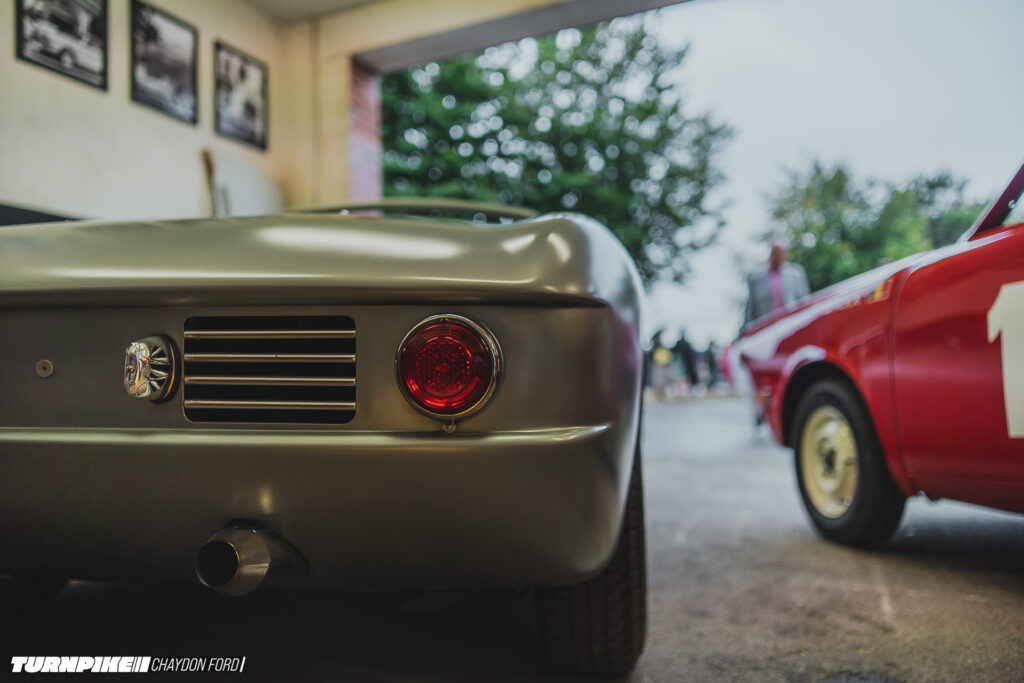
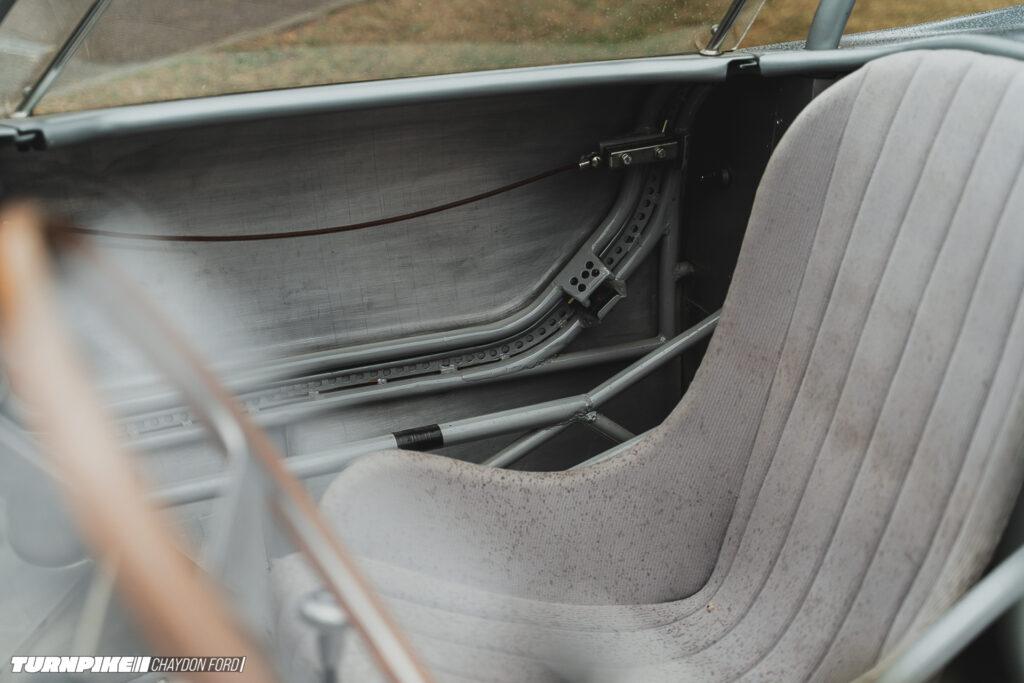
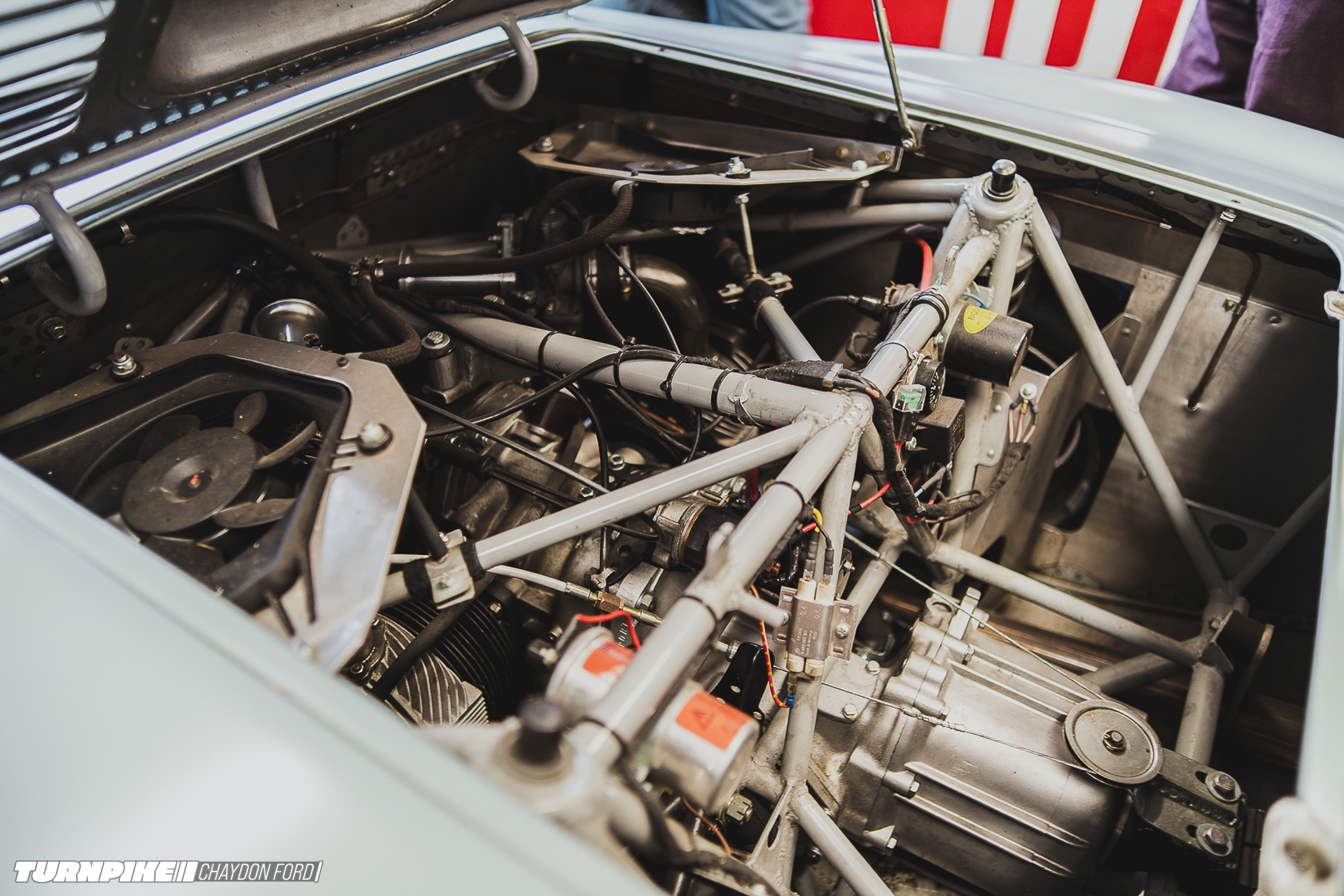
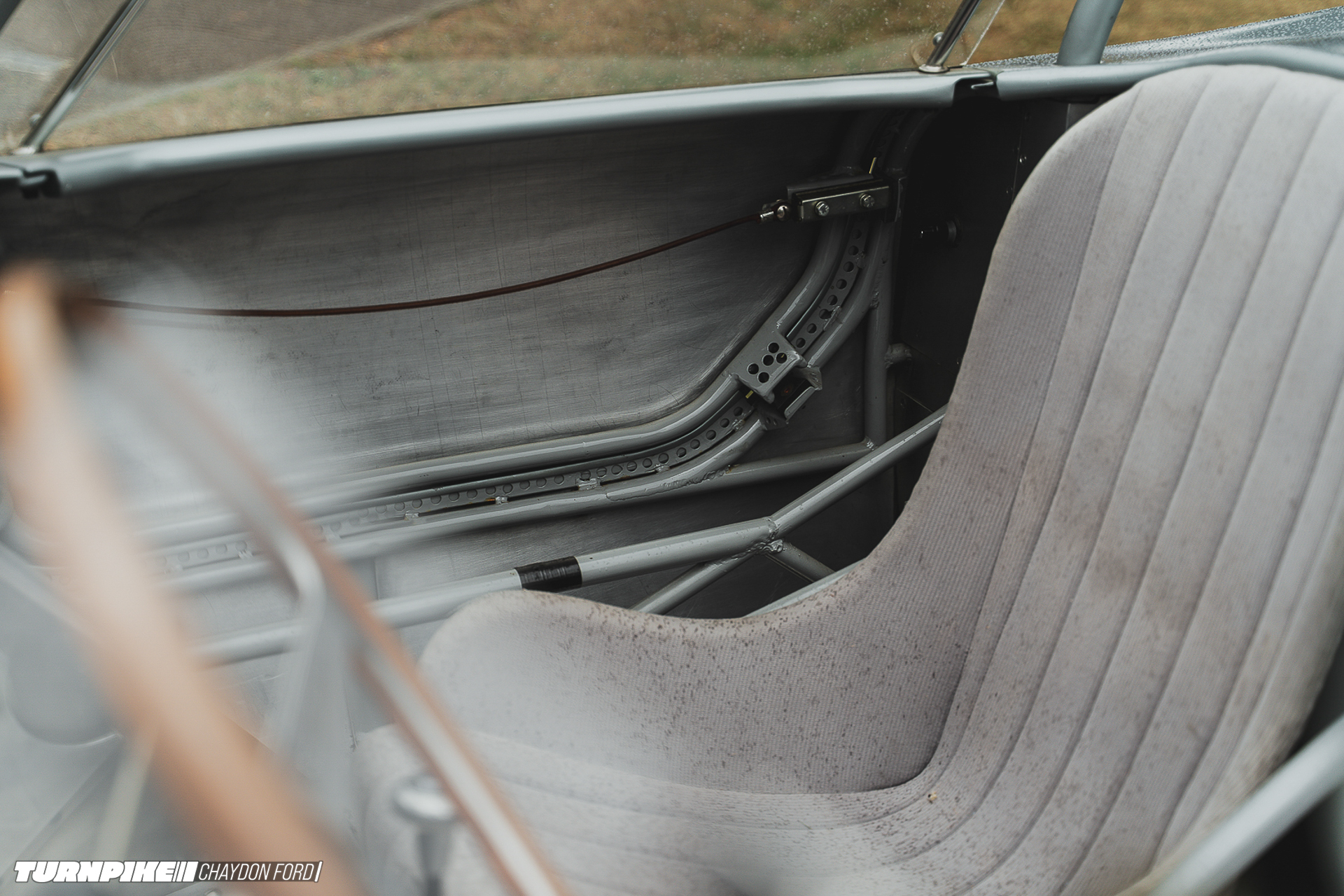
Be that as it may, the constant desire to progress drove the BMW engineers to create the 700 RS Spyder. The car was a radical departure from the 700 coupé, with a complex tubular spaceframe and paper thin aluminium body replacing the hardtop shell. The BMW parts bin was raided where possible, even going so far as to repurpose the 700 rear window as a front windscreen.
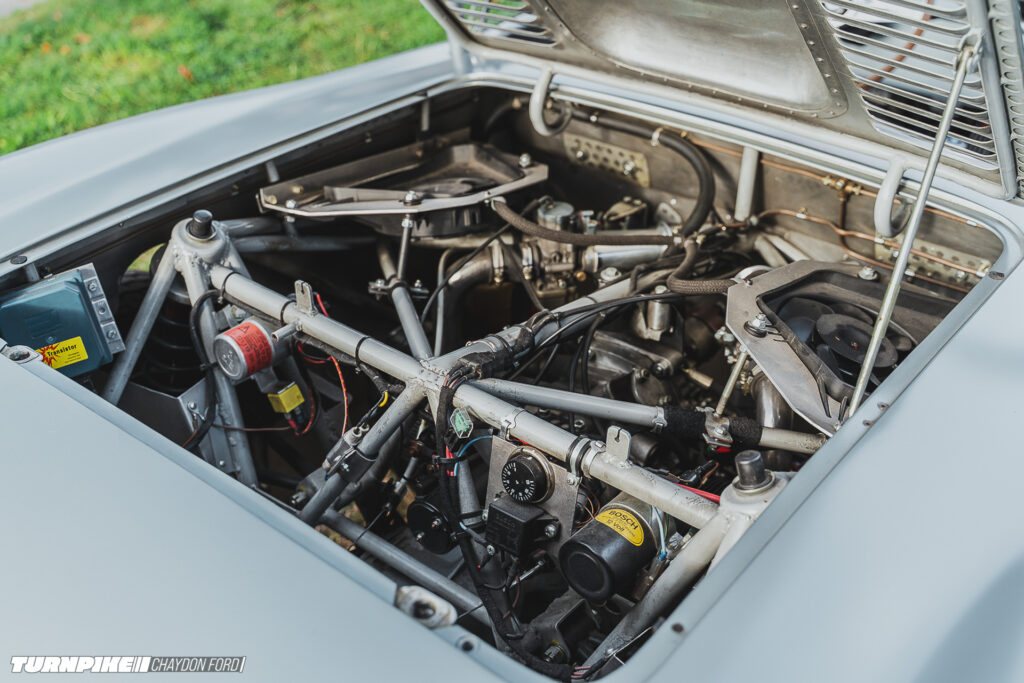
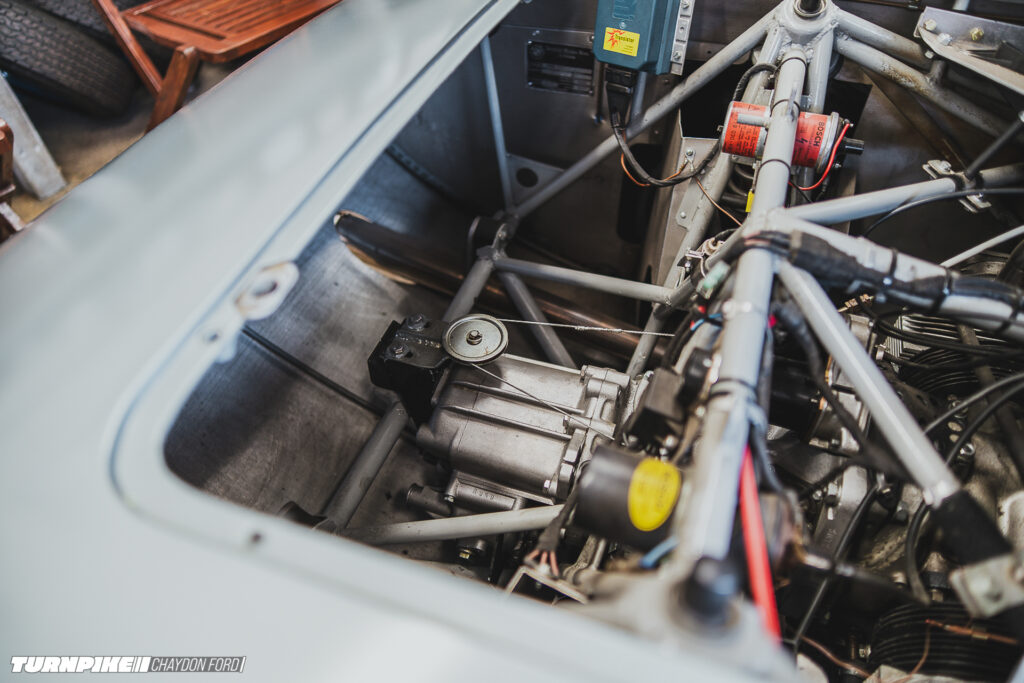


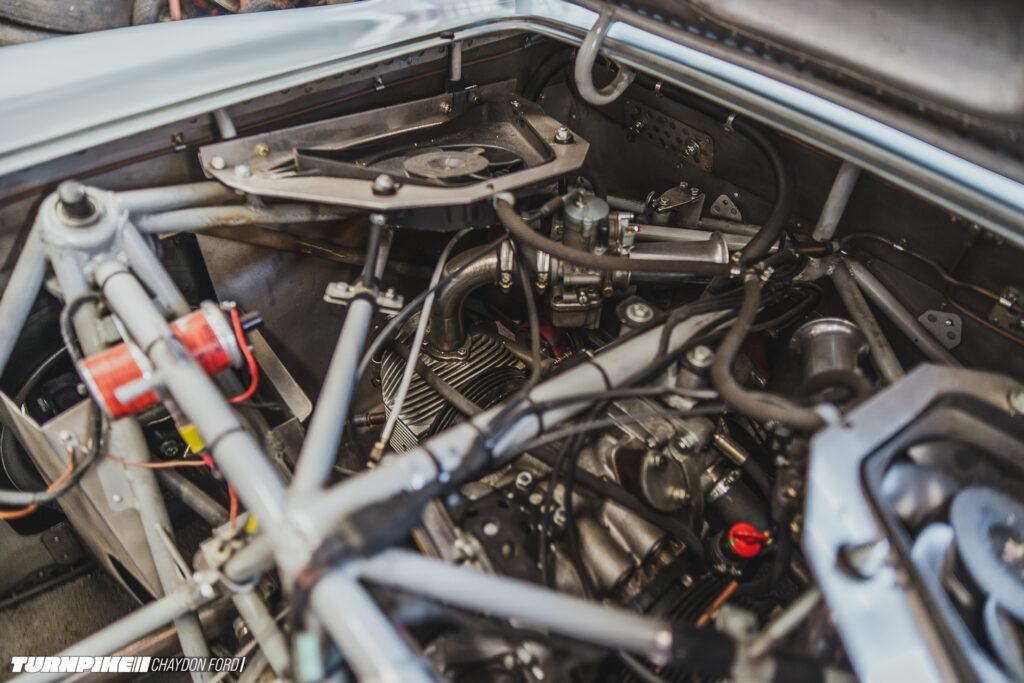
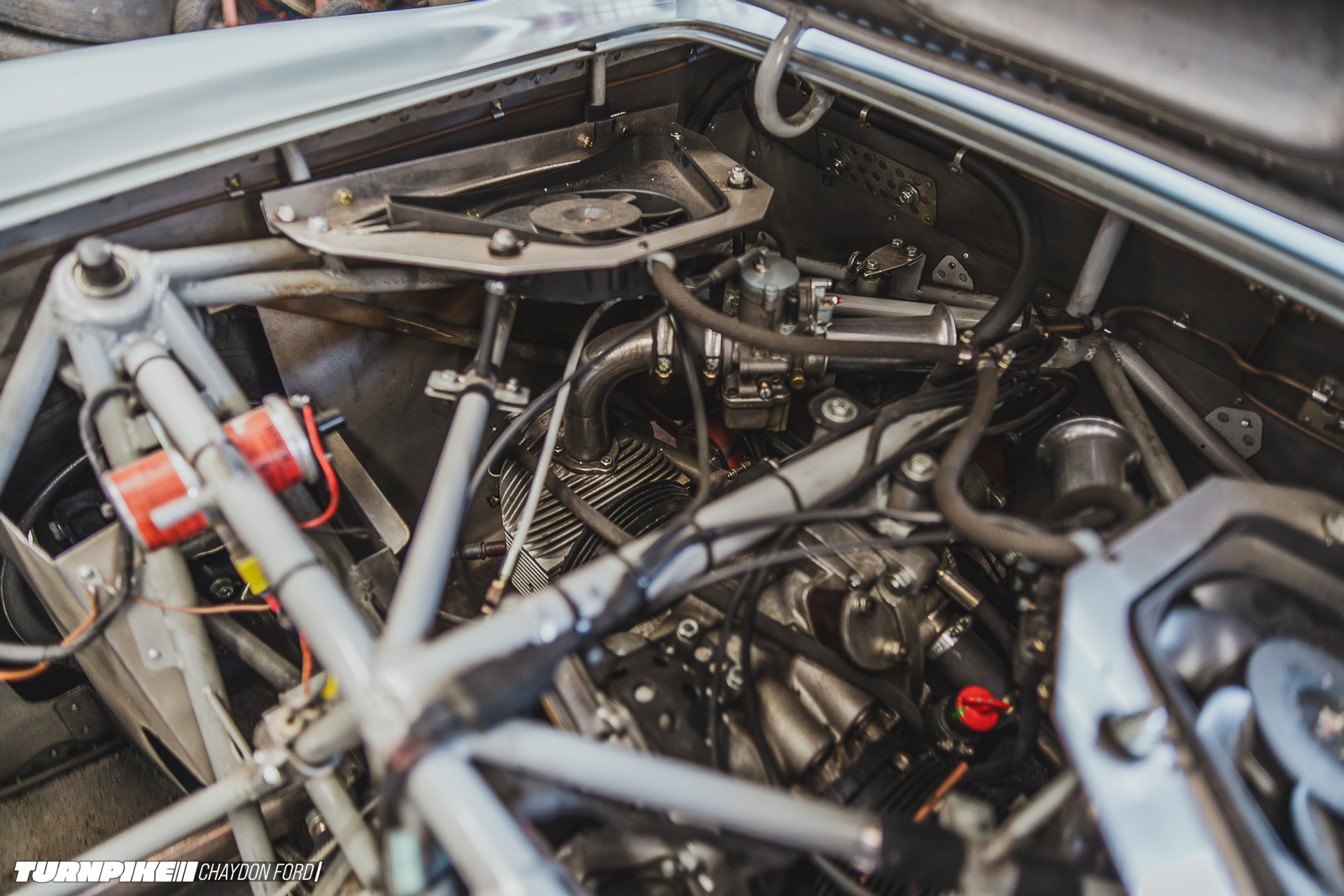
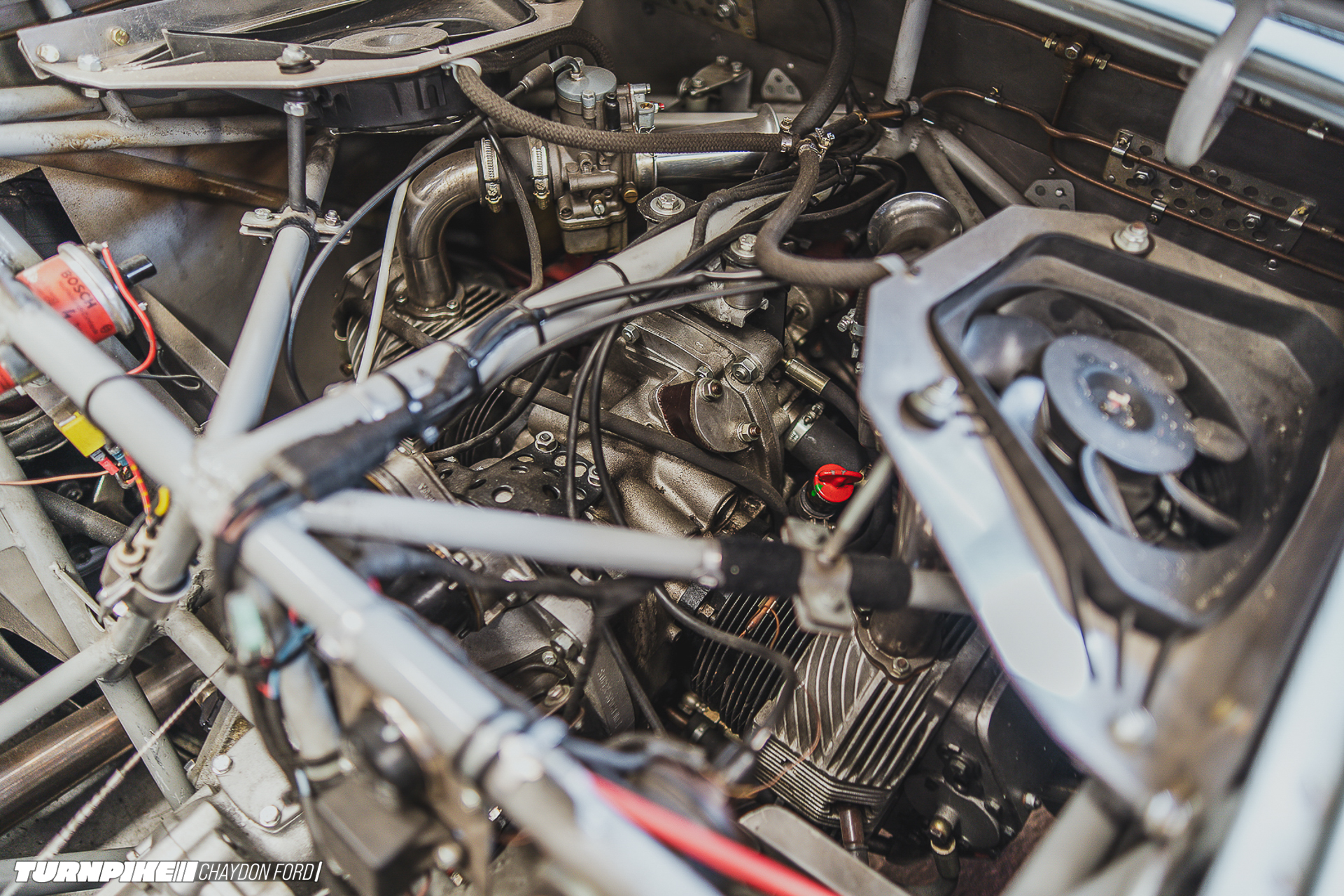
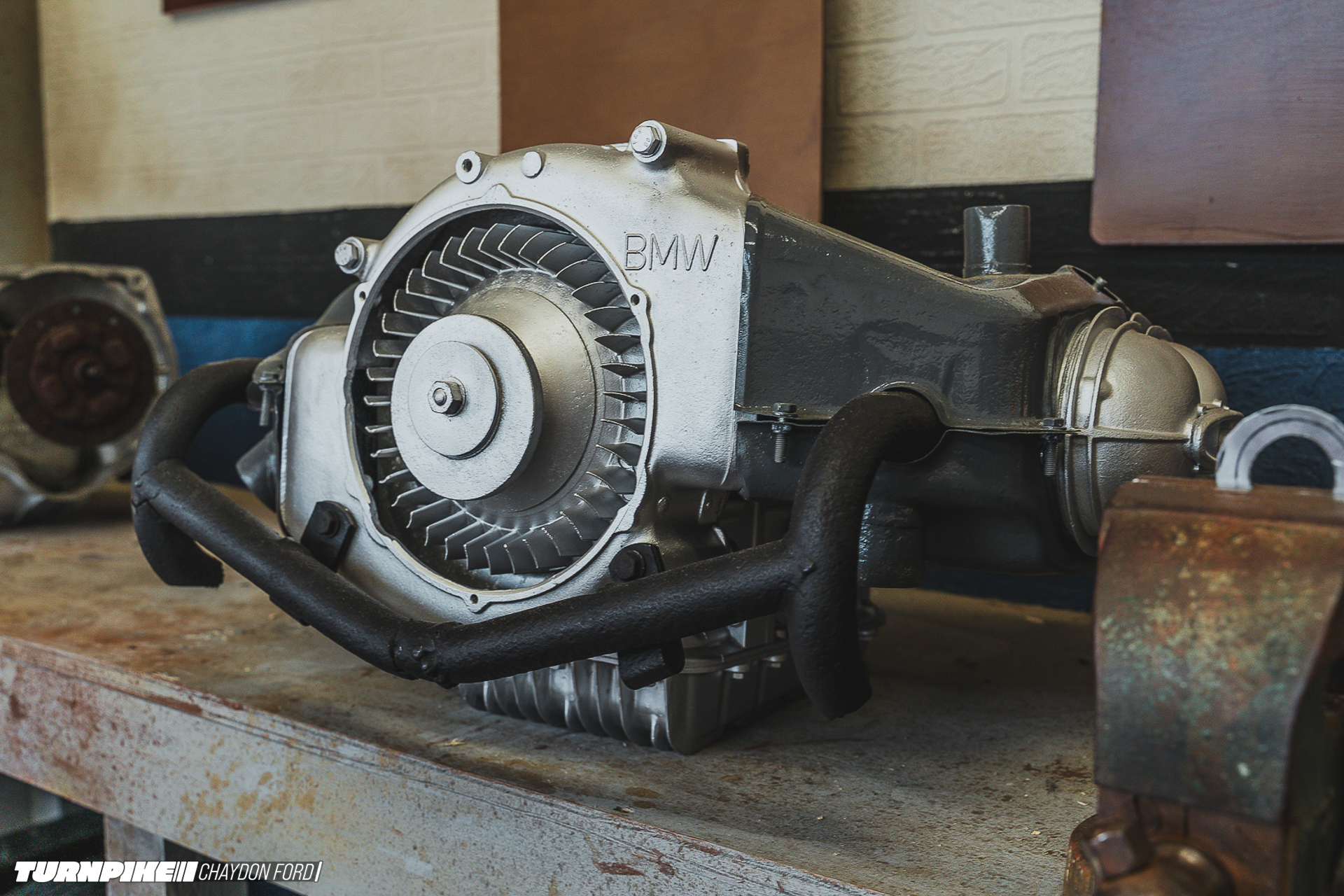
To start with, the 700 motor was thoroughly revised; bore and stroke remained the same but compression ratio leapt from 7.5:1 to 9.8:1, along with the single Solex carburettor being upgraded to twin Dellortos. The twin-cam heads utilised a slightly unusual arrangement, with the intake cam driven off a bevel gear, then linked to the exhaust cam via a chain. This proved unreliable and in later times was revised, going back to a single overhead cam head design.
Those more observant may notice one of the more dramatic changes in the interest of improving the weight balance: completely relocating the engine. Now repositioned as a mid-mounted motor ahead of the driveshafts and gearbox – compared to behind the axle in a typical 700. The rotational direction of the motor was retained, which necessitated a mirror image of the conventional 700 four speed gearbox being manufactured.

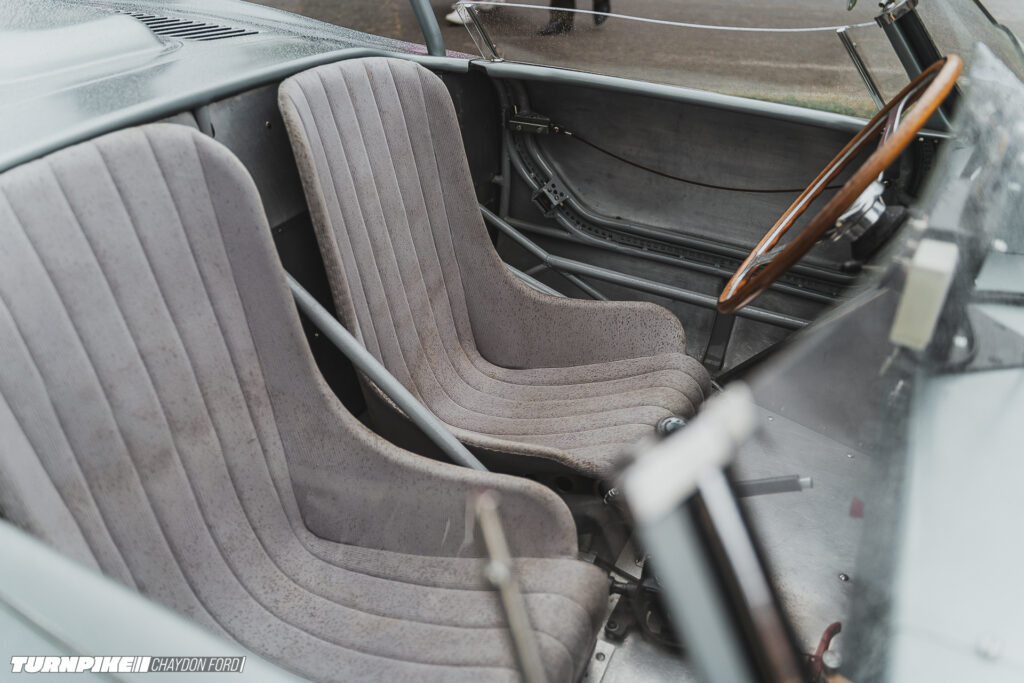
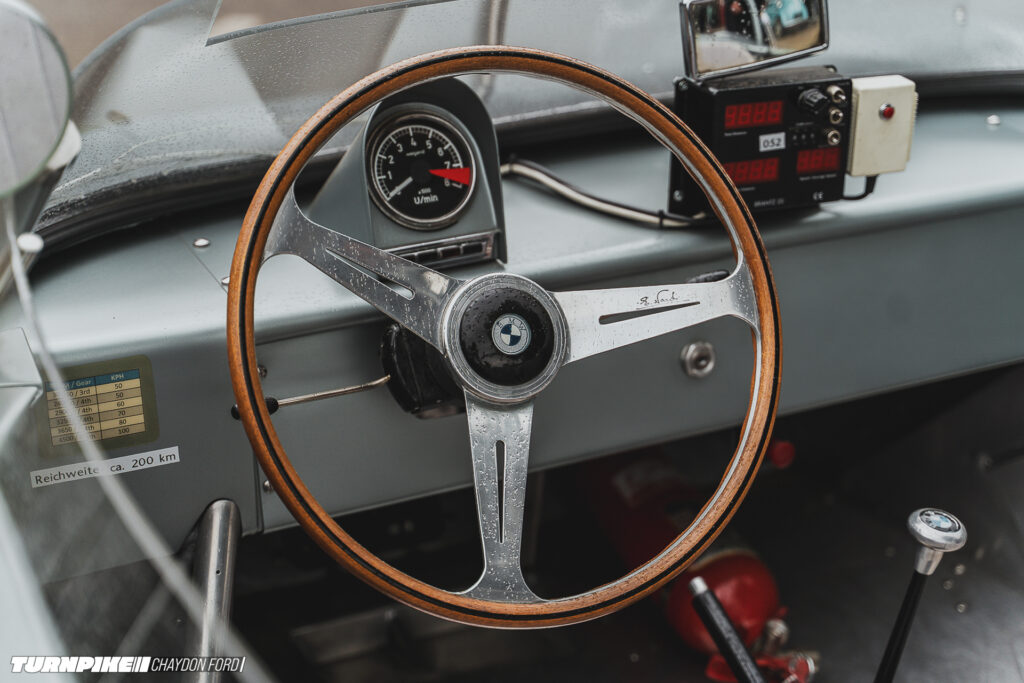
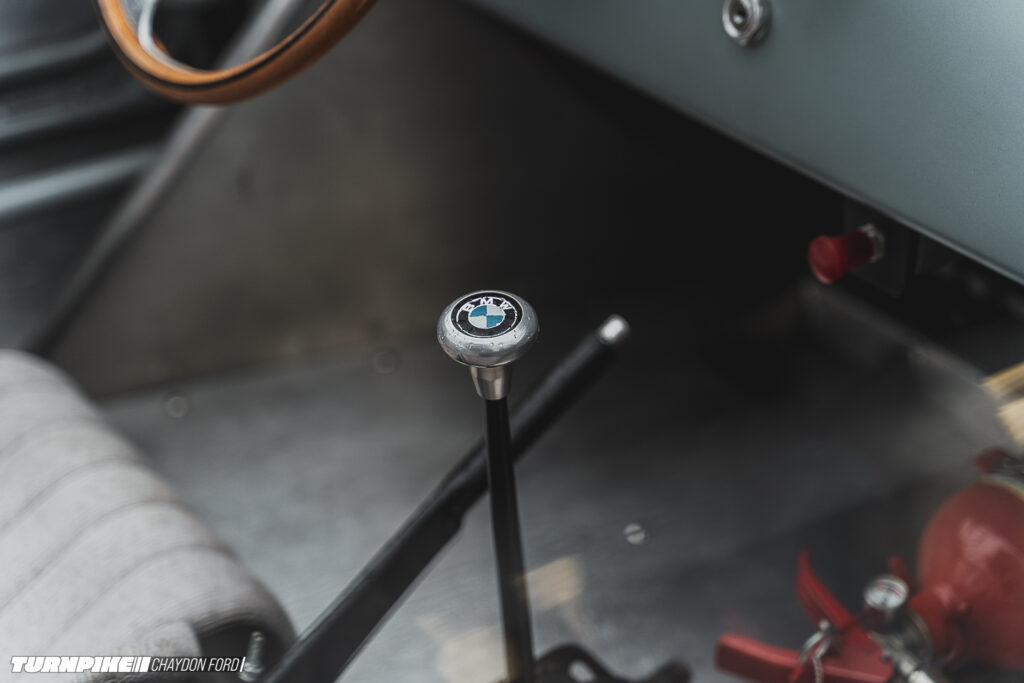
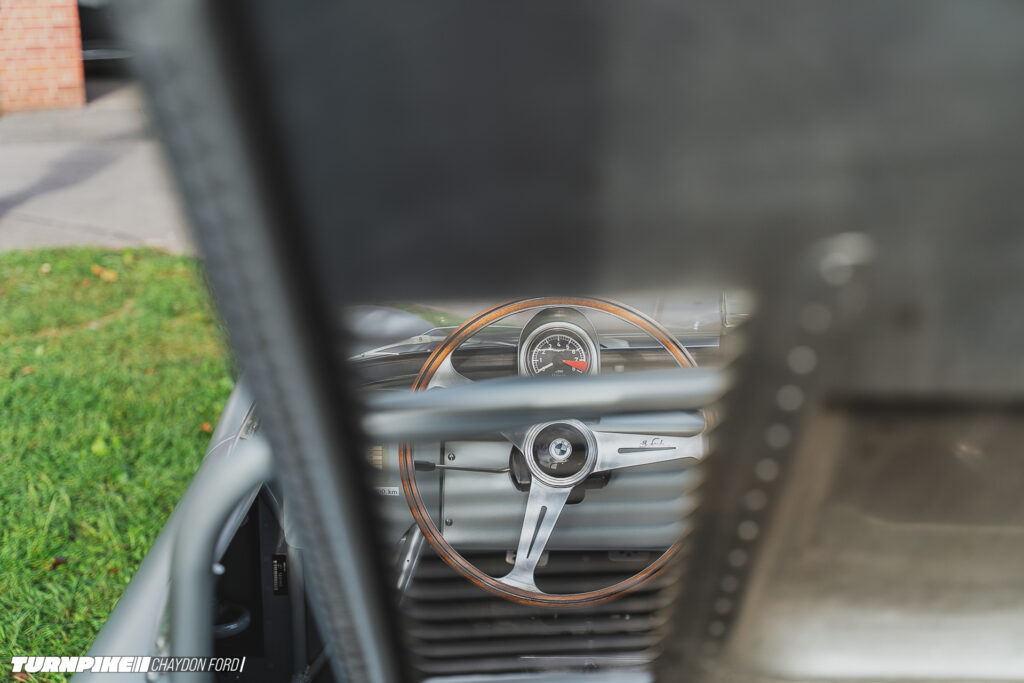
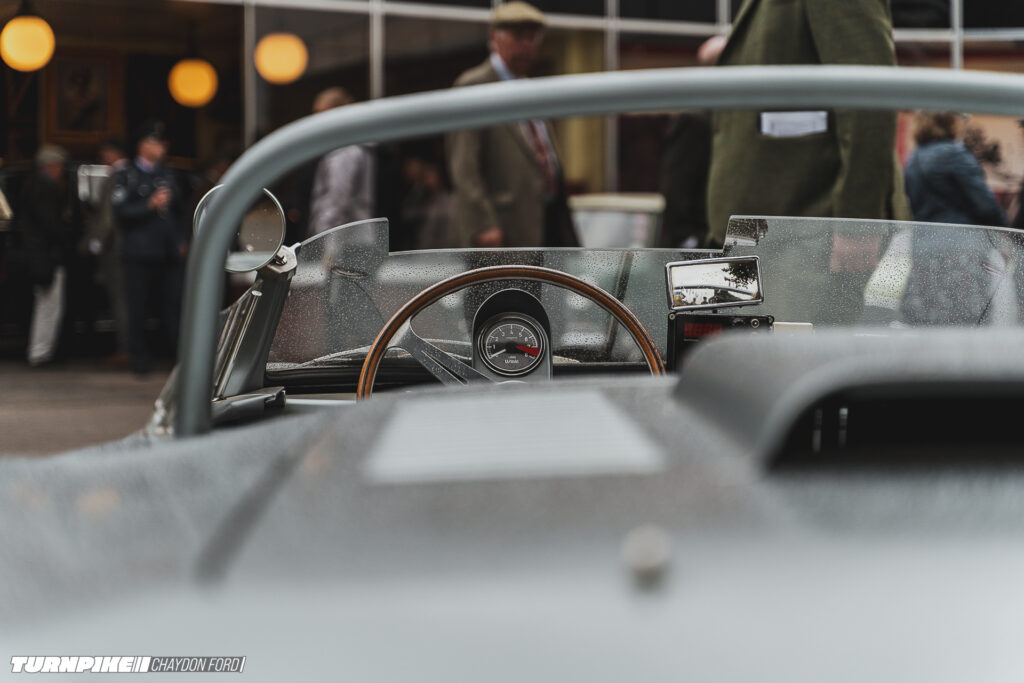
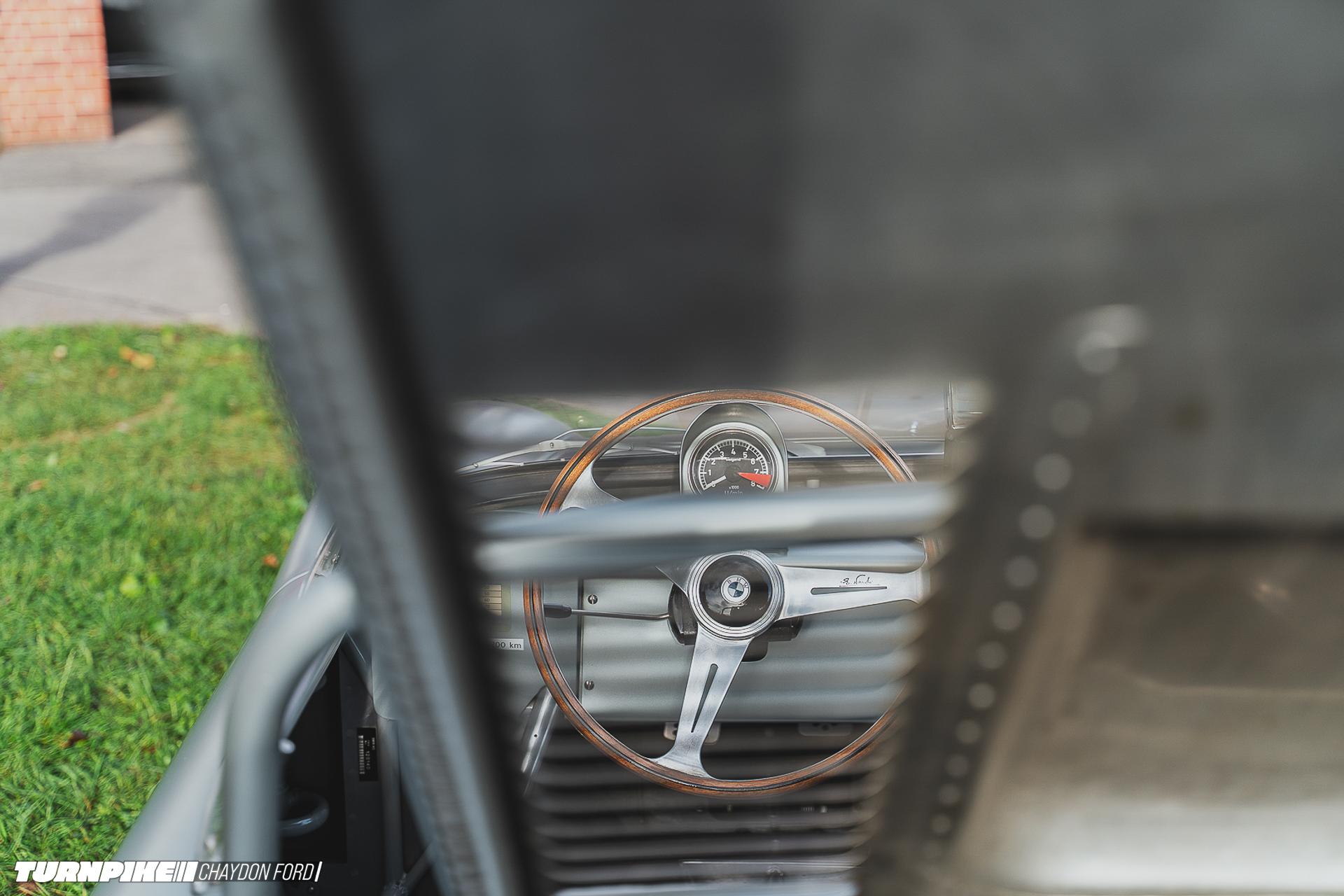
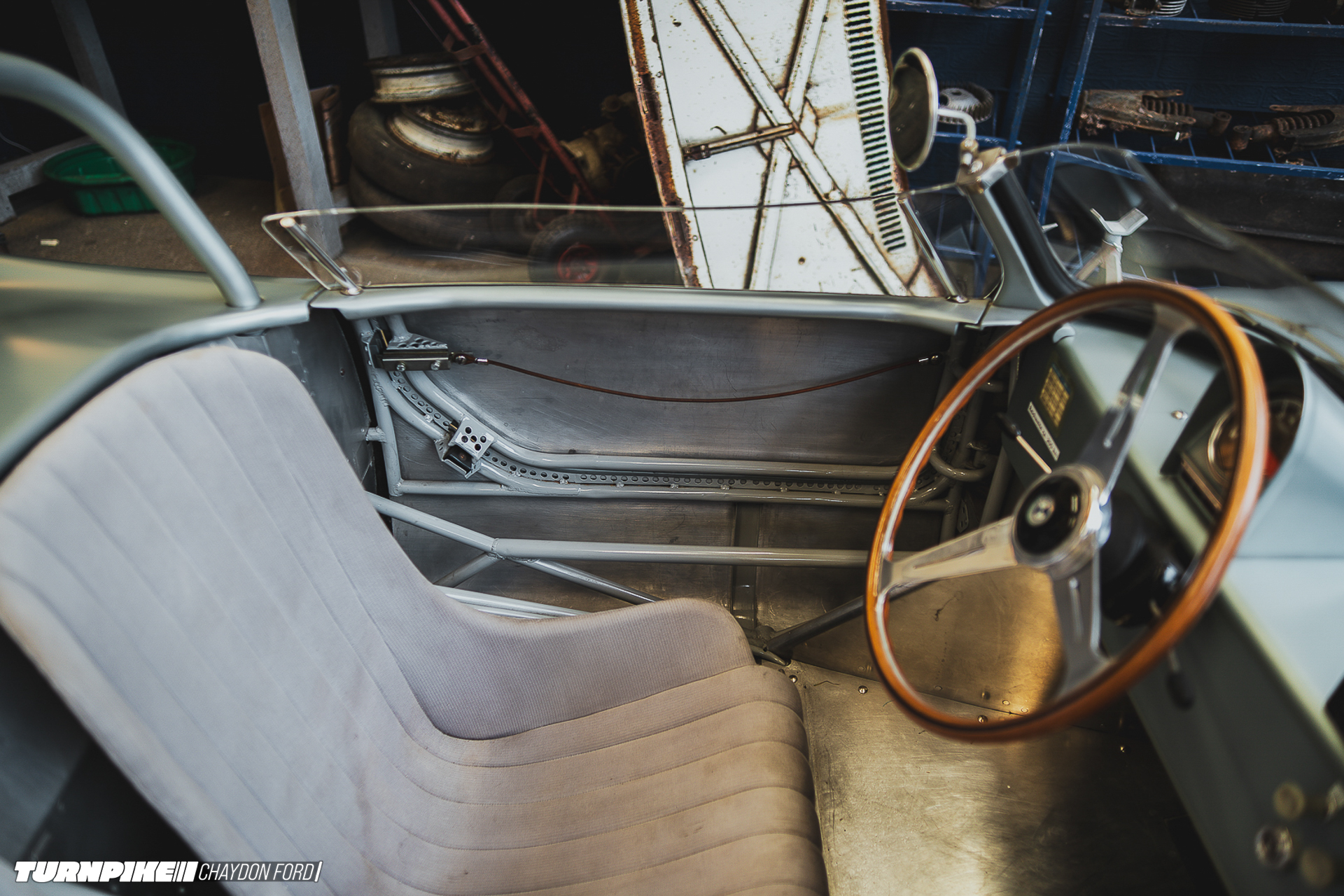
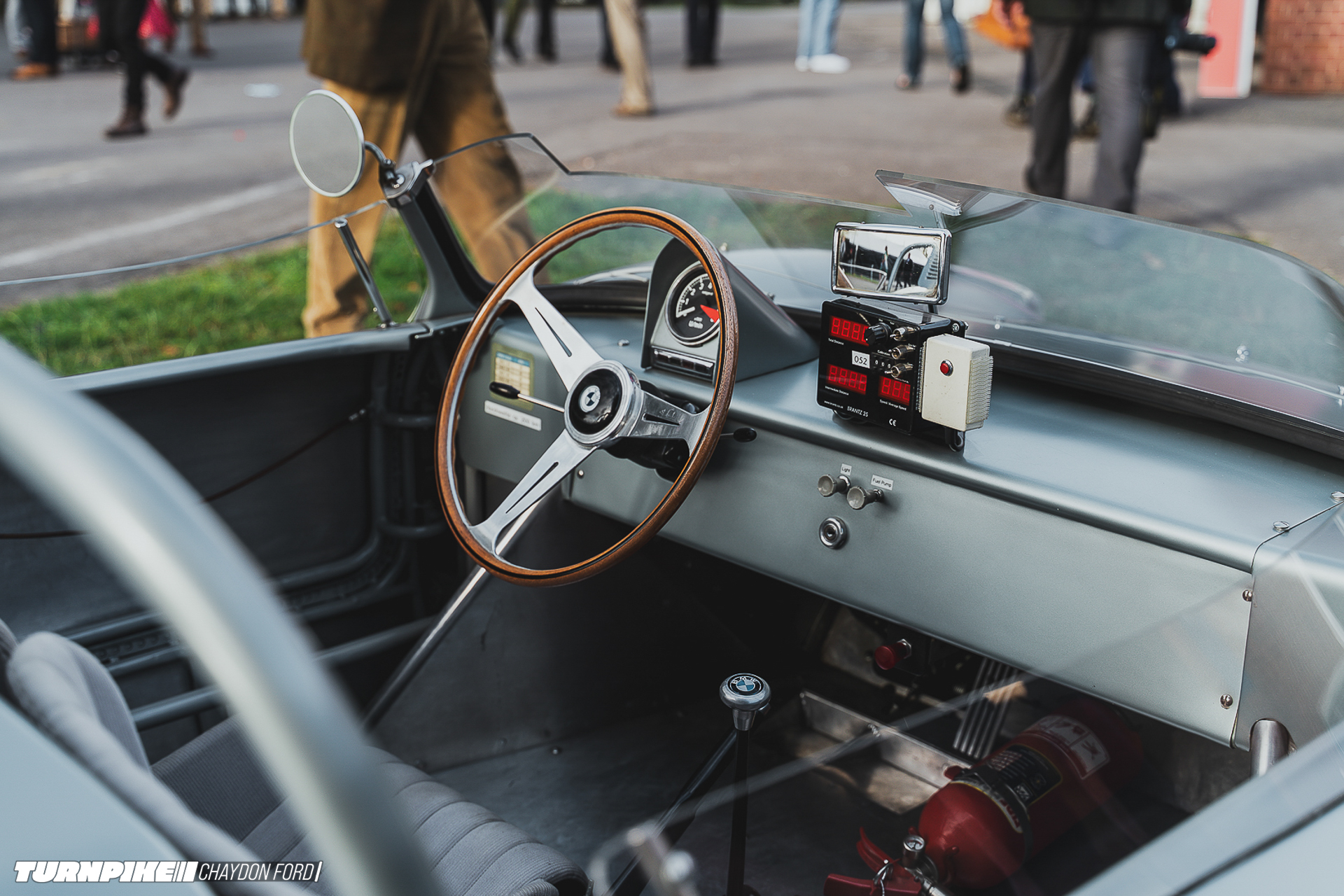
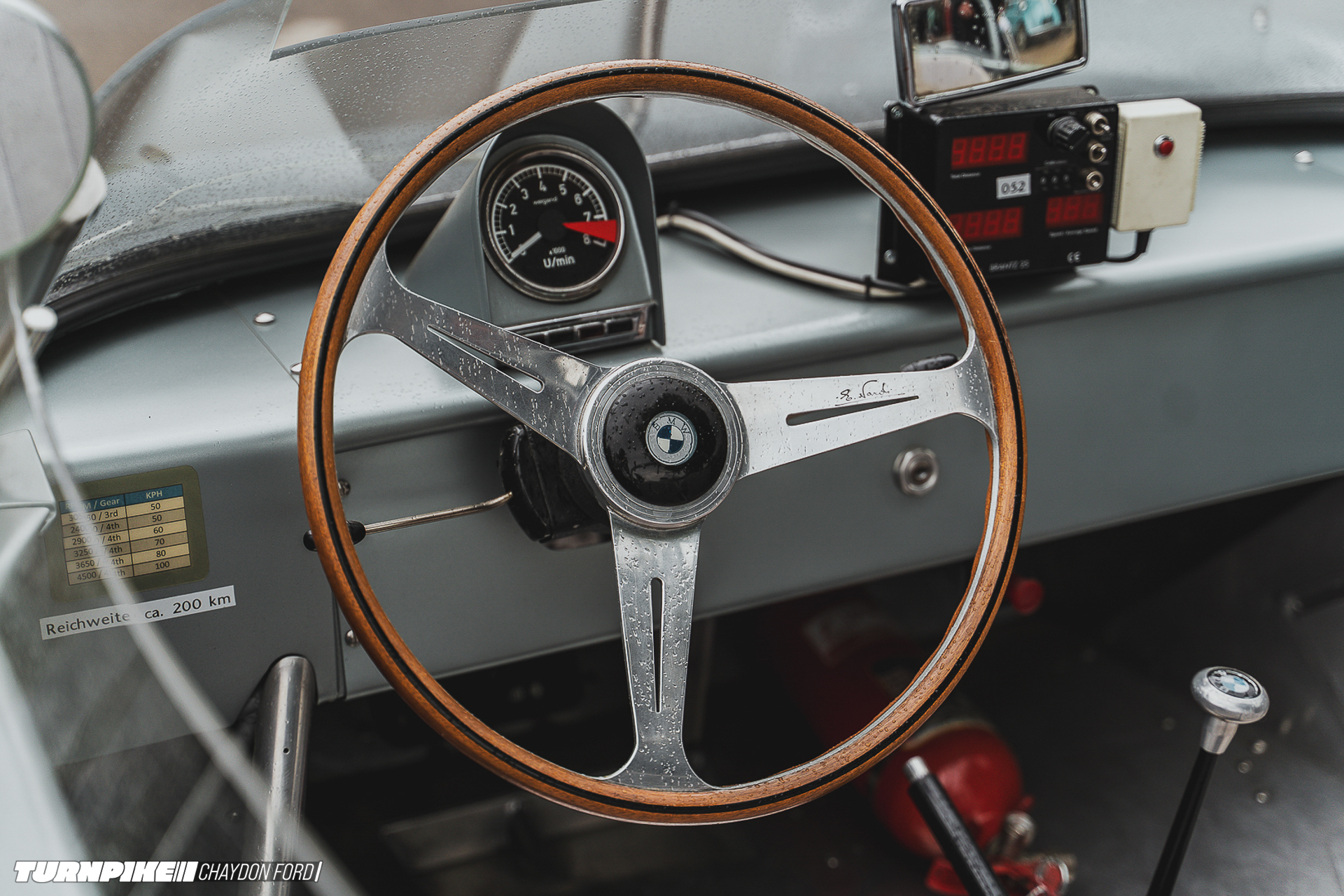
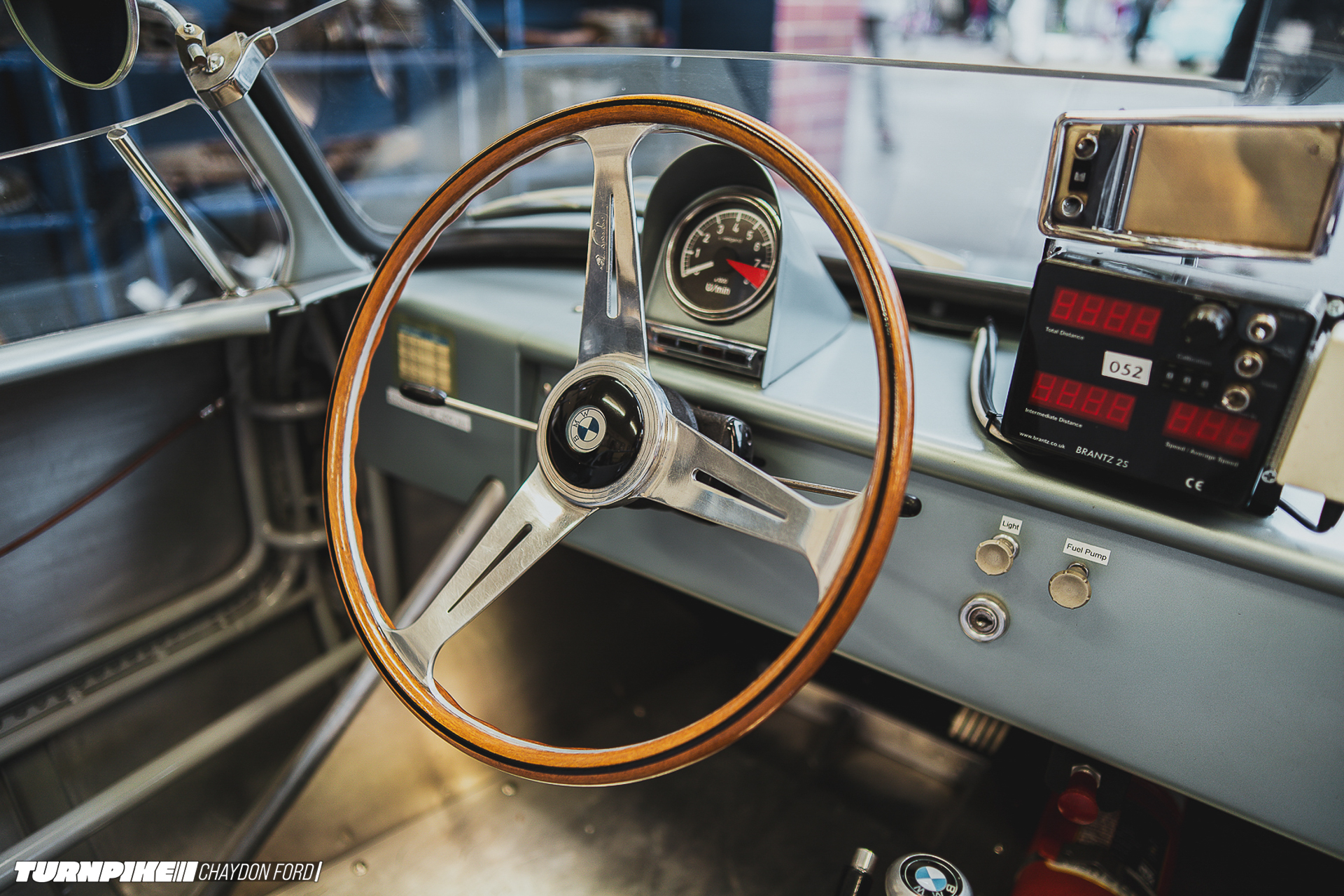
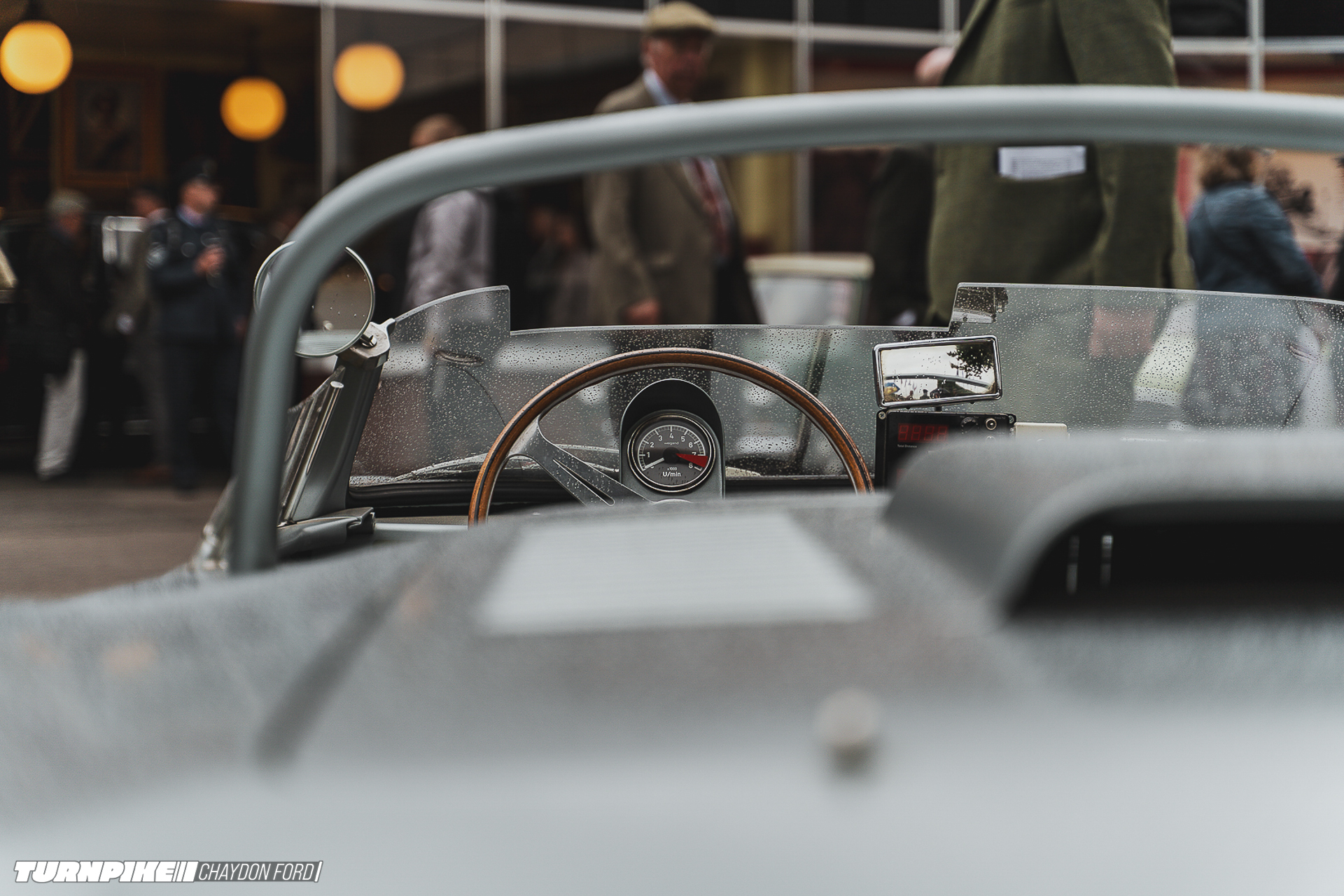
As for the interior, minimalist is the only way to describe it. As the driver you’re presented with a thin-rimmed Nardi steering wheel and tachometer dead ahead, but little else.
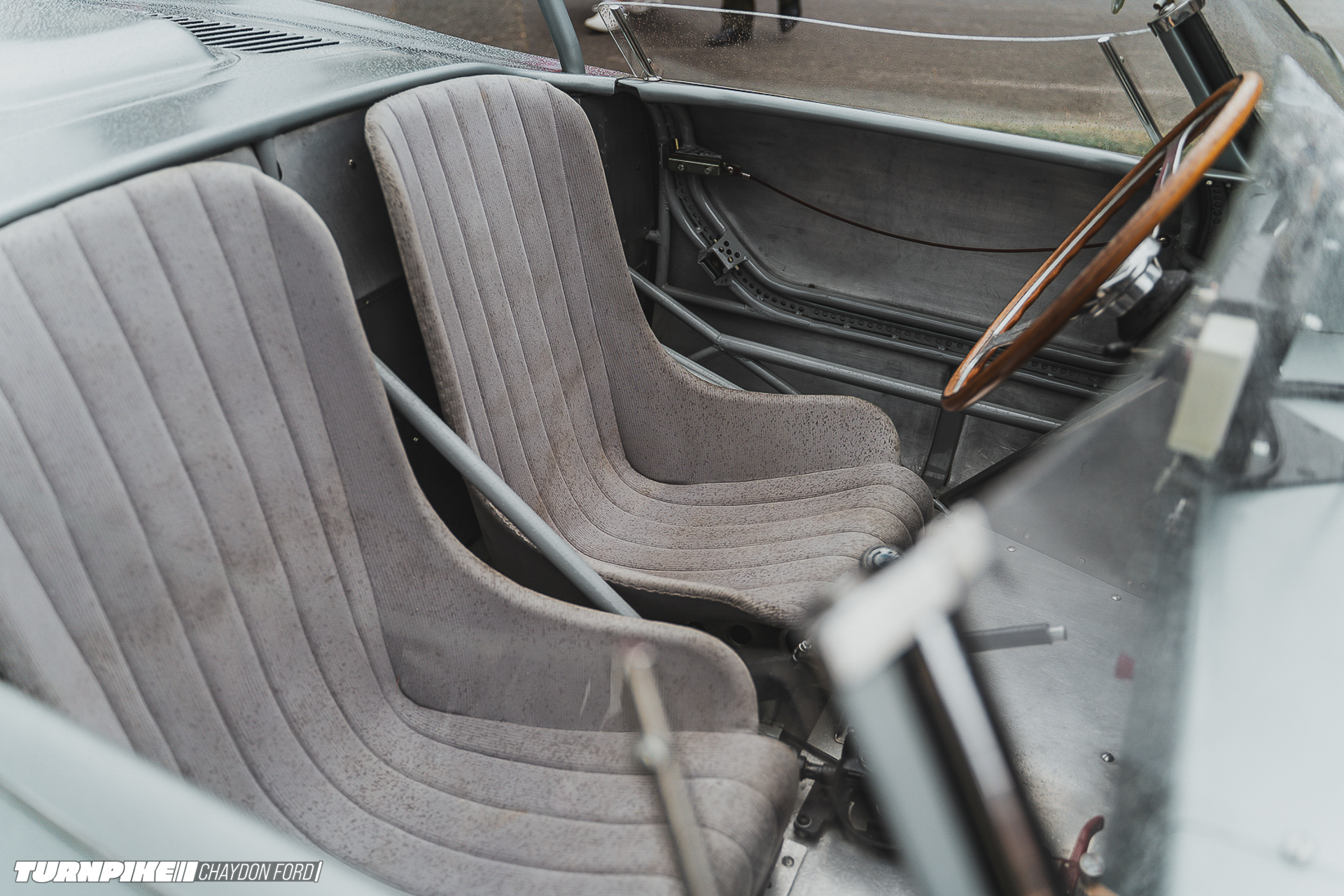
Low backed seats (sans seatbelts) and what barely passes as a rollhoop make it fairly apparent that driver safety was not a primary concern, with the drivers head well above the window line.


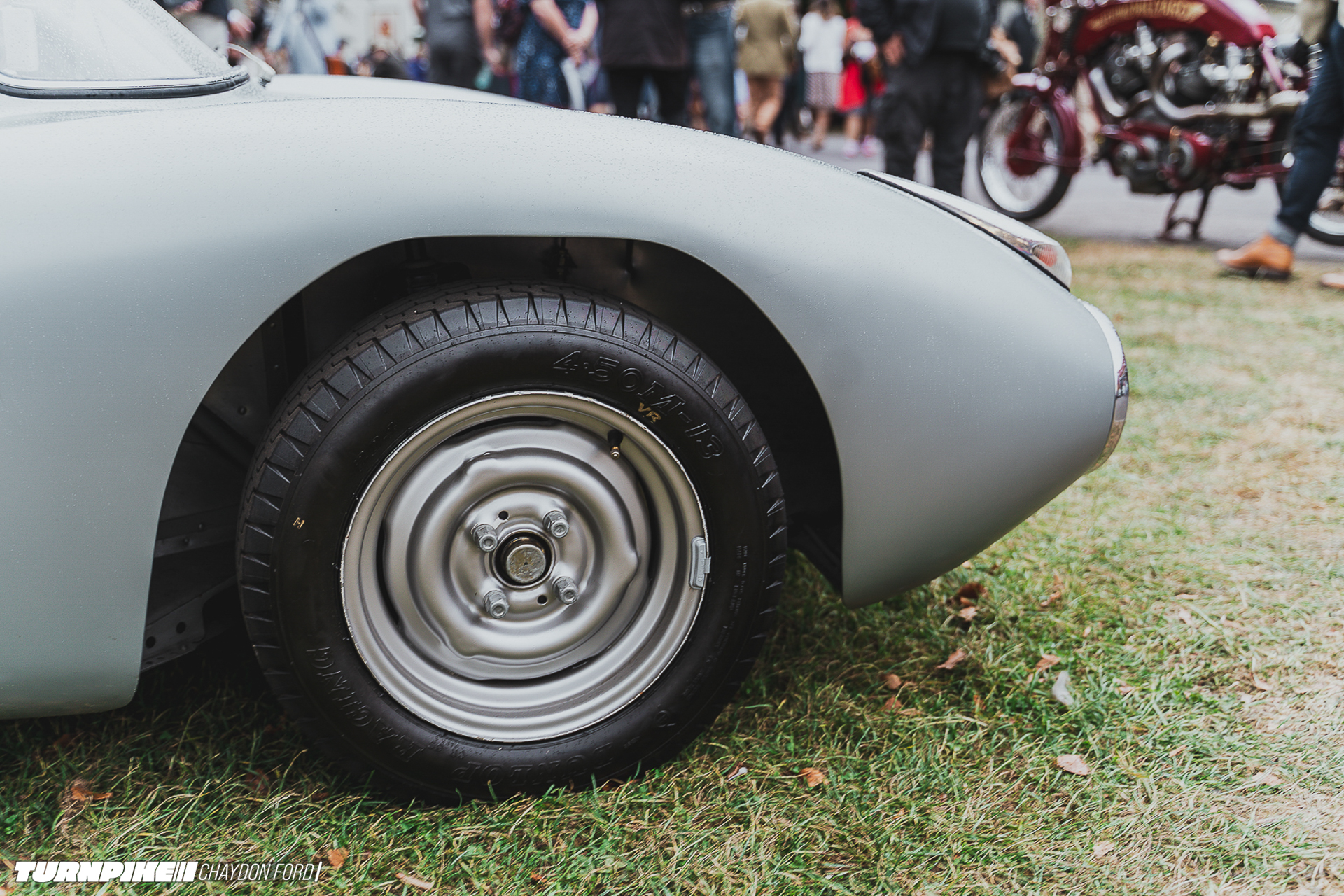
Again, in the interest of cost saving, the braking system from the 700 coupe was carried over, but FIA regulations mandated a dual circuit system for the diminutive drum brakes front and rear. Being so light definitely had its advantages, with the drums being more than sufficient to slow the car down. 12-inch wheels and 5.2-inch tyres also proved adequate when working with the fully independent front and suspension. The 700RS proveD a worthy adversary on track.
The sister car to this example was at one point driven by Hans Stuck to numerous European hillclimb championship victories in the early 1960s, highlighting the car’s success in its intended remit.


BMW has maintained the continuous pursuit of performance and technological advancement throughout the decades since, and while some feel that the brand has lost its way a bit, the current regulations in terms of safety and emissions are at a crossroads with the performance the consumer demands. To try and meet both, cars are bigger physically as well as dramatically heavier.
Success is very subjective. There may be more significant cars within BMW’s history in terms of sales success or the sheer number of race wins, but the 700 RS cannot be discounted for its importance in BMW’s lineage – especially in context of the technology of its time.
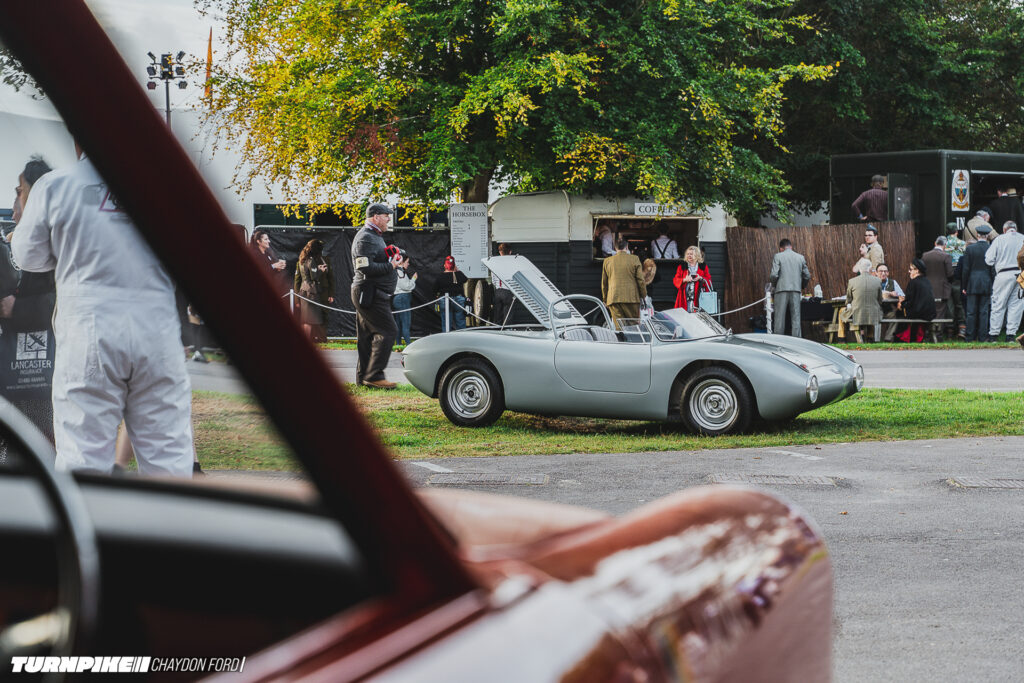
Only two examples of the 700 RS were ever made. One lives in the collection of an anonymous German collector based in America, while the other car – seen here – remains in the hands of BMW Classic as part of its heritage fleet.
Excluding prototypes and concept cars, there is arguably no rarer BMW that has emerged from behind the walls of the Munich factory…or is there?








Wow and I thought the 700 Coupe was the only BMW post-war car then I see there’s also the 700 RS Spyder pretty cool to see they also made a two seater sports car during that time period
And it looks more like a Porsche as this was before the iconic kidney grilles became a thing but still this only makes this car more unique and special