
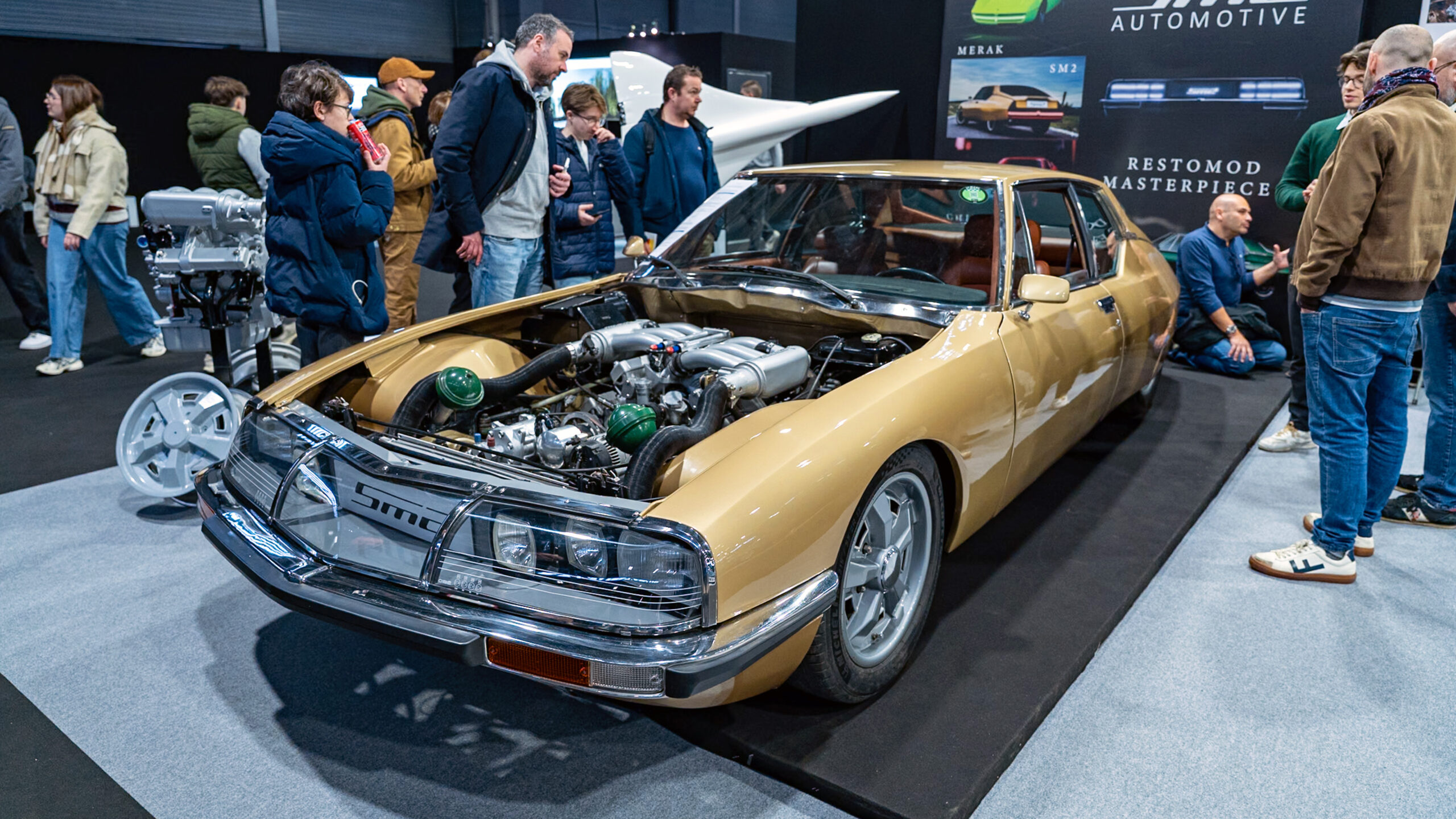
Some of the greatest and most ambitious plans have been conjured up while sat round a table in the pub with friends. Often lofty in aspiration, these plans seldom materialise, but last October, the idea of taking a group trip to an event came up. A few events were considered: Eifel Rallye Festival, the Essen Motor Show, Rétromobile, and Classic Le Mans. Availability, time, and costs were all weighed up and discussed at length. Ultimately, Rétromobile in France ticked all the boxes. It was an event none of us had visited, and there was an opportunity to squeeze in some tourism and indulge in the local cuisine.
Part of the reason for sharing the trip with you all is not only to give insight into the event itself, but also to show how easy it is to book a flight, book accommodation… and just go.
Planning mode engaged.
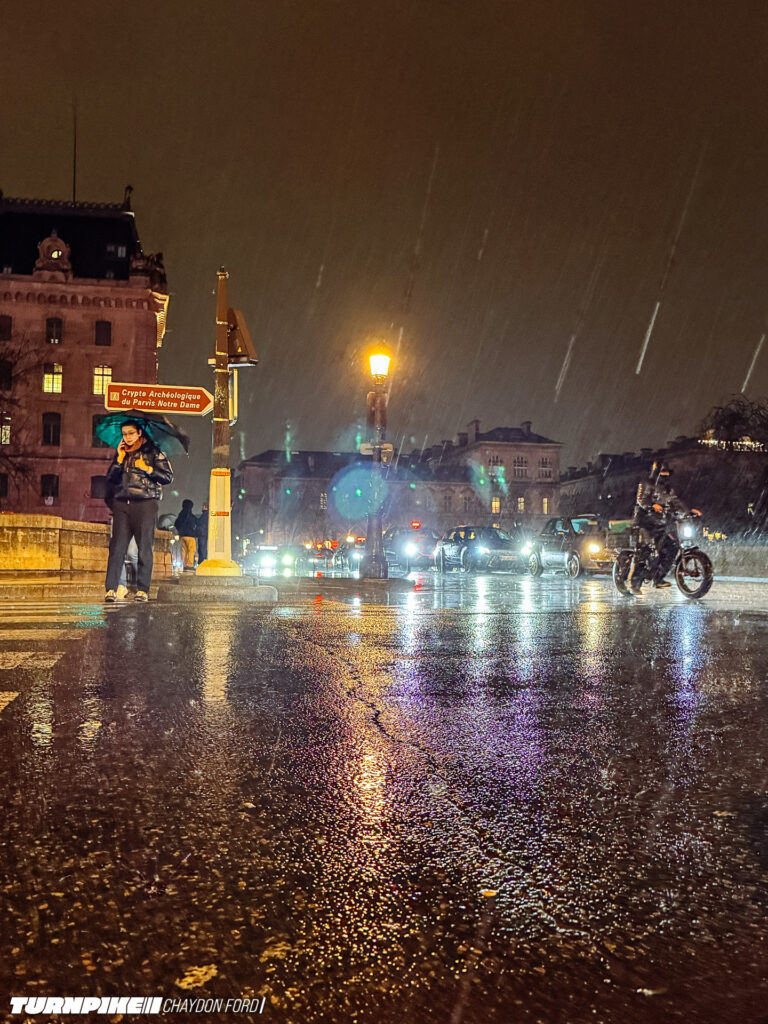
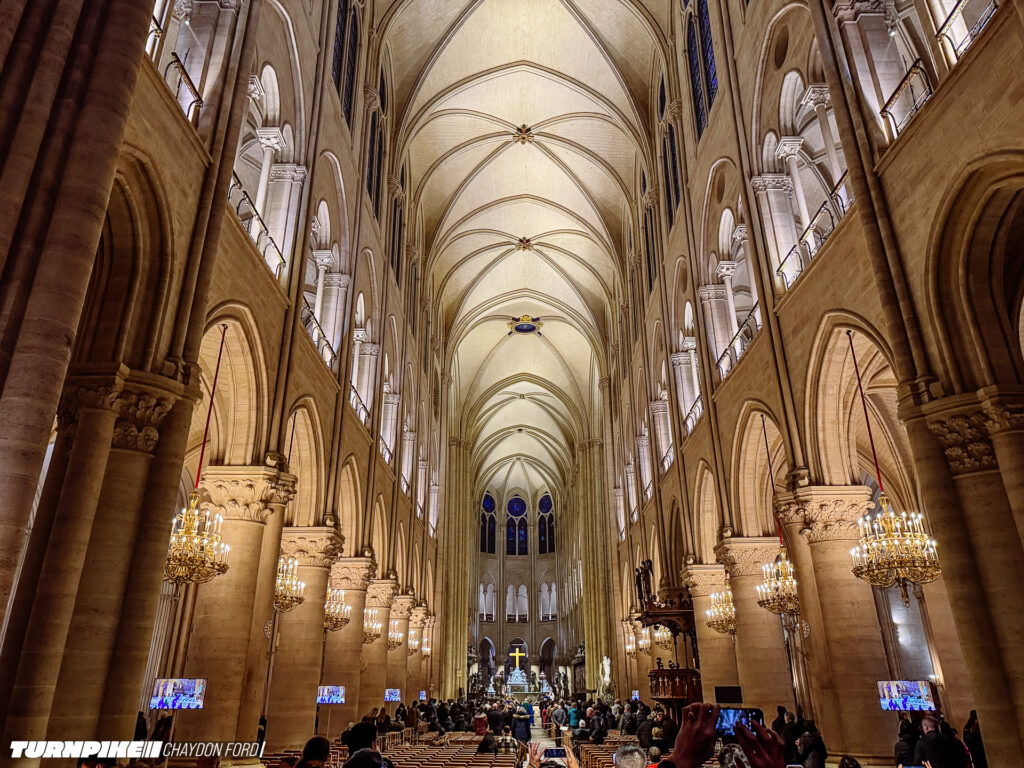
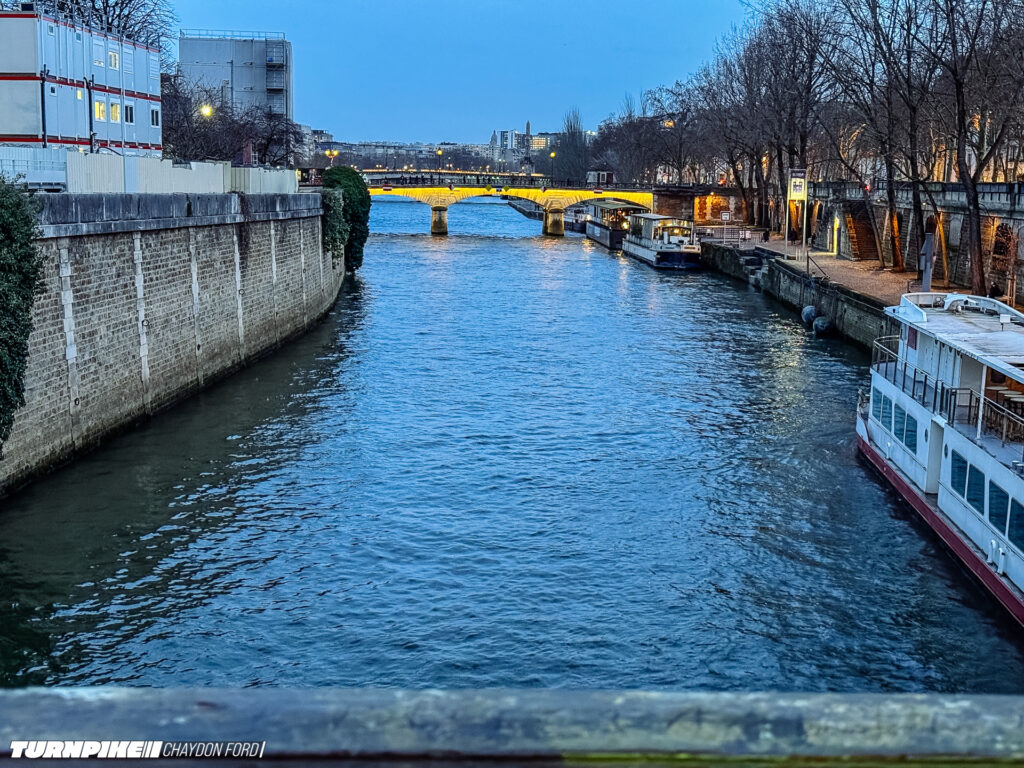
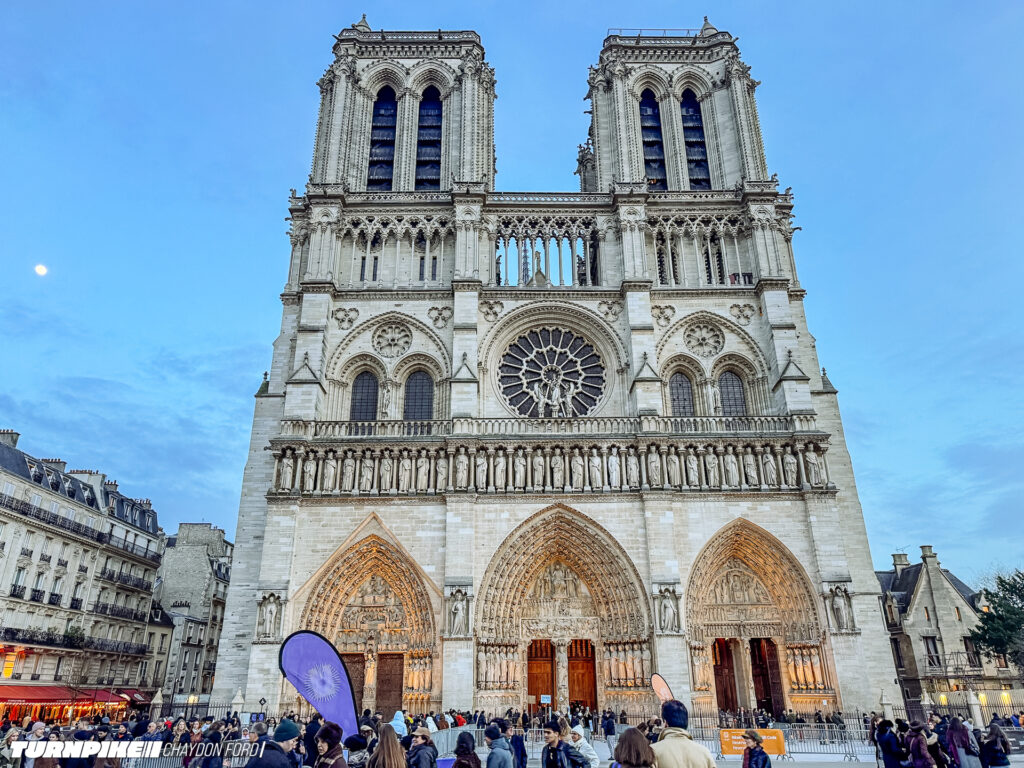
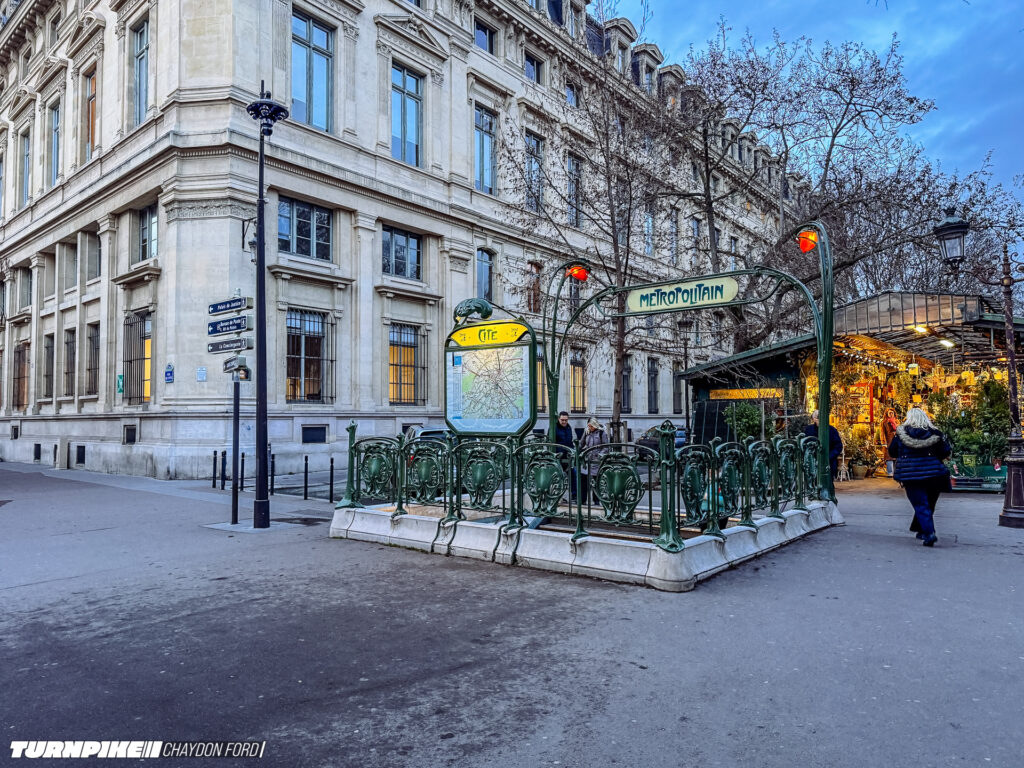
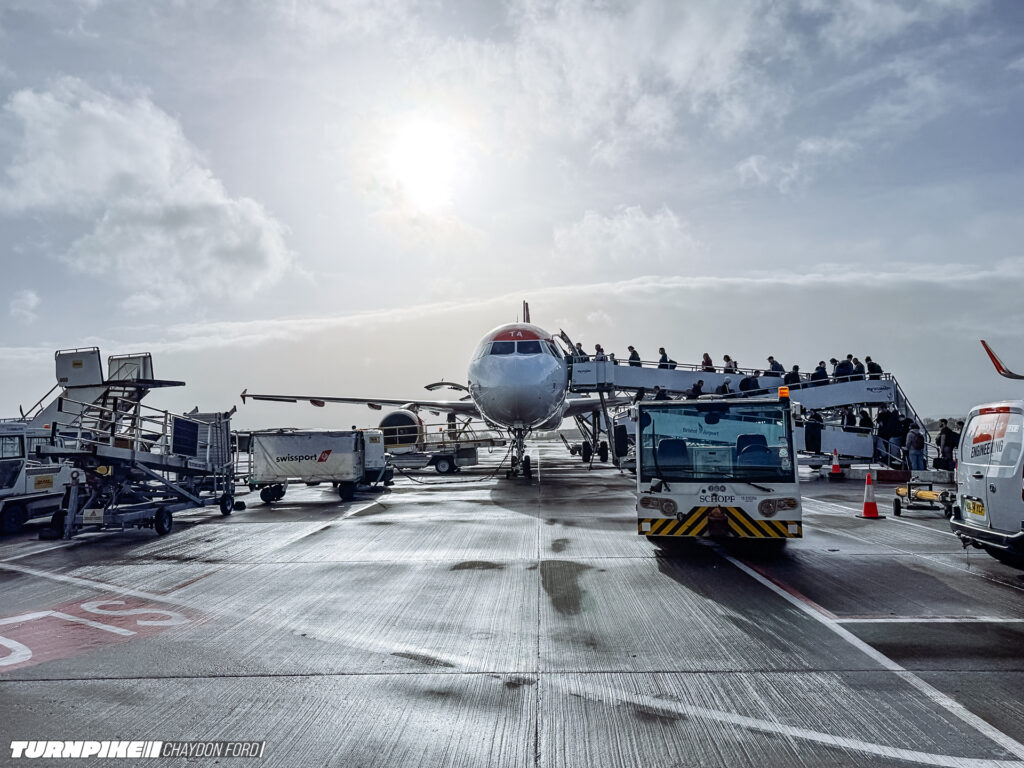
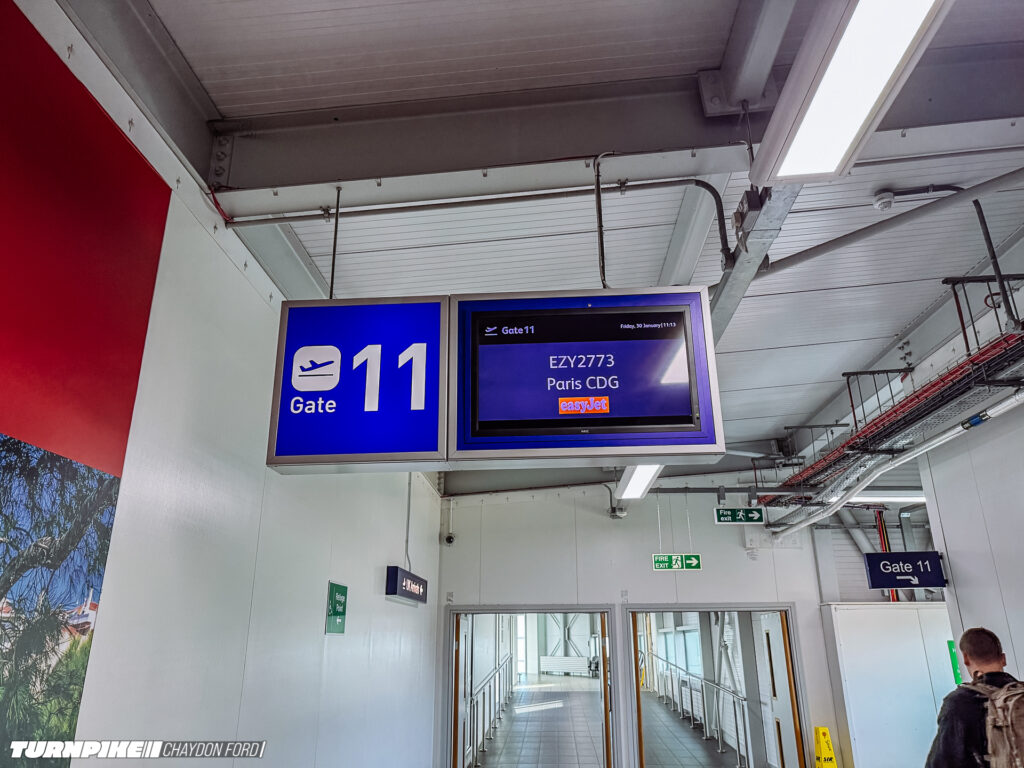
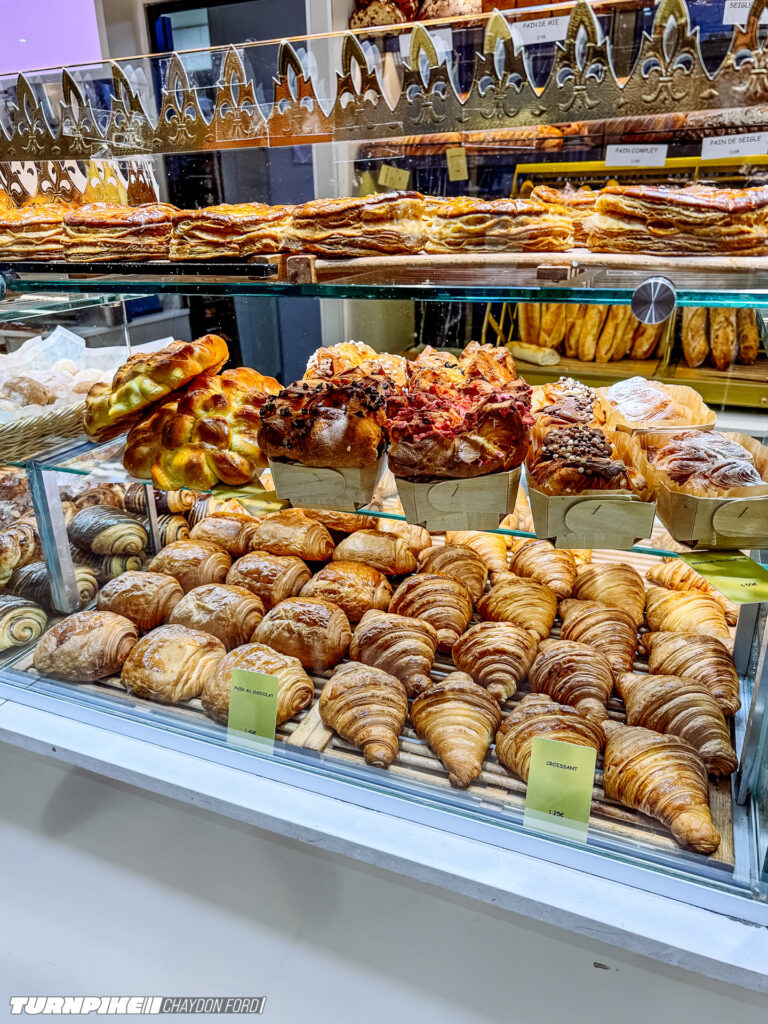
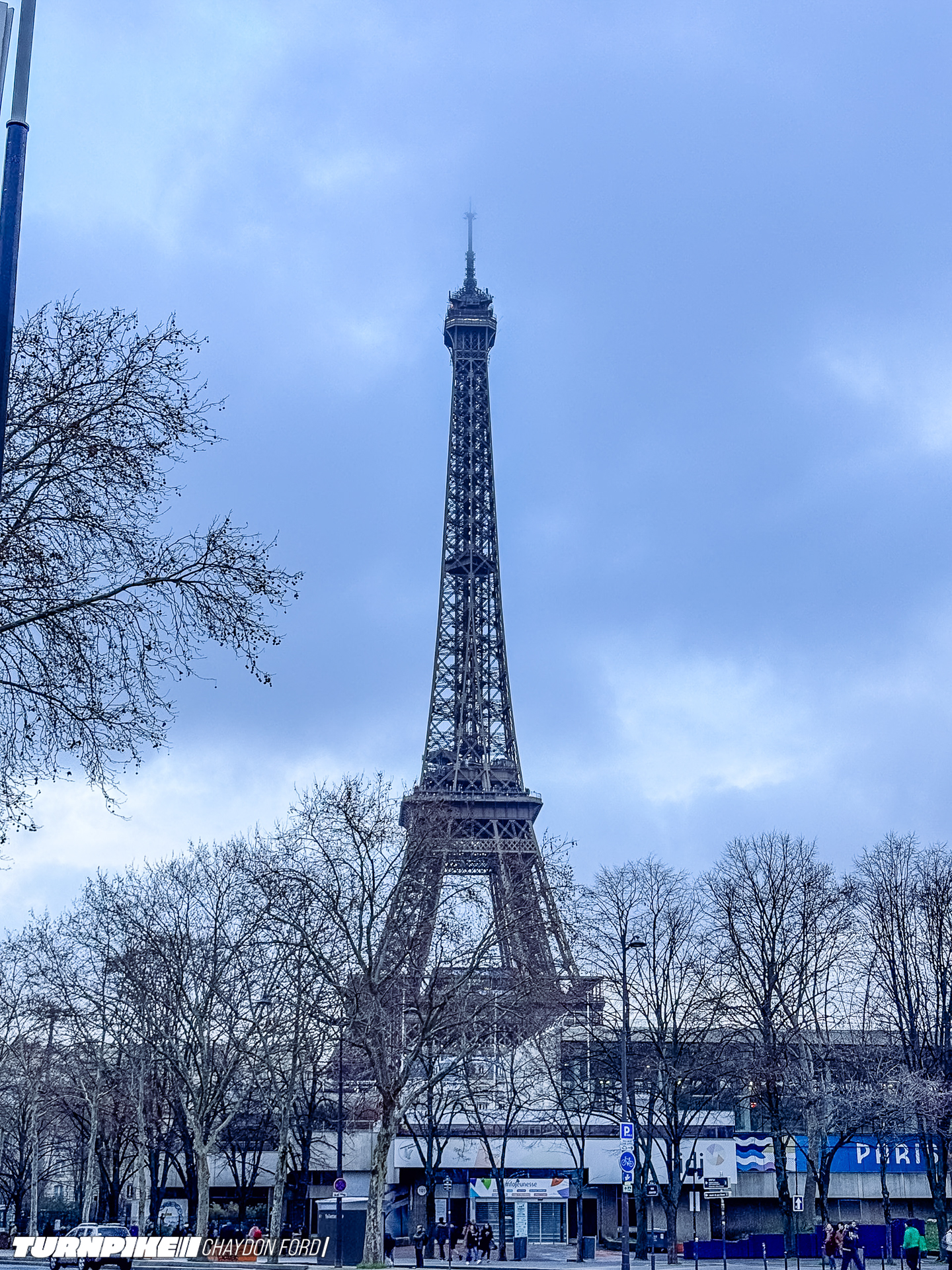
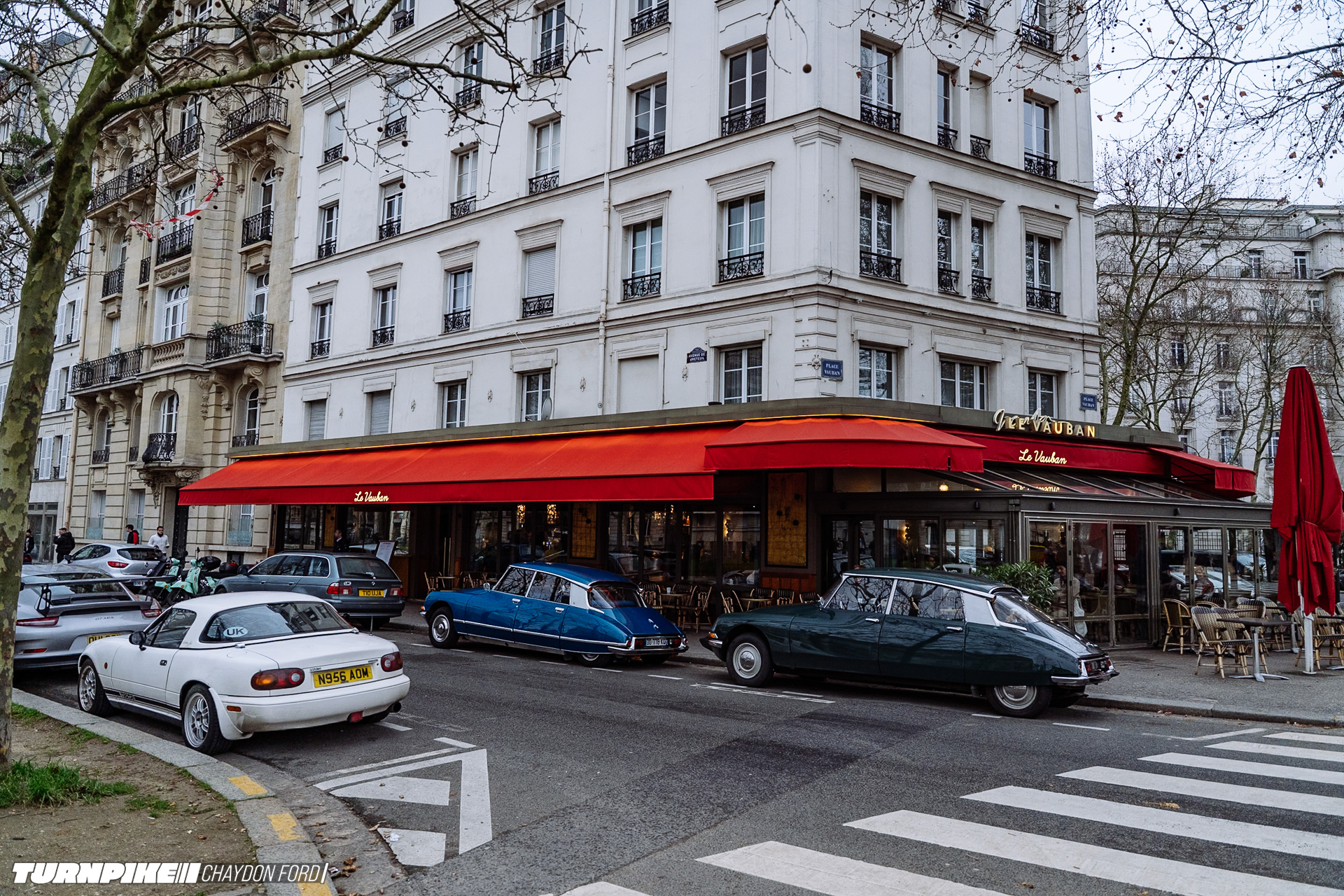
It all seemed fairly straightforward: fly out on Friday, indulge in some sightseeing and dinner before spending Saturday at Rétromobile. Sunday morning would be reserved for a little more sightseeing, followed by breakfast at Place Vauban, where a café has become the unofficial home of an informal weekly car meet. Everything in between could be played fast and loose.
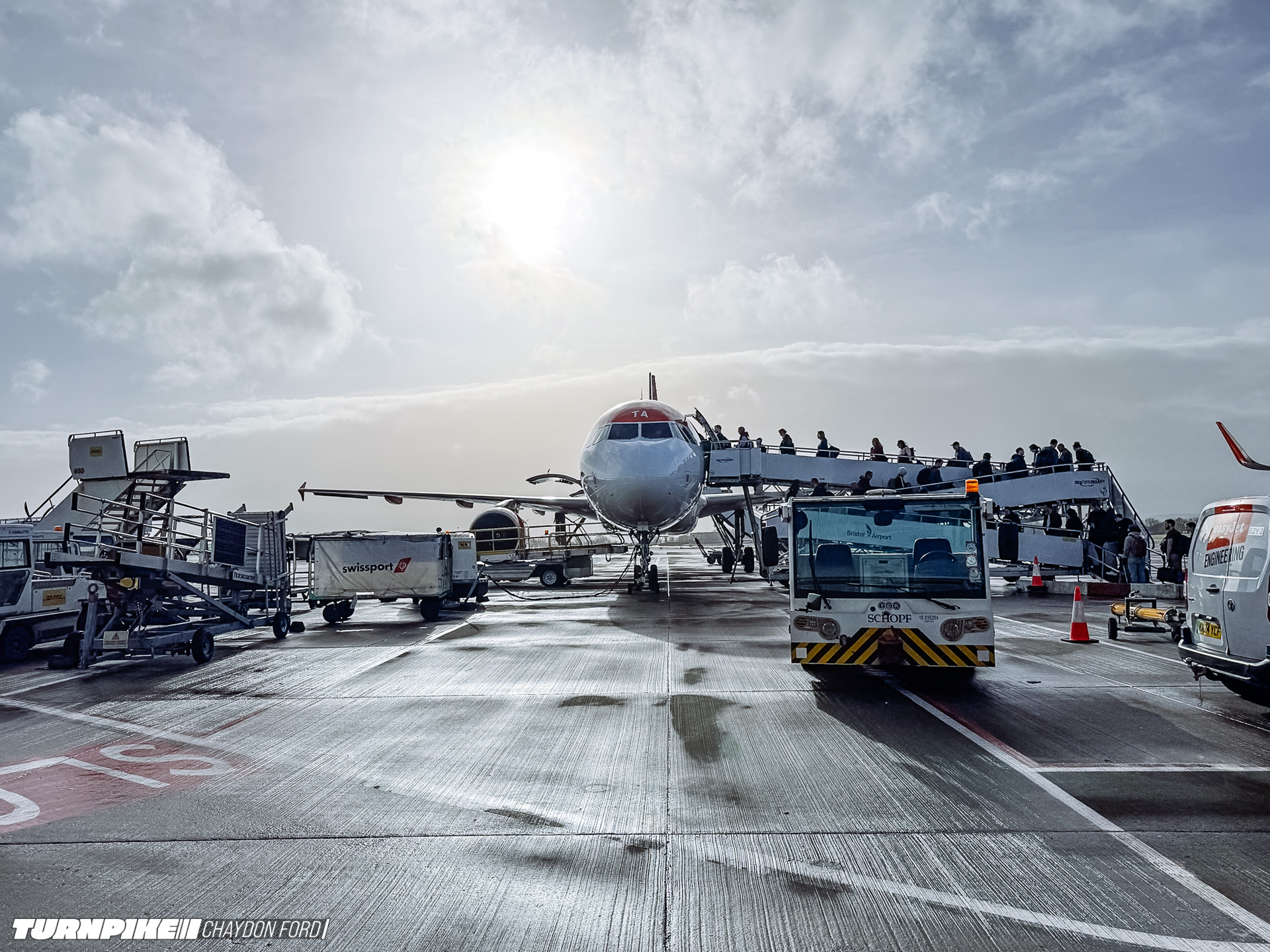
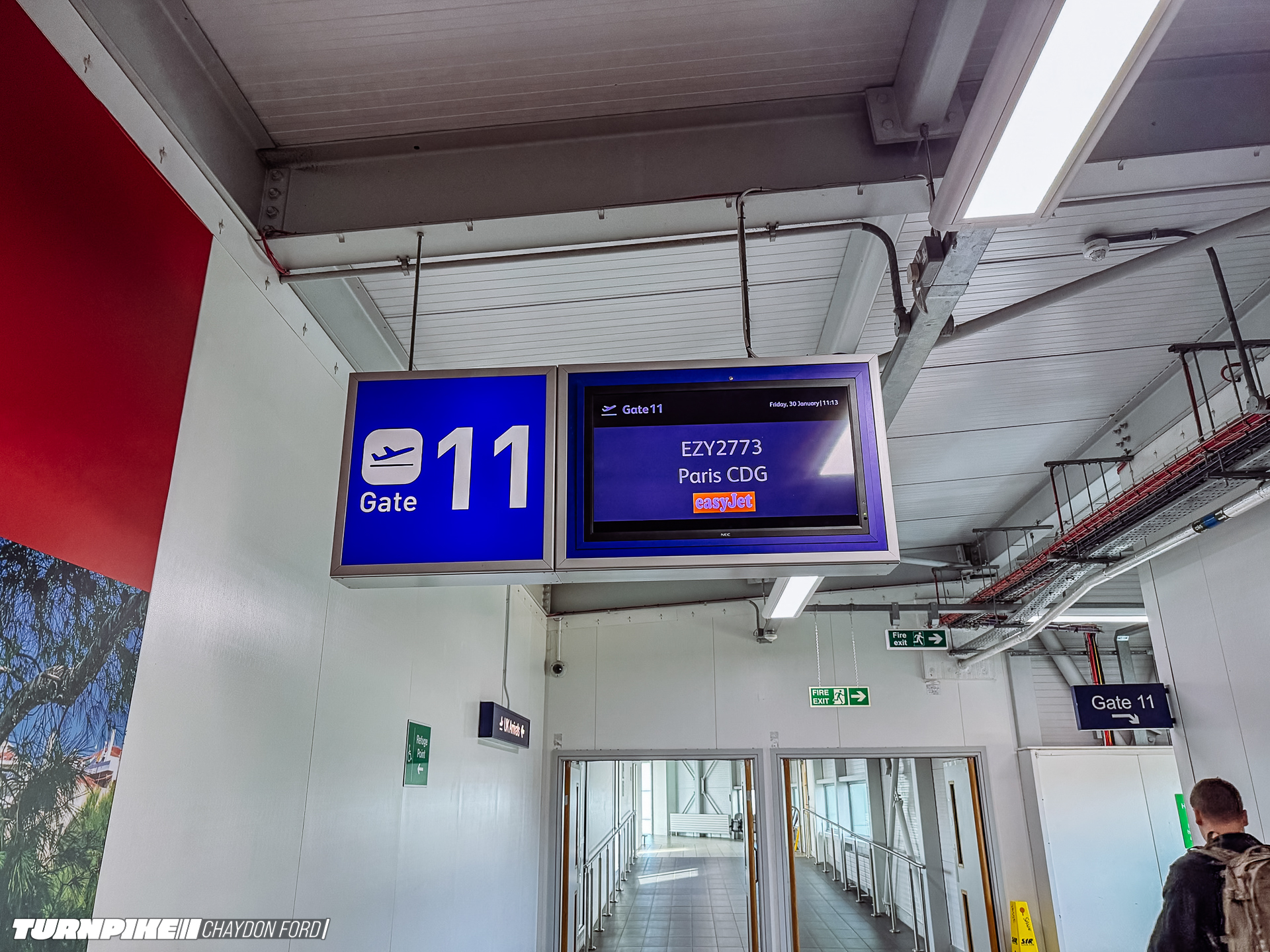
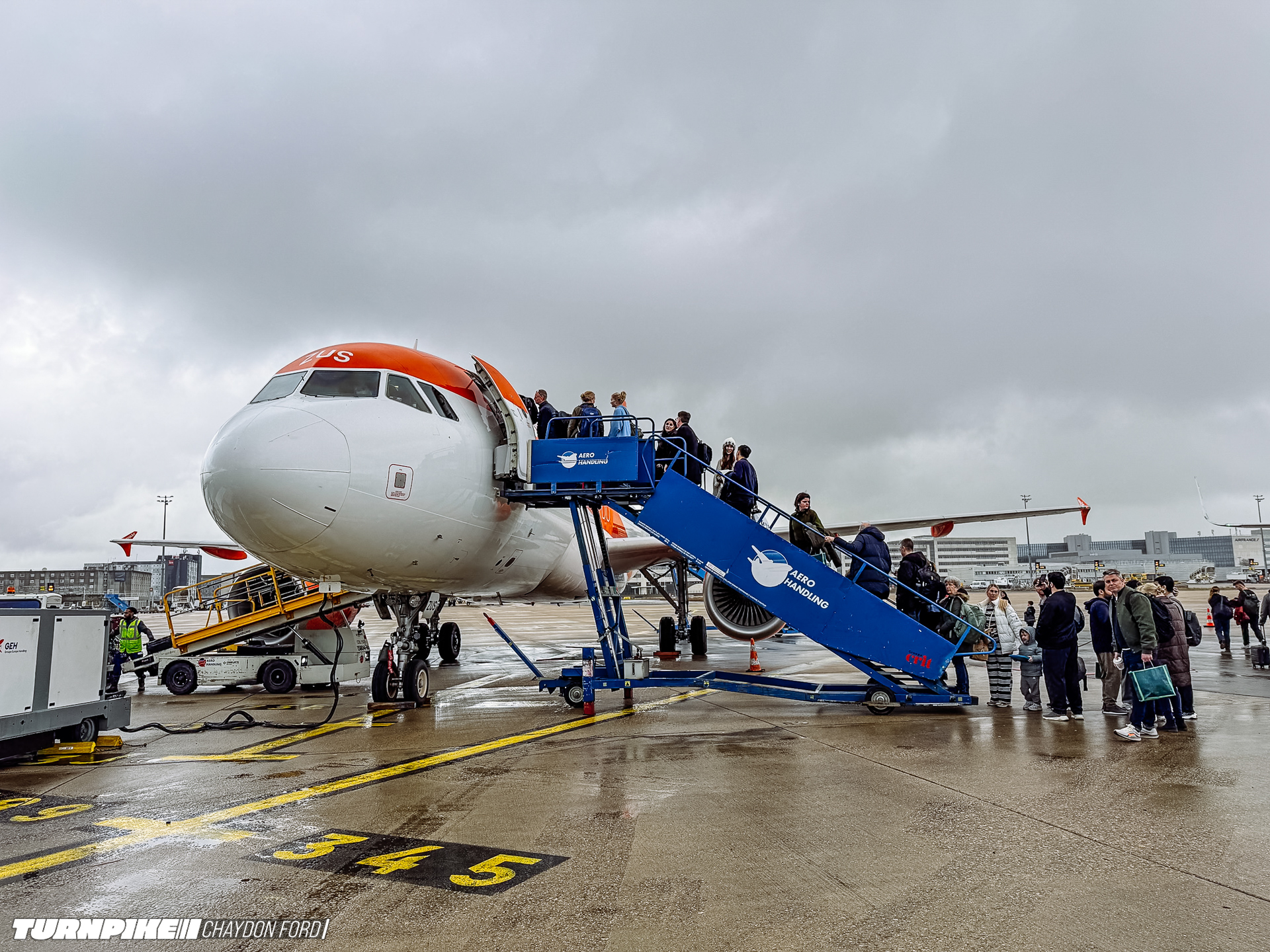
Flights were booked through EasyJet for a fairly reasonable £114 each. Not the last word in luxury, but a small carry-on bag would suffice for a long weekend.
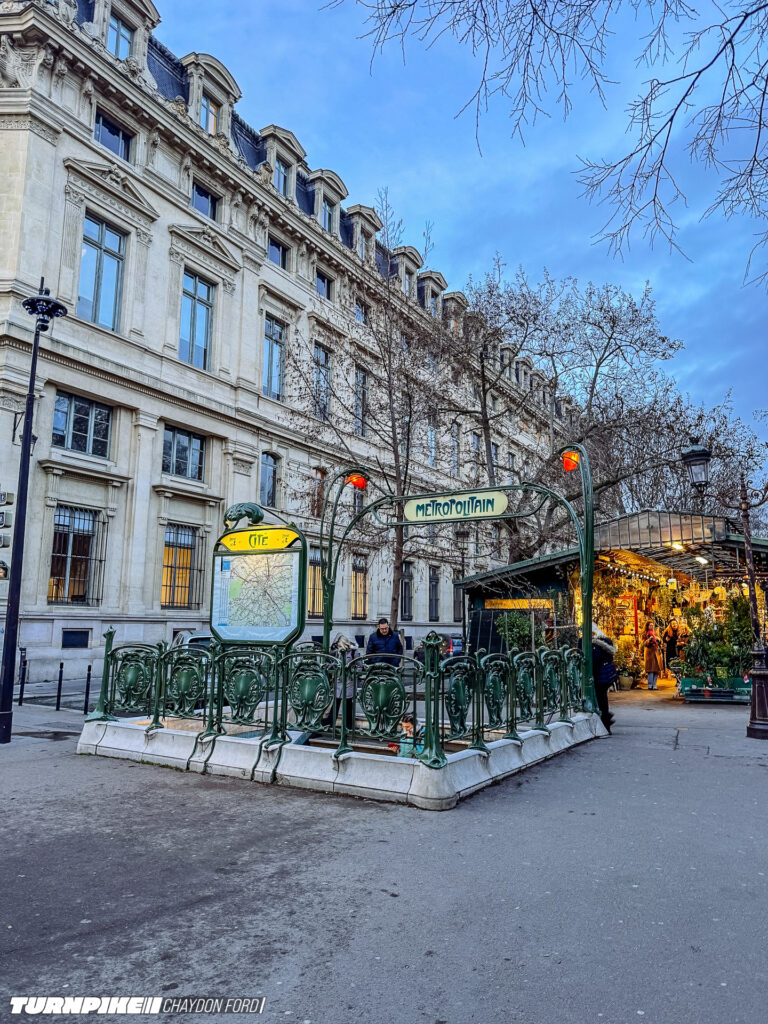
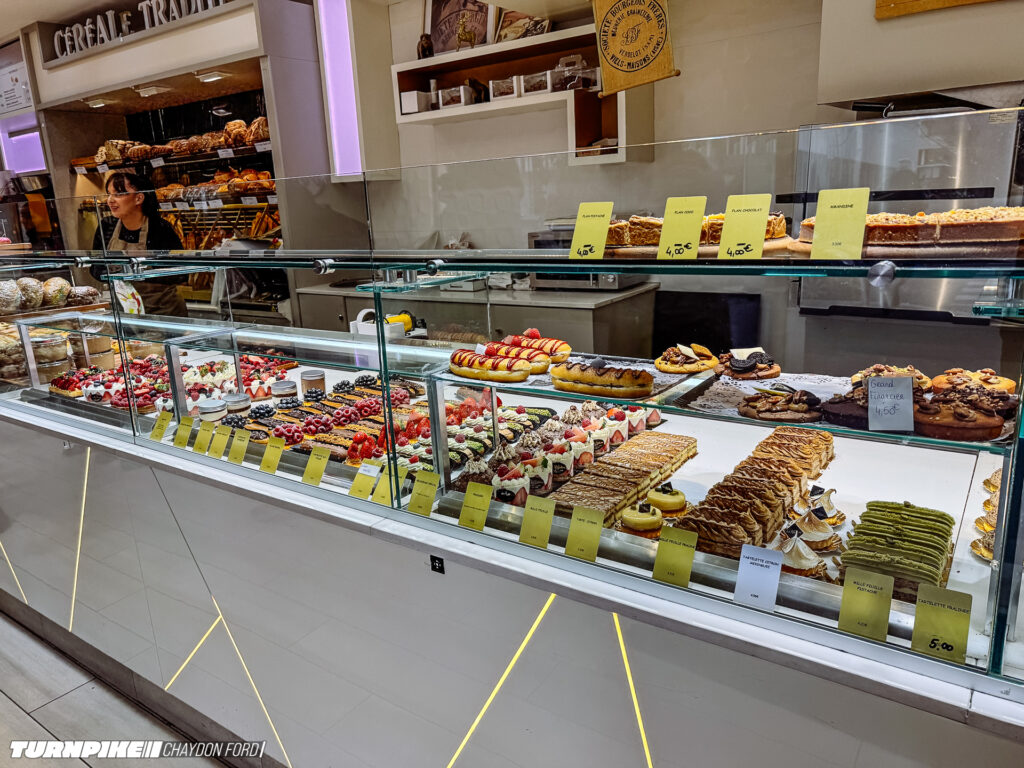
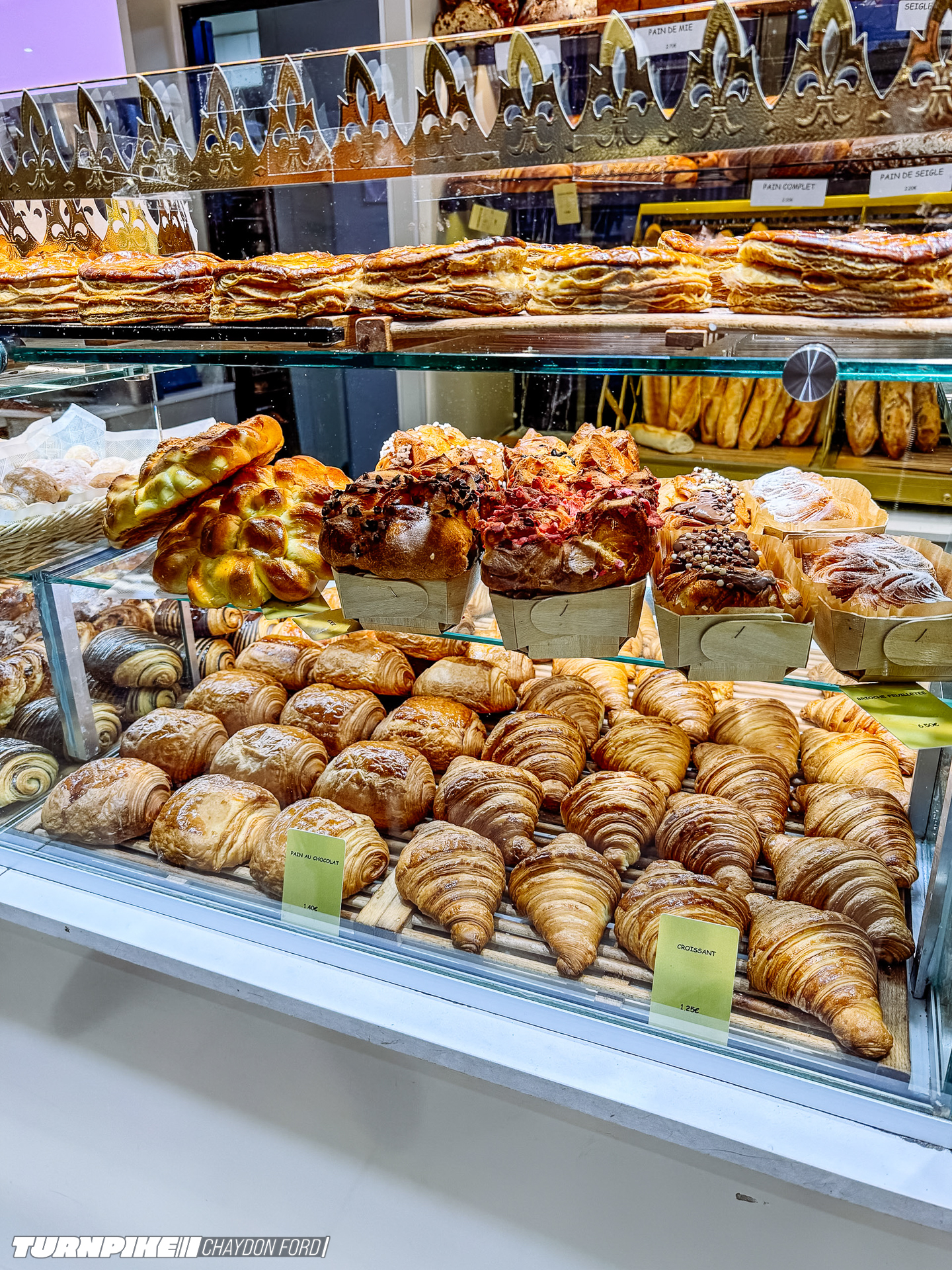
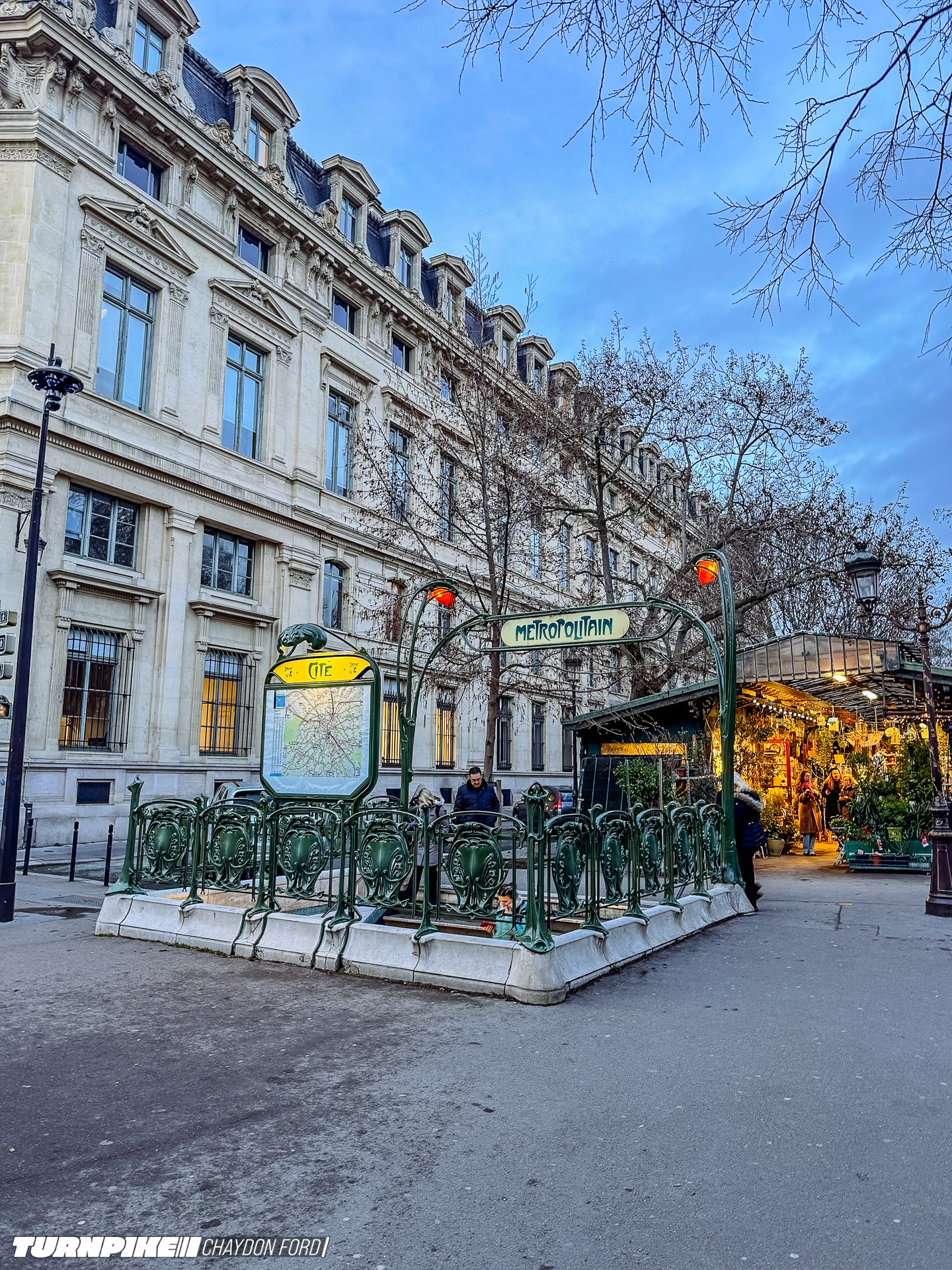
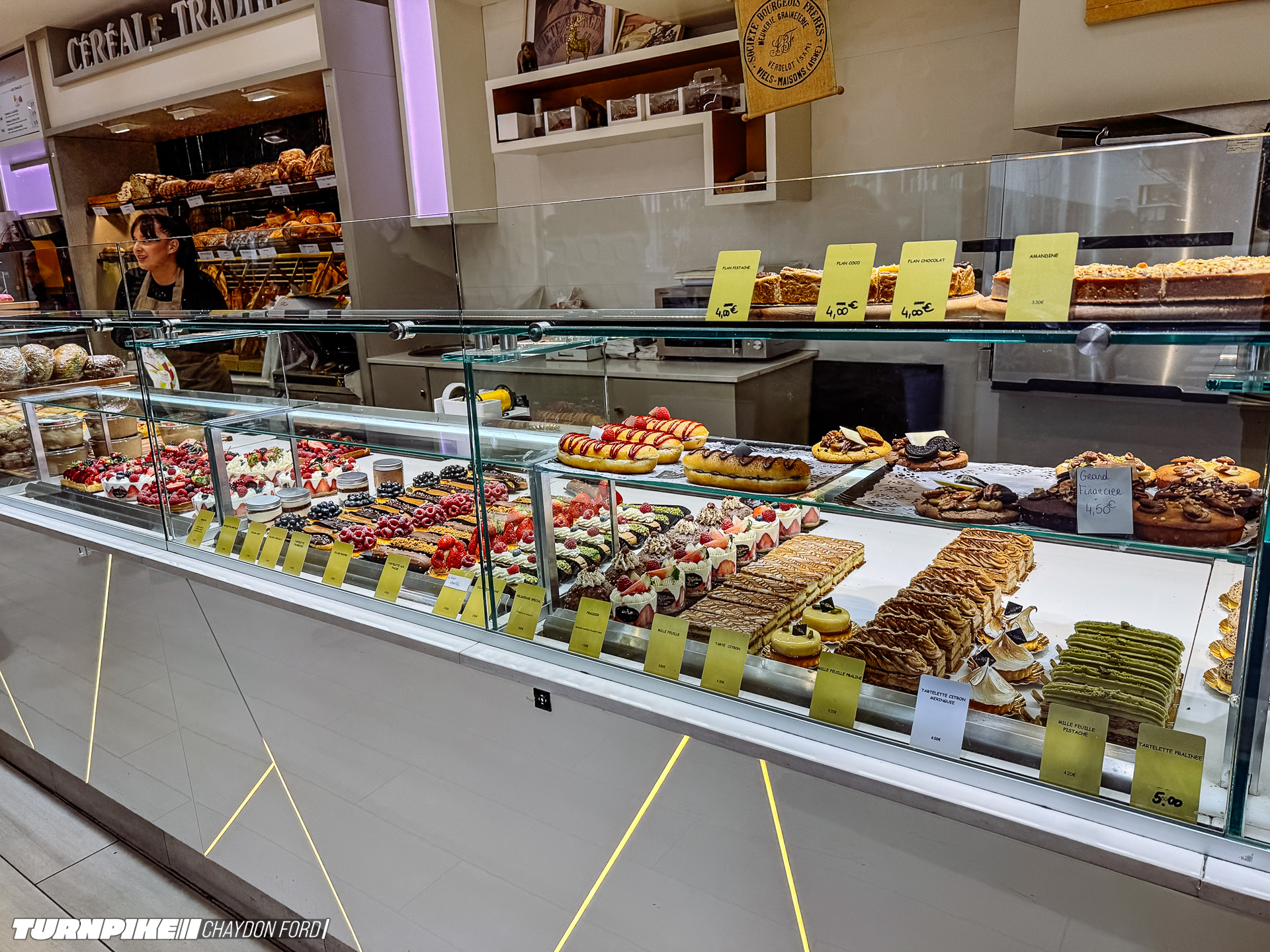
For accommodation, out-of-term university halls ticked the box for a clean bed and a shower; little else was really required. Split four ways, two nights came to just £52 per night. The minute-long walk to the Metro was a convenient bonus, while the pastry shop next door was a rather more deliberate choice.
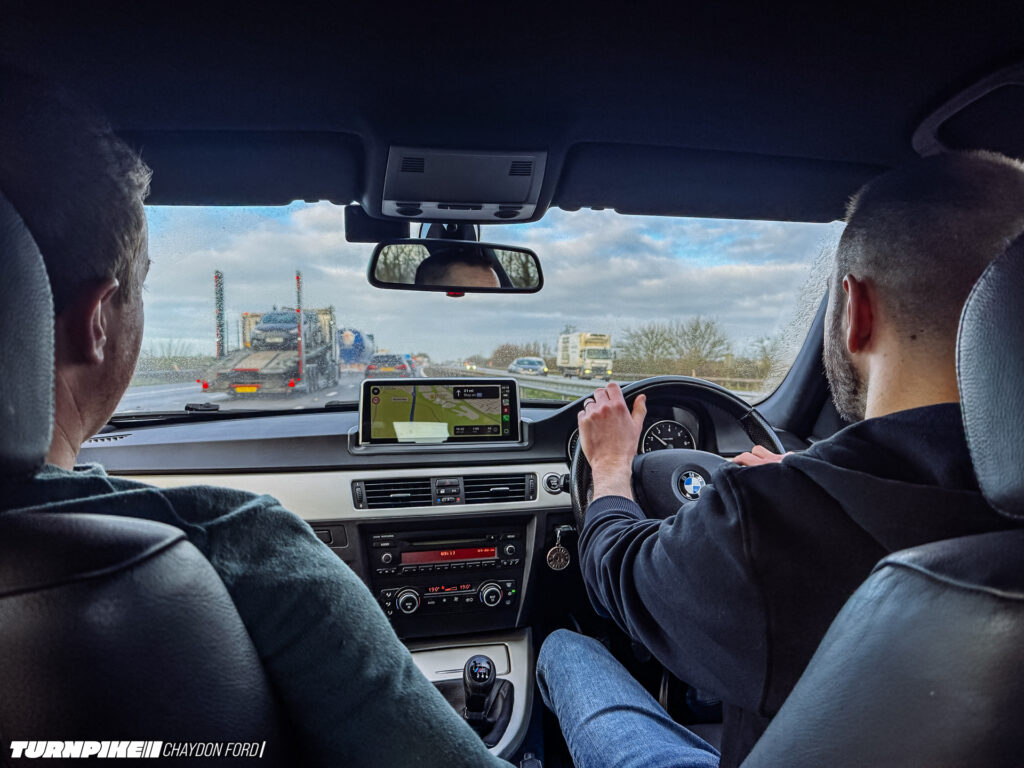
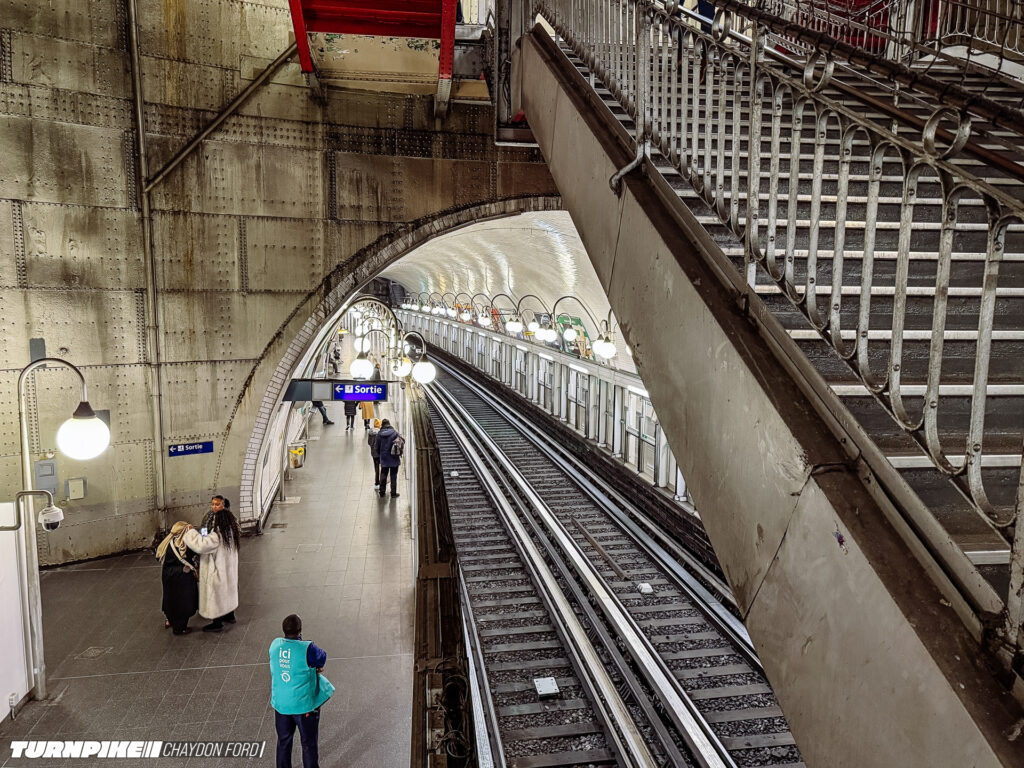
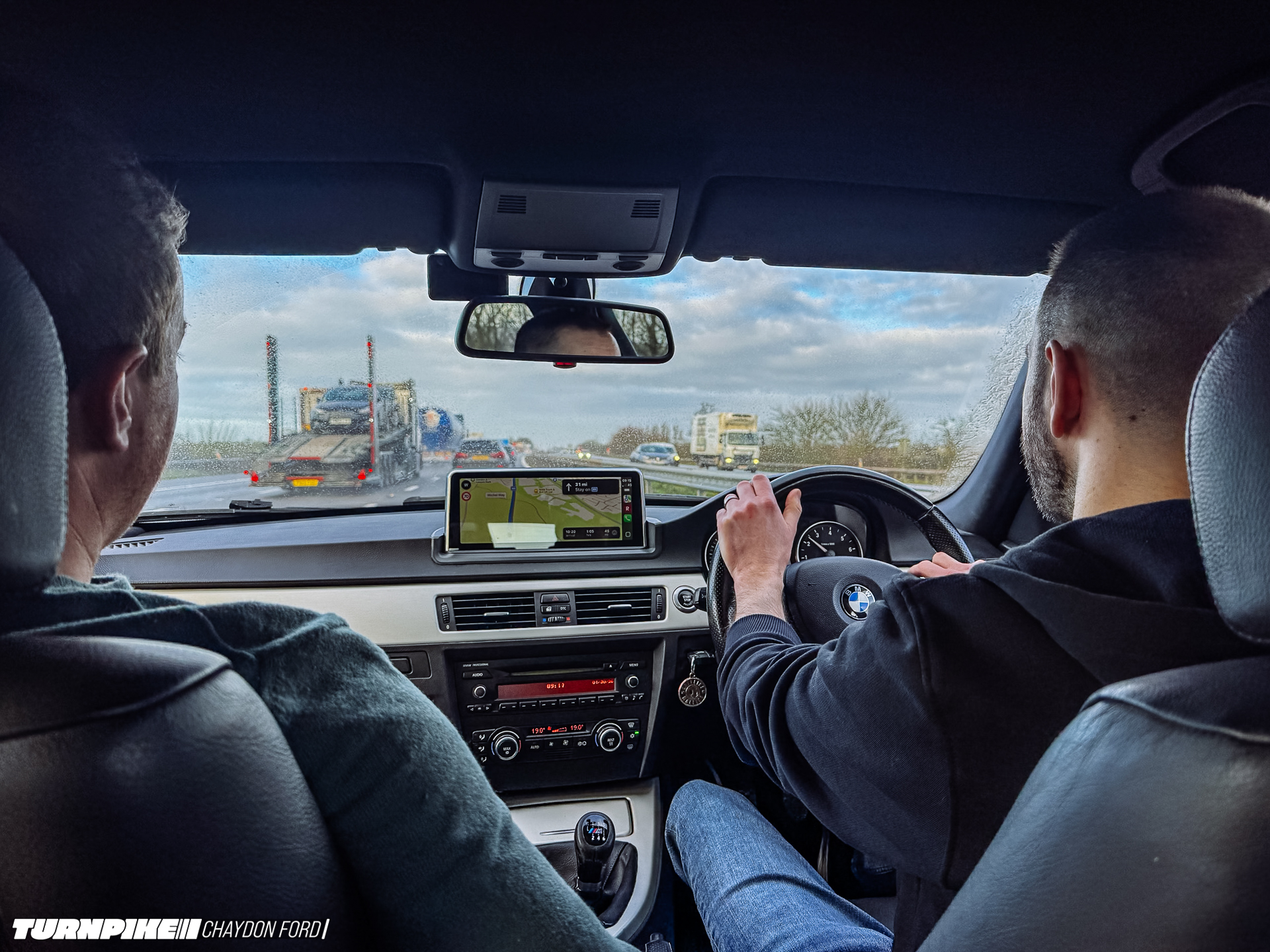
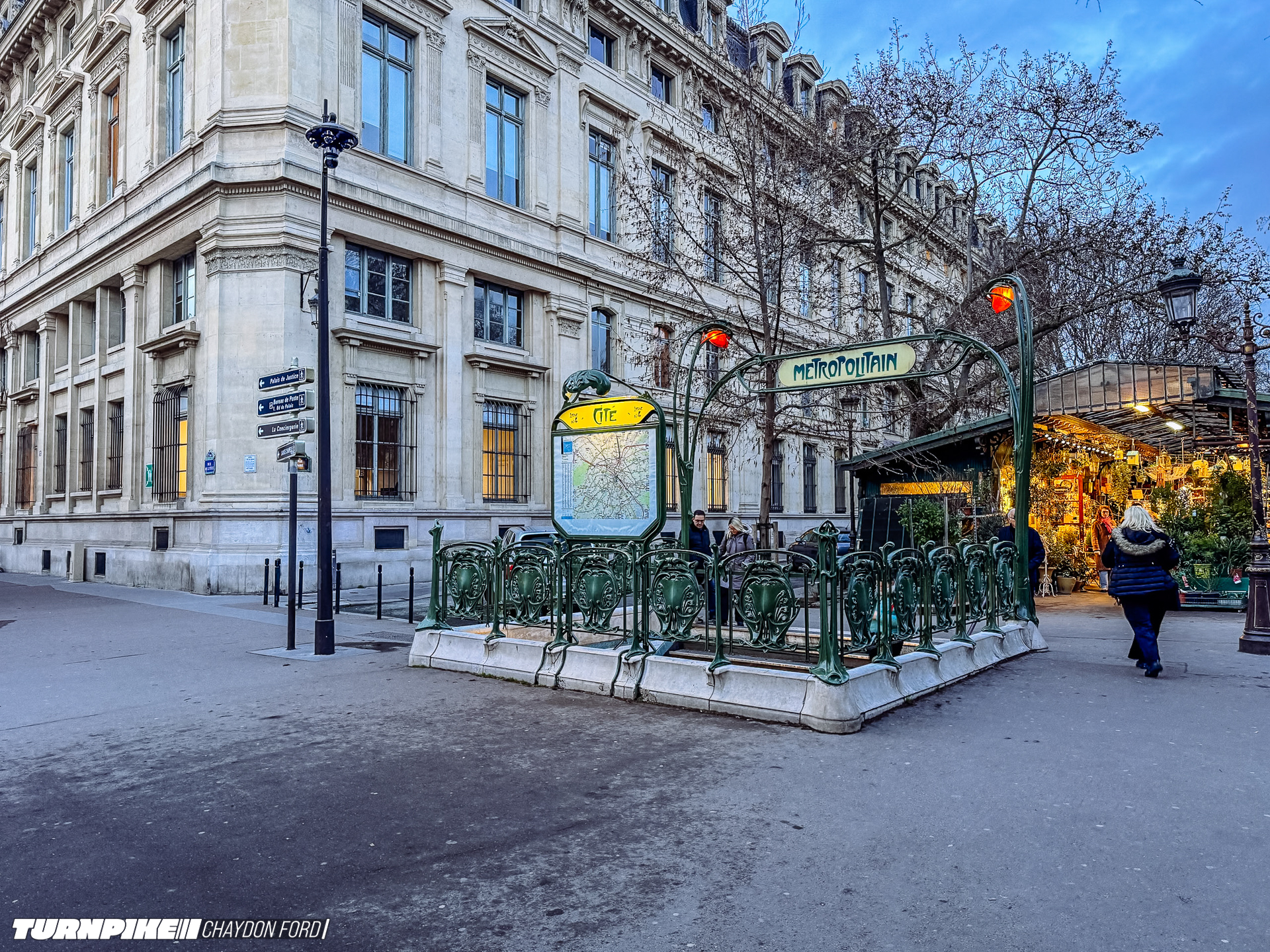
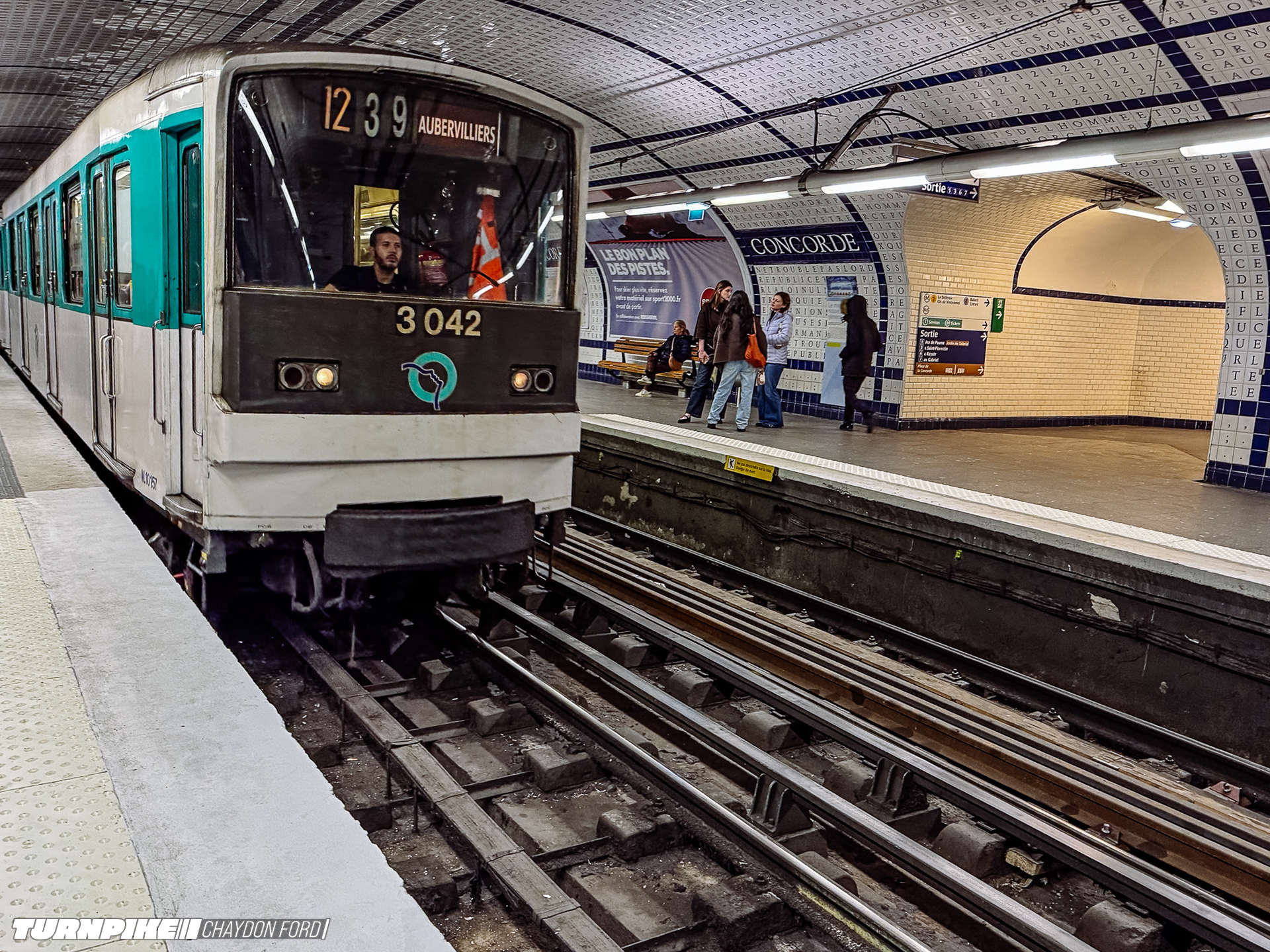
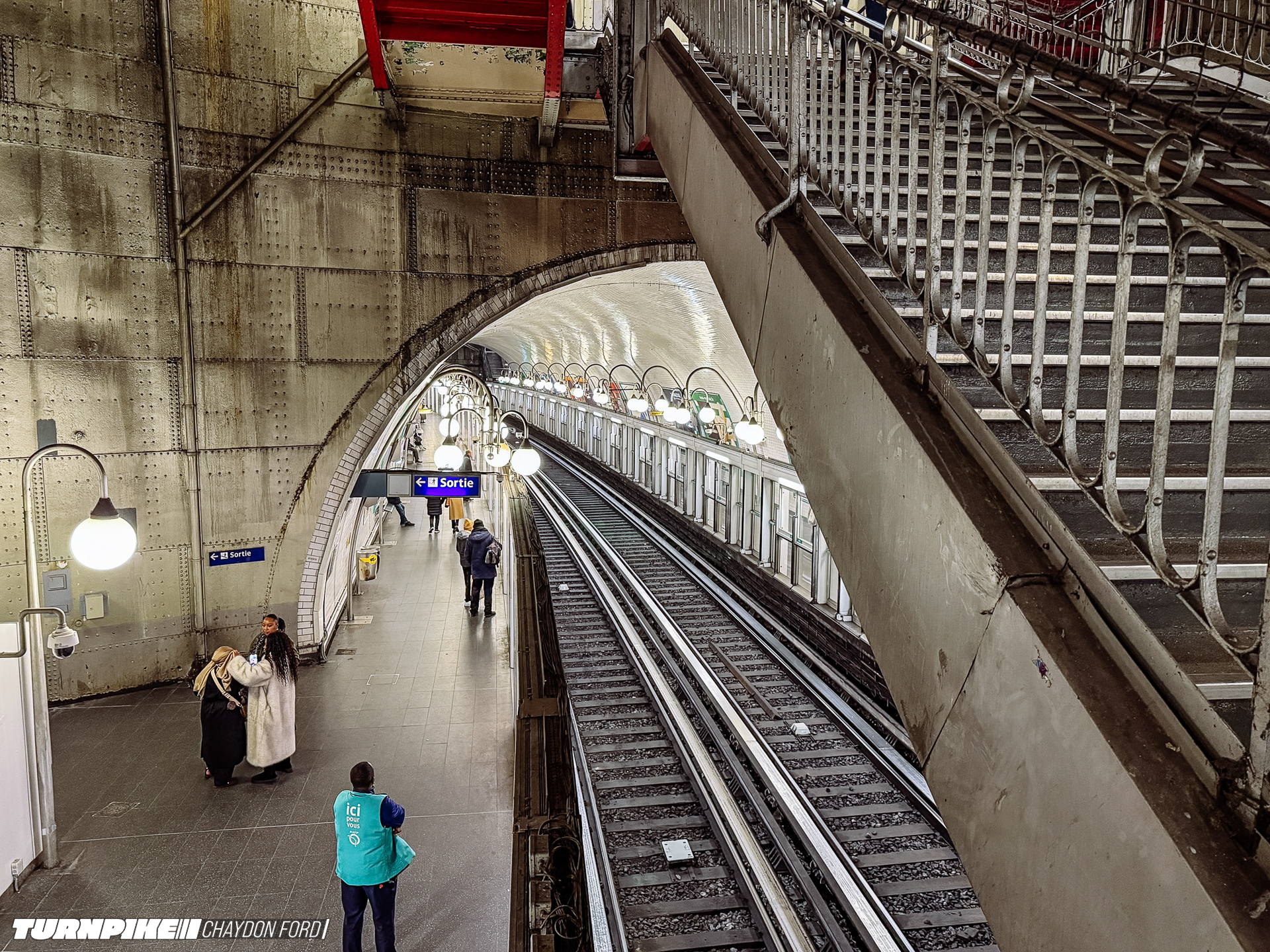
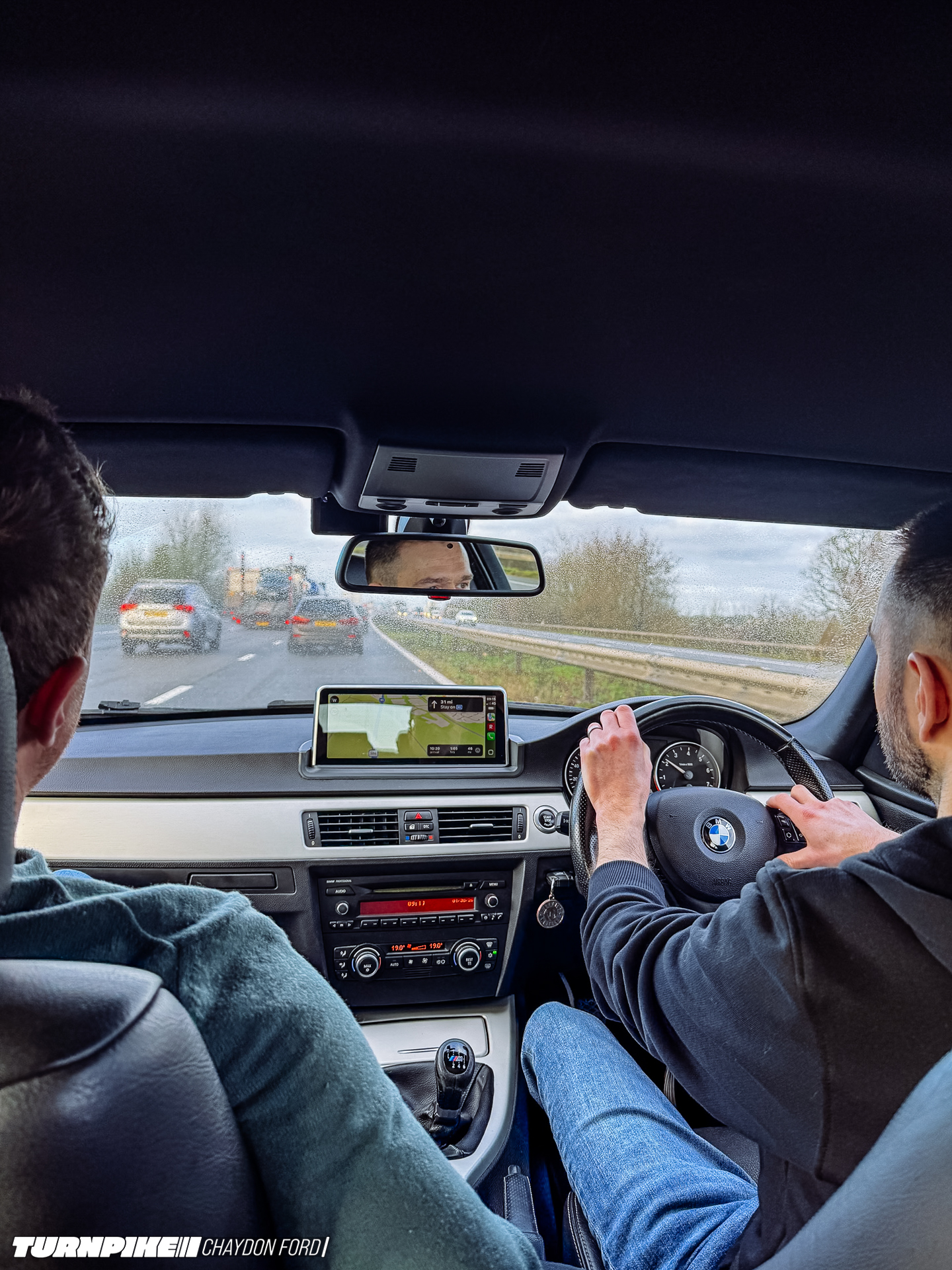
Fast forward a few weeks and the weekend of the event had arrived. We kicked things off with a car journey to catch a plane, then a train. After landing at Charles de Gaulle Airport, we made a beeline for the Metro station. A three-day Metro pass cost £53, bringing the running total to £271.
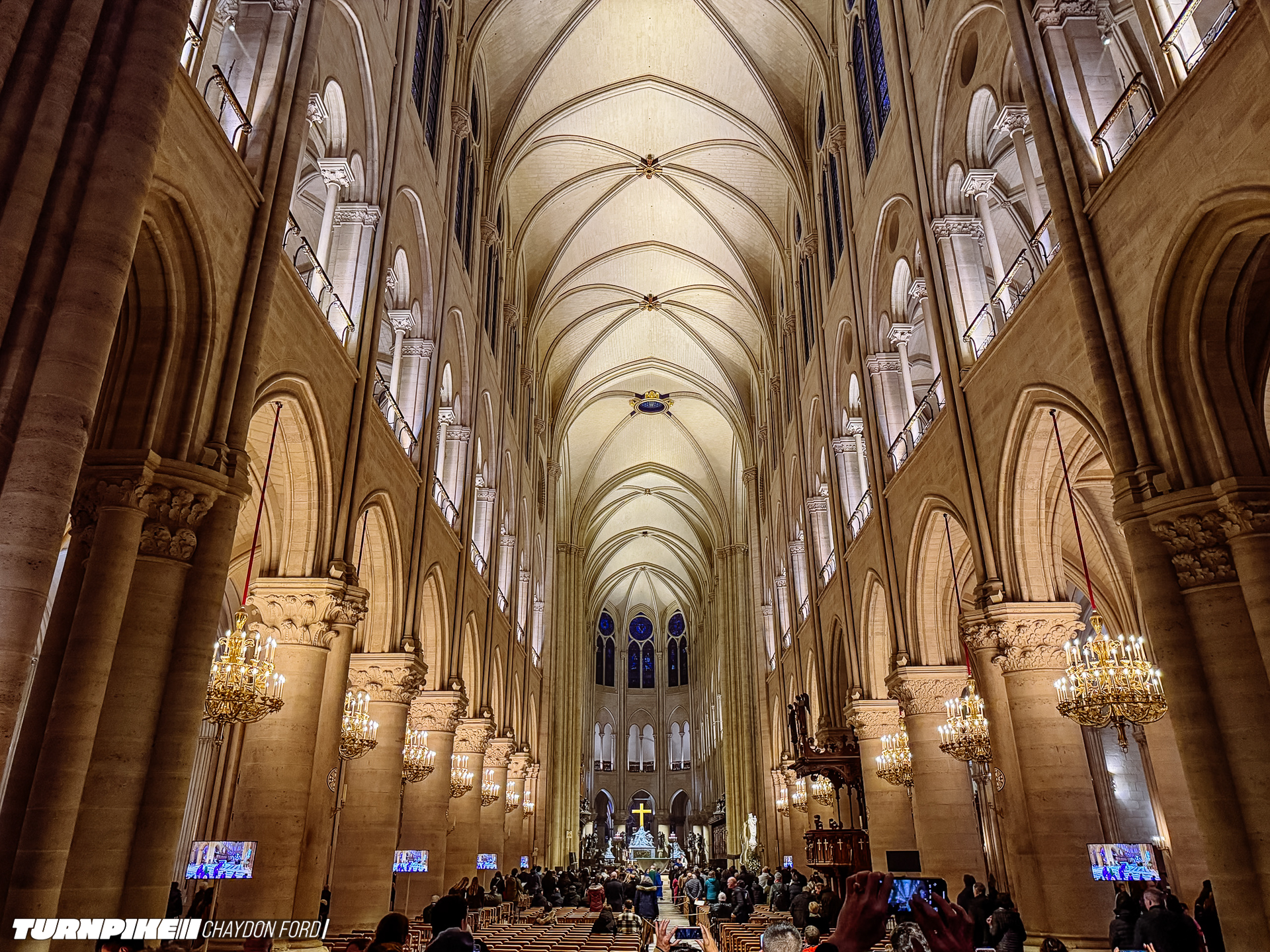
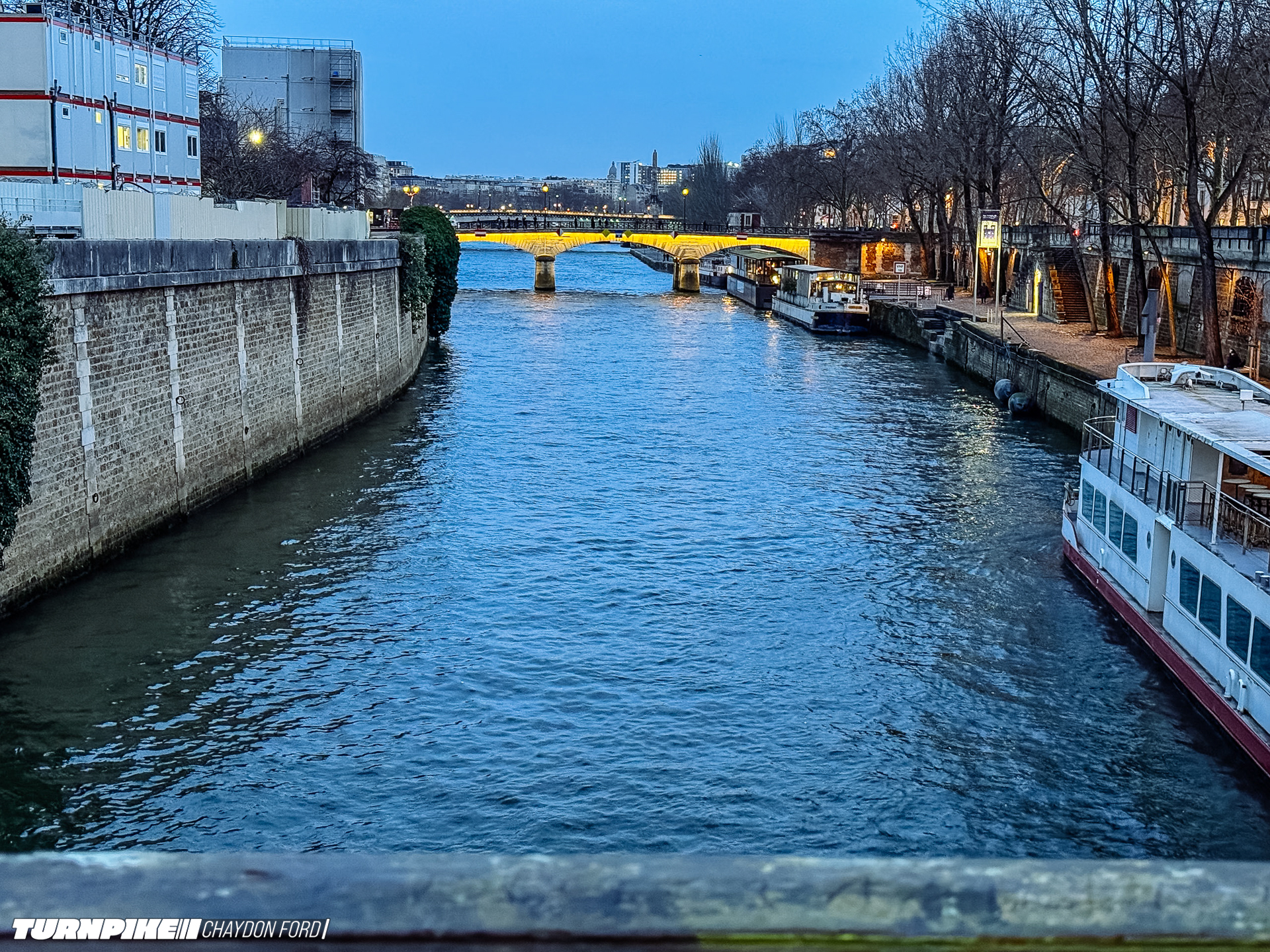
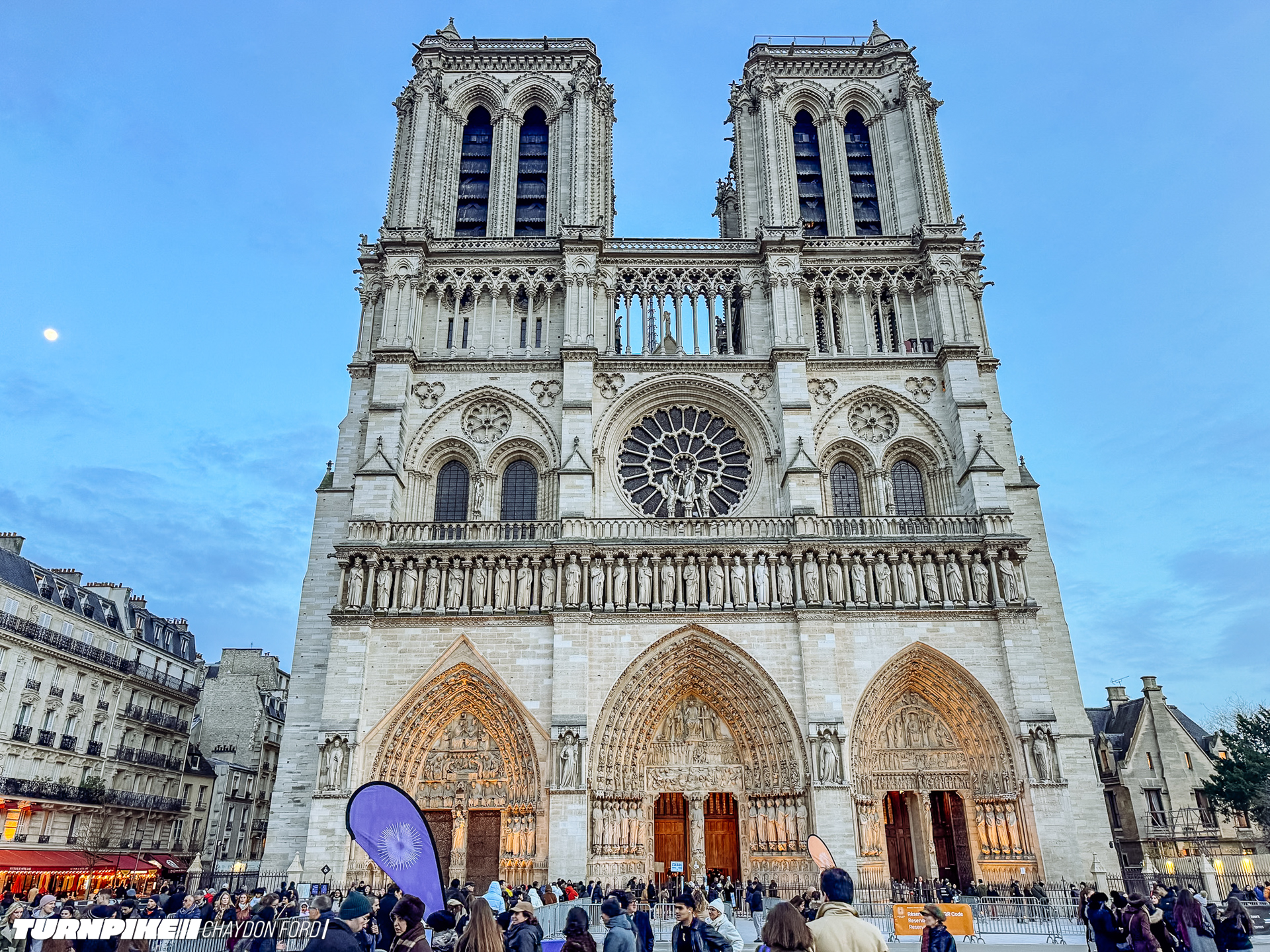
Taking in the sights on foot allowed for a slightly less frenetic pace, and after a few hours and a few miles, it was time for dinner. The places without queues were best avoided; the locals clearly knew where the good food was. By chance, a detour down a side street led us straight to a bustling bar and grill called Daddy Bear – well worth seeking out.
After a hearty meal and a few Absinthe shots courtesy of Jean-Louis, the bar’s owner, we made our way back to the apartment to rest up ahead of the main reason for the trip. For those keeping track, we’re up to £314 now.
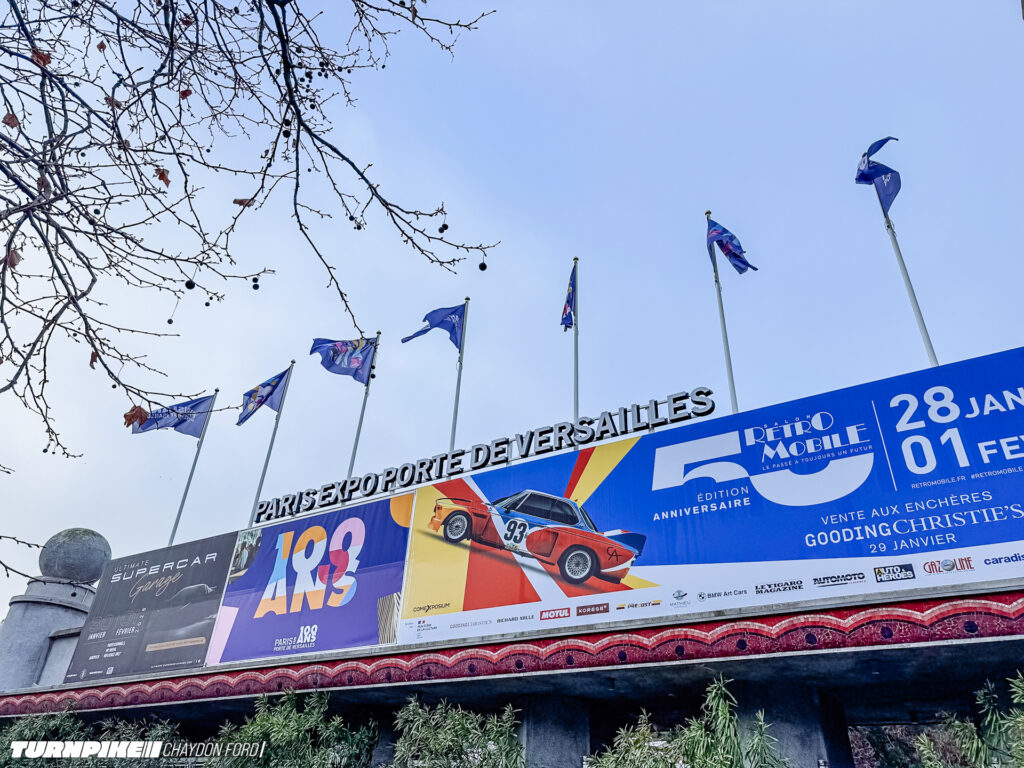
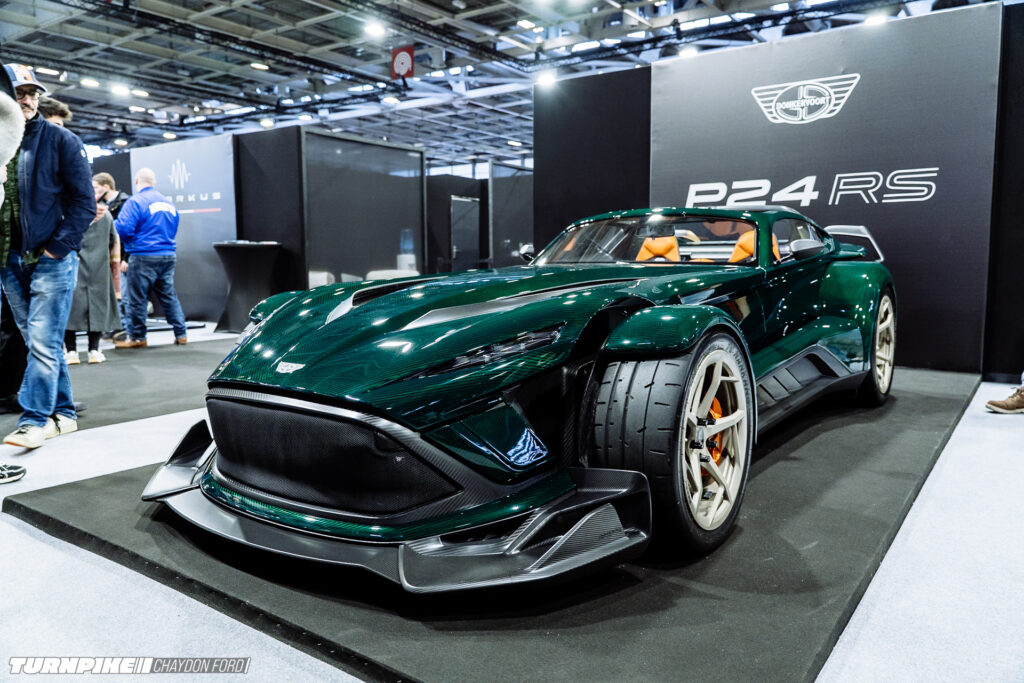
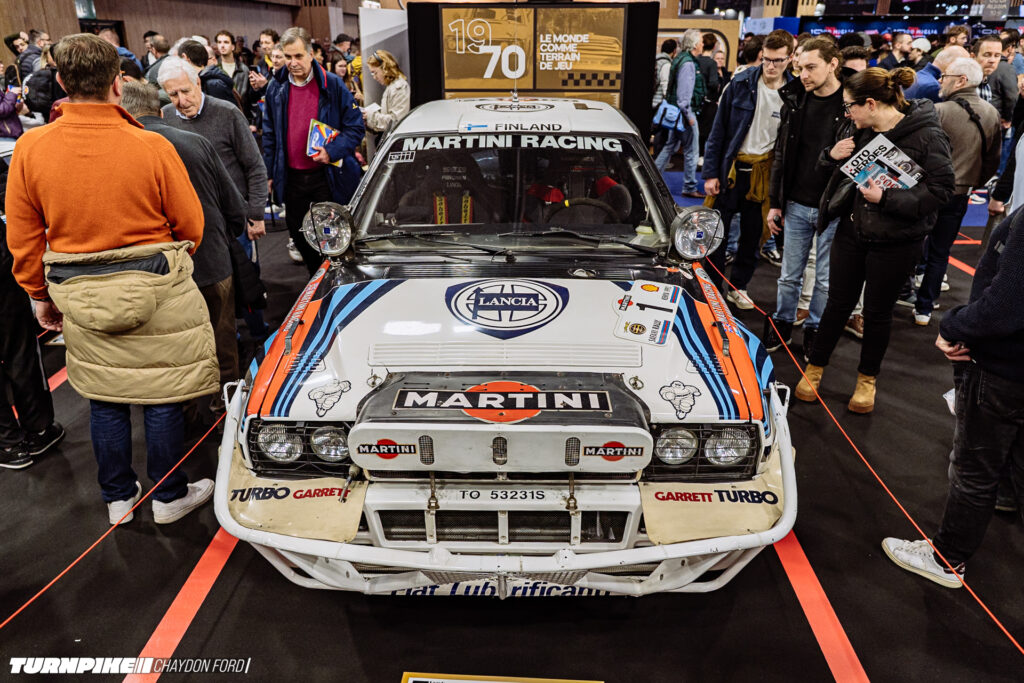
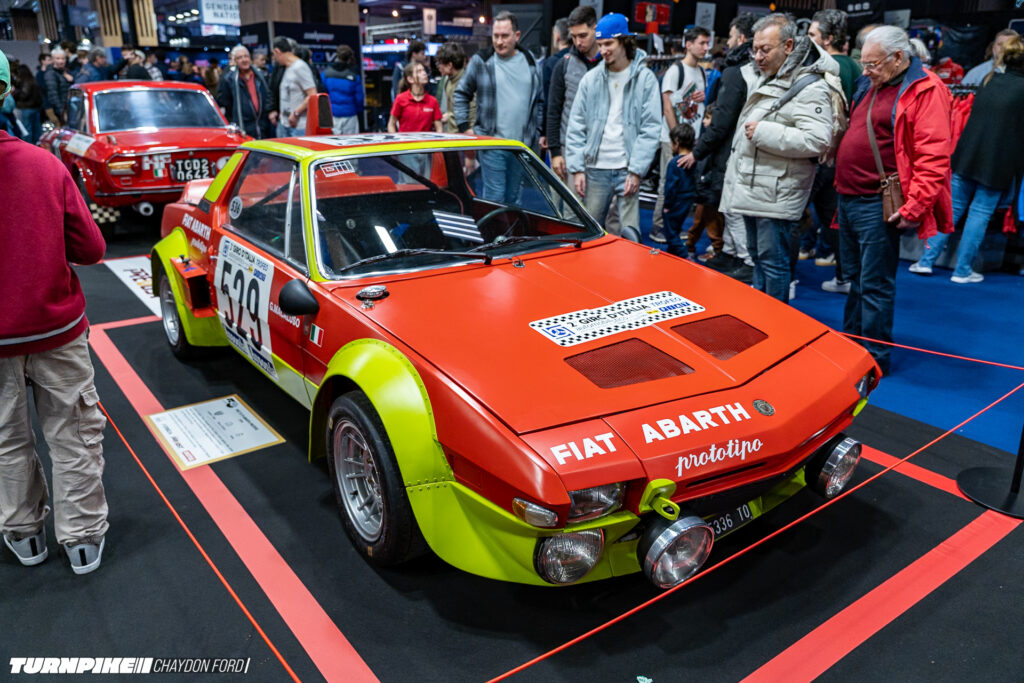
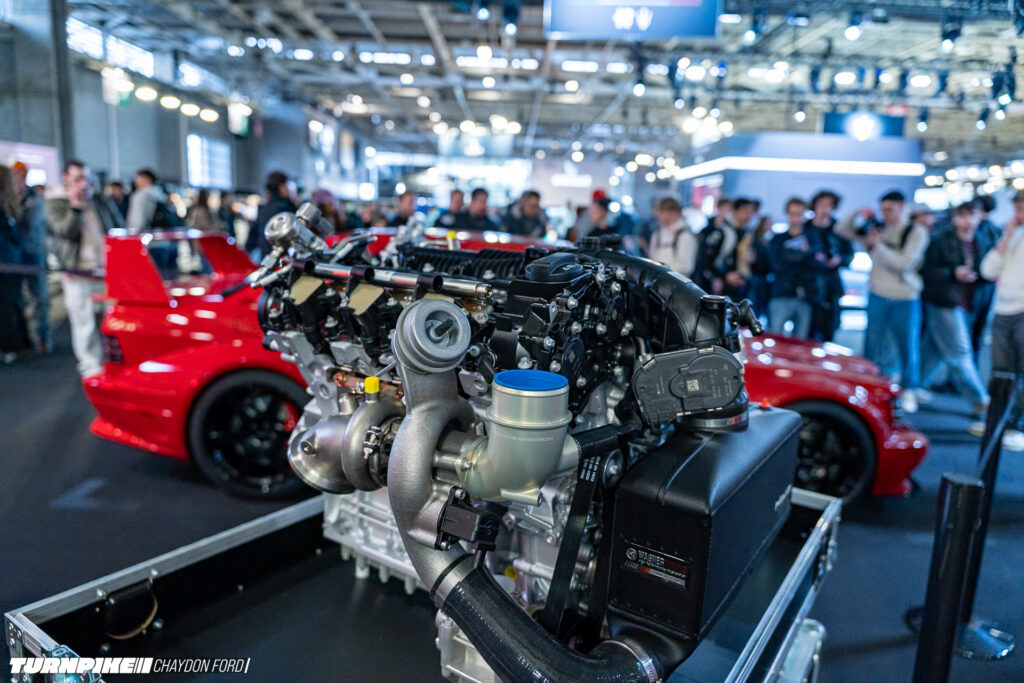
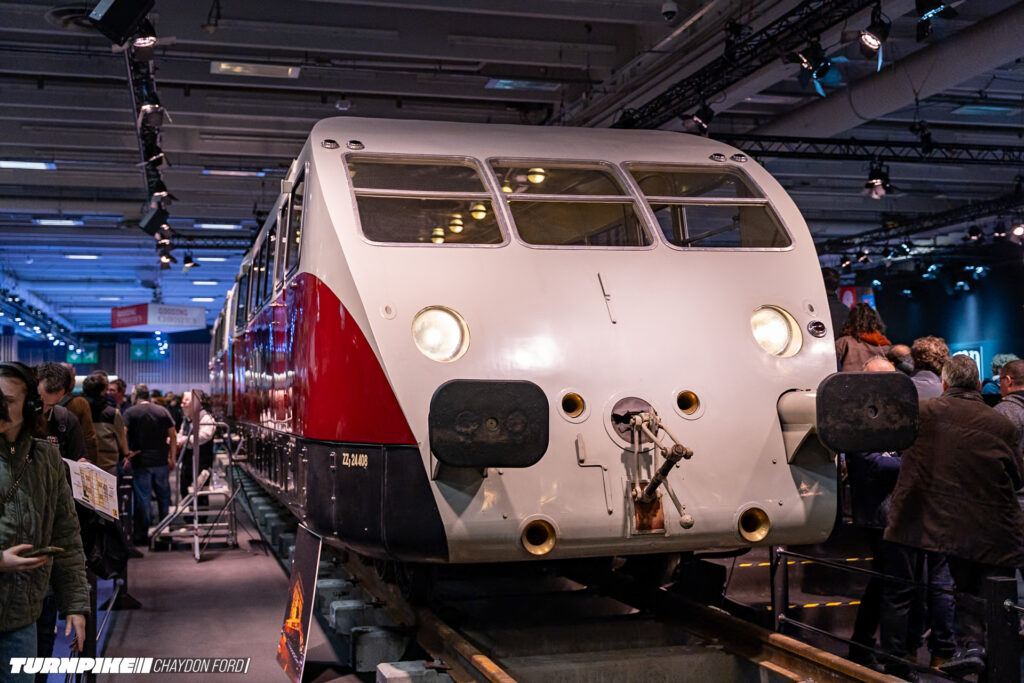
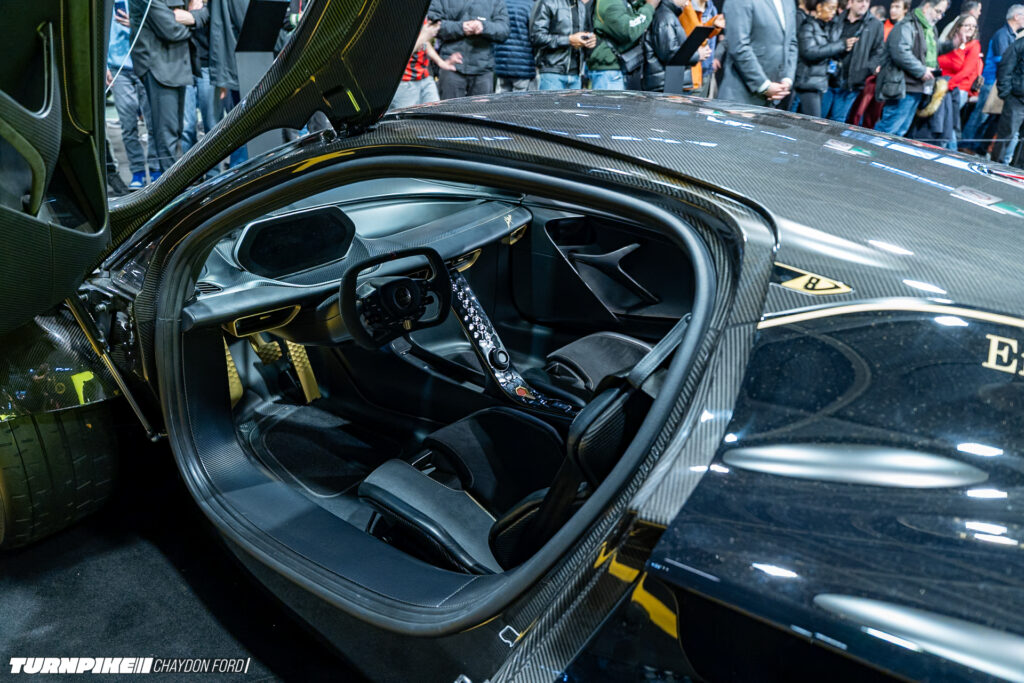
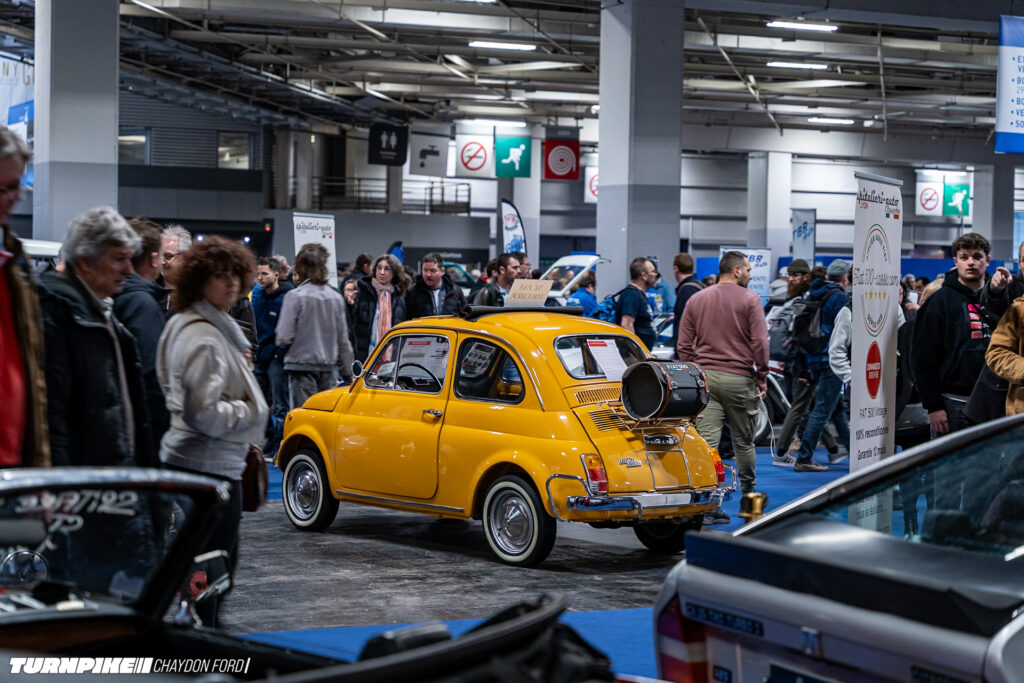
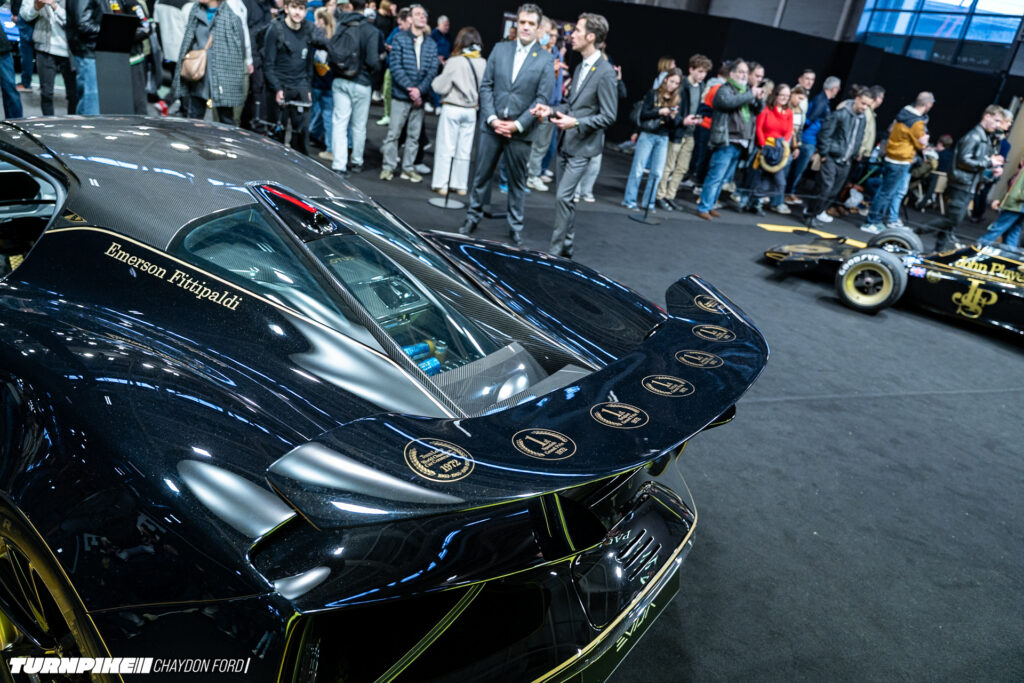
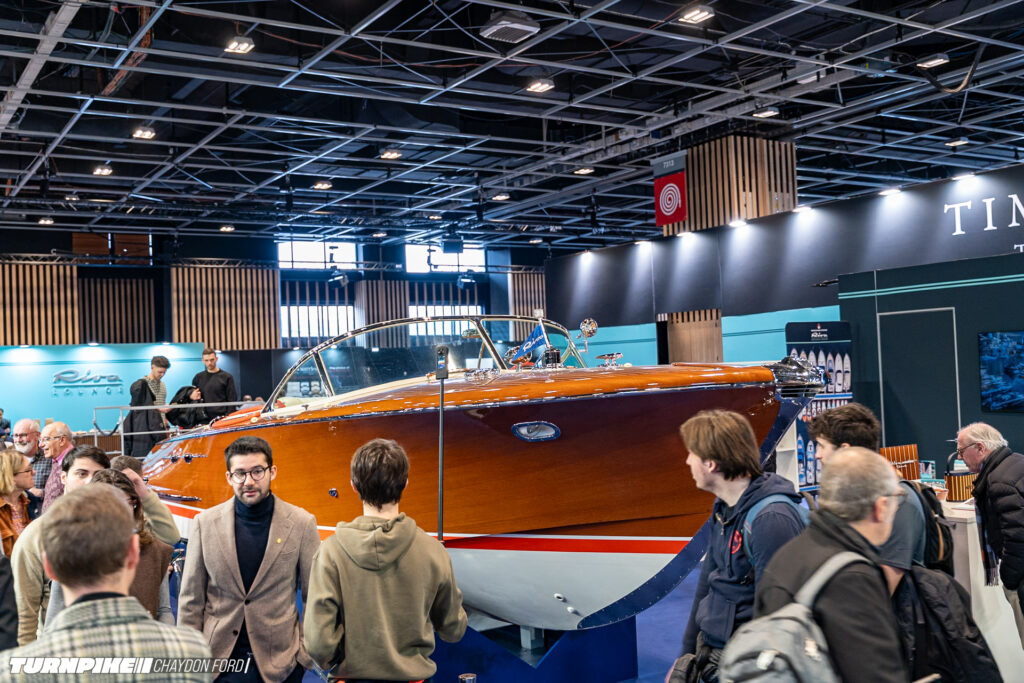
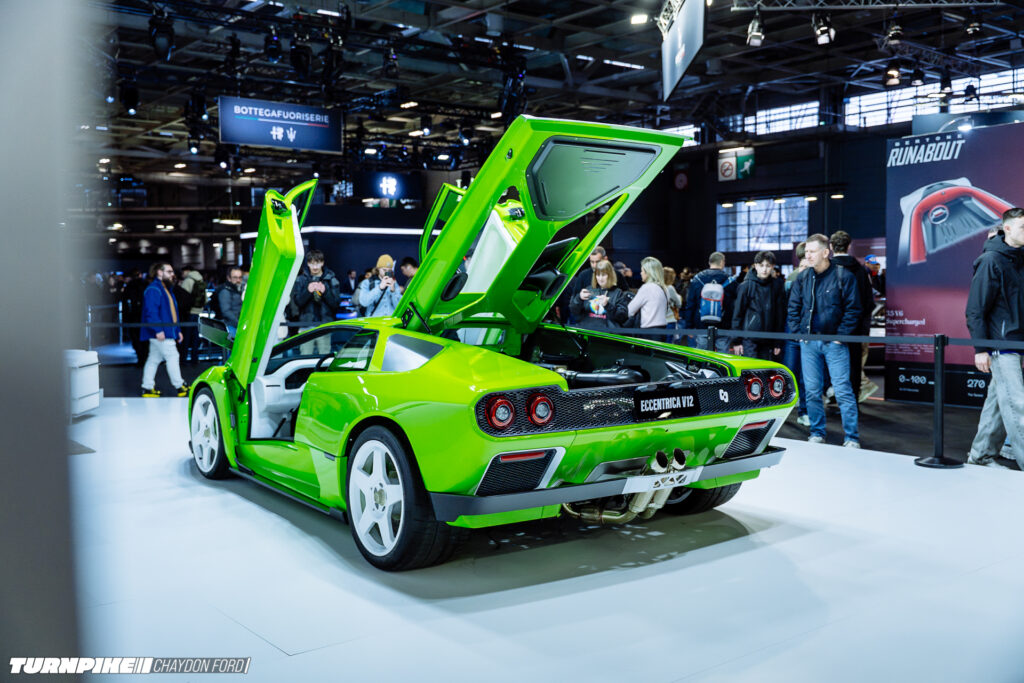
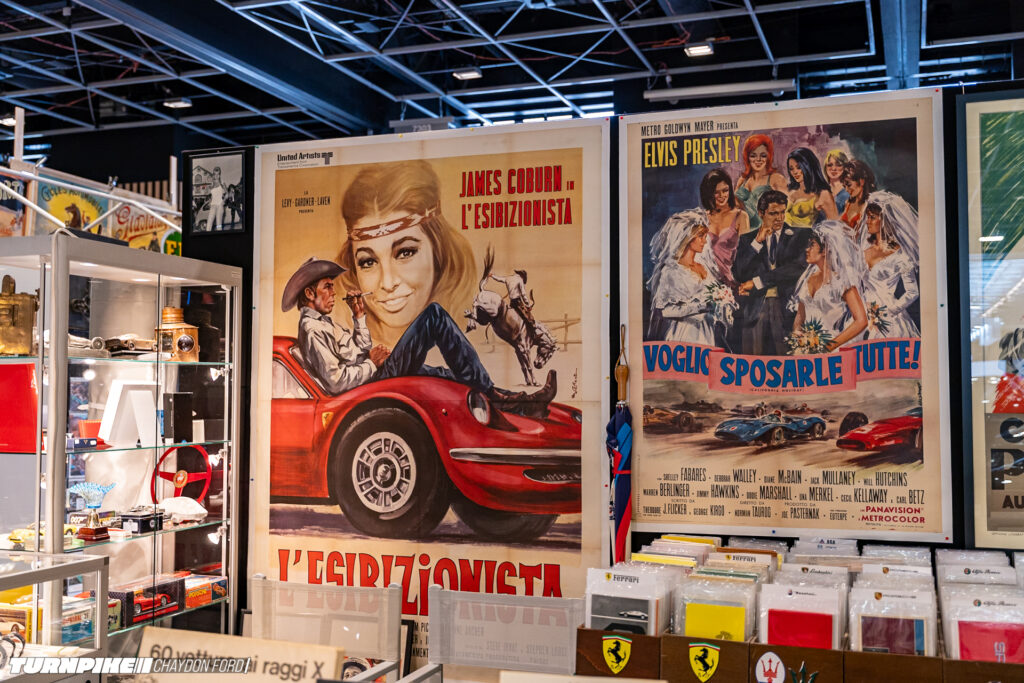
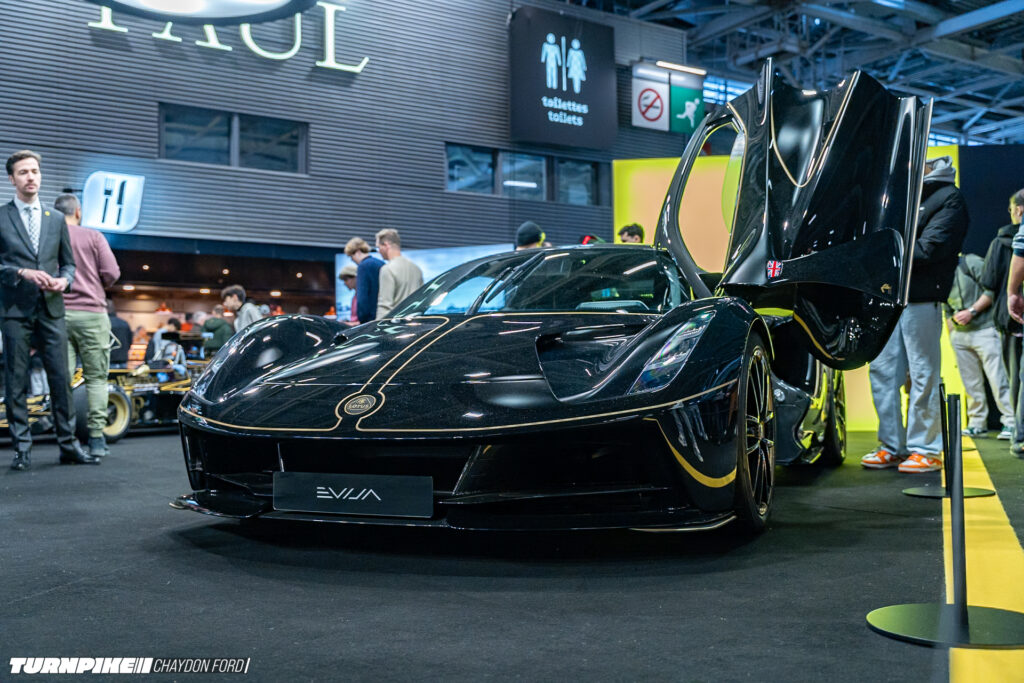
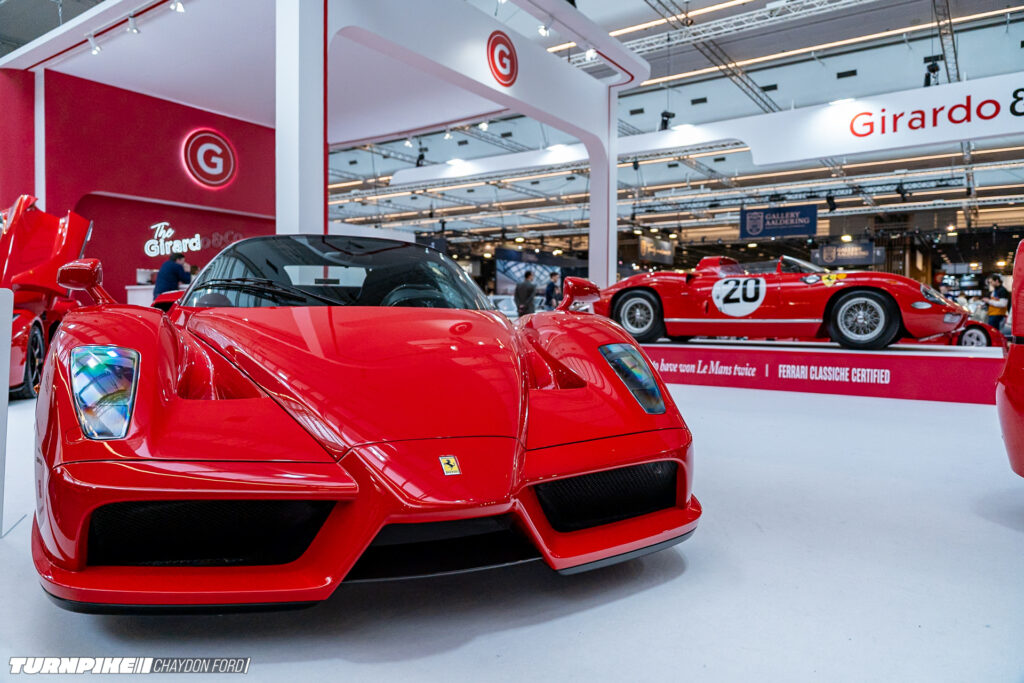
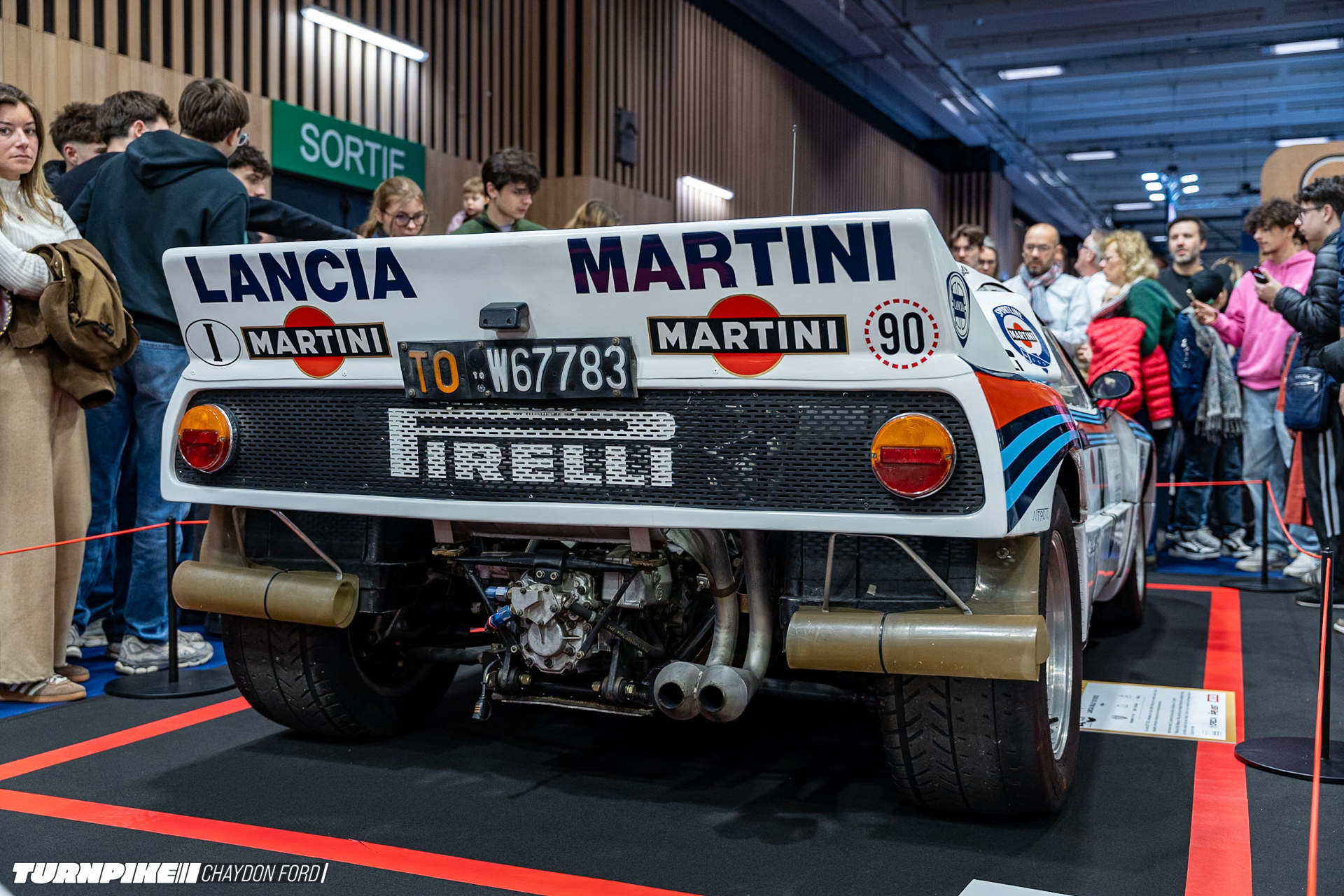
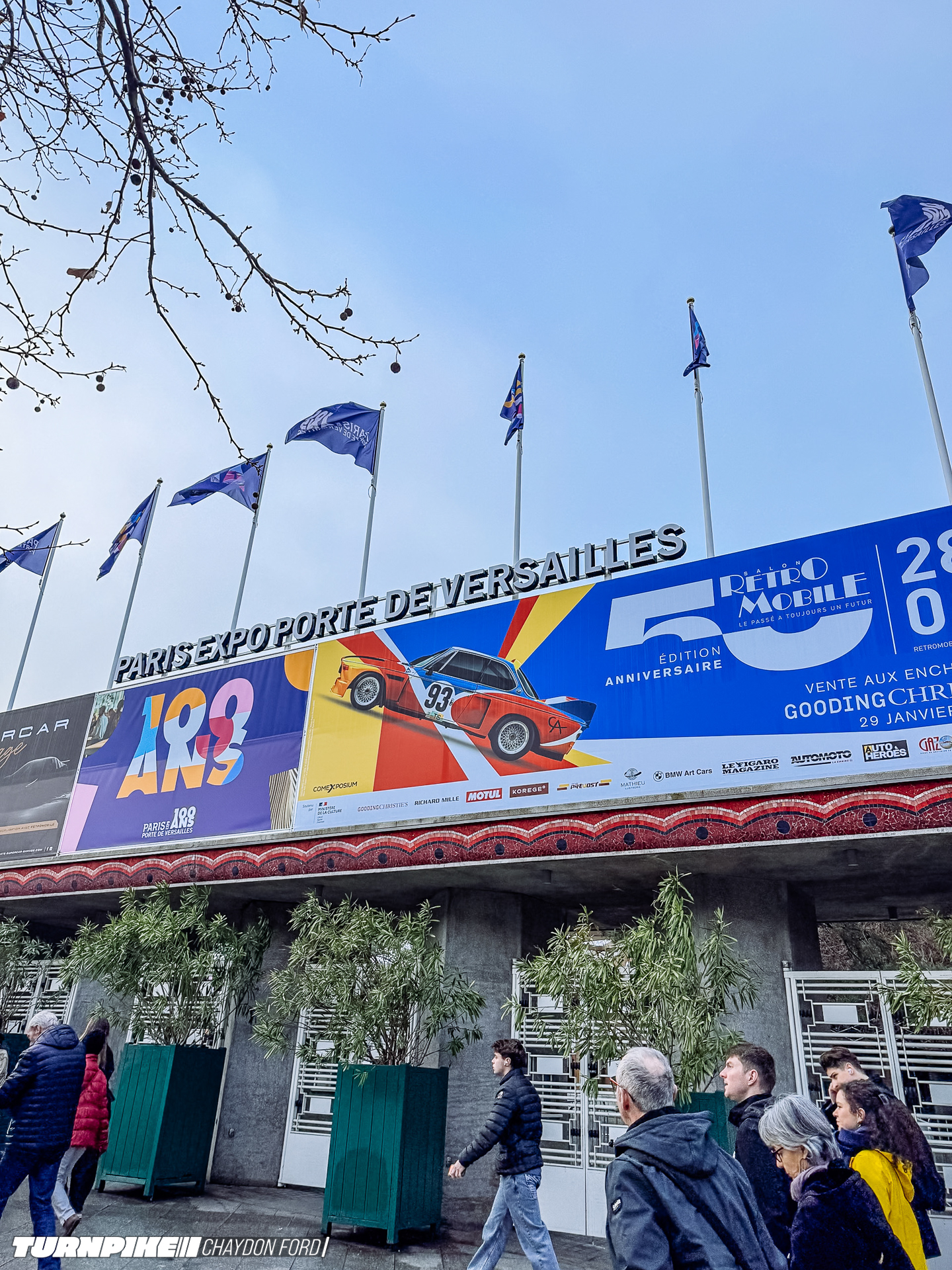
Rétromobile first opened its doors to the public in 1976 and has since become a love letter to all things classic automotive, bringing together collectors, clubs, manufacturers and enthusiasts under one roof. To quote Marc Nicolosi, co-founder of the event: “Rétromobile was not just a motor show; it was an idea: That the motor car deserved its place in our cultural heritage.”
Since its inception, the event has grown exponentially alongside the booming collectors’ market and the following that surrounds it.
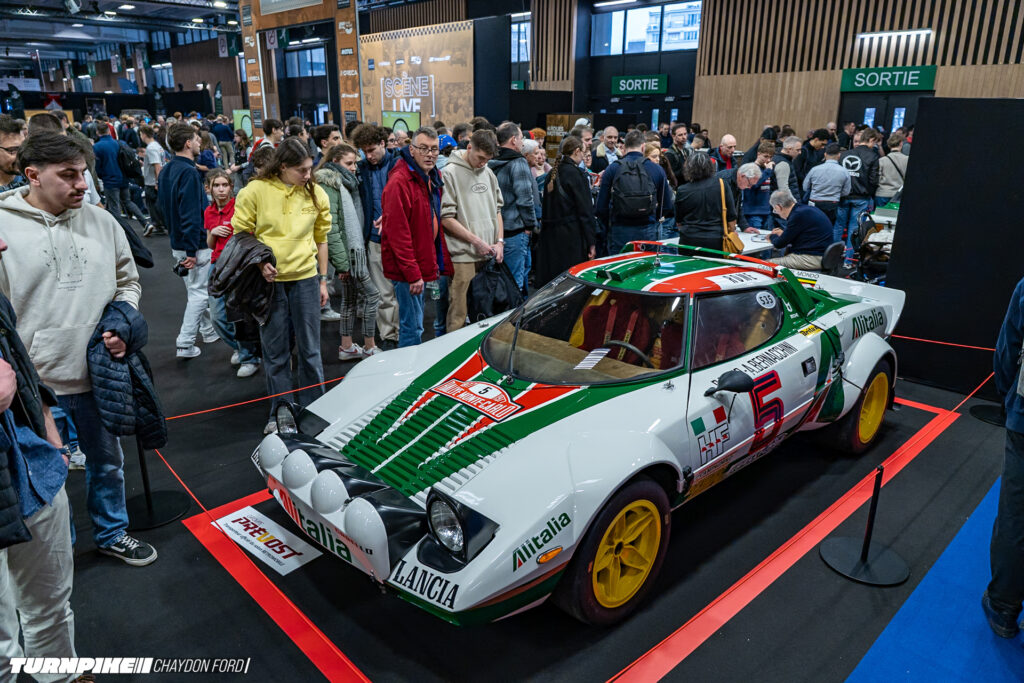
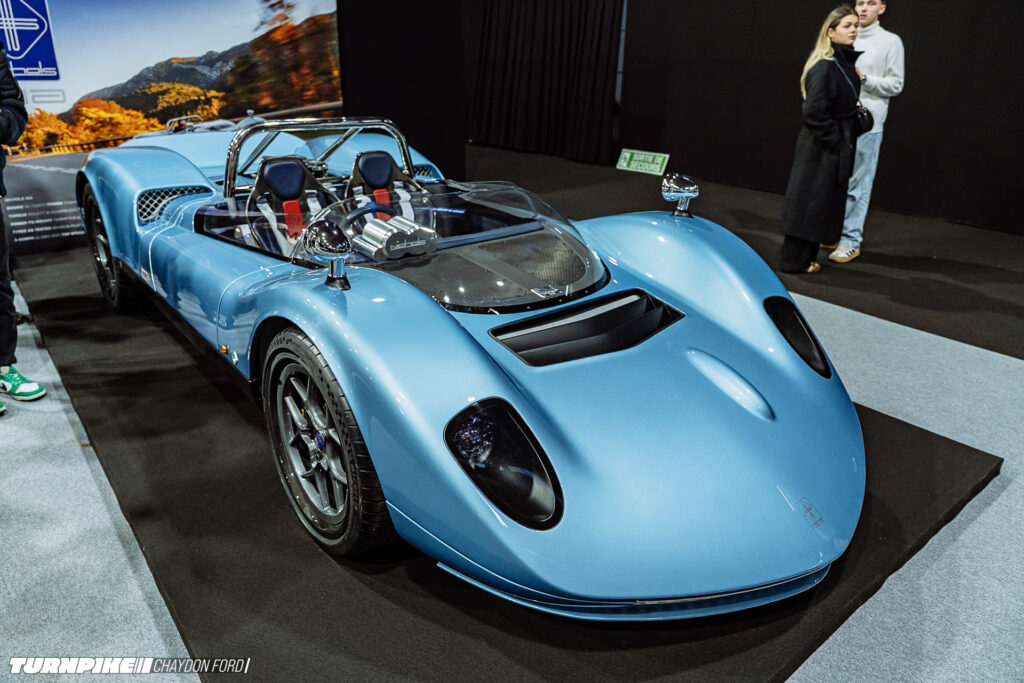
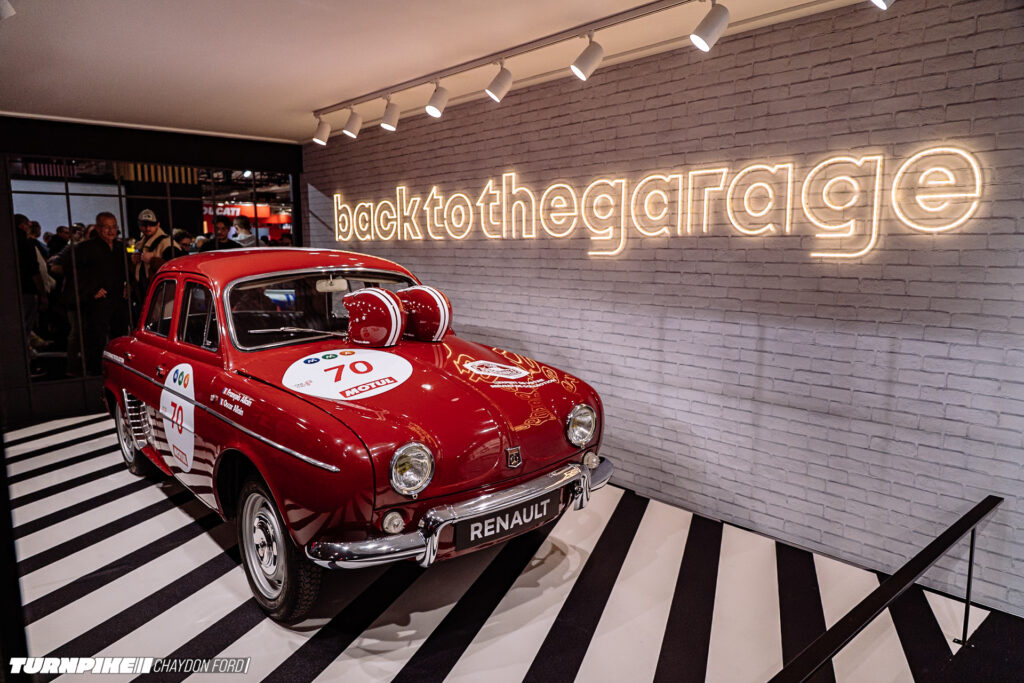
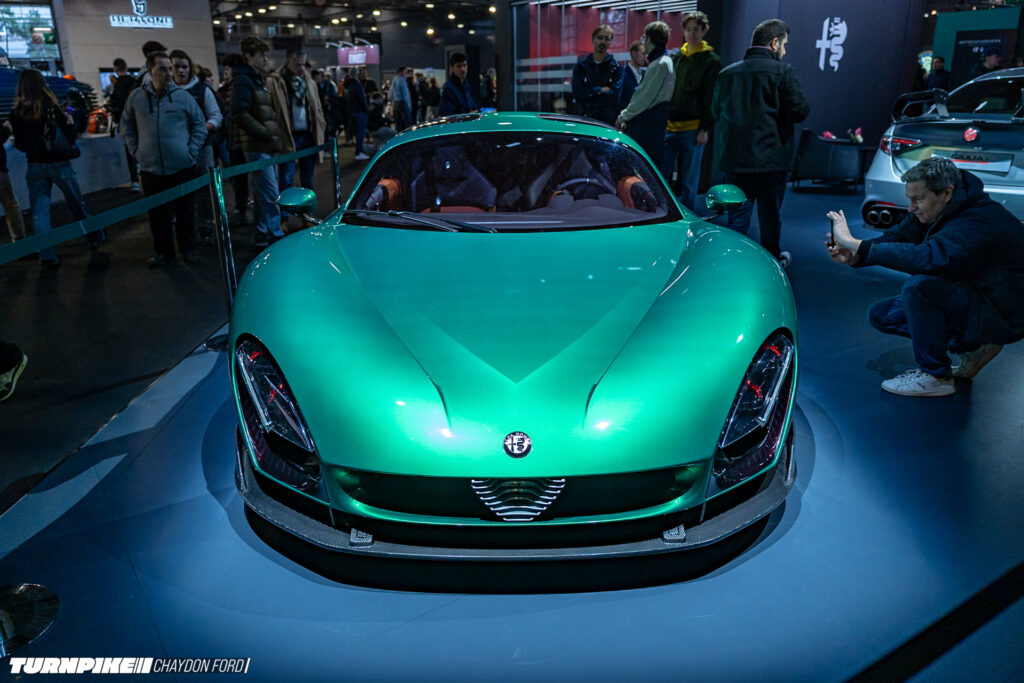
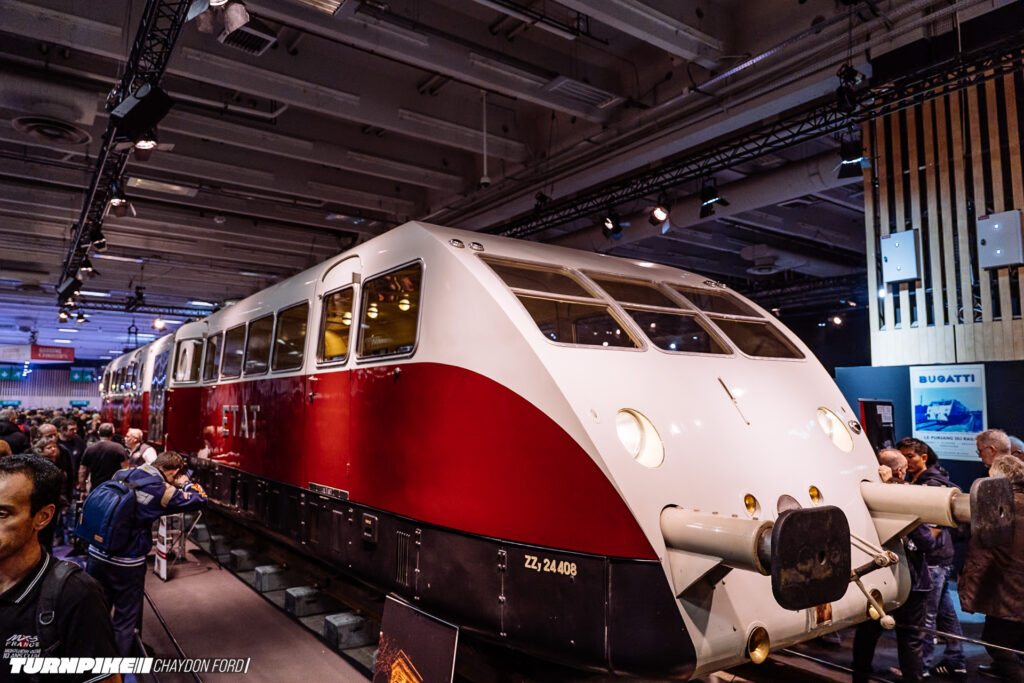
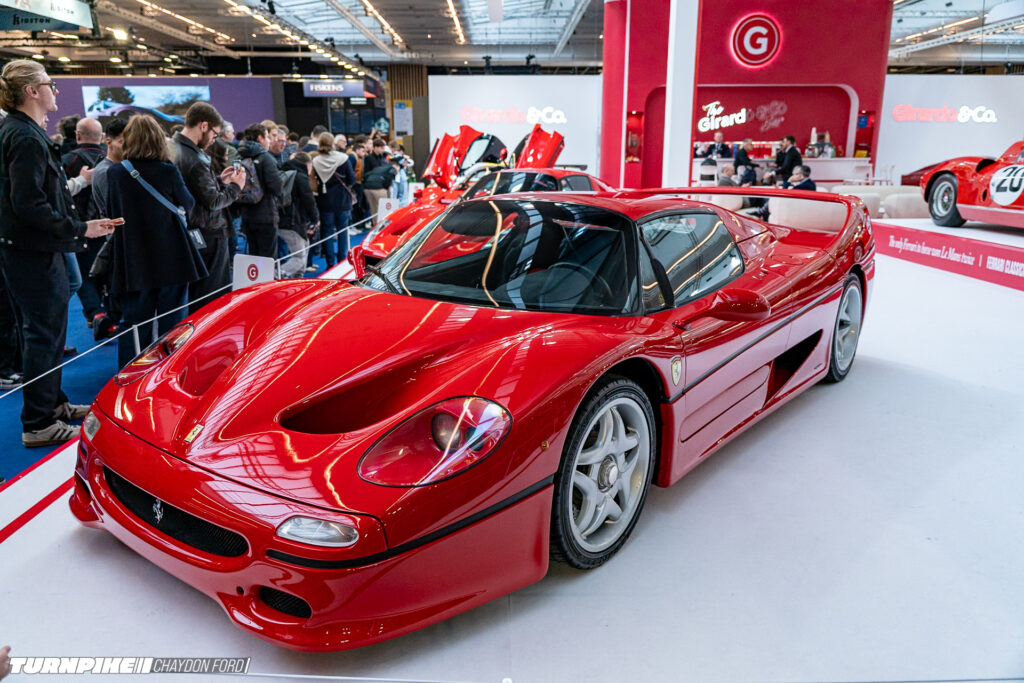
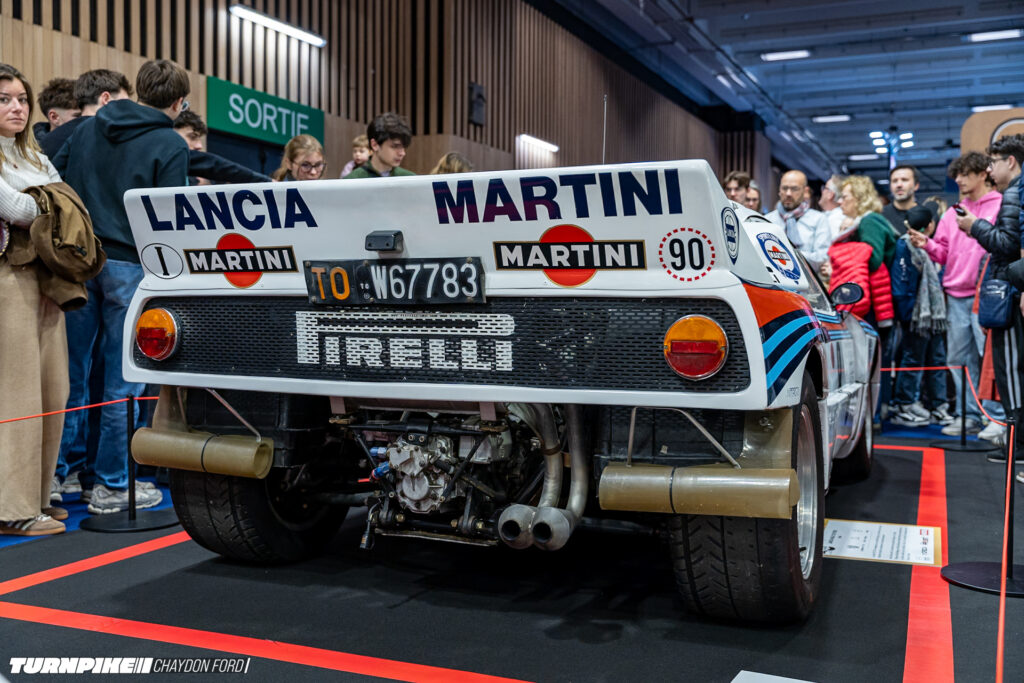
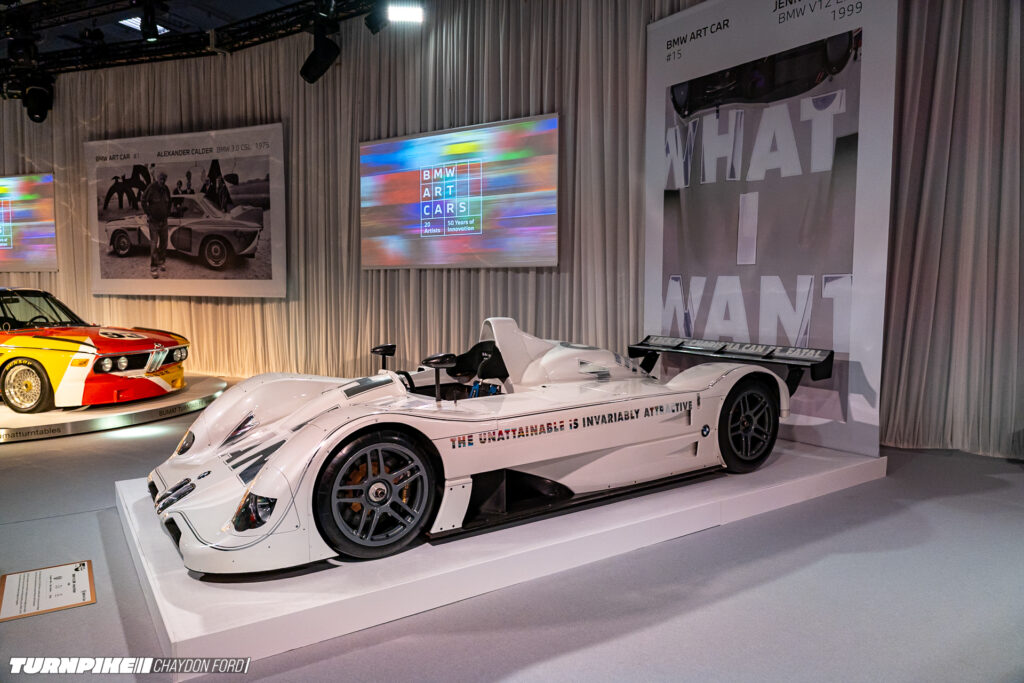
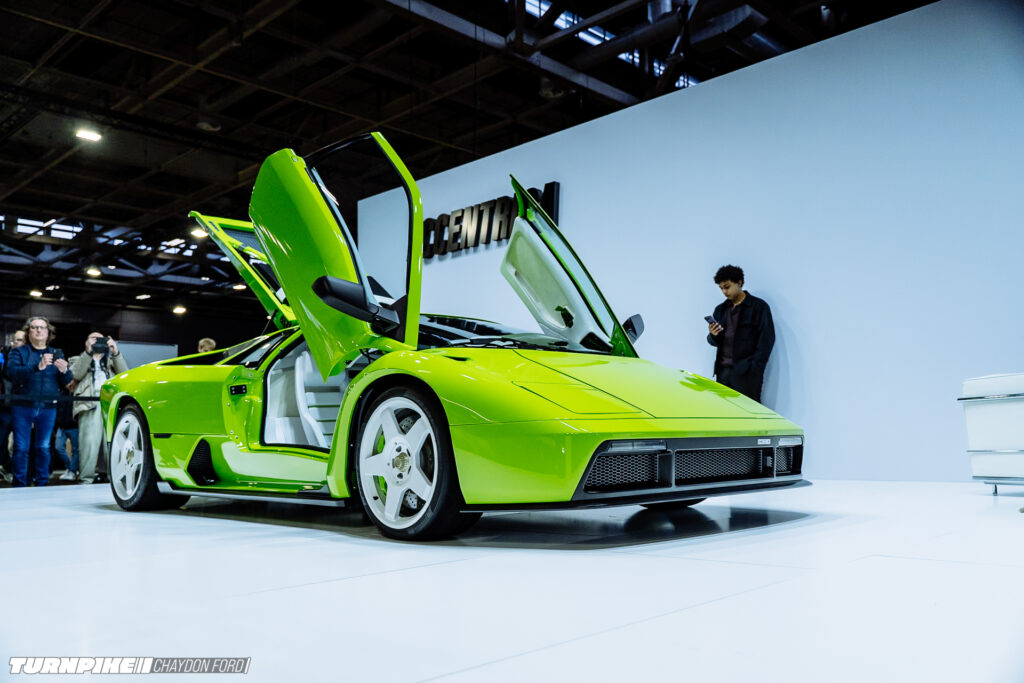
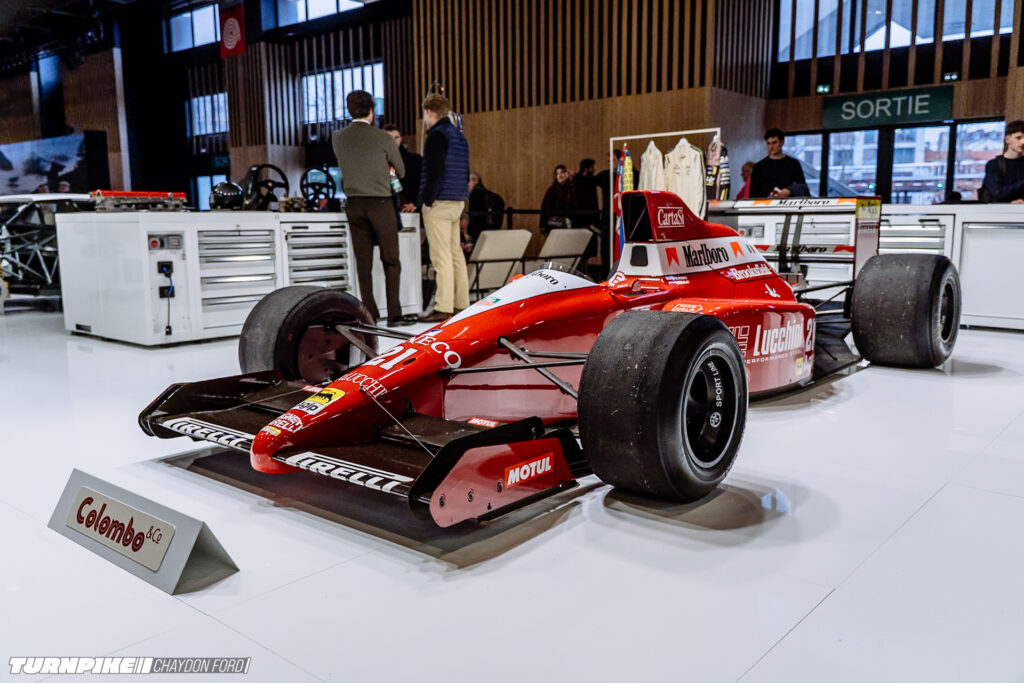
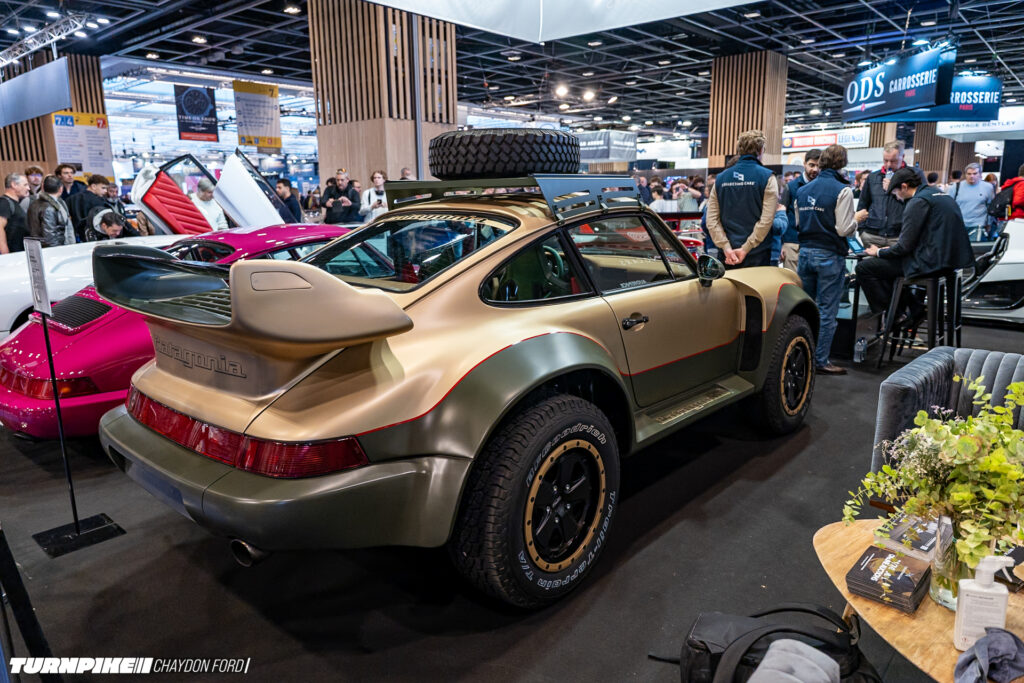
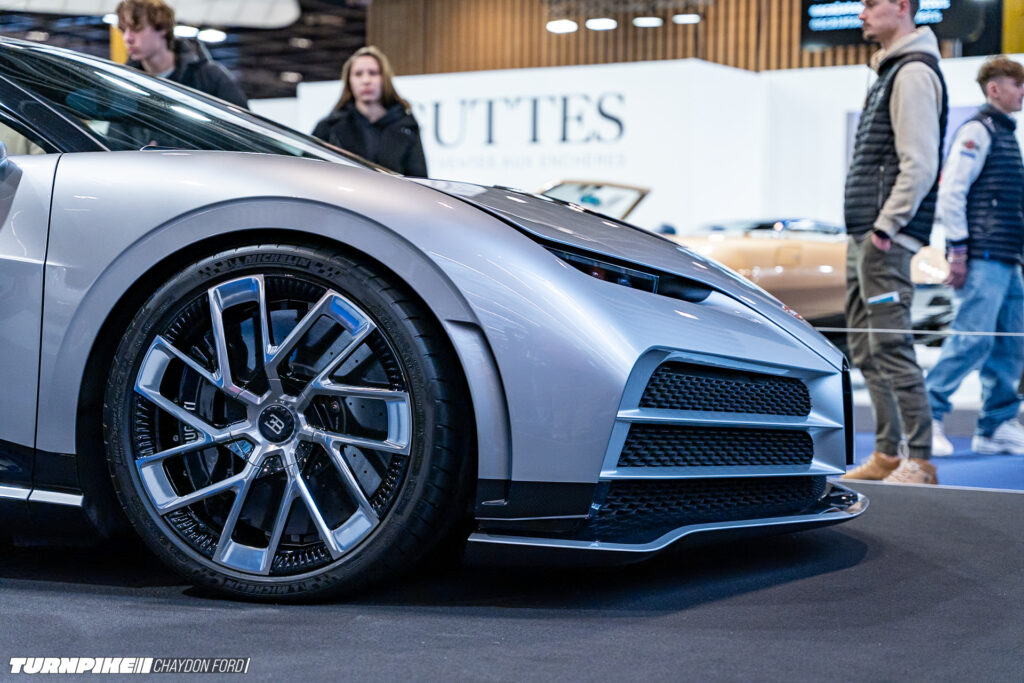
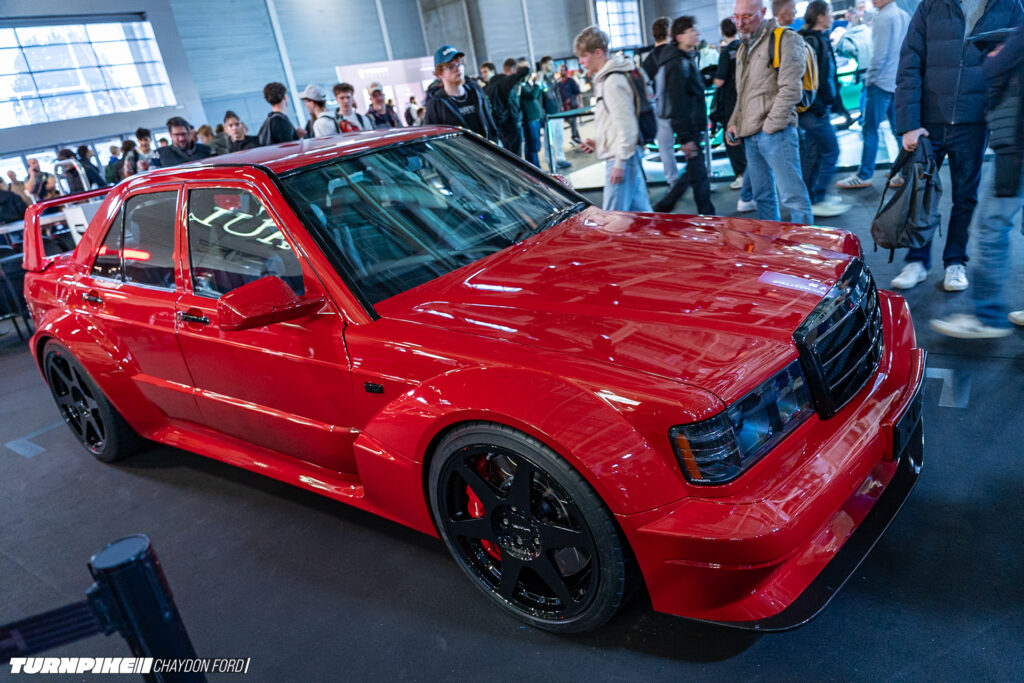
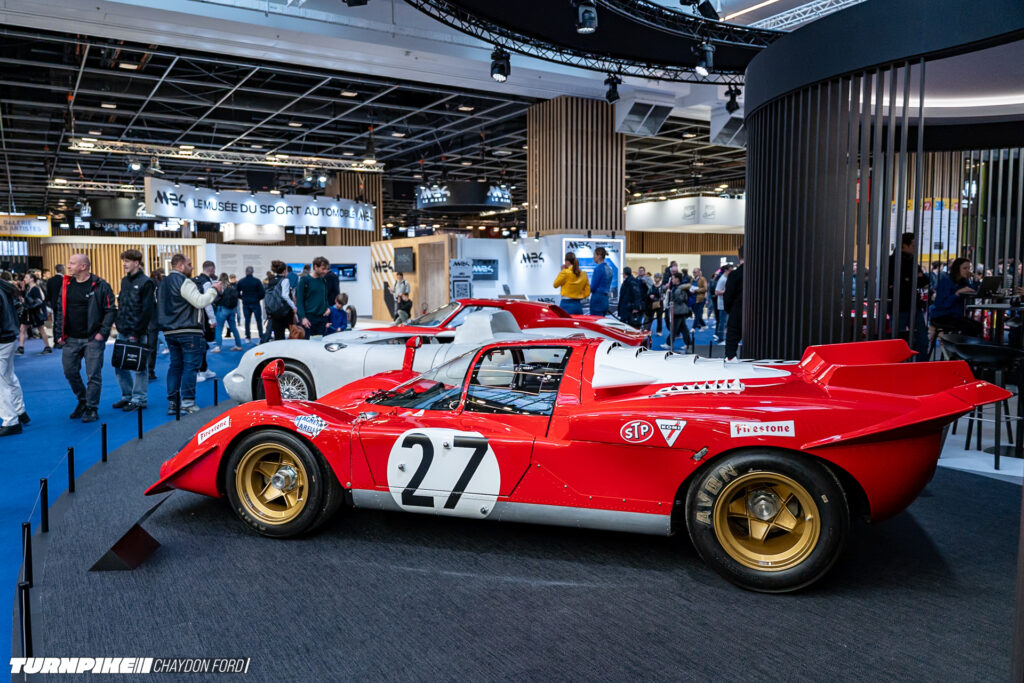
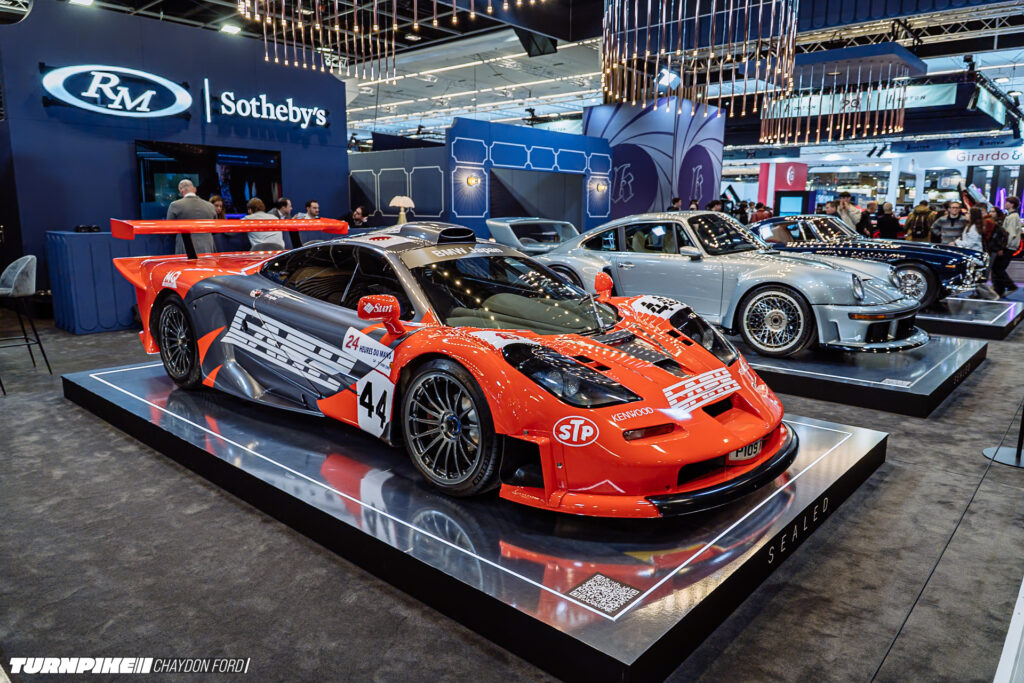
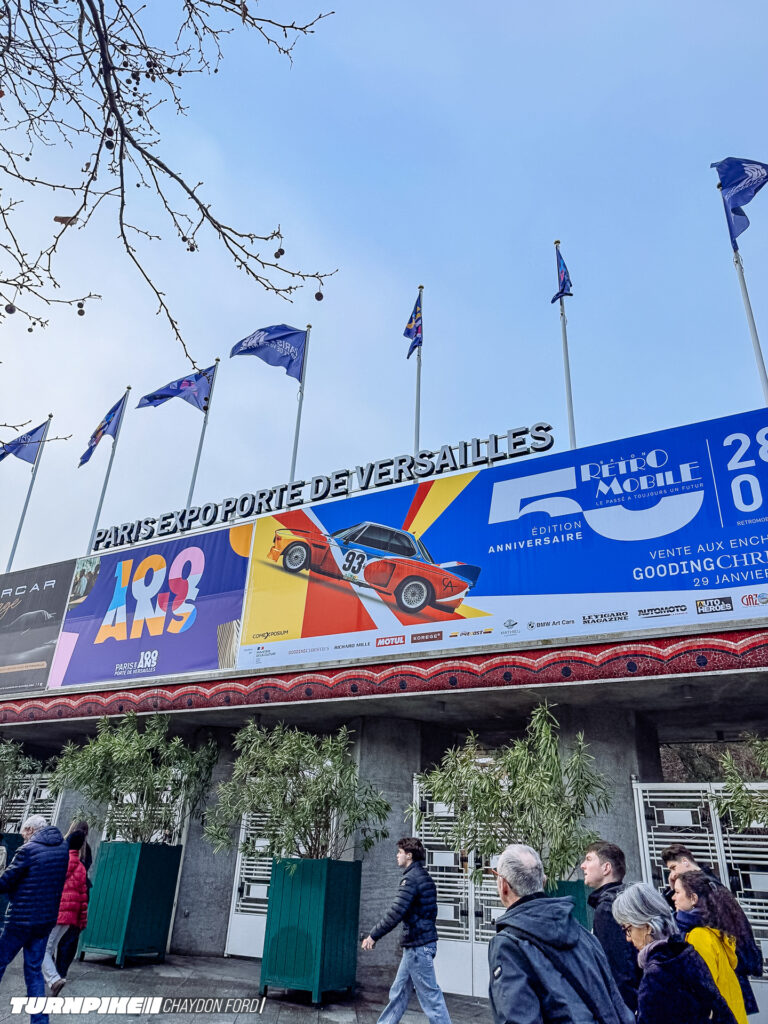
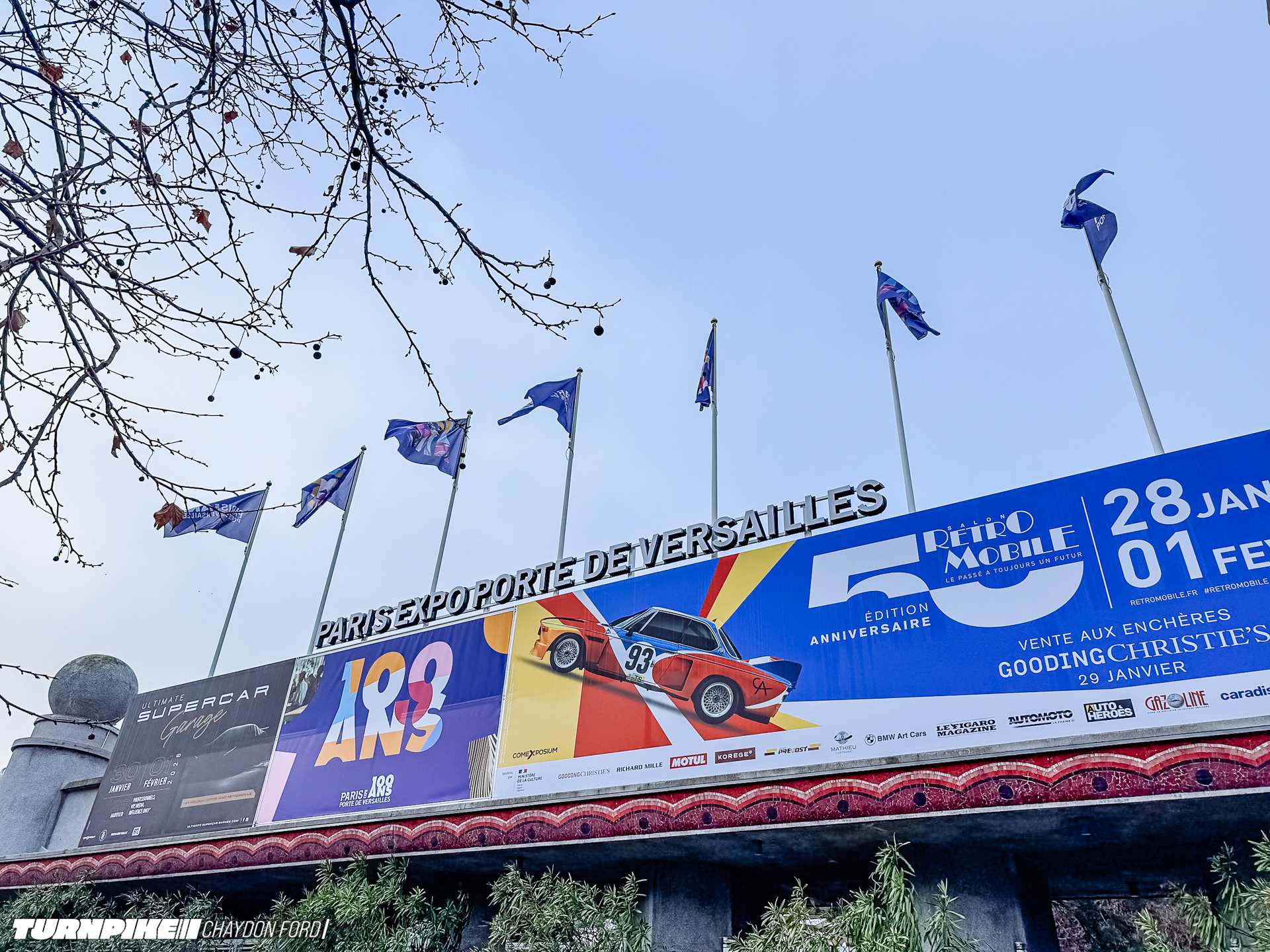
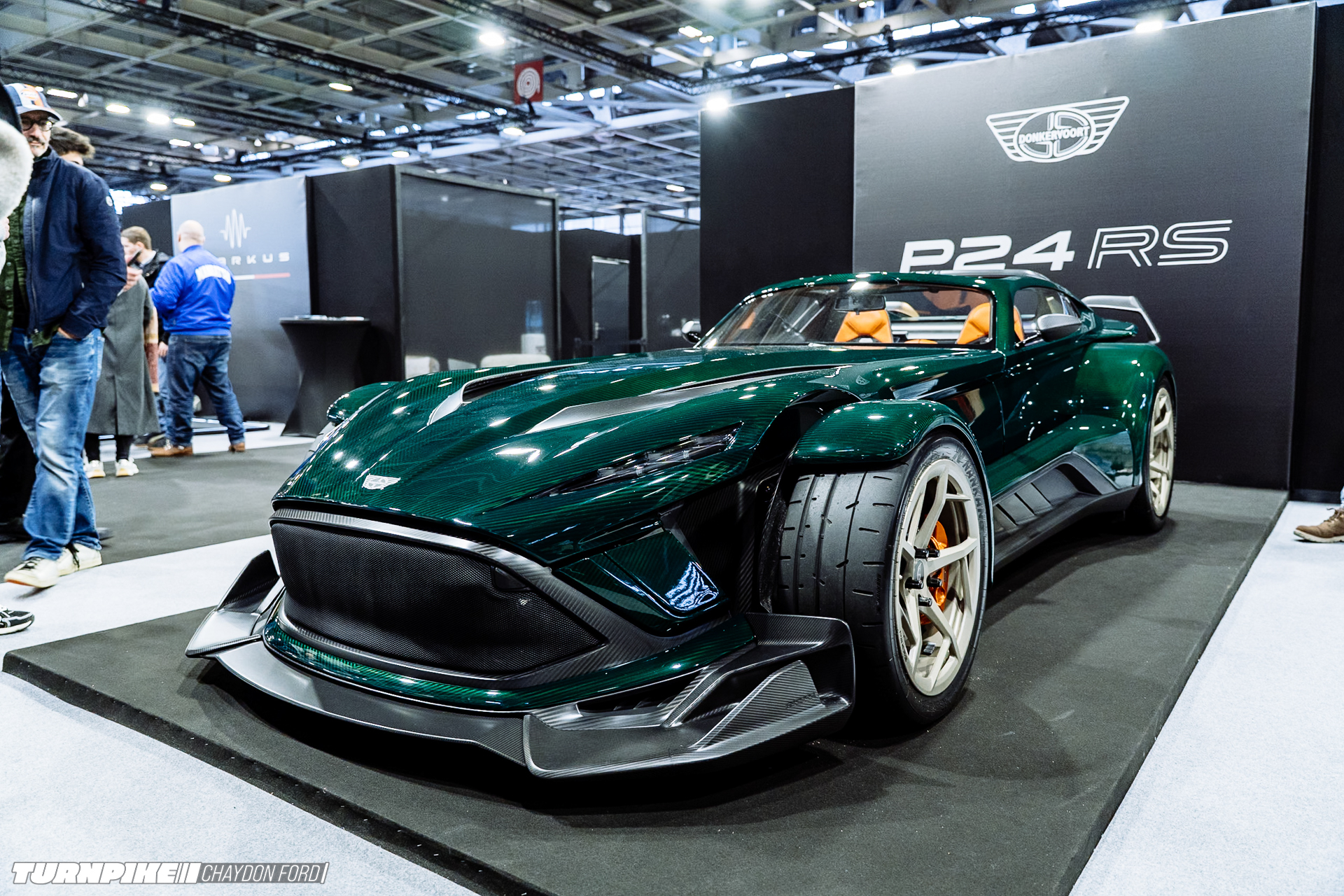
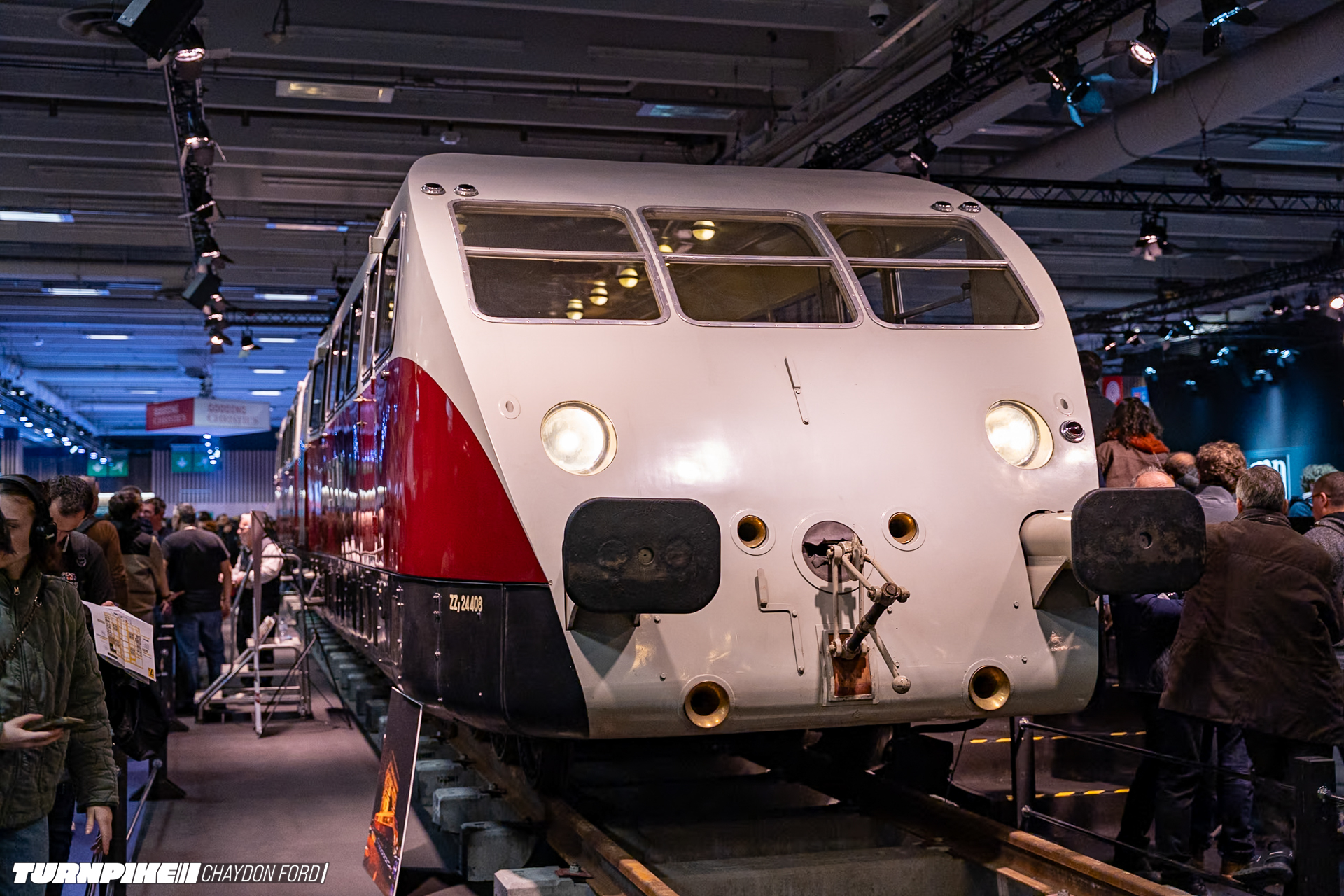
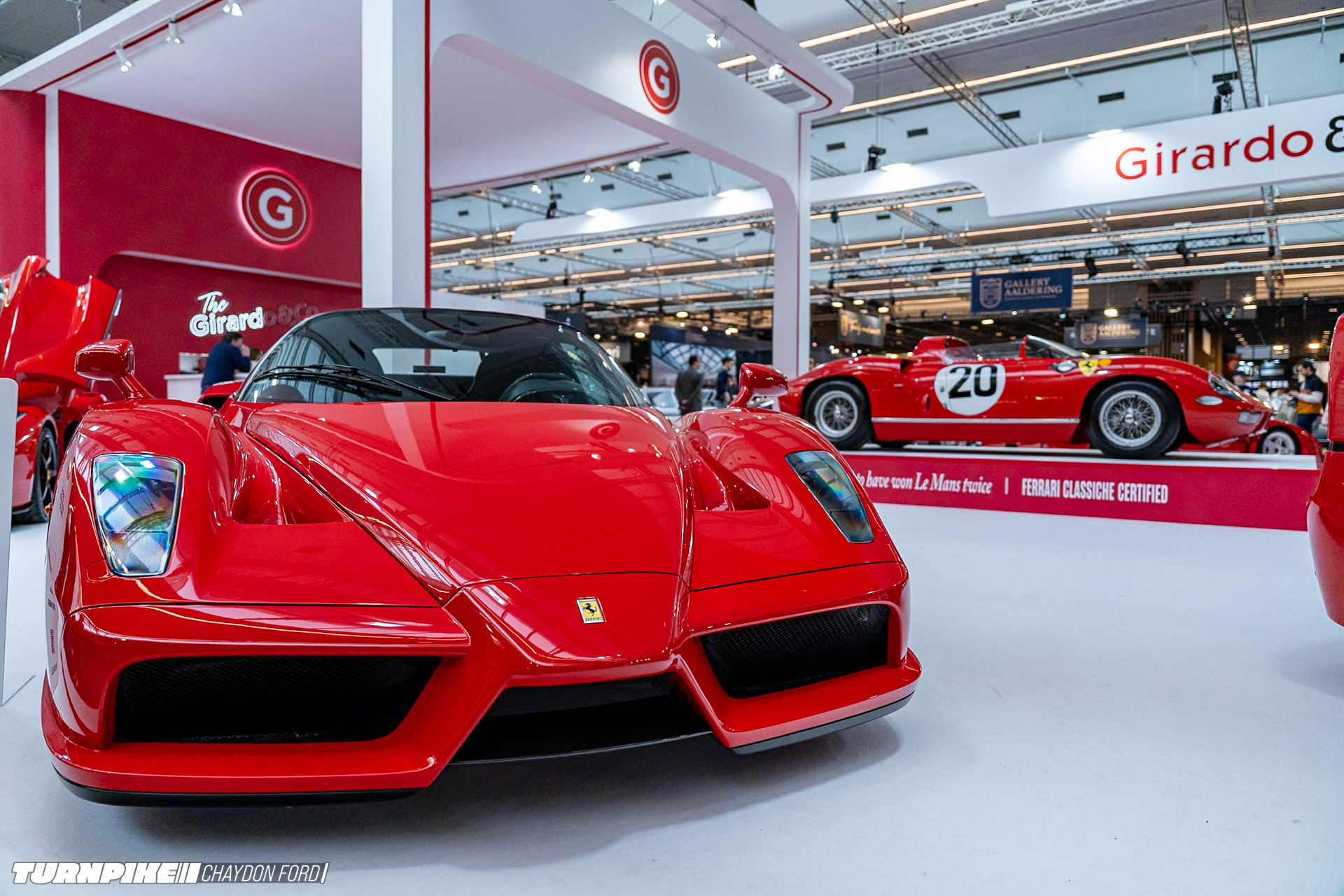
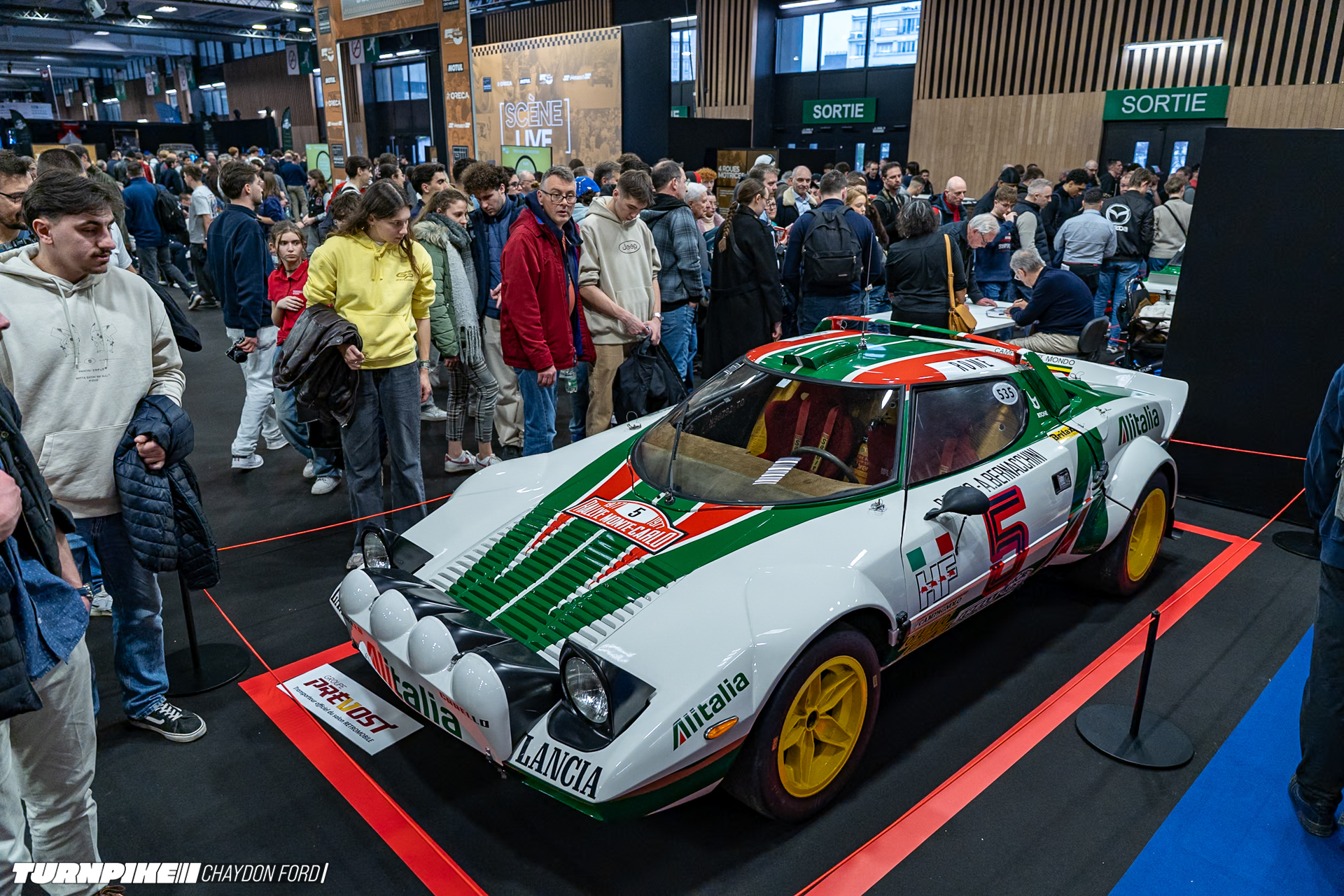
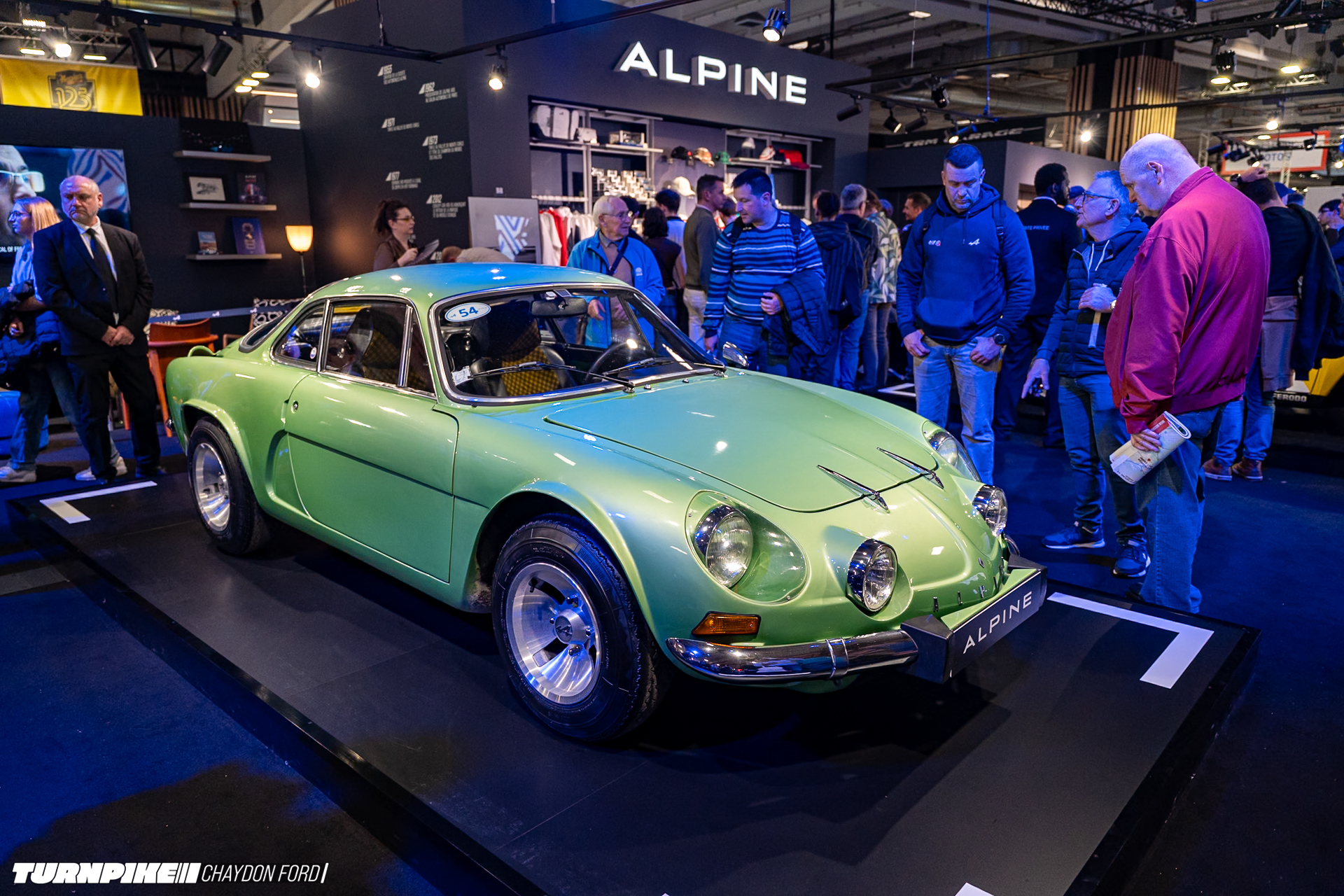
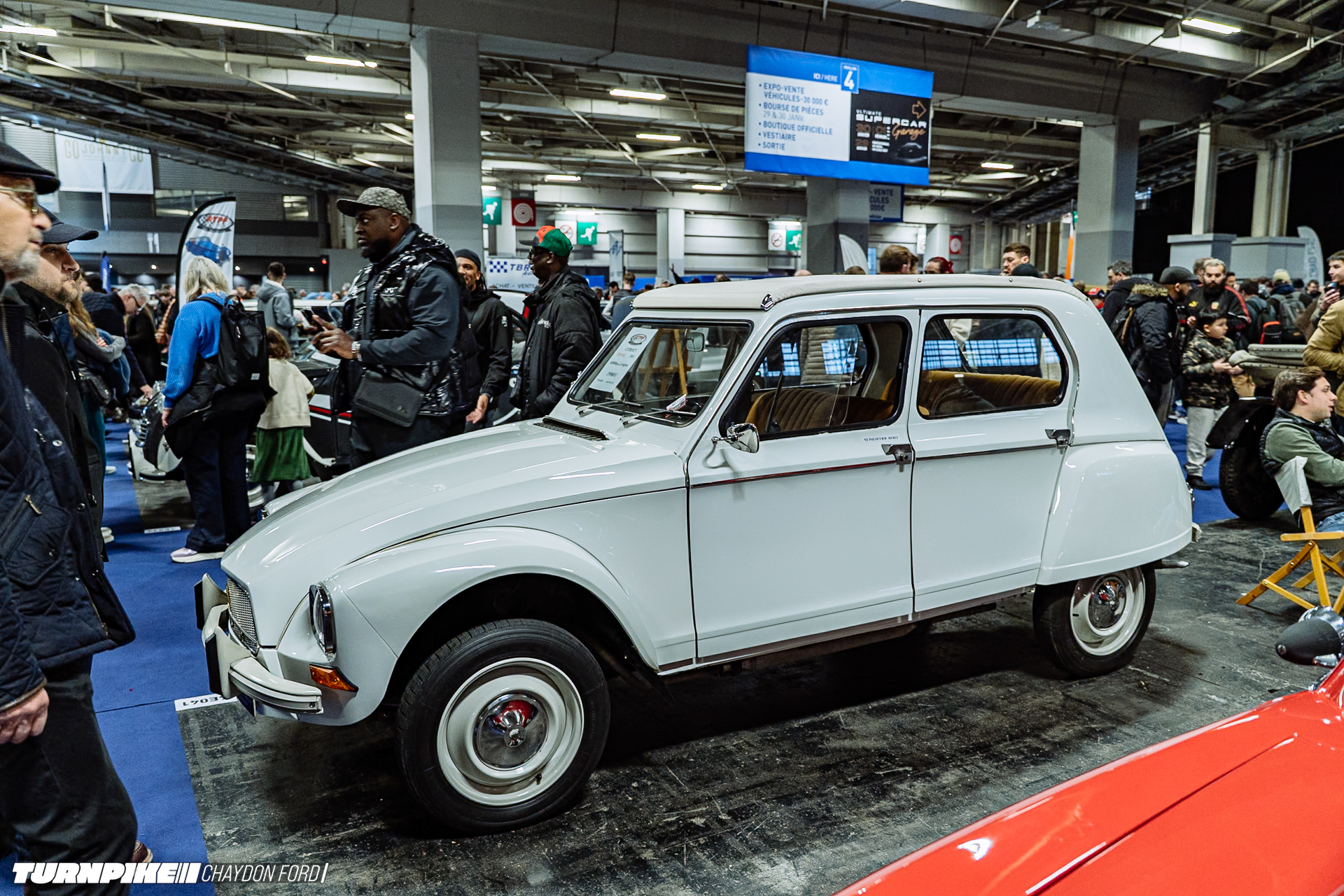
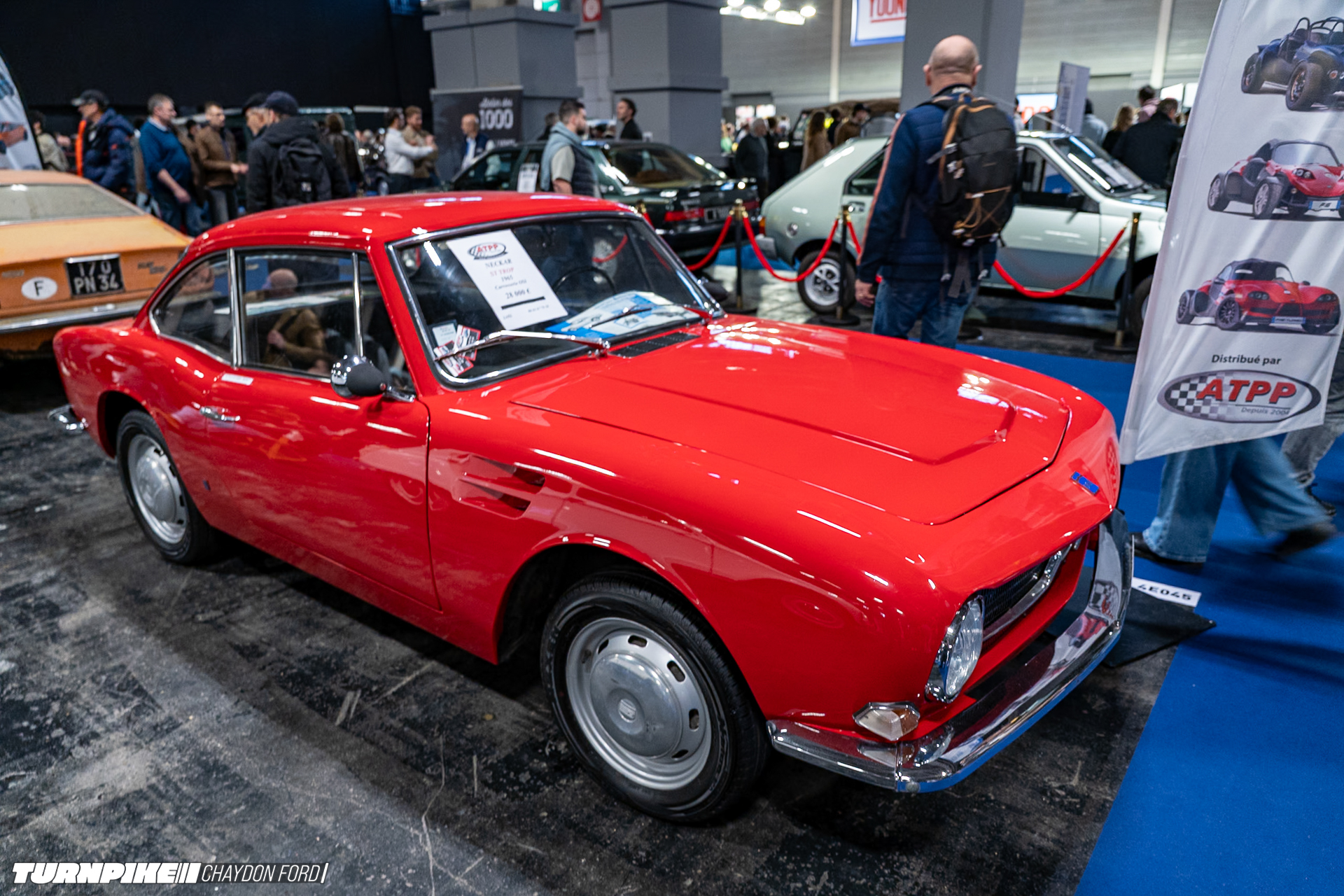
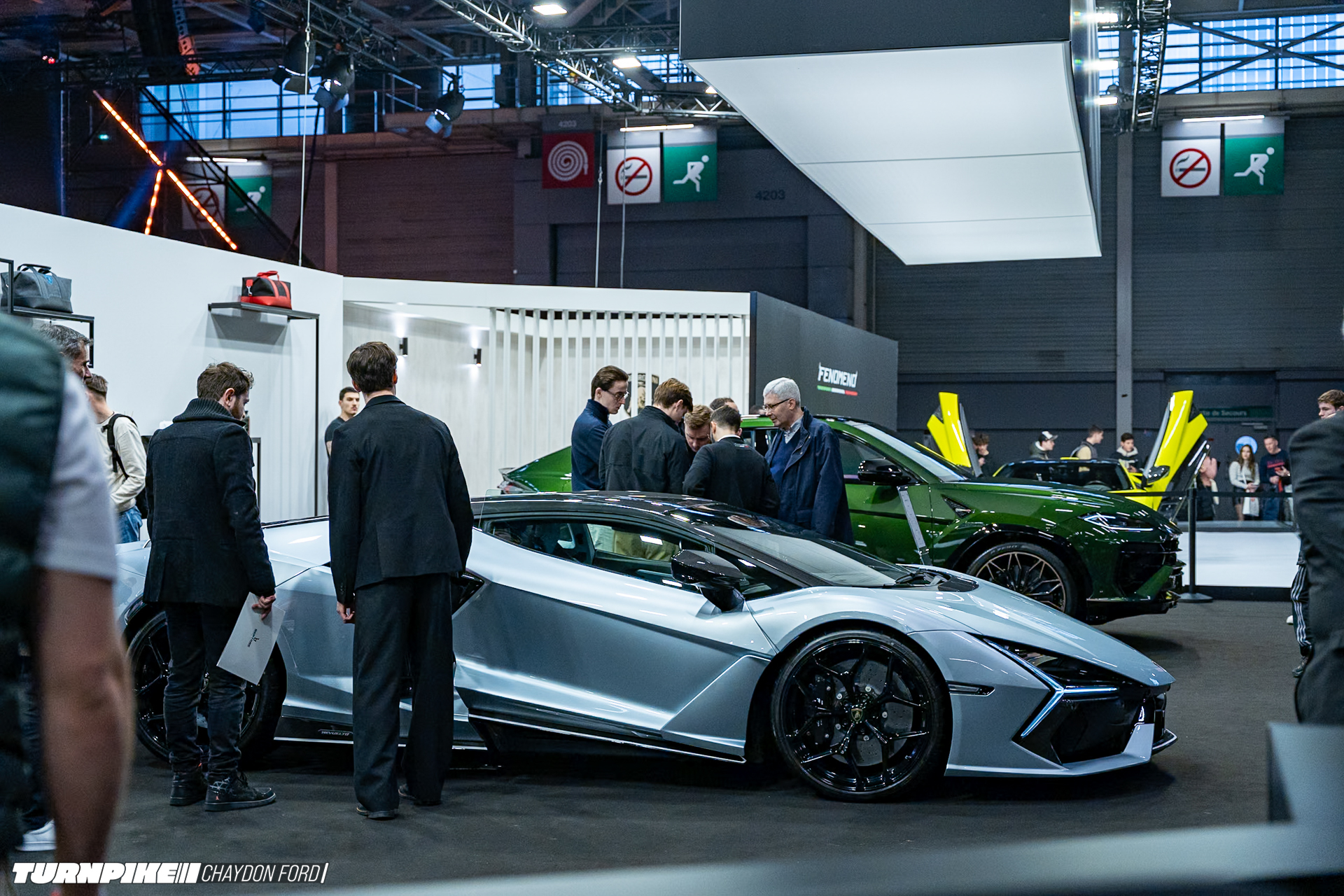
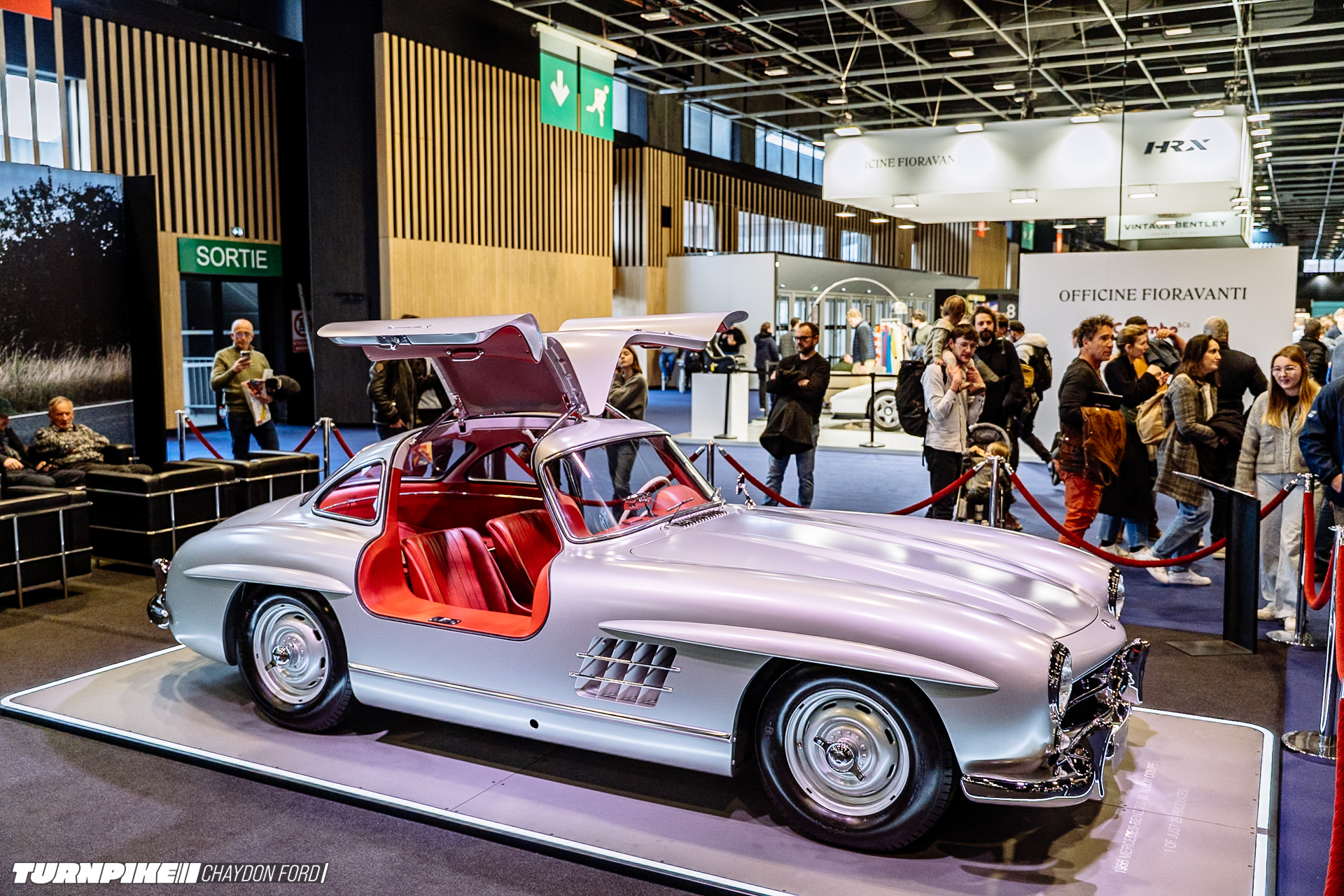
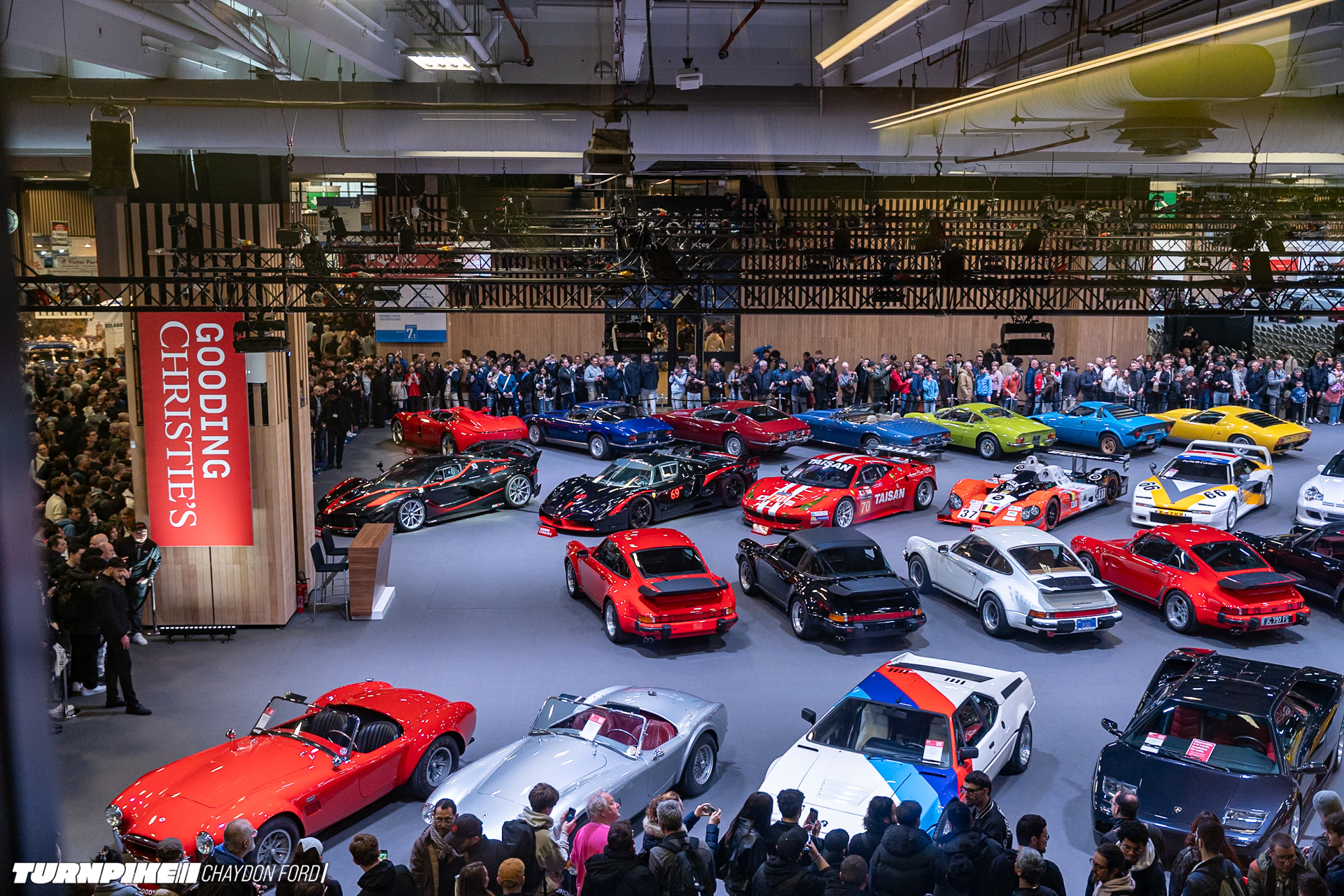
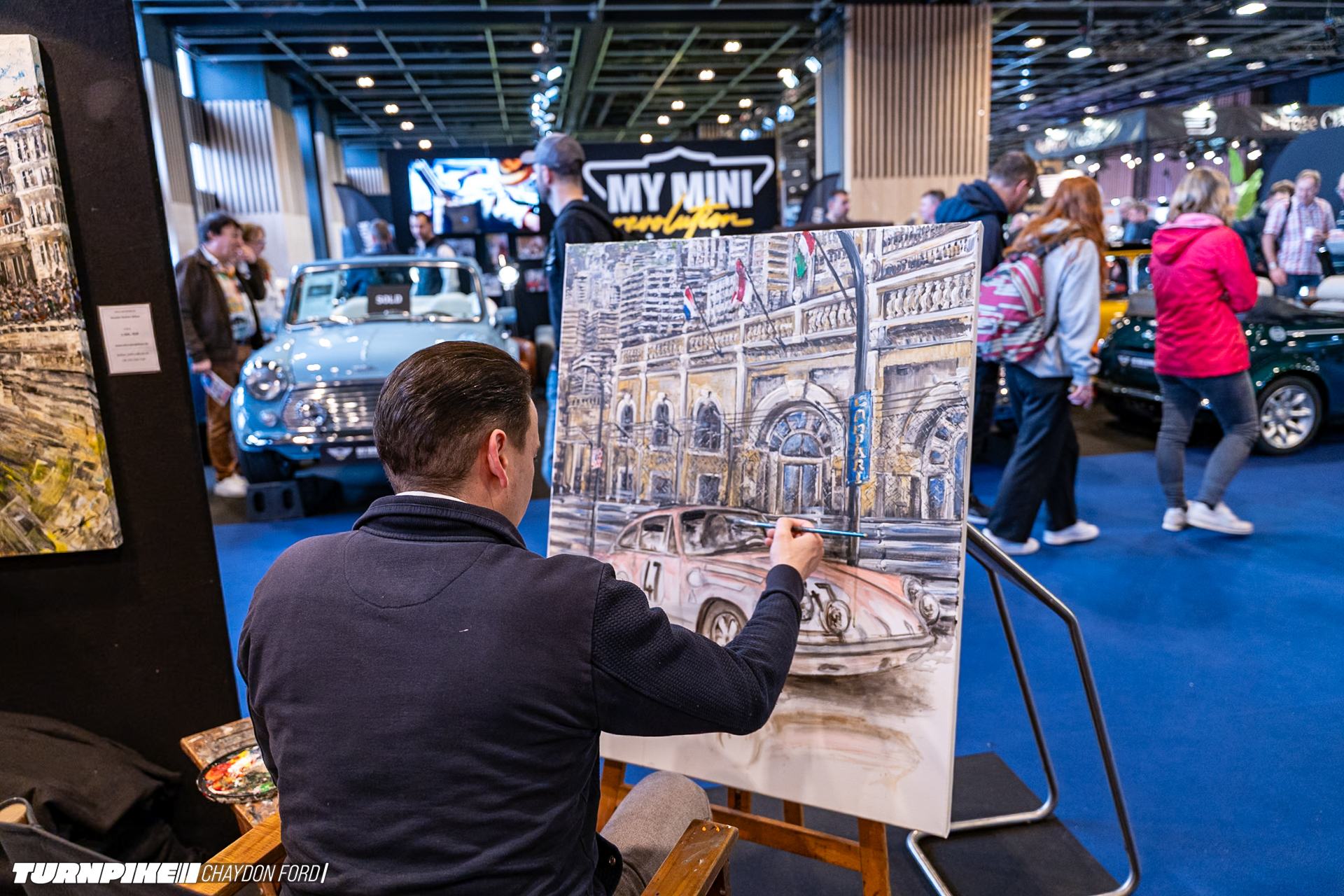
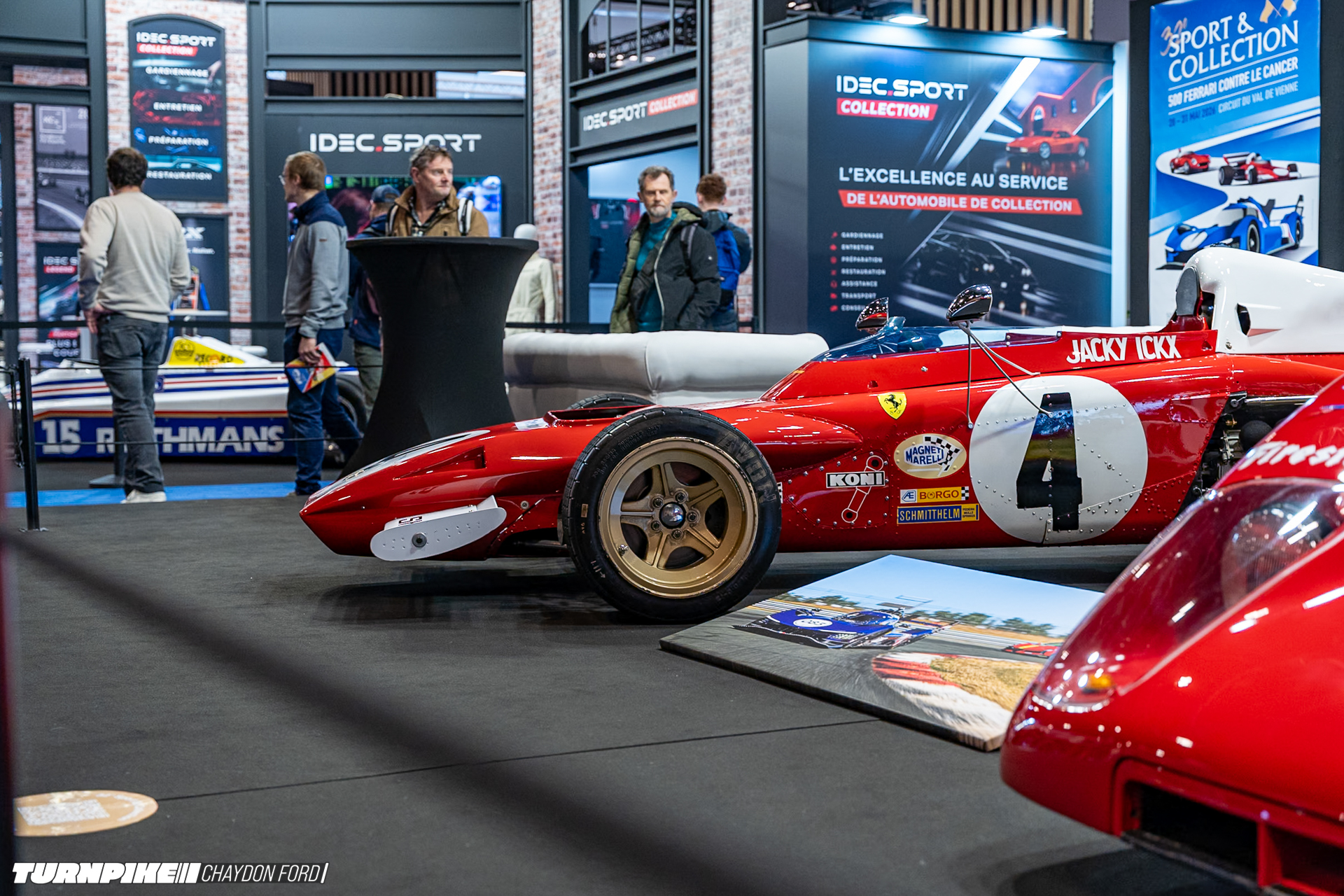
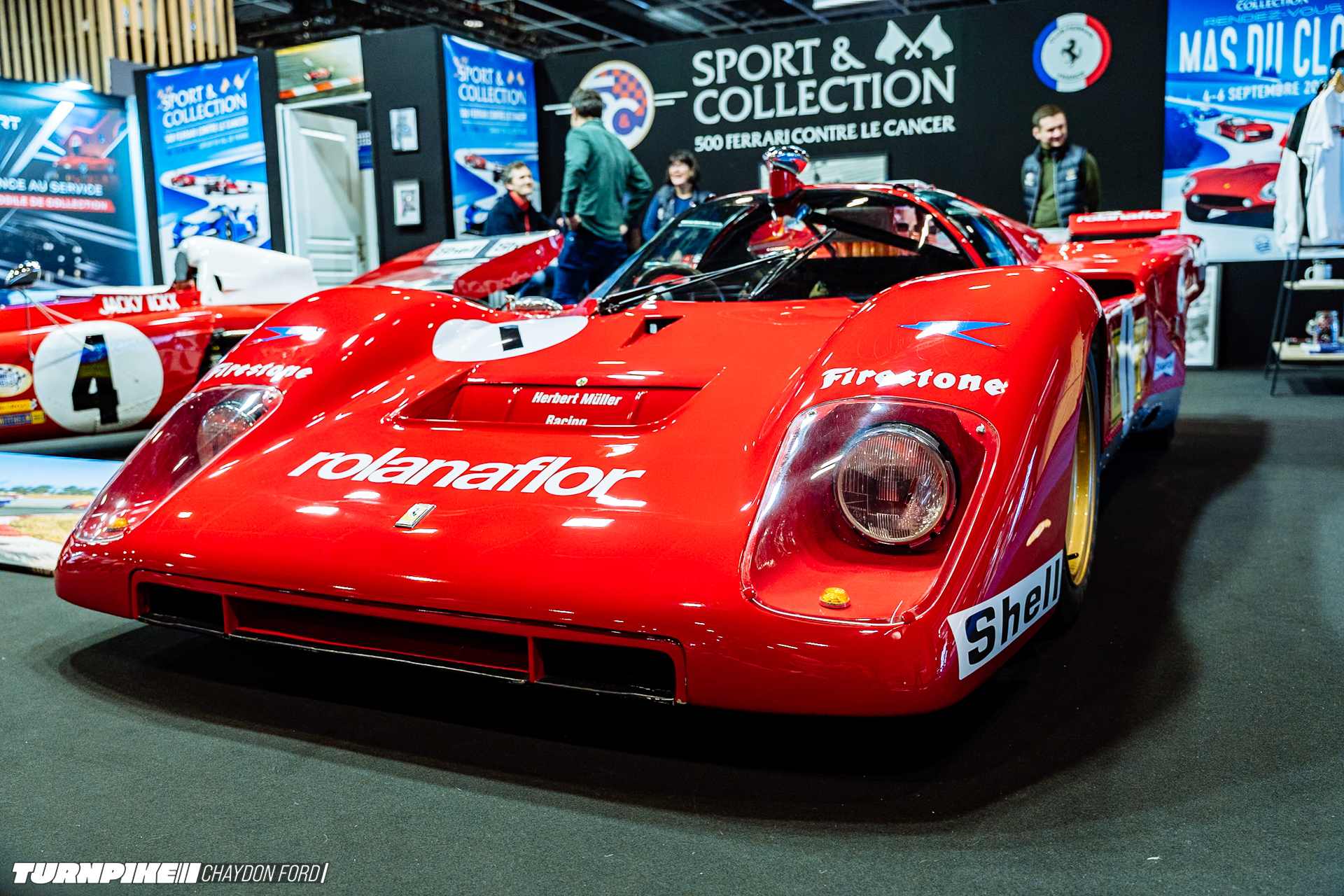
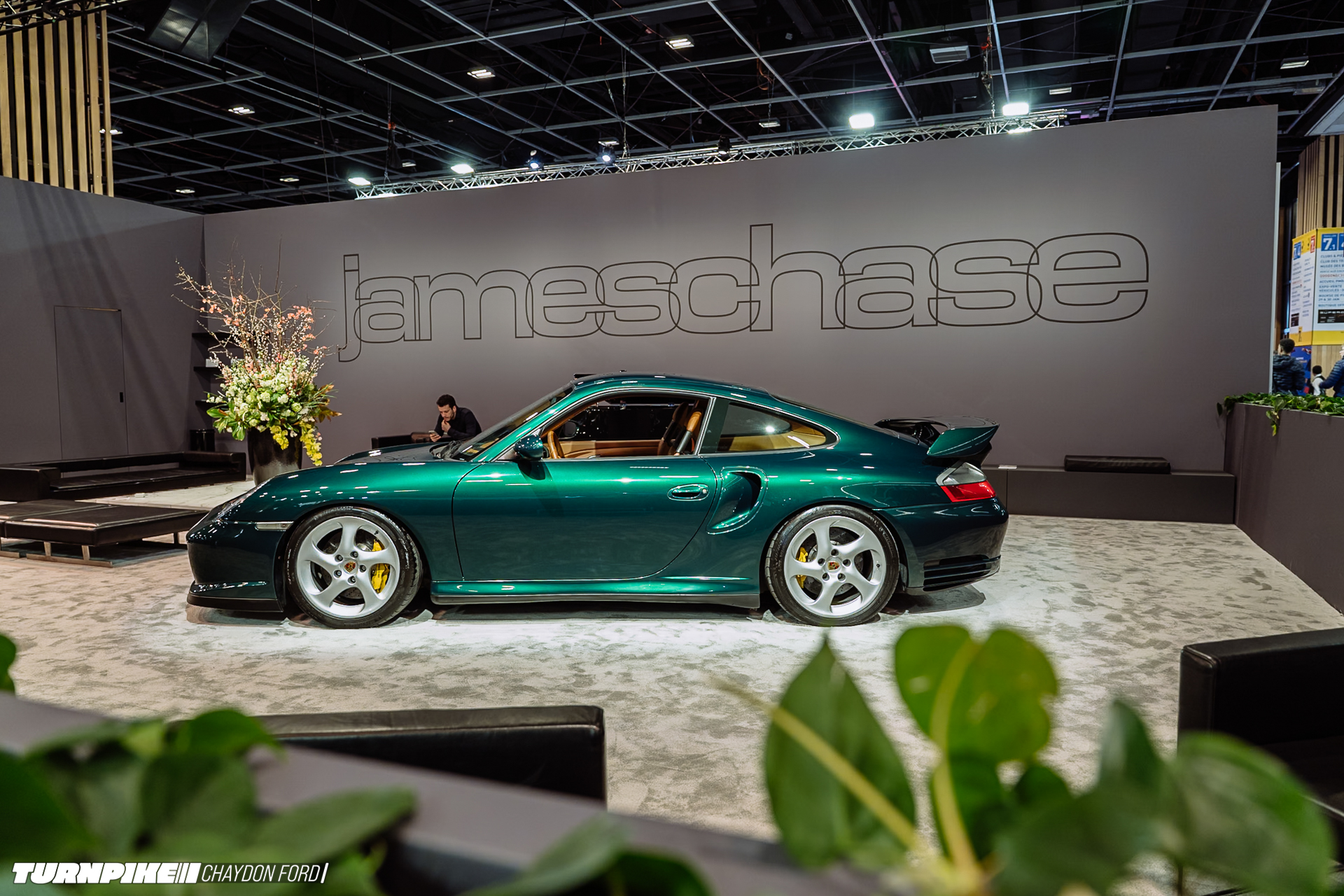
The Paris Expo Porte de Versailles, to give it its full name, filled three vast exhibition halls, alongside a separate hall dedicated to the new-for-this-year Supercar Garage. Hundreds upon hundreds of cars were carefully curated across dozens of stands. Entry cost £30 at the door, bringing the running total to £341.
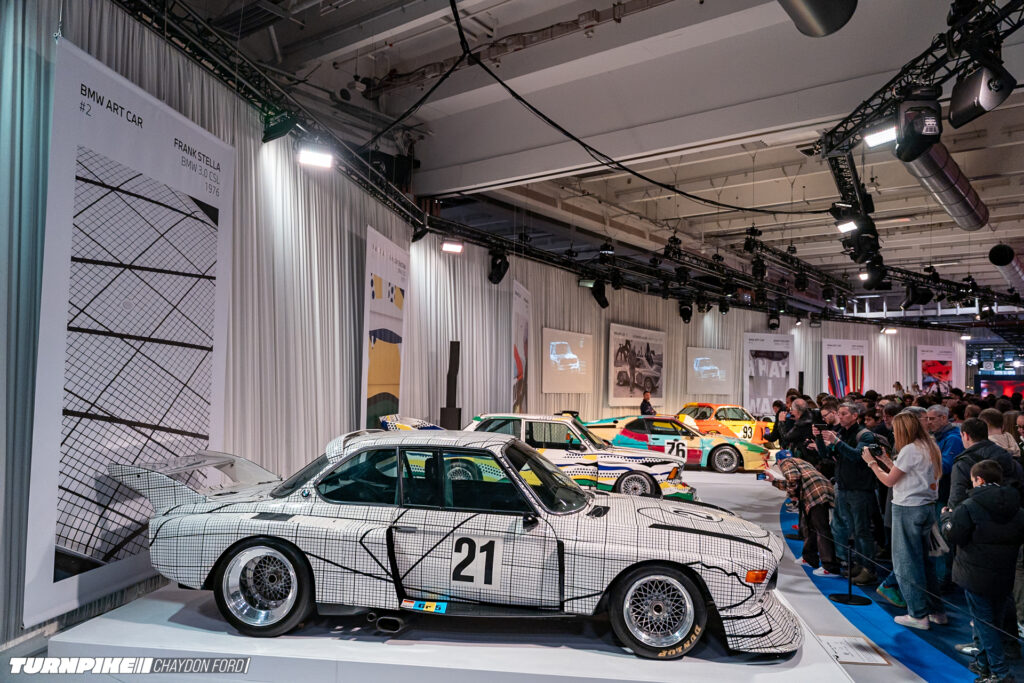
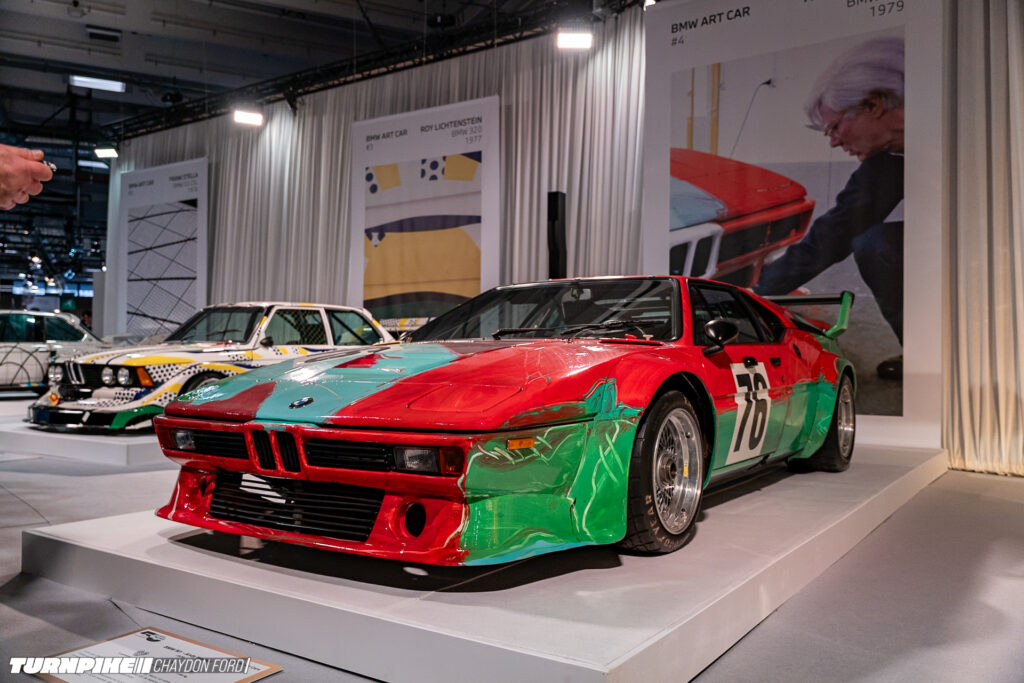
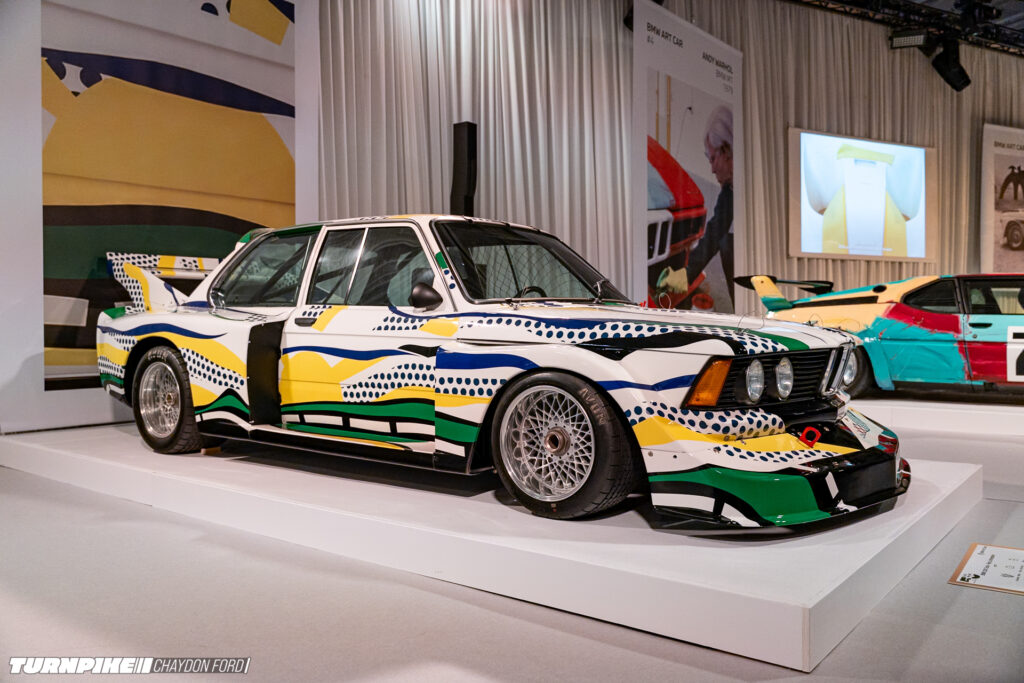
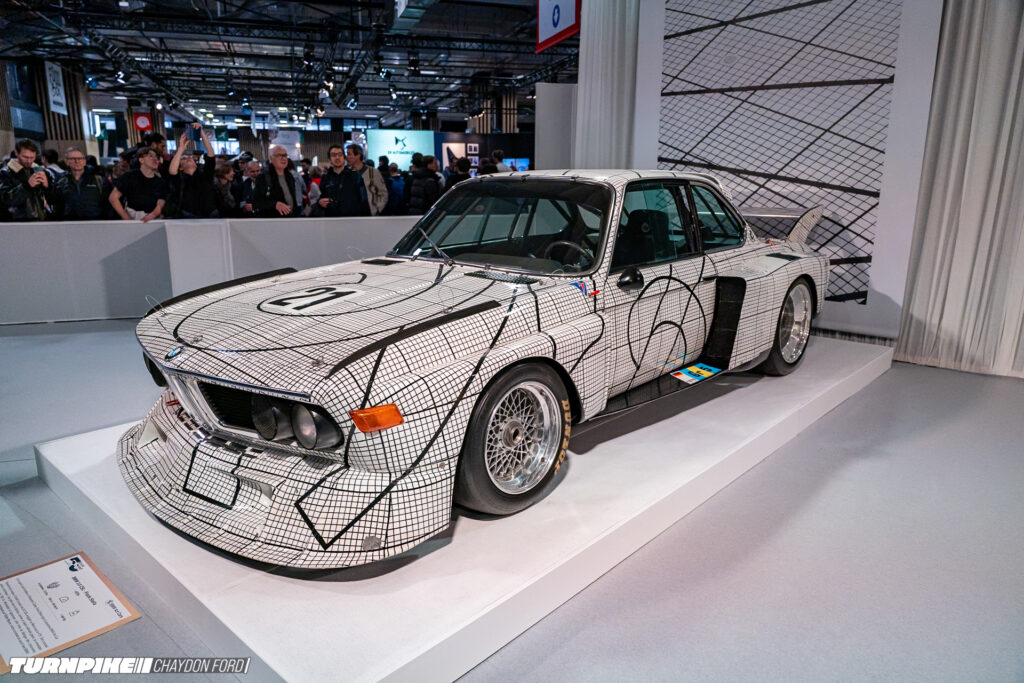
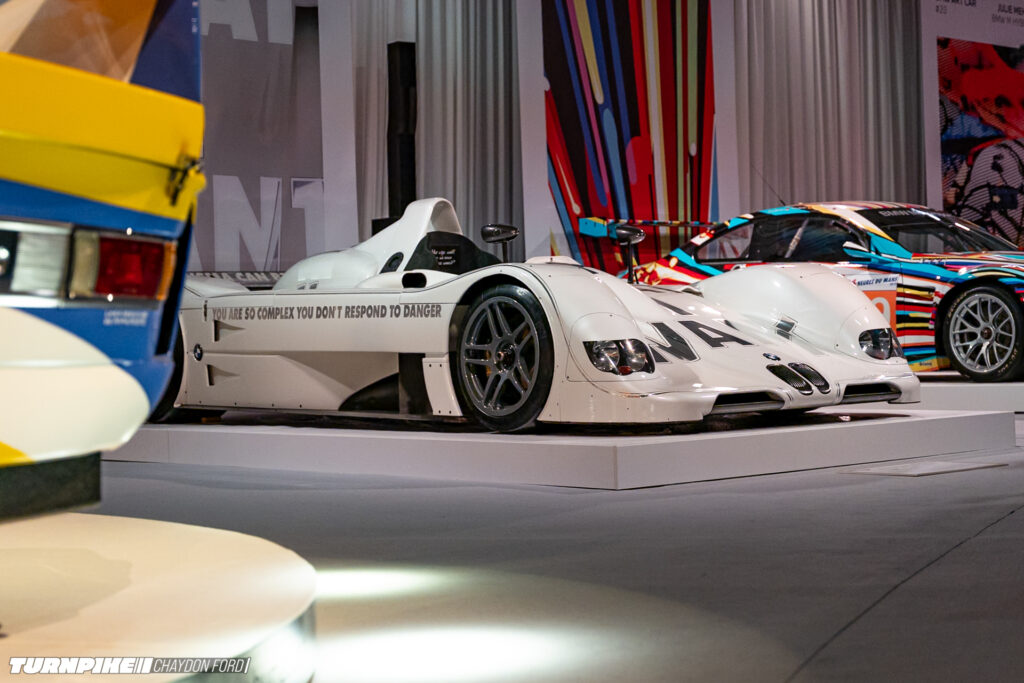
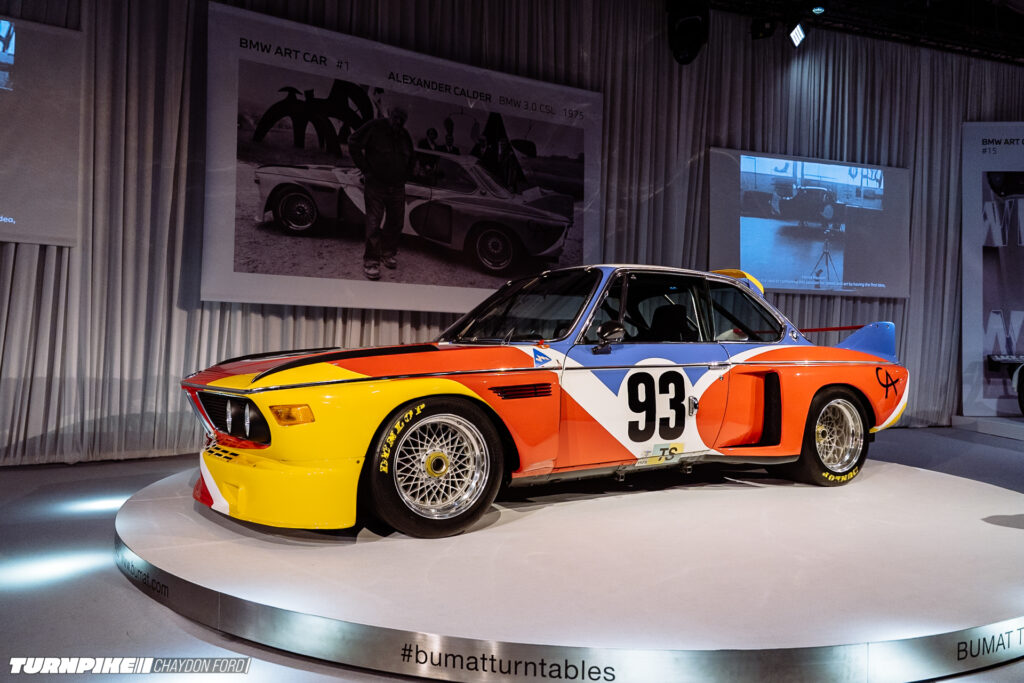
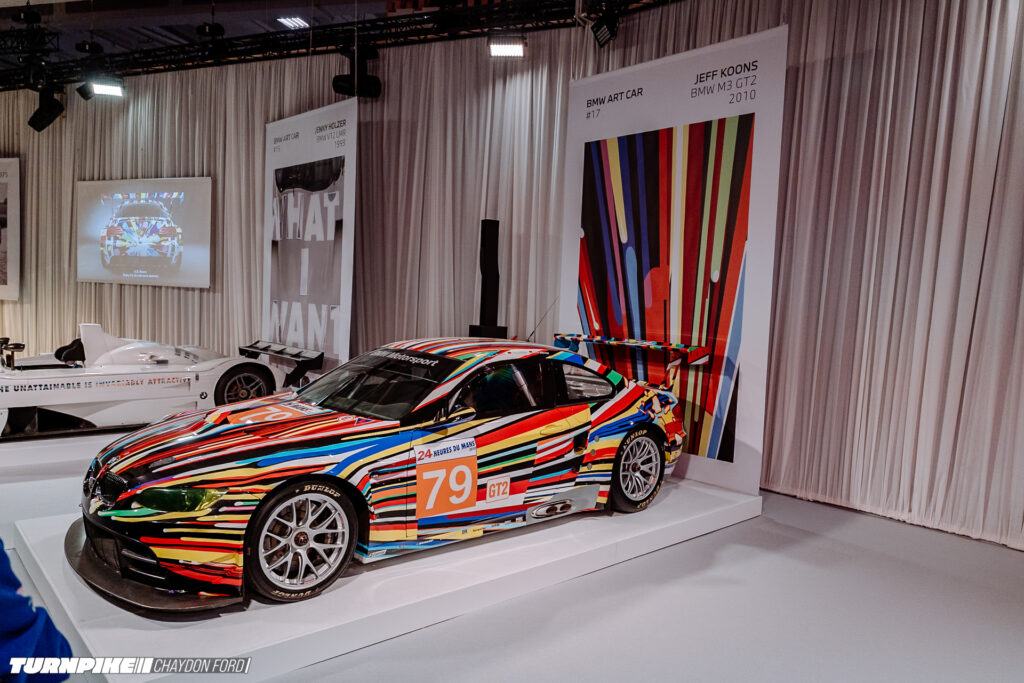
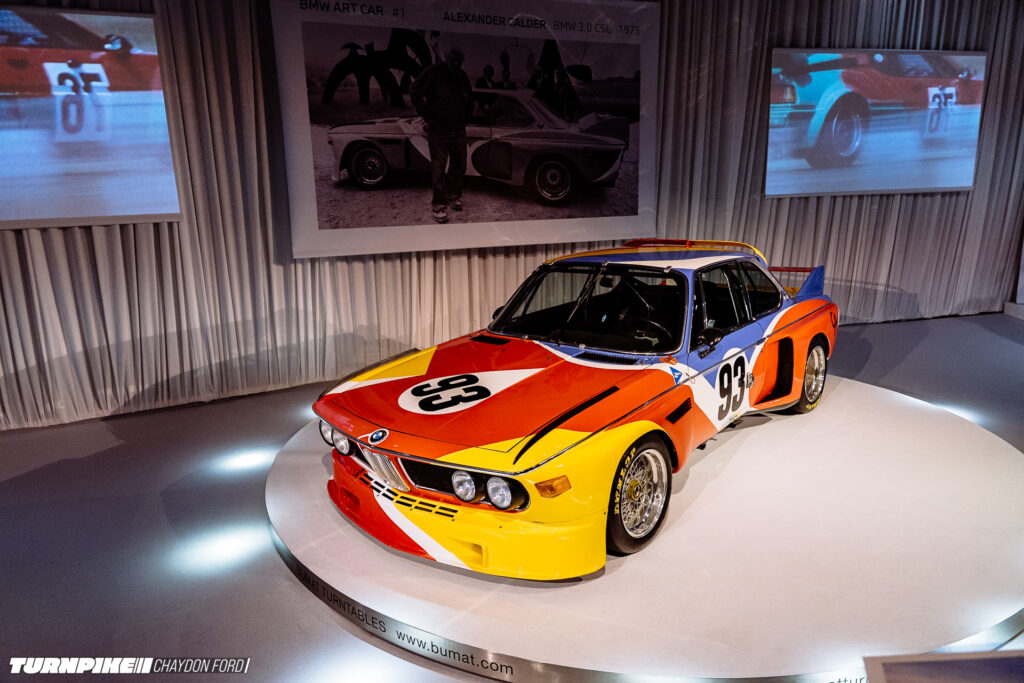
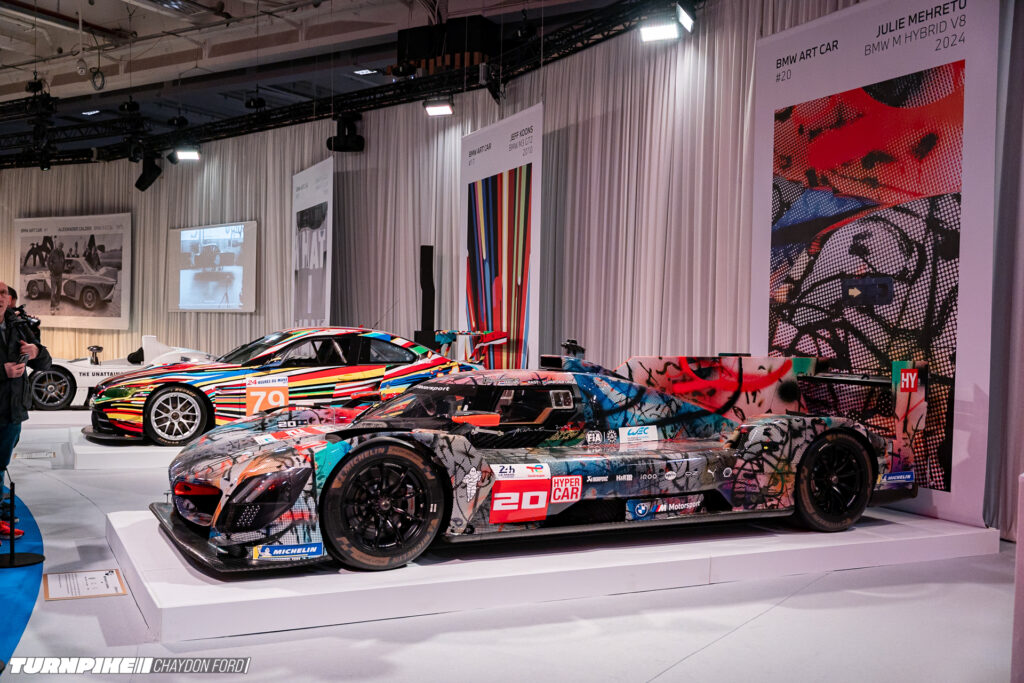
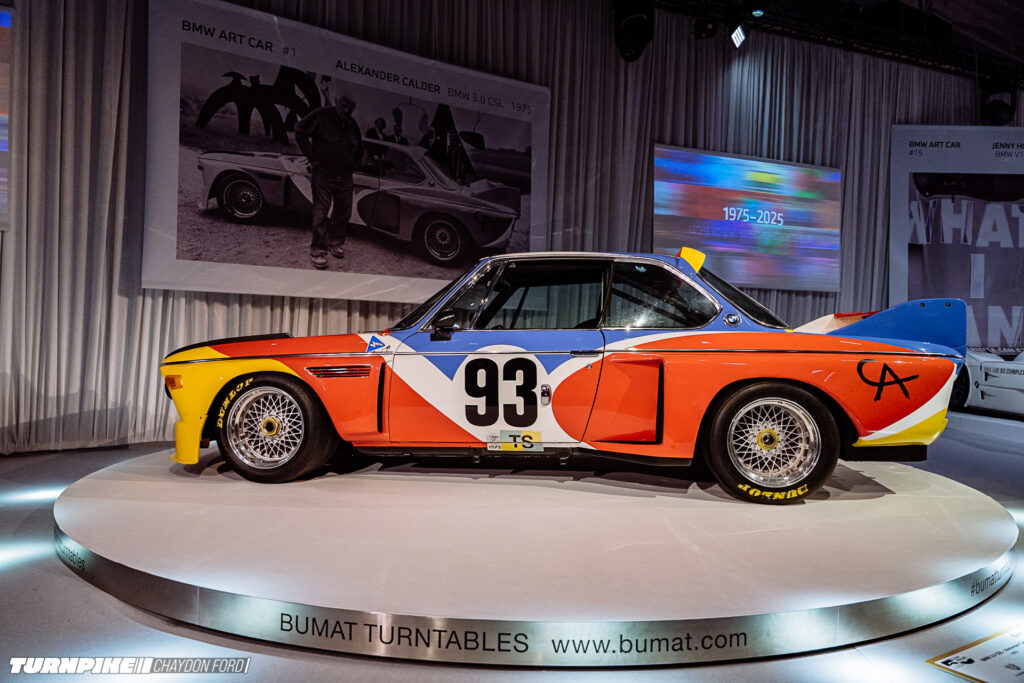
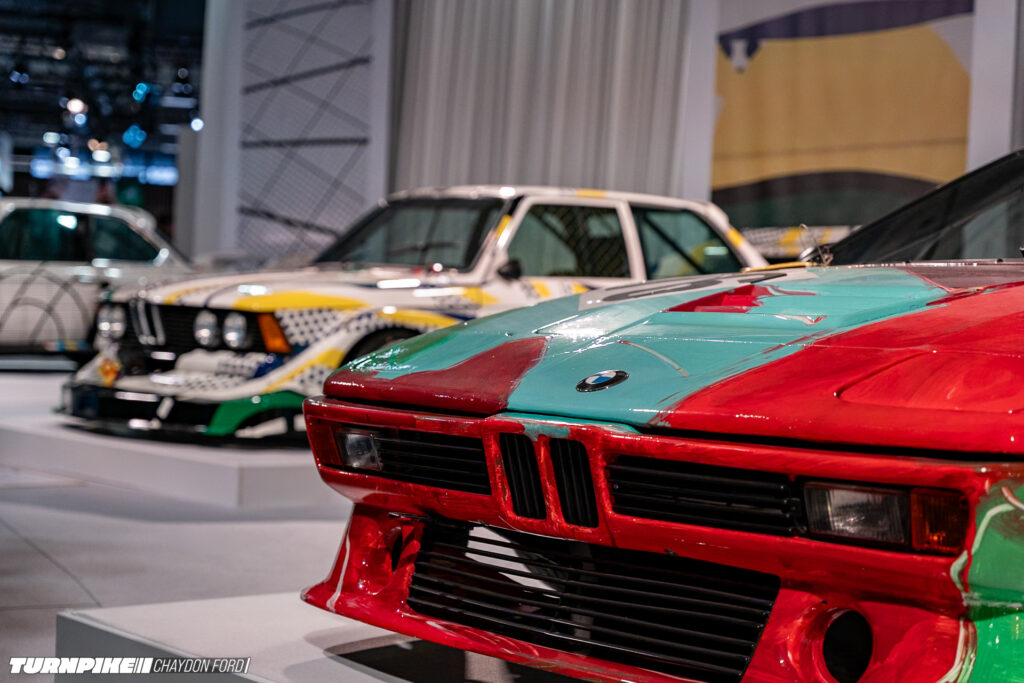
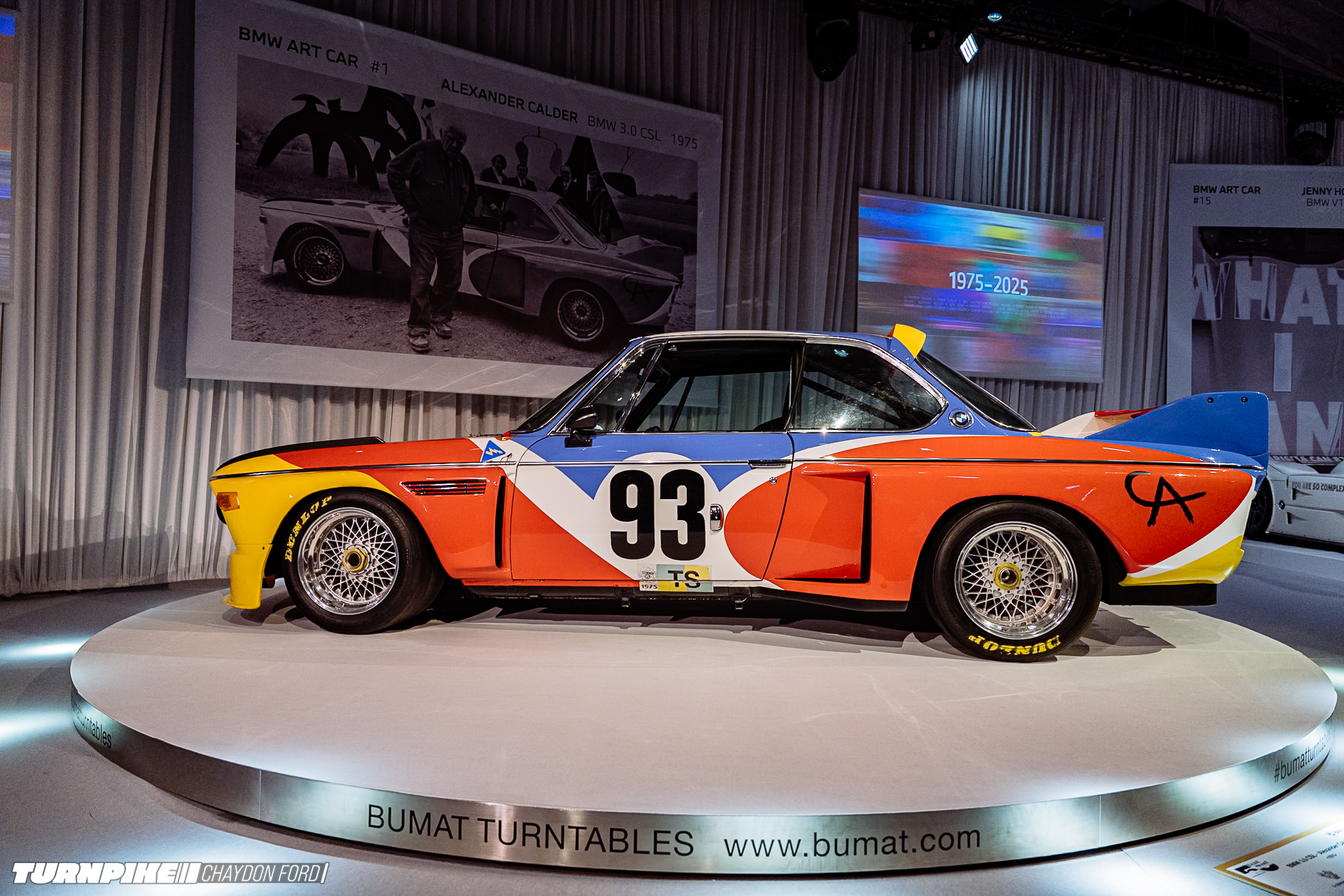
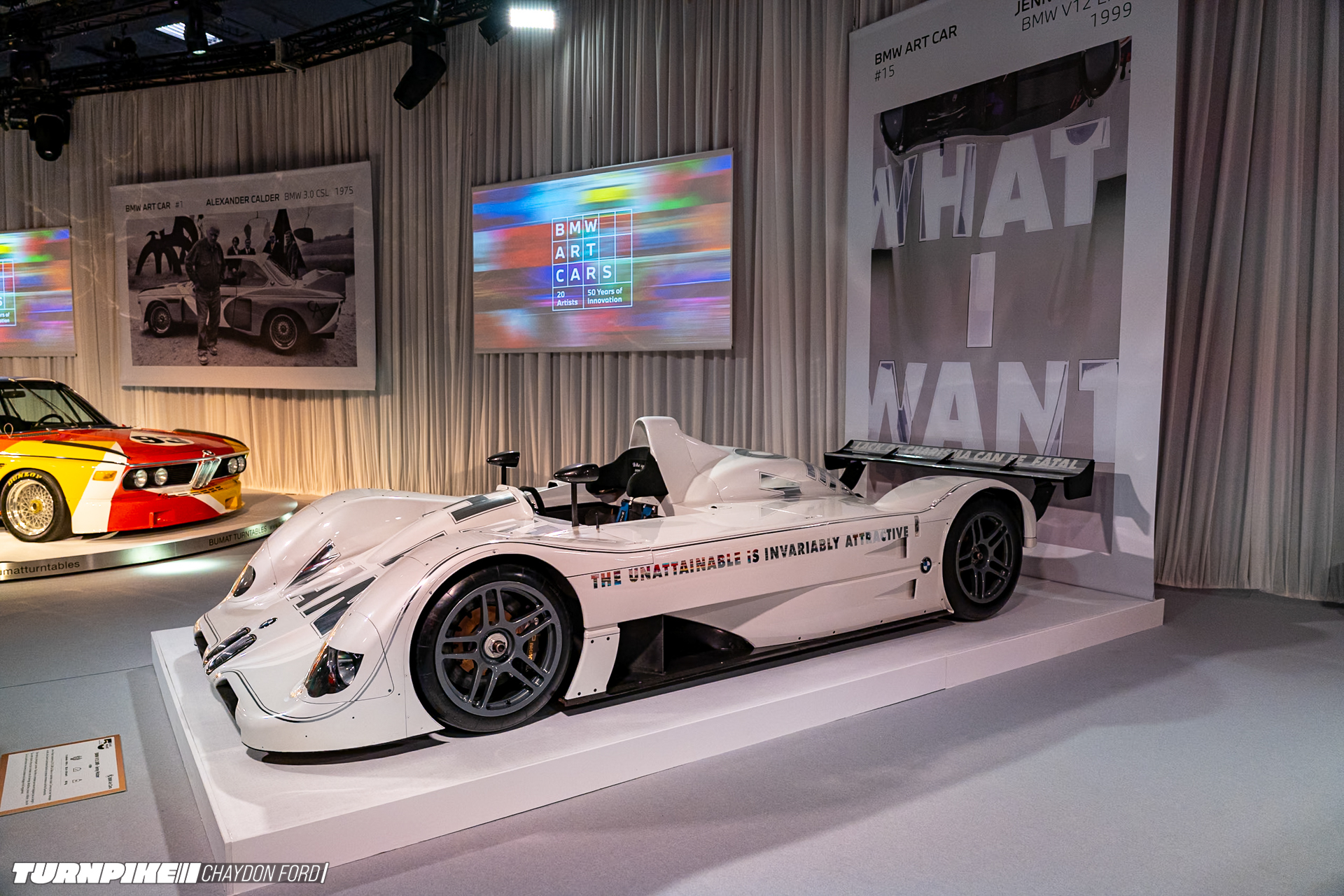
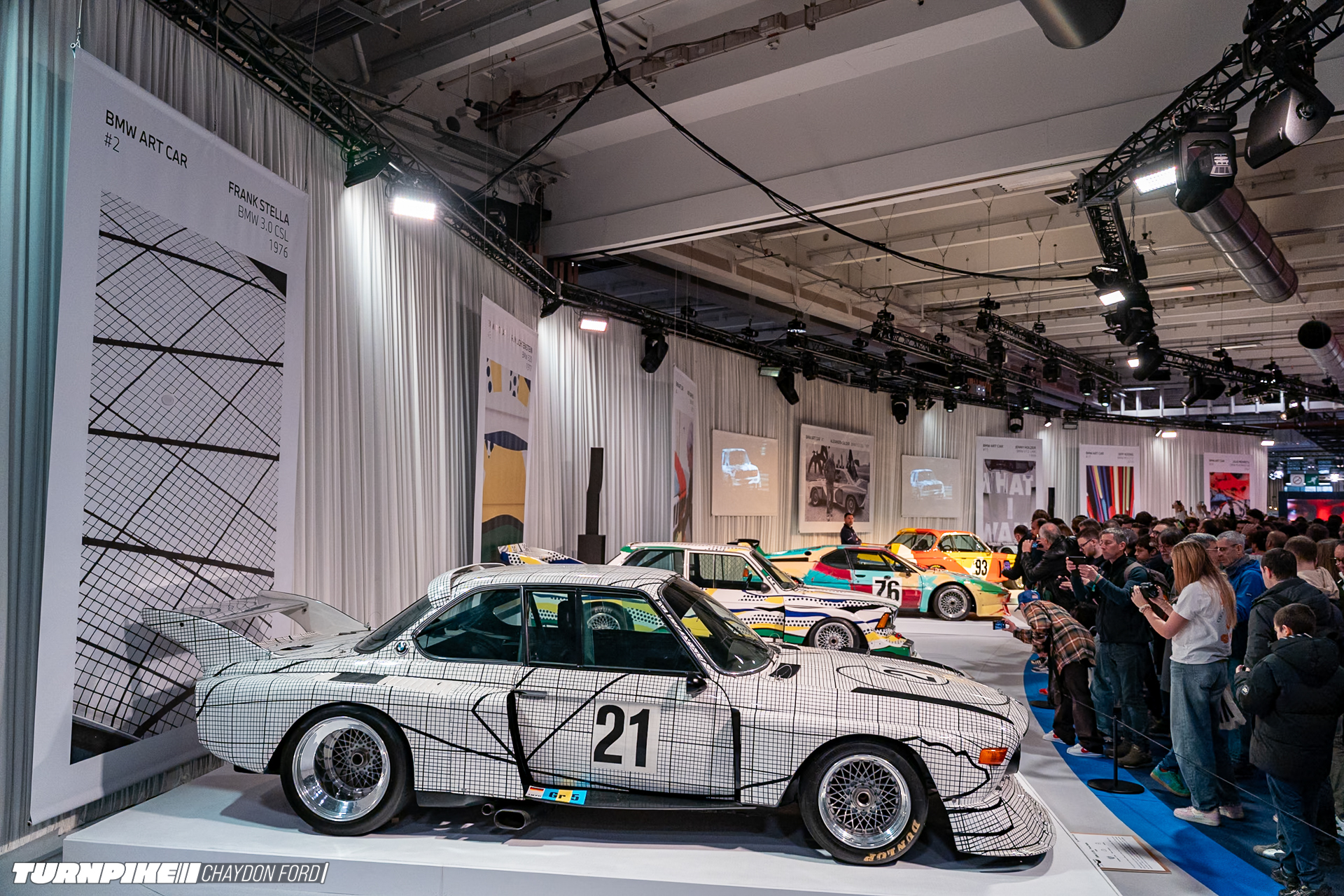
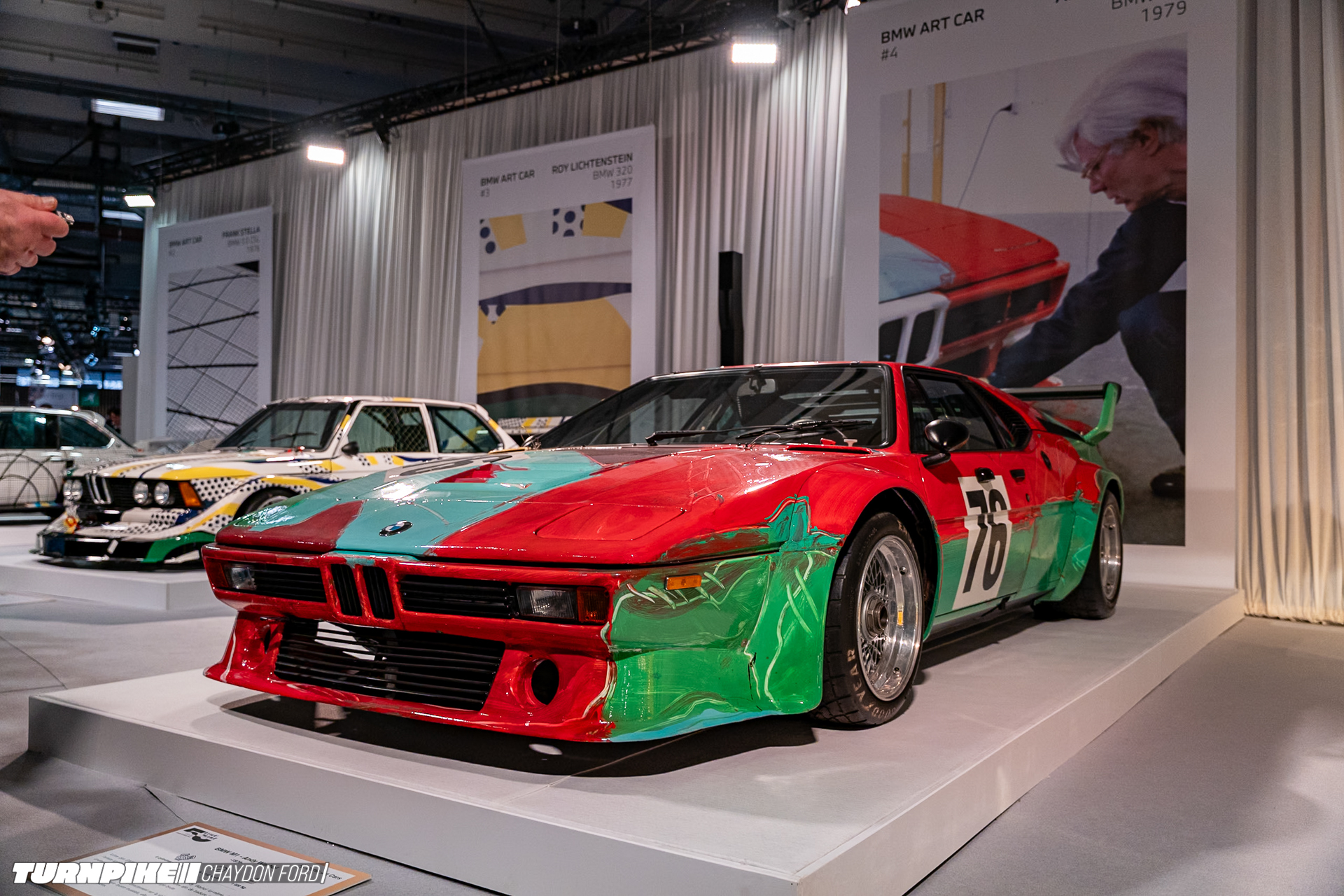
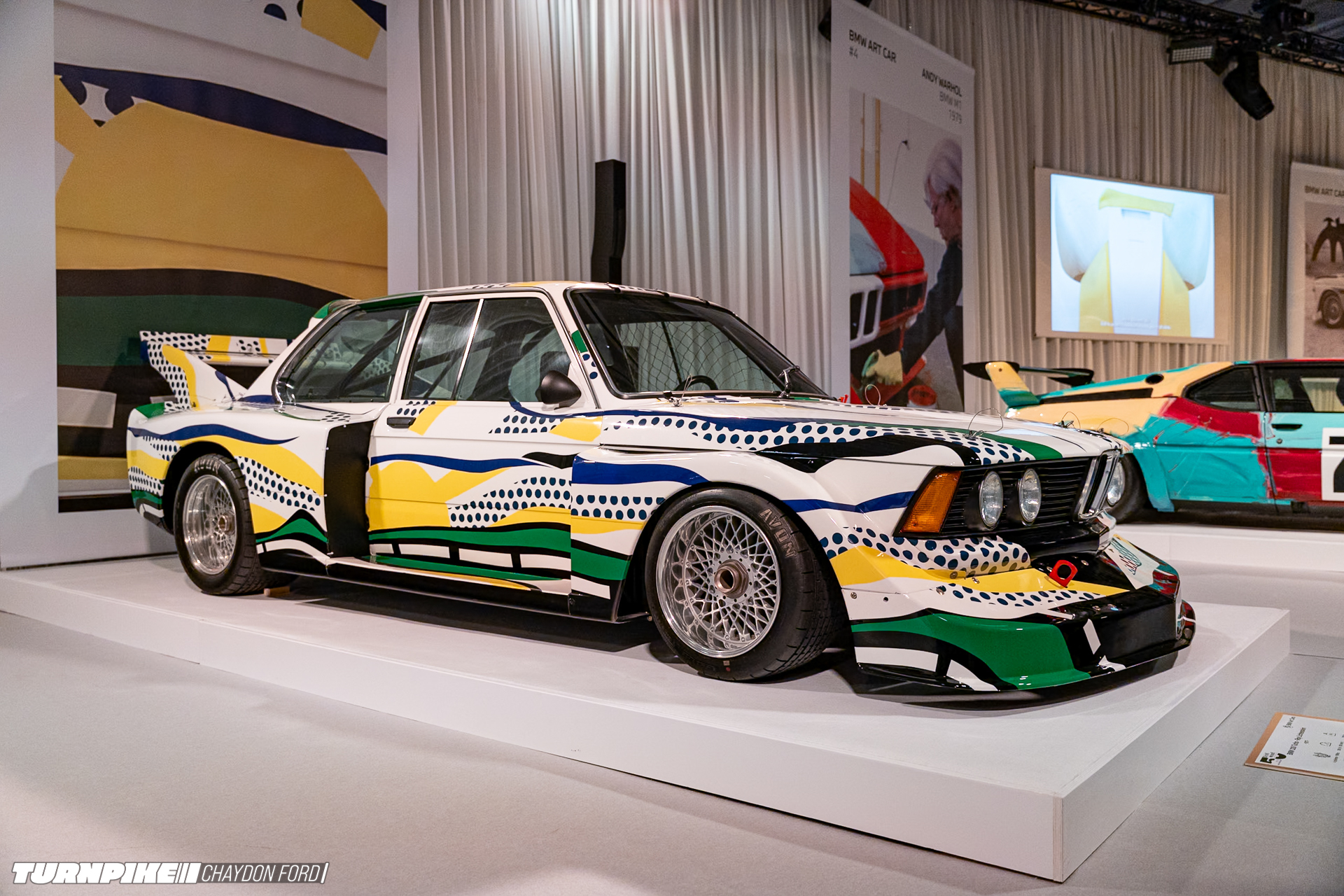
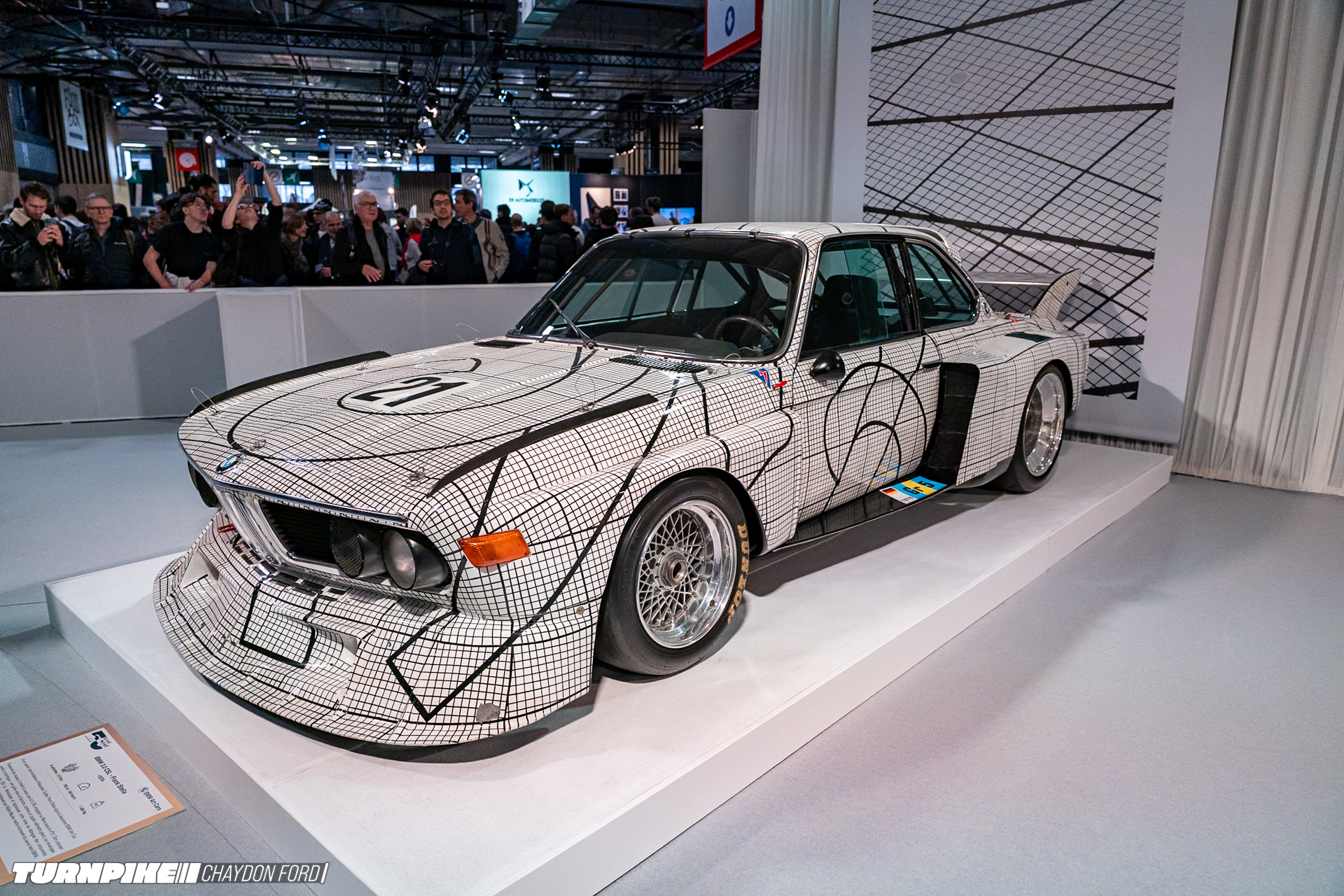
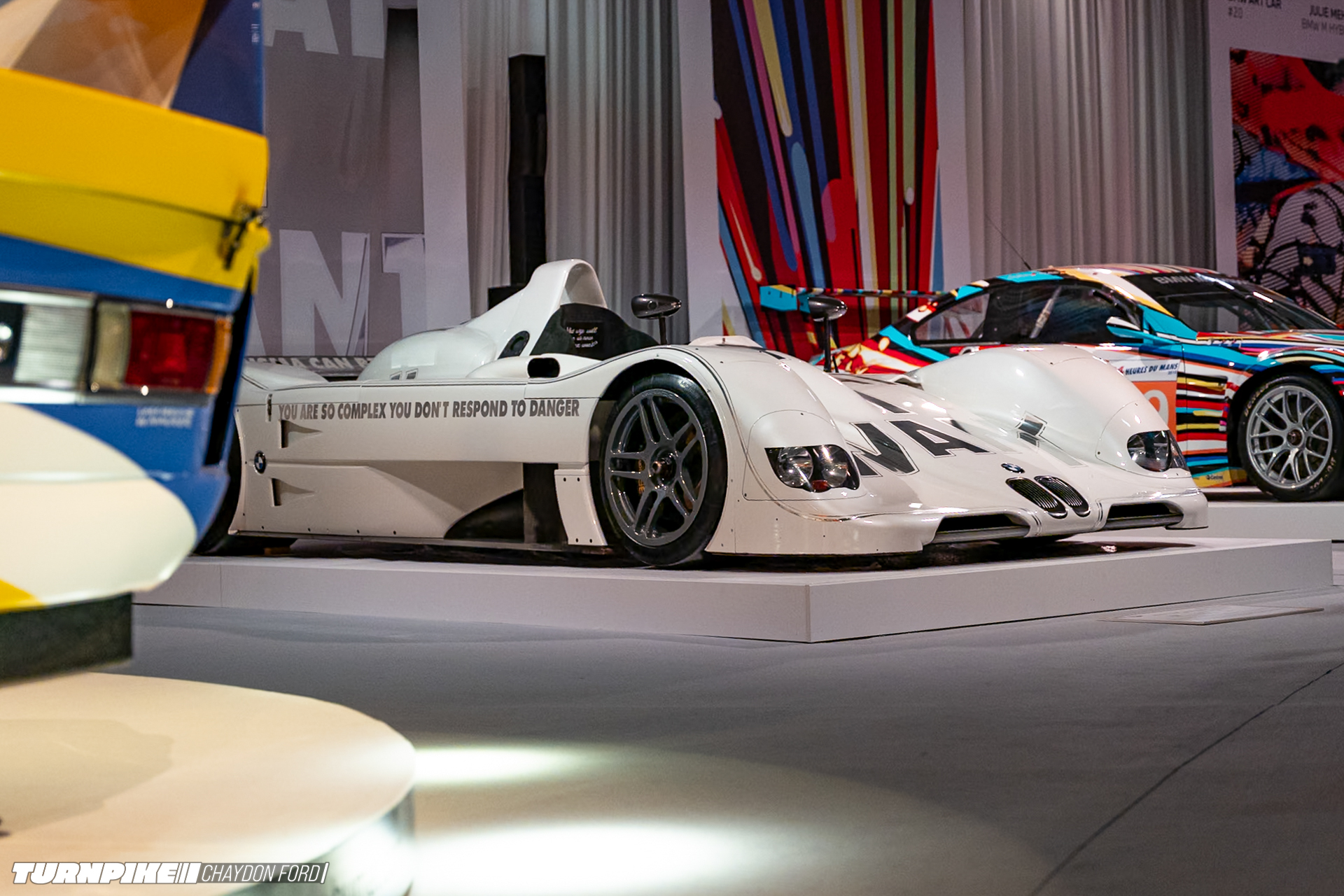
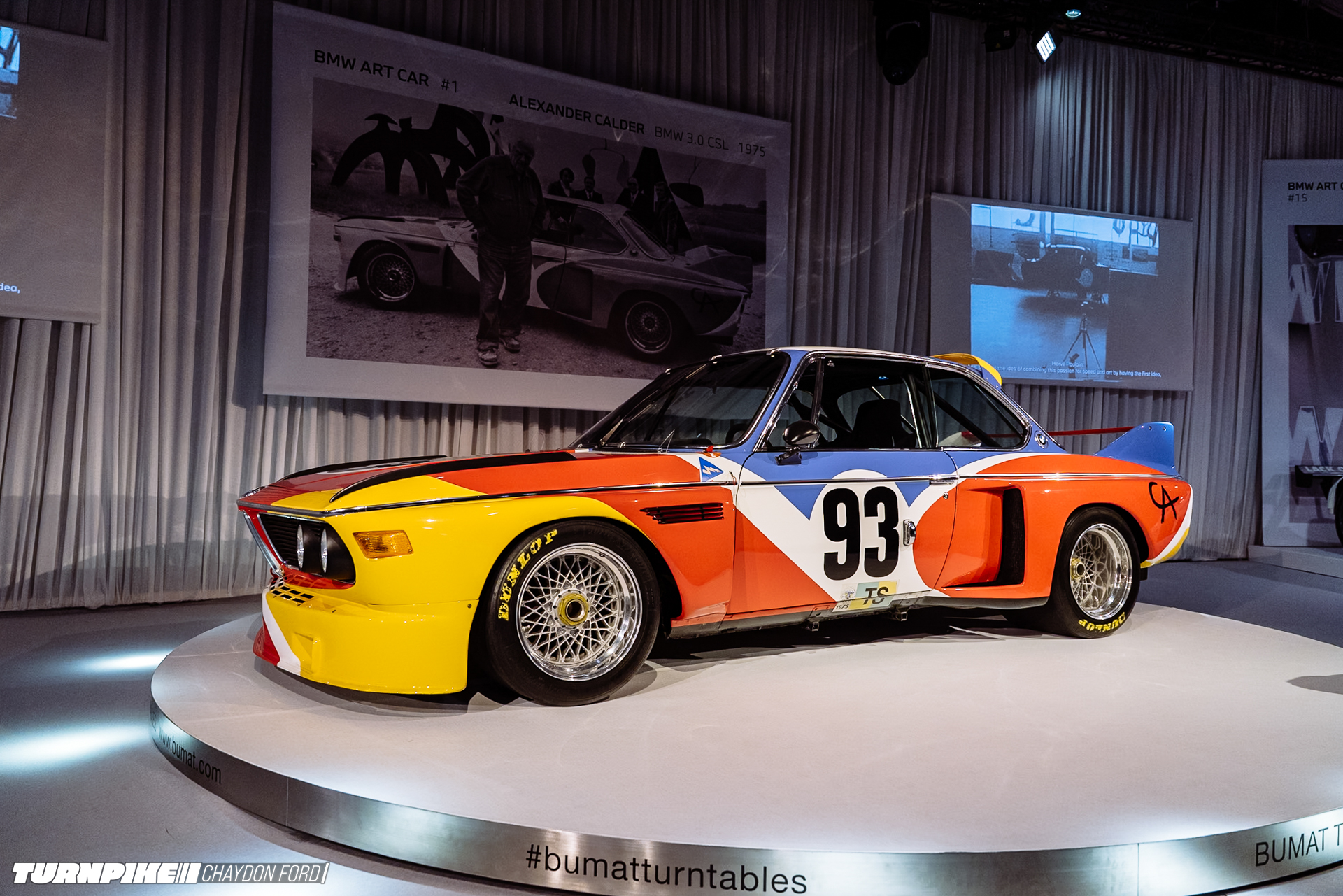
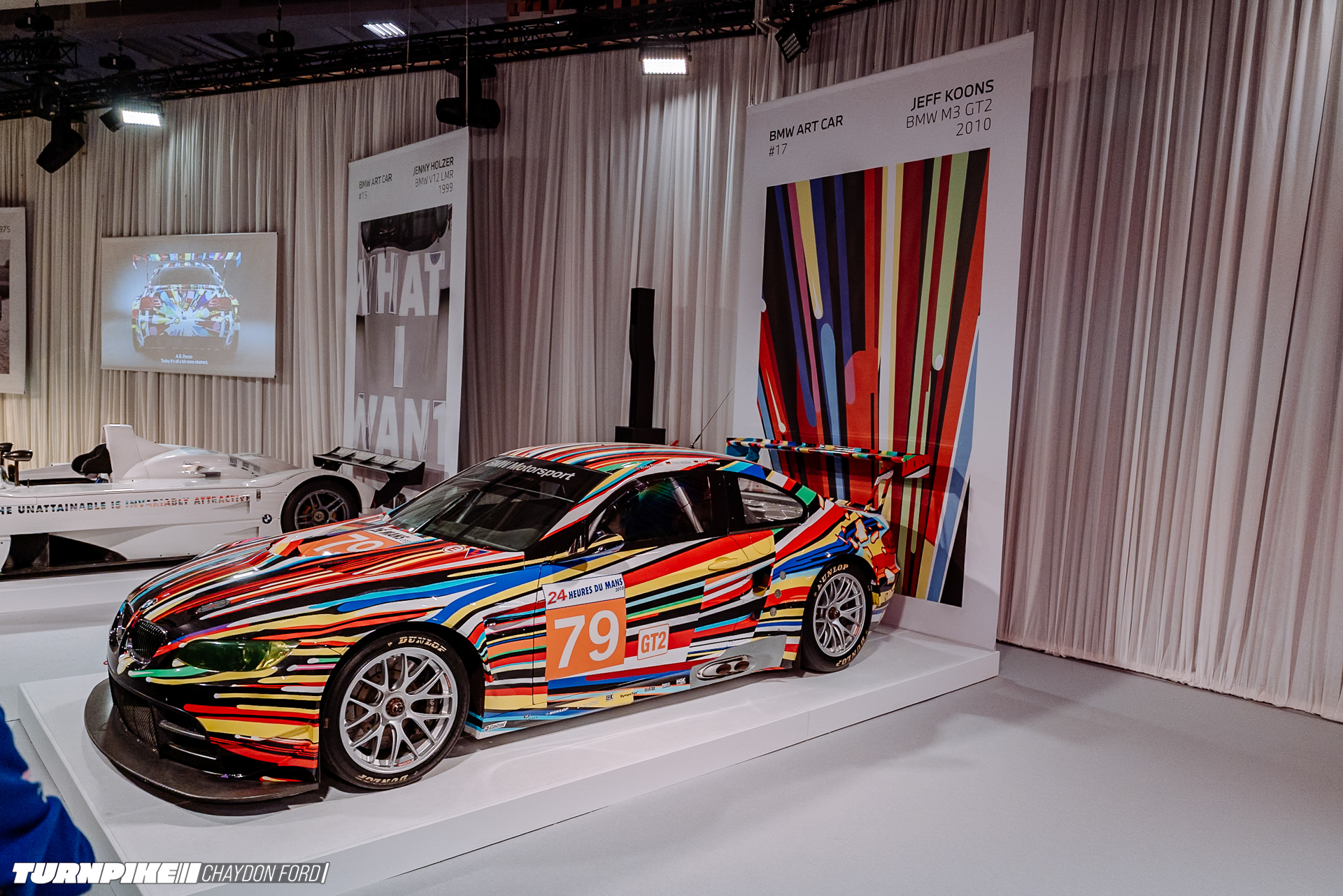
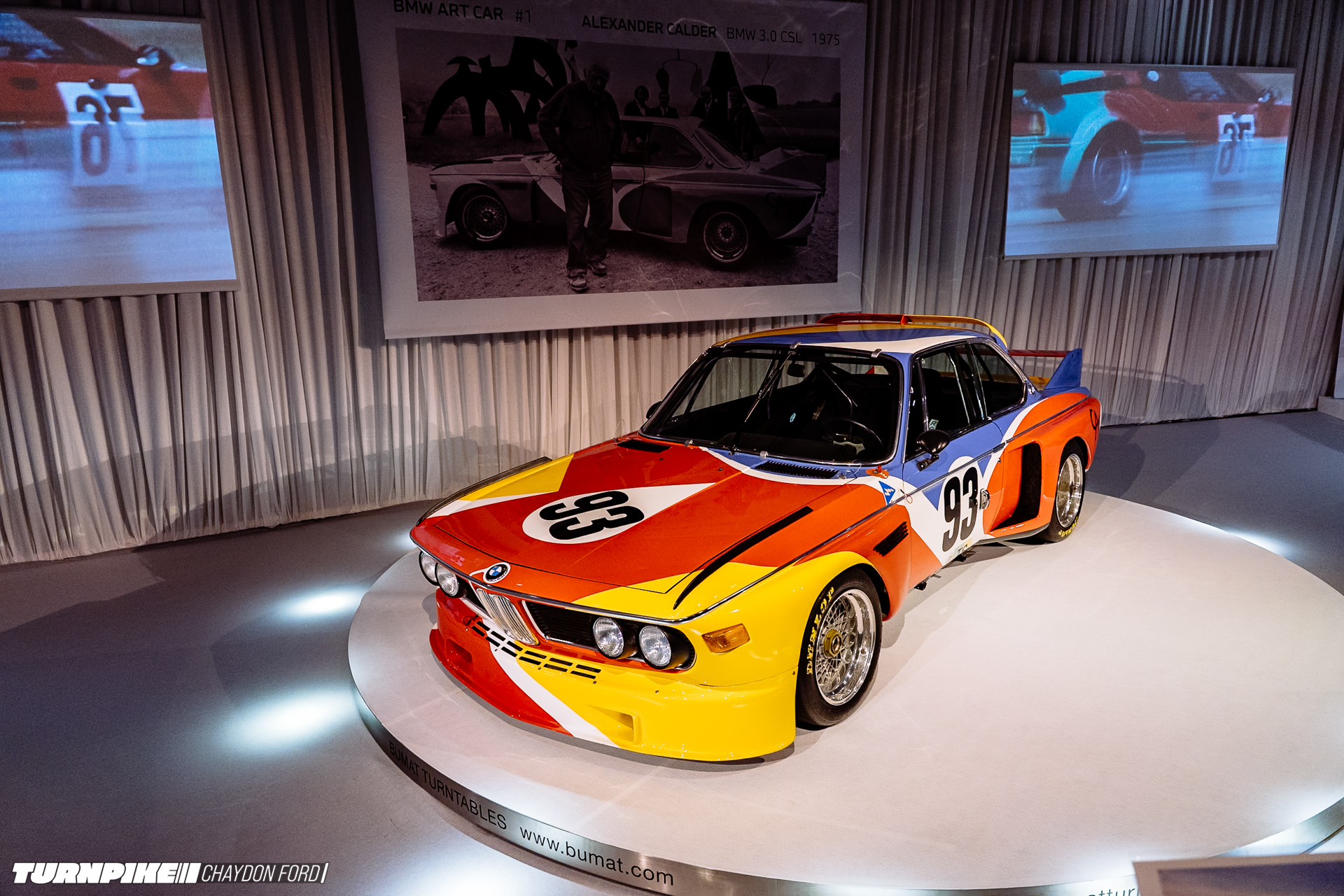
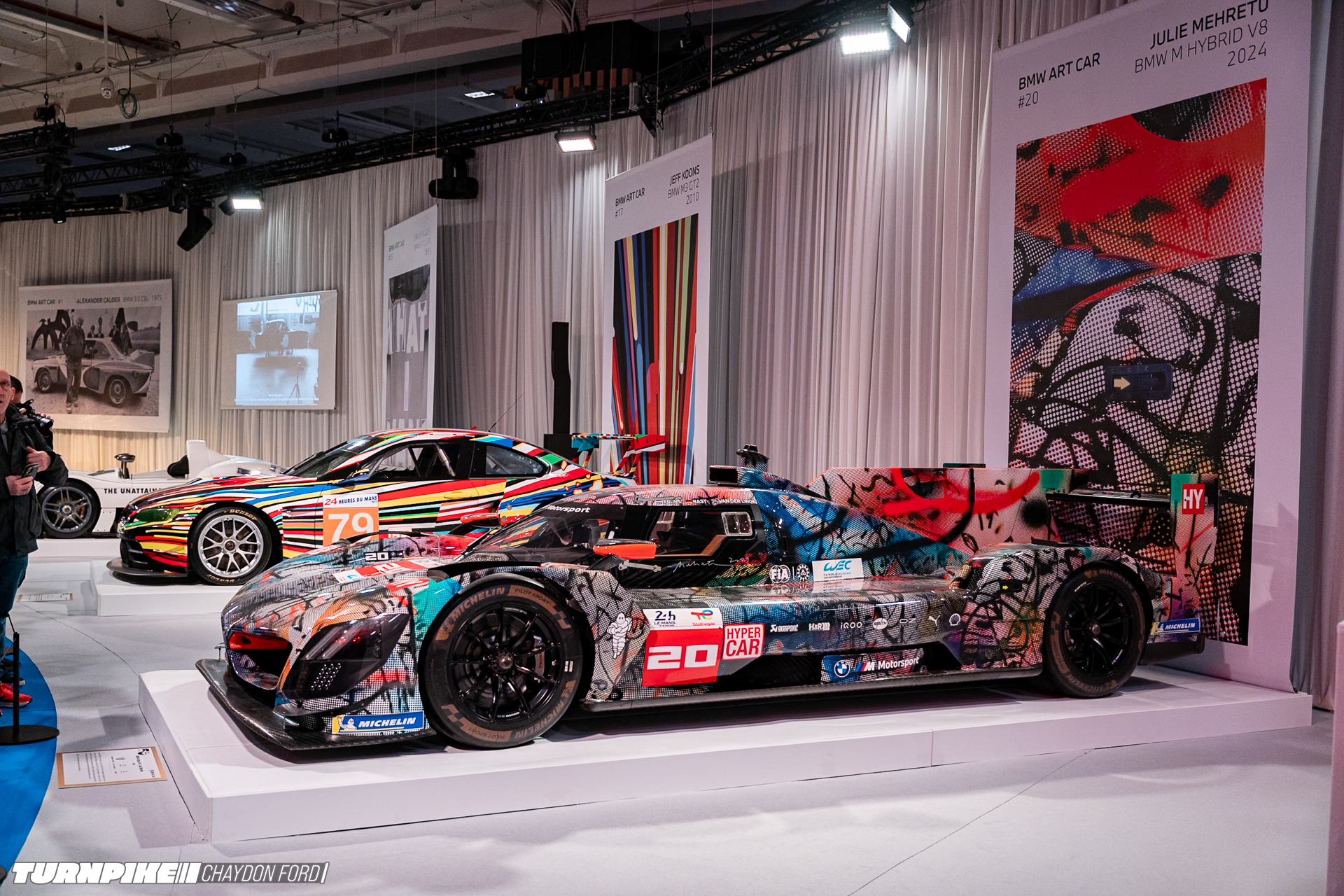
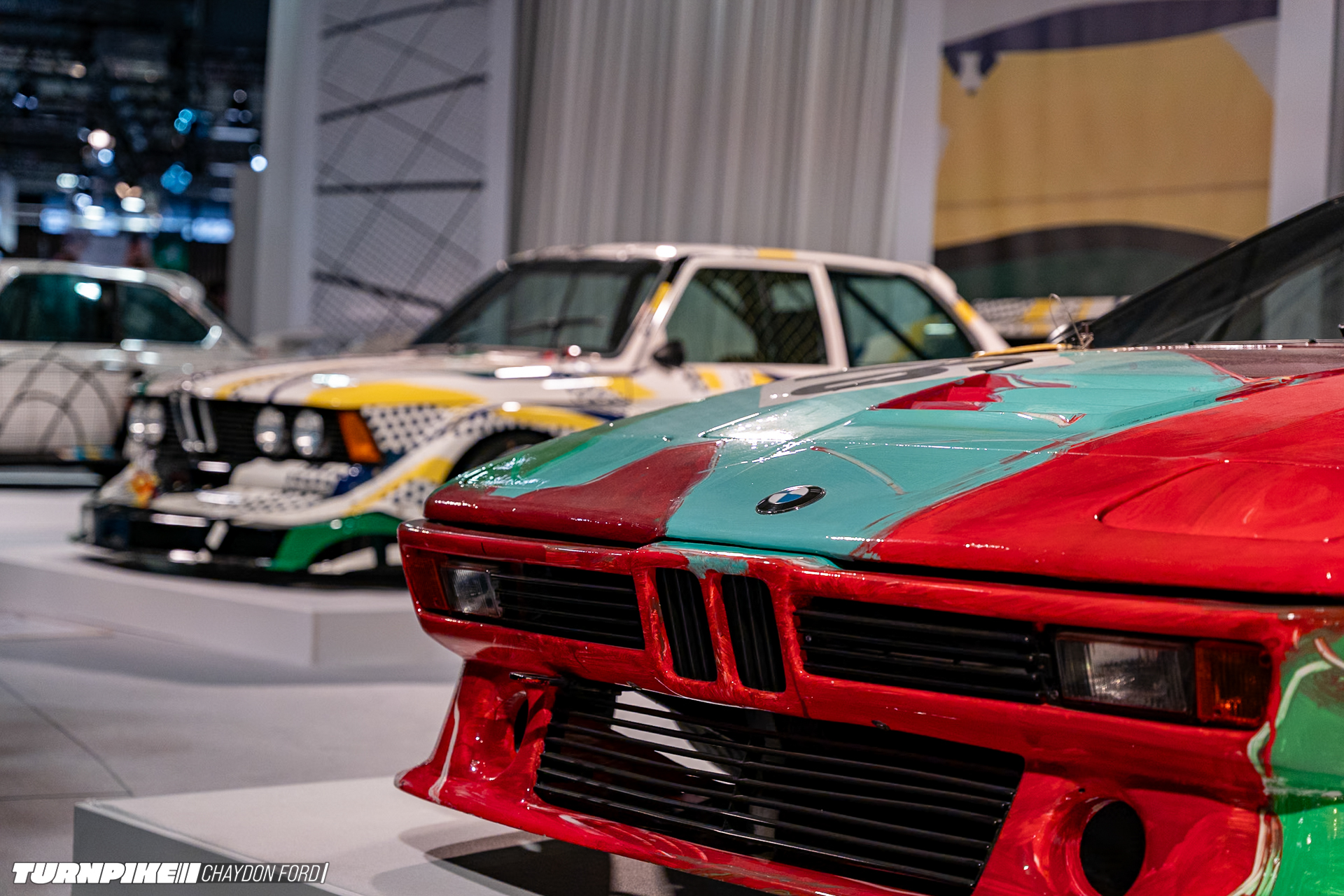
The centrepiece of the event was the BMW Art Car World Tour, showcasing seven Art Cars that competed in the 24 Hours of Le Mans since 1975. The brainchild of Hervé Poulain, the BMW Art Cars project was a radical departure from the conventional branding and sponsorship common in motorsport at the time, instead allowing each artist’s vision to take centre stage.
Curving its way through the crowds, the display lined the cars up against backdrops inspired by the iconic liveries they wore. It proved one of Rétromobile 2026’s most popular attractions, with spectators five deep throughout the day, all hoping to catch a glimpse of the cars: A 1975 CSL by Alex Calder; 1976 CSL by Frank Stella; 1977 320i by Roy Lichtenstein; 1979 M1 by Andy Warhol; 1999 V12 LMR by Jenny Holzer; 2010 M3 GT2 by Jeff Koons; and a 2024 M Hybrid V8 by Julie Mehretu.
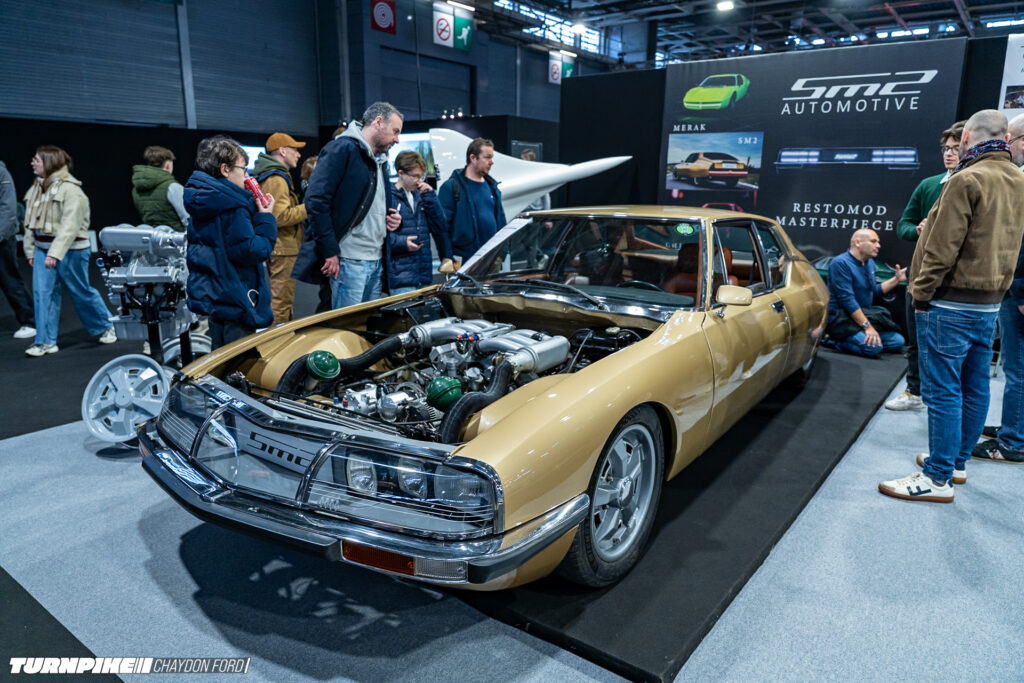
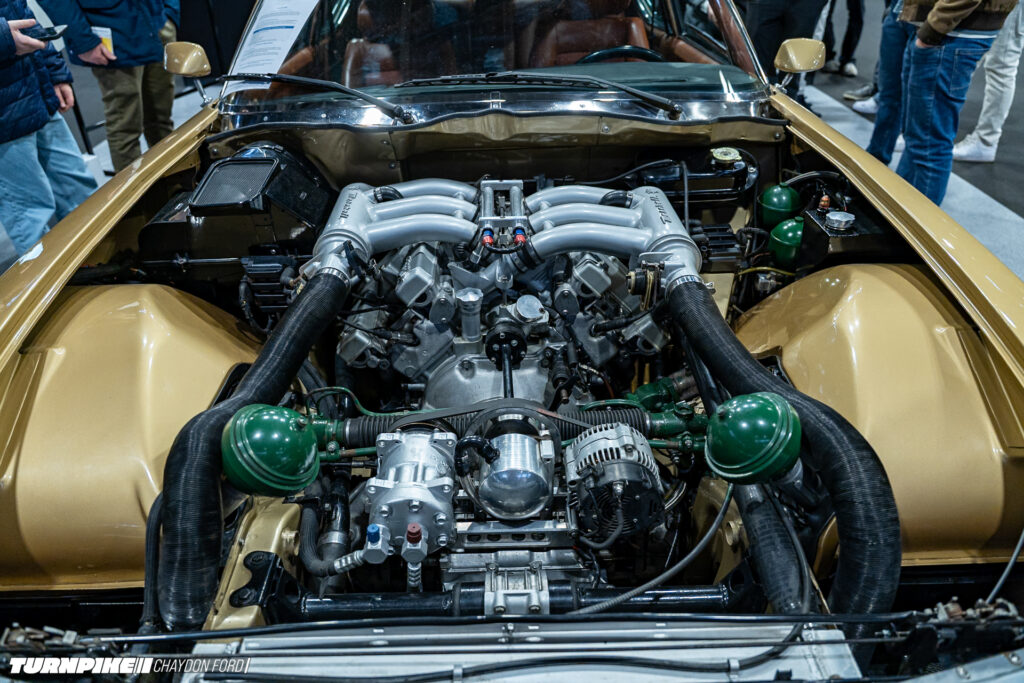
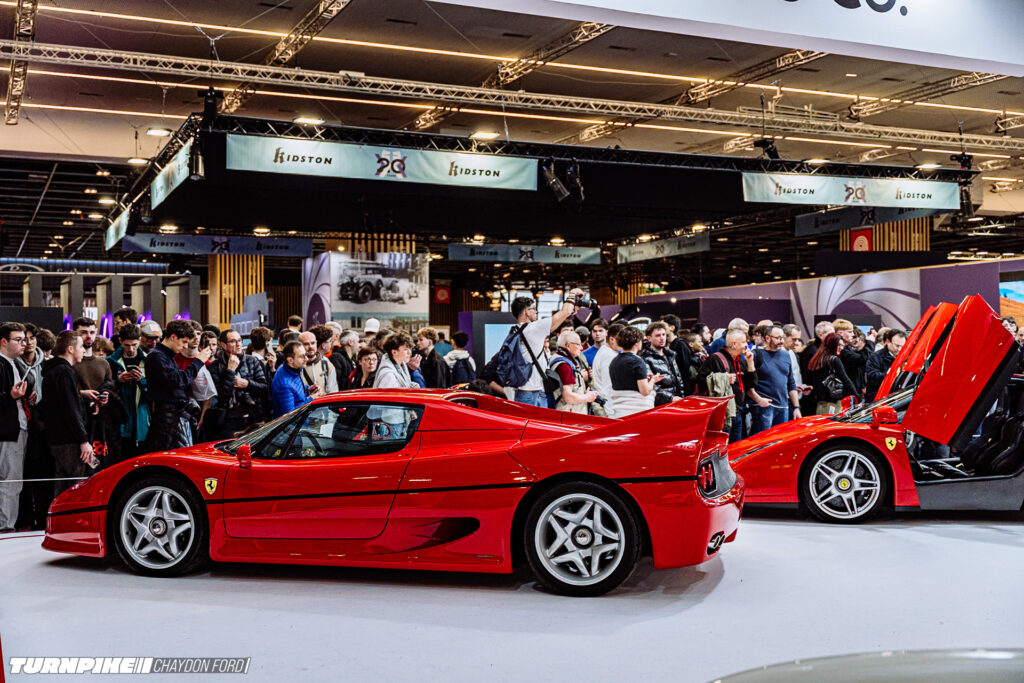
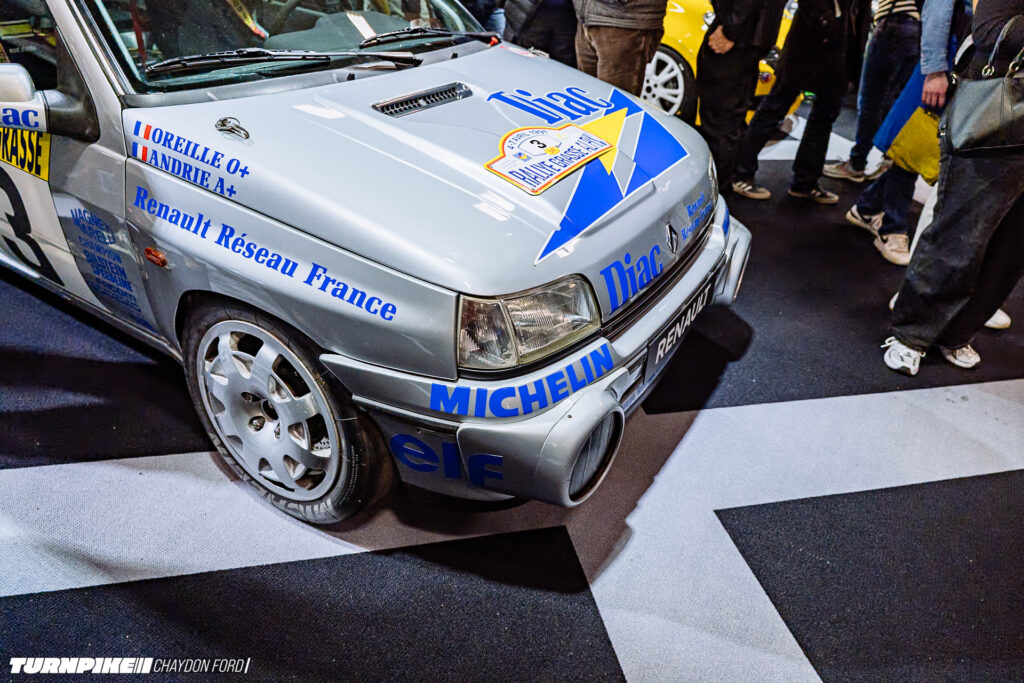
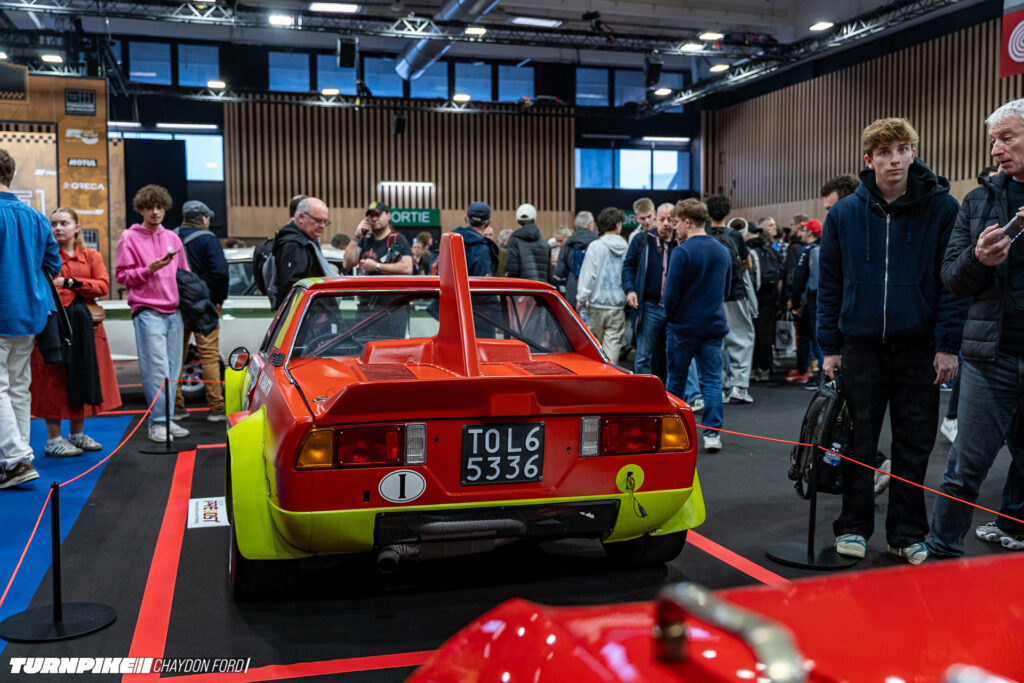
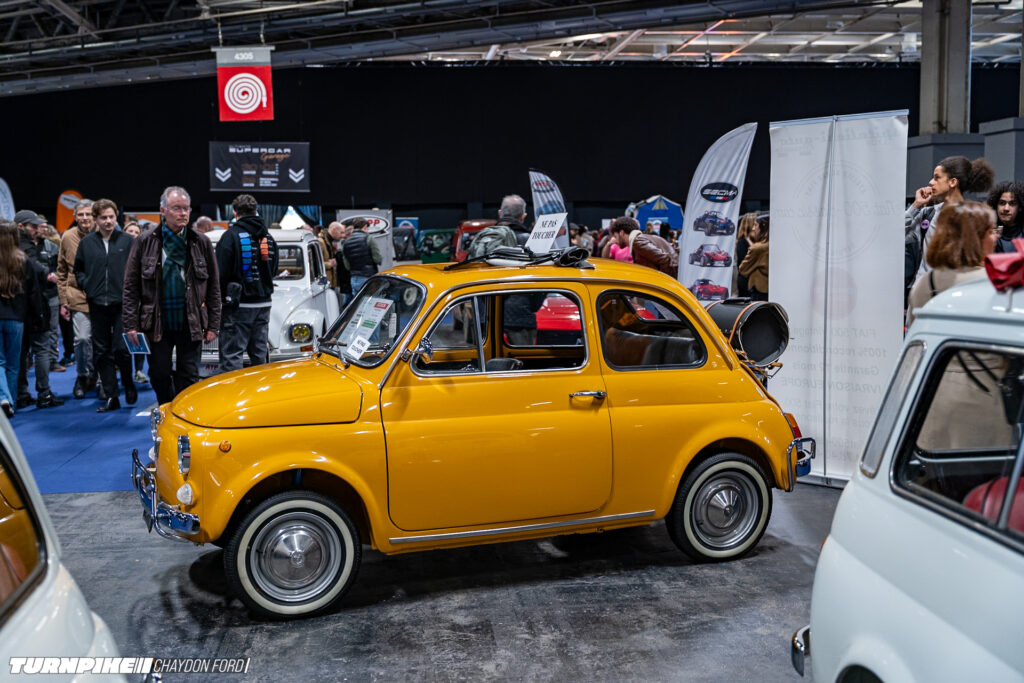
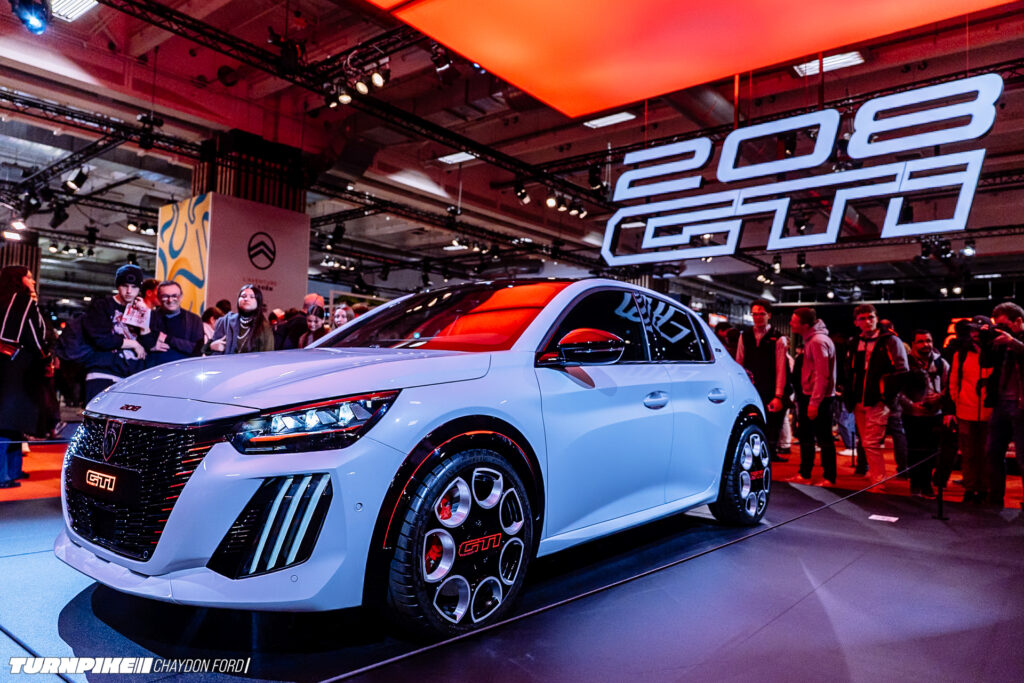
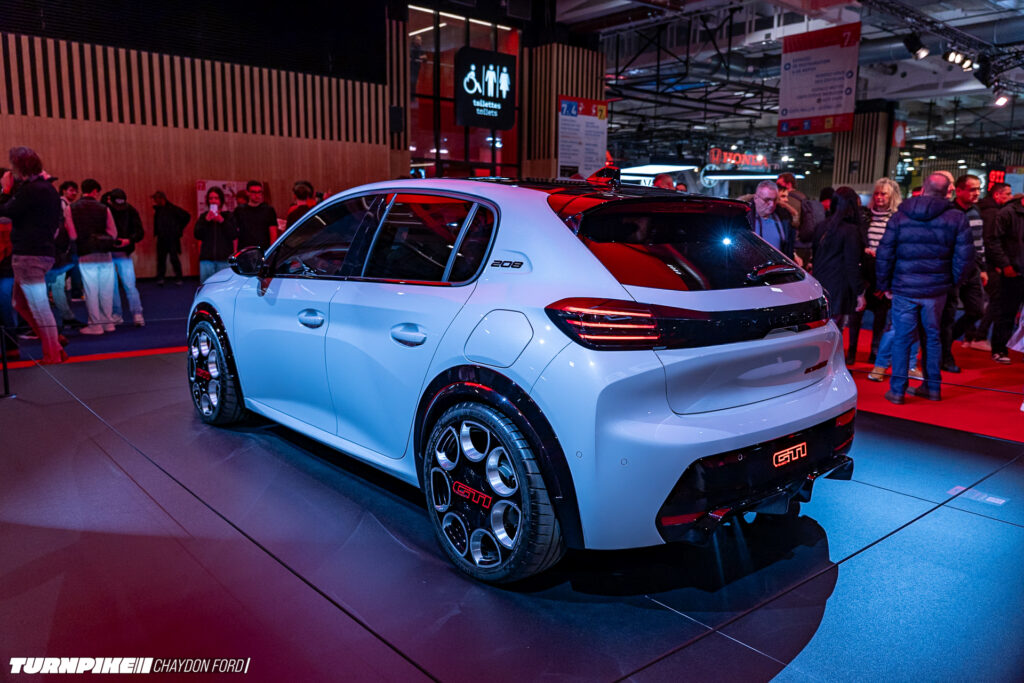
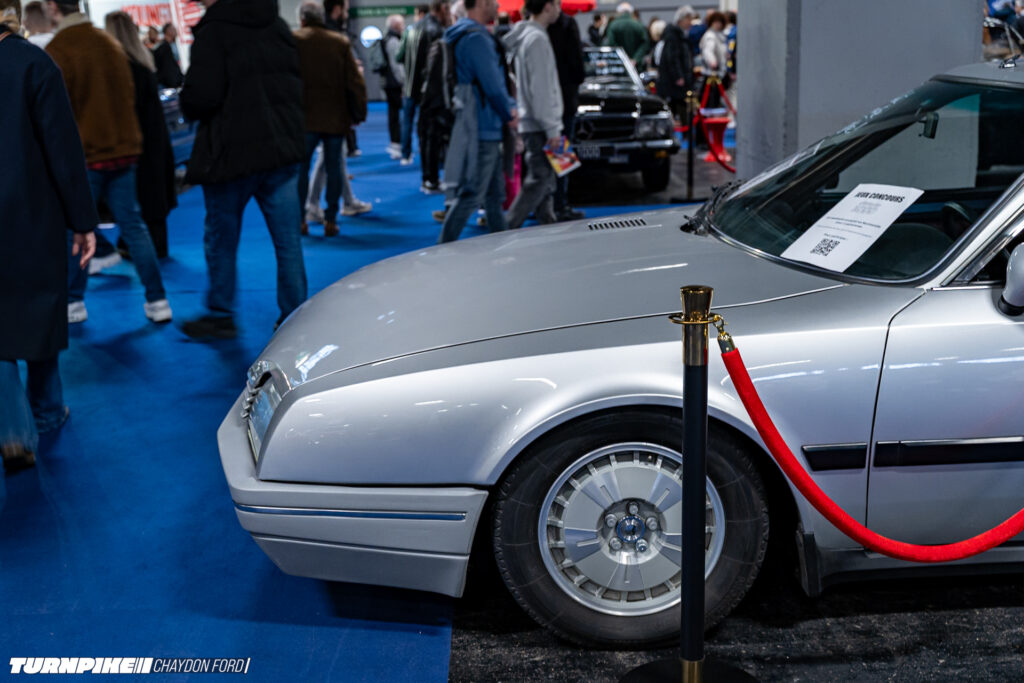
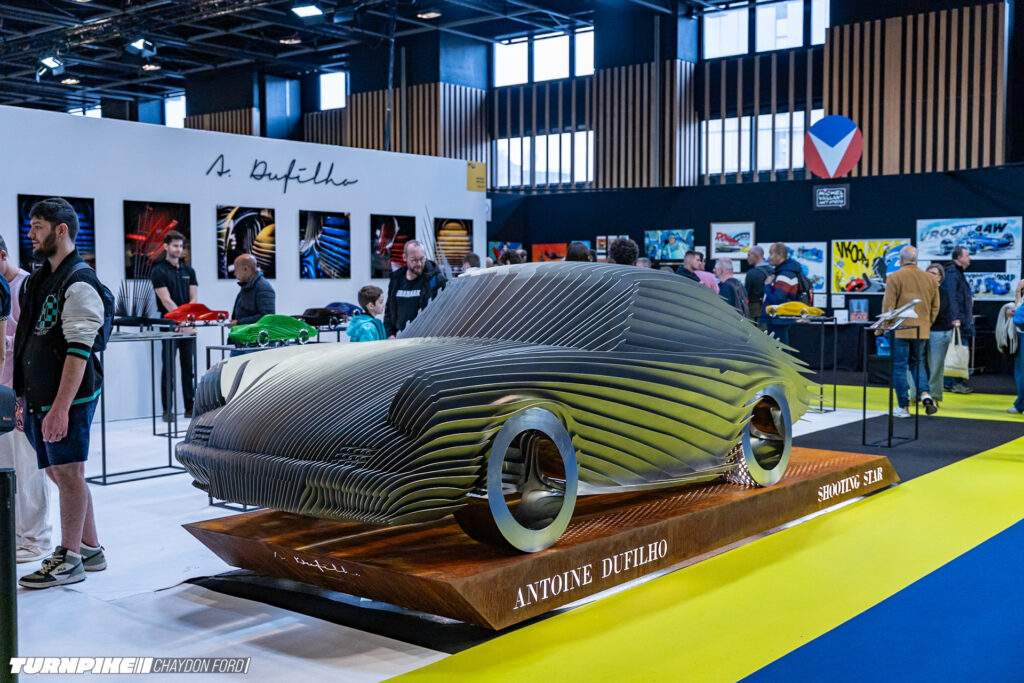
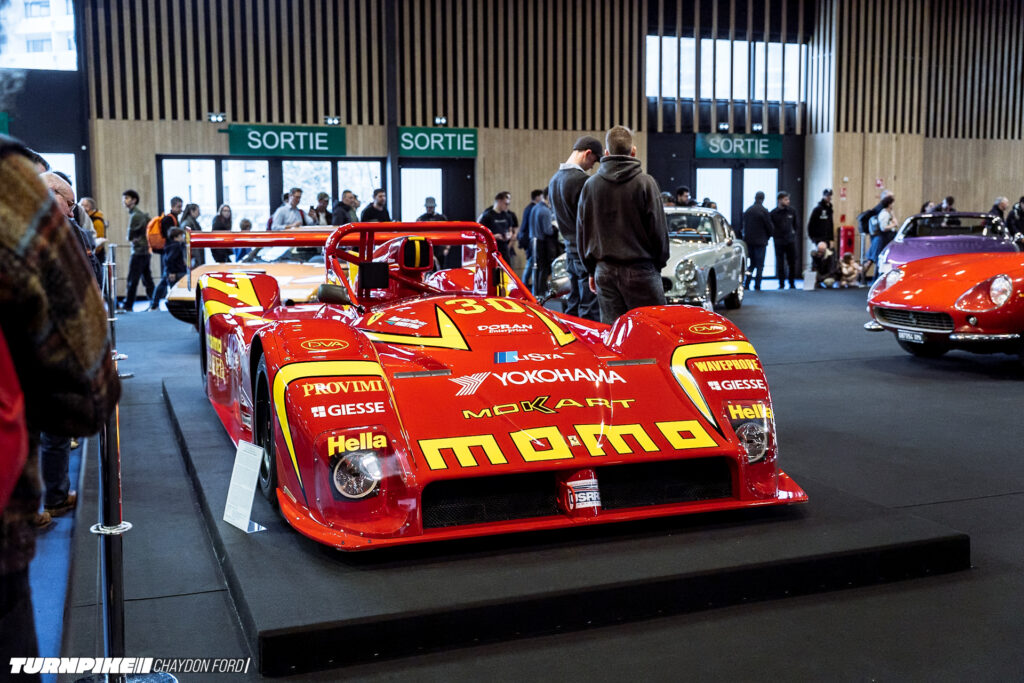
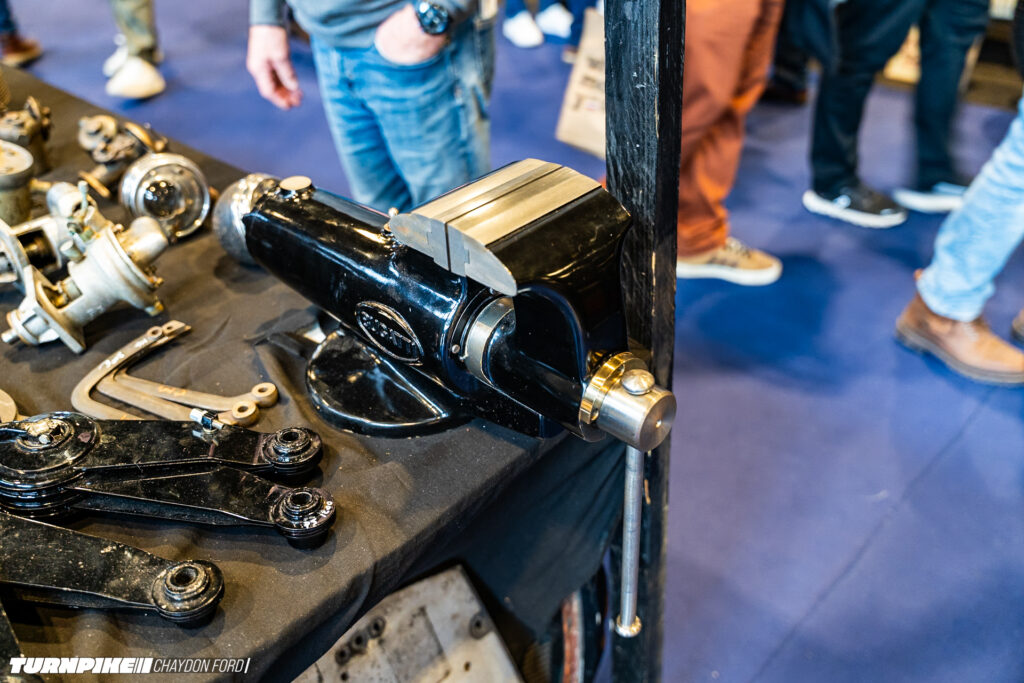
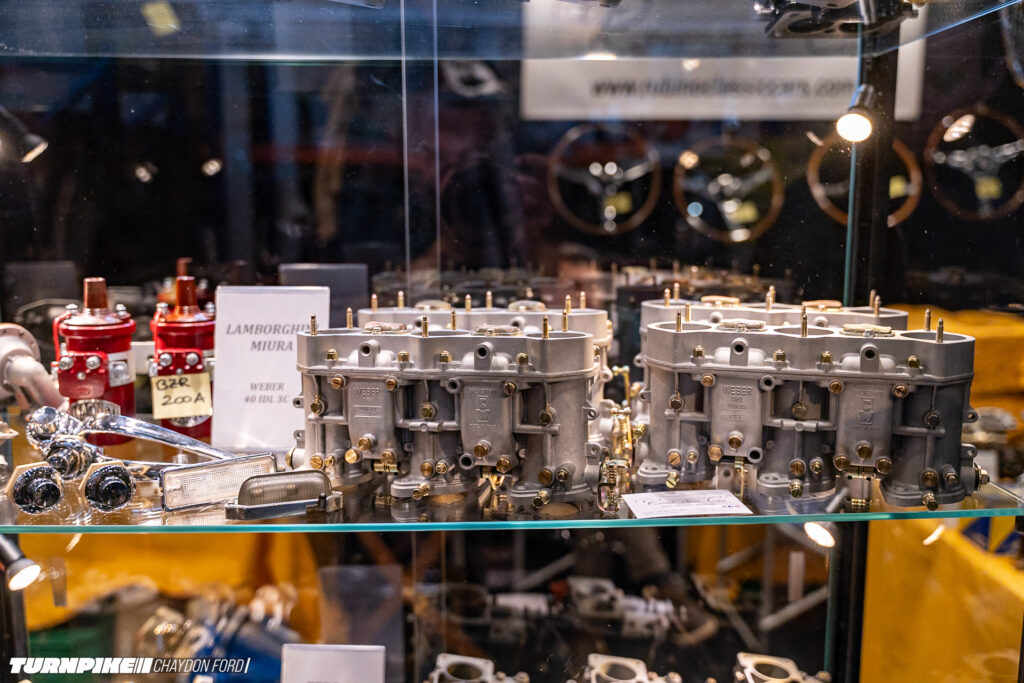
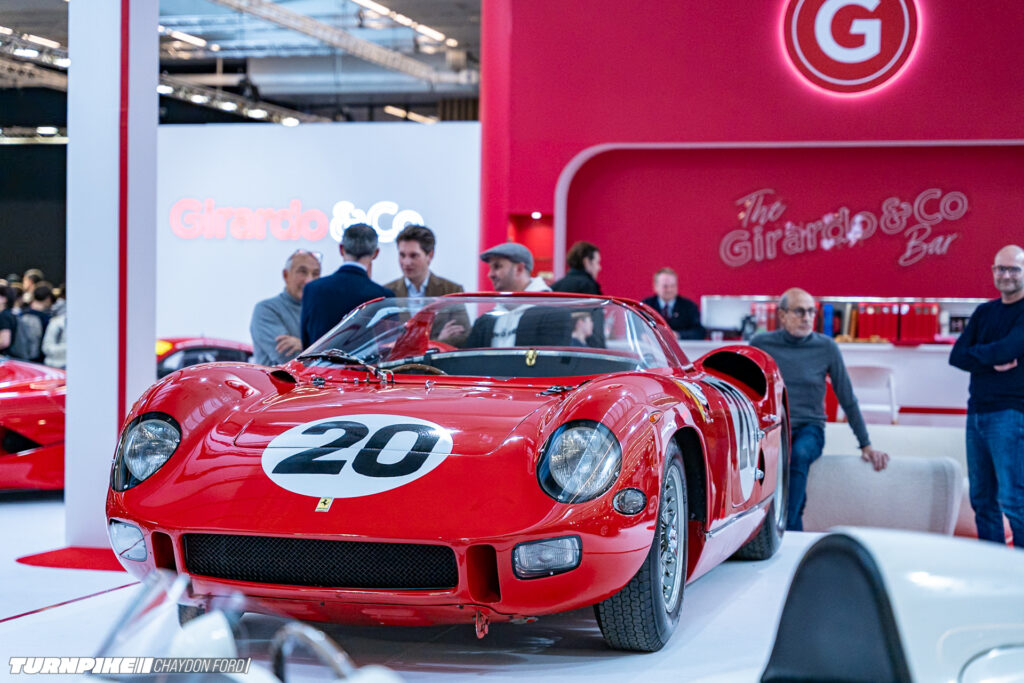
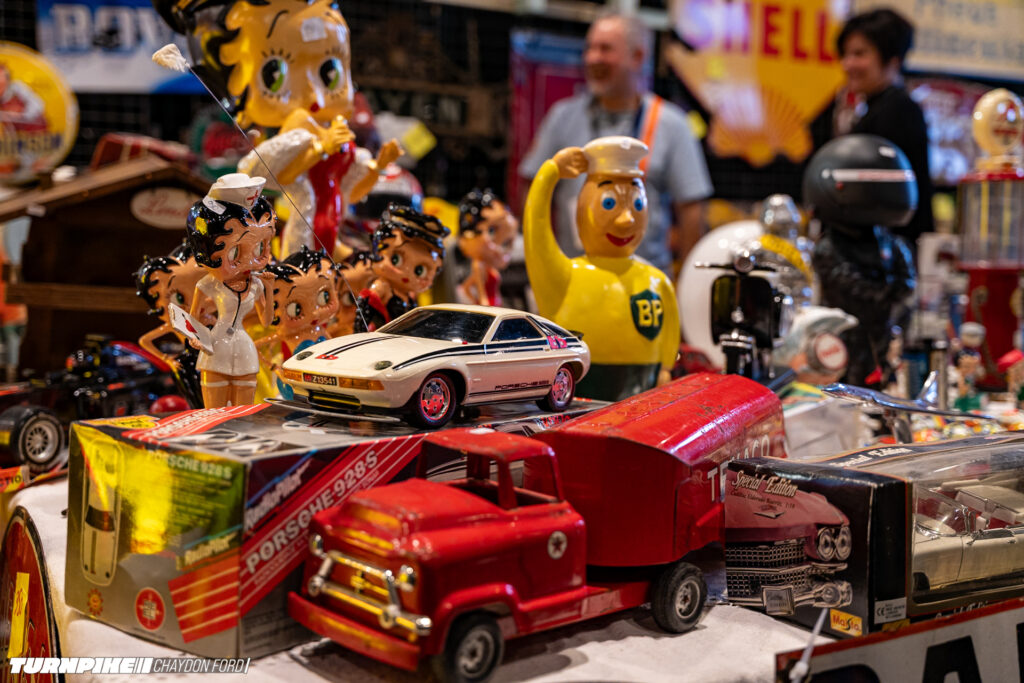
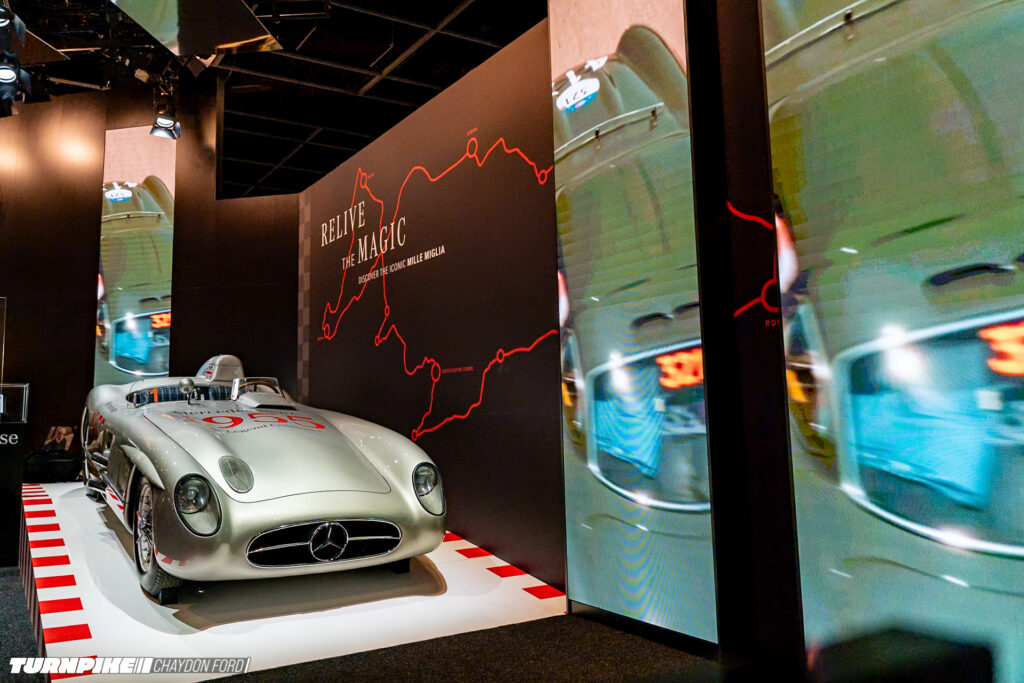
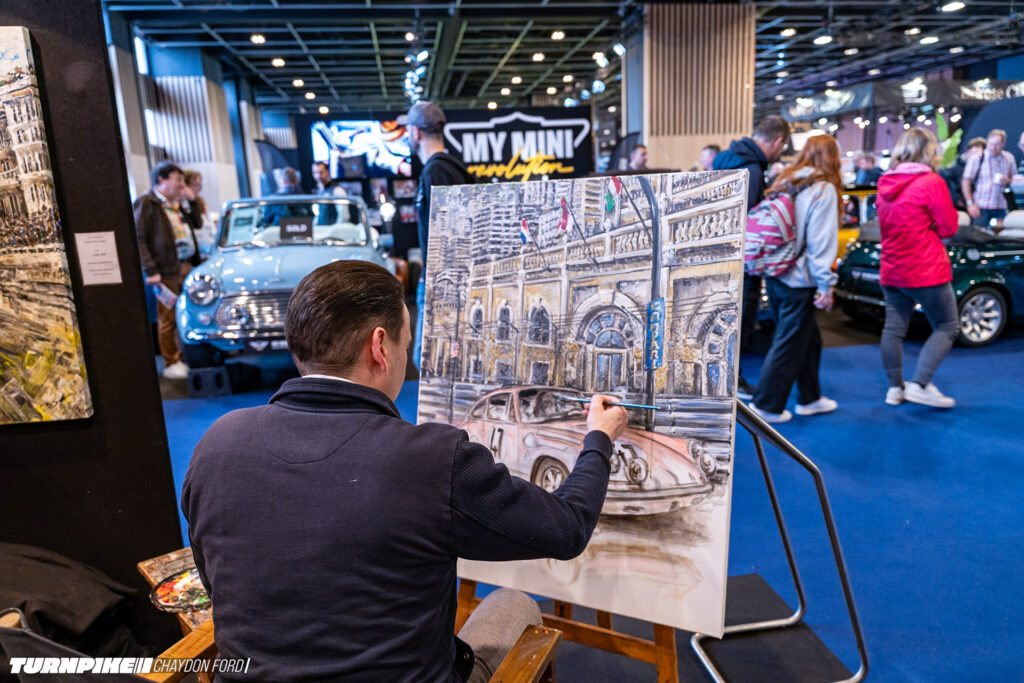
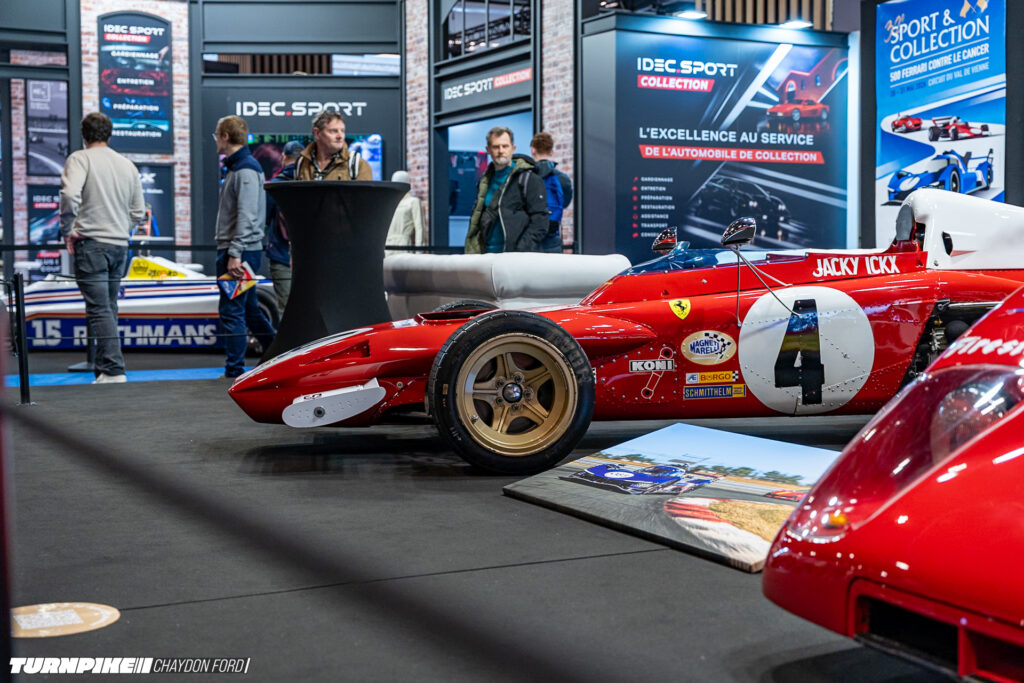
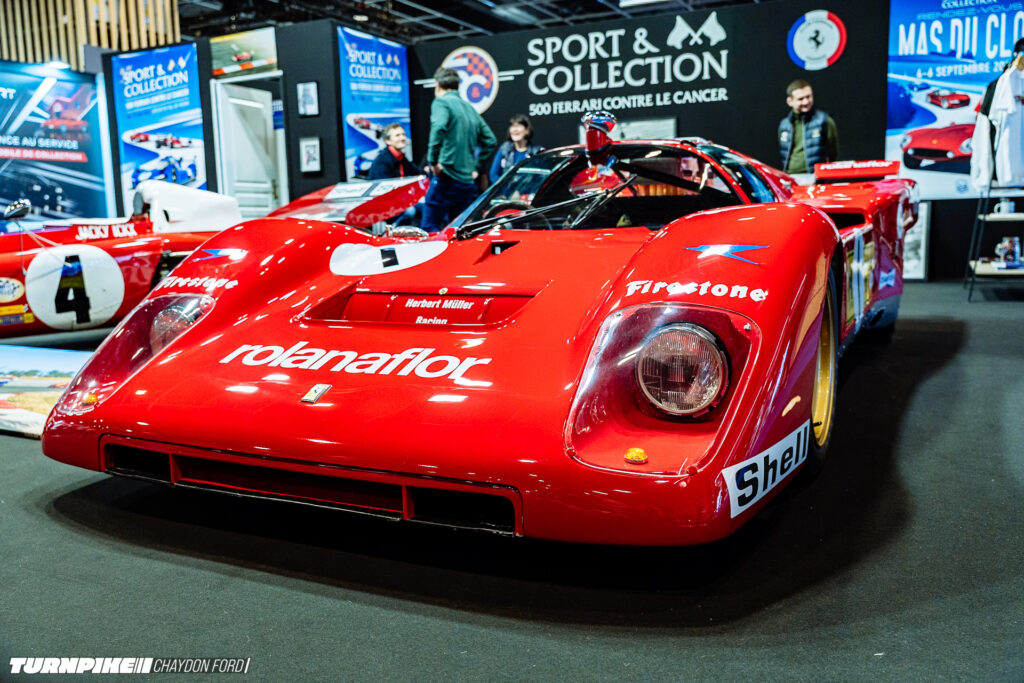
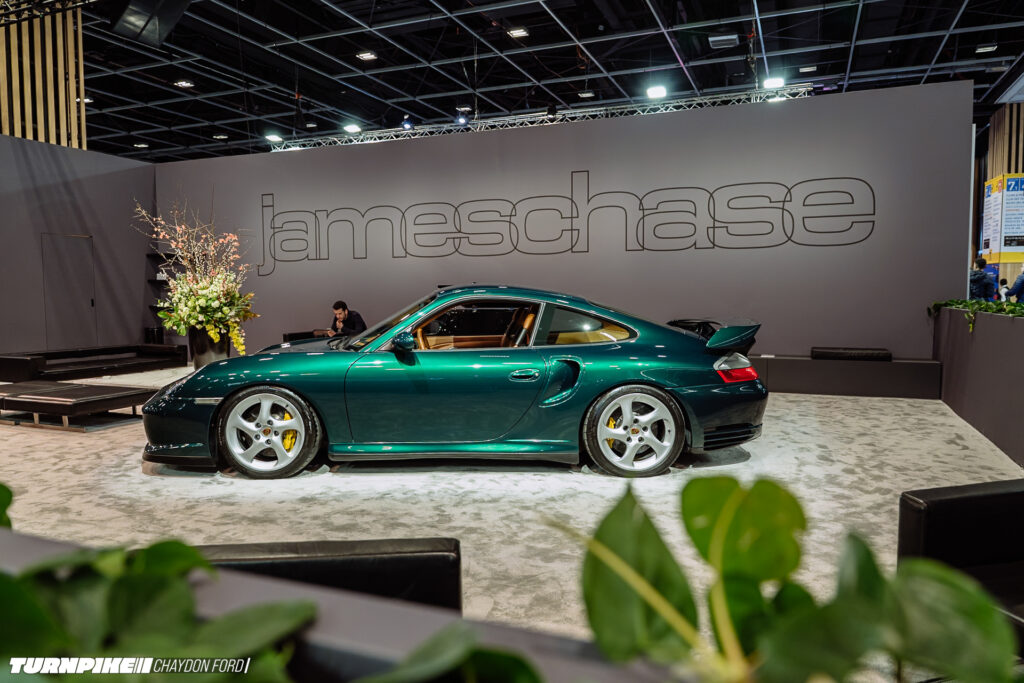
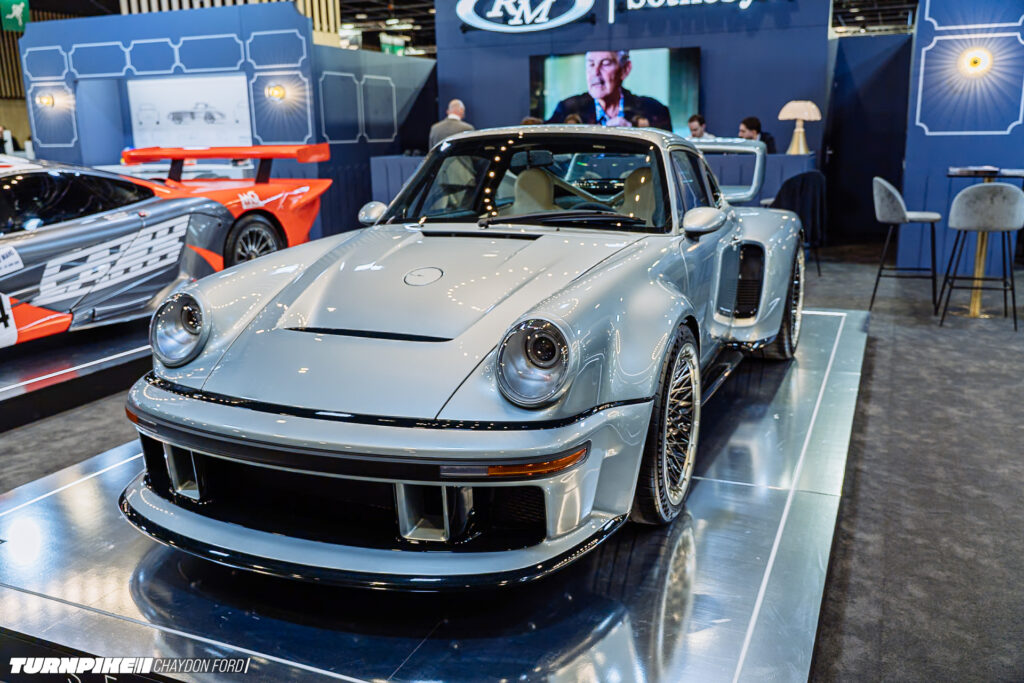
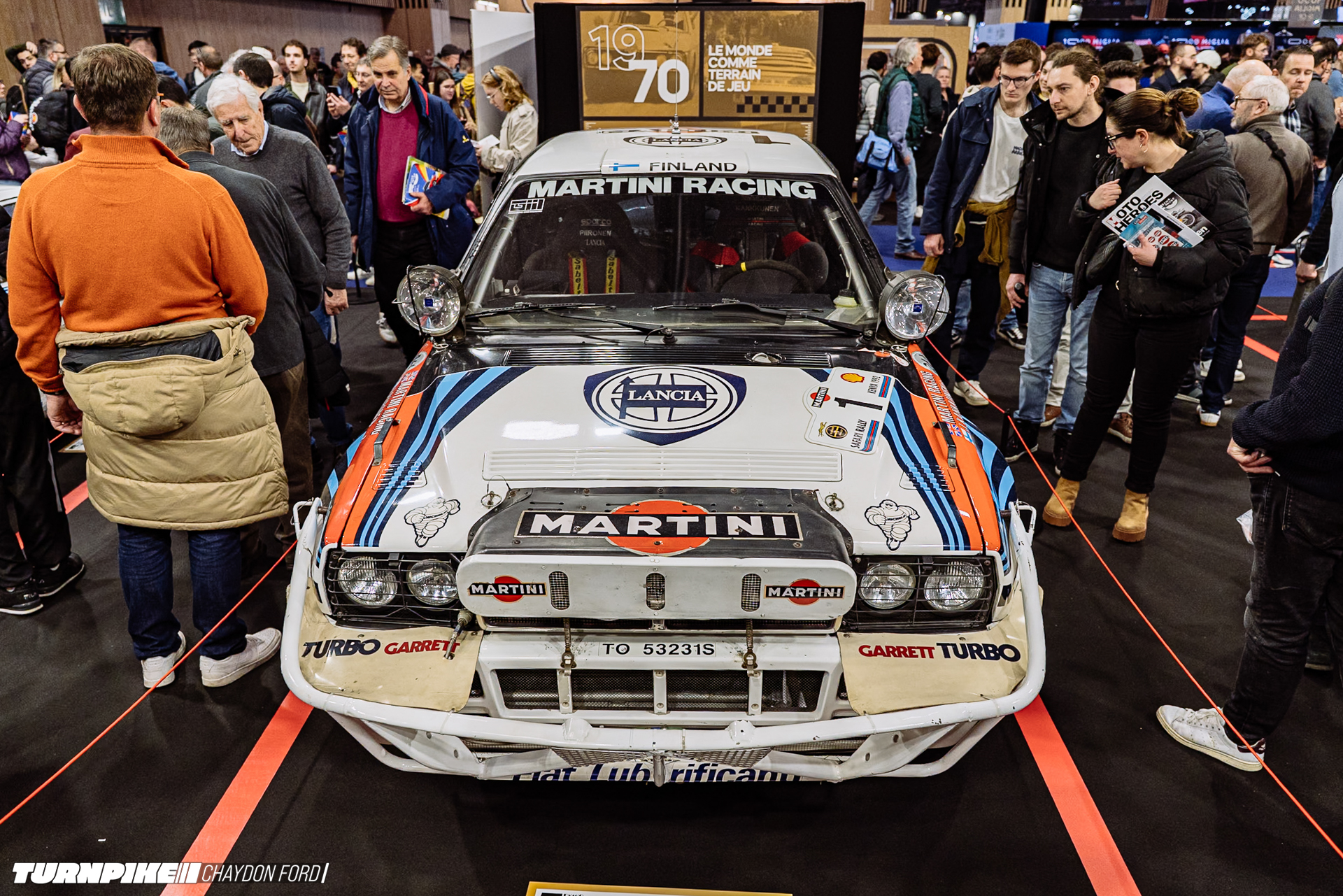
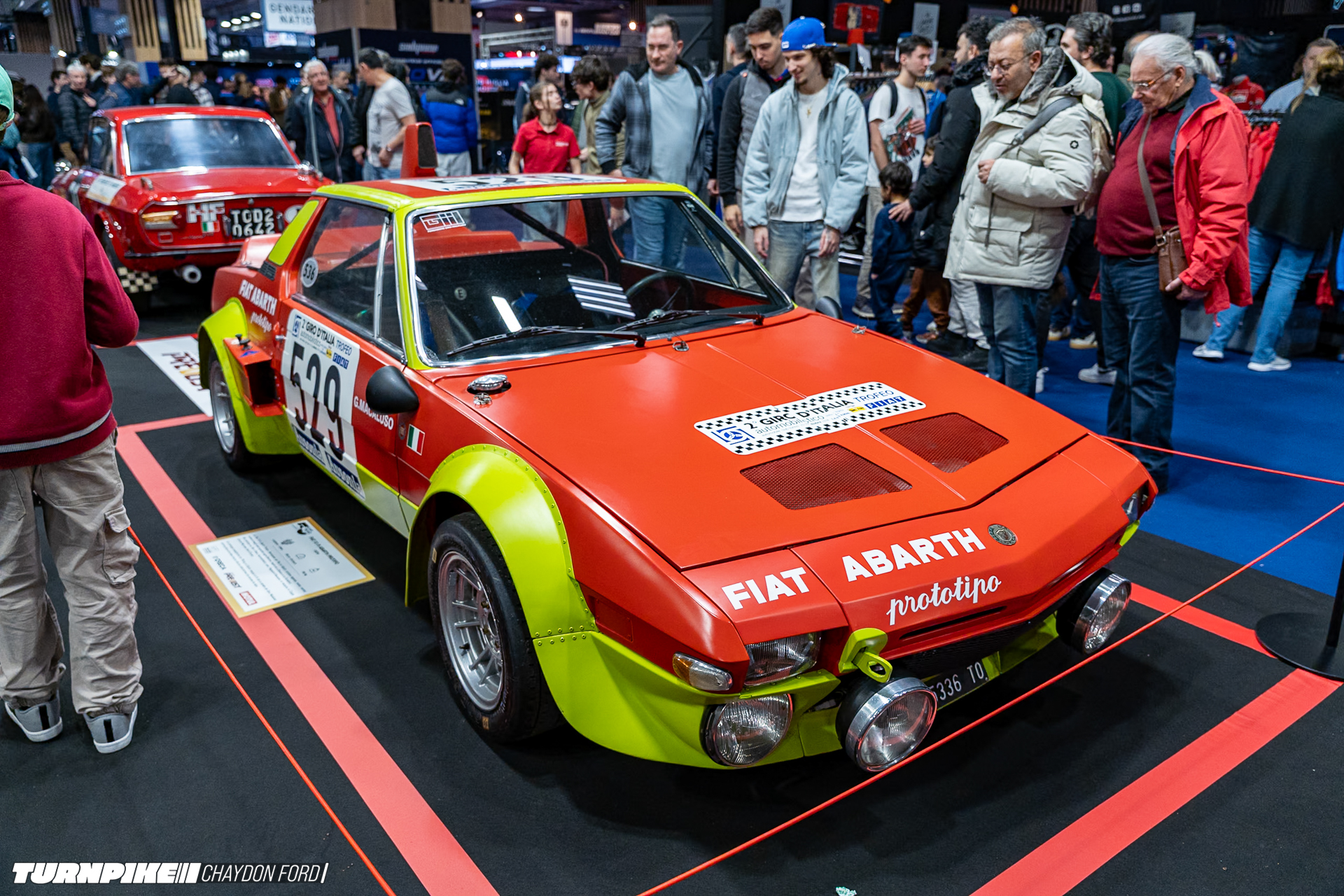
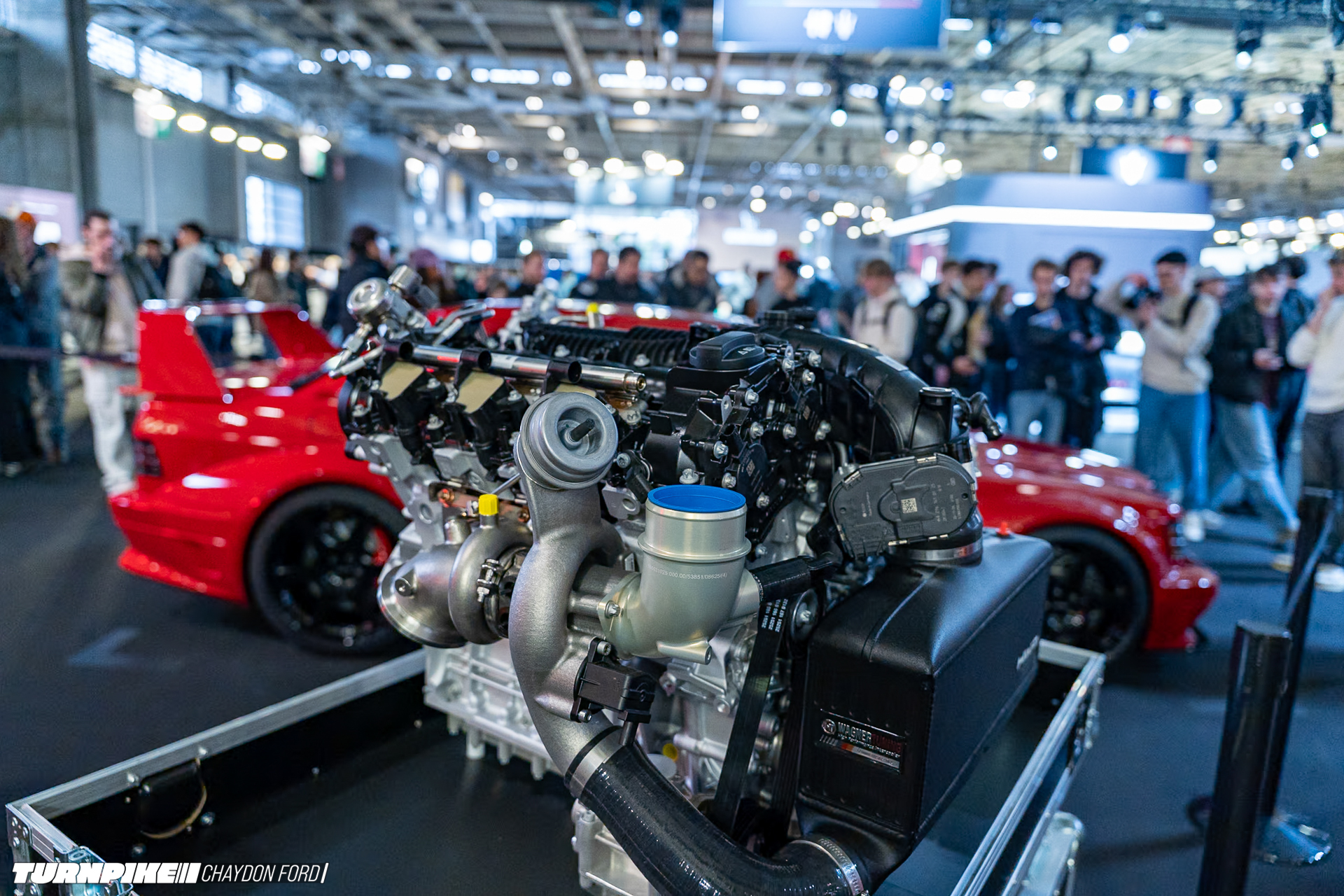
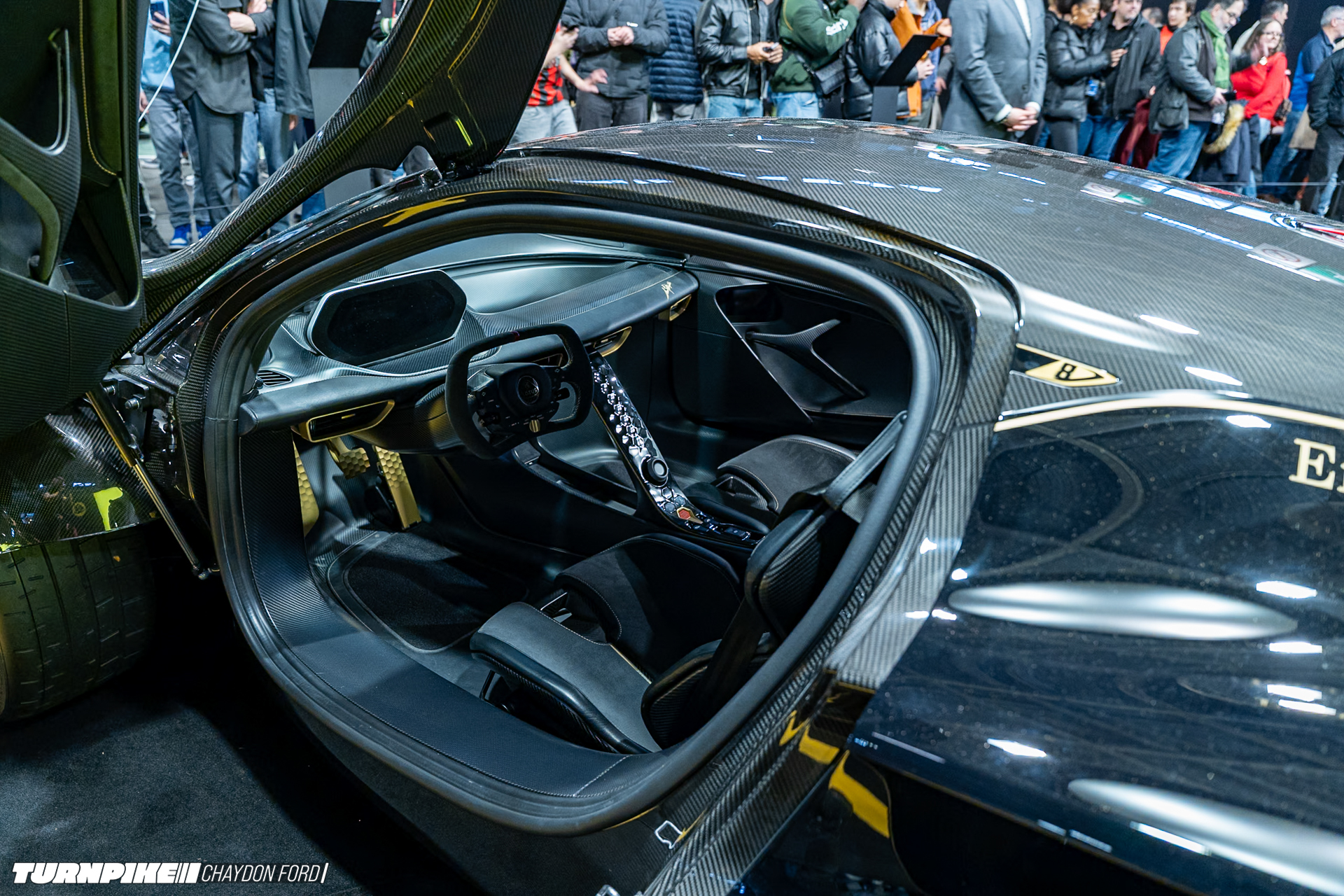
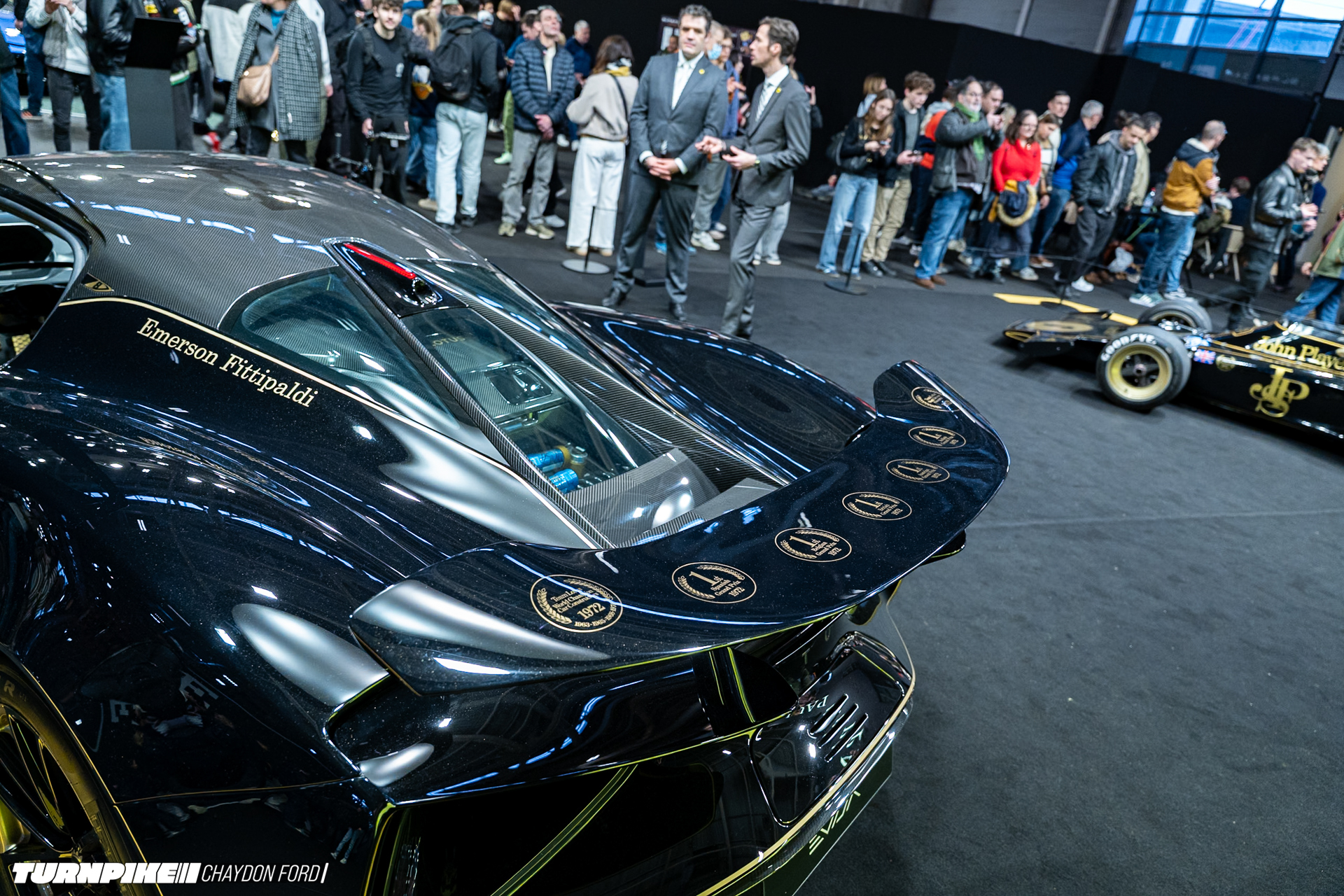
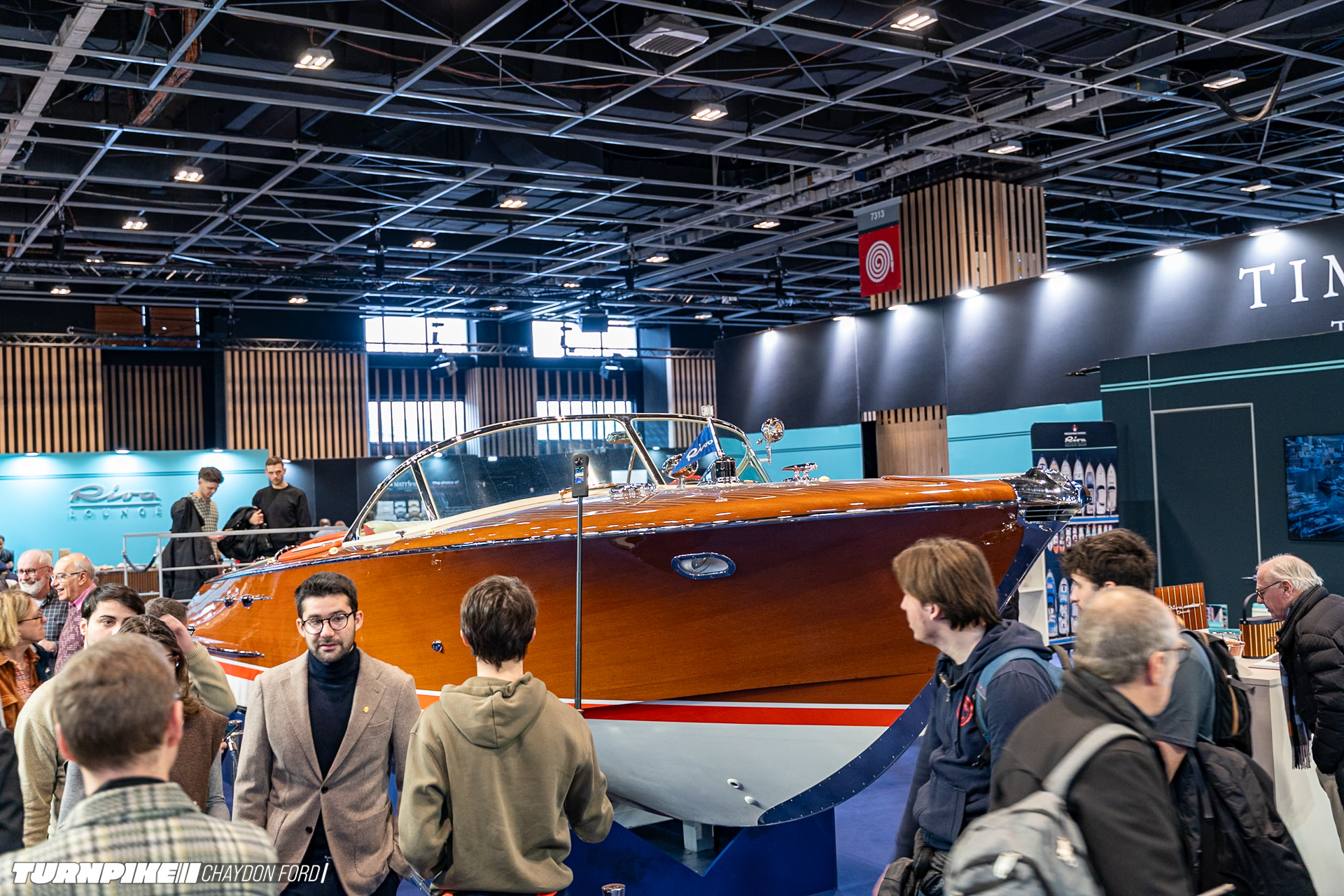
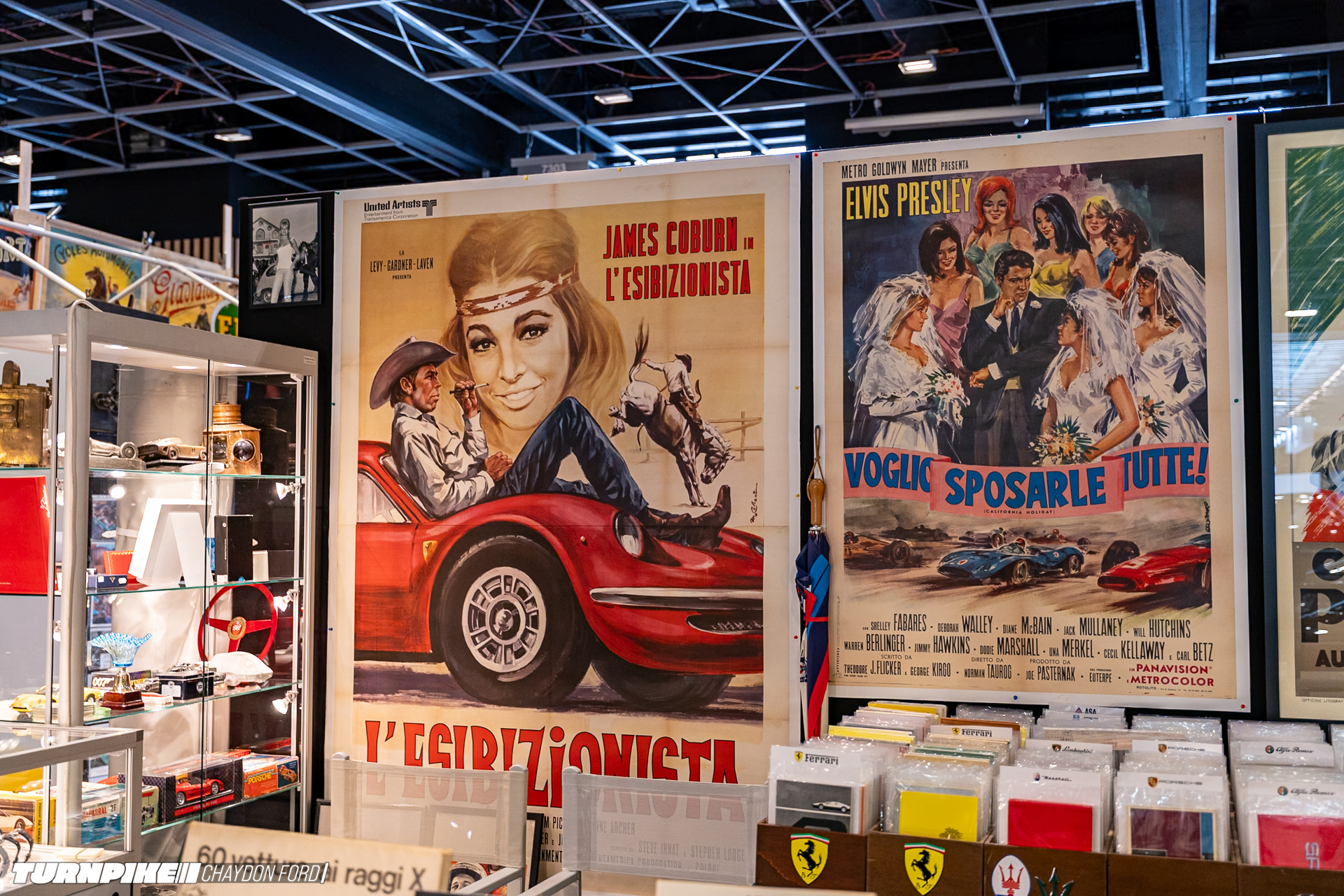
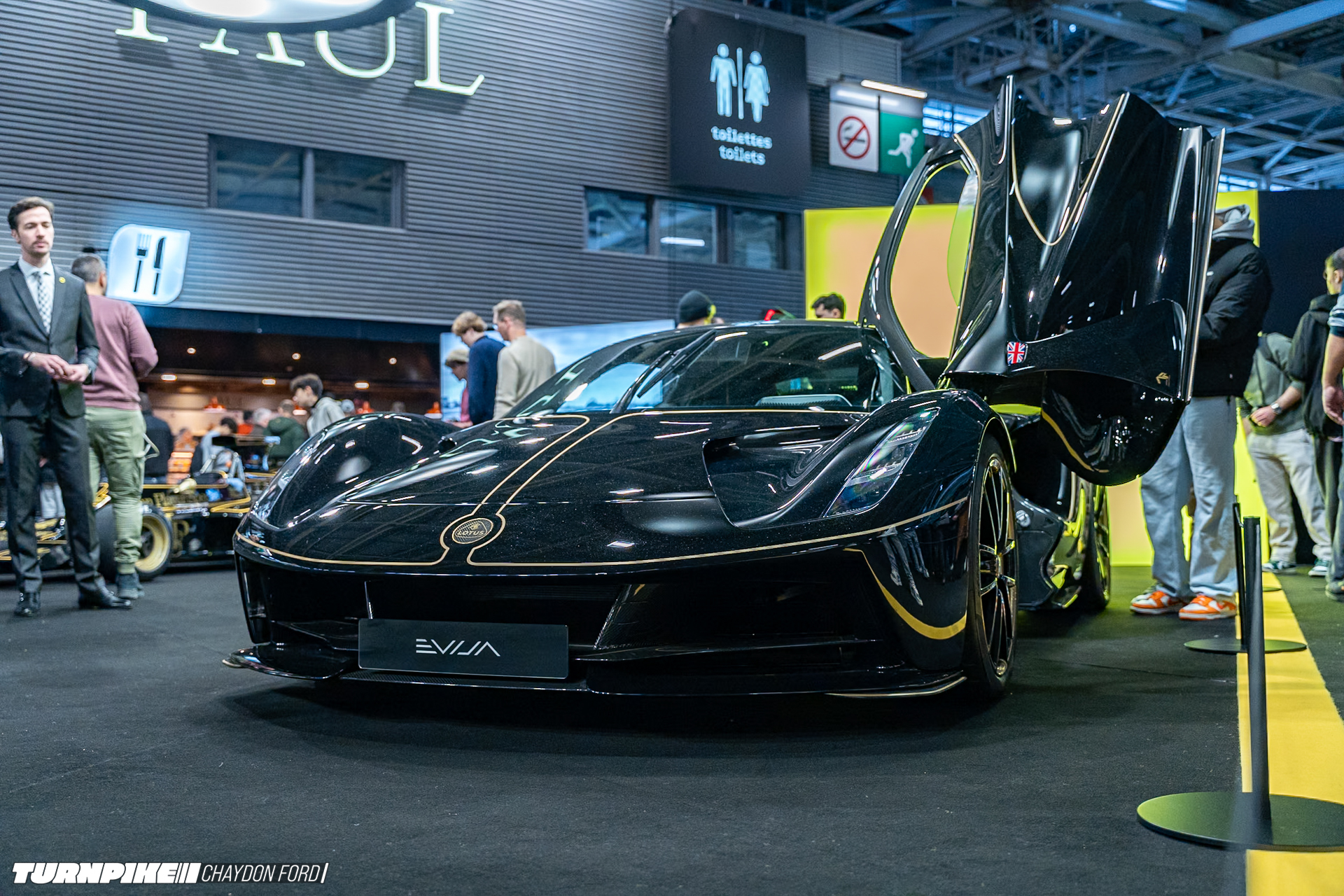
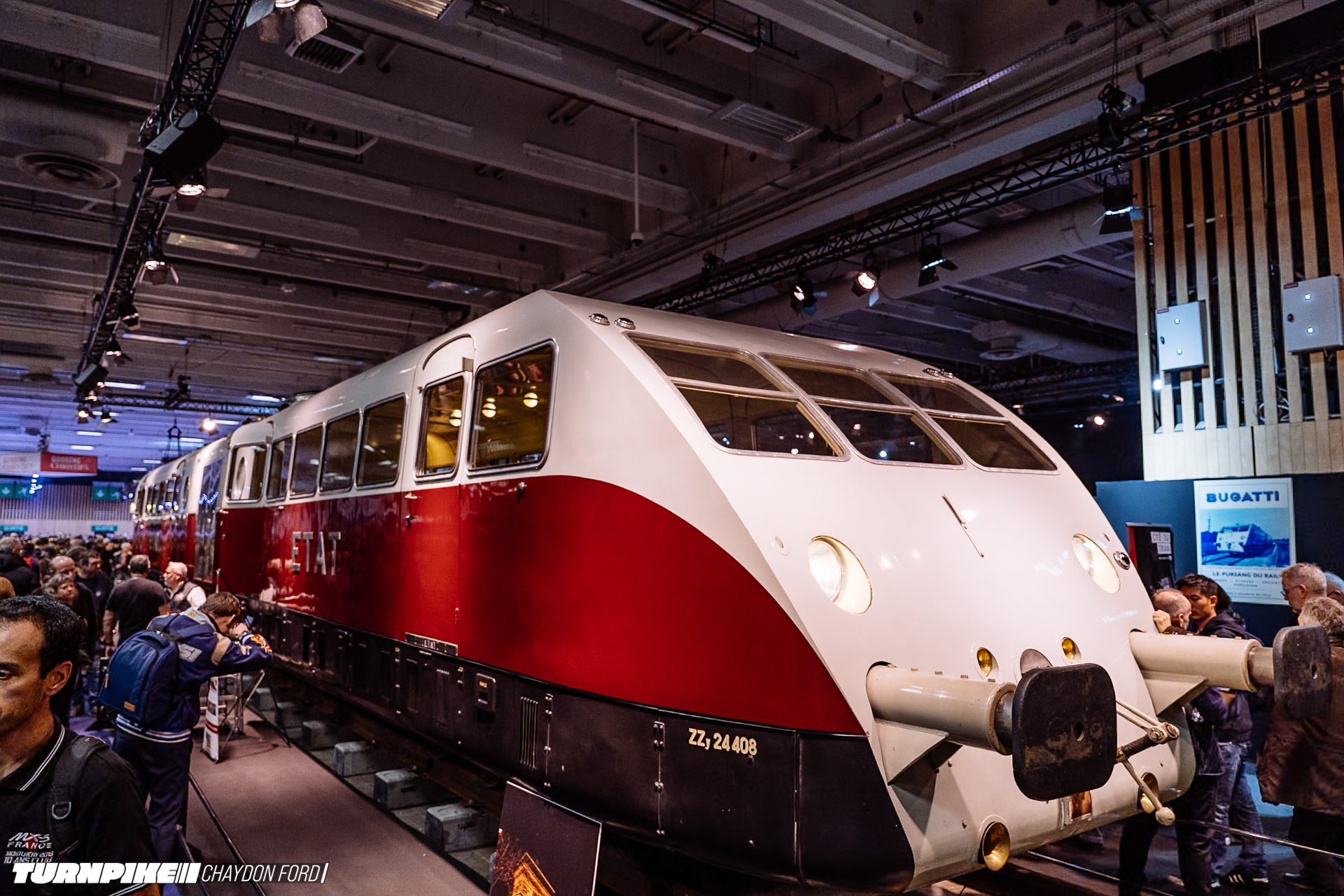
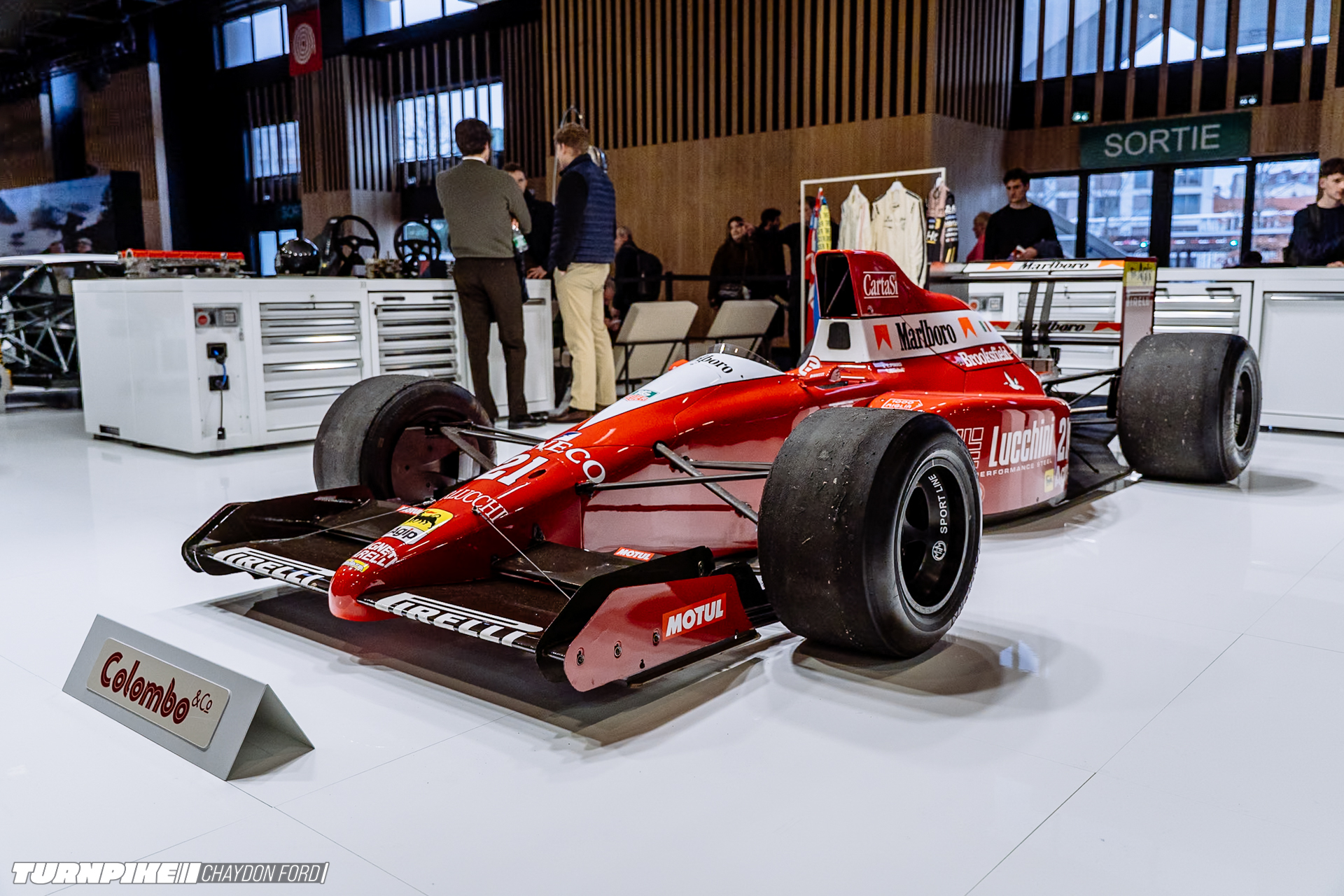
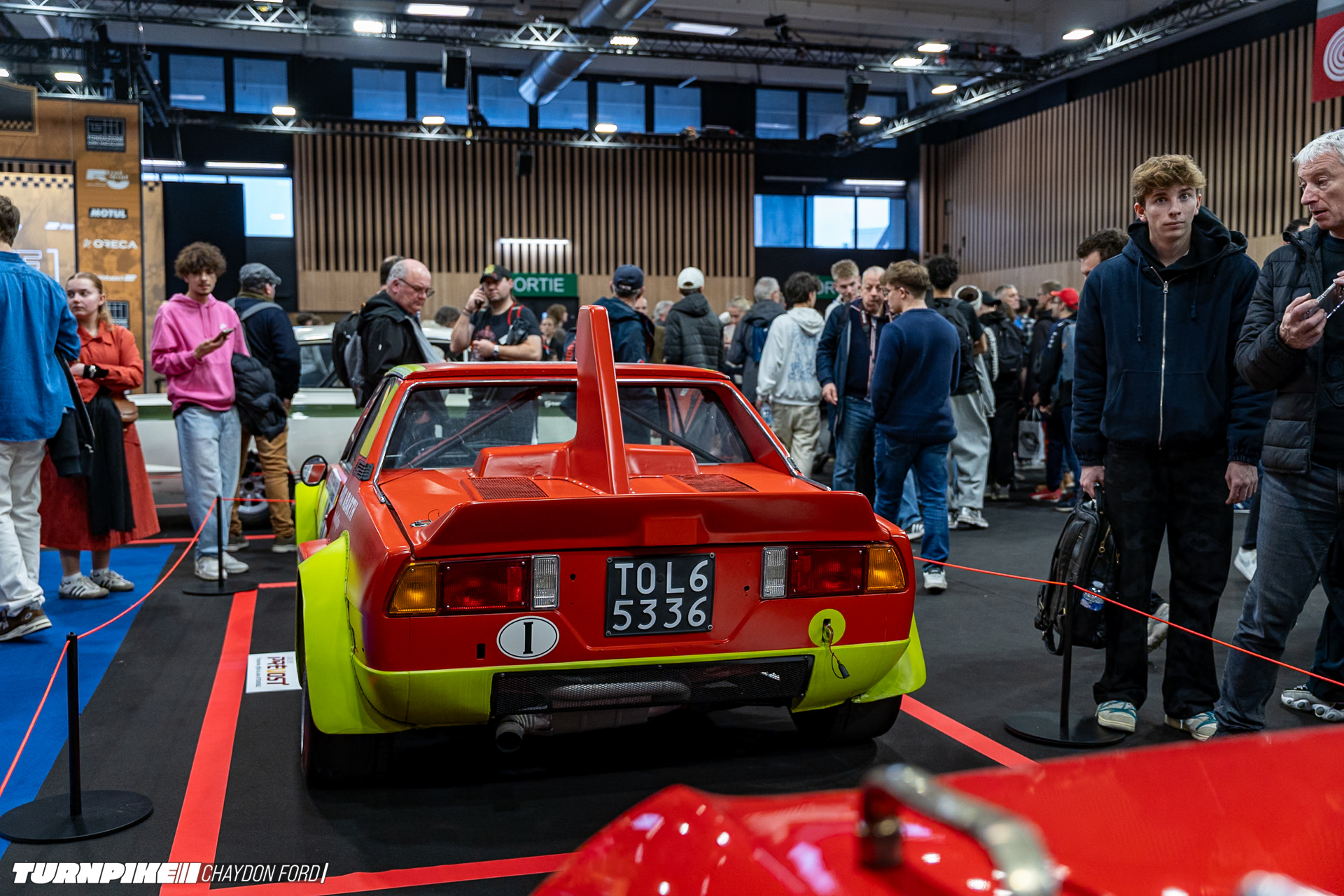
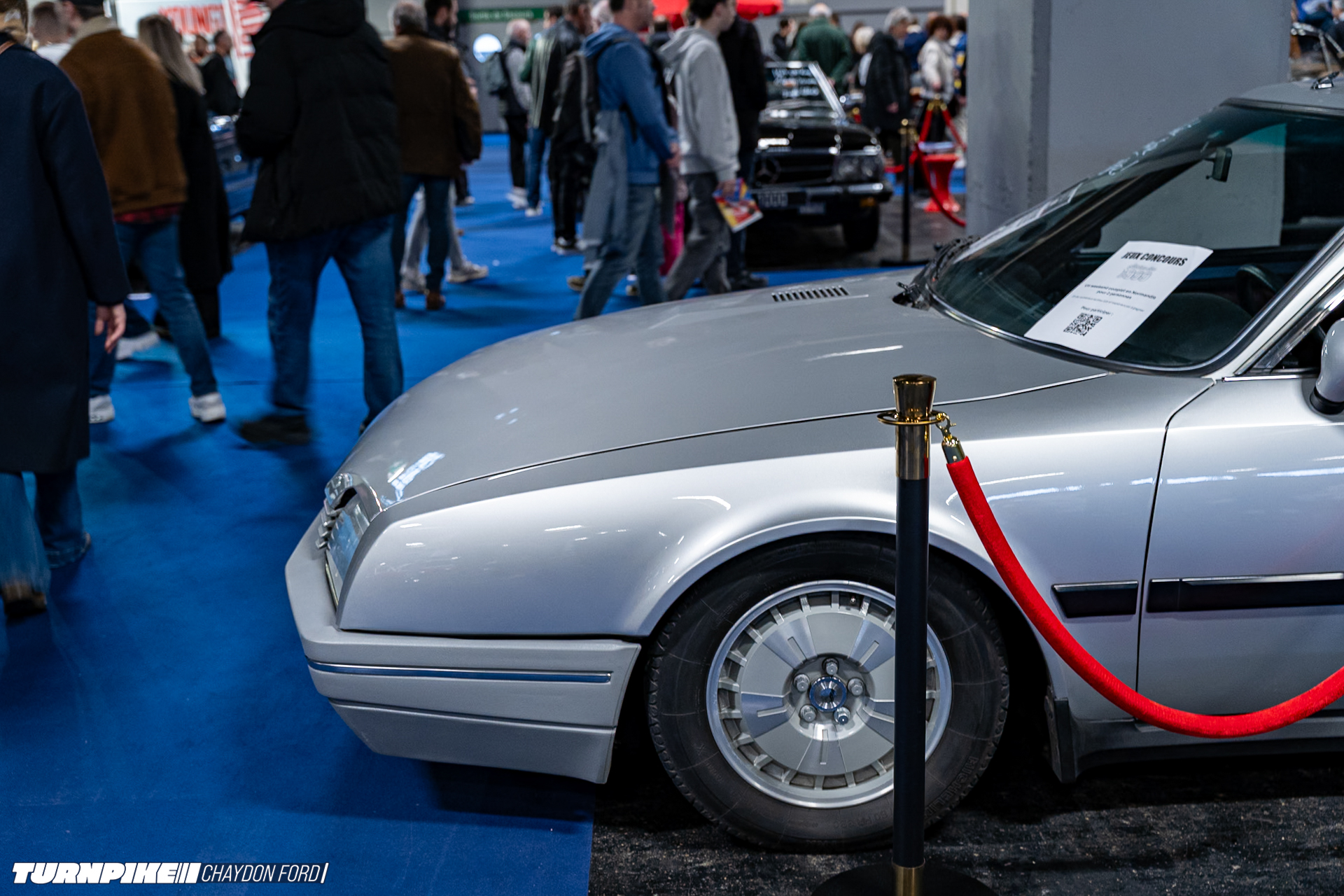
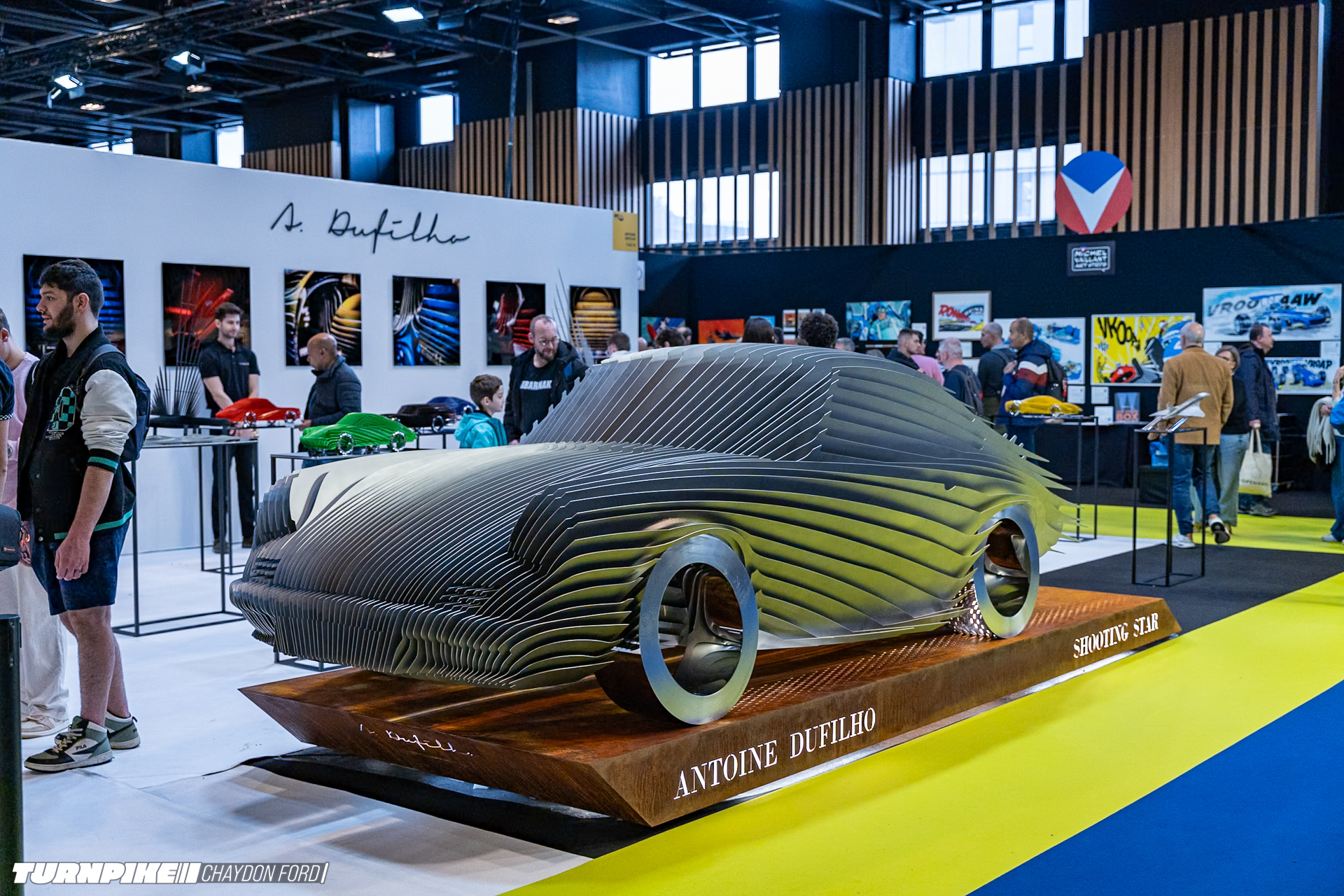
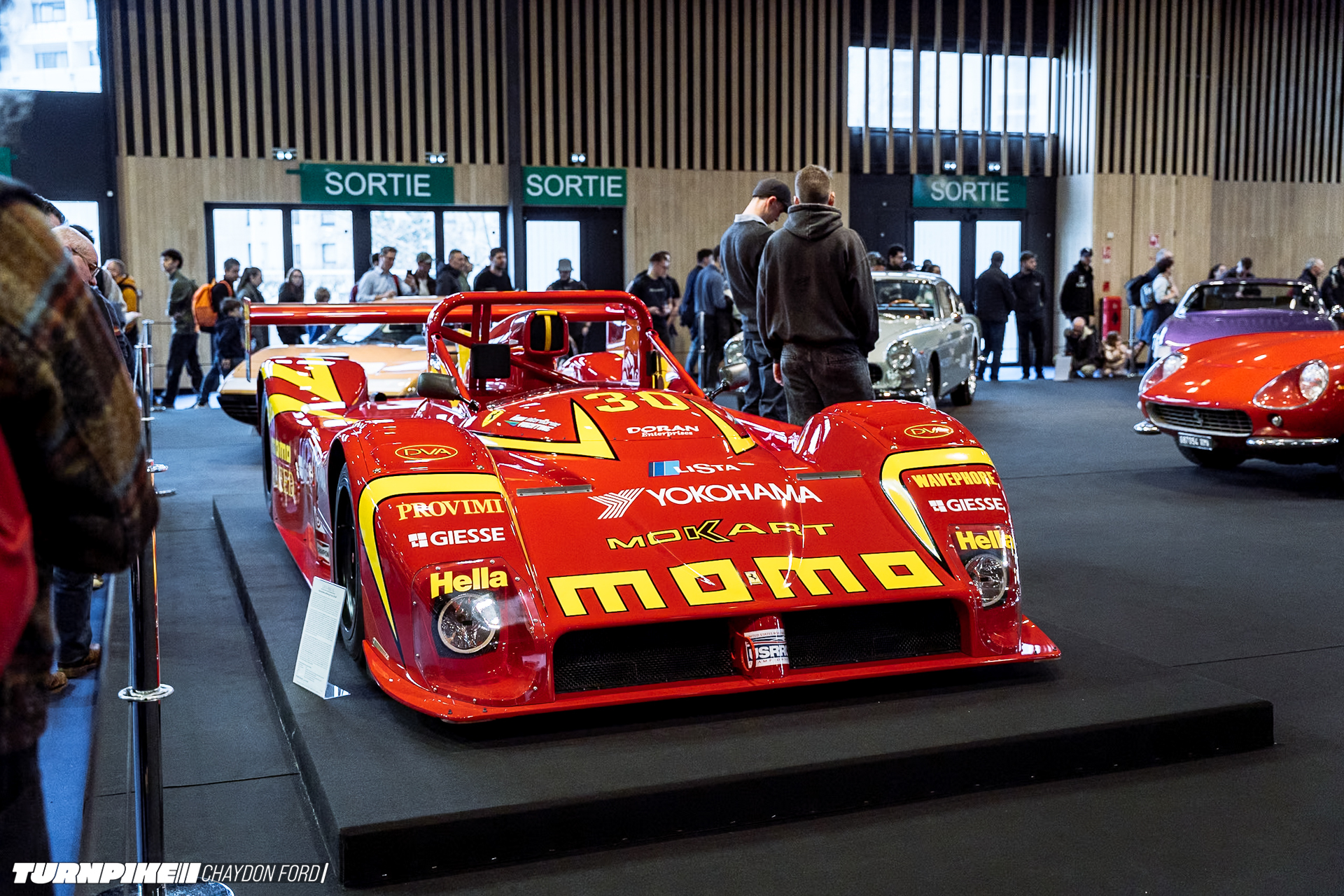
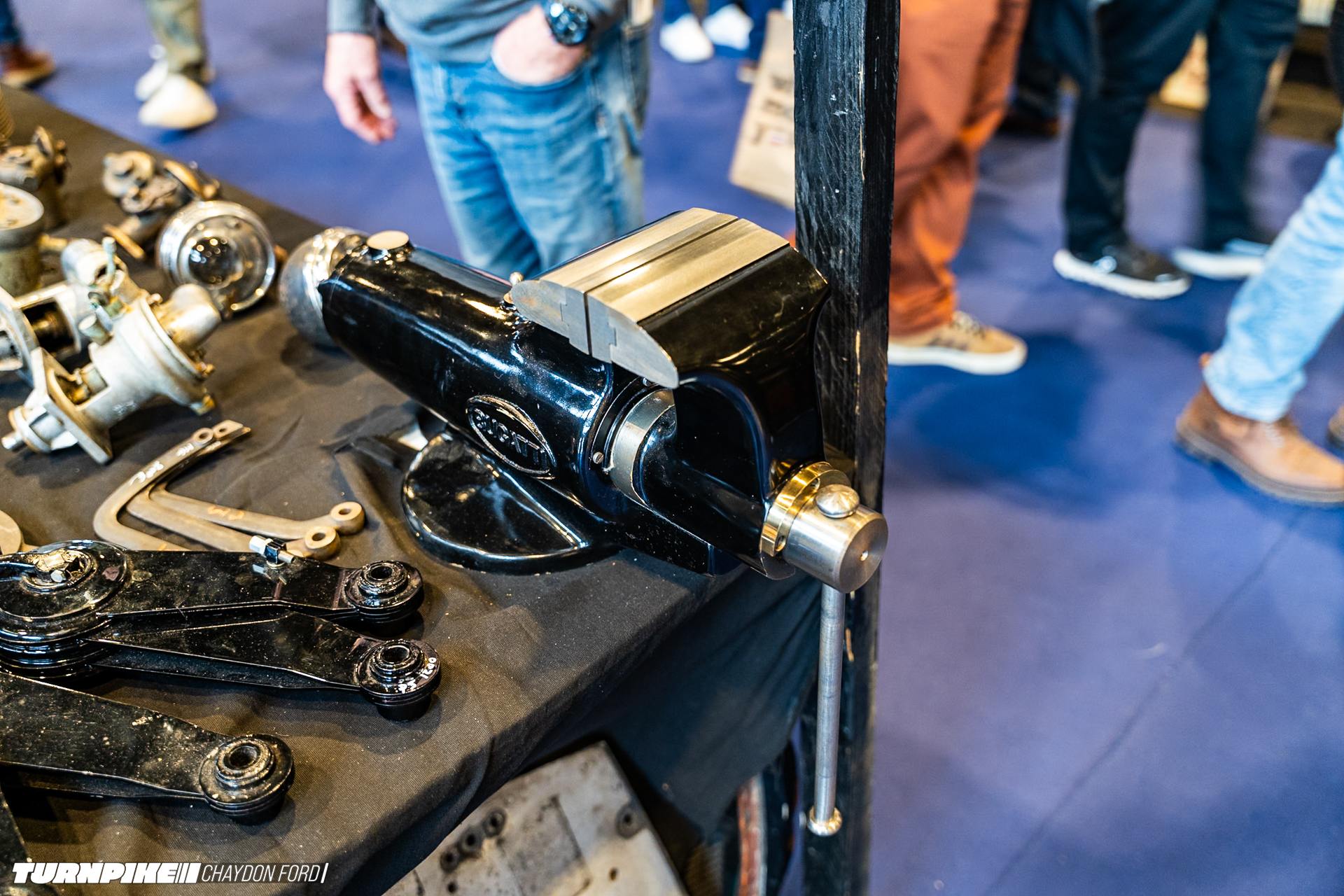
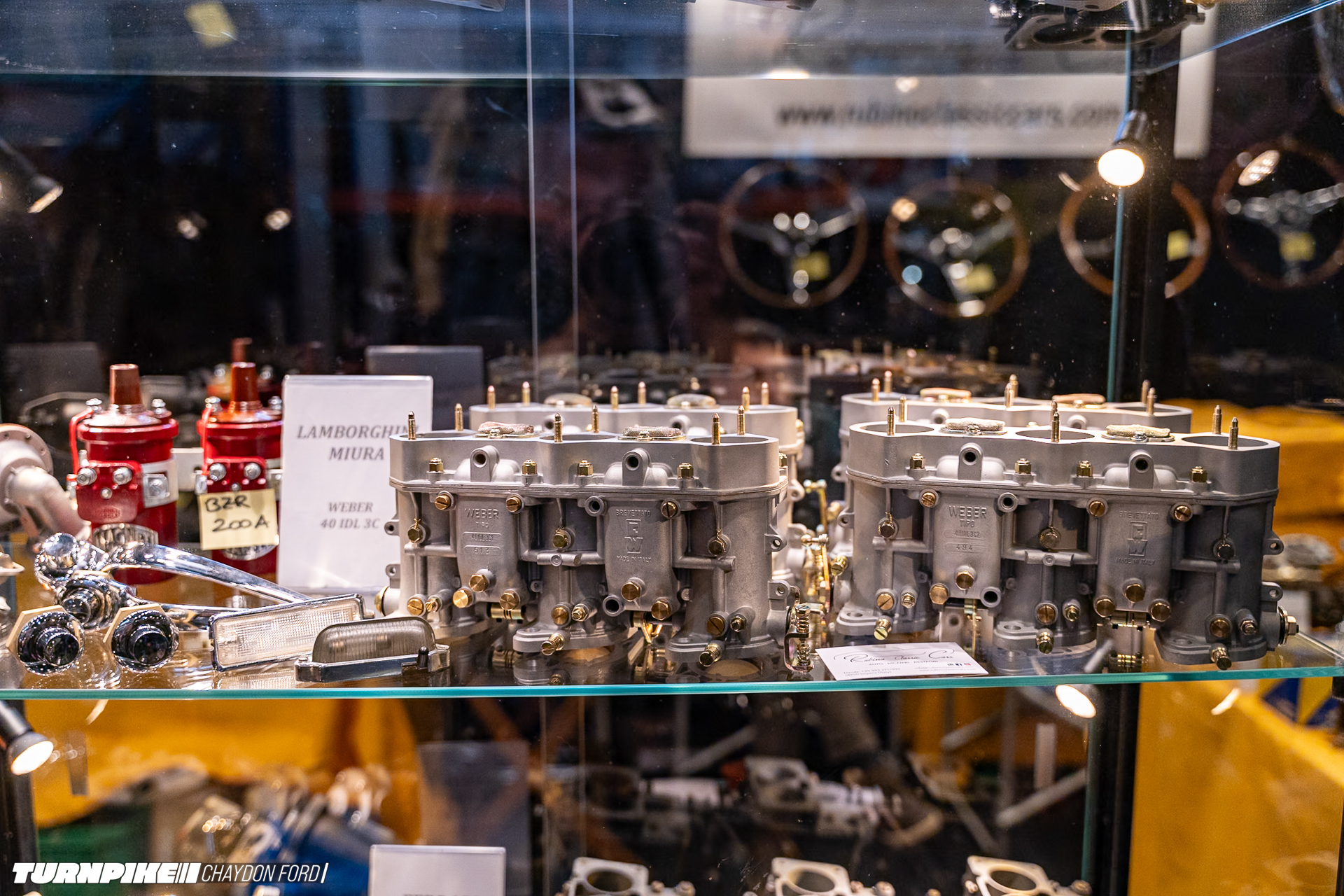
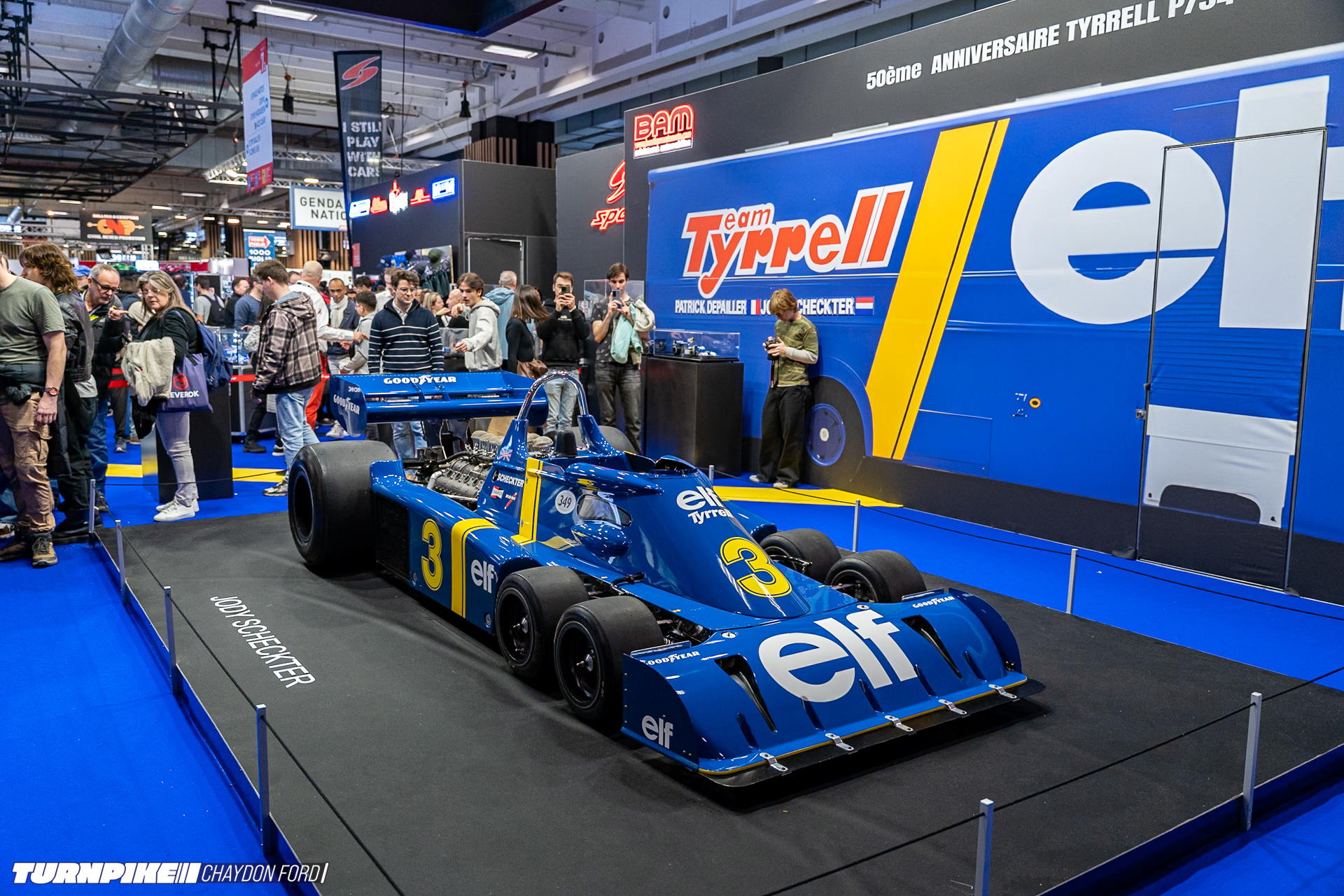
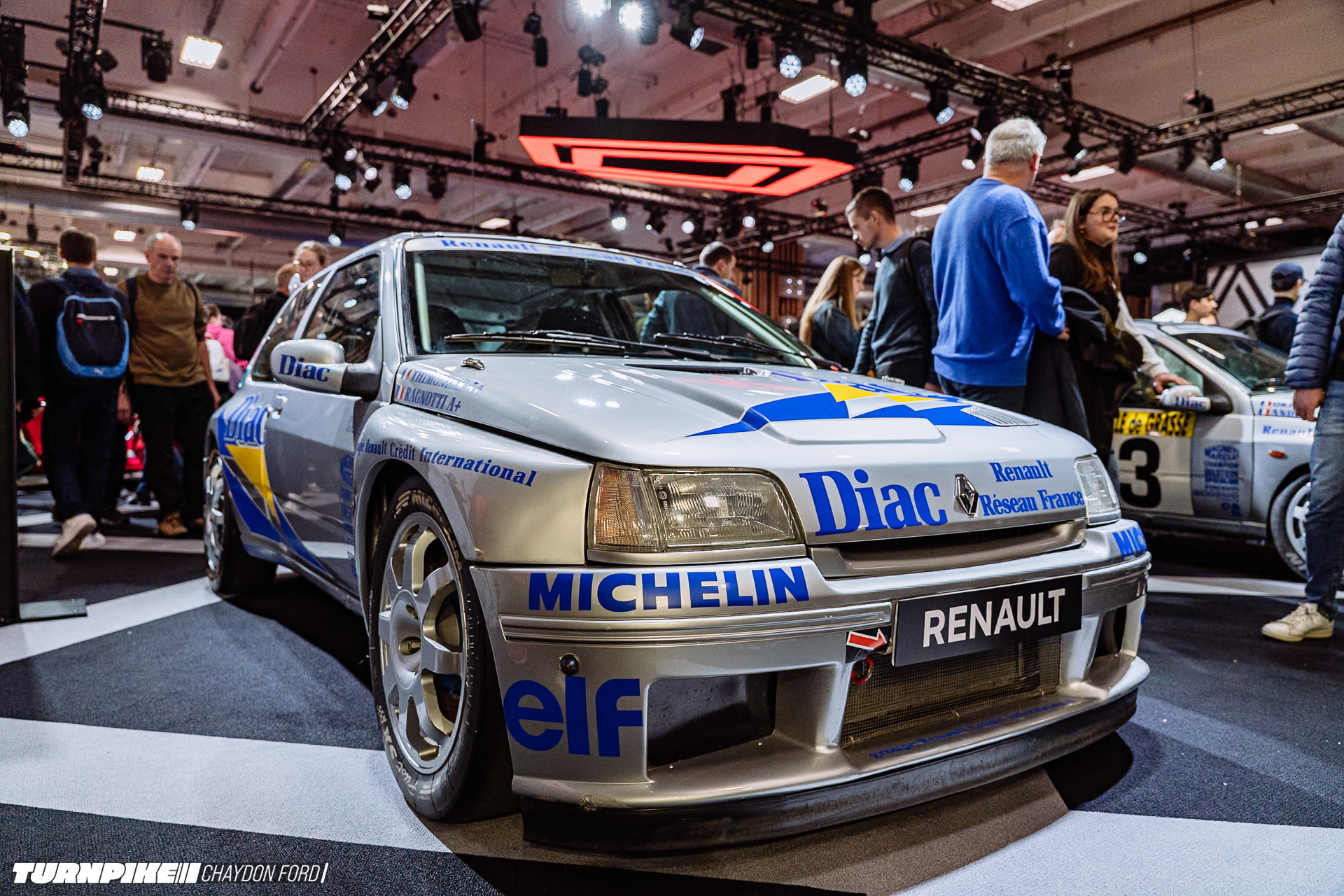
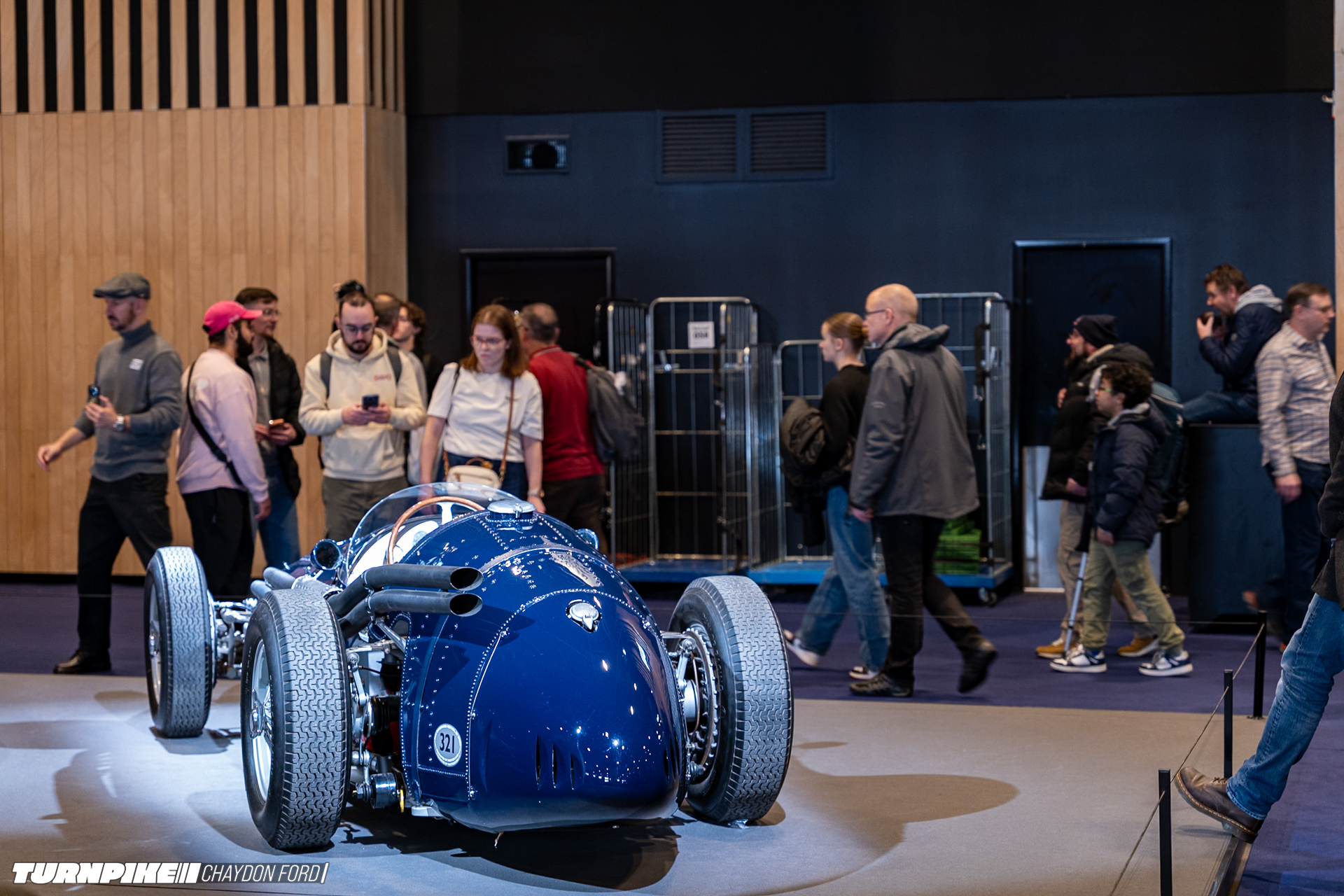
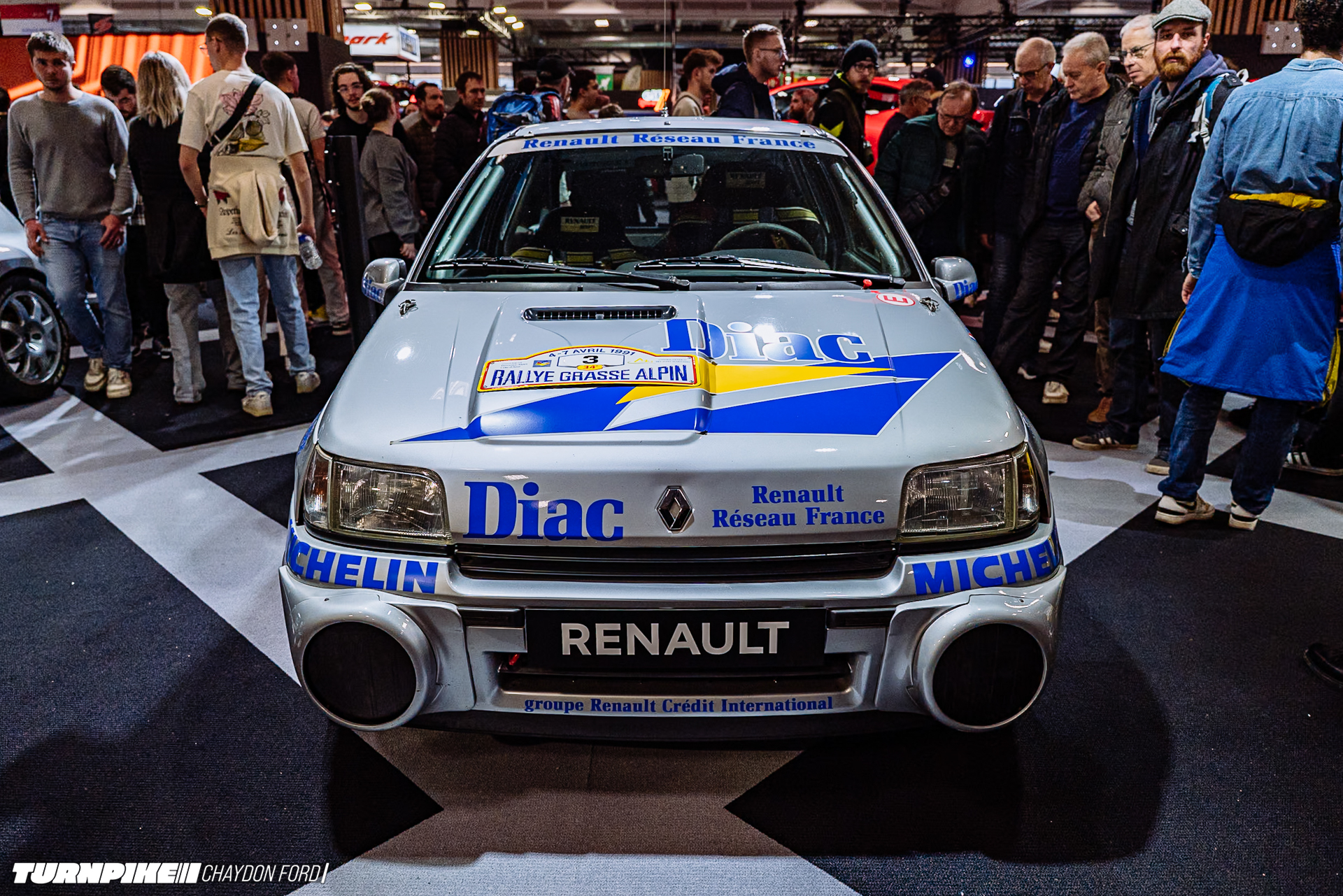
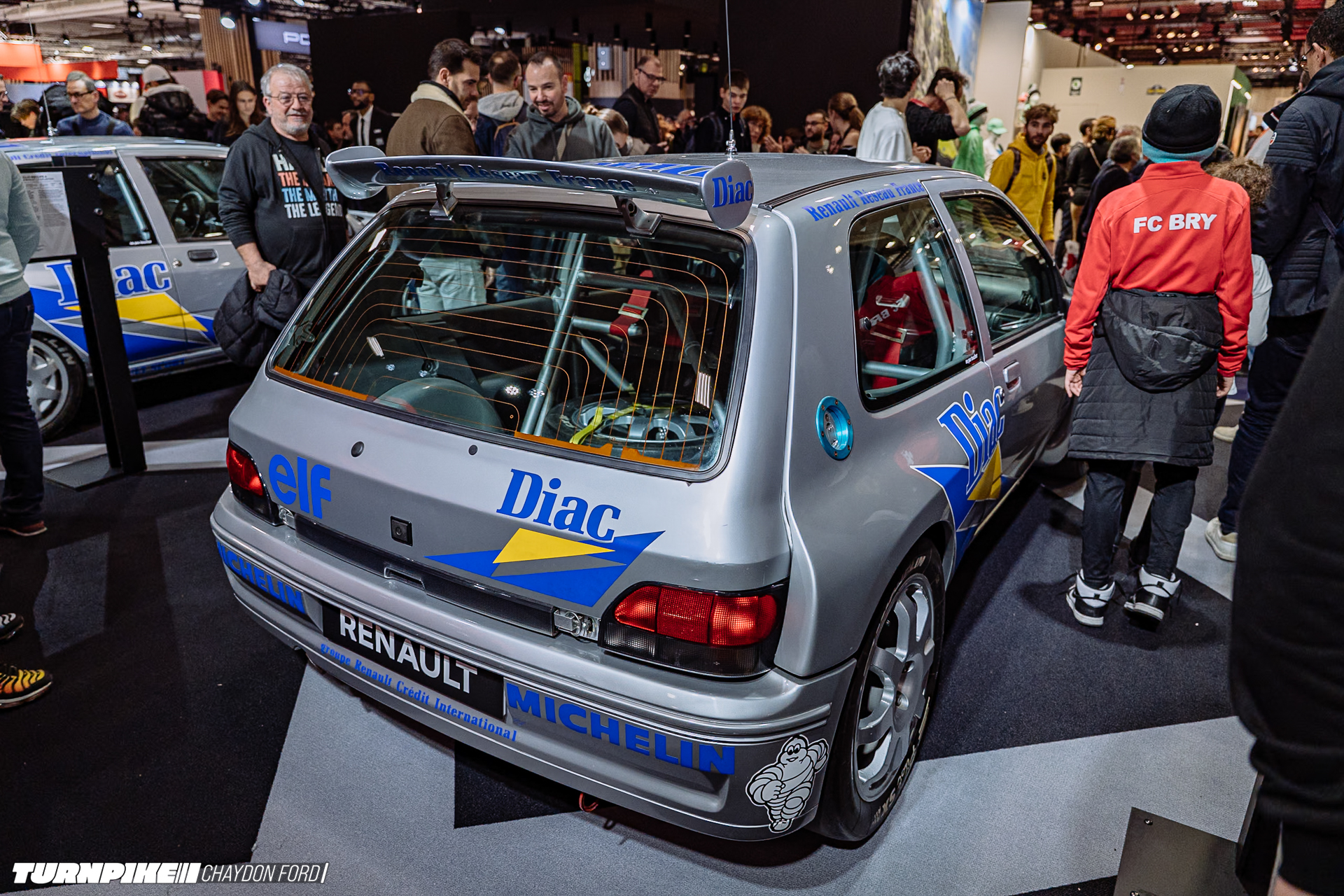
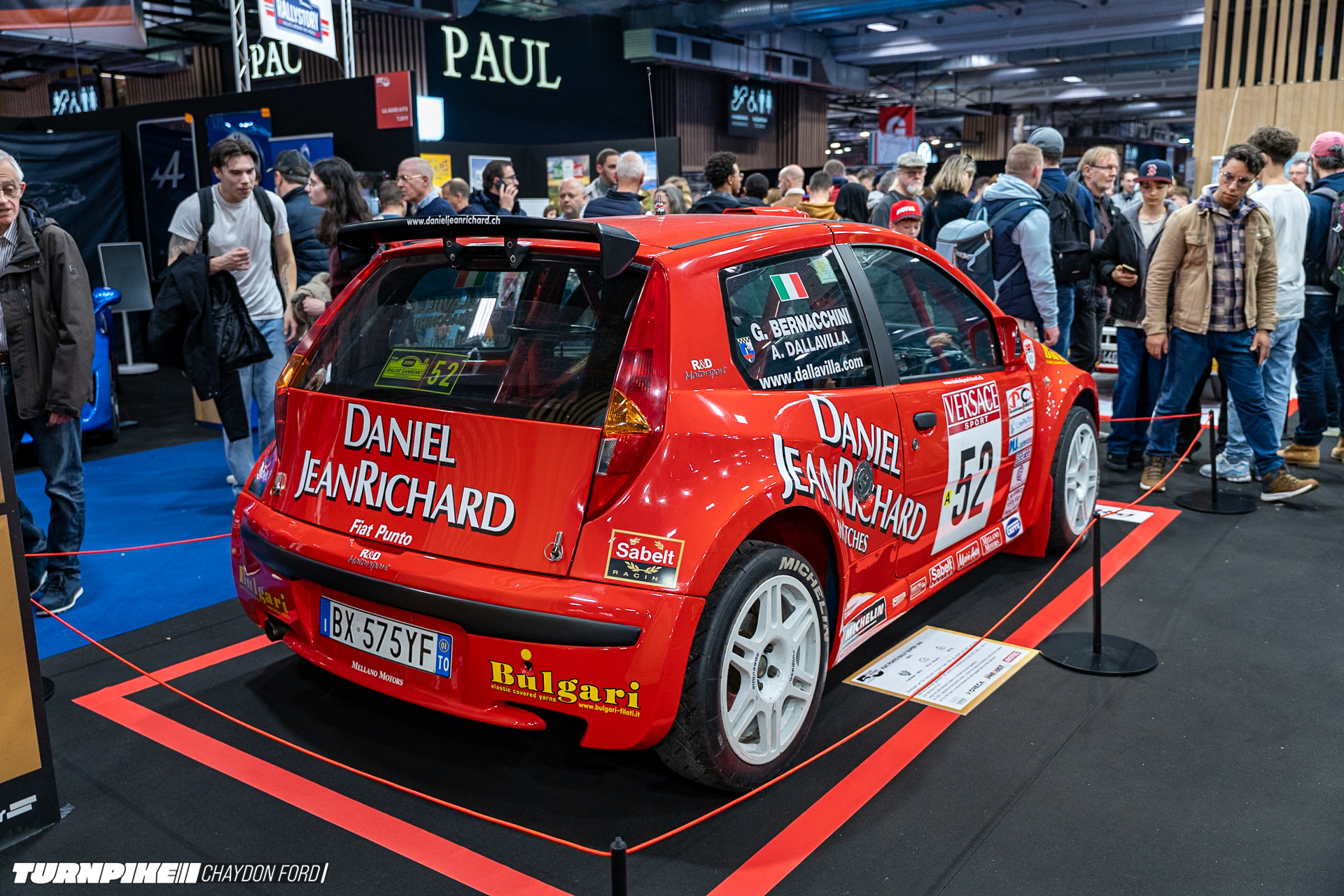
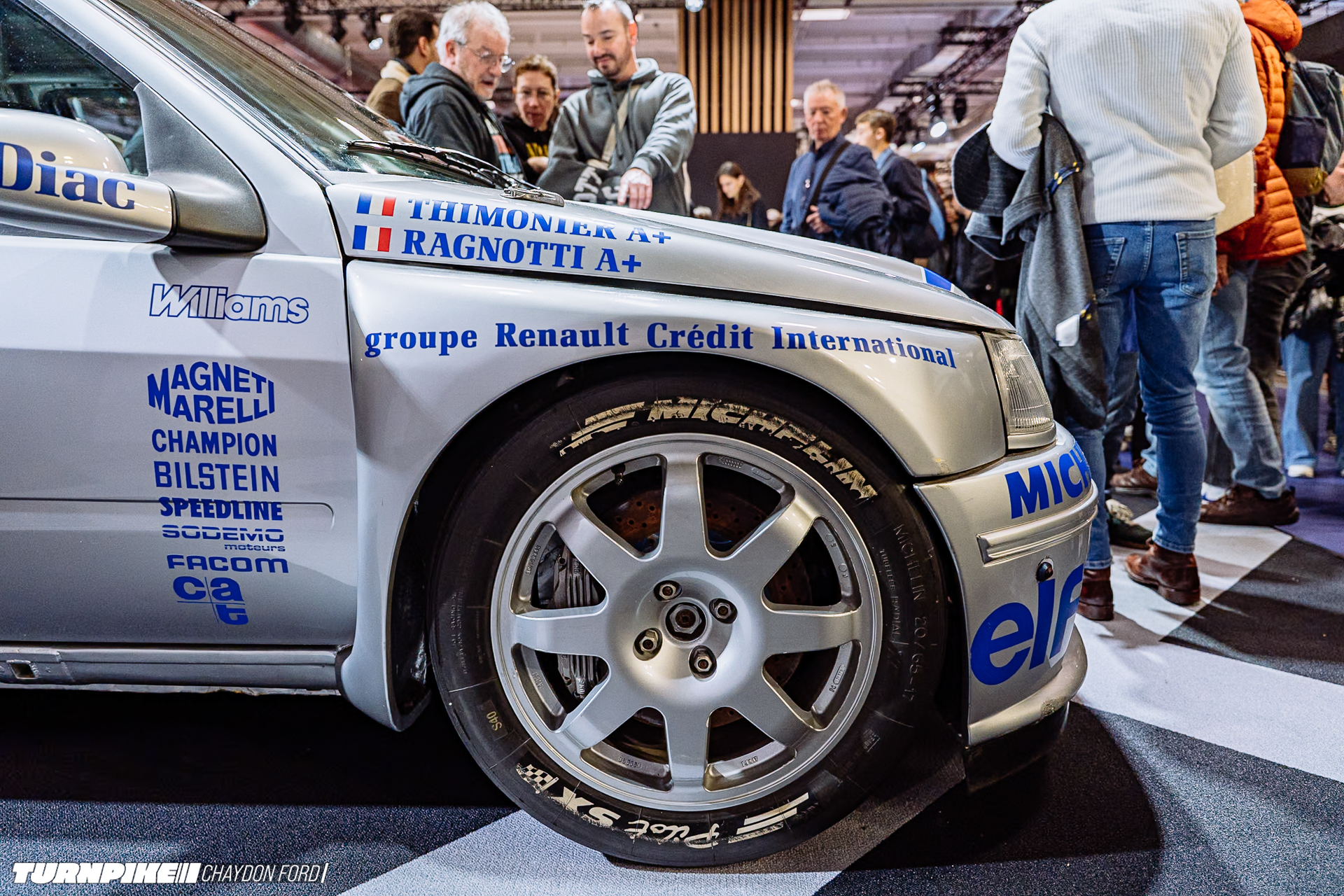
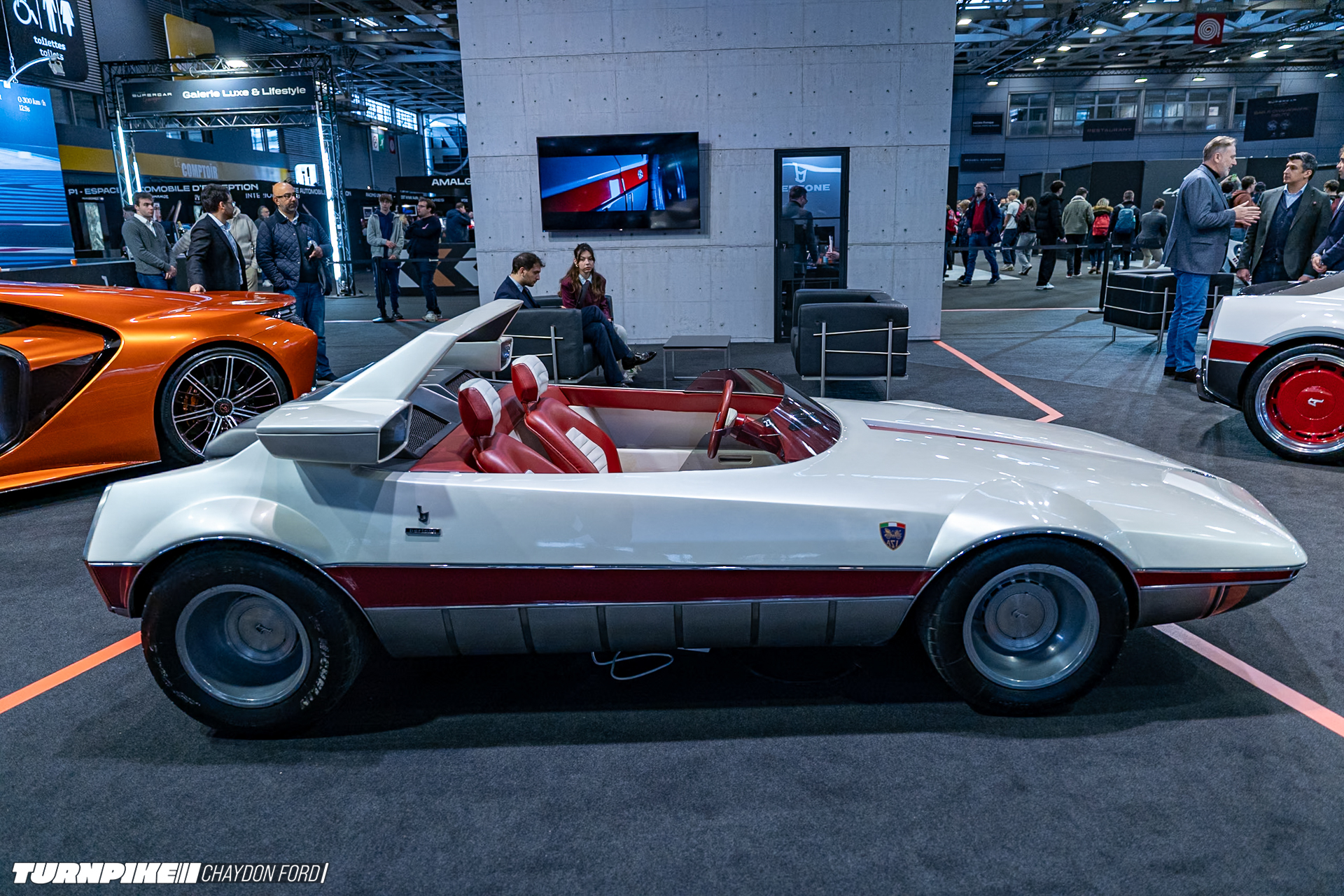
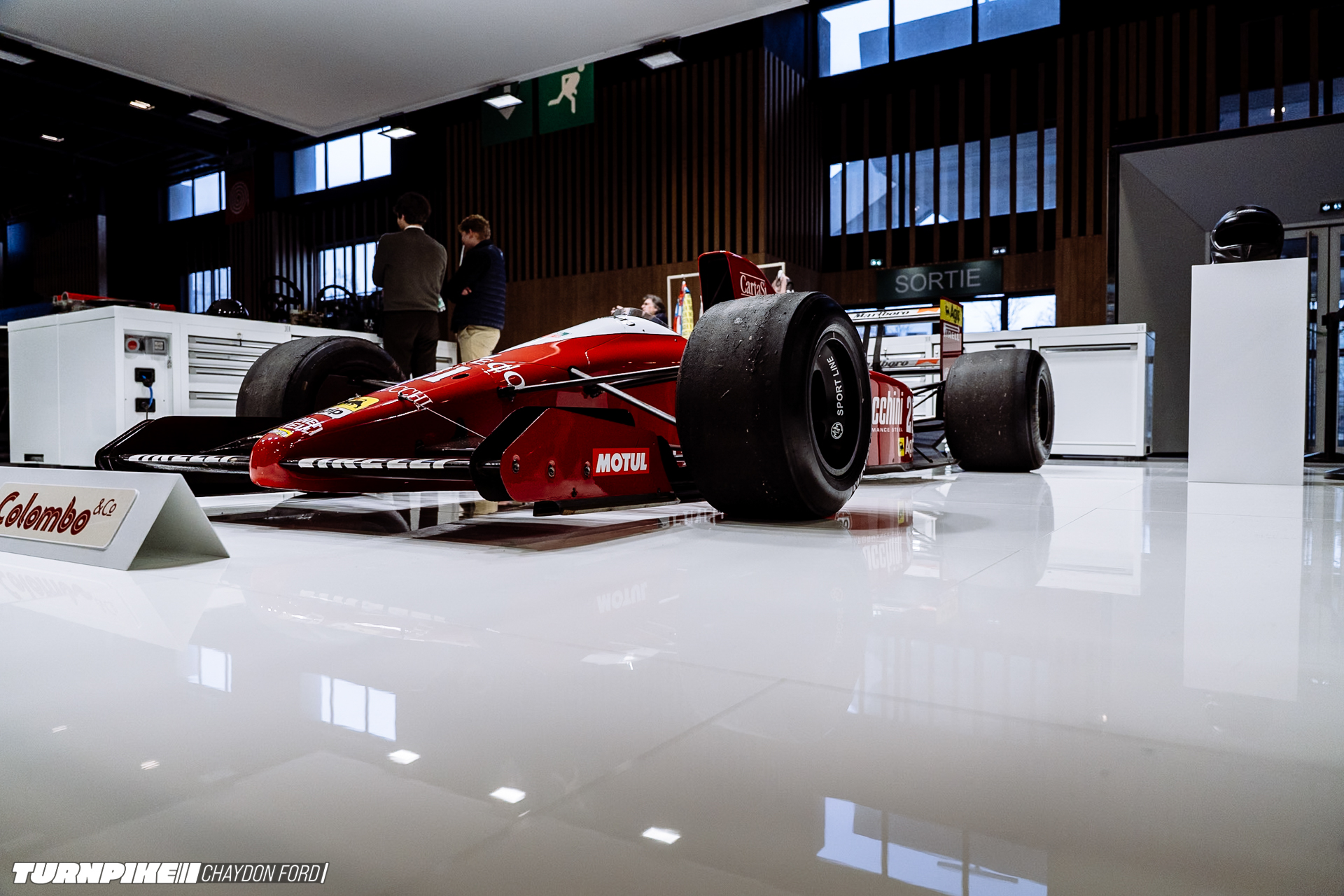
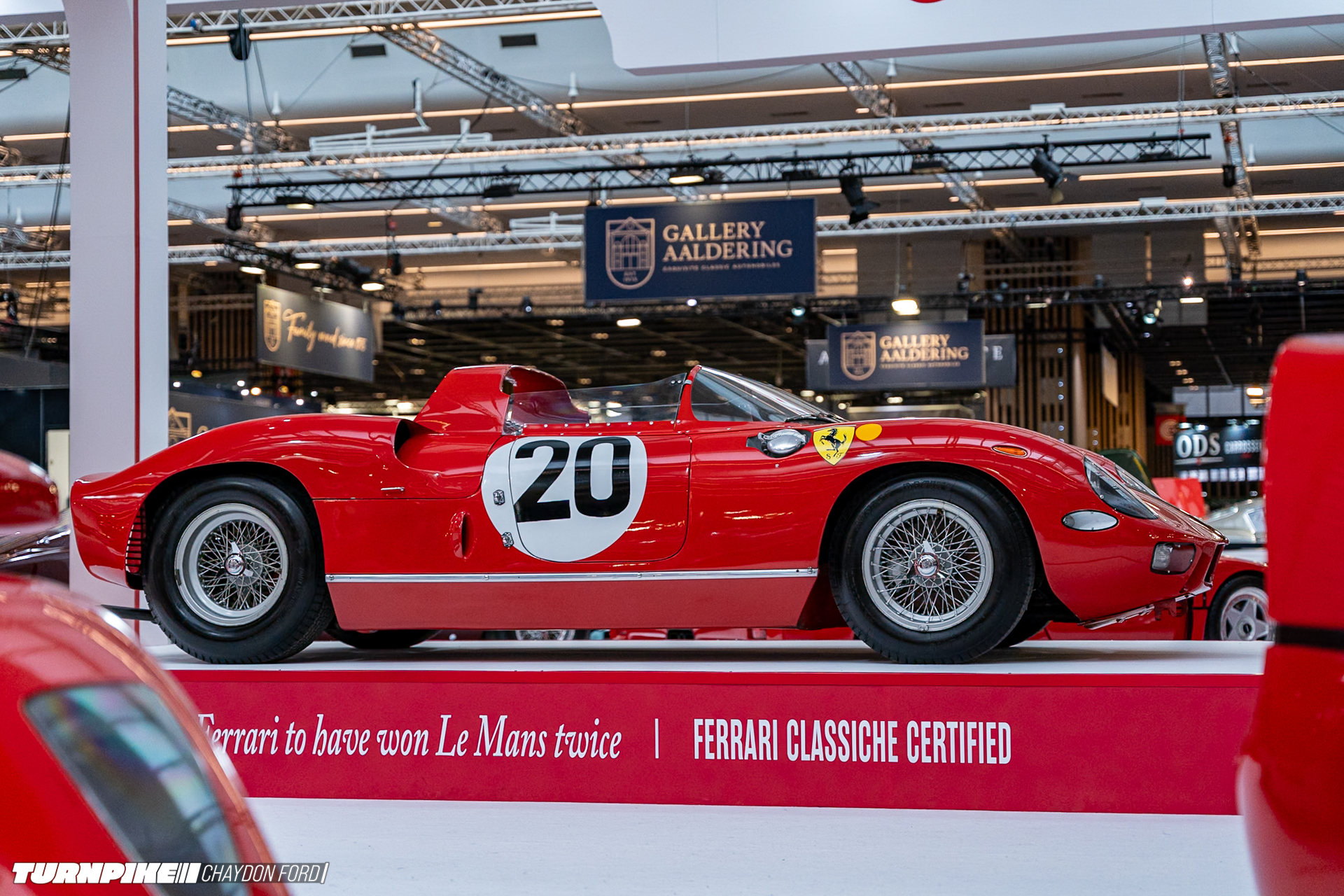
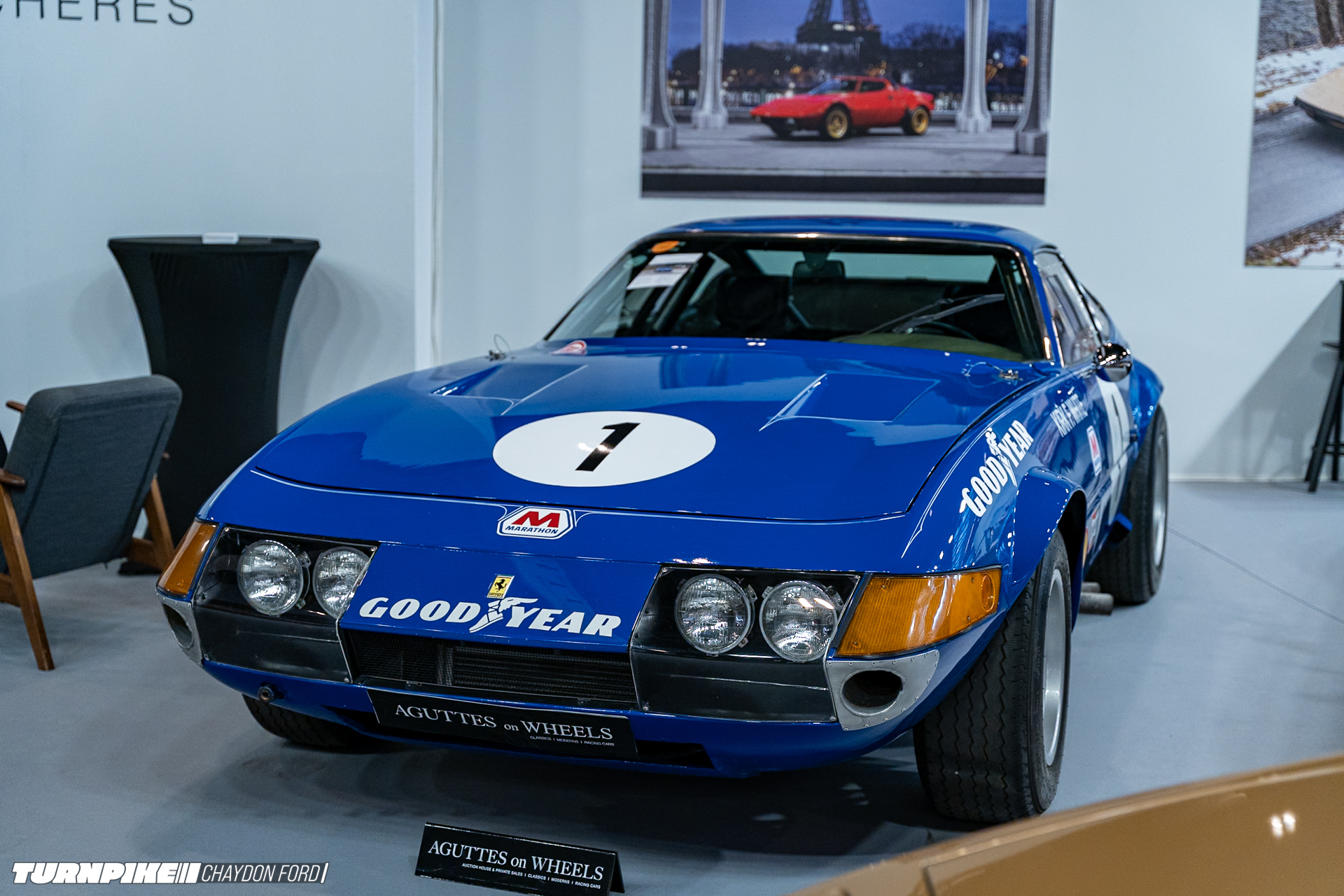
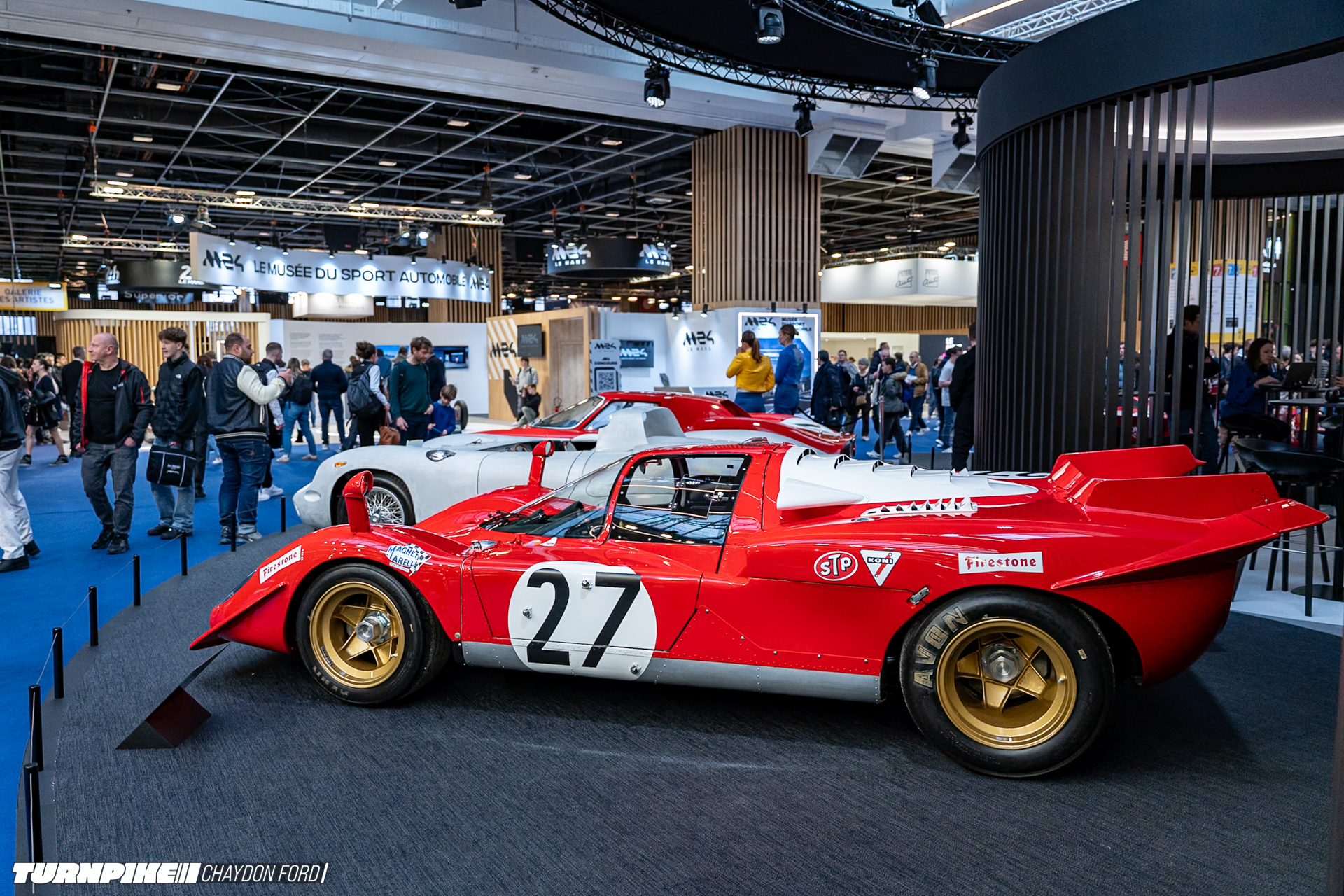
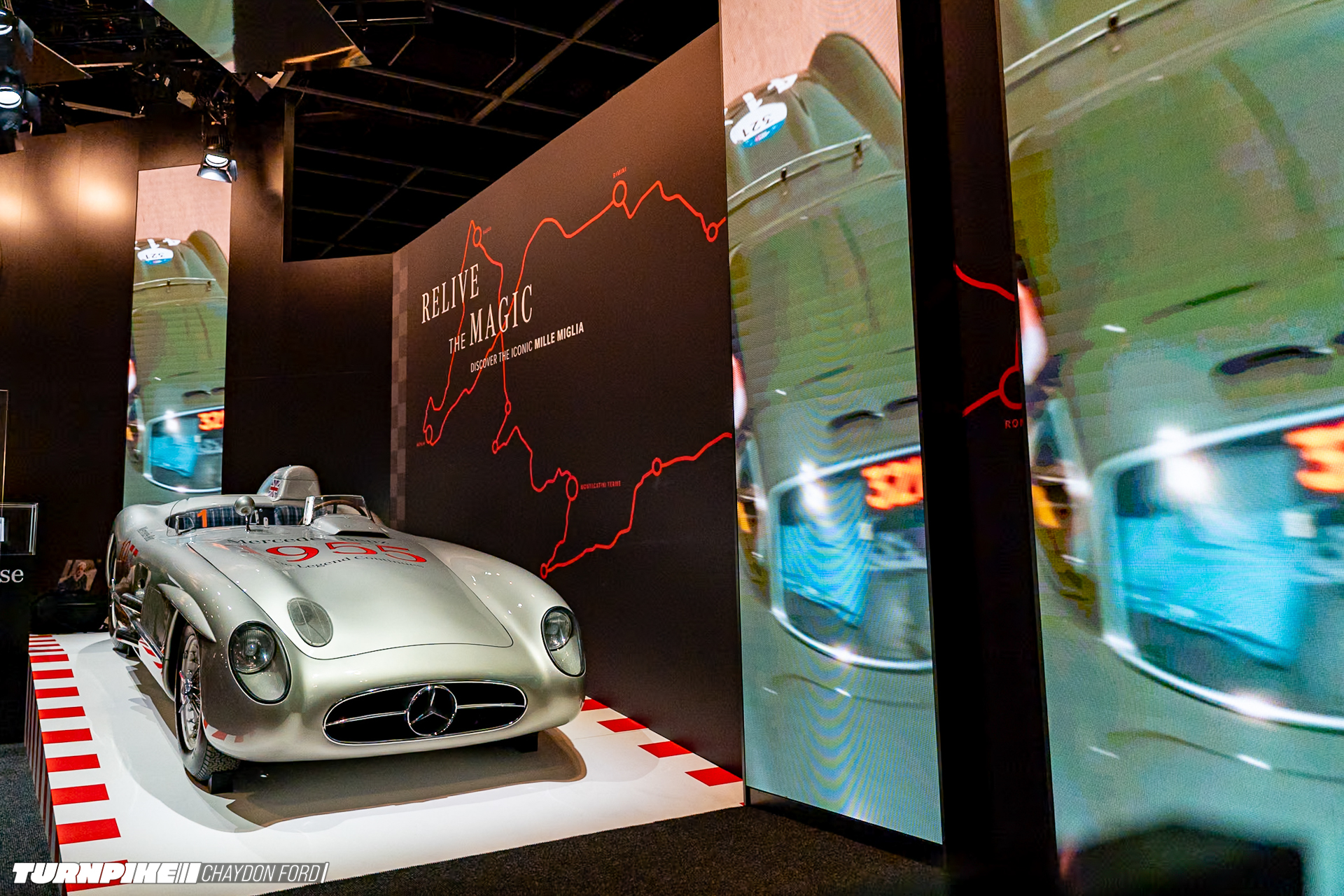
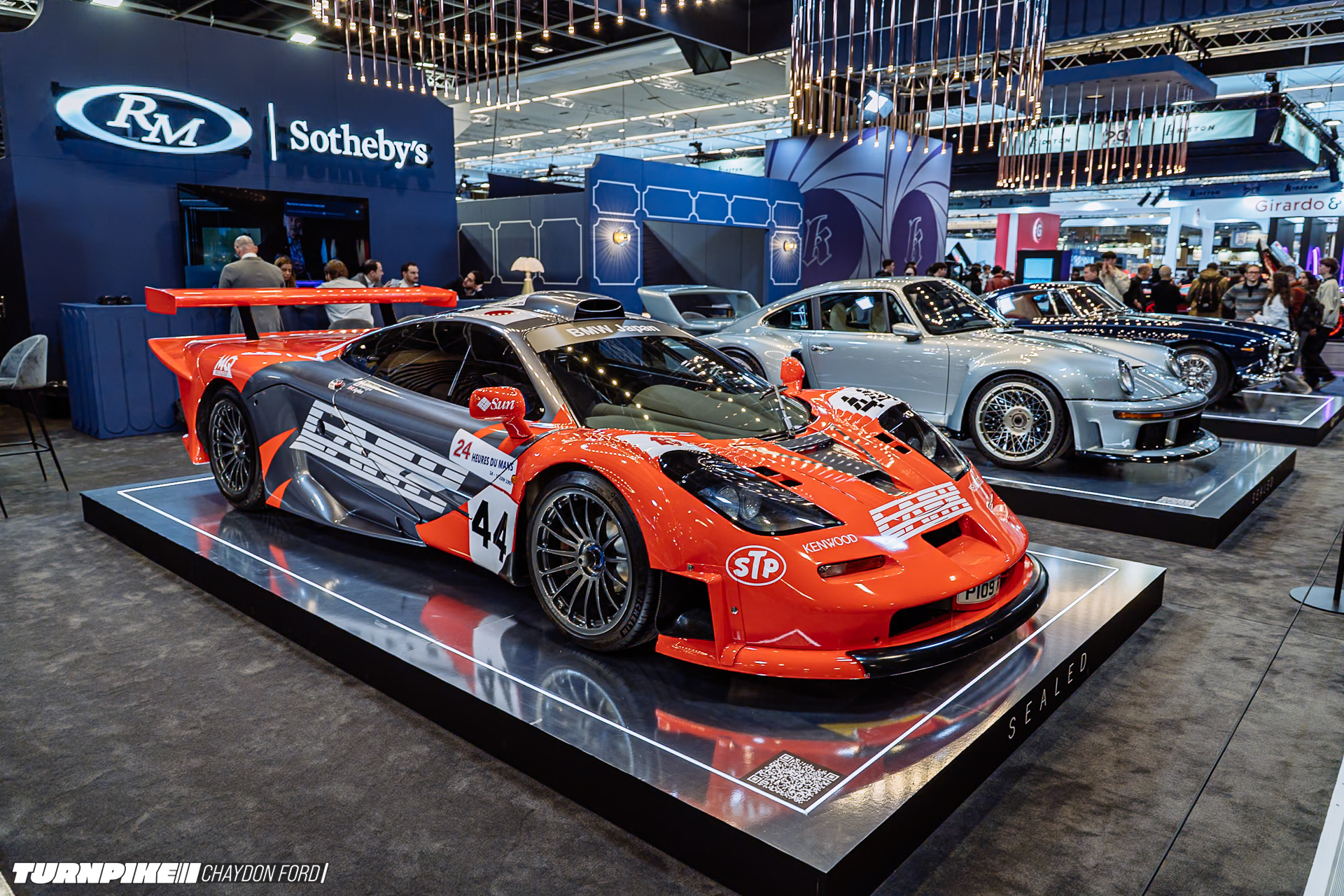
The rest of the show maintained its high standards; every turn revealed another car you’d previously only seen in a YouTube video or magazine feature.
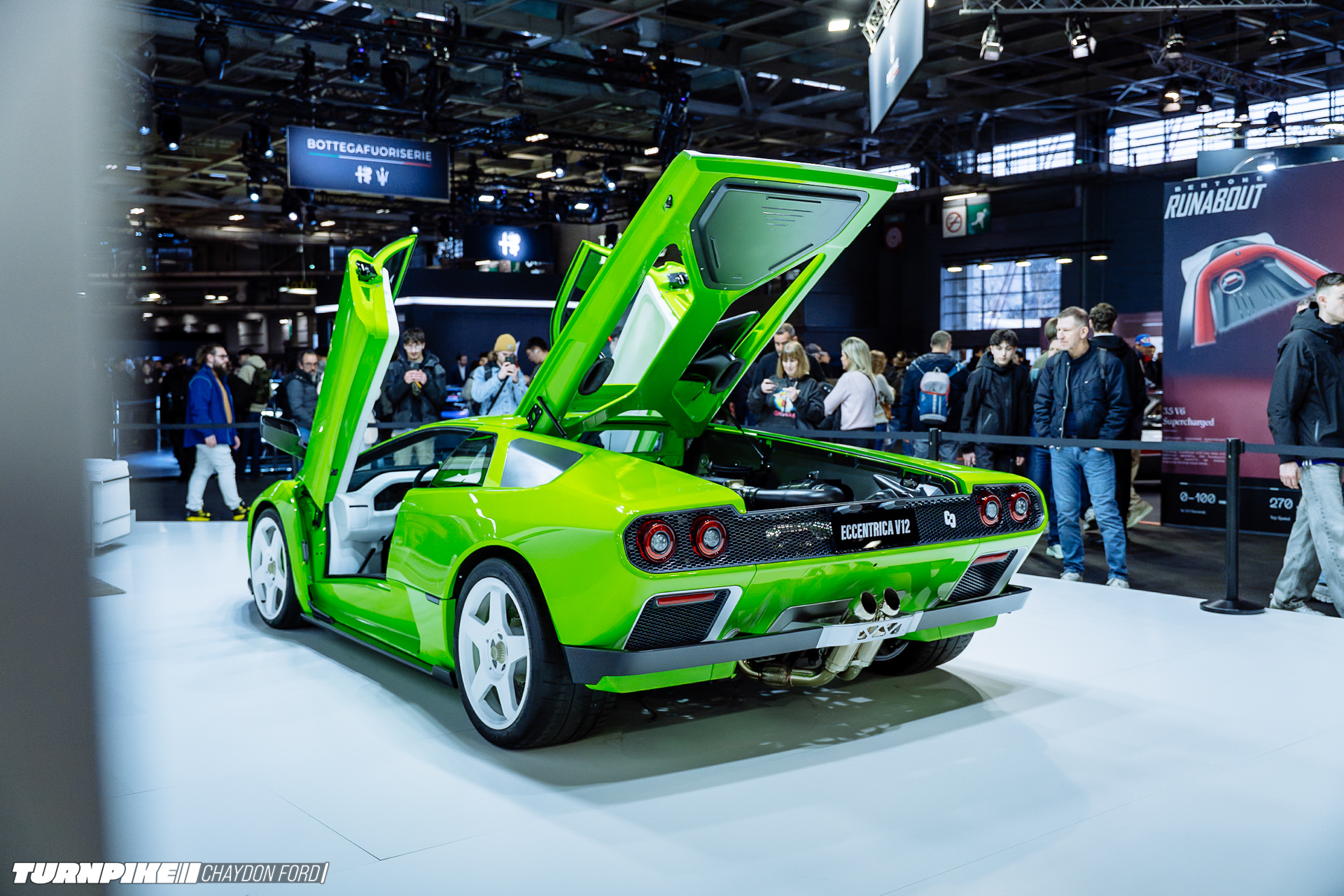
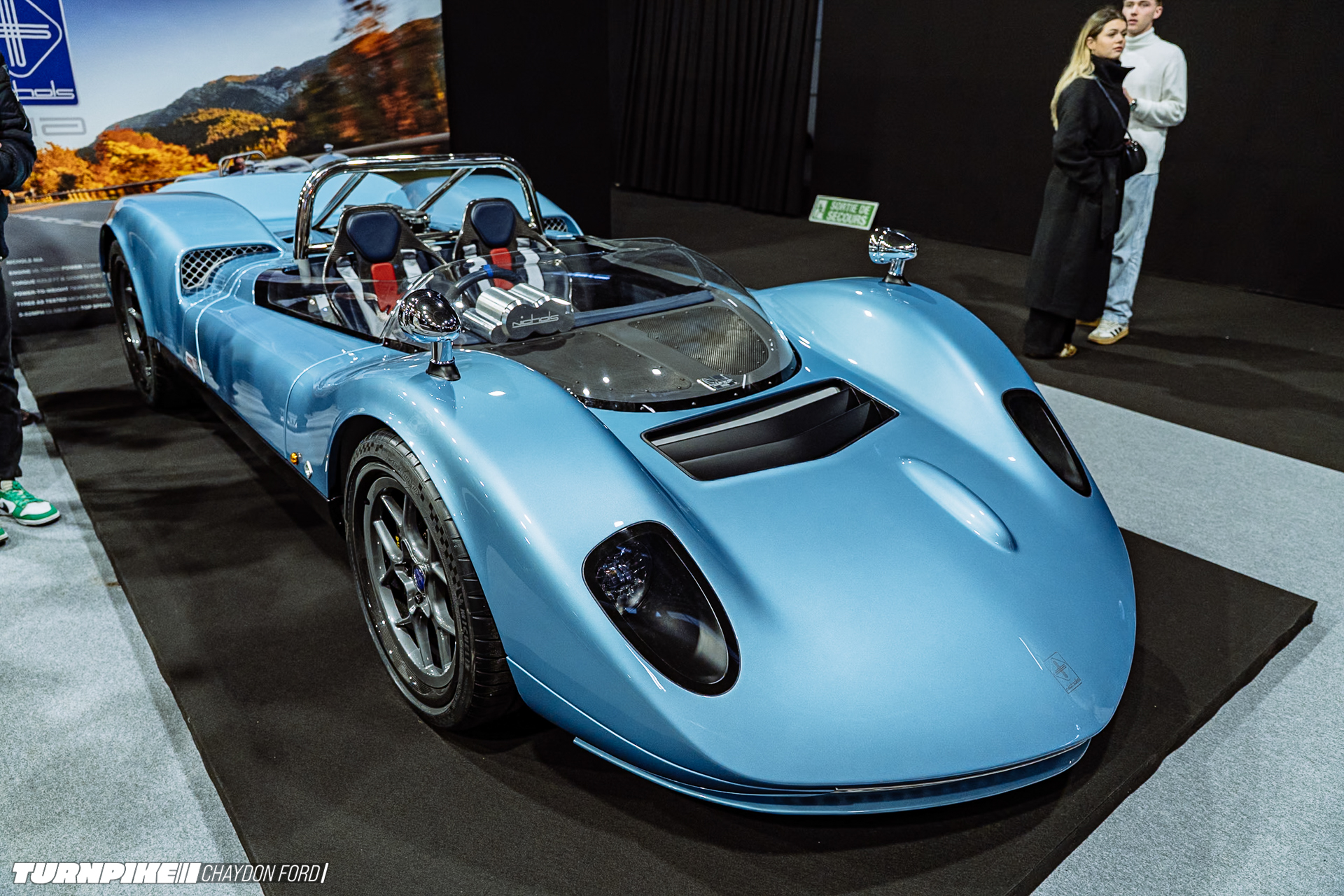
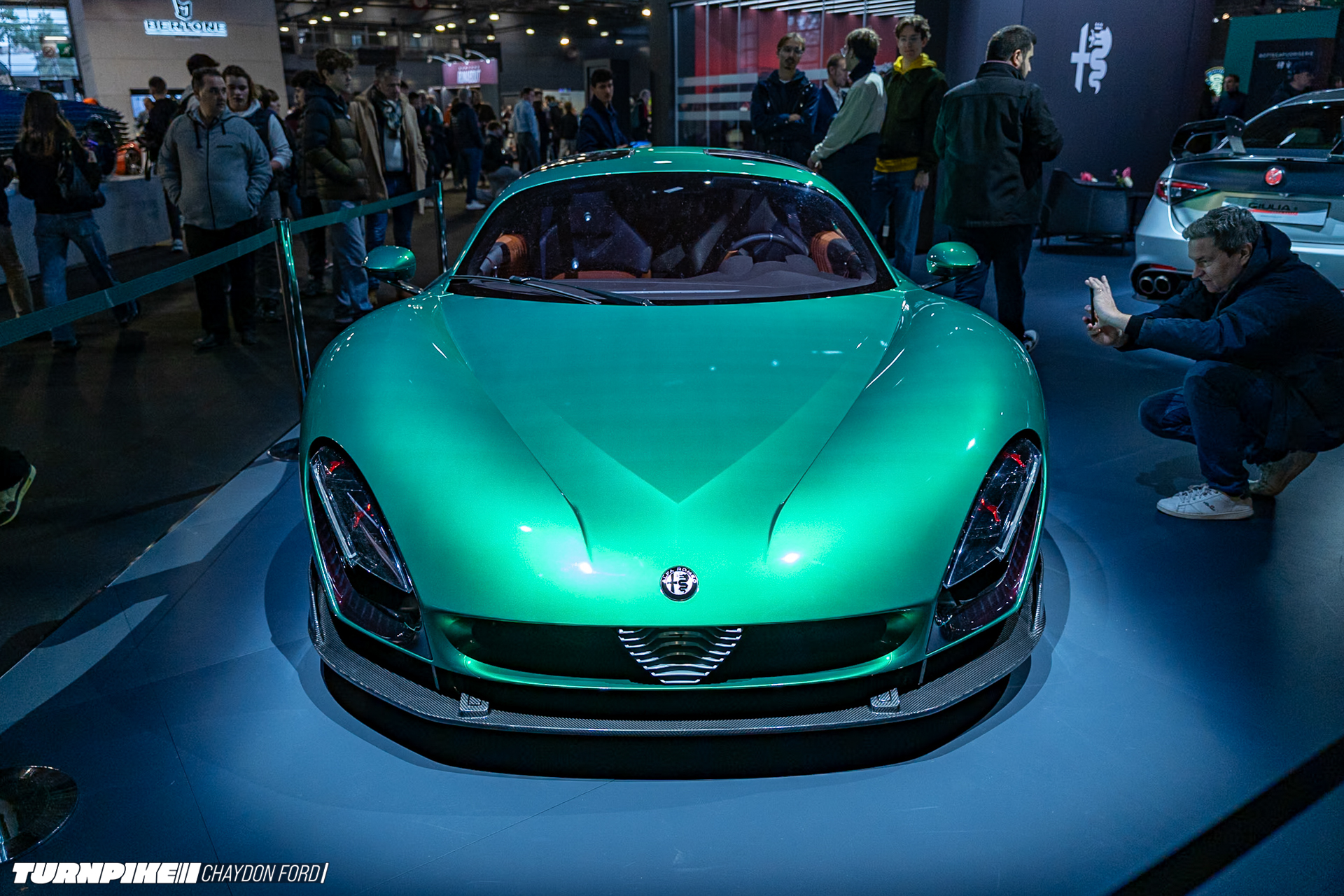
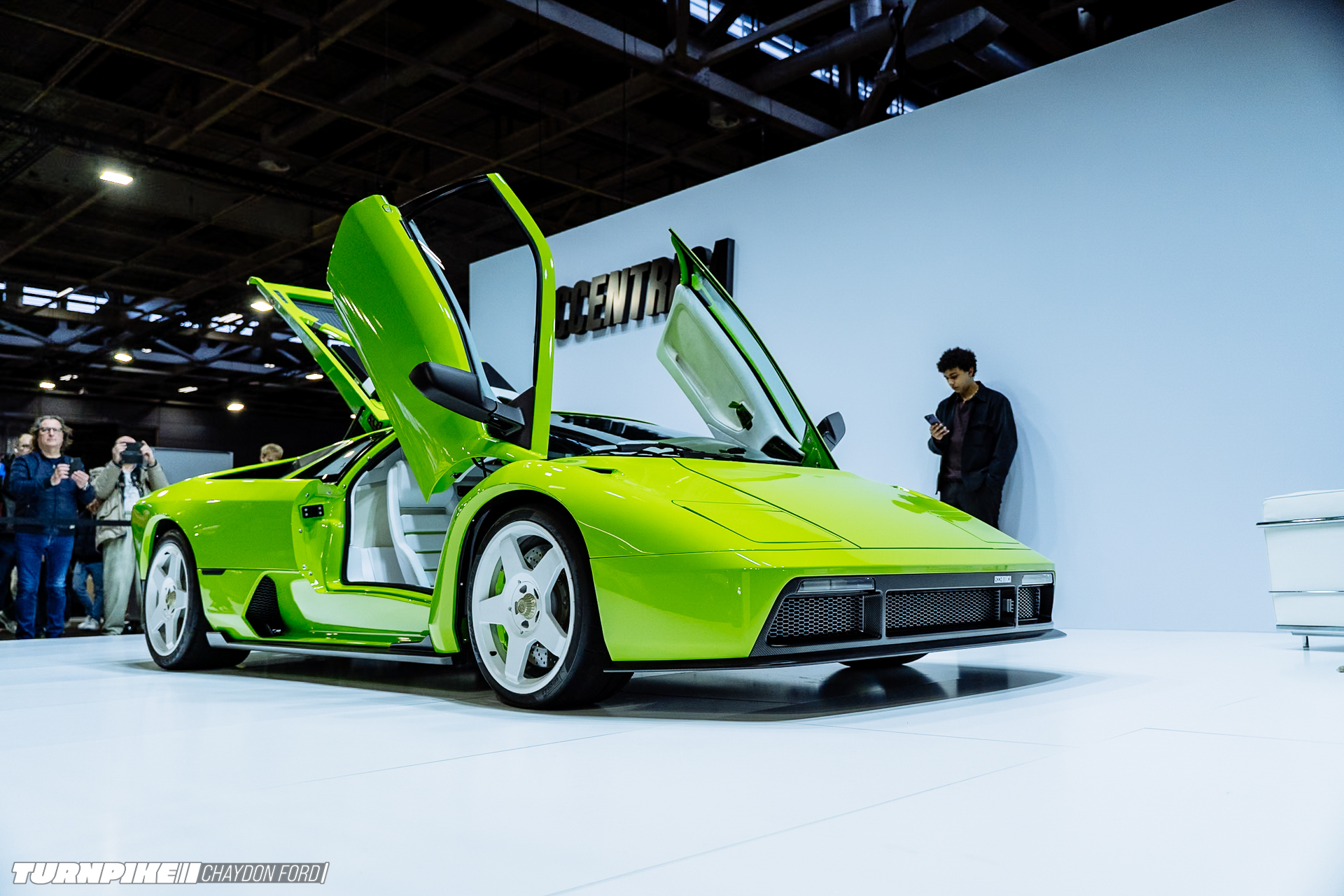
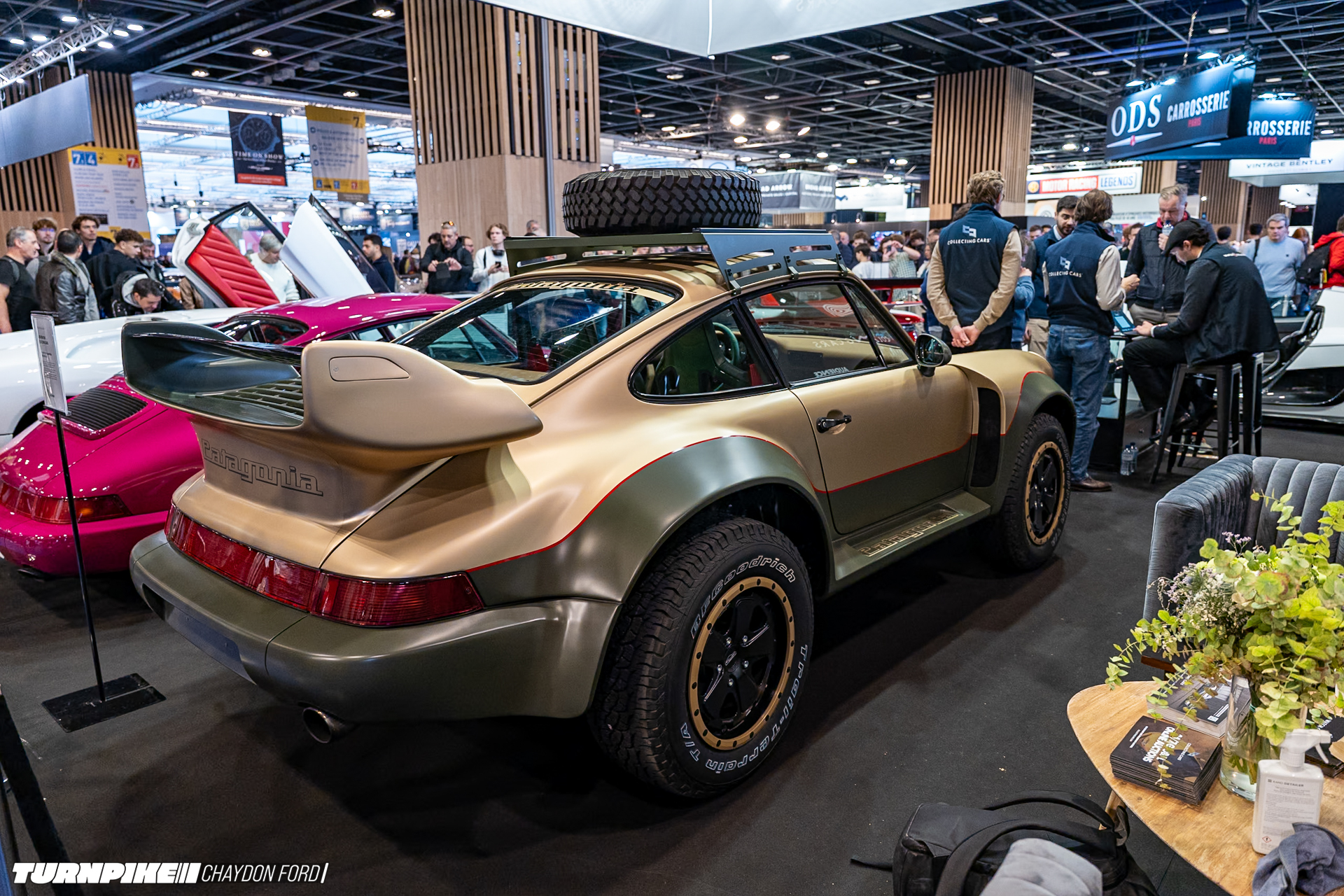
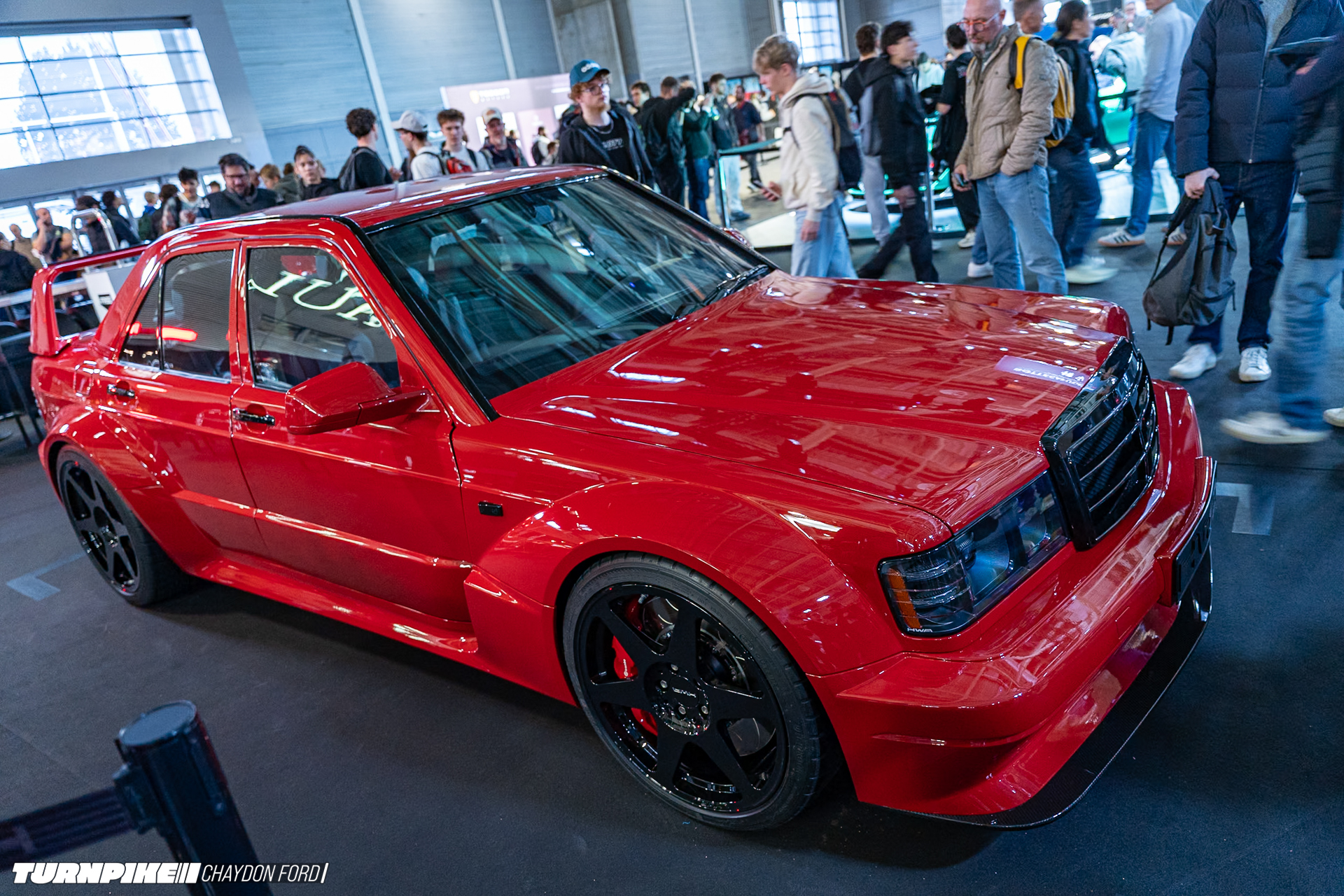
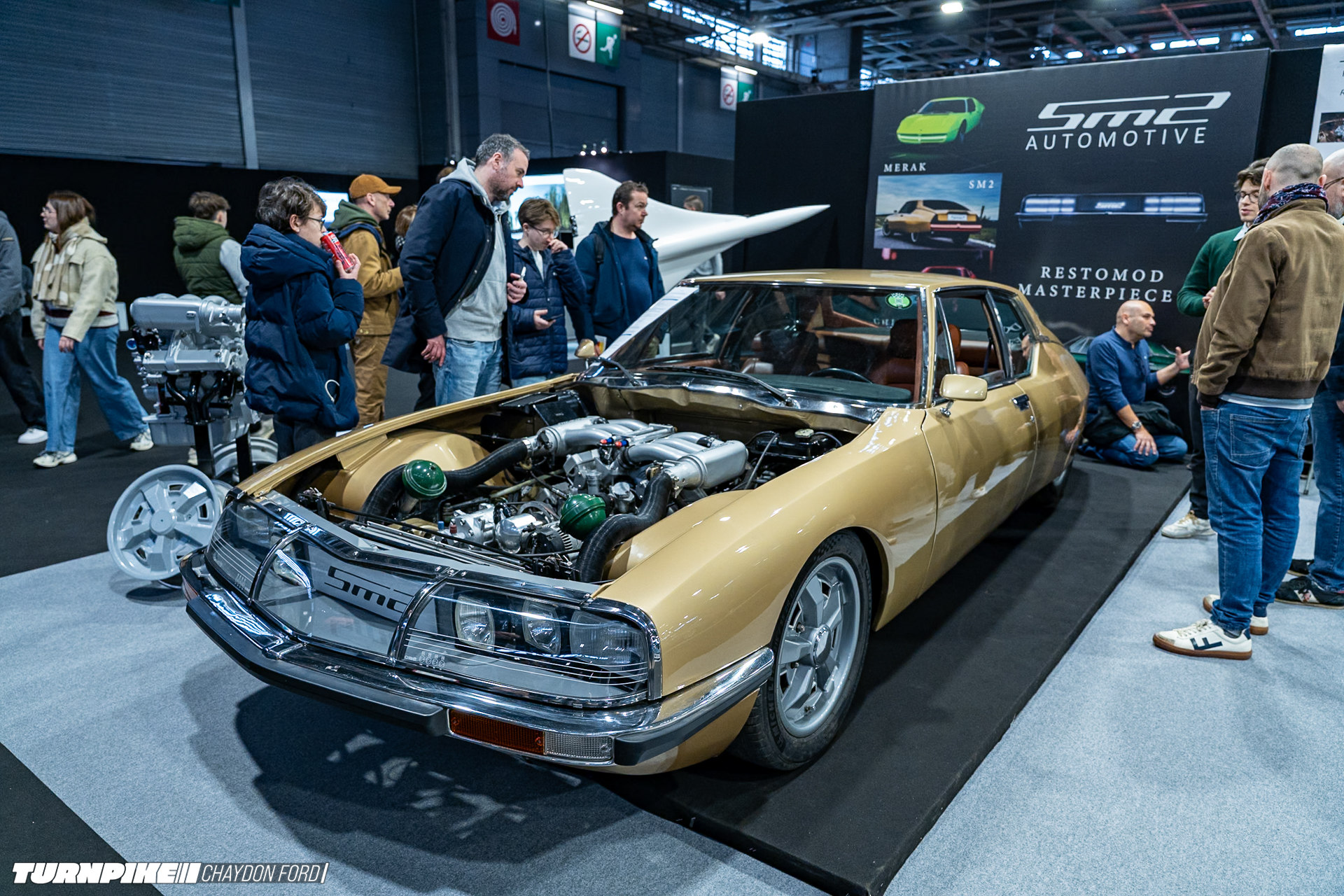
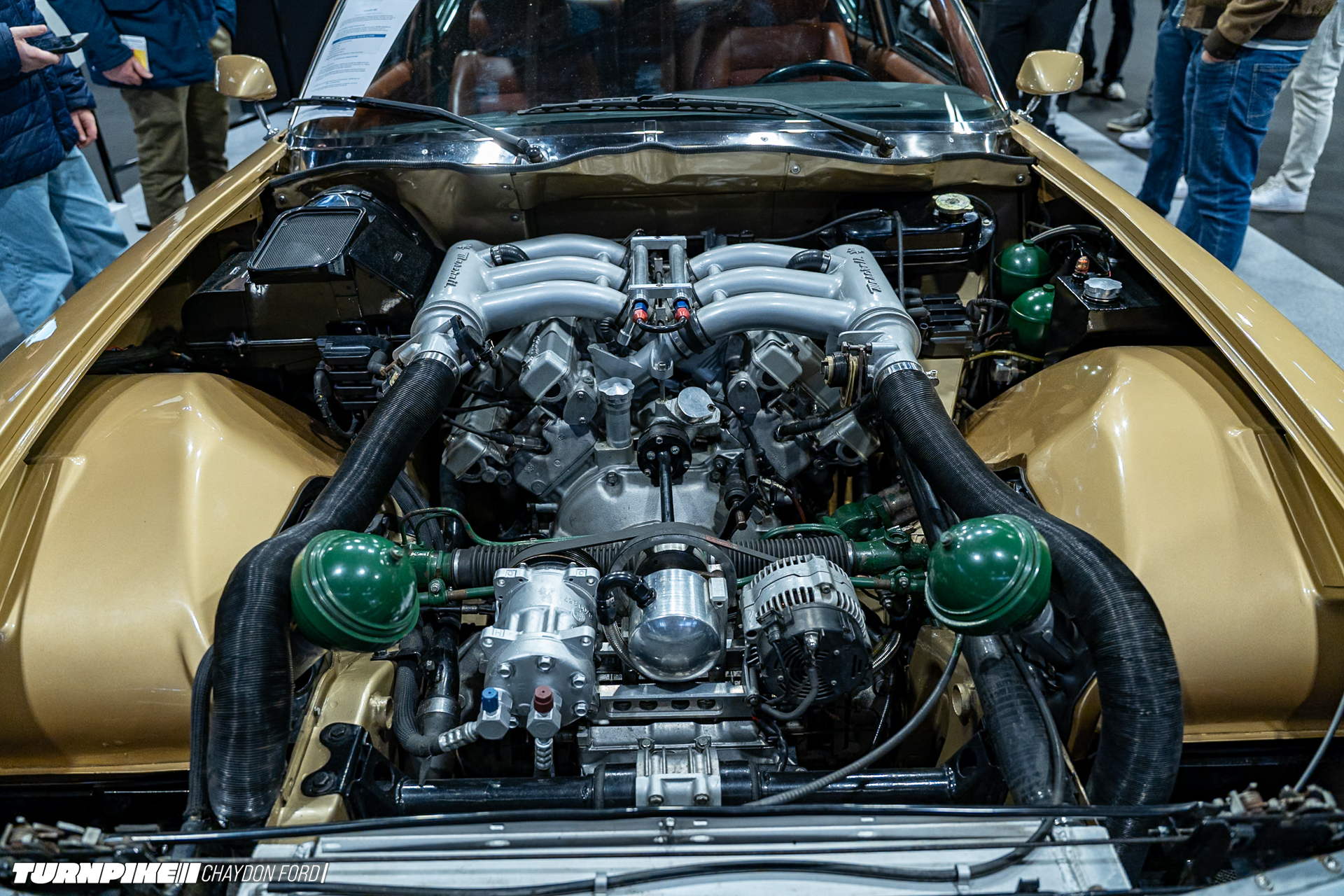
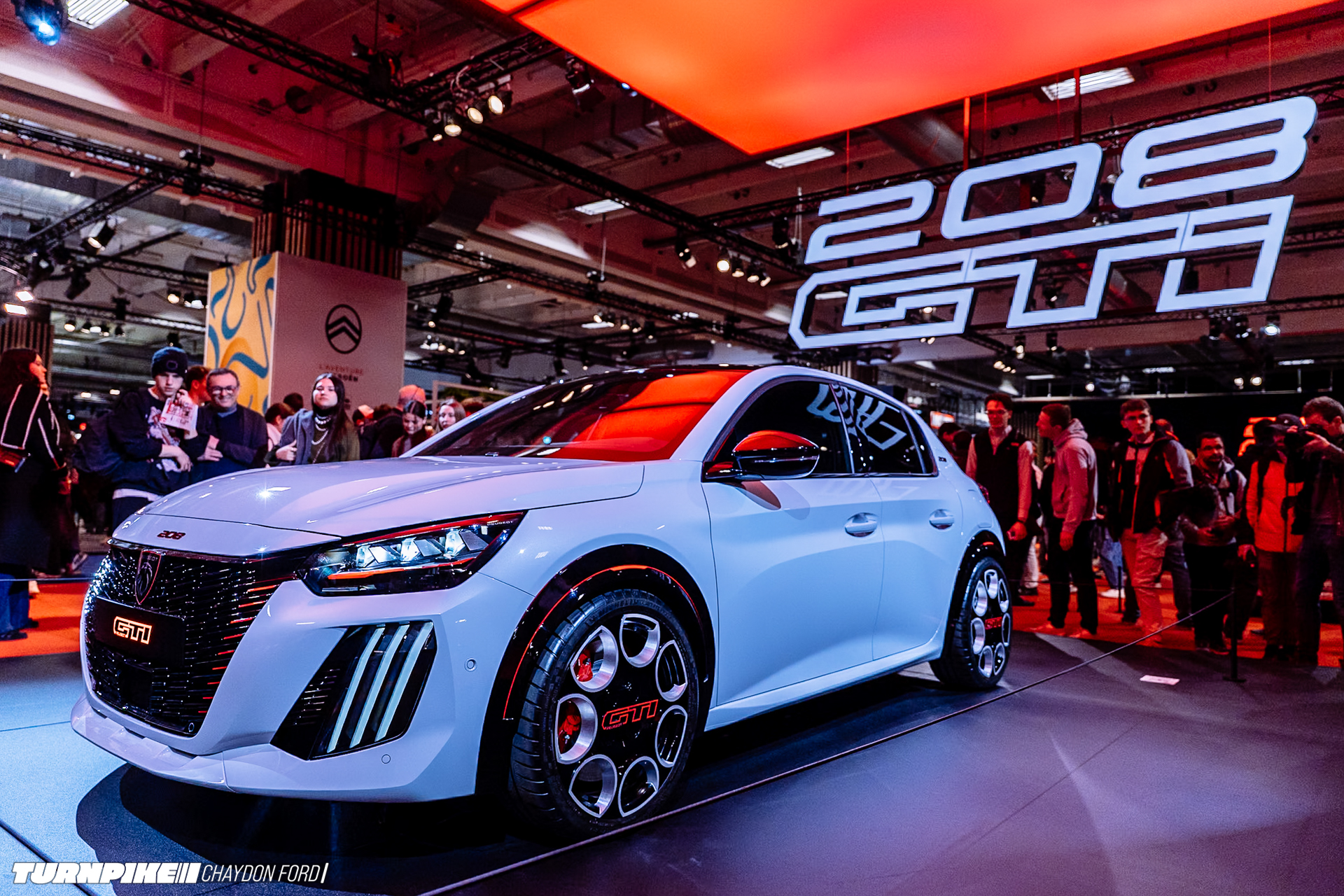
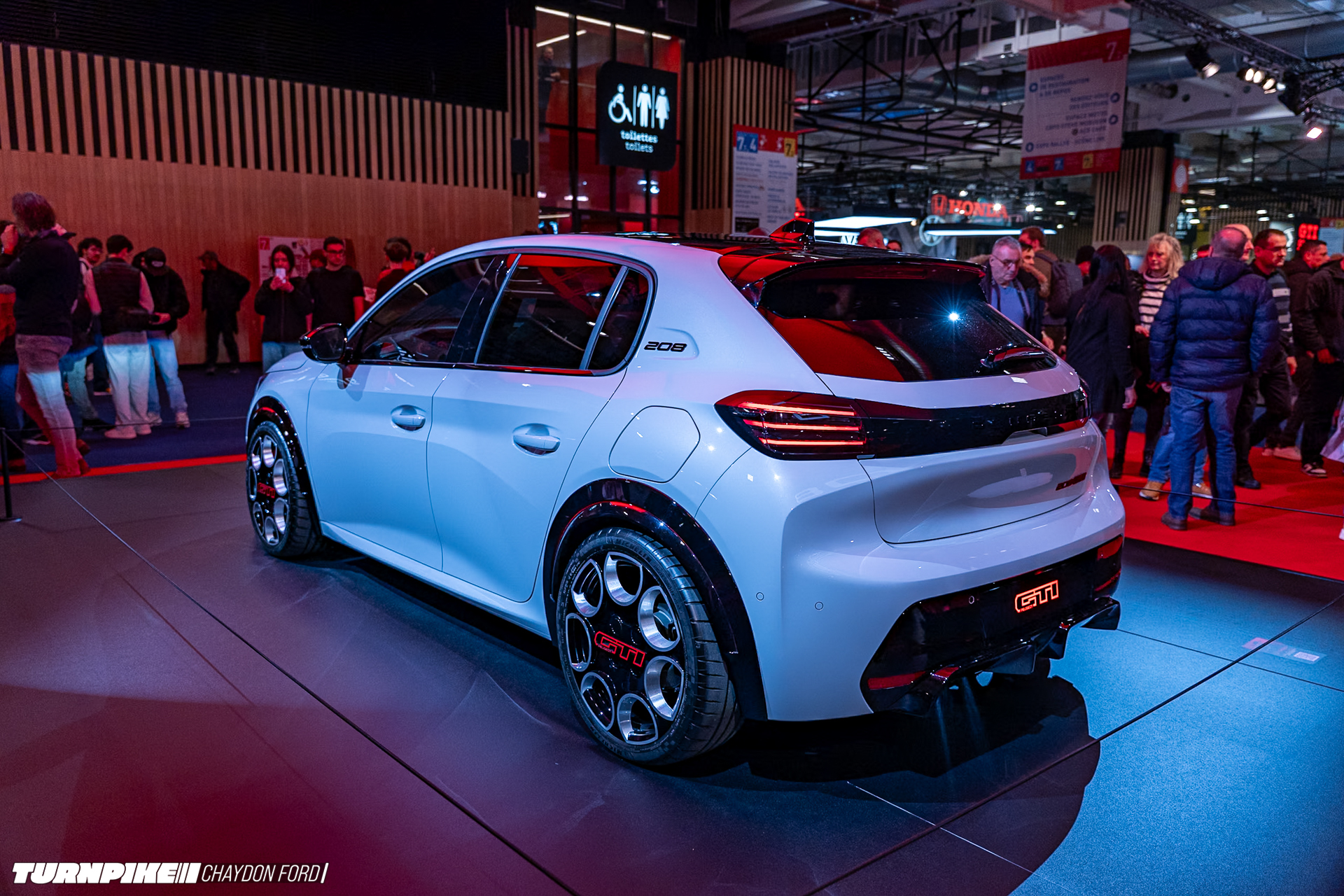
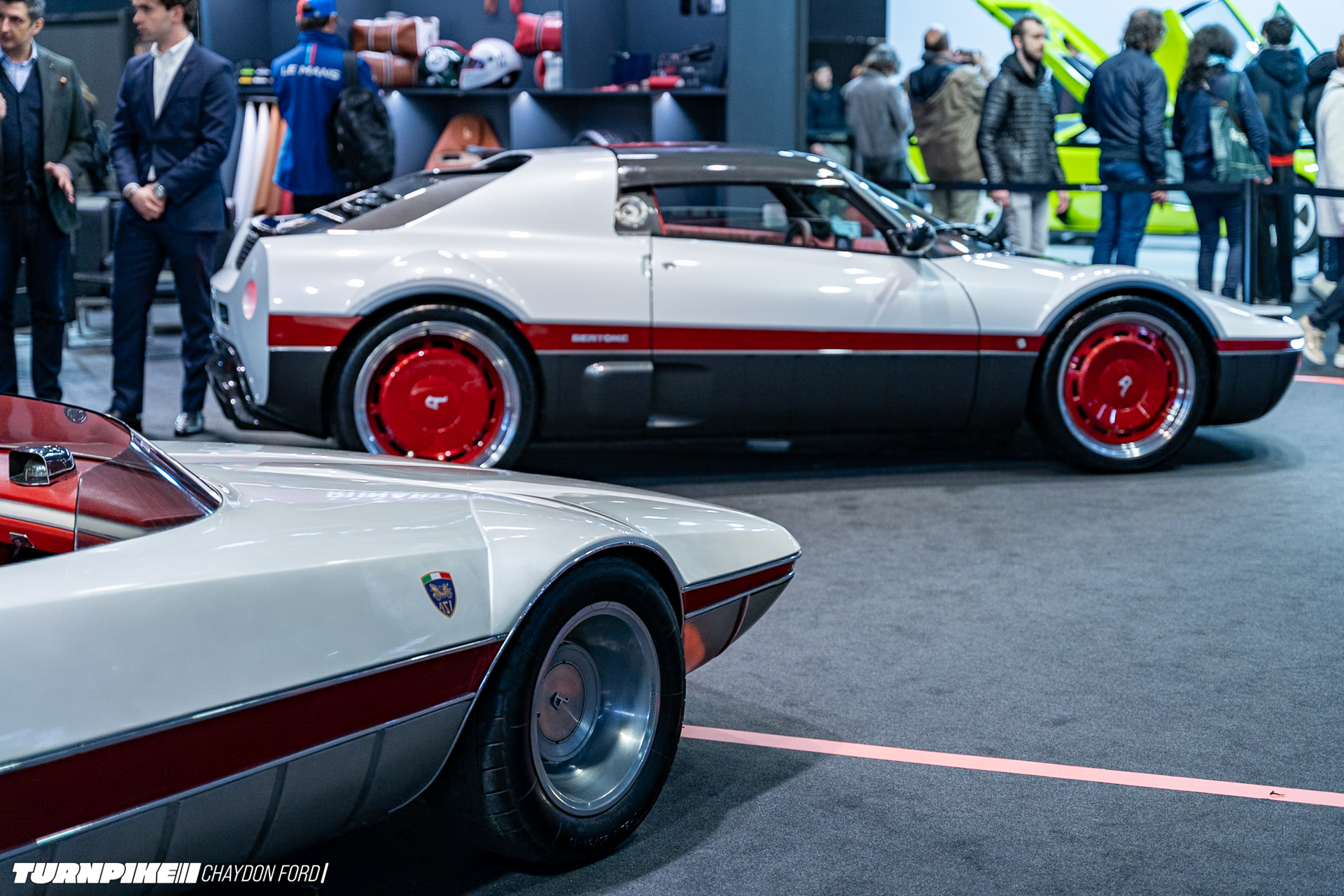
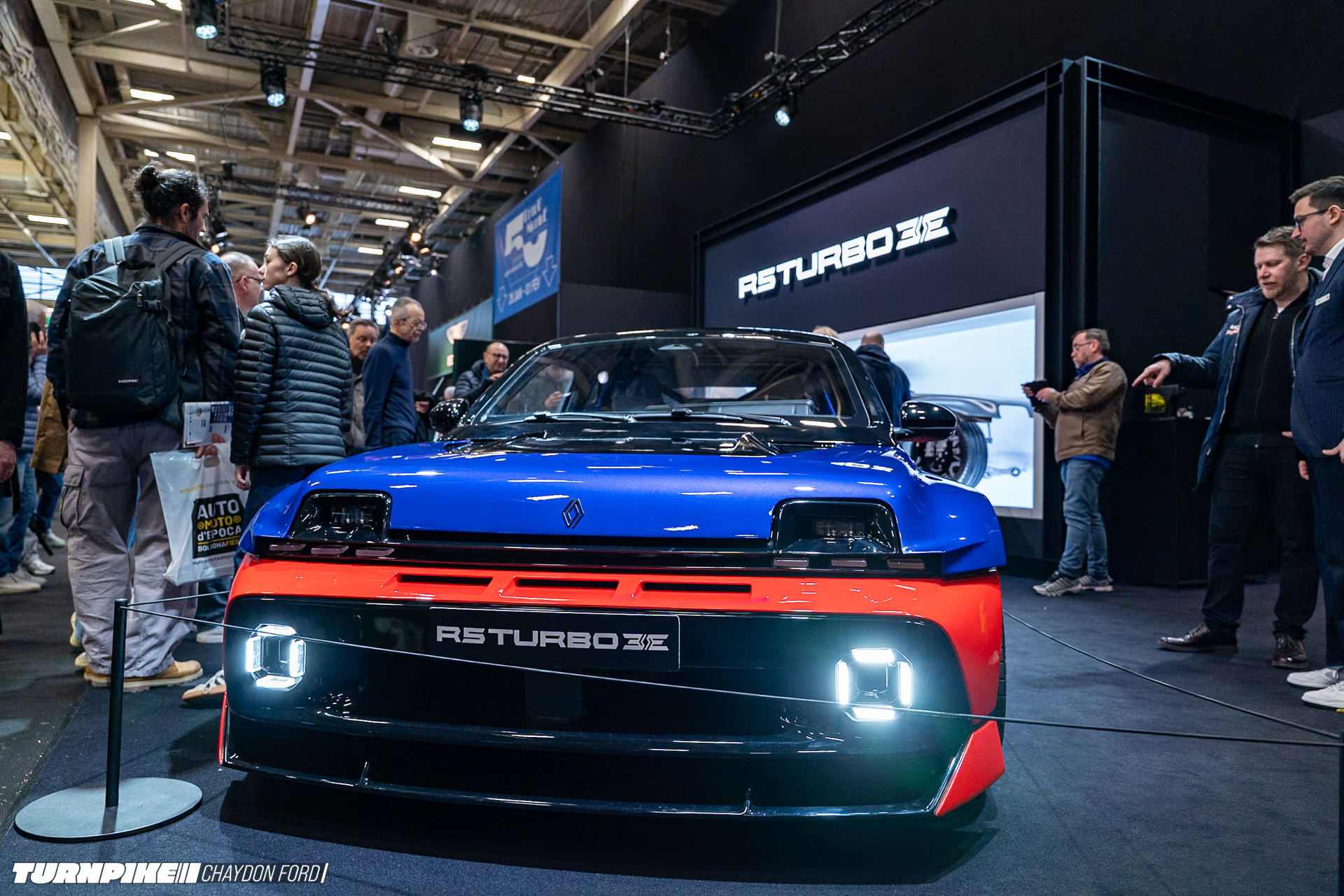
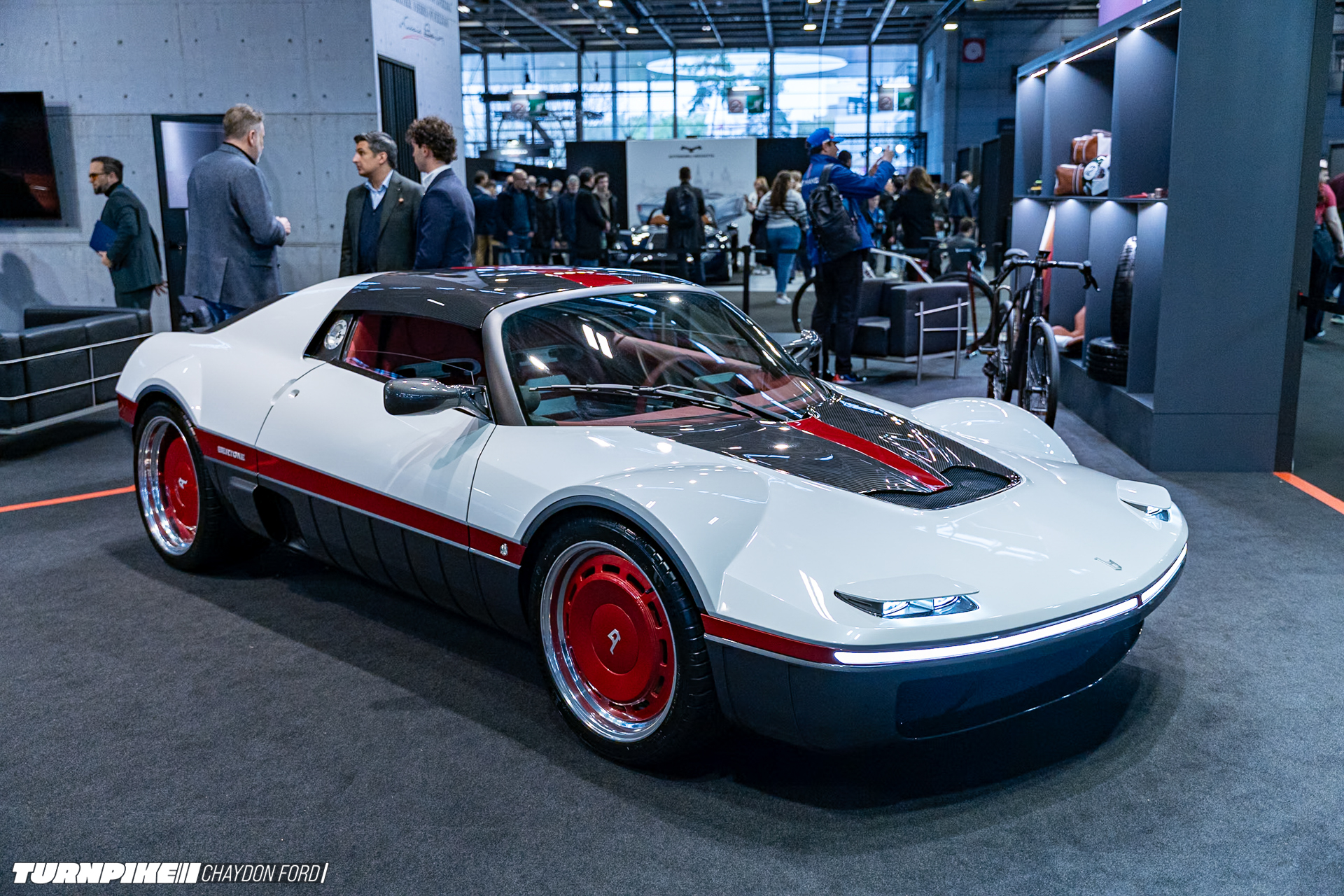
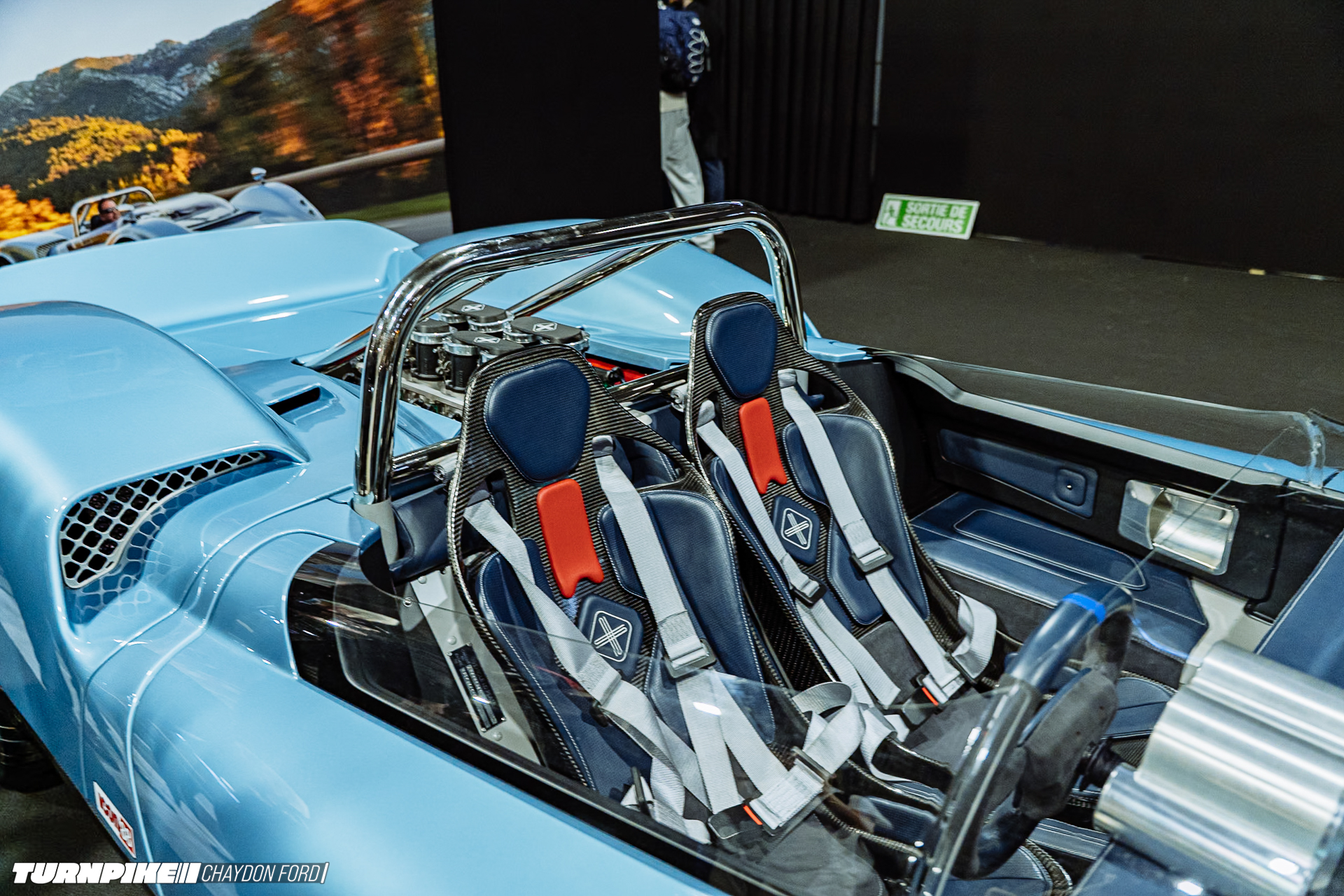
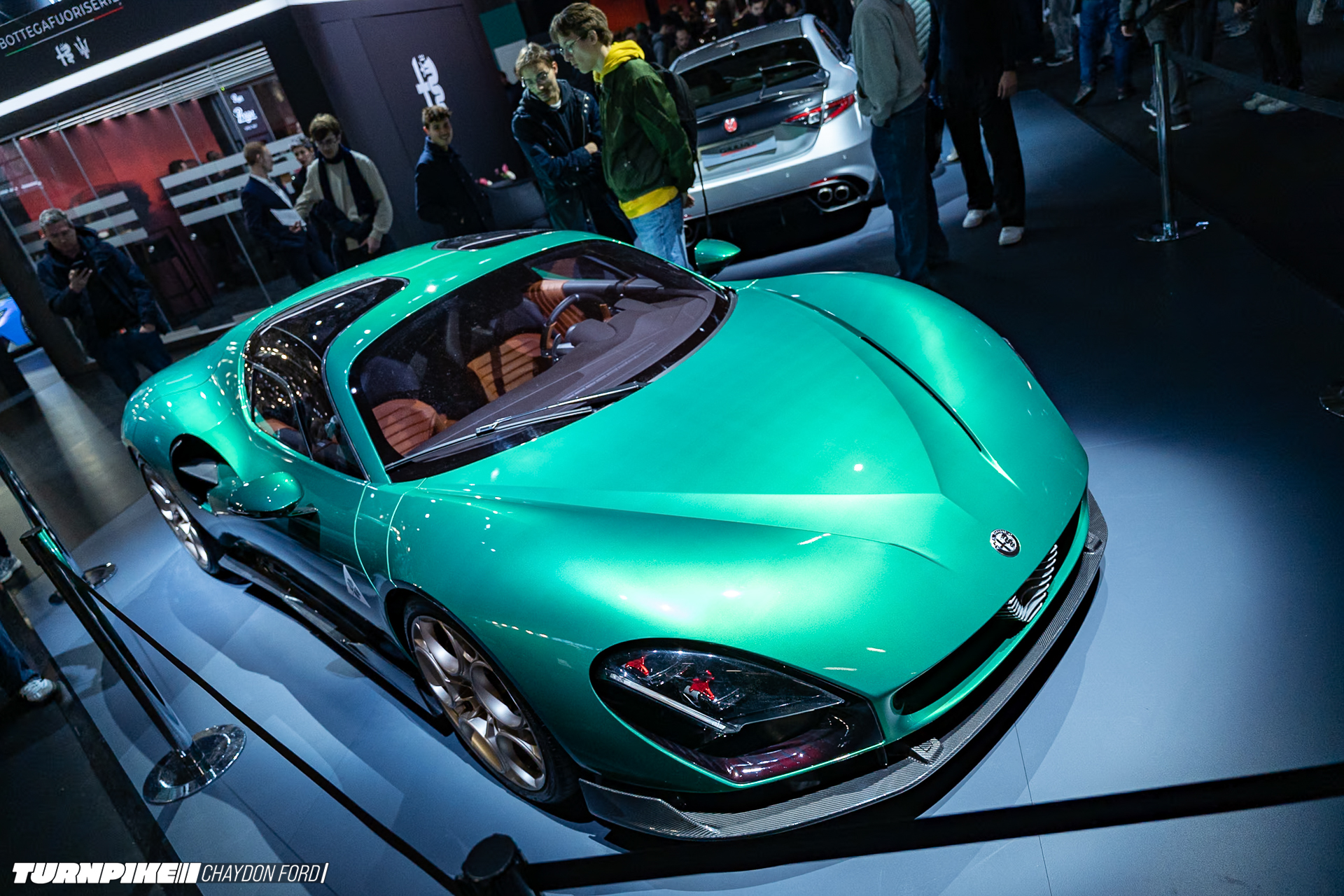
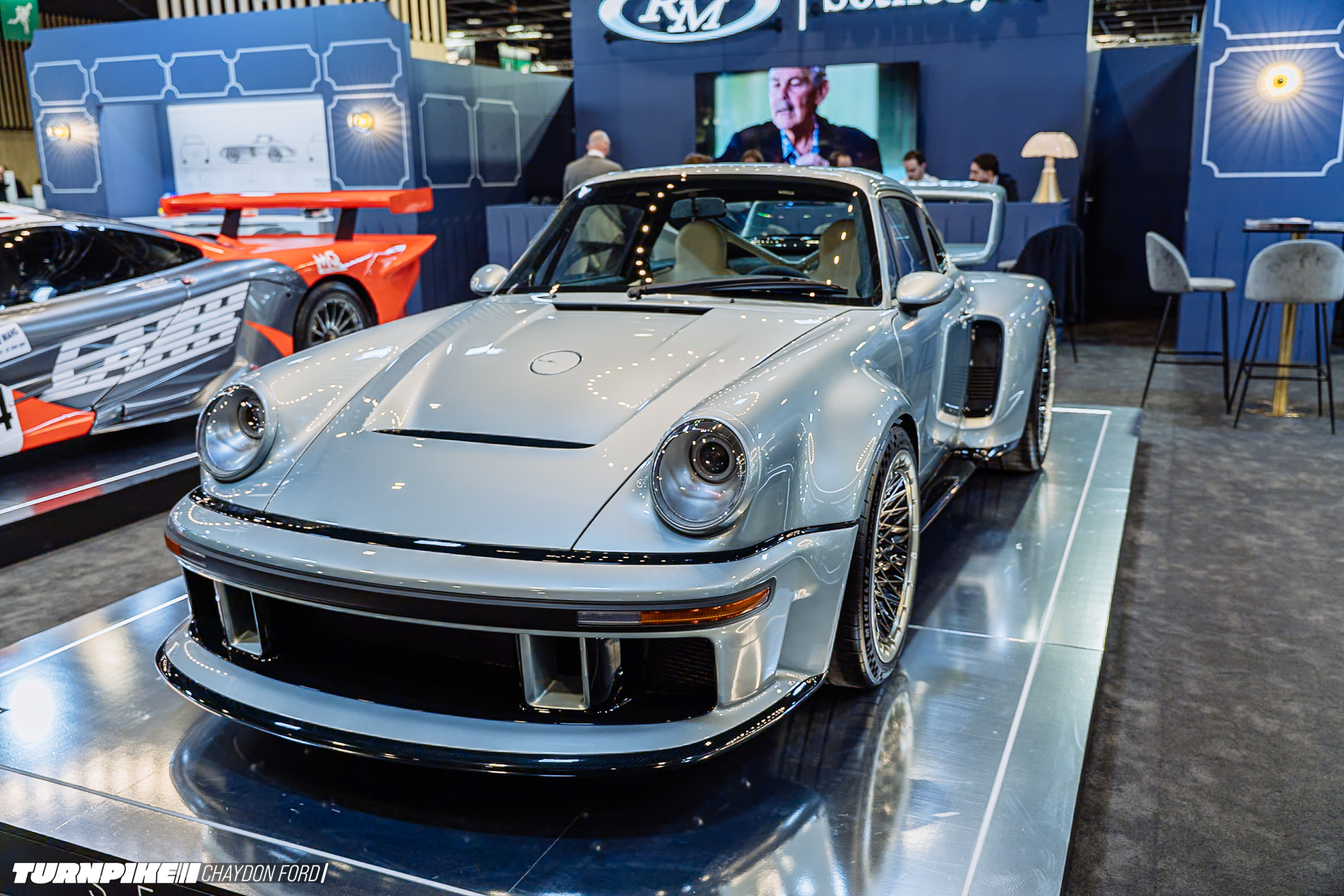
It proved an ideal opportunity for OEMs to launch new cars like the Peugeot E-208, while also showcasing their latest interpretation of a restomod.
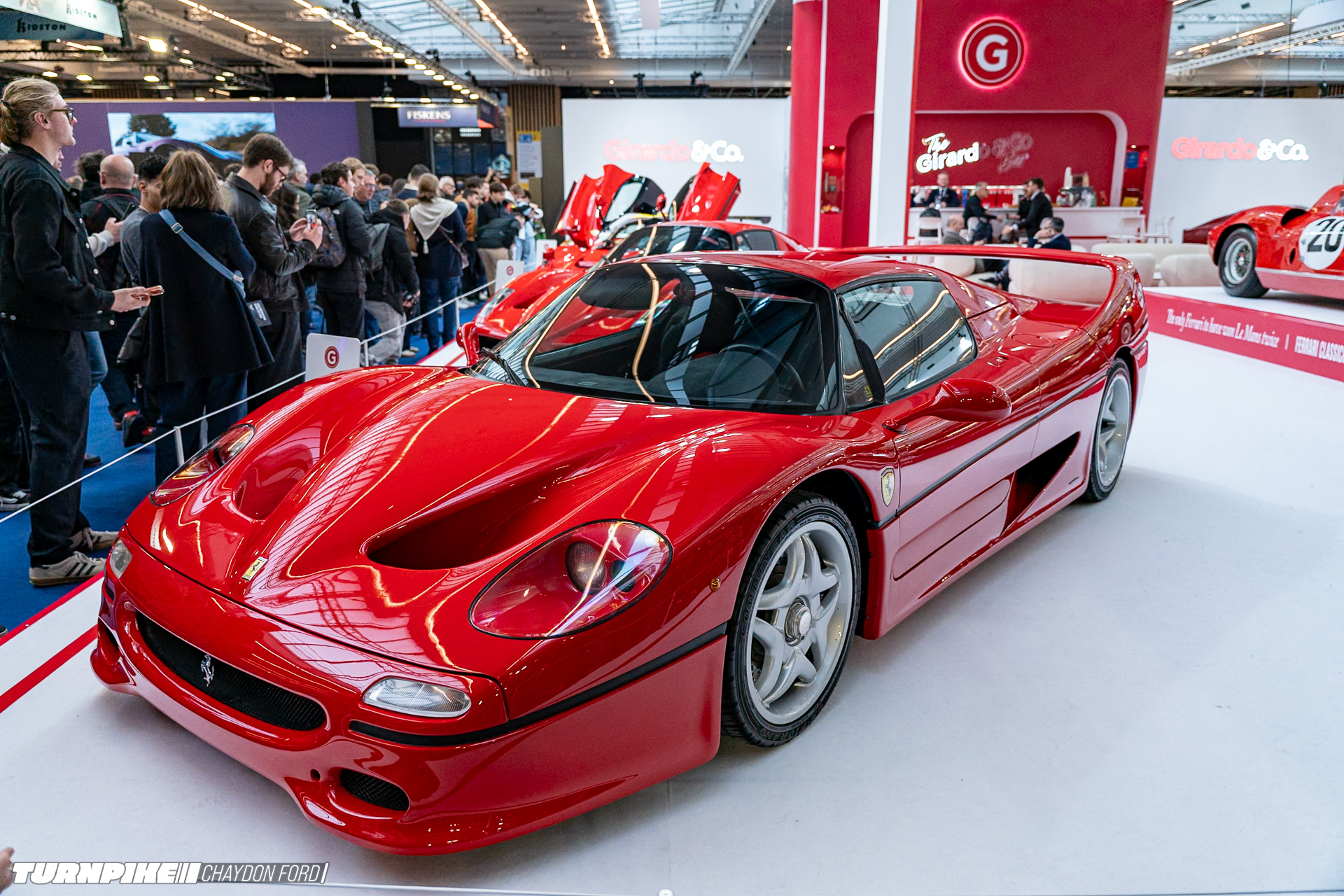
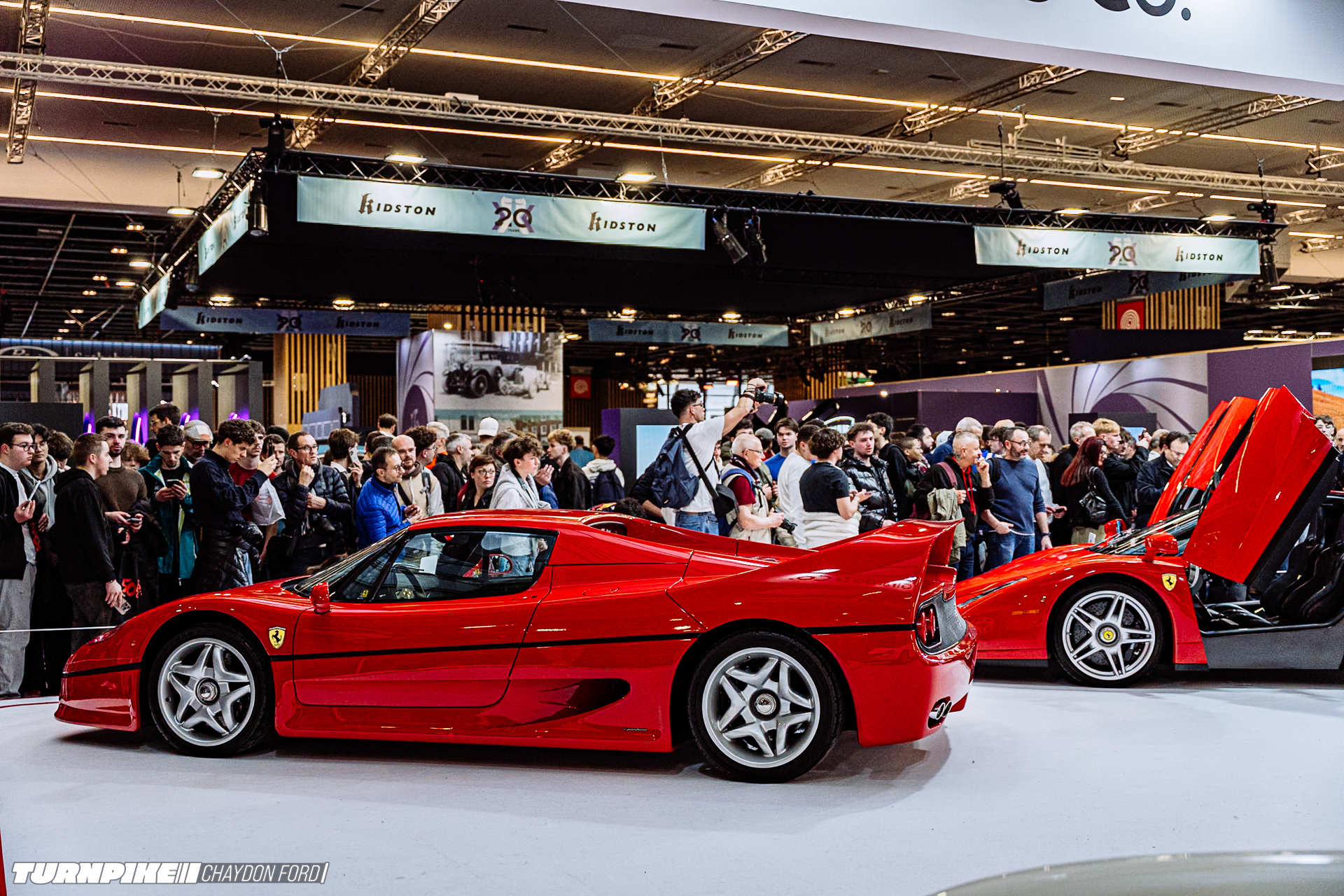
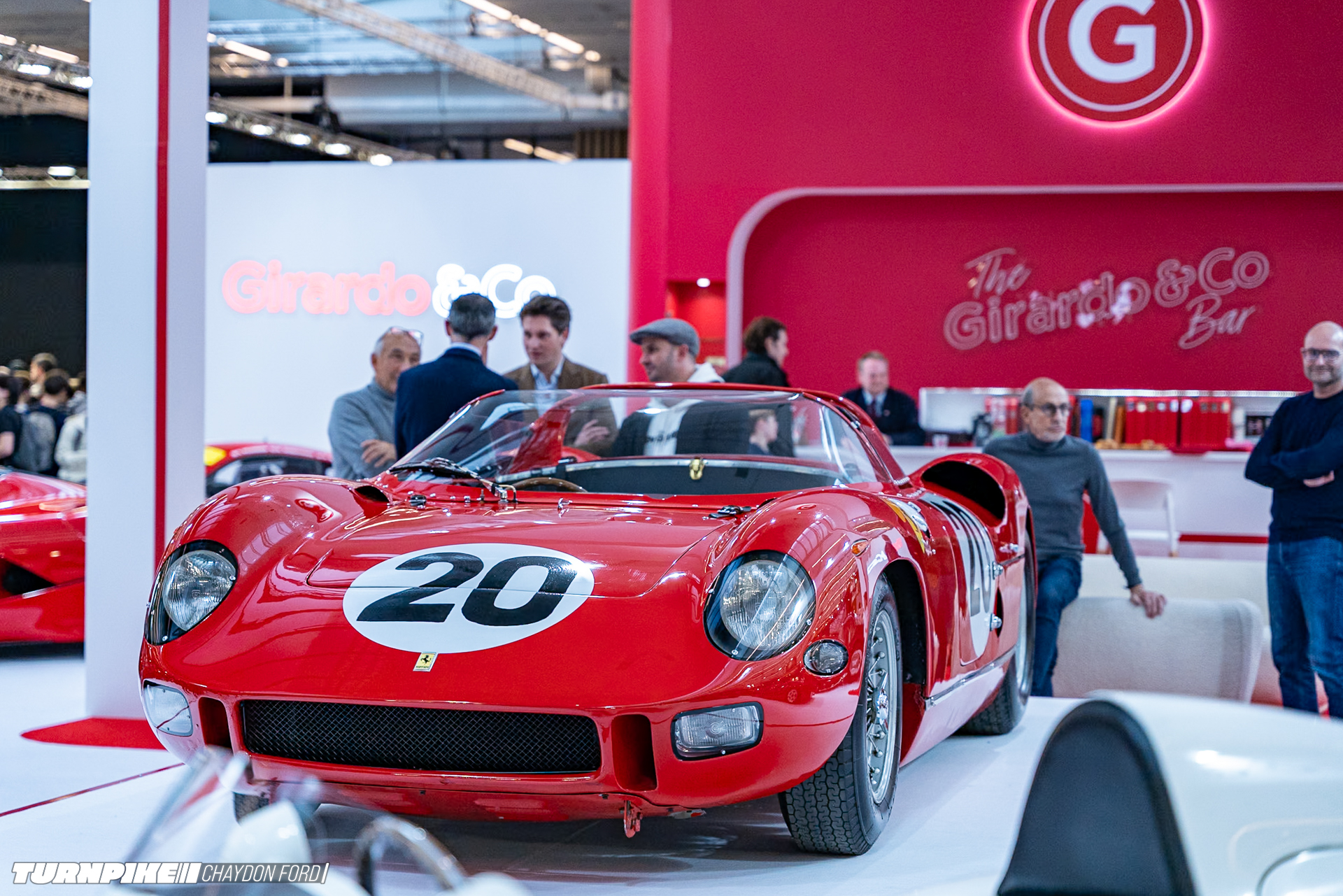
Year after year, the show attracts a strong contingent of British dealers, including Girardo & Co, Fiskens and Kidston, each bringing its own catalogue of cars and expertise.
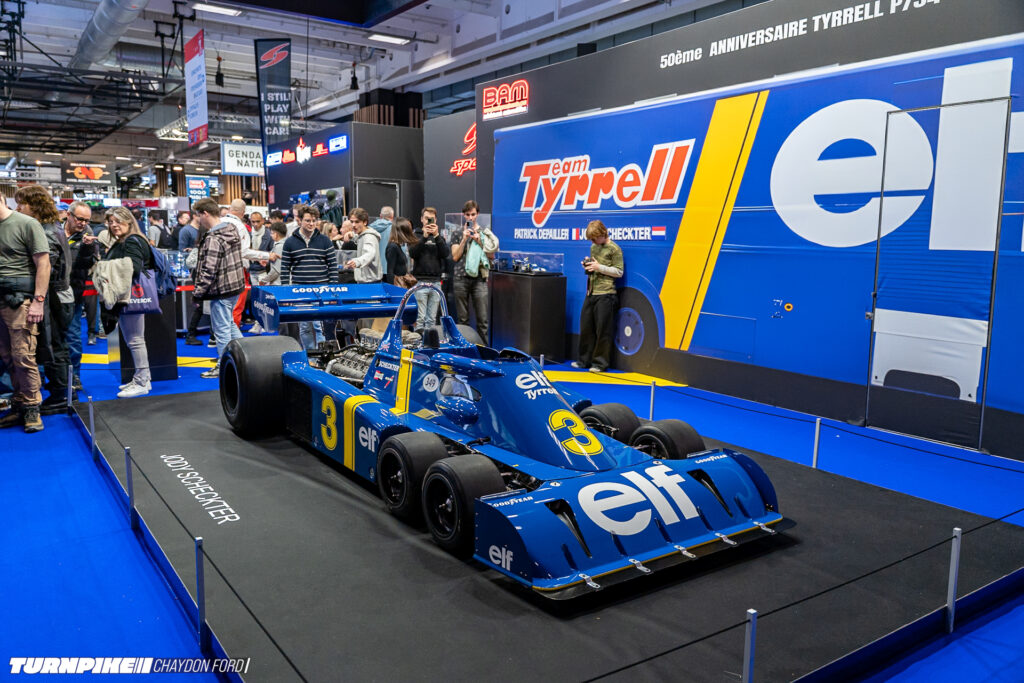
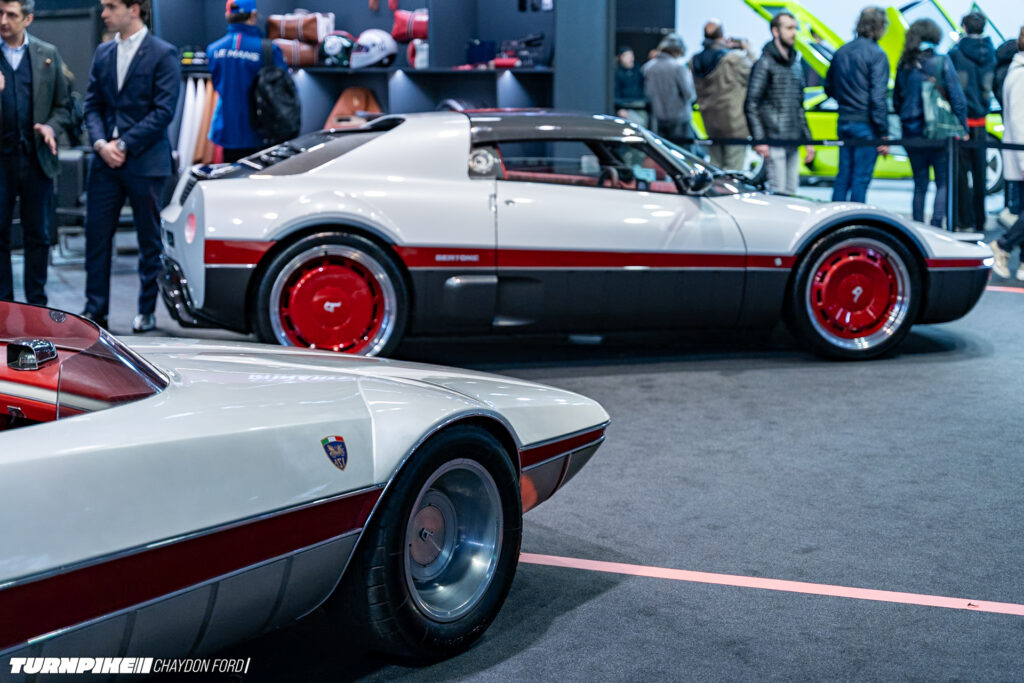
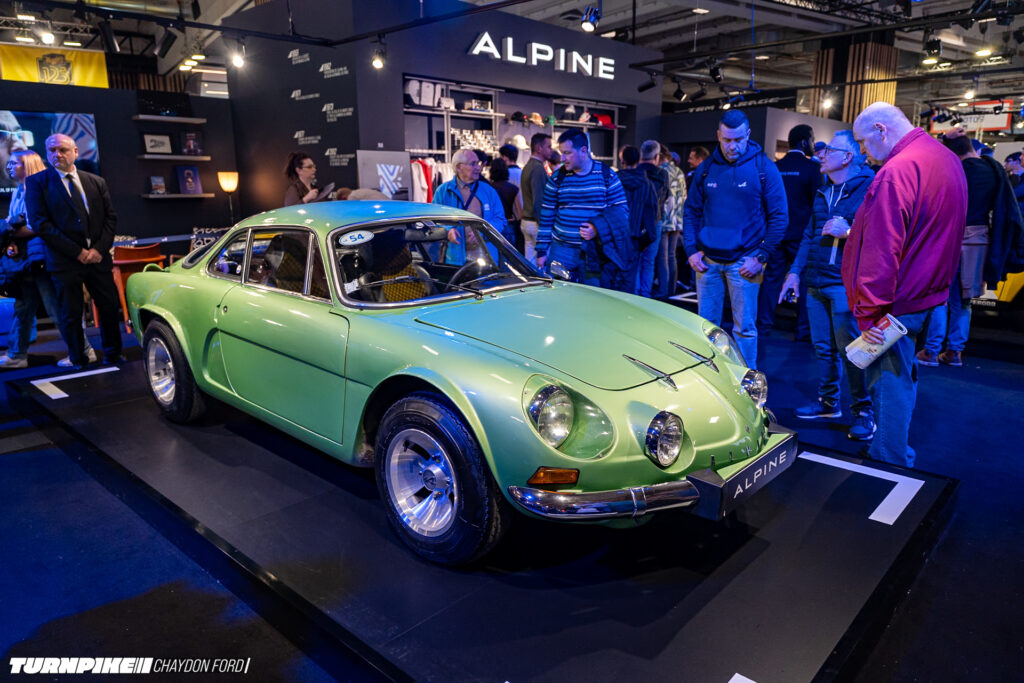
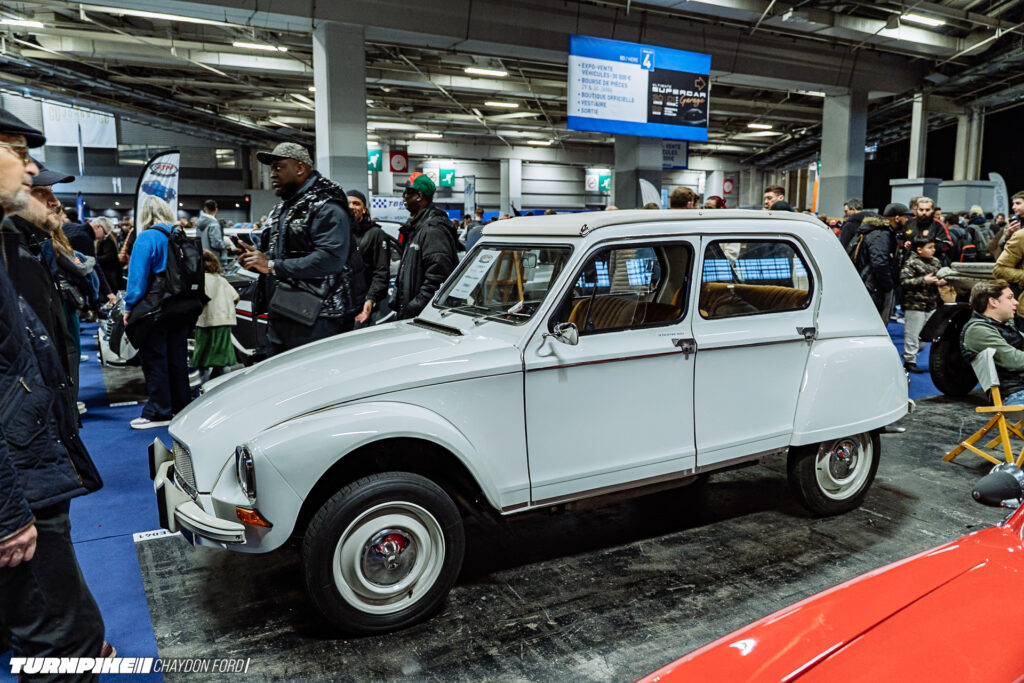
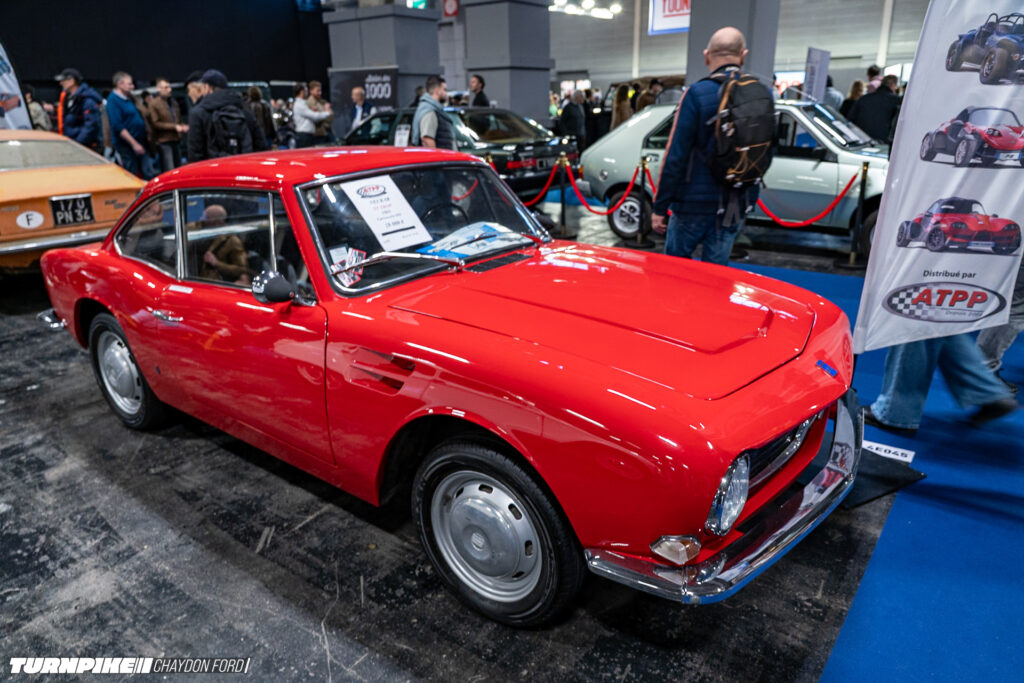
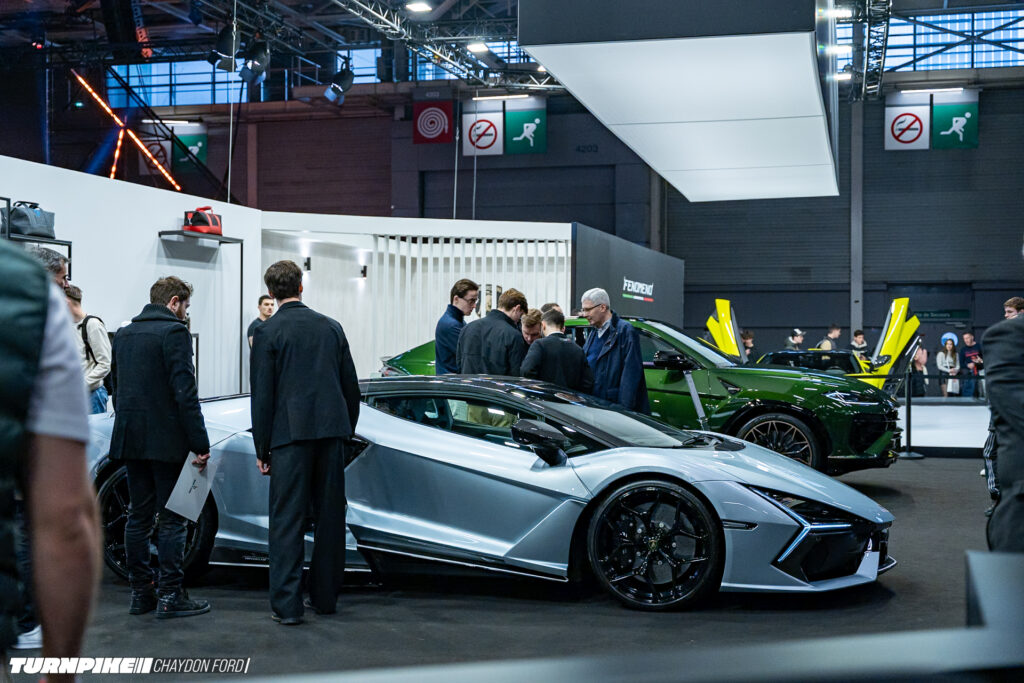
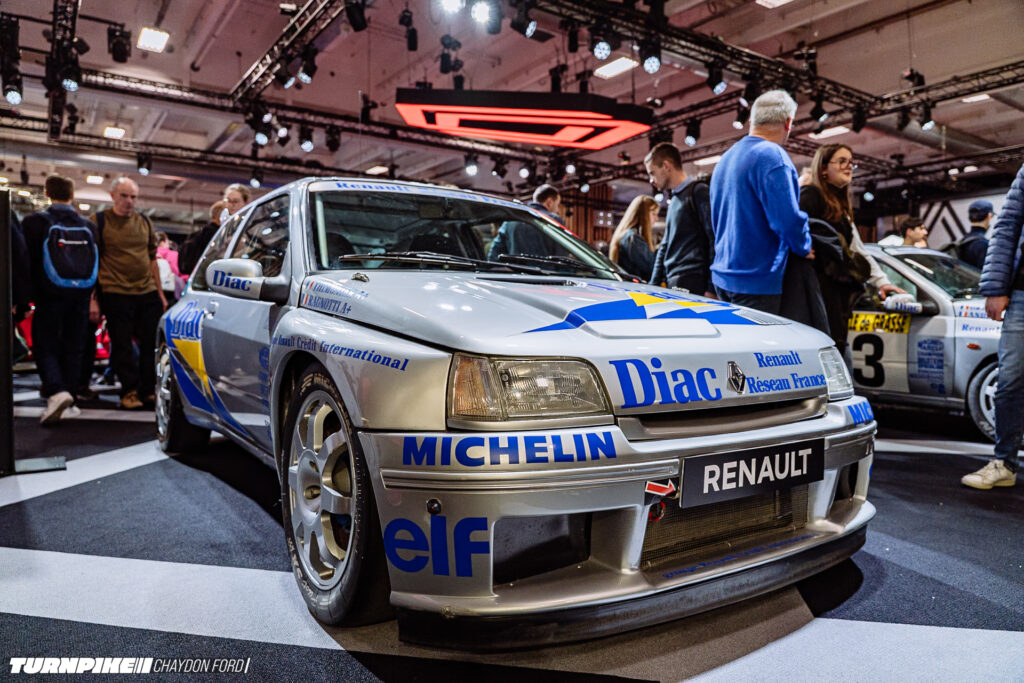
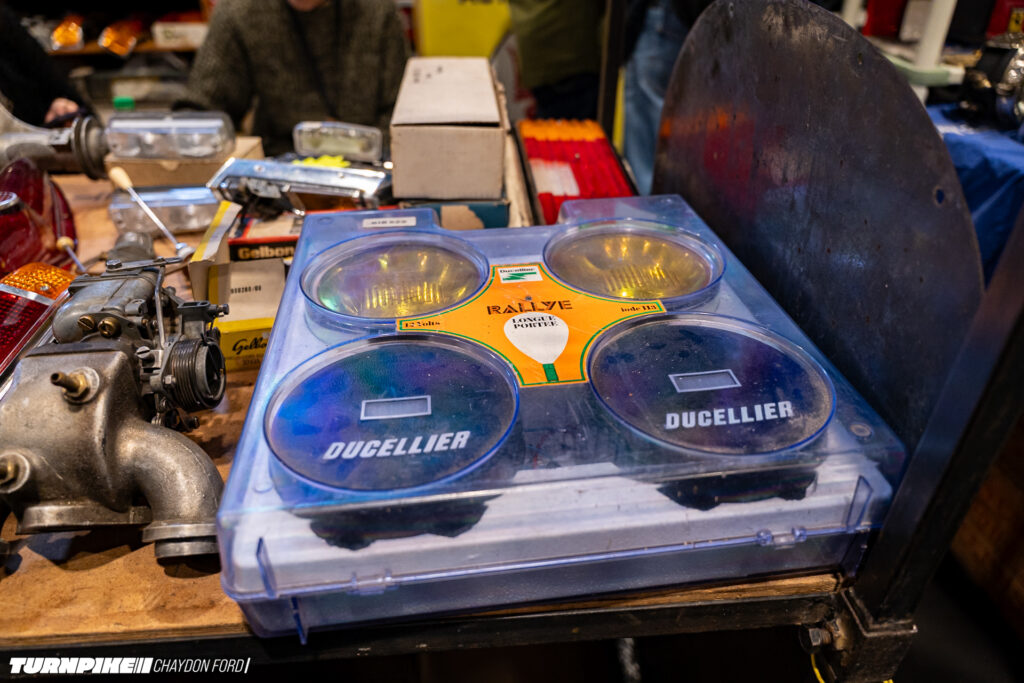
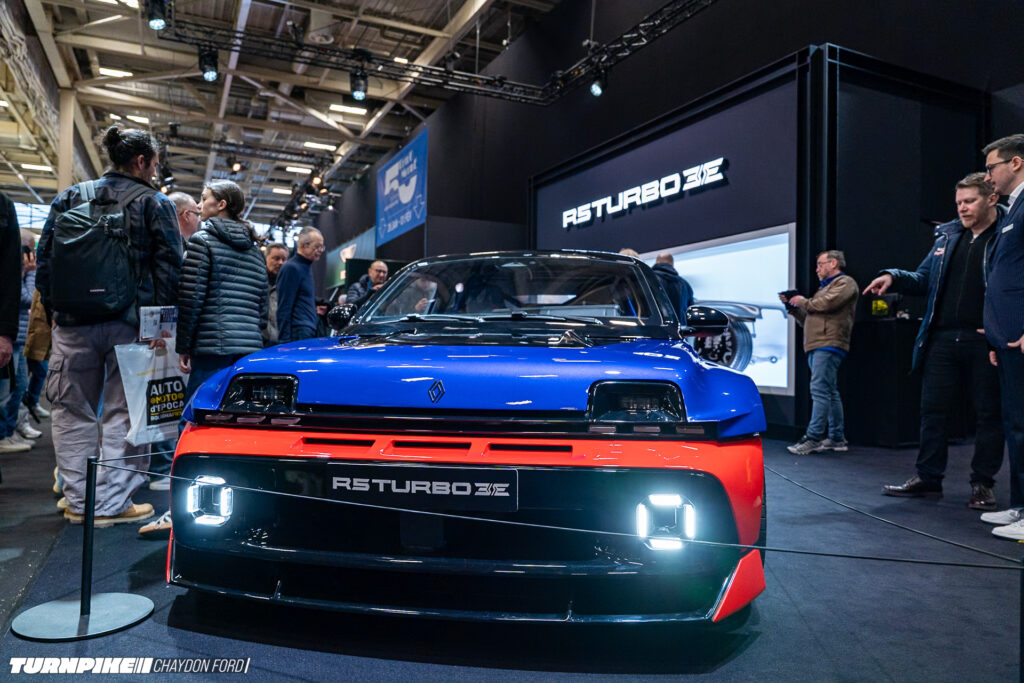
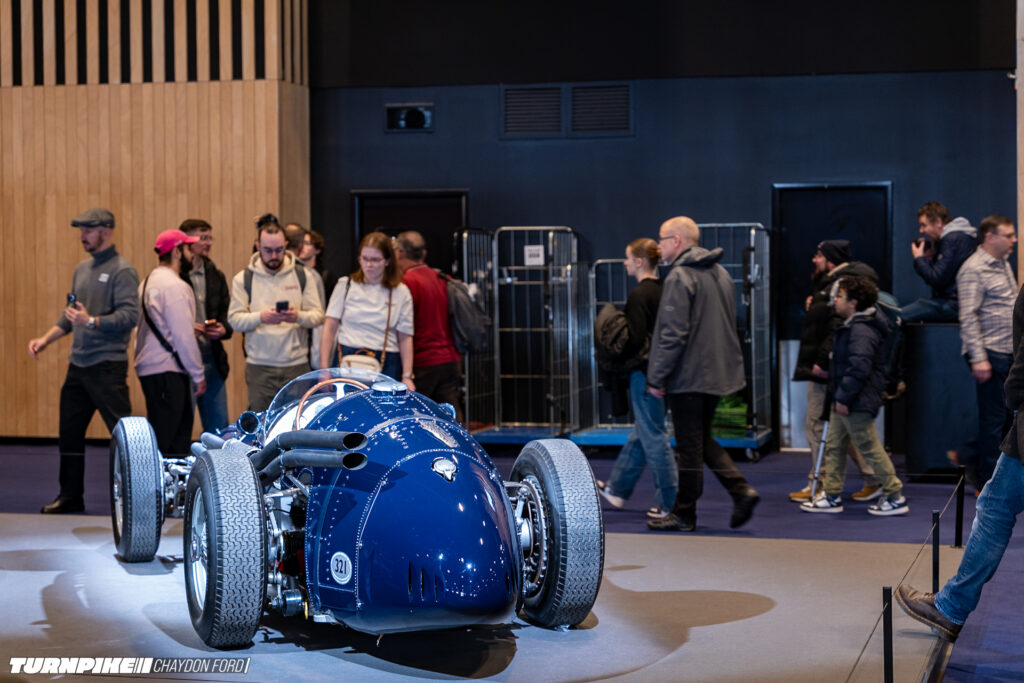
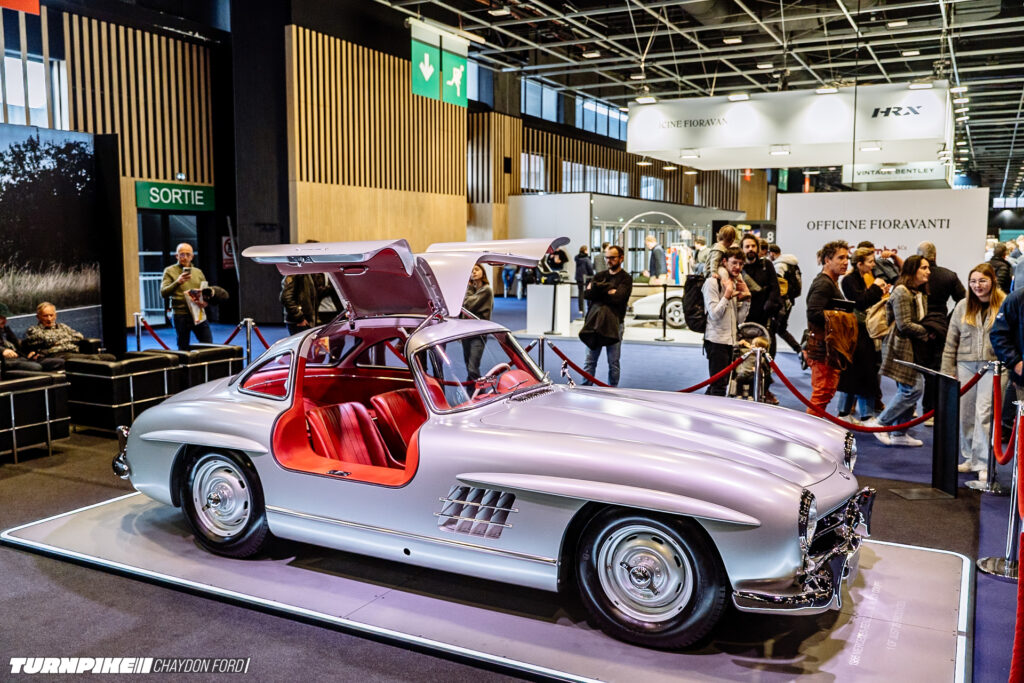
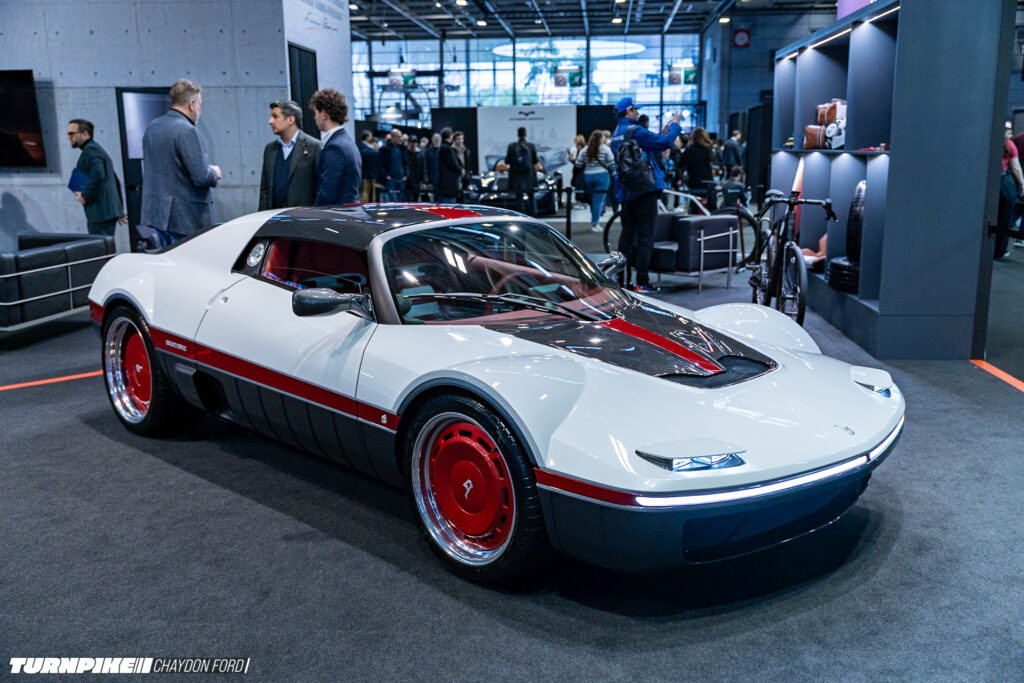
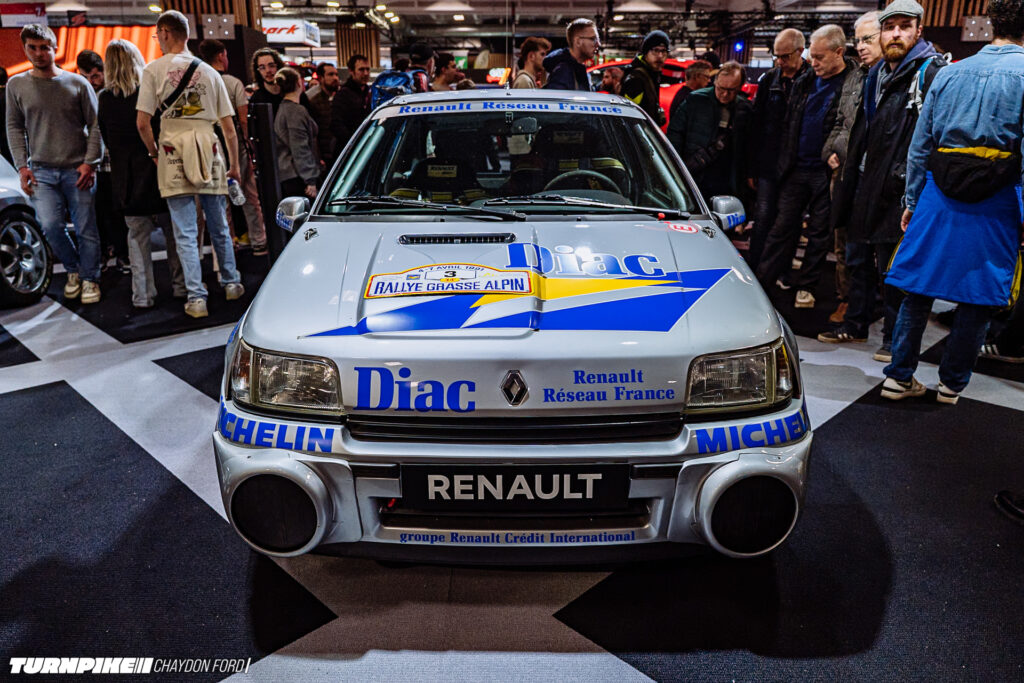
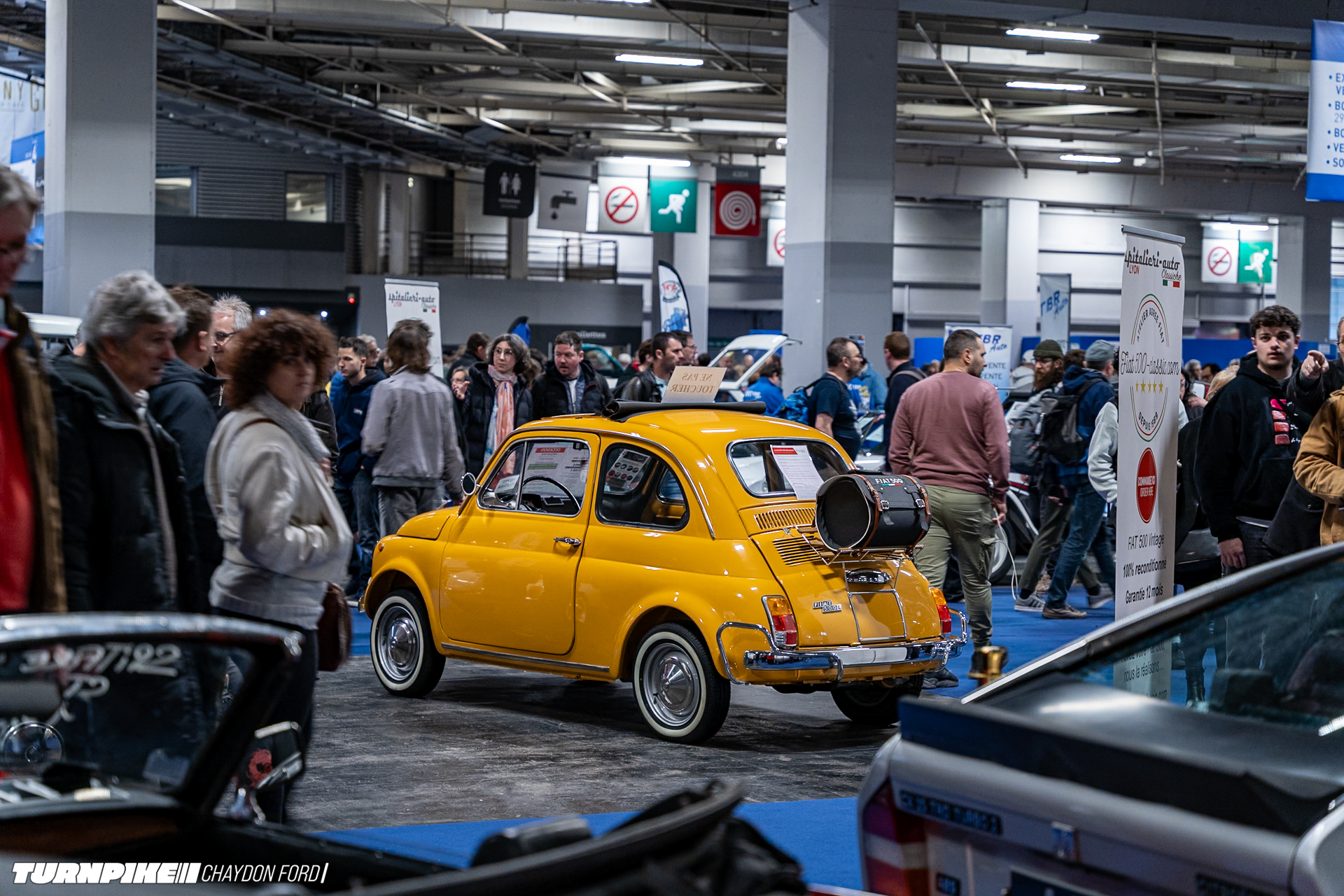
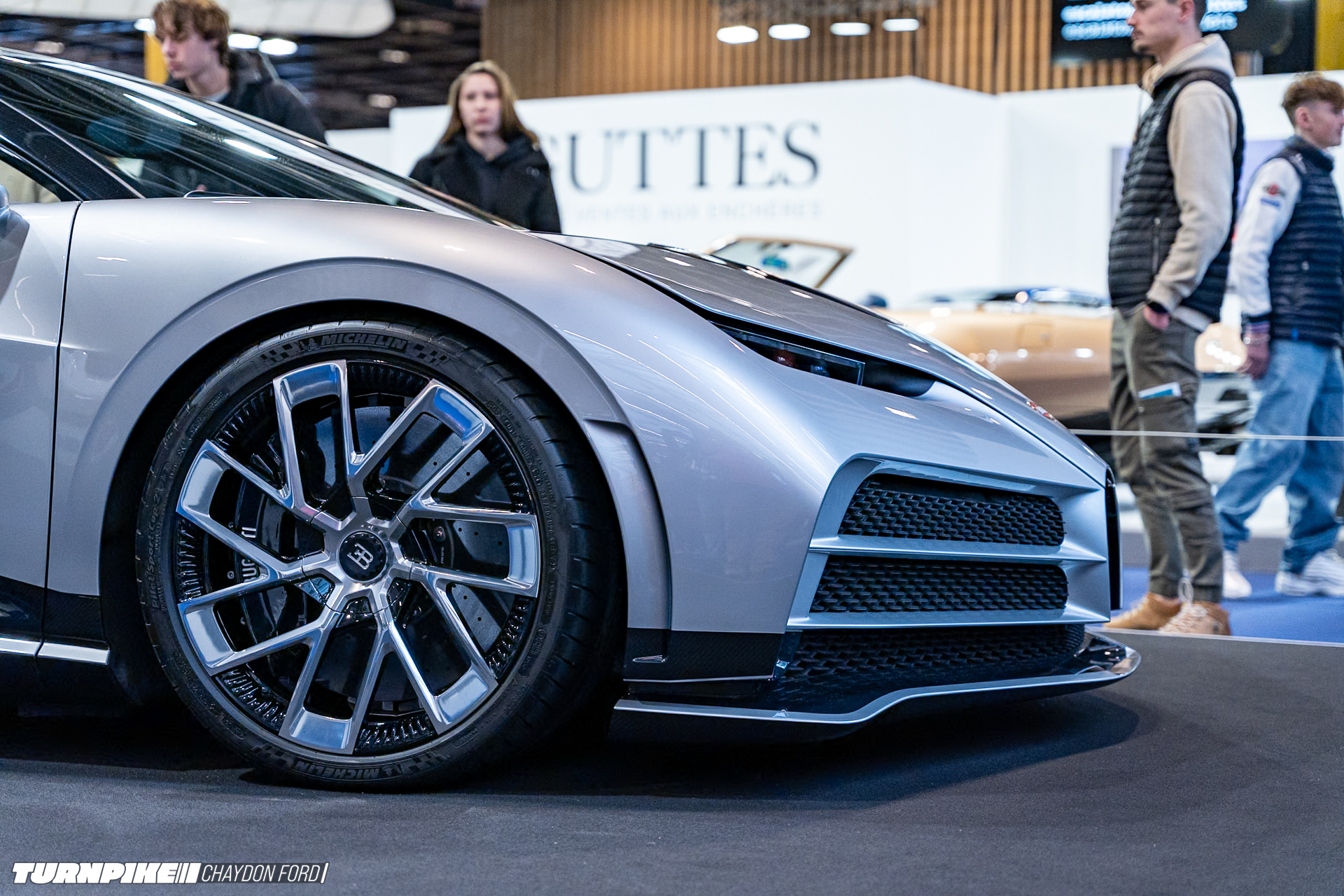
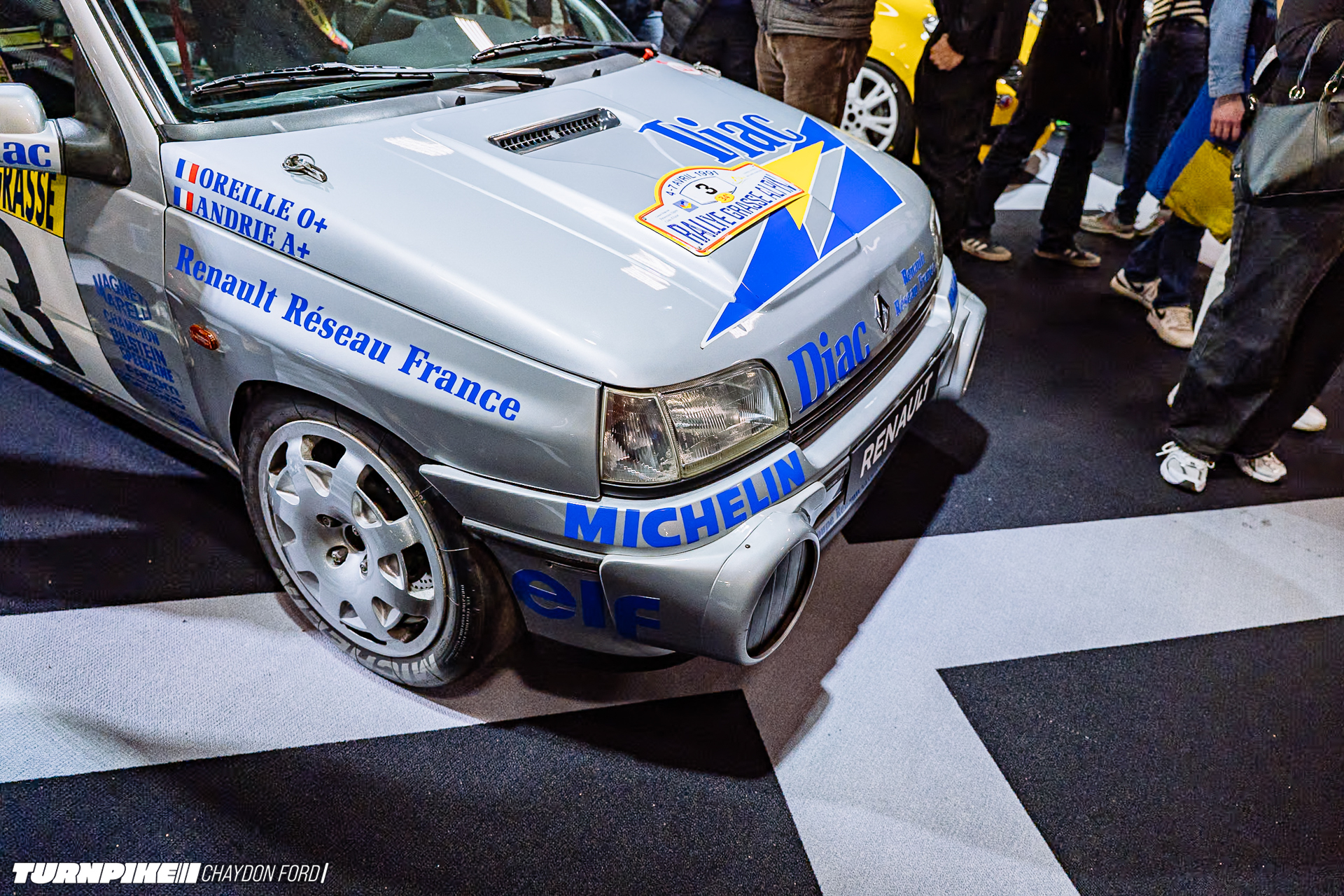
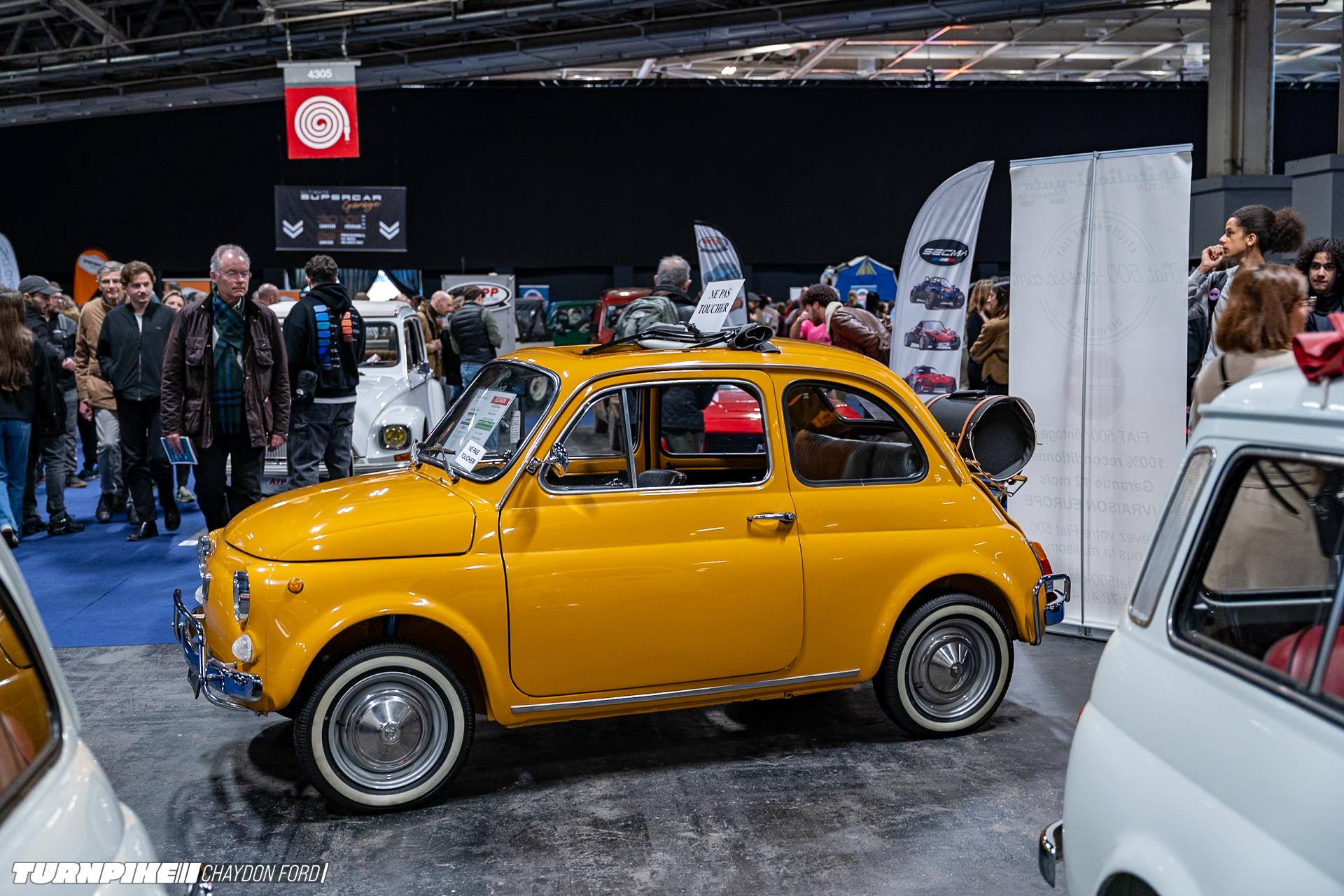
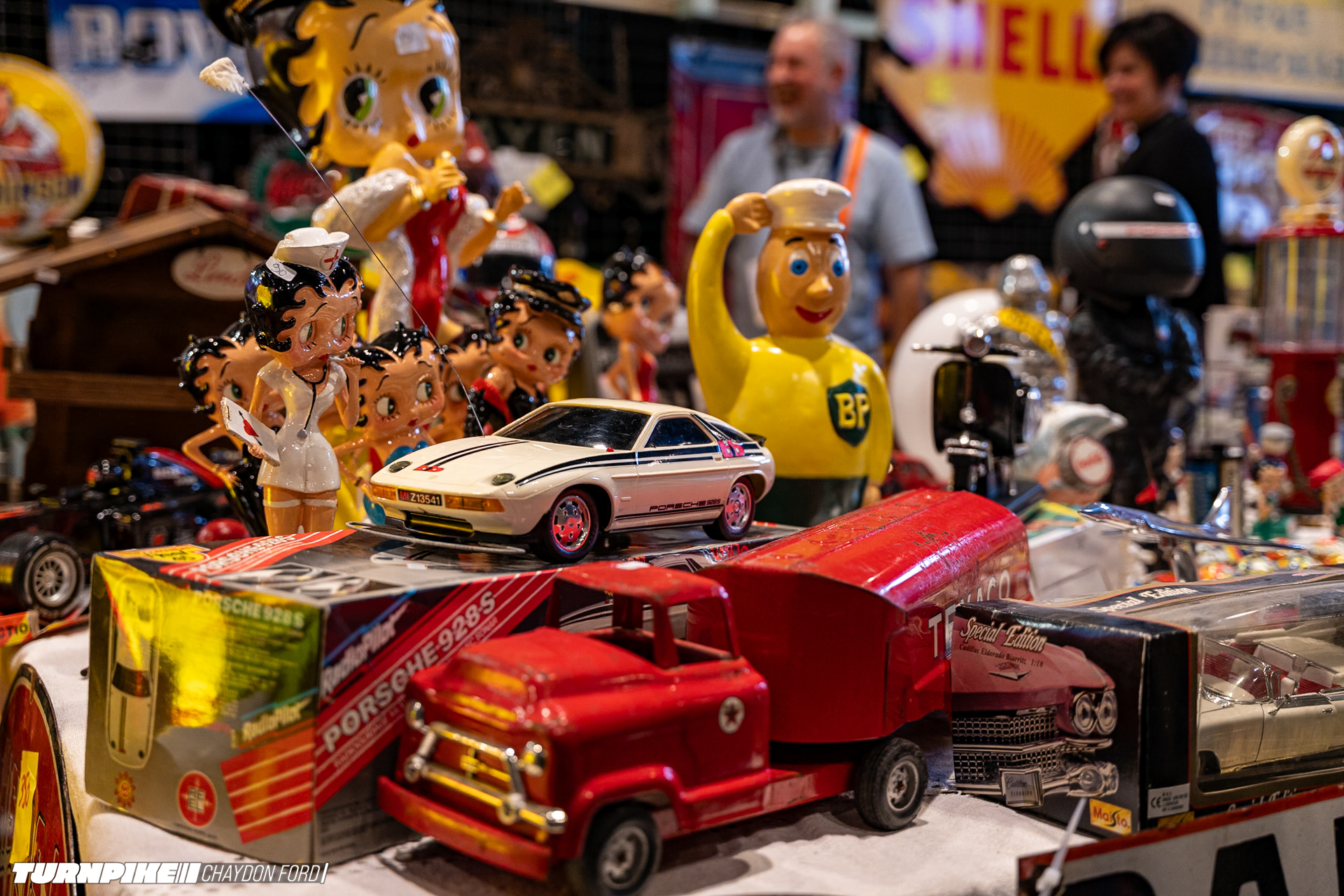
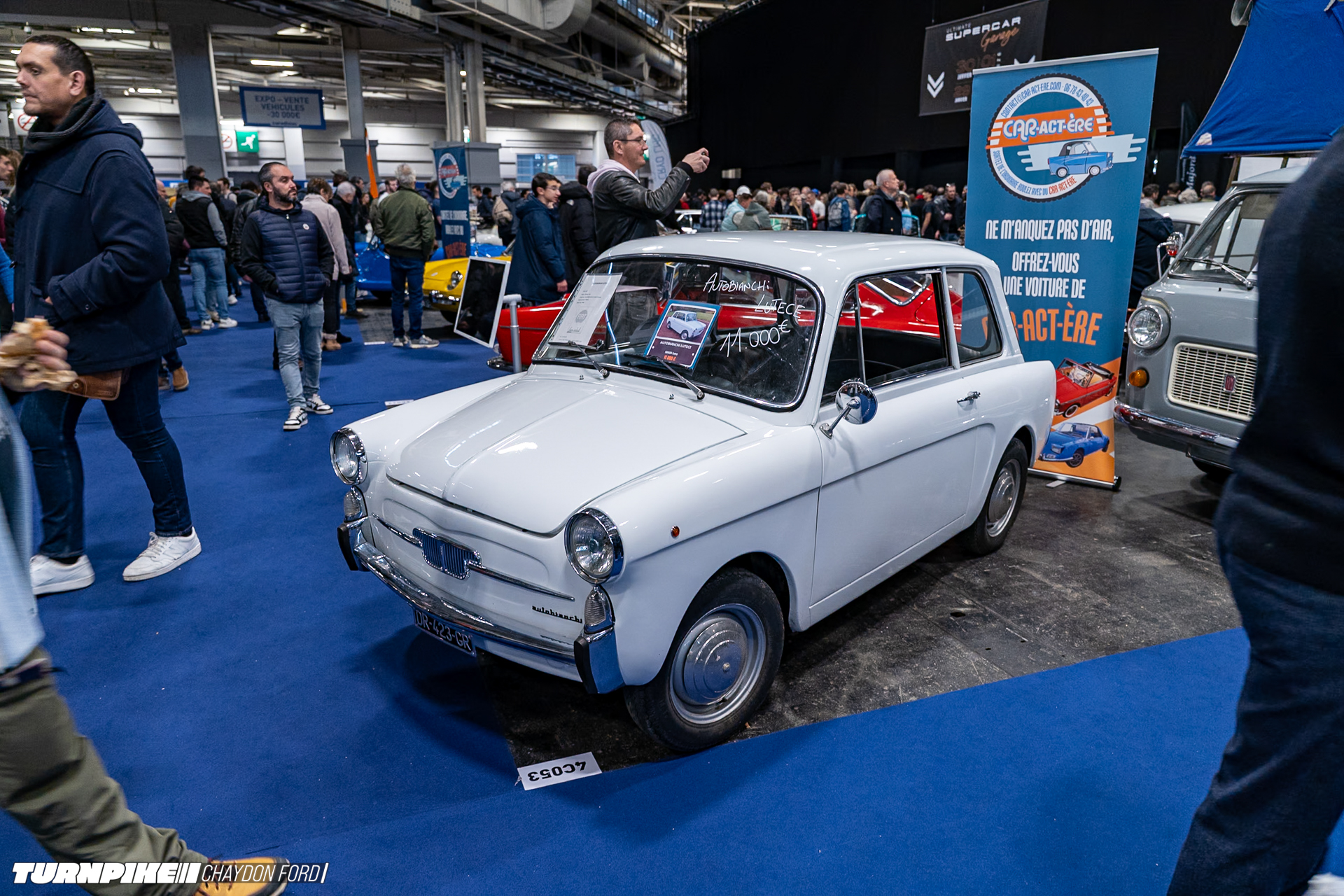
Both housed in the smaller hall, the Supercar Garage display and the Youngtimers area sat alongside each other. At opposite ends of the spectrum, the combined value of the Youngtimers display would likely equal that of just a handful of the nearby higher-end cars.
Rather than feeling like a divide, it was genuinely inspiring to see both ends of the spectrum thriving.
It showed that younger enthusiasts are still buying cars as a lifestyle choice. They require maintenance and a little patience to keep on the road, but reward their owners with a huge sense of occasion. At the other end of the market, those with a few more zeros in their bank balances are still snapping up every limited-run supercar they can. And yet, the two worlds happily coexist, with a genuine mutual appreciation for one another.
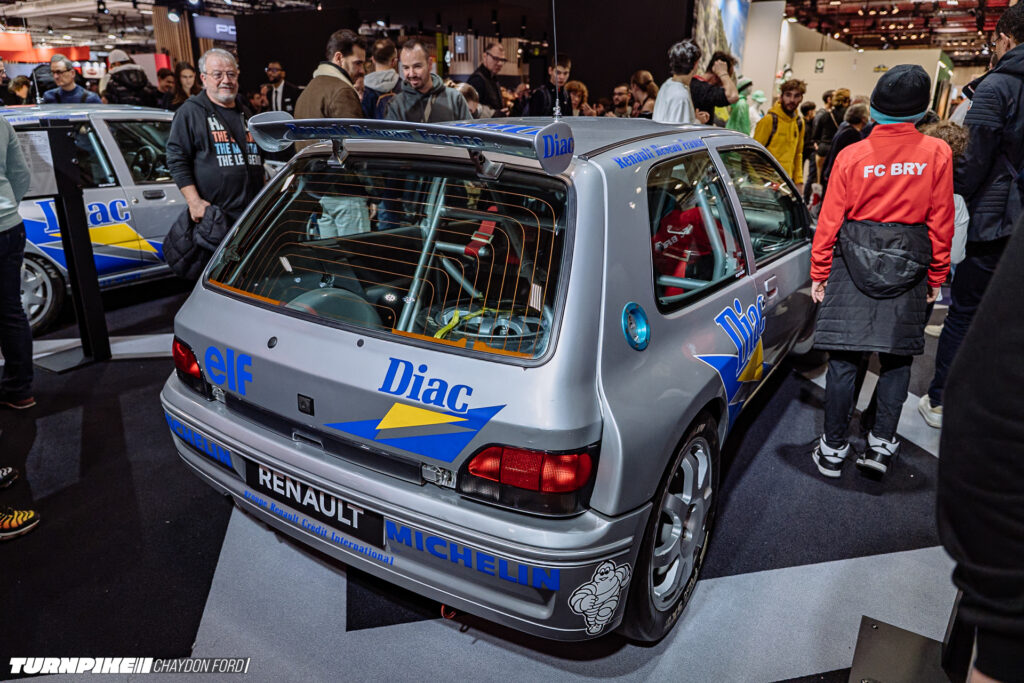
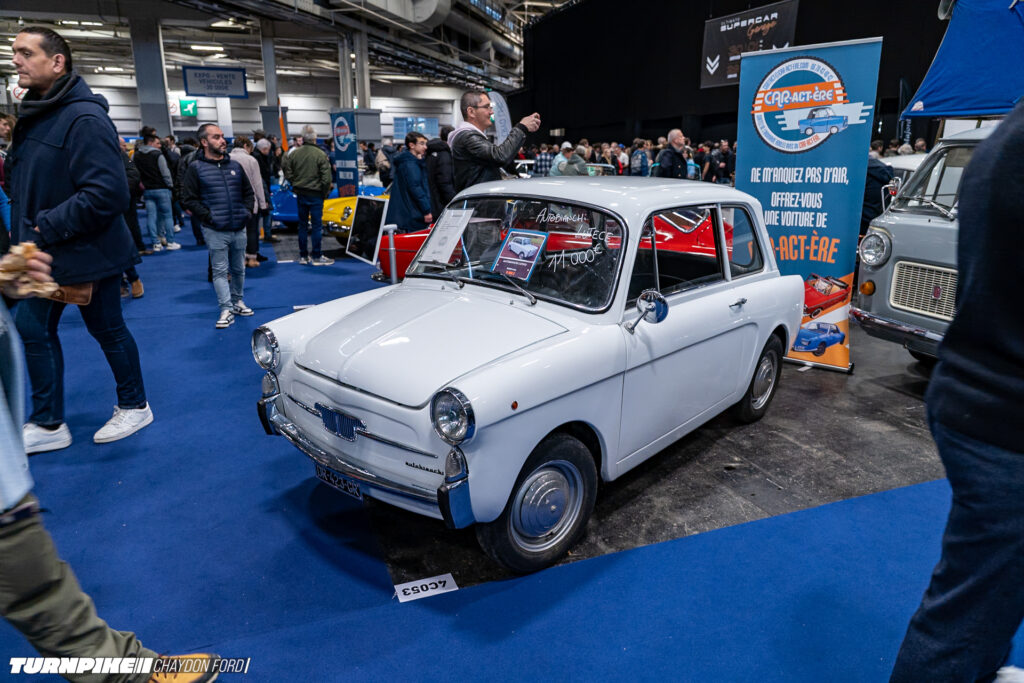
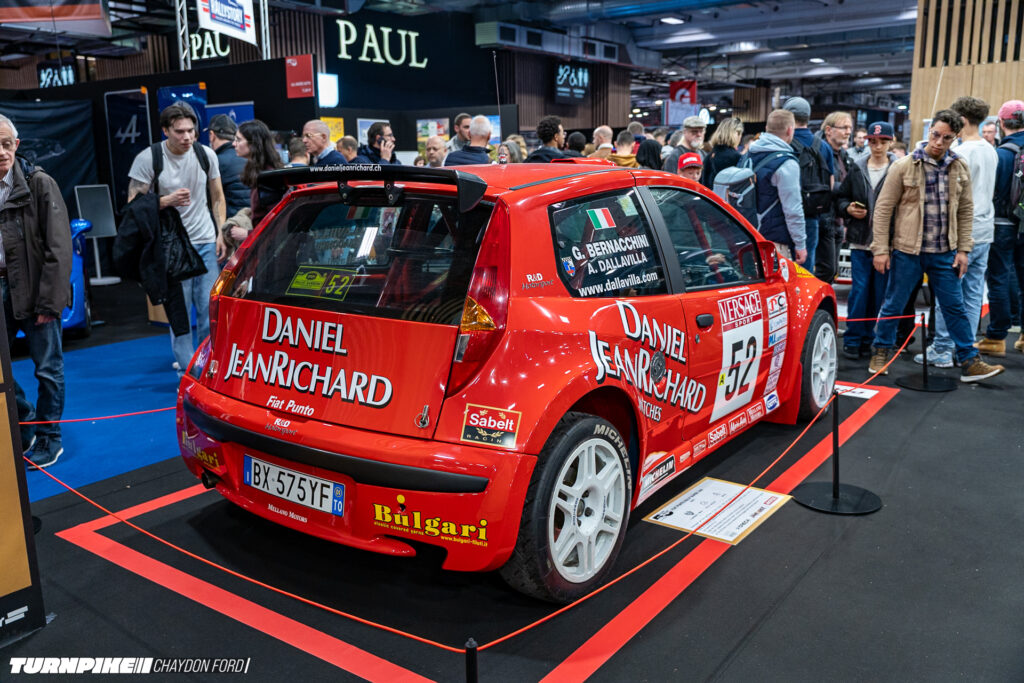
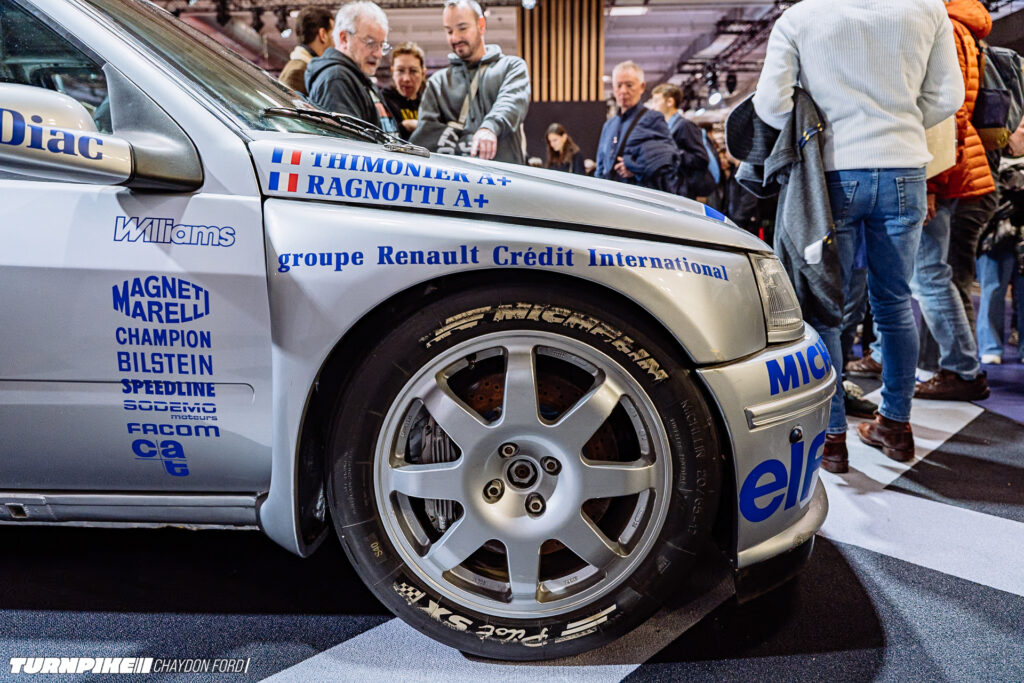
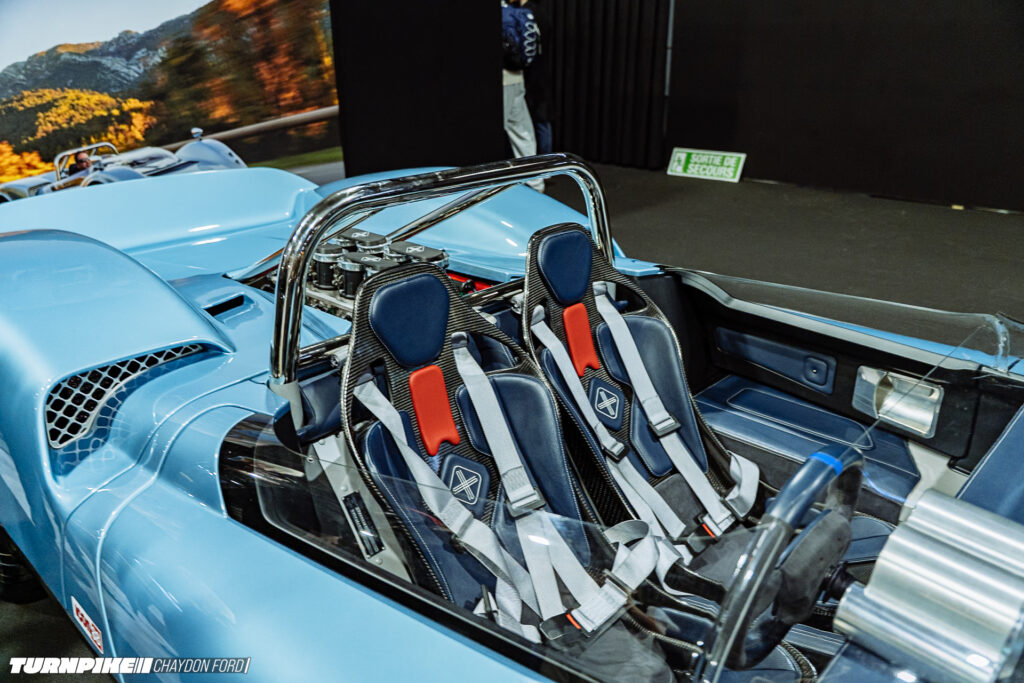
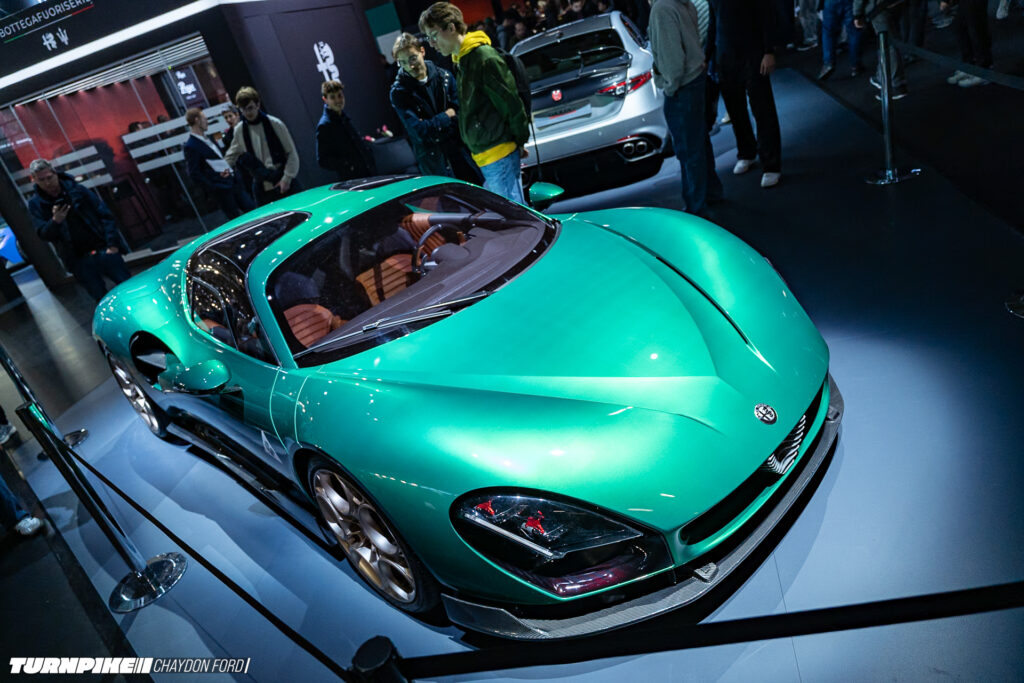
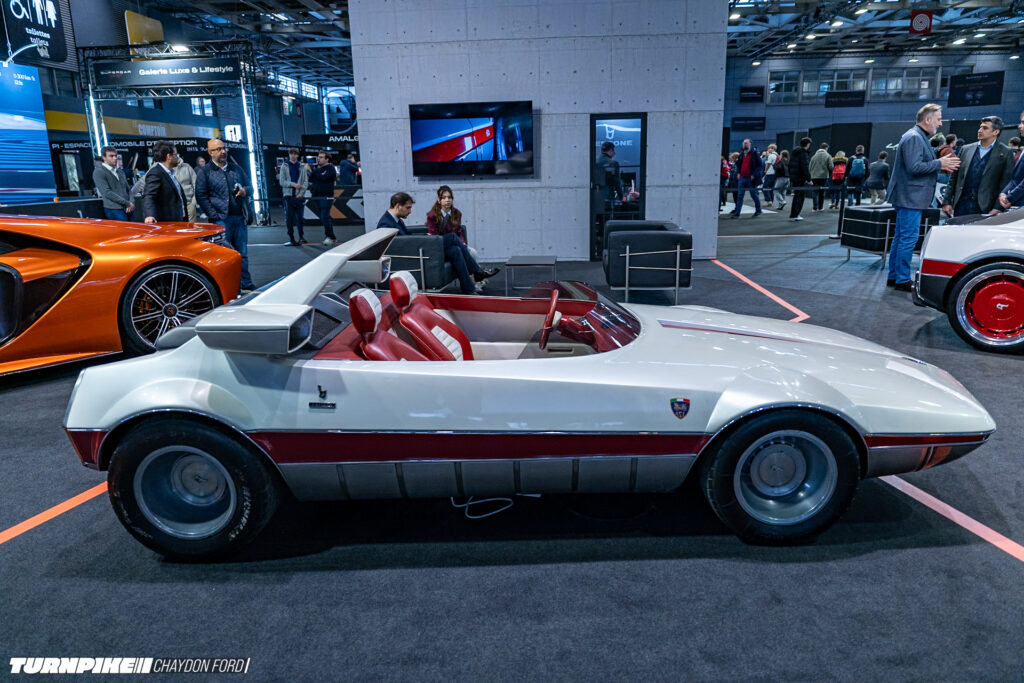
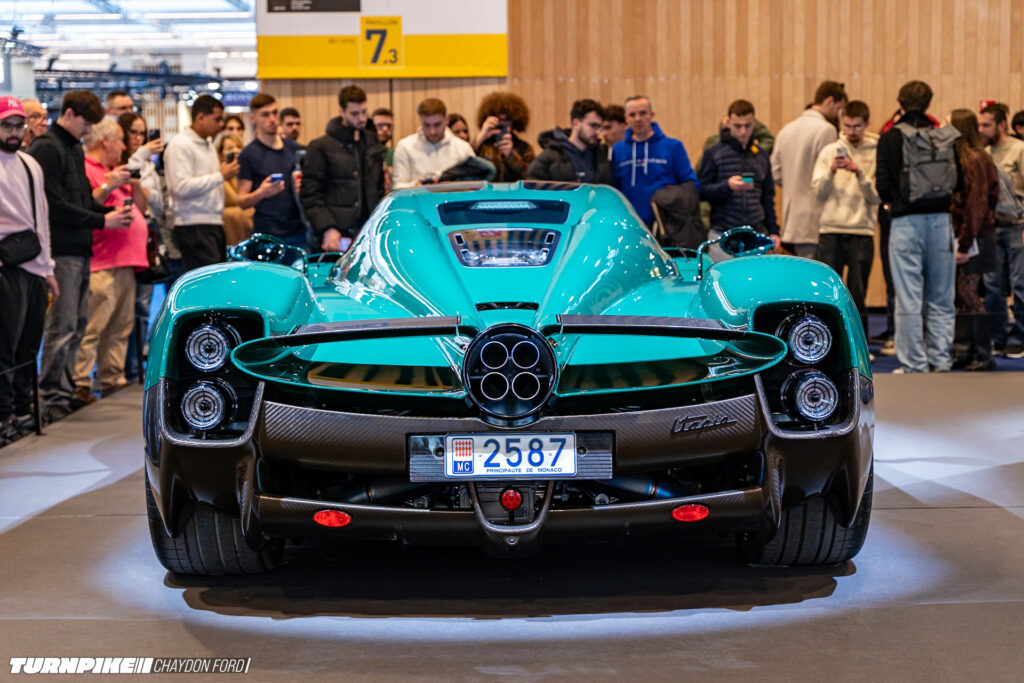
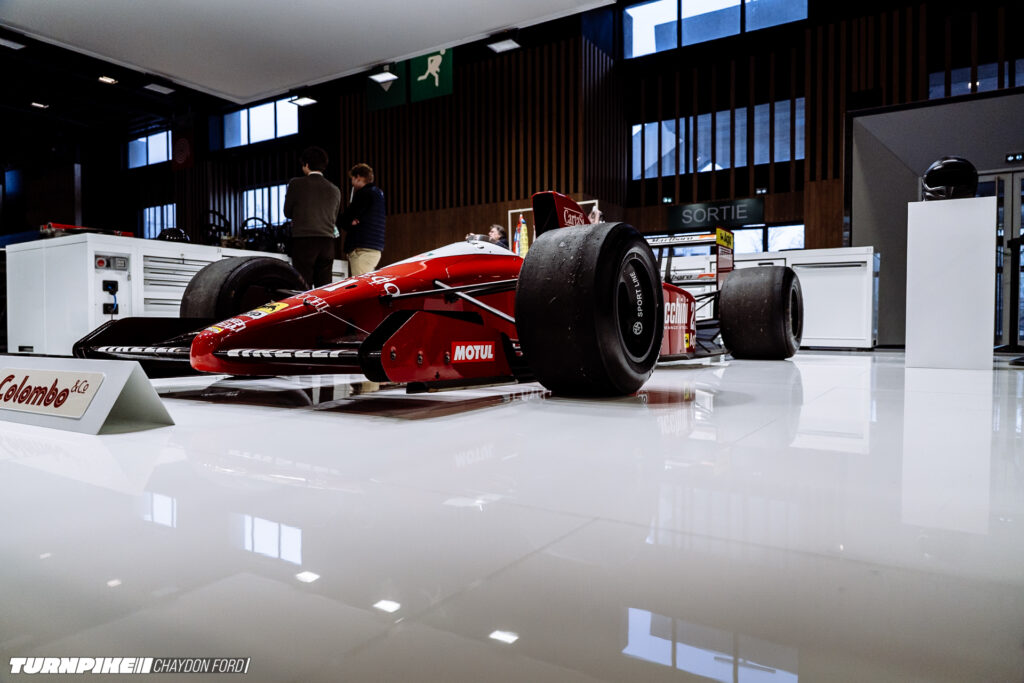
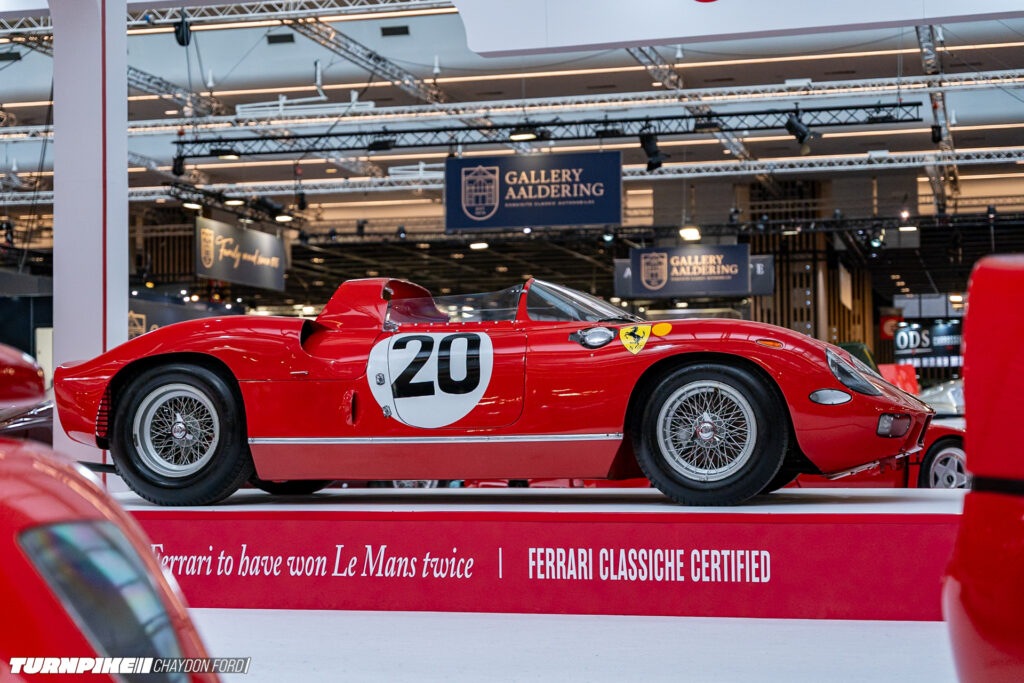
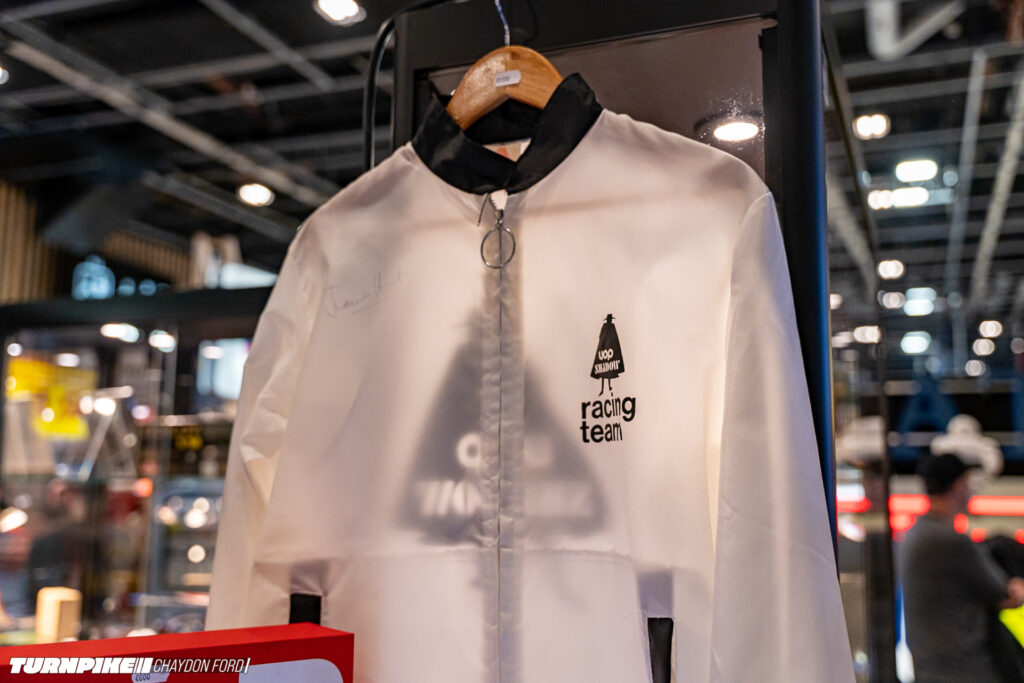
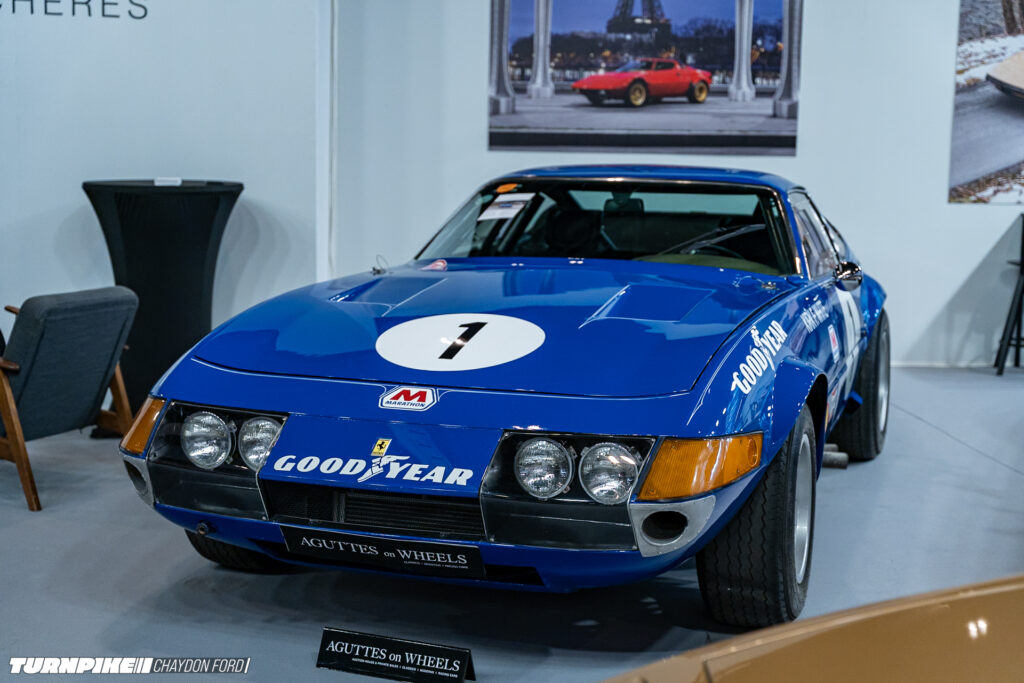
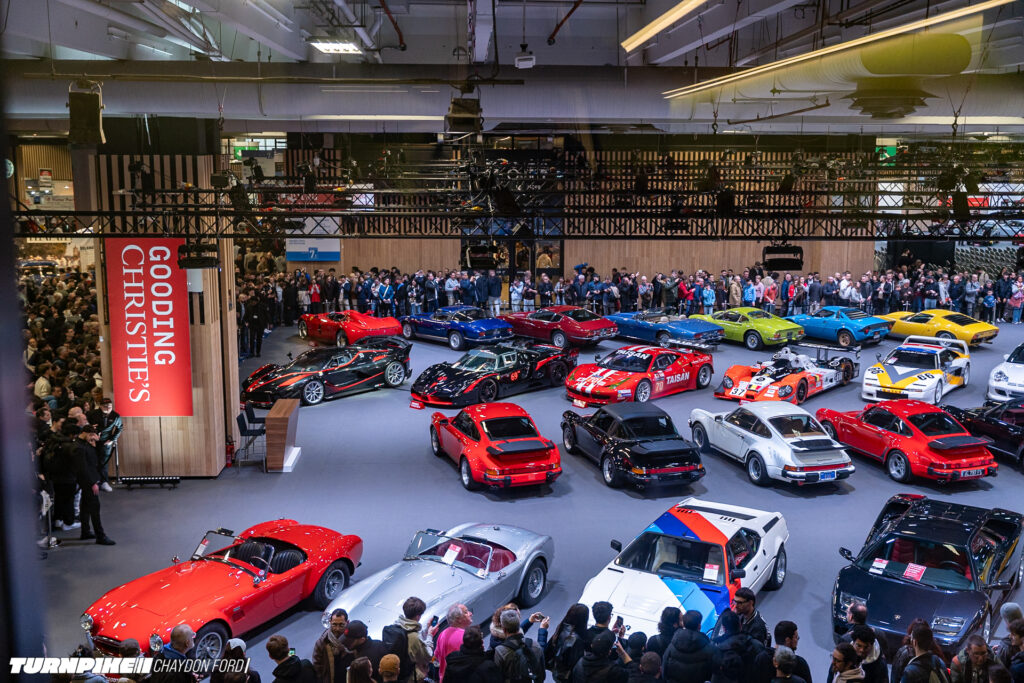
Some 181,000 visitors passed through the doors of the Paris Expo Centre over the four days of Rétromobile 2026, and you certainly felt it. There was little room to move, and even less space to get a proper look at many of the cars. The organisers have acknowledged the issue and recognise that things need to change, so next year’s show may look a little different.
My advice would be to visit on Thursday or Friday and arrive either early or late. The crowds begin to thin during the afternoon, and with the show remaining open until 10:00pm on Friday, you’ll enjoy a far more relaxed experience.
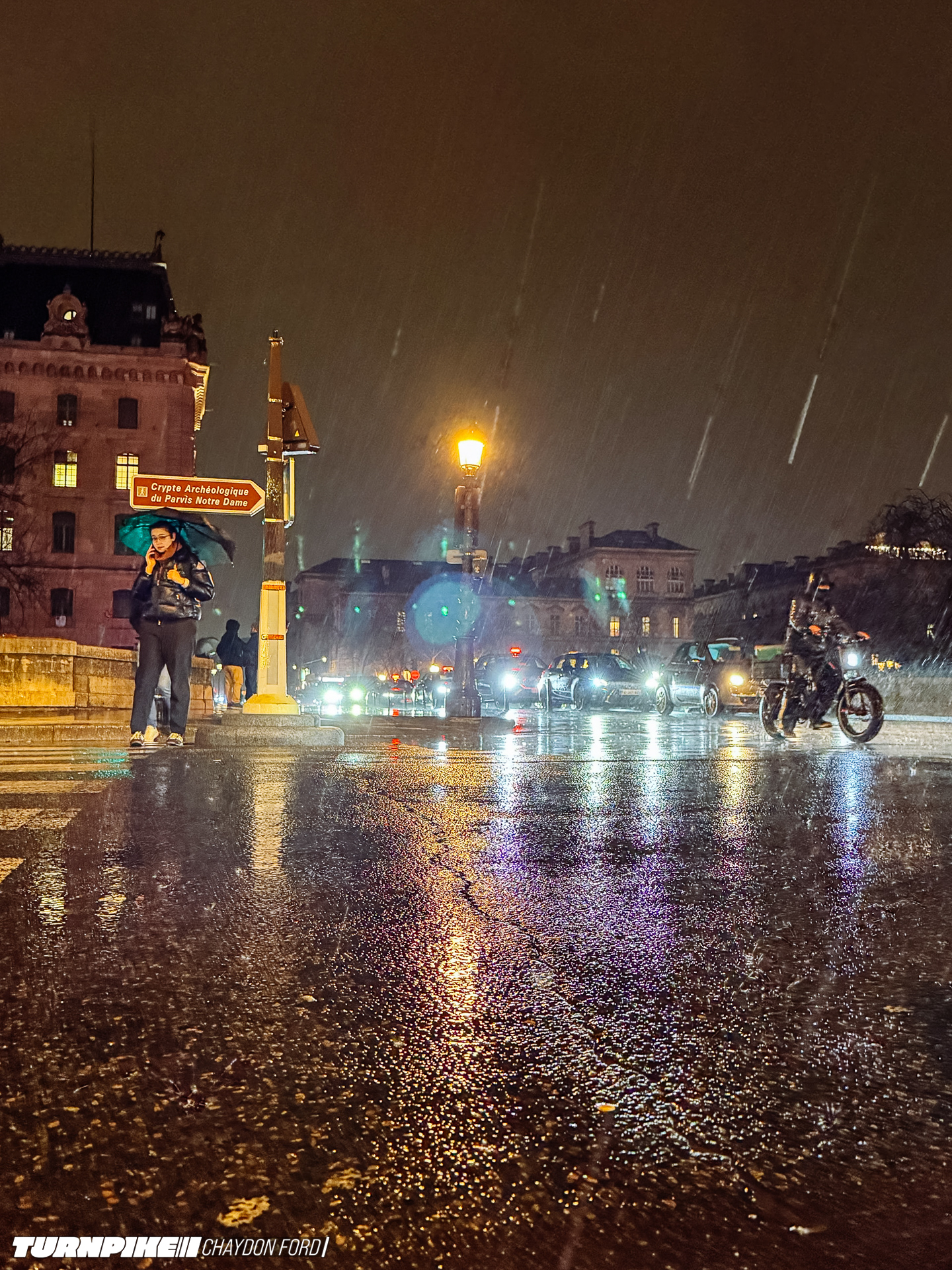
Having had our fill of cars and crowds for the day, we headed off, taking the long route to dinner.
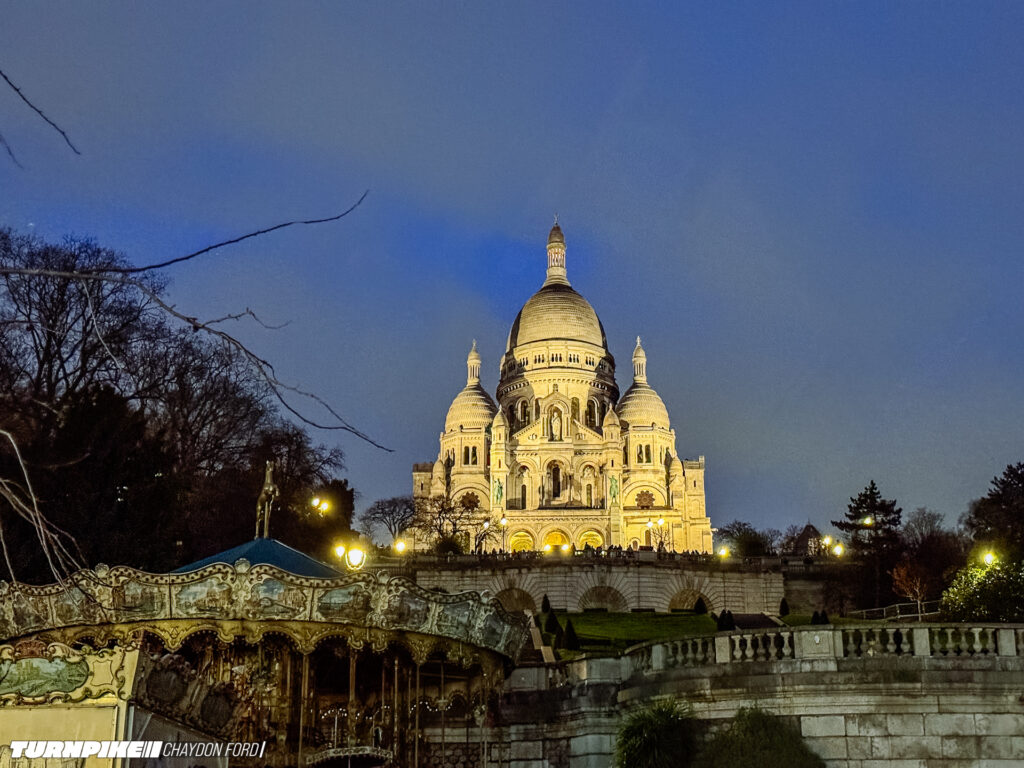
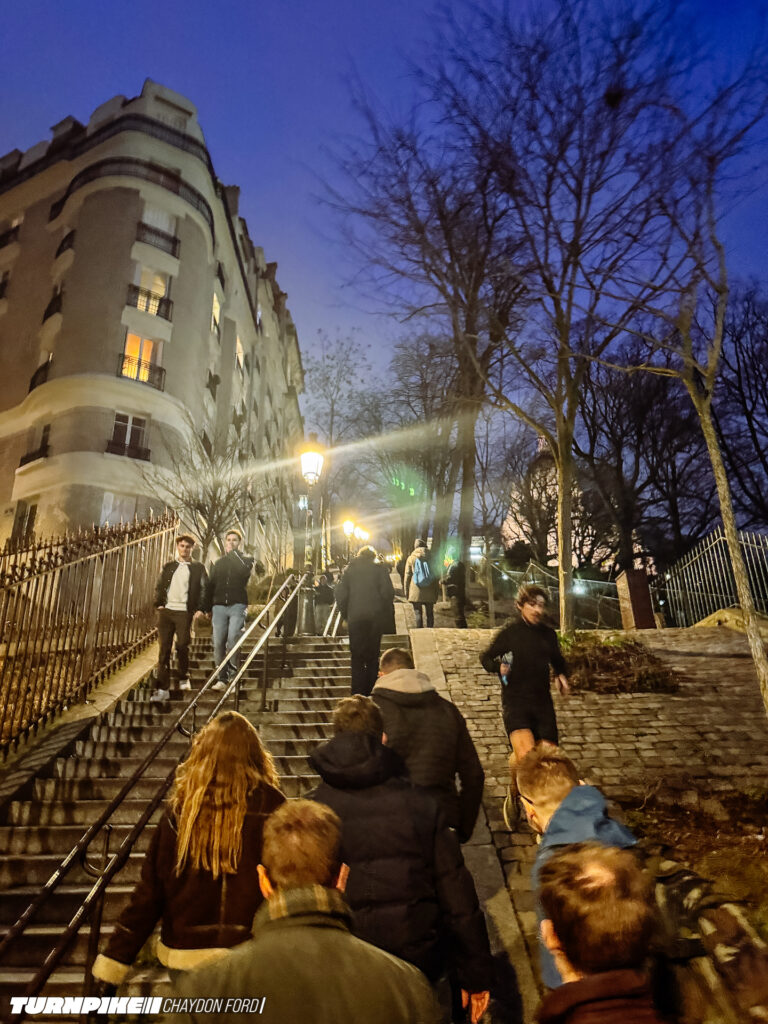
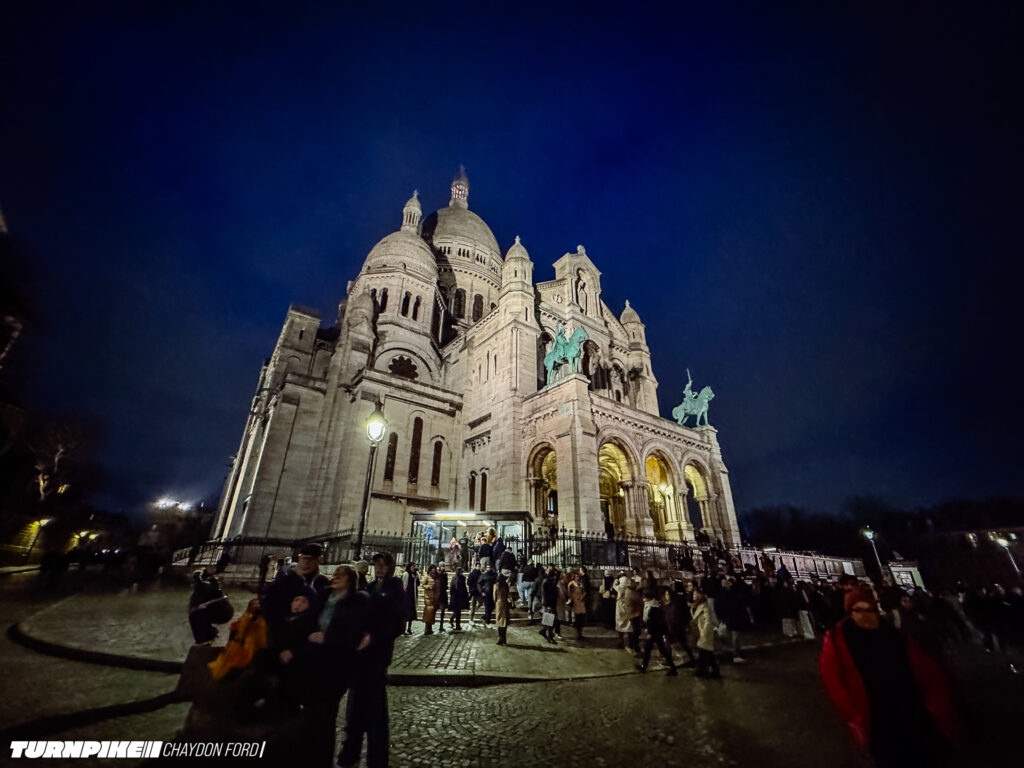
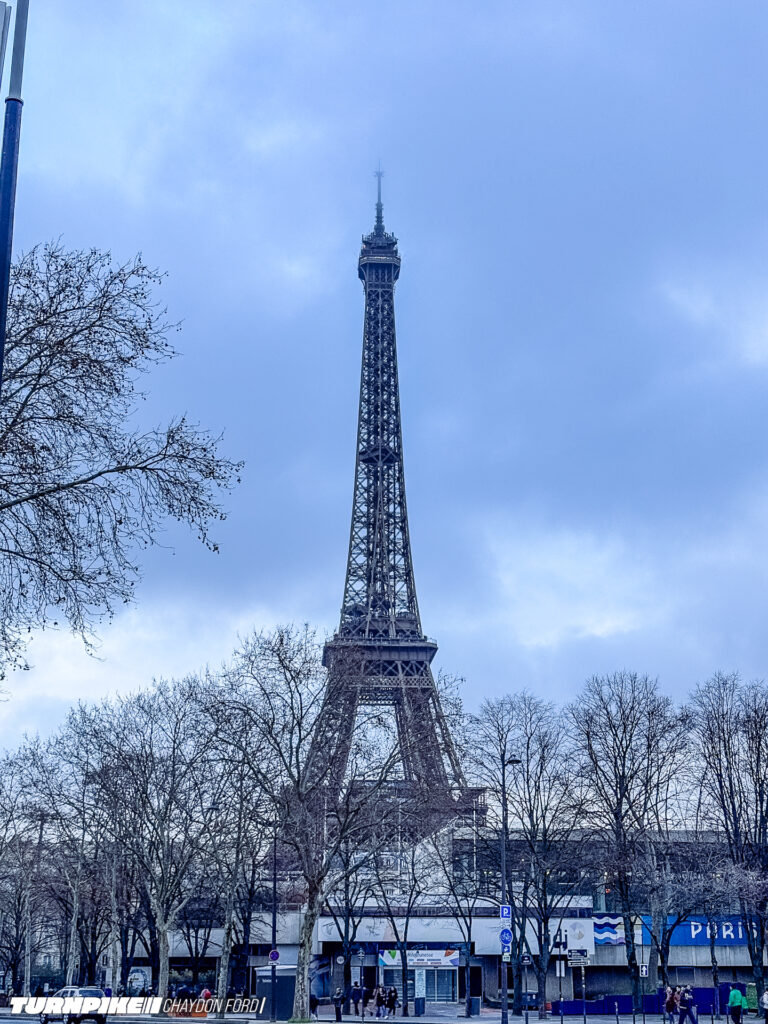
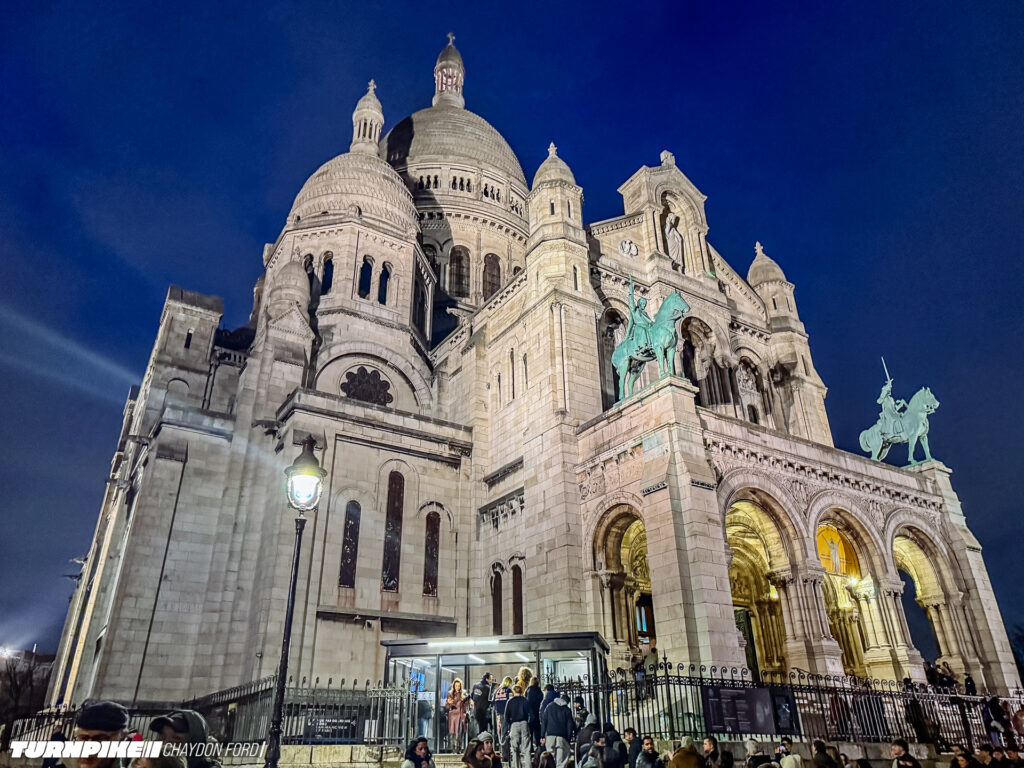
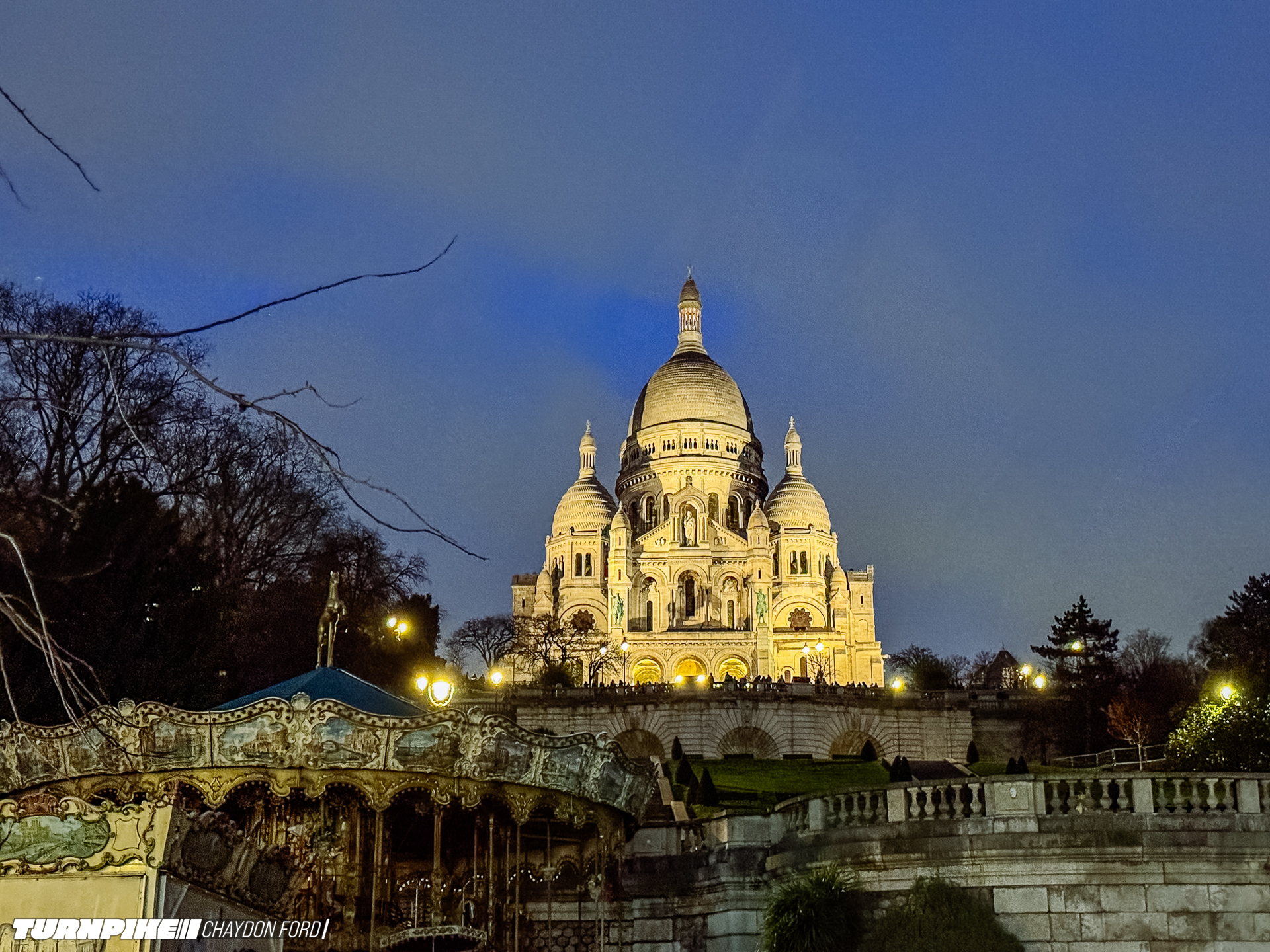
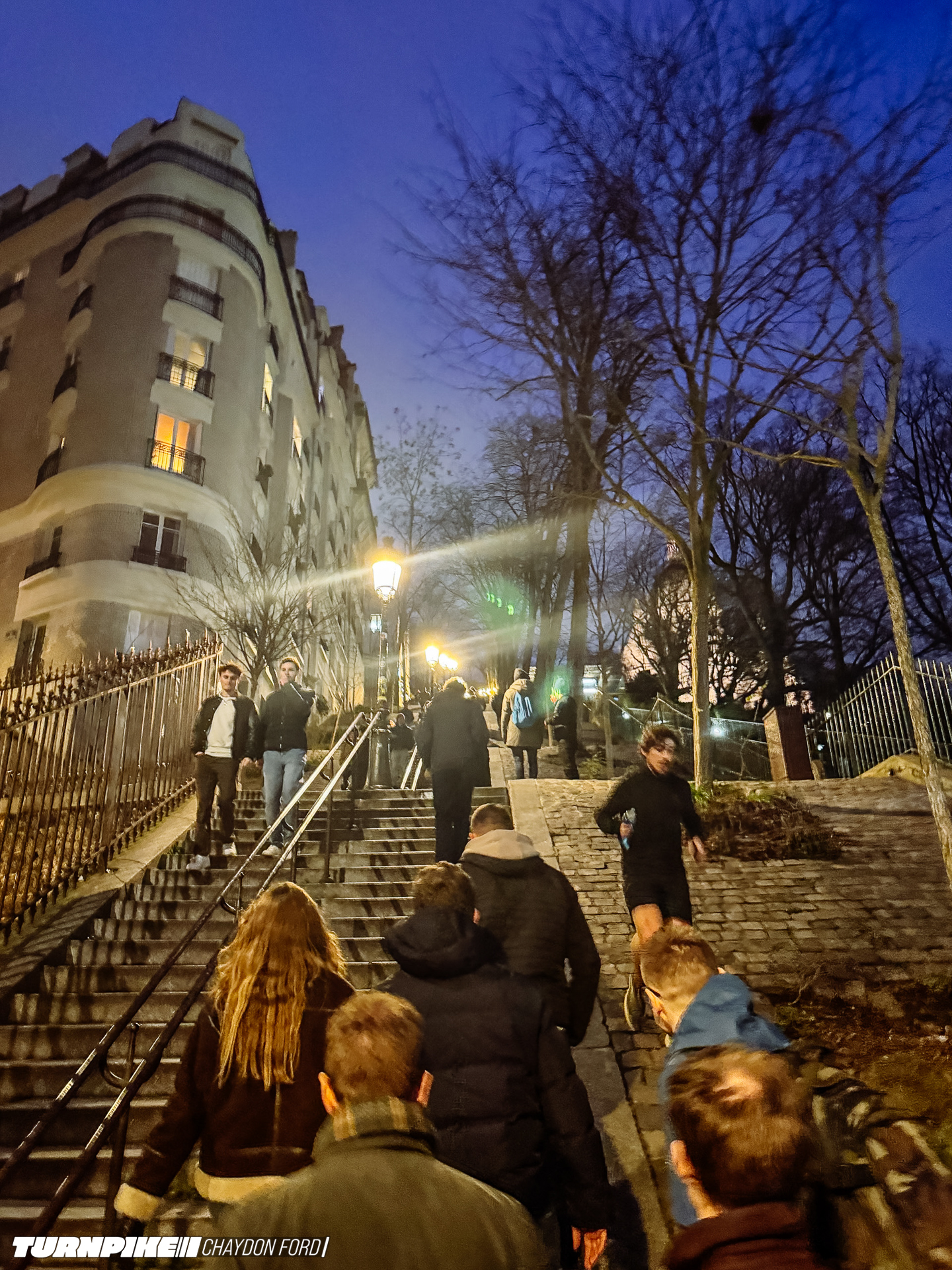
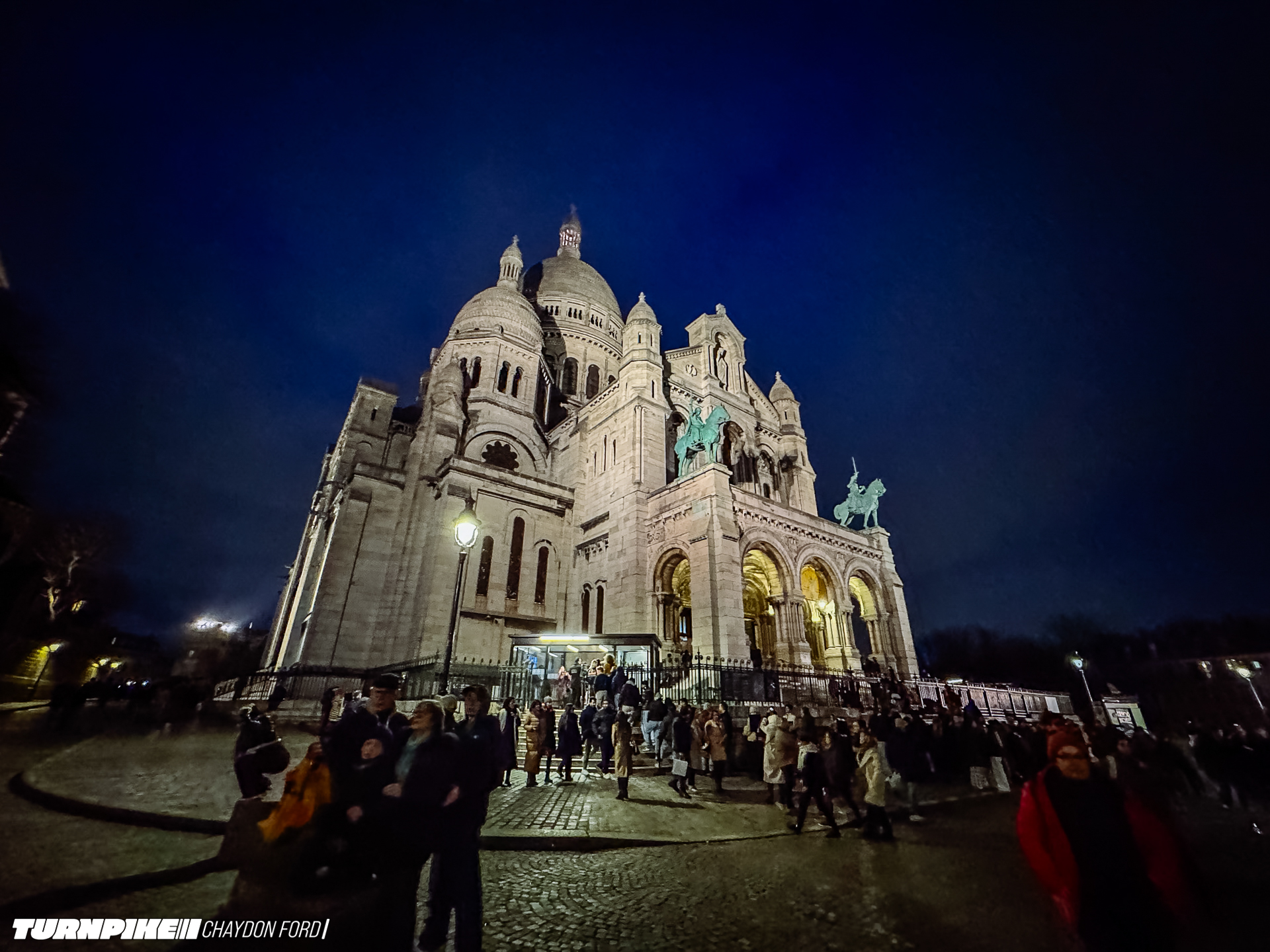
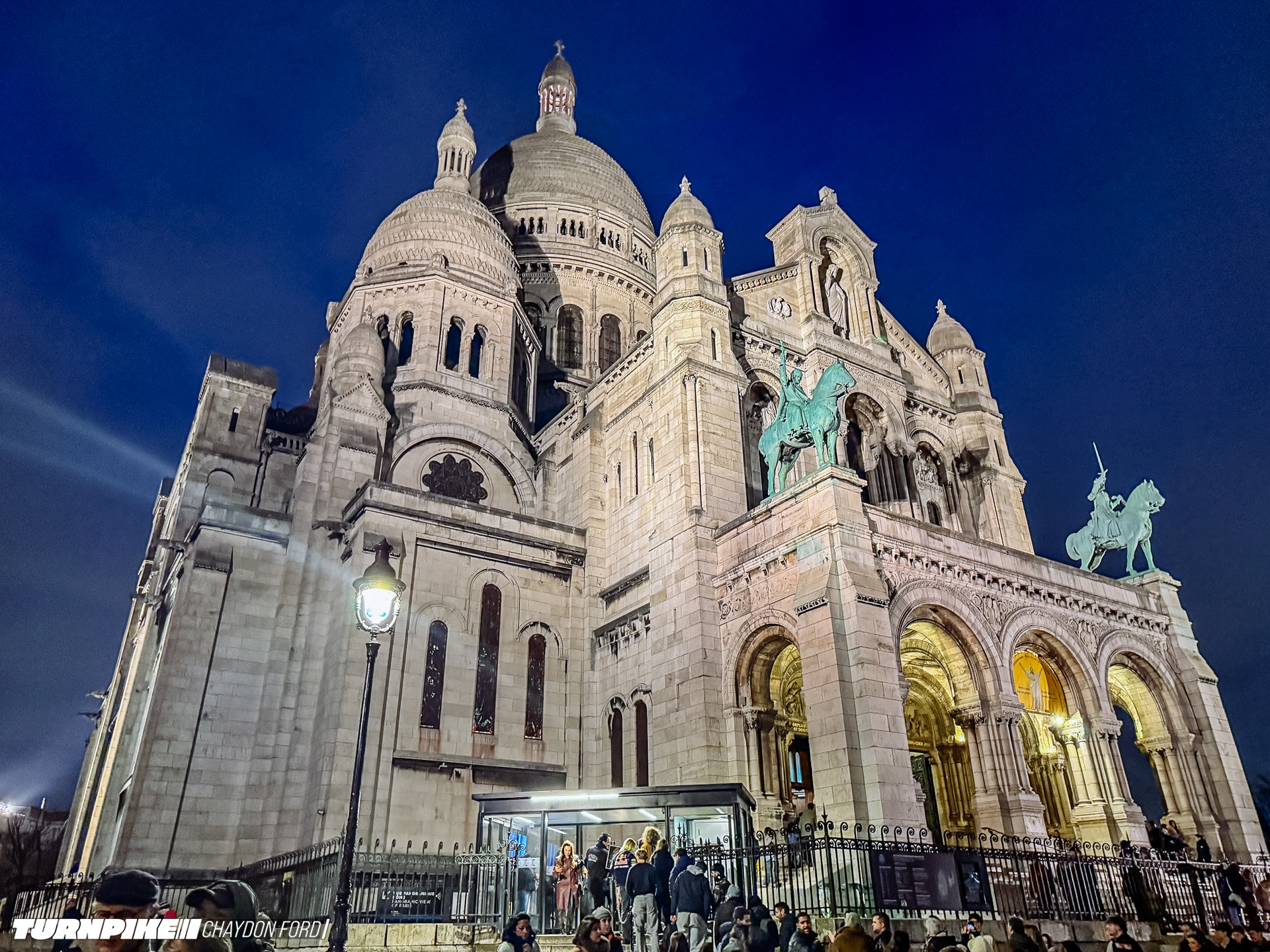
The detour called for a very special stop, beginning with the climb up Montmartre’s 222 steps to the Sacré-Cœur Basilica. It led us to the exact spot where the infamous C’était un rendez-vous (It Was a Date) reaches its unforgettable conclusion.
Shot in a single take, the 1976 film follows Claude Lelouch on a high-speed drive through the sleepy streets of Paris. At the end, the driver pulls over and embraces a young blonde woman as the church bells ring out. It was filmed using a 35mm camera mounted to the front bumper of a Mercedes-Benz 450SEL 6.9, with the soundtrack of Lelouch’s Ferrari 275 GTB dubbed over the footage.
At the time of its release, the only way to see C’était un rendez-vous was through its limited cinema release or via bootleg copies, with the public outrage only adding to the folklore surrounding the short film.
As the story goes, only three people knew what was taking place: Lelouch, his assistant Élie Chouraqui, and his girlfriend, Gunilla Friden. Lelouch and Chouraqui used radios to communicate at a busy junction, but they failed – fortunately, the traffic light stayed green. All Gunilla knew was that she had to meet Lelouch at the steps and embrace him.
Every petrolhead should watch C’était un rendez-vous at least once, and standing on such hallowed ground, taking it all in, was truly momentous.
Tourist box ticked, the evening concluded with copious amounts of barbecued meat. £45 later, we called it a night, bringing the running total for the trip to £386.
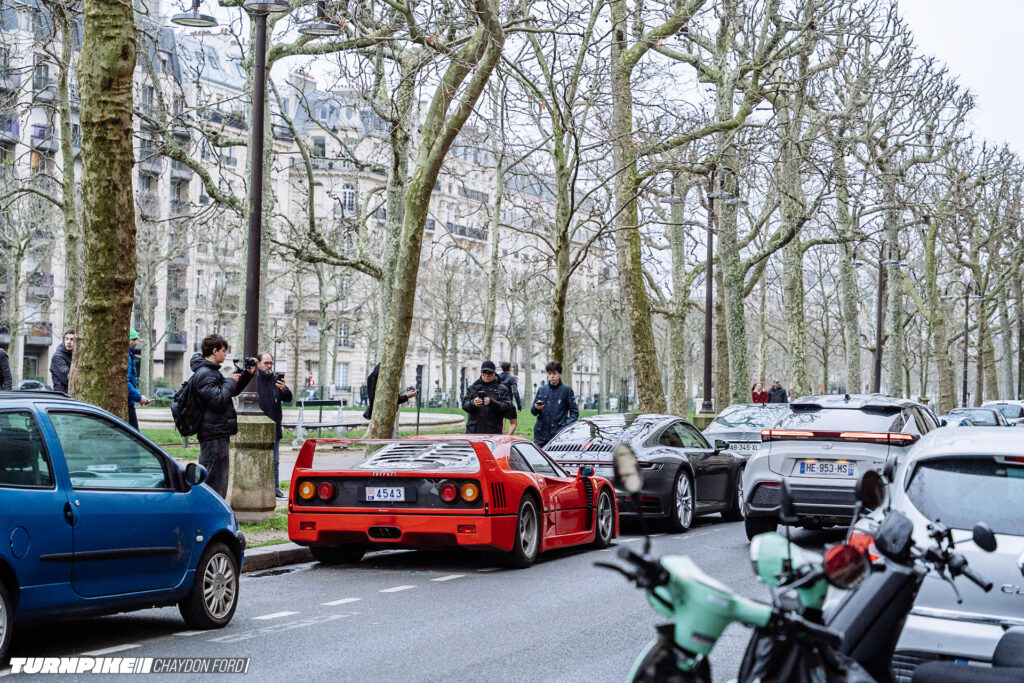
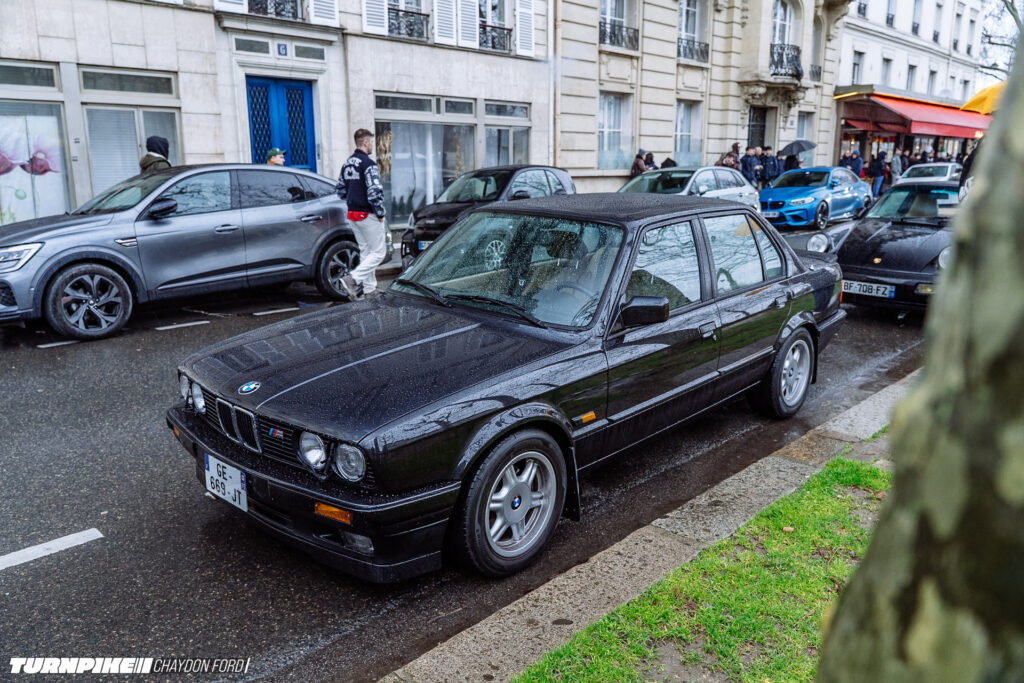
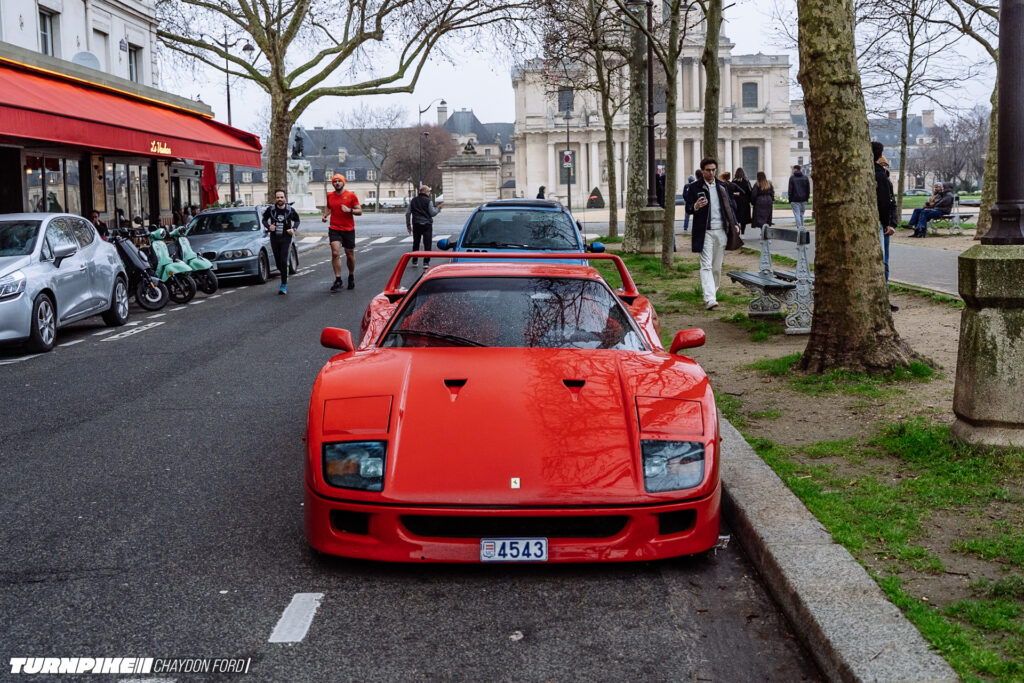
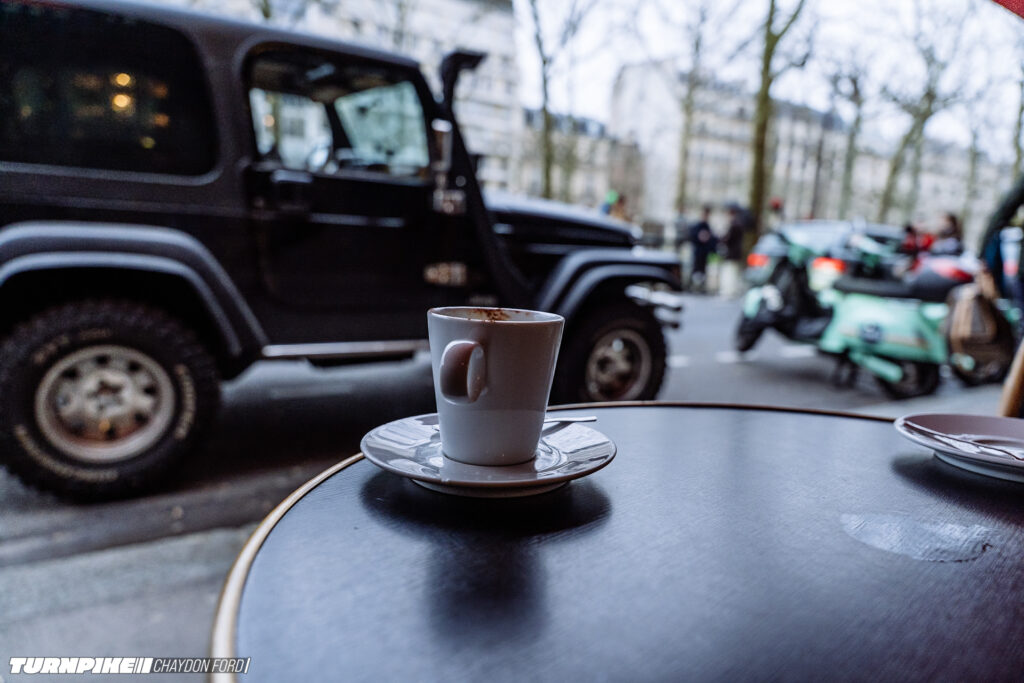
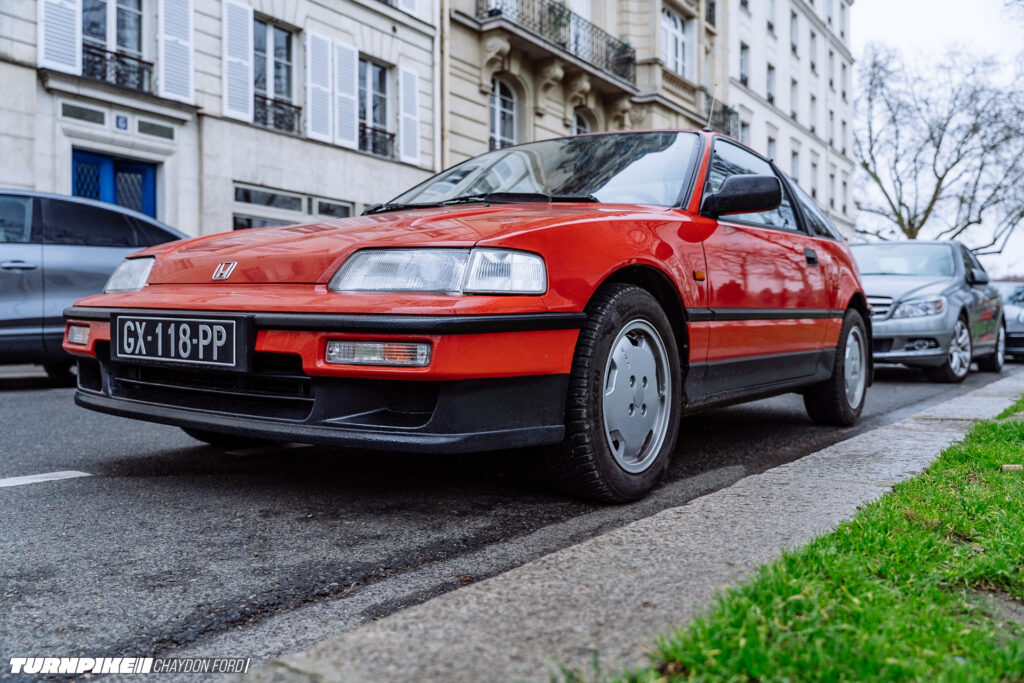
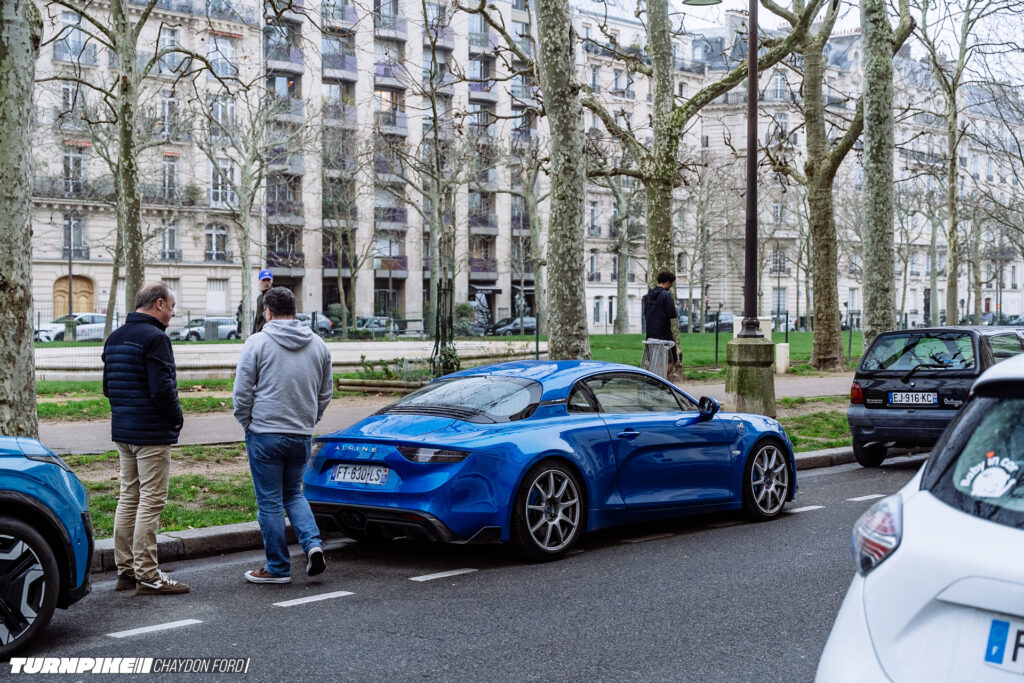
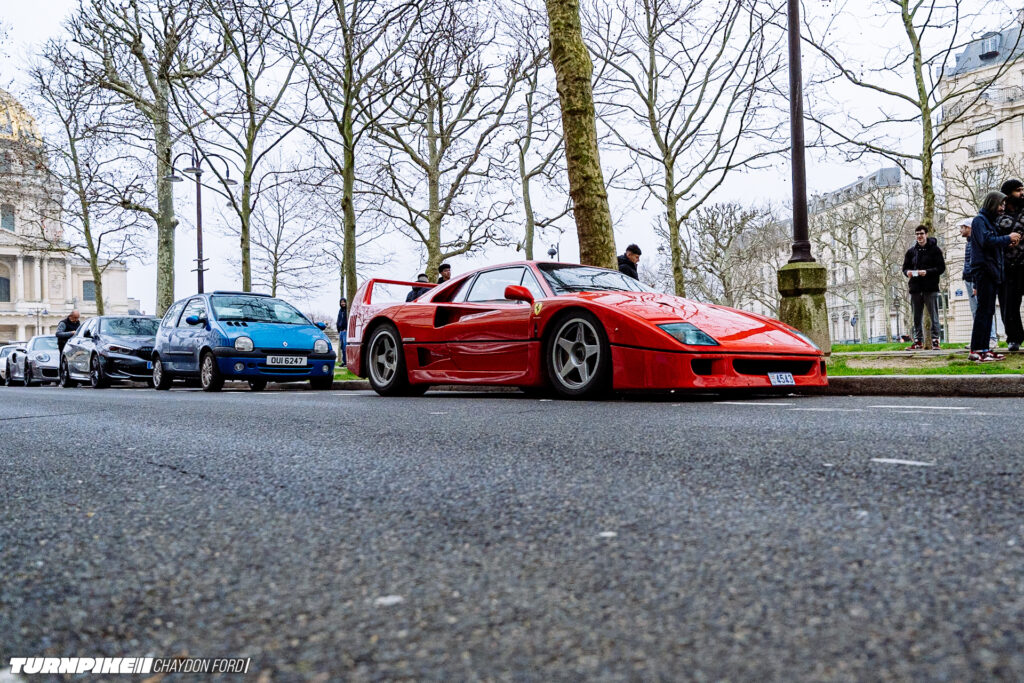
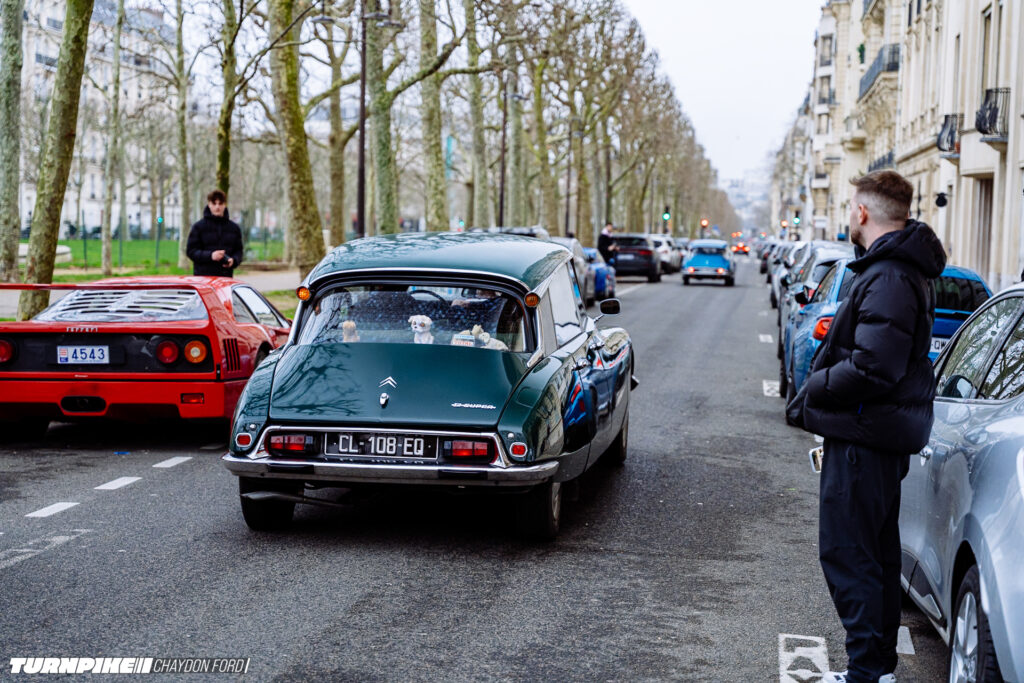
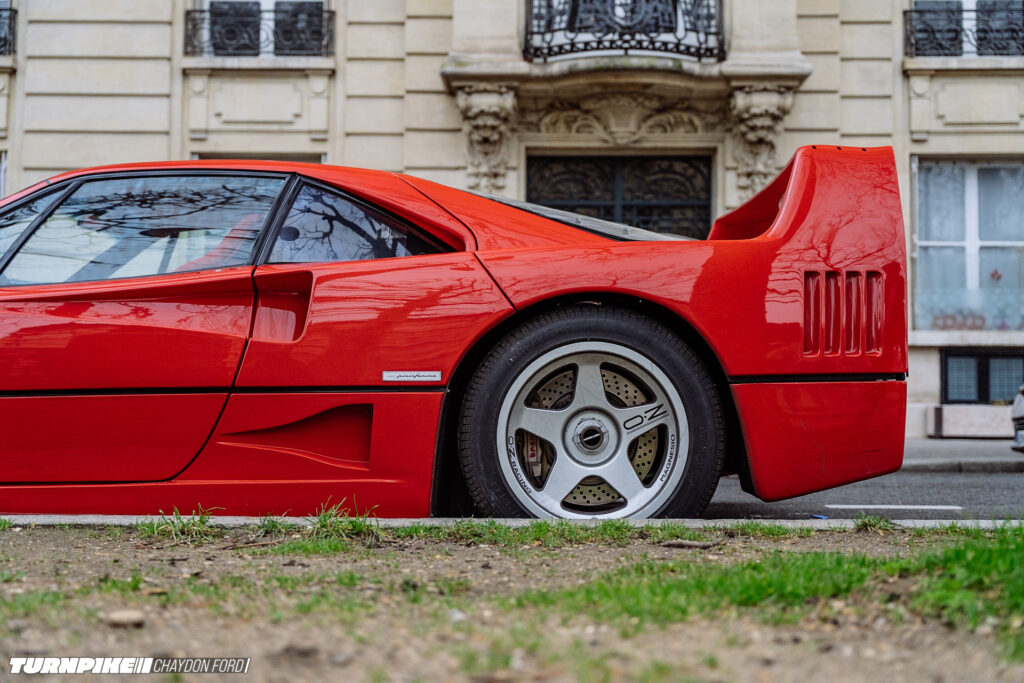
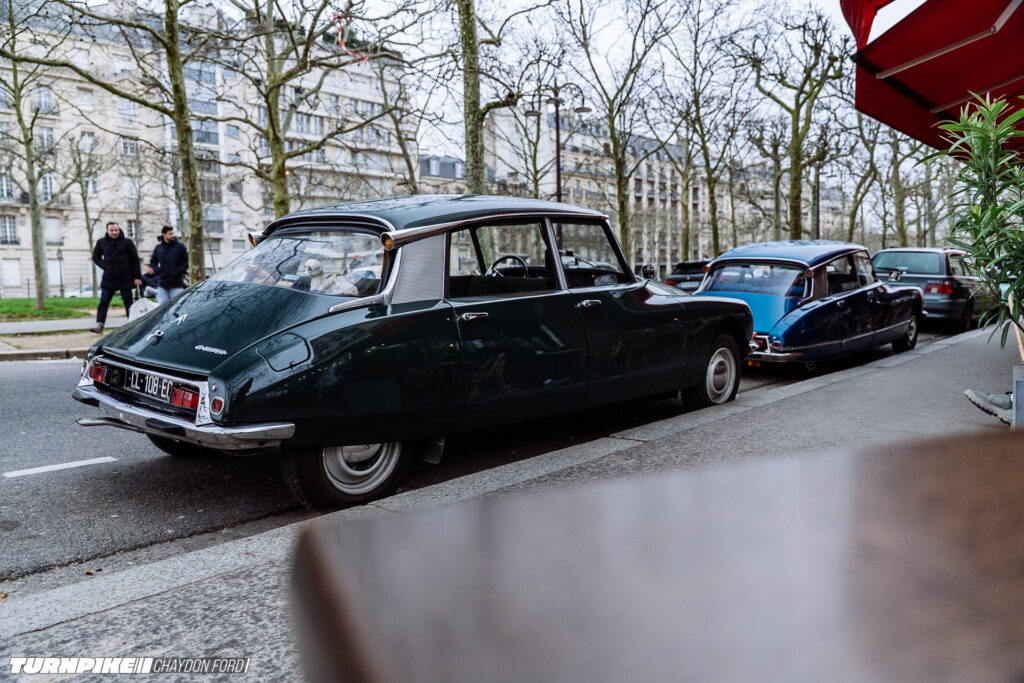
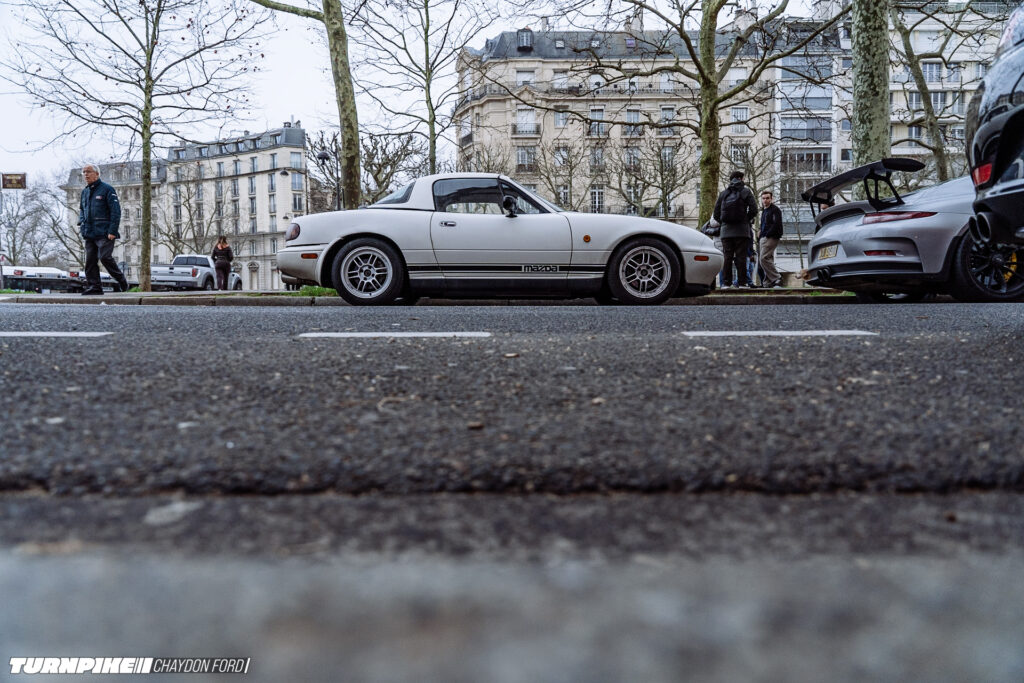
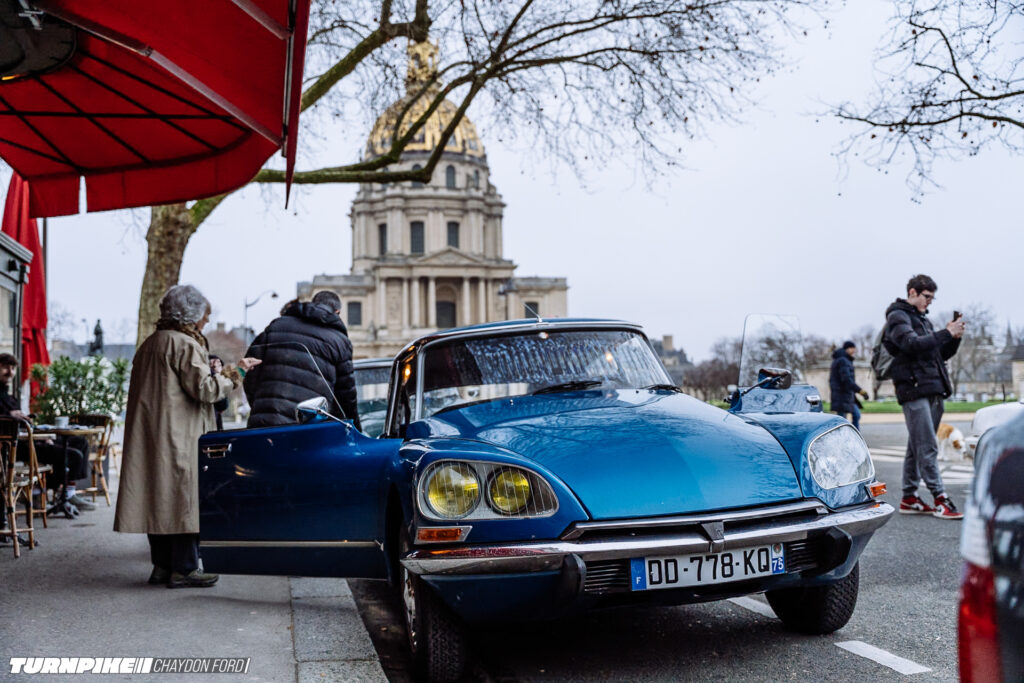
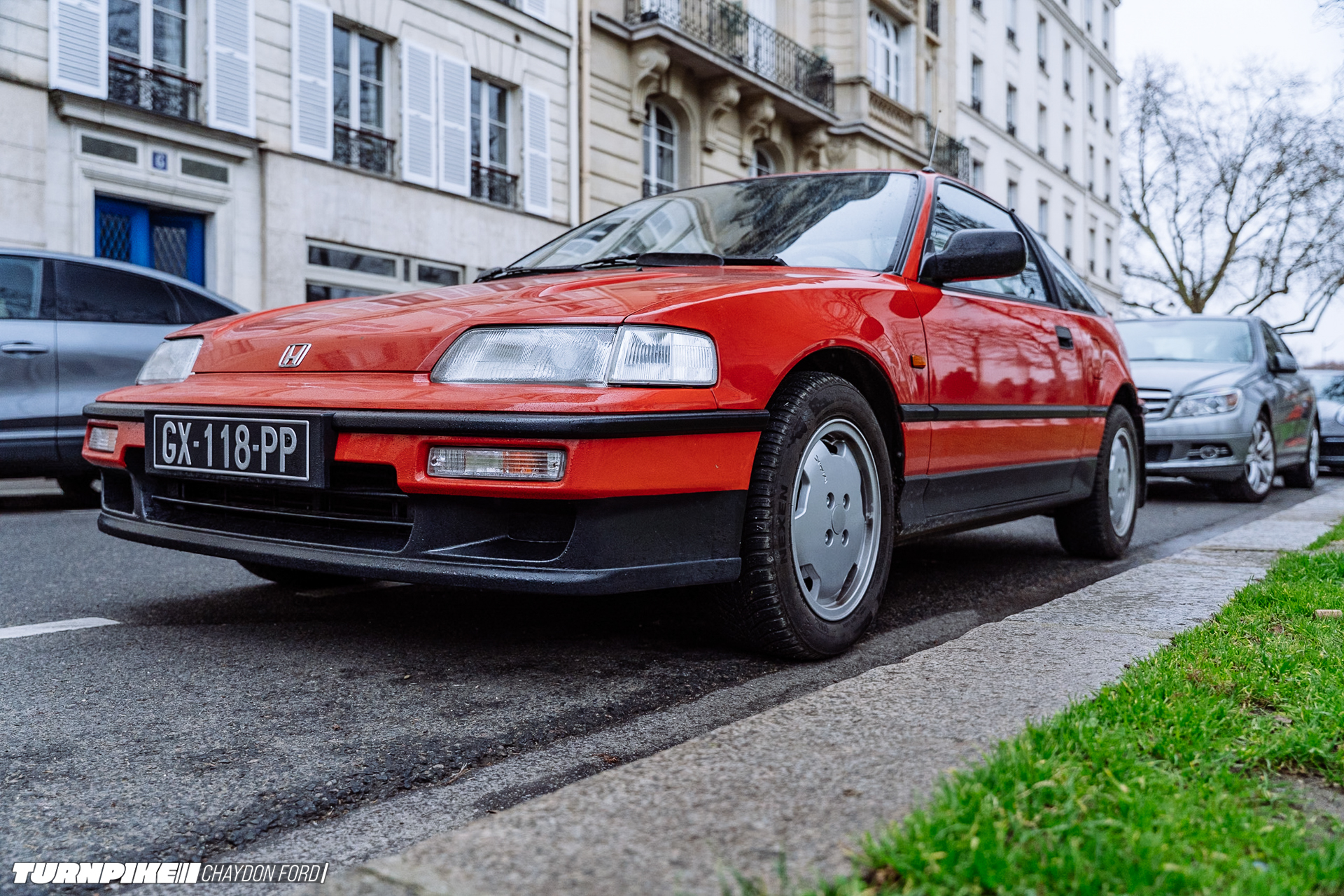
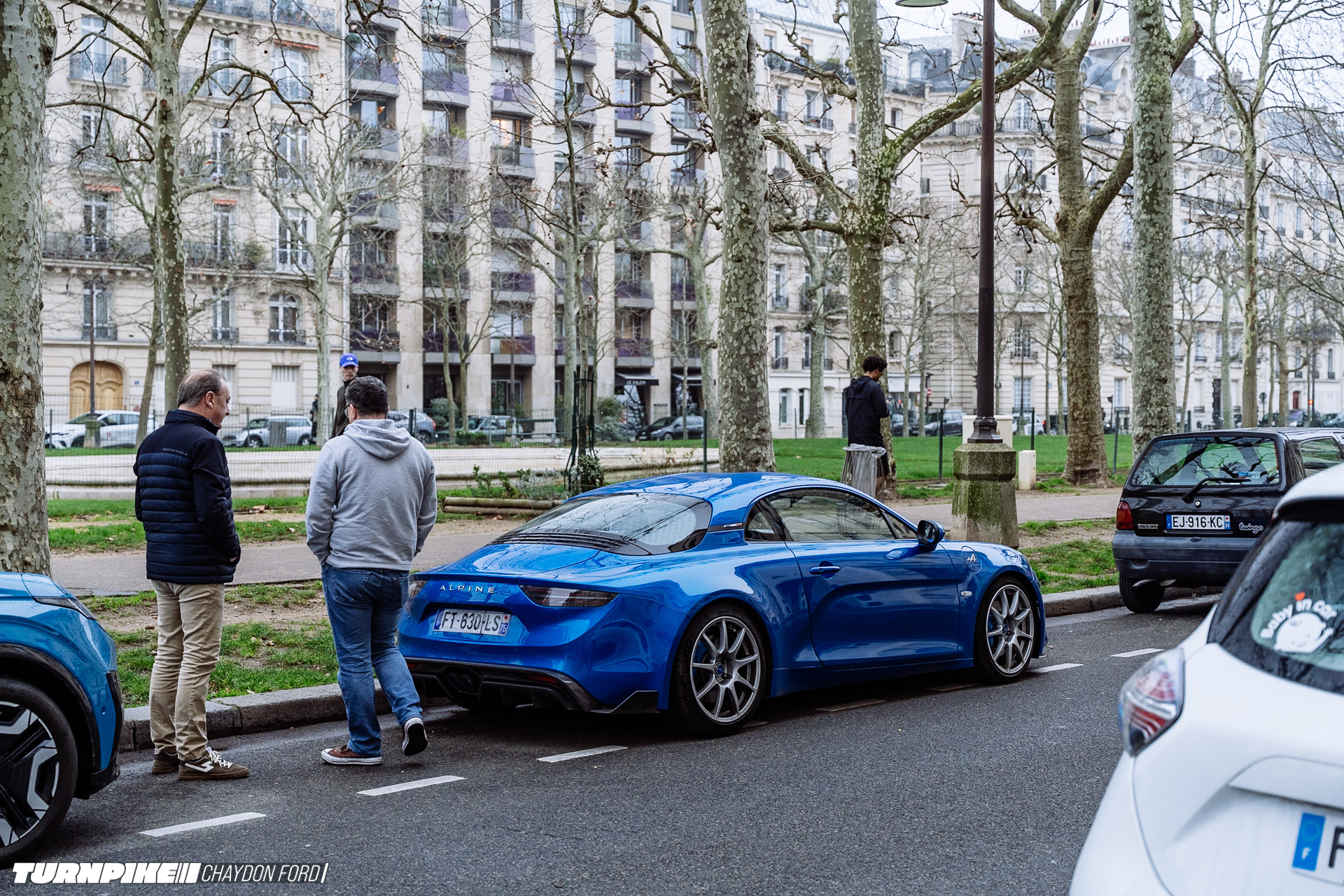
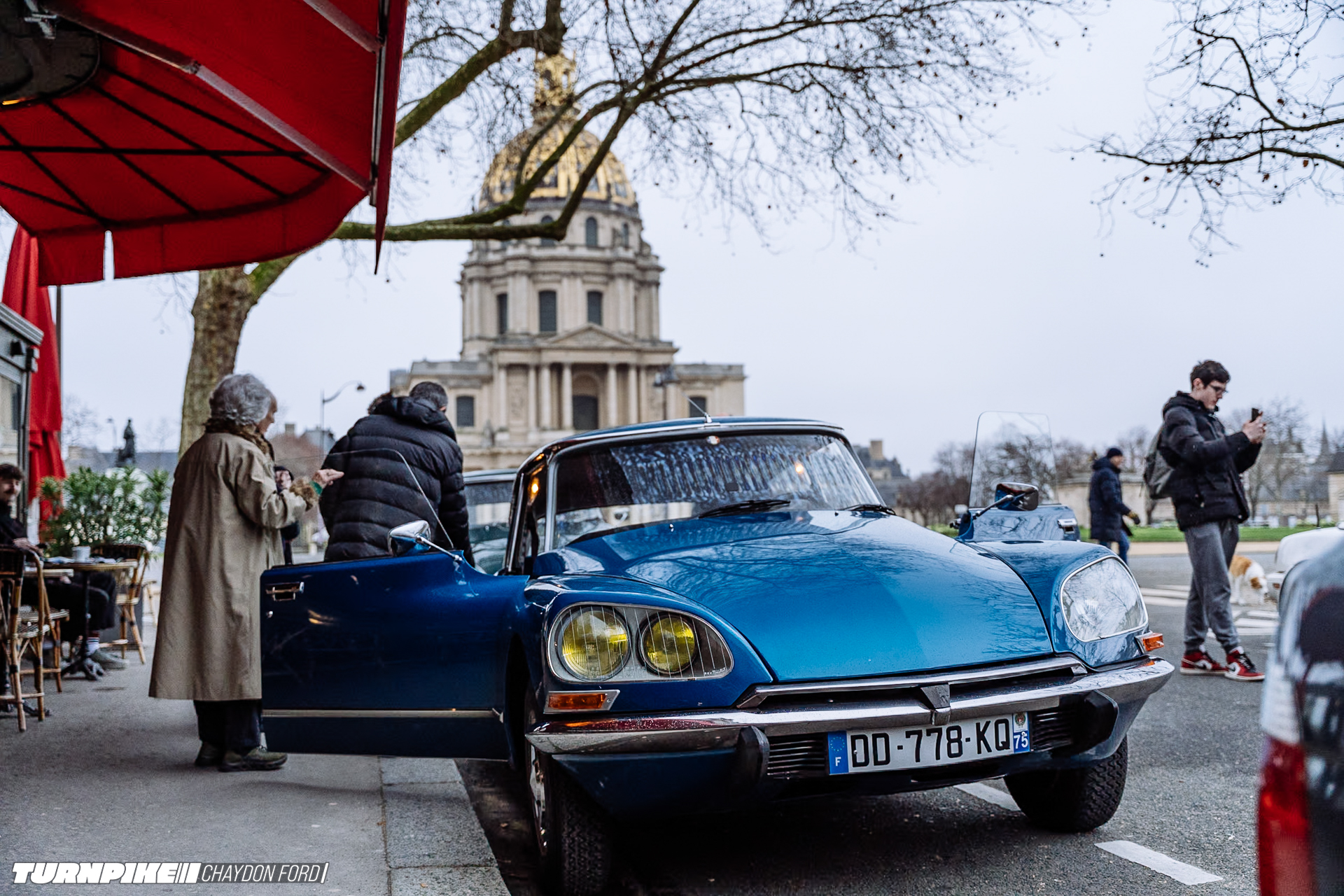
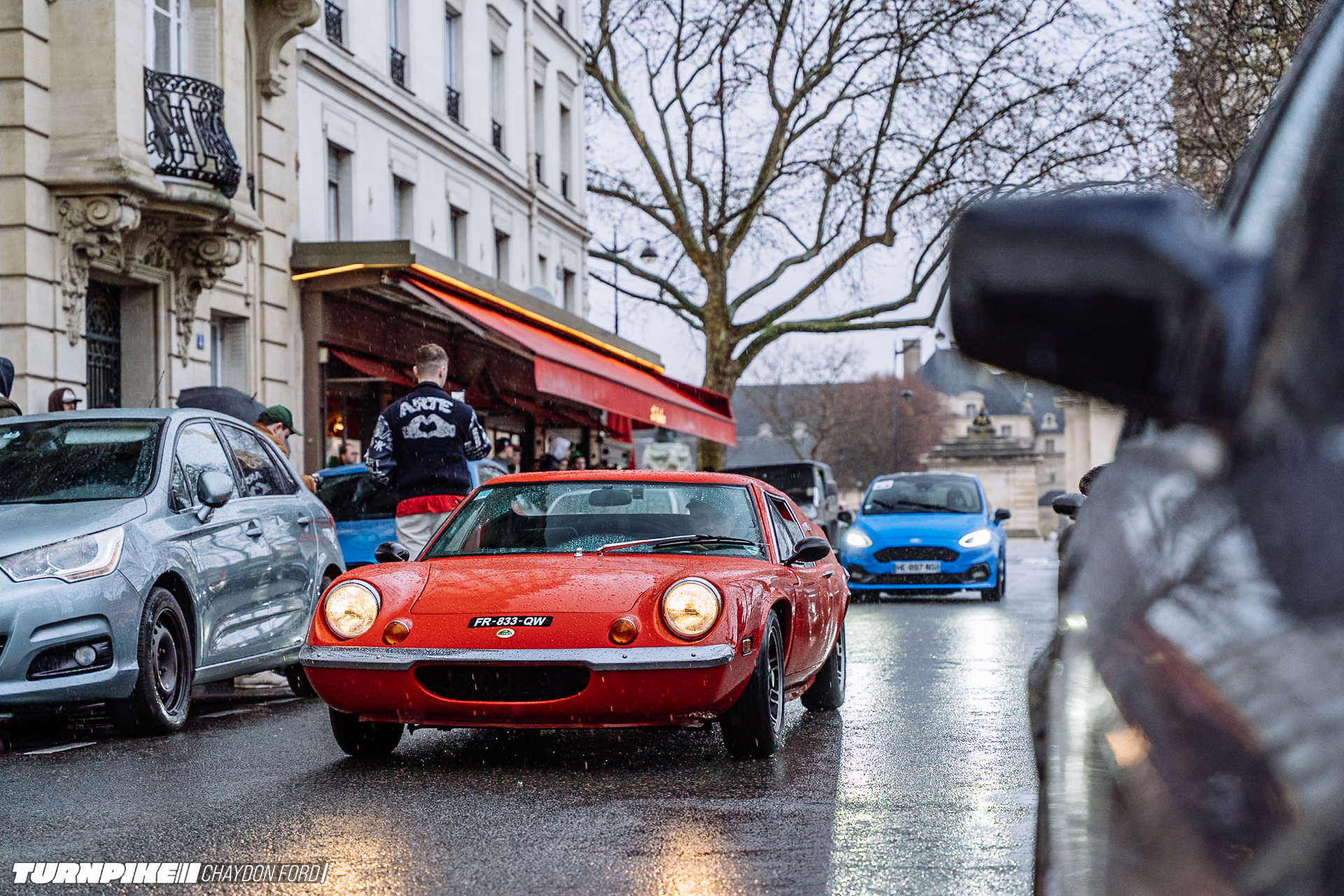
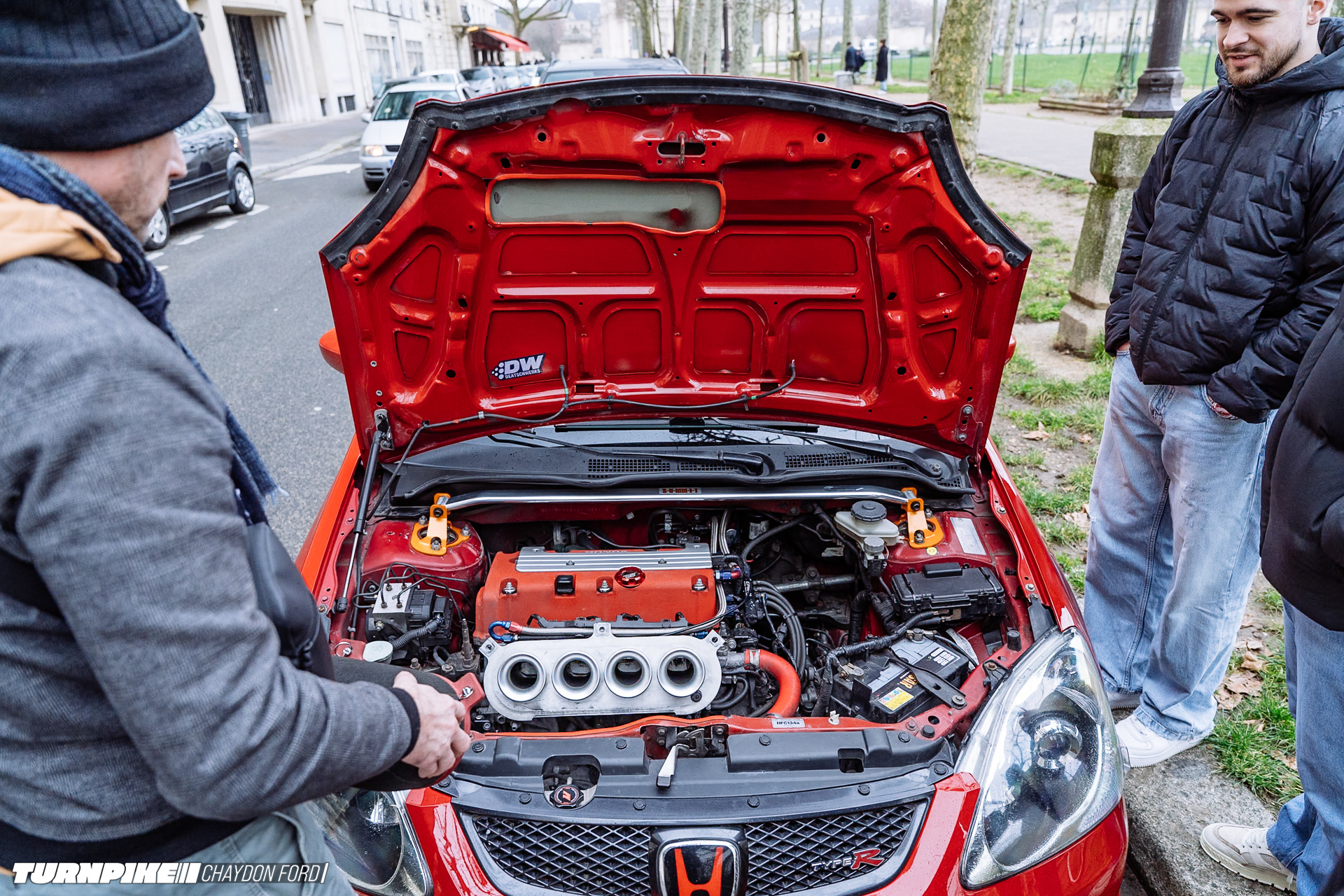
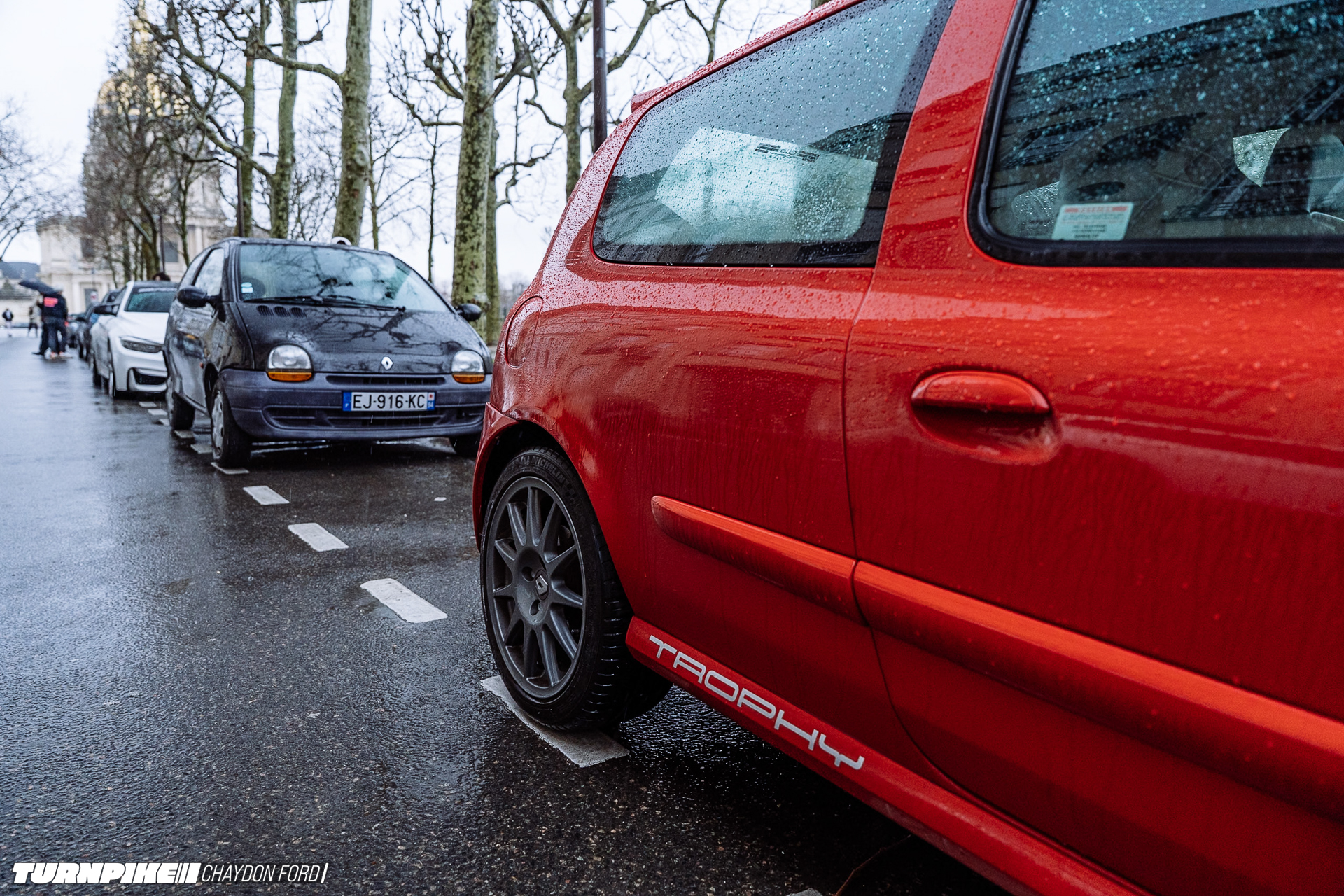
Other than a few brief clips on social media, we had little idea of what to expect at Place Vauban. Expectations can often lead to disappointment; thankfully, our first visit was anything but.
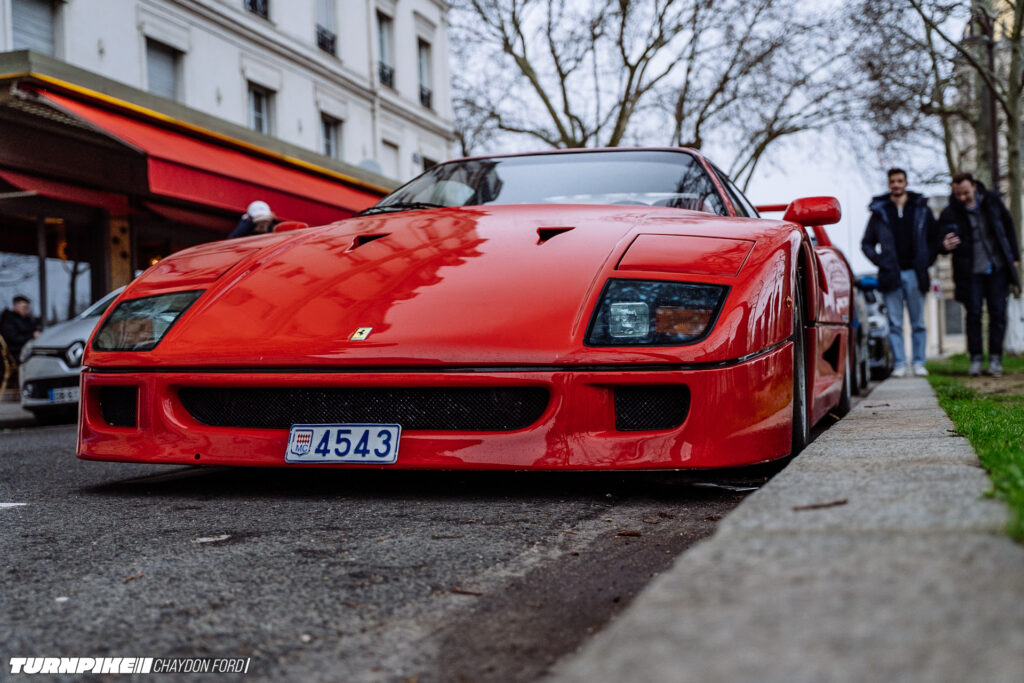
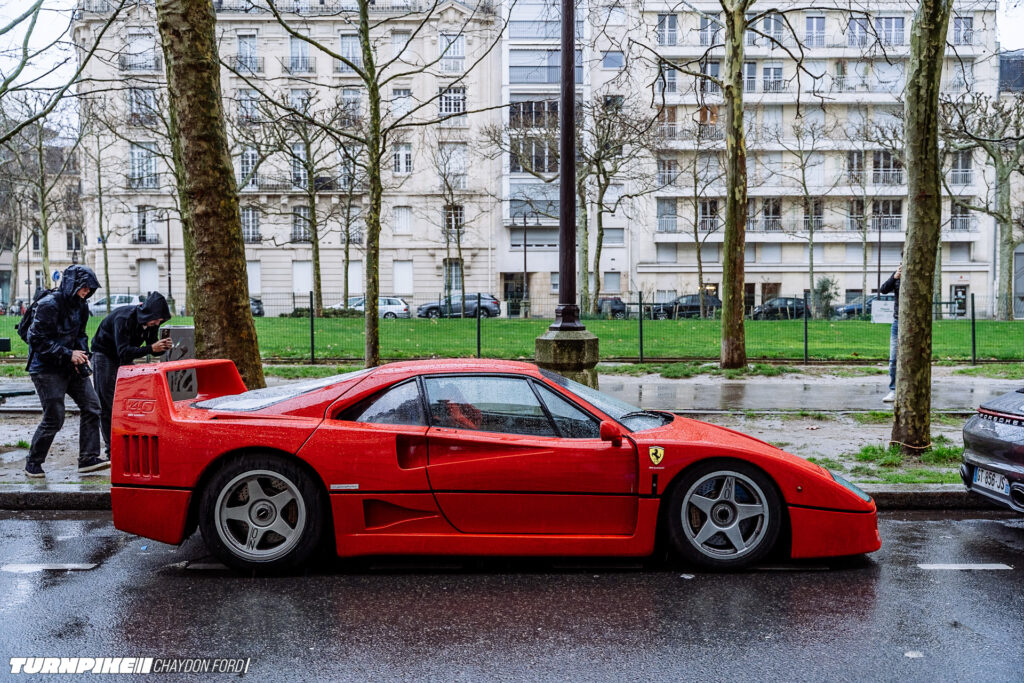
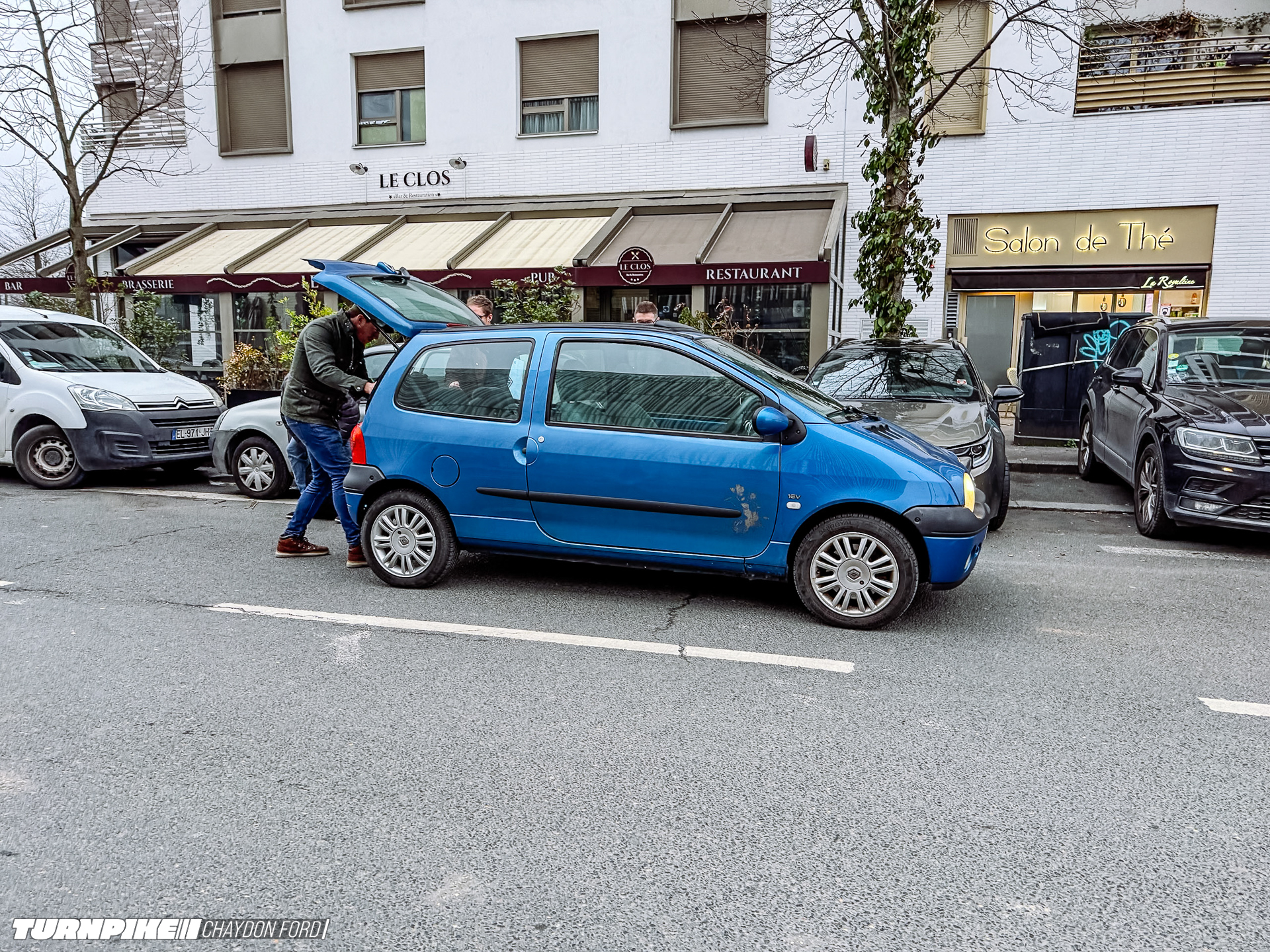
Somehow managing to squeeze five people and their luggage into an original Renault Twingo may not have been the most comfortable way to arrive, but once we’d parked behind a Ferrari F40 on Swiss plates, that was quickly forgotten.
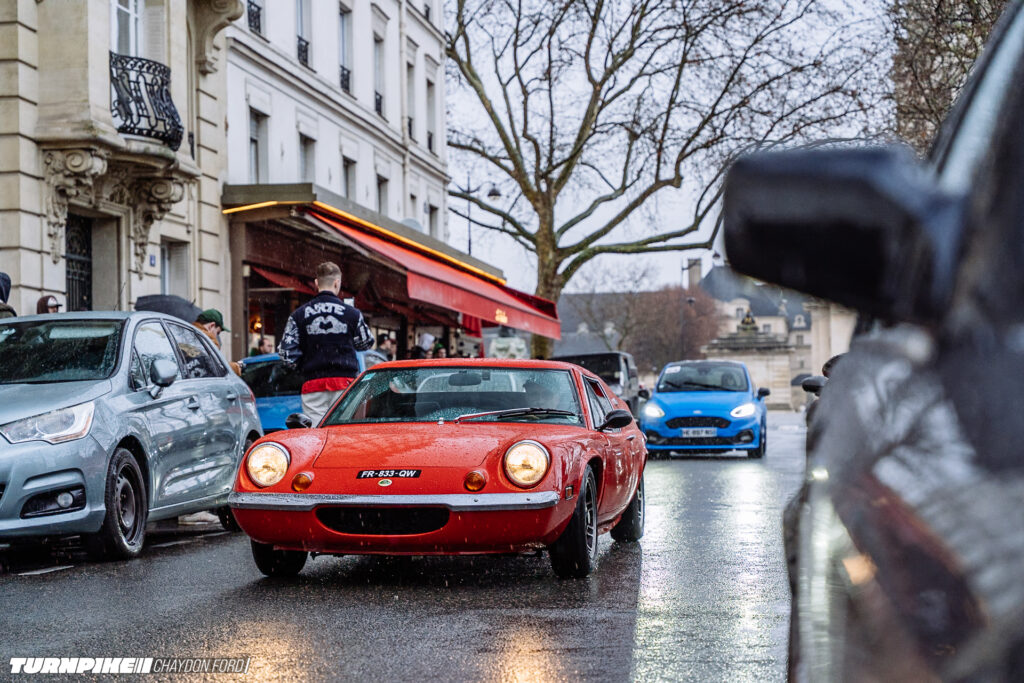
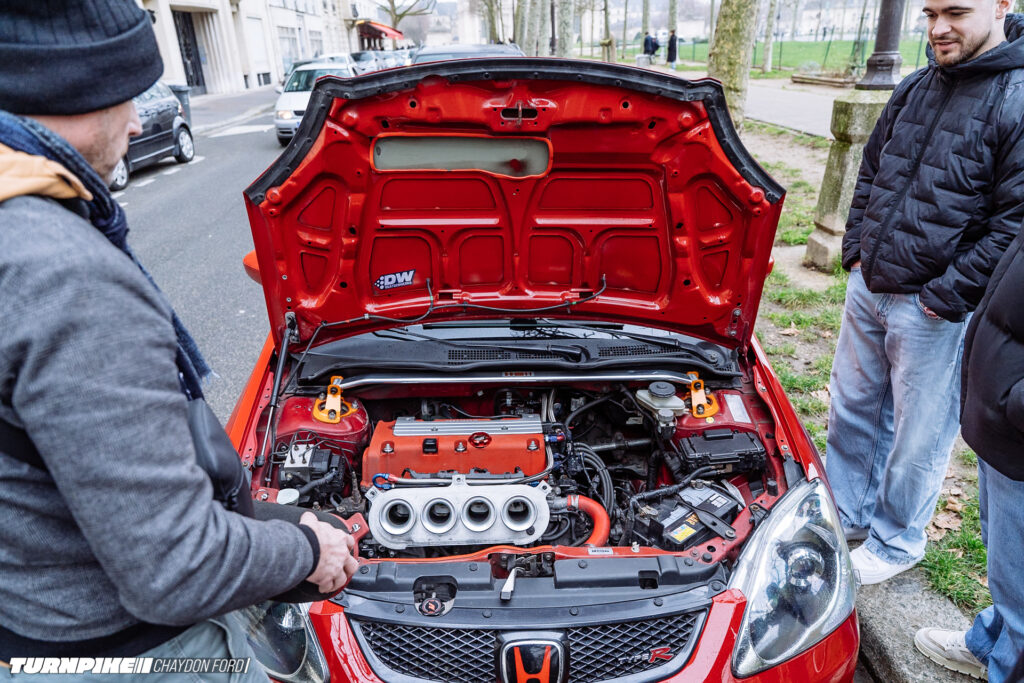
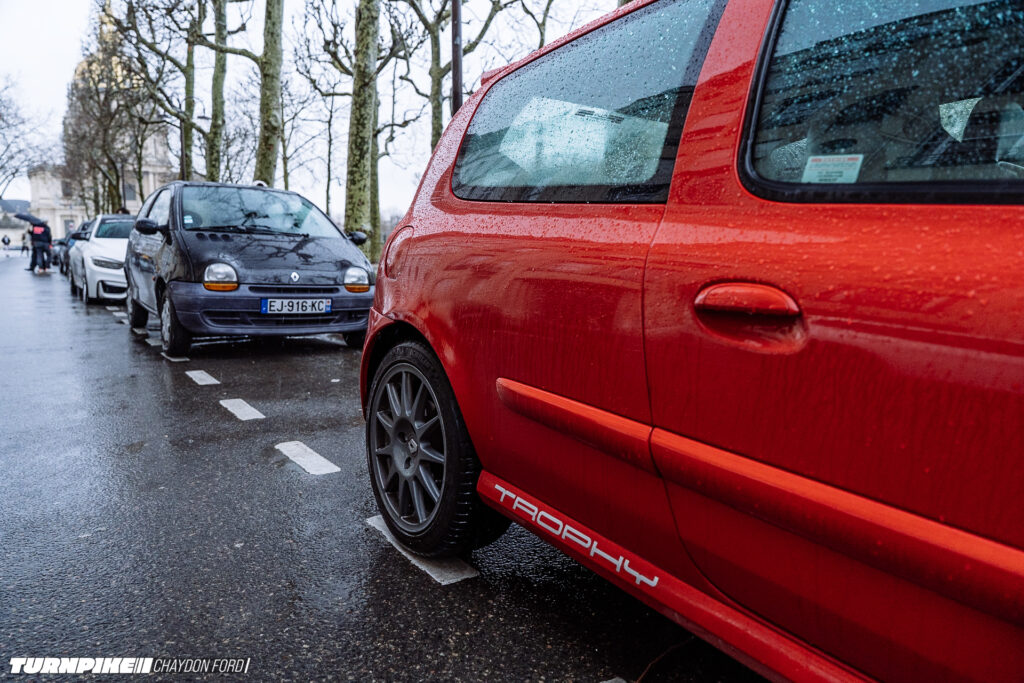
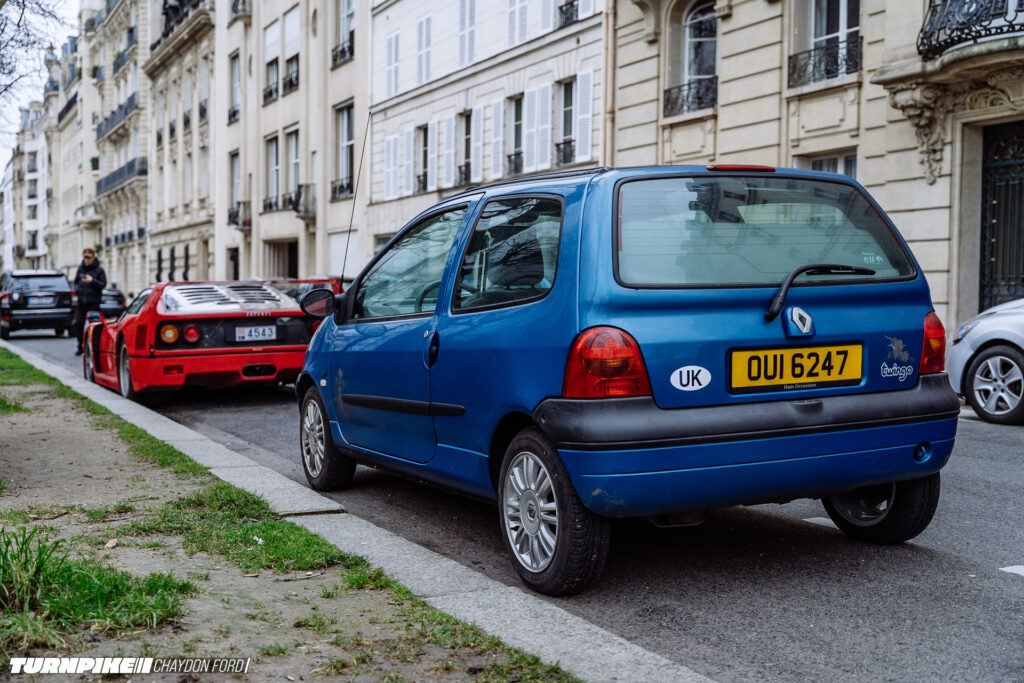
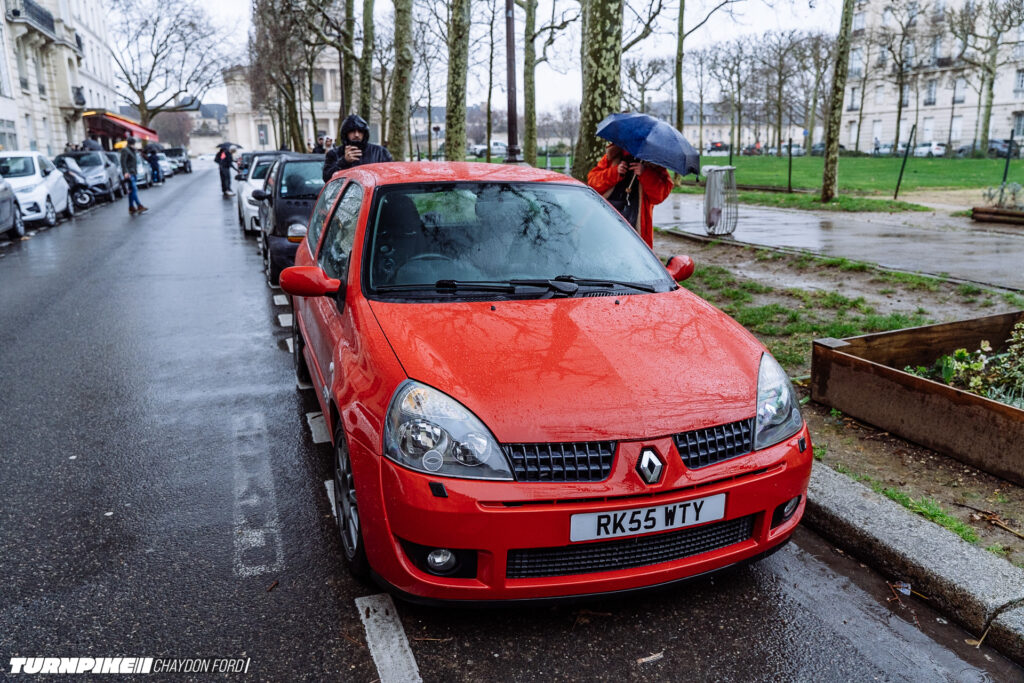
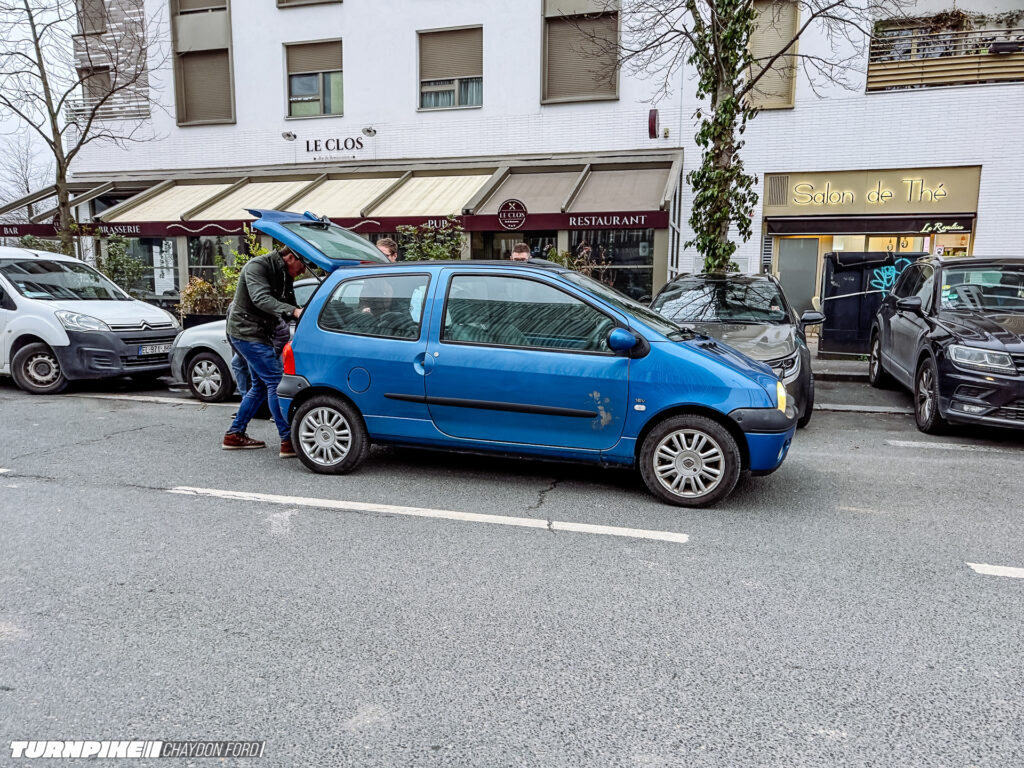
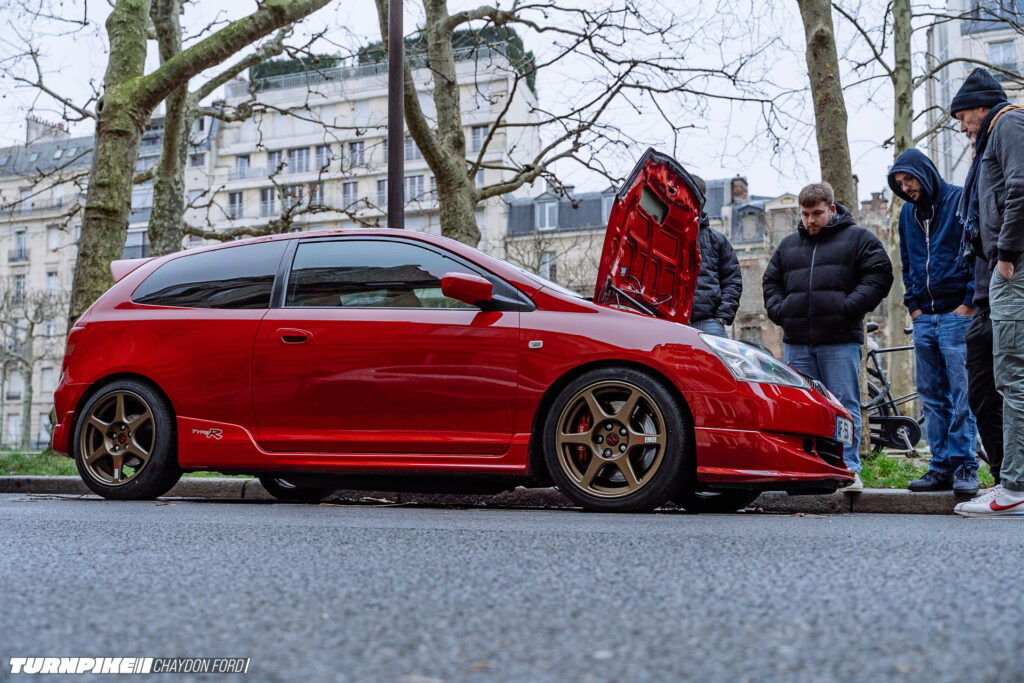
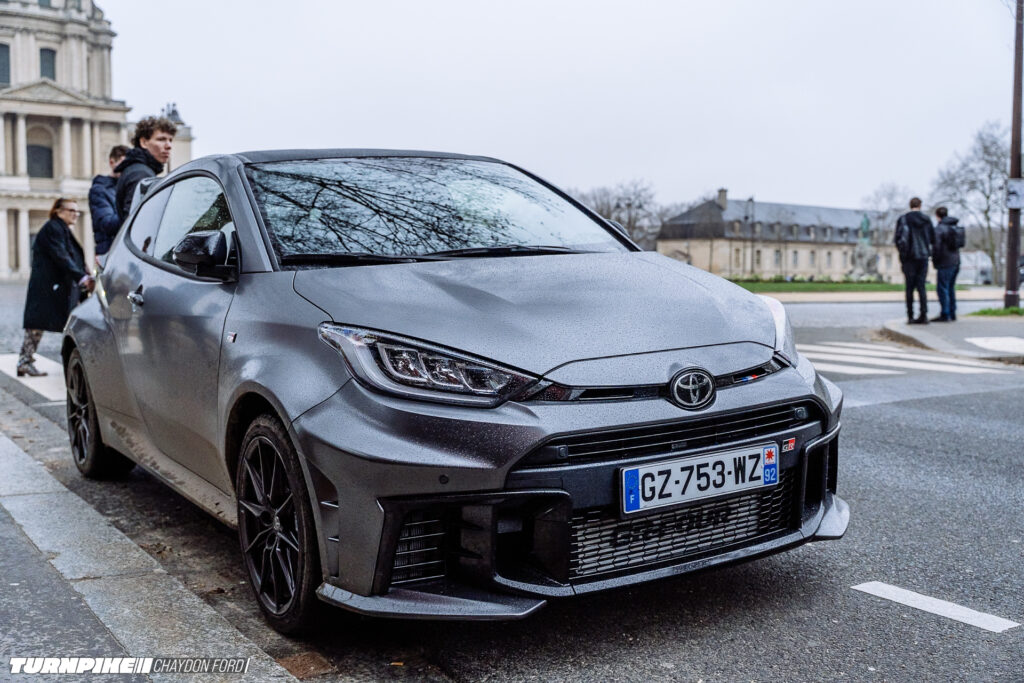
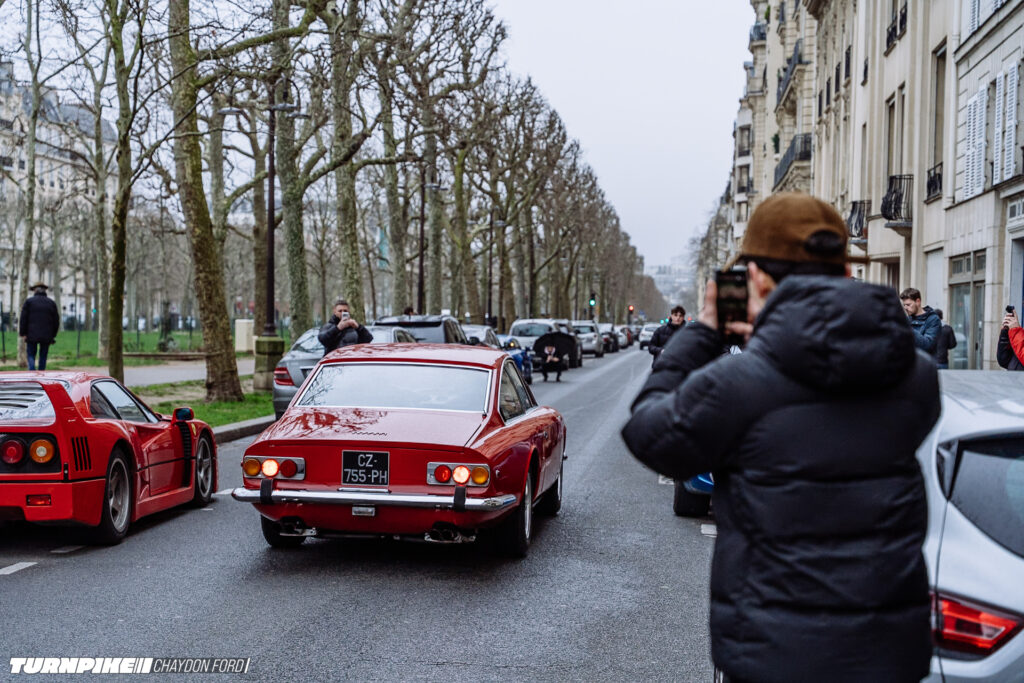
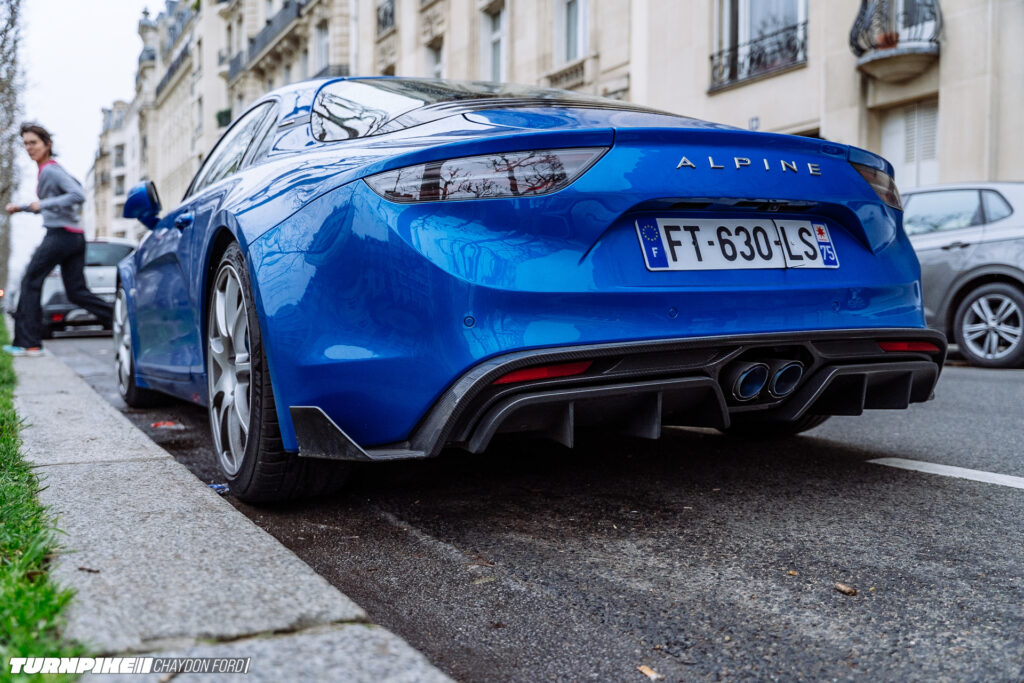
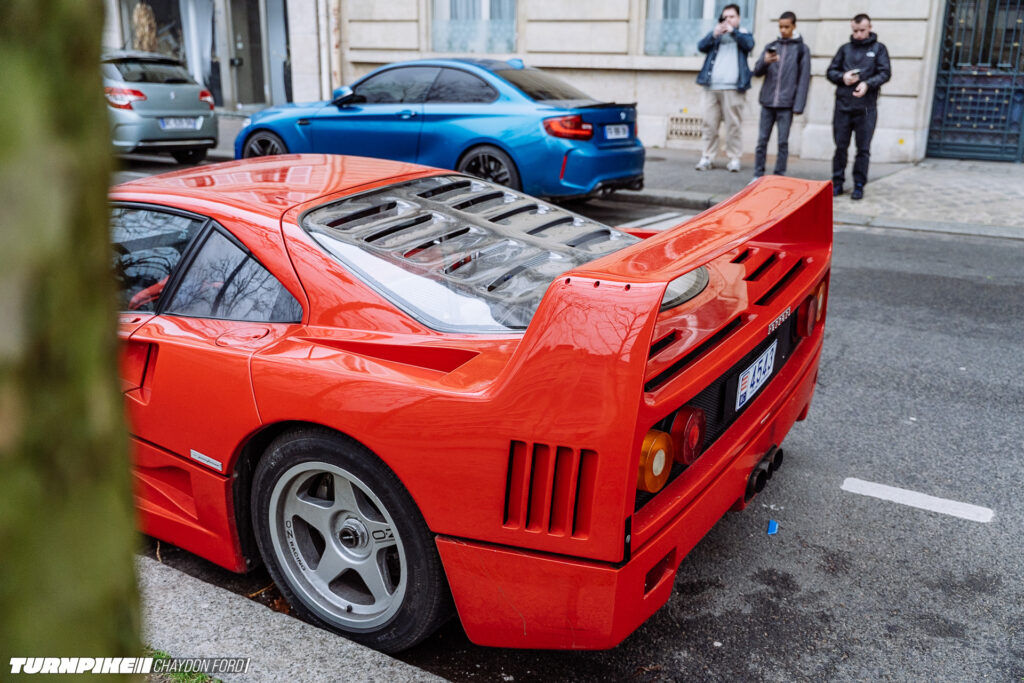
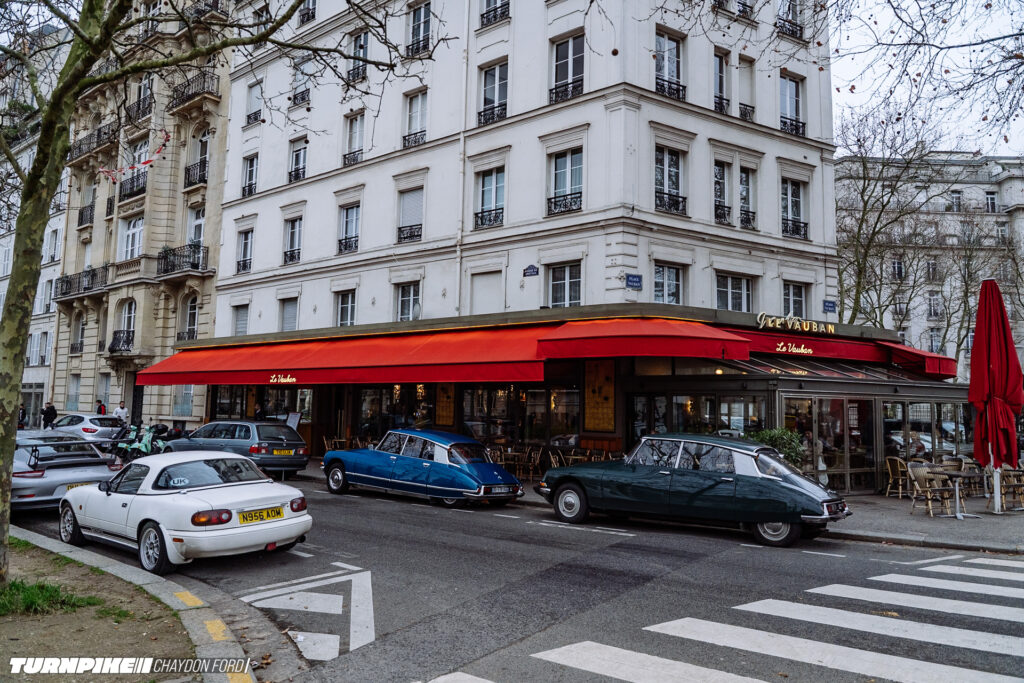
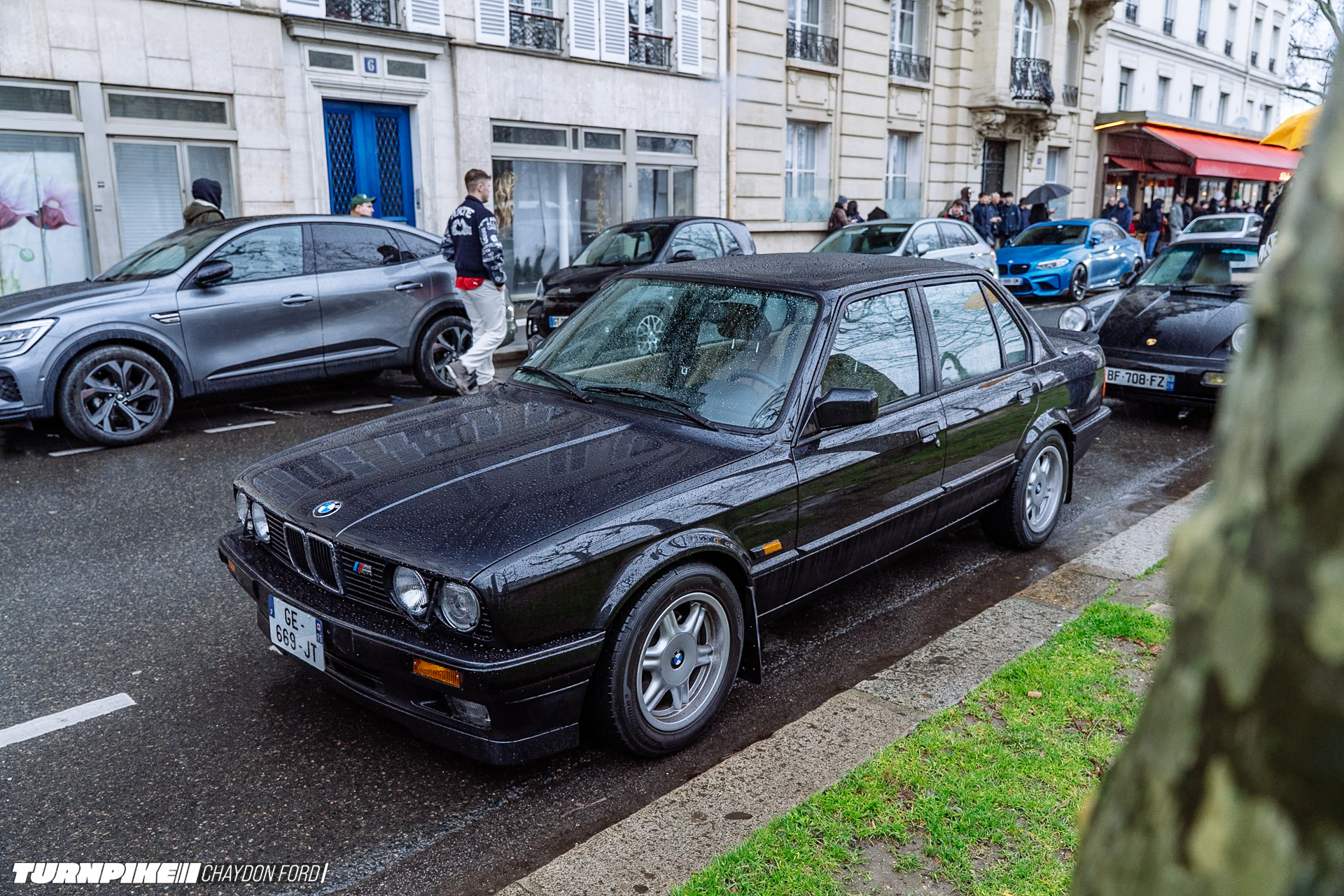
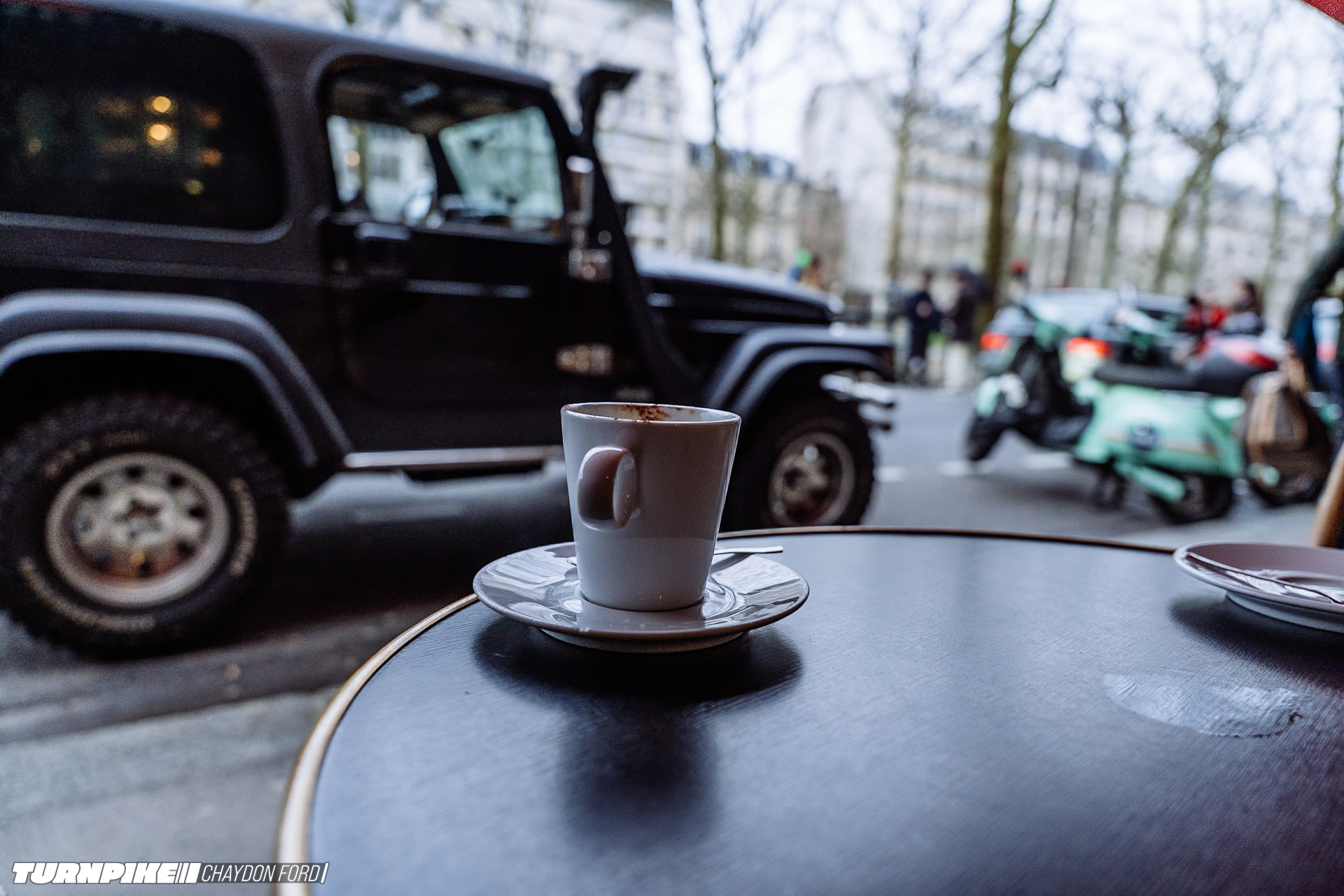
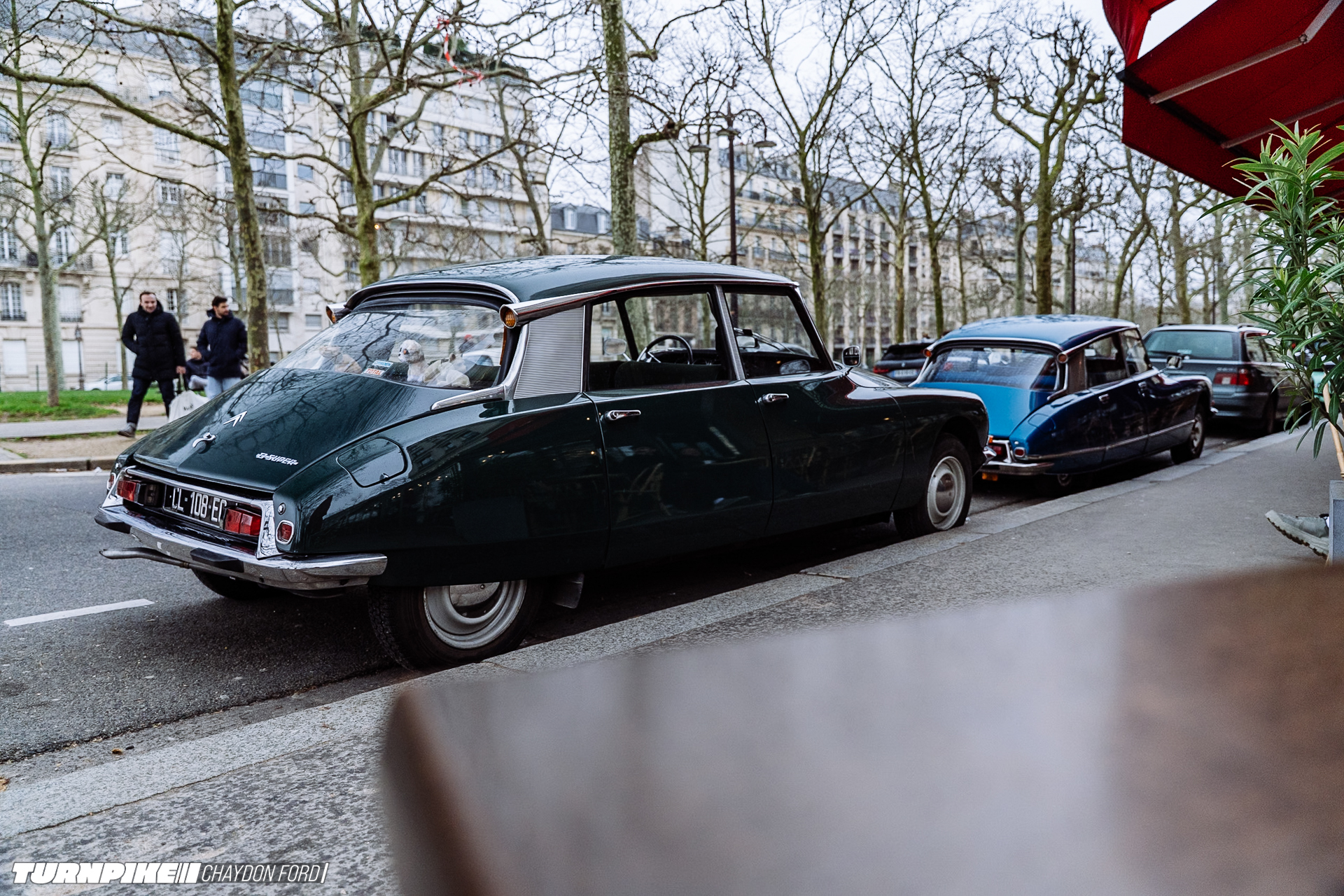
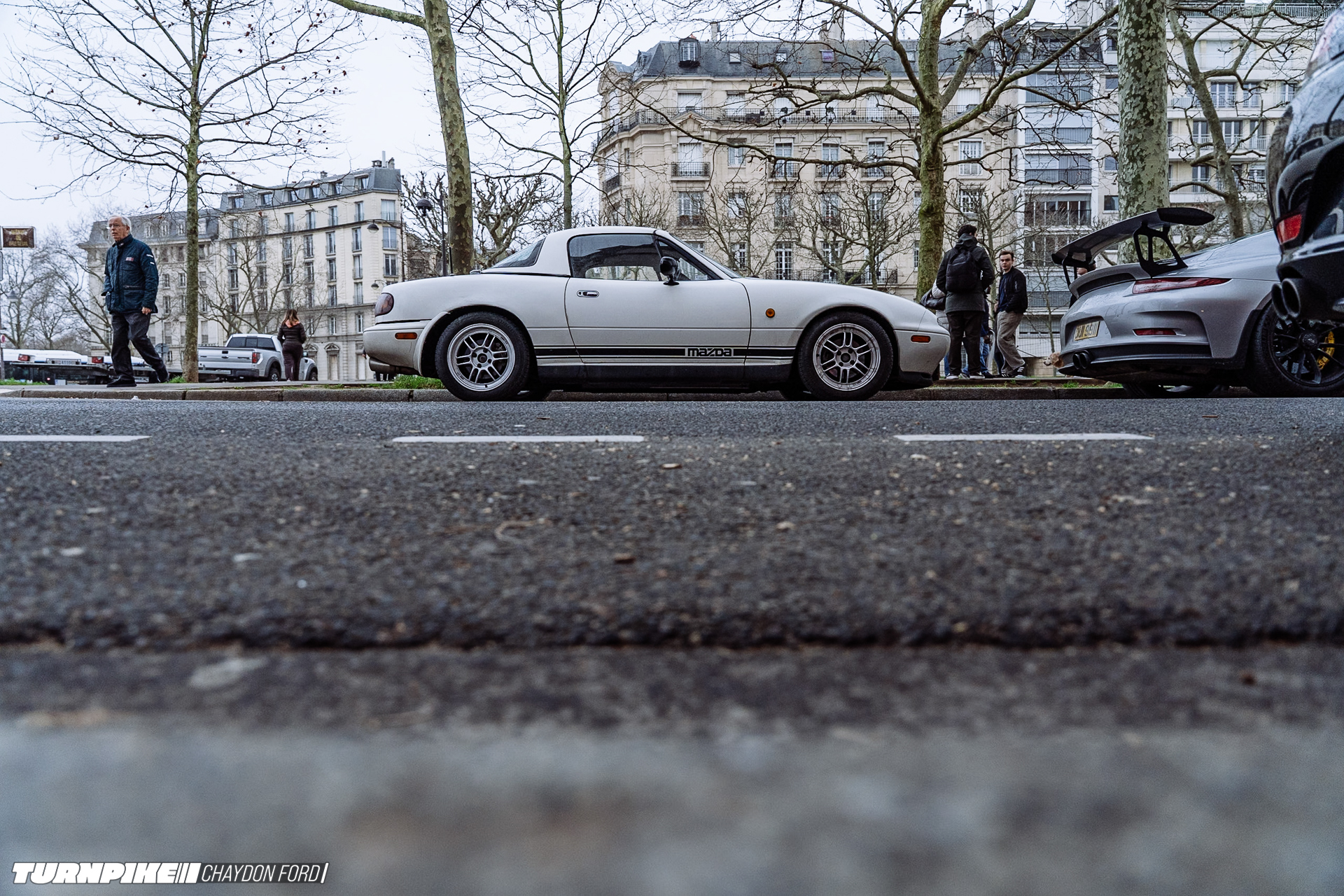
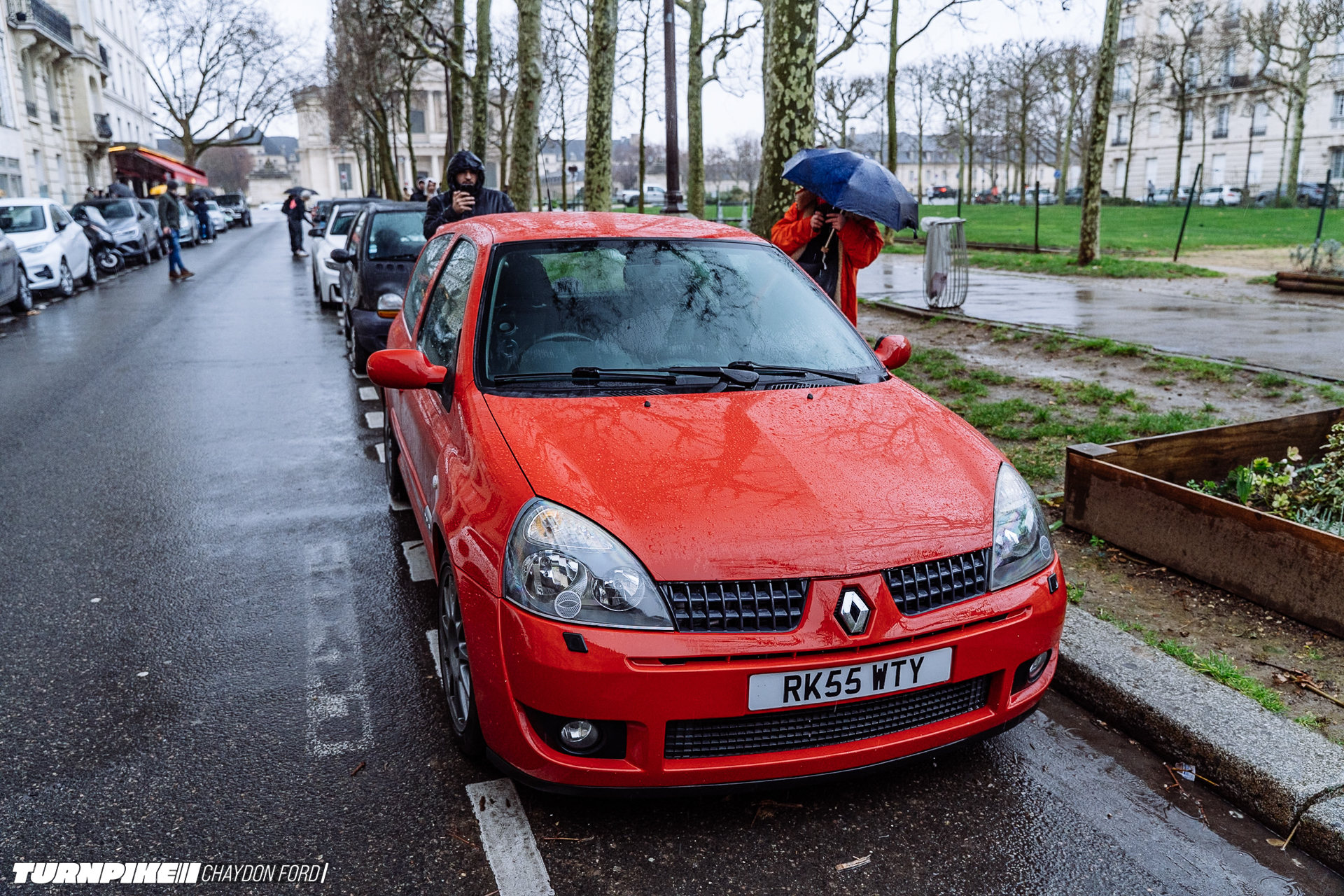
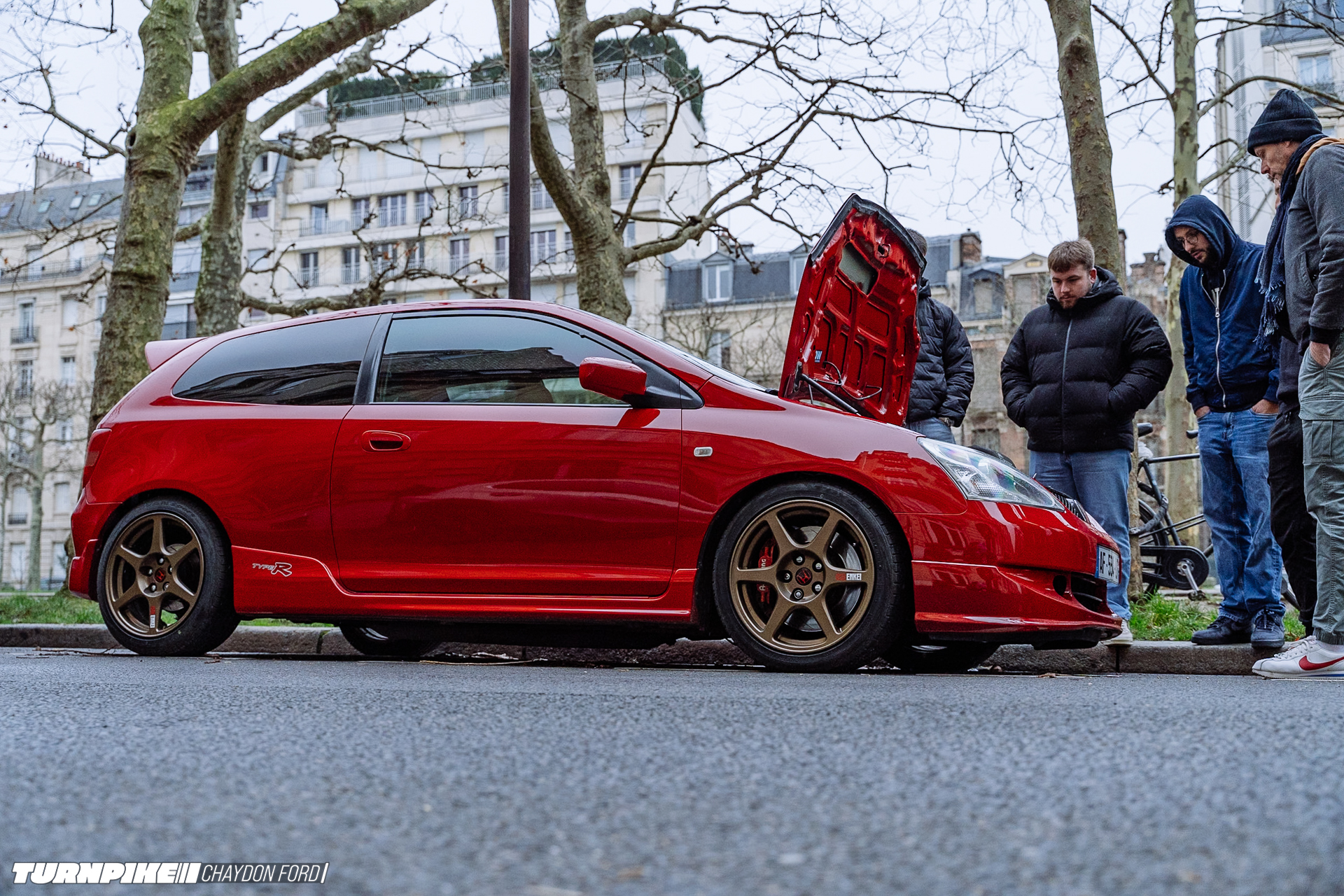
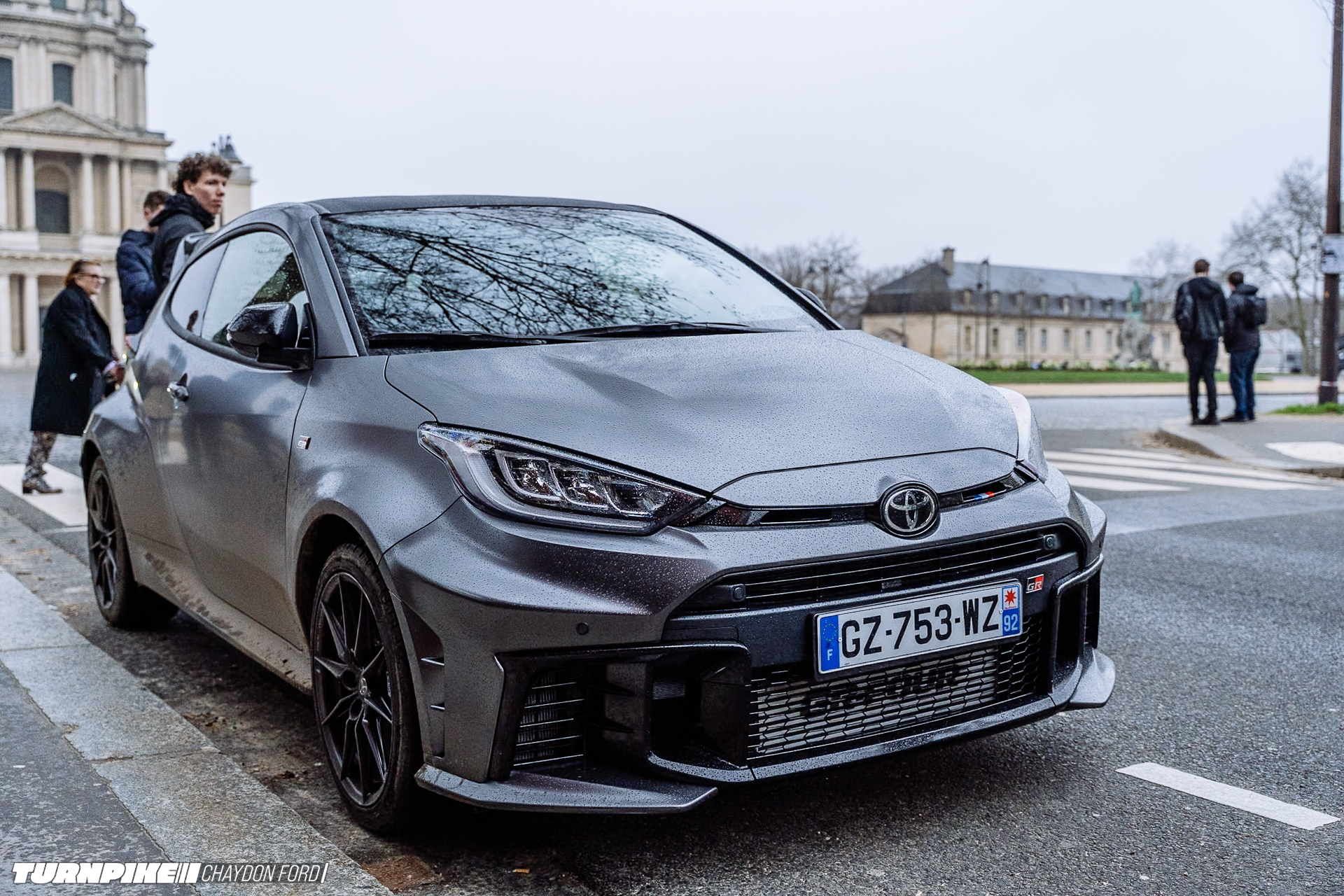
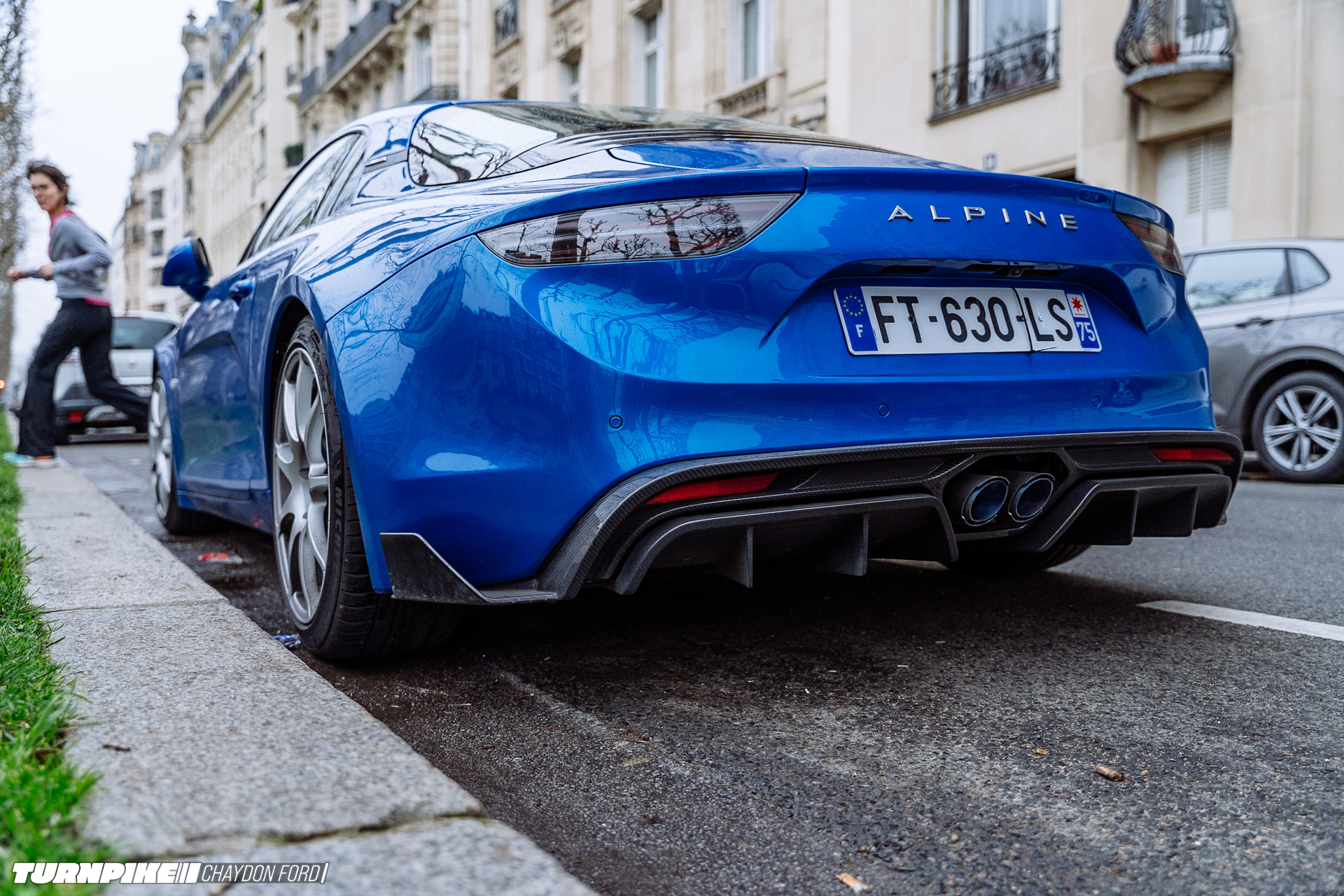
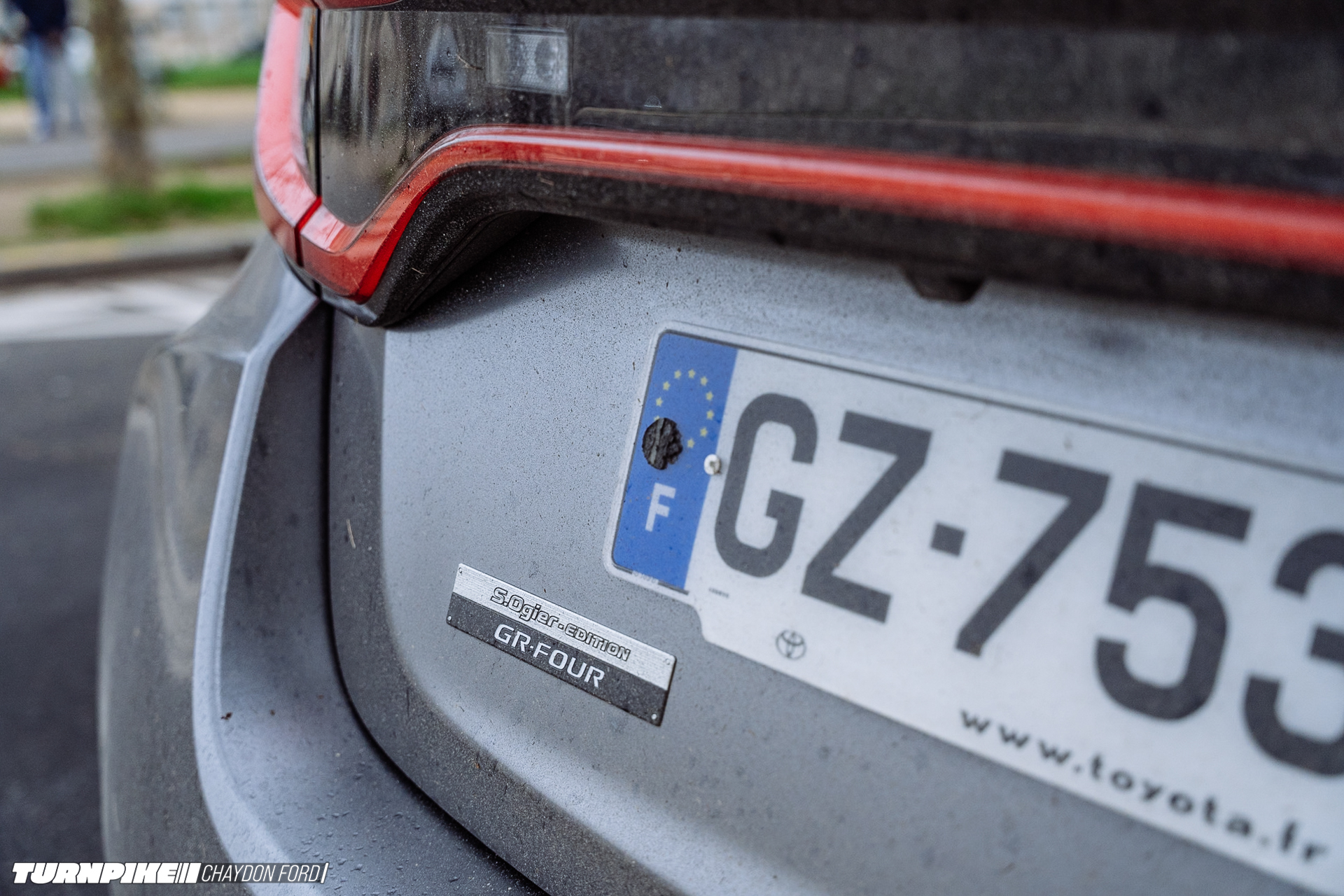
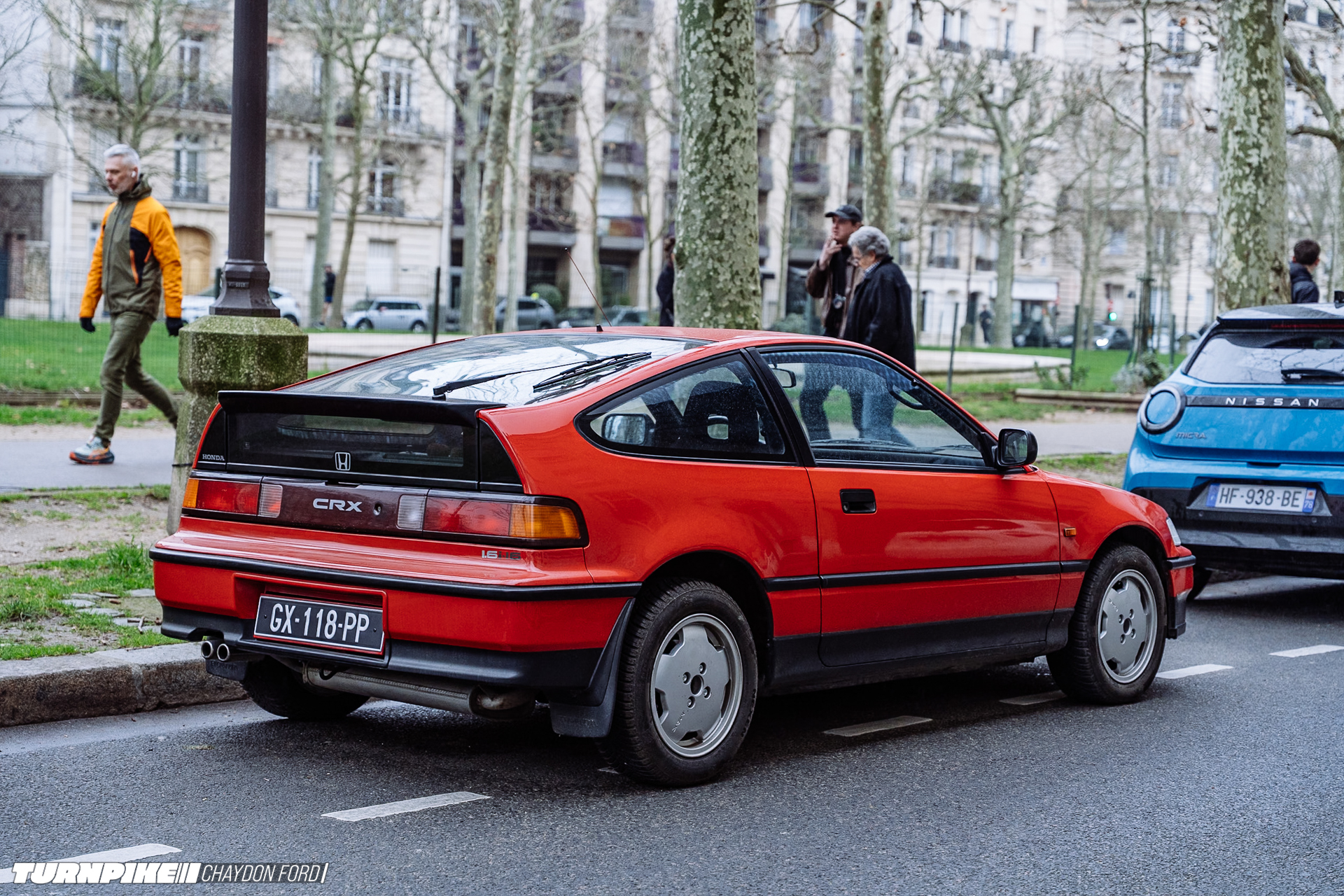
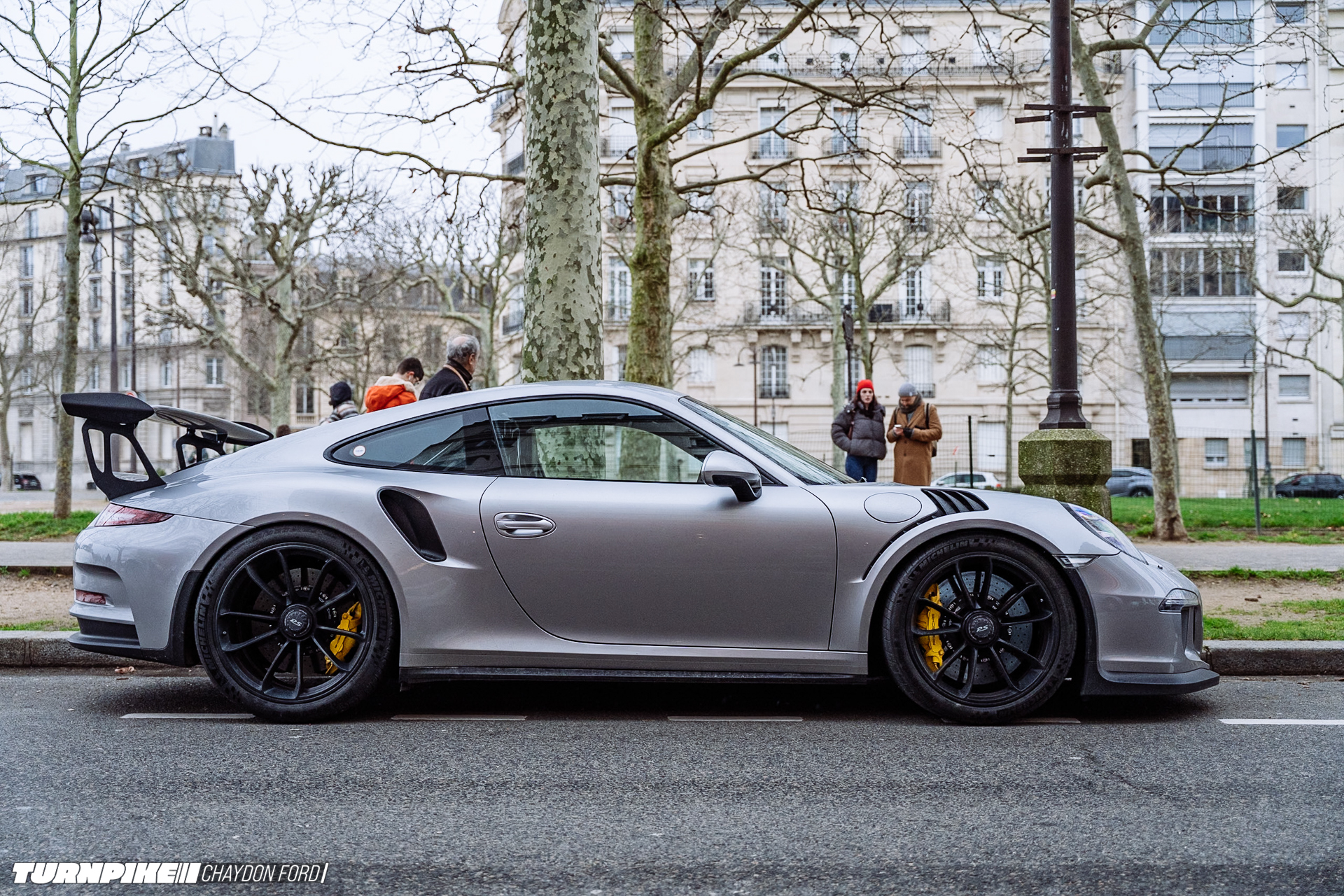
Our final few hours on French soil were spent kerbside at the café, taking in the variety of cars coming and going over croissants and coffee. The wet morning may have kept numbers lower than hoped, but it was still more than worth the visit.
Controversially, I think I enjoyed this even more than Rétromobile. It felt less urgent and frenetic, yet also less formal; smaller gatherings have always been more my preference. Both have their own merits, and I’ll happily be back for each of them.
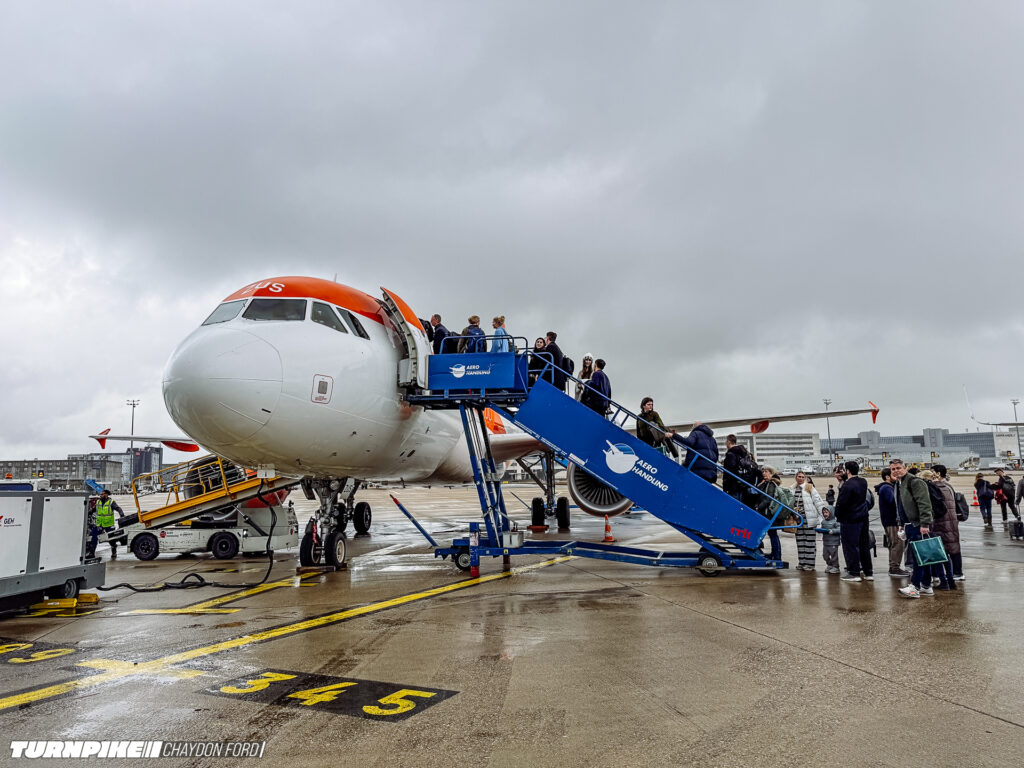
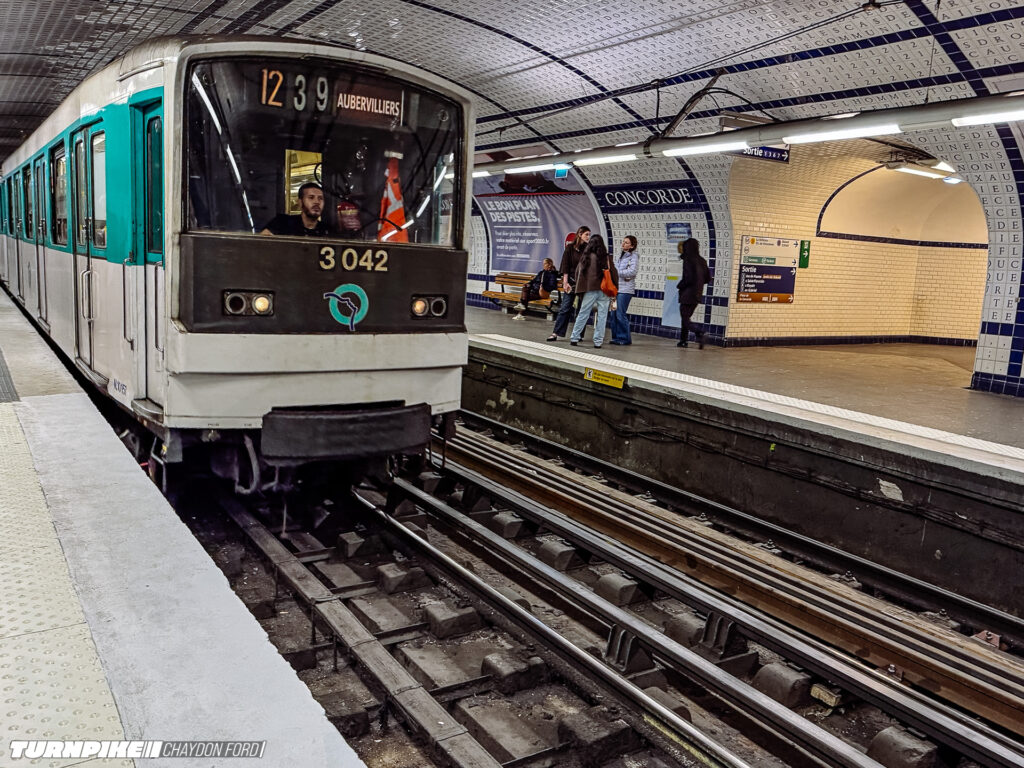
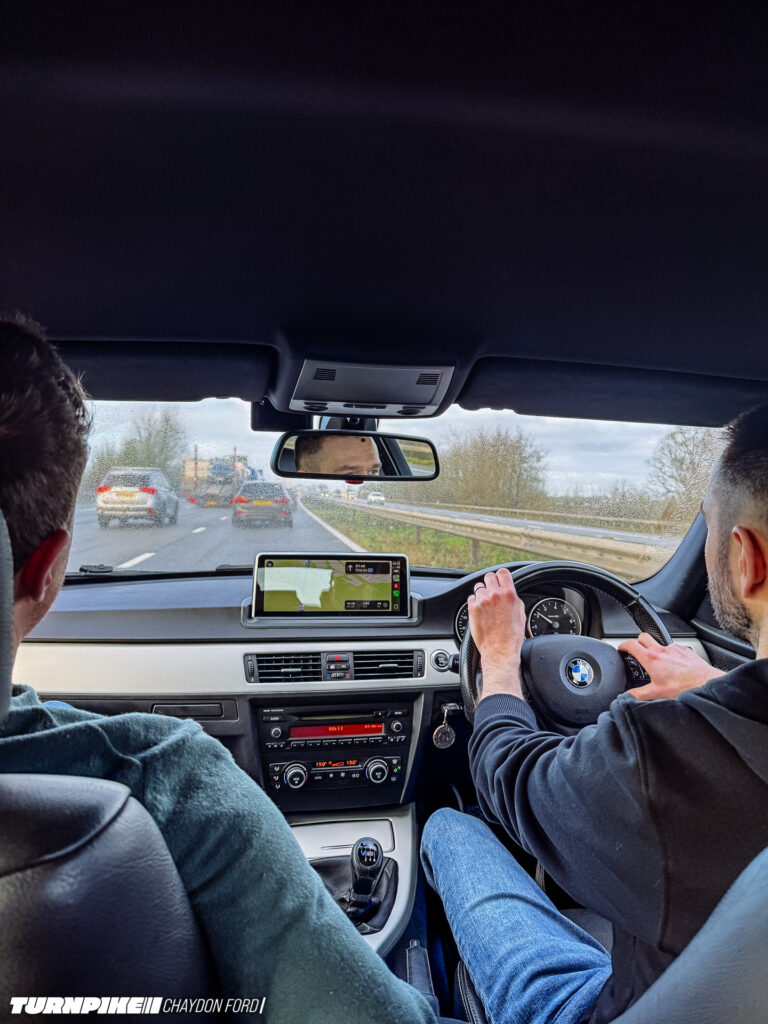
The journey home was fairly uneventful, and a few hours later it was back to normal routines. It ended like any other weekend, preparing for the working week ahead, but the days that came before left us with memories that will last far longer.
Once the final sums were done, including snacks, fuel and airport parking, my total spend came to £490 for the trip, which, all things considered, felt entirely reasonable.
So, instead of spending a weekend at home, you could be in another country with friends, eating great food, seeing the sights and immersing yourself in its automotive culture – for less than the cost of a couple of days away in the UK. Next time that idea comes up in the pub, don’t let it end as just another conversation. As for me, I think it’s already time to start planning the next trip.



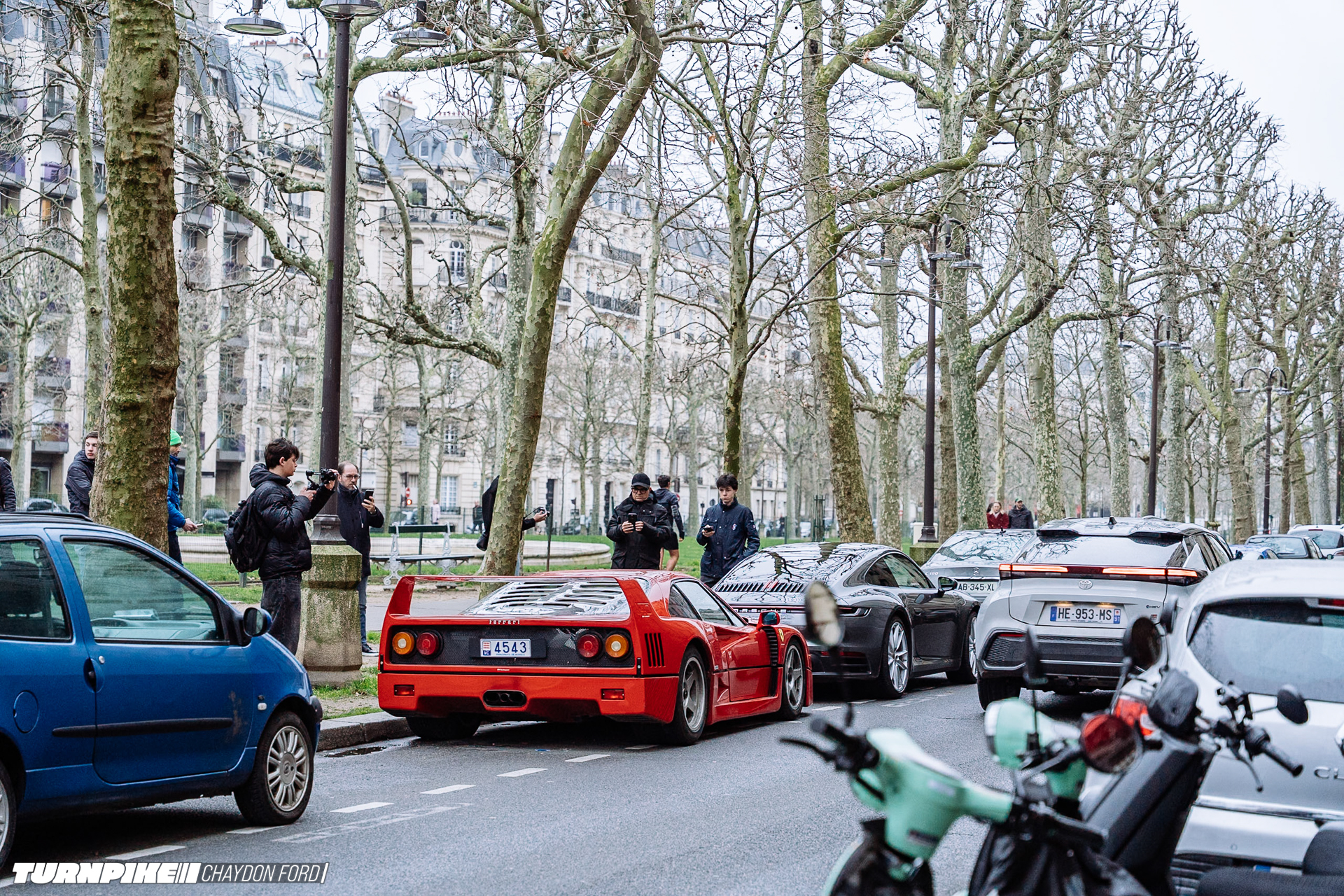
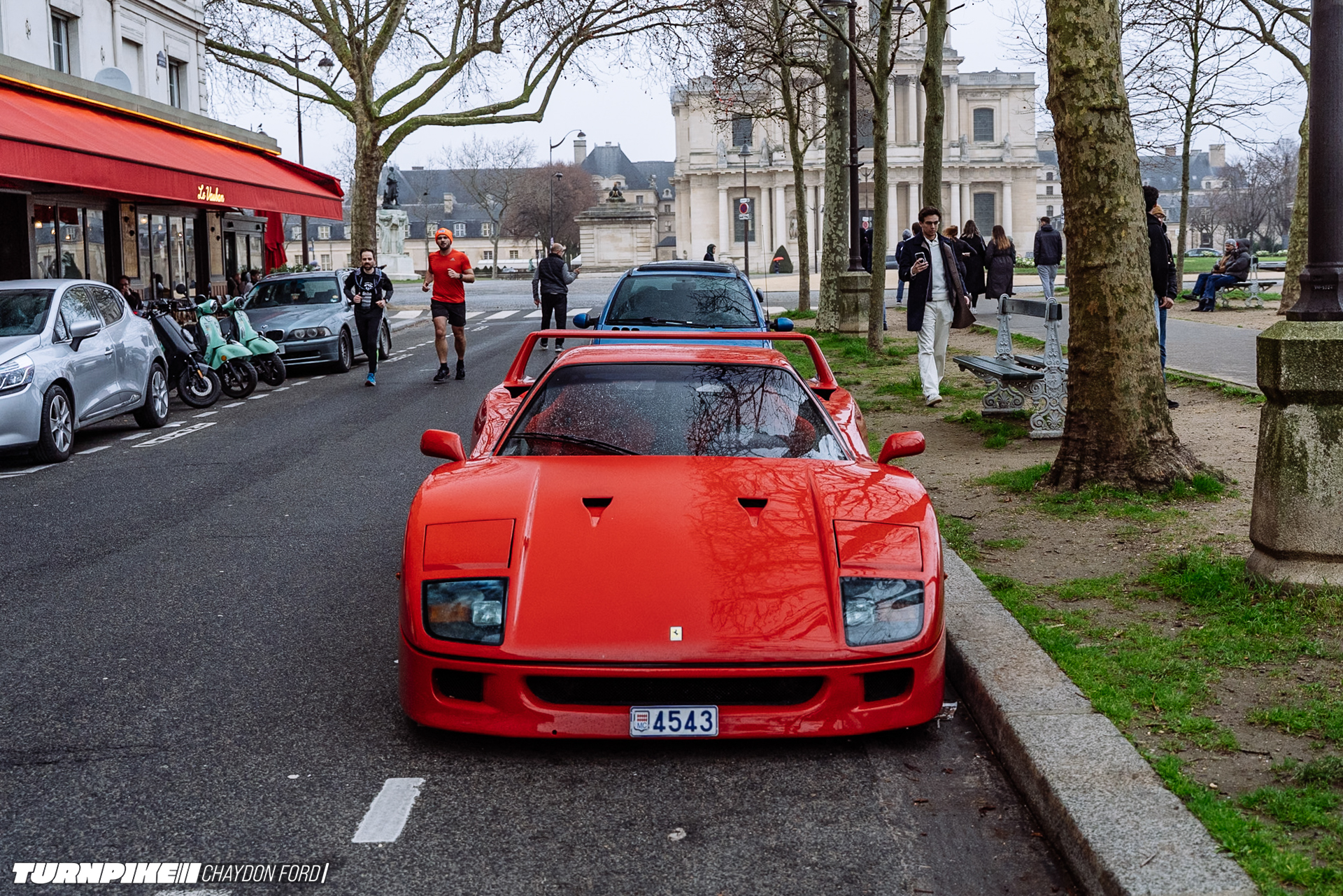
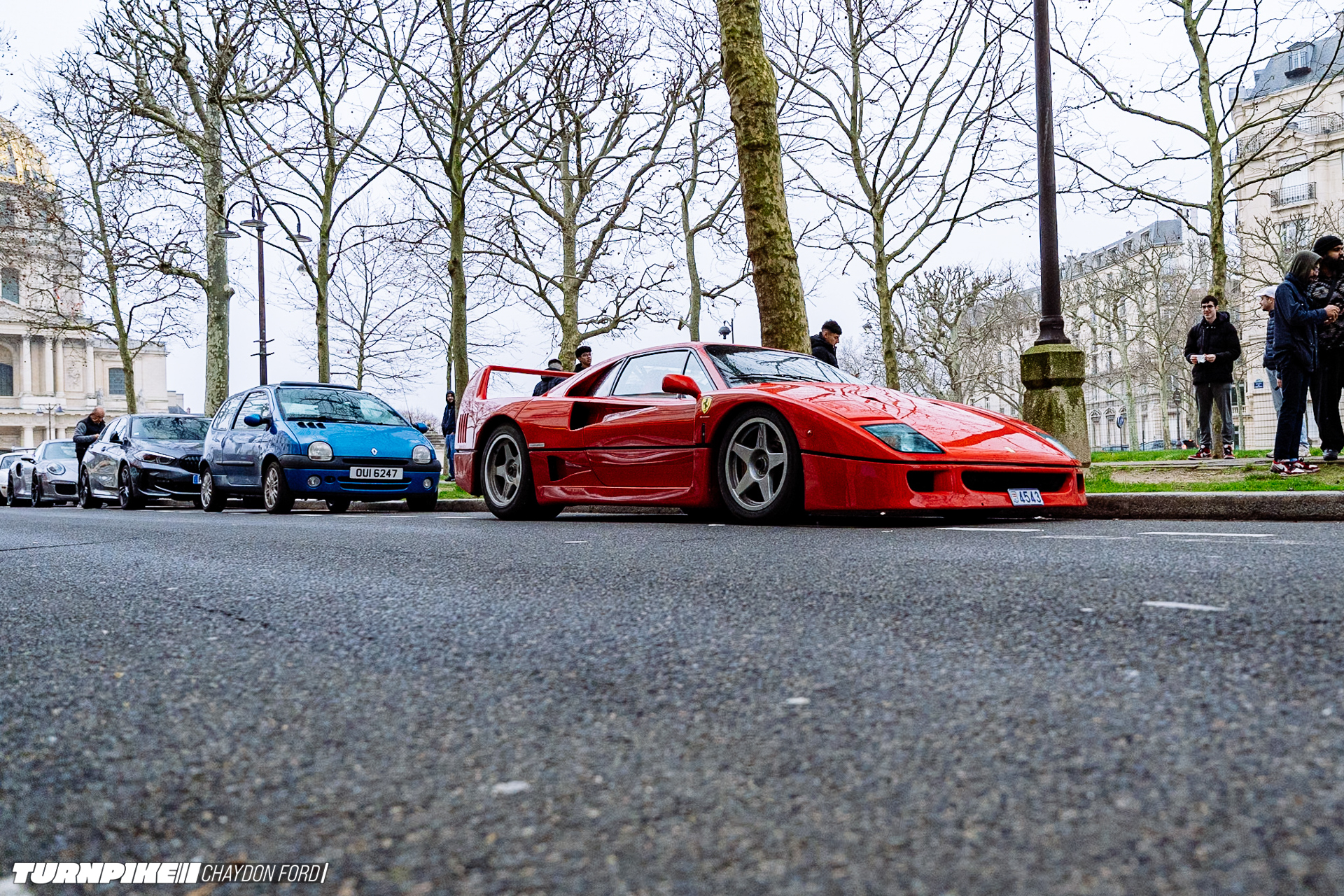
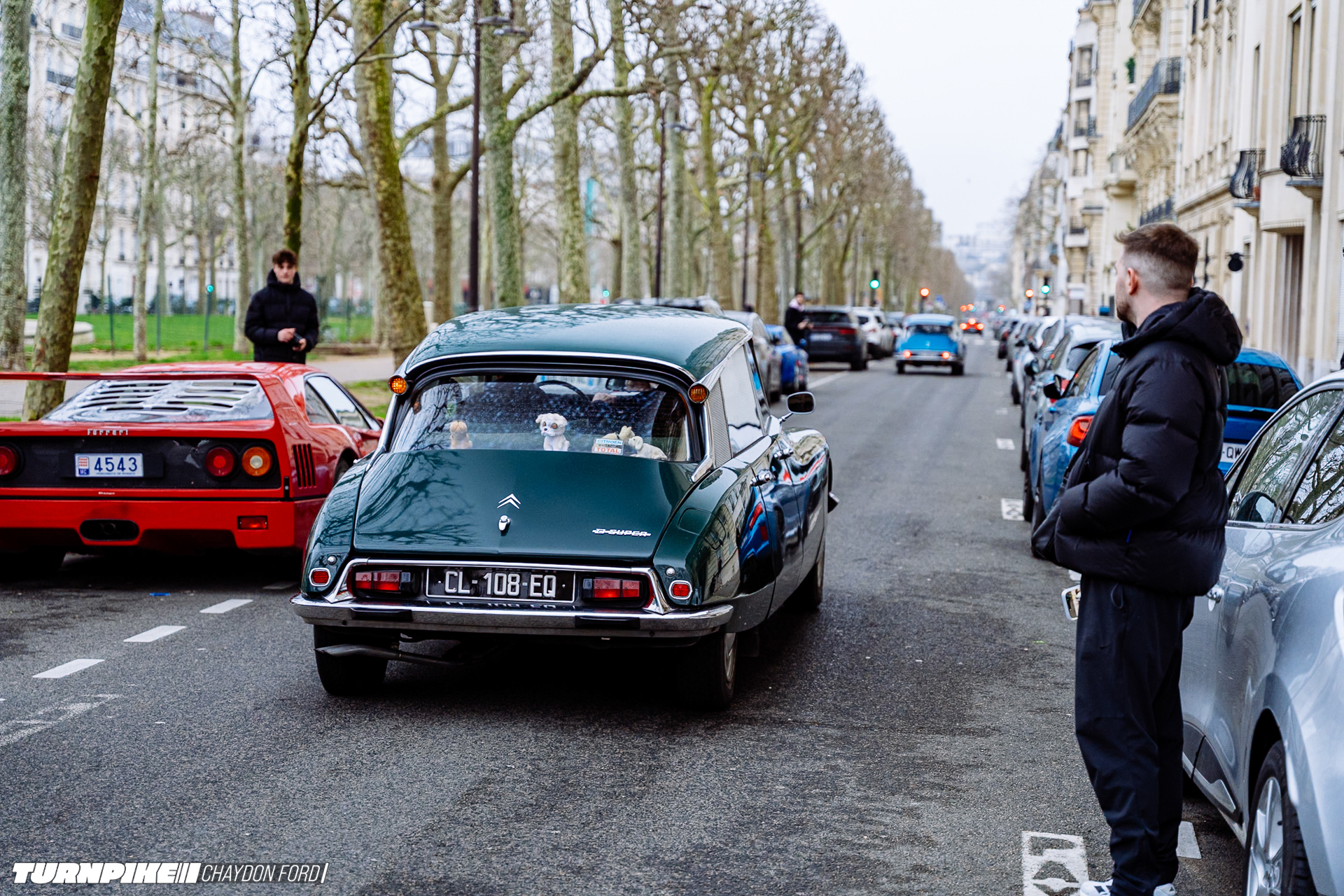
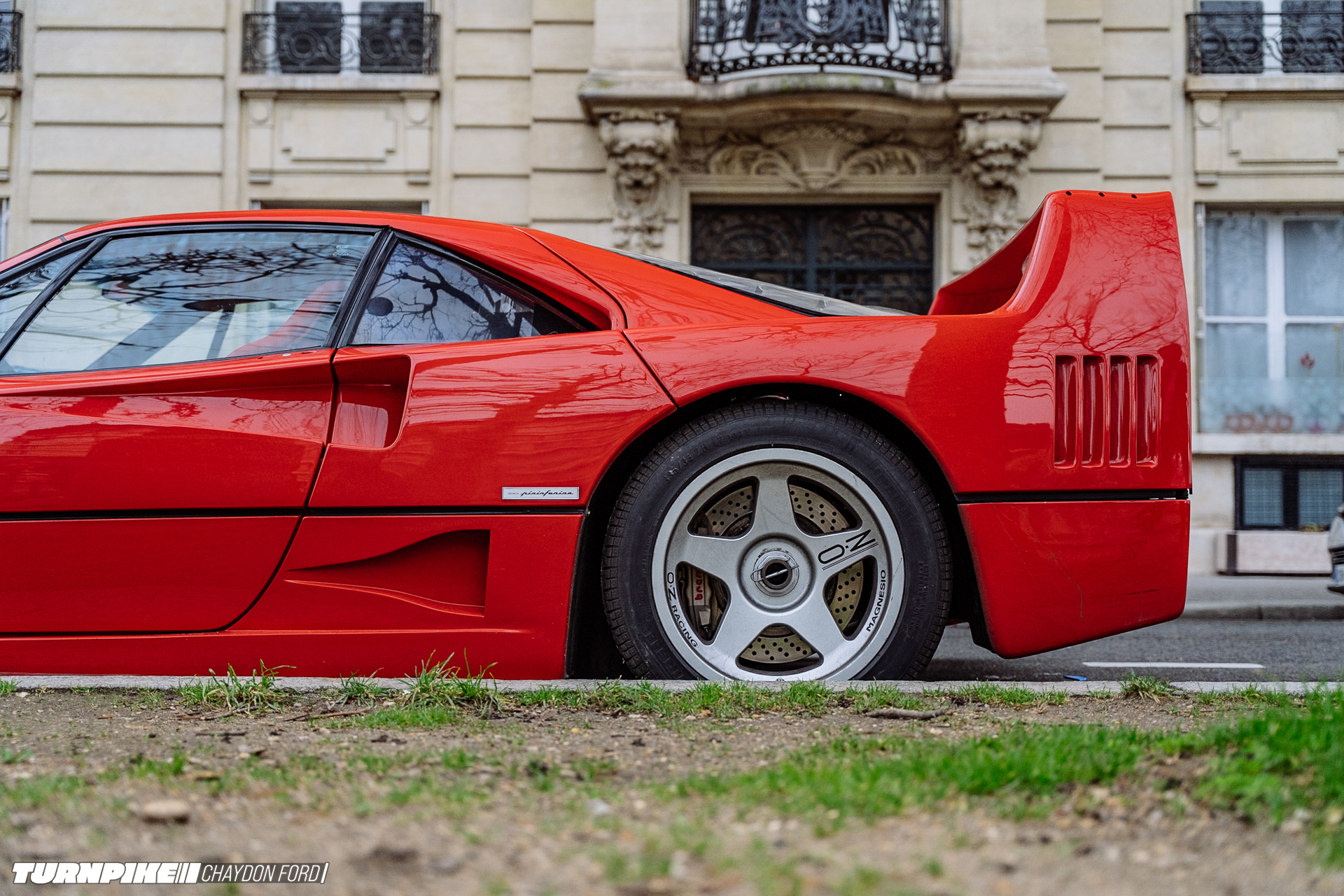
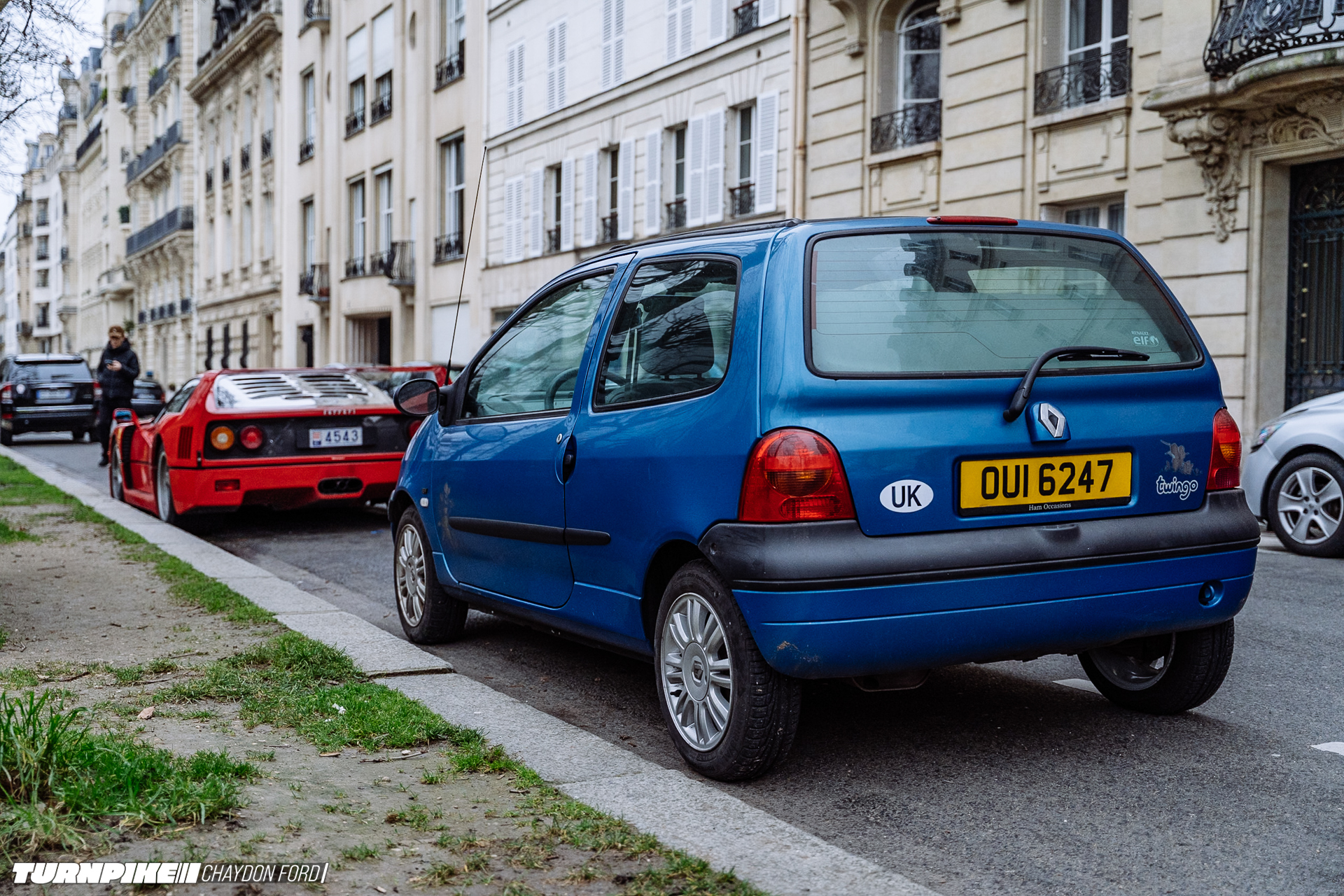
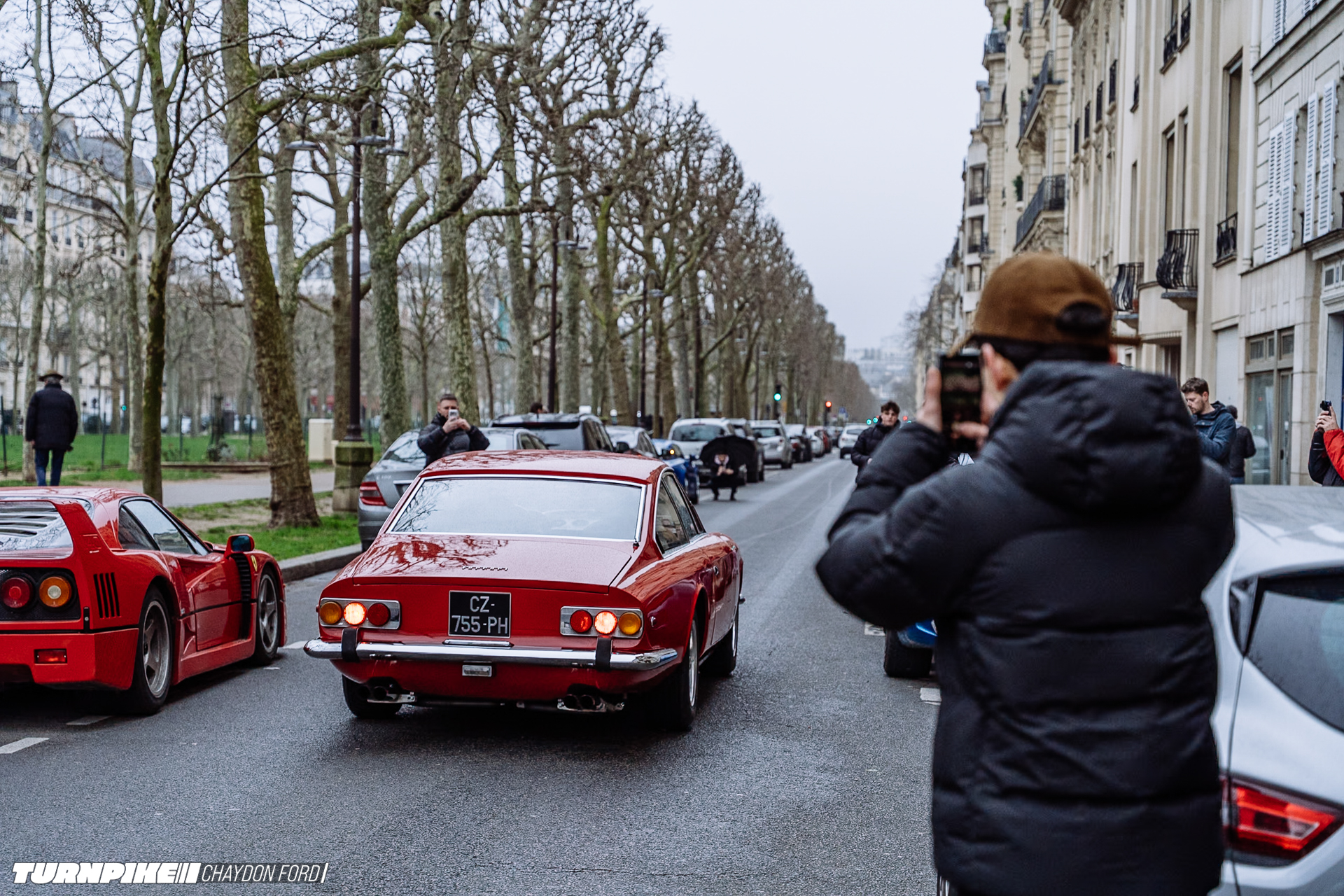
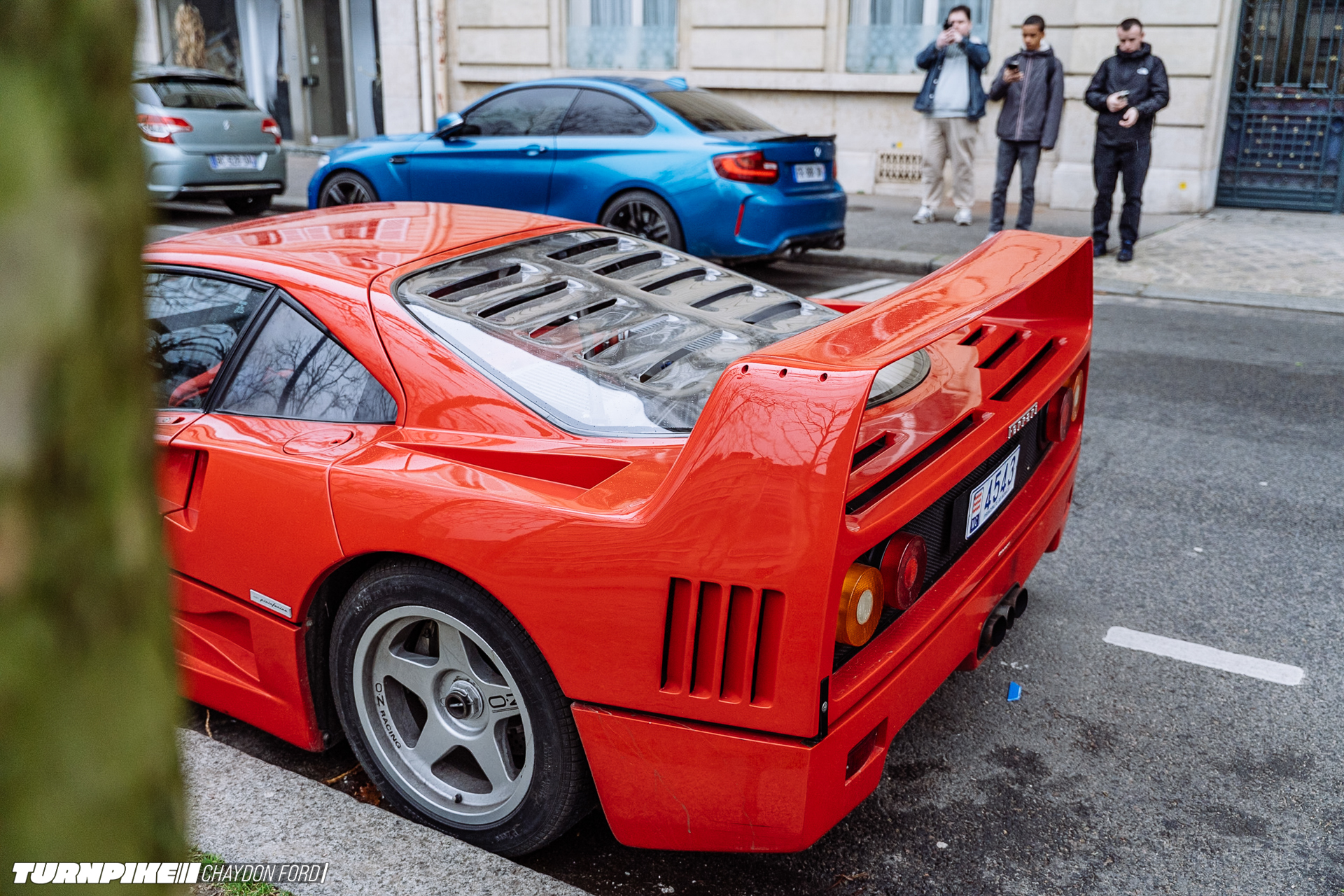
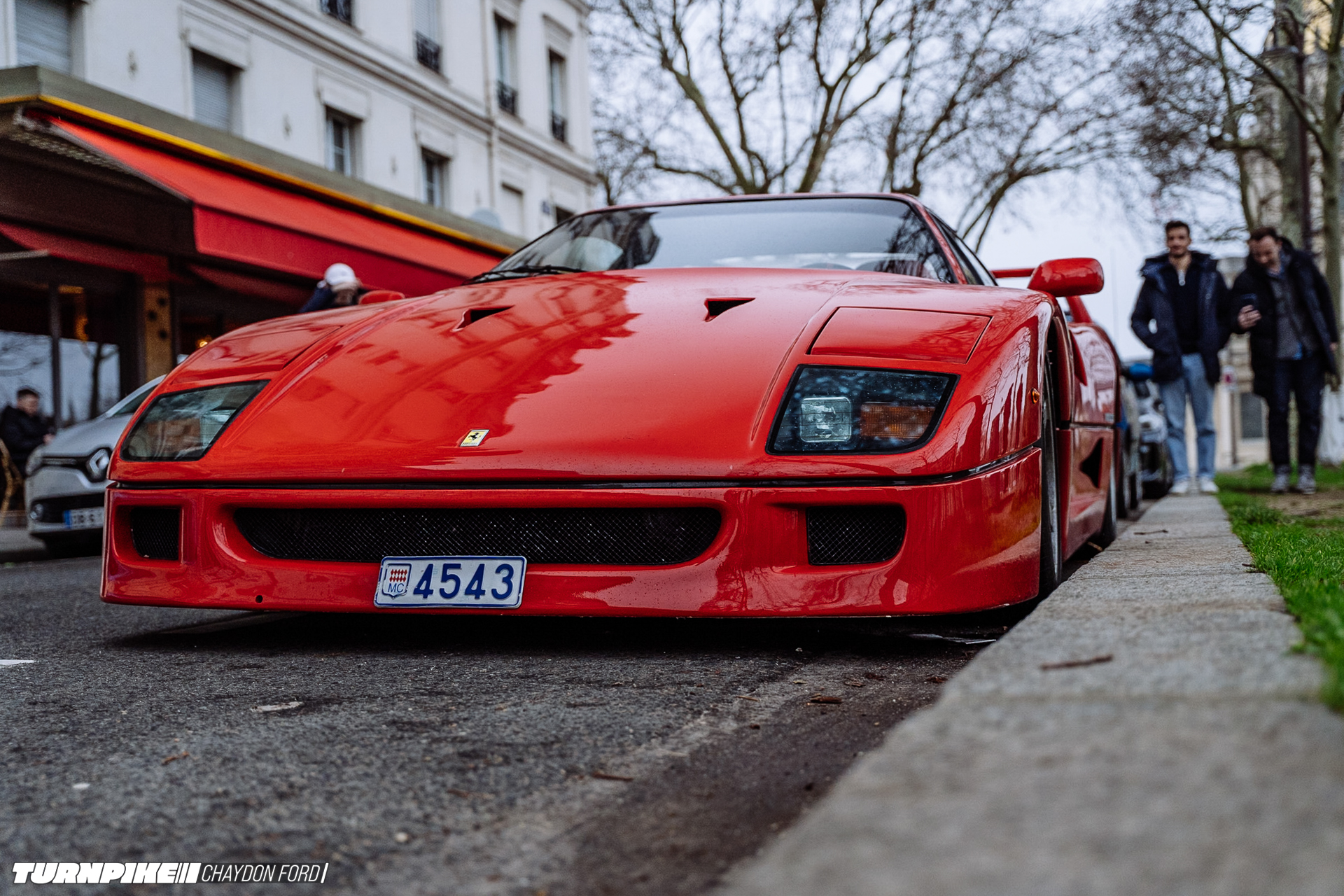
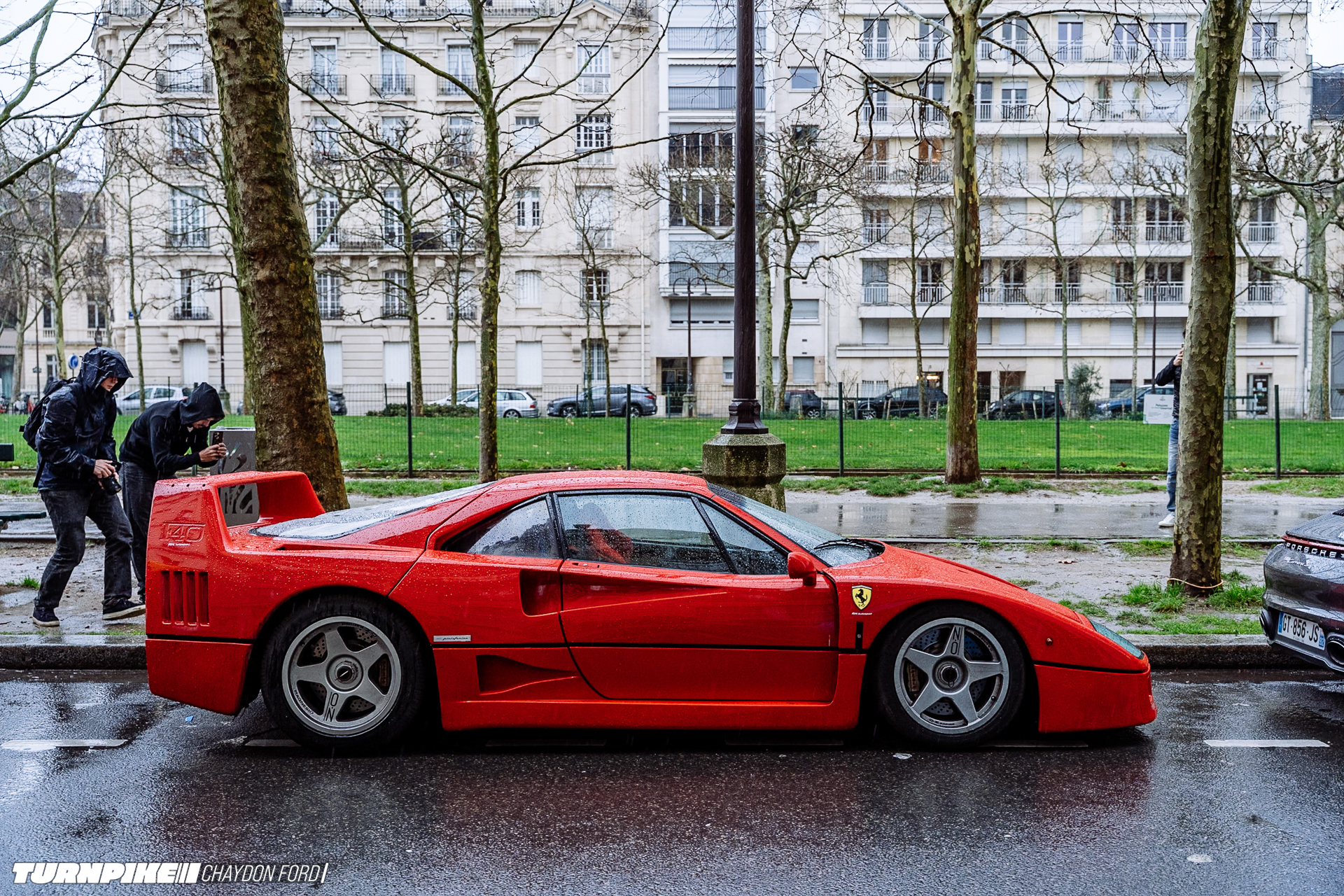
The F40’s number plate is not a Swiss one, but a Monegasque one. The owner is Raul Marchisio.
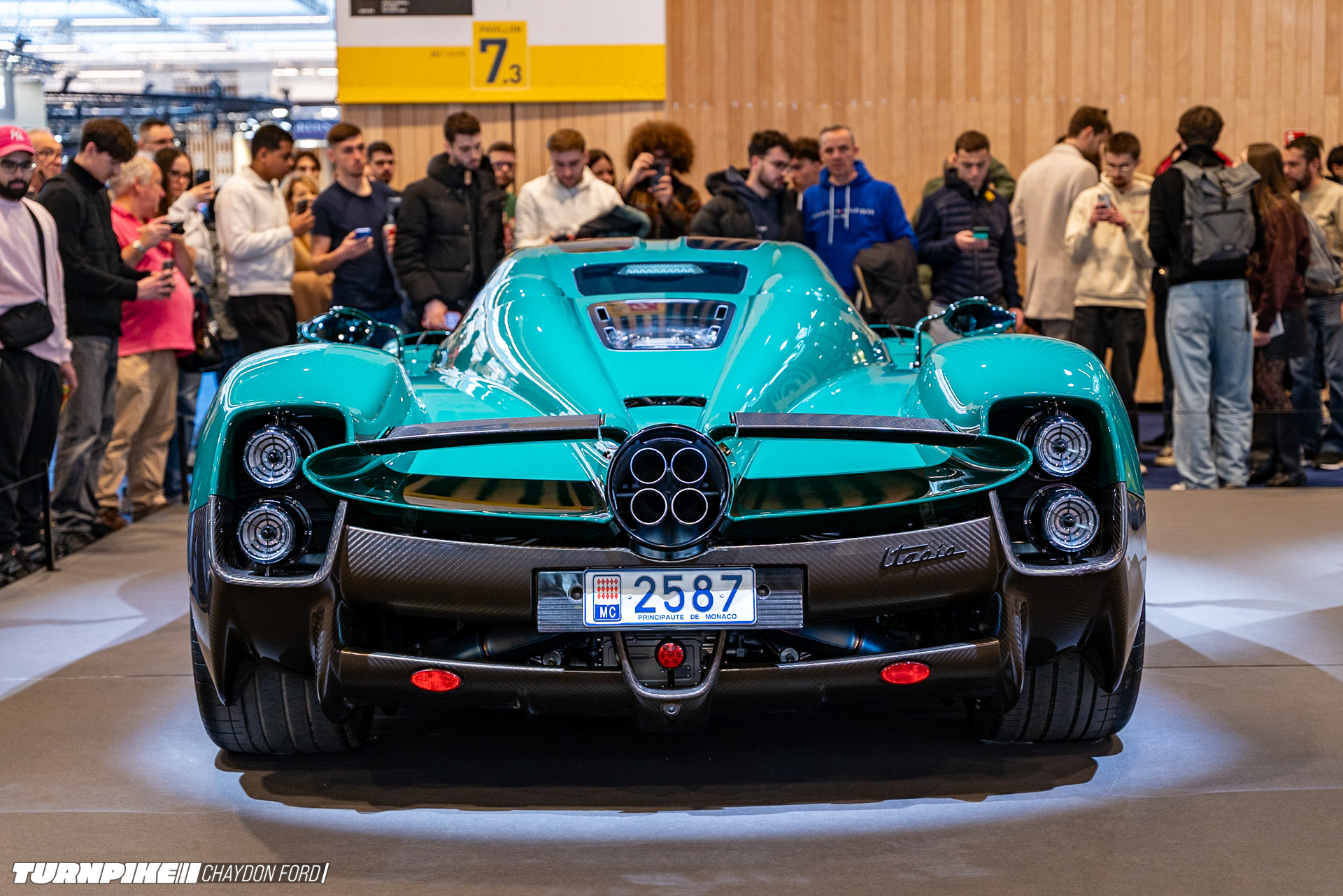
The green Pagani Utopia also has a Monegasque number plate.
Thanks for the corrections – well spotted
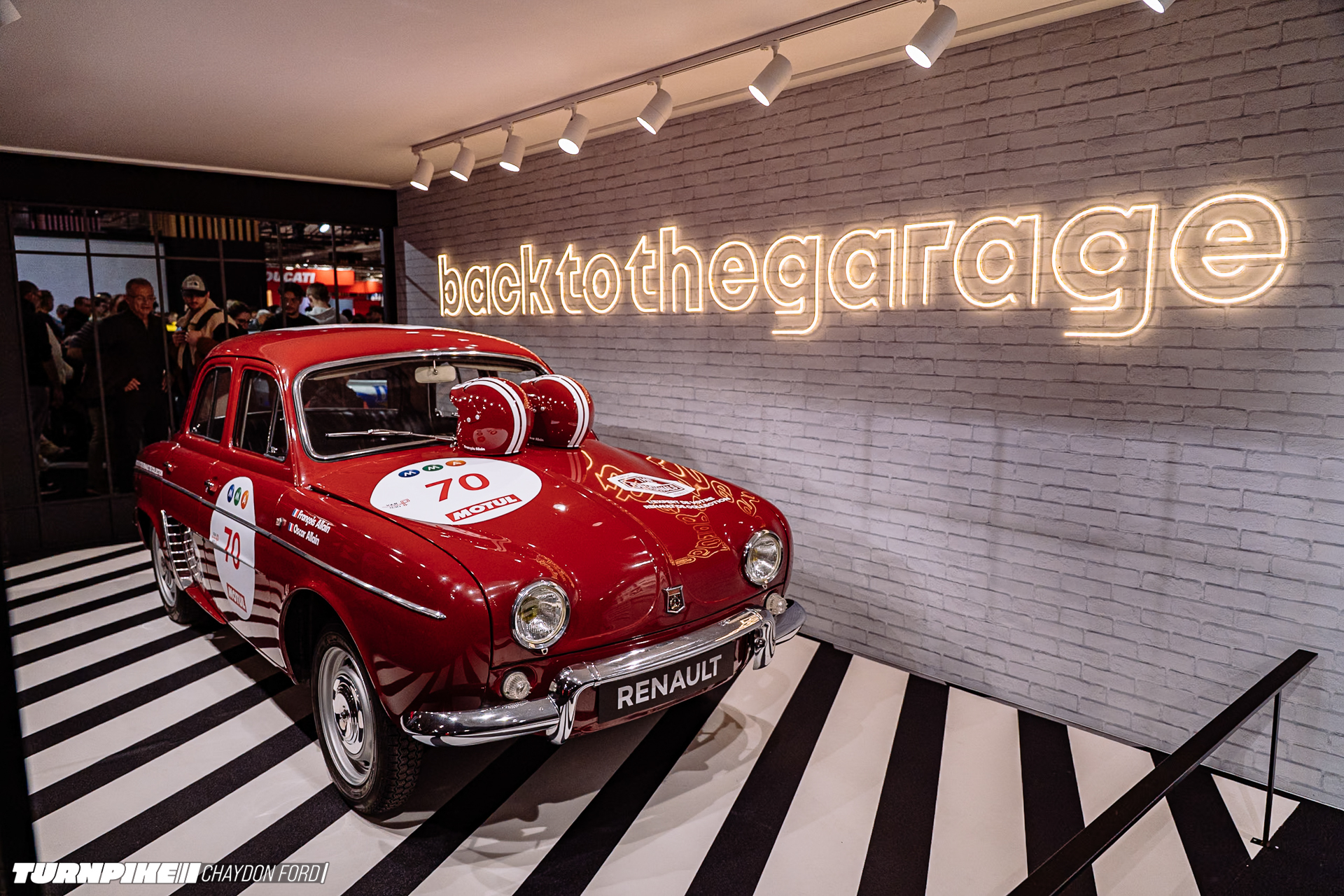
Have you got any more photos of the Dyane? We’re restoring(ish) one at the minute and it would be nice to have a reference
Thanks