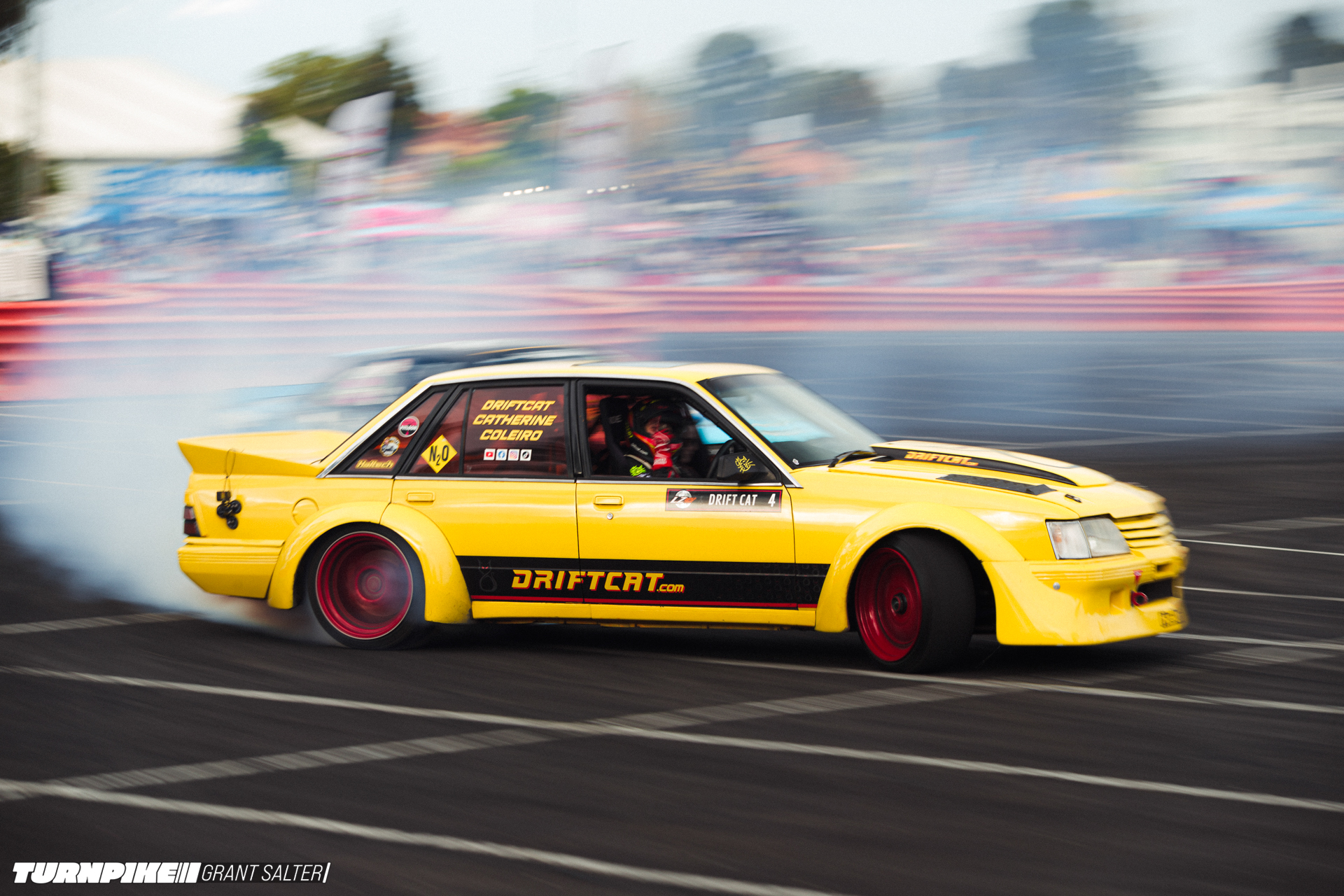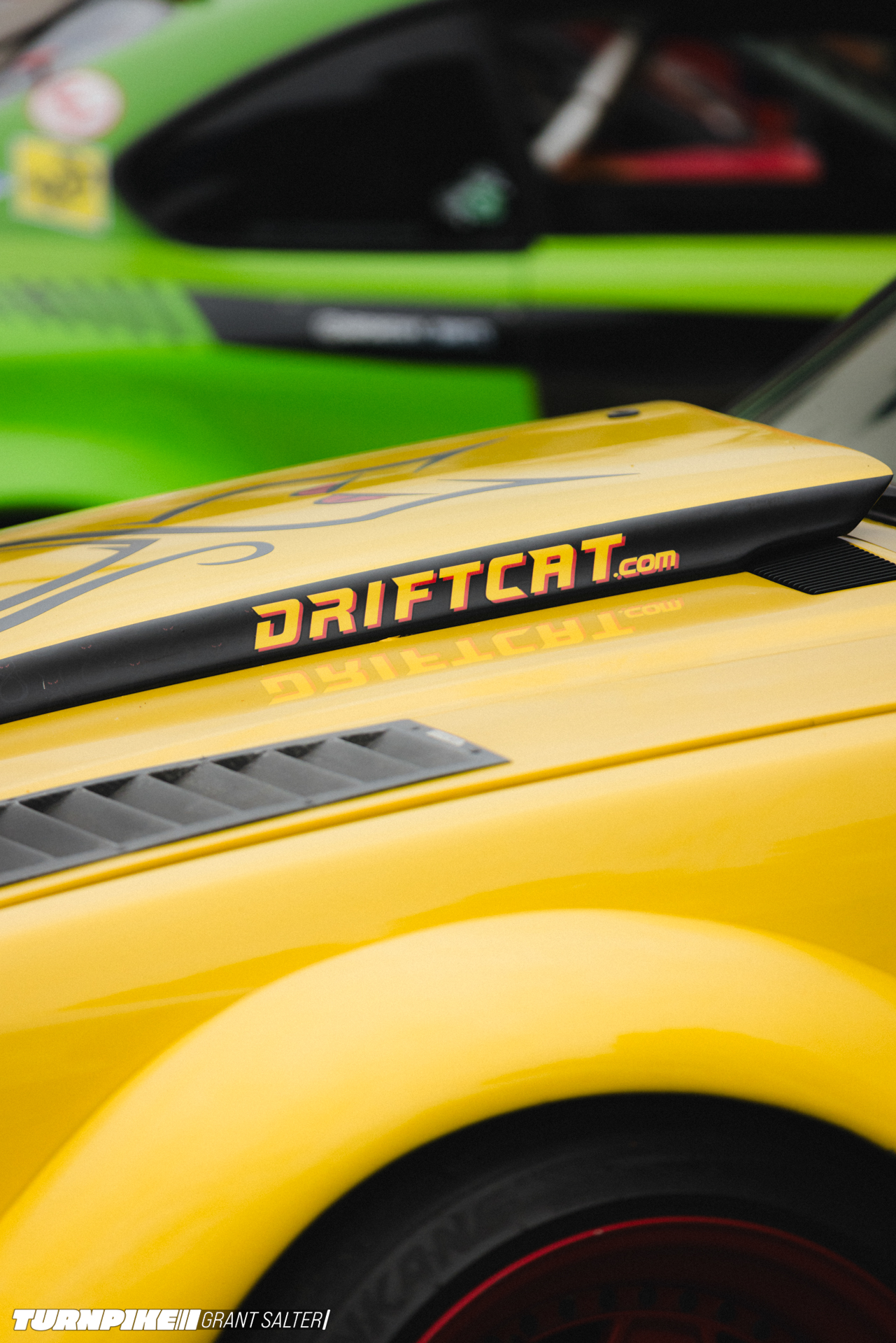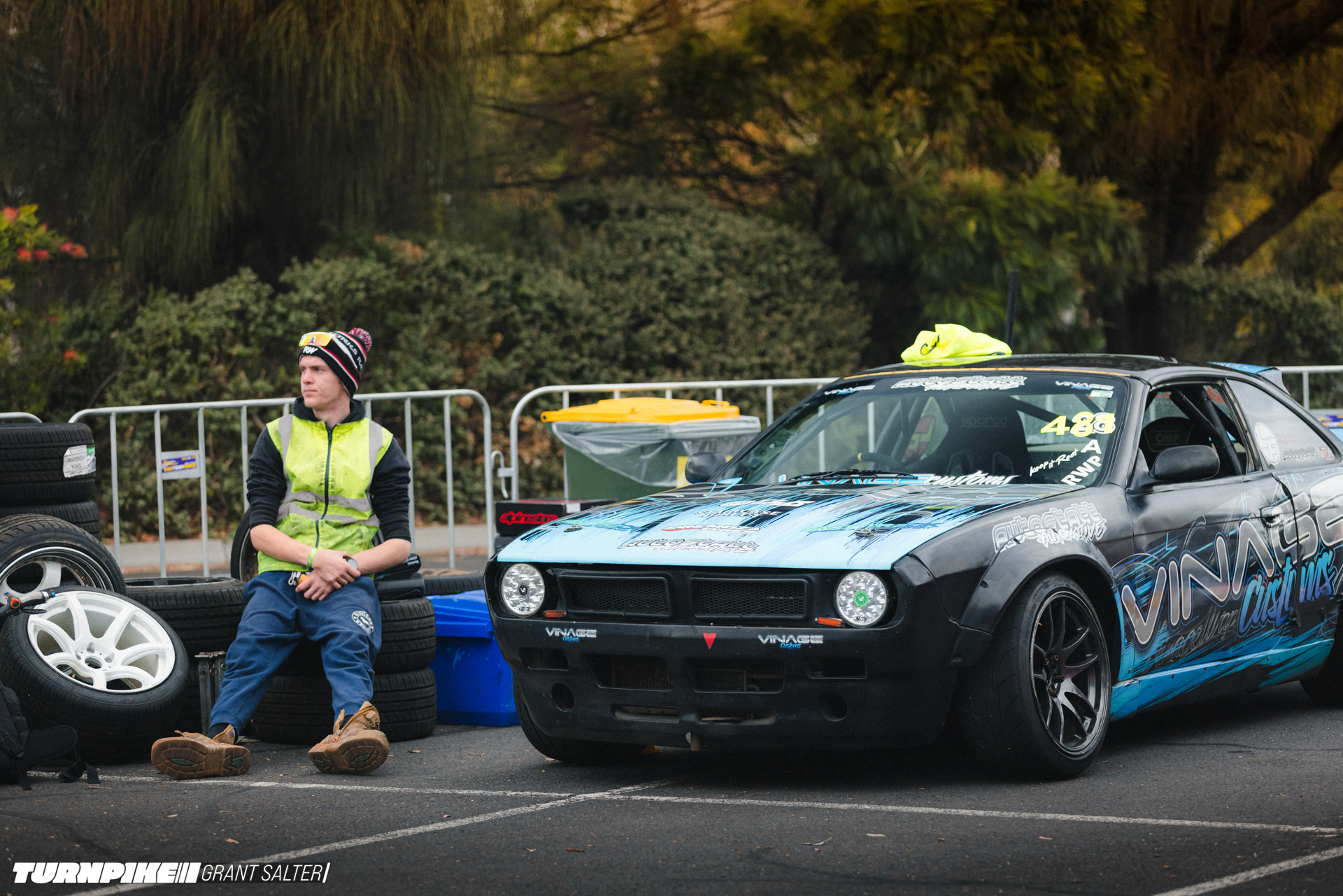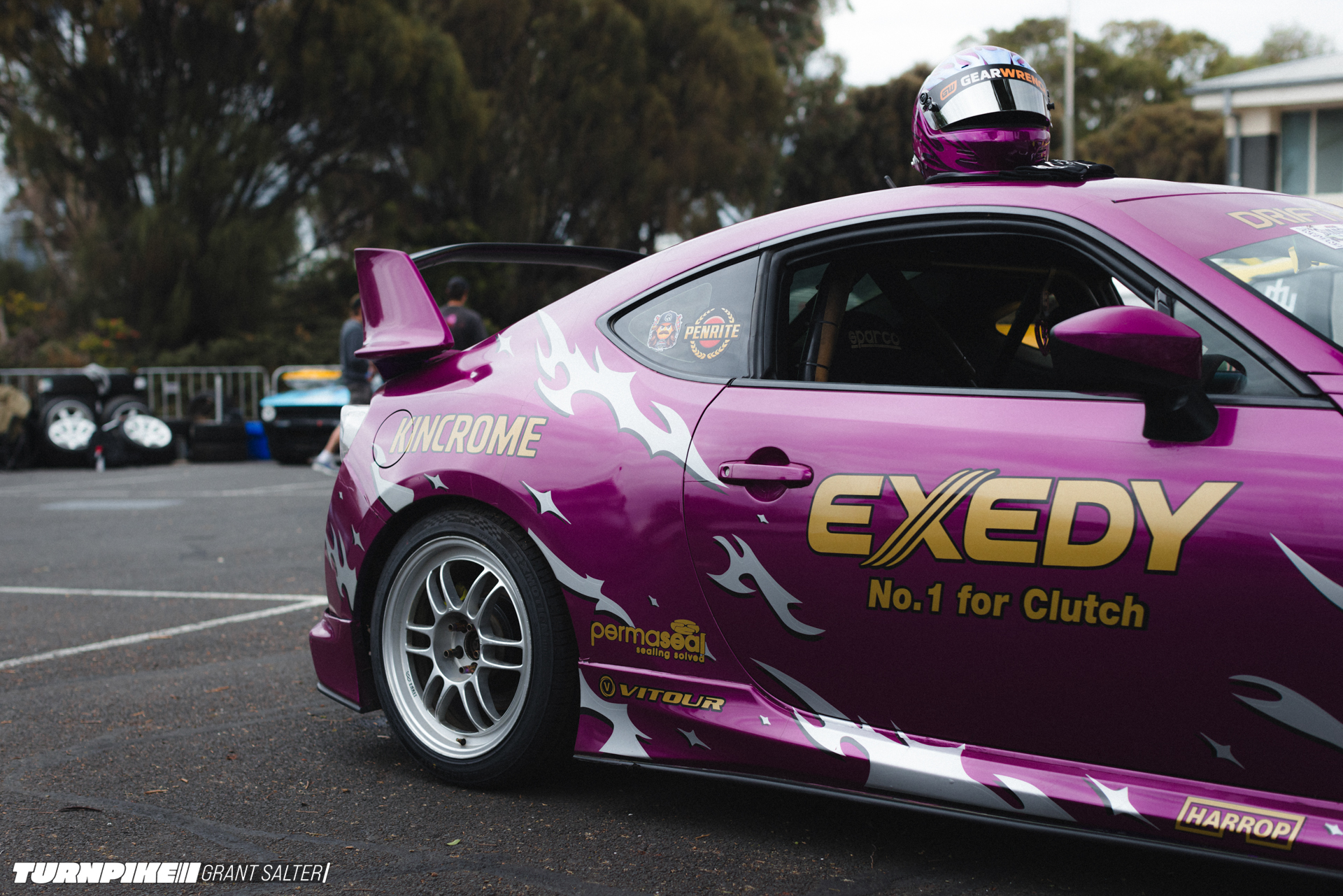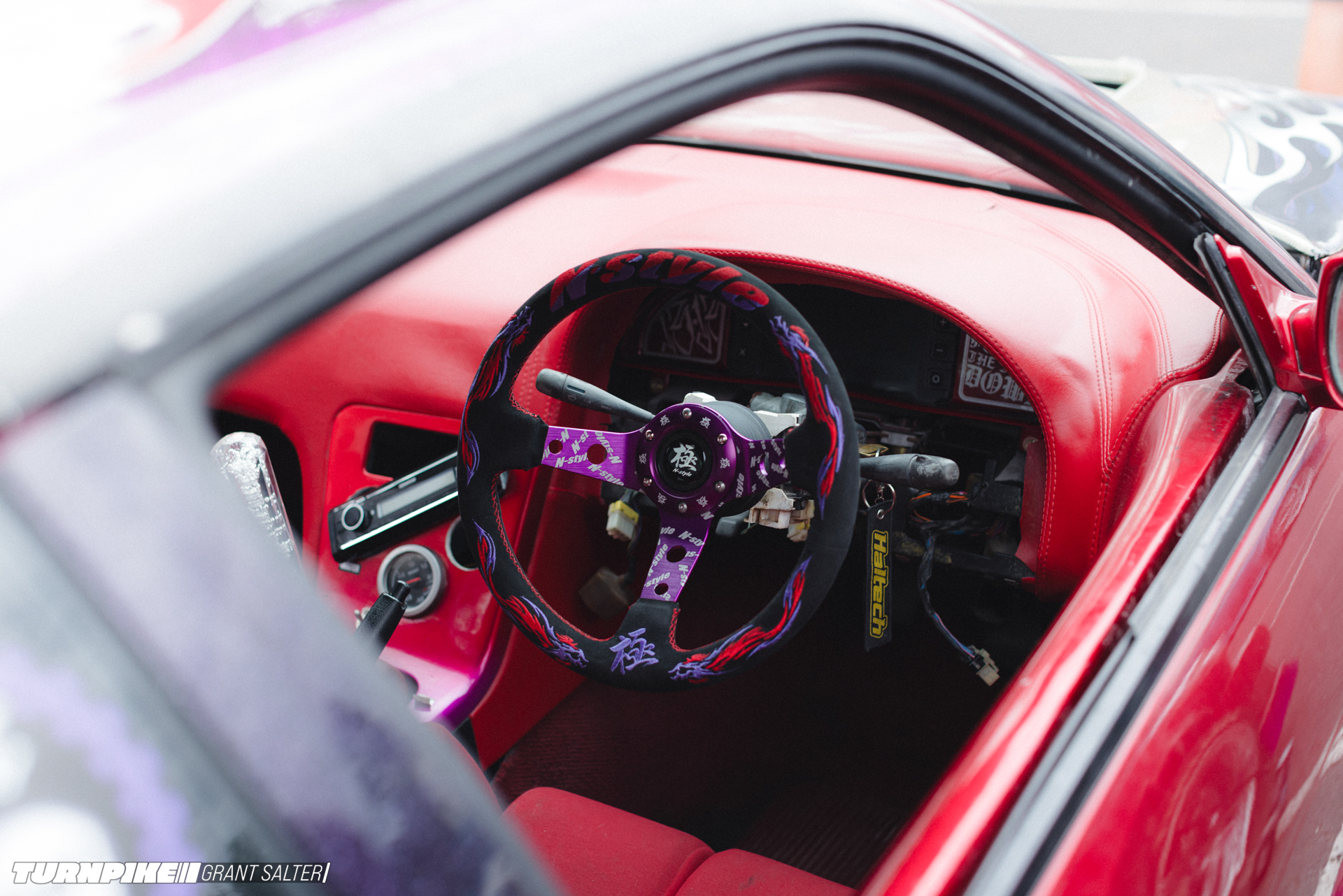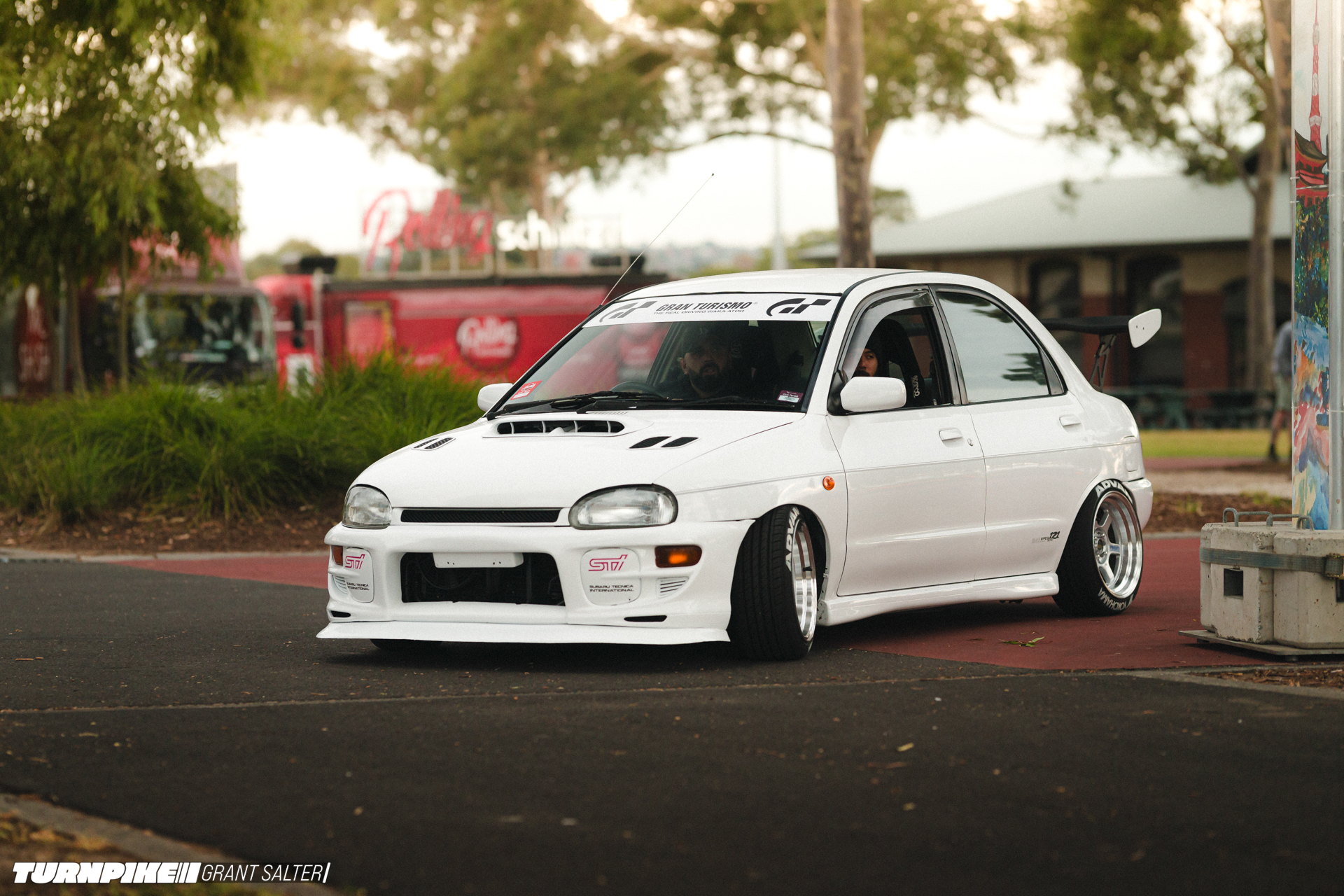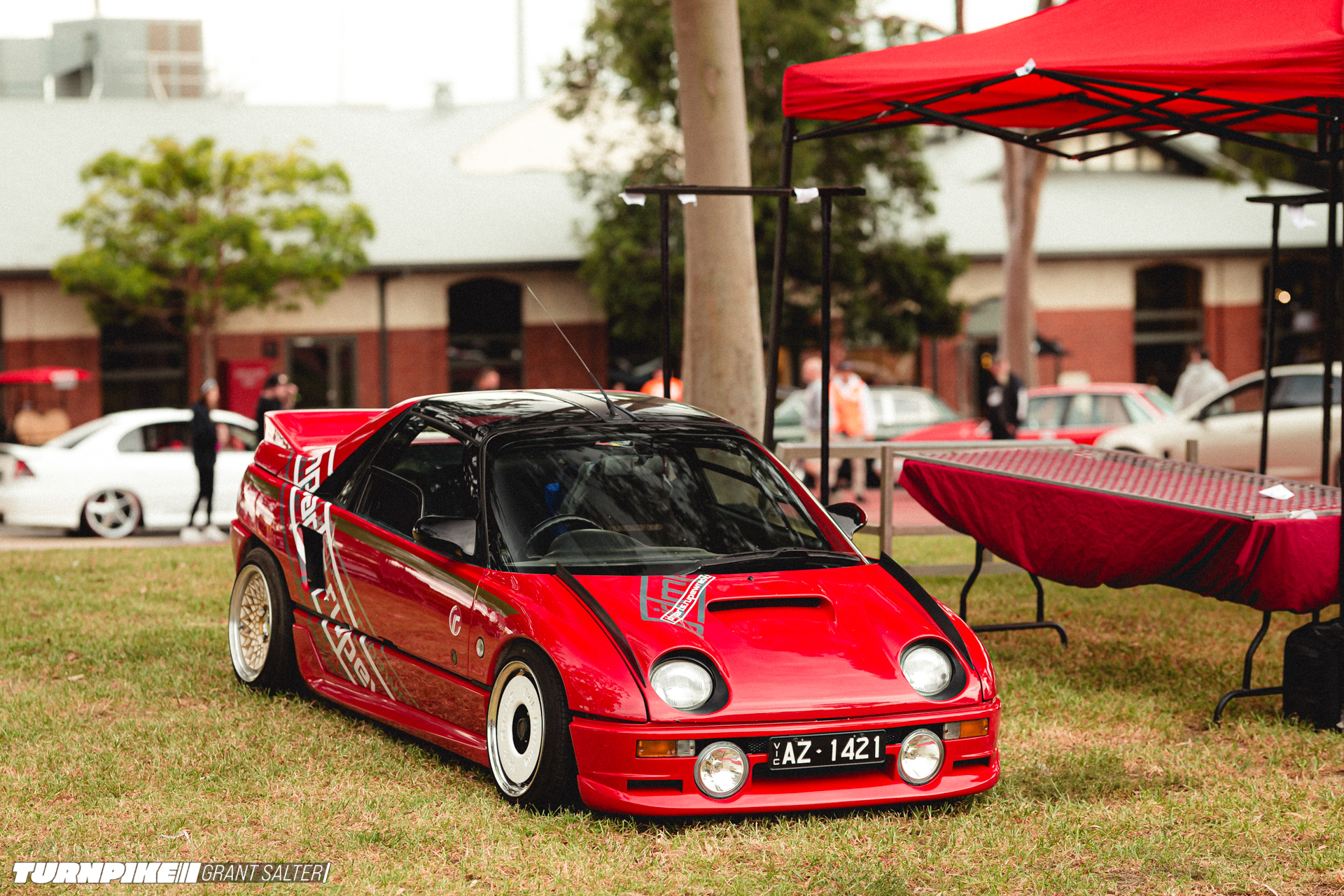
You arrive at Meguiar’s MotorEx with a plan: Walk the halls. Shoot the hero cars. Catch the unveilings. Spend some time around the trade stands pretending you don’t suddenly need another project car – all standard stuff. And then suddenly it’s late afternoon, your shoes are covered in tyre dust, your camera smells faintly like E85, and you realise you’ve barely left the drift pad all day. That was MotorEx 2026 for me.
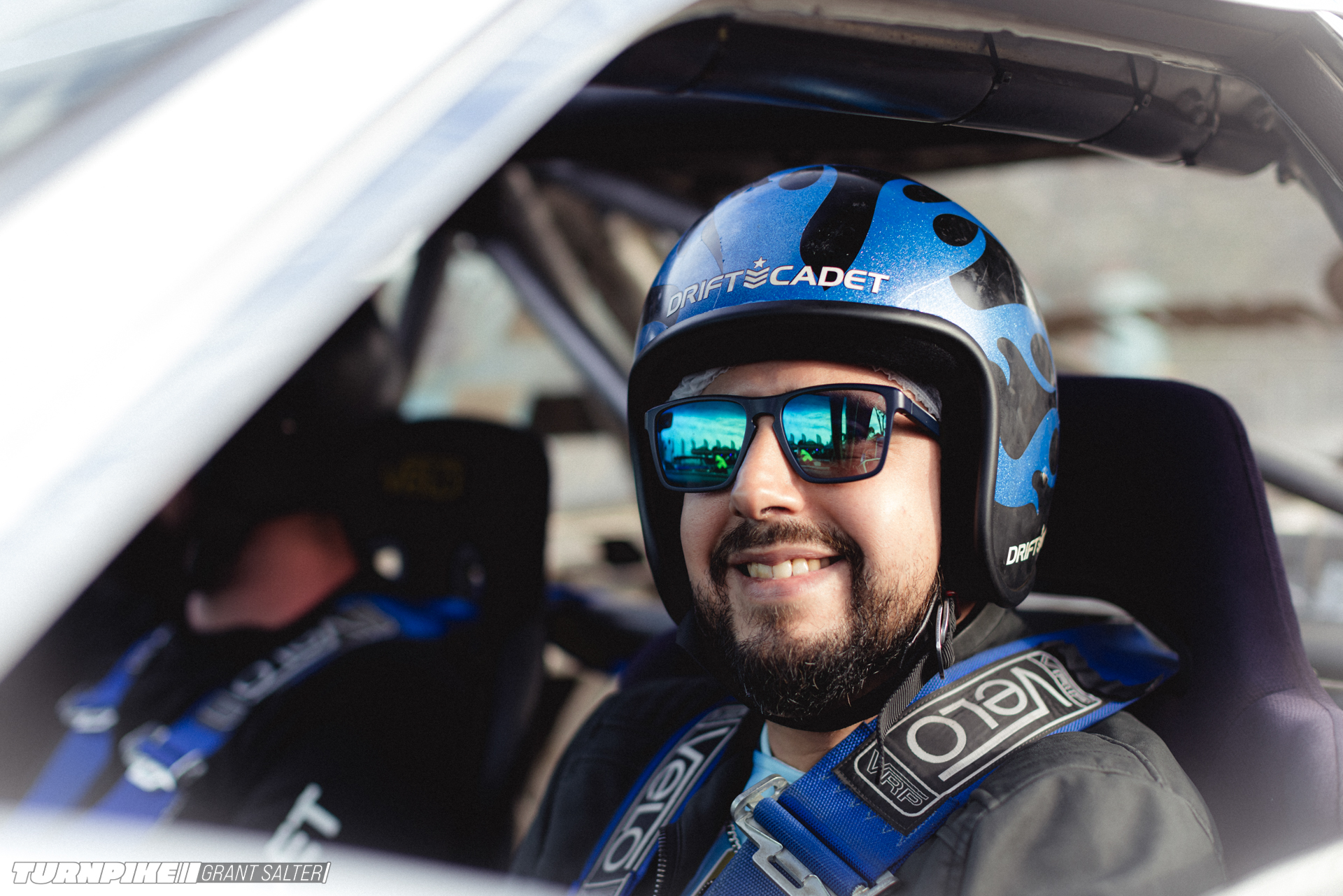
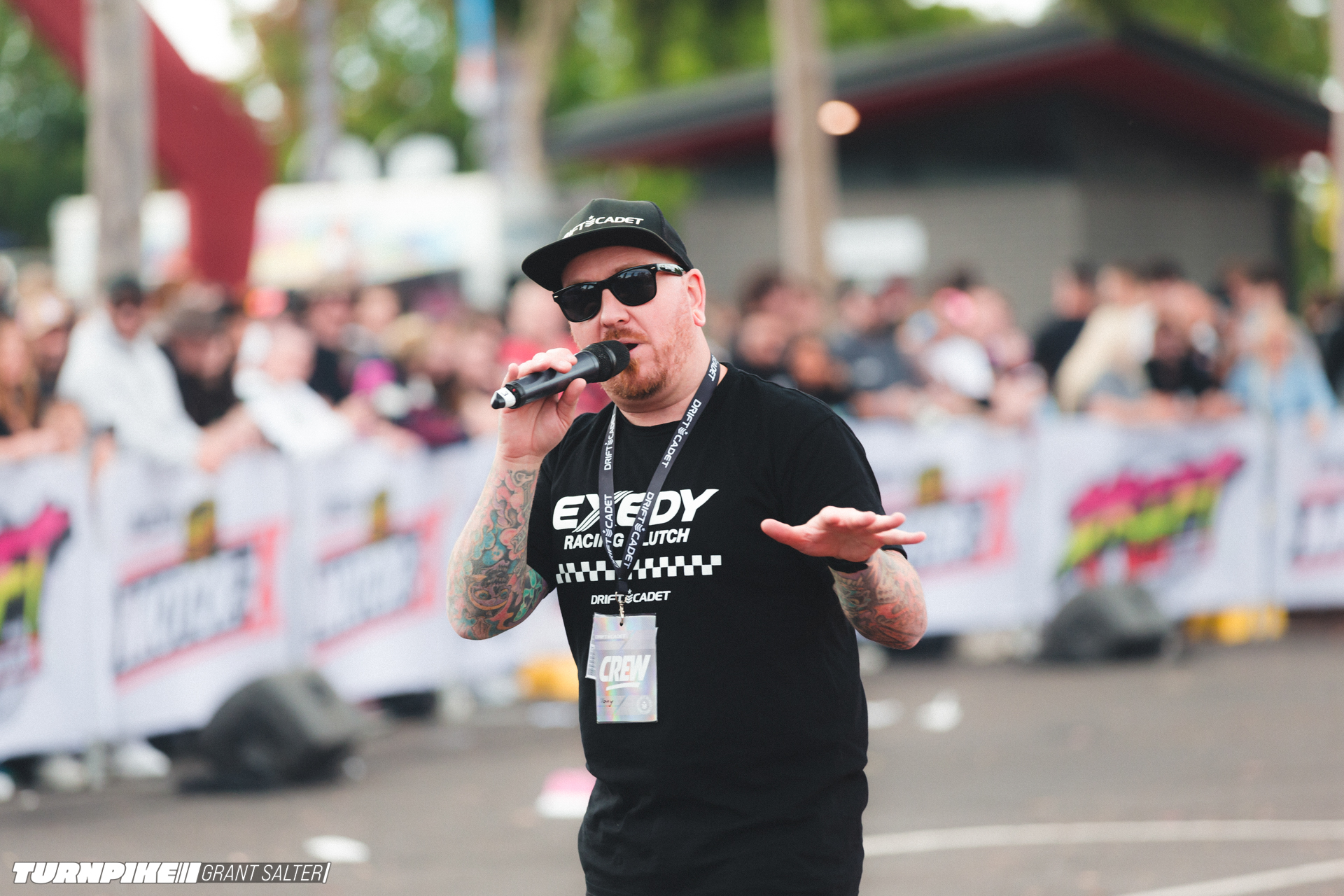
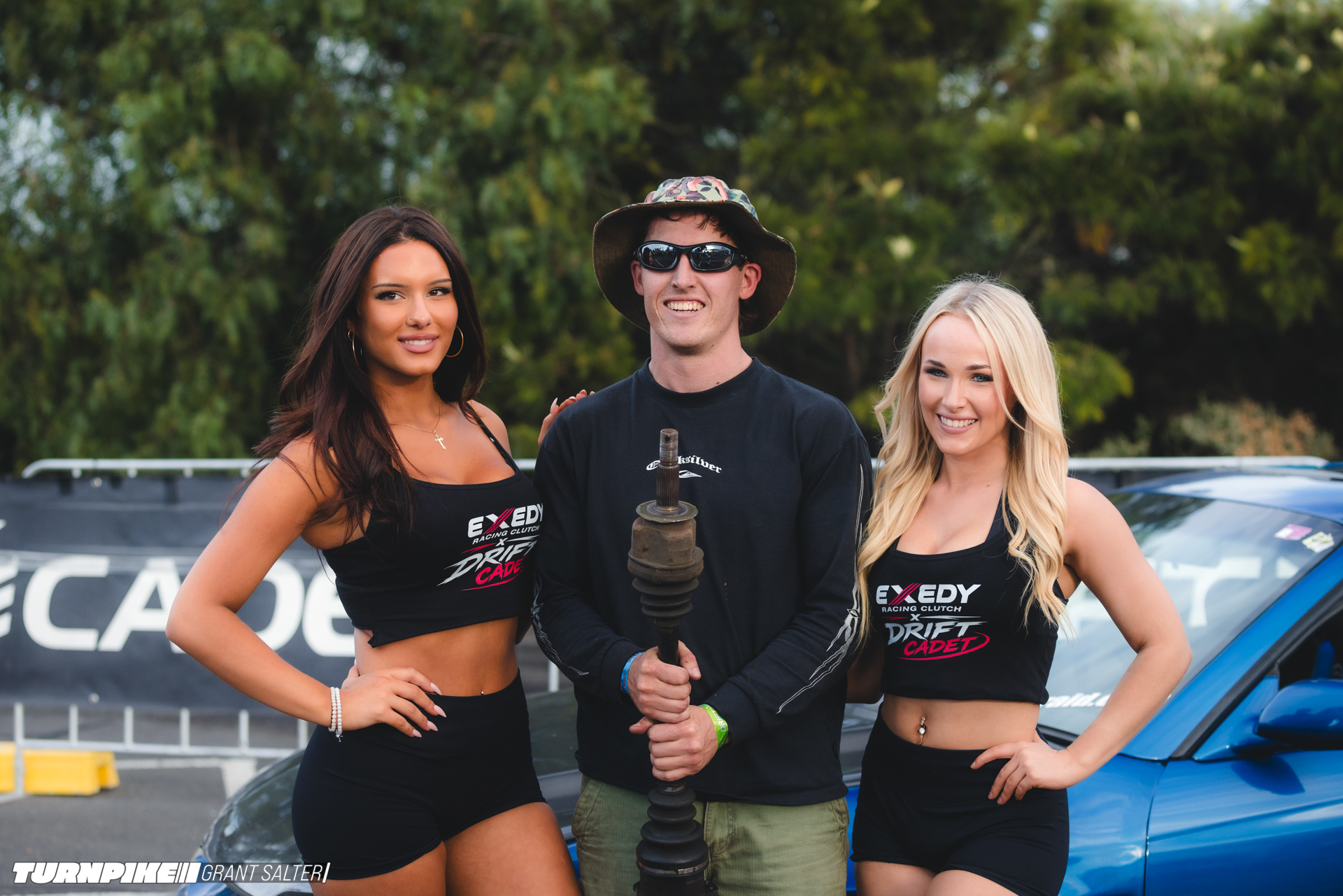
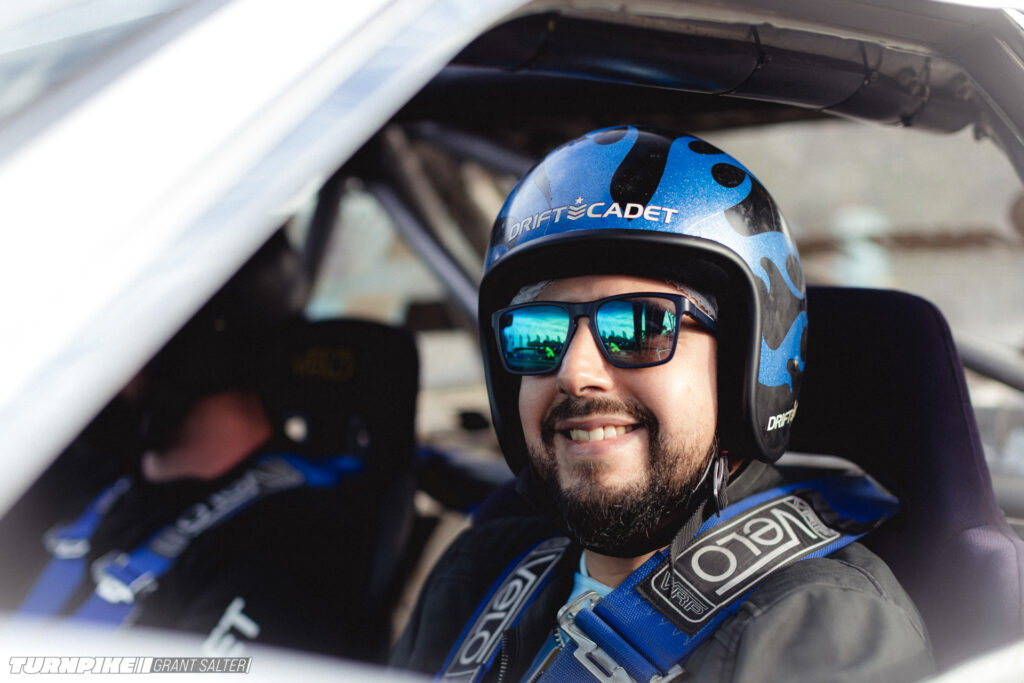
This year, I was helping out a mate and shooting alongside Drift Cadet, covering their side of the event – Drift World. The idea was simple enough: shoot the drift demos, then sneak off between sessions to explore the rest of the showgrounds. That lasted half an hour. Drift Cadet weren’t running one or two demos; they were running four full shows plus practice.
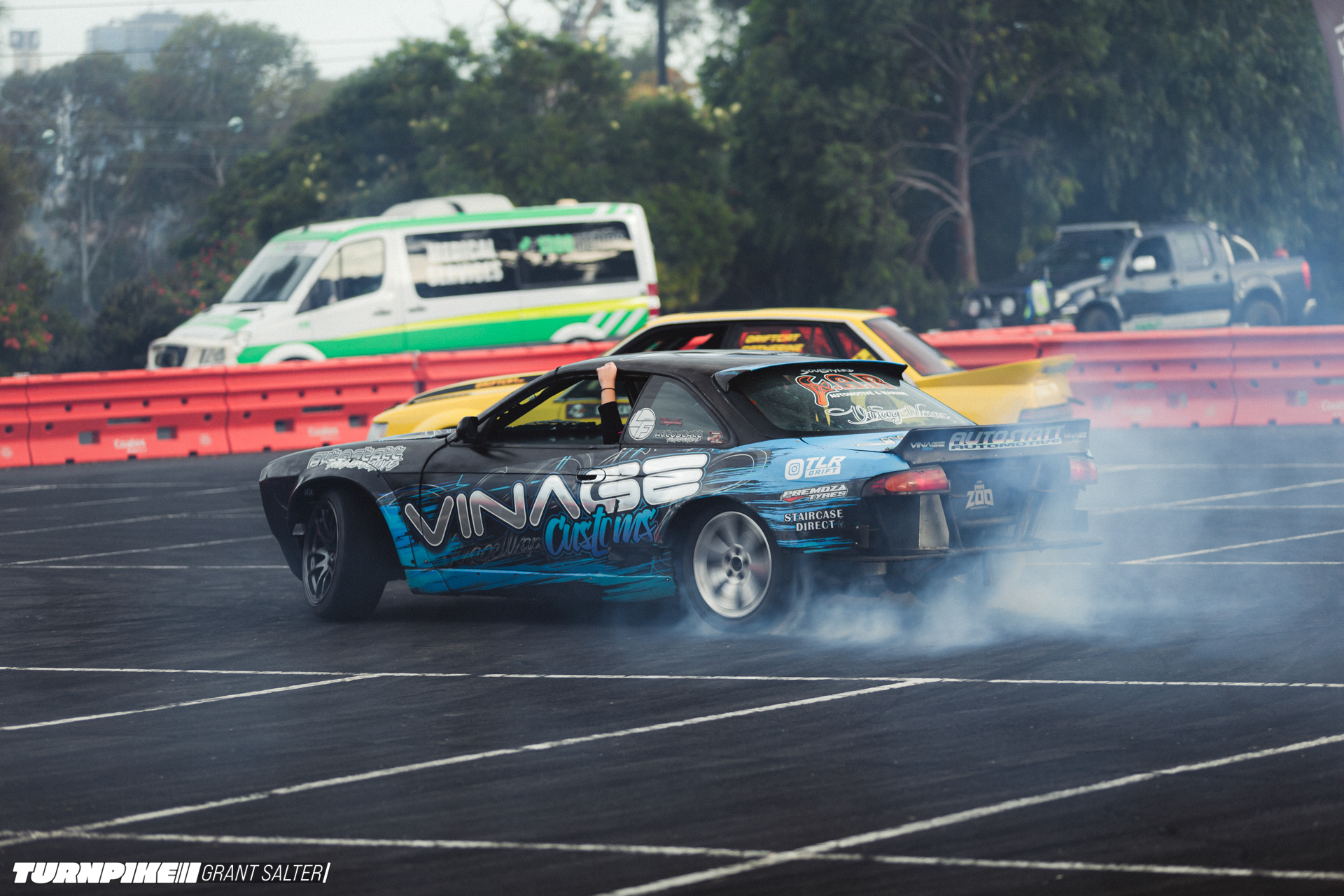
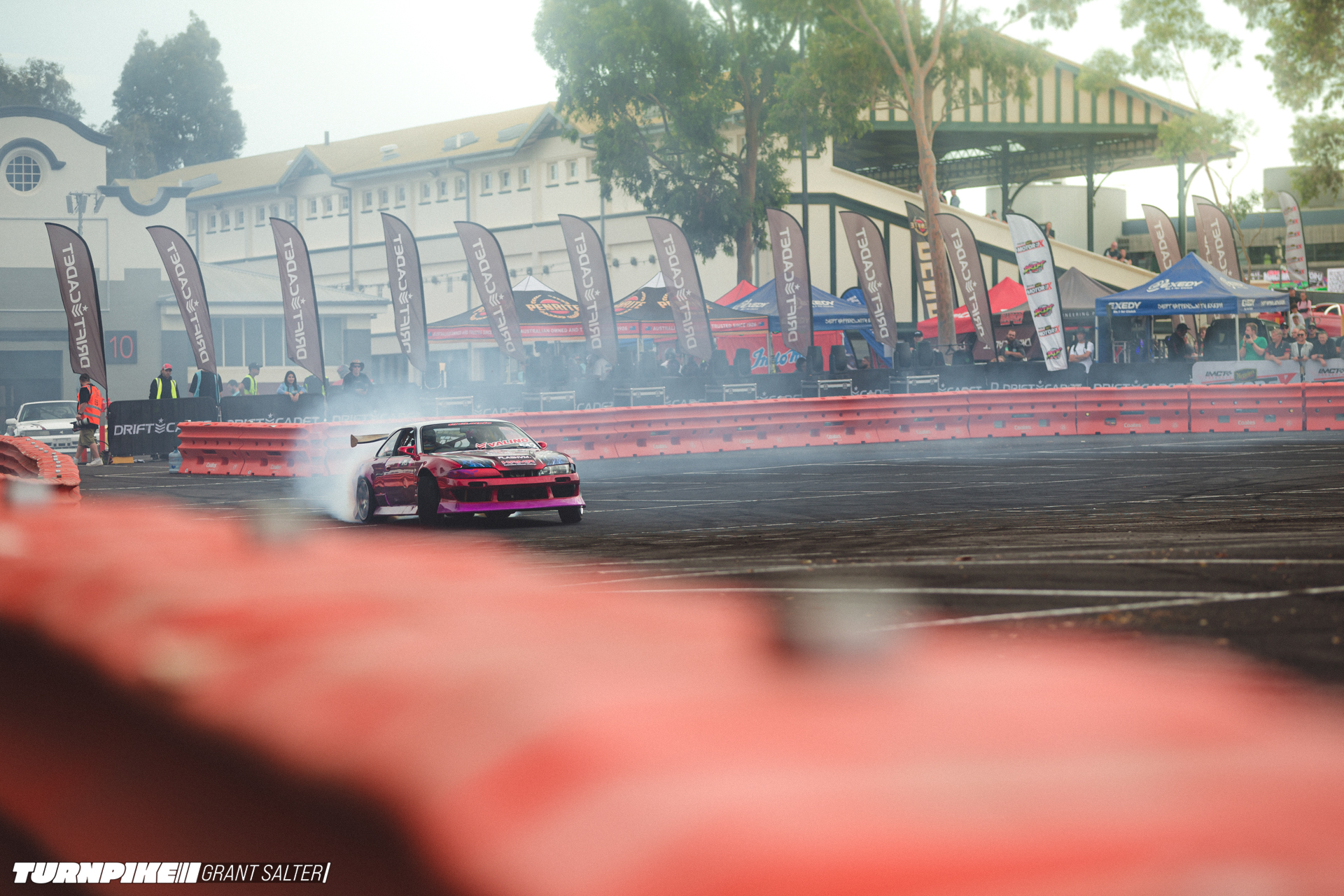
Once things started moving, Drift World basically became its own universe, with its own atmosphere. You’d hear Dyno World rumbling somewhere behind the buildings, catch crowds flowing through All Japan World, and then suddenly another pair of cars would throw themselves sideways in front of you and completely reset your attention span. Over and over again. And weirdly, that’s what made MotorEx feel so alive this year.
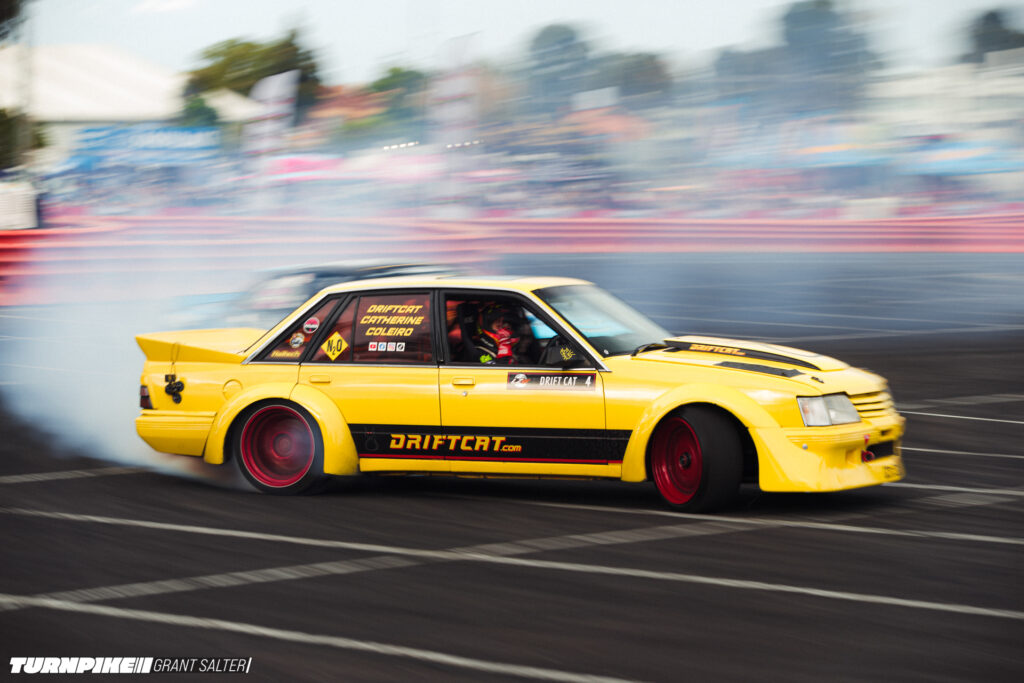
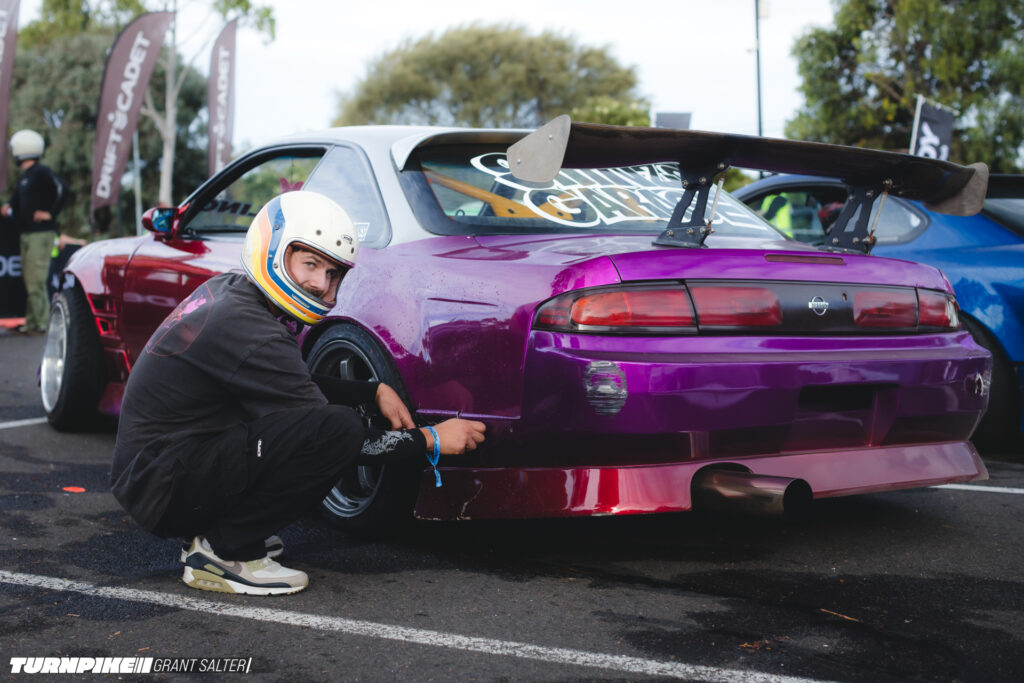
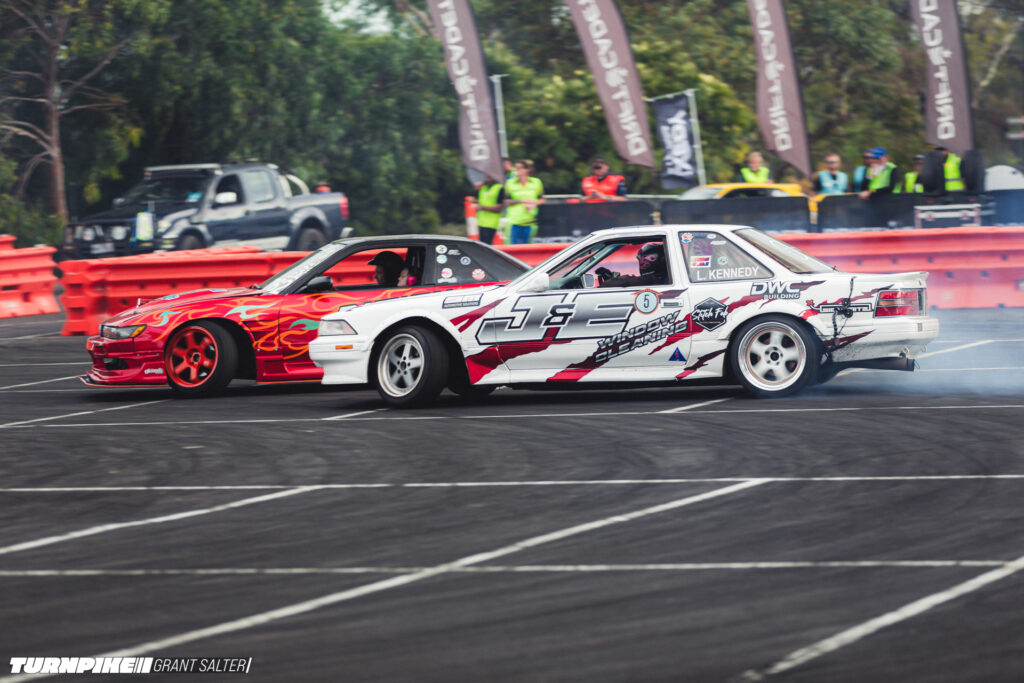
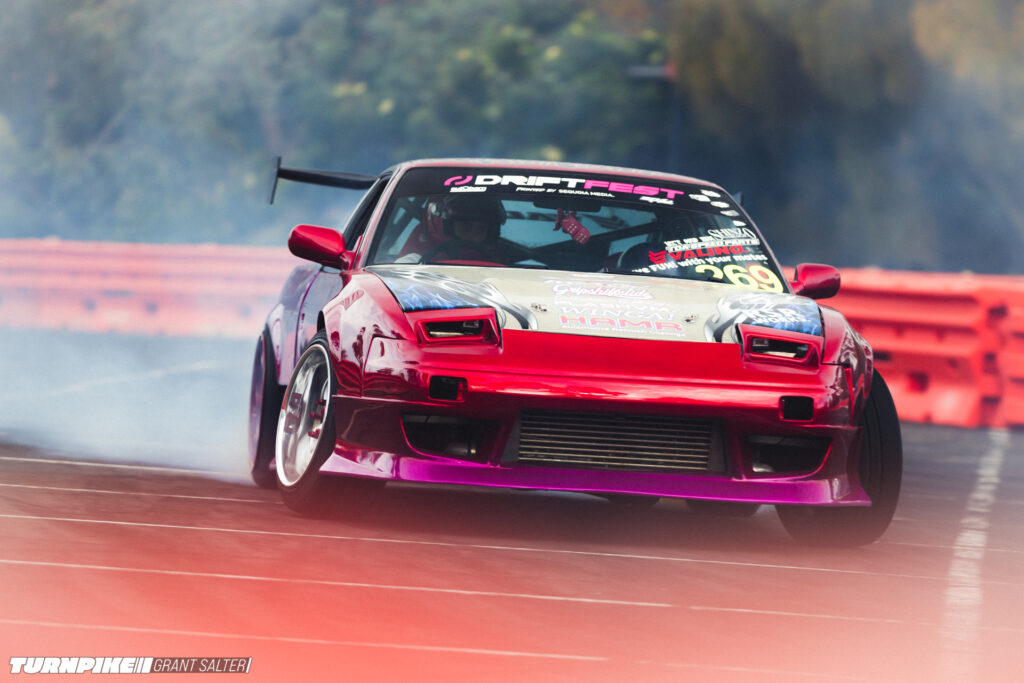
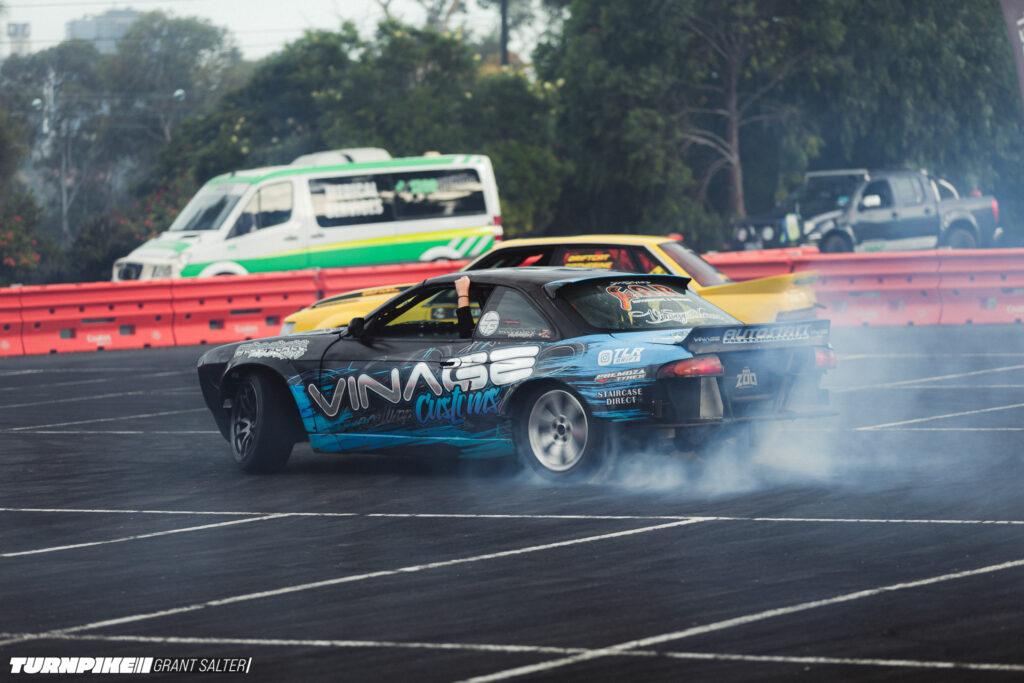
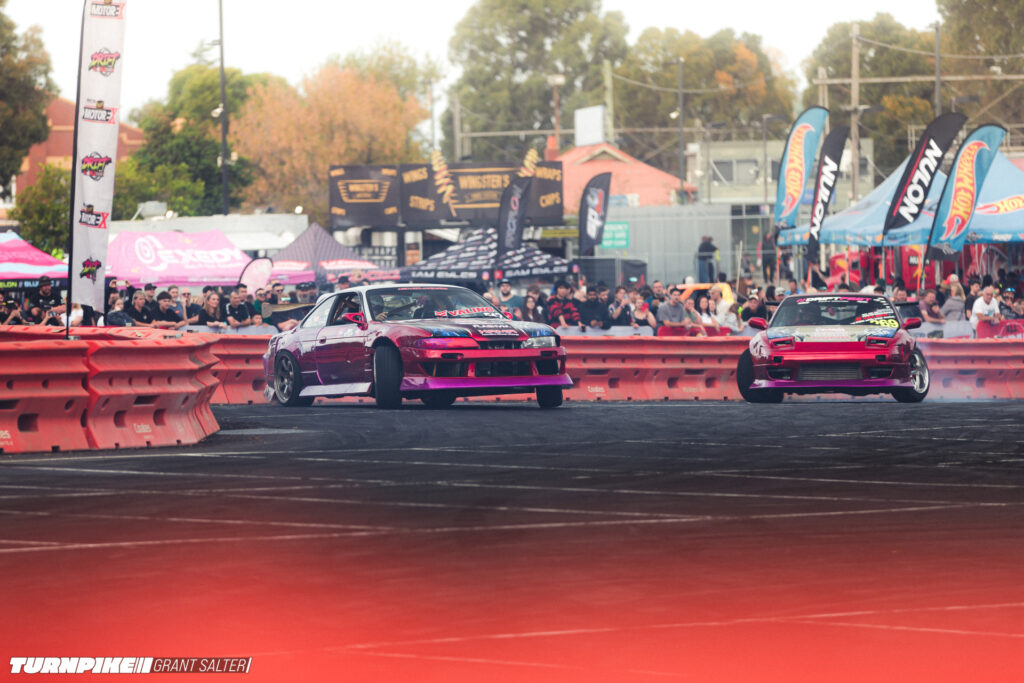
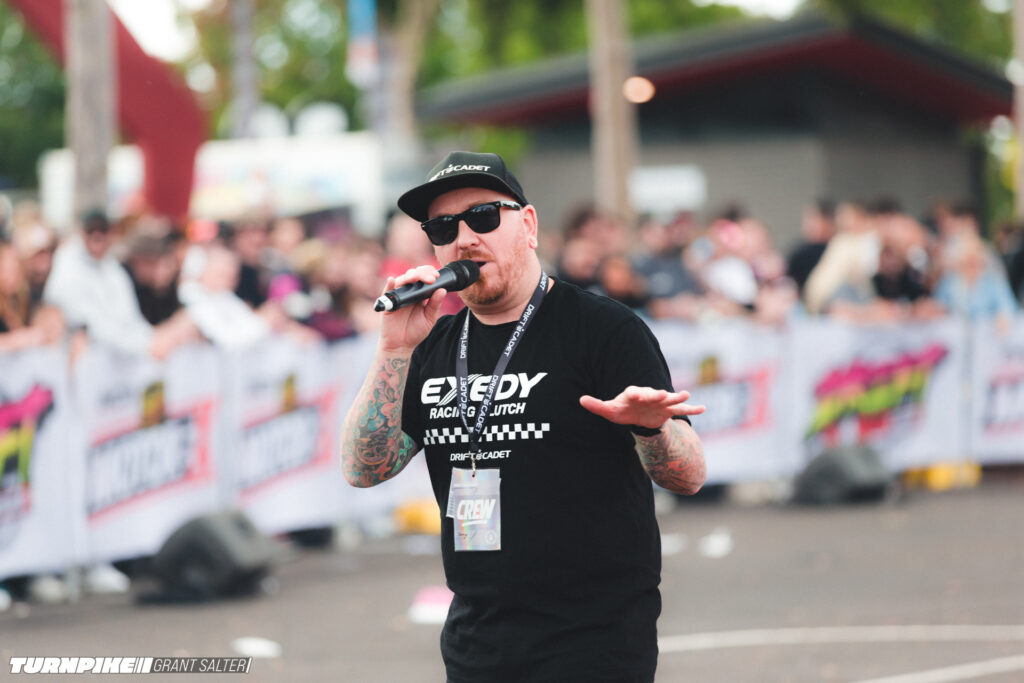
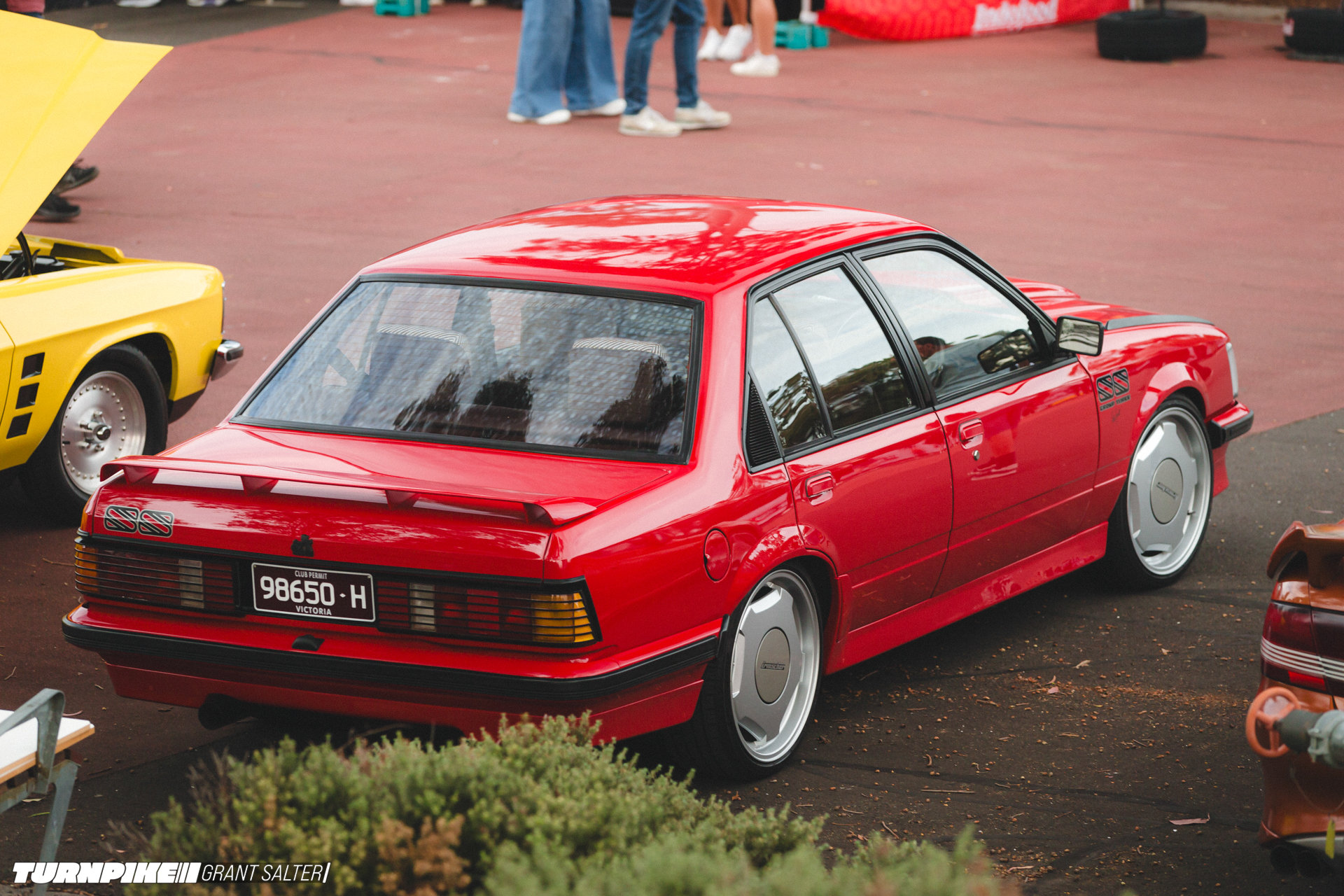
Static car displays are impressive. Some of the builds inside the halls looked almost unreal. They were the kind of cars you walk around three times because your brain still hasn’t processed the detail properly. But drifting gives you something different.
The cars move. They break. Drivers adapt. Every run changes depending on smoke, grip, confidence, and sometimes pure chaos. As a photographer, that unpredictability is addictive.
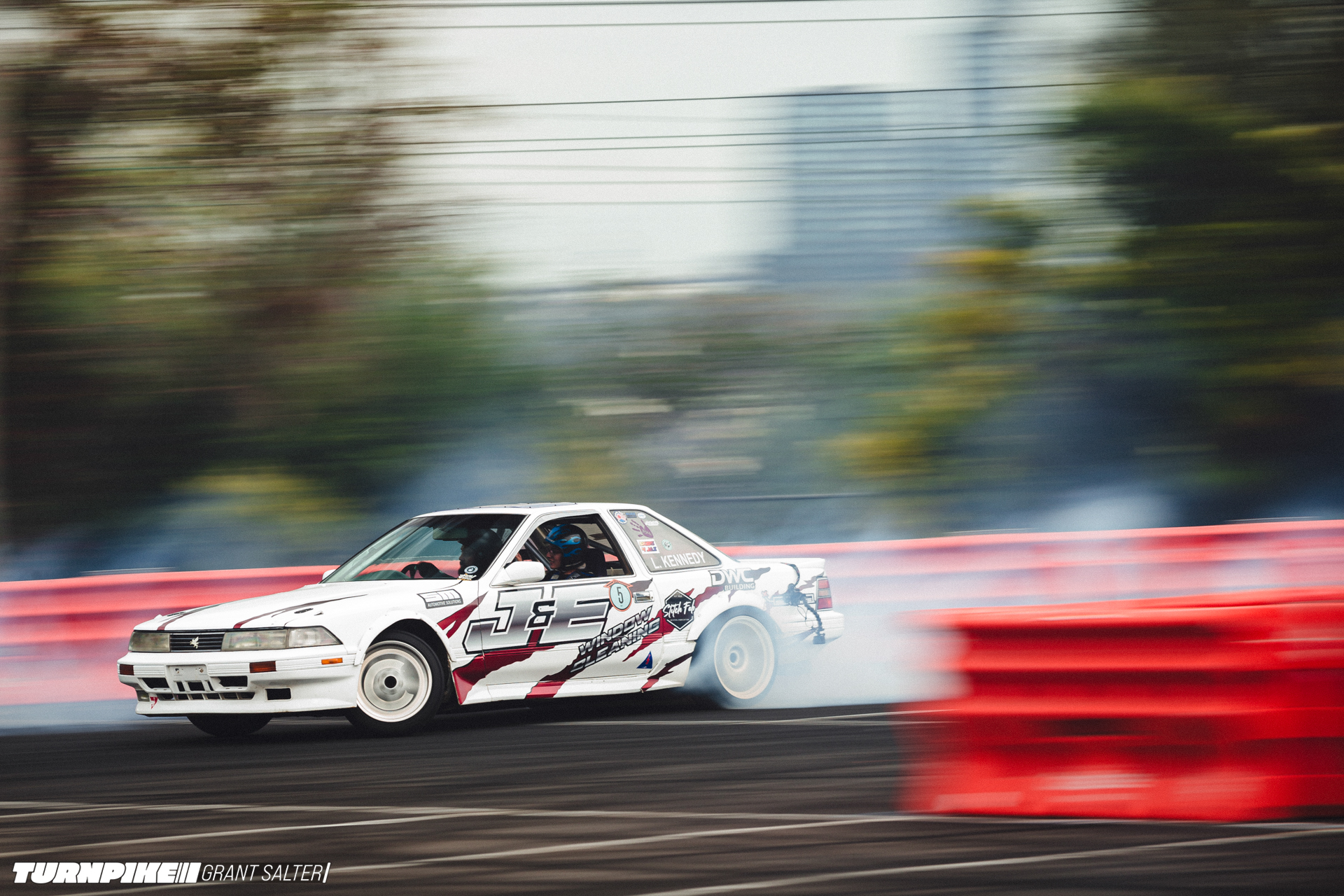
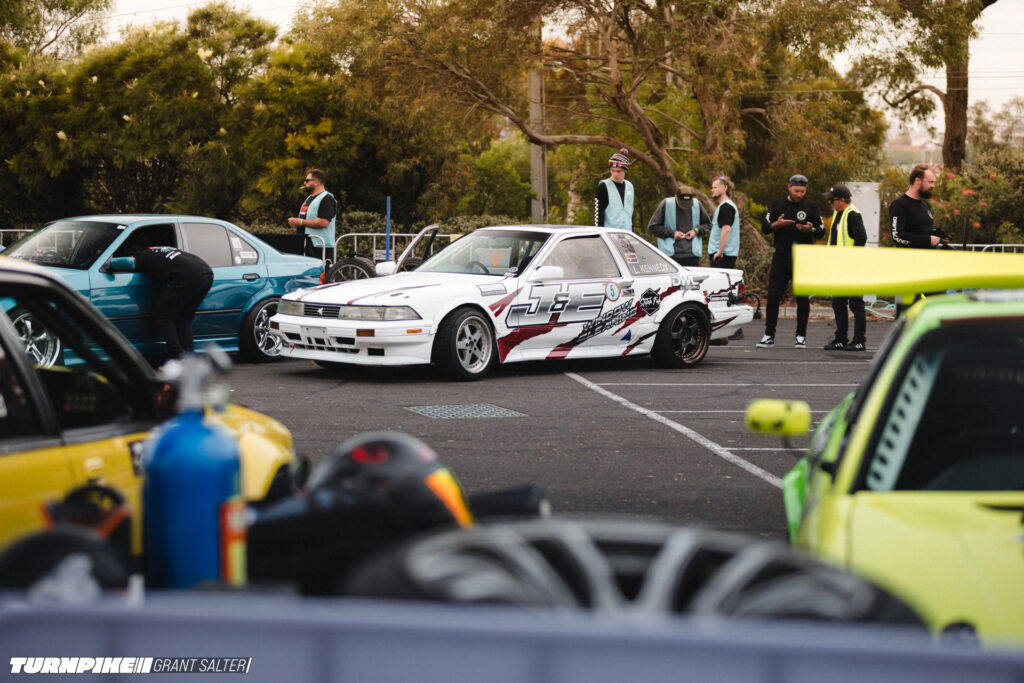
Practice sessions are always interesting because you start learning the drivers. You figure out who attacks entries aggressively, who builds speed slowly, who likes running door-to-door, and who’s still trying to settle nerves before the crowd builds.
Then the actual shows begin, and everything sharpens up.
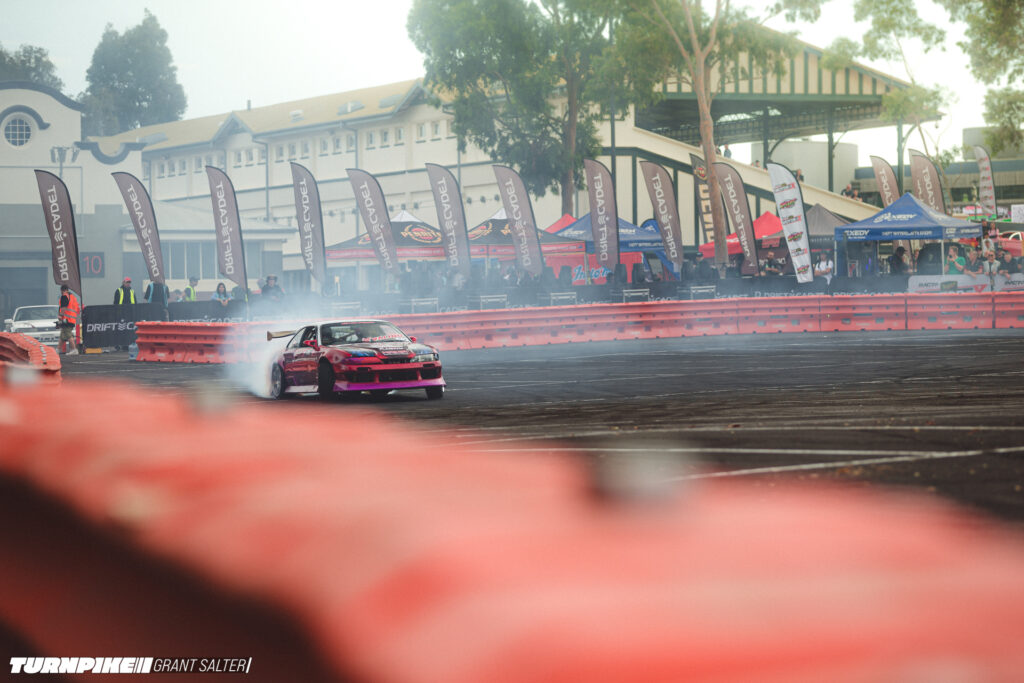
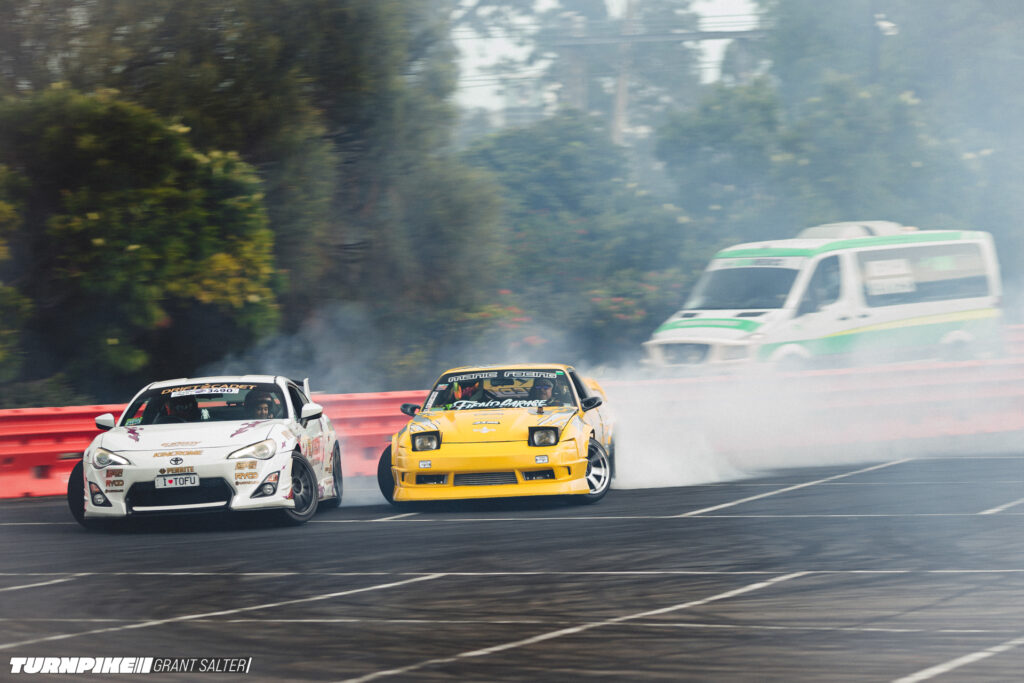
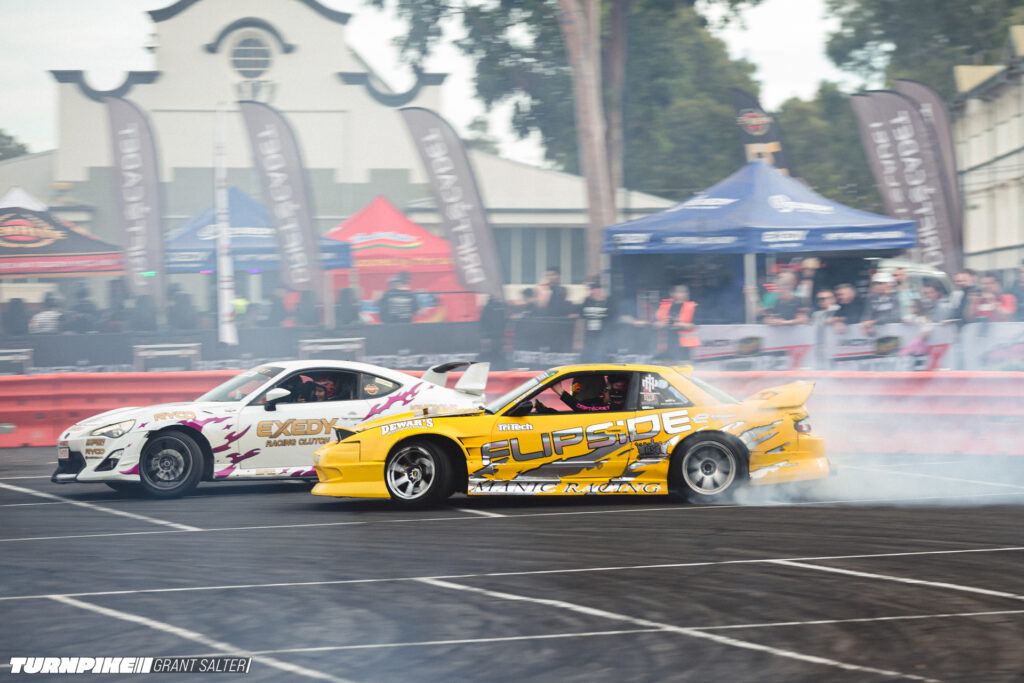
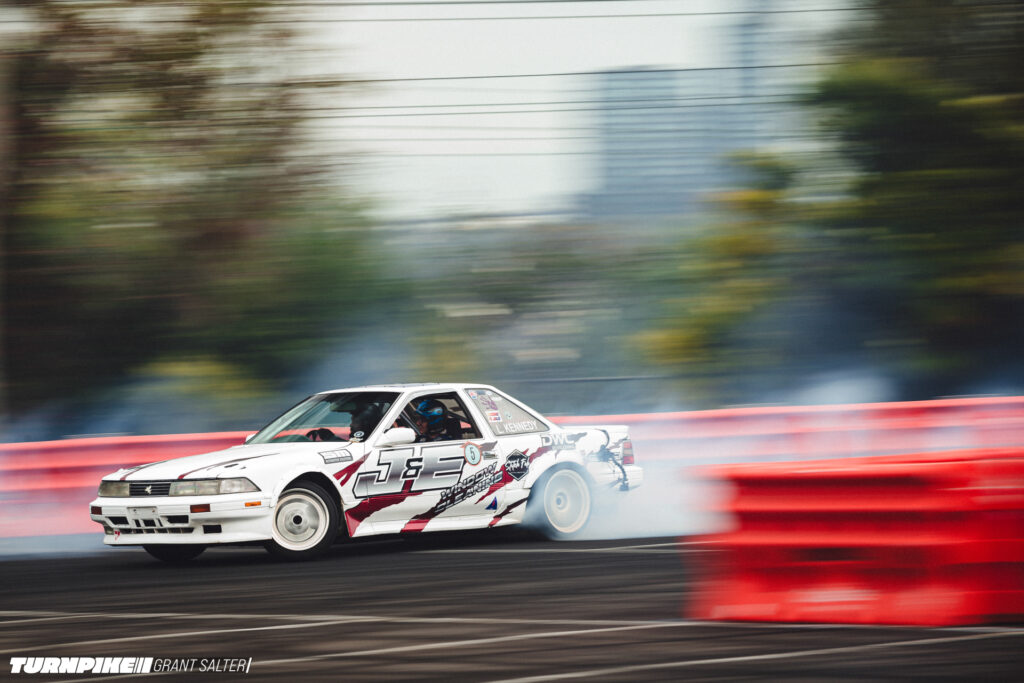
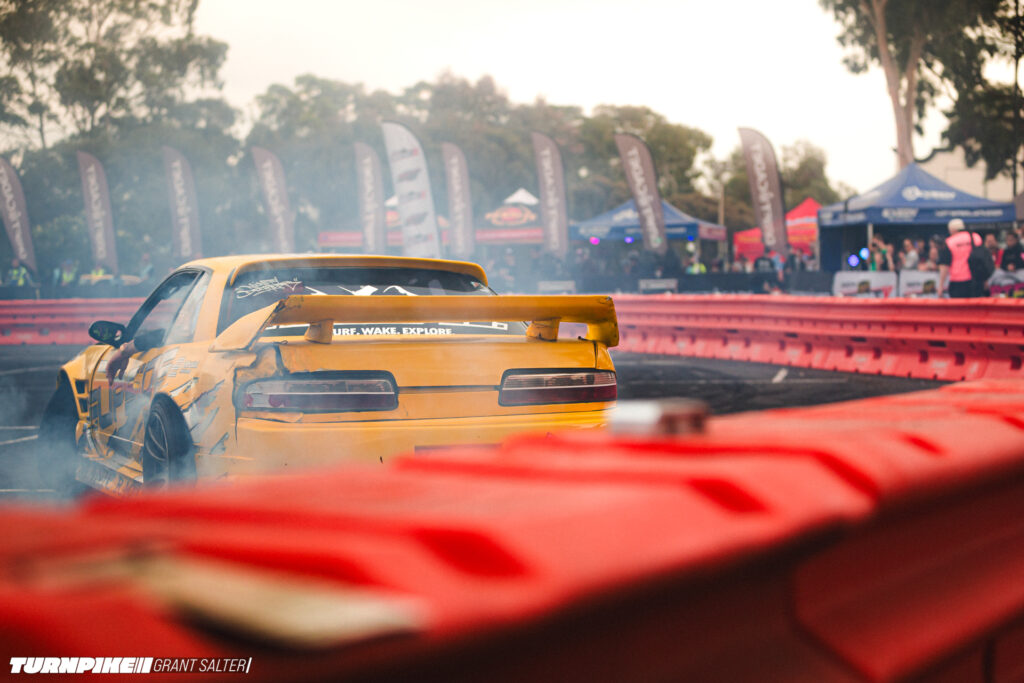
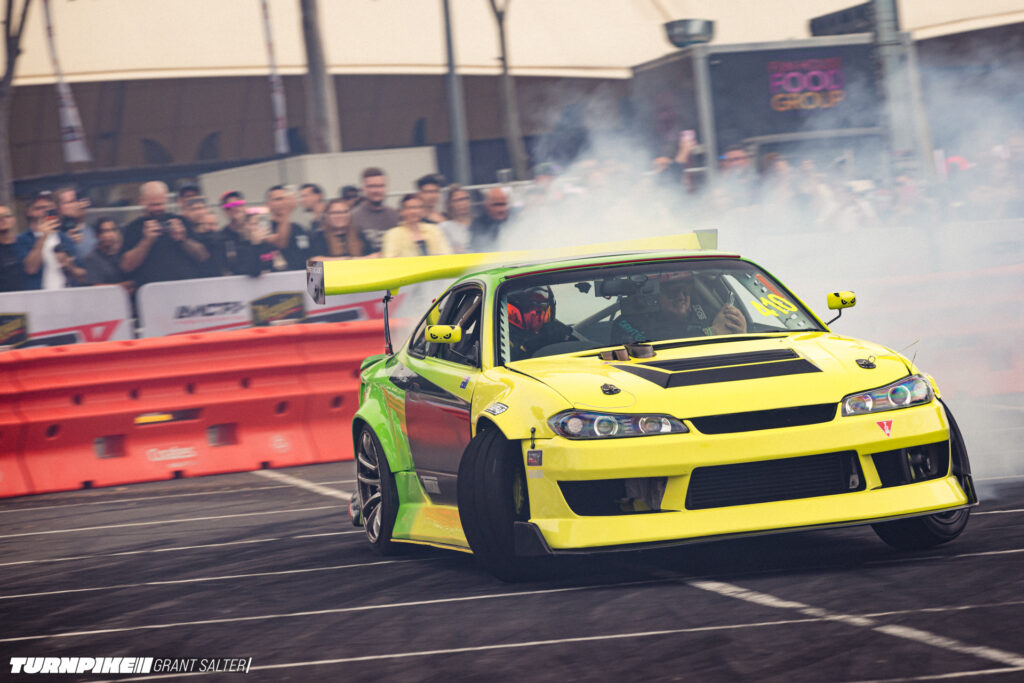
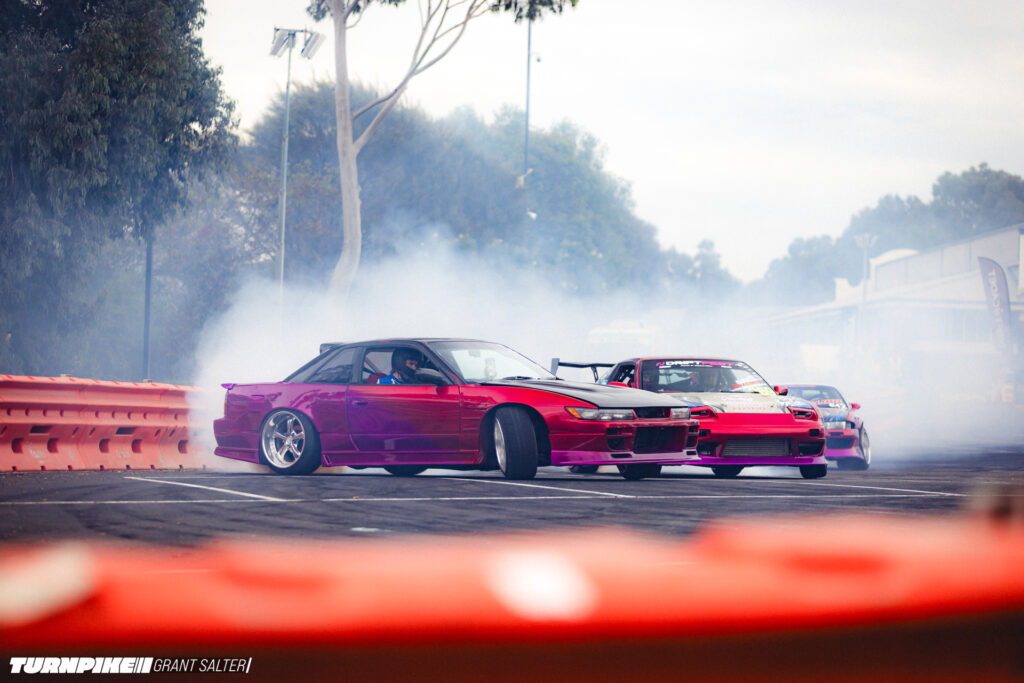
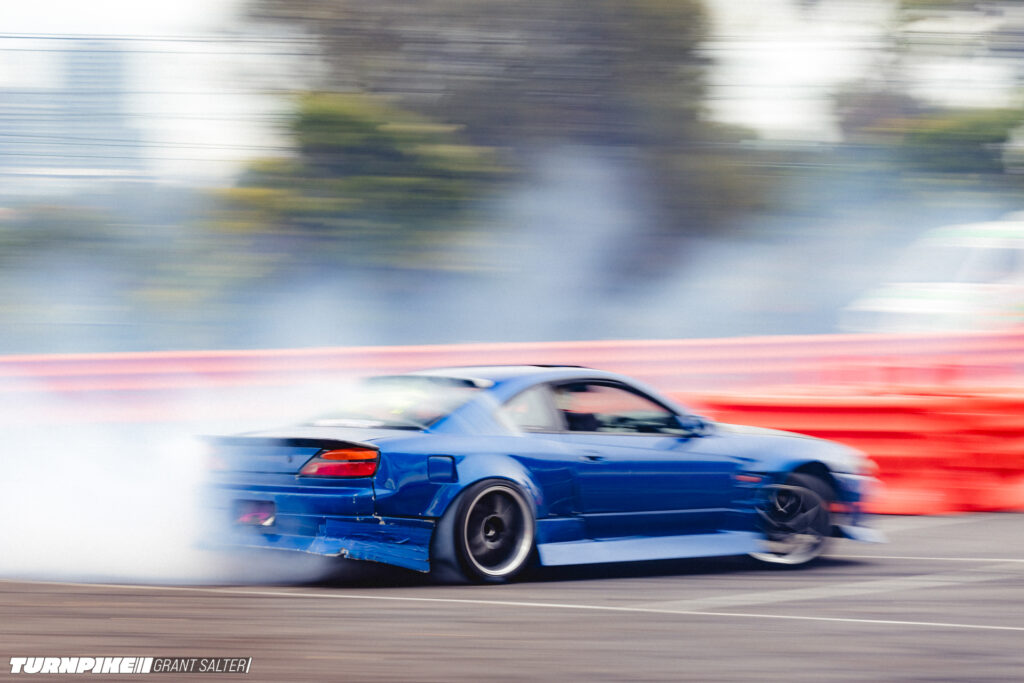
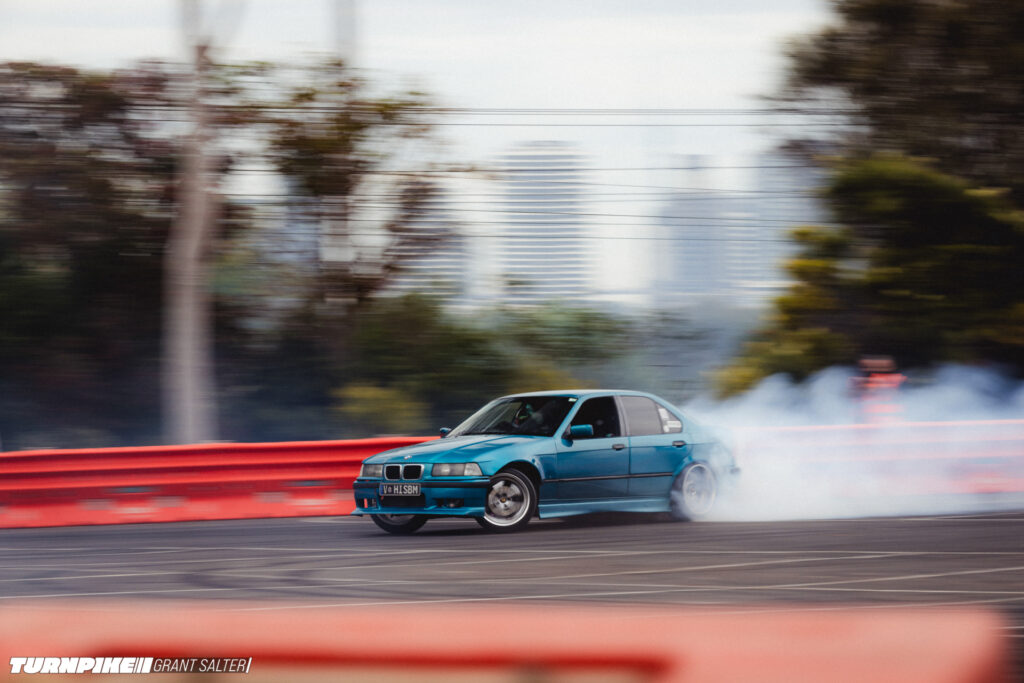
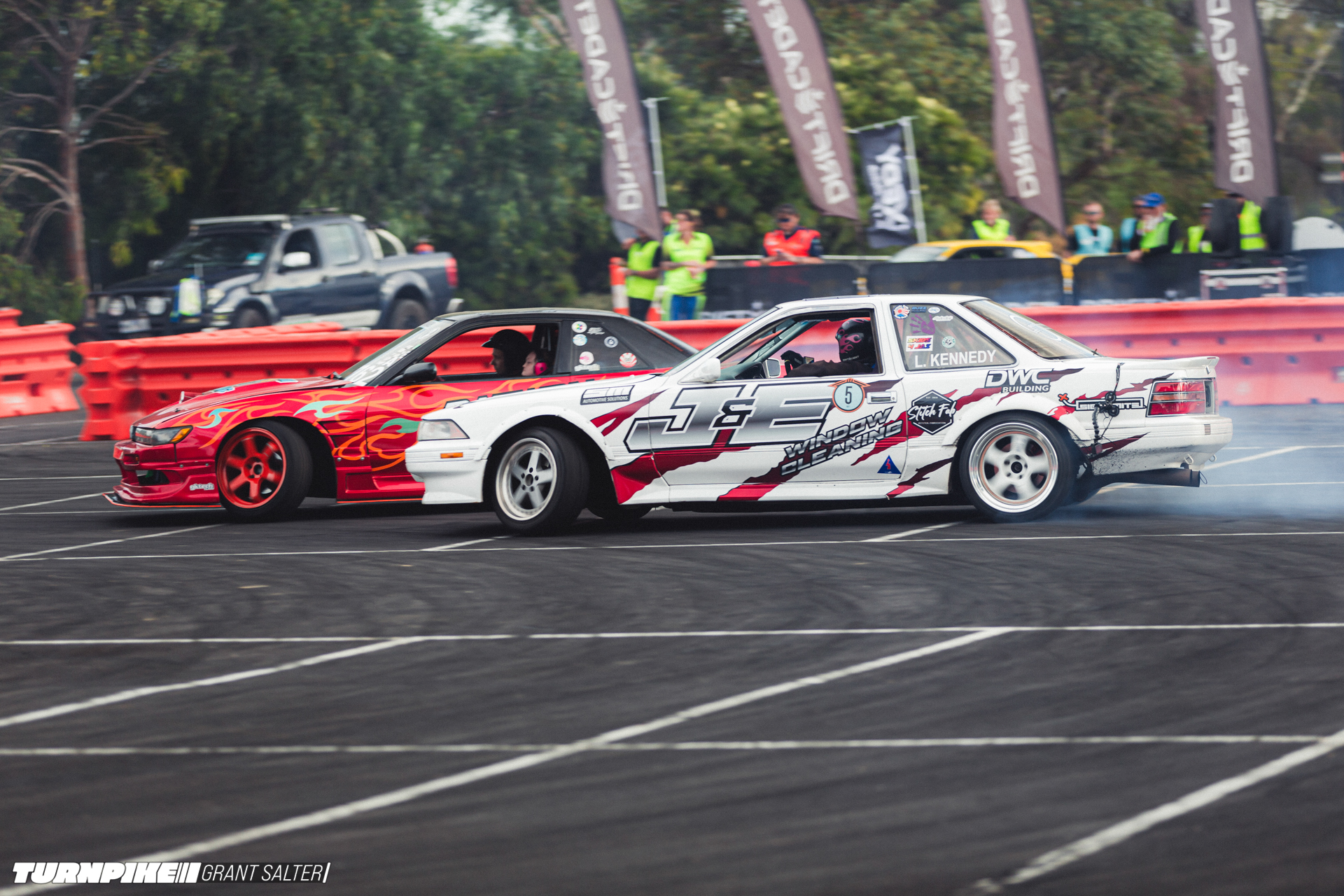
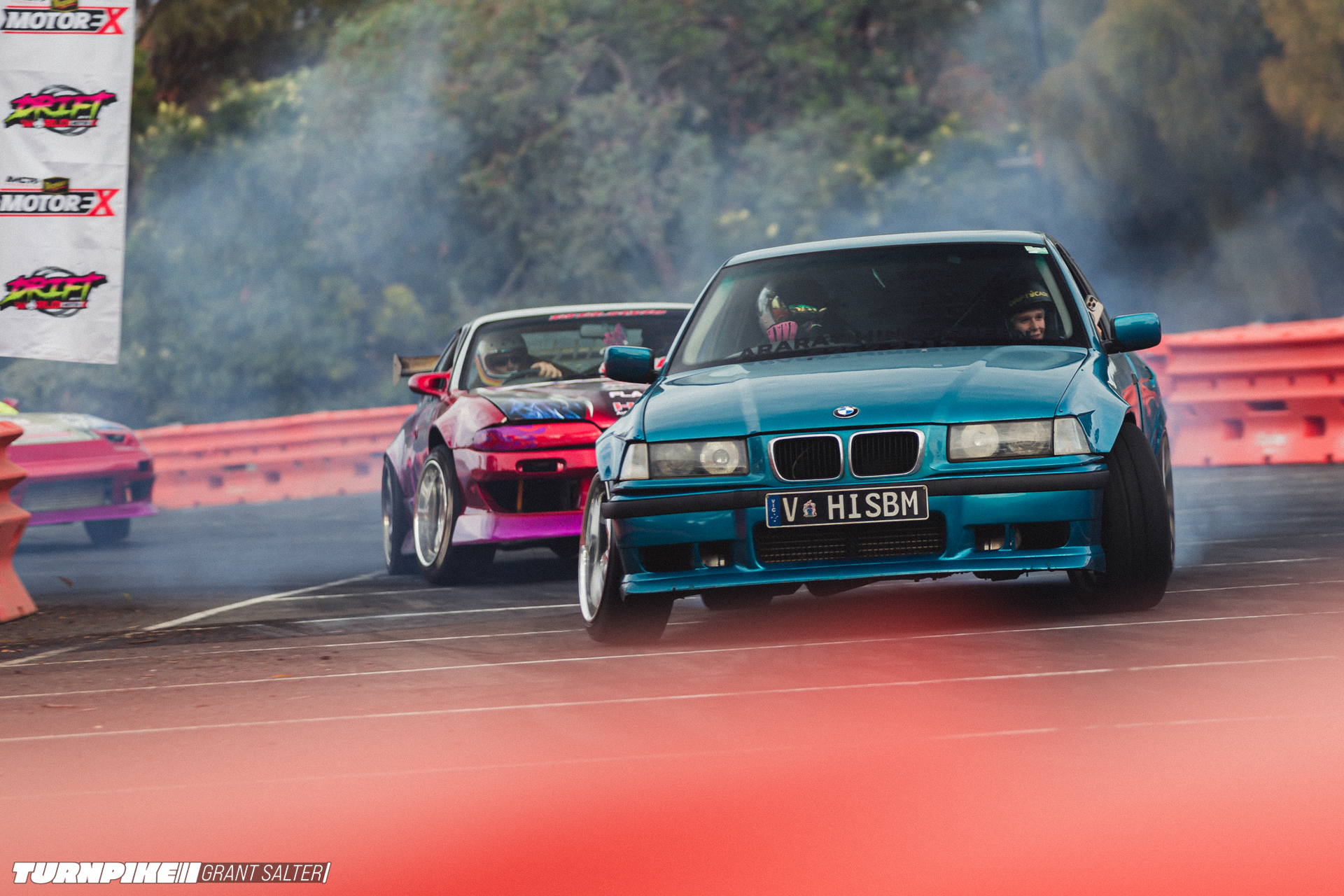
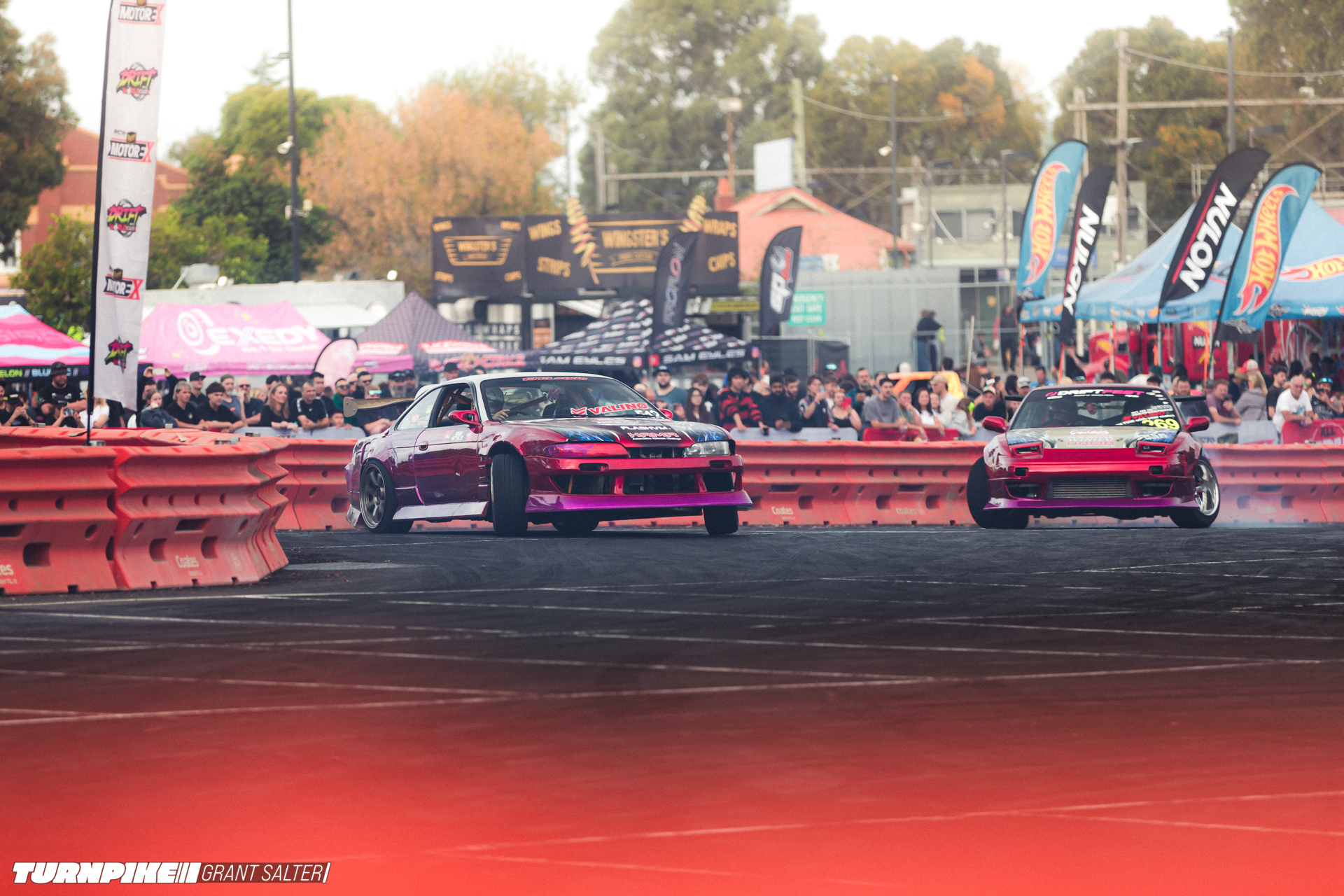
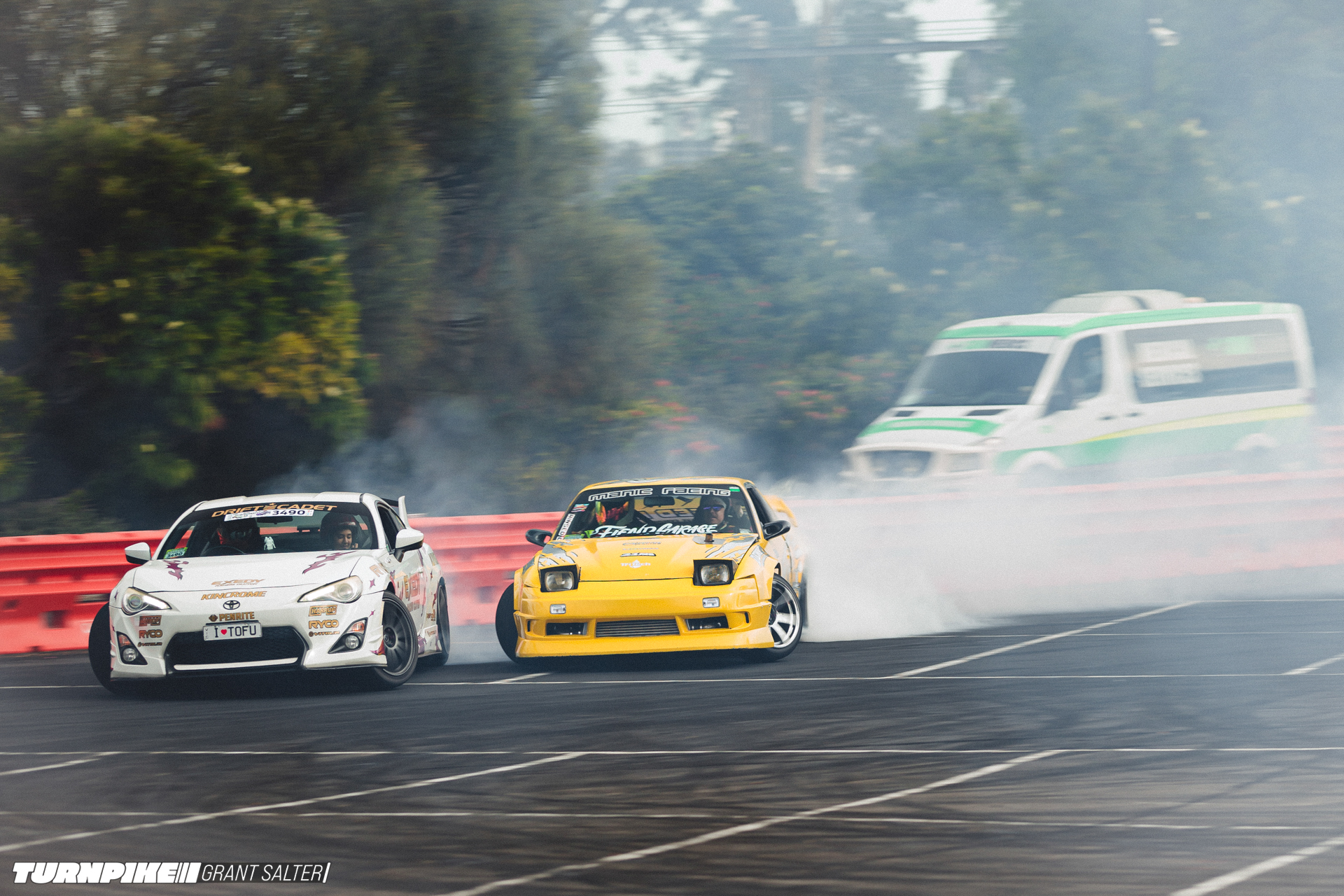
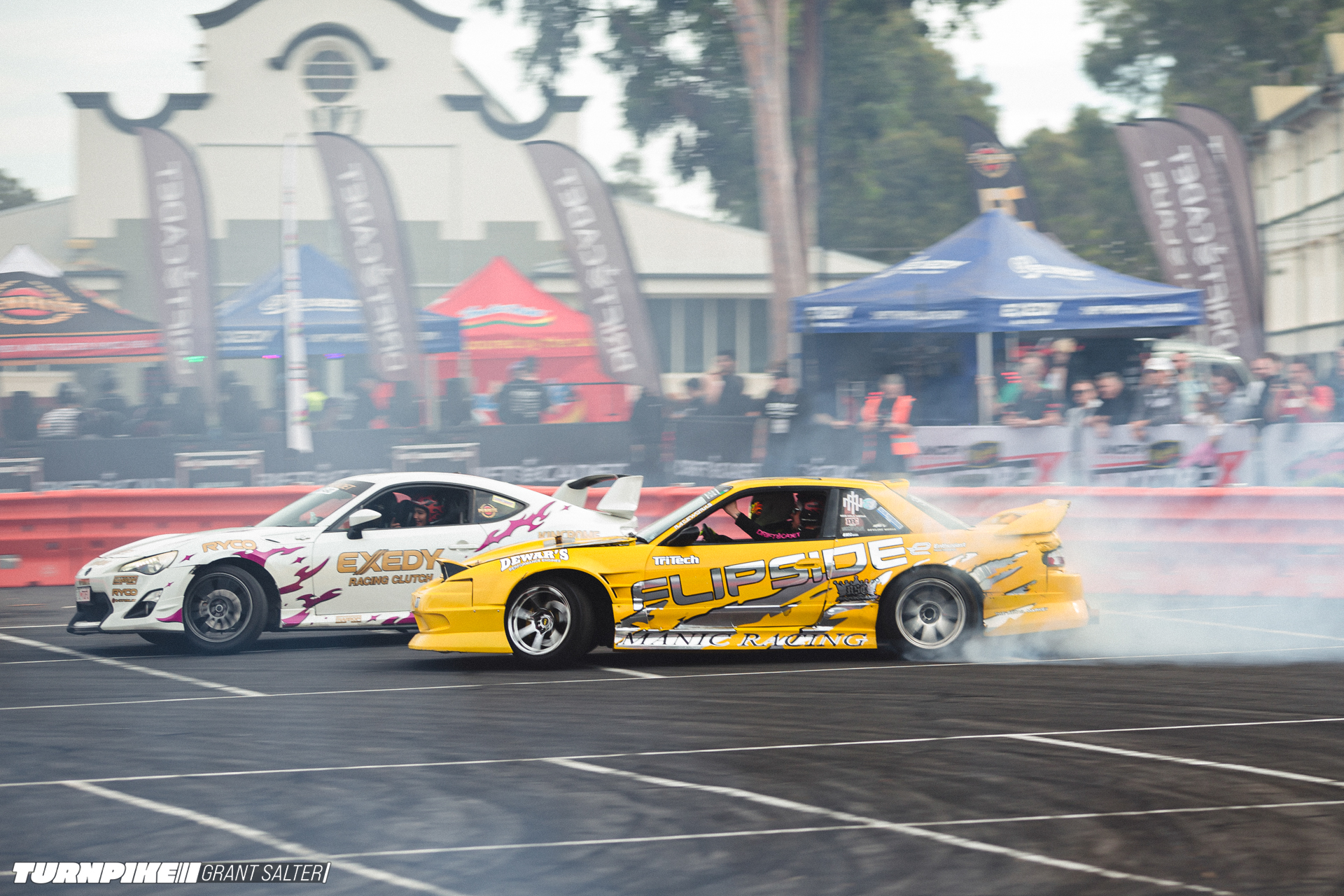
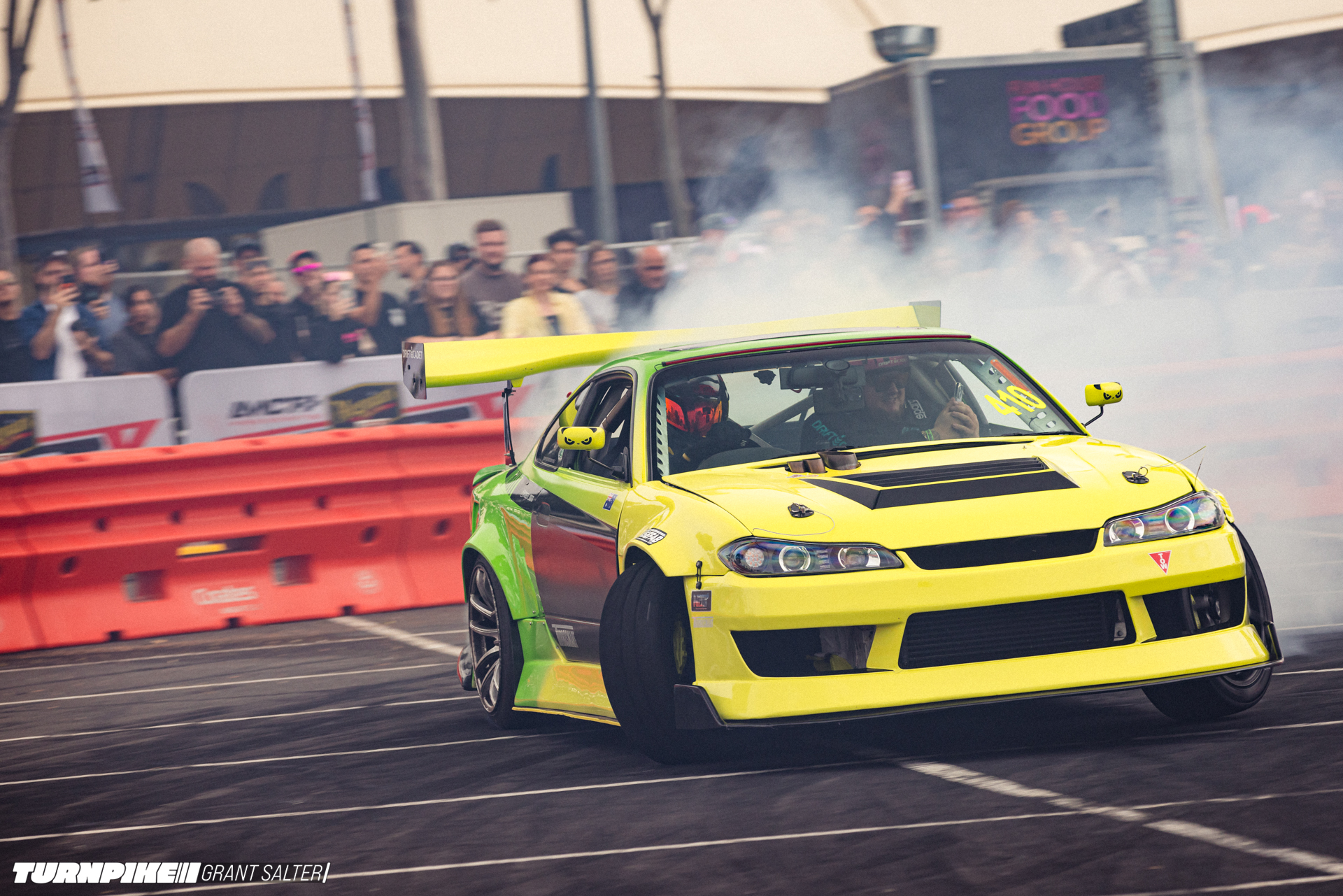
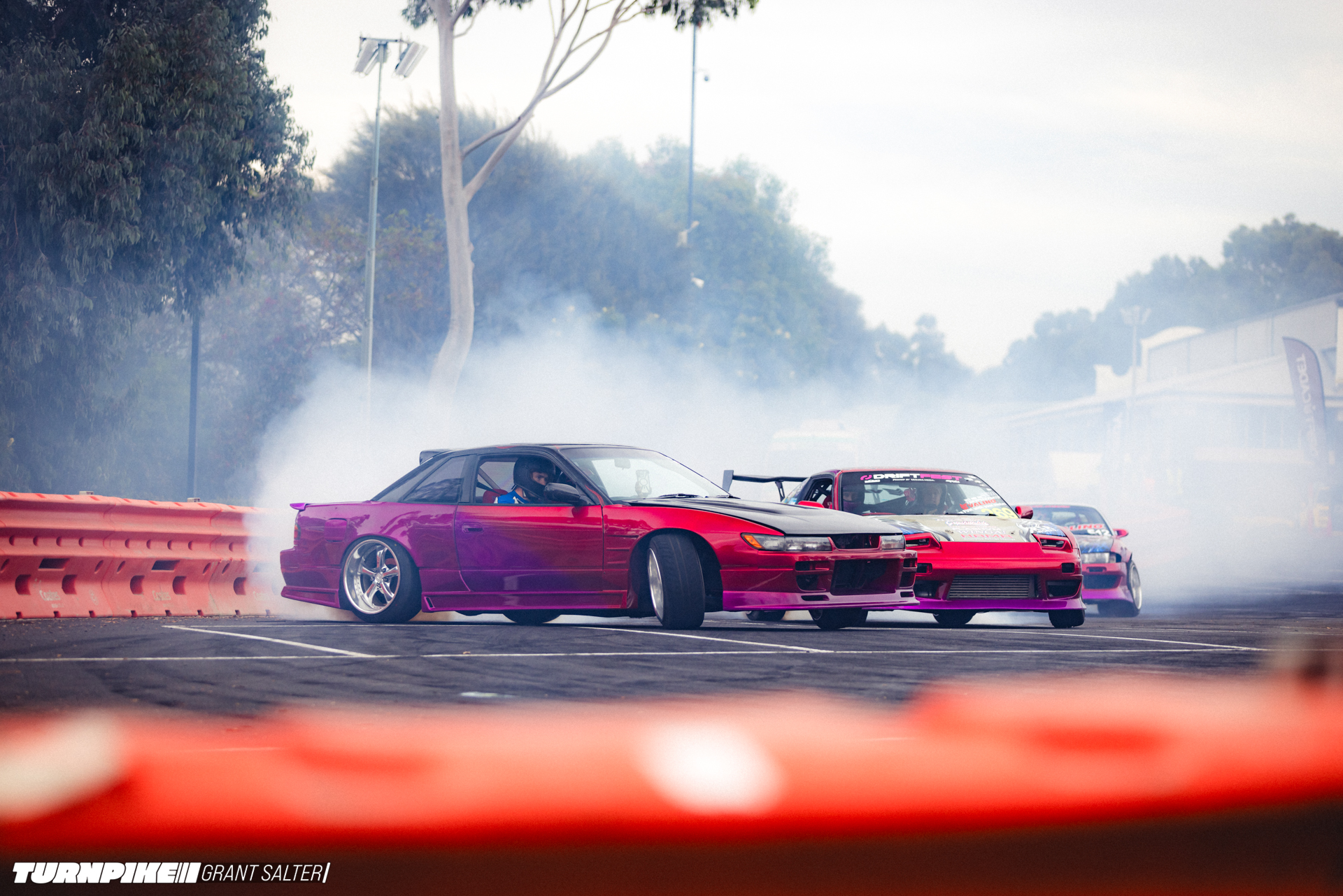
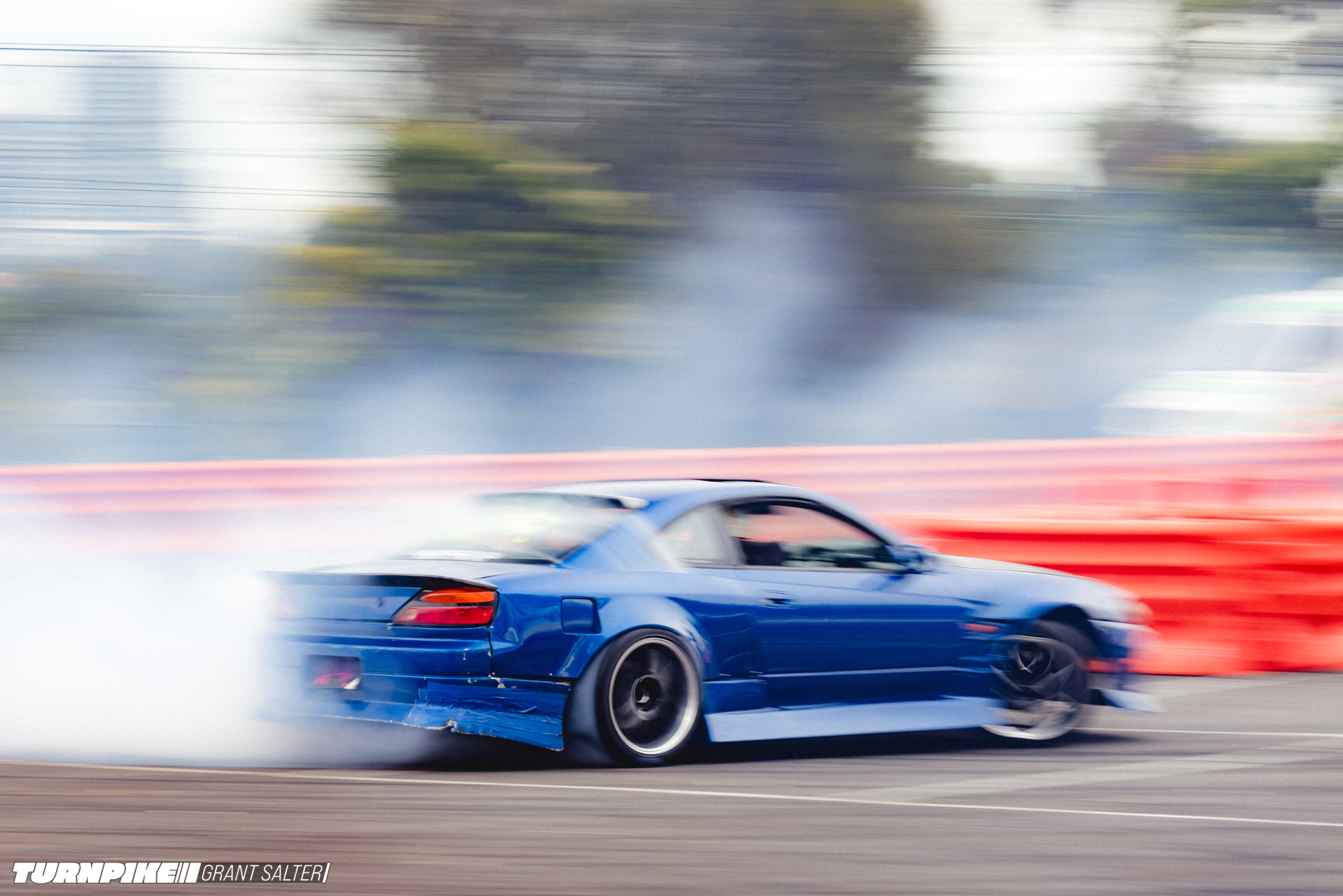
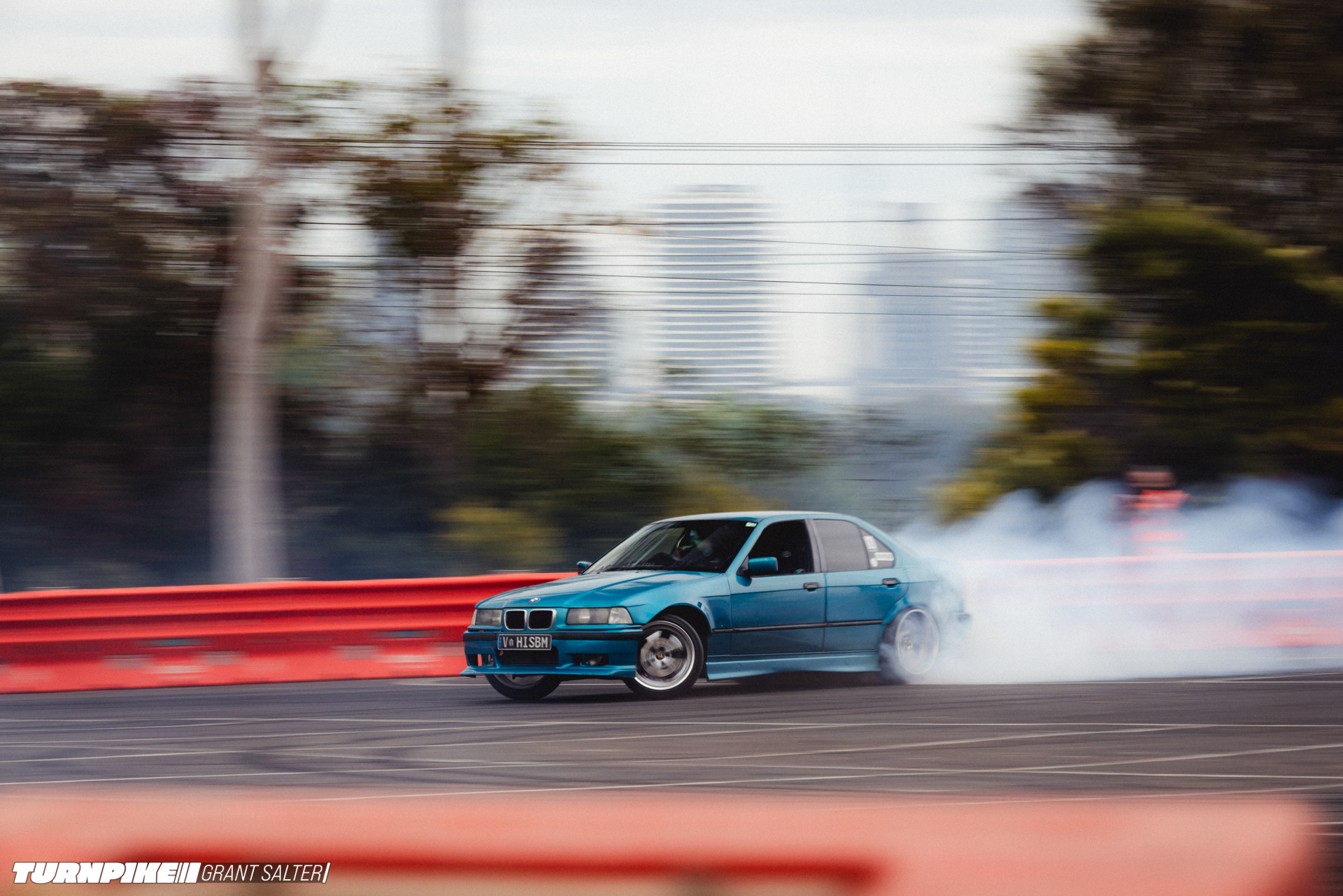
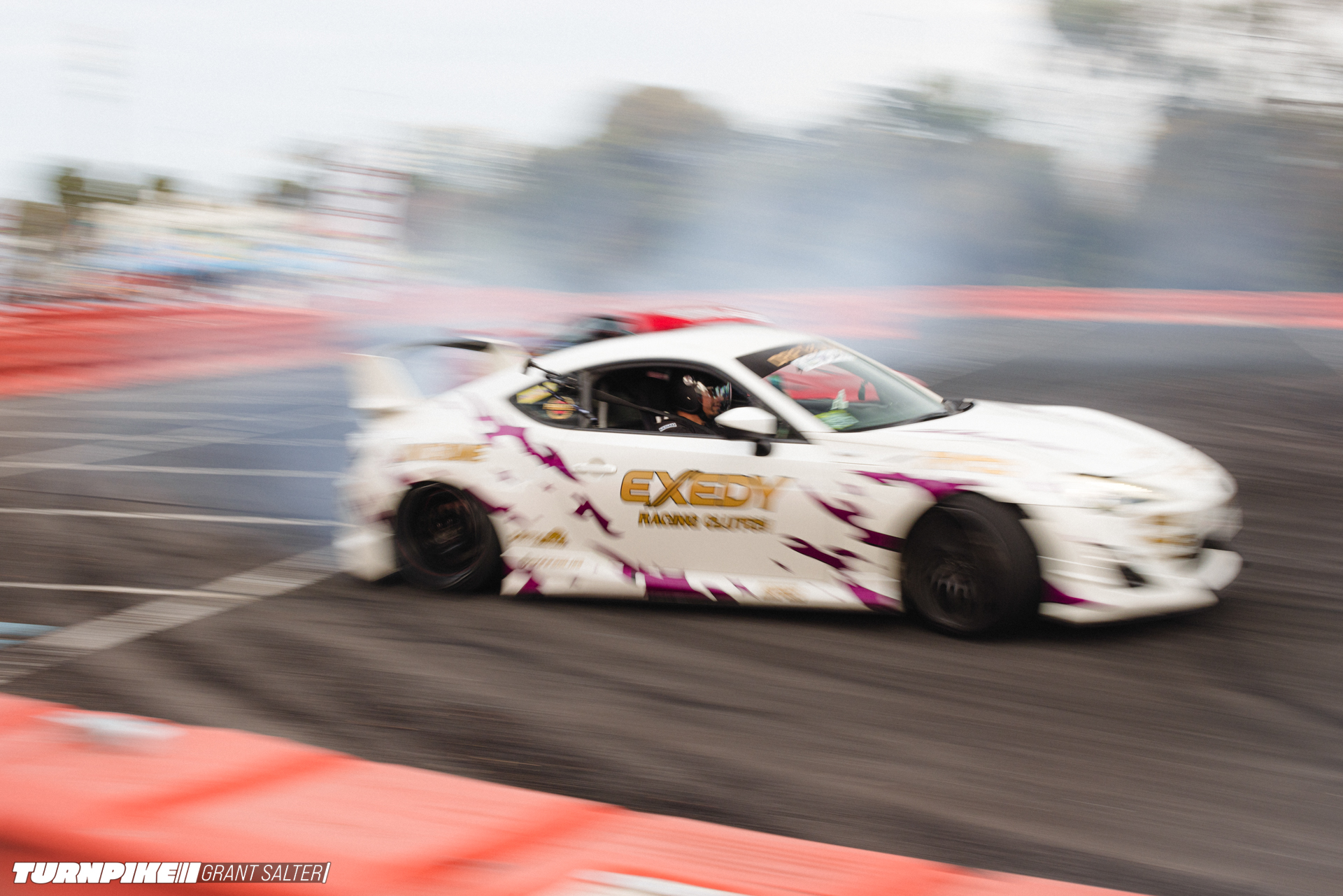
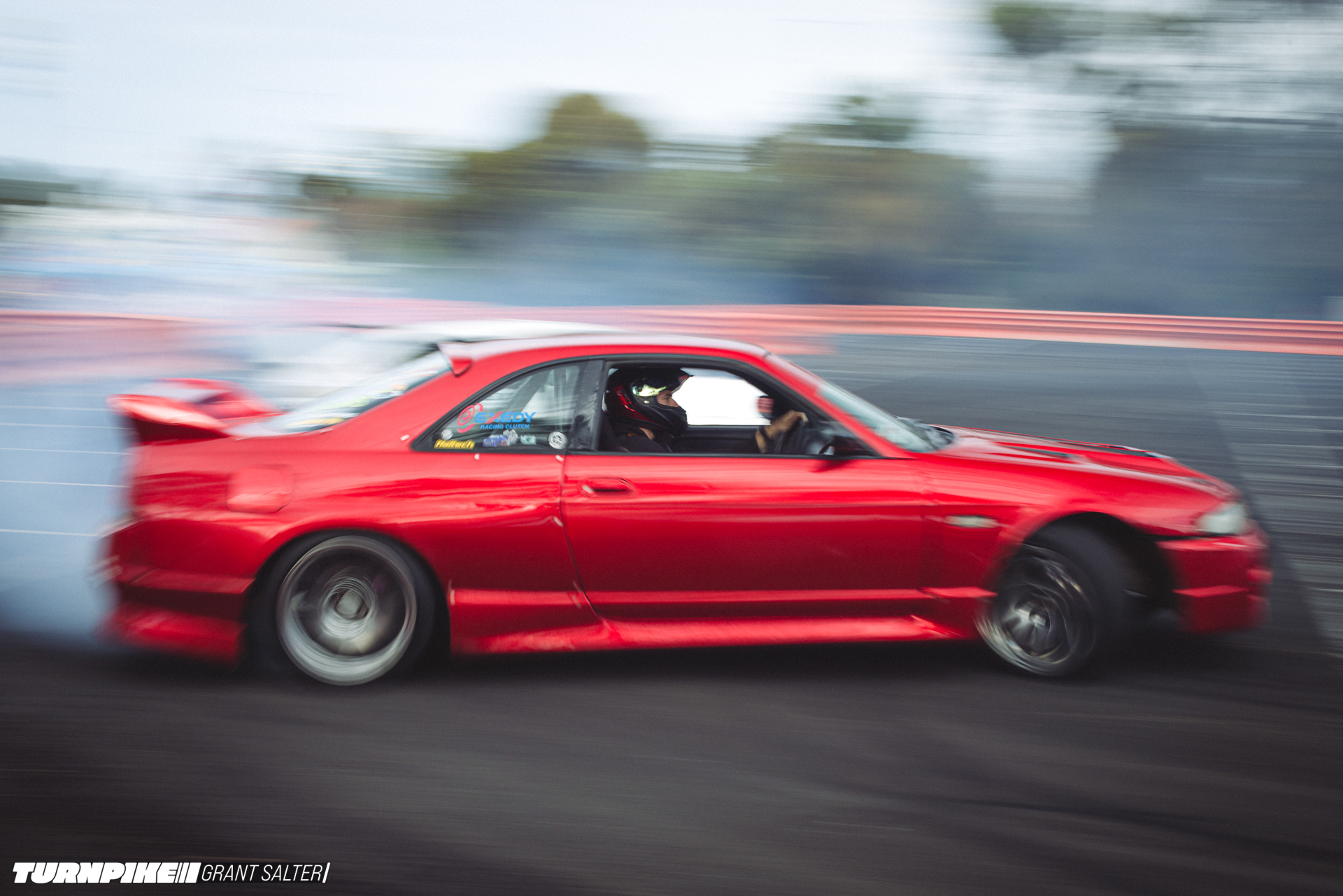
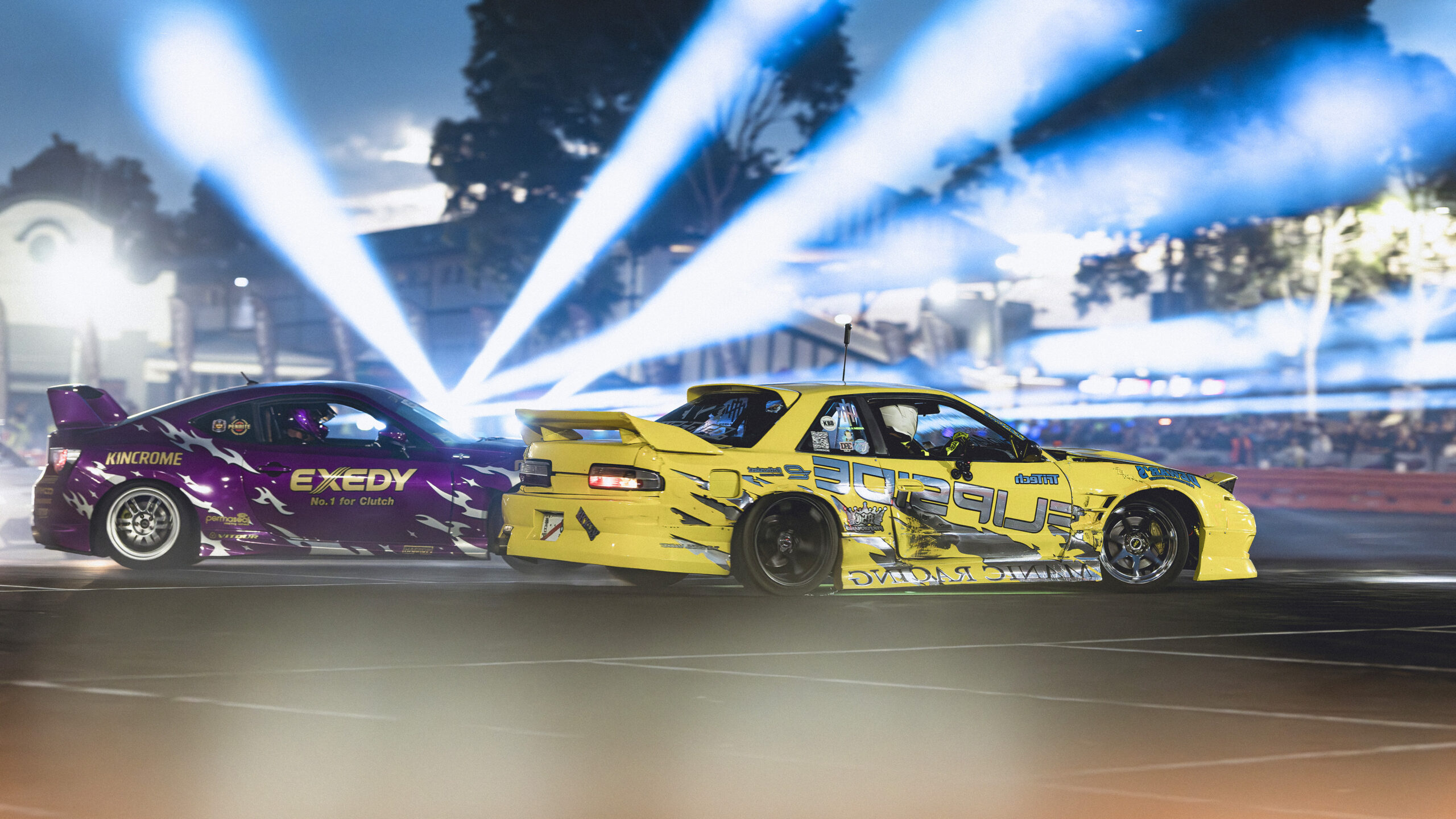
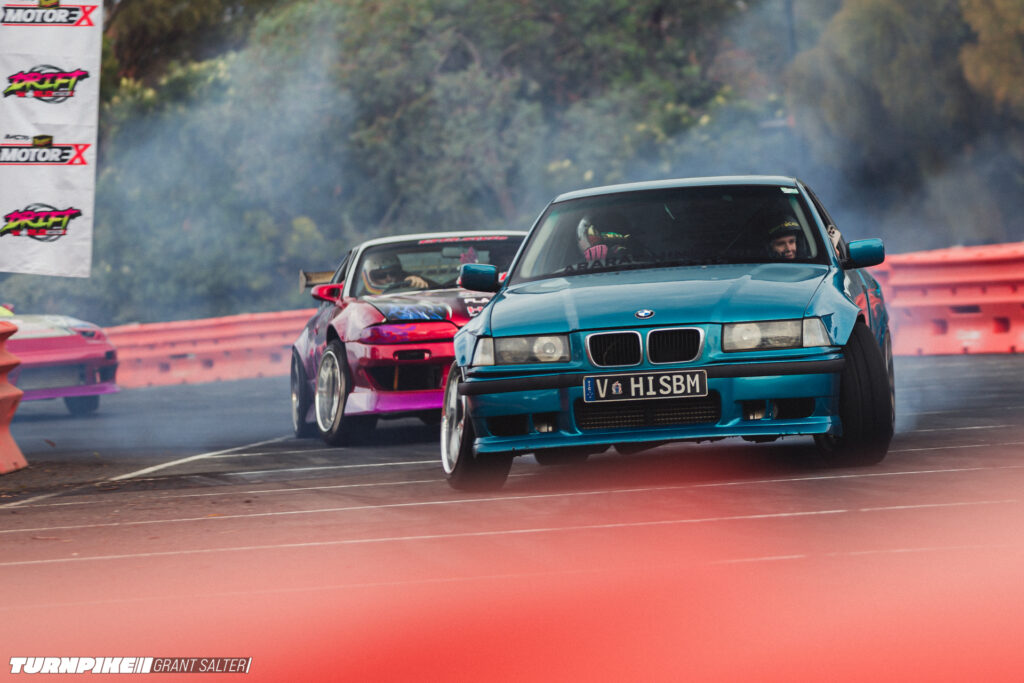
One of the best things about this year was the mix of cars sharing the same space. You had 400hp street-style builds trying to stay glued to near-1,000hp cars. On paper it sounds mismatched, maybe even messy. But honestly, that imbalance is what made it entertaining.
The lower-powered cars had to work harder. They carried more speed, took riskier lines, and stayed committed in places where lifting off would’ve been easier. Watching them chase cars with three times the power made the runs feel unpredictable in the best way. From behind the camera, those moments are gold.
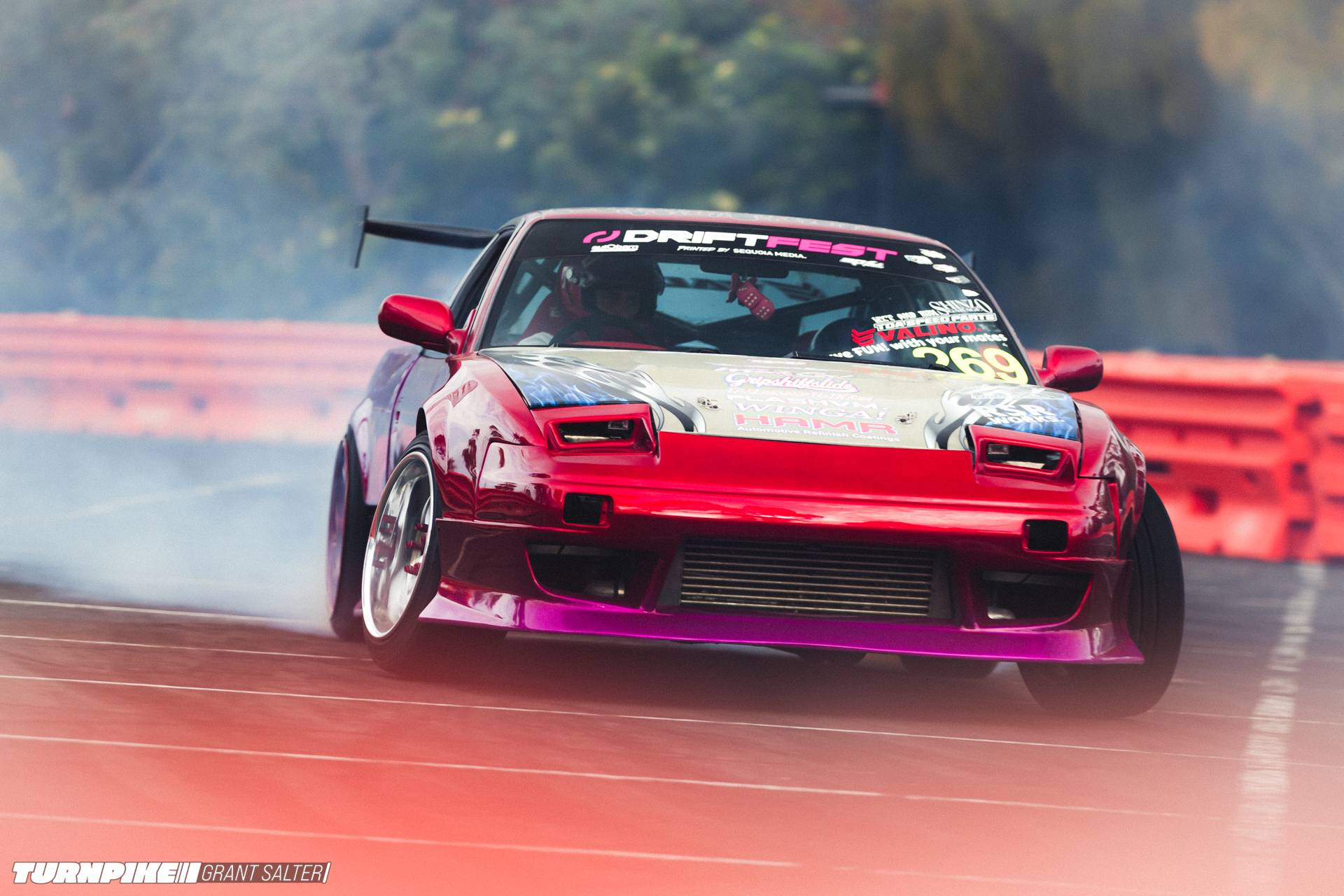
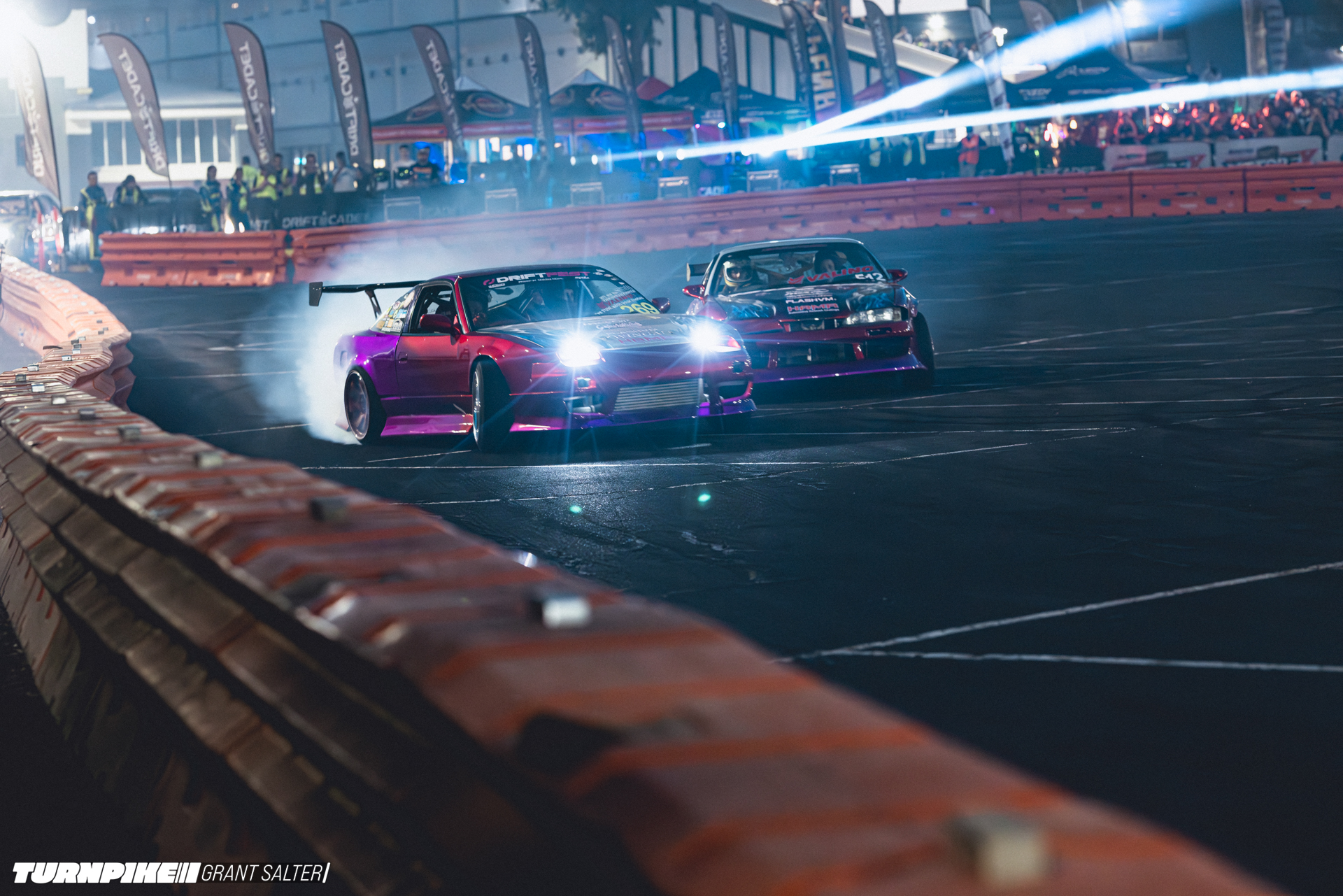
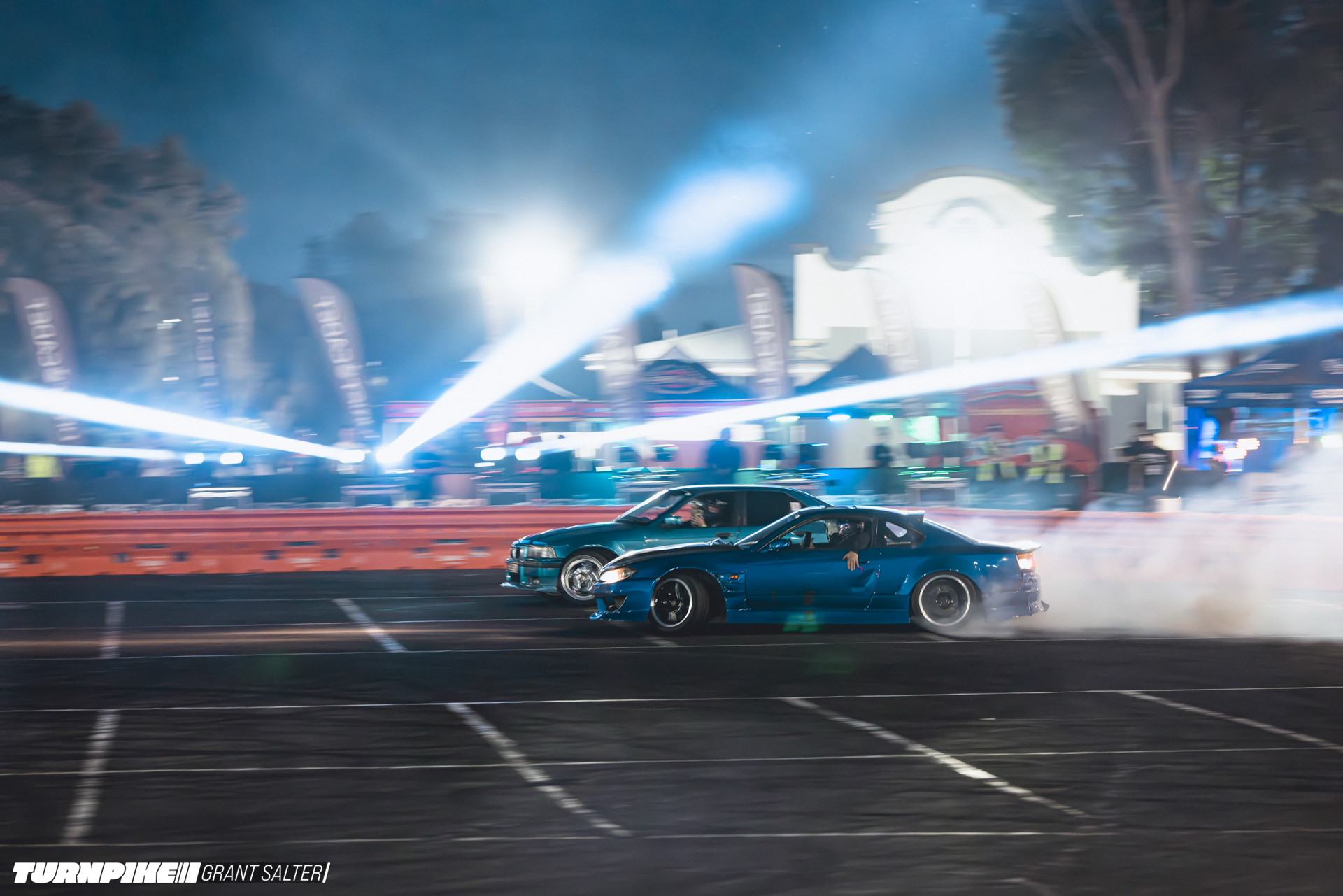
The lead car lays down a giant smoke wall, then the chase car suddenly punches through sideways at full lock, headlights barely visible through the haze. You can’t really plan shots like that; you just react and hope your timing’s good enough.
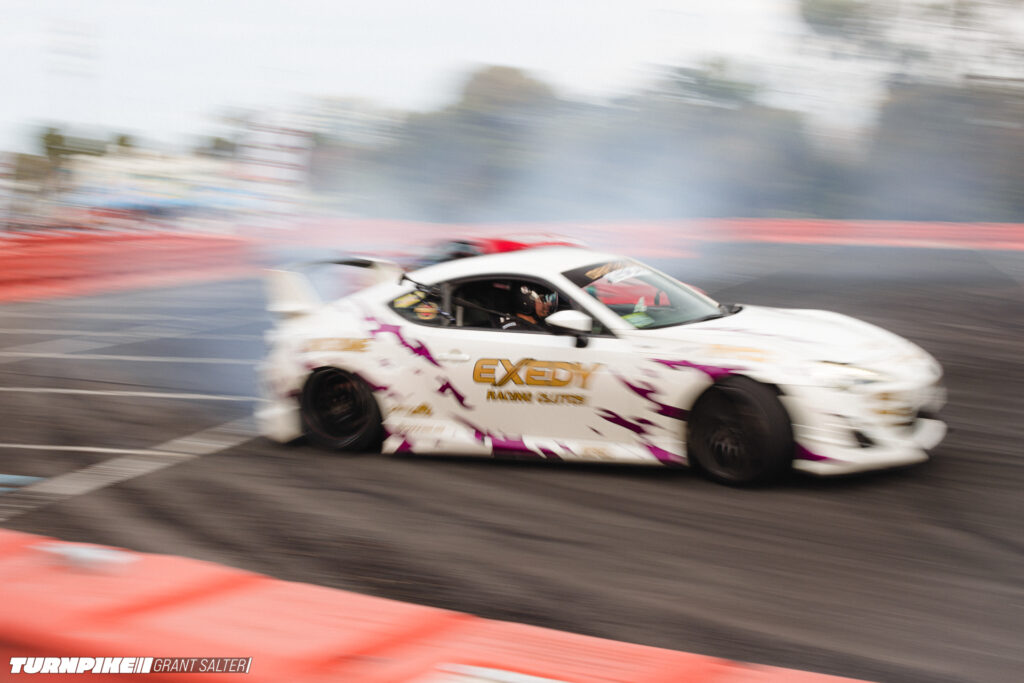
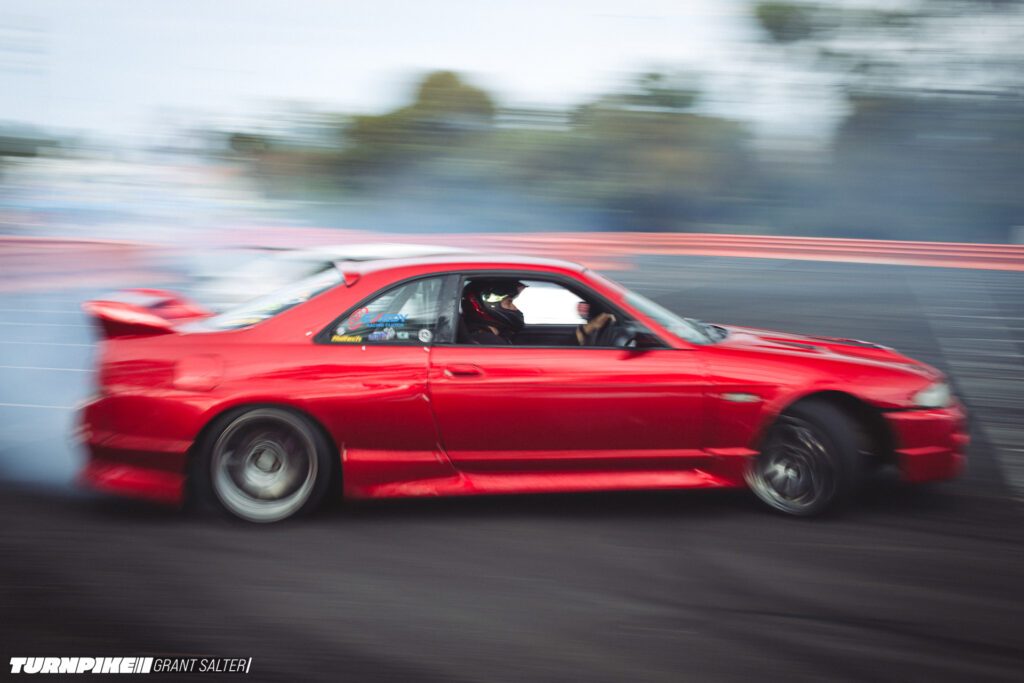
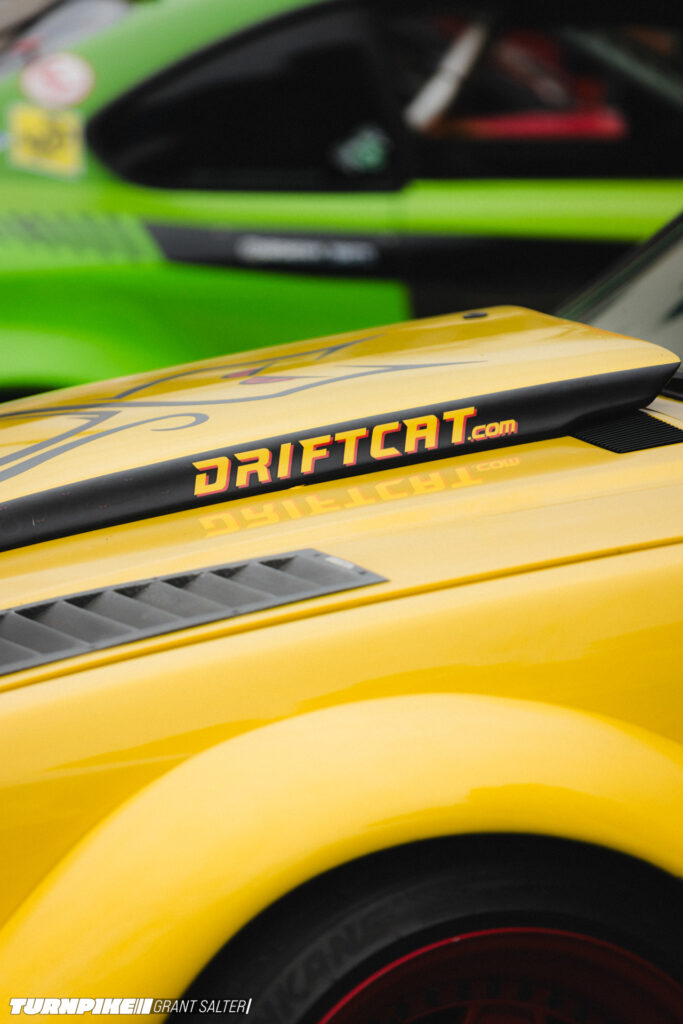
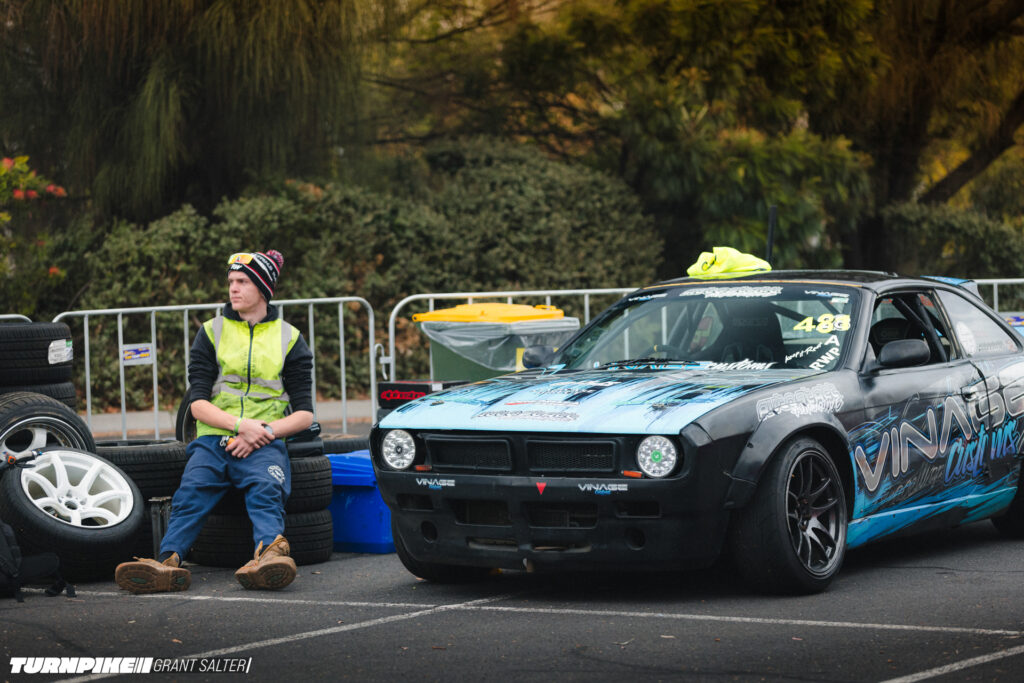
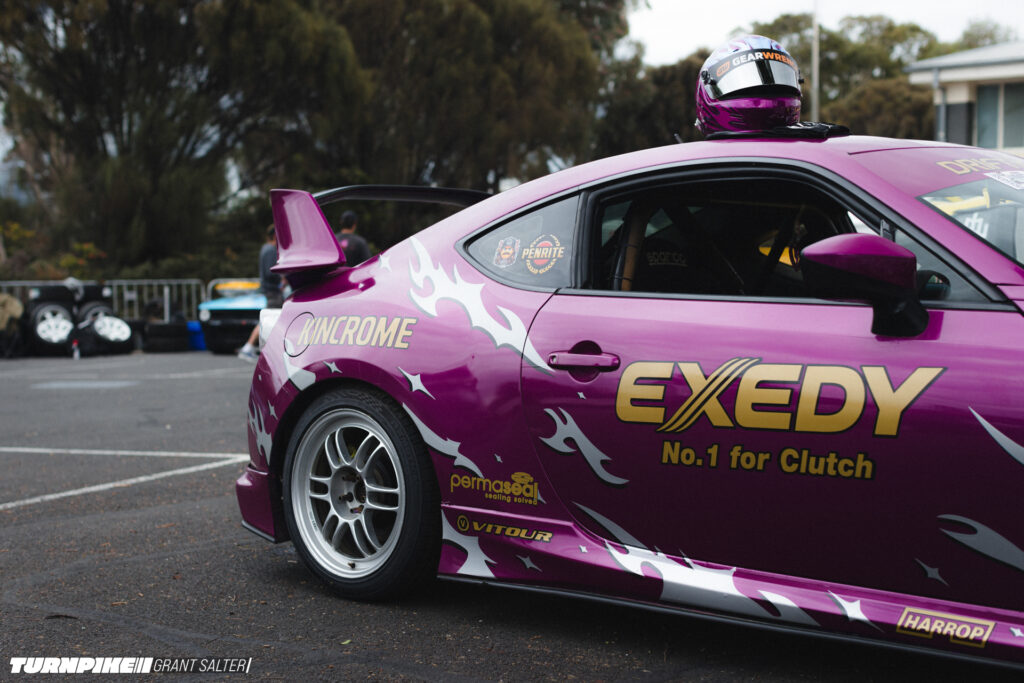
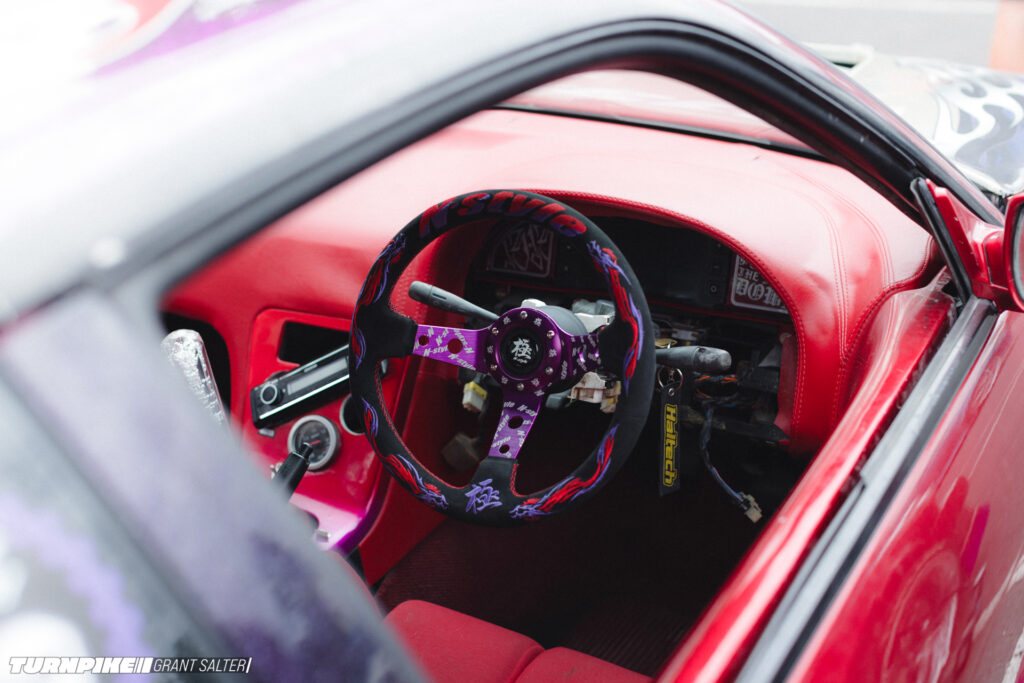
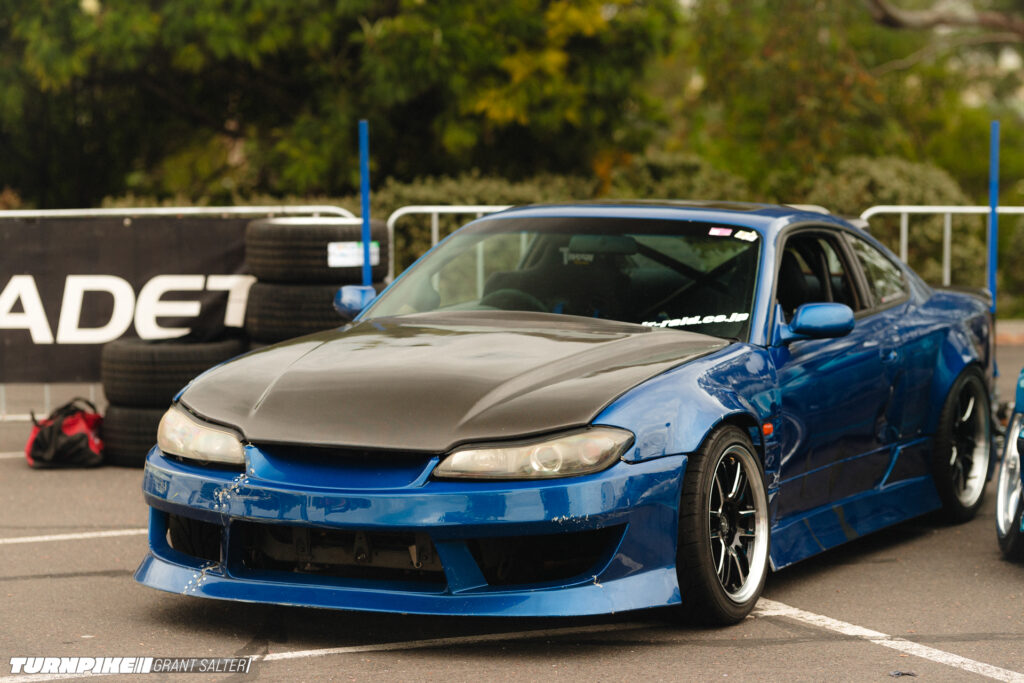
MotorEx had a really good mix of drivers this year too. Nathan Makovec stepped into demos for the first time, and you could immediately see the commitment. Newer drivers are honest because they haven’t polished everything smooth yet. You can still see them fighting the car a little, adapting mid-run, pushing harder than maybe they should. And honestly, that makes it exciting to watch.
Then Justin Gruener rolled through, and the entire mood changed. Everything looked calmer. Cleaner. More controlled. Justin’s car settled differently during transitions, proximity looked deliberate instead of reactive, and you could tell experience was doing most of the work. It’s funny because experienced drifting sometimes looks slower even when it absolutely isn’t. That contrast between newer and experienced drivers kept the demos interesting all weekend. No two runs felt the same.
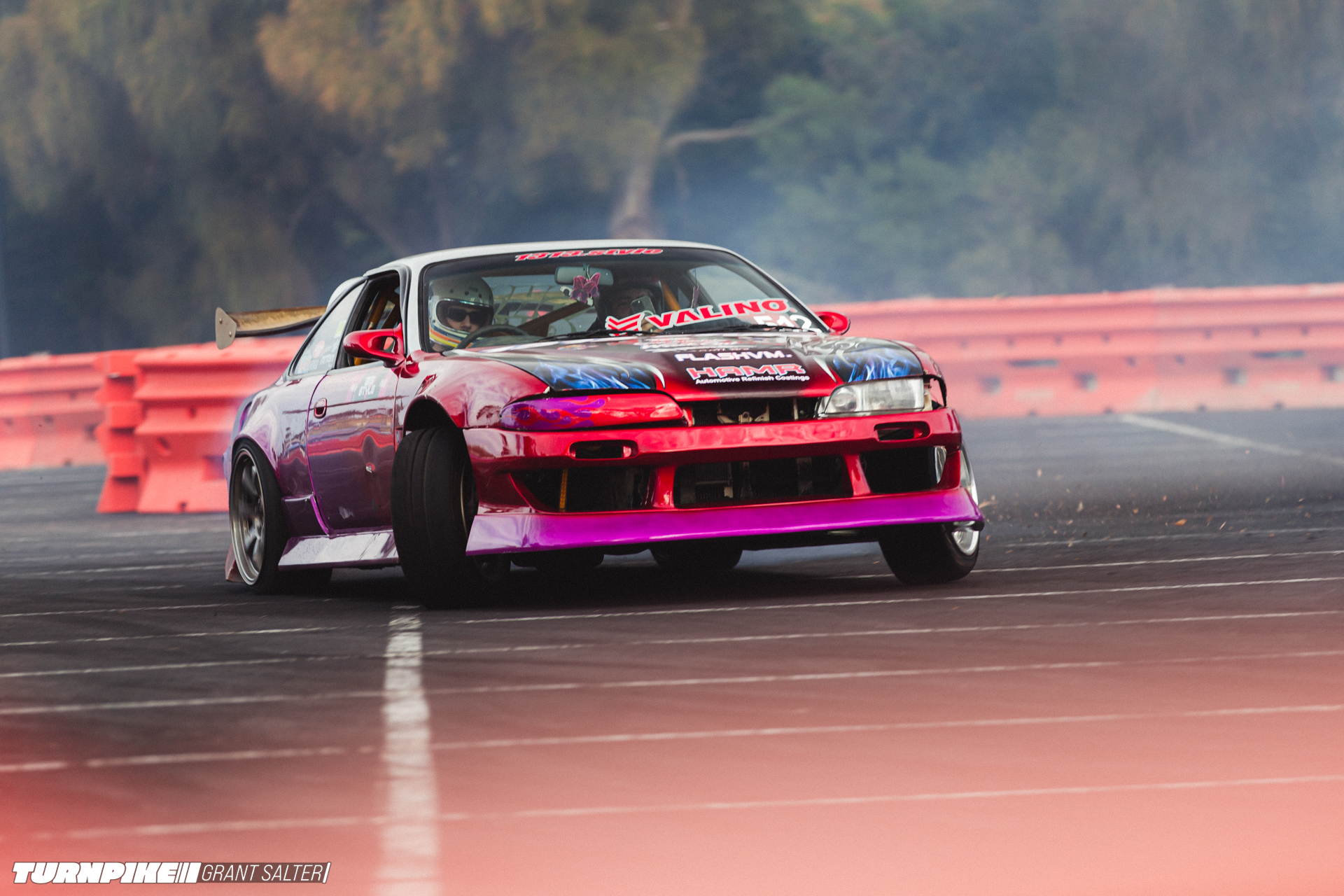
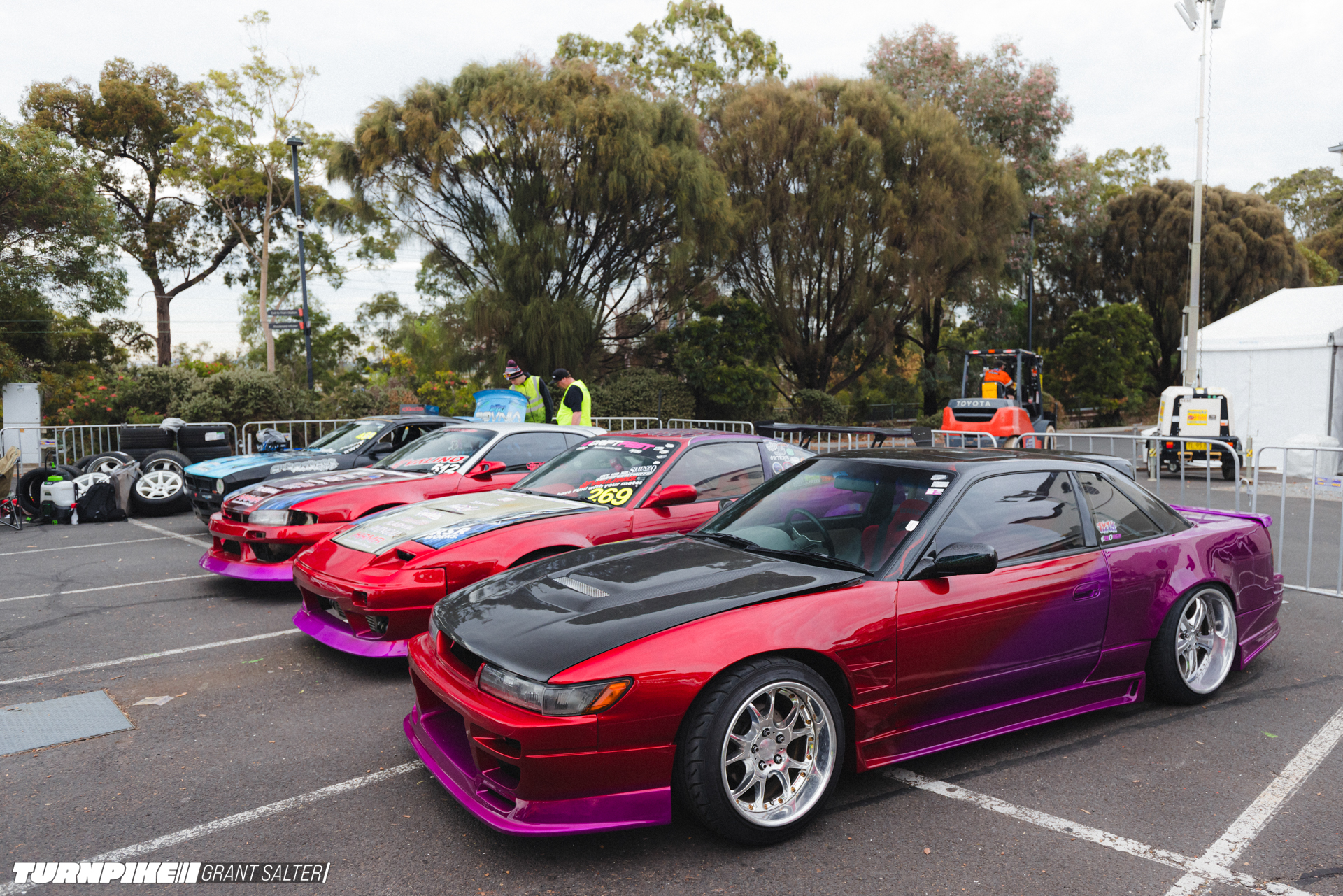
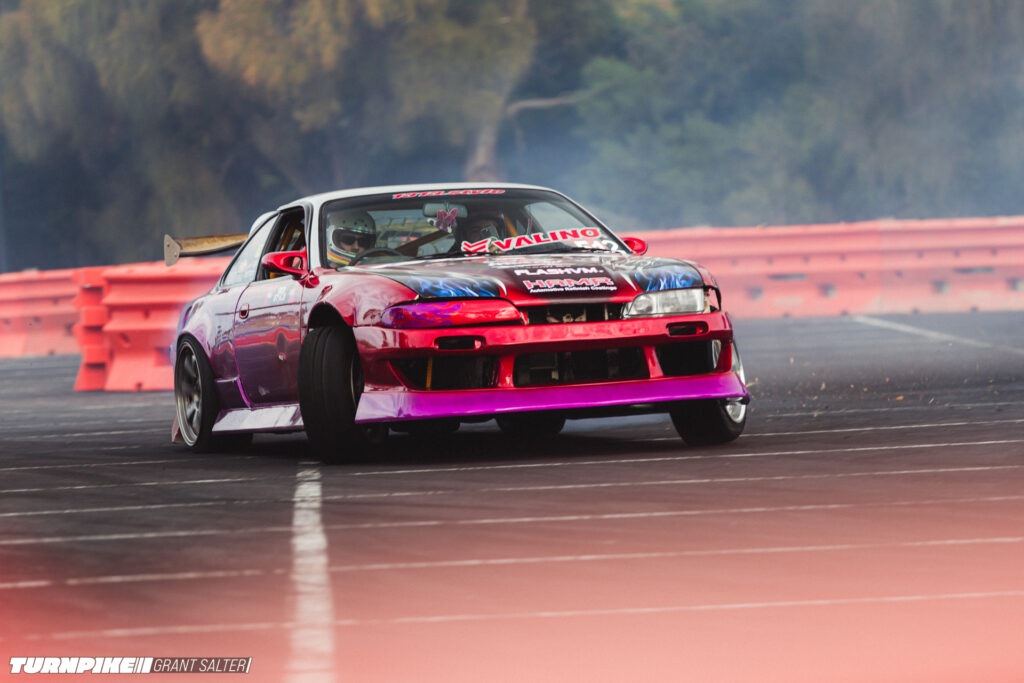
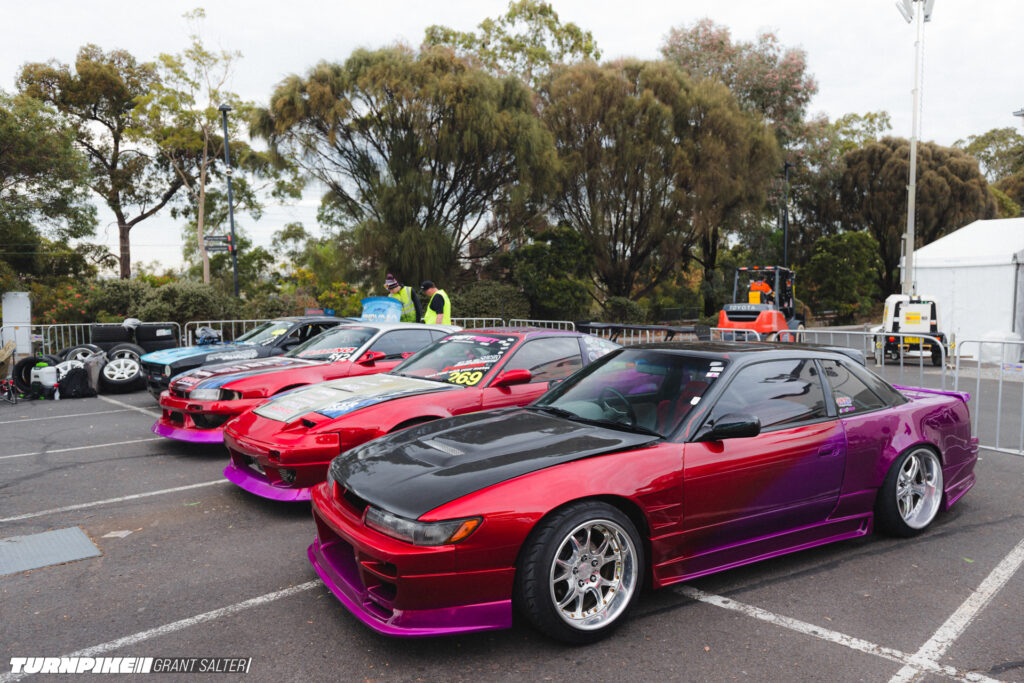
Seeing the full 1313 Drift Team together for the first time was another standout. Many drift teams naturally become a mix of different liveries, different builds, and different ideas all stitched together over time, but 1313 has a curated look.
The cars were colour-matched across the team, with heavy flake roofs and old-school flame details. In certain lighting, they almost looked like full custom show cars until they disappeared into tyre smoke bouncing off their rev limiters. It looked chaotic, but somehow coordinated at the same time.
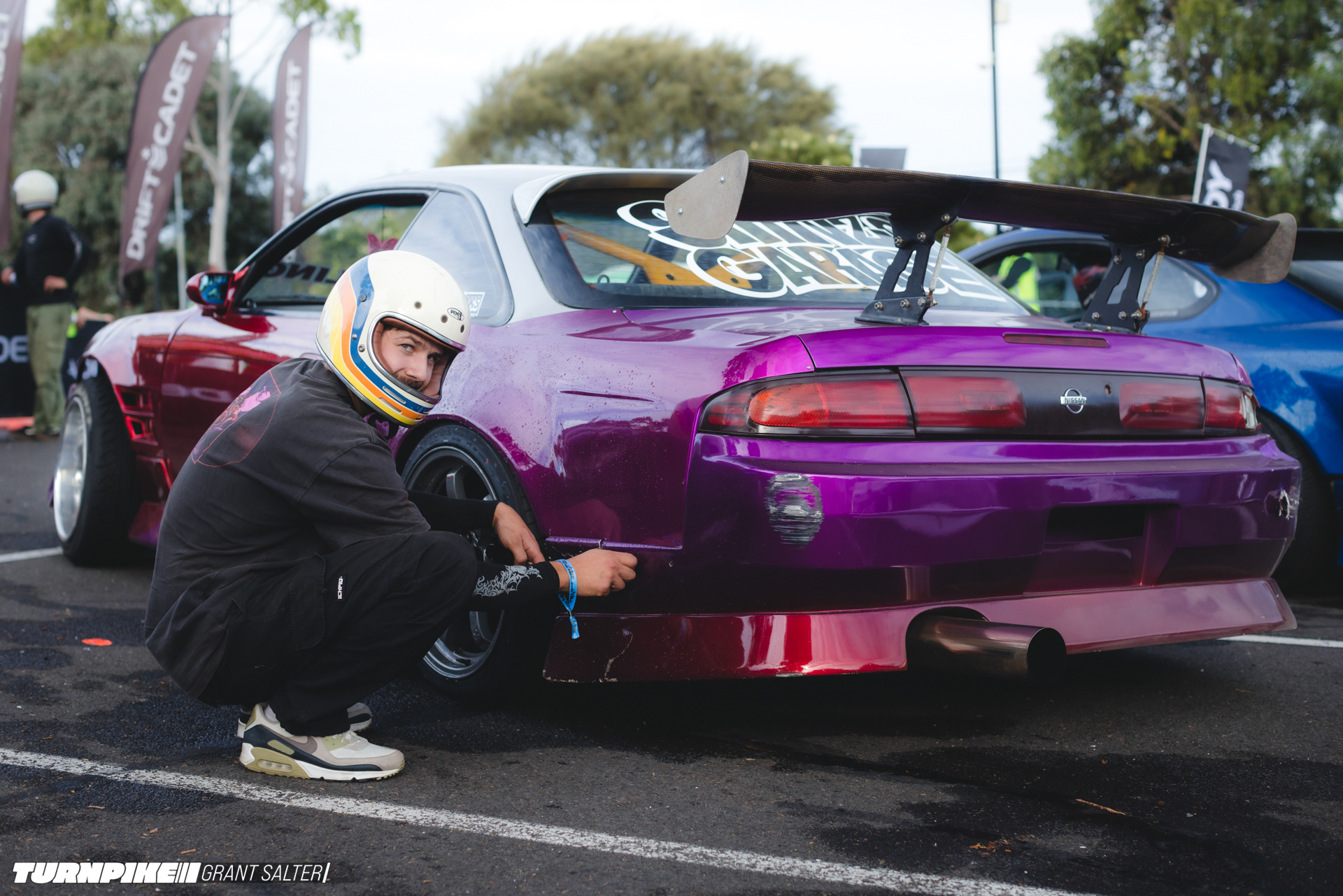
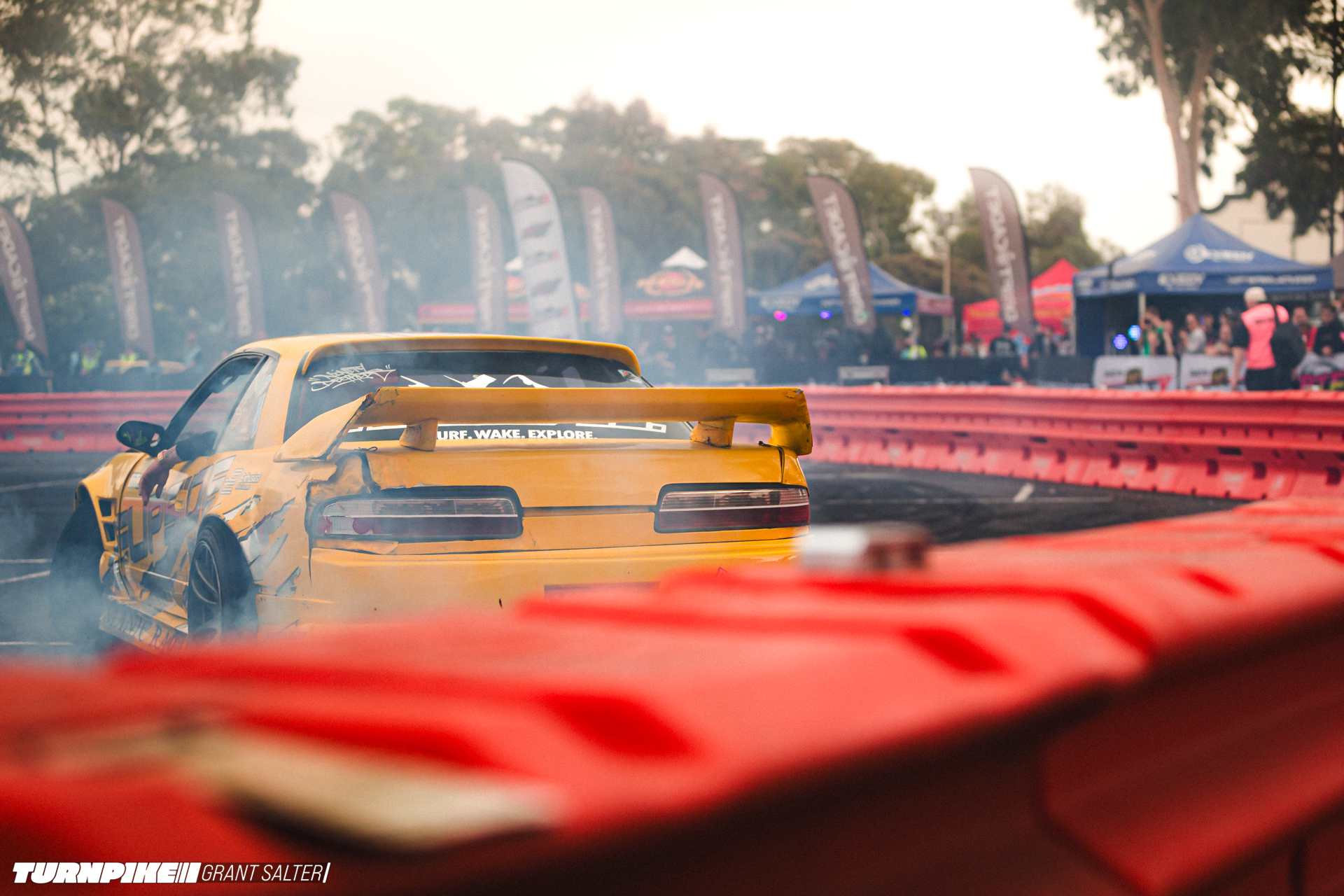
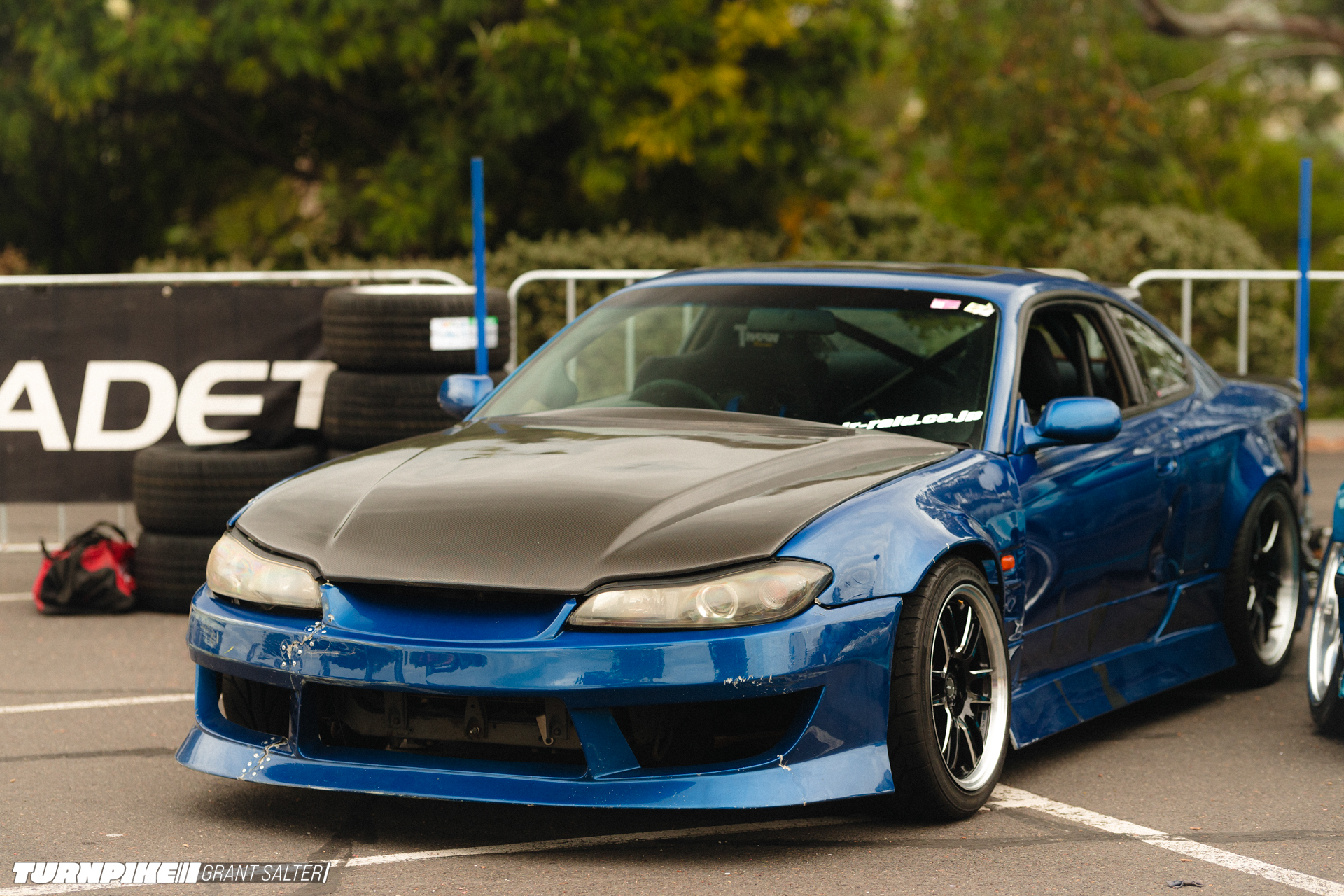
Of course, drifting being drifting, mechanical carnage was never far away. Chase’s S13 had literally just been freshly resprayed before the event, and everything looked spotless. Then the gearbox exploded. Somehow, though, and honestly, this feels more impressive than surviving the gearbox failure itself, the car escaped without any damage to its new paint.
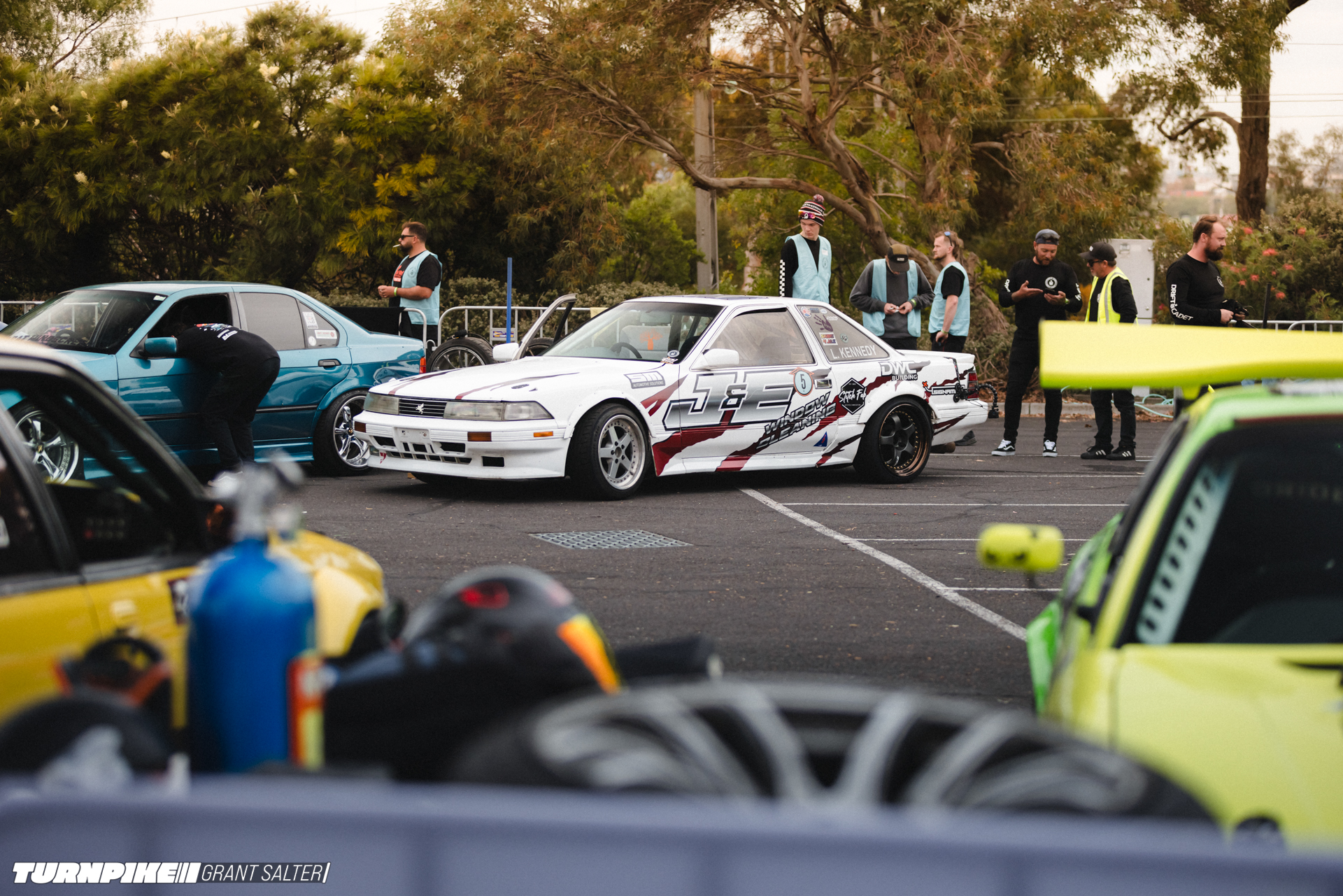
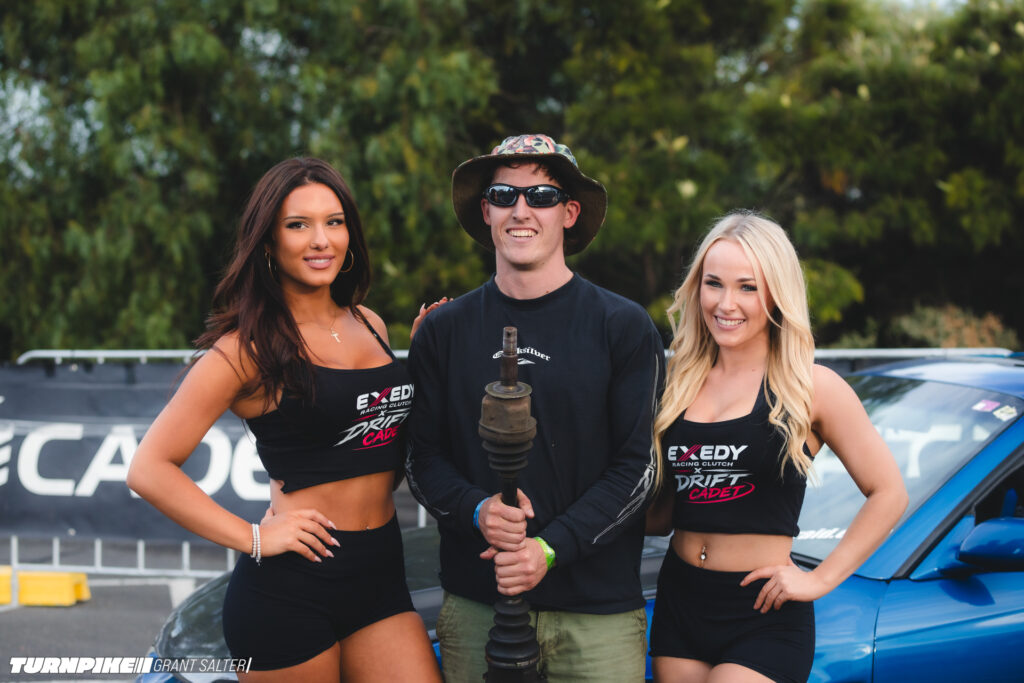
Ben Loft also had a rough weekend mechanically after killing a driveshaft and sitting out a few shows waiting for replacement parts to arrive. That’s the side of drifting most people don’t really see. Between sessions there’s this constant rush of fixing cars, borrowing tools, swapping parts, and somehow getting everything ready again before the next demo starts.
Because the next show always comes around fast. Even without leaving Drift World much, you could still feel the scale of the rest of MotorEx happening around it.
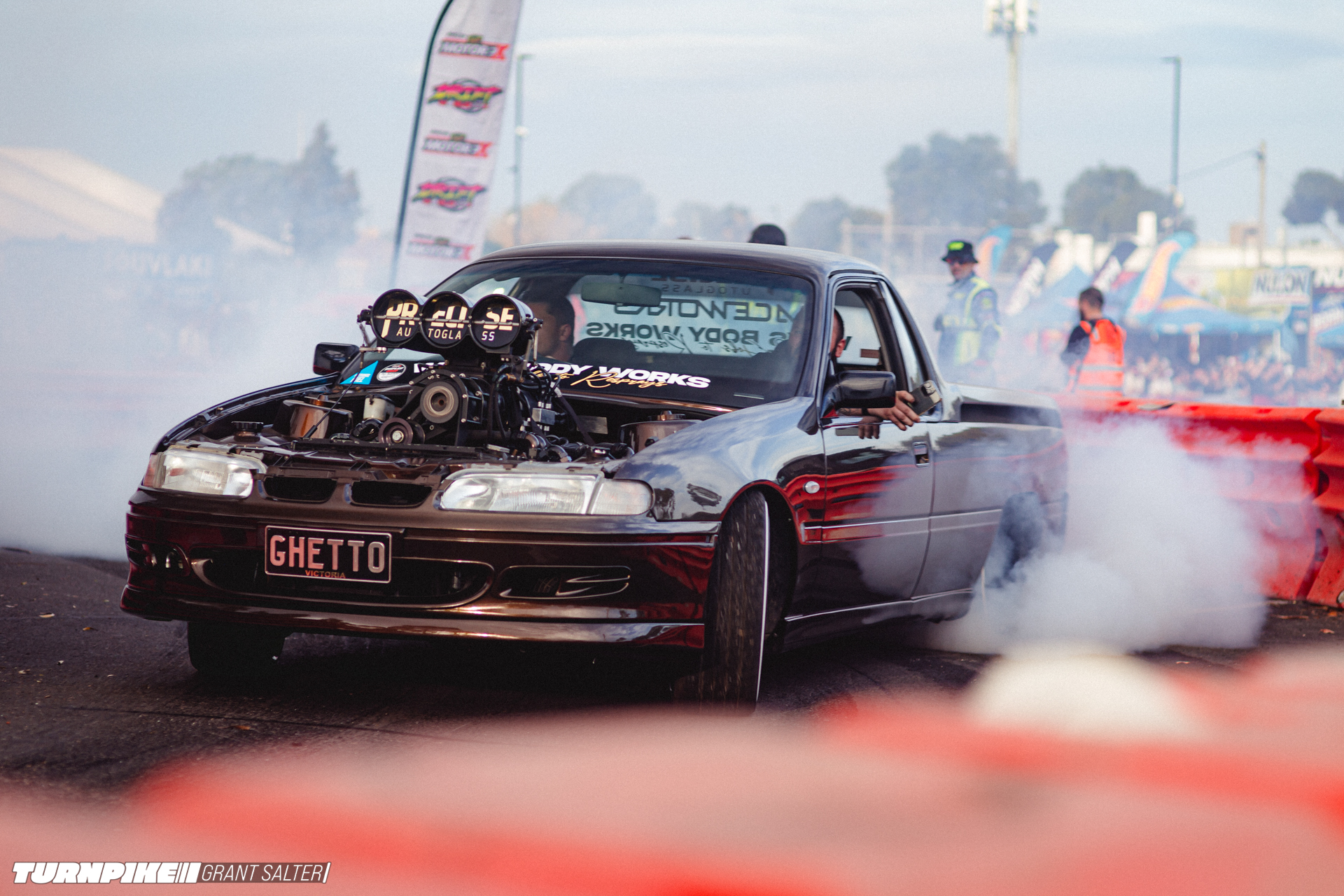
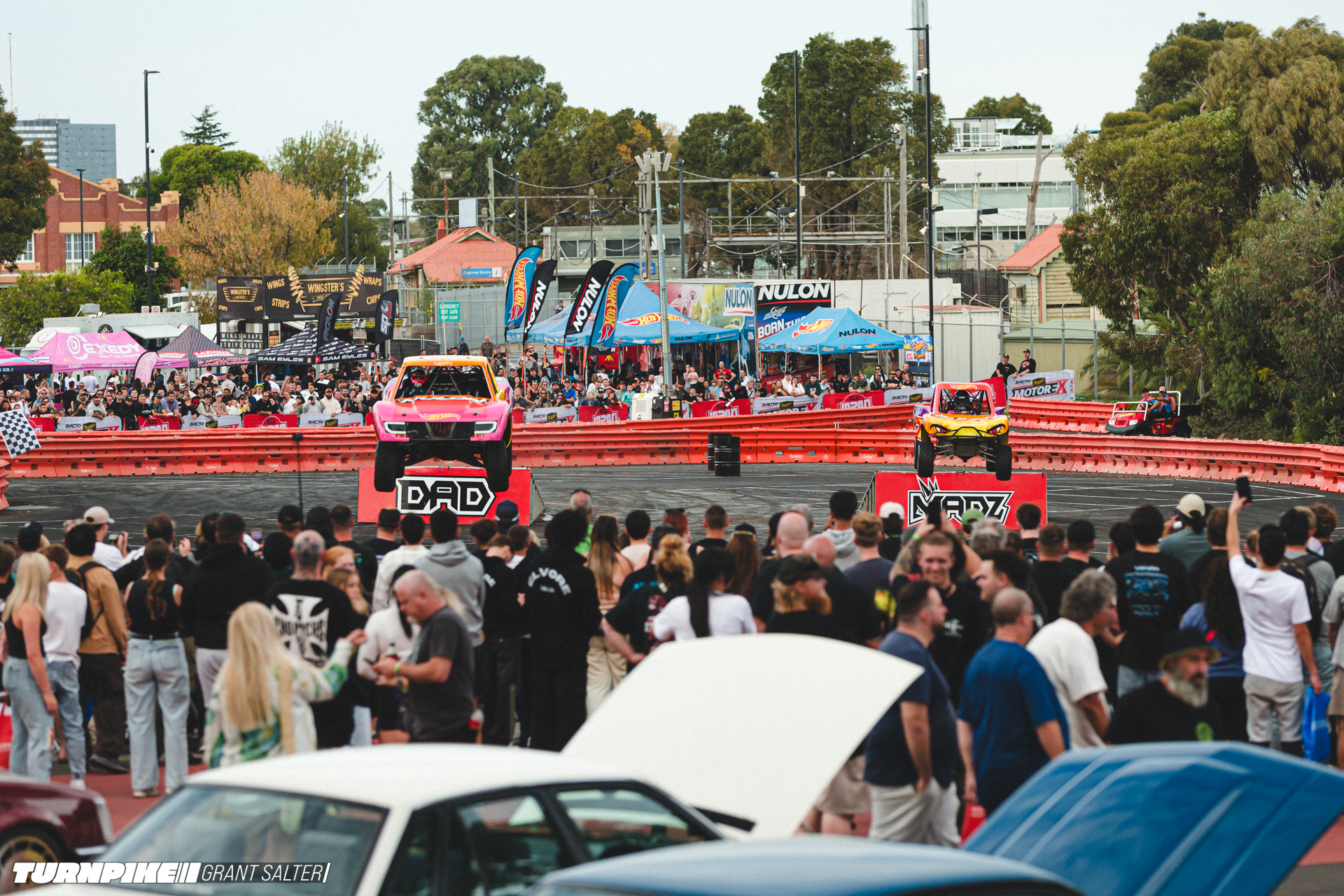
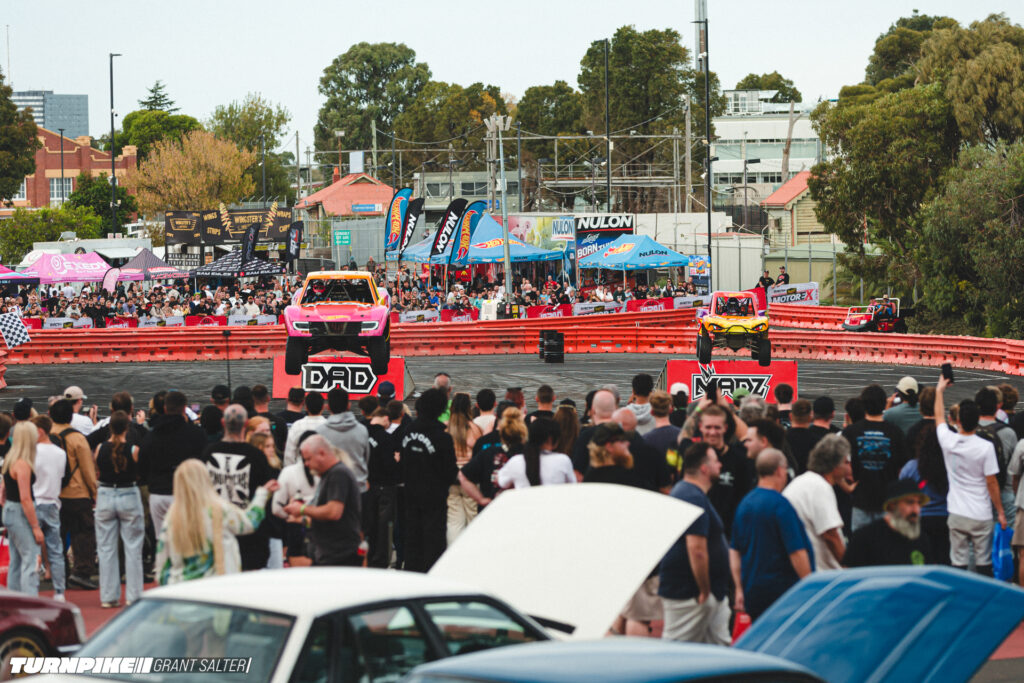
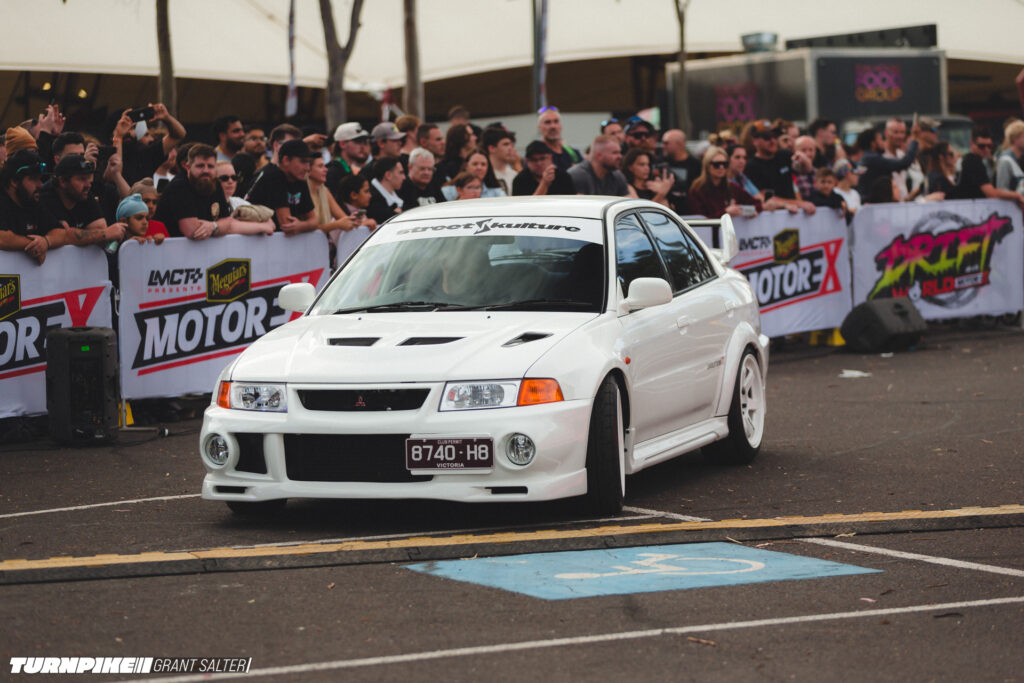
A lot of that energy came from Adrian Portelli and the LMCT+ presence this year. The event felt louder, bigger, more connected. Dyno World constantly echoed through the background, the Hot Wheels displays pulled massive crowds, and the All Japan World precinct brought a completely different energy to the showgrounds. Then there were the burnouts.
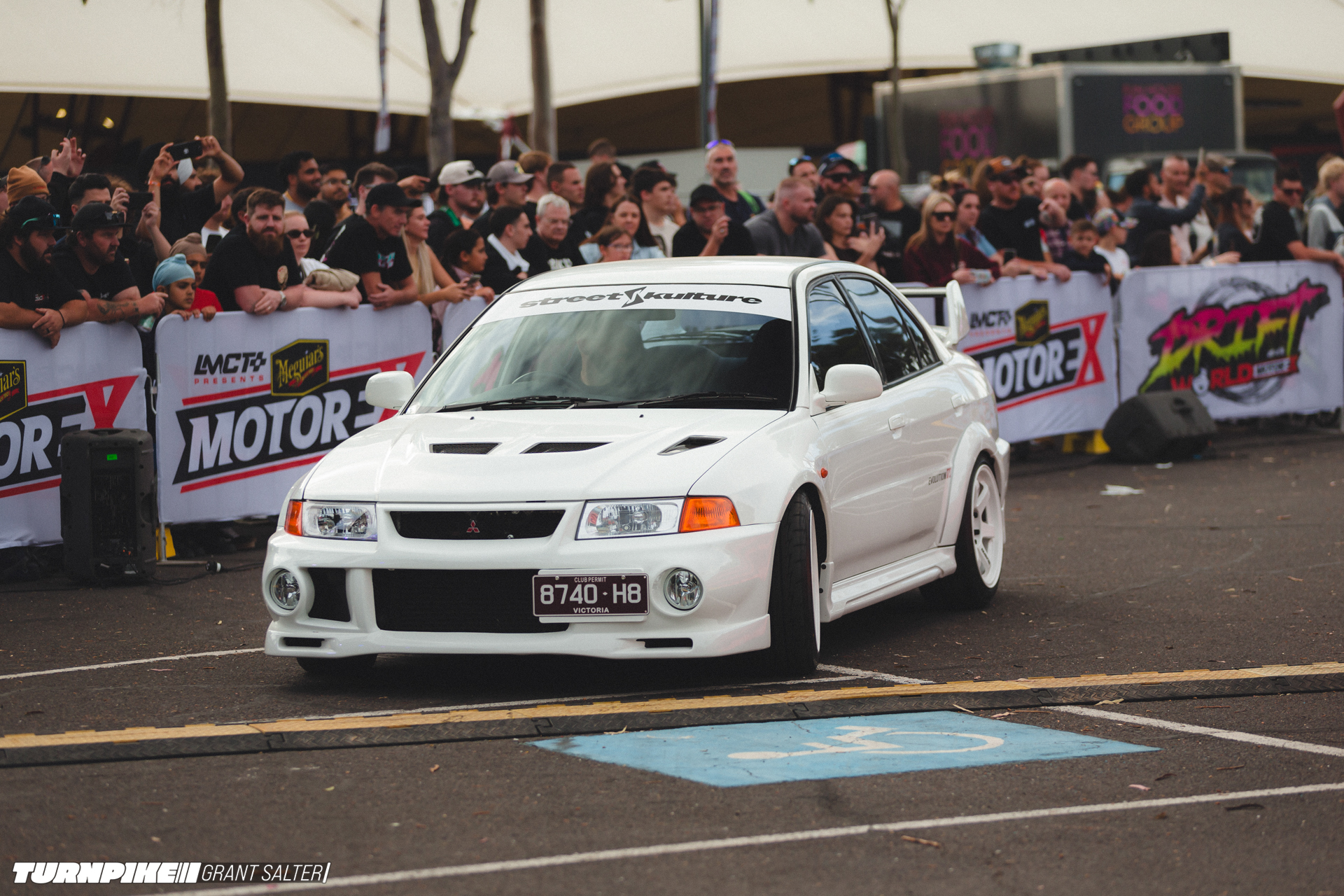
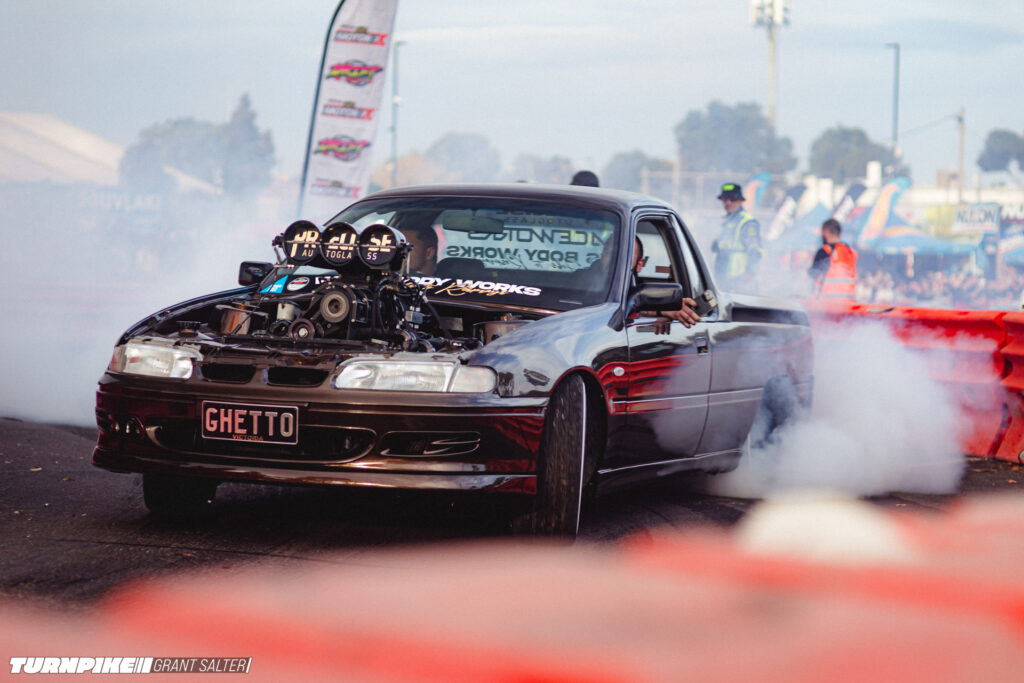
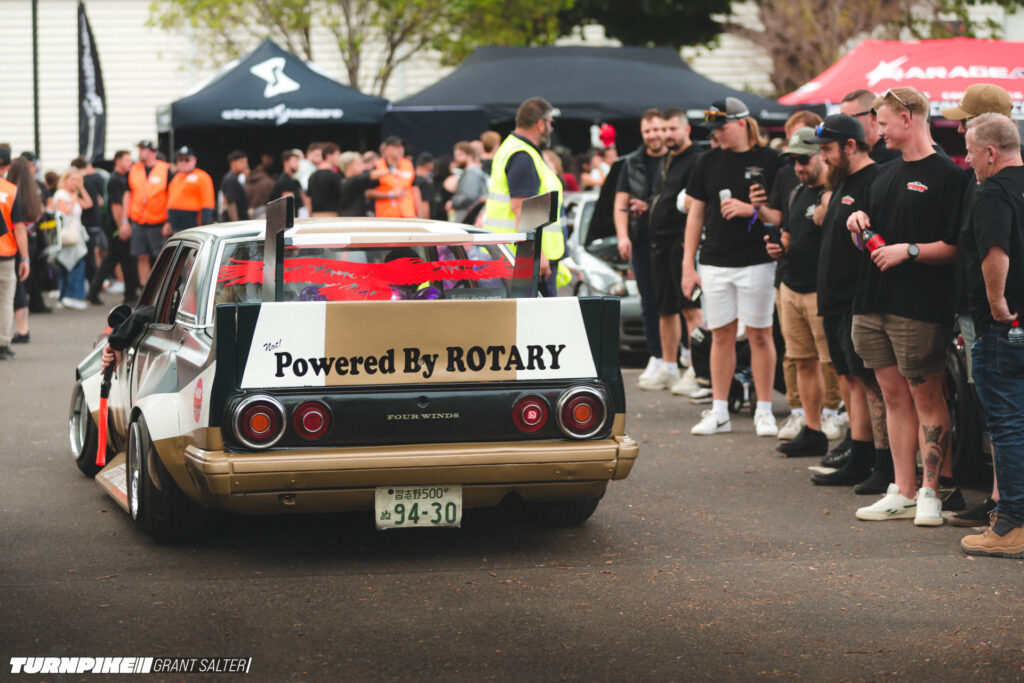
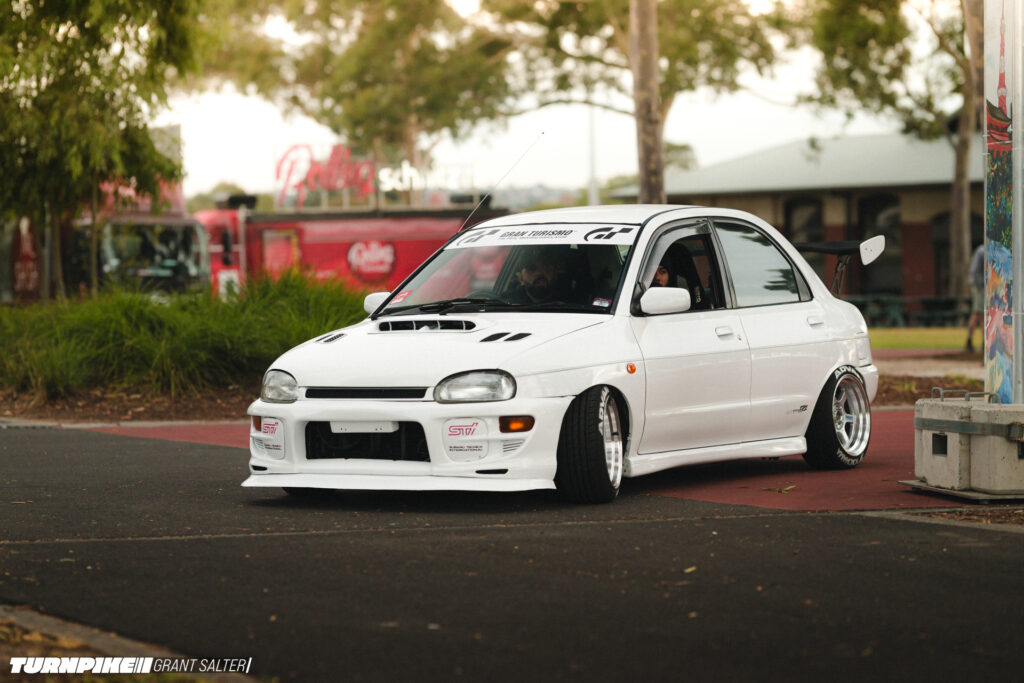
For the first time, MotorEx added rolling burnouts just outside Drift World near the All Japan area. Honestly, it felt perfectly placed. You’d walk out from drift demos straight into cars frying tyres past rows of JDM builds while music reverberated across the grounds. It blurred the line between show and chaos, and that’s probably why the atmosphere worked so well this year.
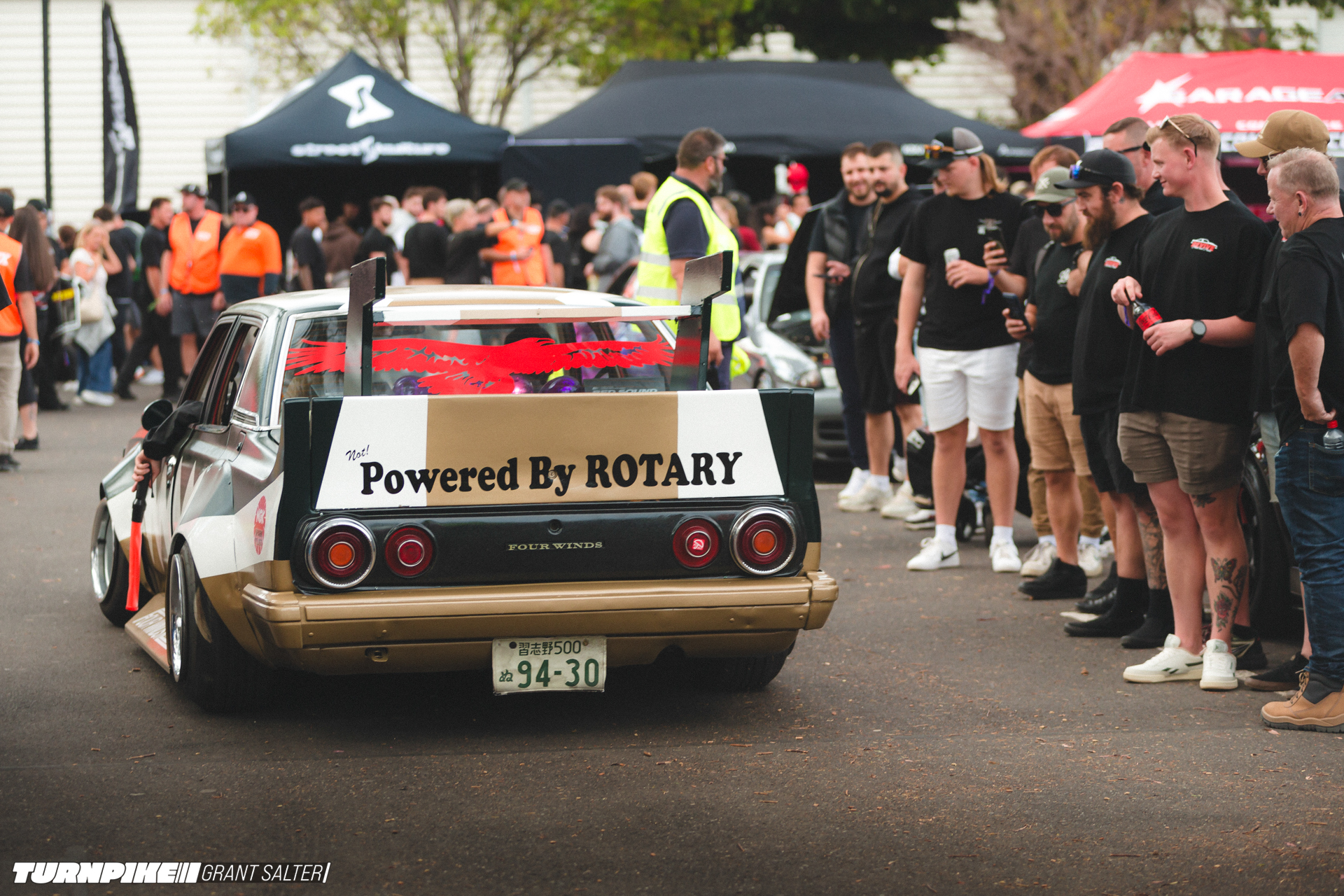
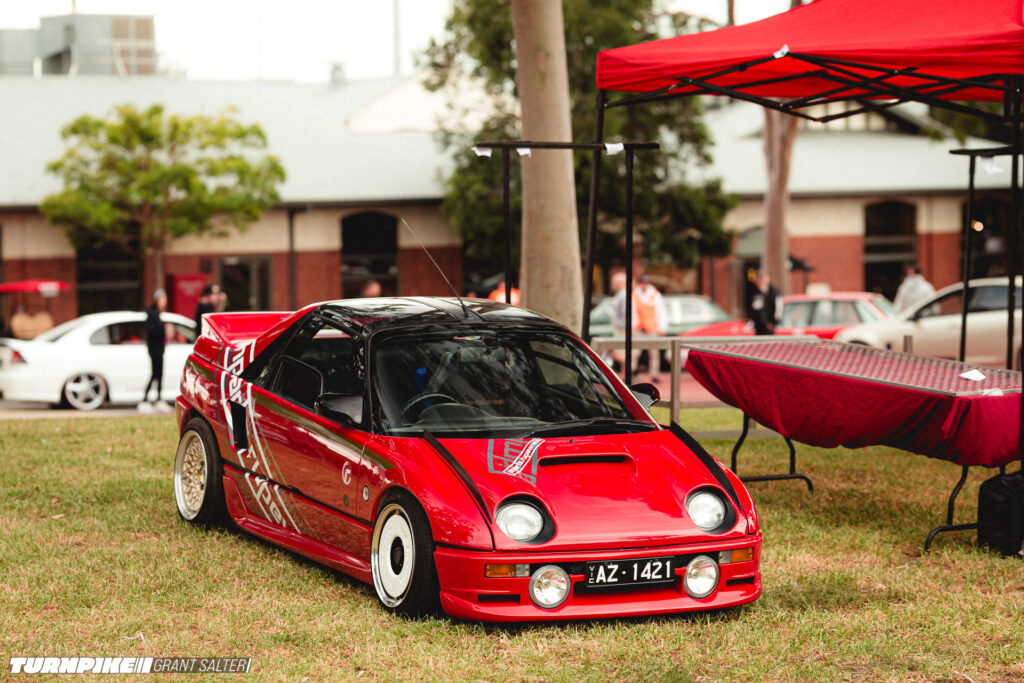
Nothing felt too separated. Drift smoke drifted into the JDM area. Burnout noise mixed with dyno pulls. Show cars sat parked near cars held together by determination and zip ties. It felt authentic.
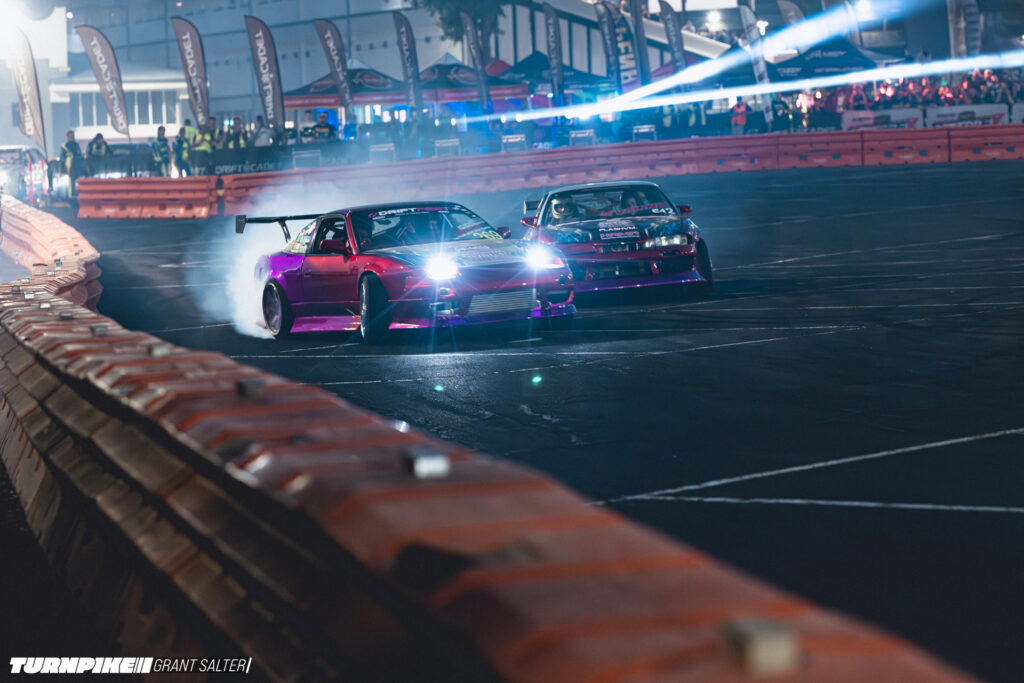
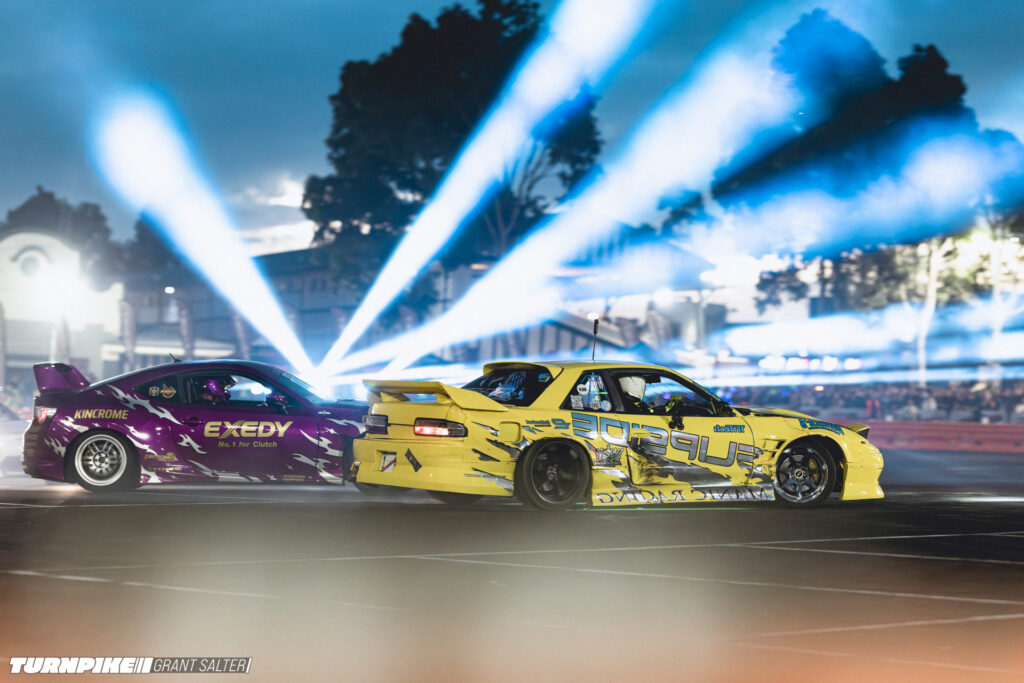
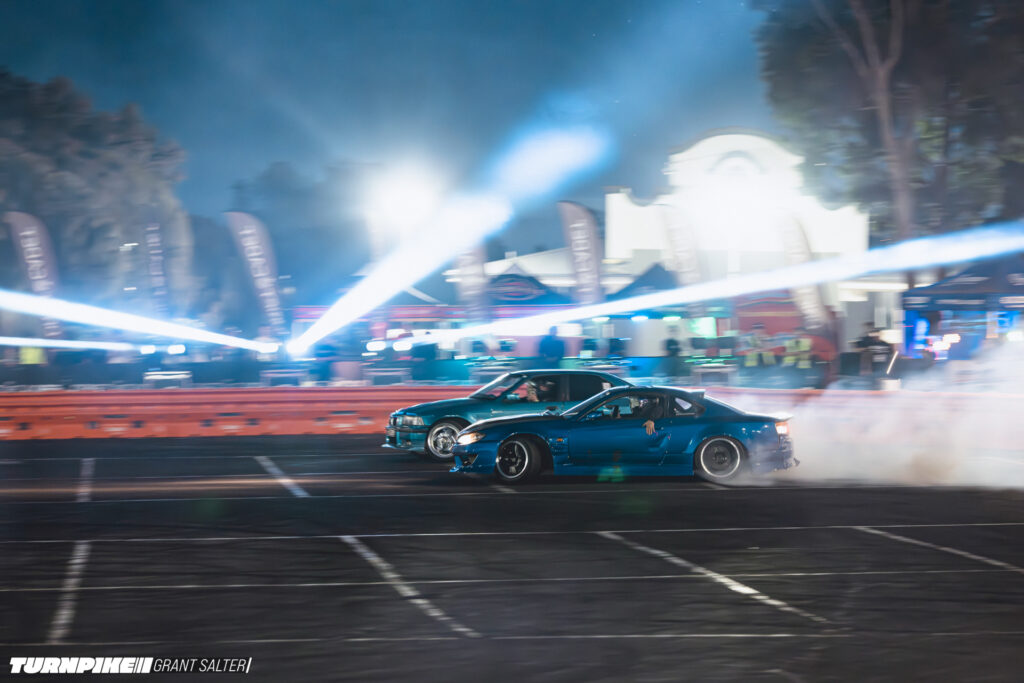
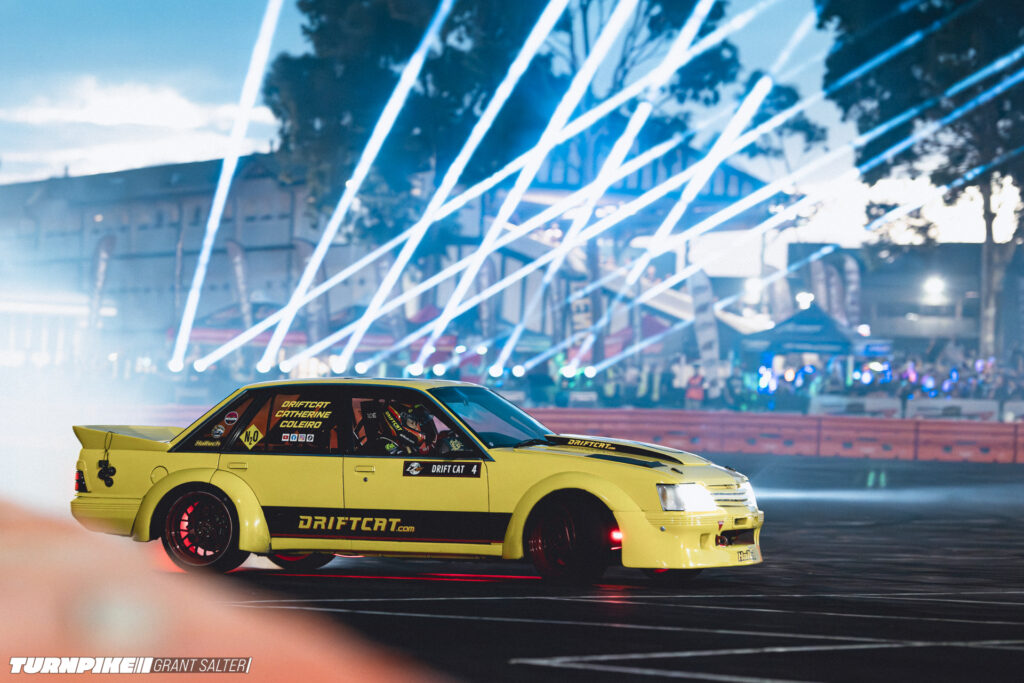
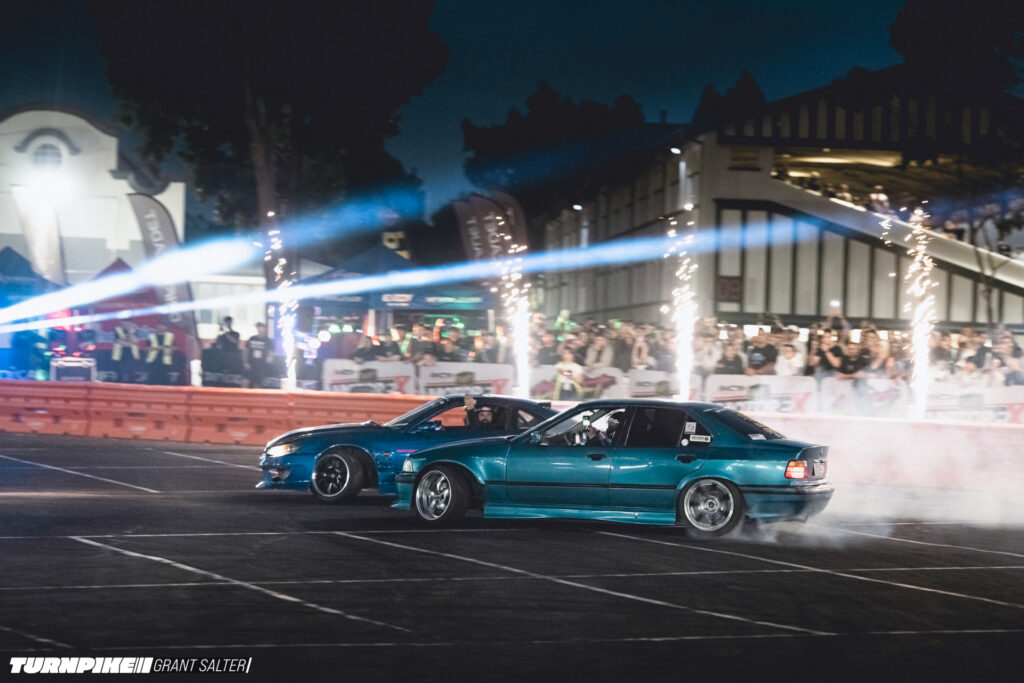
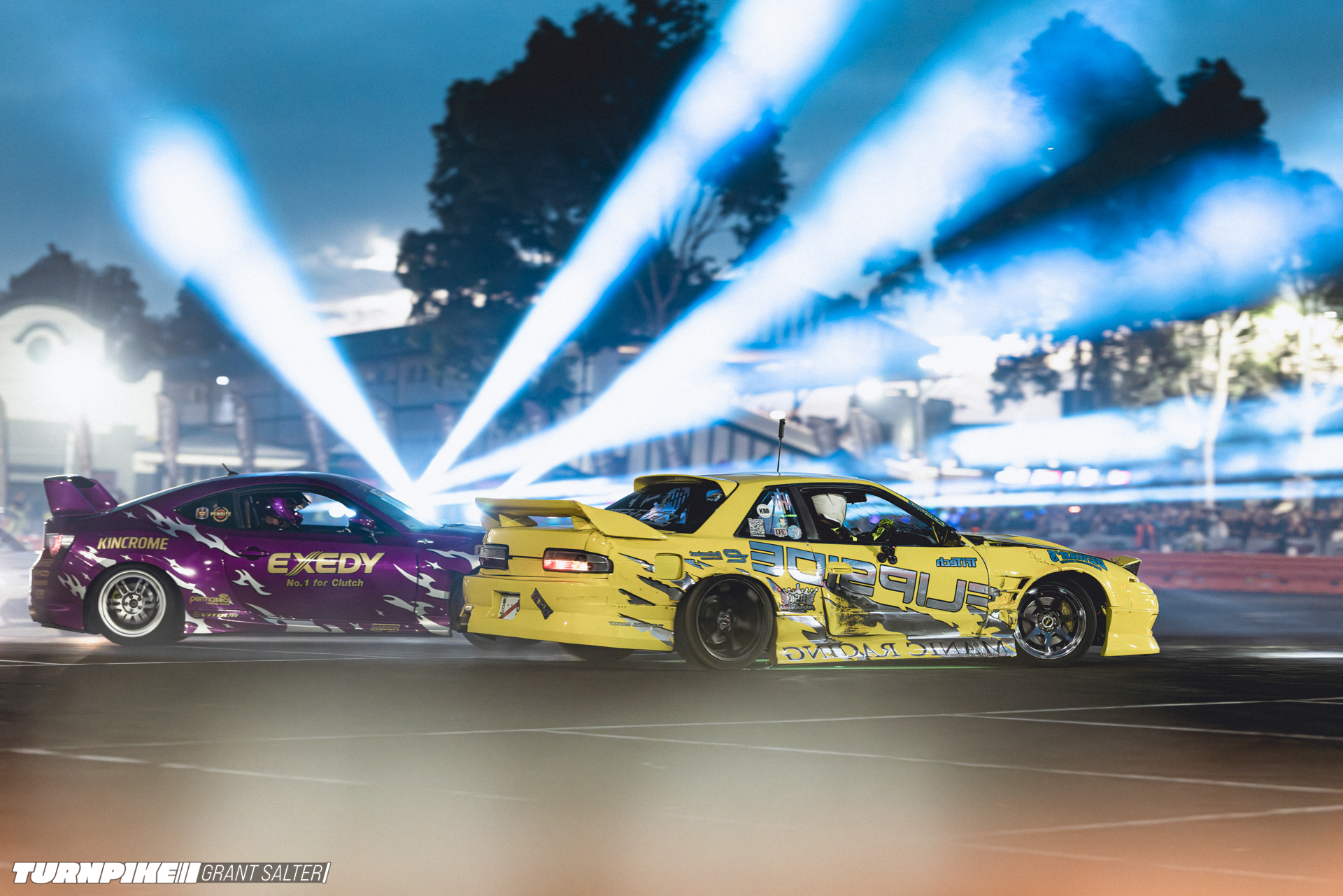
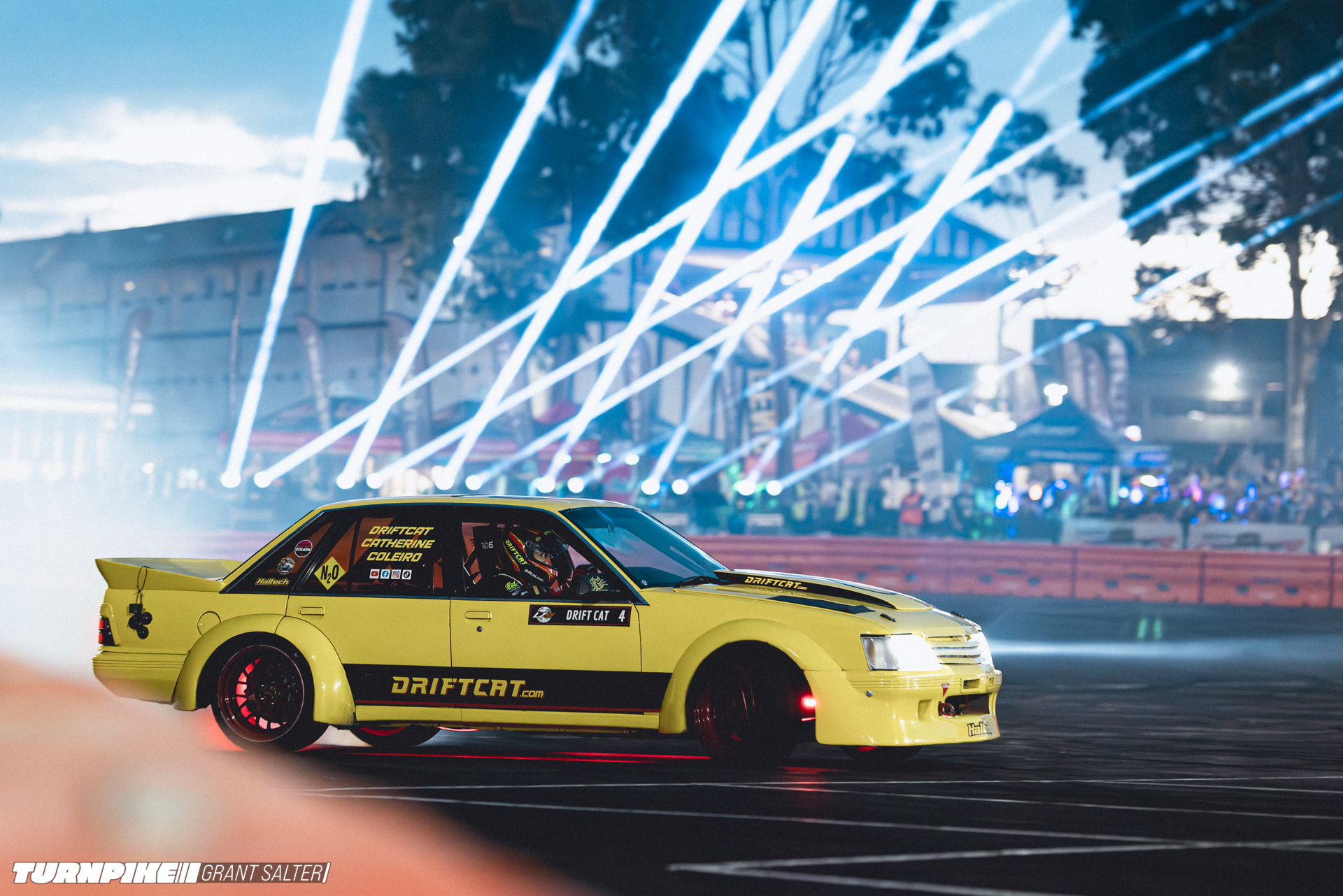
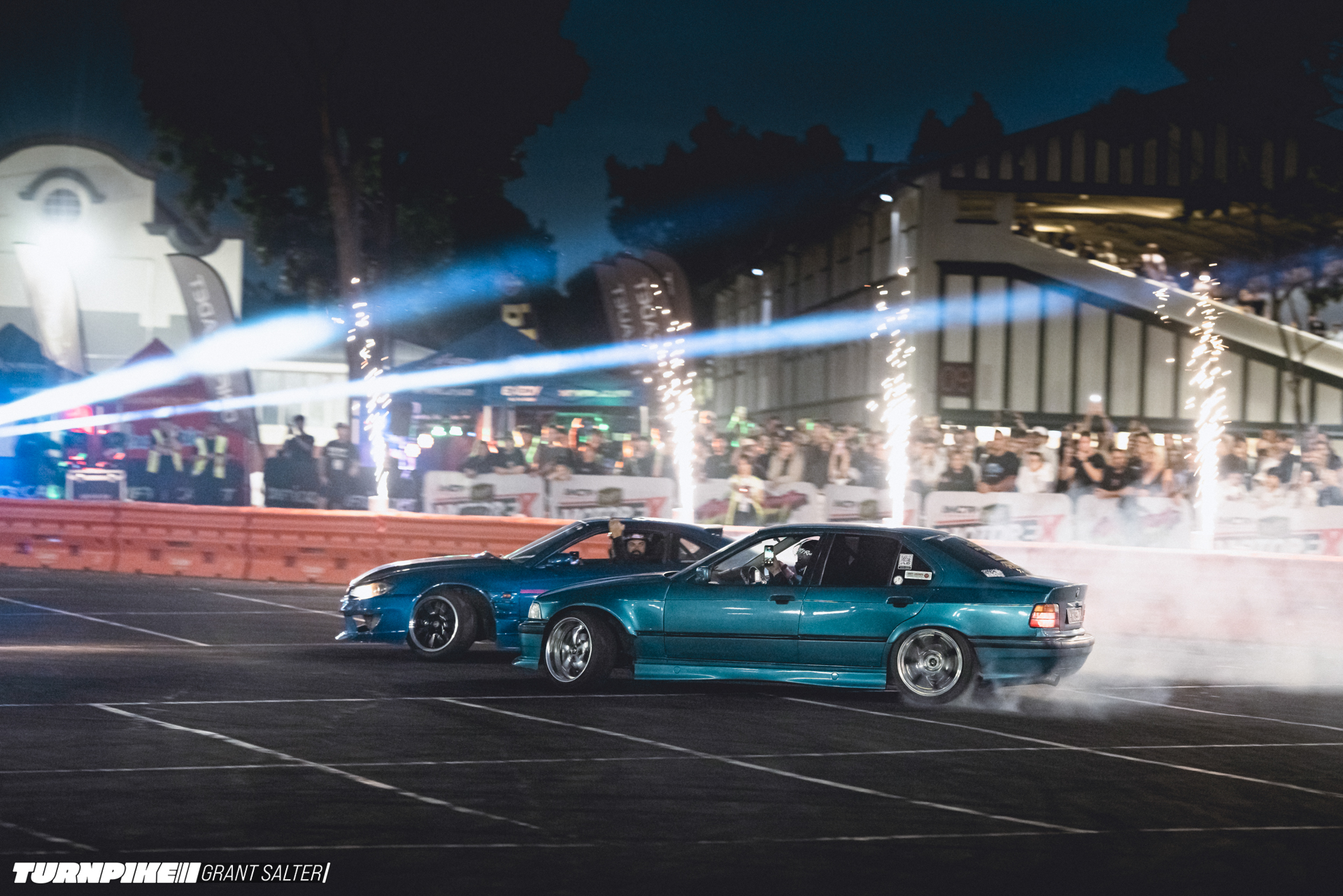
Then the After Dark show started, and the entire atmosphere changed again. Artificial lights reflected through smoke, brake rotors glowed faintly during transitions, and Drift World stopped feeling like a demo area altogether. It felt cinematic.
Harder to shoot, definitely. Autofocus starts struggling, smoke gets denser, lighting changes every few seconds. But when everything lines up properly, the photos feel completely different from daytime shots. Less documentation. More ambiance.
By the end of the weekend, I realised I’d barely explored half of MotorEx properly. I rushed through sections of All Japan World, missed plenty of builds people talked about online afterwards, and barely spent any time inside the Elite halls. But honestly, I don’t regret being stuck at Drift World.
Sometimes staying in one place lets you actually understand what’s happening there instead of just collecting snapshots from twenty different areas. You start noticing small details: Drivers getting more confident throughout the day. Teams quietly fixing cars between runs. Smoke changing once the temperature drops. Crowds building every session. That stuff matters.
And by the time the final shows wrapped up, the whole event stopped feeling like a traditional car show altogether. It just felt alive. Messy, loud, occasionally broken, but alive.