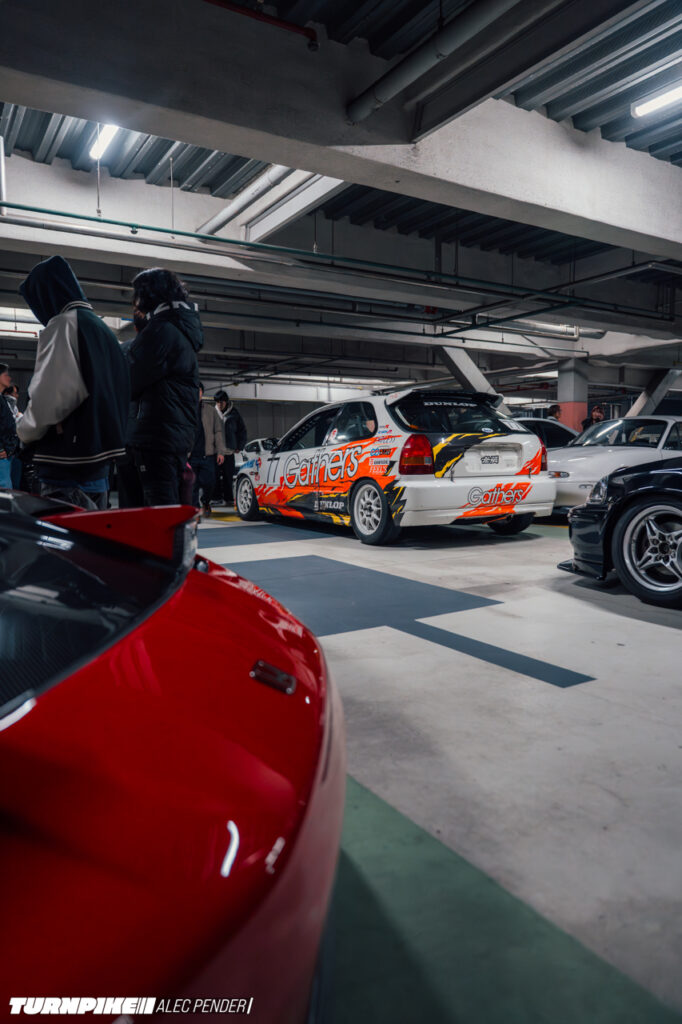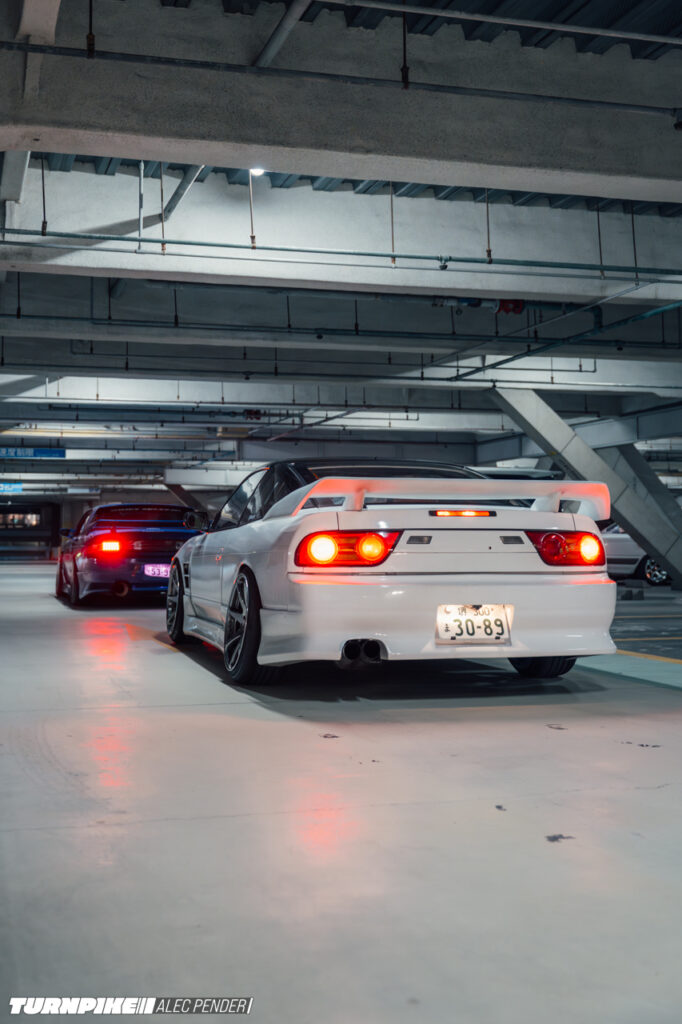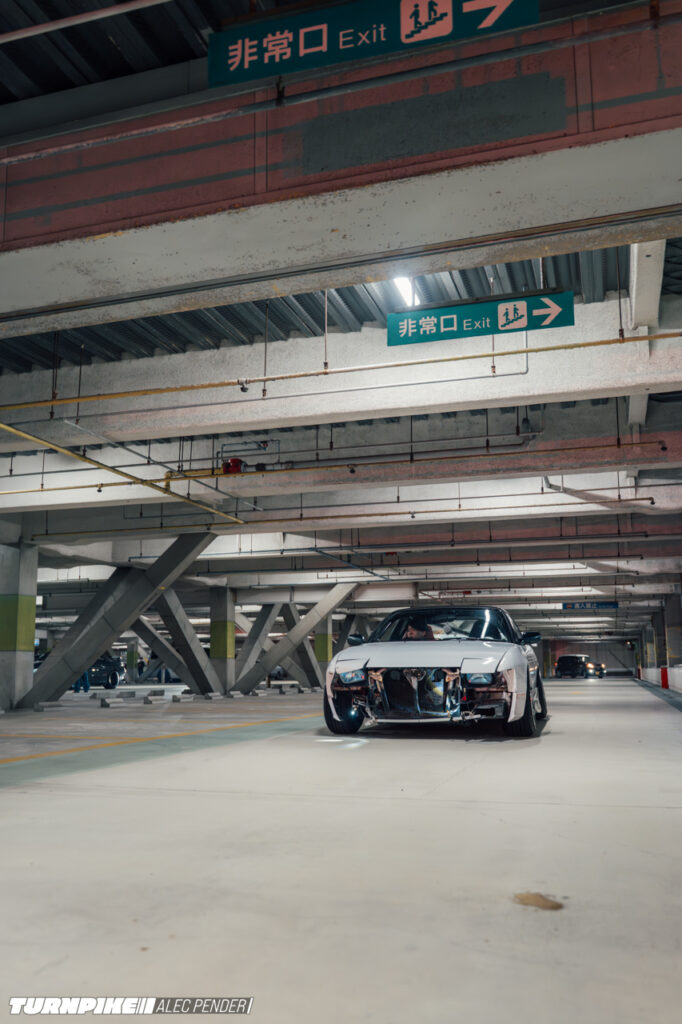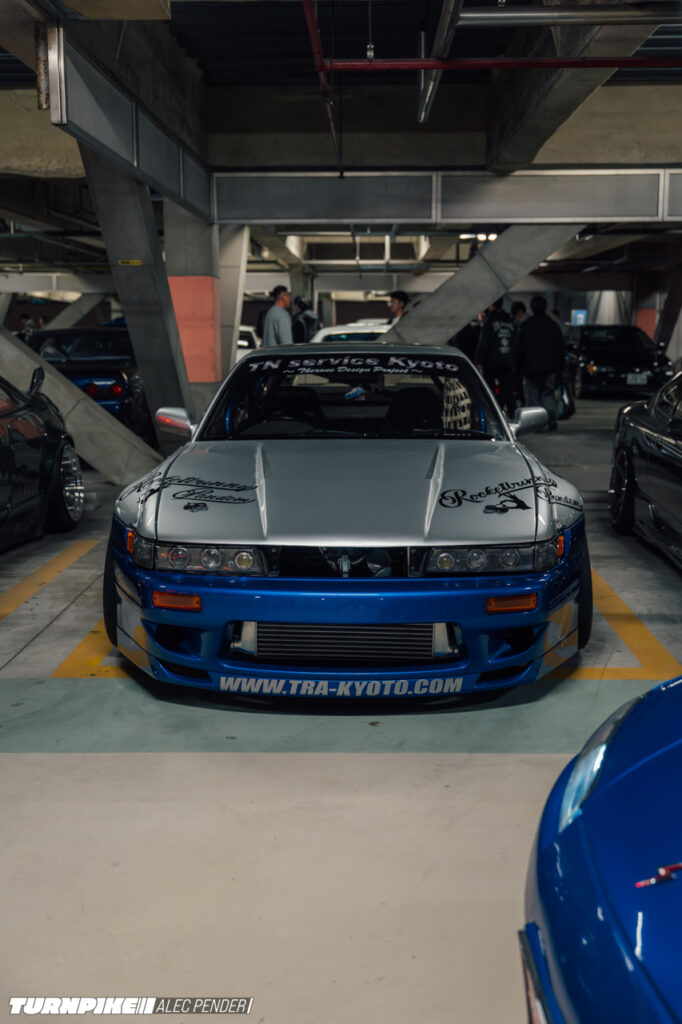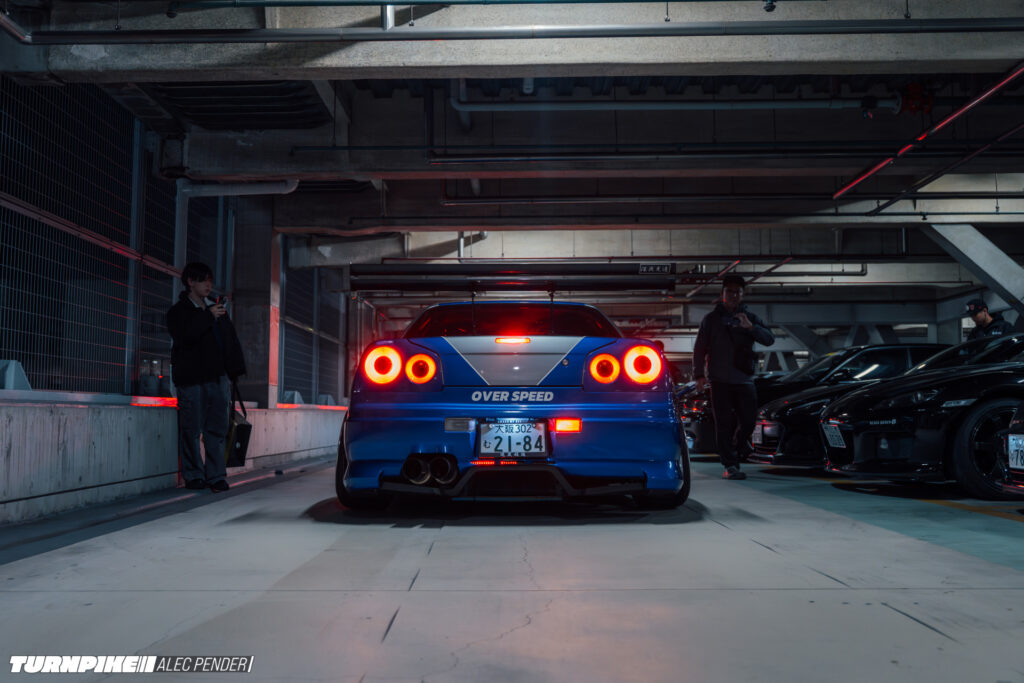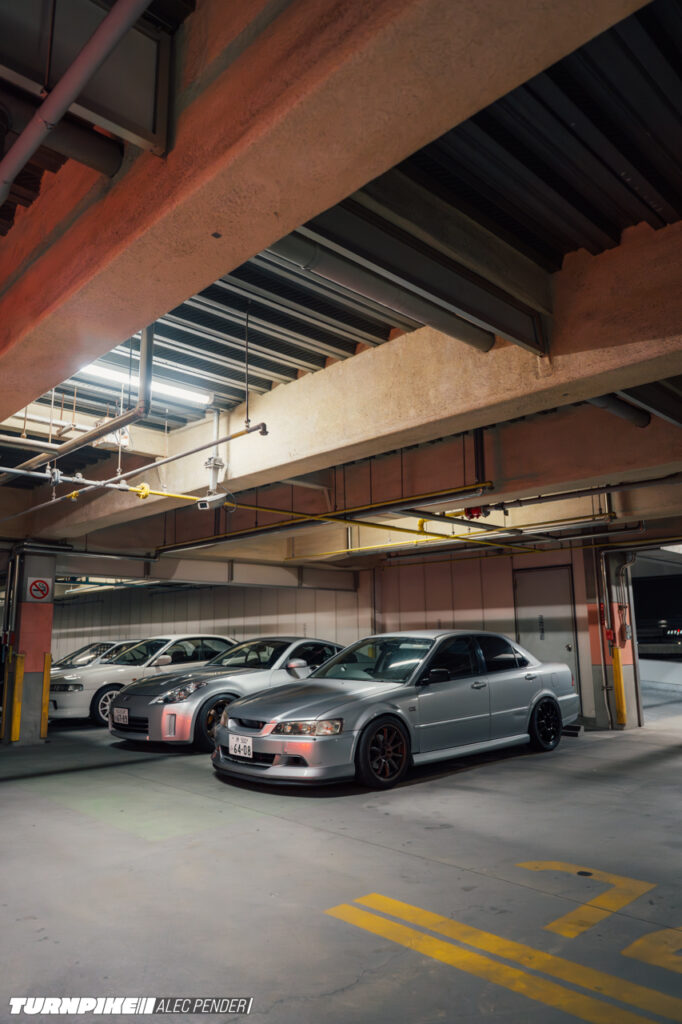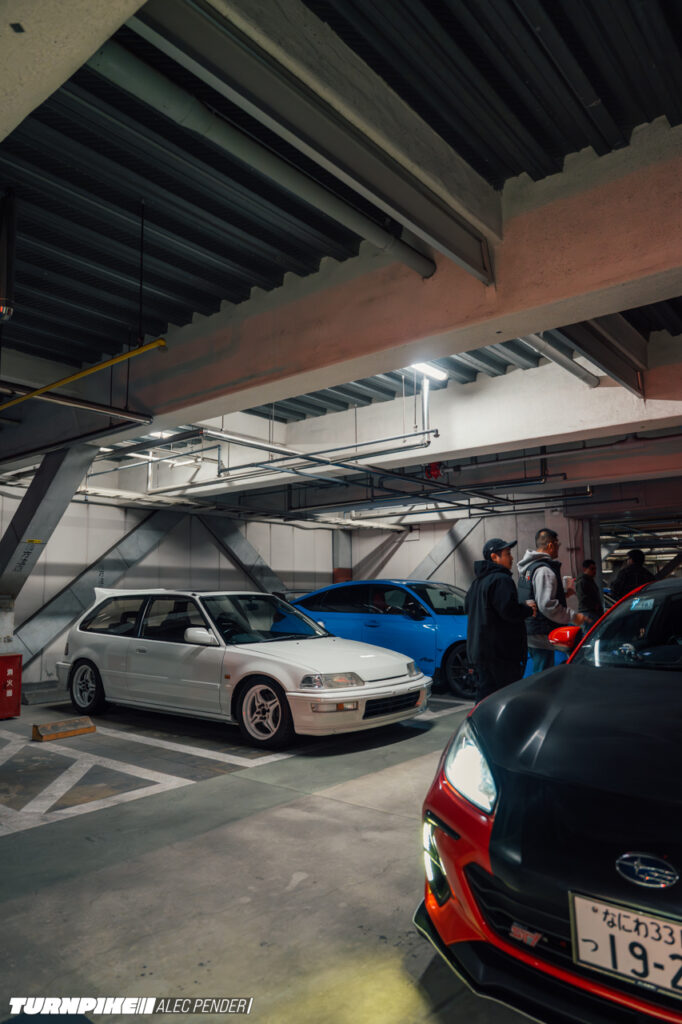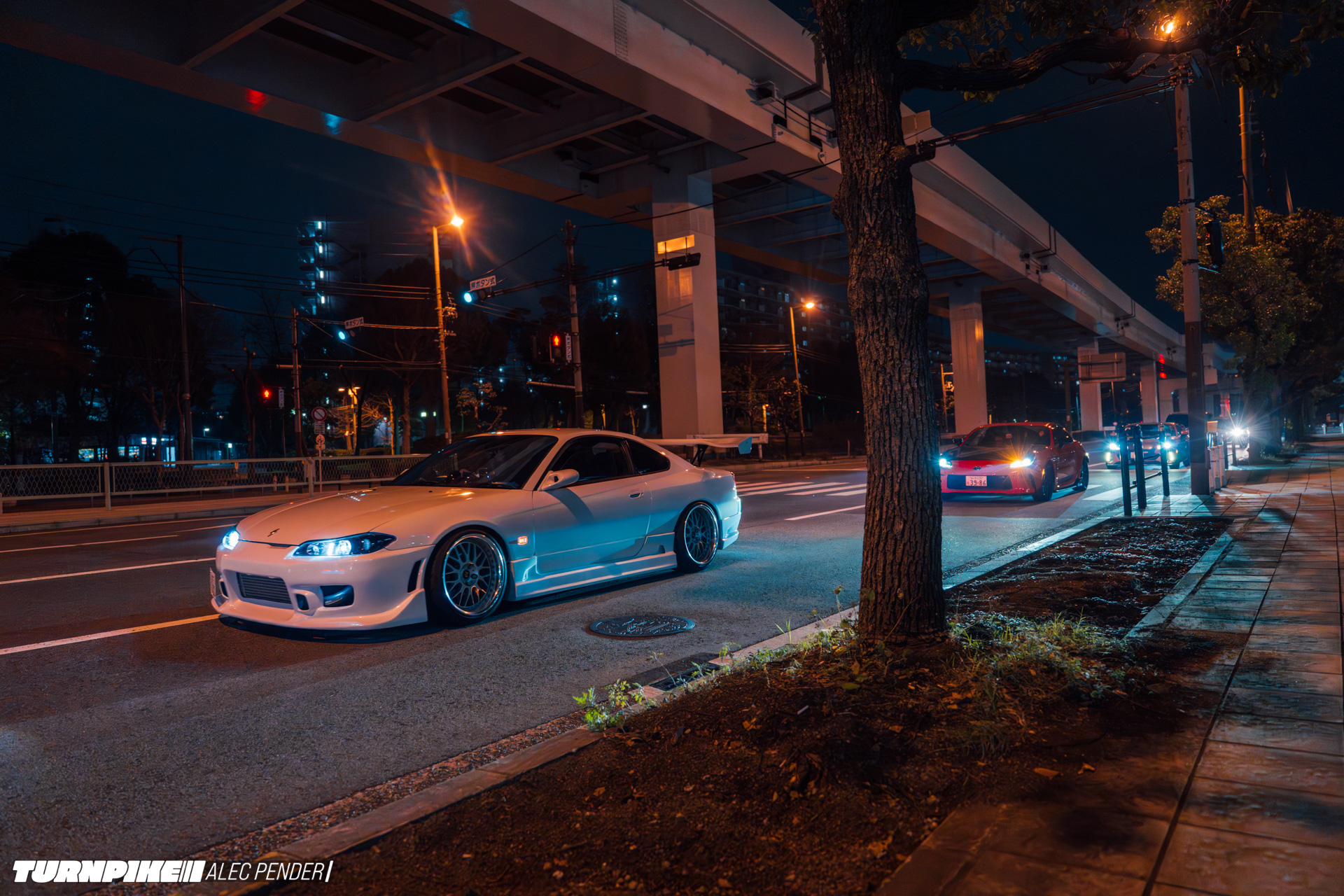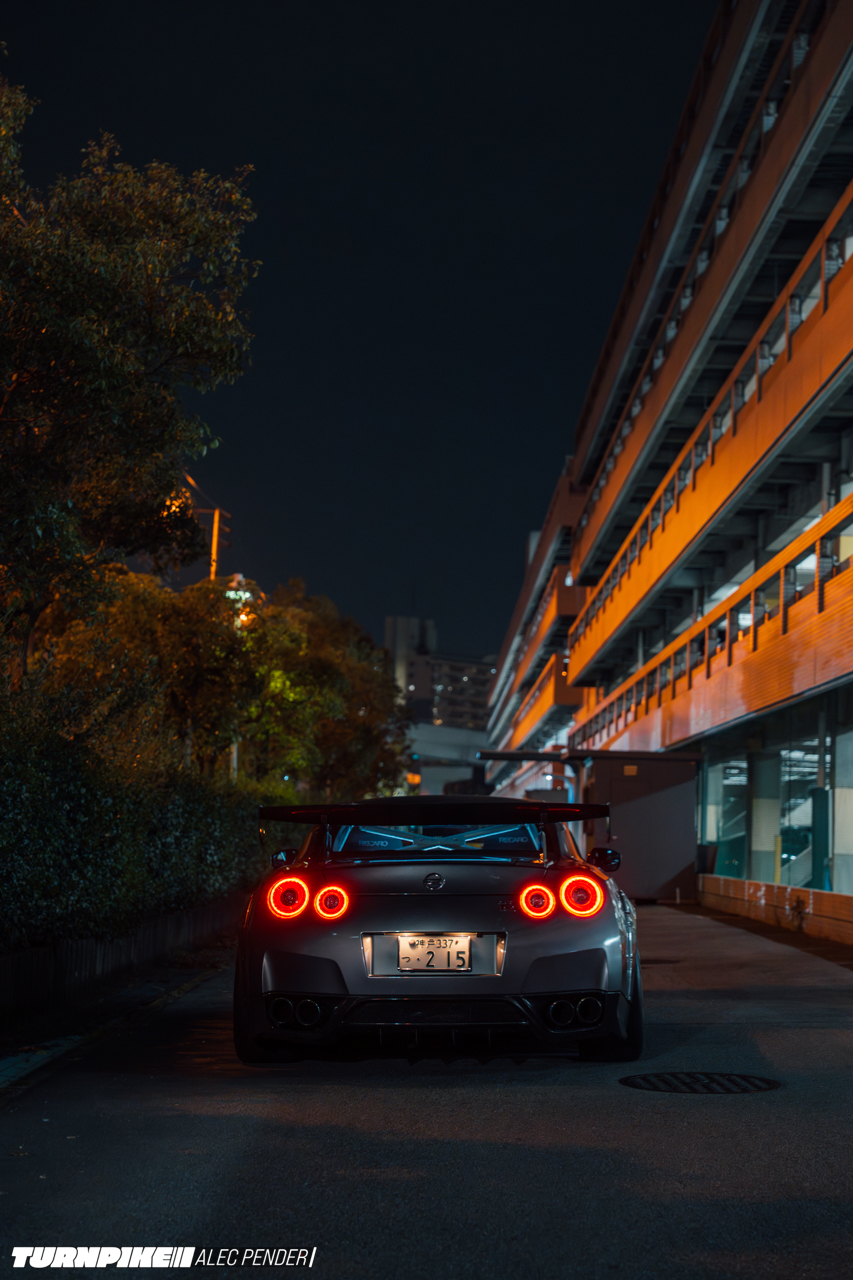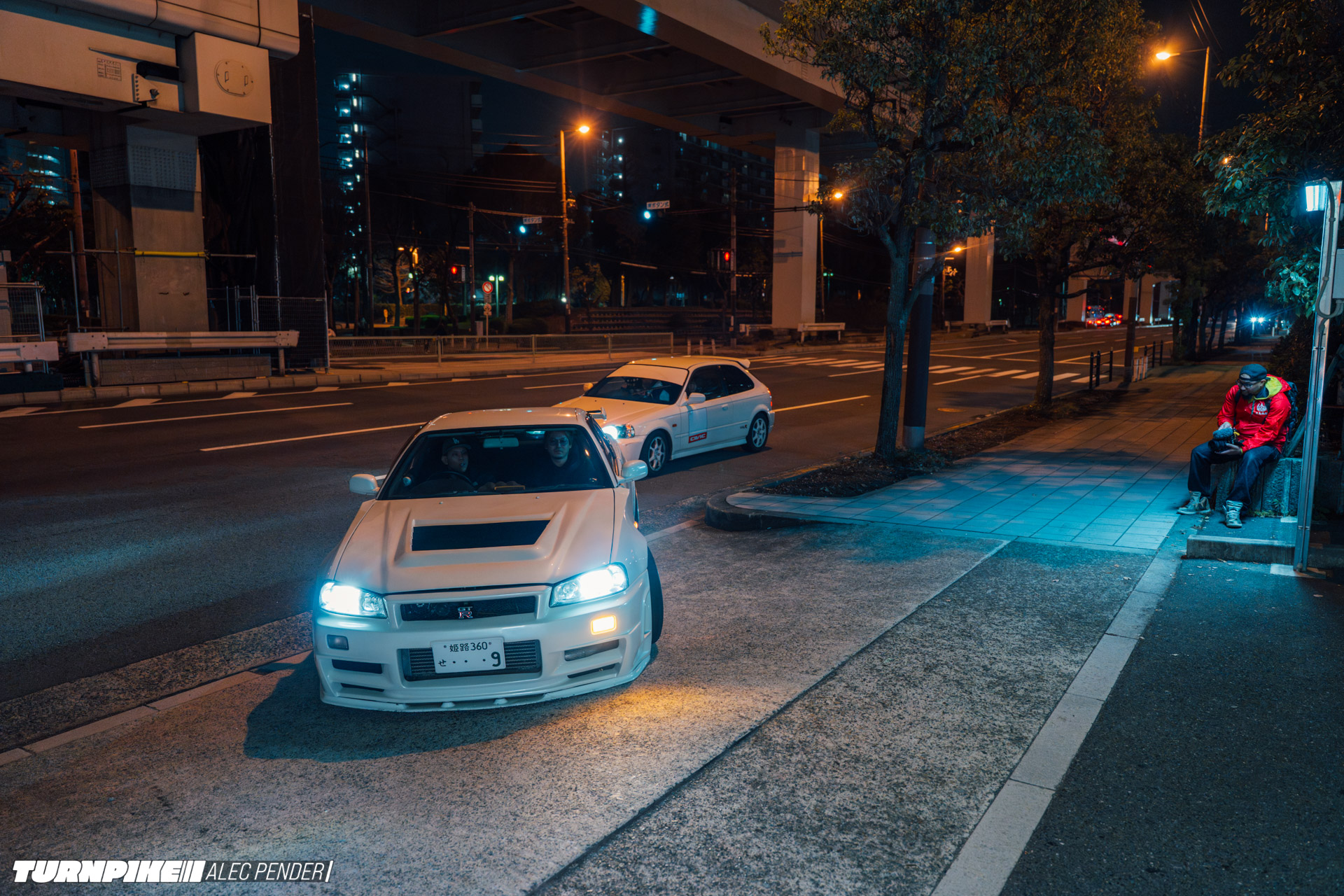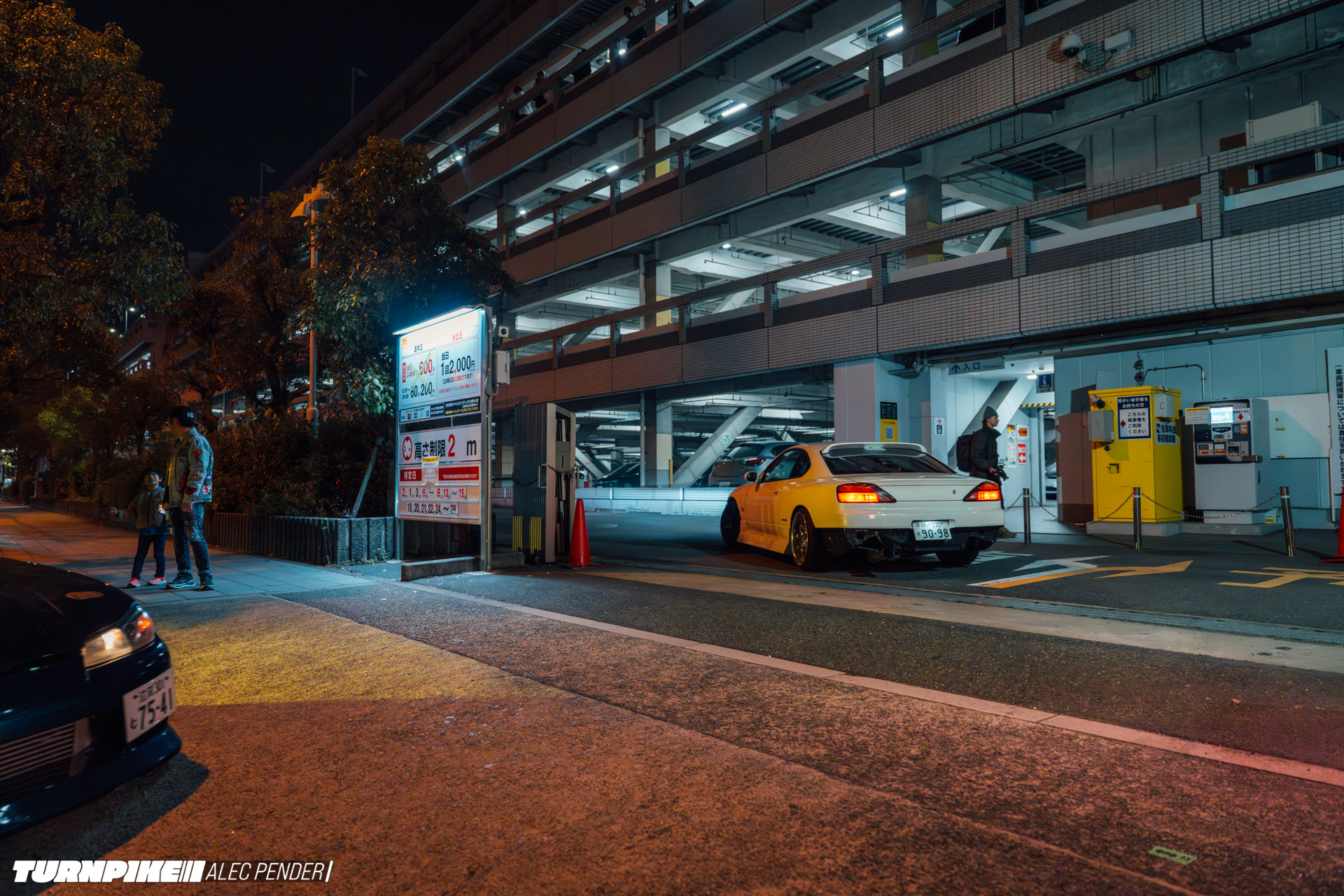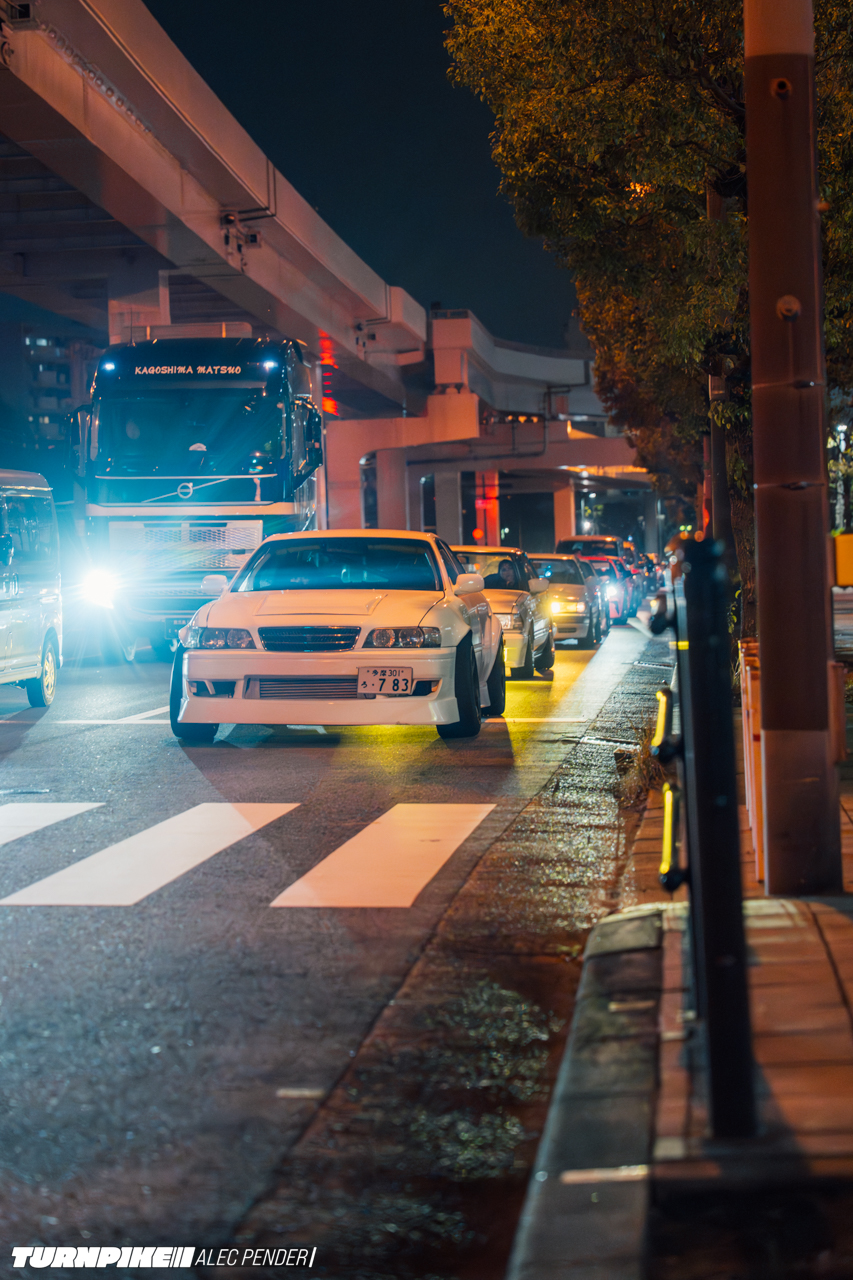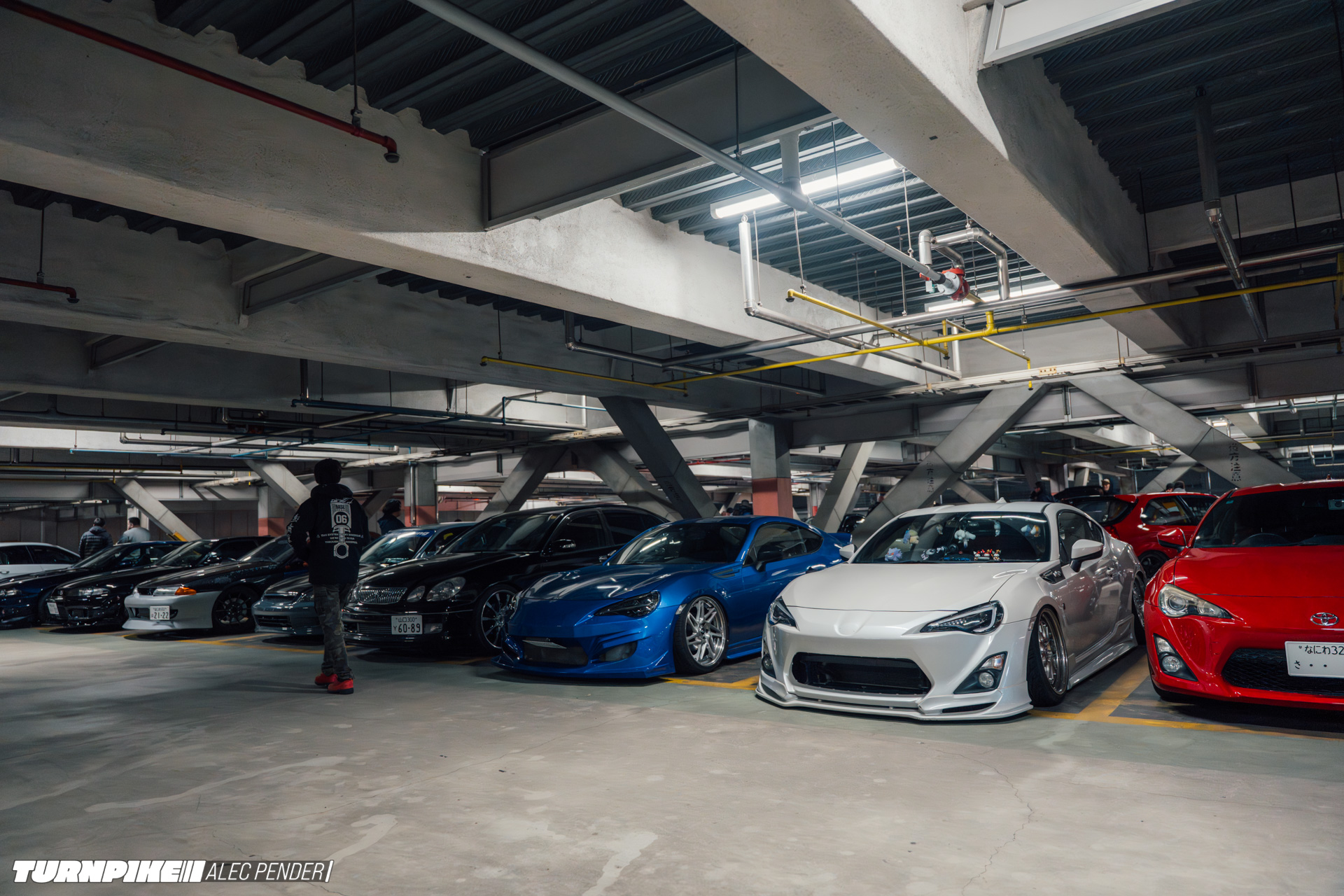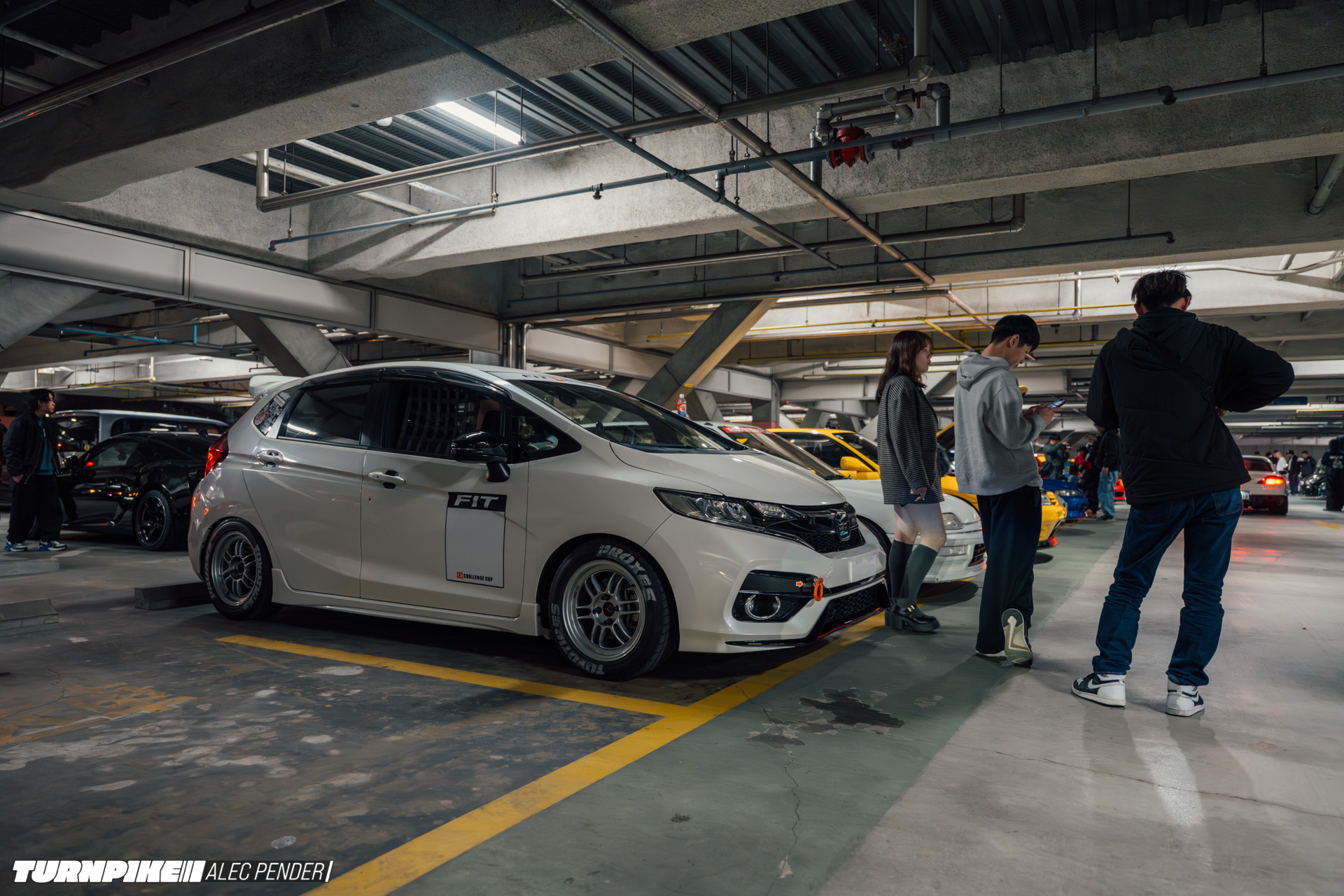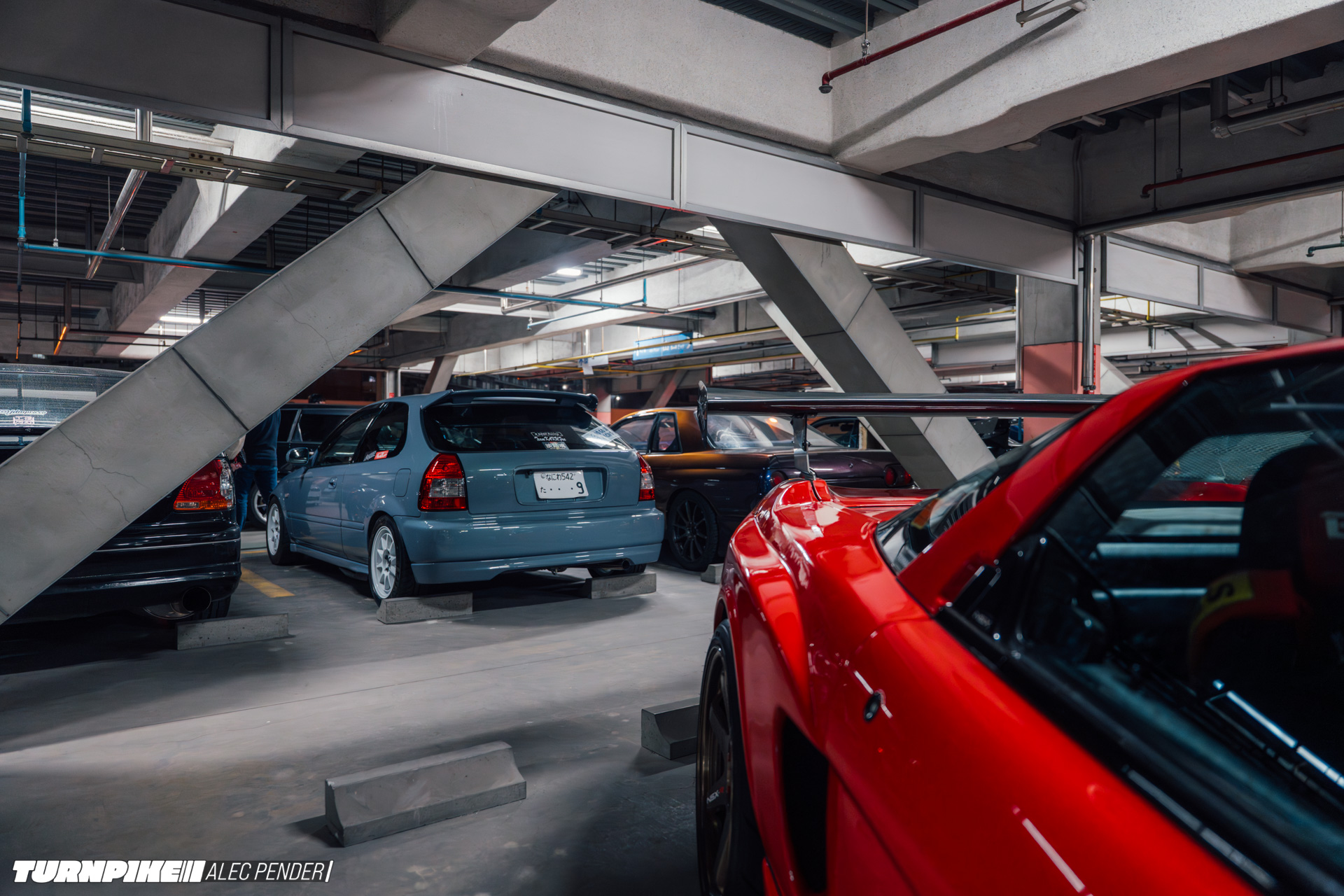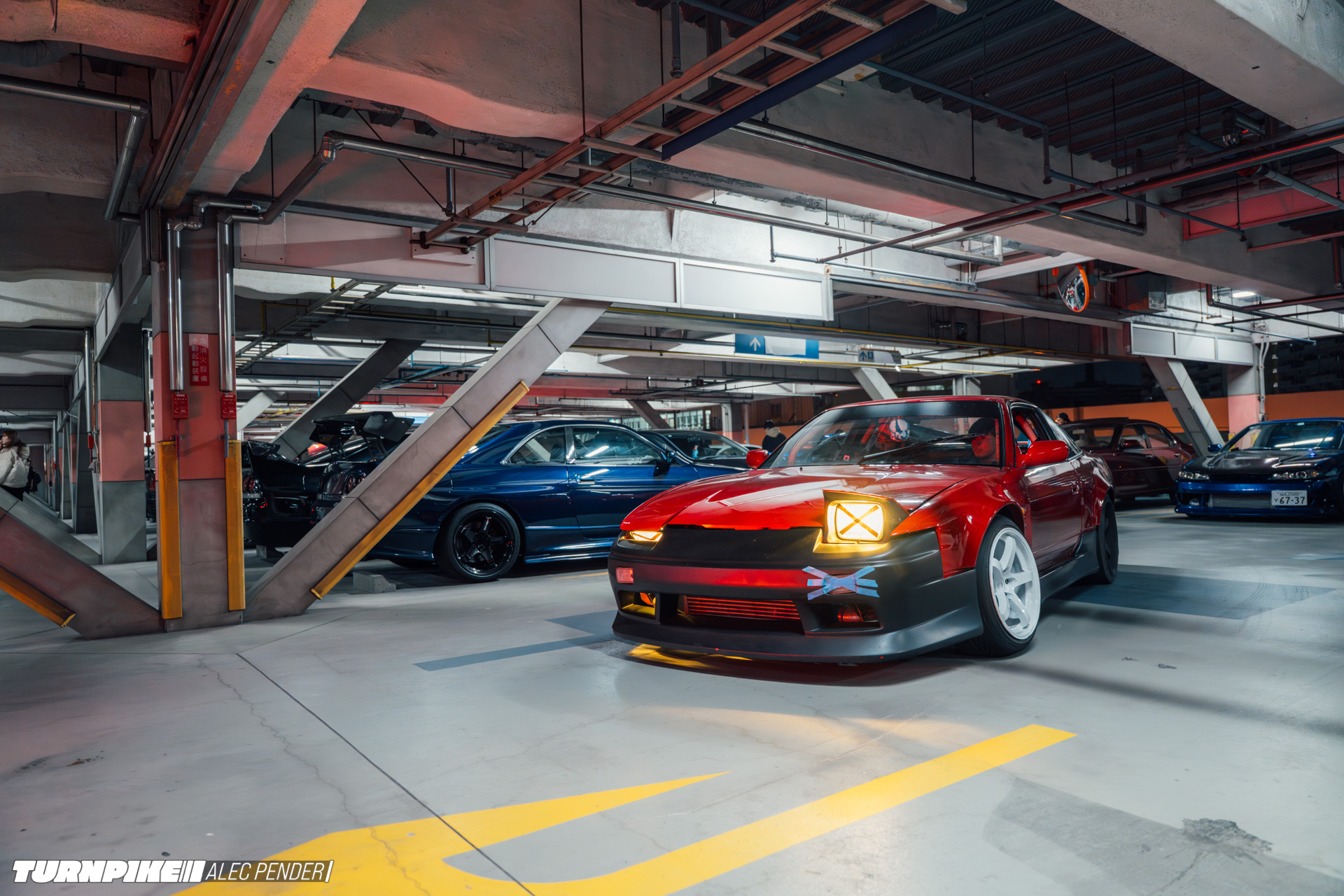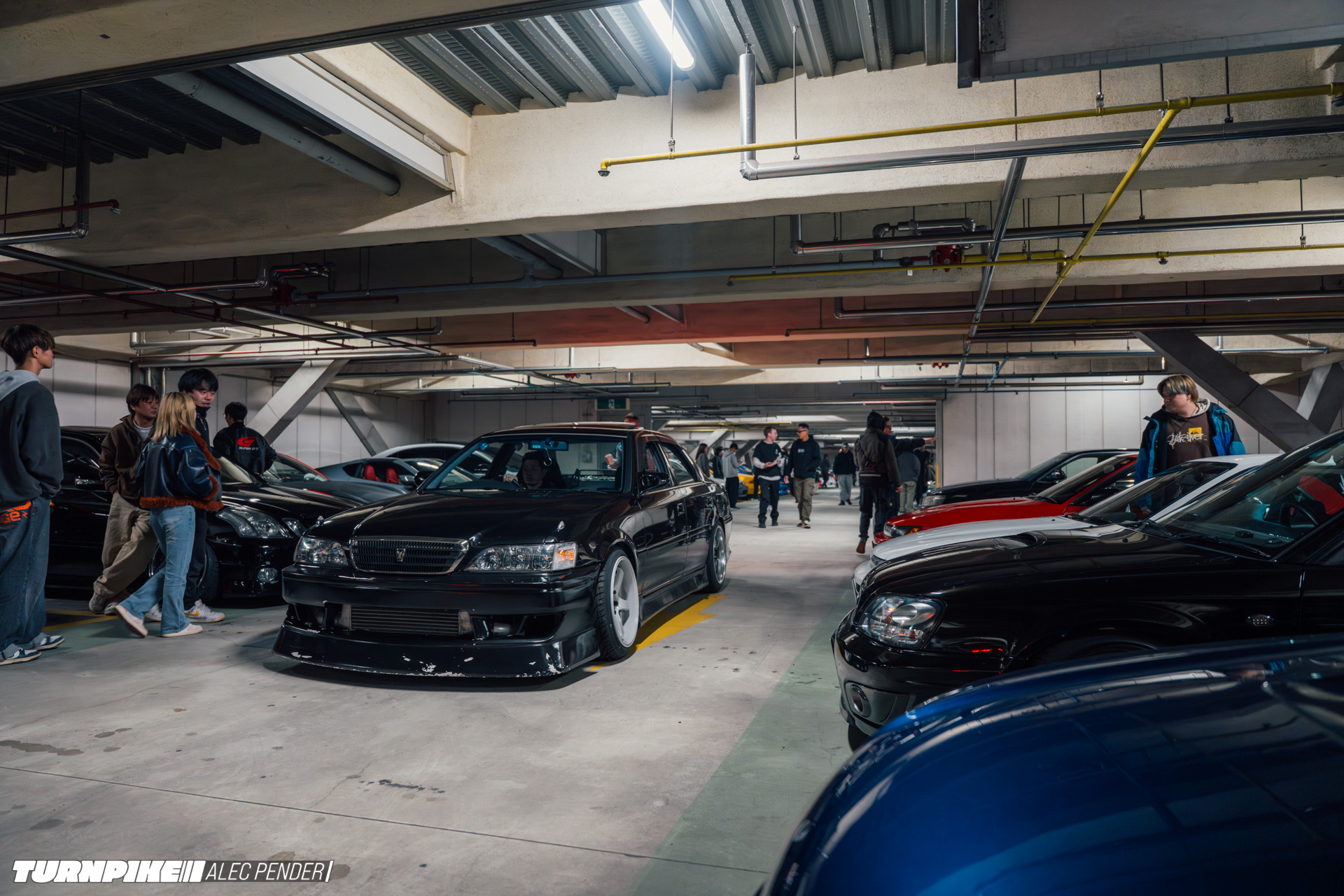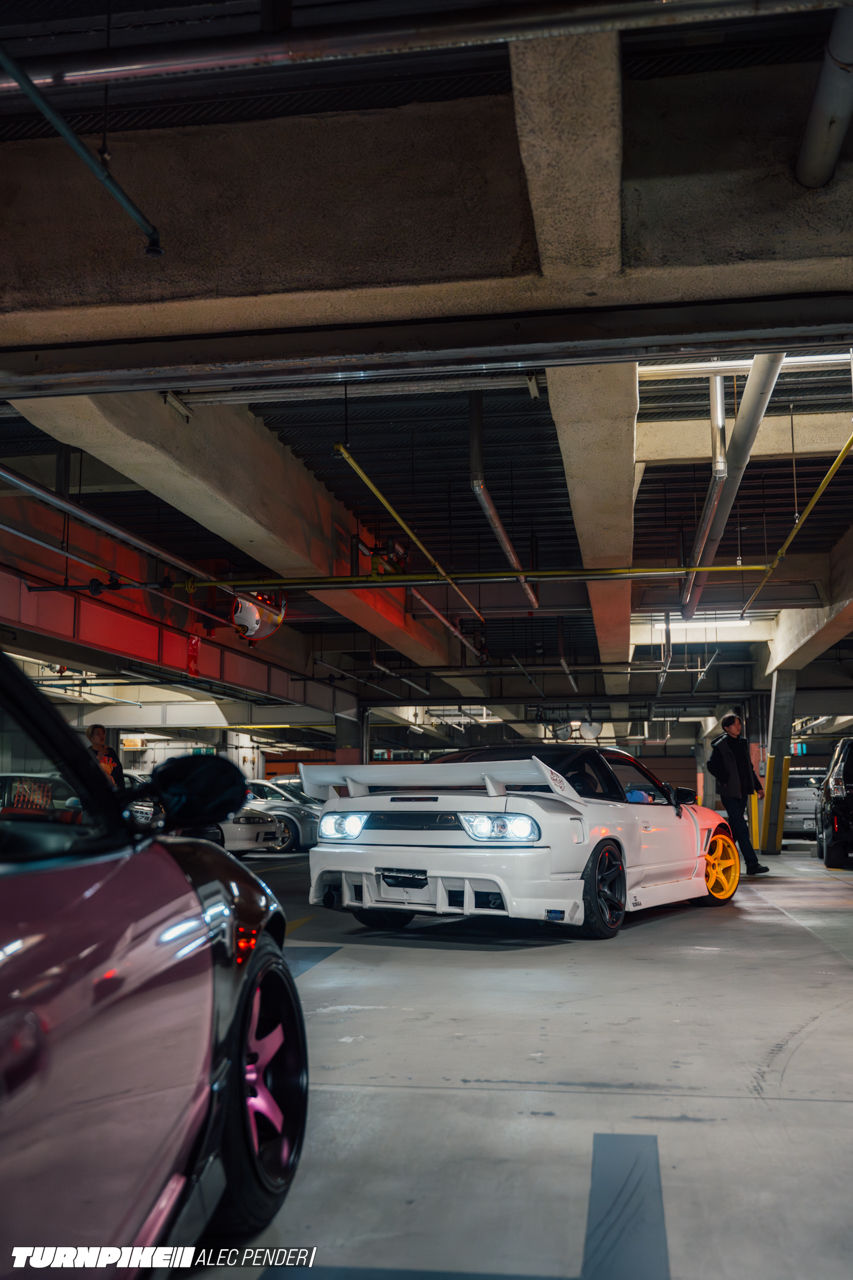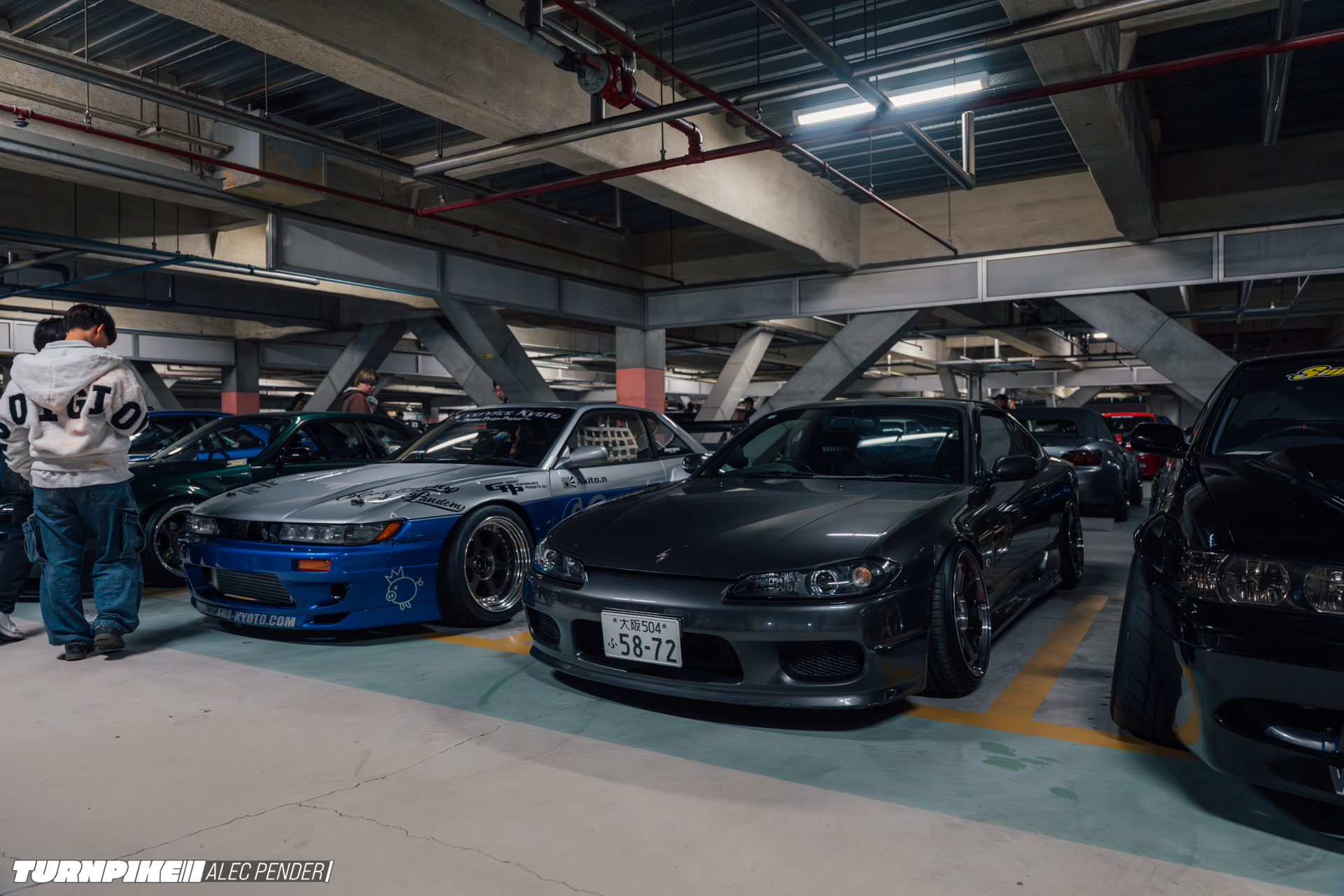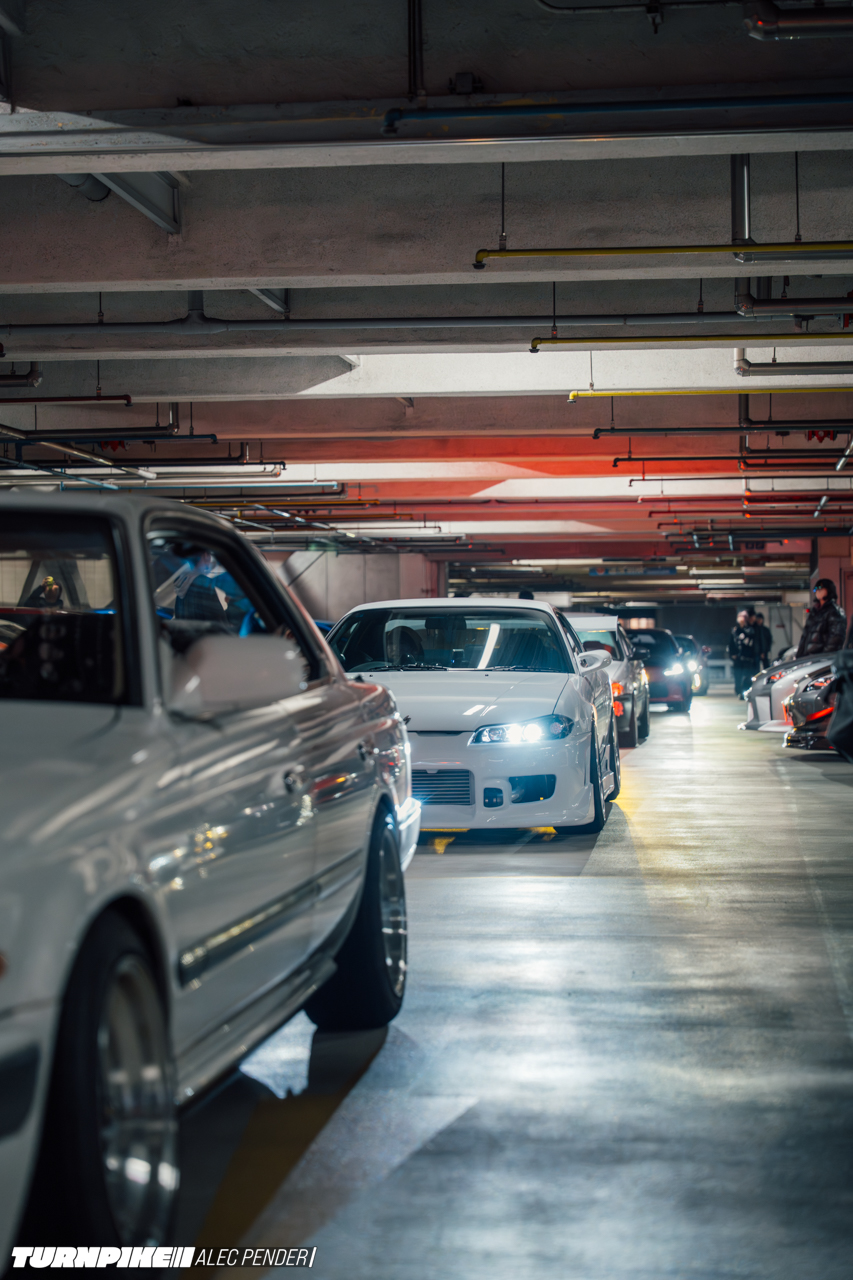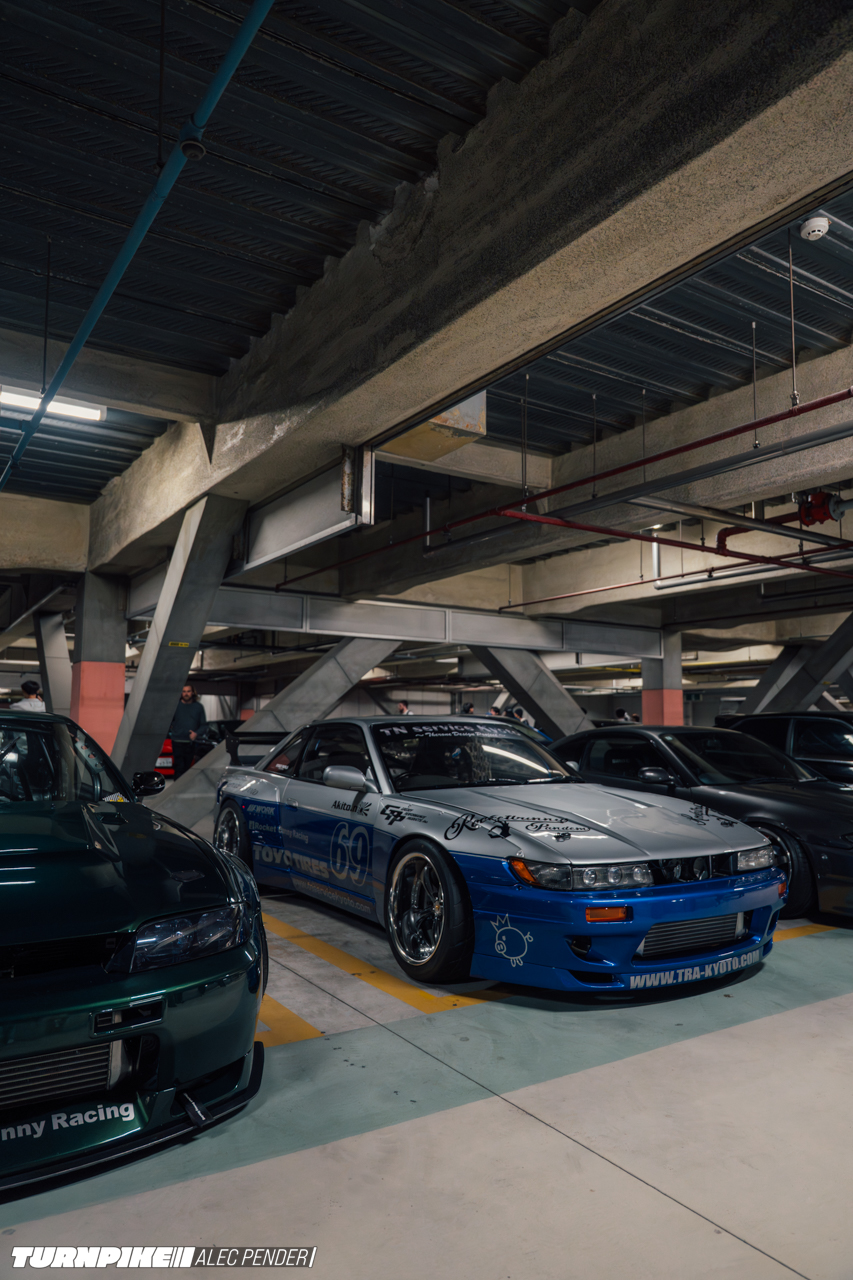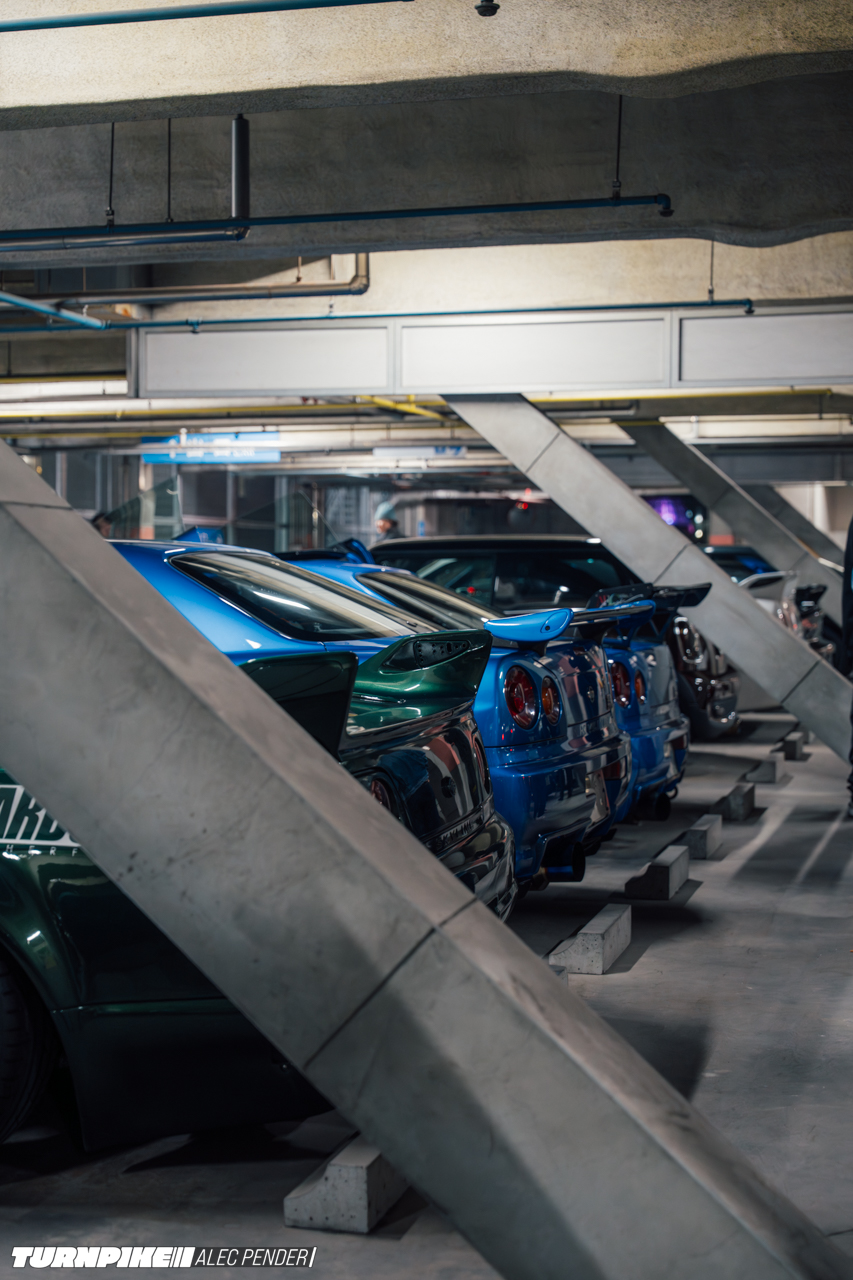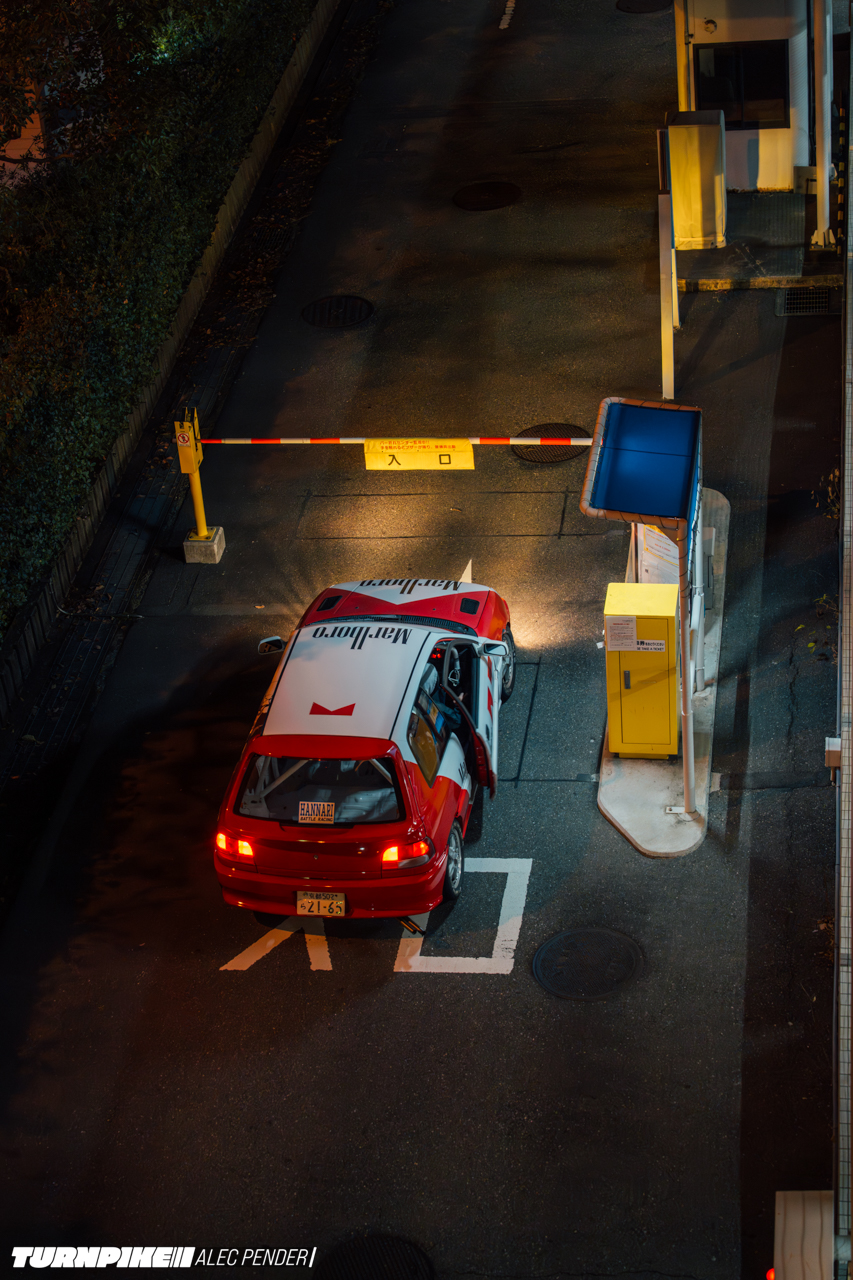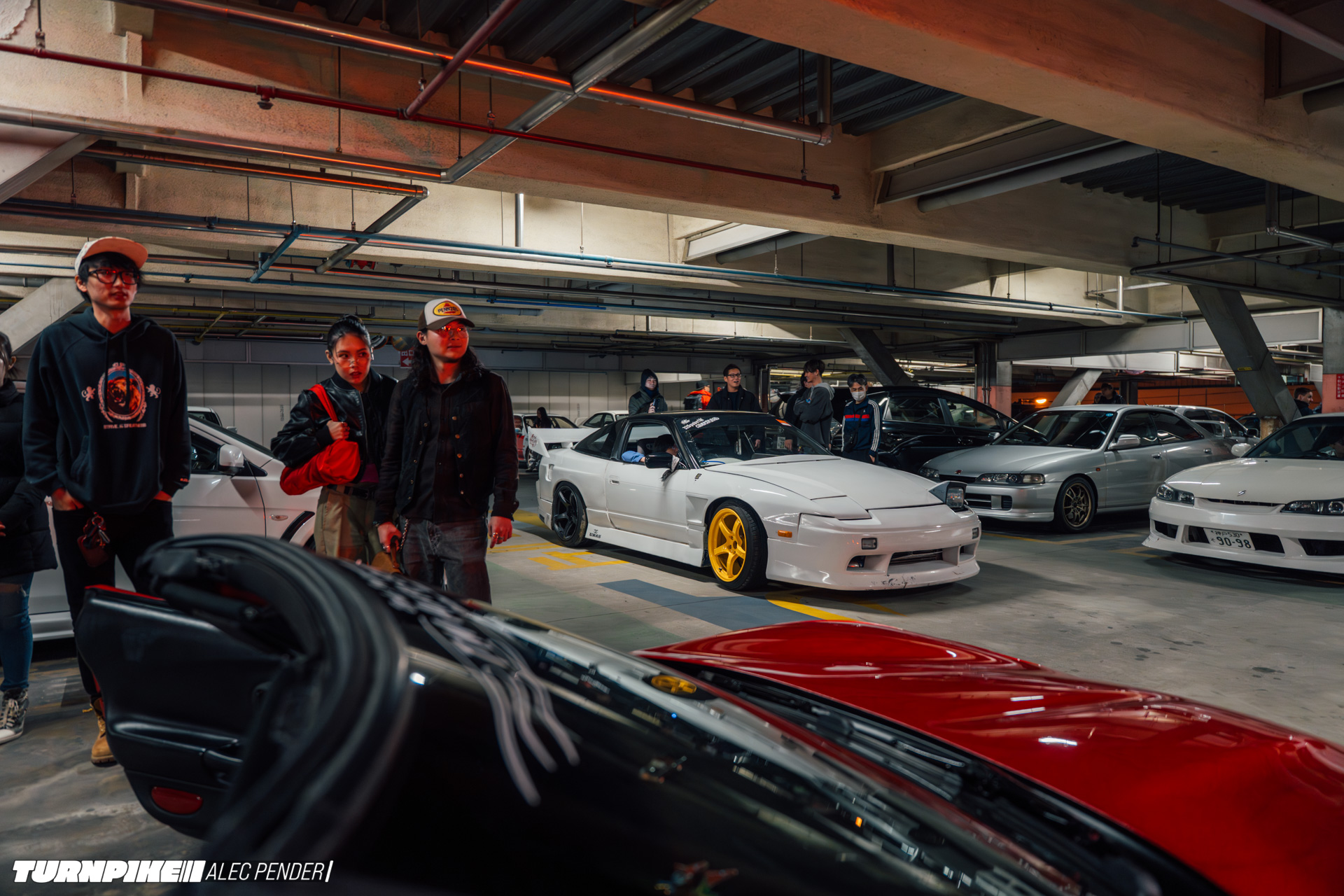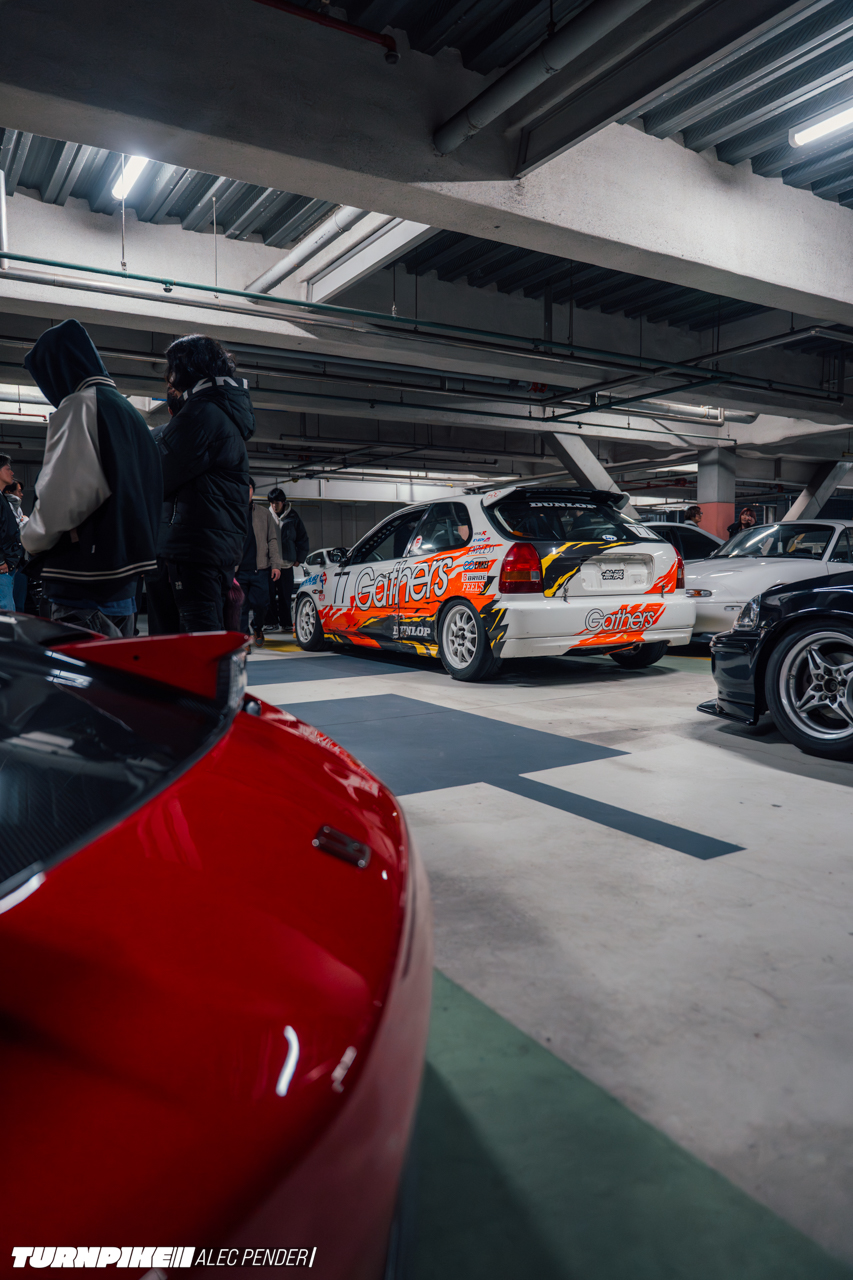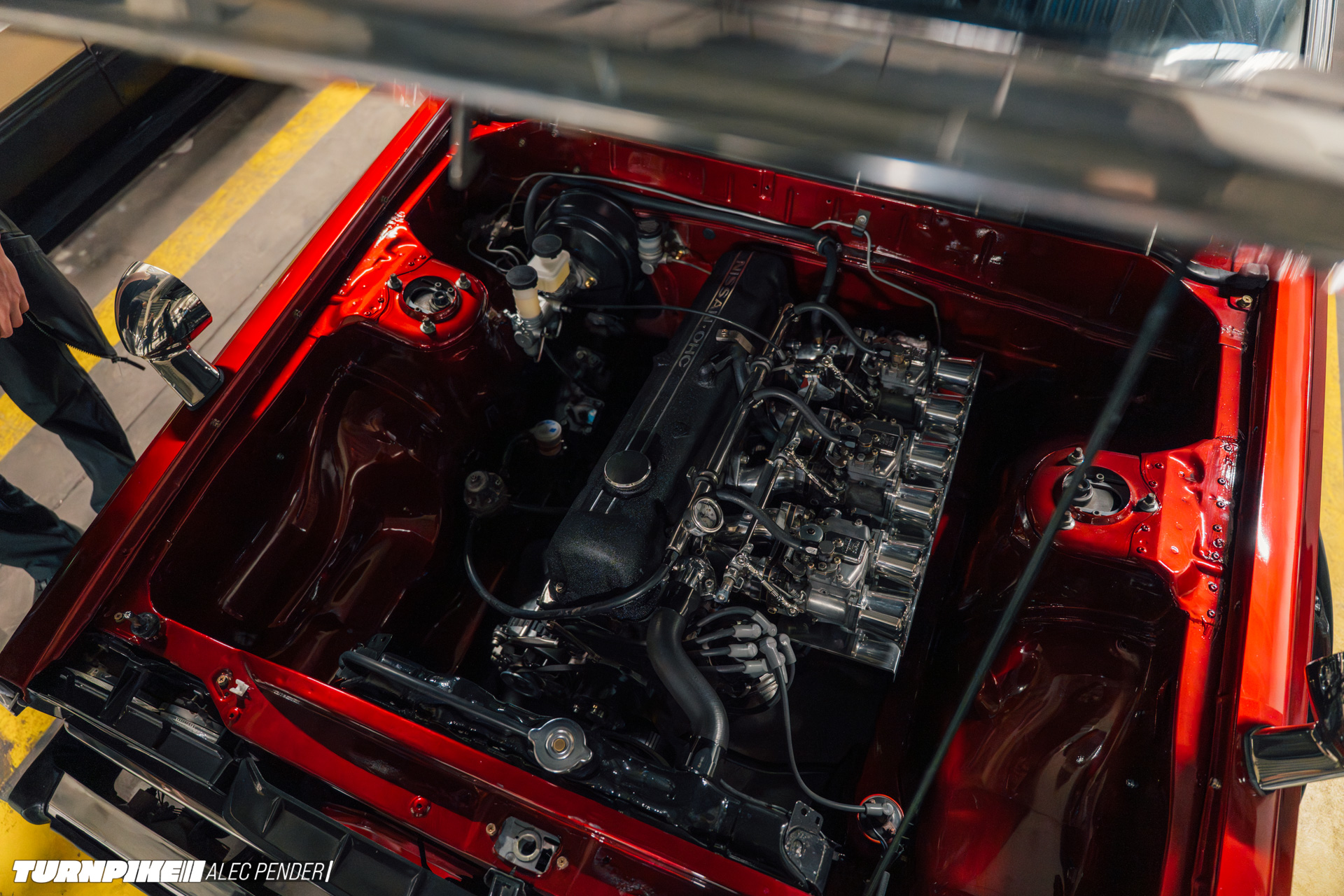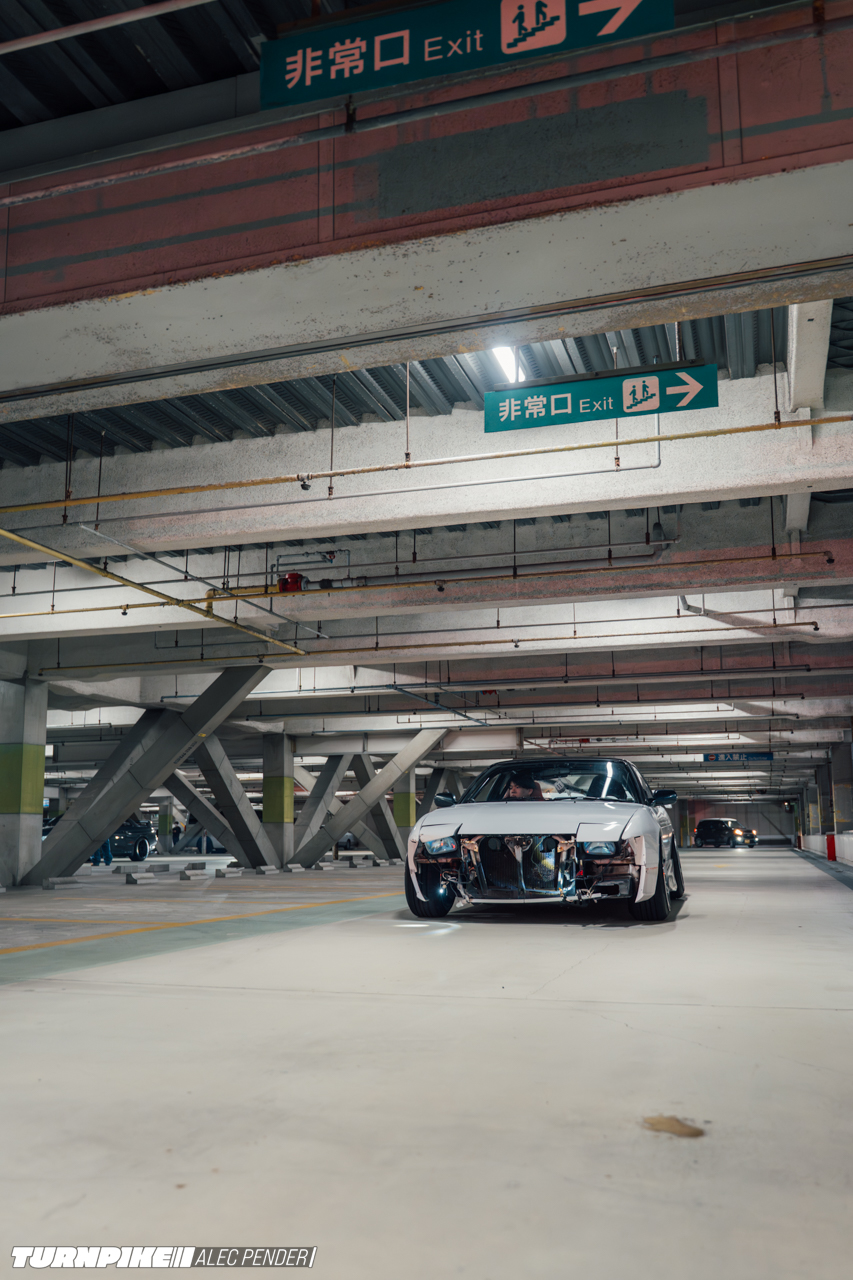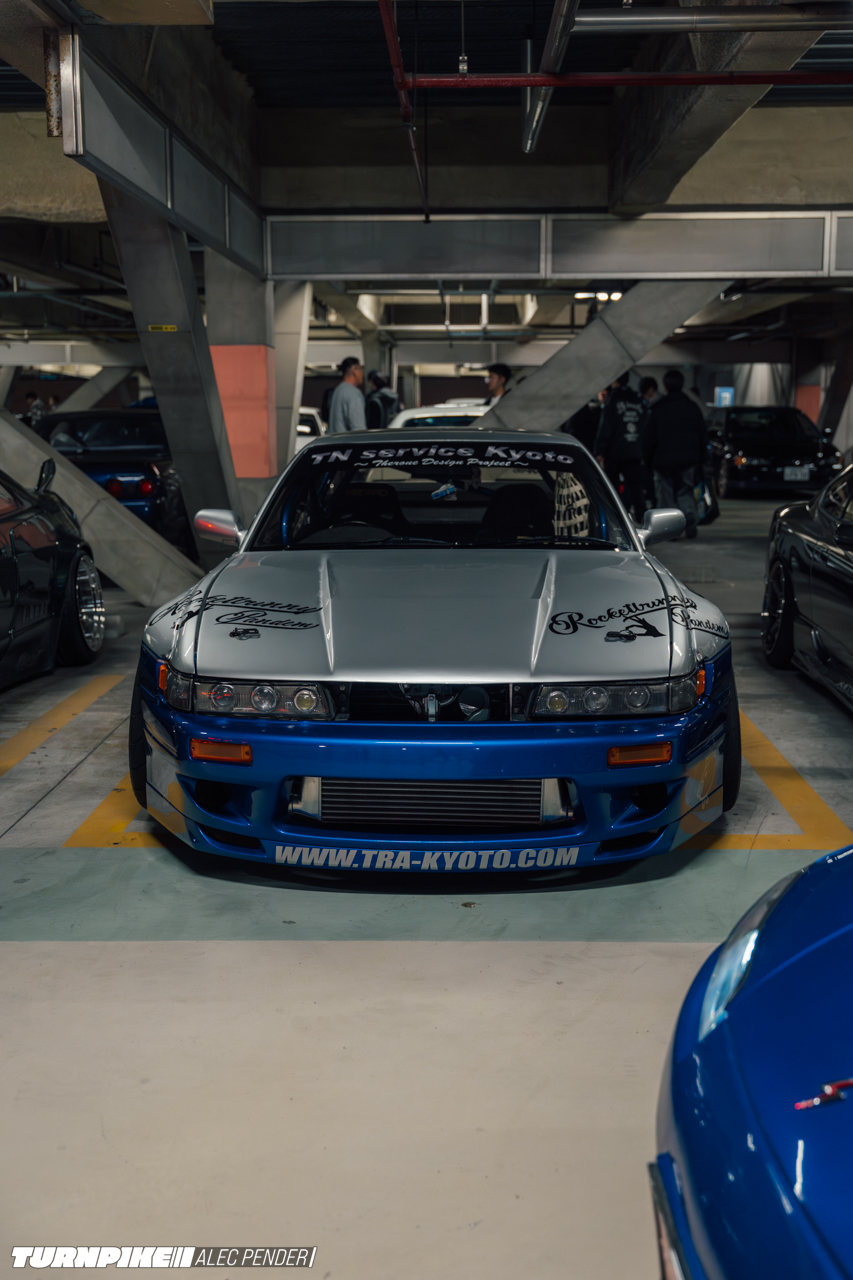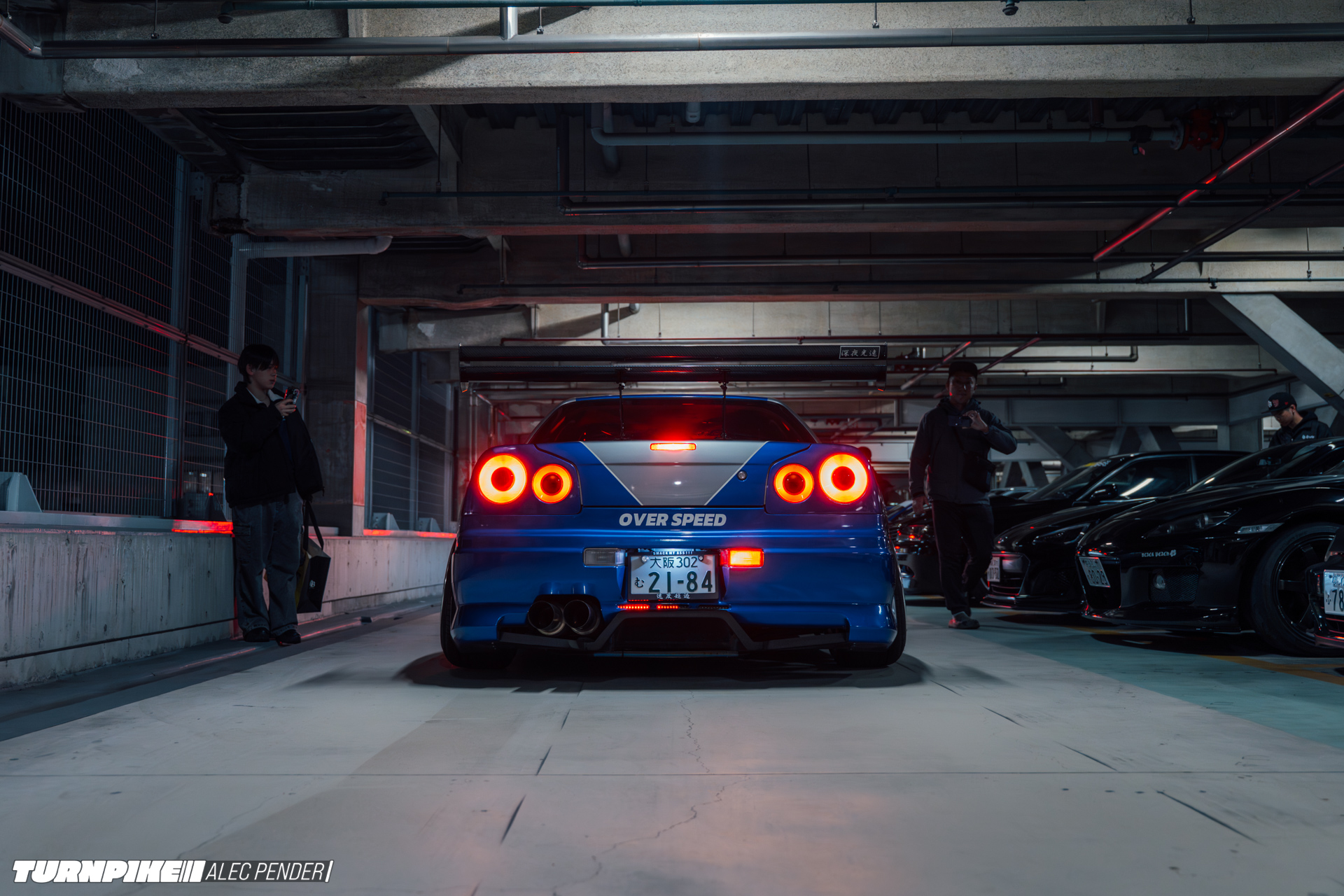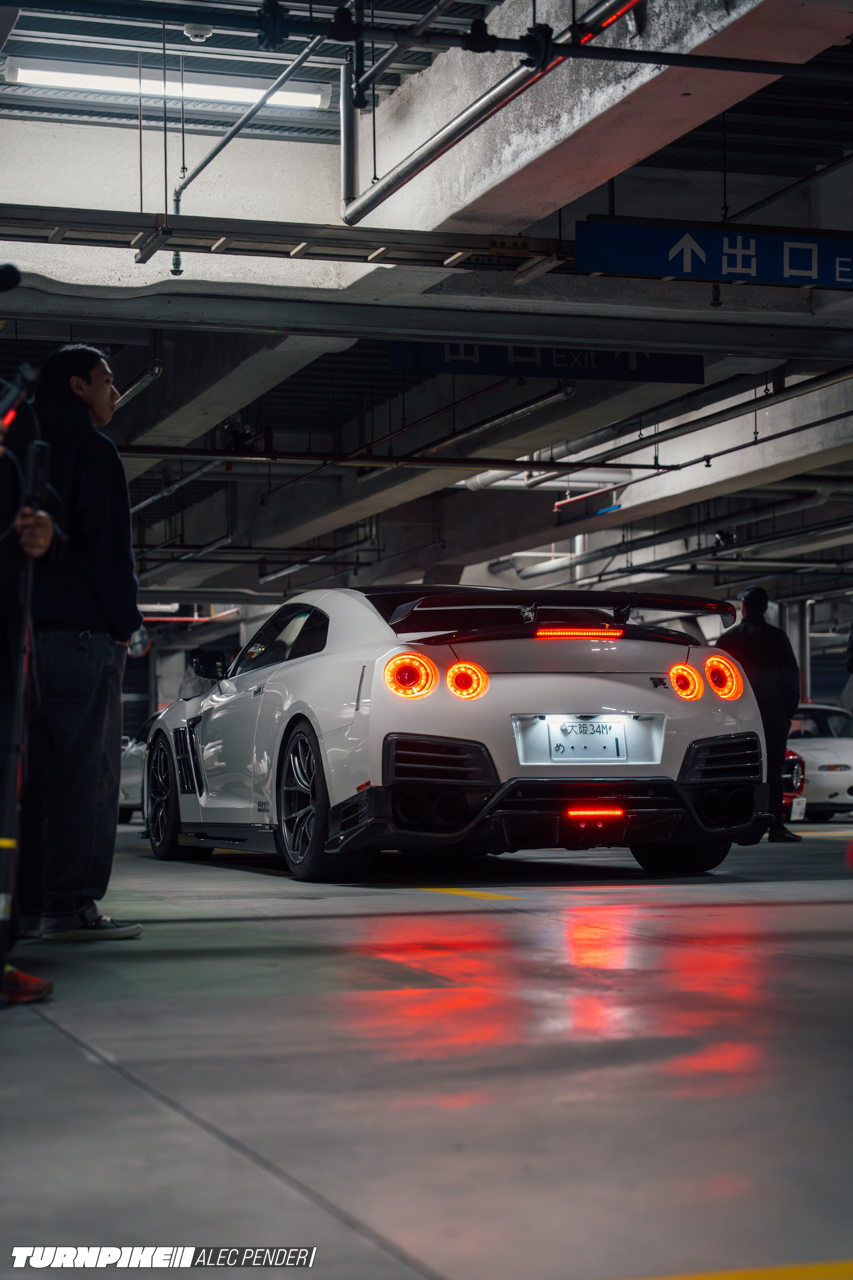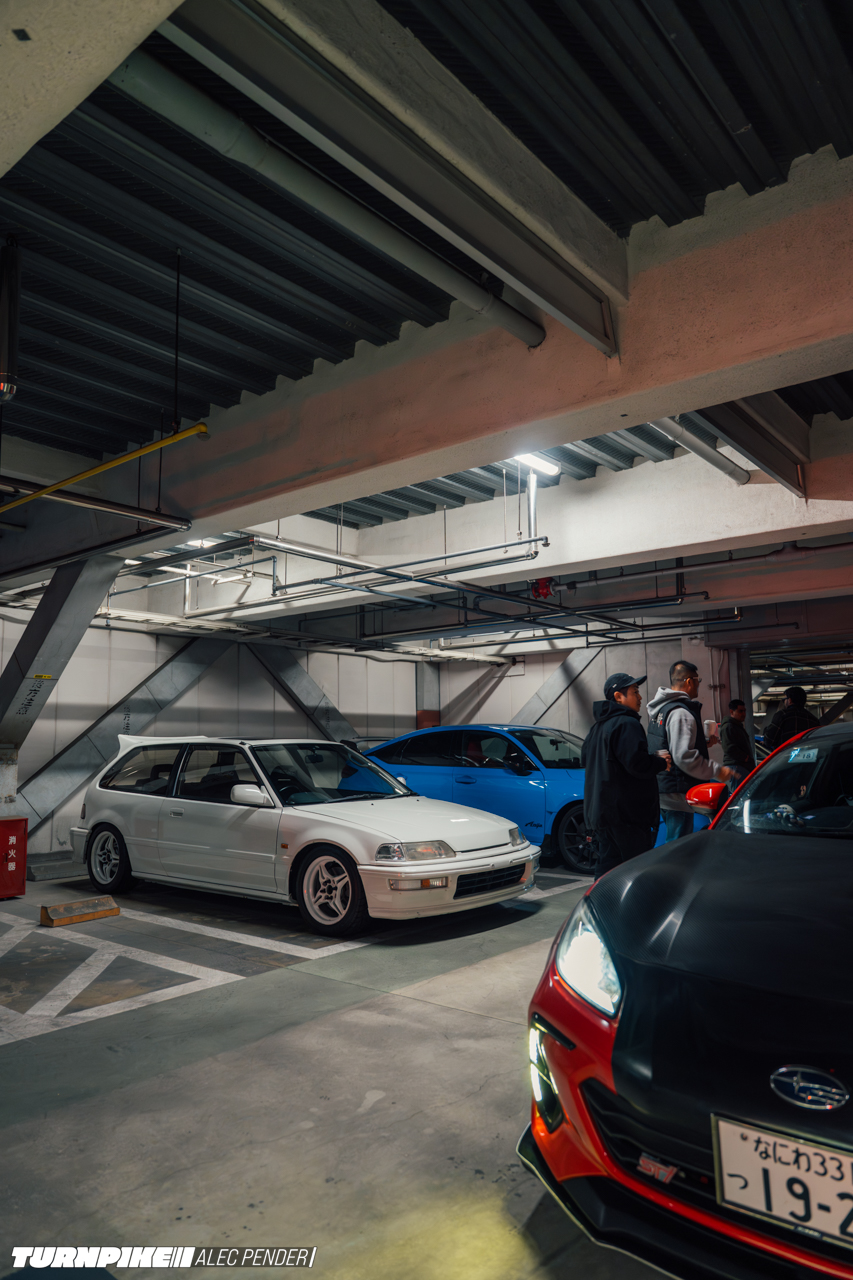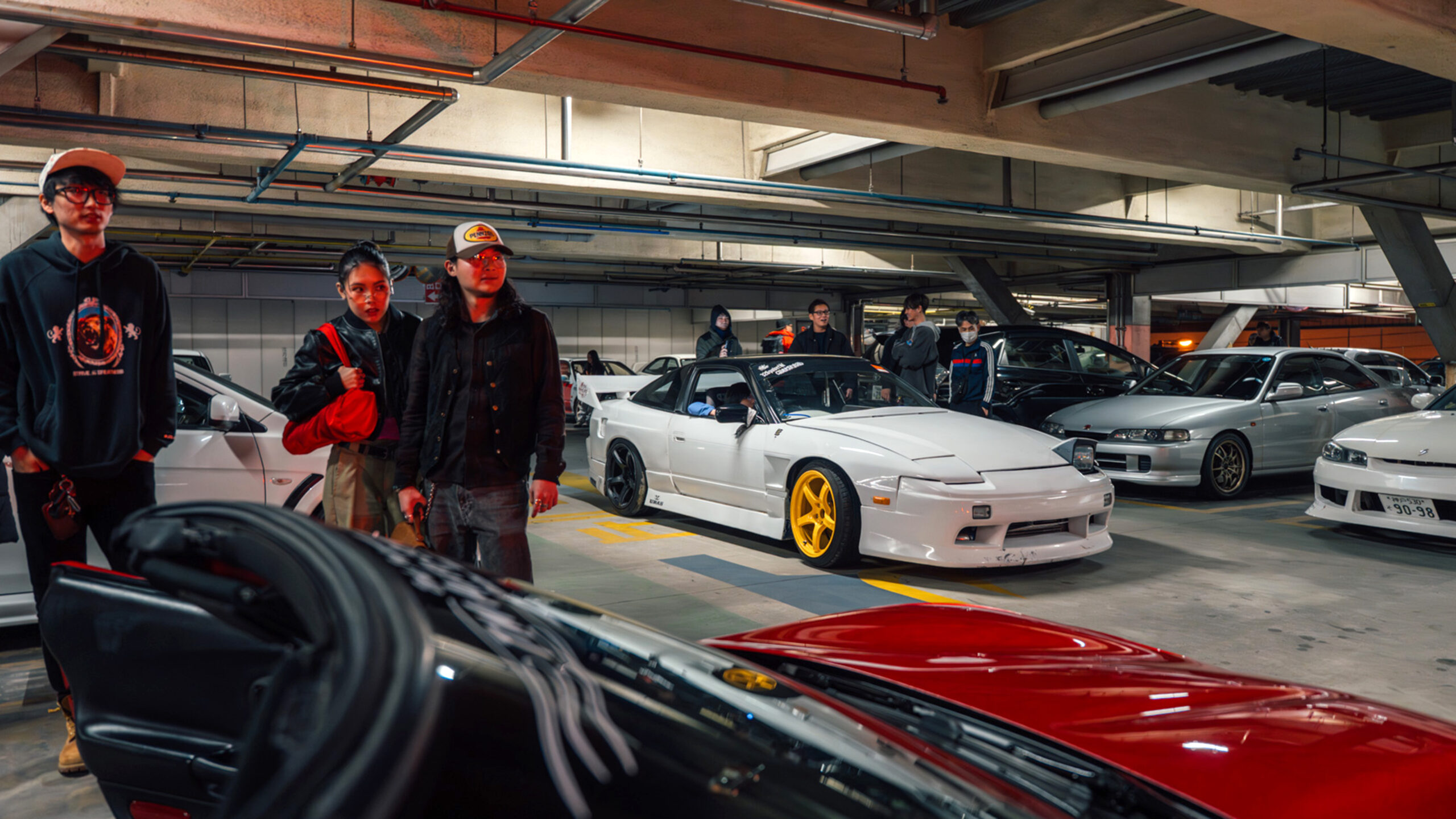
I’ve said it before, and I’ll say it again: Osaka car culture is the best in the world. It’s not because of the calibre of the cars, the locations, or even the subcultures, but for one simple reason – it’s real.
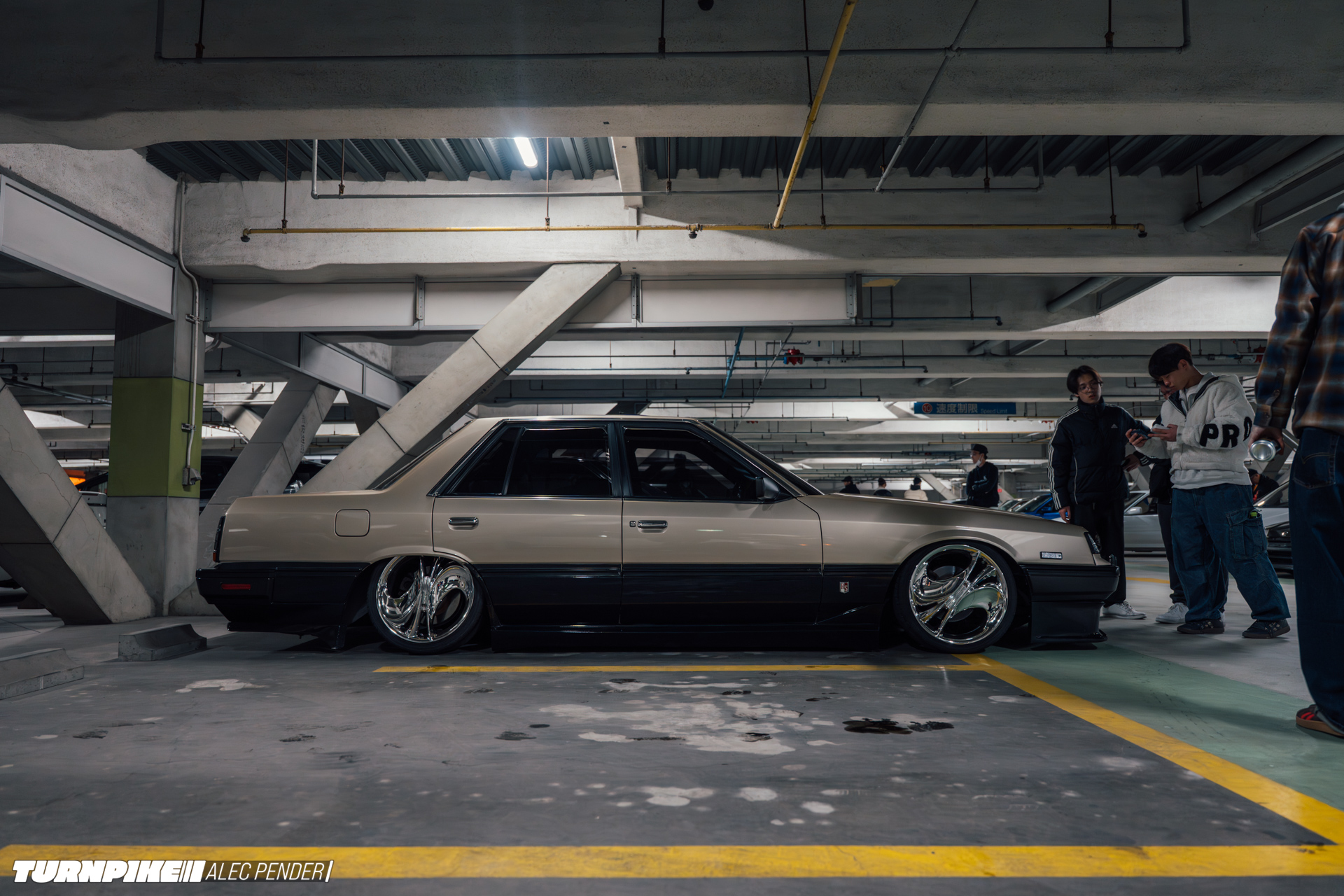
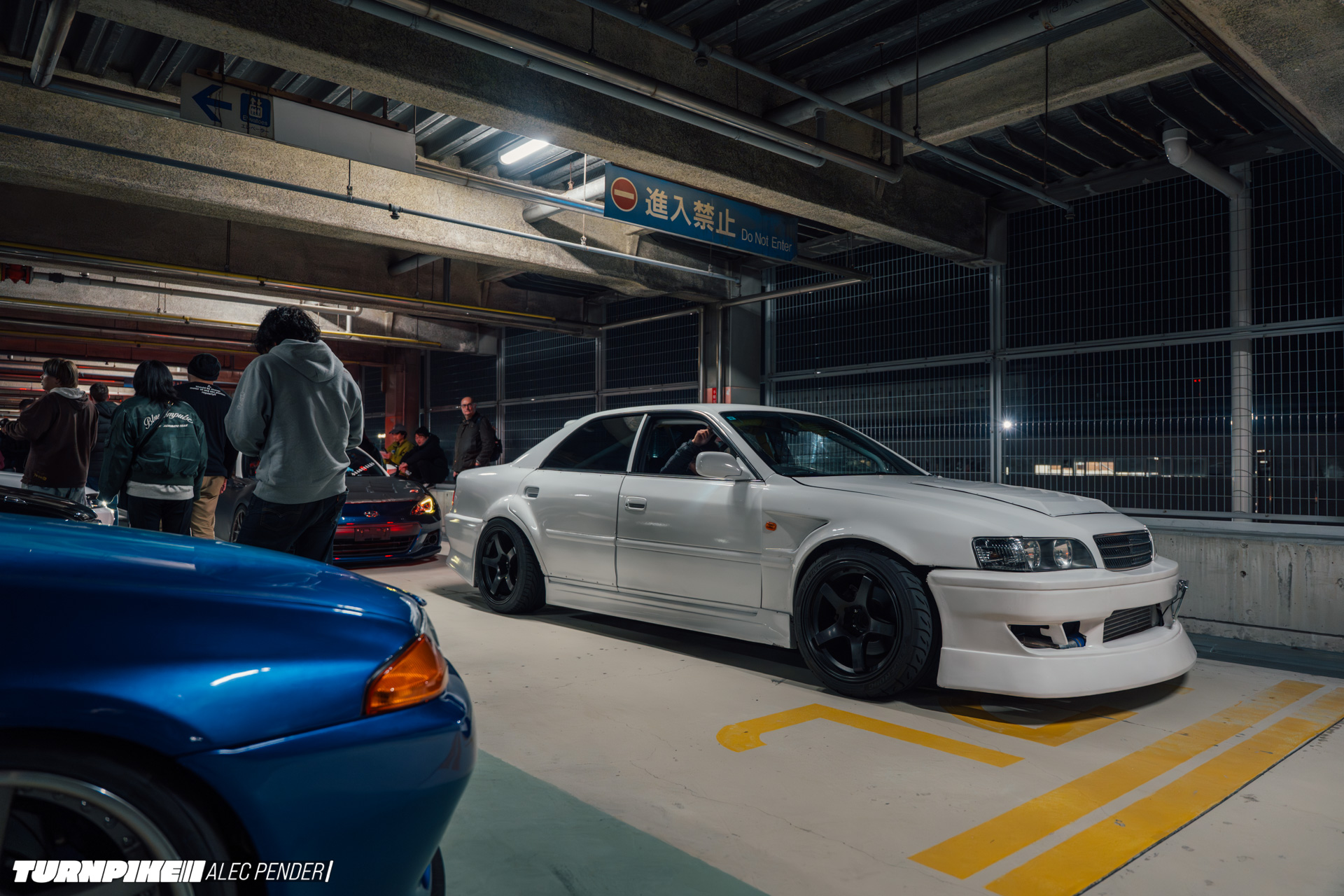
But what does ‘real’ actually mean? In the context of car culture, I think it comes down to the people. Osaka is rich in automotive diversity, from Kanjo Loop racers to a thriving drift scene, VIP builds, and high-powered street cars. There is a bit of everything for everyone in this city. What differentiates it from other parts of Japan and the world is the clear attitude of car builders, who do whatever they want. No approval is needed. That mindset is never more obvious than when it all comes together under one roof.
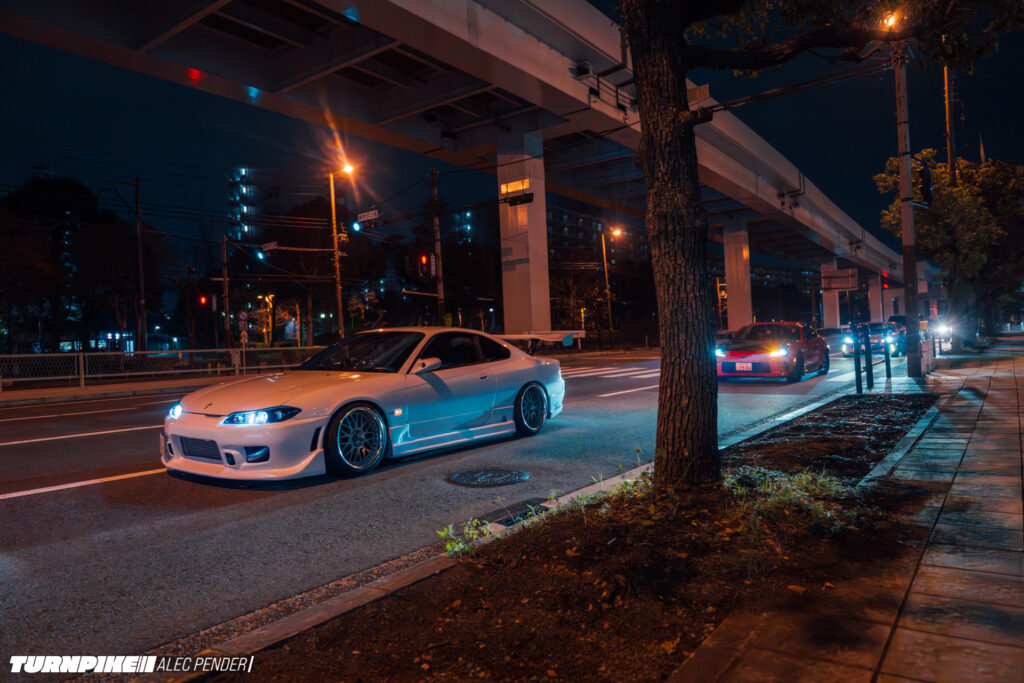
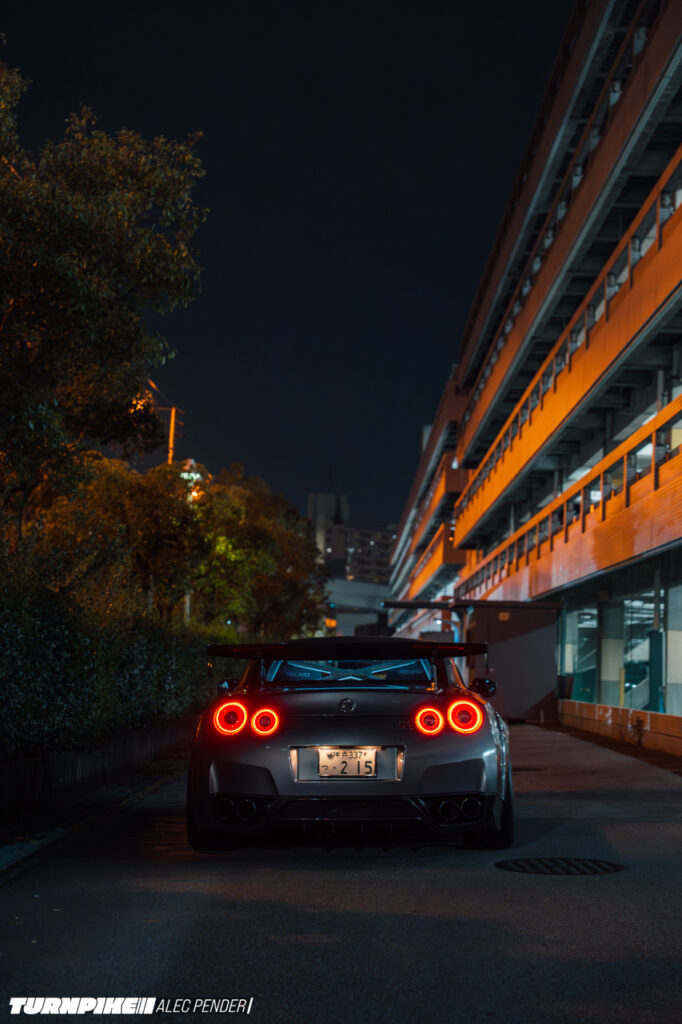
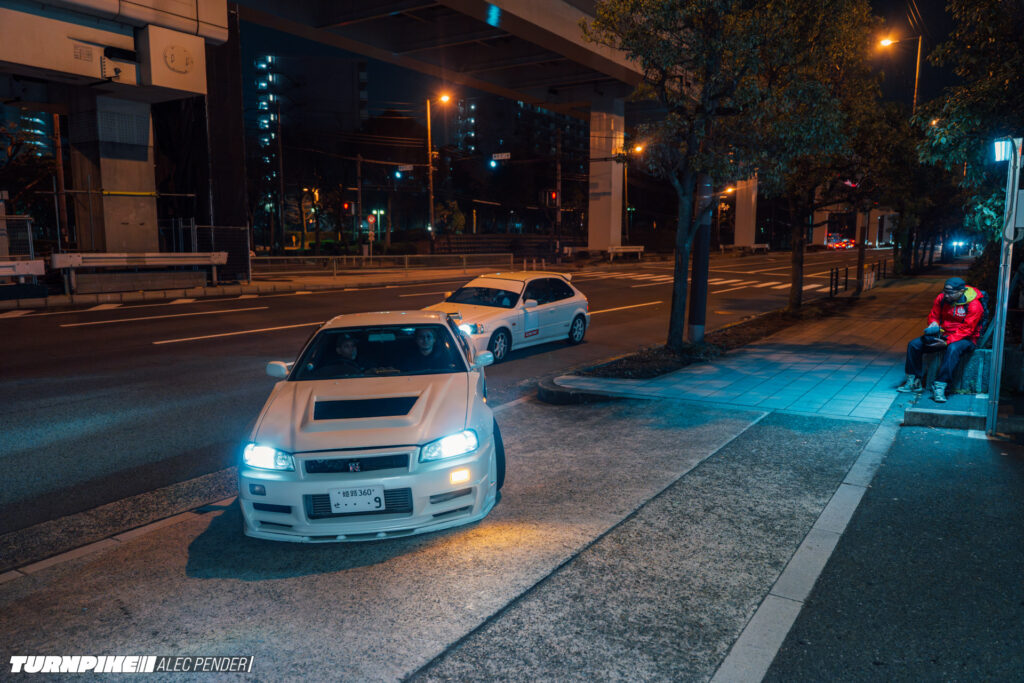
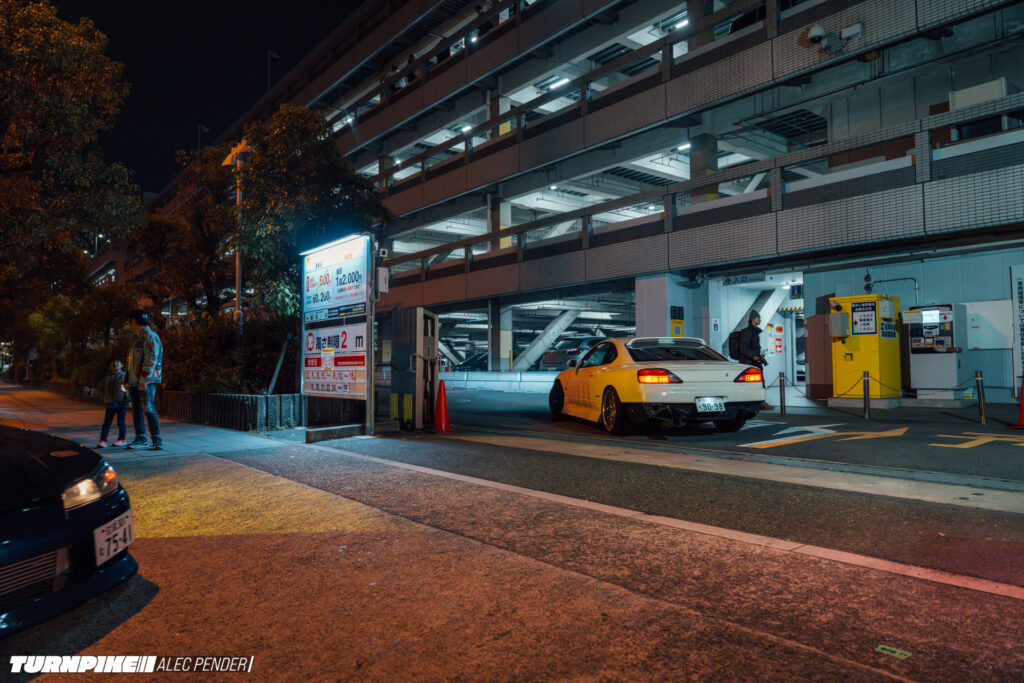
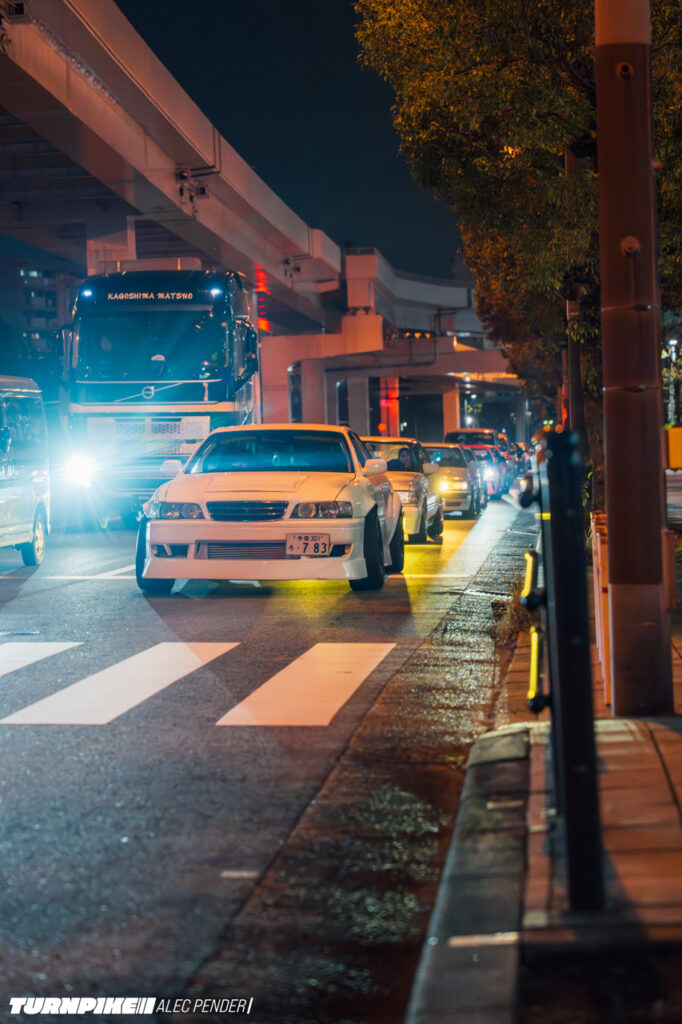
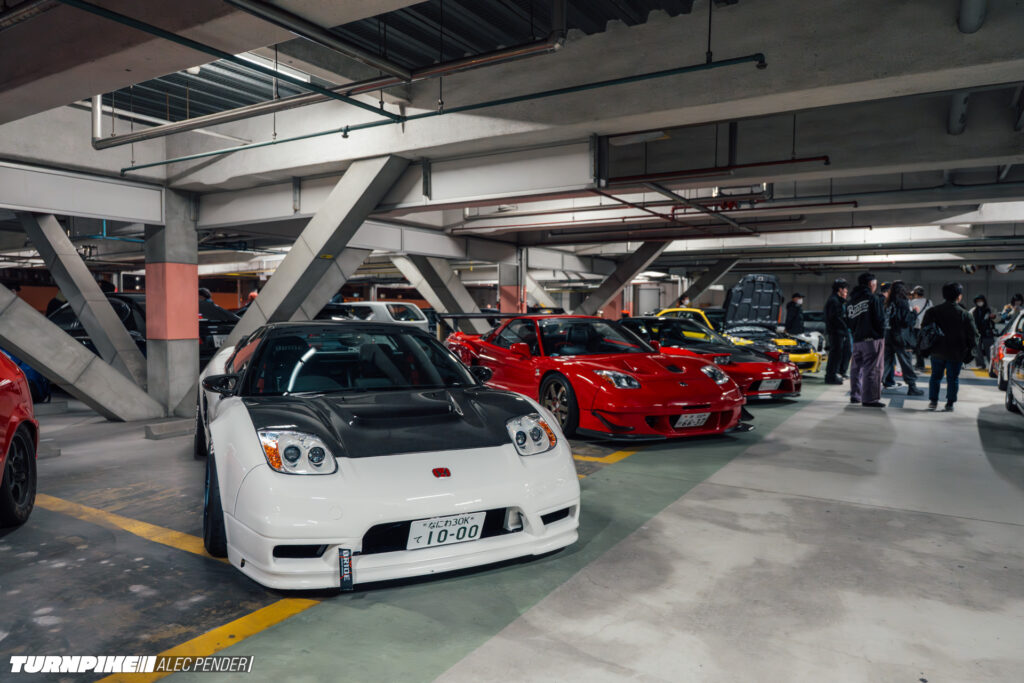
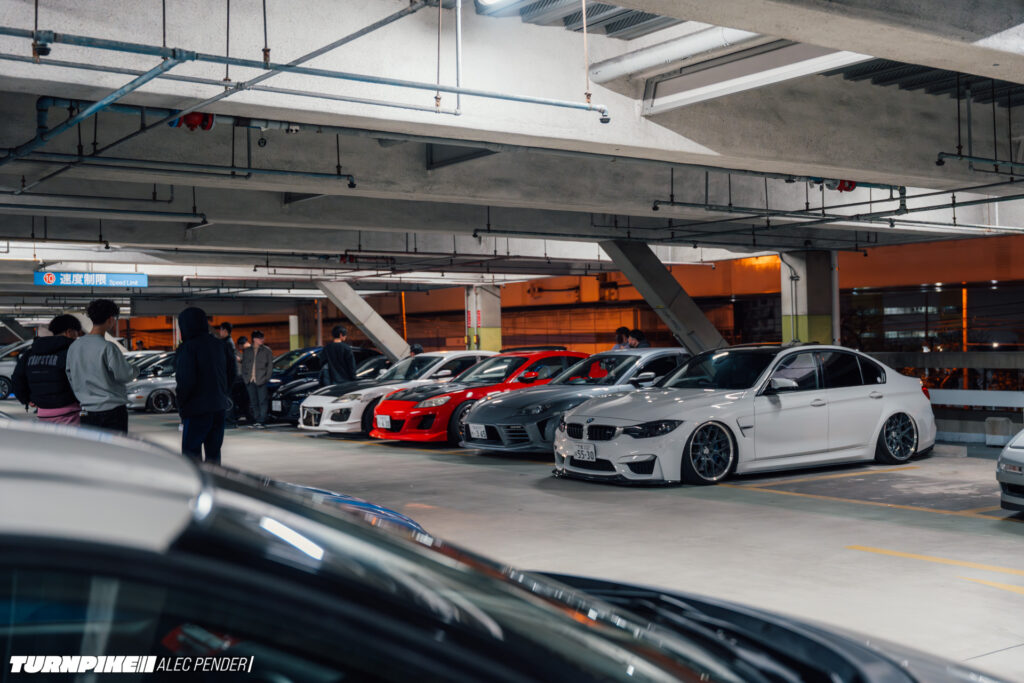
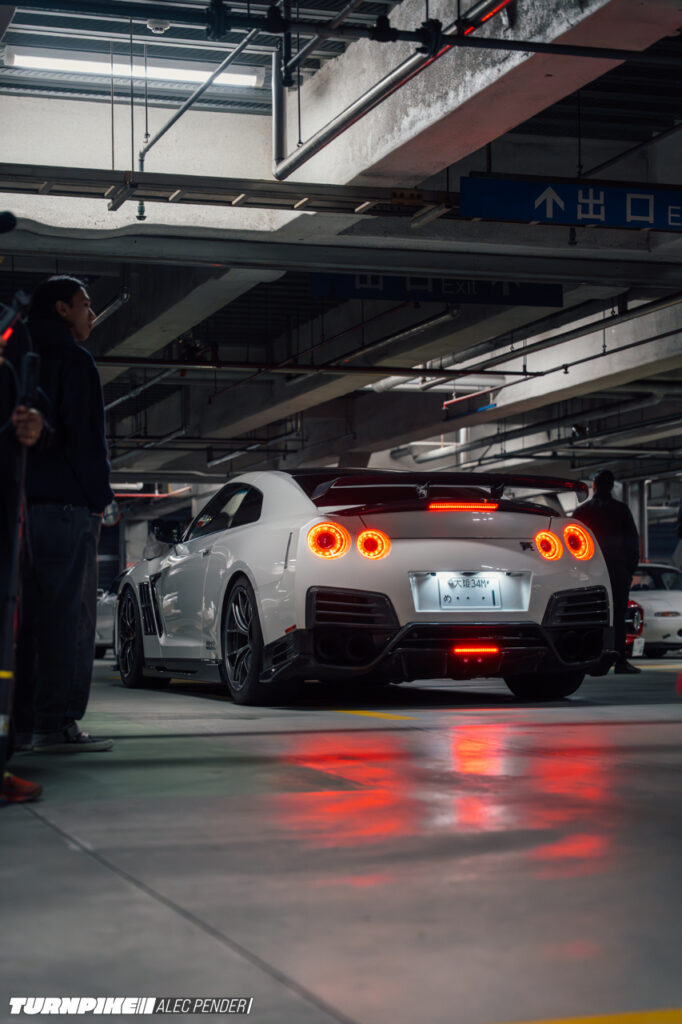
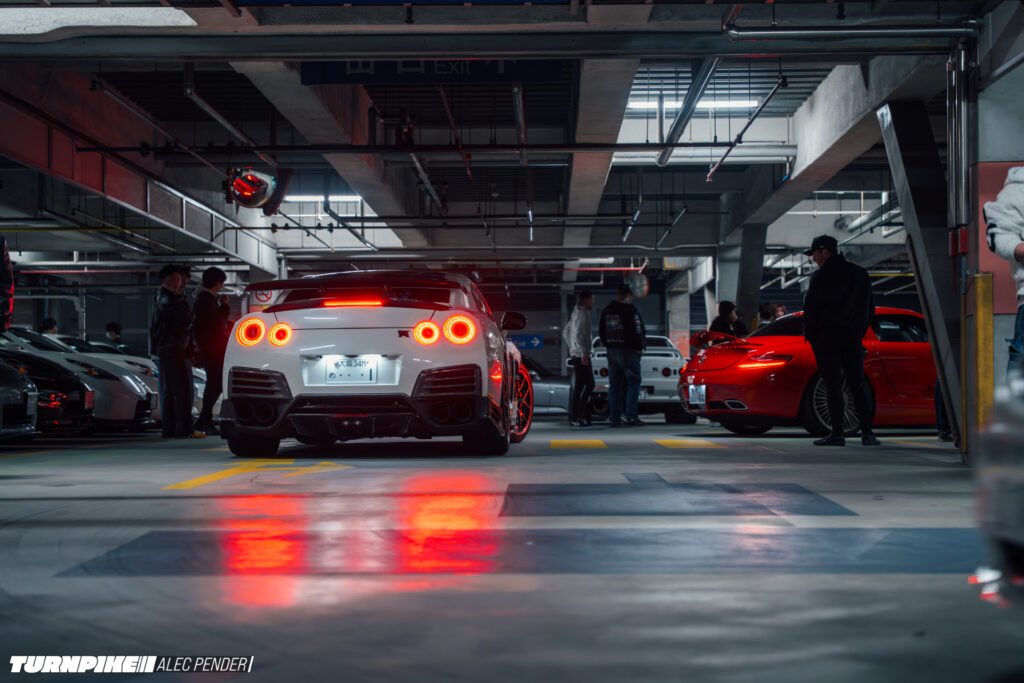
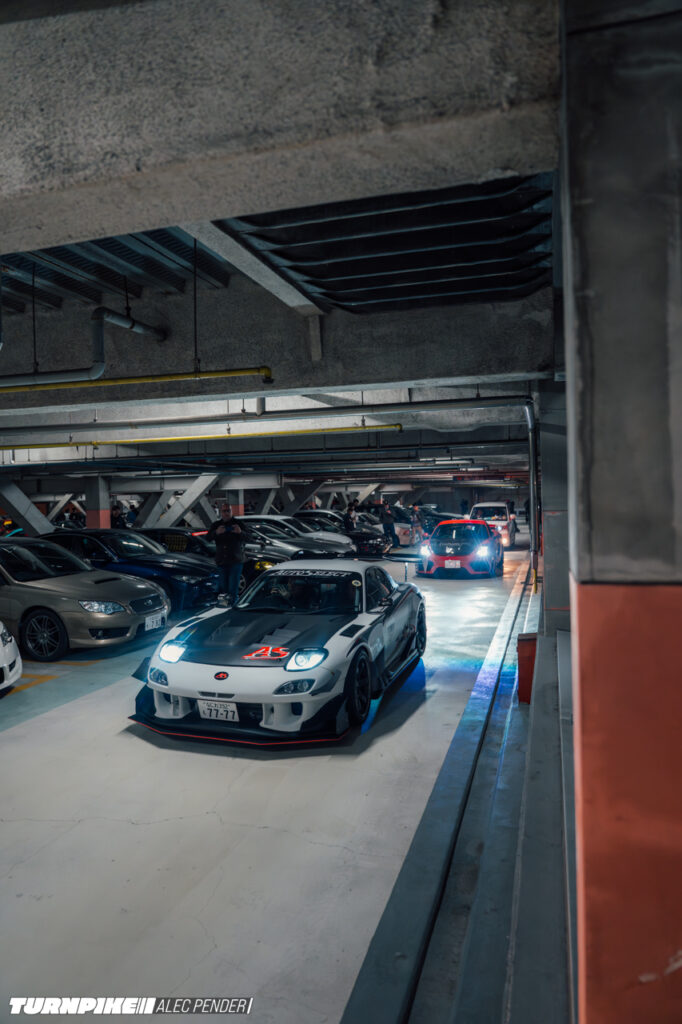
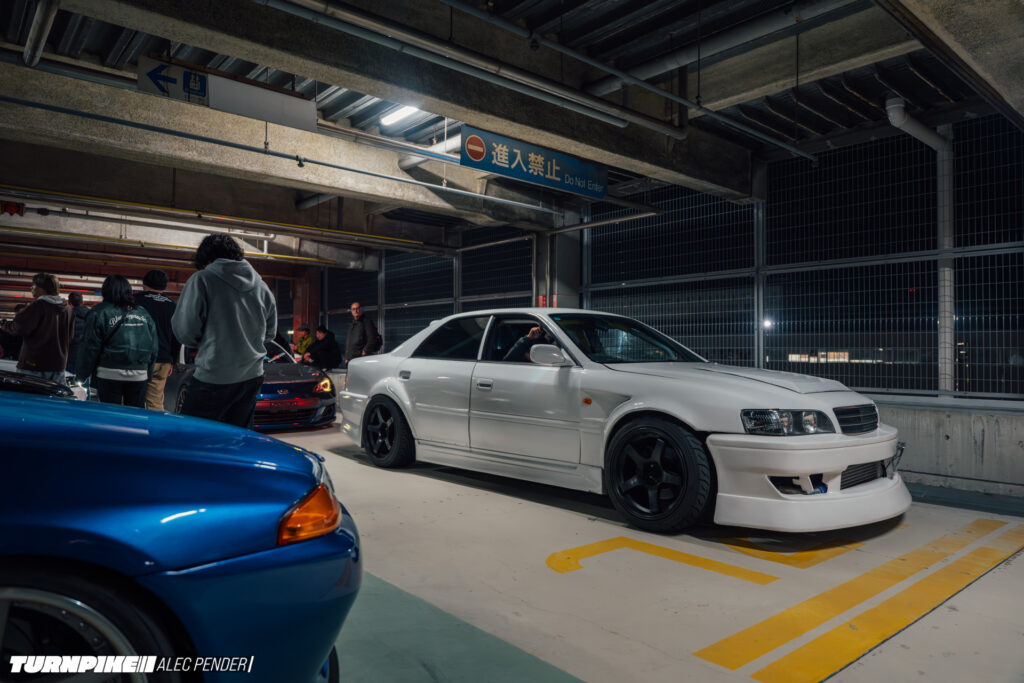
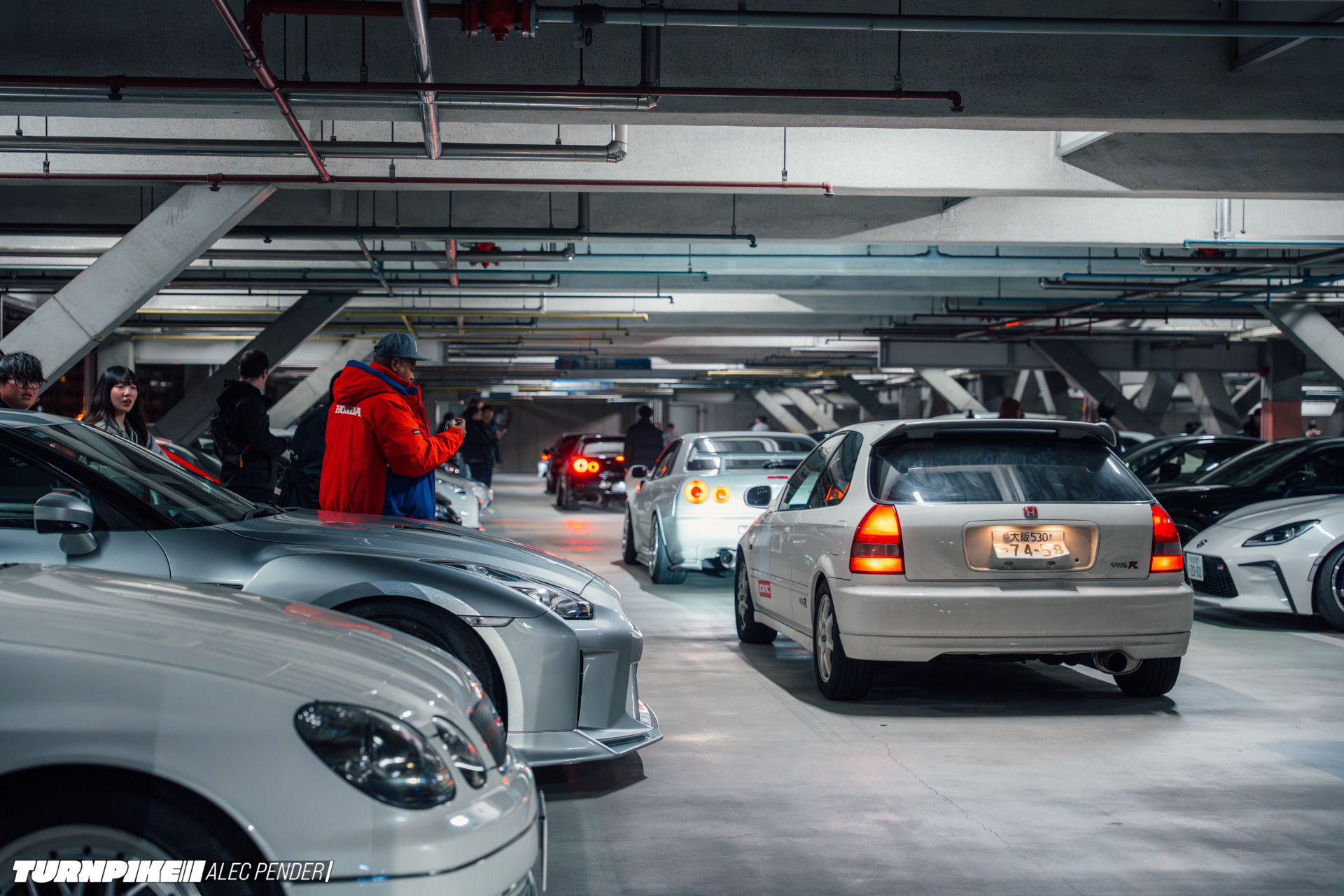
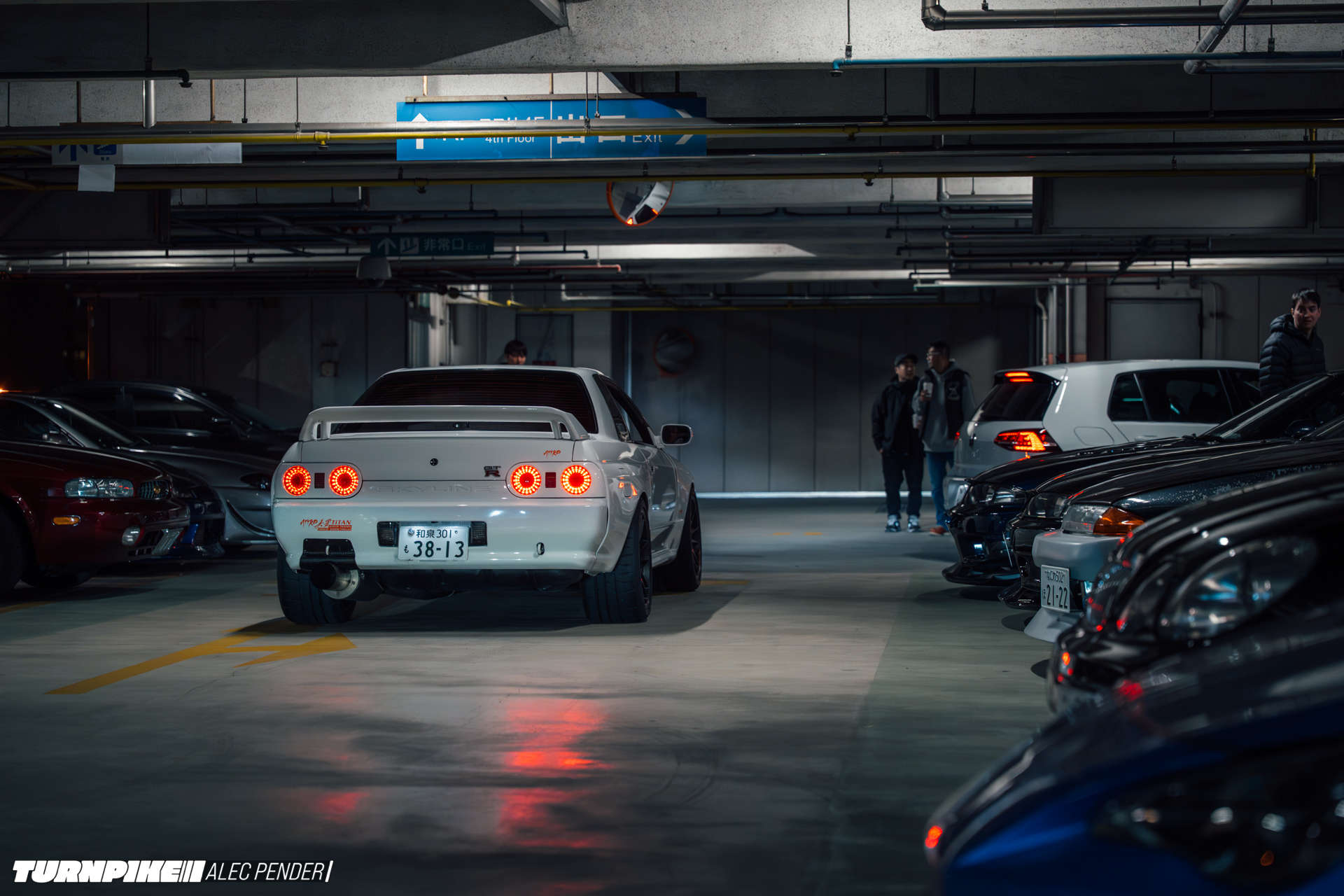
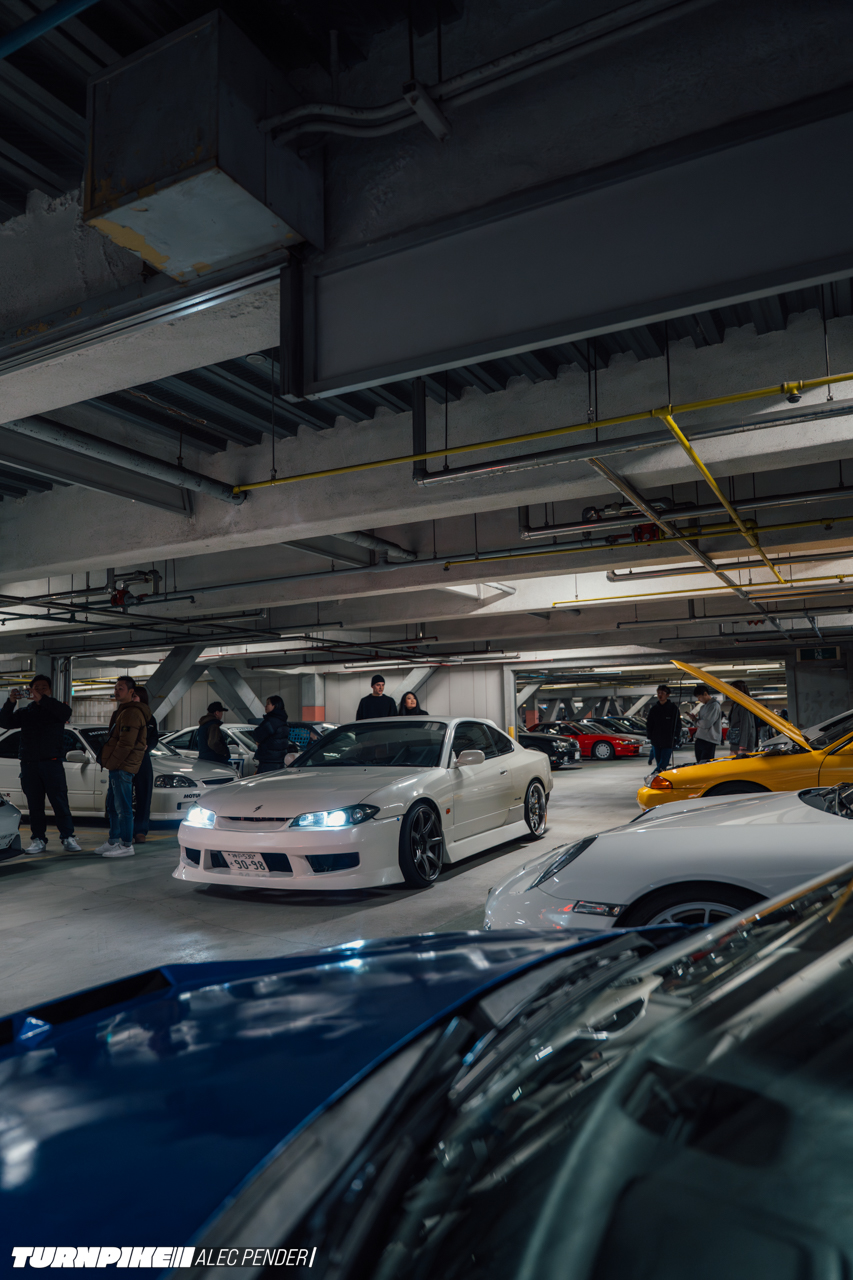
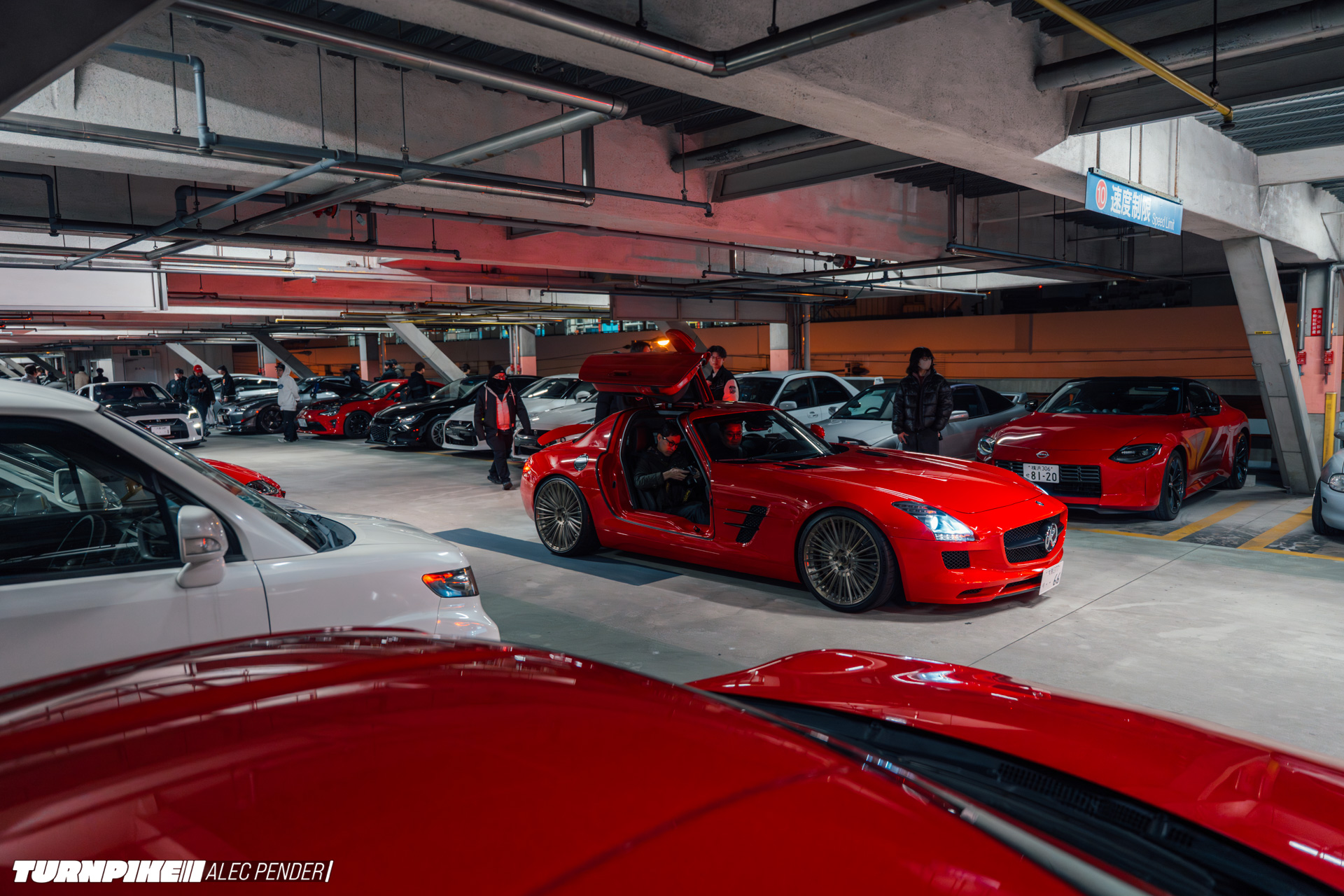
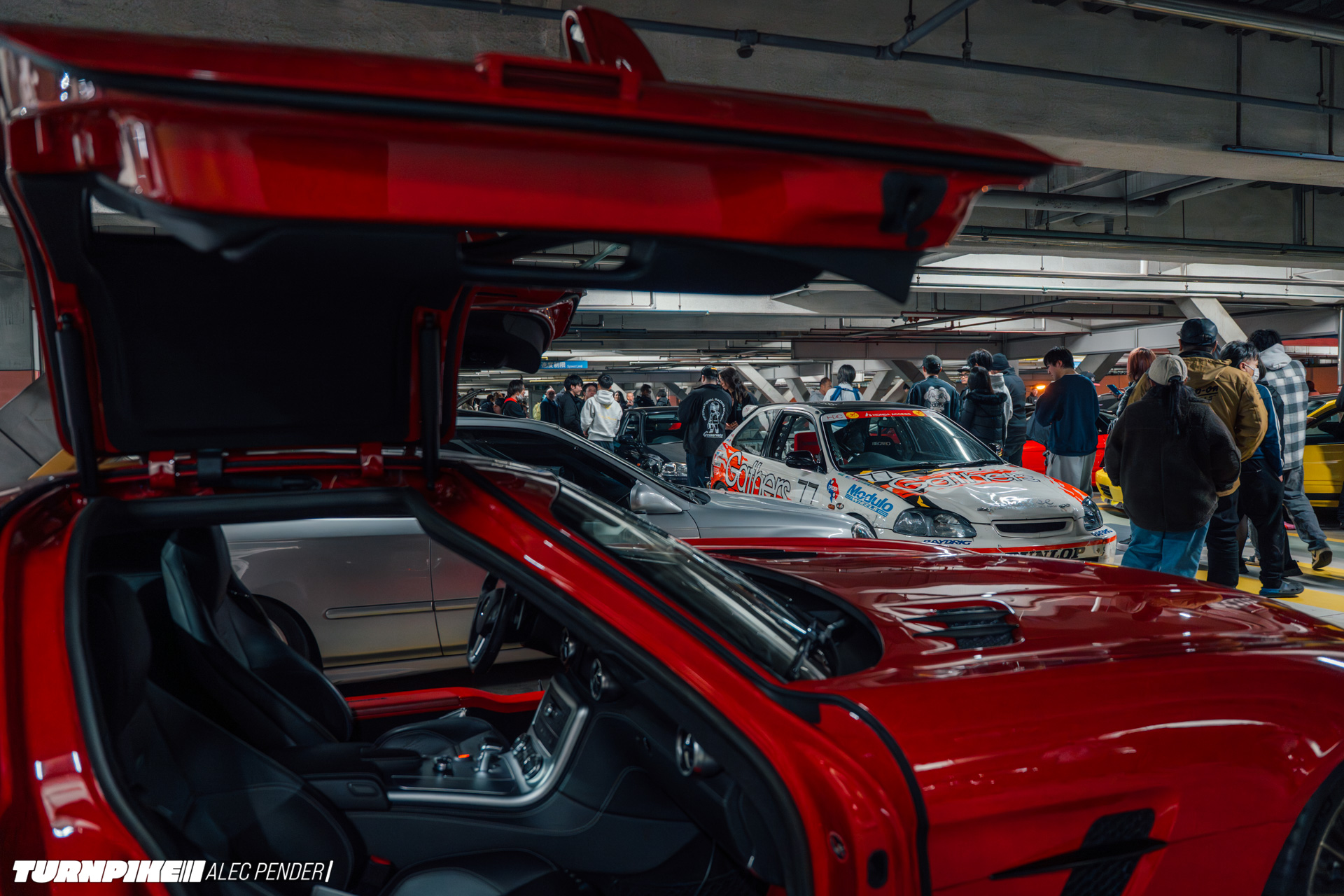
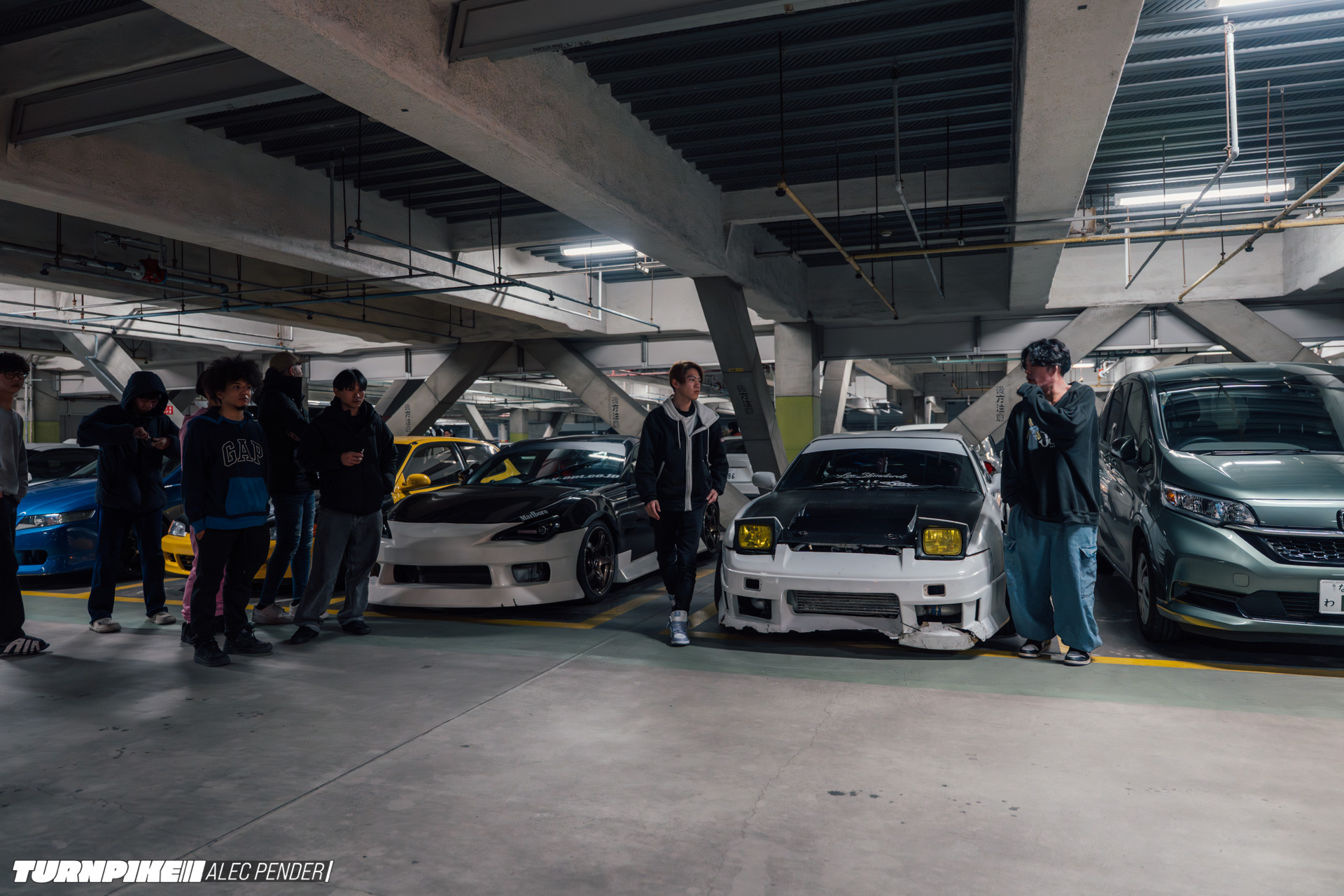
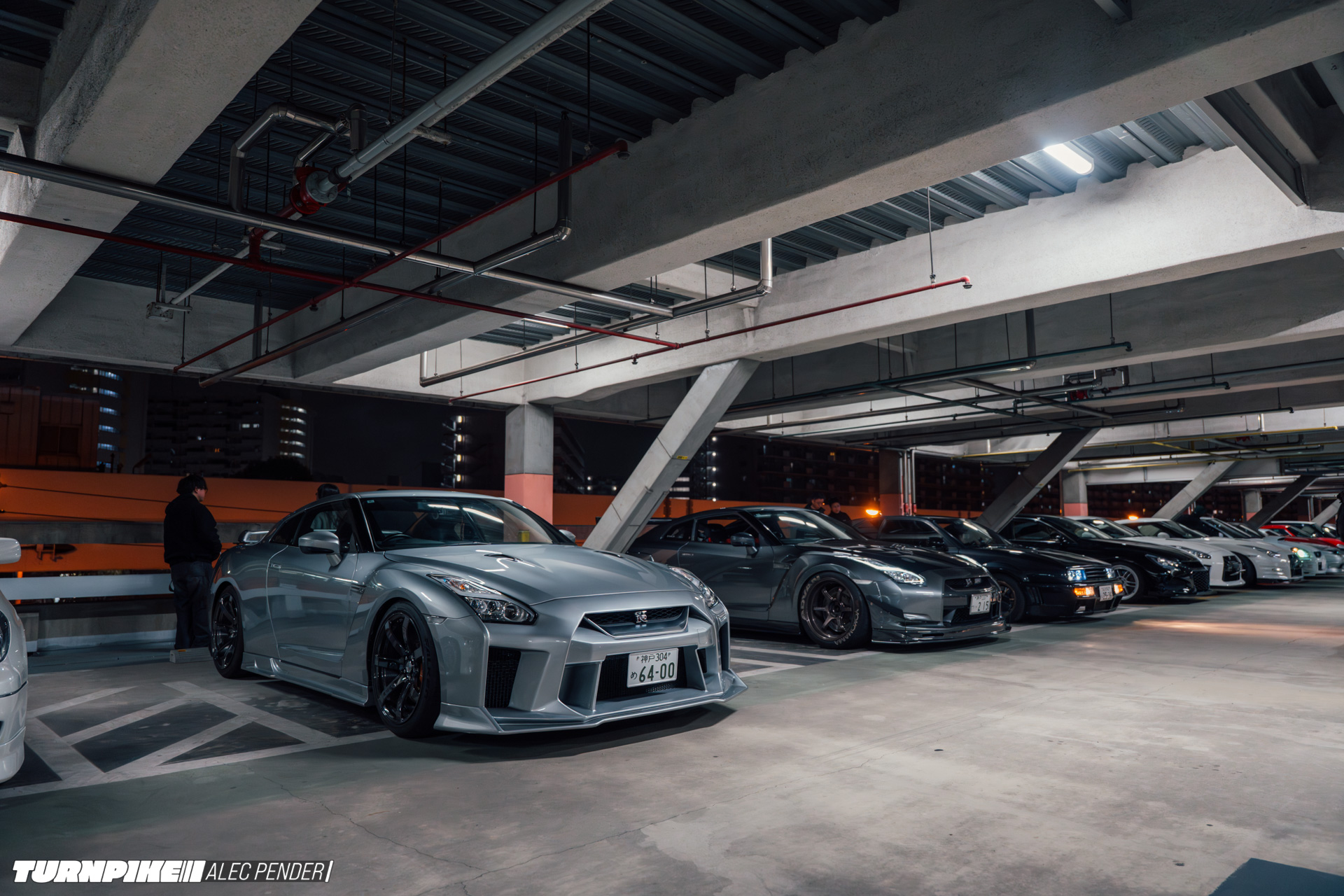
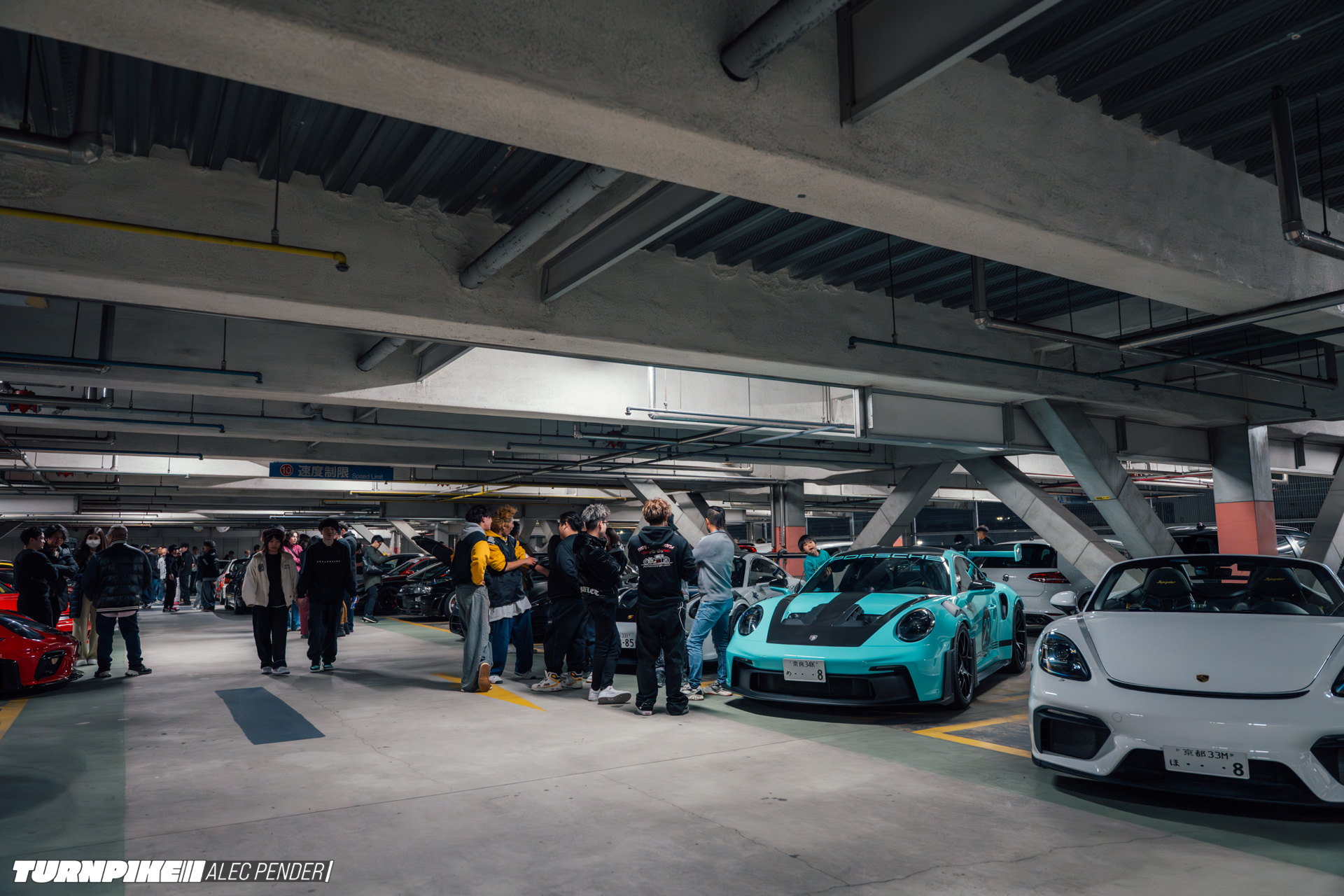
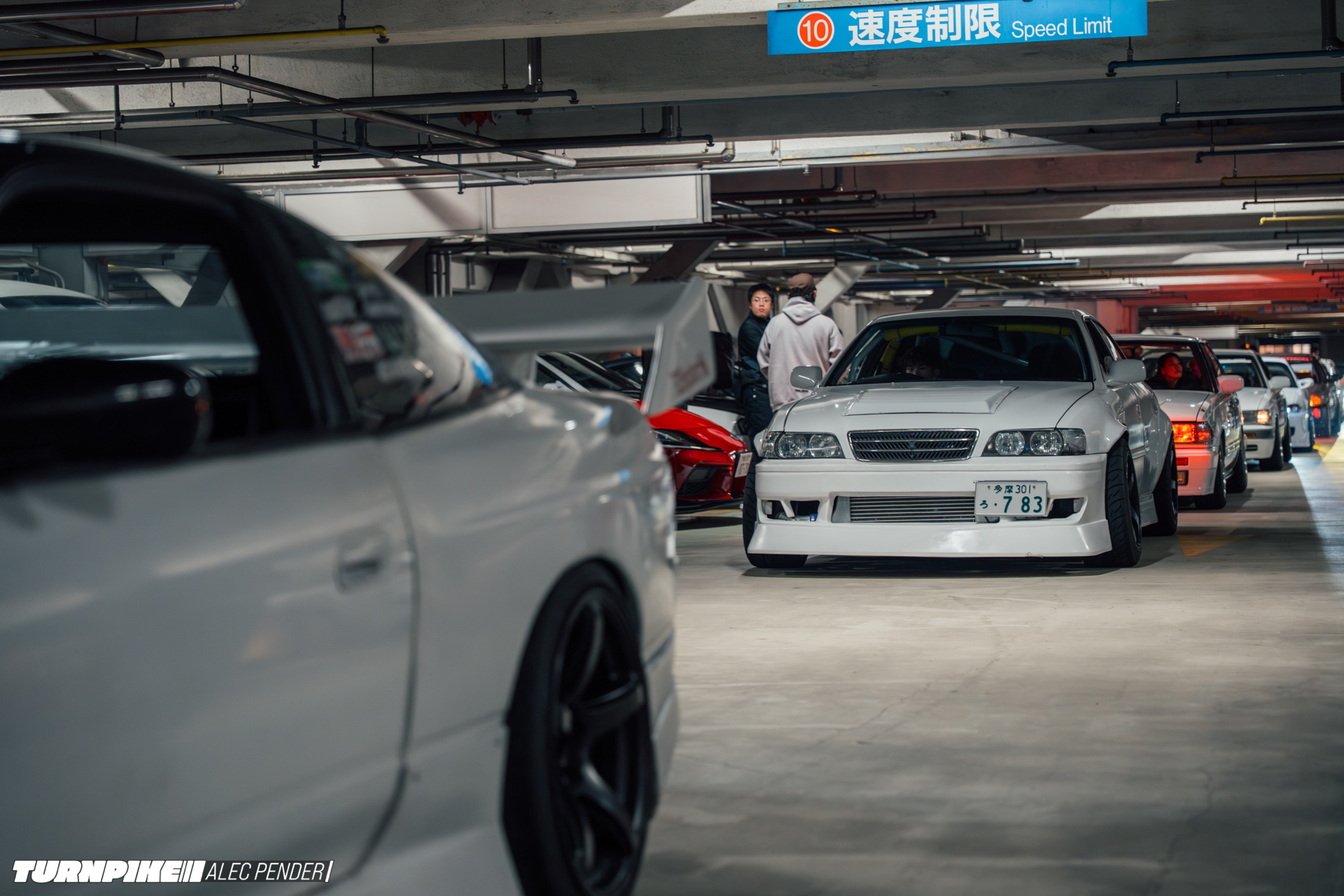
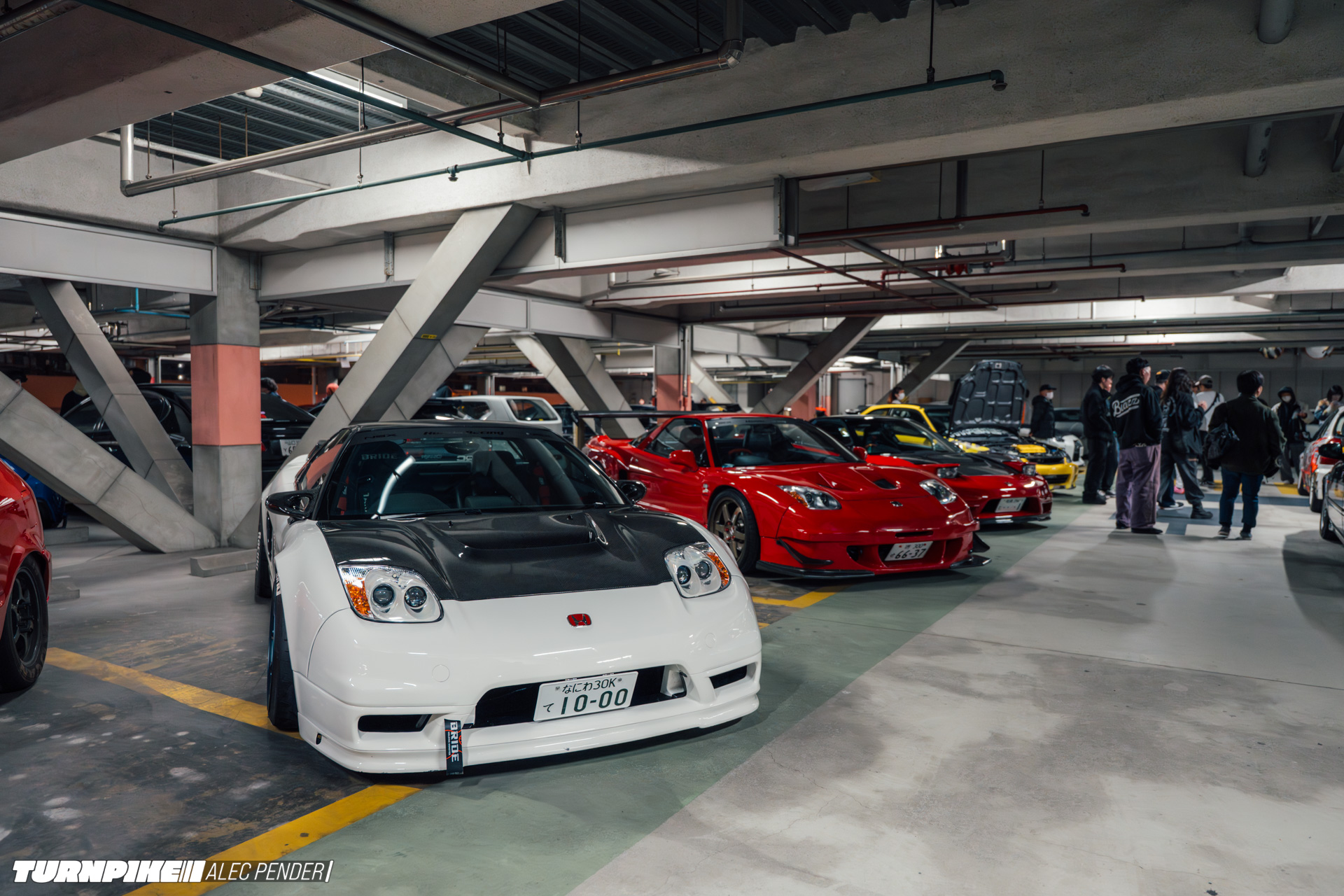
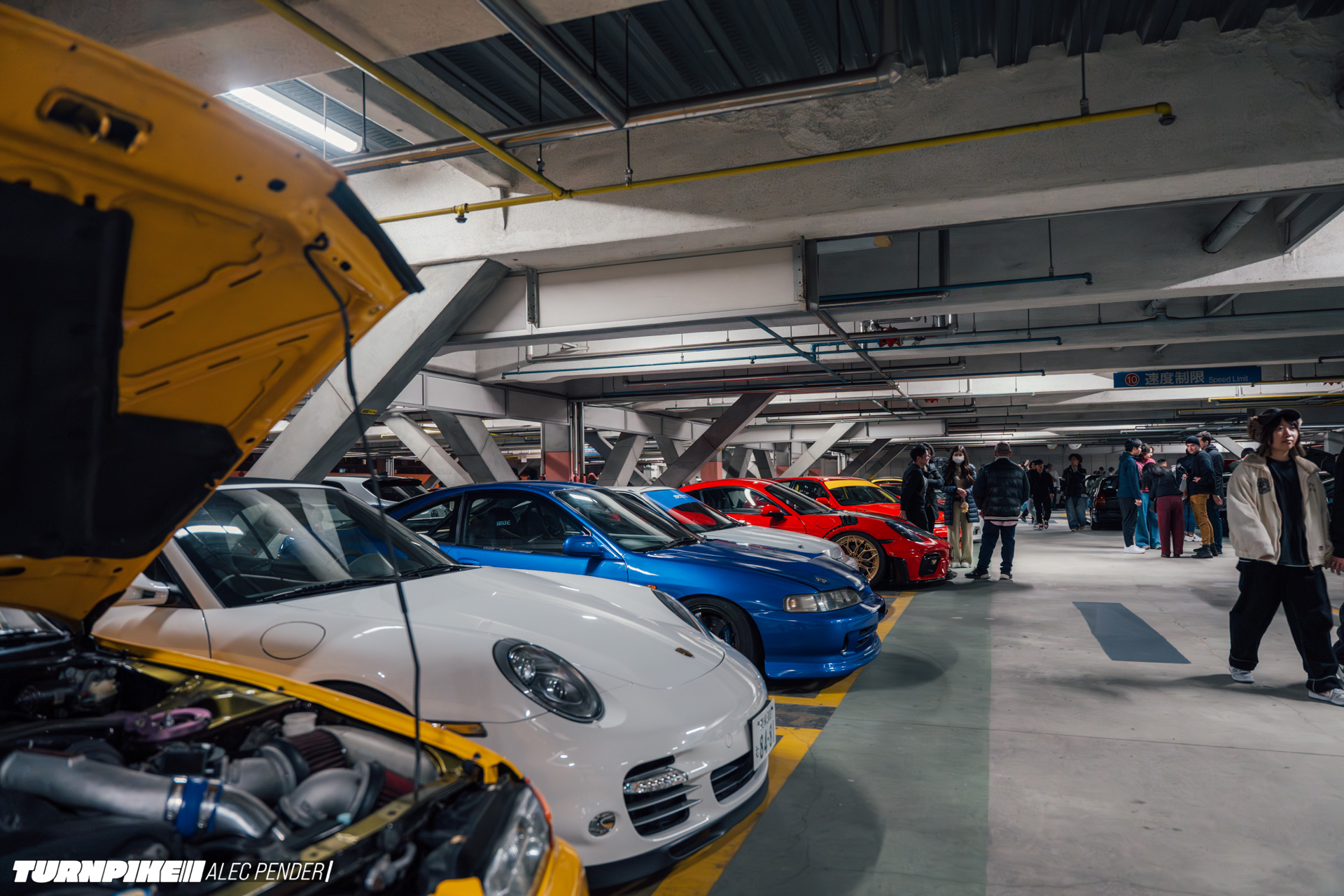
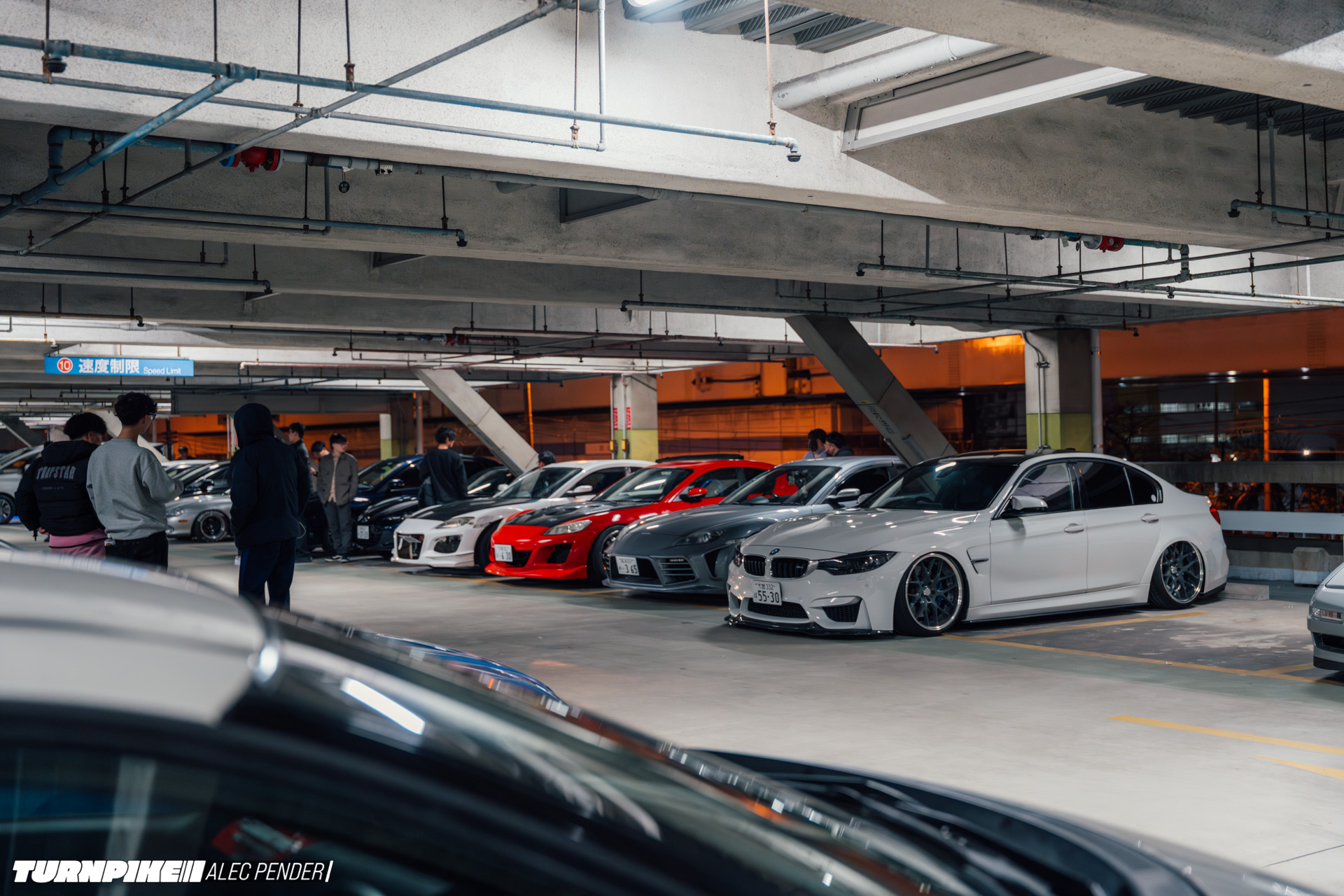
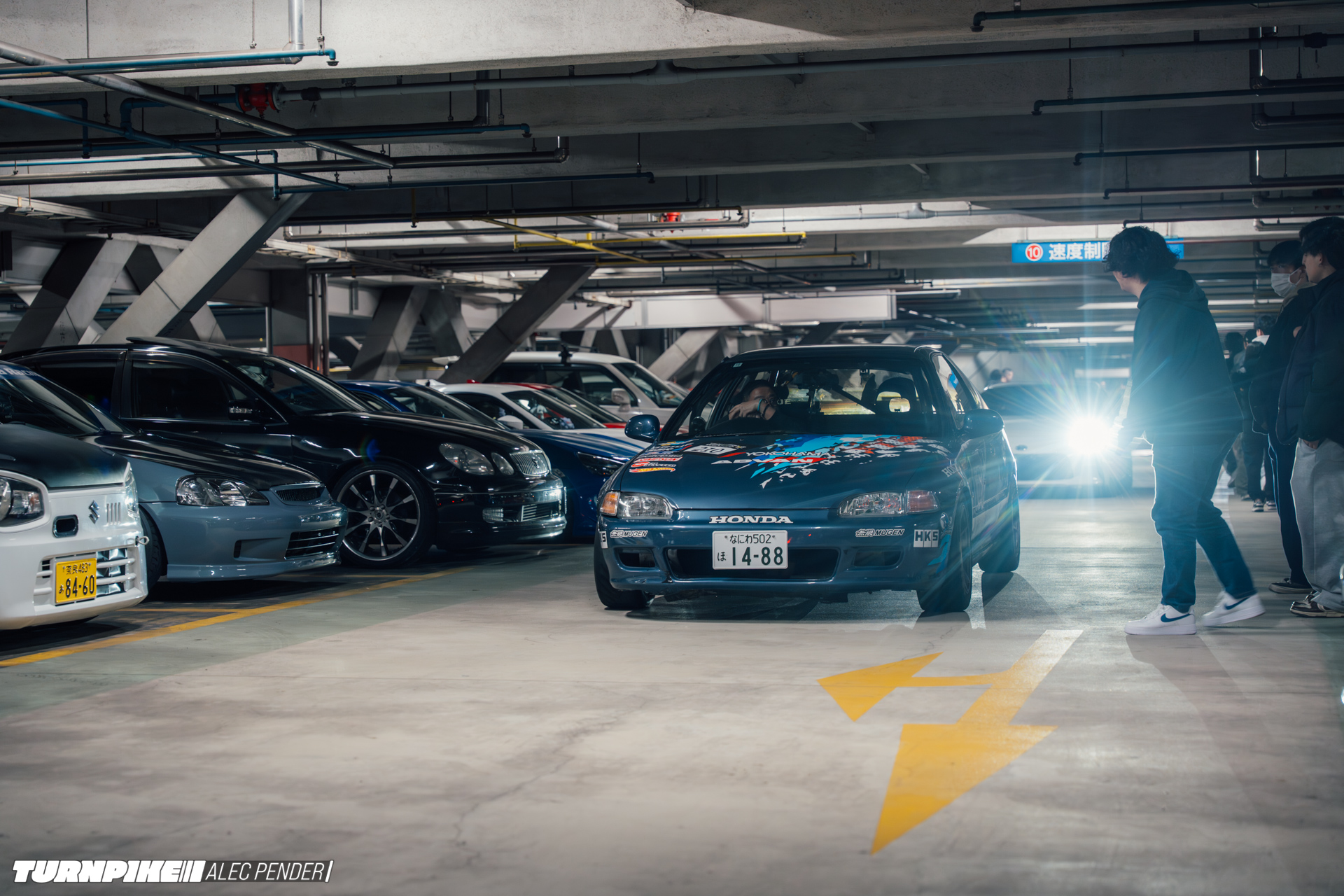
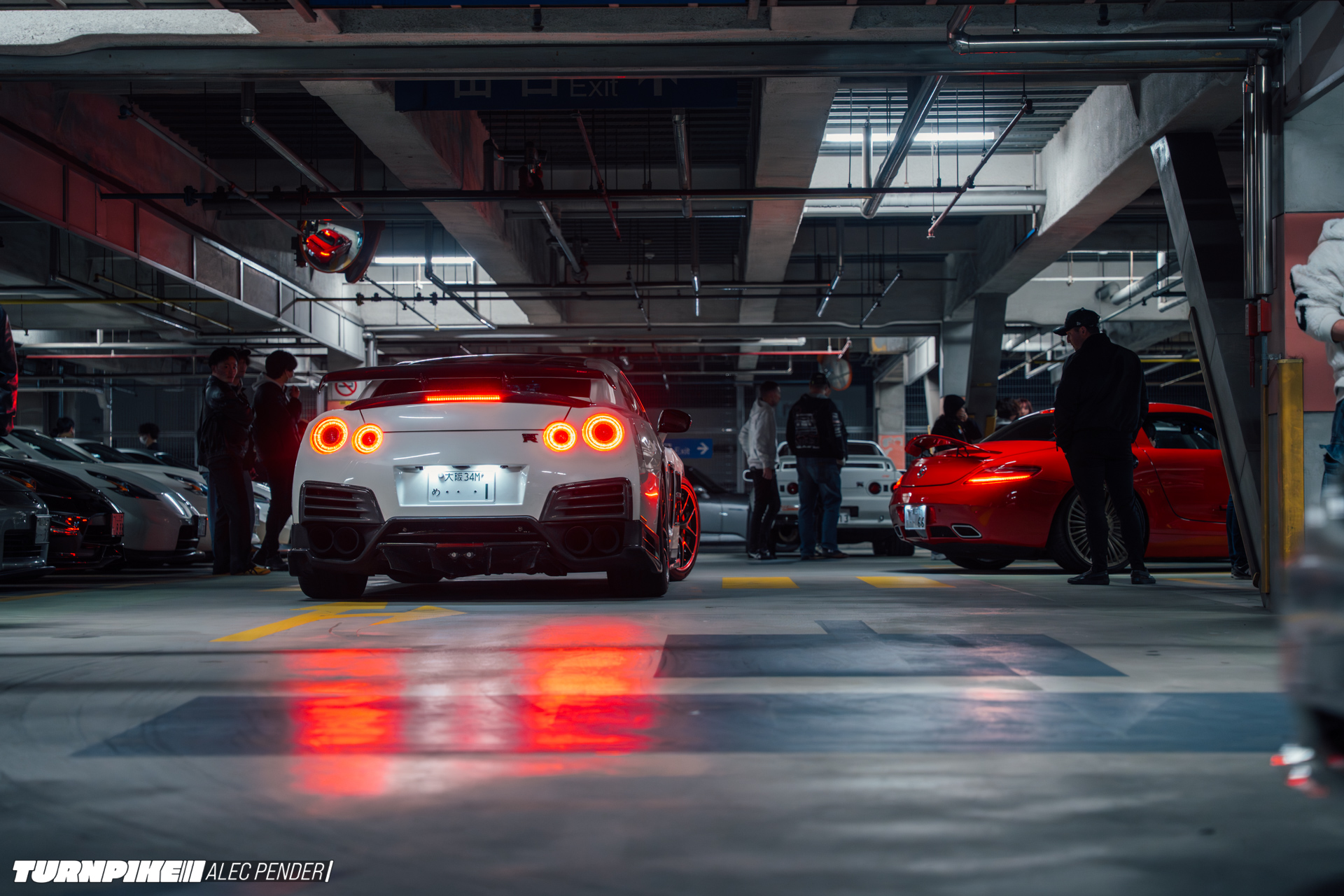
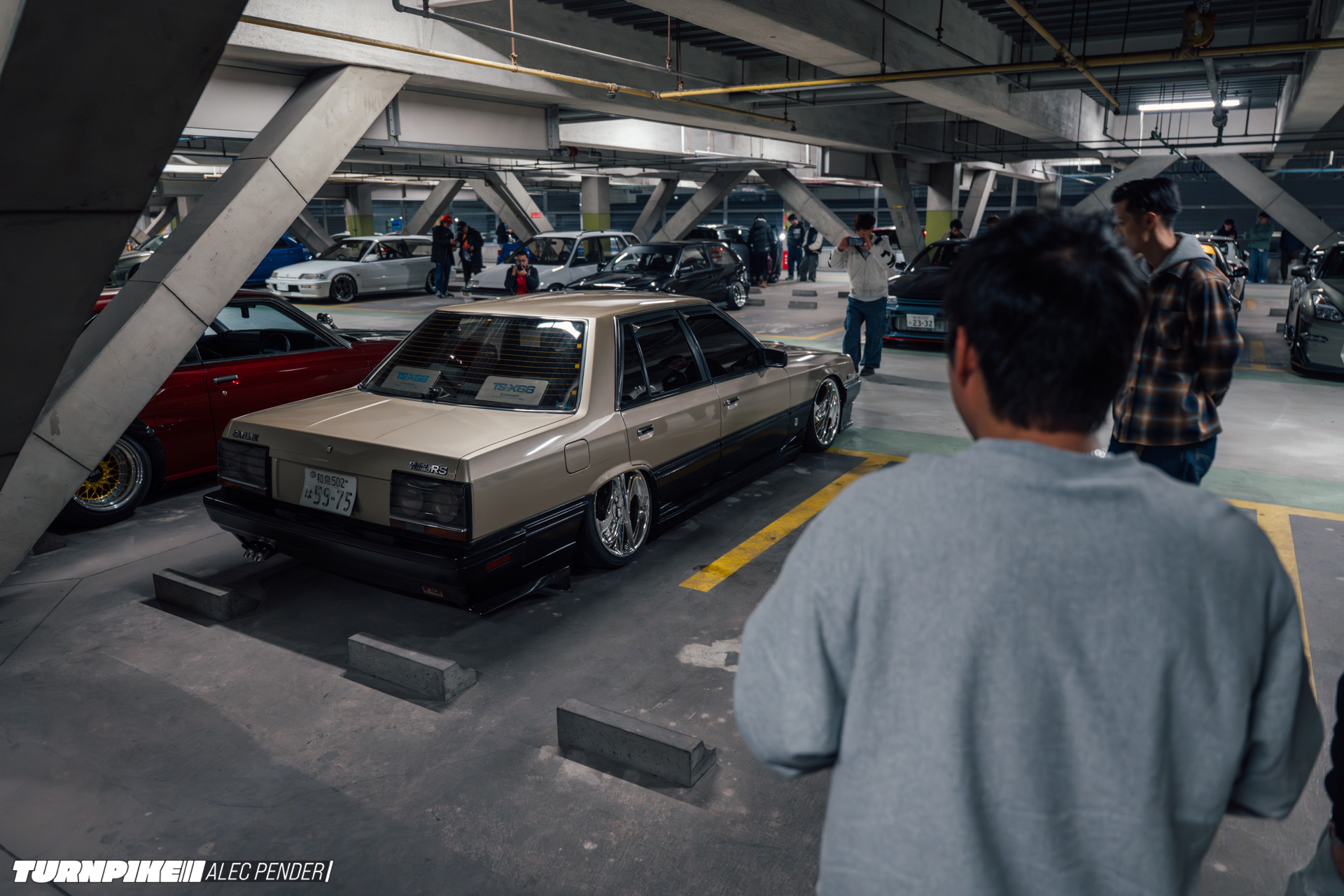
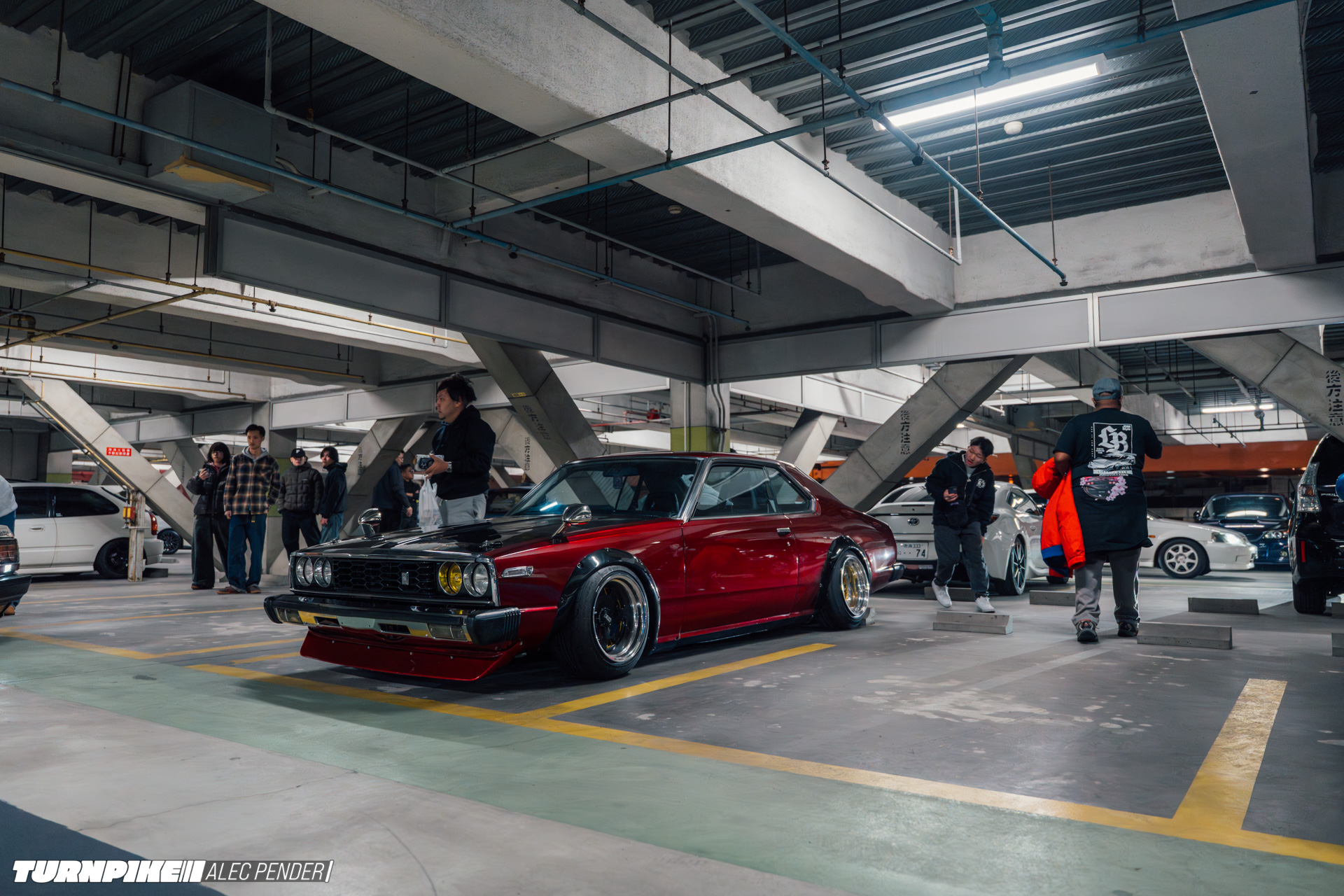
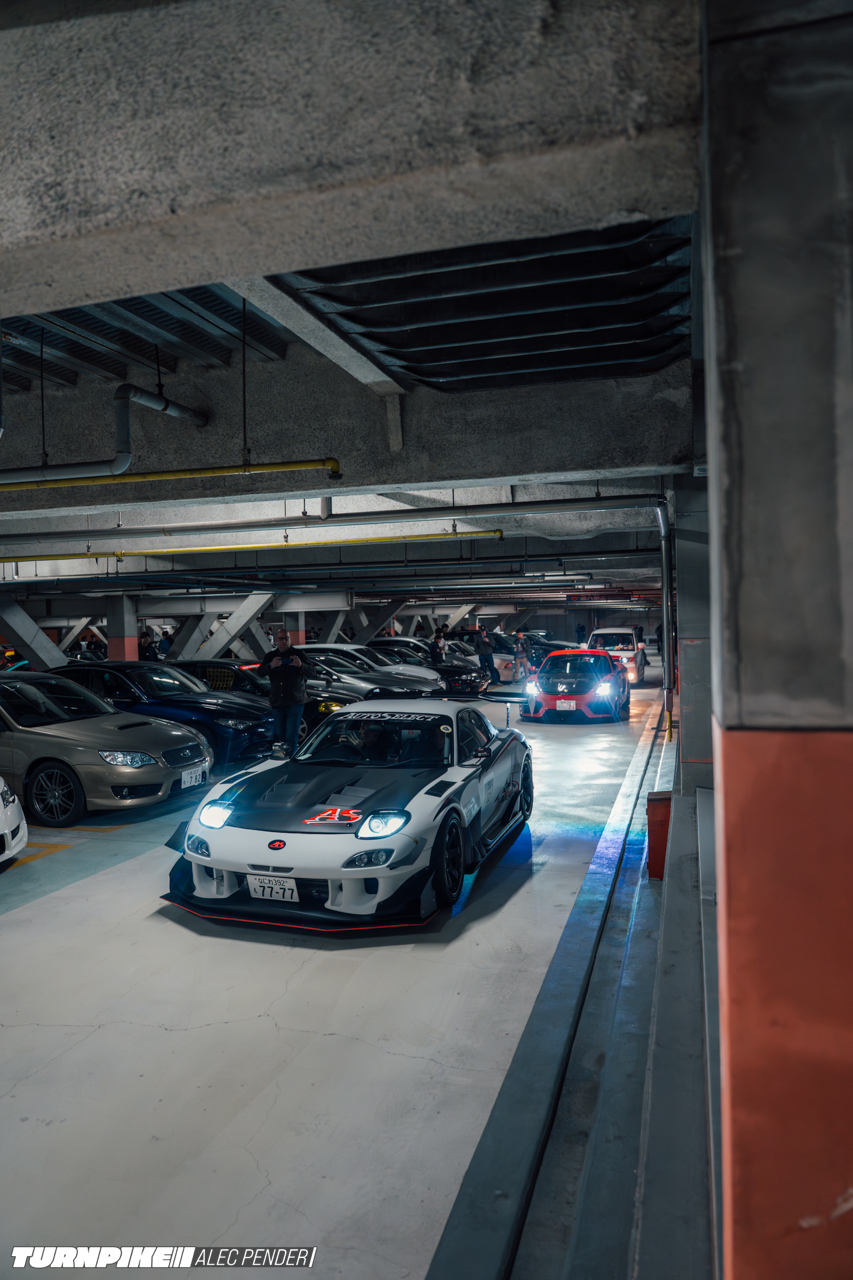
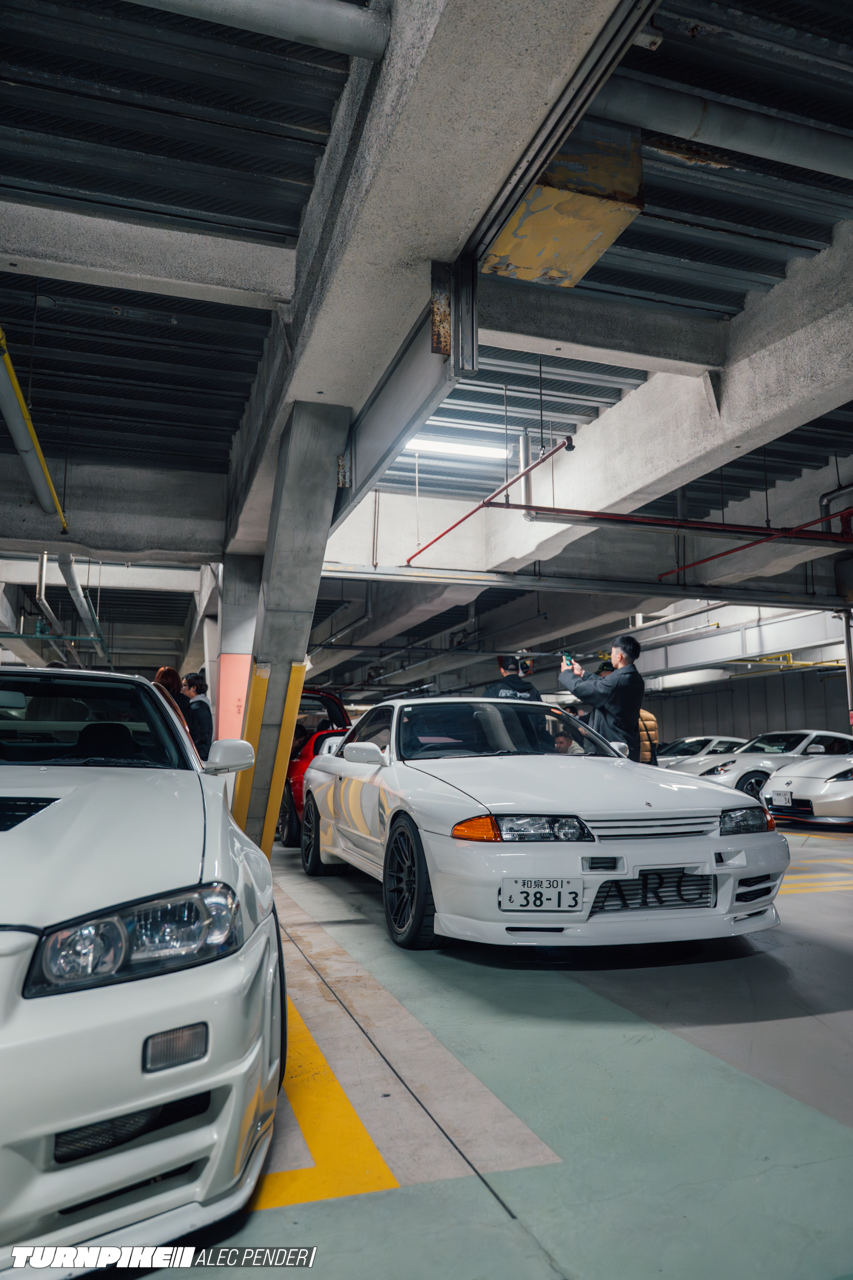
Tonight, you join us in a multi-storey car park in the depths of Osaka’s port area, directly across the road from the Intex Osaka convention centre – home of the Osaka Auto Messe. When our local friend John heard that Dino and I were going to be in town for the 2026 event, he spread the word and invited everyone to meet at 9:00pm. No public location. Just word of mouth. If you know, you know…
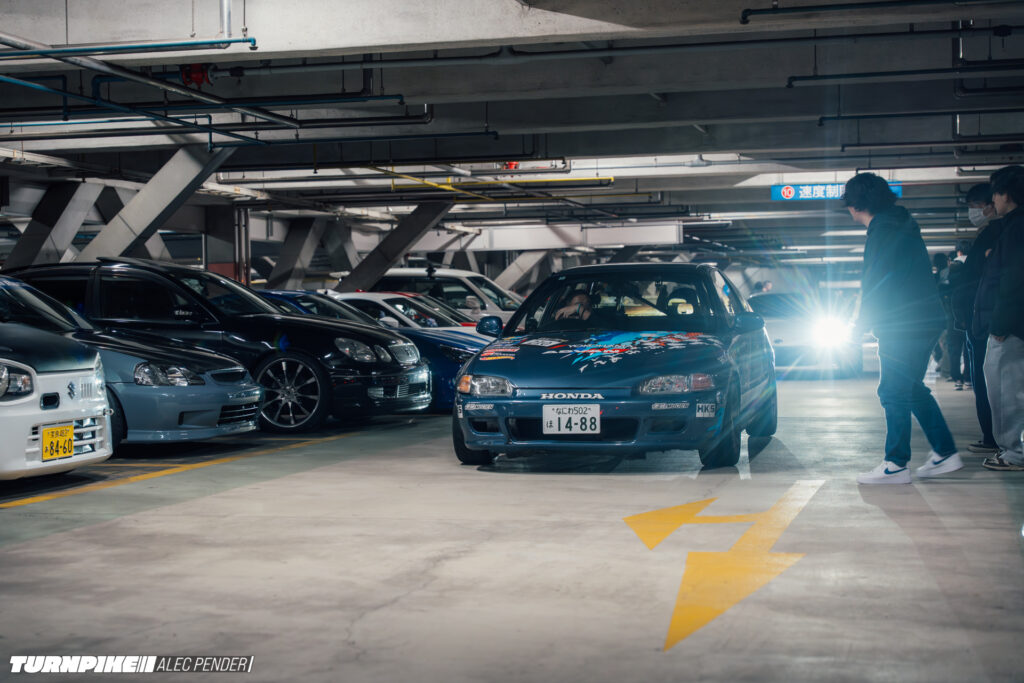
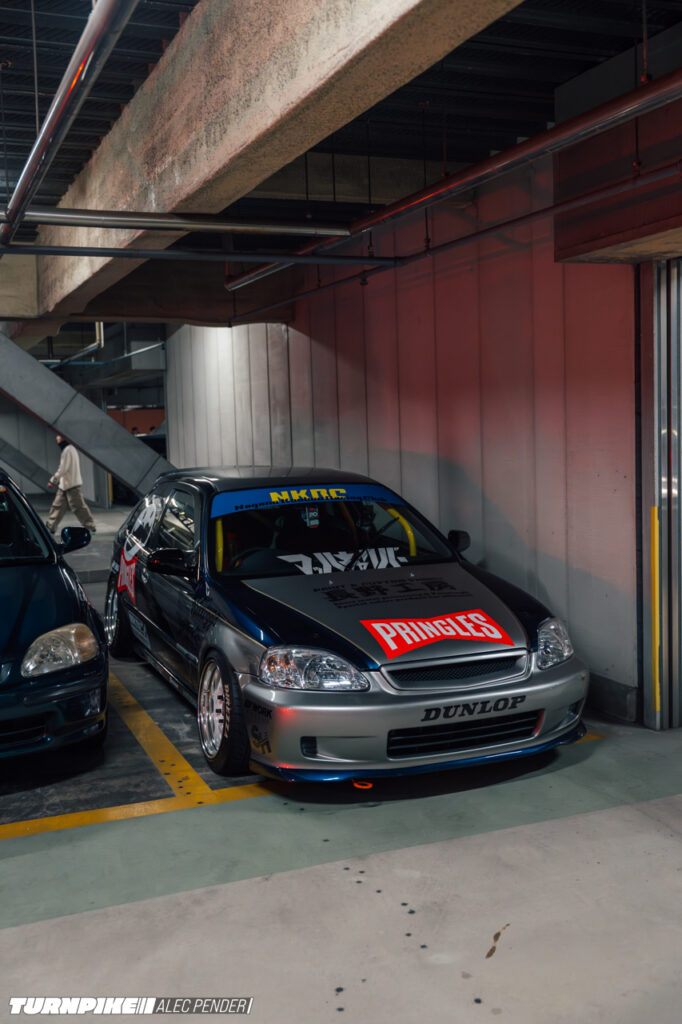
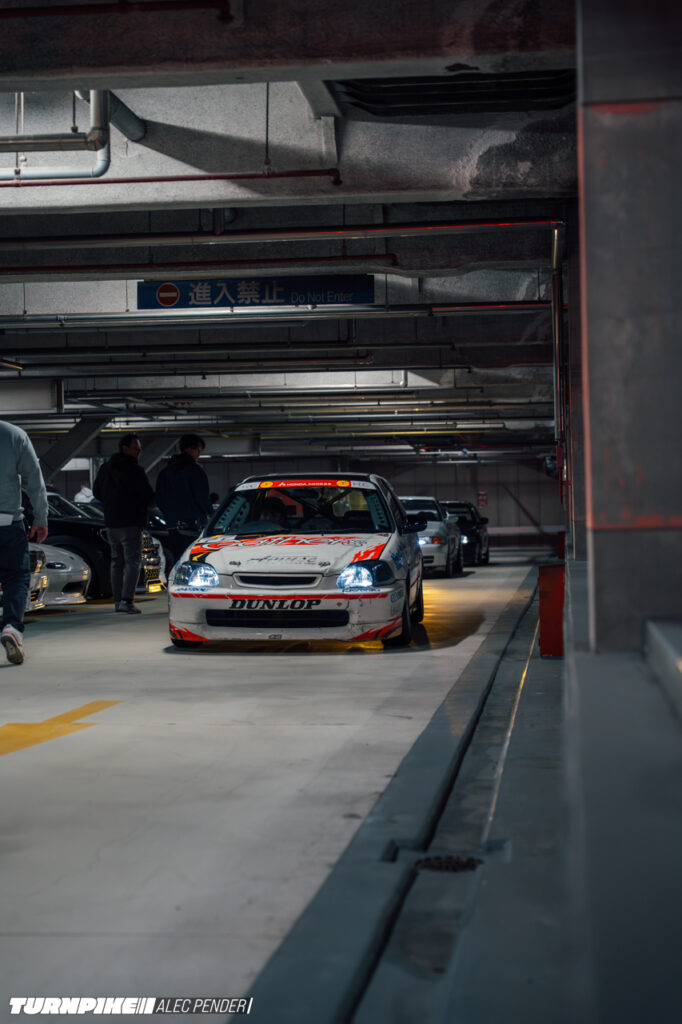
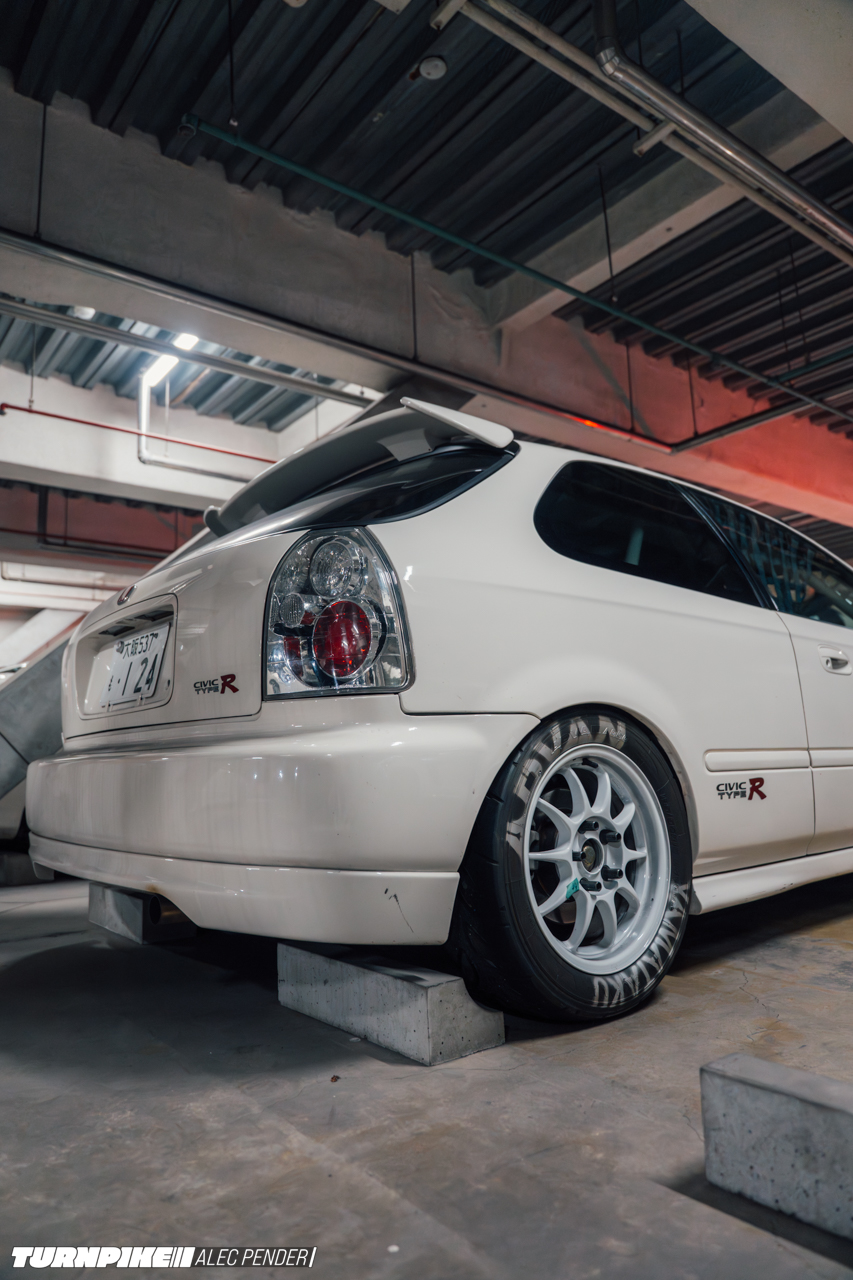
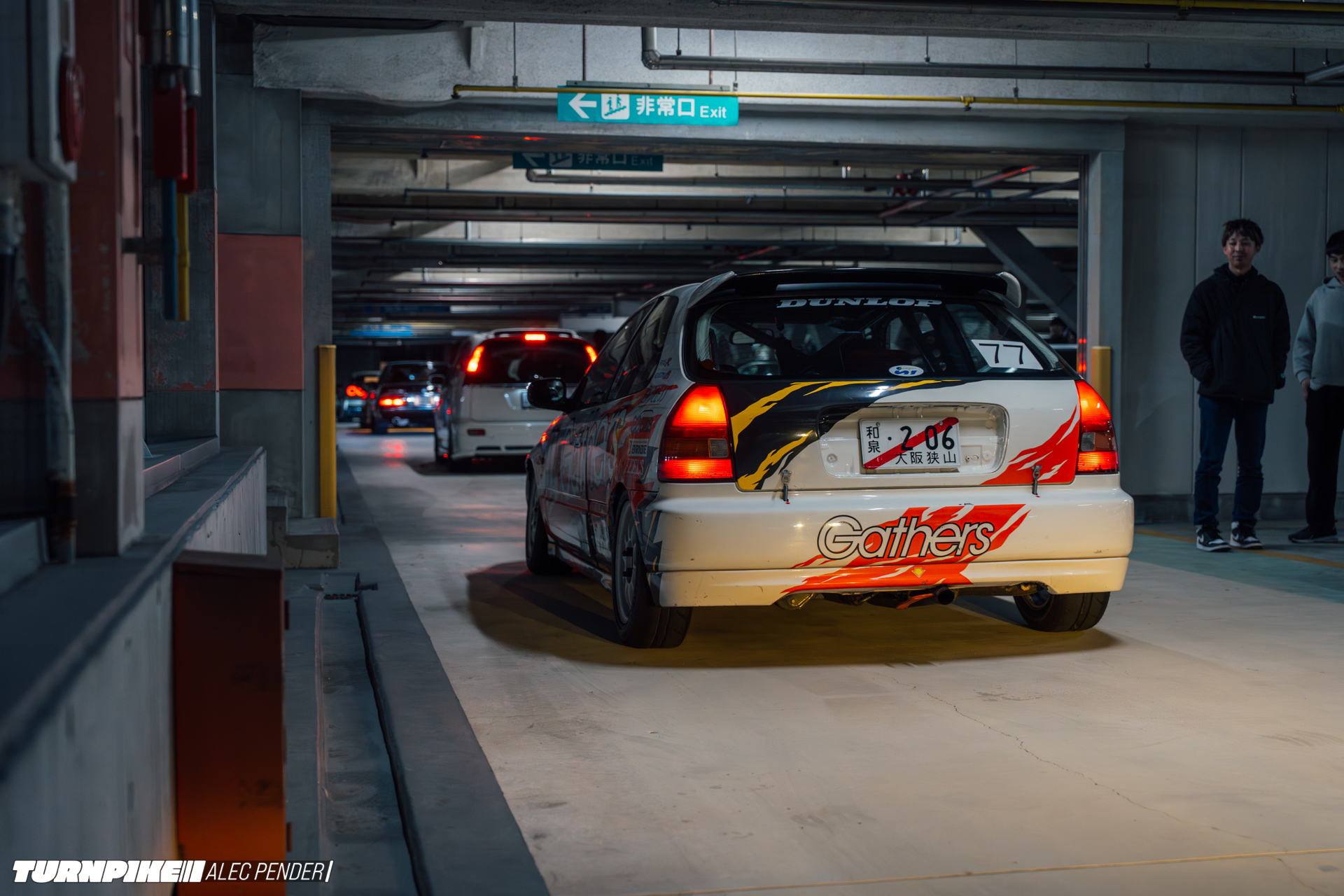
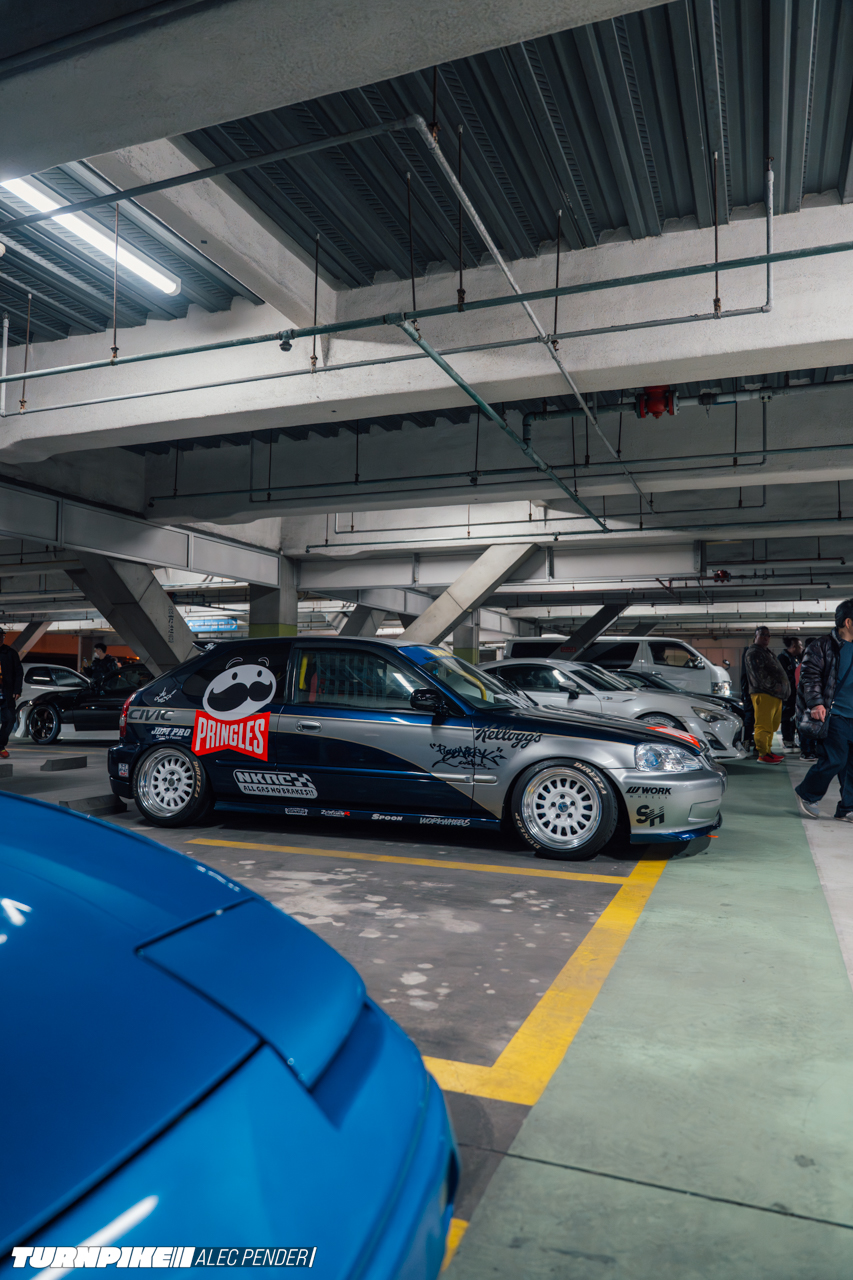
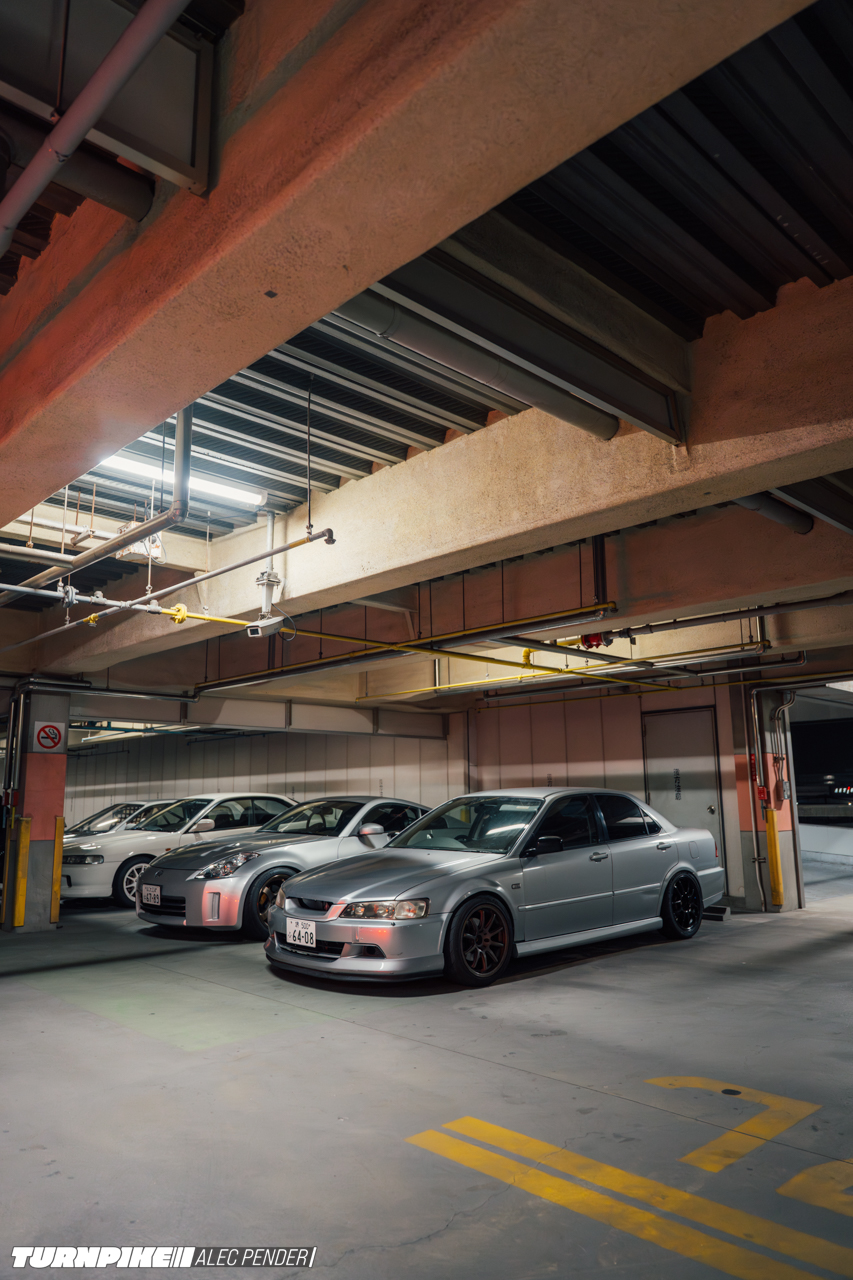
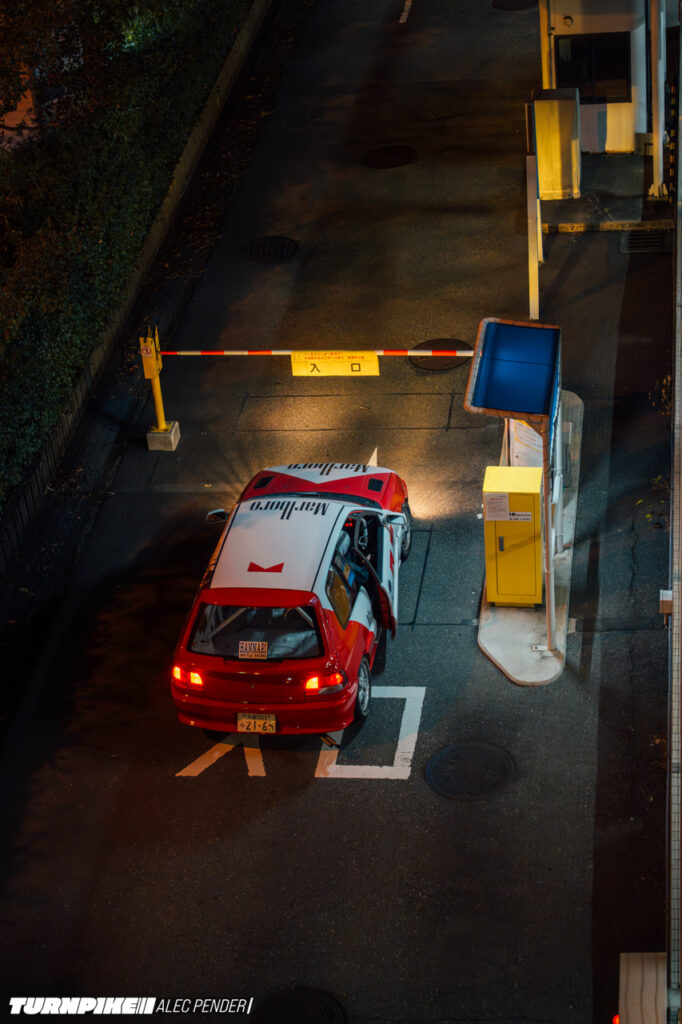
After a morning at Tsukuba for Attack 2026, I jumped in the car and headed eight hours south, arriving just in time for a quick dinner before diving straight back into the chaos. As I got closer to the venue, the distinct sounds of hard-revving B-series Honda engines echoing through an otherwise empty industrial district told me everything I needed to know. This was going to be big.
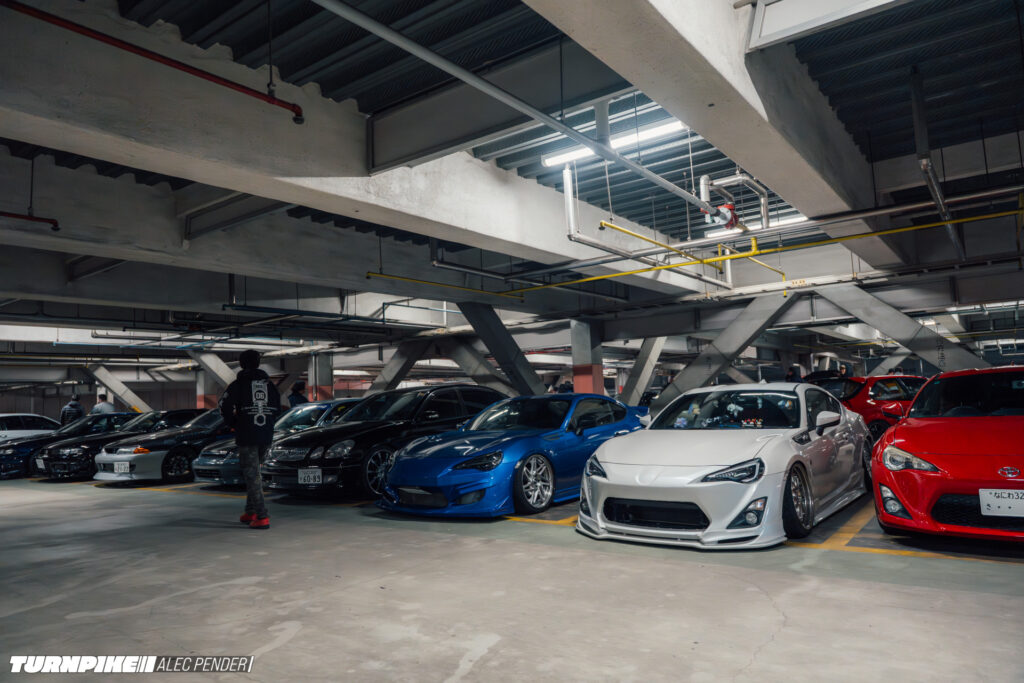
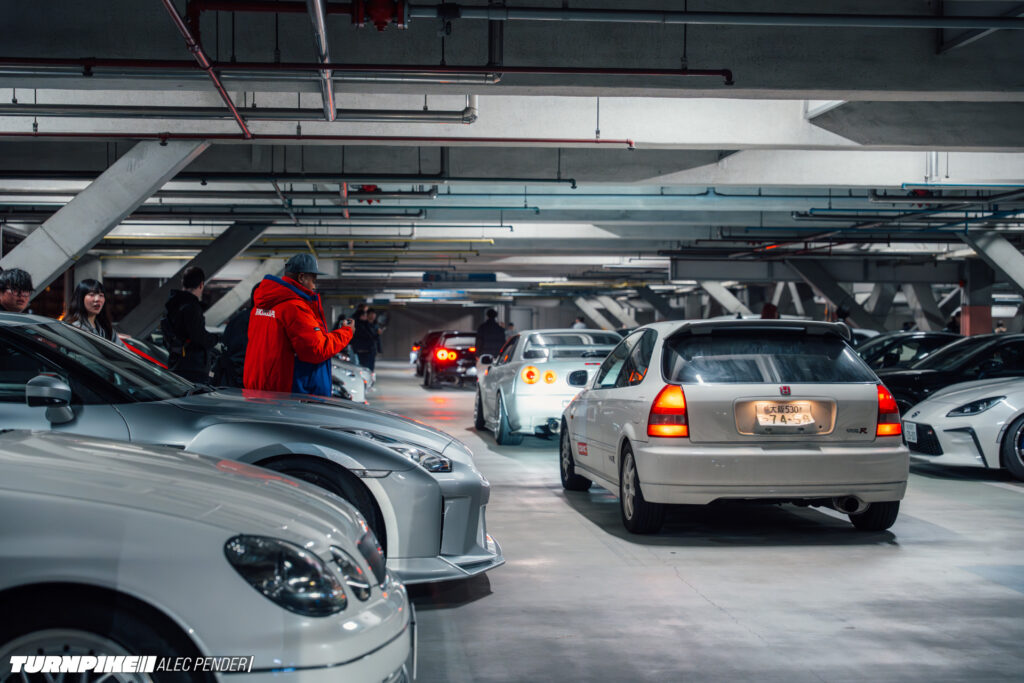
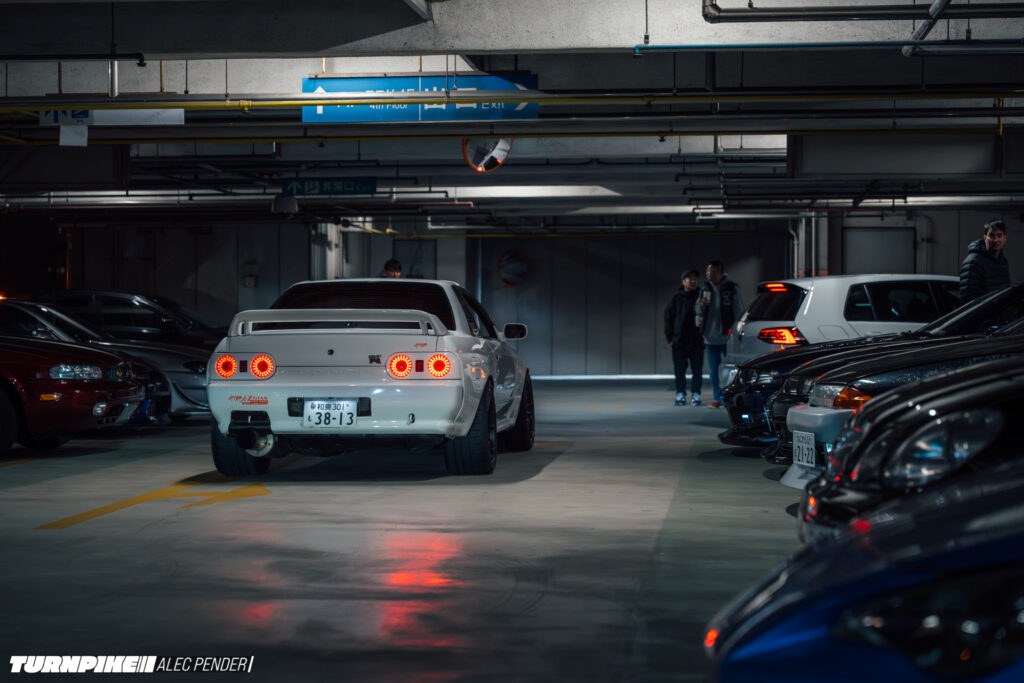
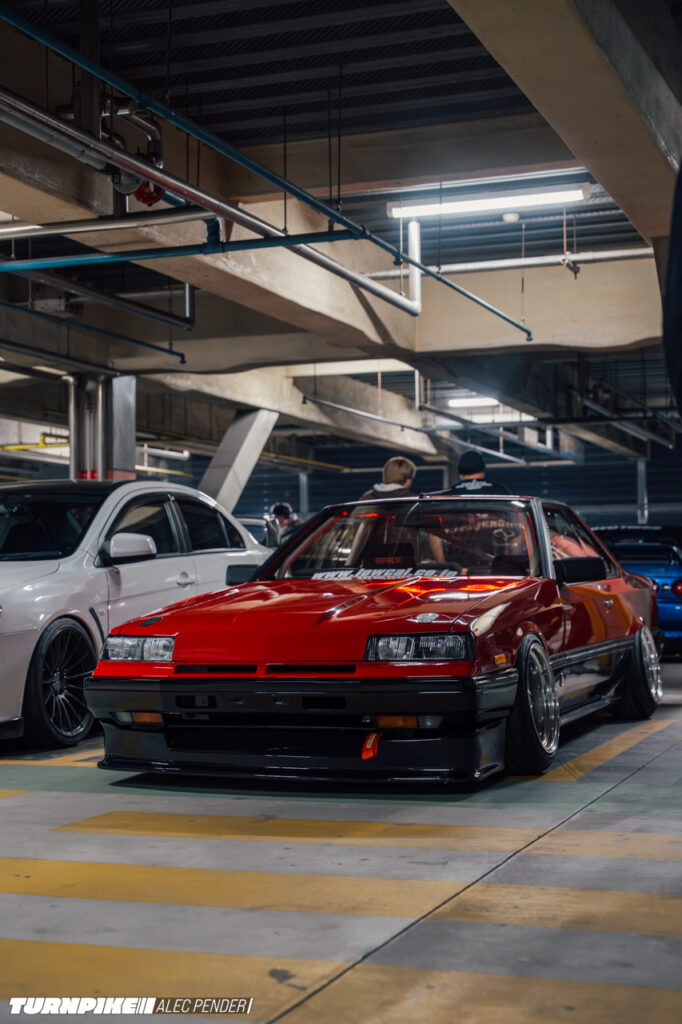
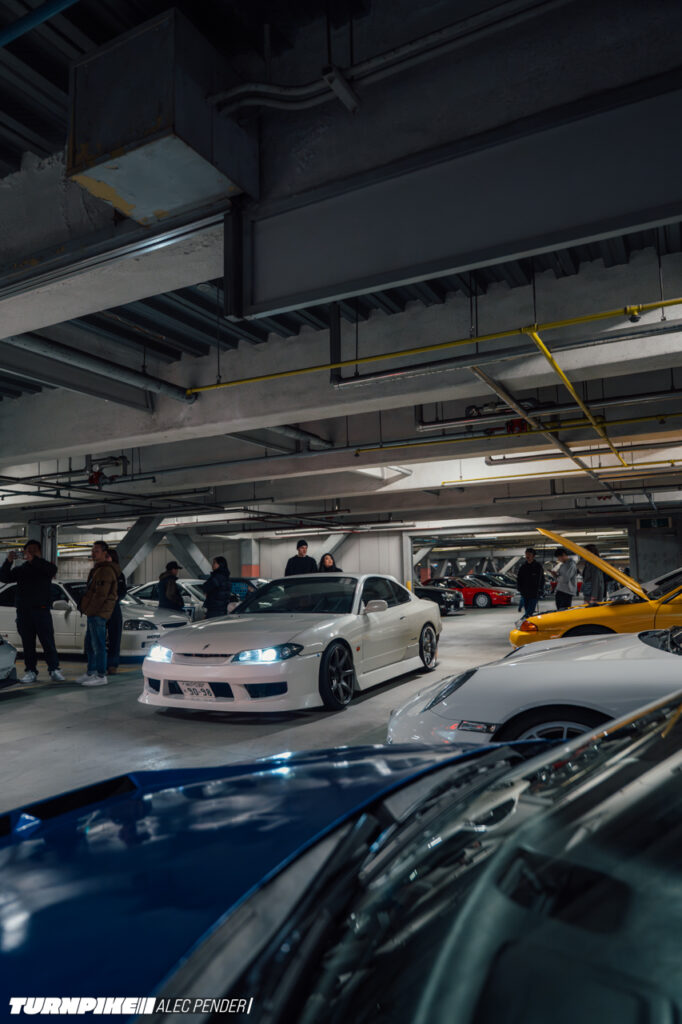
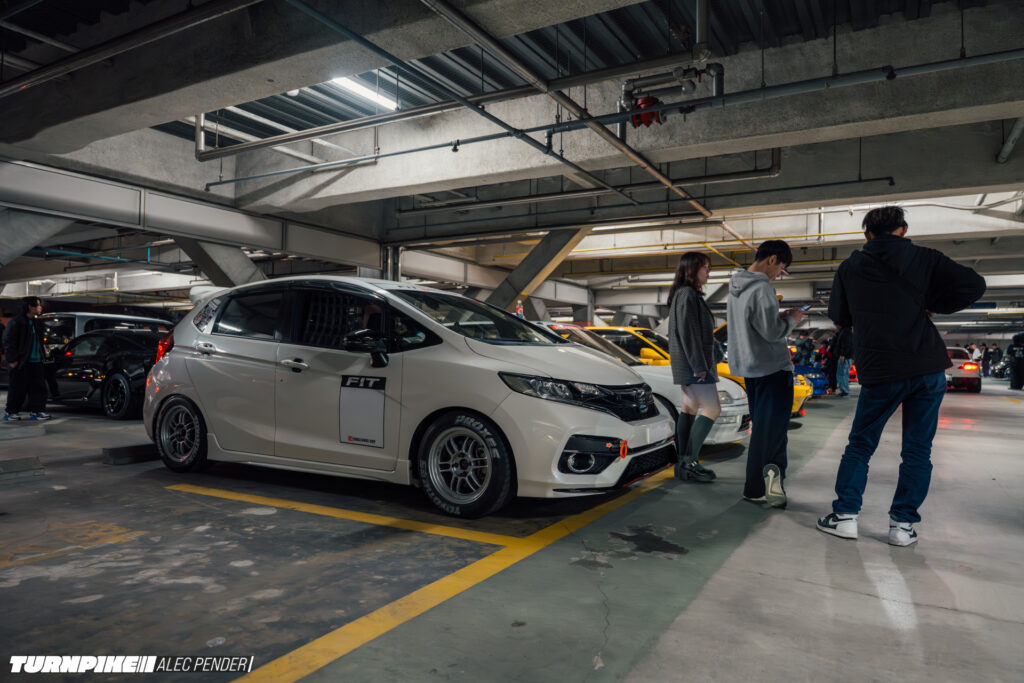
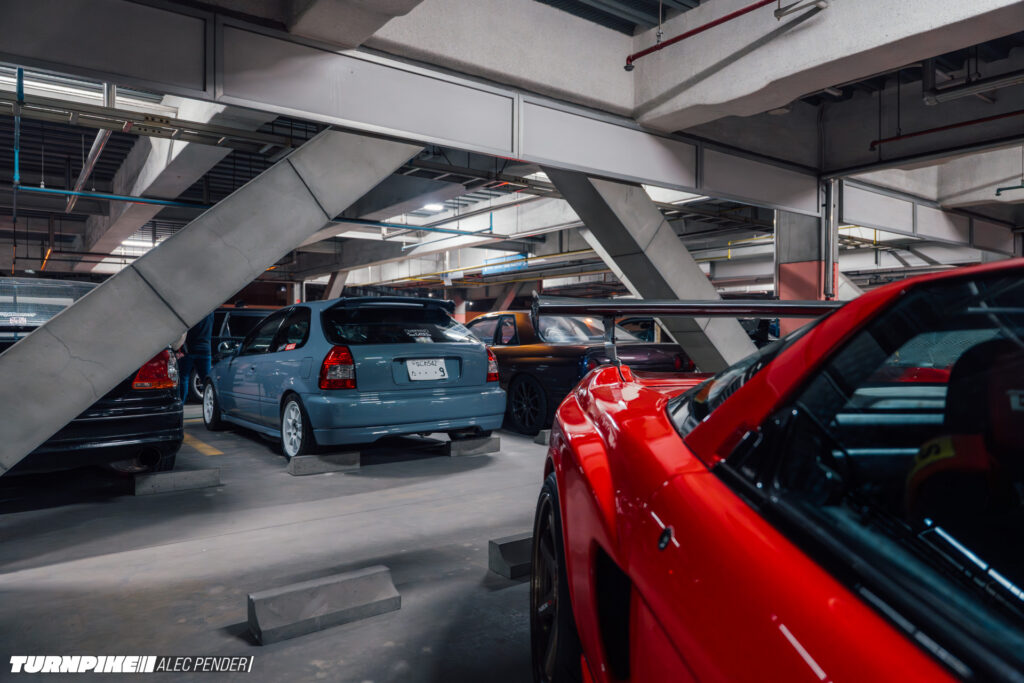
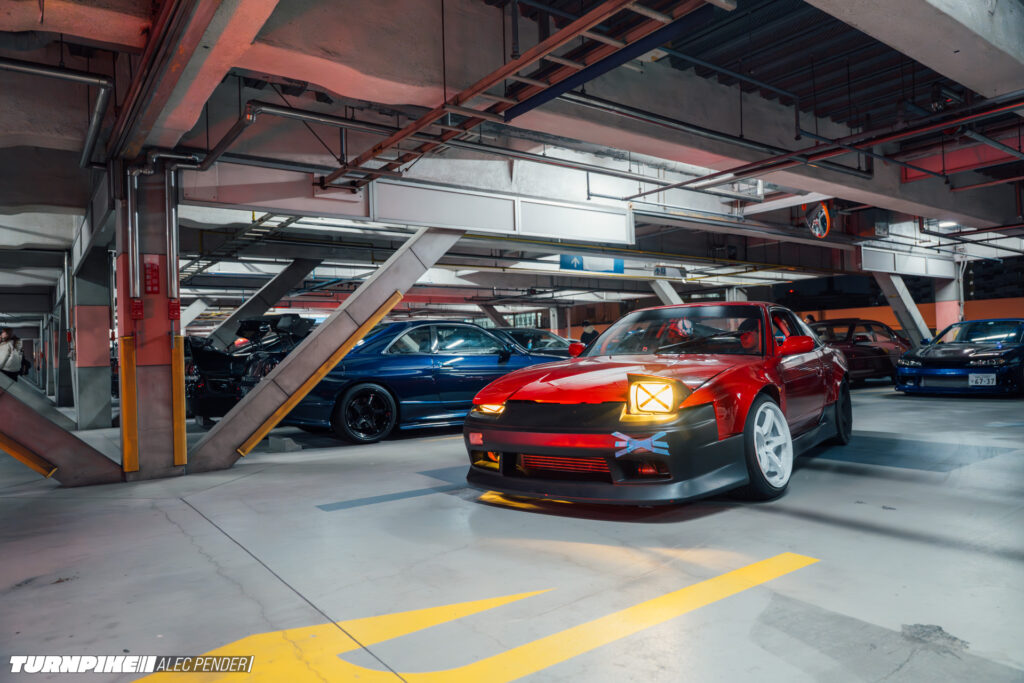
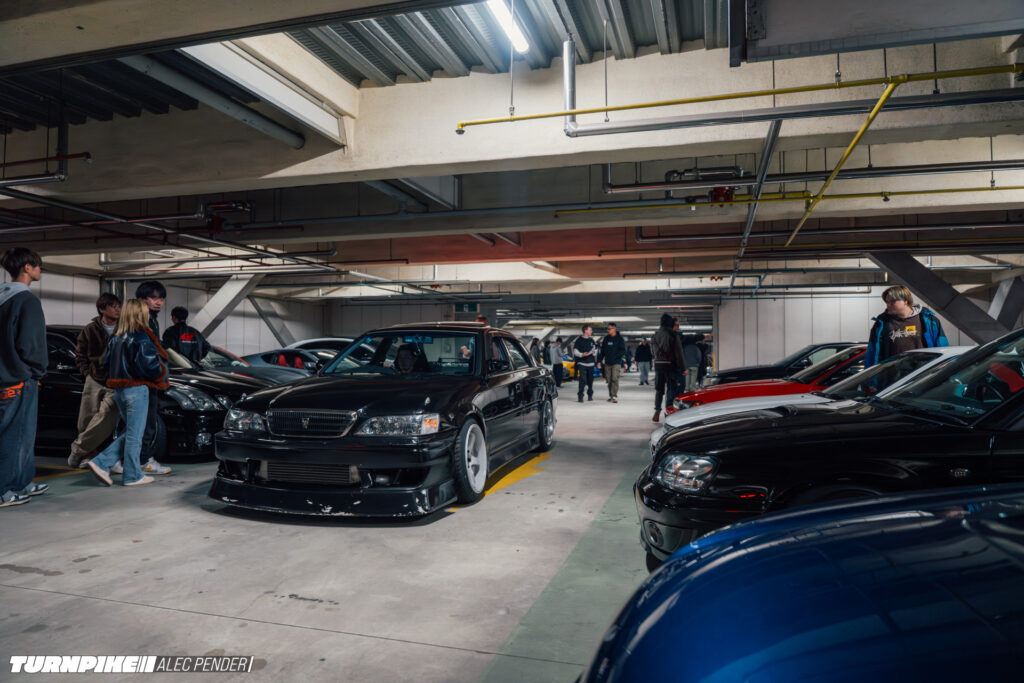
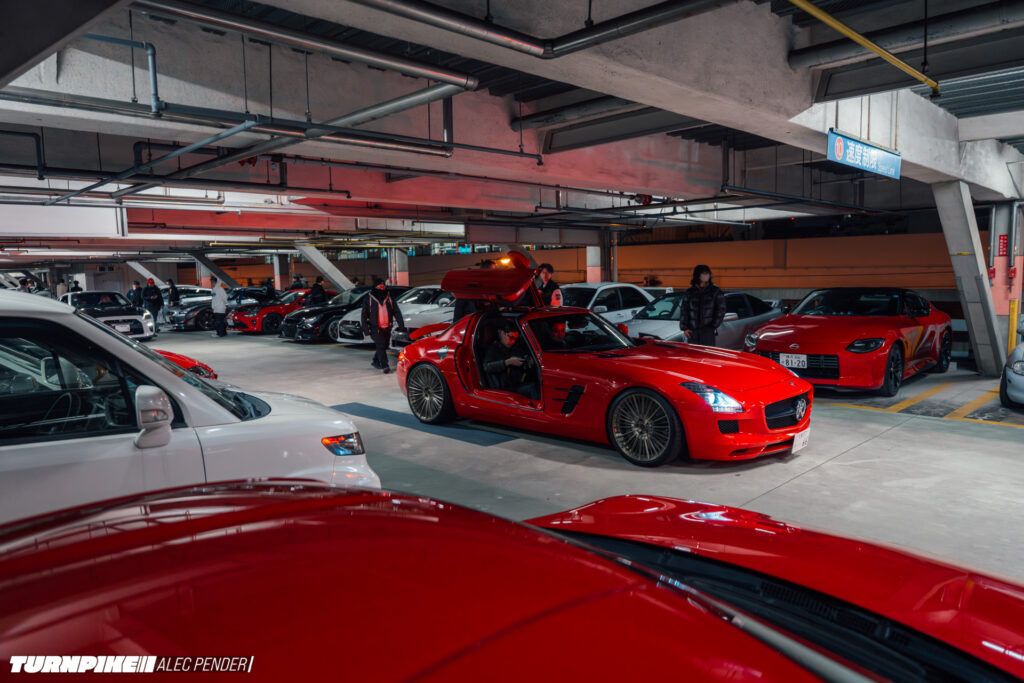
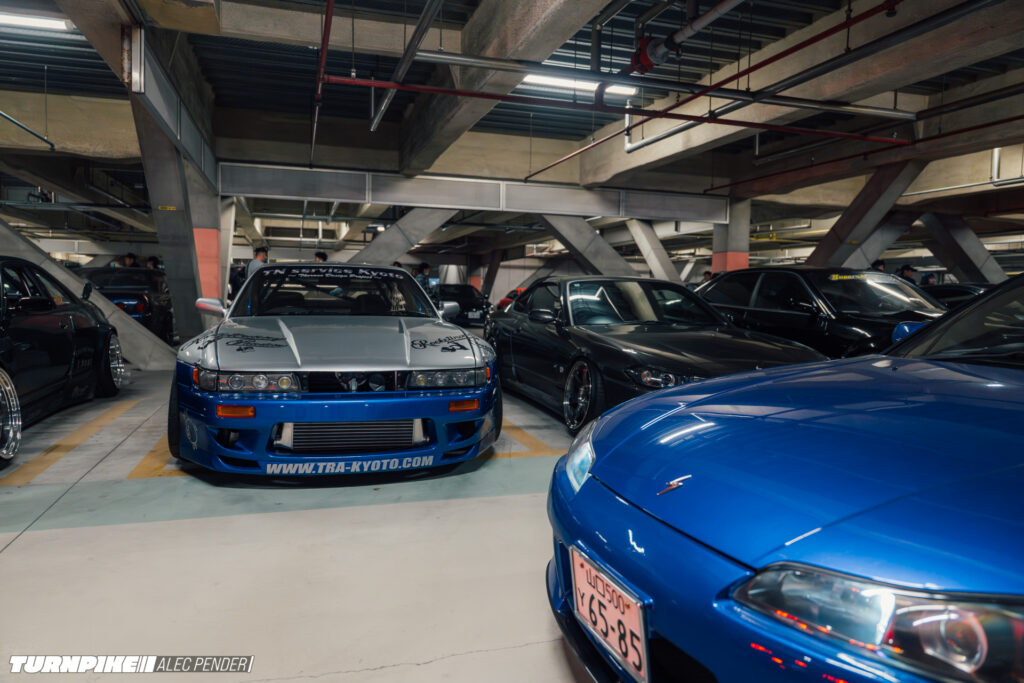
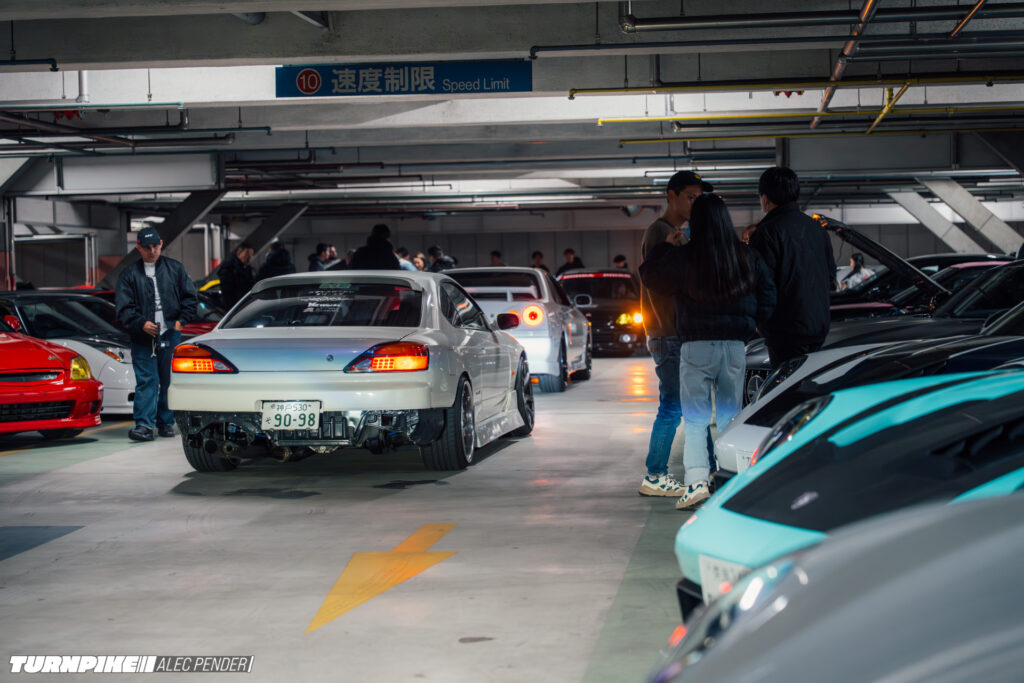
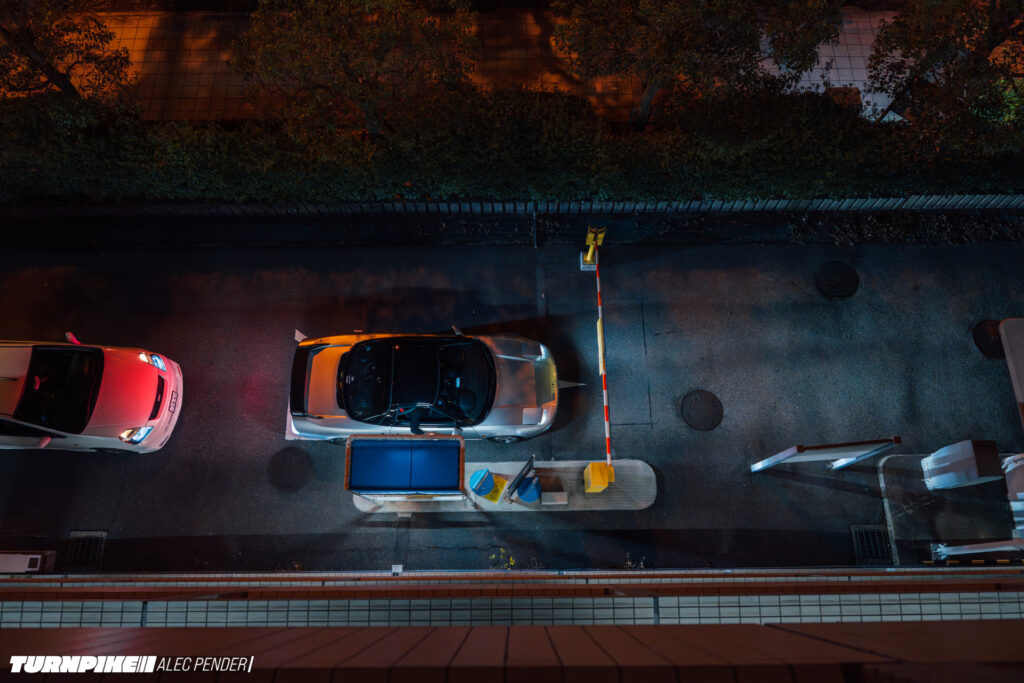
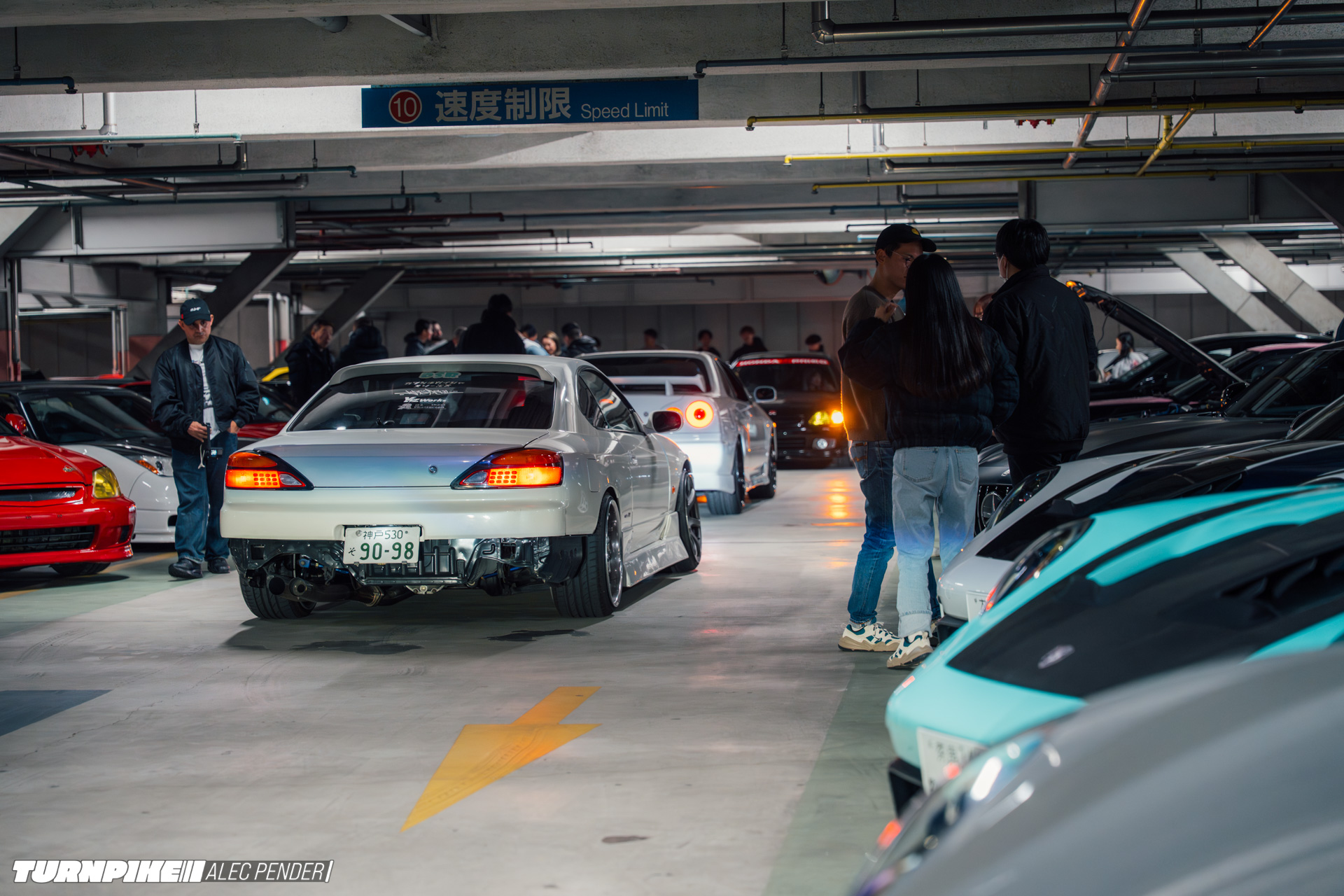
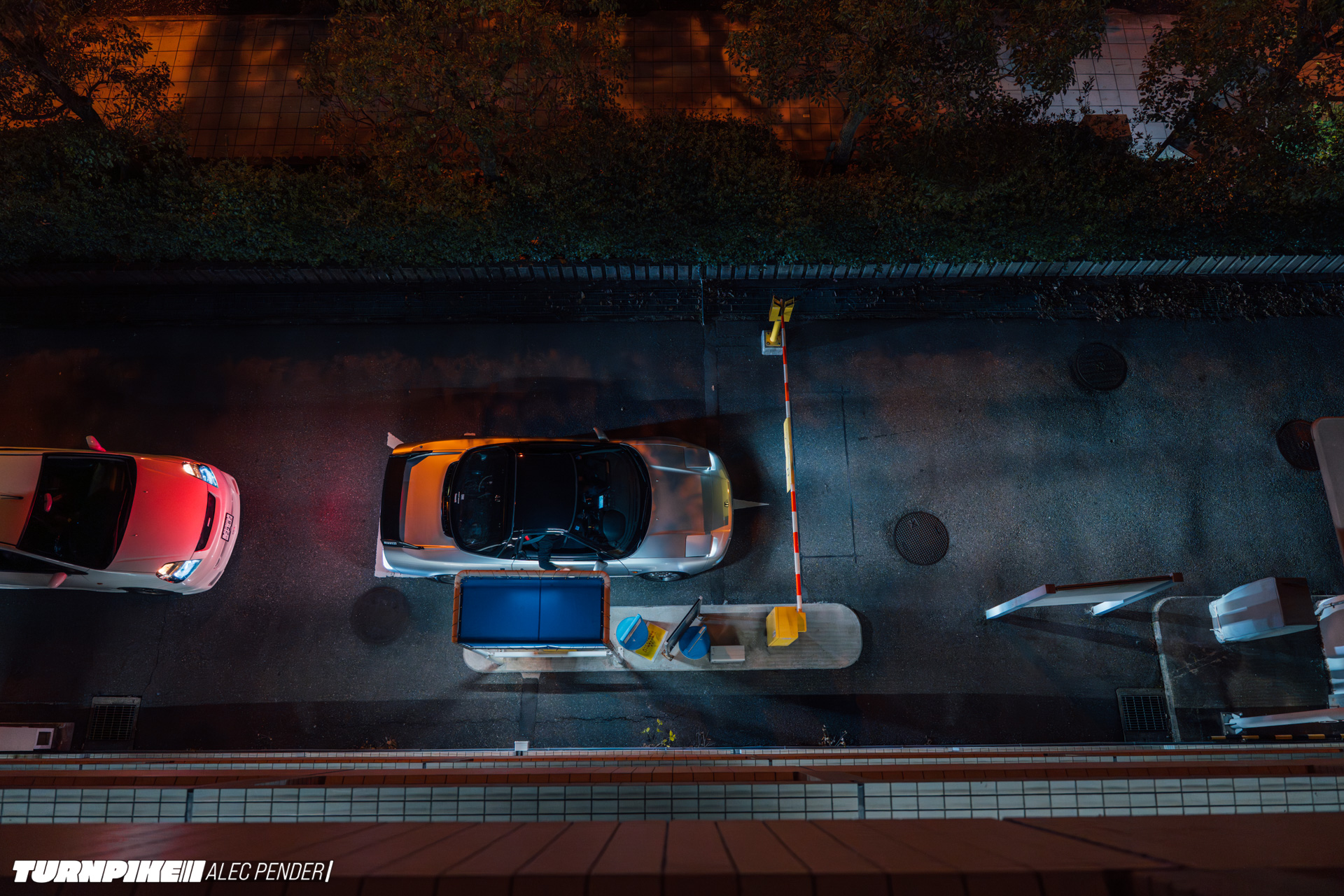
What’s usually a desolate street was buzzing, with cars lining up around the block to enter the chosen car park. A space that normally costs ¥200 (US$1.30) per hour had its rate raised to ¥2,000 (US$13.00) per hour for the weekend due to its close proximity to the show. Quite an investment for each car owner, and quite the business model for the parking garage.
As cars continued to pile in, Dino and I couldn’t help but sound like broken records, repeatedly mentioning that the police surely would not be far away. In Tokyo, a meet like this would be lucky to even get started before being shut down, with officers typically appearing within minutes. But this is not Tokyo. This is Osaka, where car culture still feels closer to the early 2000s dream we all grew up watching and lusting over.
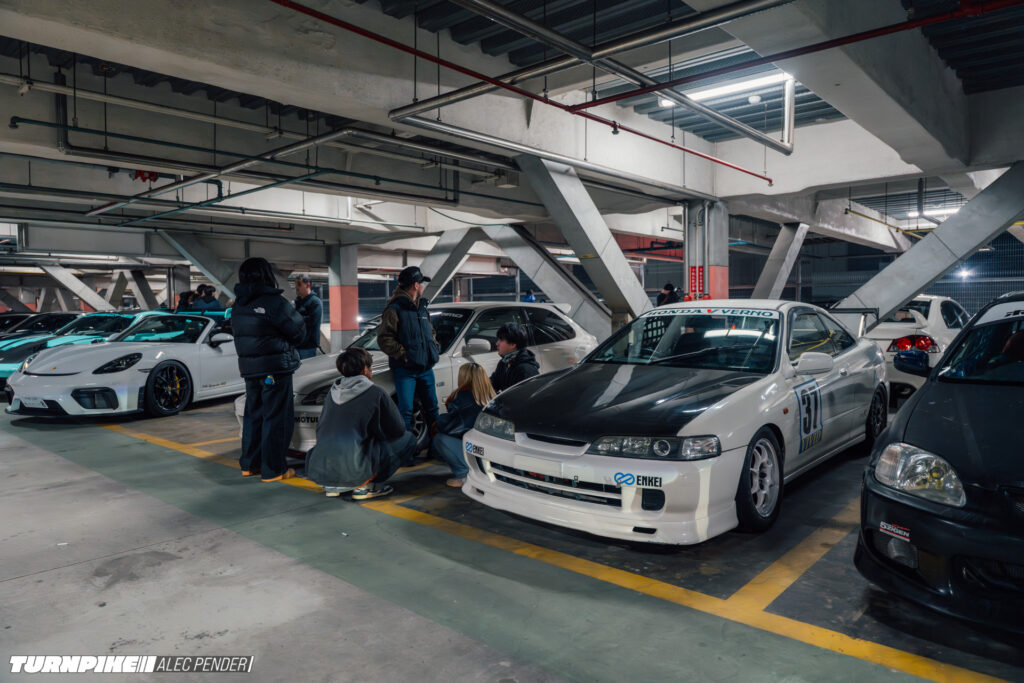
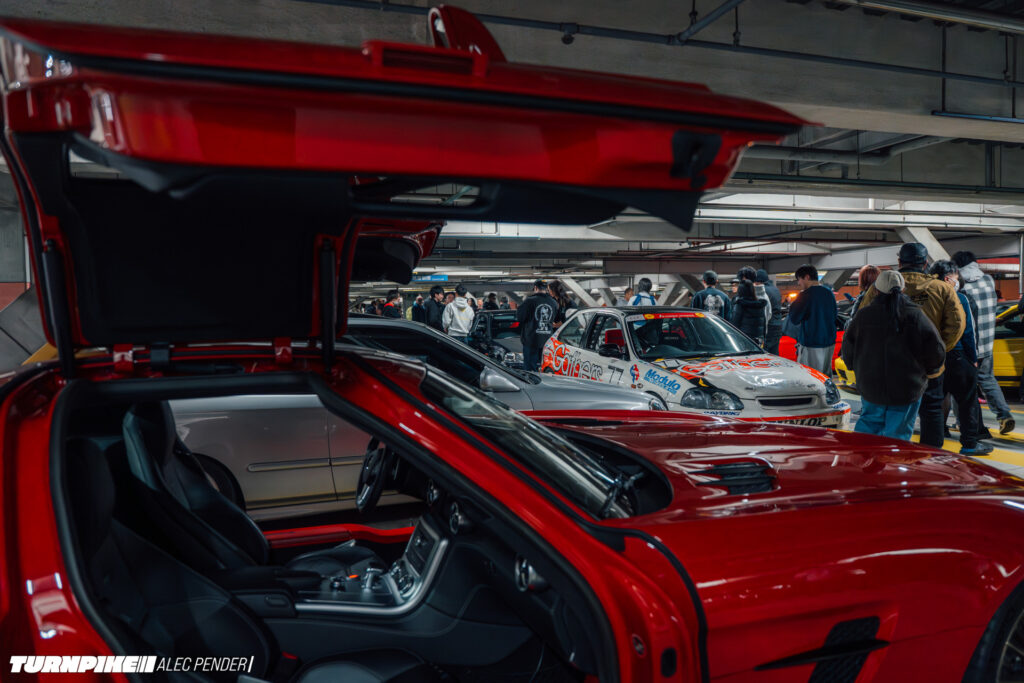
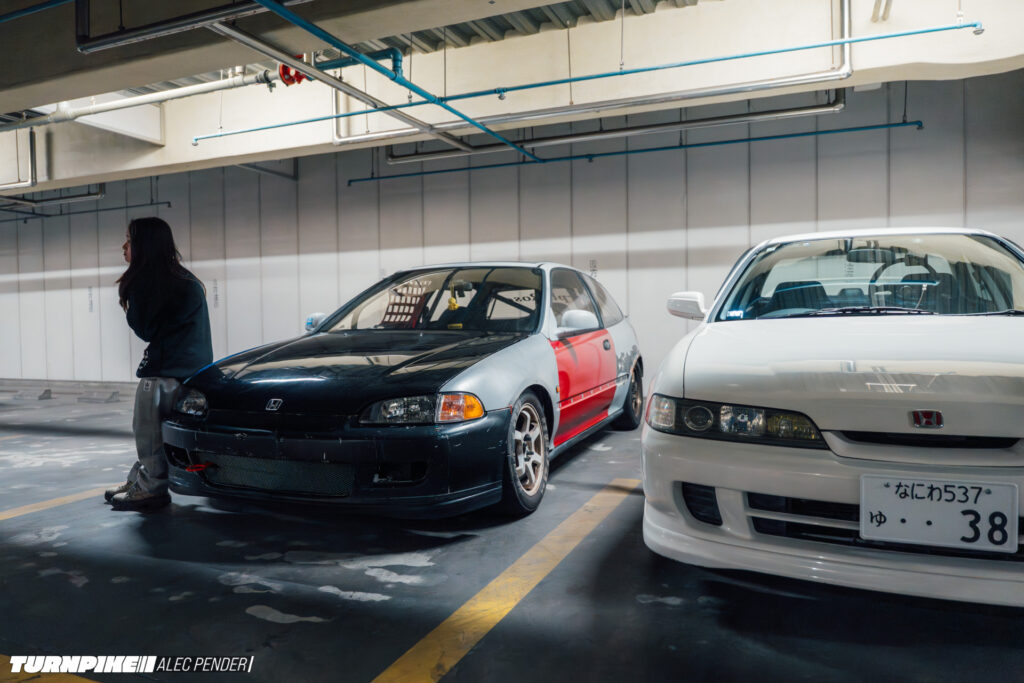
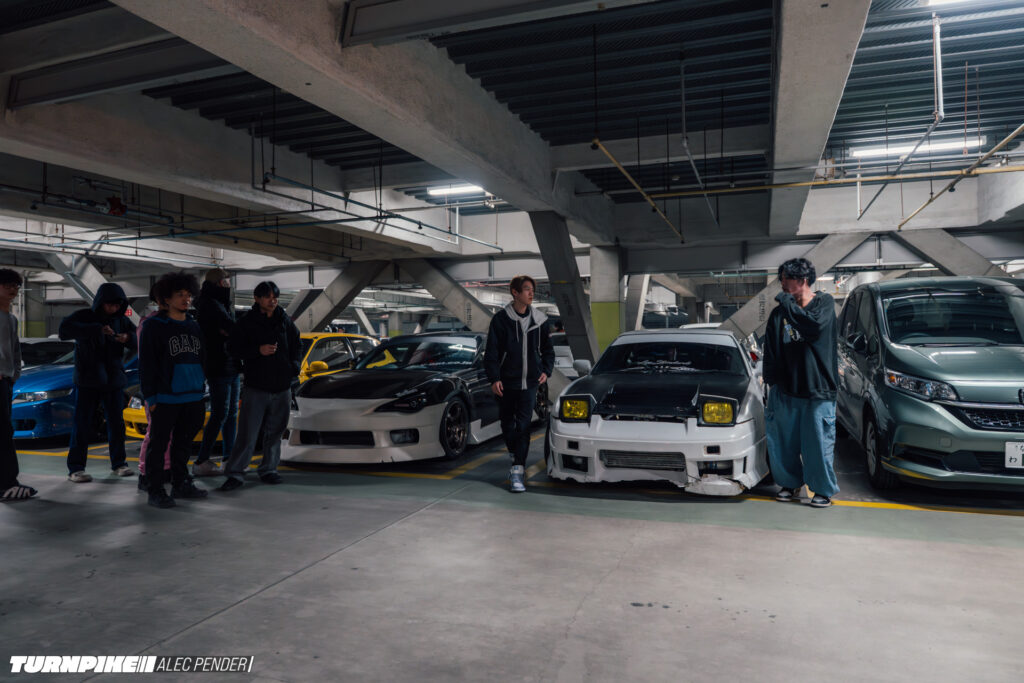
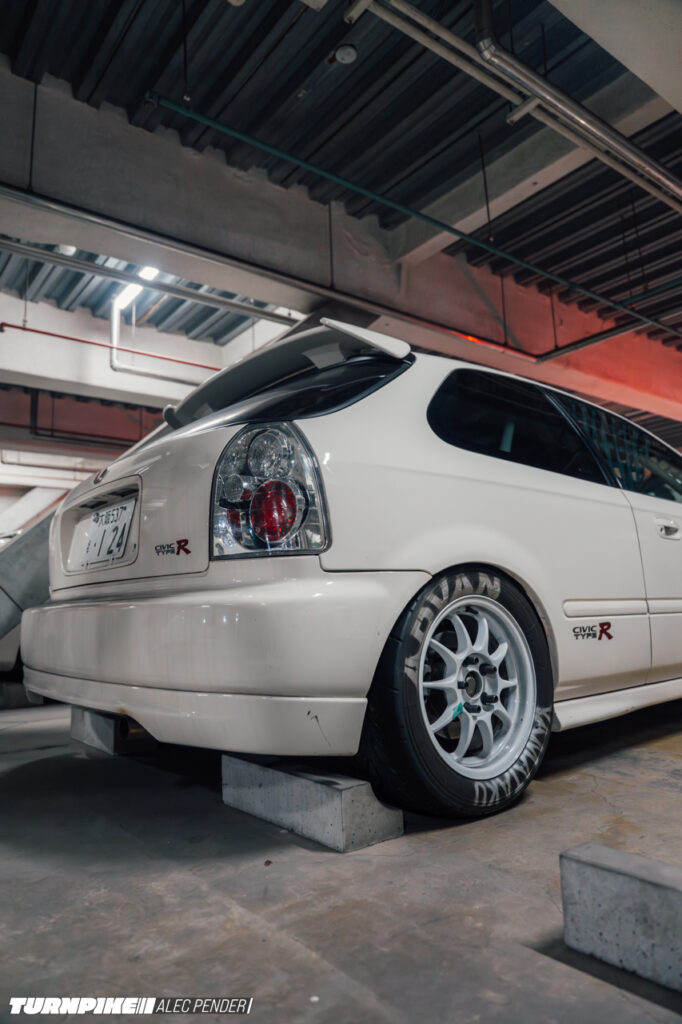
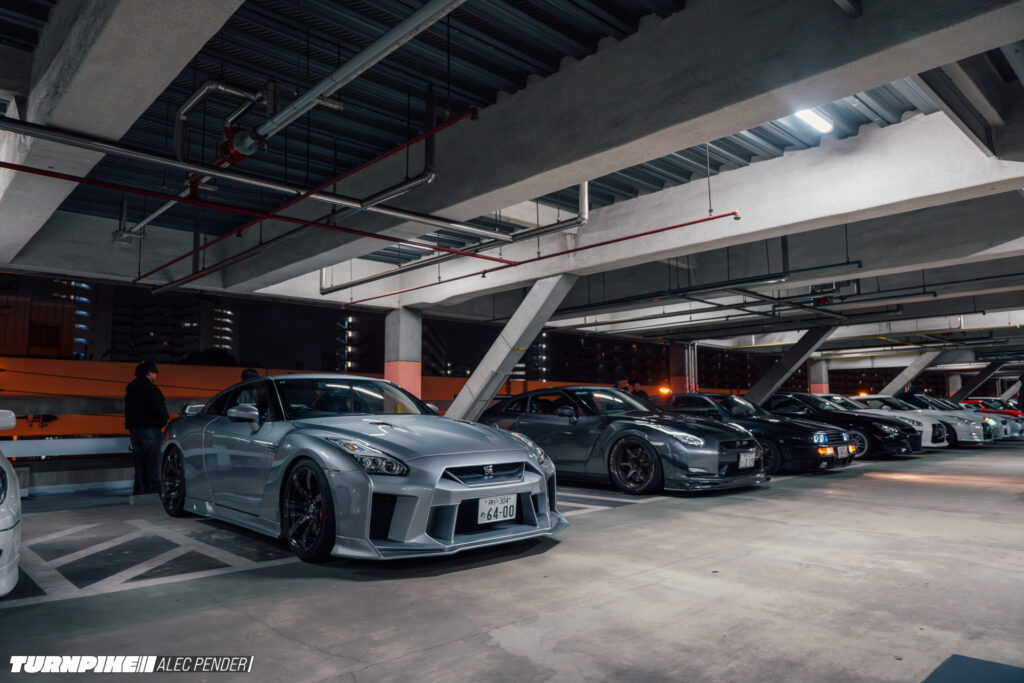
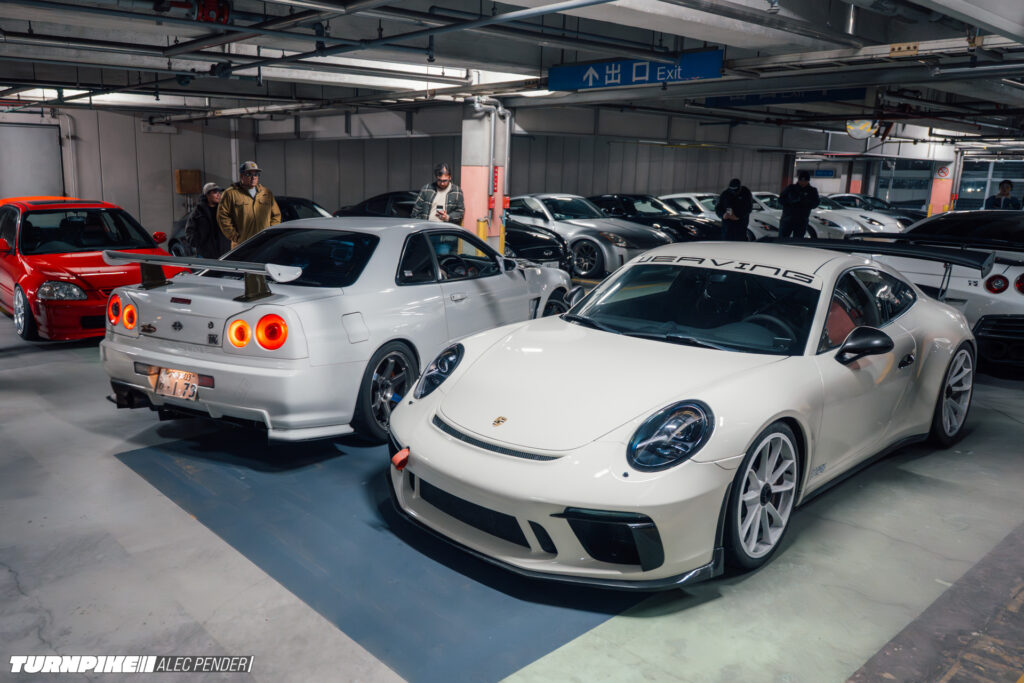
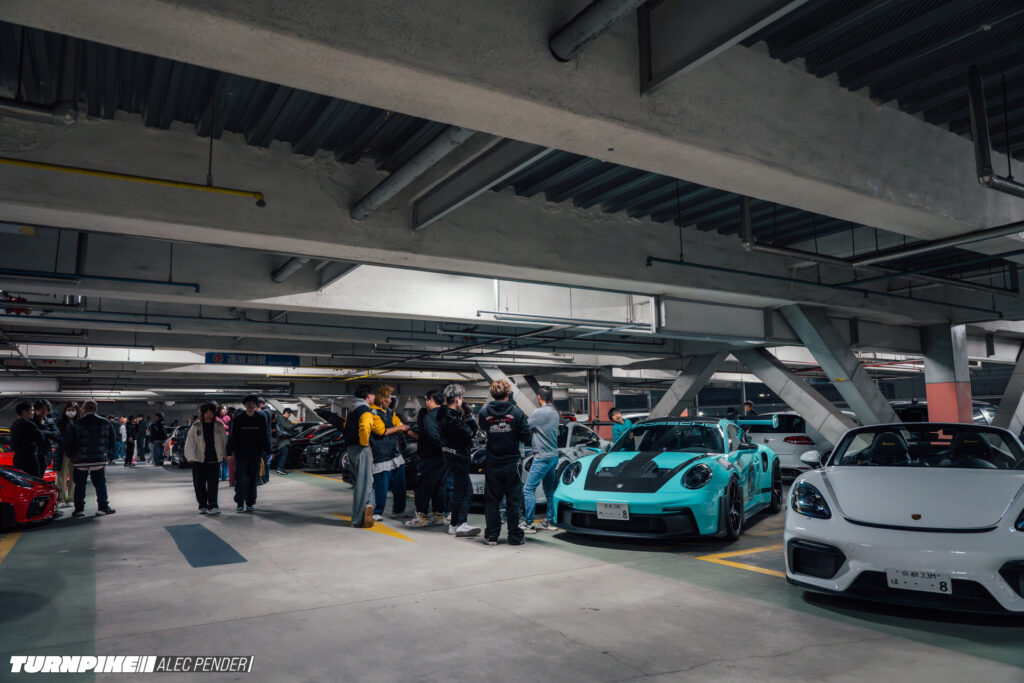
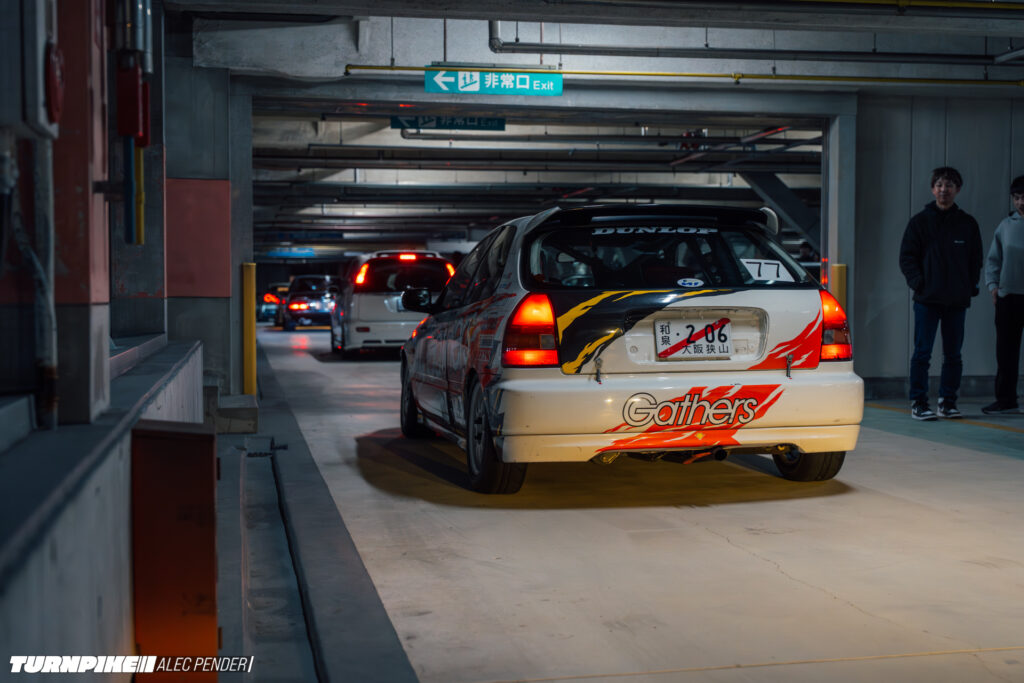
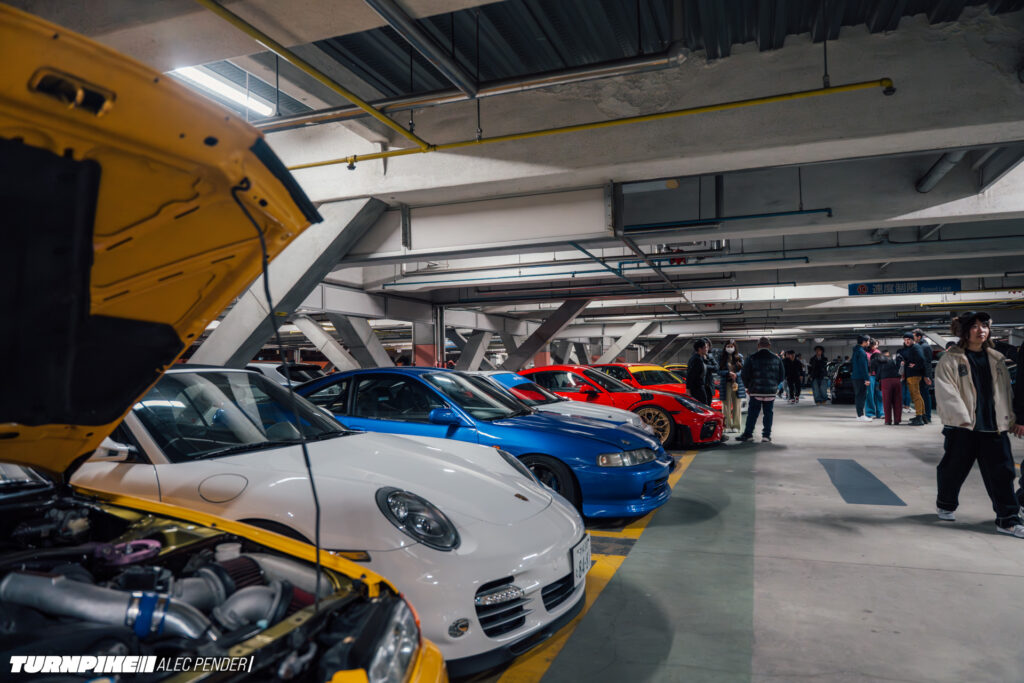
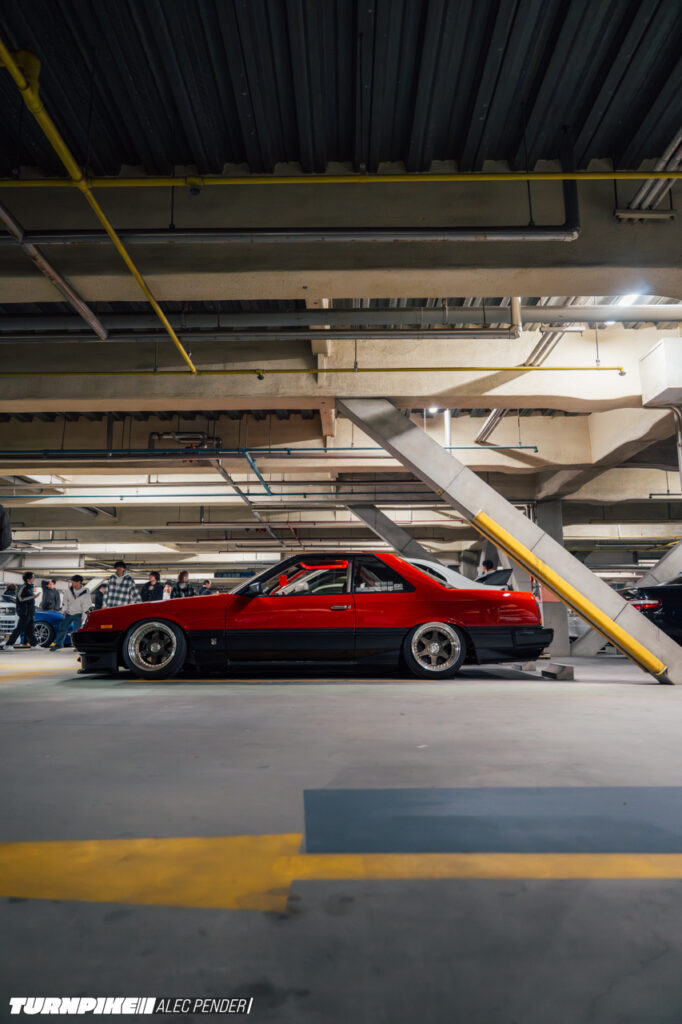
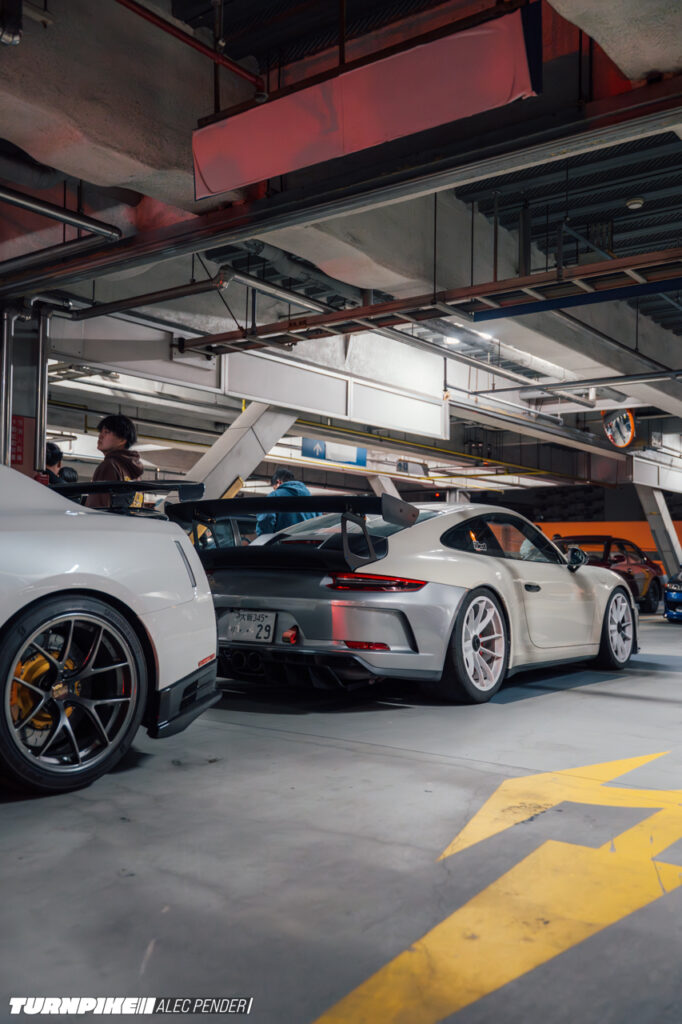
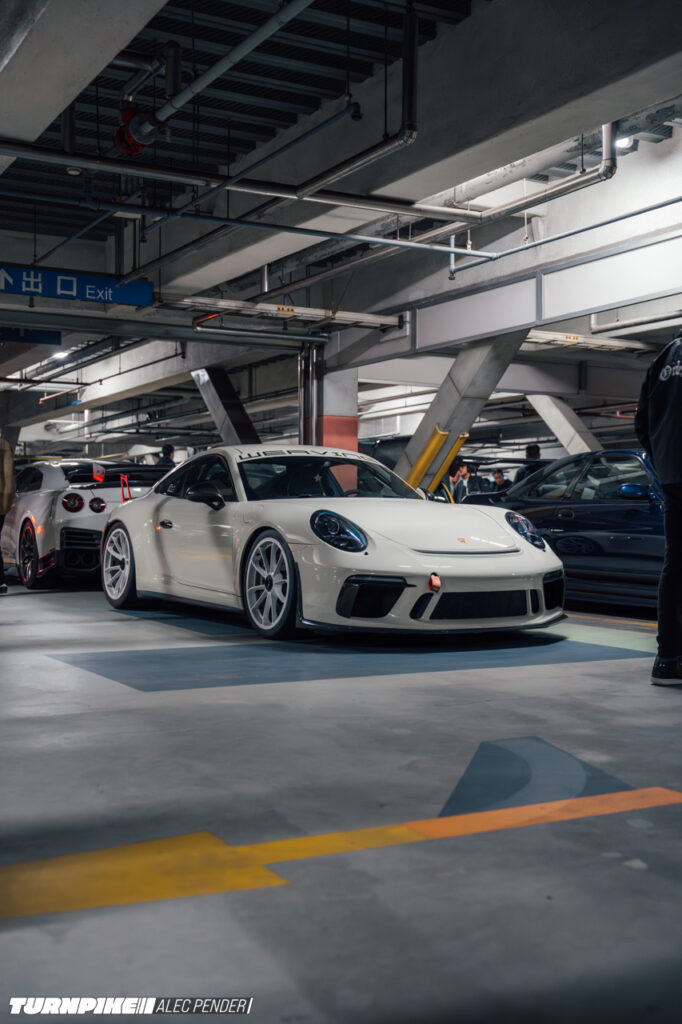
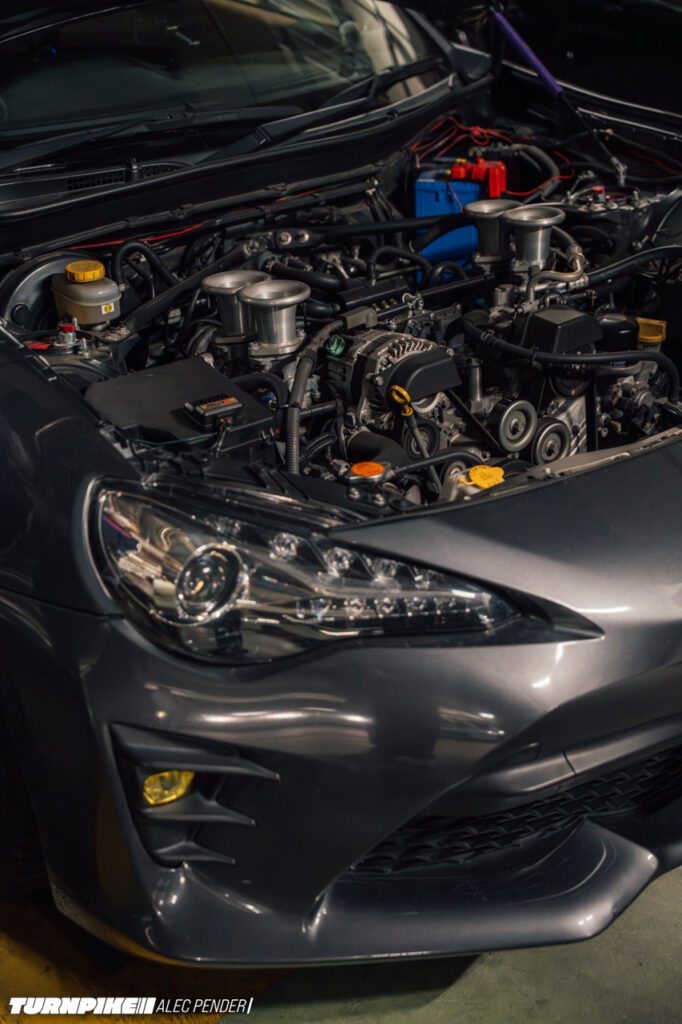
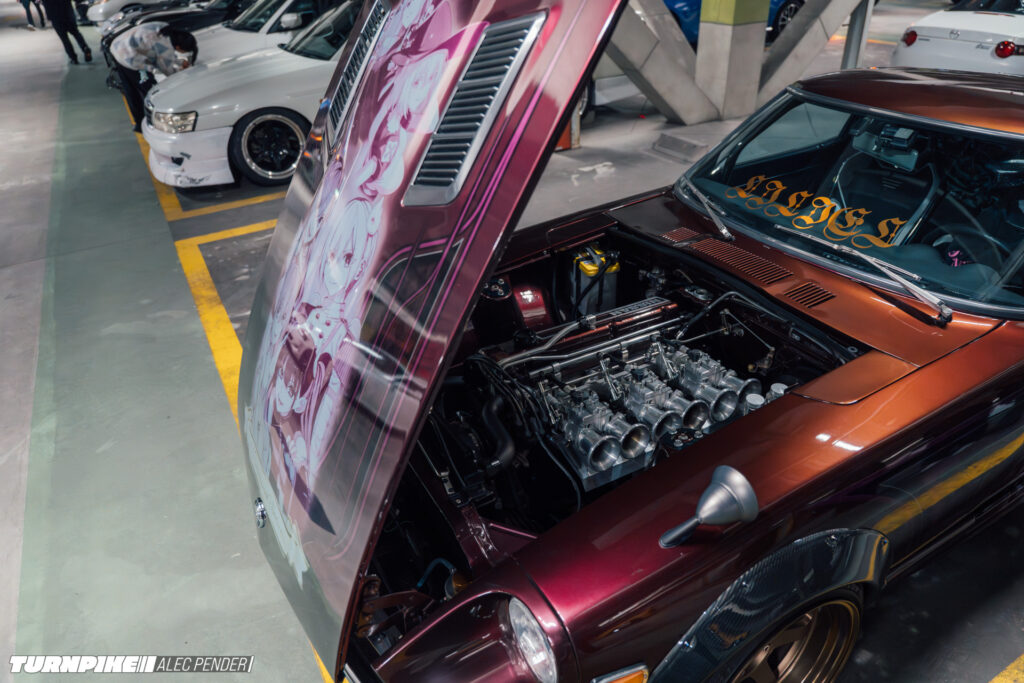
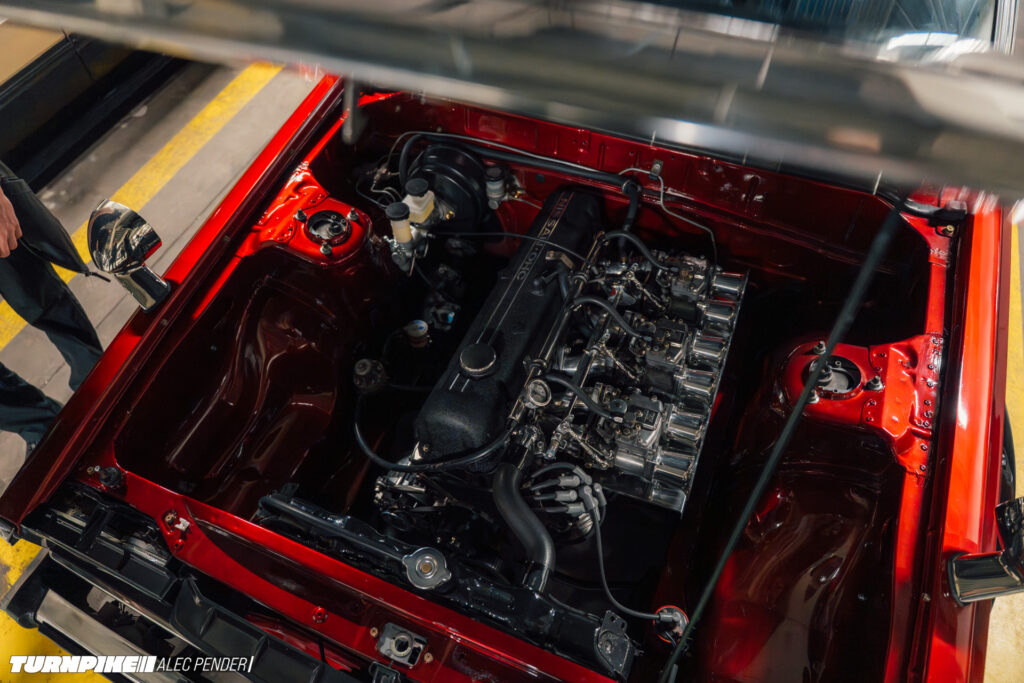
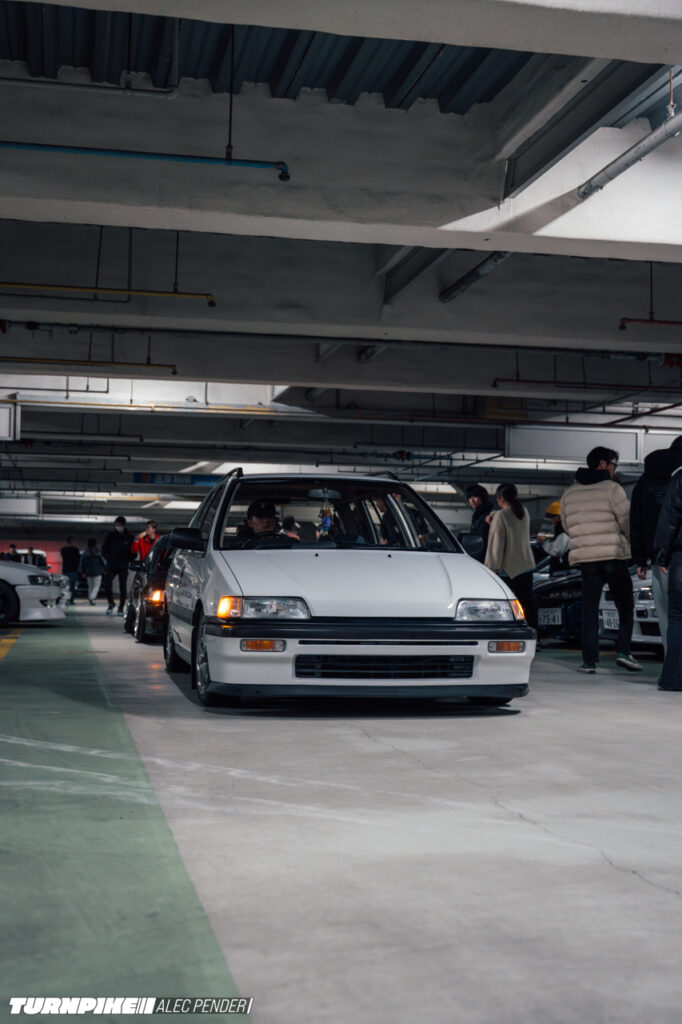
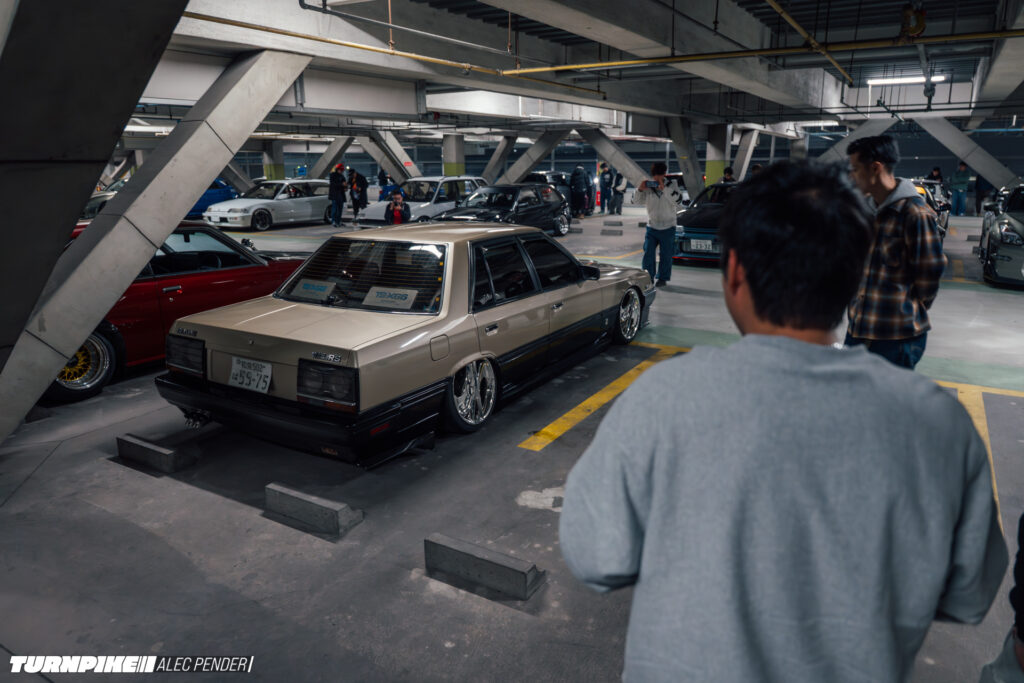
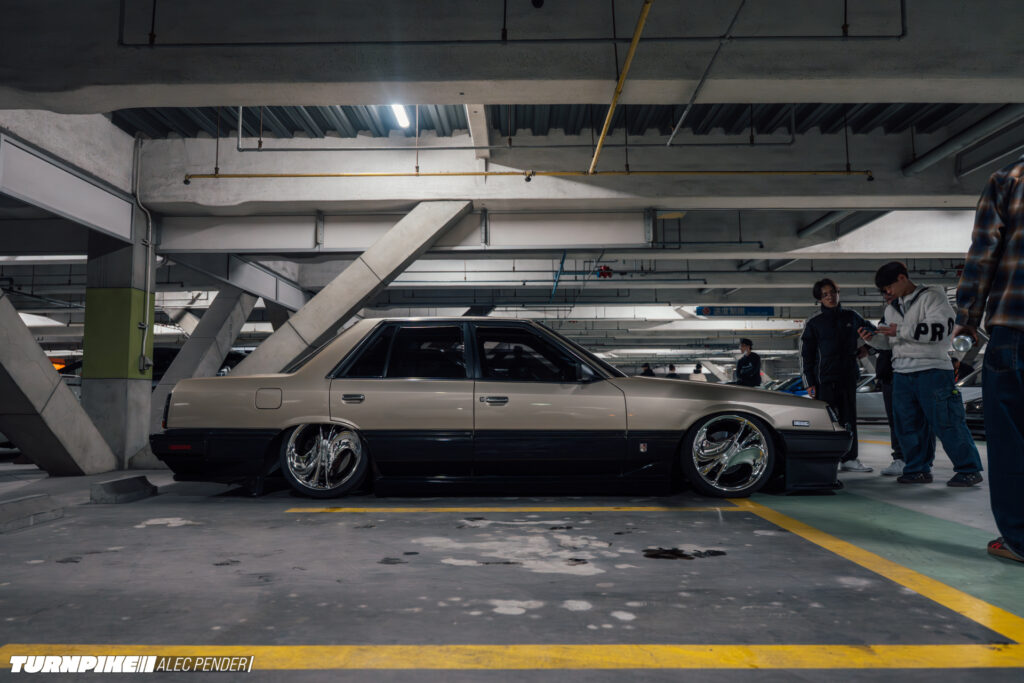
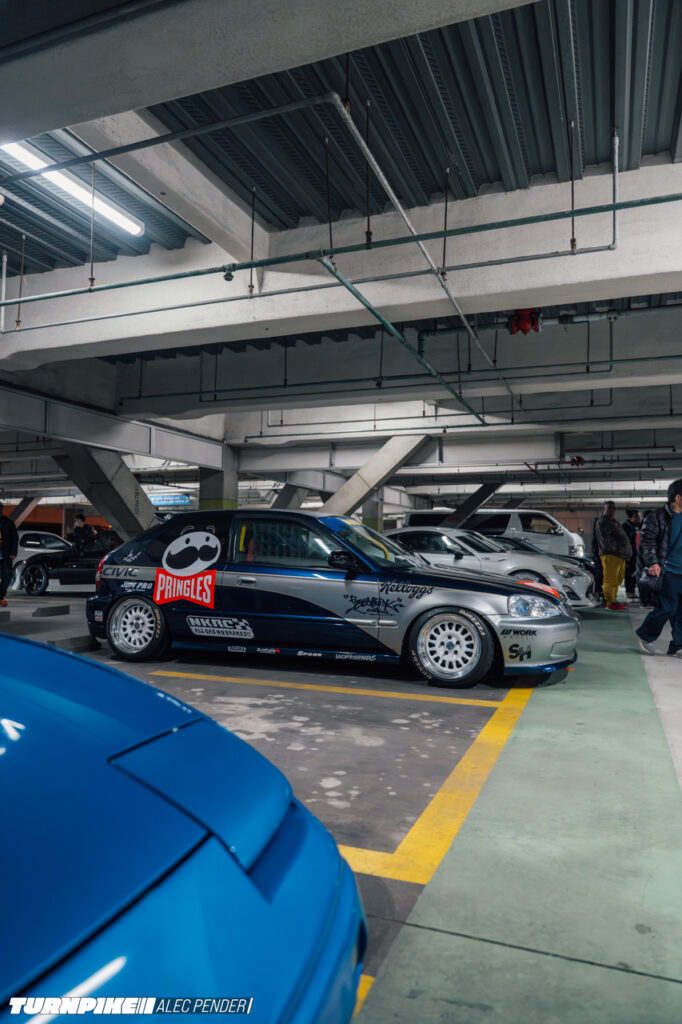
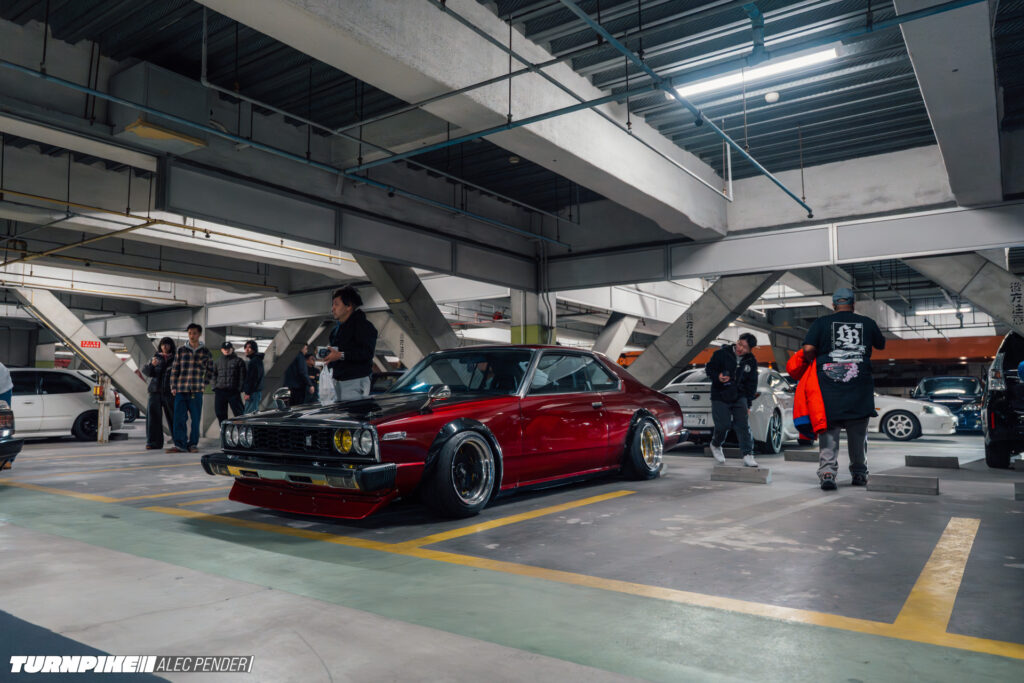
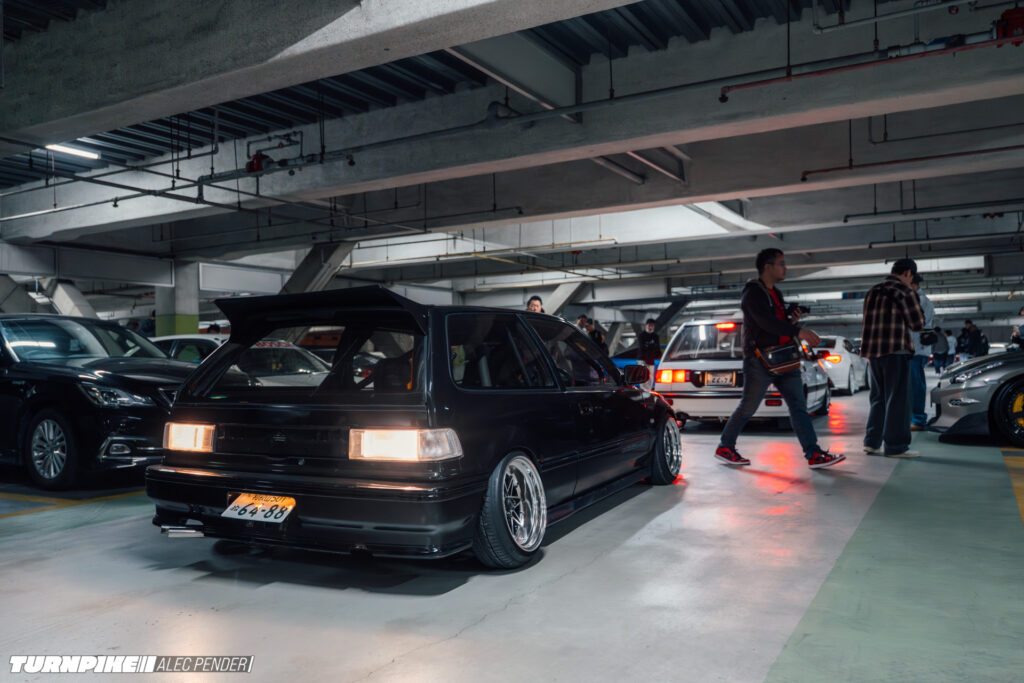
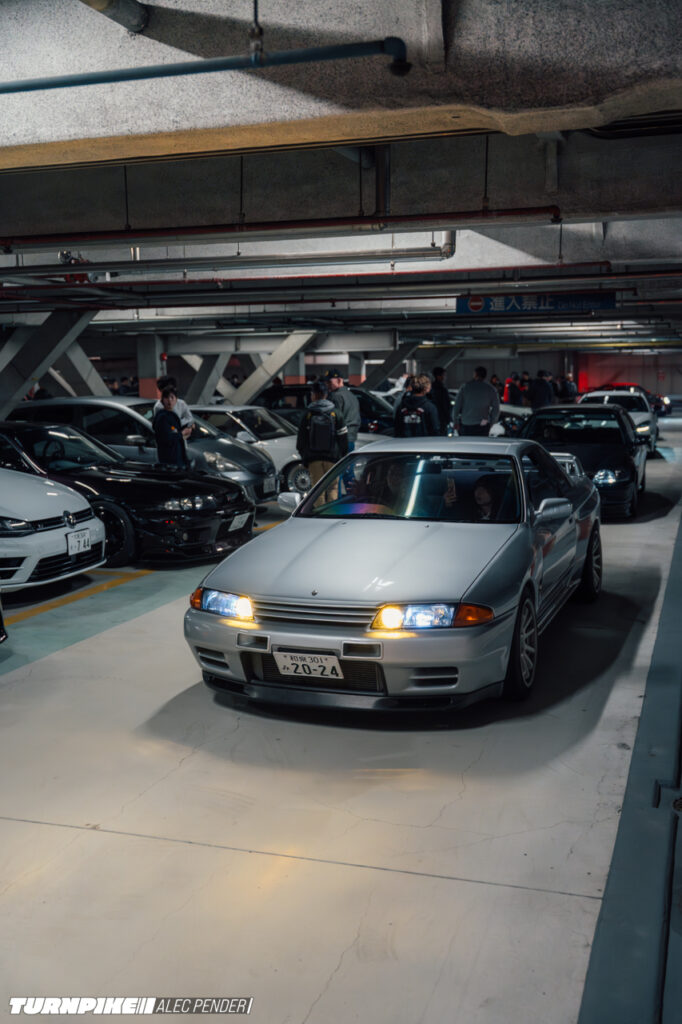
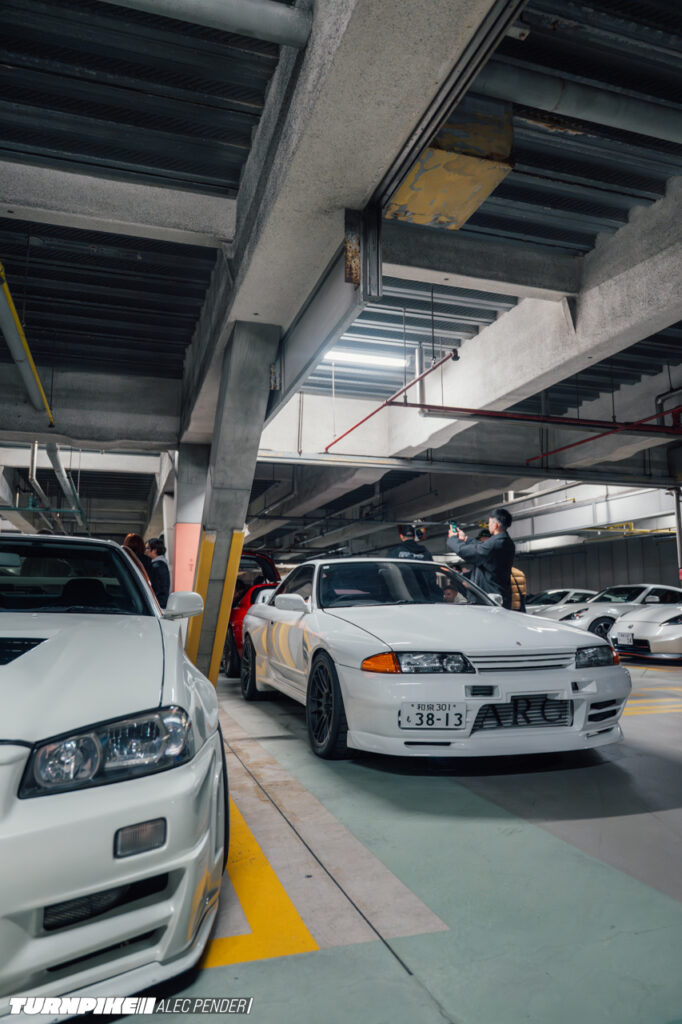
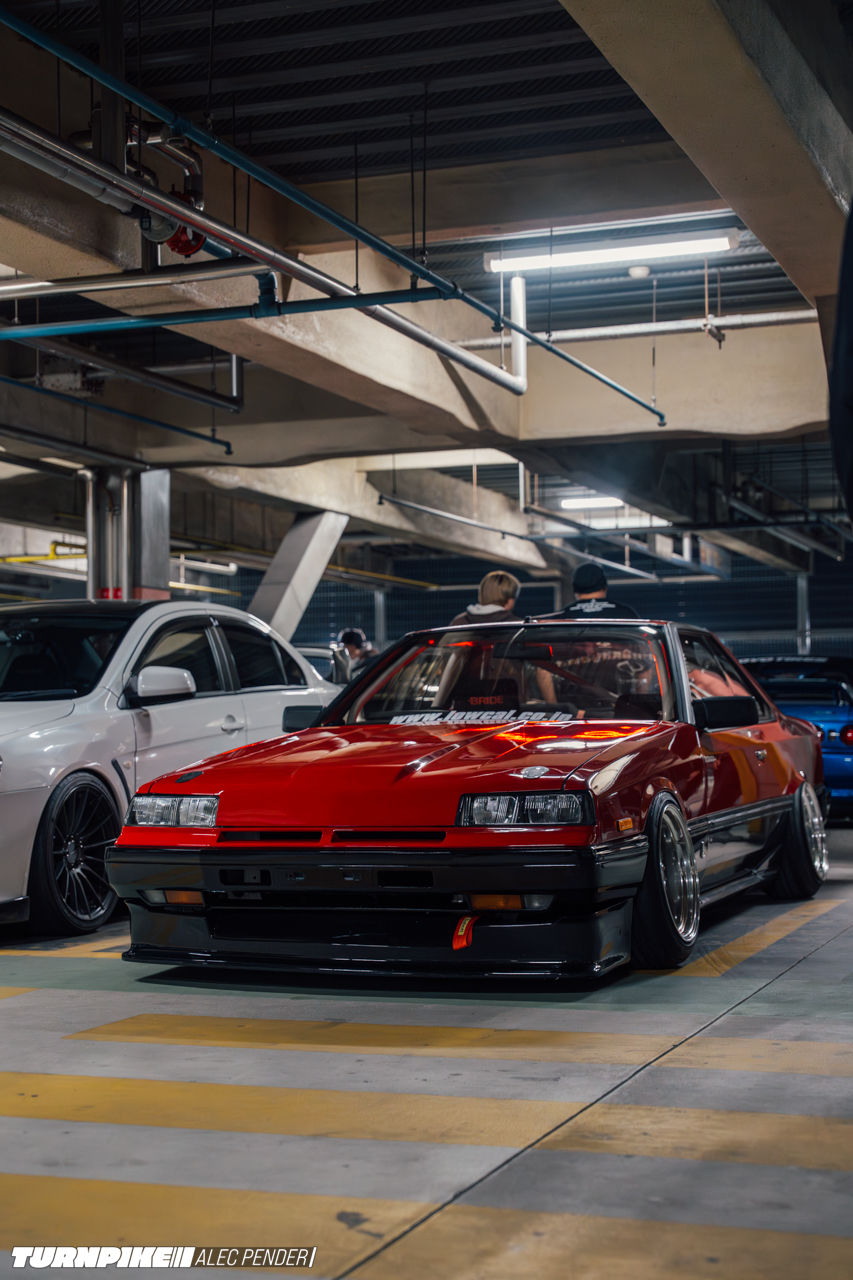
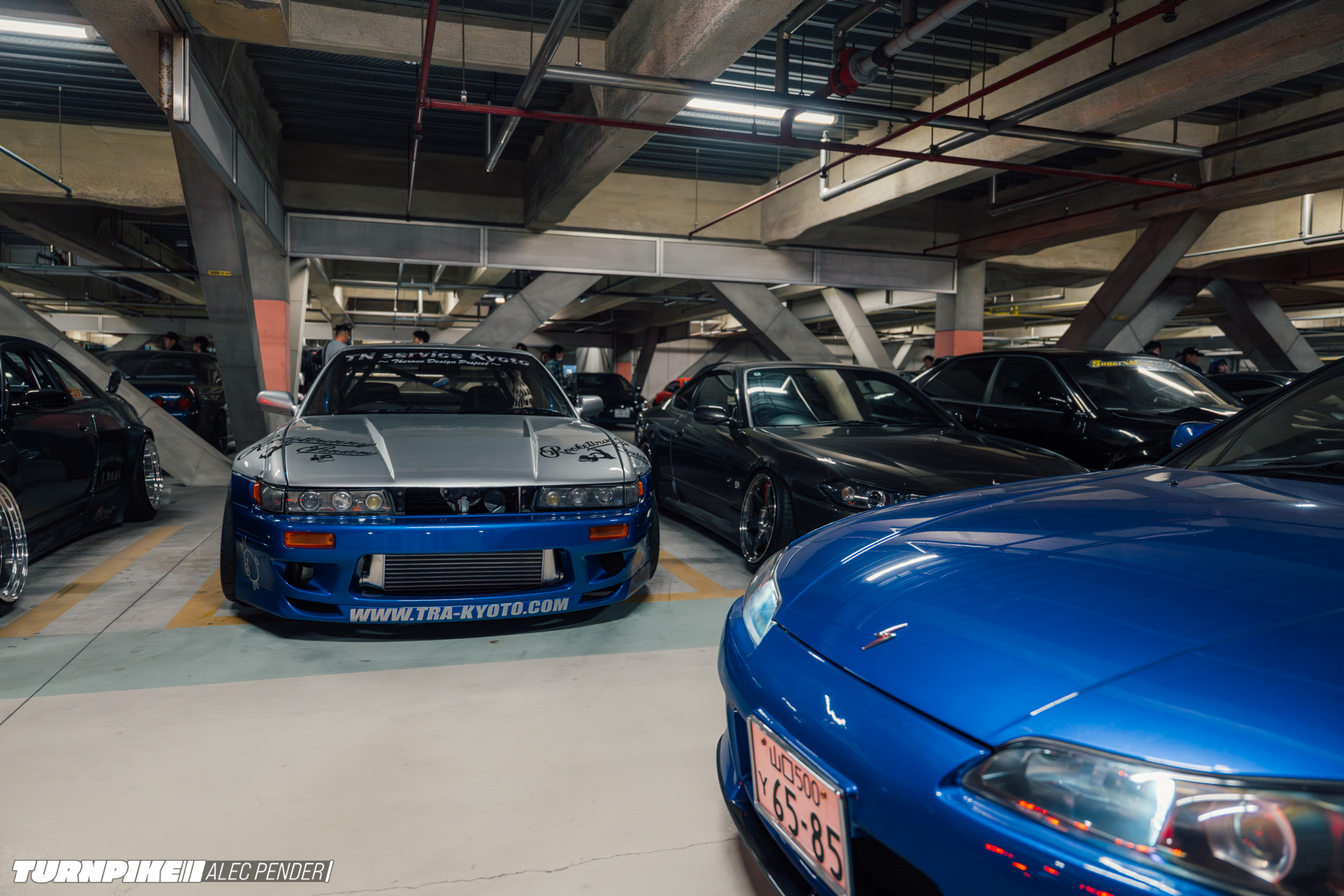
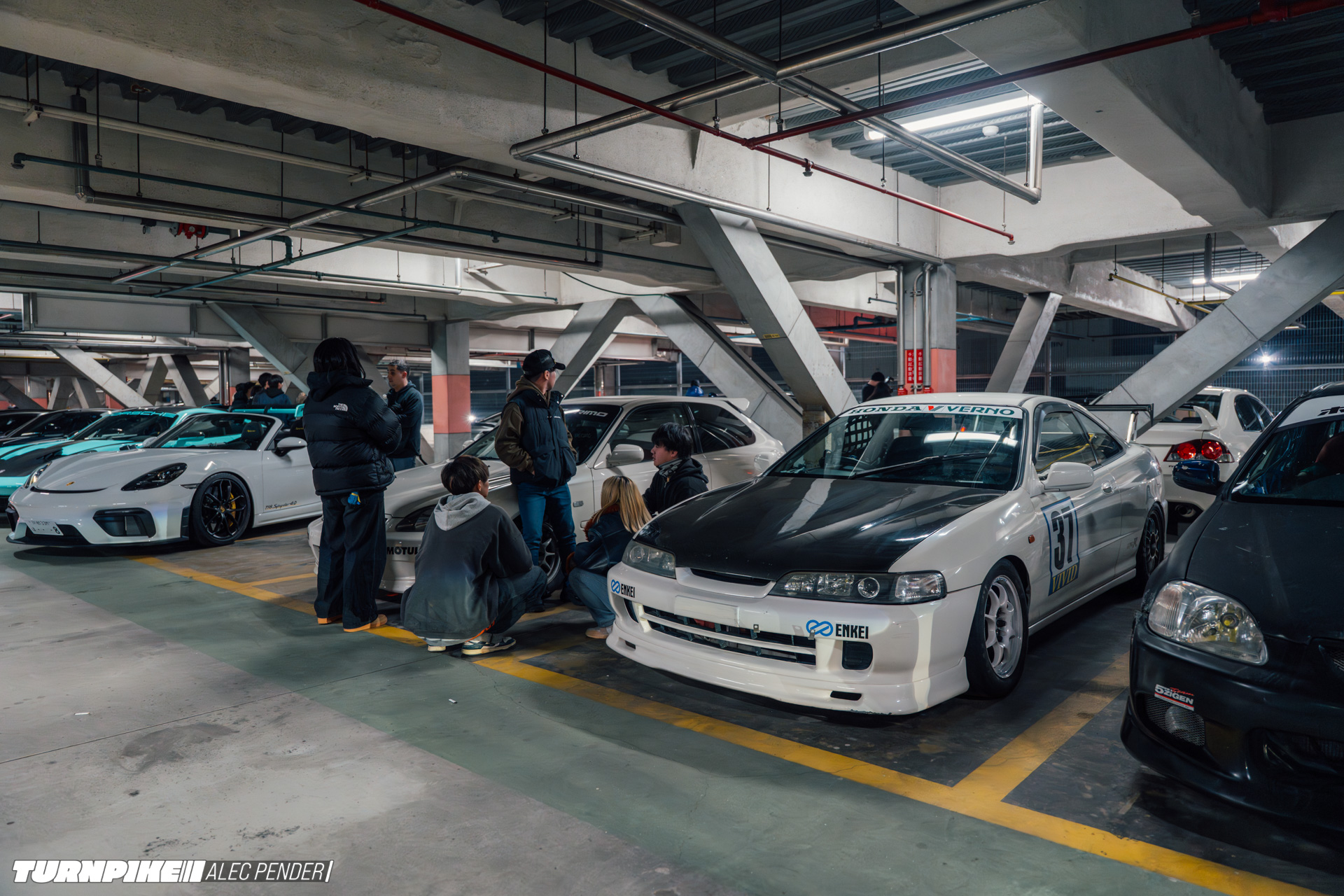
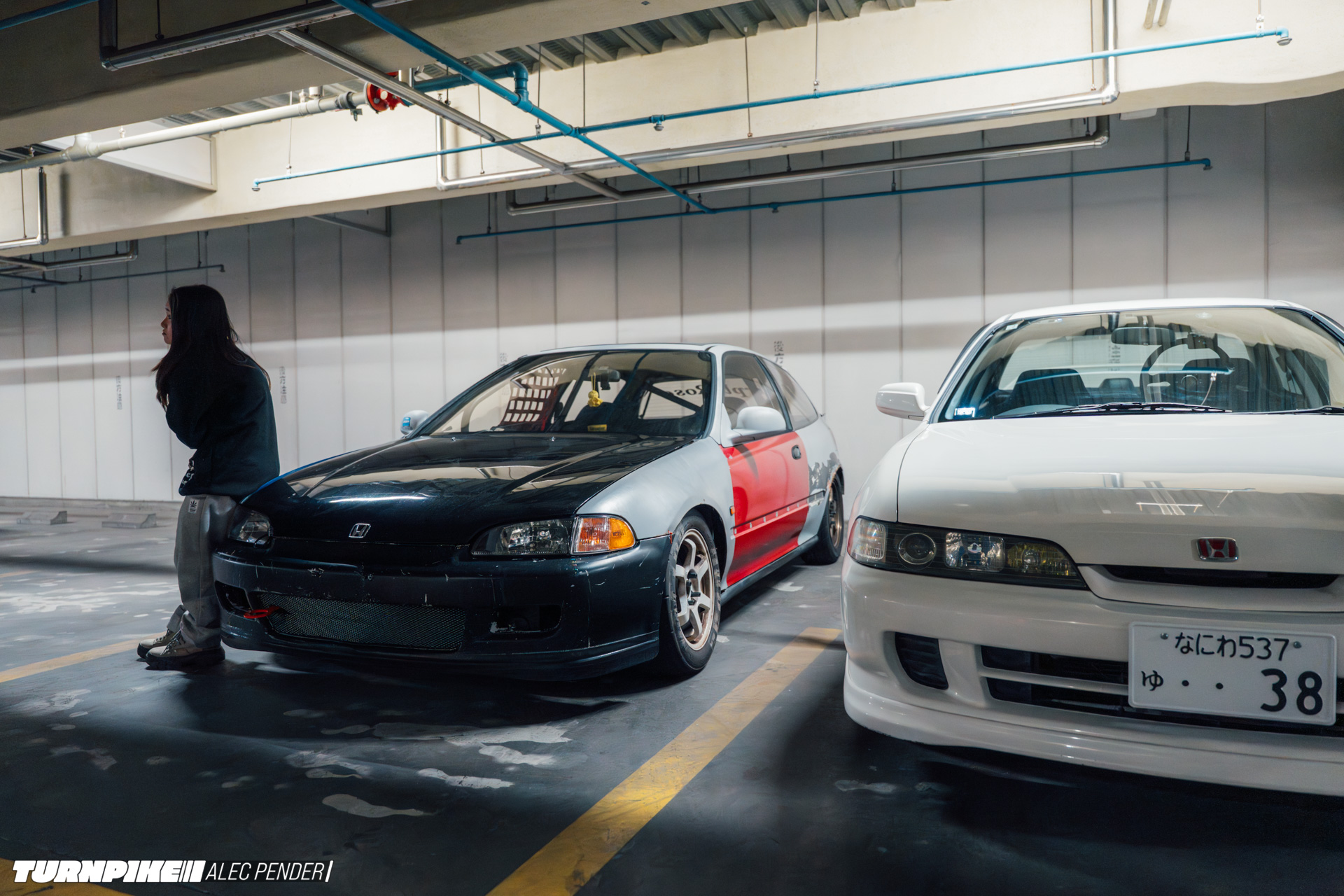
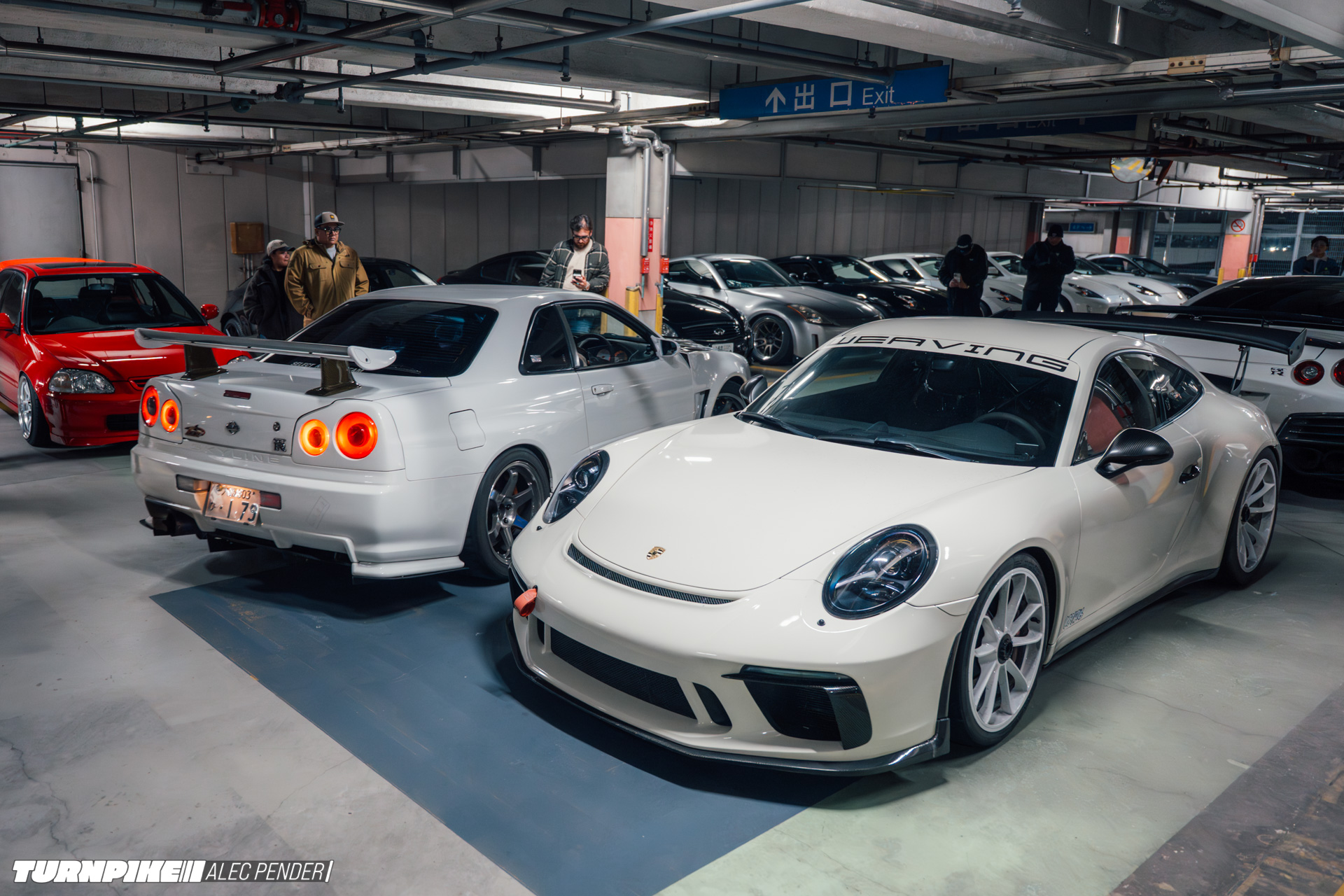
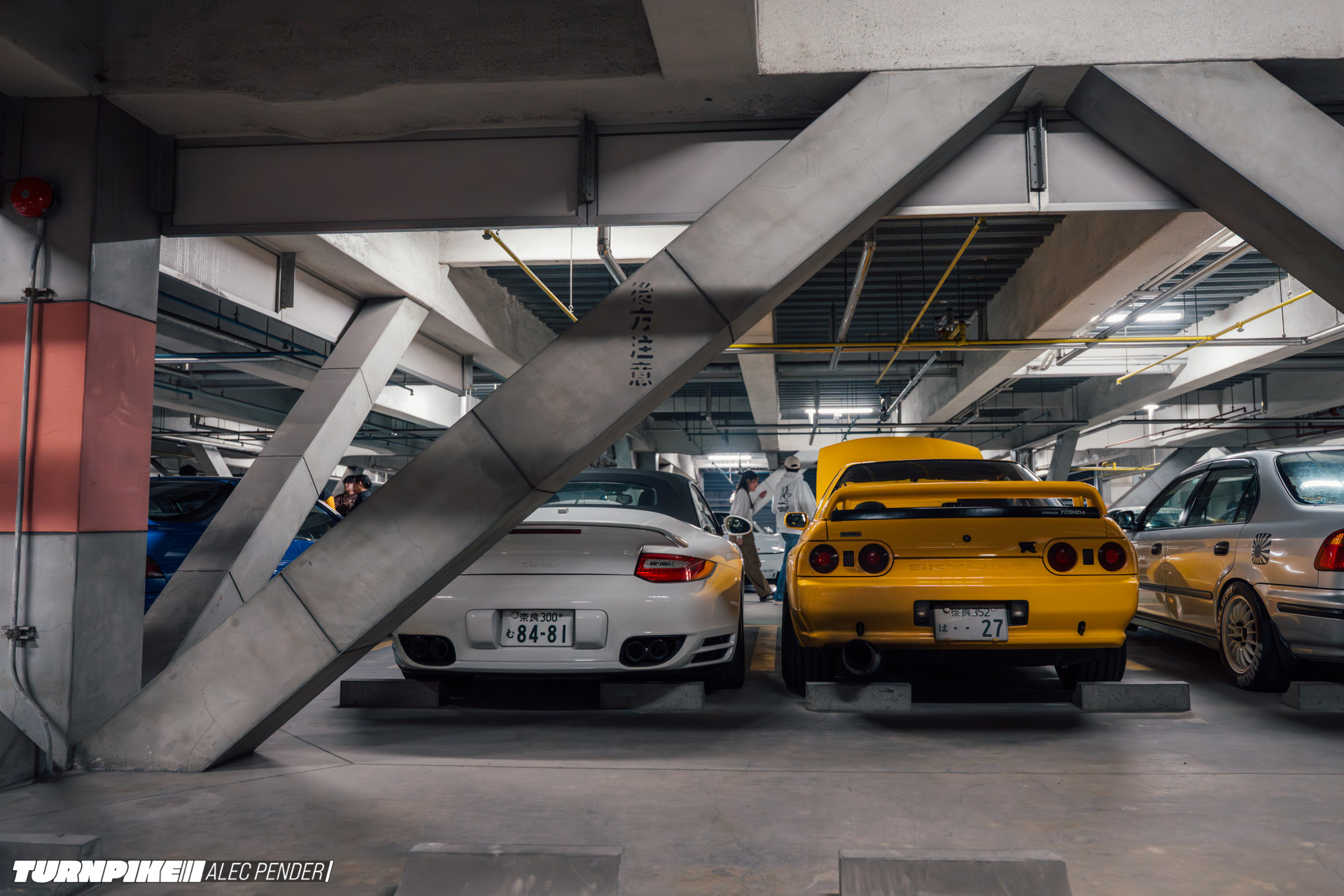
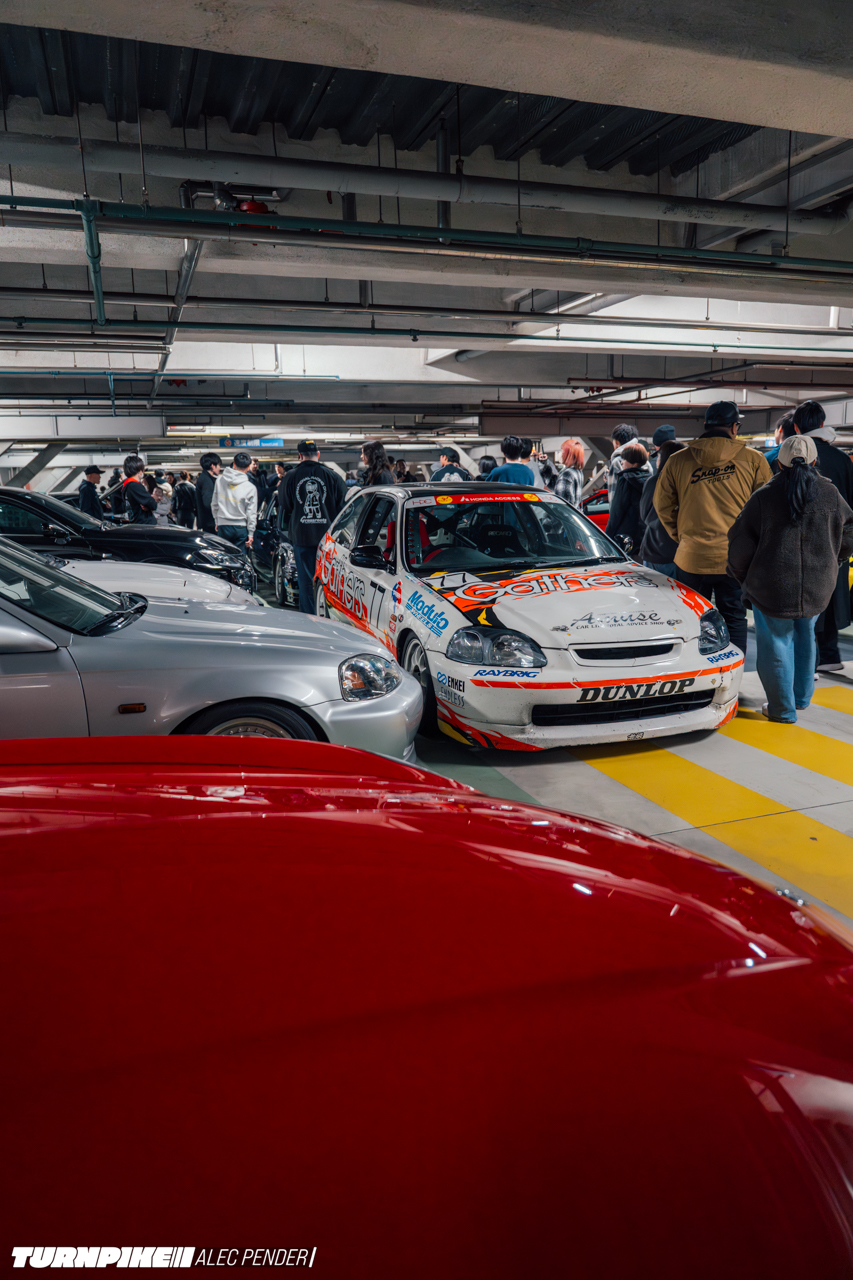
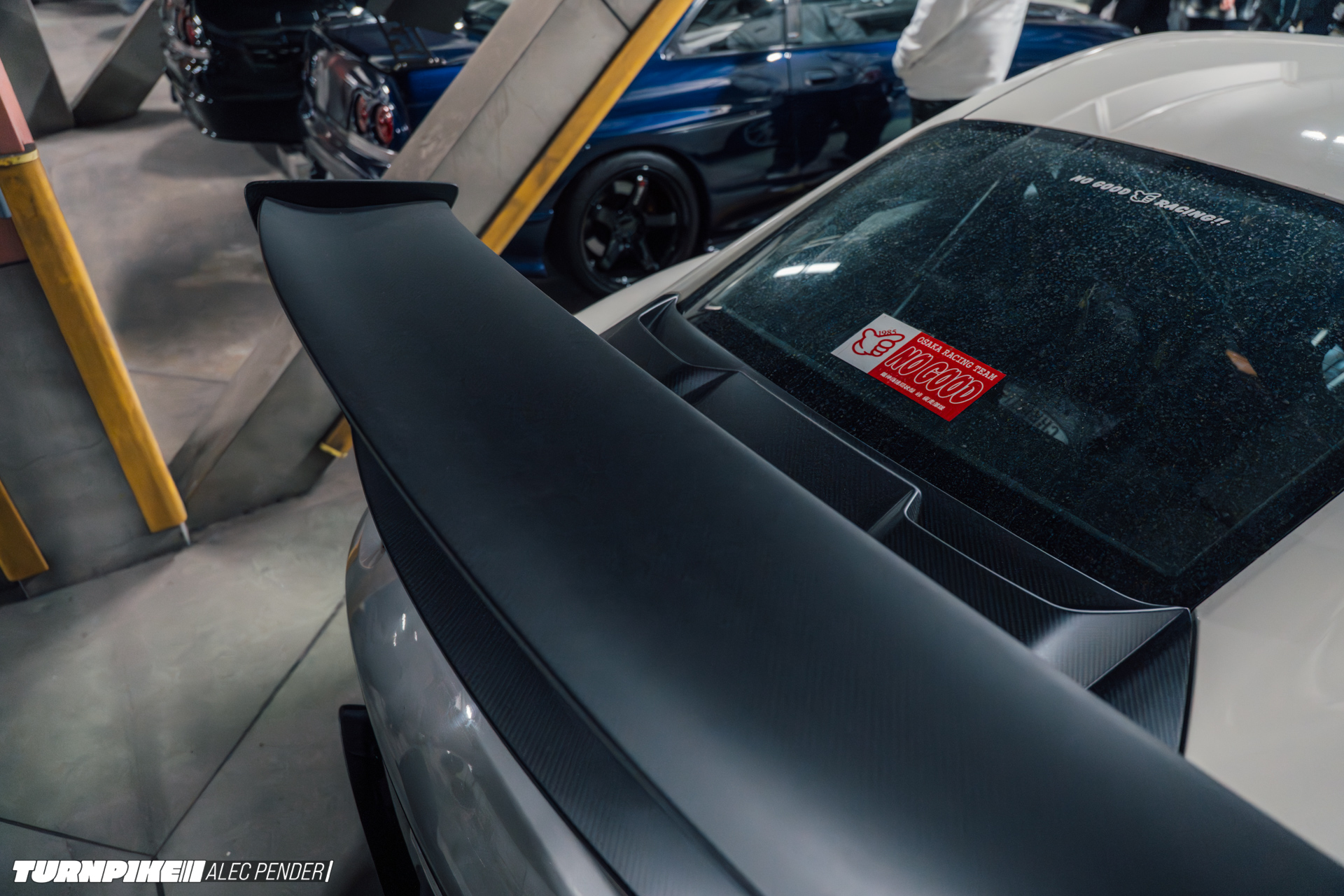
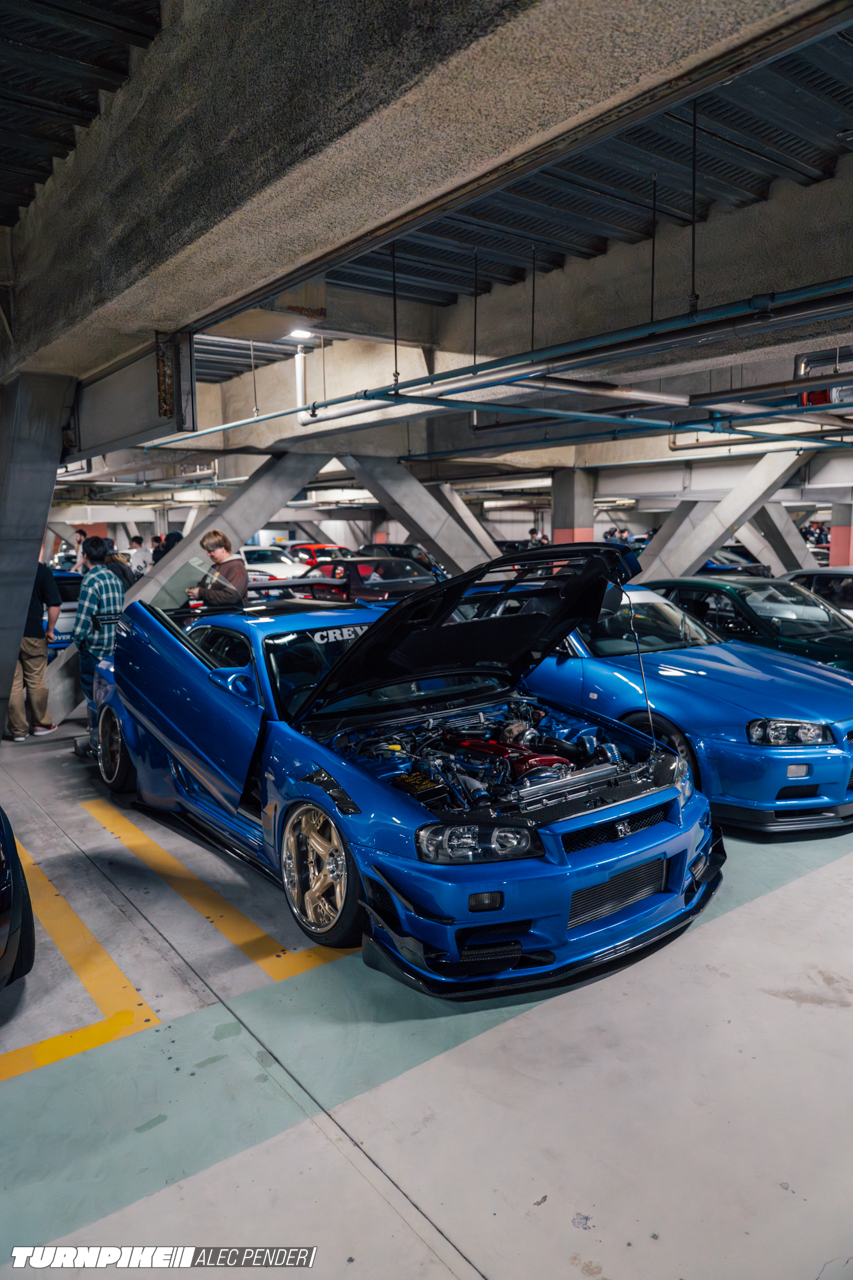
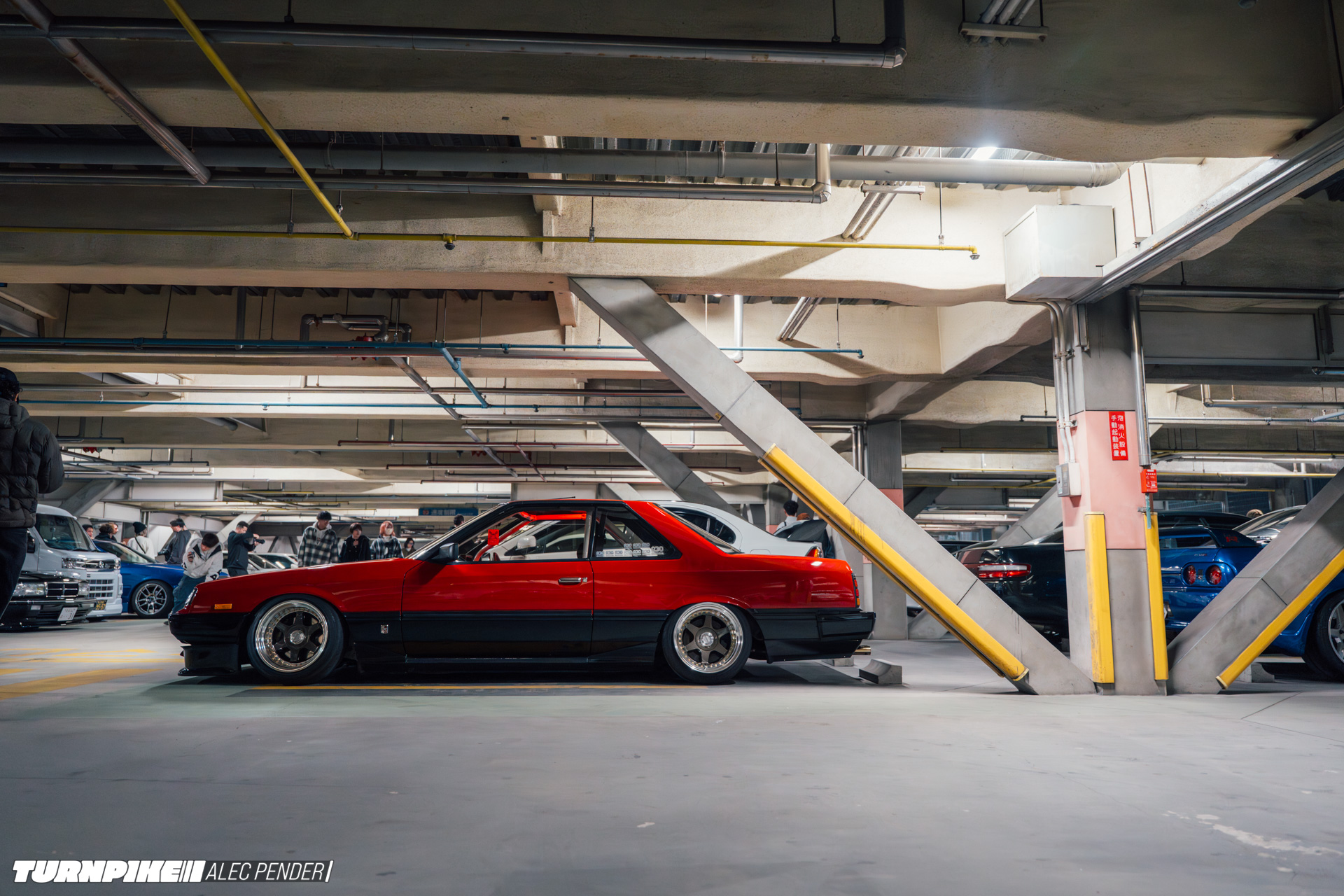
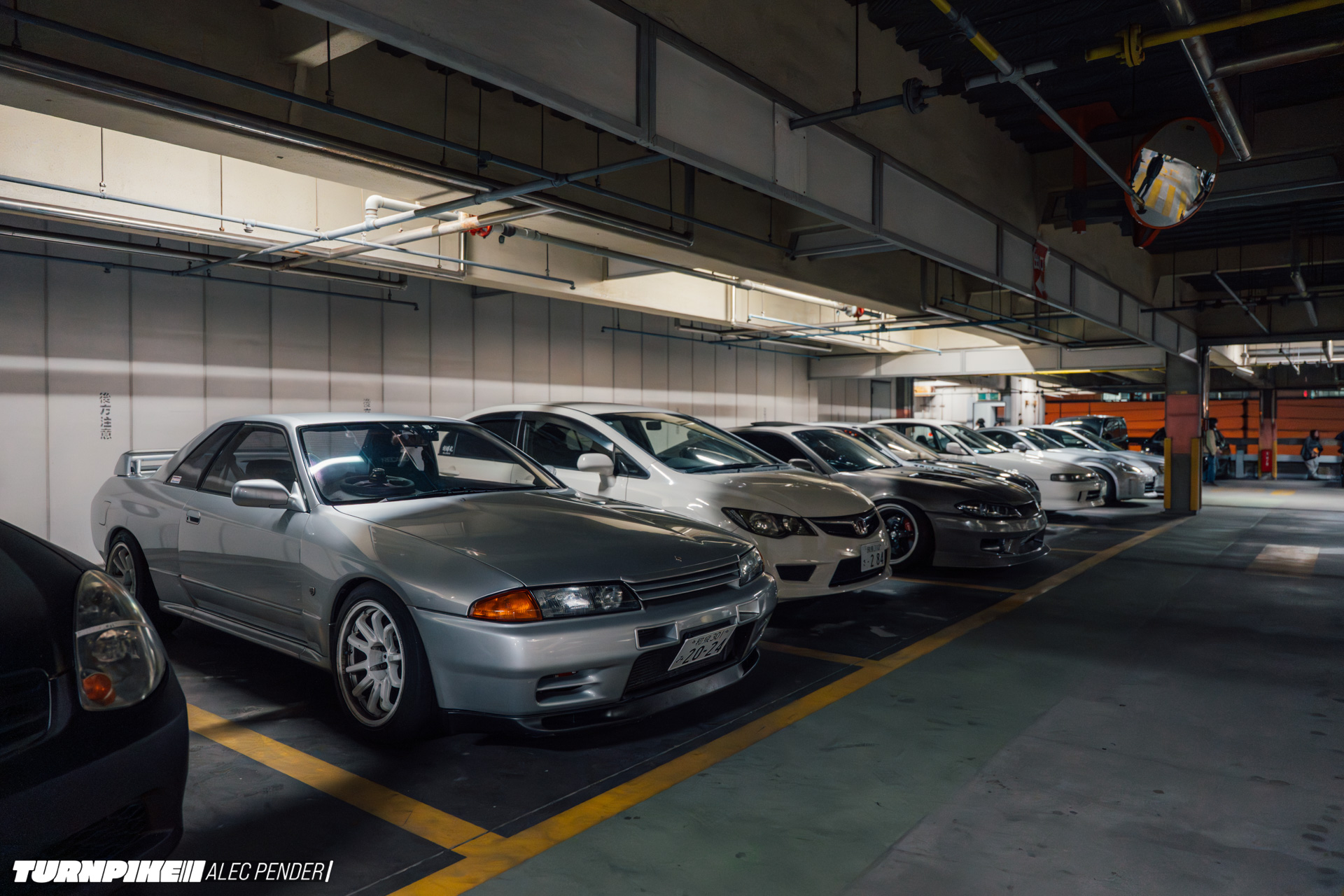
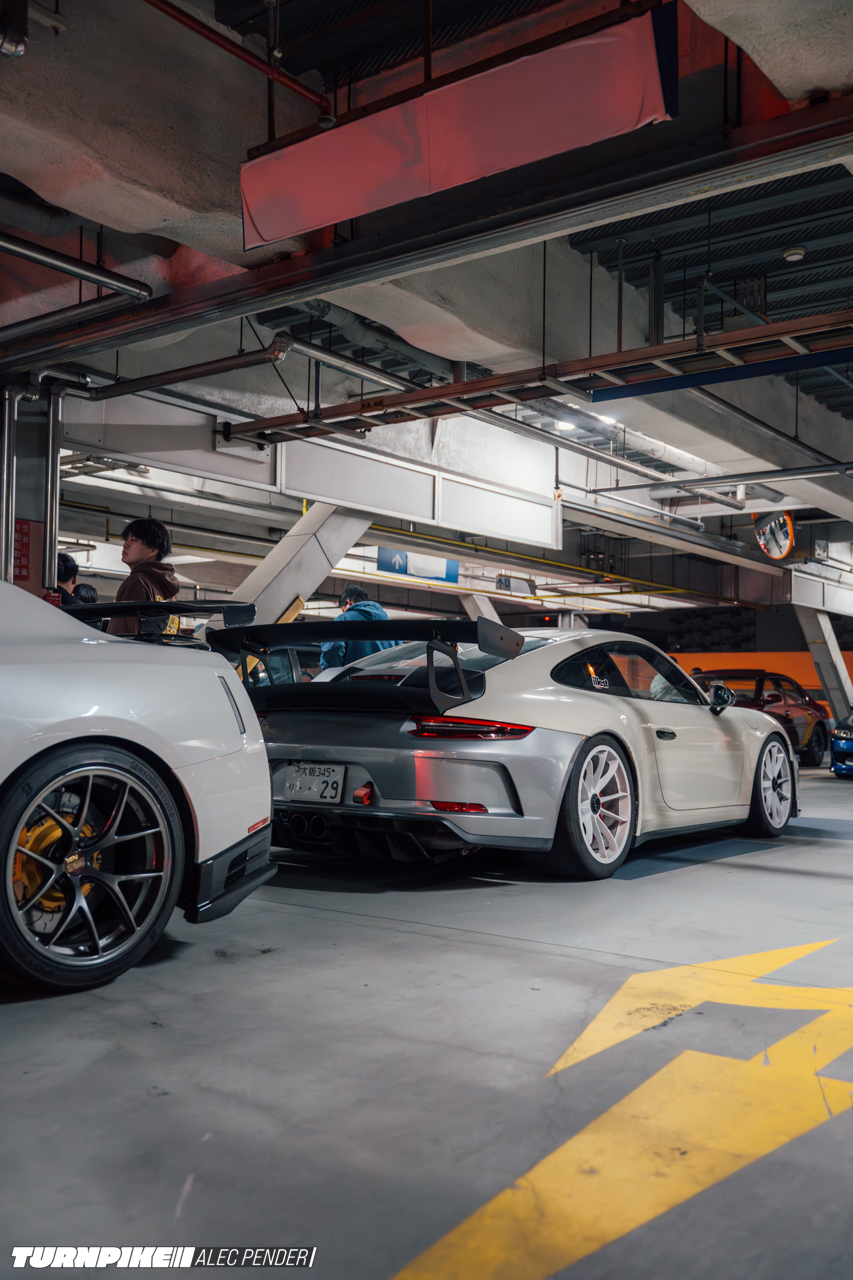
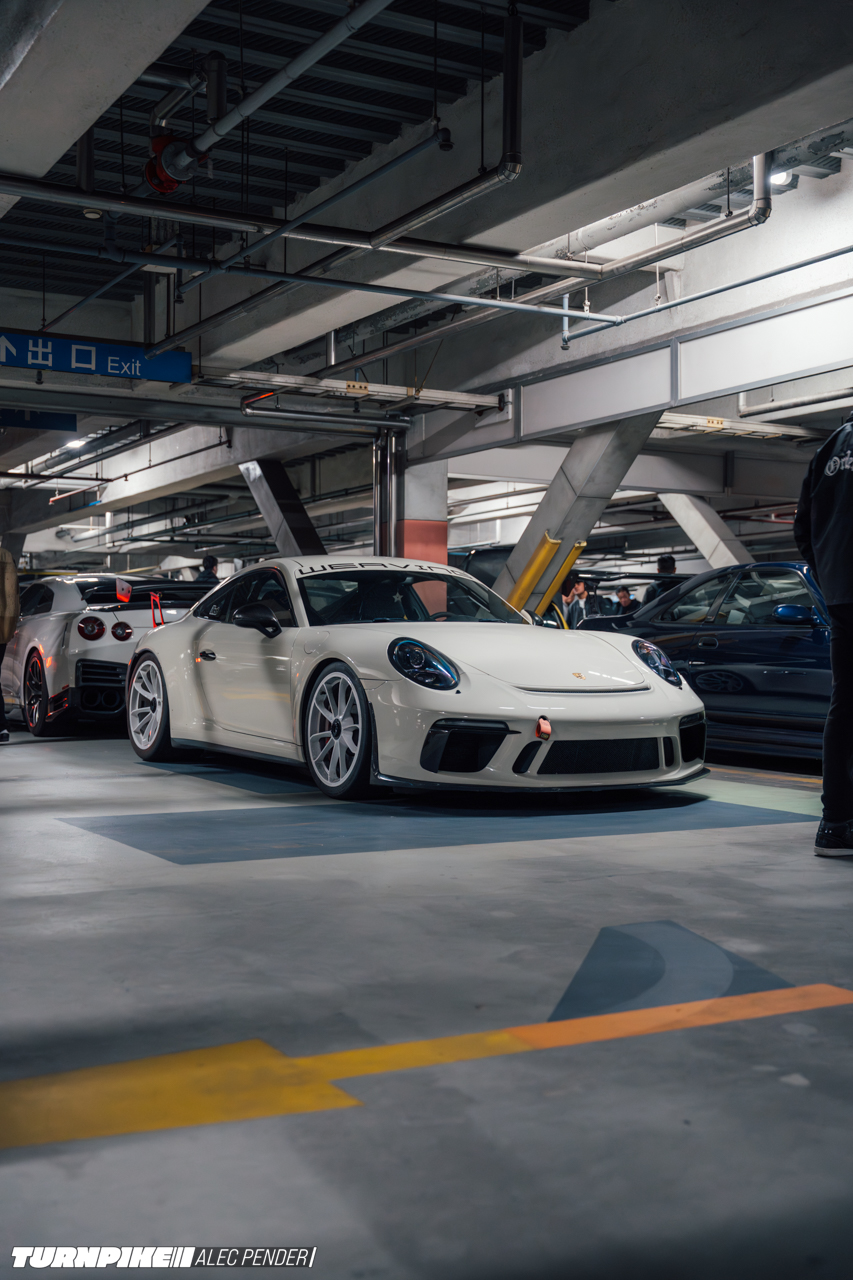
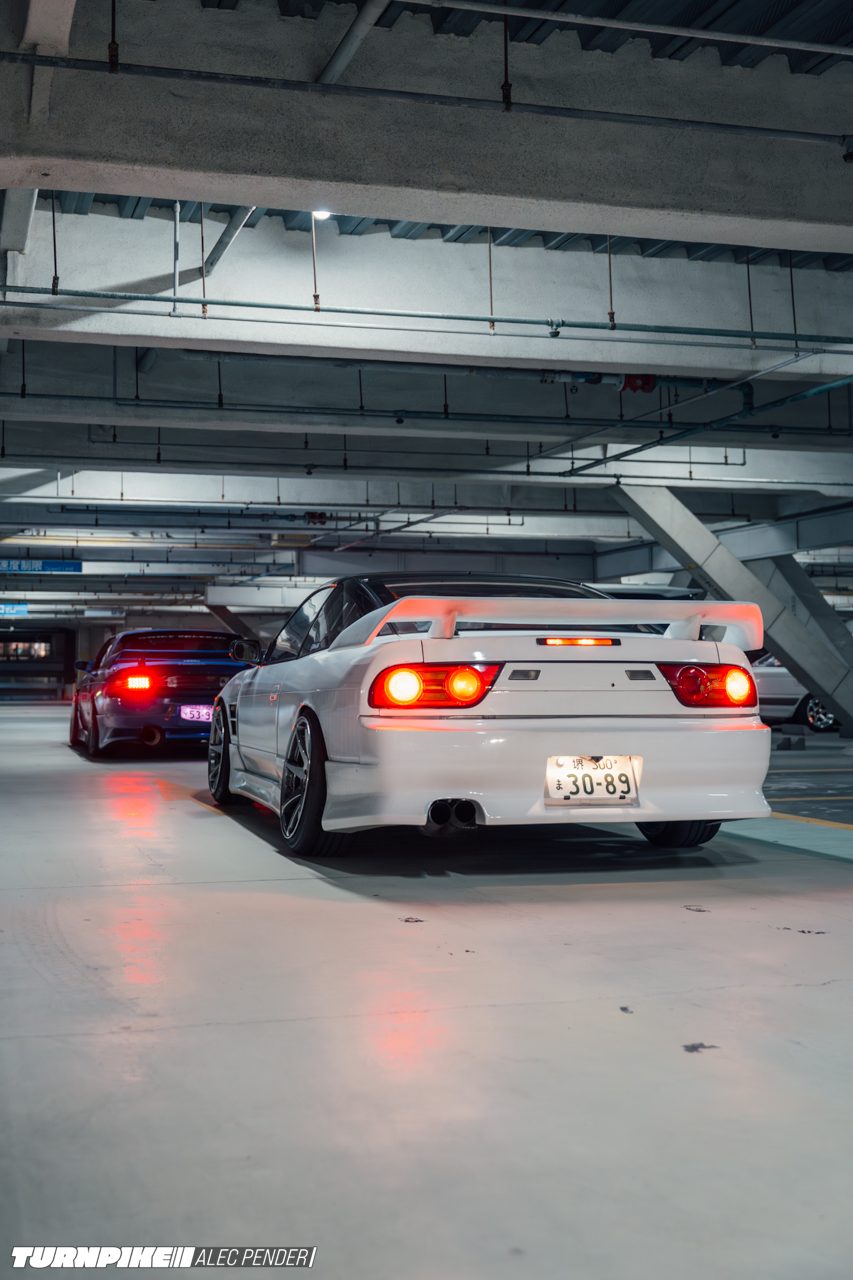
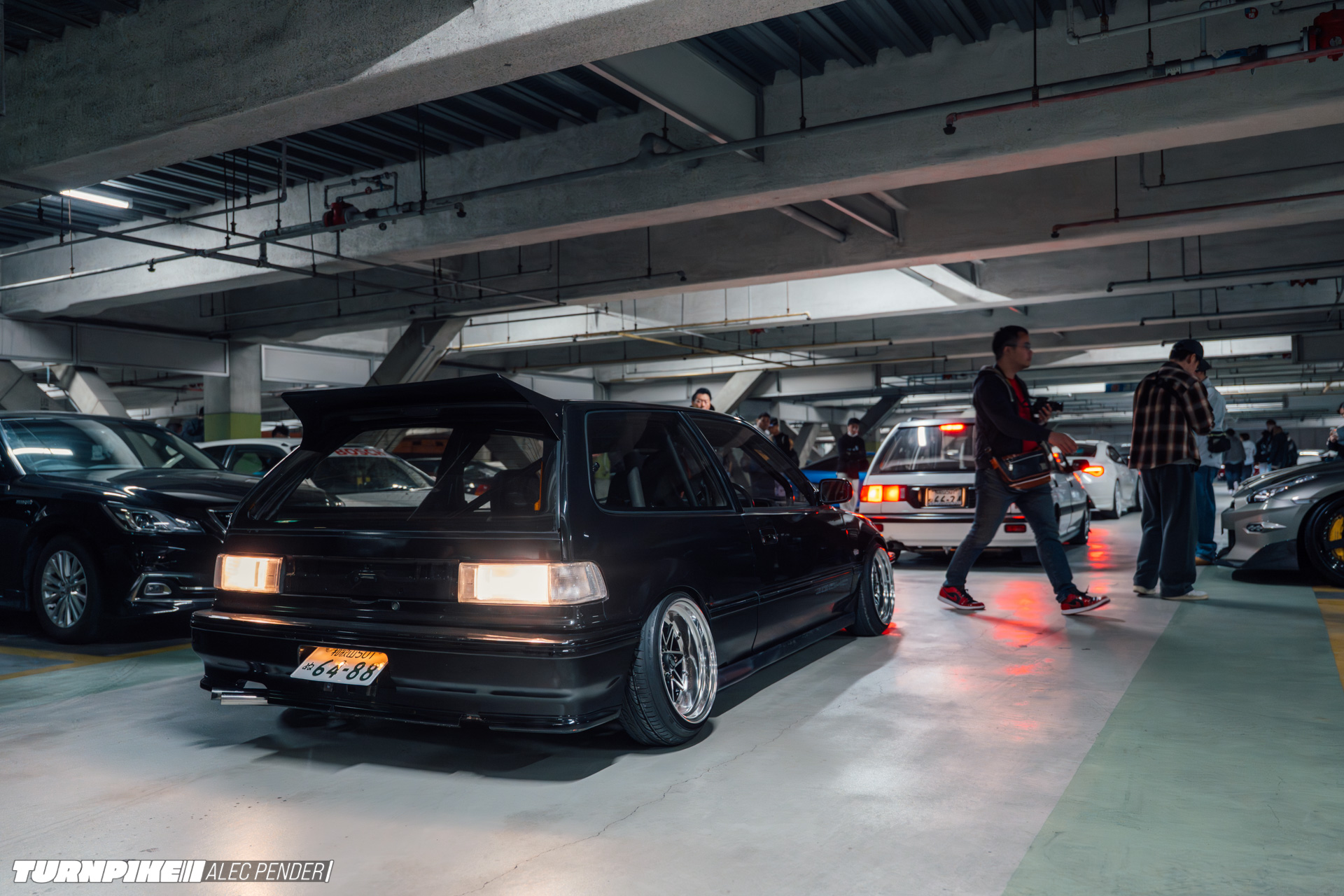
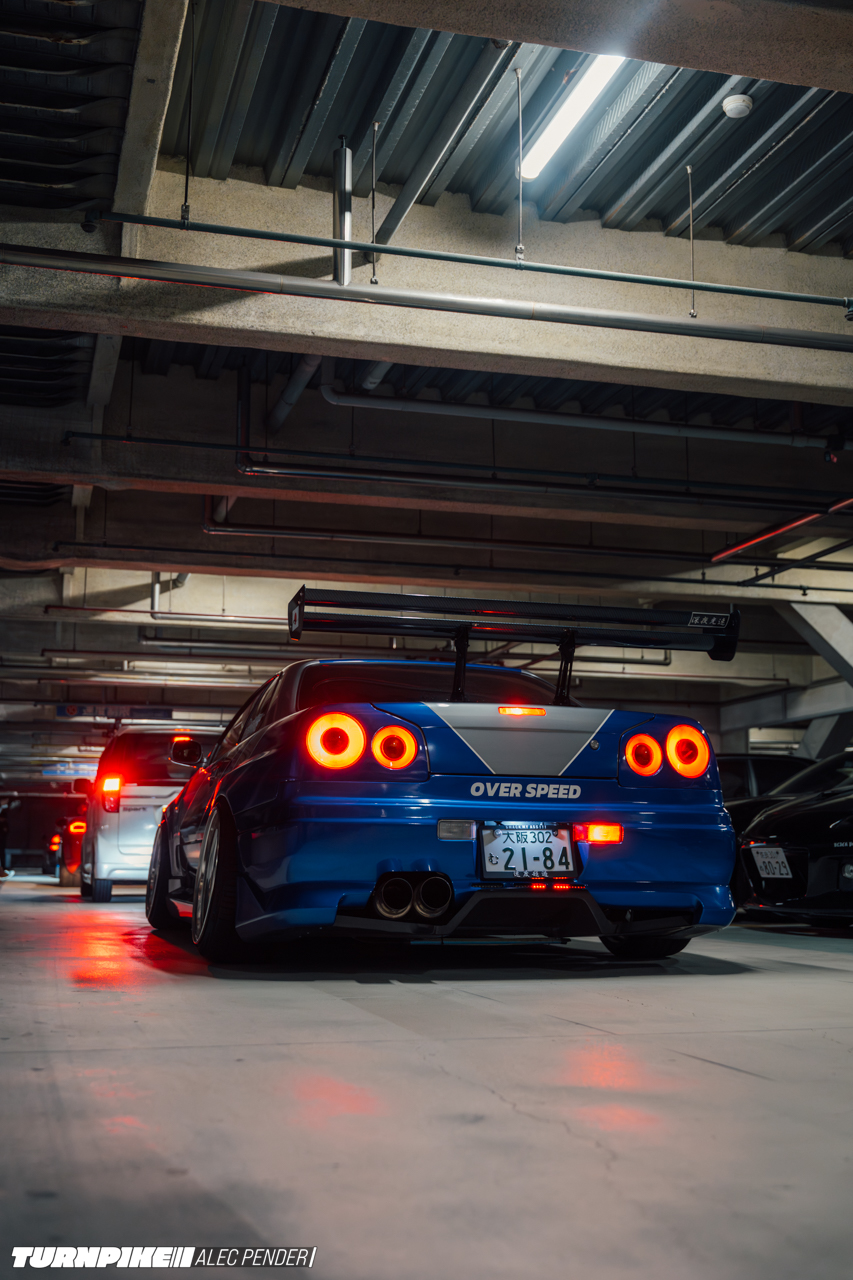
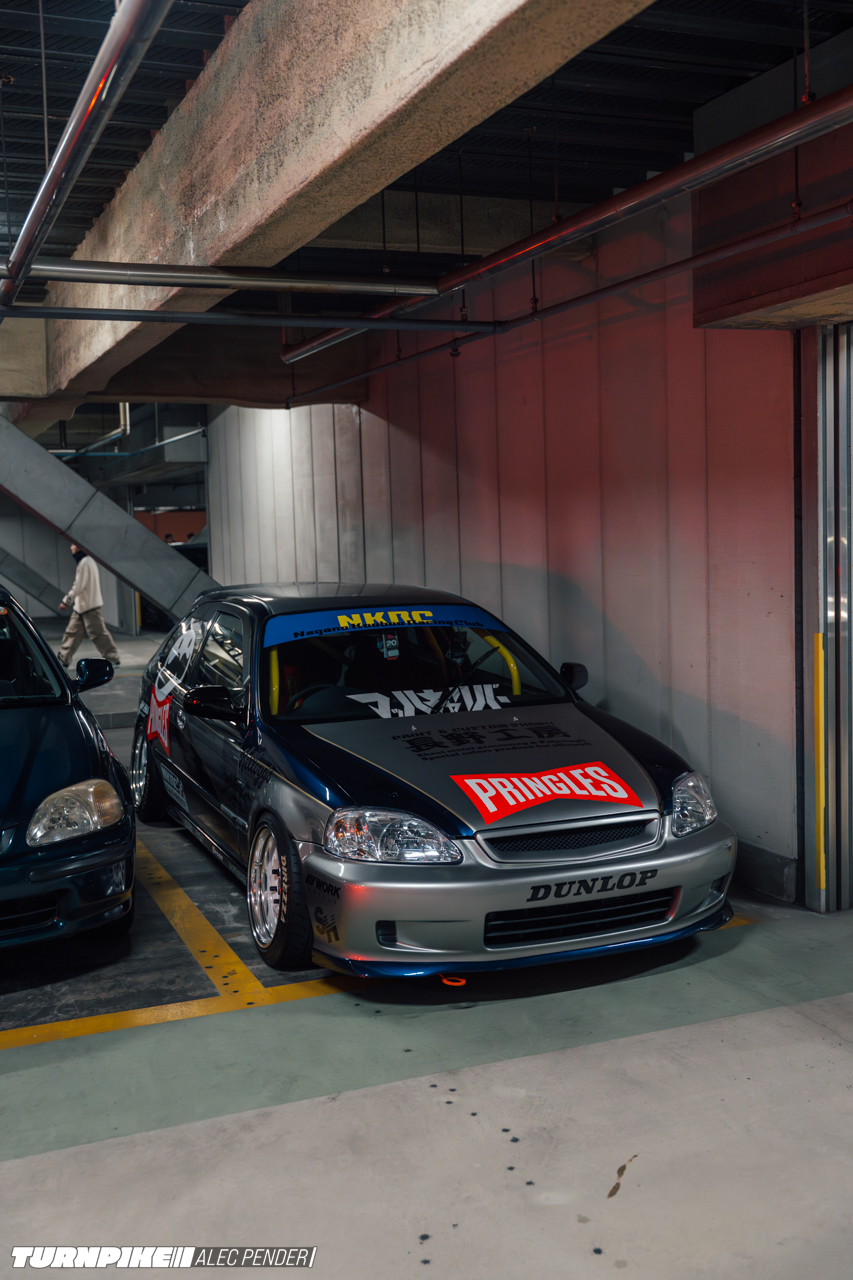
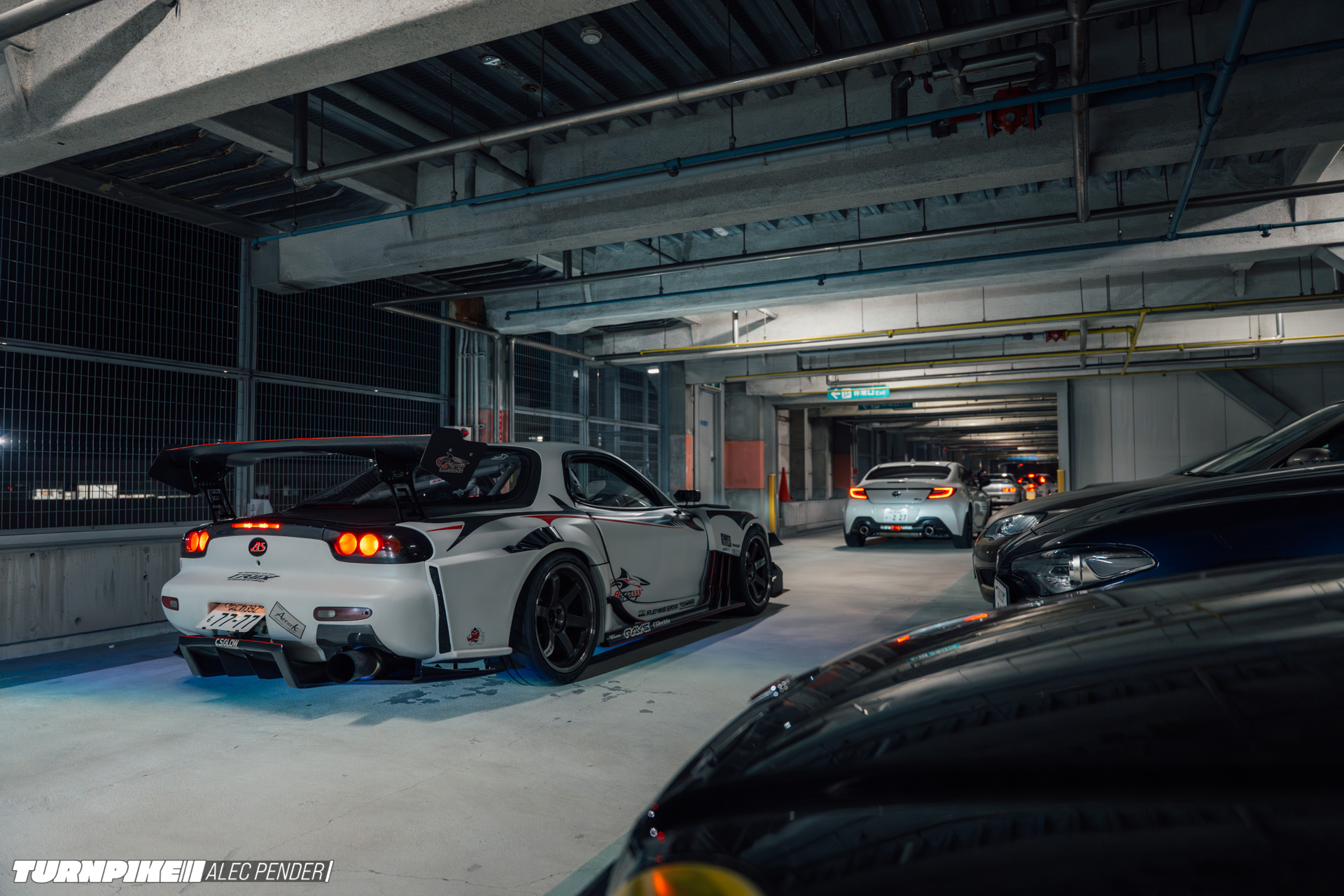
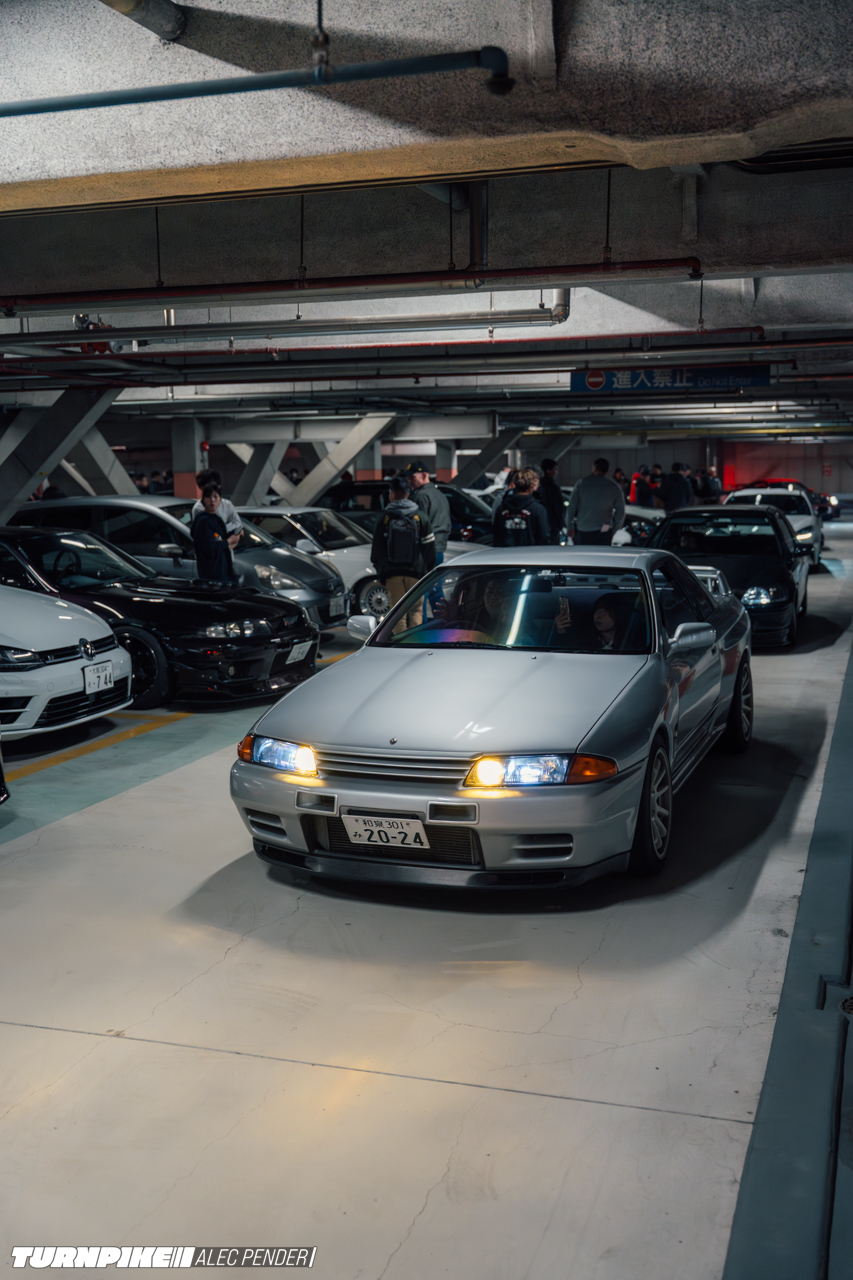
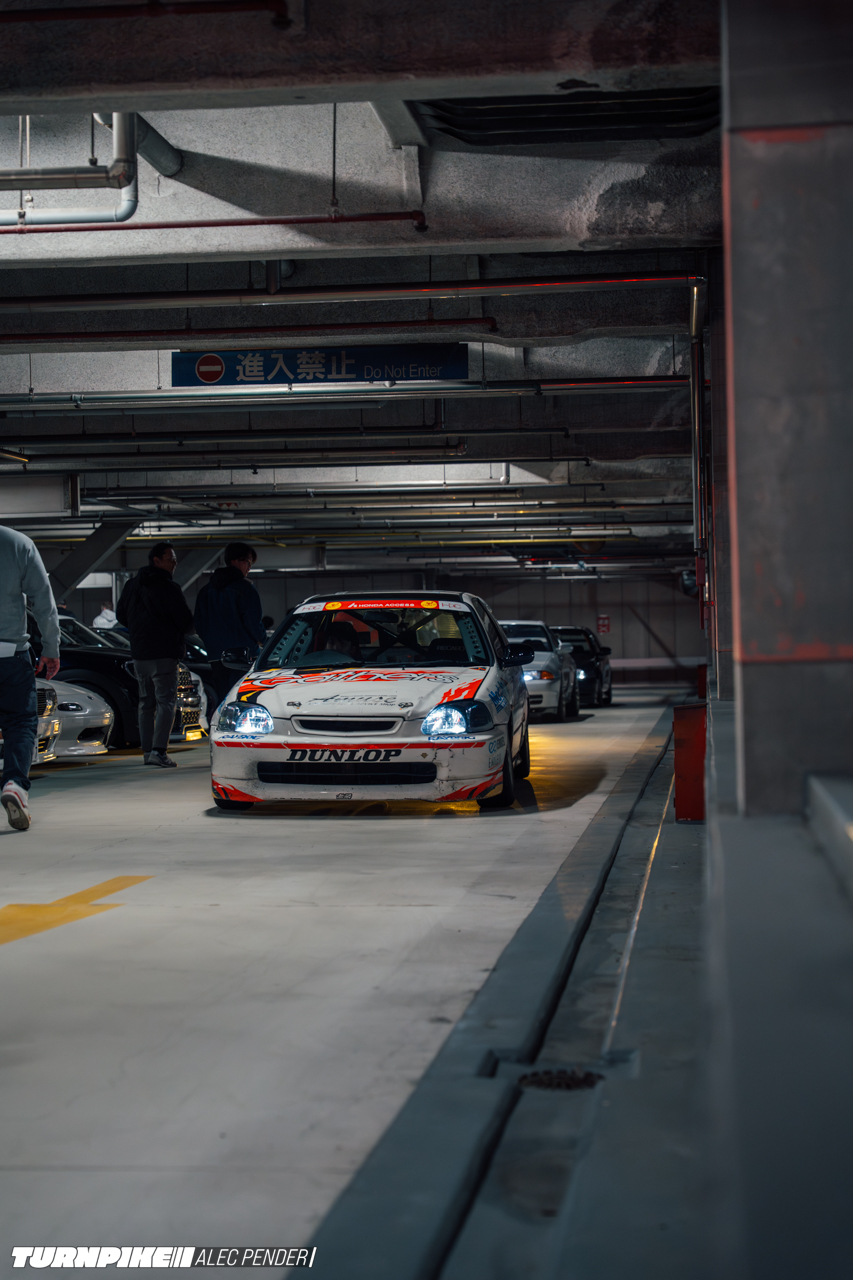
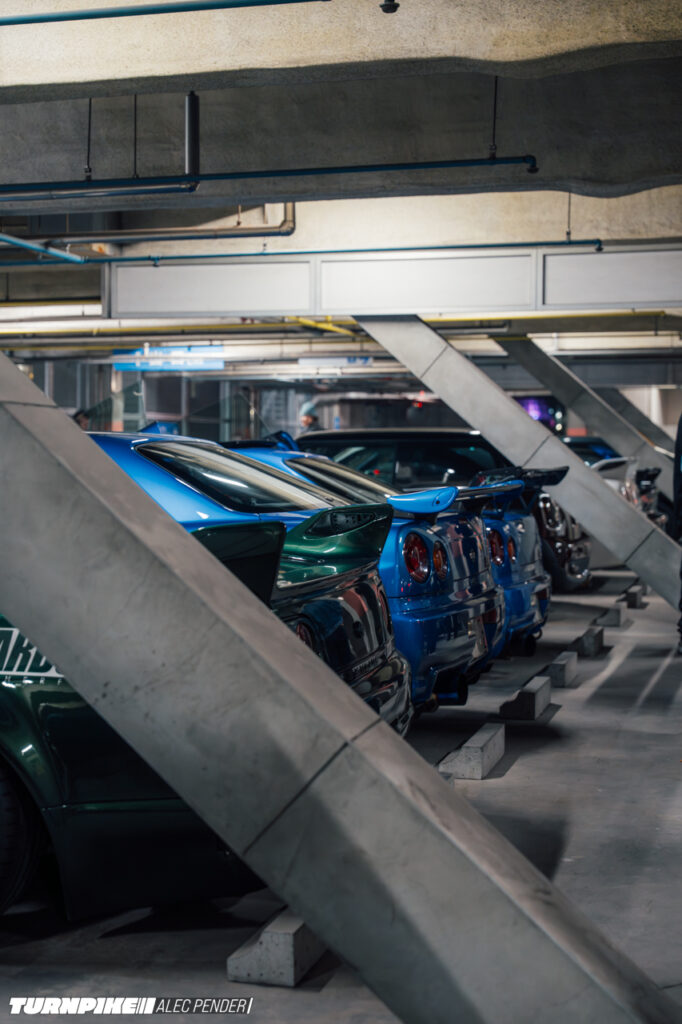
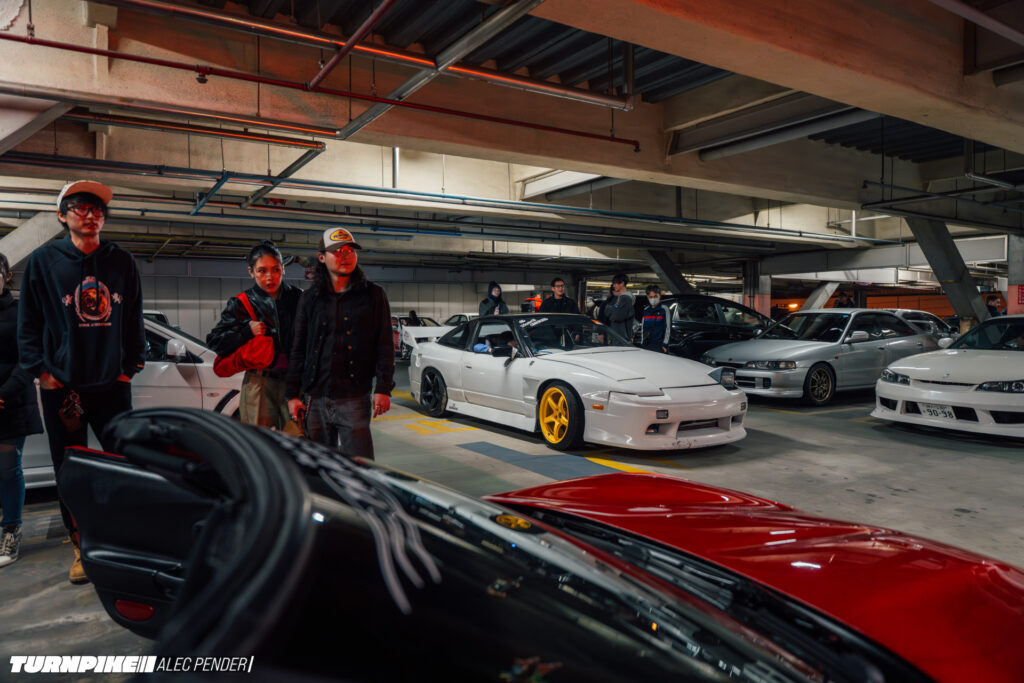
As mentioned, Osaka has a bit of everything, and as the parking building reached capacity, that diversity was on full display. In one row sat Porsche GT3 RSs, R35 Nissan GT-Rs, and even a Mercedes-AMG SLS. In the next row were Kanjo-spec Civics, street-driven drift cars, and caged circuit builds.
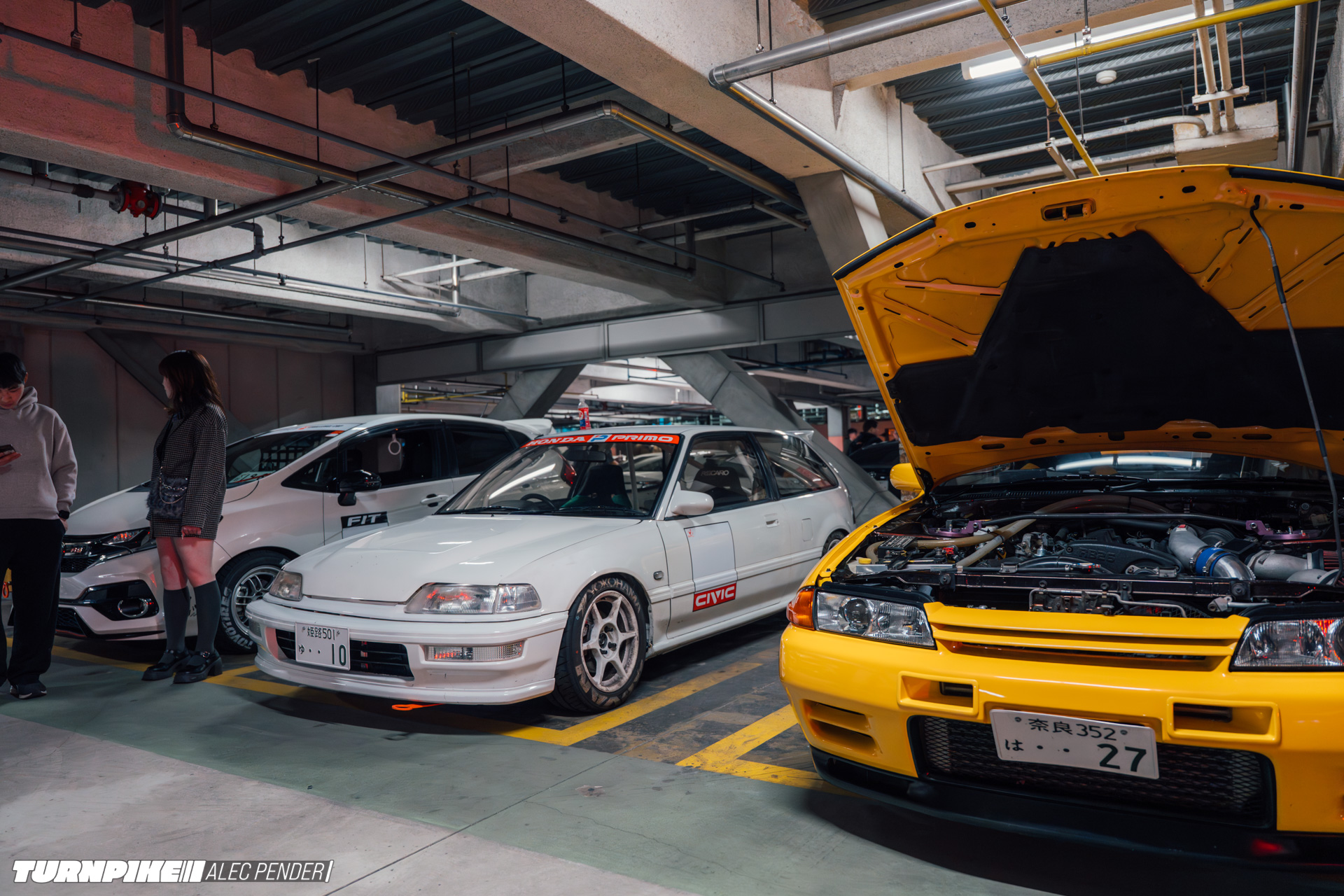
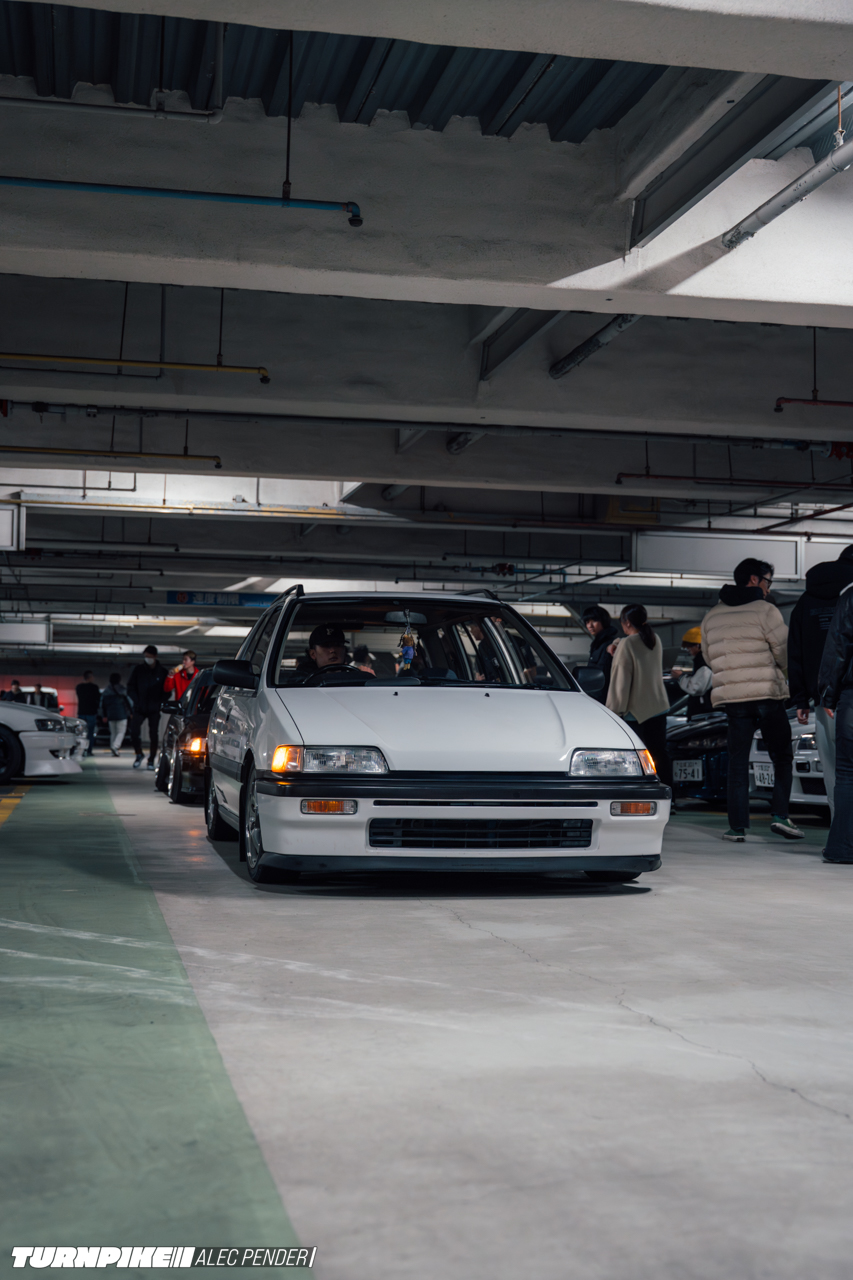
Honda culture is Osaka’s bread and butter, and I truly believe it plays a huge role in fuelling the local scene. Much like the rest of the world, Hondas are the perfect gateway drug – affordable, plentiful, and easily modified. As used performance car prices continue to skyrocket in Japan, having a culture built around accessible and loved platforms is a necessity.
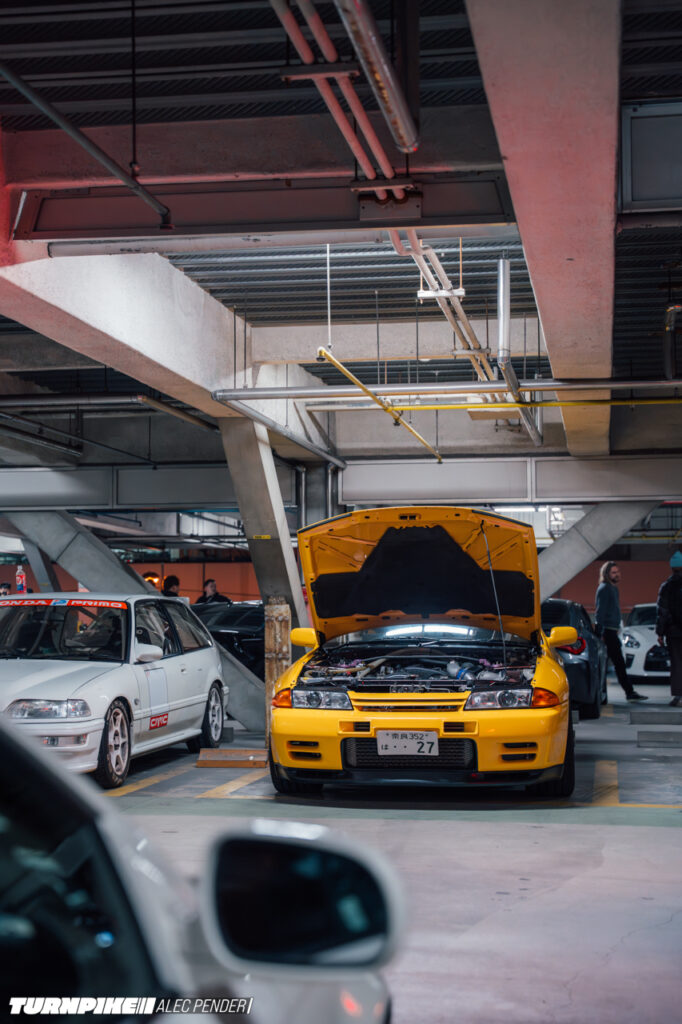
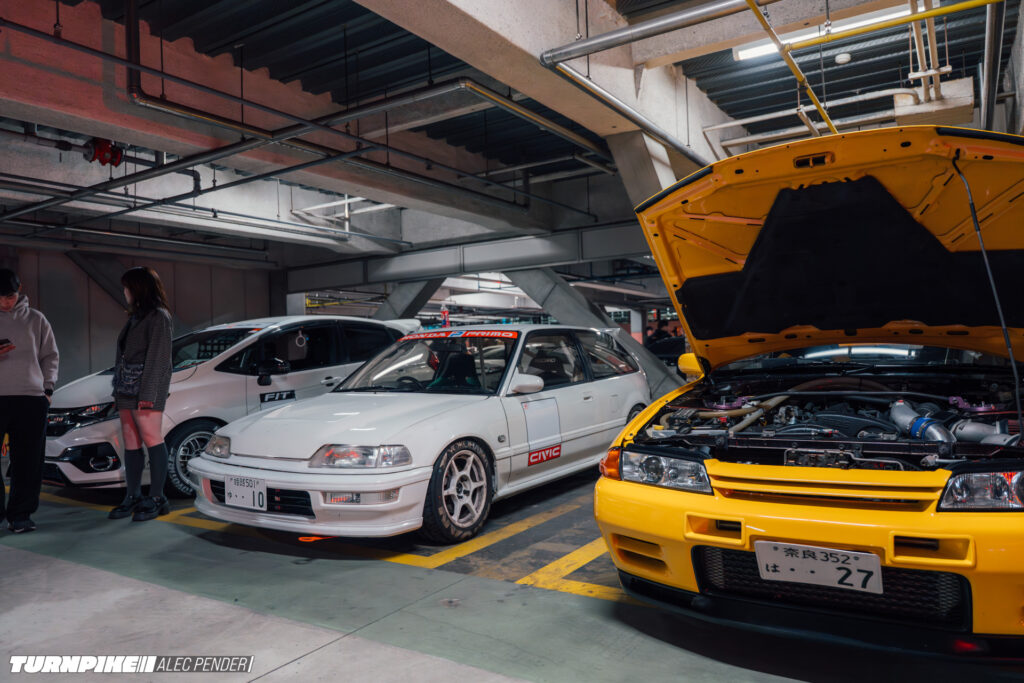
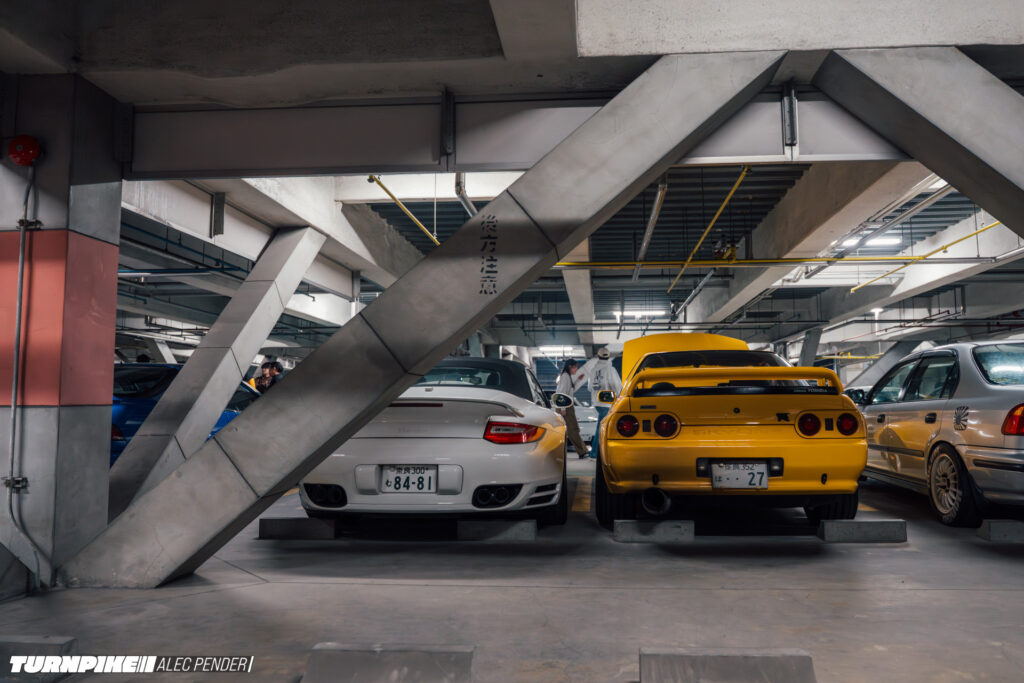
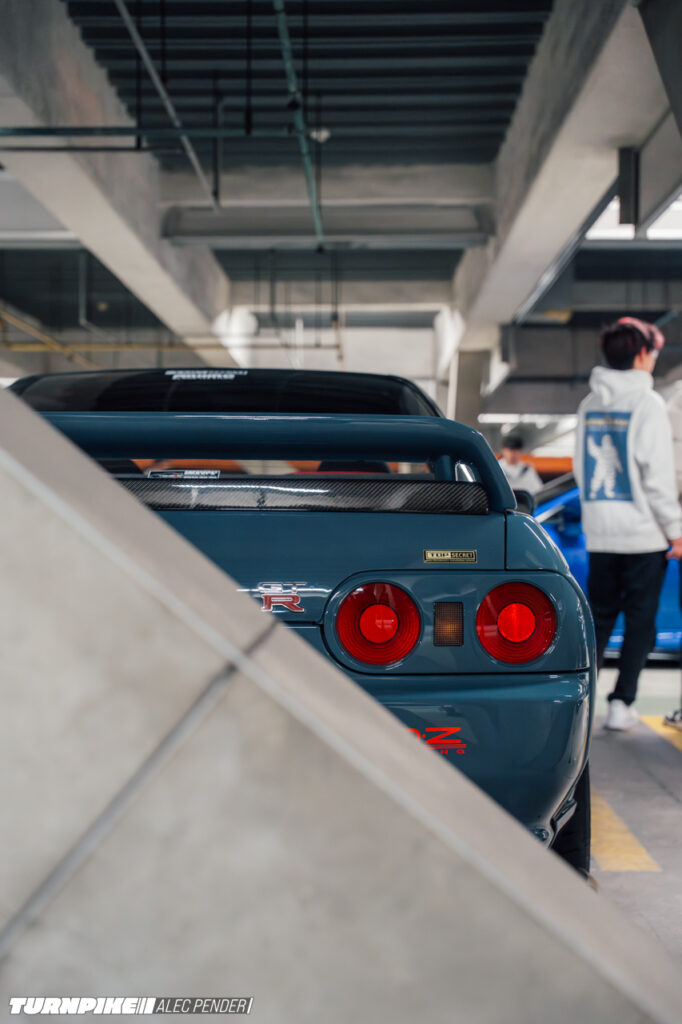
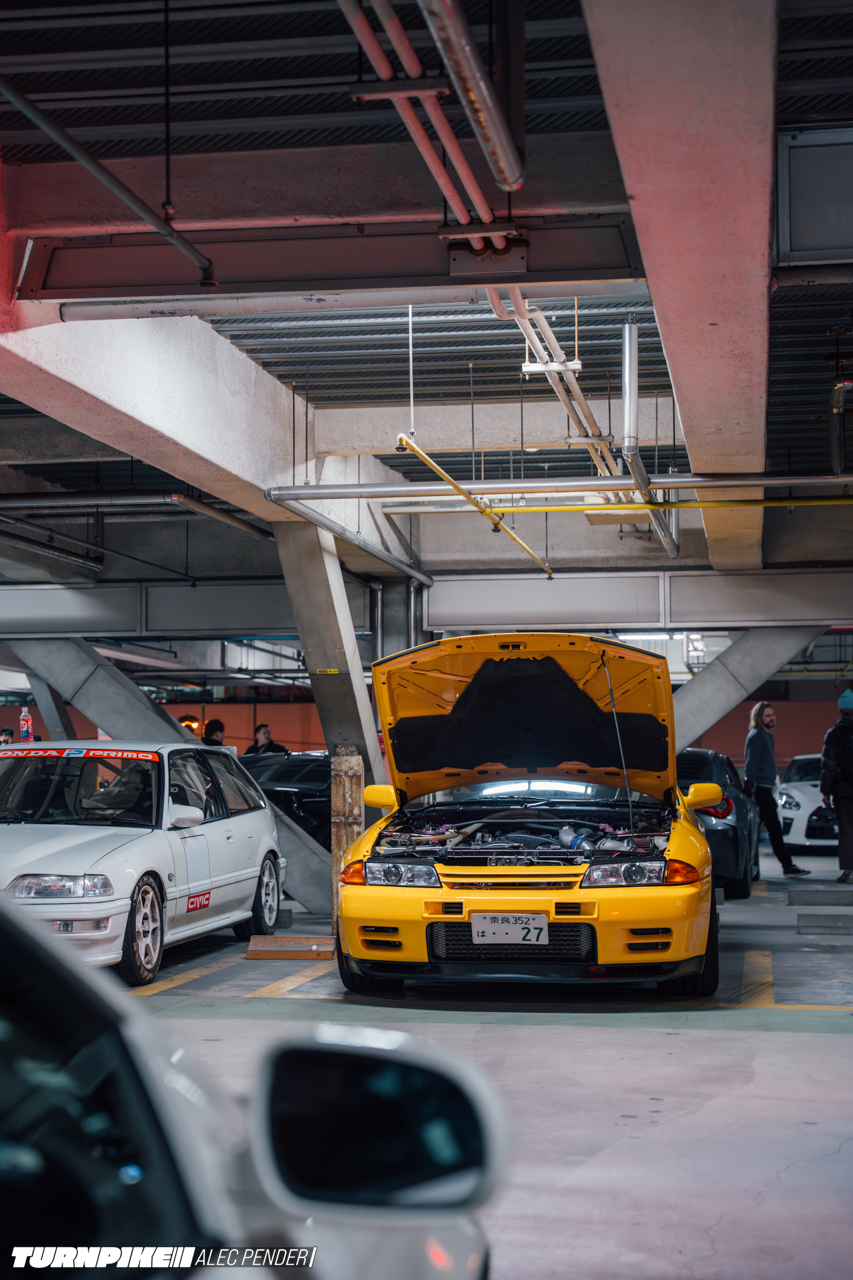
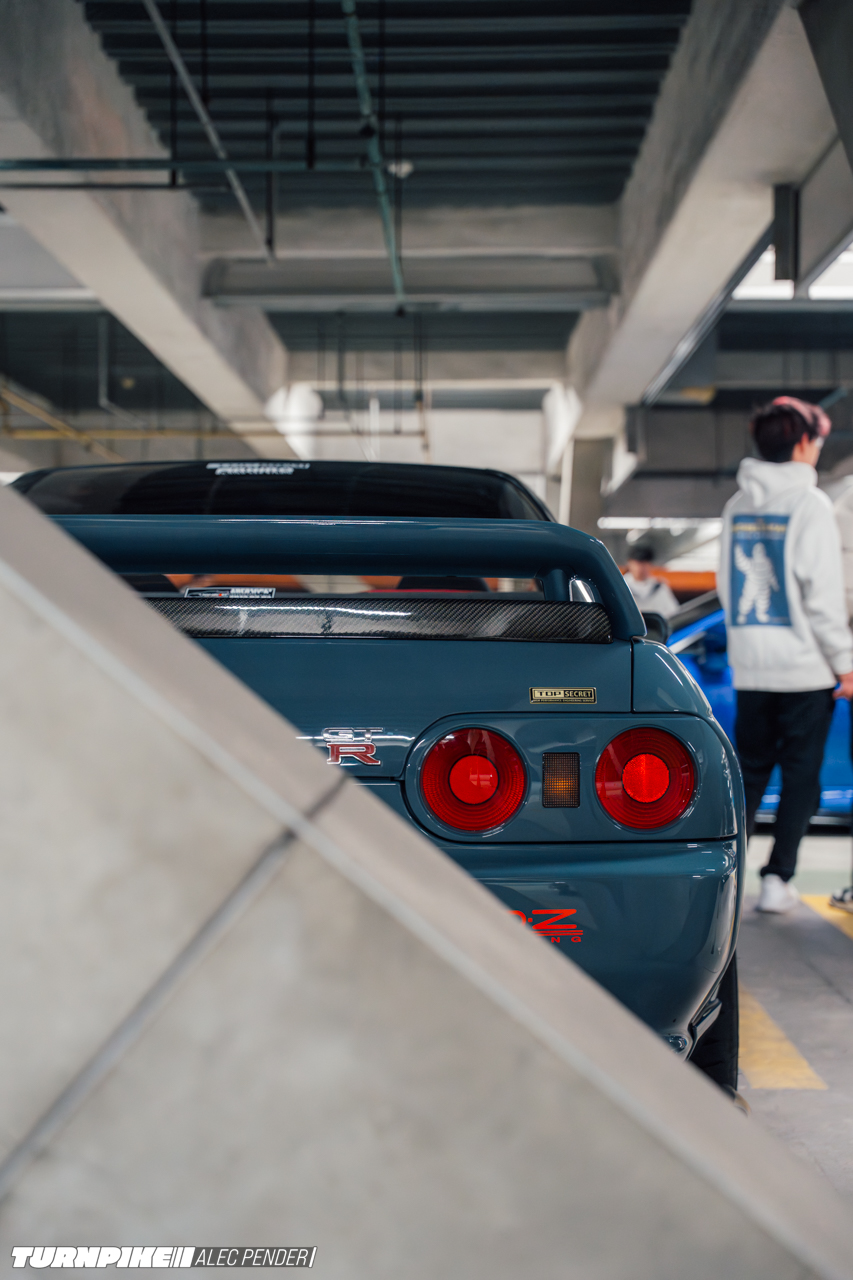
Beyond the Hondas, there were plenty of other standouts, including a R32 Skyline GT-R finished in the same shade of yellow as the recently completed Built By Legends commission. That was no coincidence. The owner of this R32 is the son of Yoshida-san, better known as Garage Yoshida, the legendary shop dedicated to saving and rebuilding GT-Rs one bolt at a time.
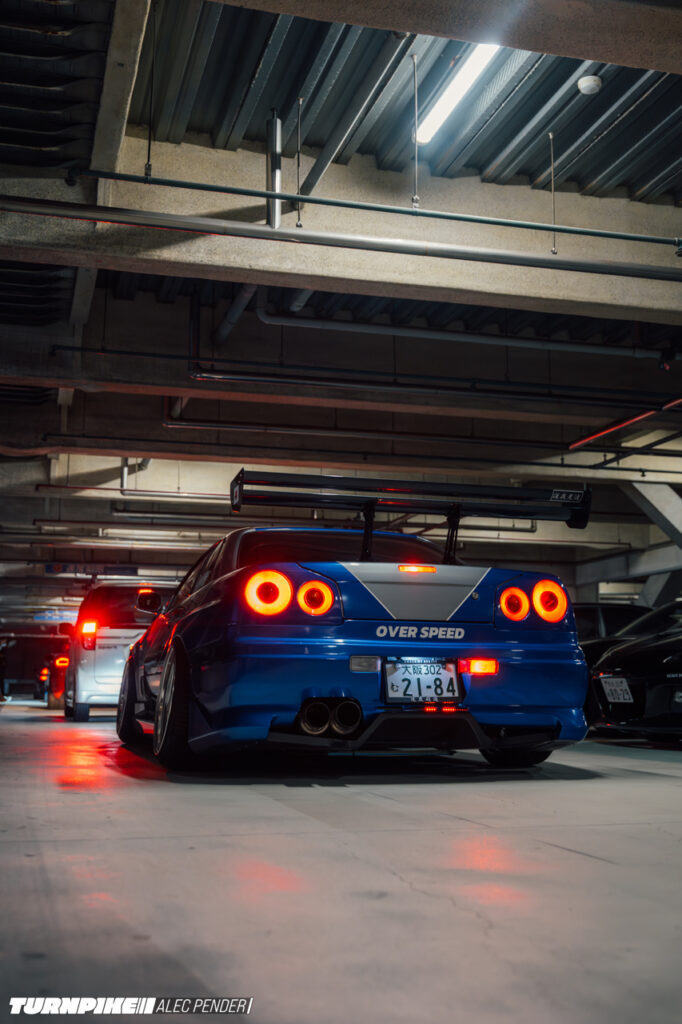
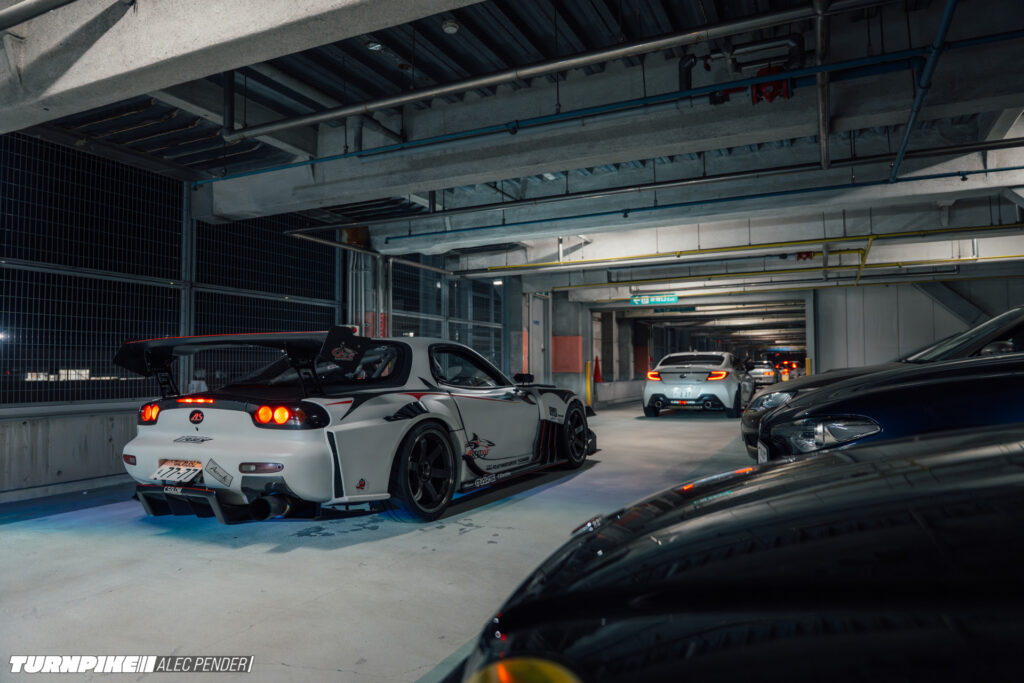
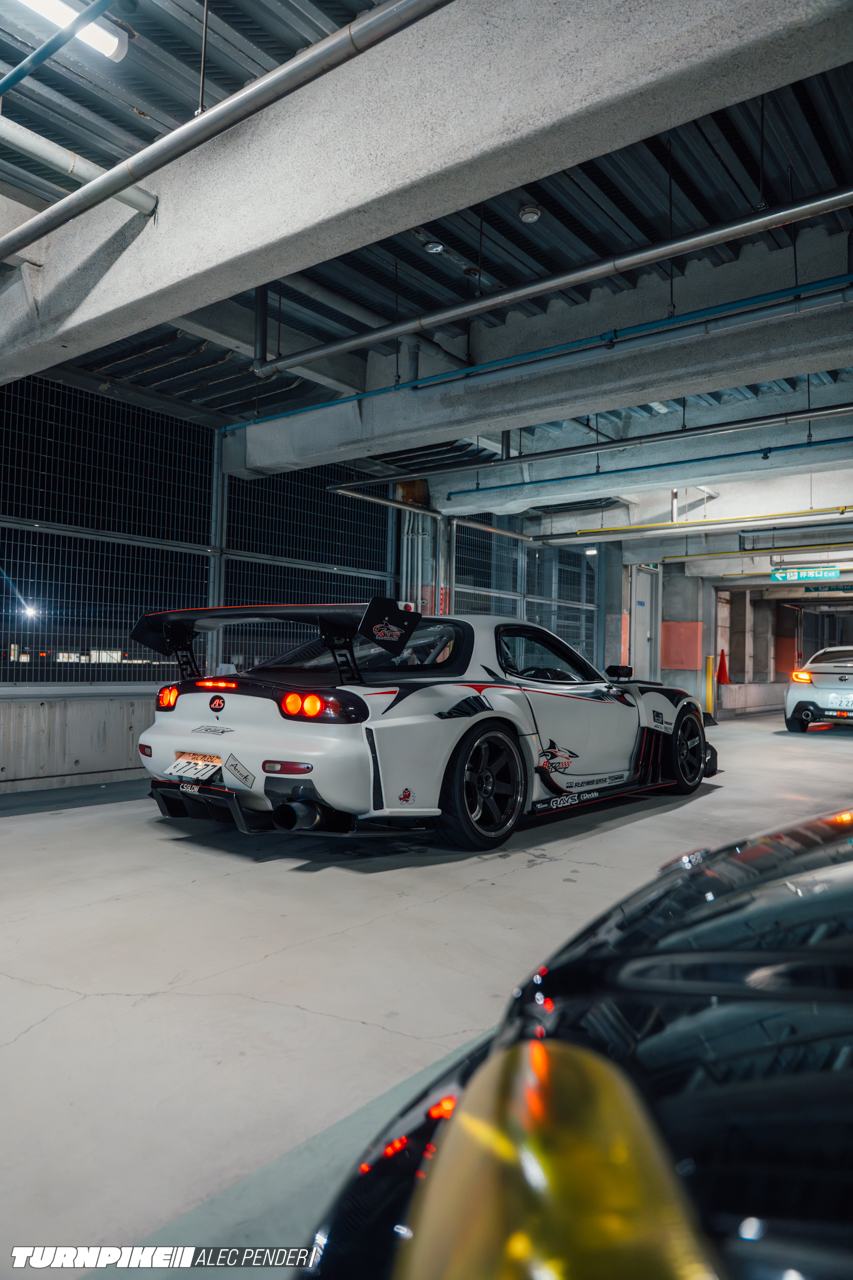
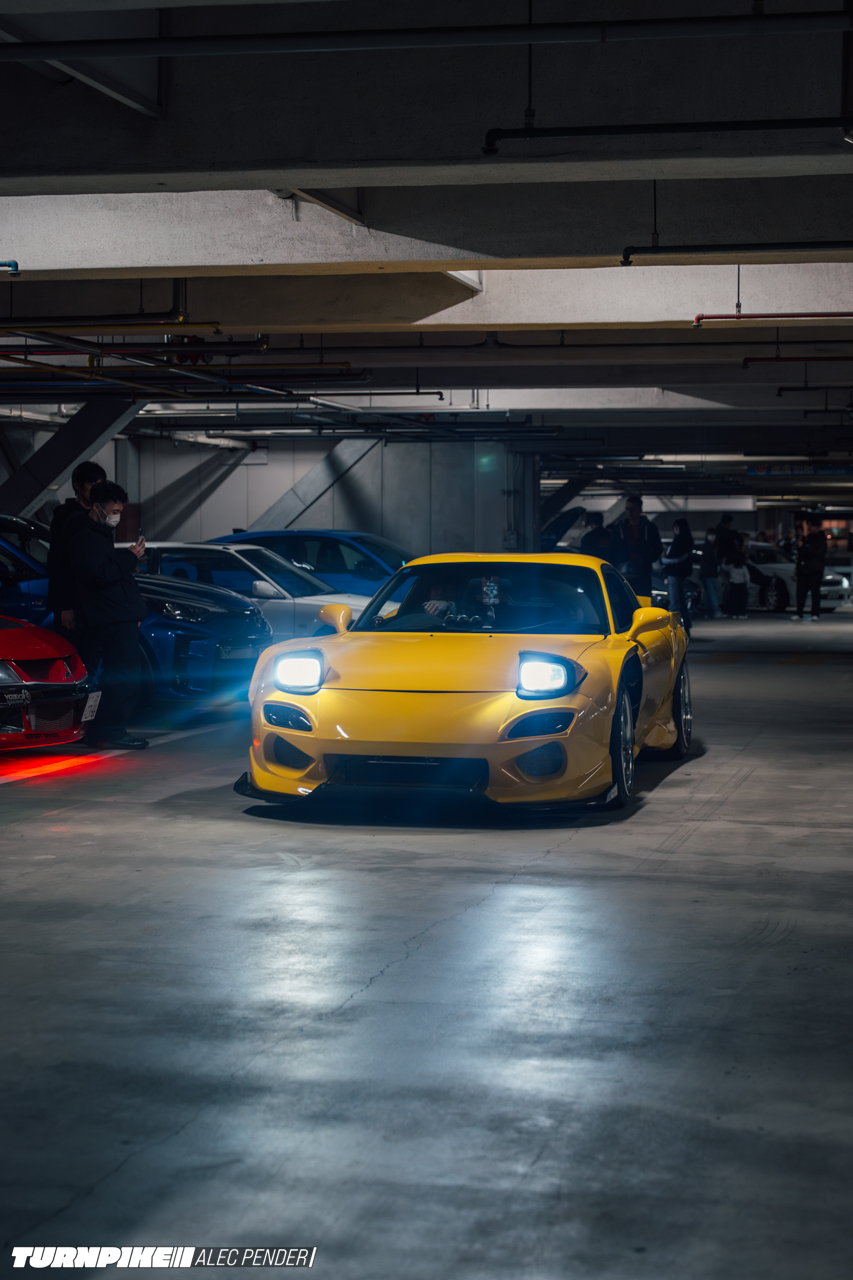
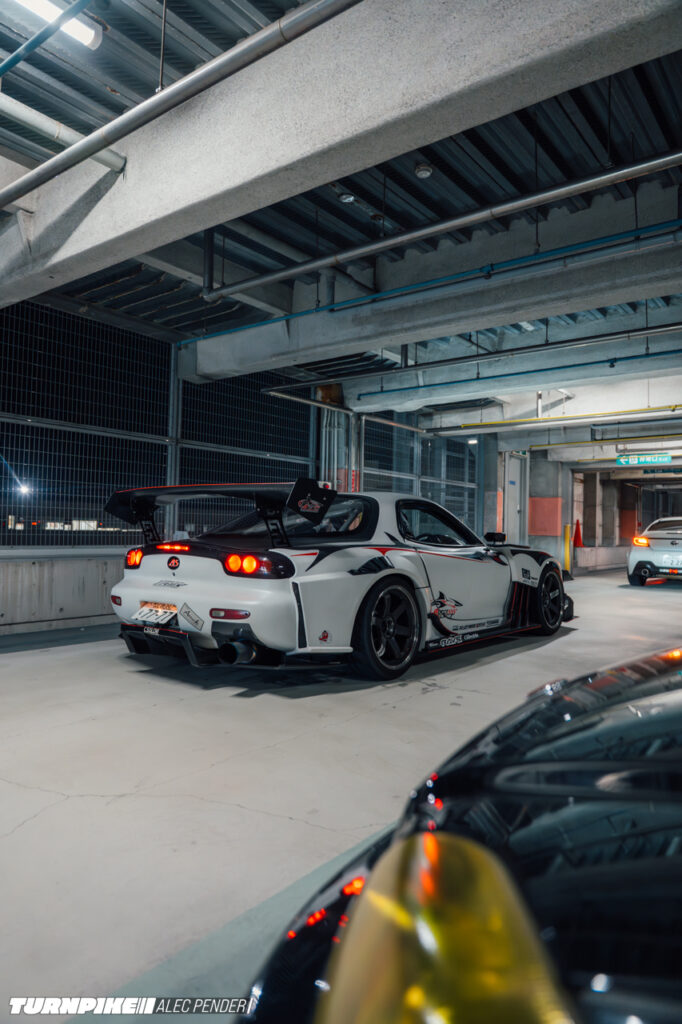
An Auto Select FD3S Mazda RX-7 was parked alongside its R34 Skyline GT-R sibling, another Auto Select creation.
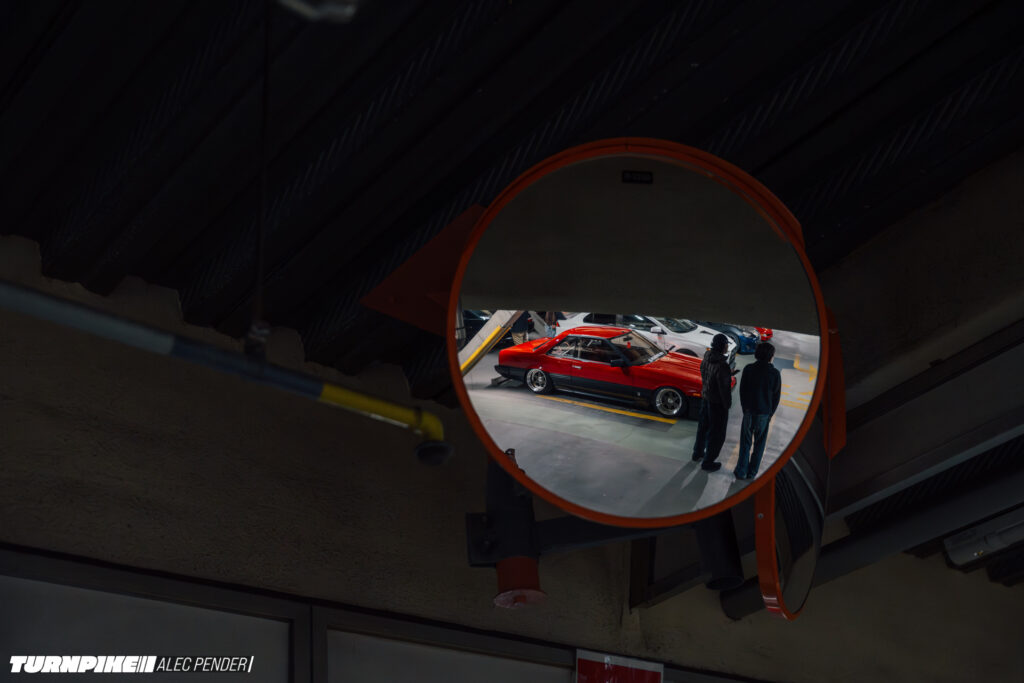
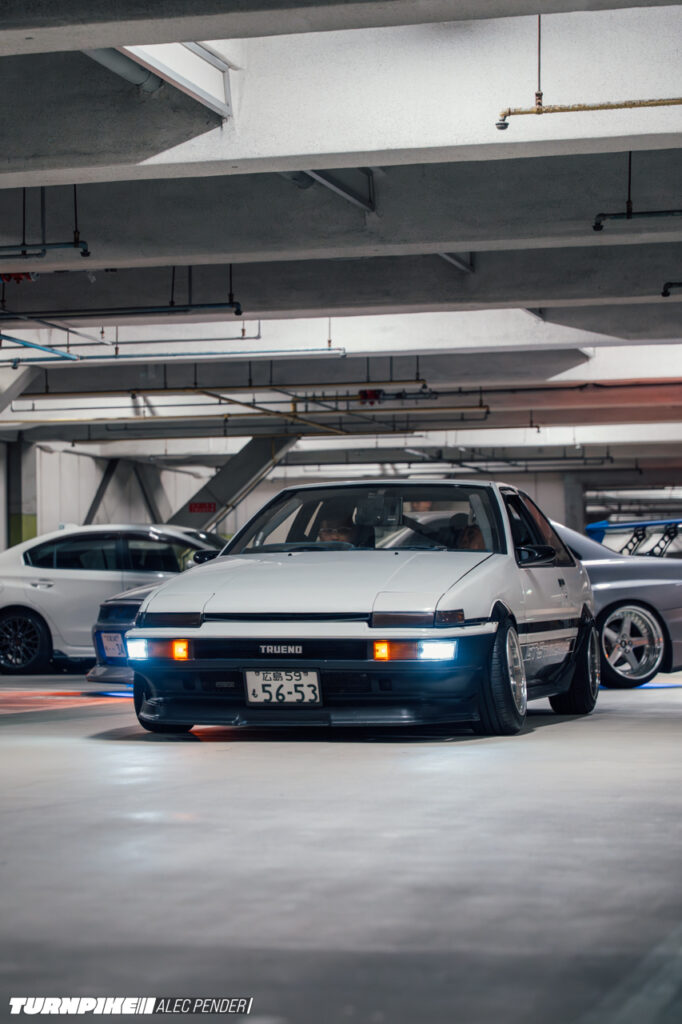
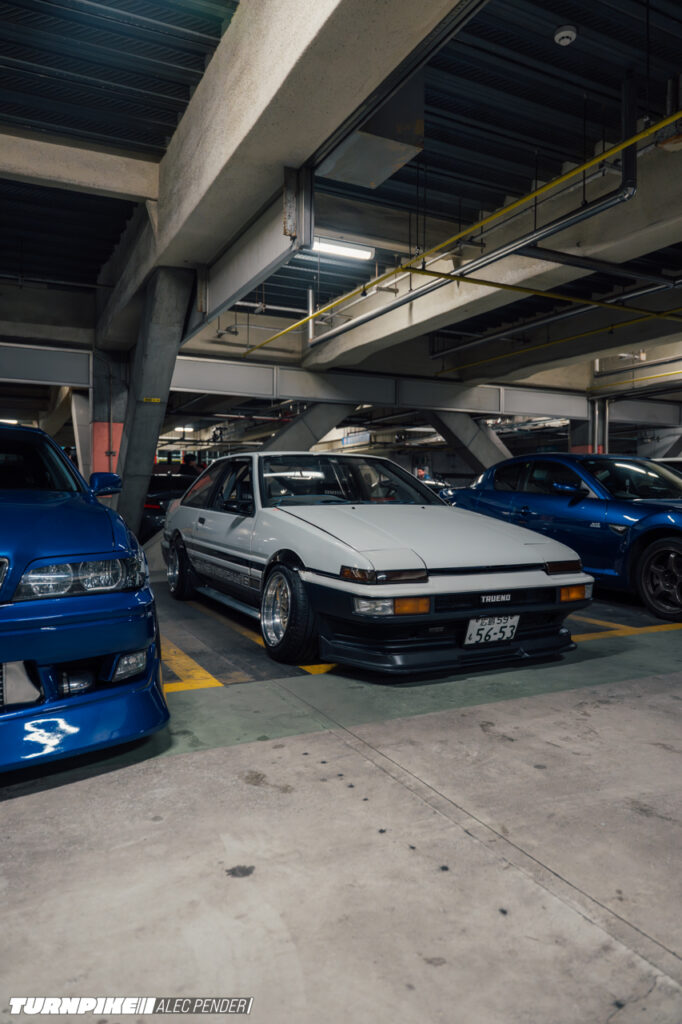
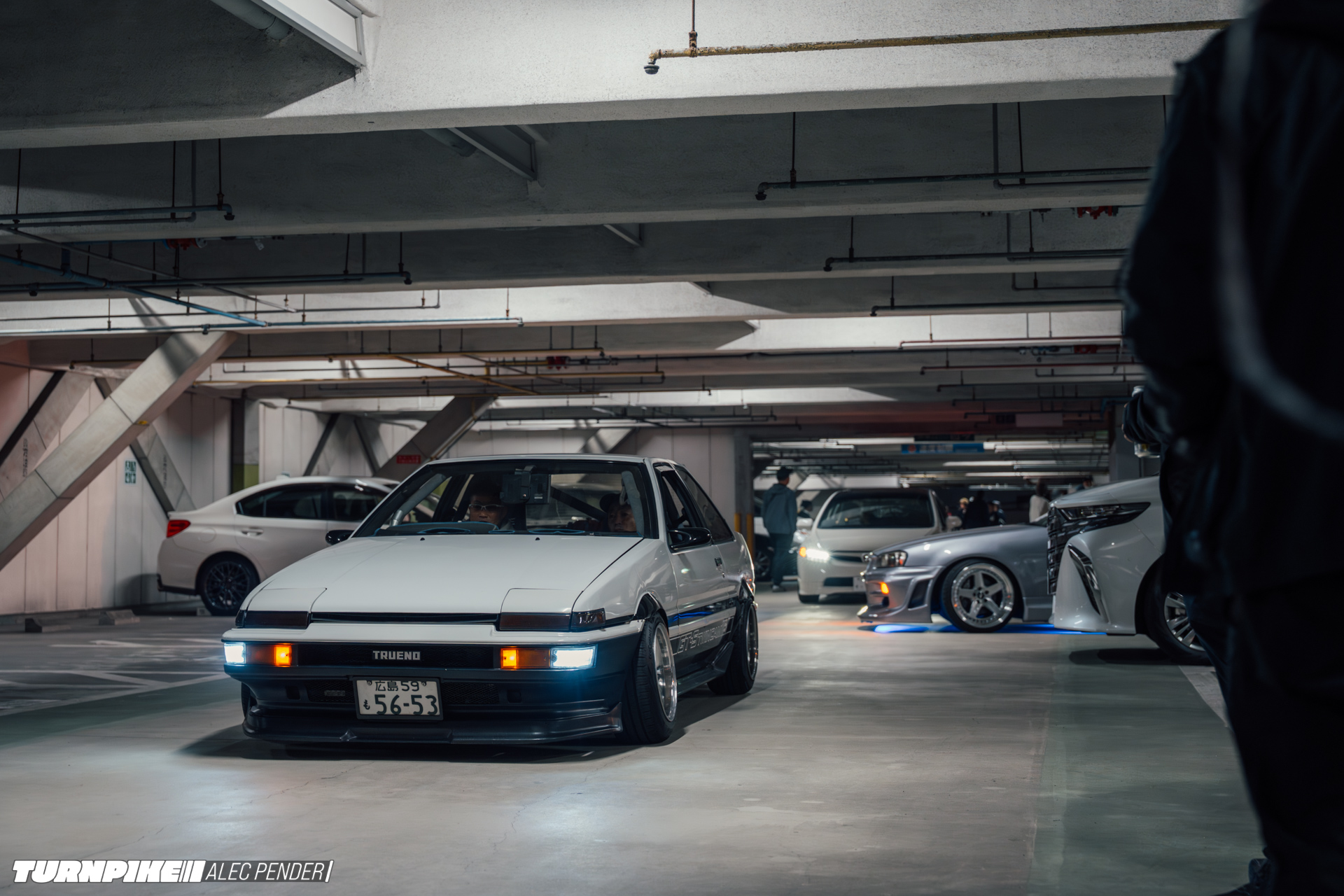
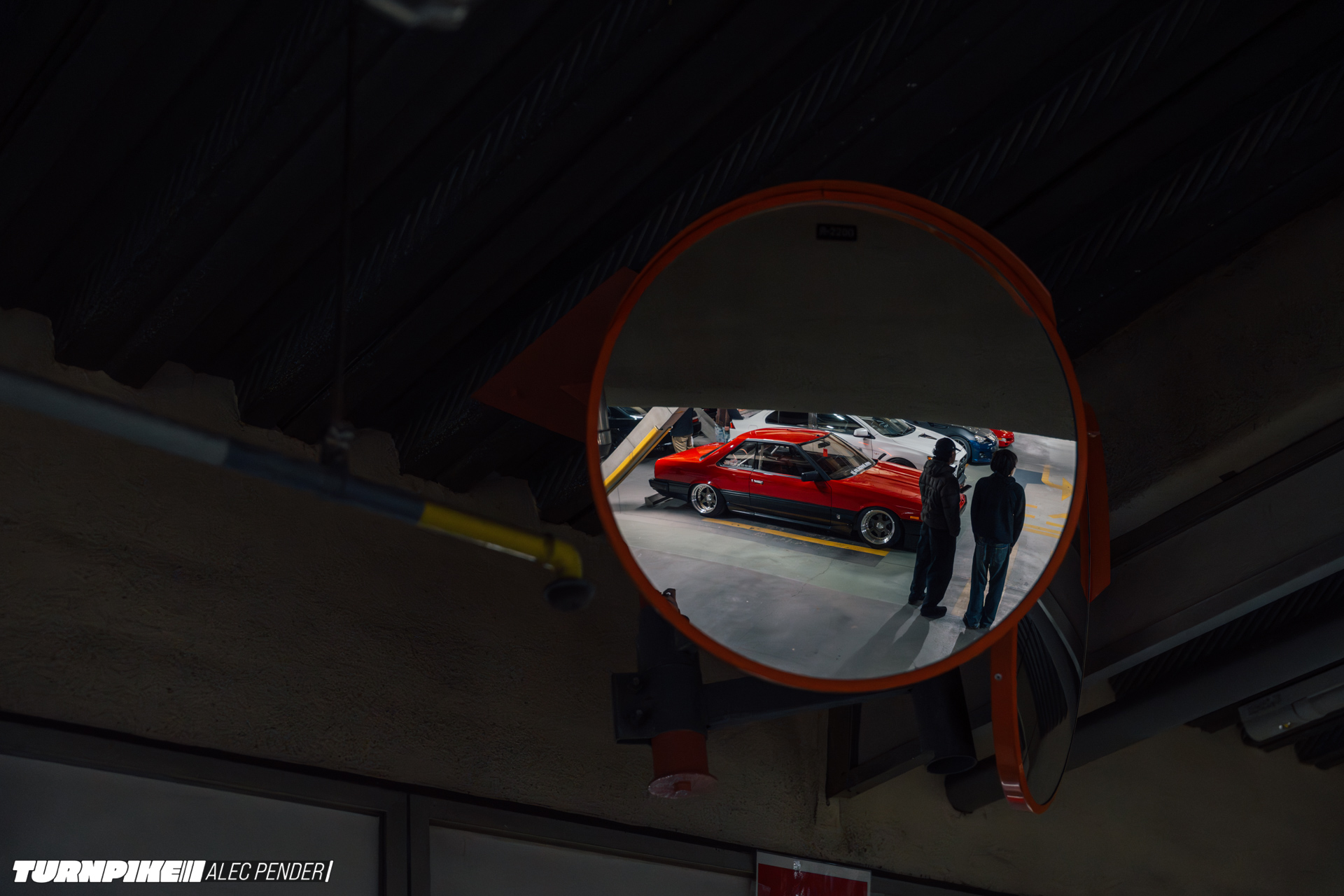
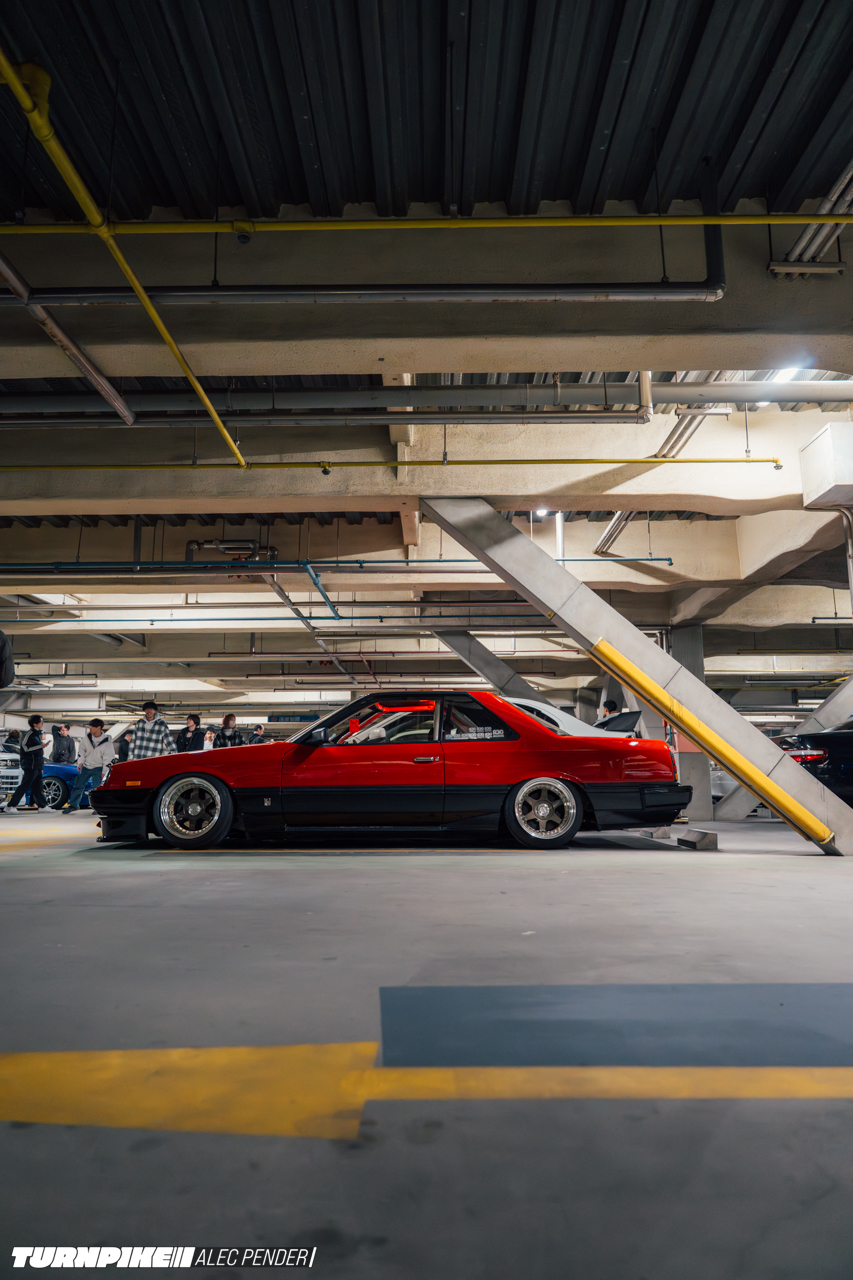
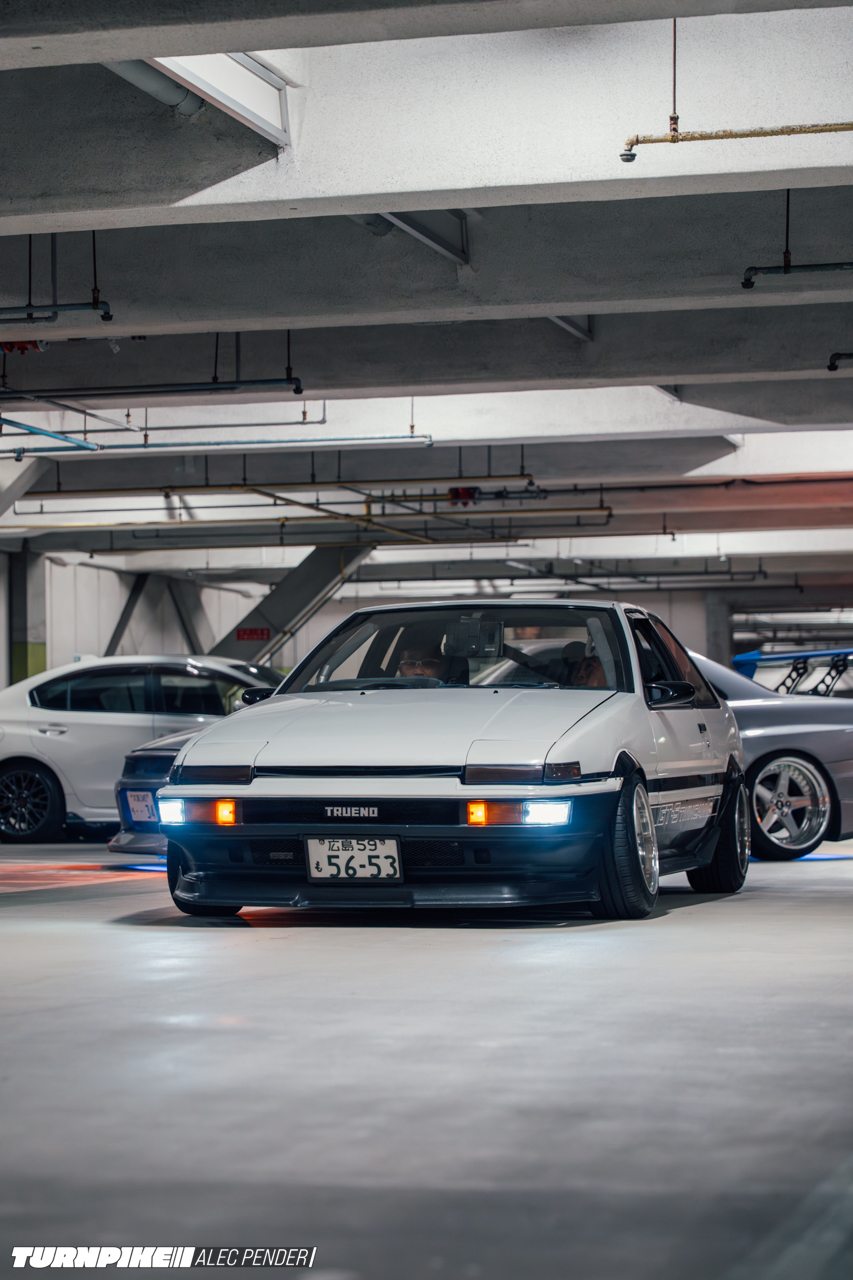
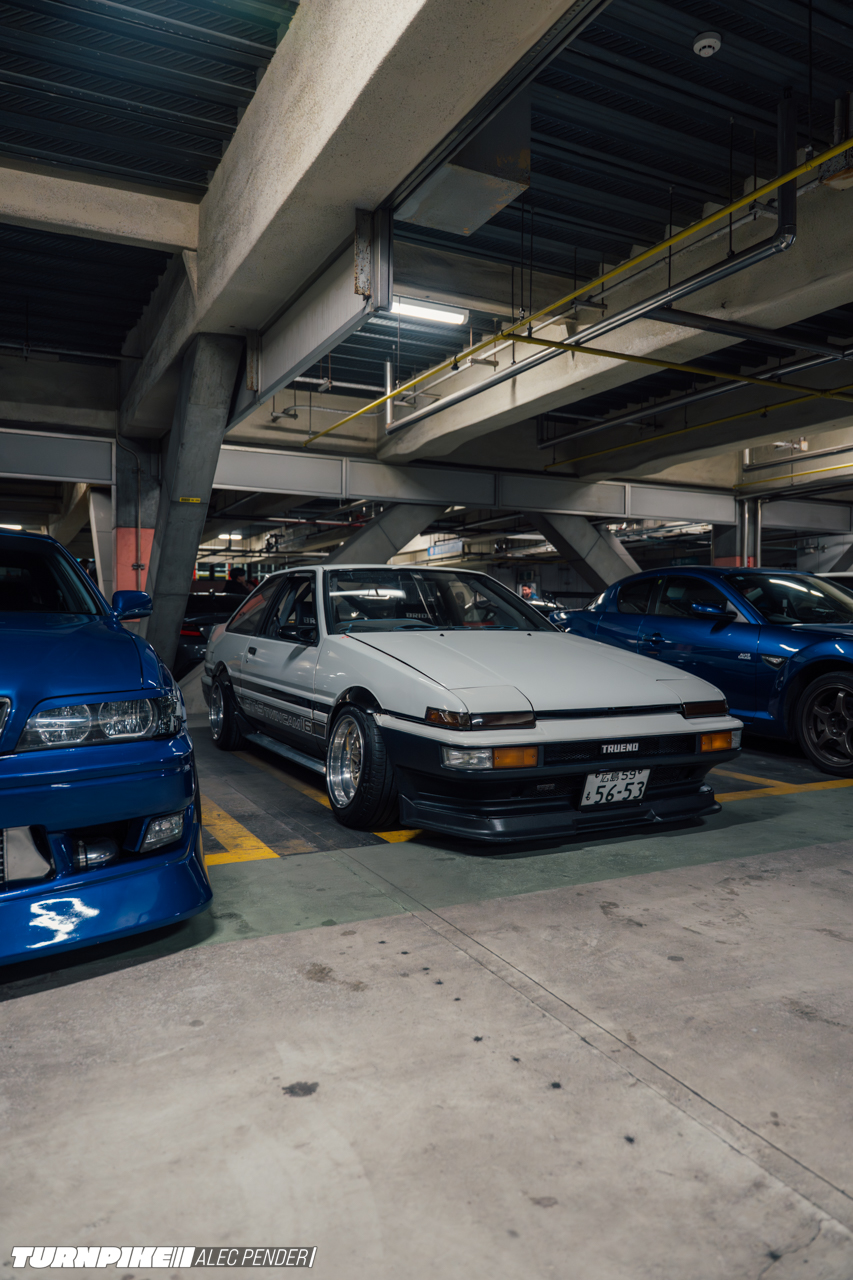
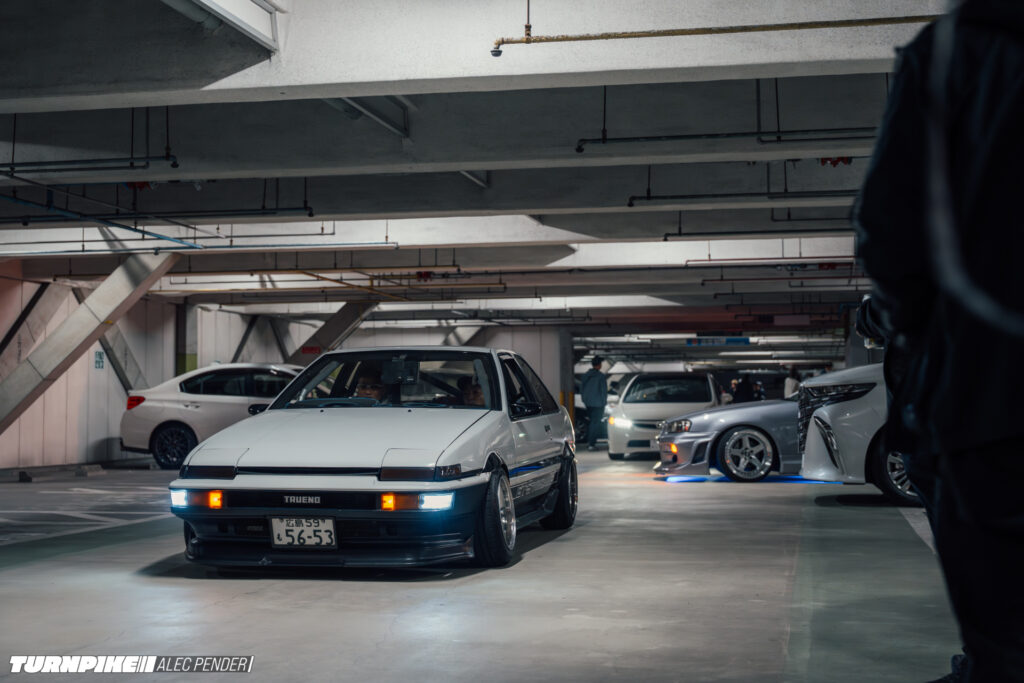
One slightly biased highlight for me was this Toyota Trueno, a car that has existed for as long as my interest in AE86s. There is something undeniably timeless about a panda notchback.
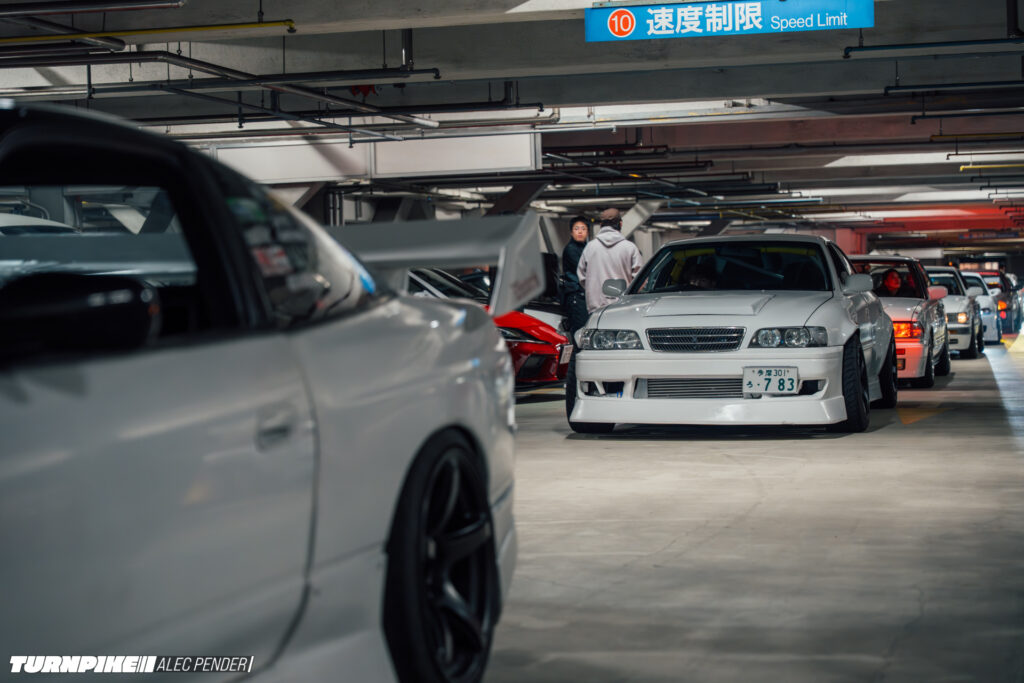
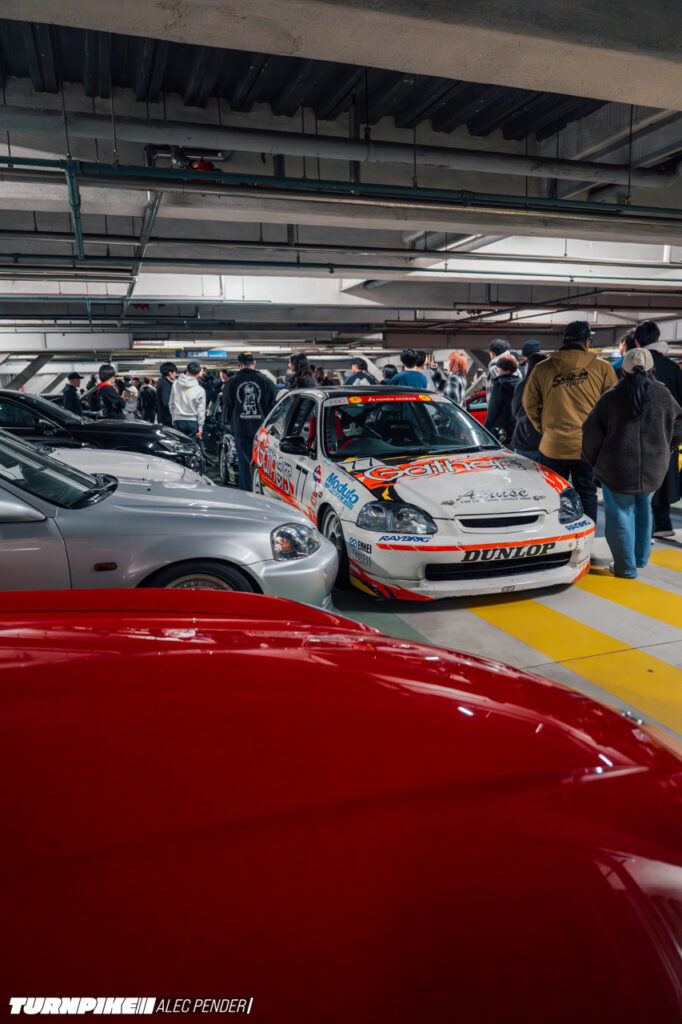
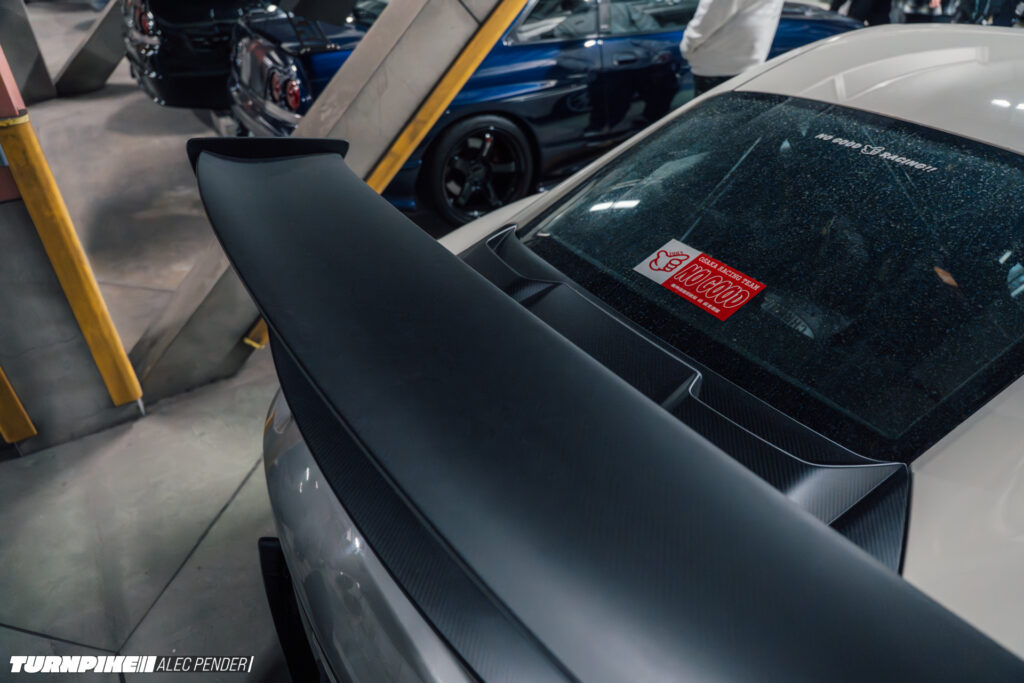
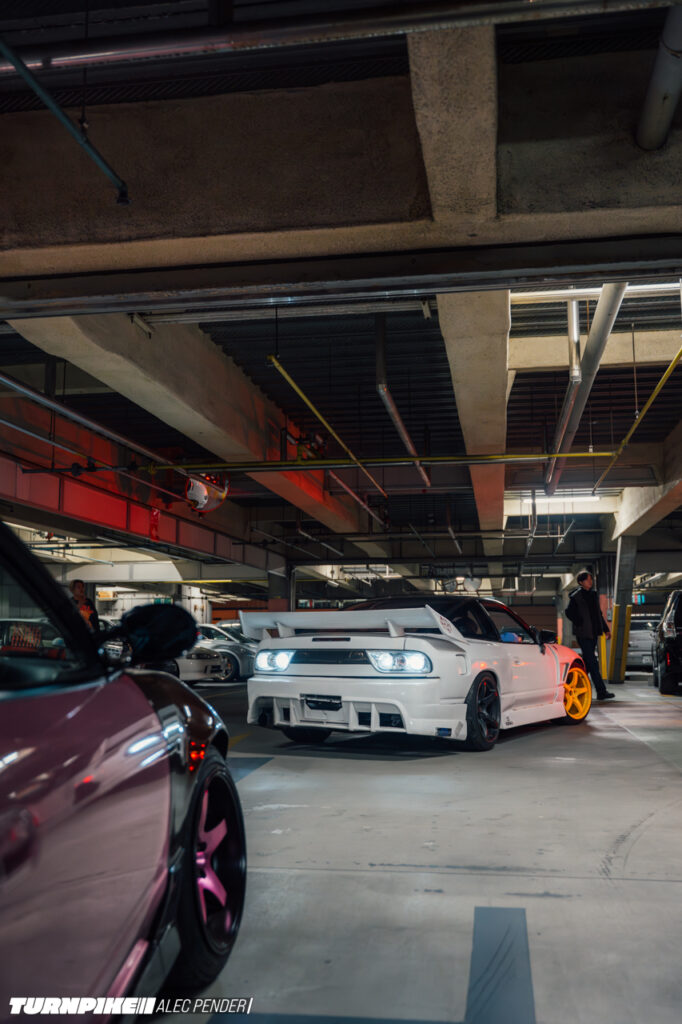
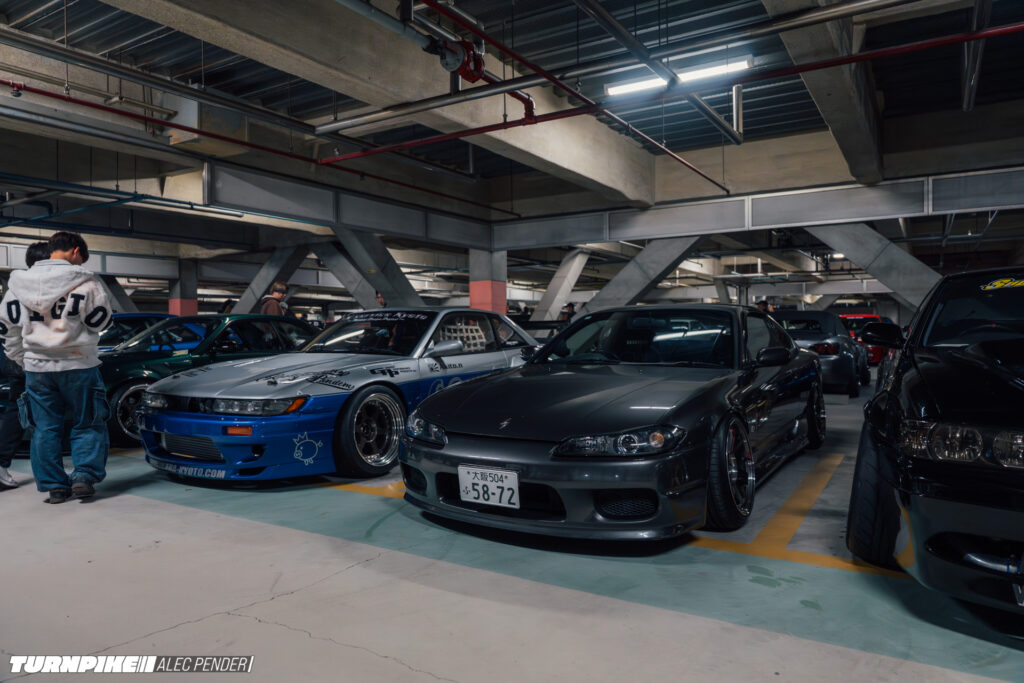
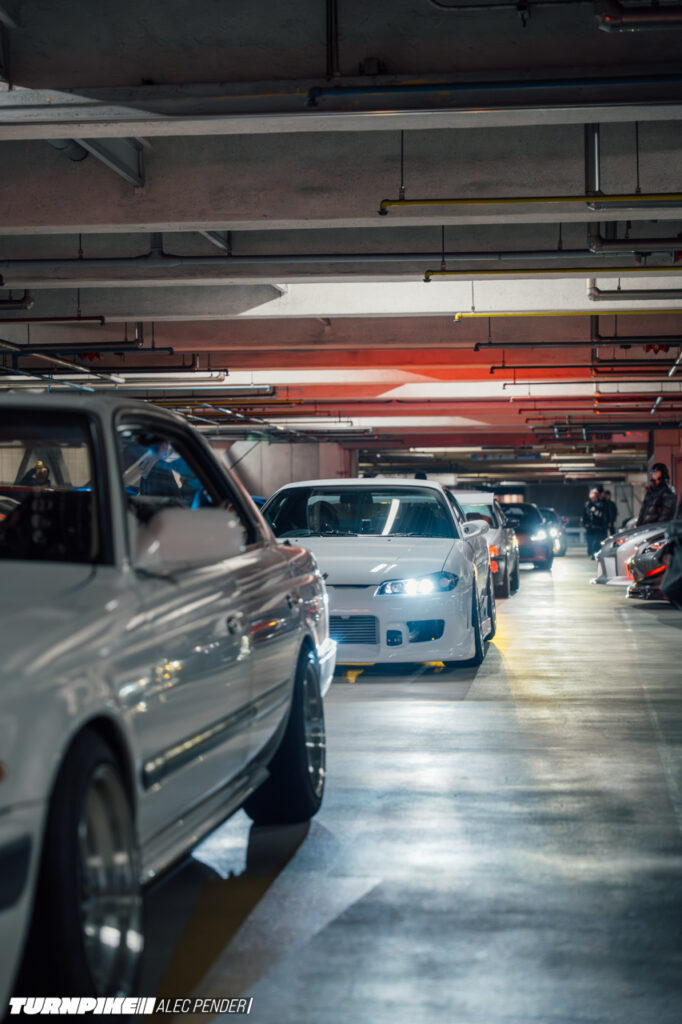
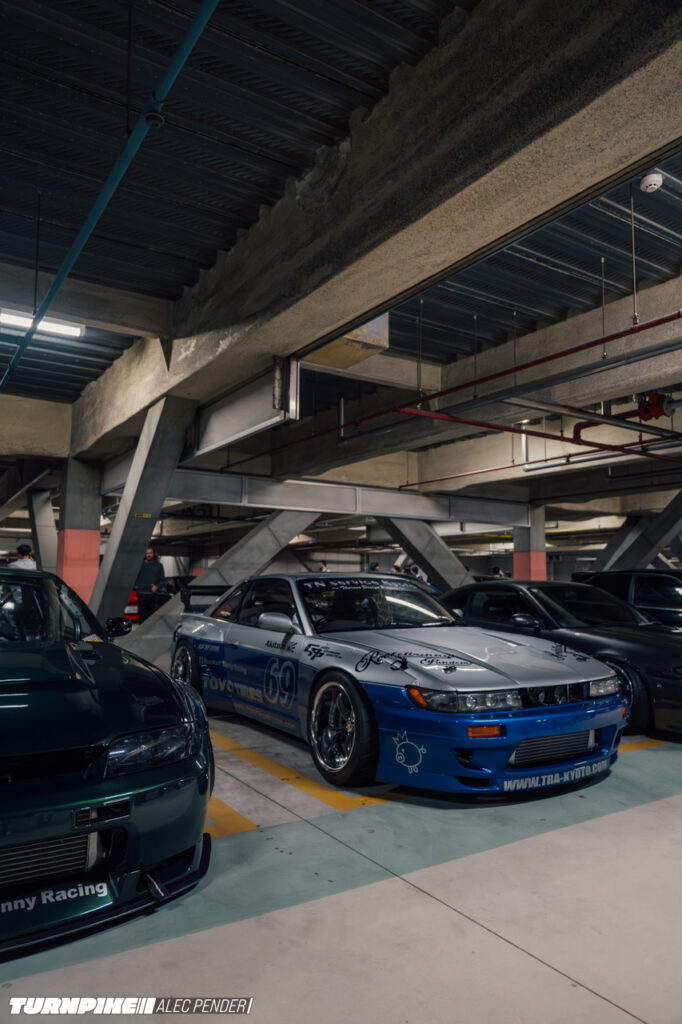
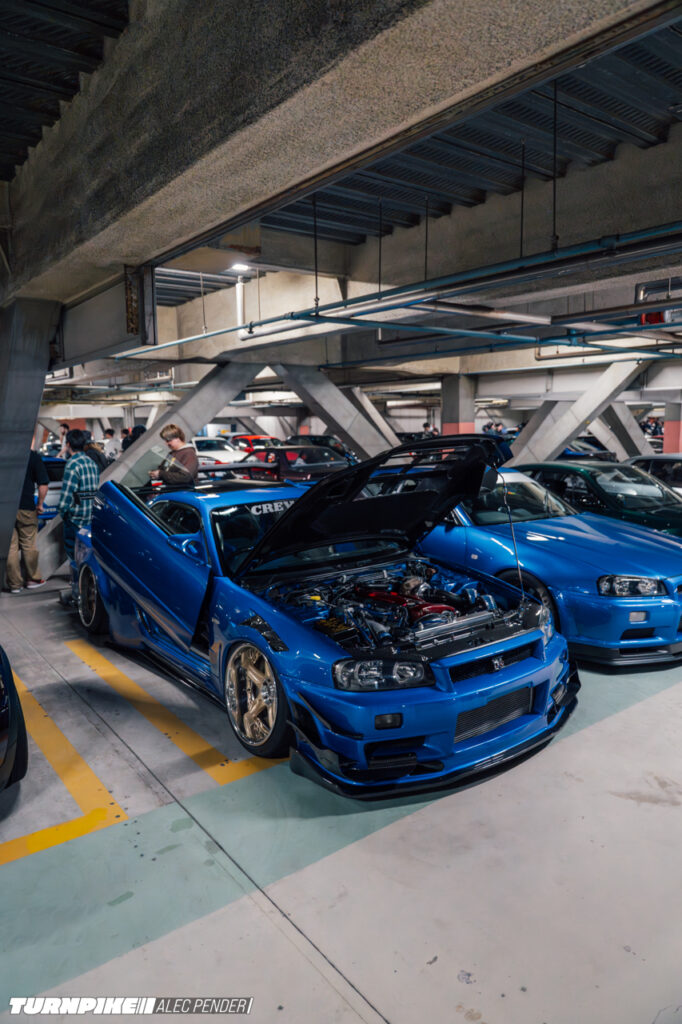
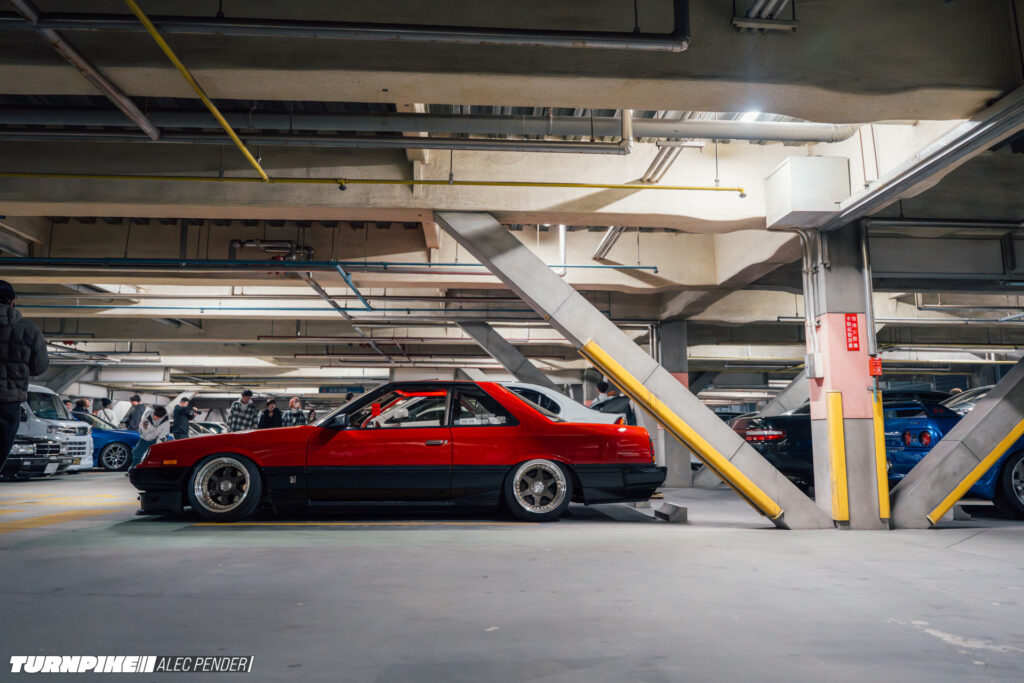
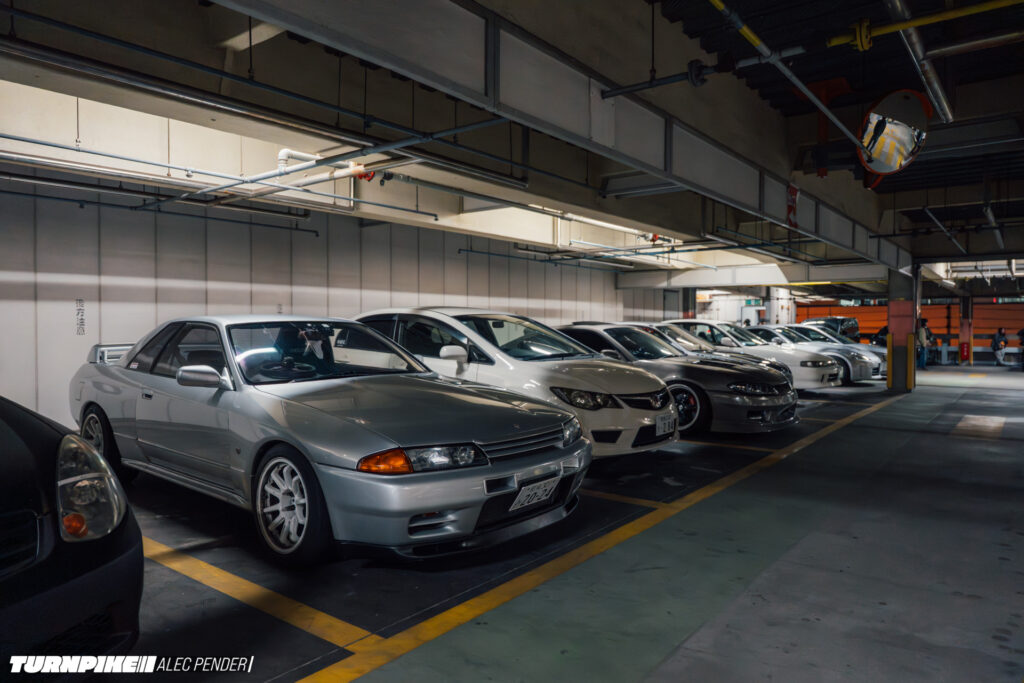
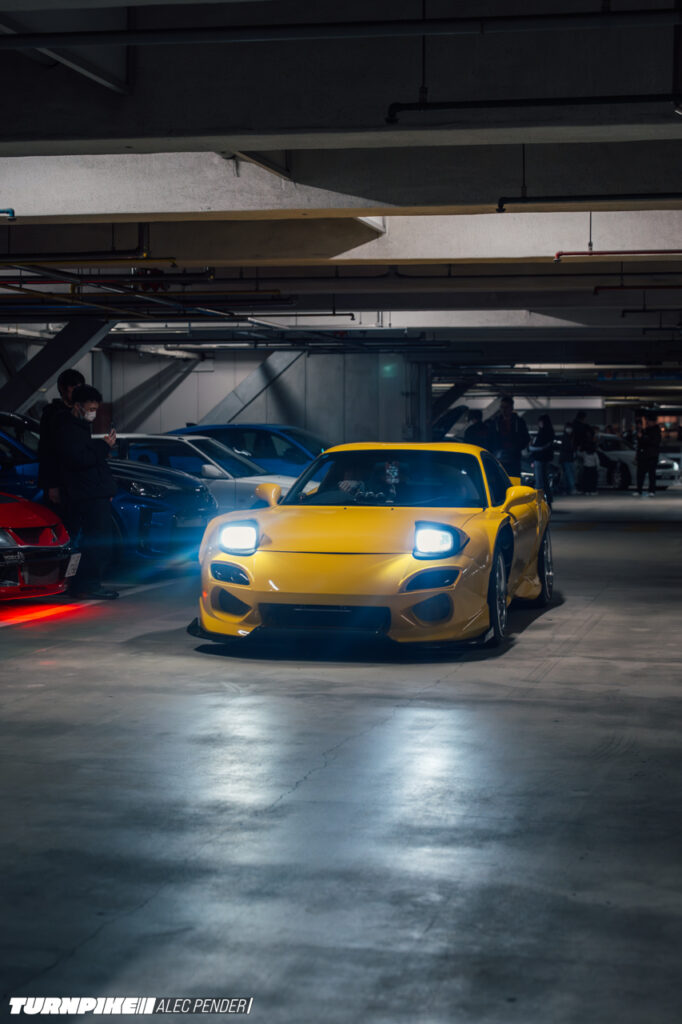
Whenever someone asks me what the must-see car culture highlights of Japan are, Osaka will always rank number one. If you are making the journey here, venture beyond the usual Daikoku and Tokyo trail and head south. A massive thank you to John from Go Zoom Exports for helping keep Osaka car culture alive.