
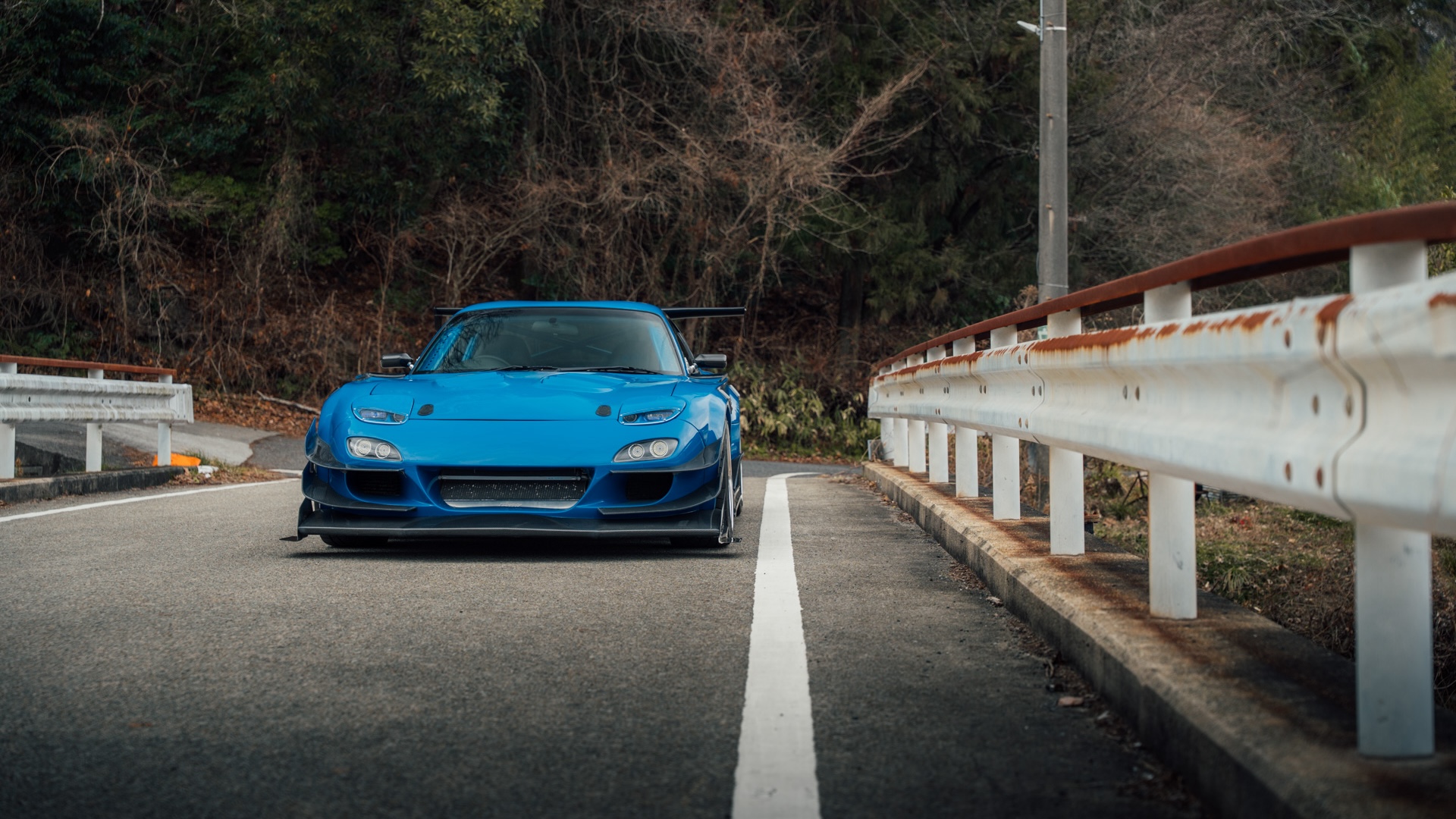
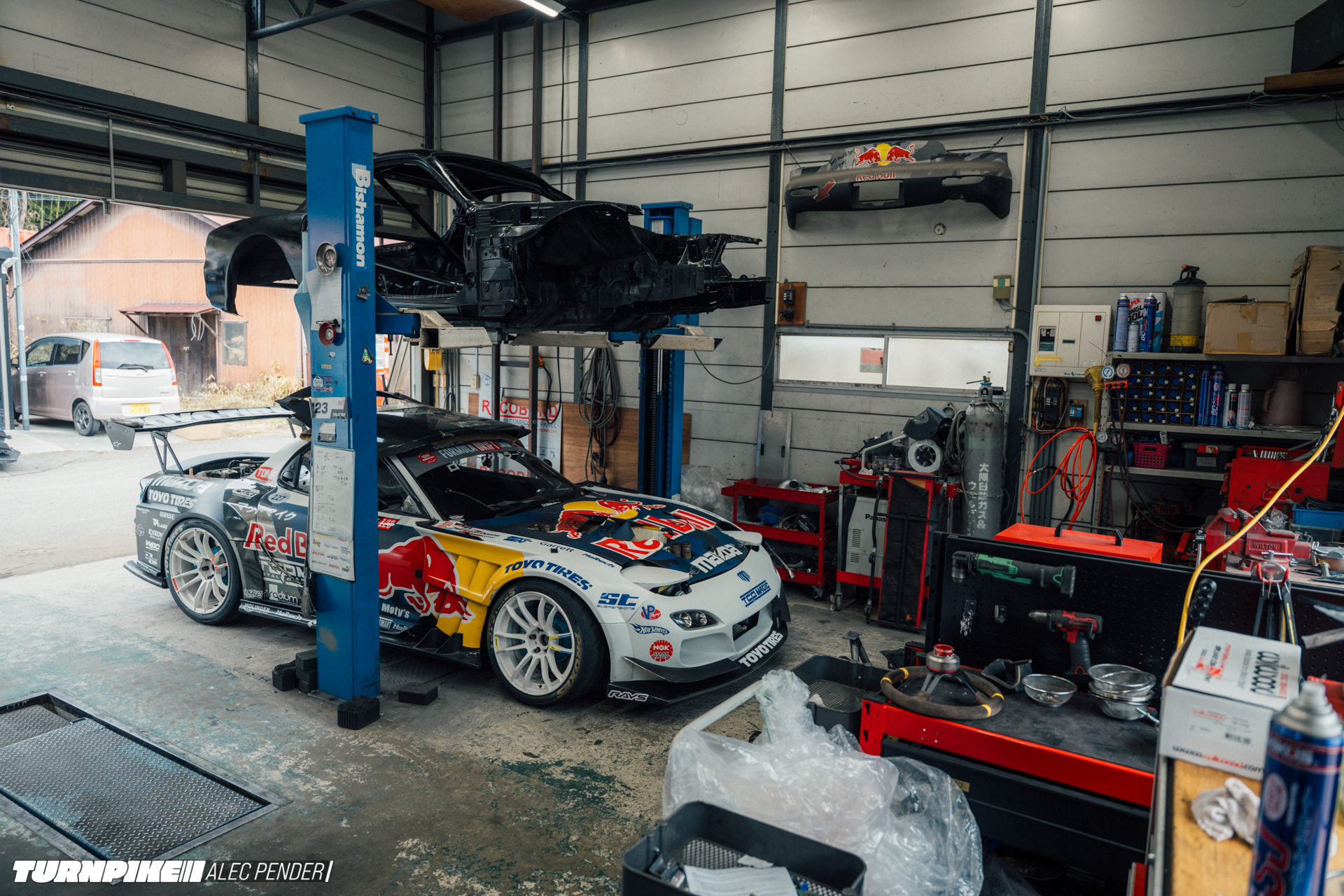
For more than two decades, Kawato-san of Total Car Produce Magic has dedicated himself to extracting the impossible from rotary engines, earning worldwide respect through his outrageous creations for Mad Mike Whiddett.
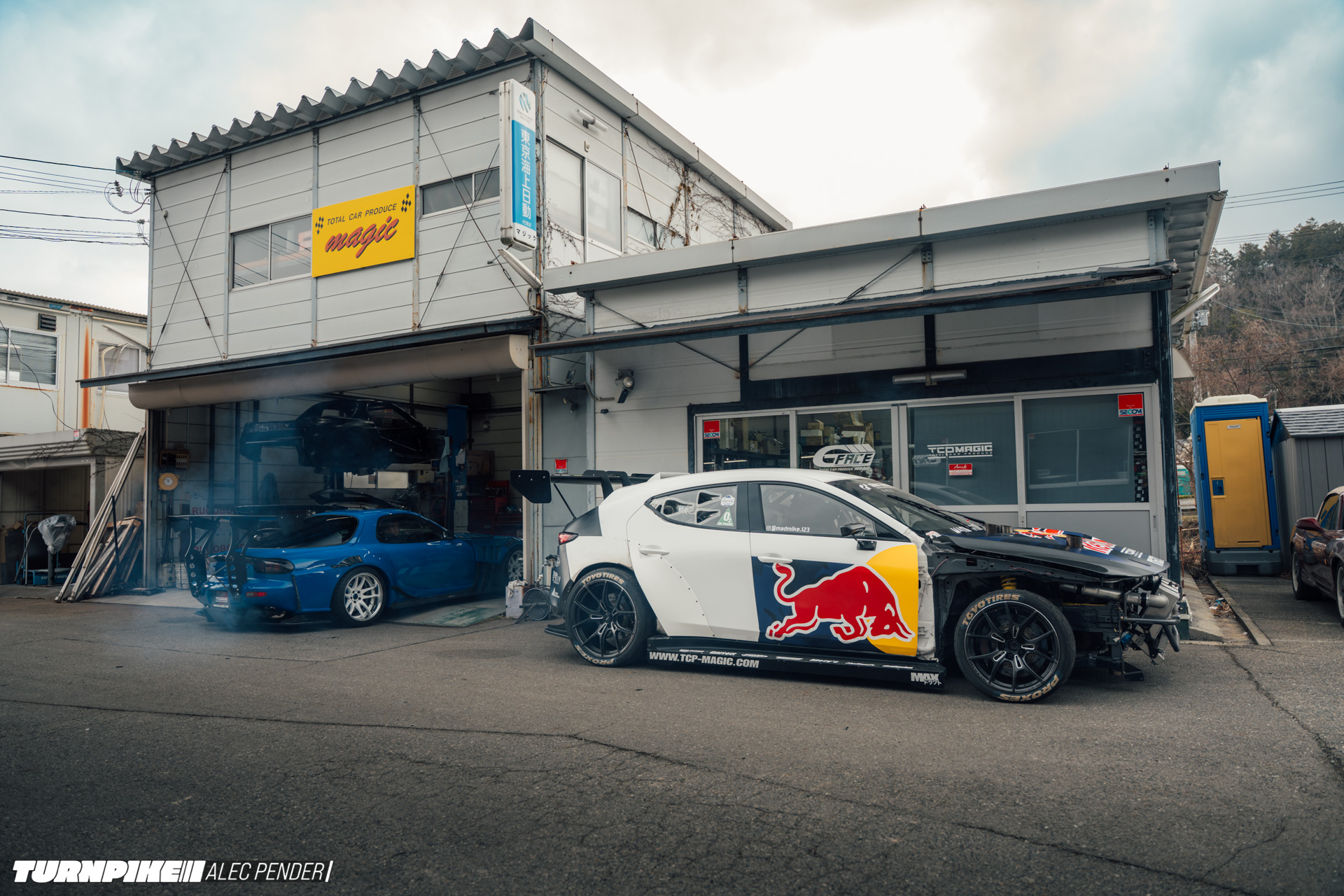
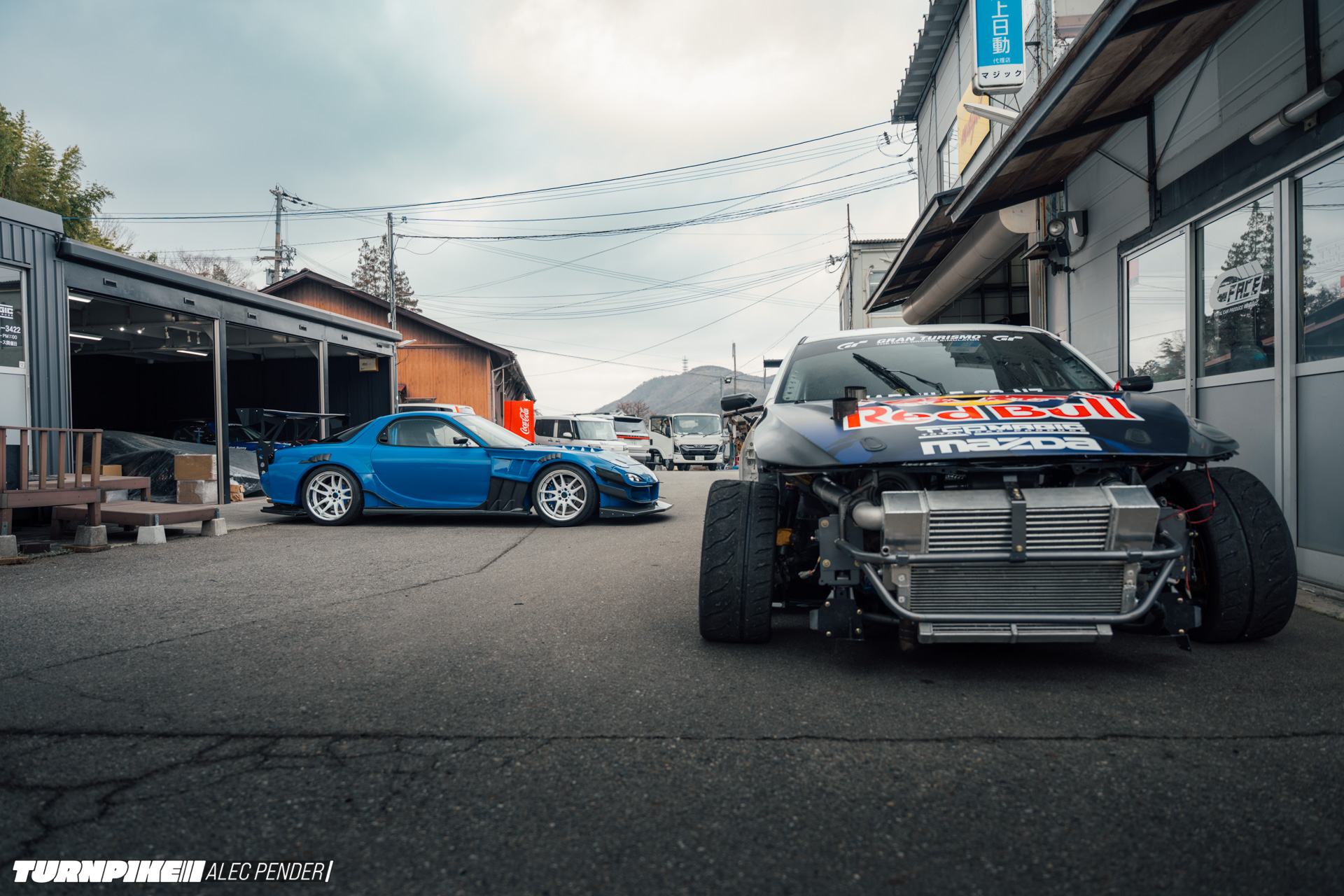
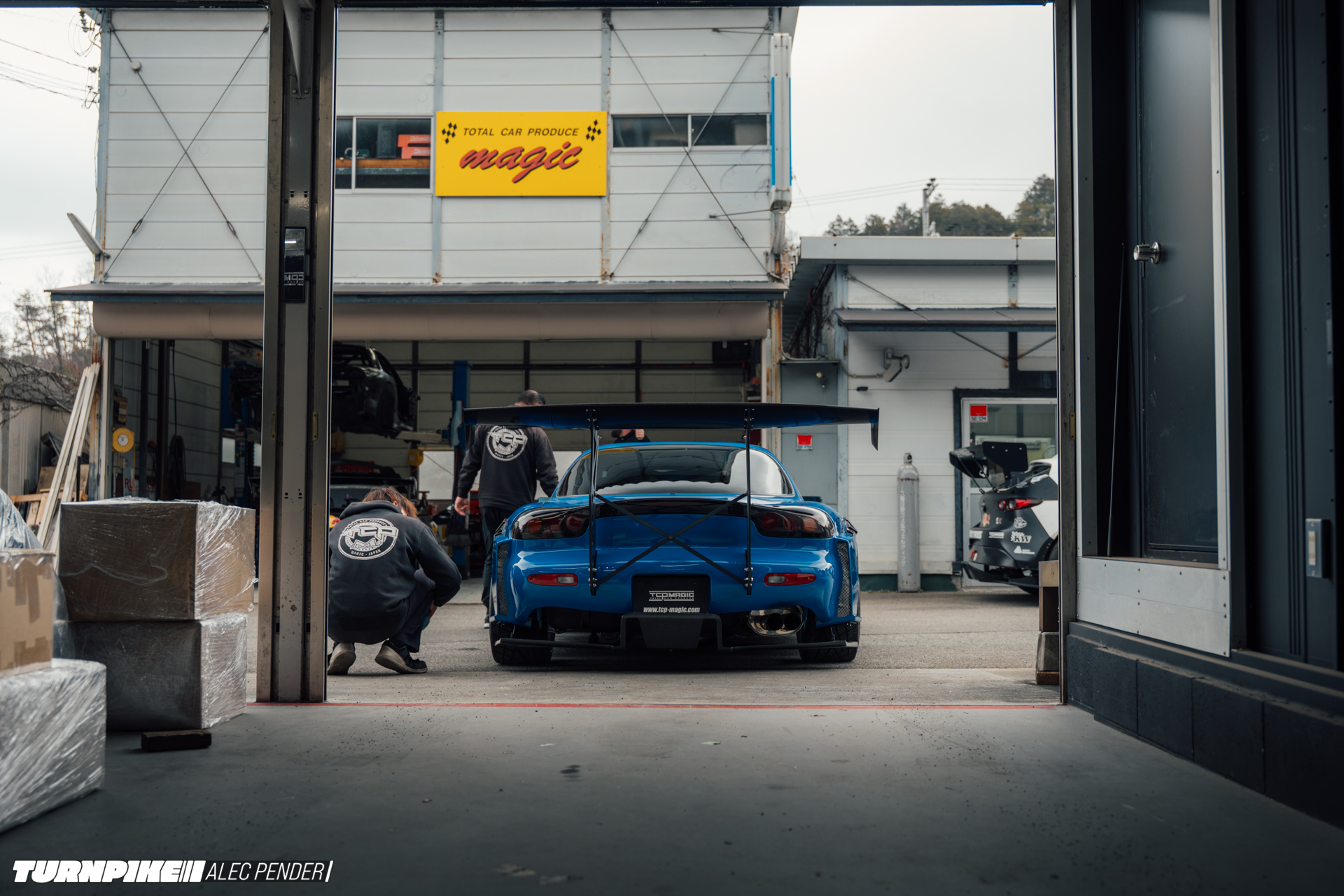
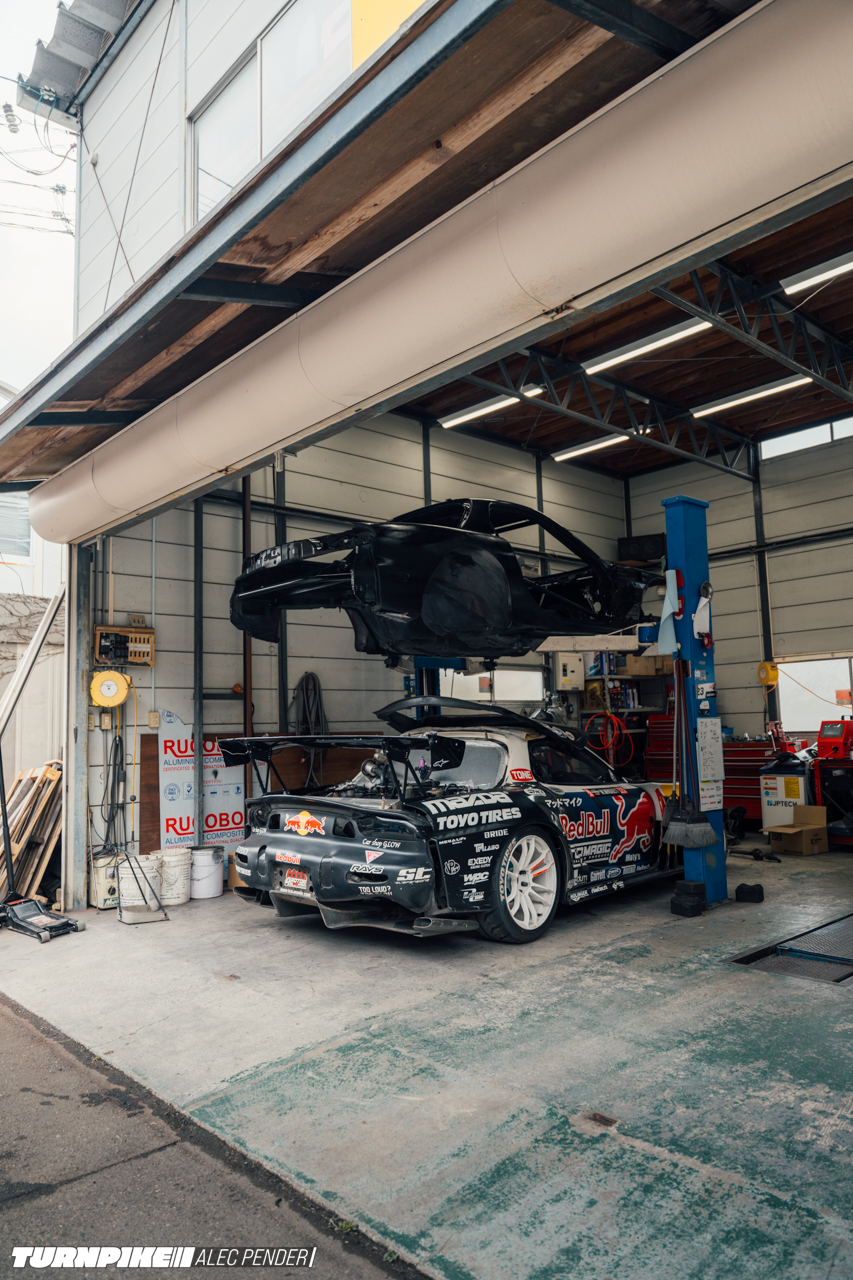
Kawato-san is, arguably, Japan’s authority on hard-tuned Mazda RX-7s and rotary motors. From his workshop in the hills of Nishinomiya City, Hyogo, he spends most of his time dropping his engines into drift cars, time attack cars, and even one-of-a-kind Pikes Peak International Hill Climb project.
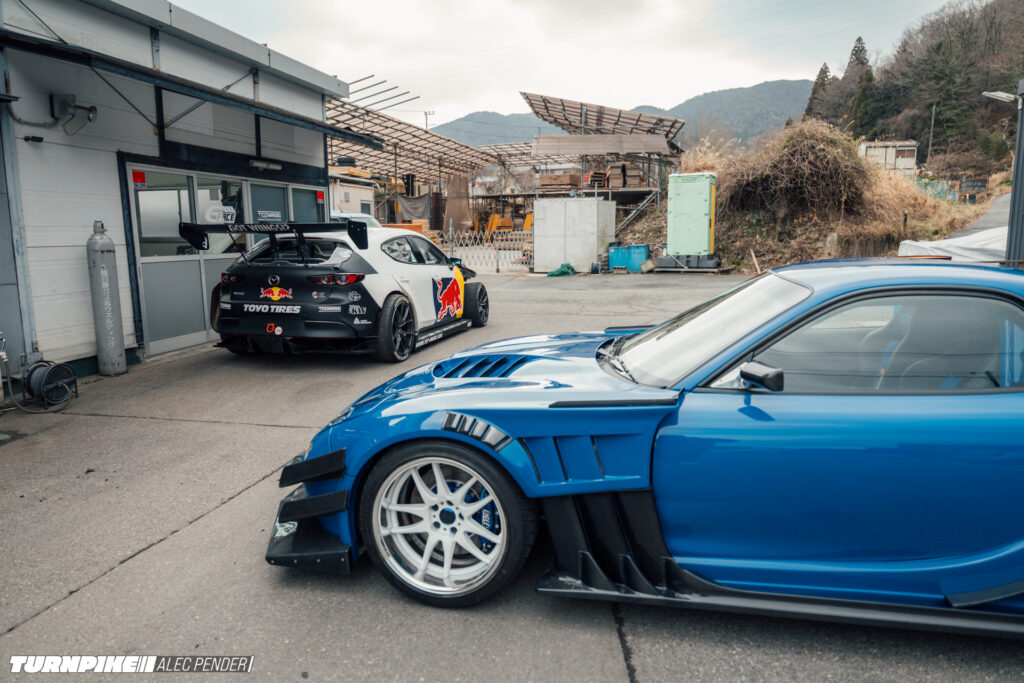
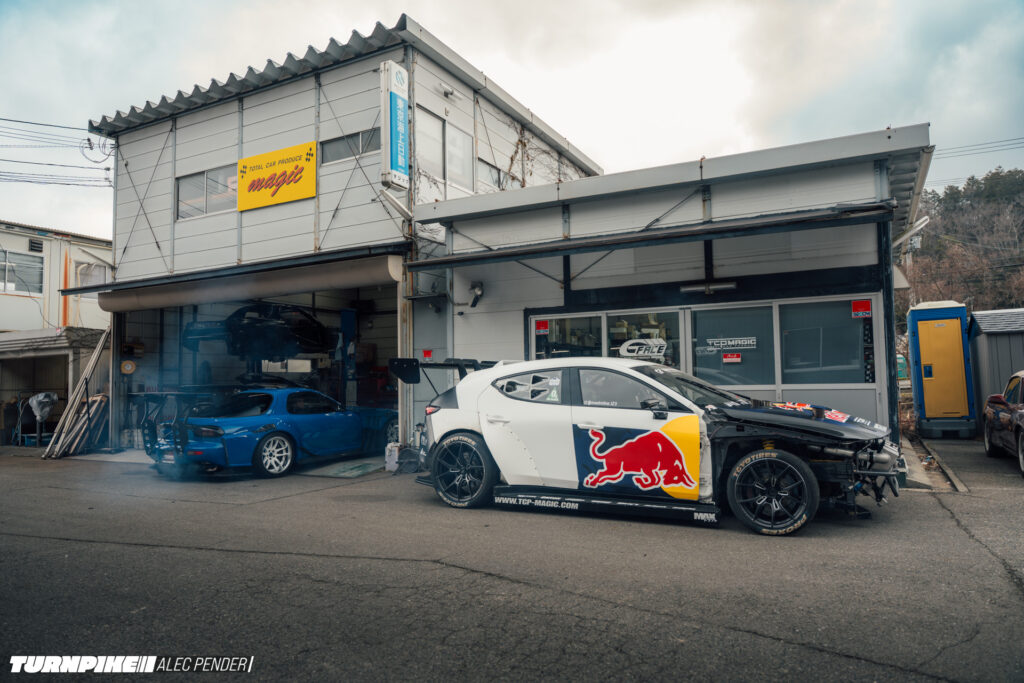
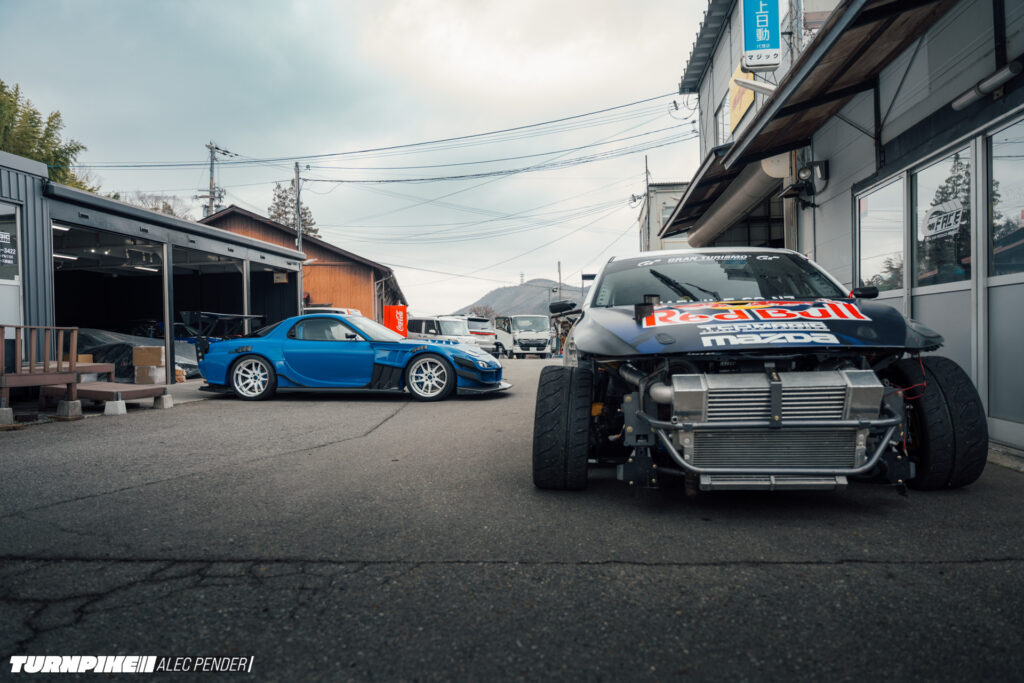
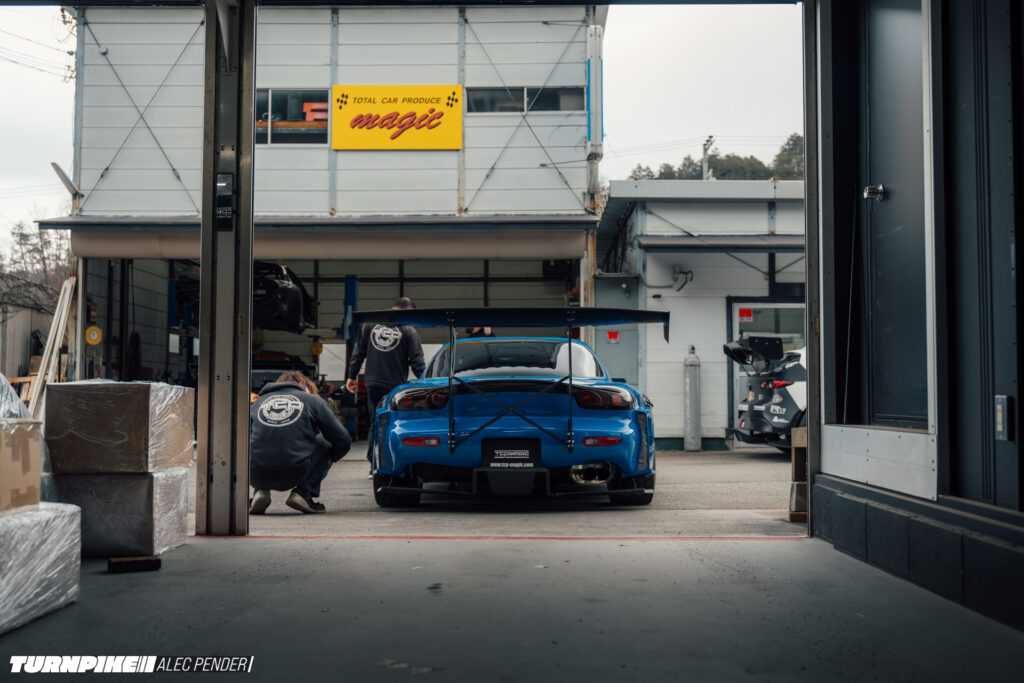
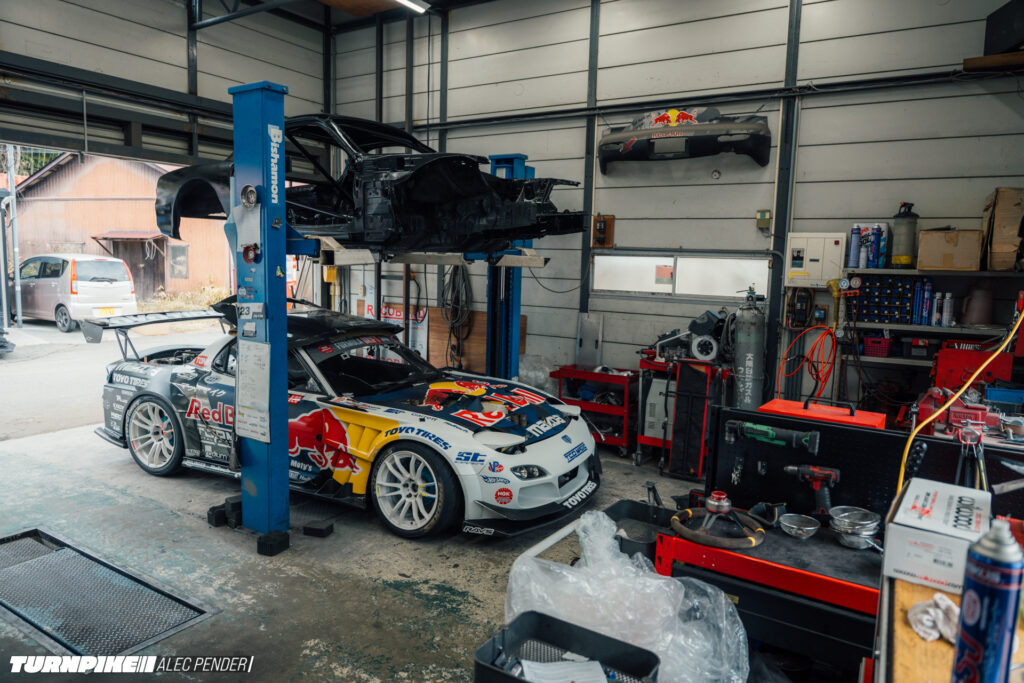
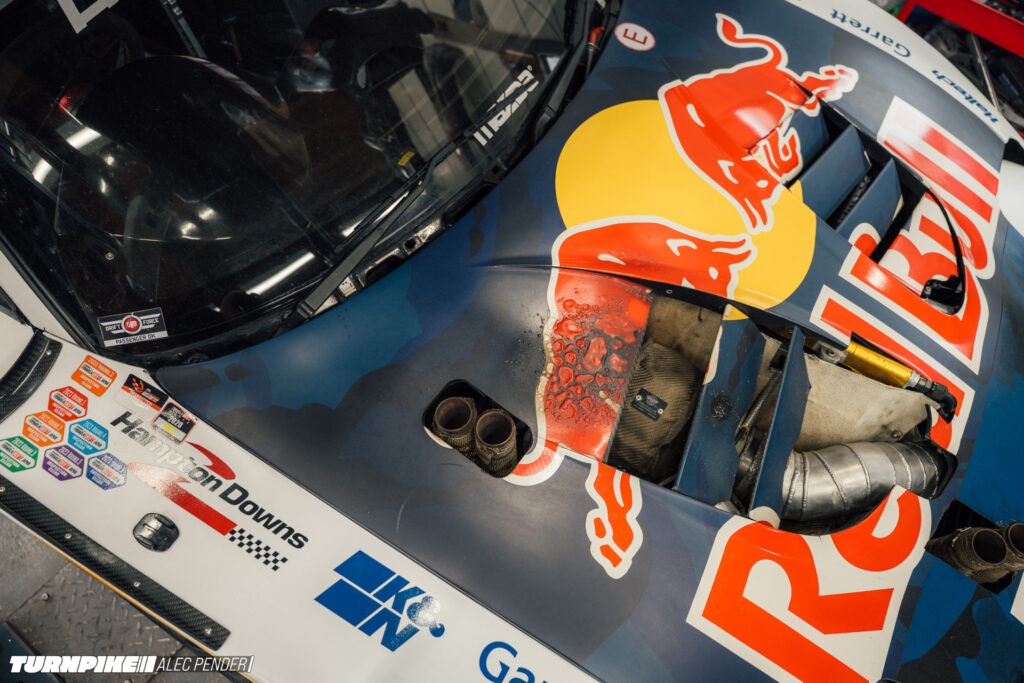
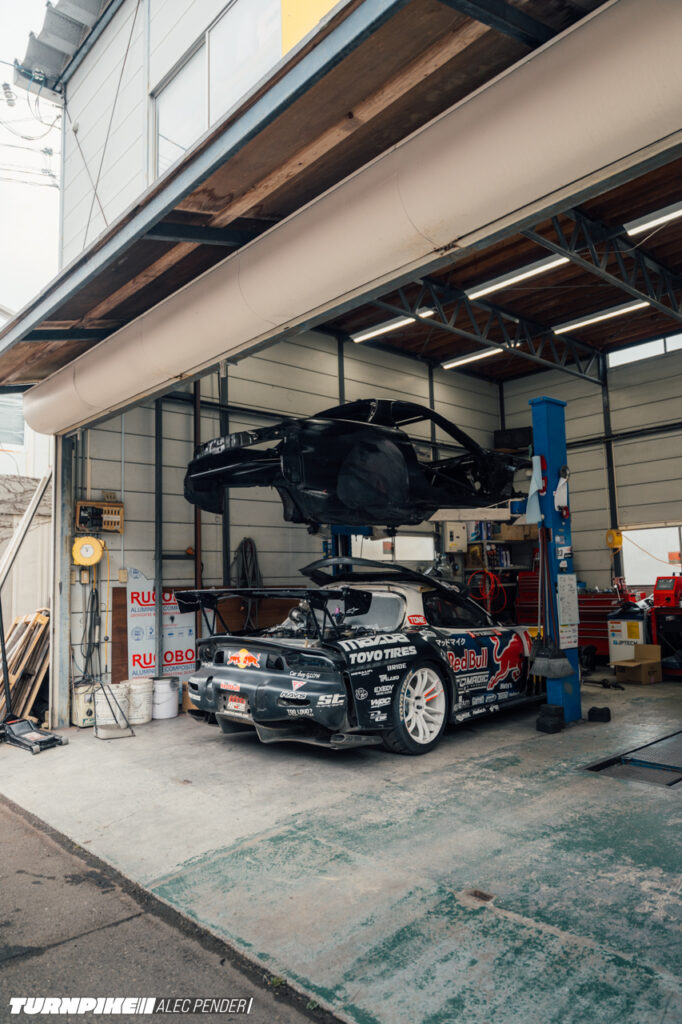
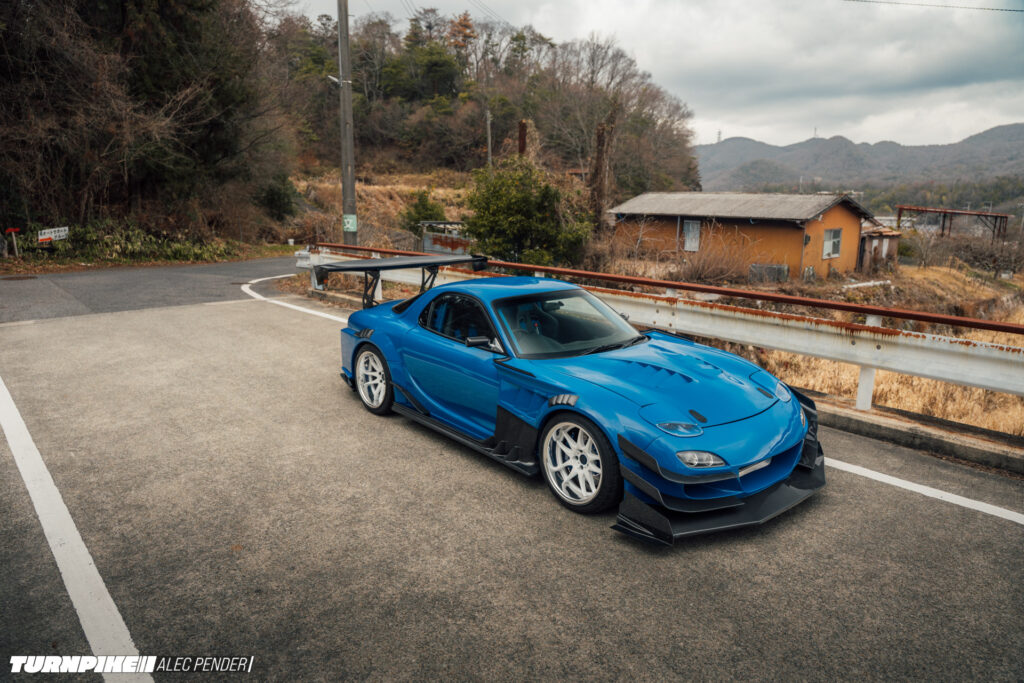
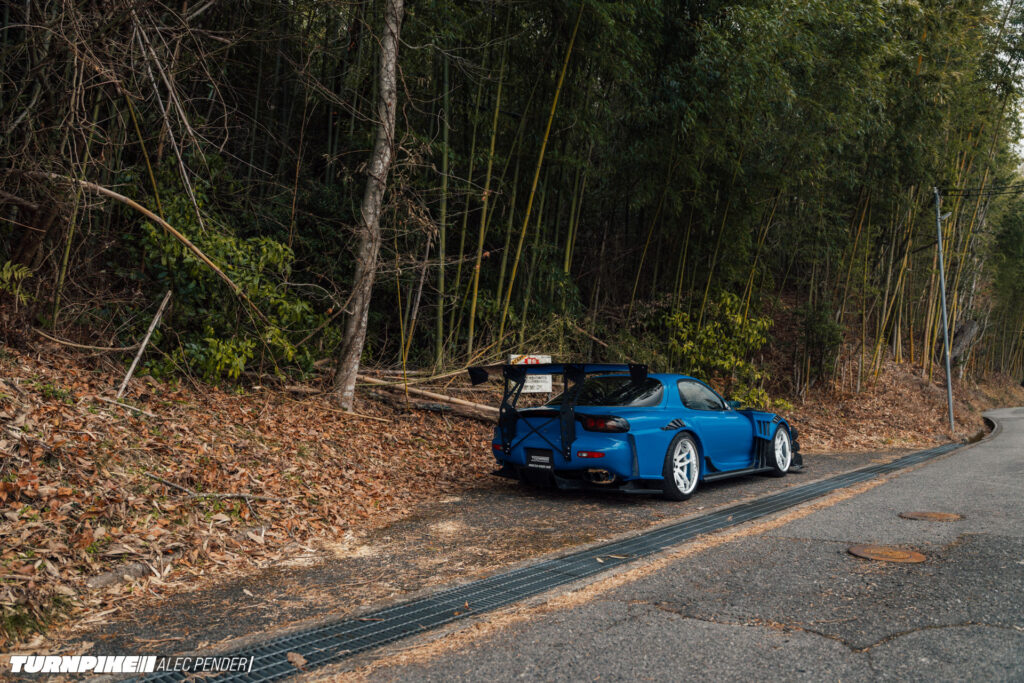
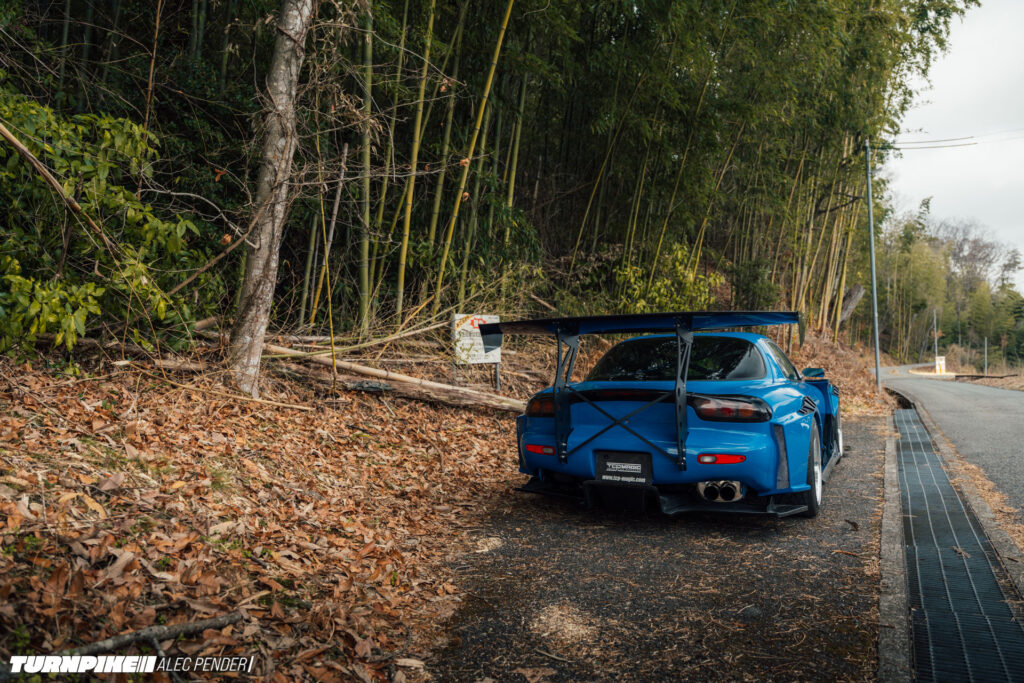
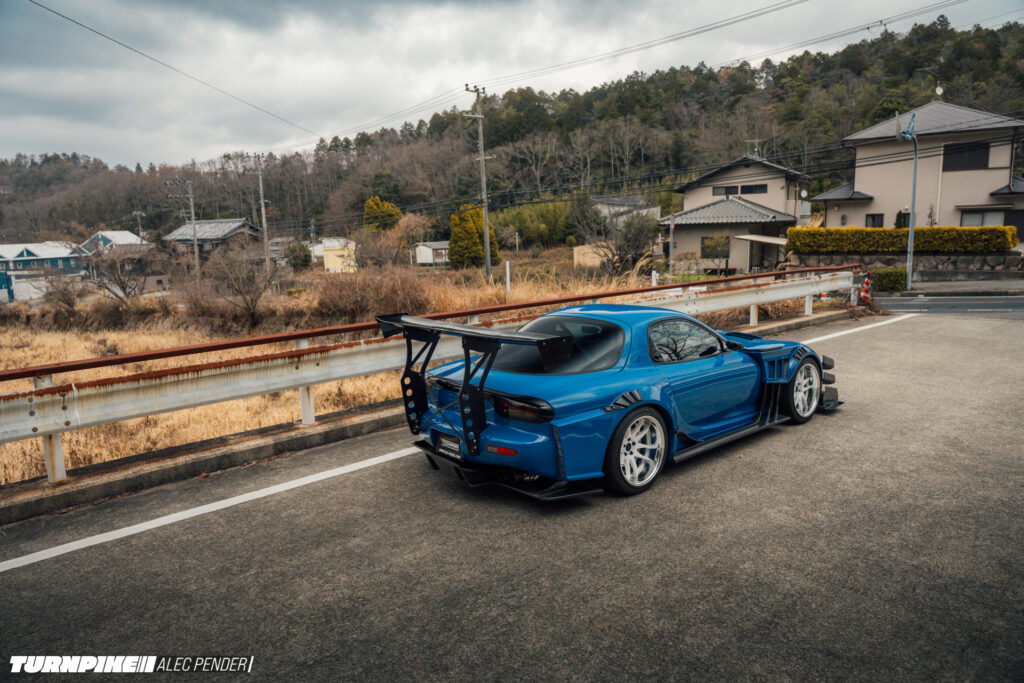
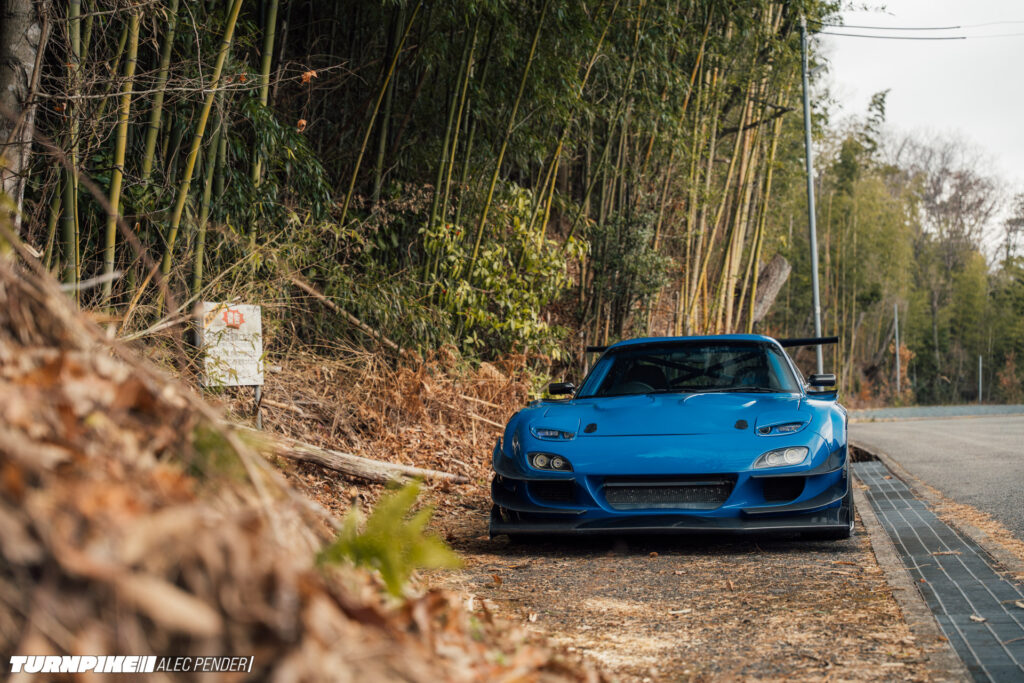
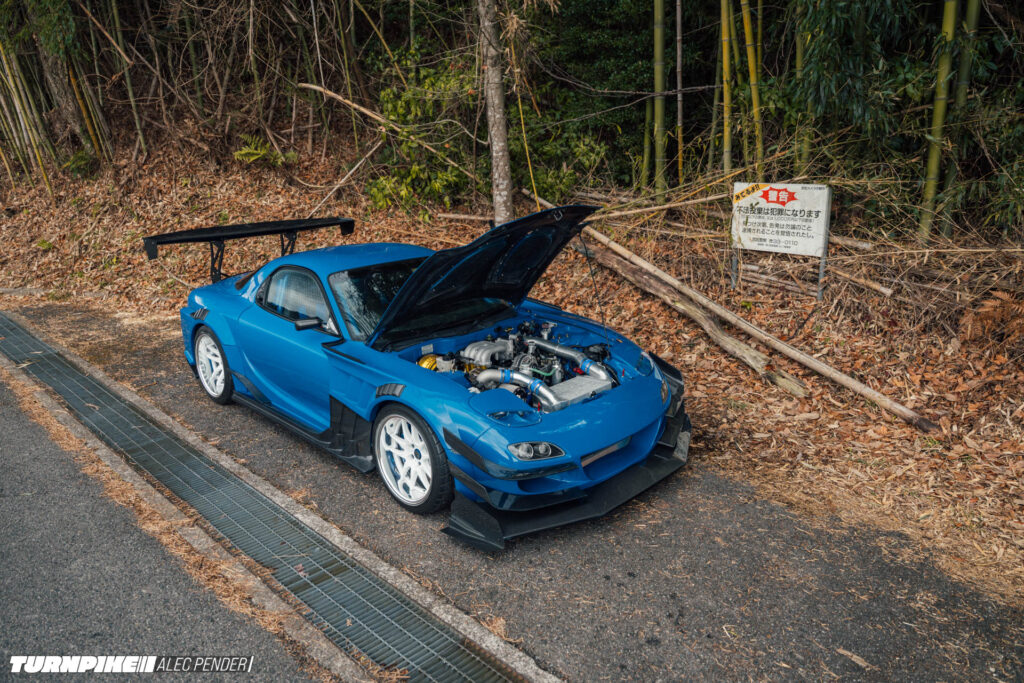
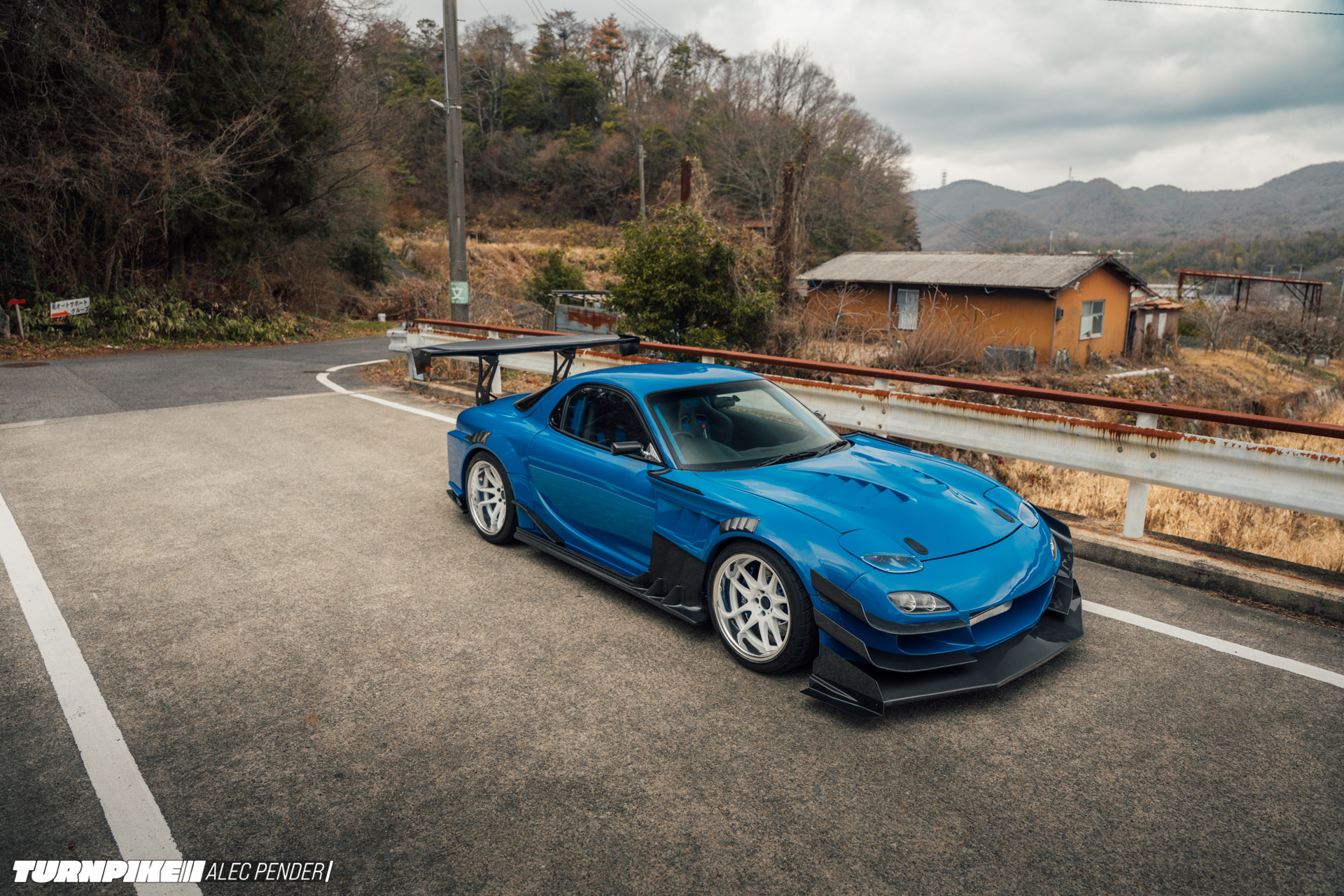
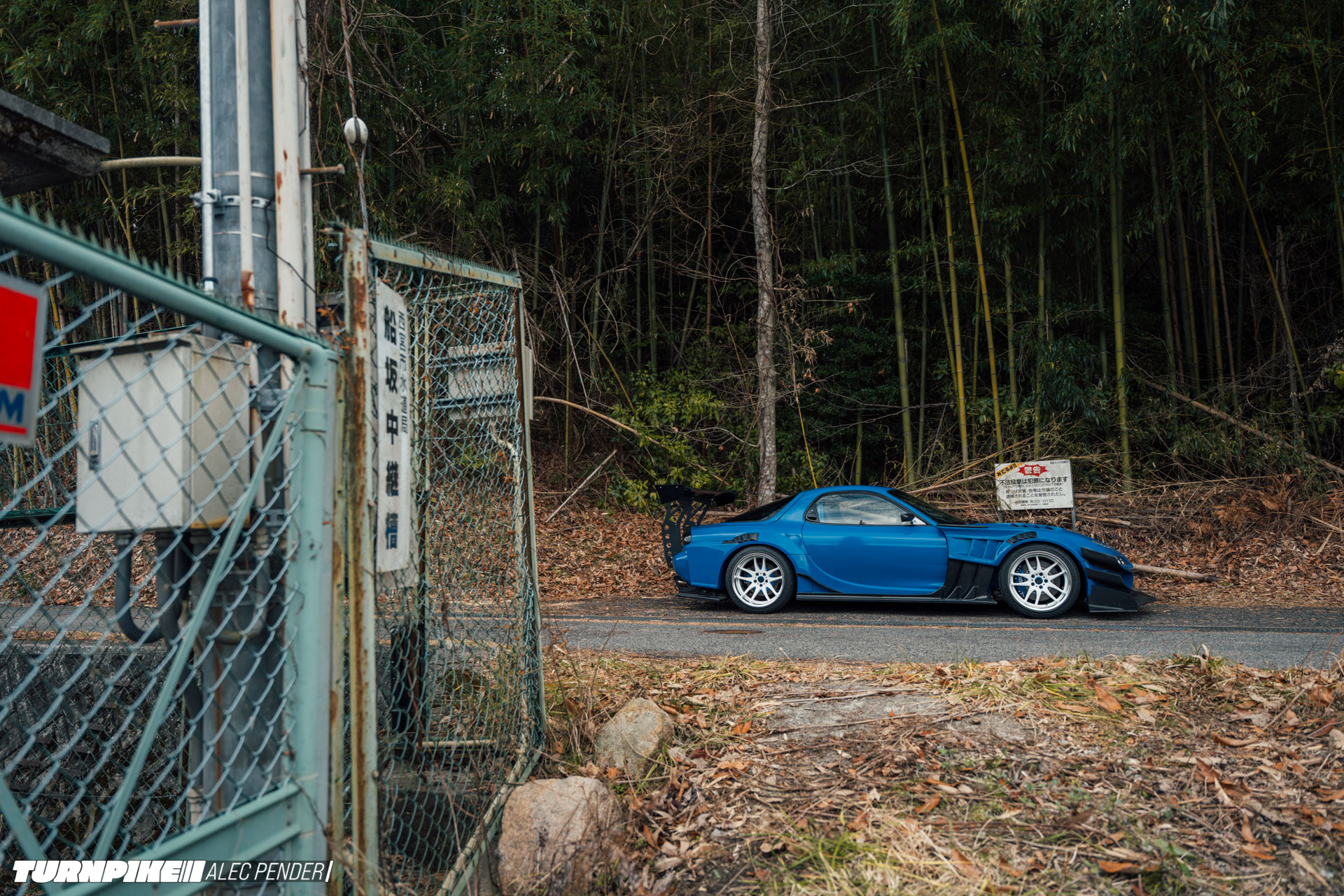
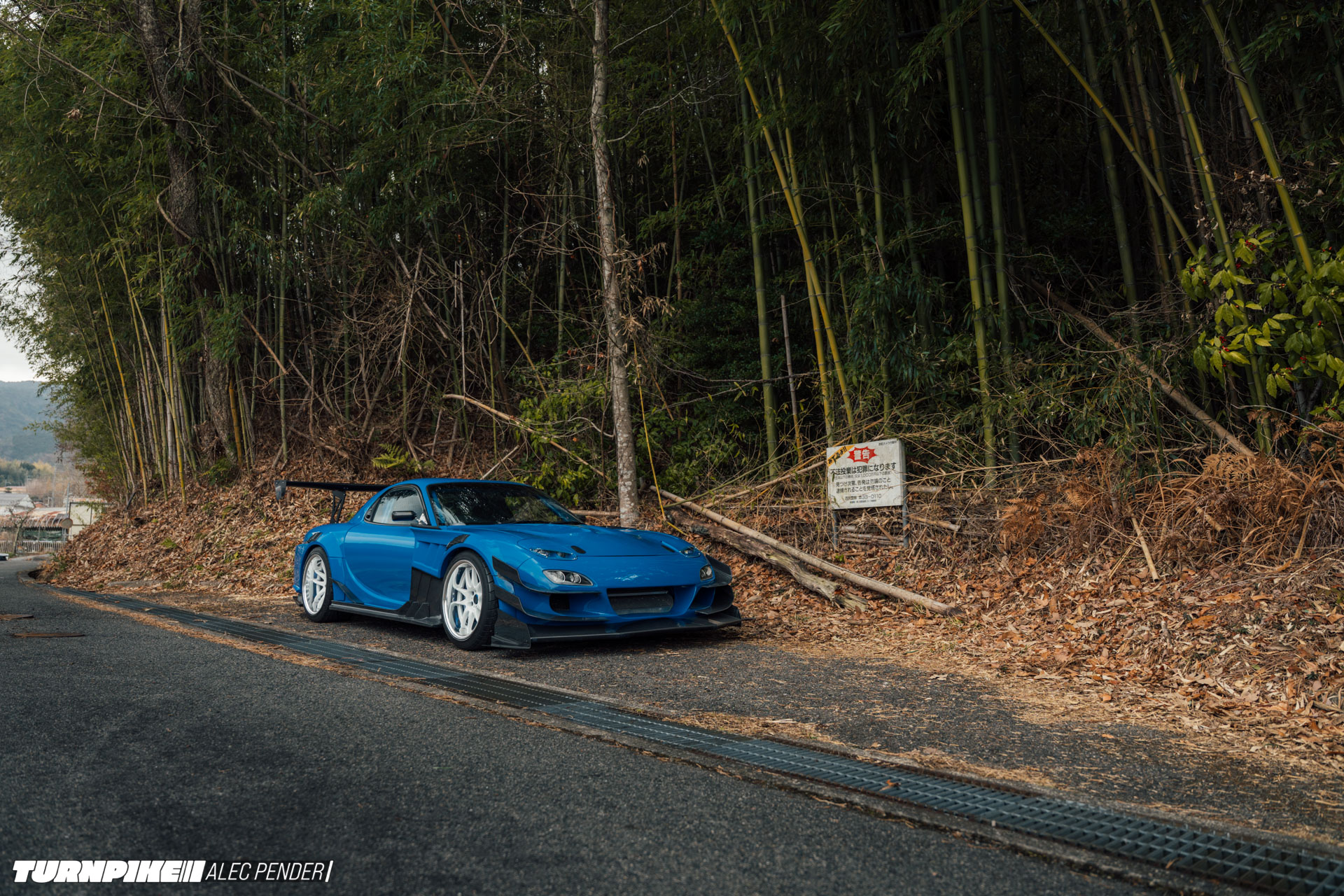
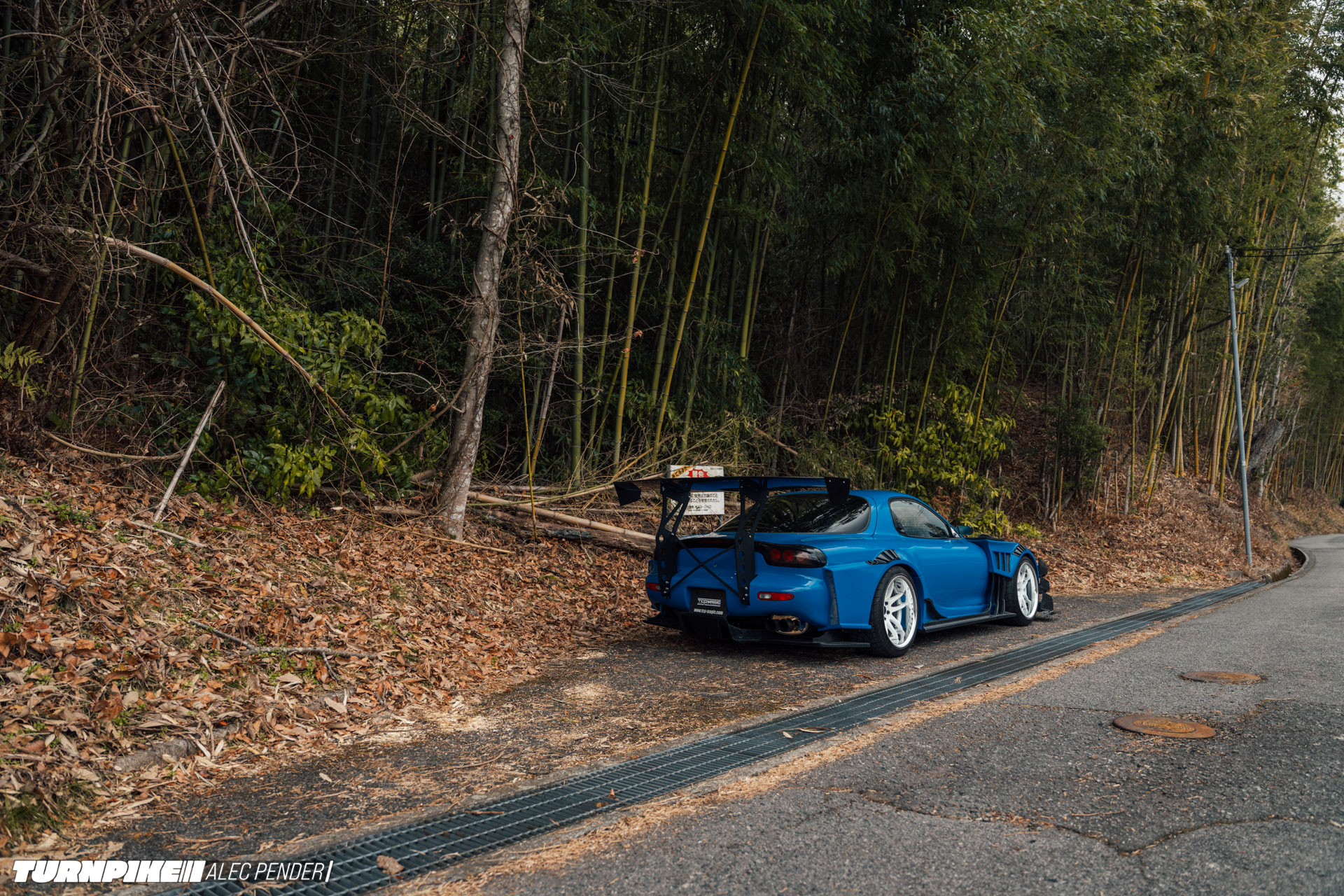
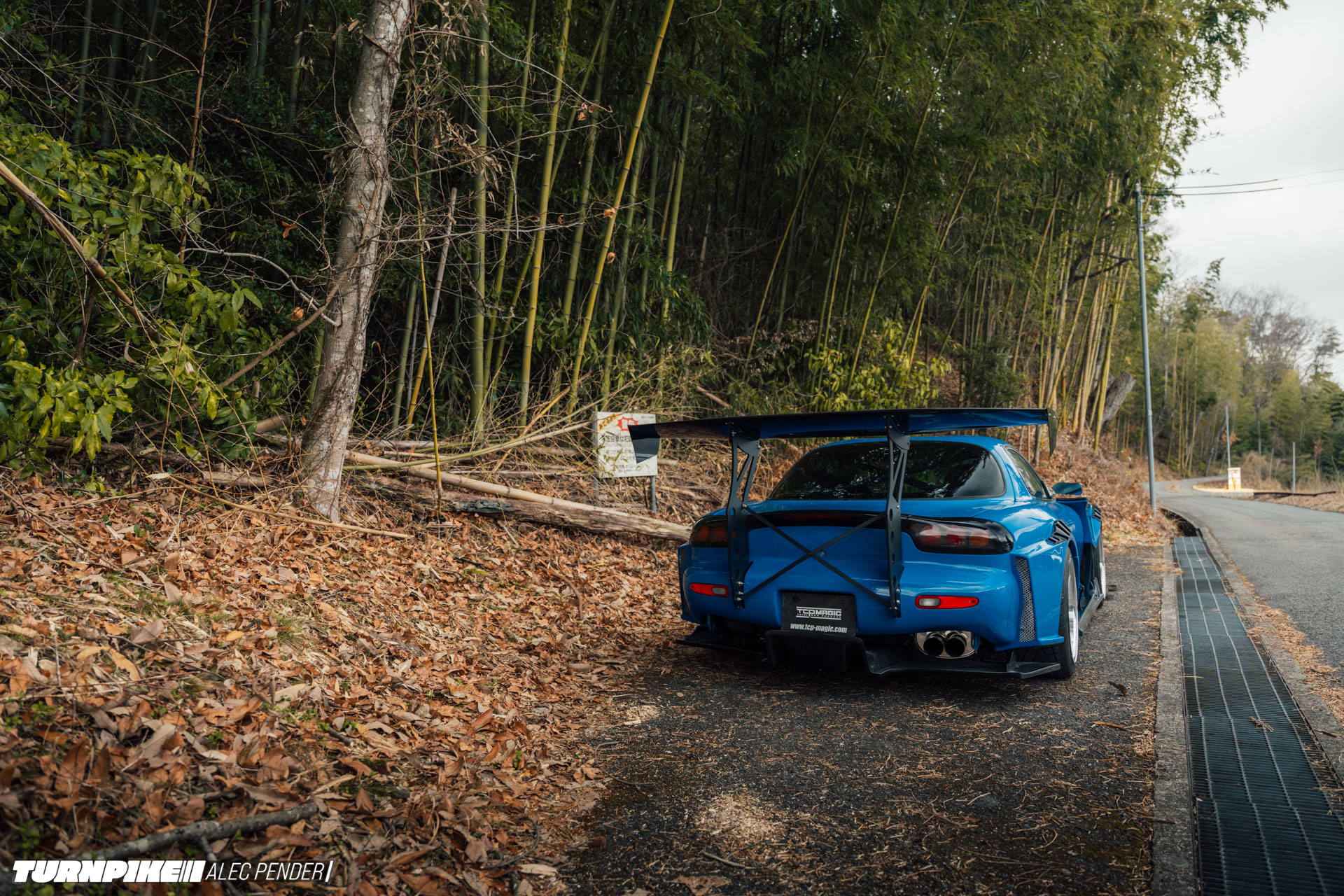
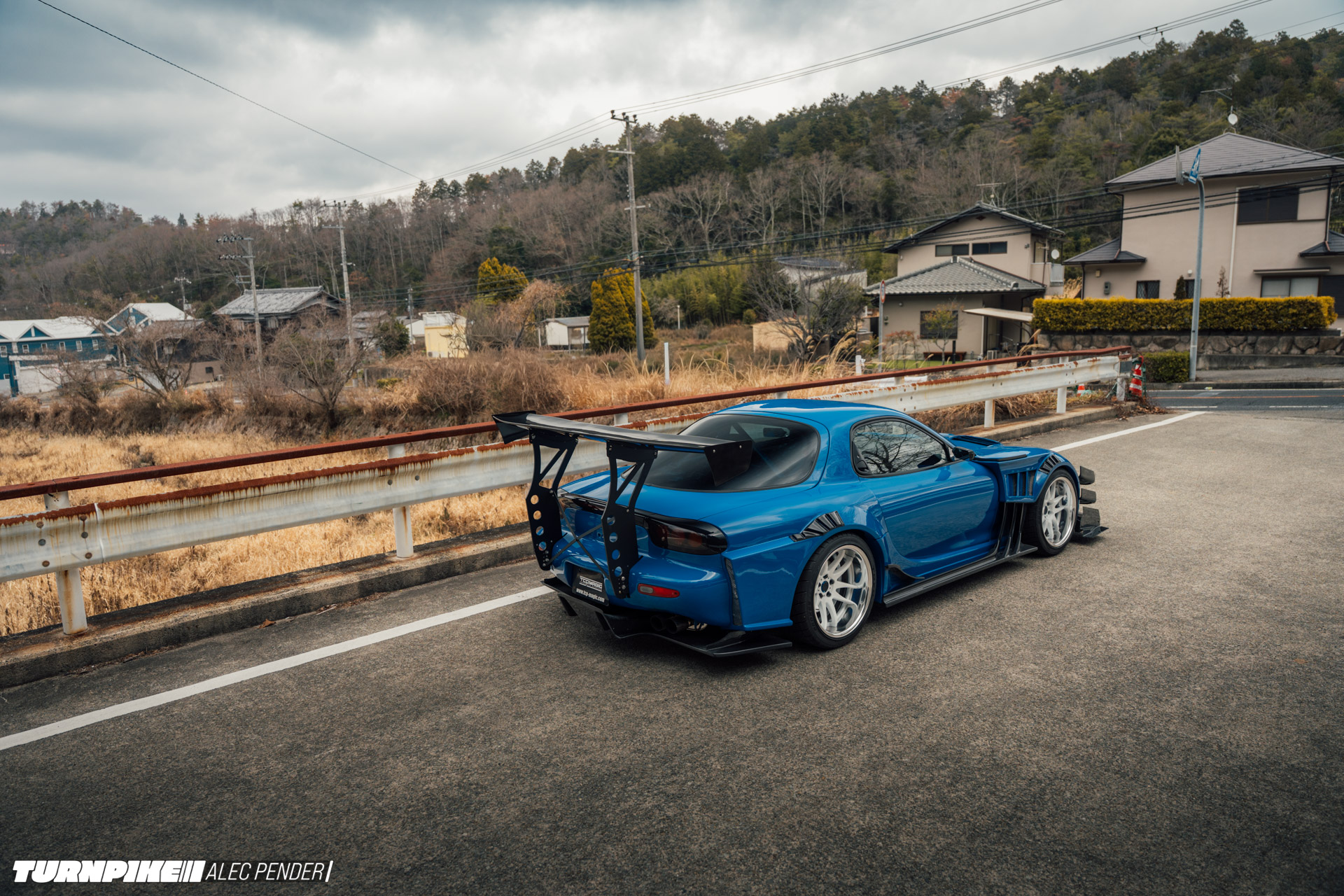
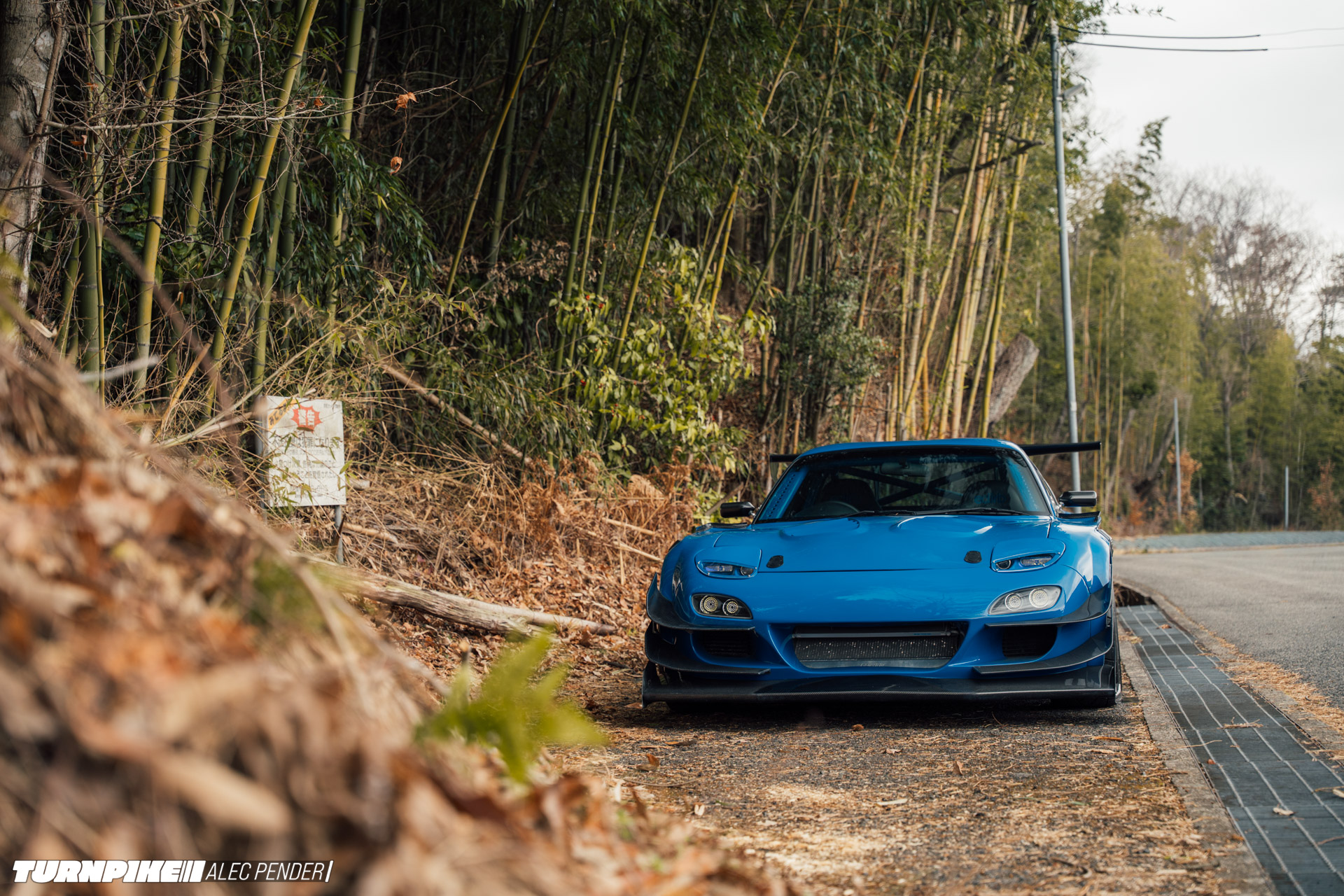
In fact, given how busy Kawato-san and his small team are with their competition cars, it’s surprising there’s any spare waking hours left to take on private builds – exactly what the incredible FD3S RX-7 we’re looking at today is. Engineered from the ground up for a customer in Indonesia, the RX-7 combines all the latest solutions you’d expect in a TCP Magic circuit-spec street car build.
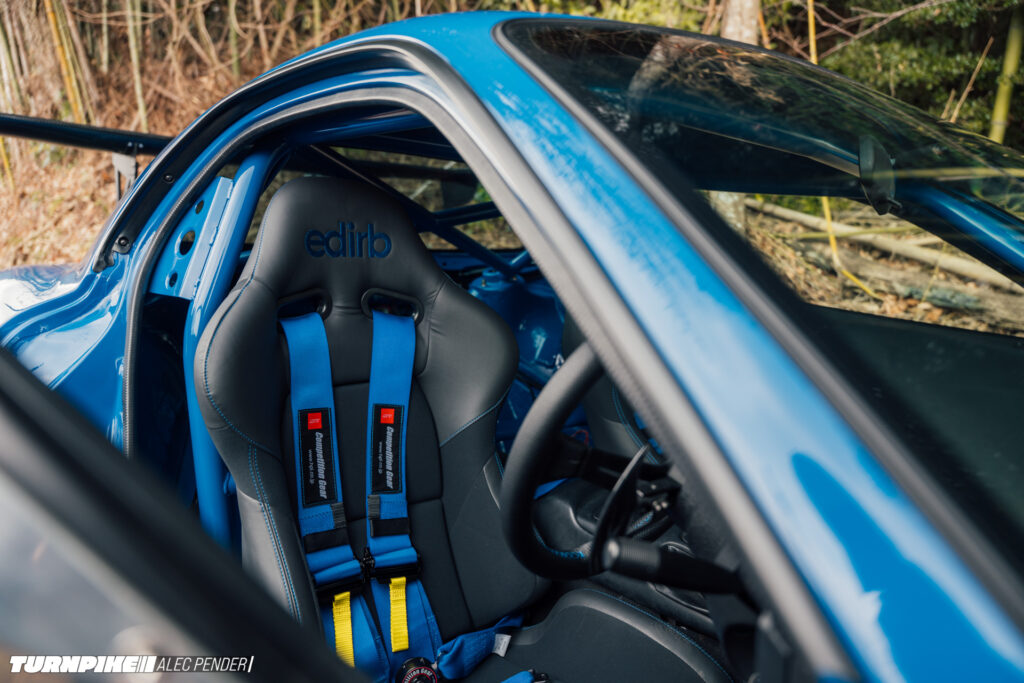
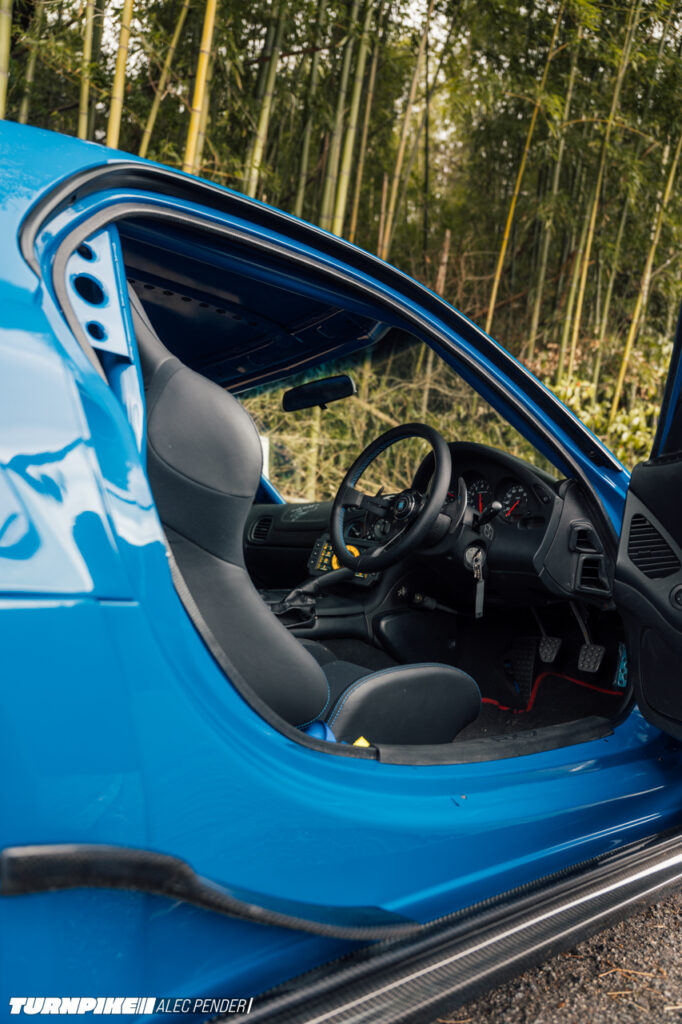
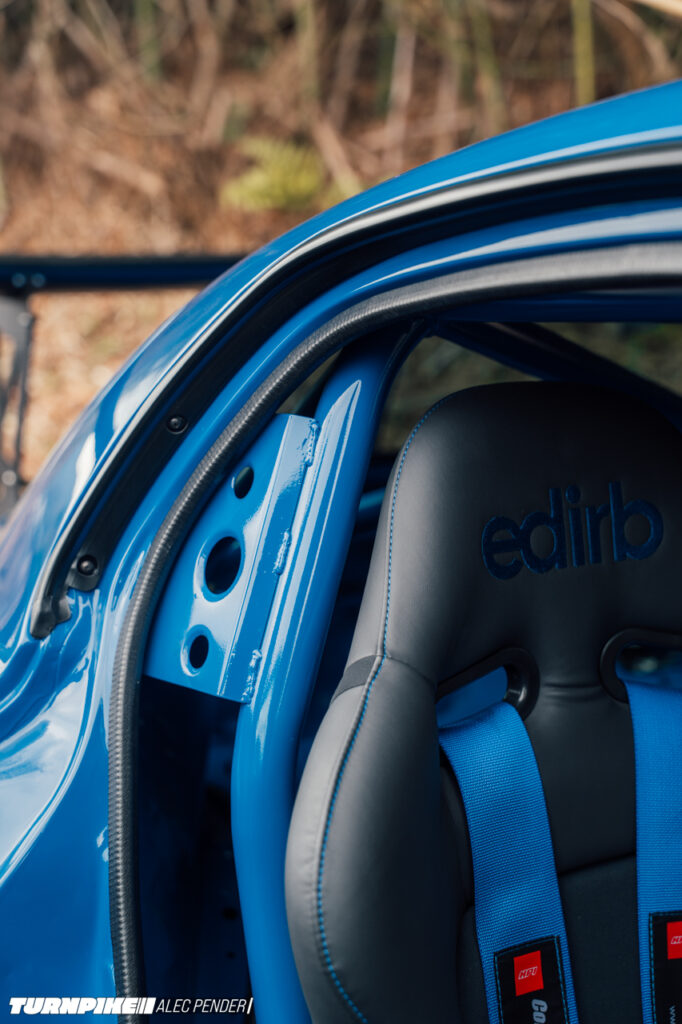
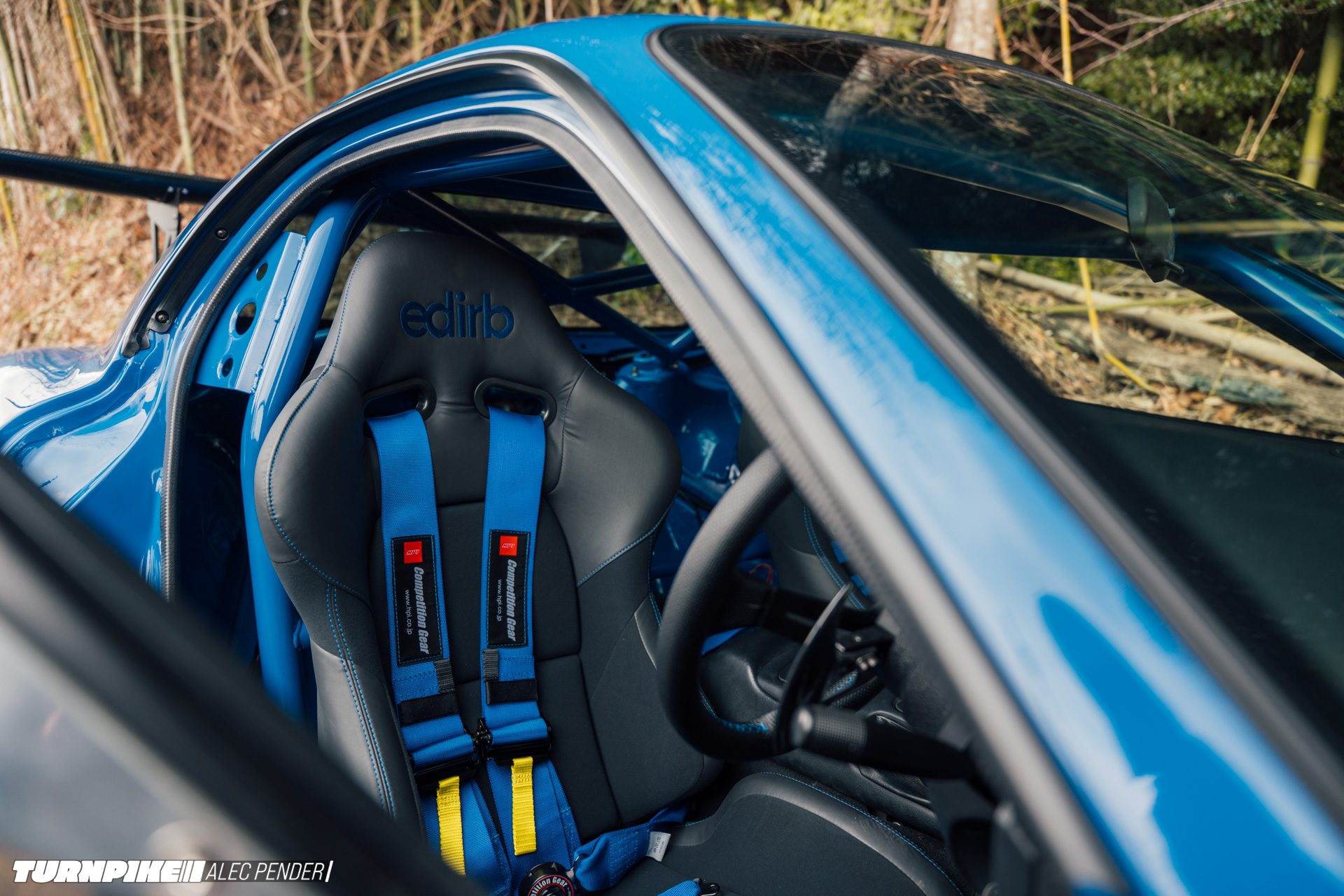
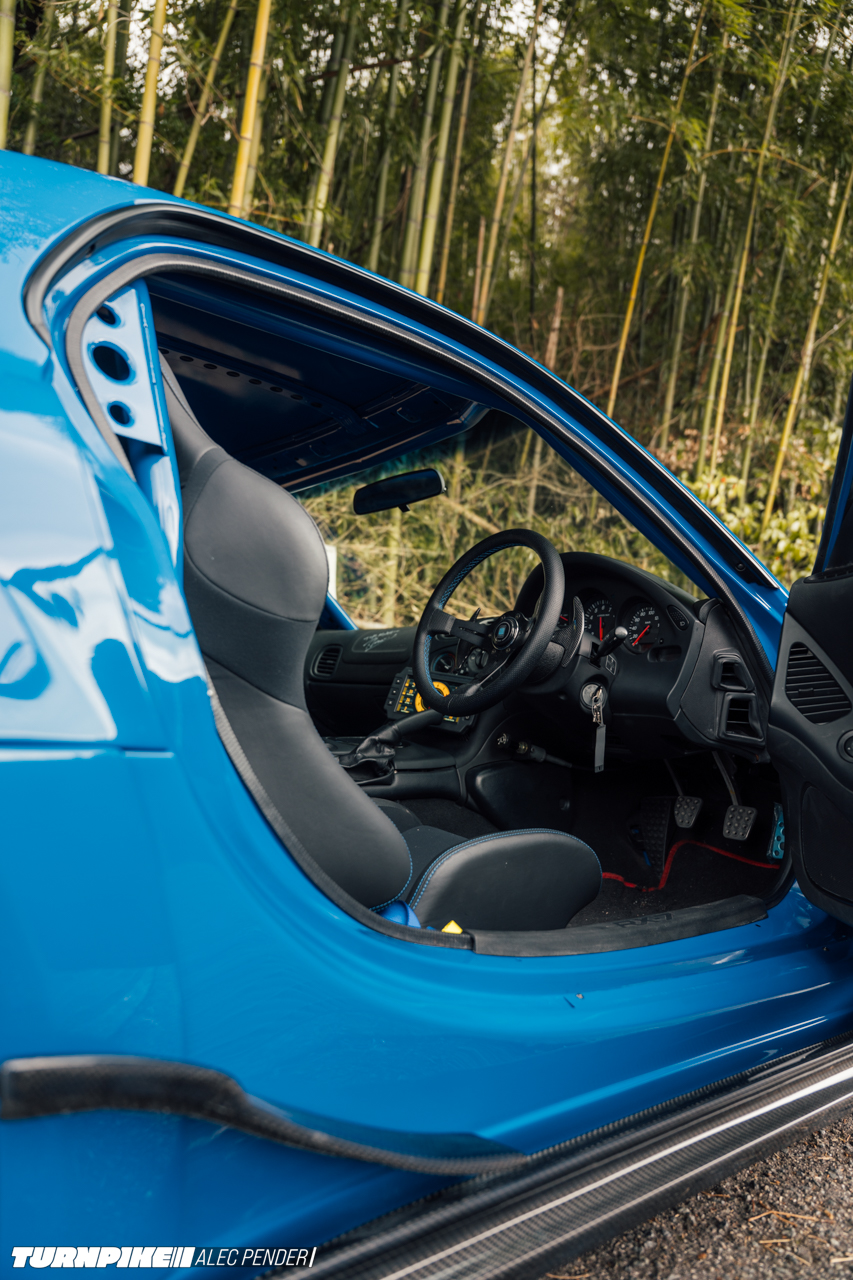
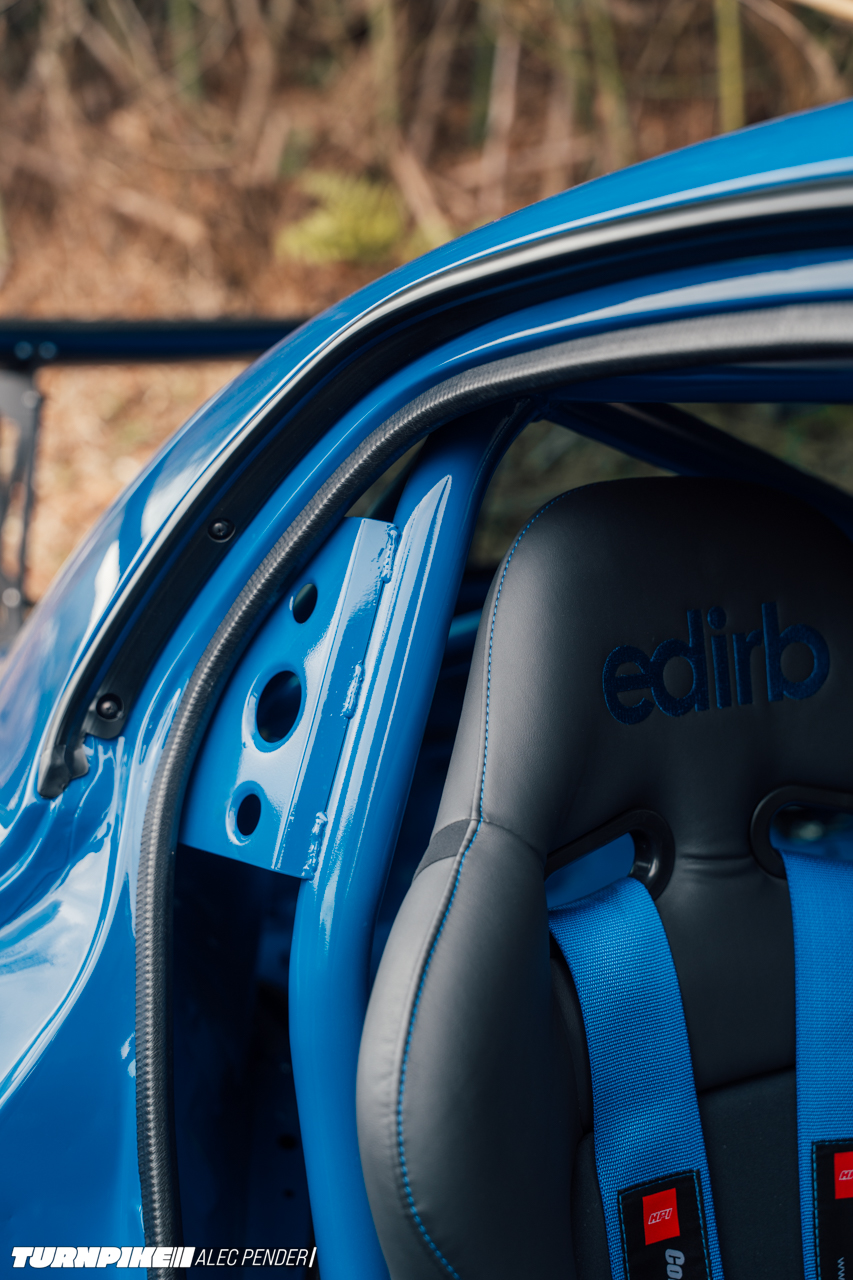
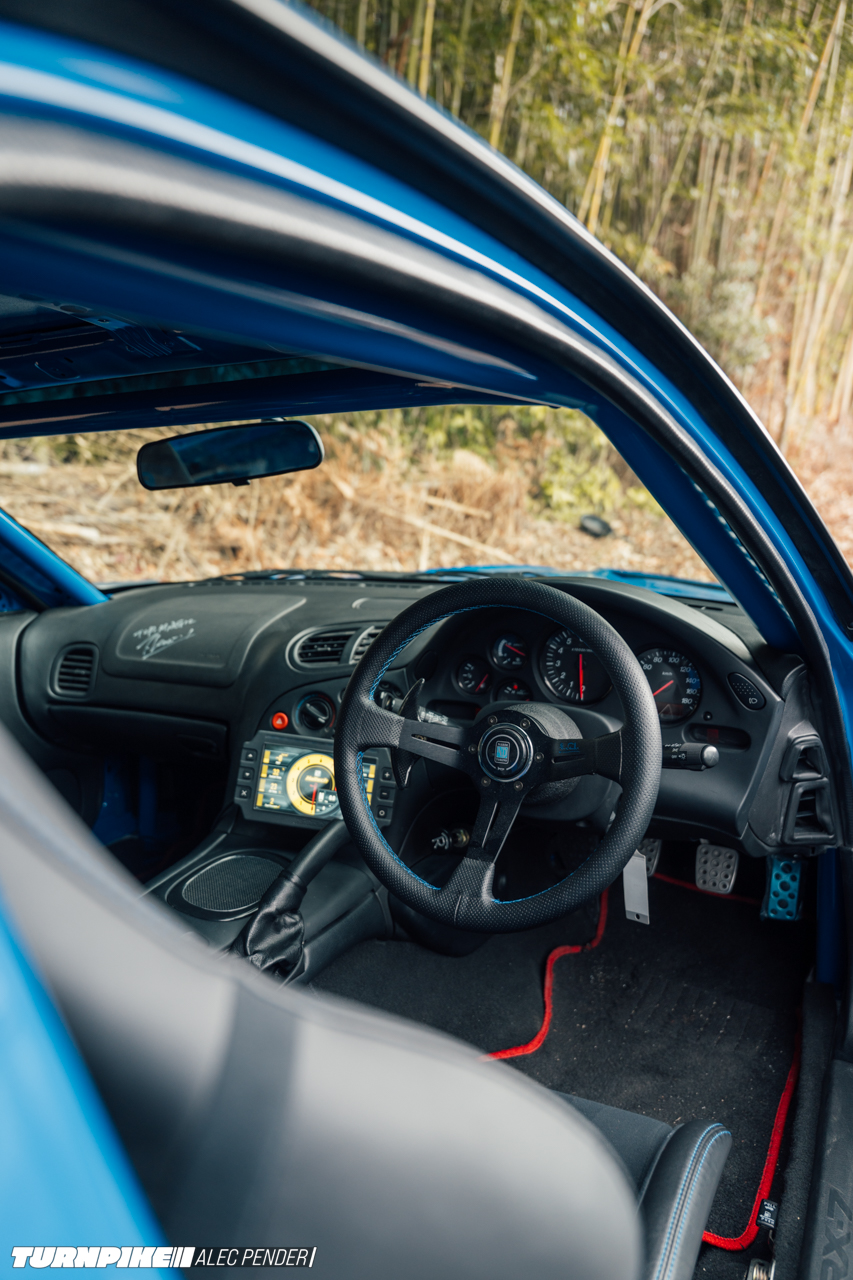
The transformation began with total commitment. The FD3S was taken down to bare metal, with every seam inspected and every imperfection addressed. Stitch-welding dramatically increased the rigidity of the aging chassis, while a custom, gusseted roll cage was integrated so nicely that it looks like it’s always belonged there. Once complete, the exposed interior metalwork was sprayed in the same vivid blue that’s used on the exterior.
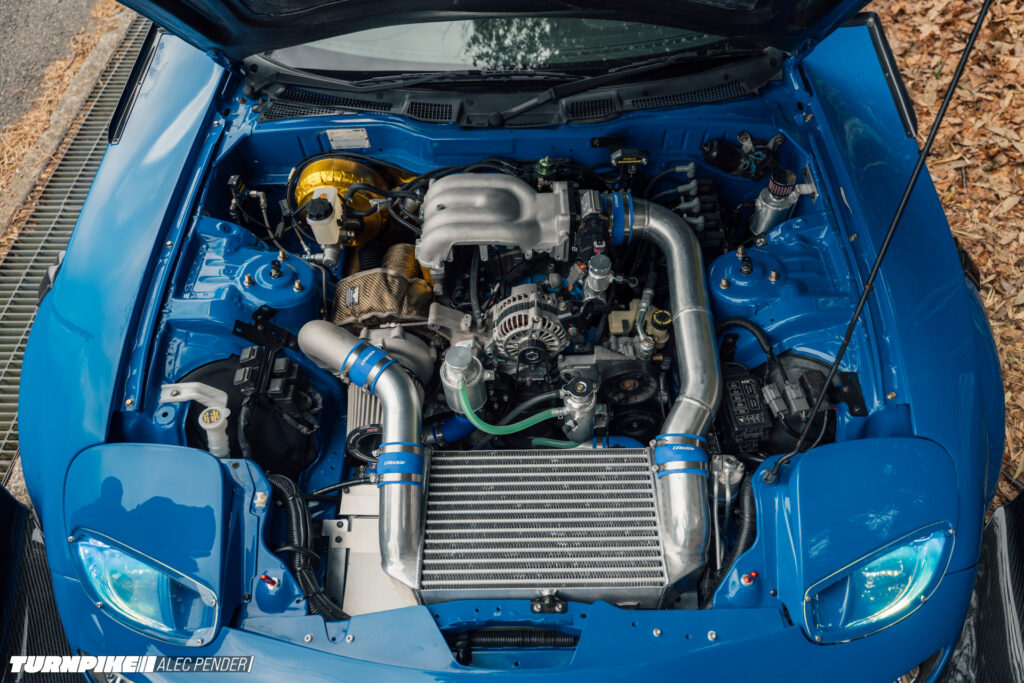
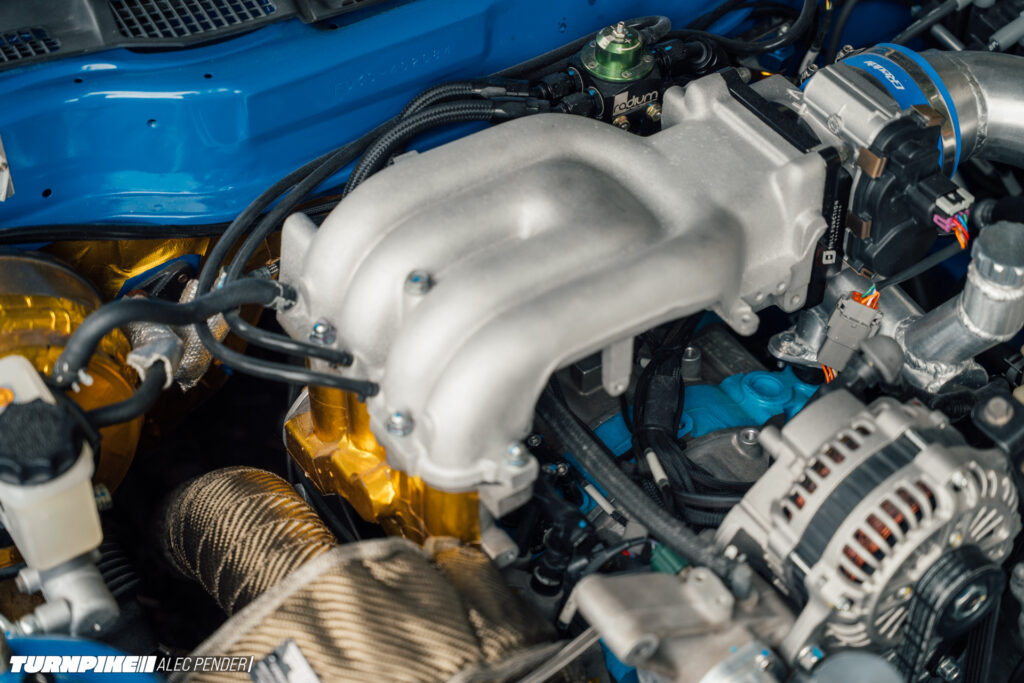
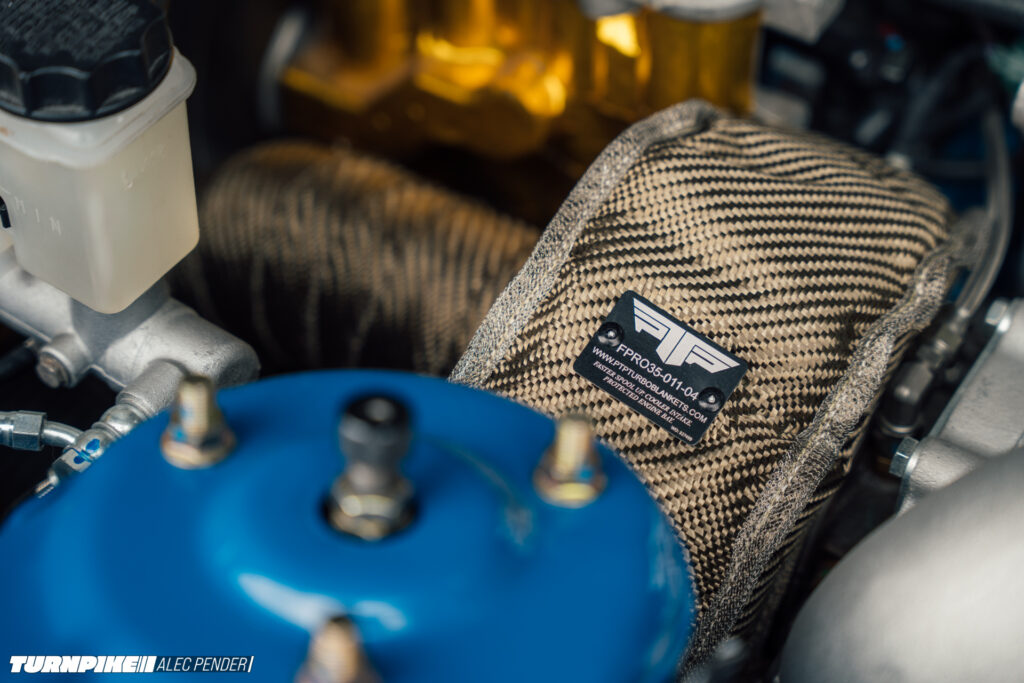
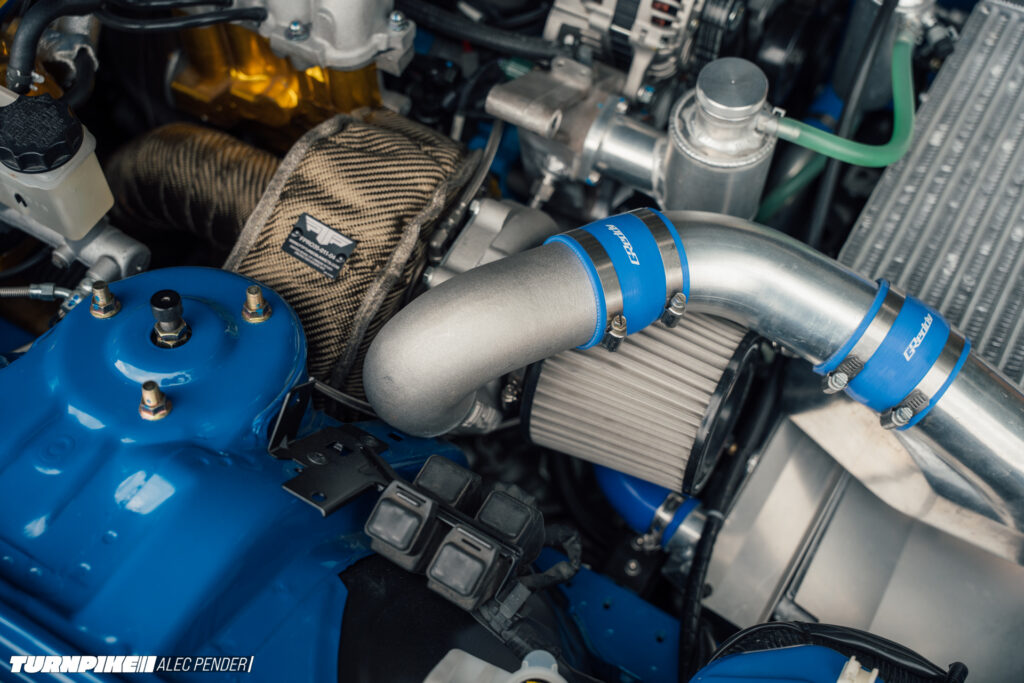
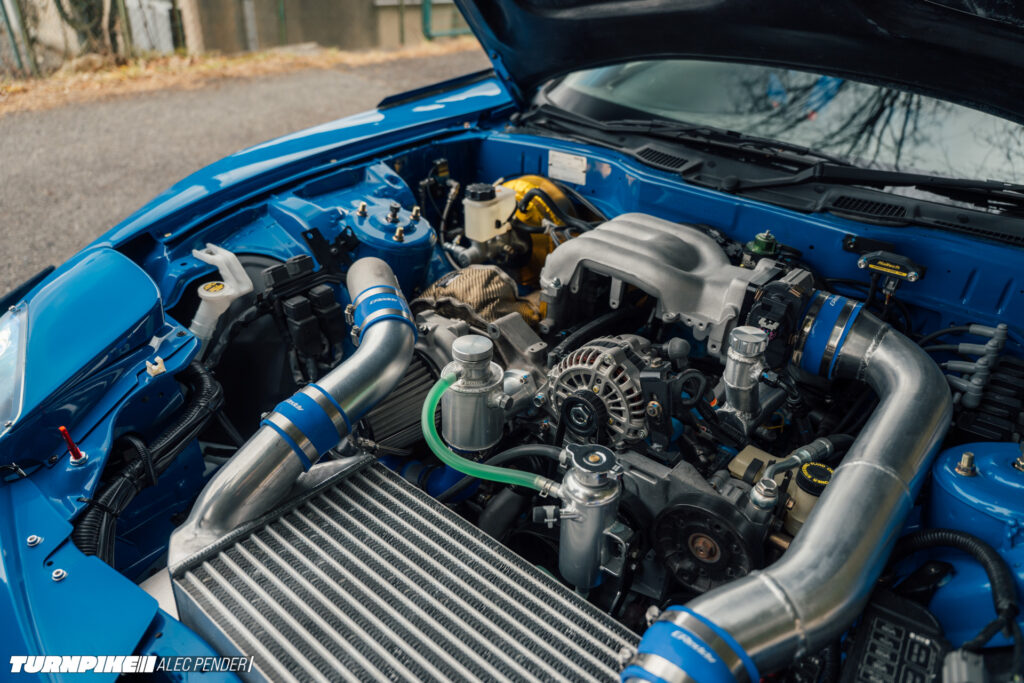
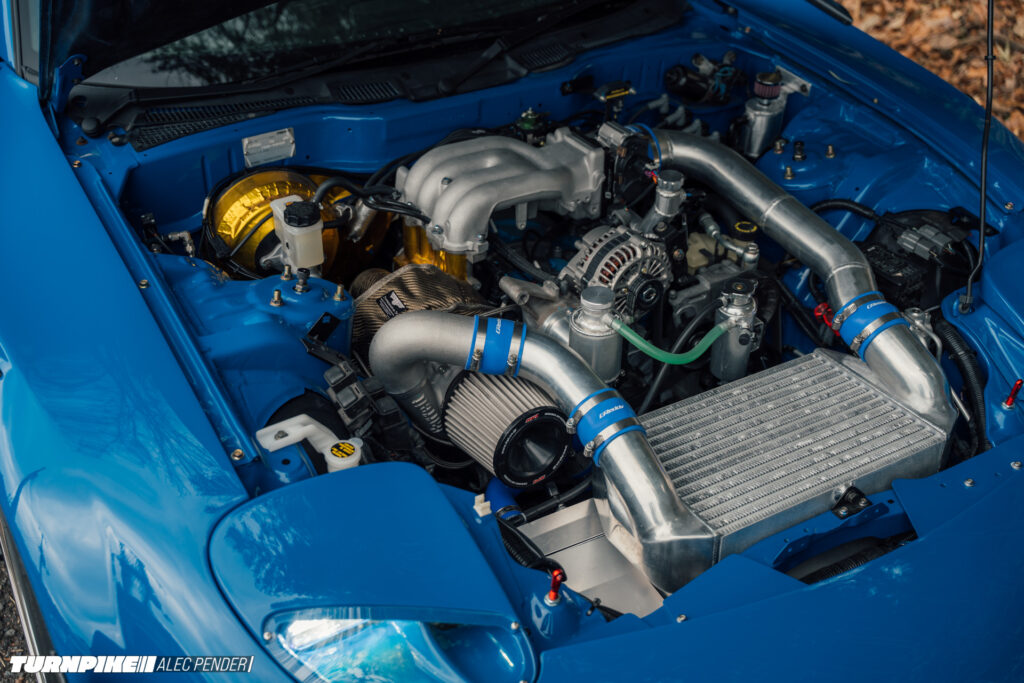
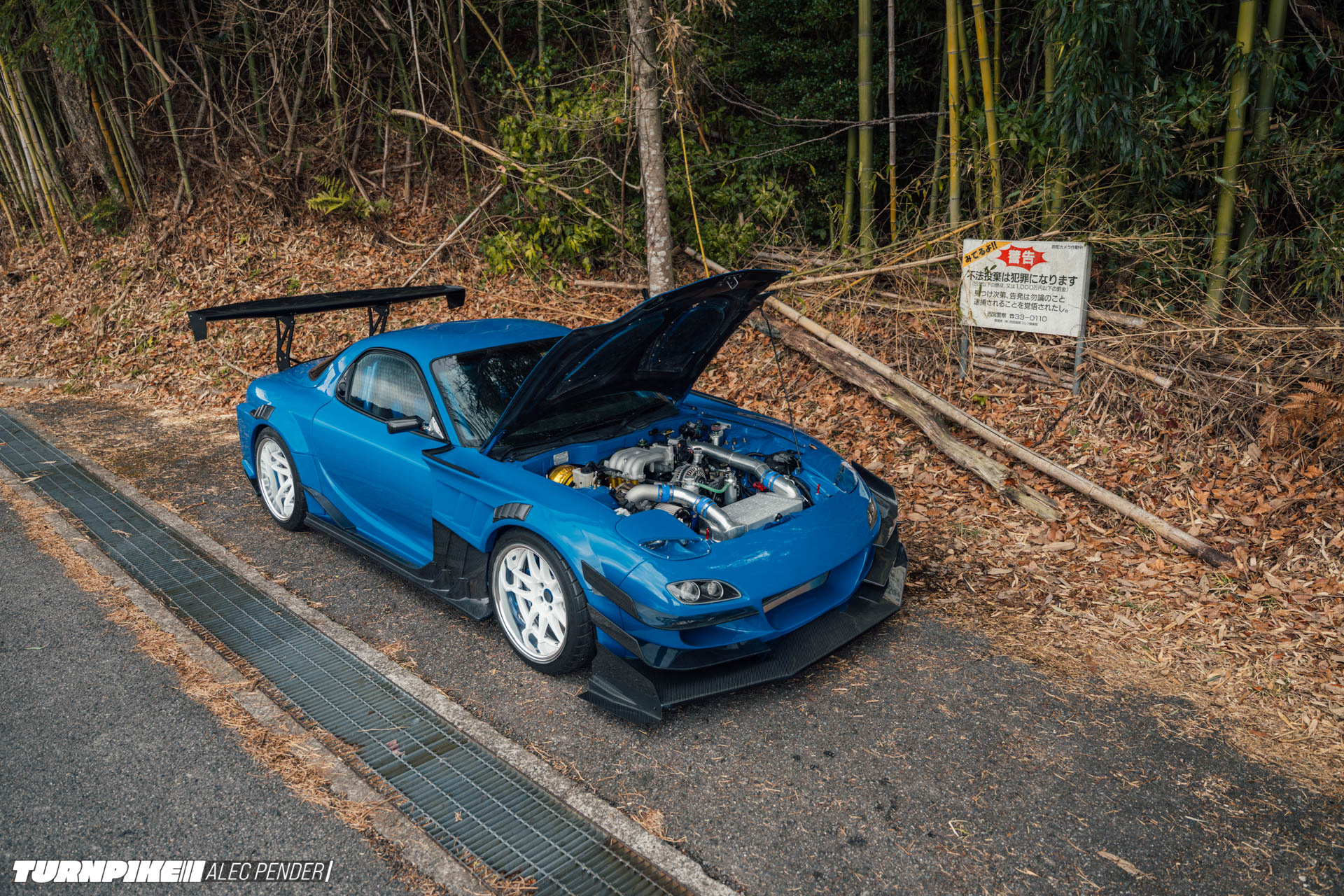
At the heart of the build is TCP Magic 13B-REW, bridgeported and hand-assembled by Kawato-san. It sits alongside the Garrett single turbo, which is controlled by the twin Turbosmart external wastegates, while a GReddy v-mounted intercooler keeps intake and engine temps in check. All told, the 13B produces a solid but reliable 500hp.
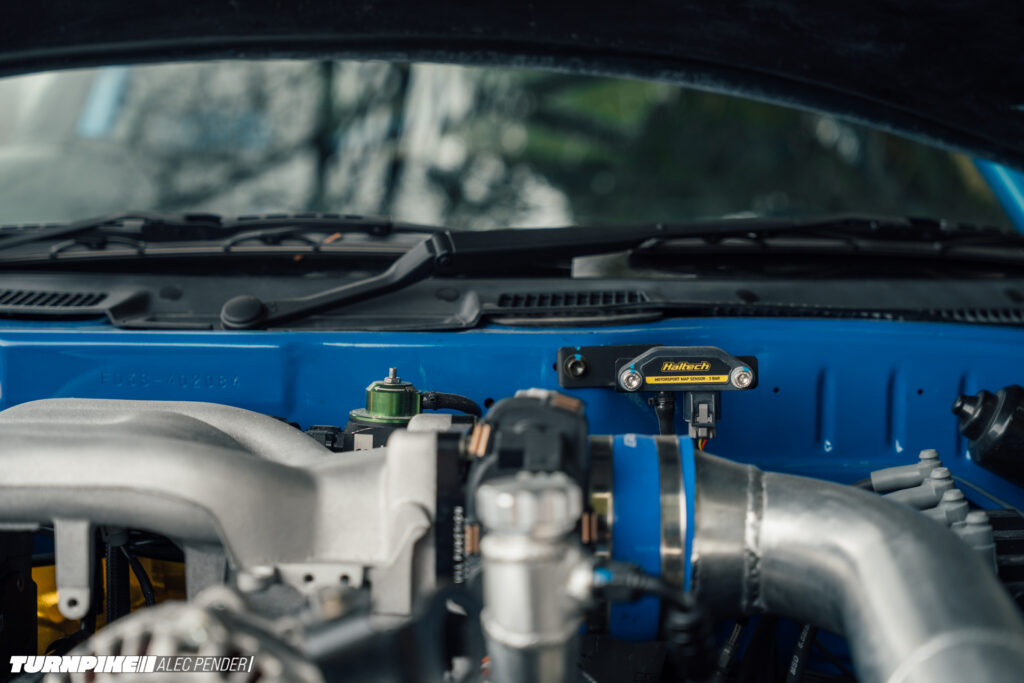
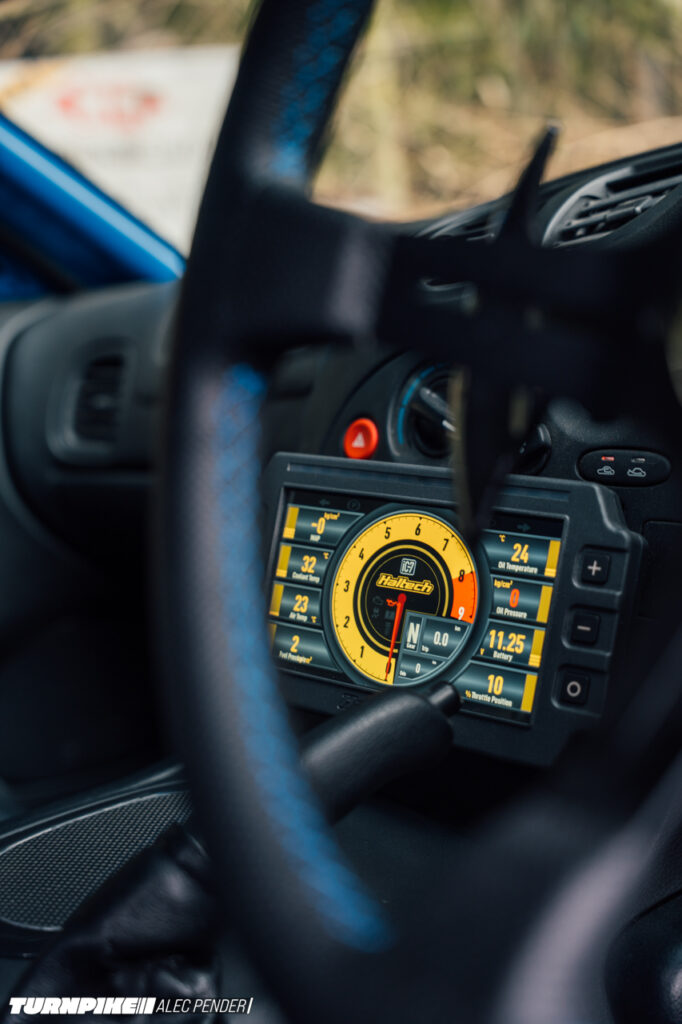
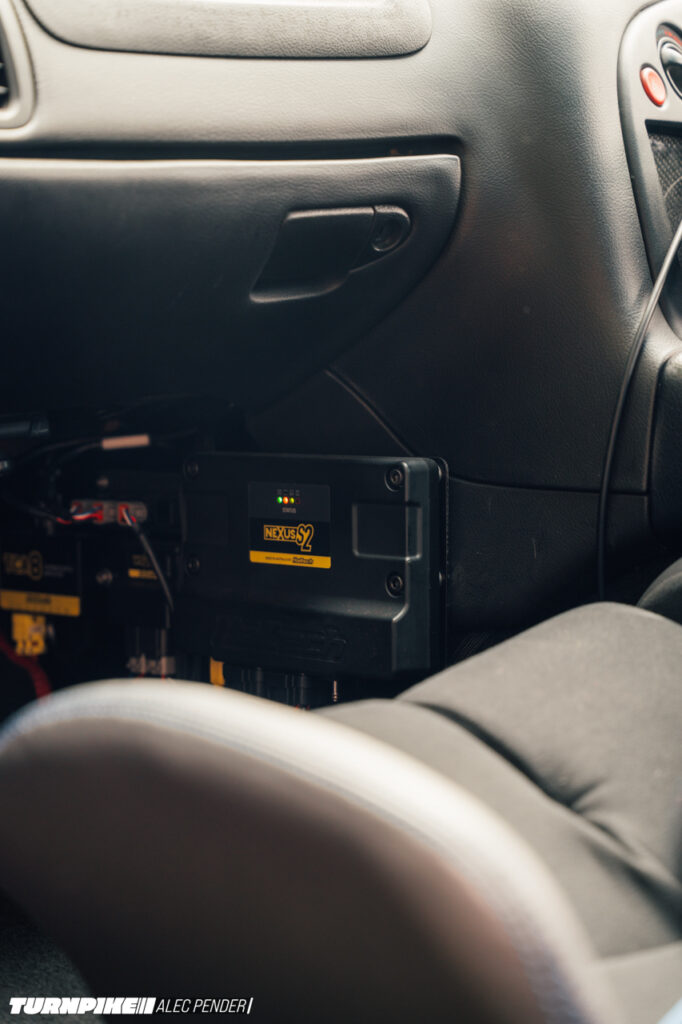
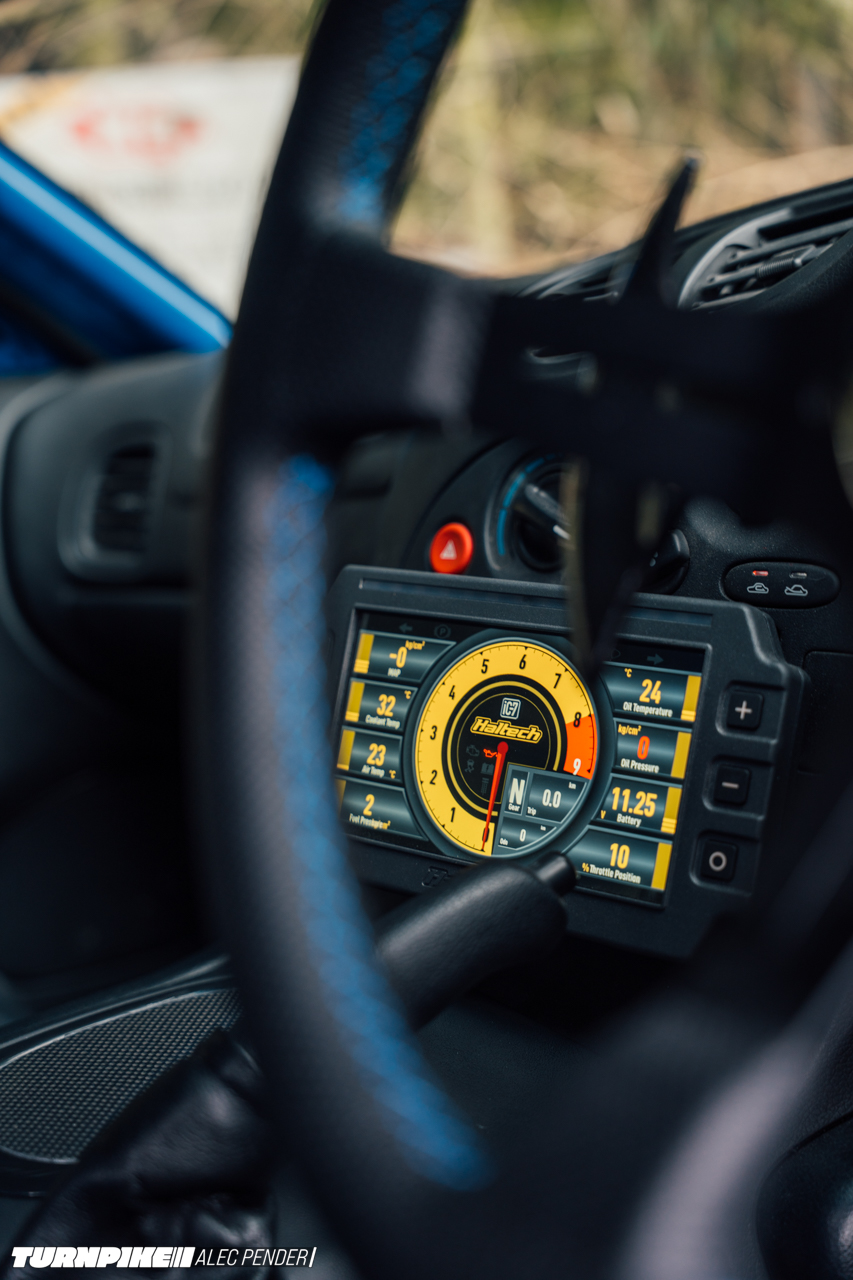
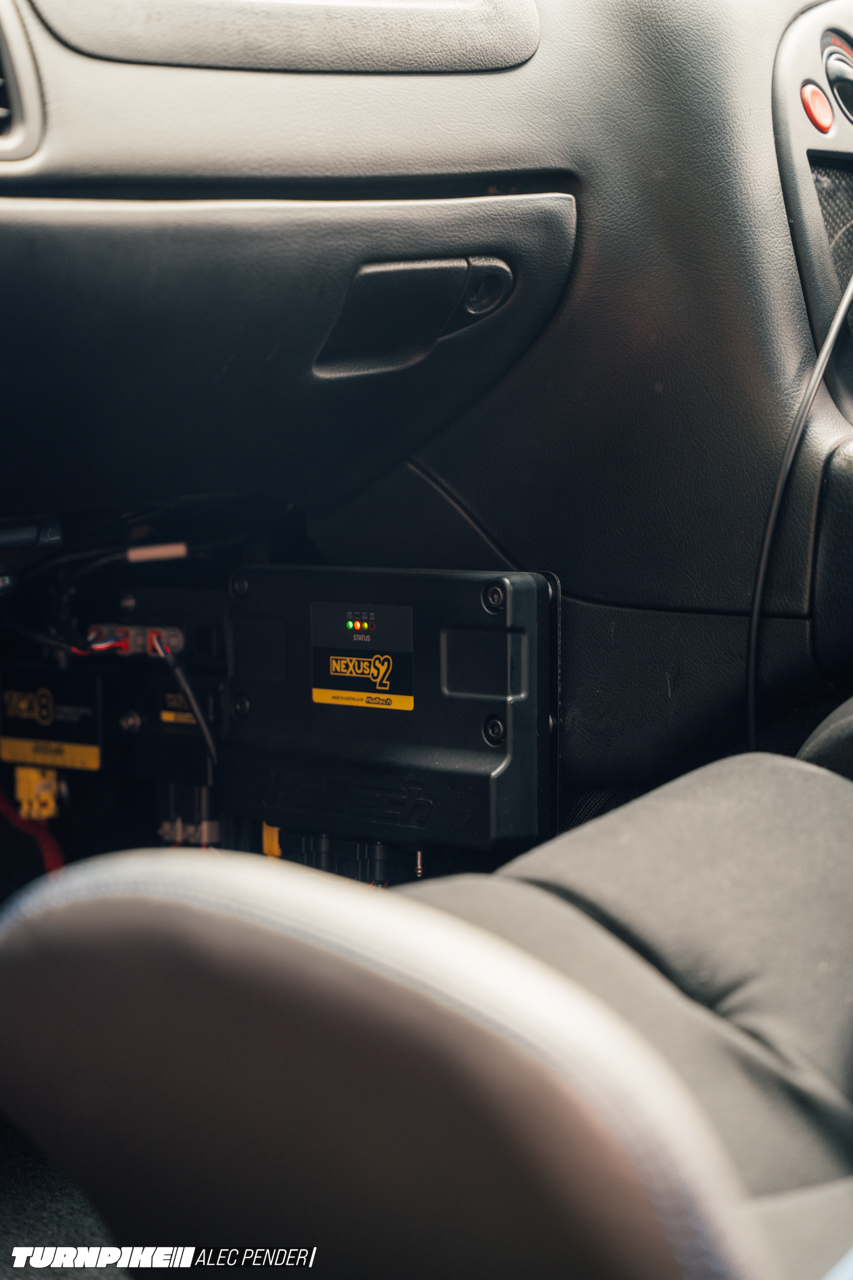
Power delivery is managed by a Haltech Nexus ECU, paired with a Haltech IC-7 LCD screen mounted cleanly in the car’s center console. The Nexus system allows precise calibration, data logging, and adaptability, which is essential given Jakarta’s tropical climate and inconsistent fuel quality. Kawato-san himself will fly out to Indonesia to finalize the ECU setup, ensuring the tune is perfectly matched to local conditions.
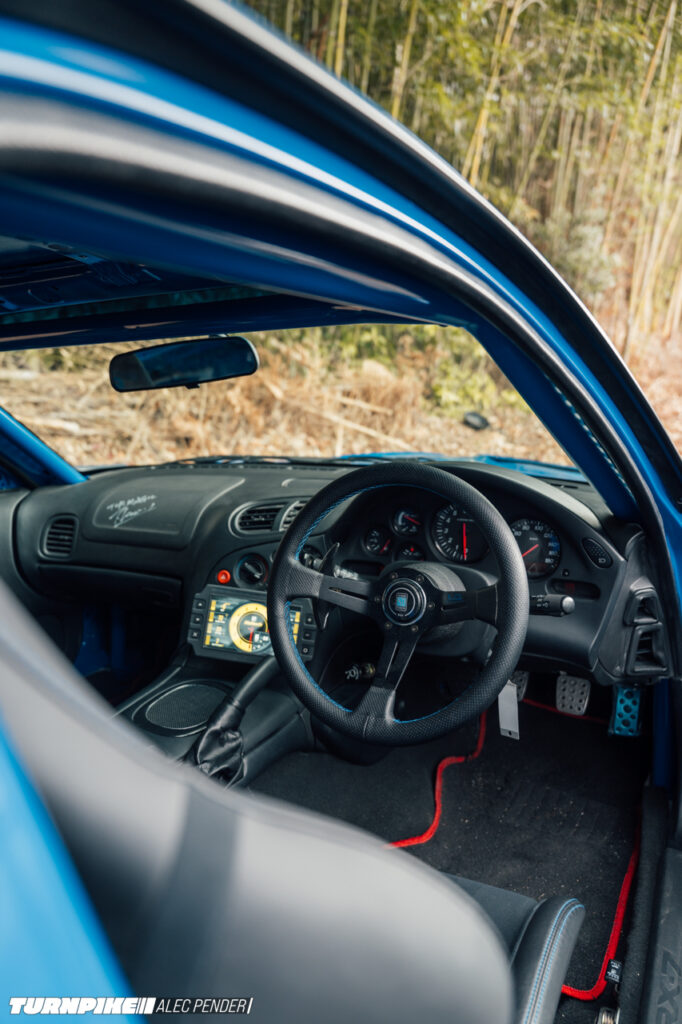
While we’re inside, if you had to pick the most standard feature of the interior, it would be what’s missing: a shift lever. Instead of its original Mazda 5-speed gearbox, the RX-7 features an HGT sequential transmission, air-shifted via paddles mounted behind the steering wheel. The system transforms the driving experience while maximizing engine performance.
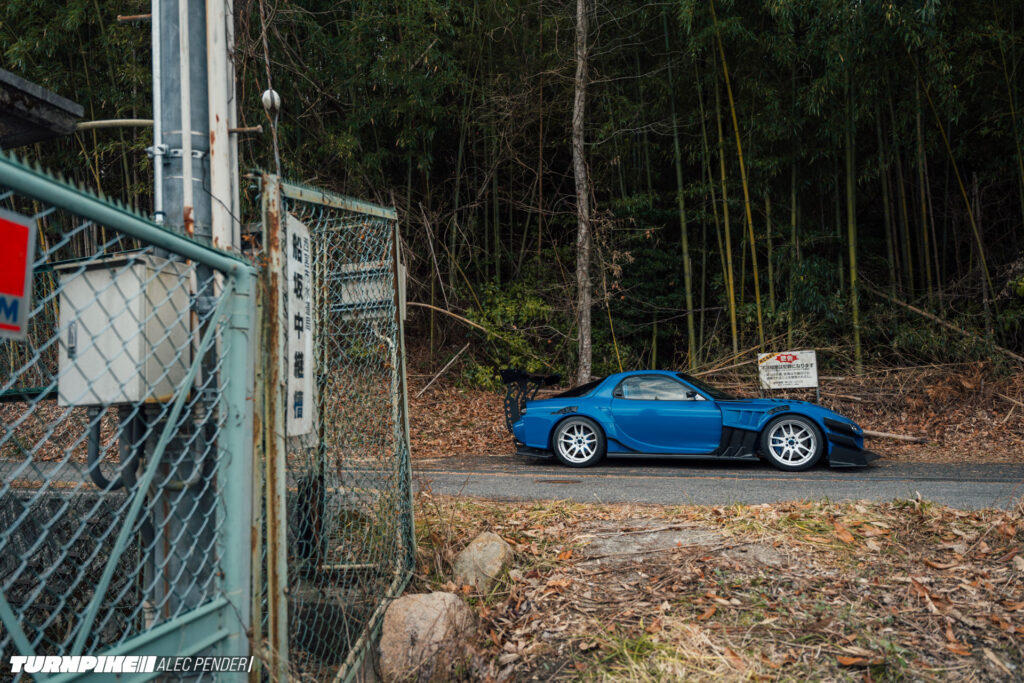
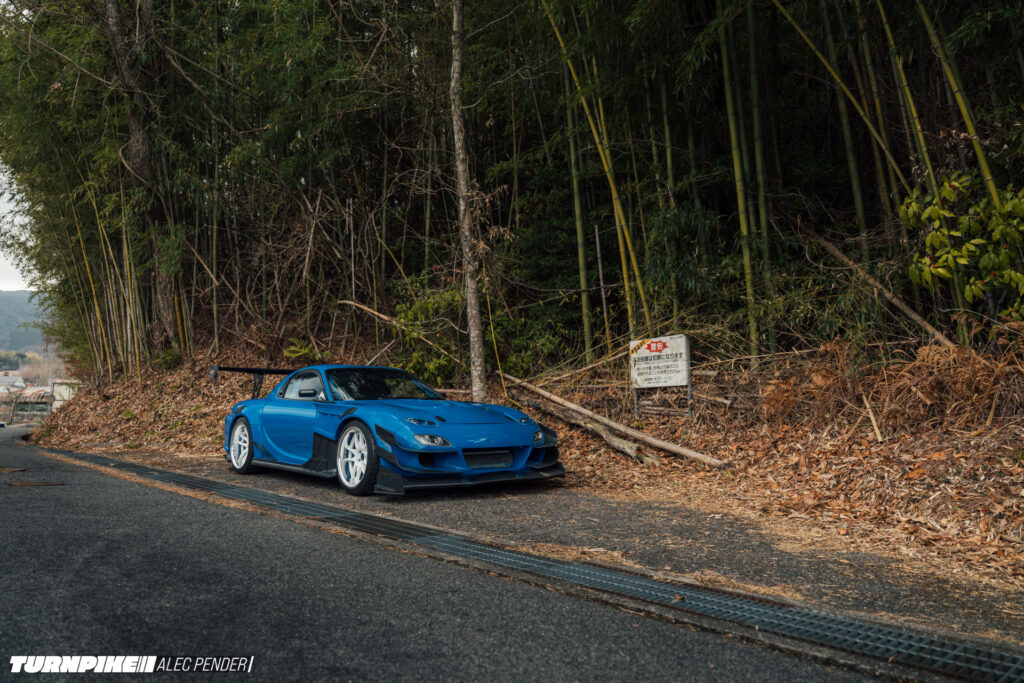
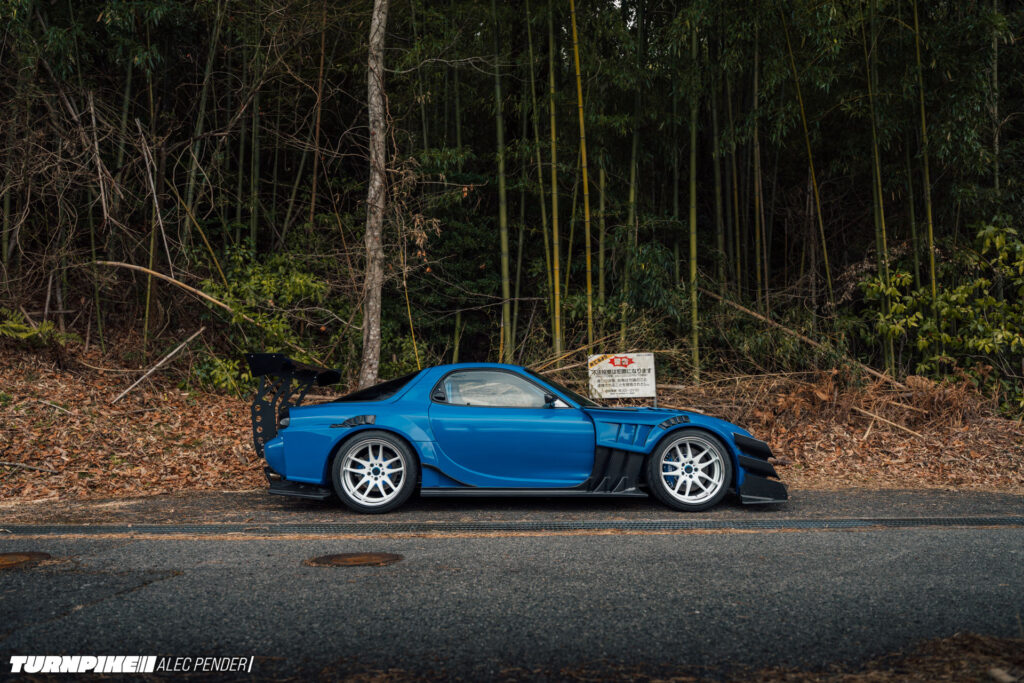
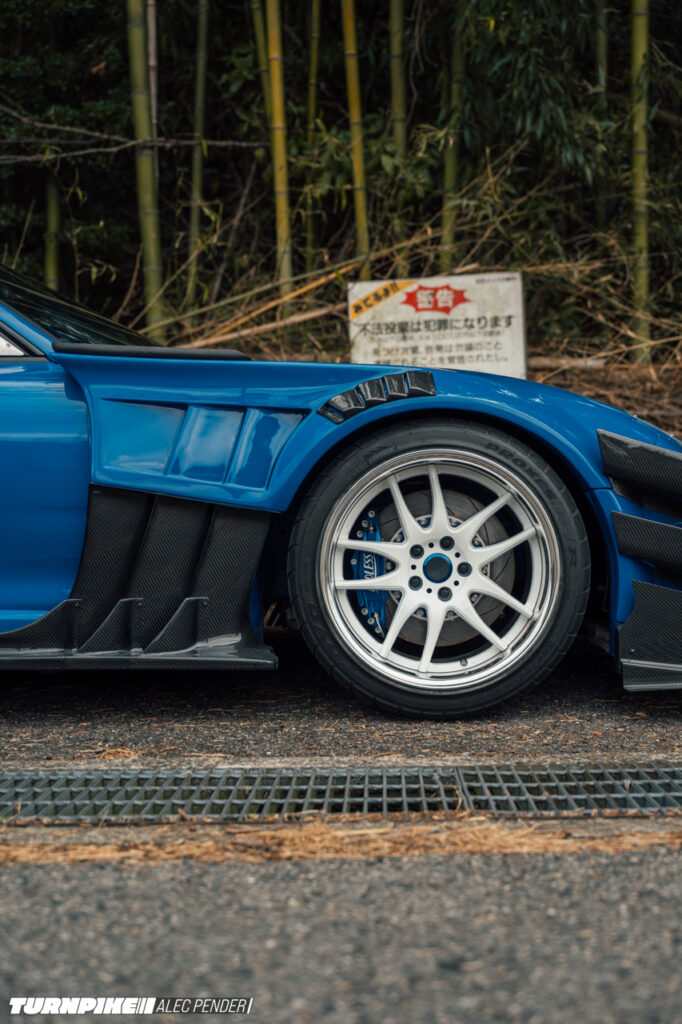
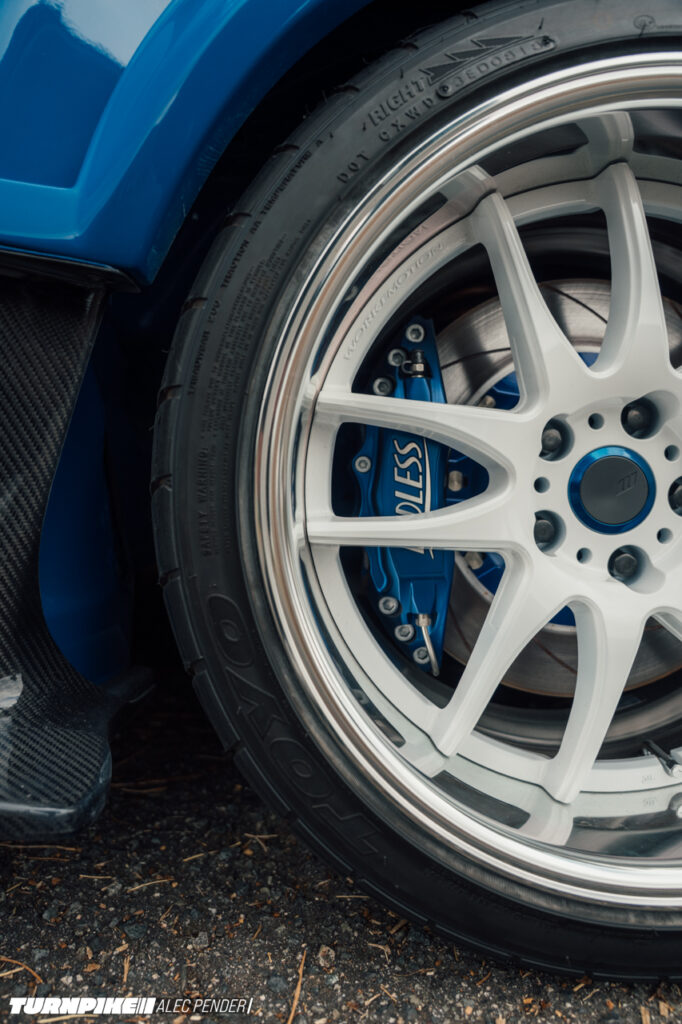
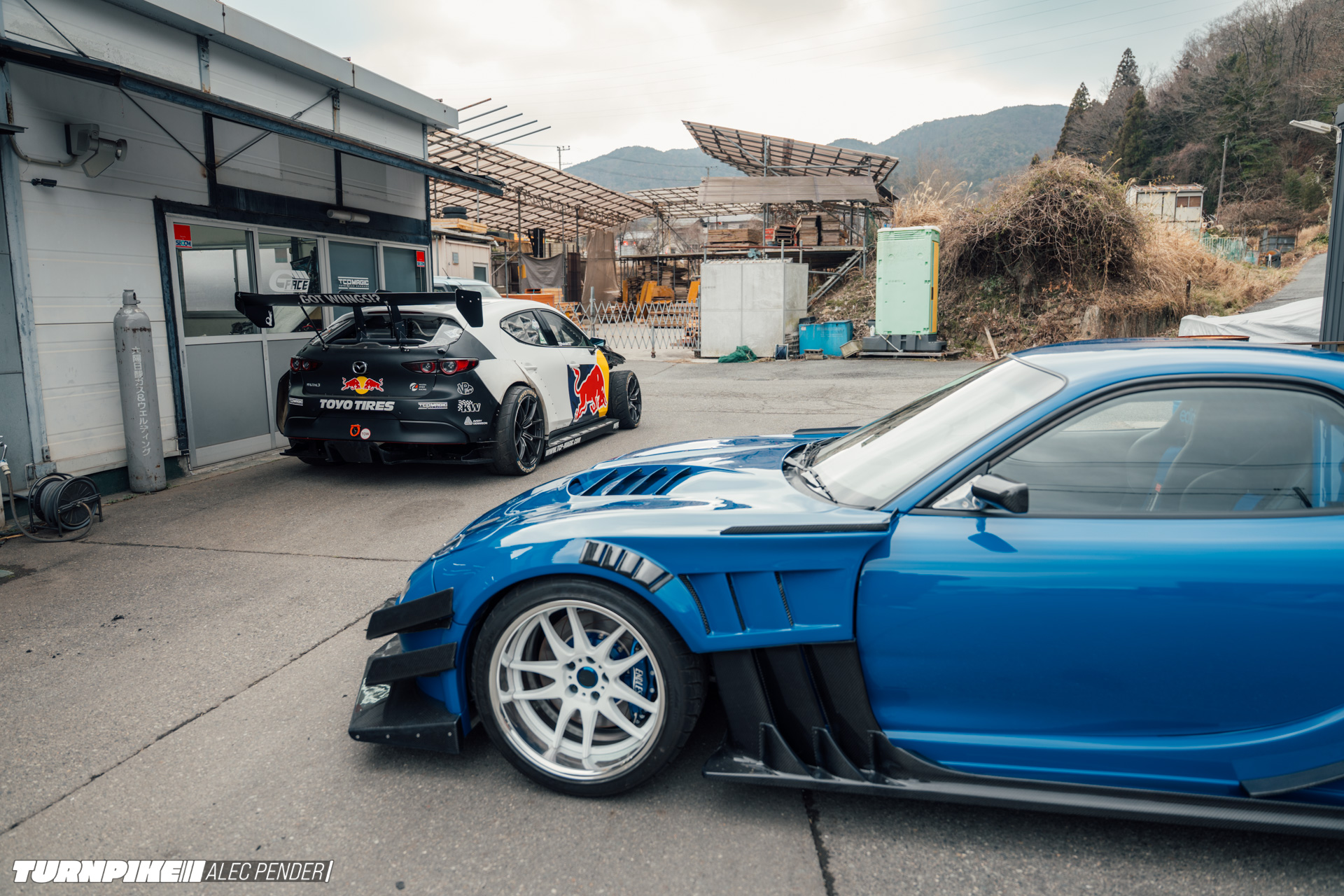
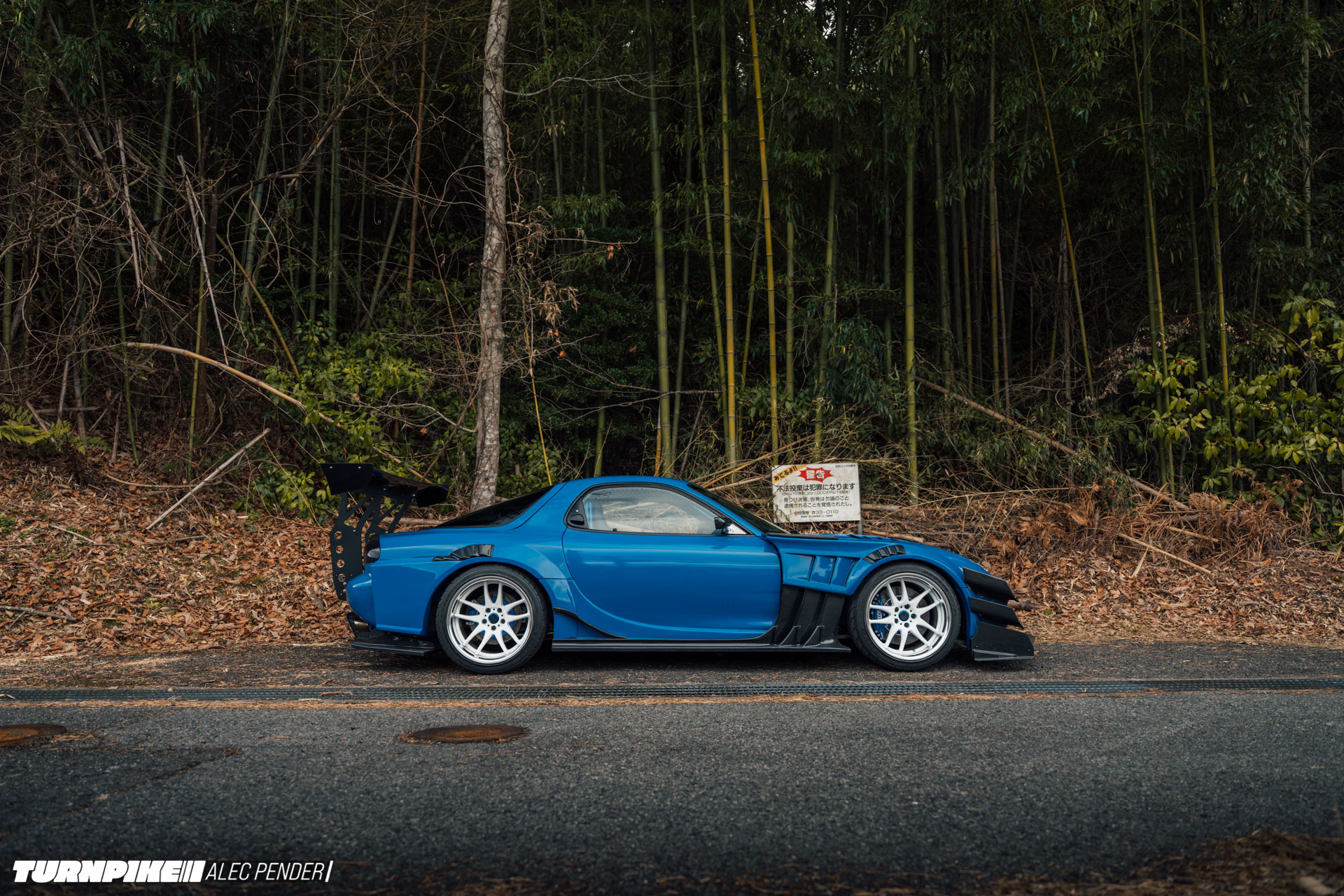
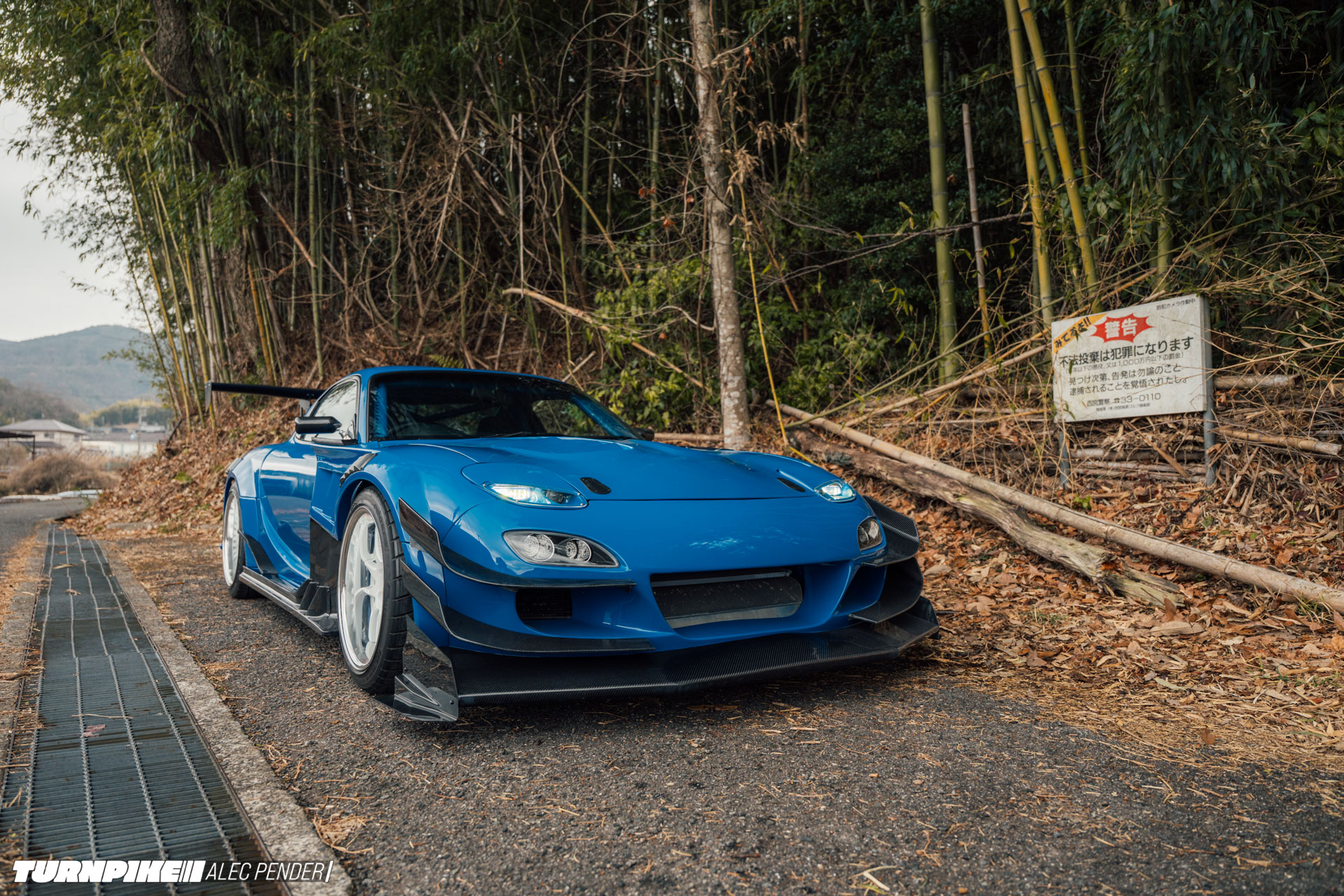
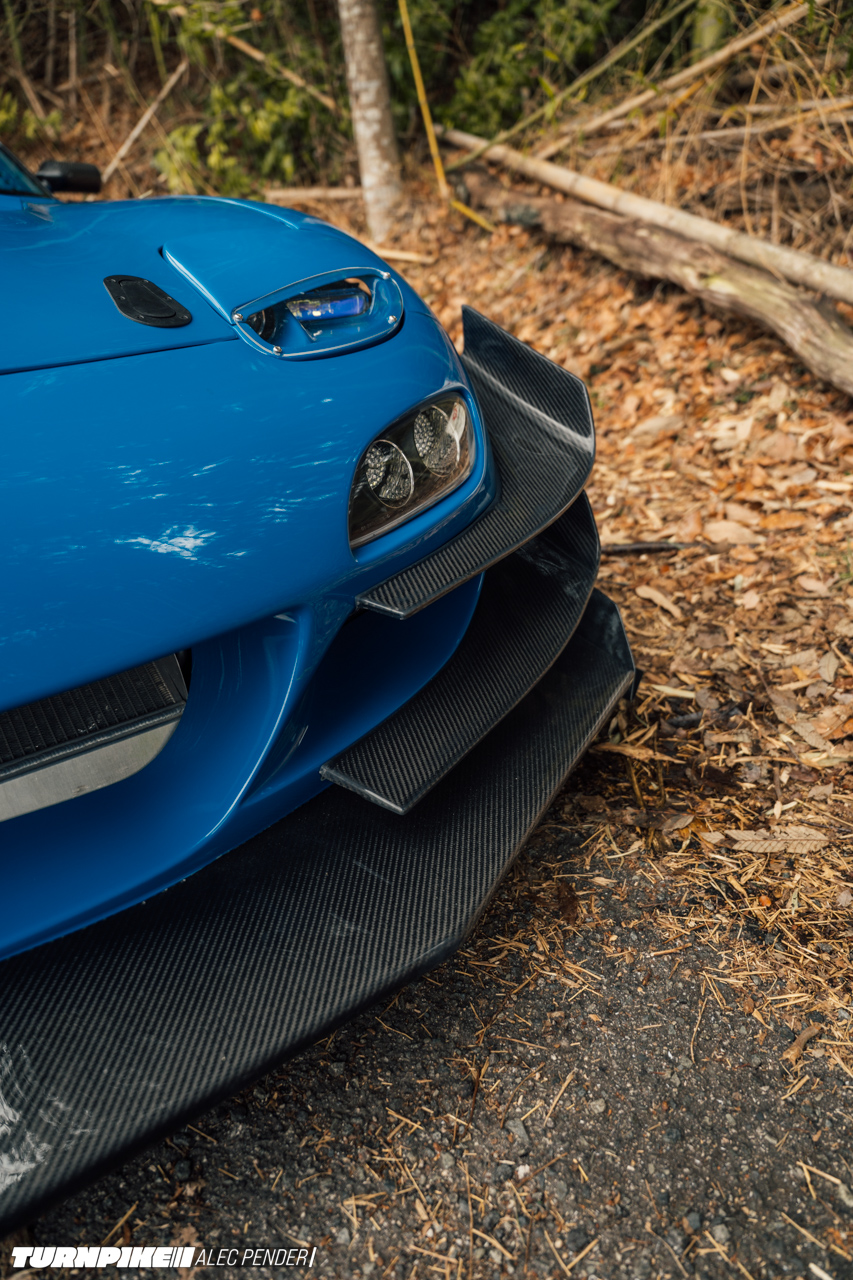
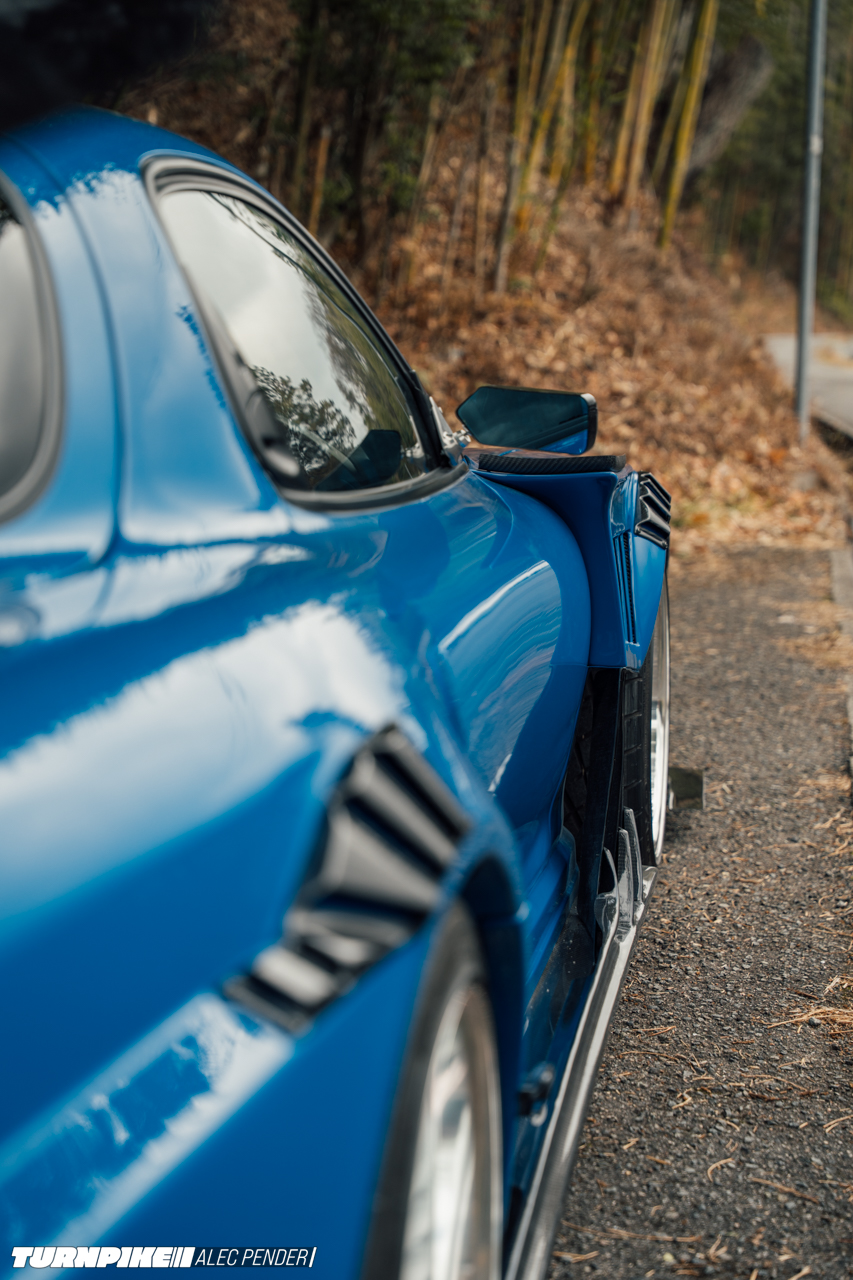
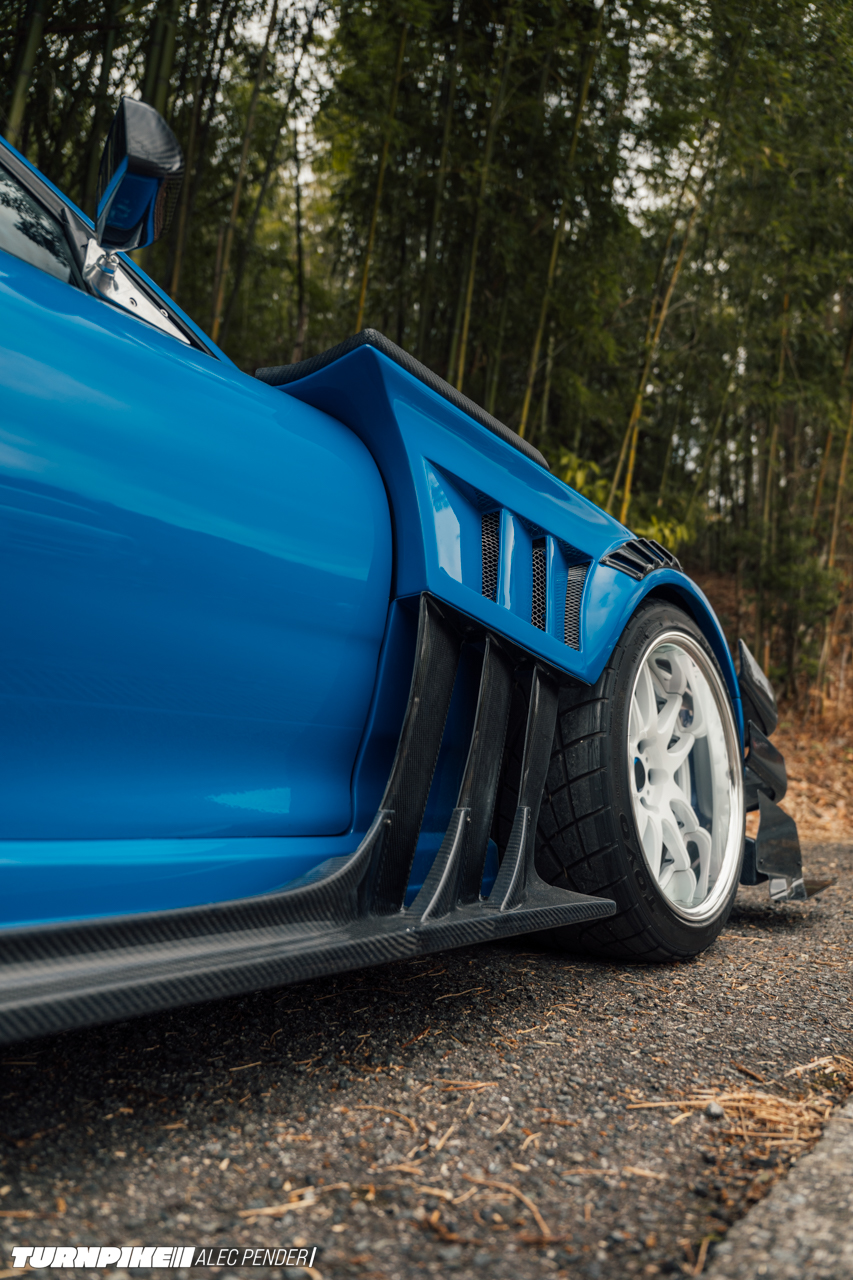
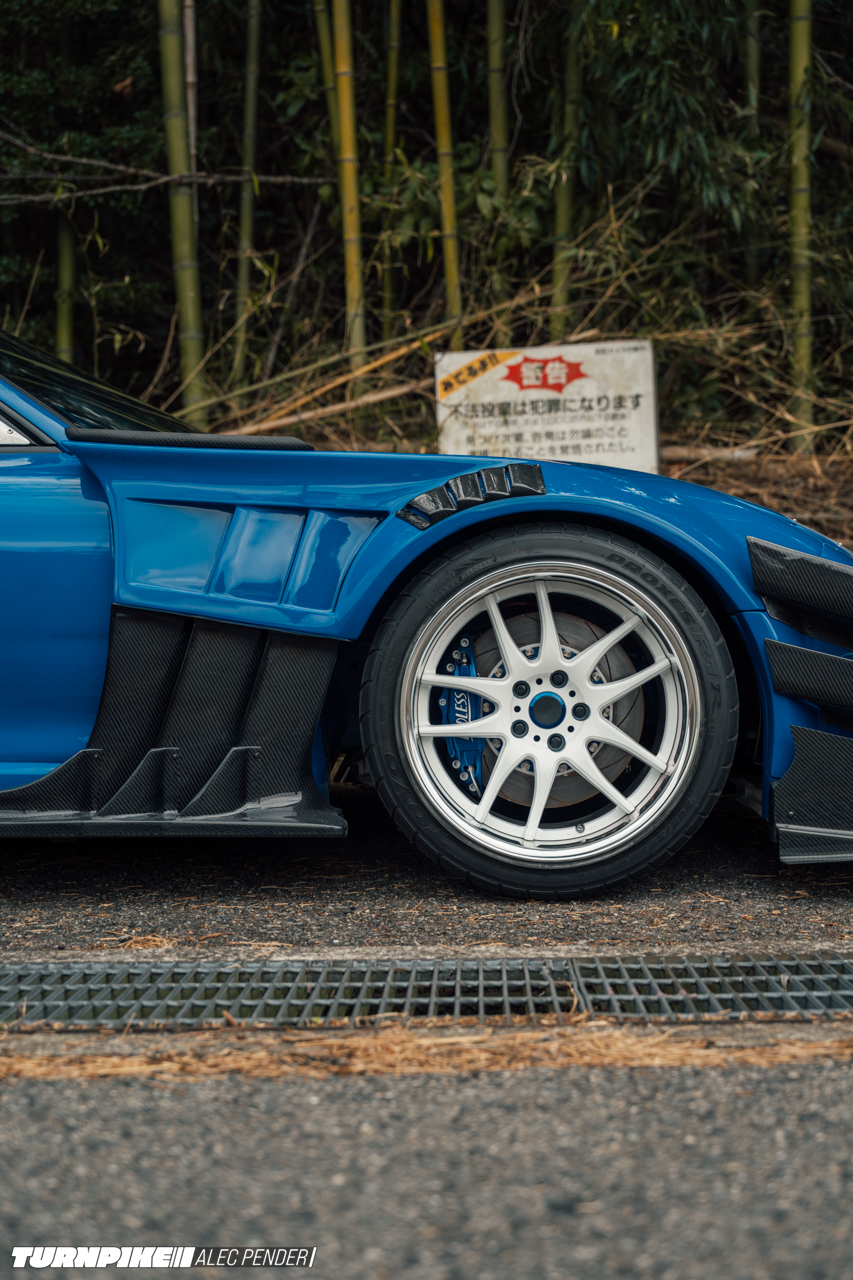
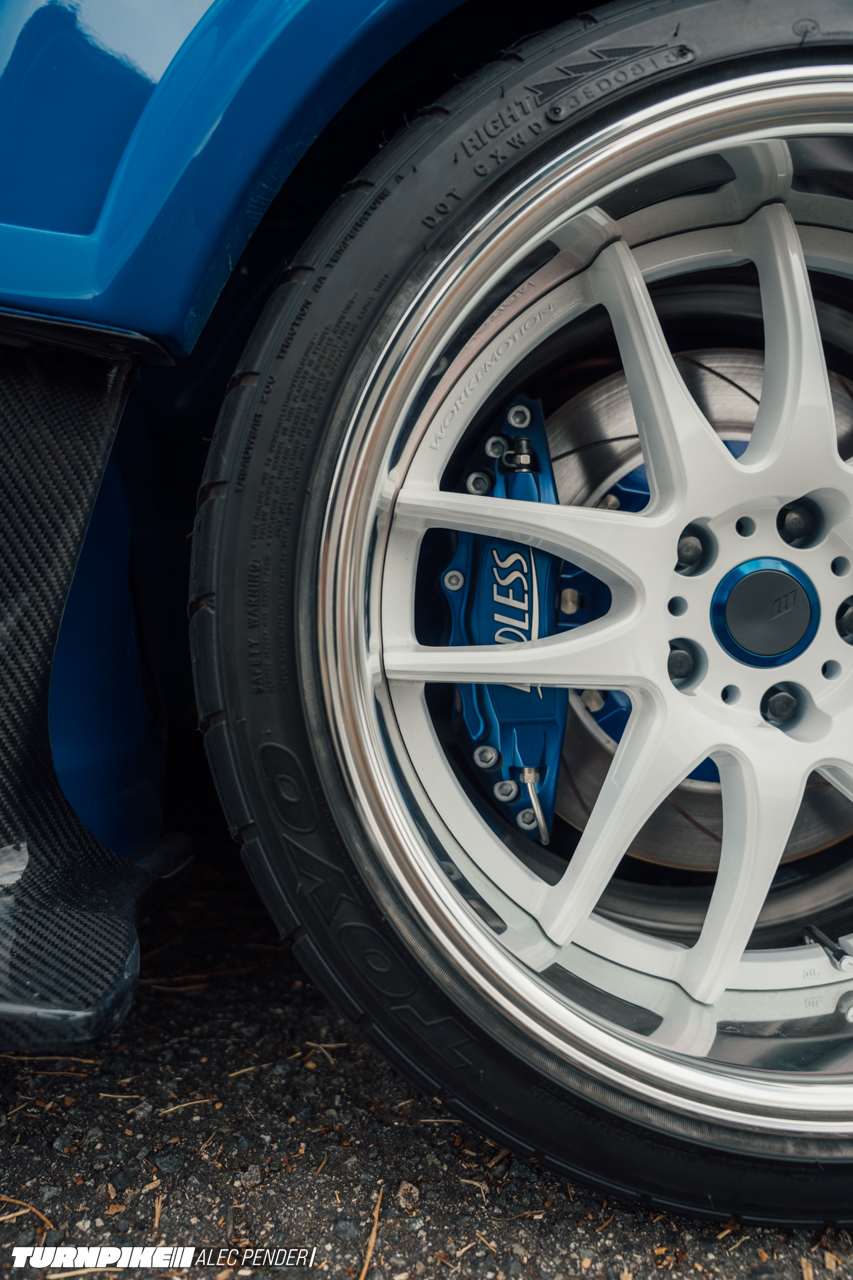
Outside, the Mazda wears the complete TCP Magic Type TT Version 2 body kit, its wide fenders extending over Work Emotion CR 2P wheels. The stance is low and purposeful, but the ride height may need to be slightly lifted to ensure the car can easily negotiate less-than-perfect Indonesian roads without damaging the expensive aero. For brakes, massive Endless six-pot front calipers on giant two-piece rotors provide serious stopping power.
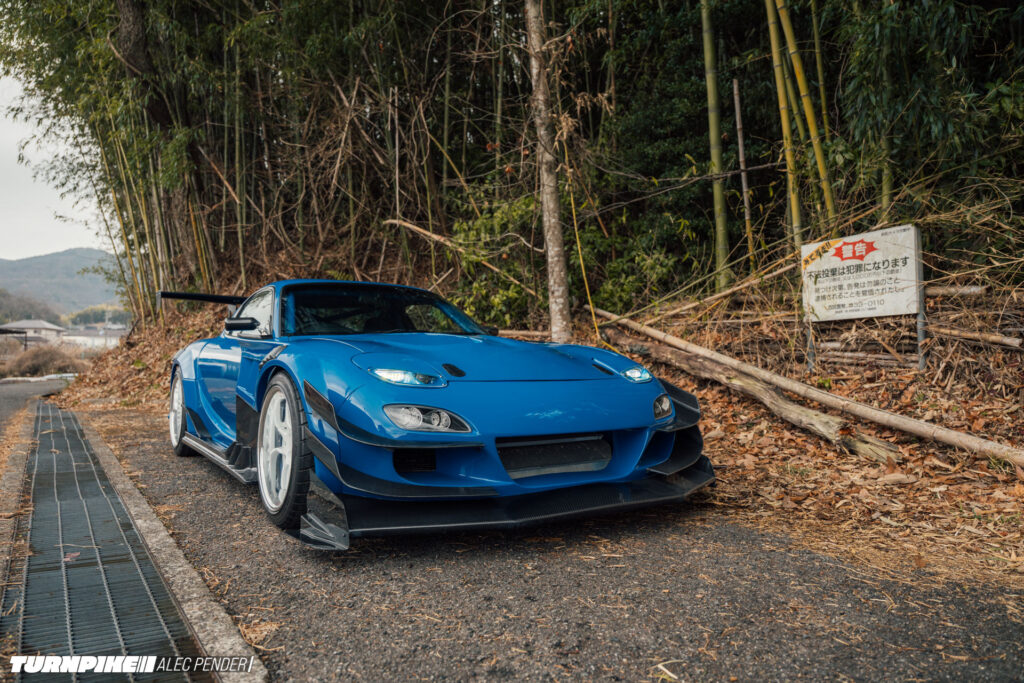
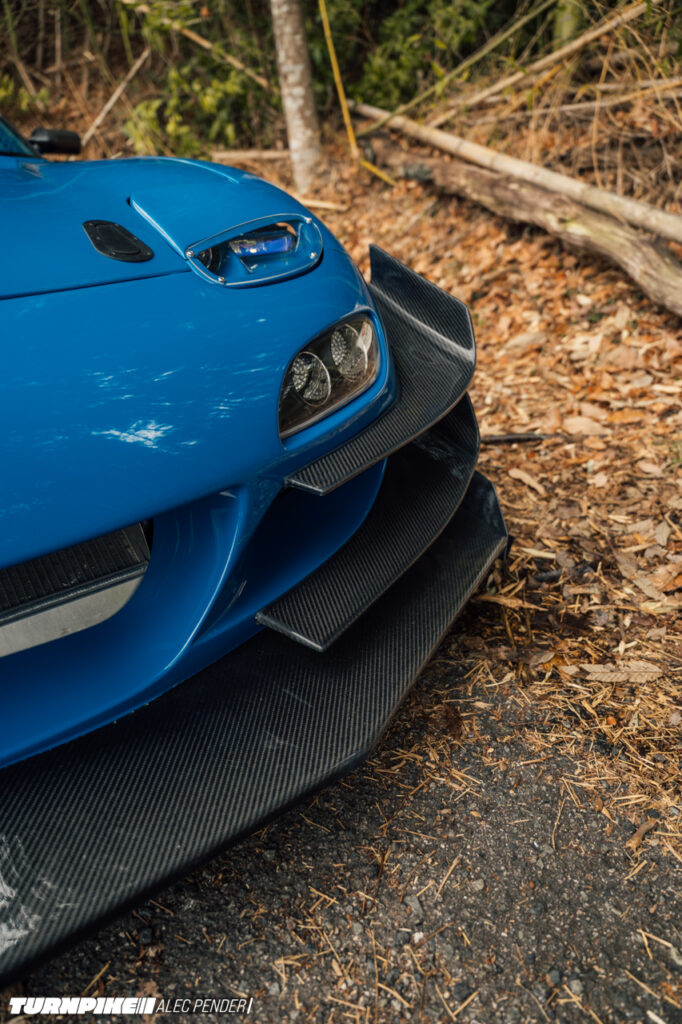
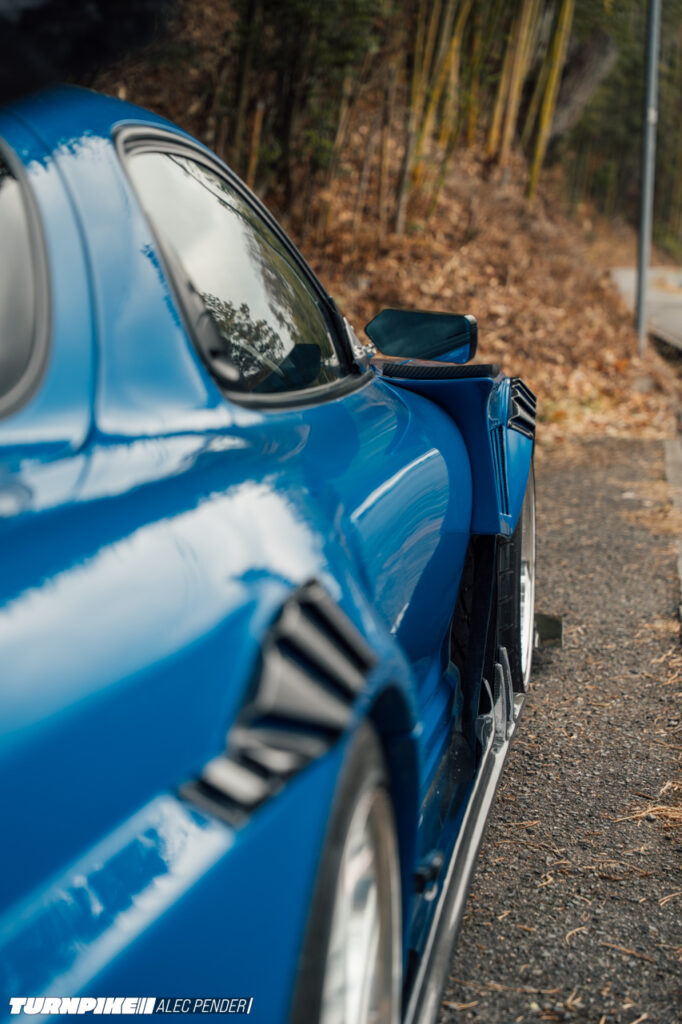
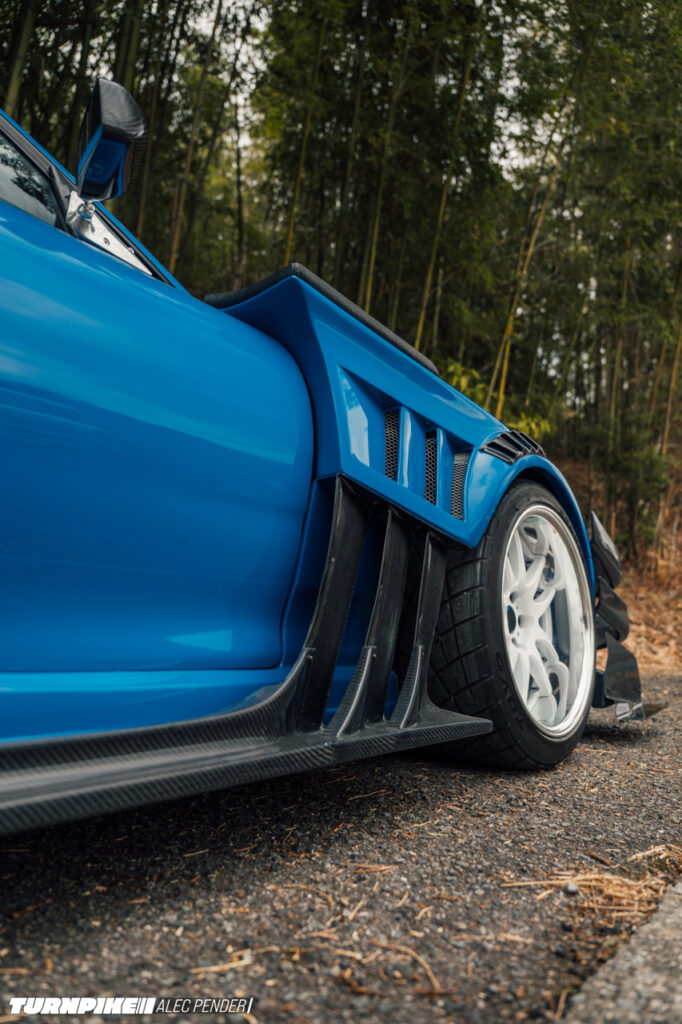
Throughout the build, Kawato-san refused to rush the process, waiting to source only the best components. Like most ‘90s modern classics, parts are in short supply, so the project became an exercise in patience. But I’m sure the wait will have been worth it for the Mazda’s owner, who will very soon take delivery of this stunning machine.
A street car engineered with the heart of a race car, by one of the very best rotary minds in the game – what more could you want in an RX-7?




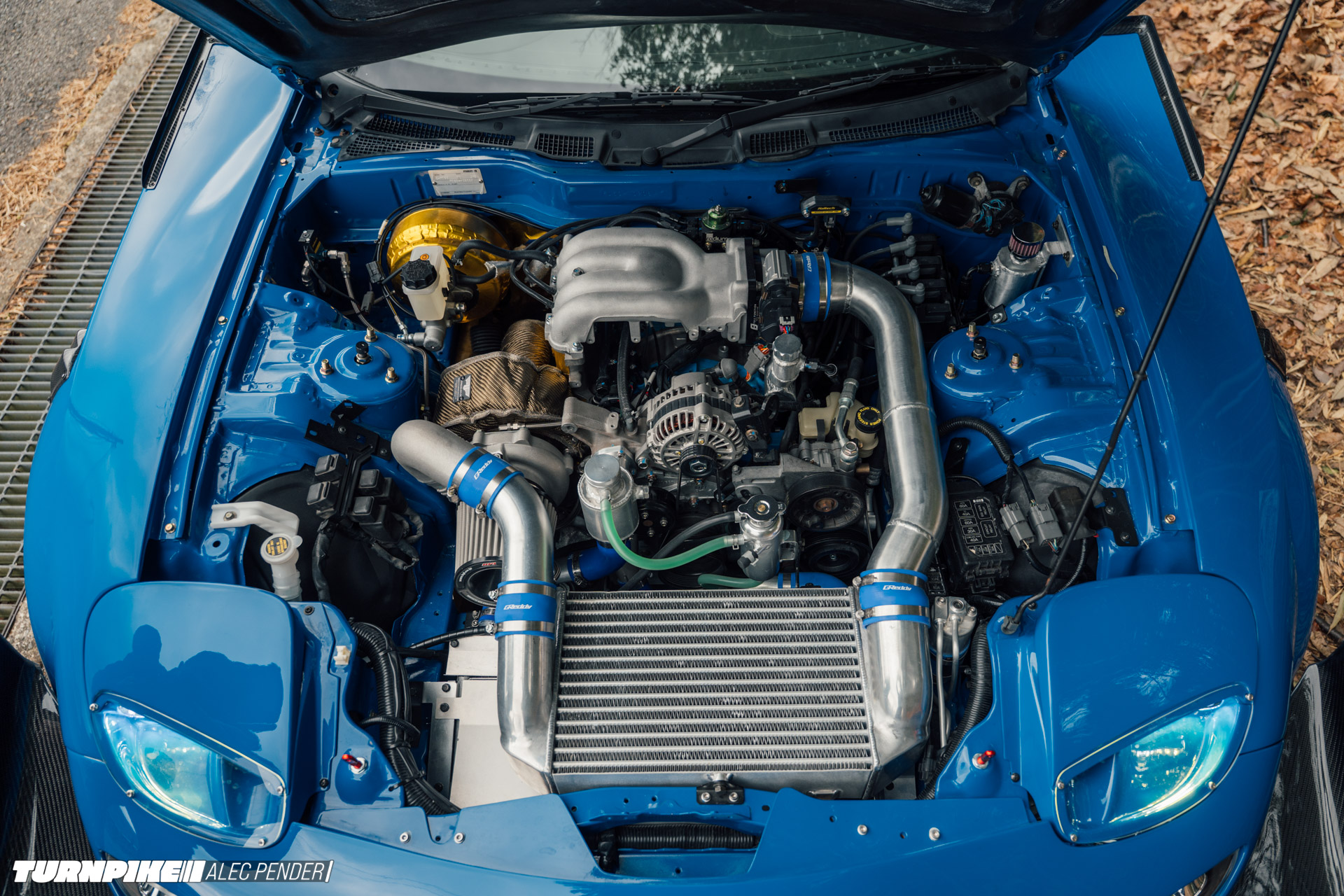
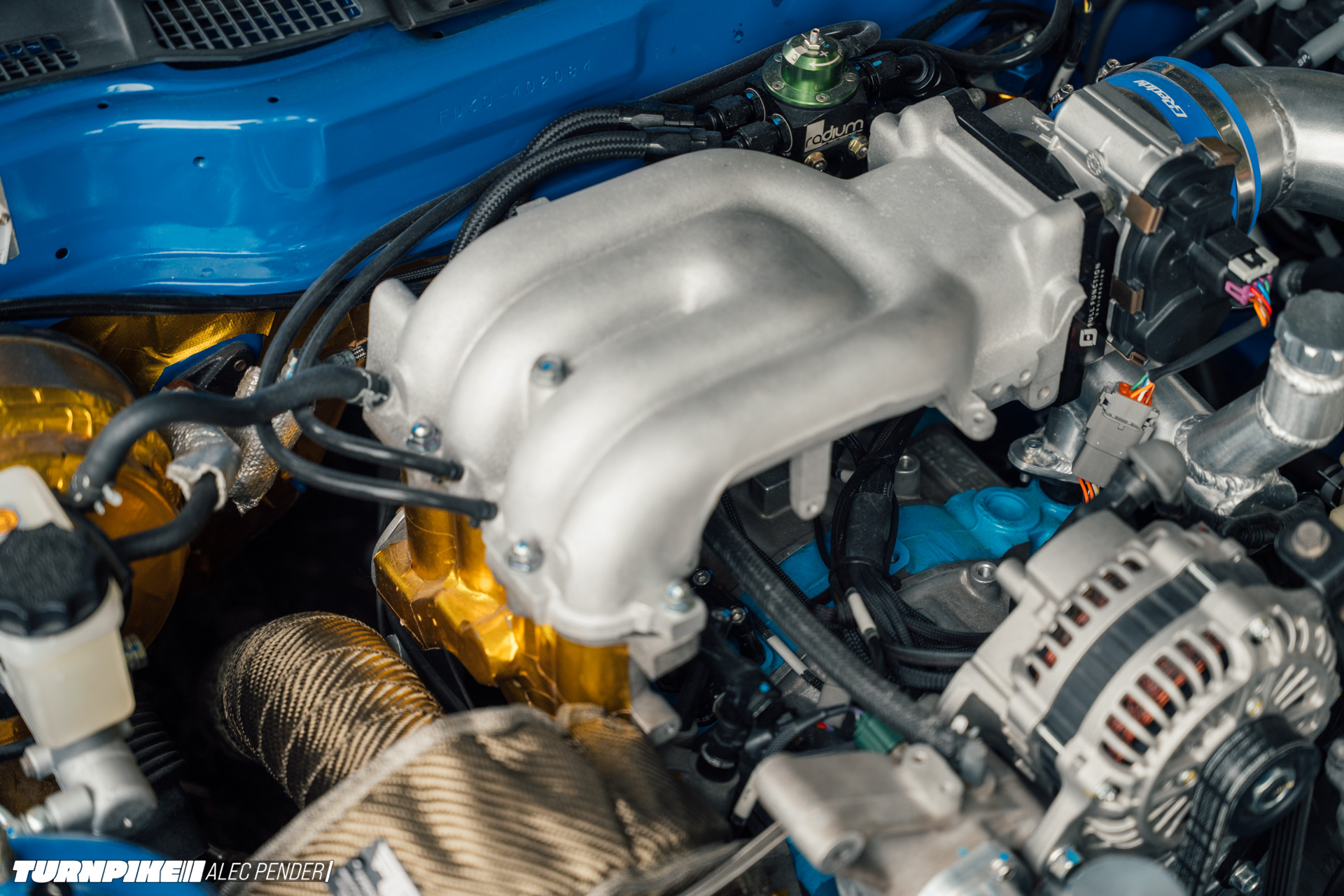
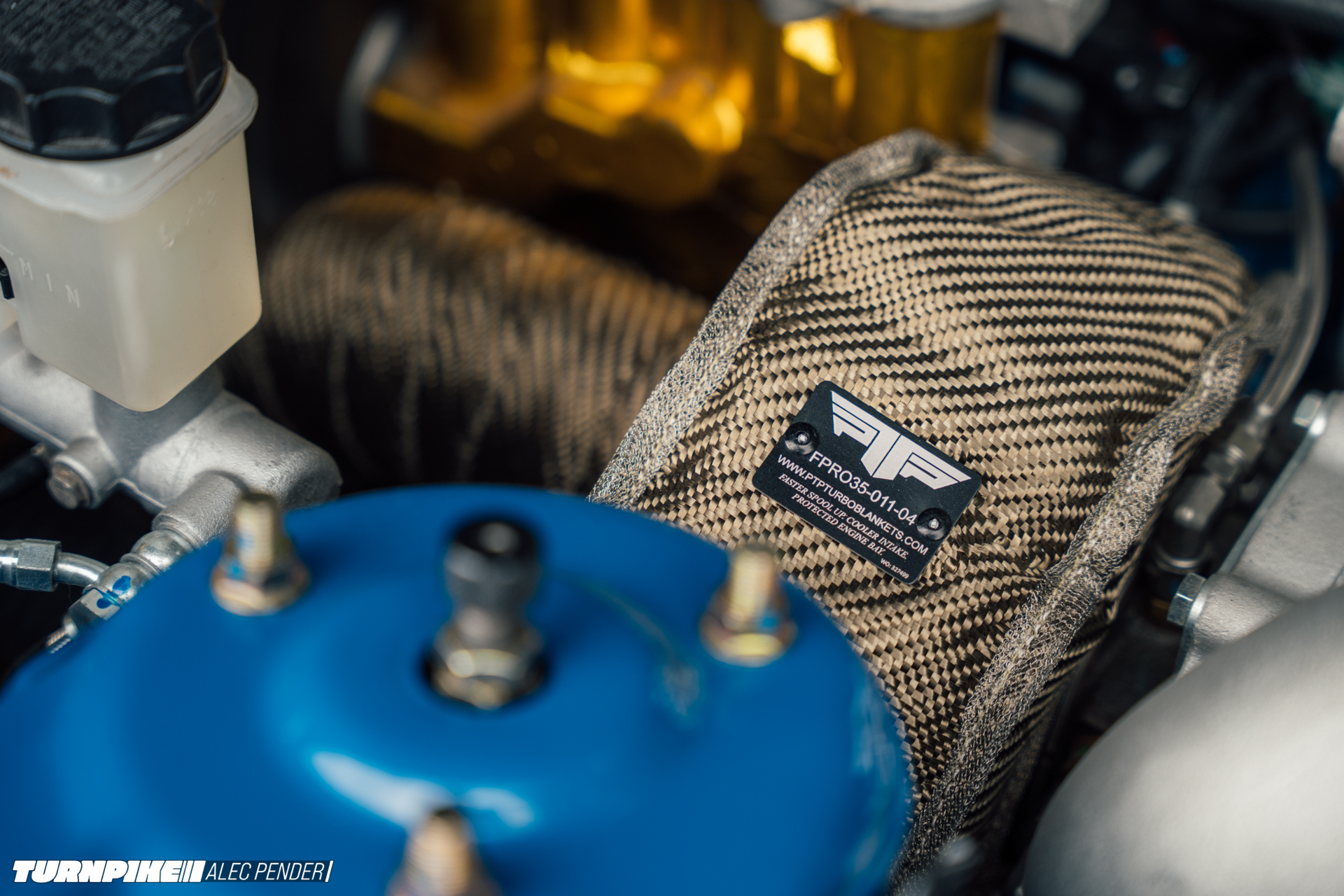
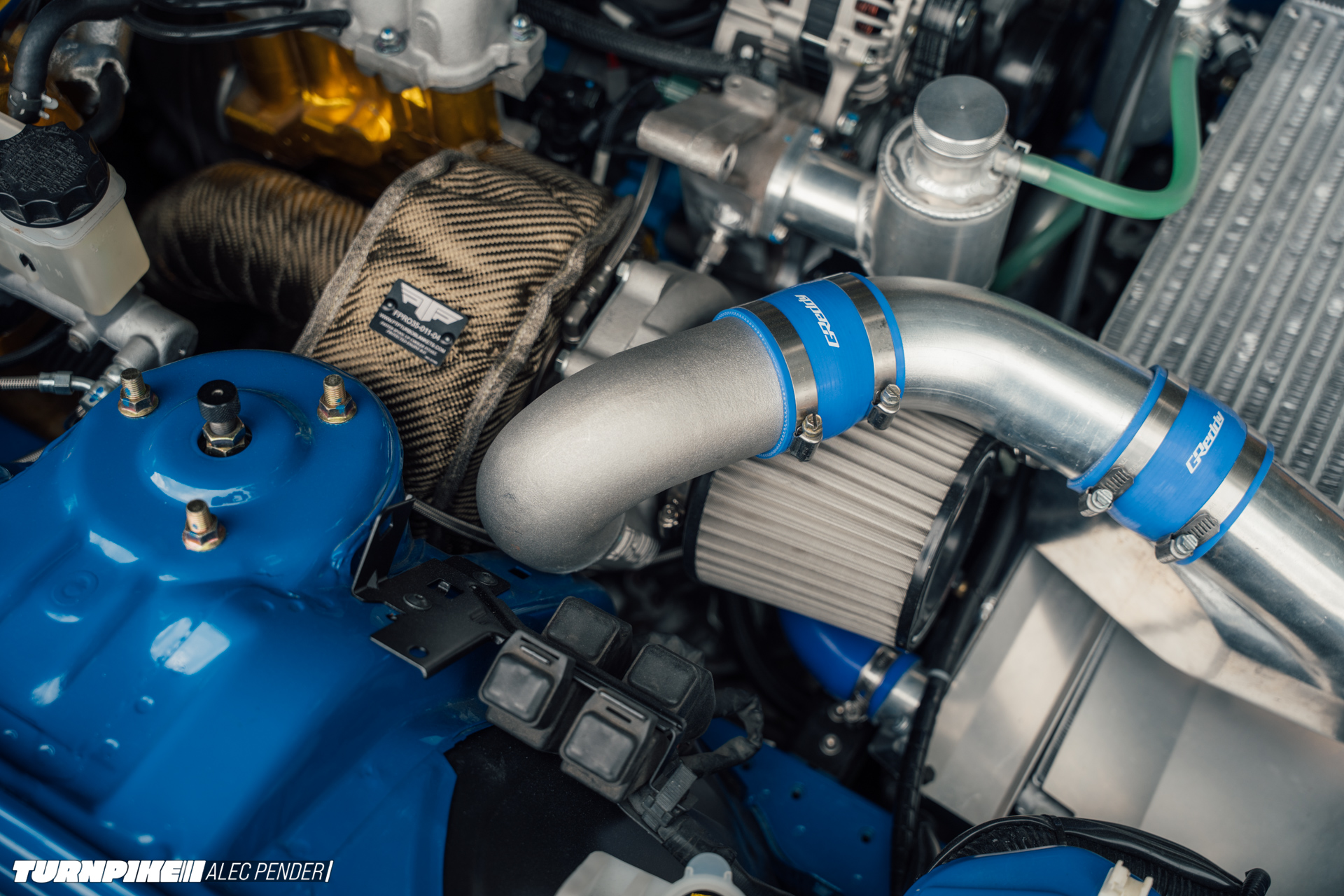
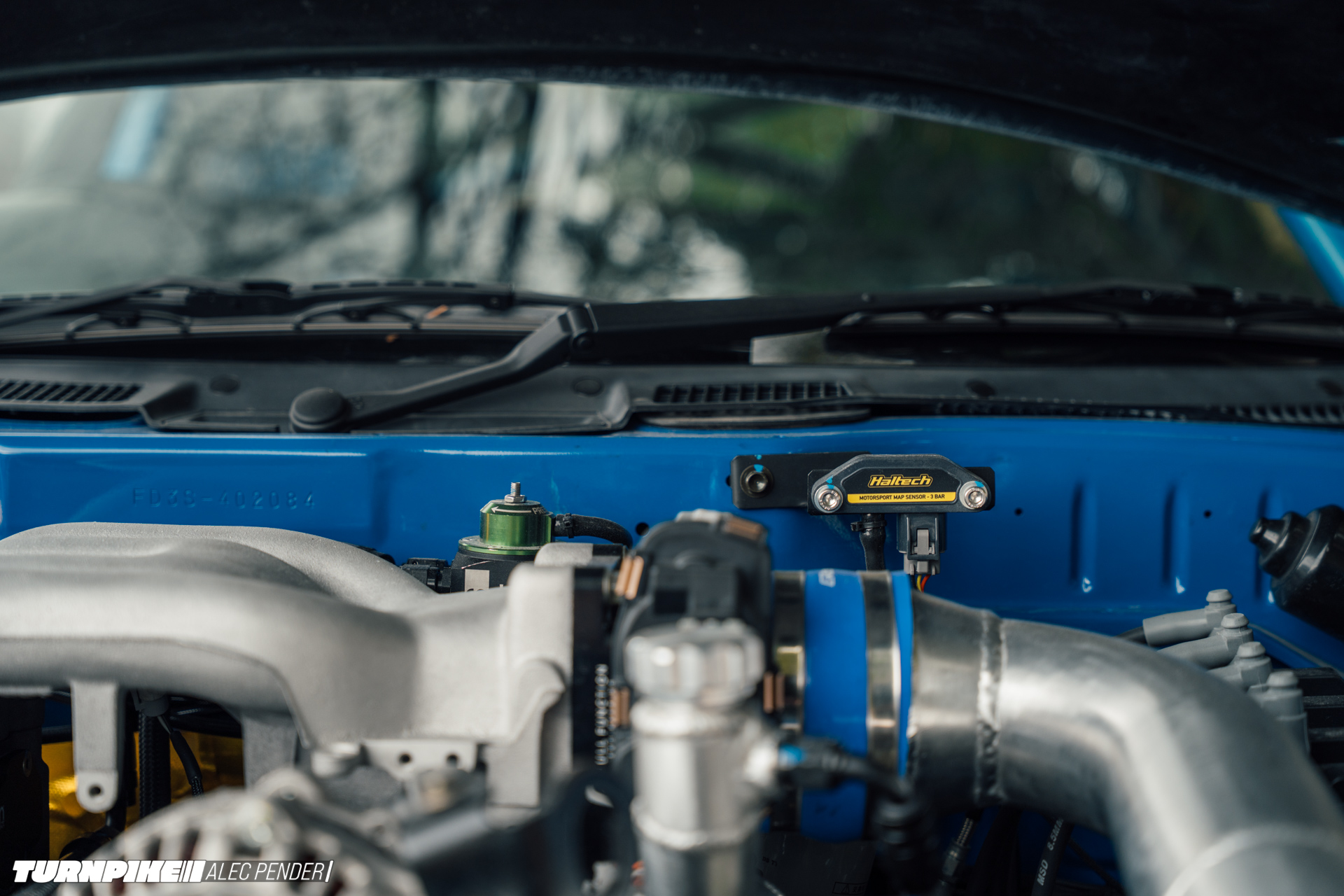
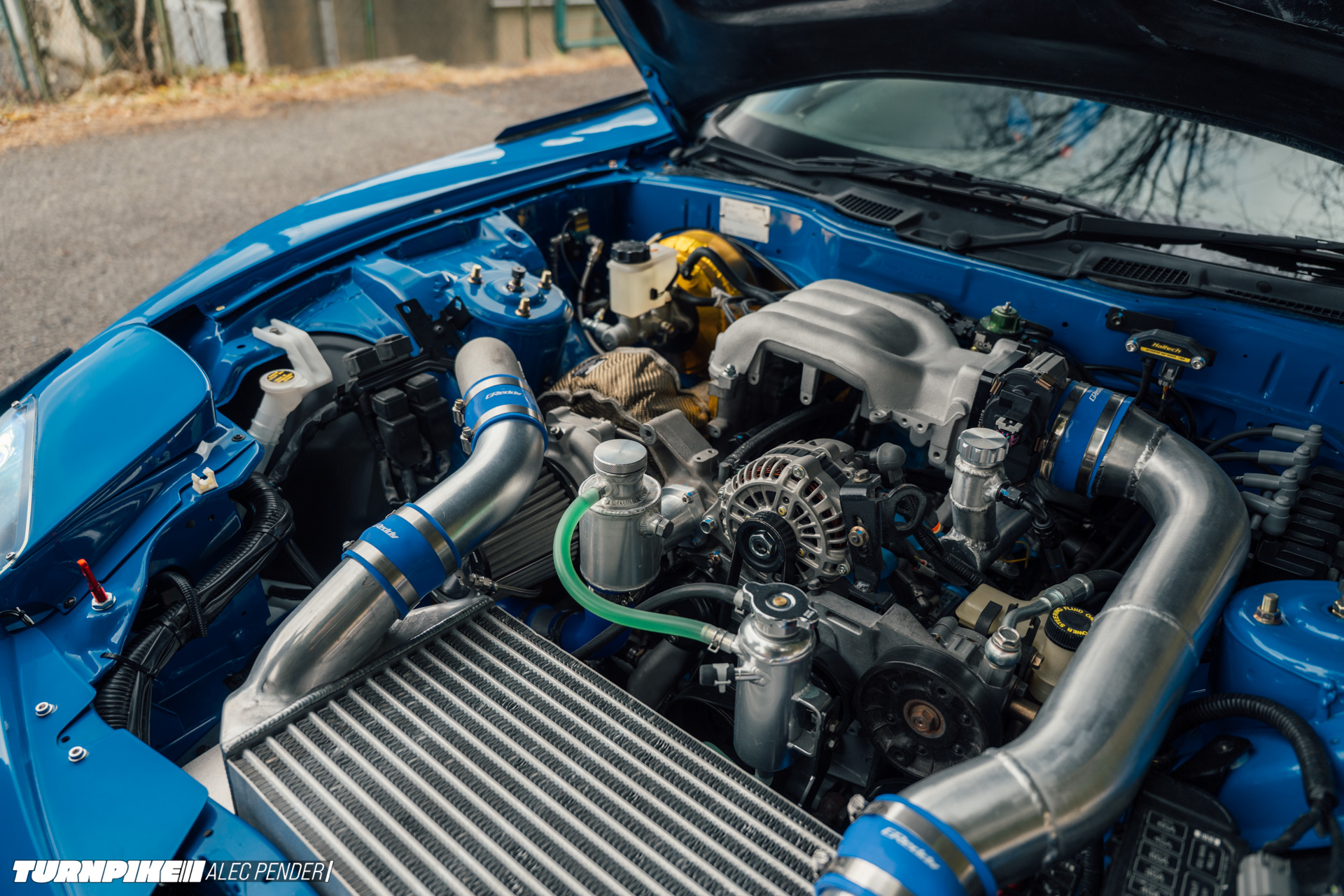
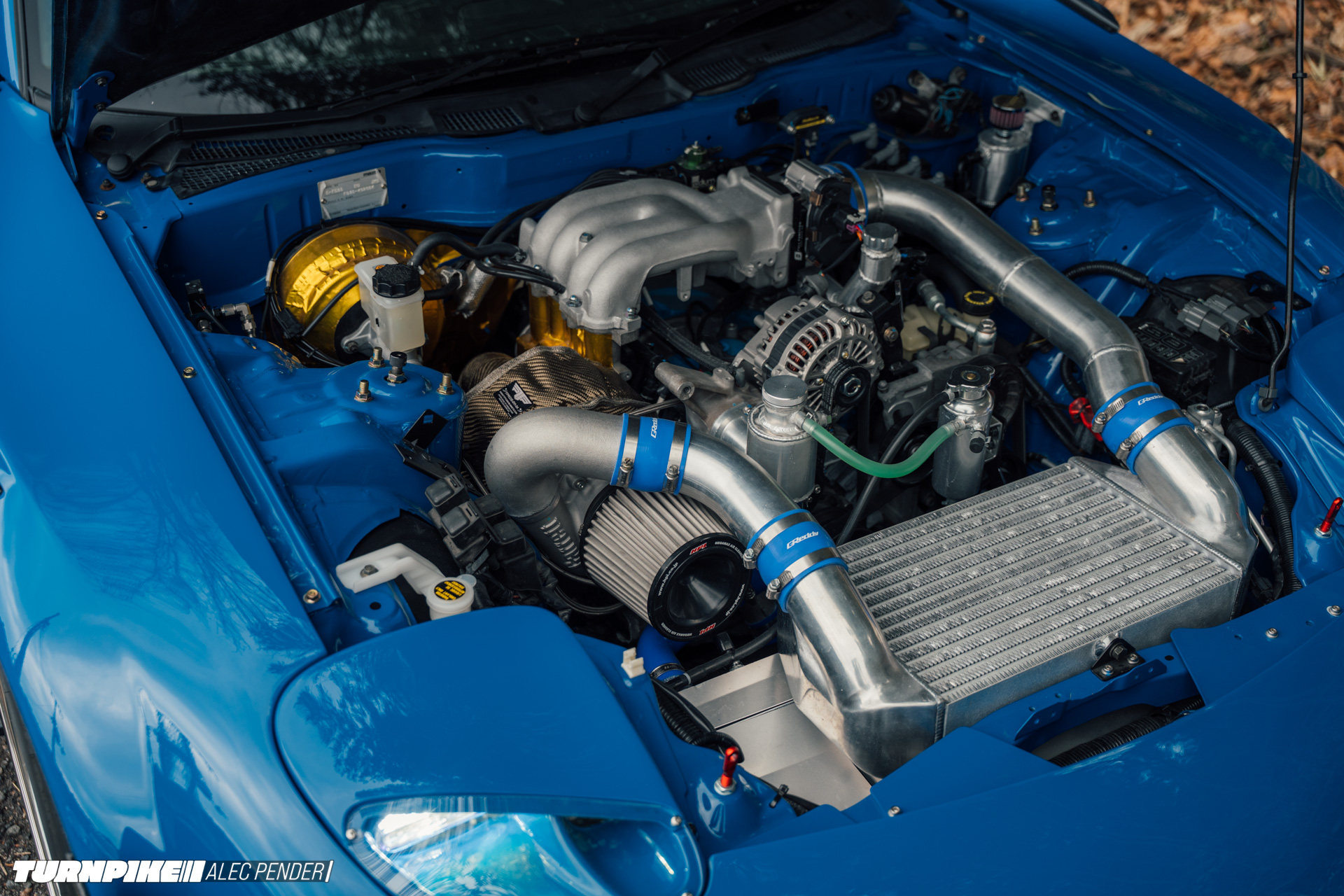
Beautiful build that applies the engineering and aesthetics of a time attack car to the fit & finish of a street car. I can see traditional 1990s ‘JDM’ style in little things like the radiator overflow hose, but with modern western influences like the DEI Reflect-a-Gold and the exposed Haltec components. Very cool