
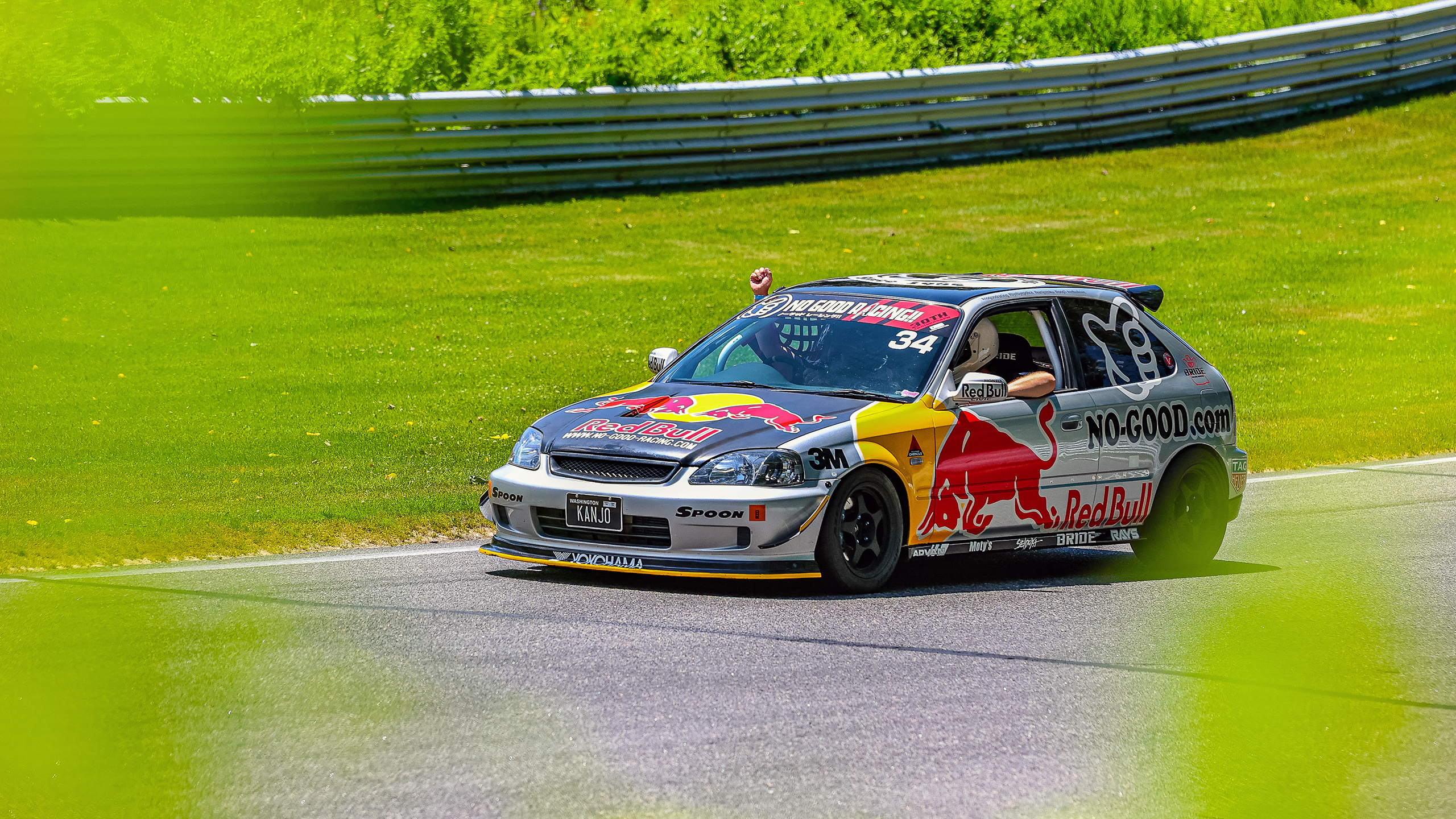
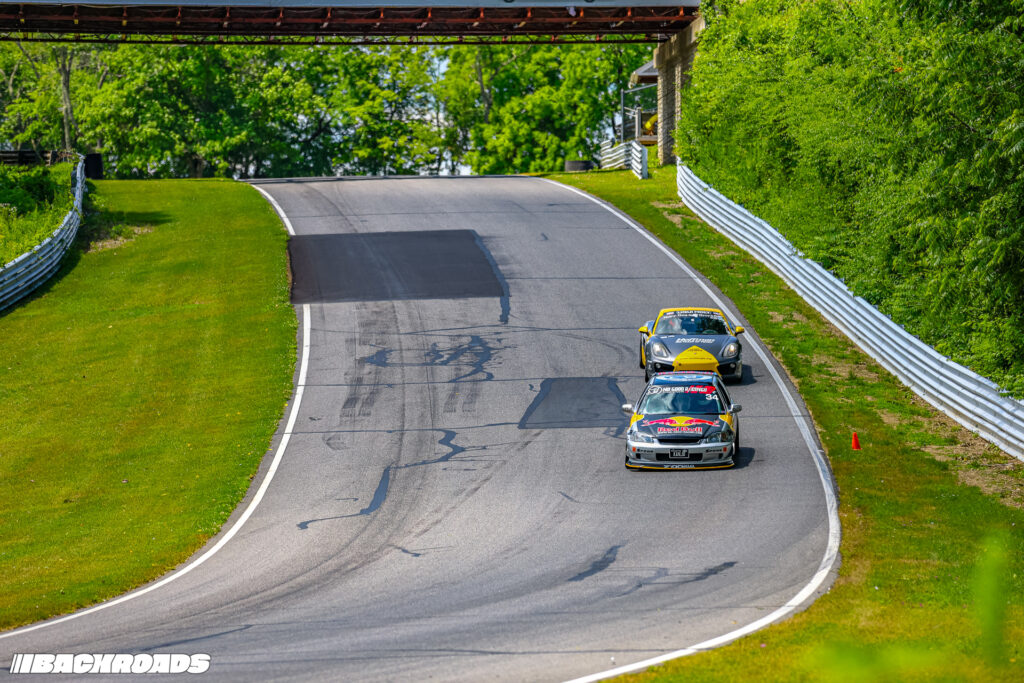
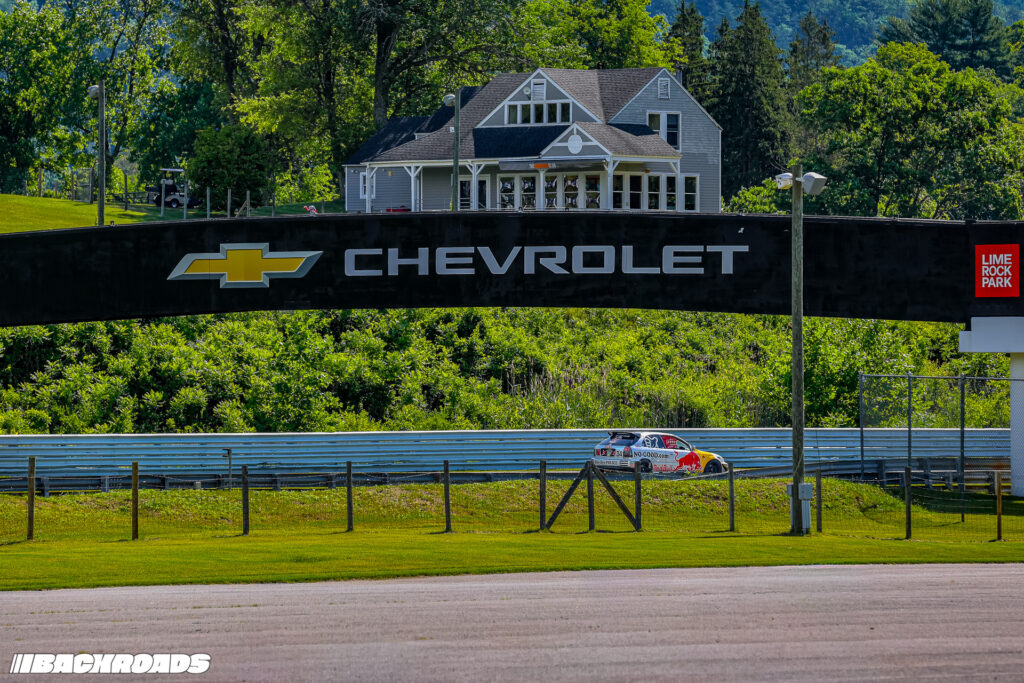
Last month, I drove out to Lime Rock Park in Salisbury, Connecticut, to photograph an HPDE (High-Performance Driver Education) event hosted by Burnout Motorsport. Alex, the founder, shares a similar passion for cars and motorsports as all of us and, through Burnout Motorsport, set out to create track-based events where everyone feels welcome and safe.
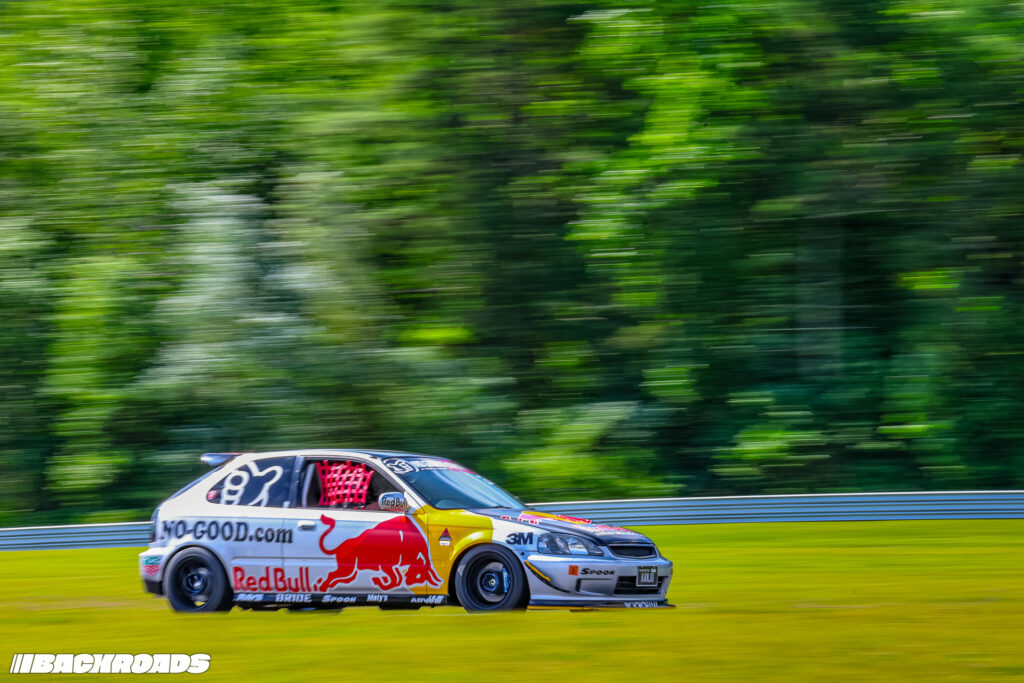
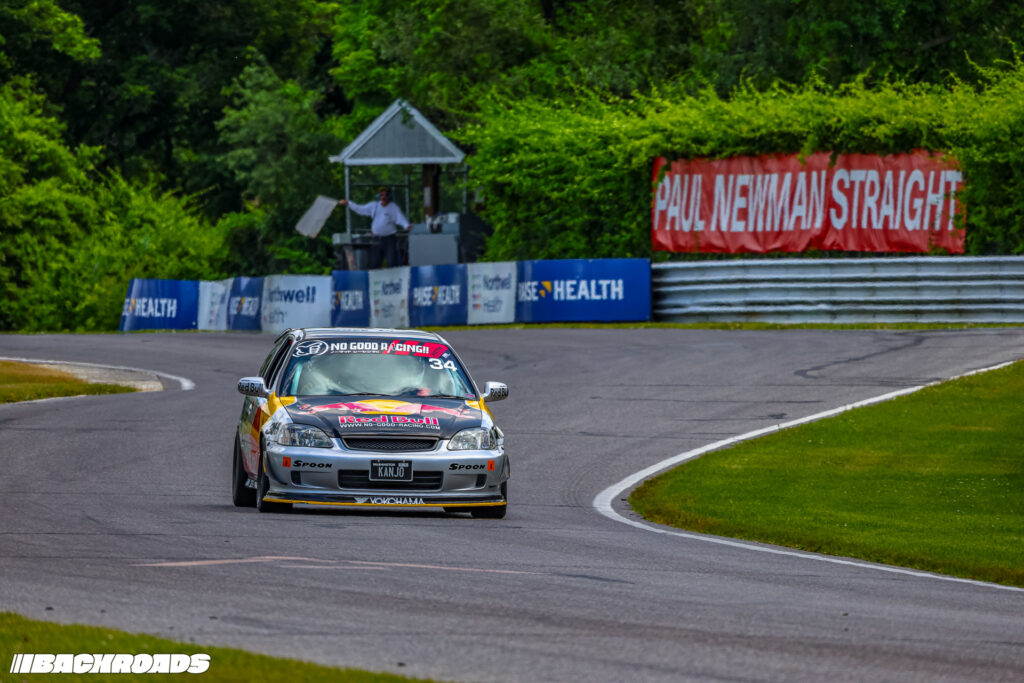
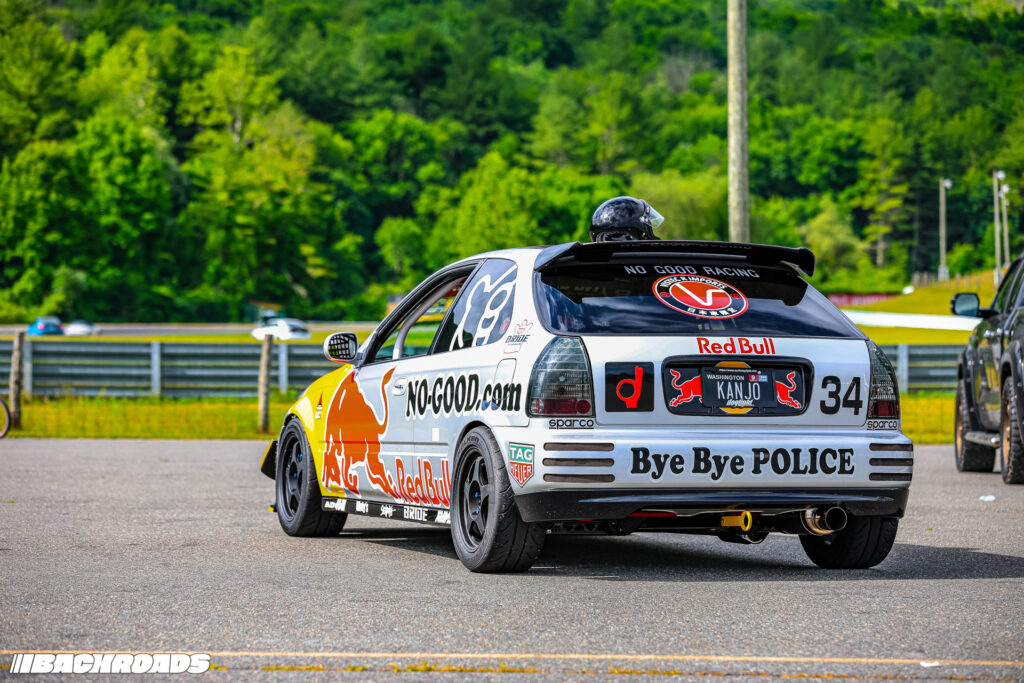
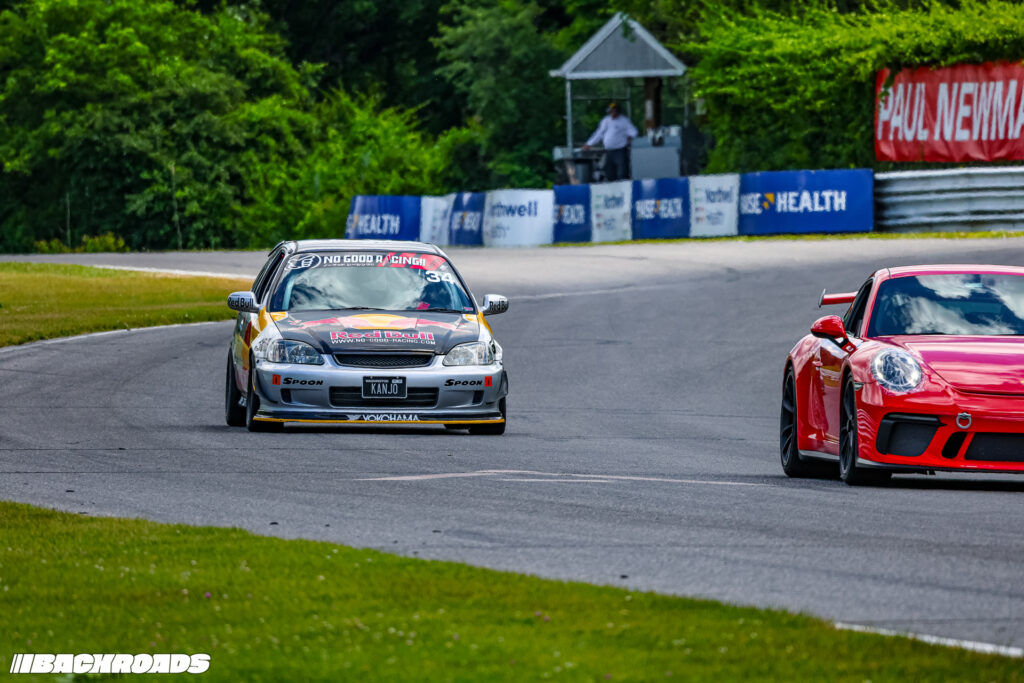
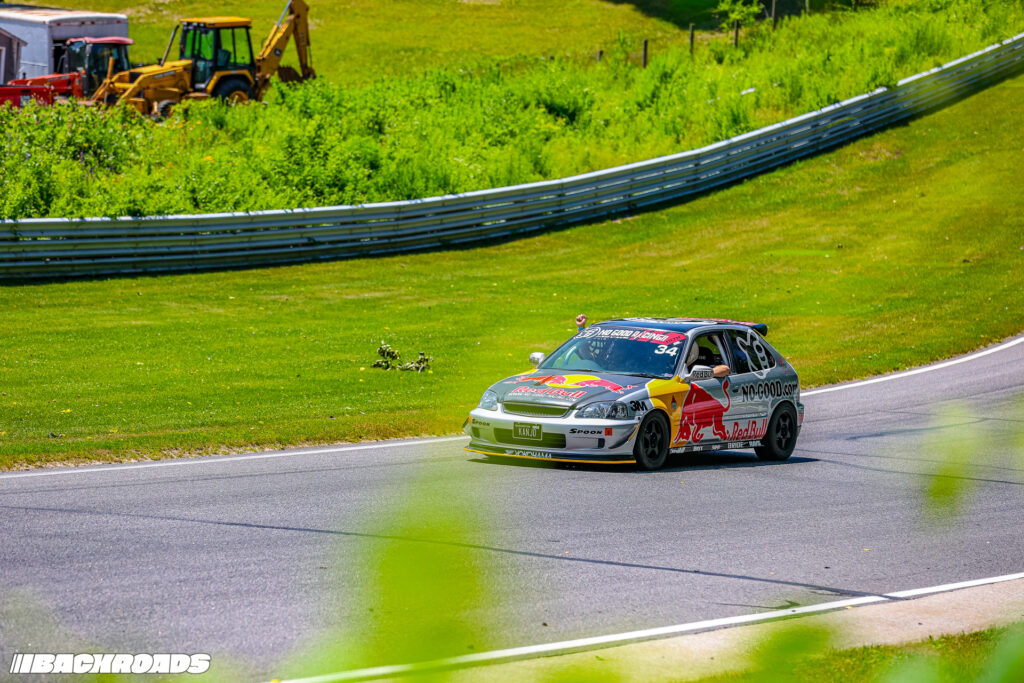
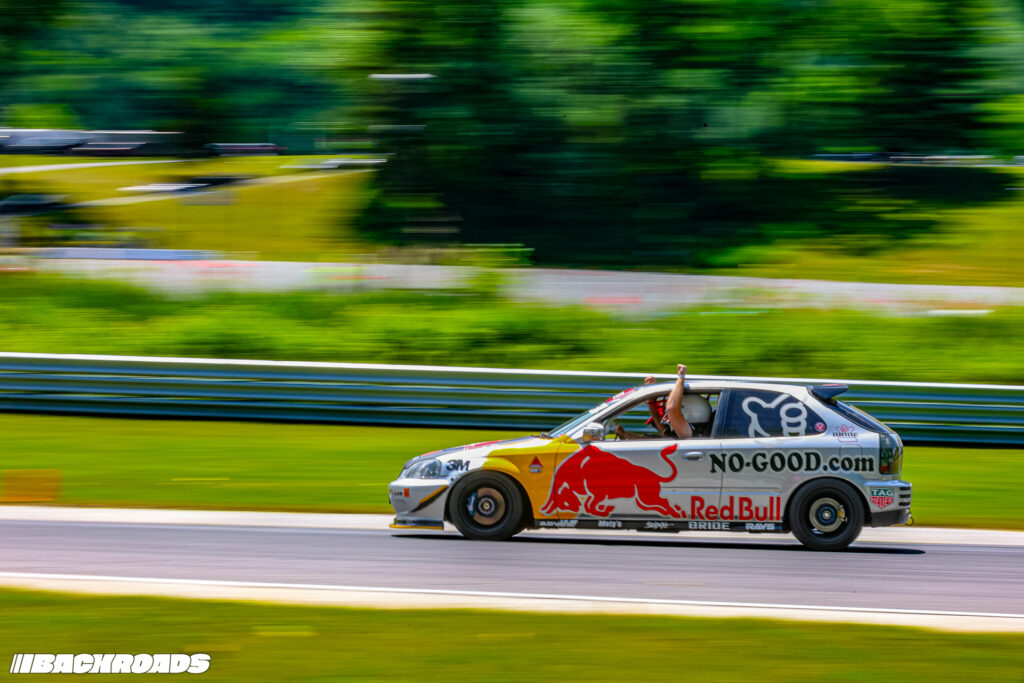
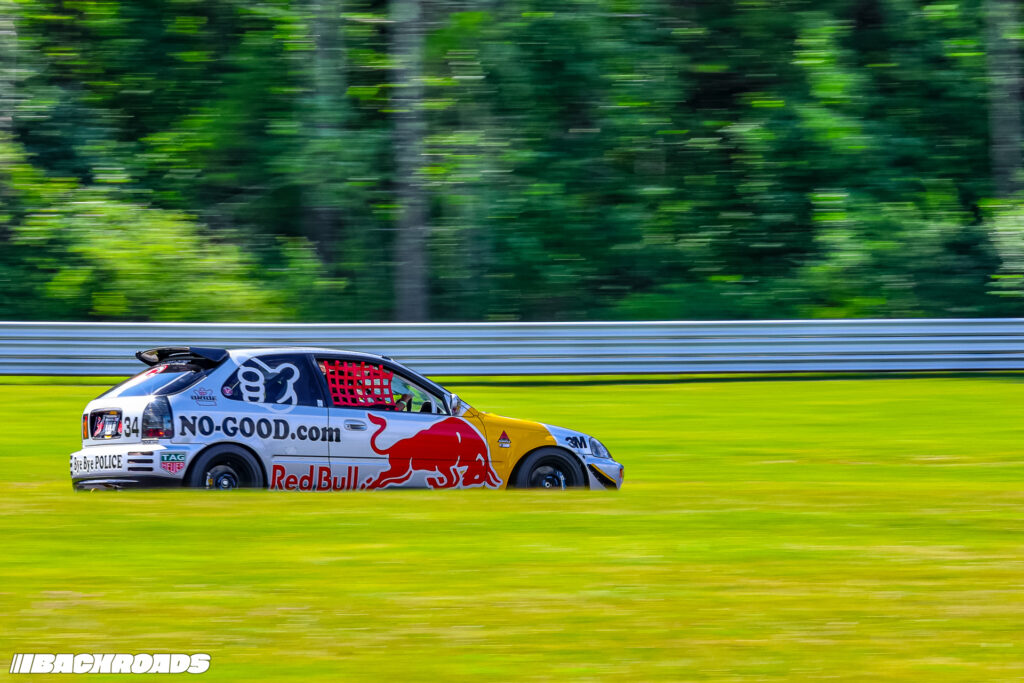
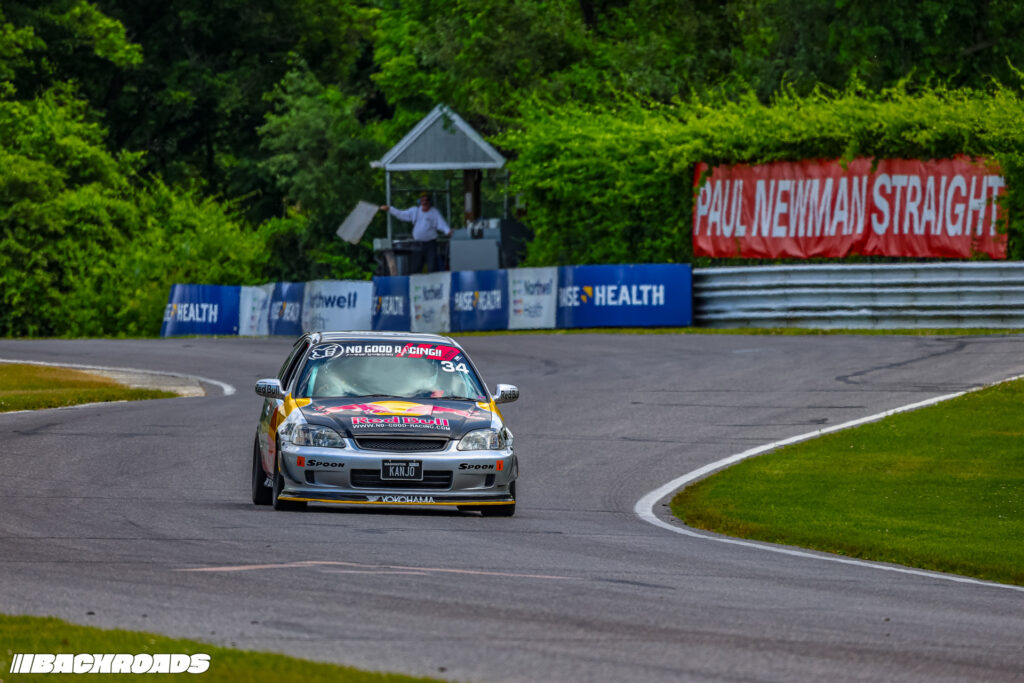
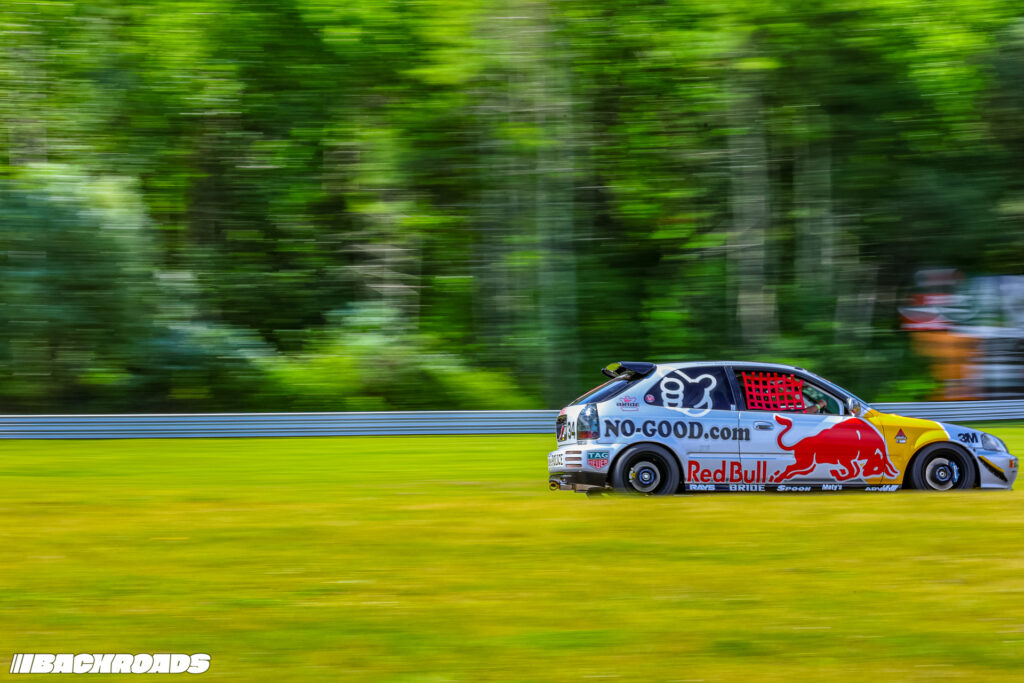
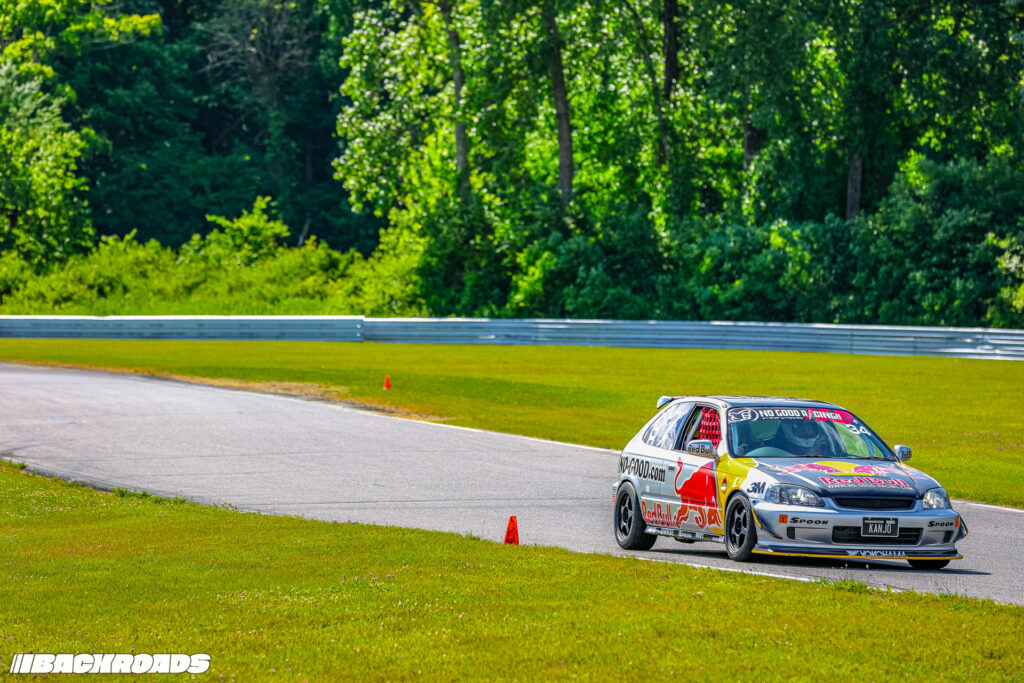
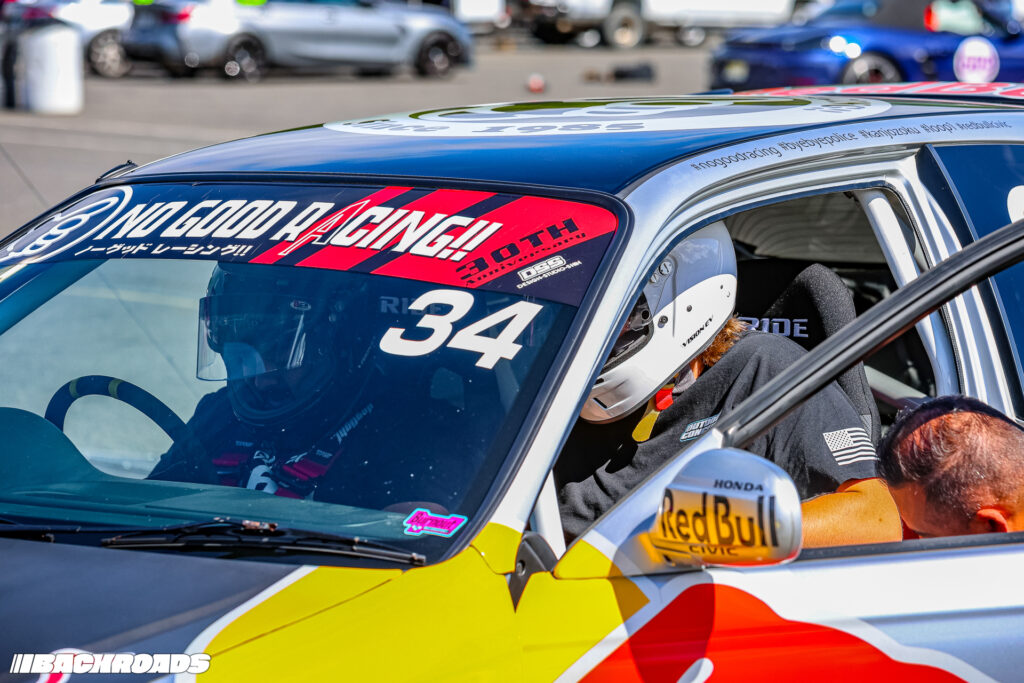
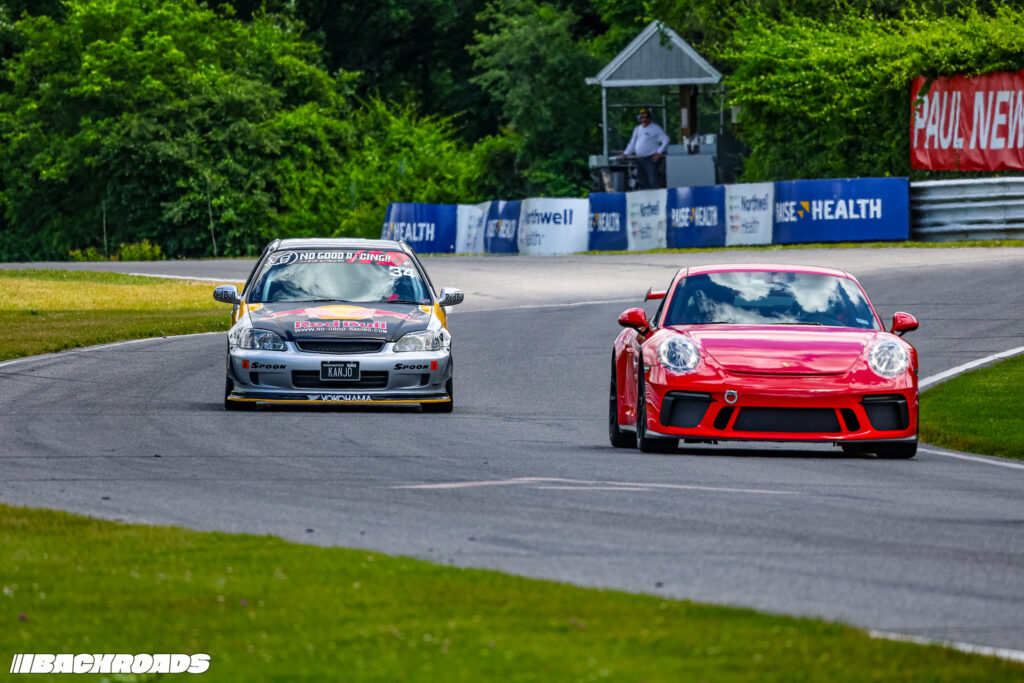
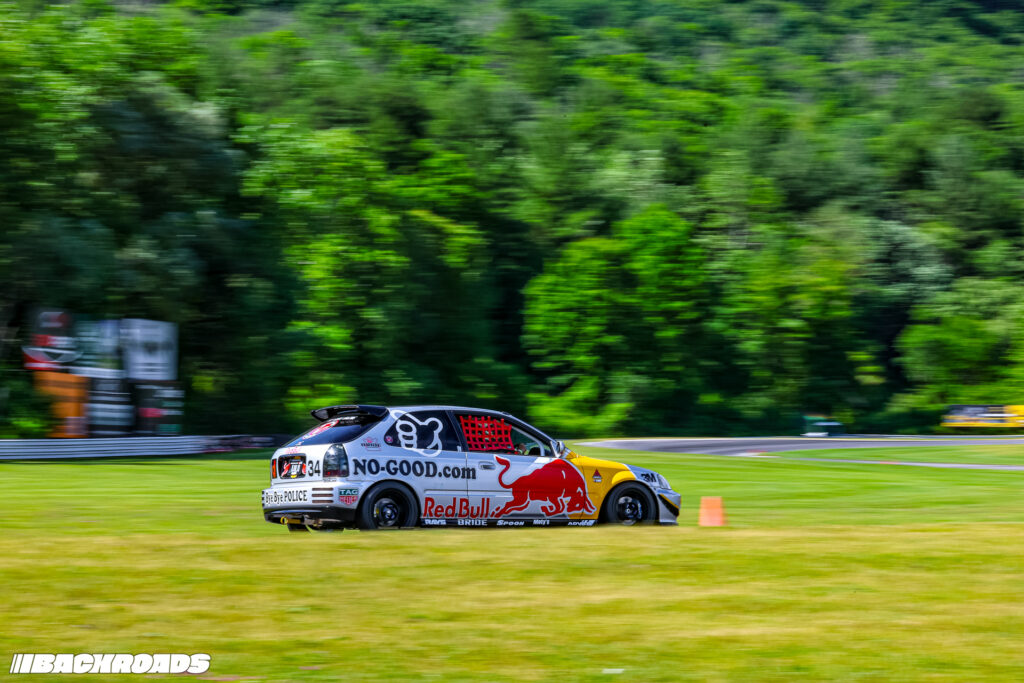
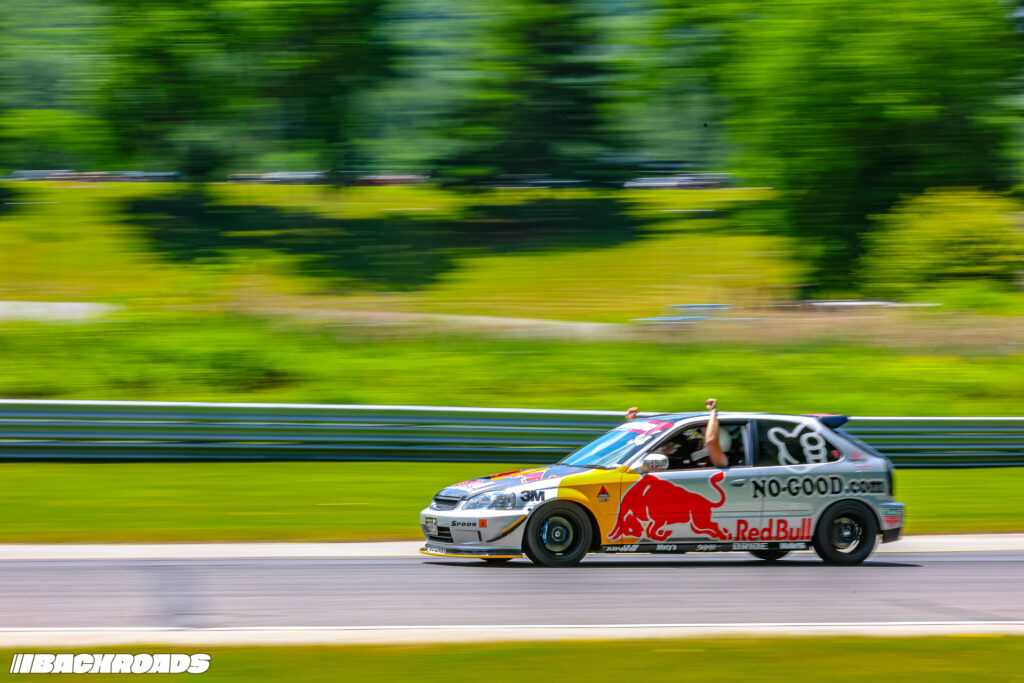
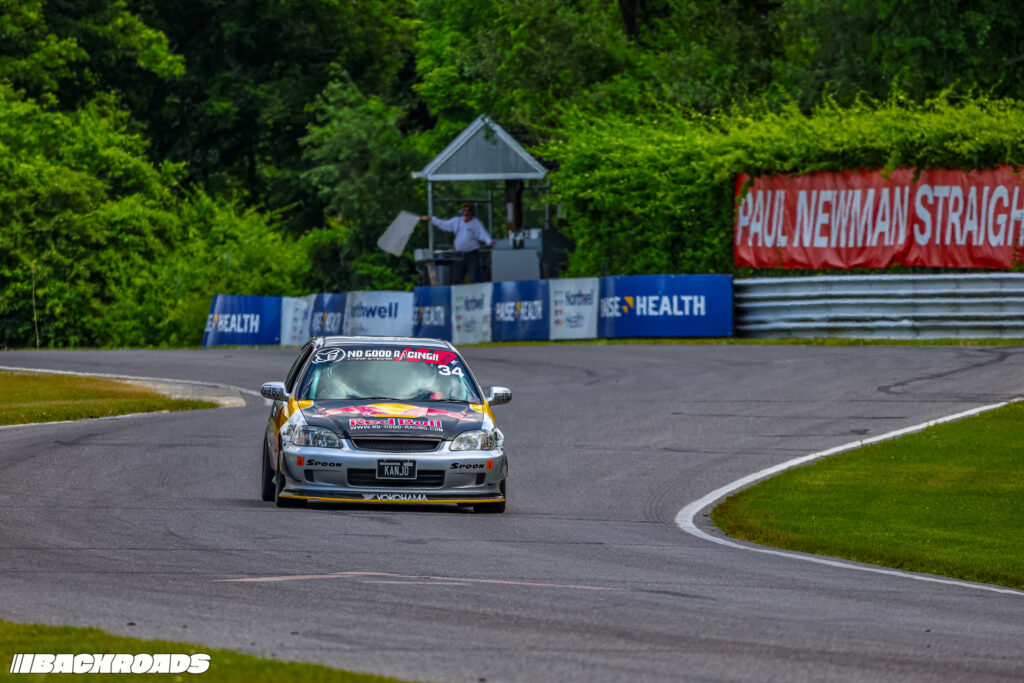
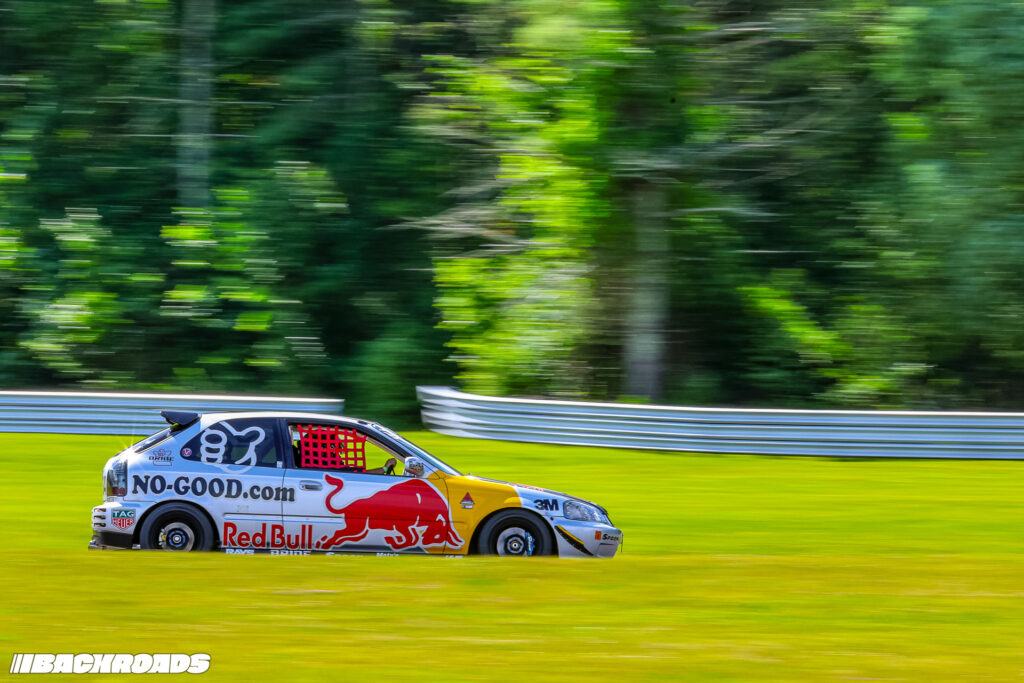
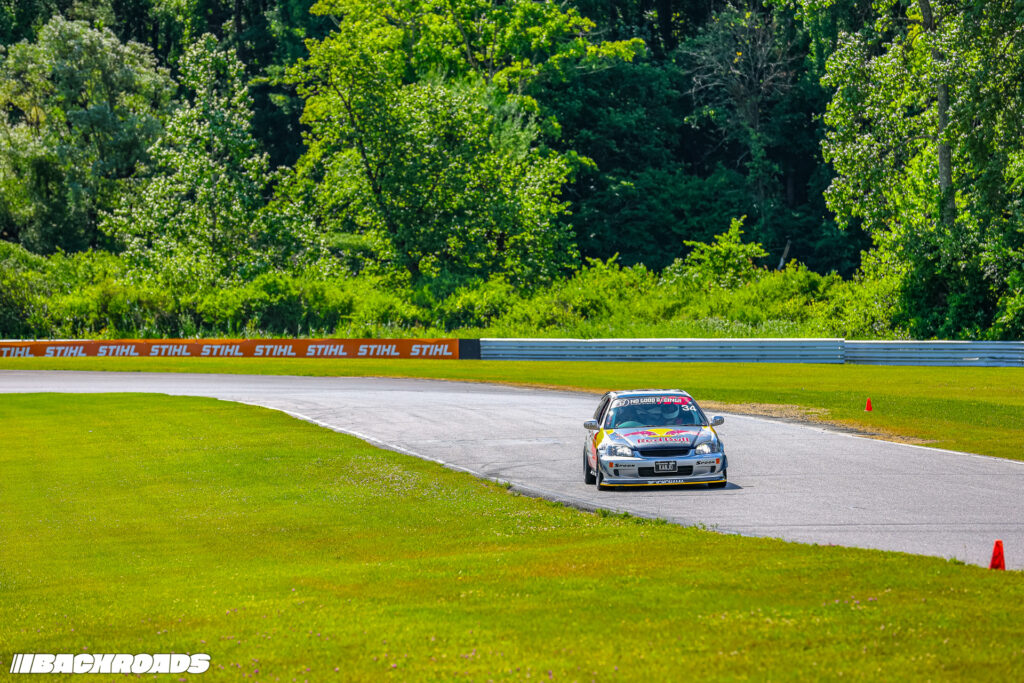
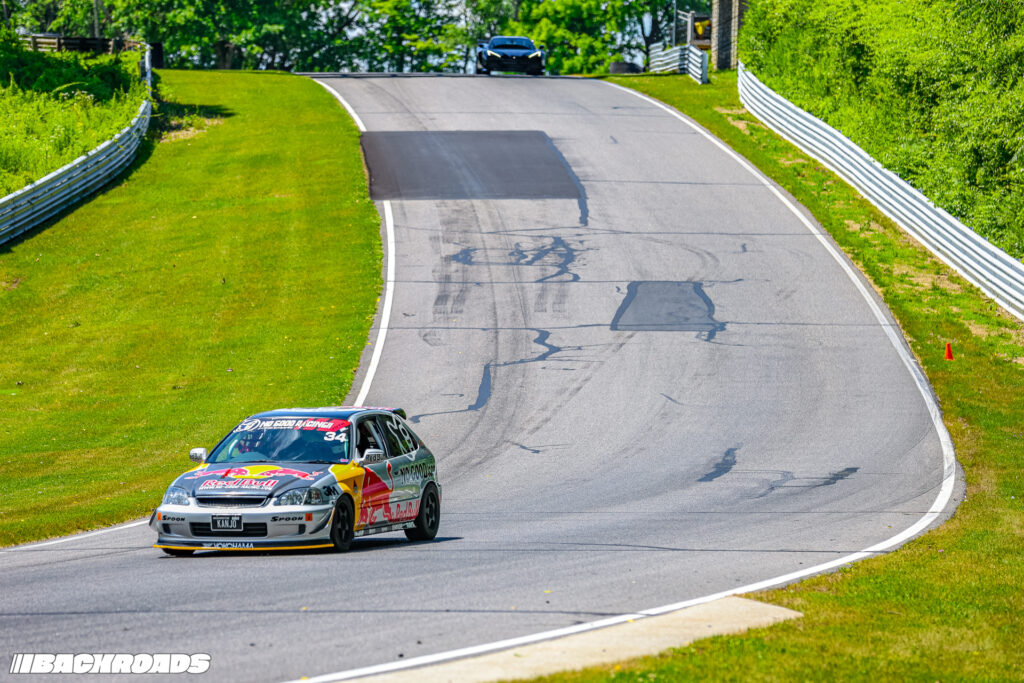
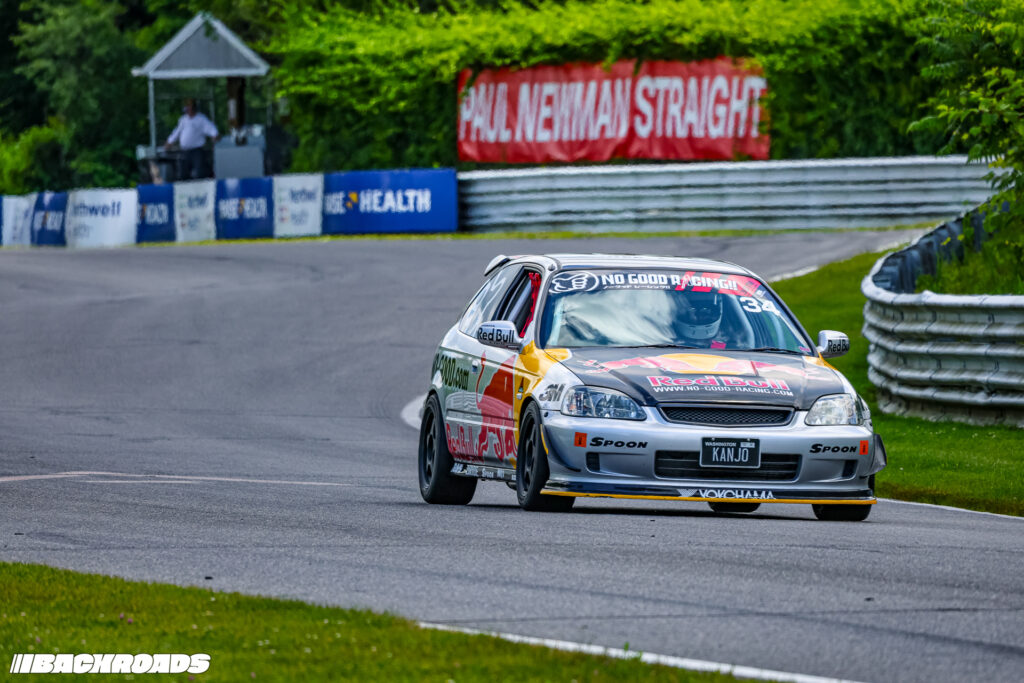
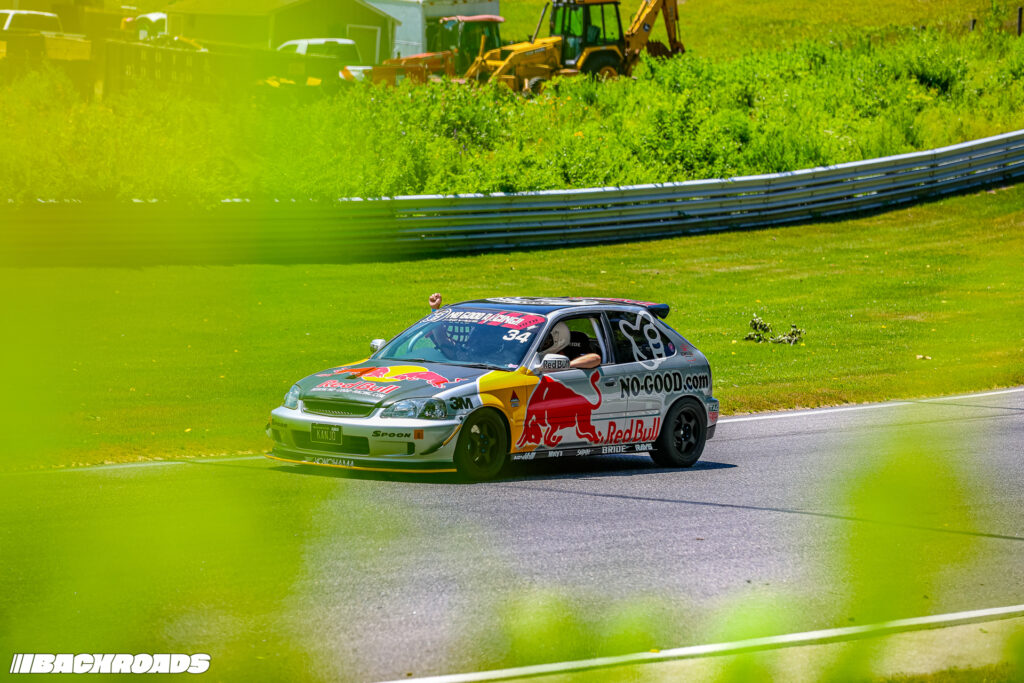
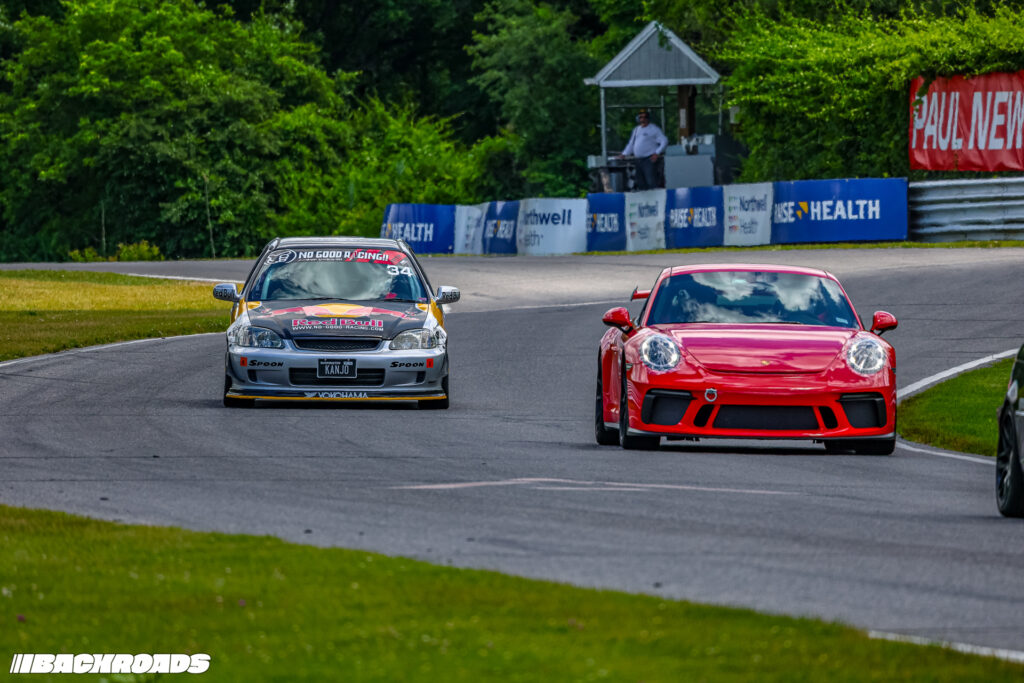
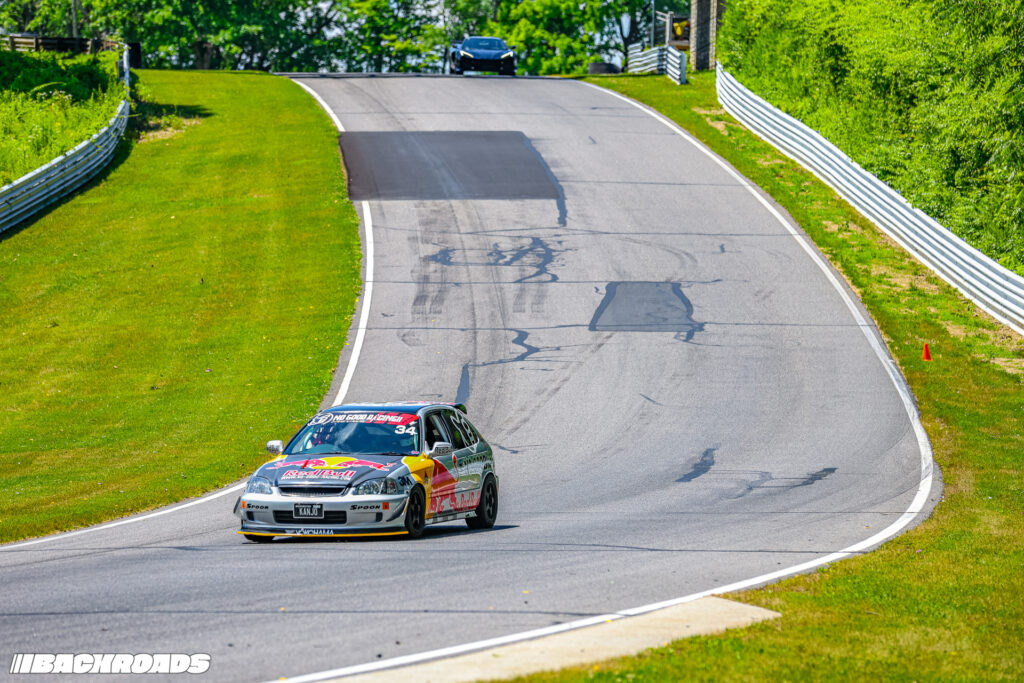
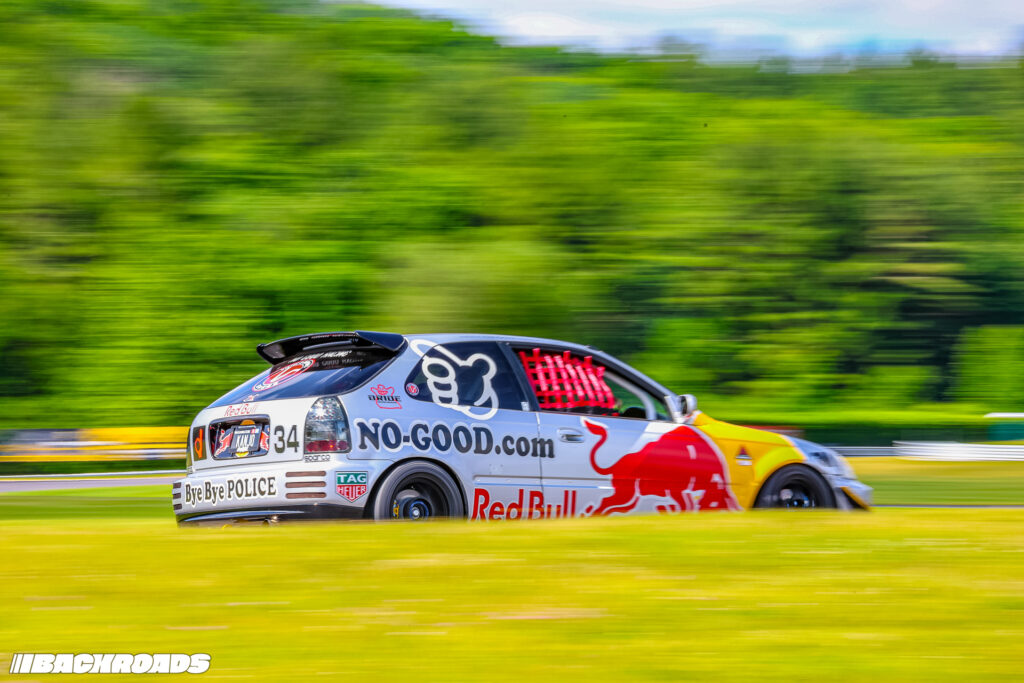
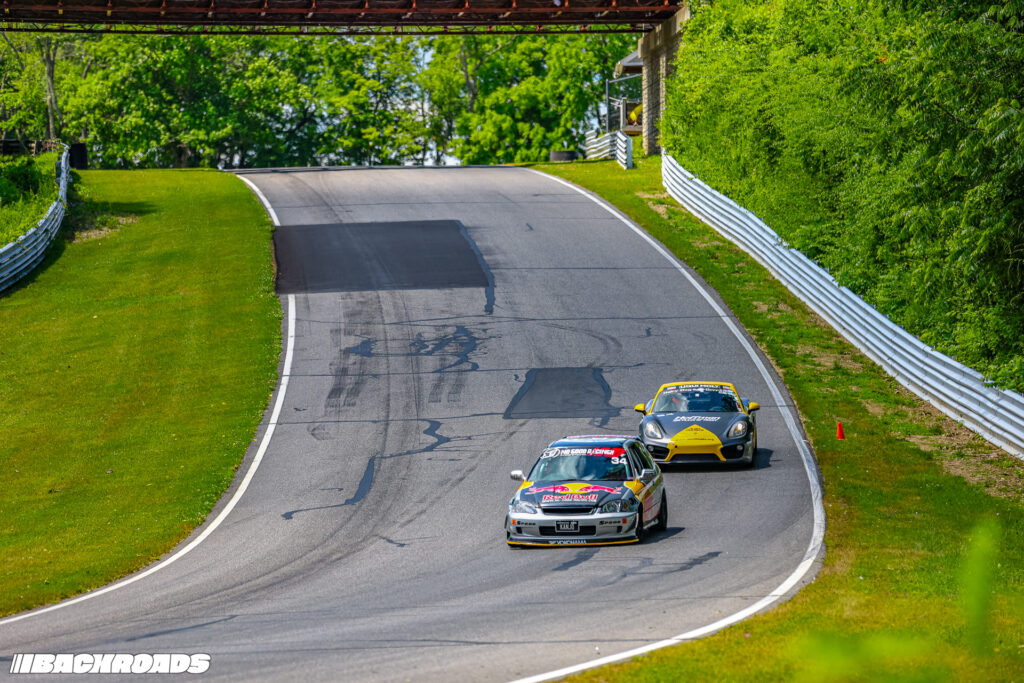
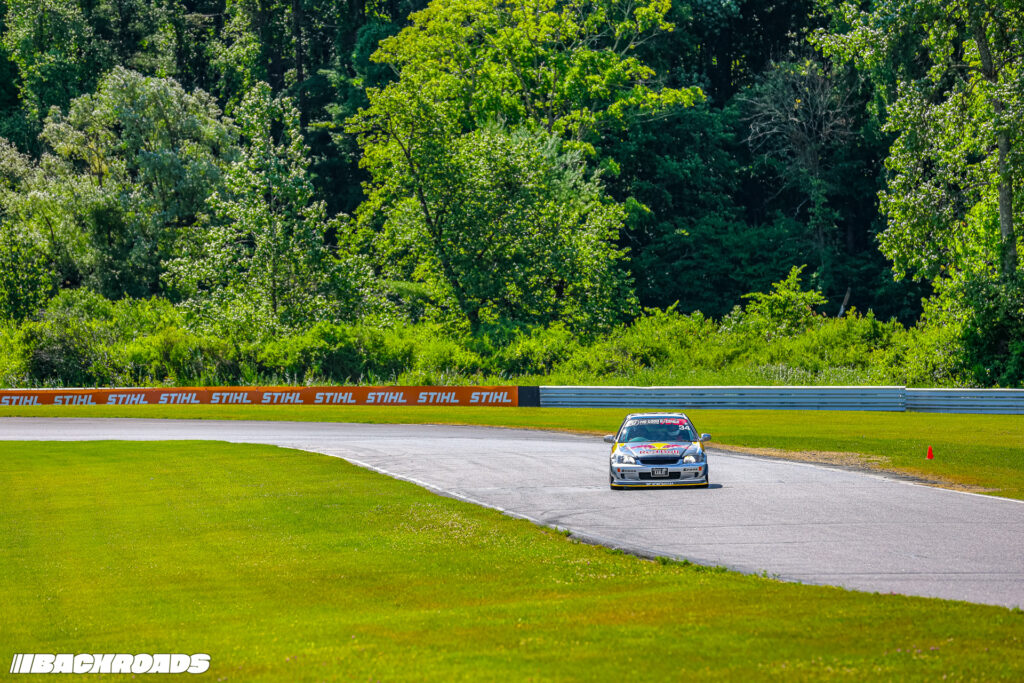
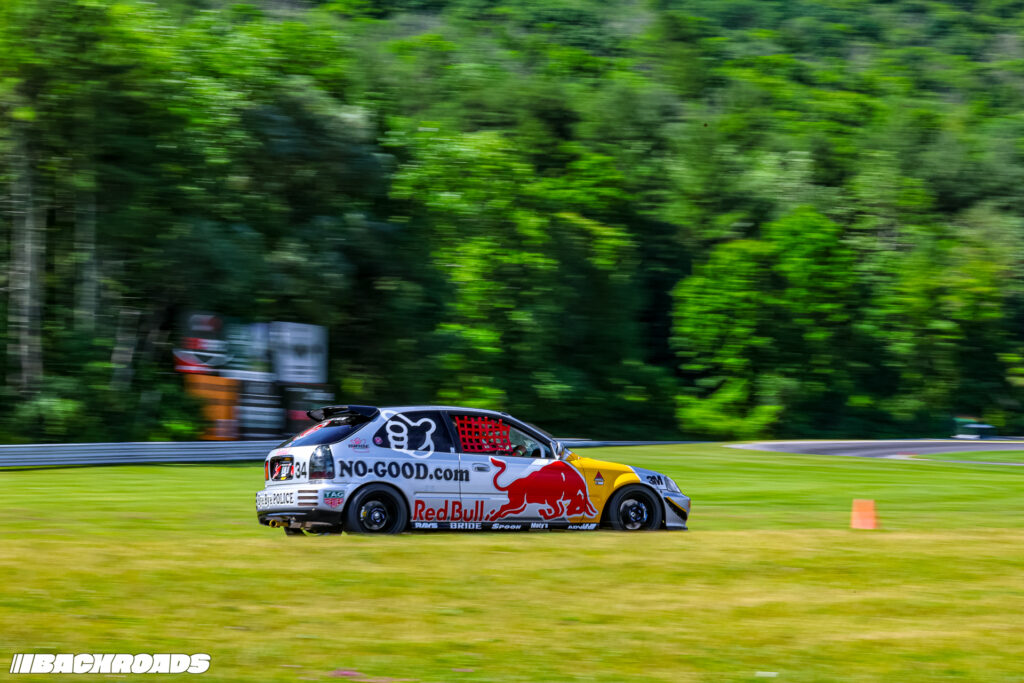
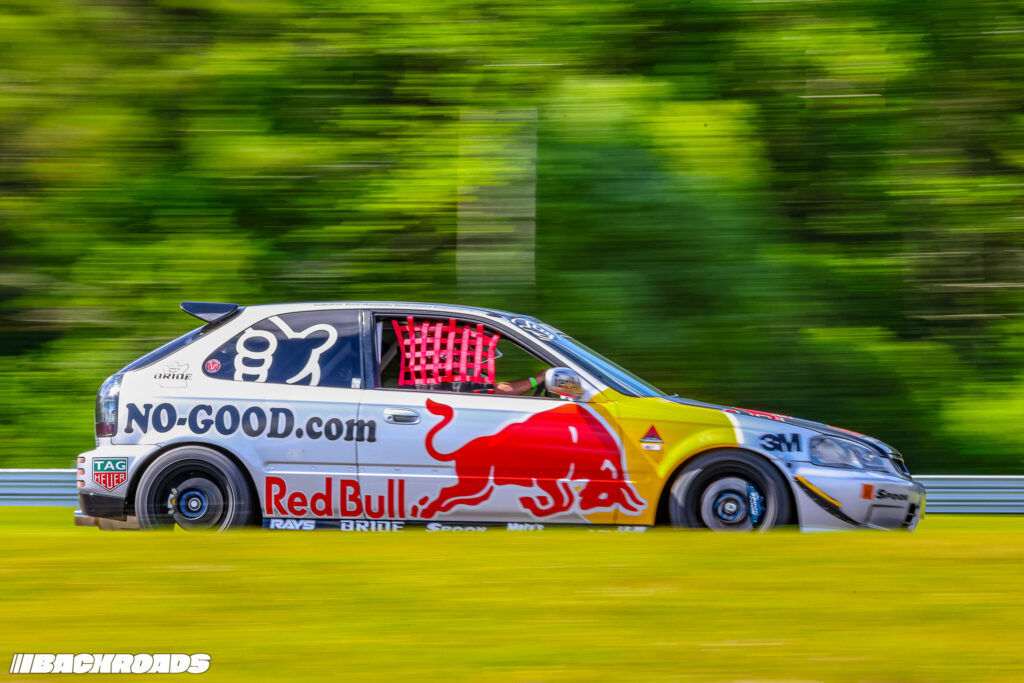
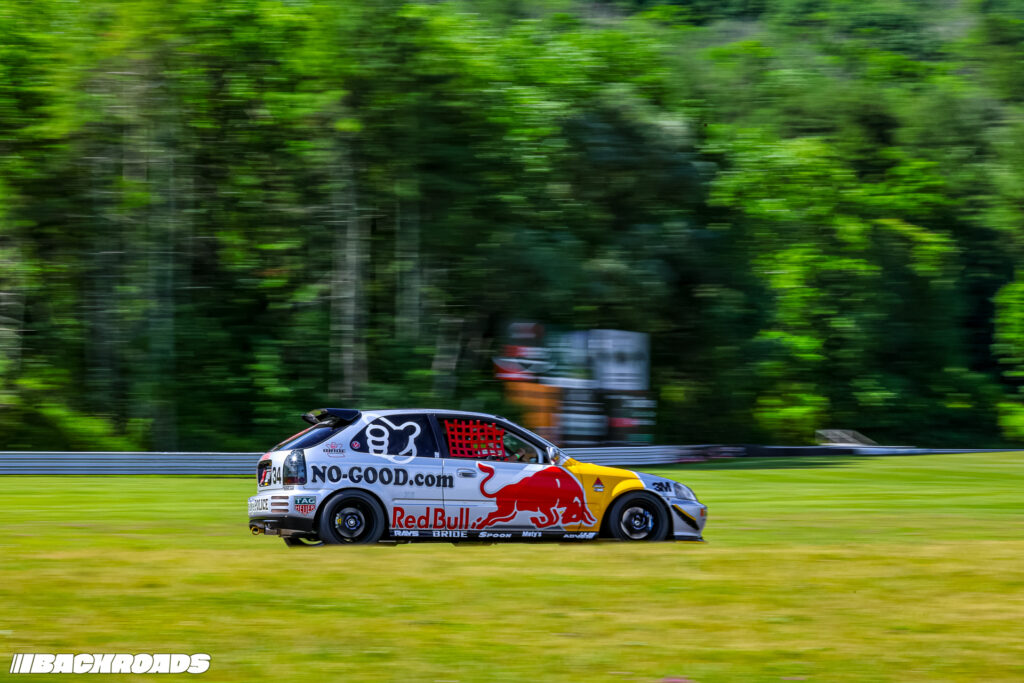
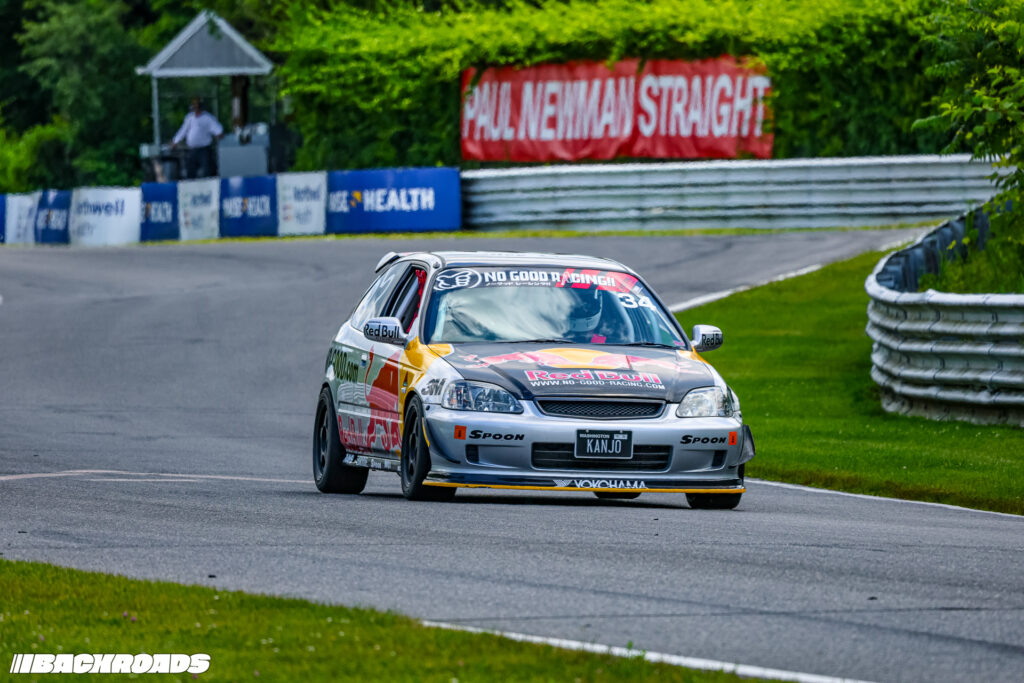
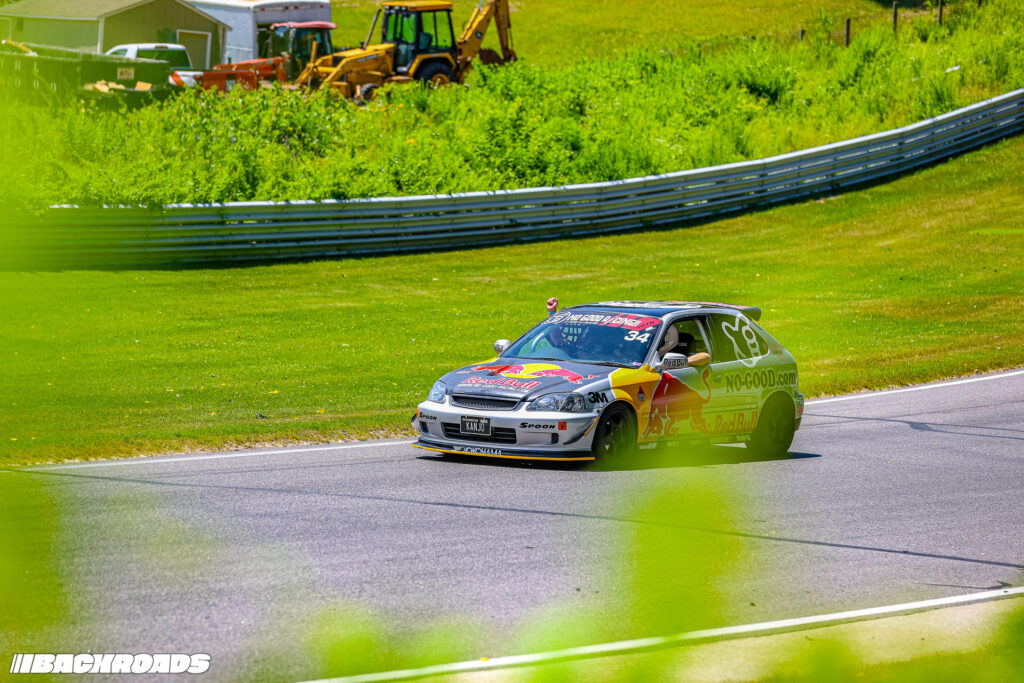
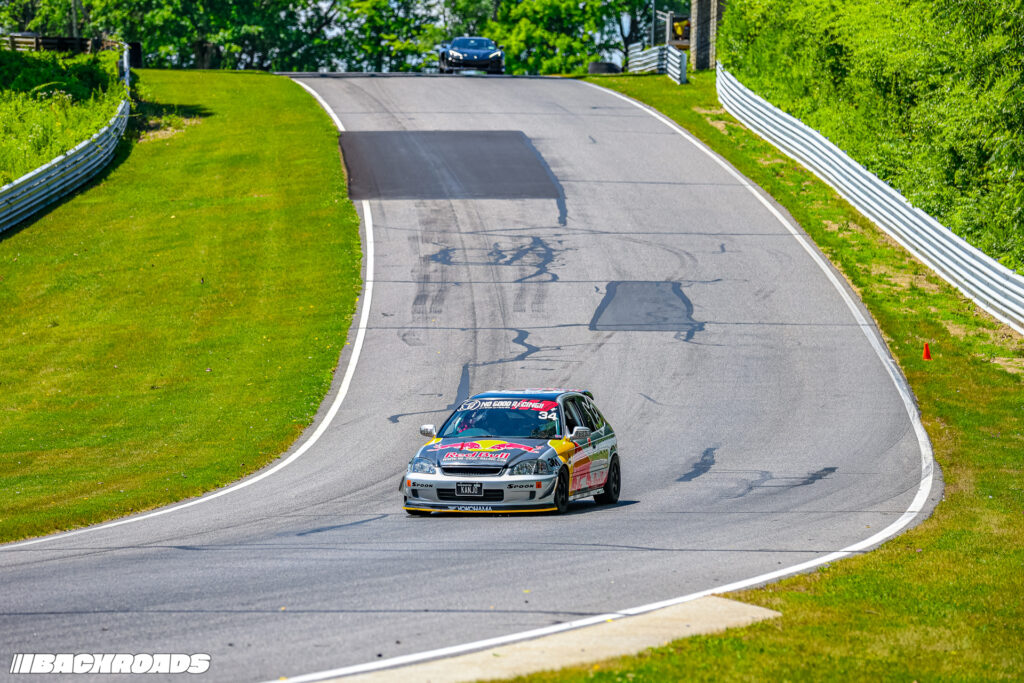
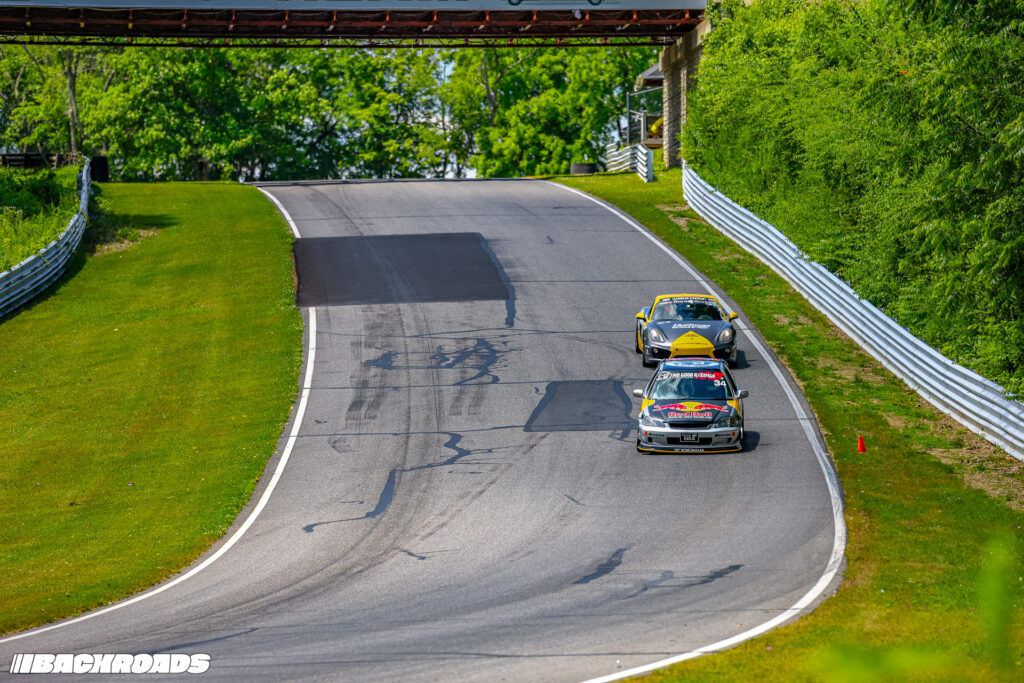
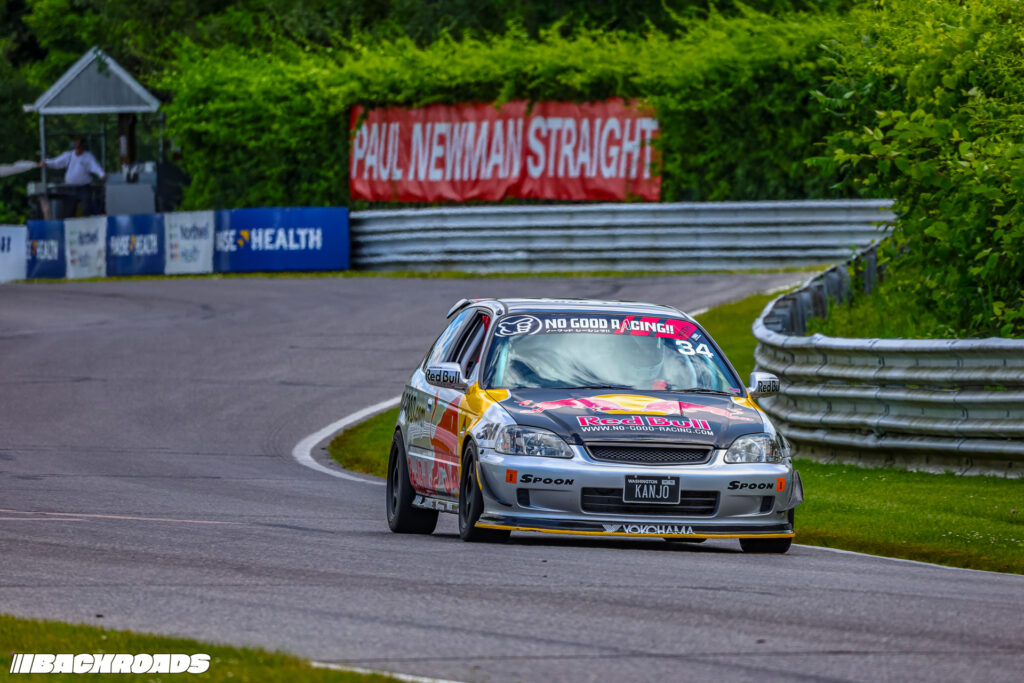
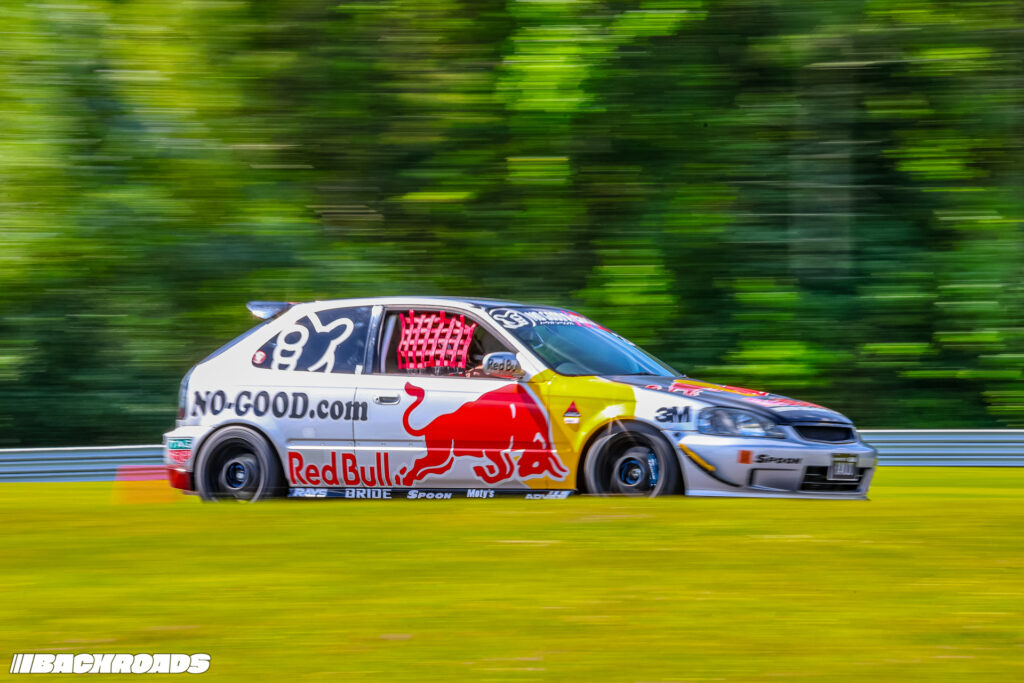
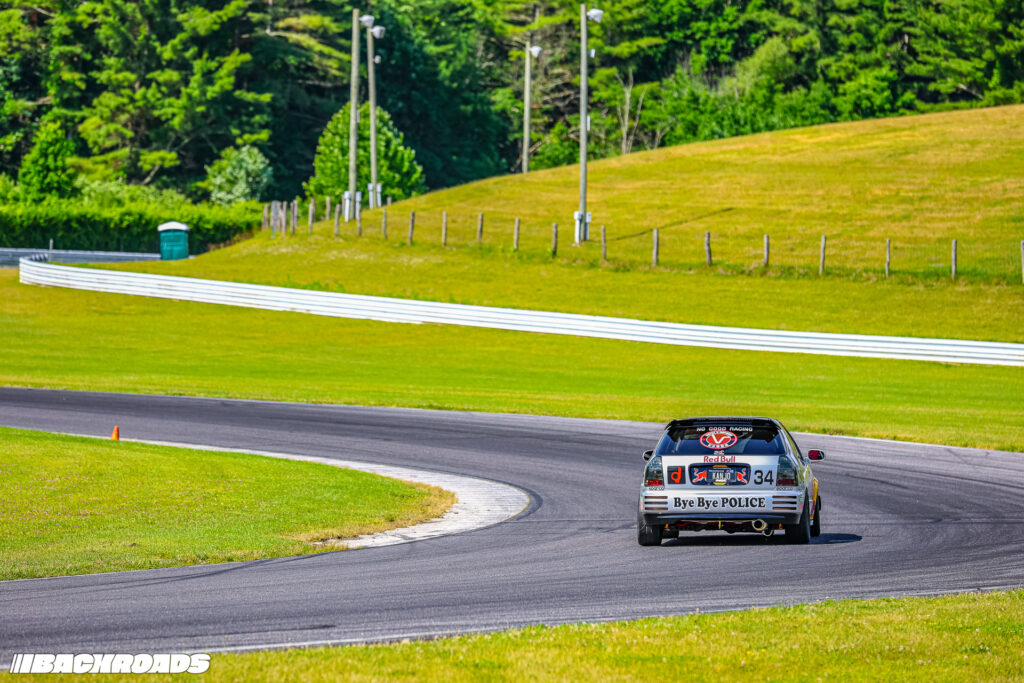
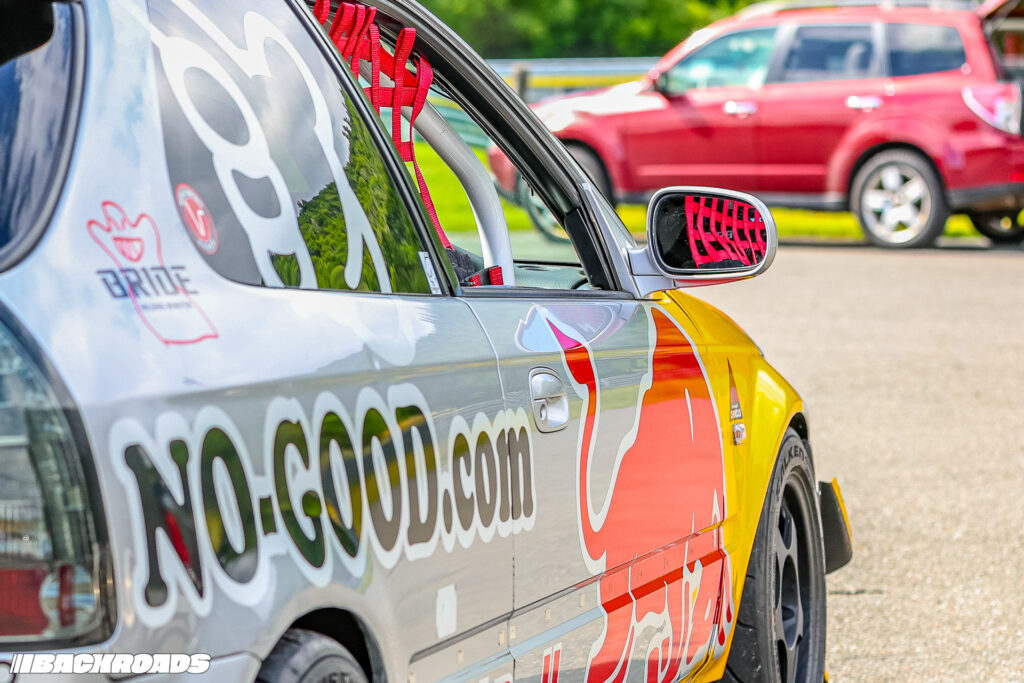
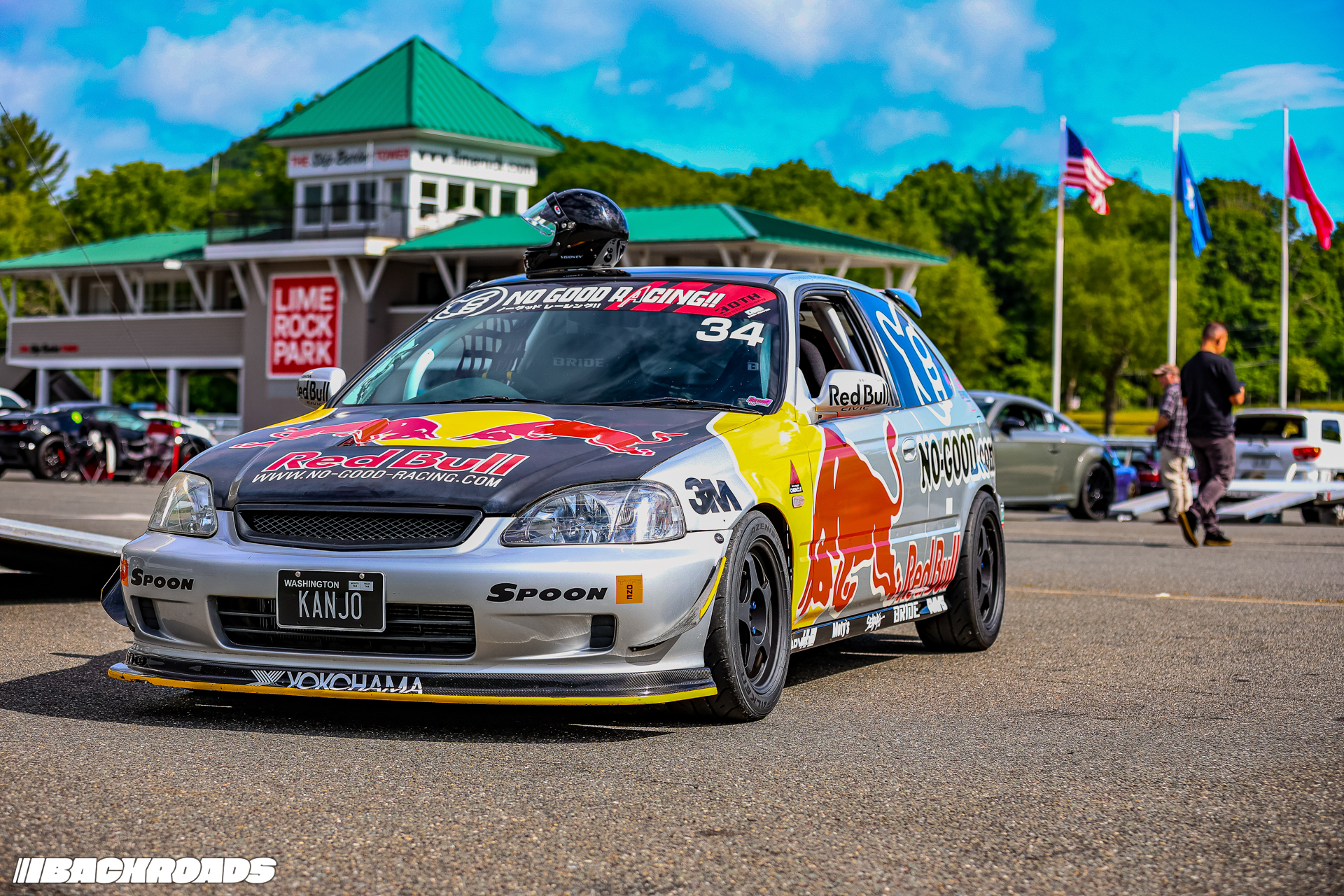
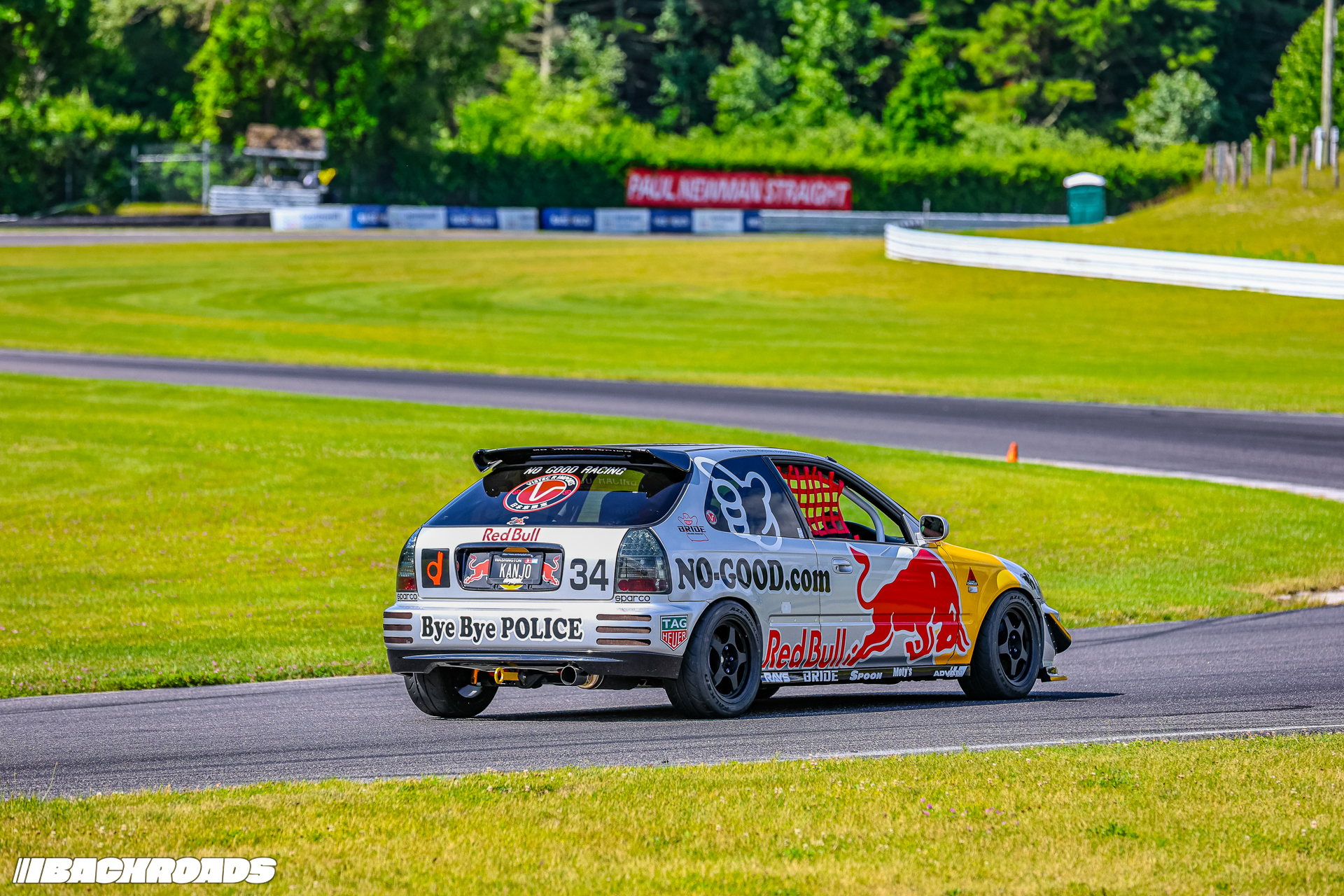
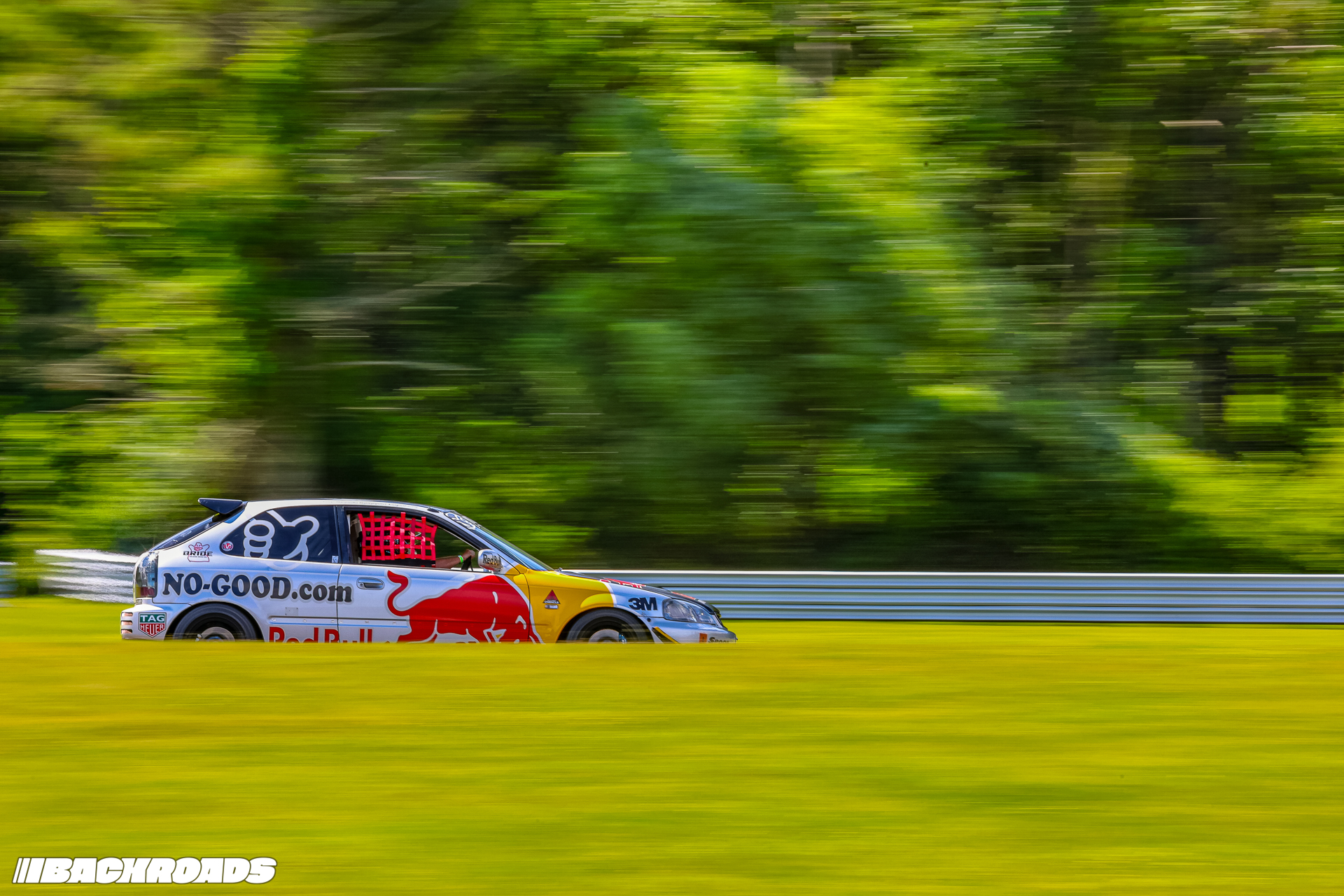
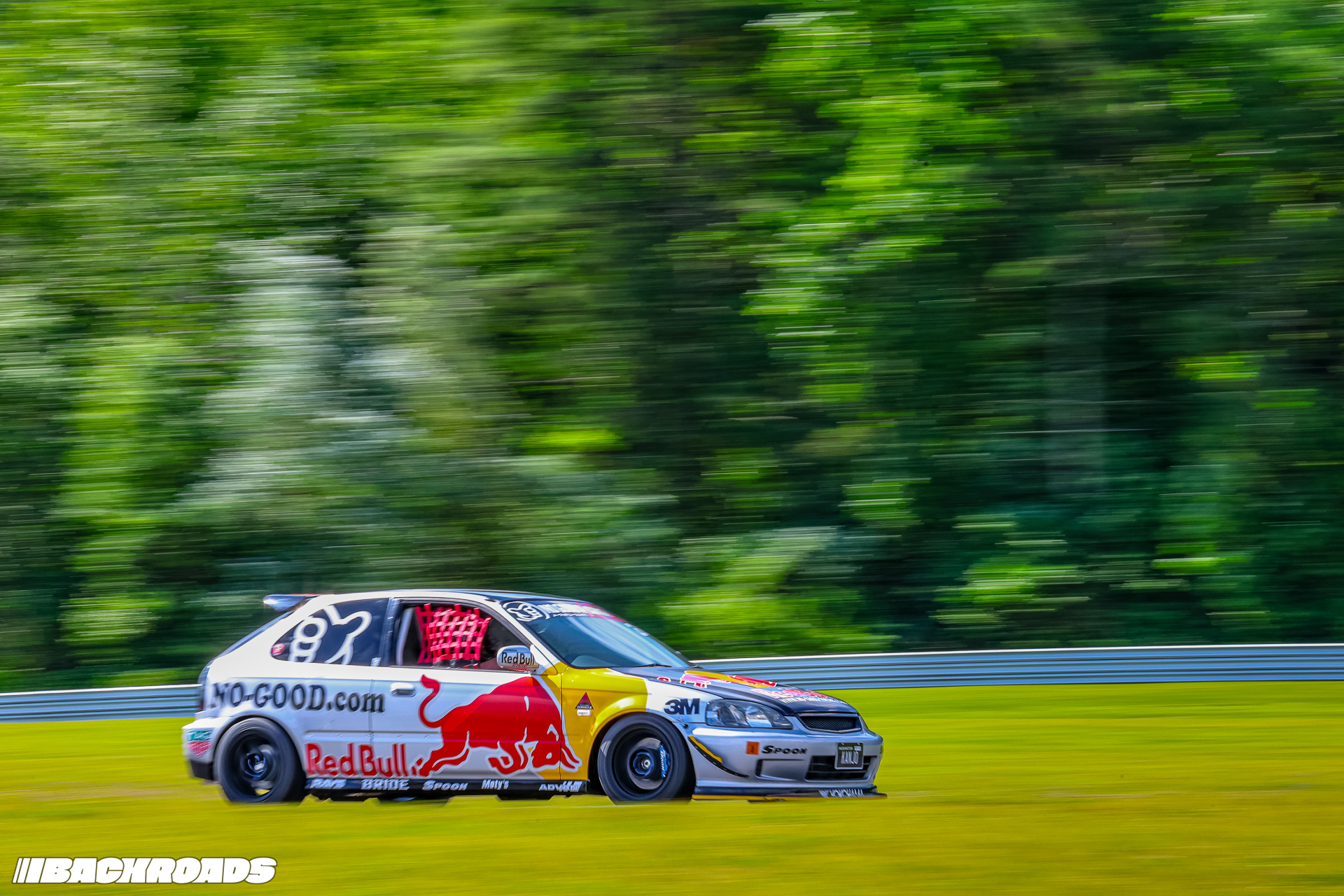
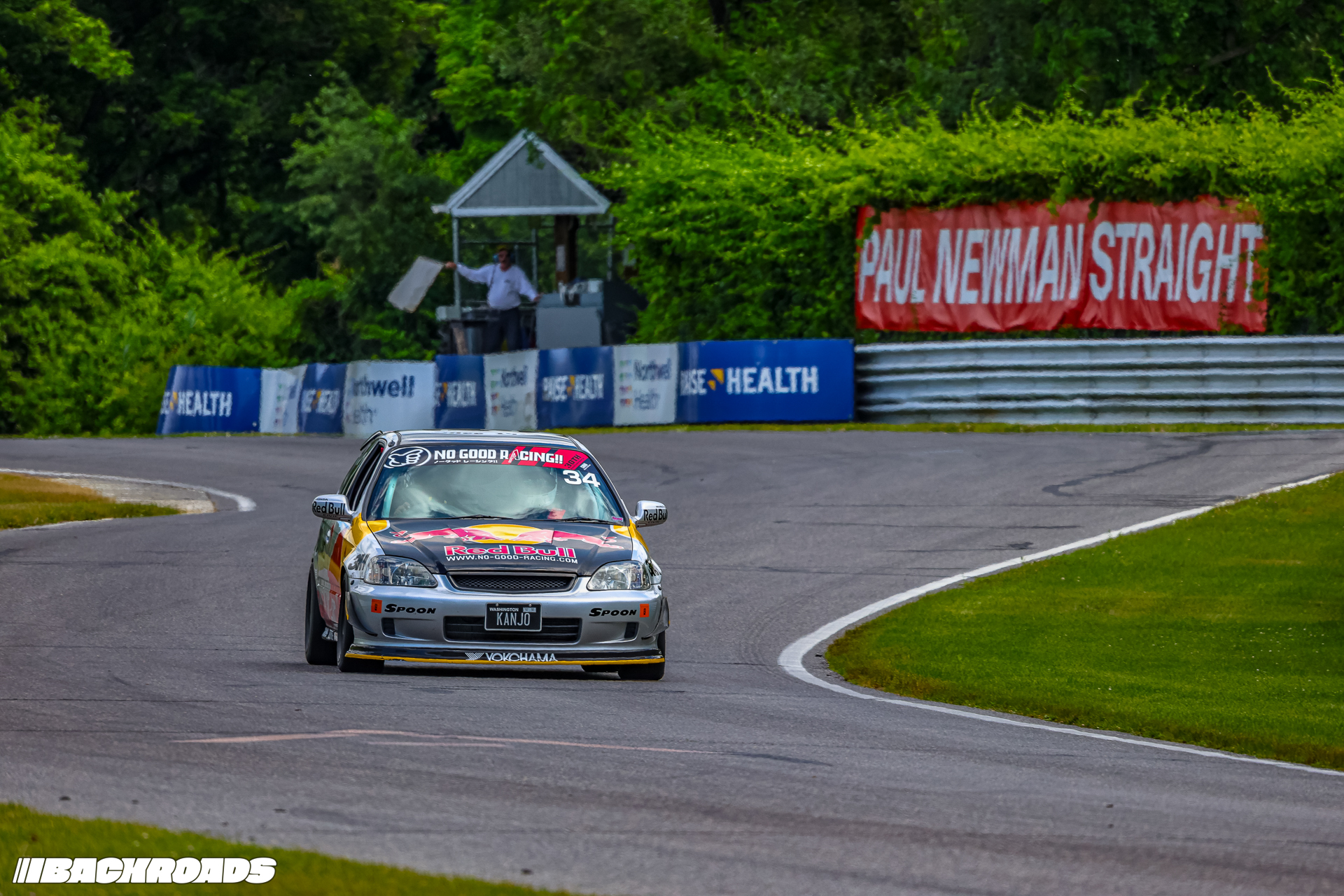
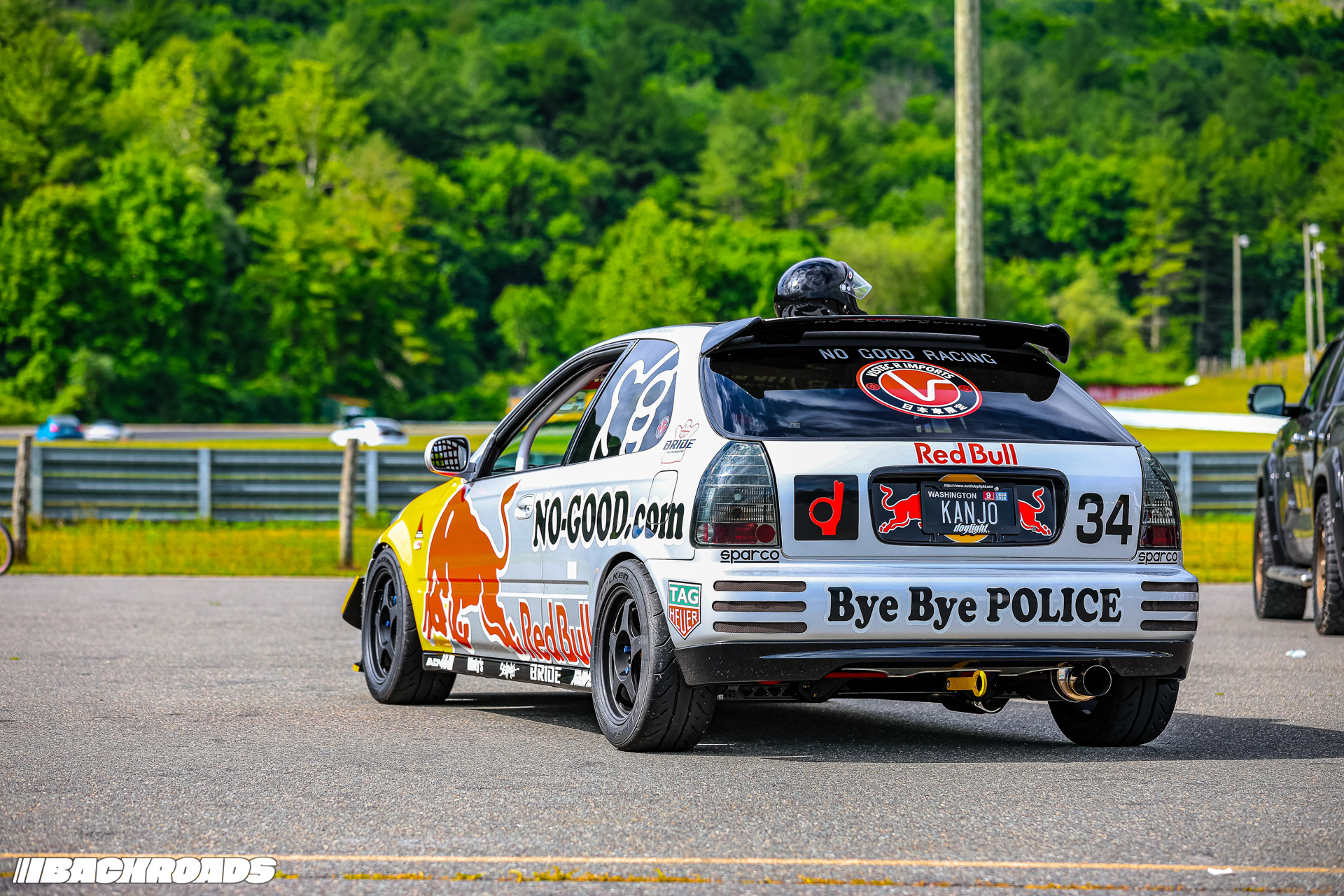
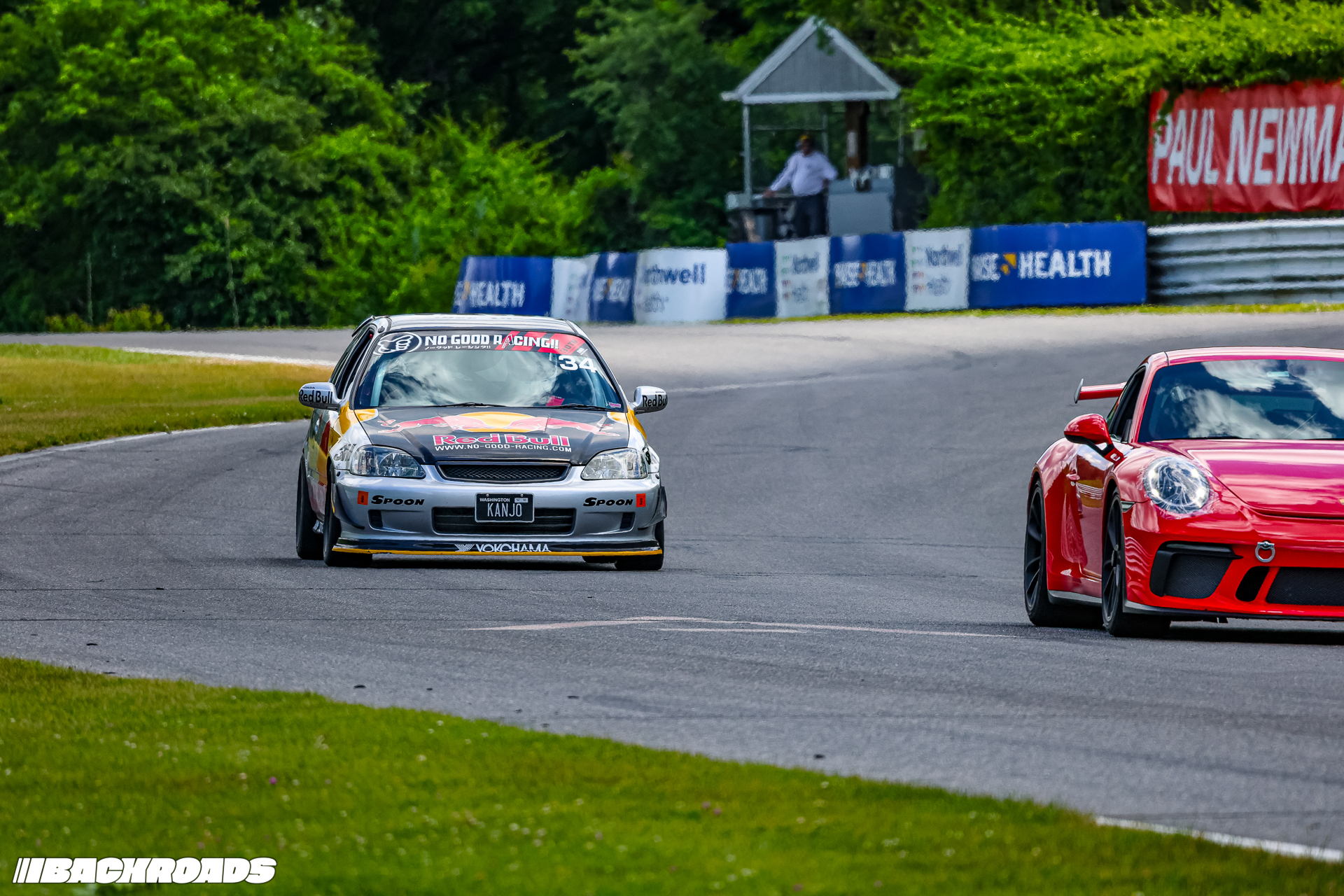
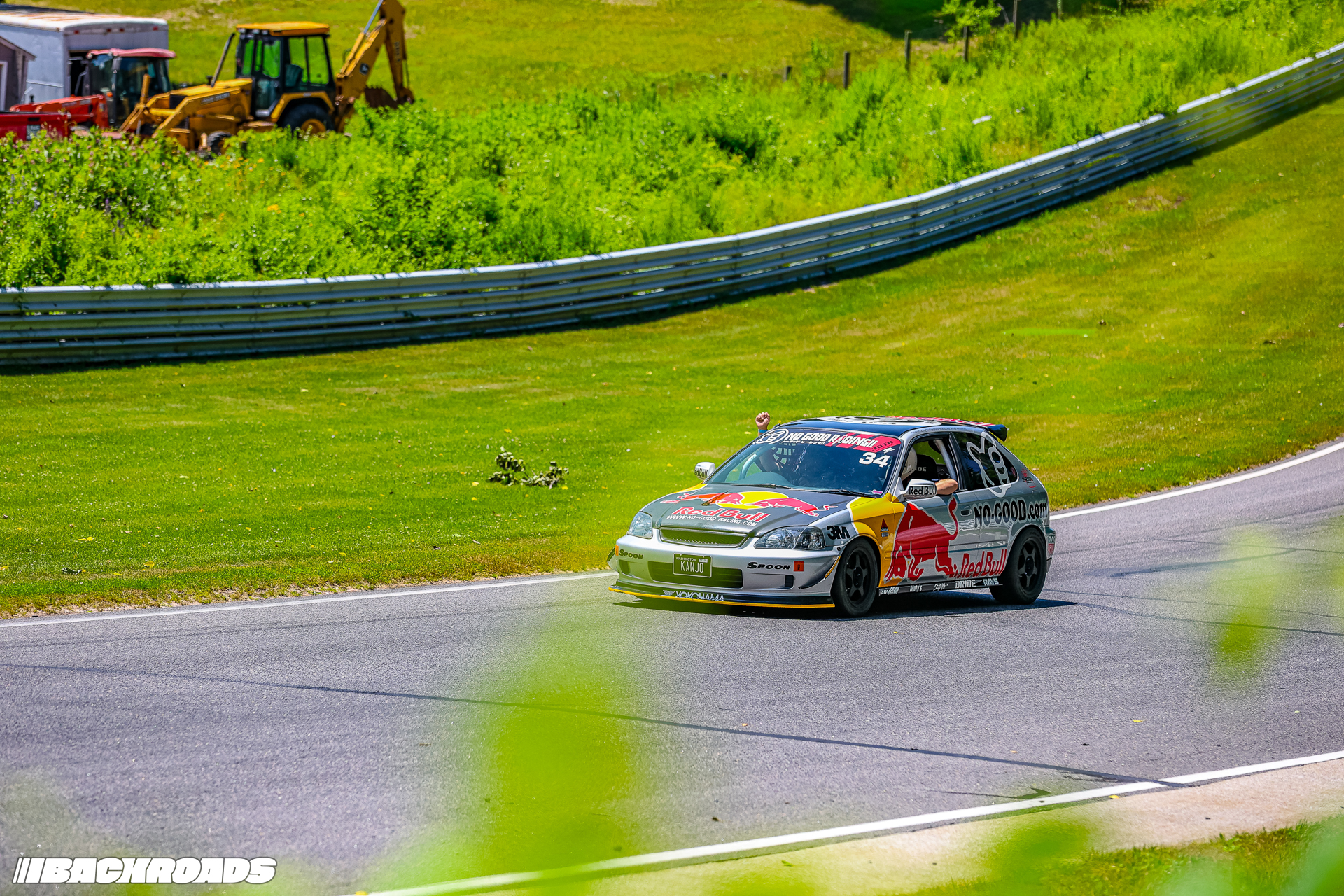
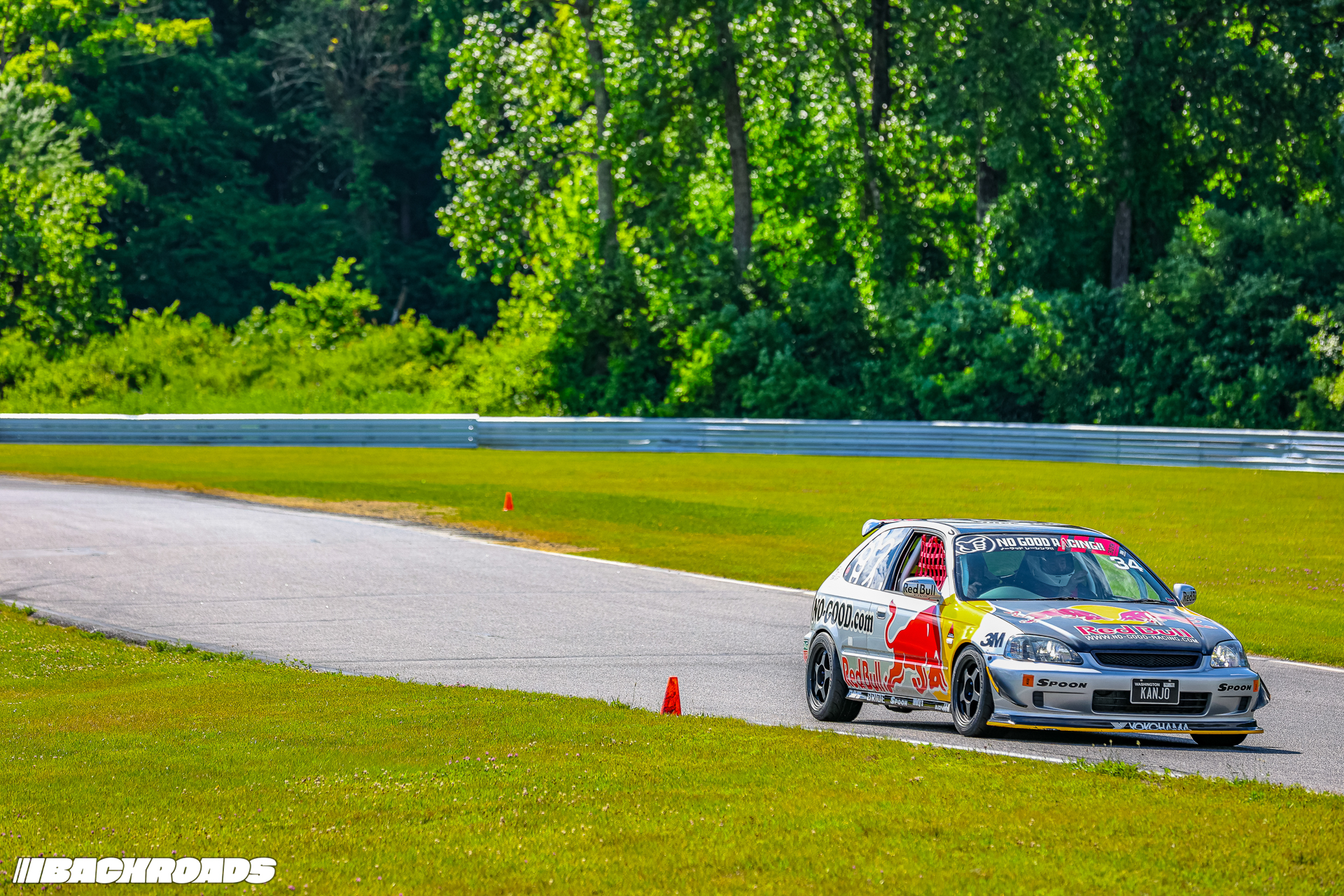
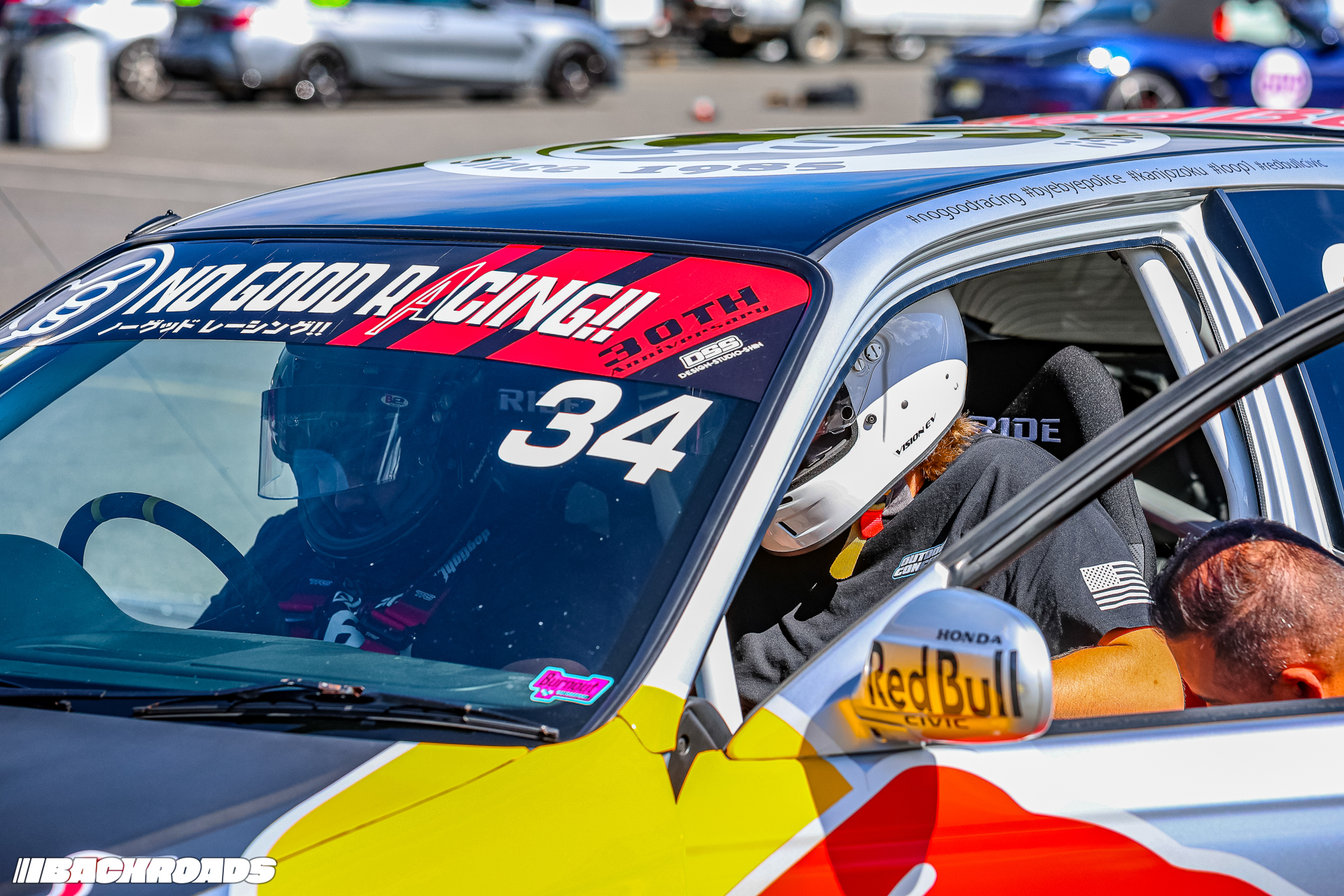
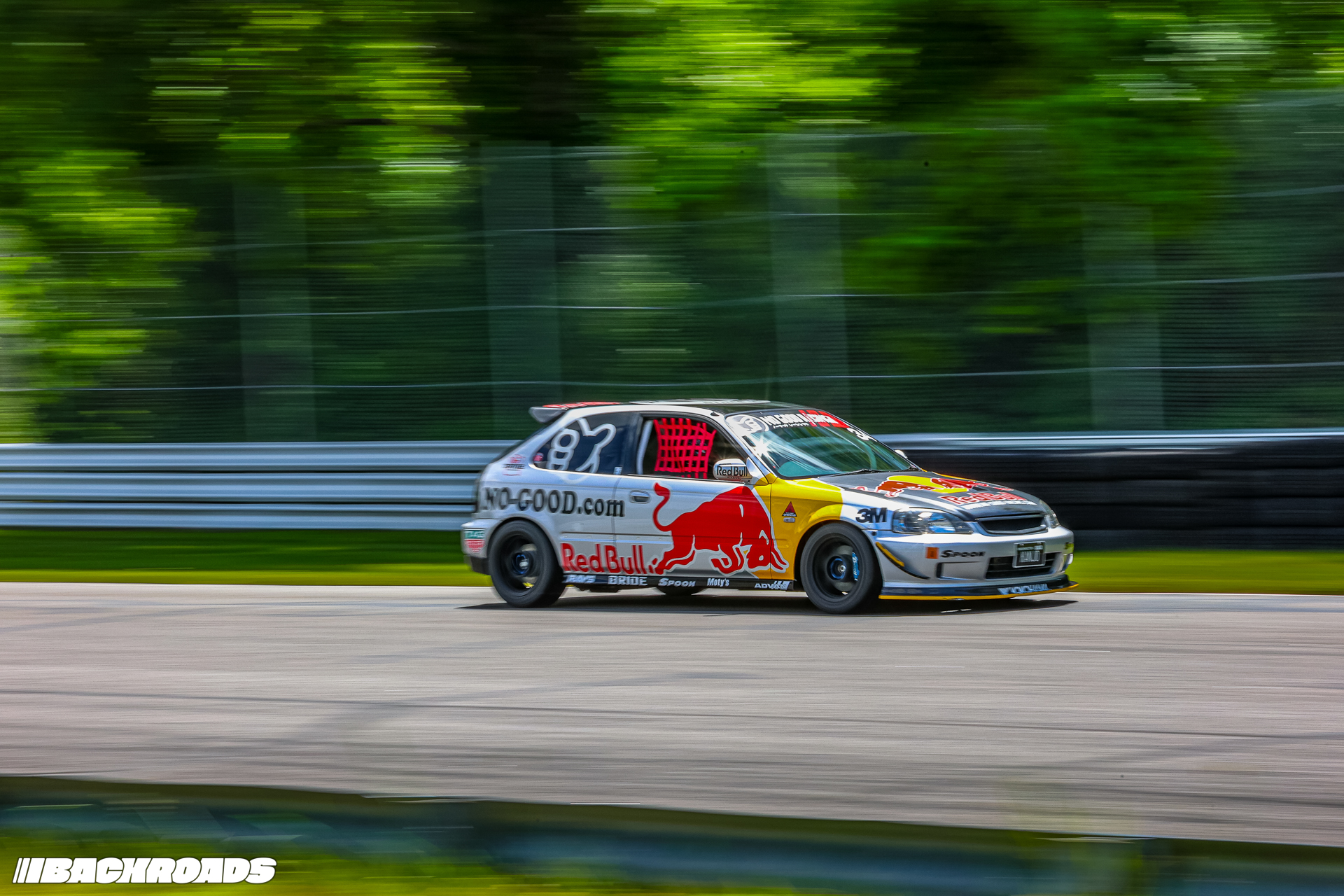
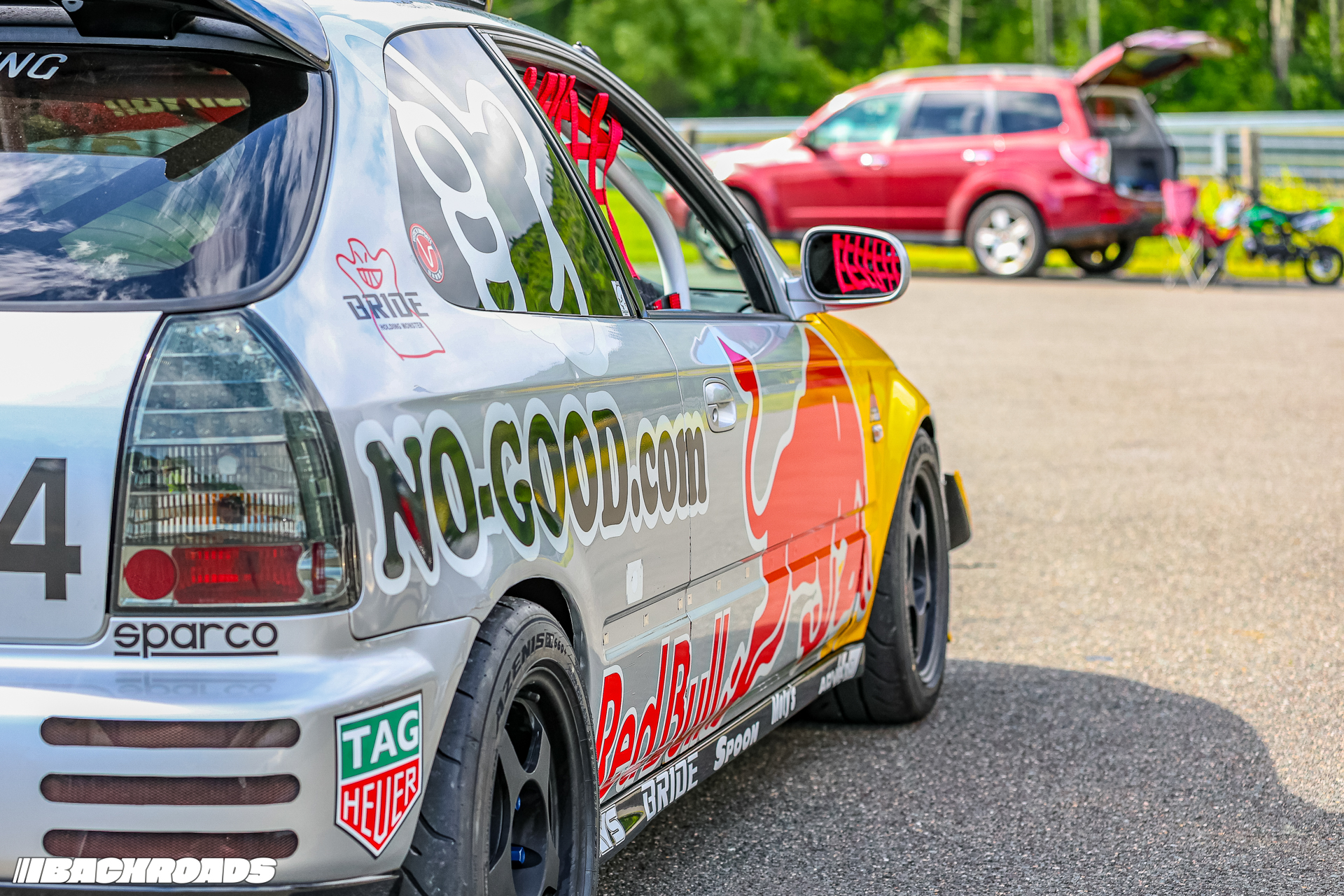
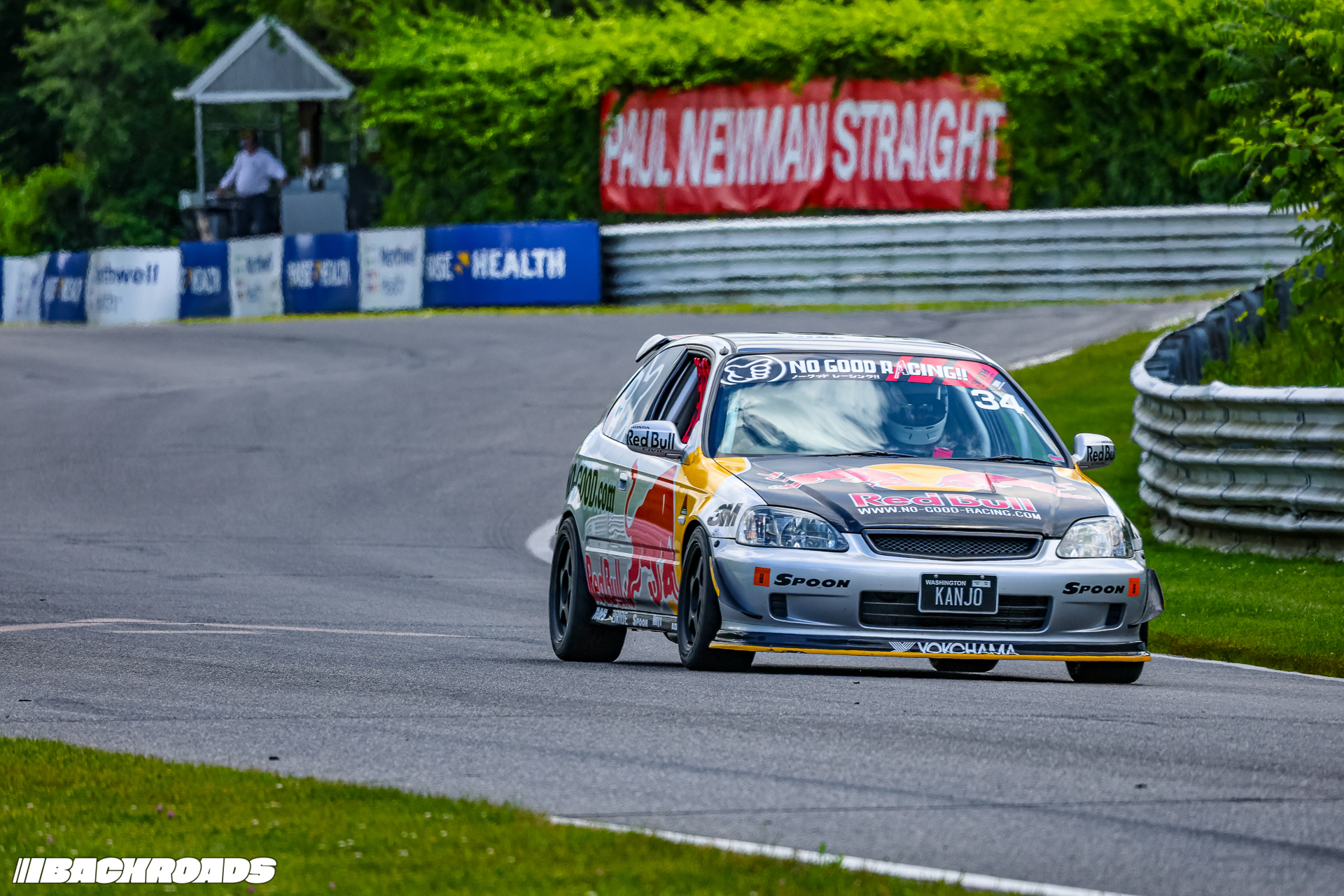
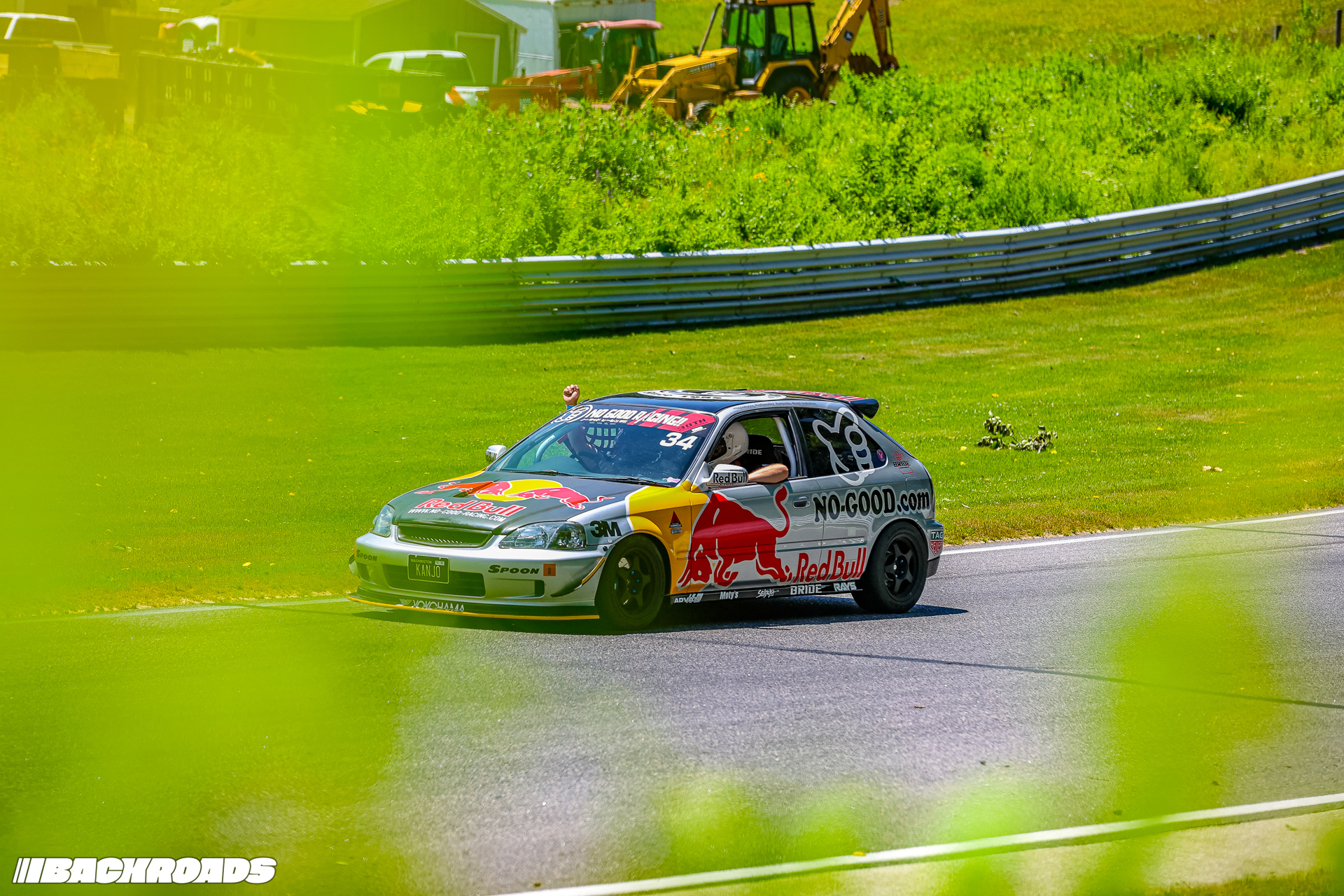
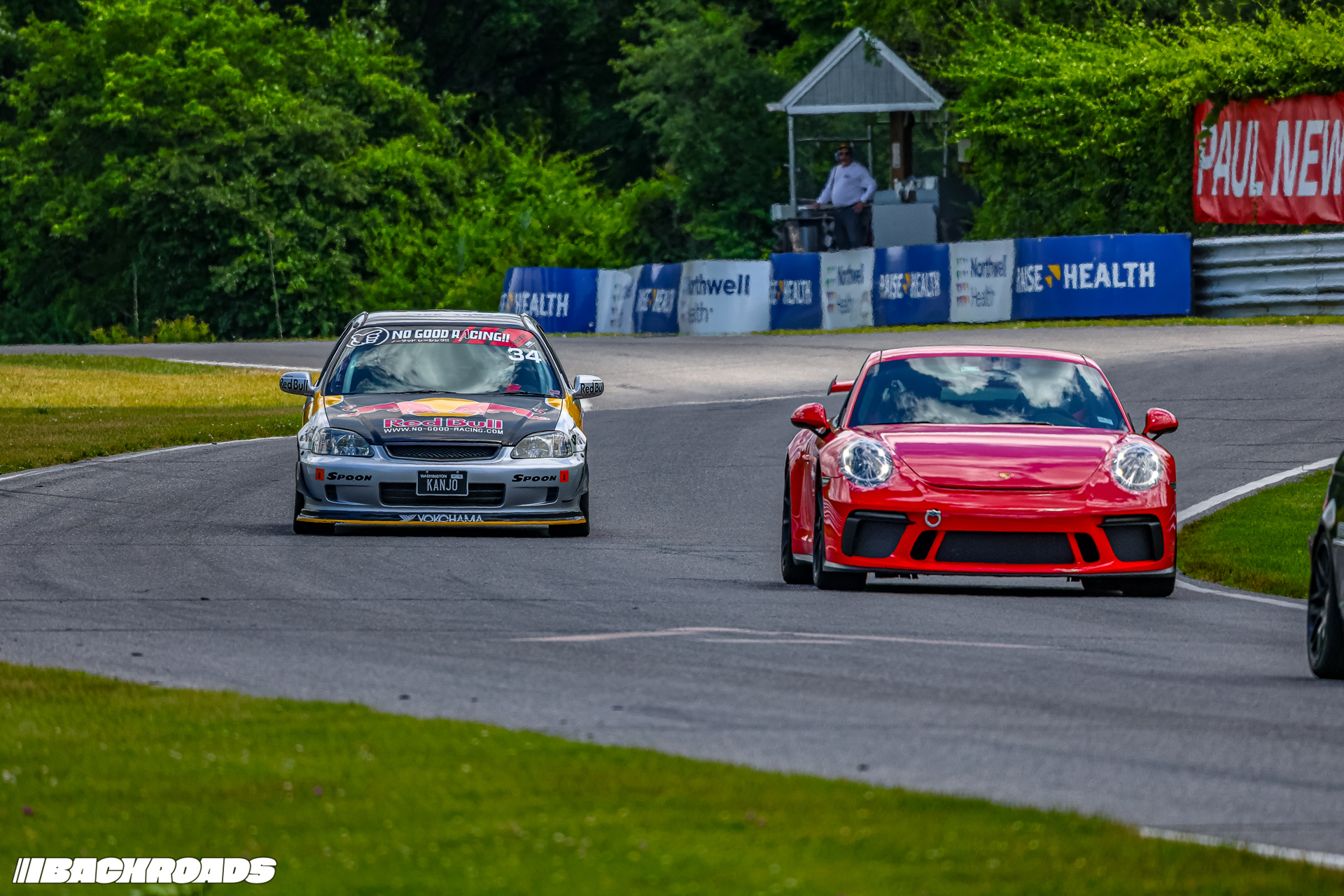
Like any other HPDE event, there was an assortment of cars taking part, from Mazda Miatas to BMWs to Porsche GT3s, and even an R34 Nissan Skyline GT-R. I’m a simple guy – I see an R34 GT-R in real life, it makes me smile. But near that Skyline, there was another car that stole my attention. This car requires you to be a bit of a JDM nerd, a little beyond Initial D, maybe having played Tokyo Xtreme Racer on the PS2 or watched a bootleg (or legit) copy of Megalopolis Expressway Trial (Freeway Speedway). There was an EK Honda Civic with a No Good Racing and Red Bull livery.
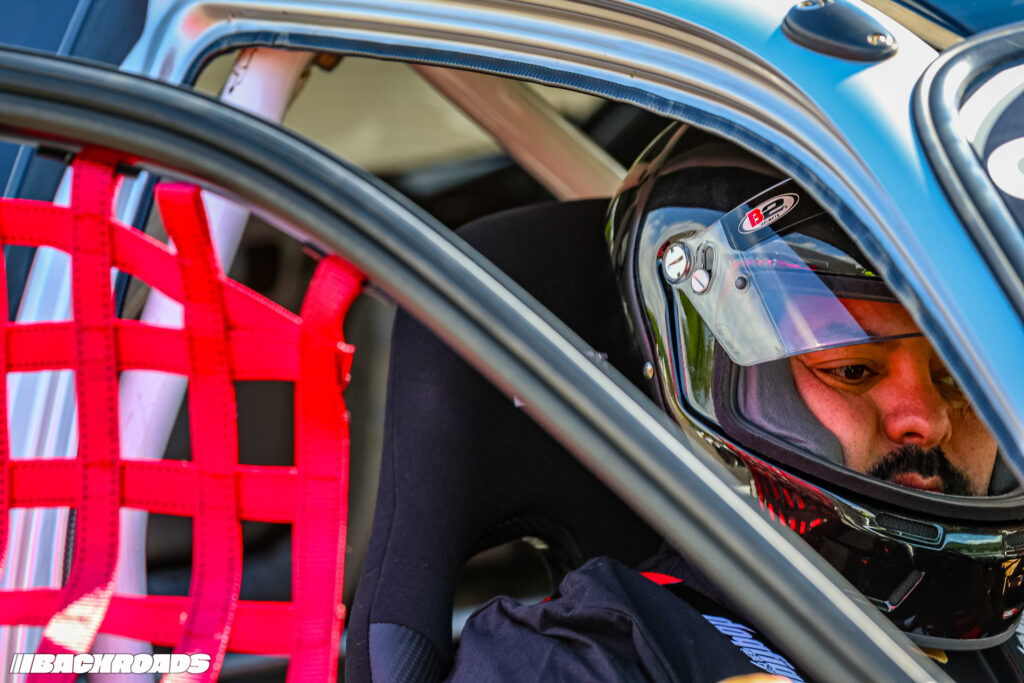
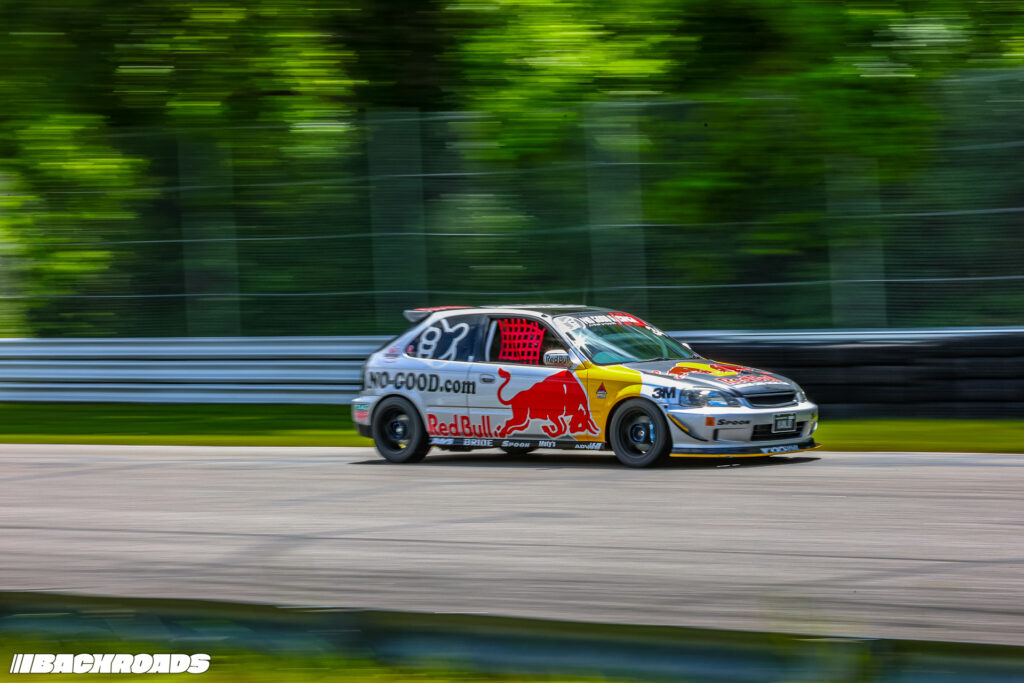
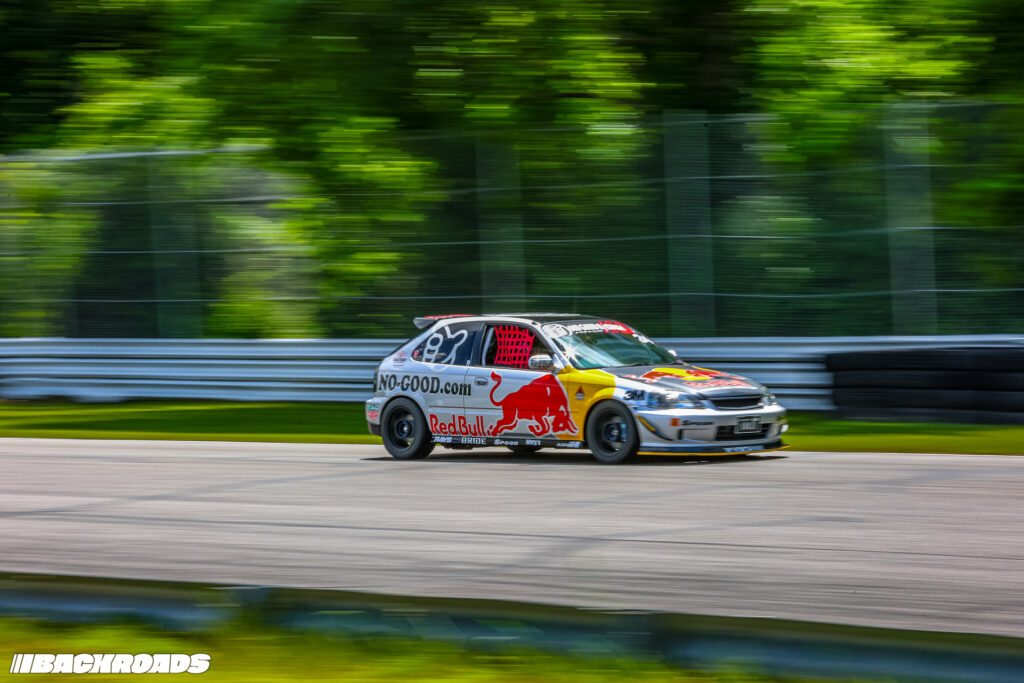
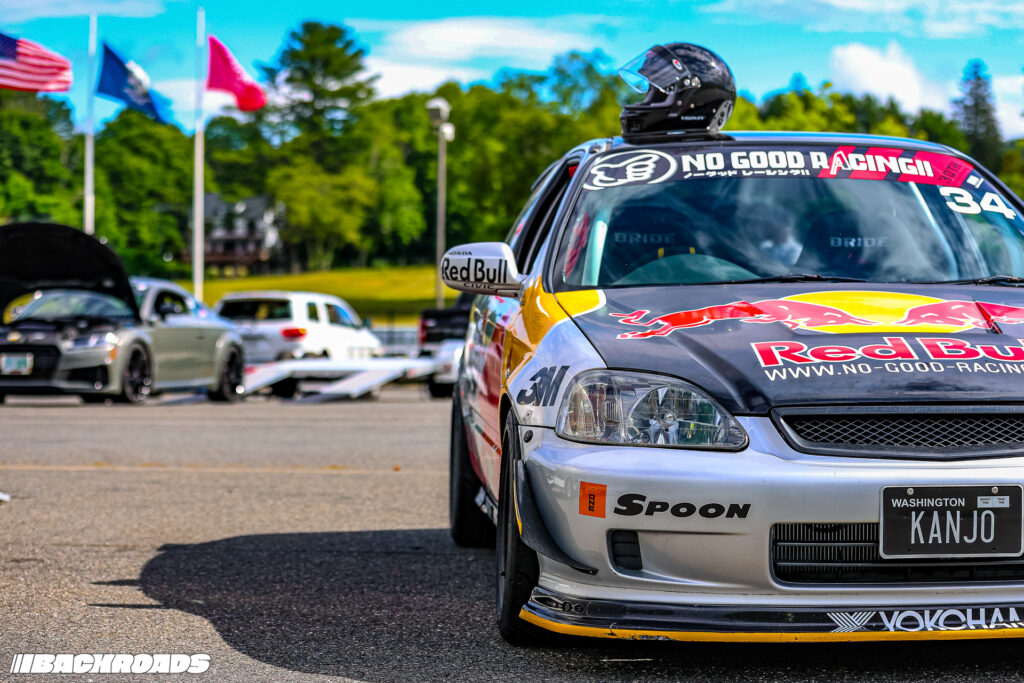
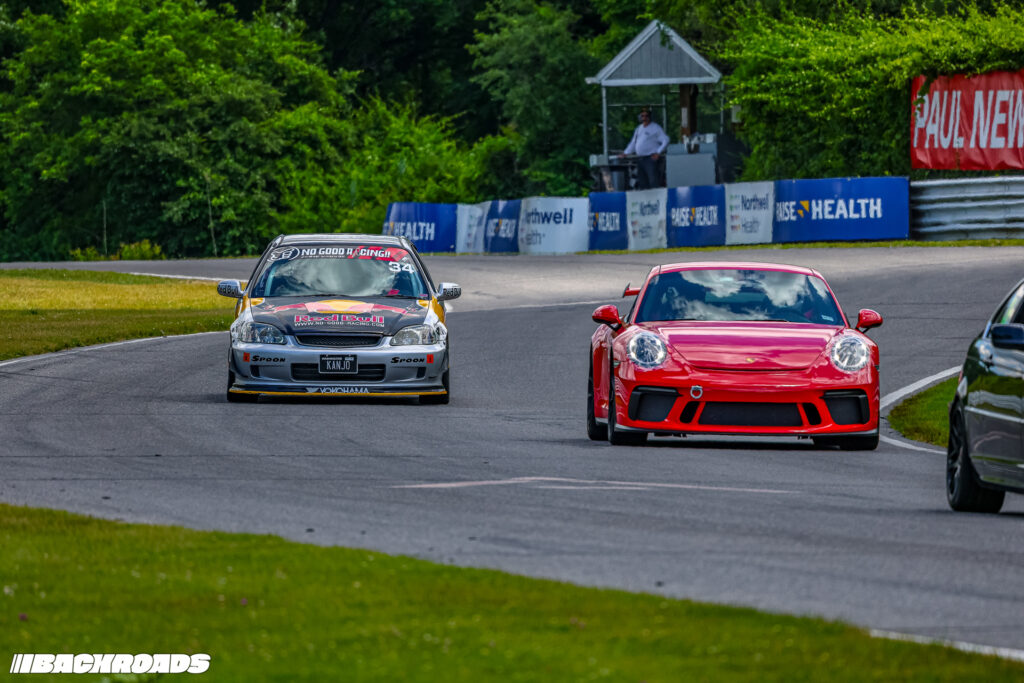
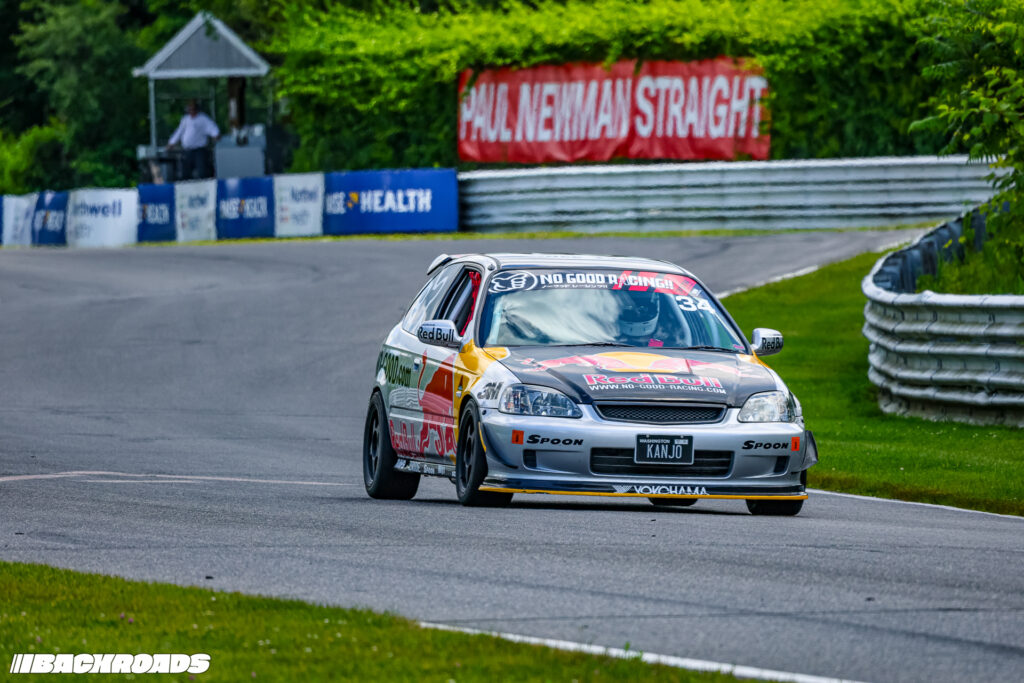
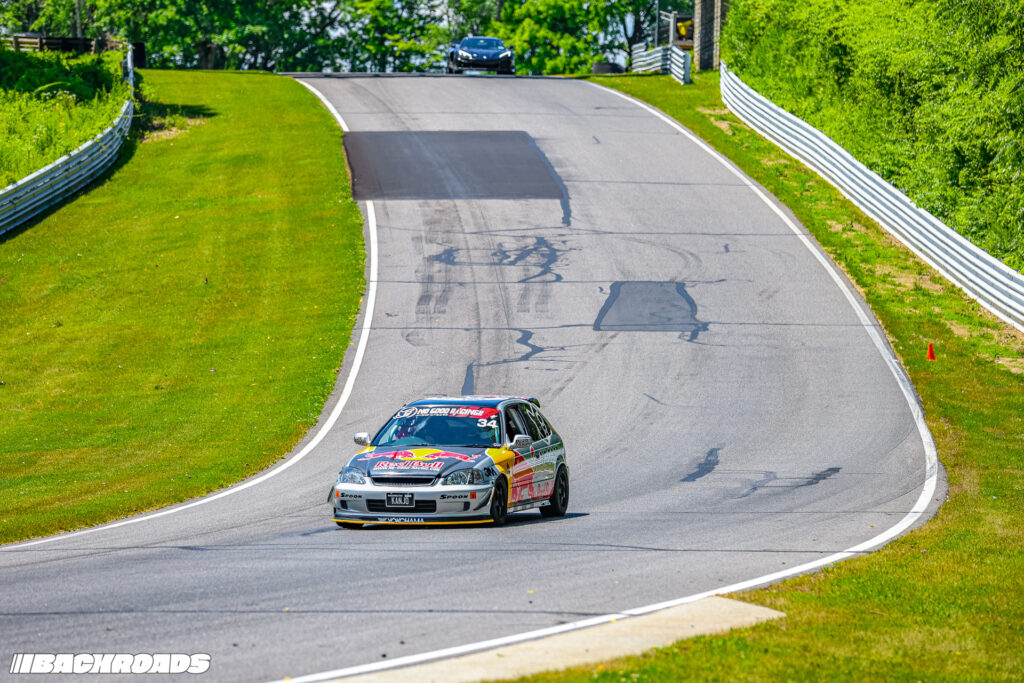
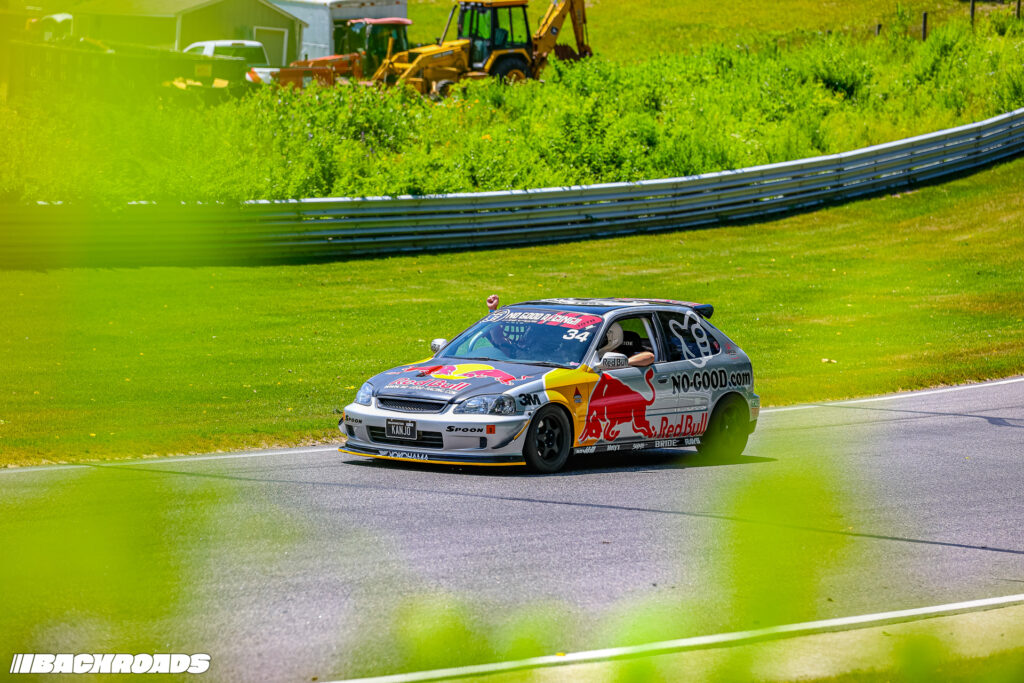
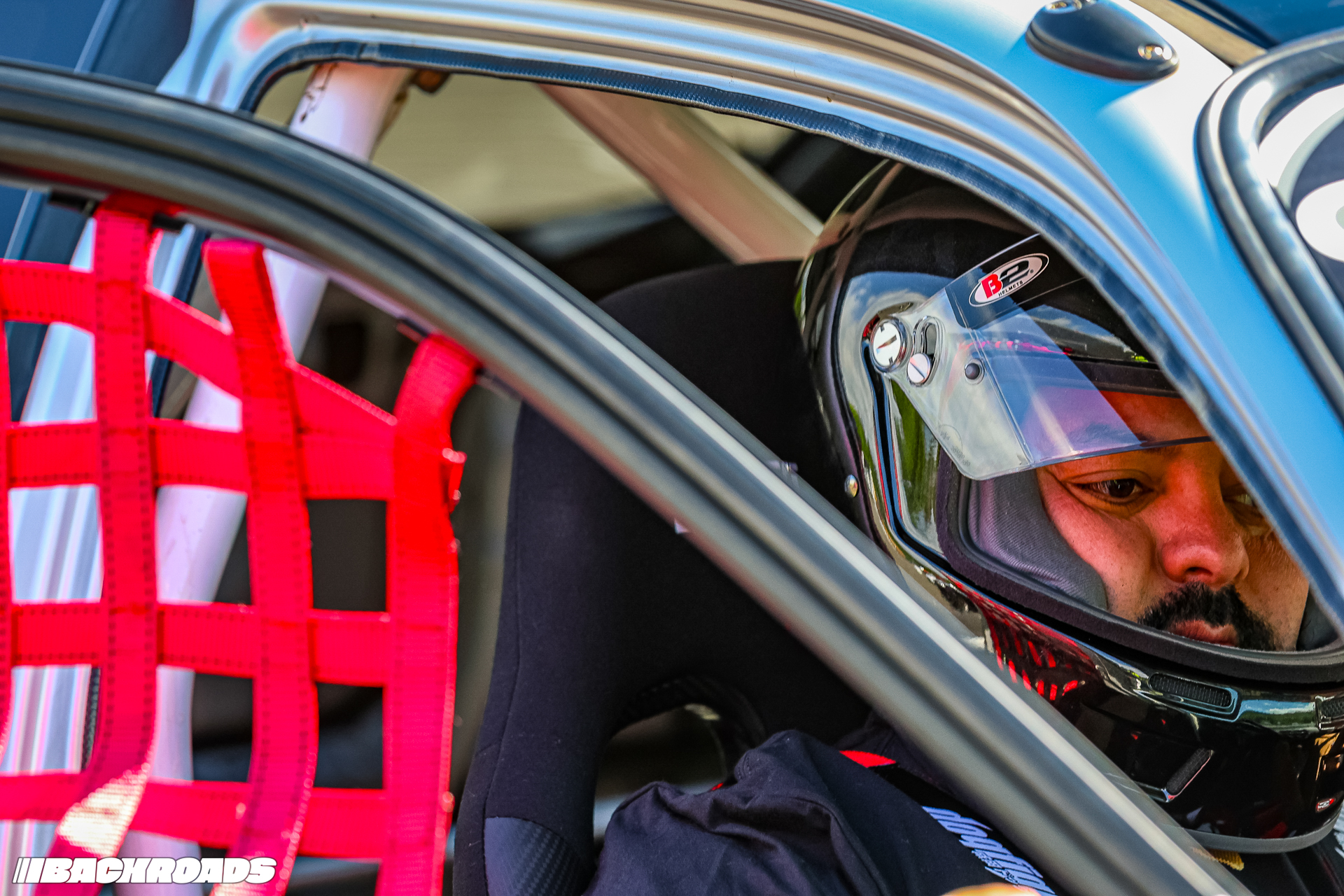
At first, I thought it was someone who fancied the No Good Racing team’s livery and aesthetic, until I spoke with the owner, José, and found out it was a legitimate No Good Racing Civic – an EK9 Type R no less – from Osaka, Japan. Of course, I had to grab some pictures of it in the paddock and on track, and José was super chill and awesome enough to answer a few questions.
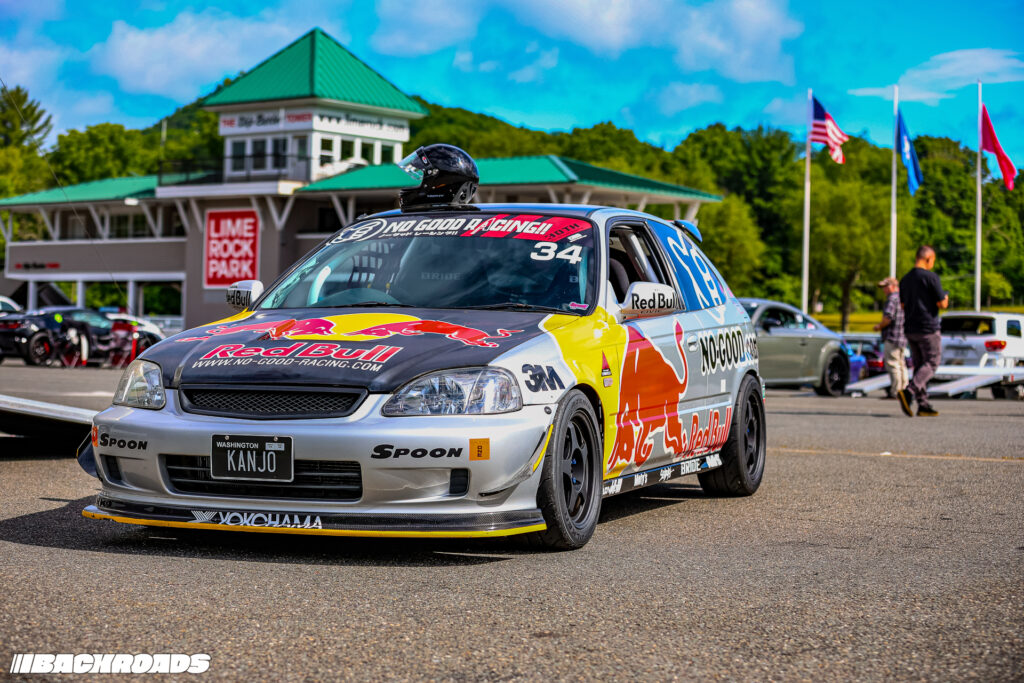
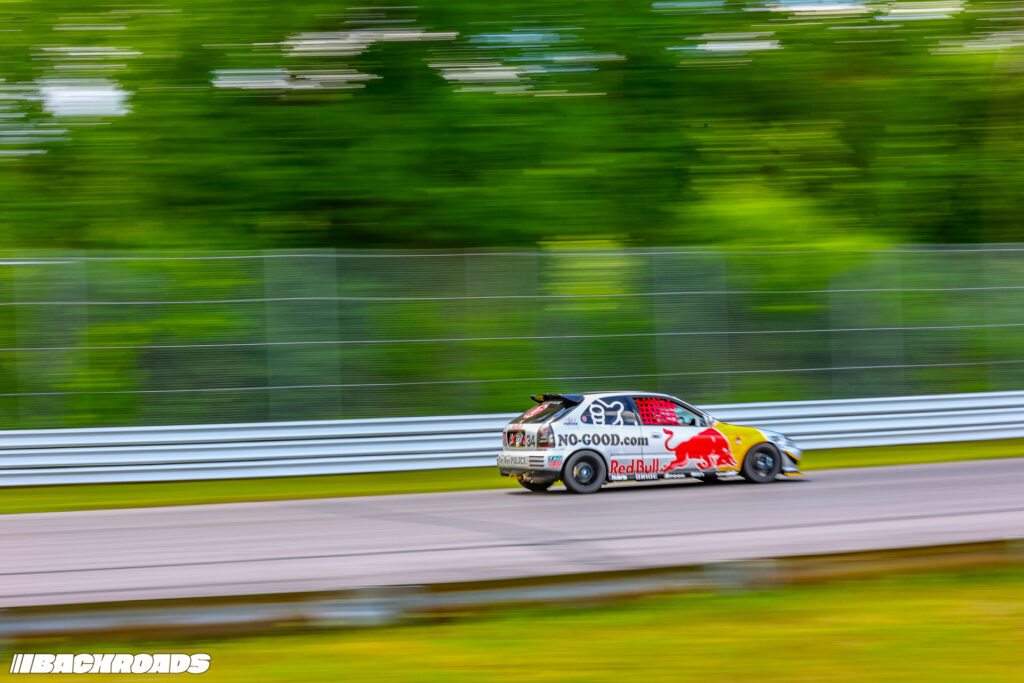
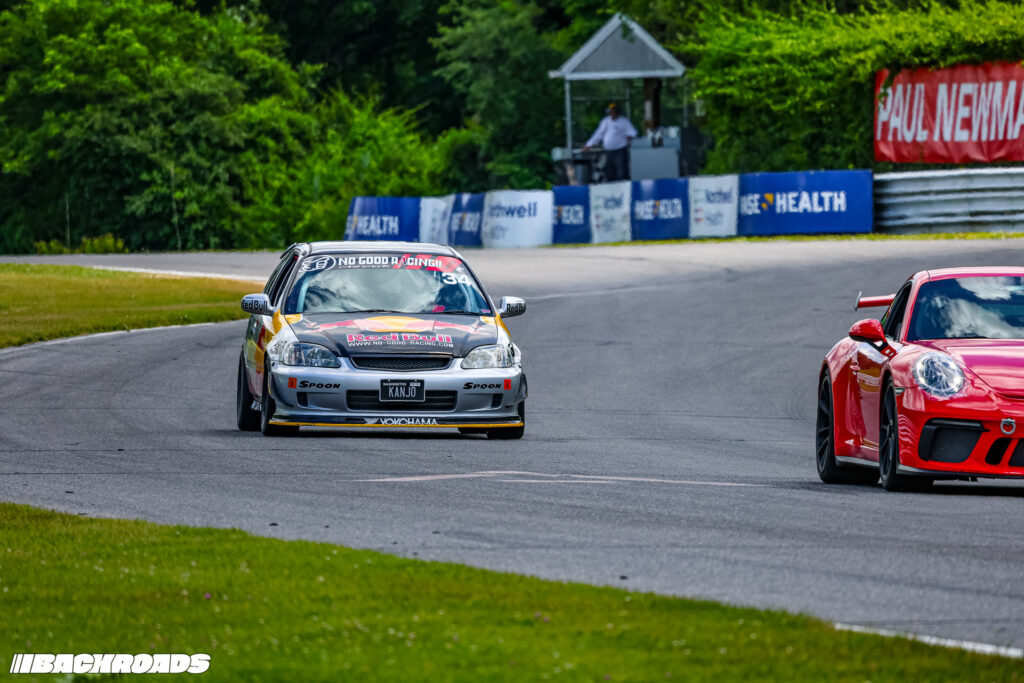
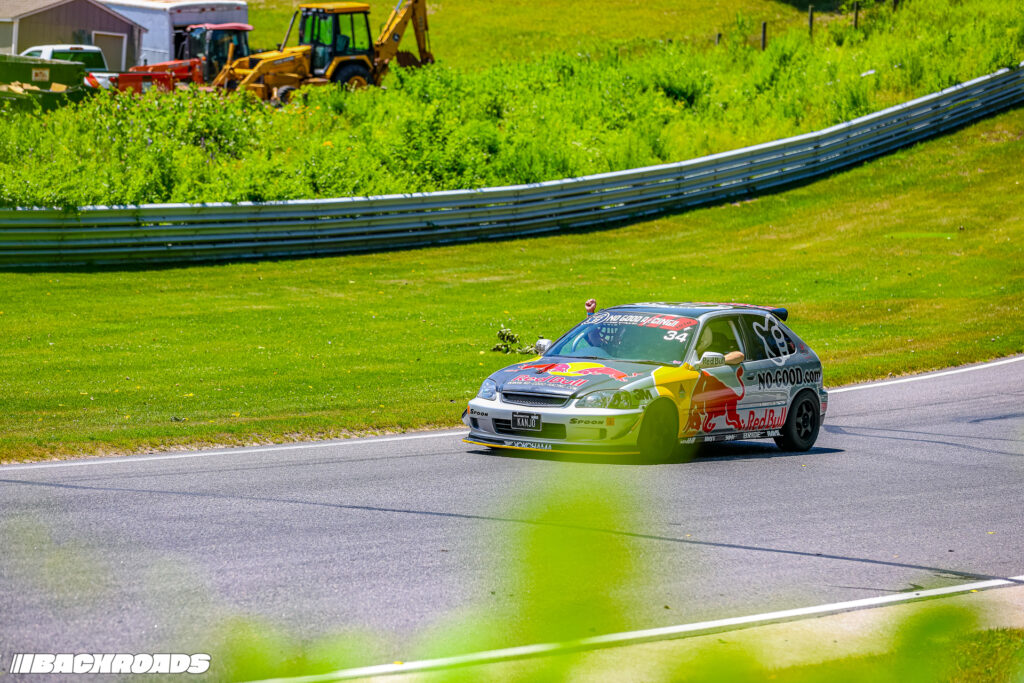
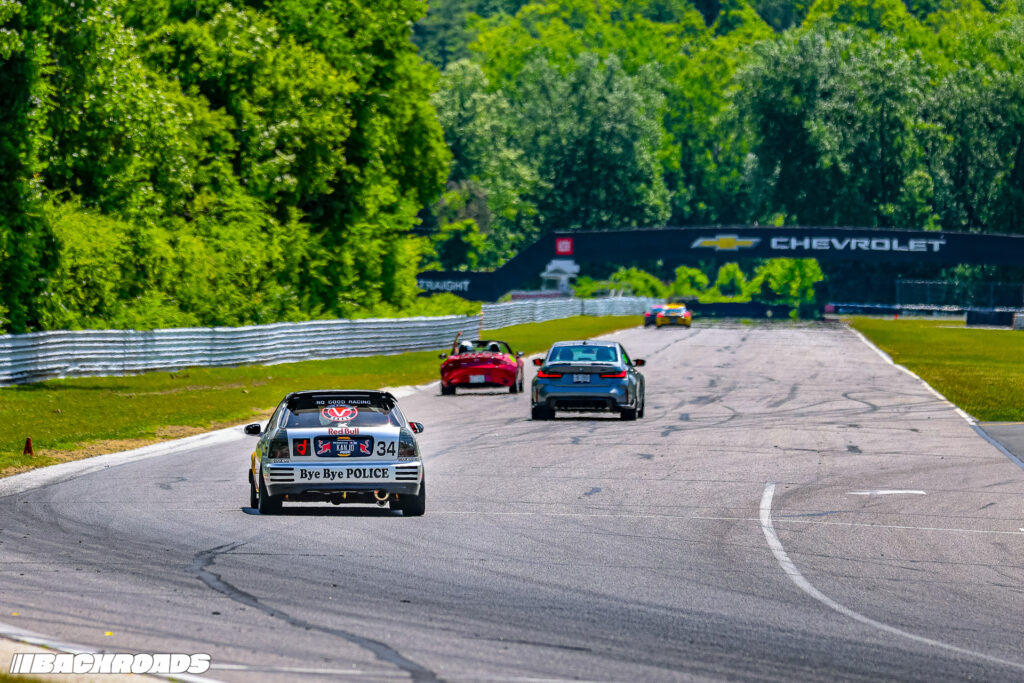
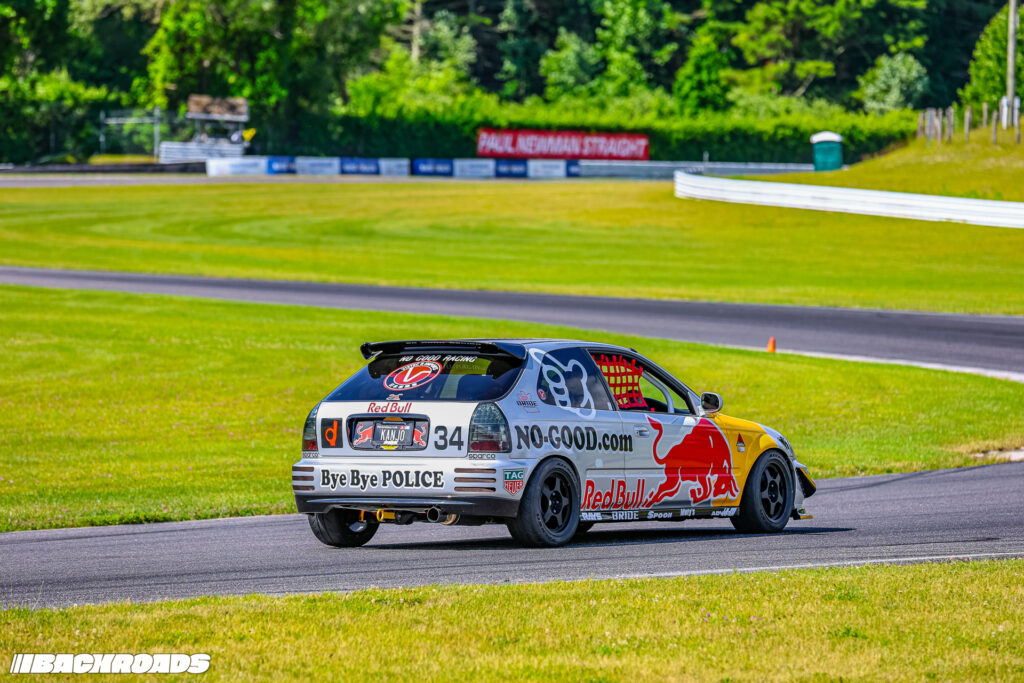
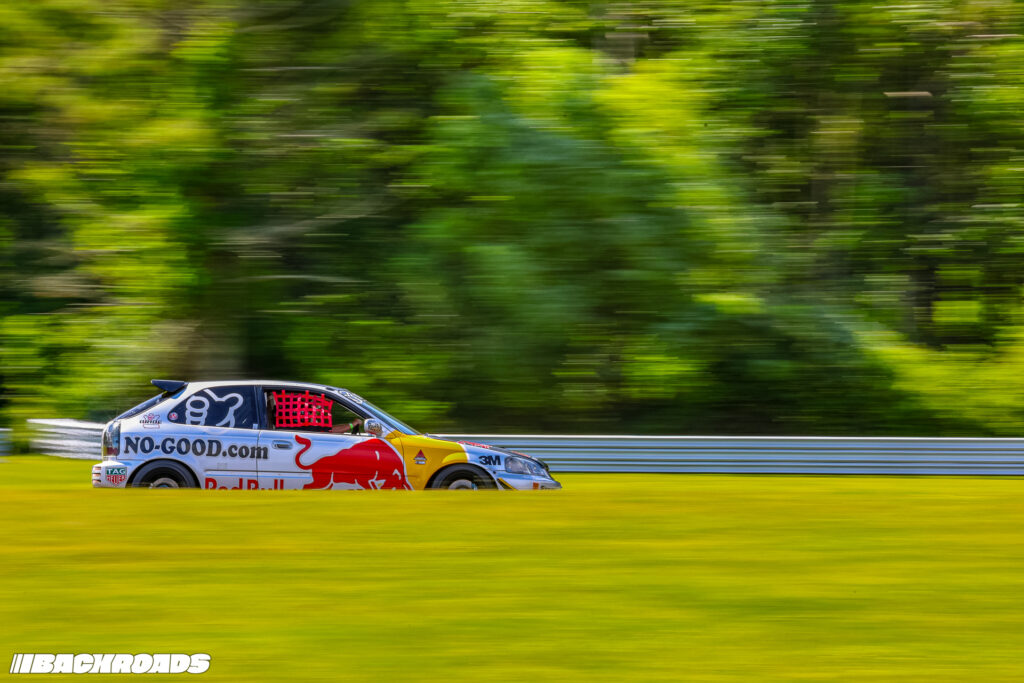
Antonio: No Good Racing is an underground and very private group, so how did you manage to get one of their iconic kanjo cars? To be more specific, I don’t mean the process of getting the car here or negotiations; I mean, did you ask, or was it offered to you?
José: It all started one night while going through my usual routine of checking cars coming up for auction in Japan. That’s when I spotted it. At first glance, I thought it was just another Civic with decals, but as soon as I enlarged the photos, I saw it was a No Good Racing car. I immediately started messaging friends, asking around to see if it was the real deal and whether anyone could put me in contact with the owner. At first, I kept hitting dead ends until someone told me they actually knew him.
Kentarou-san didn’t speak English, so my friend translated for us. I made a serious offer, hoping to buy the car privately before it went through the auction, but Kentarou-san politely declined. His response was, “I want everyone to have a chance and see where the auction ends.” So I waited. Two long days later, the auction finally arrived. When the bidding started, I went in with no budget. I knew I wanted the car, and I was determined to make it mine. Luckily for me, there weren’t many bidders, and I was able to secure it.
Antonio: You mentioned that you’ve since become friends with Kentarou-san. How did that happen?
José: After the auction ended, I was able to track down Kentarou-san’s Instagram account. I asked him a lot of questions about the Civic’s condition, and he was very honest with me. I never expected to receive a mint-condition show car; I knew from the beginning it would need a lot of work. I’ve kept Kentarou-san updated throughout the entire process, from the car’s journey to the US to every step of the restoration, and we’ve become good friends.
Antonio: You’ve owned other iconic JDM cars like Skylines and Supras. What makes the Civic so special to you? Many people will just see a right-hand-drive EK hatchback.
José: To me, this Civic is much more than just another Honda – it’s a piece of history. No Good Racing has played a huge role in shaping the JDM Honda scene that so many of us grew up admiring. Their underground and unique style and approach to building cars inspired an entire generation, and many of those trends eventually made their way to the US.
Back in the late ’90s and early 2000s, all we had were a few magazine features, grainy videos, and word of mouth. That was enough to spark my passion for Hondas. It inspired me not only to become an enthusiast but eventually to build a business importing cars from Japan.
That’s why this Civic has such a special place in my life. It’s hard to explain to someone who wasn’t there – to someone who didn’t experience the underground street racing and tuning culture of the late ‘90s and early 2000s. This was before Hollywood glamorized the scene. Before The Fast and the Furious made it mainstream. This was the real culture that inspired so many of us and shaped the path I’ve followed ever since.
Antonio: Since getting the EK stateside, you mentioned that you replaced and/or refreshed the whole engine, drivetrain, suspension, brakes, etc. Is there something that surprised you, that you didn’t have to touch?
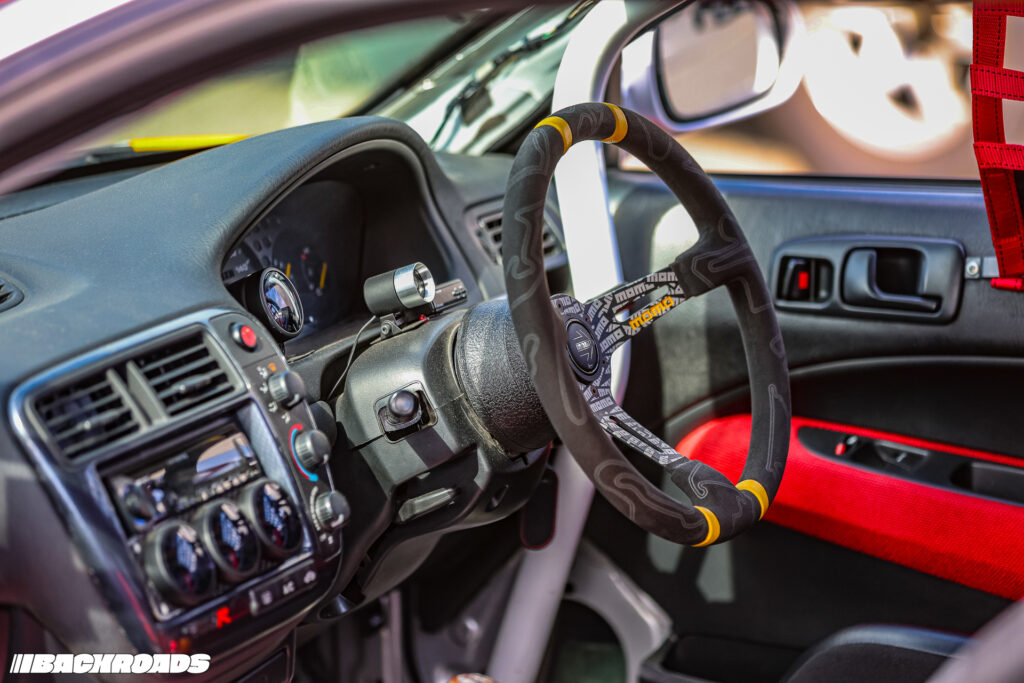
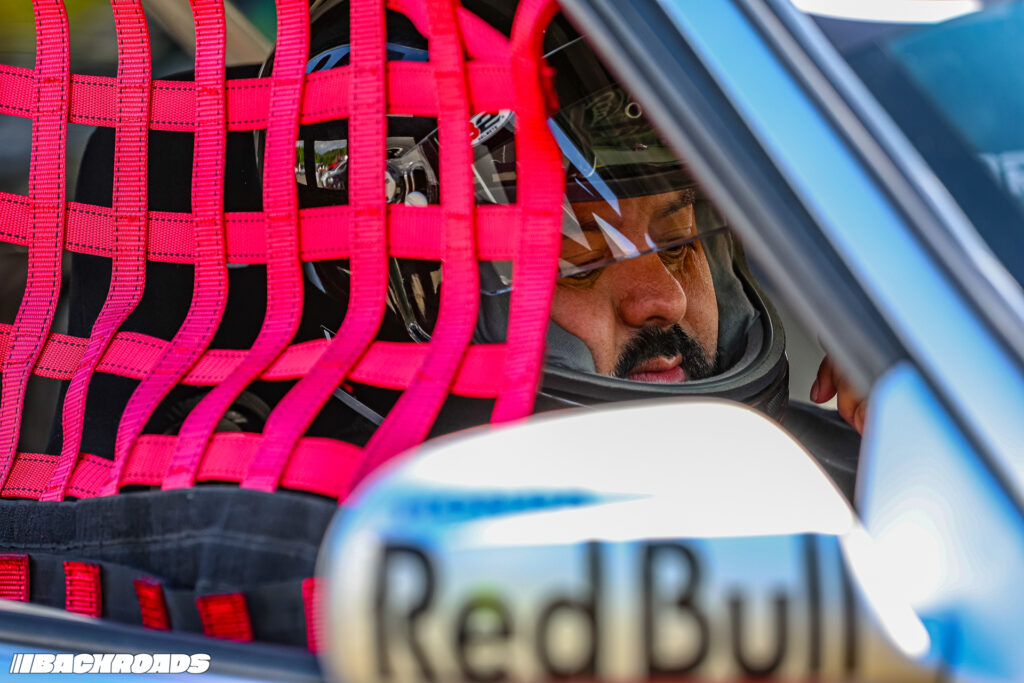
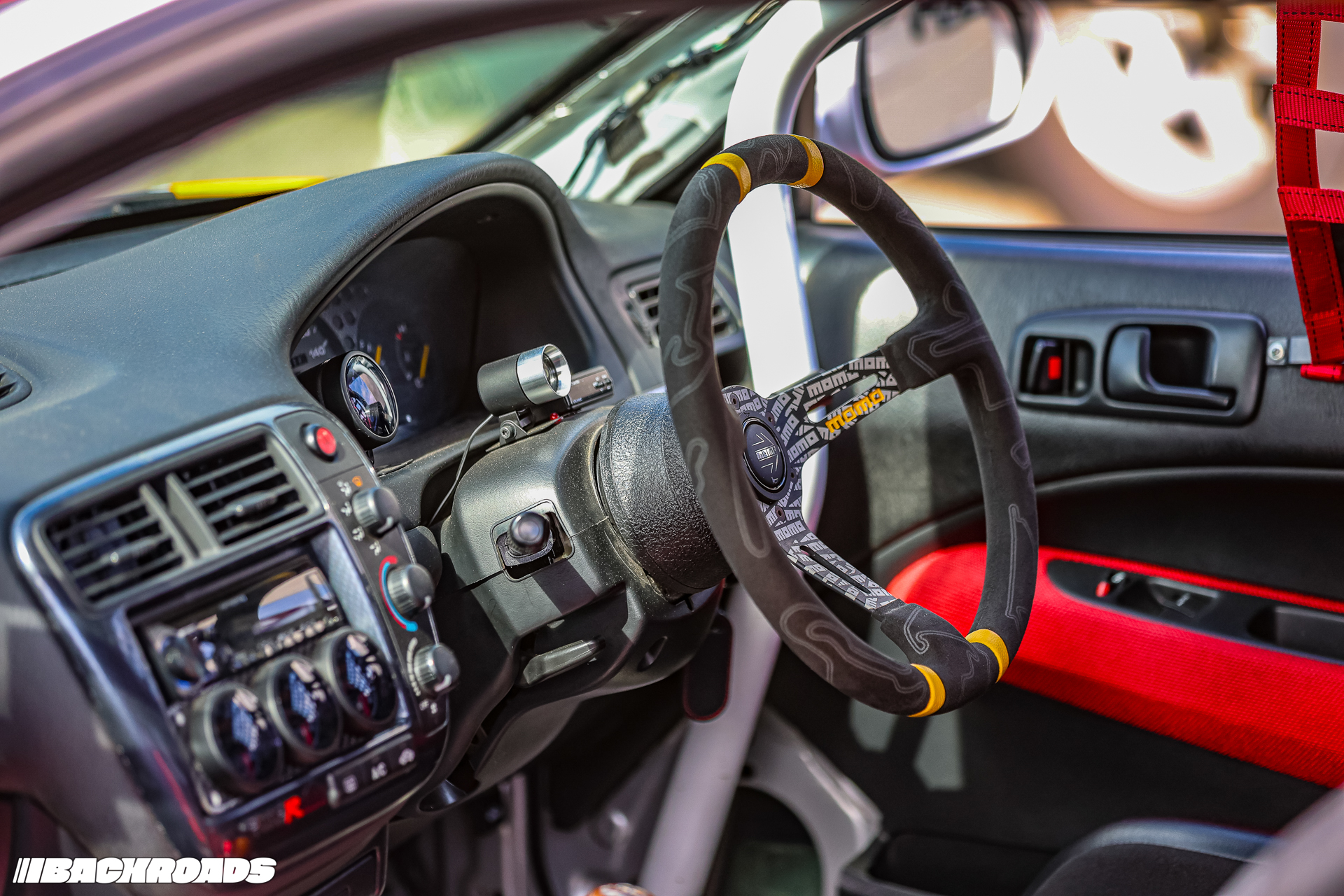
José: The decision to restore the car came after I really looked it over. The suspension was completely worn out, the engine had clearly been neglected, and the seats and harnesses were outdated and no longer safe. I didn’t buy this car just to let it sit in a garage – I wanted to enjoy it.
From the beginning, my goal was simple: restore everything that could be improved without changing the car’s identity. I never wanted to alter its iconic livery or the style that made it so recognizable. To me, that’s the soul of the car. The engine and suspension were never the reason people fell in love with this Civic, so I had no problem updating those components with modern parts that made the car safer and more enjoyable to drive. Every modification was made with respect for the car’s history. I wanted to give it a second life while keeping the spirit of the original No Good Racing build alive.
Antonio: Are there any ’battle scars’ on the car – dents, stickers, decals, or modifications – that you’ve deliberately kept rather than restored, because they’re part of its story?
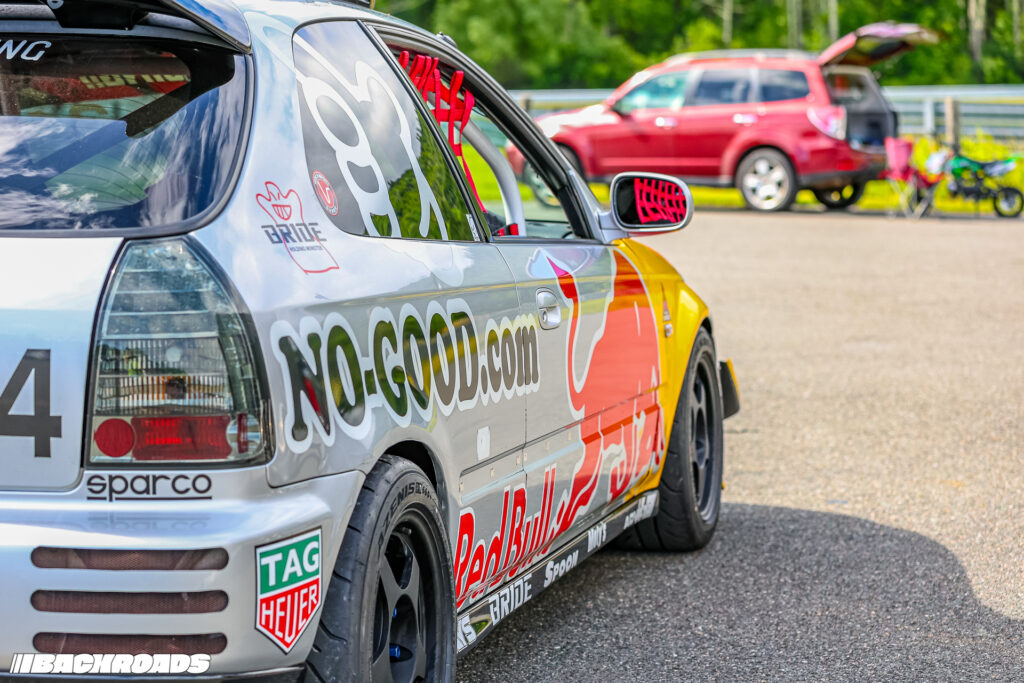
José: The body still tells its story. It still has the rock chips, the cracked front spoiler, the old drill holes, and almost all of its original stickers. I only replaced two stickers with Spoon Sports decals because, honestly, they bothered me every time I looked at the car. I actually got criticized for removing the Mobil 1 sticker from the front bumper, but that one just had to go.
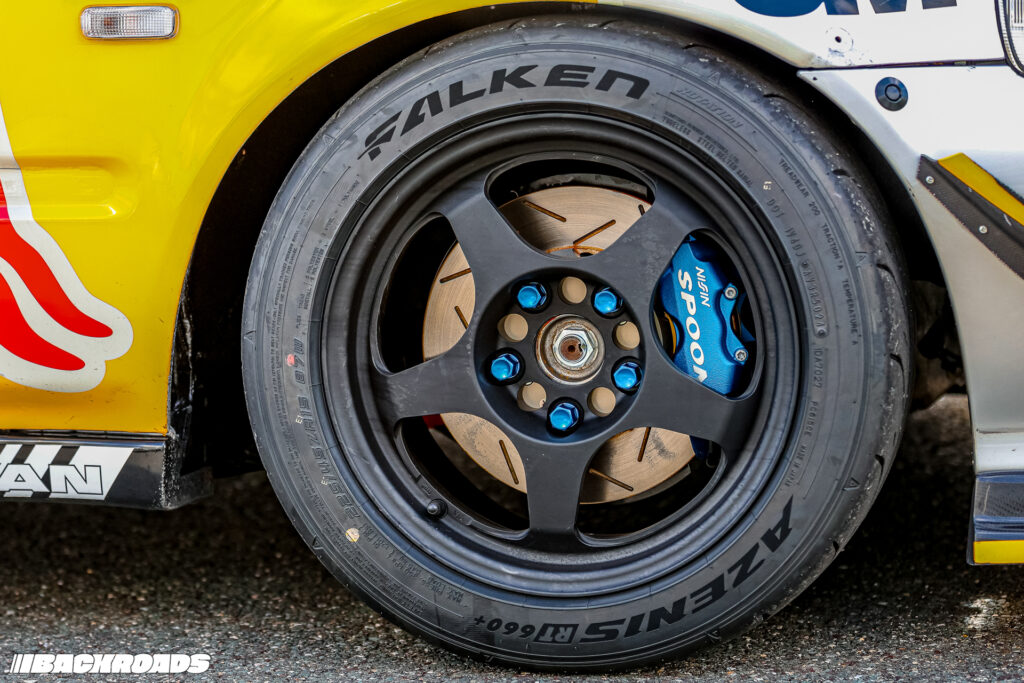
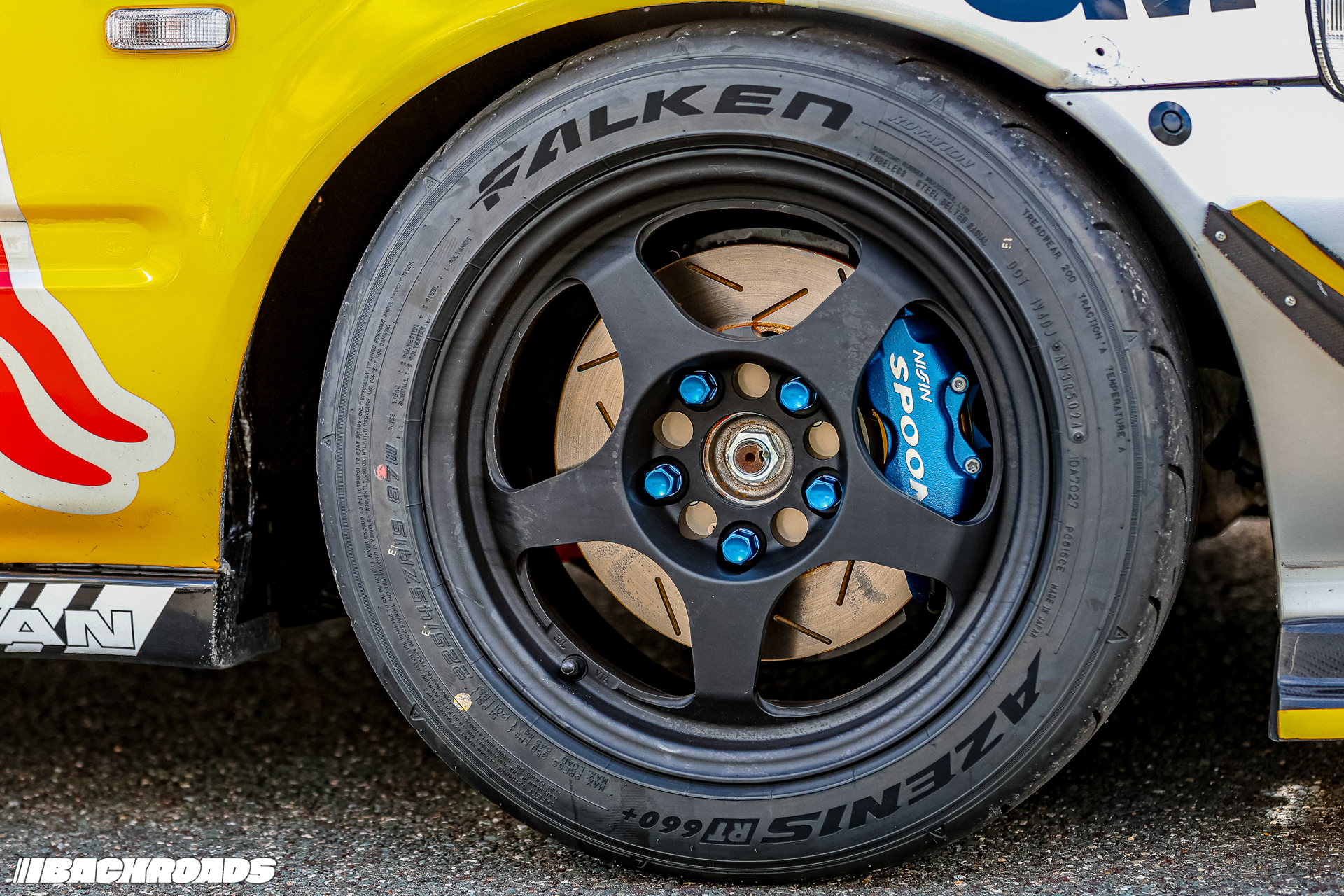
The wheels were another change I made after much thought. The car came with a set of RAYS Volk Racing TE37s, but they were old, heavily curb-damaged, and not the correct fitment for the car. I looked everywhere for a ‘new old stock’ (NOS) set of black TE37s to keep it period-correct, but I simply couldn’t find them. For now, I’ve decided to run Spoon Sports SW388 wheels. They fit the car properly and still stay true to the Honda heritage the car represents. If I ever come across the right set of NOS black TE37s, I’ll gladly put them back on. Until then, the Spoon wheels are the perfect compromise.
Everything else remains as it was – a reminder that this car has lived a real life, and I wanted to preserve that history rather than erase it.
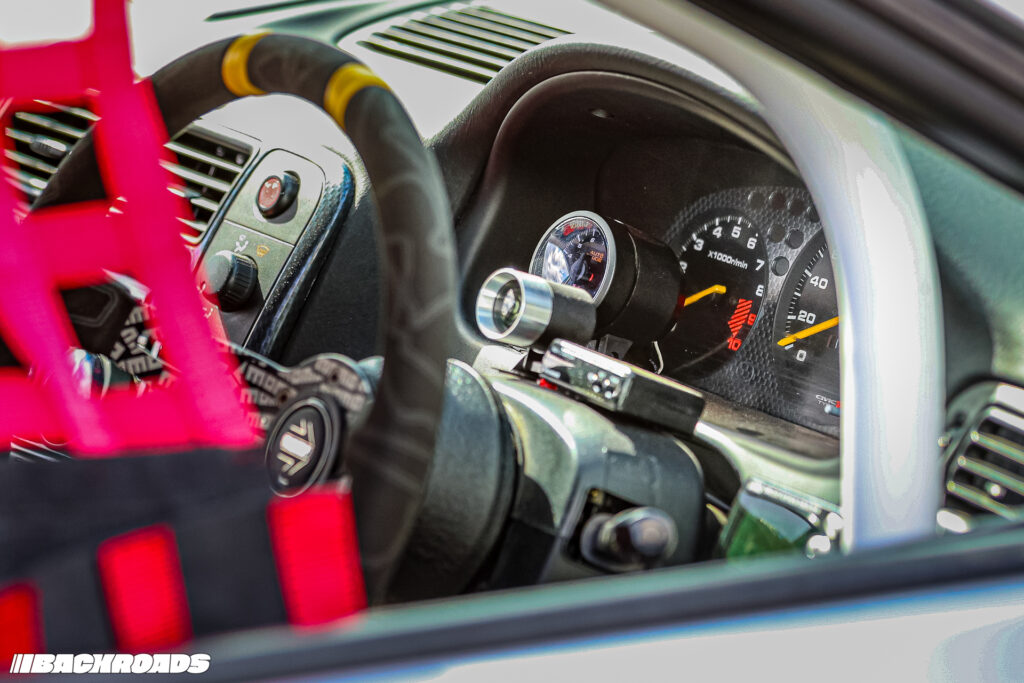
Antonio: Were there any parts on the car that were clearly hand-fabricated or repaired in a very ‘garage culture’ way – fixes you wouldn’t see on a car built with a big budget?
José: The good thing was that nothing on the car required custom fabrication or one-off parts. Everything could still be sourced or replaced. The biggest issue, at least by my standards, was that some of the work had been done as cheaply as possible. There were a few hacked-together repairs and installations that clearly weren’t done with much care. But honestly, that’s part of the car’s story.
People have to remember what these cars really were. They weren’t high-budget race cars built with endless resources; they were low-budget street cars built by enthusiasts who spent their money where it mattered most to them. It was never about having the most expensive parts – it was about getting out on the street or the mountain roads and driving.
Antonio: Last question: are you considered a member of No Good Racing?
José: I would be honored to someday be considered a member of No Good Racing, but I don’t see myself as one today. I’ve spoken with the team and expressed how much it would mean to me to have their blessing and, one day, be accepted by the leader and the members. For now, their response has simply been, “We’ll have to talk it over.” I completely respect that. Hopefully, through my actions and the way I’ve cared for this car, I can earn that respect over time.
One of my biggest goals now is to take the Civic back to Japan, reunite it with the No Good Racing crew, drive the Osaka Loop where it made history, and participate in their annual track event. To me, that would bring the car’s story full circle. It wouldn’t just be about taking the car back home – it would be about showing the people who built it that their legacy is still alive, appreciated, and being driven exactly as it was meant to be.



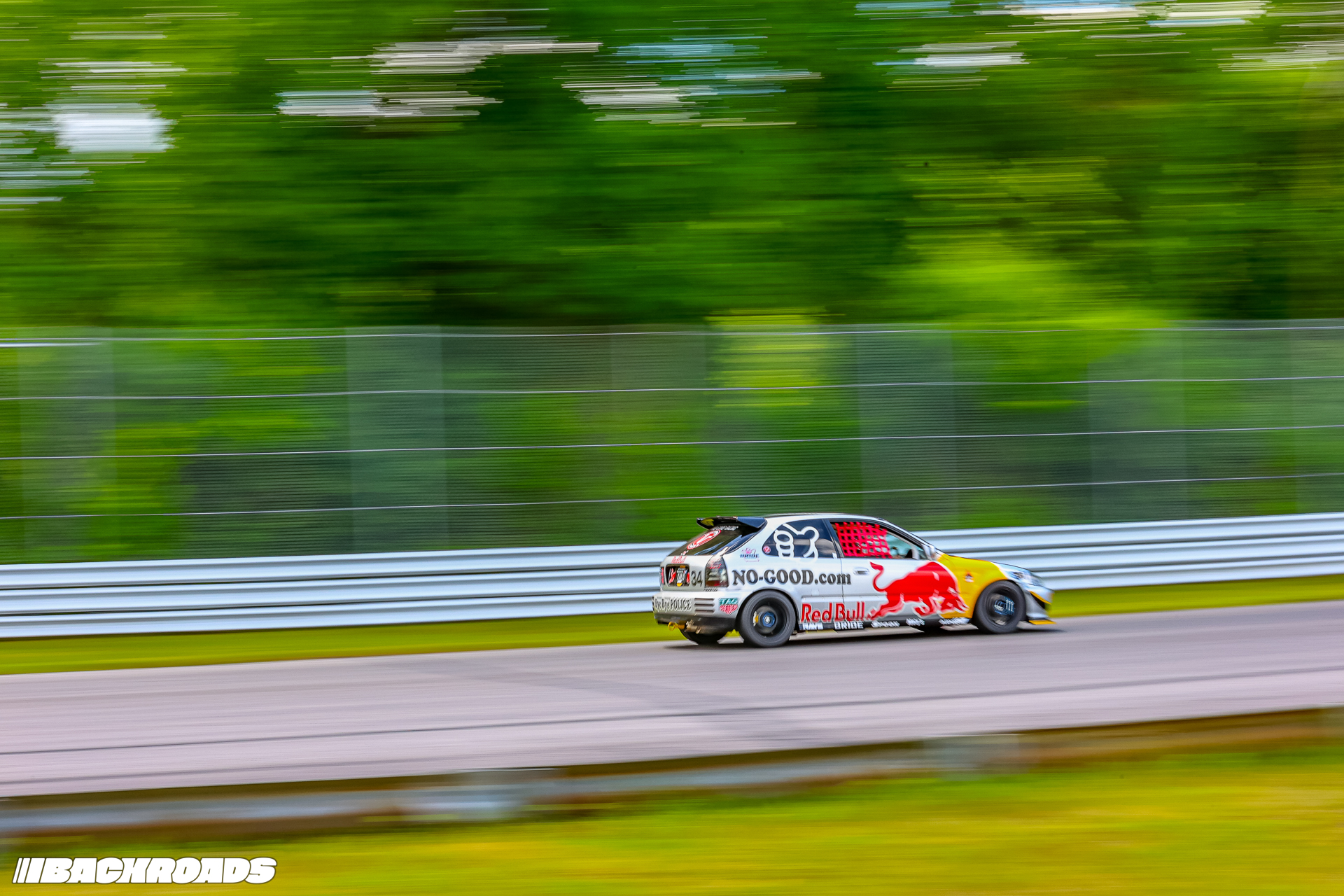
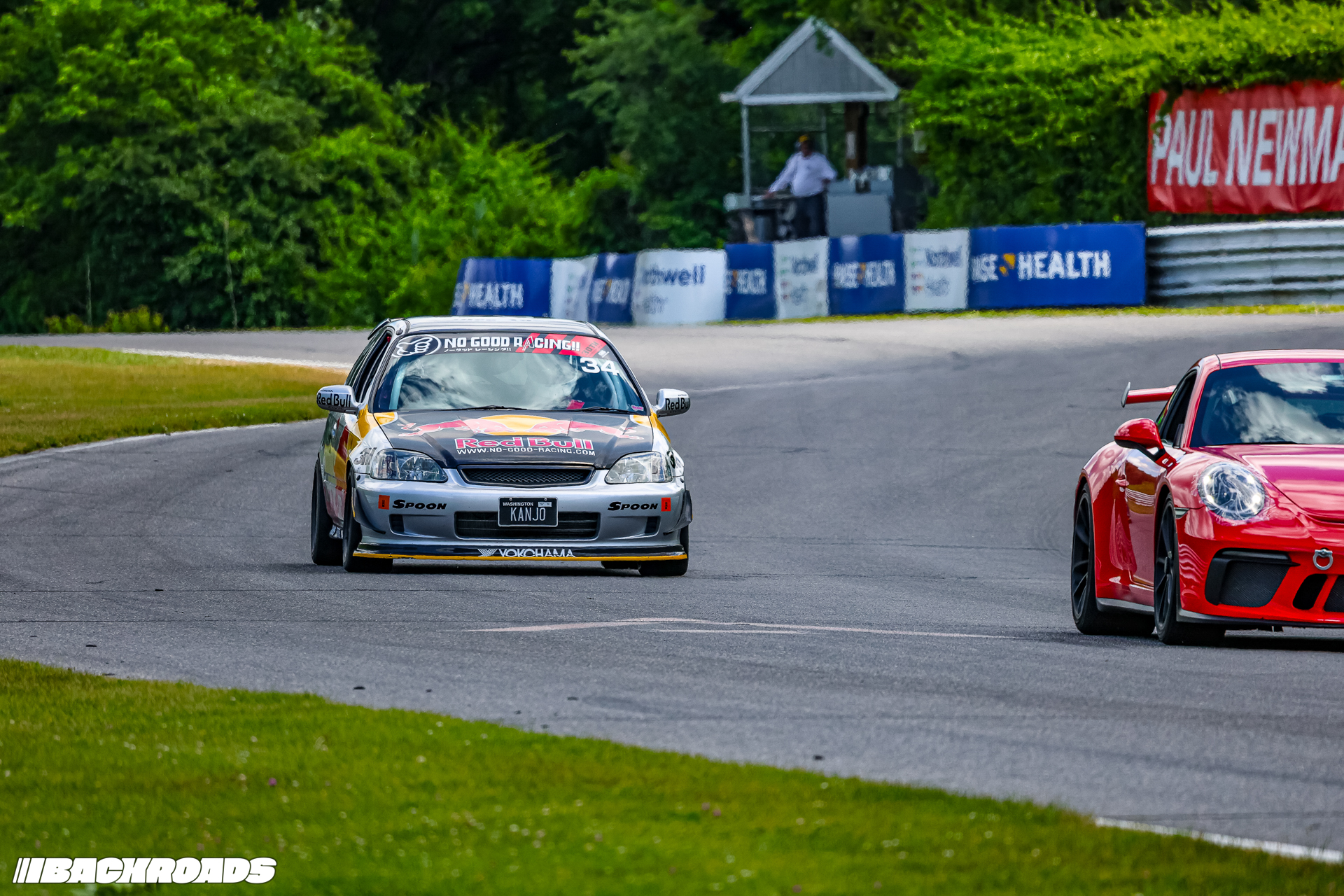
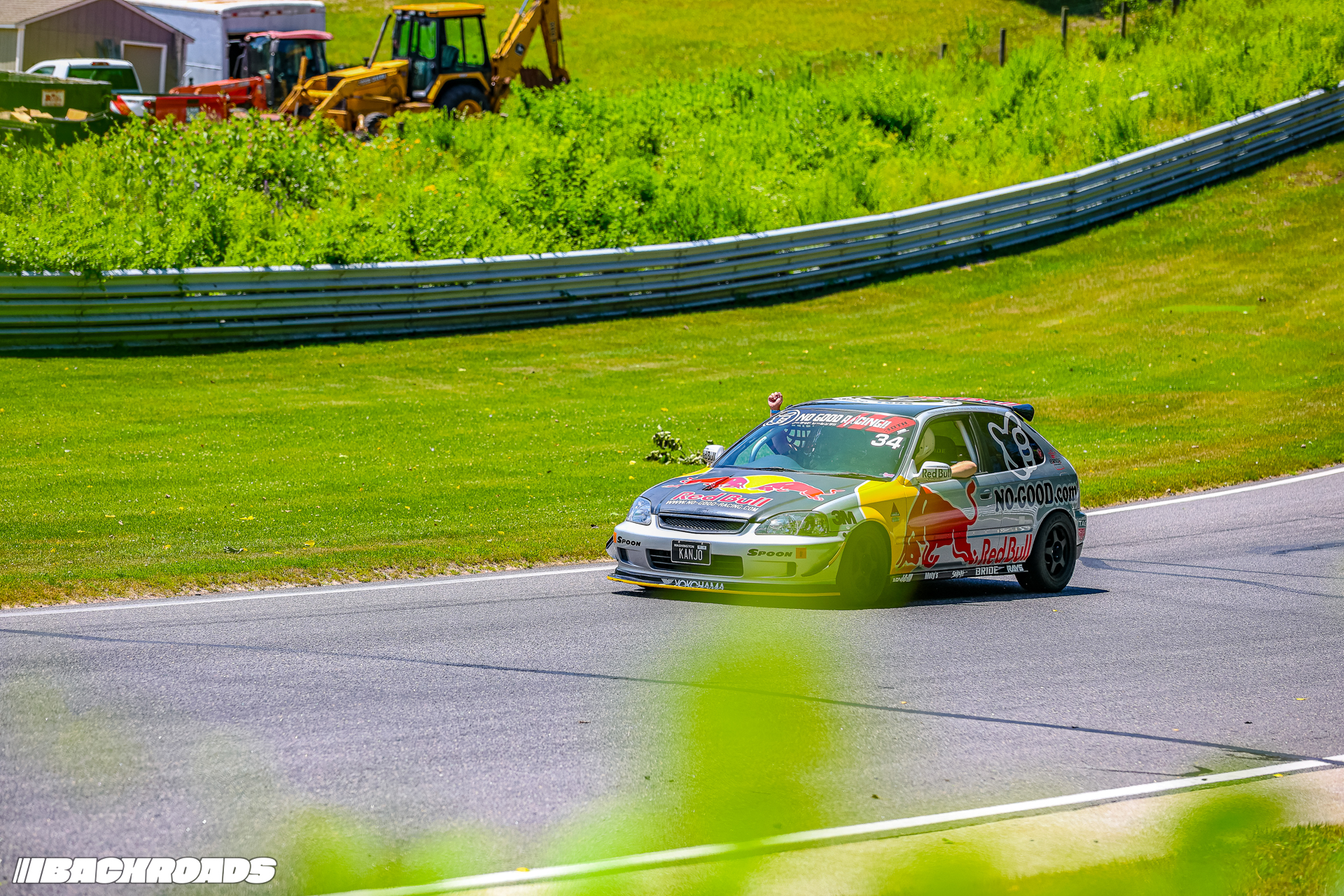
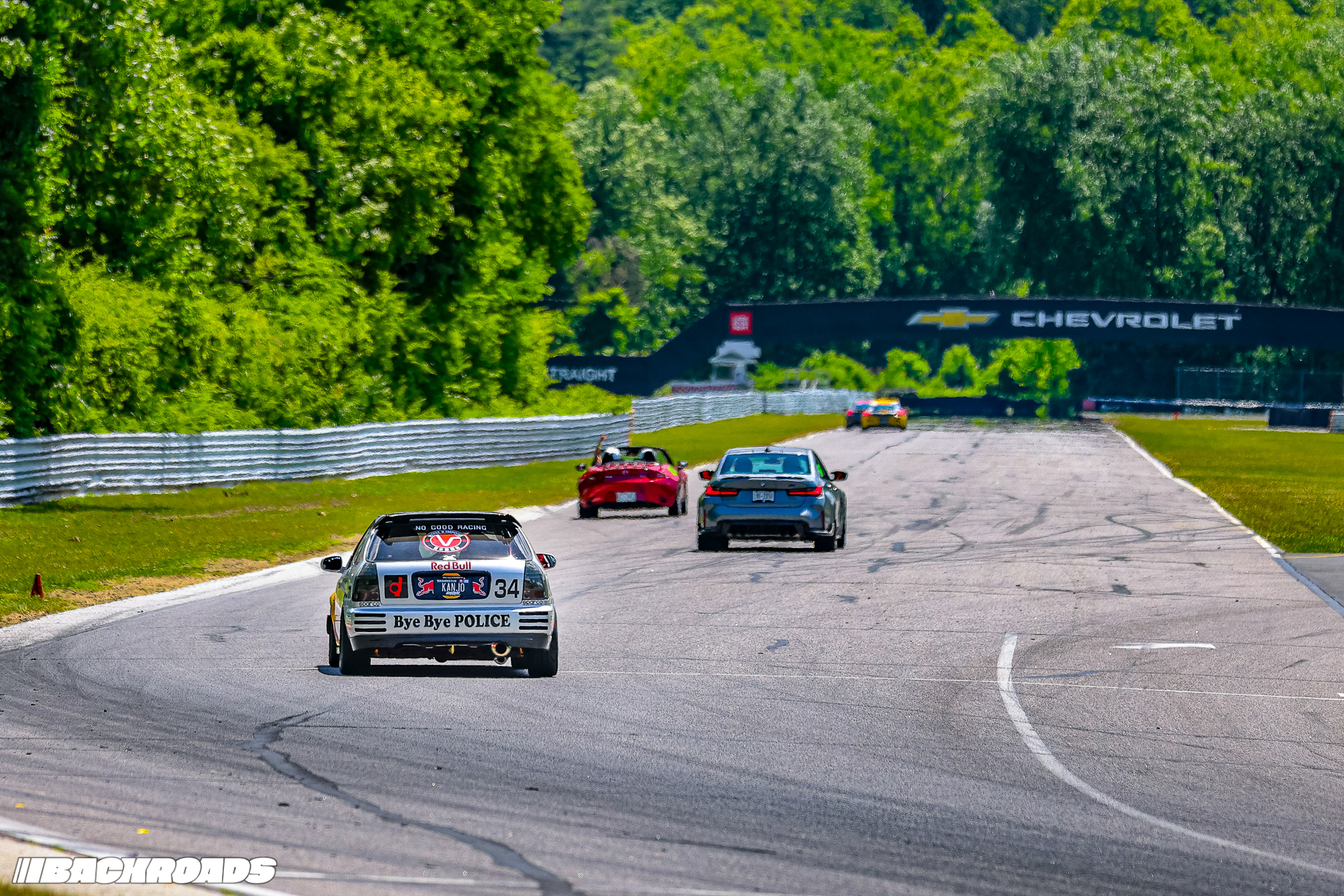
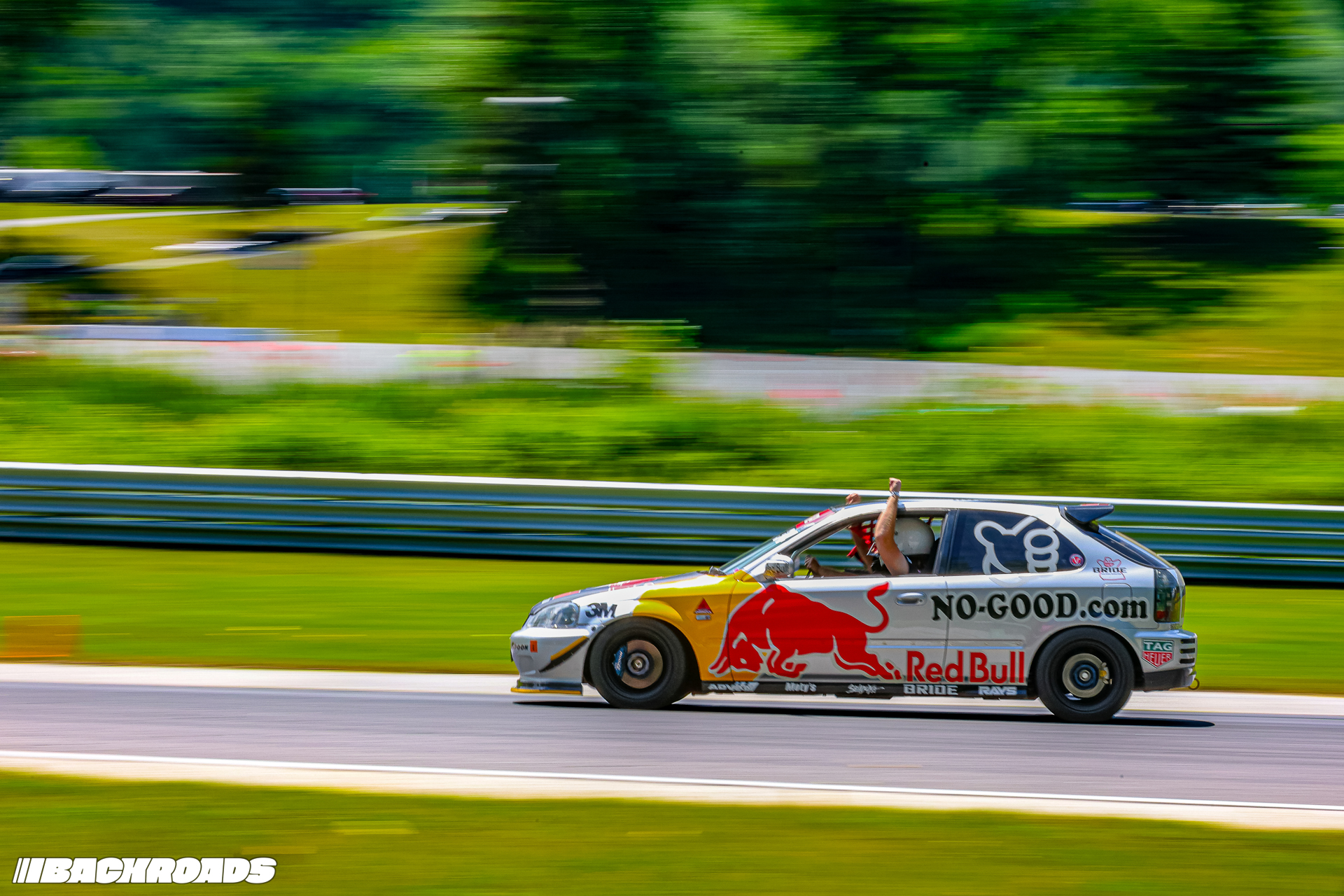
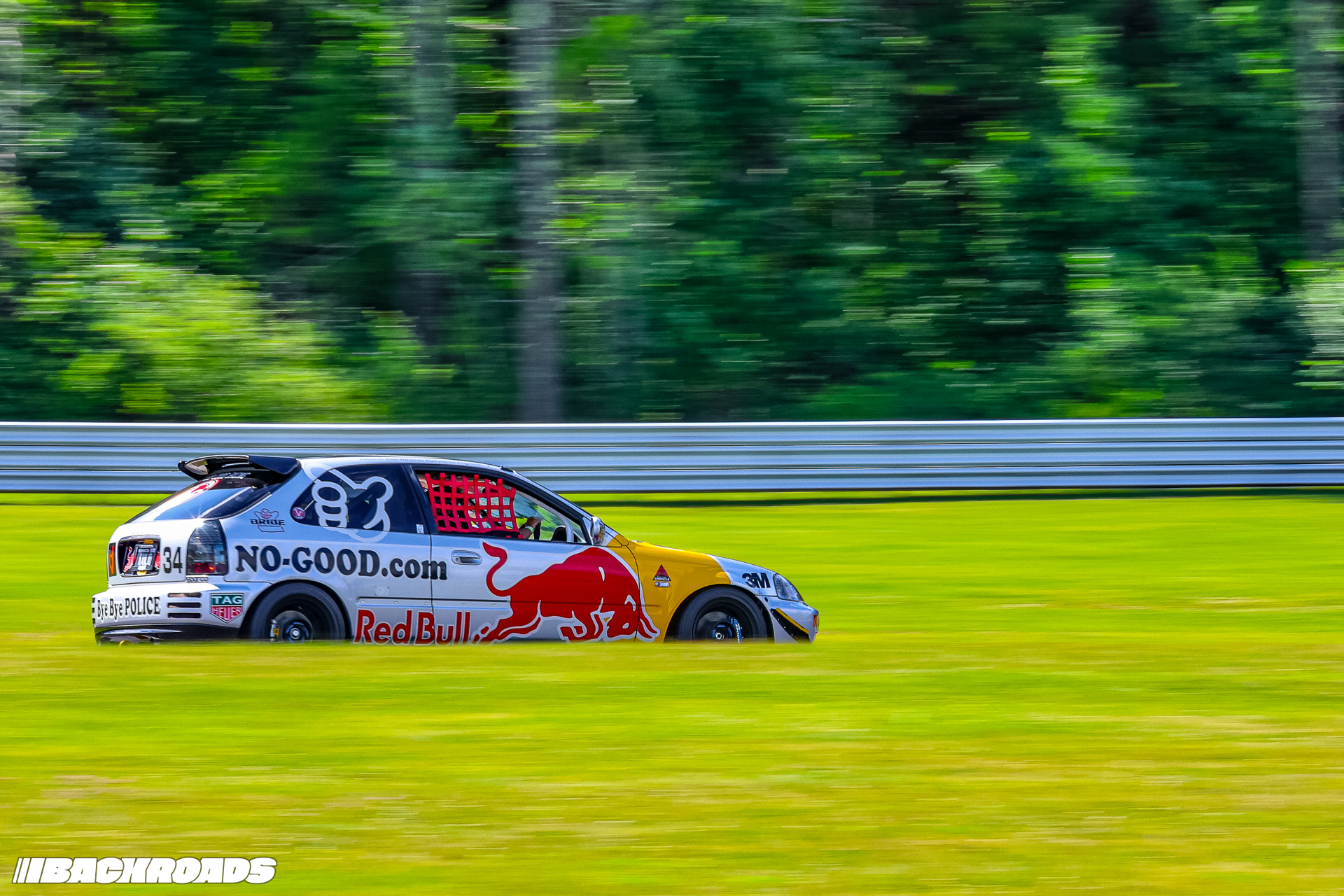
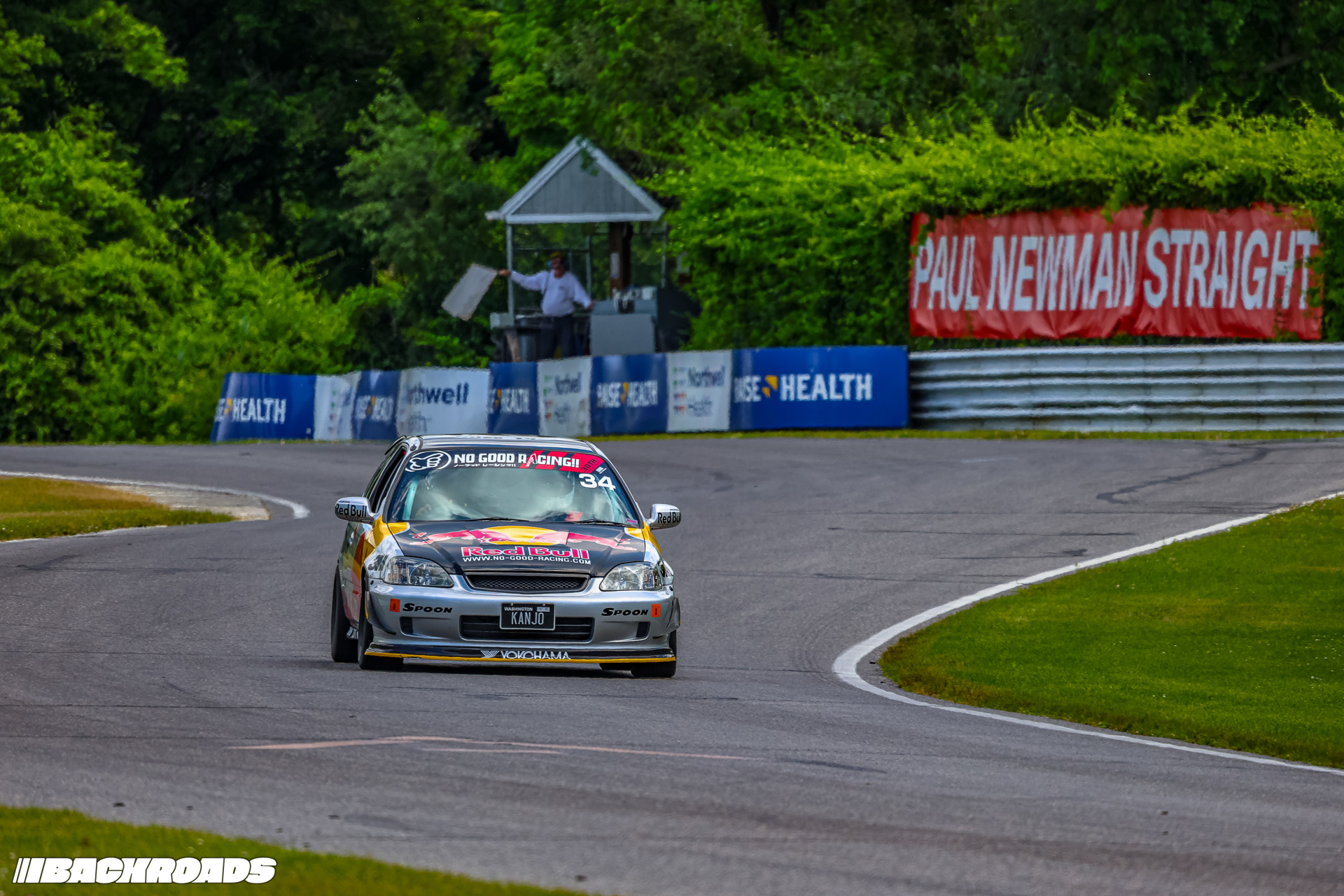
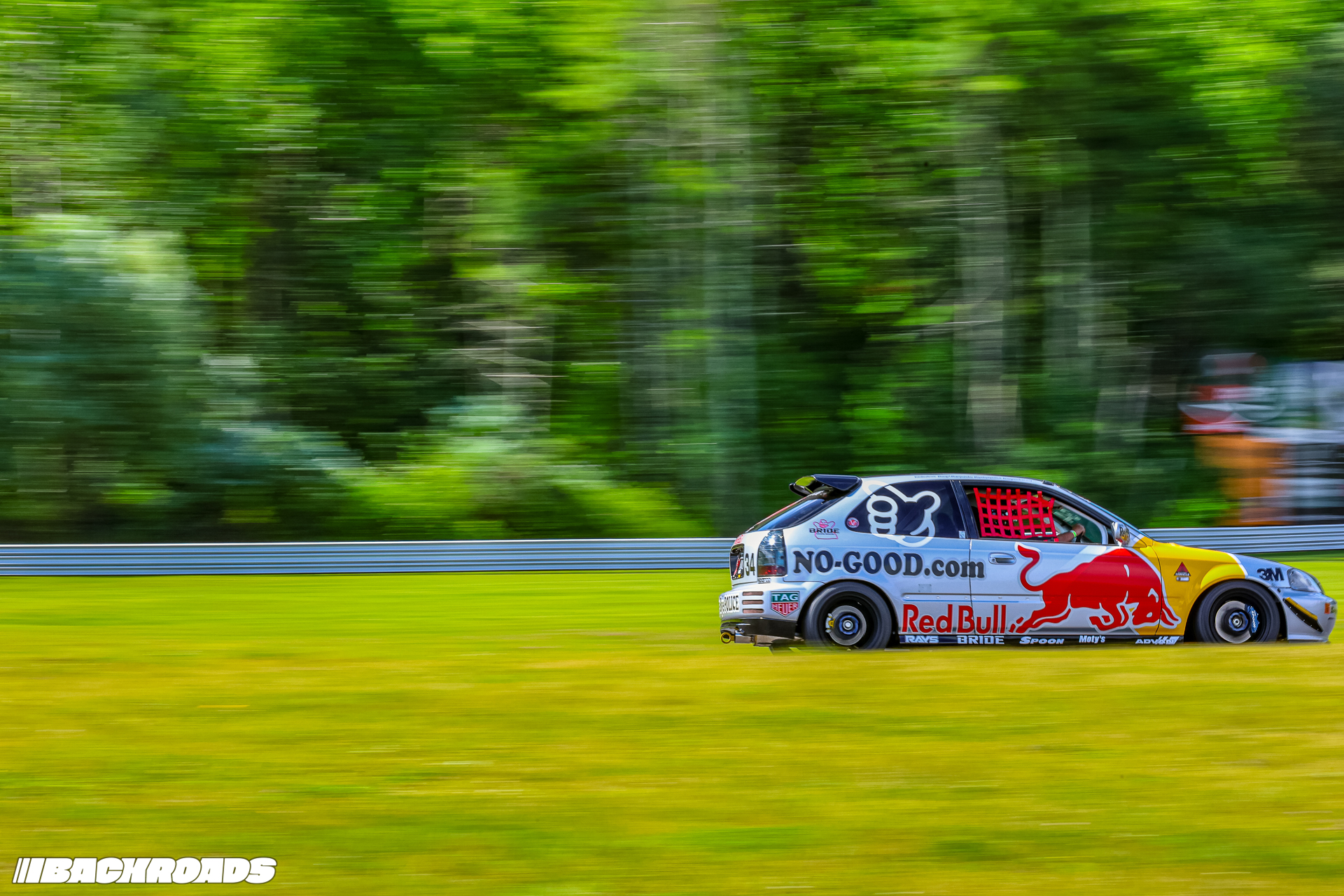
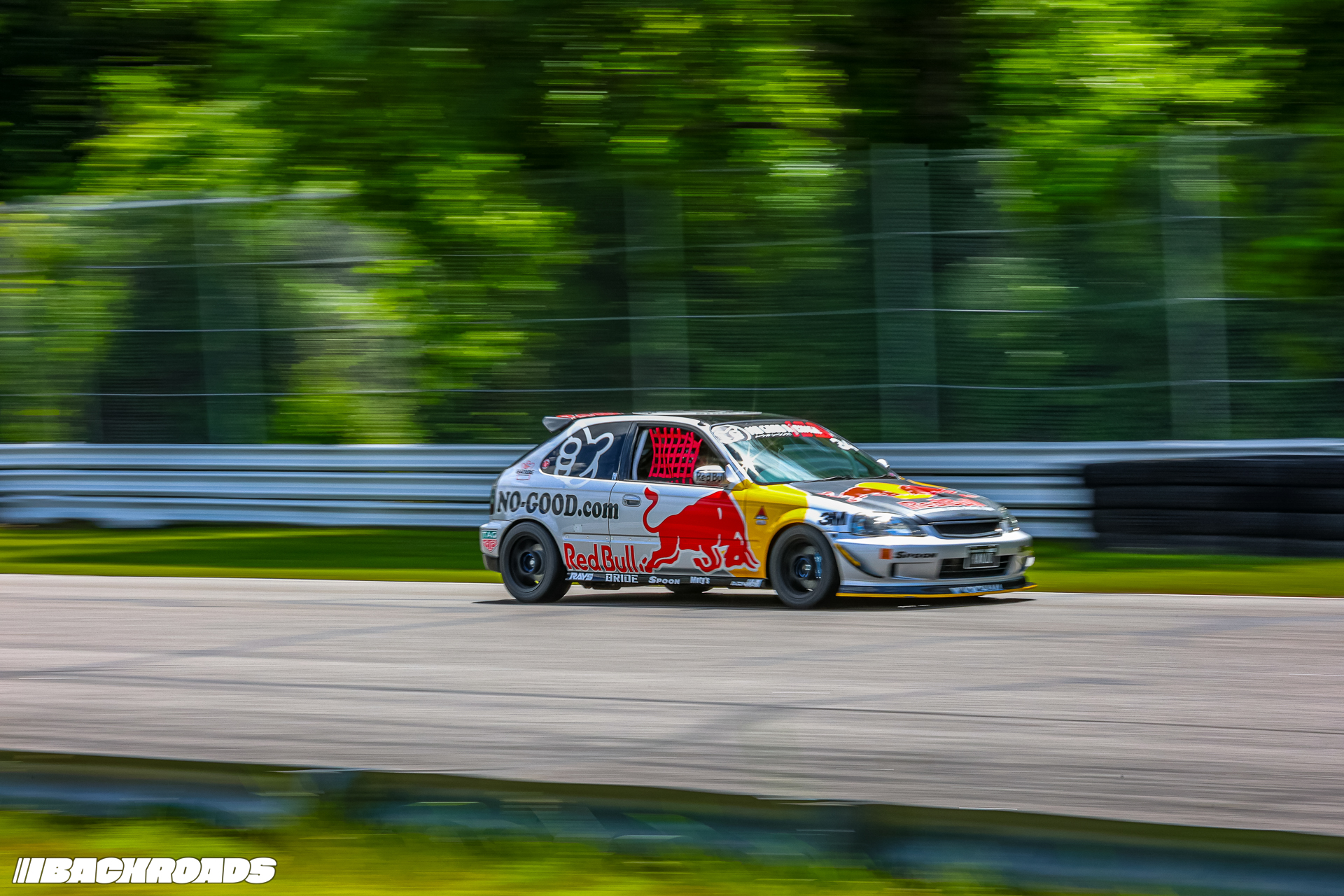
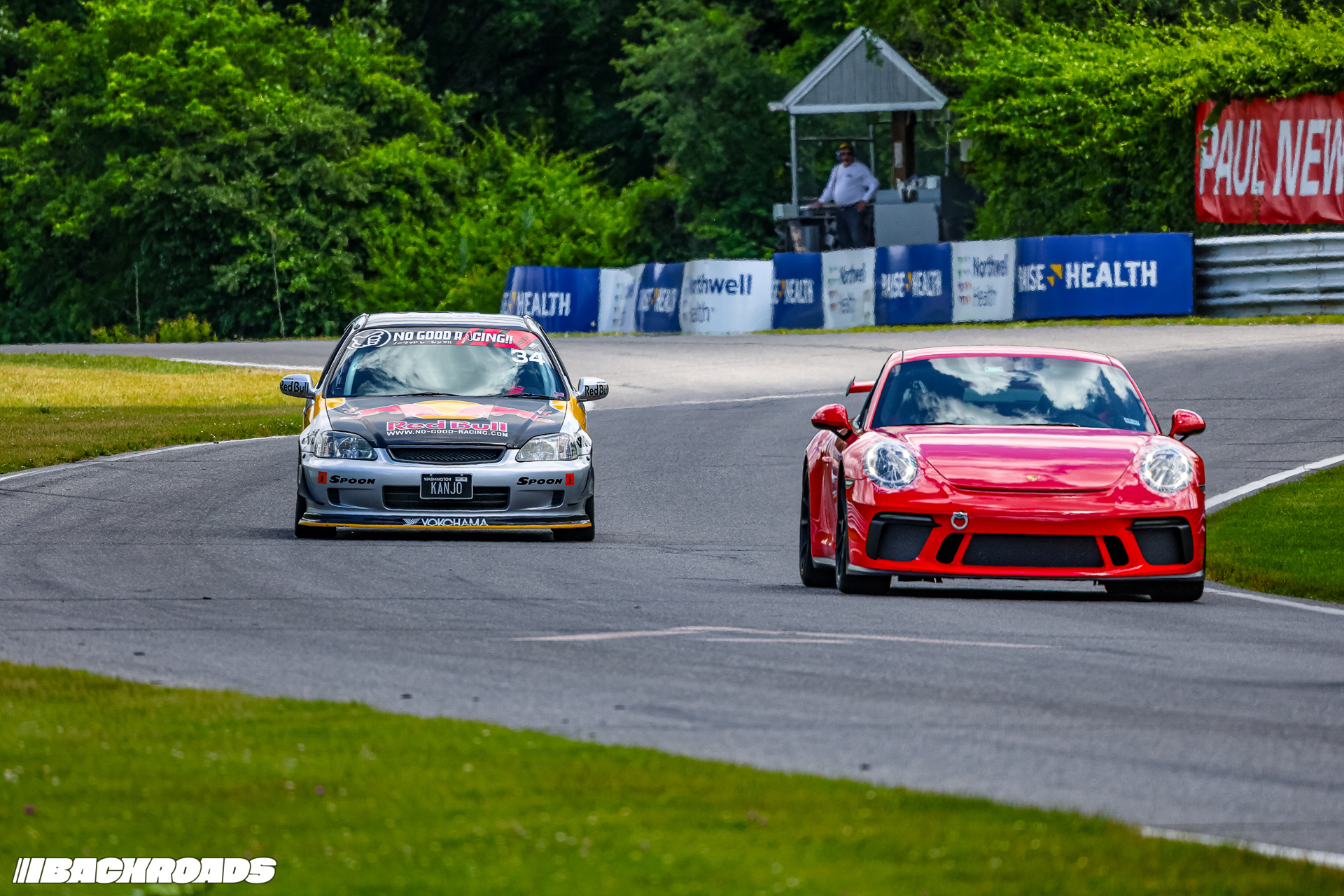
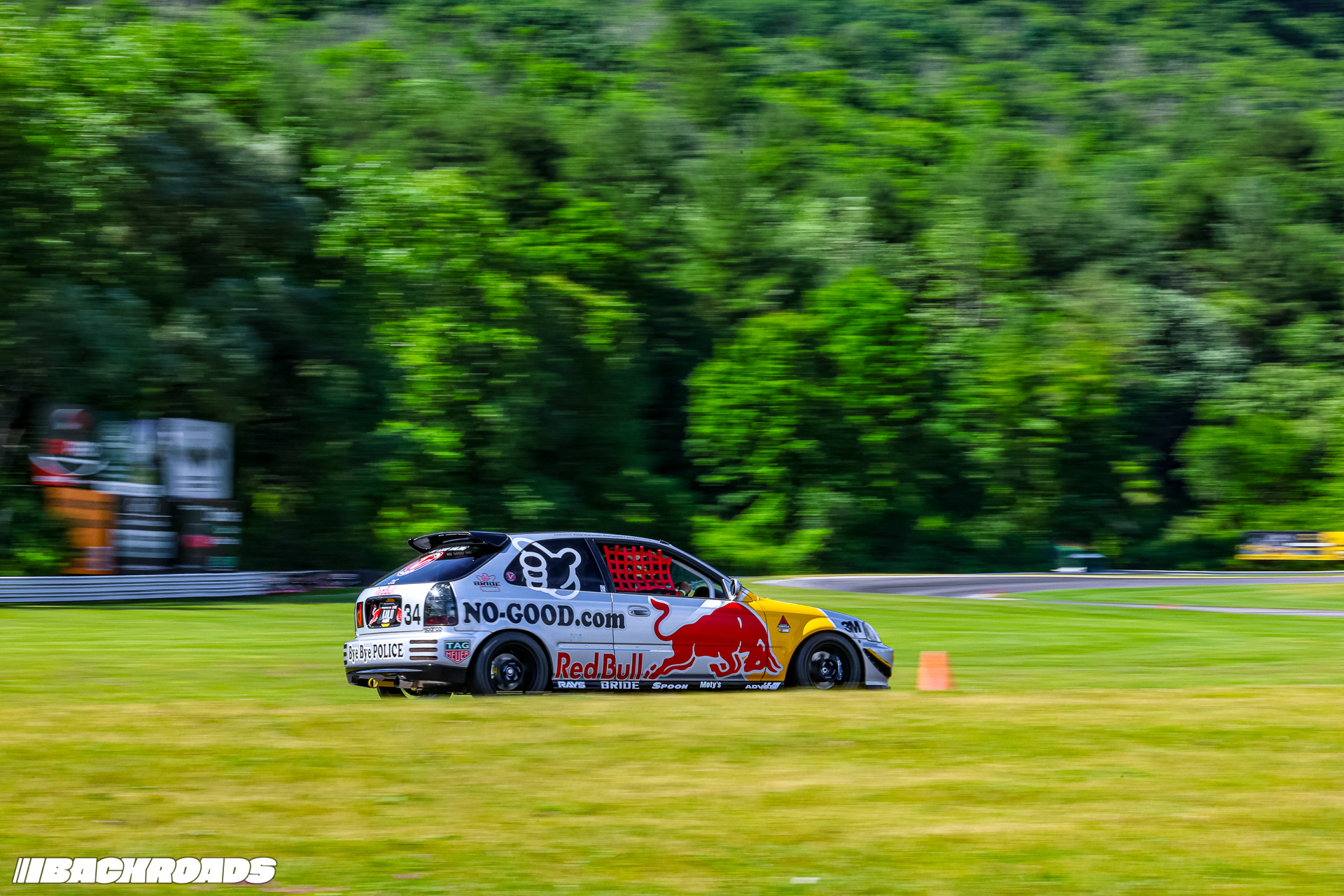
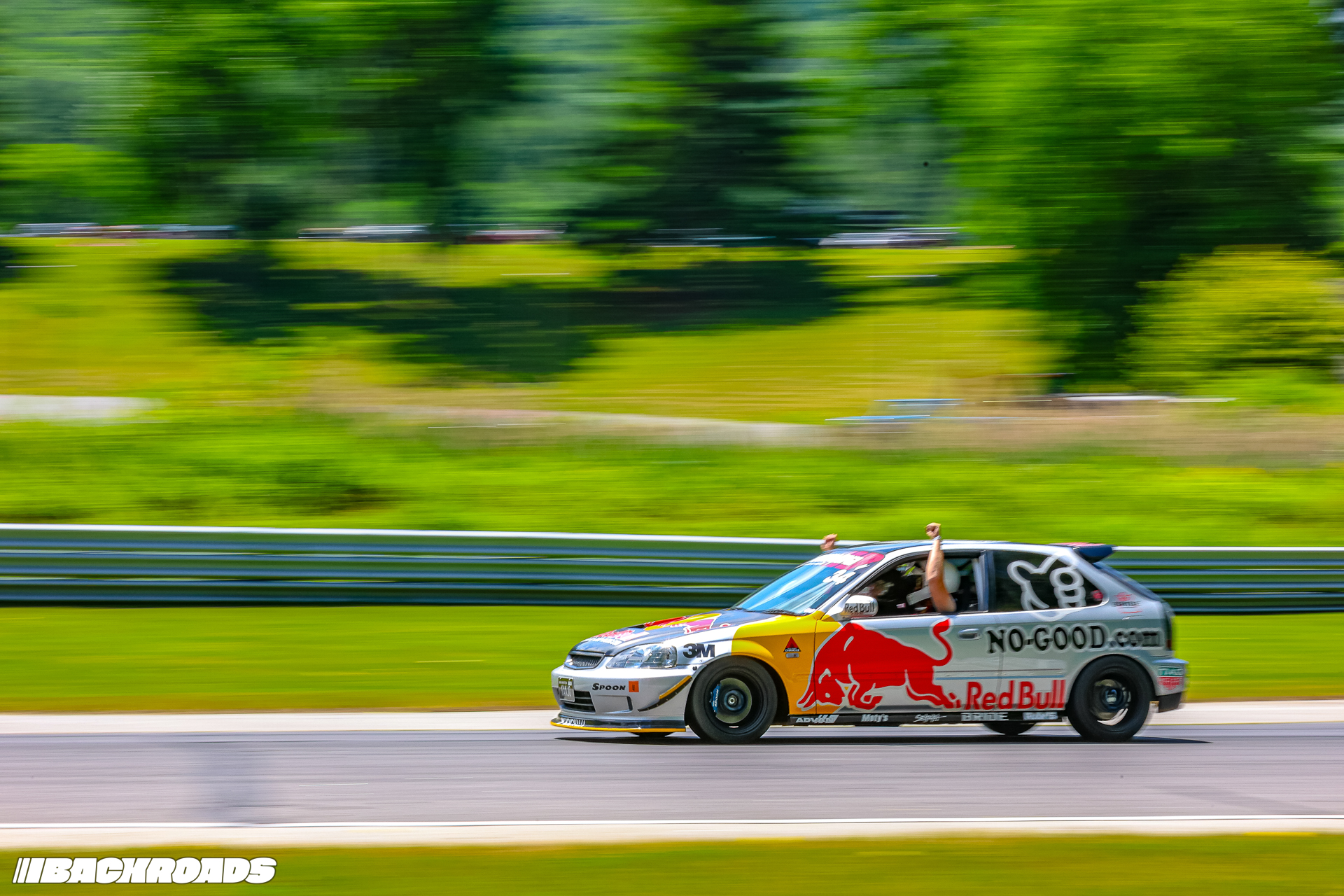
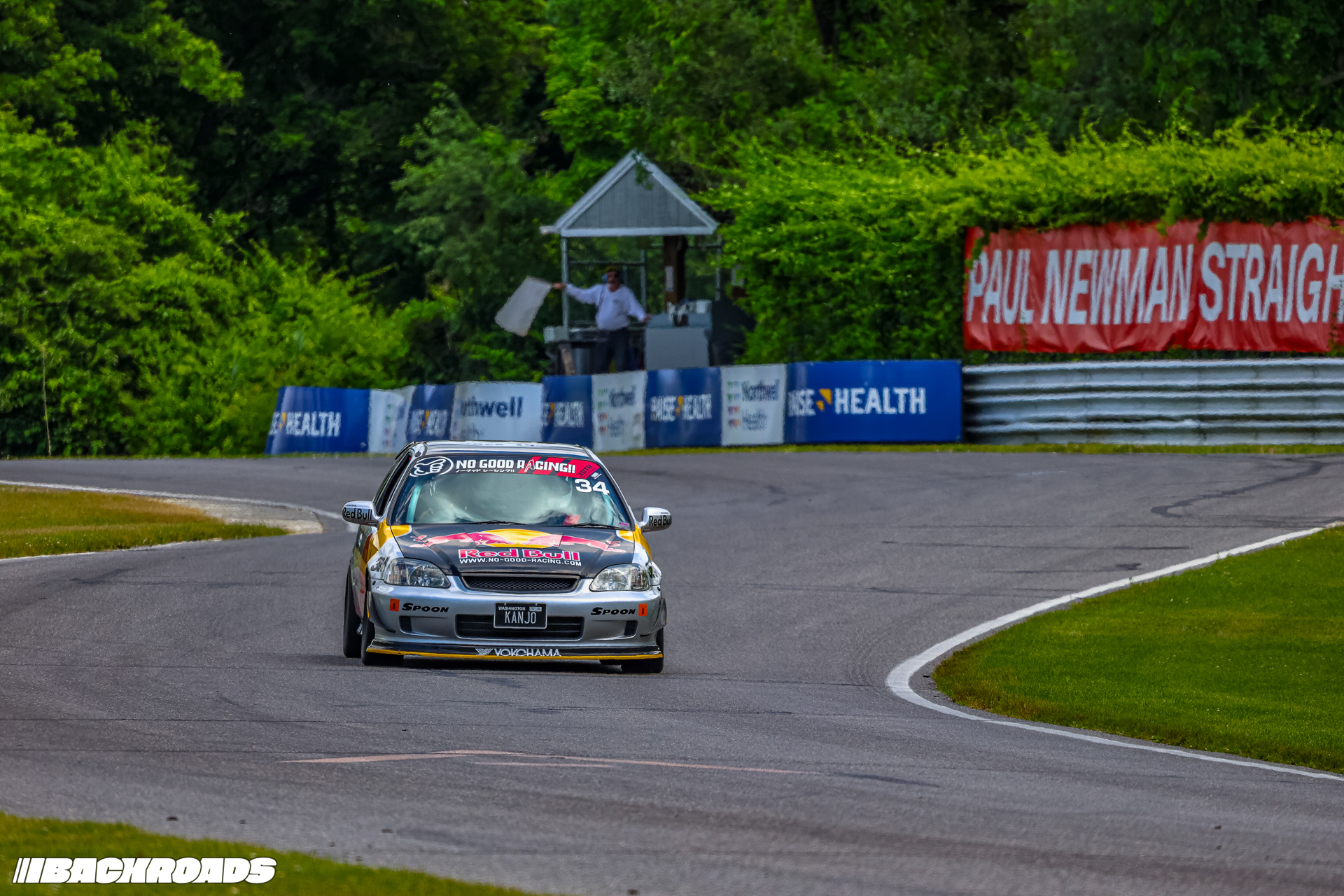
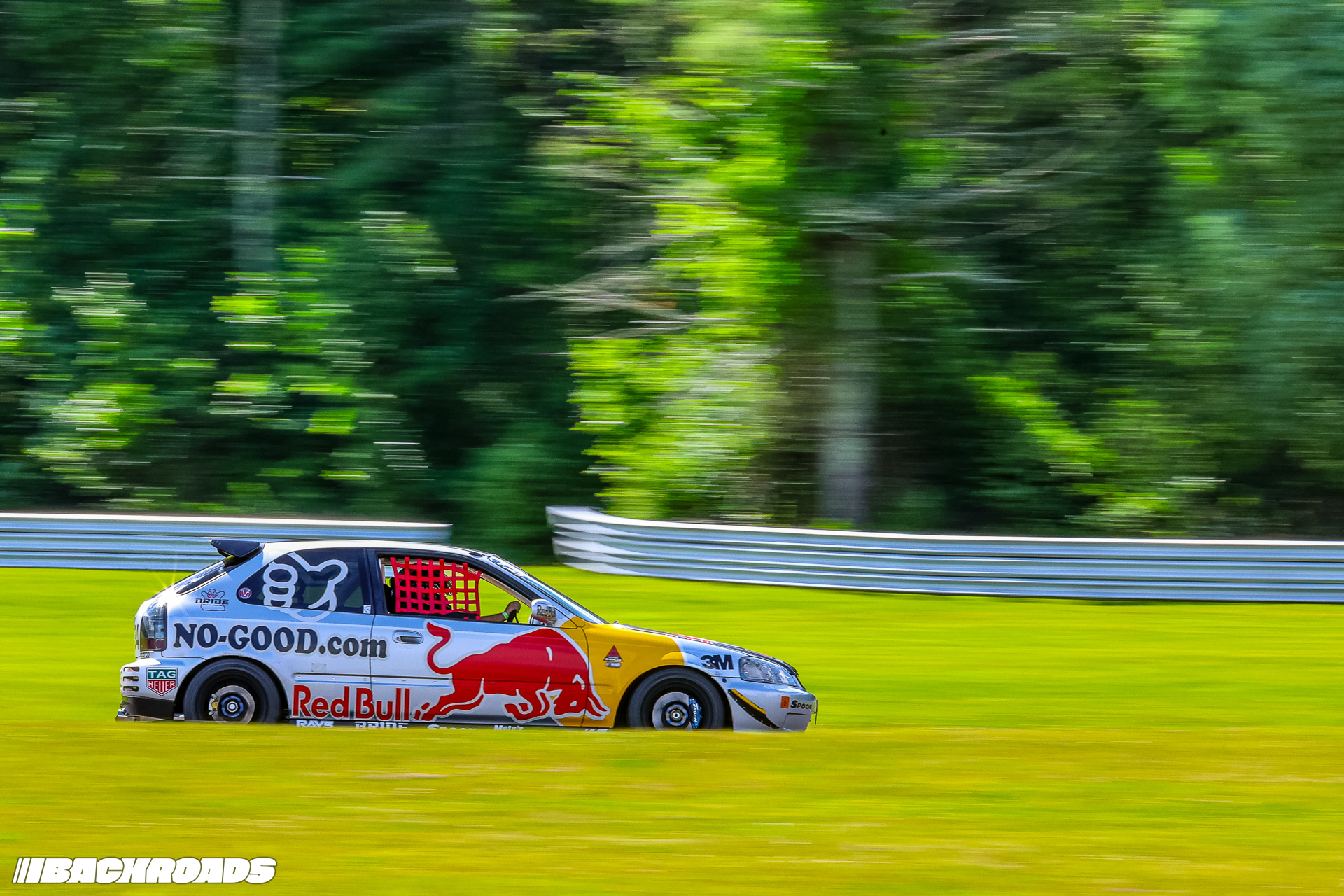
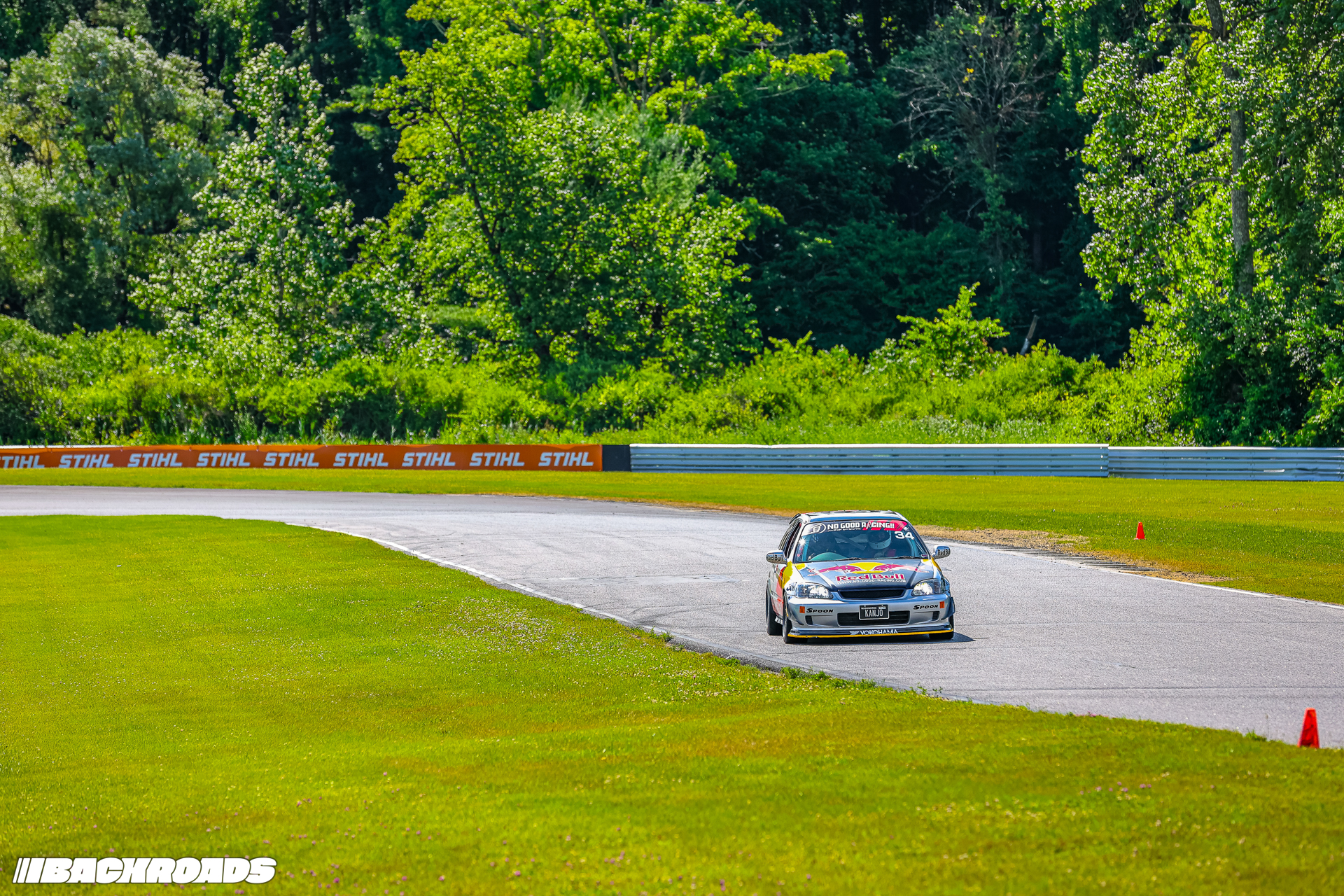
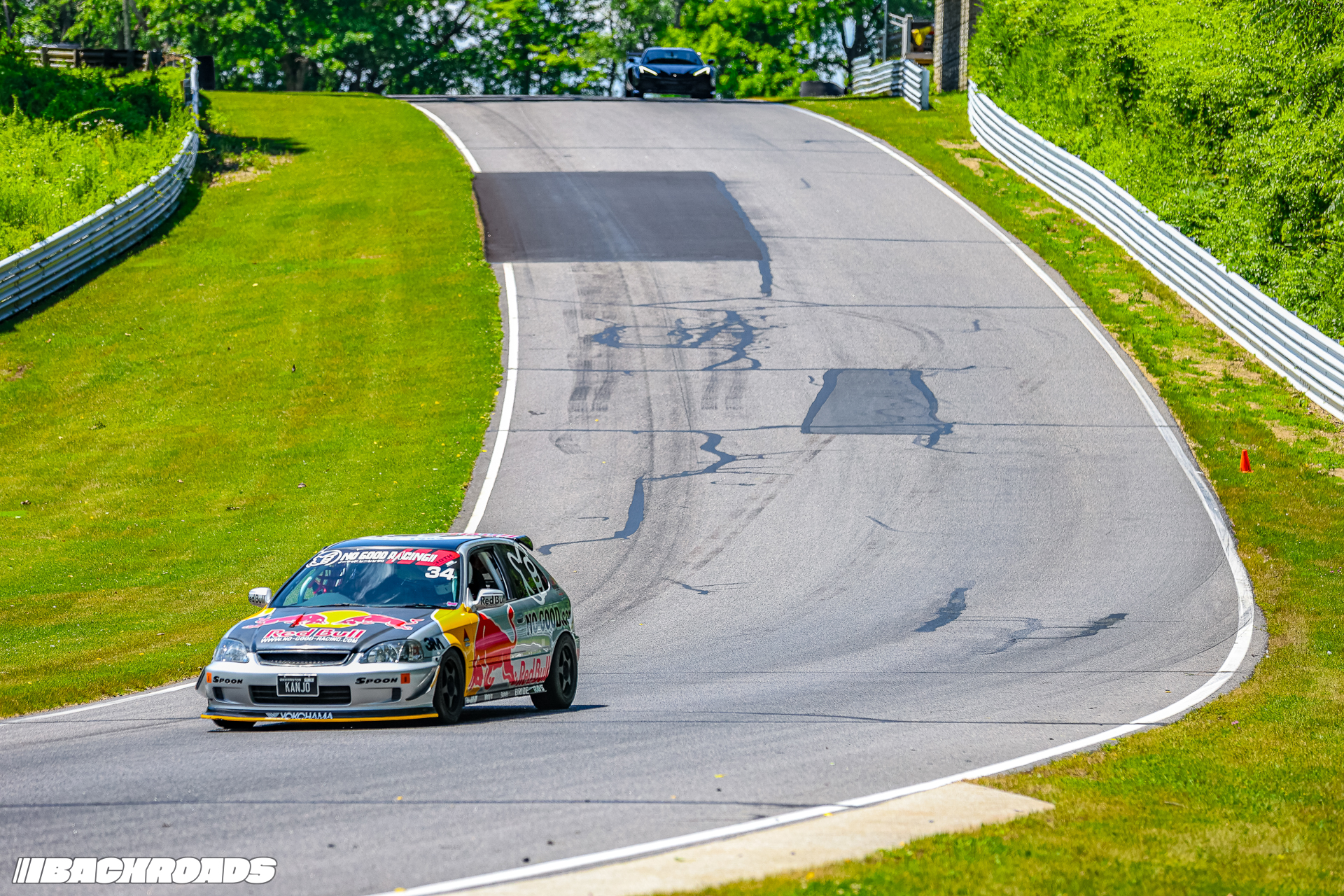
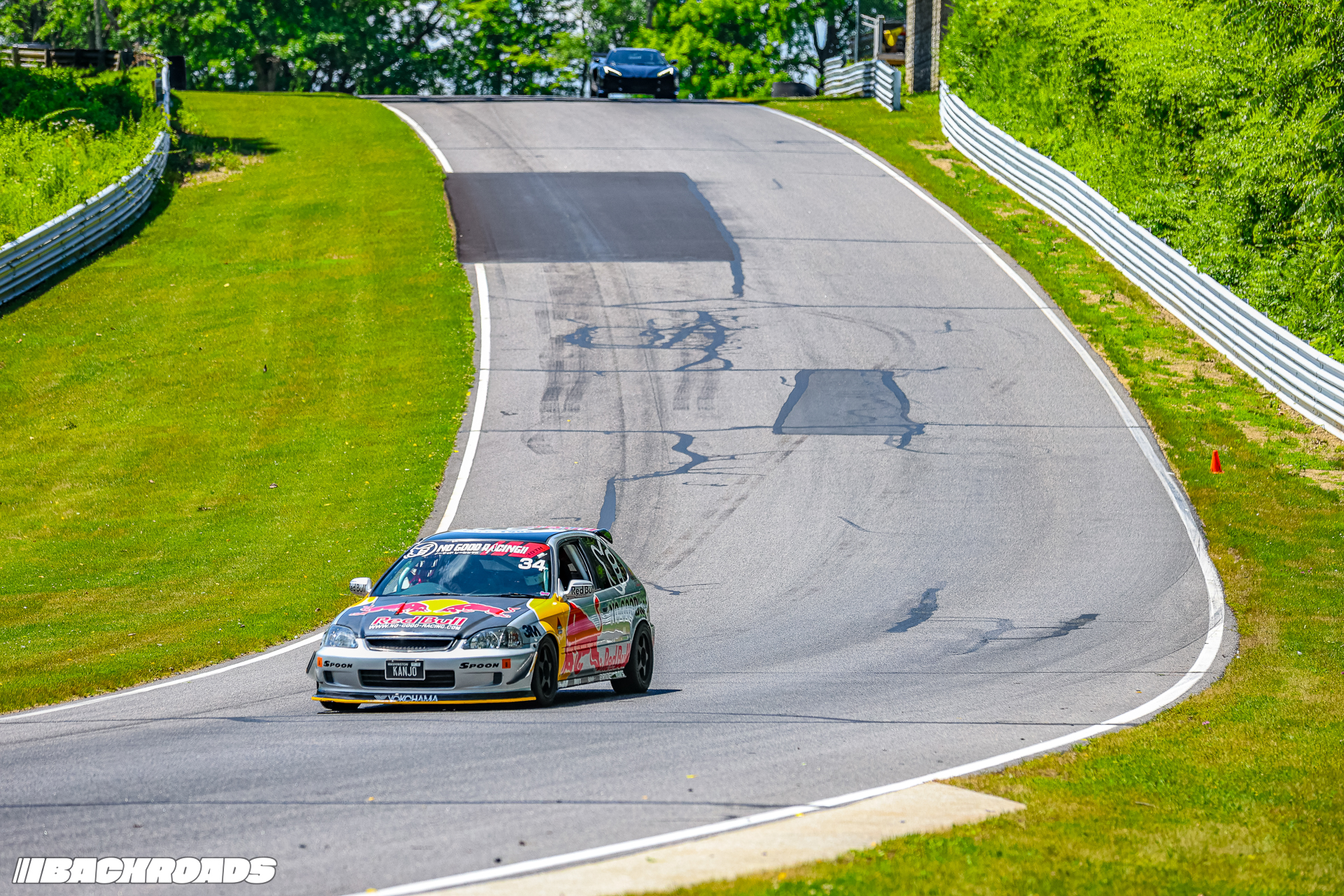
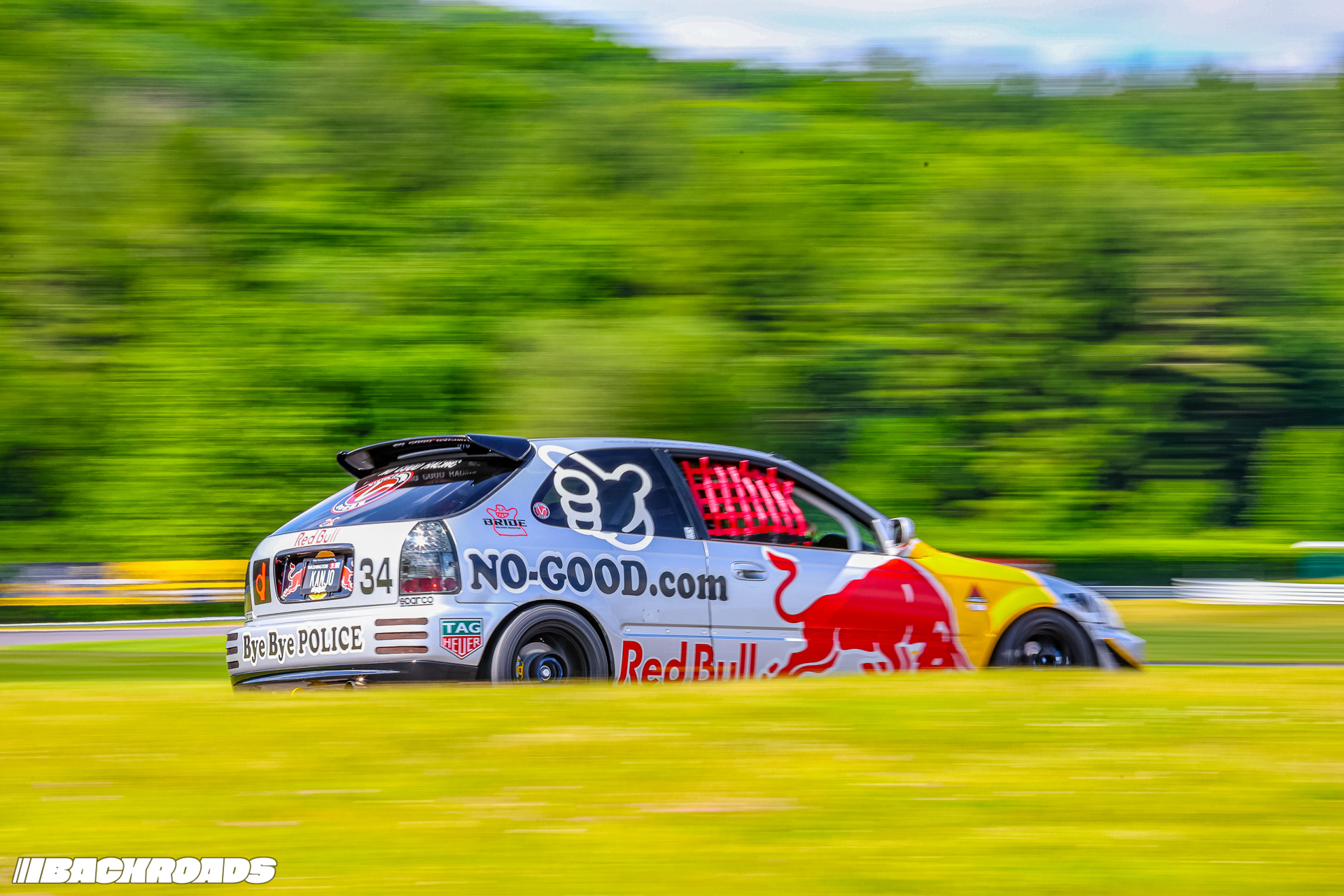
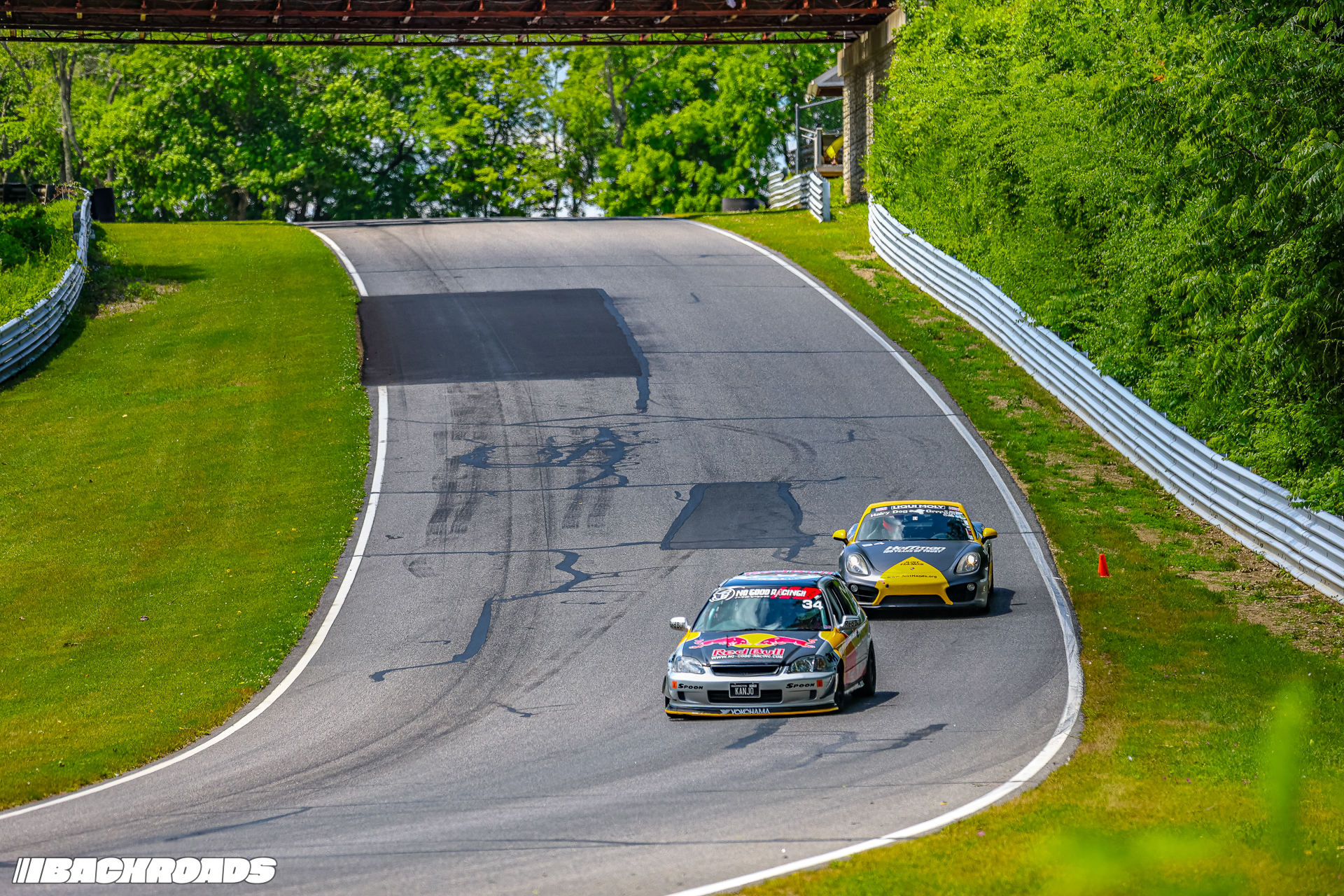
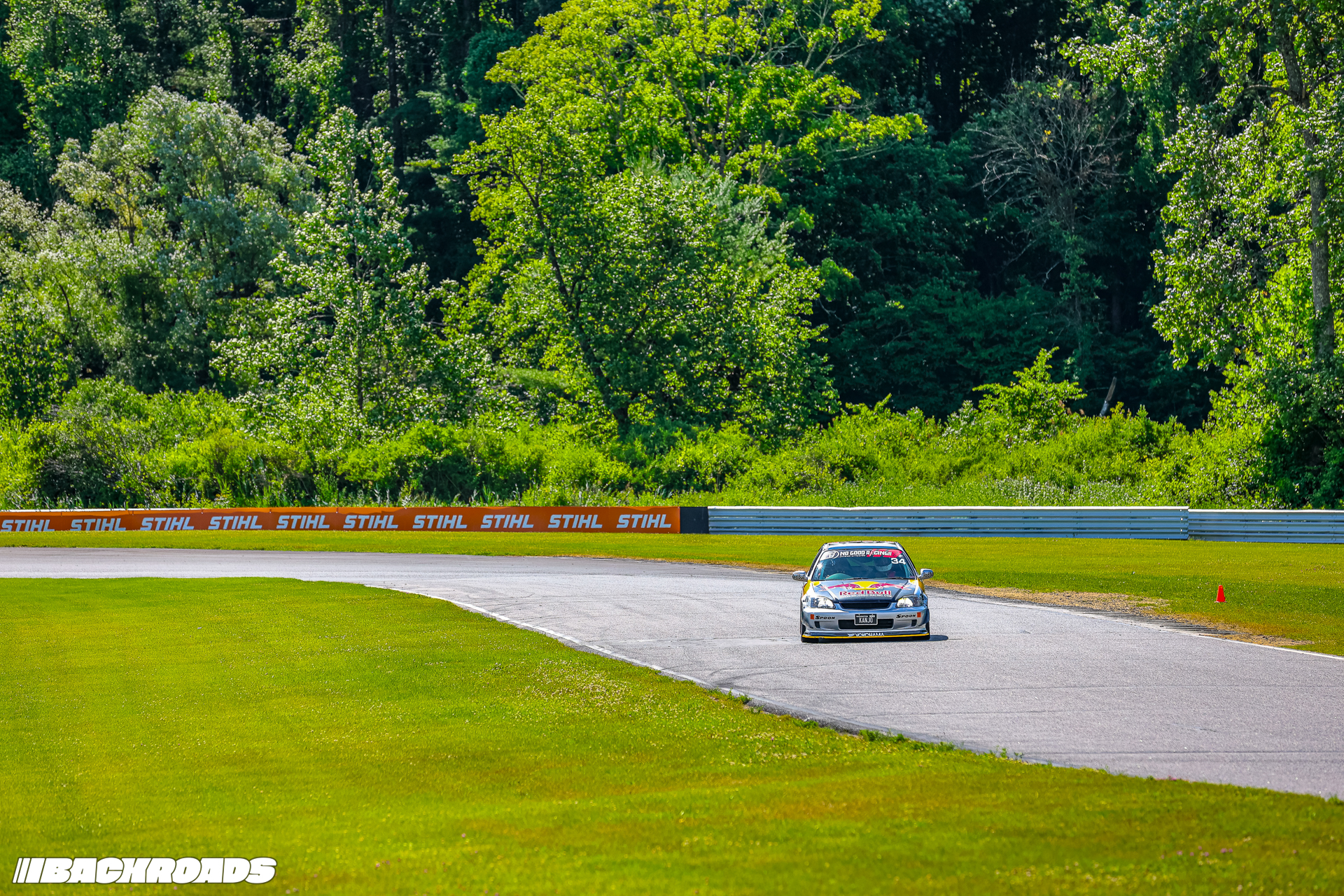
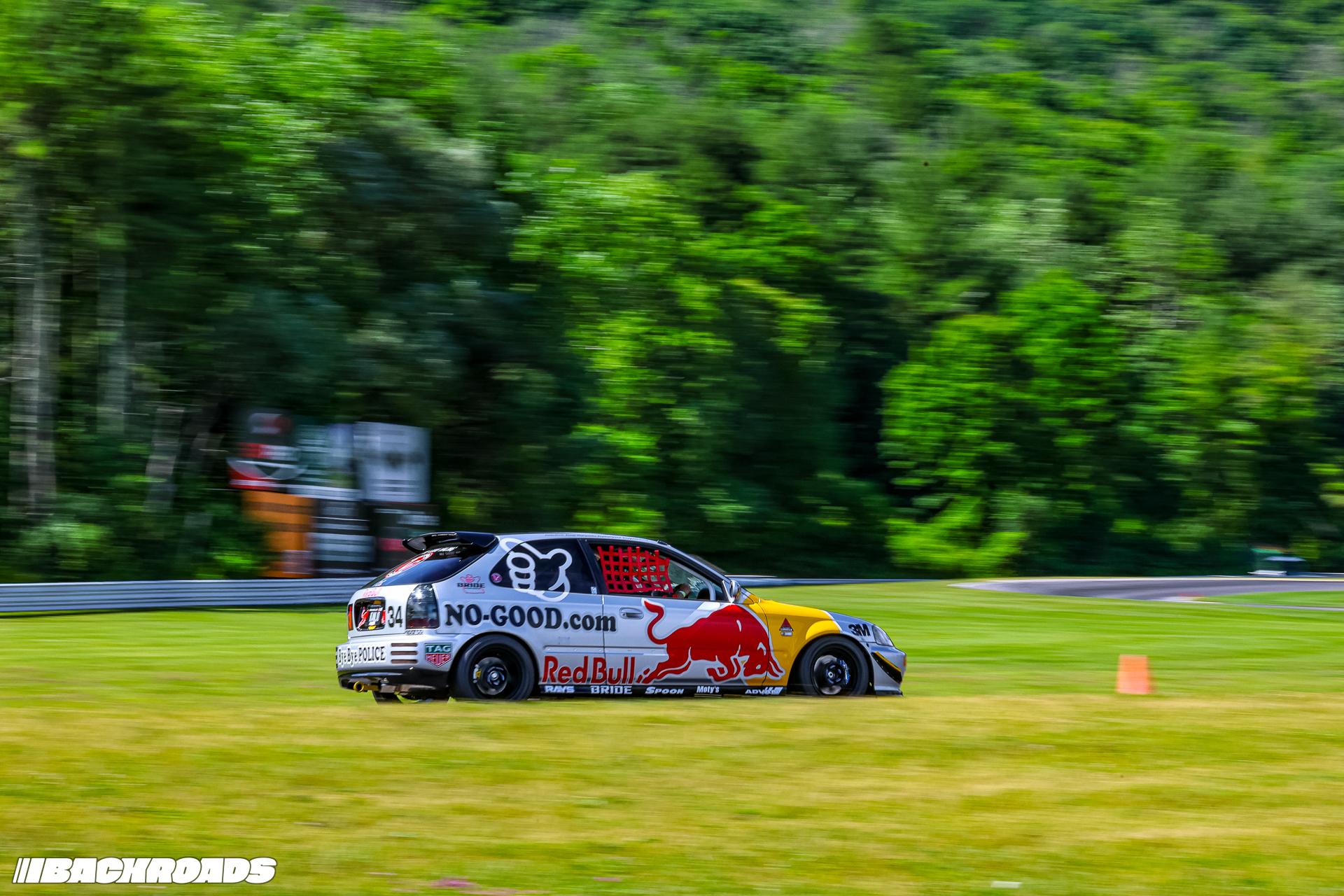
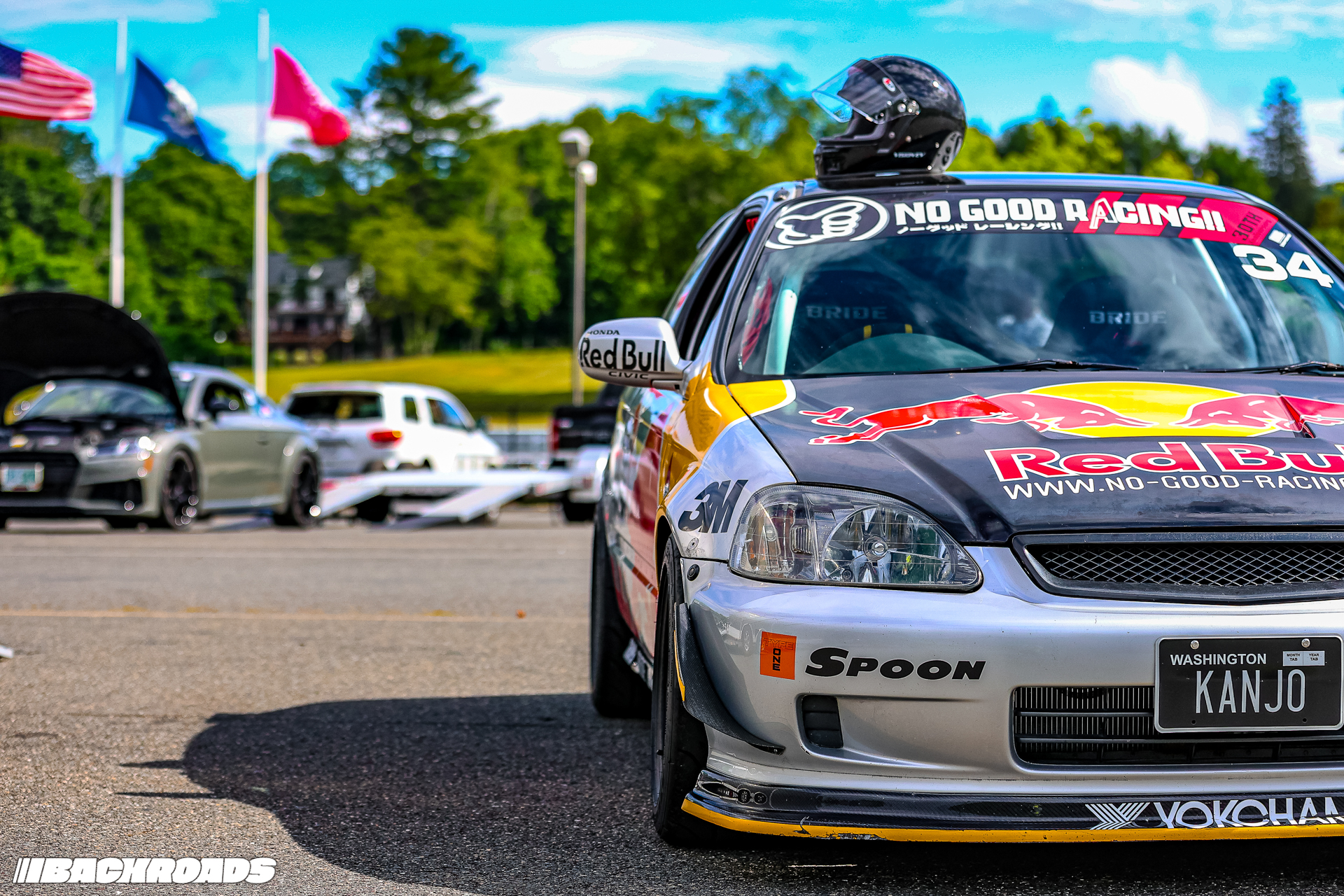
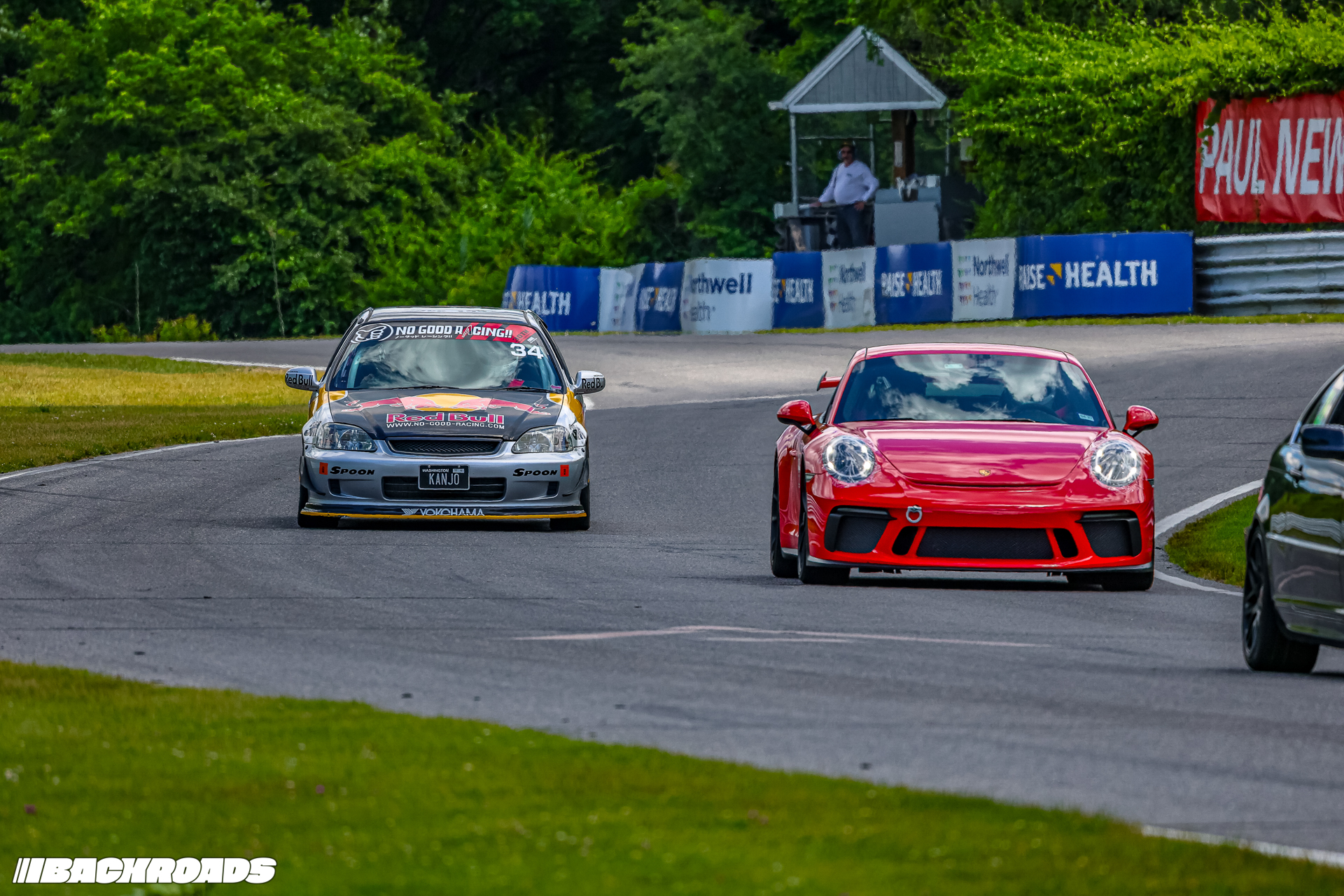
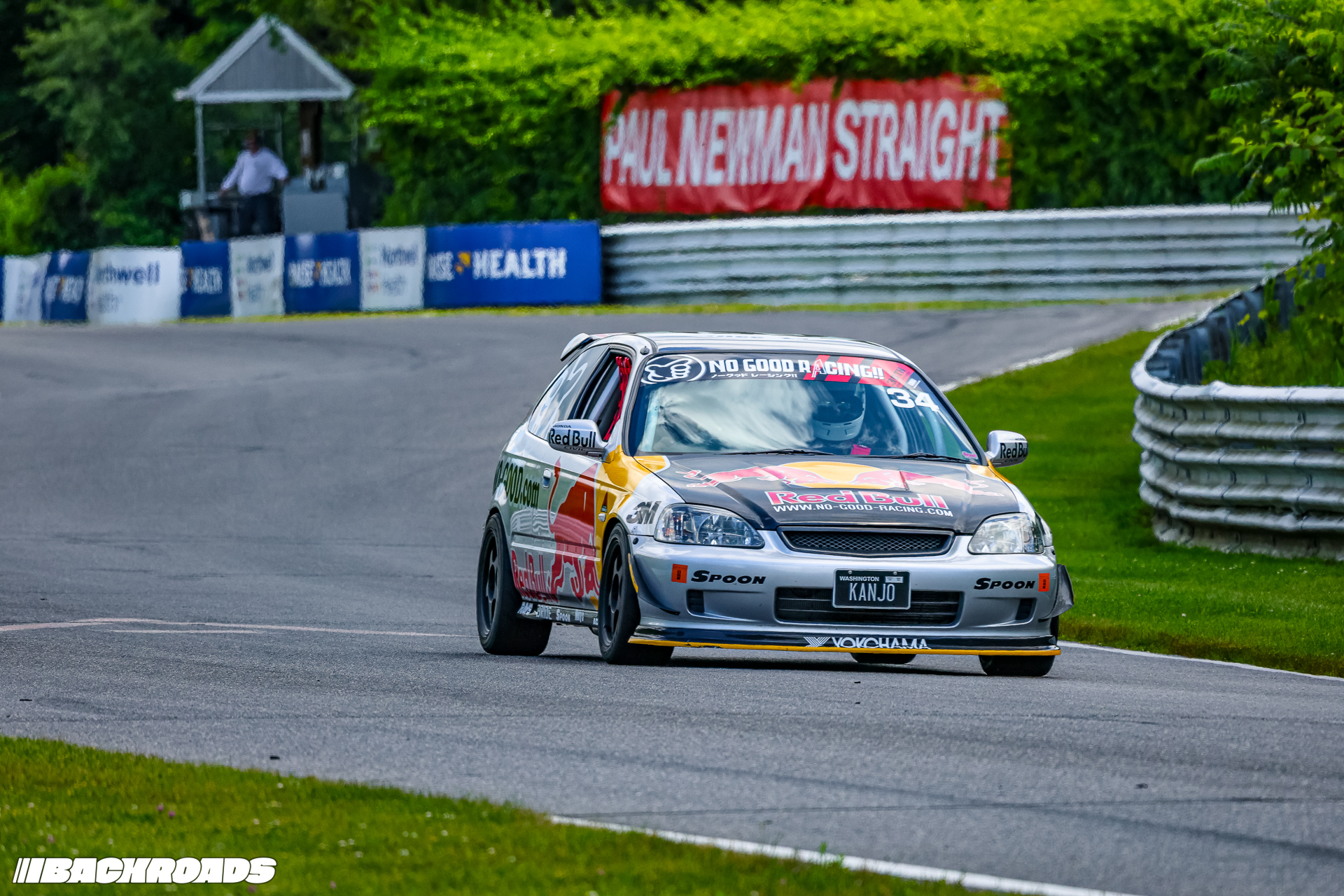
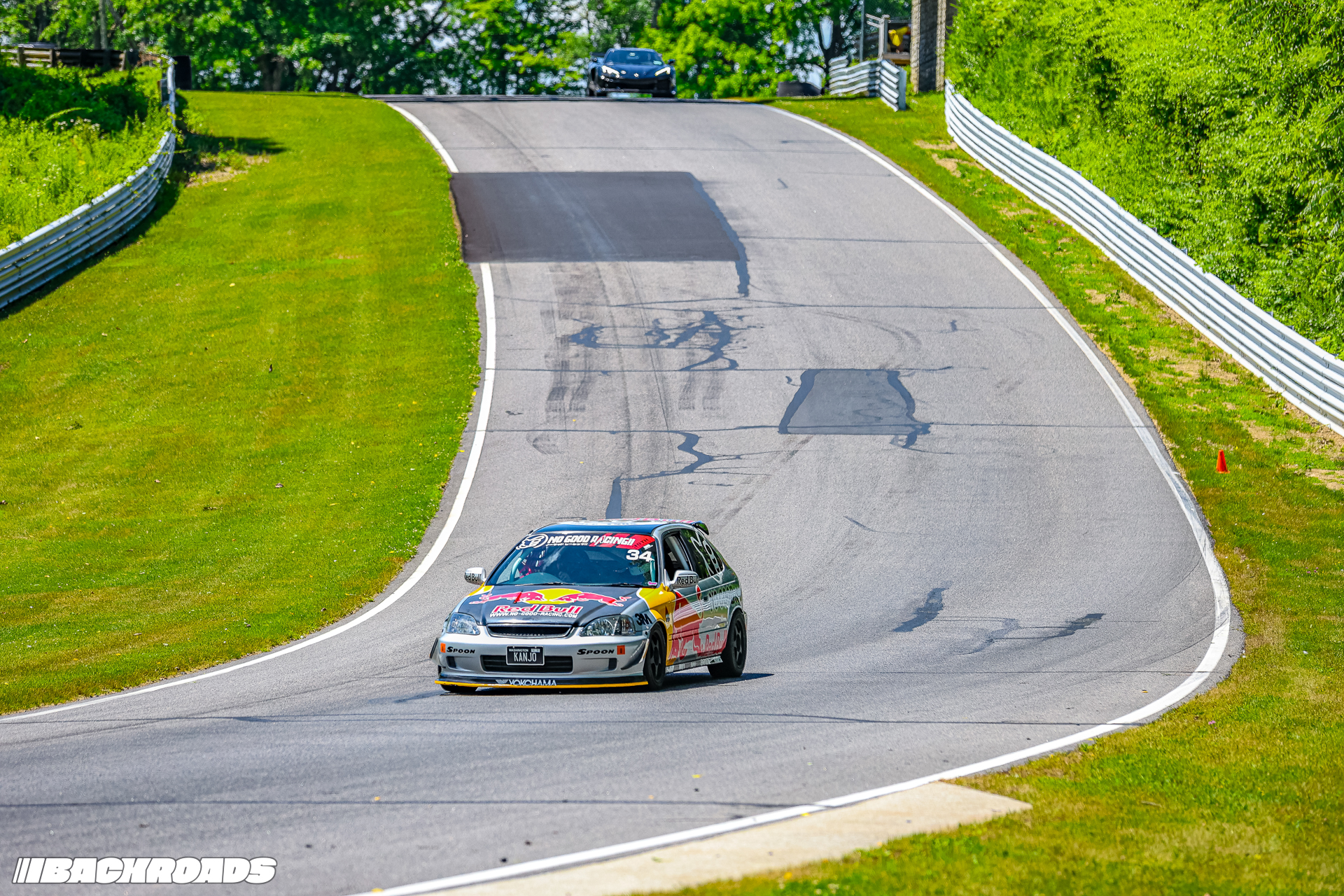
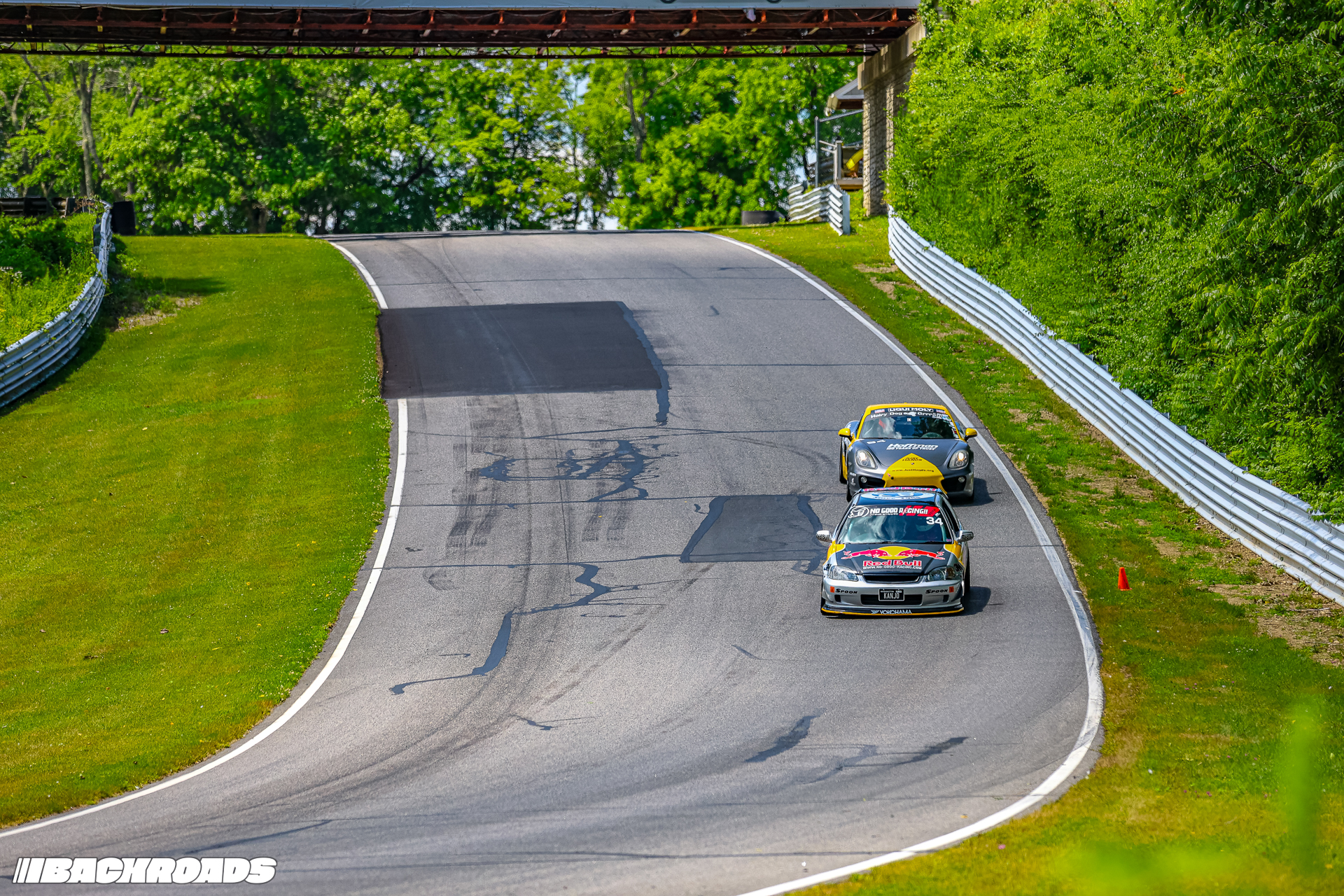
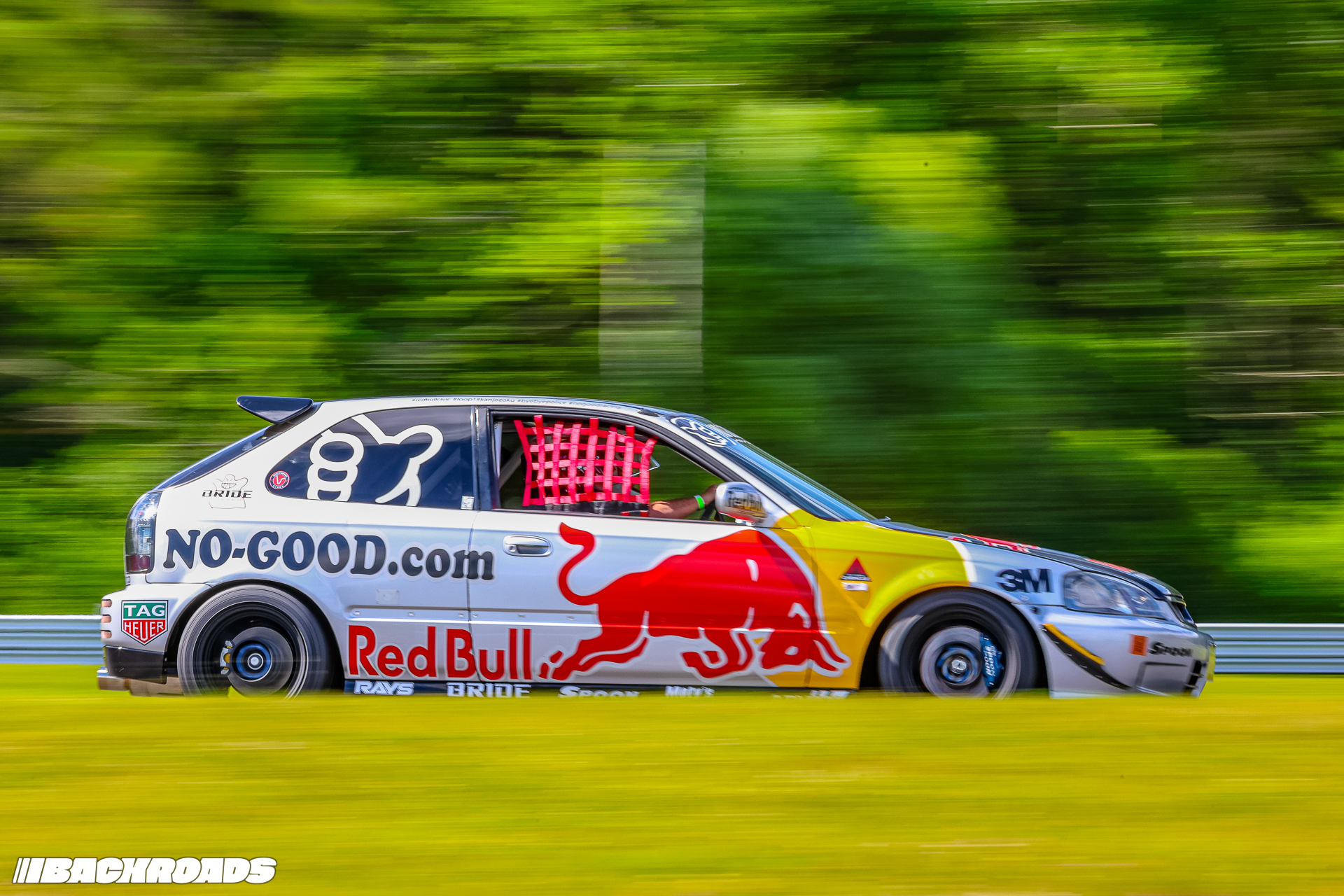
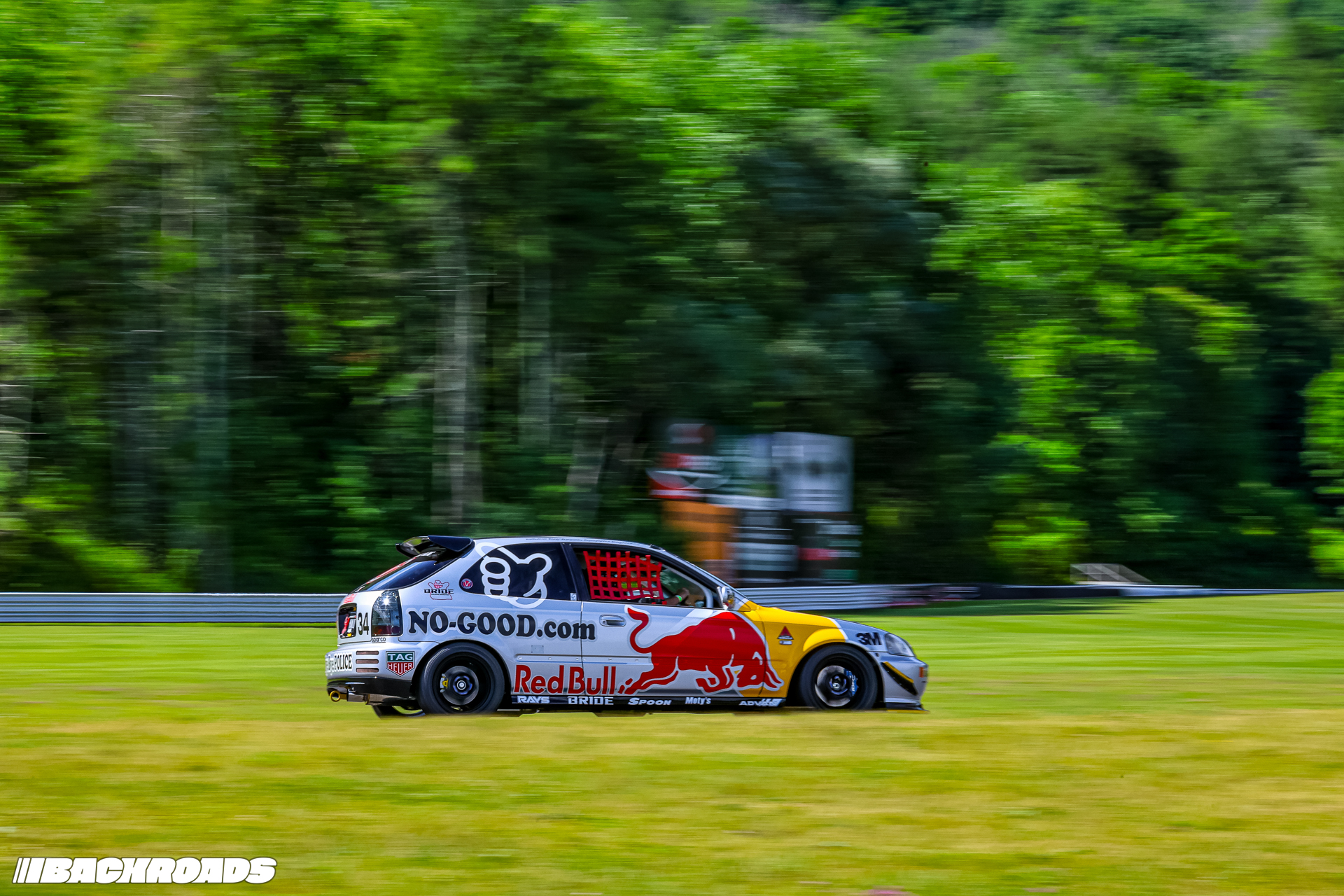
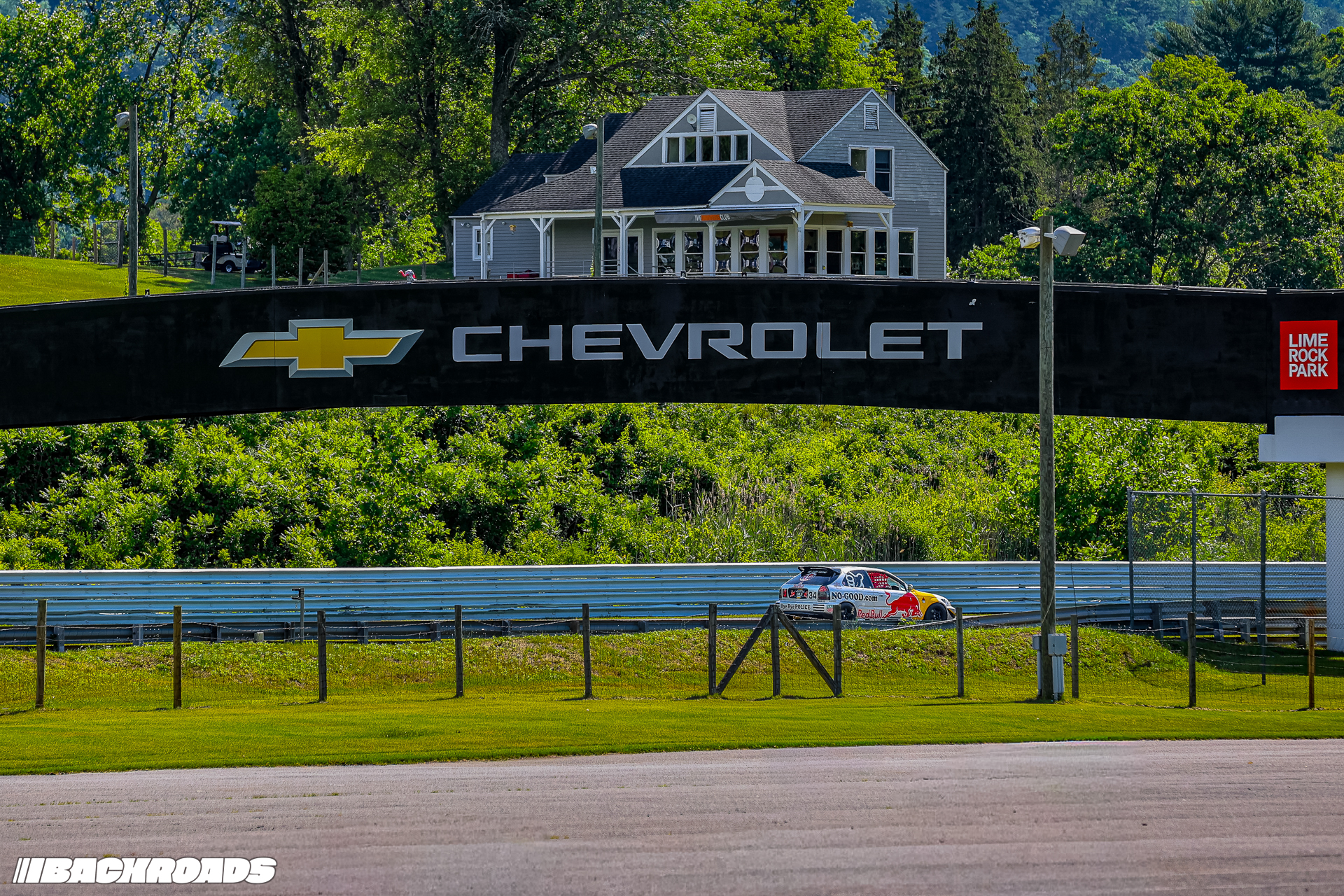
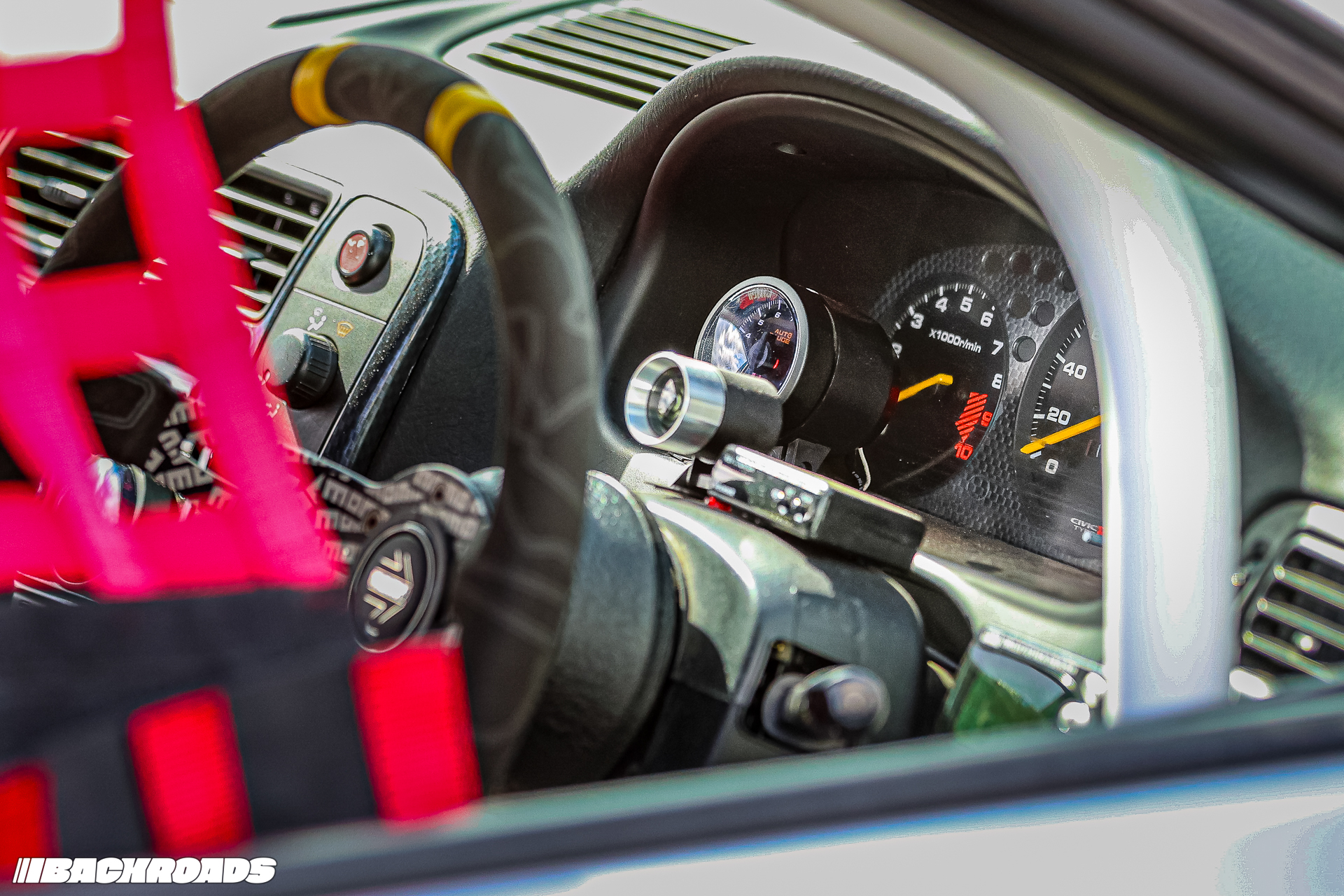
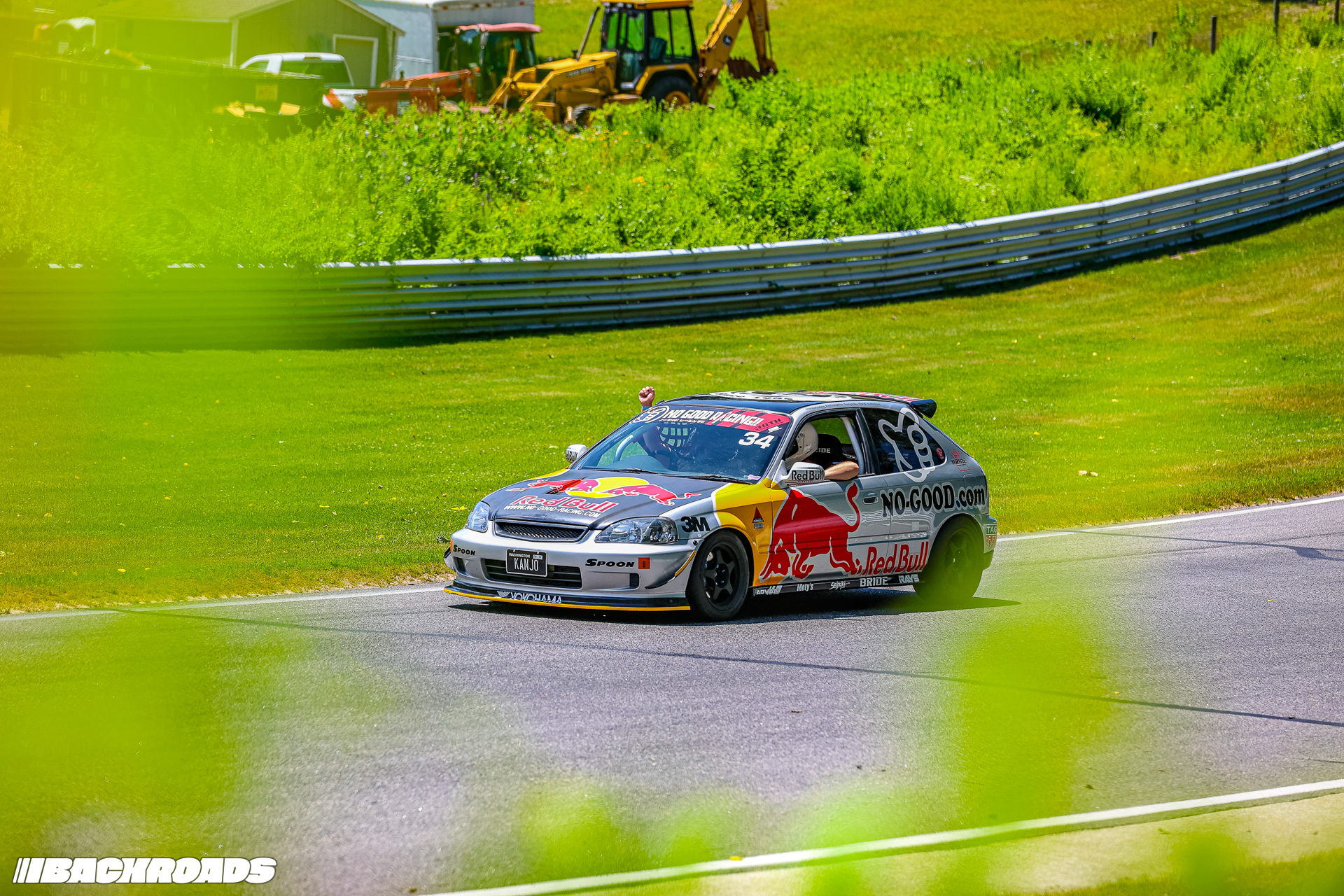
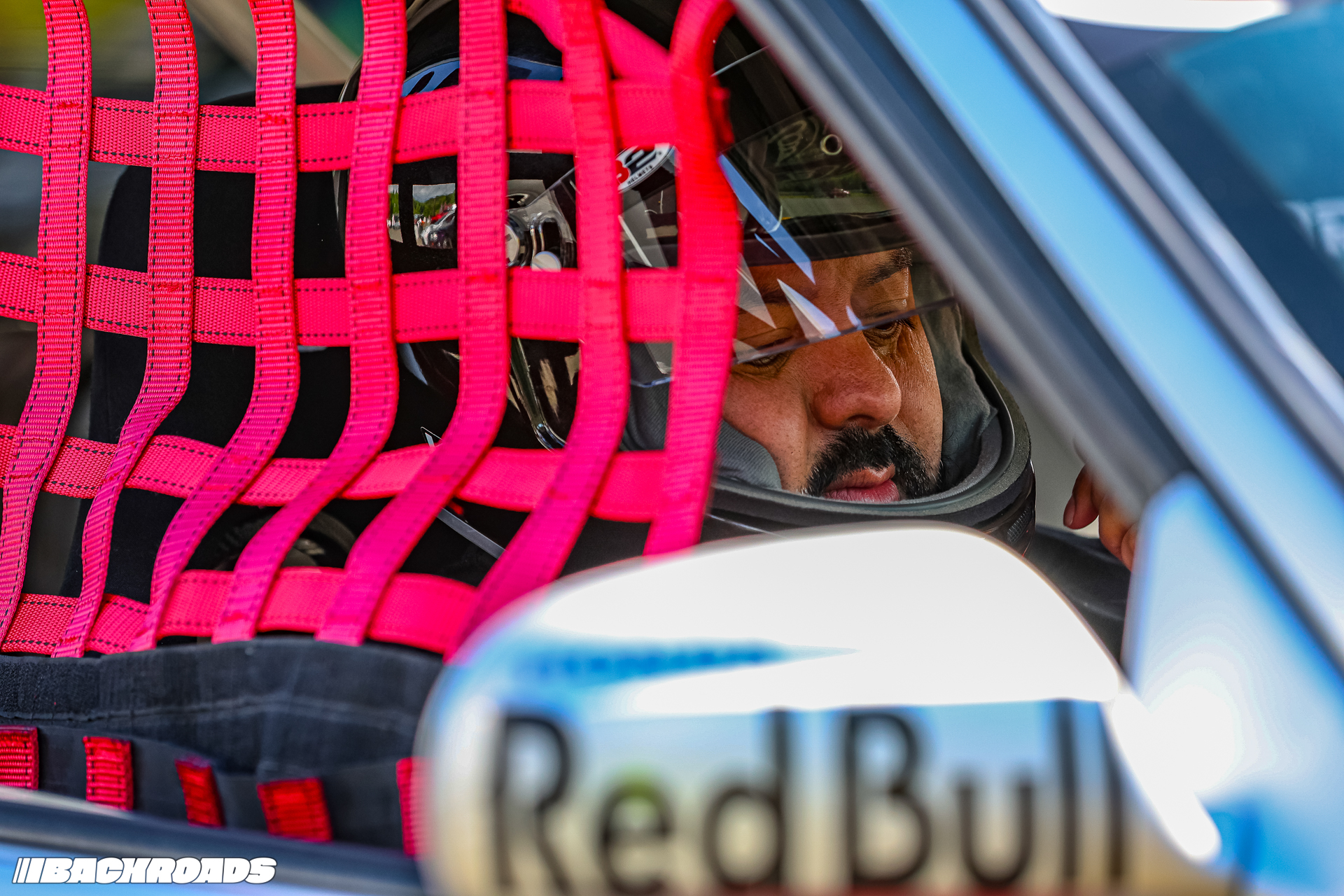
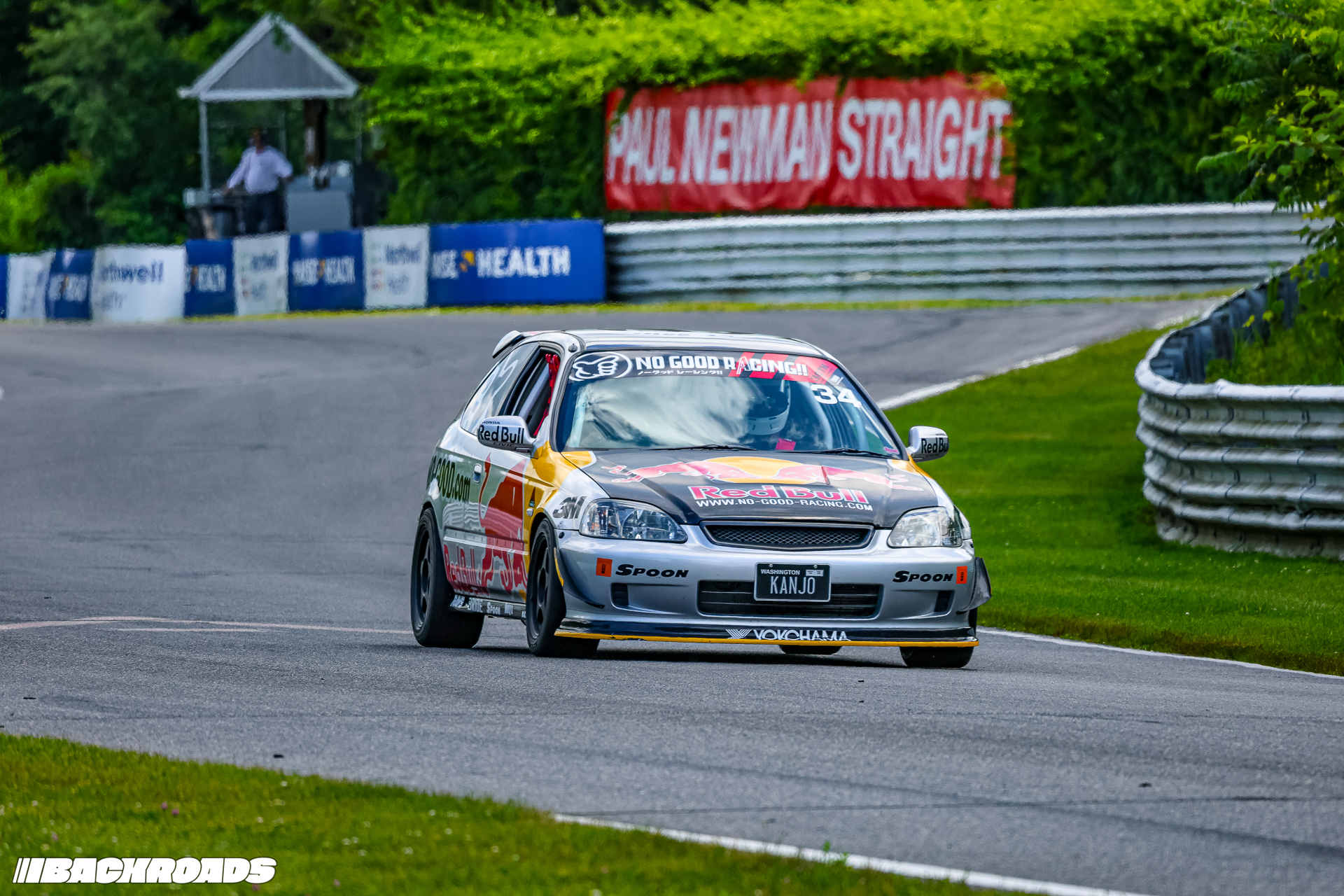
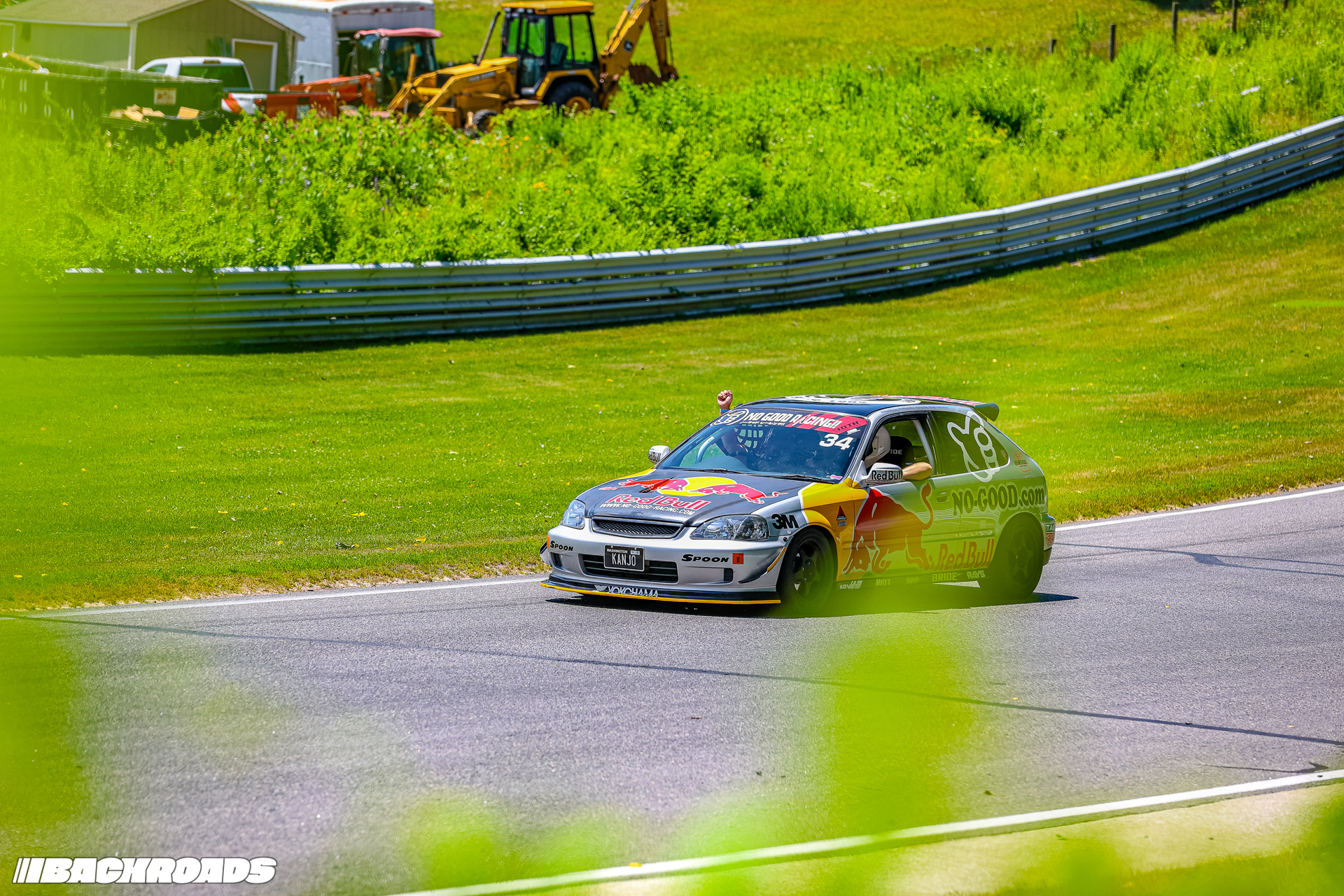
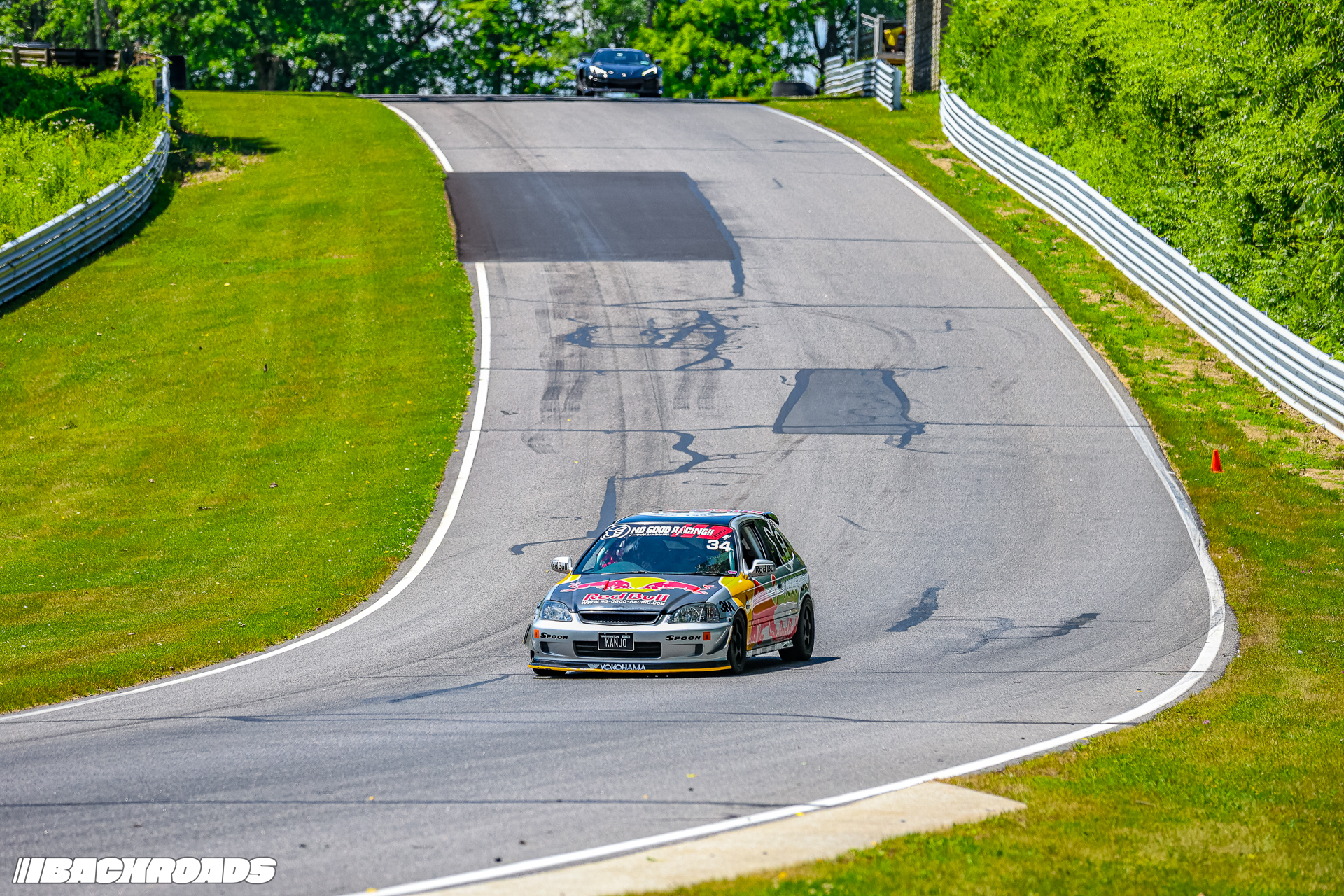
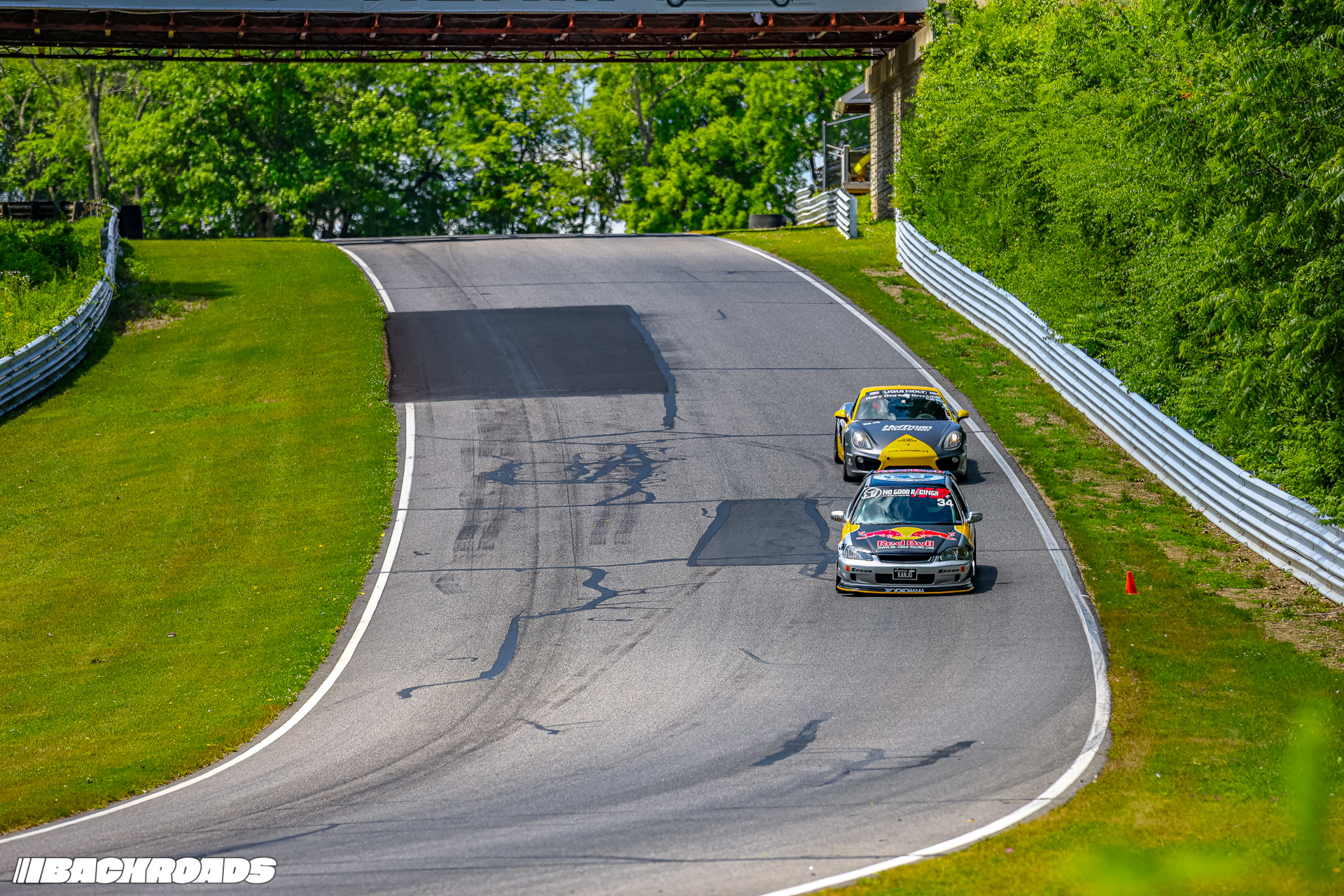
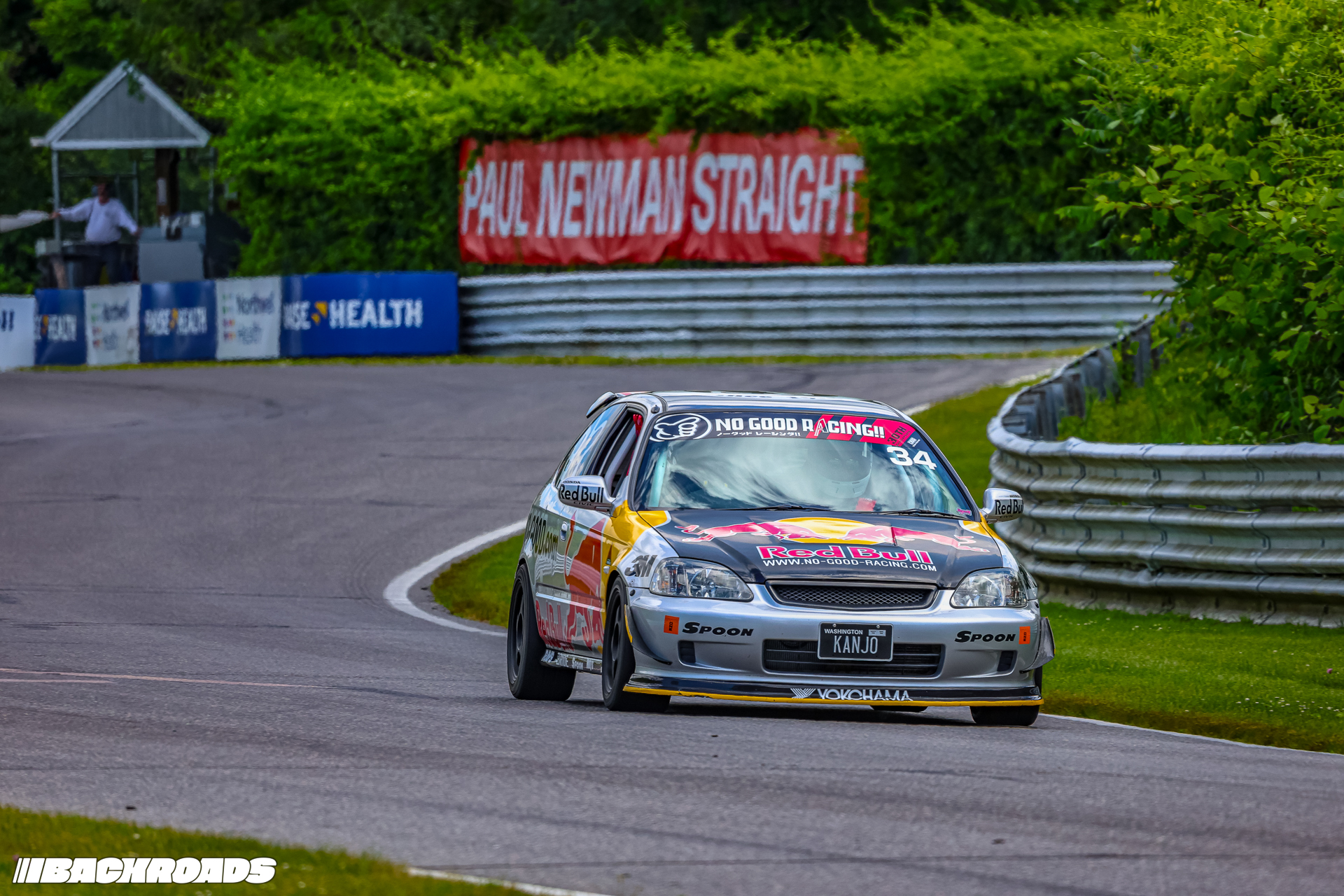
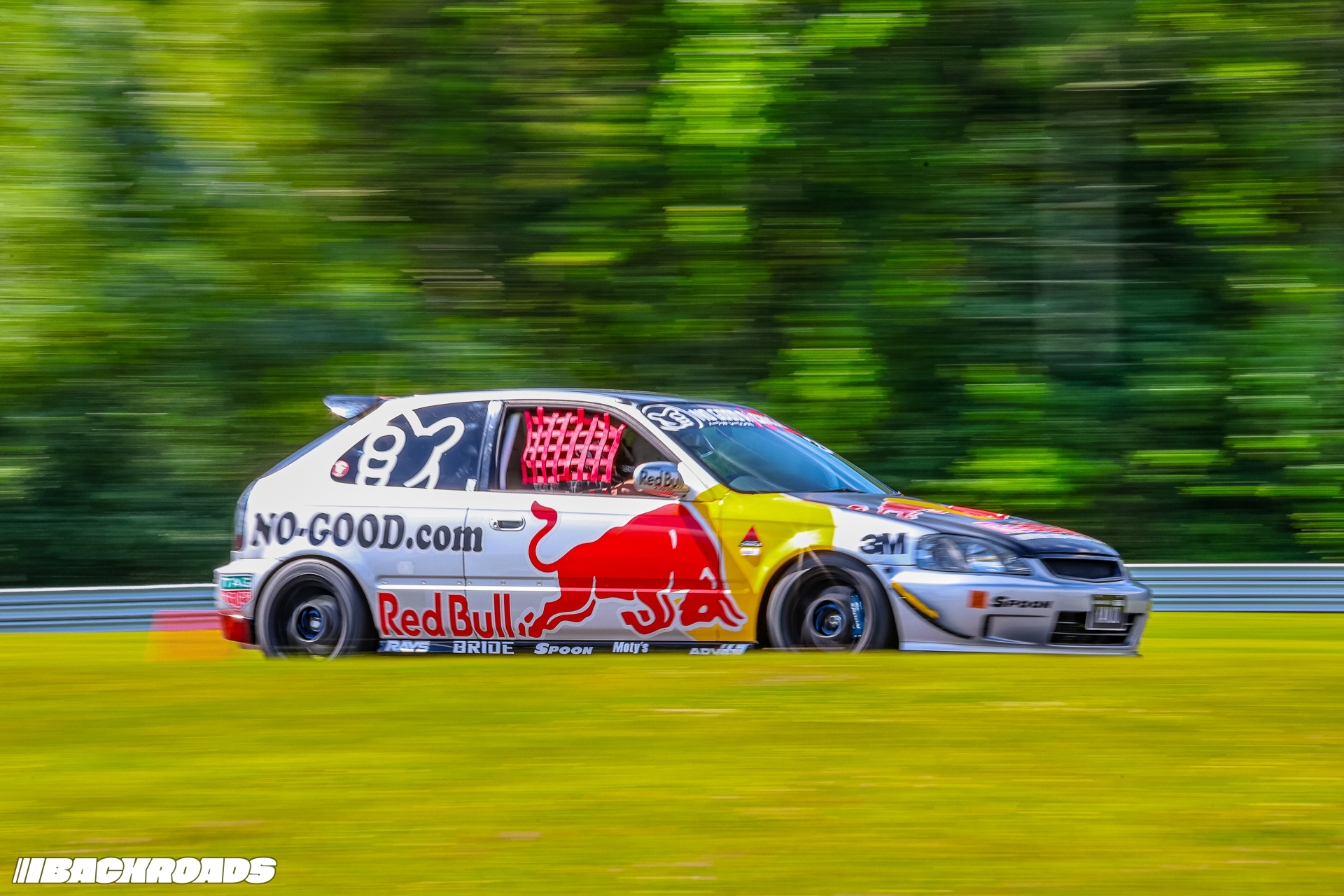
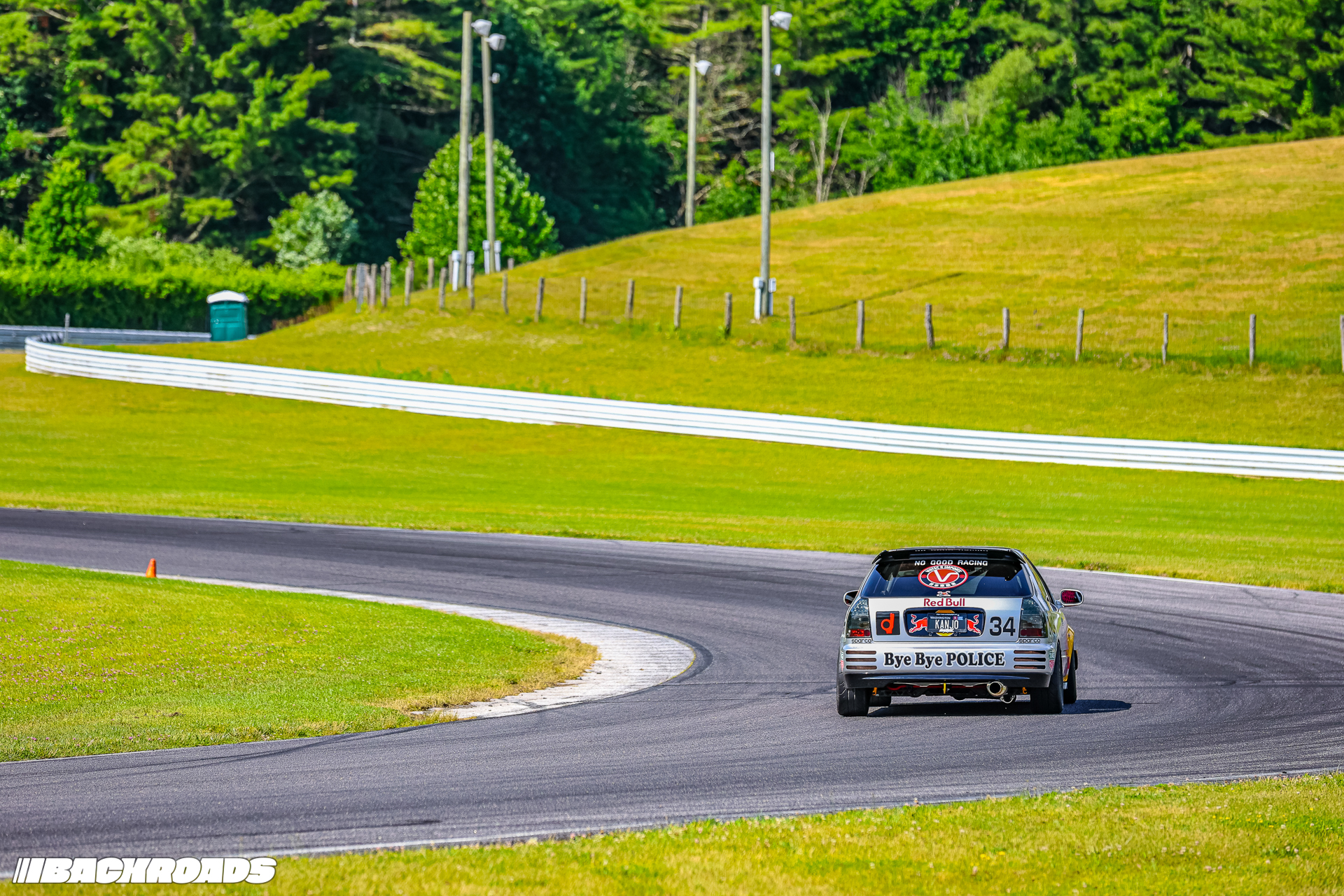
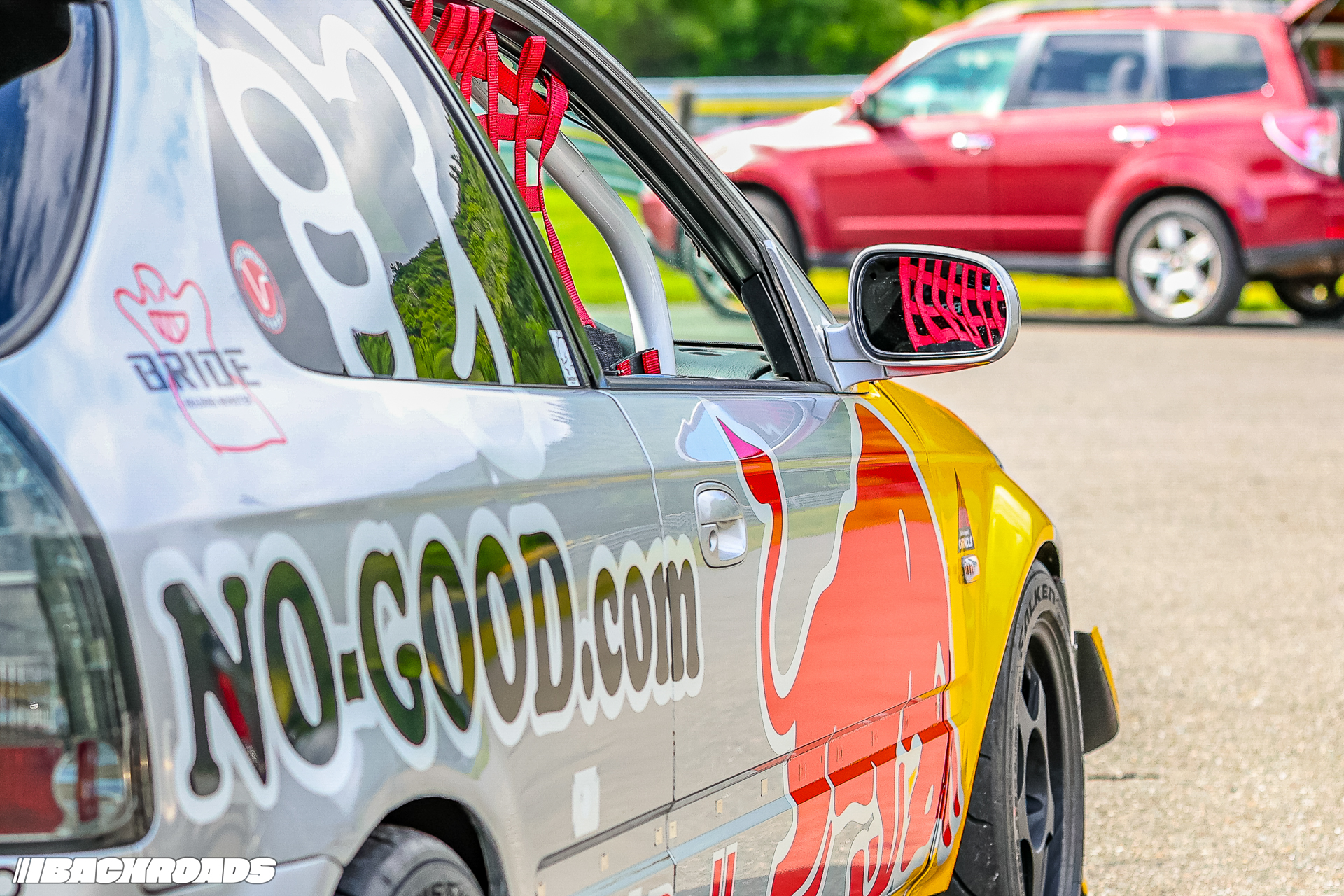
A kanjo EK9 Type R is a hell of a find. Peak Civic right here I bet it’s such a blast at the HPDE event.