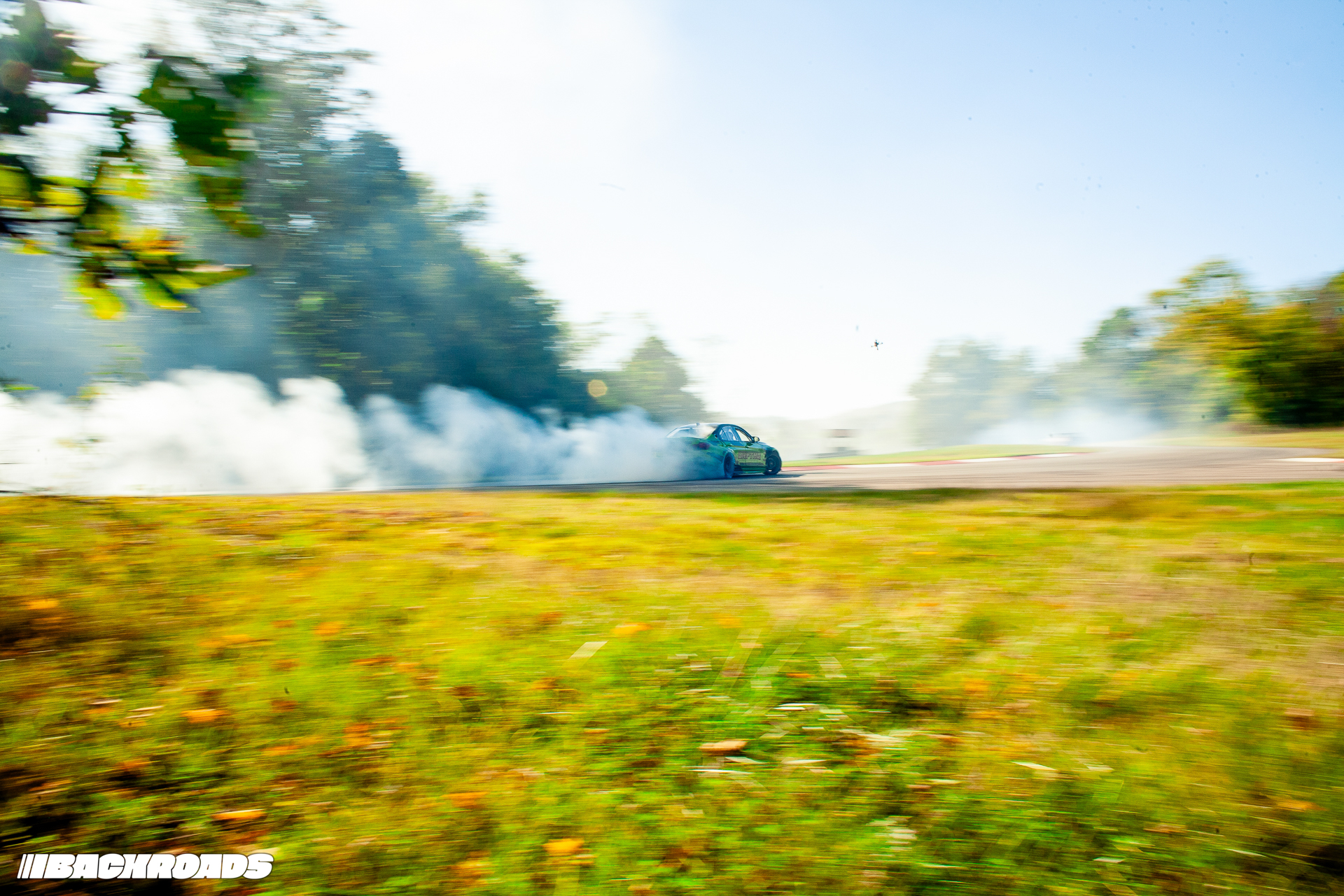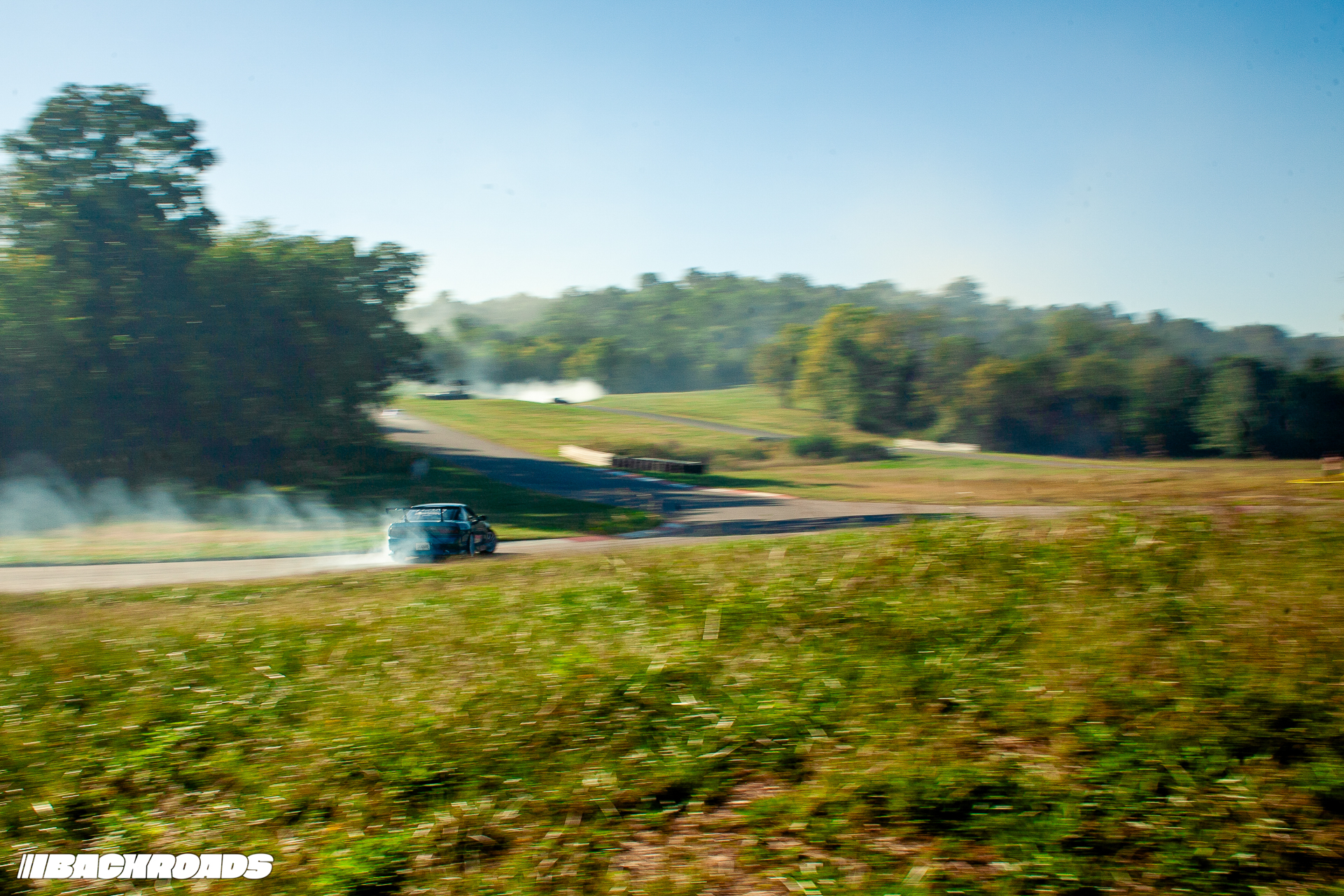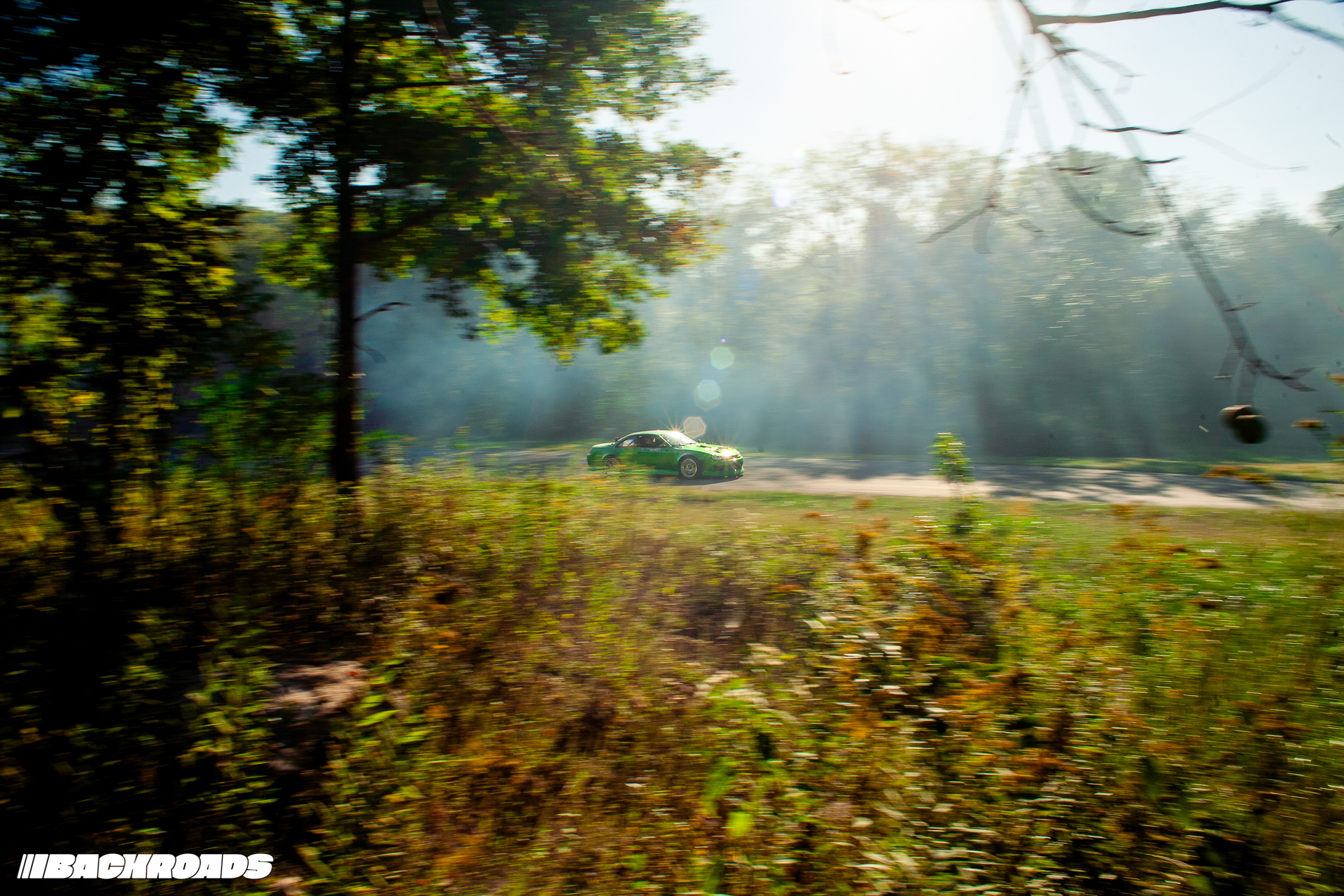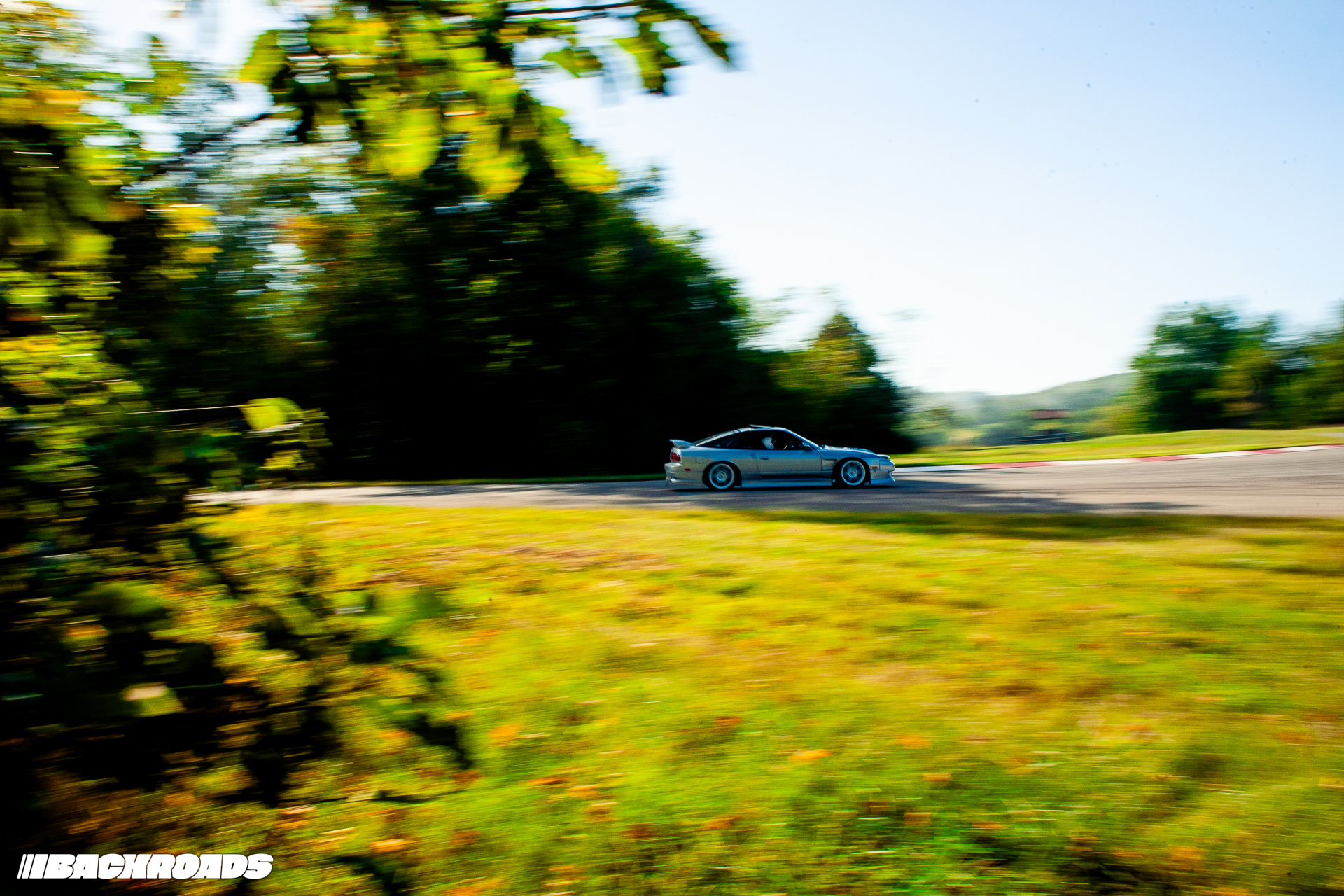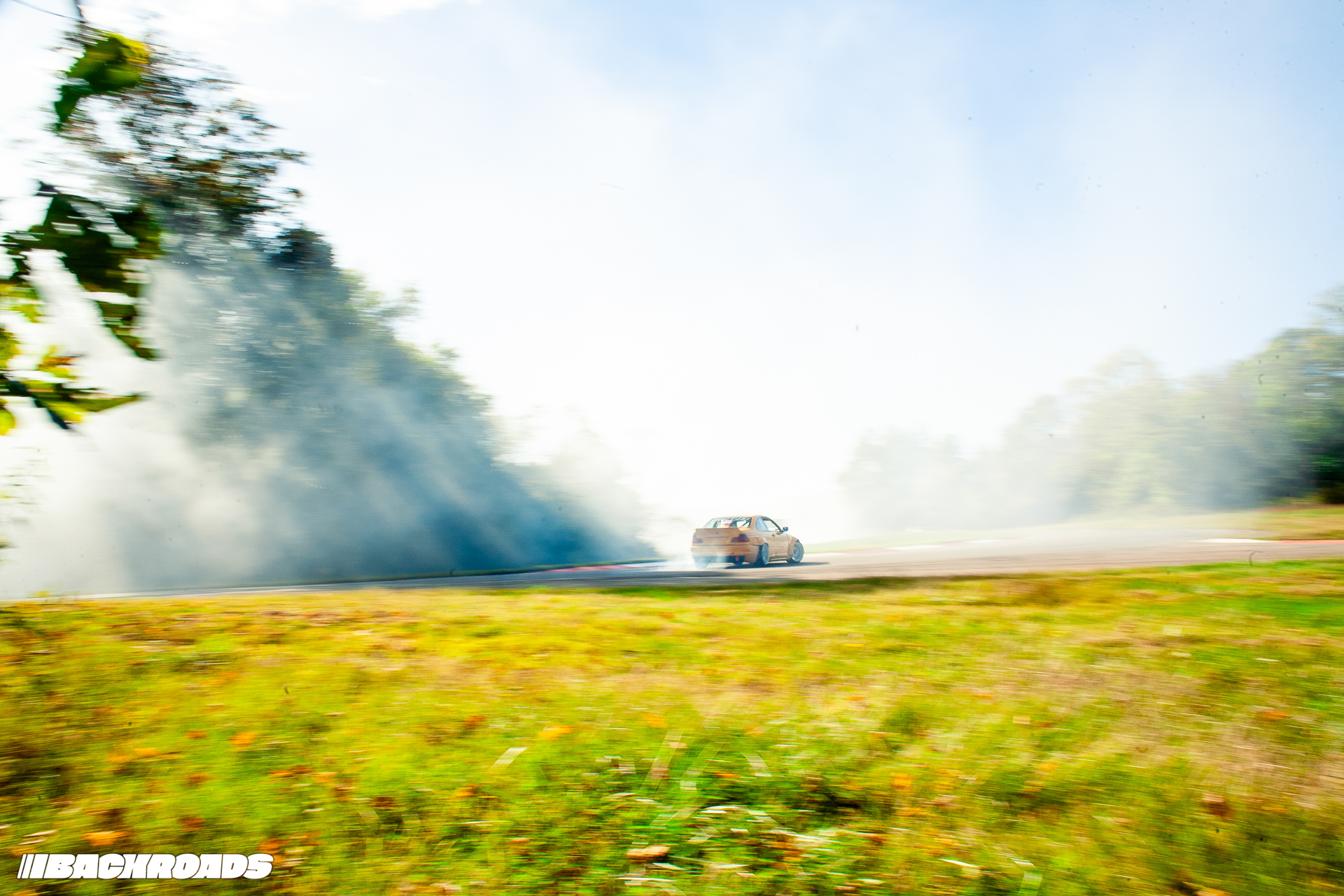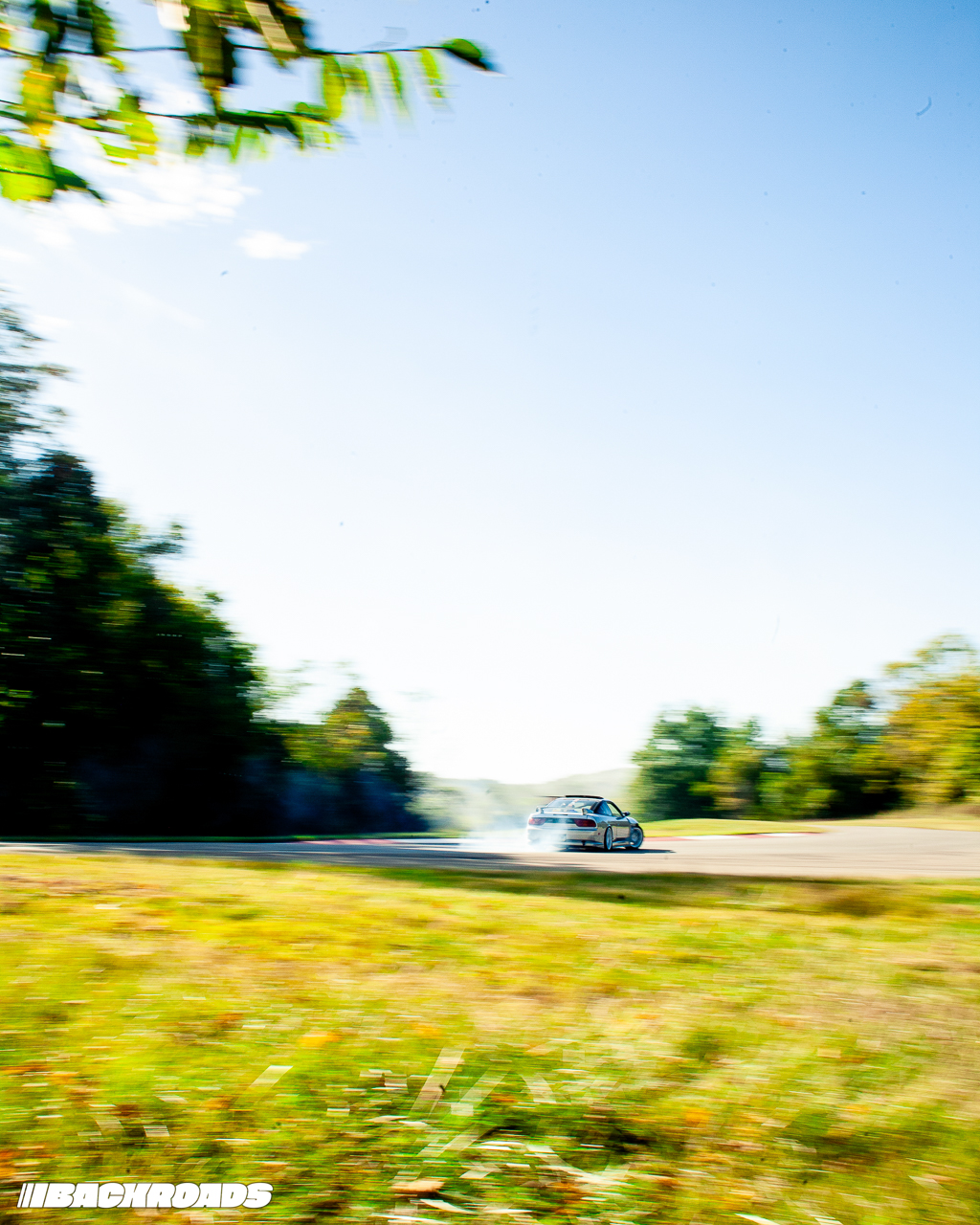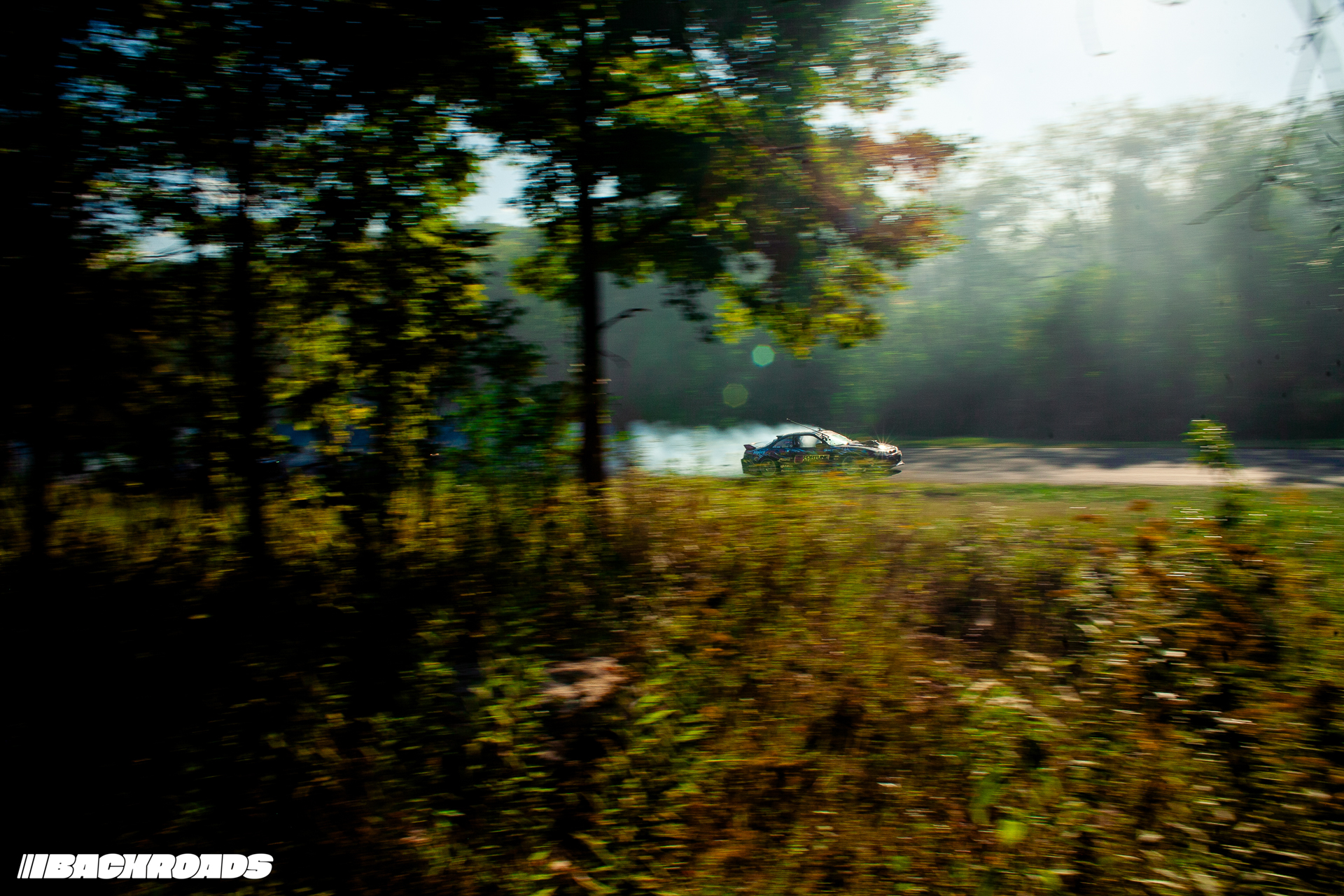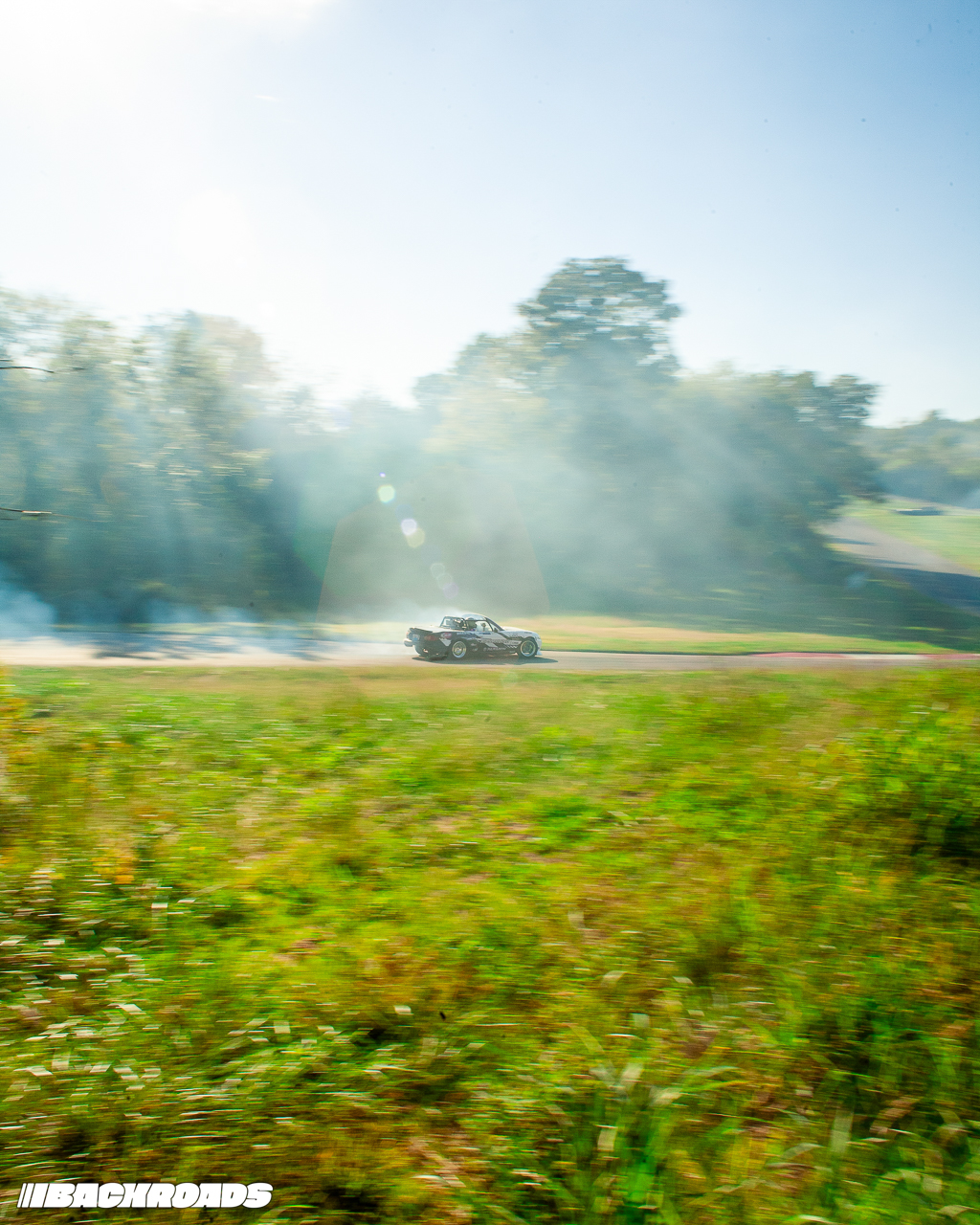
With so many high end circuits and speedways in the world, it’s nice to visit smaller, local tracks.
It has a similar feeling as finding a hole in the wall restaurant that only the locals know about. It can be refreshing, especially at a time where it feels like a circuit is closing its doors every other week. My most recent experience was at Polecat Training Center (PTC), a humble track nestled in the hills of Tennessee, amongst the trees.


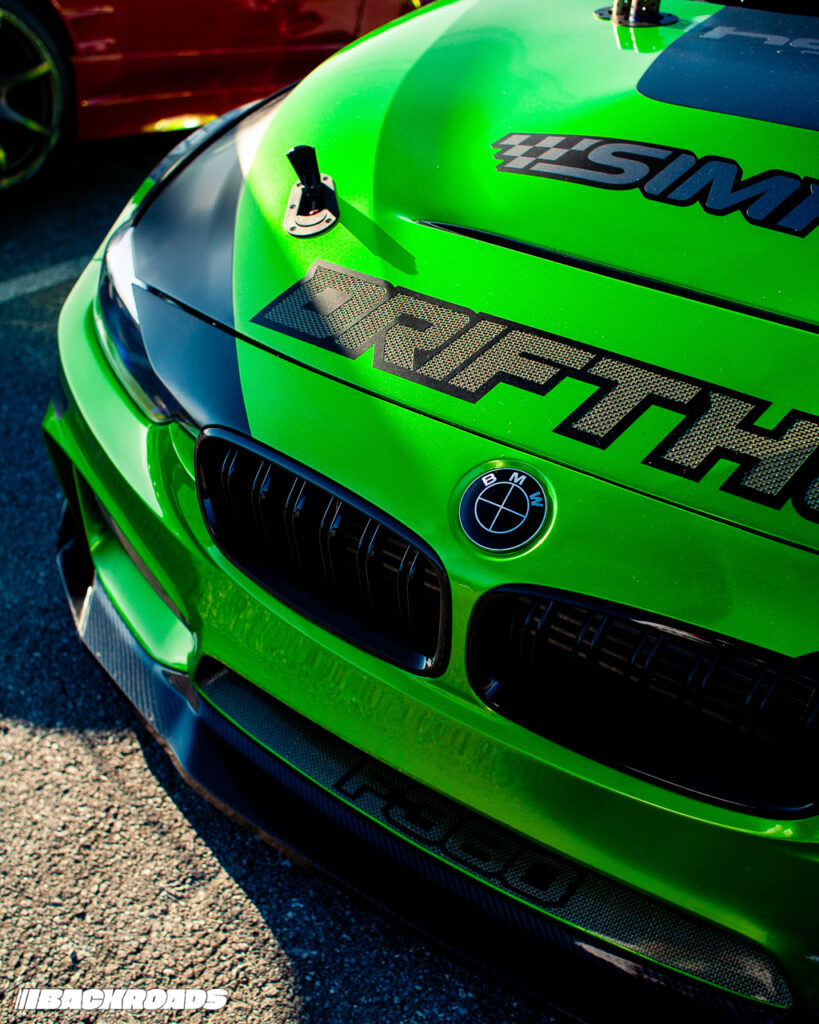
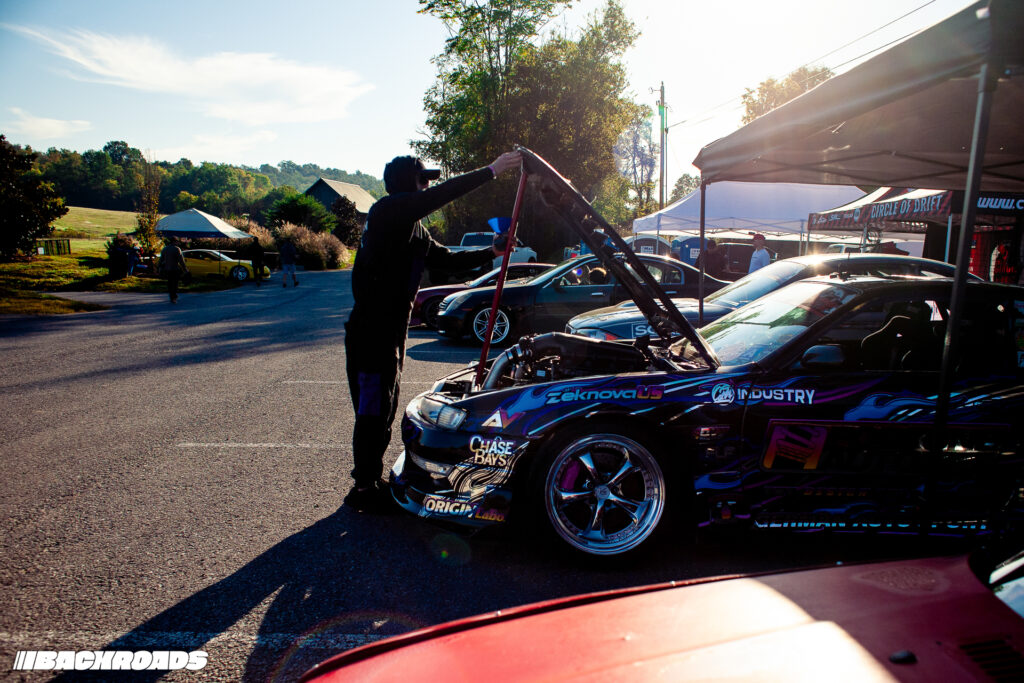
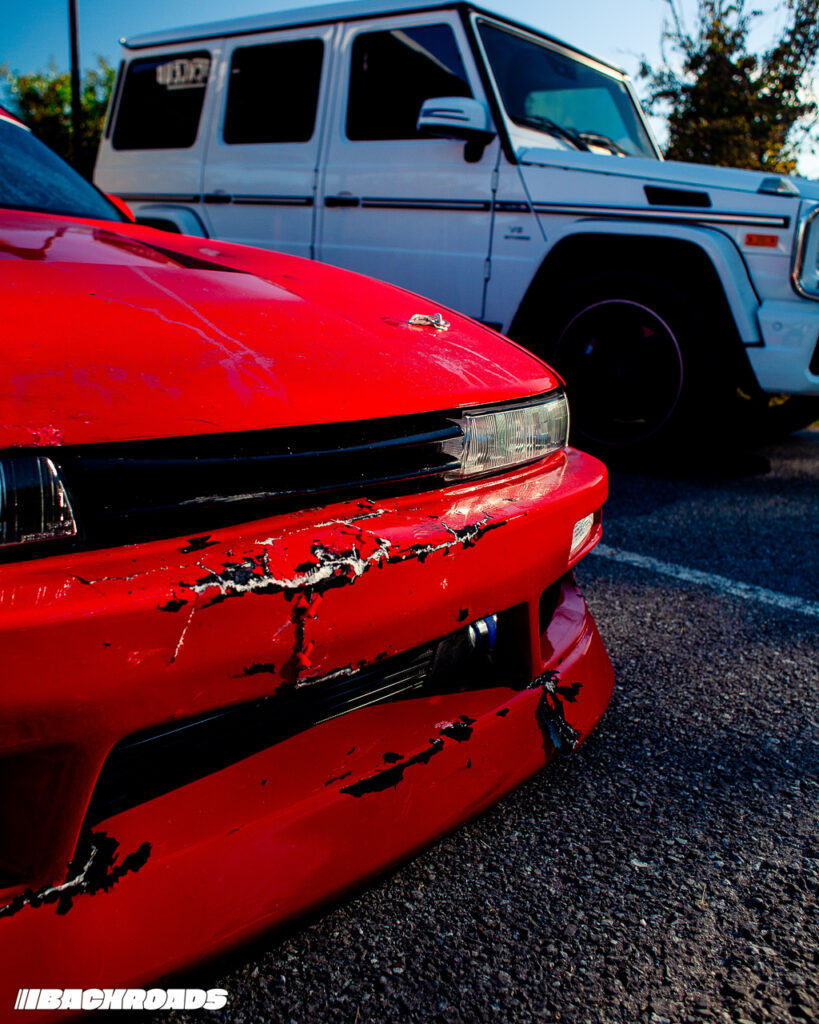
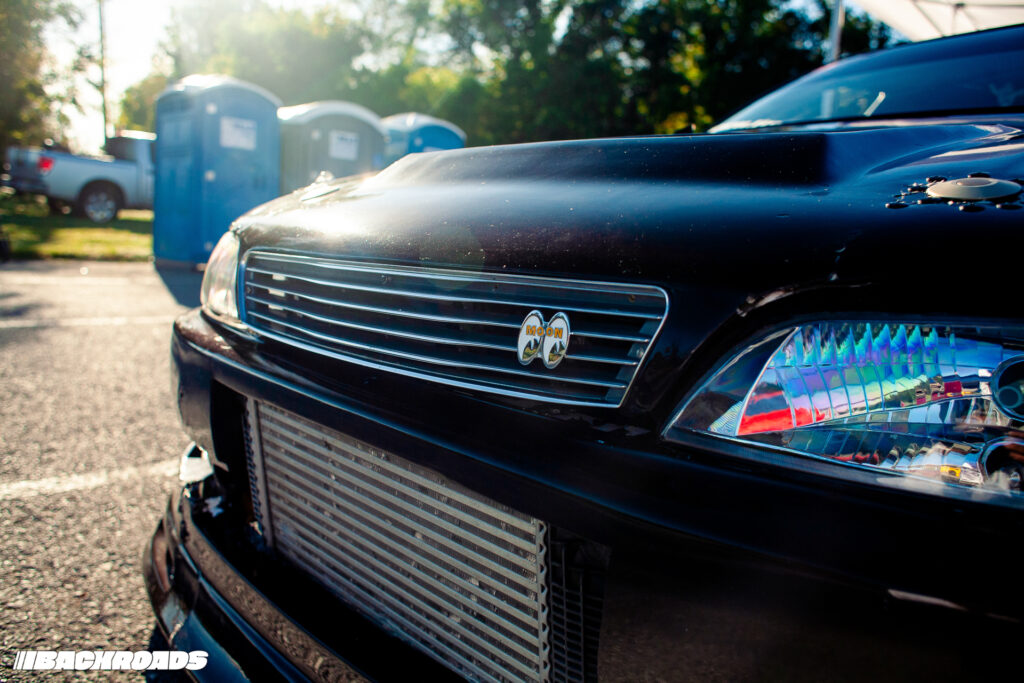


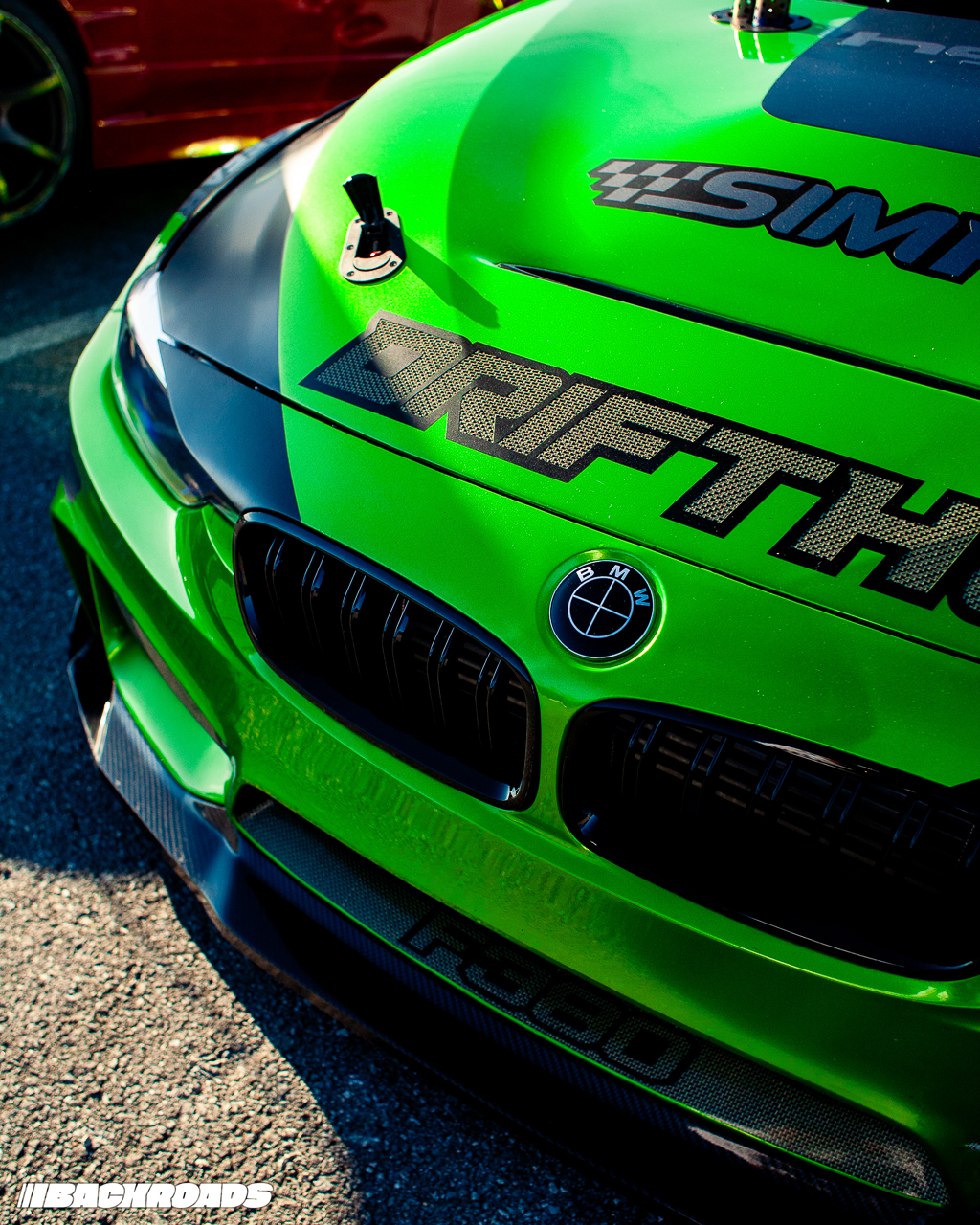
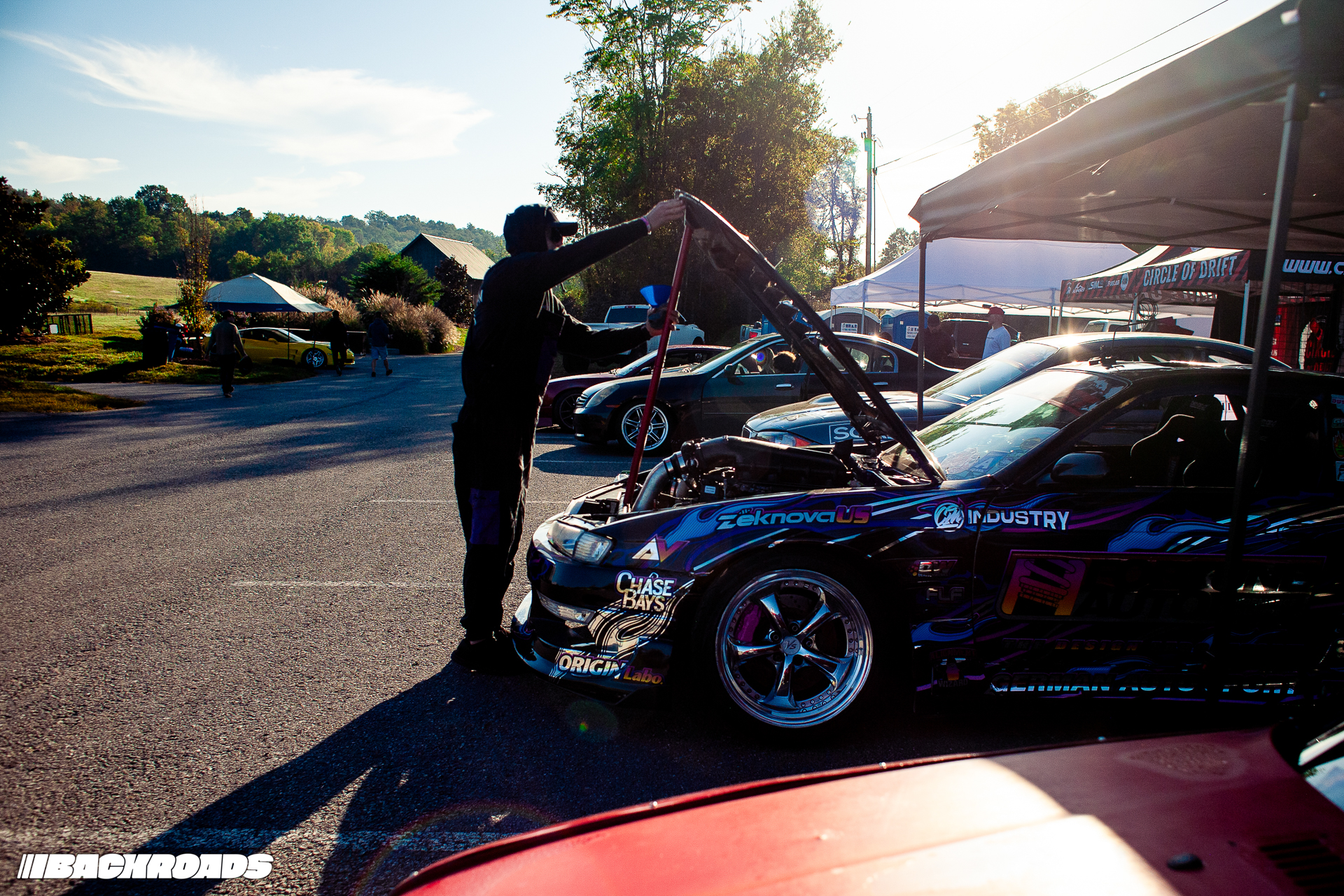
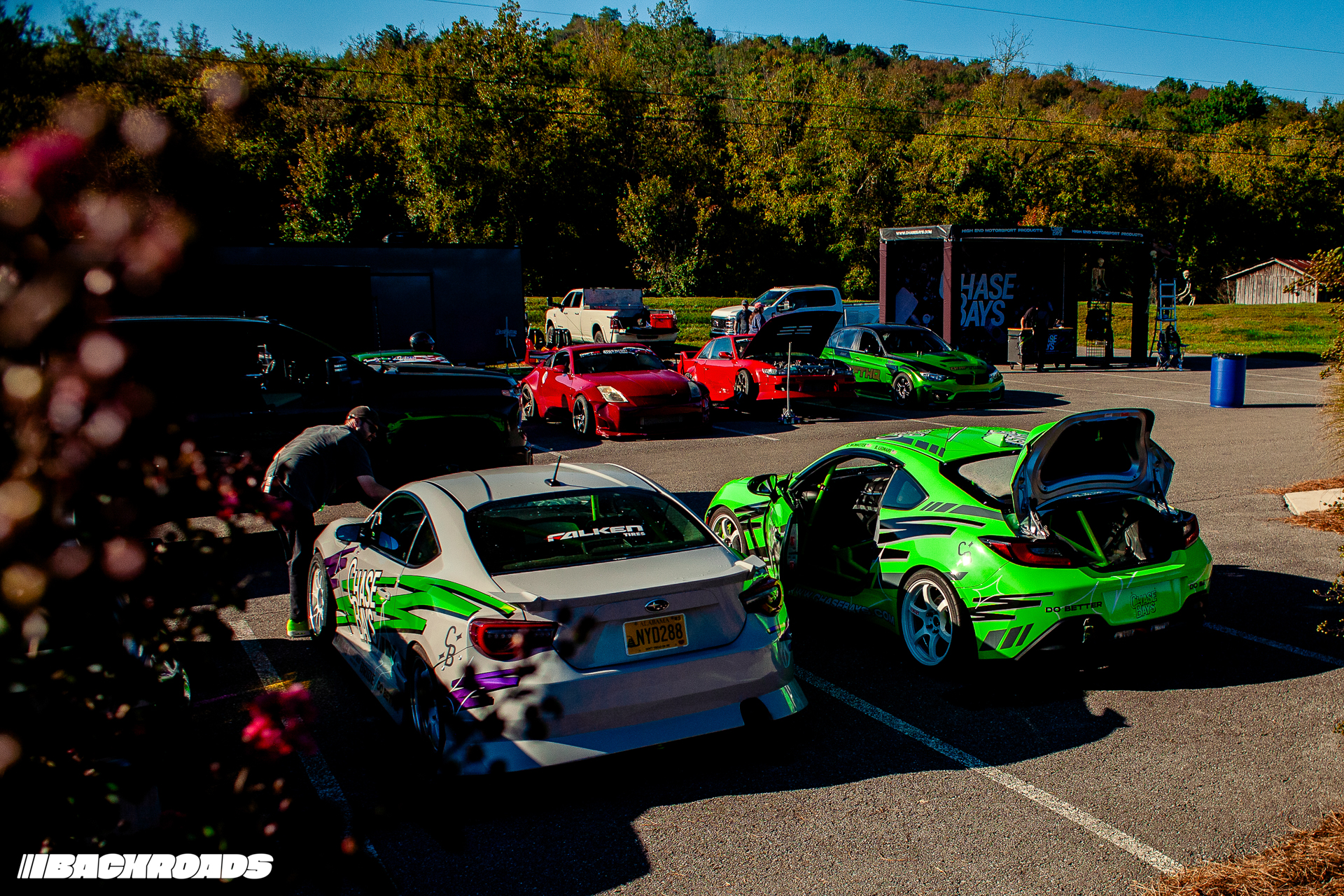
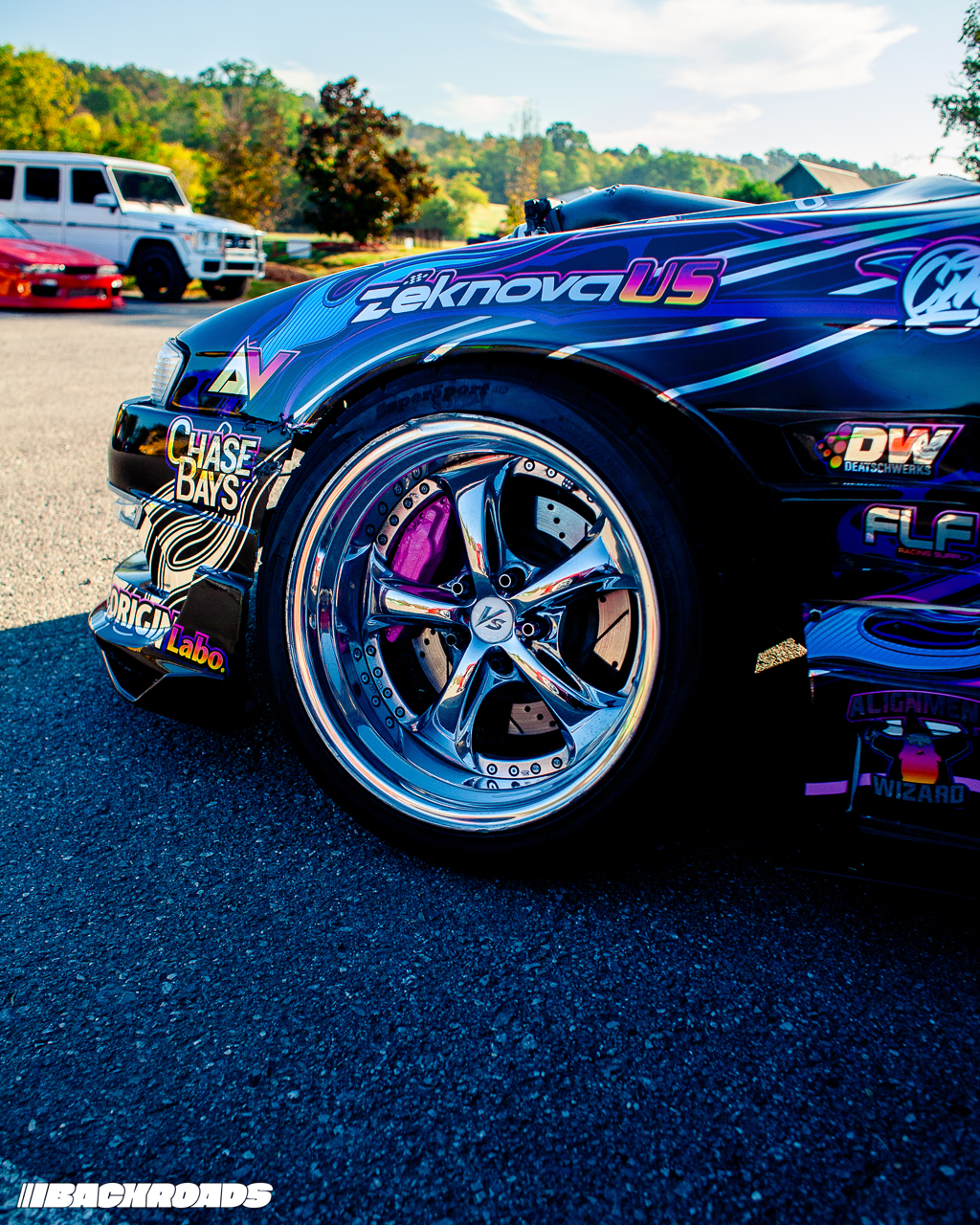
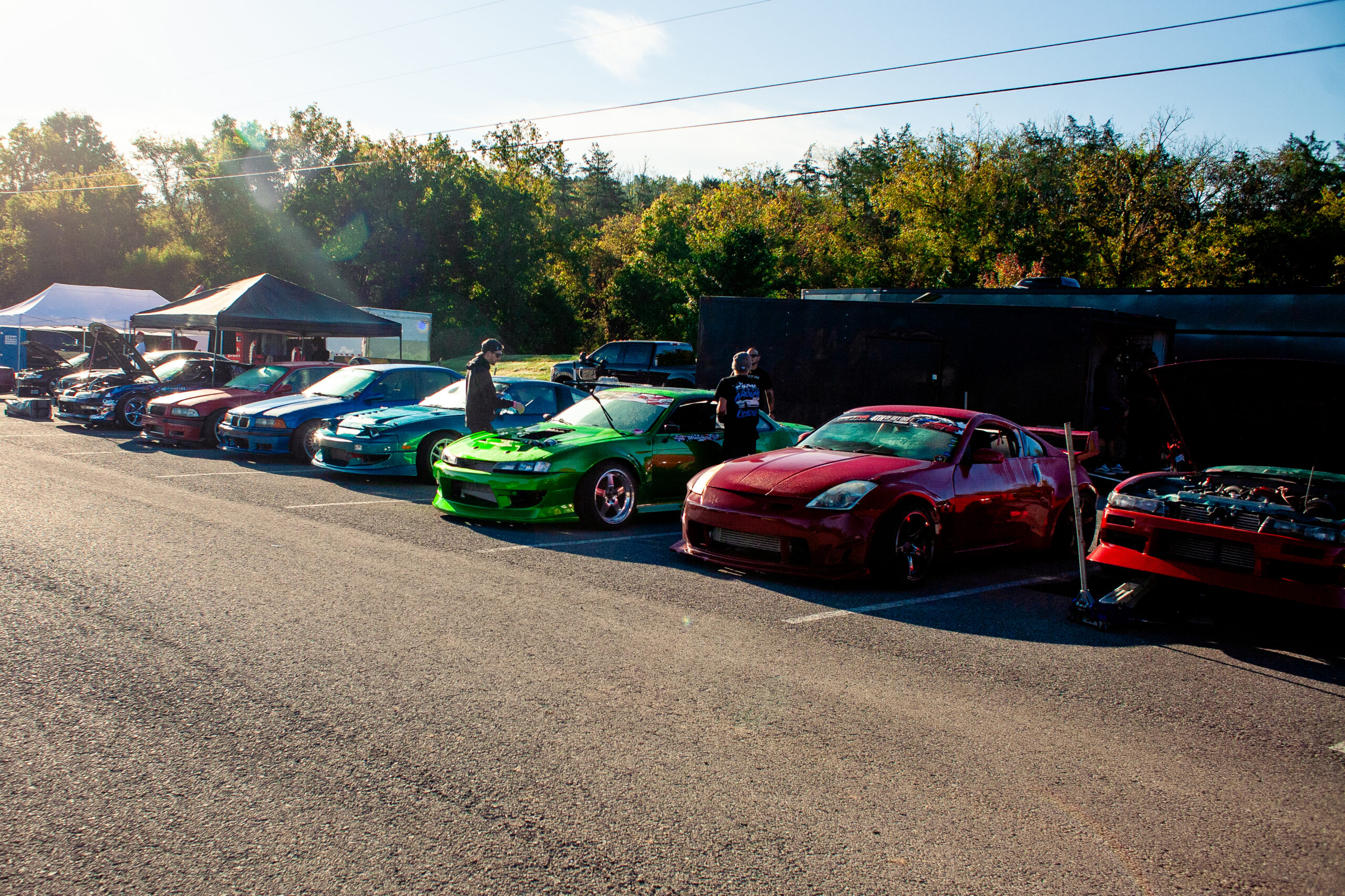
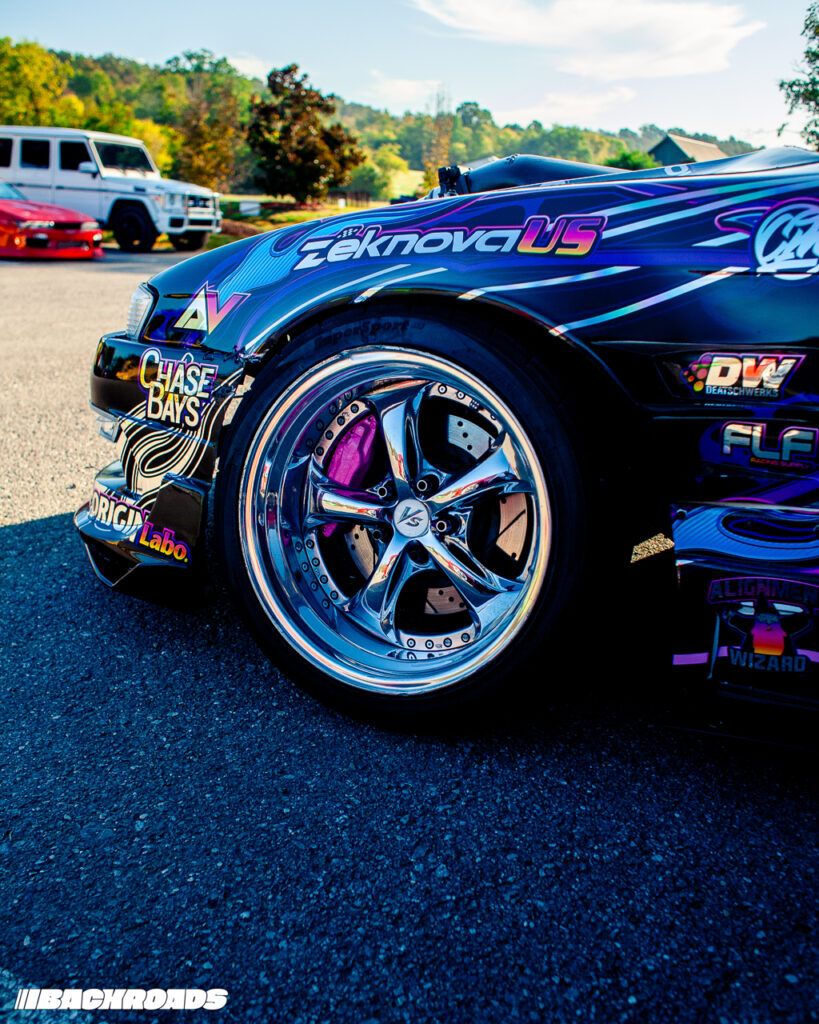
This past October, PTC hosted the Chase Bays Driver’s Weekend; an event meant to give its customers an exclusive track day, as a token of appreciation for supporting the company. This was its third event at PTC, and my second time attending.
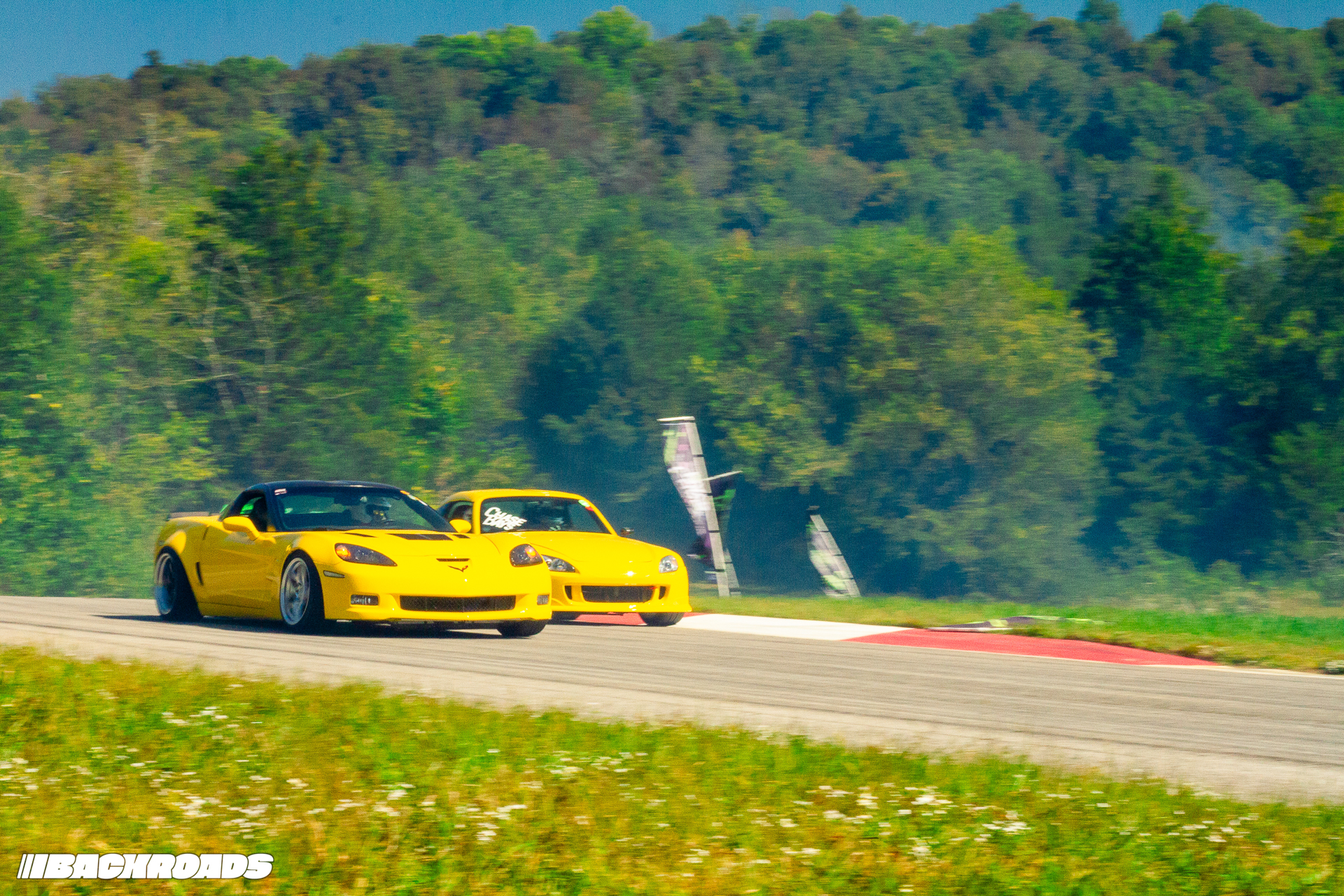
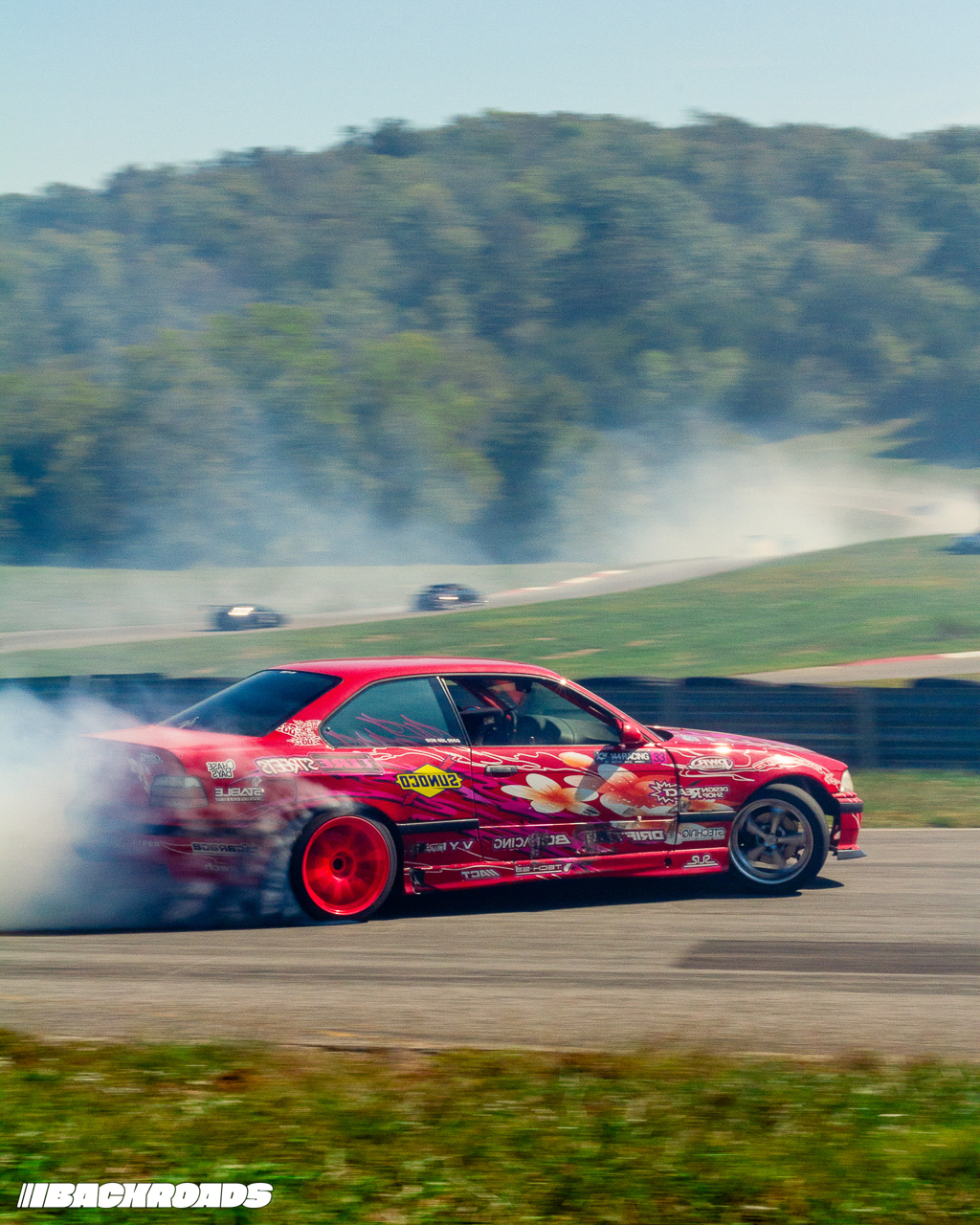
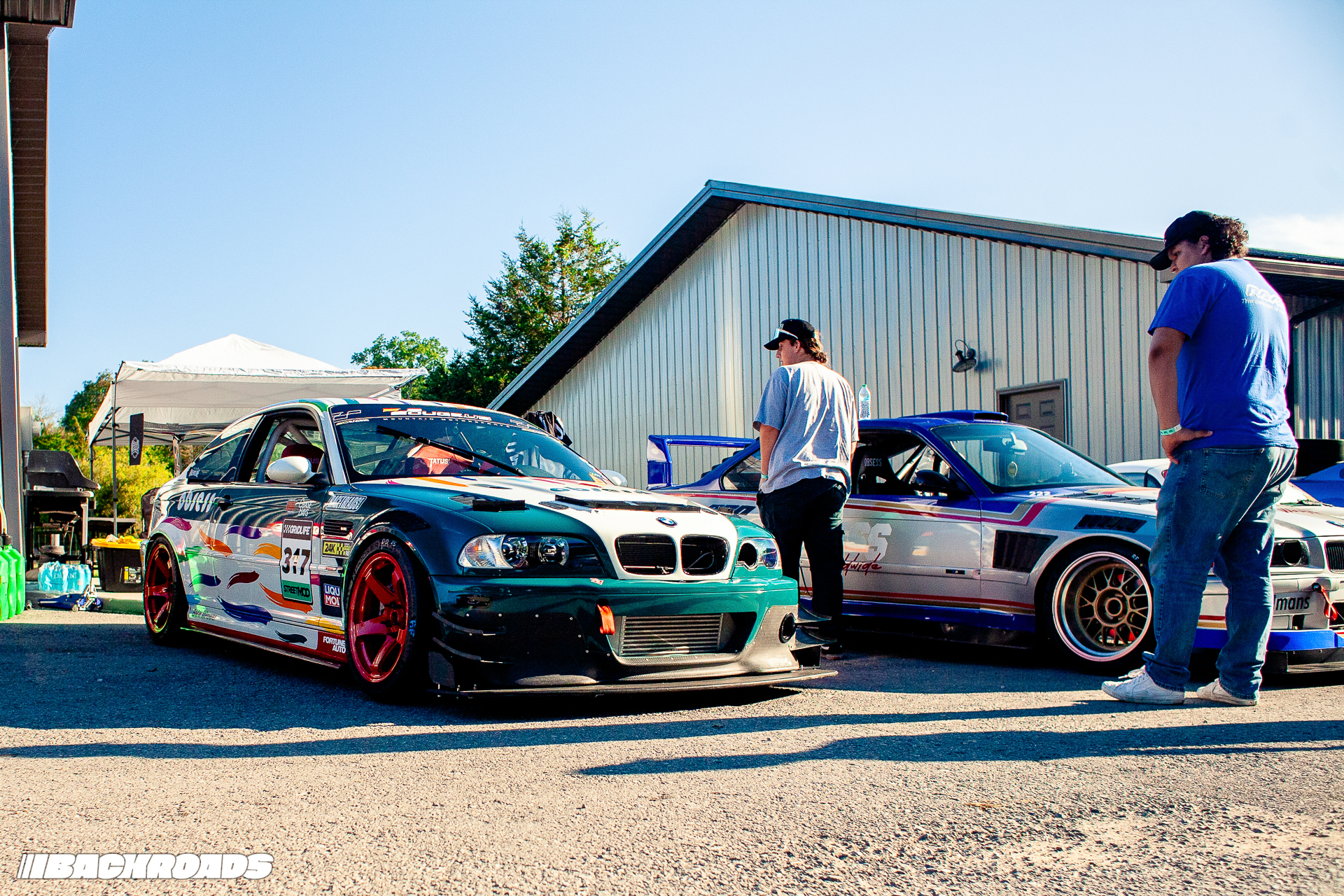
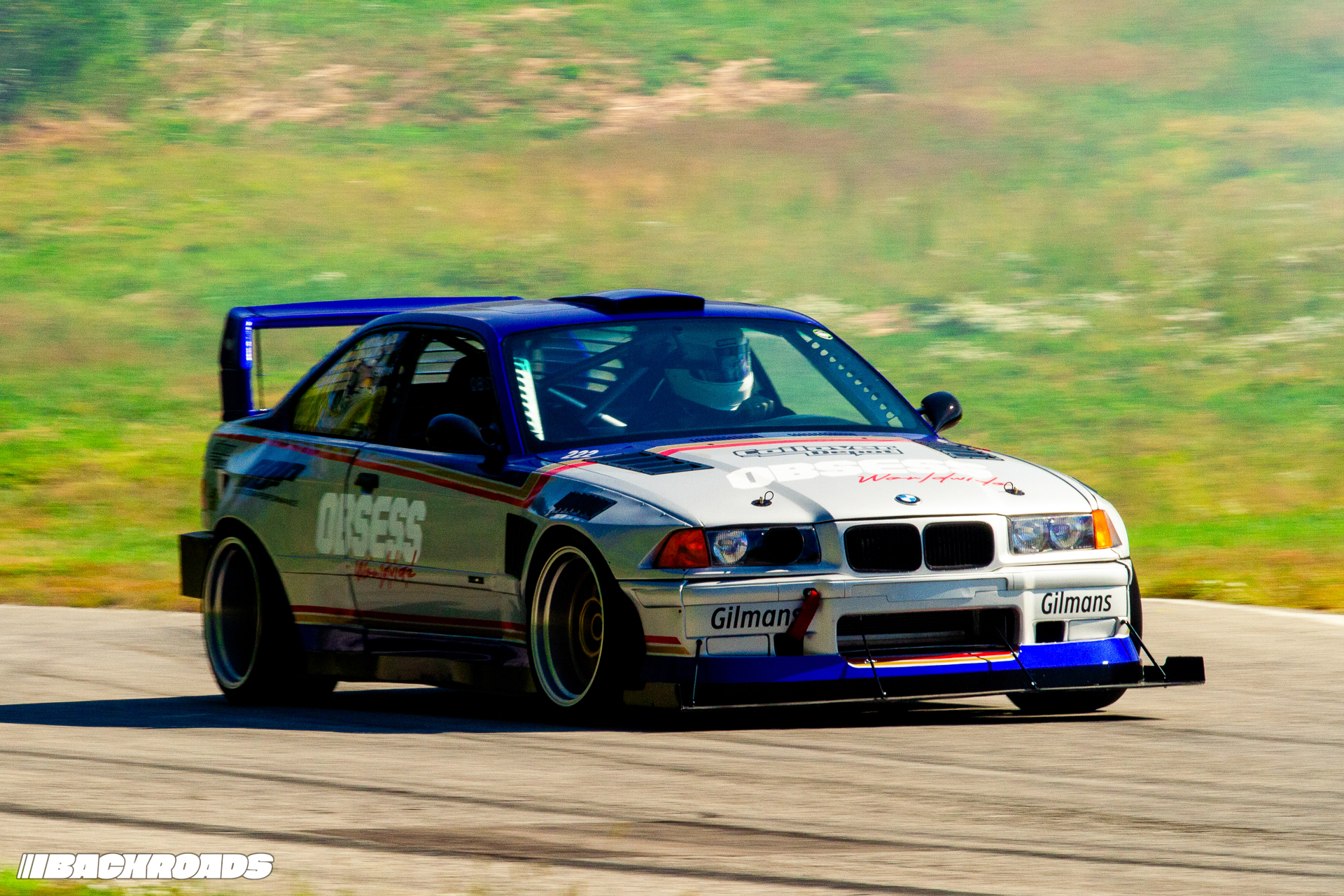
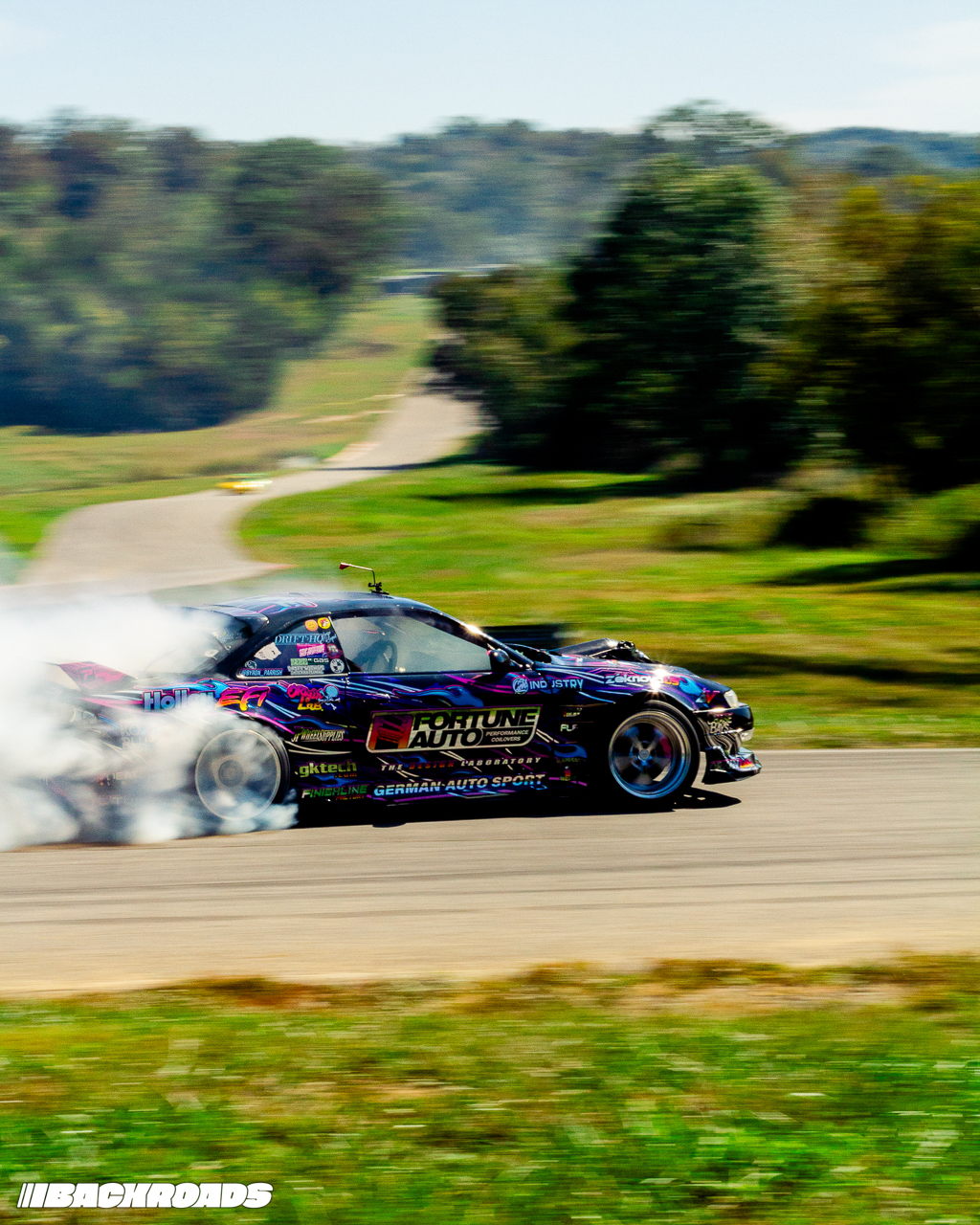
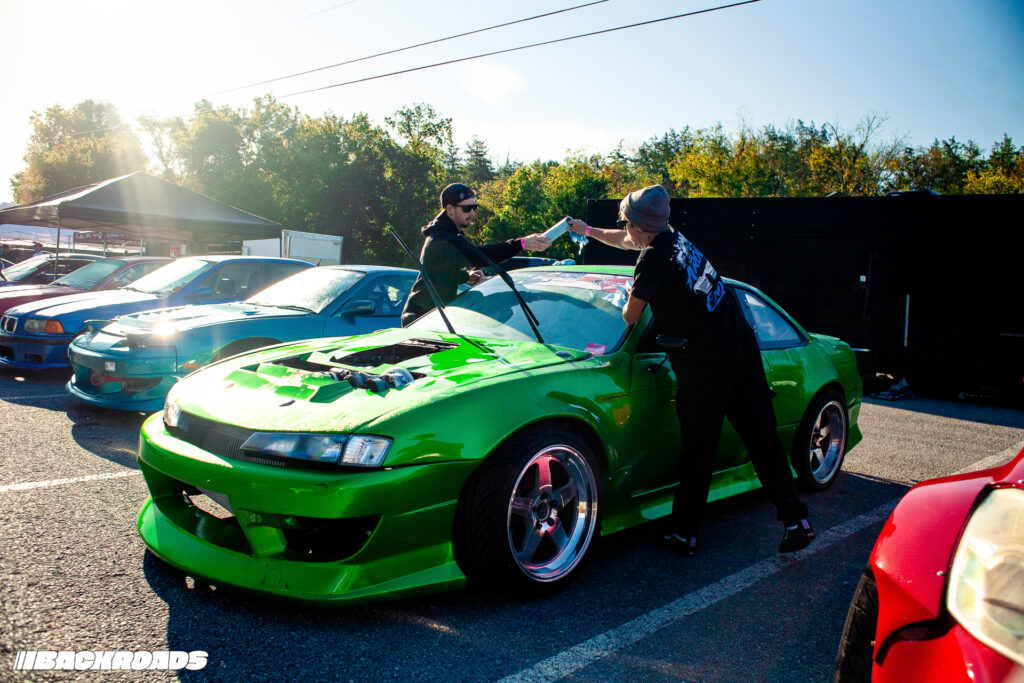
The event was a nice variety of drift and grip cars sharing the touge-like course, providing a feeling of controlled lawlessness only really experienced at GridLife events. For me, as a photographer, the cars and driving weren’t the only attraction, as the property itself was worth the trip from Illinois.


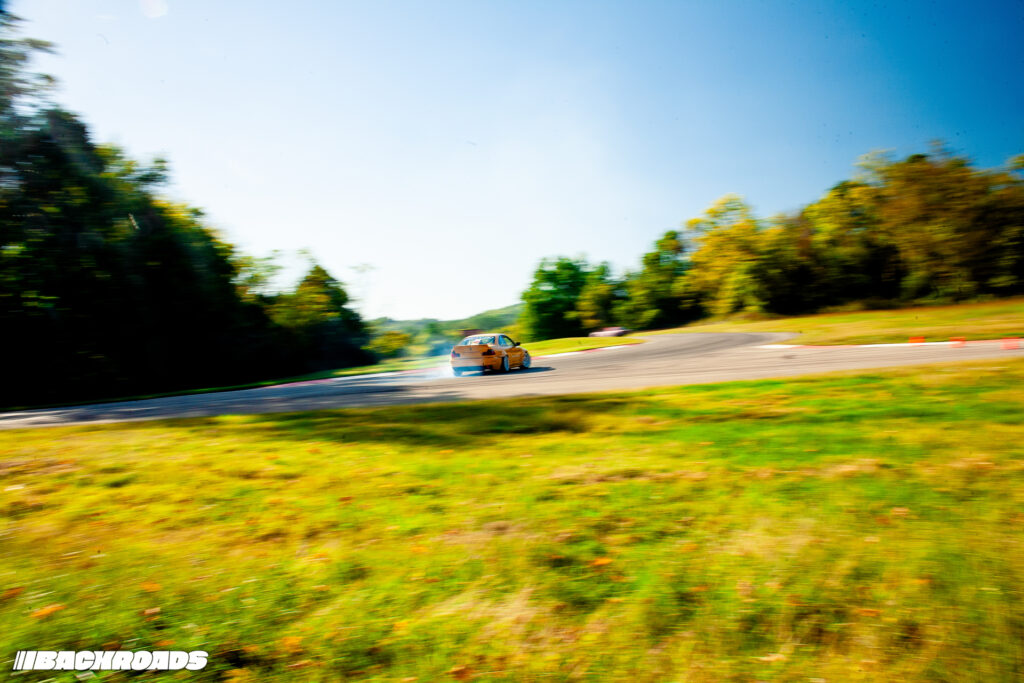


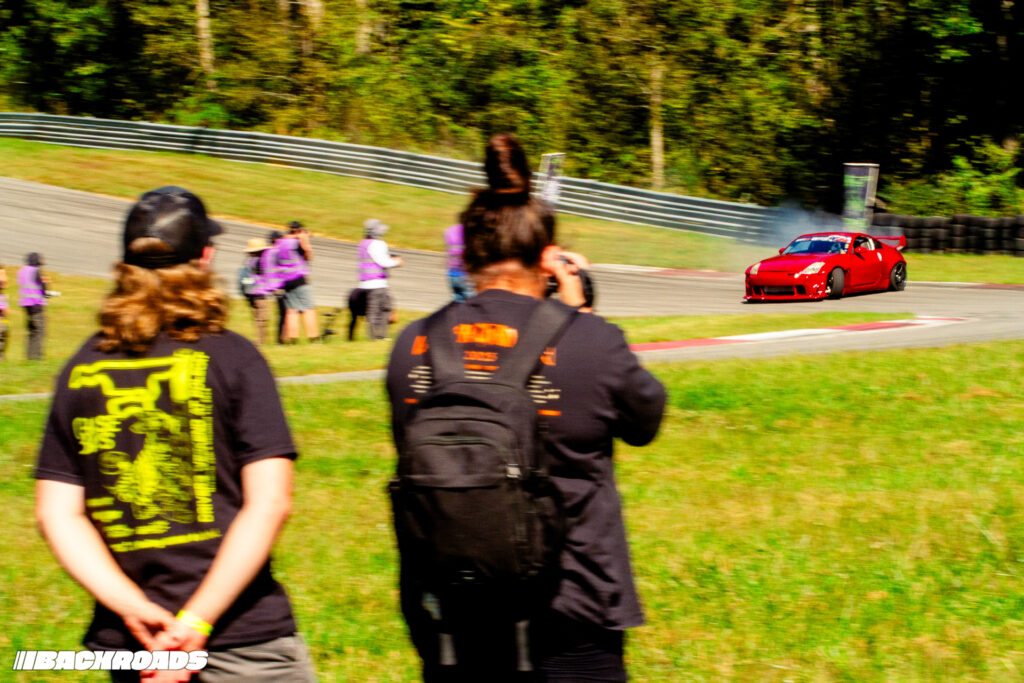


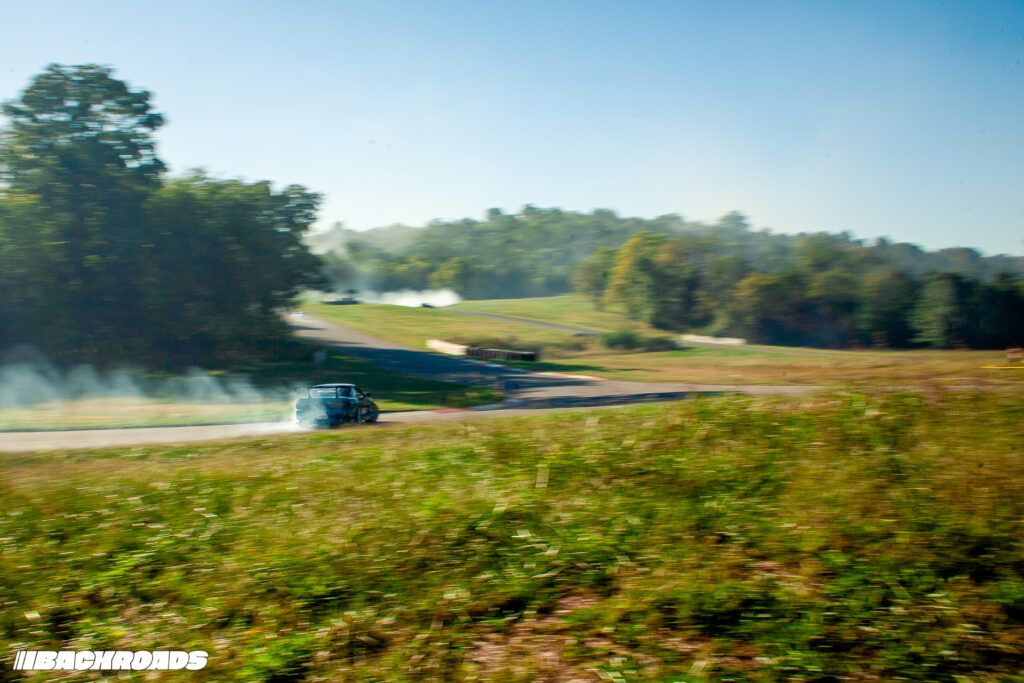
I often describe PTC as a “driver’s track,” not built for large events; barely any parking or spectator areas but empty spots to set up your lawn chair farther than the eye can see – no grandstands or bleachers.
That’s the beauty of it, as Polecat wasn’t built for large crowds and broadcasts – it was built purely for driving. Drifters and grip-favouring drivers alike praise this track for its speed; elevation changes through the trees feel like you’re hitting a mountain pass.


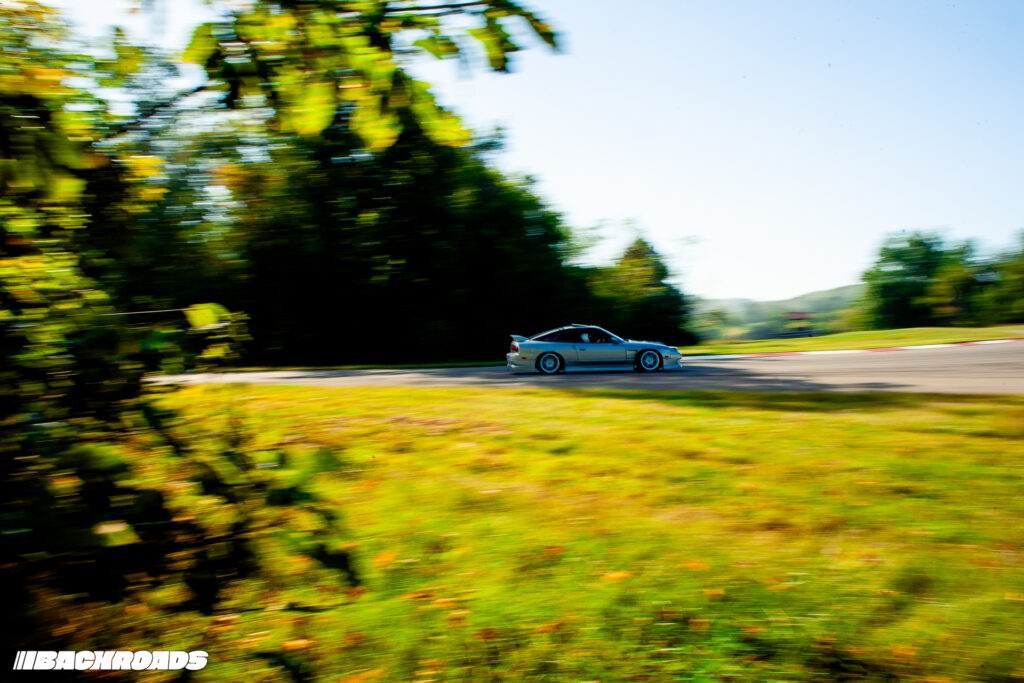


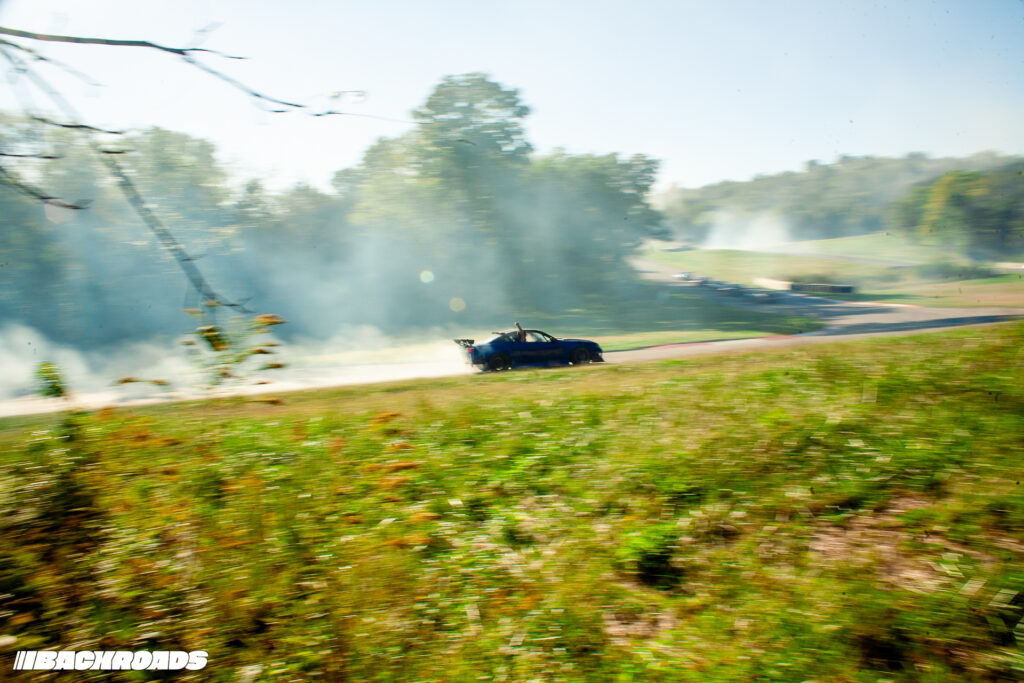
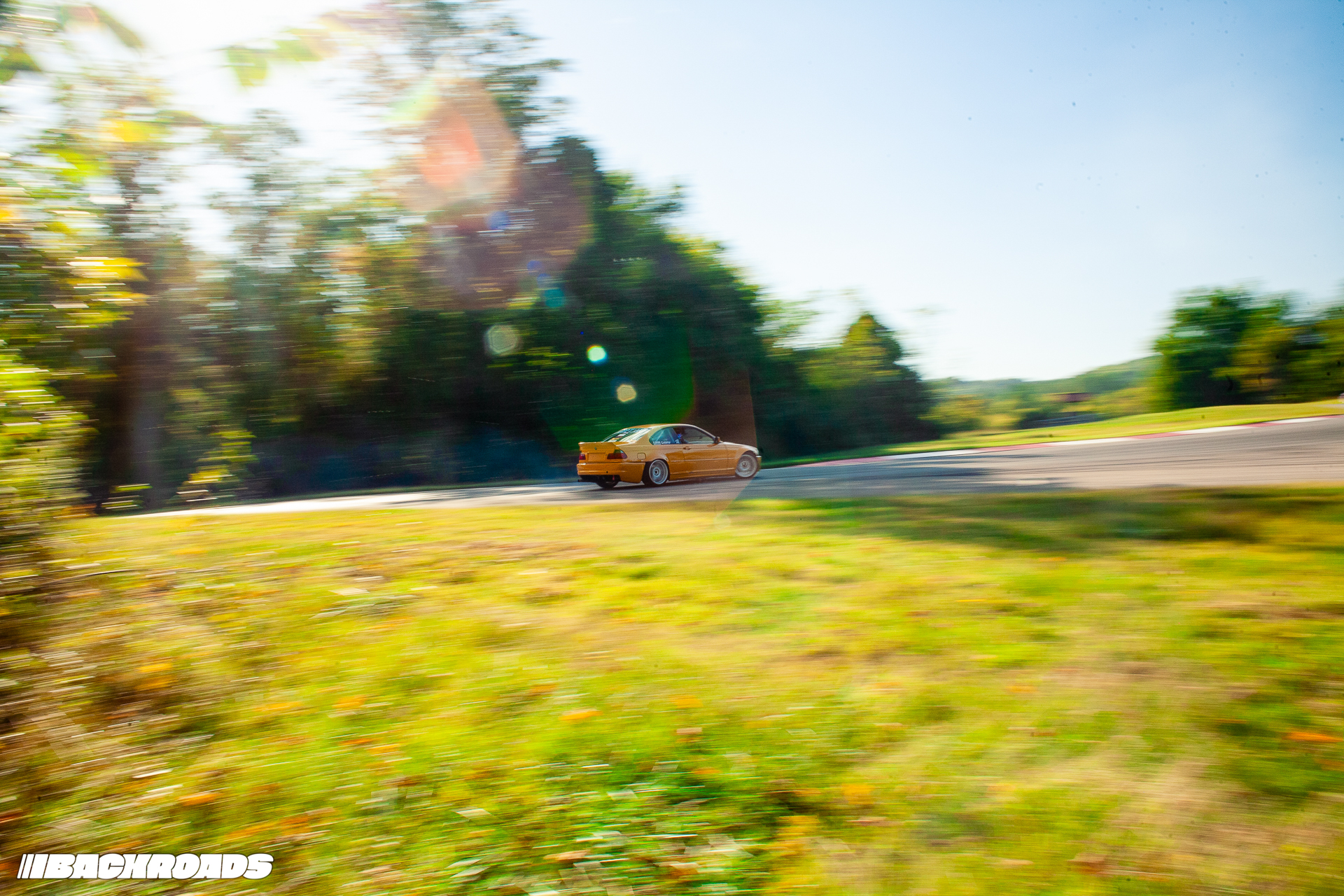
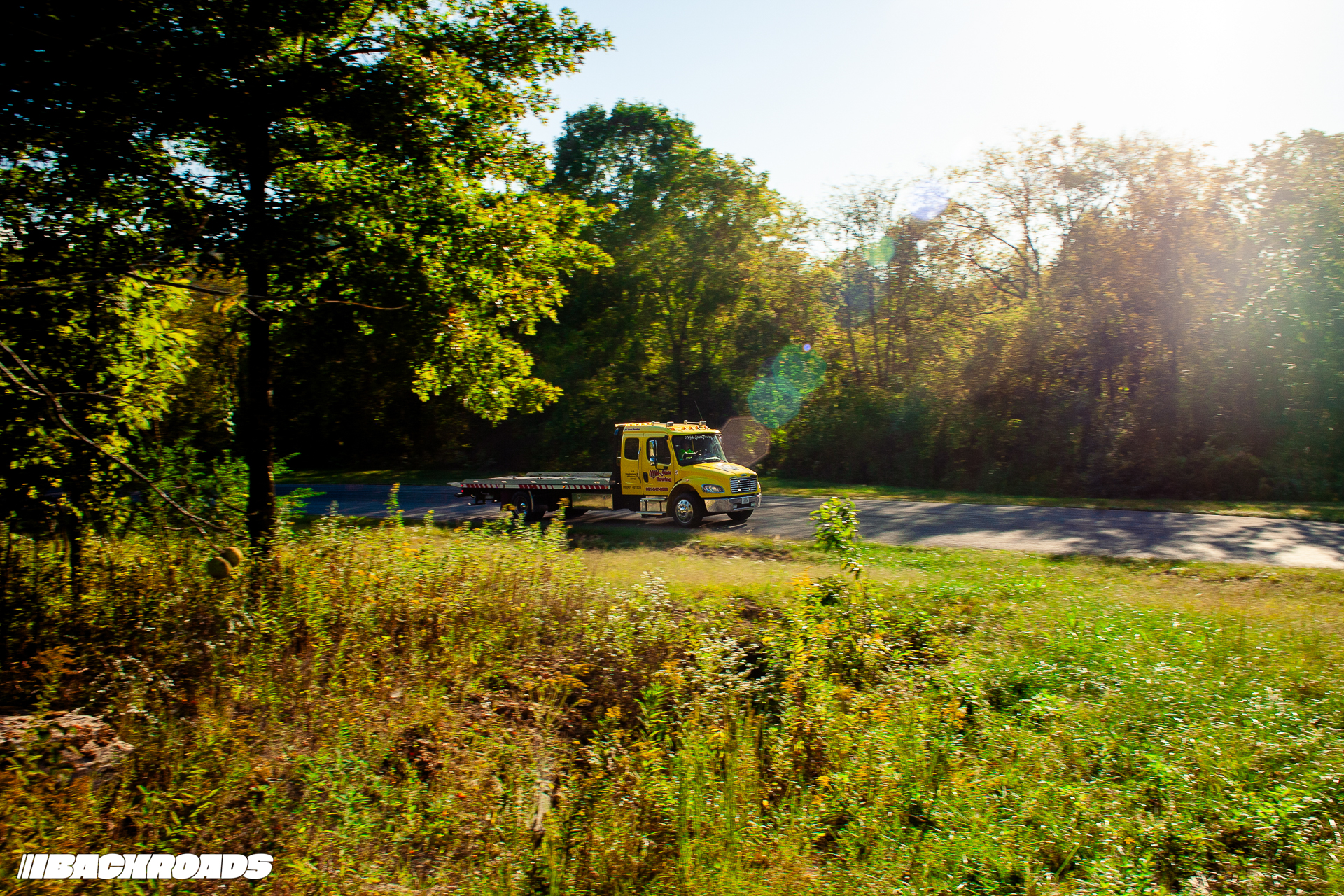
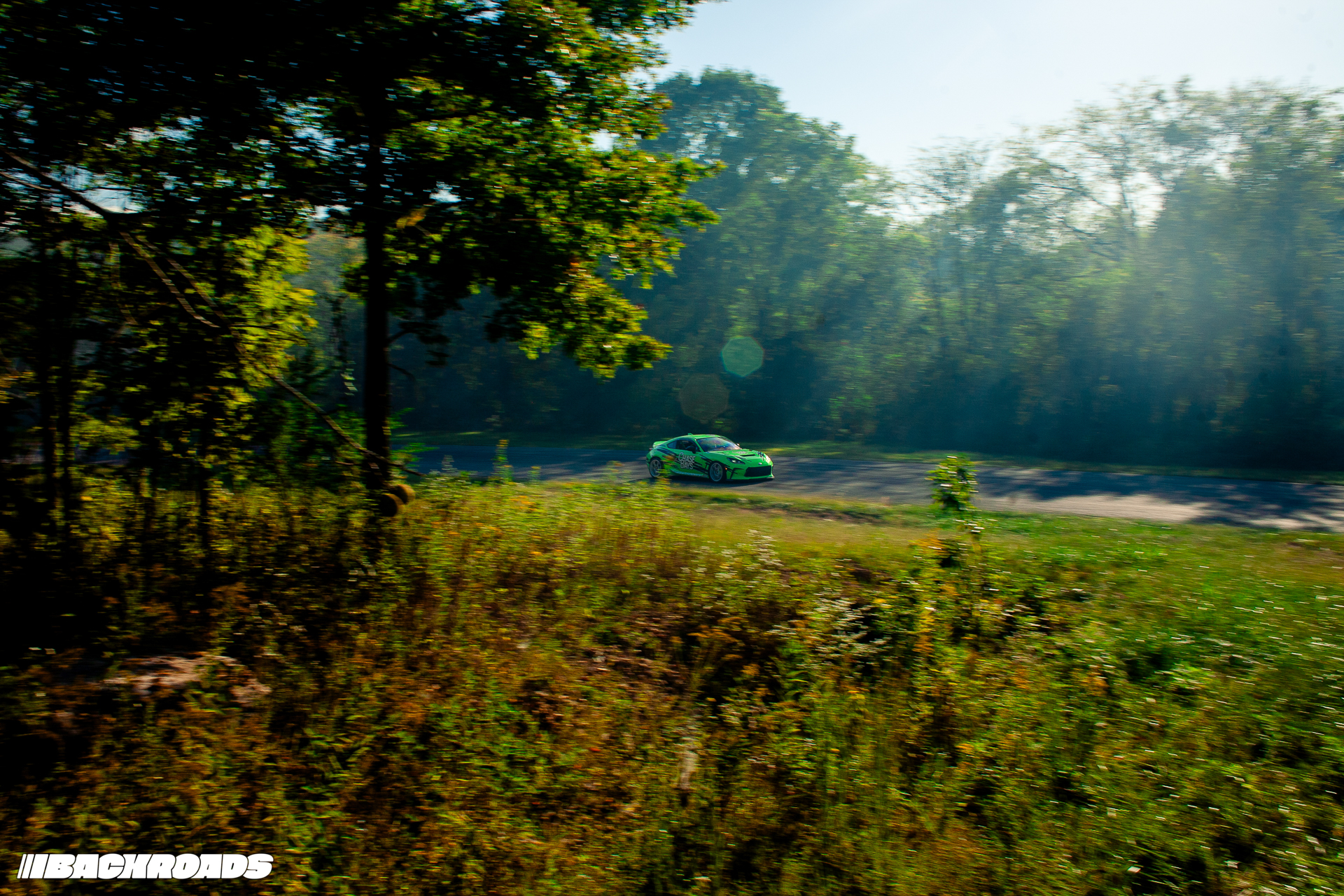
One thing Polecat isn’t lacking is a view. Rolling hills, layered with trees, make every spectator area feel like a scenic overlook on a hiking trail. At Chase Bays events, every time the circuit is hot, you’ll find a mix of disciplines sharing the track.
The constant tire smoke mixed with the light radiating through the trees make every corner feel like ‘the’ spot to shoot. I tell other photographers and automotive media, it’s really hard to take a bad photo at PTC.
Writing this in 2025, we’re constantly seeing big-name tracks vanish one-by-one, which is why we must highlight the small, local venues – as they’re just as important to car culture as any famous speedway.