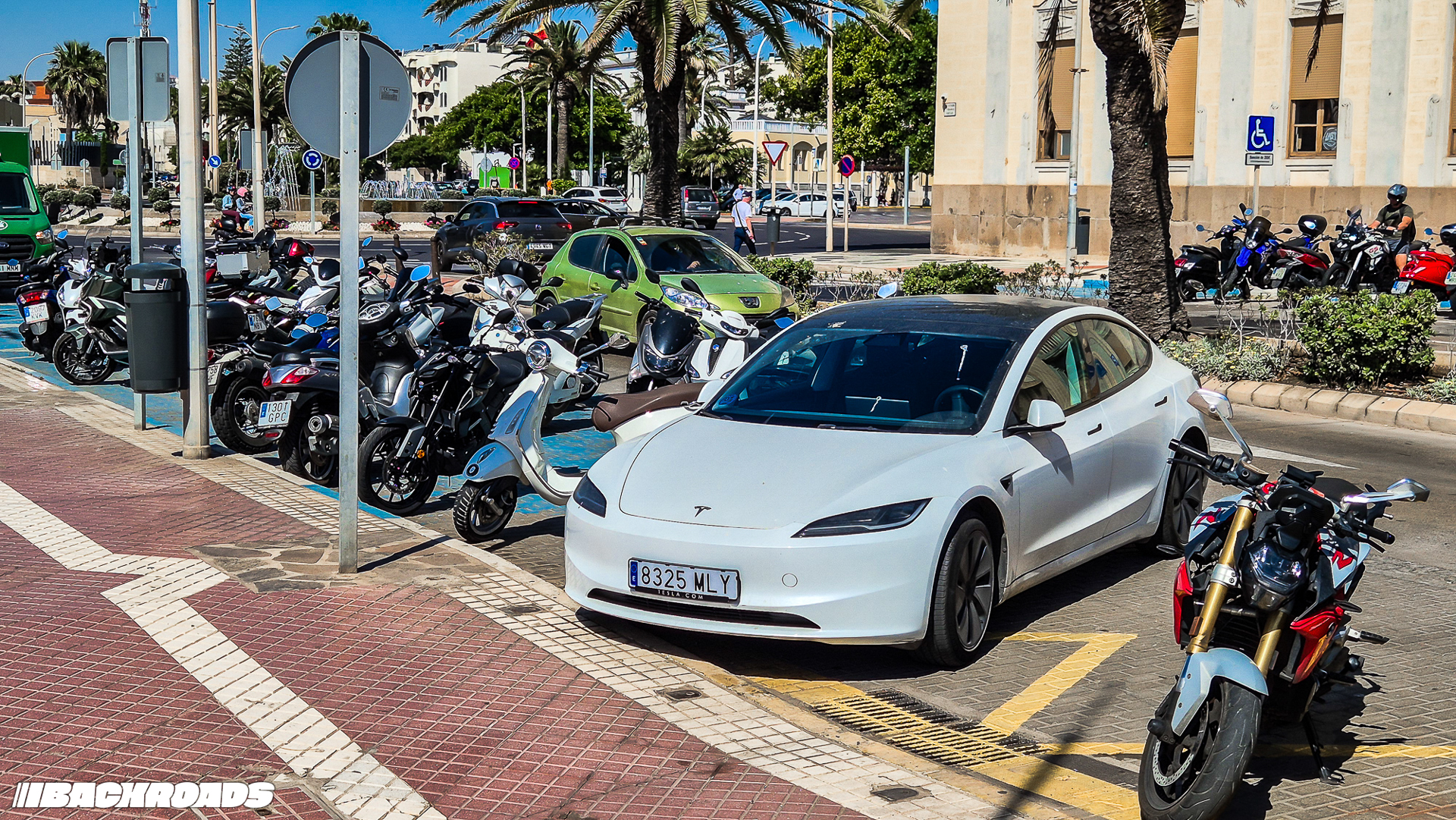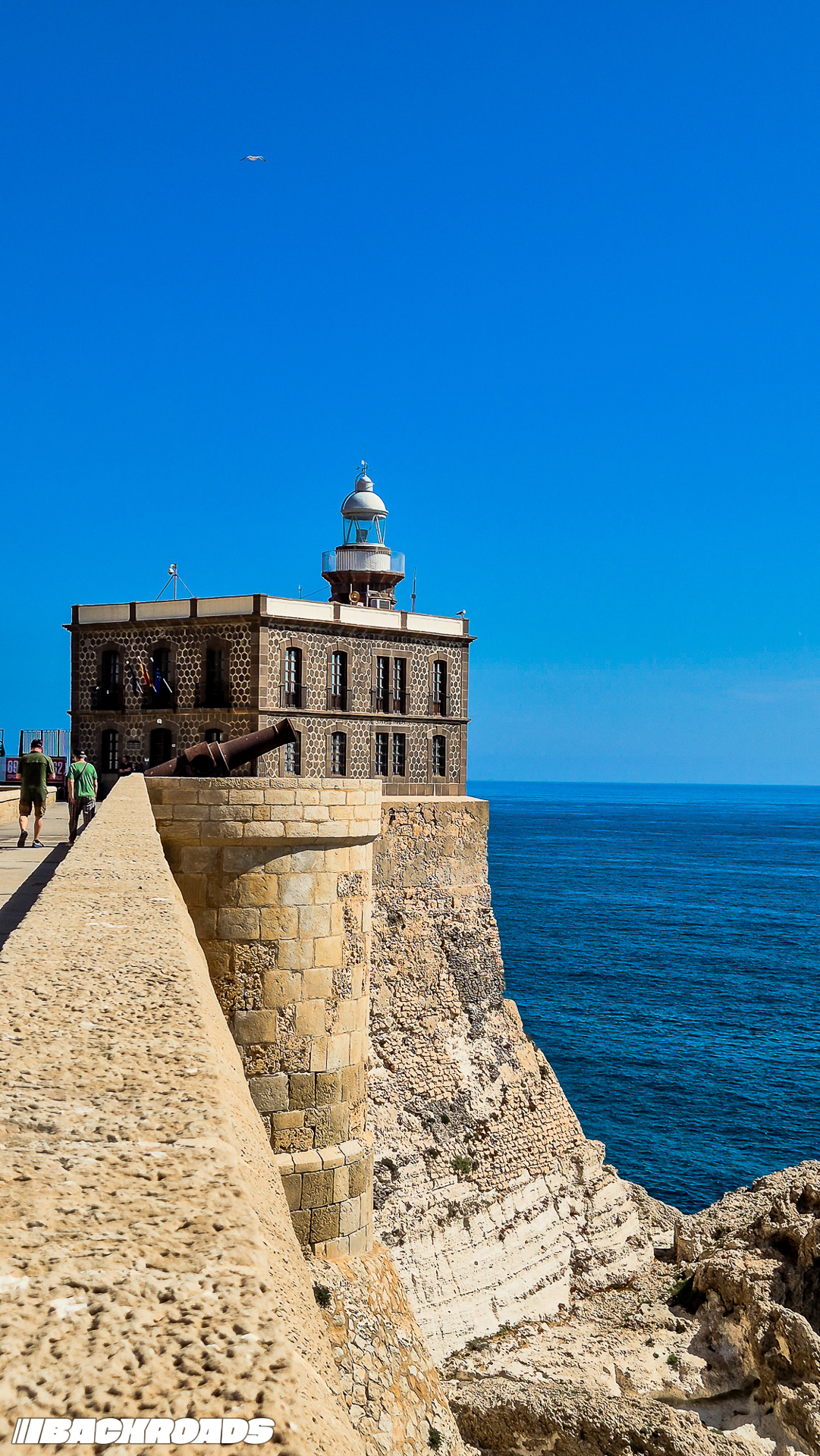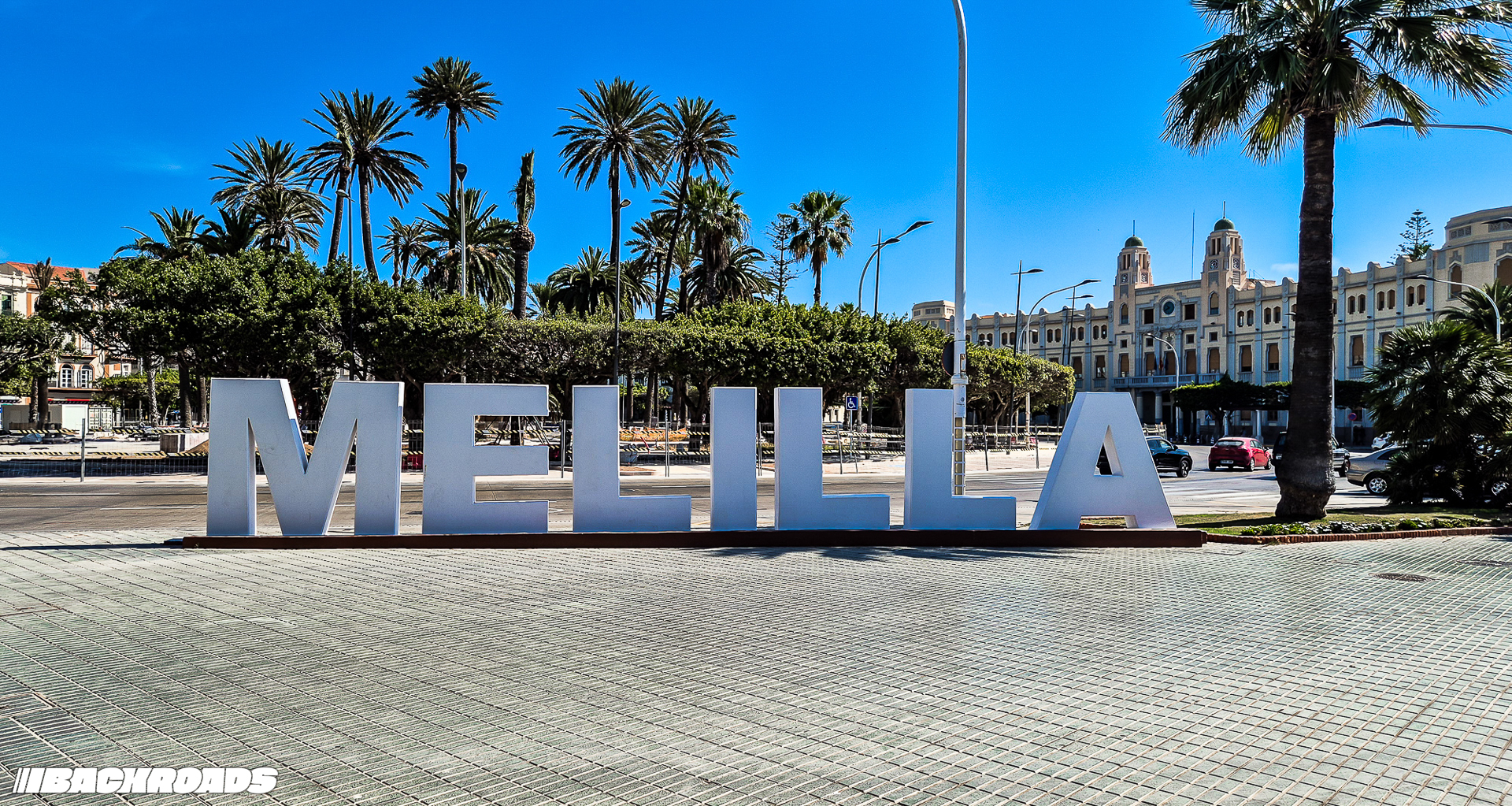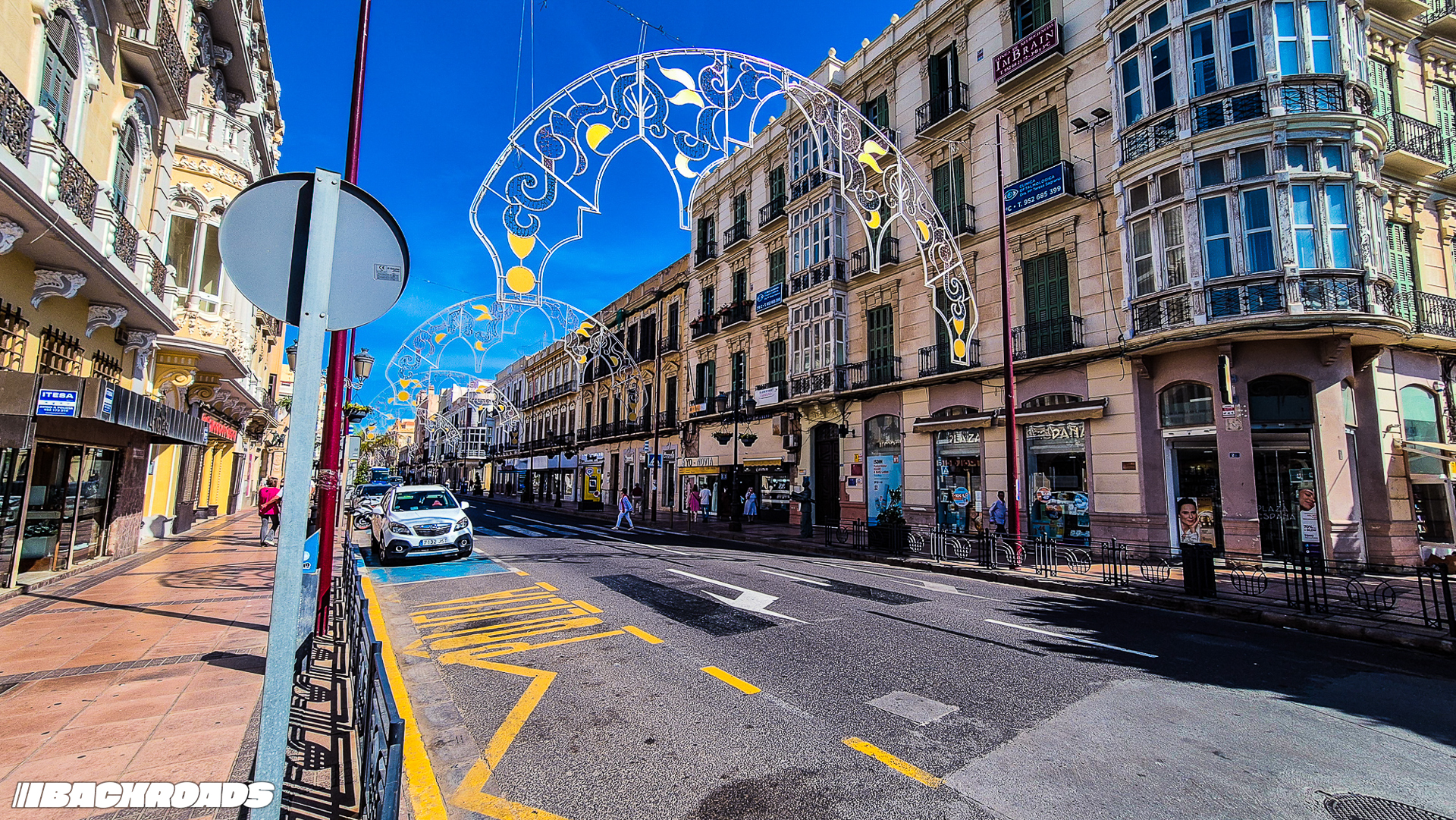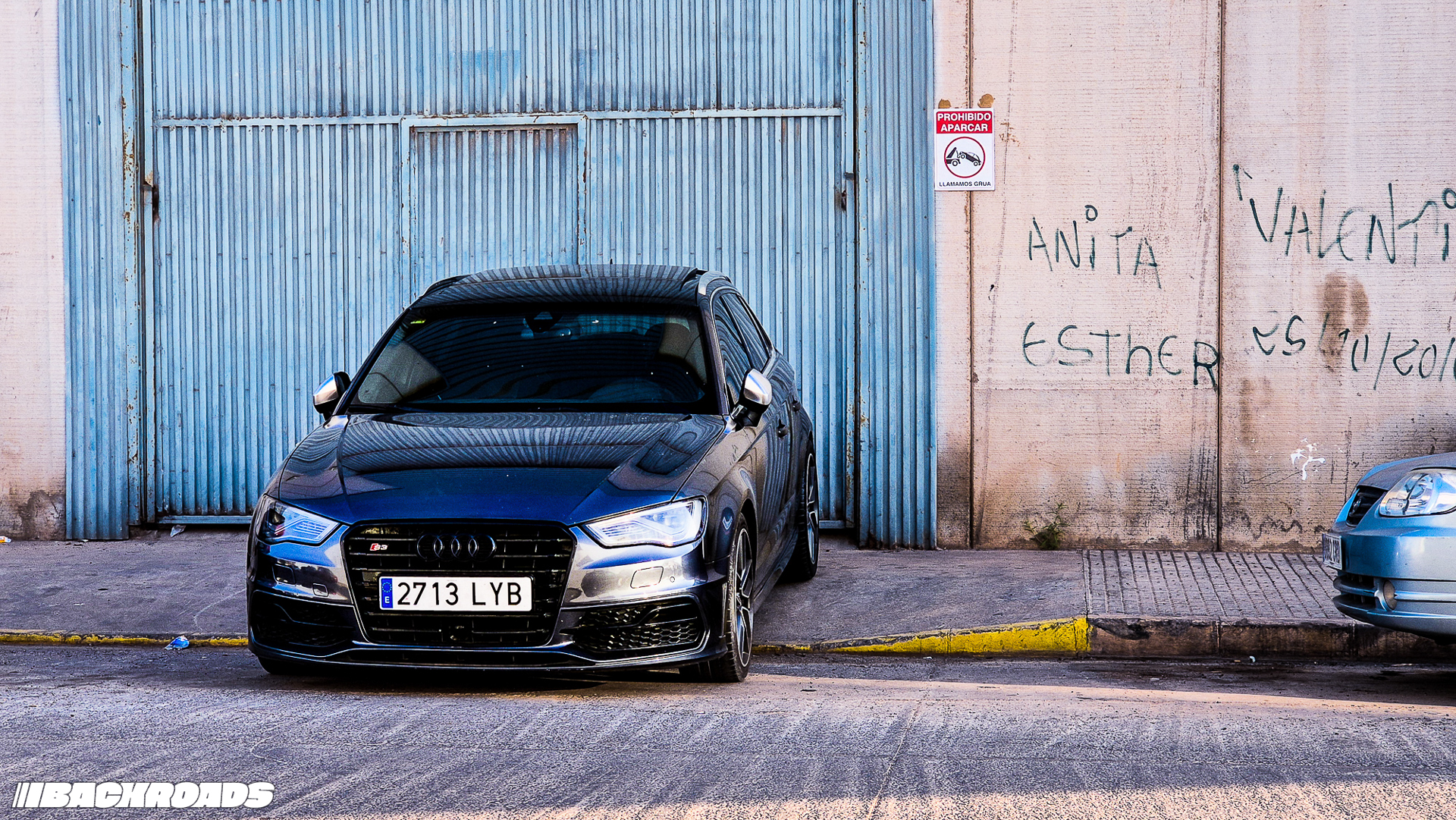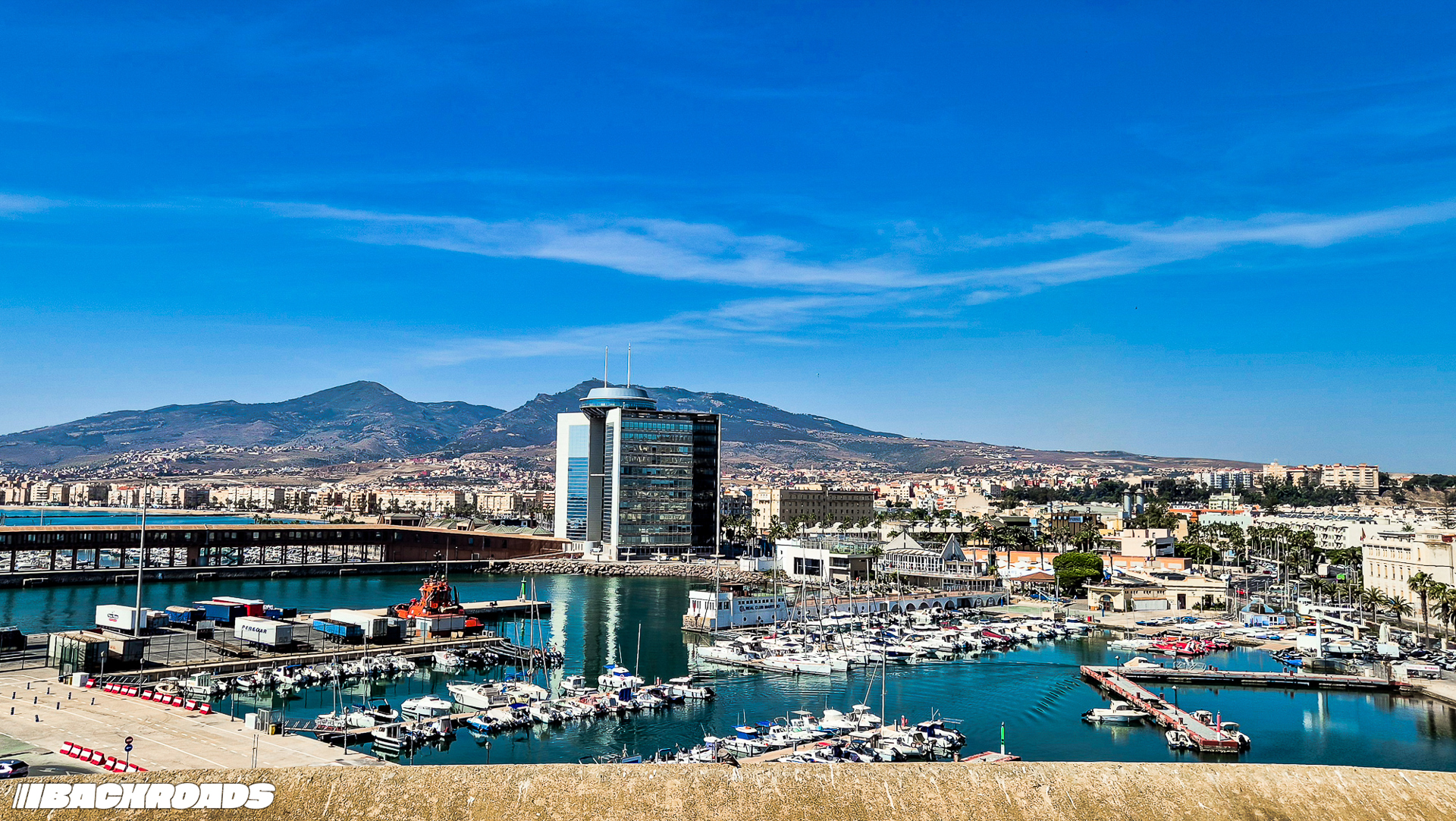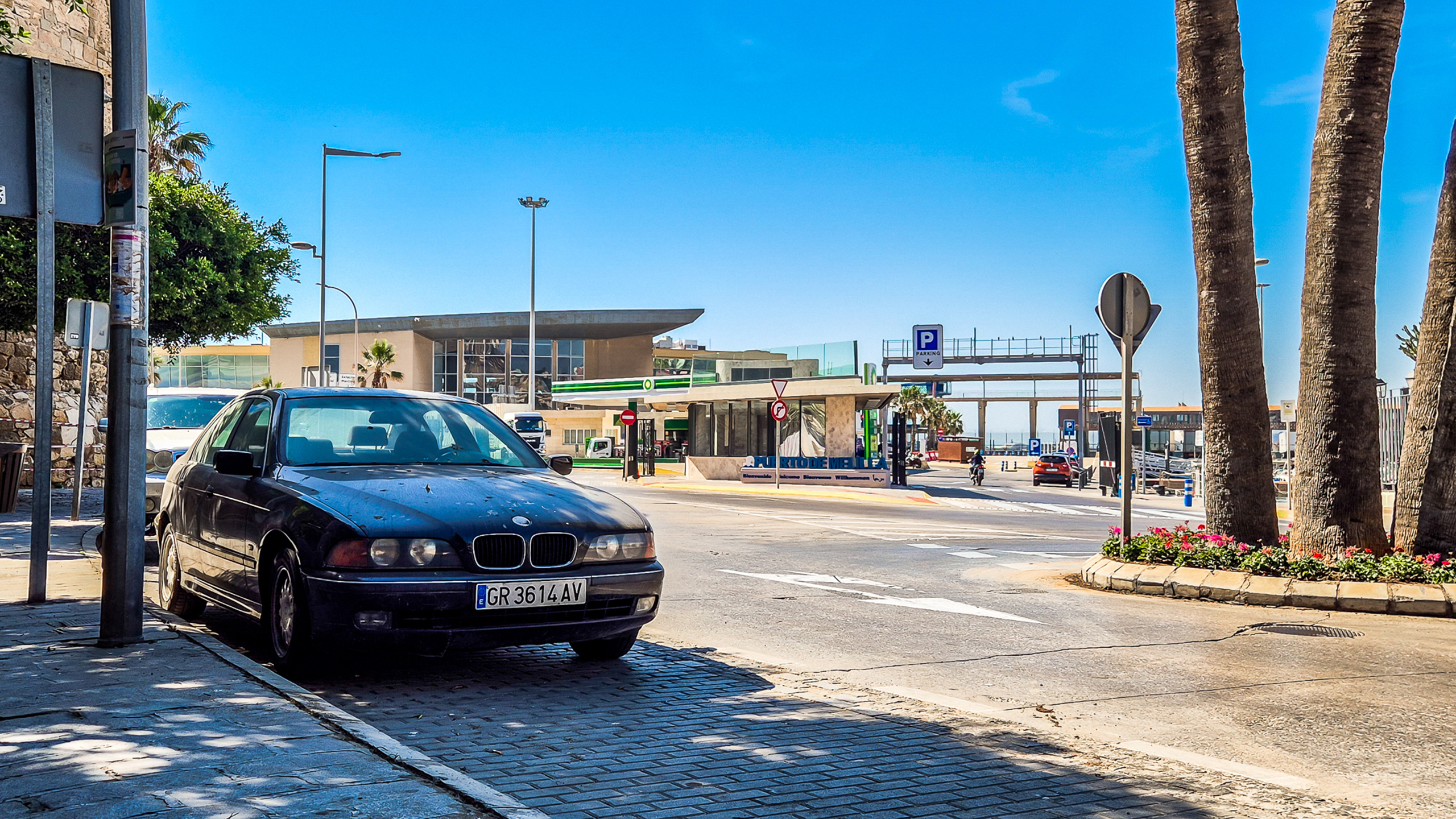
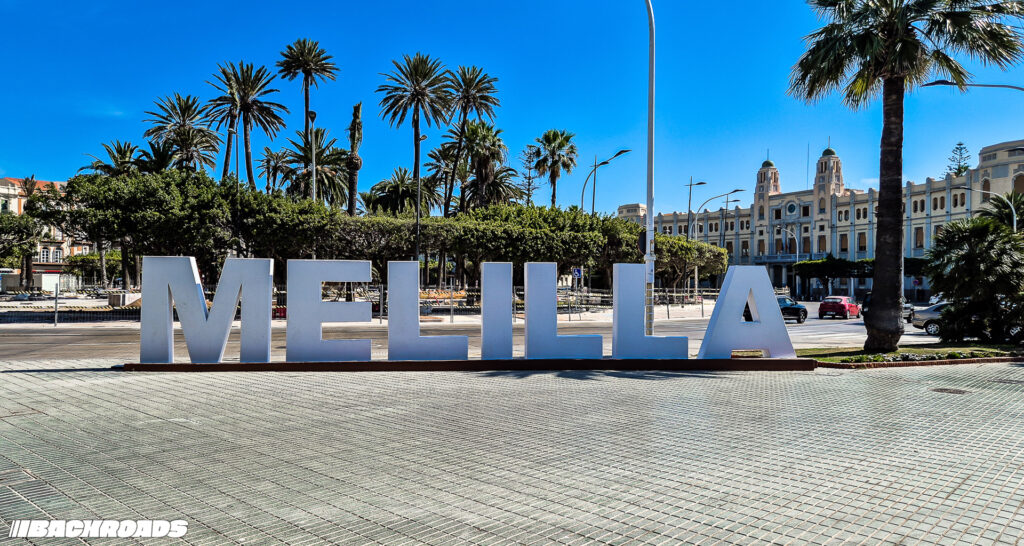
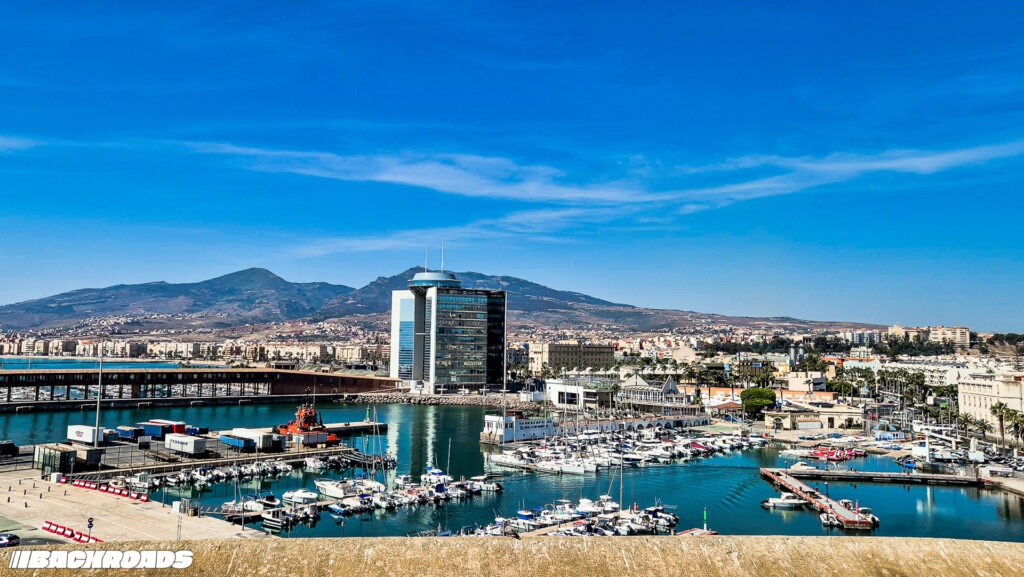
This story is deeply personal to me, as it represents one of the origins of my passion for cars. Some places leave a lasting impression on how you see the world, and for me, that place is Melilla, my second home. Melilla is a Spanish city in North Africa, yet fully part of Spain and the European Union, sitting between Morocco and the Mediterranean Sea.
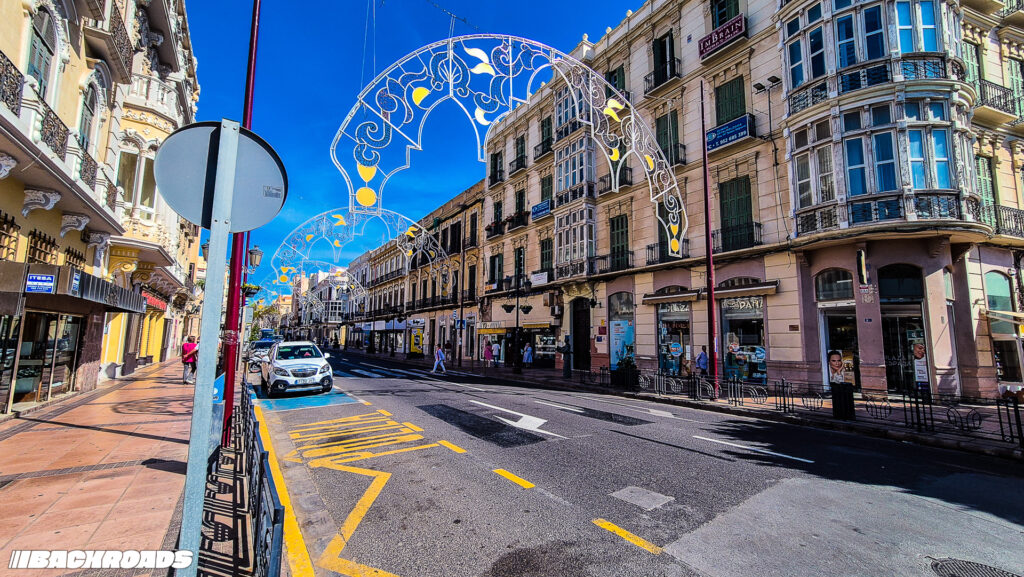
With just 13 square kilometers, the city carries more than five centuries of Spanish history. Melilla is known for its Modernist architecture, warm climate, and coexistence of cultures and religions, as in Ceuta.
But what defines Melilla is its role as a border city, a European enclave in Africa connecting two continents. Every day, people, goods, and vehicles cross its borders, linking two very different worlds.
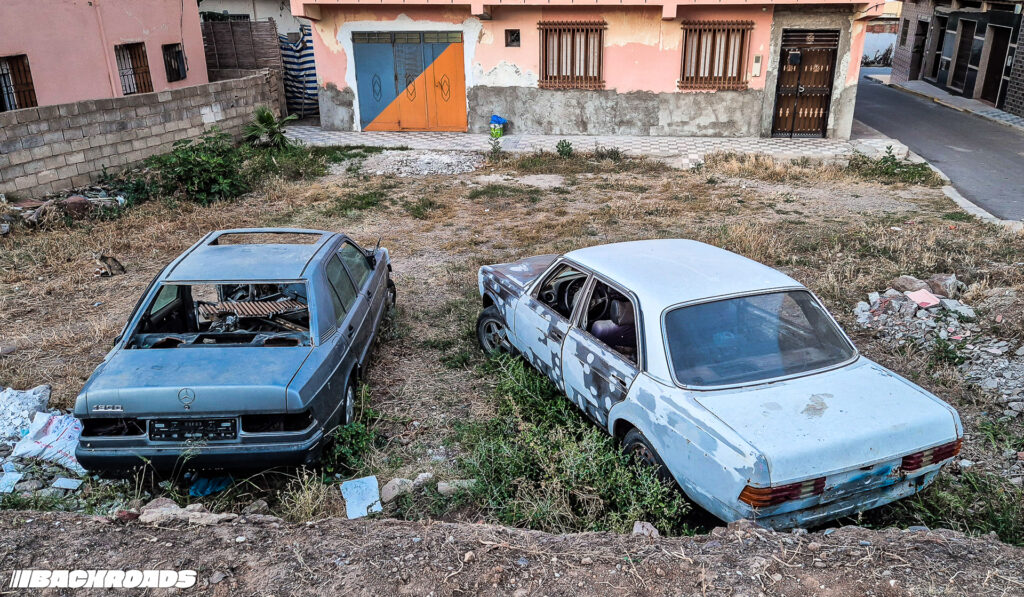
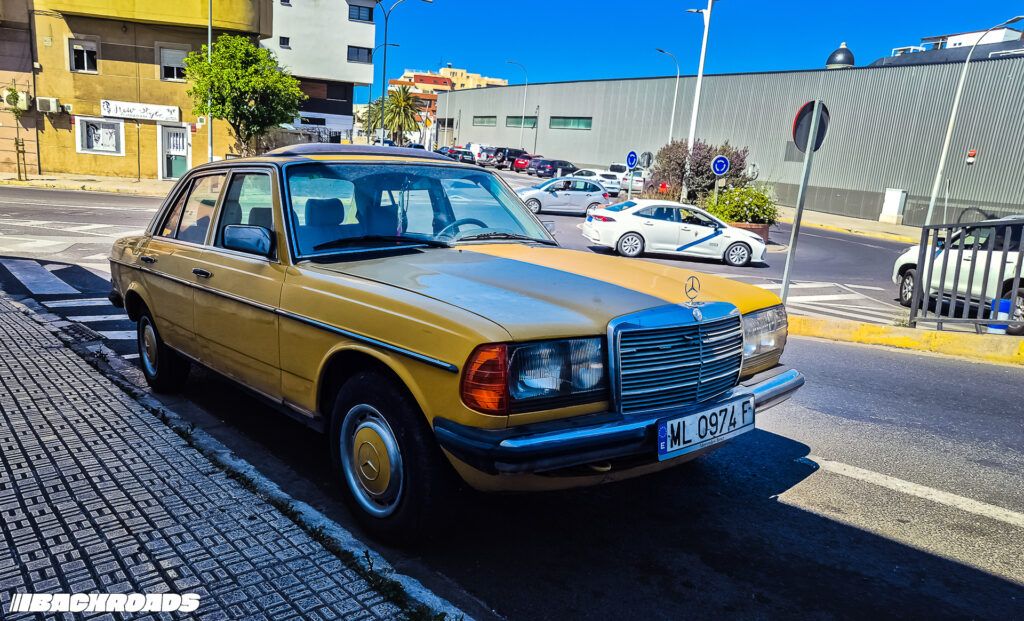
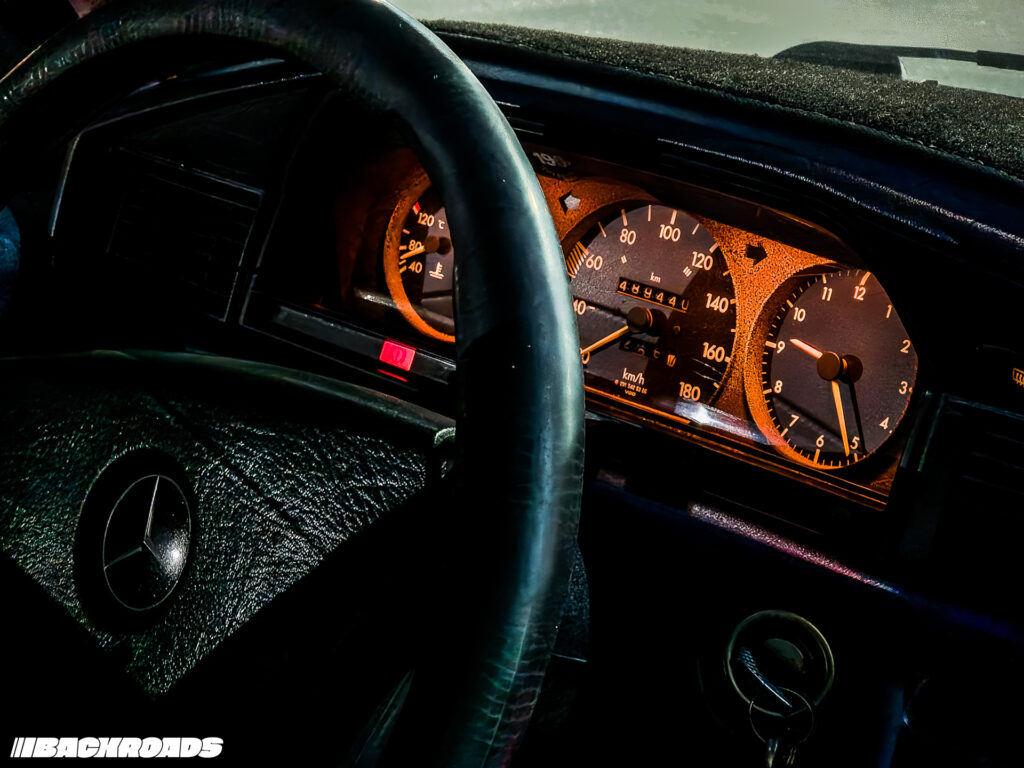
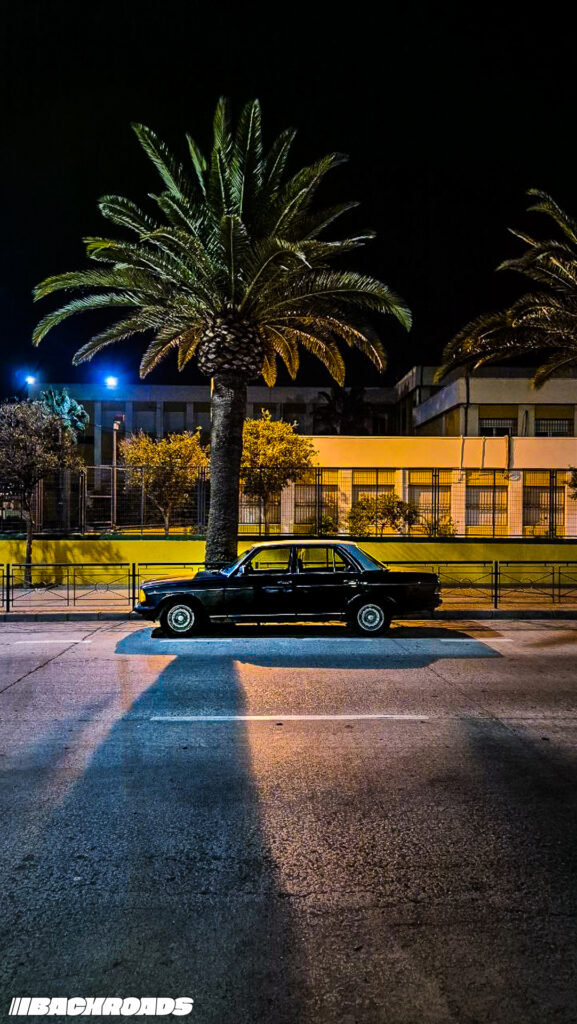
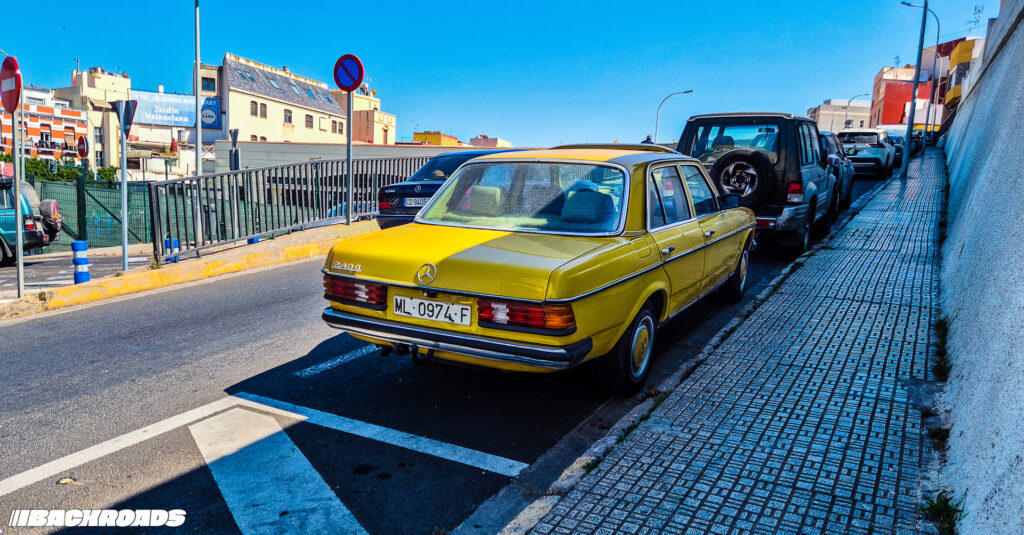
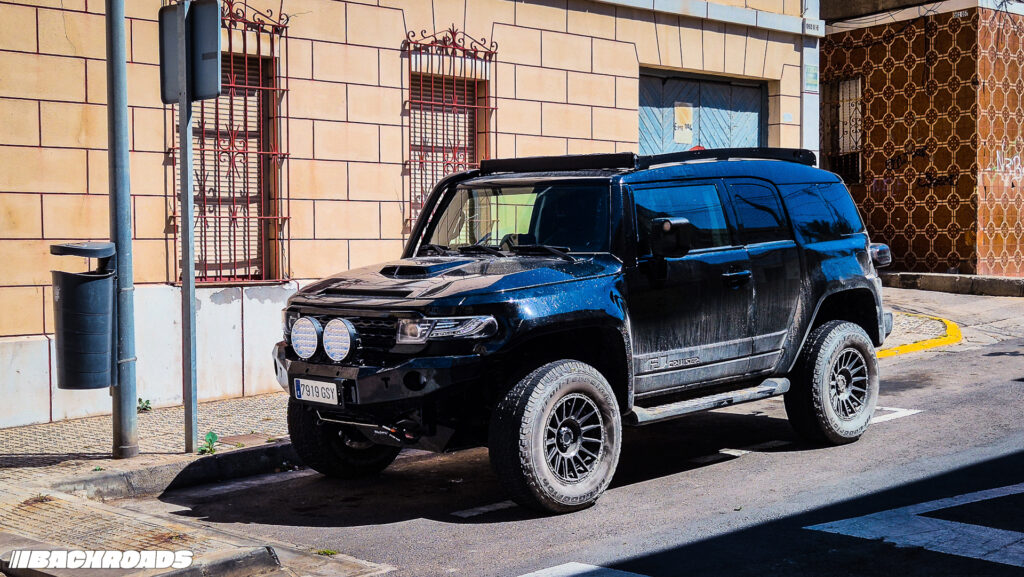
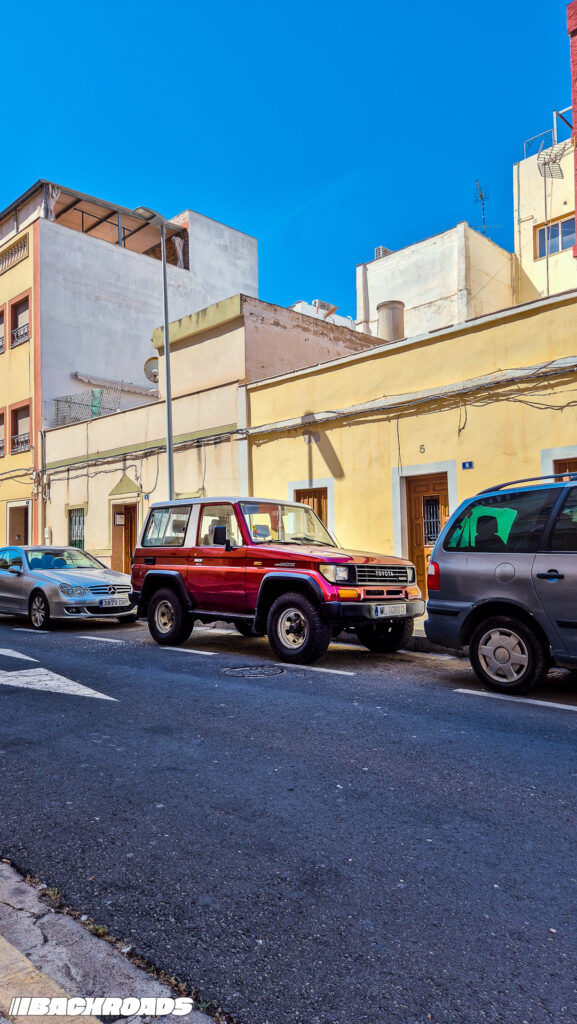
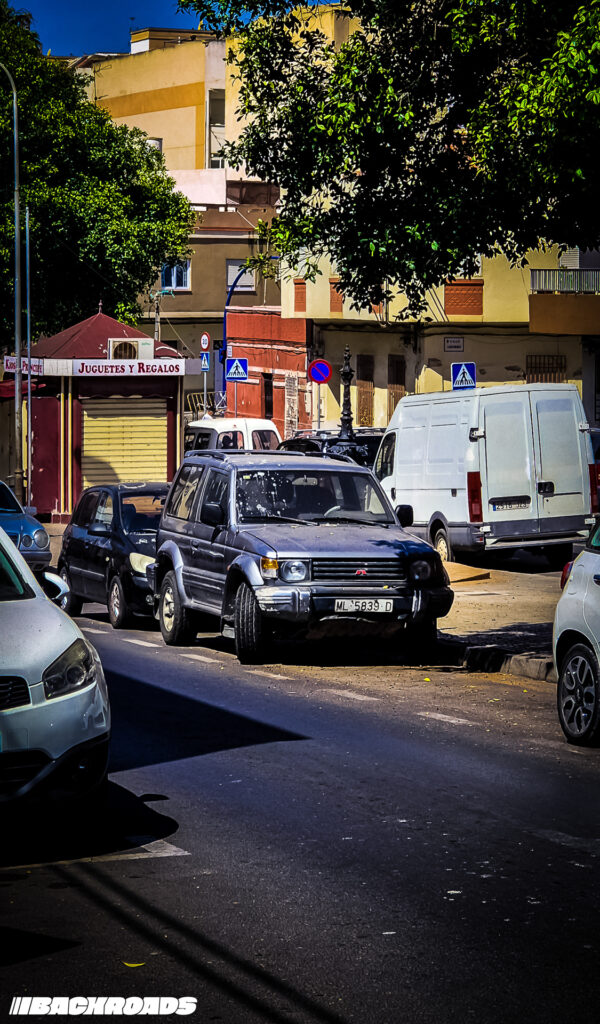
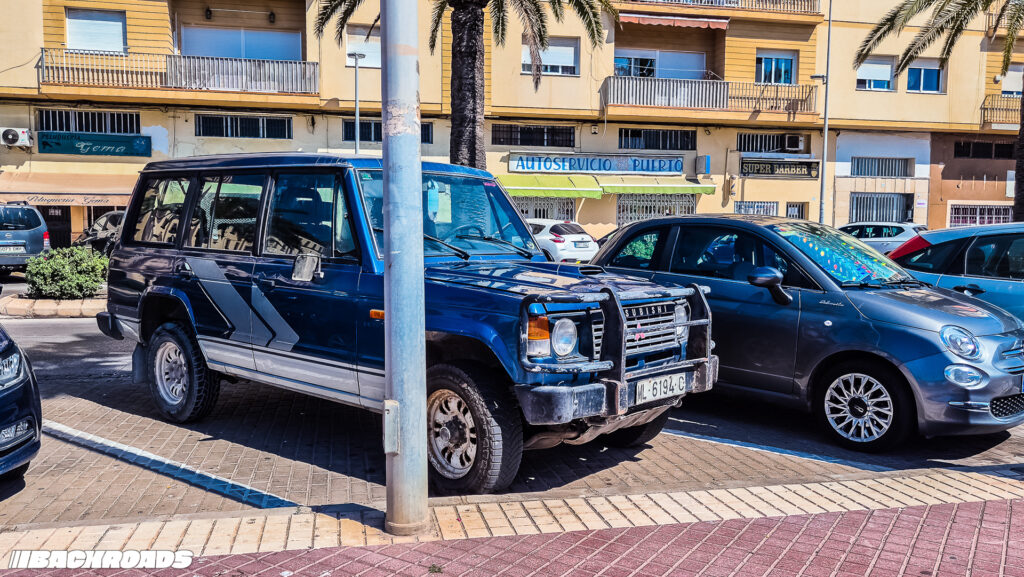
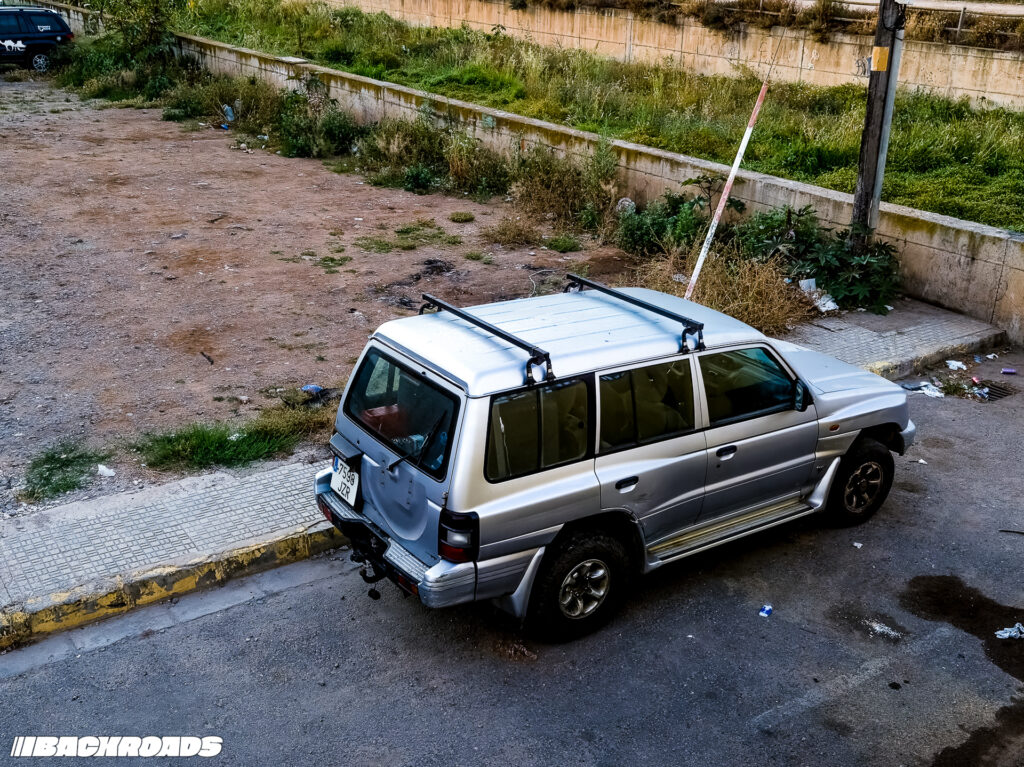
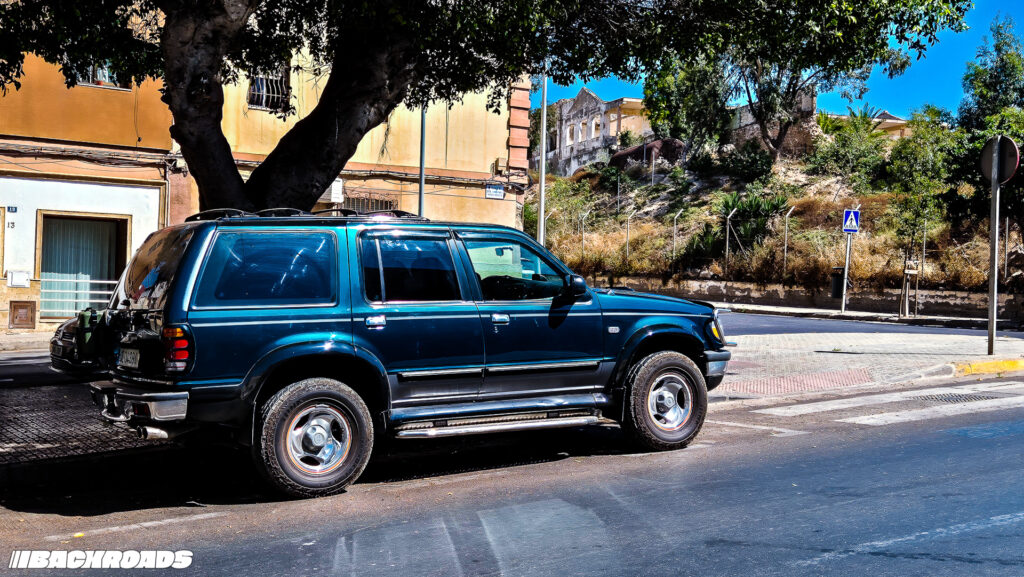
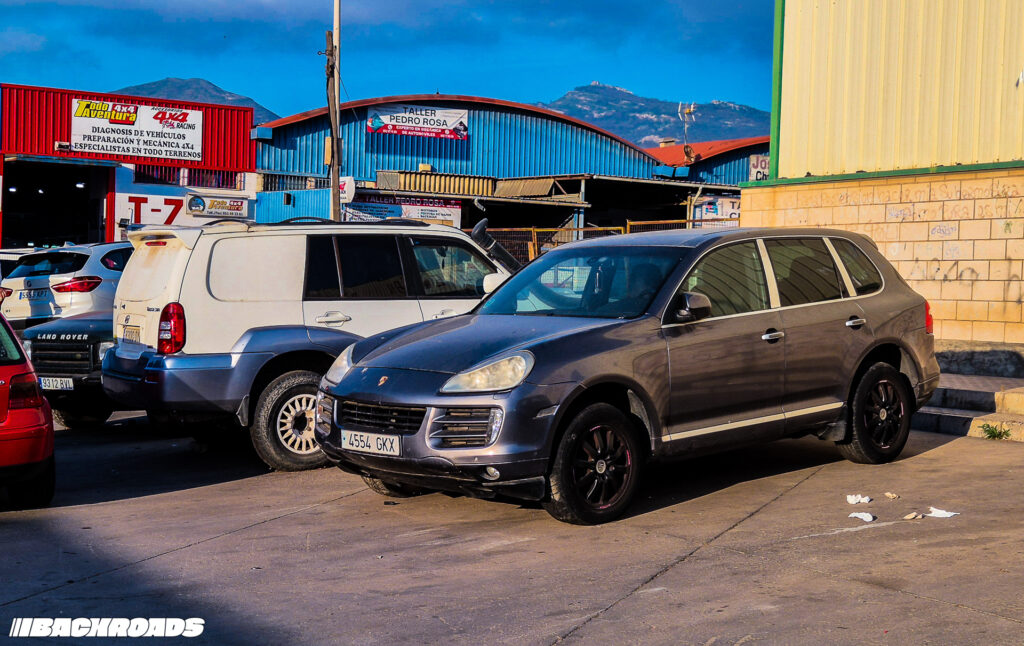
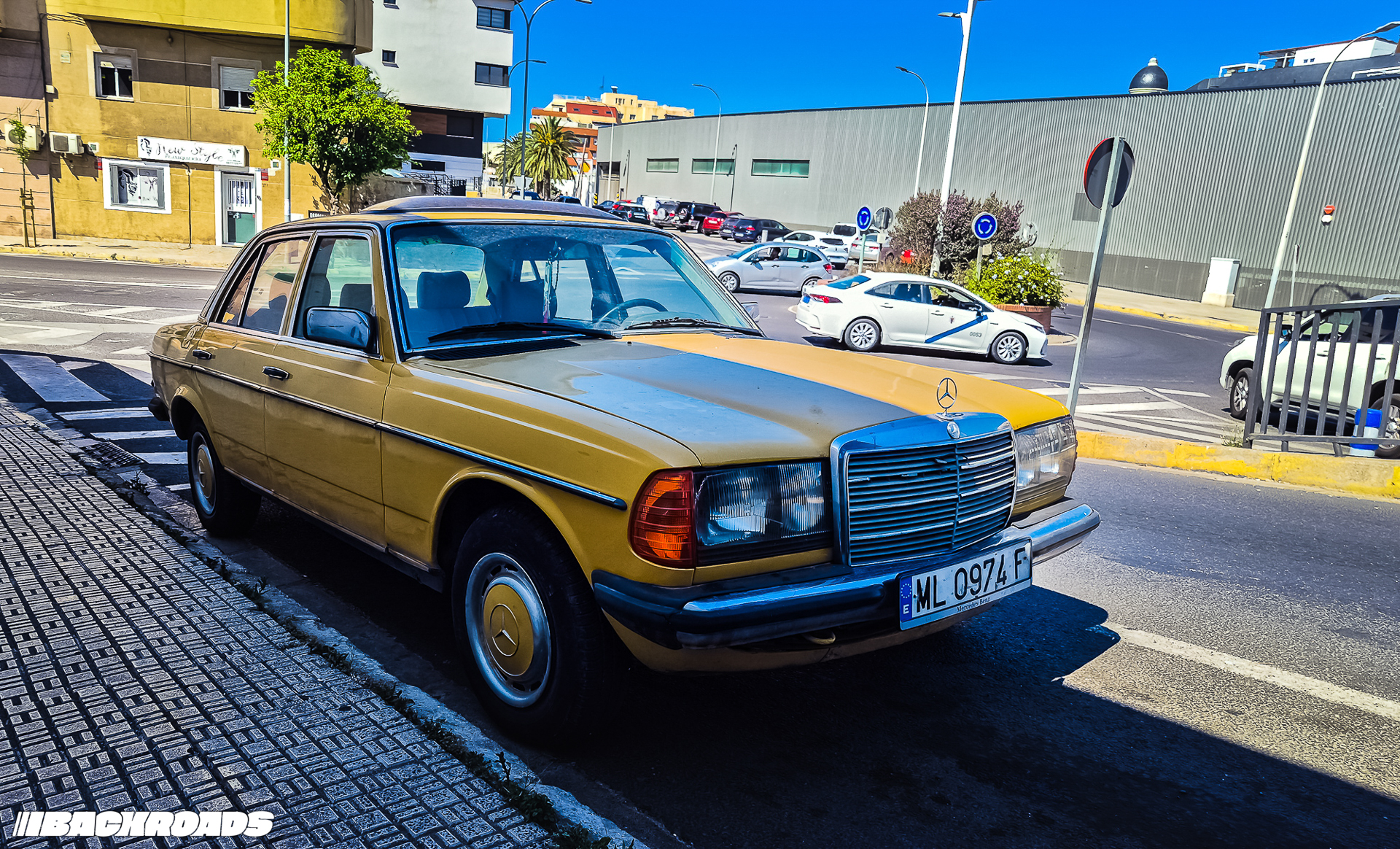
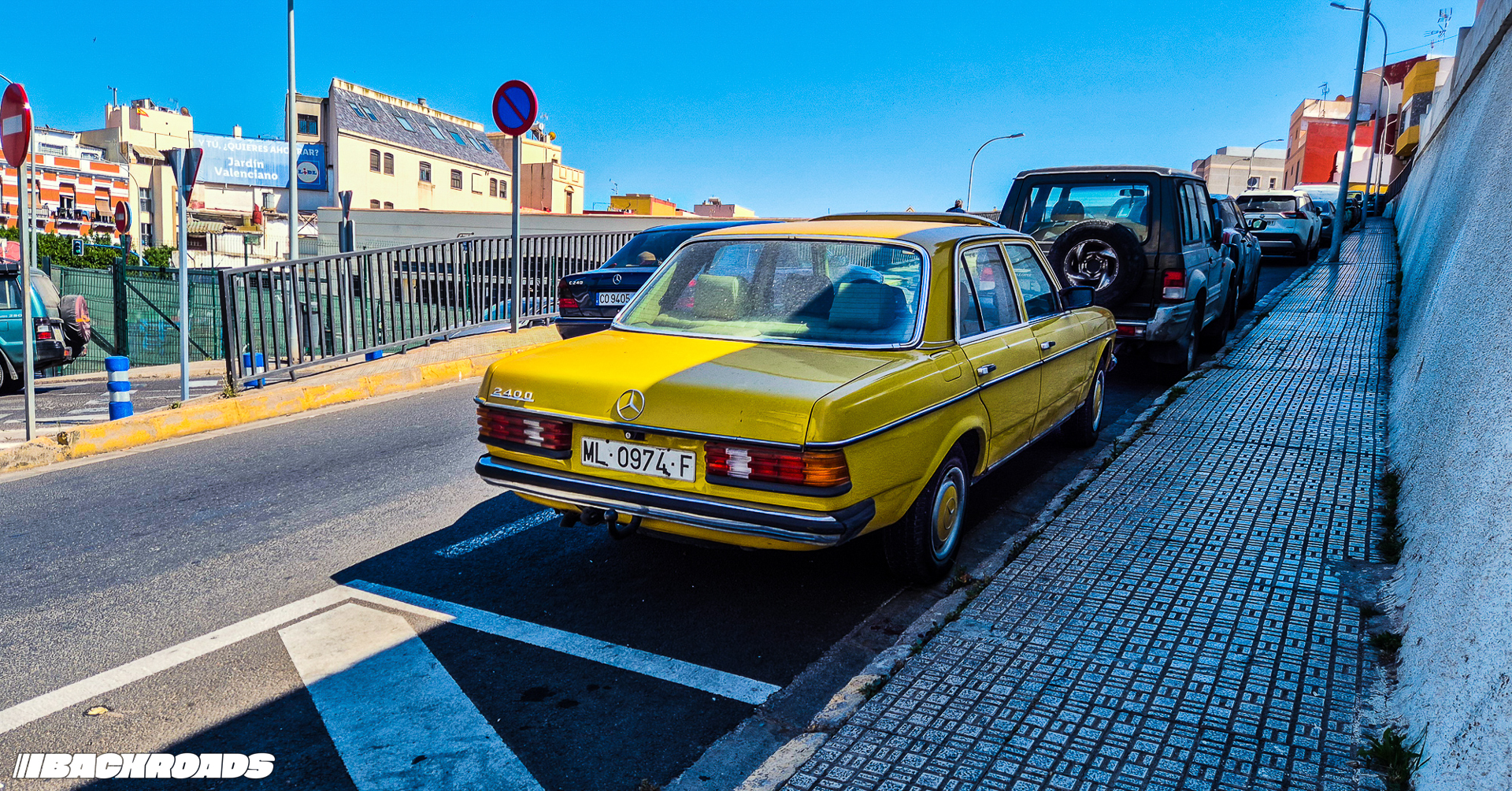
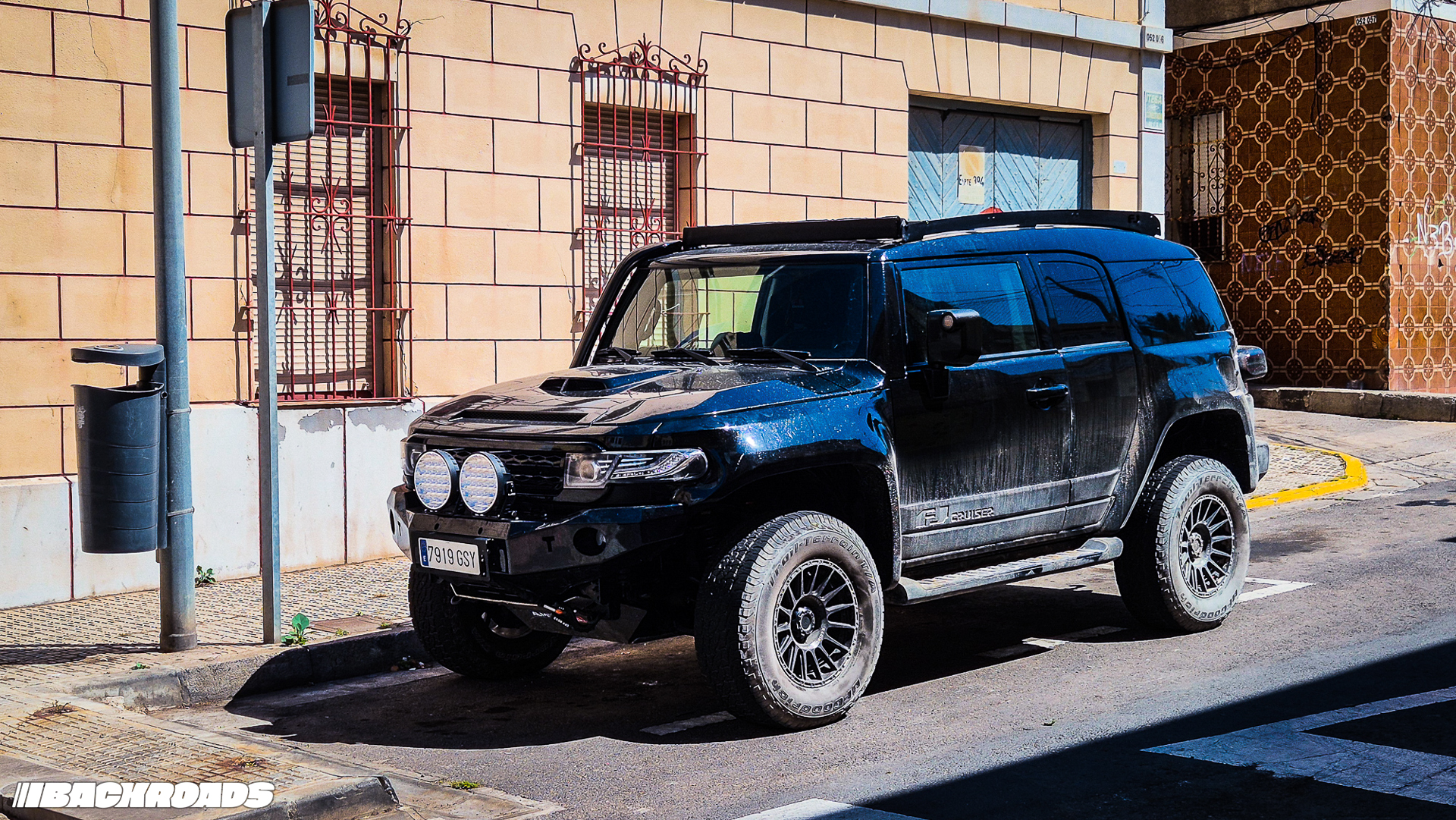
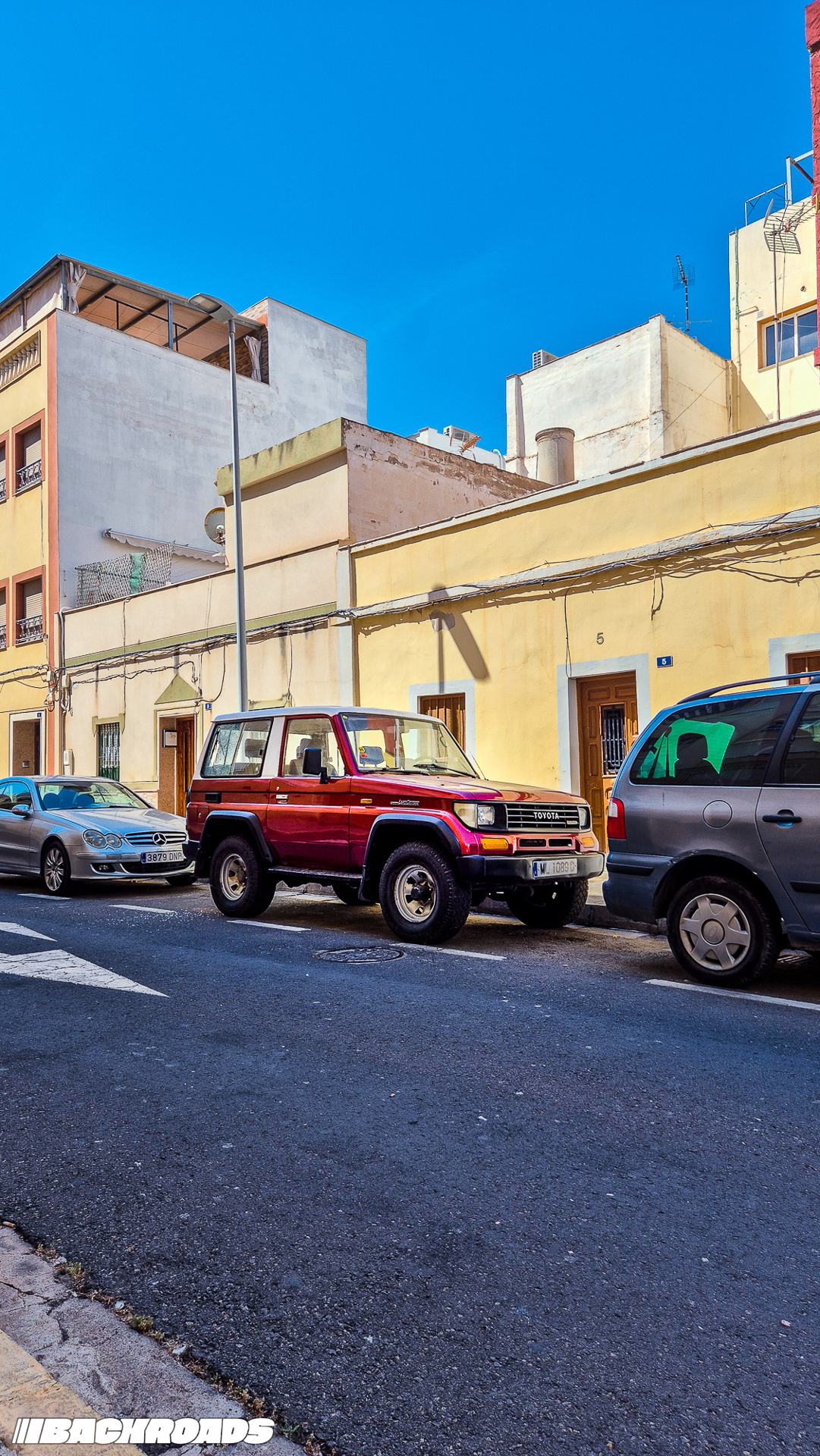
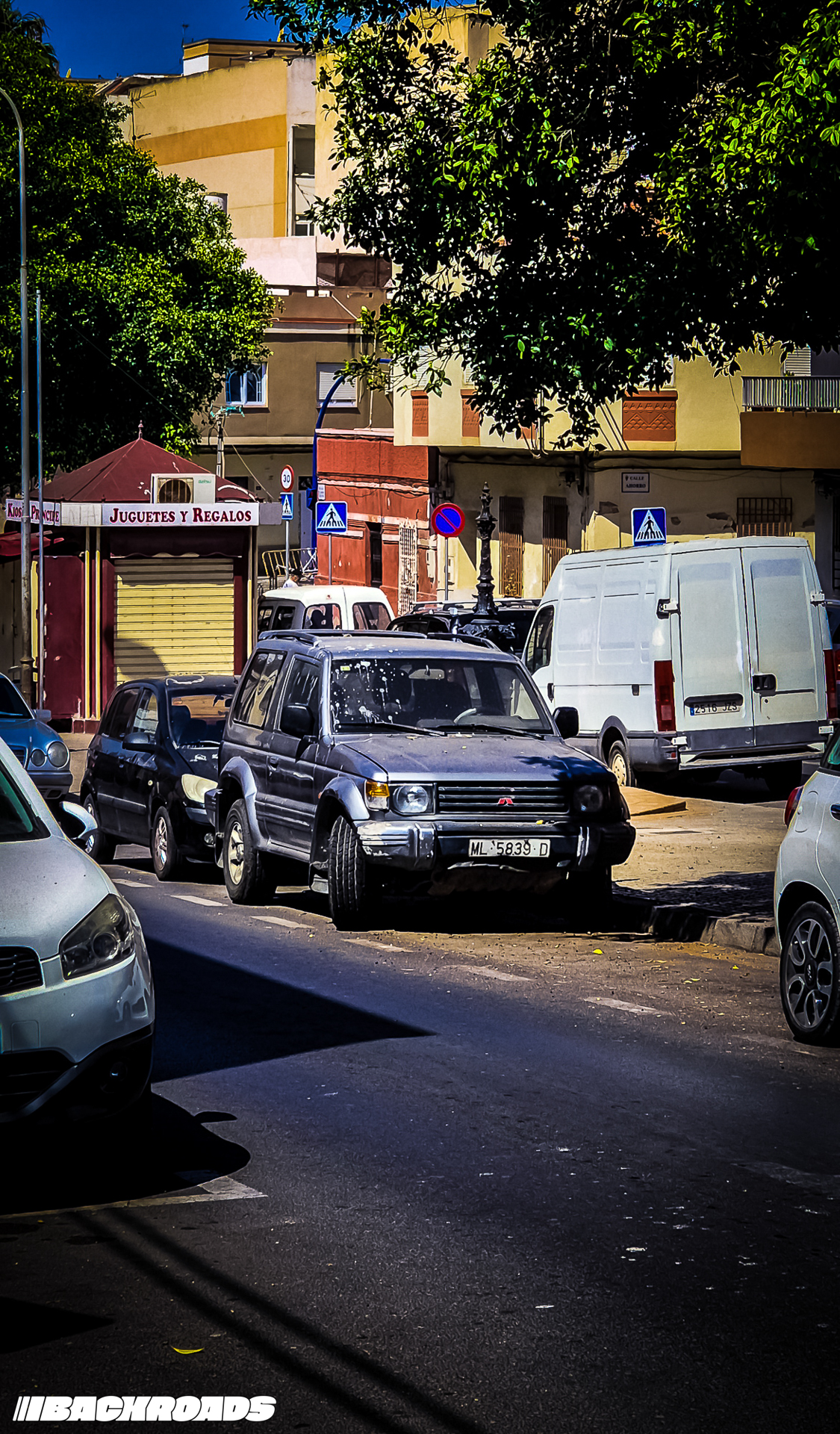
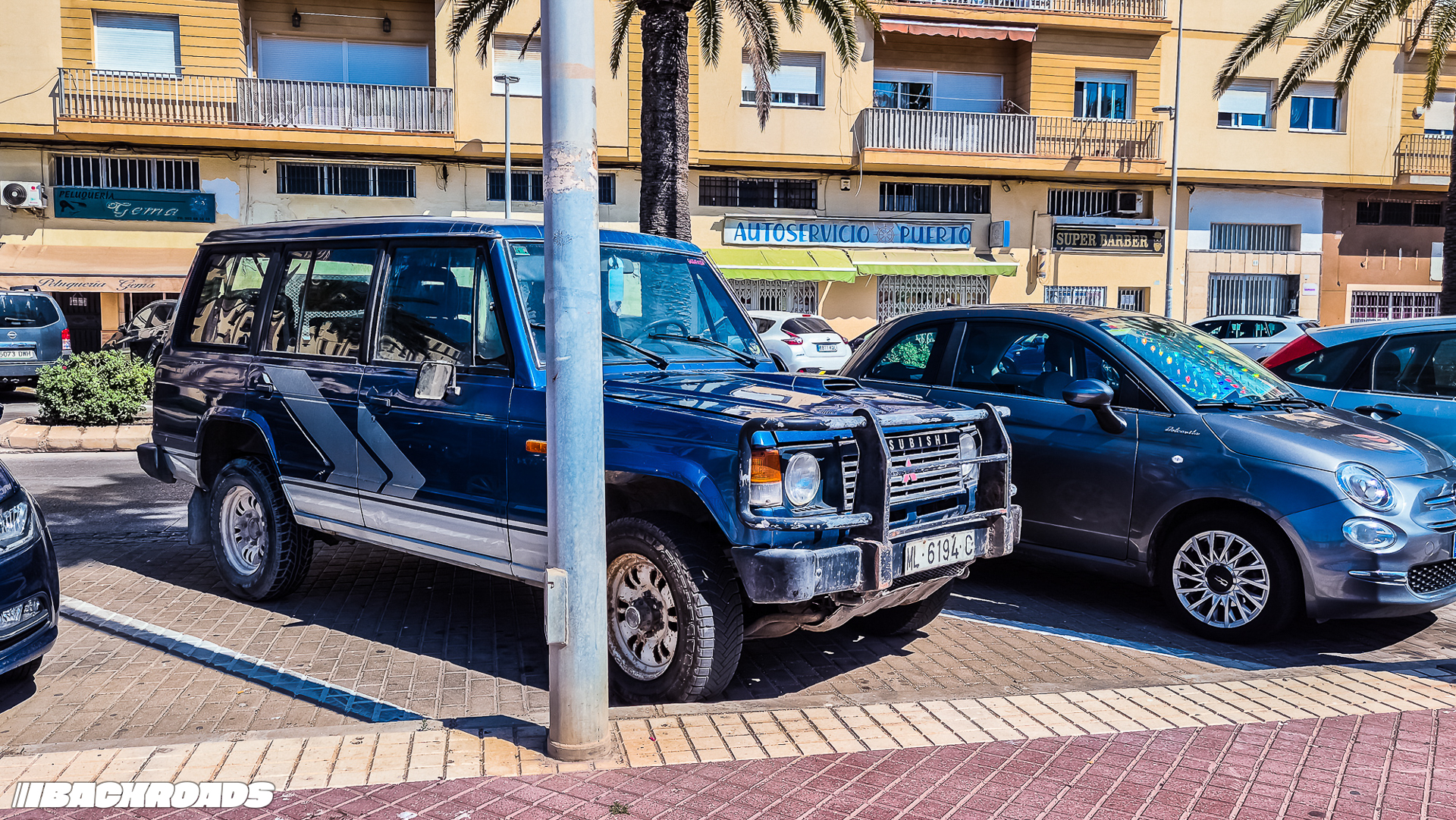
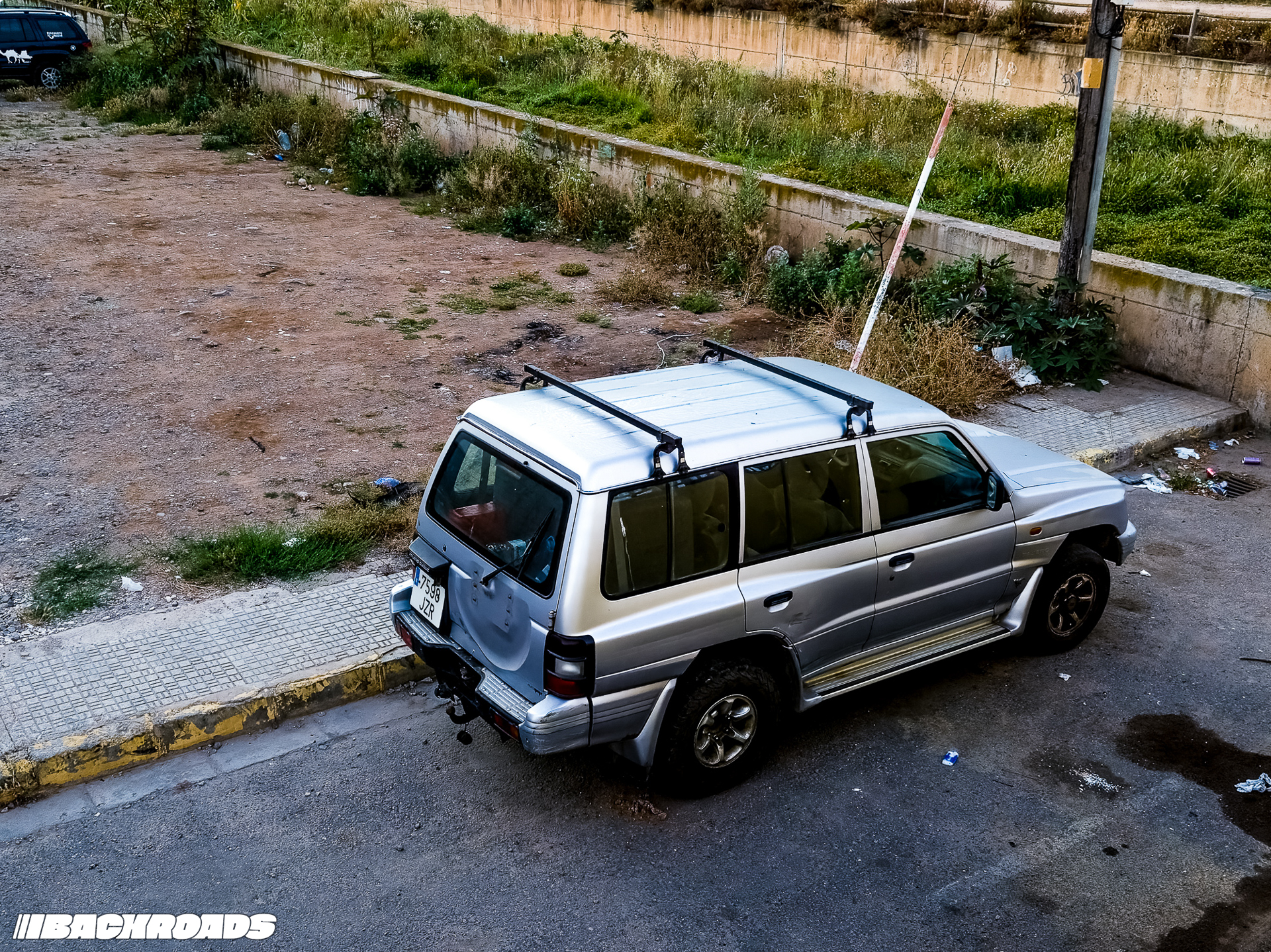
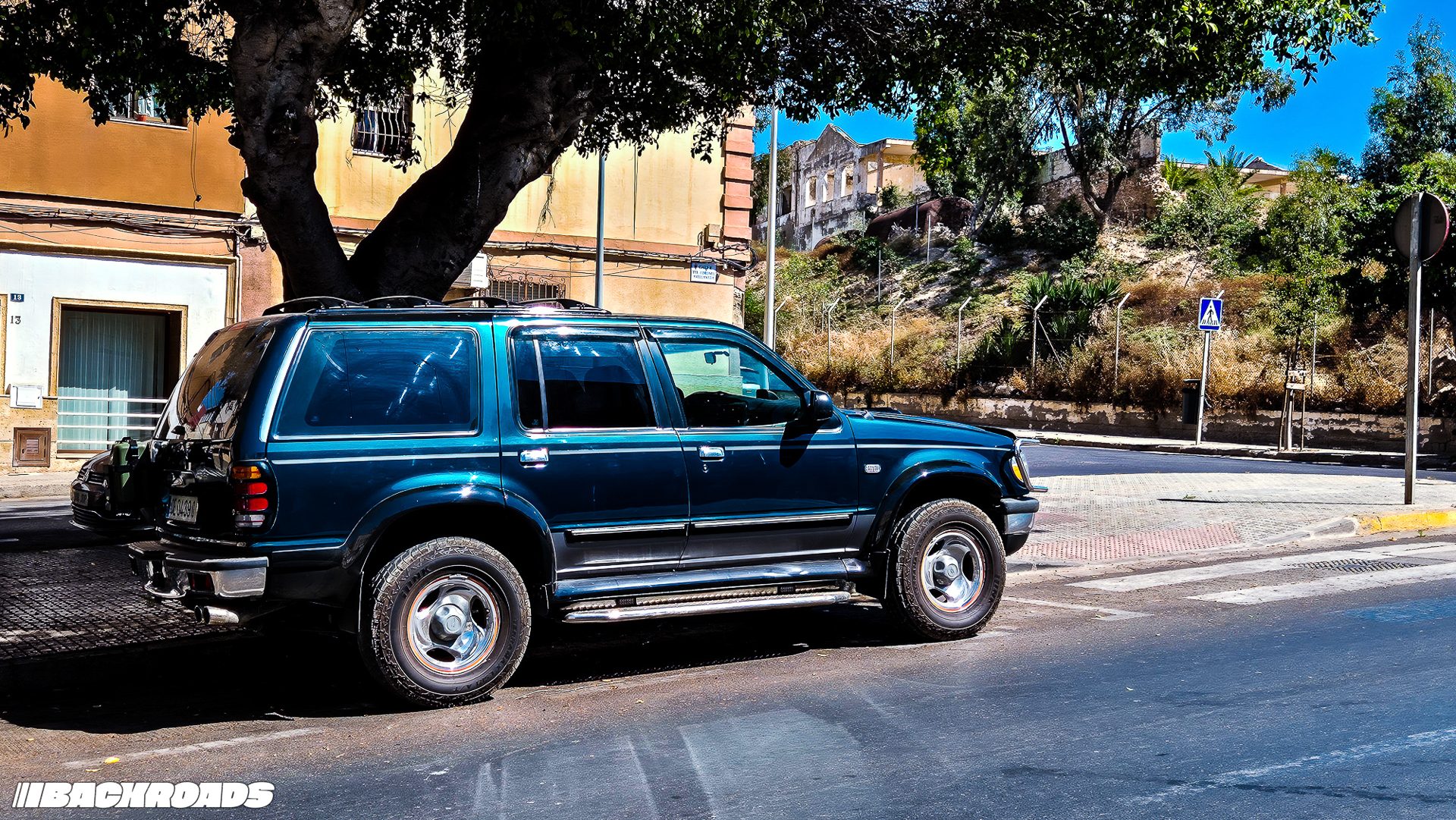
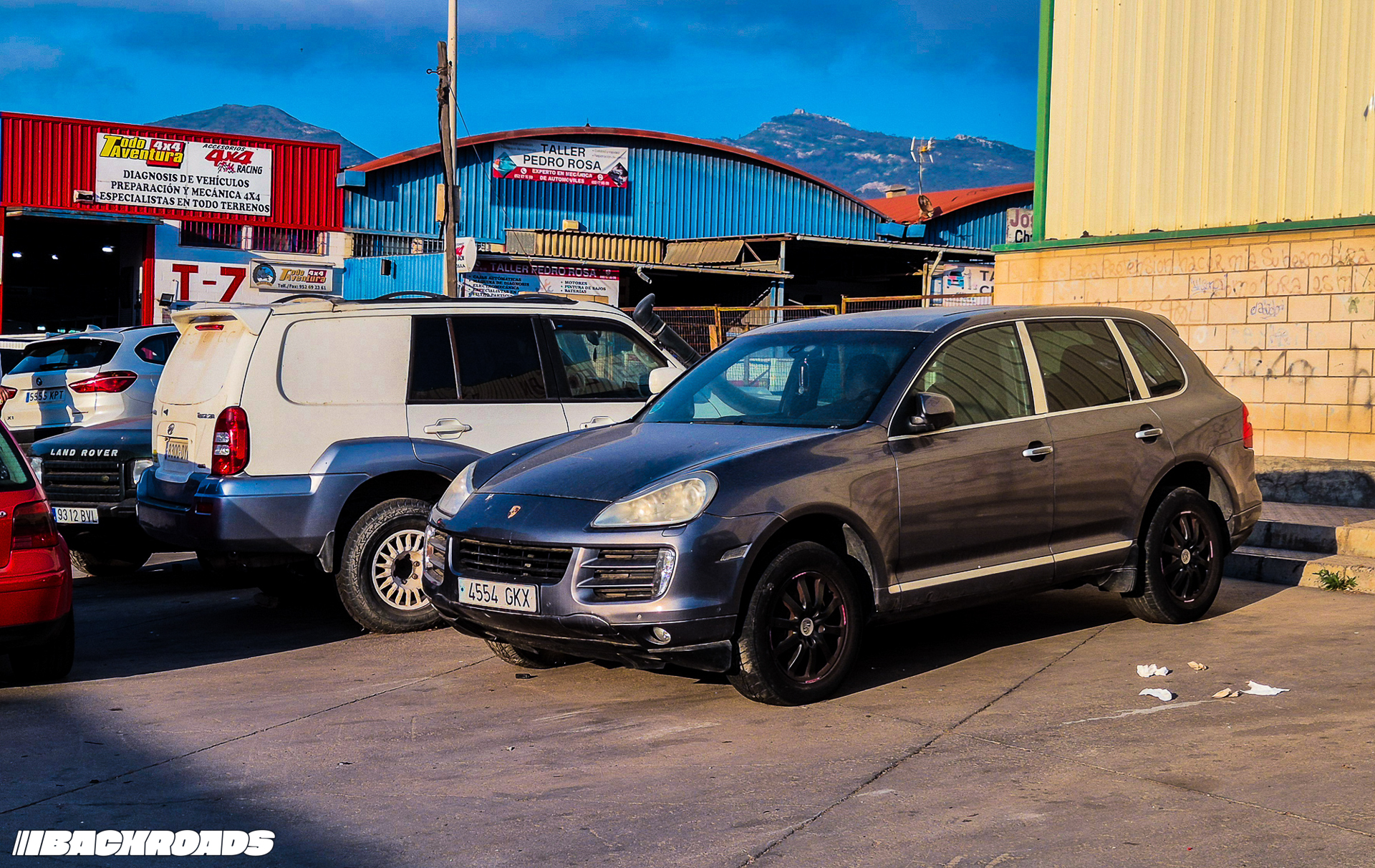
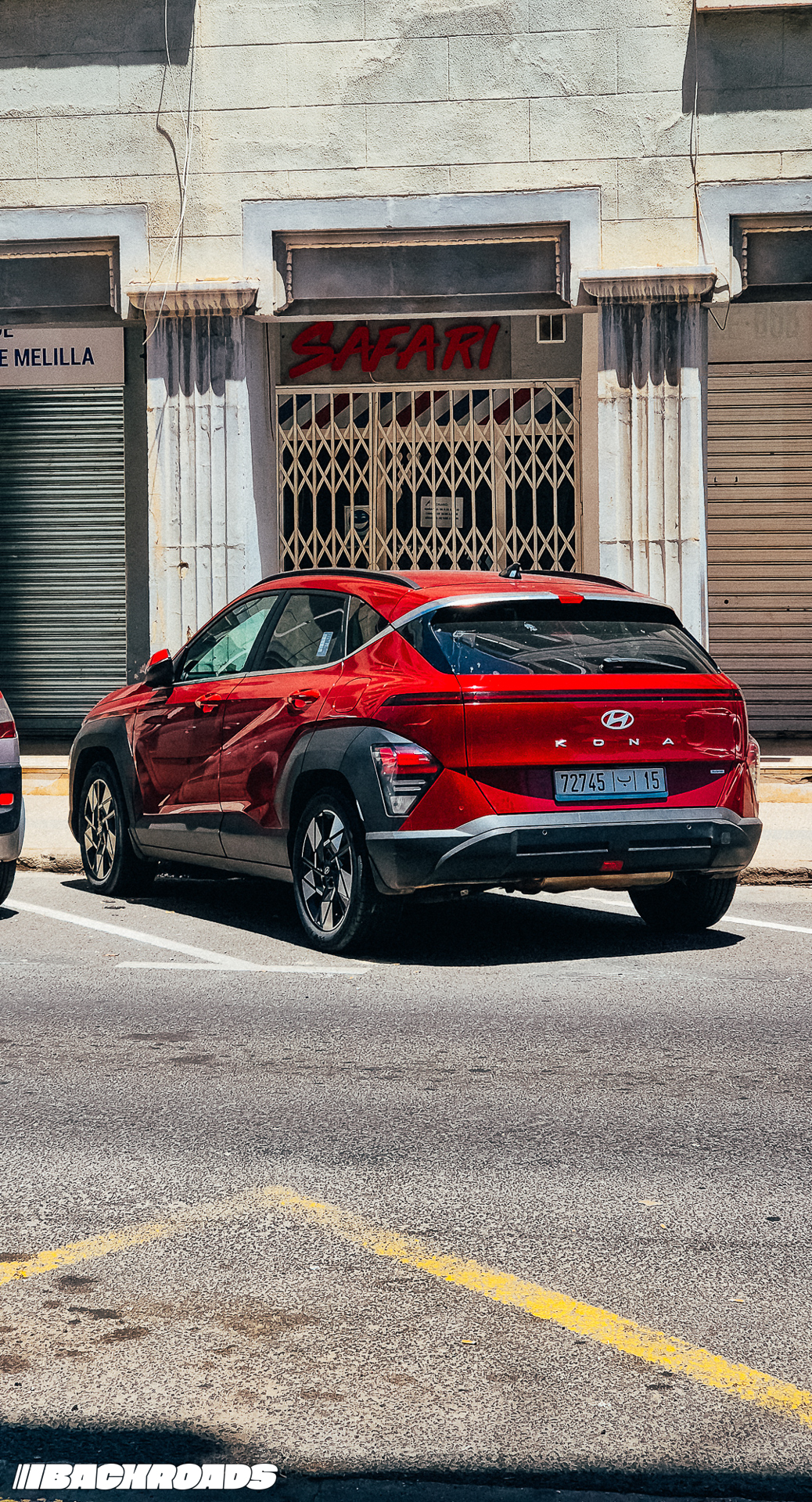
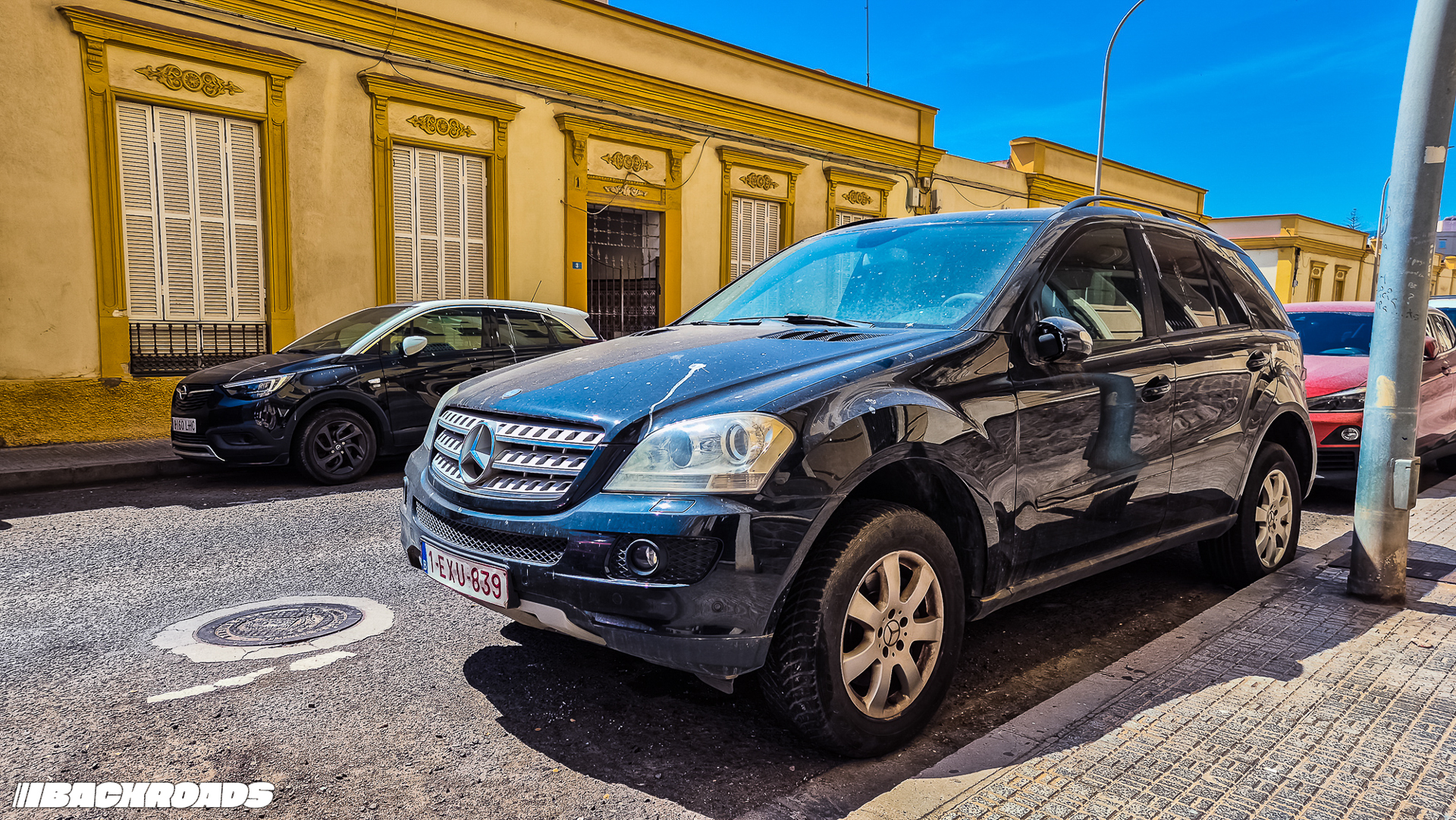
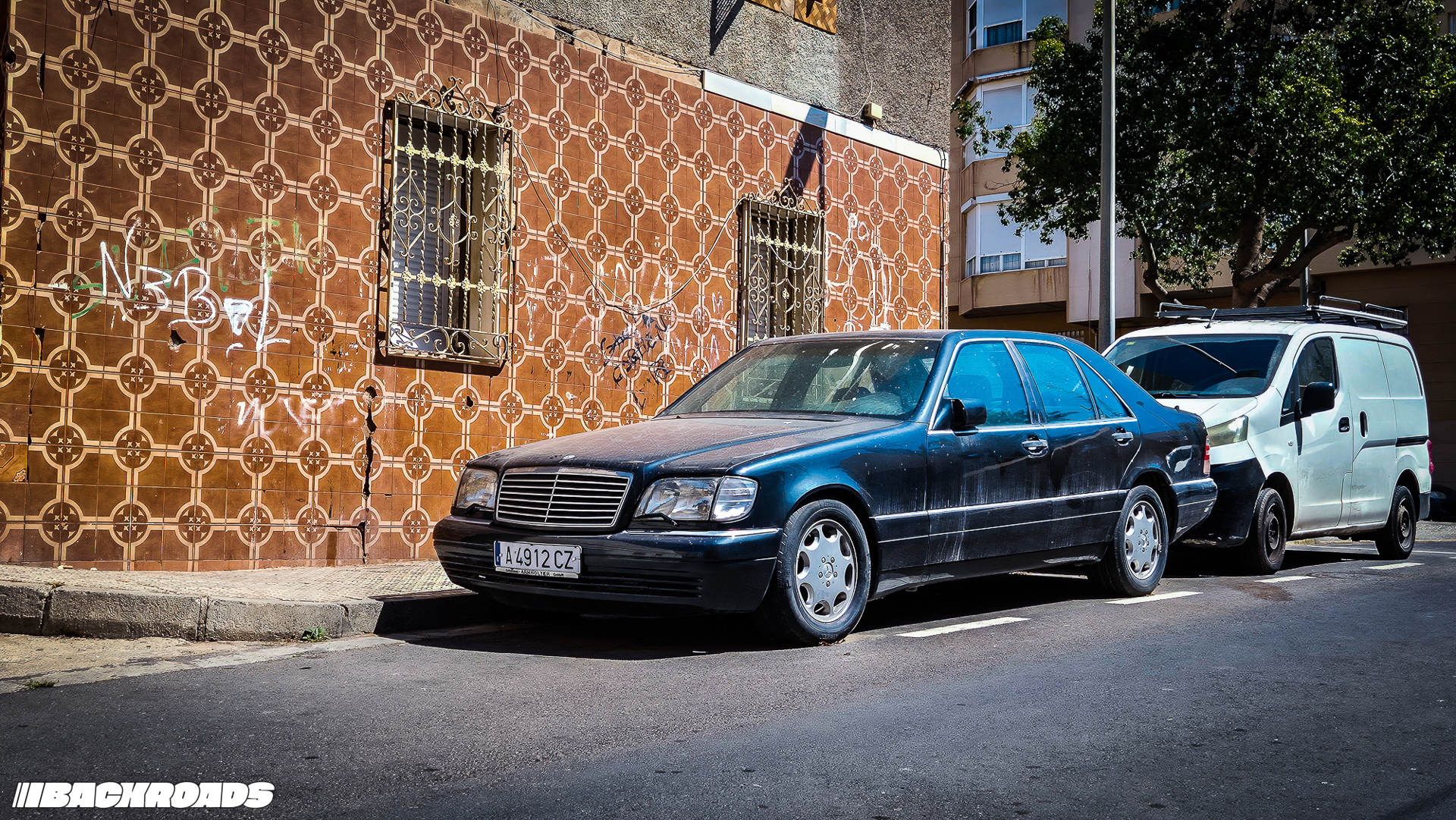
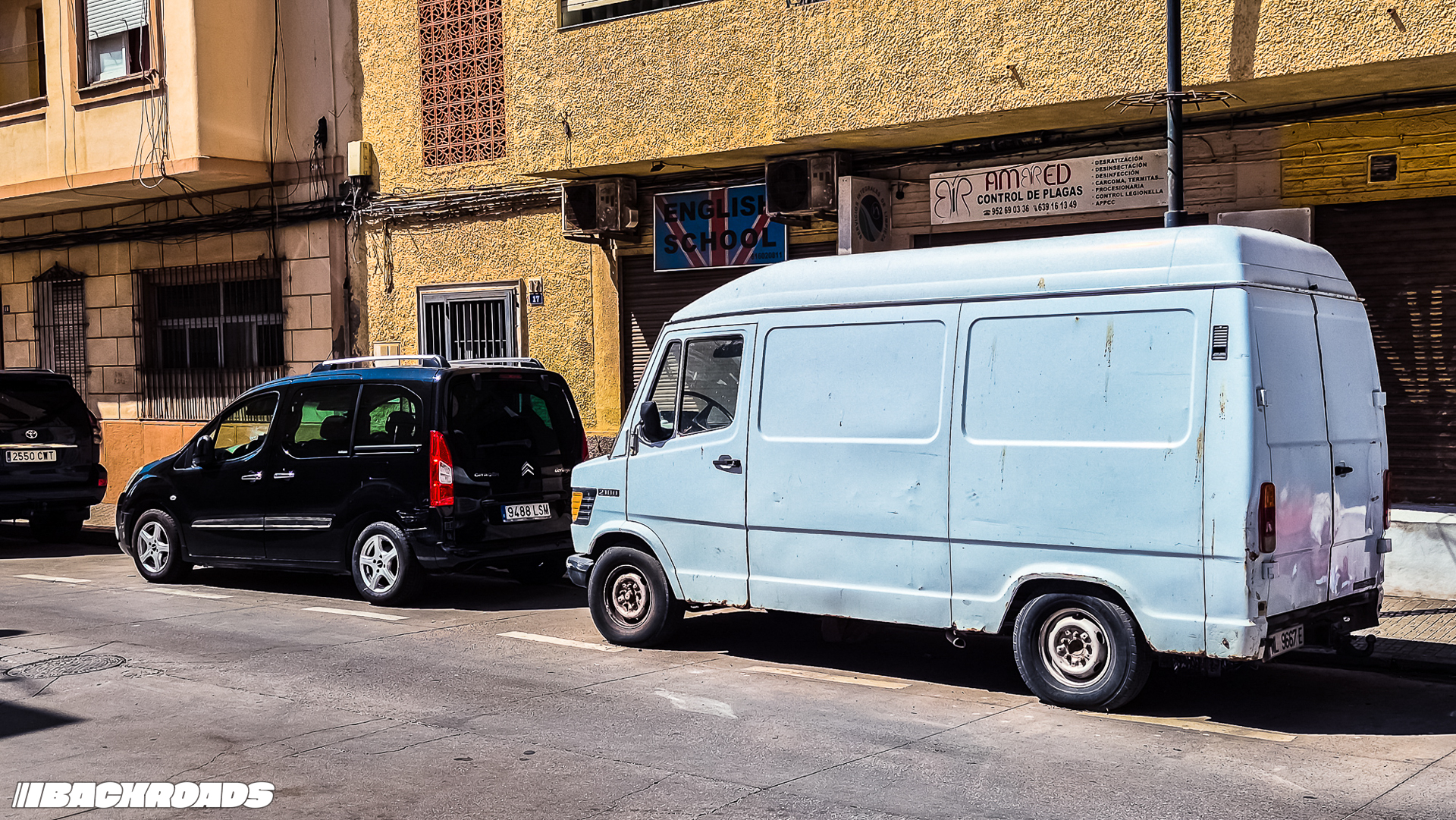
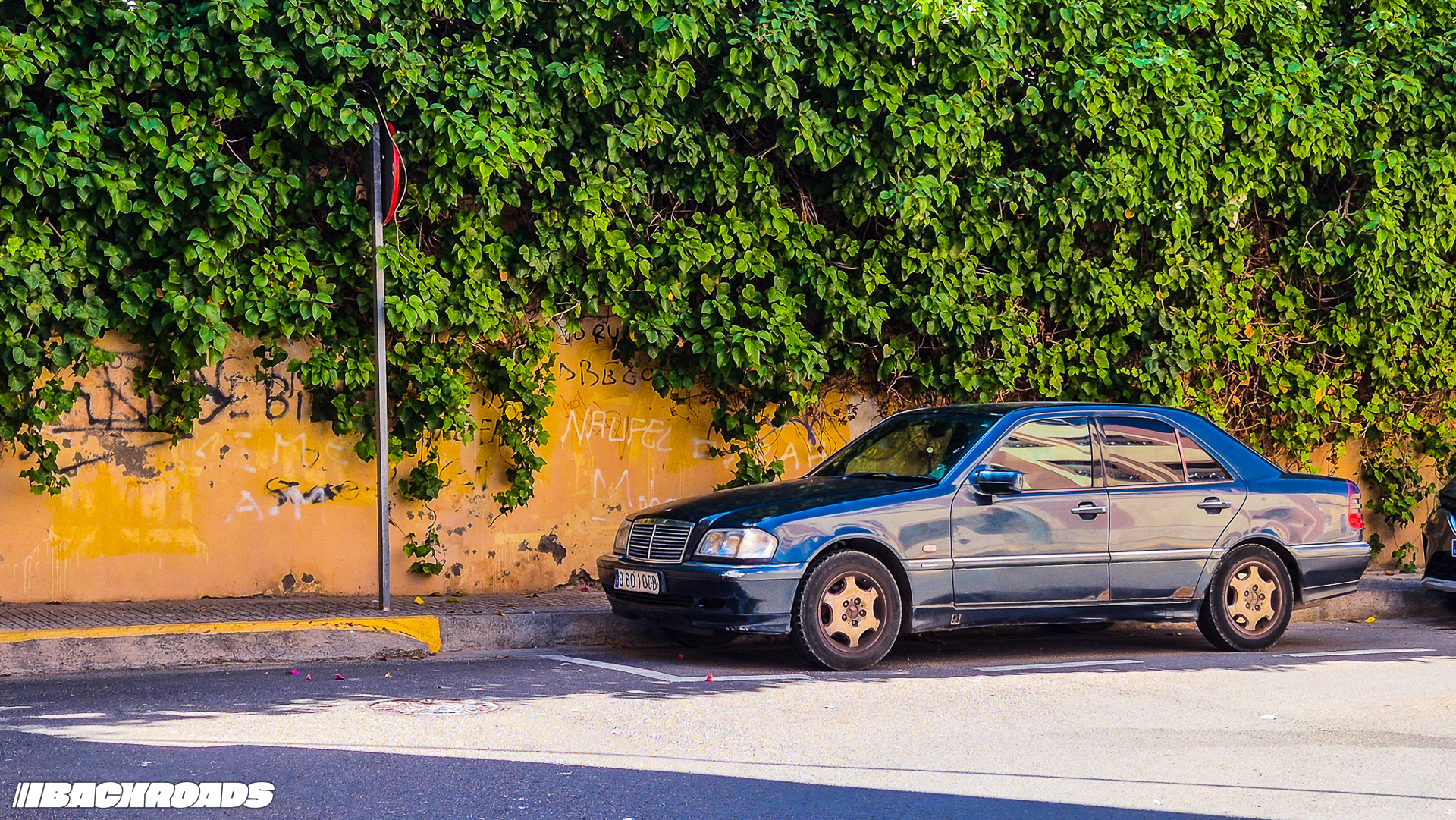
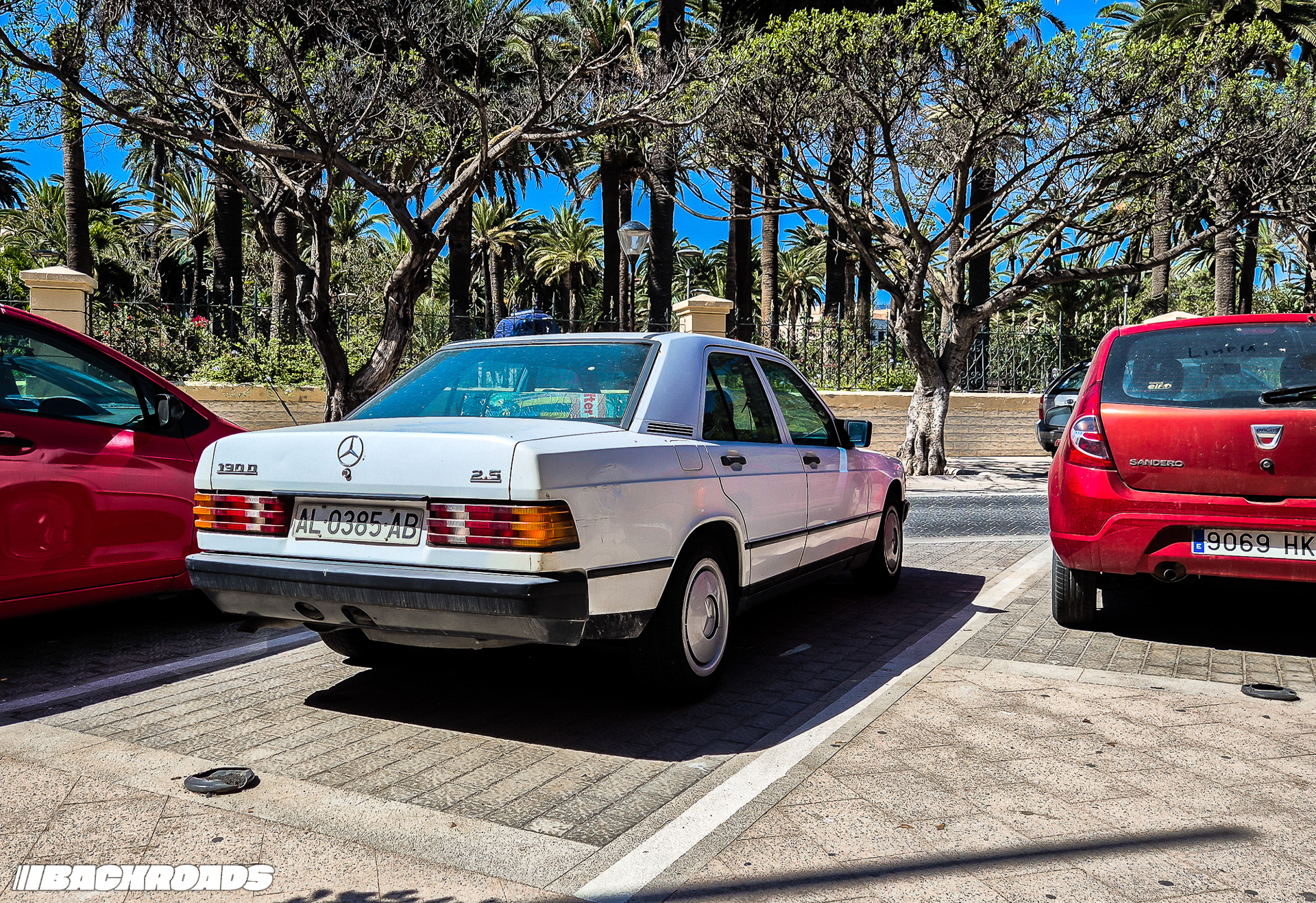
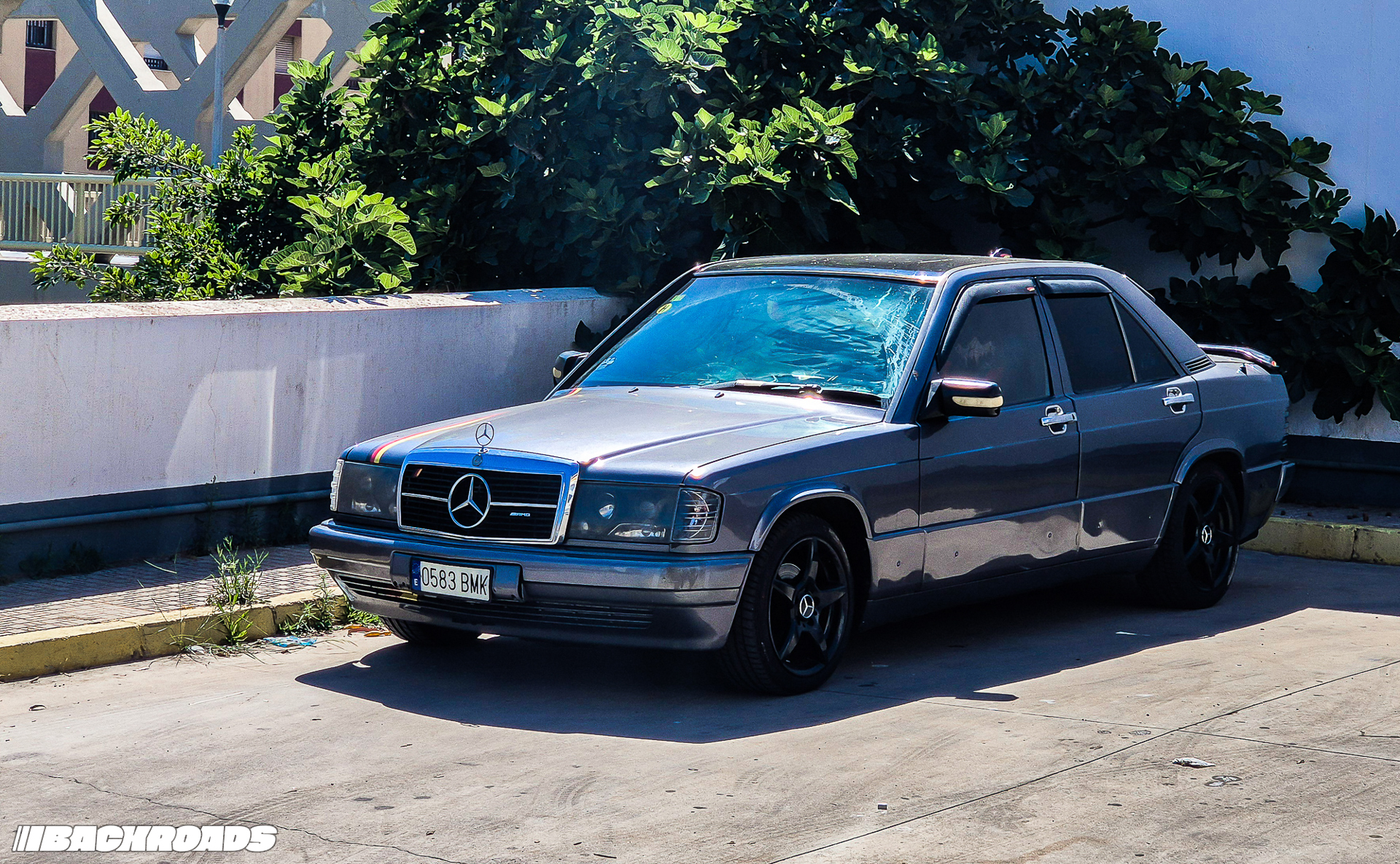
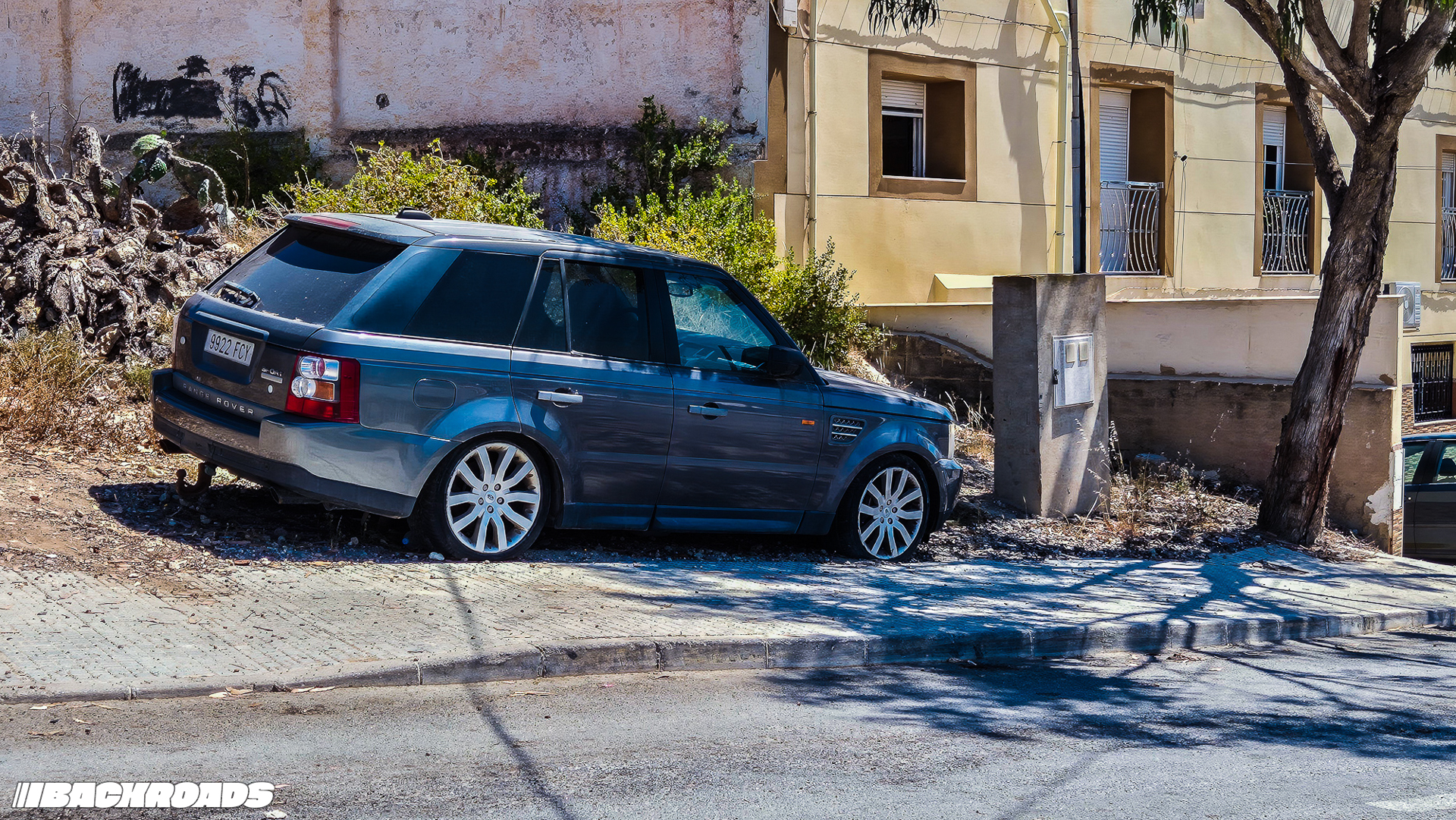
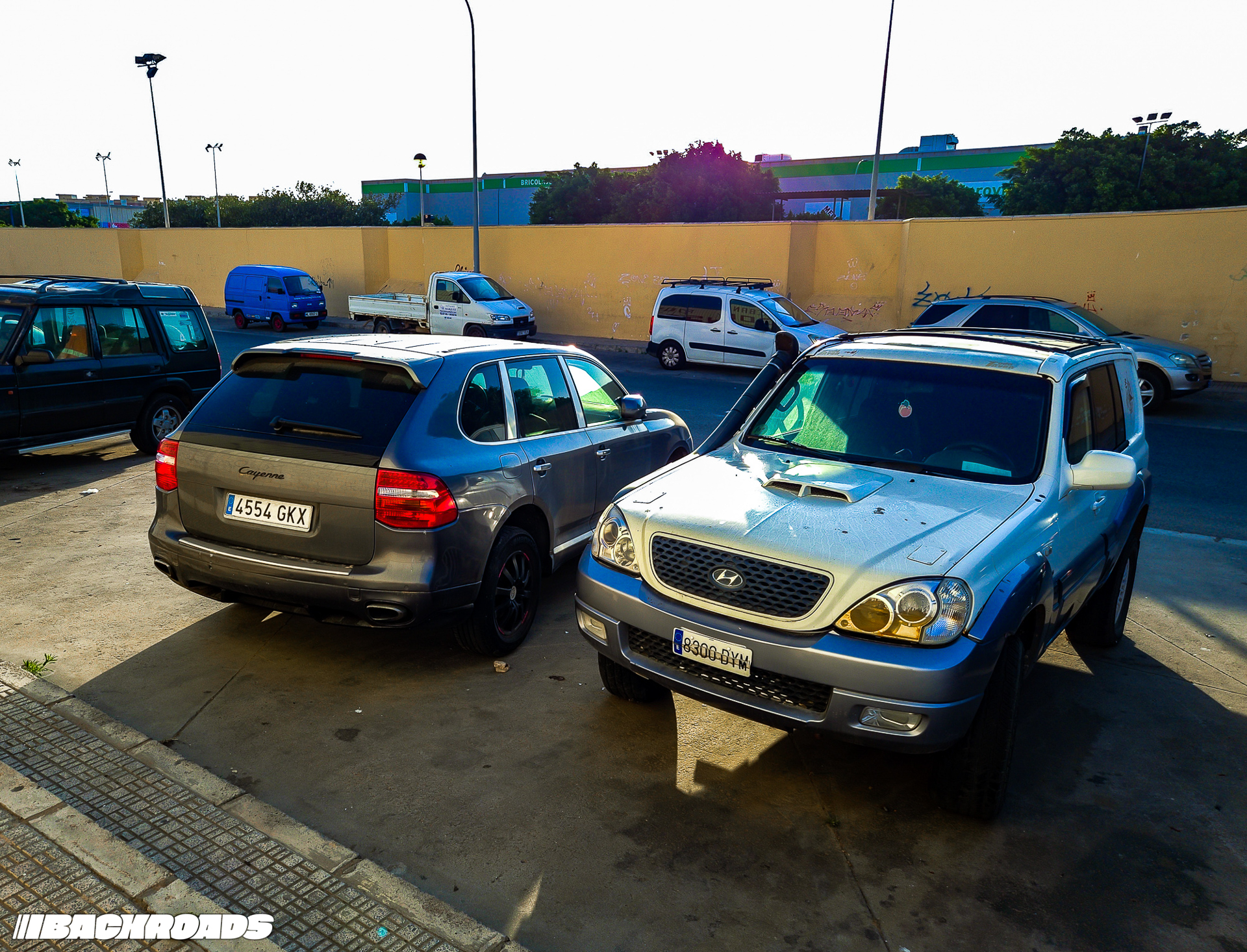
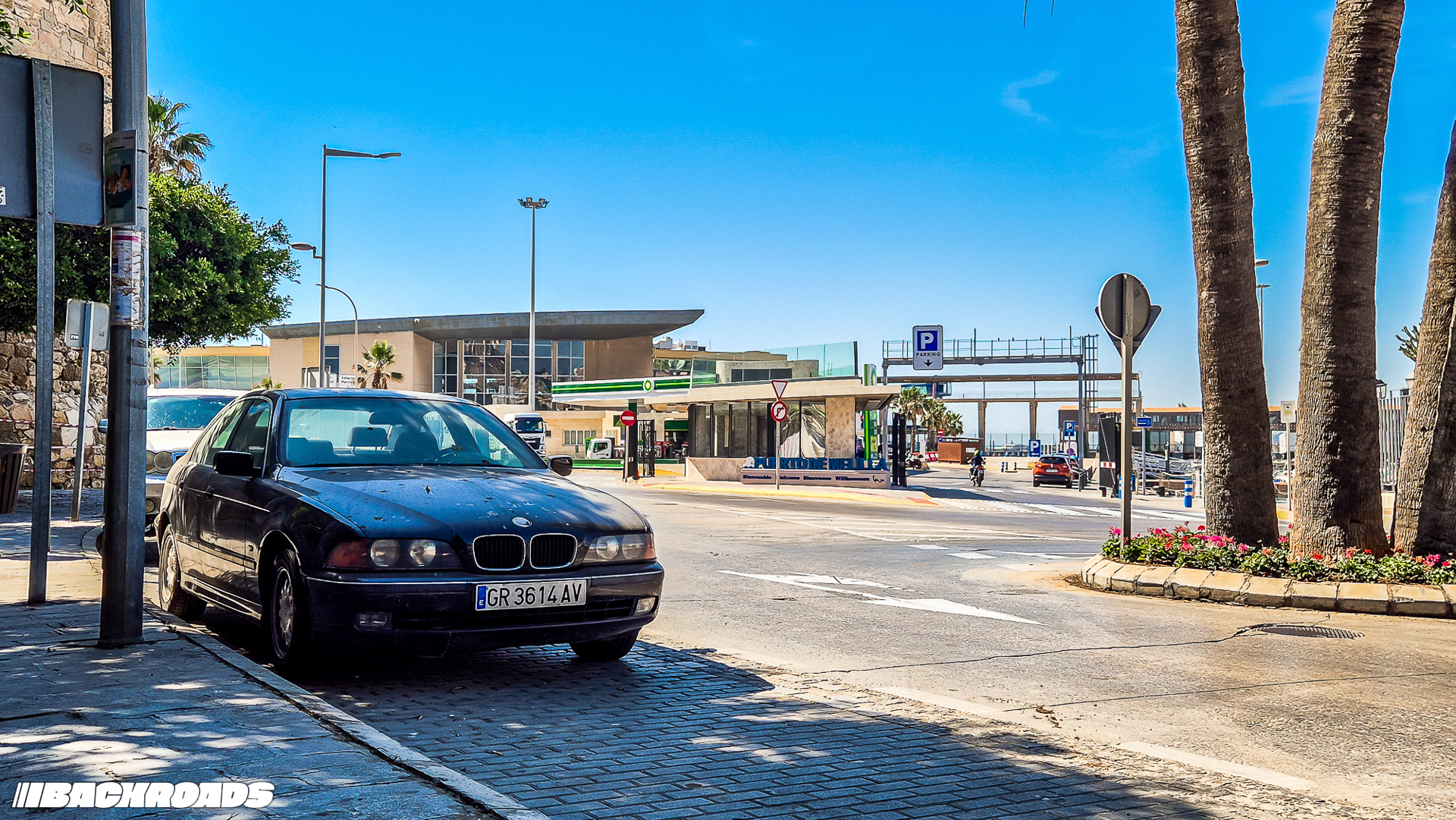
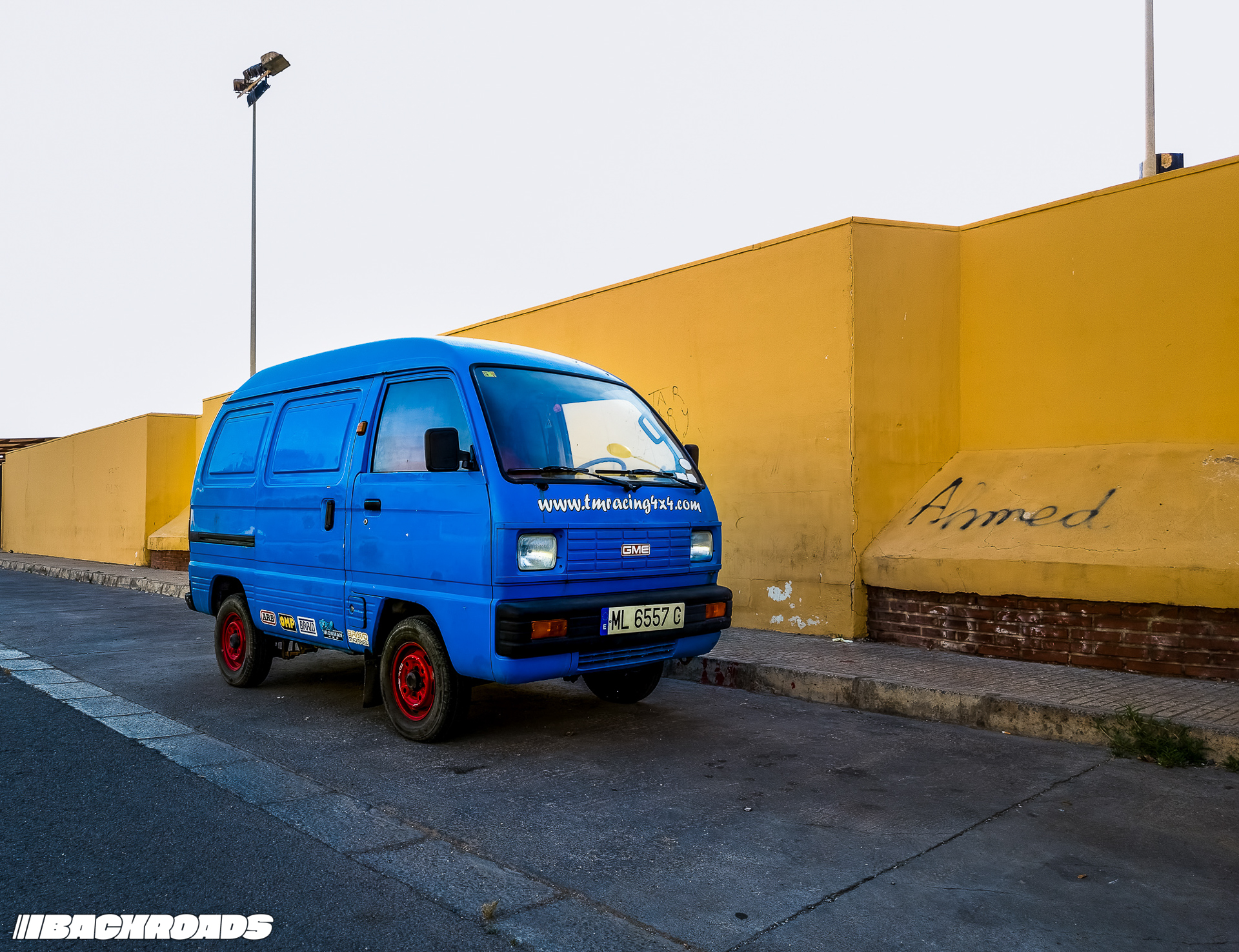
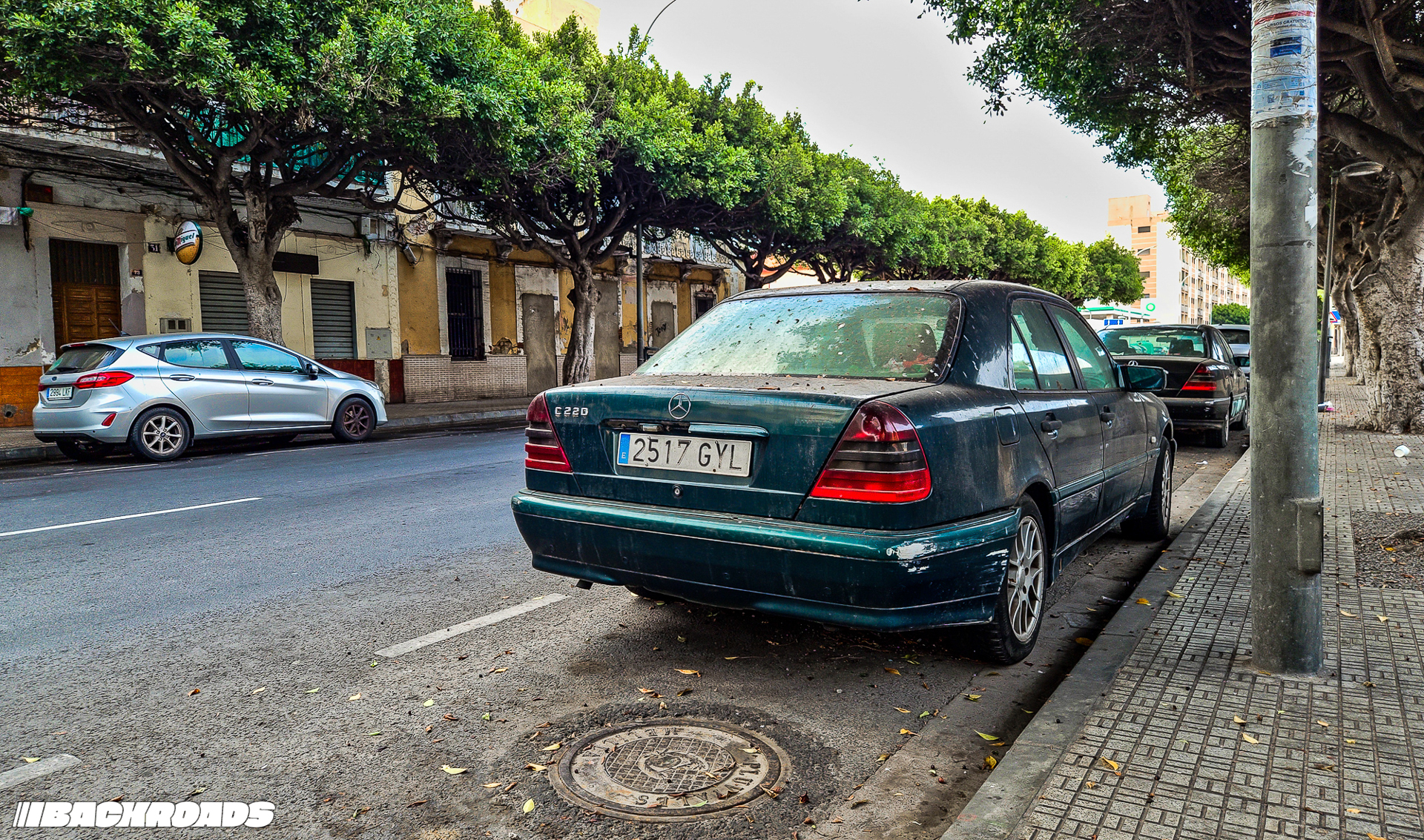
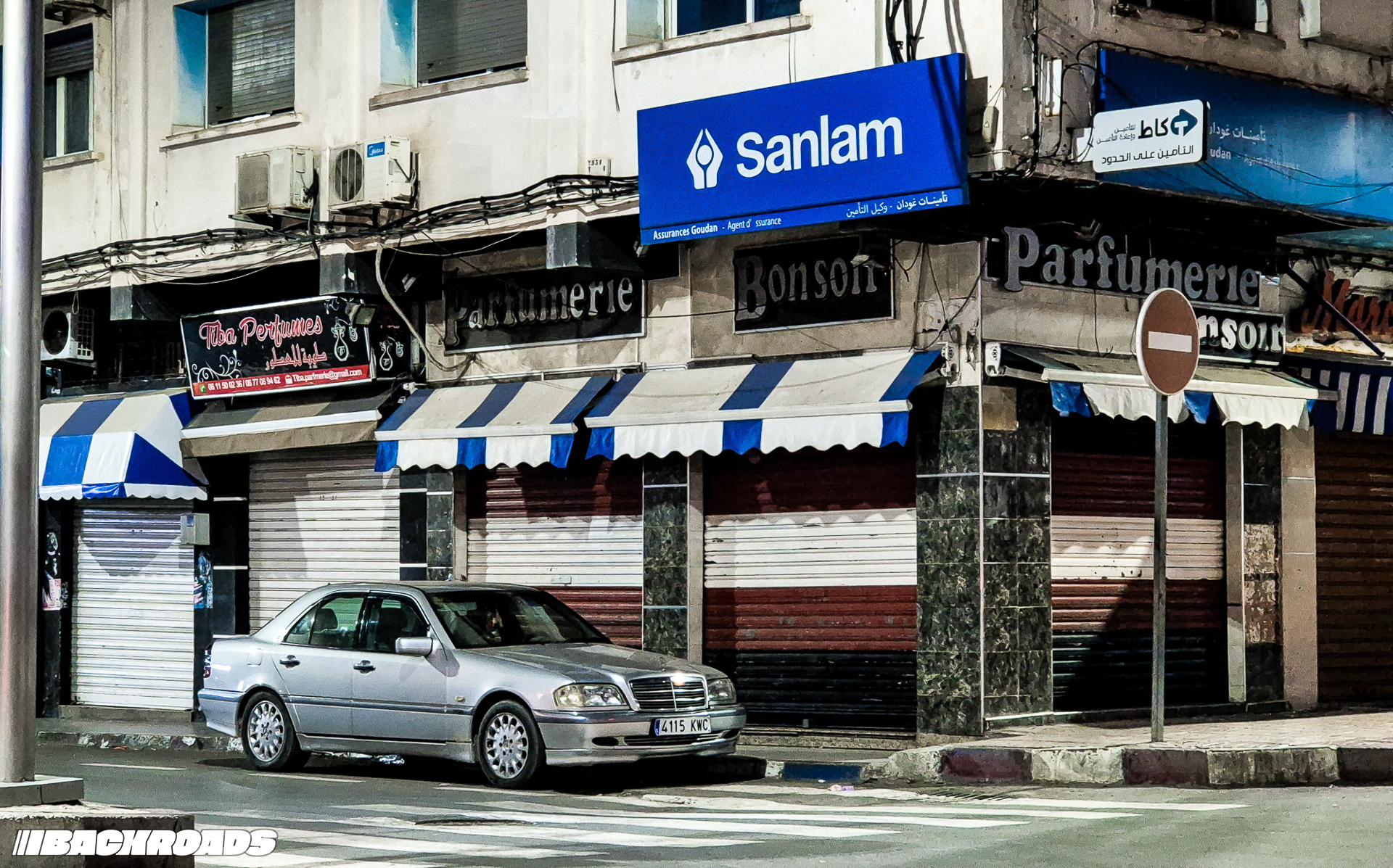
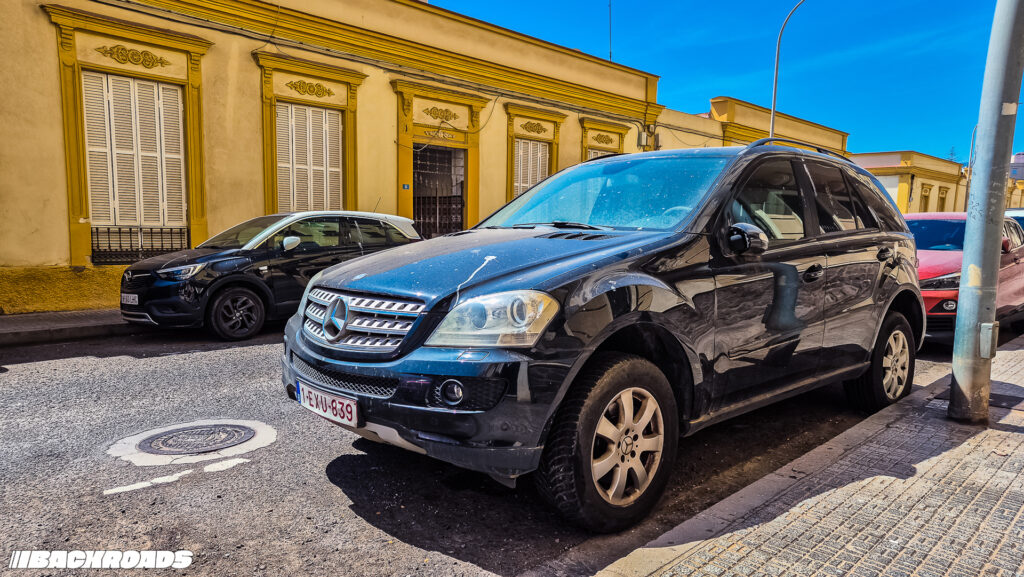
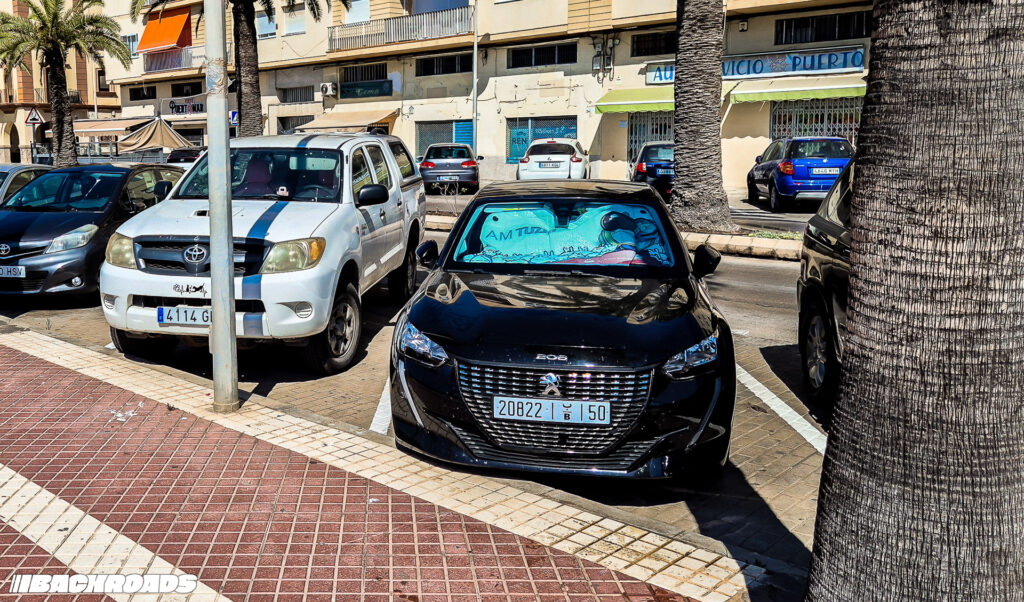
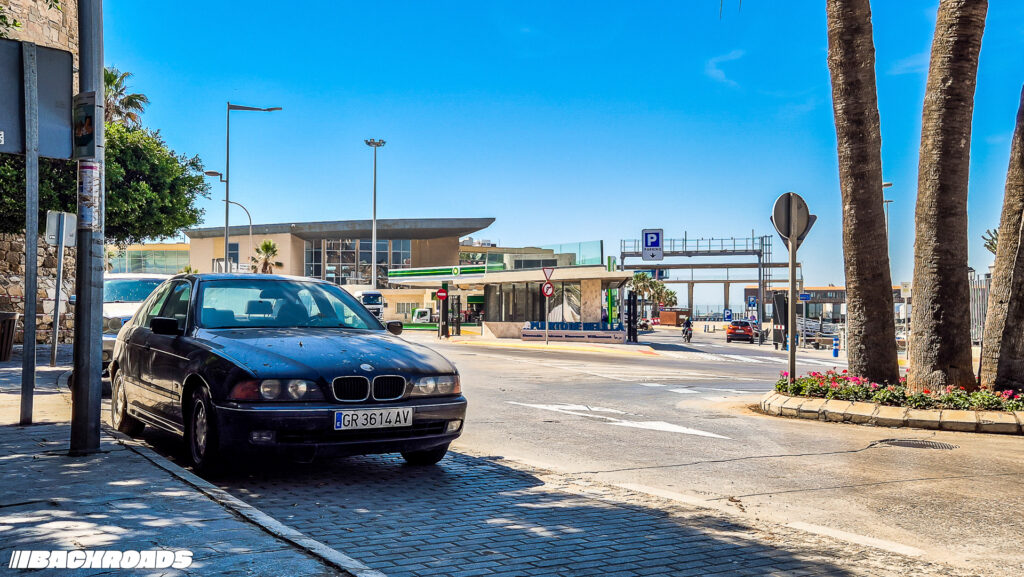
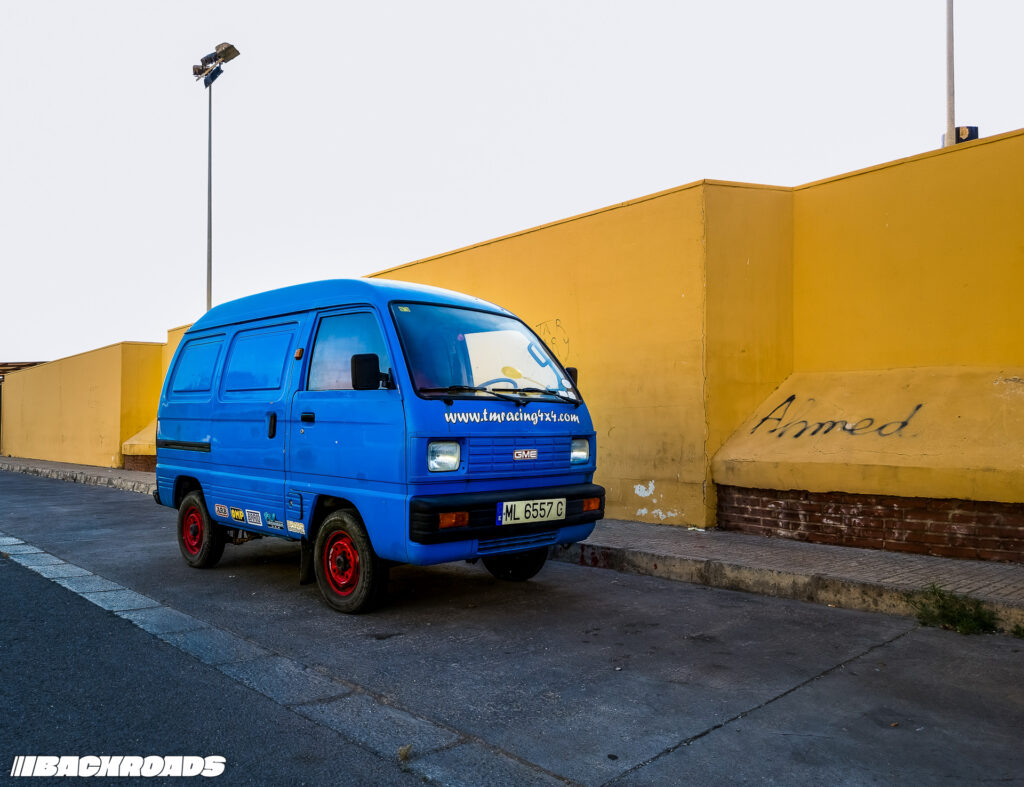
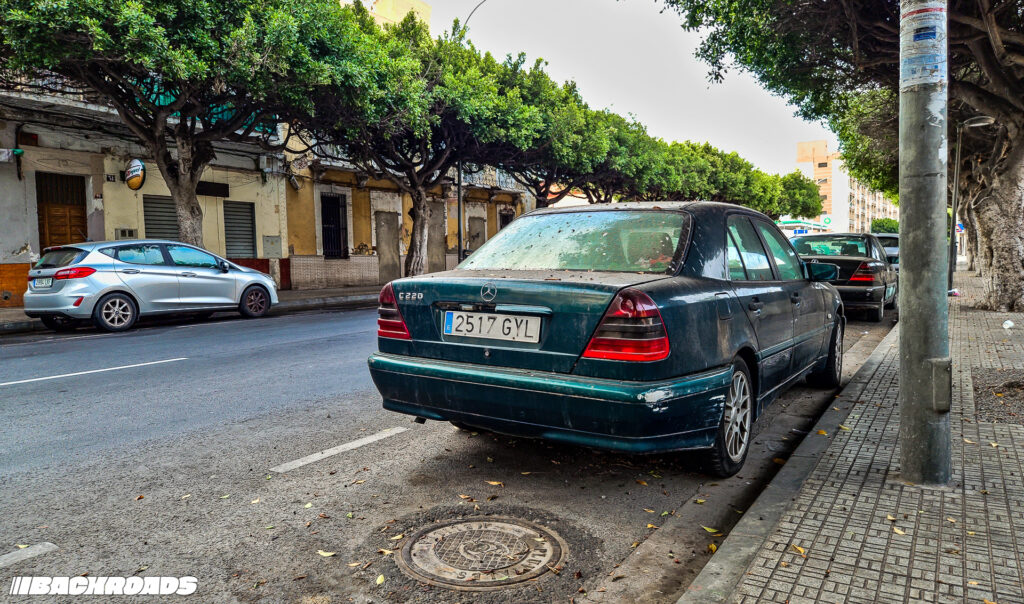
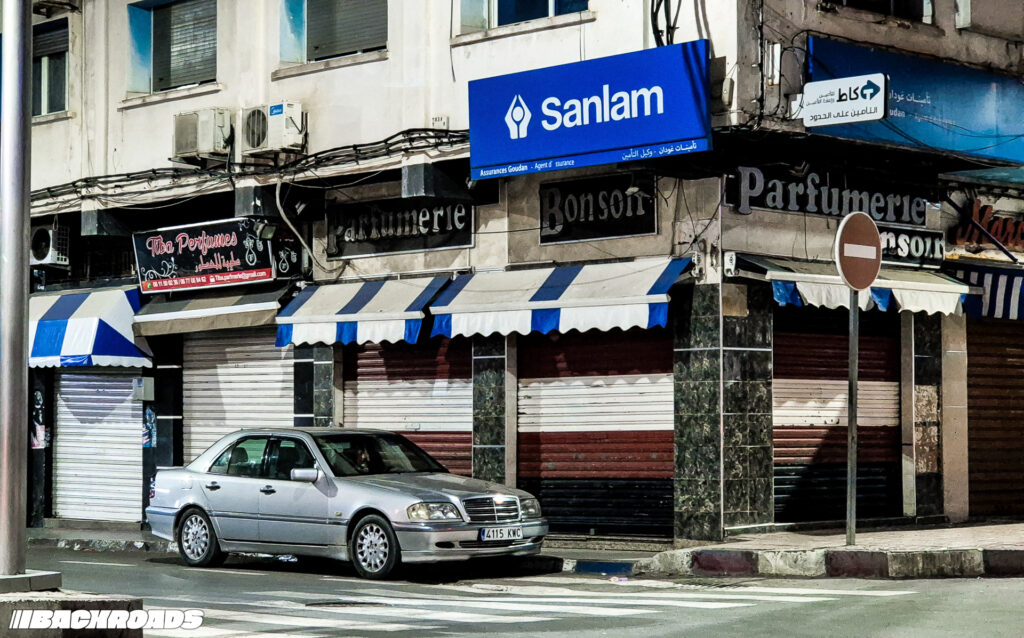
For me, it was through cars that I first became aware of this diversity. Melilla’s vehicle fleet is among the oldest in Spain, filled with imported European cars. Especially older Mercedes-Benz models, which are known for their durability and, as such, highly valued in Africa. Alongside them are Toyota and Hyundai 4x4s built for extreme conditions.
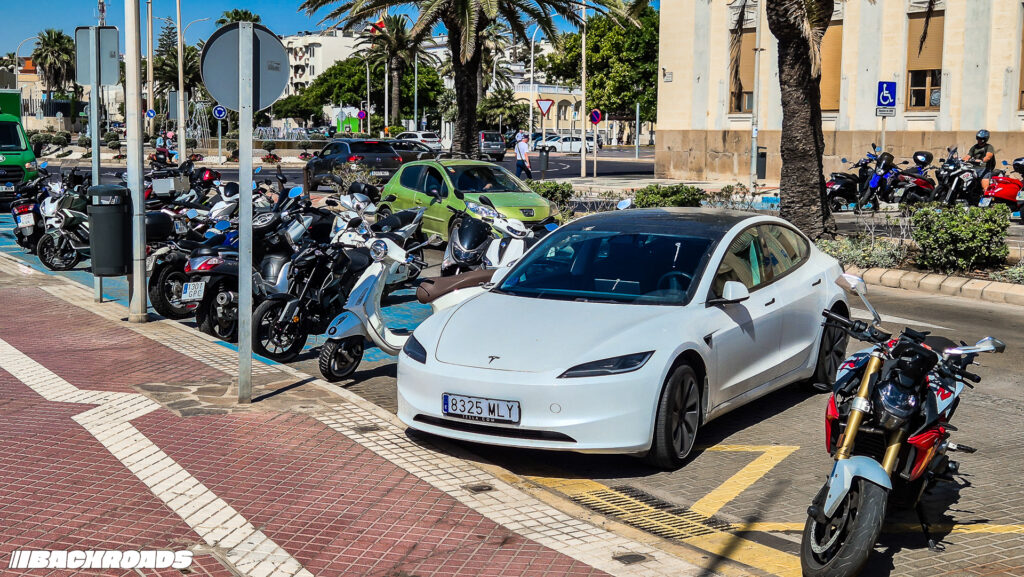
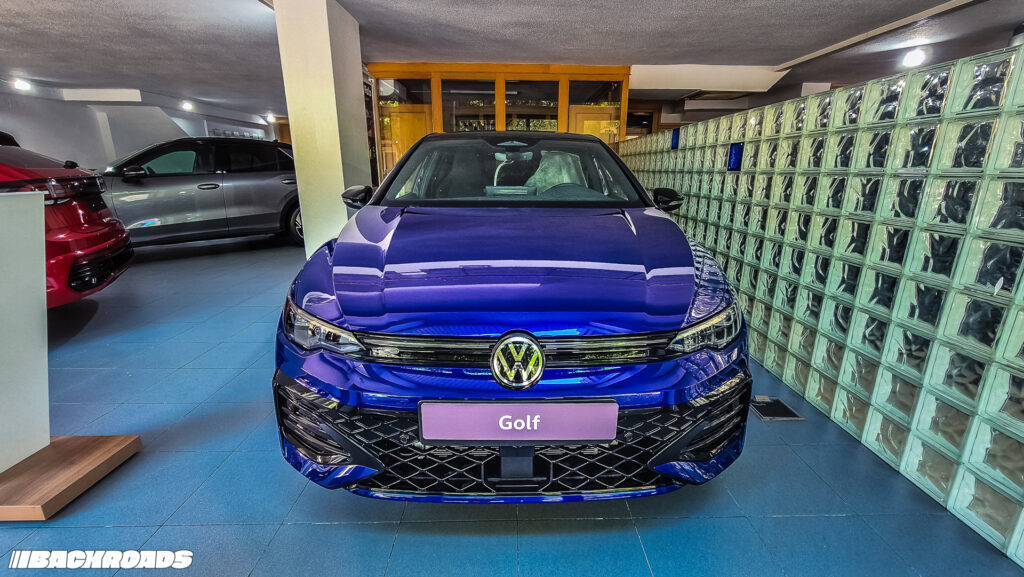
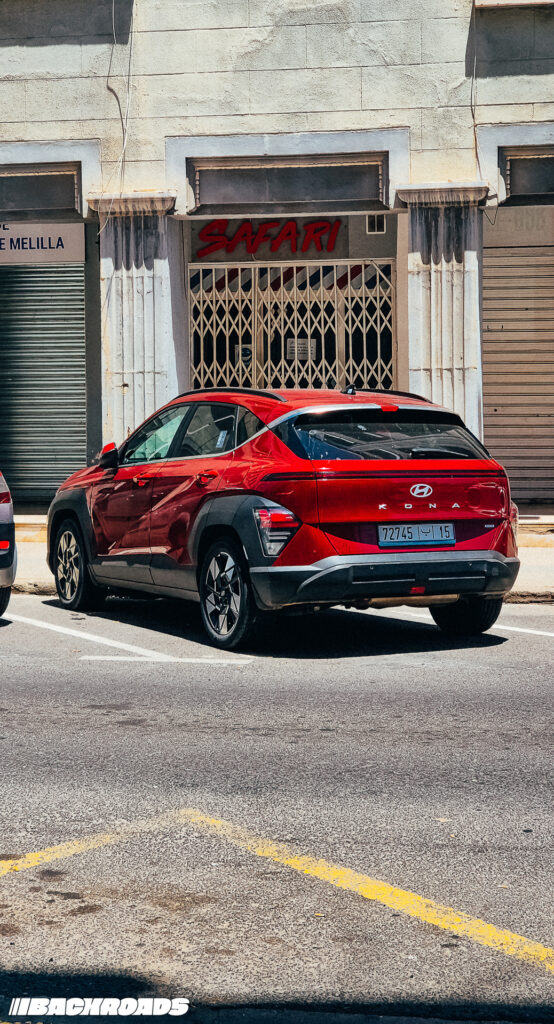
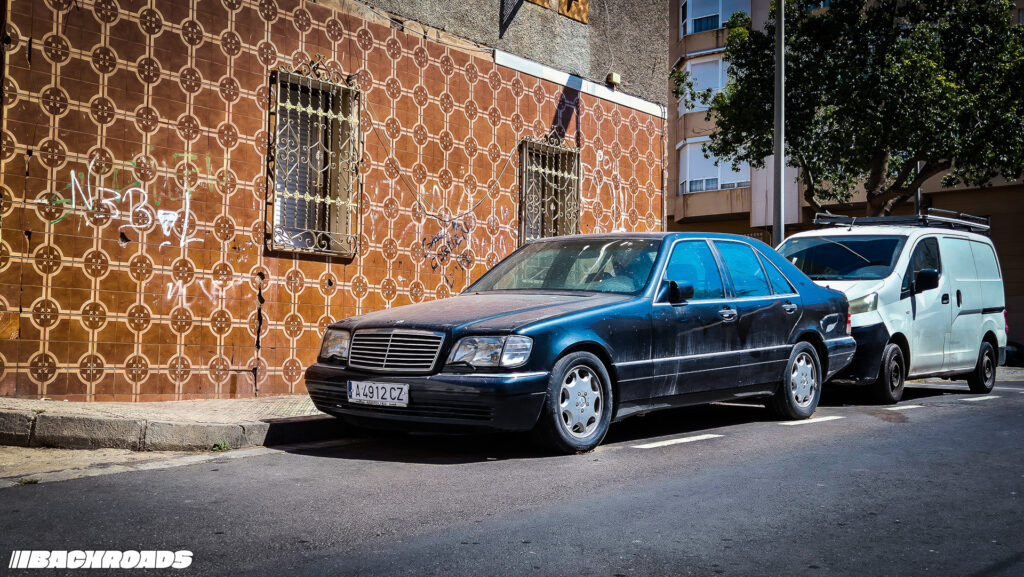
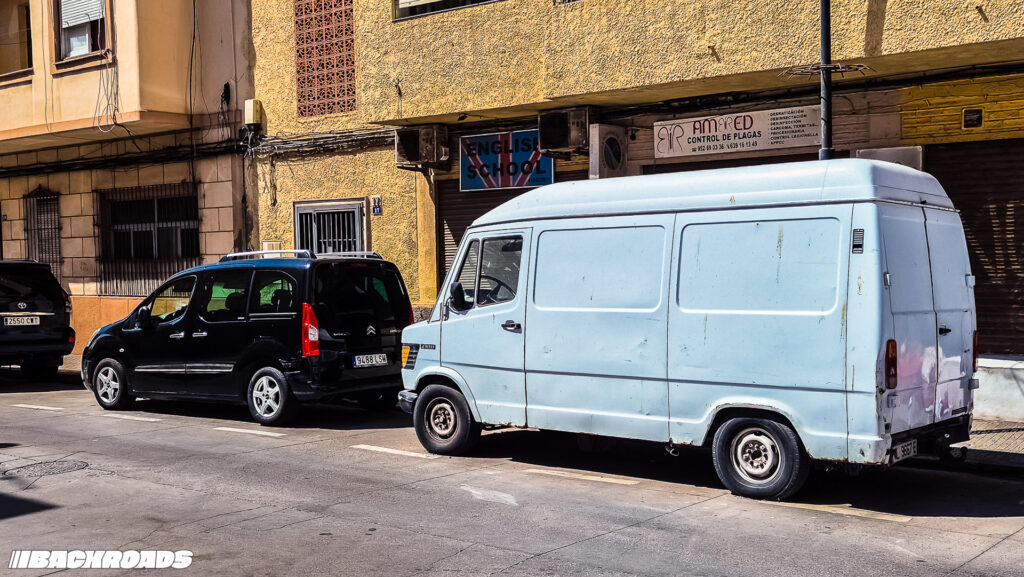
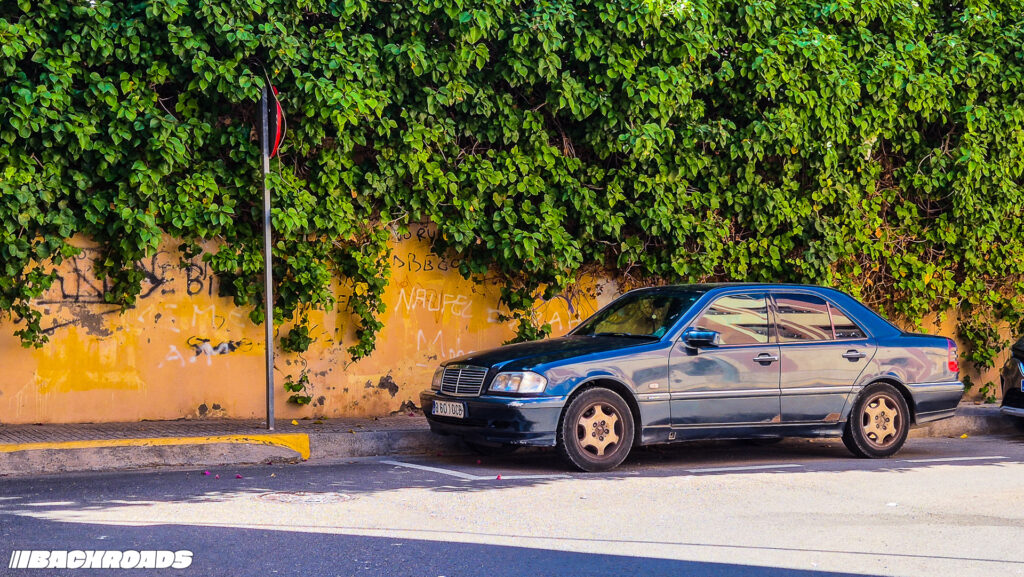
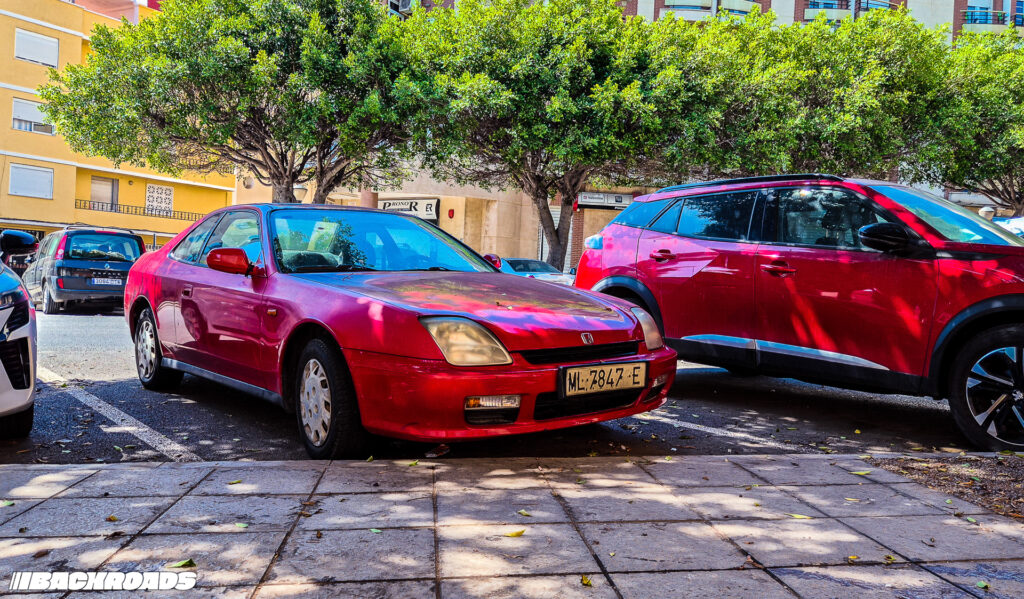
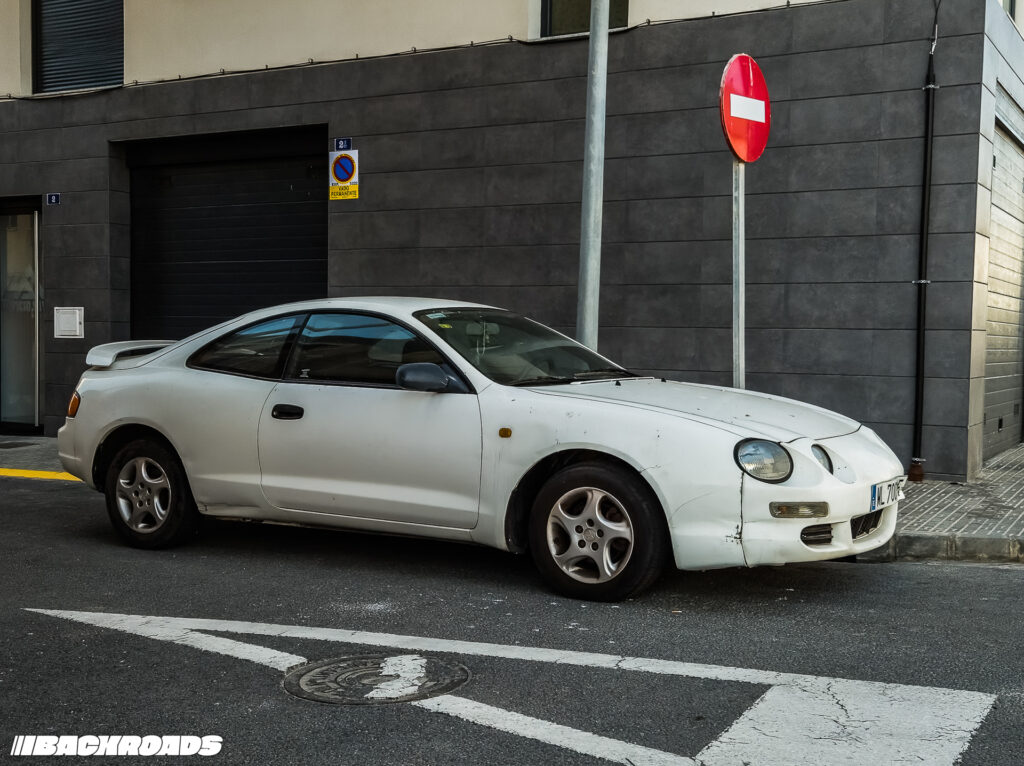
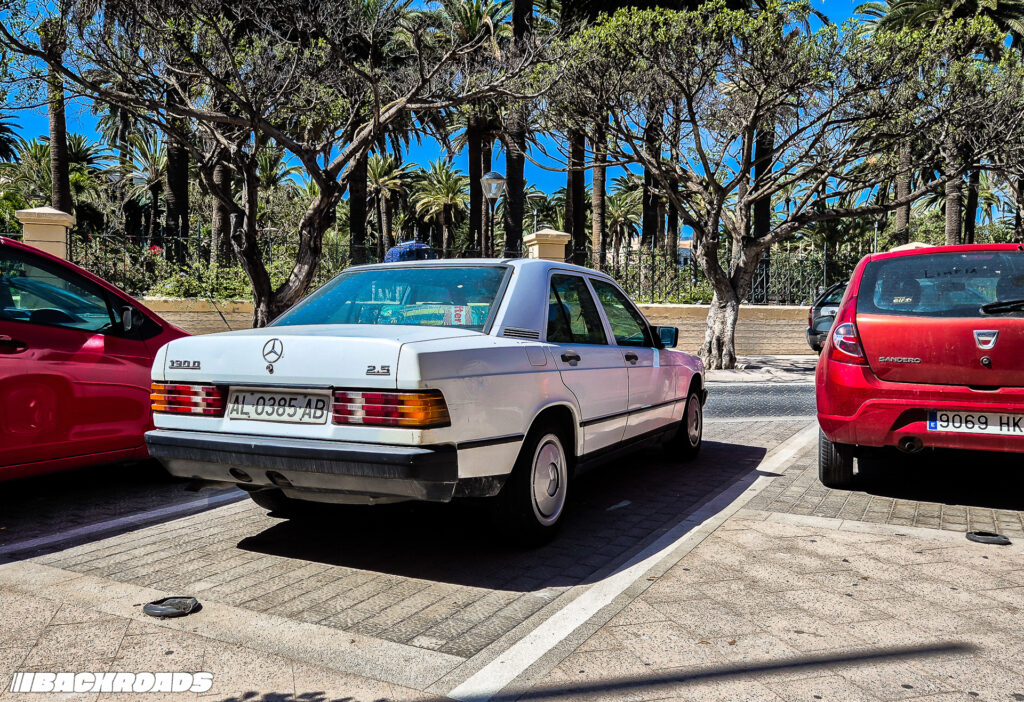
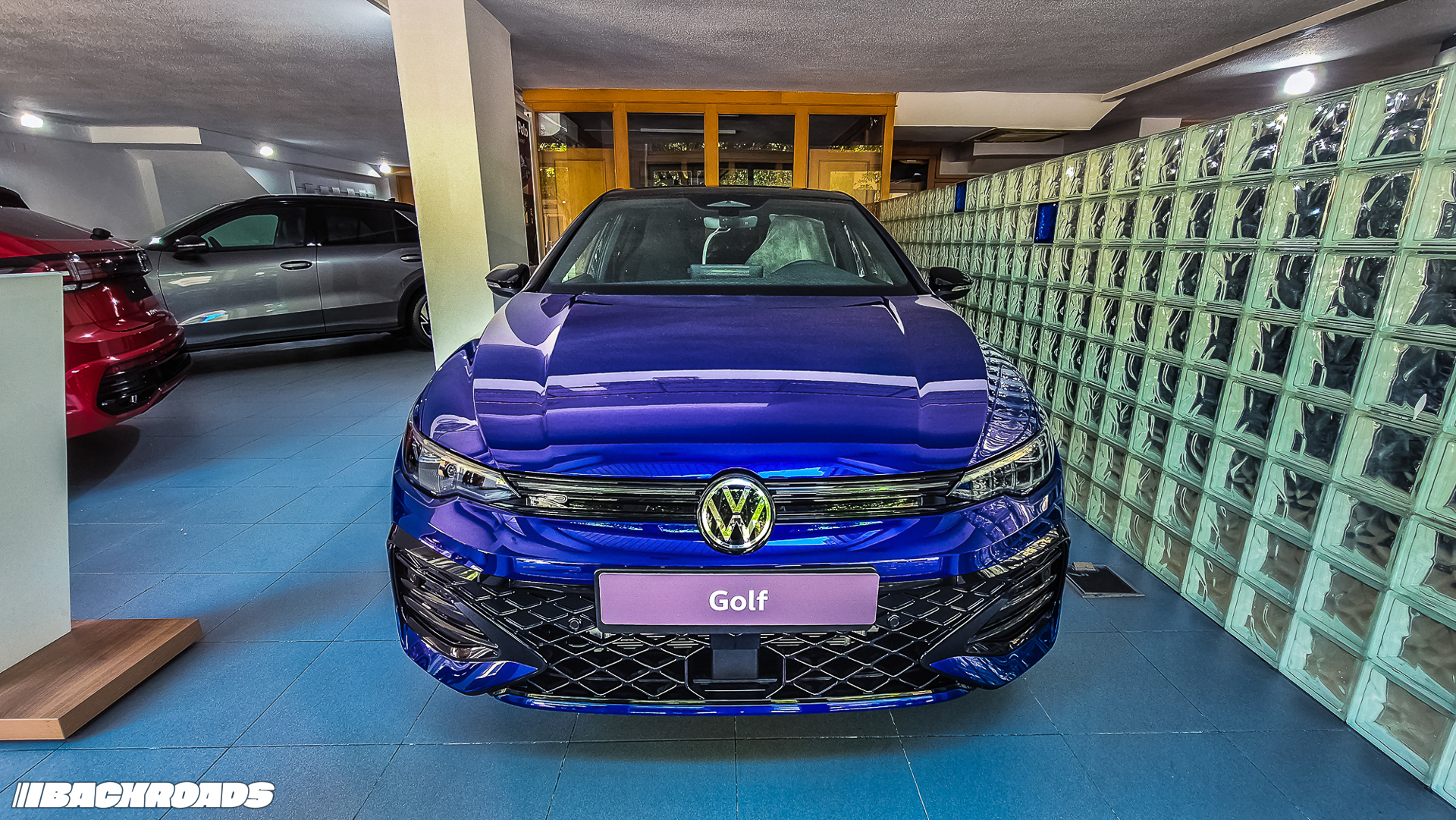
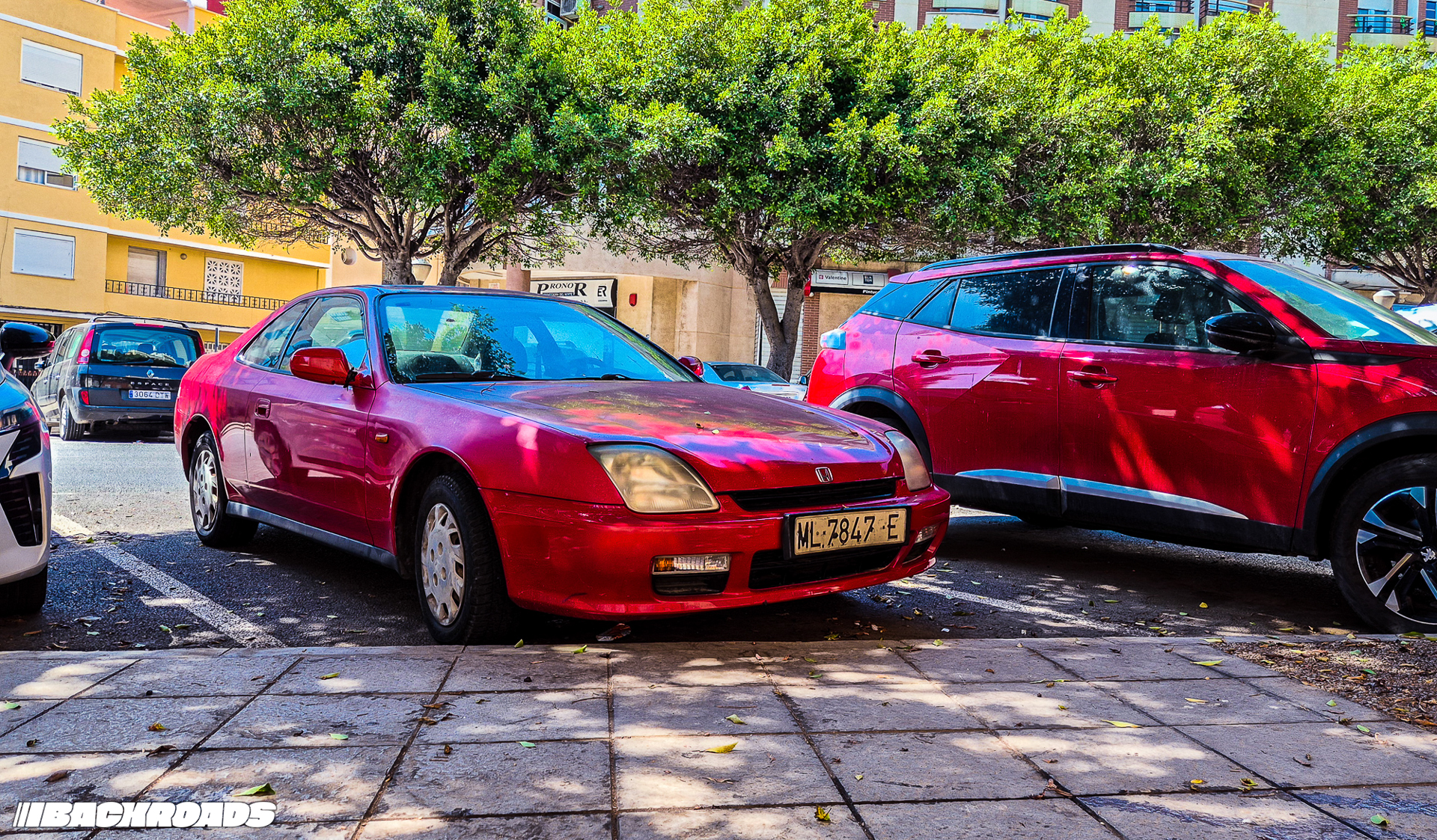
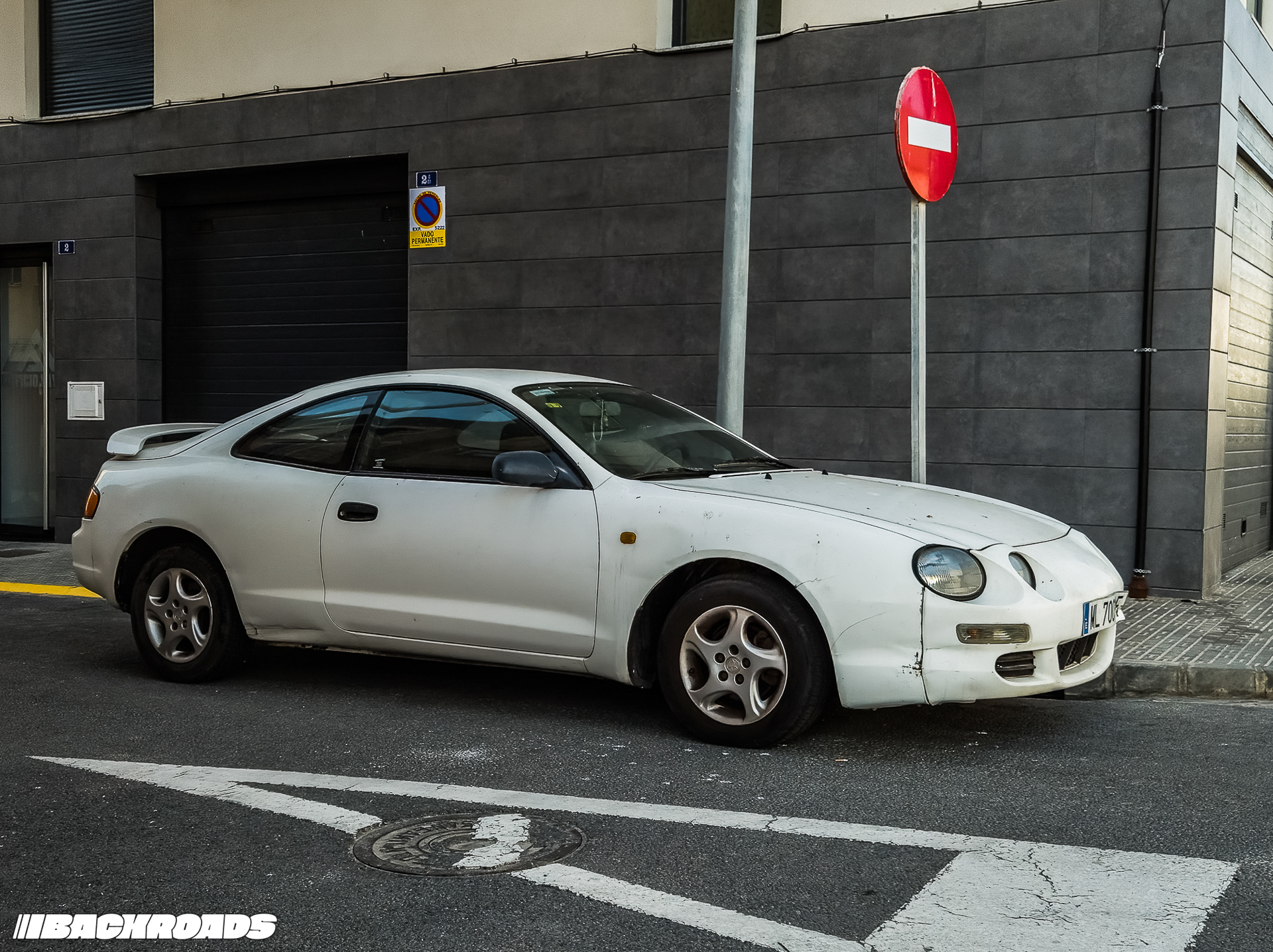
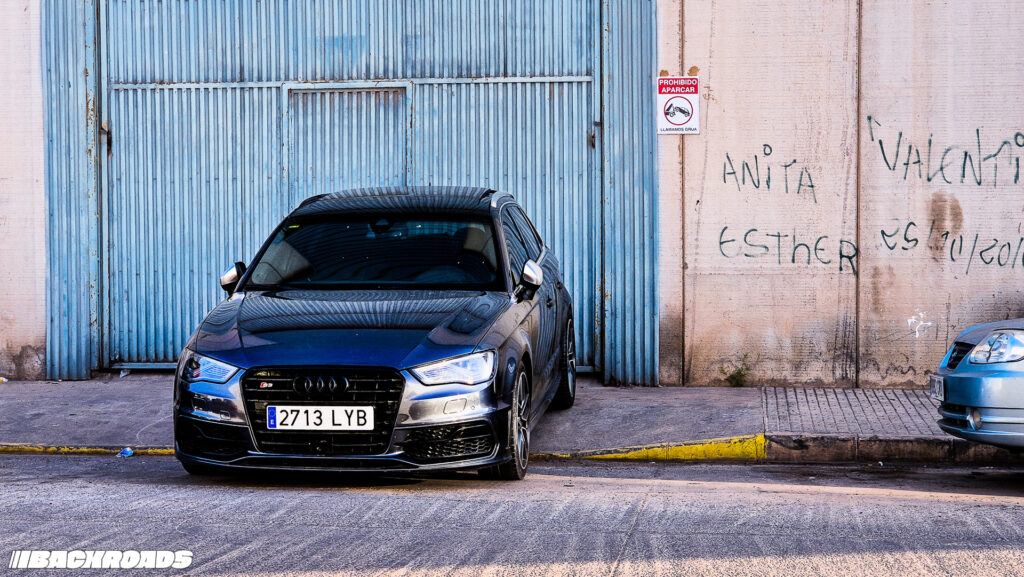
At the same time, Melilla has official dealerships and modern vehicles like the rest of Spain, yet older cars define its identity. Rare Japanese cars like Honda Prelude and Toyota Celica still appear with Melilla plates in original condition. Many were sold locally new and are still in use today.
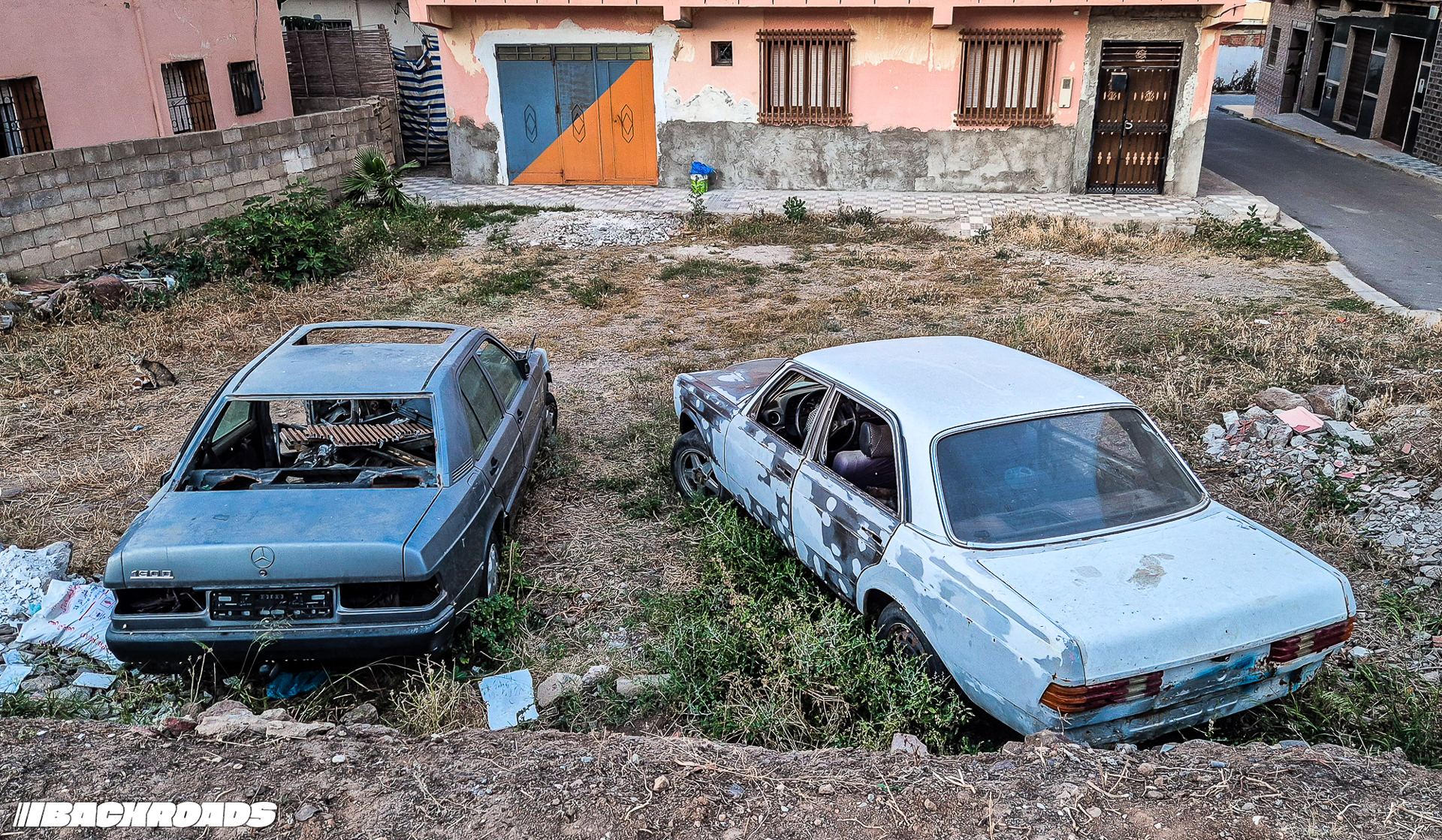
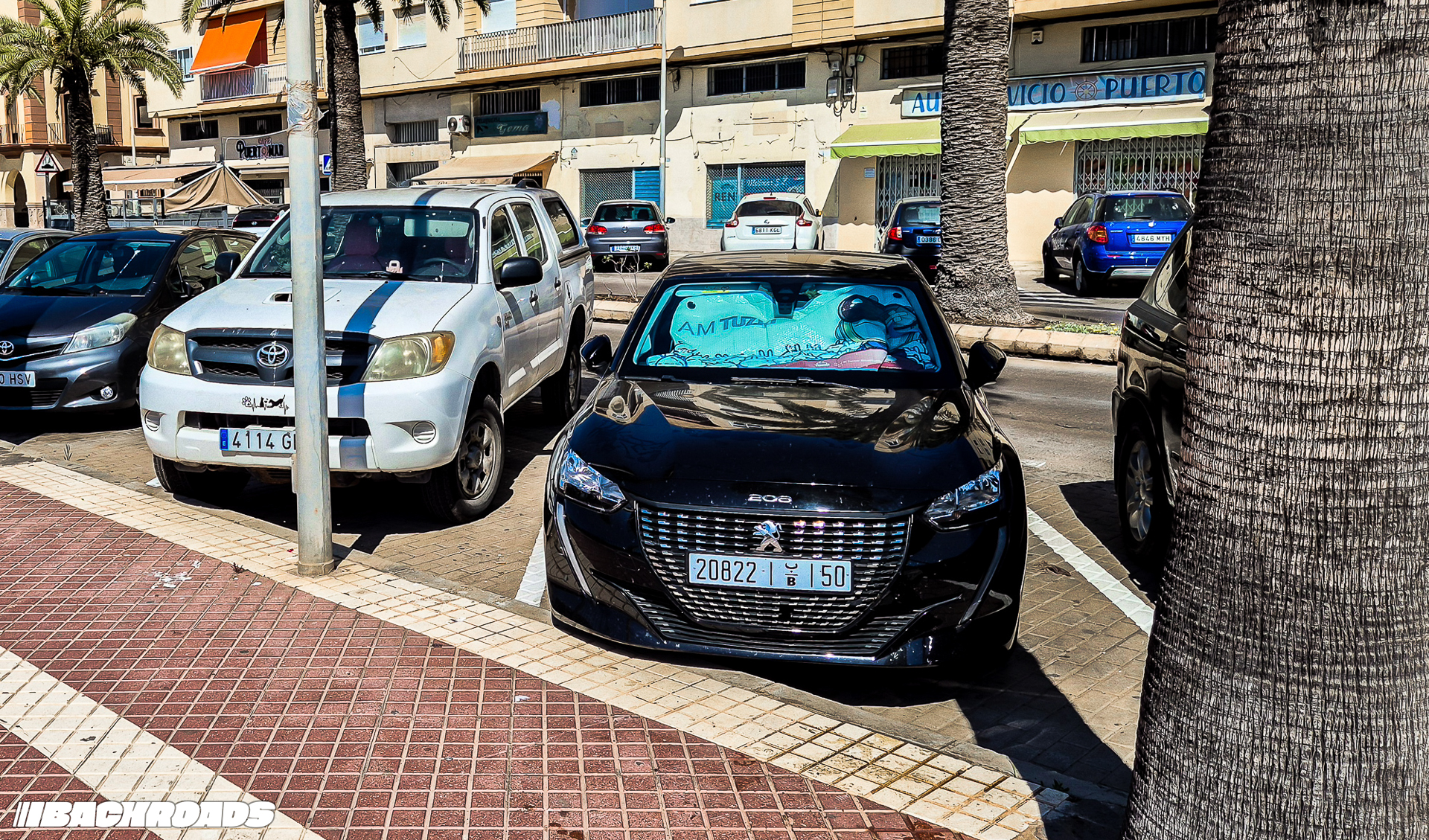
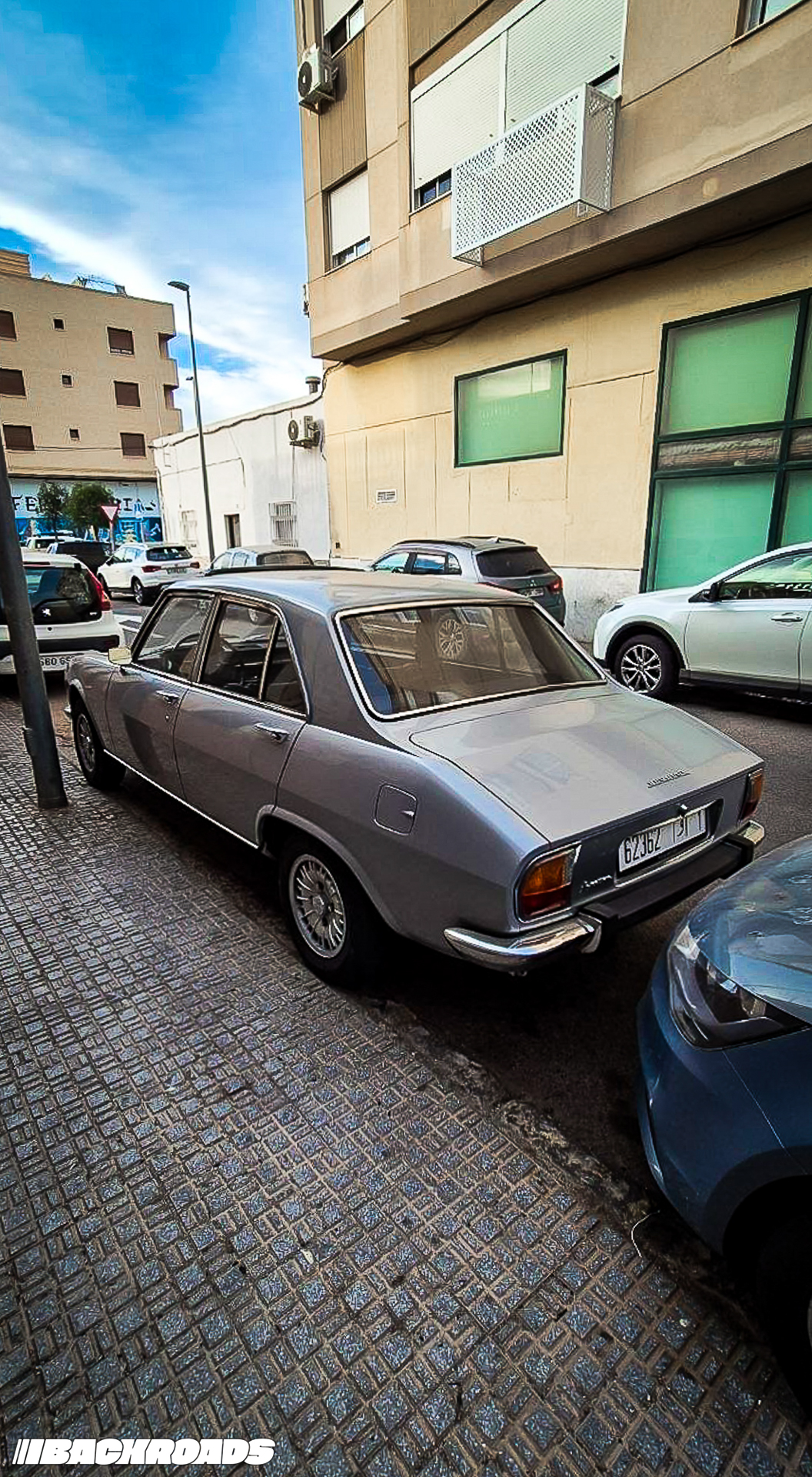
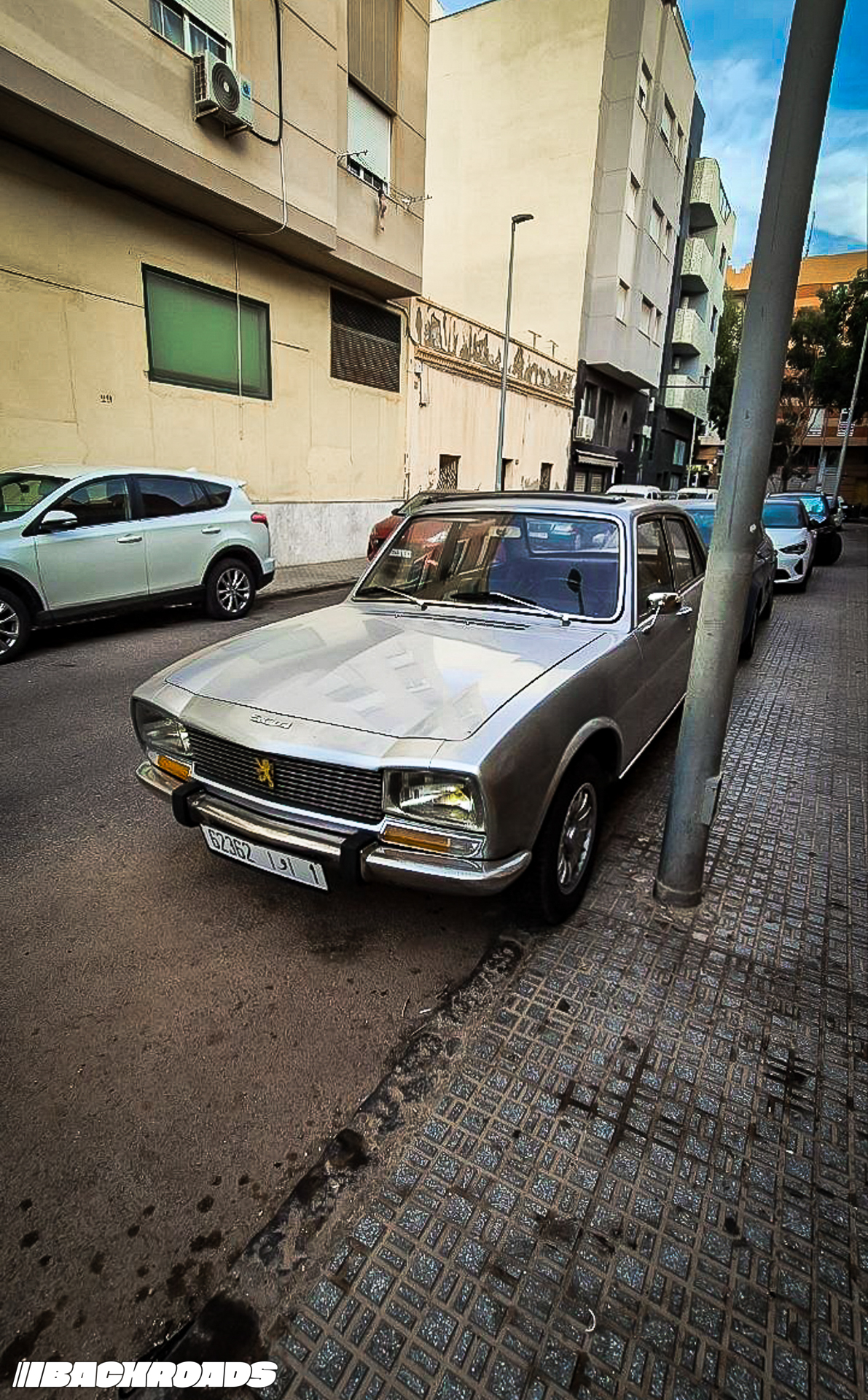
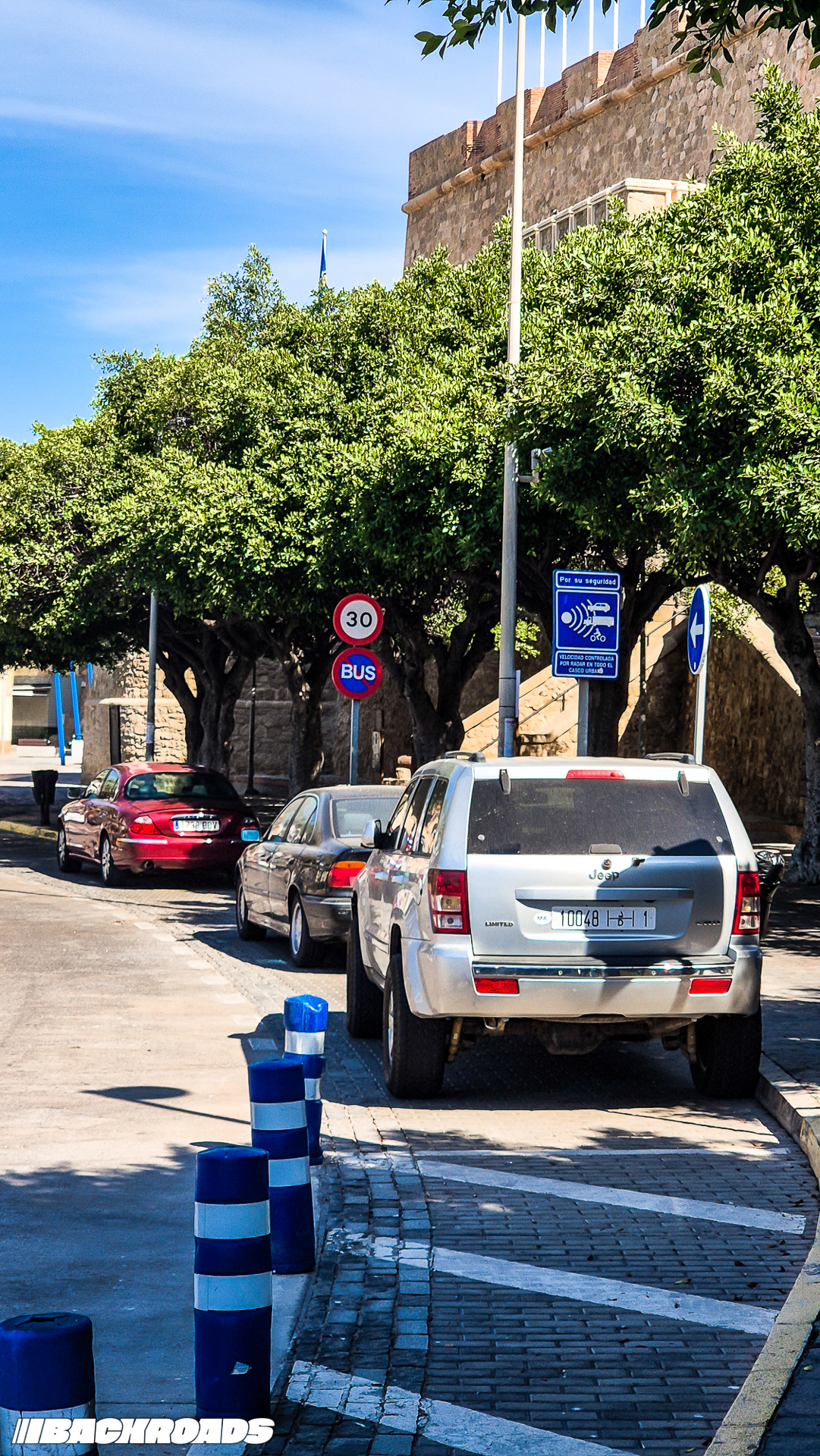
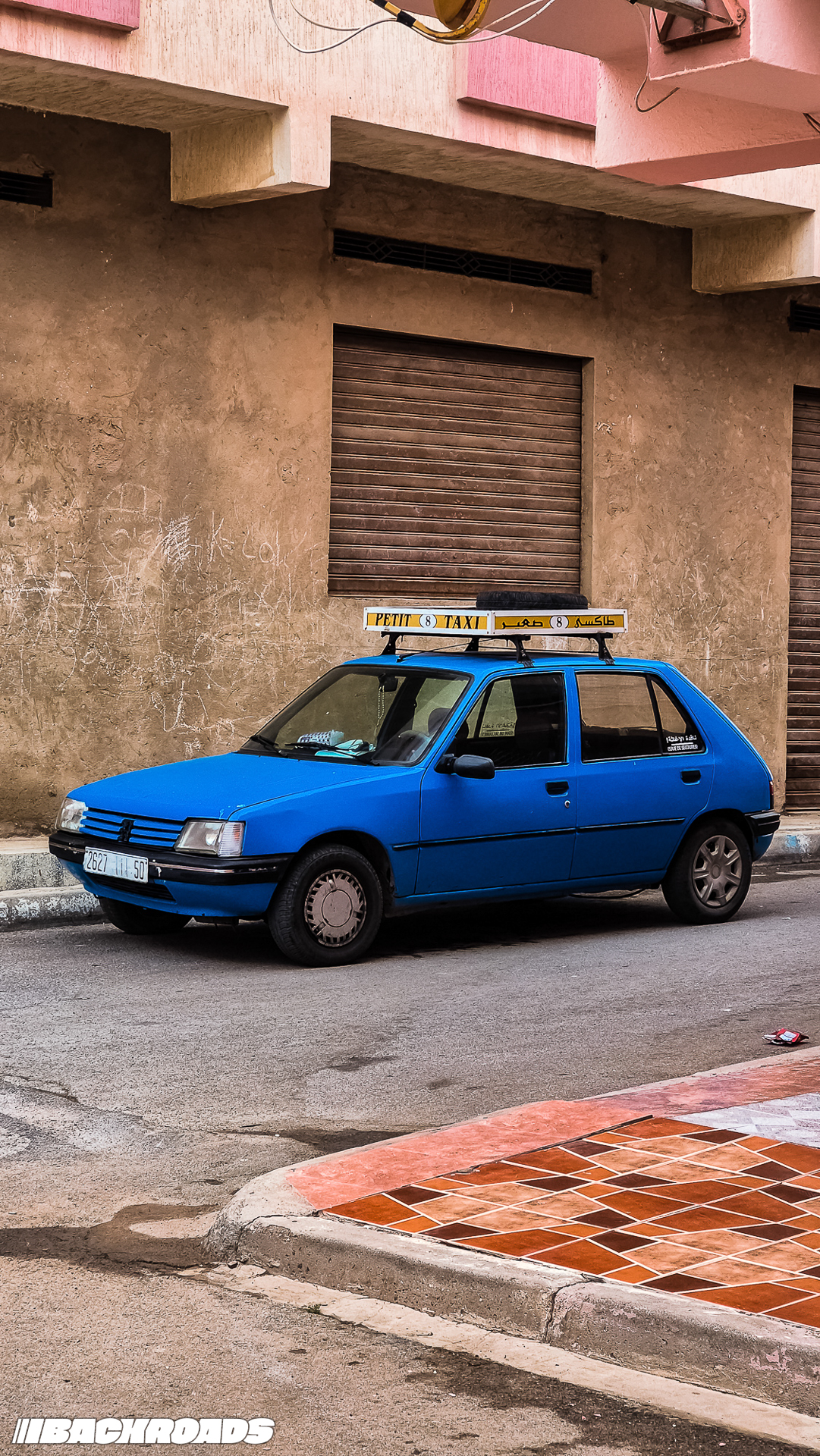
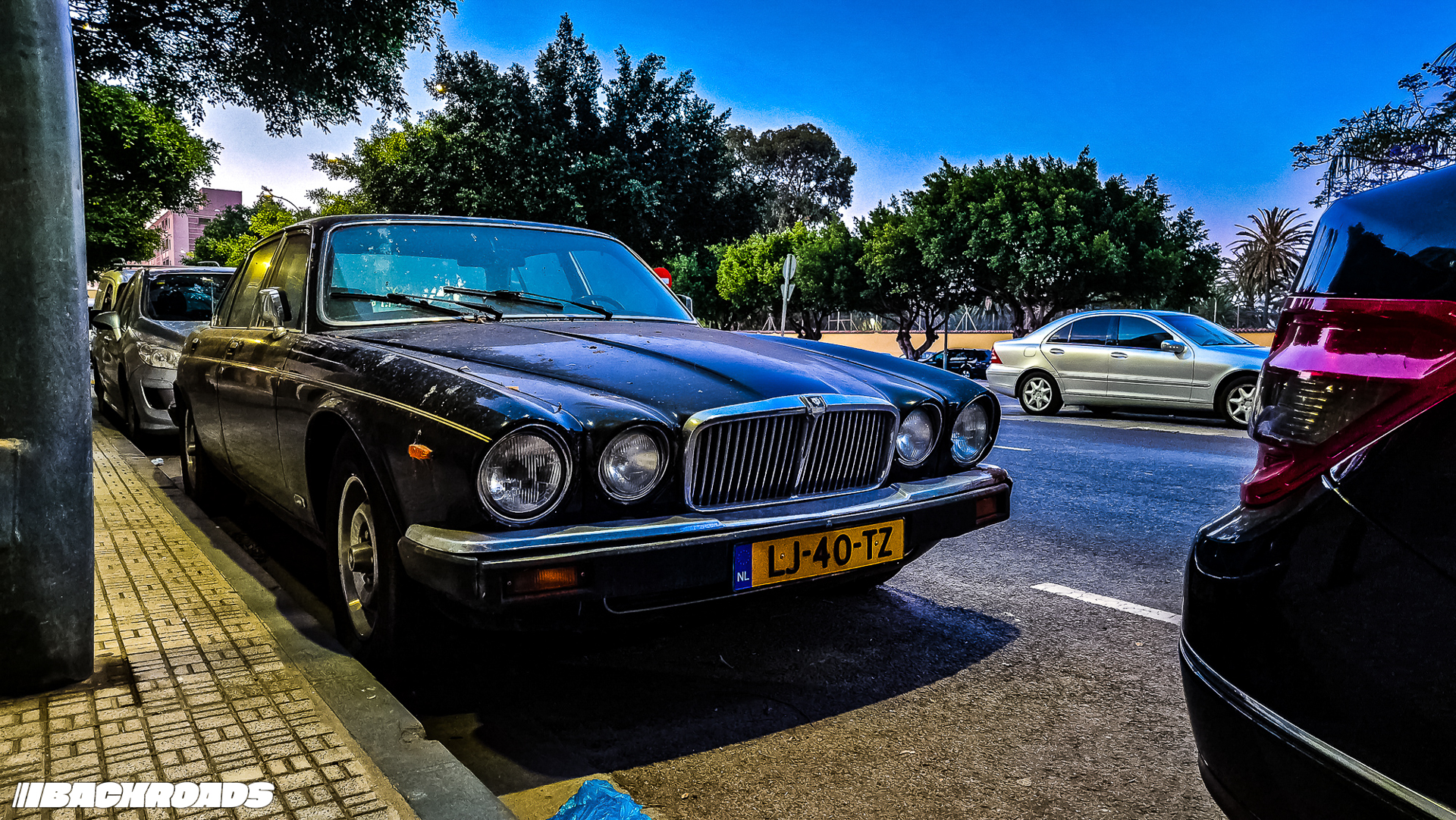
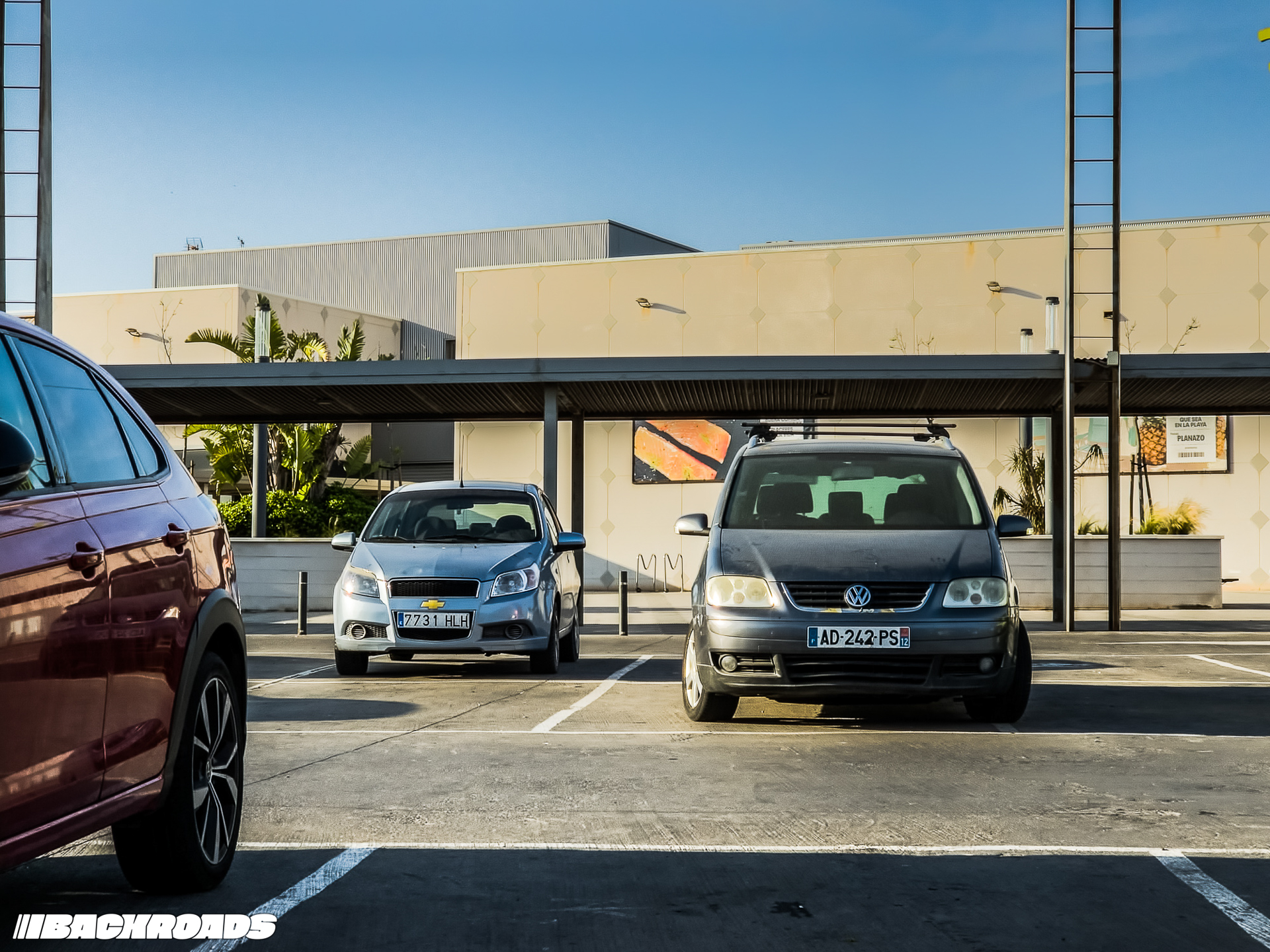
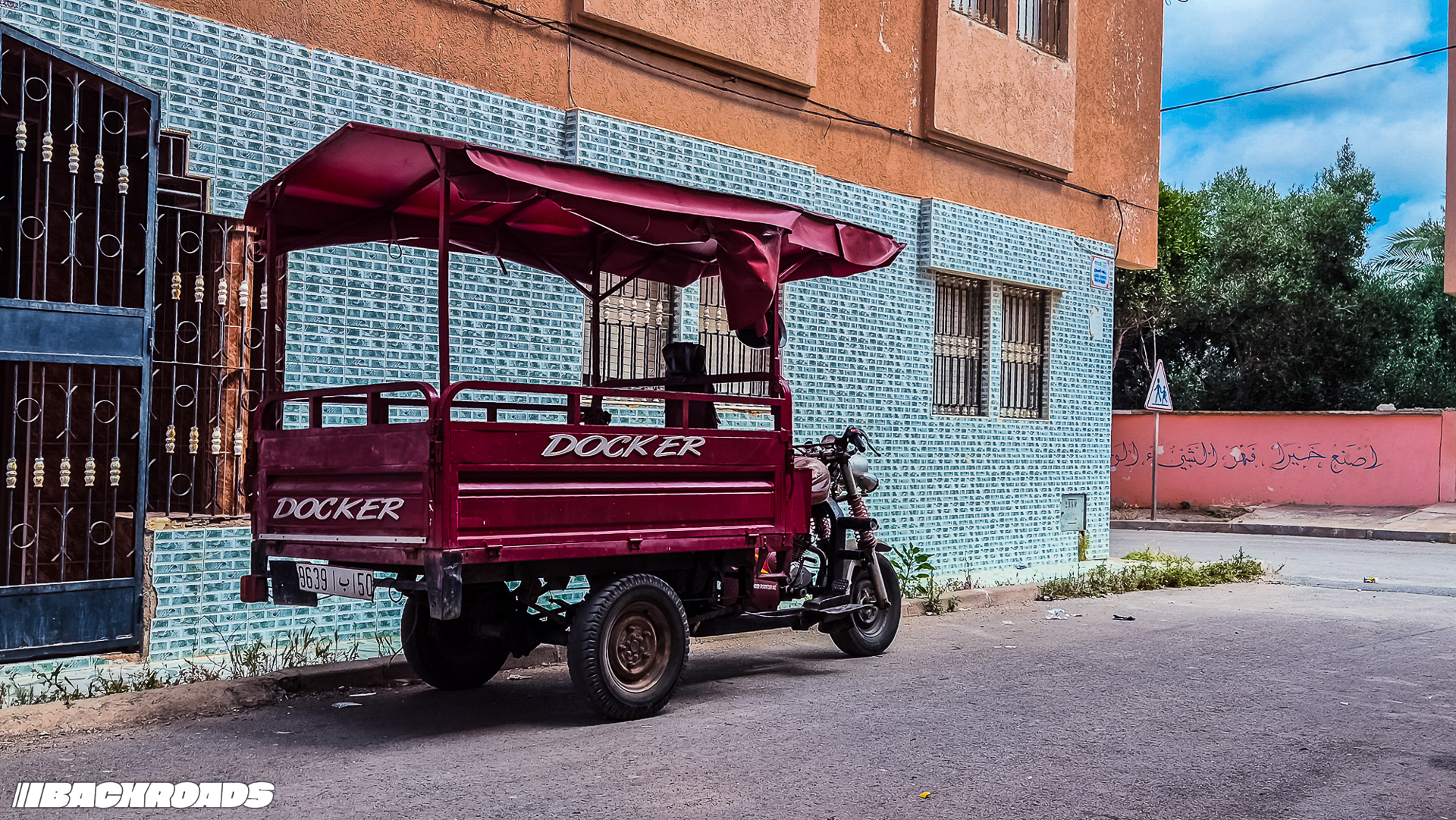
License plates show Spain, Germany, France, Belgium, and more in constant exchange. Across the border, Moroccan plates move daily through the Rif region. On the Moroccan side, cars are older and more weathered but still in use.
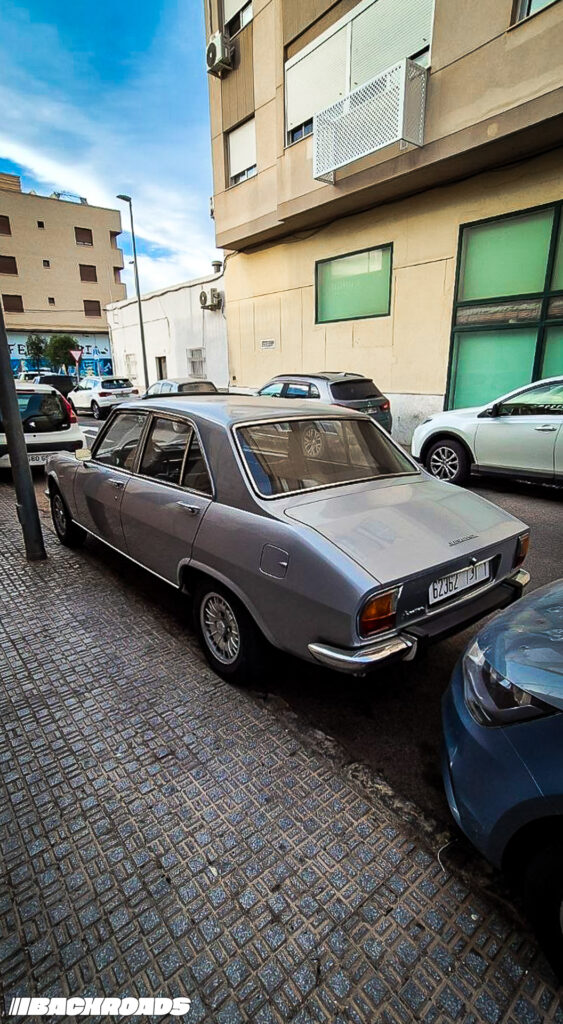
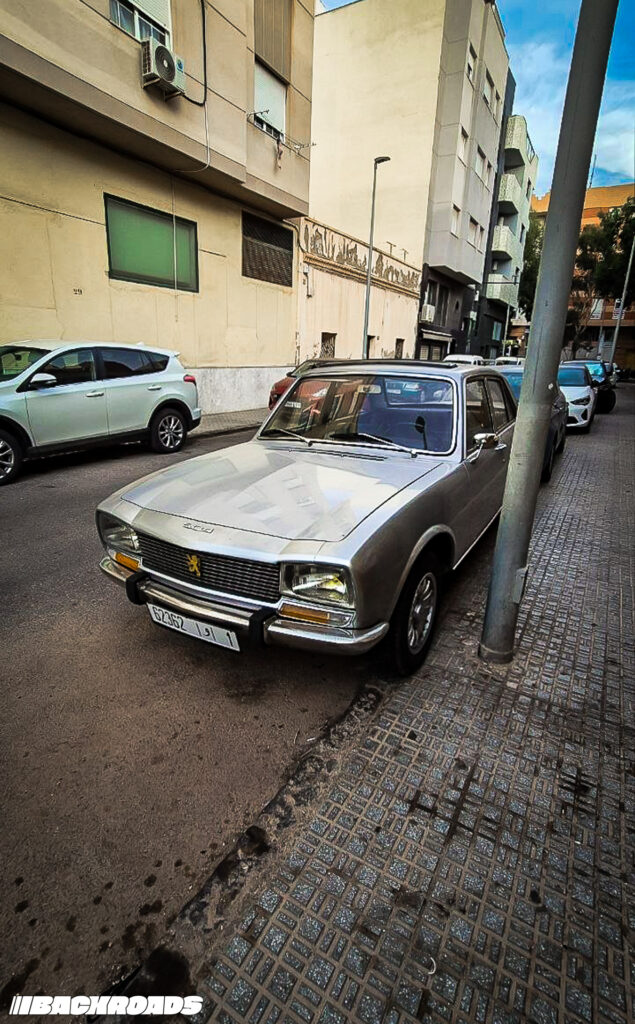
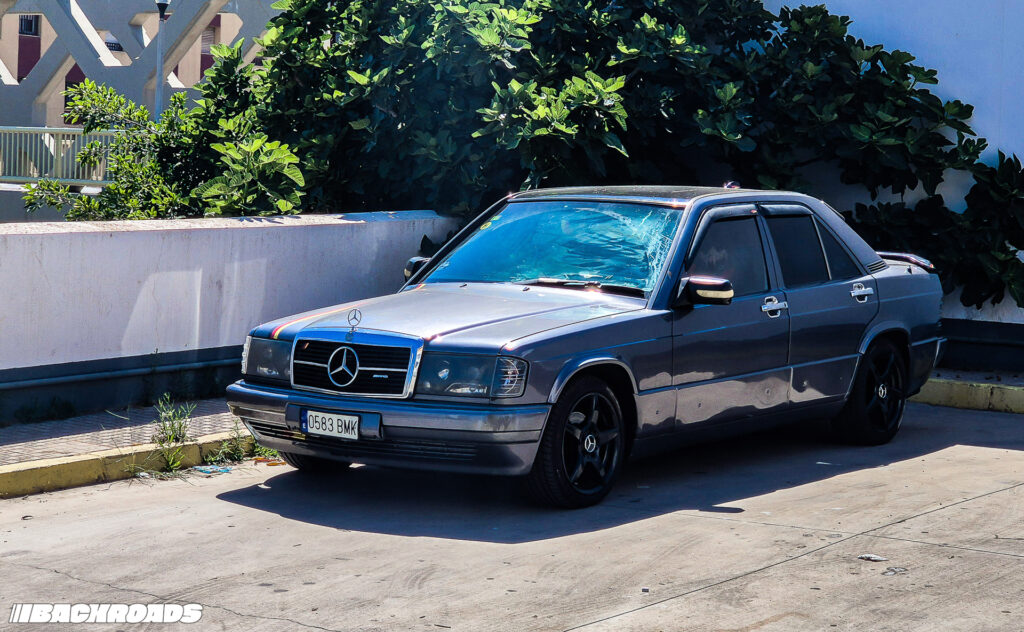
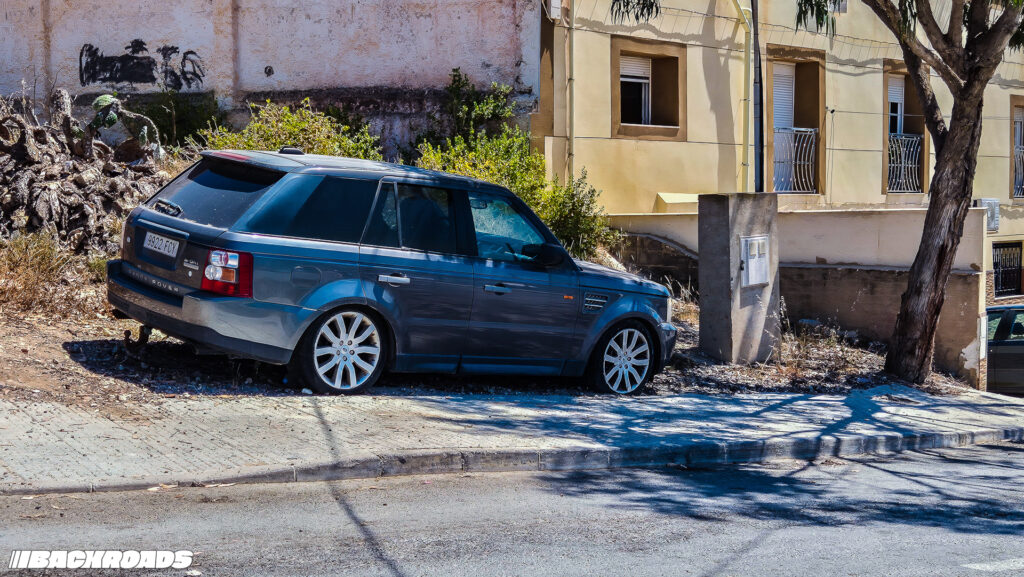
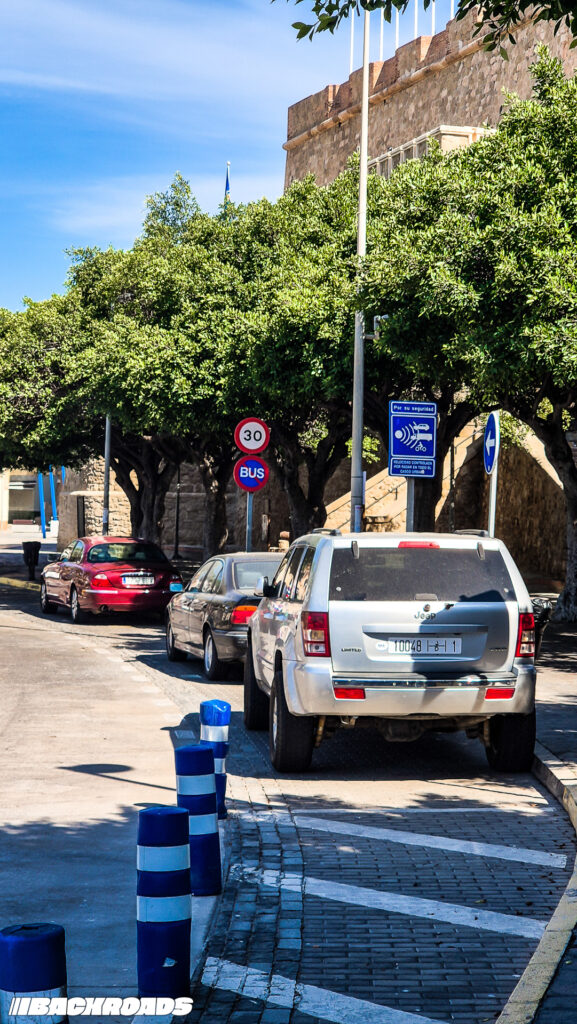
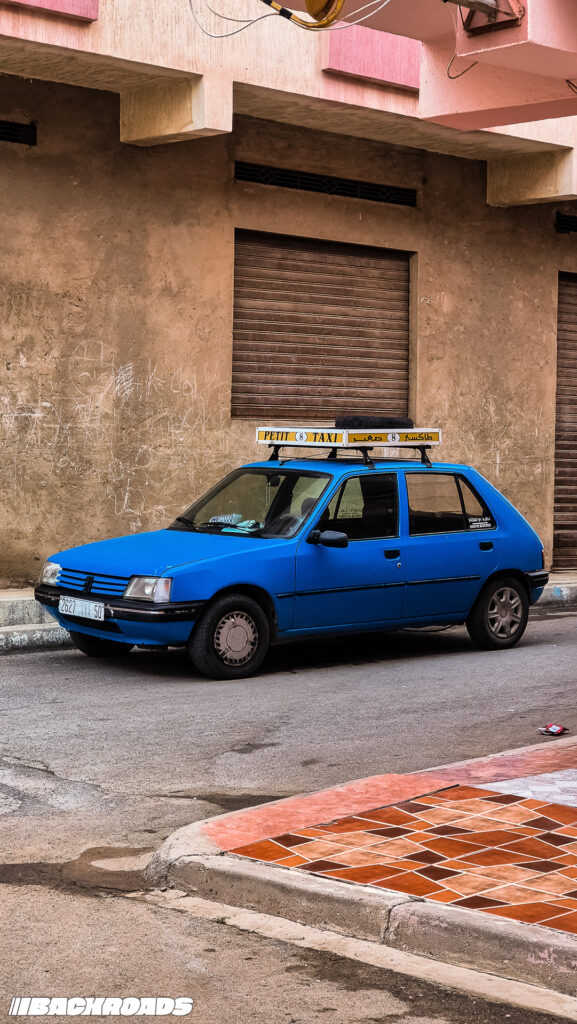
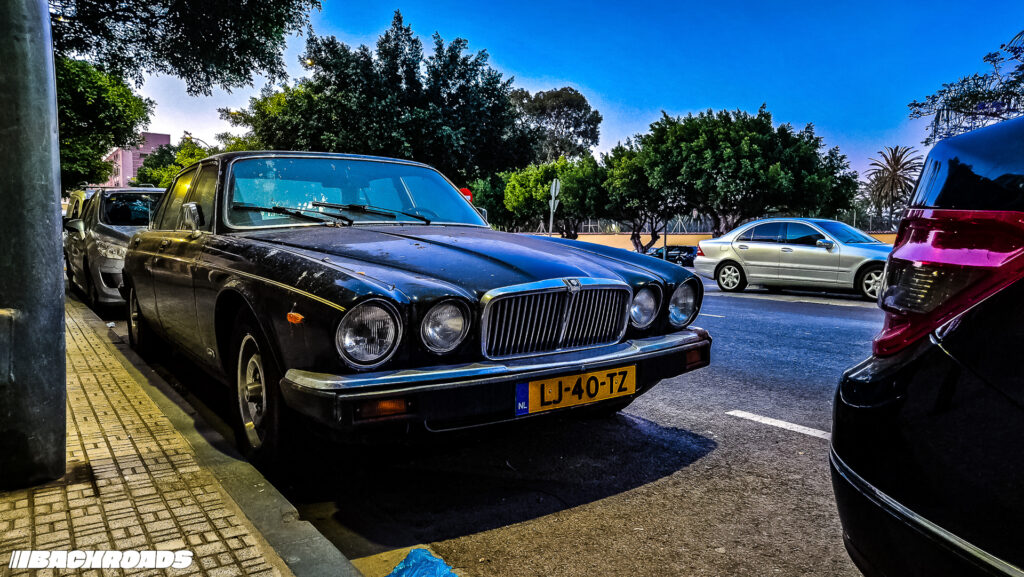
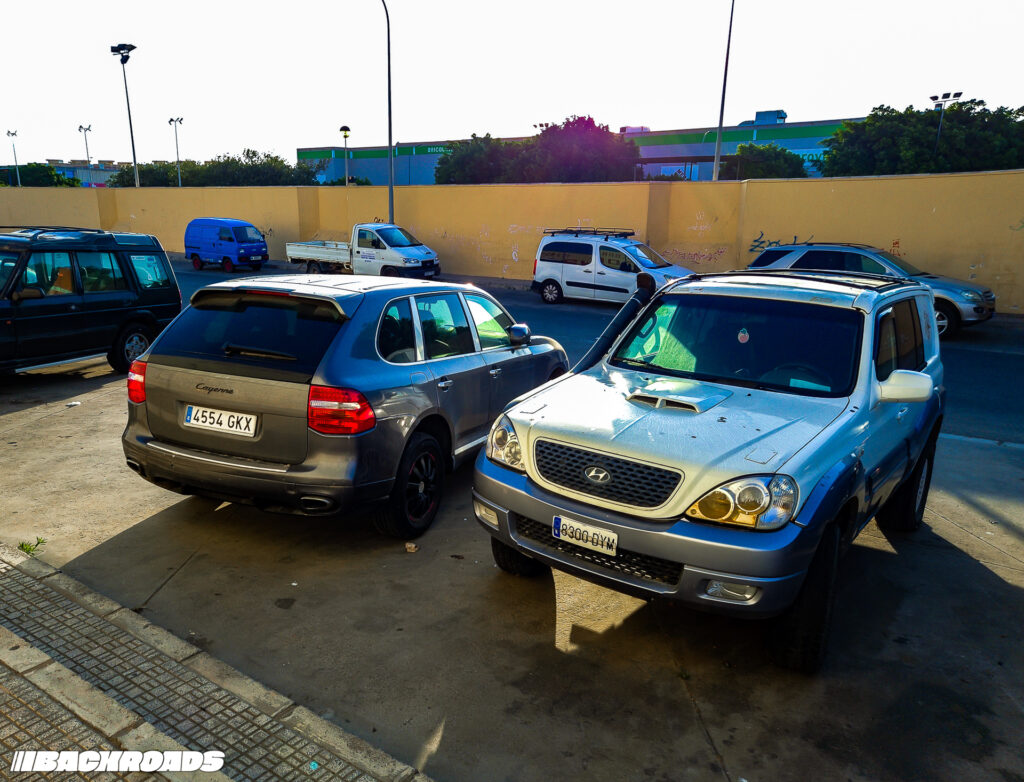
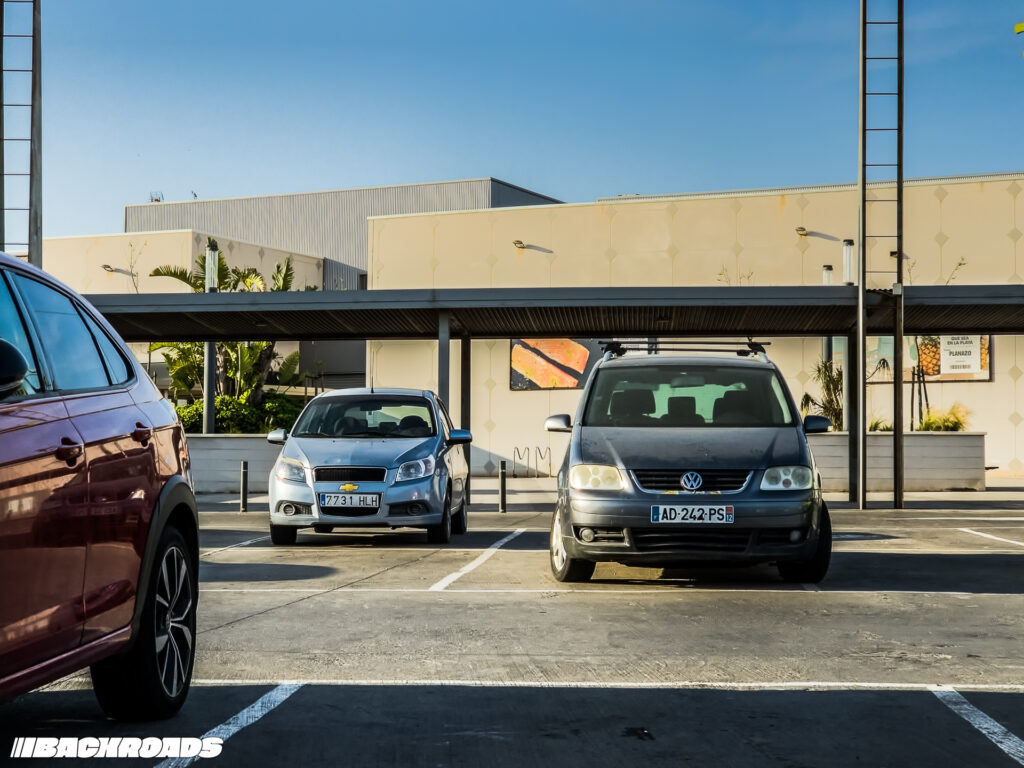
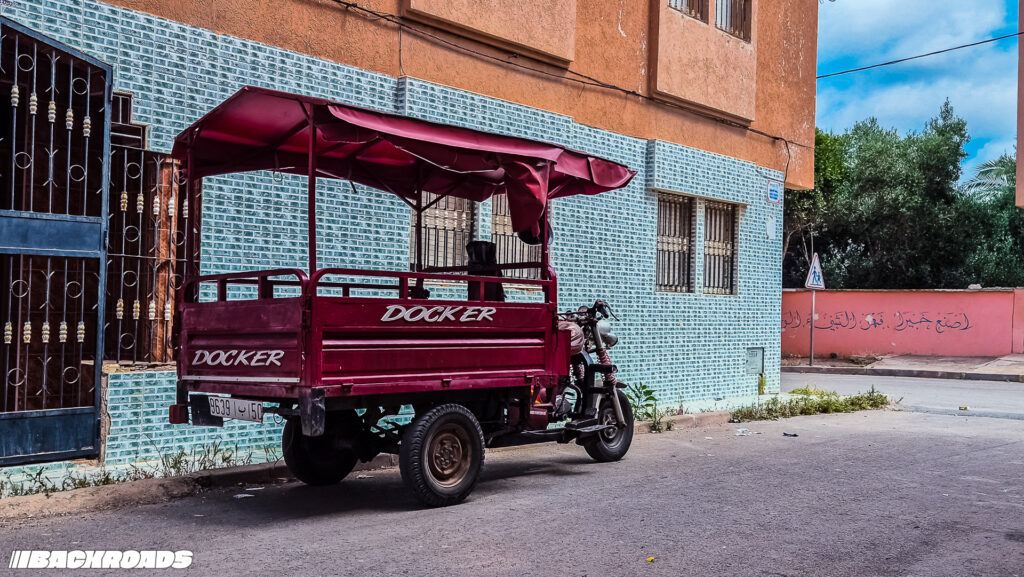
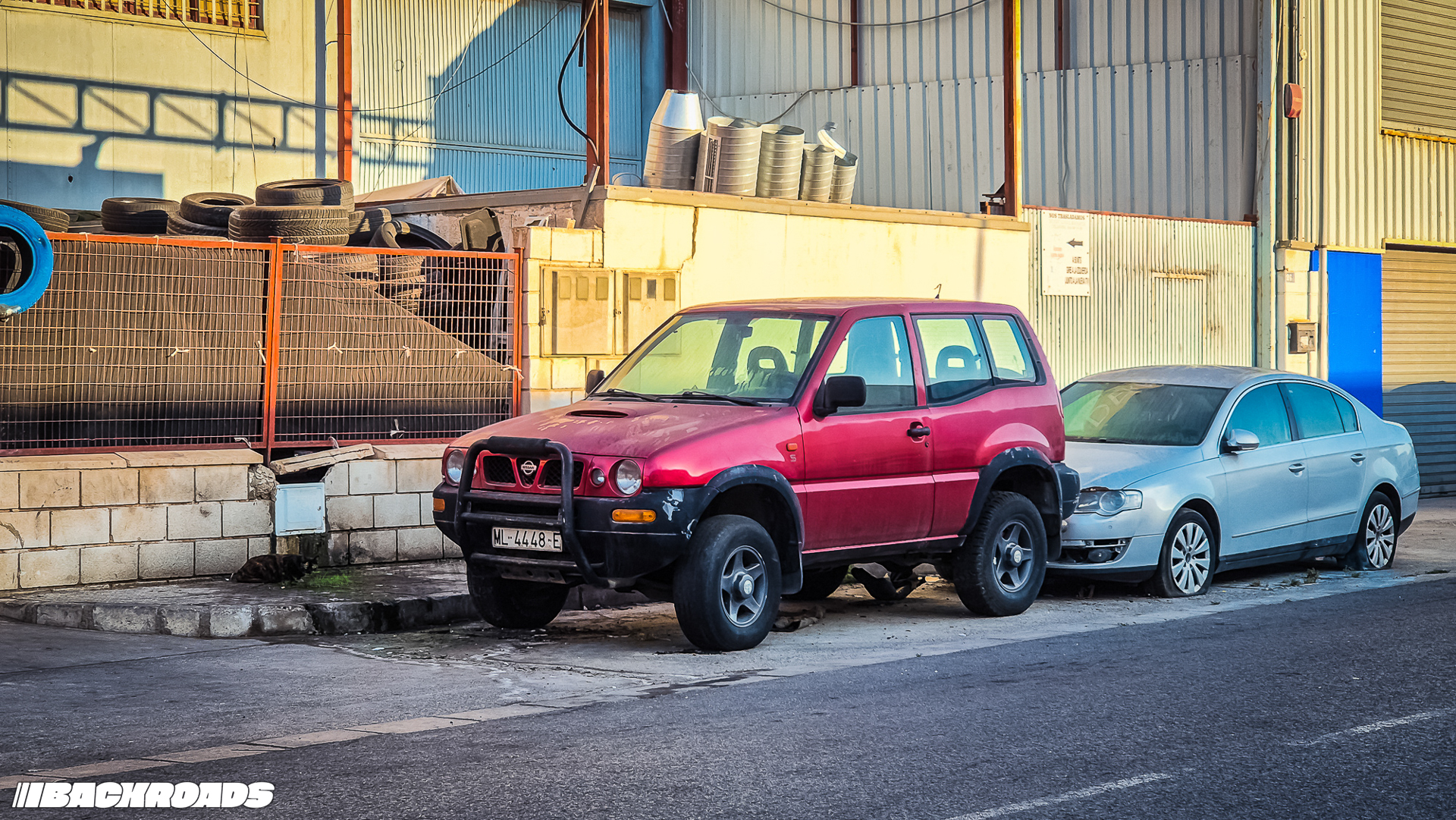
Melilla acts as a transition zone where European cars begin a second life in Africa. Vehicles that would be scrapped elsewhere clock up many more kilometers here.
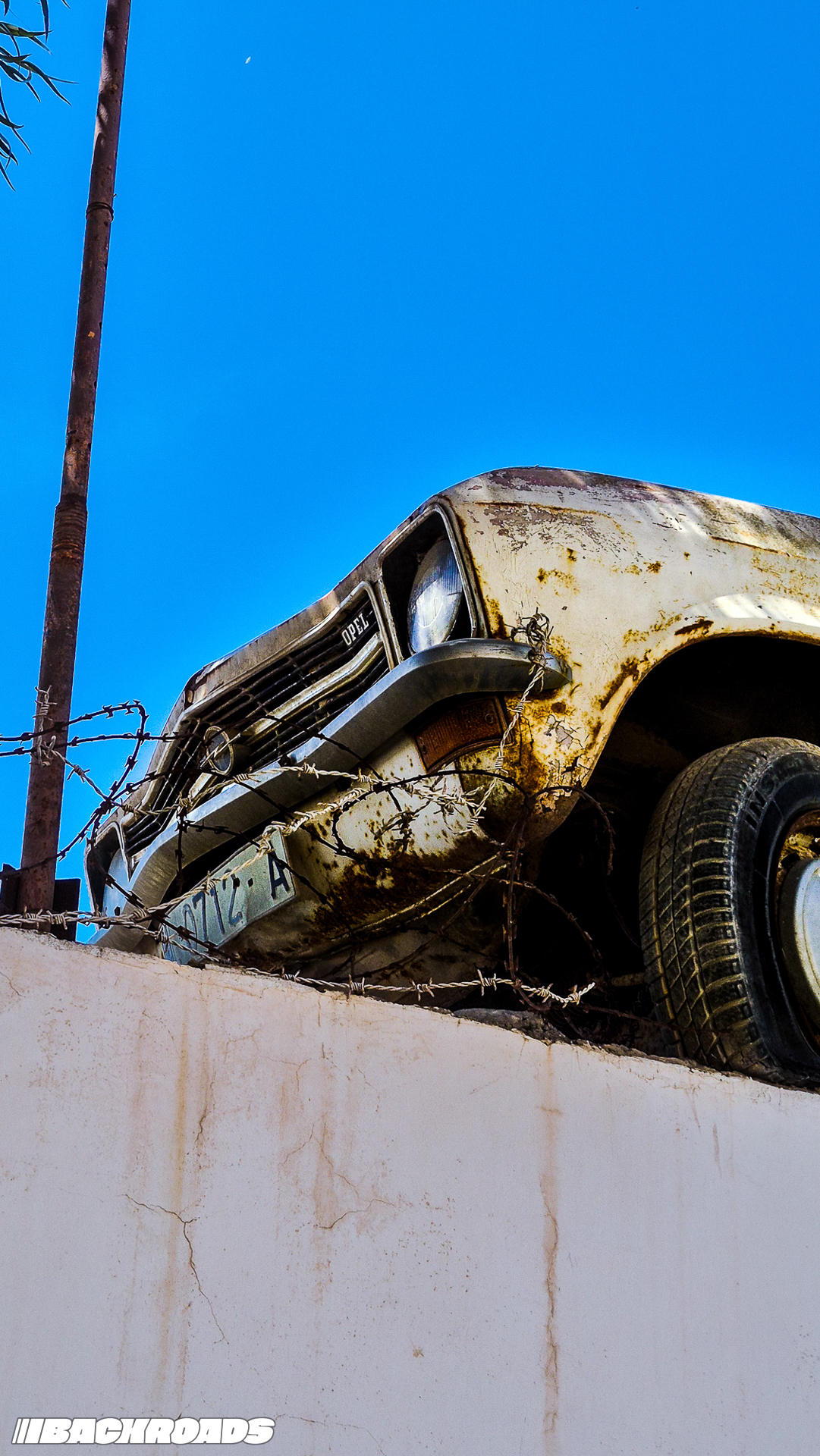
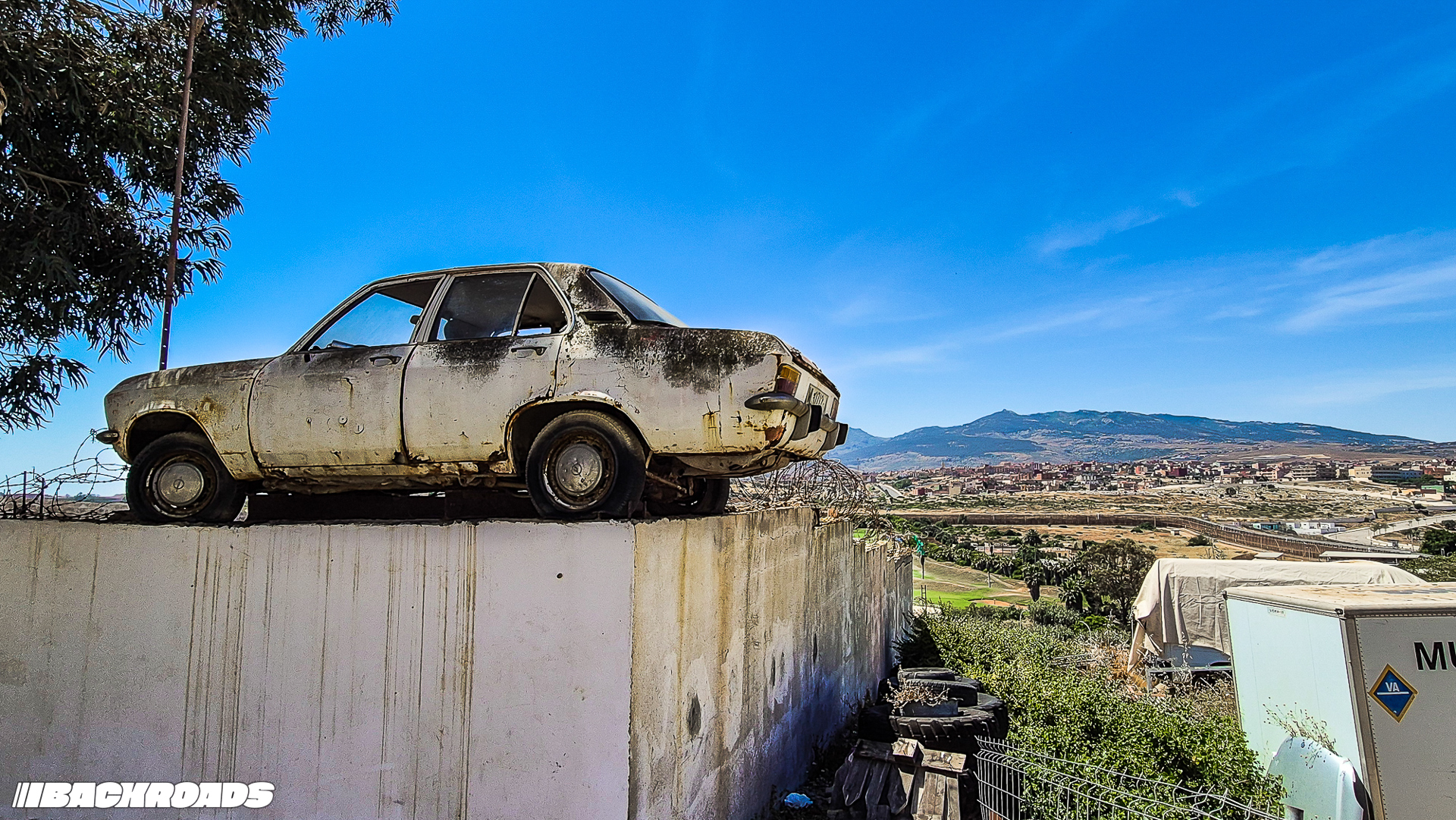
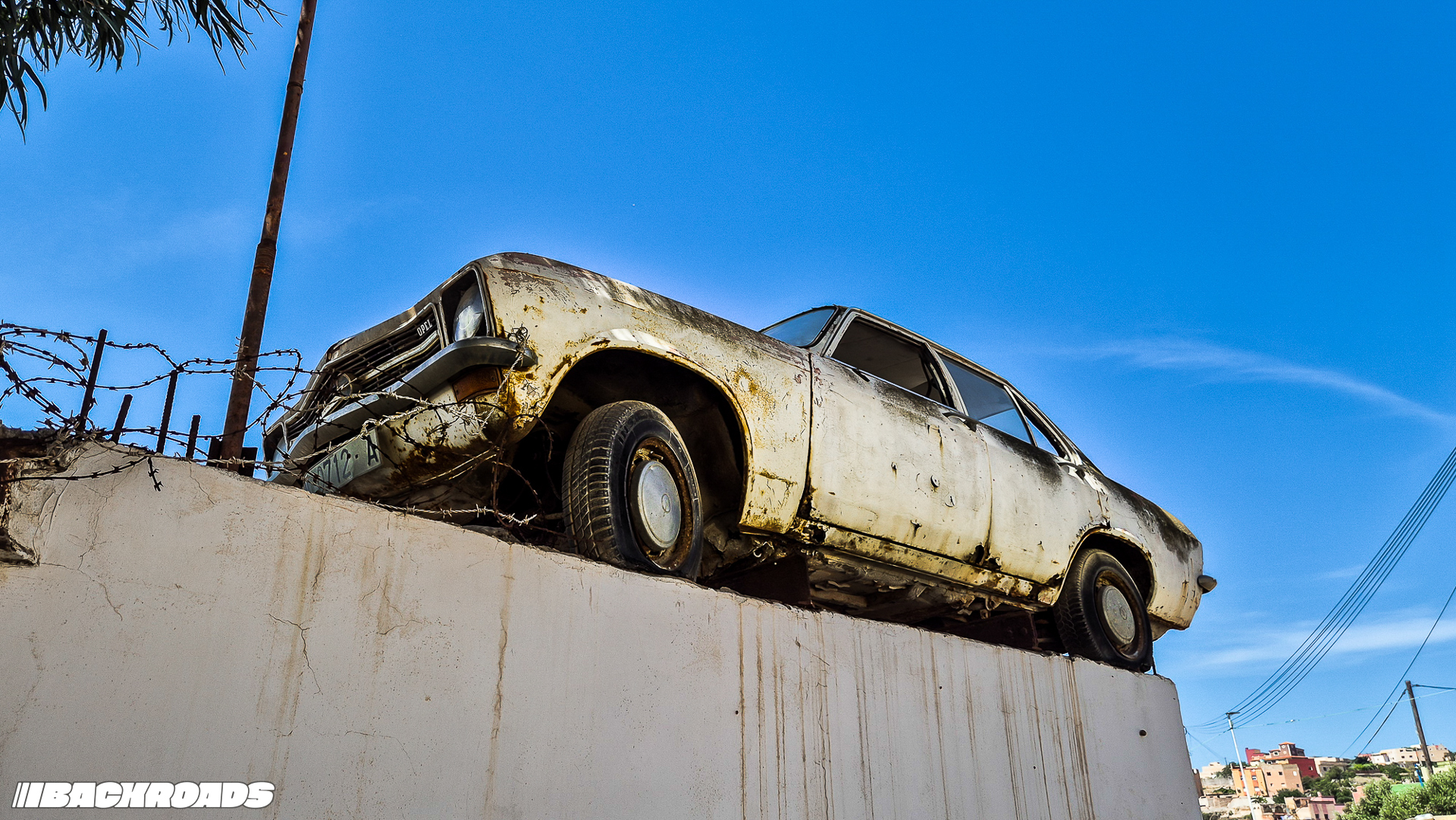
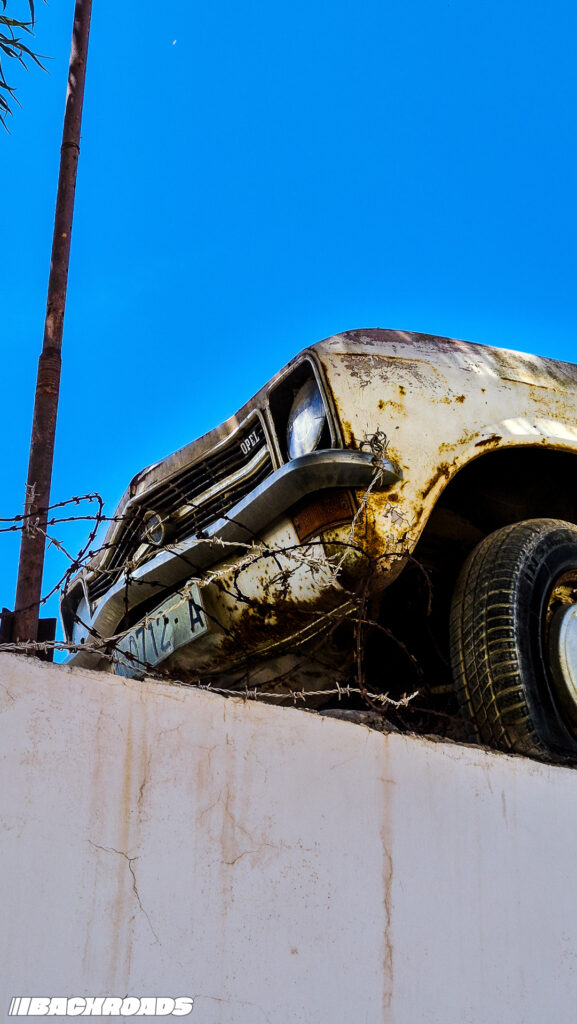
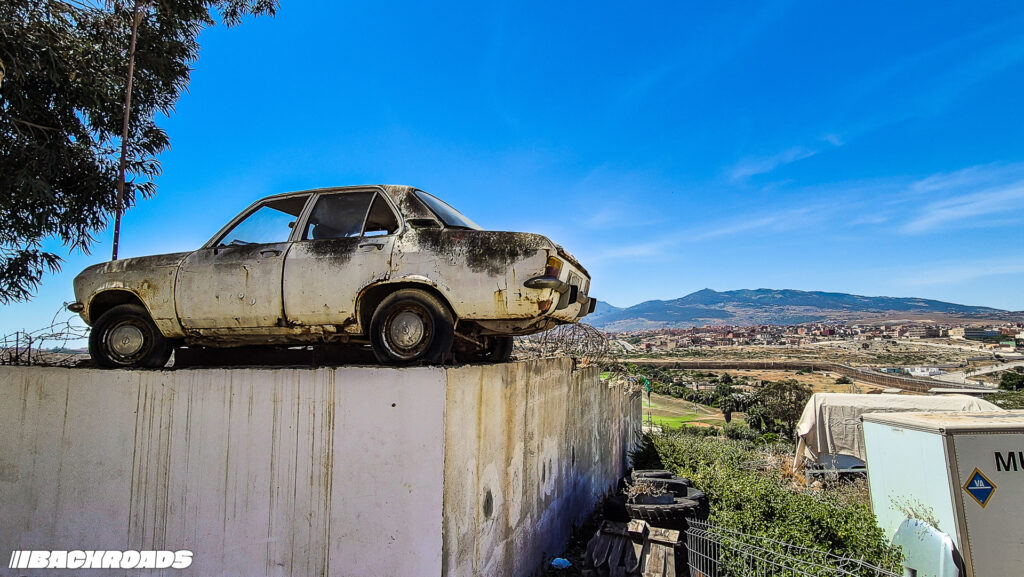
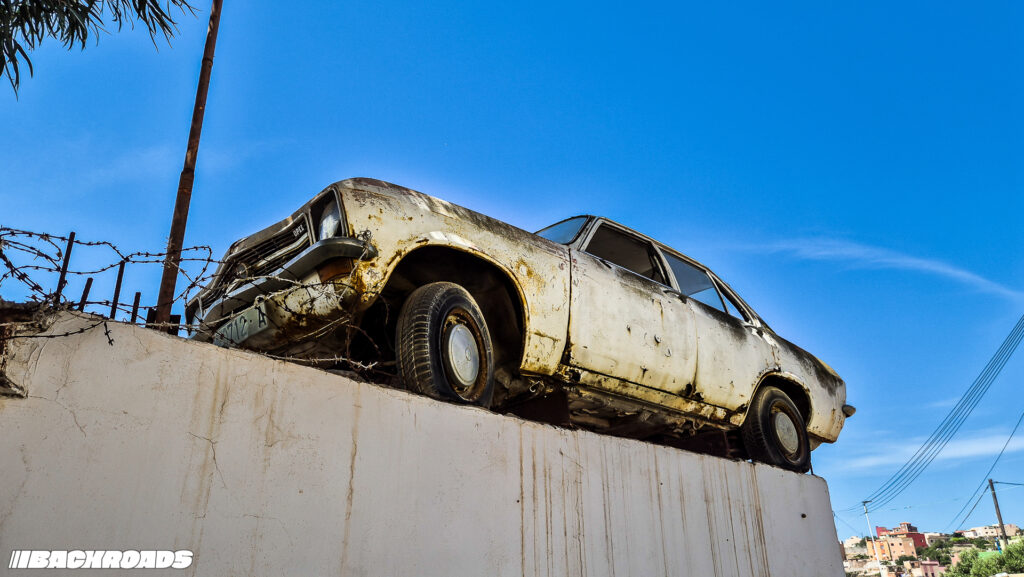
One sight that stayed with me was an Opel Ascona A on a wall at the city edge. A 1970s car watching over two countries from above. It felt like a symbol between eras and between worlds of motoring.
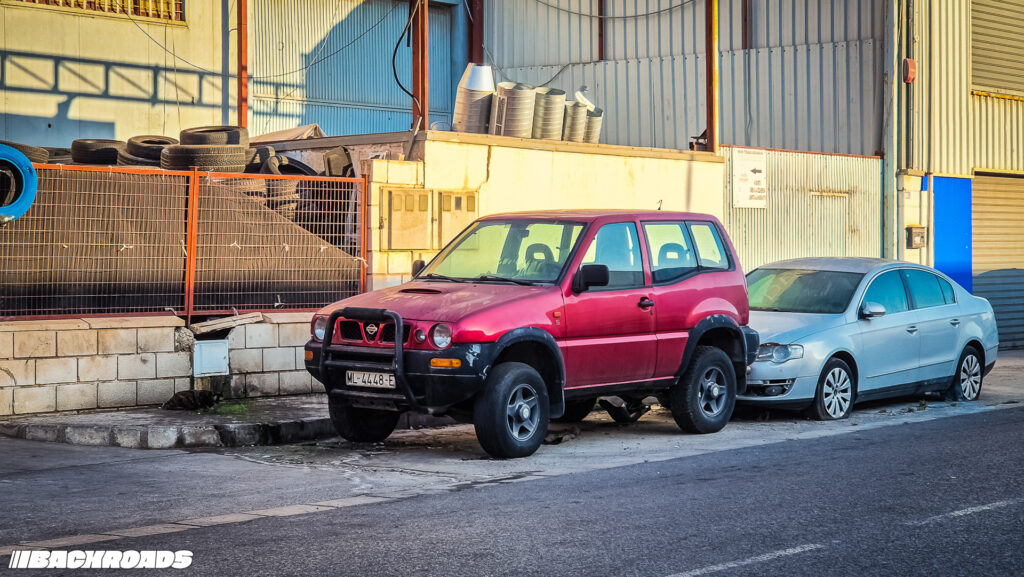
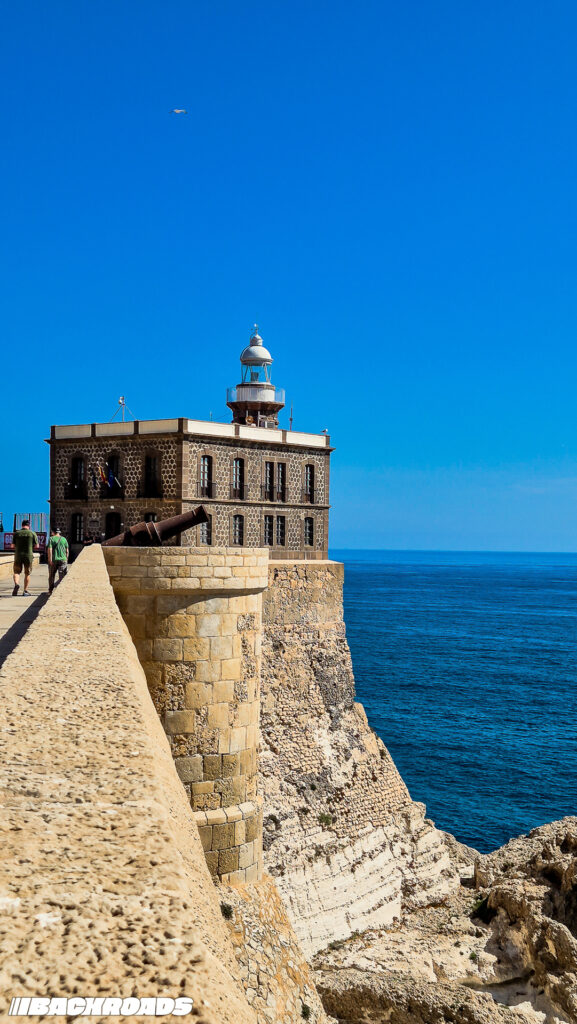
Growing up in Melilla, I learned that cars are more than just transportation. Through cars, I discovered geography and human stories before fully understanding them.
I still remember walking through those streets, looking at every car and realizing that this place shaped the way I see automobiles.