
Tokyo hasn’t changed — we have.
There I was, deep into a doom-scroll at some ungodly hour, when it hit me: I was trapped in a digital hall of mirrors. Influenception.
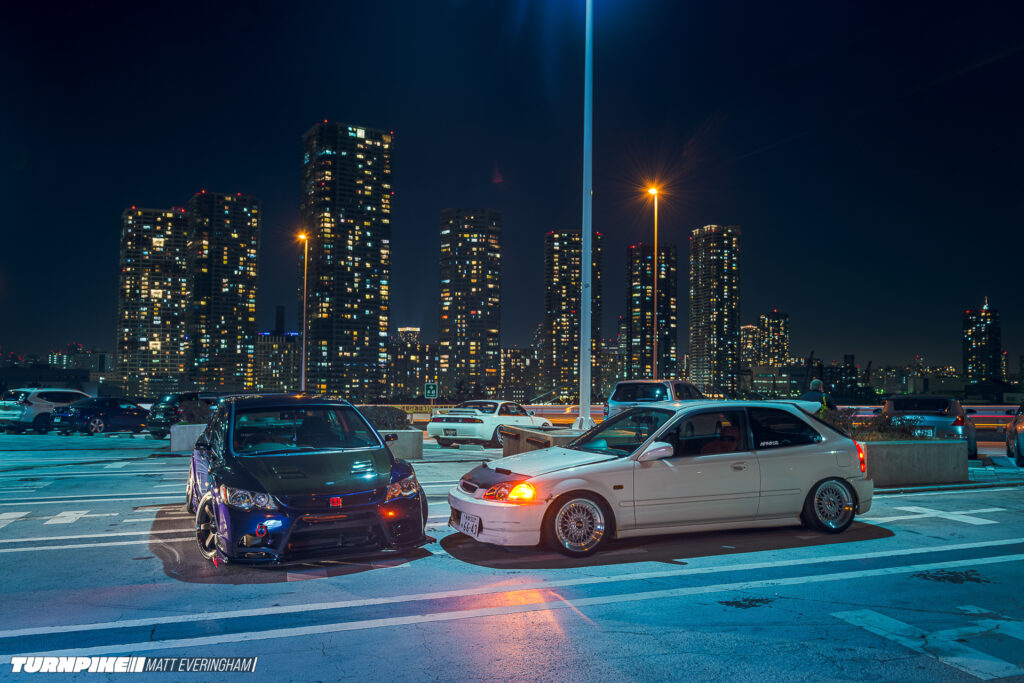
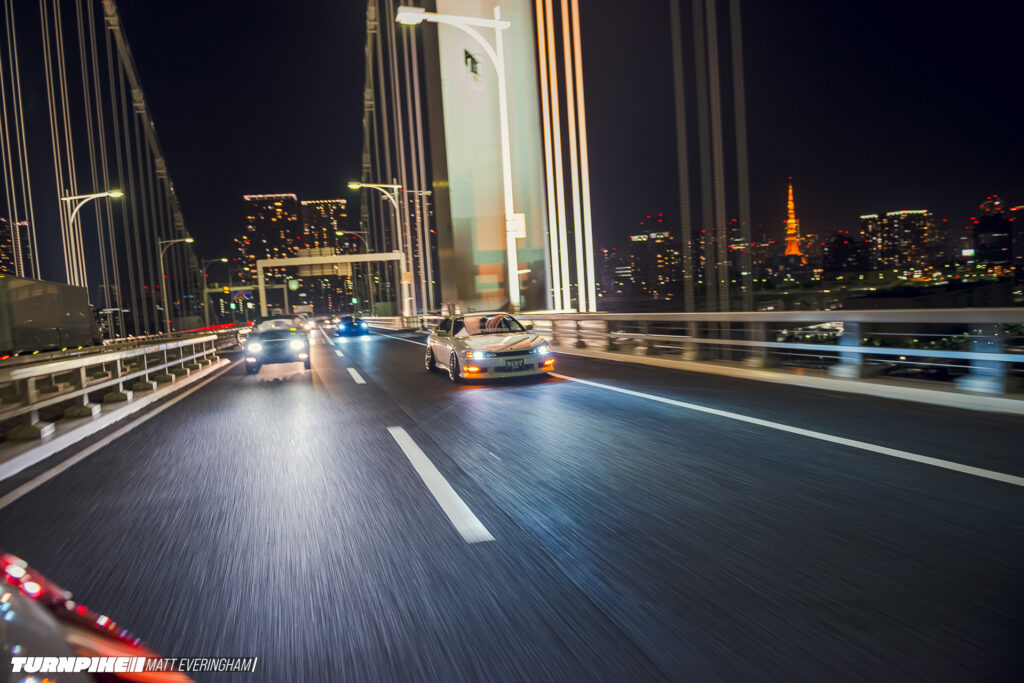
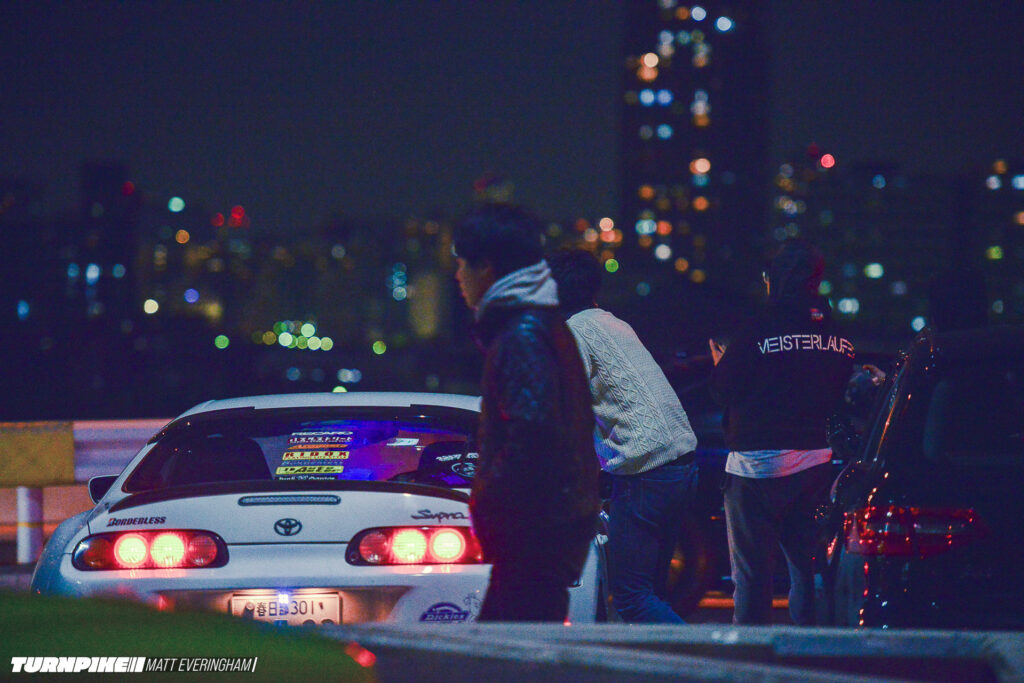
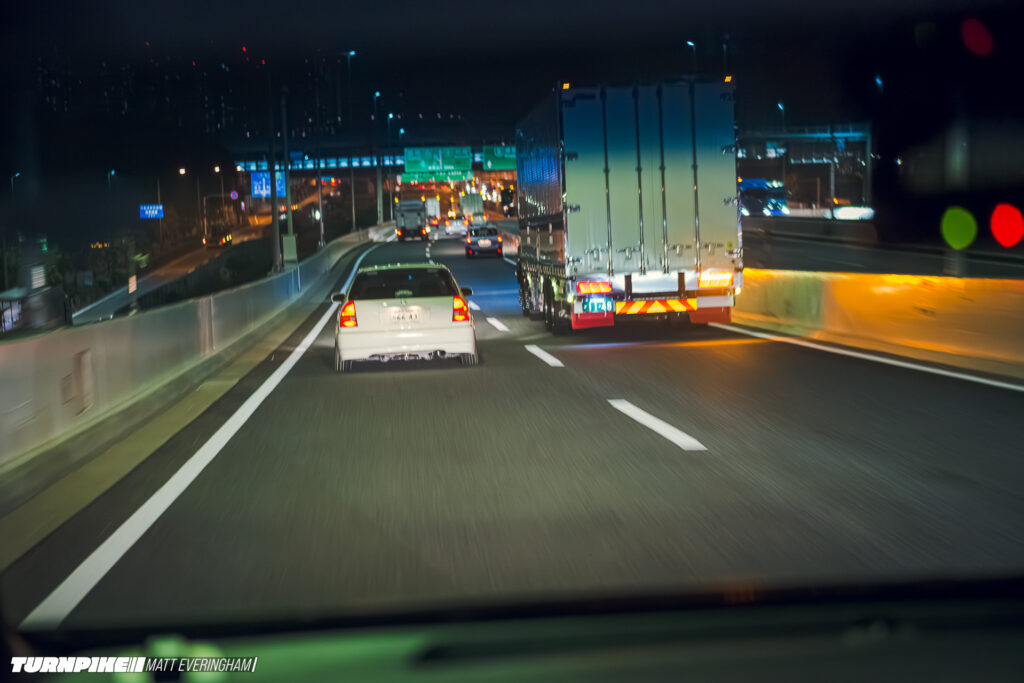
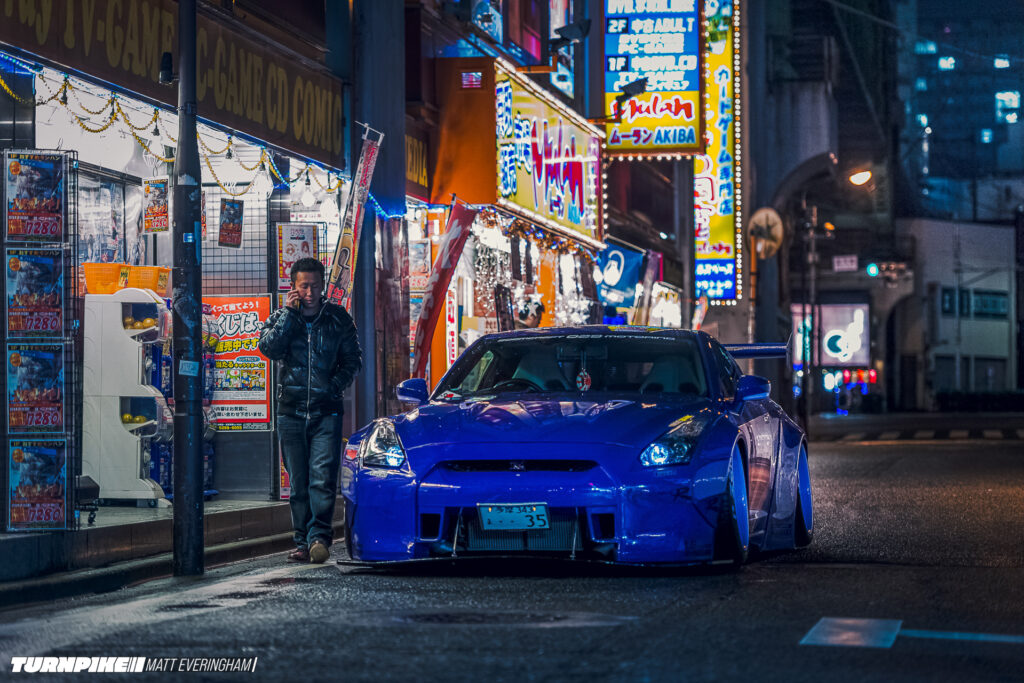
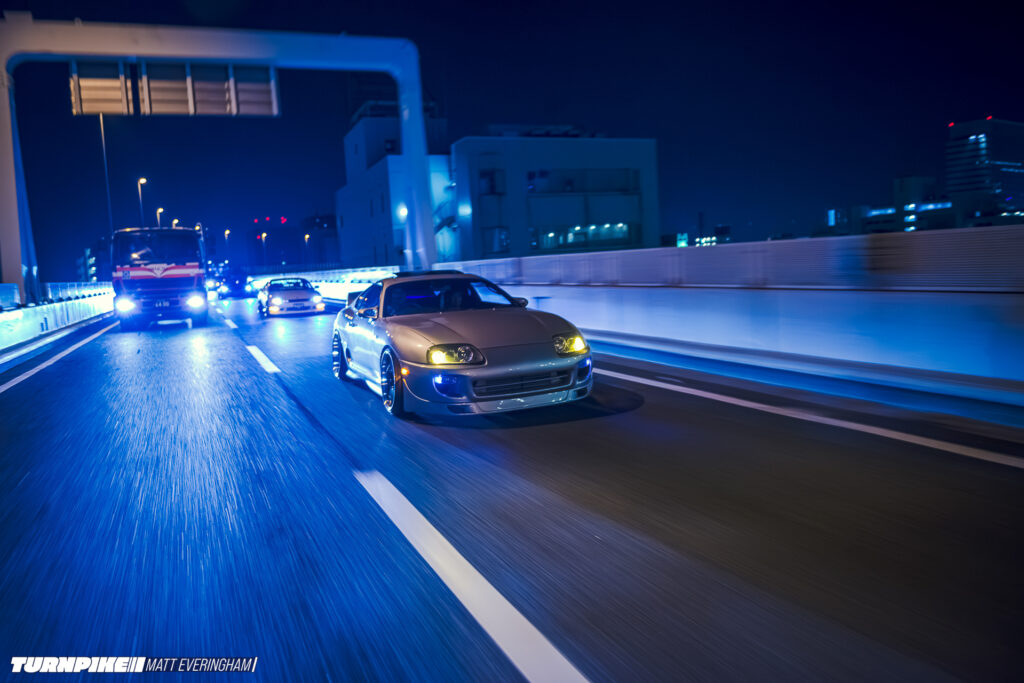
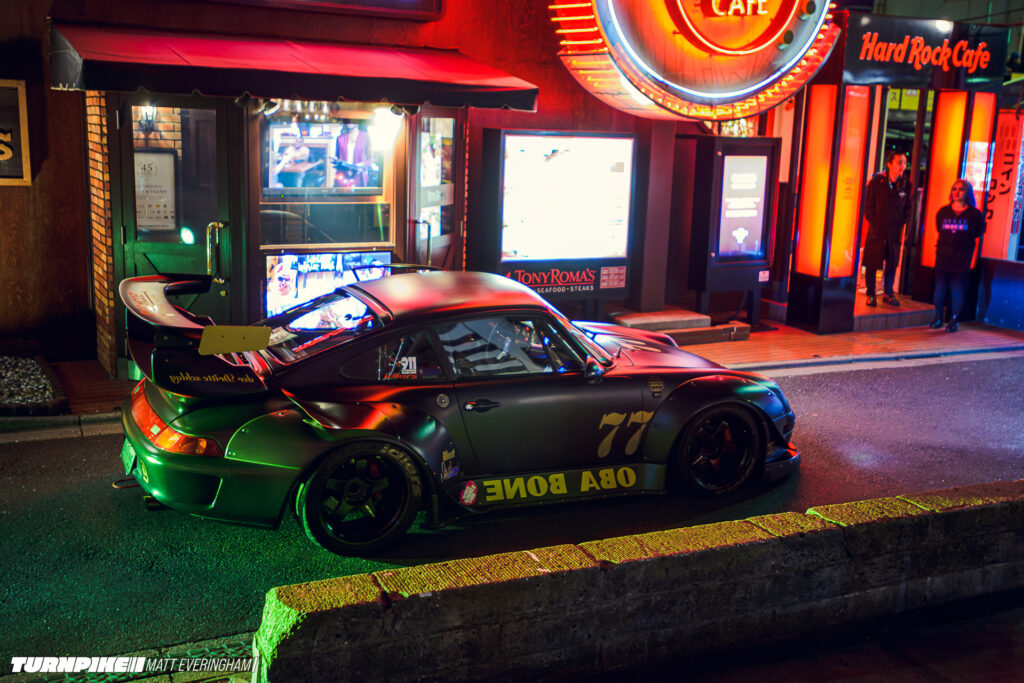
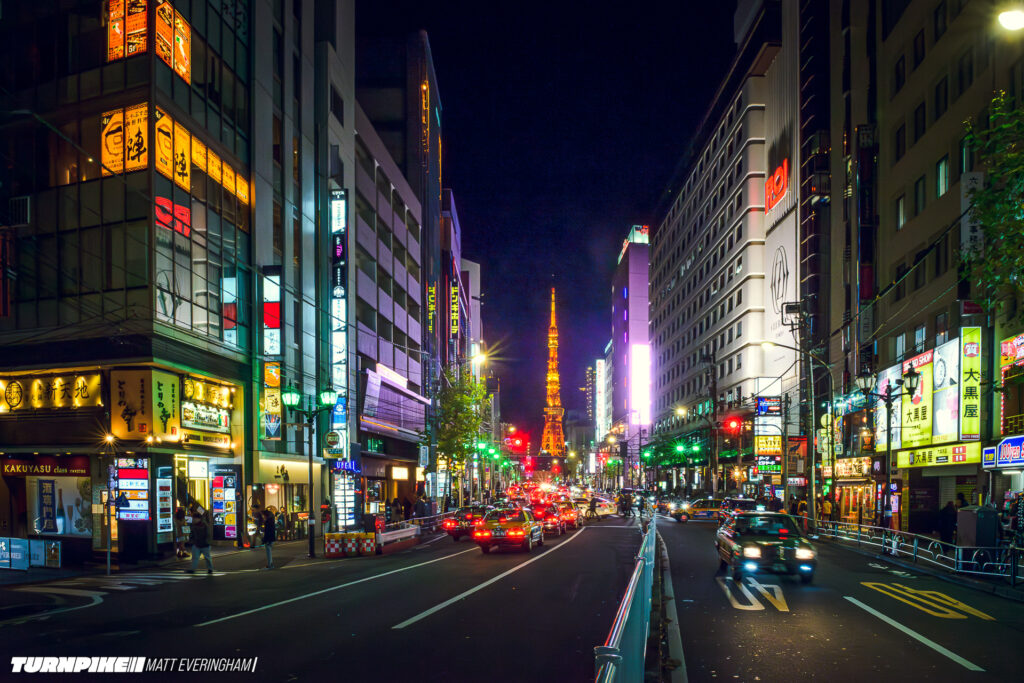
Post after post showed influencers — or influenzas, depending on your level of patience — filming other influencers photographing tourists in rental GT-Rs, behaving in the most un-Japanese ways imaginable.
I kept digging for something real, something unmistakably JDM, but instead found the same loop playing out across the most widely shared accounts.
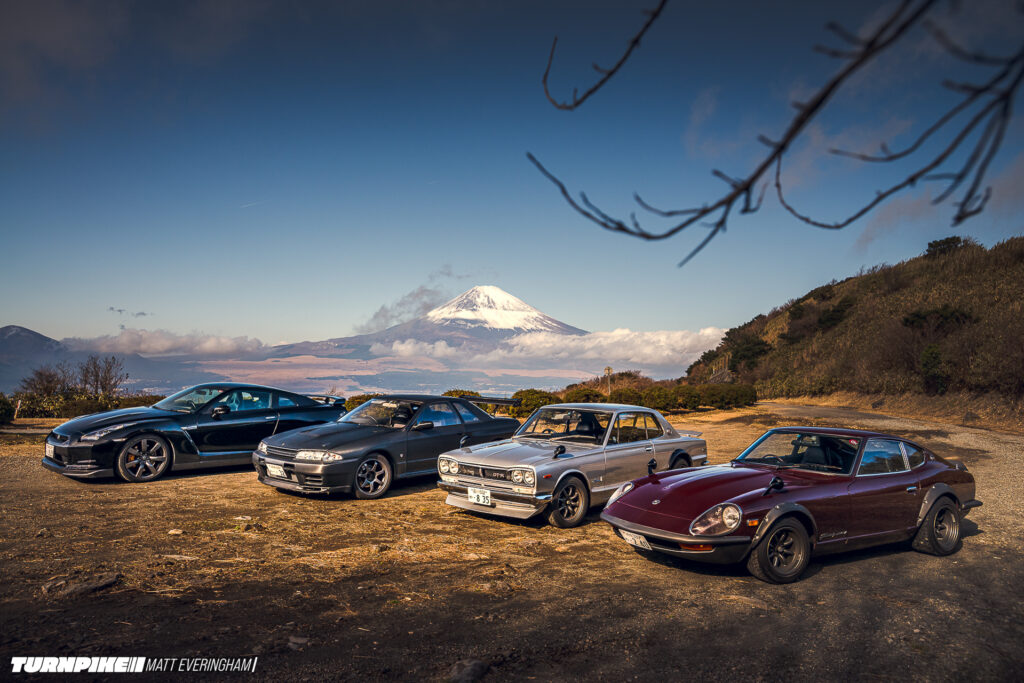
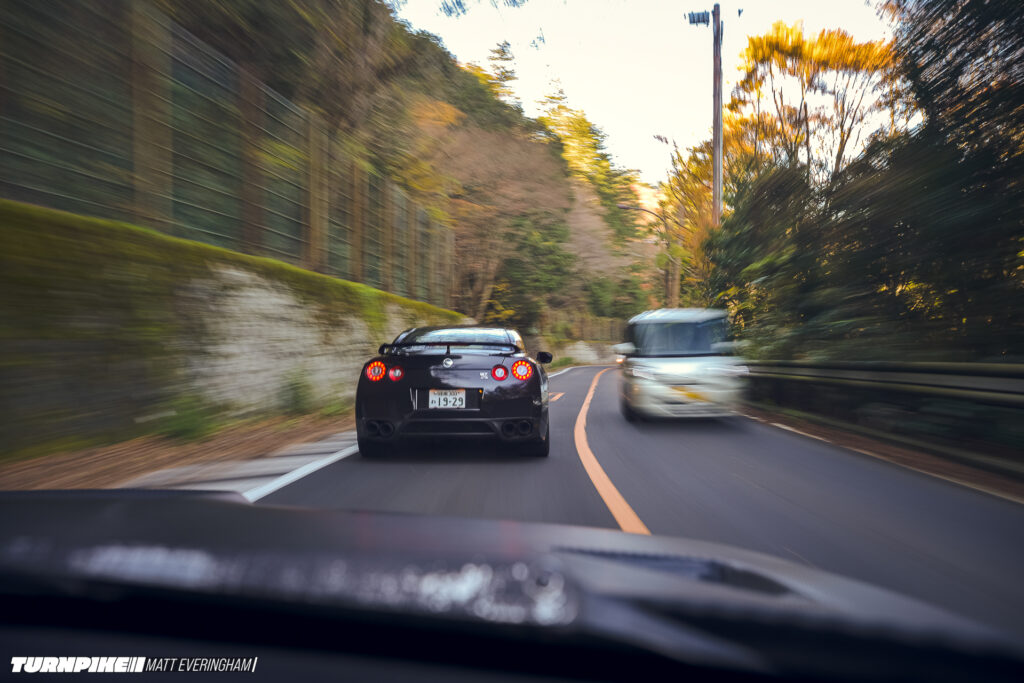
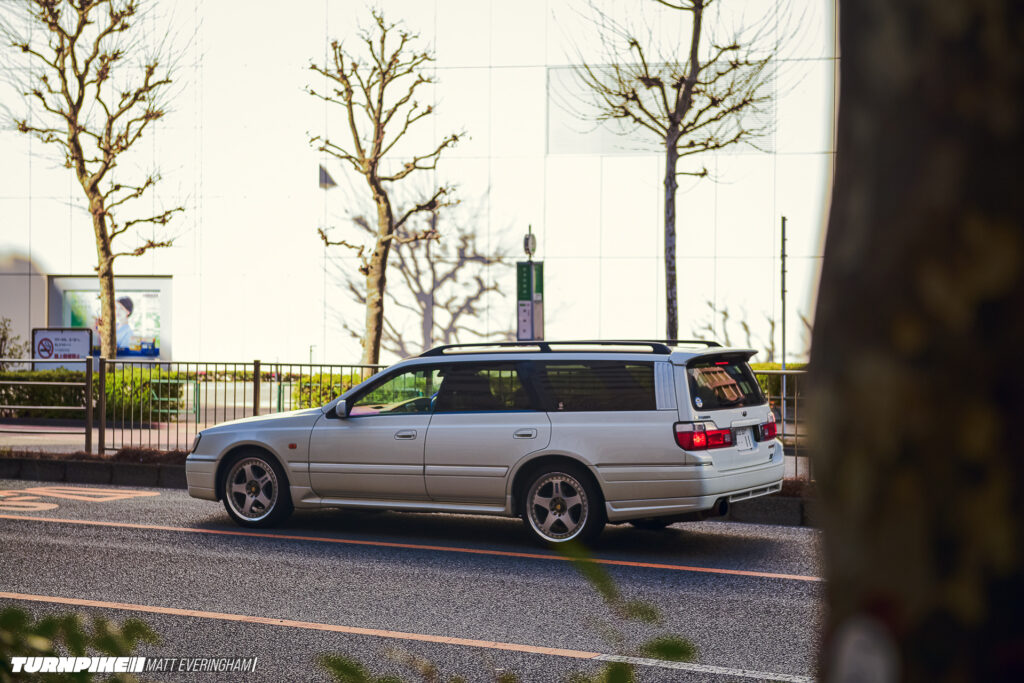
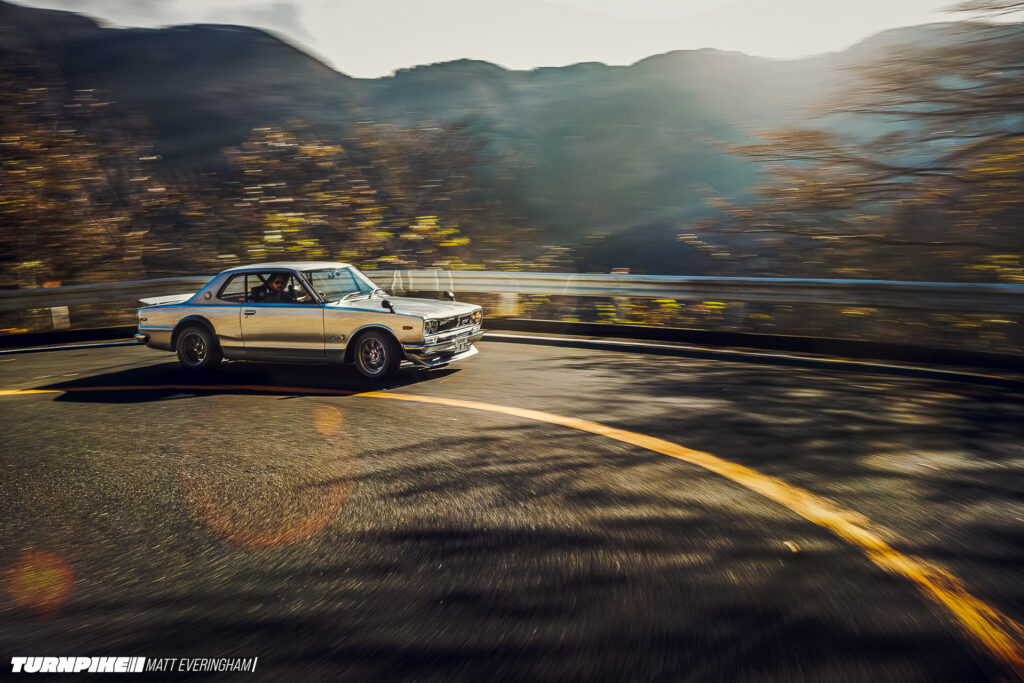
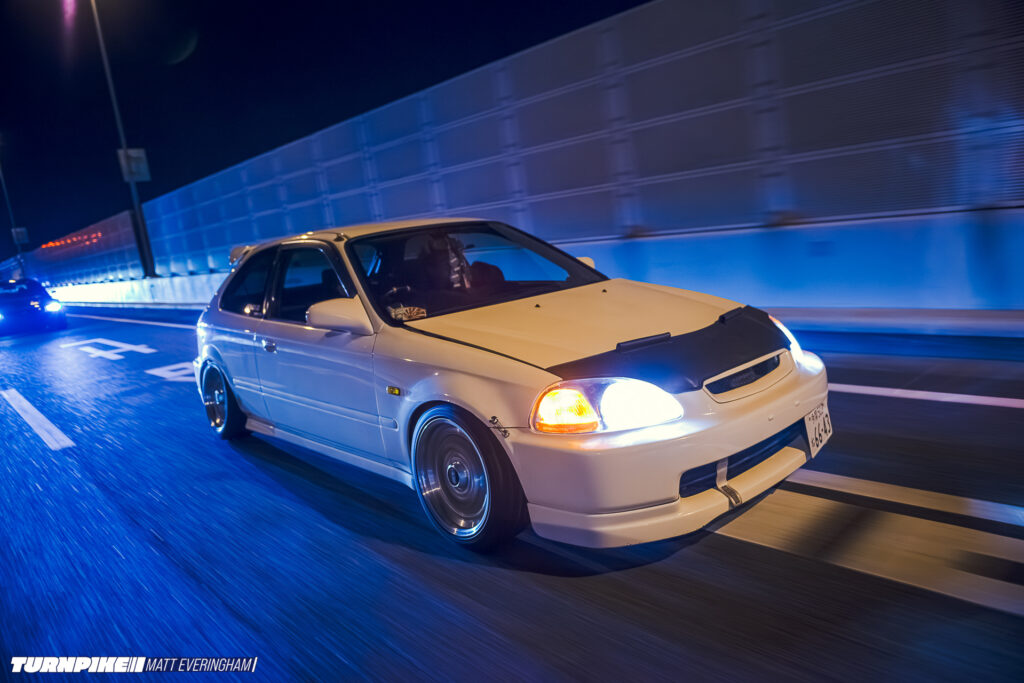
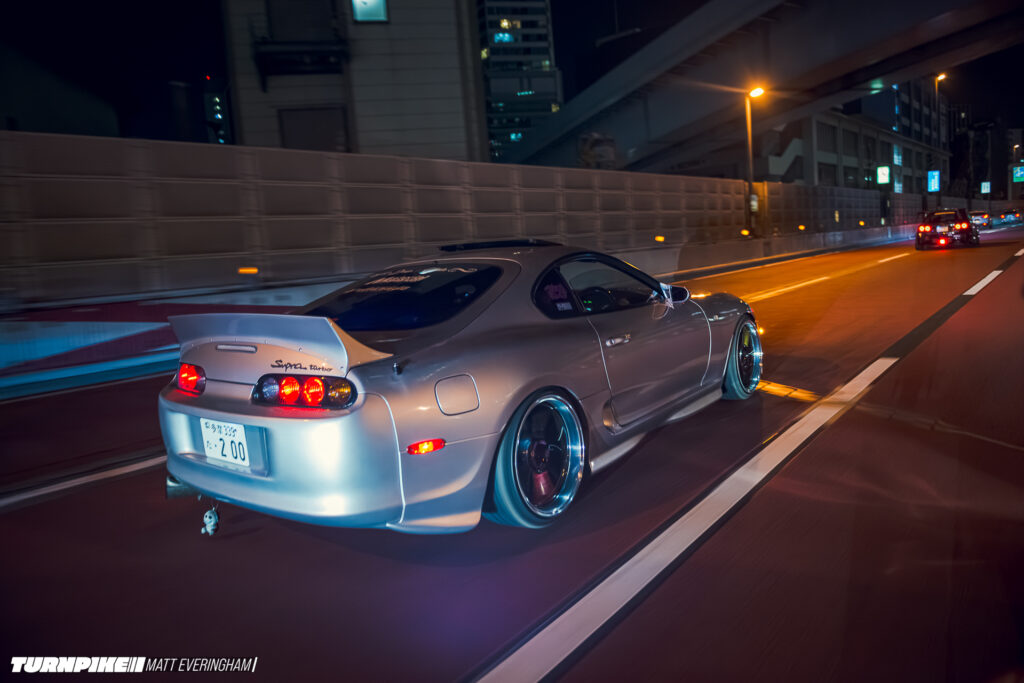
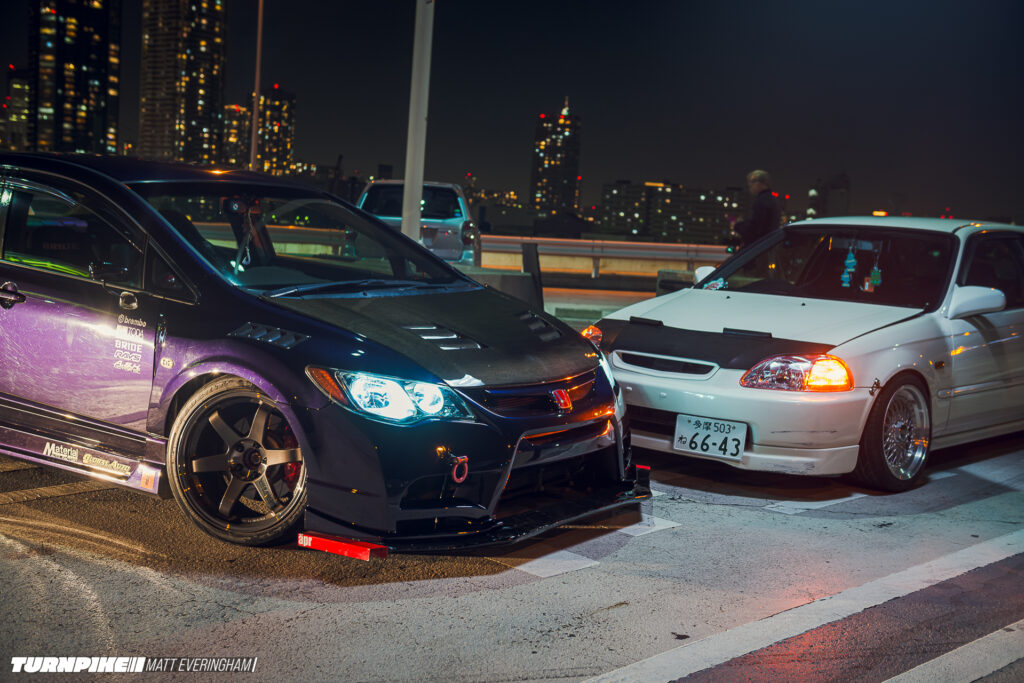
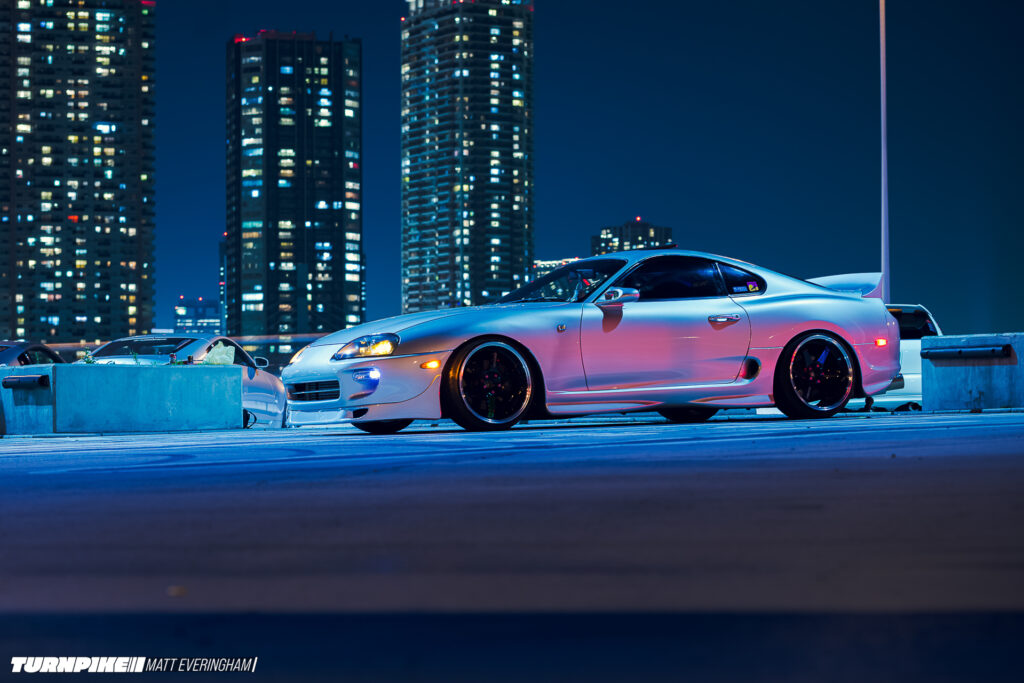
Suddenly the thought landed with too much weight to ignore: Is this just confirmation bias, or has Tokyo’s car culture actually shifted beneath our feet?
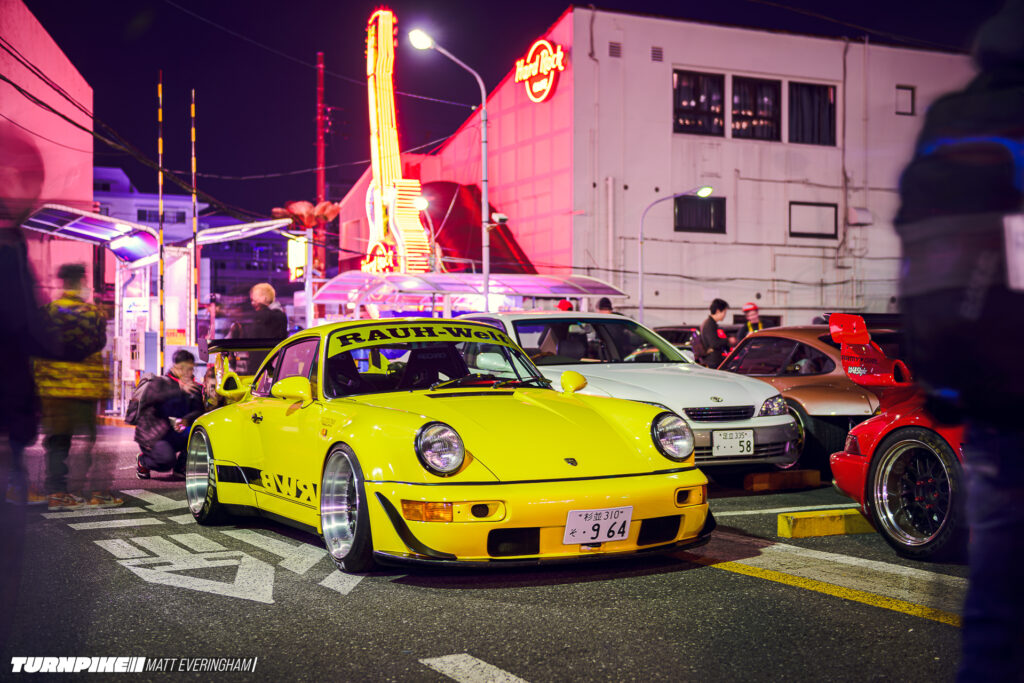
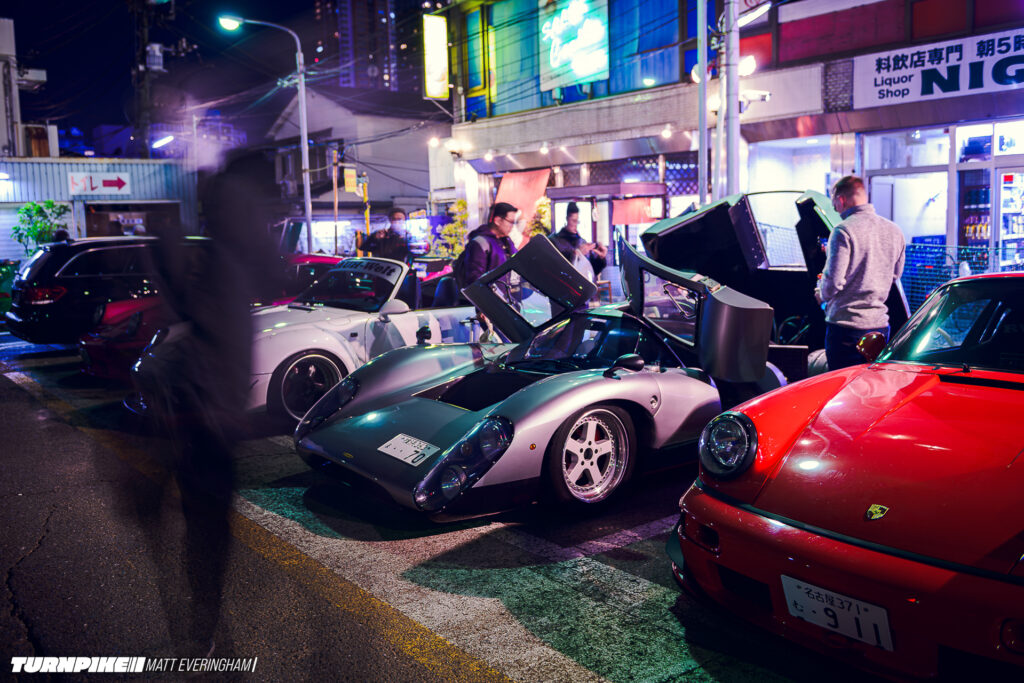
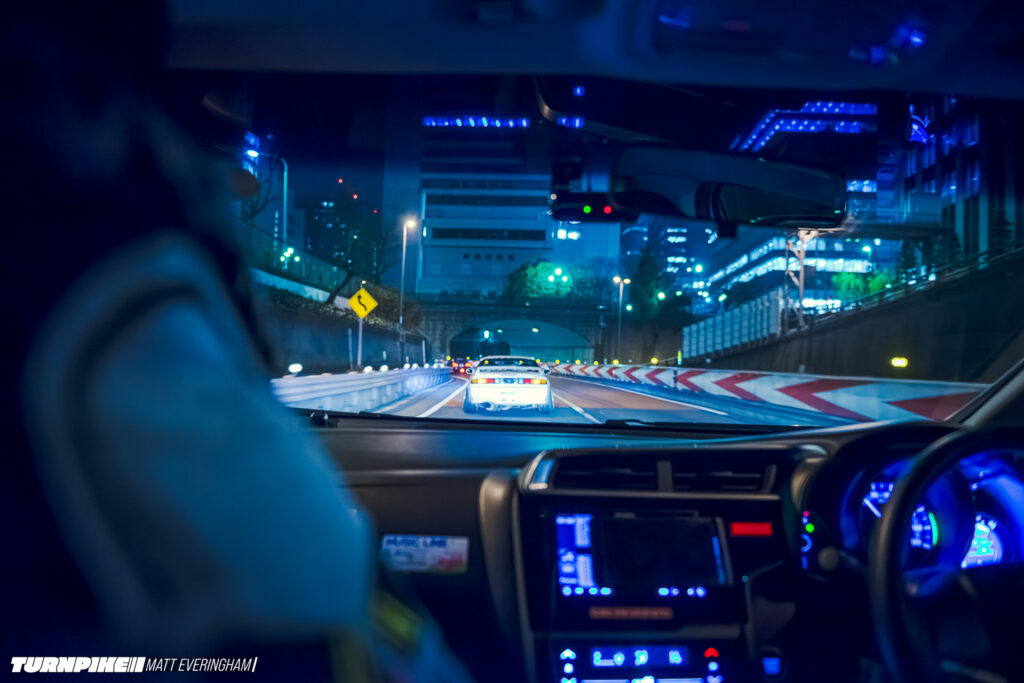
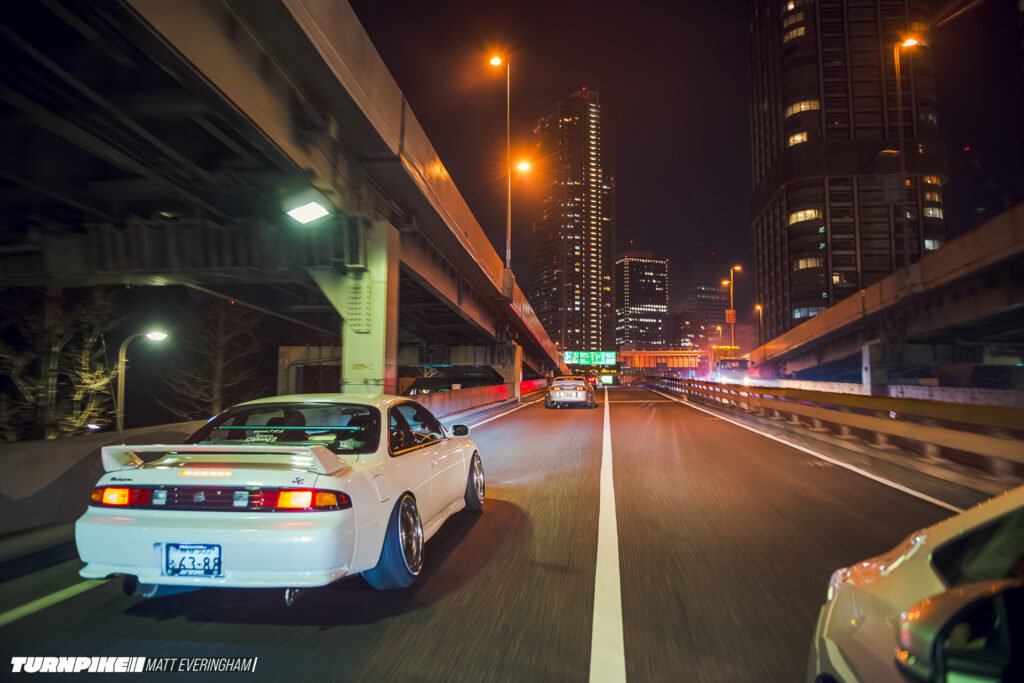
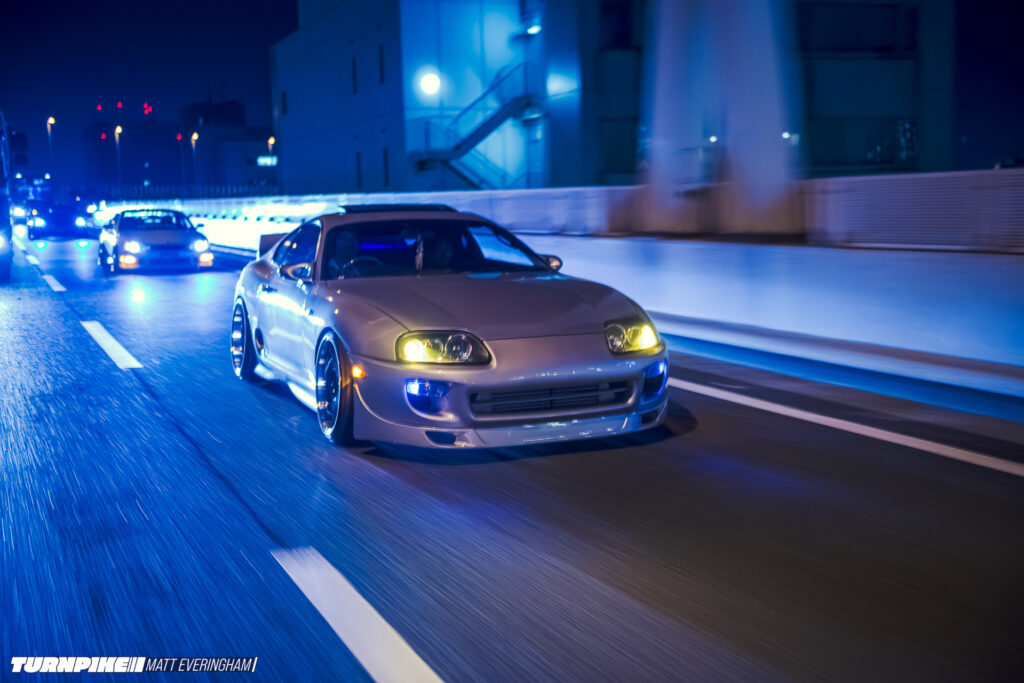
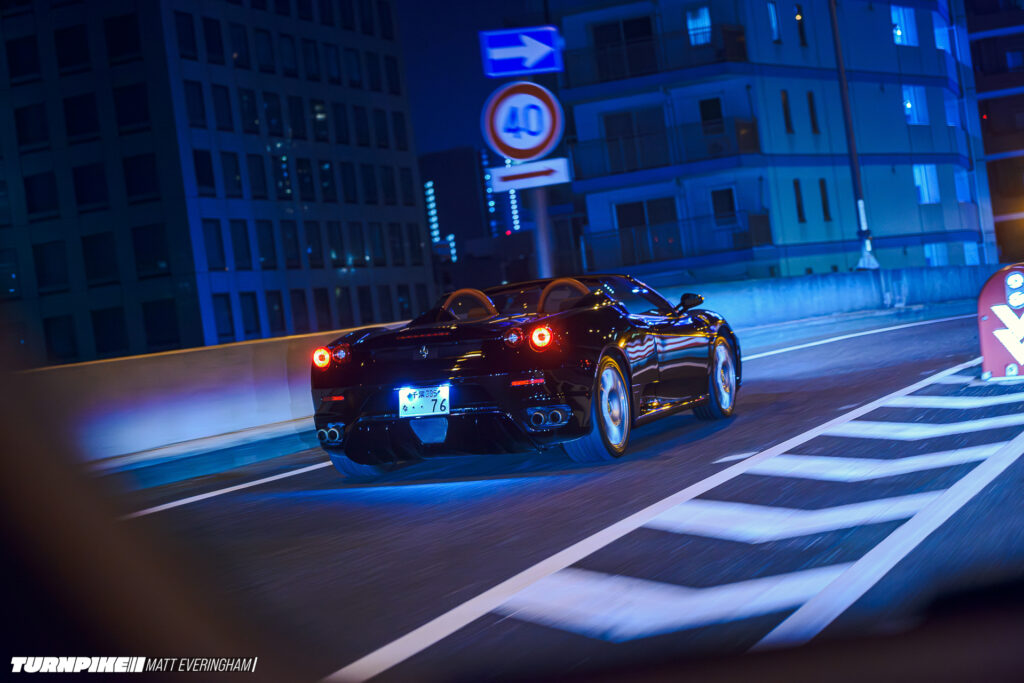
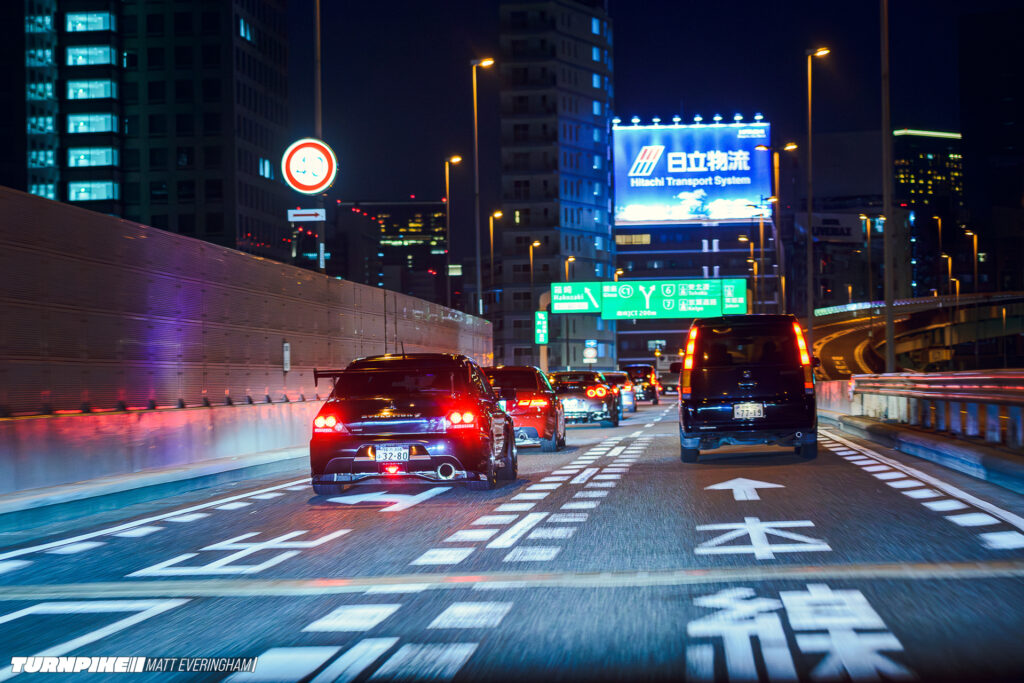
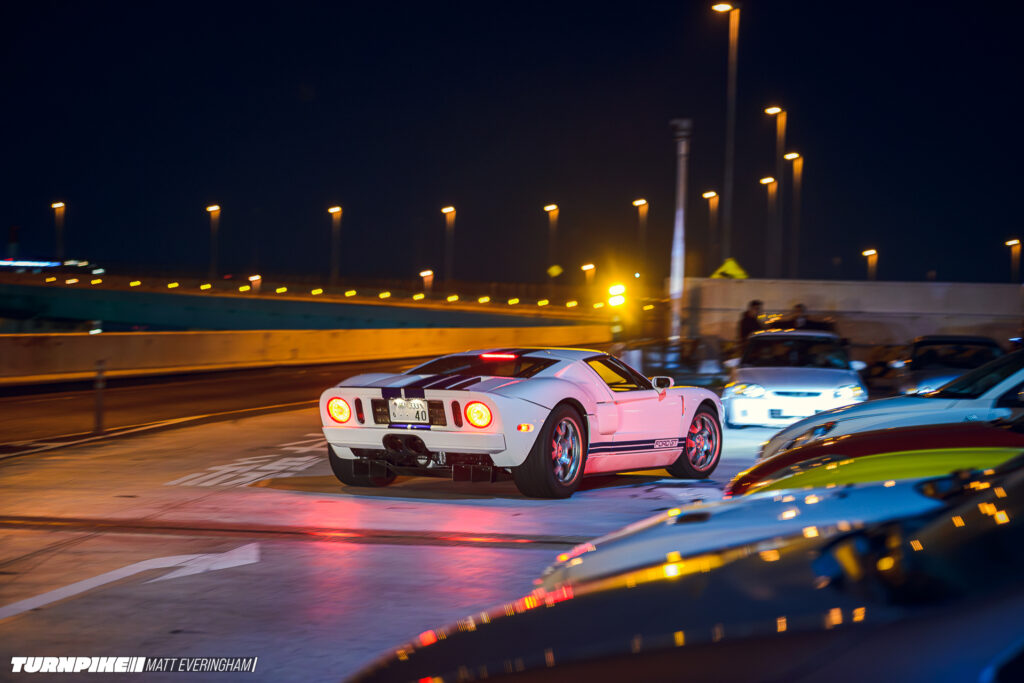
It’s been a few years since my last Japanese Adventure. The itch to return never left, but recently the content coming out of Tokyo has felt…different. Not geographically, not visually — but energetically. The atmosphere I remembered seems to have been stretched, remixed, reinterpreted by a global audience now jostling for space in the frame.
This isn’t a complaint. It’s a mirror. If ‘Hunting Unreality: One Night in Tokyo‘ was my wide-eyed Song of Innocence, this is the follow-up — the Song of Experience.
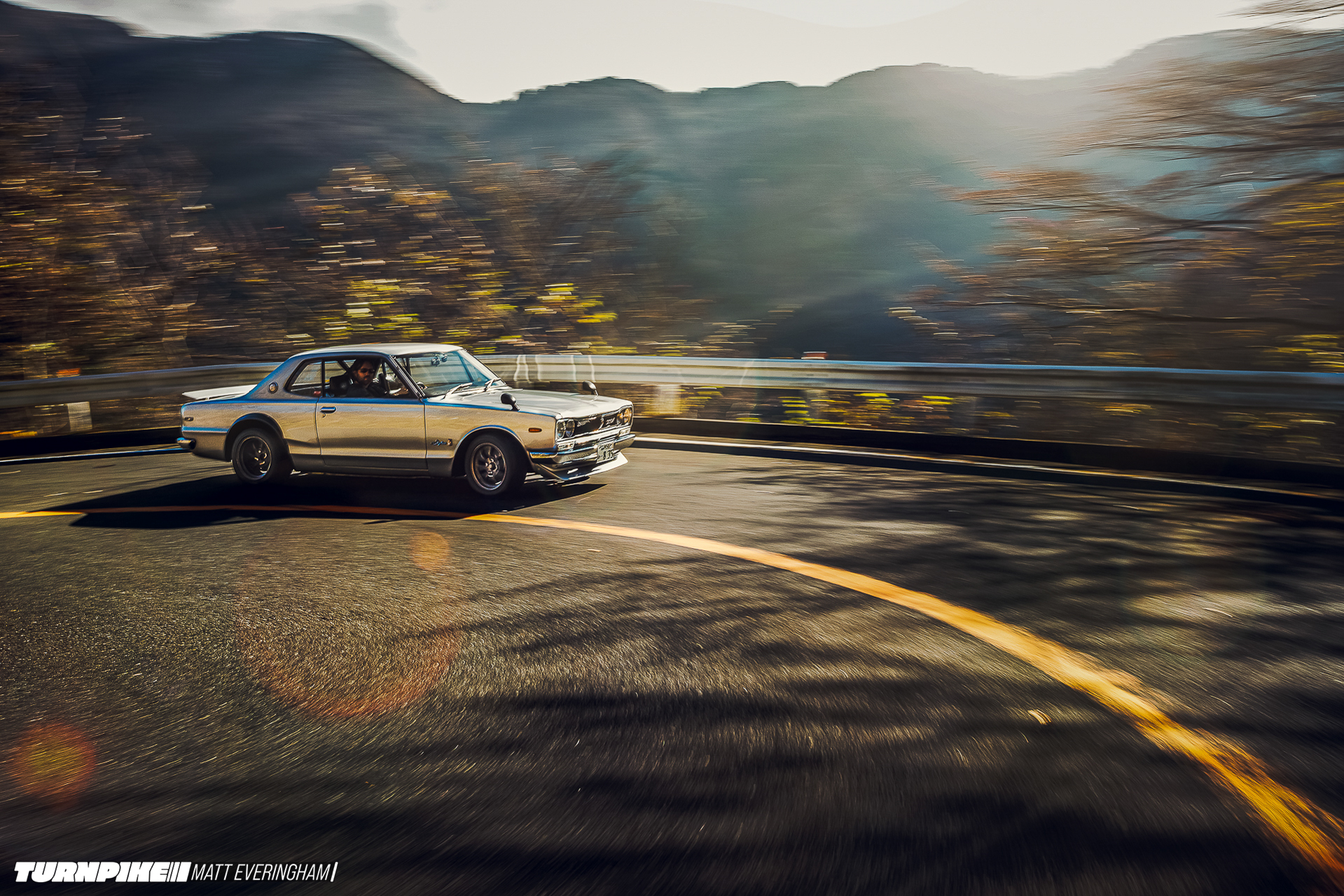
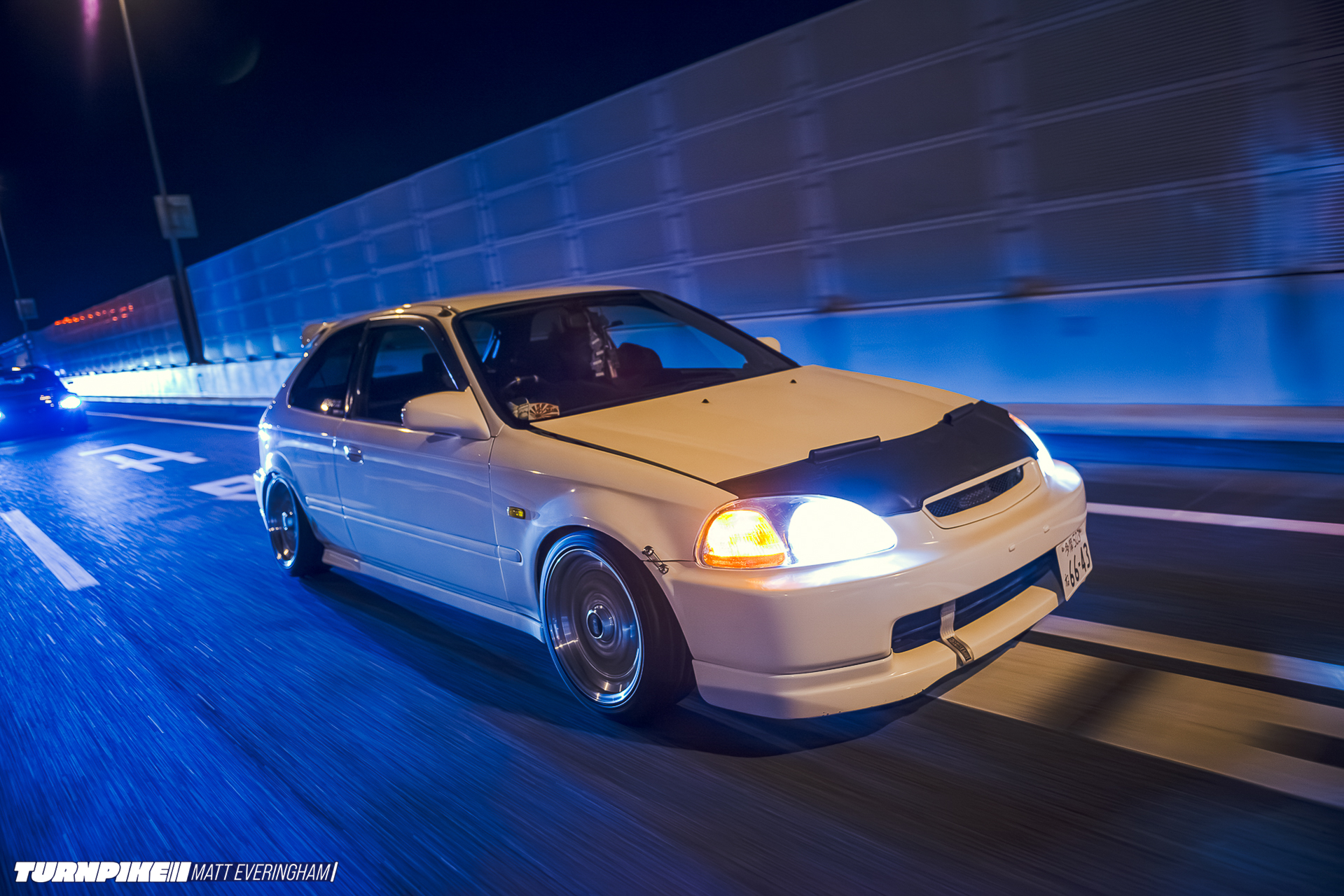
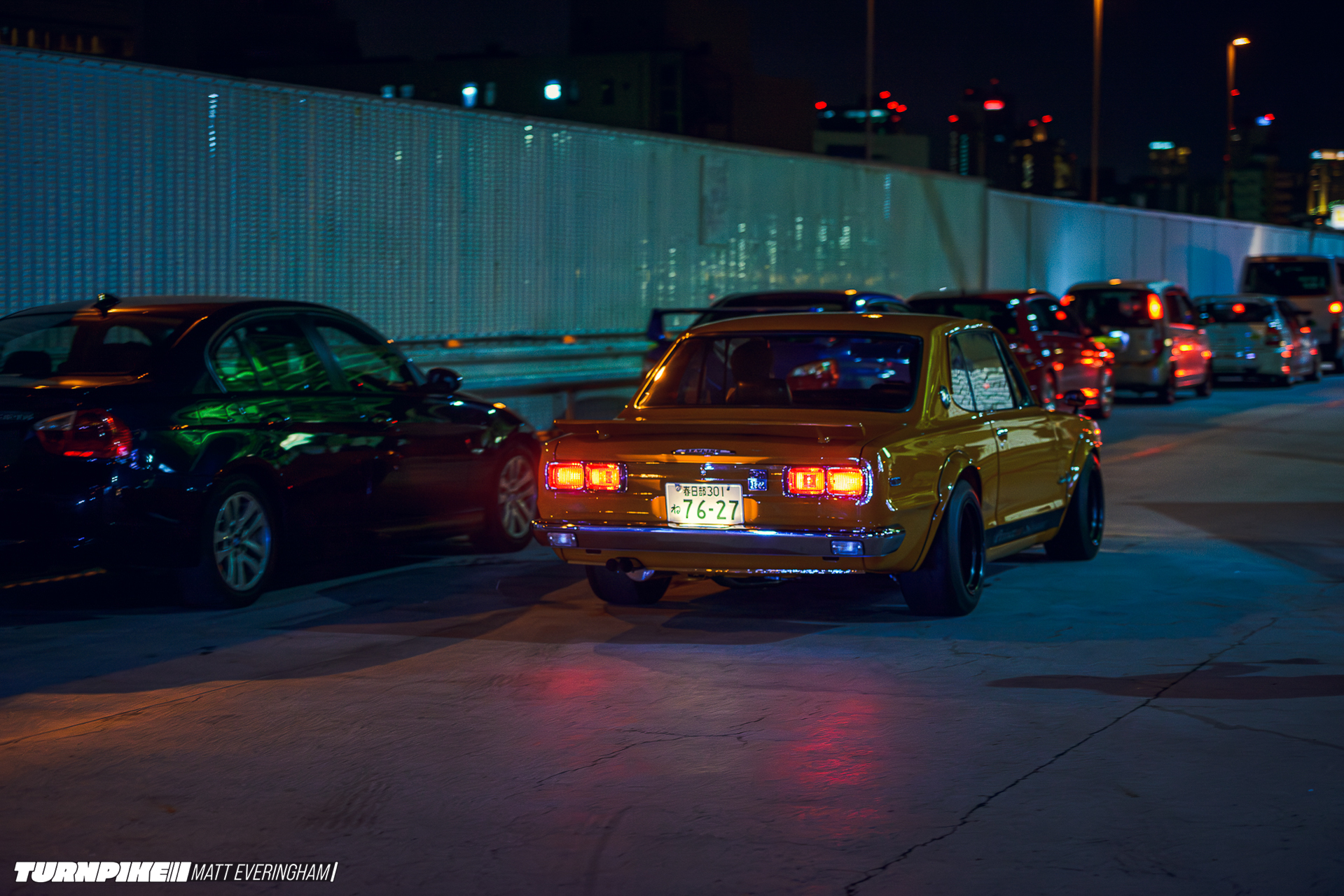
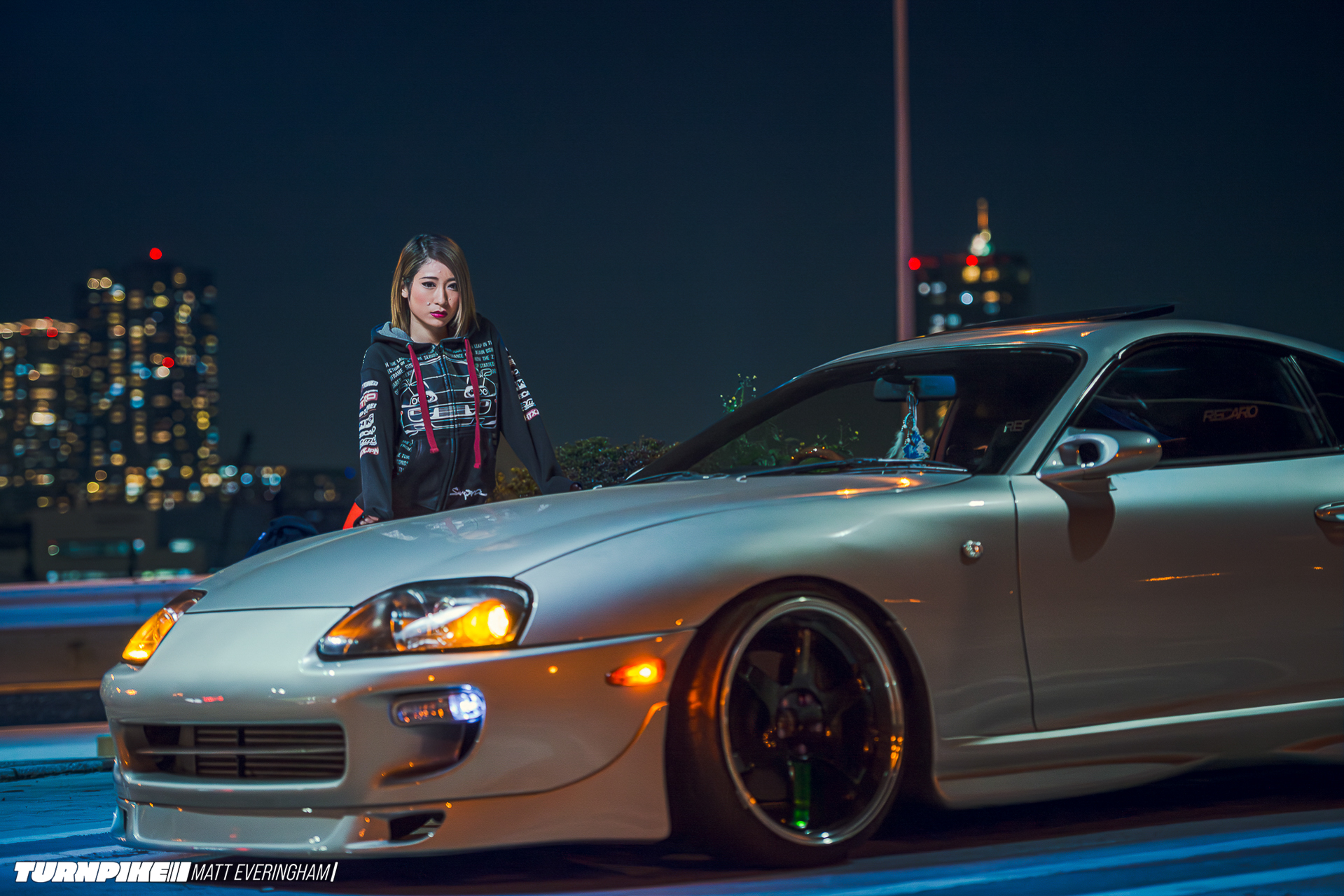
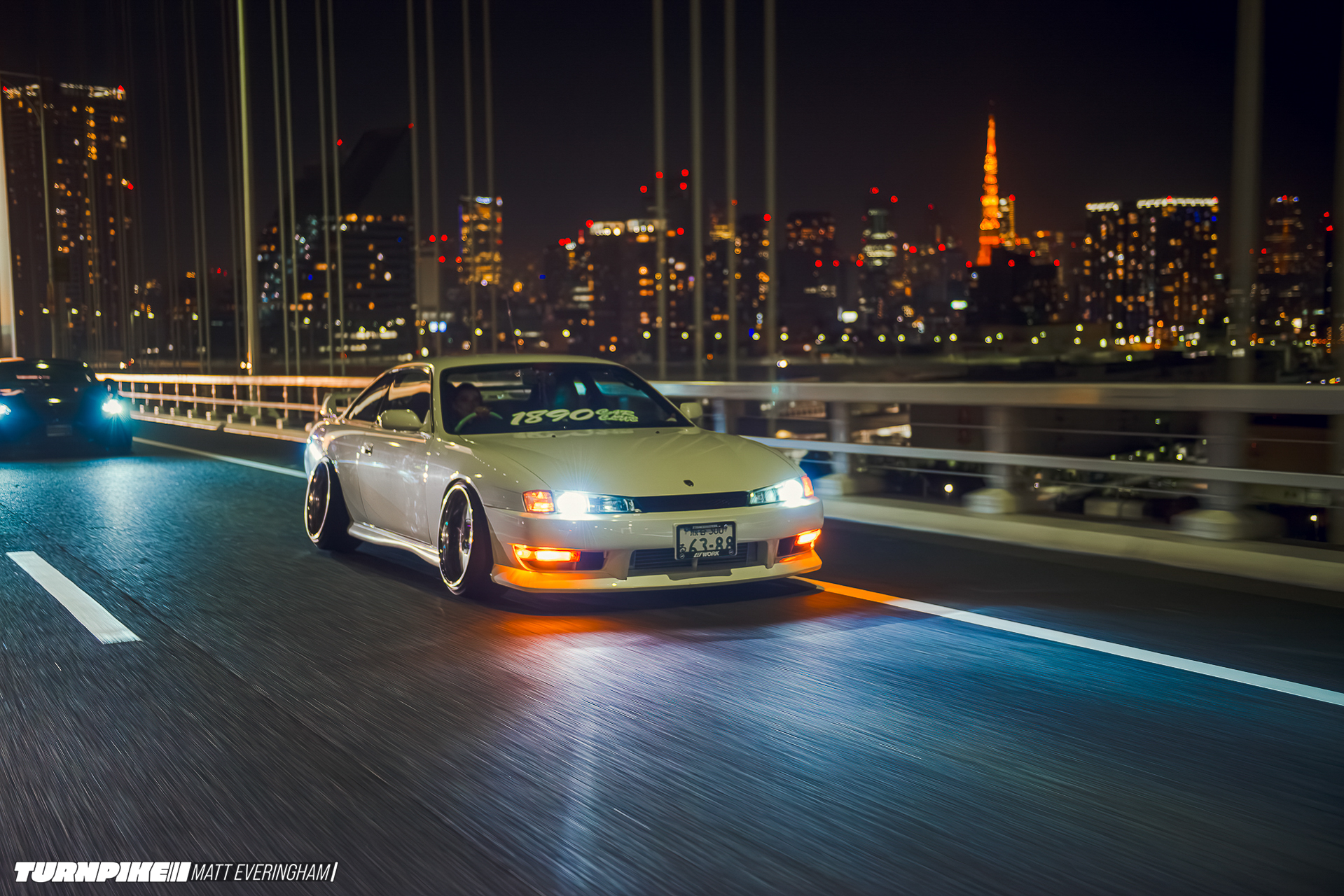
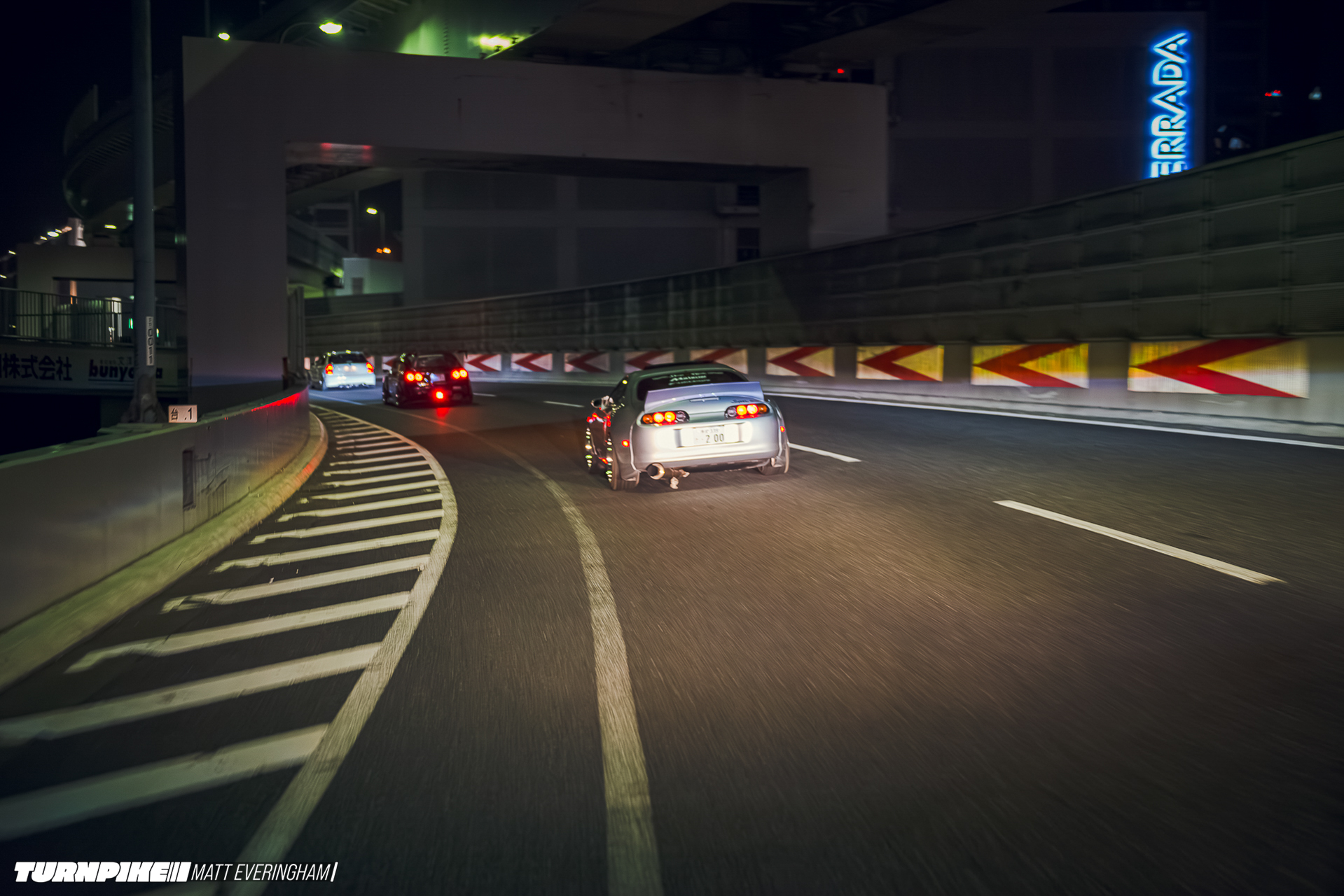
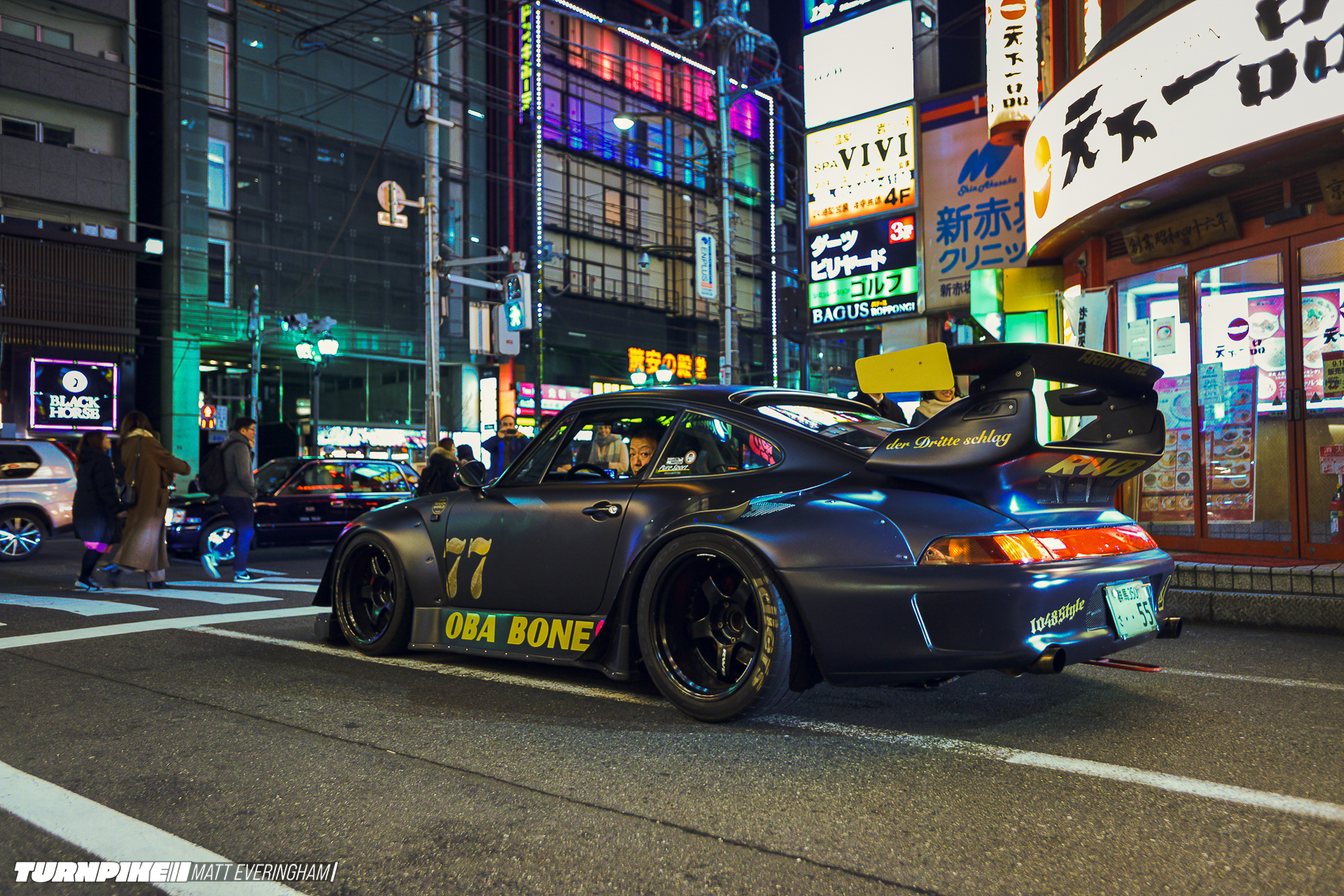
Looking back through my archives, I didn’t expect nostalgia to hit like a rowdy boost spike, but there it was; One Night in Tokyo so absurdly perfect, it now reads like fiction.
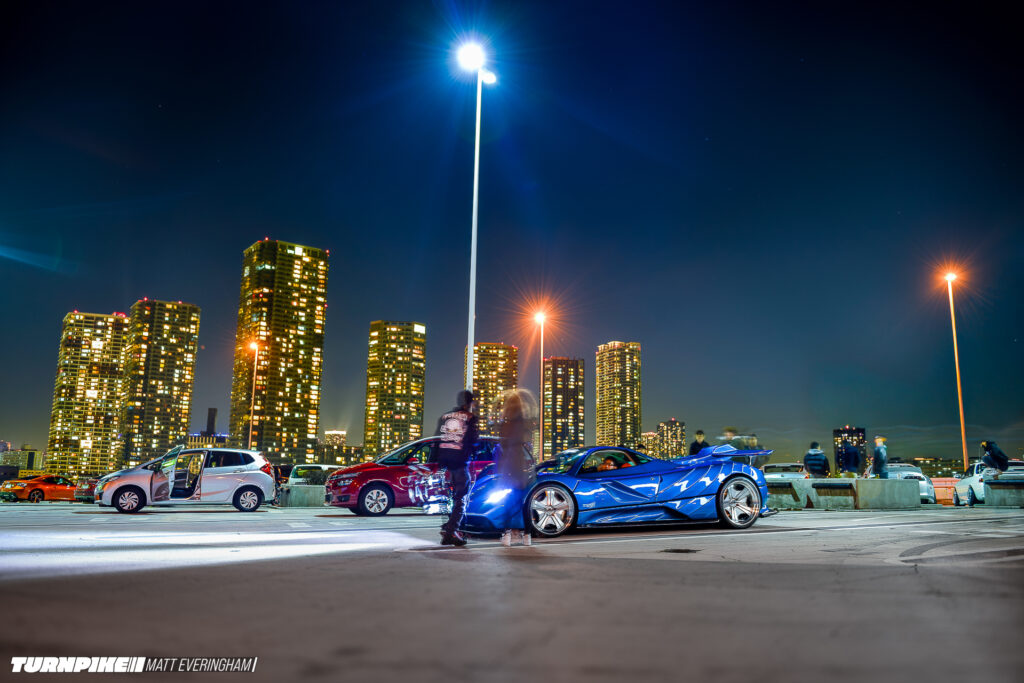
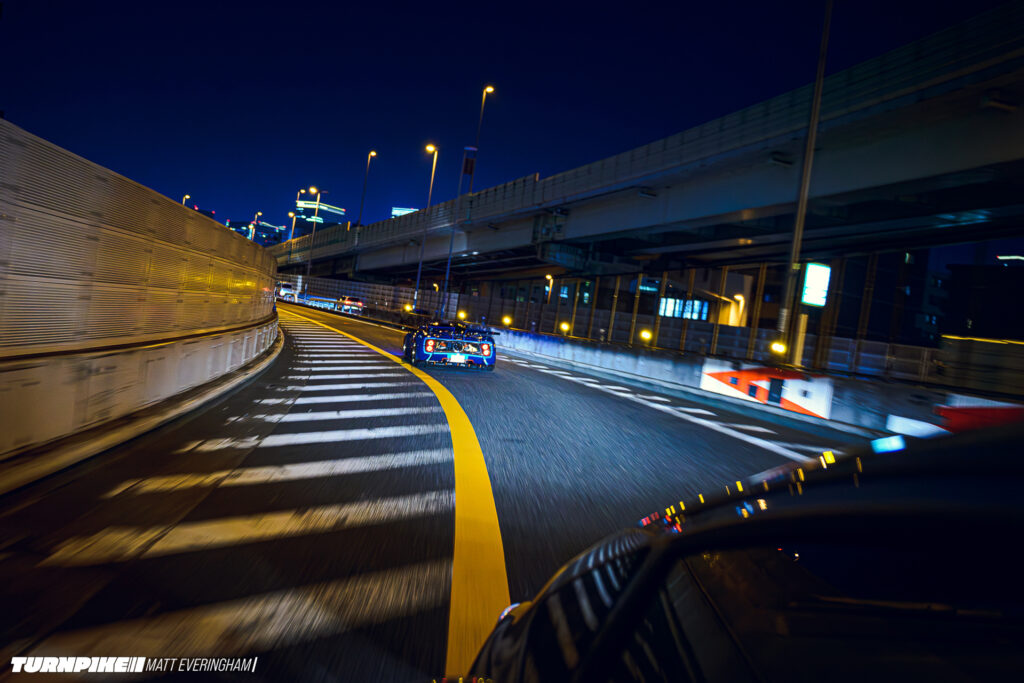
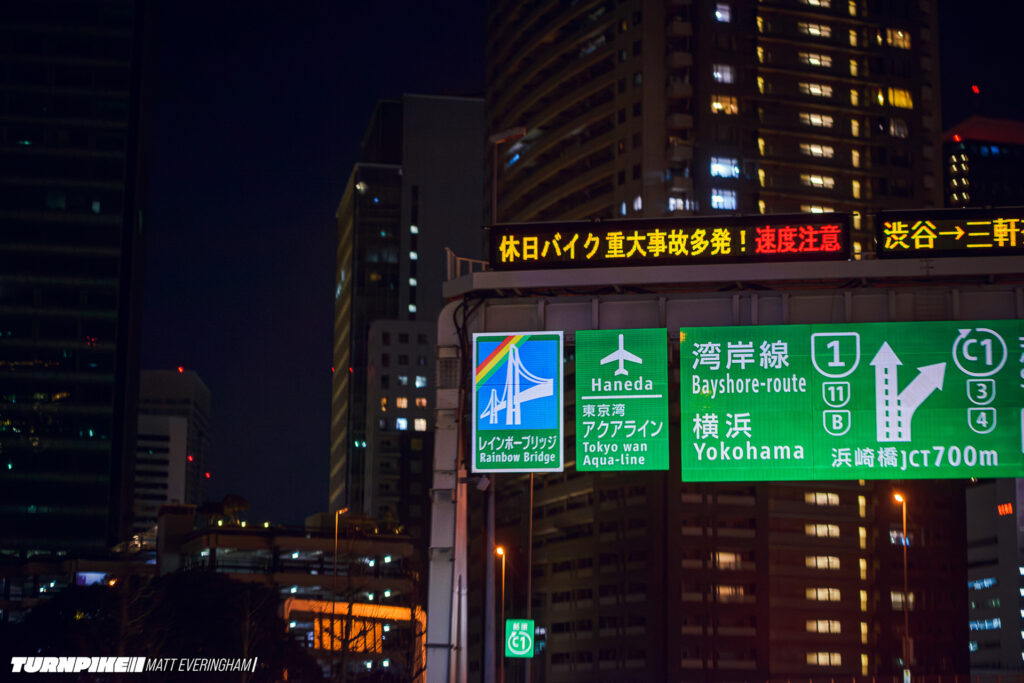
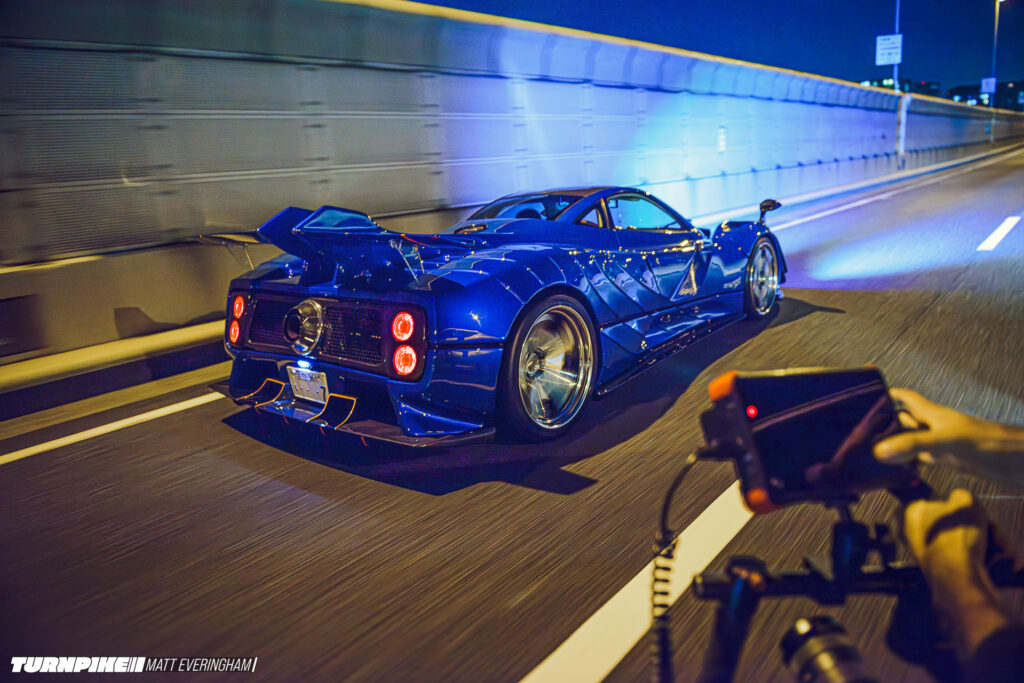
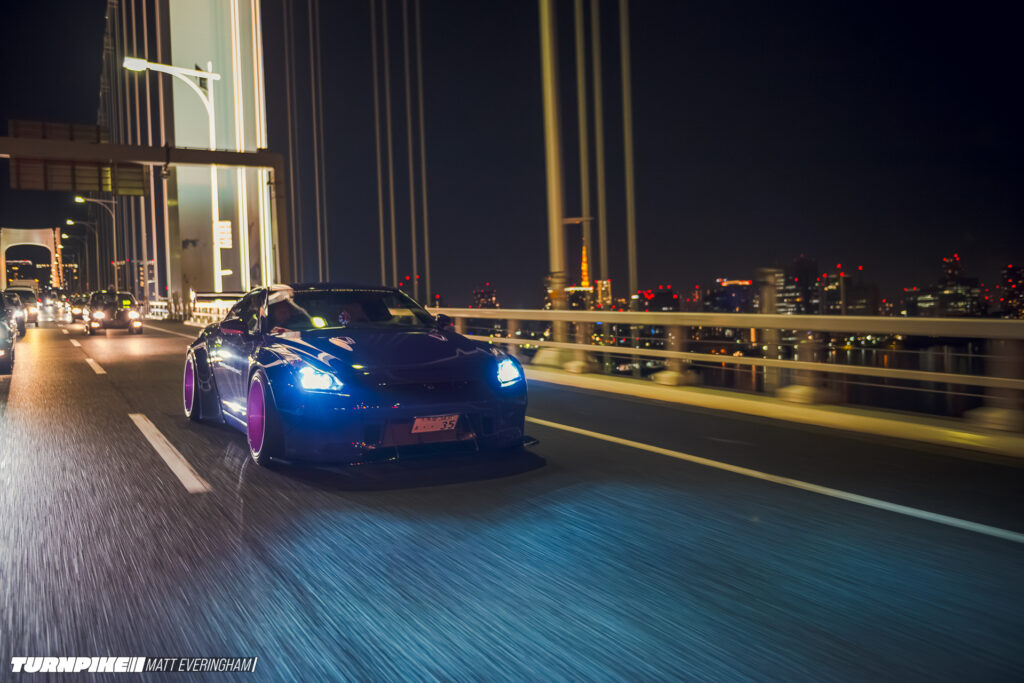
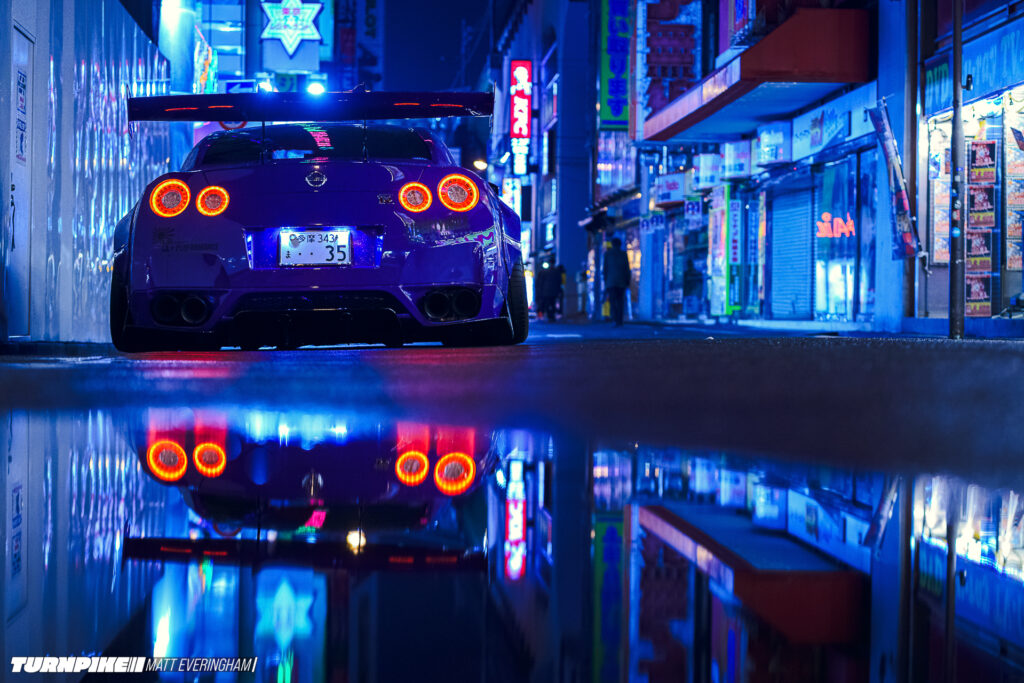
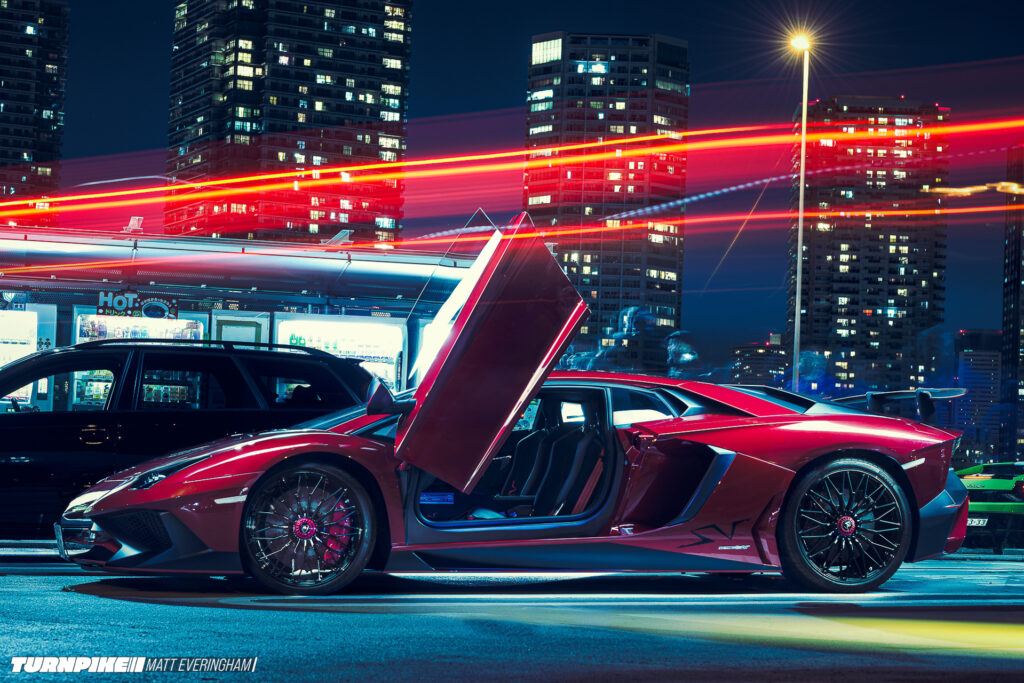
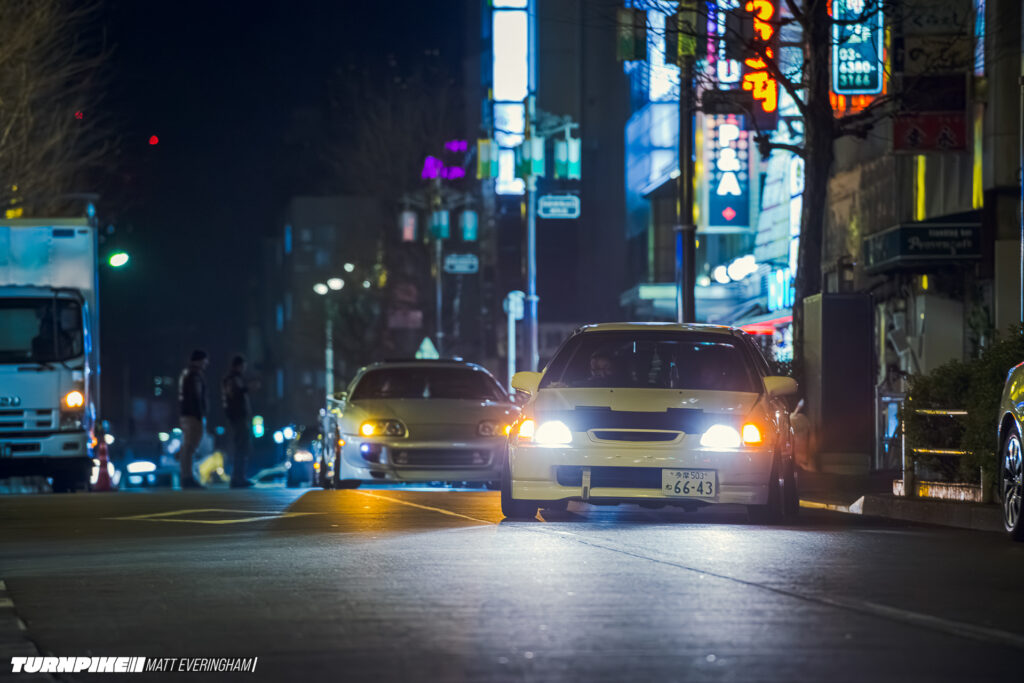
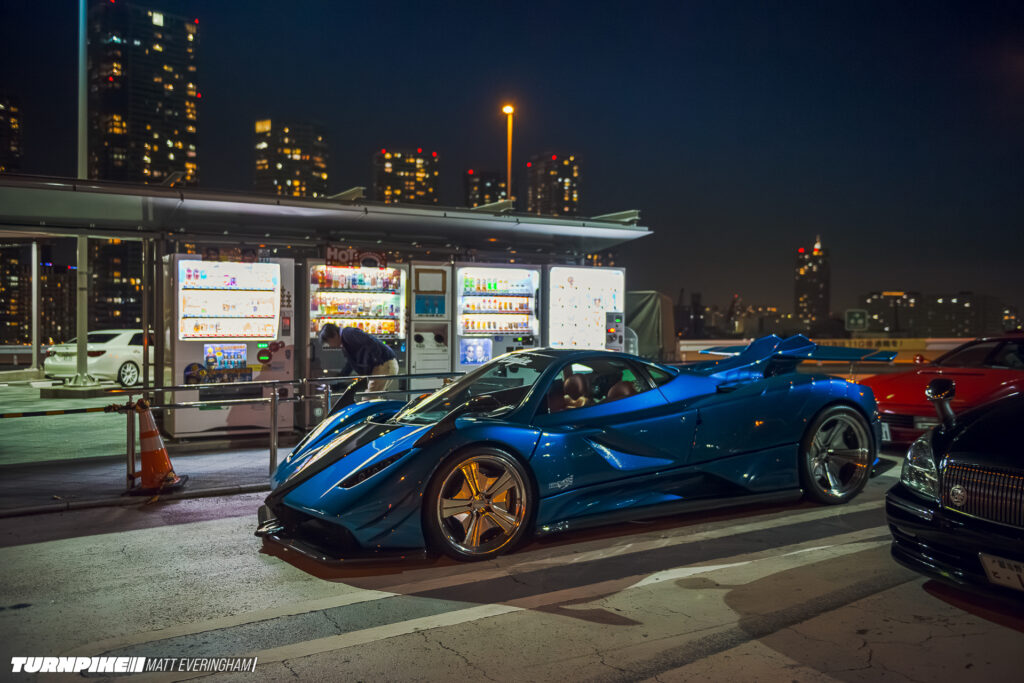
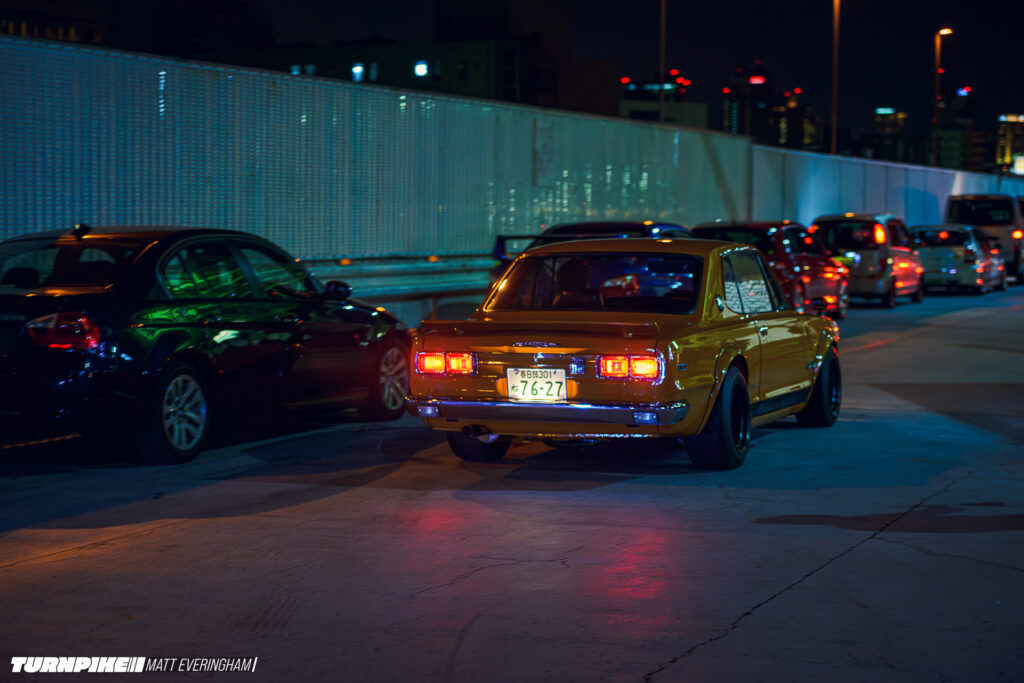
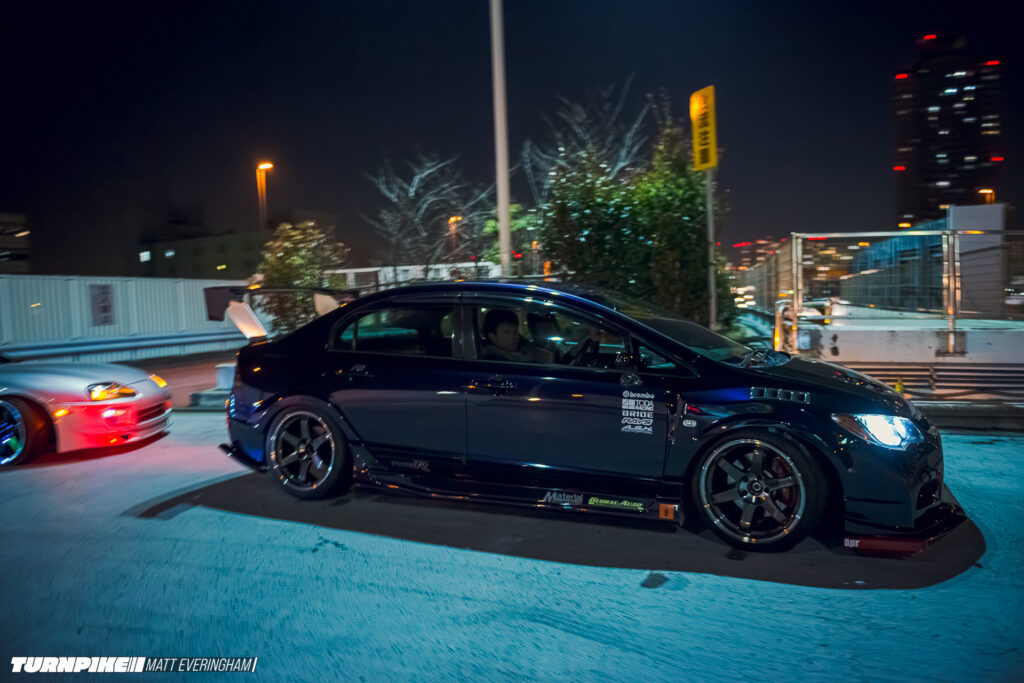
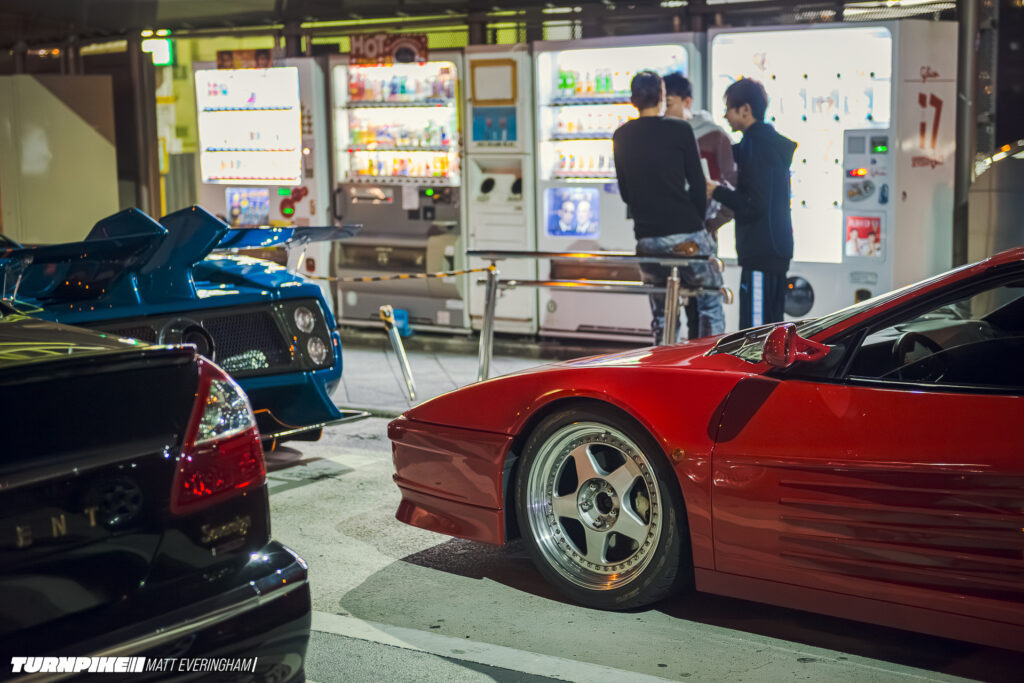
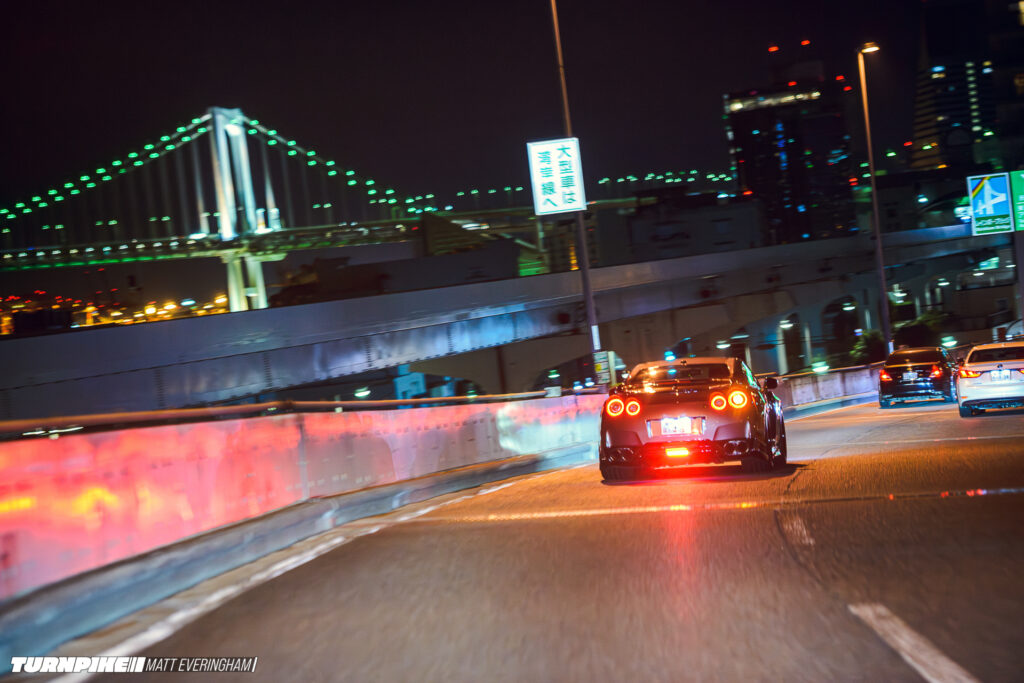
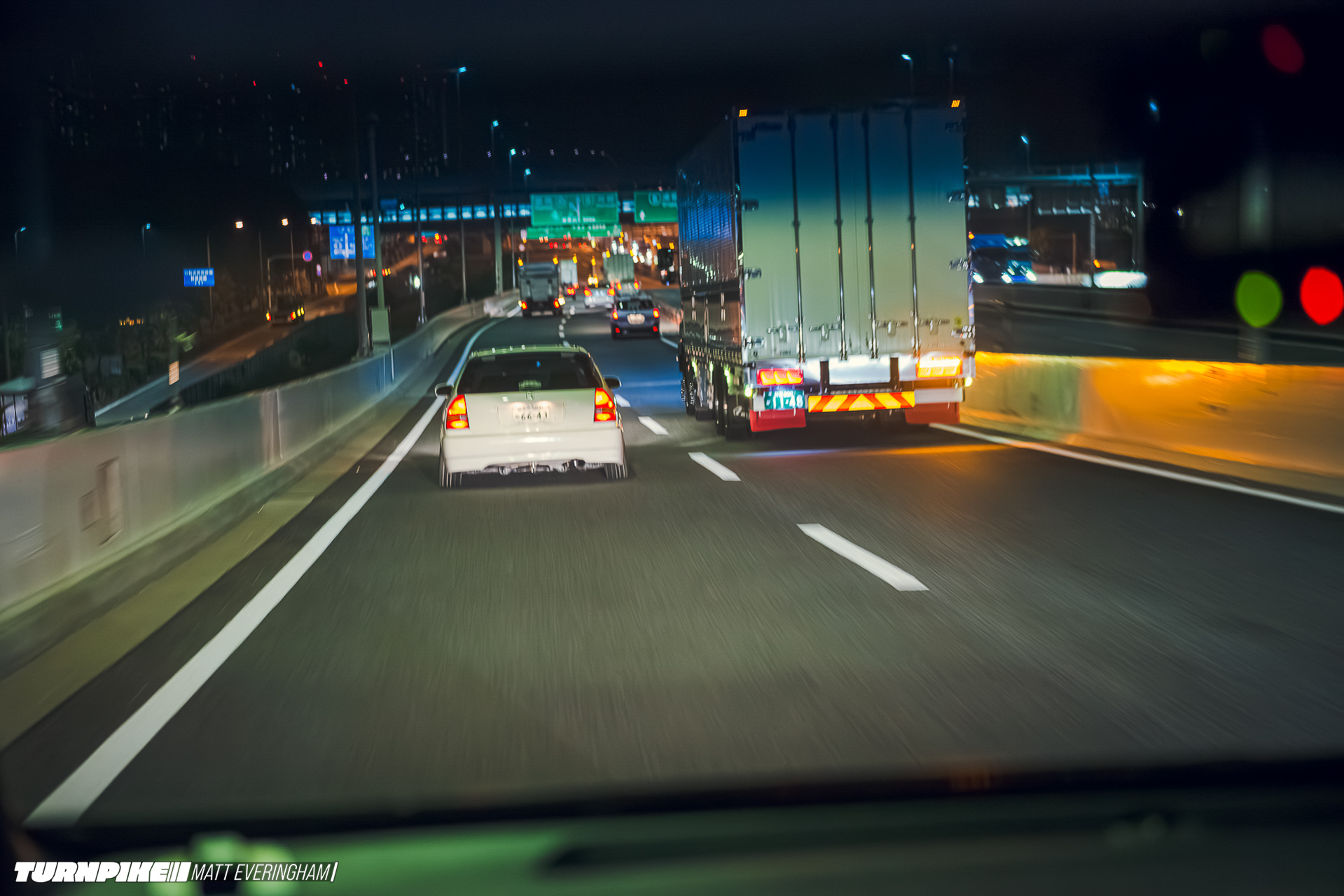
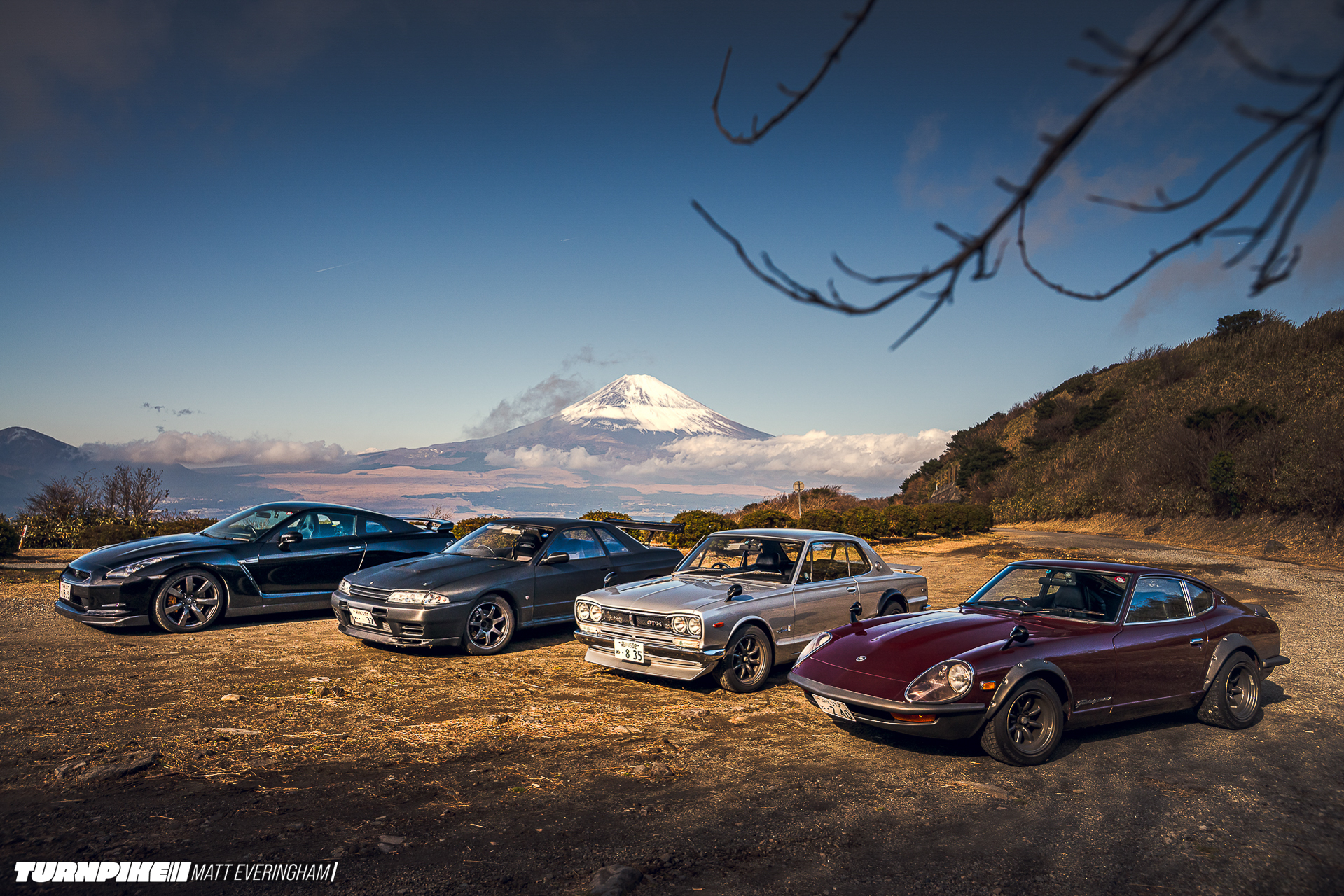
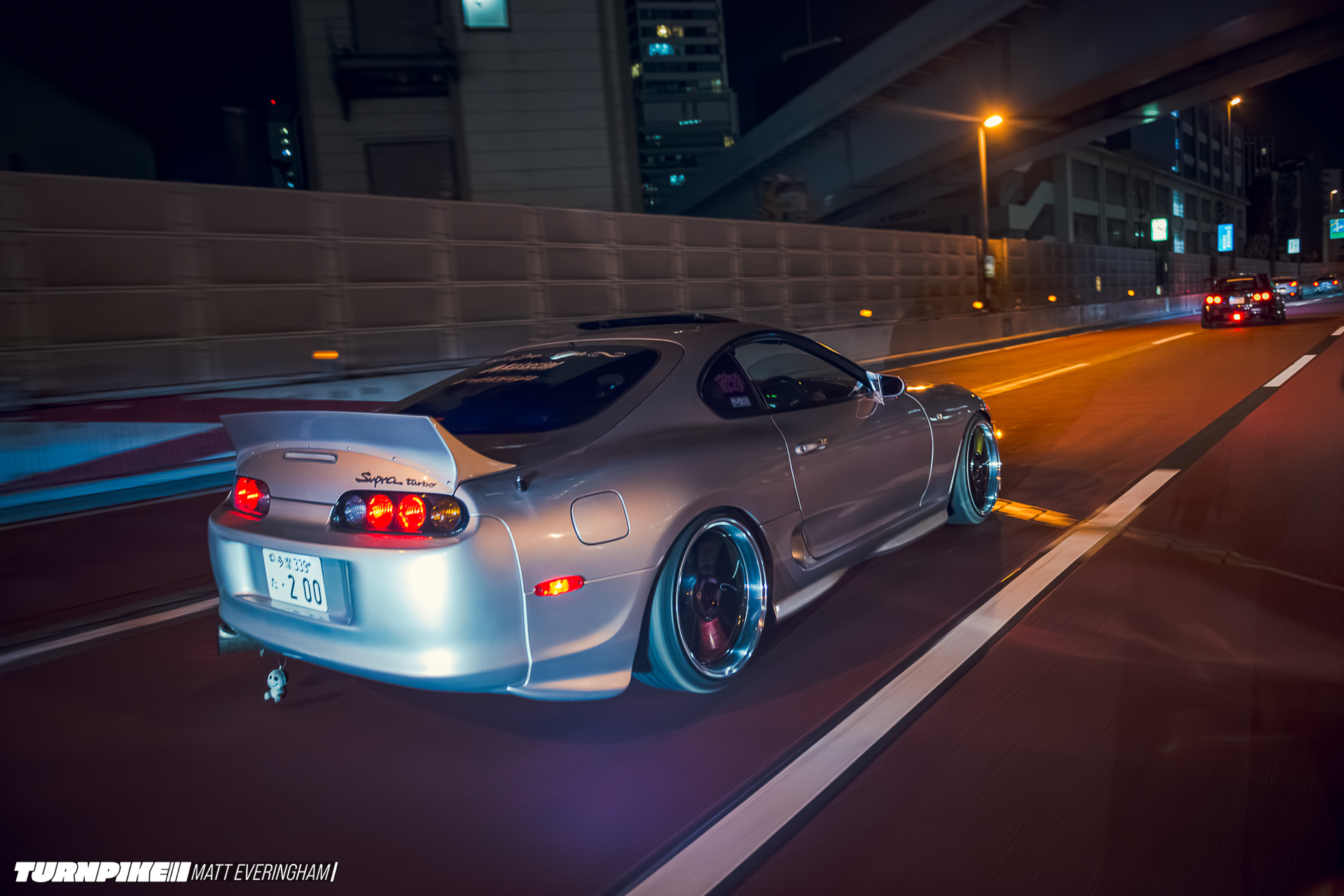
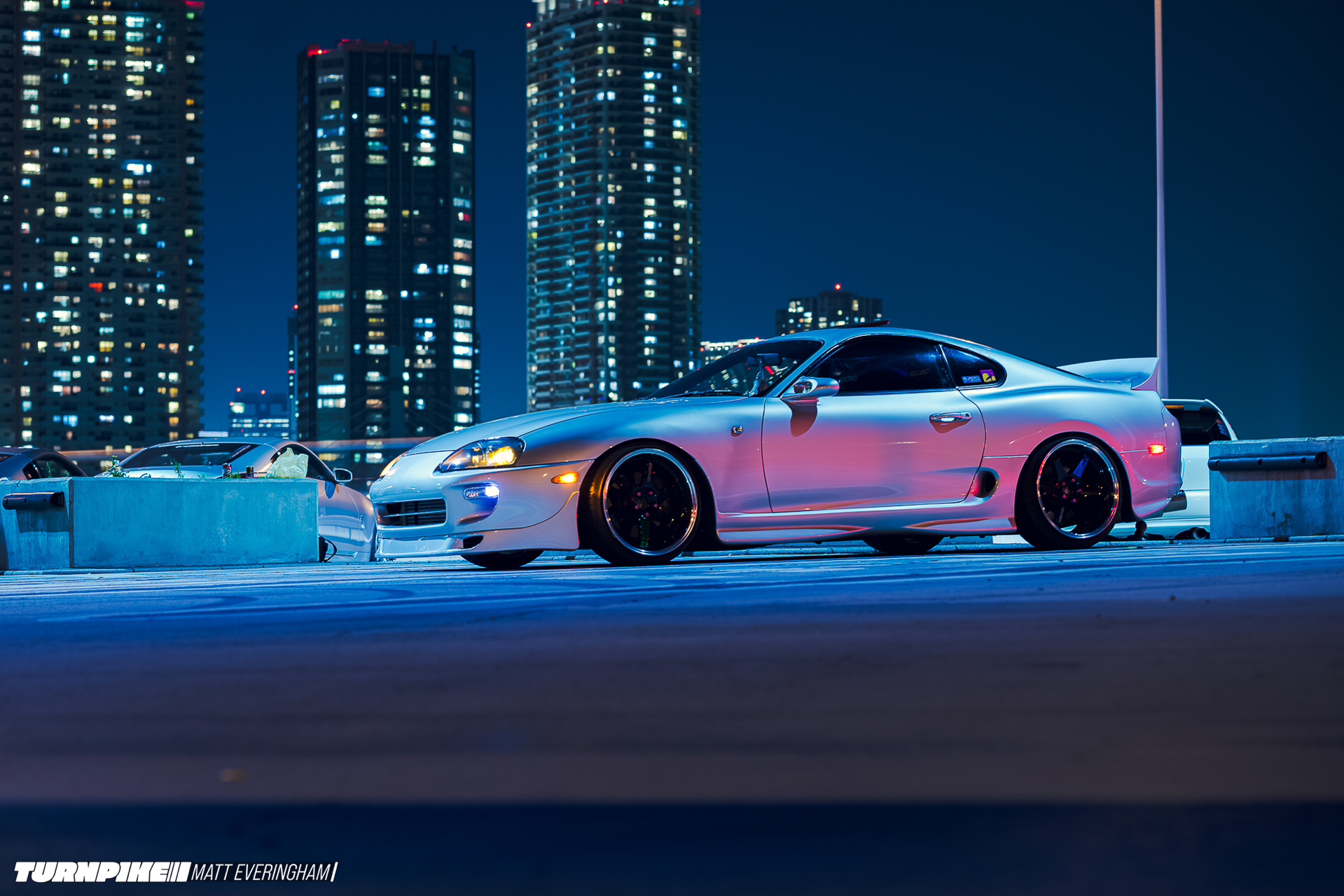
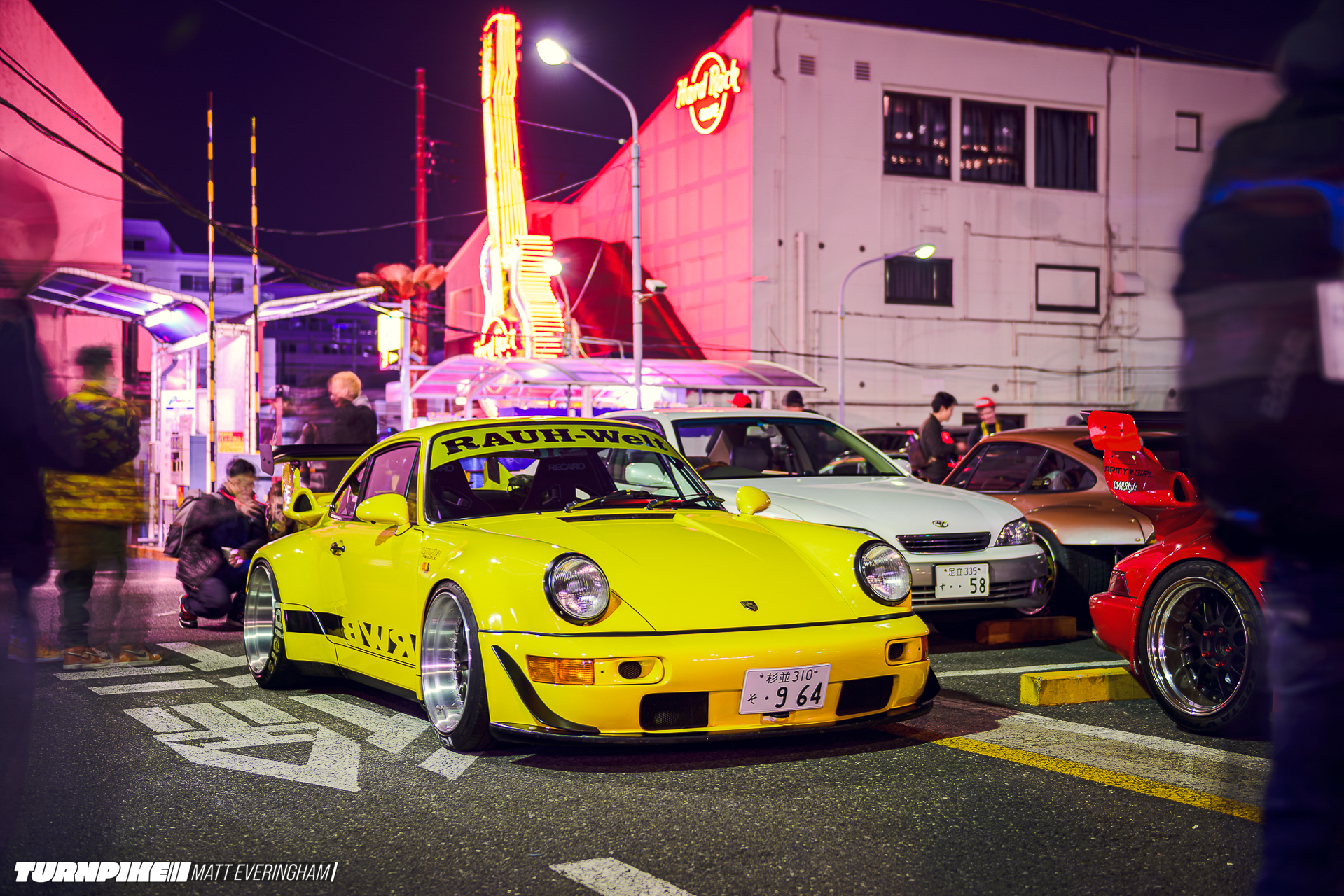
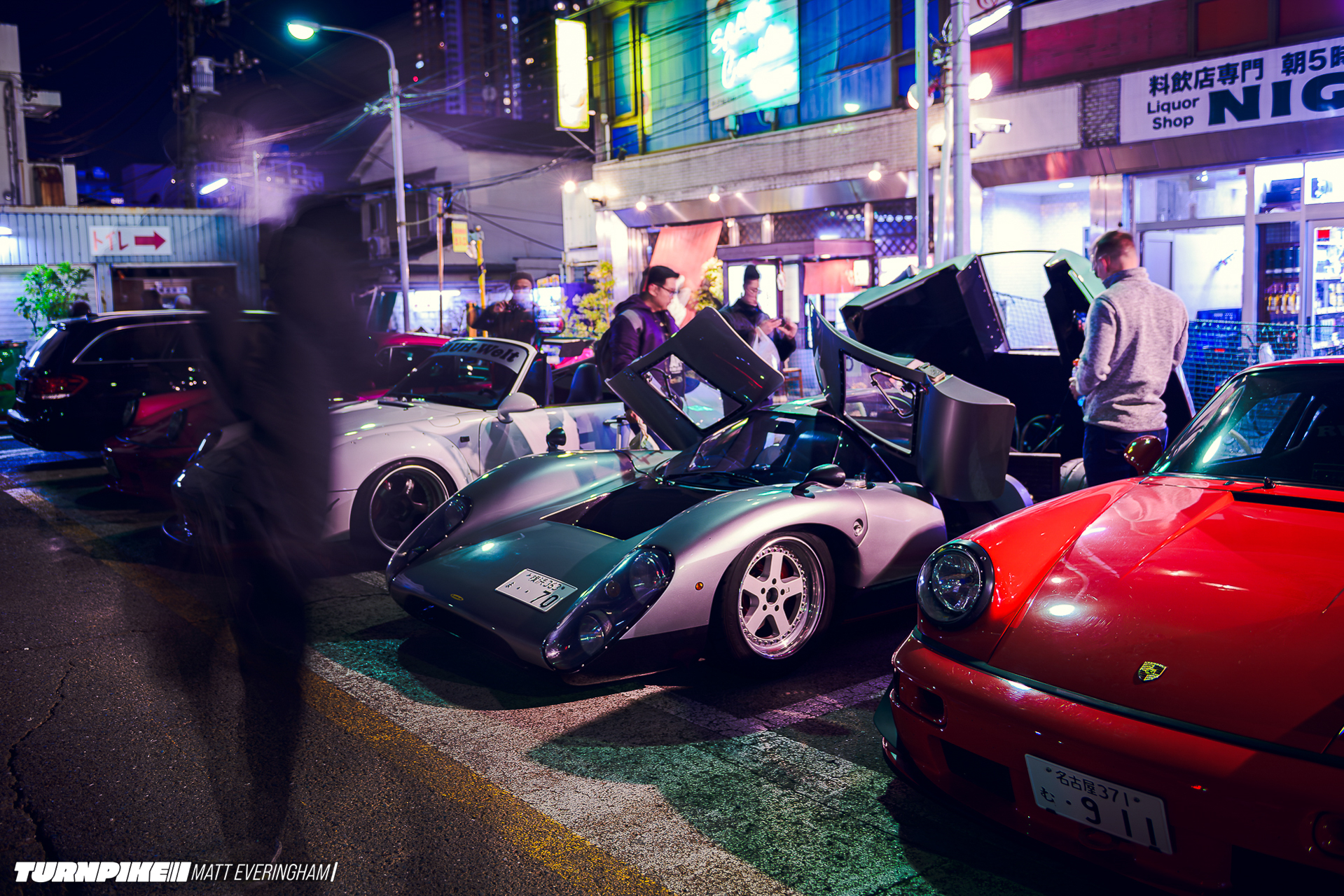
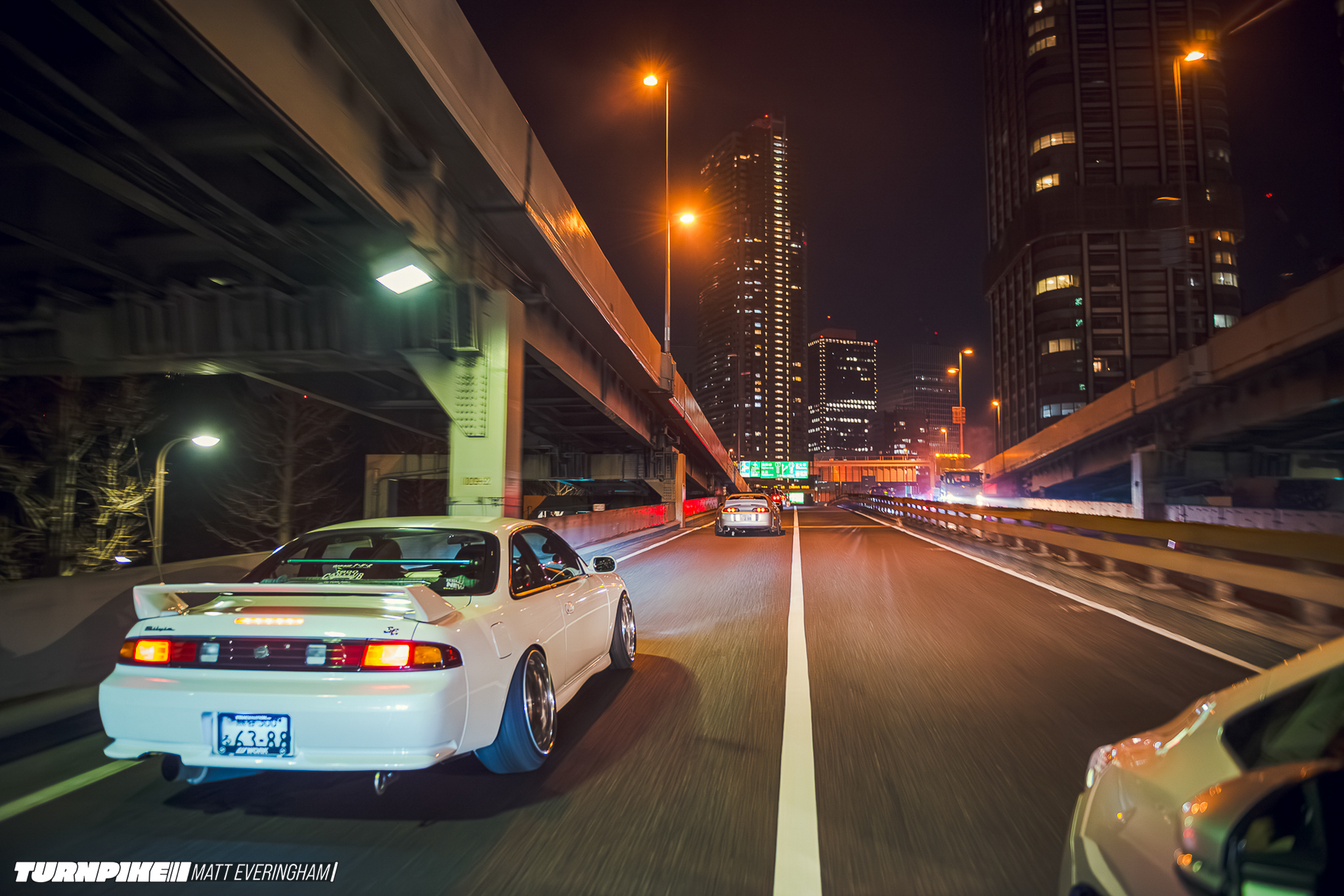
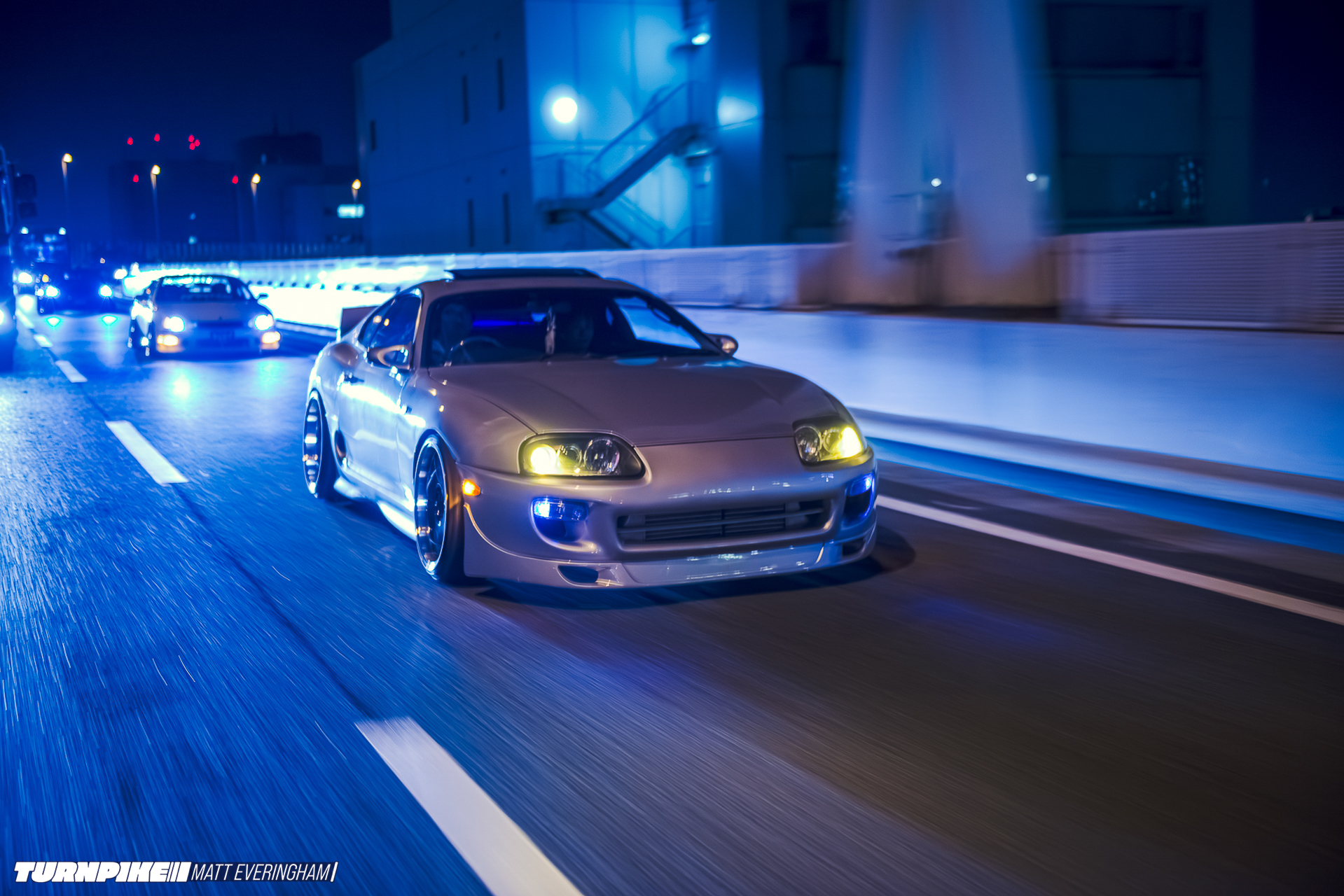
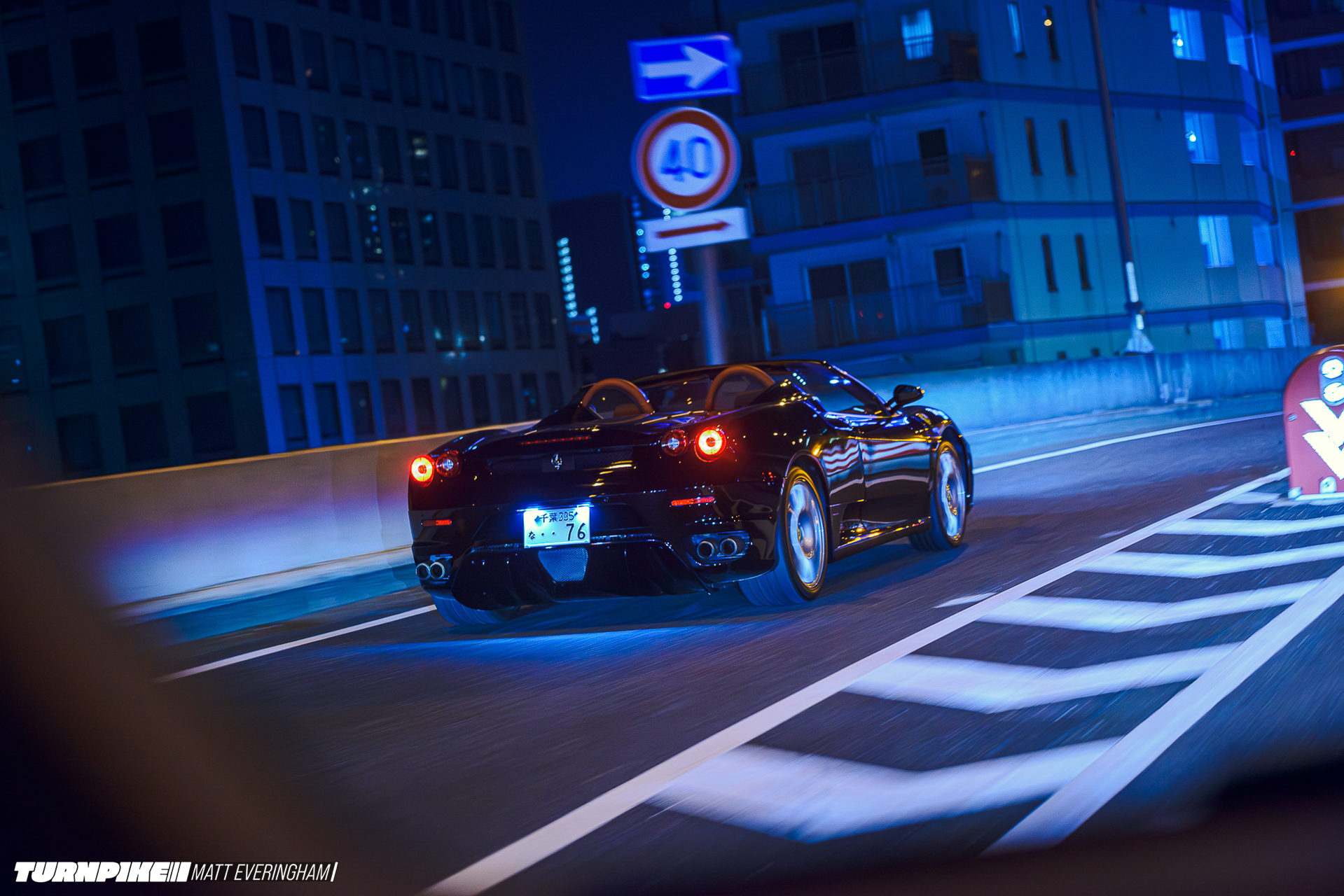
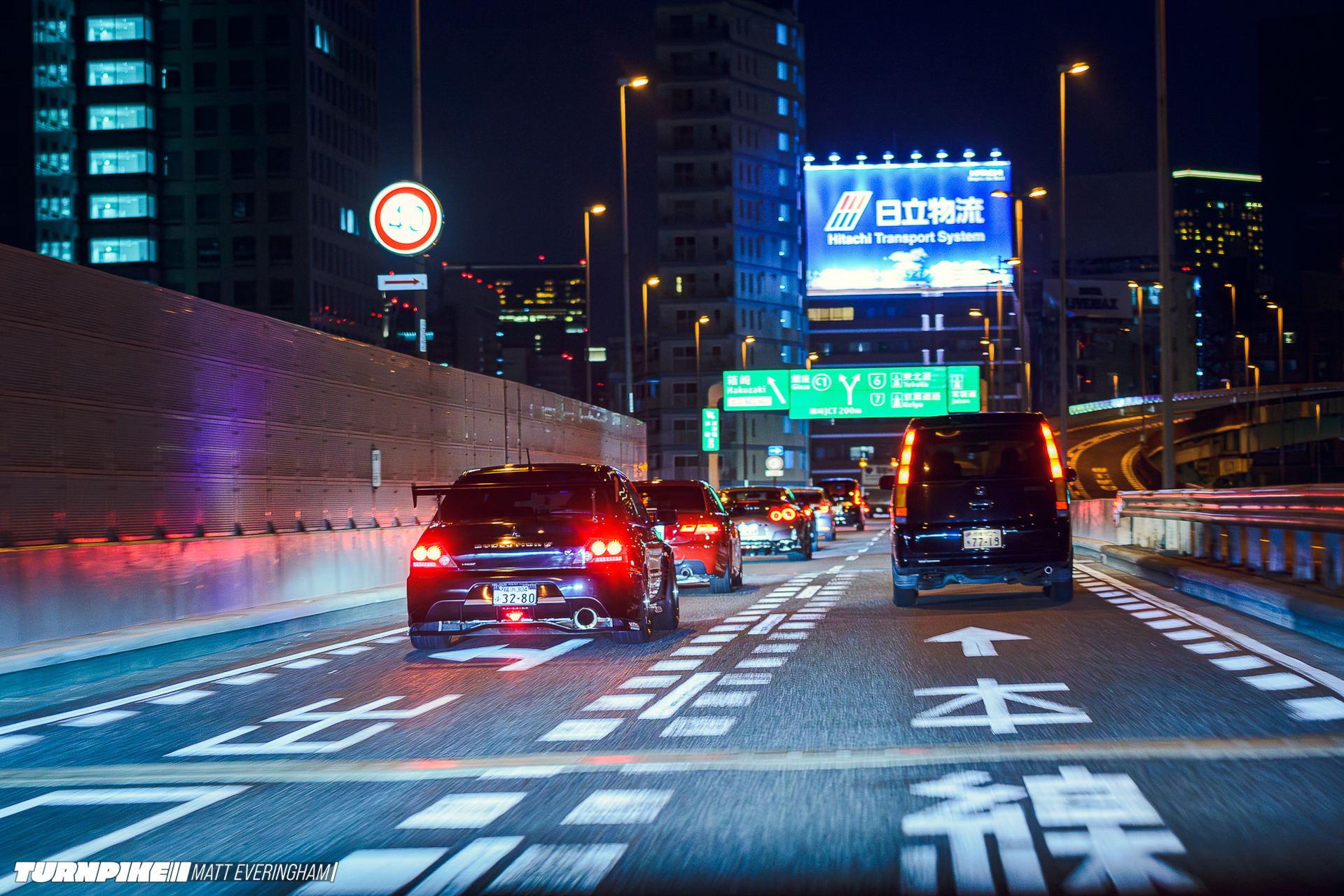
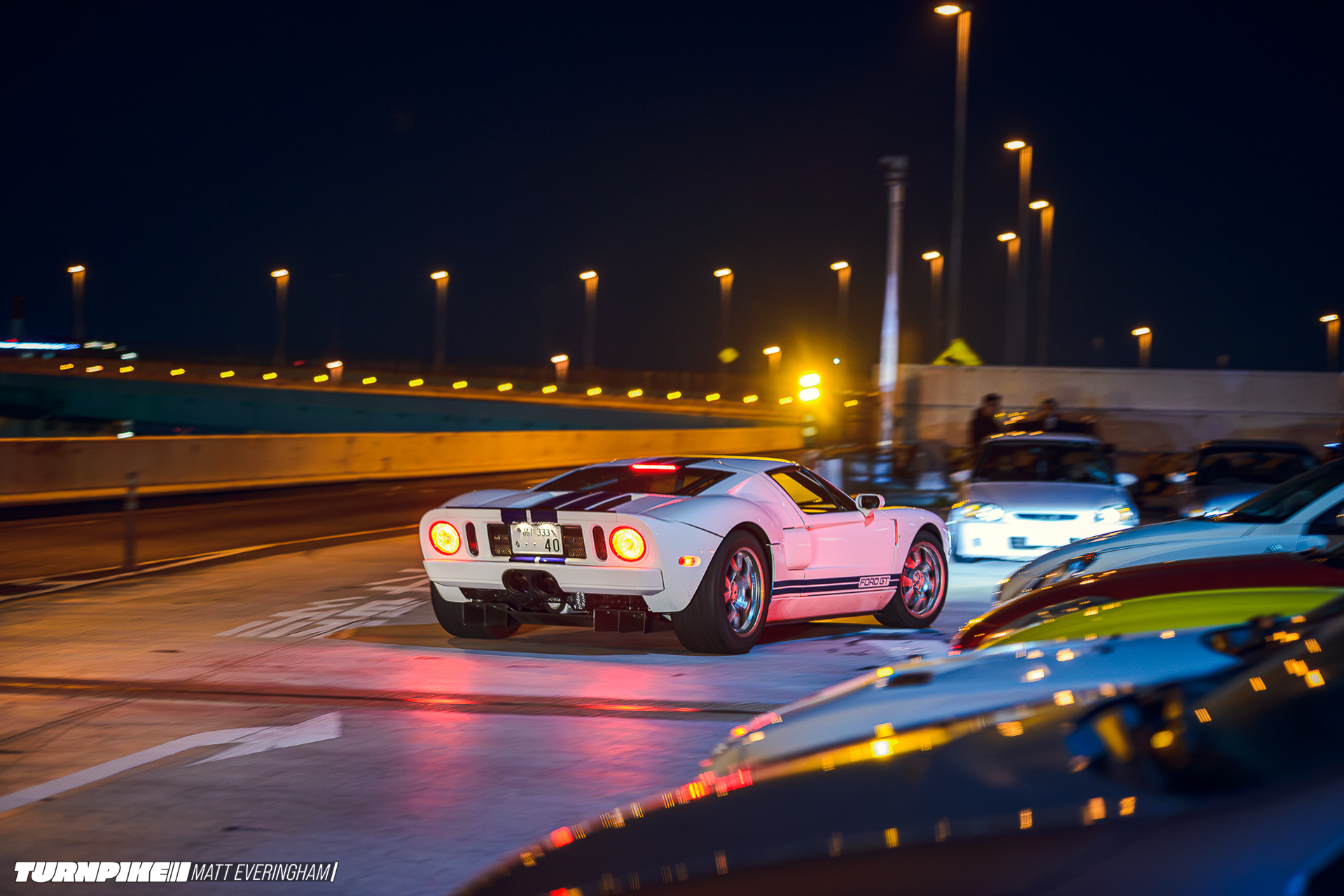
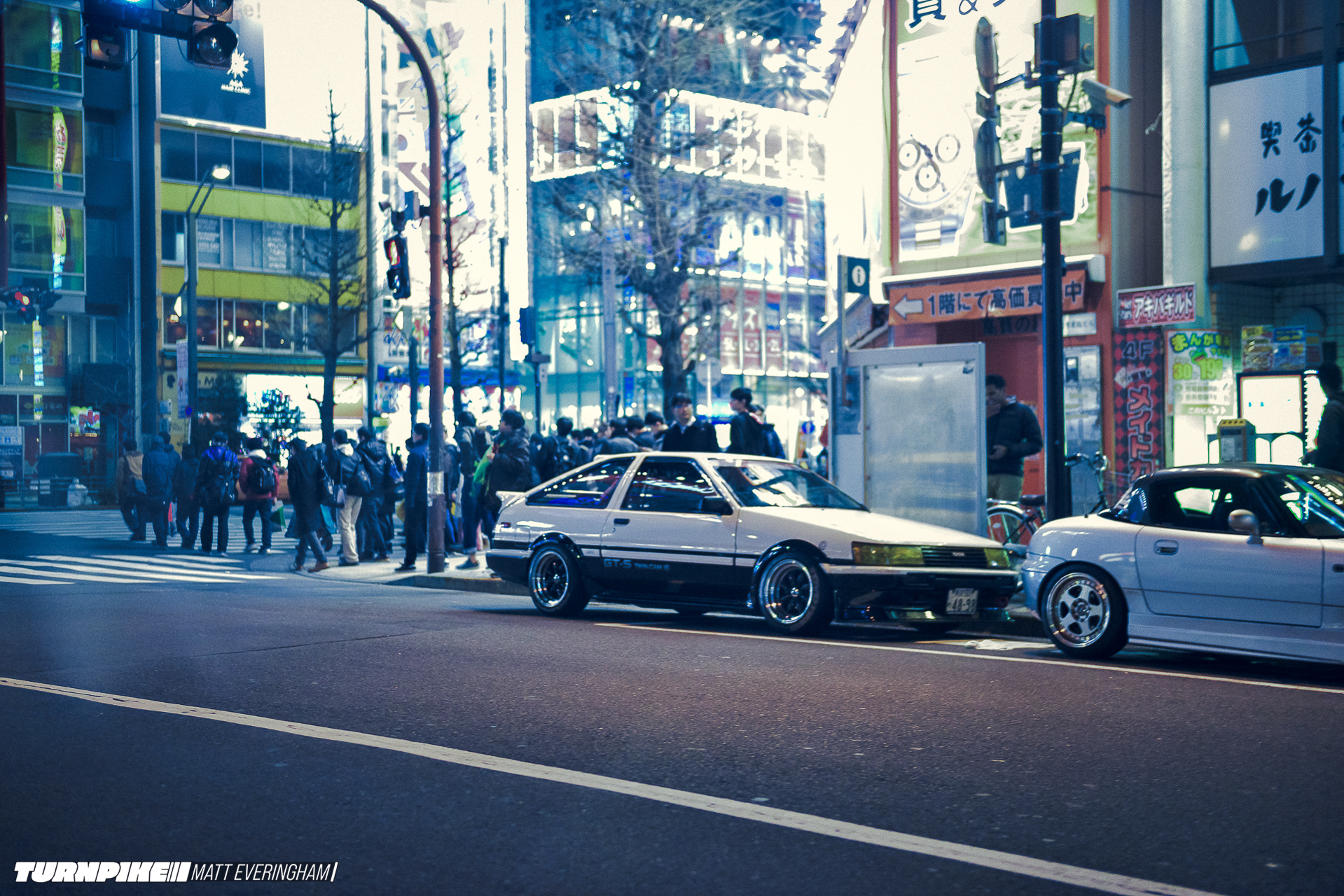
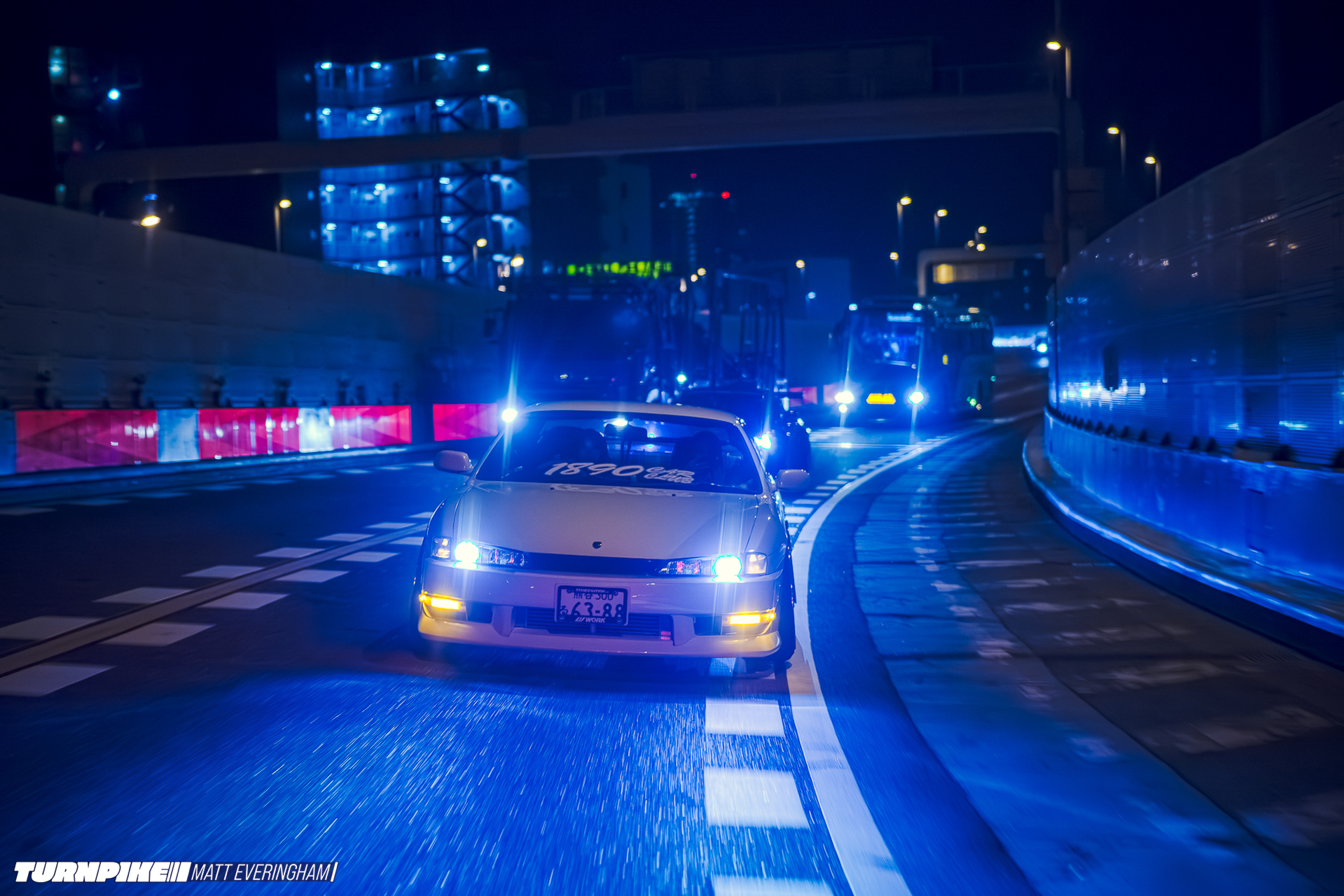
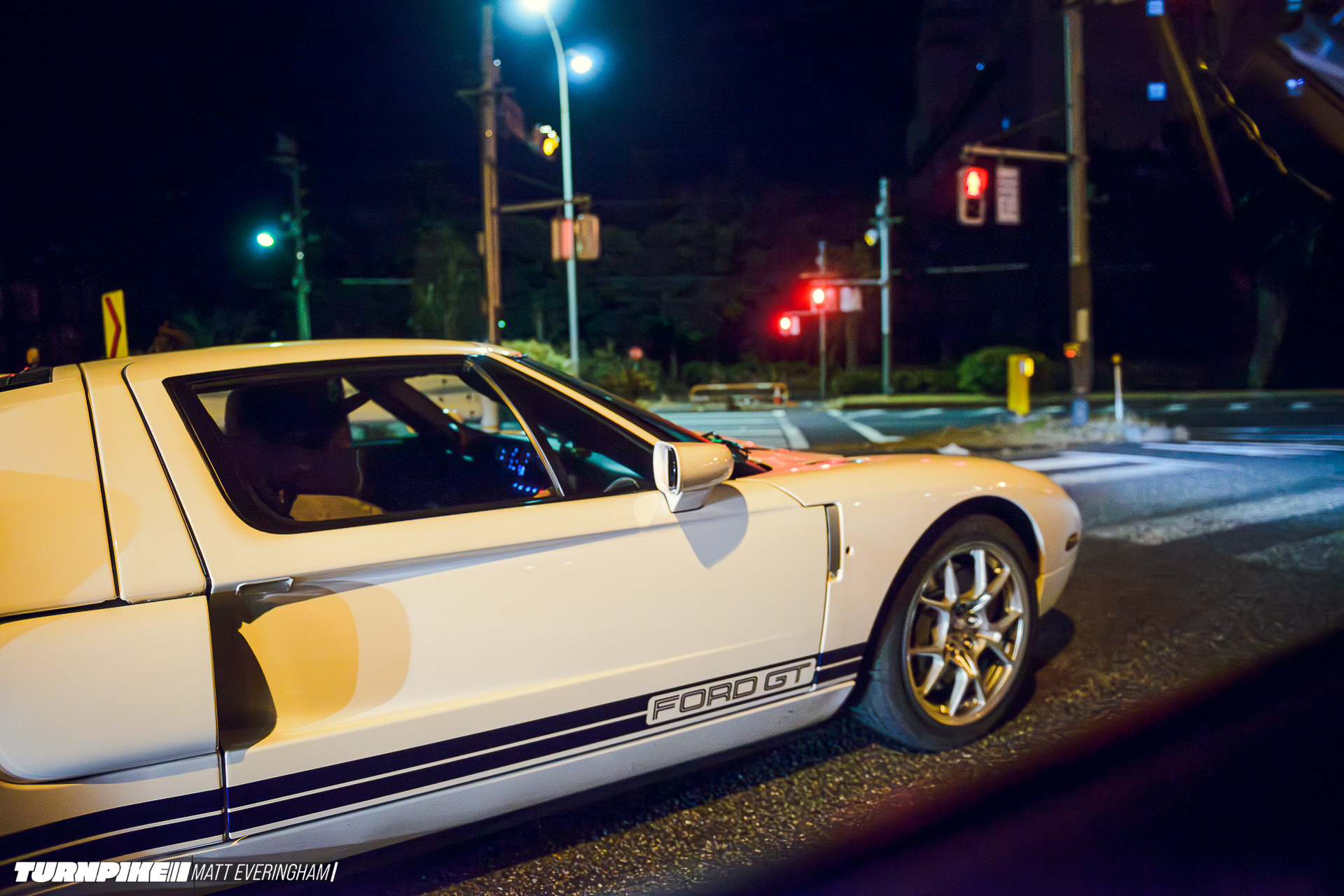
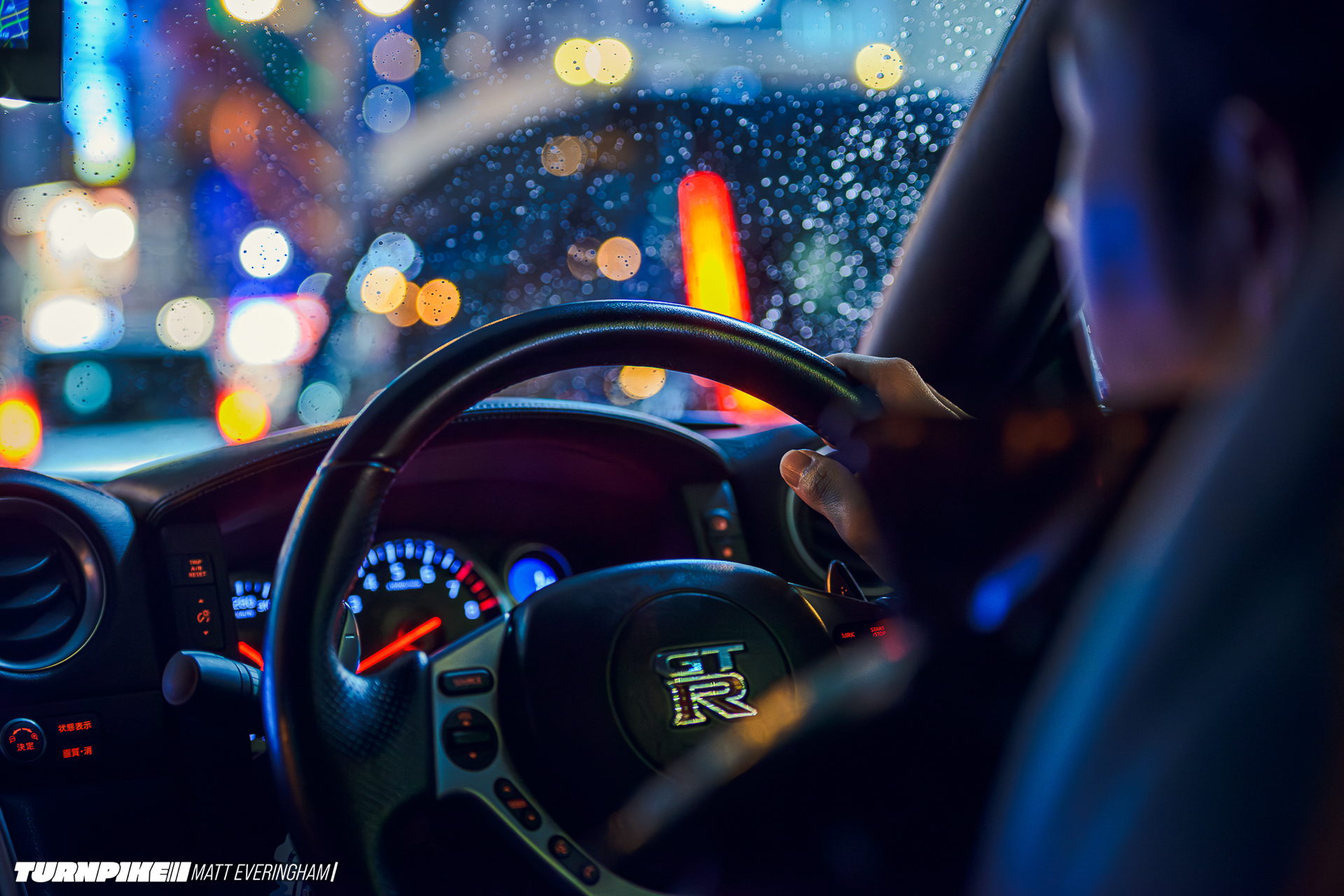
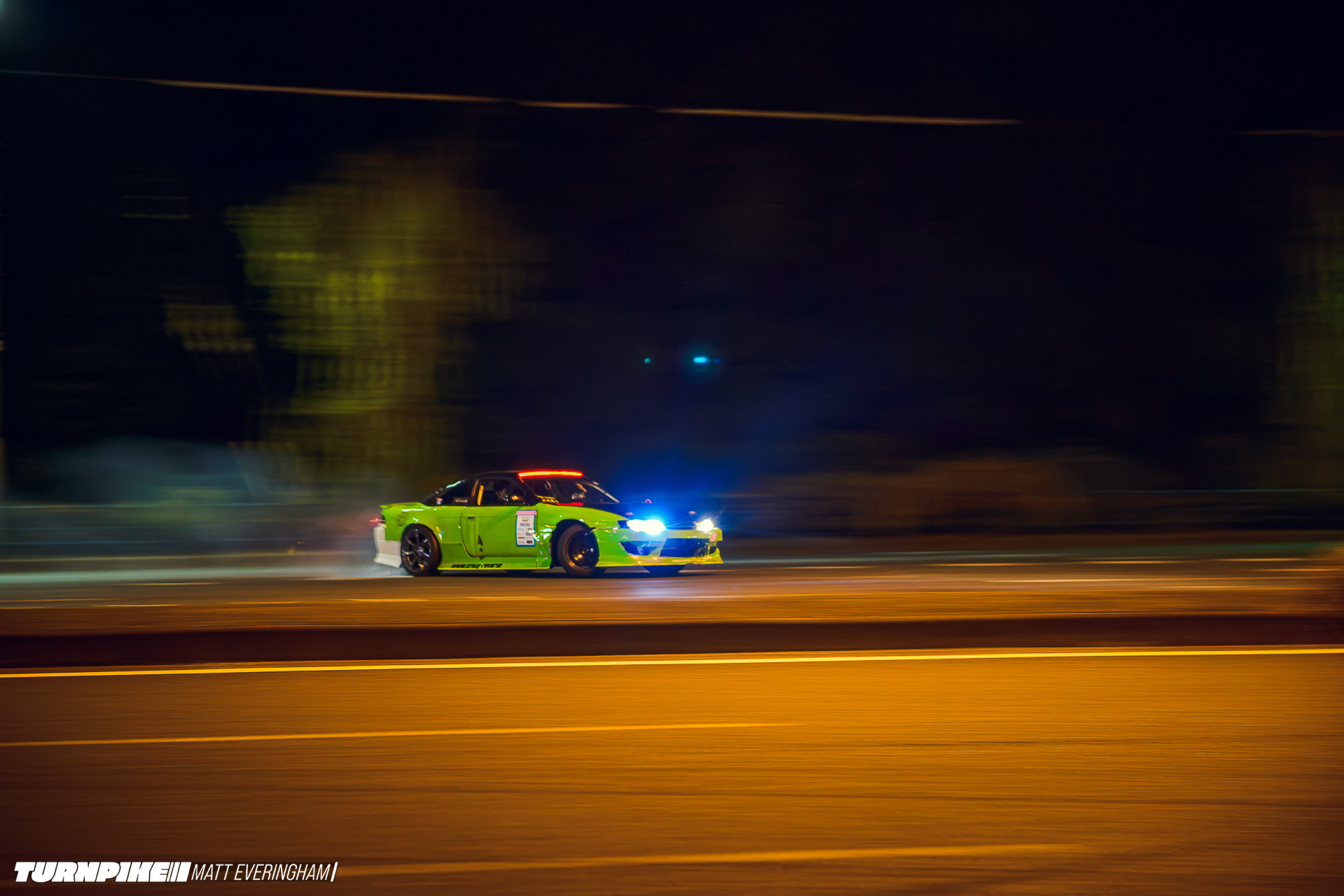
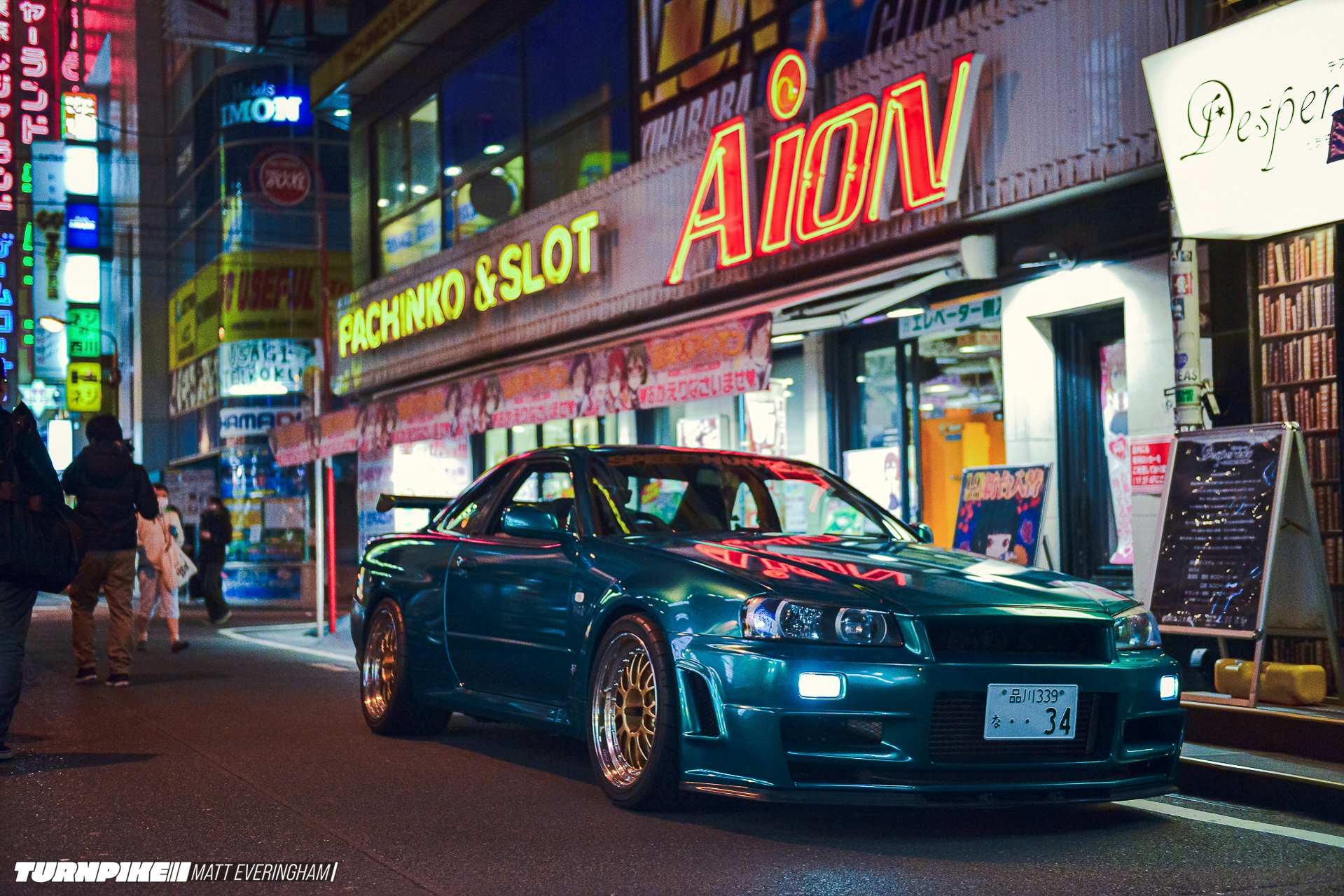
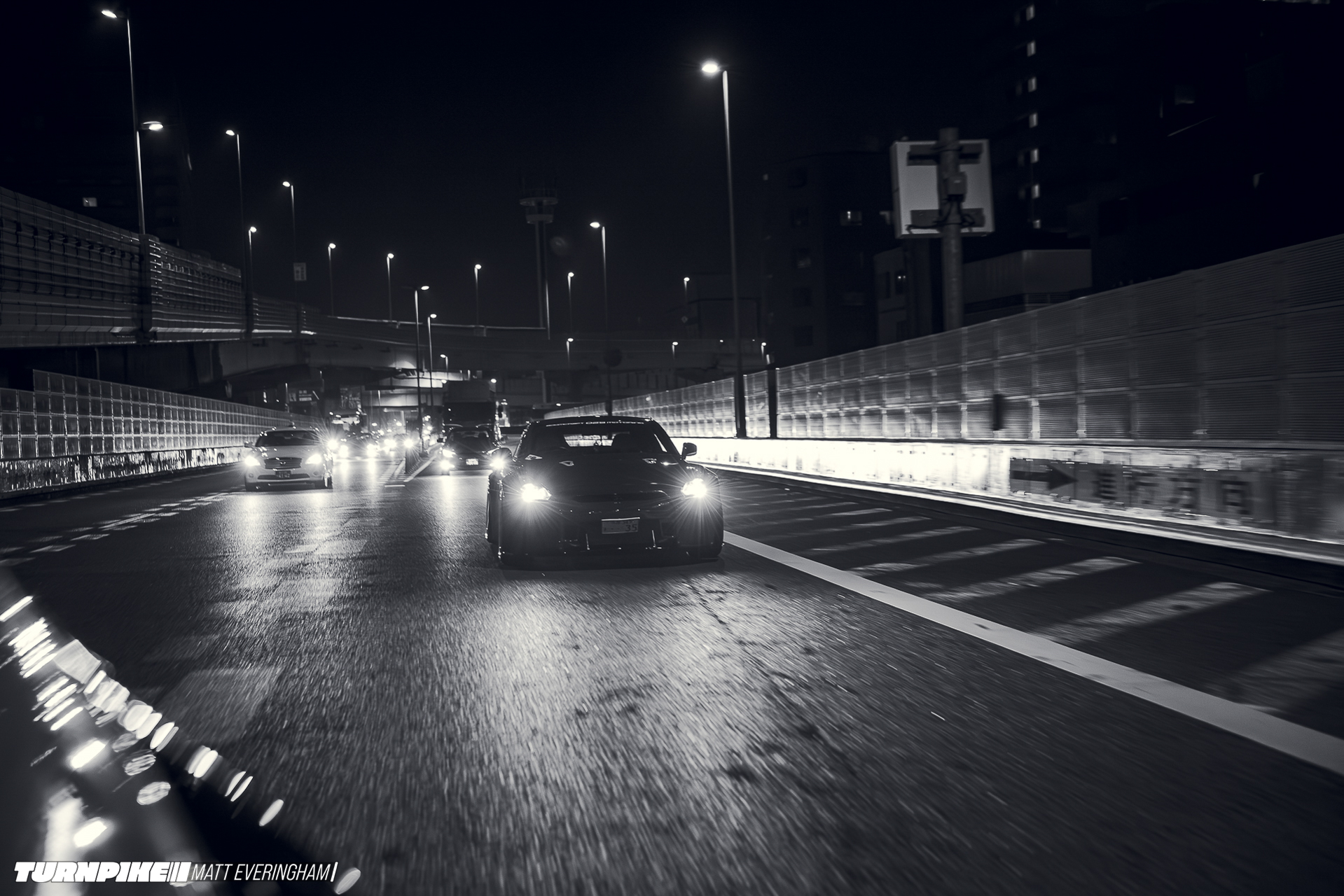
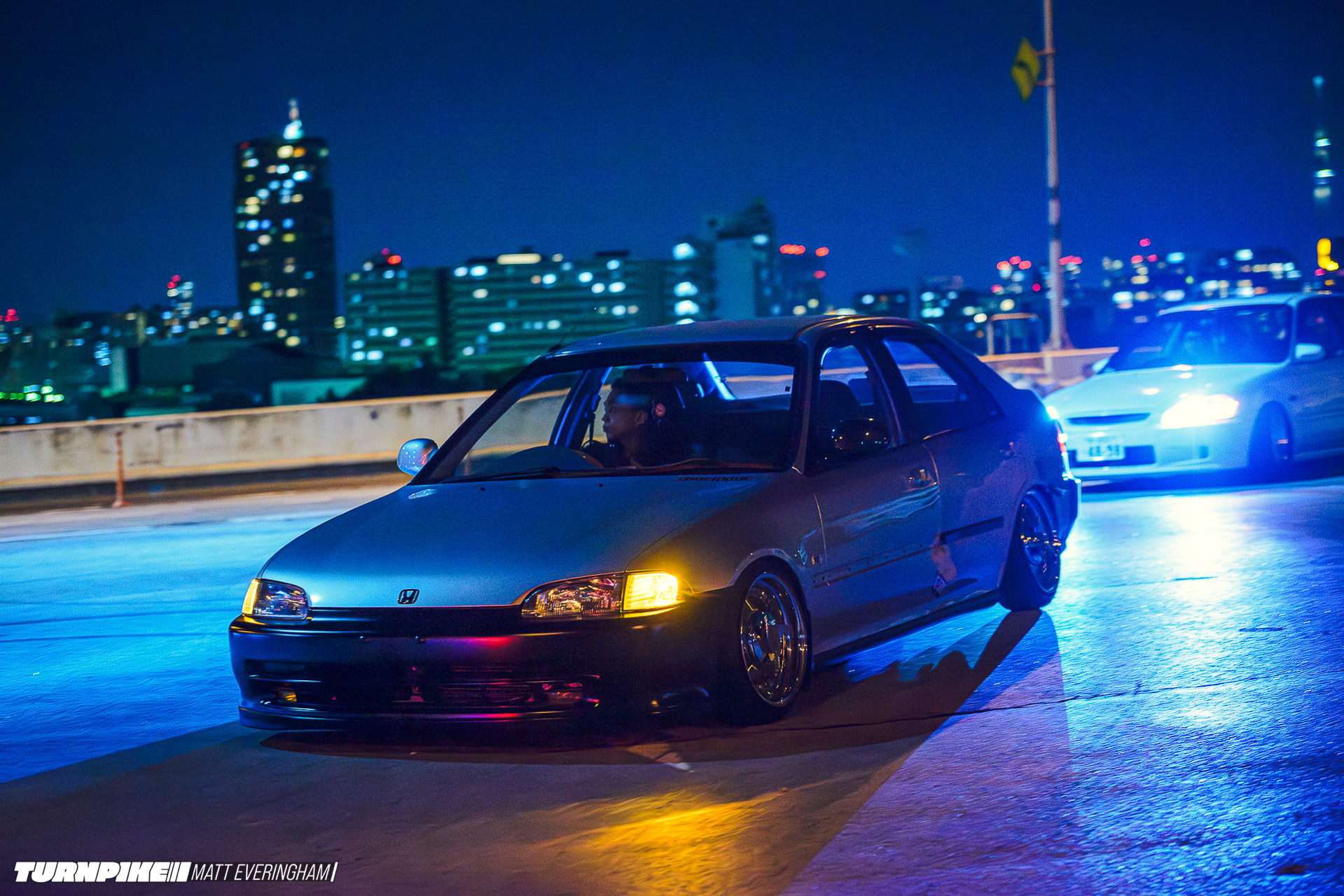
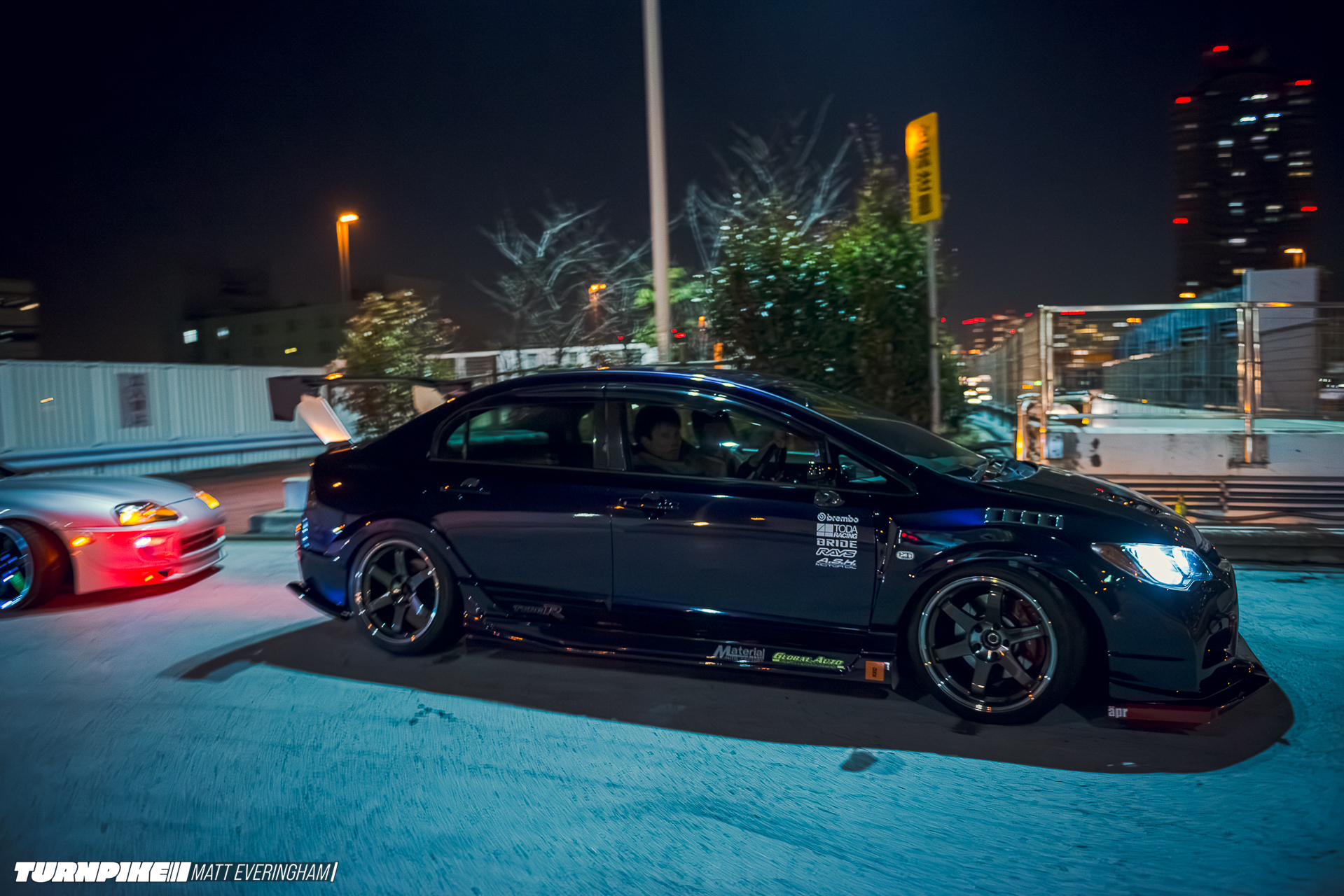
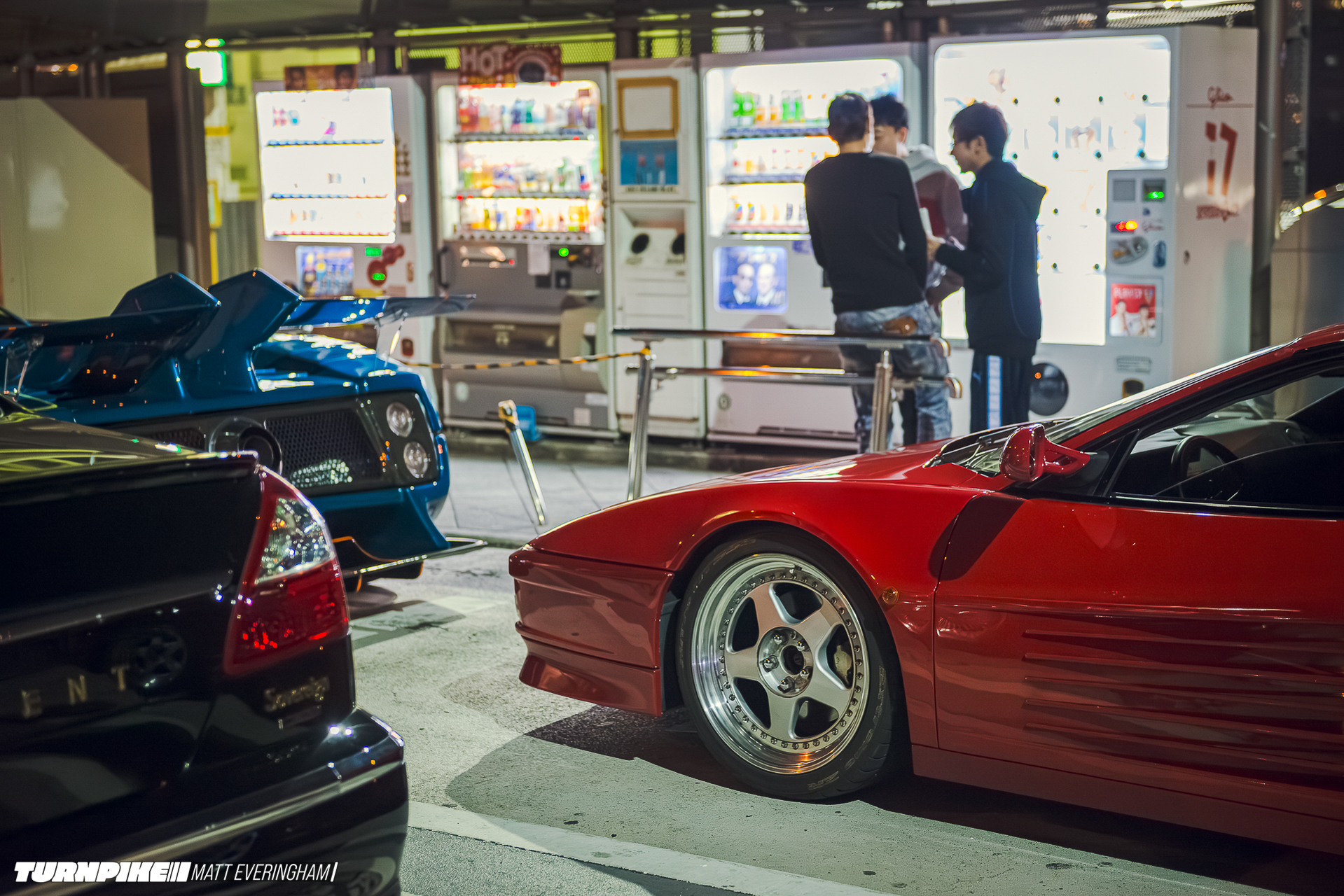
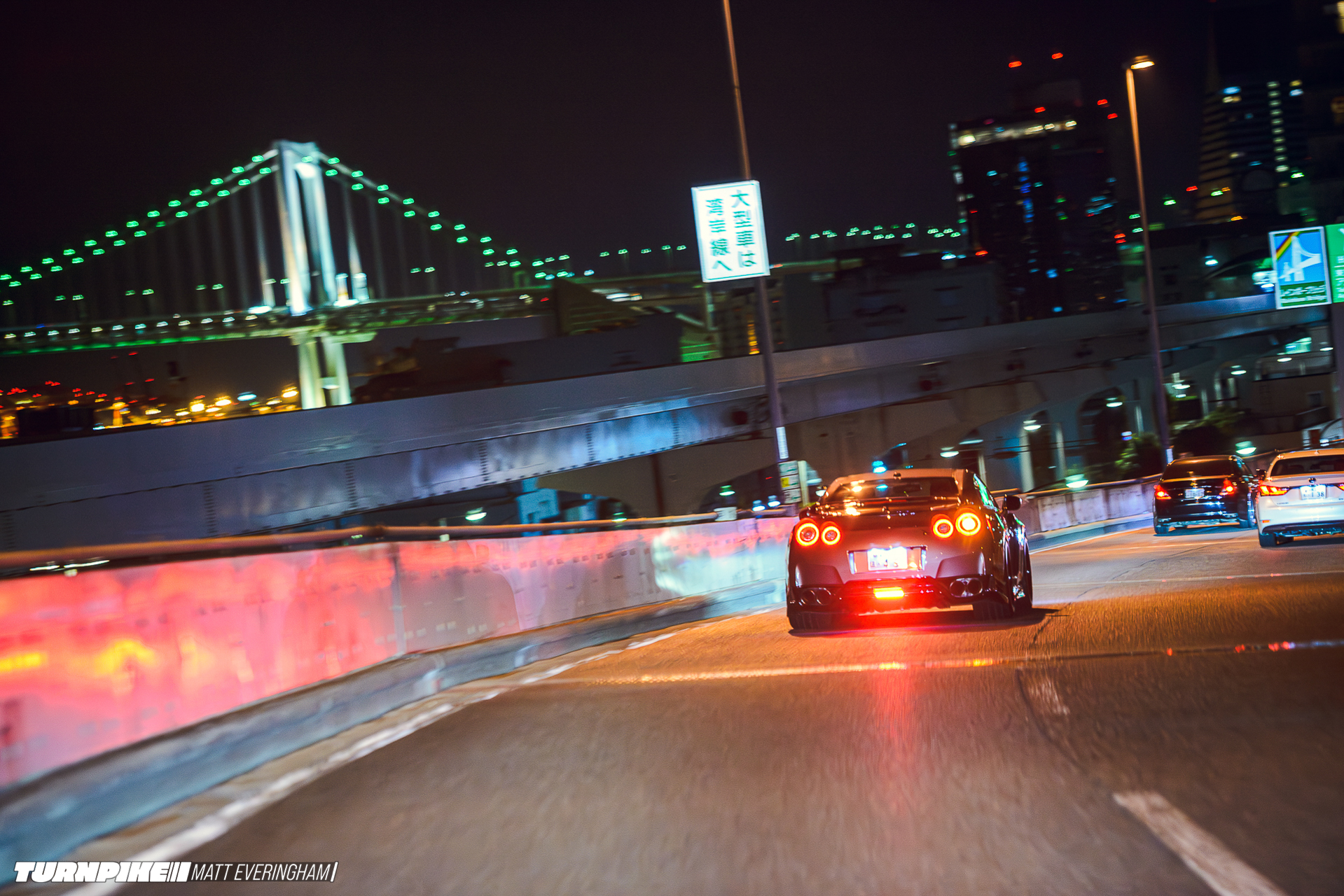
Highways and Parking Areas like a 1:1 scale sushi train of the coolest, wildest, and most obscure of automotive delights.
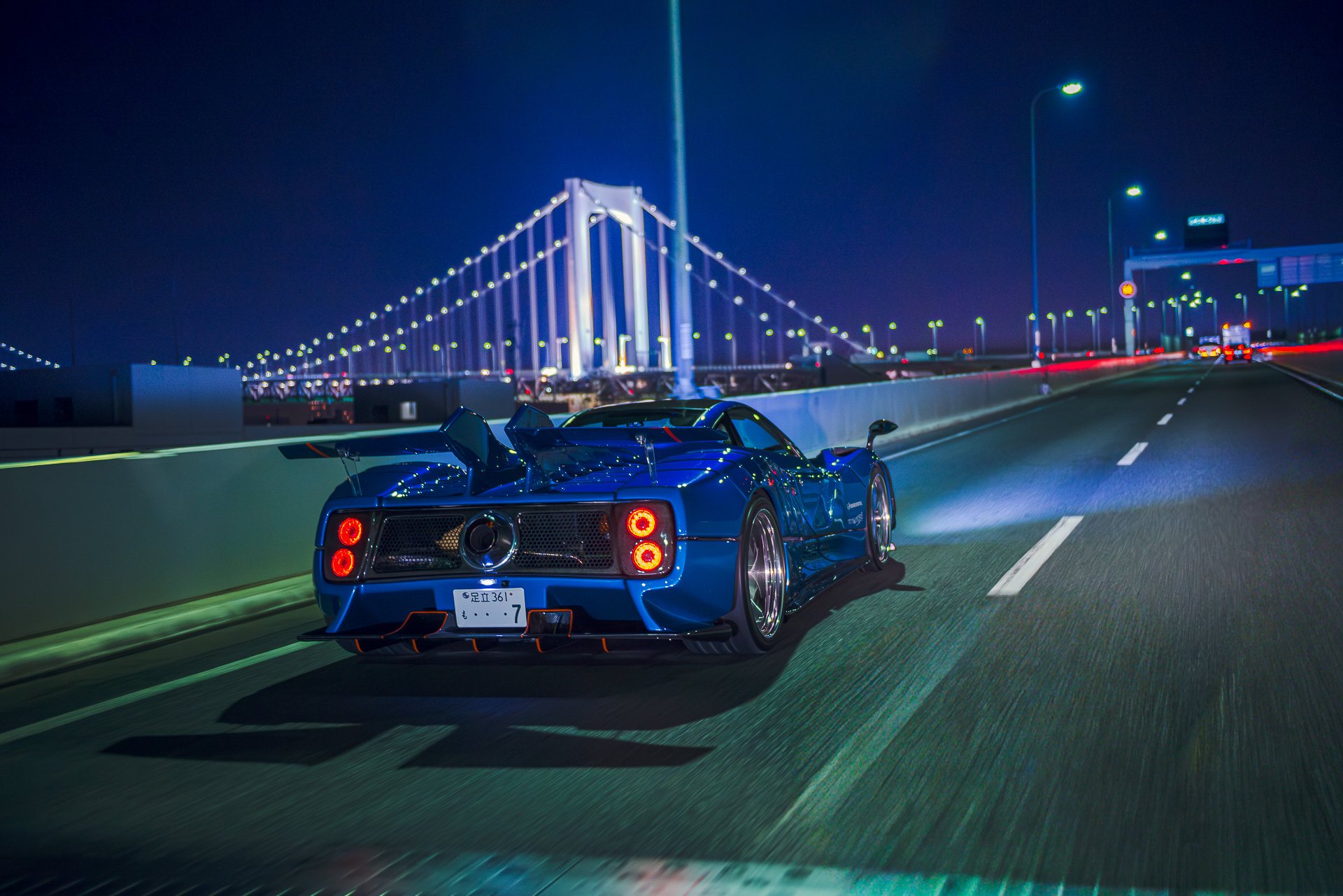
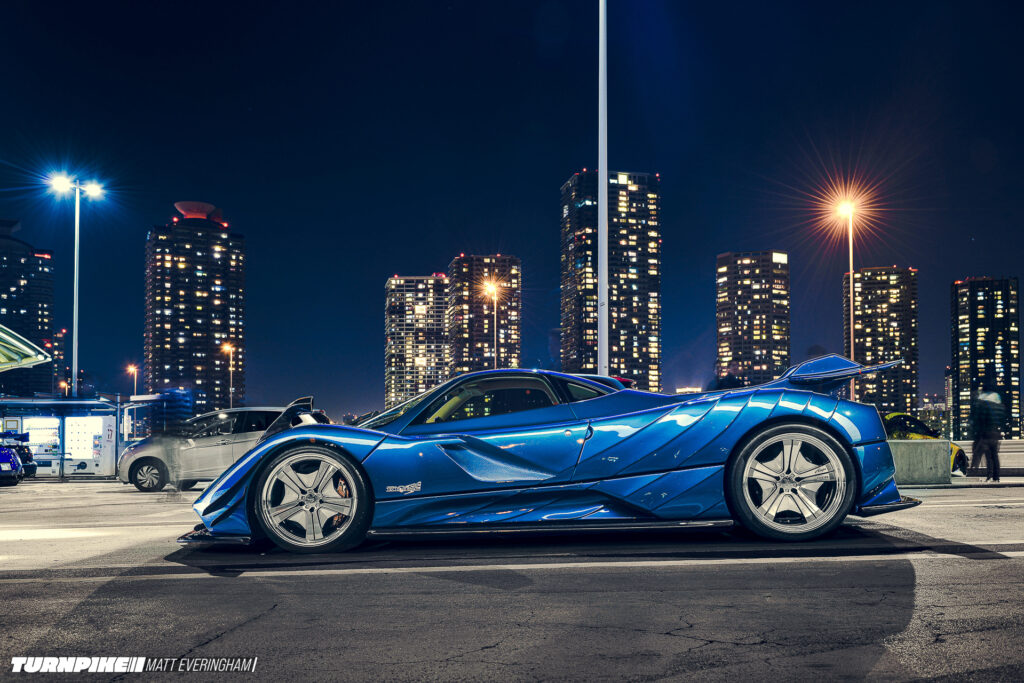
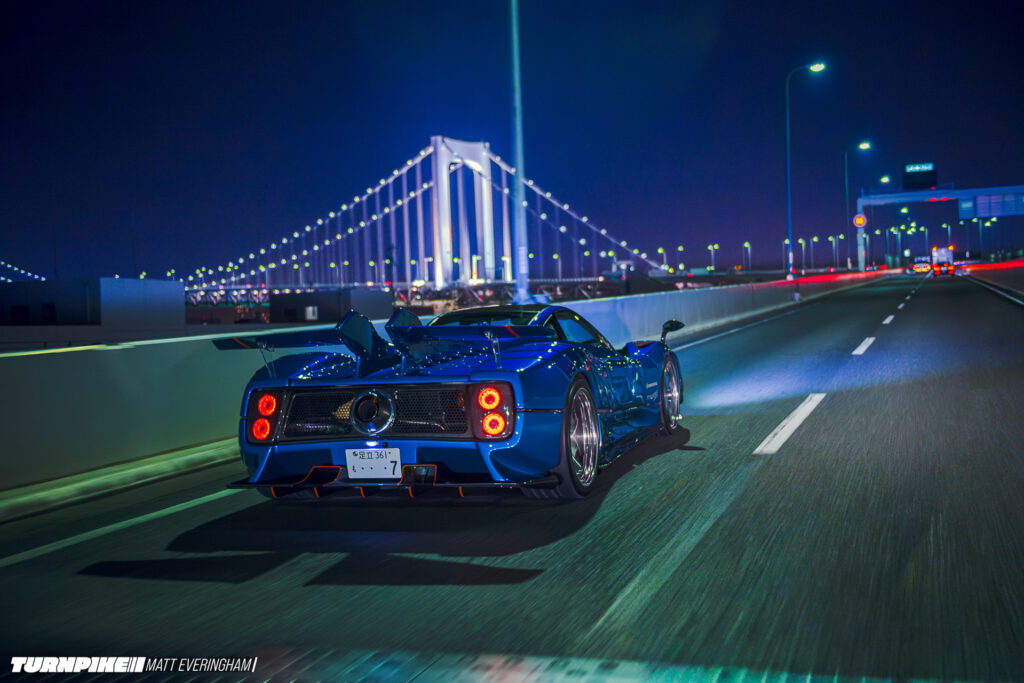
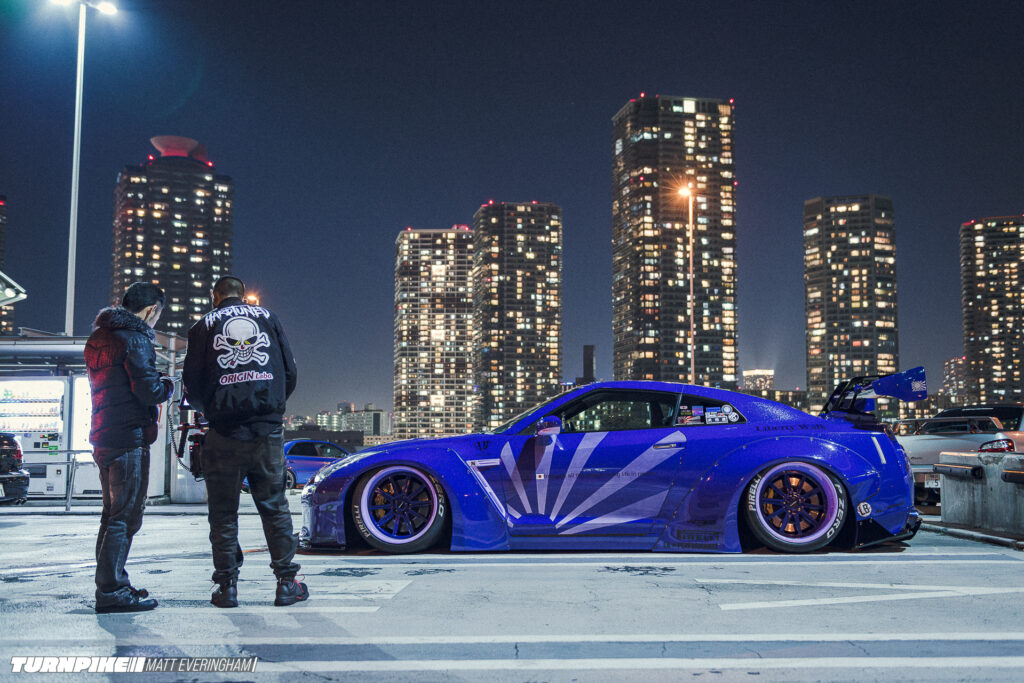
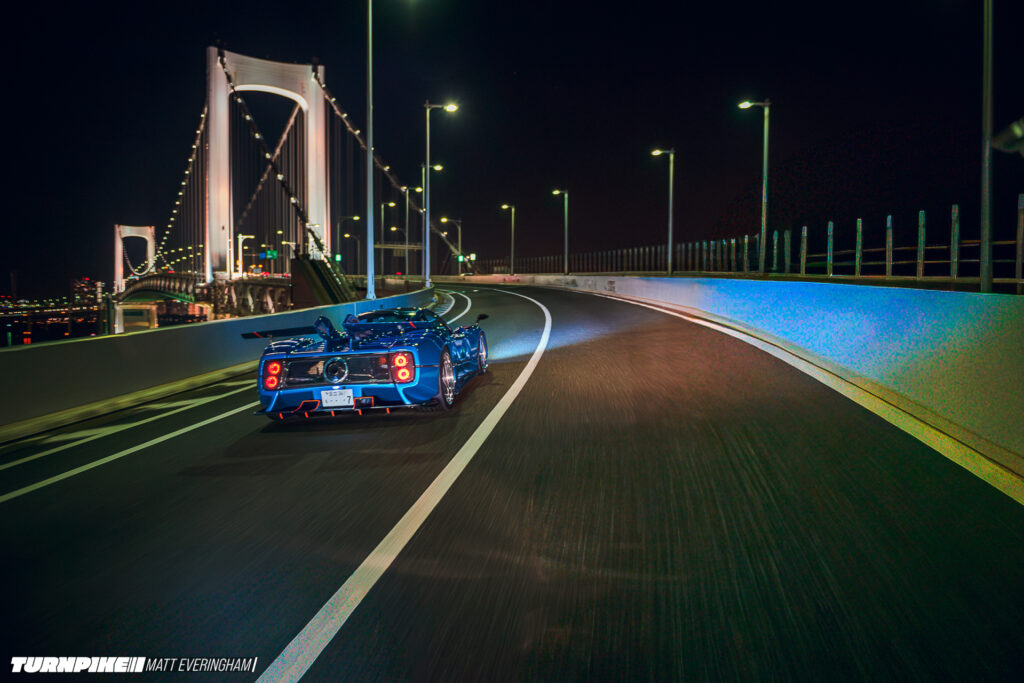
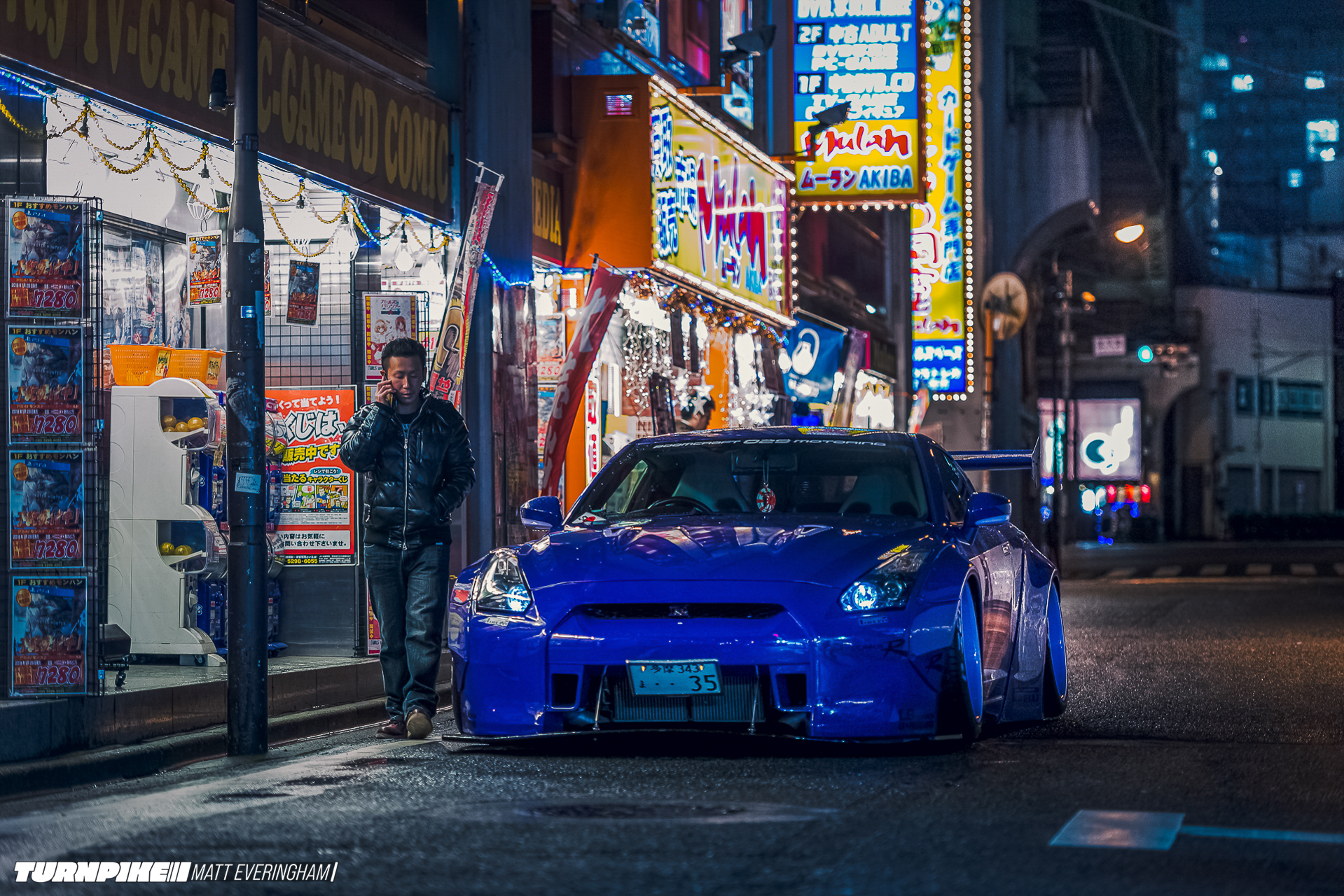
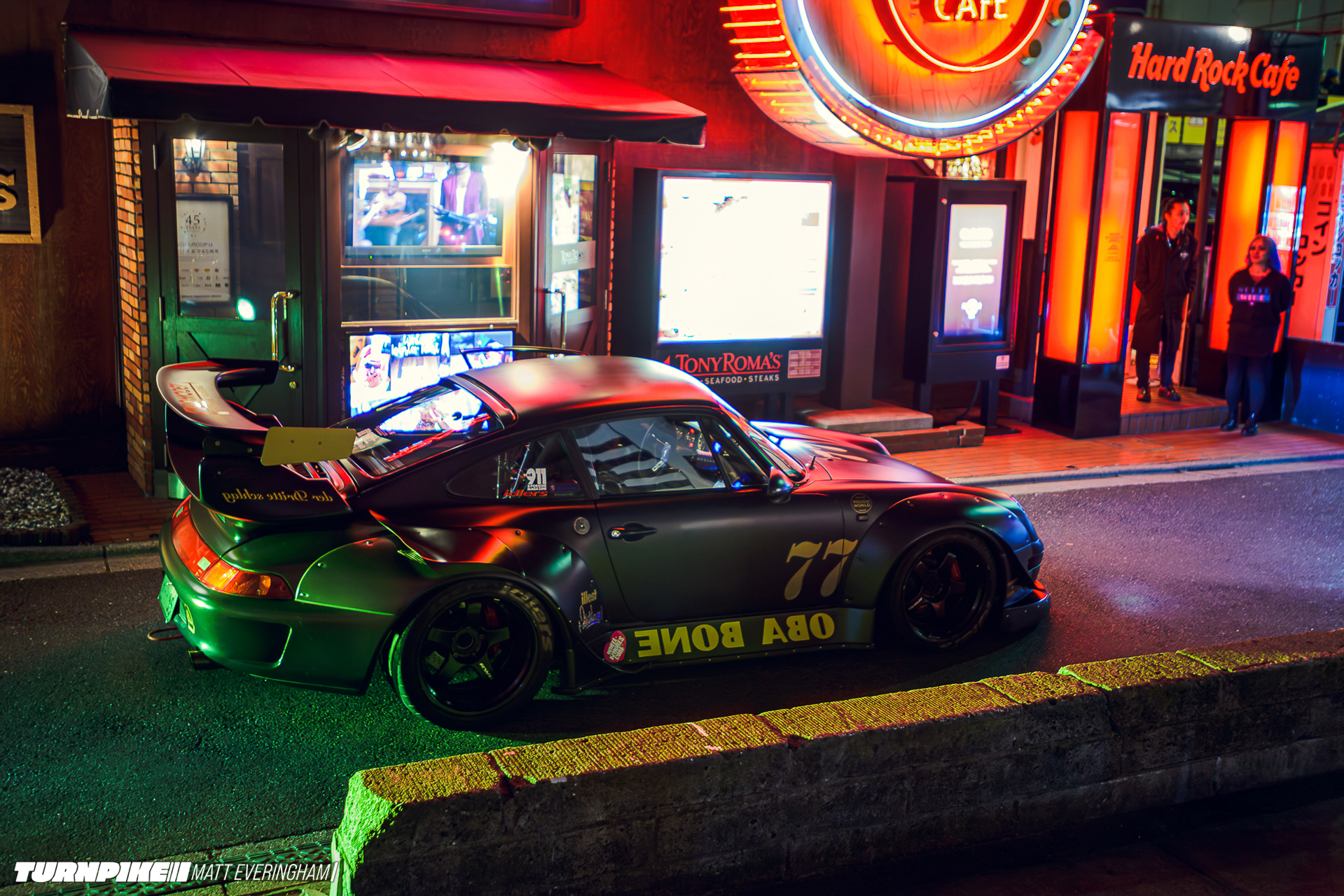
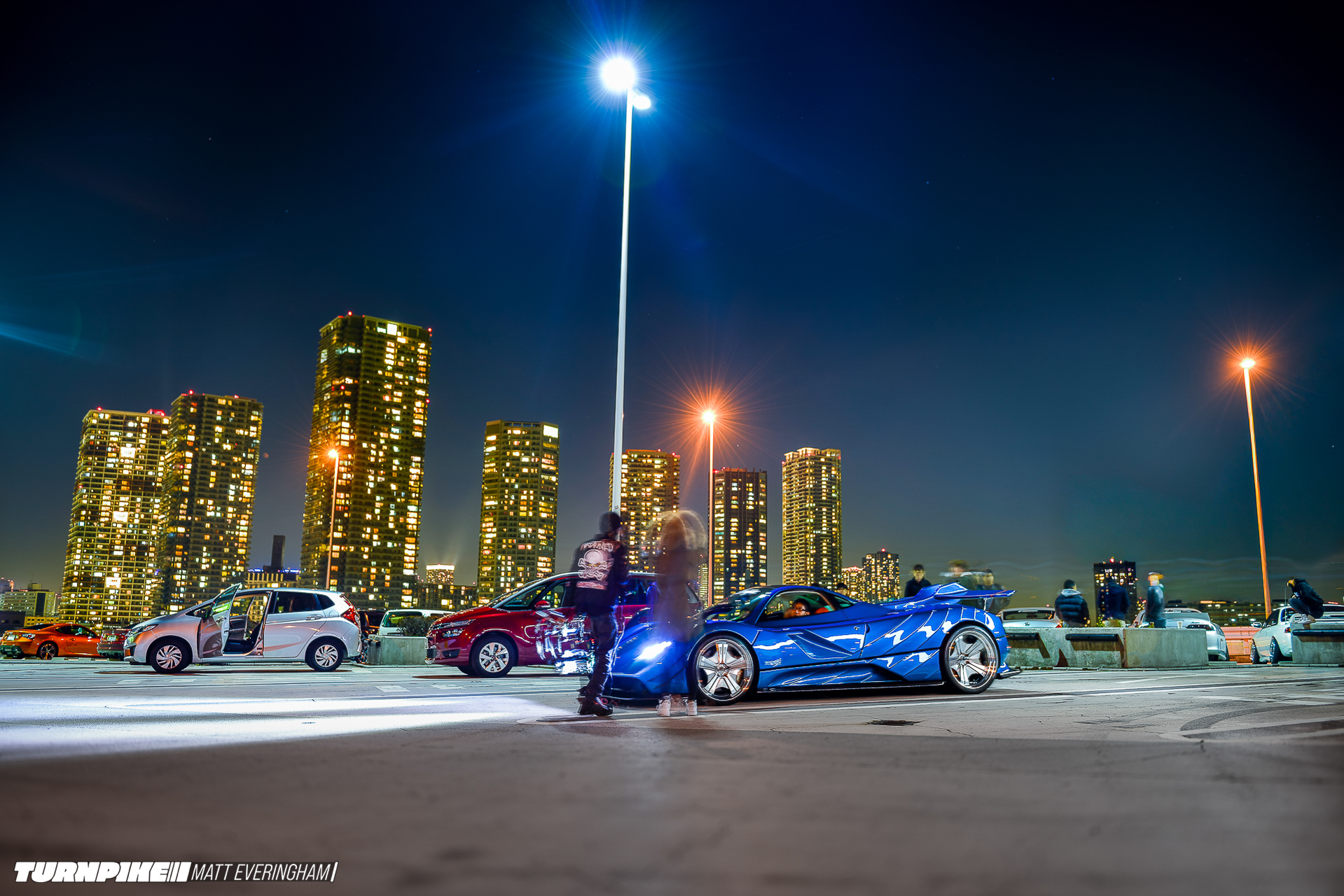
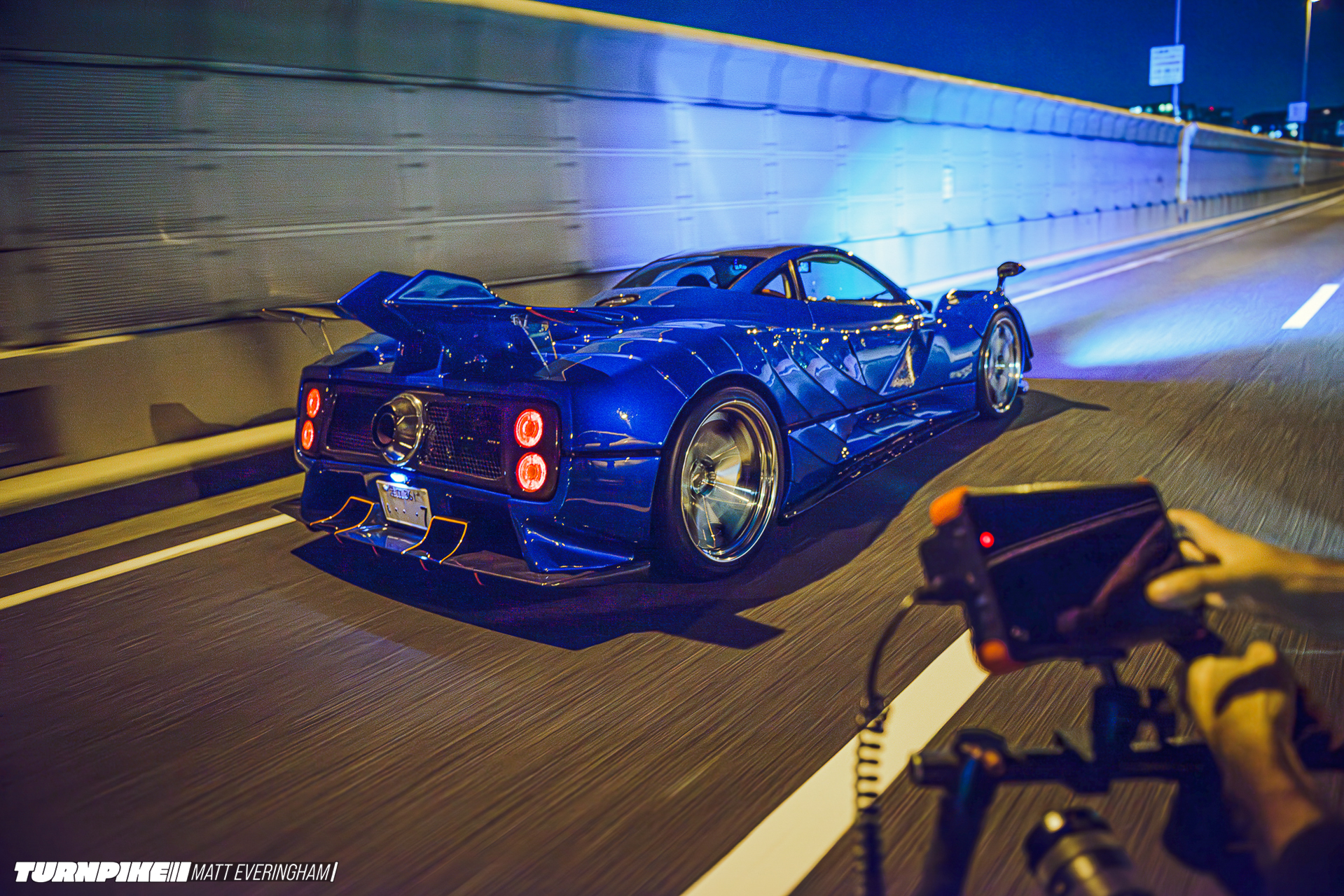
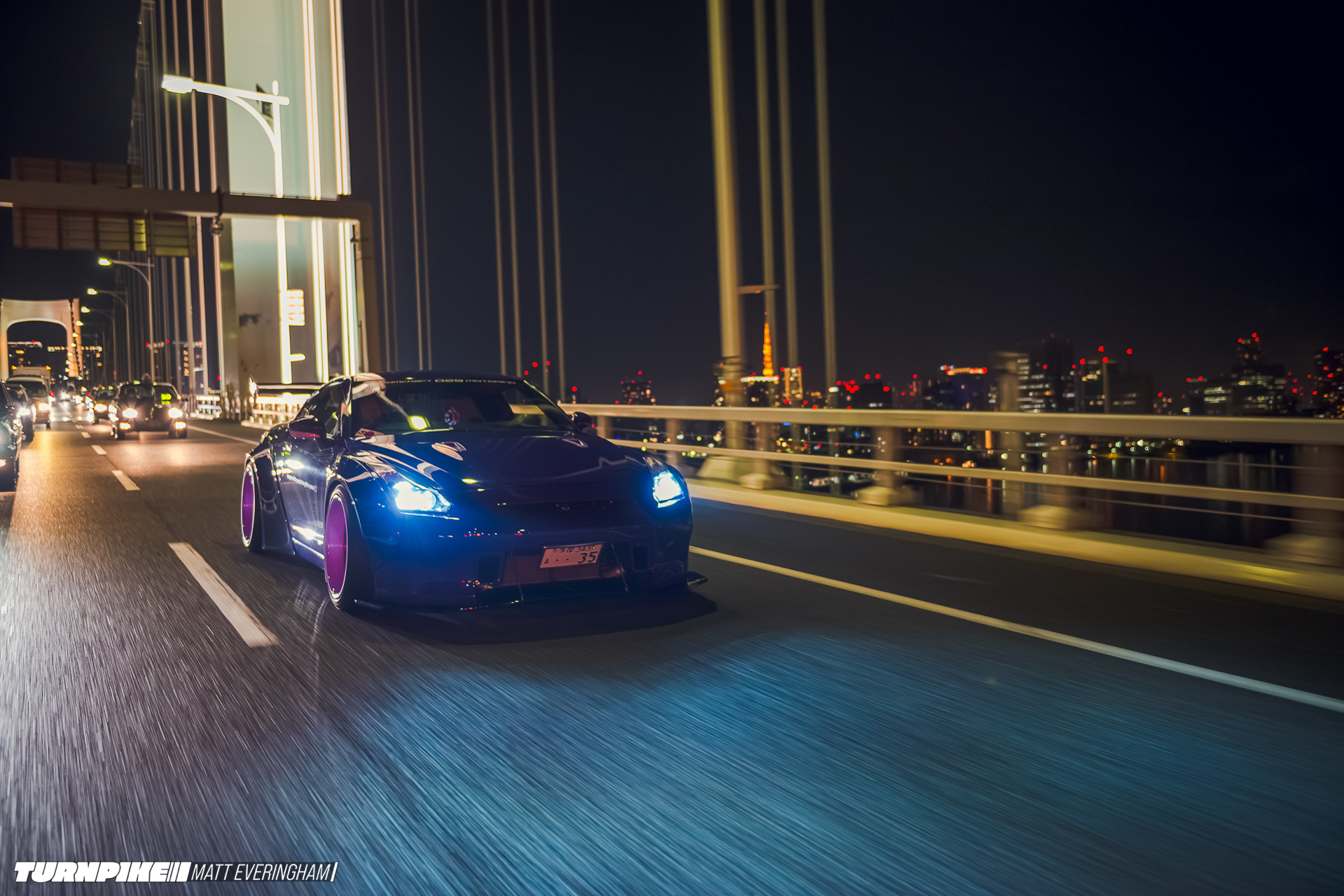
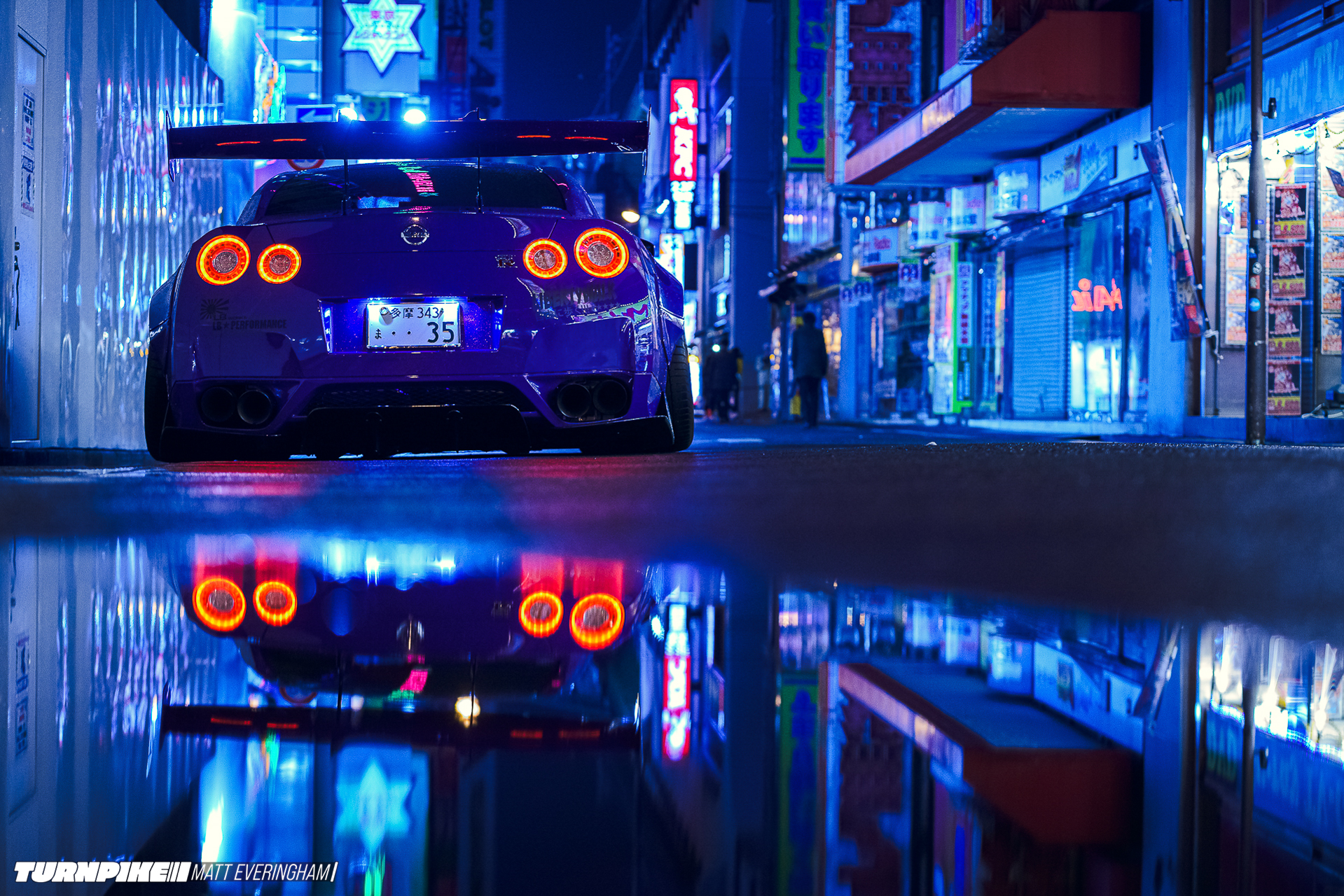
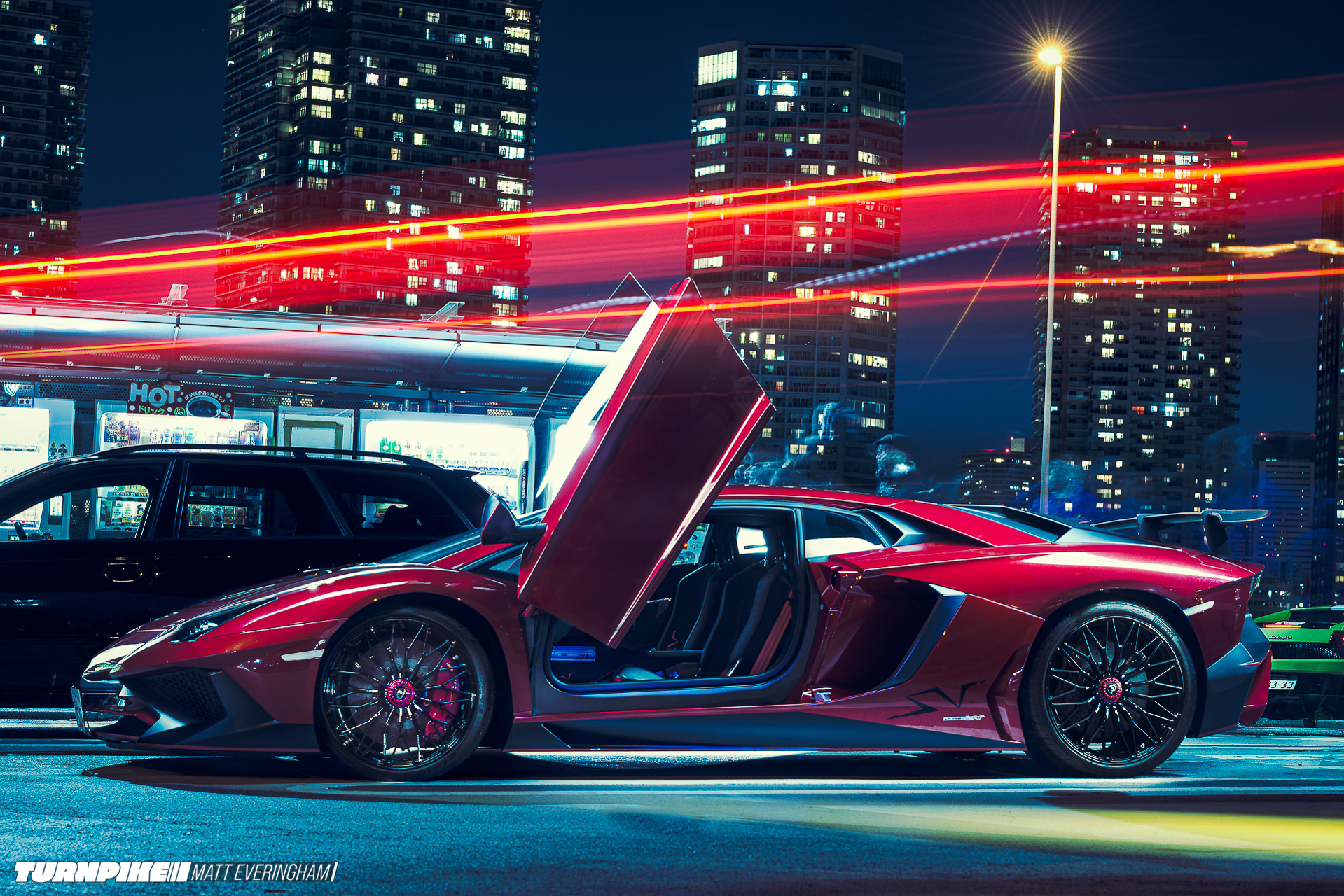
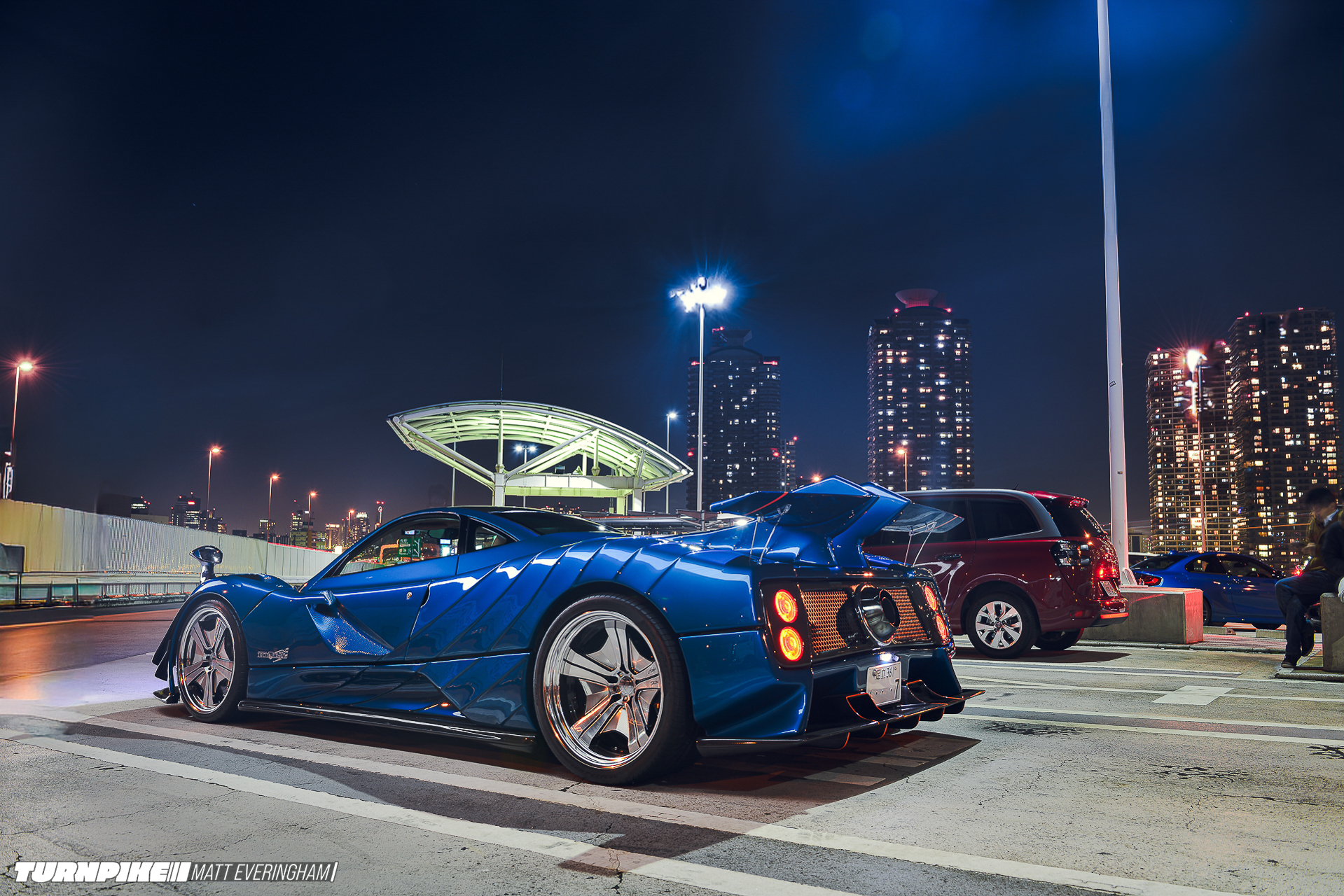
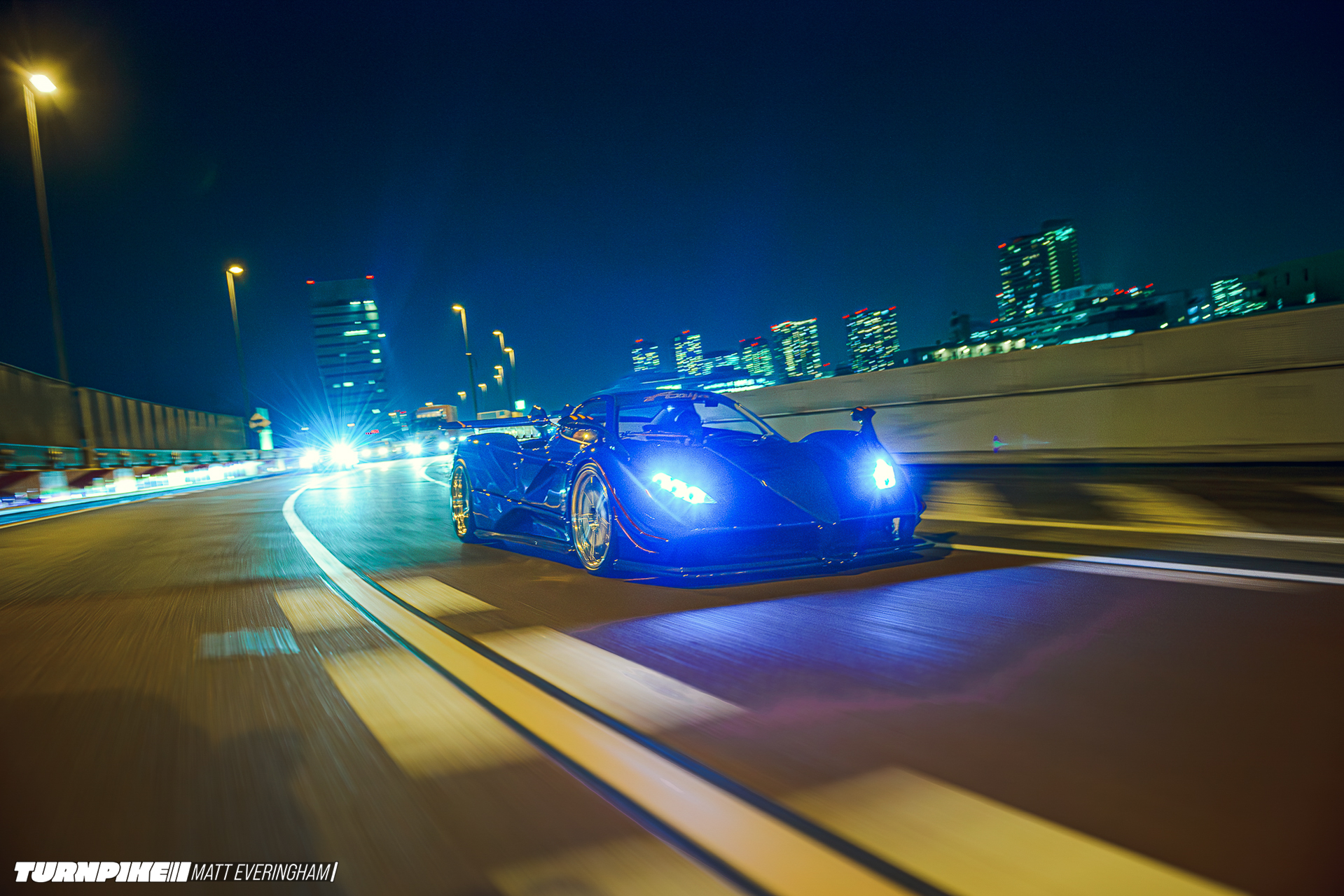
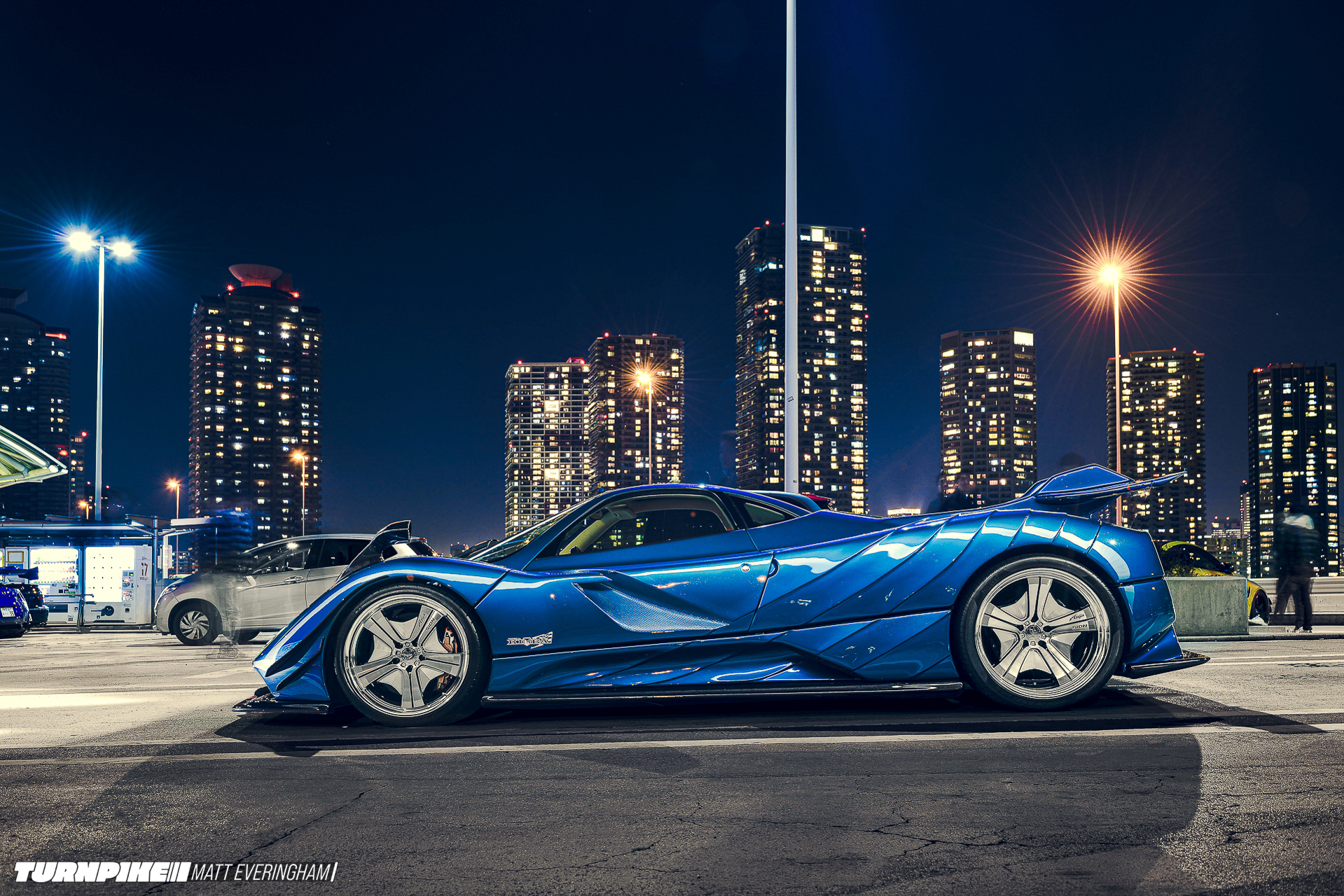
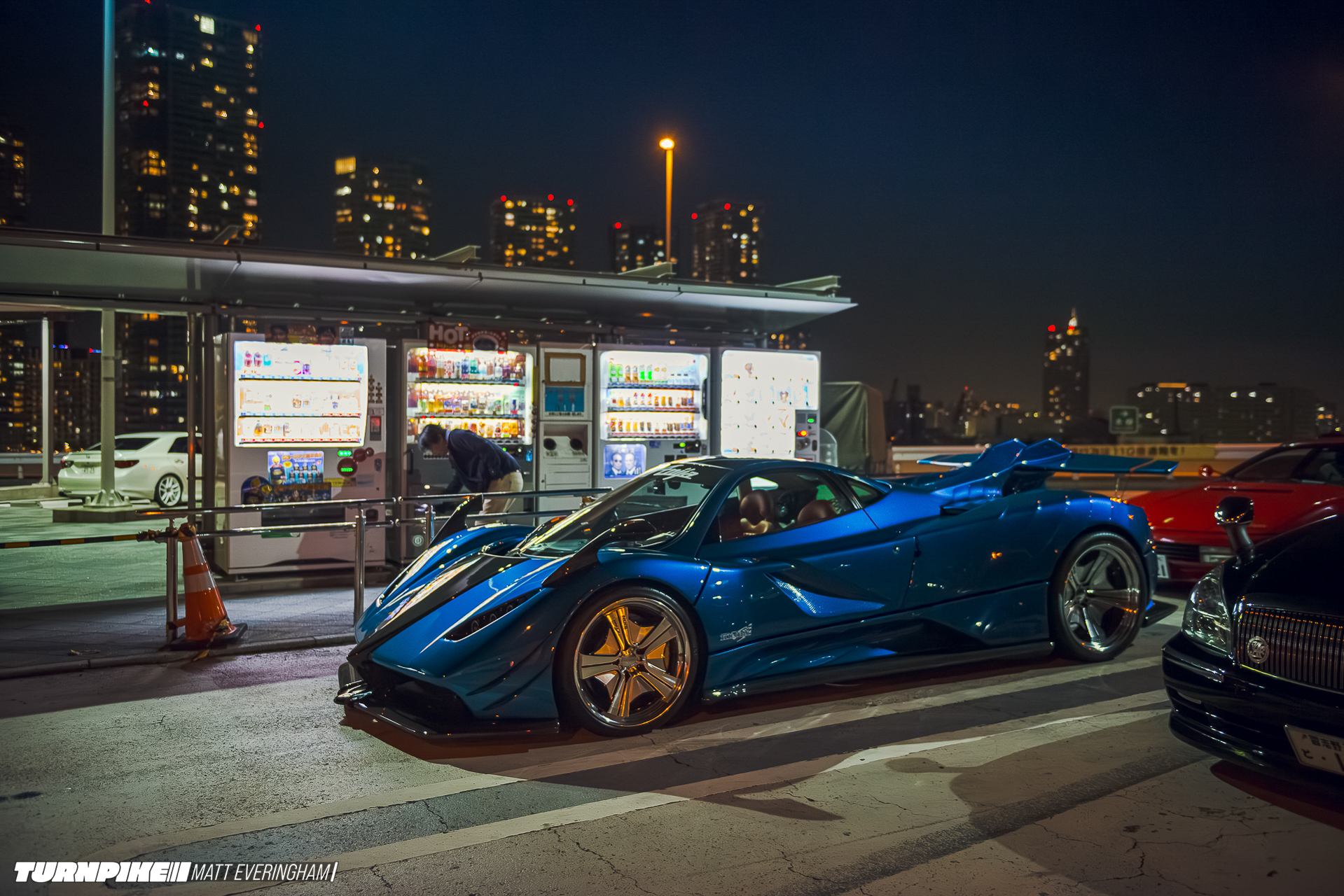
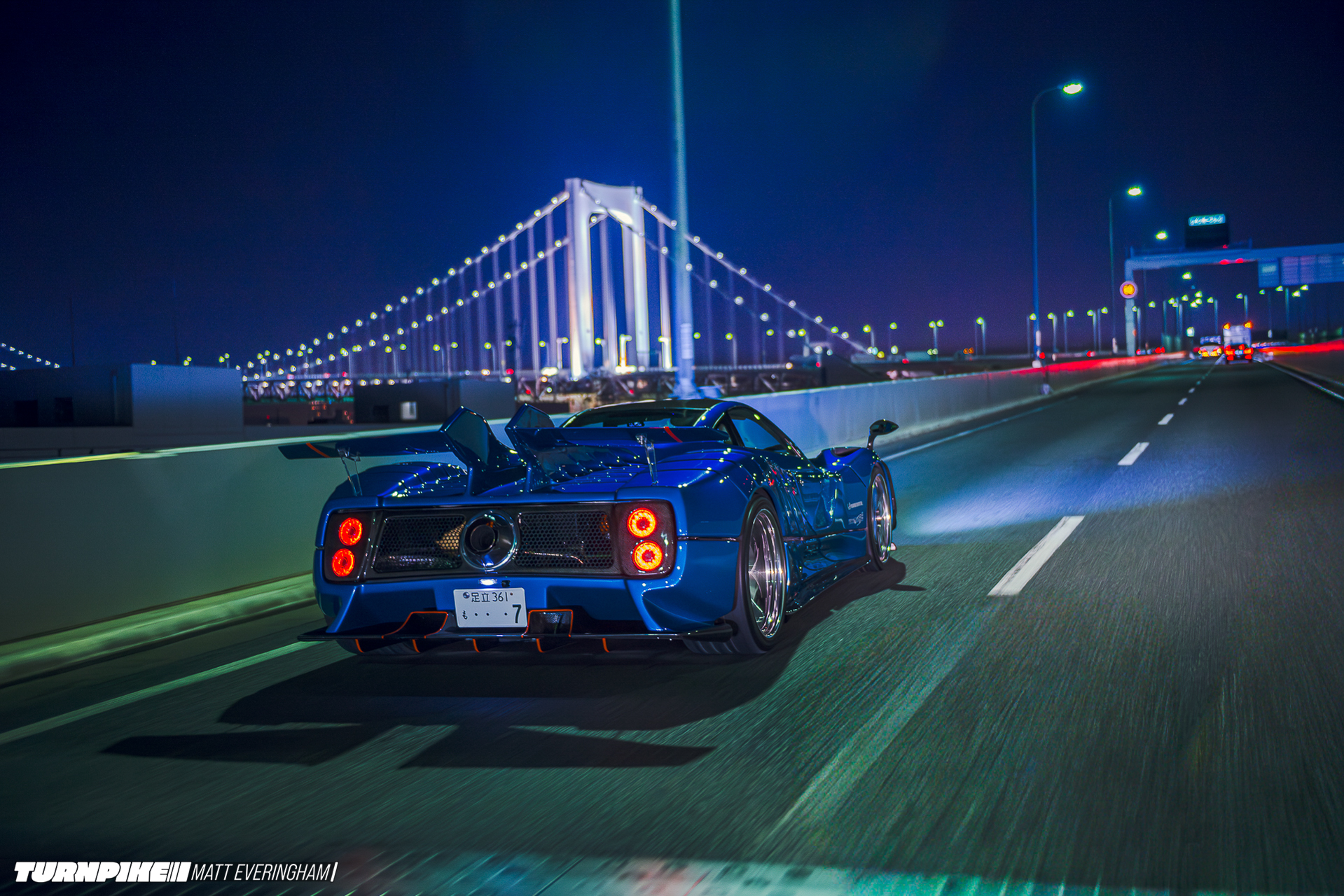
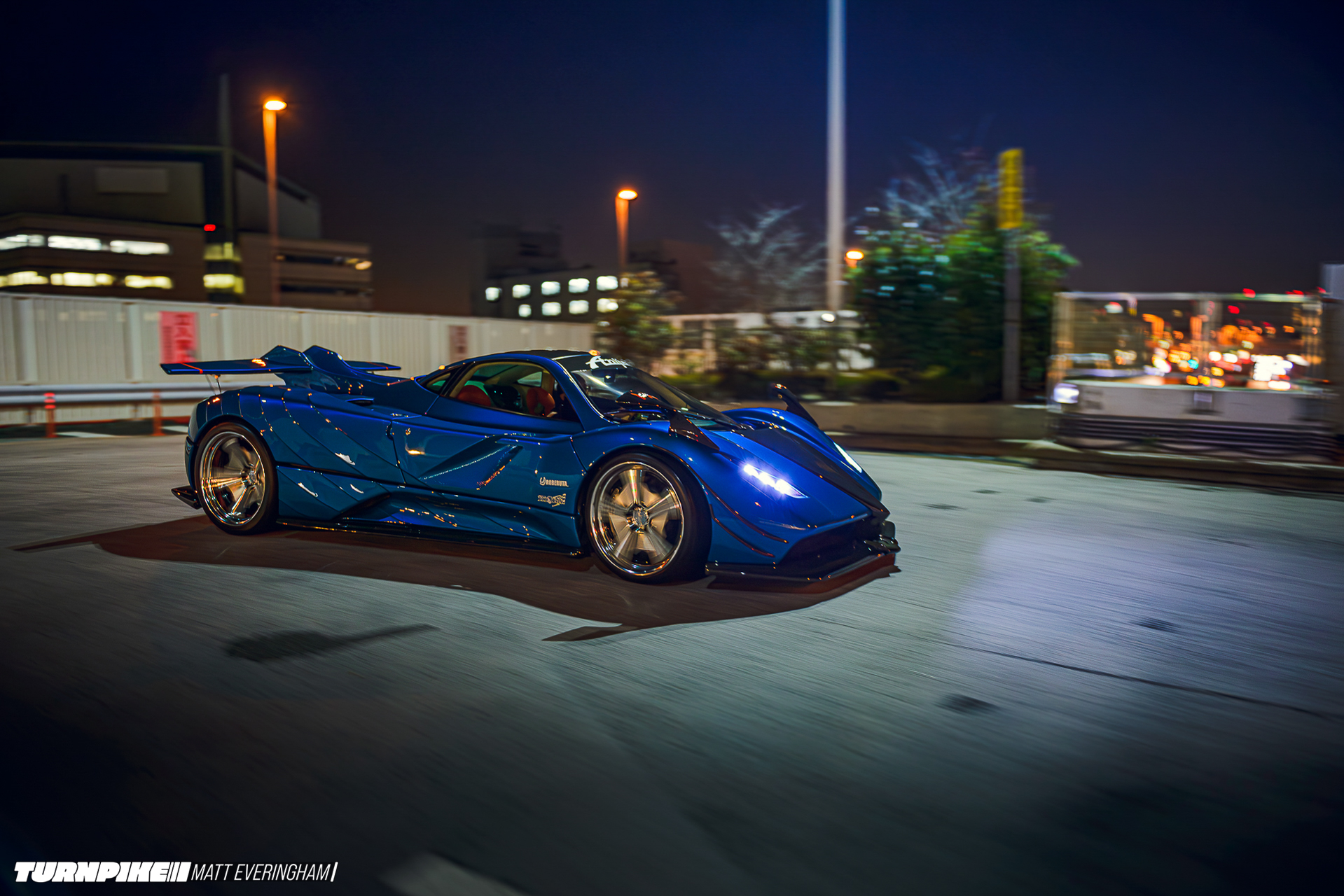
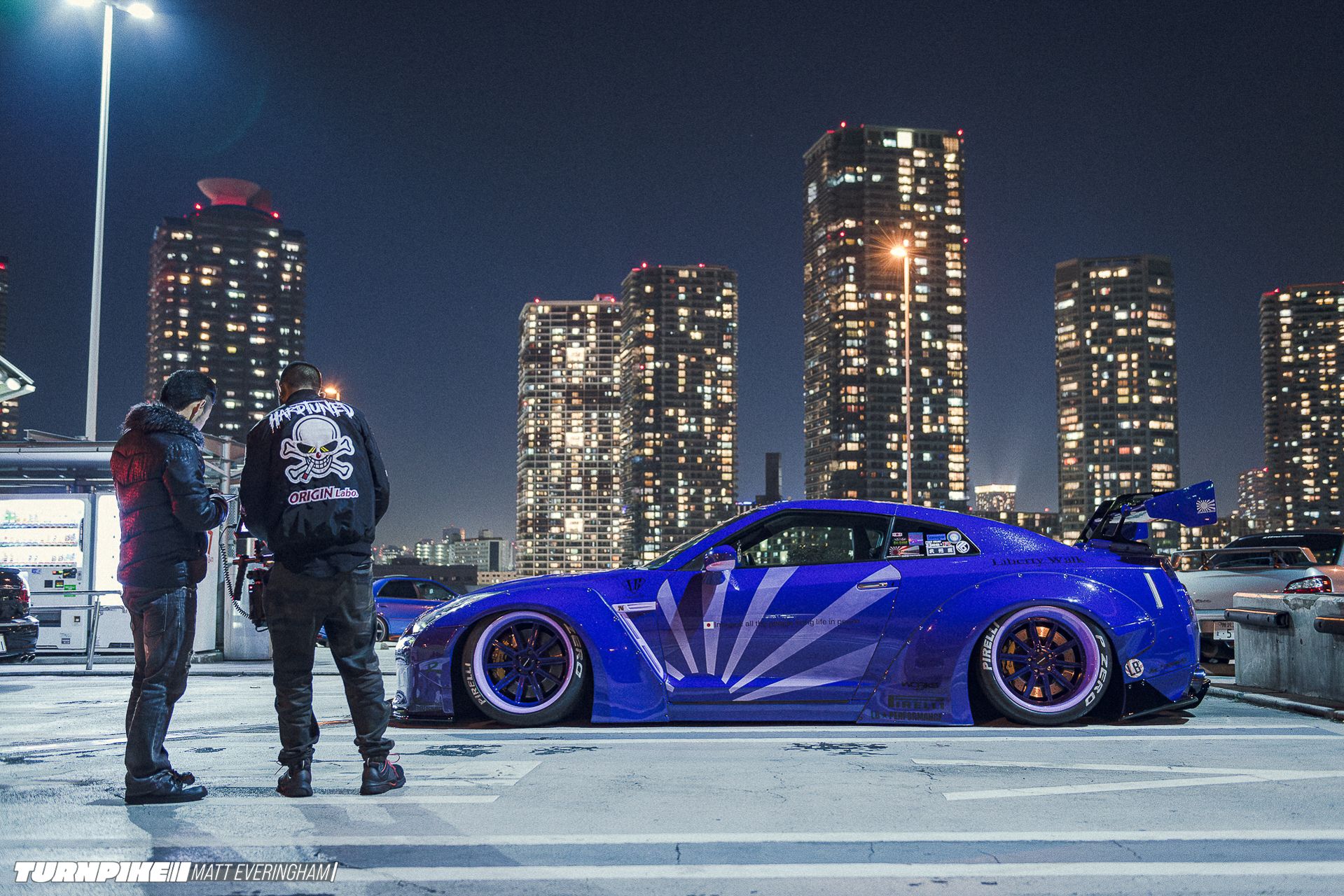
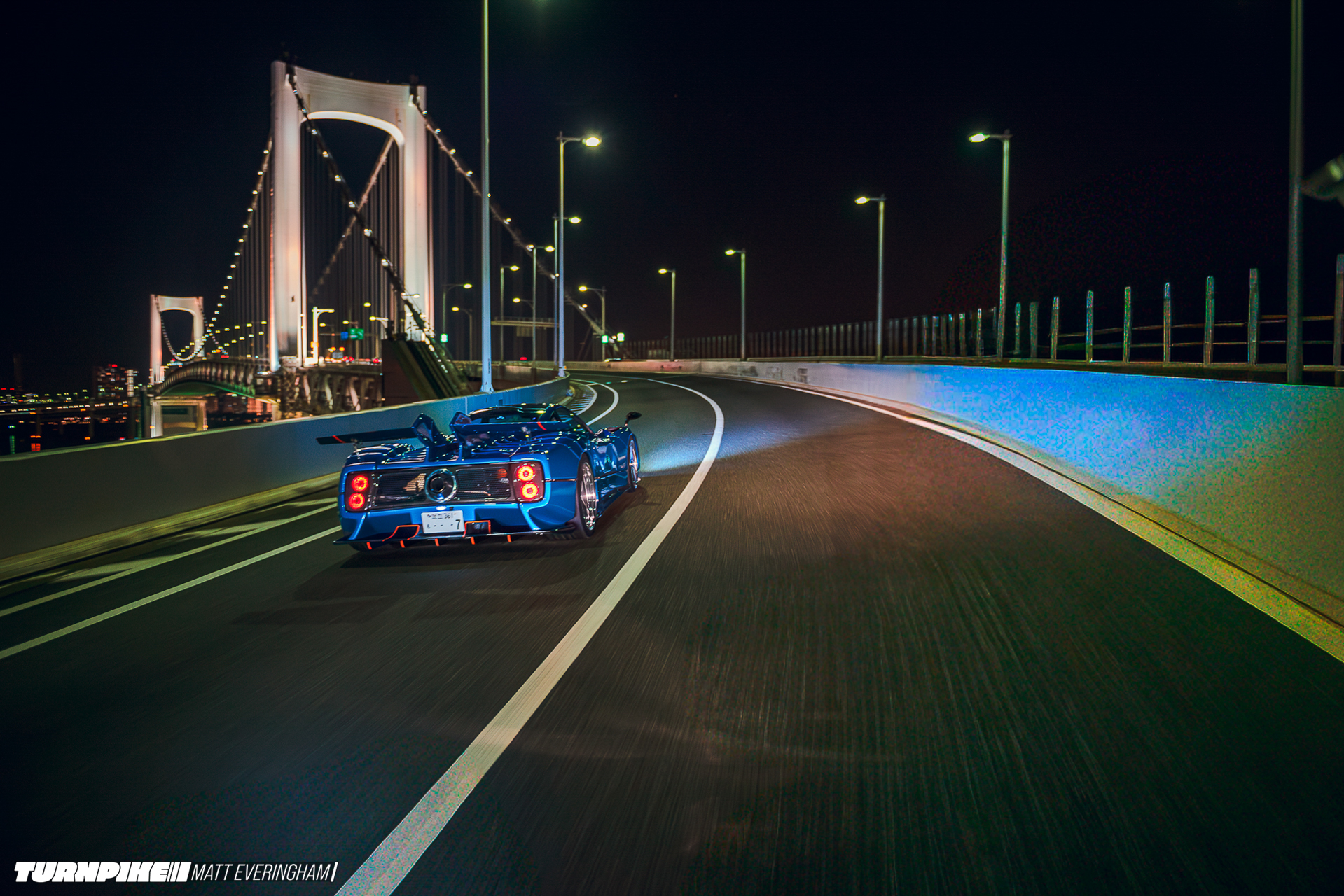
The most unapologetically customised Anija-tuned Zonda idling under sodium lamps. A Martini-liveried 911 glowing like a fever dream. A Liberty Walk R35 pulsing against the guardrail. An Aventador SV carving neon into ribbons of light.
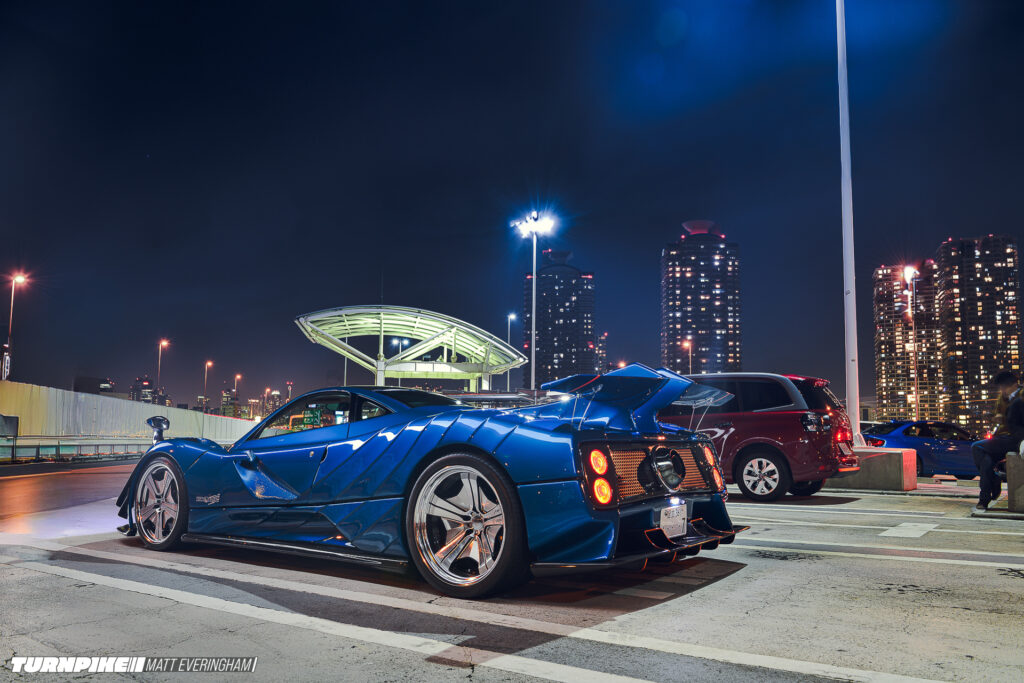
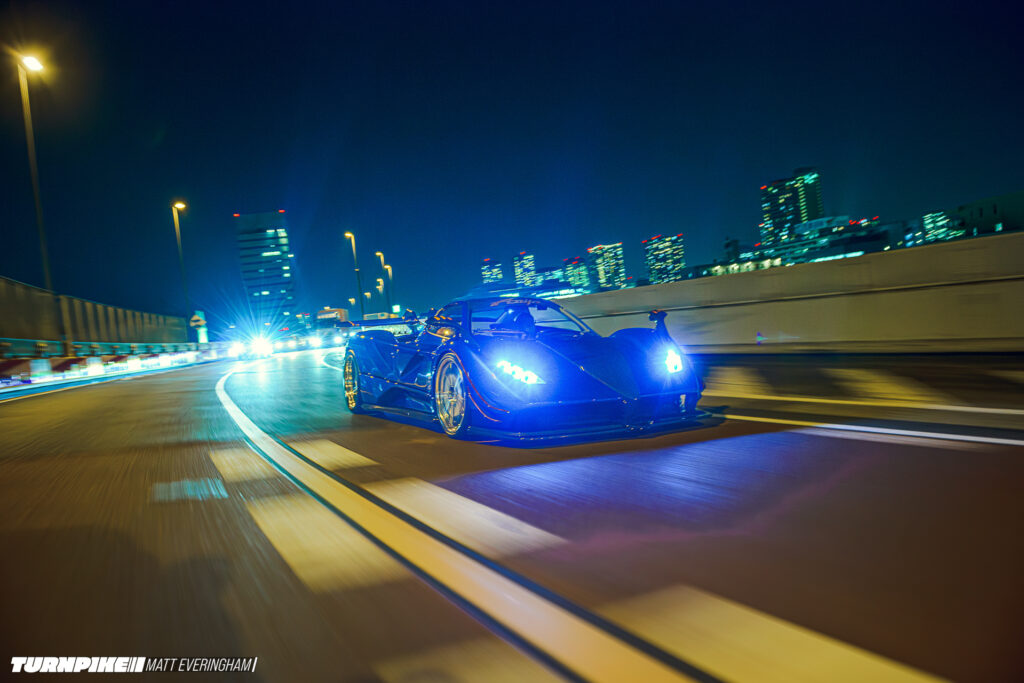
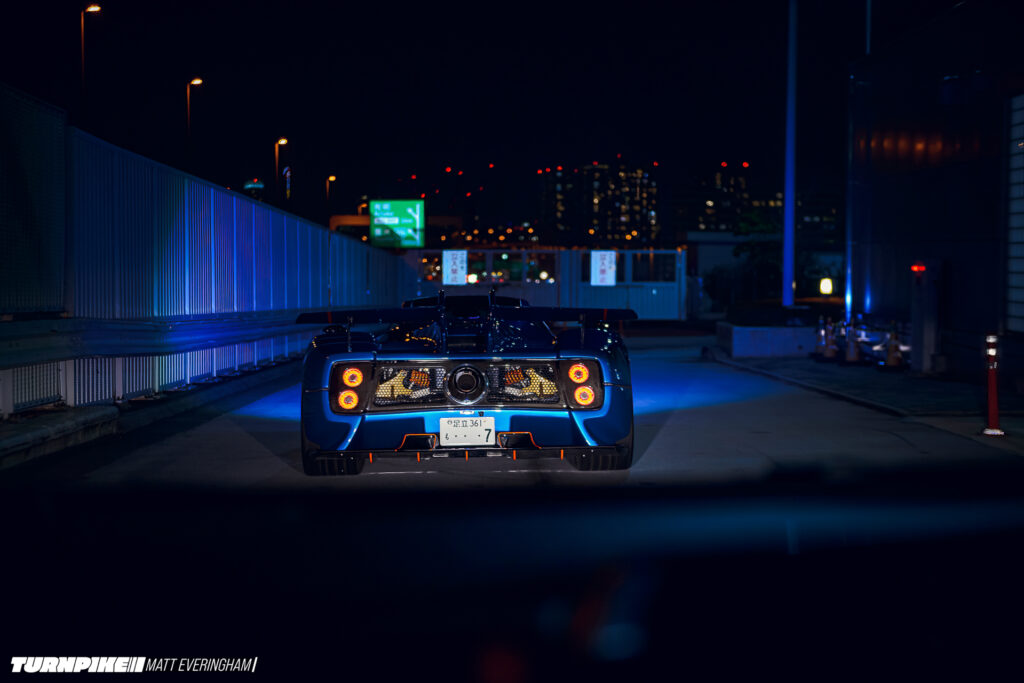
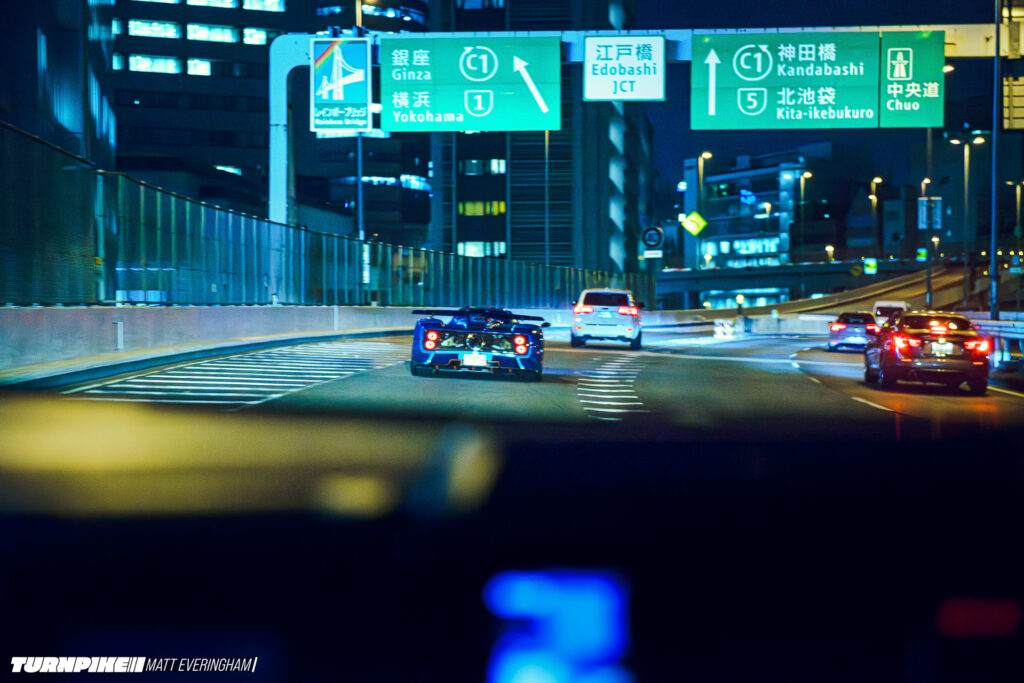
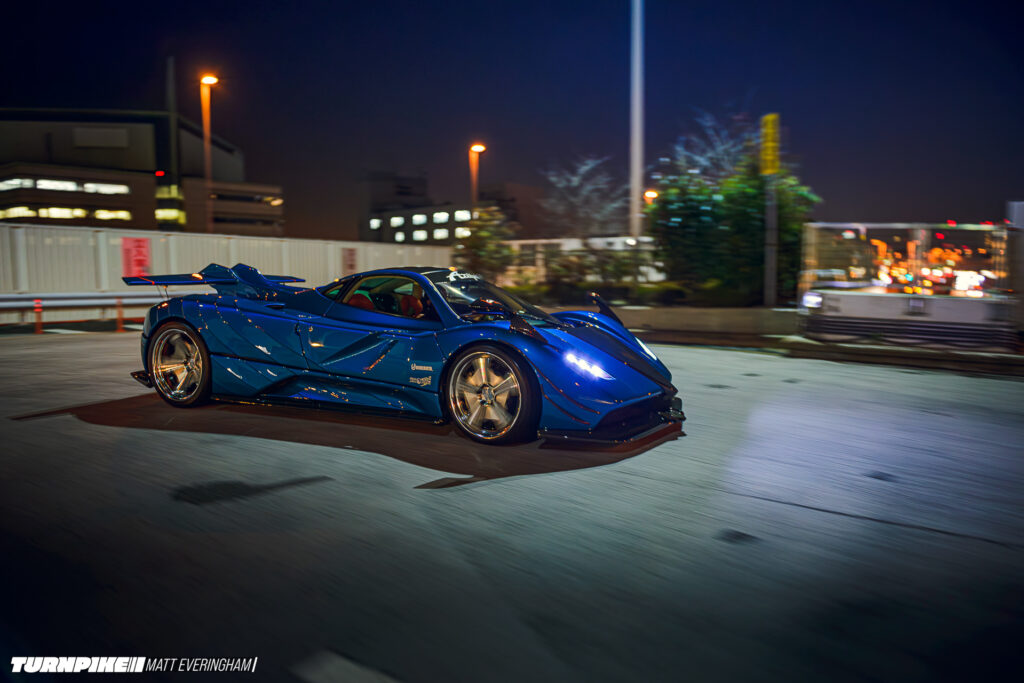
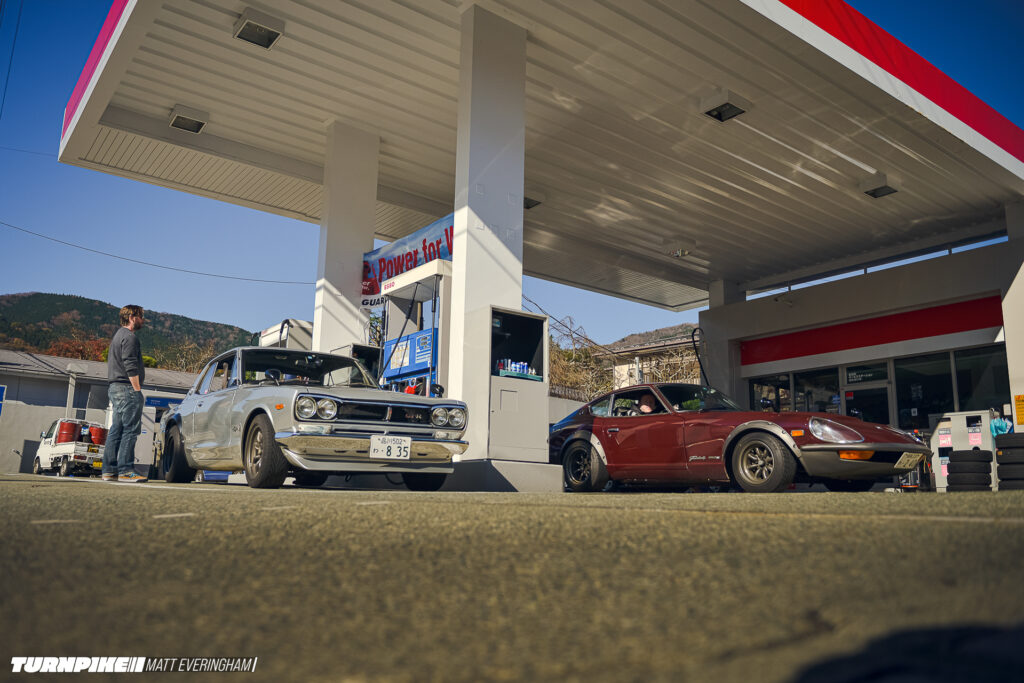
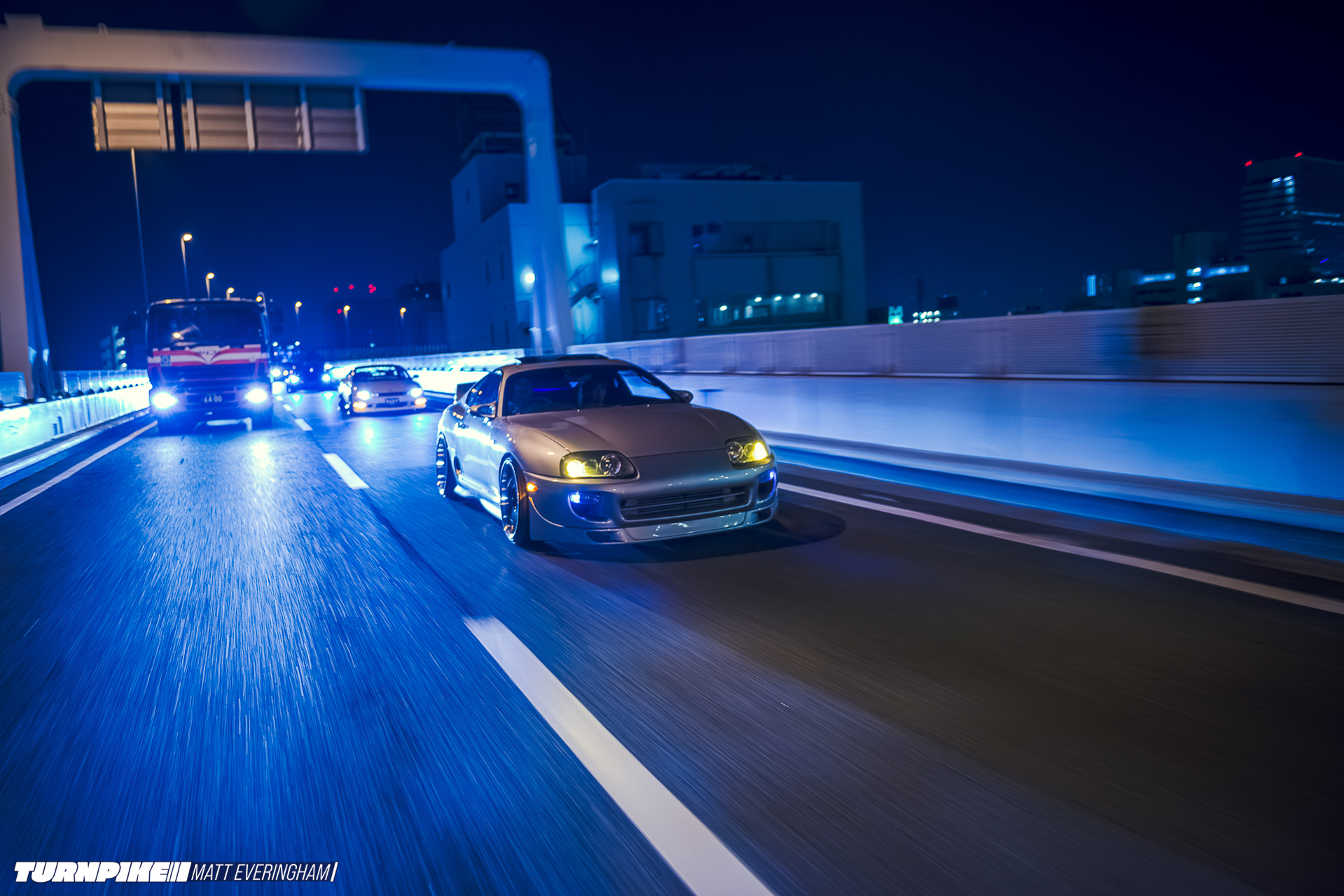
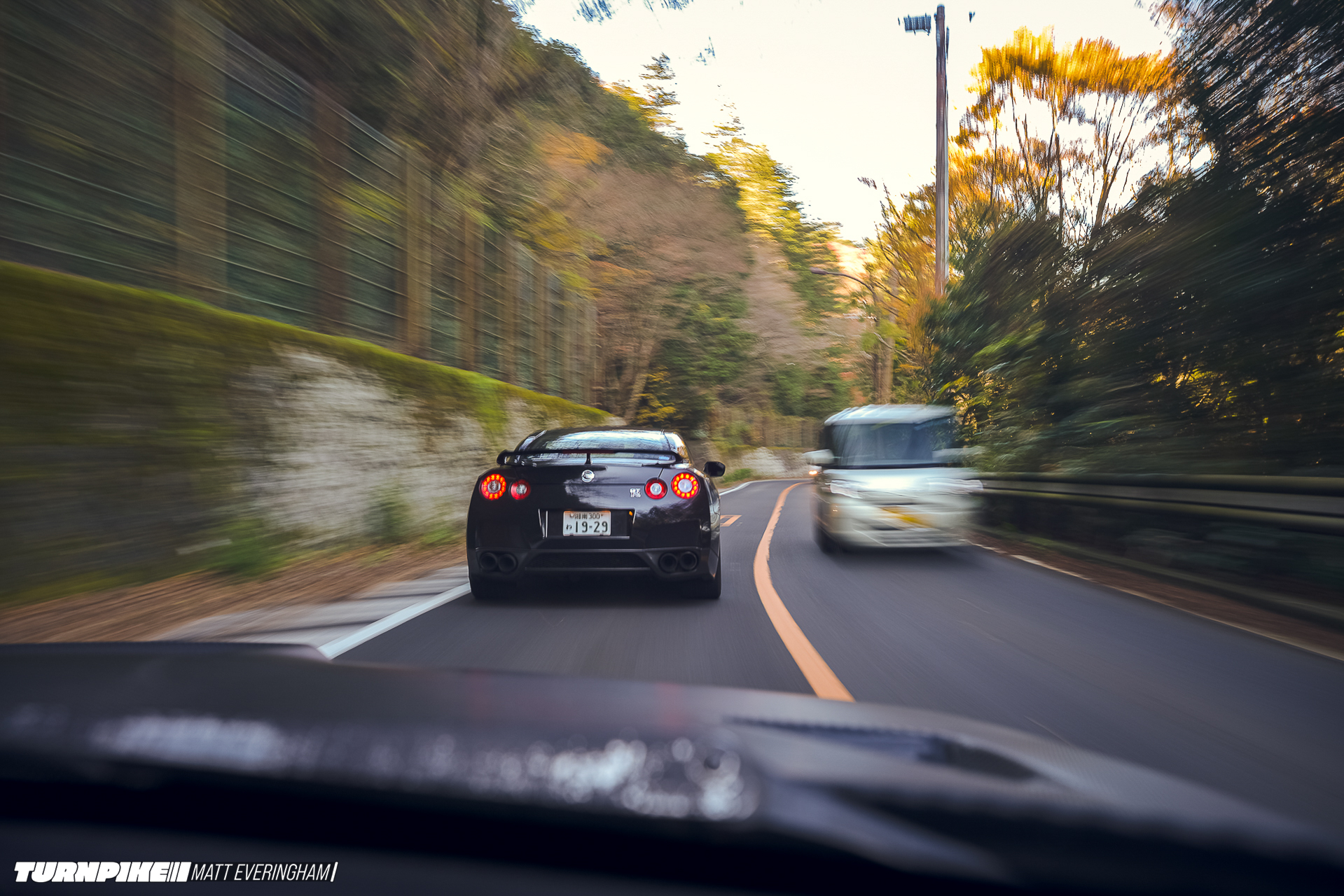
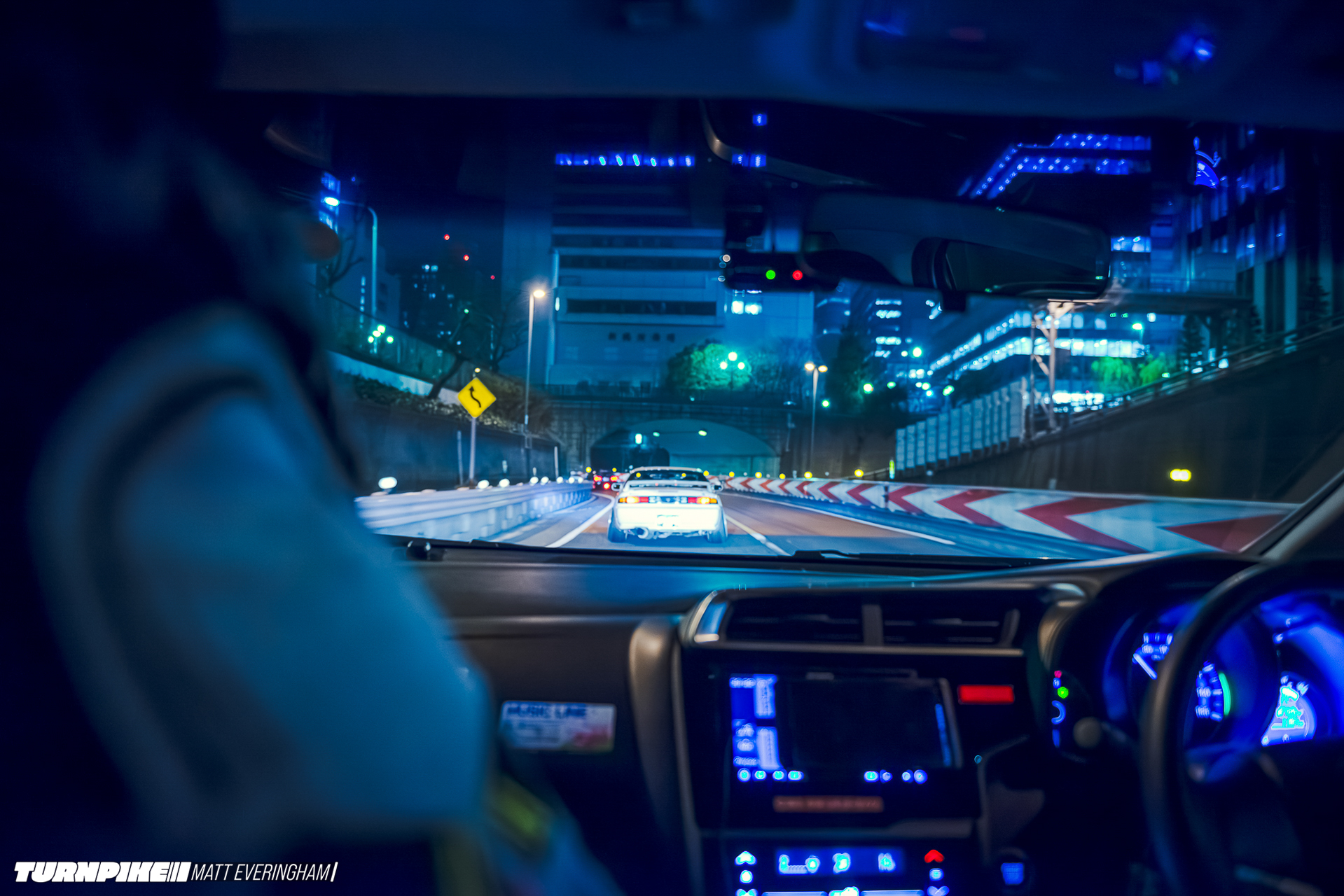
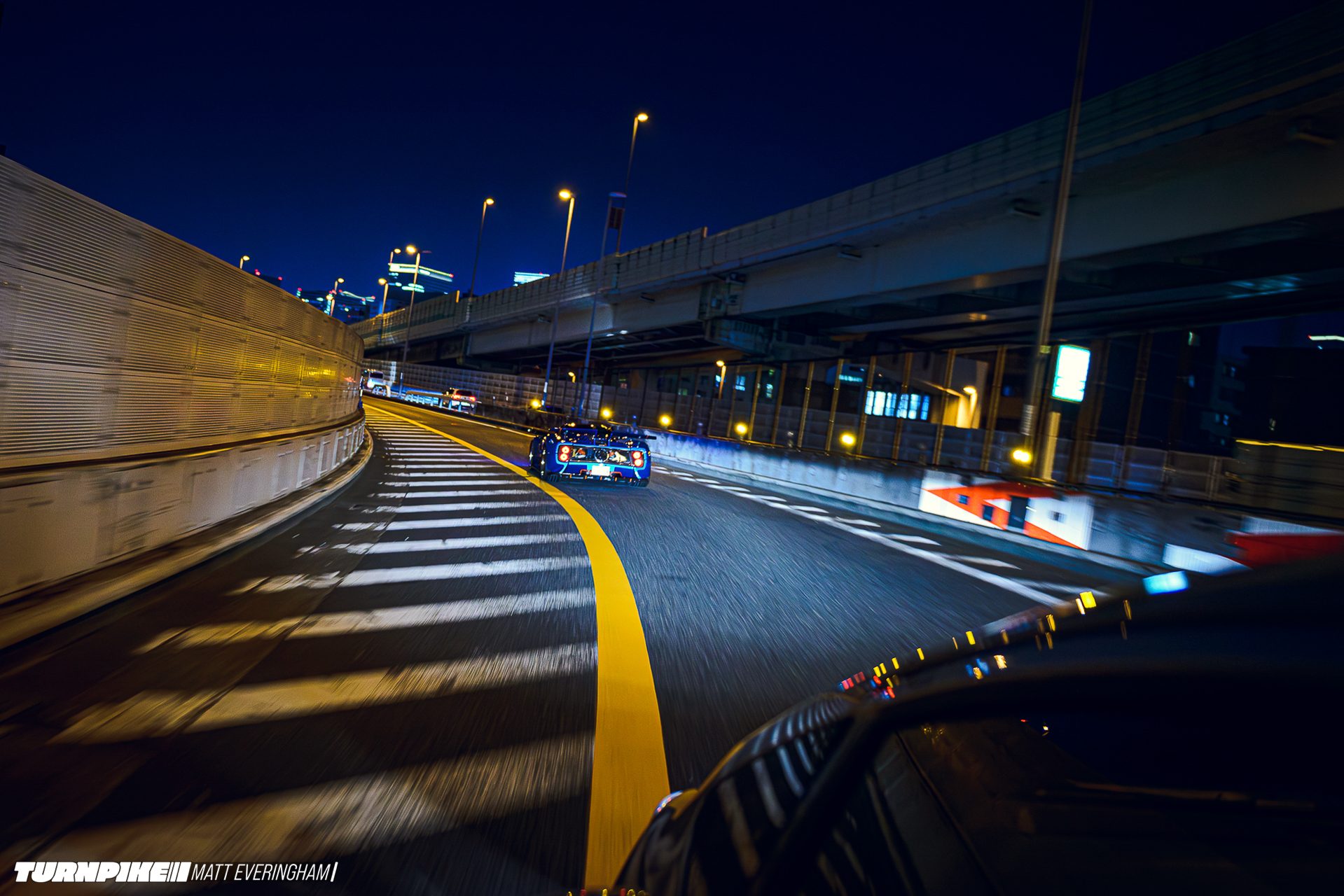
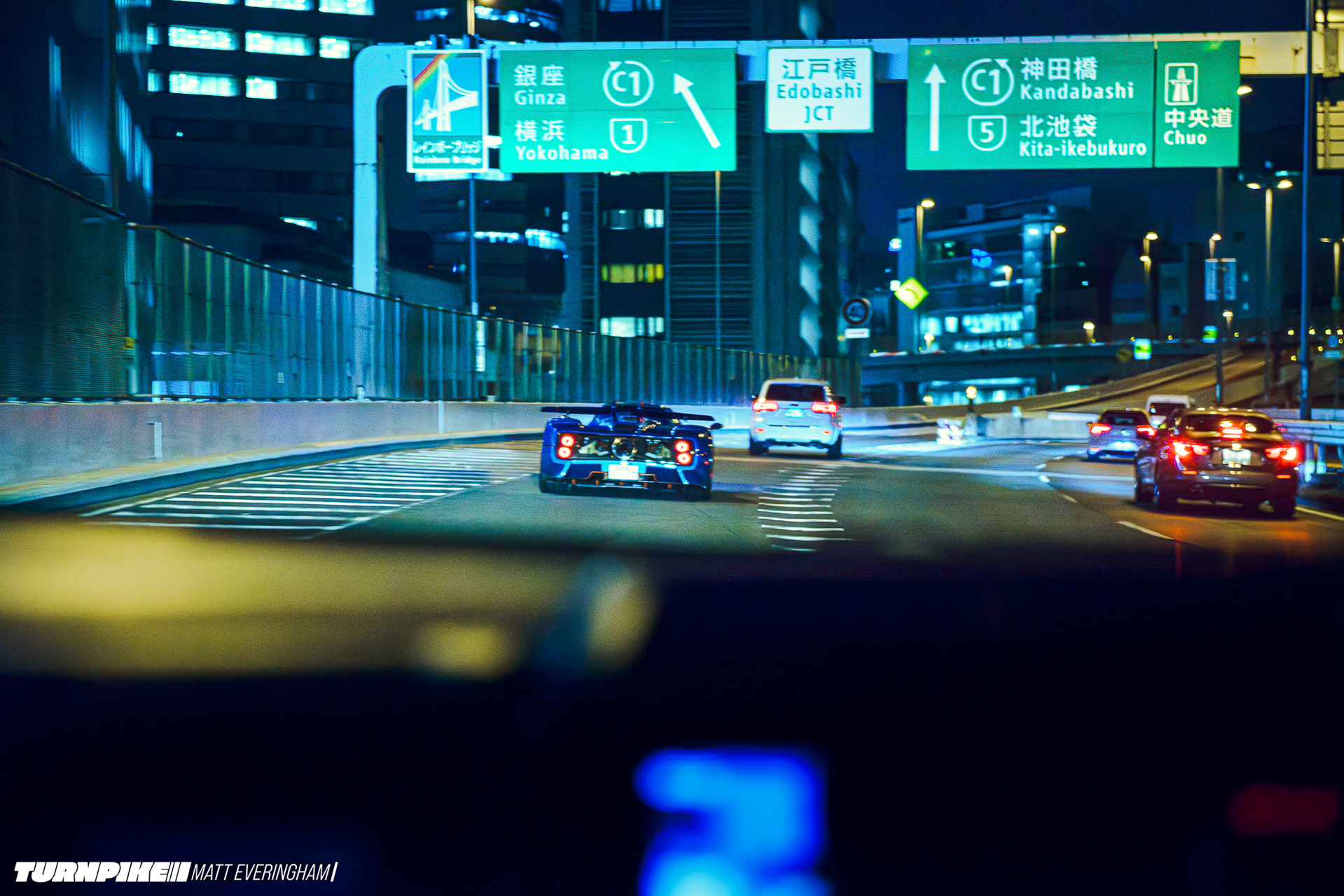
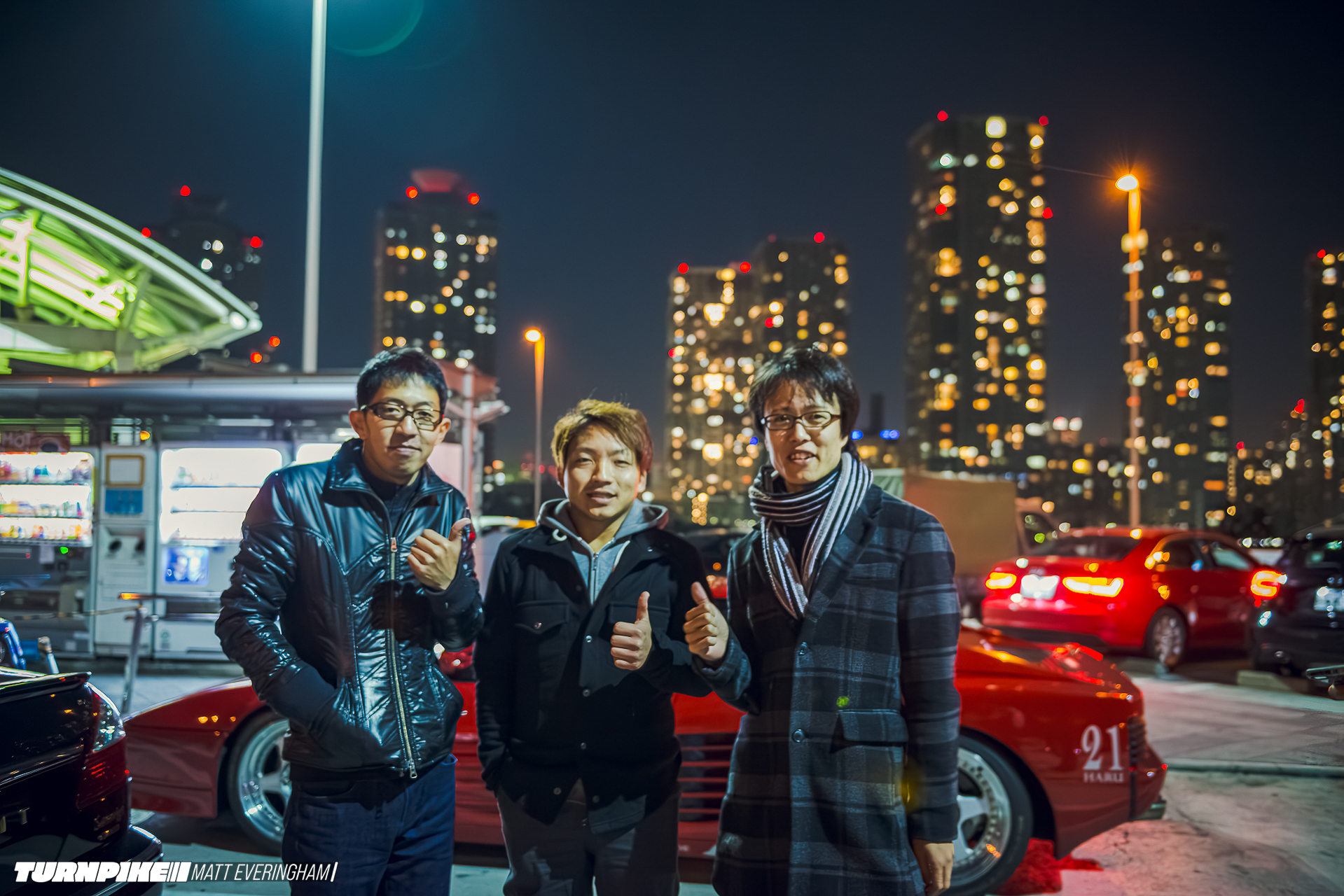
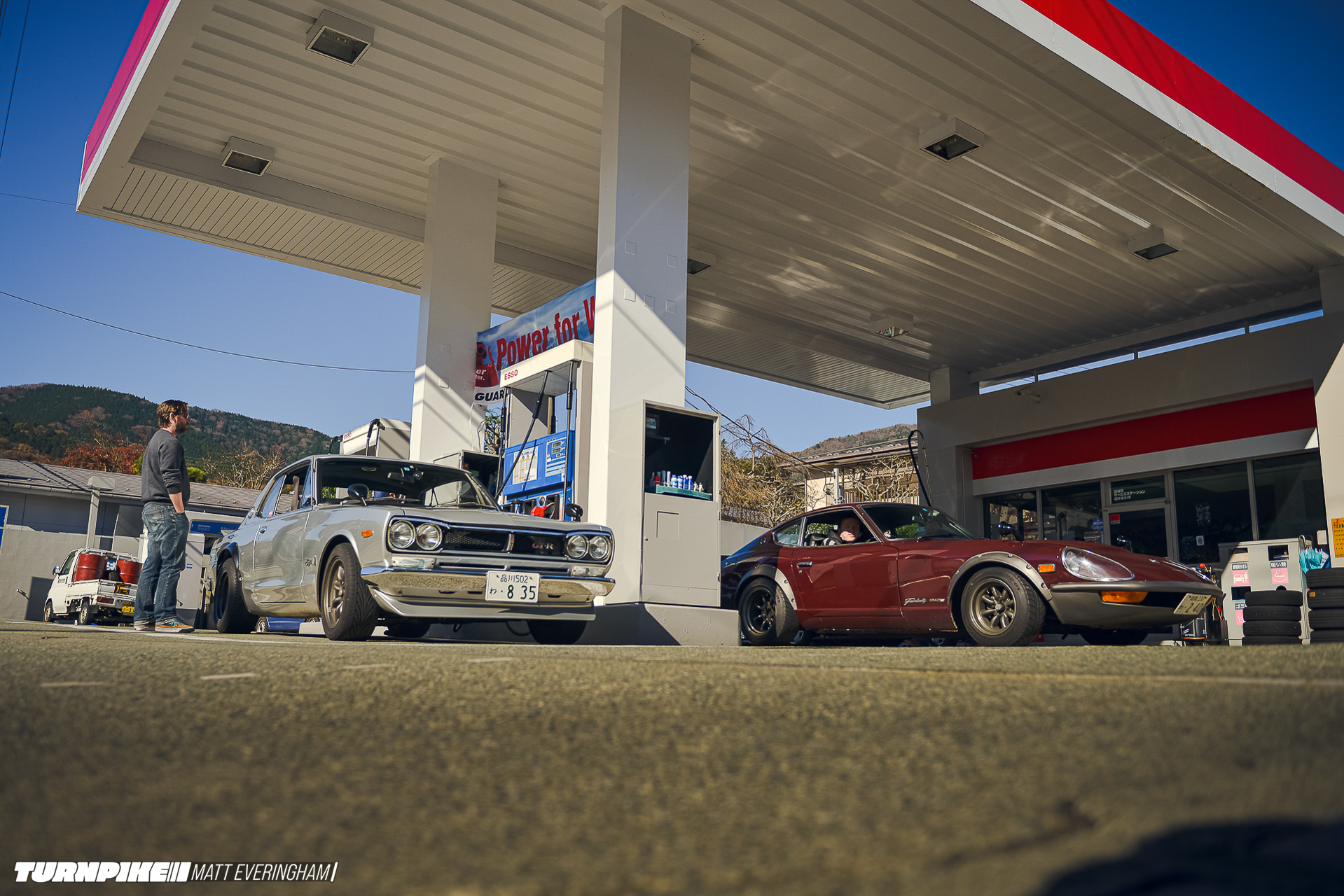
Back then, foreigners weren’t centre stage. We weren’t lining up to film each other; we weren’t the circus. We were guests — novelties, even — and the locals indulged us kindly. They chatted, they waved us in, and occasionally they led us out onto the expressway for runs and rollers simply because they were enjoying the moment as much as we were.
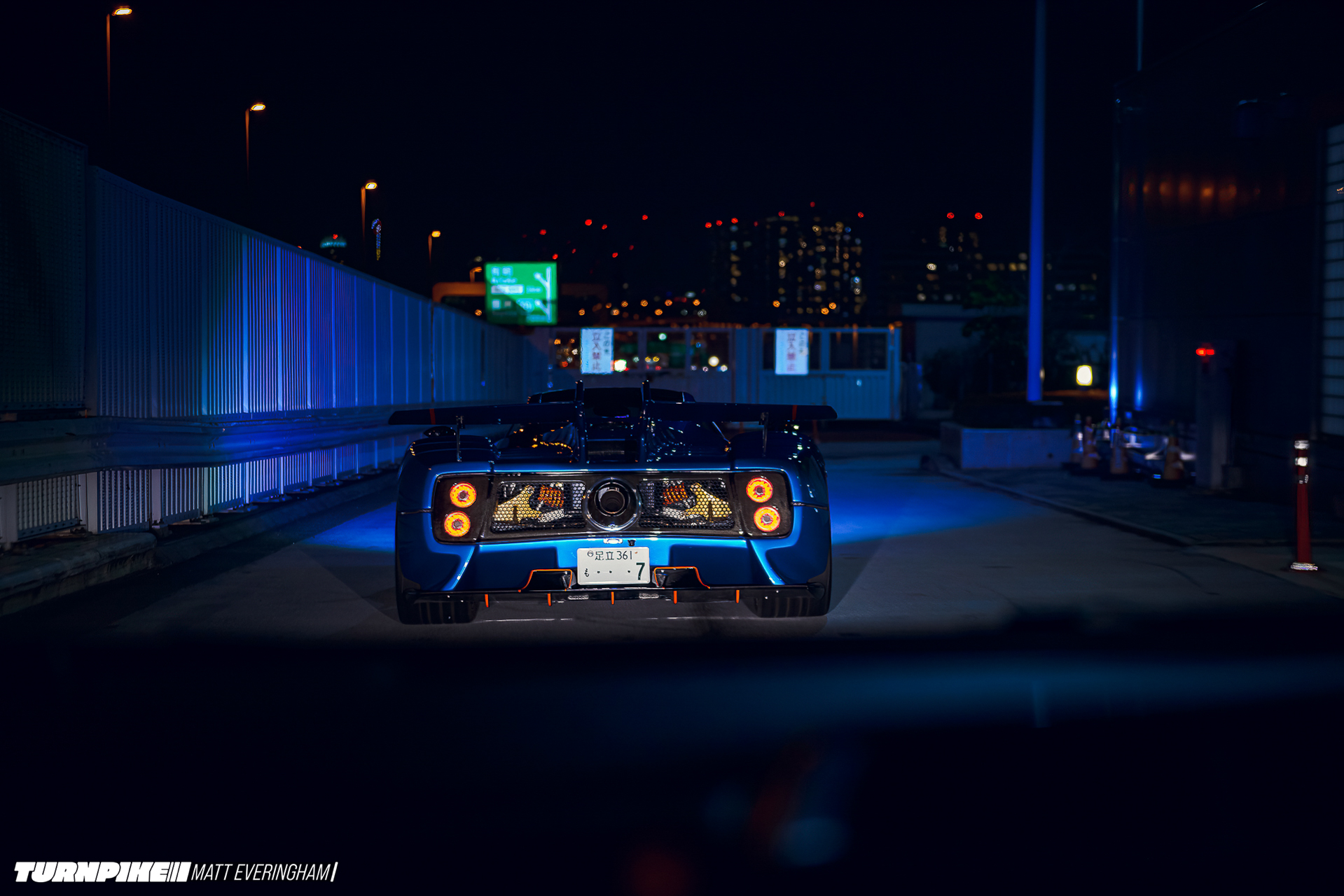
One bespoke build from that night has lived rent-free in my head ever since. The Anija Zonda. You’ll either love it or hate it, but I challenge you to feel apathetic about it.
A one-off creation with so much personality it felt alive. Word is it may have later met an explosive end, so if you know the details, drop them below.
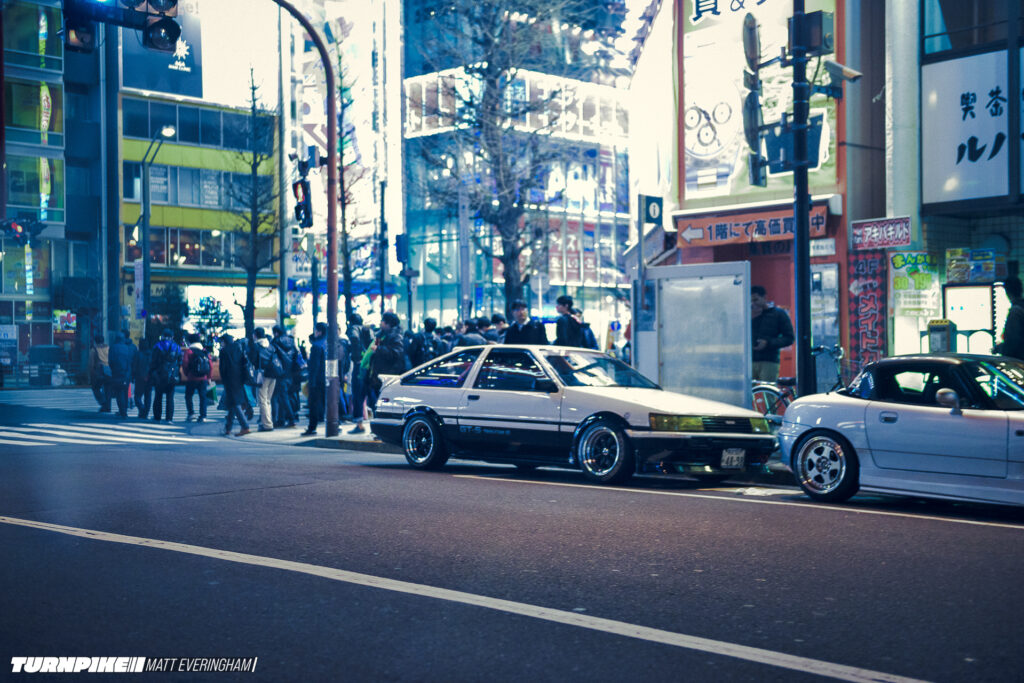
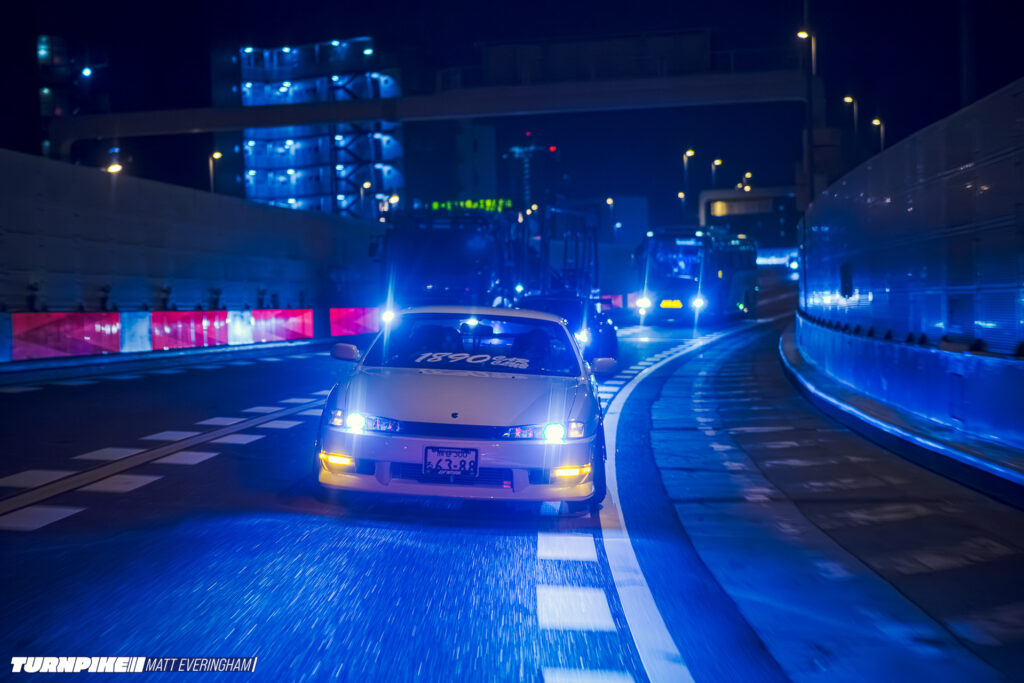
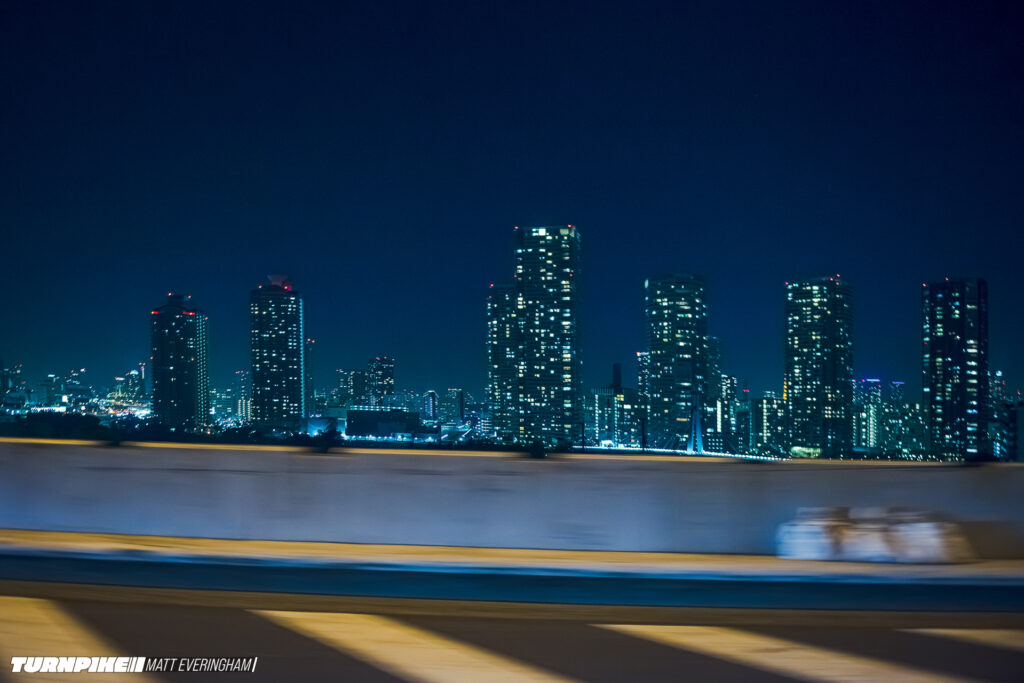
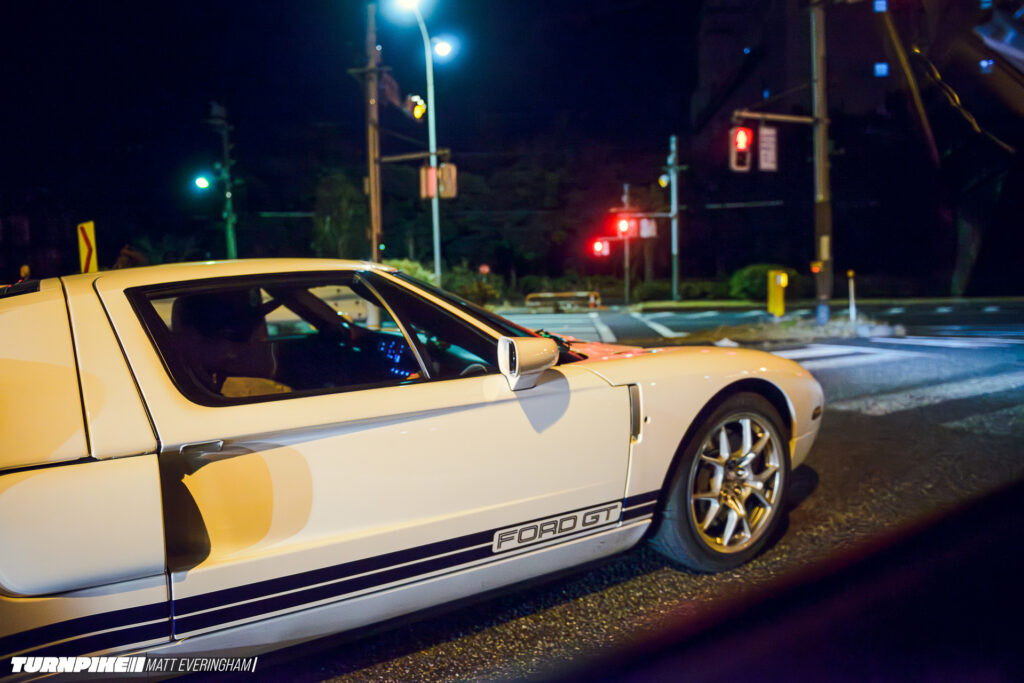
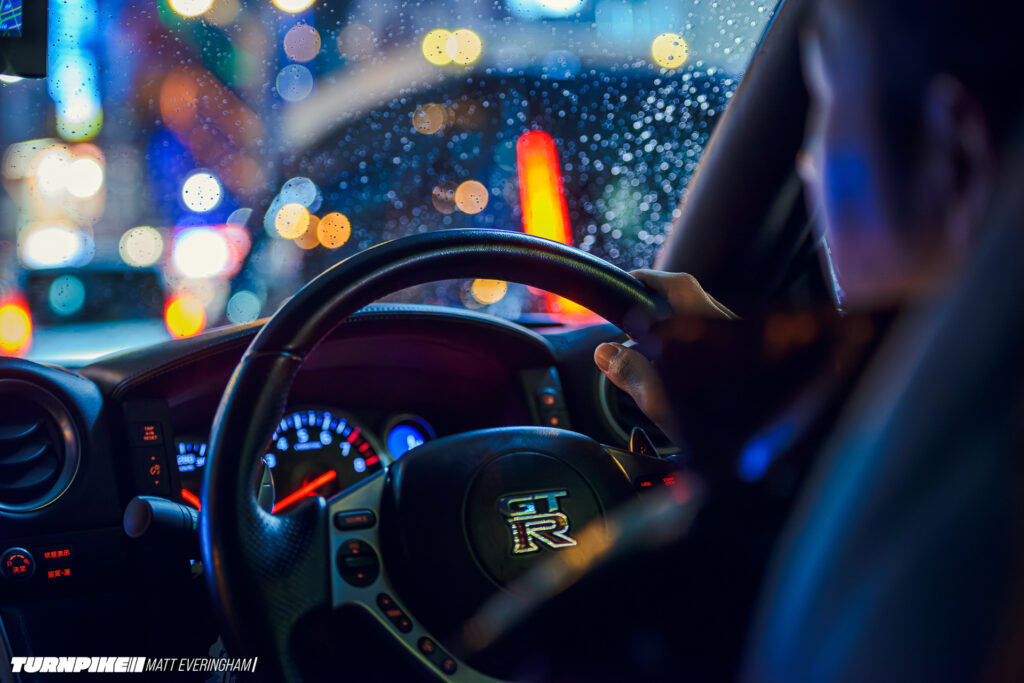
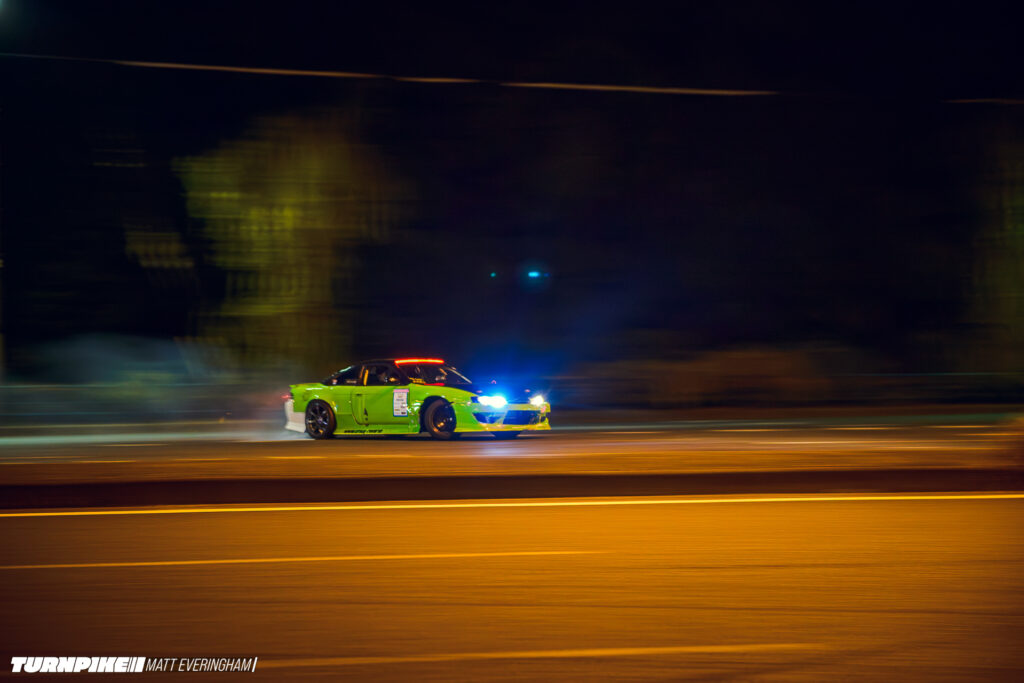
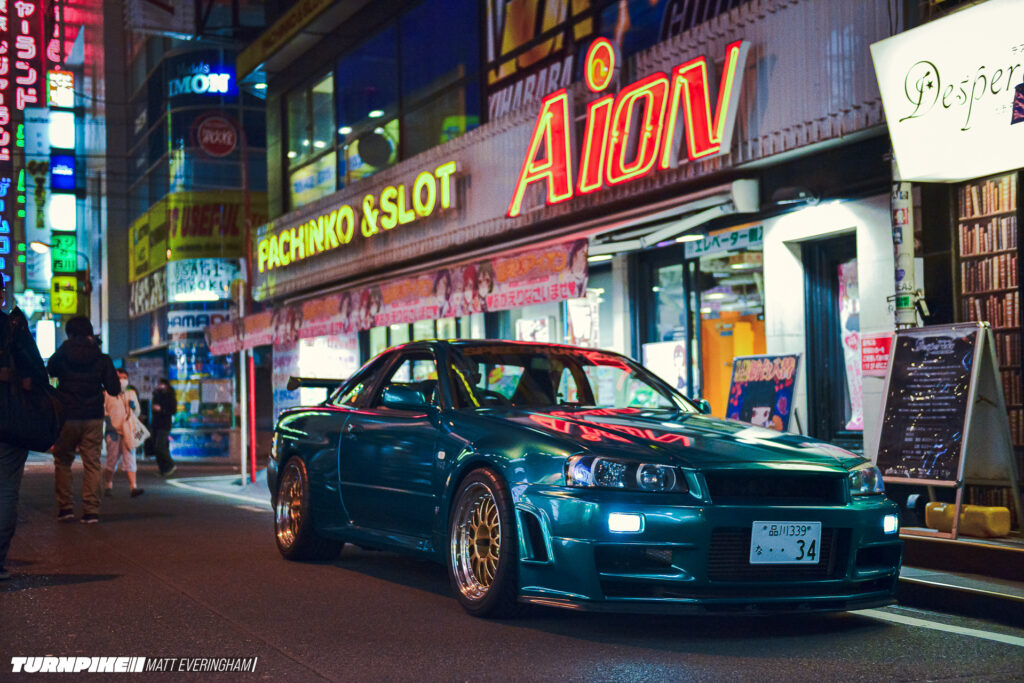
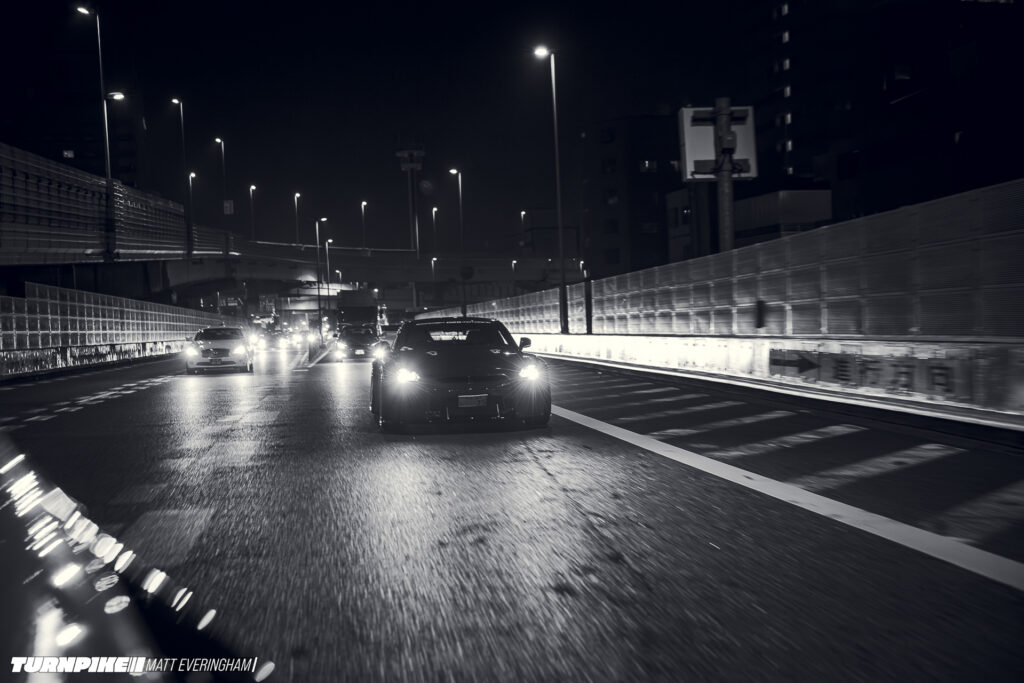
But going through those photos, something else became obvious: The magic wasn’t only in the cars, it was in the effort involved. Tokyo’s car scene used to have natural friction: language barriers, geography, etiquette. A quiet vetting process that filtered out the chaos and left only the curious, the respectful, and the obsessed.
Google Translate and smartphones have become amazing tools — genuinely brilliant for connecting with locals, breaking barriers, and making interactions smoother than ever. But those same tools have also lowered the price of admission. And when the cost drops, the crowd changes.
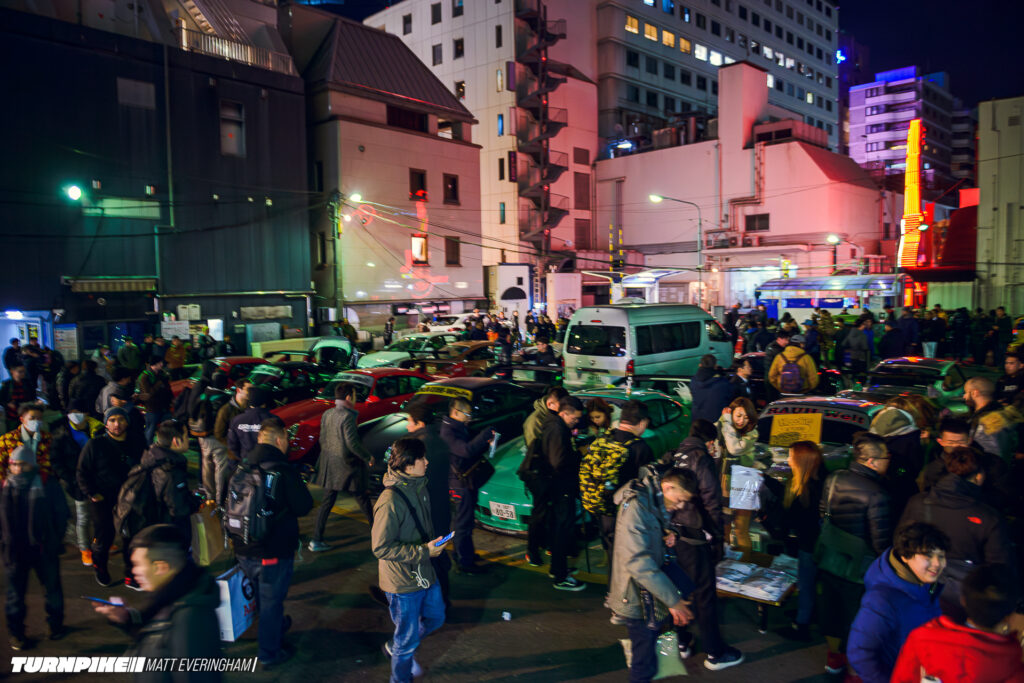
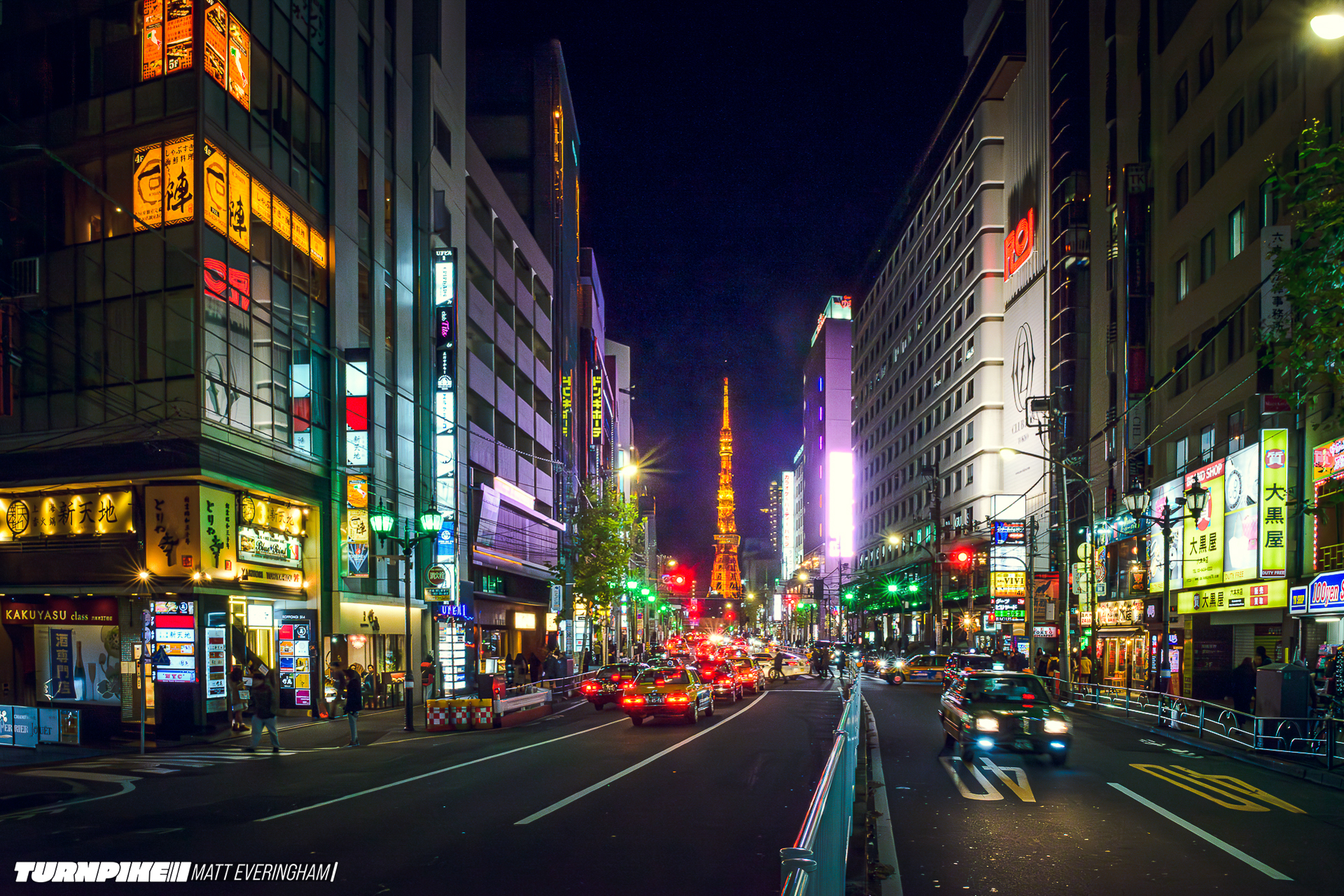
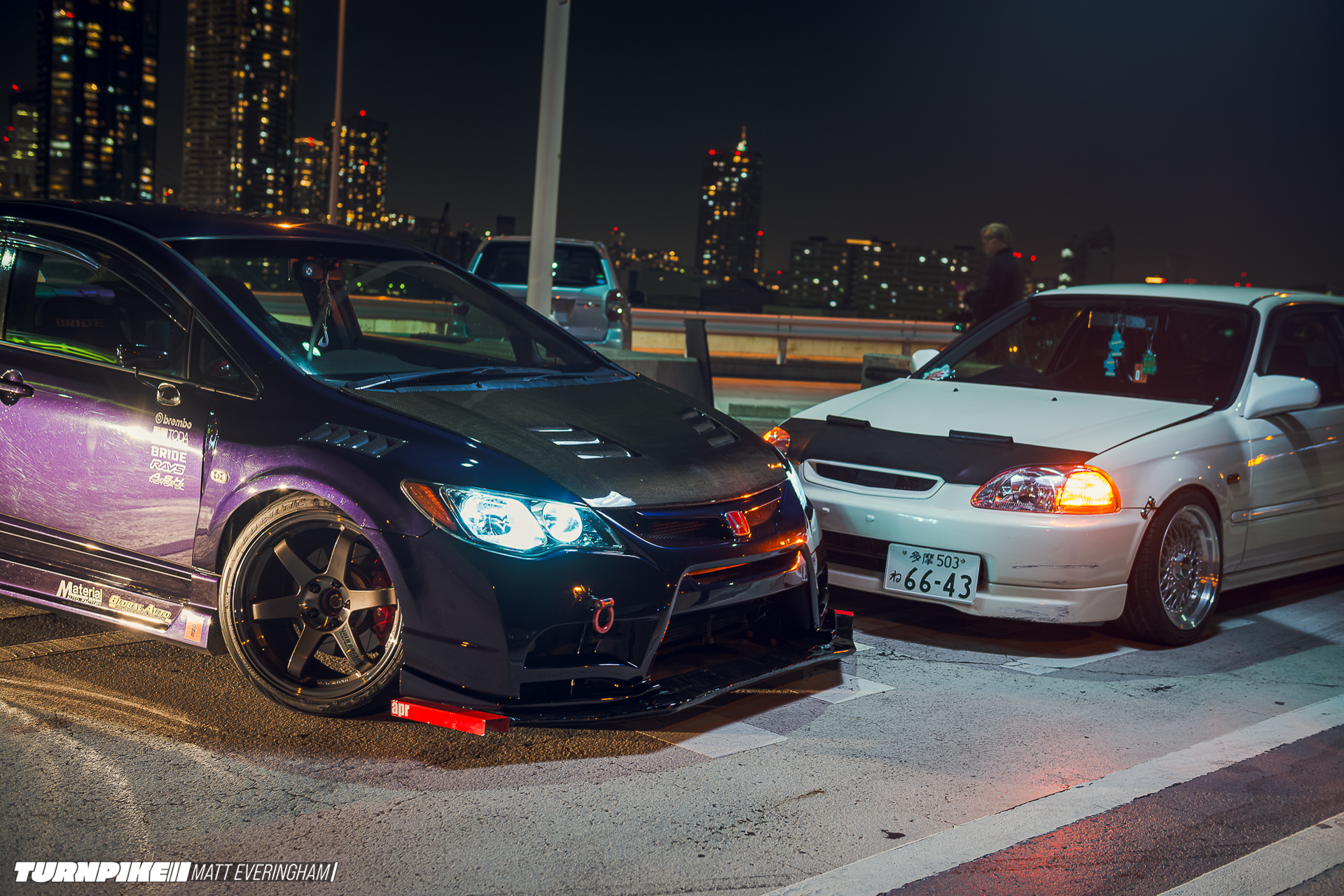
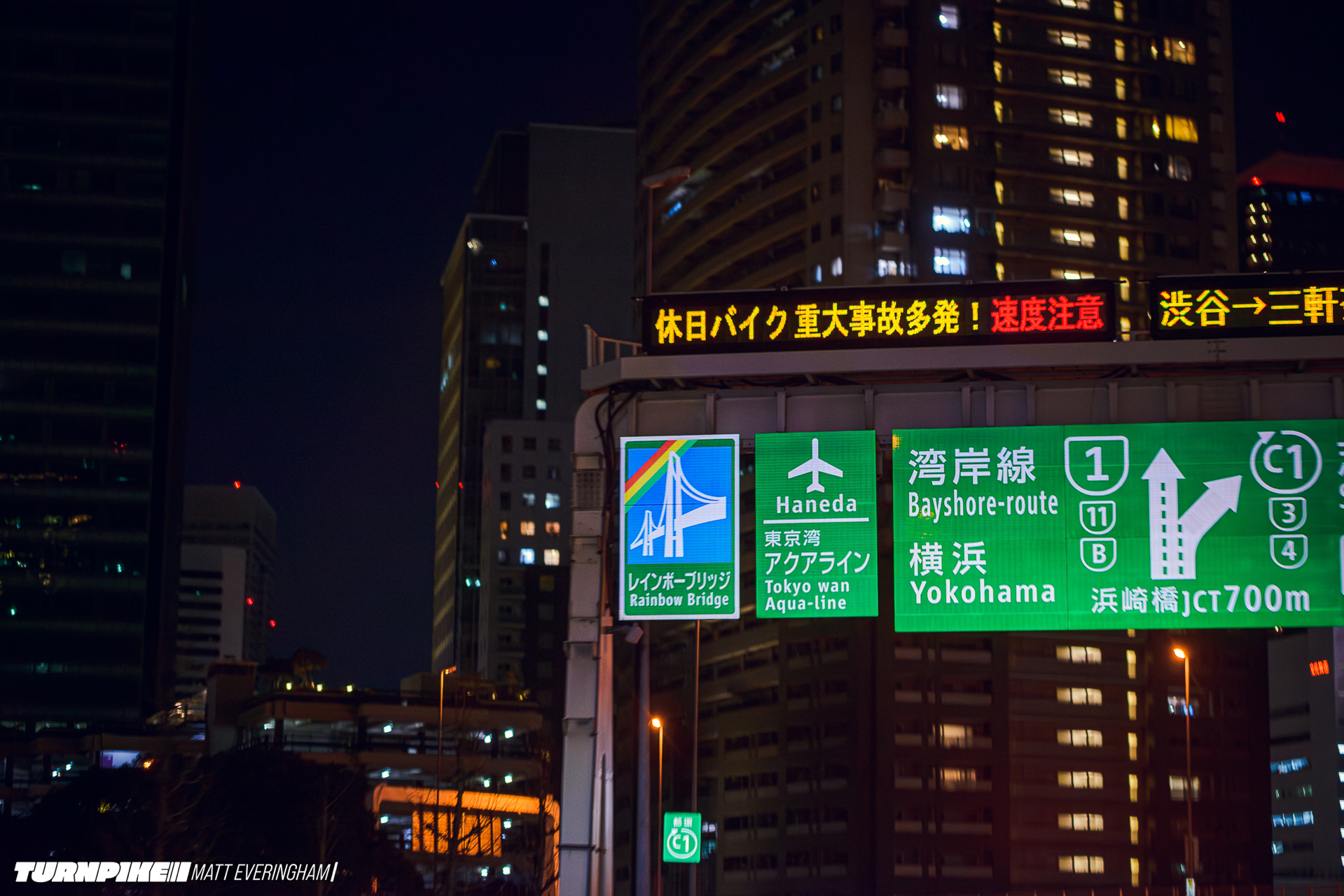
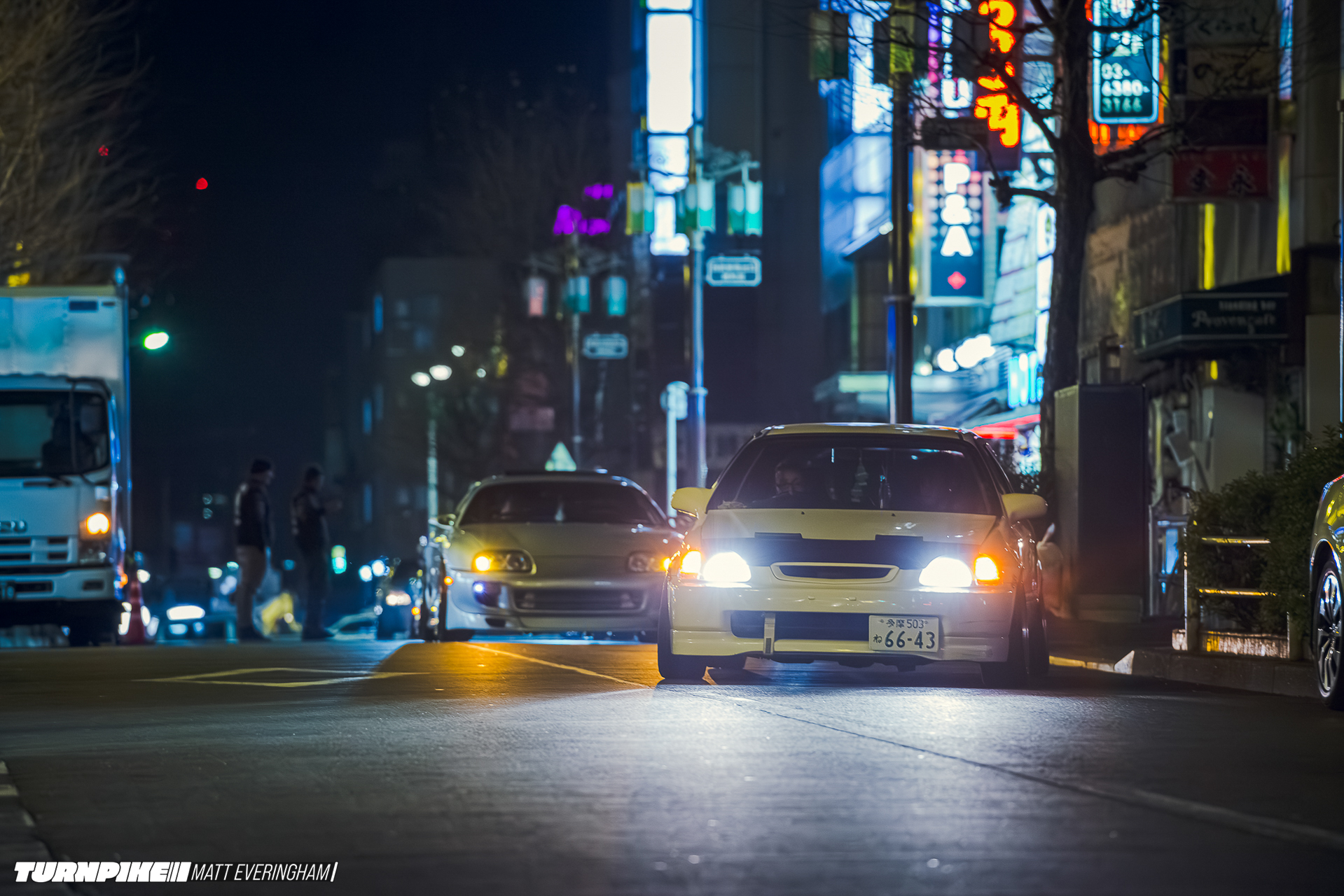
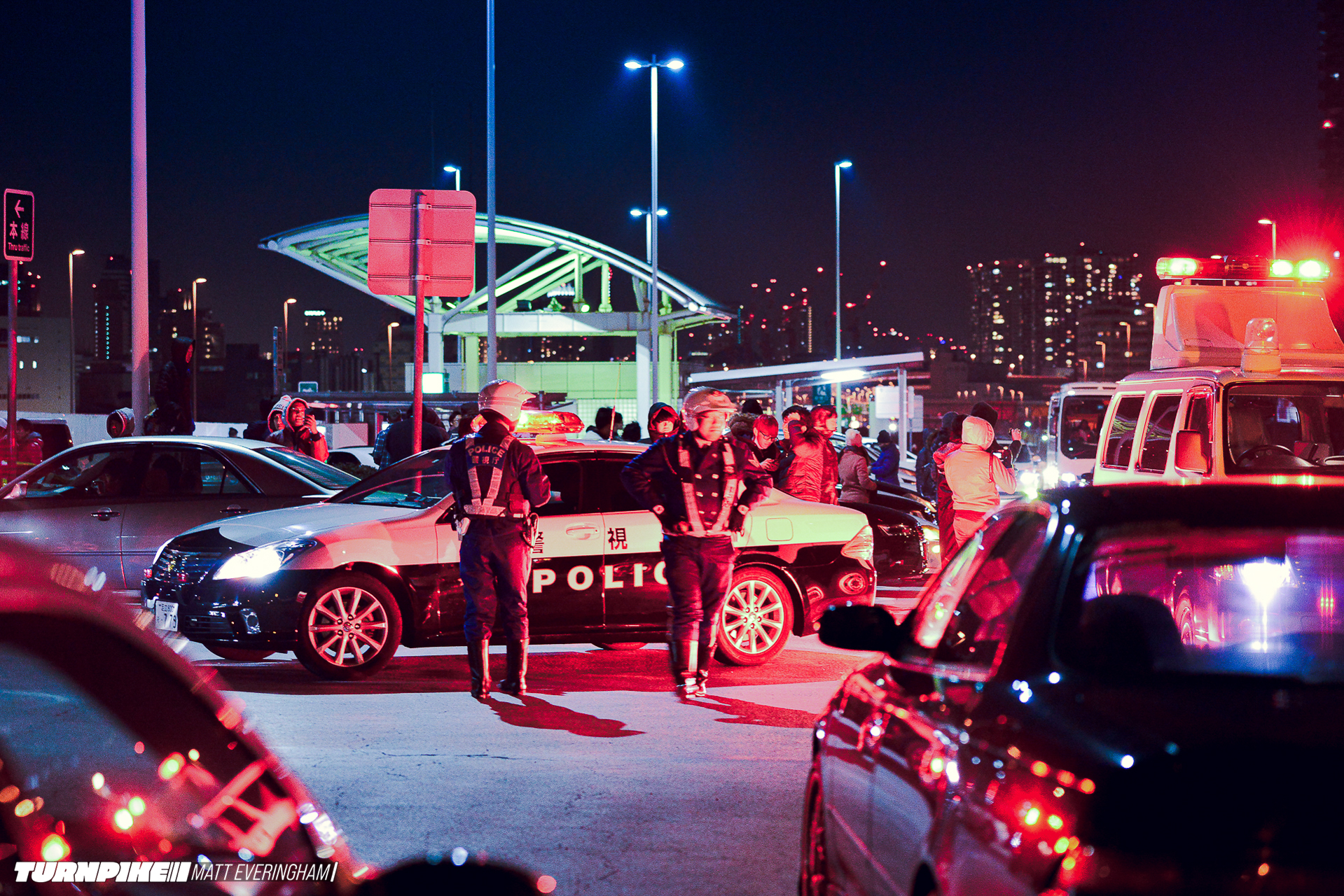
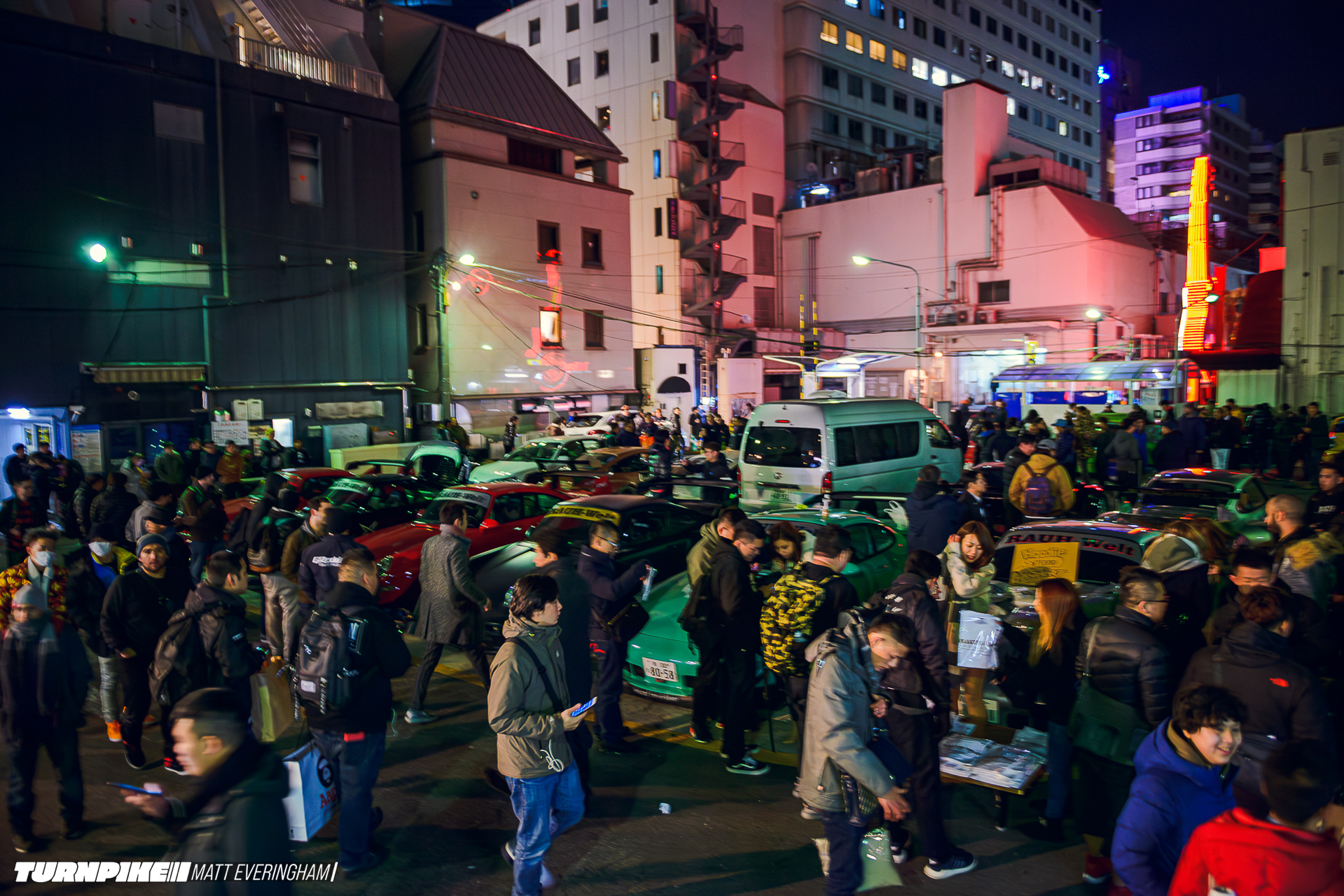
What was once a treasure hunt is now a pinned location. What was once whispered is now hash-tagged. What once required patience now requires… a charged battery. That shift is everywhere in the recent feeds, a Daikoku looks like someone leaked the coordinates in a Discord with 40,000 members. Shibaura has become a content arena, while Tatsumi is practically a 24-hour rental car depot with a scenic backdrop.
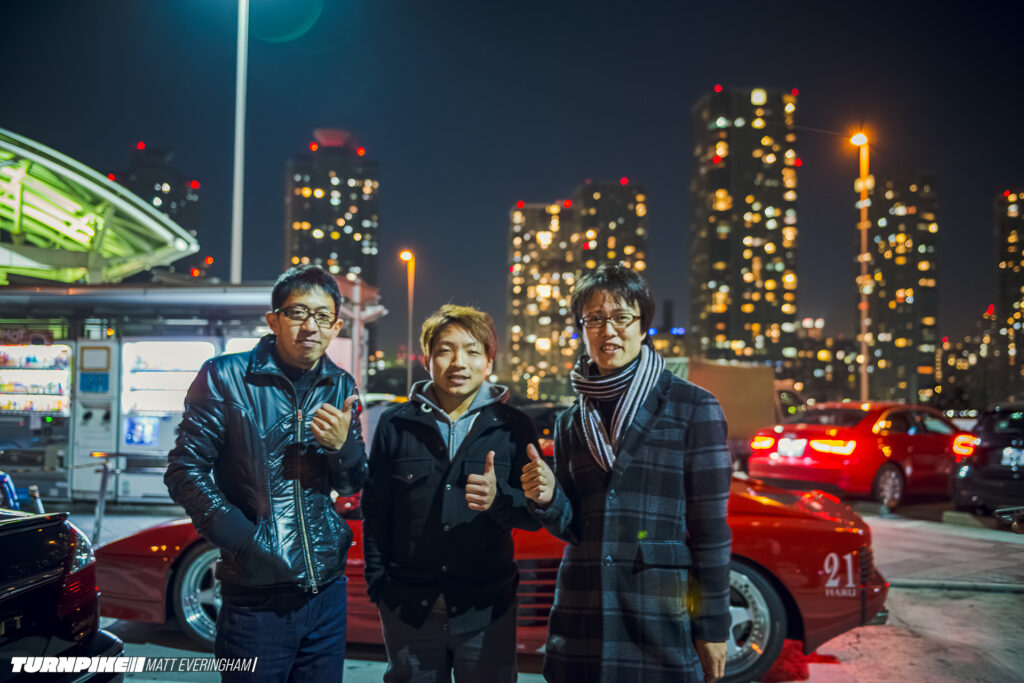
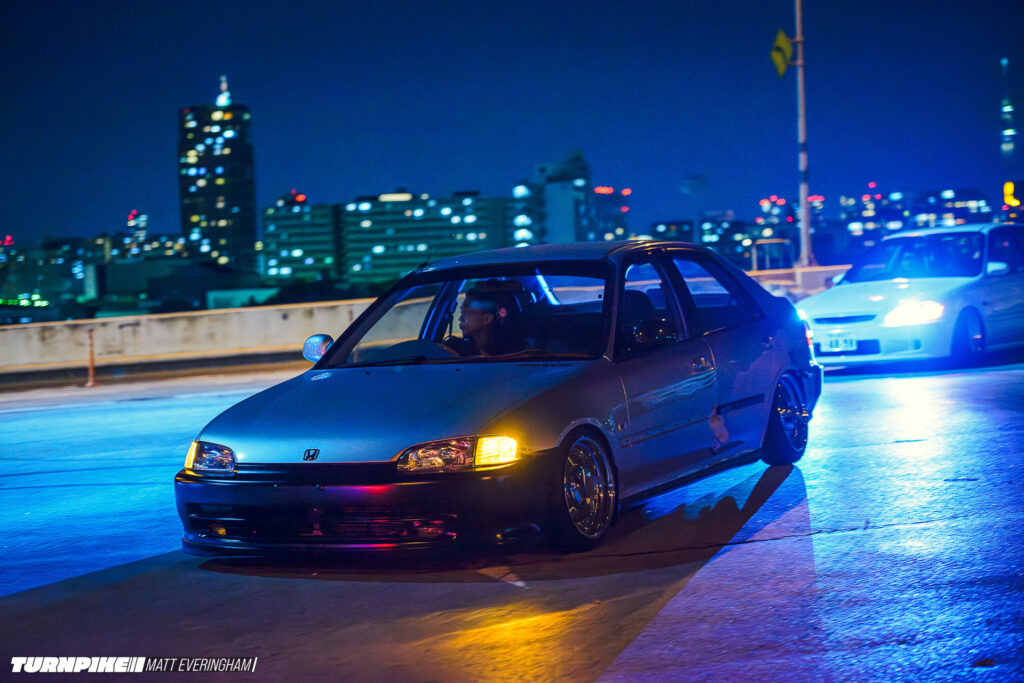
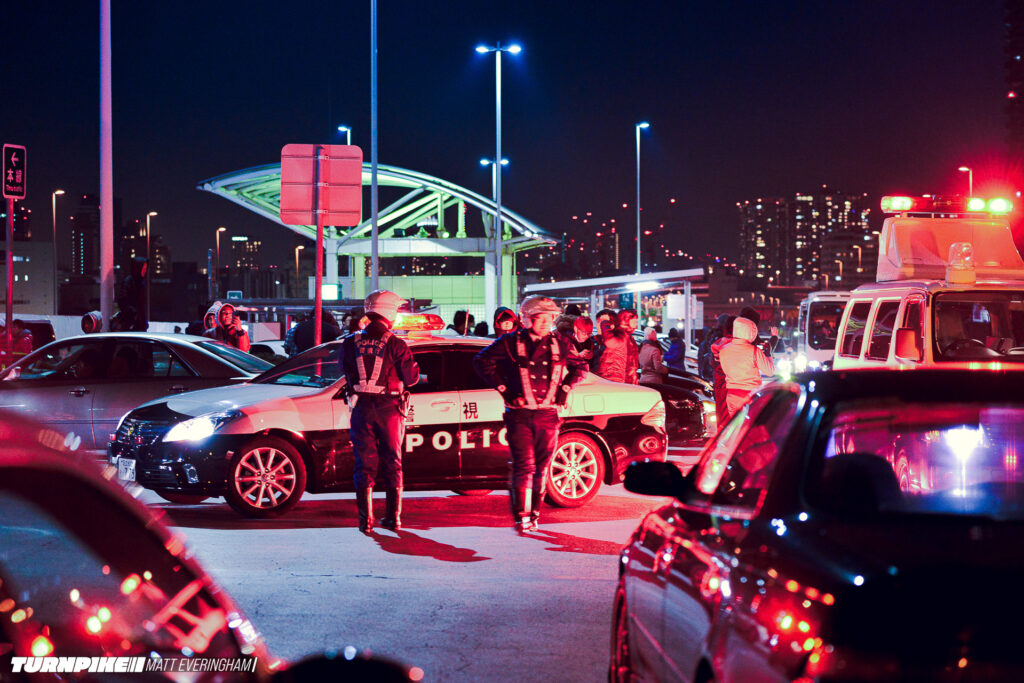
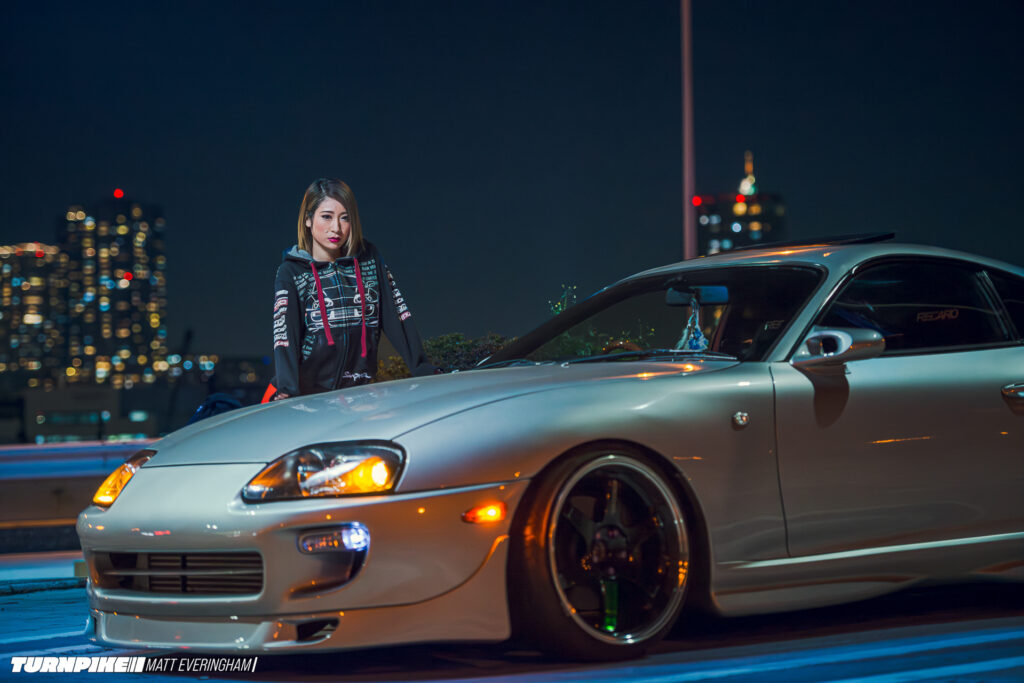
None of this means the culture is broken, as Japan remains one of the most extraordinary automotive ecosystems on the planet. The locals still build, tune, polish, drive, and innovate with a passion most countries couldn’t fake if they tried – but the ratios have shifted: More observers than participants. More noise than nuance. More pressure on a scene that once thrived in the shadows.
And that brings me back to the question that started this whole spiral: are we contributing to the culture, or are we overwhelming it? The more accessible a subculture becomes, the more its identity is shaped by the people entering it. Tokyo’s iconic hotspots now feel less like underground gatherings and more like tourist attractions waiting to be packaged into short-form content.
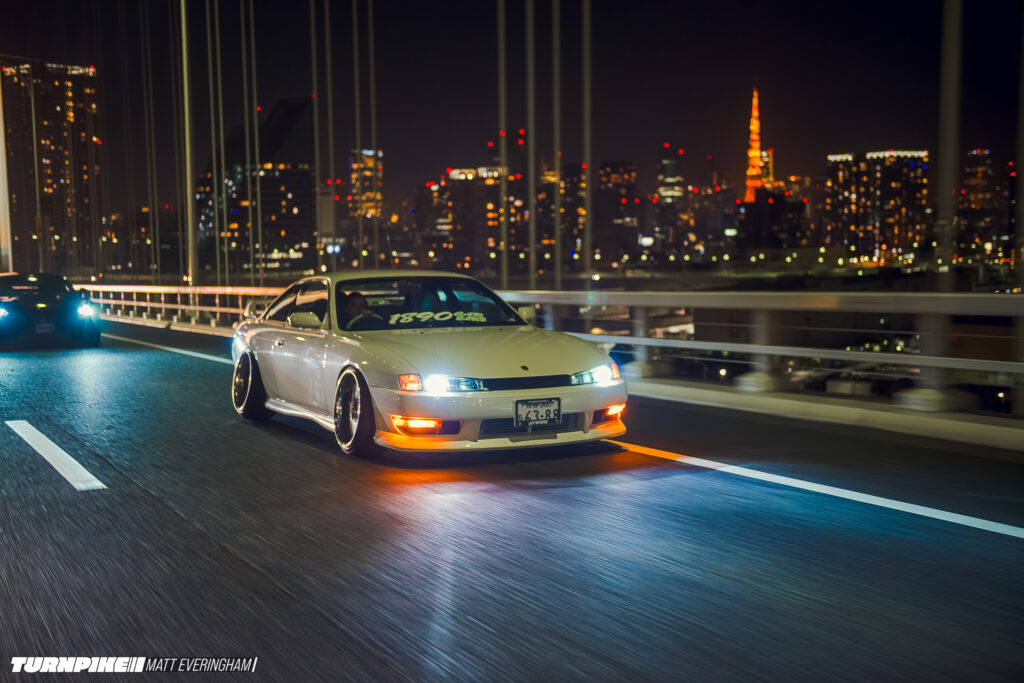
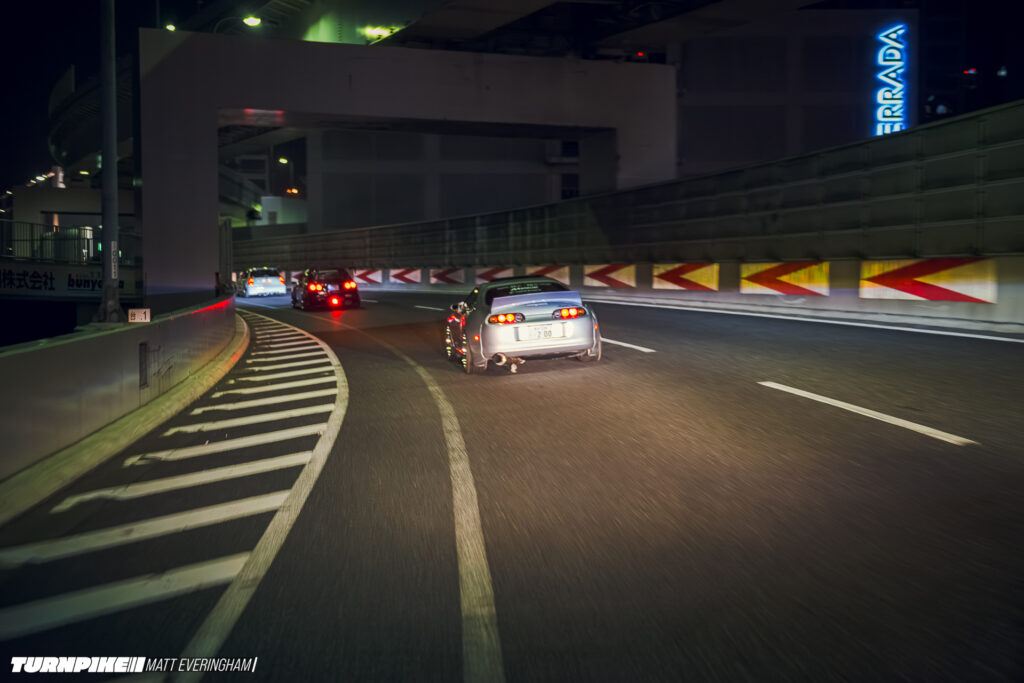
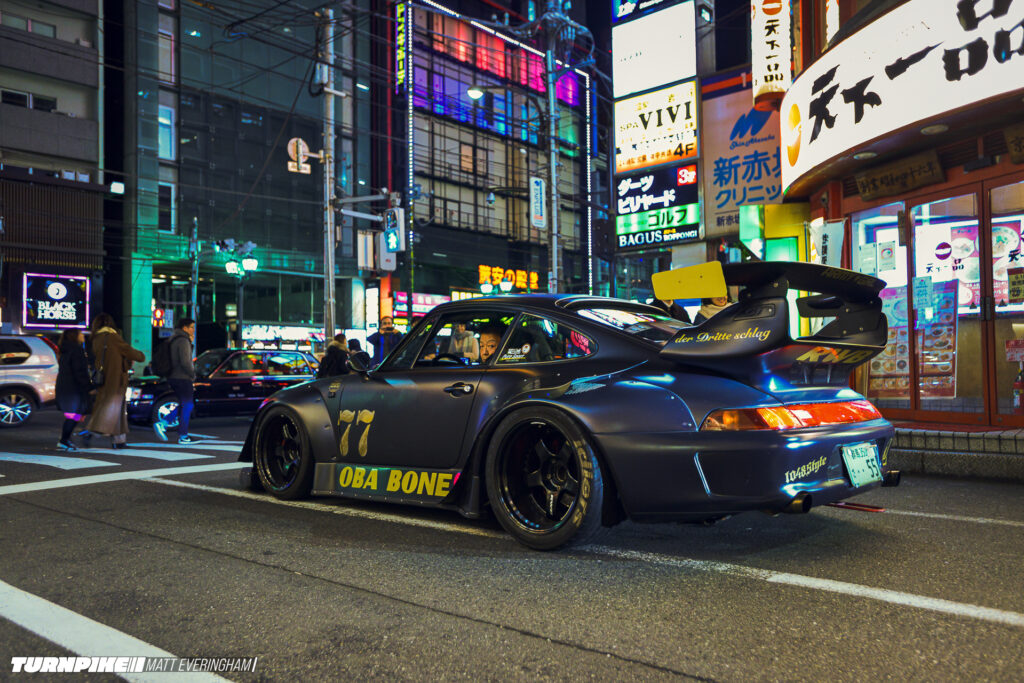
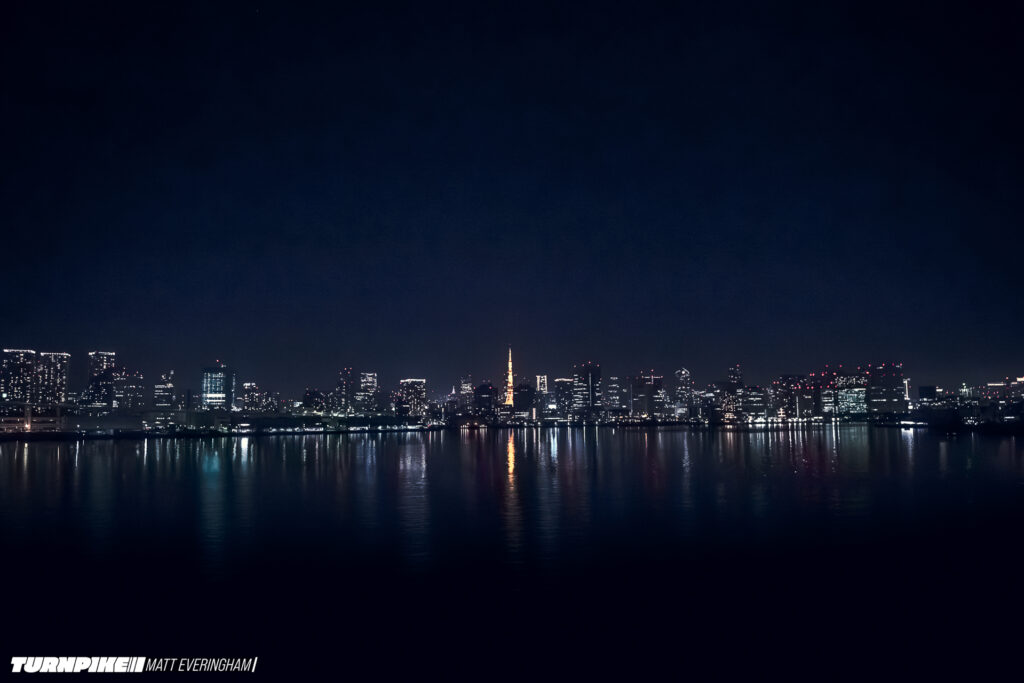
Maybe this is just the natural cycle of hype. Maybe I’m just the old guy yelling at clouds, squinting toward an era that feels golden only because it can’t be recreated. Or maybe — and this is the uncomfortable one — we really have reached a tipping point where global attention is reshaping the scene faster than the locals can.
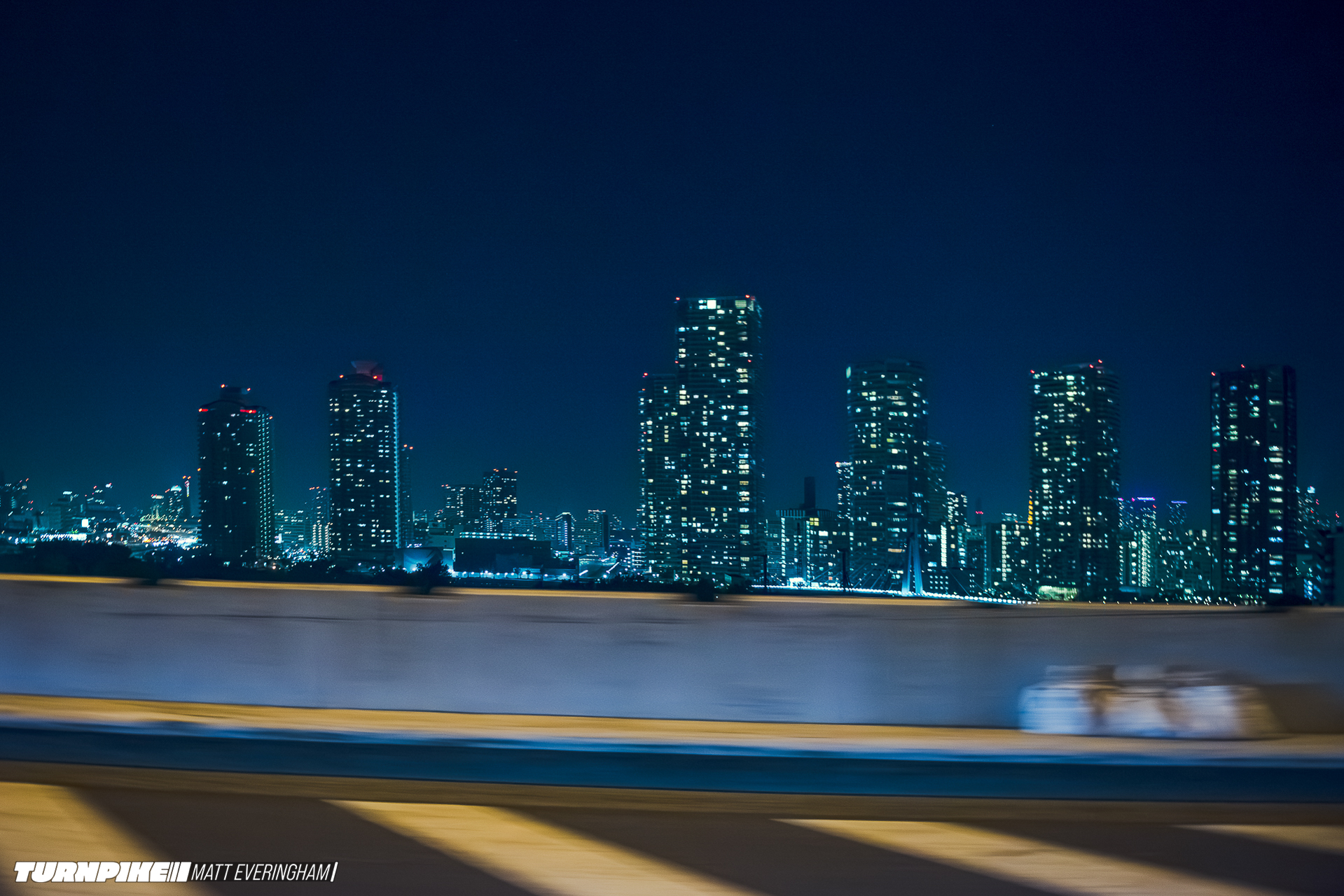
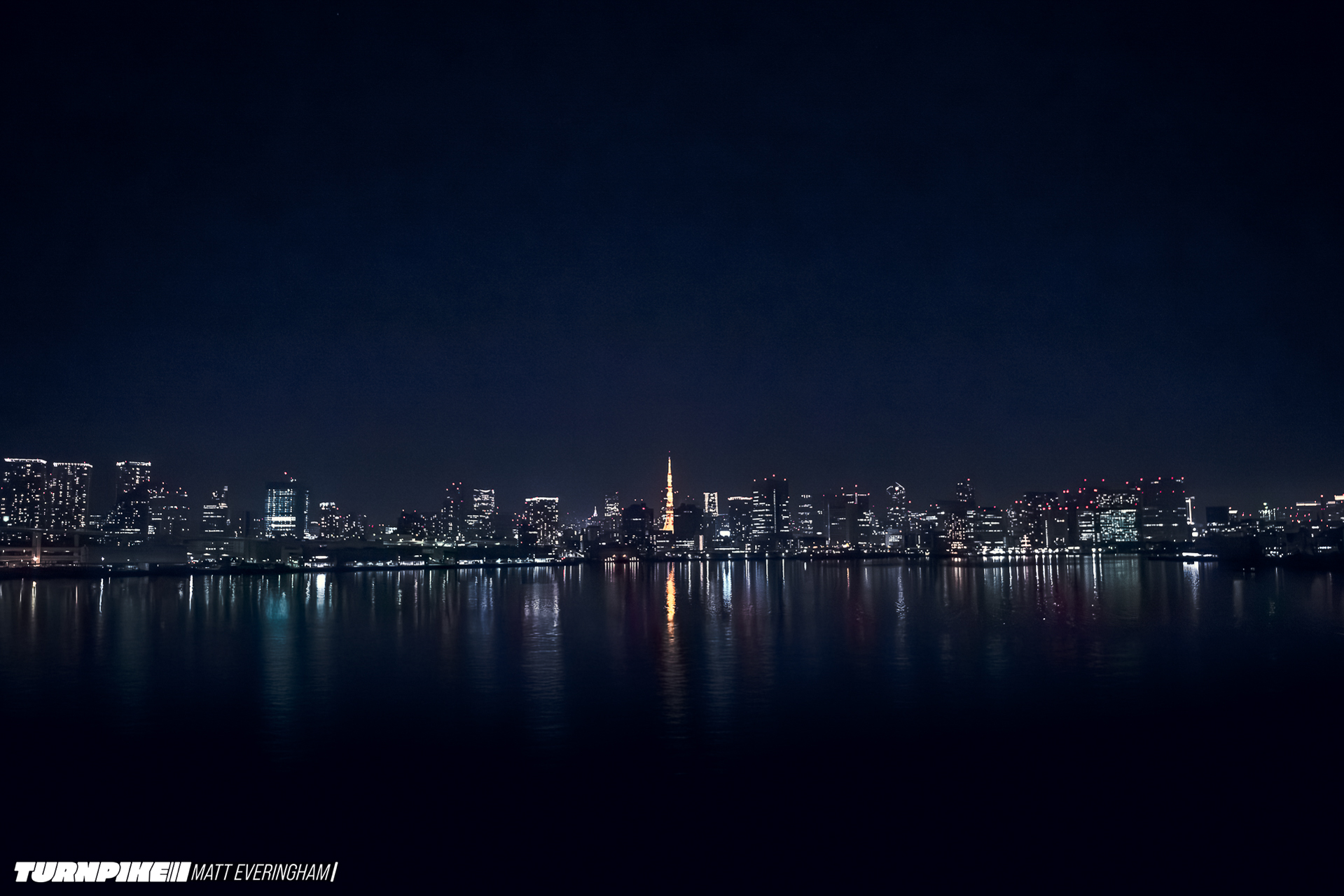
But here’s the truth: Tokyo is still Tokyo. Its automotive culture hasn’t gone silent, it’s just harder to hear under the additional noise. So tell me what you think. Has auto-tourism genuinely changed the culture, or am I just nostalgia-drunk and overdue for a flight back to Haneda?
Let’s hunt this reality together.



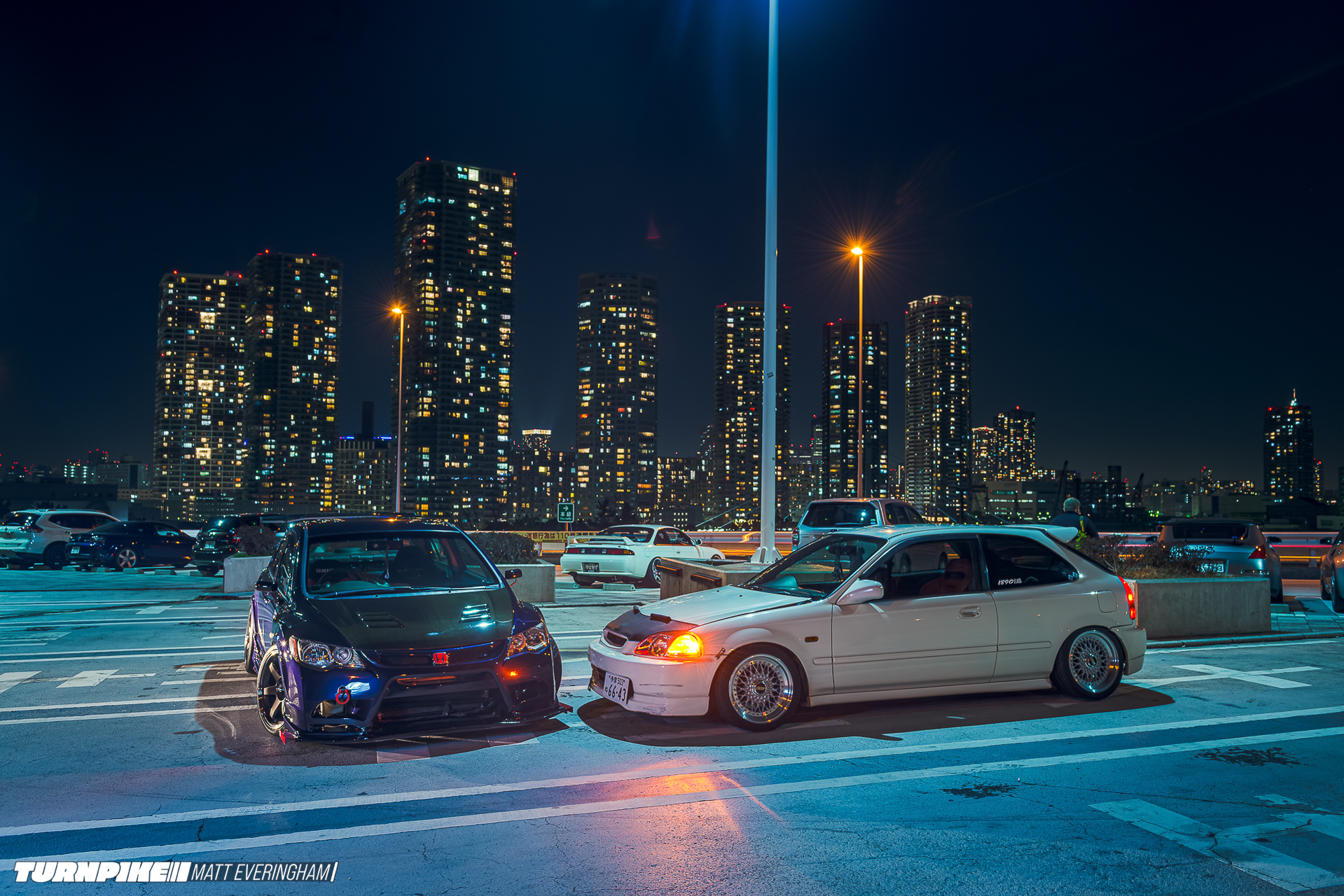
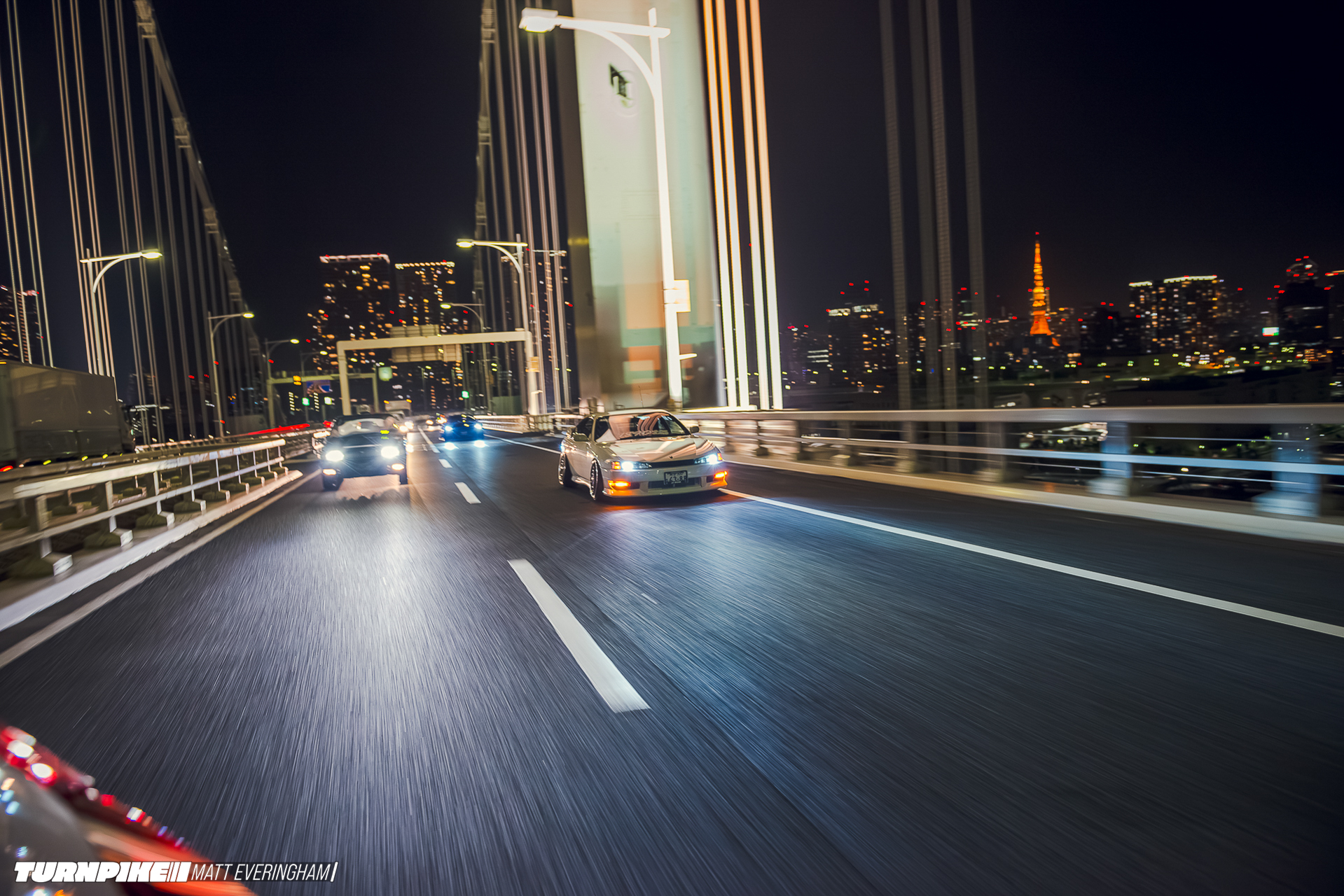
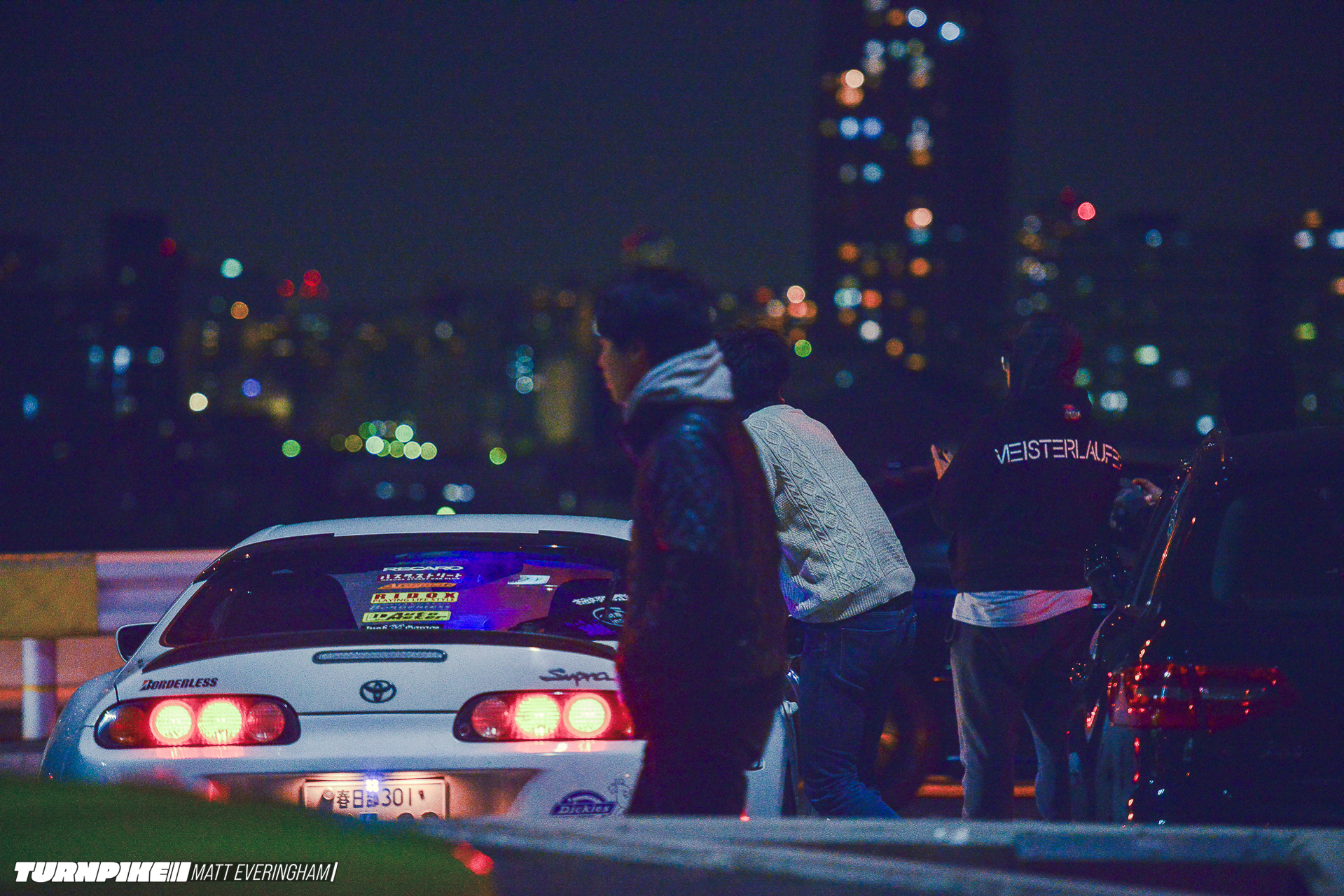
Welcome aboard, Matt. So glad to have you here ! Always enjoyed your work on SH. What a stunning set of shots you brought back out for us to enjoy.
Looking forward to see more of your work around these parts.
Thank you for the warm welcome!
Two big lessons here:
1. When you’re a guest in another culture, treat everyone with respect and dignity. Don’t be the main character.
2. Be the reason where you’re from is awesome. Be a contributor. Without effort, this won’t amount to much.
Great piece, Matthew.
Well put, Guyon!
Thank you. 🙂
Great to see you back yelling at clouds MattMan!!!!
It’s what I do best.
As I was enjoying each picture here, I really like how it adds to your story here on why you travel to explore more of the automotive world and be apart of the car community yet we all have the same concern that the world changed so fast and there are so many new trends that are a bit worrying
However, it’s refreshing to hear that the culture is still alive that the noise hasn’t suppressed it and that Tokyo is still Tokyo as well as the many great places around the world would love to visit someday