
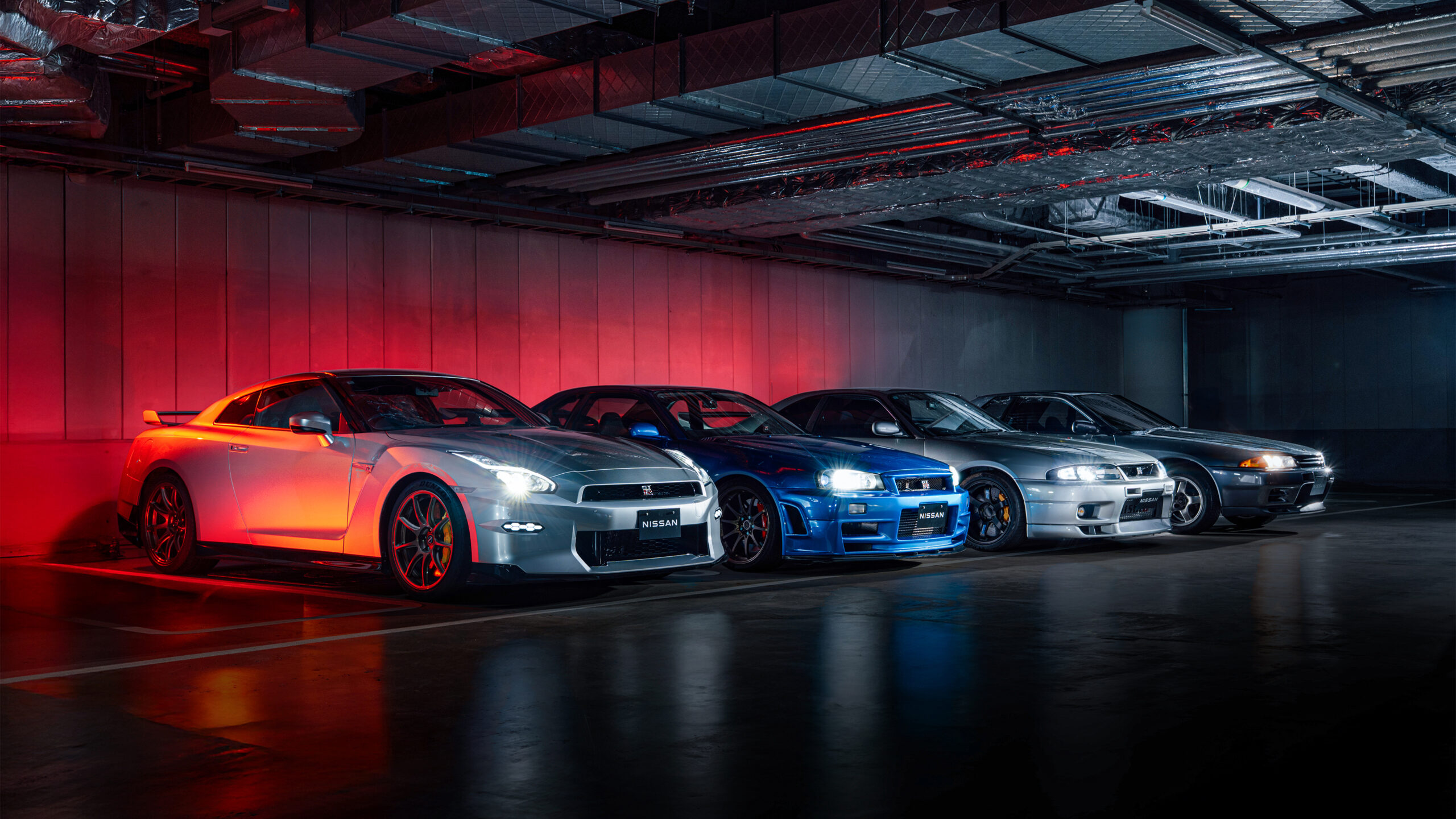
With the R35 GT-R officially out of production and some rather pressing issues to be dealt with, you would assume anything to do with the successor to Nissan’s halo car would be put on the back burner.
But last weekend, over a period of three days, Nissan indirectly reached out to its more hardcore fans with a bit of a nod, a hint, telling us, “Look I know I’m dealing with a lot of crap right now, but don’t you worry, I know where I’ve come from and what I need to do.”
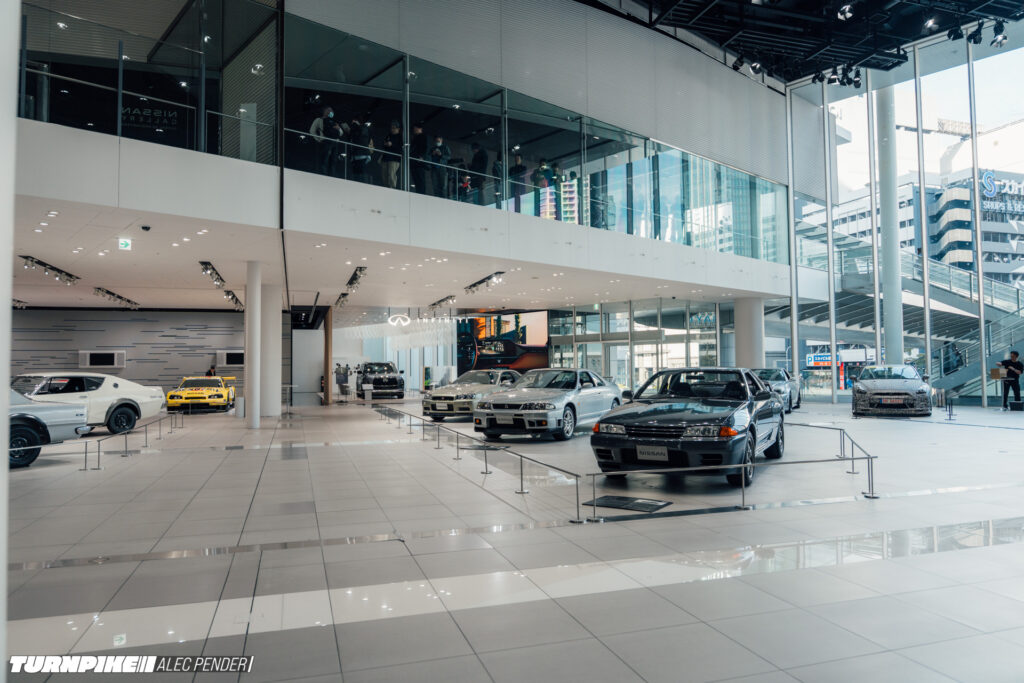
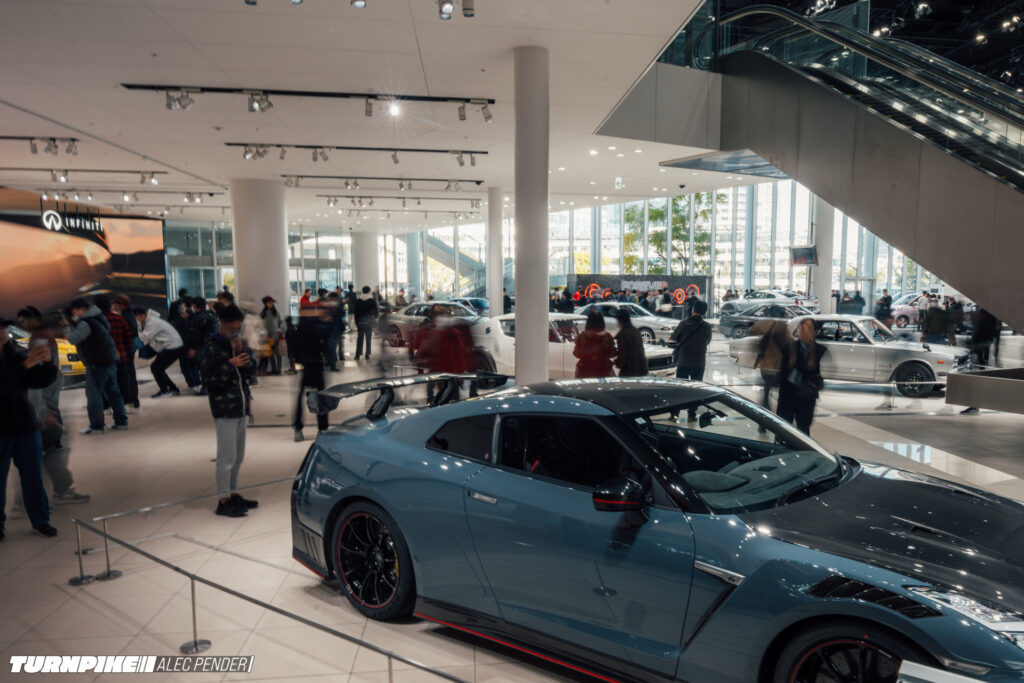
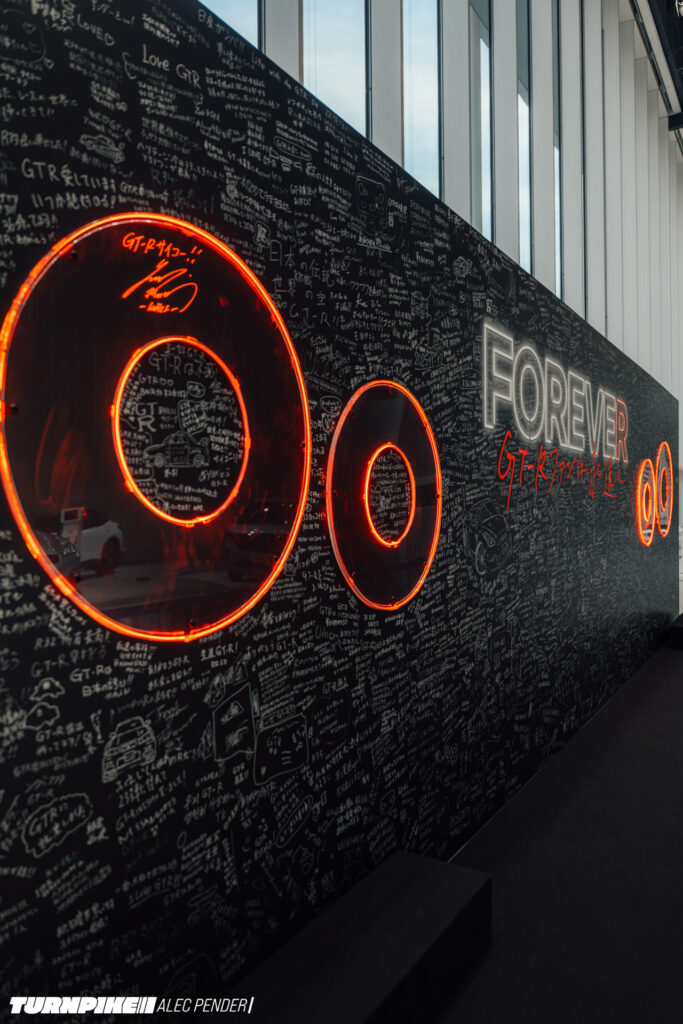

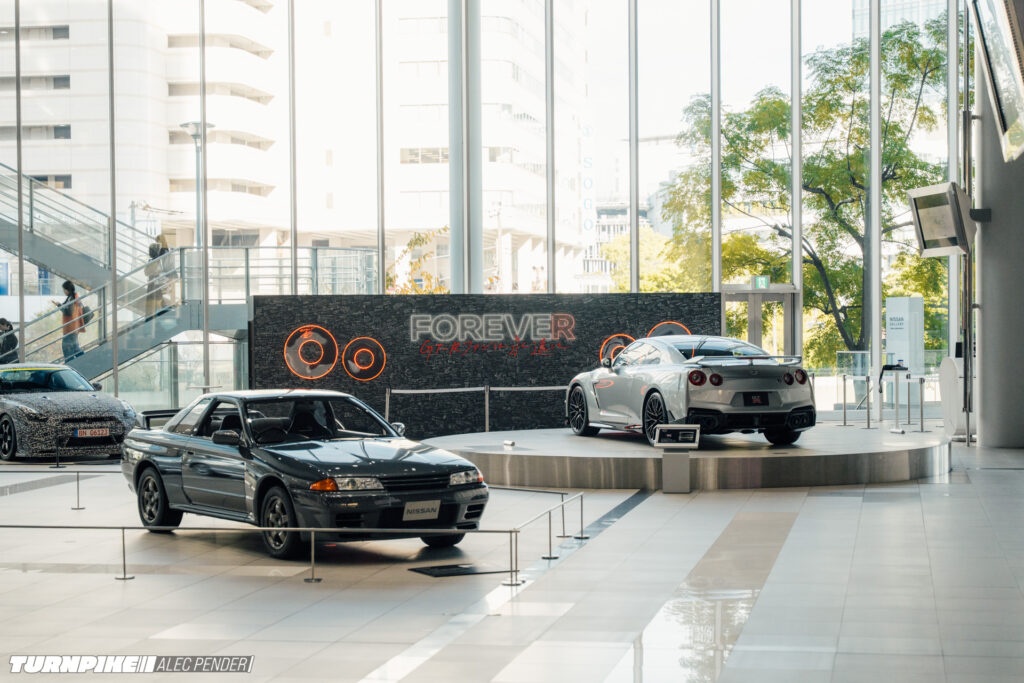
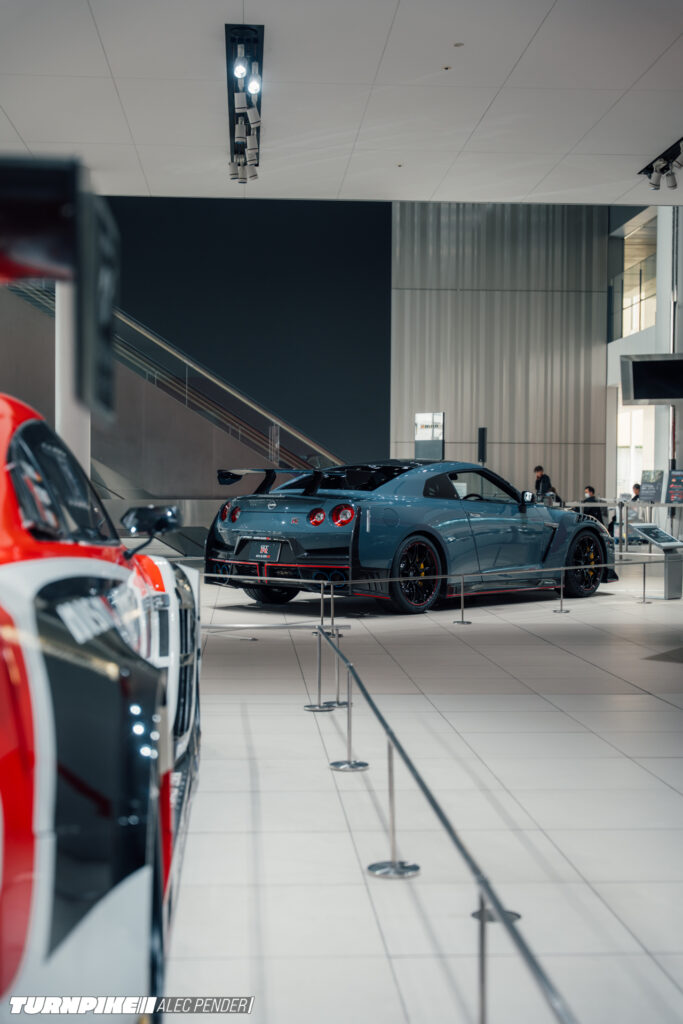

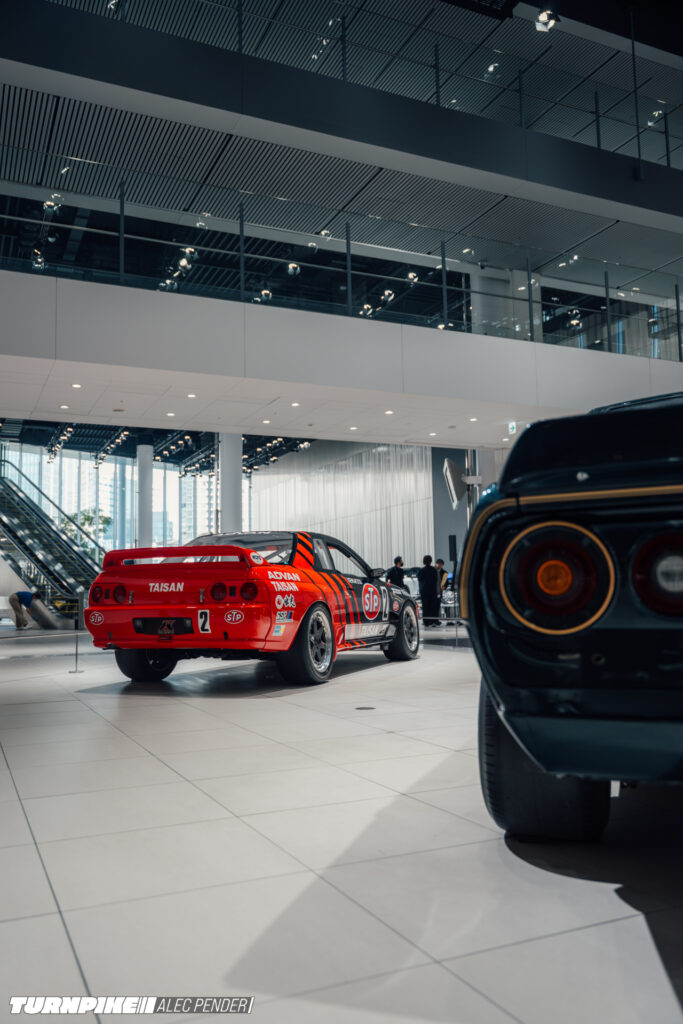
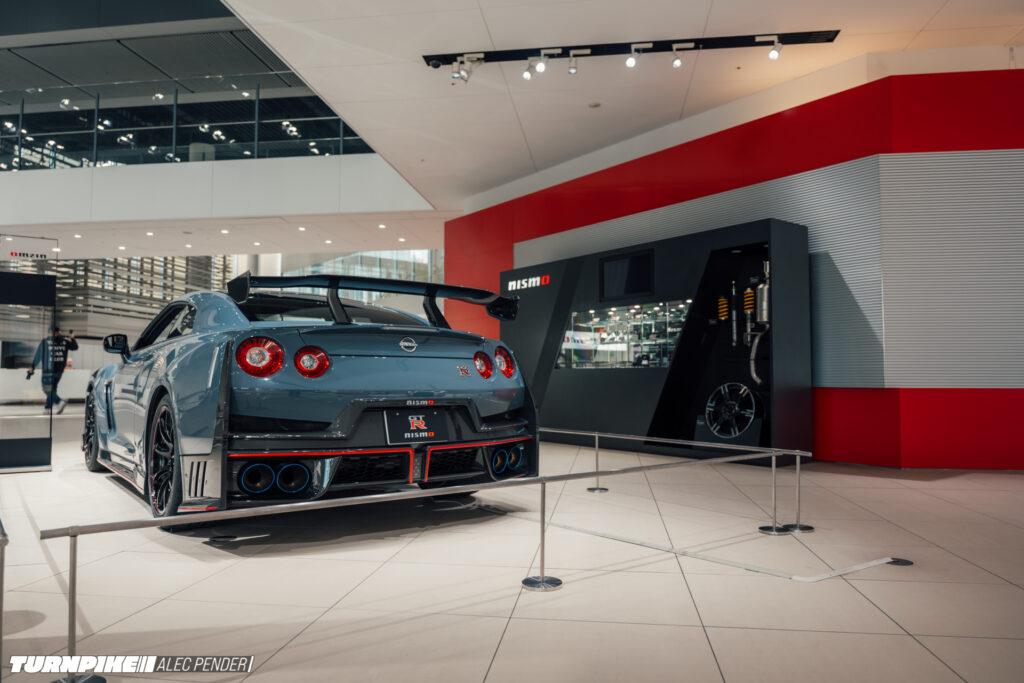

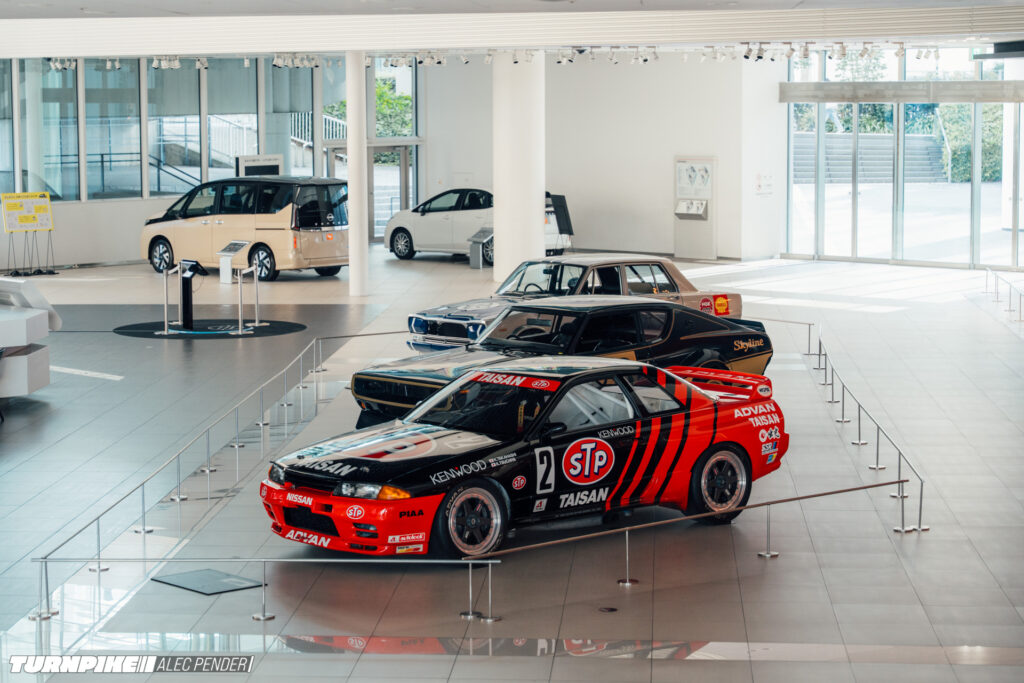

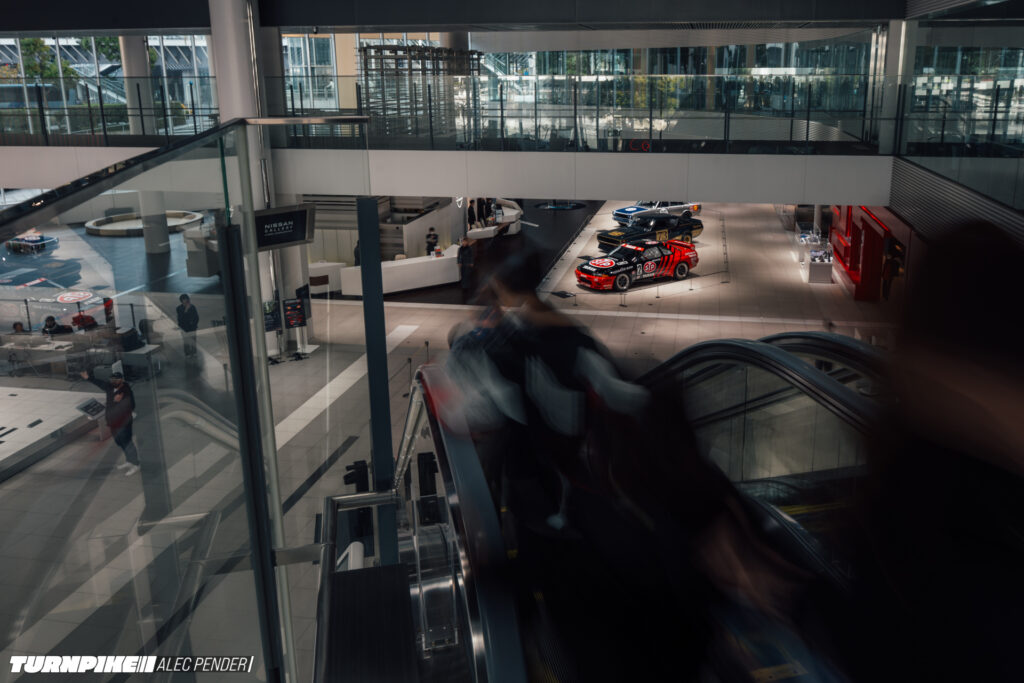
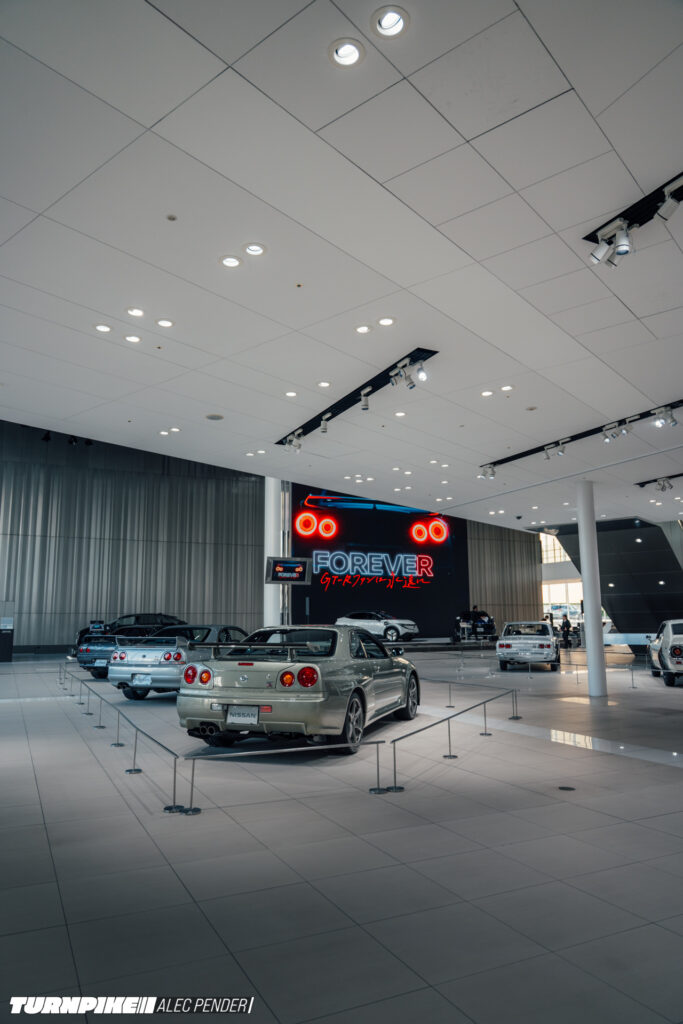
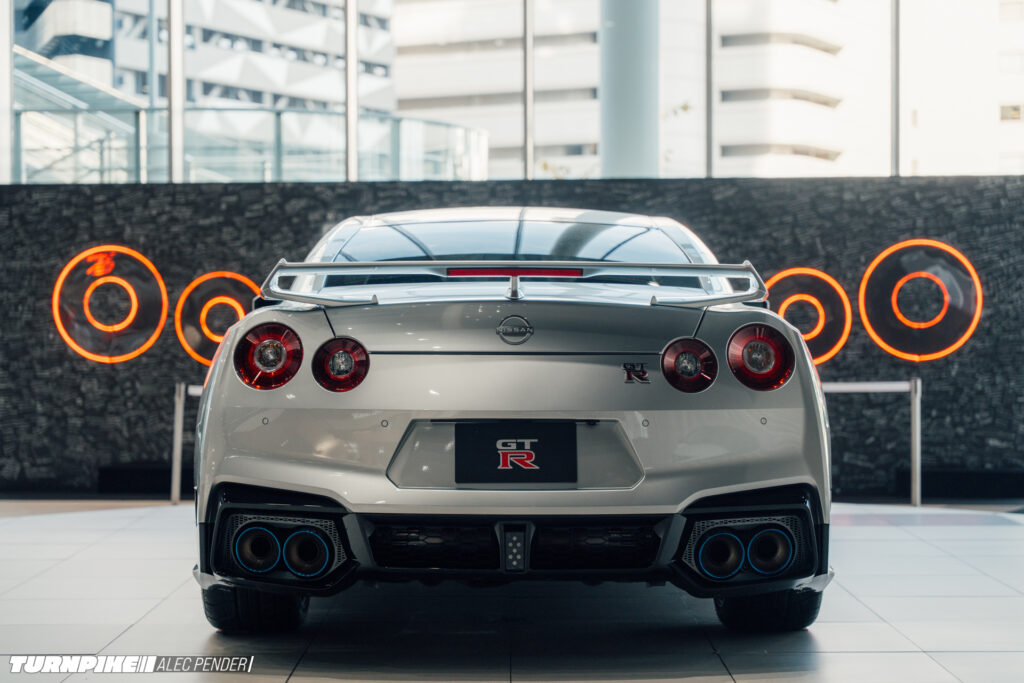
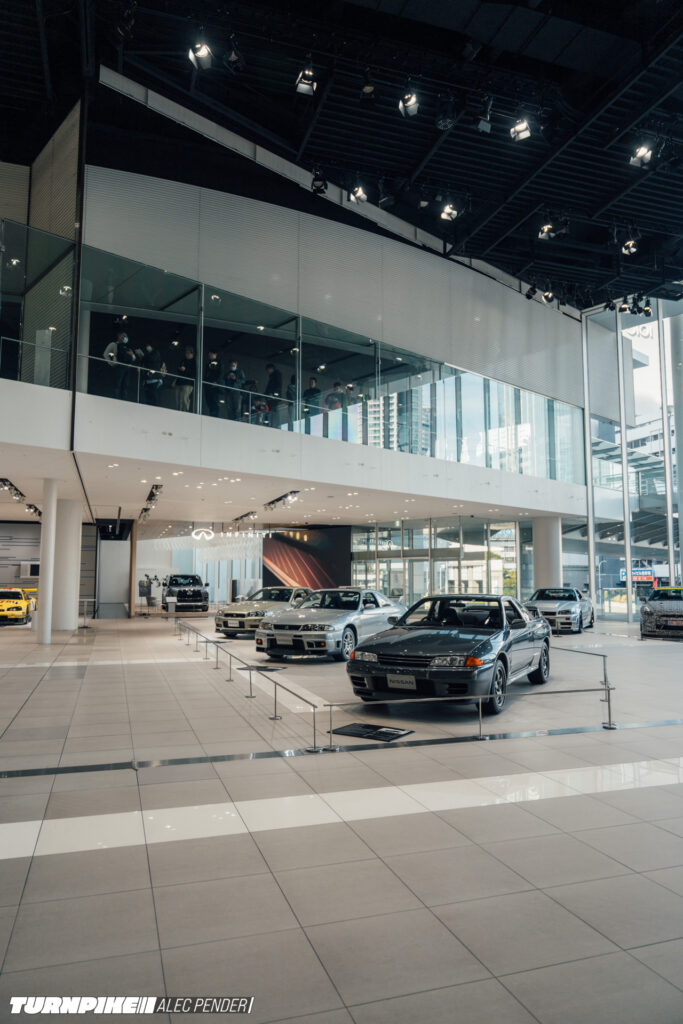
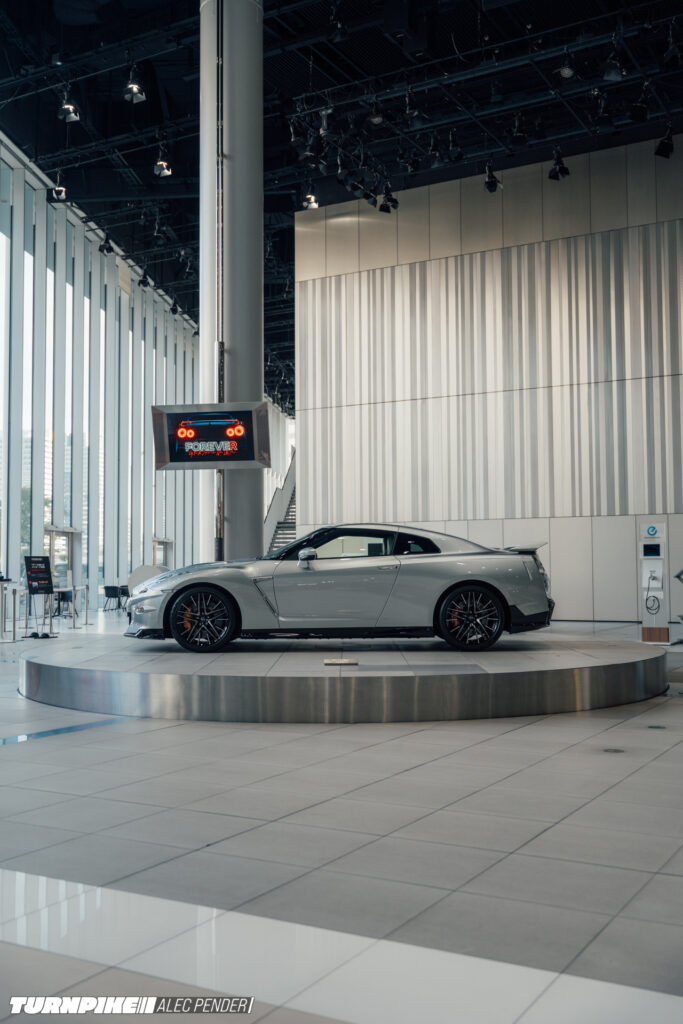
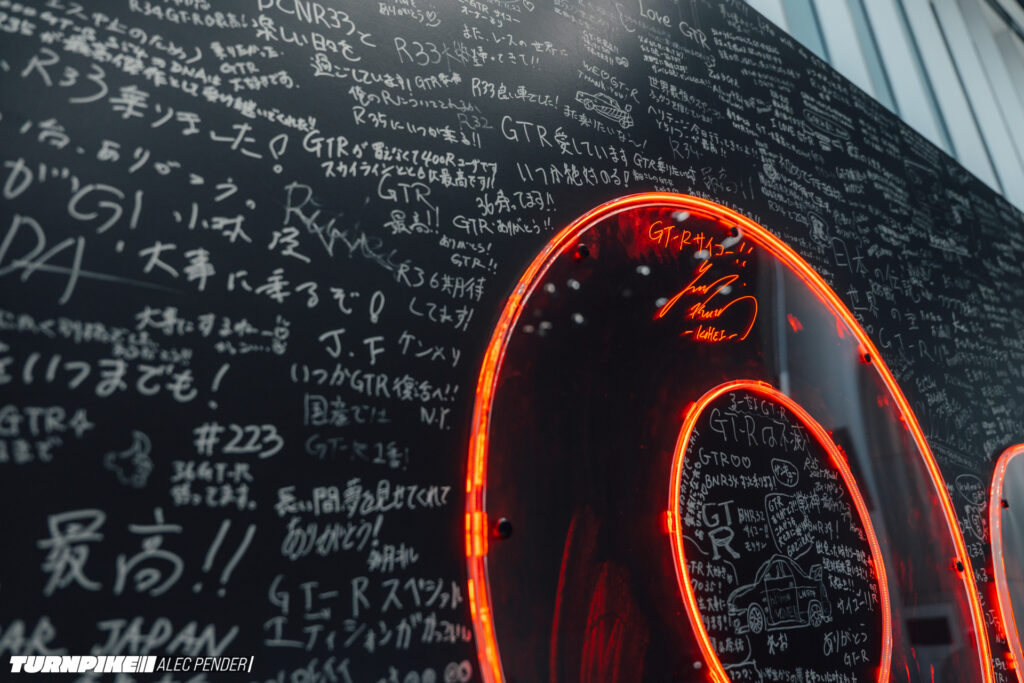
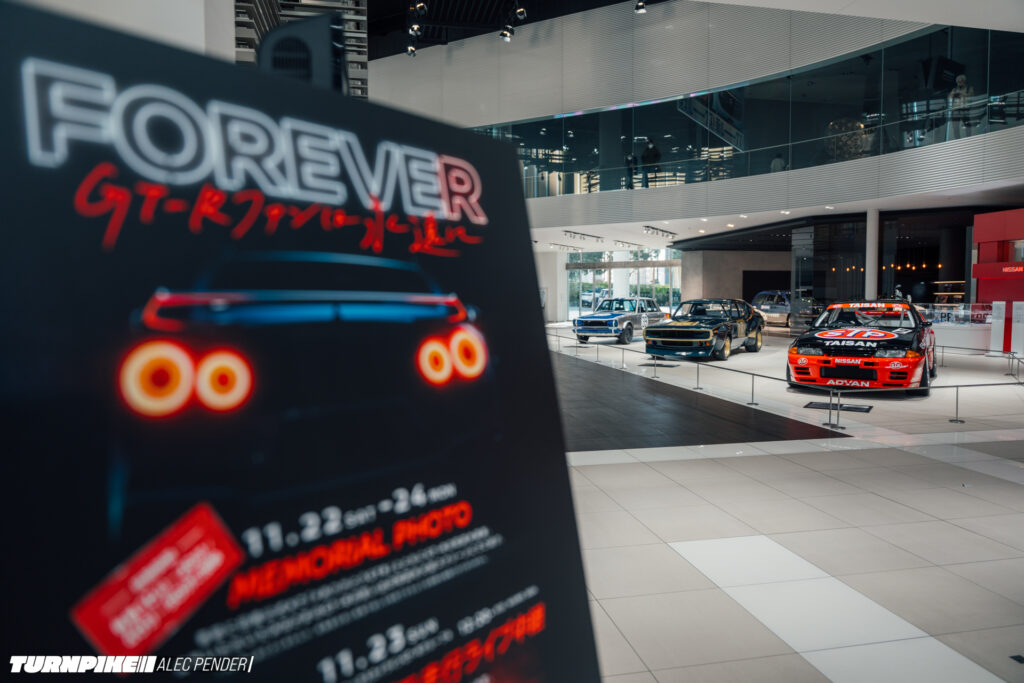
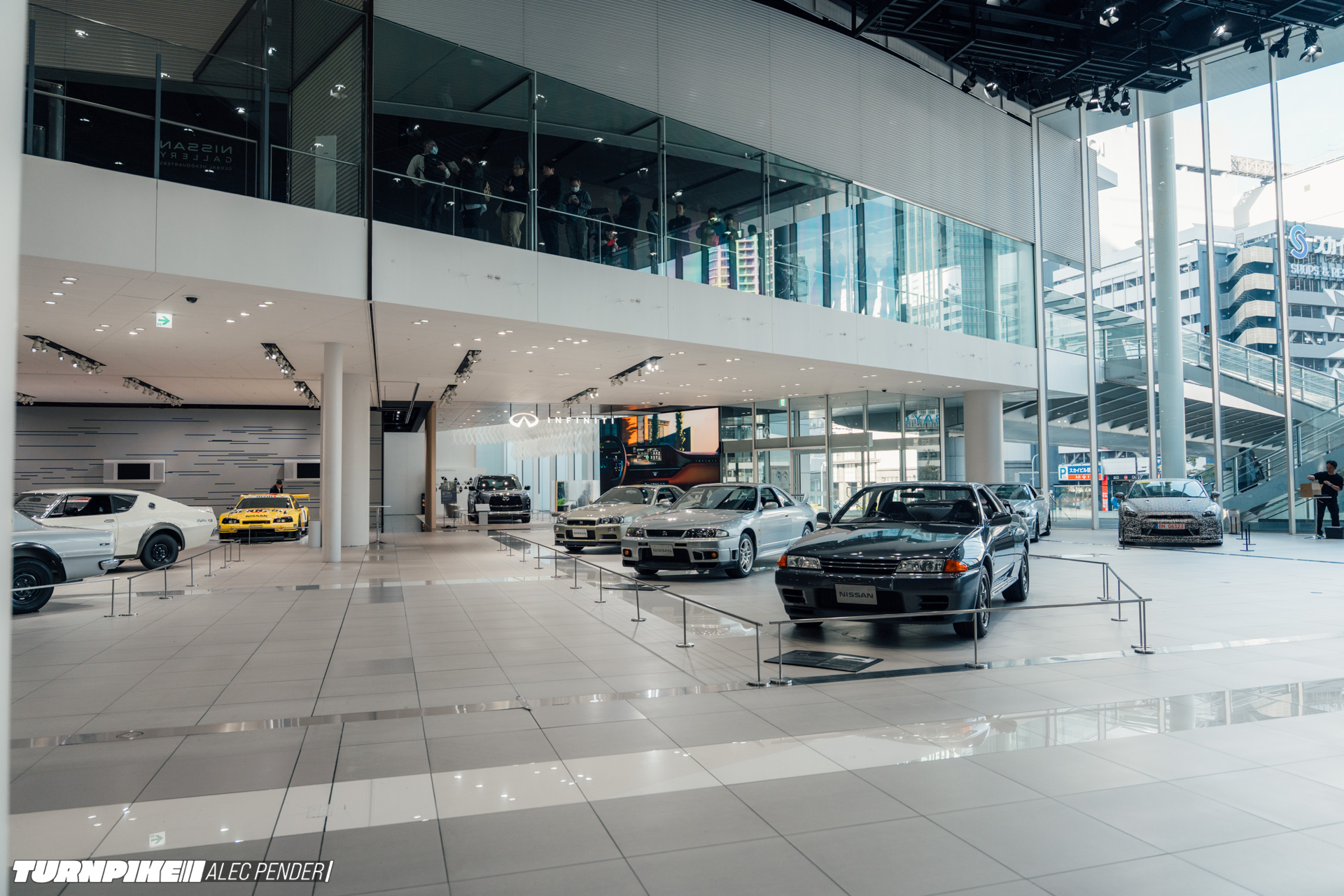
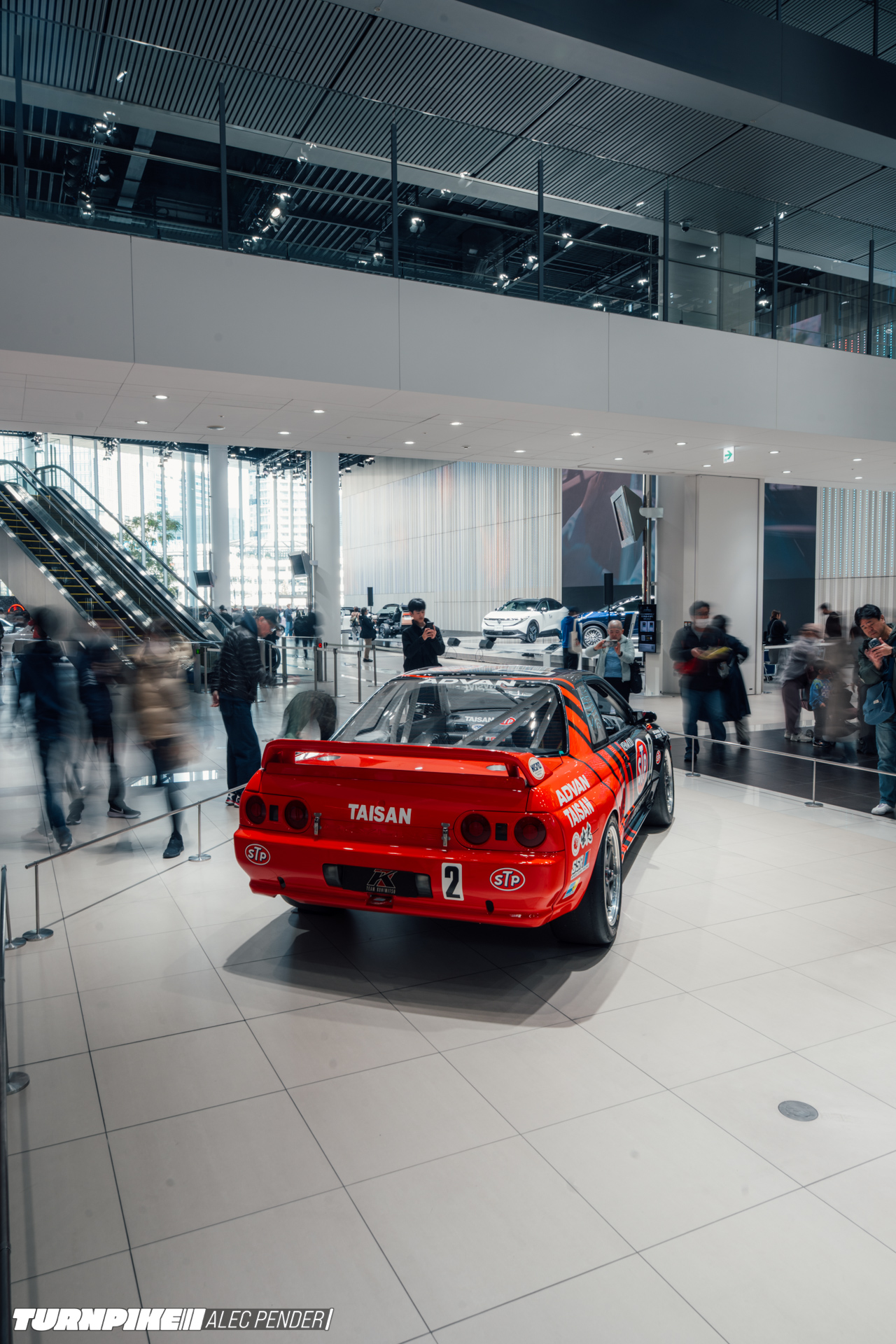
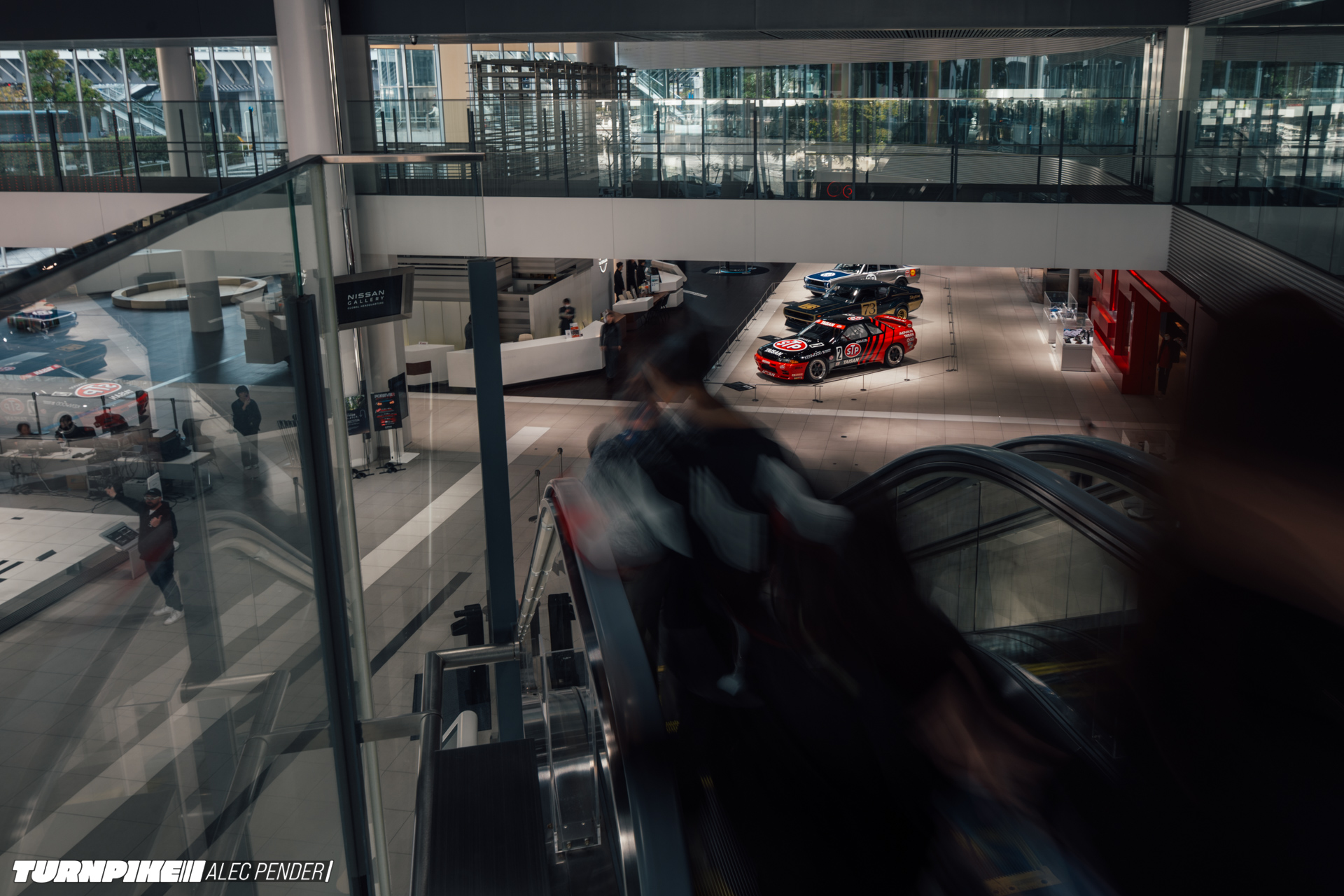
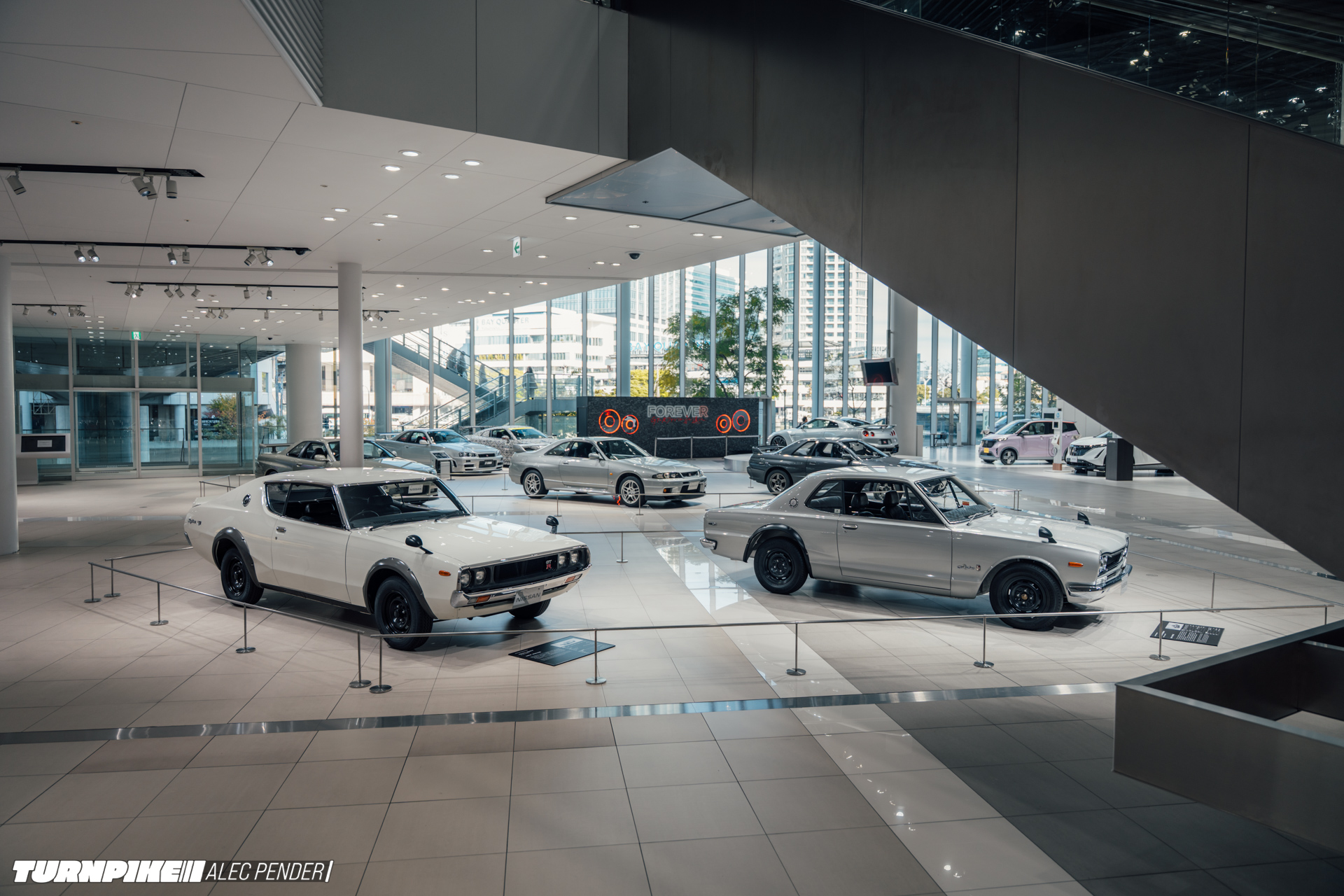
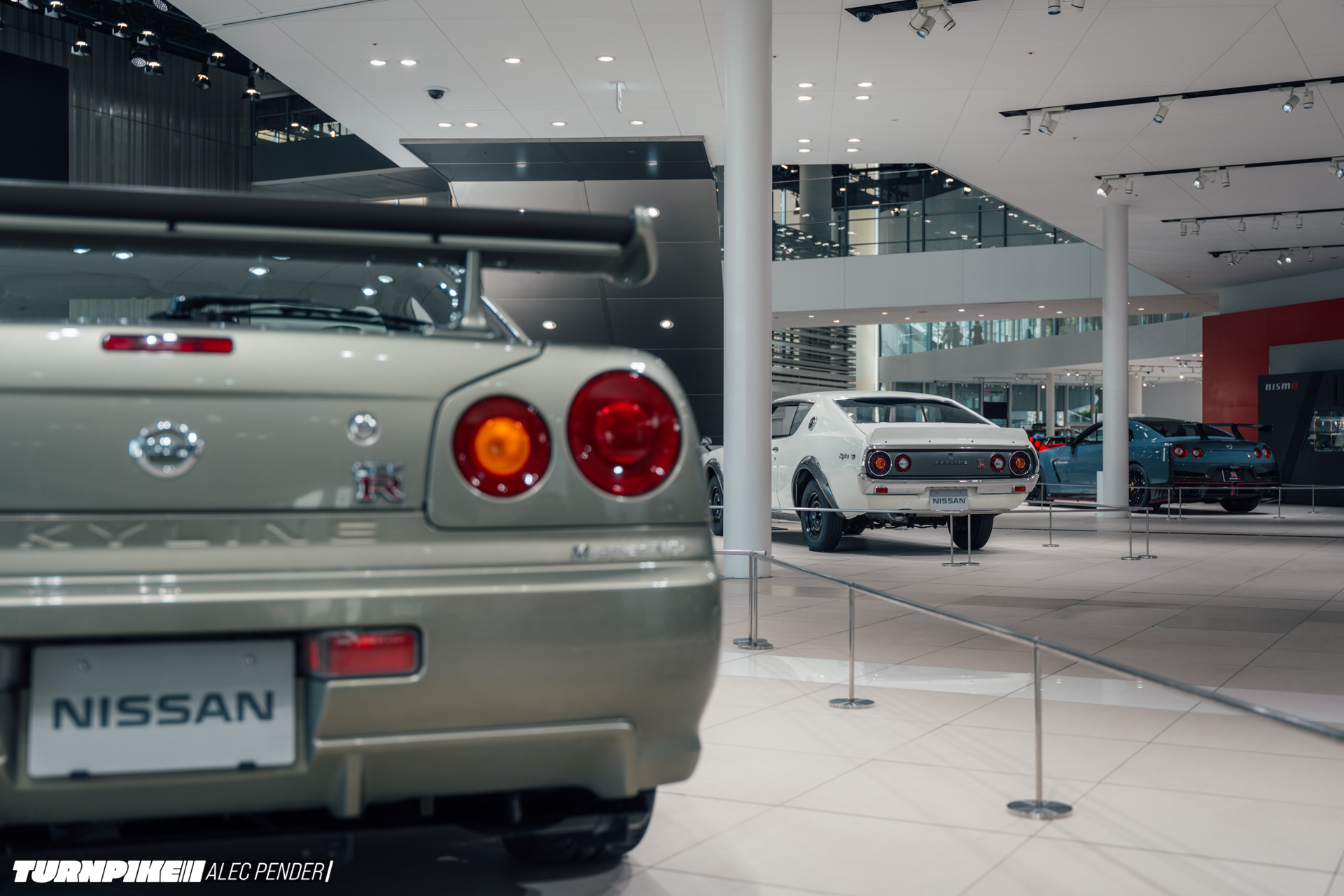
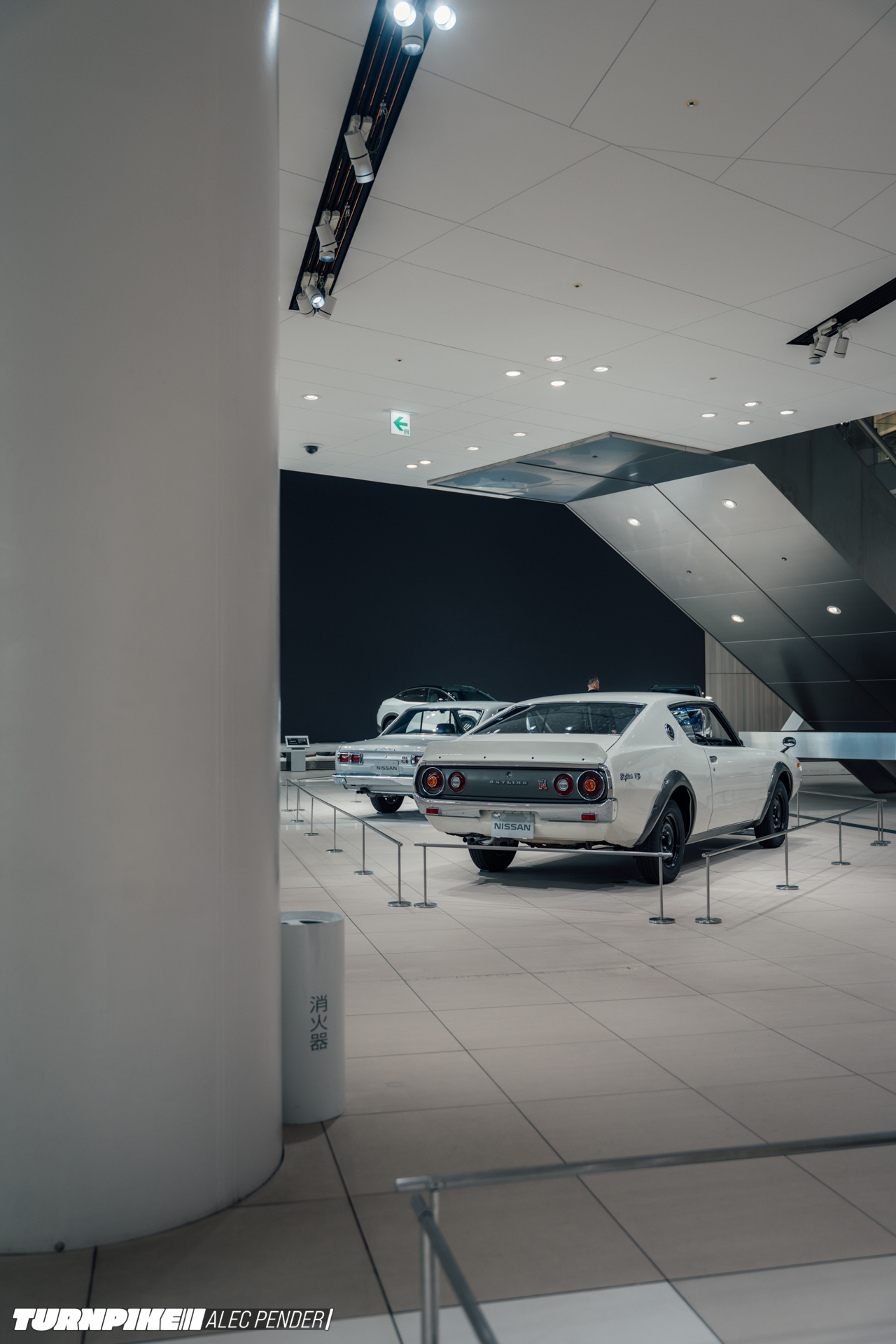
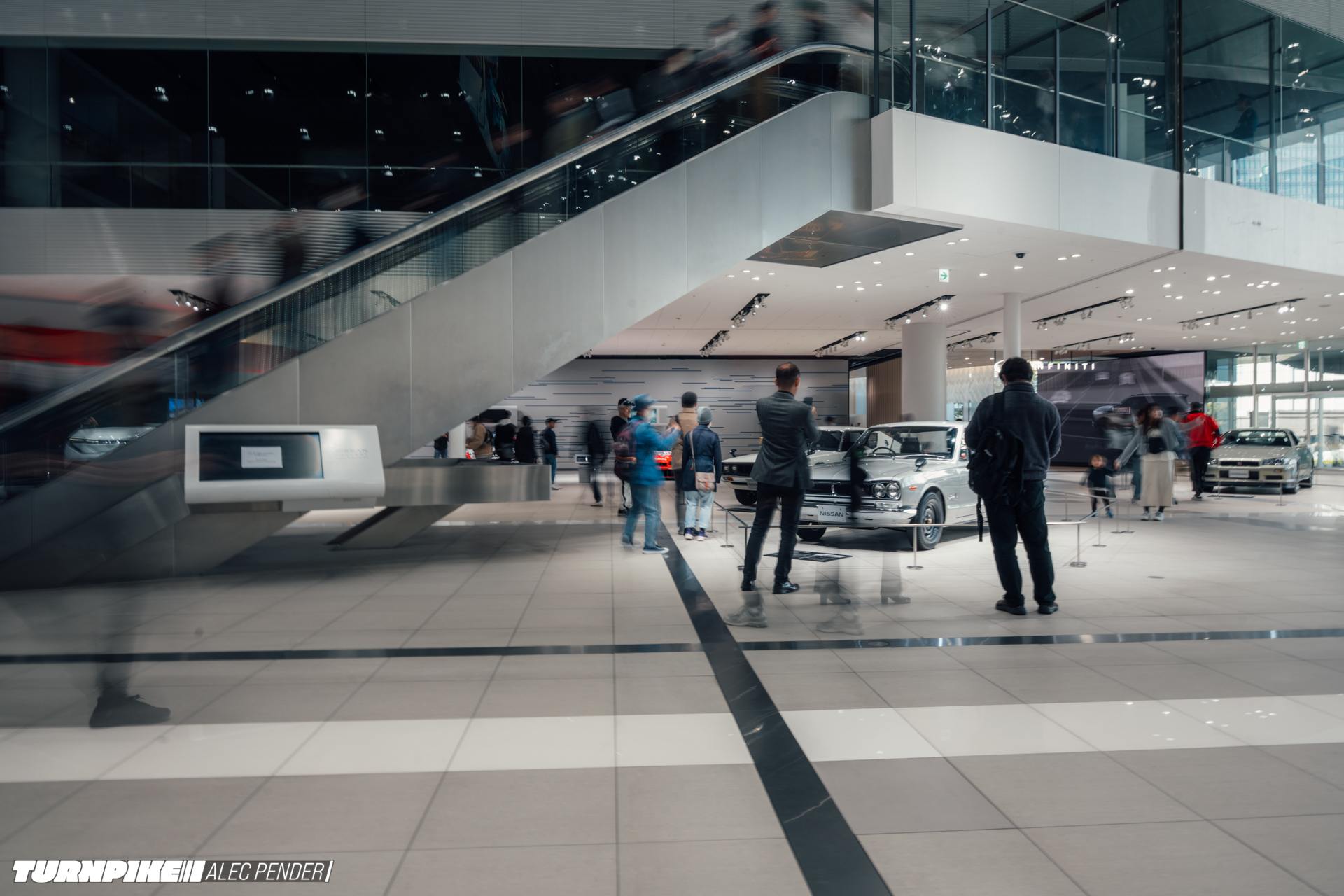
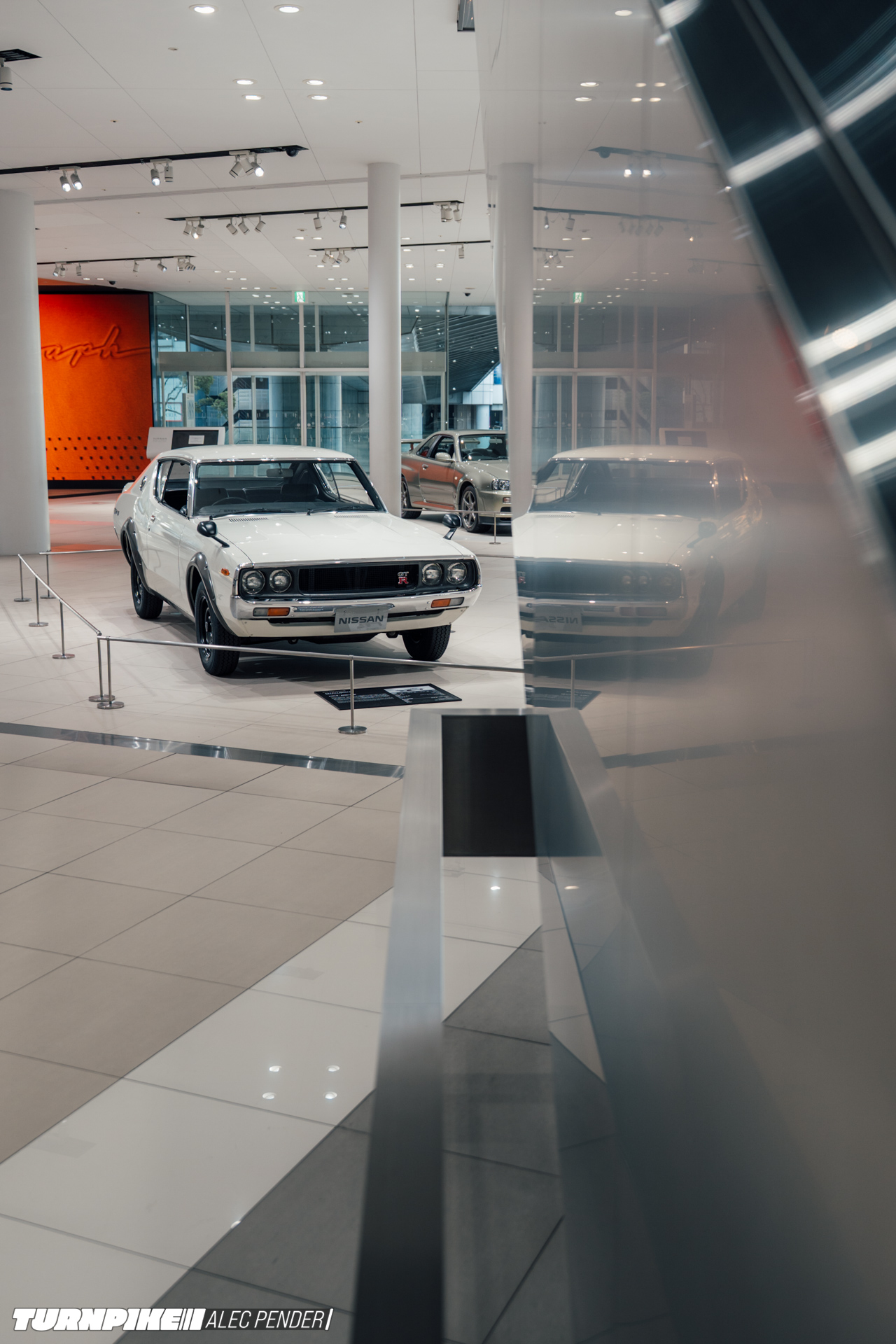
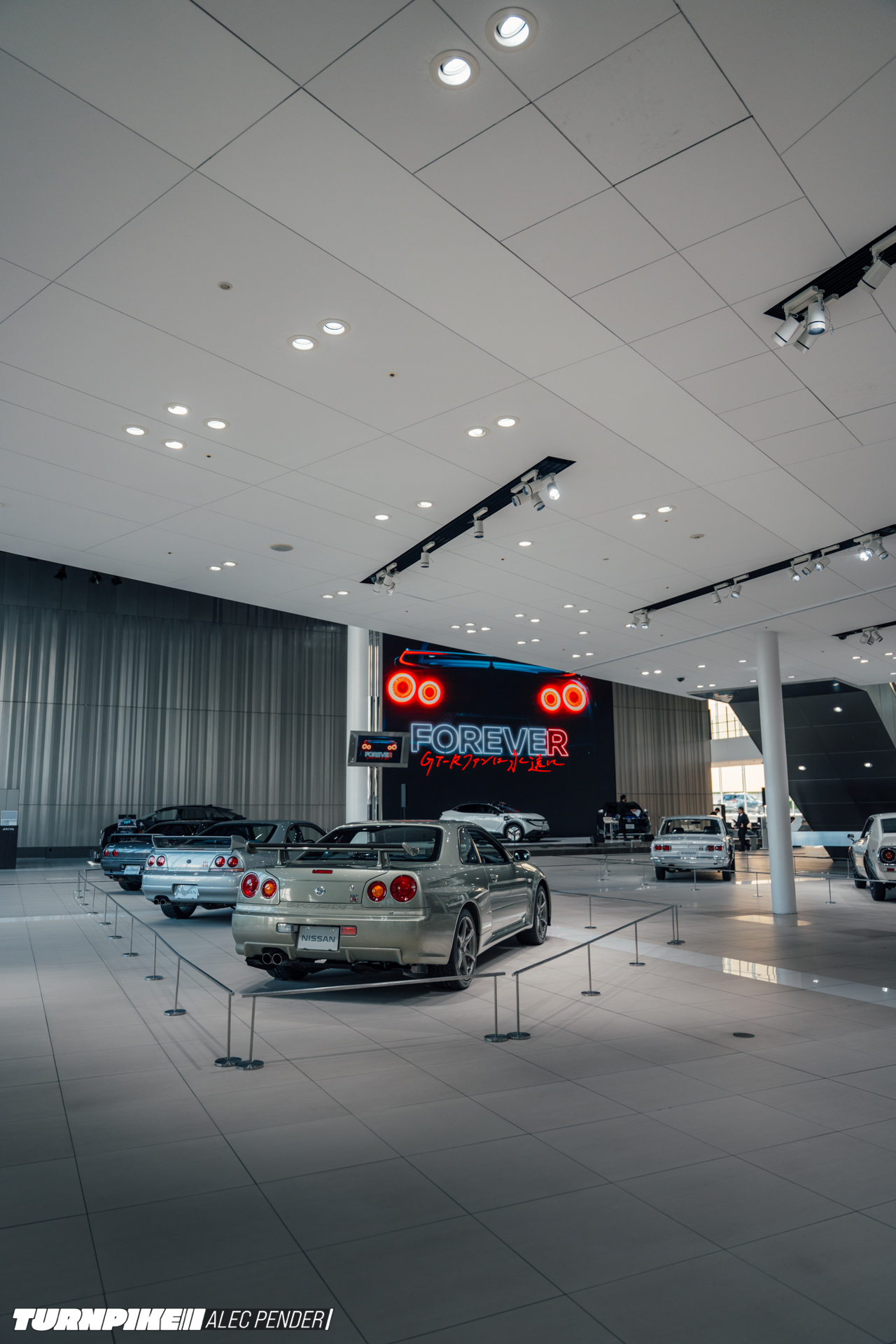
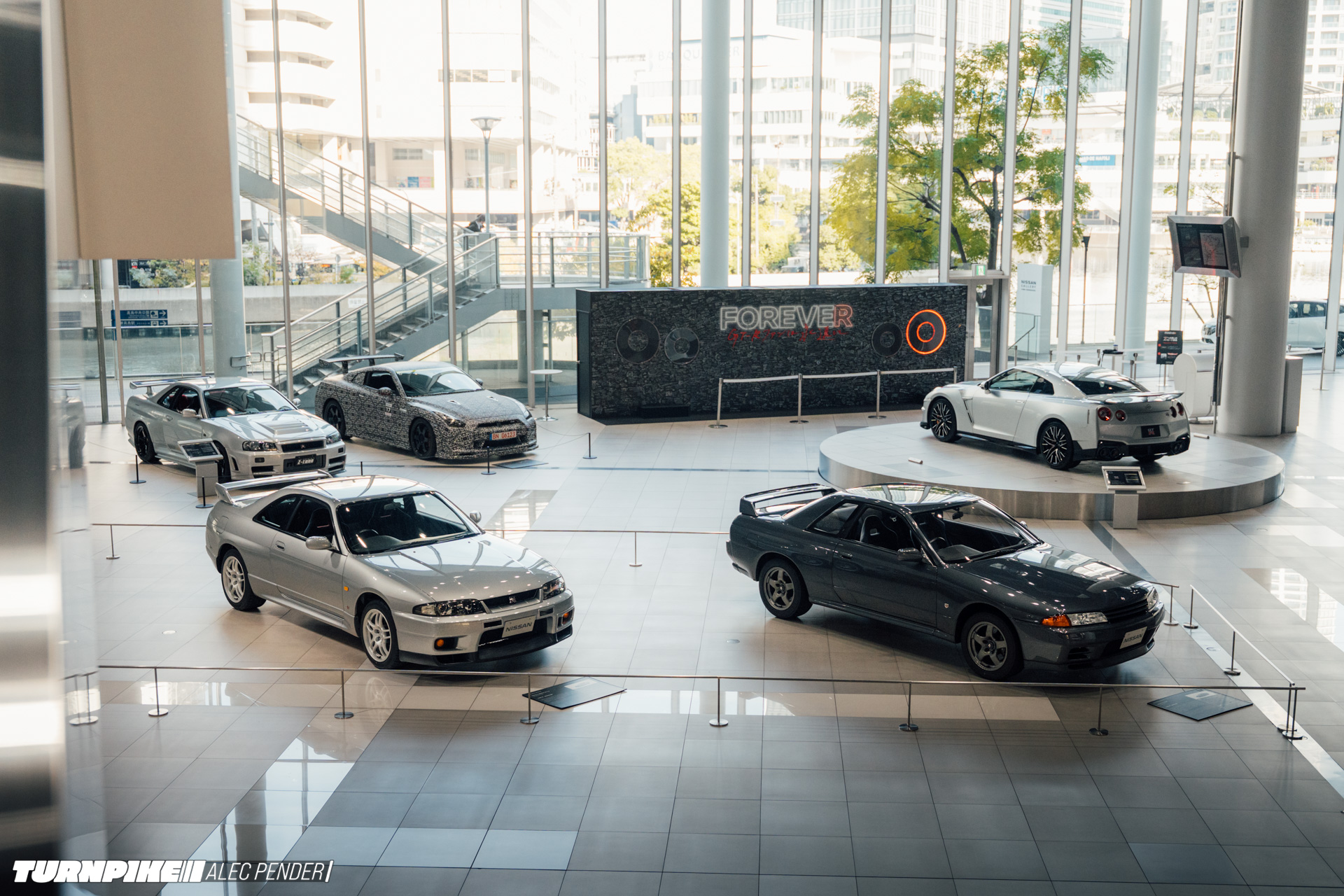
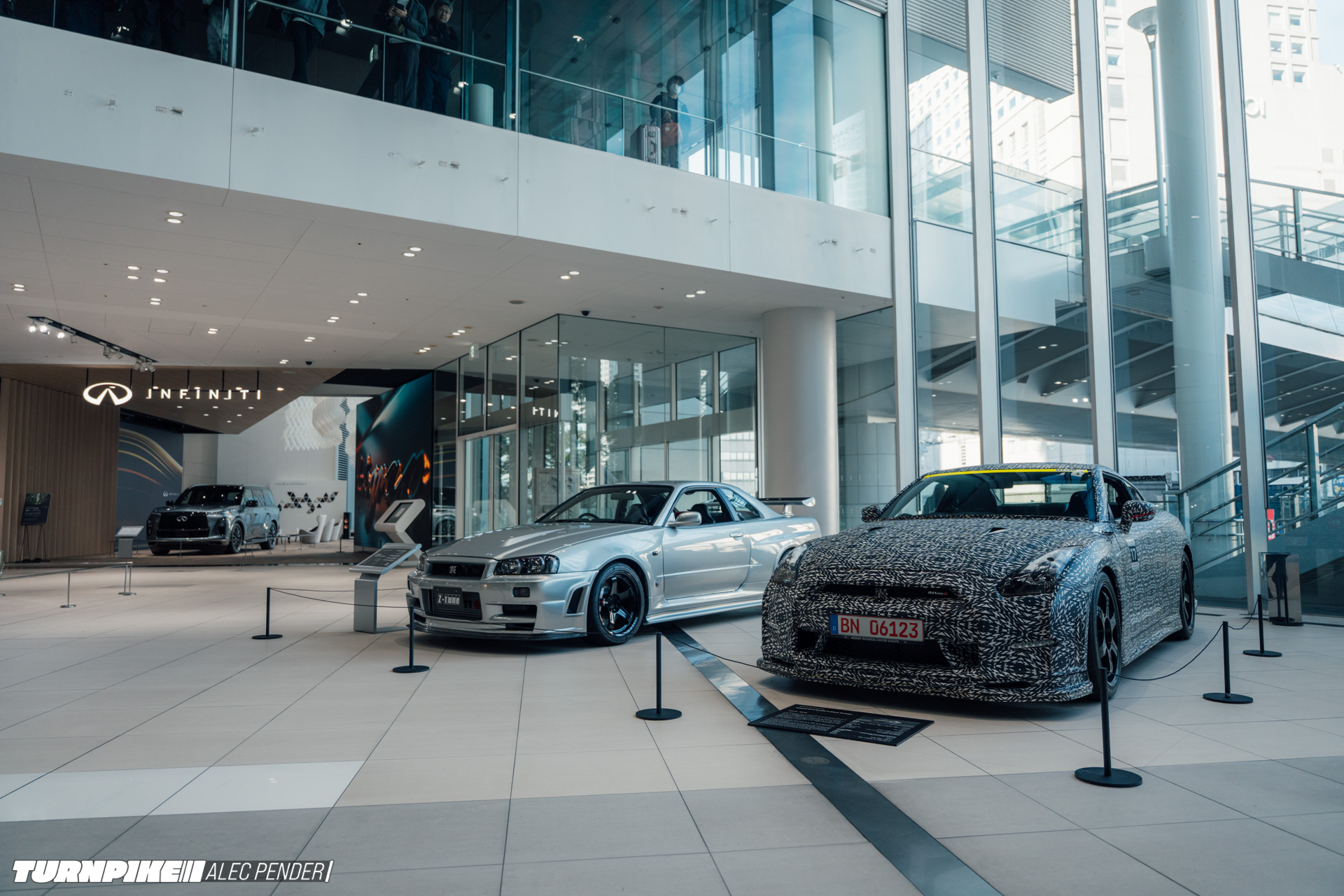
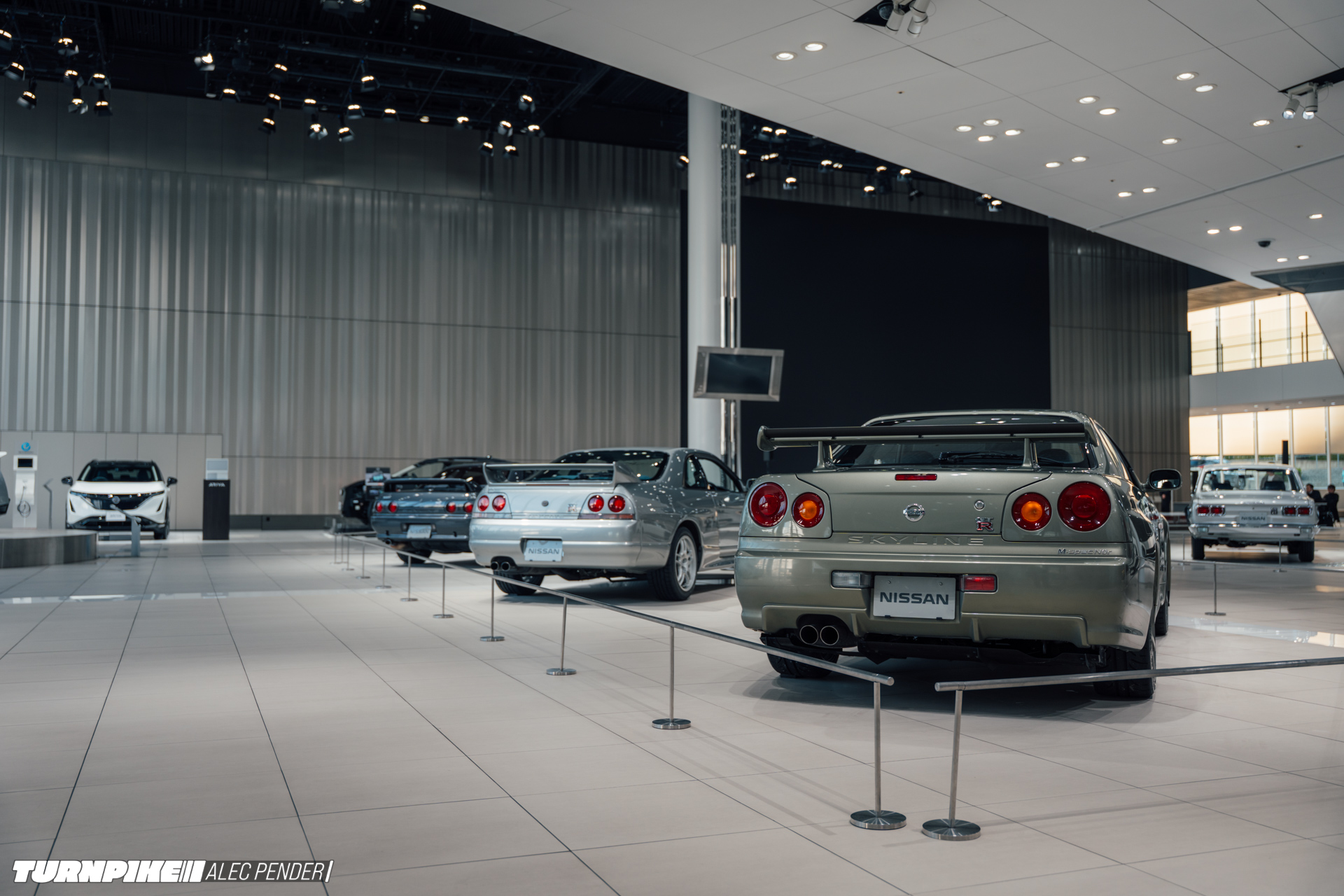
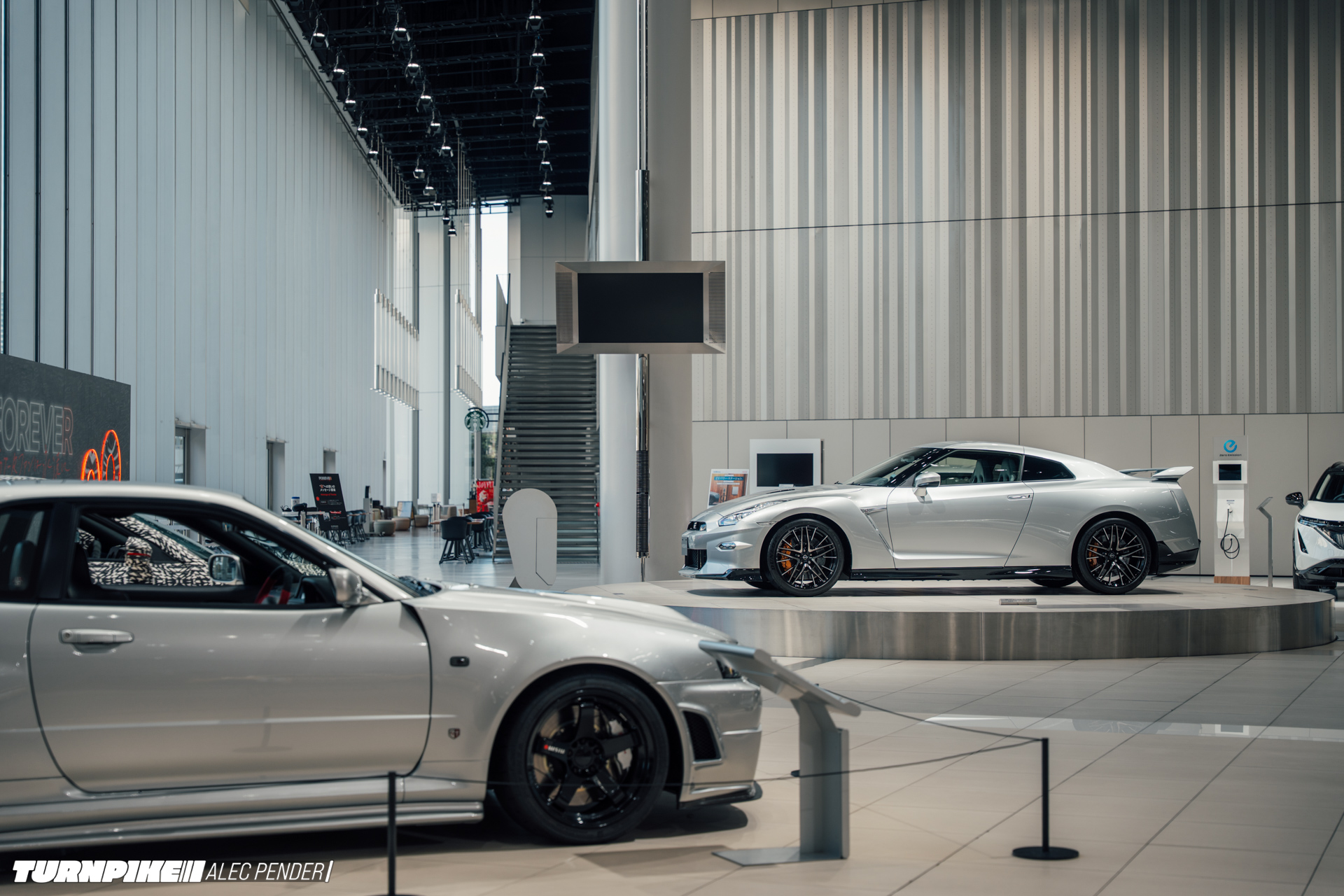
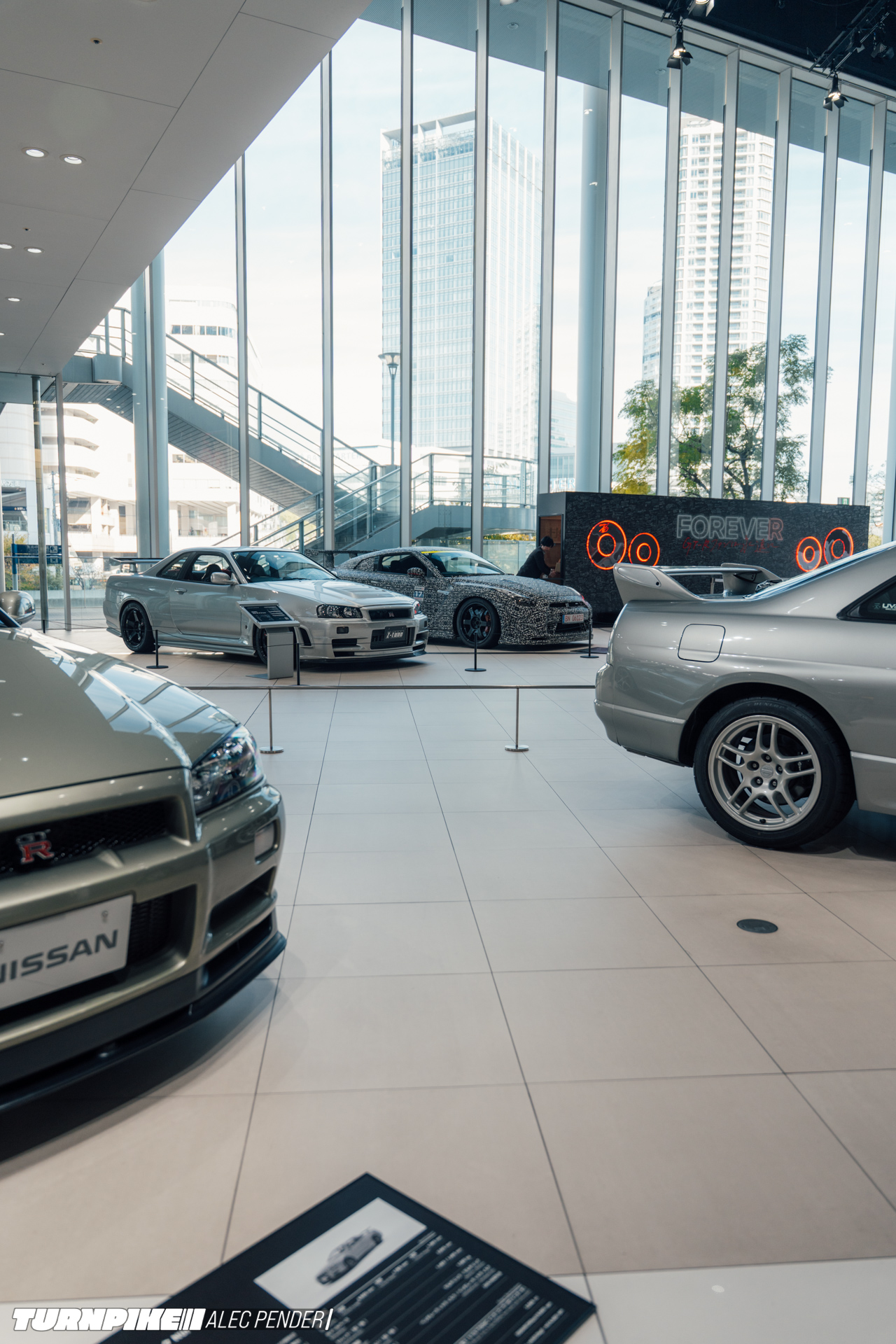
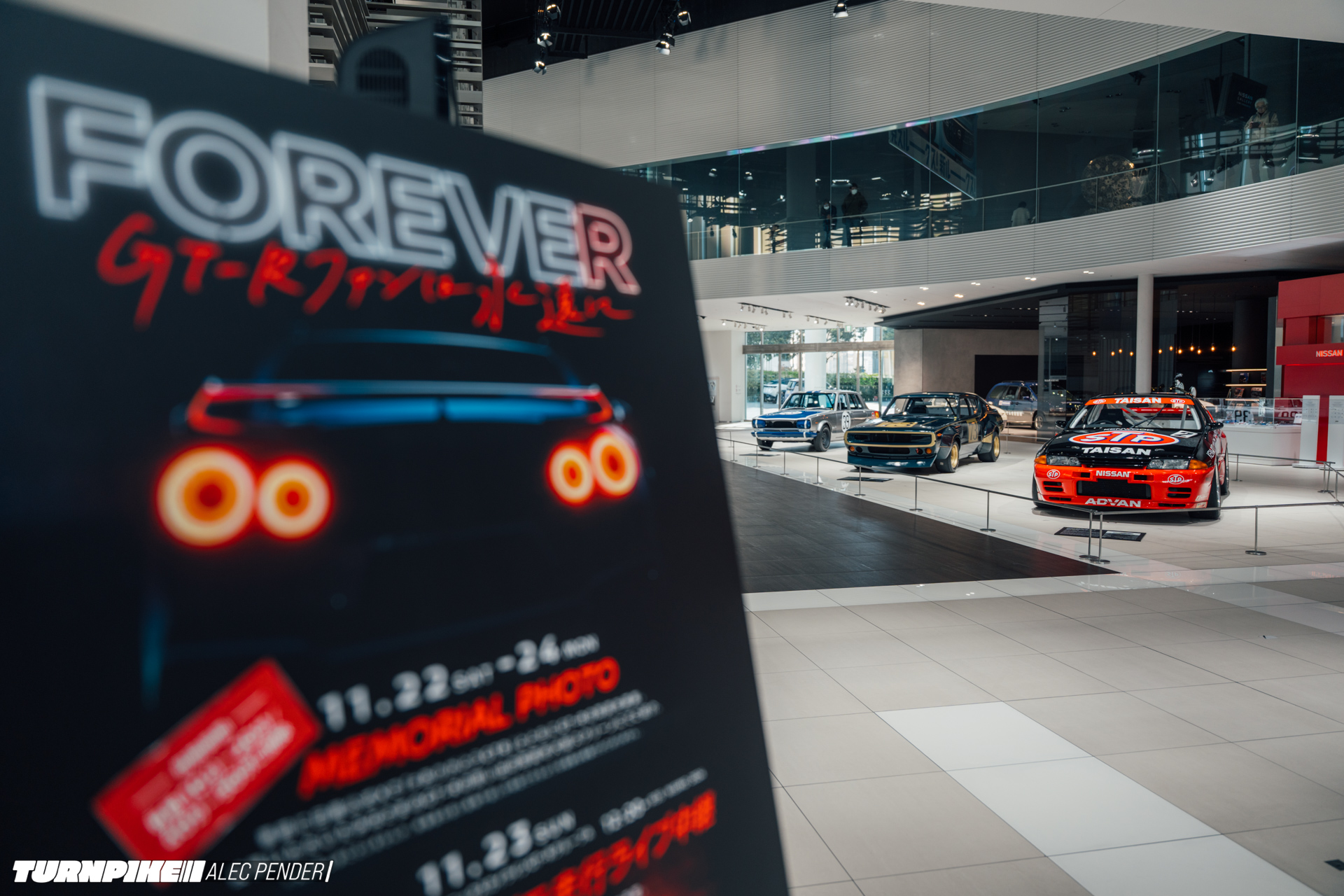
That message was very much heard. In fact, more than 10,000 people per day flocked to the Nissan Gallery at their Global HQ to check out the “FOREVER” event in person, a celebration of the Skyline GT-R in almost all of its guises, from the 1969 KPGC10 Hakosuka to the 2024 R35 GT-R. While there was no hint of any future “R” car coming, there was an underlying, and exciting, vibe to it all.
If Nissan is doing this sort of activation, with the rumors of it going back to its roots with the next generation of Skyline being a manual, we know something is indeed brewing inside its Technical Center! The display literally took over the entire gallery area, minus the main stage where the all-new Nissan Leaf electric car was on display next to its sportier, more refined version from Autech.
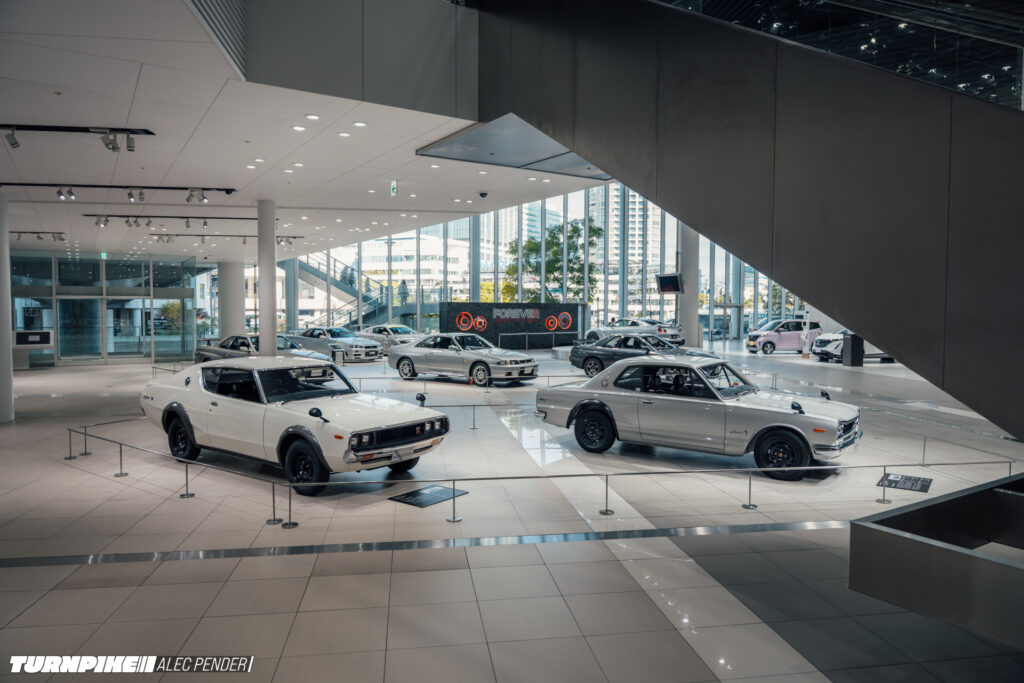
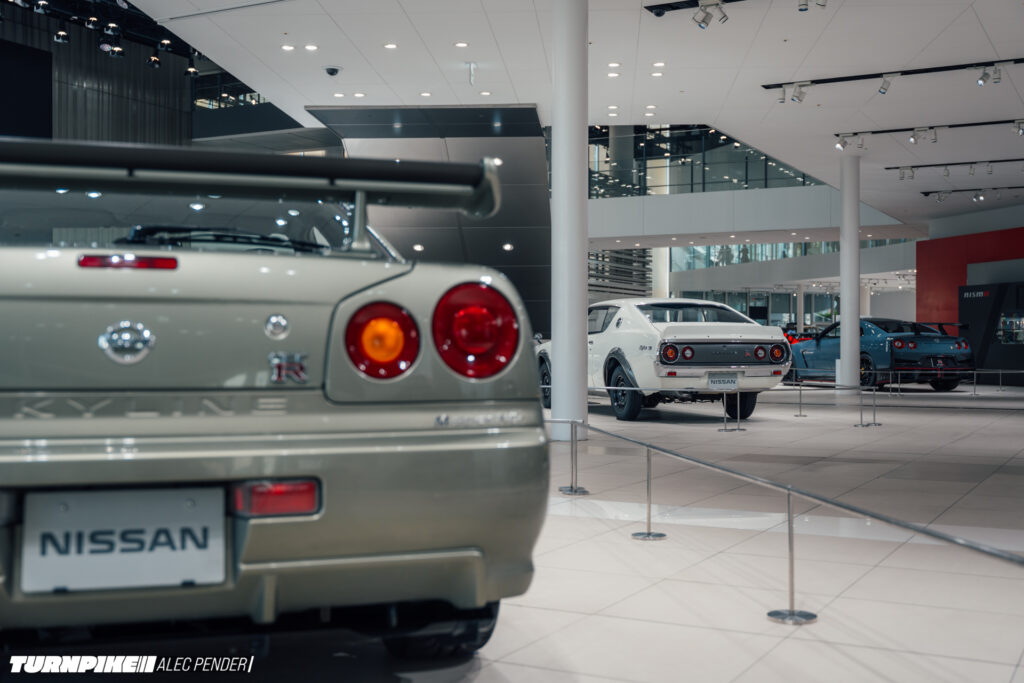
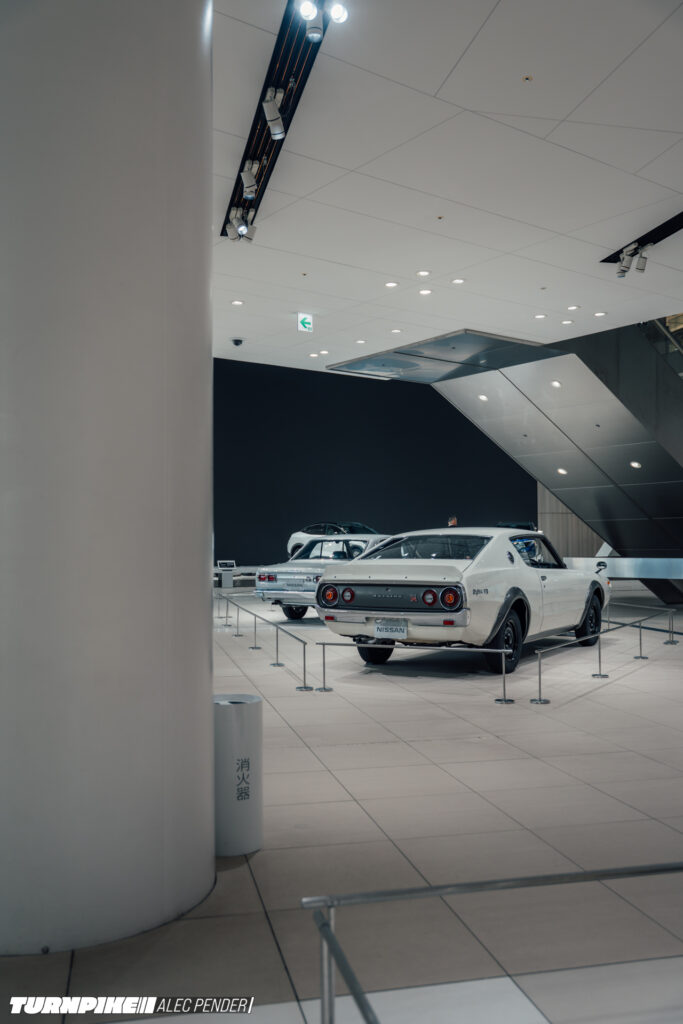
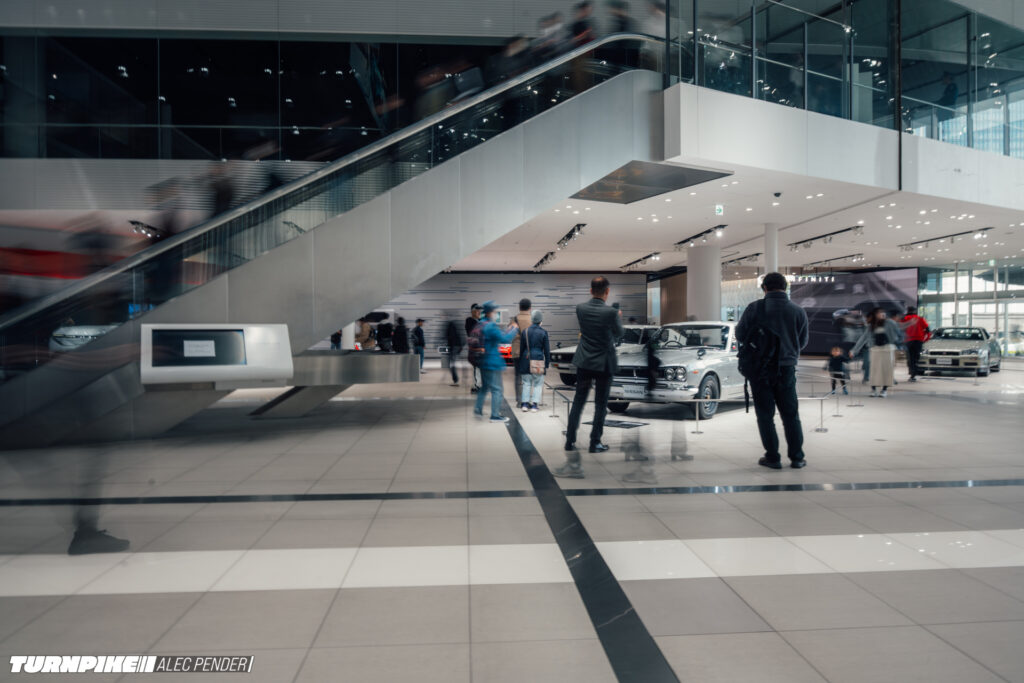
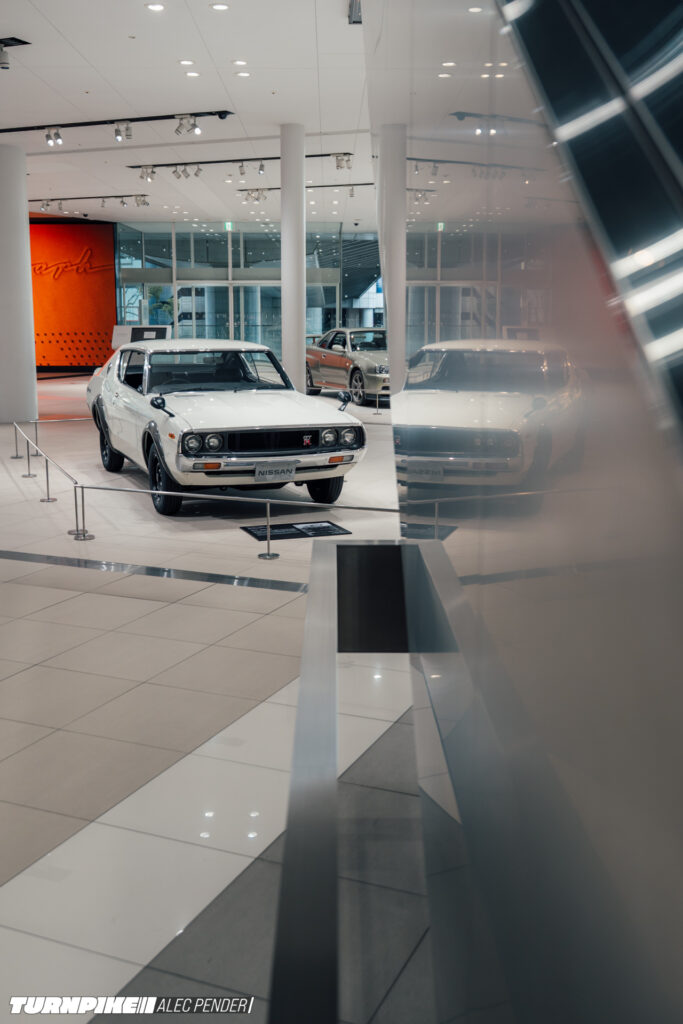
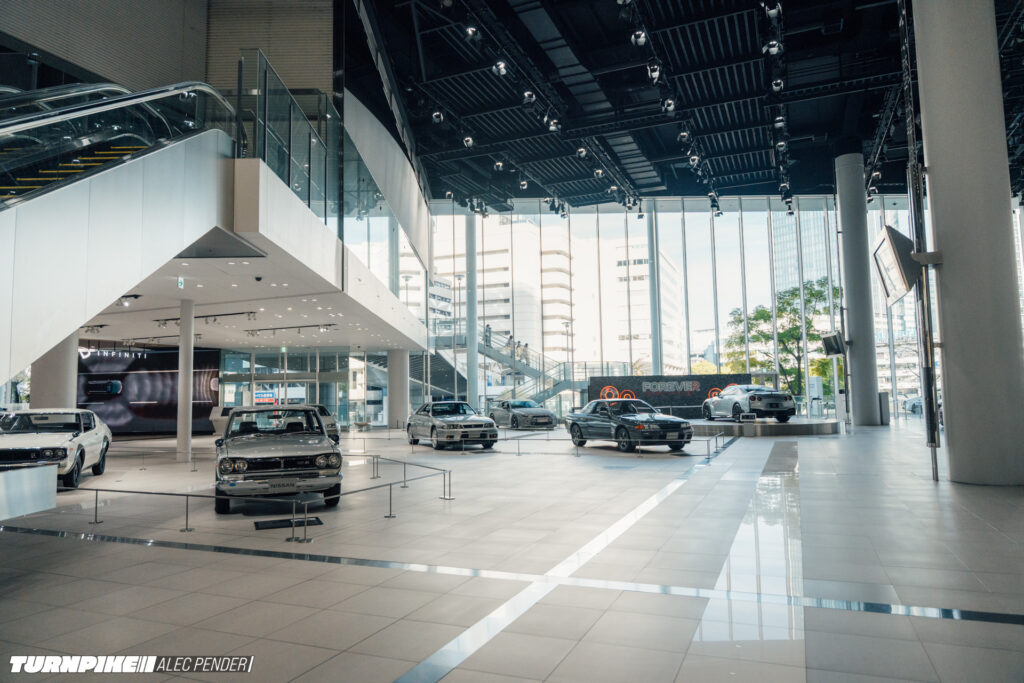
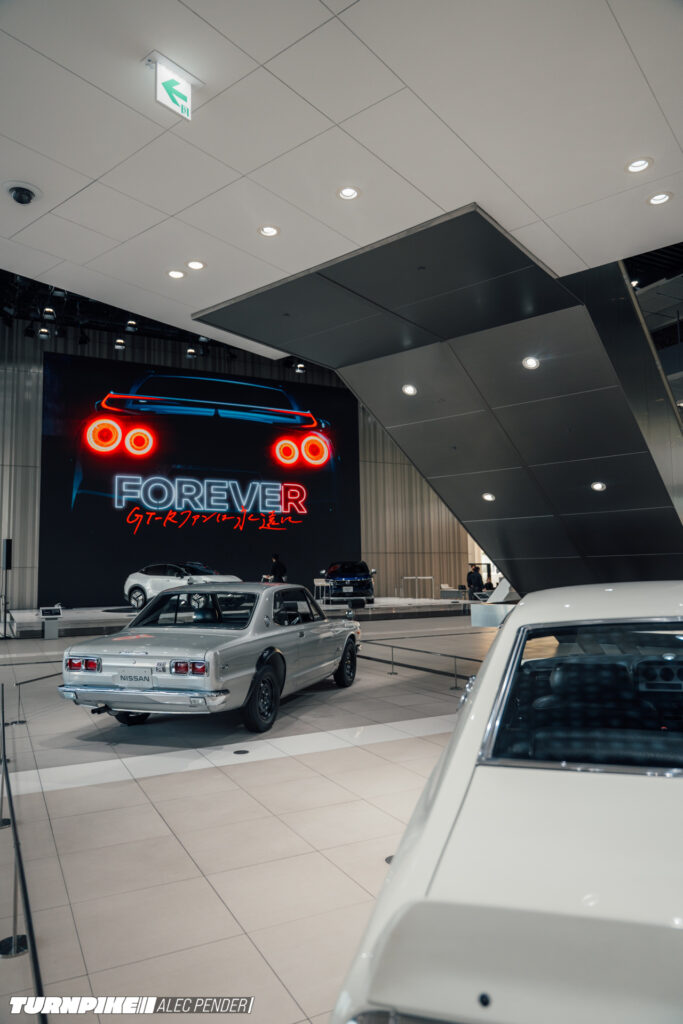


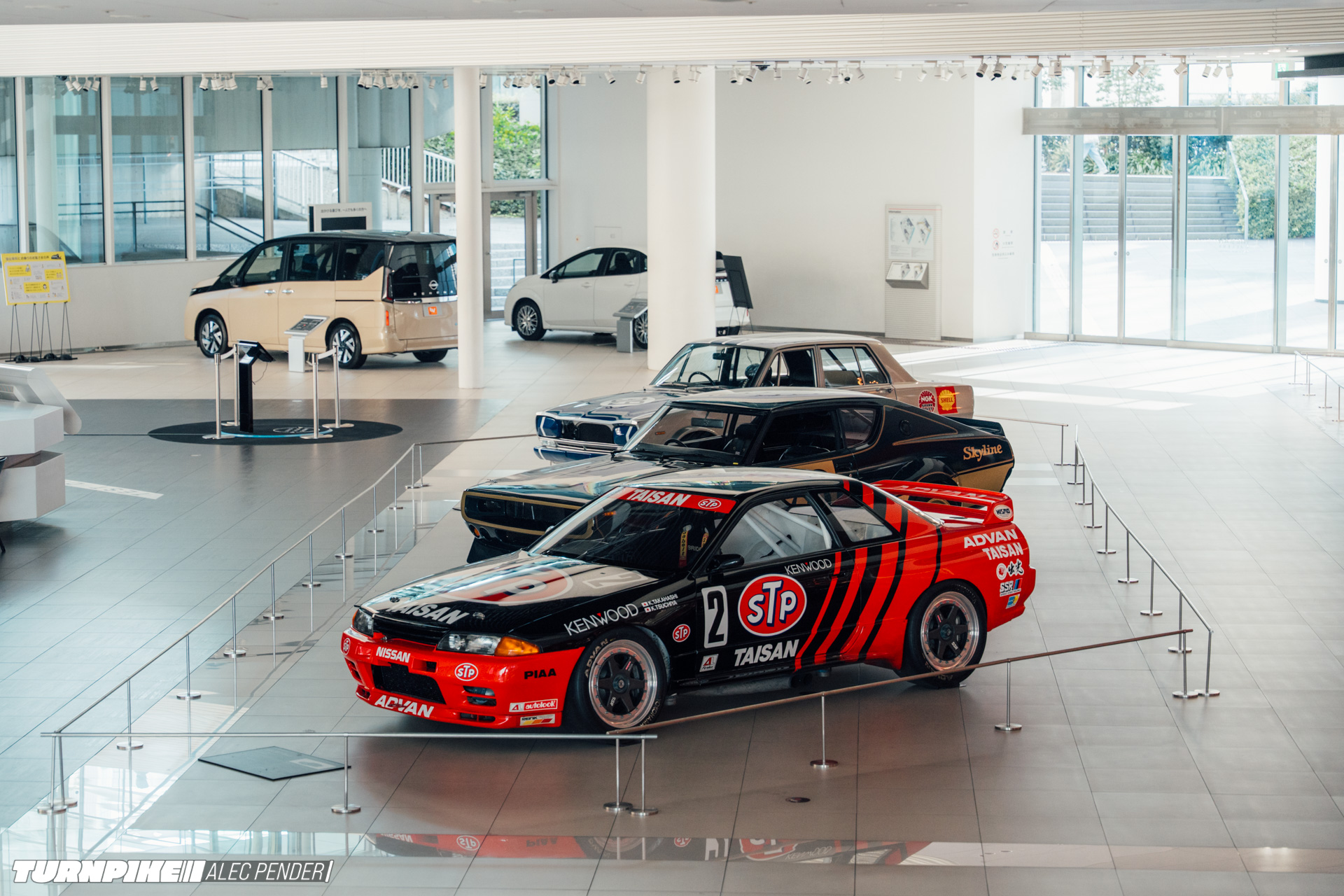
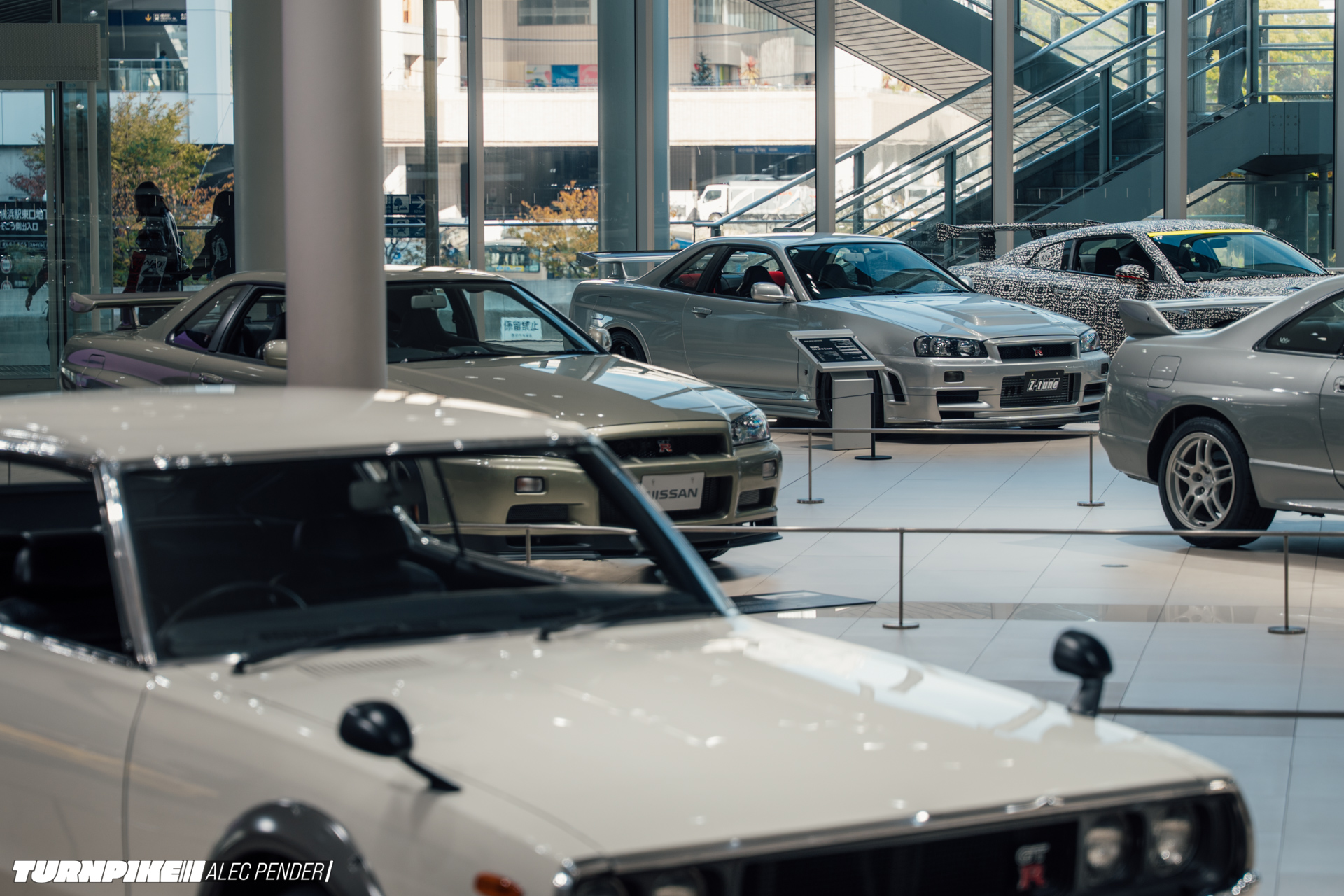
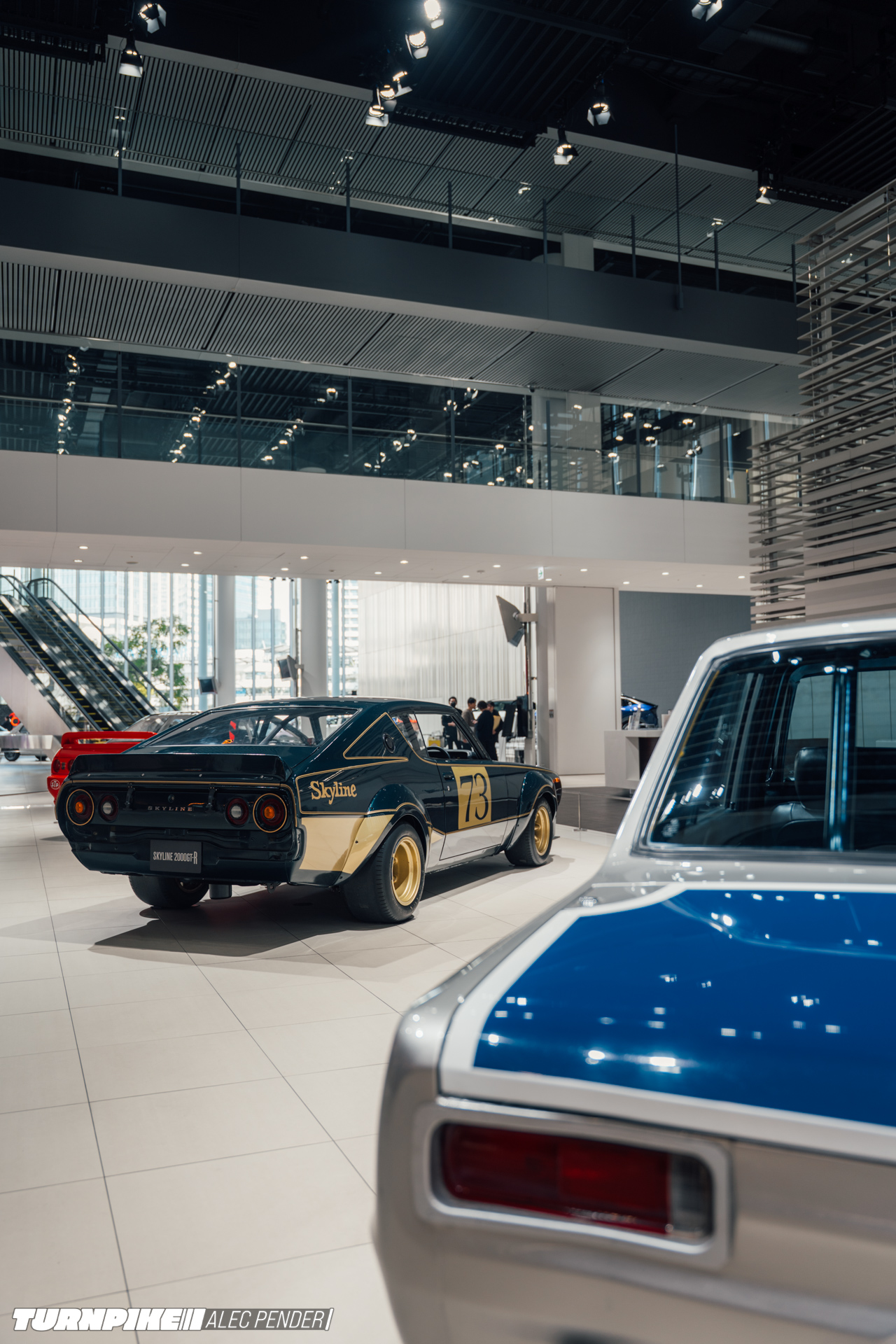
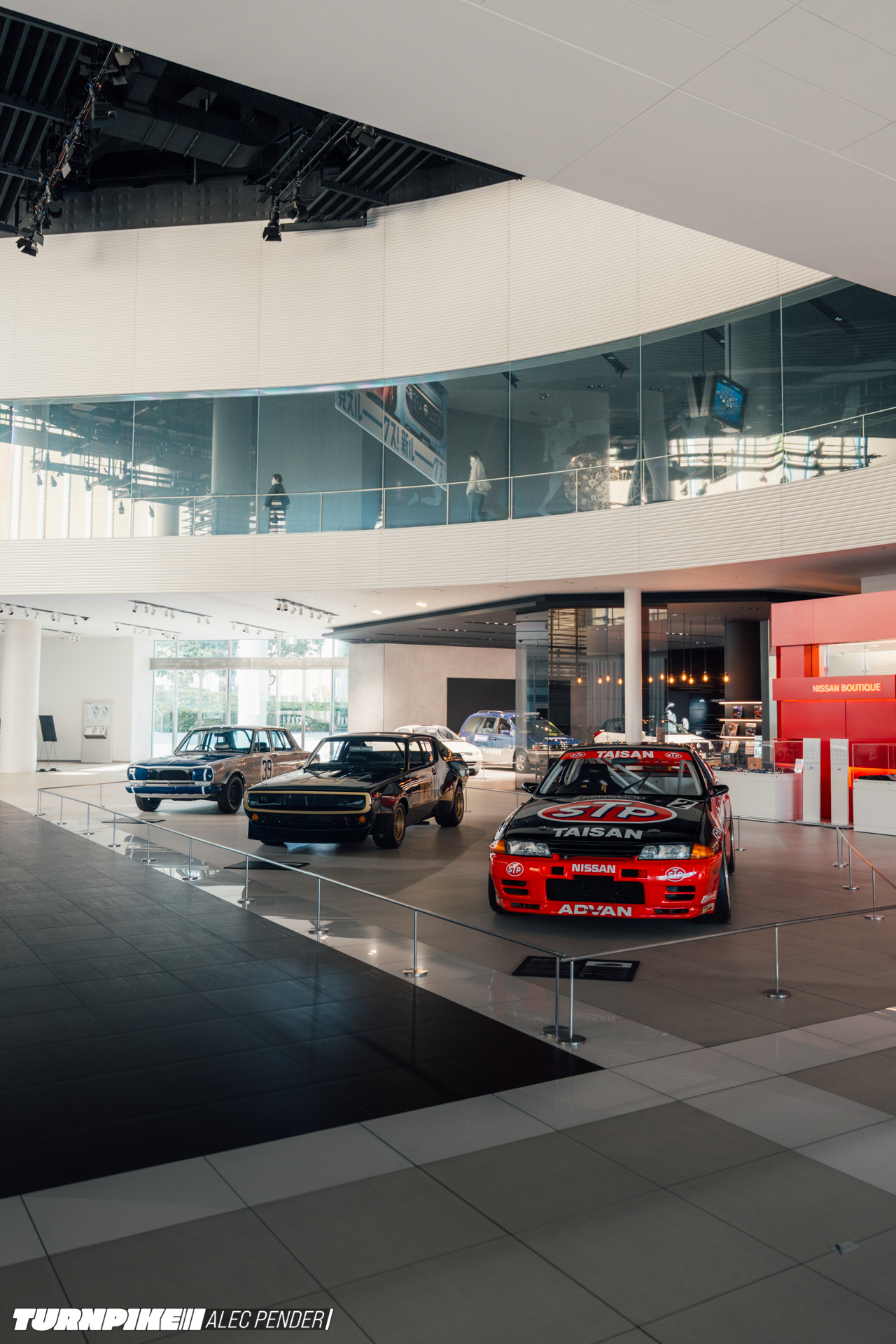
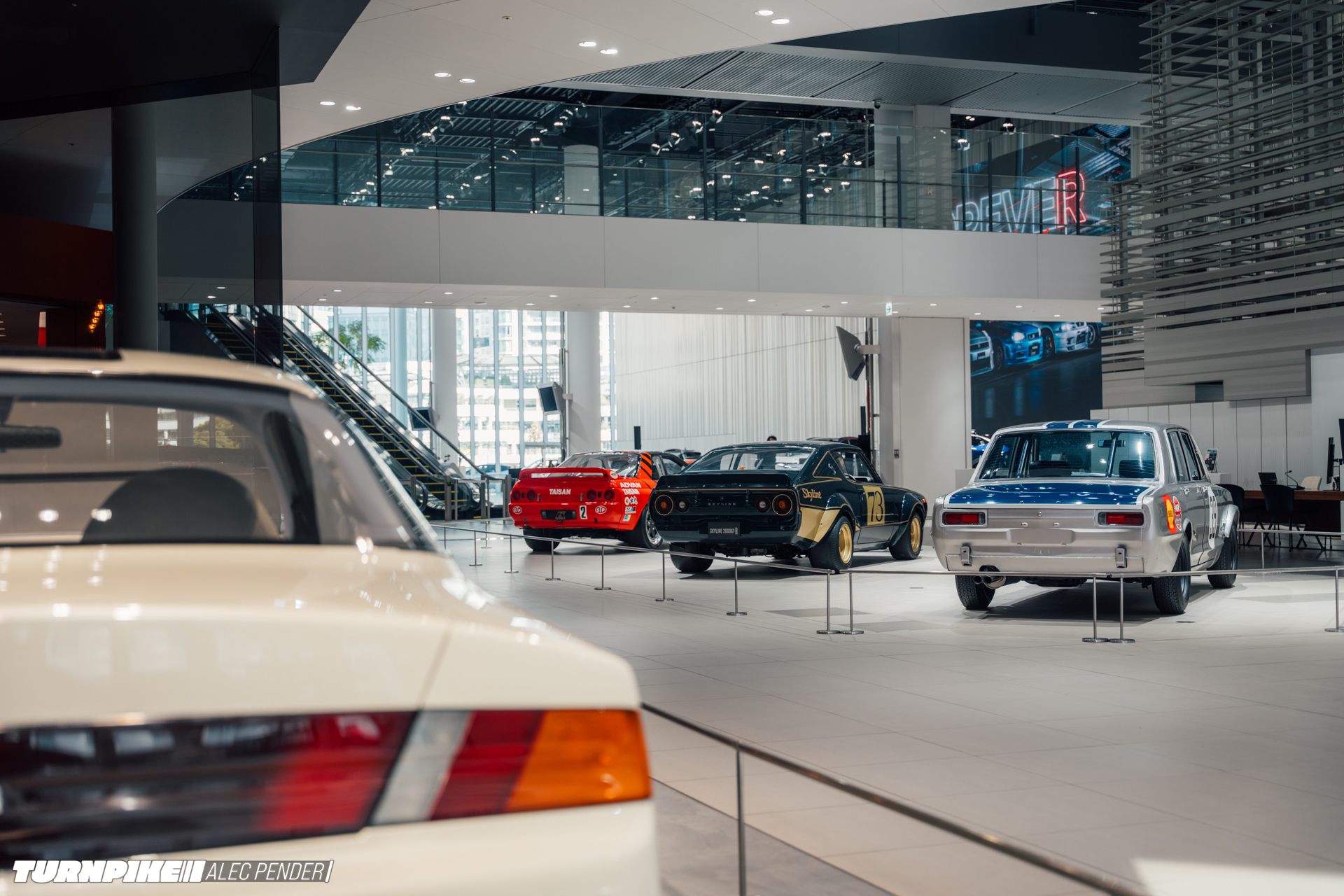
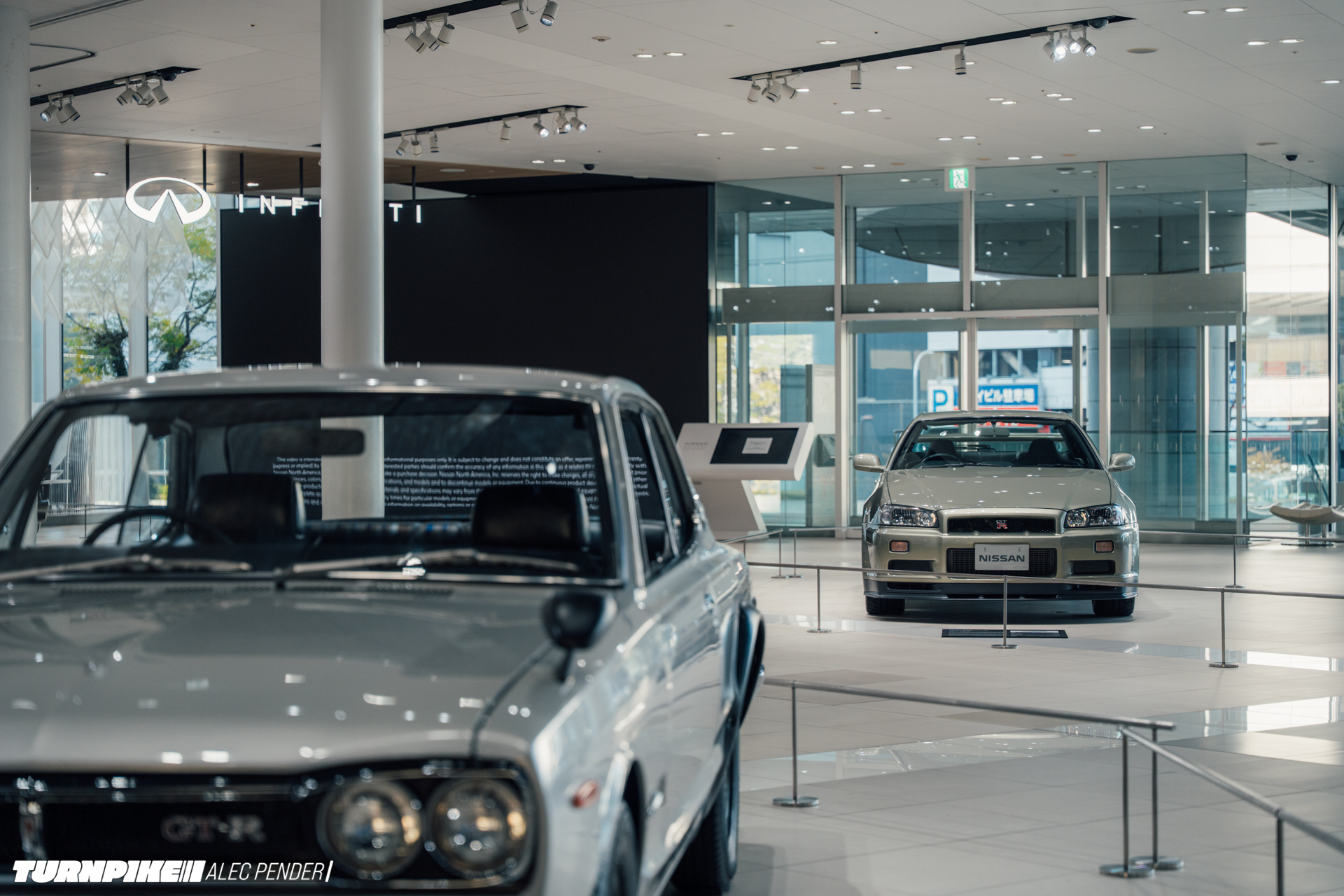
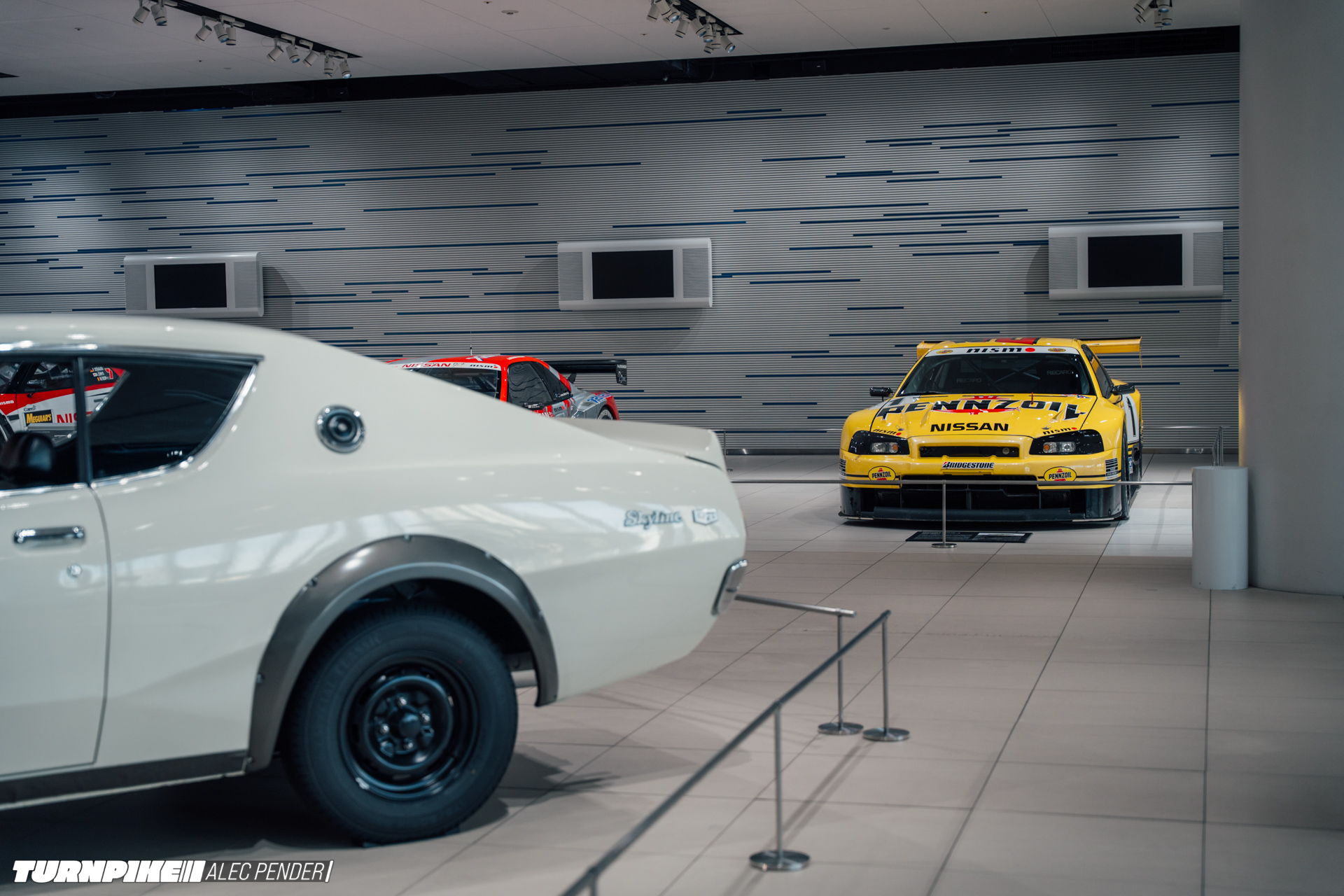
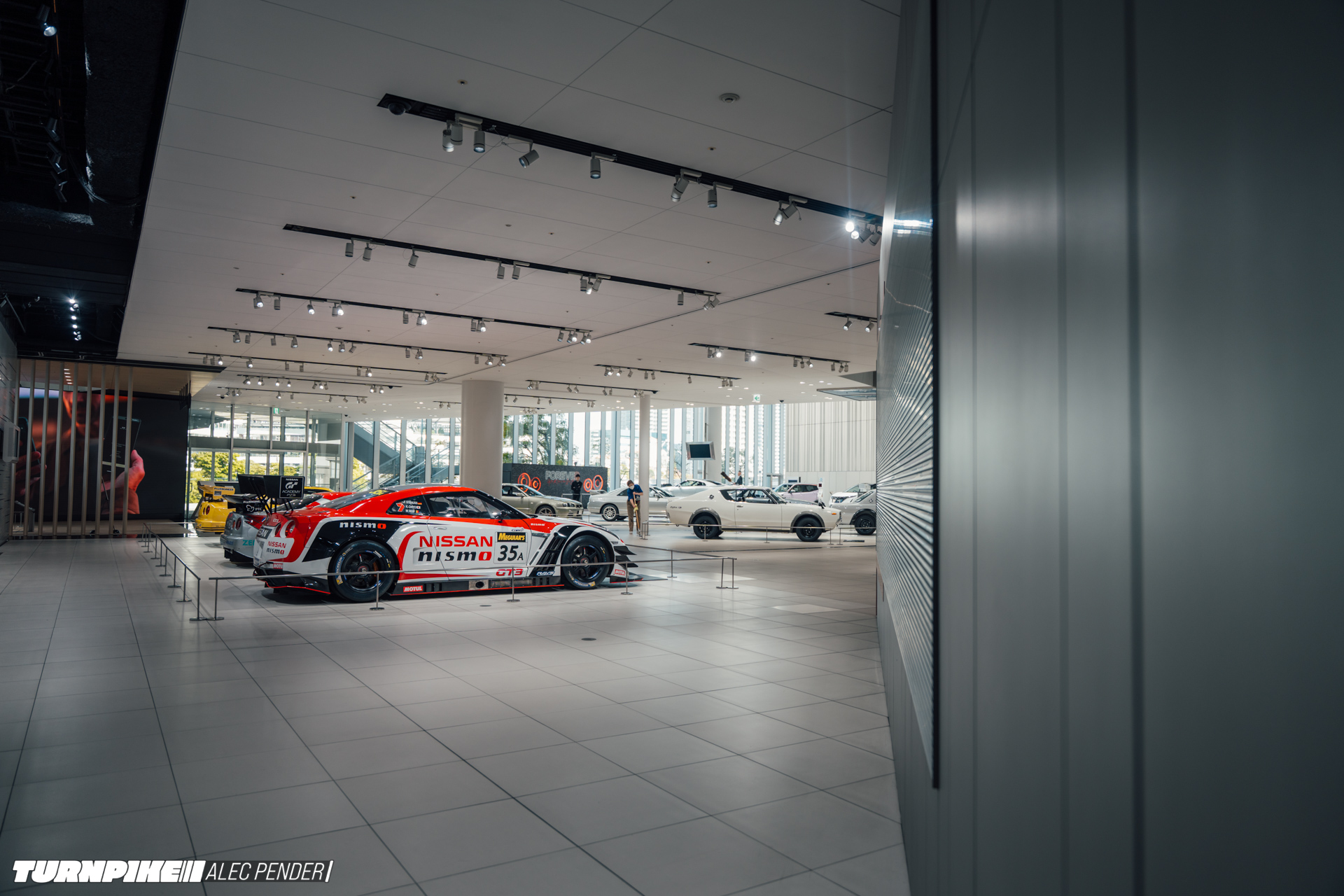
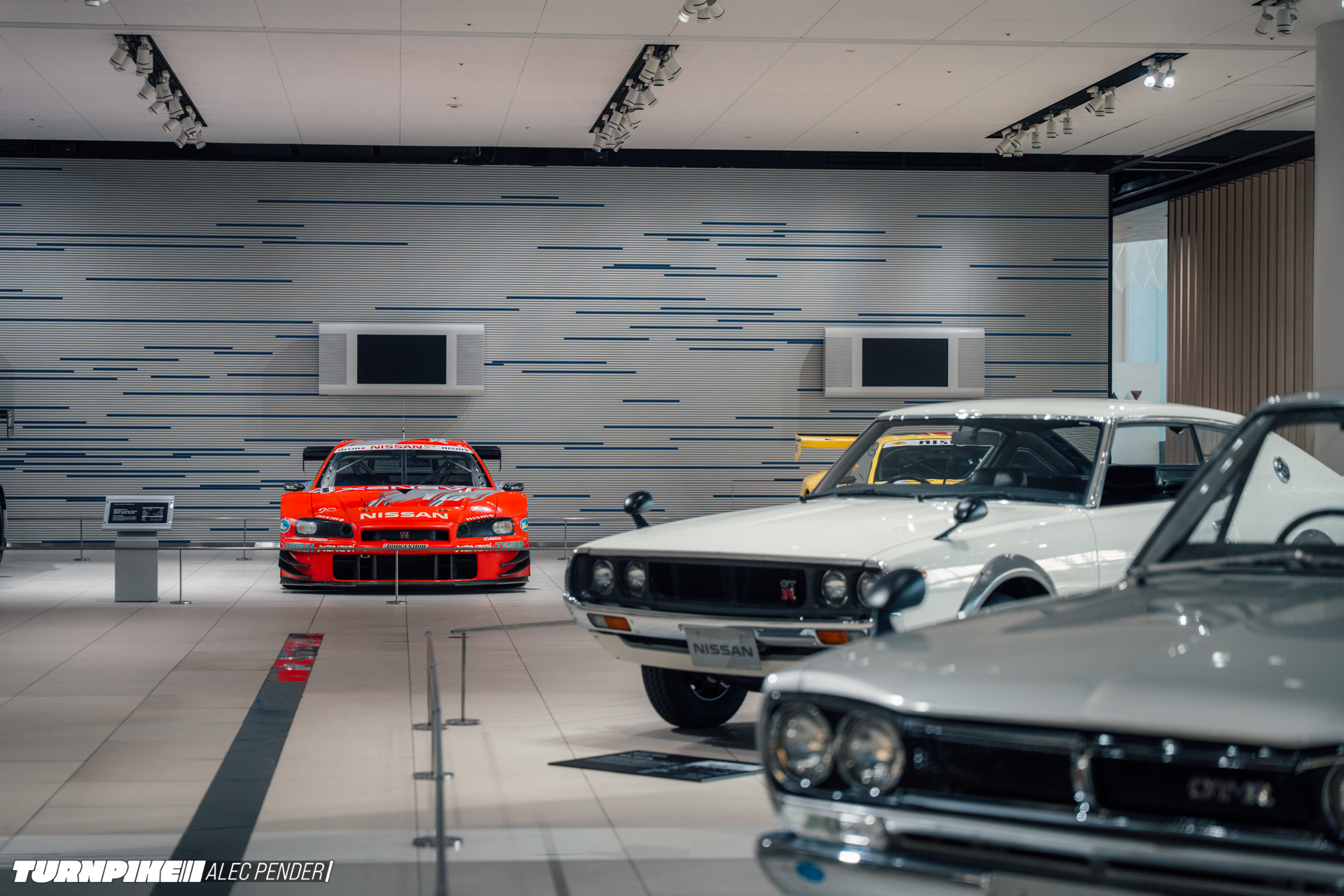
The lineups were logically arranged, starting off in the middle with two-door coupe versions of the Hakosuka and later Kenmeri KPGC110, a little nostalgia trip. Of course, Skyline history goes back a further decade and a bit when Prince introduced the ALSID-1 Skyline in 1957, but FOREVER was all about the GT-R. The two 1970’s Rs were powered by S20 motors; a high-revving, 2.0-liter, twin-cam straight six which was a lightly reworked version of the GR-8 engine that powered the Prince R380 race car, giving us that direct link to the Prince brand prior to its merger with Nissan in 1966.
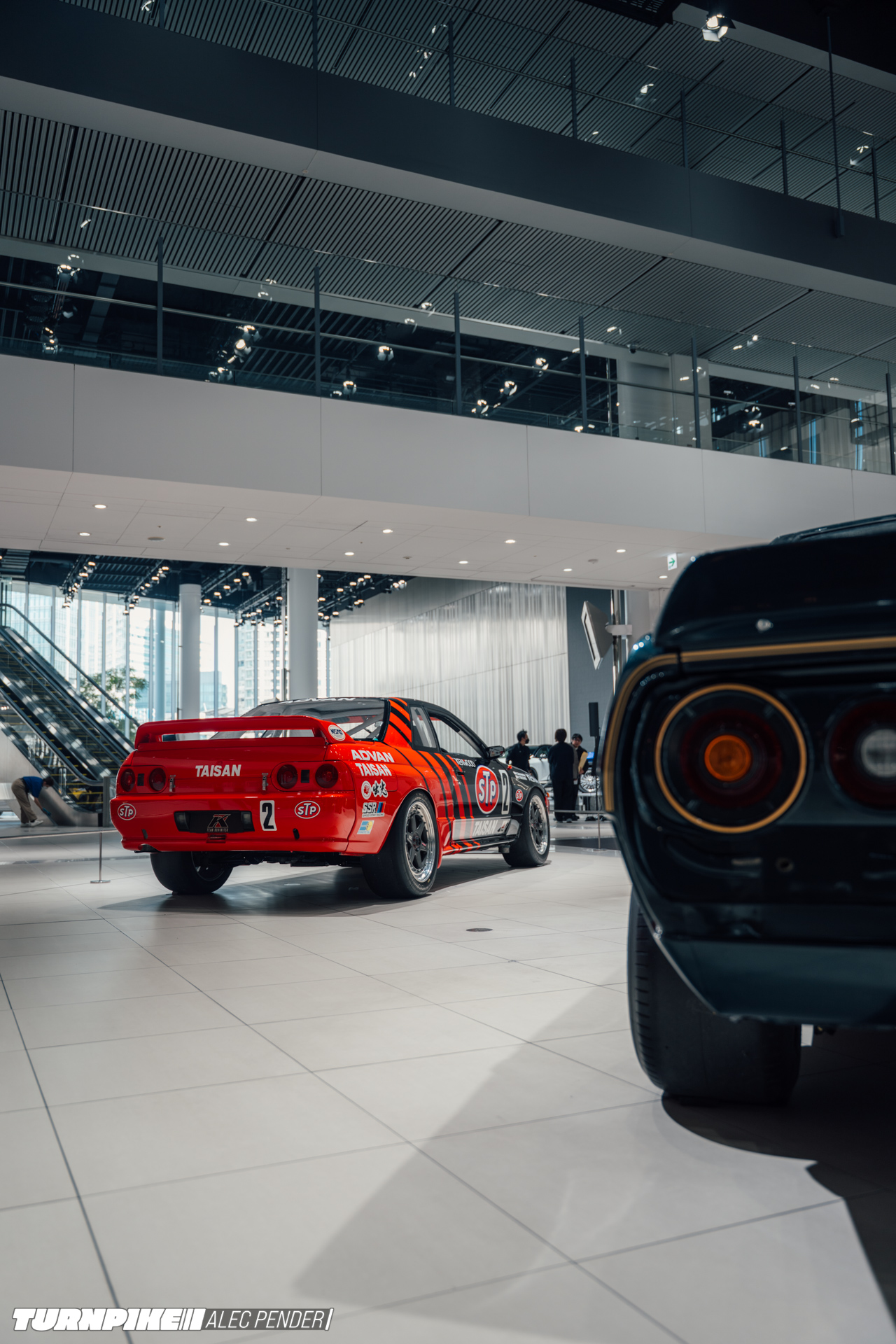
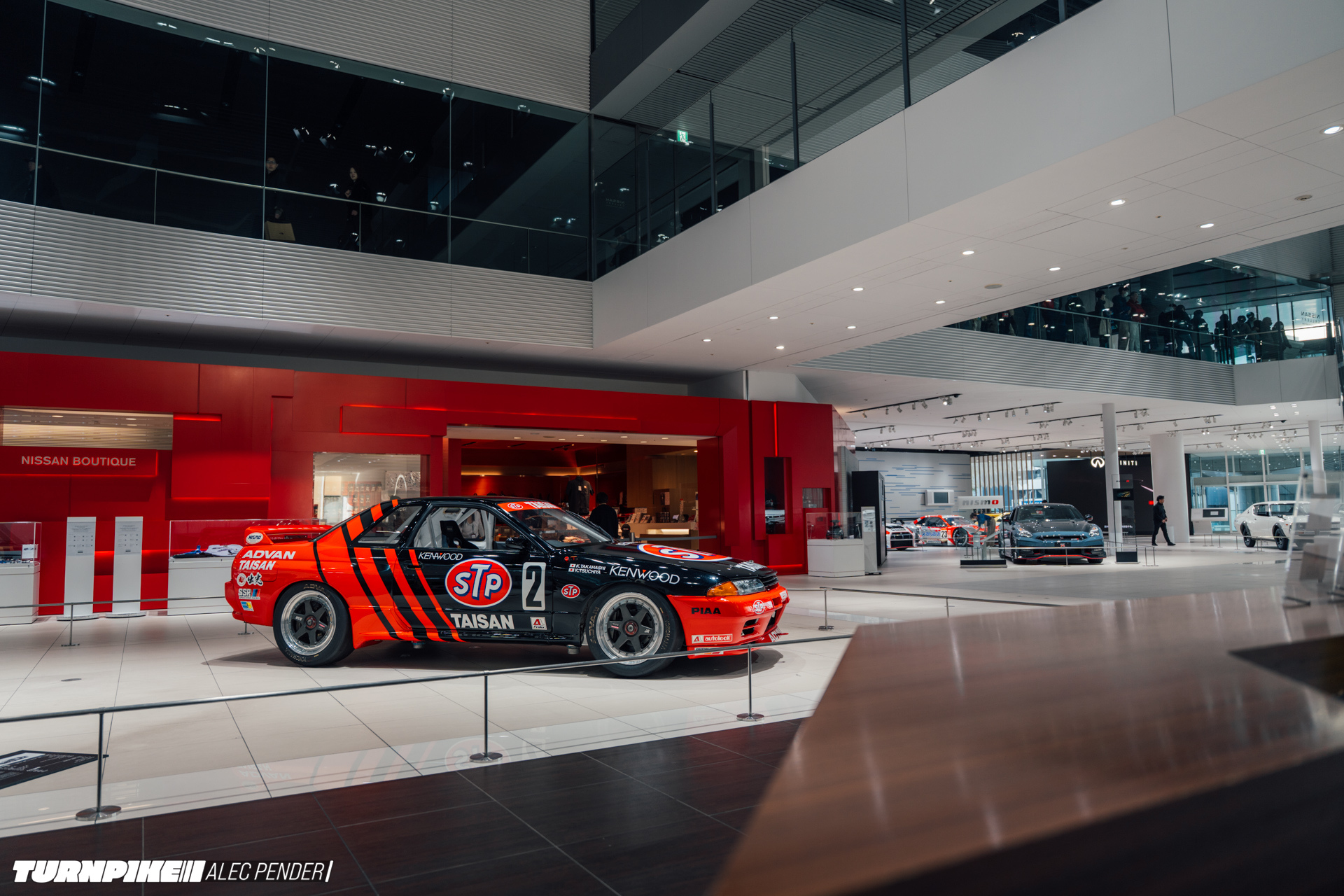
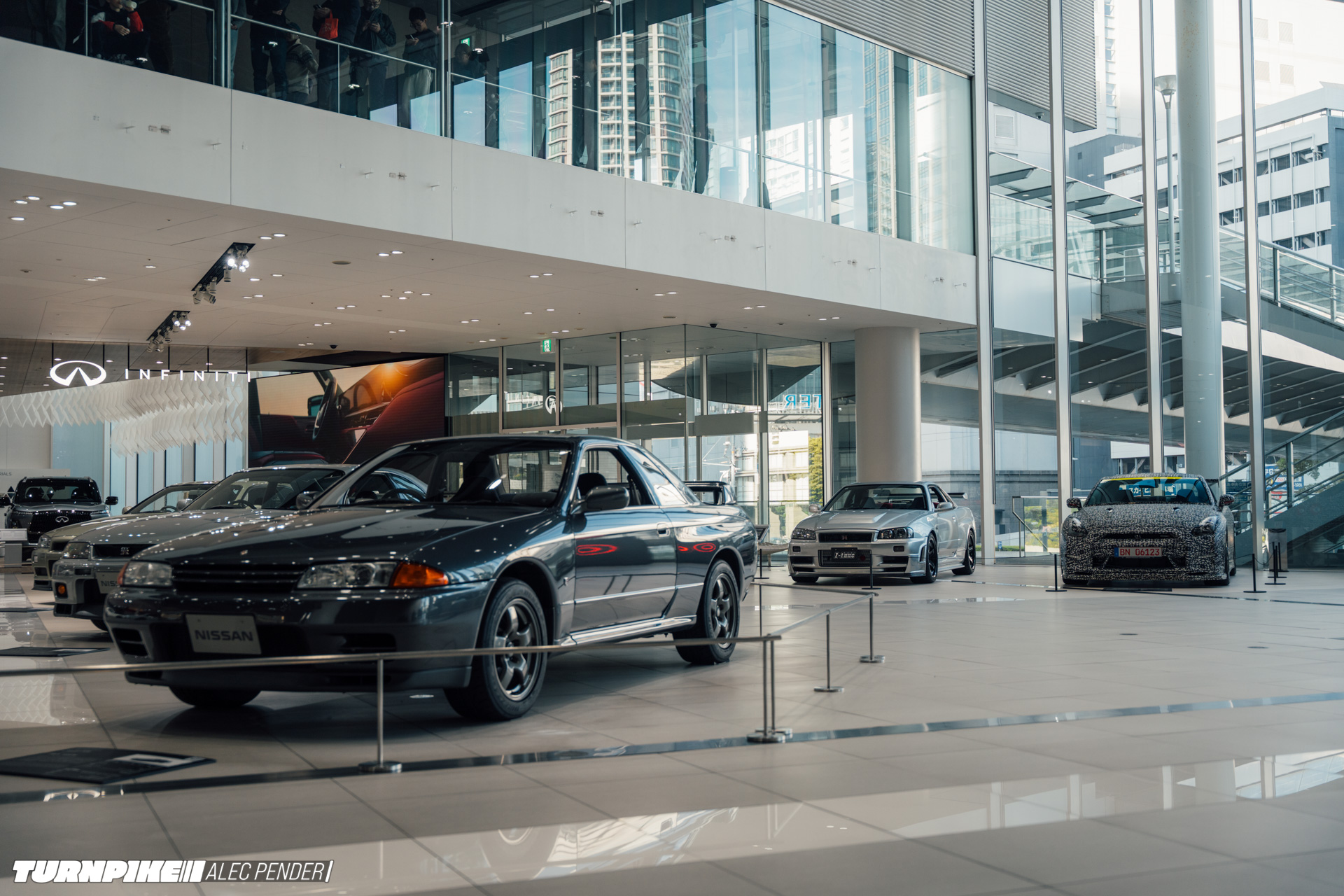
The ‘second’ iteration of the GT-R didn’t come until 1989 when, with Kozo Watanabe at the helm of the project, the BNR32 Skyline GT-R was unveiled to the world. It was a car inspired by high end performance models of the 1980’s like the Porsche 959, born out of a need to impress, but also to make a dent in motorsport – which it did.

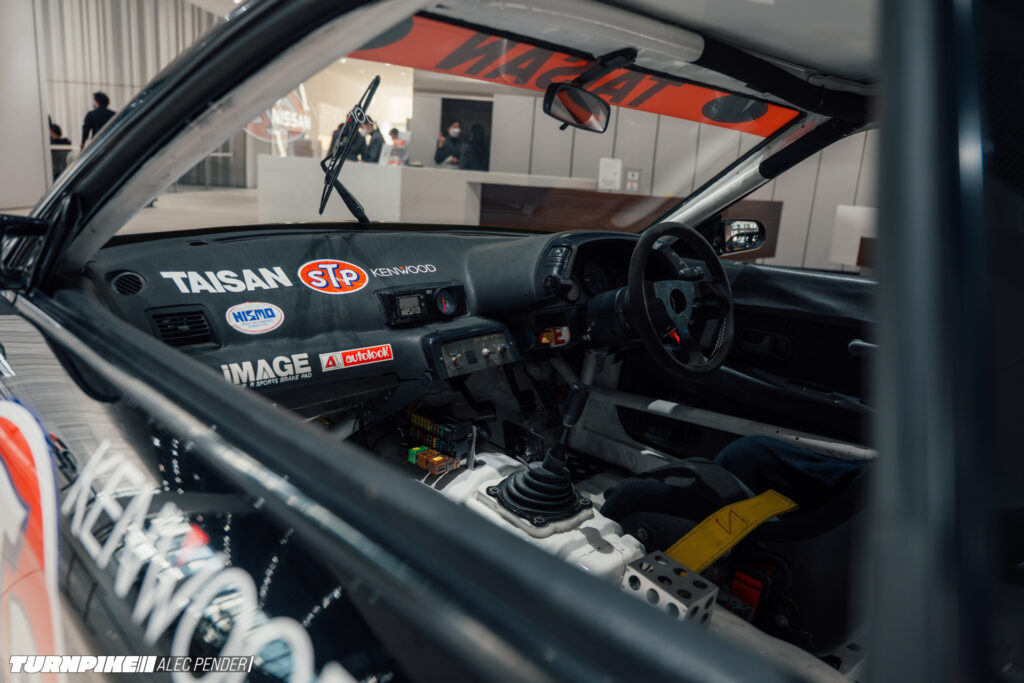
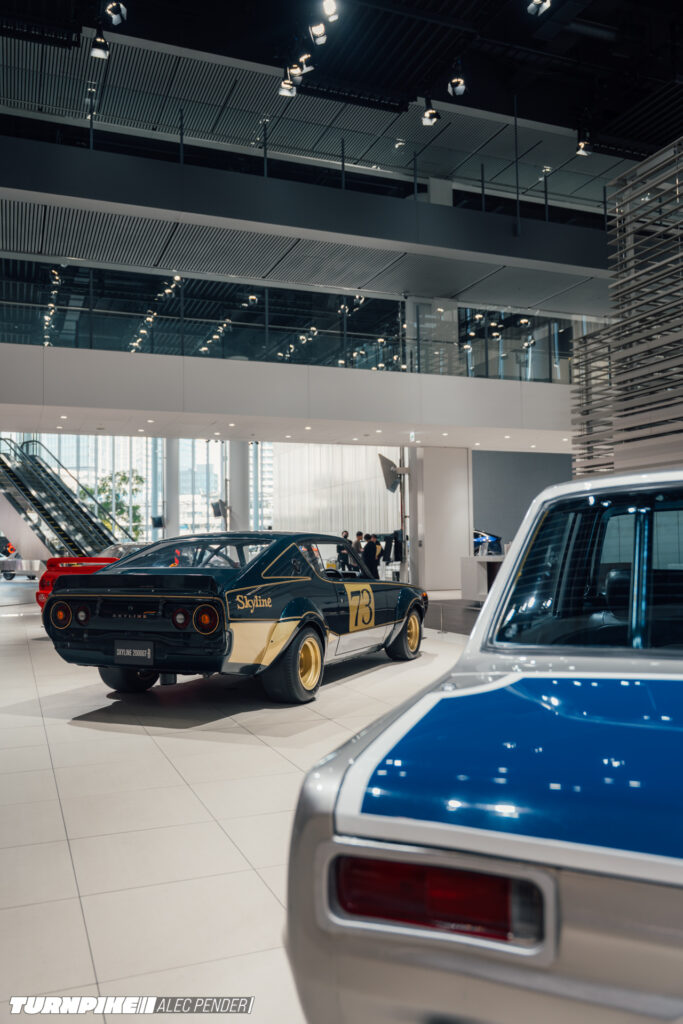
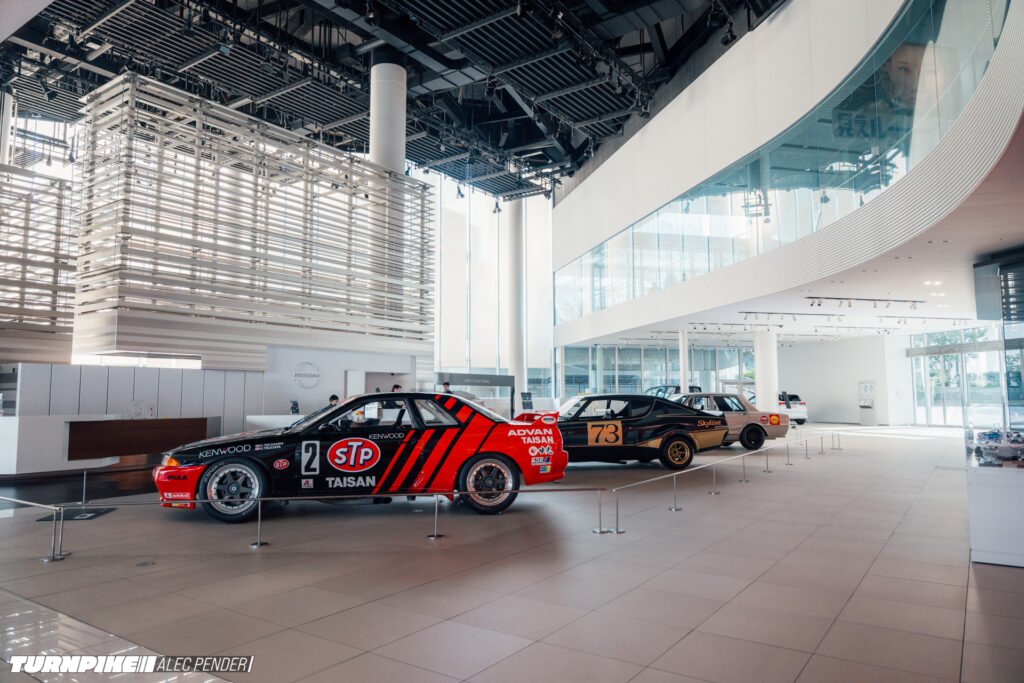
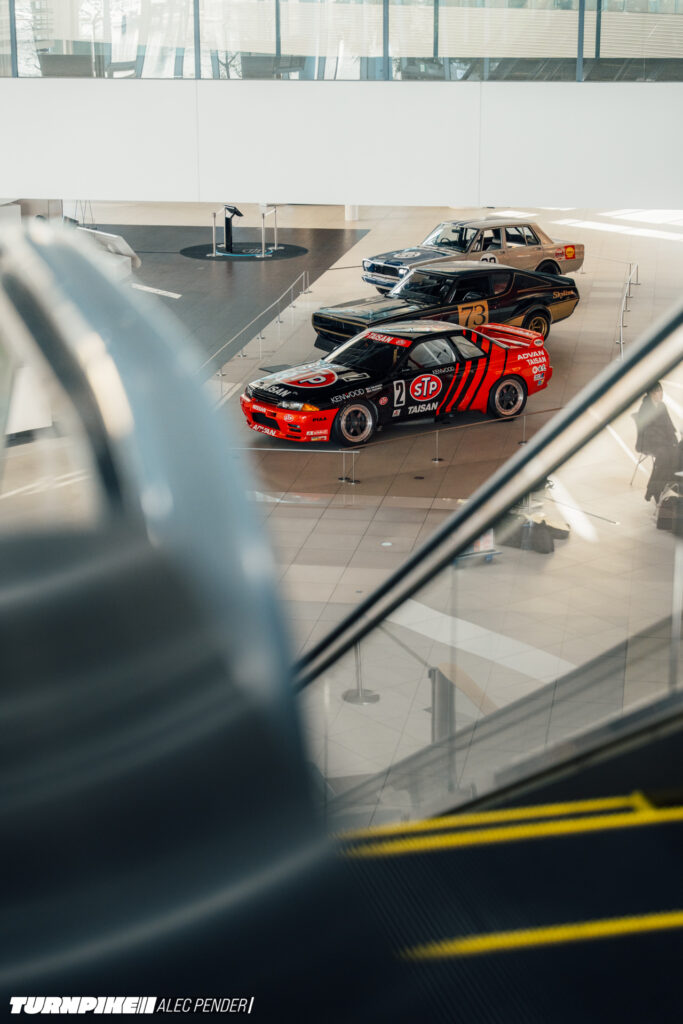

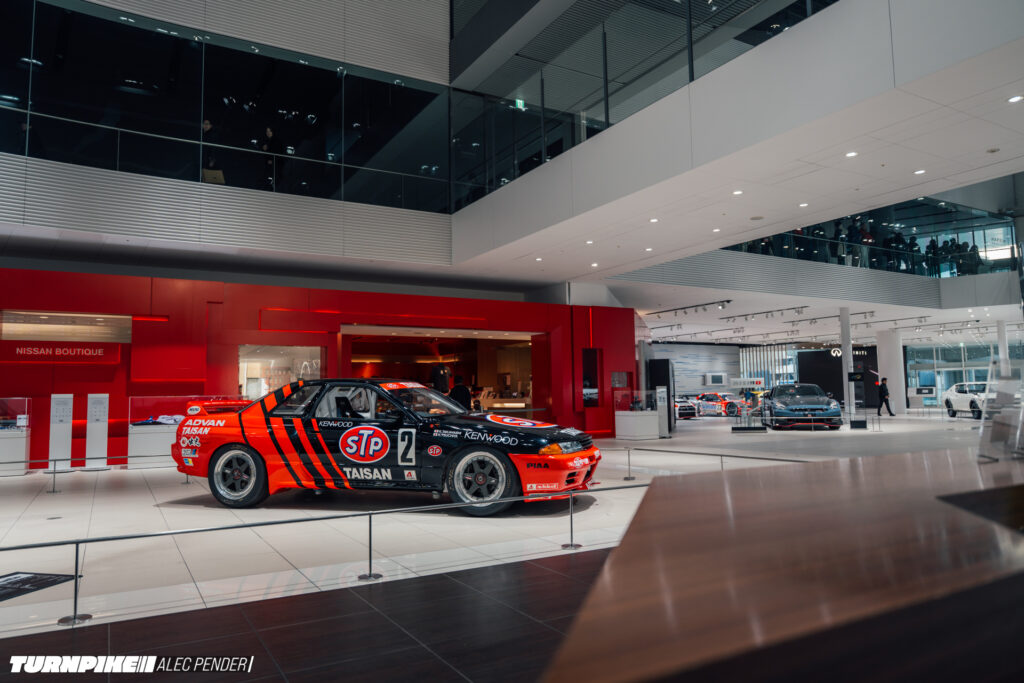
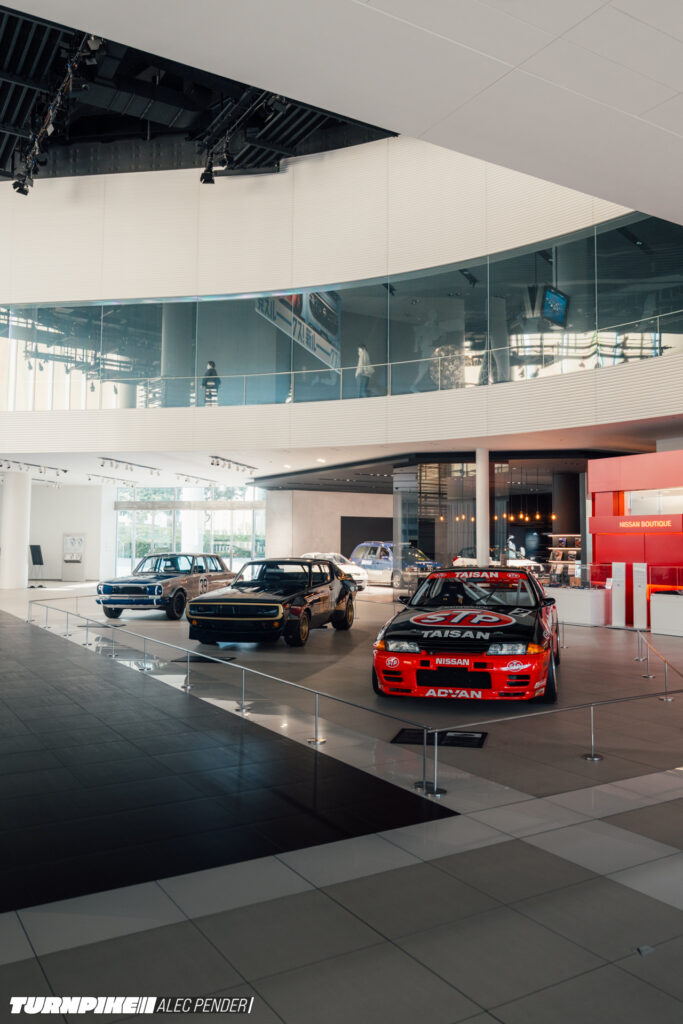
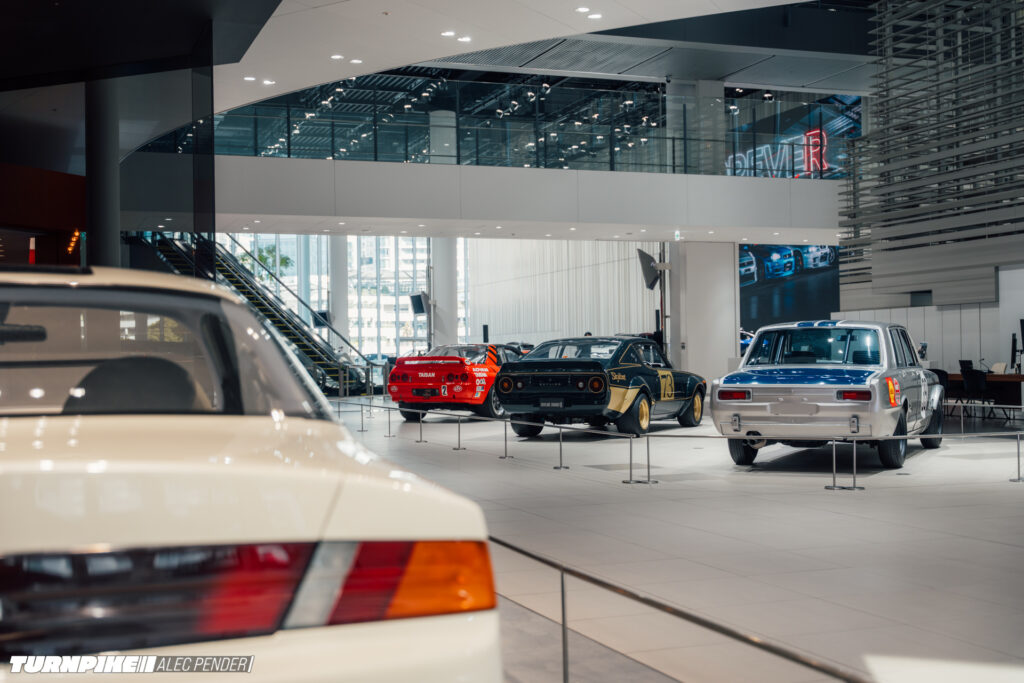
Alongside each of the production versions on display, Nissan brought out iconic cars like the PMC•S four-door Hakosuka that began to cement the GT-R’s success in domestic racing, and the 1972 Kenmeri race car that never ended up competing due to the 1970’s oil crisis. The R32, however, was Nissan’s ticket to international motorsport glory, and why the Skyline name became famous outside of Japan.
This reputation started off in Australia where the car was quickly baptized “Godzilla” due to its unstoppable successes. Something that the new regulations put to an end rather quickly…
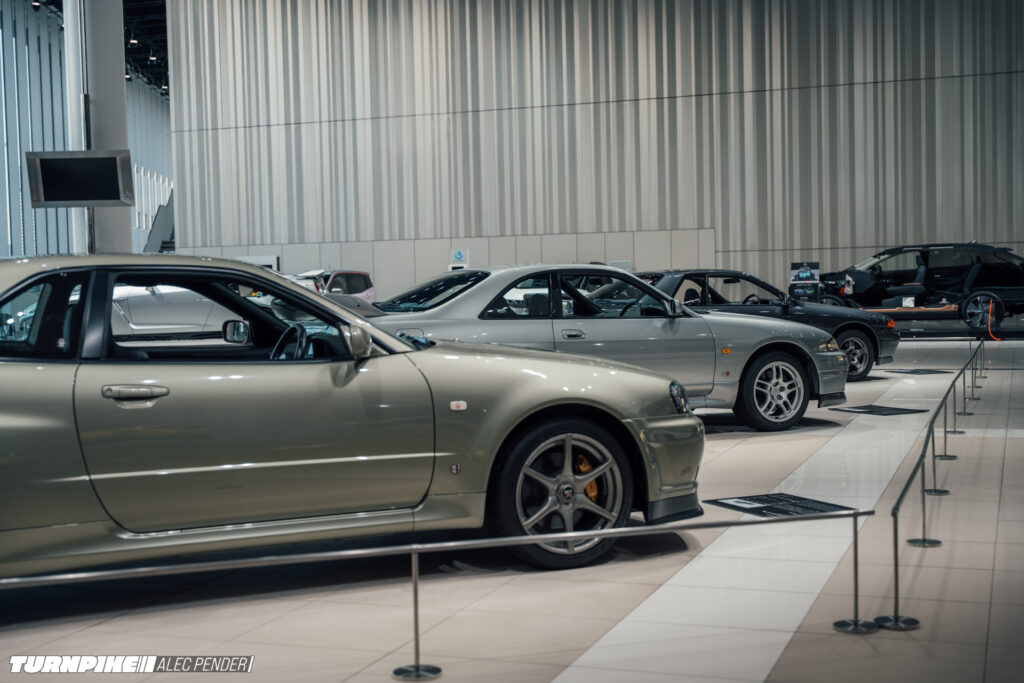
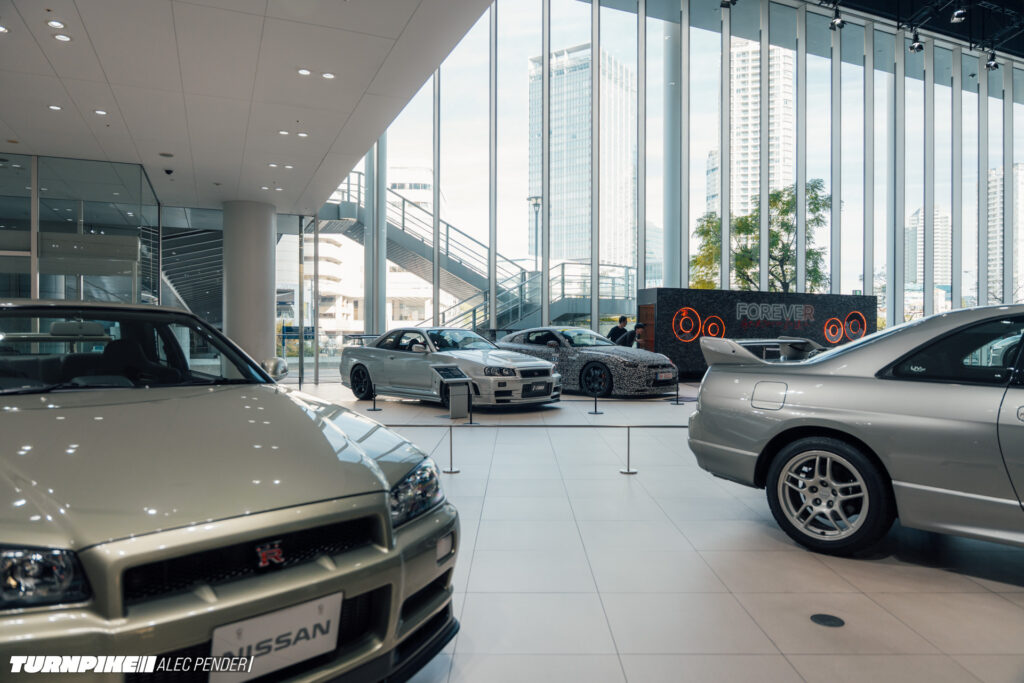
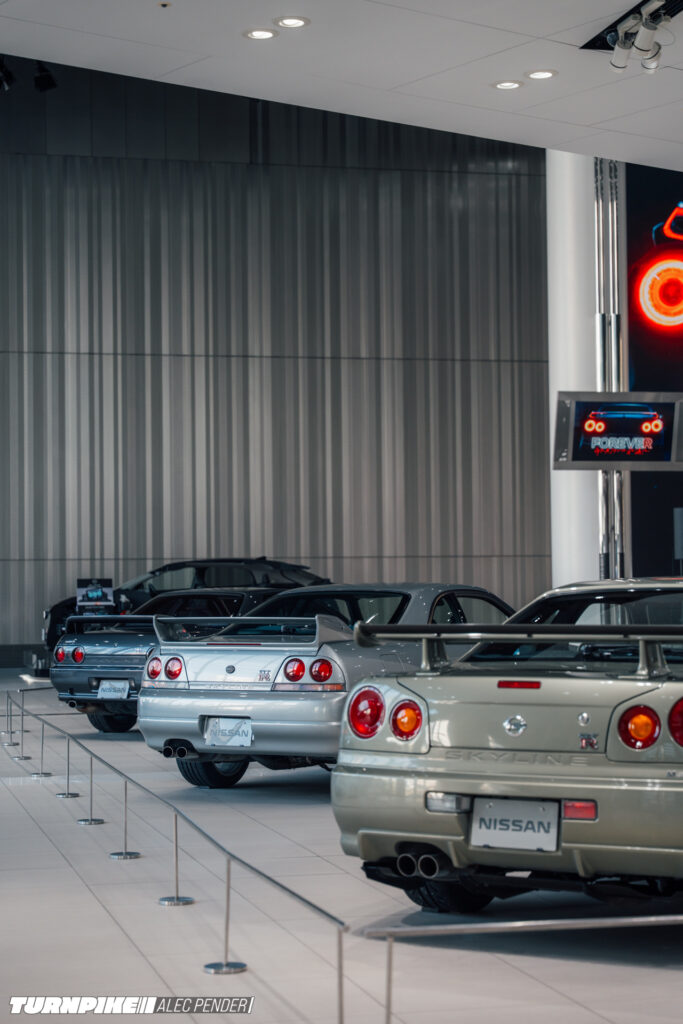
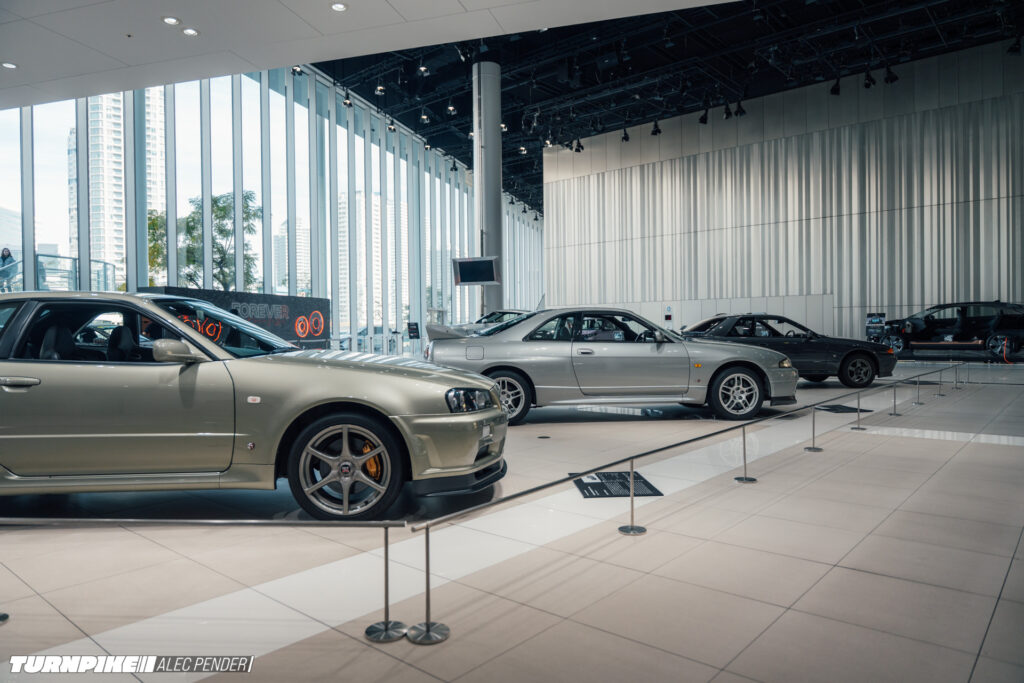
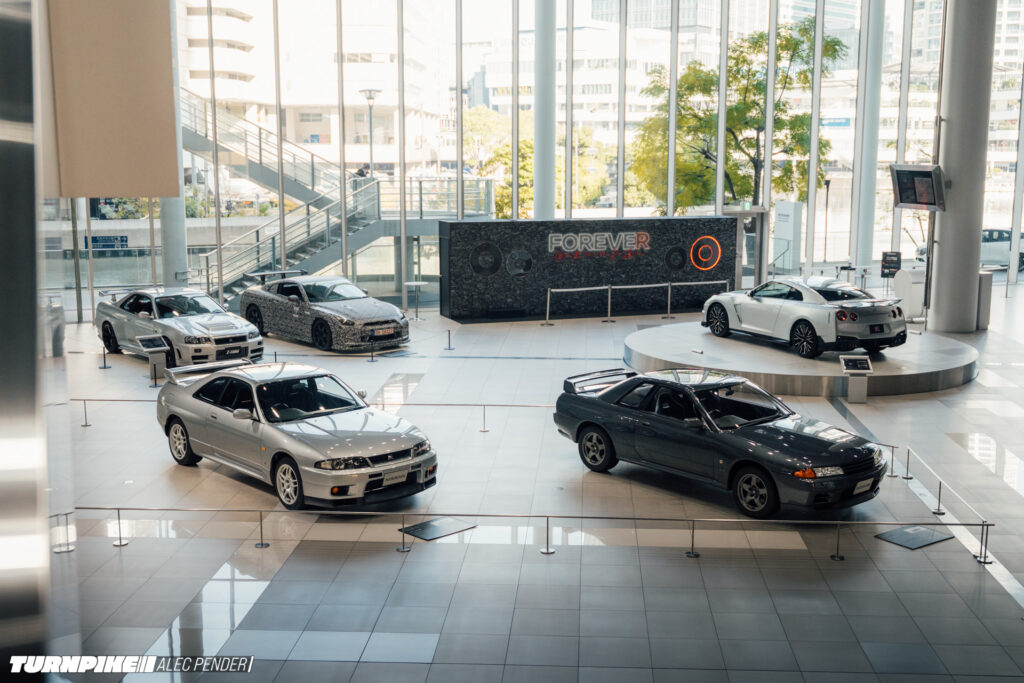


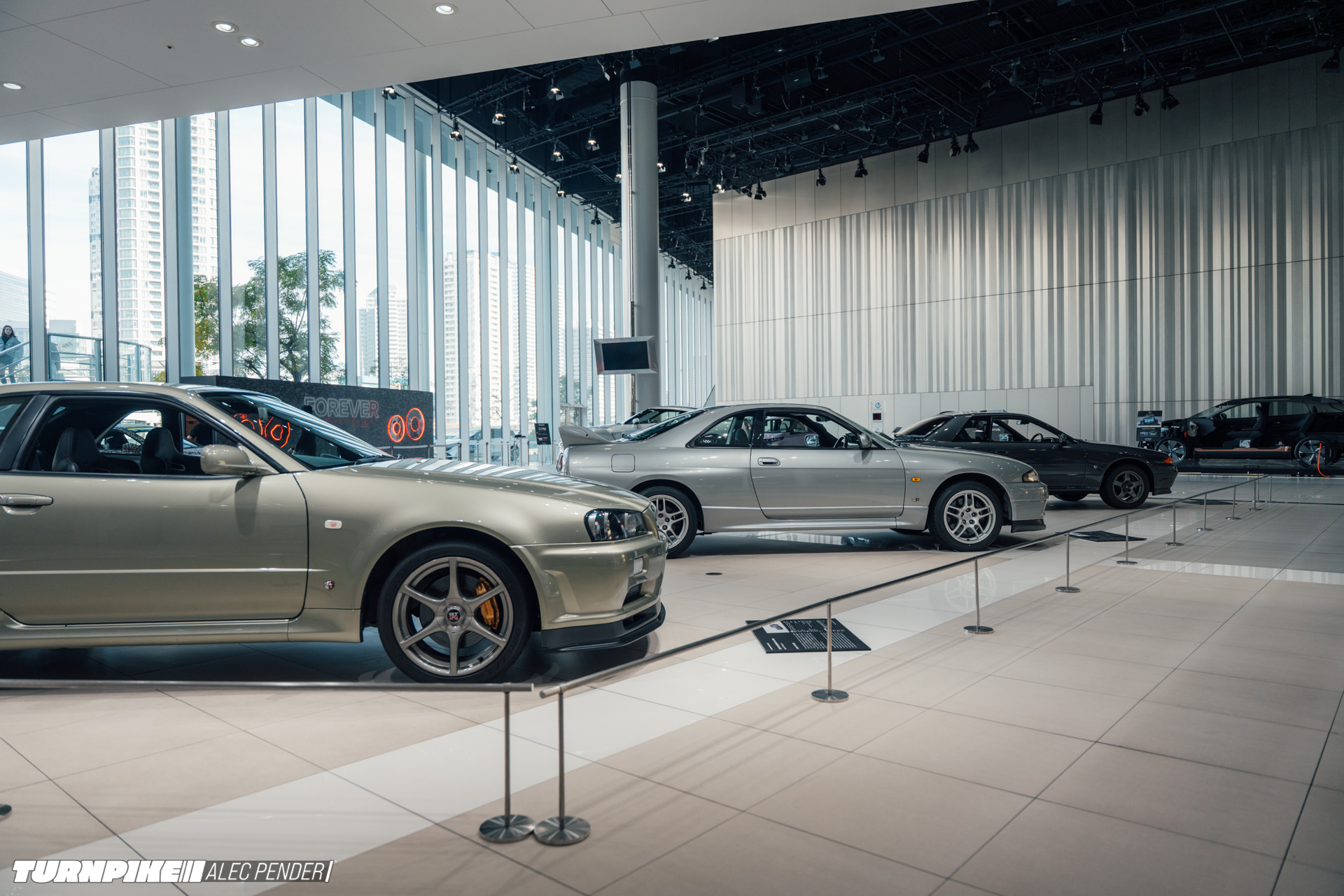
The year of the first evolution came in 1995 when the BCNR33 was released, again a project managed by Kozo Watanabe. Unofficially it was the first production car to dip under the eight-minute time on the Nordschleife with a 7’59” lap. It was also the first GT-R to go to Le Mans, as well as continuing its dominance in the domestic touring car series.
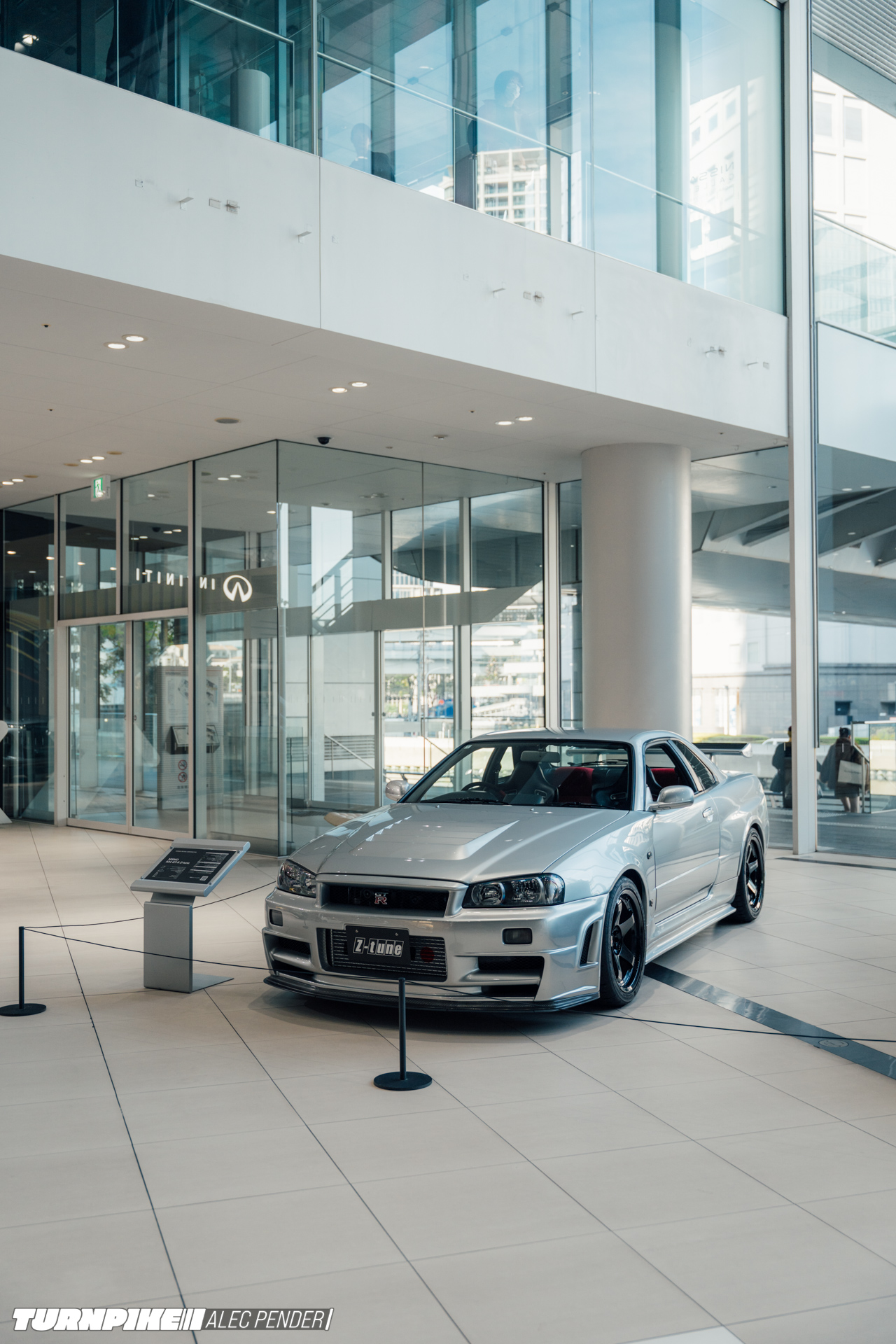
Autech used the R33 to mark the Skyline’s 40th anniversary, building a limited run of four-door GT-Rs. In March 1999 it was the time of the BNR34, once again a project managed by the great Kozo Watanabe who by that time had brought in Kazutoshi Mizuno to bring the third evolution of the RB26-powered GT-R to fruition.
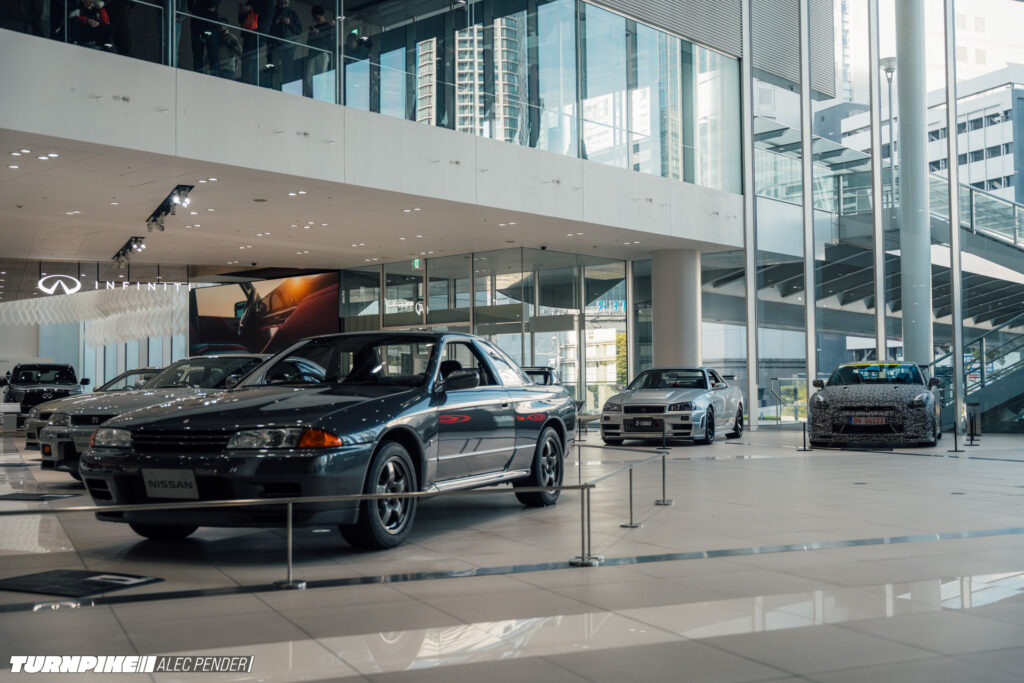

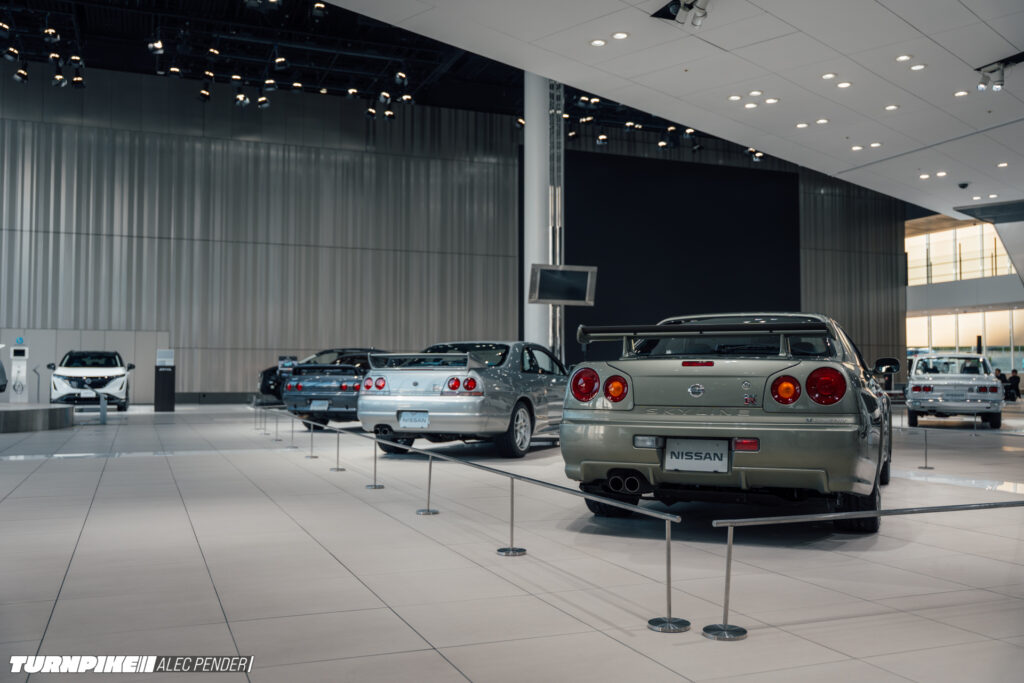


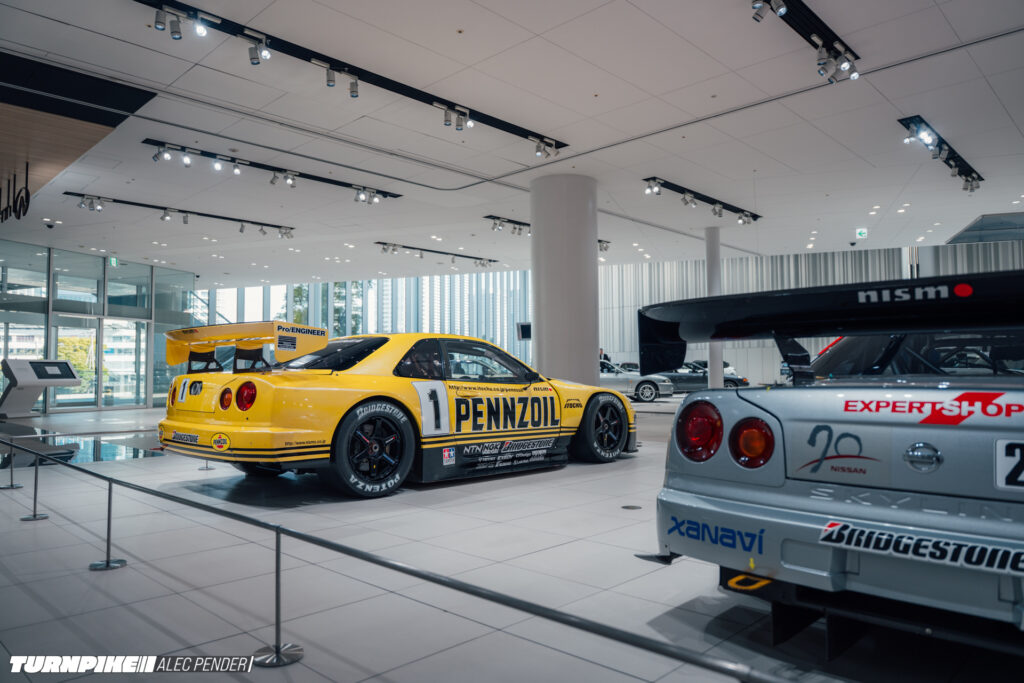
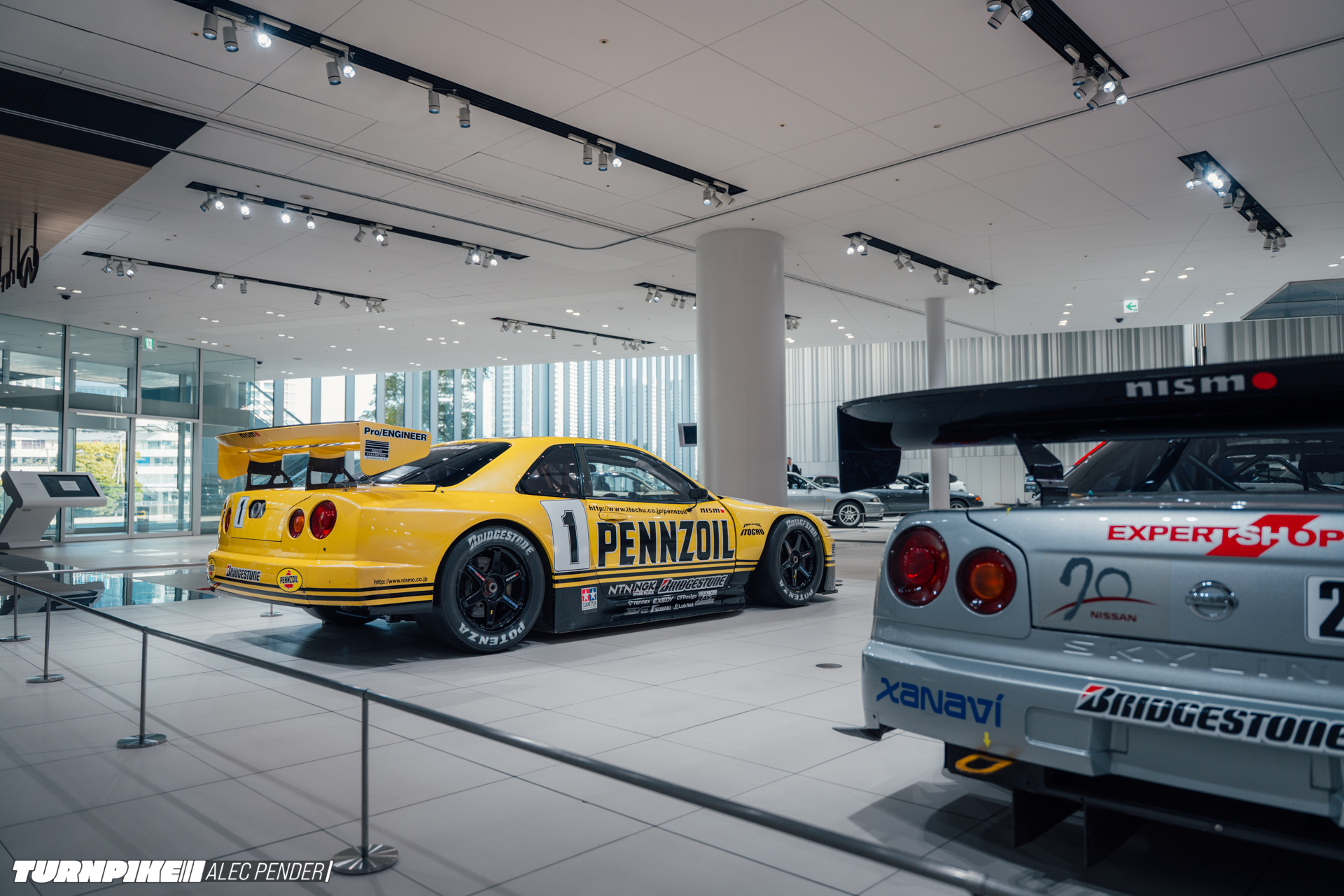
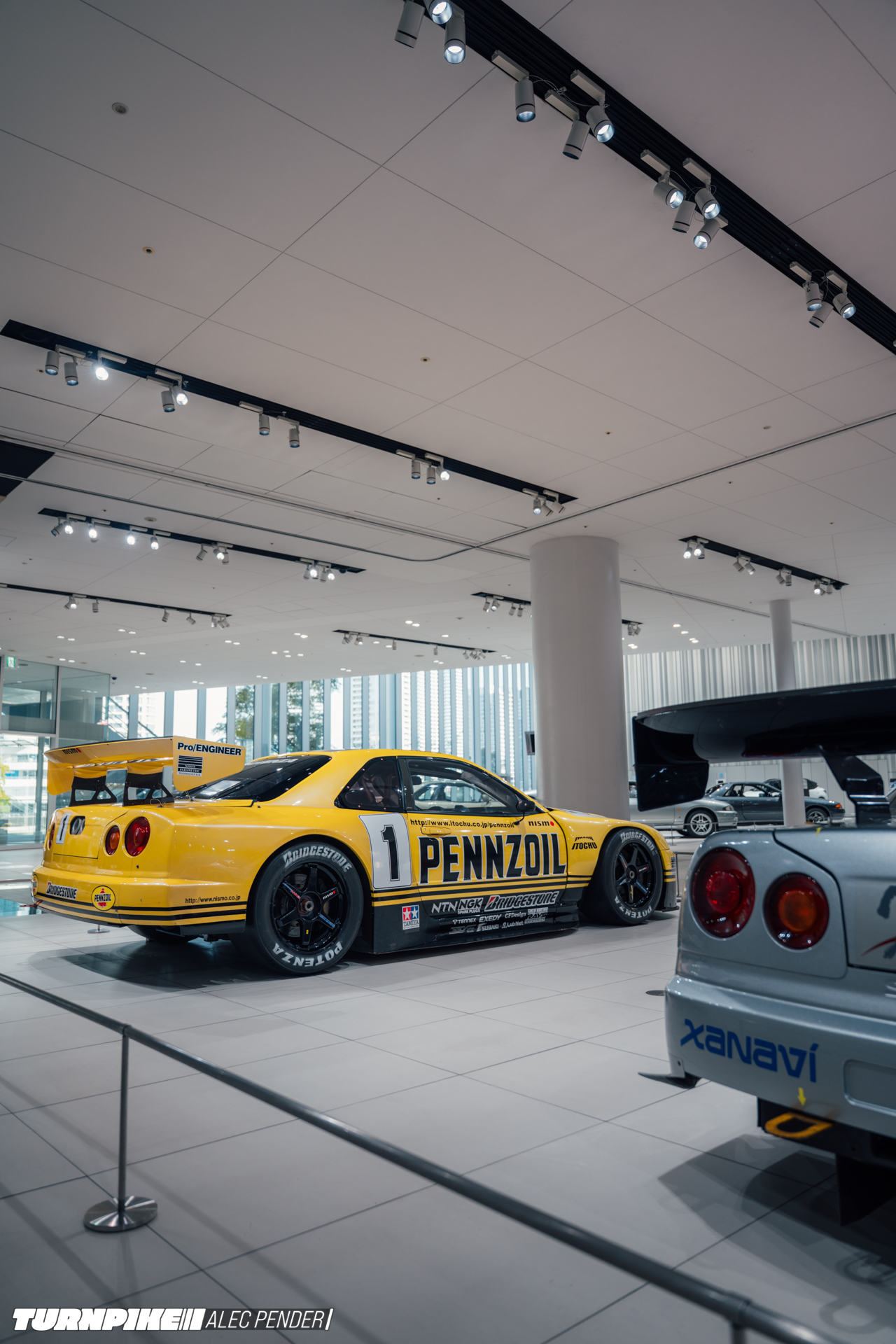
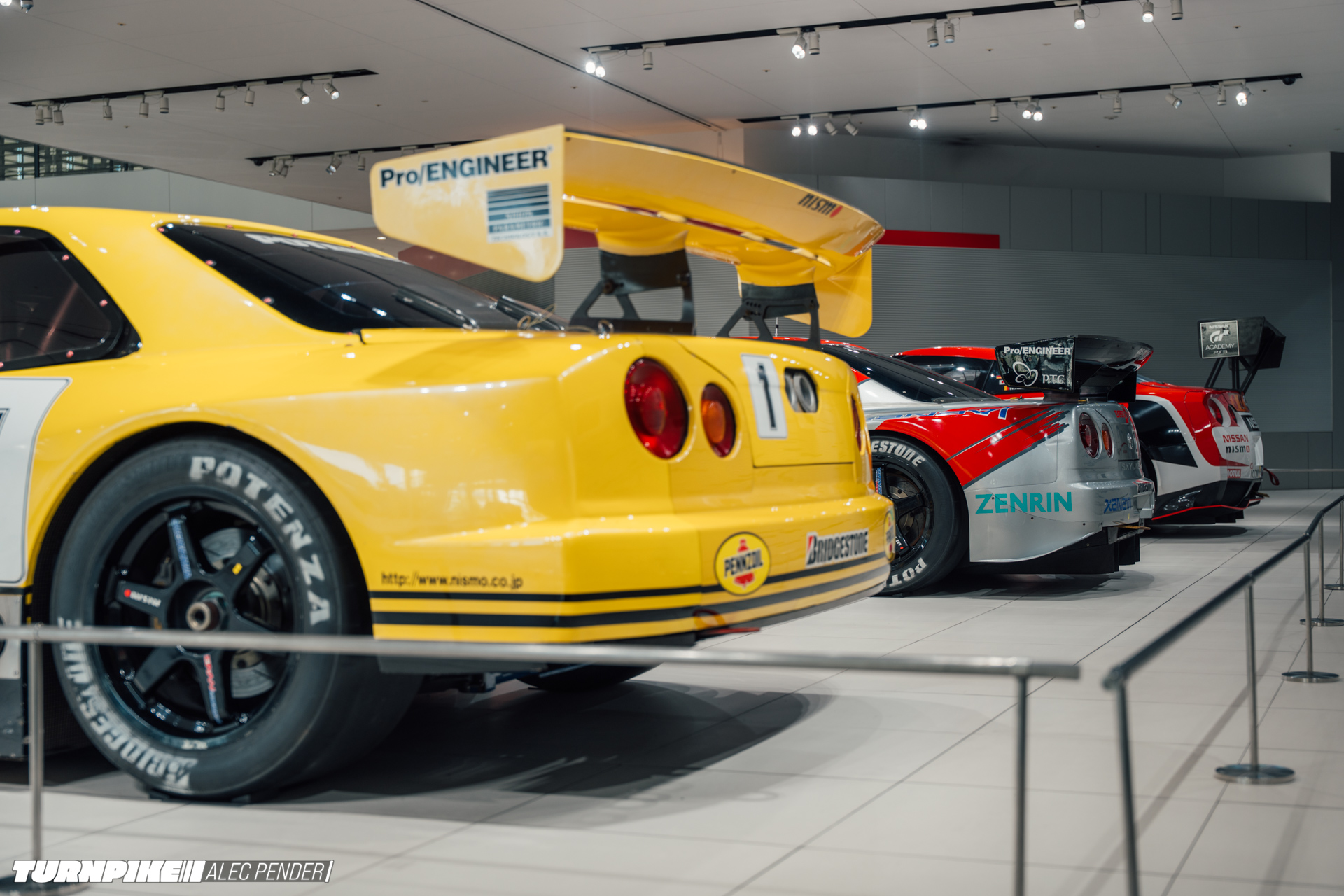
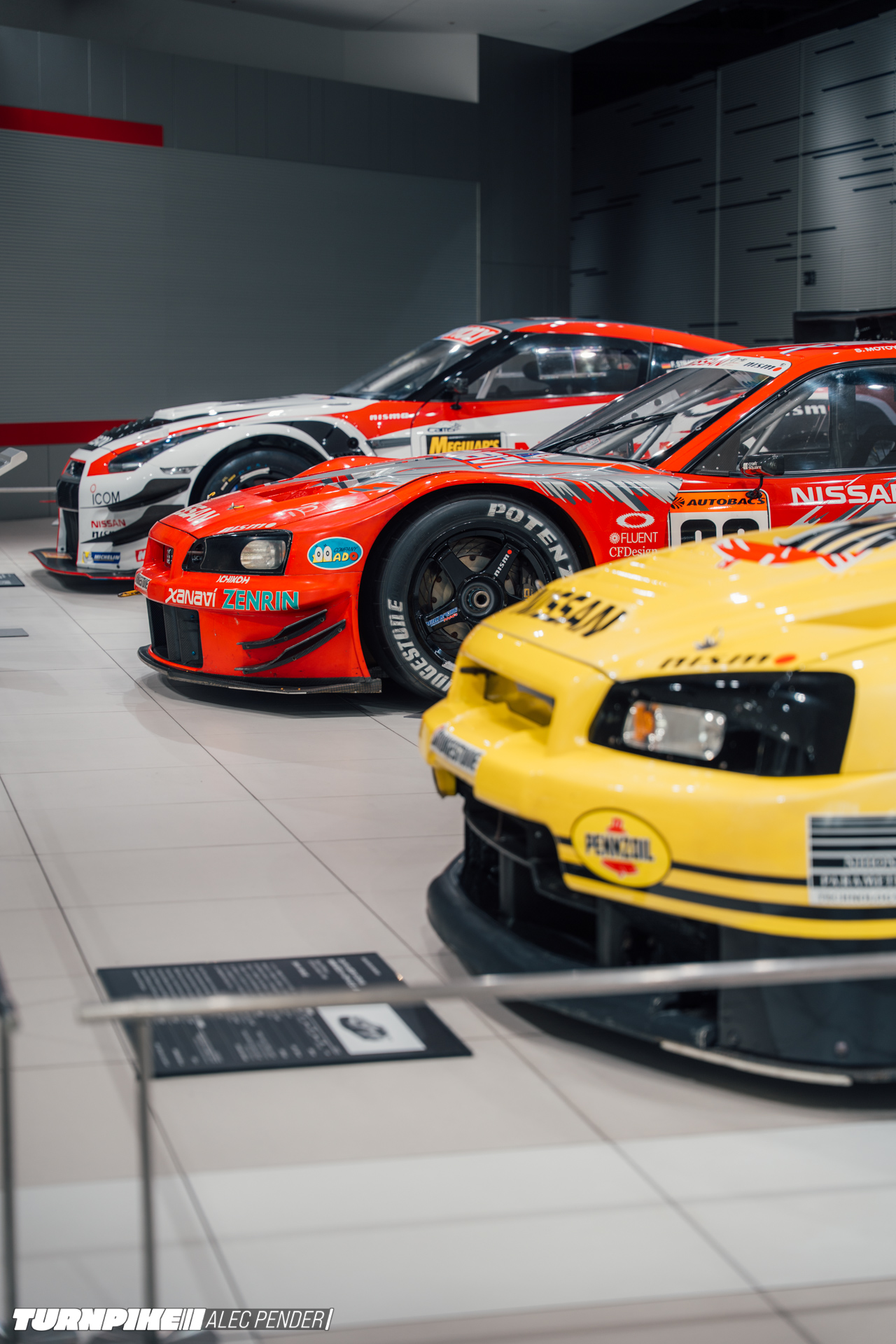
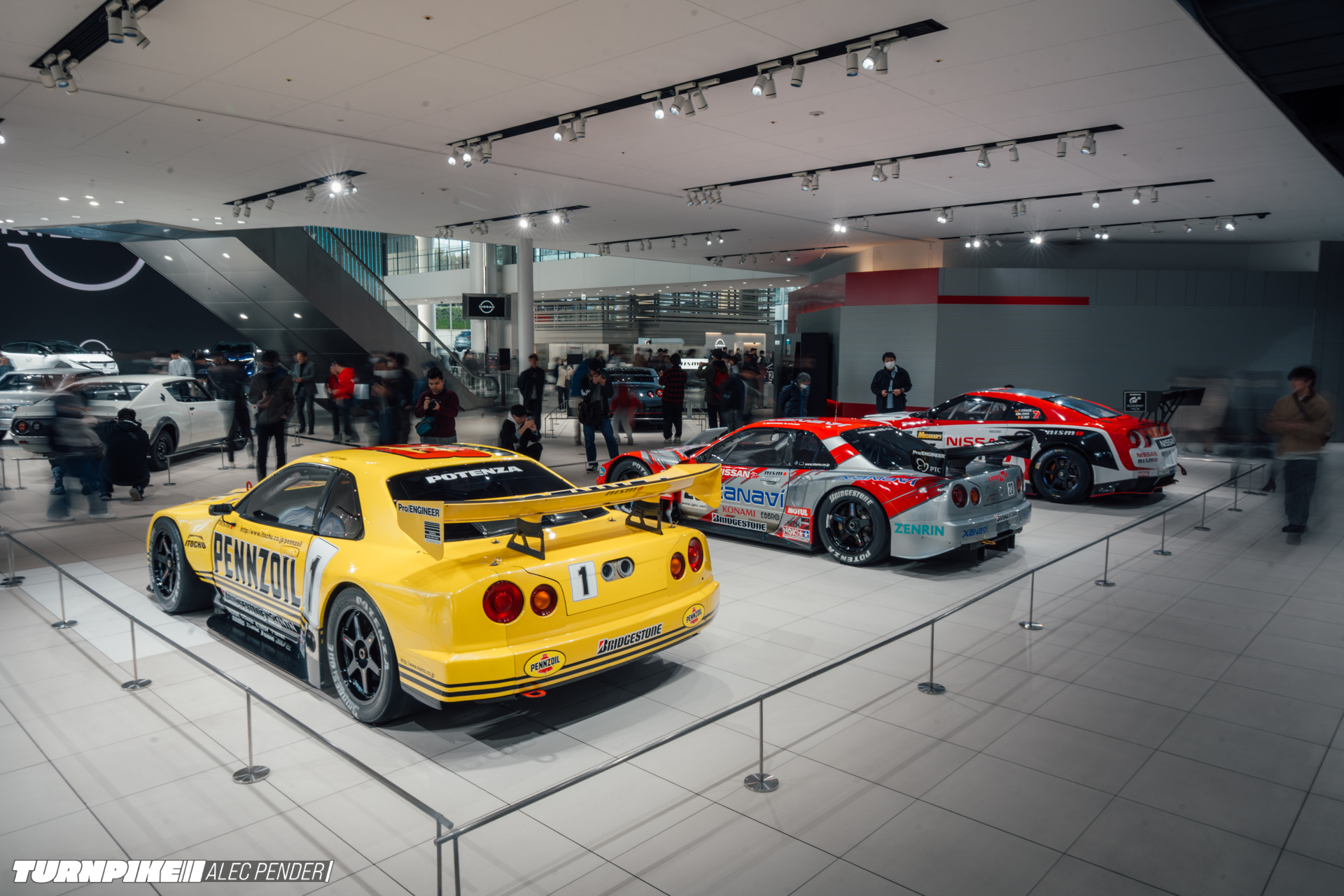
The R34 continued on from the triumphs of the previous evolutions, cementing itself as a true successor by winning the 1999 GT500 class of the JGTC with the Pennzoil car Erik Comas and Satoshi Motoyama drove. It’s a legendary win for GT-R enthusiasts to this day, and that very car was another surprise find at the exhibition.
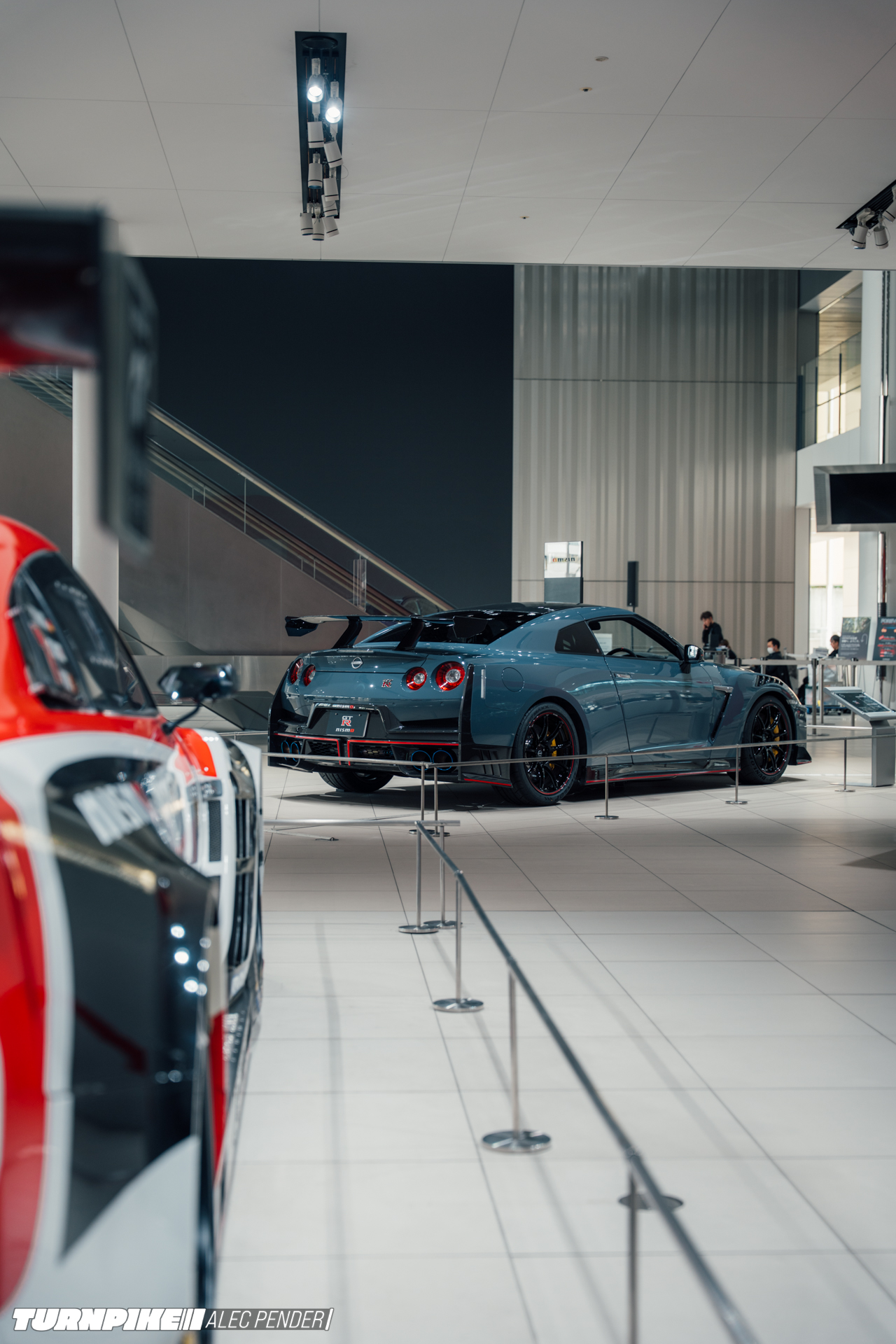
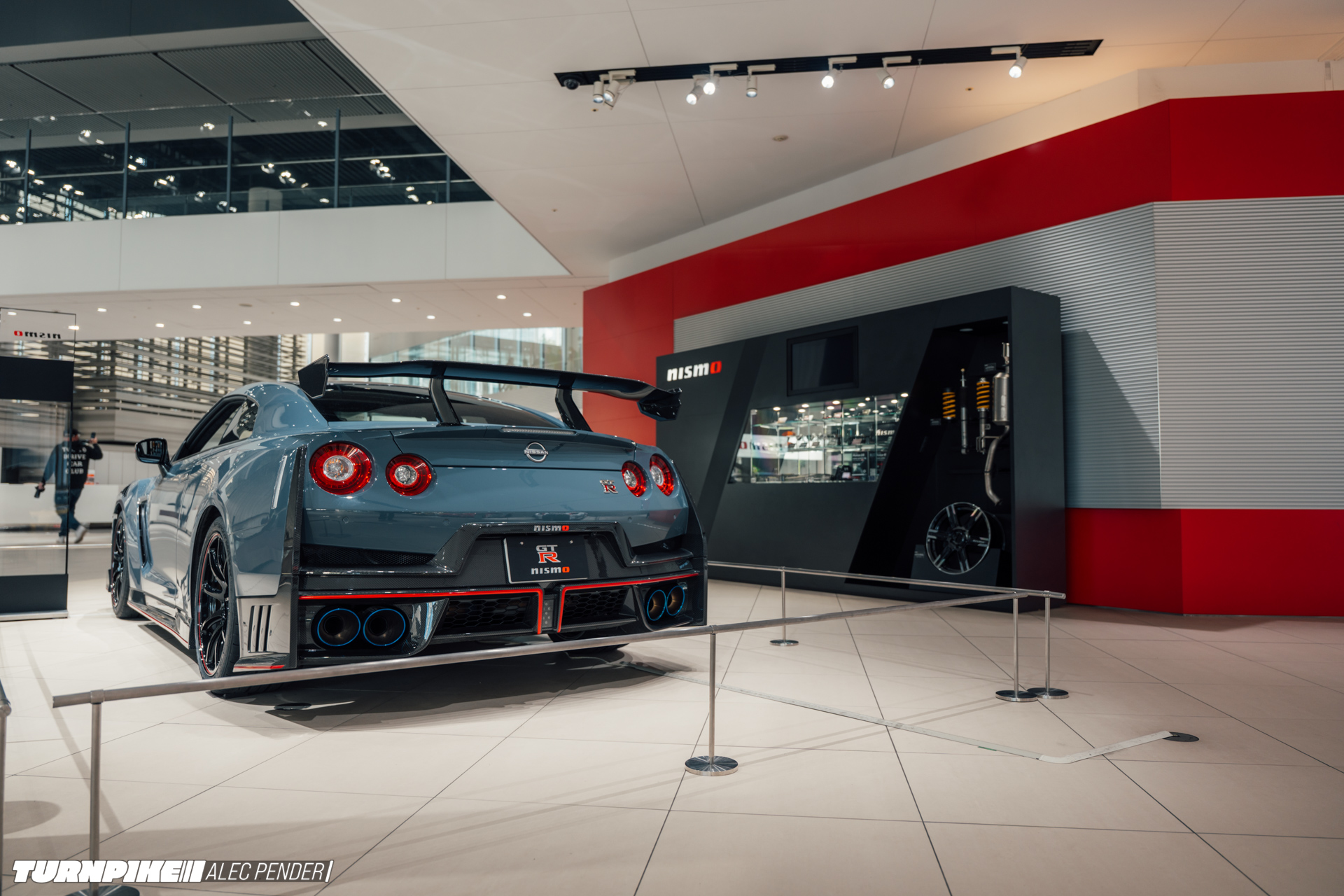
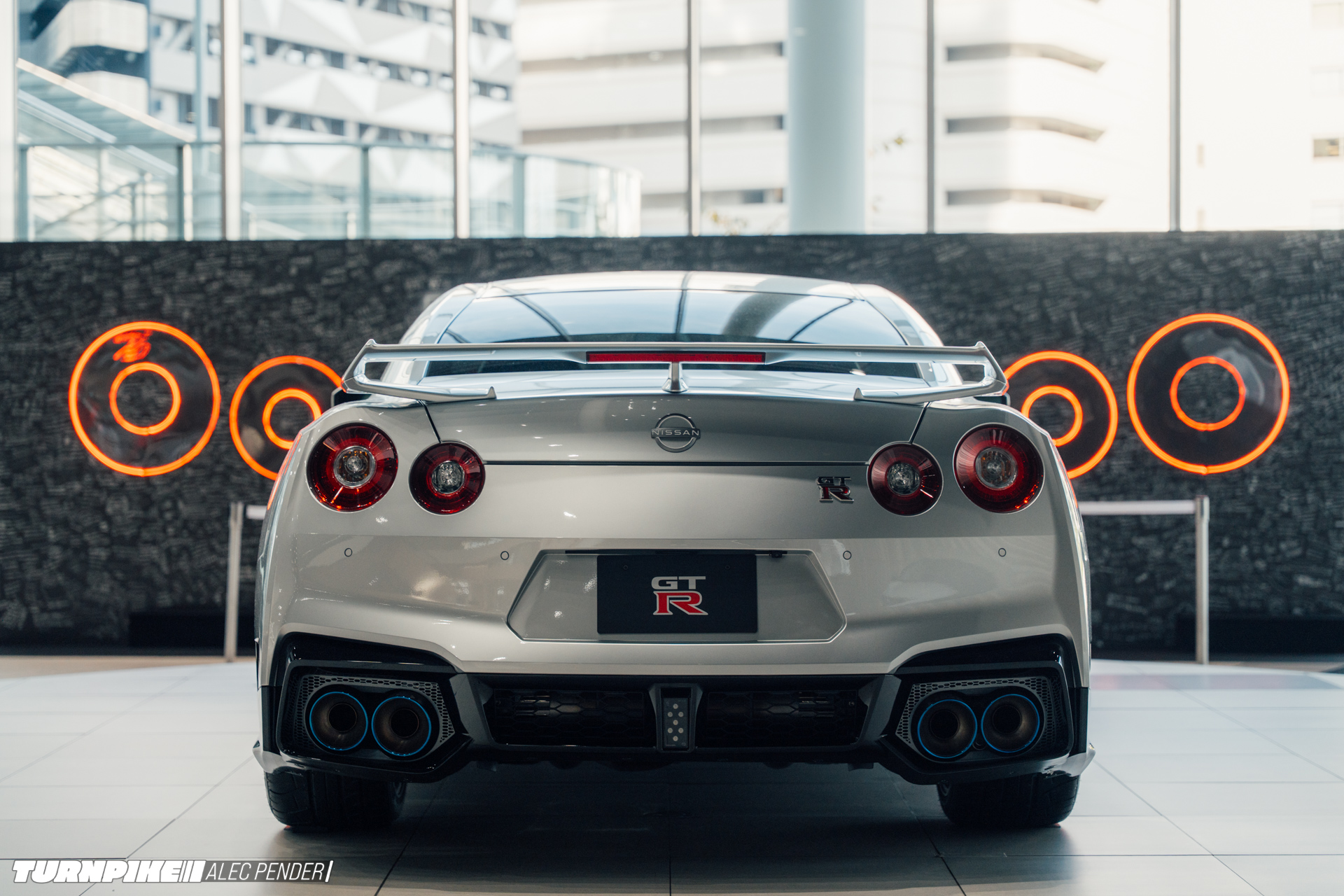
With the R34’s production halted in August of 2002, it was another five years before we would see the next generation of GT-R appear with the R35, stayed in Japan-only production until earlier this year for an impressive 18-year lifespan. The craziest thing is that the car stayed pretty much on par with modern day performance cars, all the way until its last evolution – a true testament to the work done by Mizuno-san who was given free reign when assembling a team of the best engineers and innovators that Nissan had at its disposal.

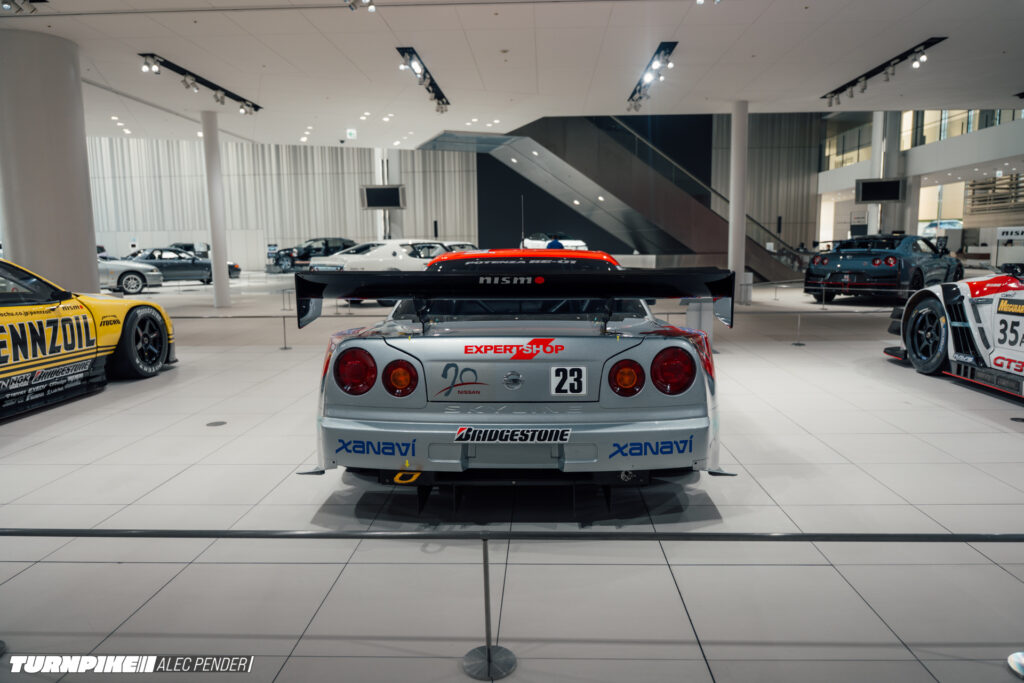
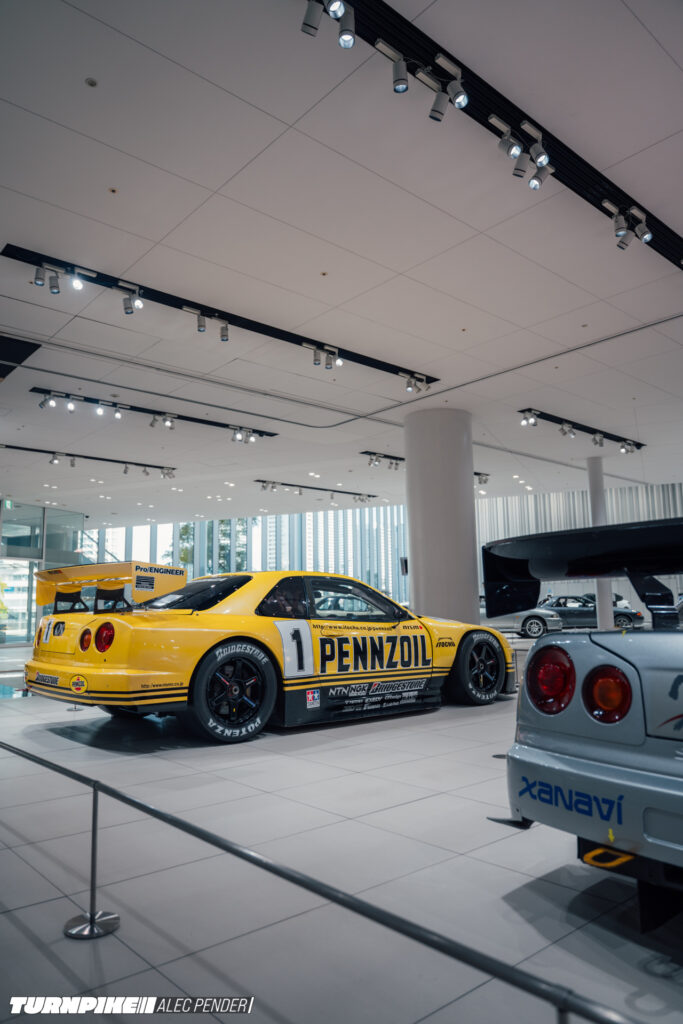


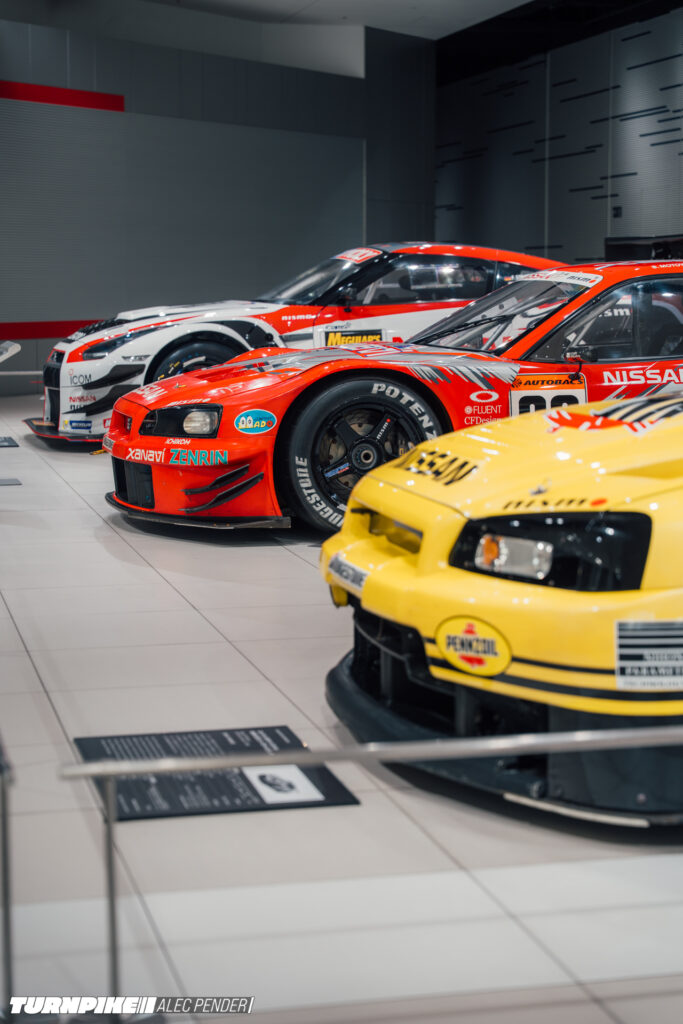

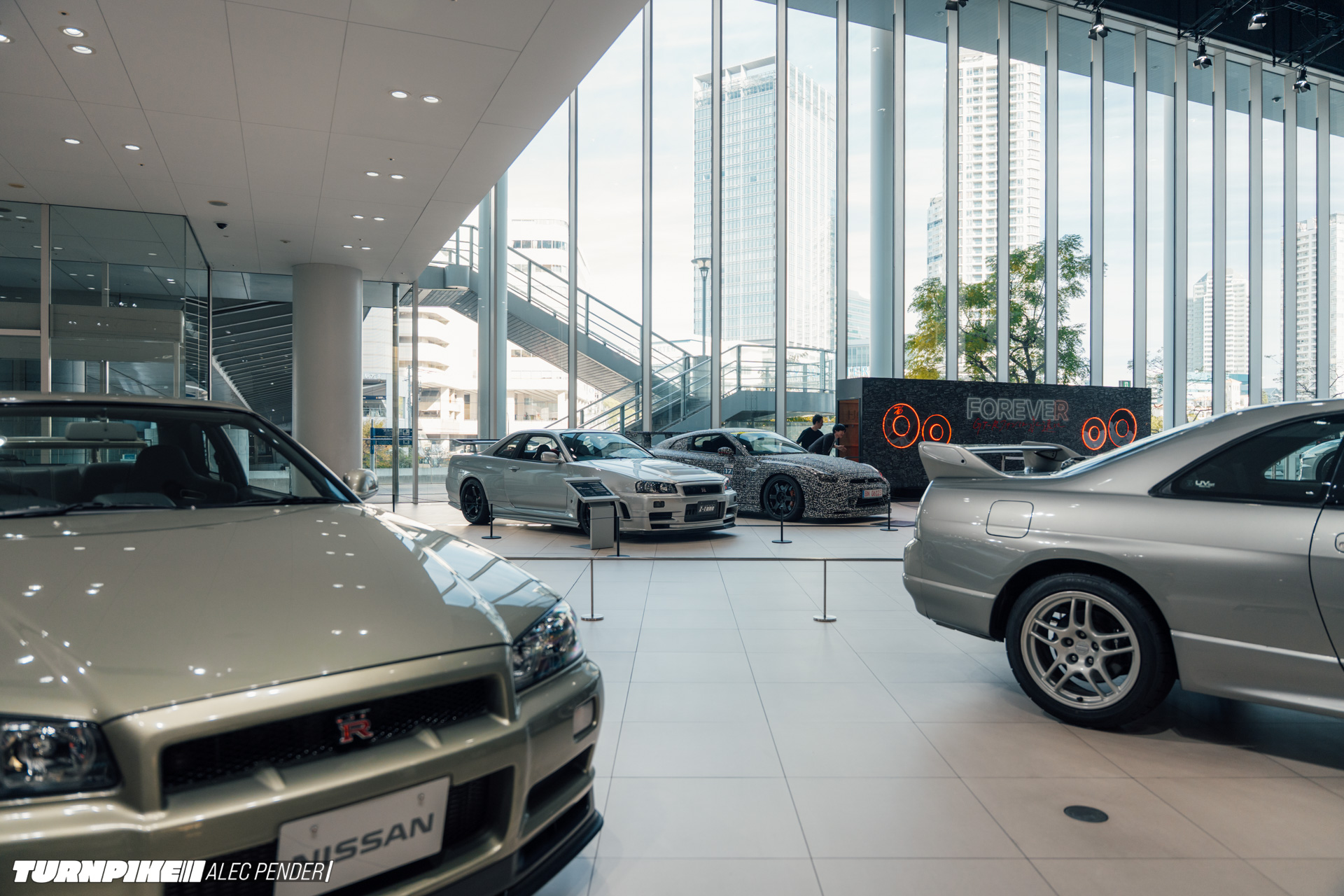
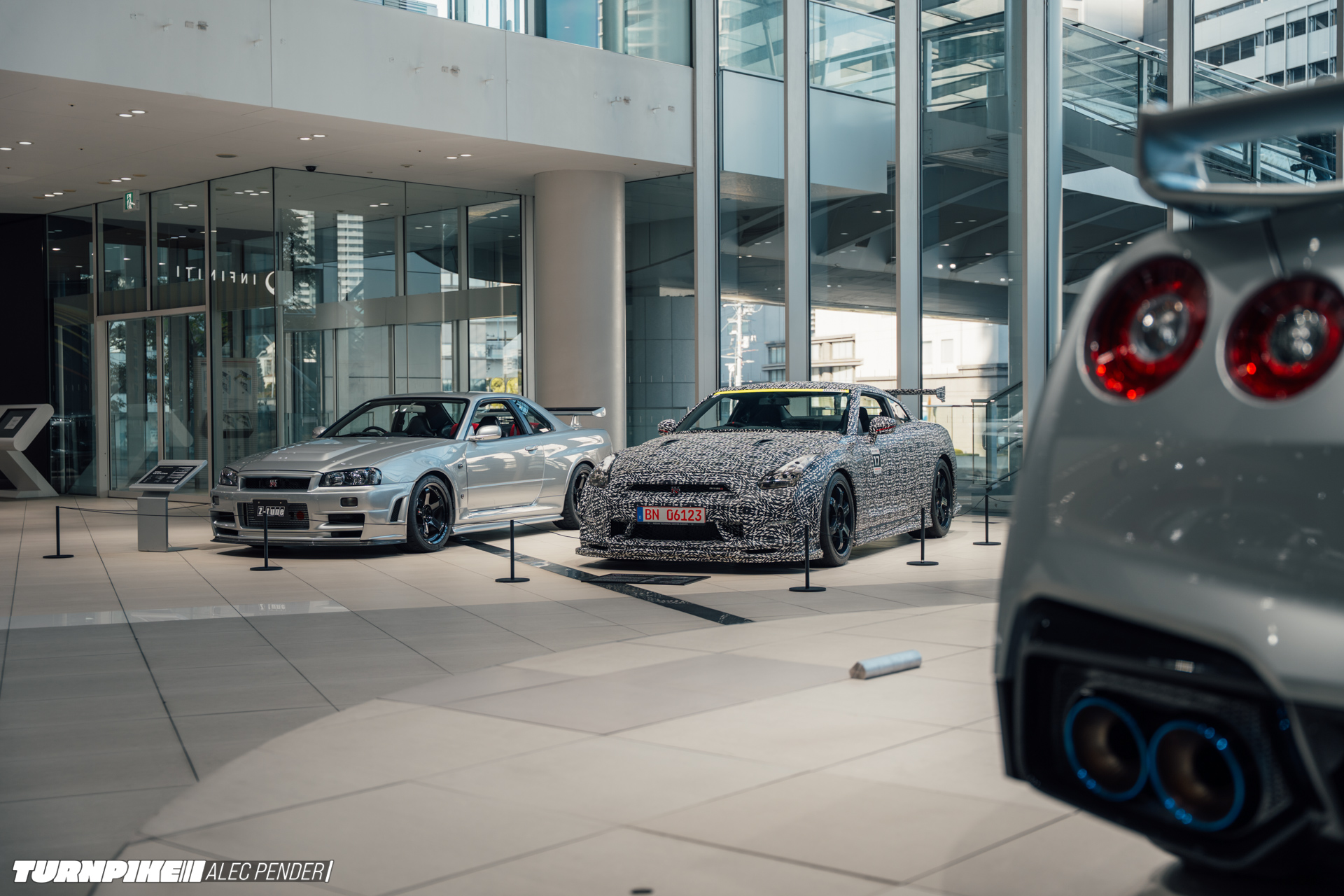
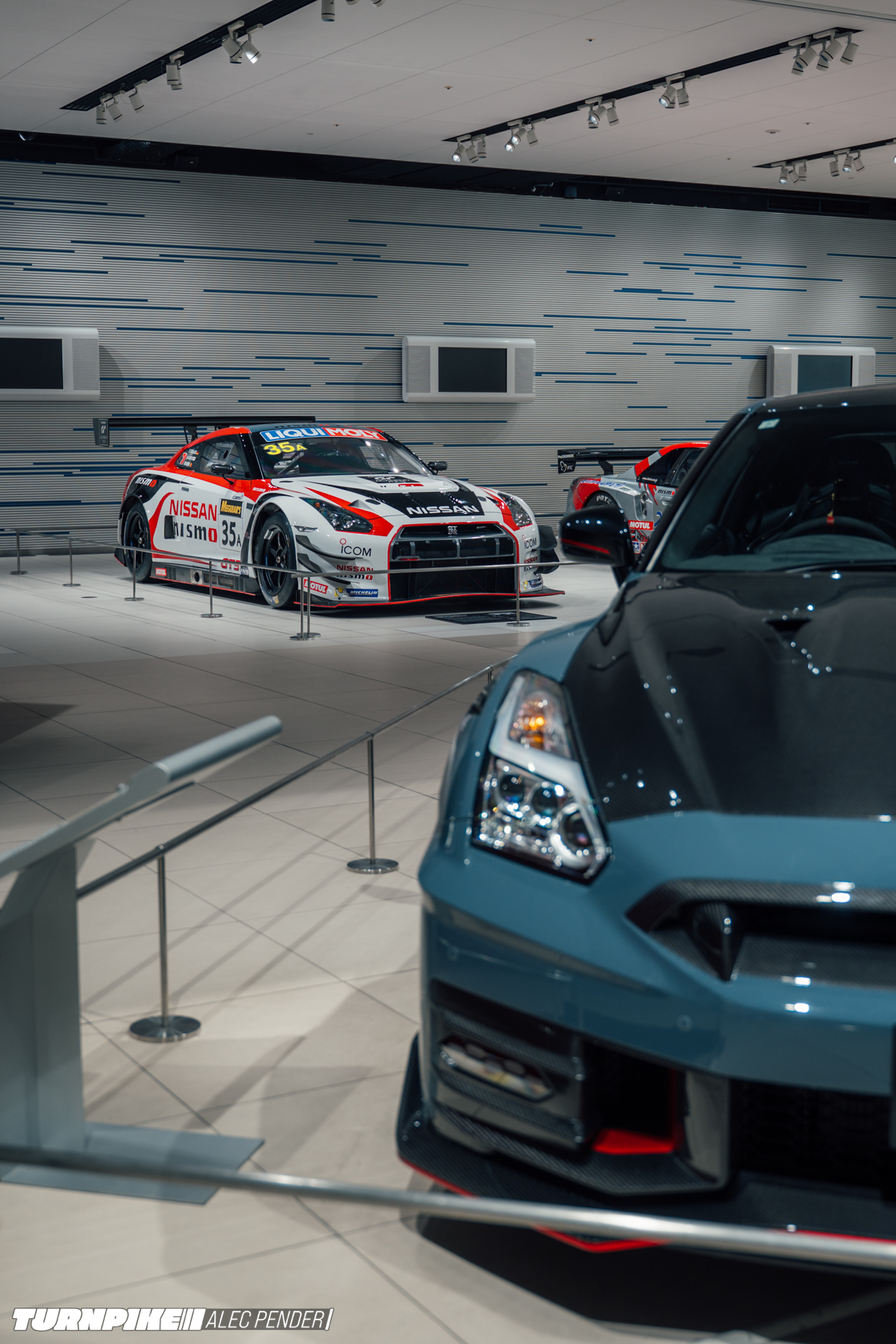
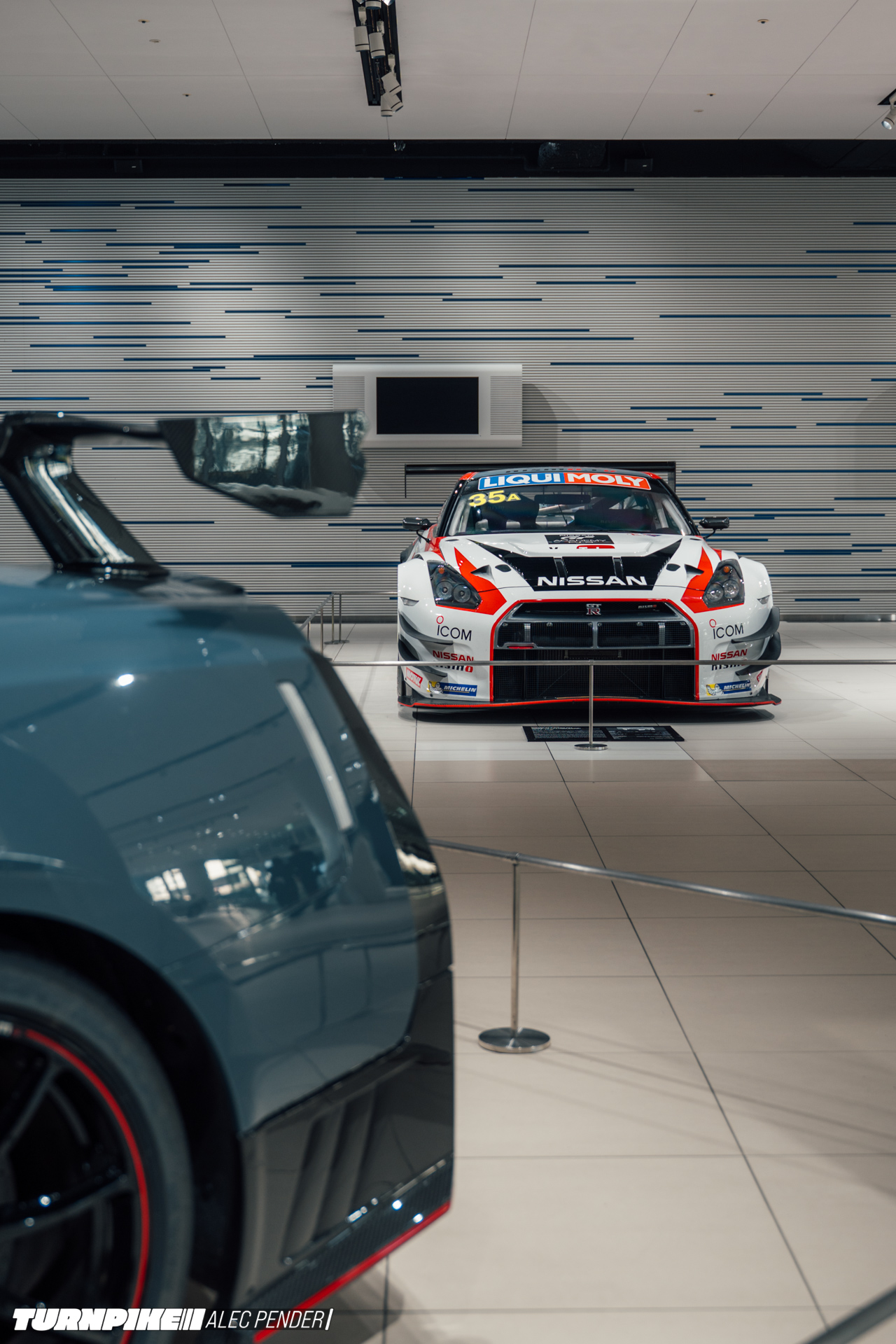
Back on the corner were the Nismo cars, including the 2003 Z-tune and the 2012 Nismo GT-R development car; the perfect pairing to sum up Nissan Motorsports International’s talent in extracting maximum performance out of the base production cars, really captivating the true potential of both platforms.
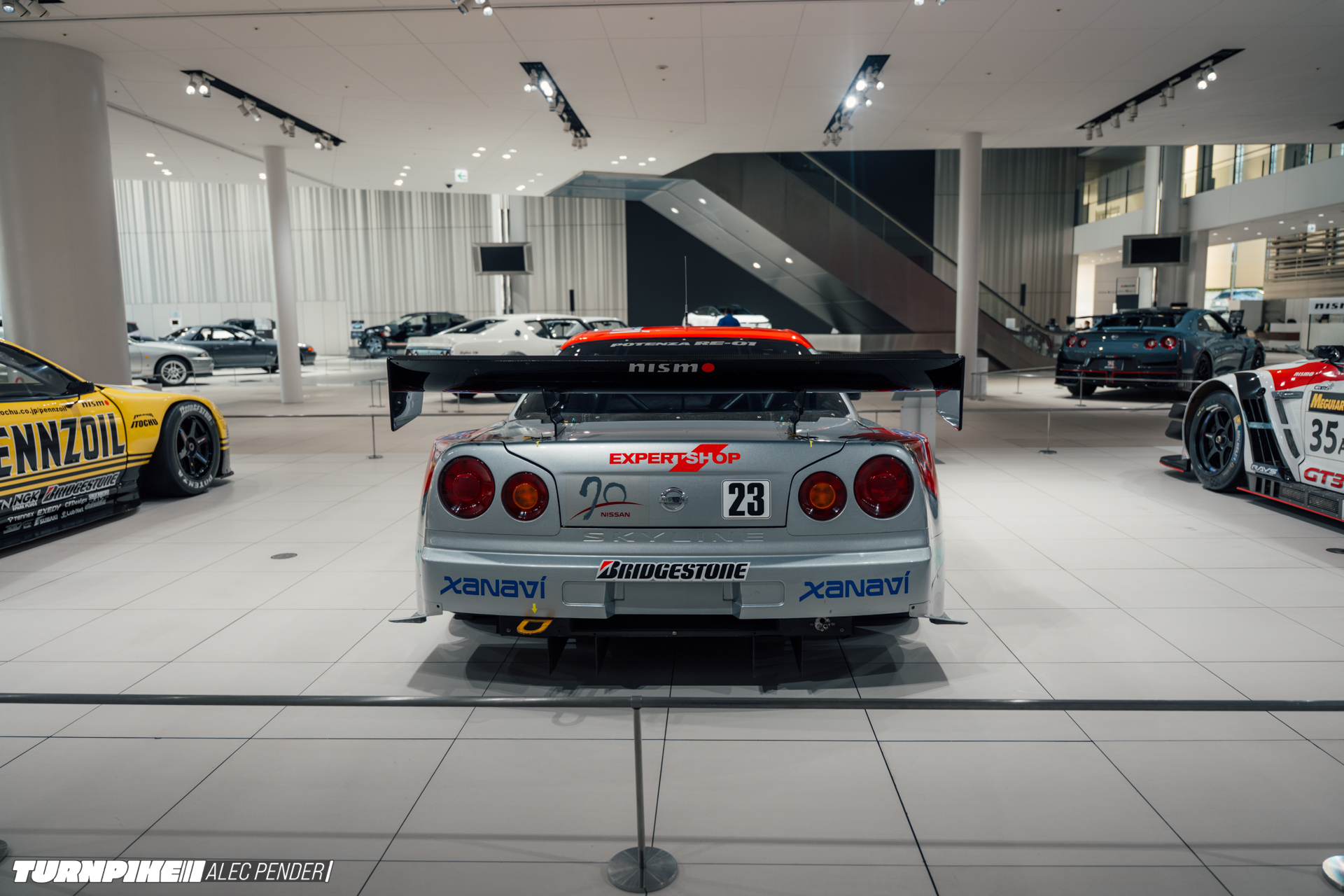
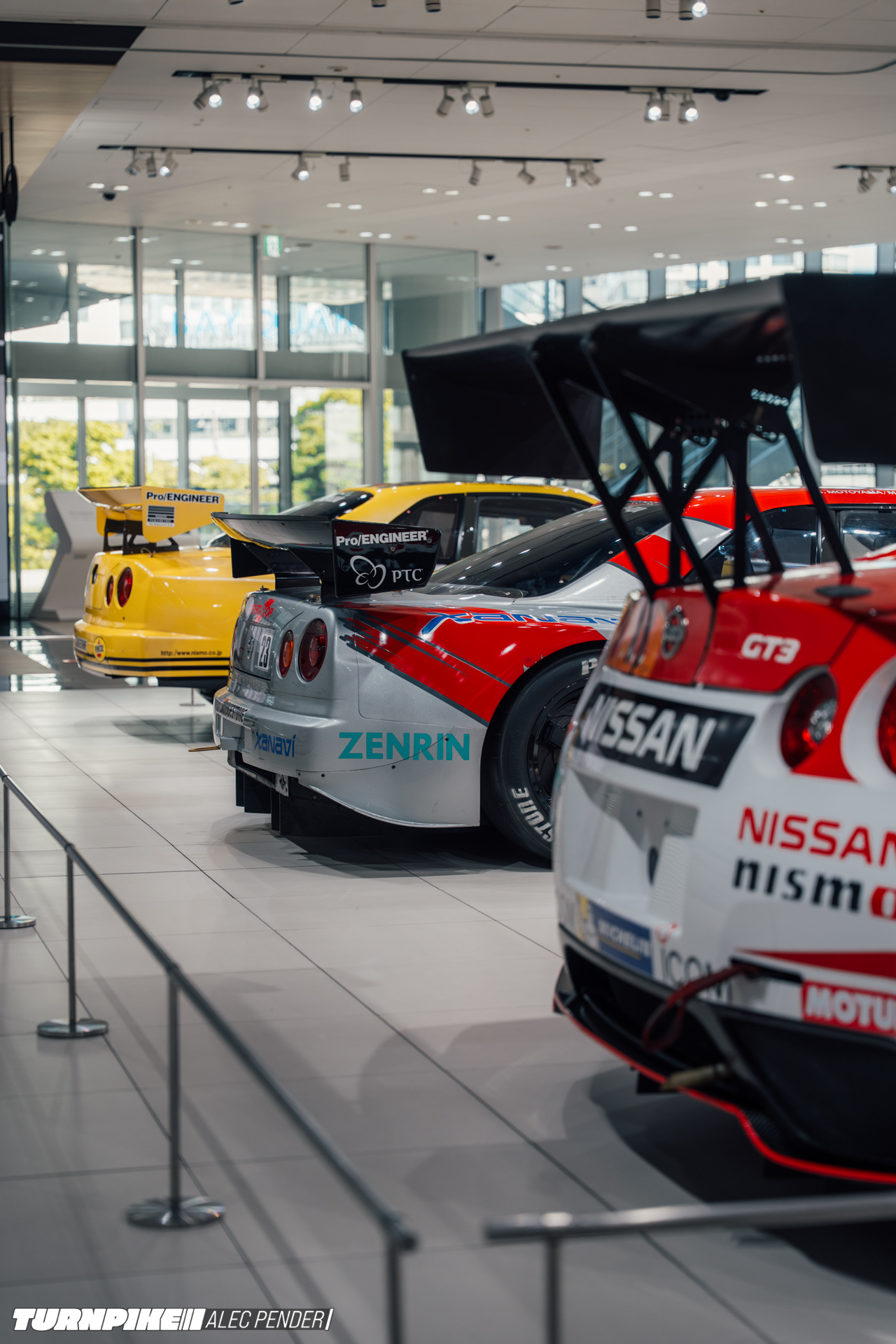
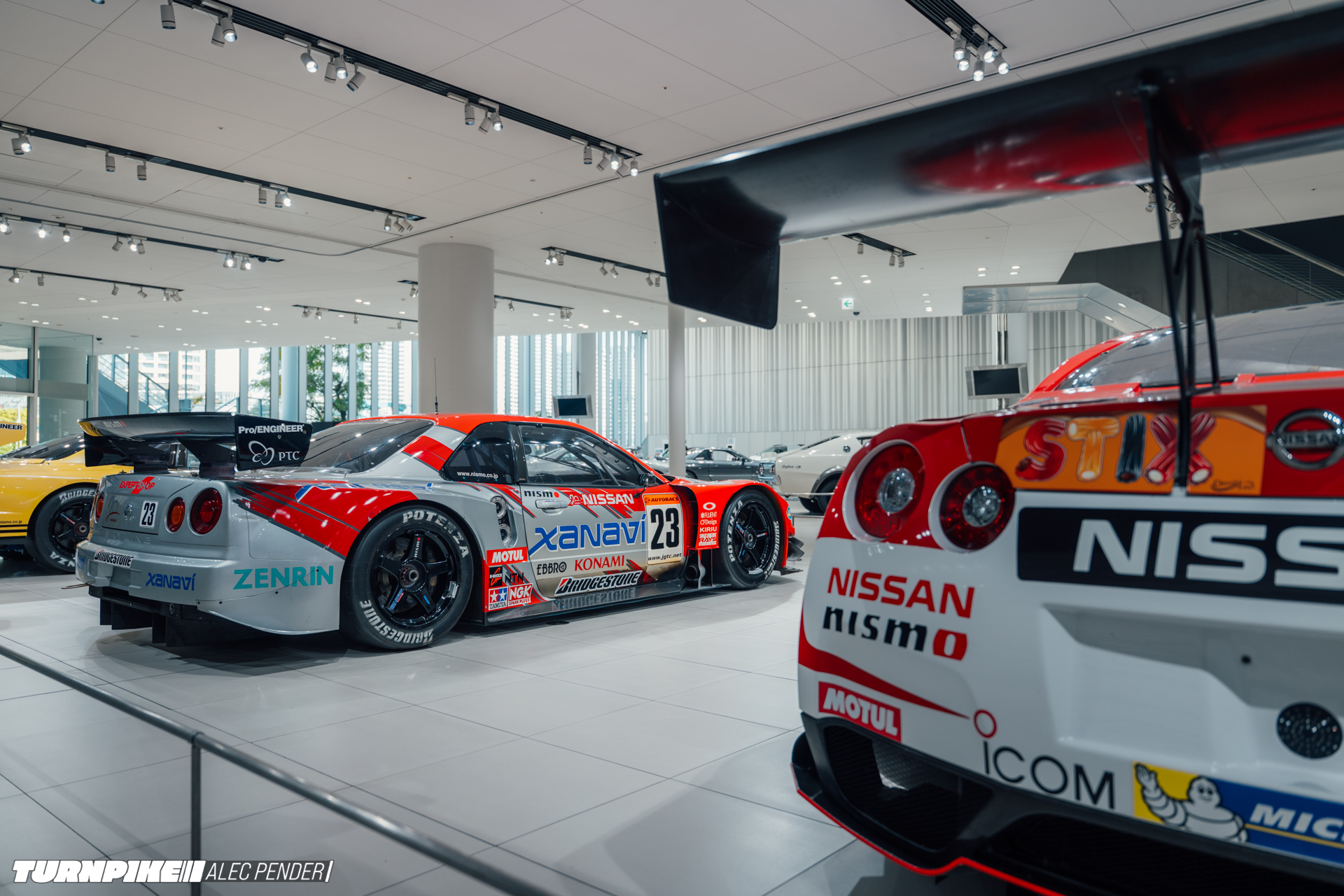
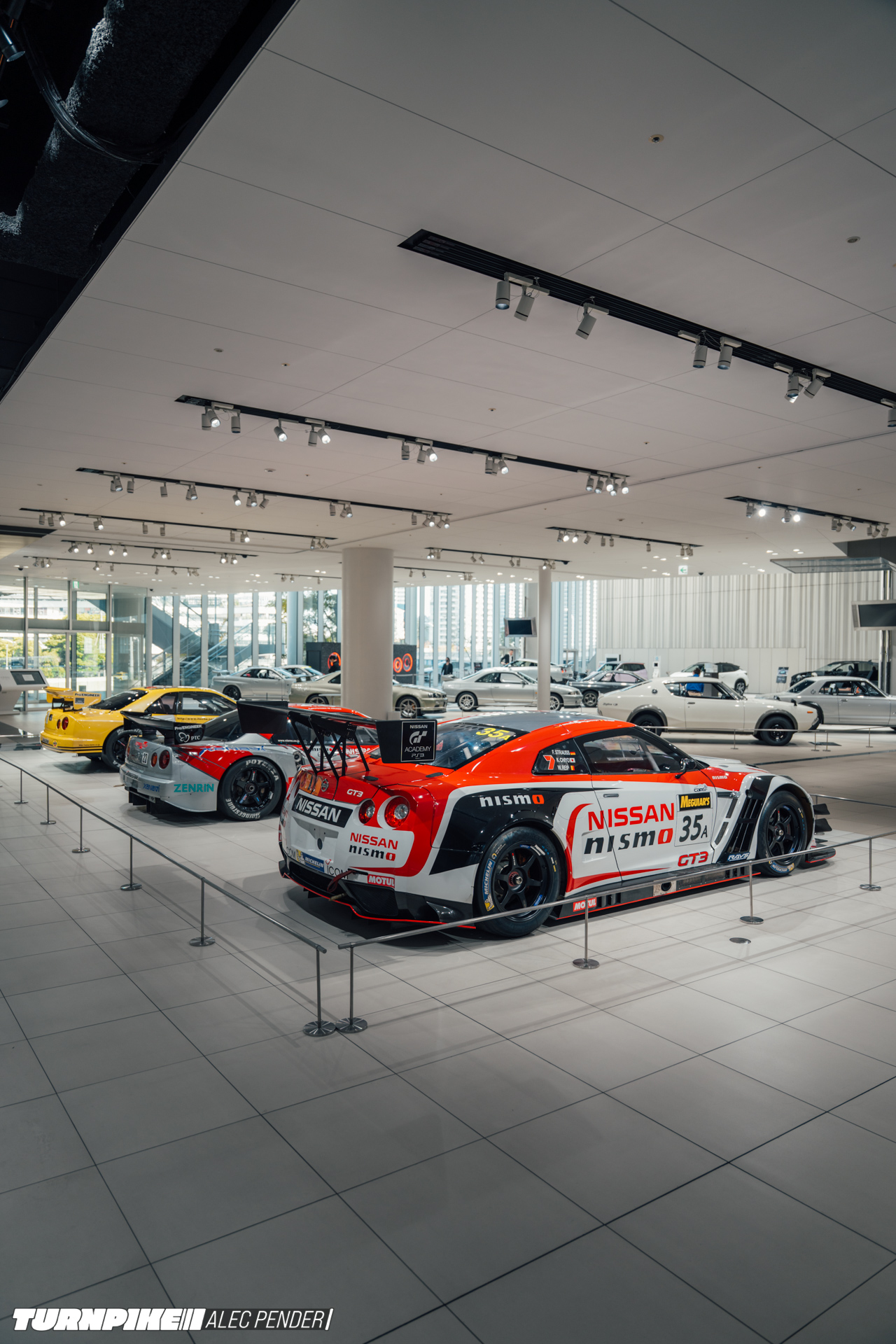
Next to the Pennzoil R34 was the 2003 GT500 Motul GT-R, the very last of the R34s to be raced in JGTC. Why does it look so different to its yellow-and-black counterpart? Well, by 2003 Nissan had begun the transition over to the Fairlady Z, for which the last GT-R was a test bed.
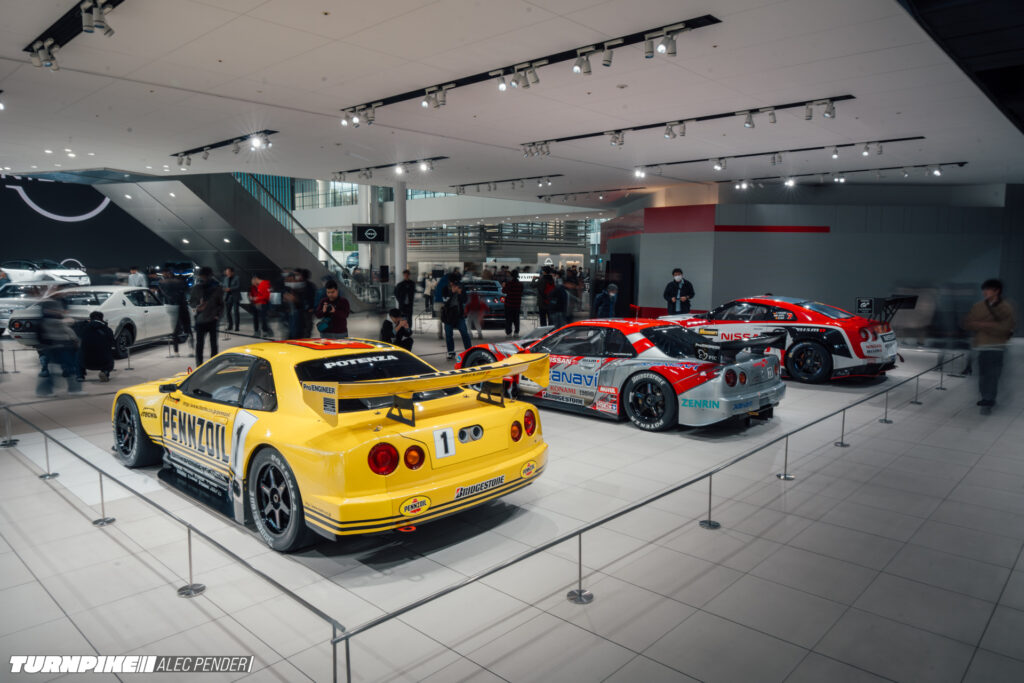
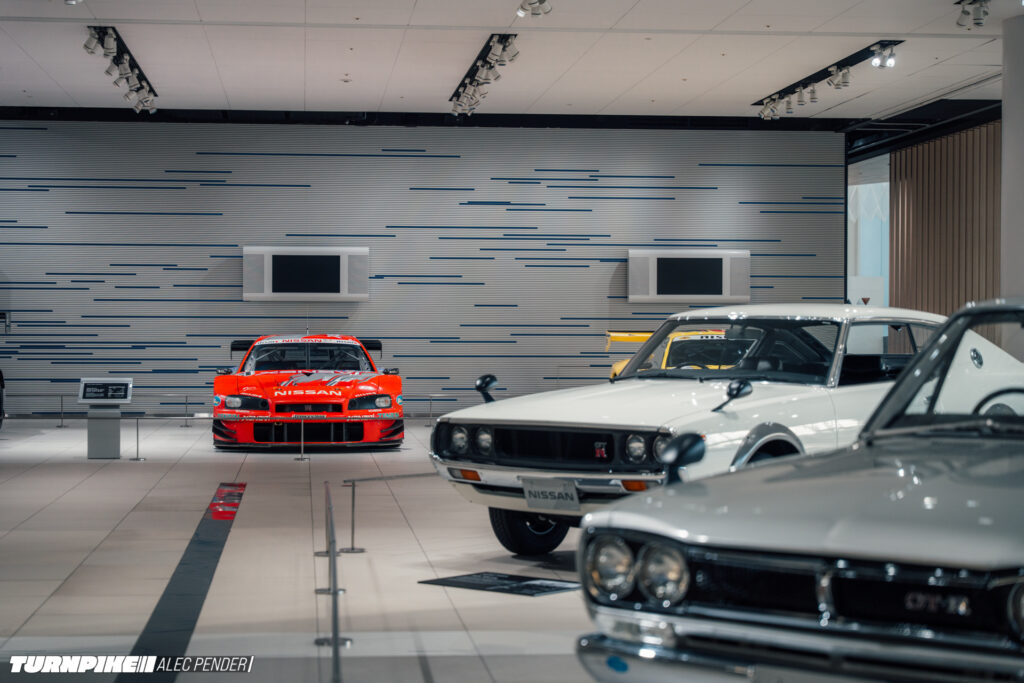
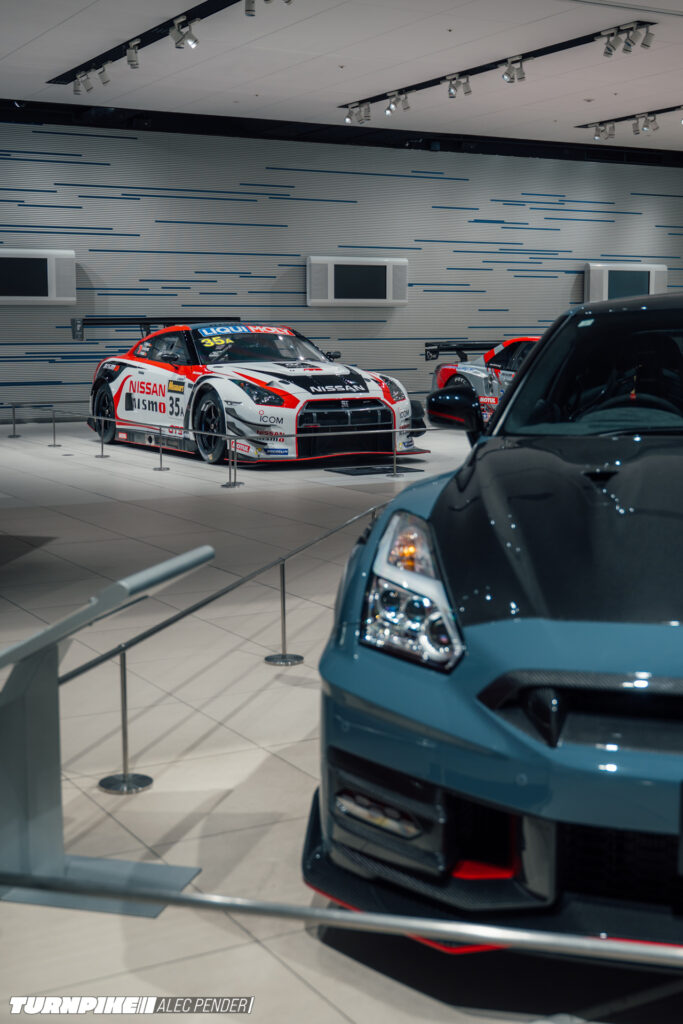
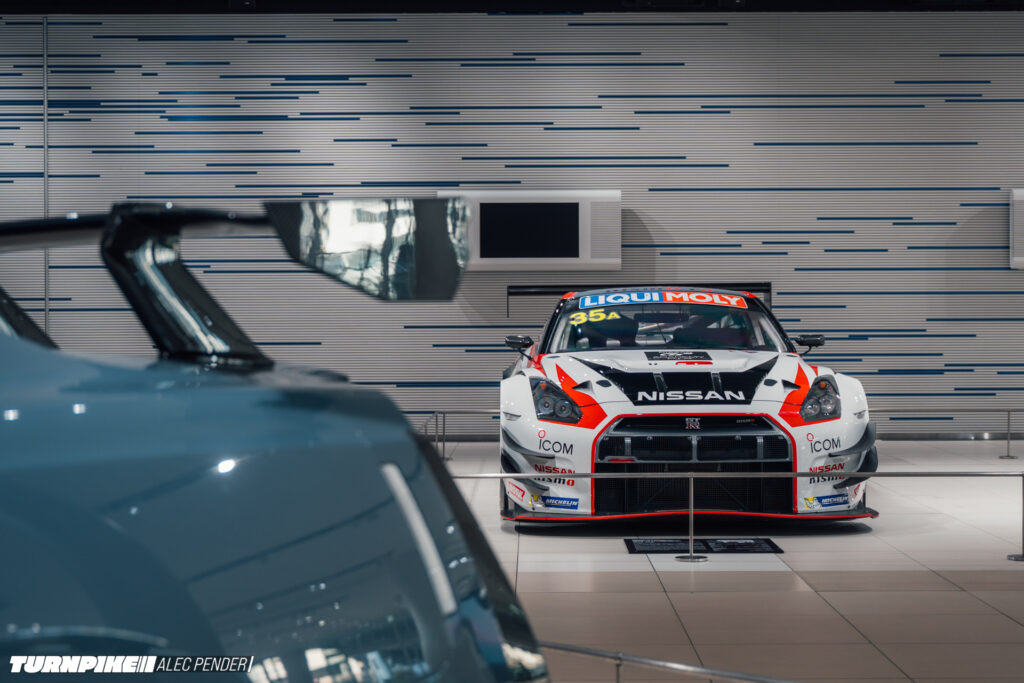
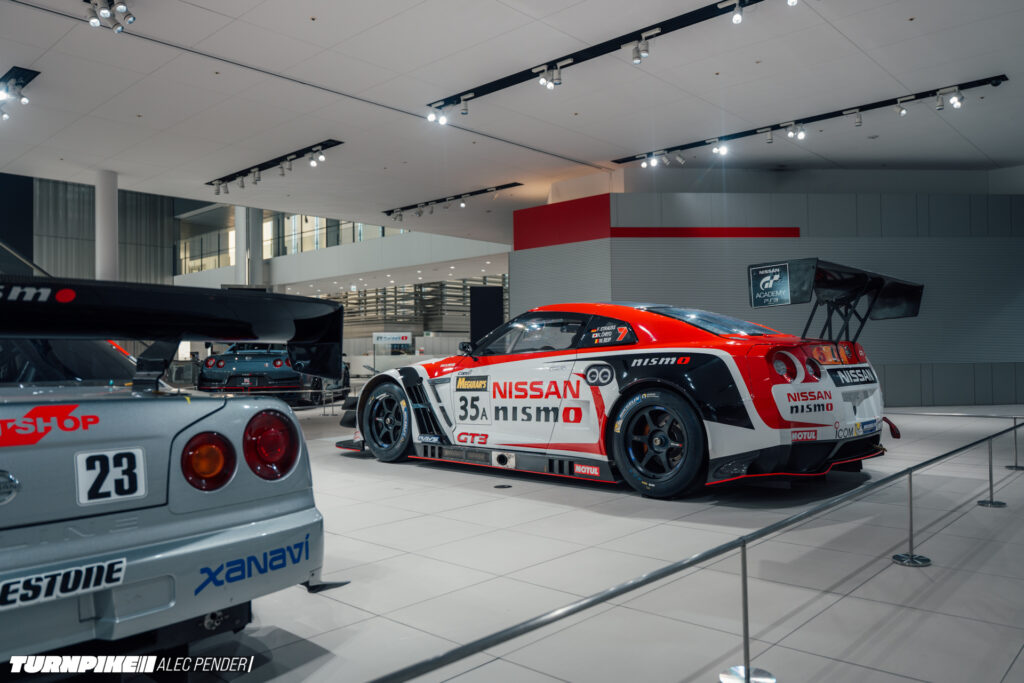
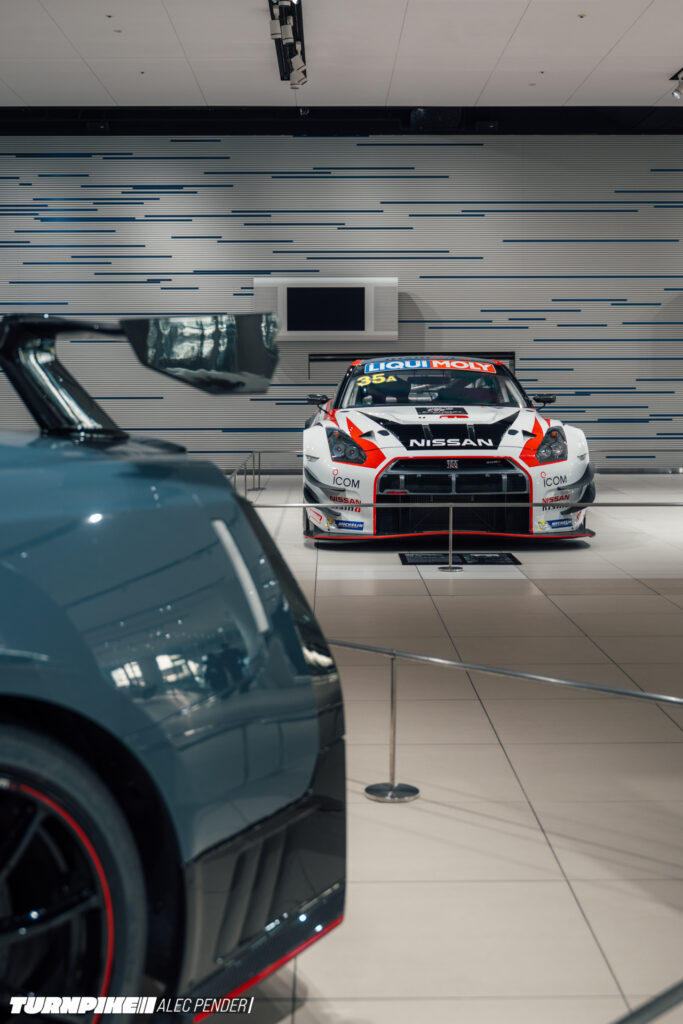
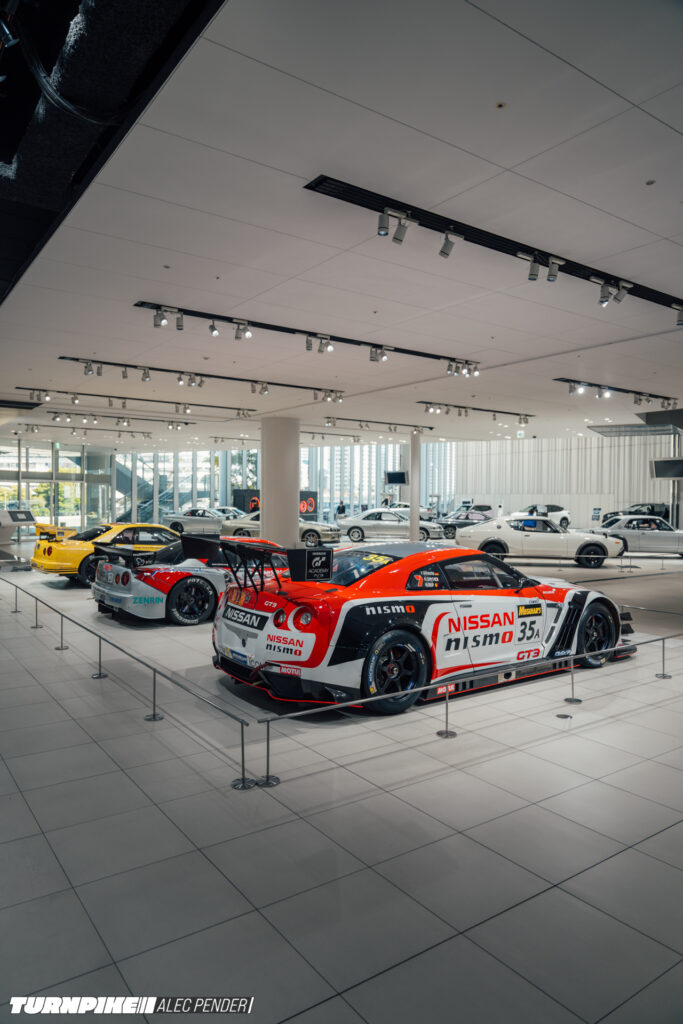
The lower, more squashed front end of the Motul car was hiding the VQ30DETT, the twin-turbo V6 race engine that would power the Z from the 2004 championship onwards. The very last race car at the event was the Bathurst 12h R35 GT3 race car from 2015, which really does bring the GT-R race story up to modern times; the adoption of FIA GT3 regulations allowed the car to be raced in countless series’ around the world.
Is it sad the GT-R is no longer? Sure. But this performance car has not only been cyclical in the way subsequent generations came about, but every time a new one dropped, the evolution has been nothing short of mind-blowing.























Long live the GTR, hopefully the new one will not be electric.
Can we please have the cover picture with all the GTRs in HD? It would make a great desktop wallpaper.
Nissan has had the tumultuous journey what’s undeniable is that they have made the best sports cars and trucks have set historical highs yet have gone into an all time low especially over the past few years
However, with a new CEO who’s passionate and enthusiastic that understands the brand’s legacy and heritage, there’s hope for Nissan as they know what they need to do and they’re in the right direction hopefully they can still keep the Global HQ open to remind others about what they have achieved and what they have accomplished