

Kyoto isn’t the first place you’d expect to see a car like this. It’s a city built around tradition, temples and quiet order.
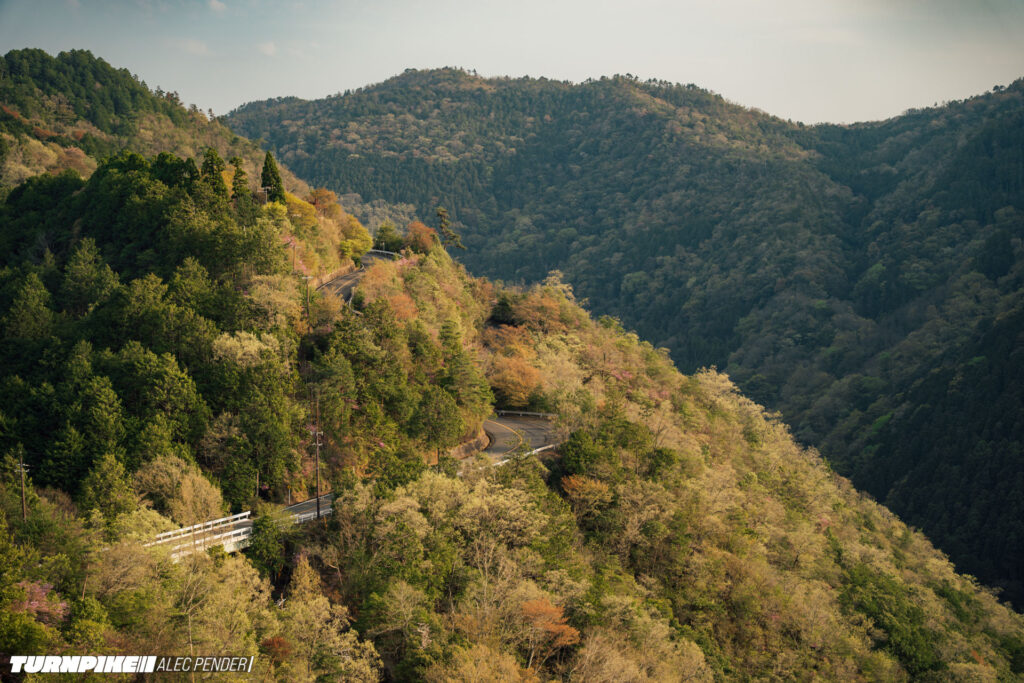
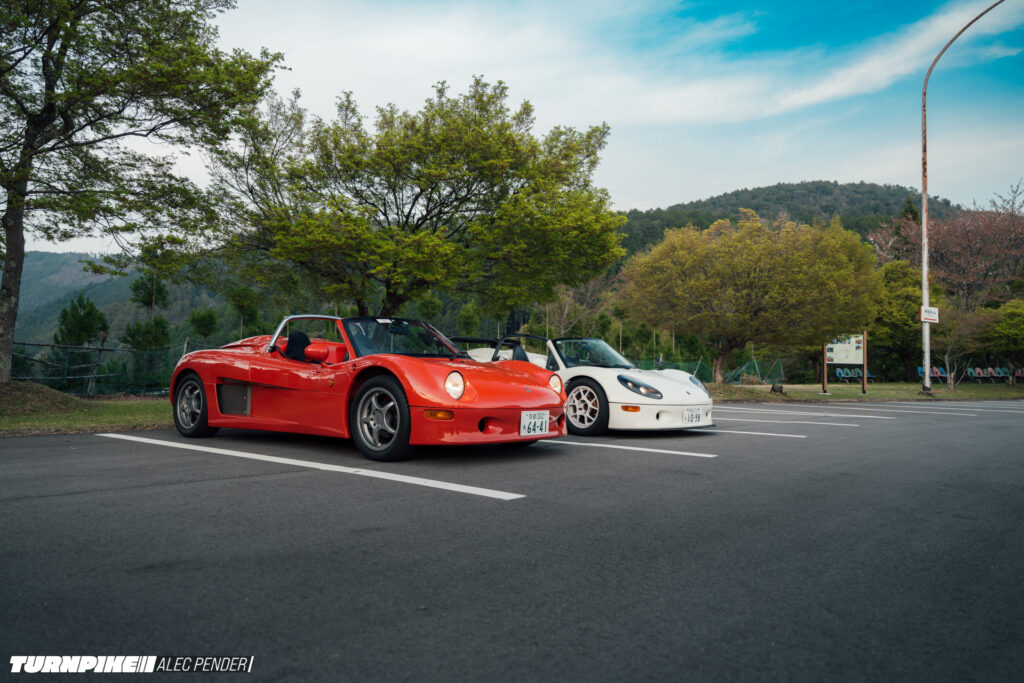
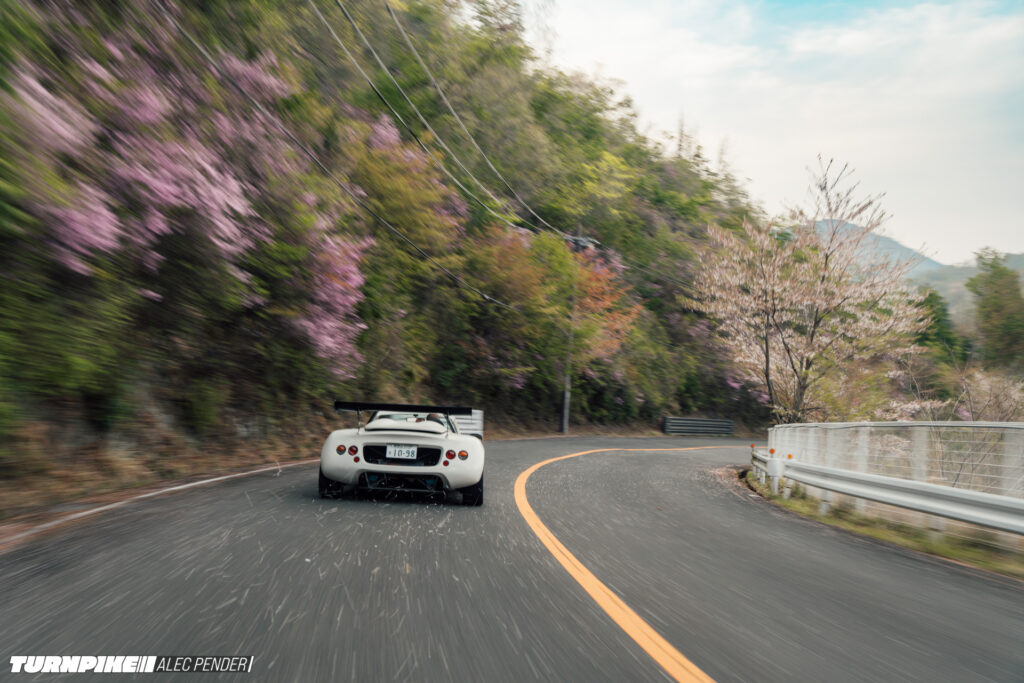
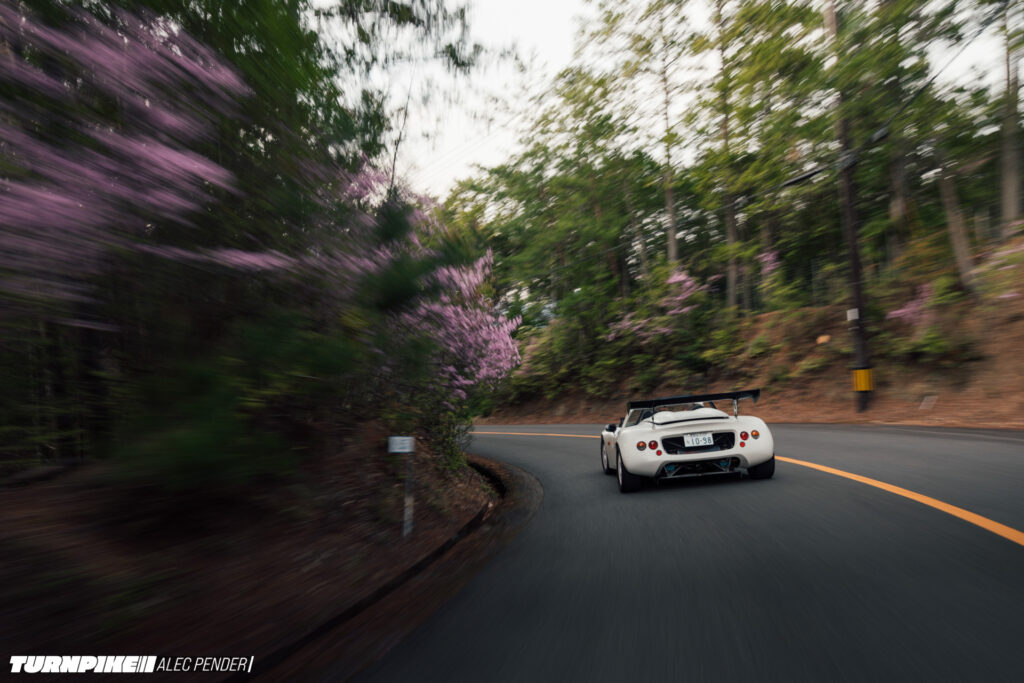
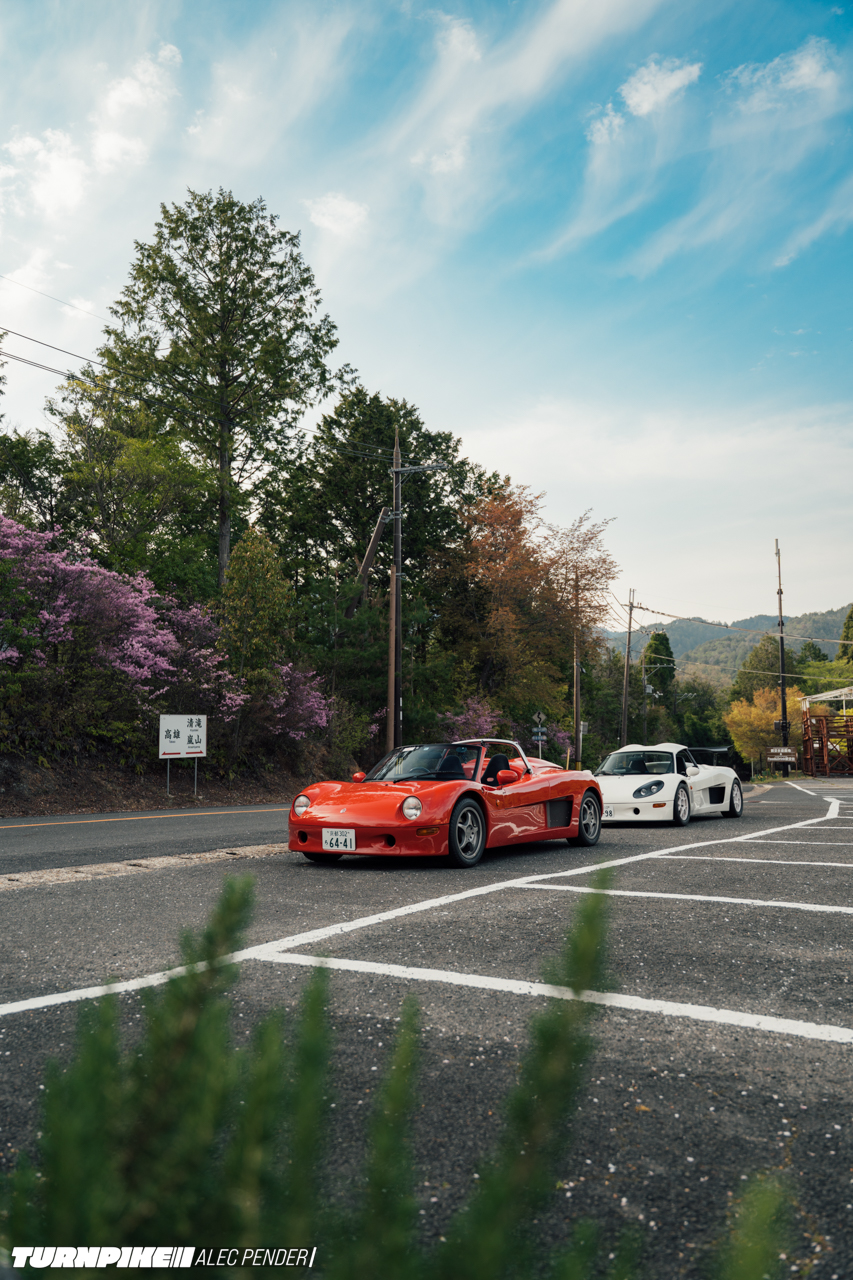
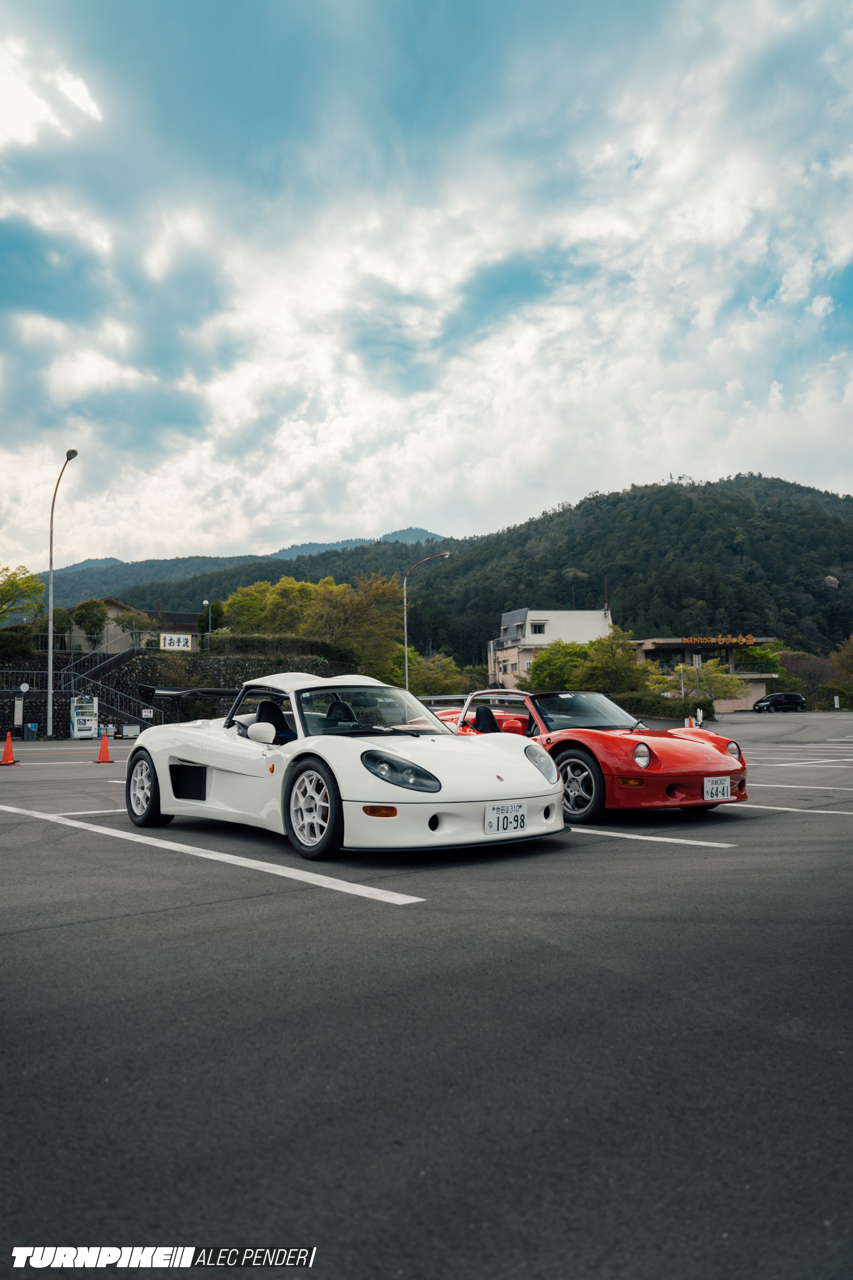
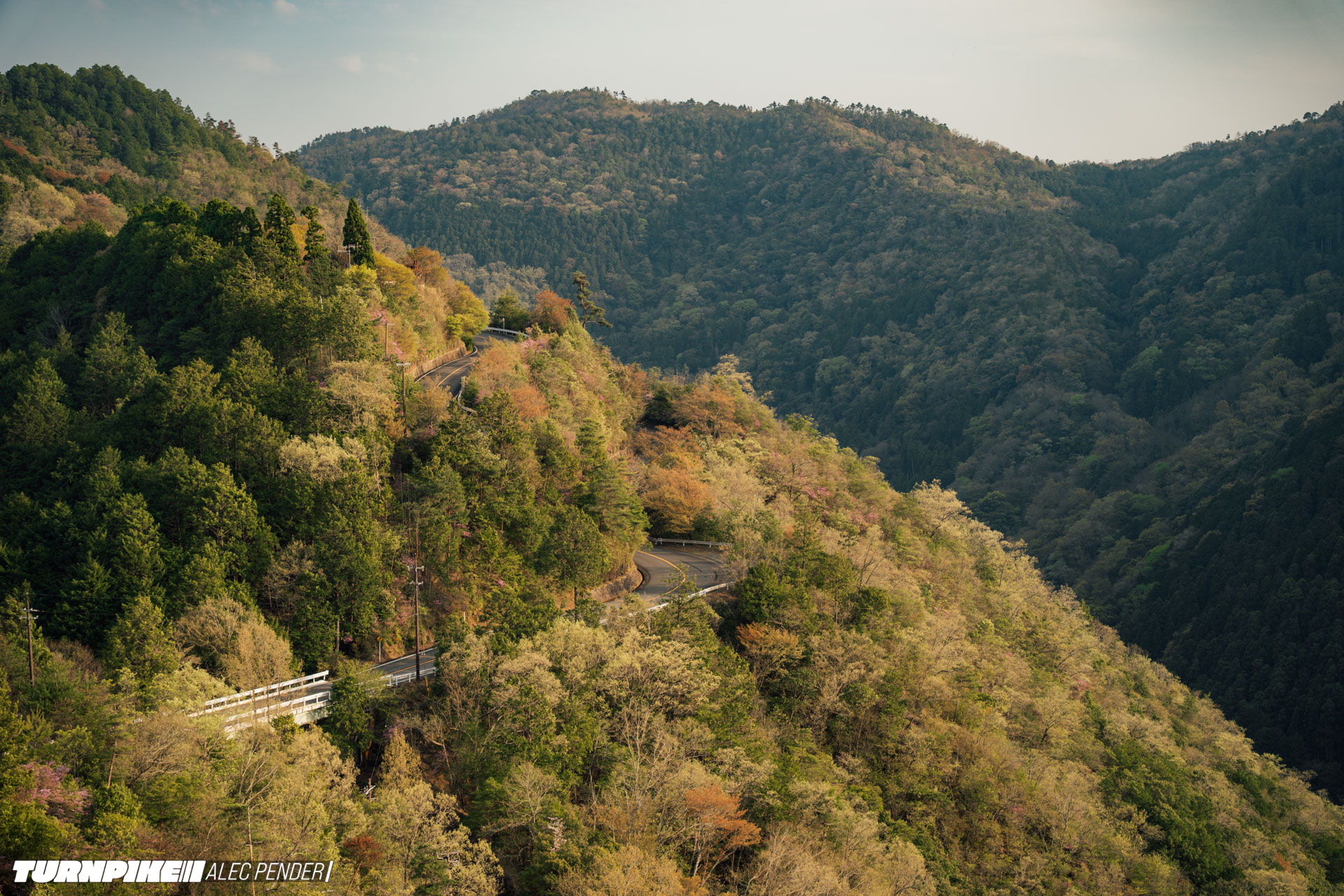
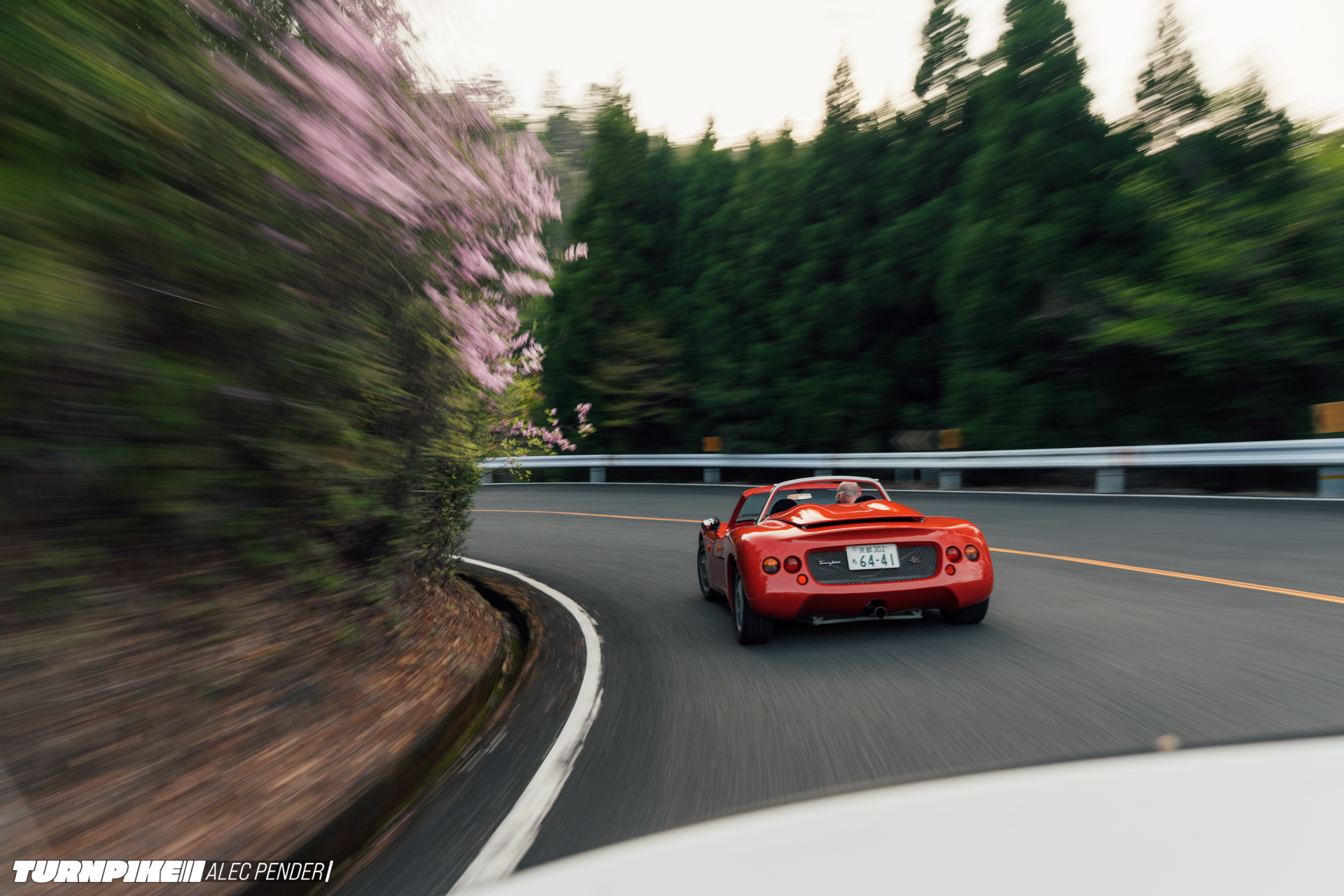
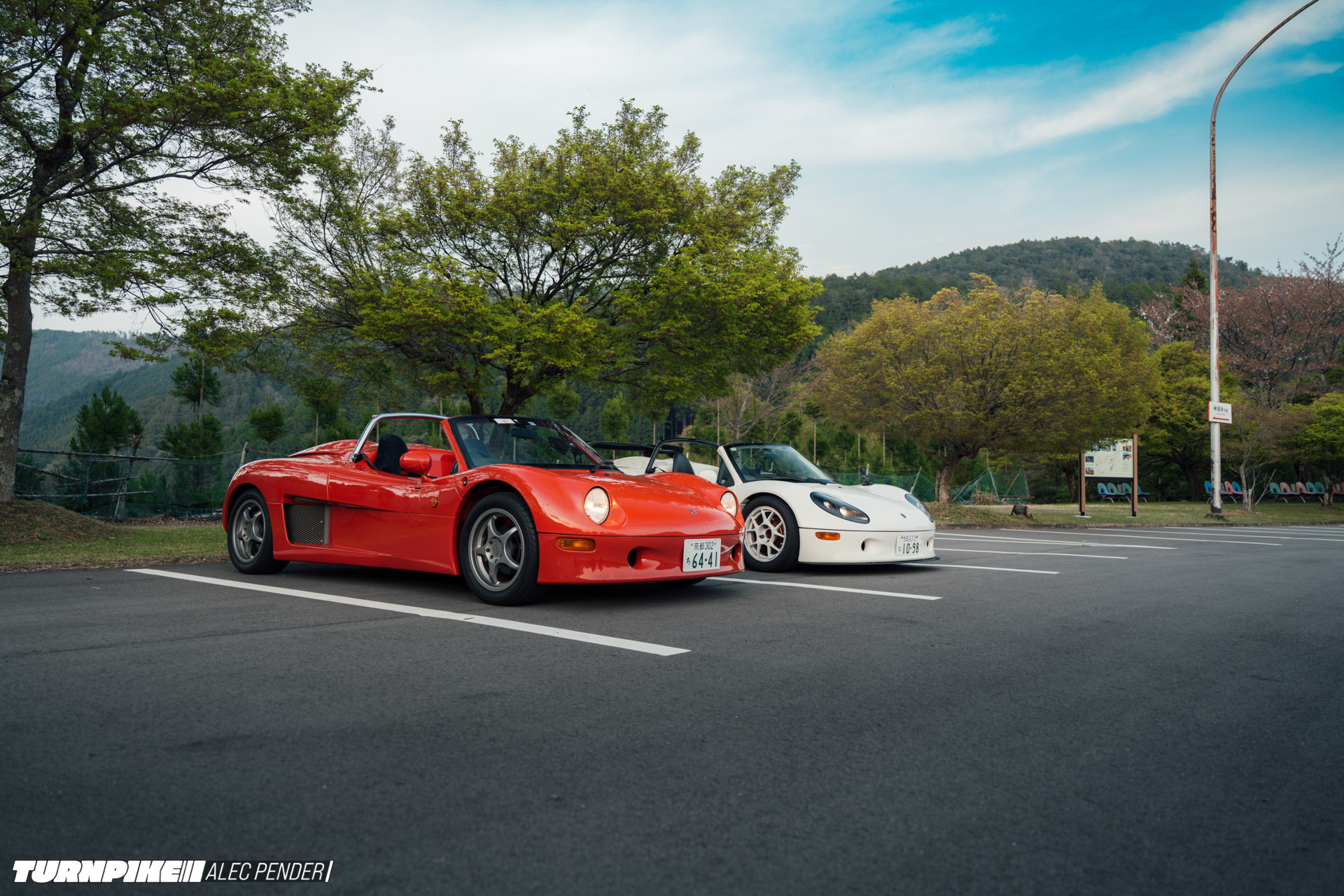
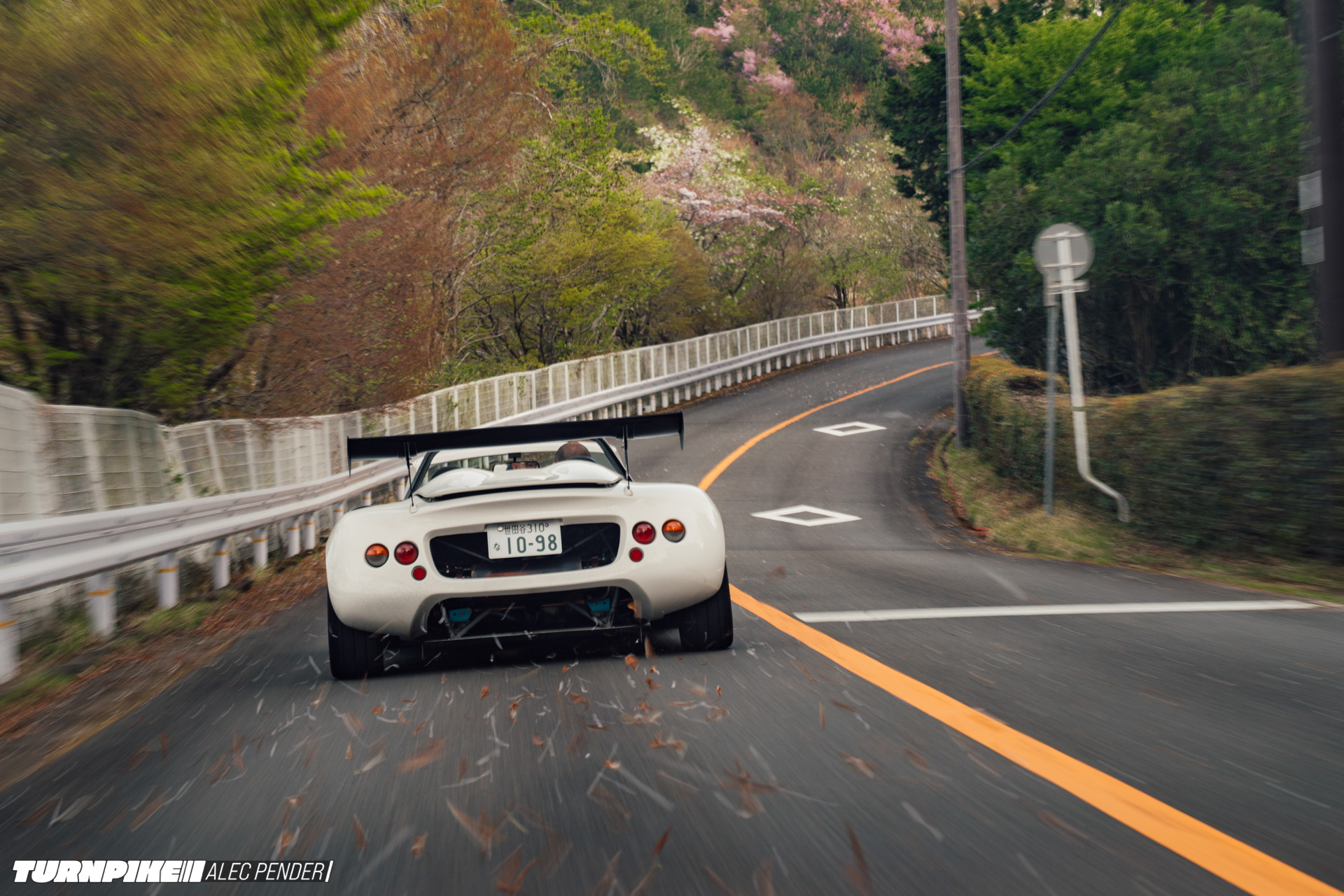
Ten minutes west, however, you’ll find Arashiyama-Takao Parkway. It’s one of the country’s most incredible roads, and the test course for some of Japan’s most legendary tuners. Today, however, it’s where I got to experience Tommykaira’s little creation: the ZZ.
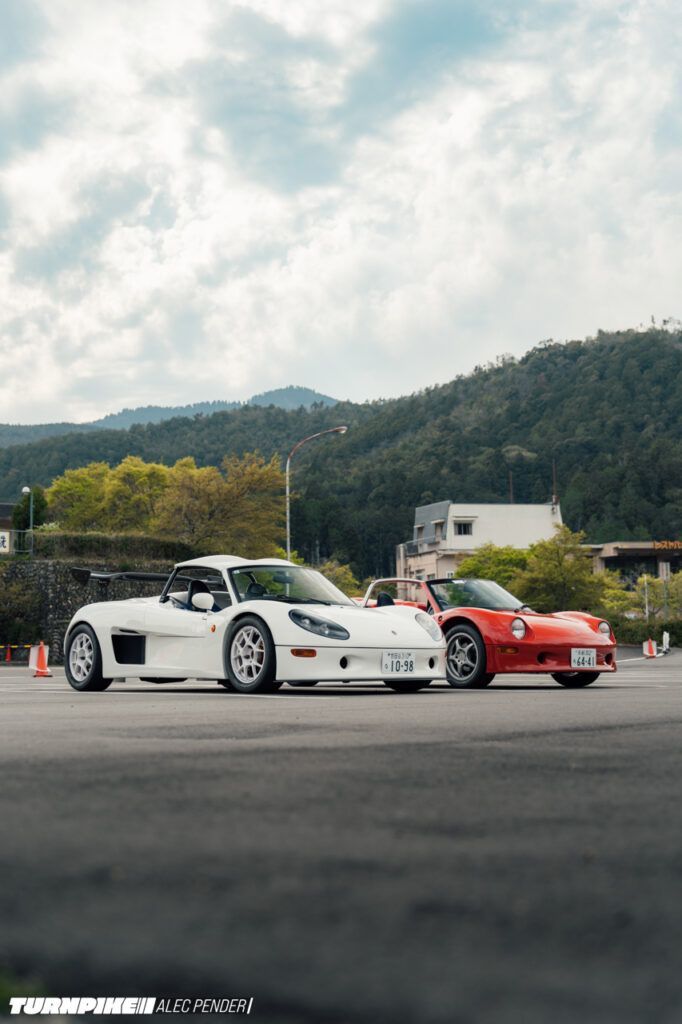


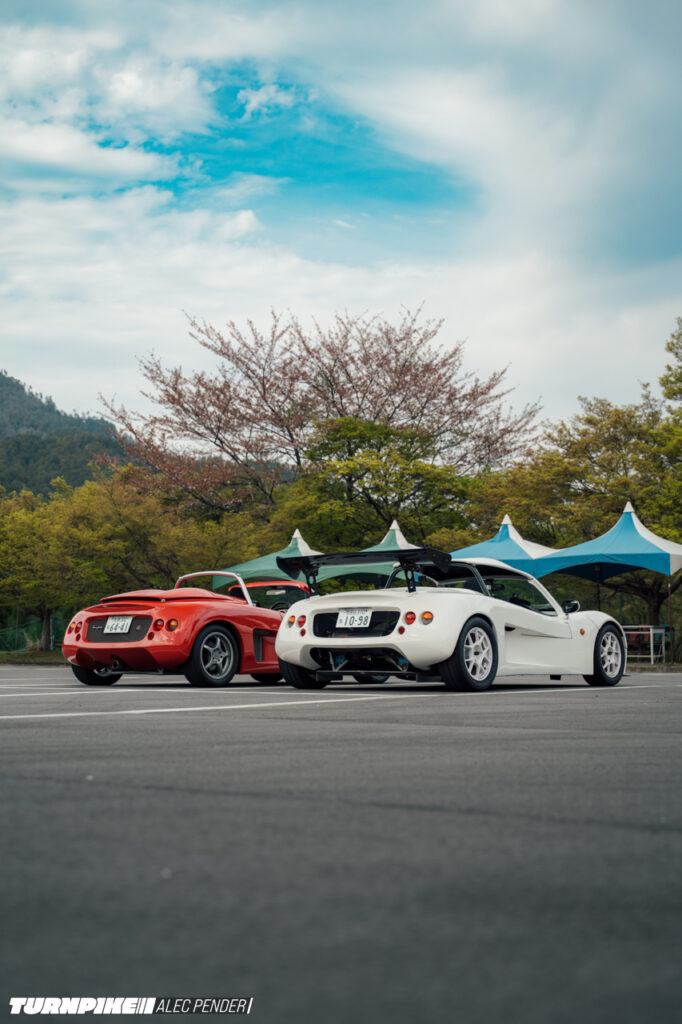

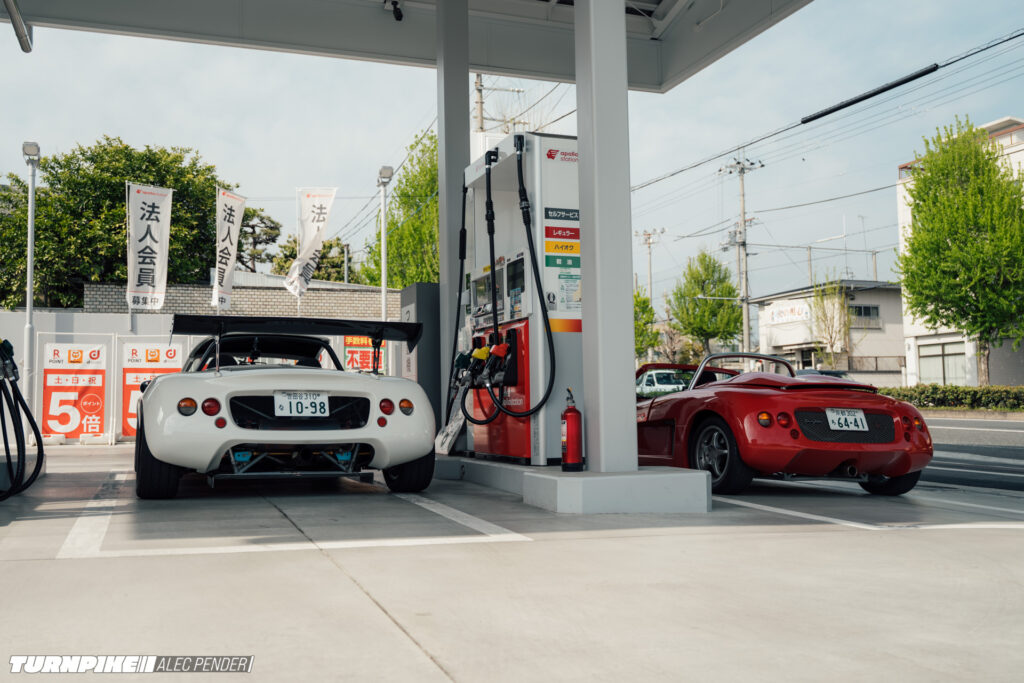

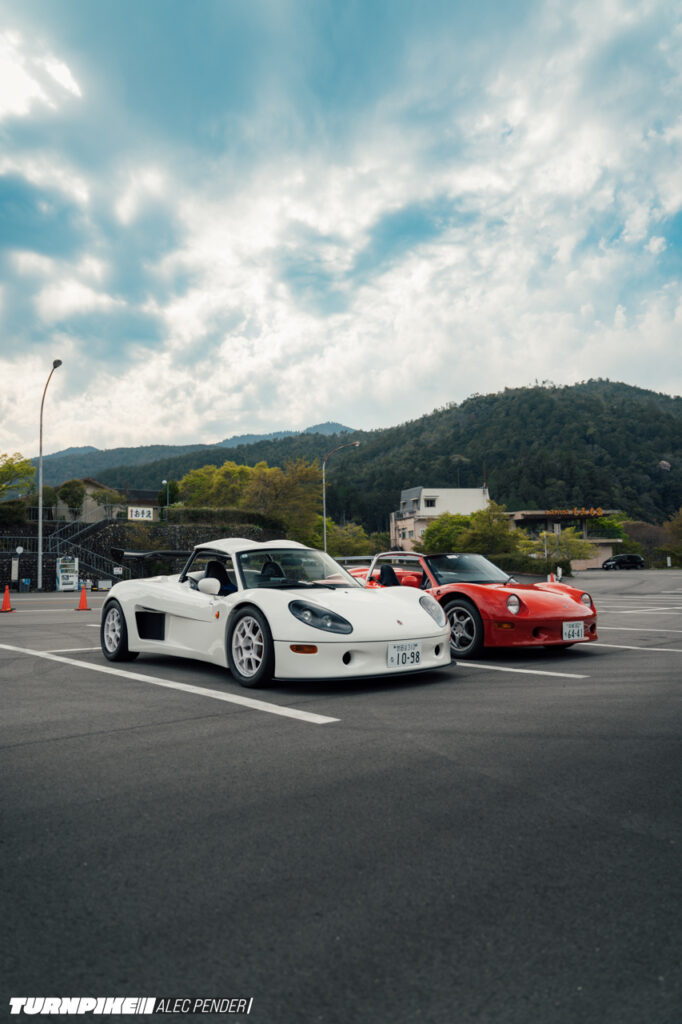


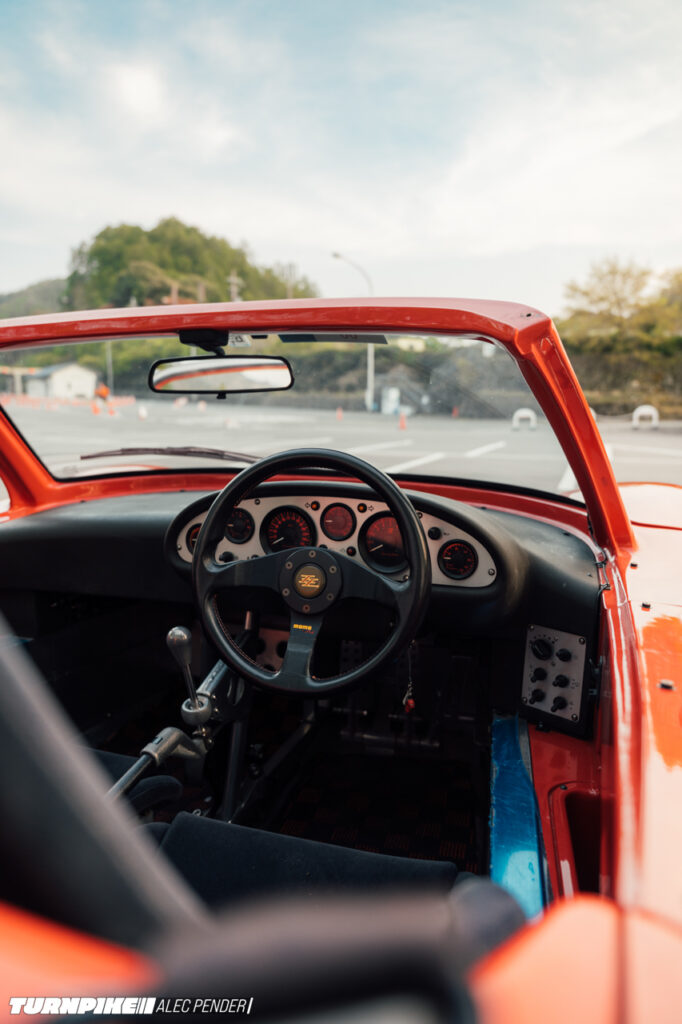
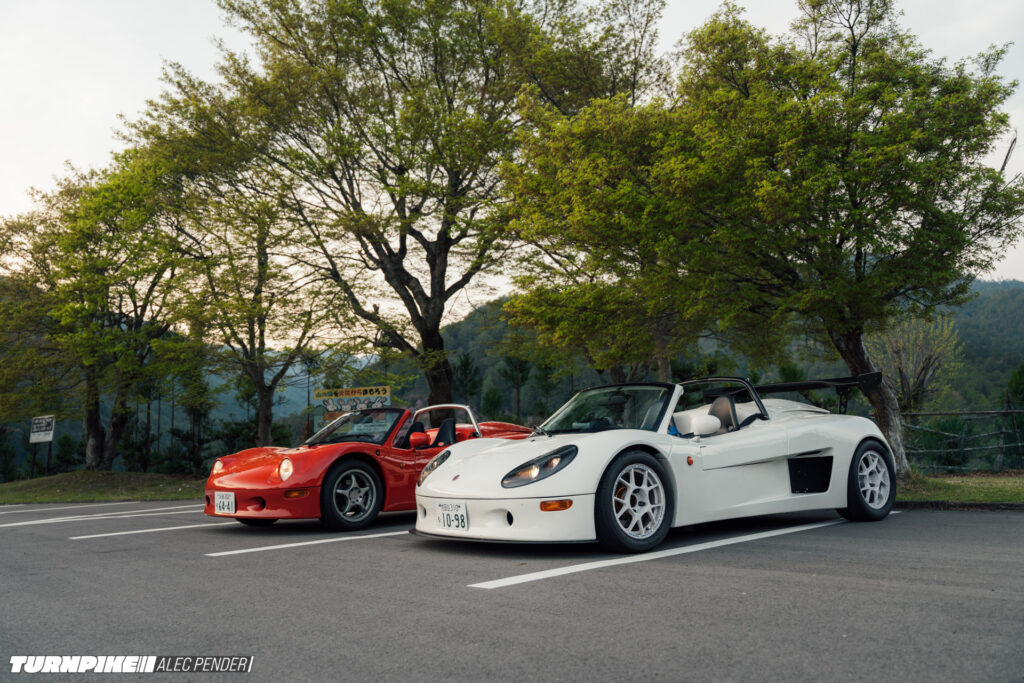
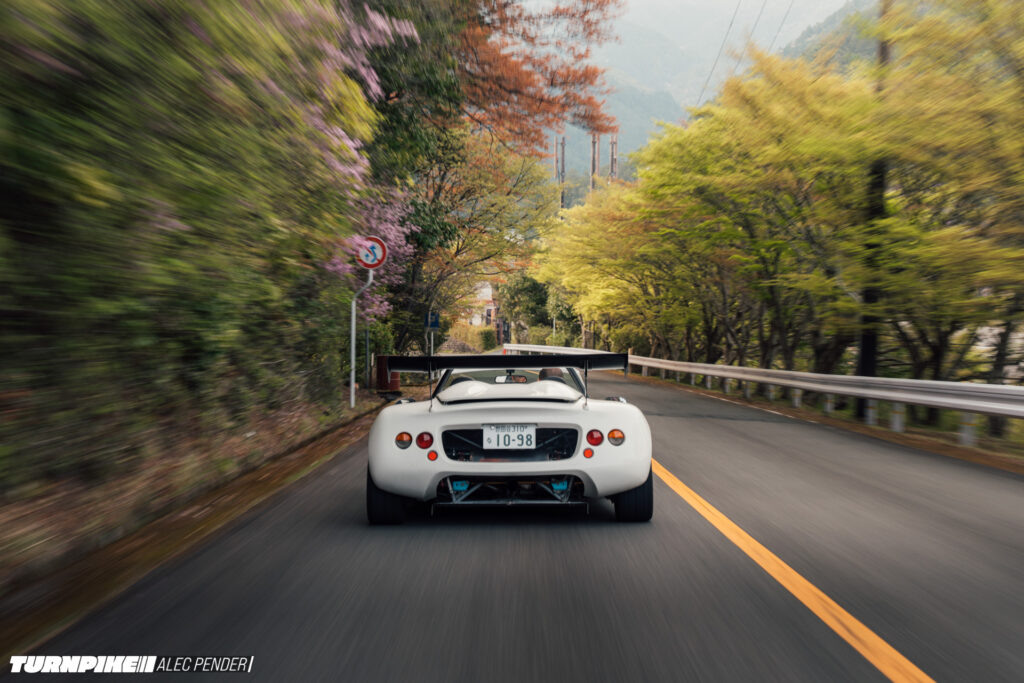
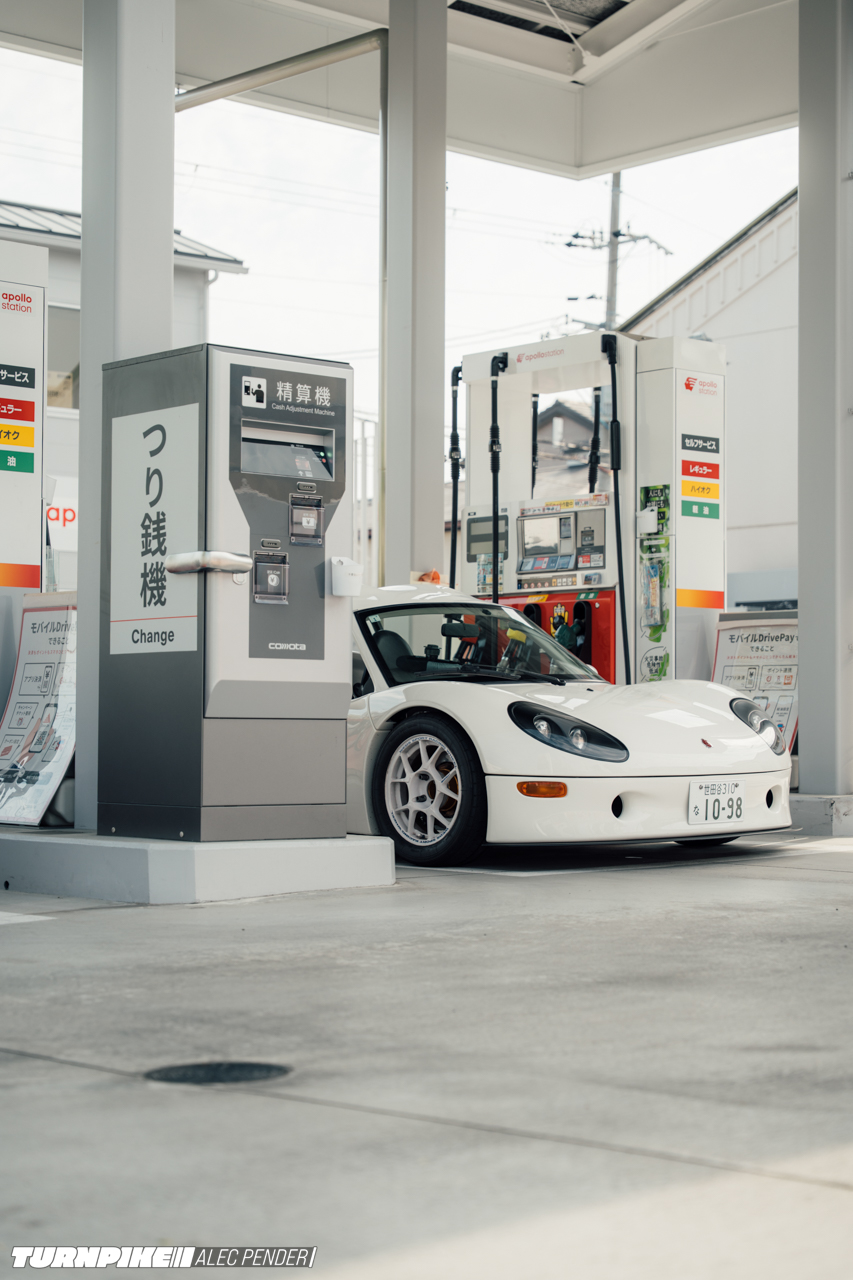
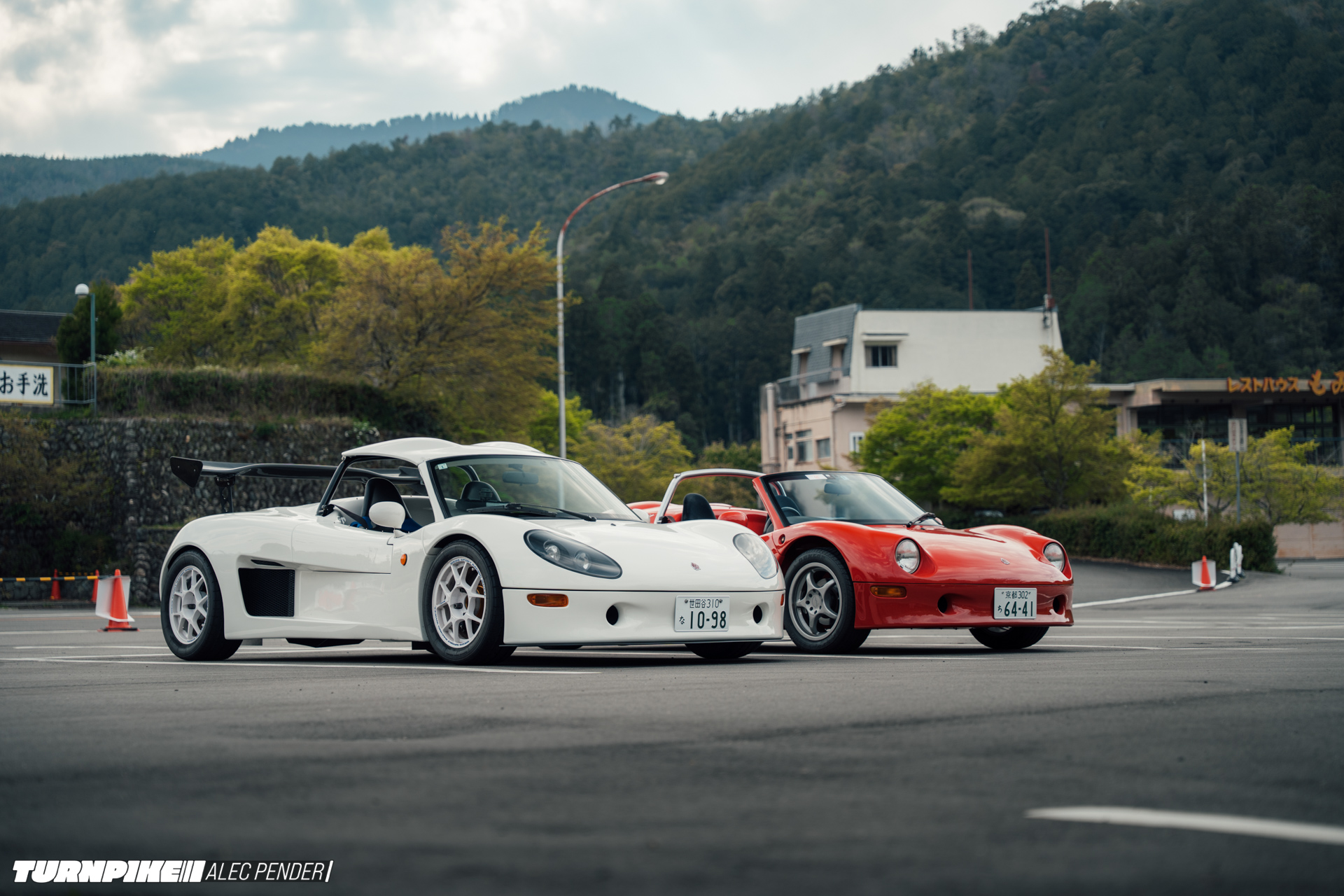
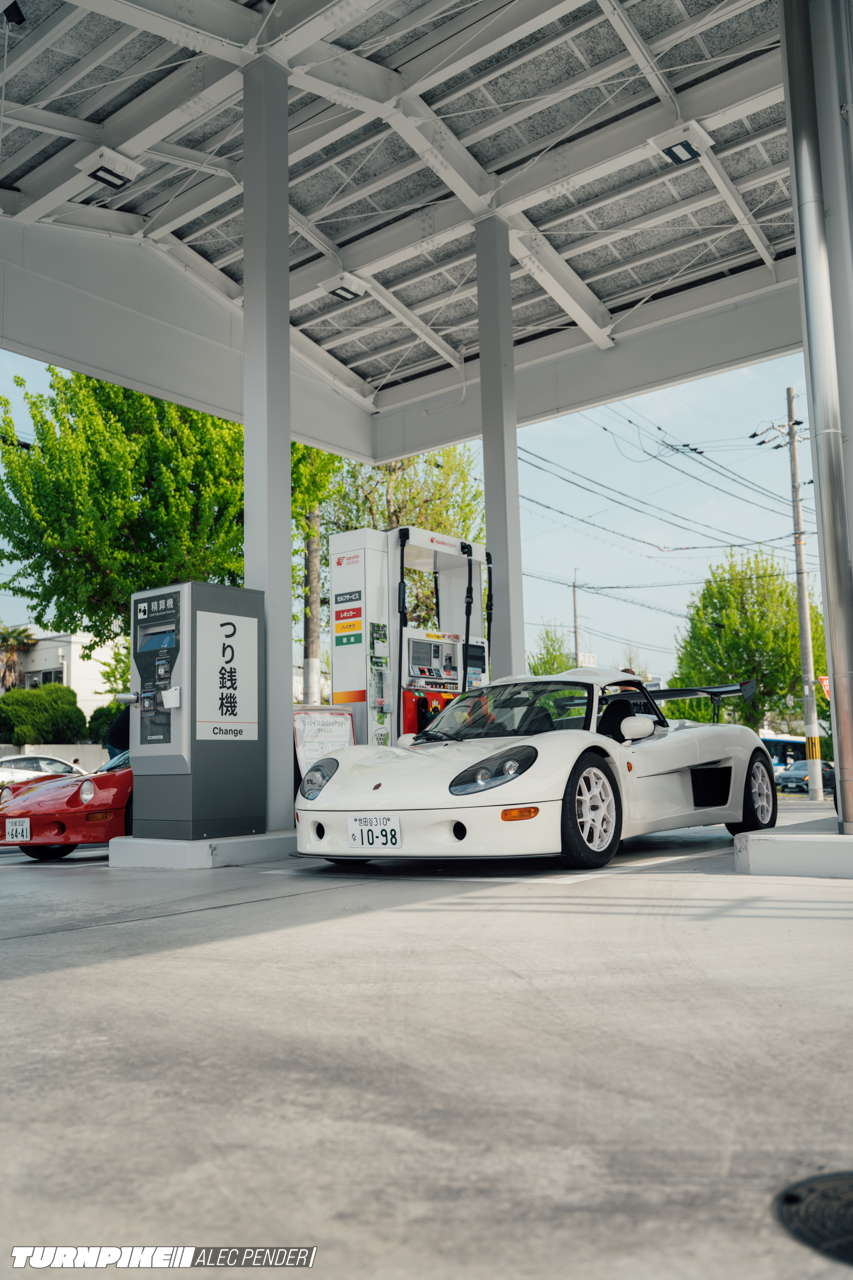
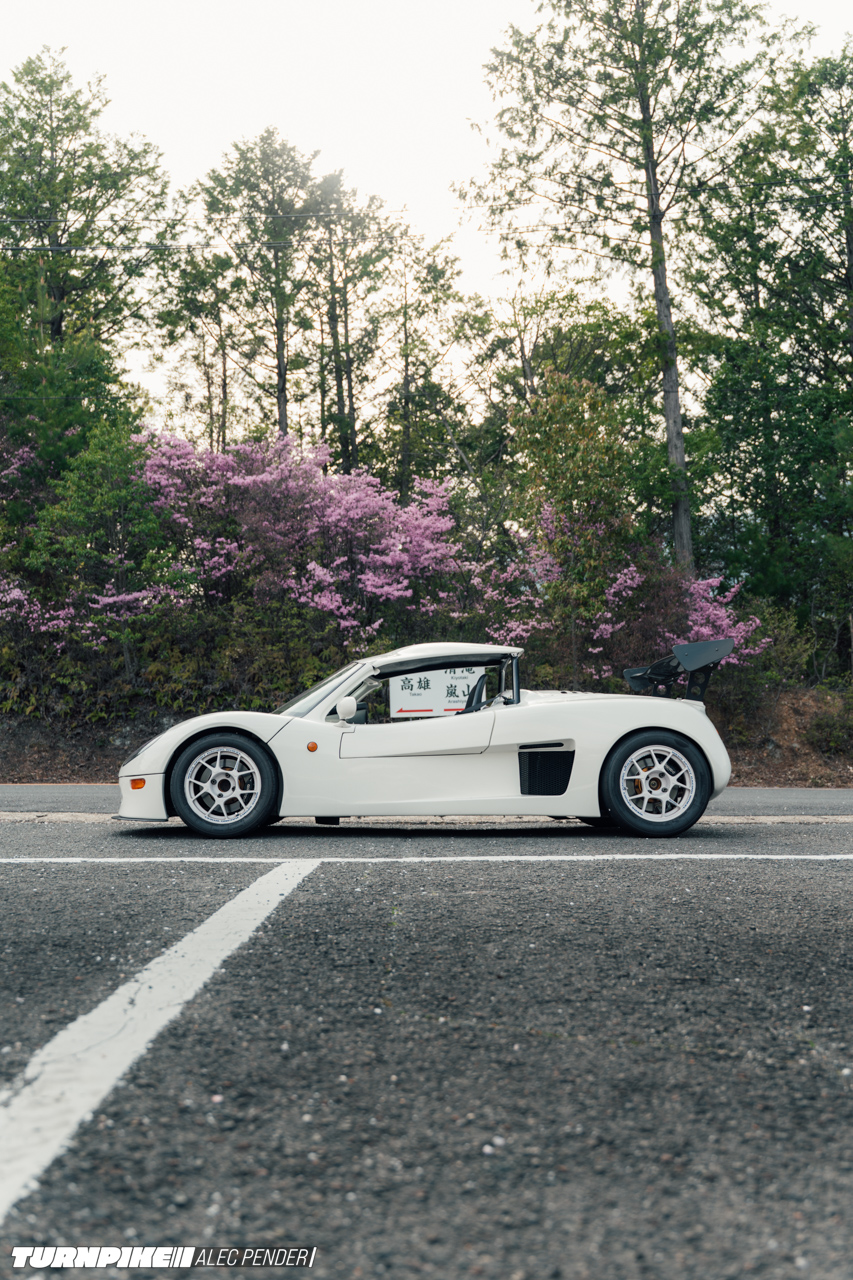
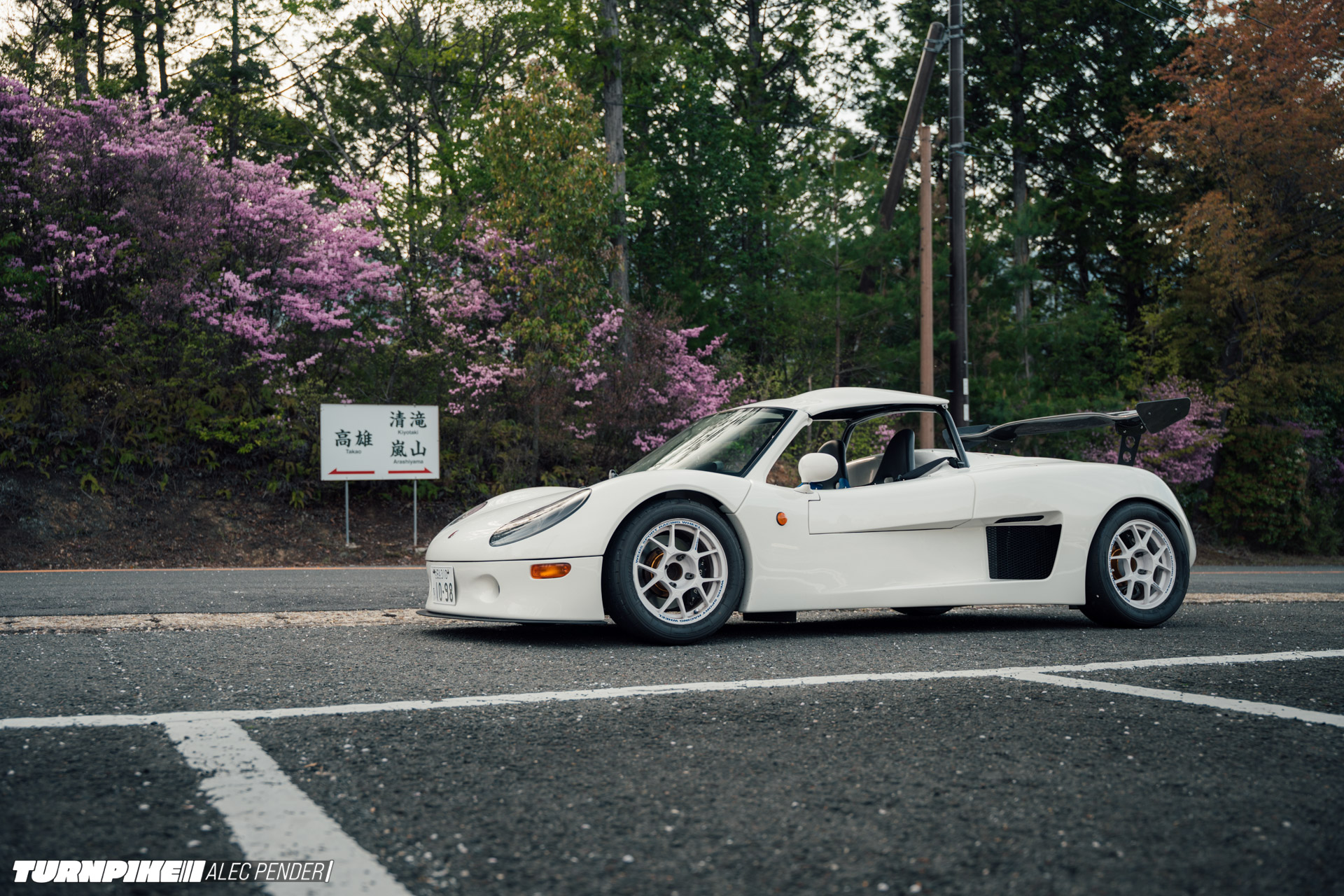
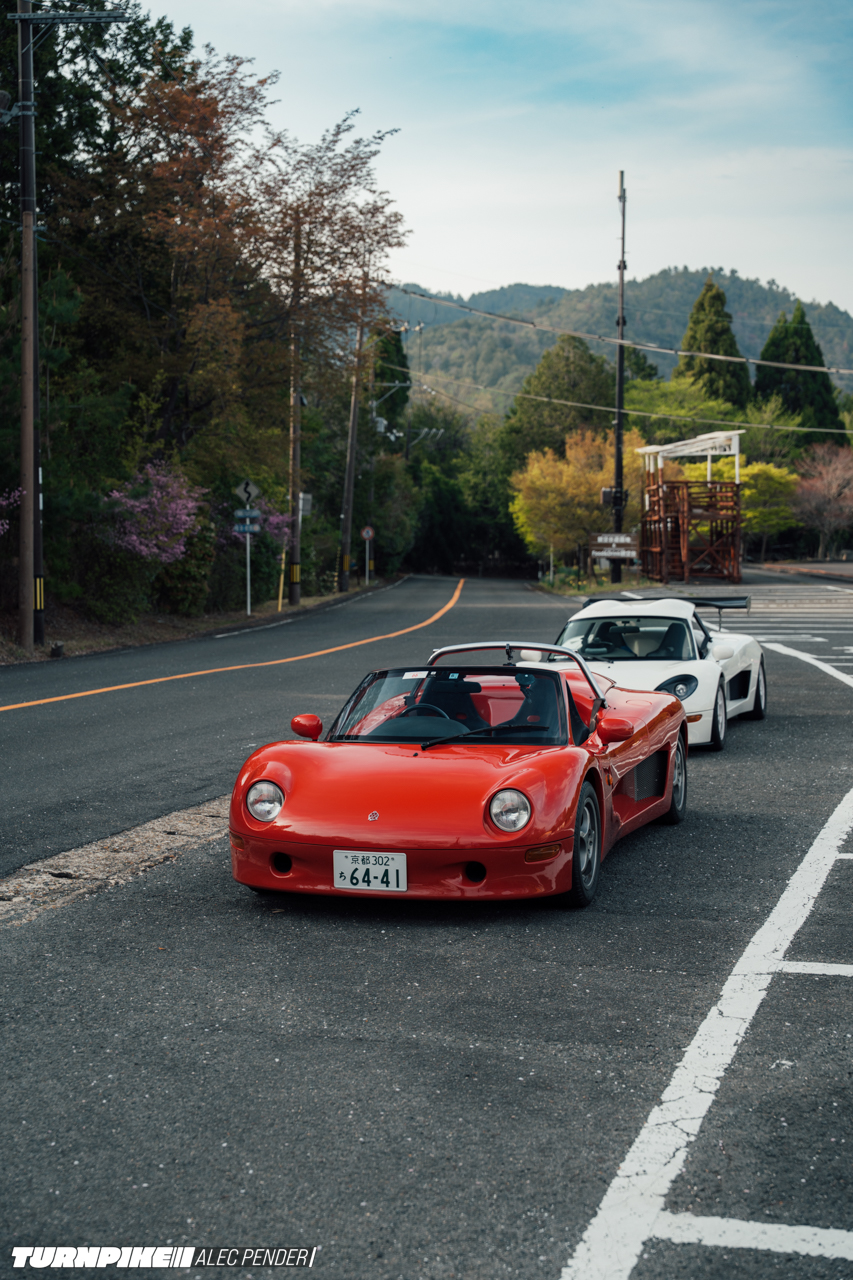
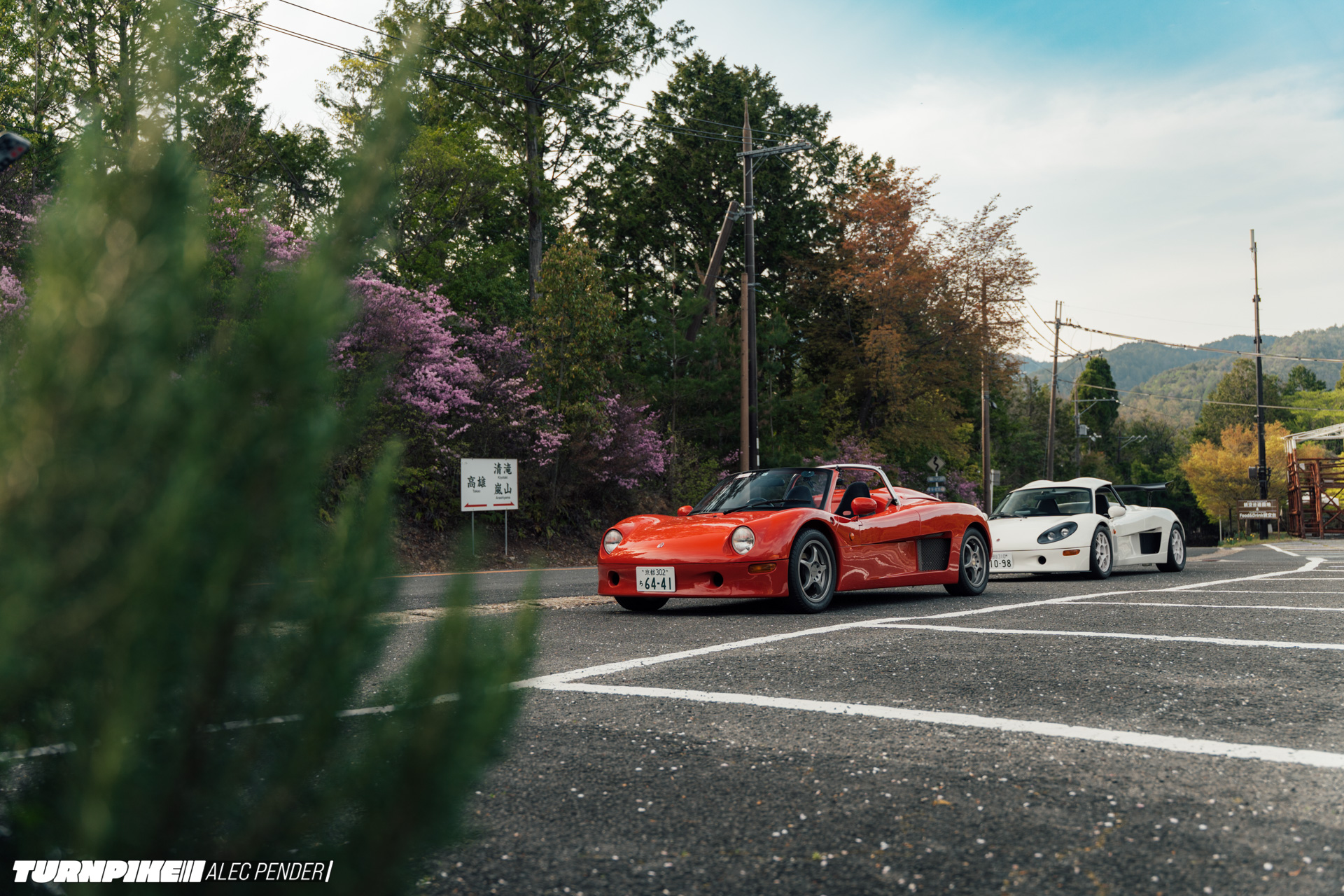
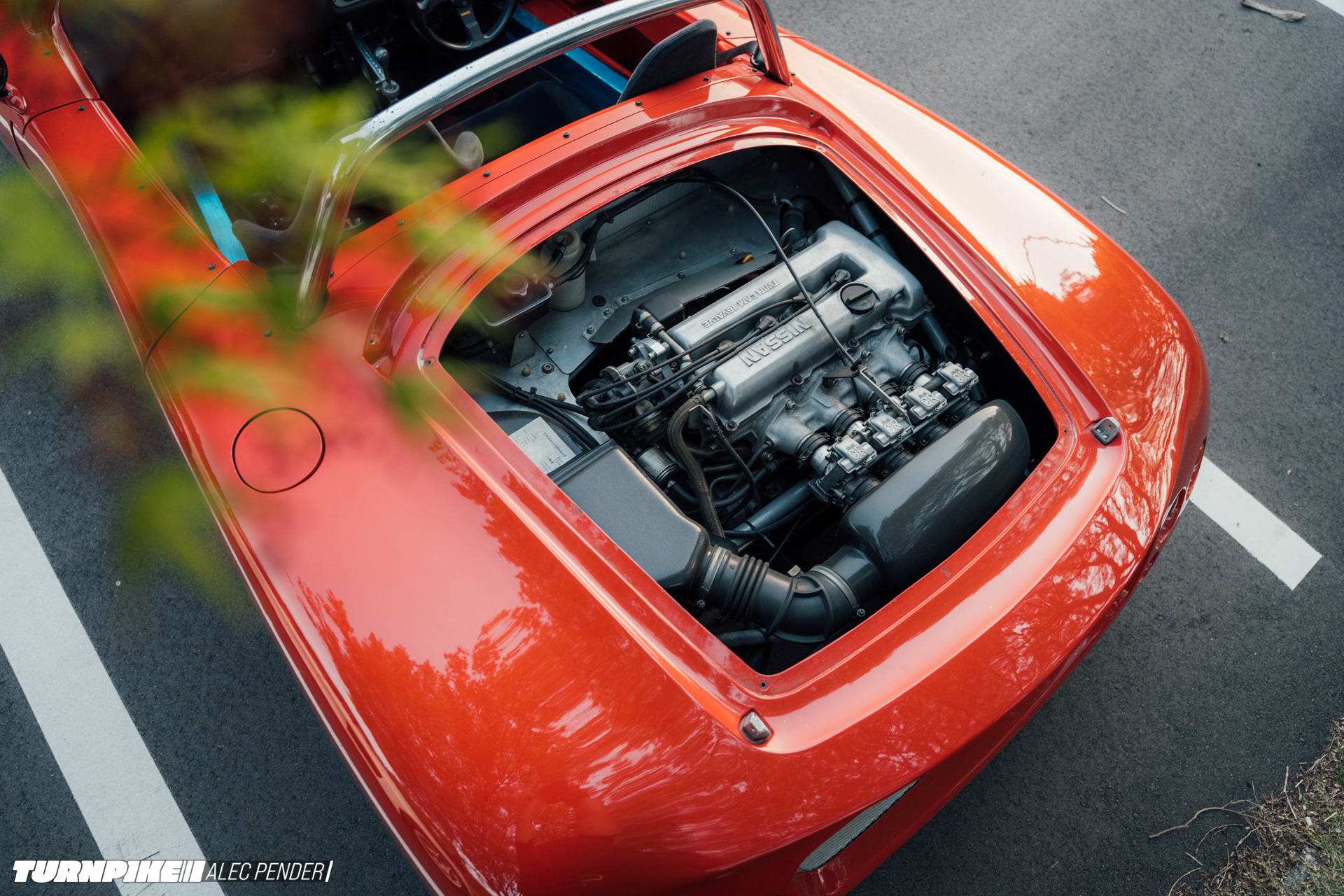
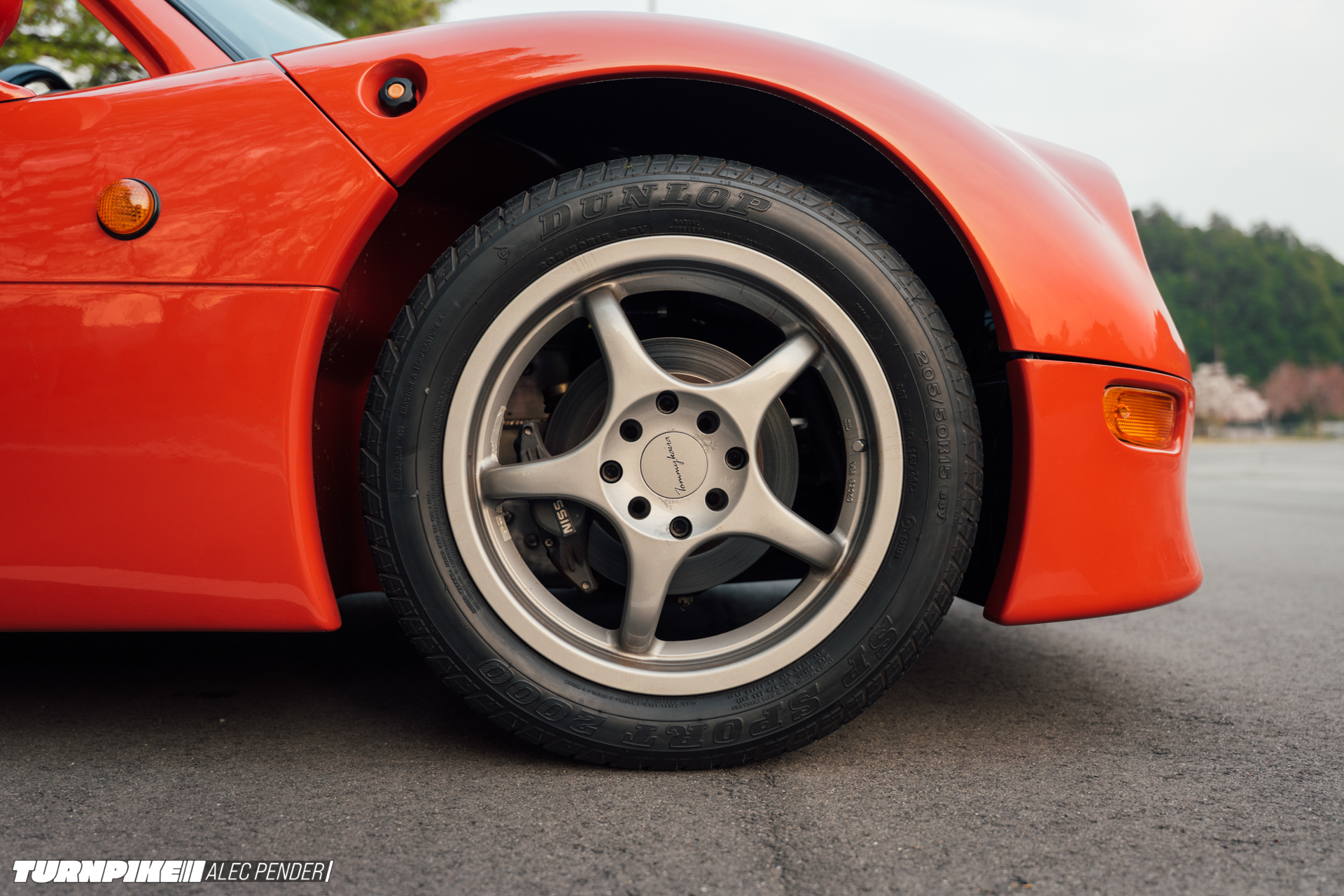
The ZZ is an exercise in restraint; little more than an aluminium chassis, FRP body, and a naturally aspirated Nissan SR20 engine,mounted transversely in the back. It weighs around 690kg dry, it’s carbureted, and it’s mechanical in every sense. The throttle is cable operated, the steering unassisted, the brakes firm. It’s a car built for response, not for convenience.
For those unfamiliar with the name, Tommykaira began in the early 1980s, tuning Nissan Skylines, Marches, and Subaru Legacies with the same philosophy that would later define the ZZ: lightweight, responsive and mechanical. They were the first Japanese tuner to sell complete cars under their own name, and by the mid 1990s, they wanted something of their own, a clean-sheet sports car built around their ethos.





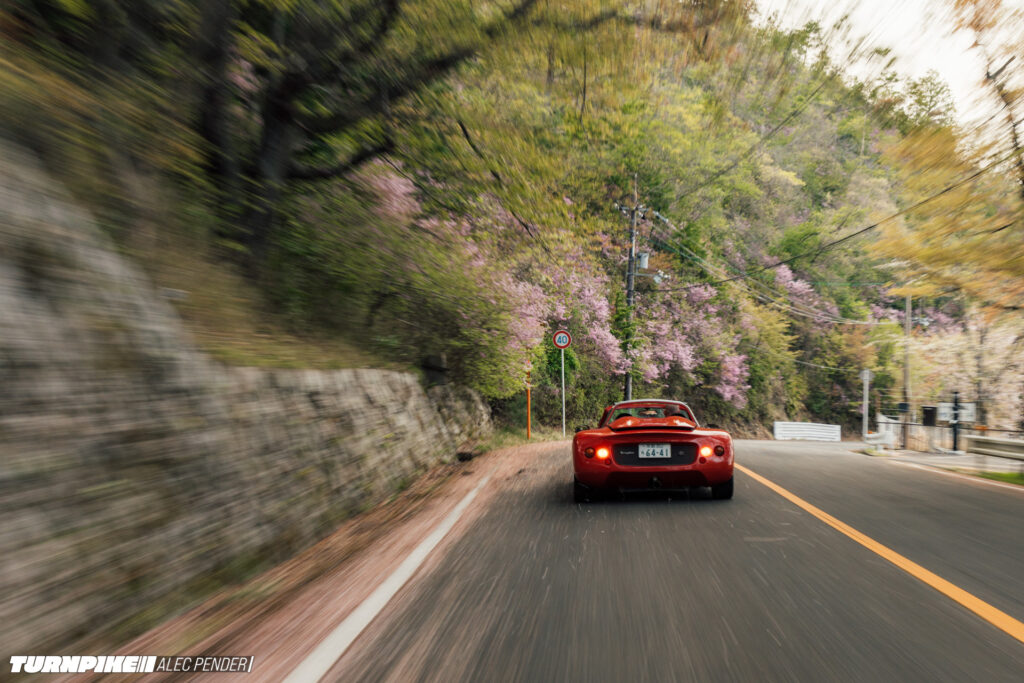
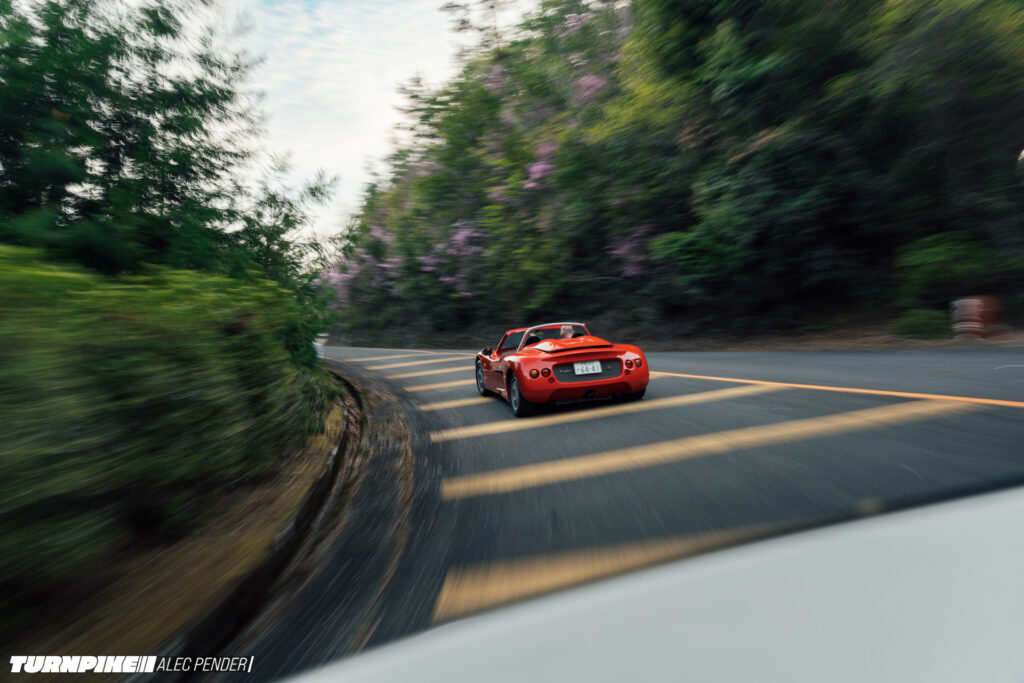
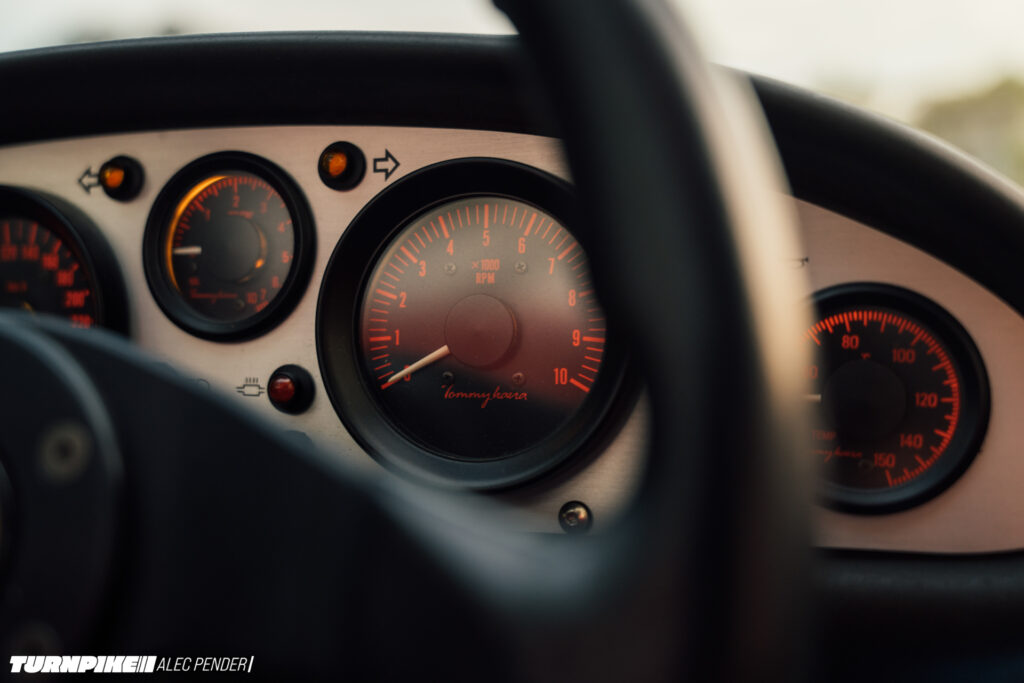
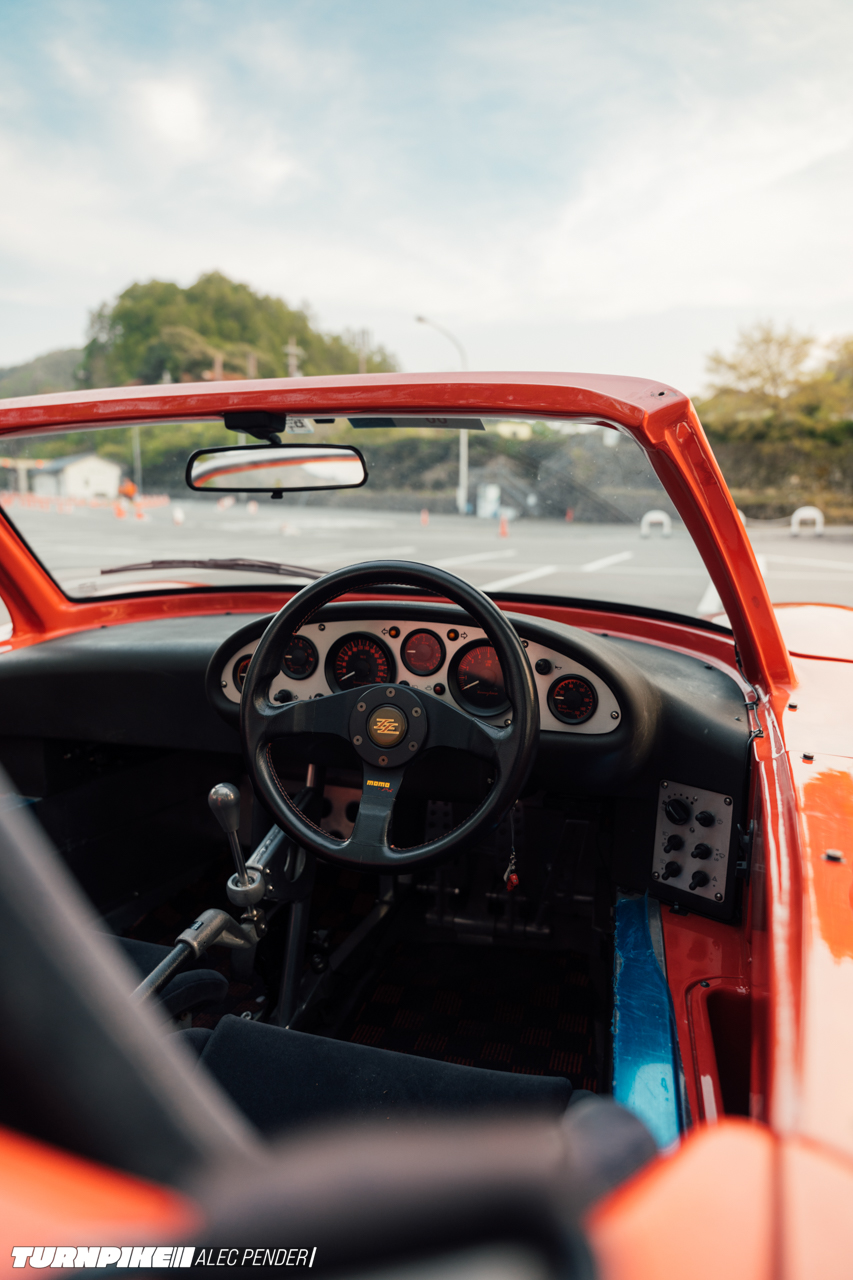
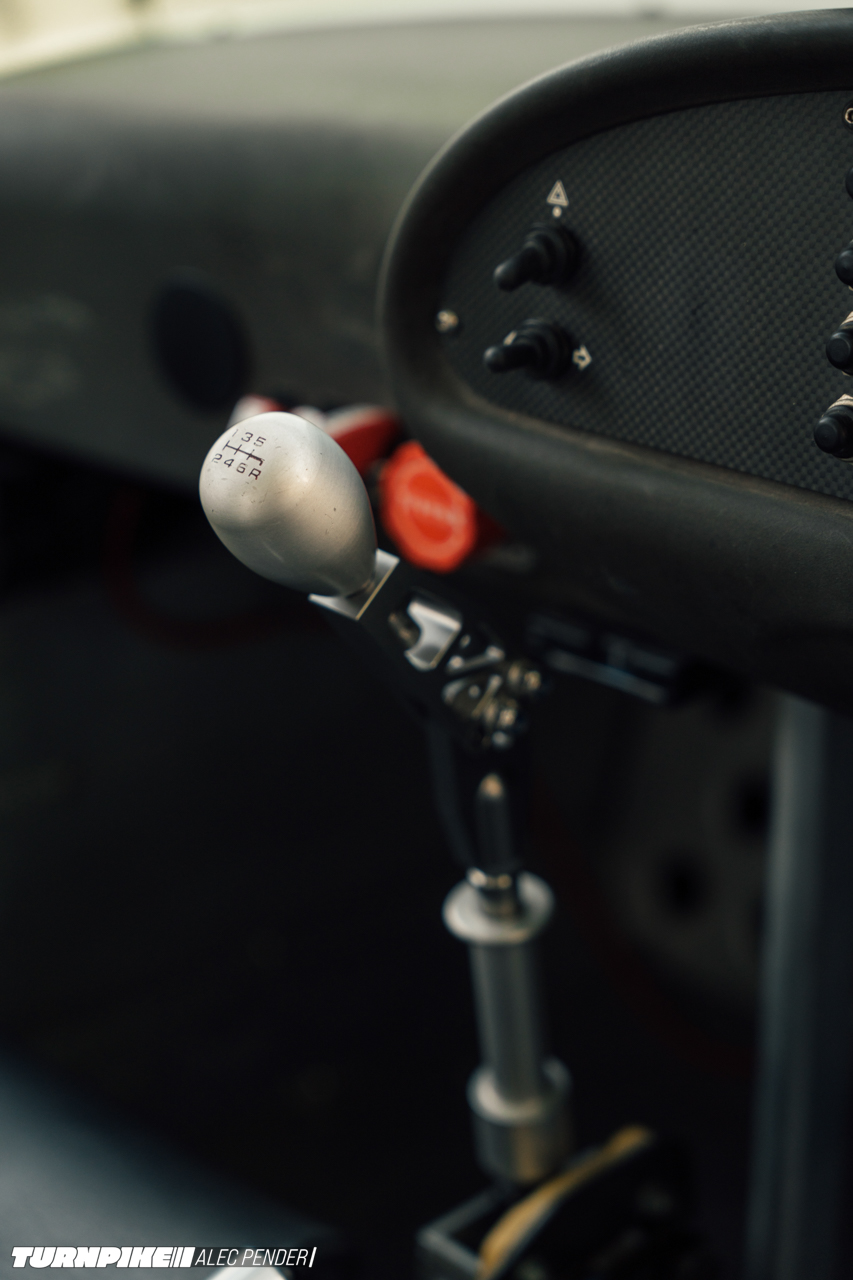
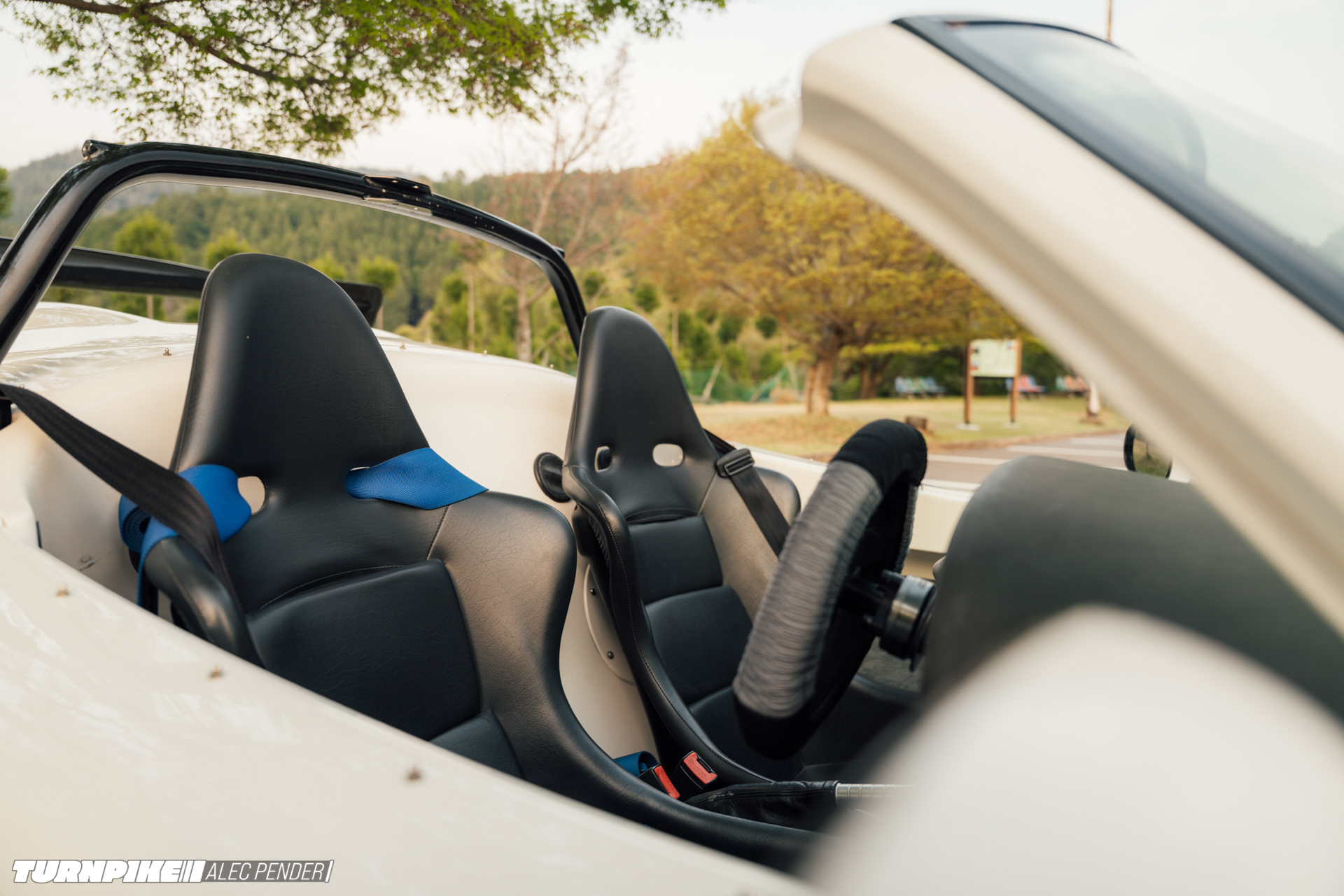
The first few kilometres in the ZZ set the tone. You sit low, almost at axle height, the pedals offset and with a gearbox that shifts feel like flicking switches. There’s no insulation, so no filter between you and the motor. We often liken cars to handle like go-karts, from now I think I’ll liken go-karts to handle like ZZ’s.
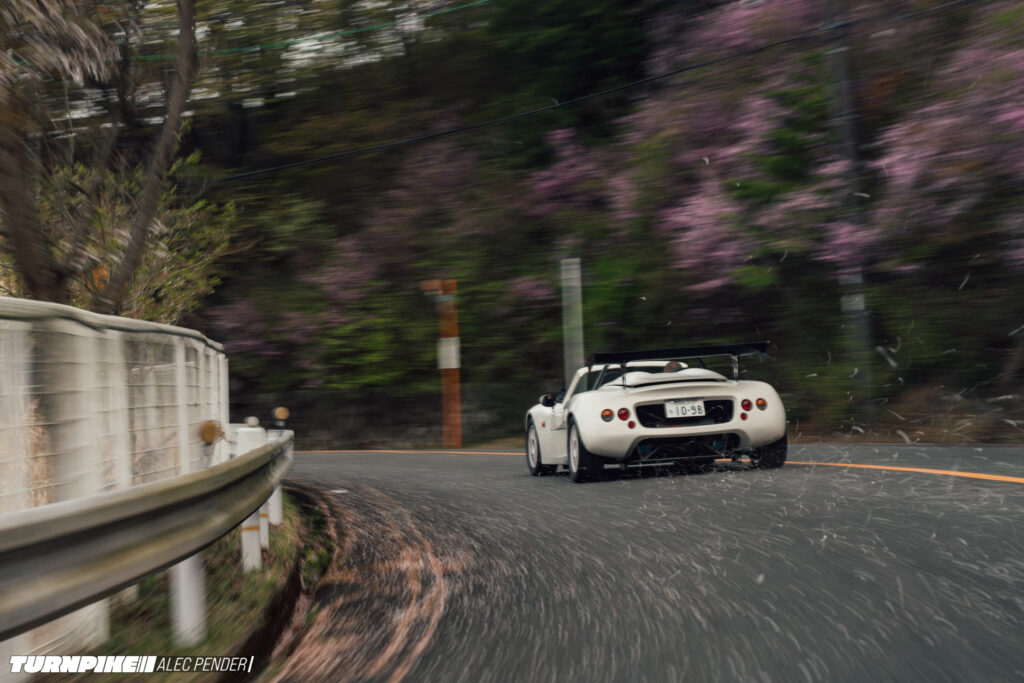
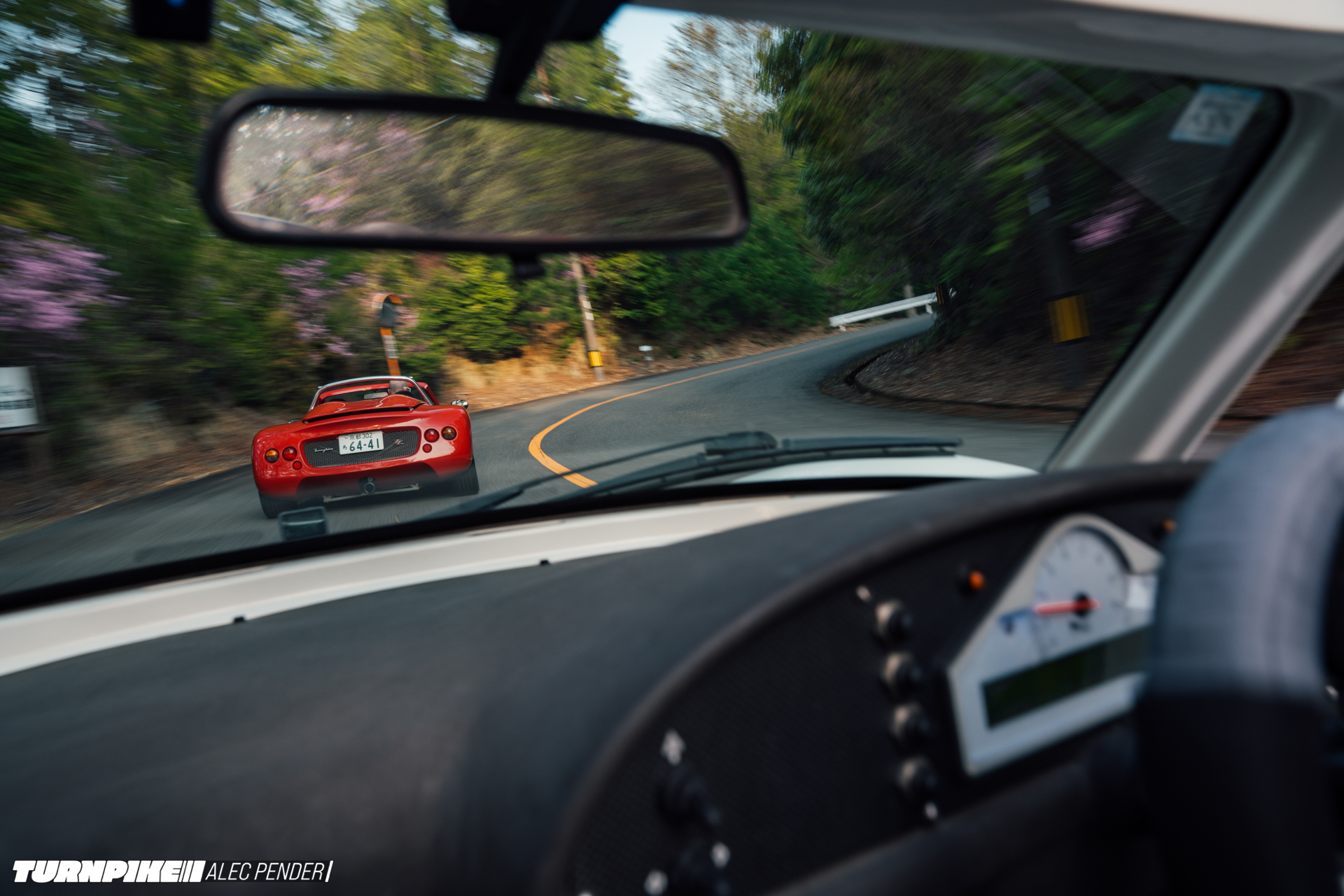
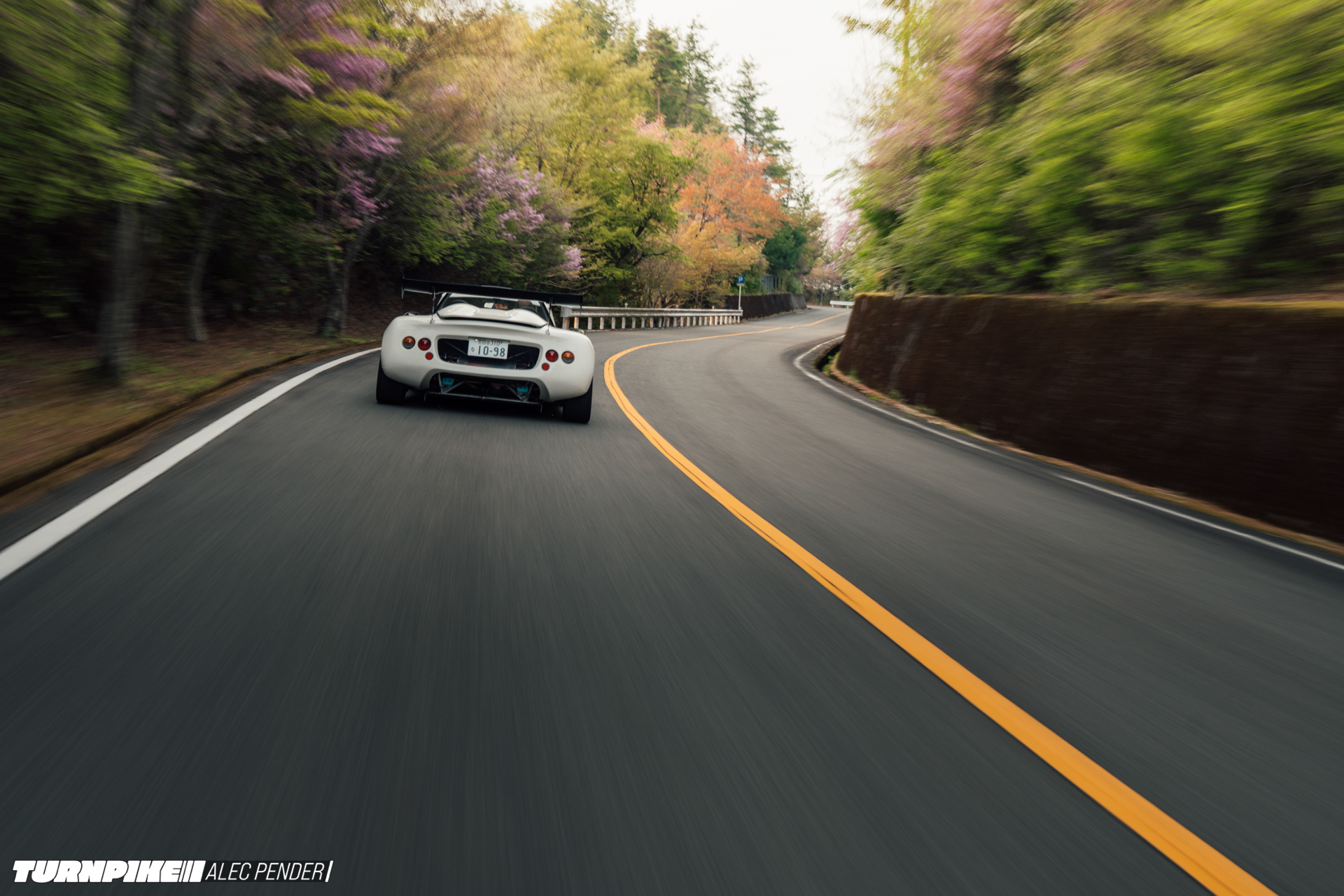
Once the road opens, everything the figures suggest become real. At speed, the ZZ’s steering comes alive, weighty but direct, the kind of feedback that reminds you of how numb modern systems have become, and one of the same reasons I became Toyota AE86 obsessed. With such a low rolling mass, the suspension is some of the best I’ve ever felt. Small bumps, imperfections and undulations are completely absorbed, as if they weren’t even there.
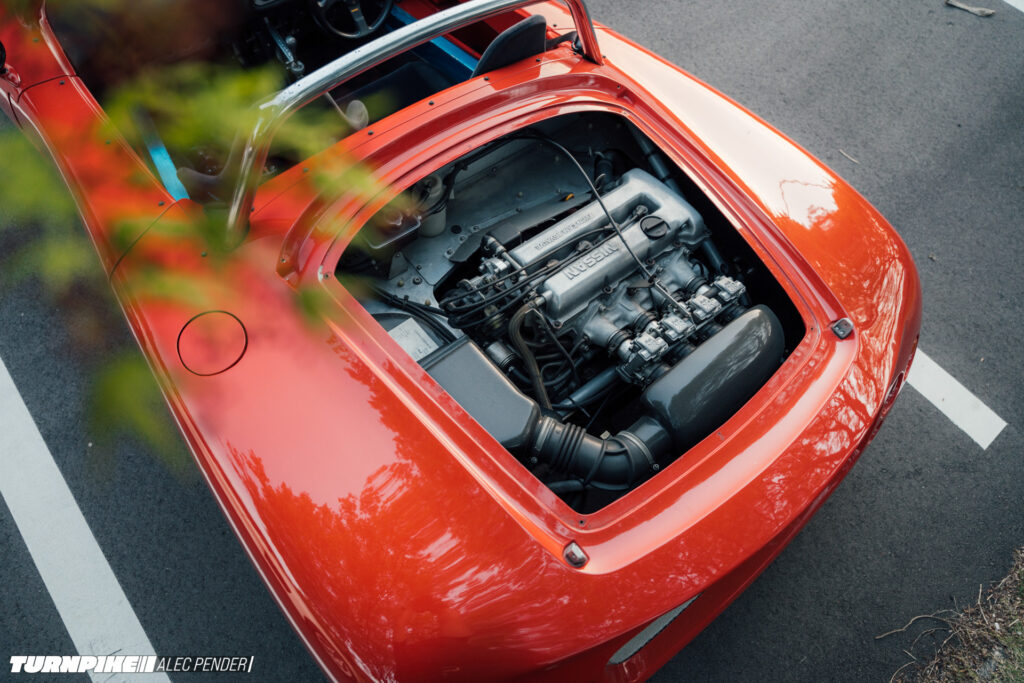


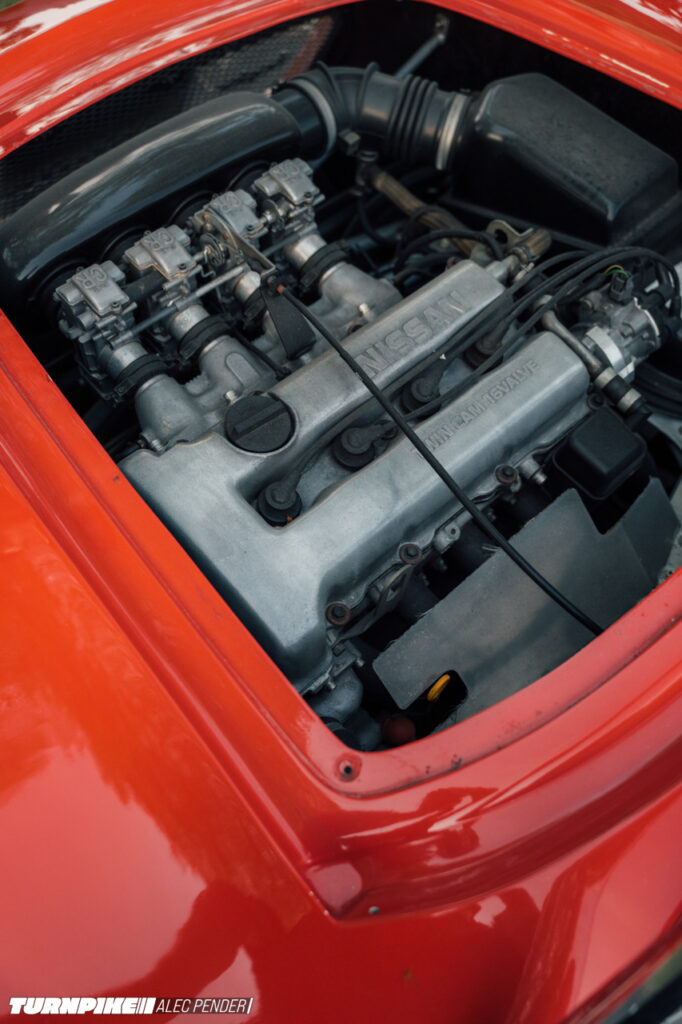




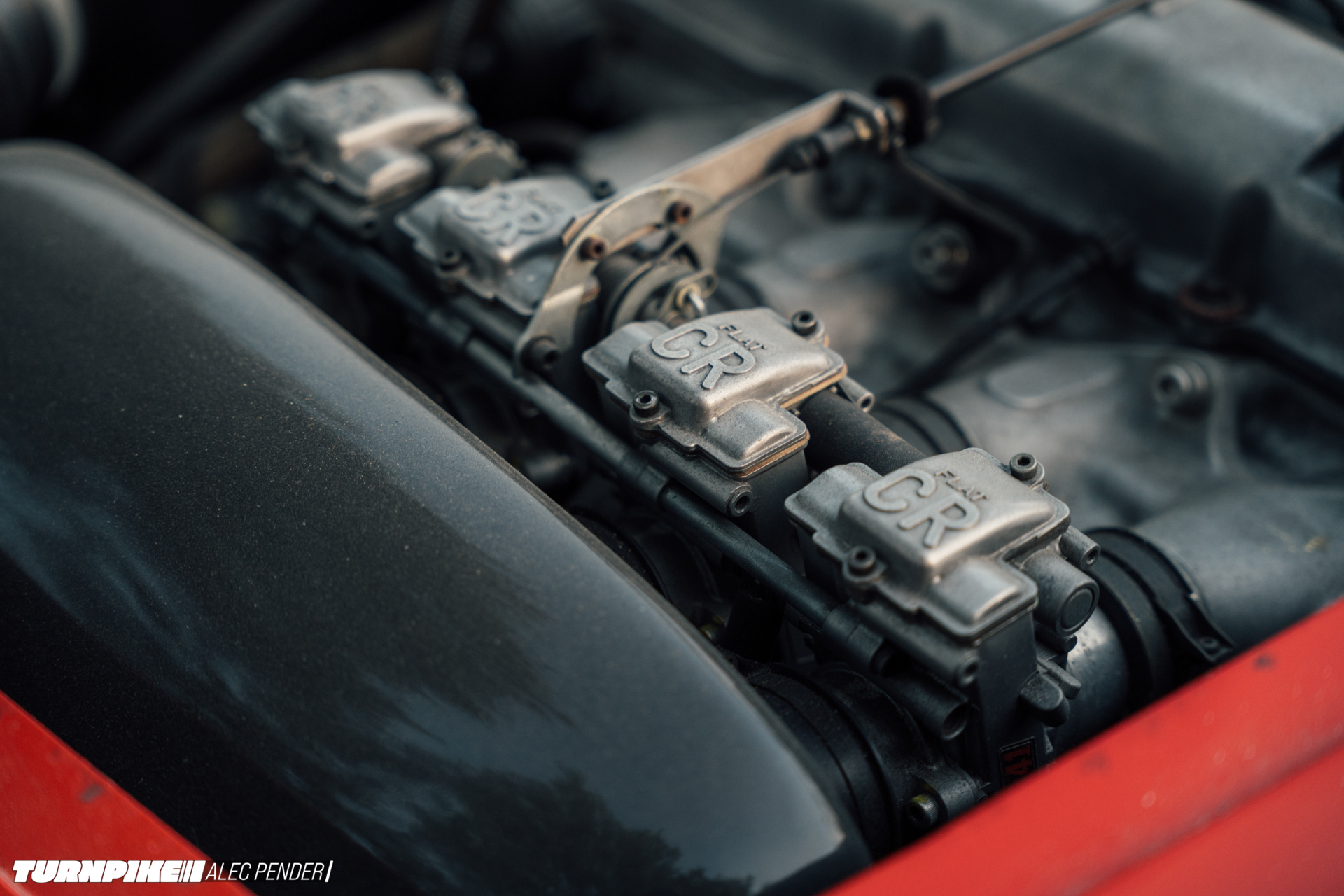
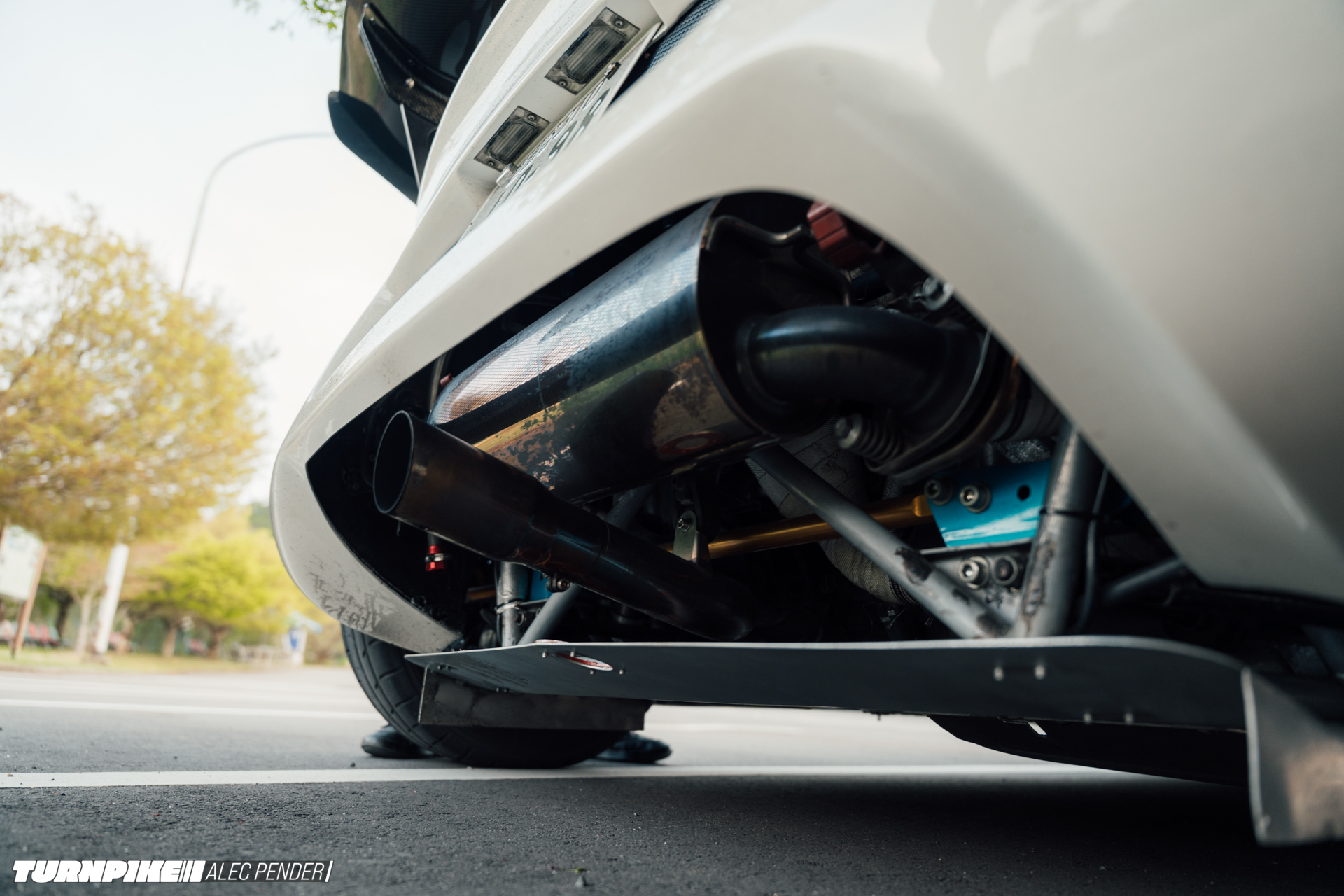
The SR20DE in this configuration is basic, but brilliant. It’s the same setup that is found in Nissan Silvias and Pulsars. Tommykaira’s setup, however, hosts Keihin FCR-style carbs and a freer-flowing exhaust. There’s no turbo to drive around, no ECU smoothing the edges.
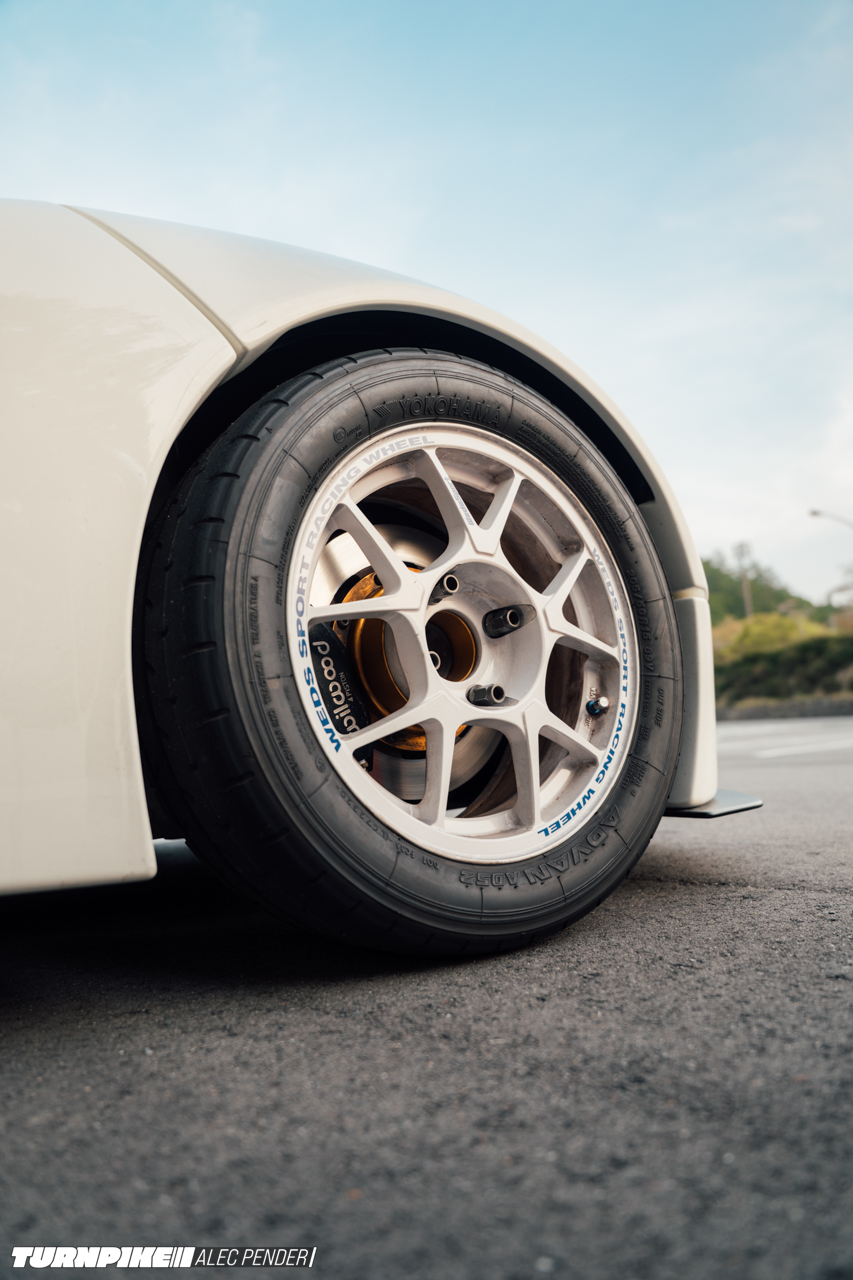
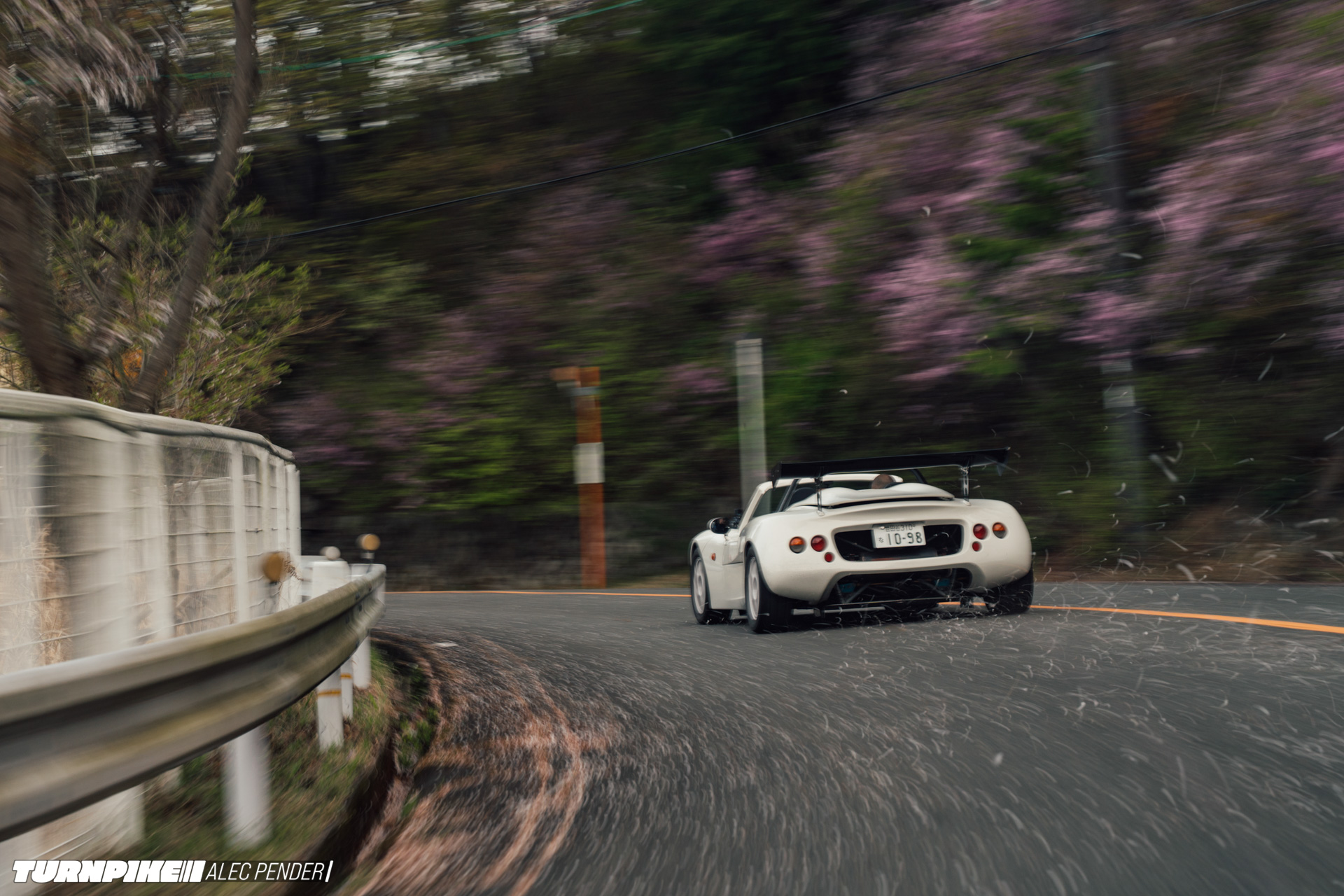
Brakes are small because, well, they can be. Skyline callipers on a car half the weight deliver more than enough stopping power. The pedal starts heavy and firms up with heat. Through the switchbacks the car stays flat, and you can feel absolutely everything, down to the weight distribution. It’s not fast by modern standards, but it doesn’t need to be, either.

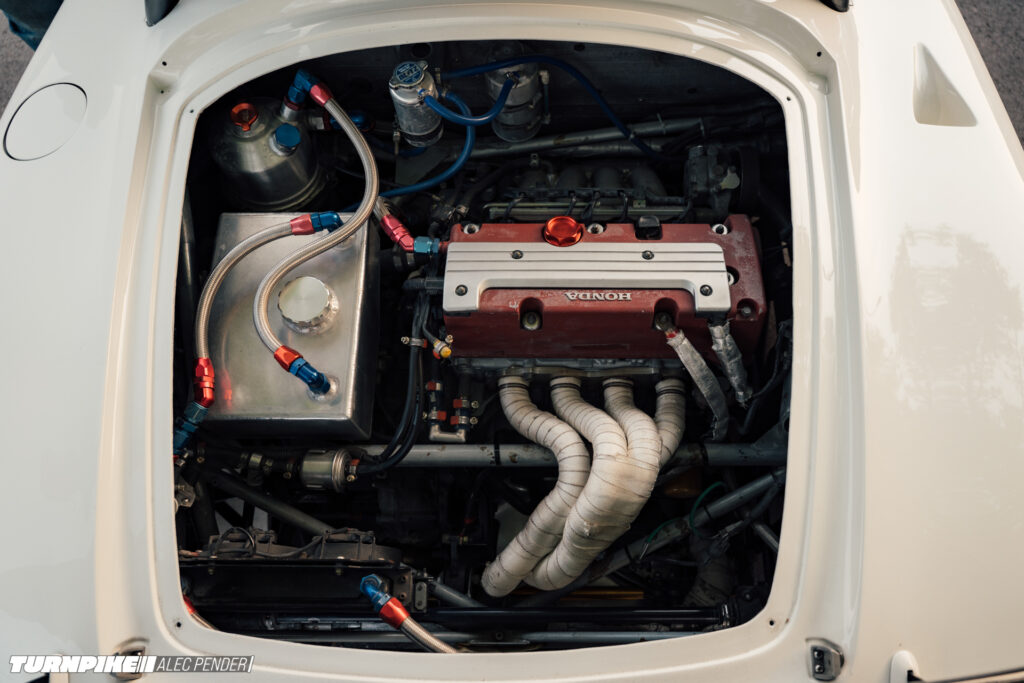

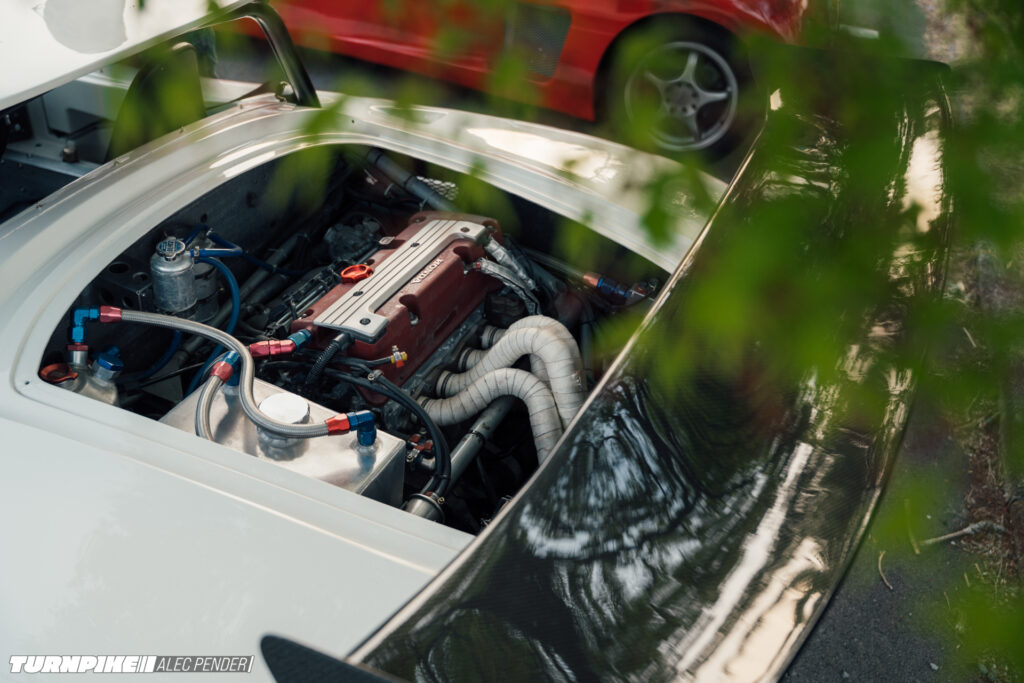
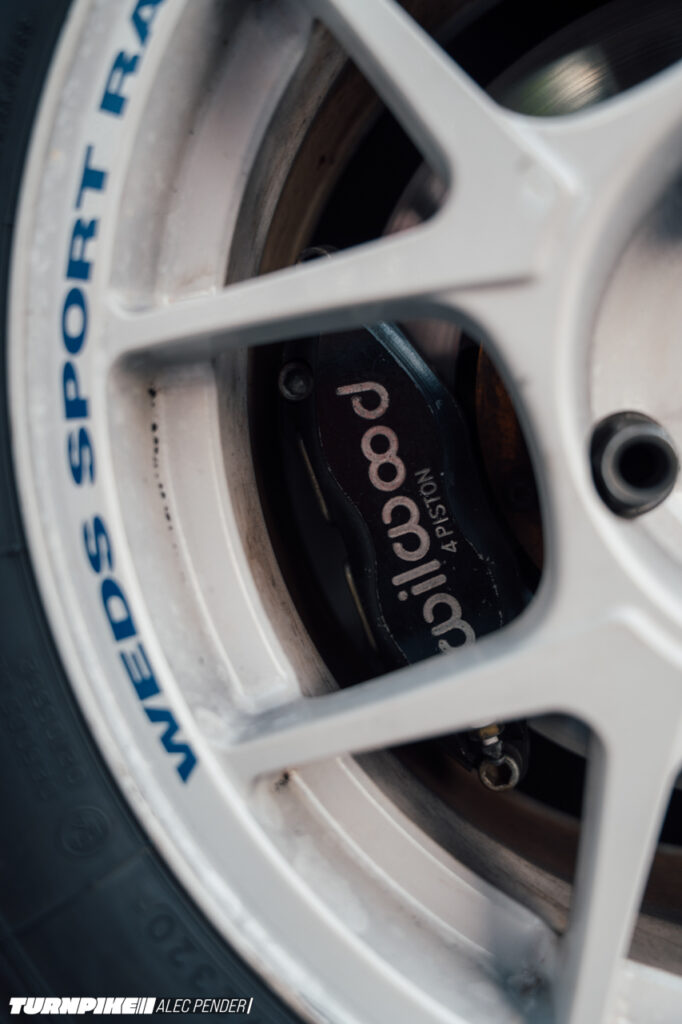
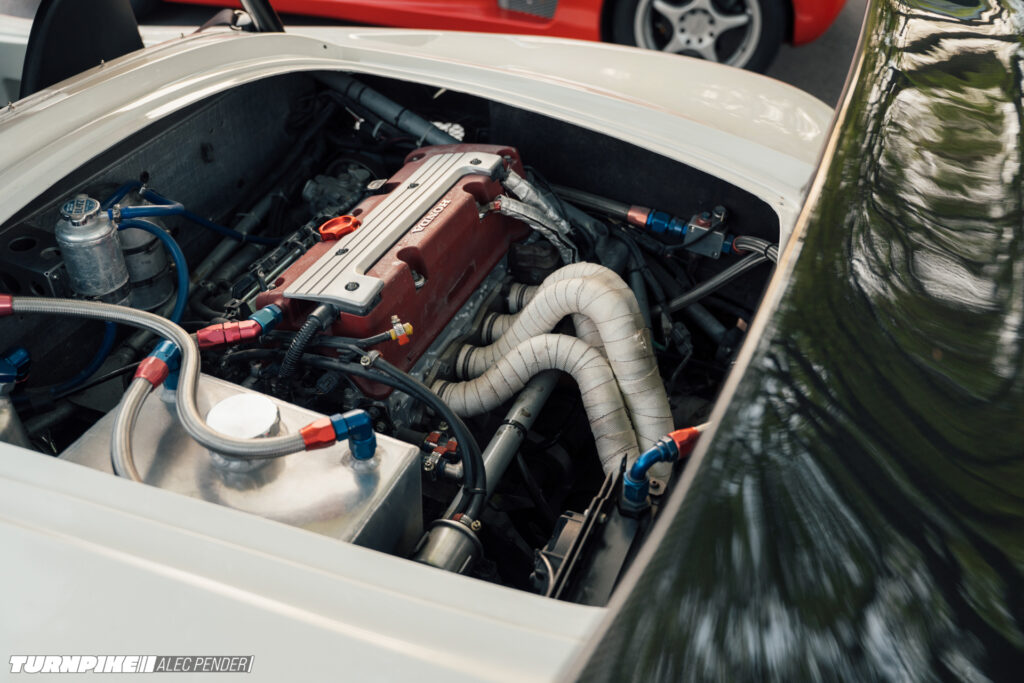


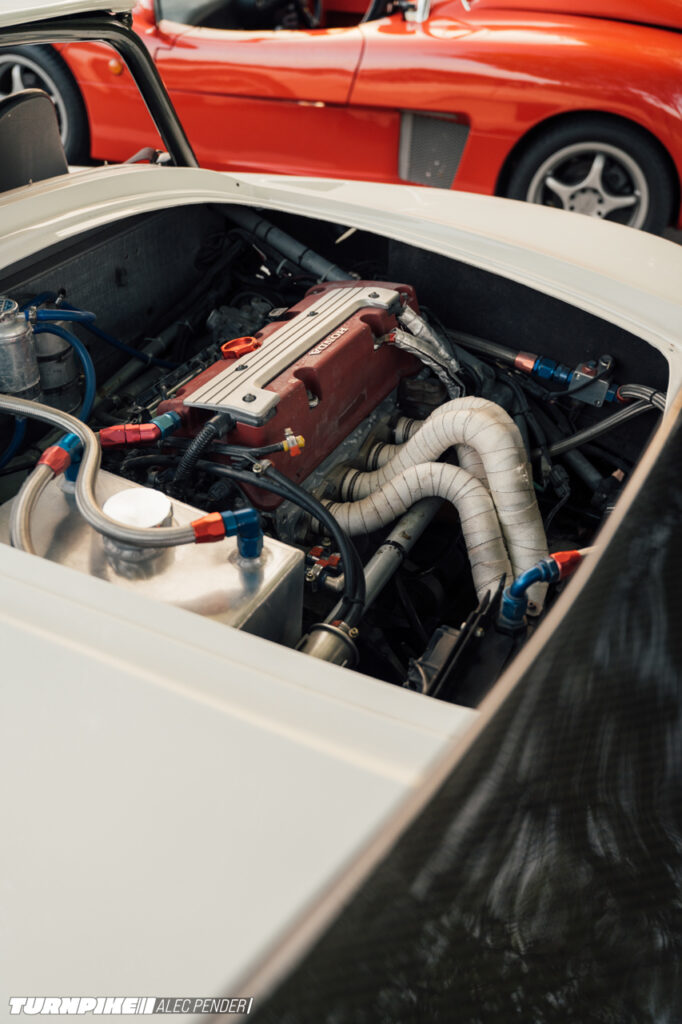
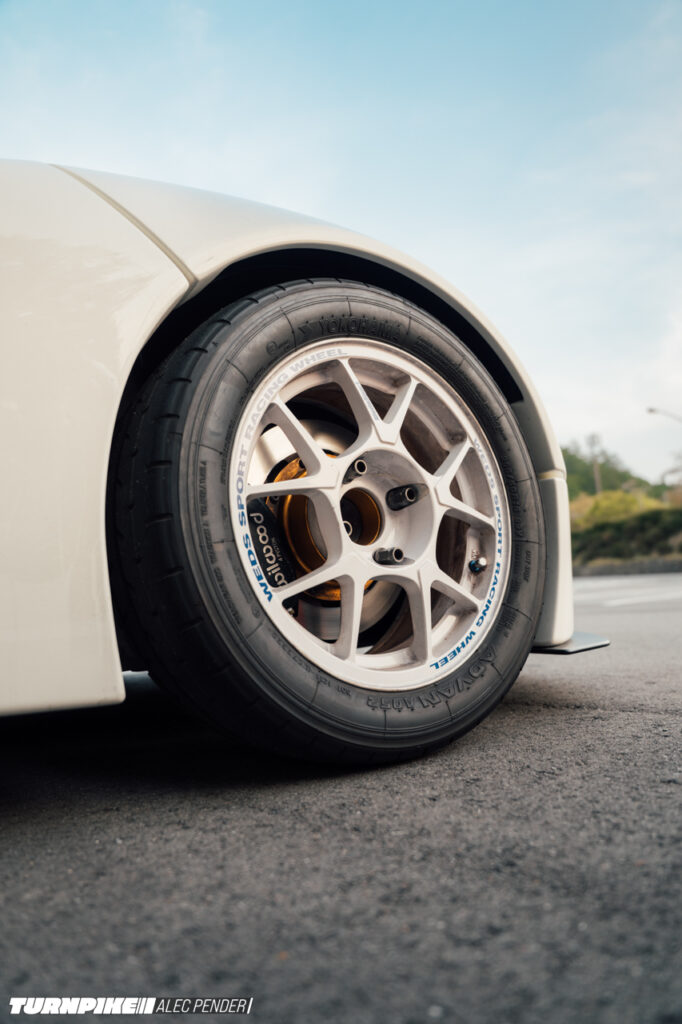
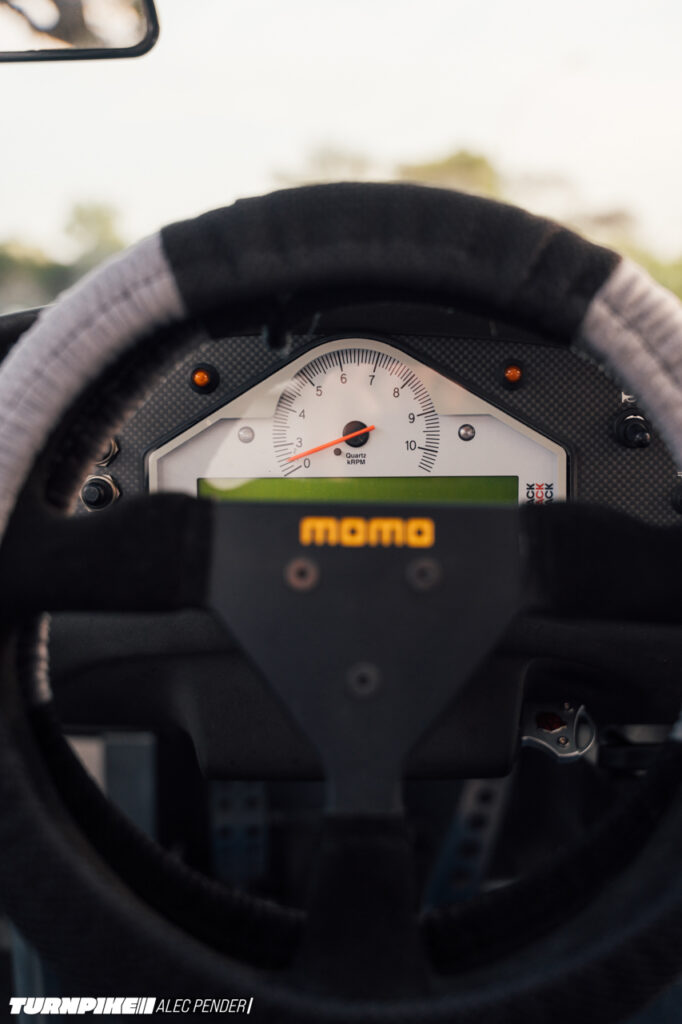
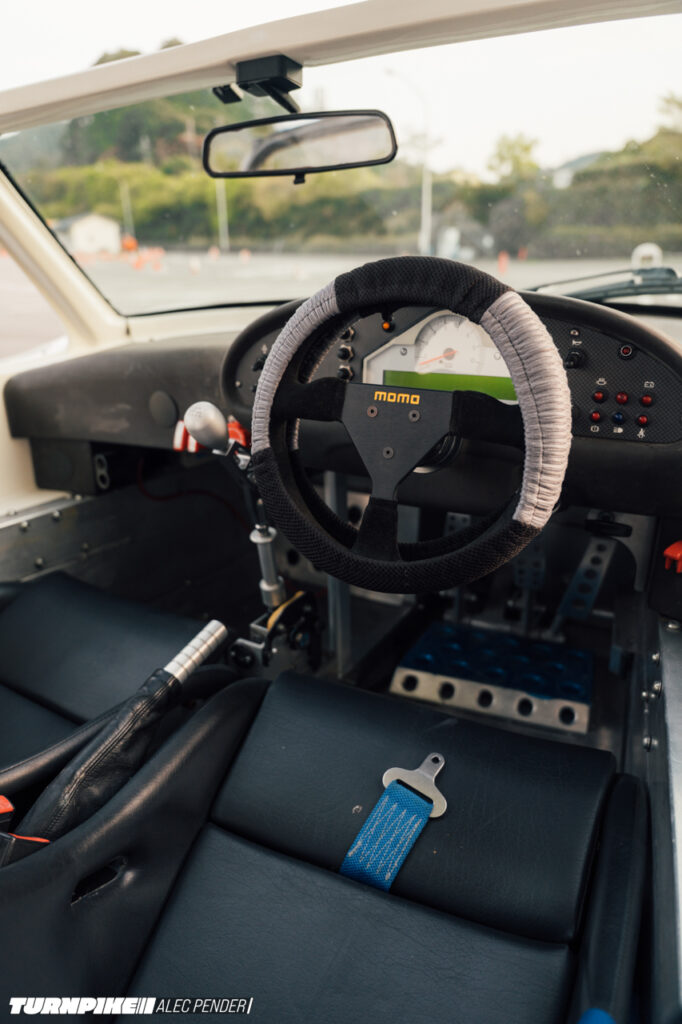
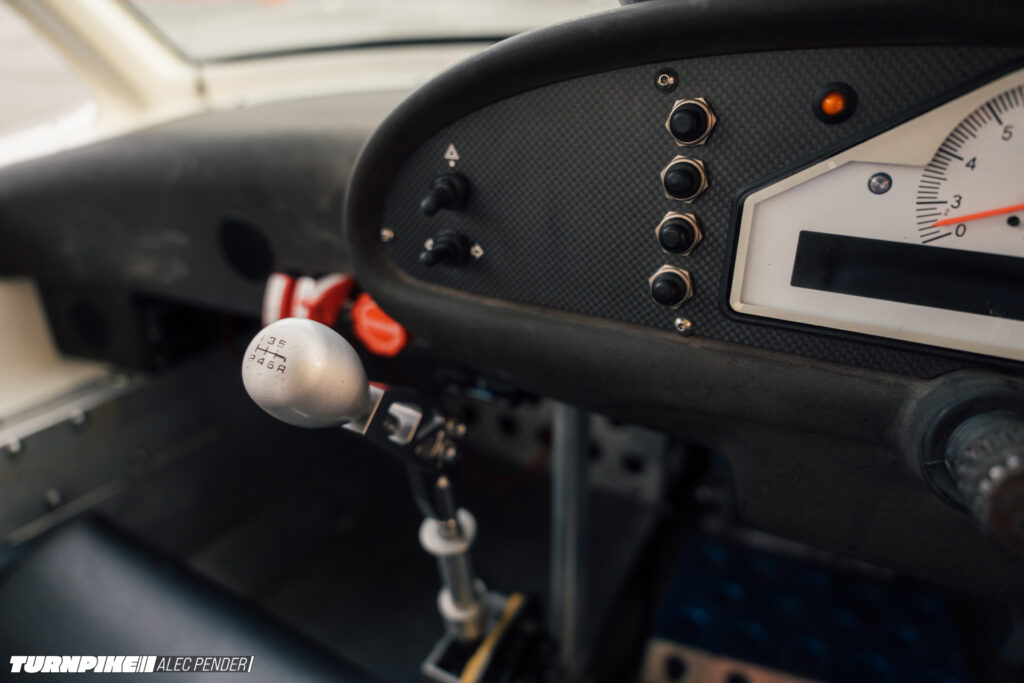
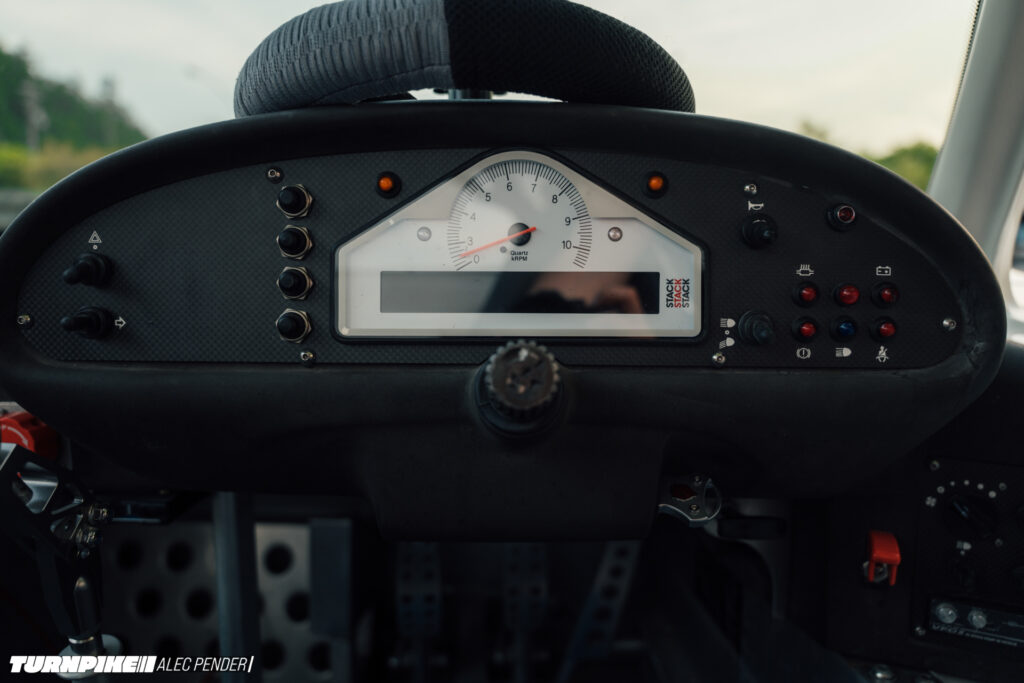
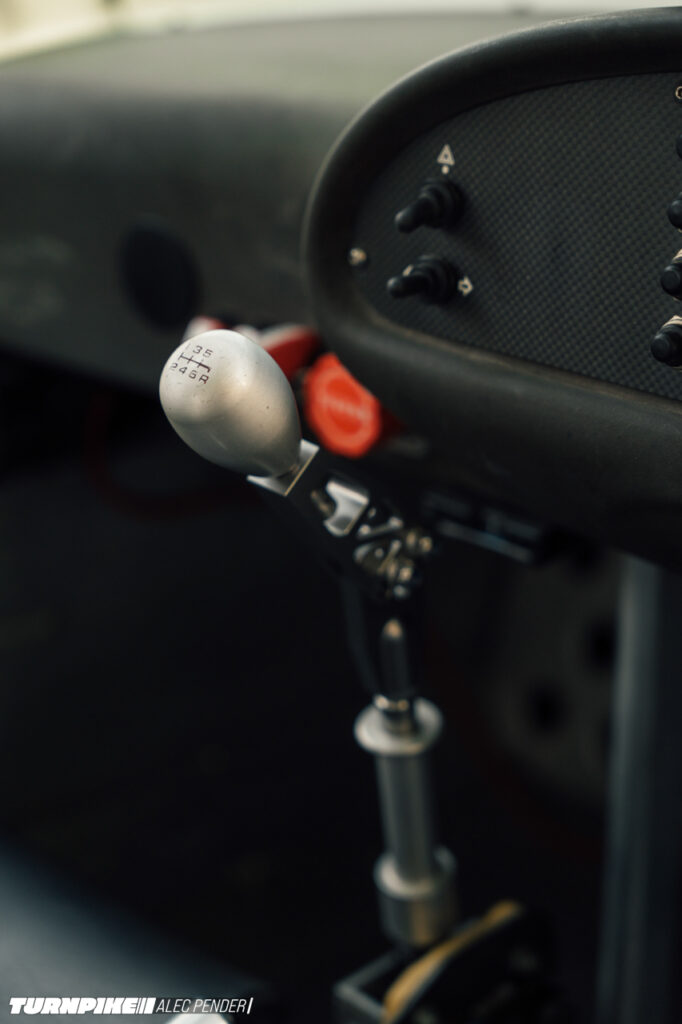
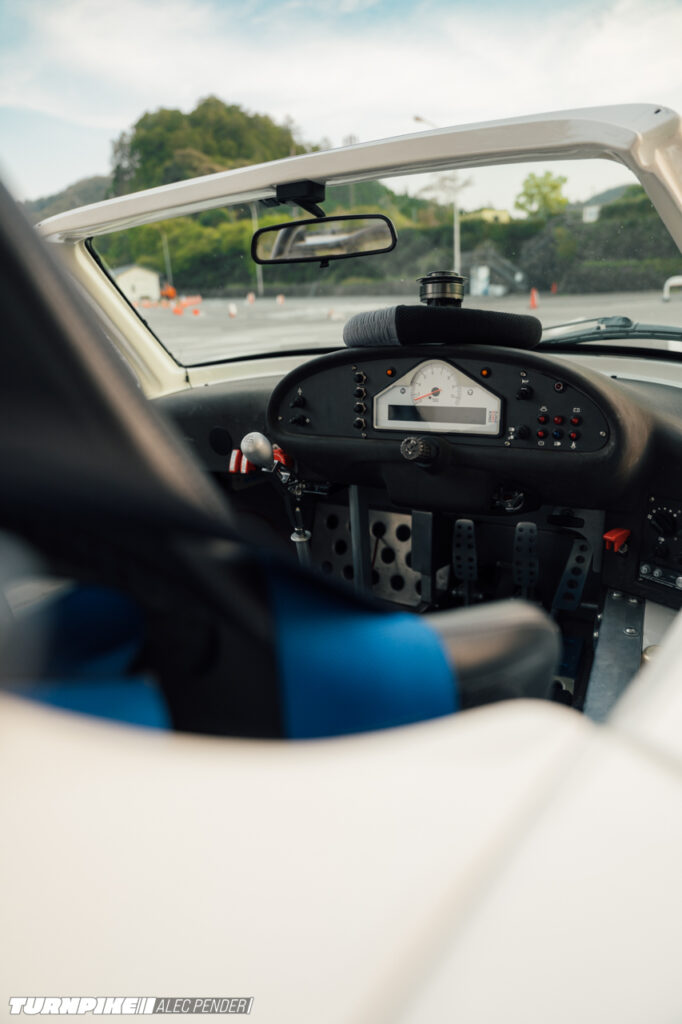
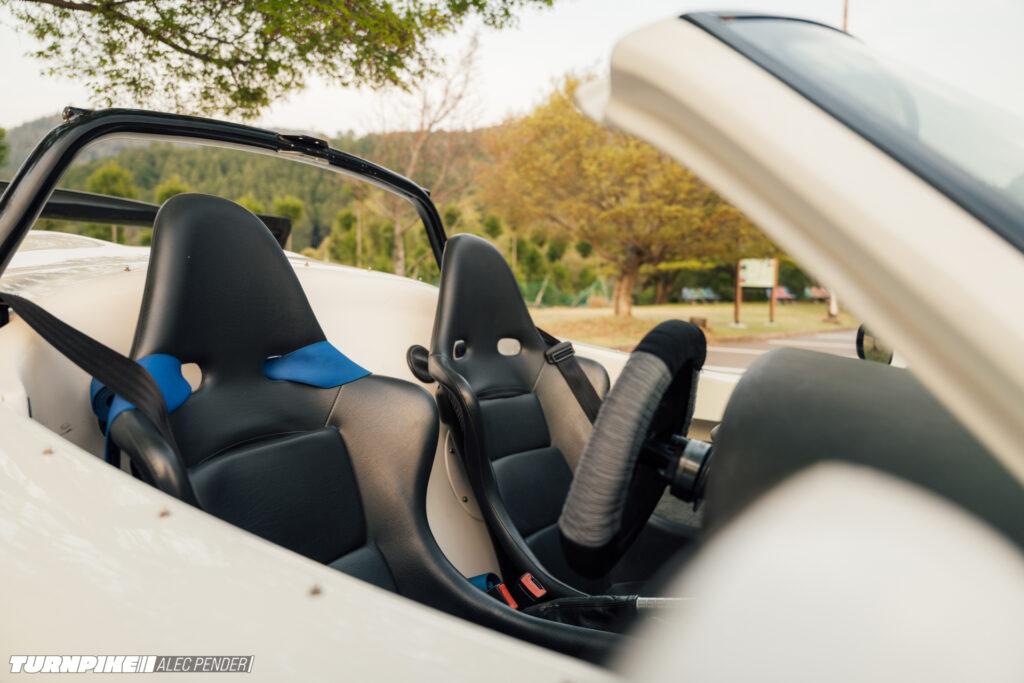
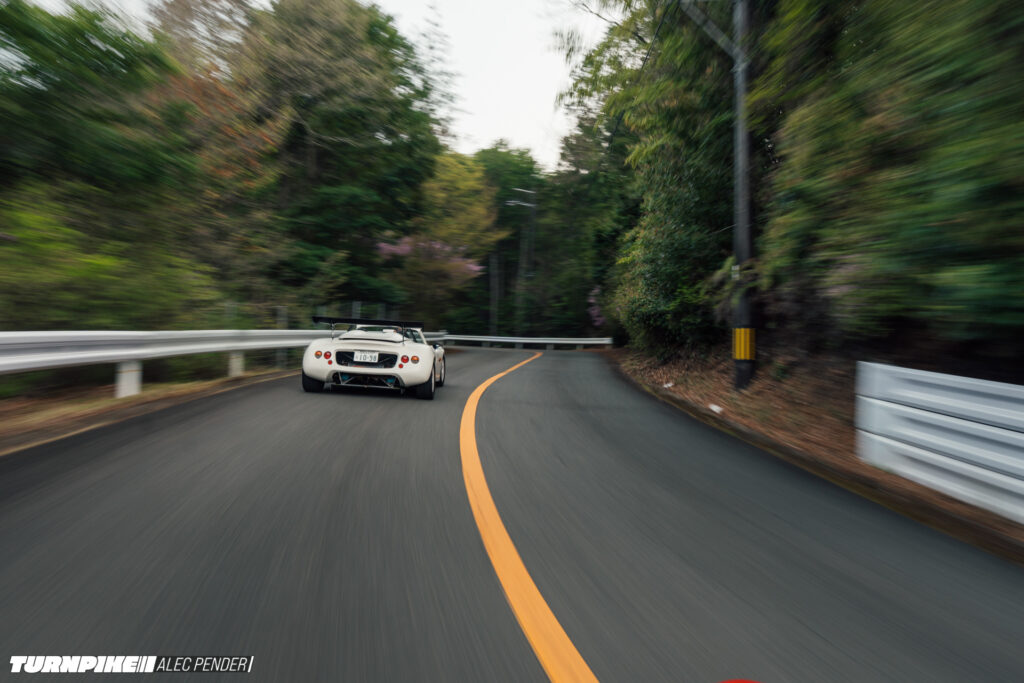
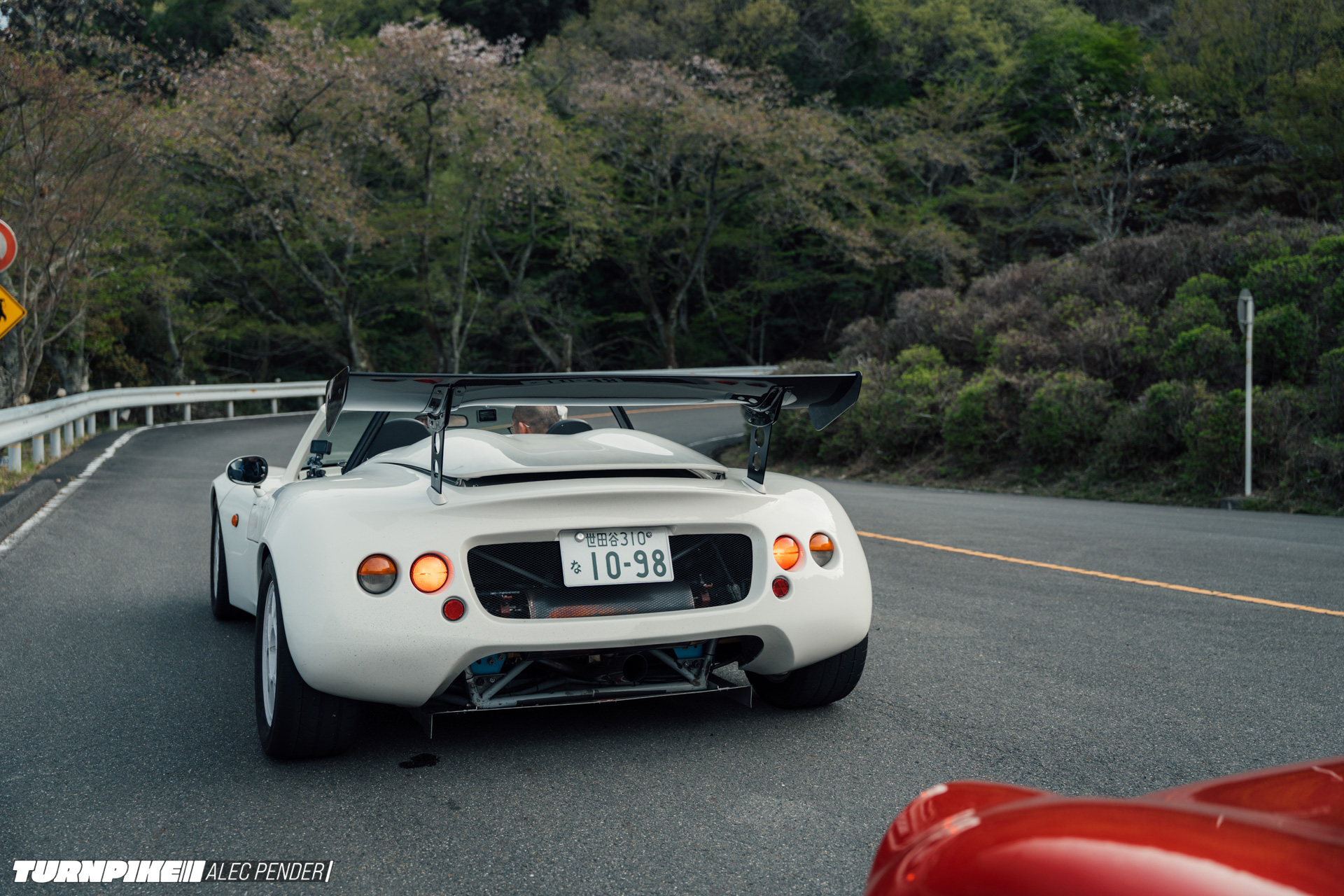
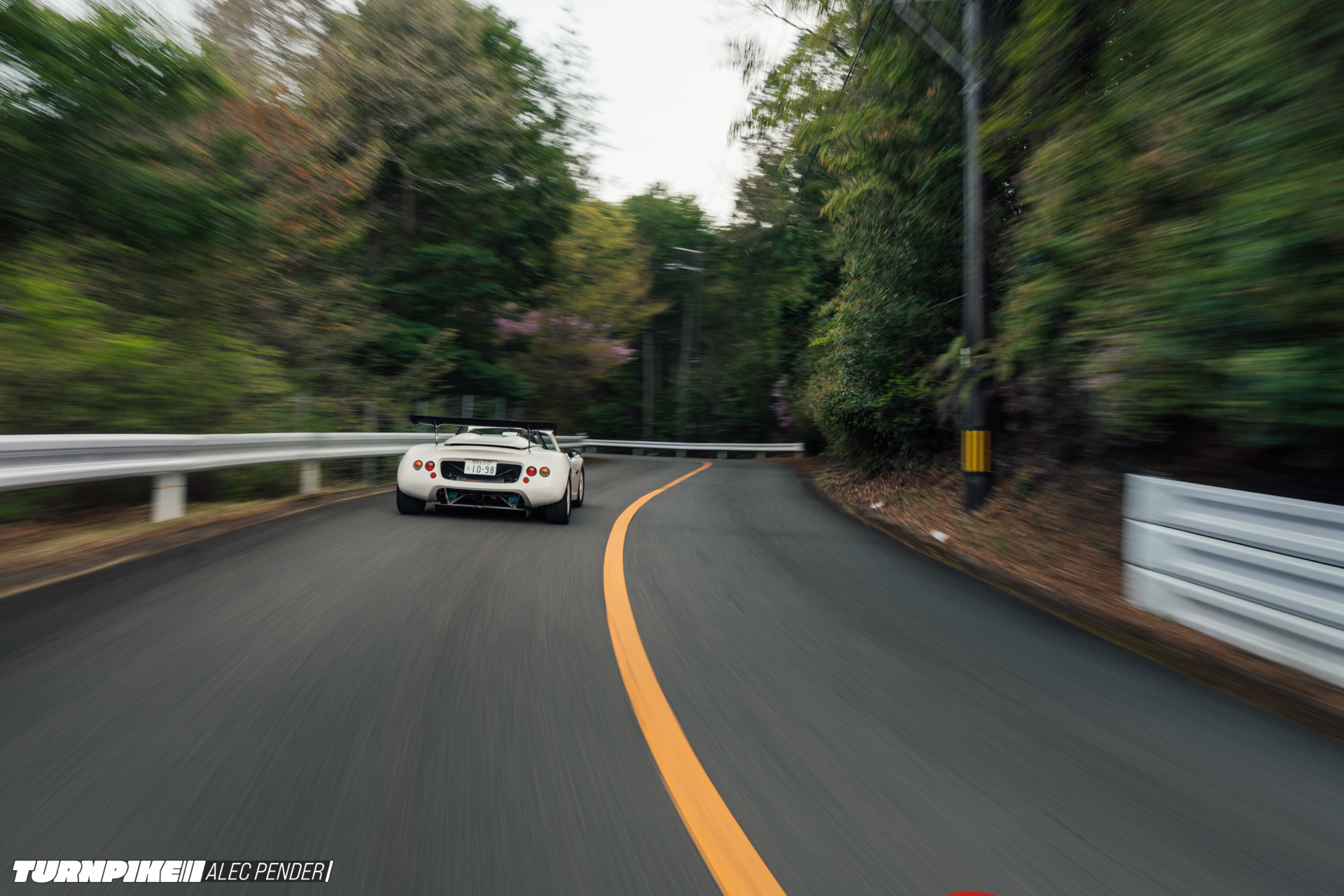
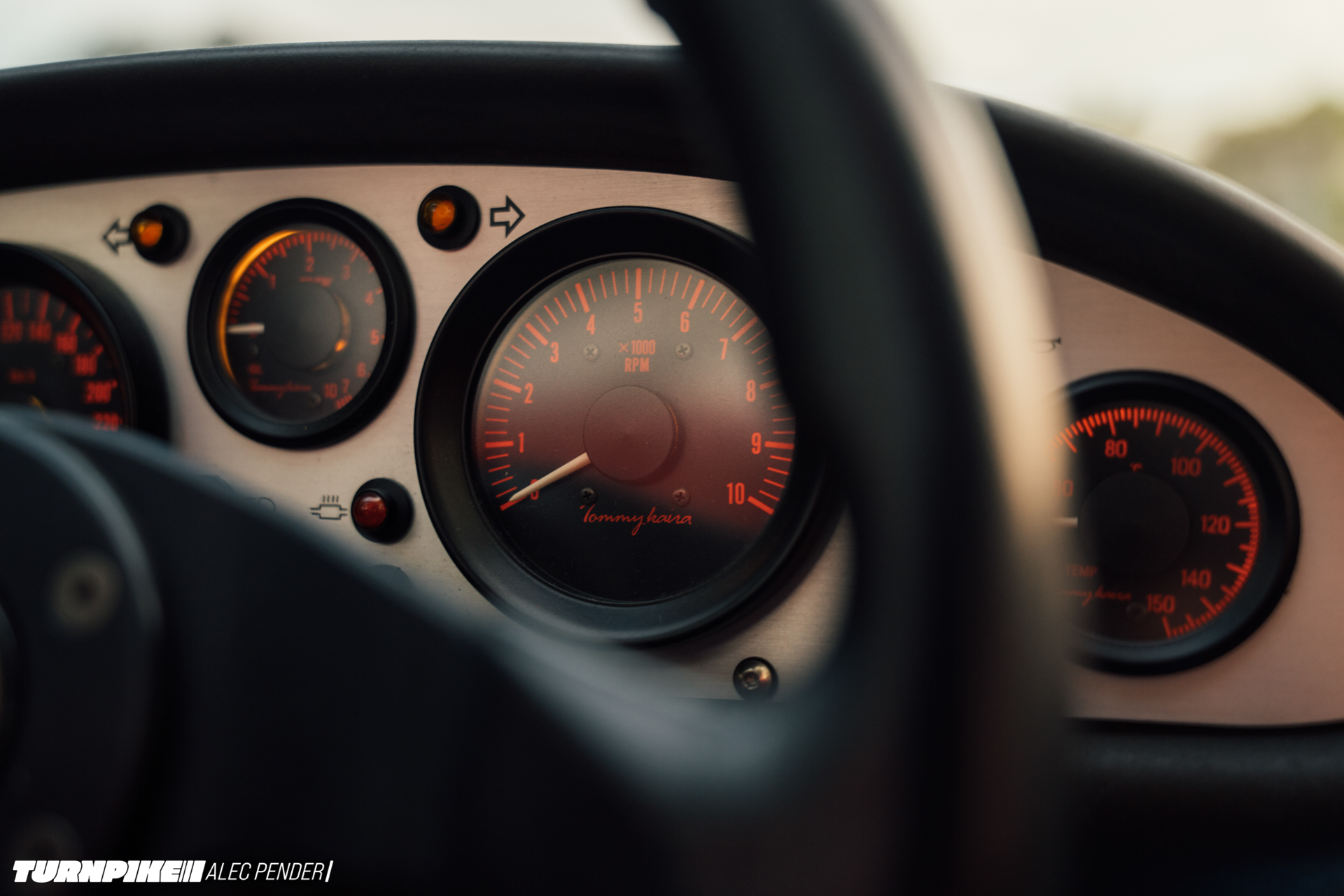
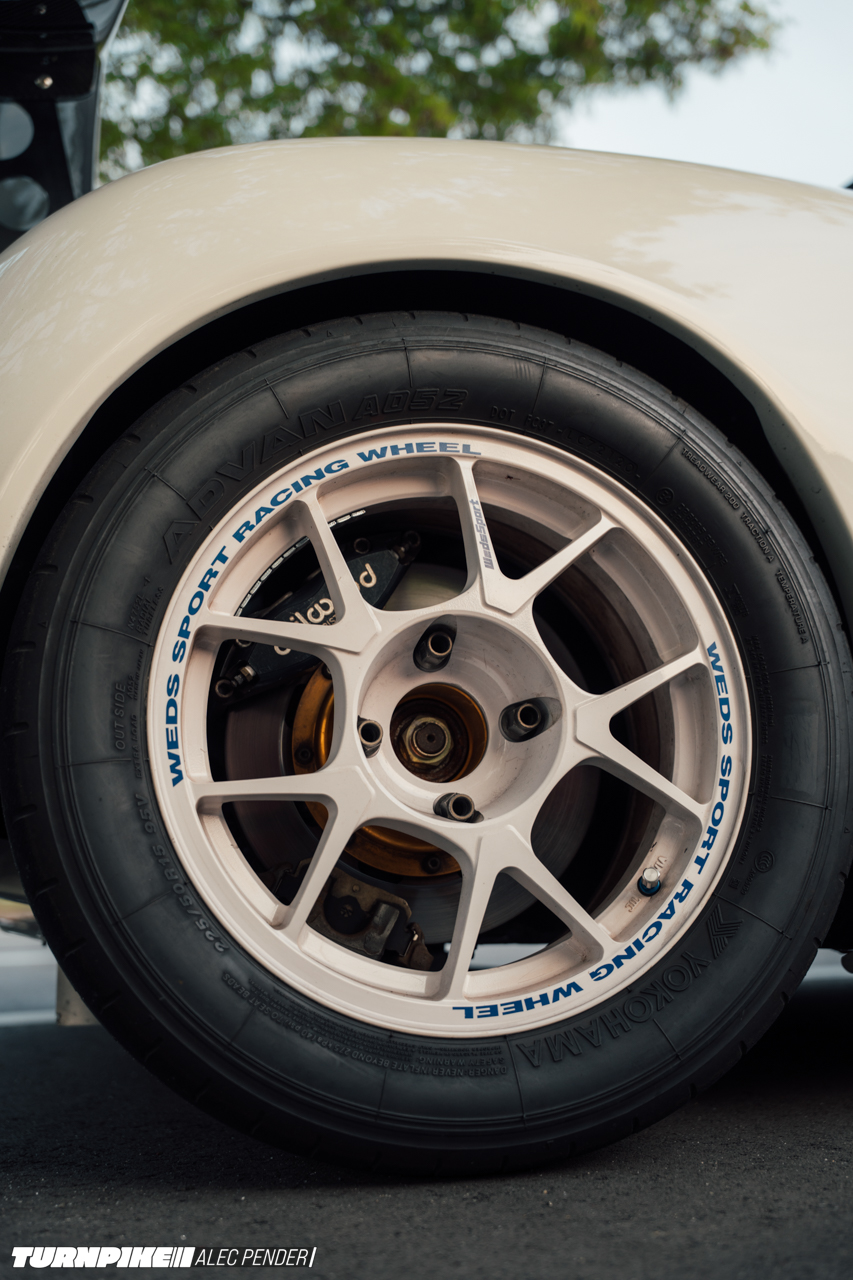
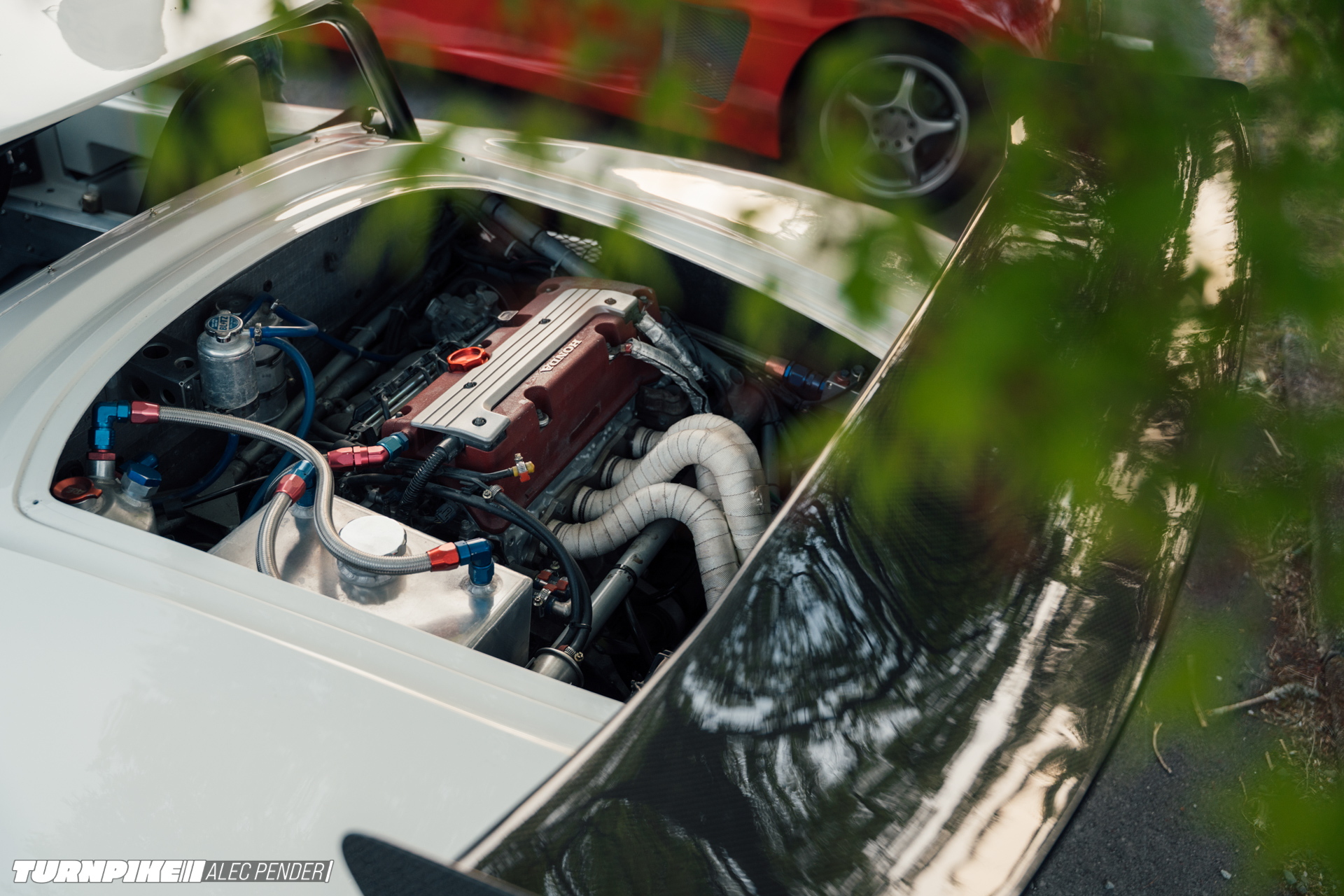
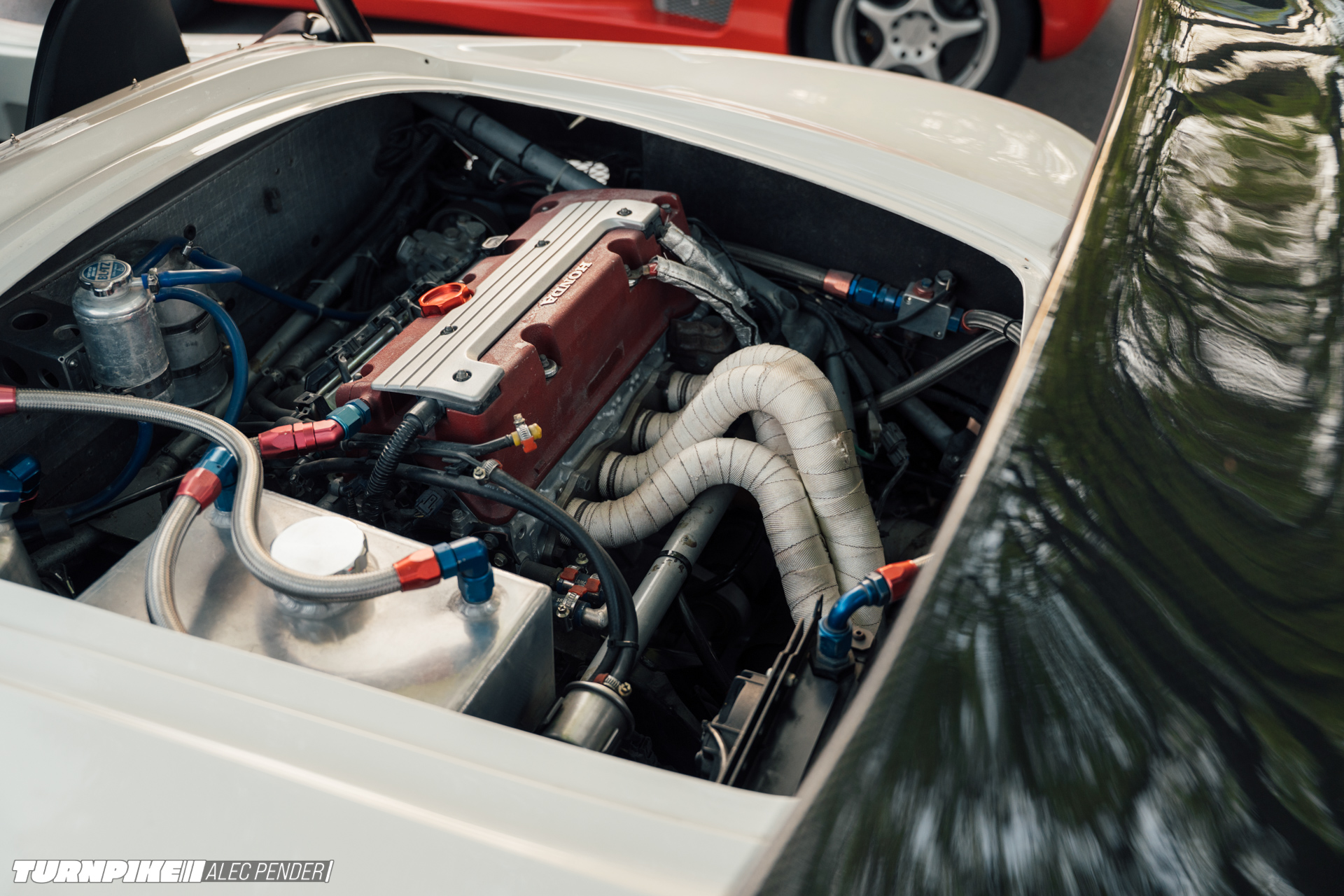
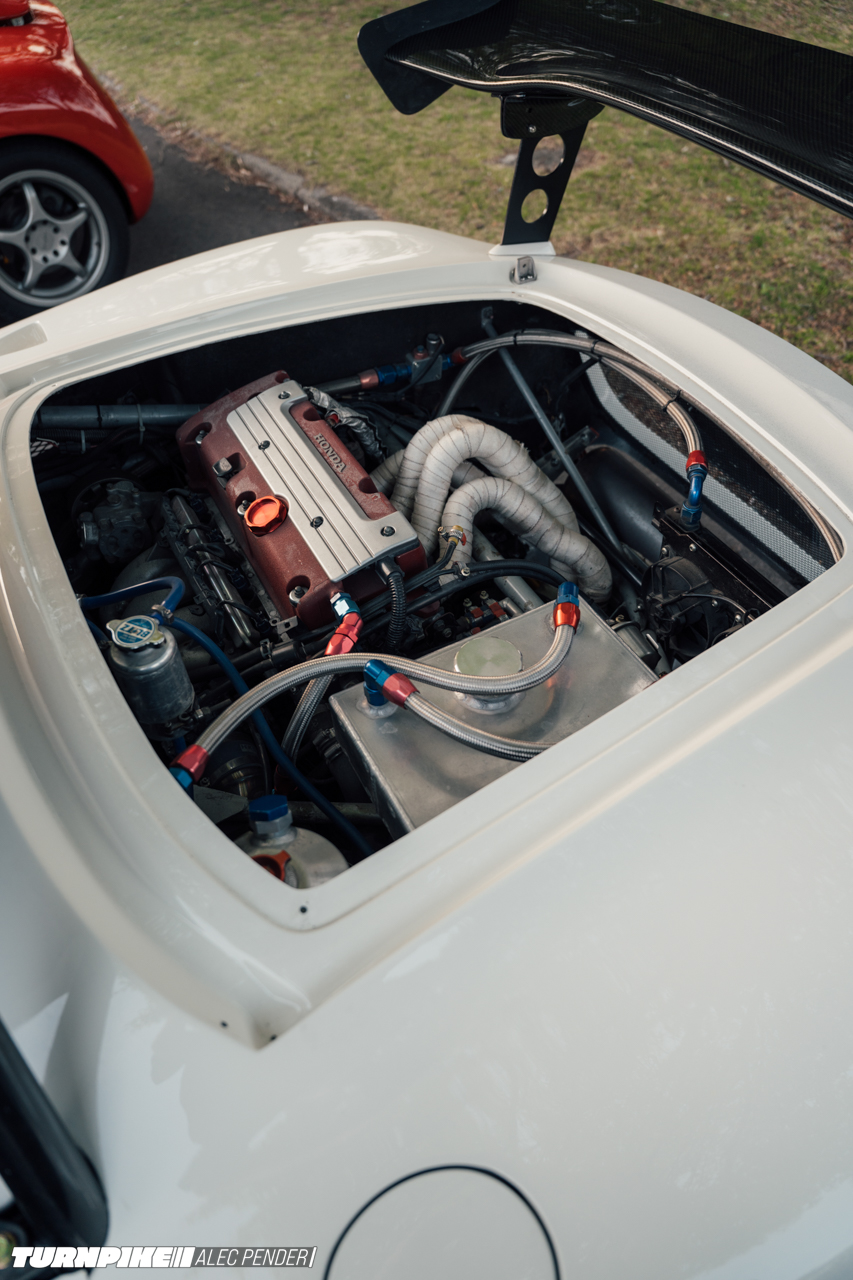
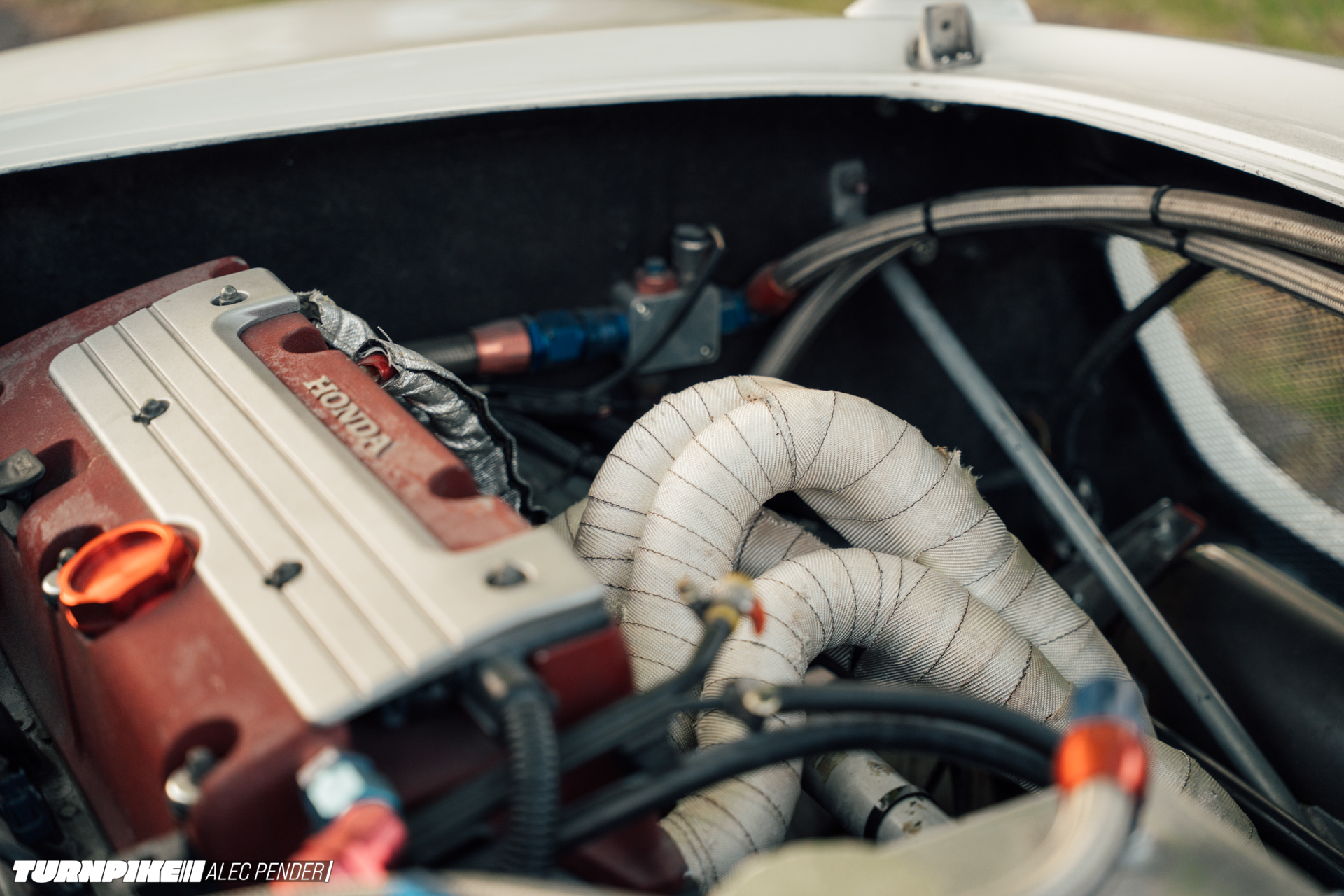
Next we hop in the white Honda K-swapped car following behind. This example hides a dry sumped K20 engine, a pretty noticeable jump in punch from the standard SR. Yet even with the extra power, the chassis doesn’t lose its calm. The white car is more track oriented: a Stack dash in front of you, and a shifter level to that. The brakes follow suit with a full Wildwood setup all around.
On a road like Arashiyama-Takao, where every corner rises, tightens, and drops away, the car feels perfectly matched to its environment. The ZZ doesn’t shout about heritage or technology. It just delivers the kind of mechanical clarity that’s missing from modern performance cars.



It’s the sum of its parts, nothing more, nothing less. The ZZ will go down as one of the most raw cars I’ll ever experience. If it weren’t for my not-so-Japanese size, it’d be at the top of my Christmas list.



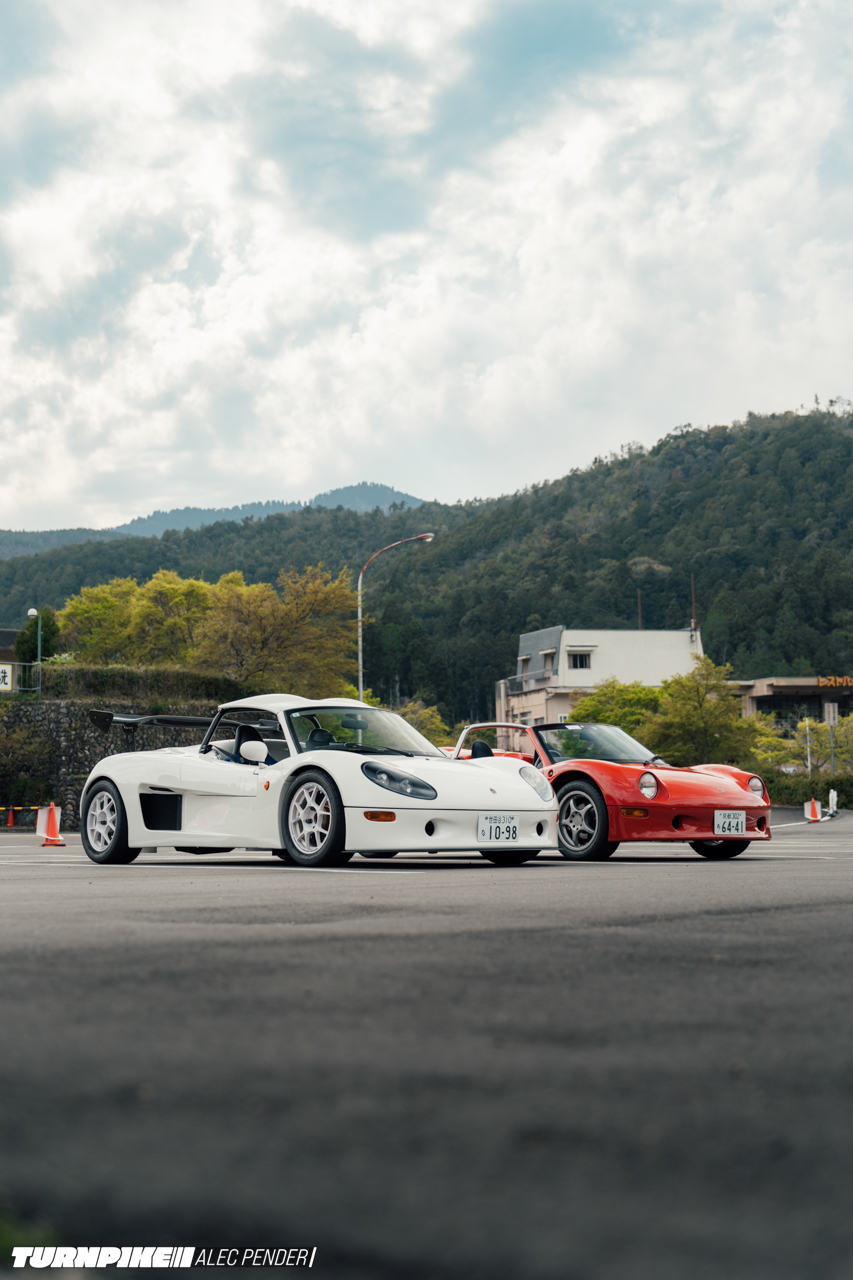






















Man this Tommykaira takes me back to the Speedhunters days. Such a delightful car I bet it was such a blast on those roads!
There’s something special about small lightweight cars and twisty roads.
I think it’s refreshing that there are still people out there who appreciate Lightweight low horsepower cars, in today’s modern age every car tends to have 500, 6 00 or even a thousand horsepower. You don’t always need a lot of power to have a lot of fun and this TommyKaira is a true example of that.
Horsepower makes views on Youtube, lightweight brings bliss to real life.