
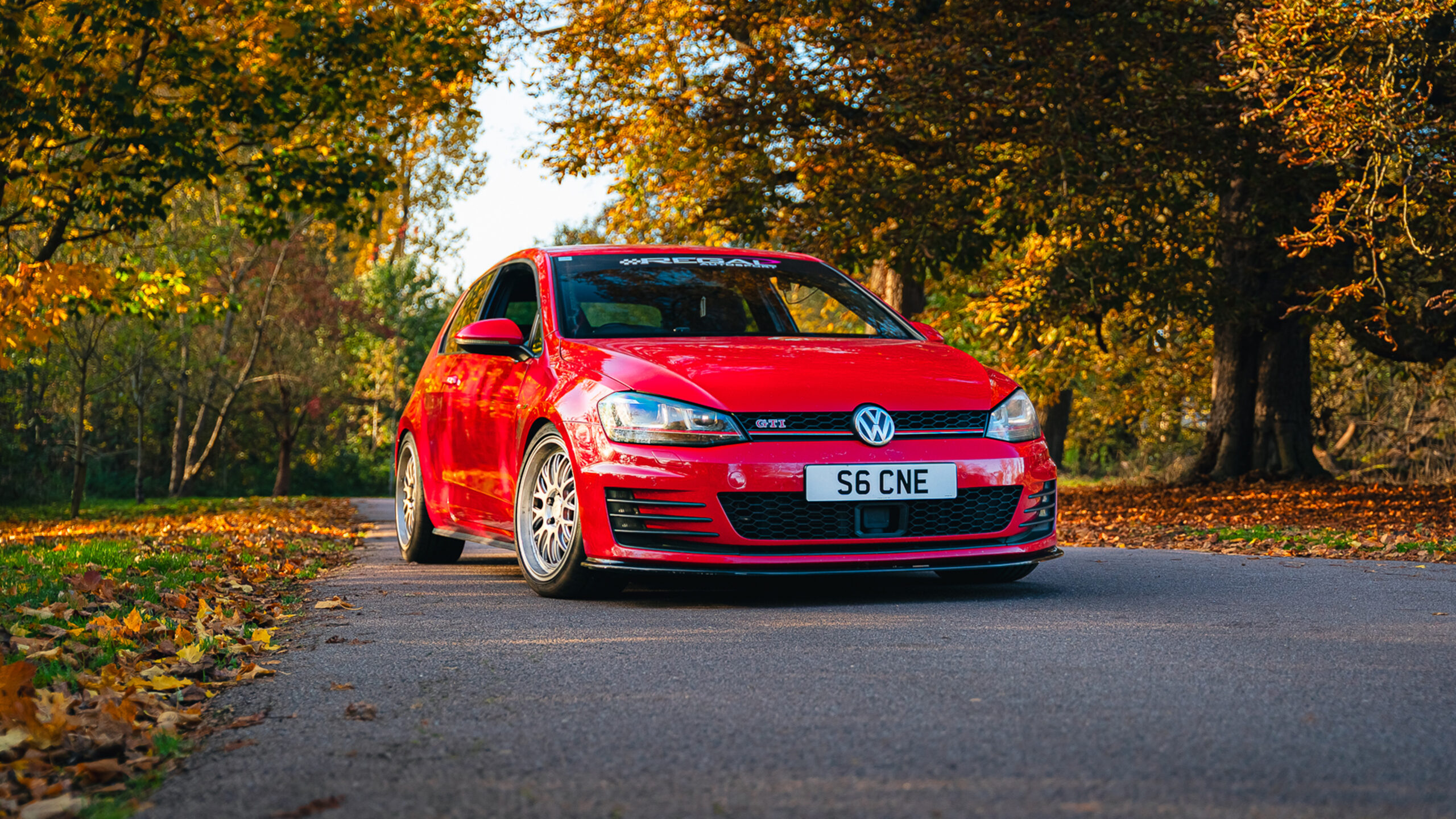
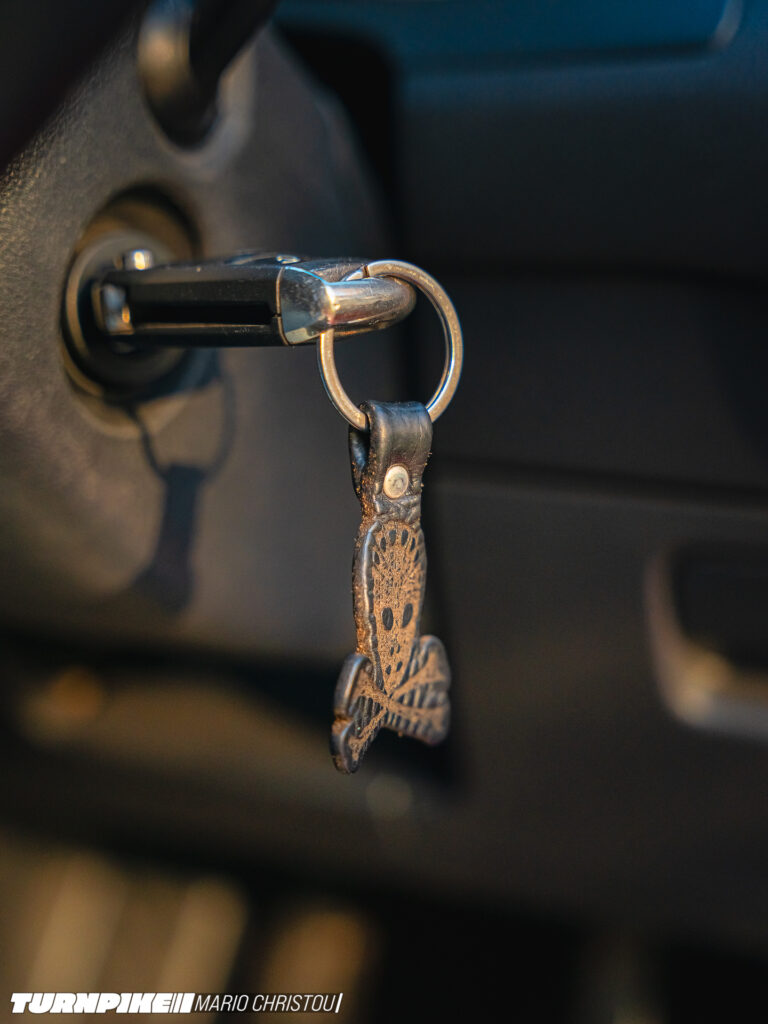
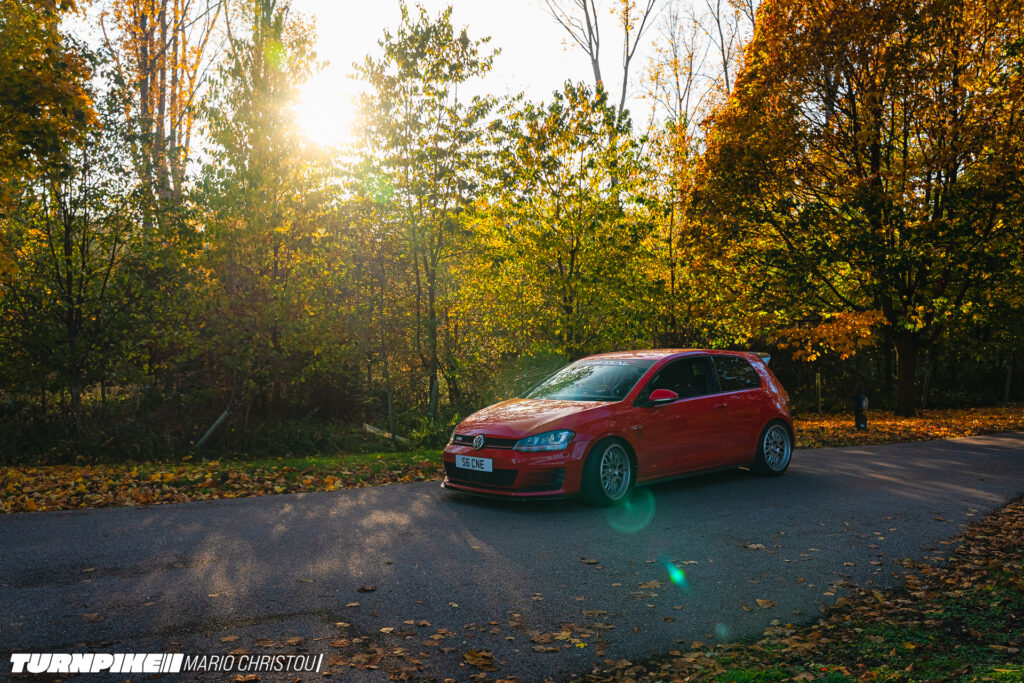
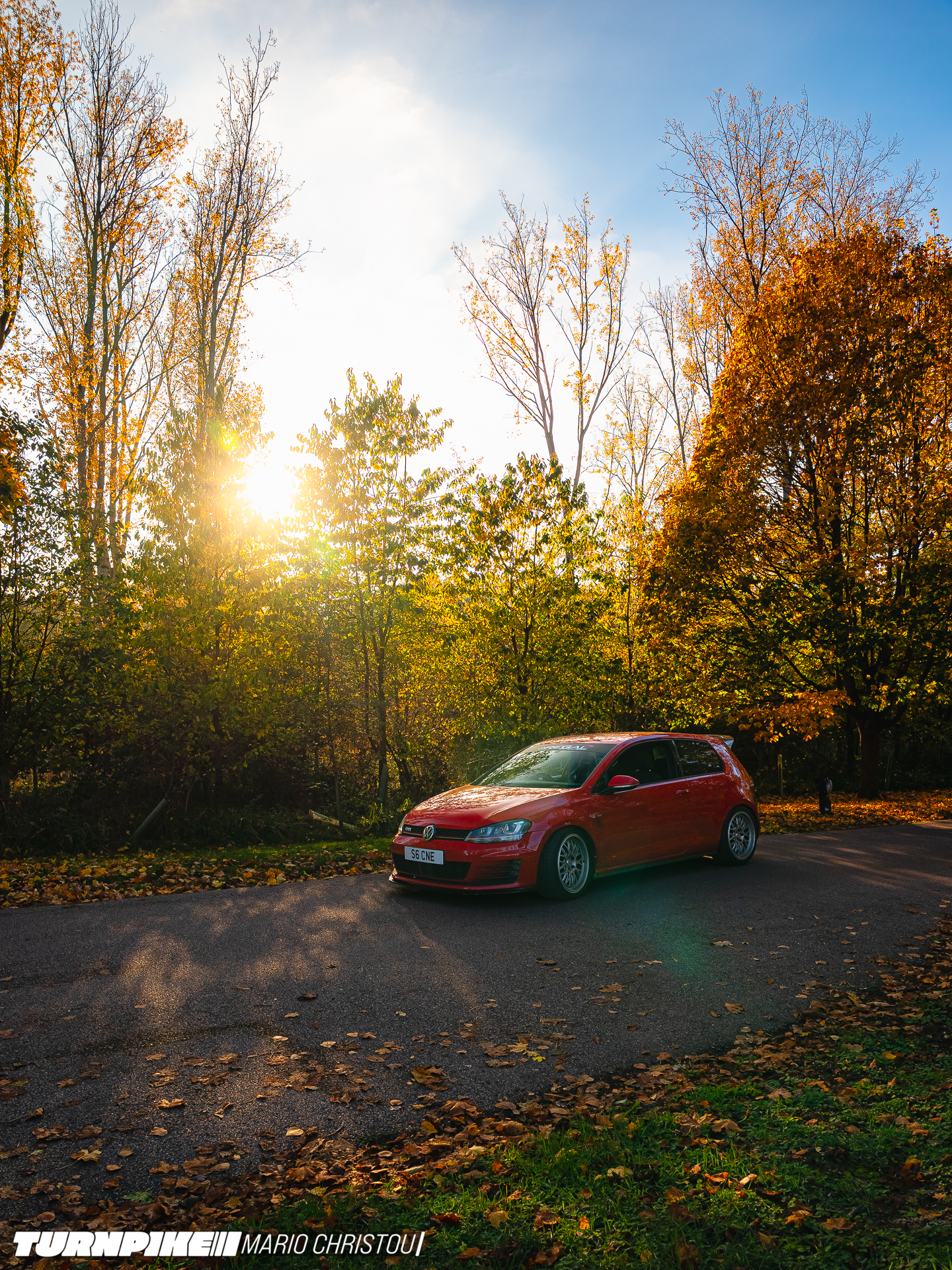
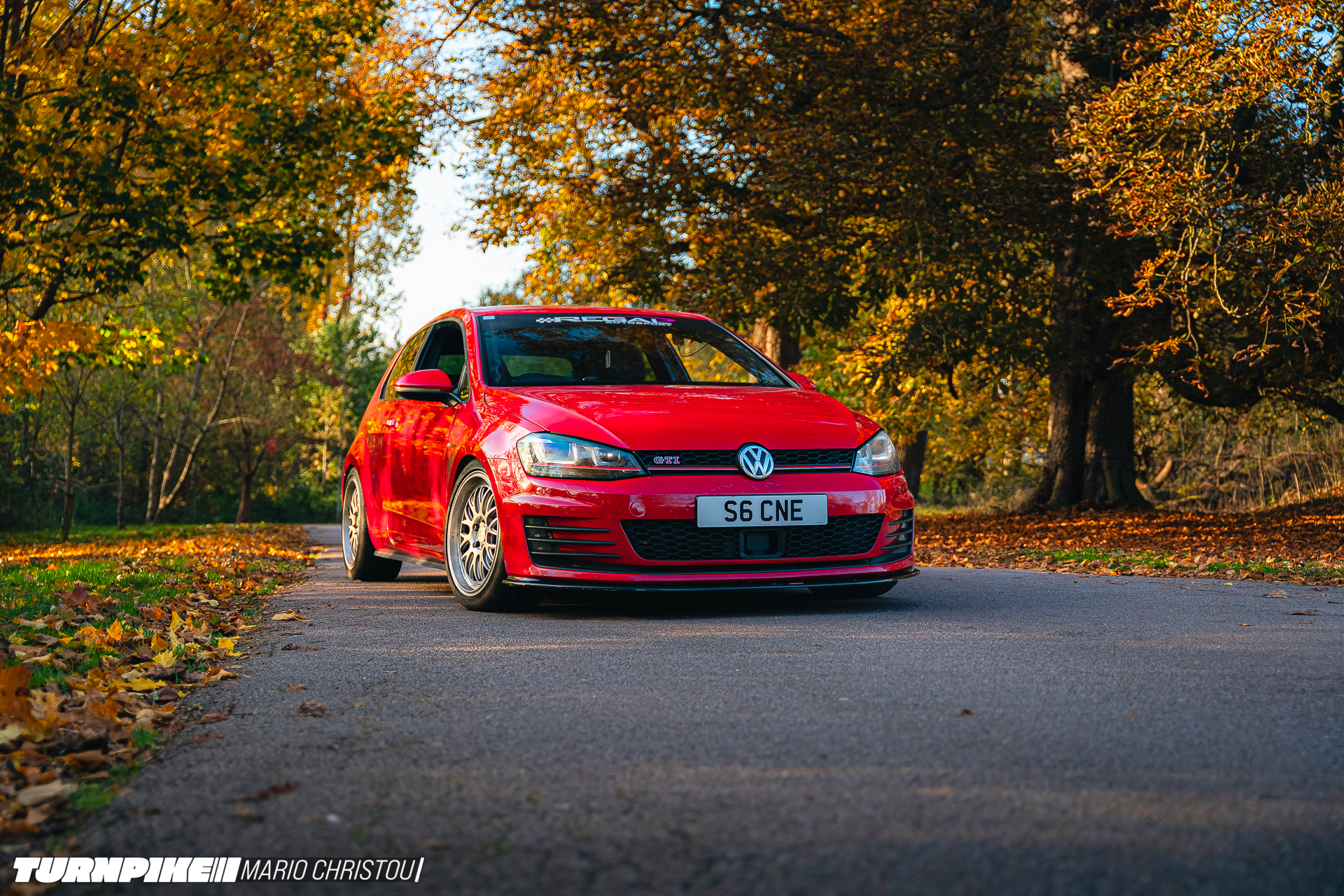
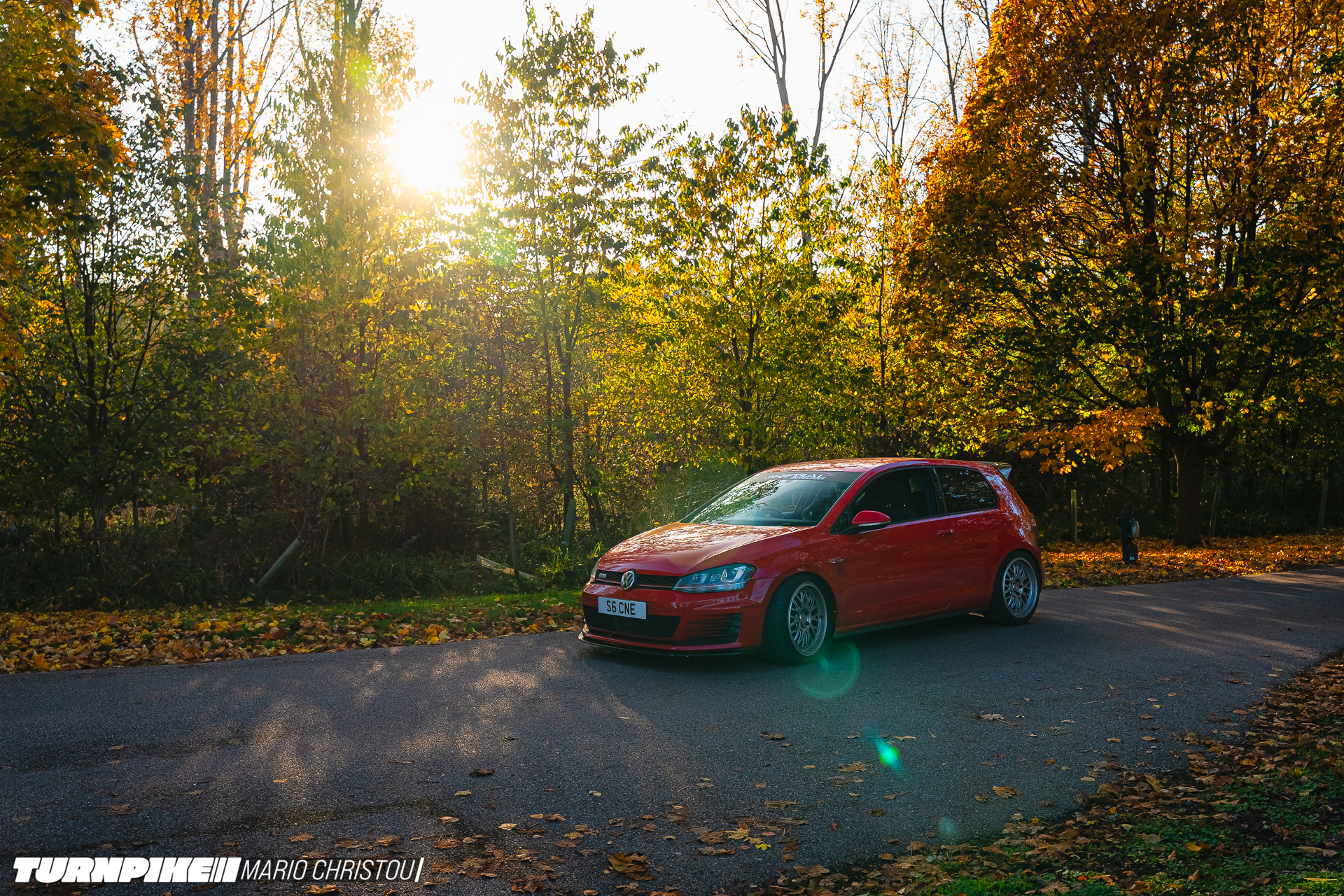
“It’s just a car, dude, jump in and drive it. It’s really a very simple machine.” Those were Ryan Stewart’s last words to me before I grabbed the keys to his Mk7 Volkswagen Golf GTI. Well, almost…
“It’s a 440bhp FWD skittish little f**ker. Manual with a sintered metal clutch, so a bit of a pig. You’ll be alright, though,” immediately followed. With my confidence at an all-time medium, I fired up Clifford the Big Red Golf and set off, clutch chattering into the night.
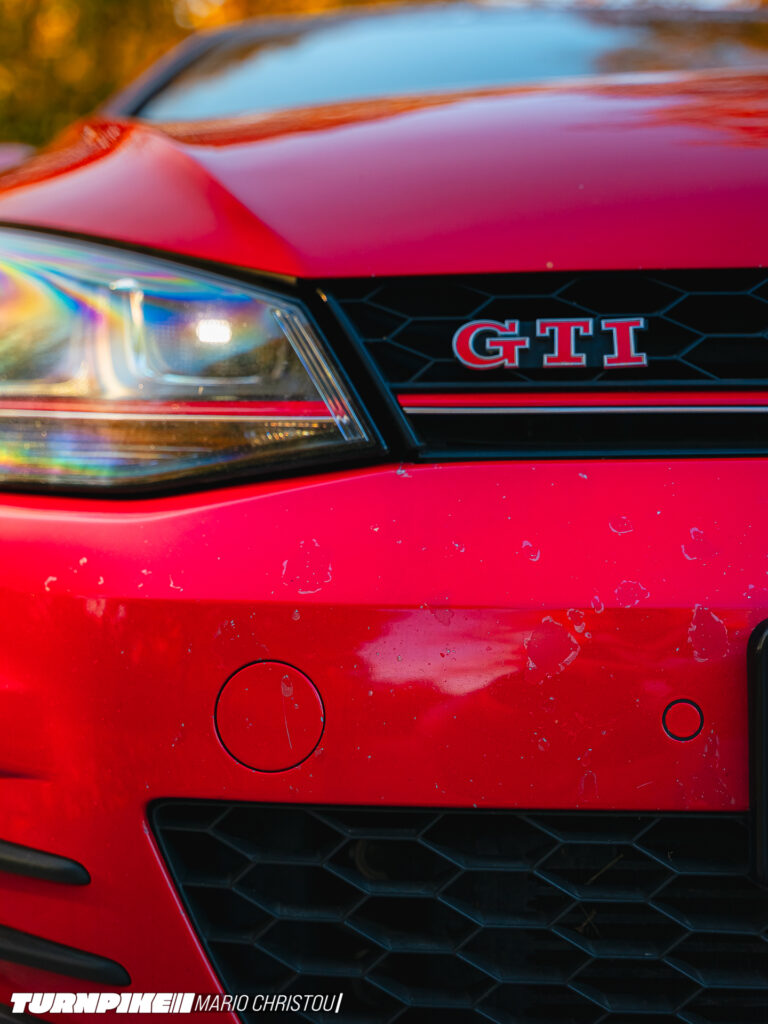
I’m leaning into it for effect, but the truth is I was pretty excited. I’ve known Ryan for nearly 10 years at this point, and the bloke knows how to build a car. When I met him, I was firmly down the VWG (formerly known as VAG) rabbit hole with my 1.4-litre Audi A1 that I’d spent far too much time, effort, and student loan money turning into a track car.
Seeing as I’m a BMW man through and through nowadays, with few VWs popping up on my radar, I was curious to return to my roots. I was also excited to get behind the wheel of something rowdy, as I spend most of my time reviewing cars in the world of ‘real’, professional, consumer journalism. That means a lot of boring family SUVs and hatchbacks, as well as the odd high-performance hero.
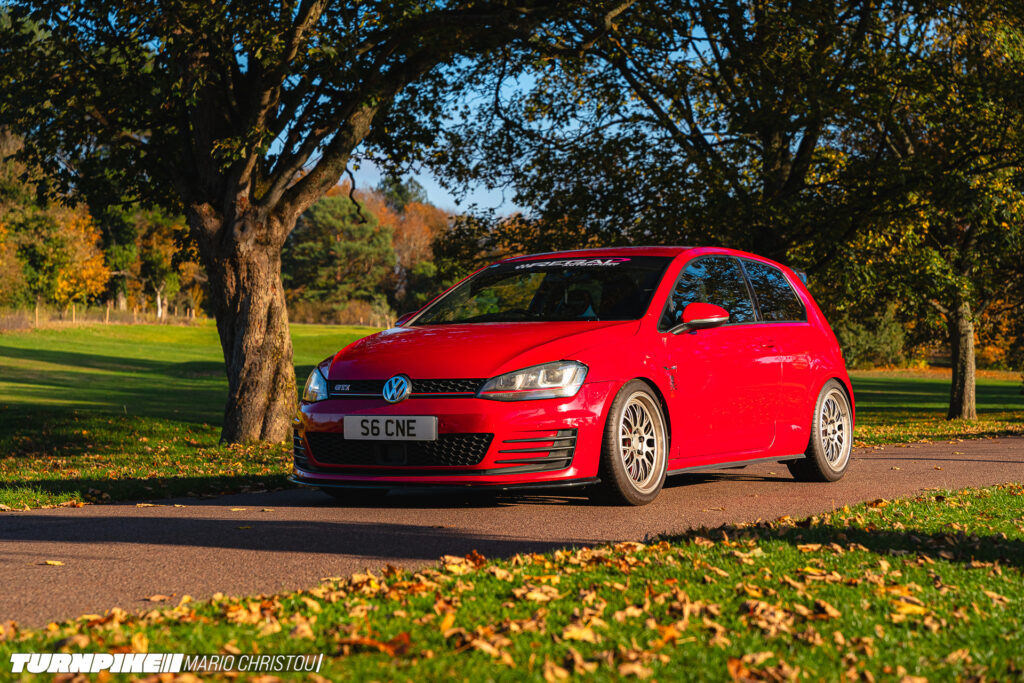
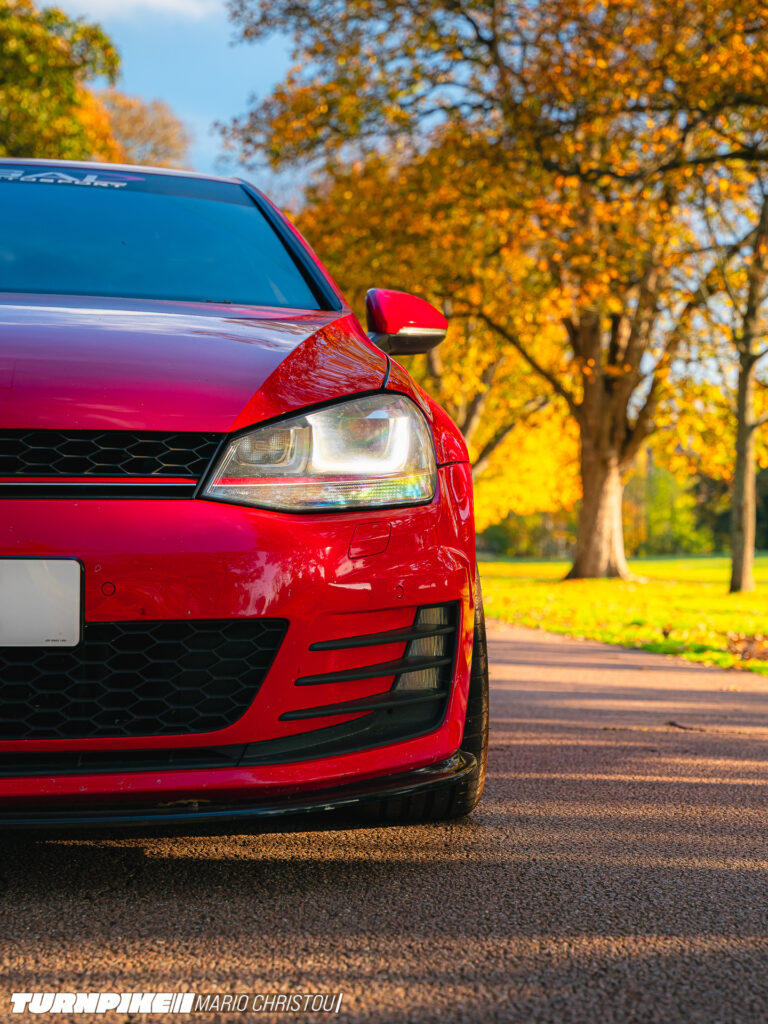
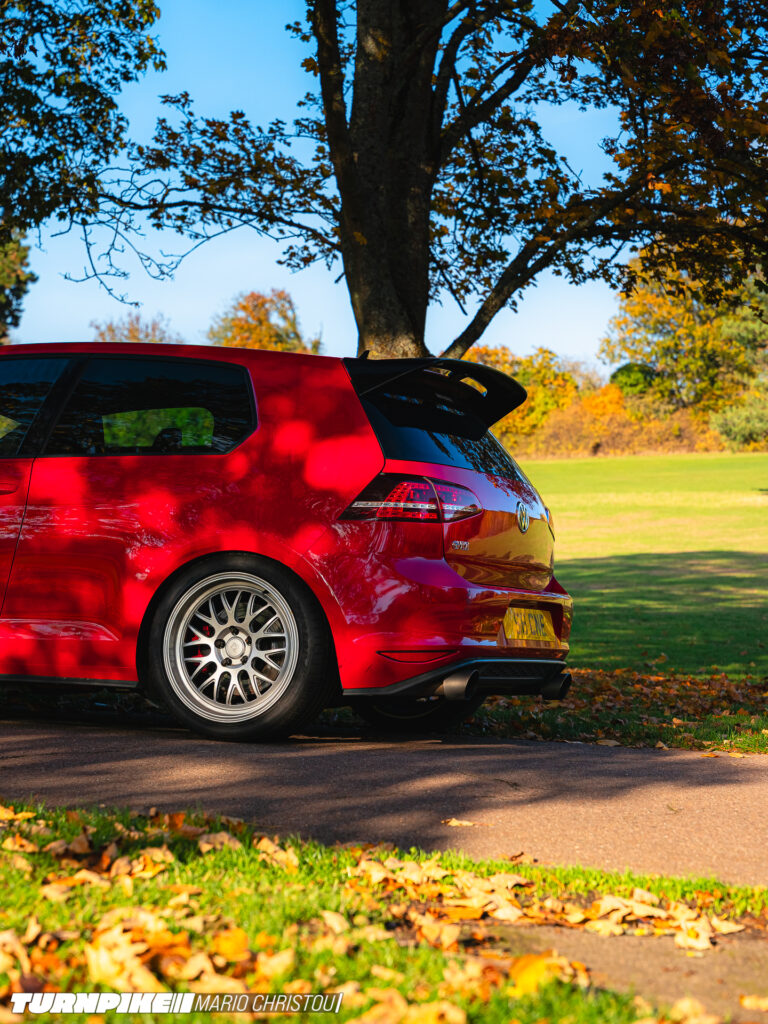
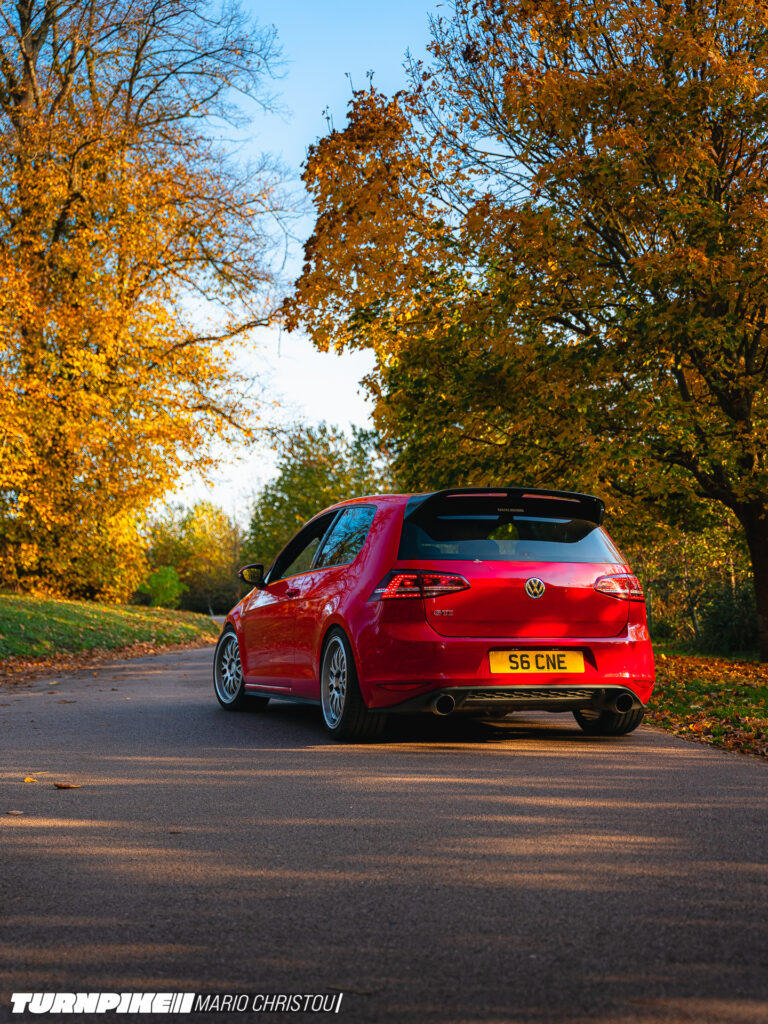
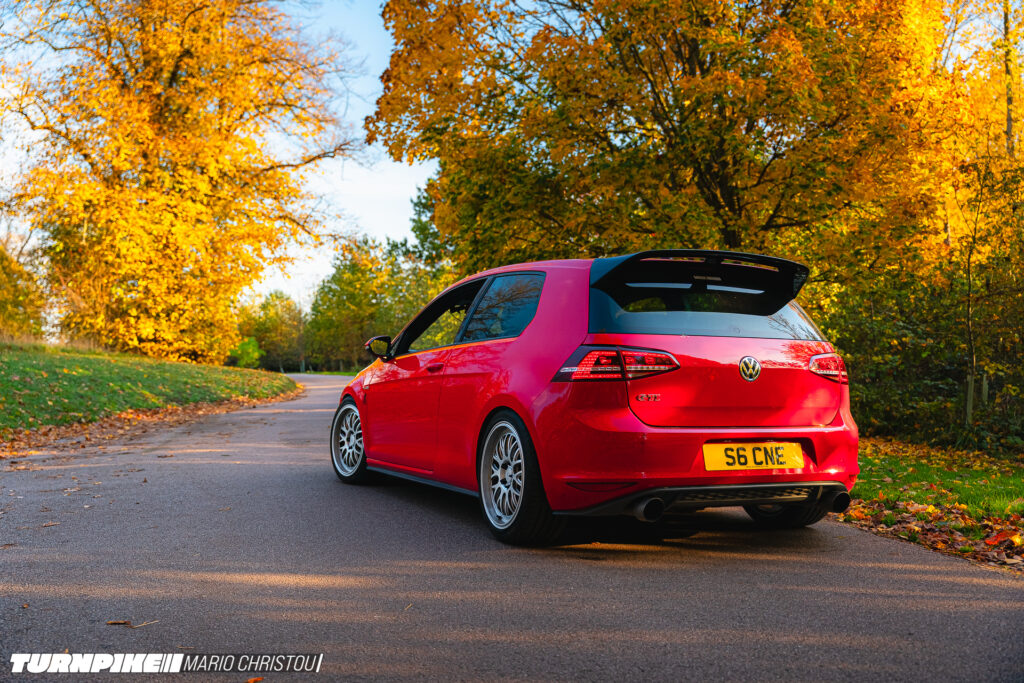
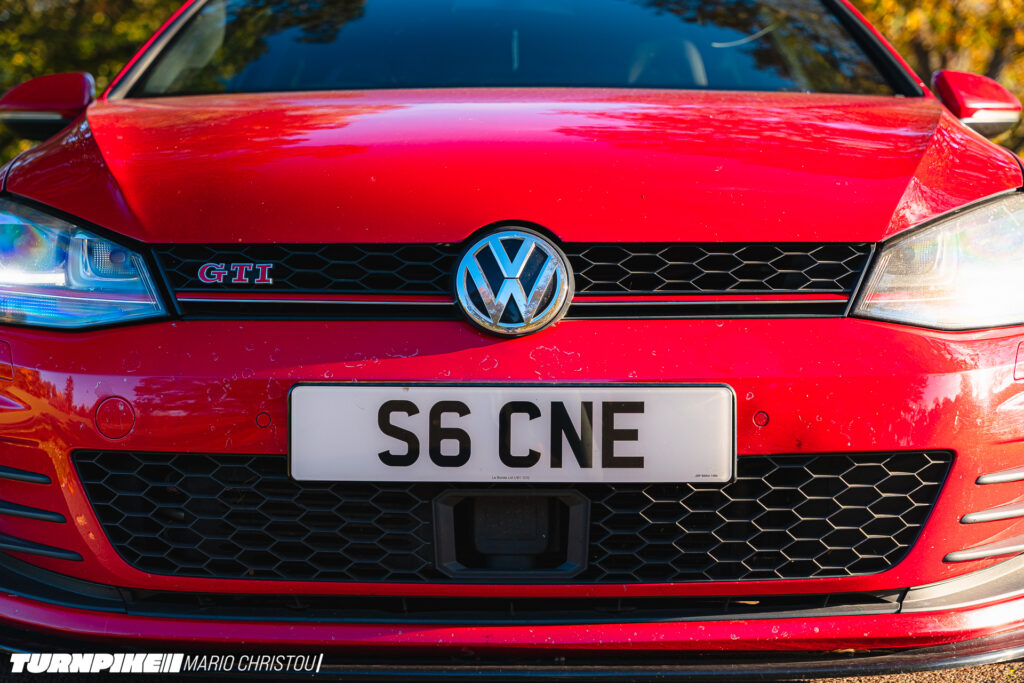
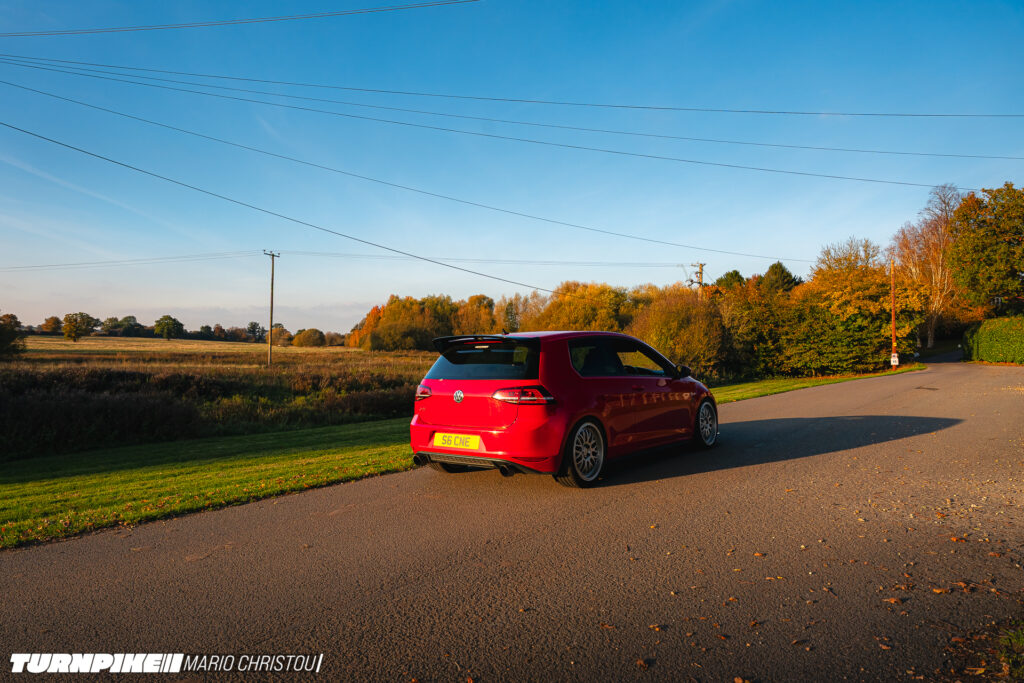
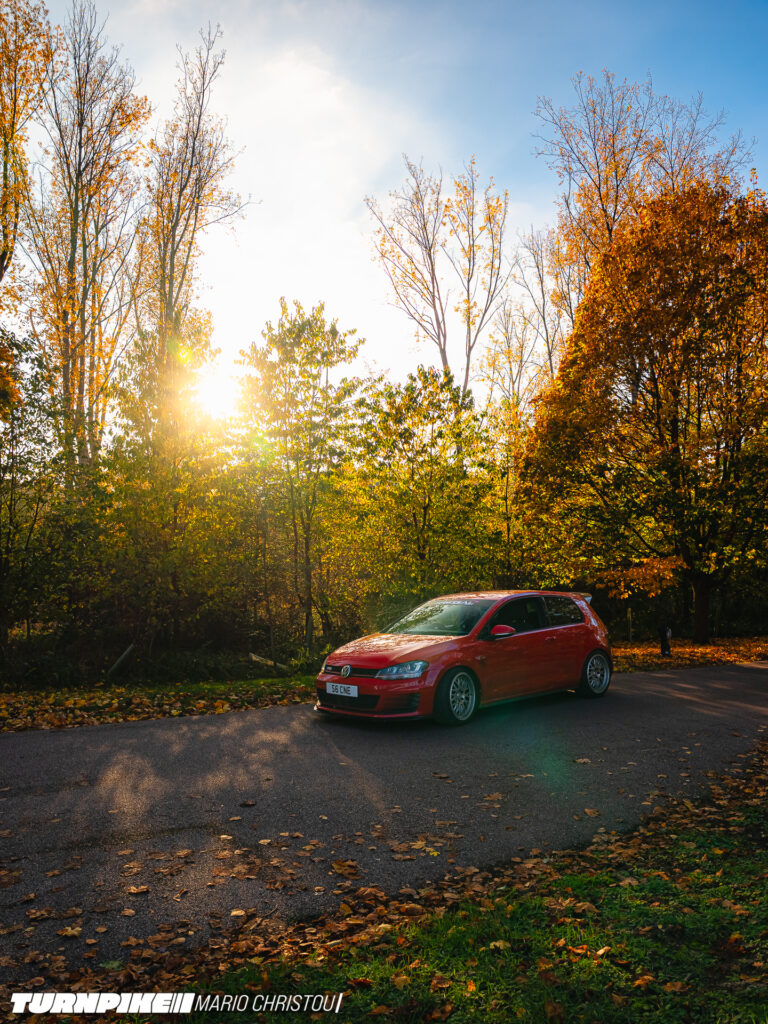
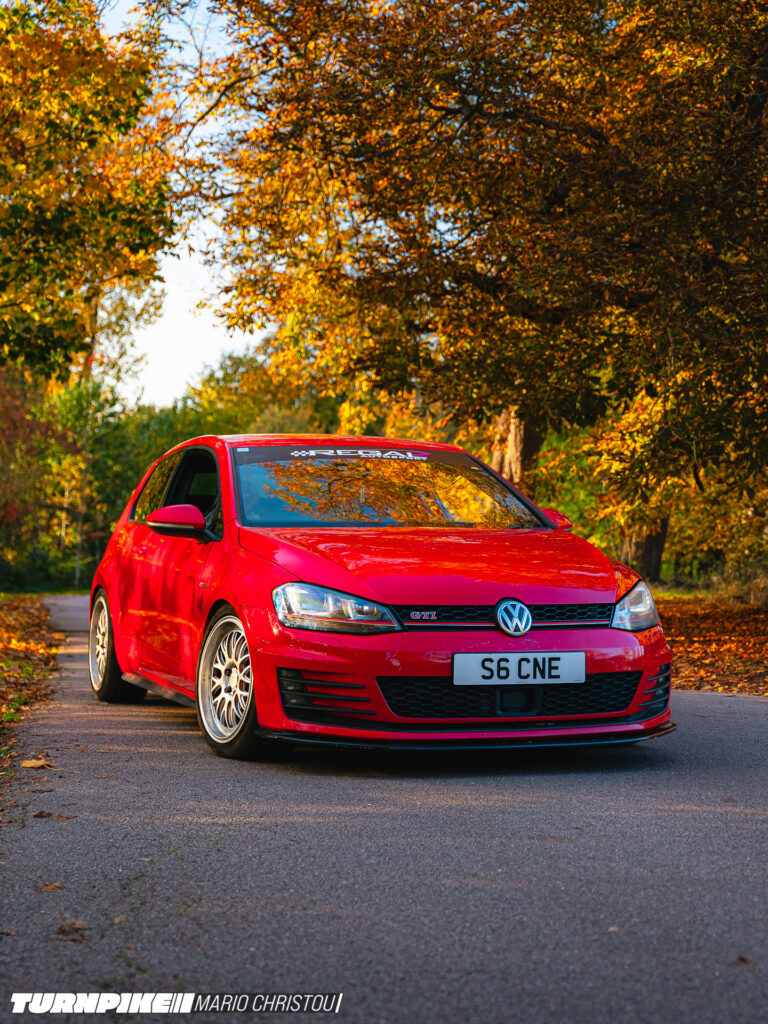
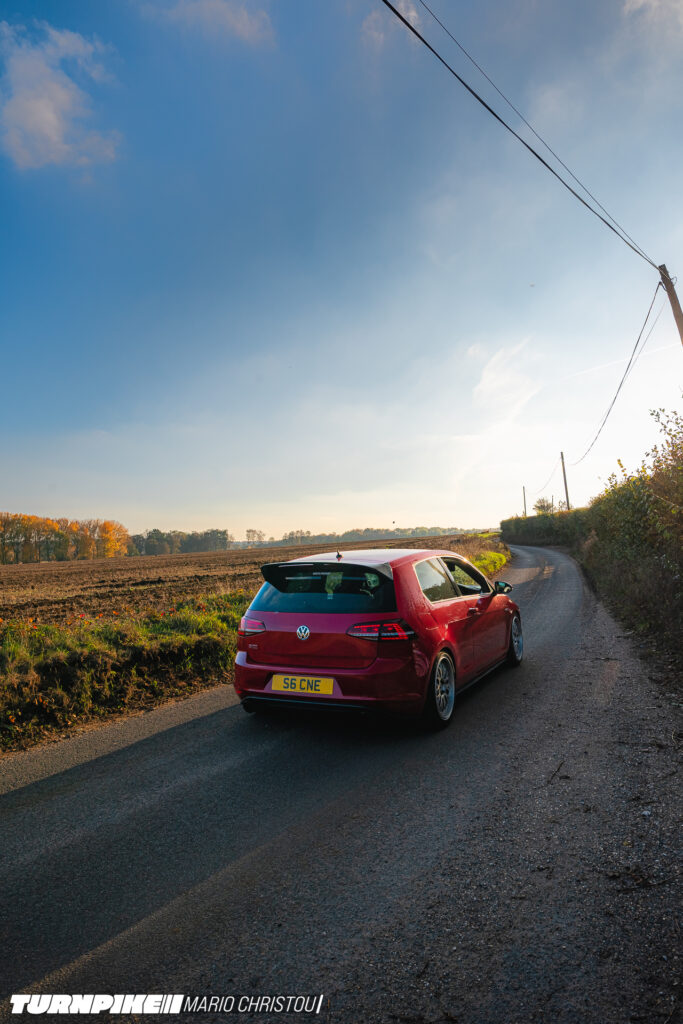
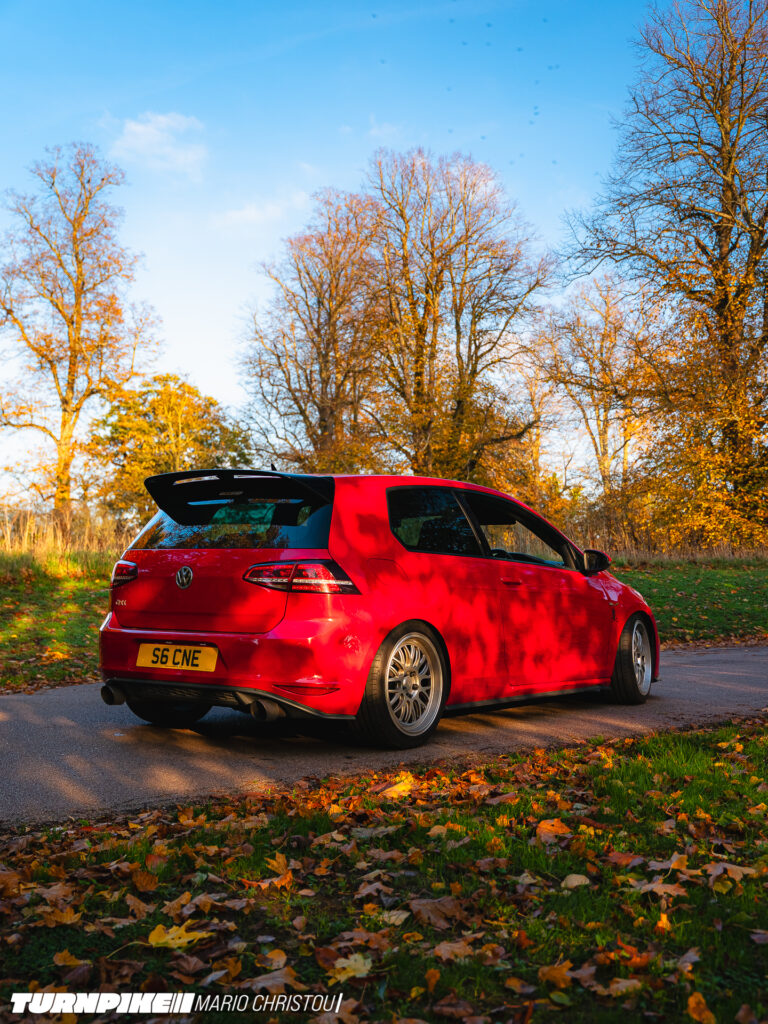
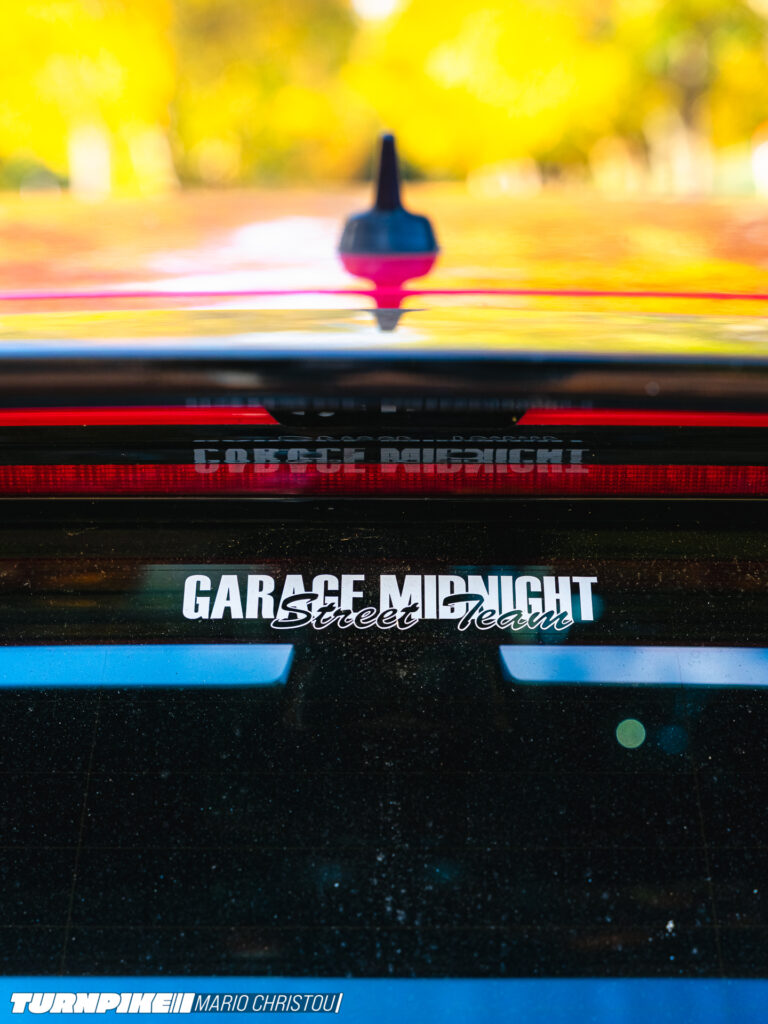
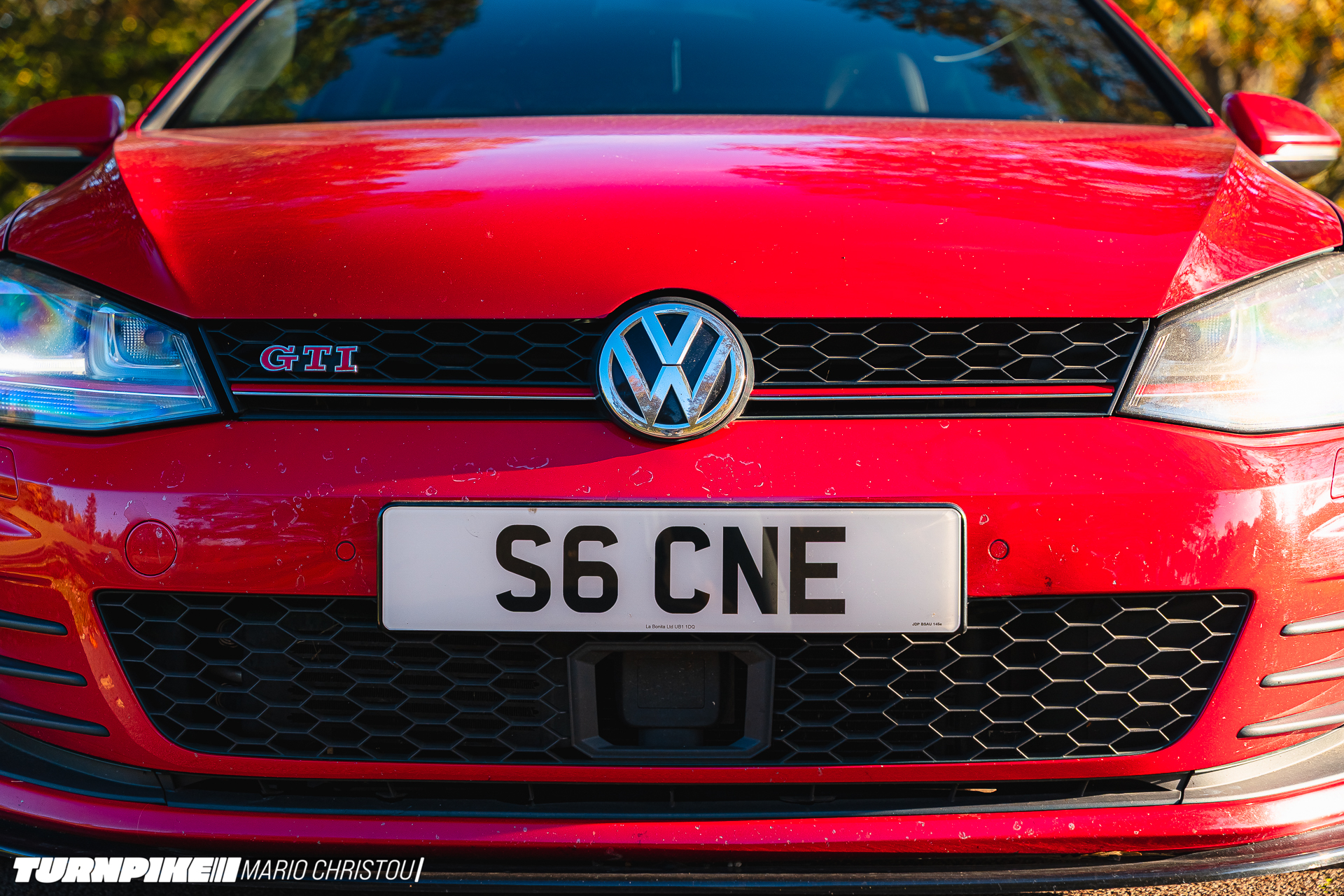
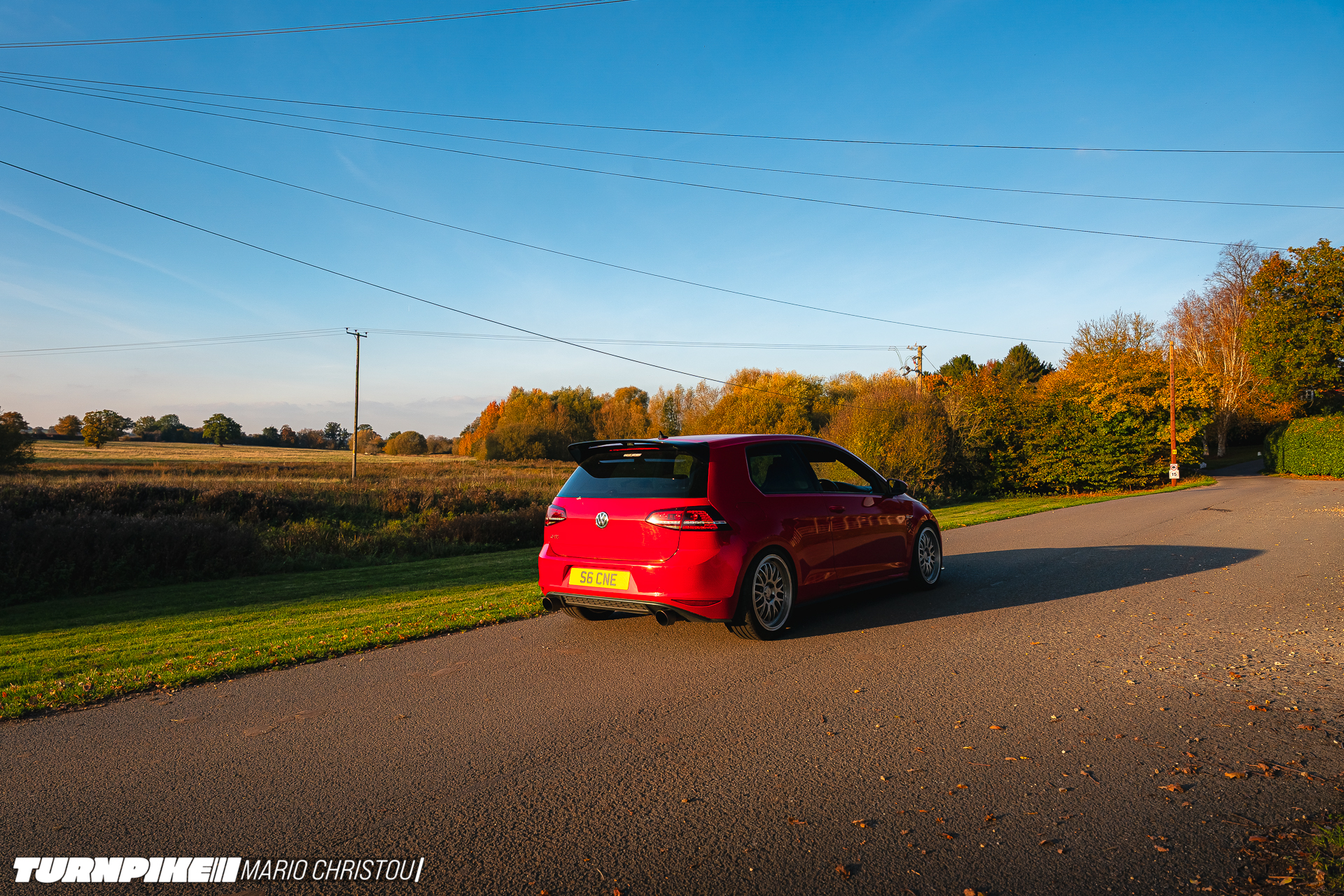
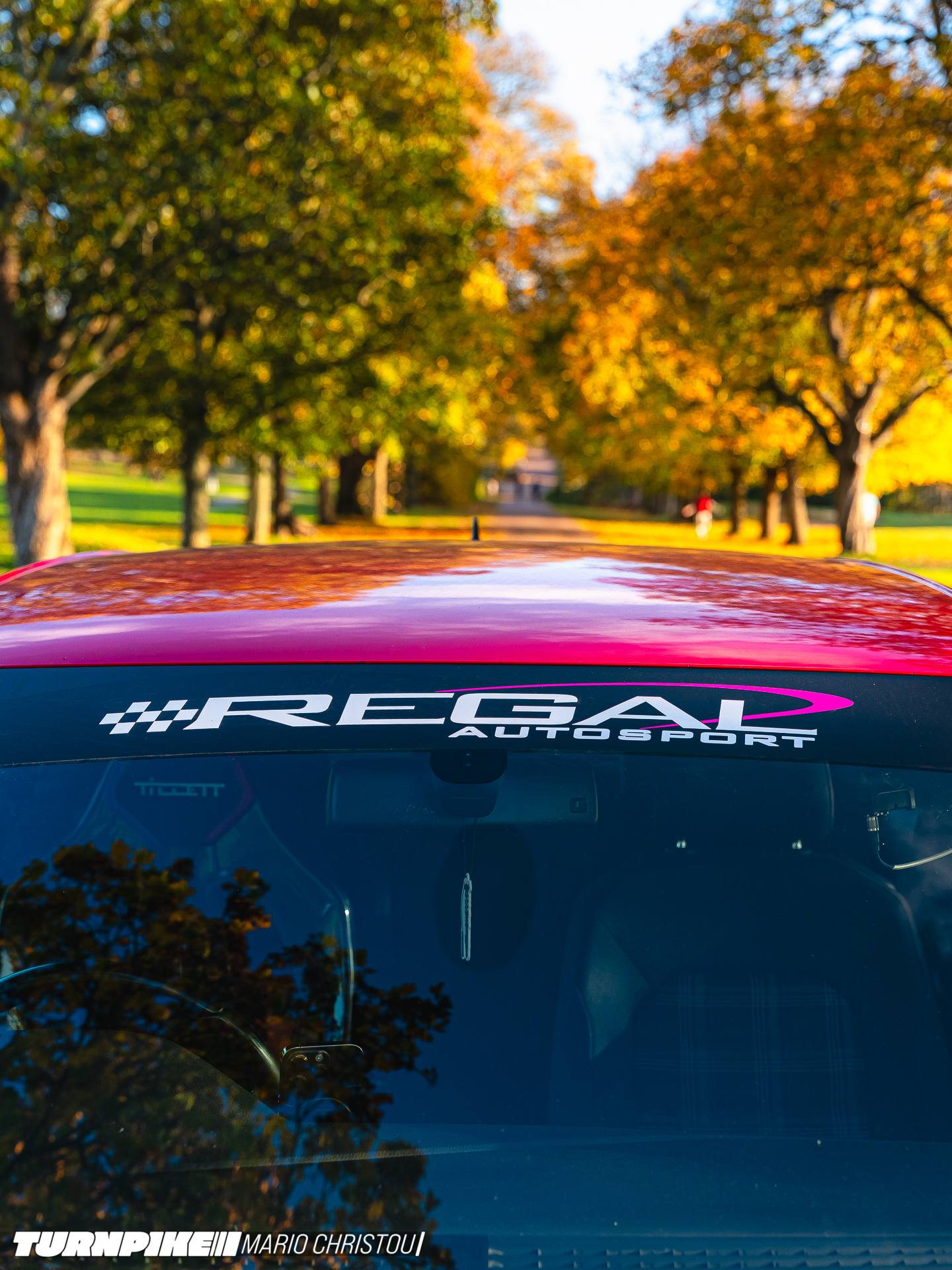
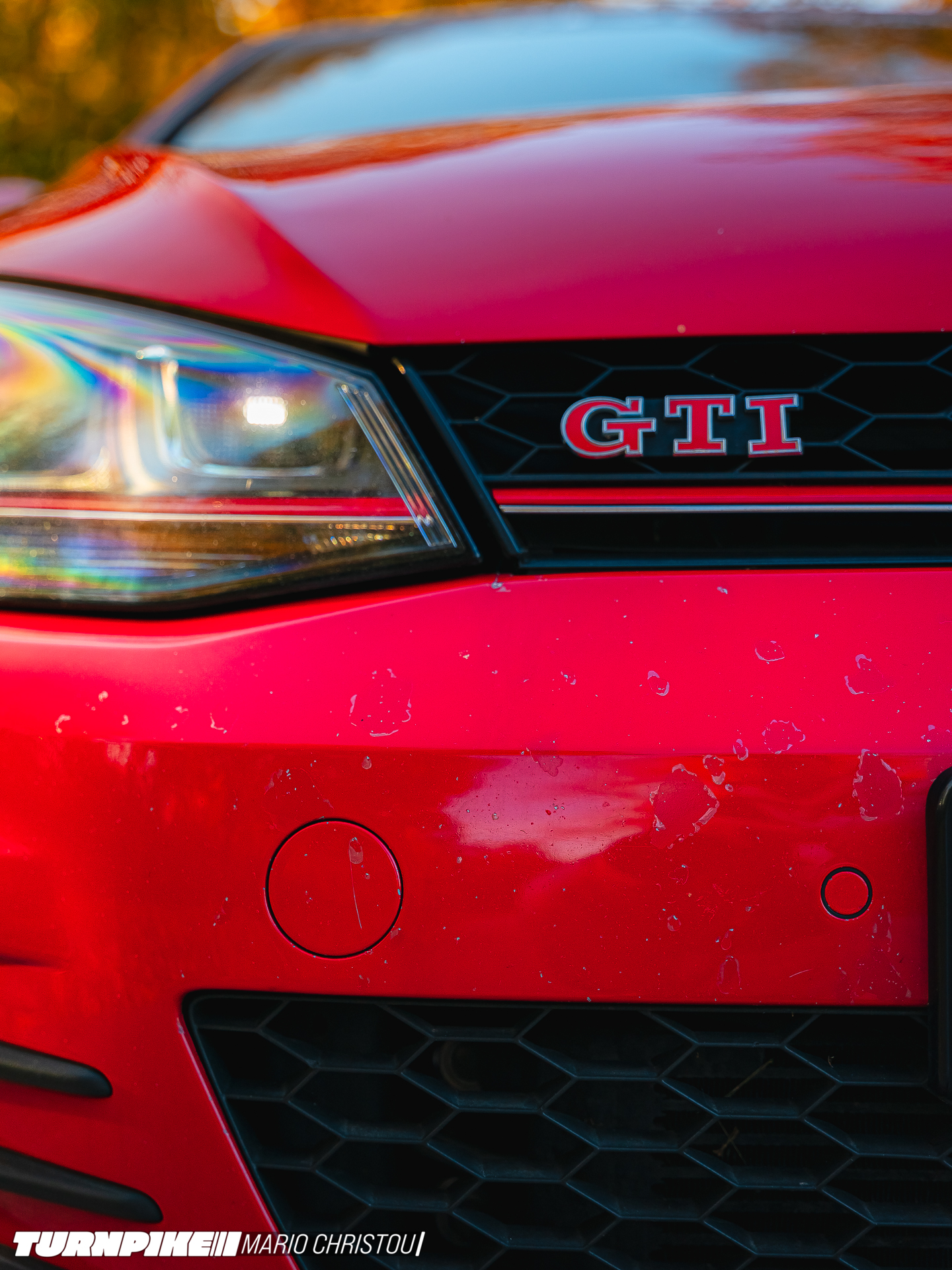
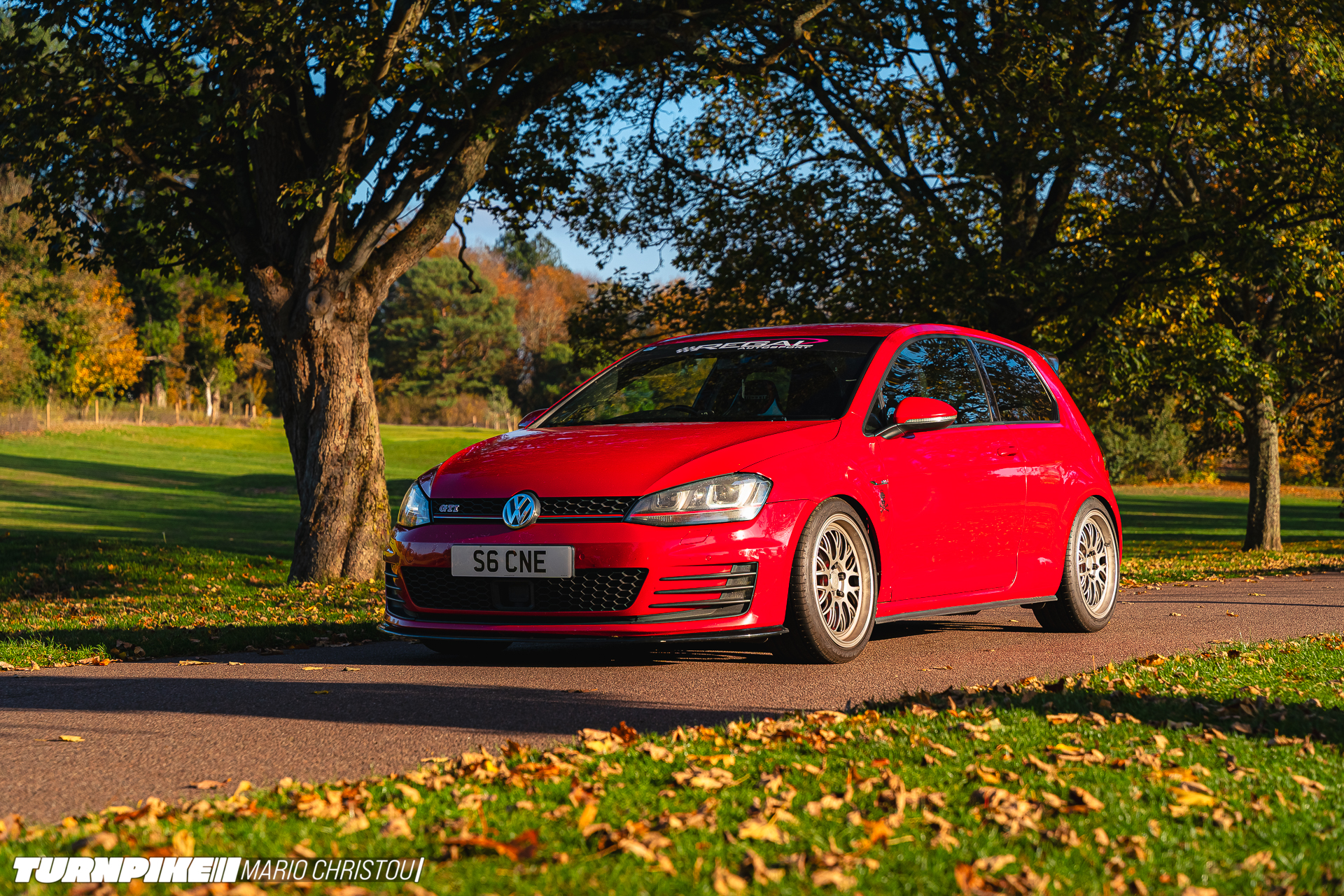
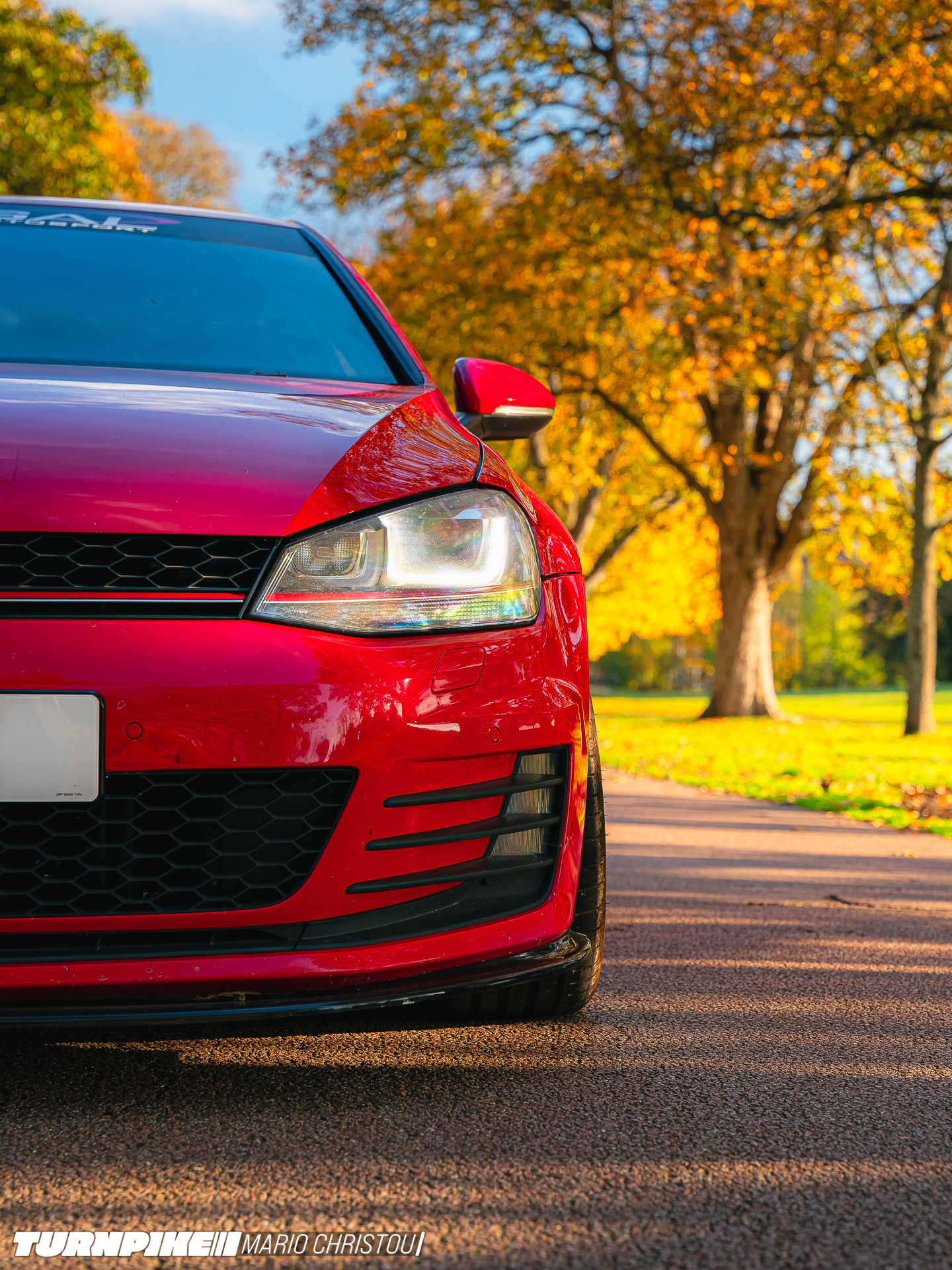
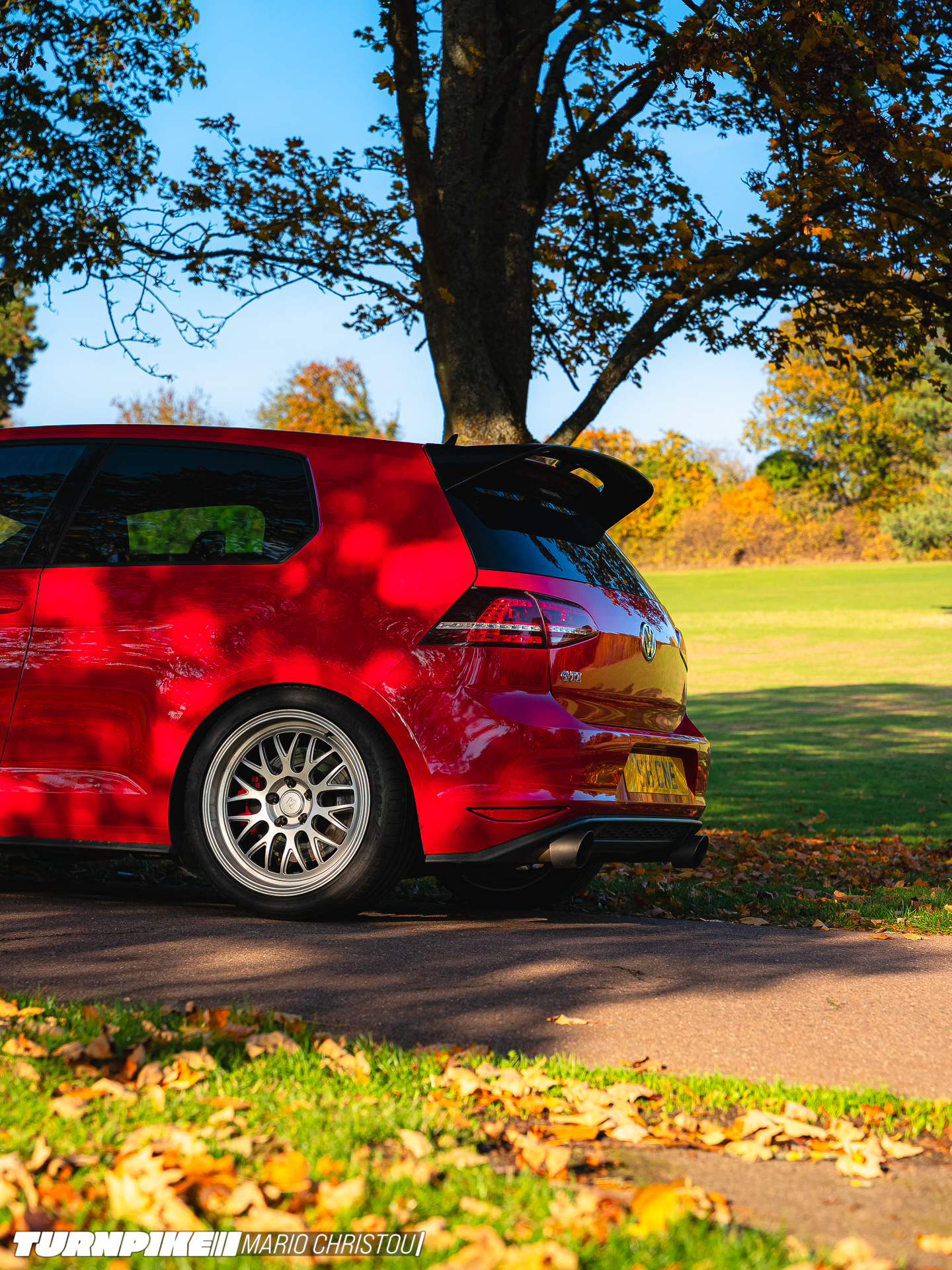
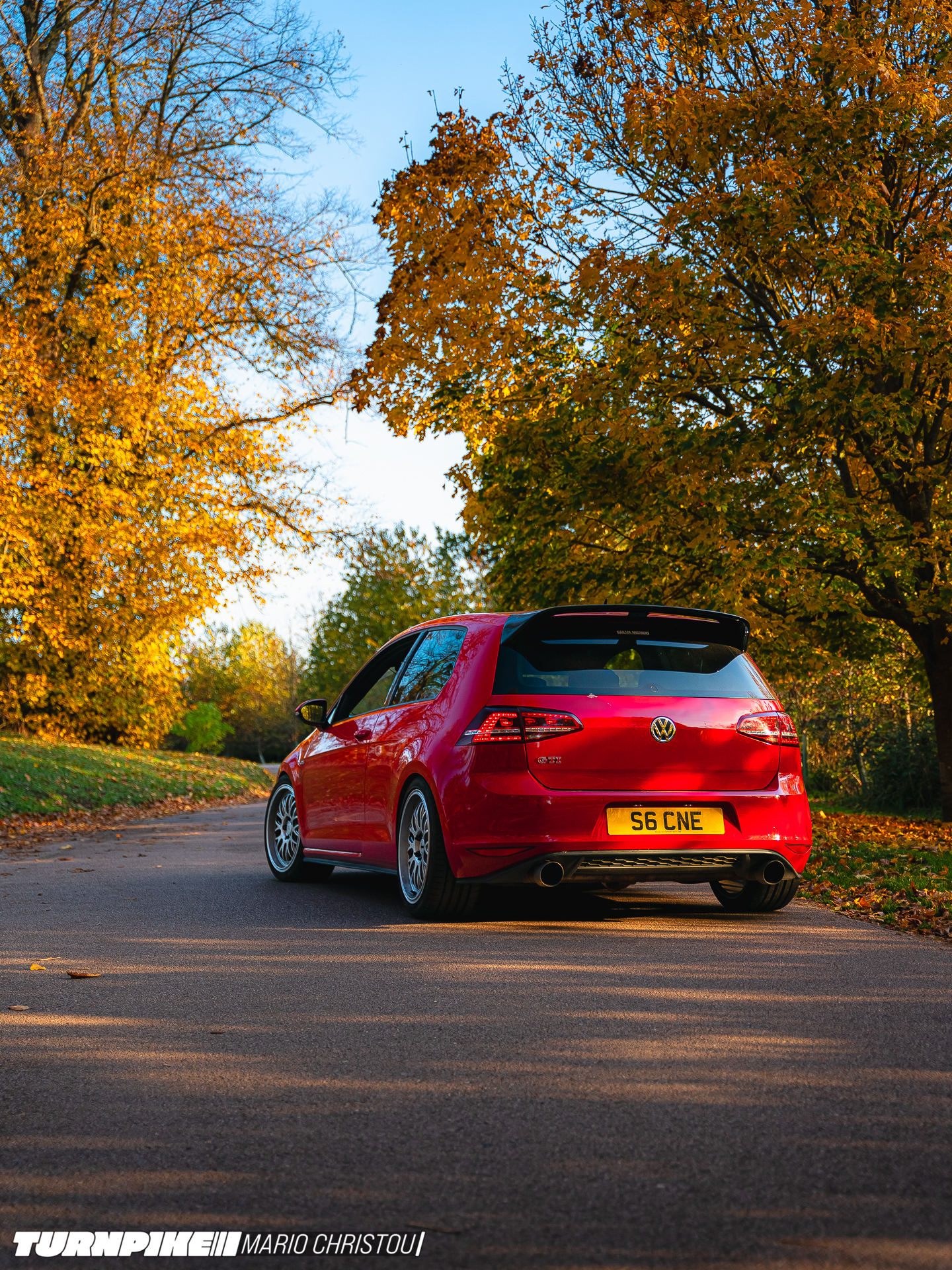
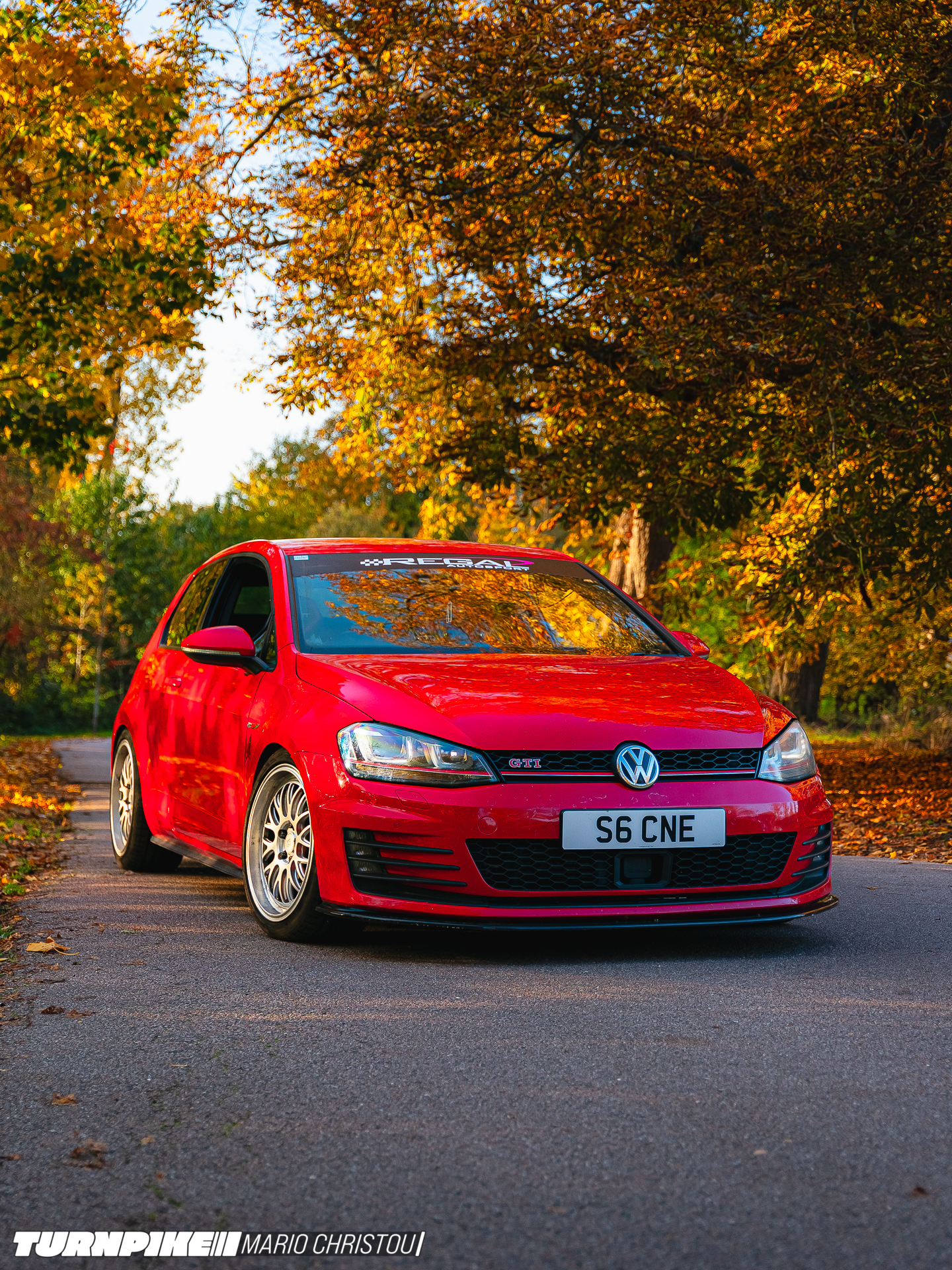
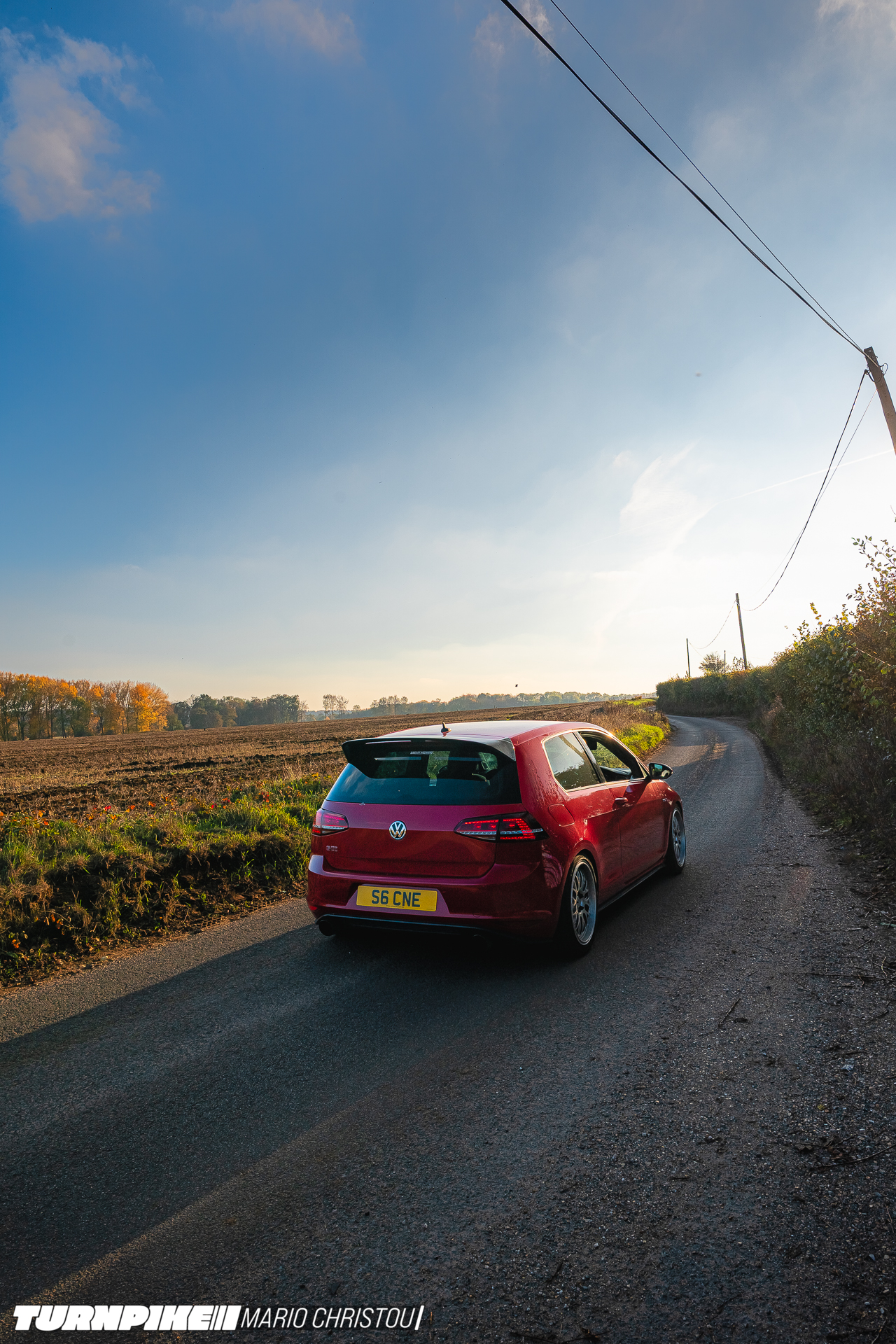
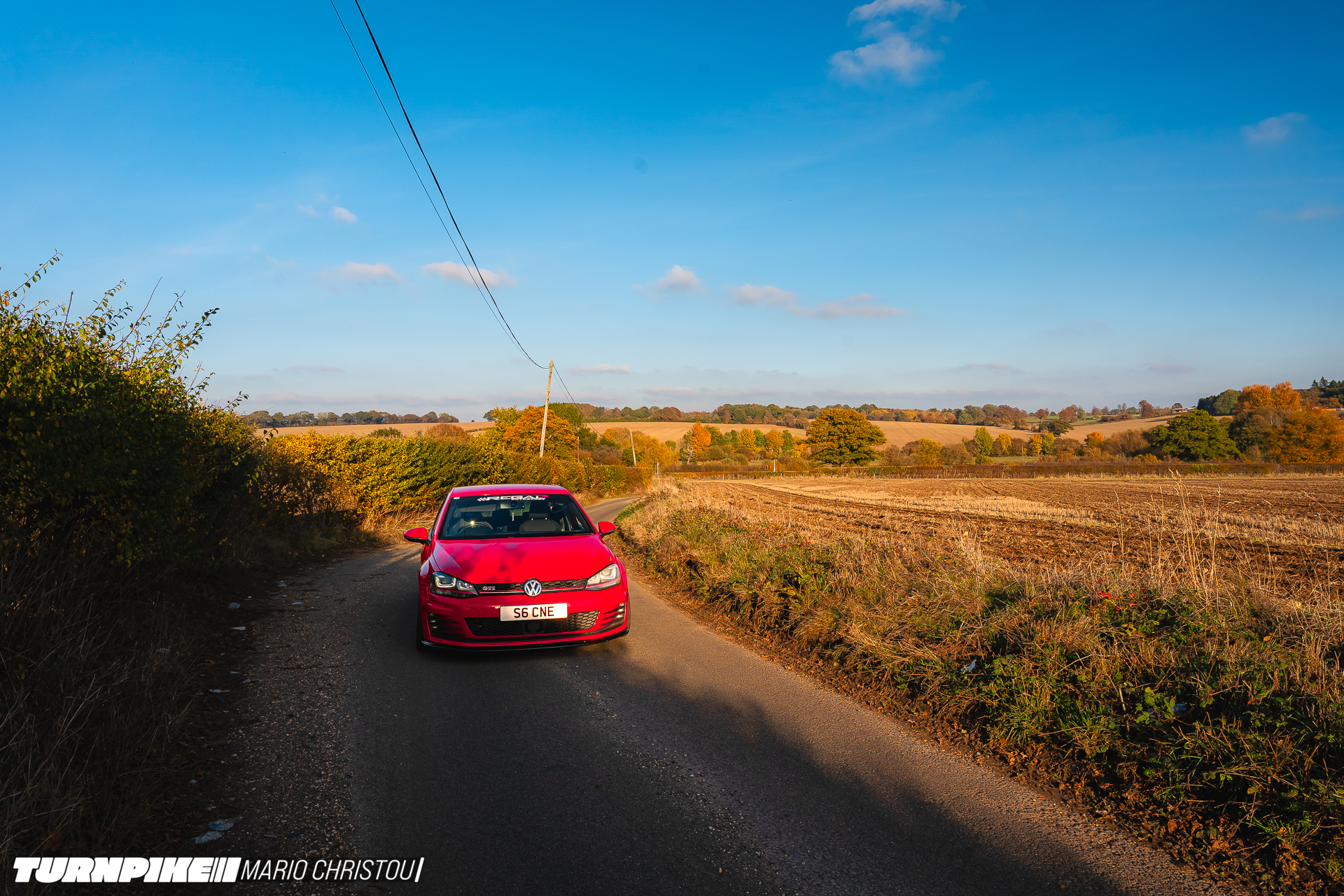
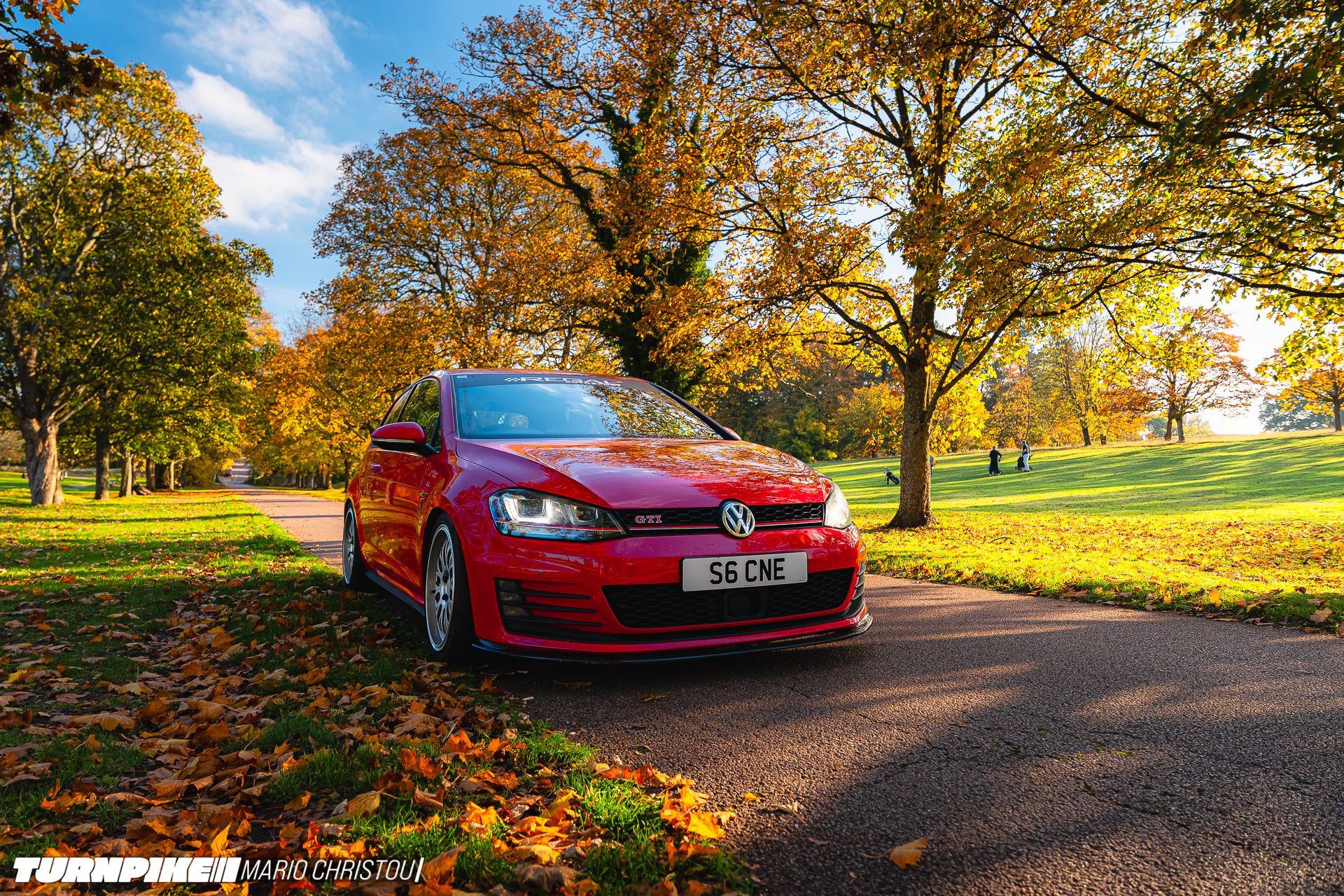
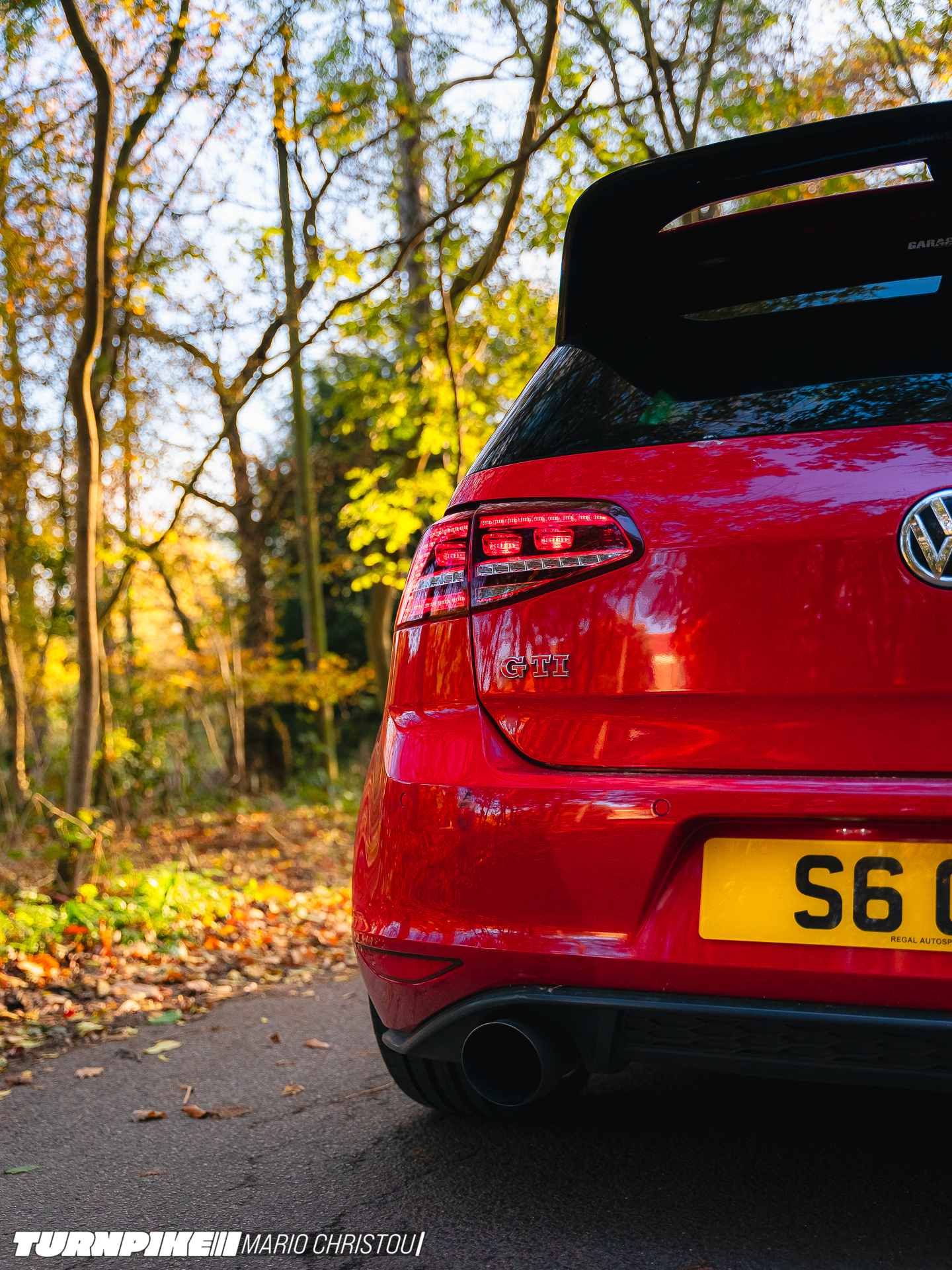
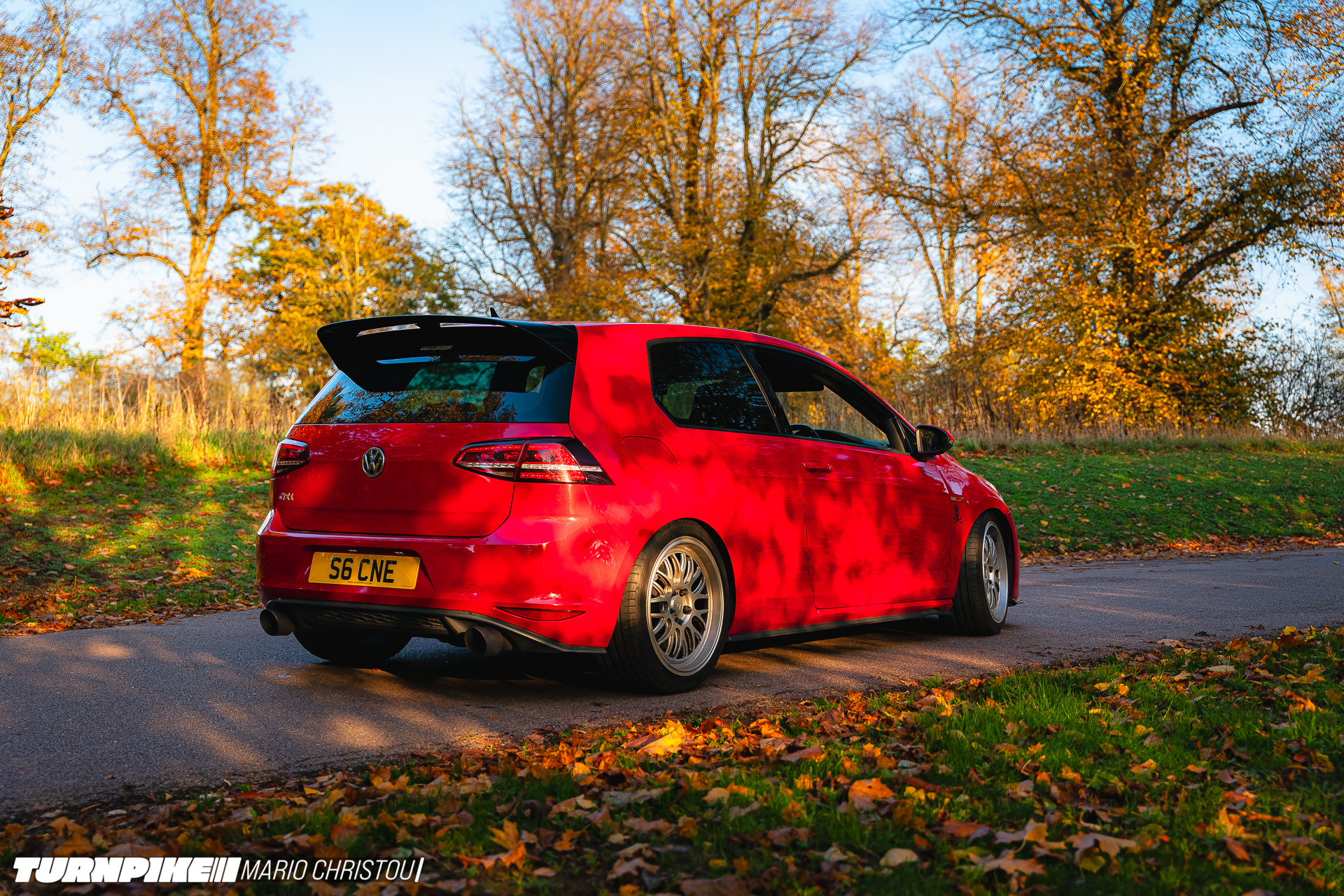
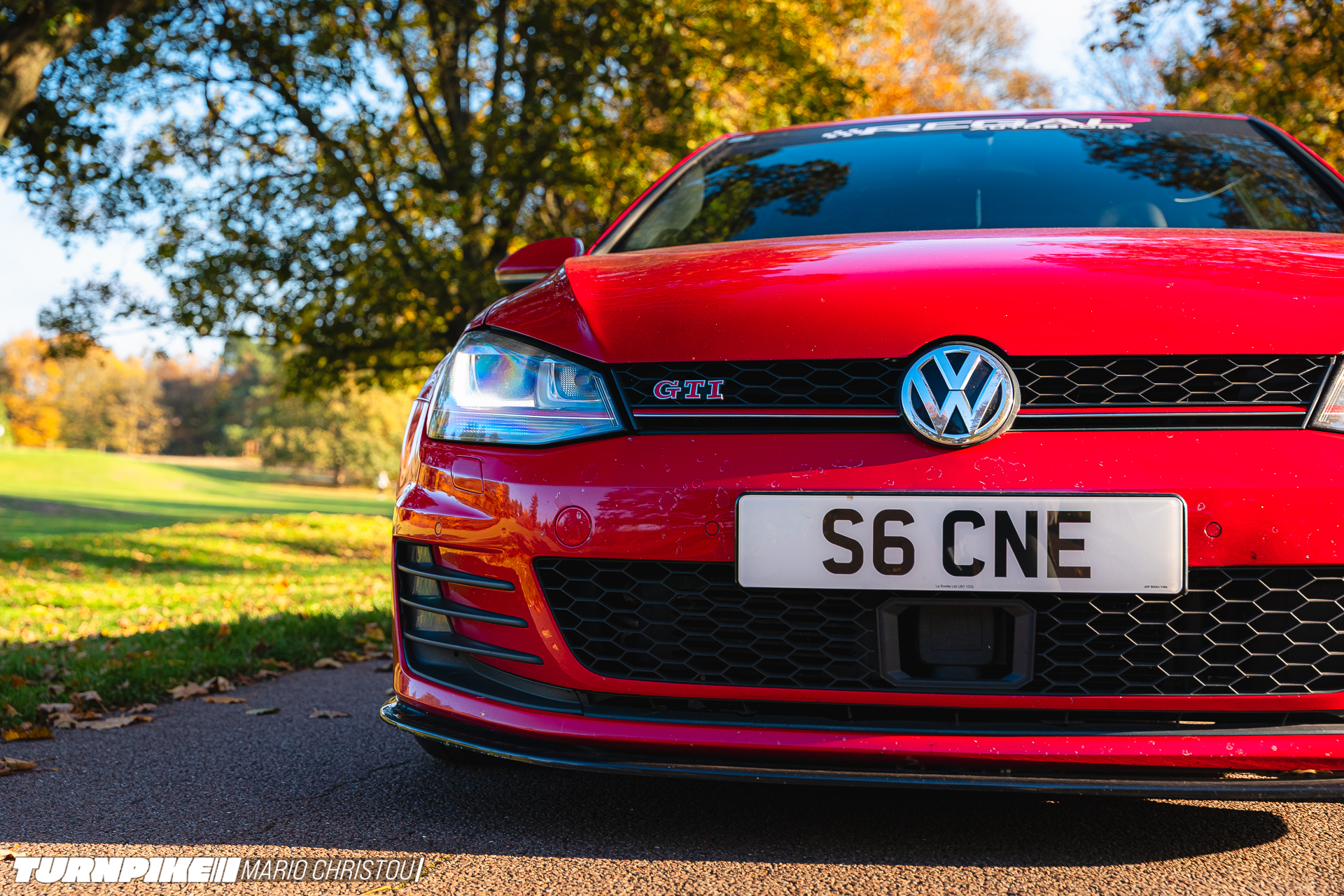
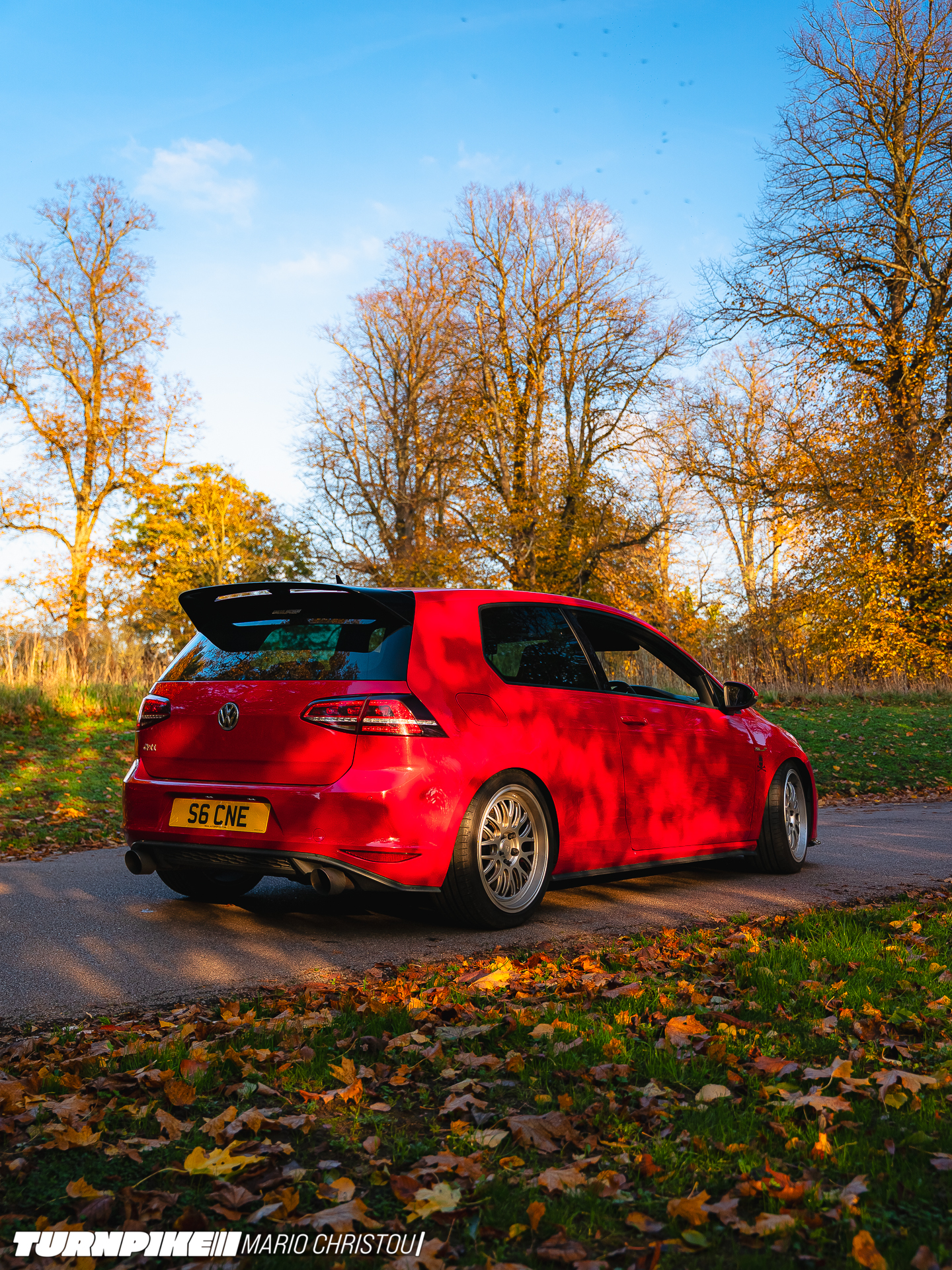
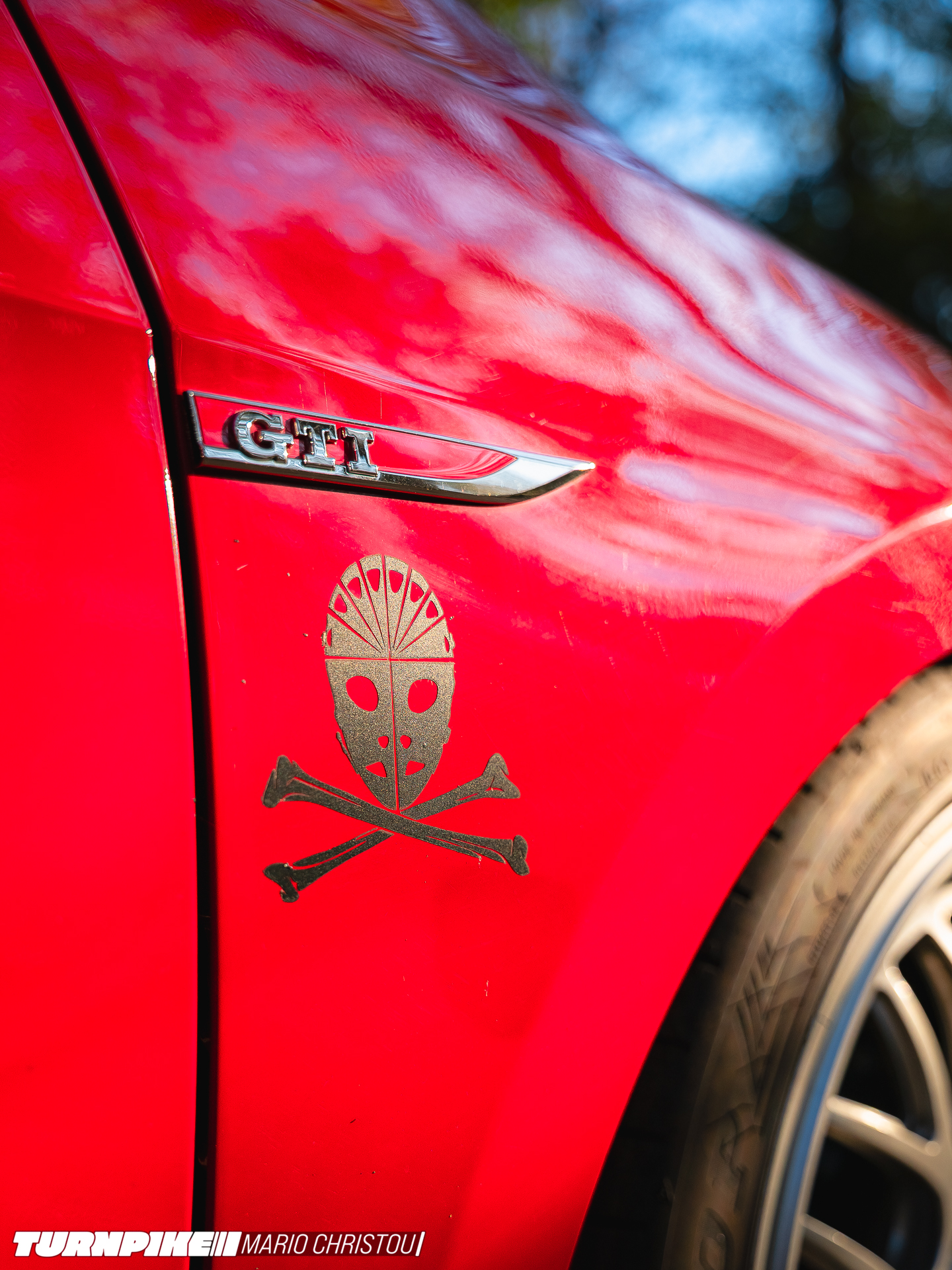
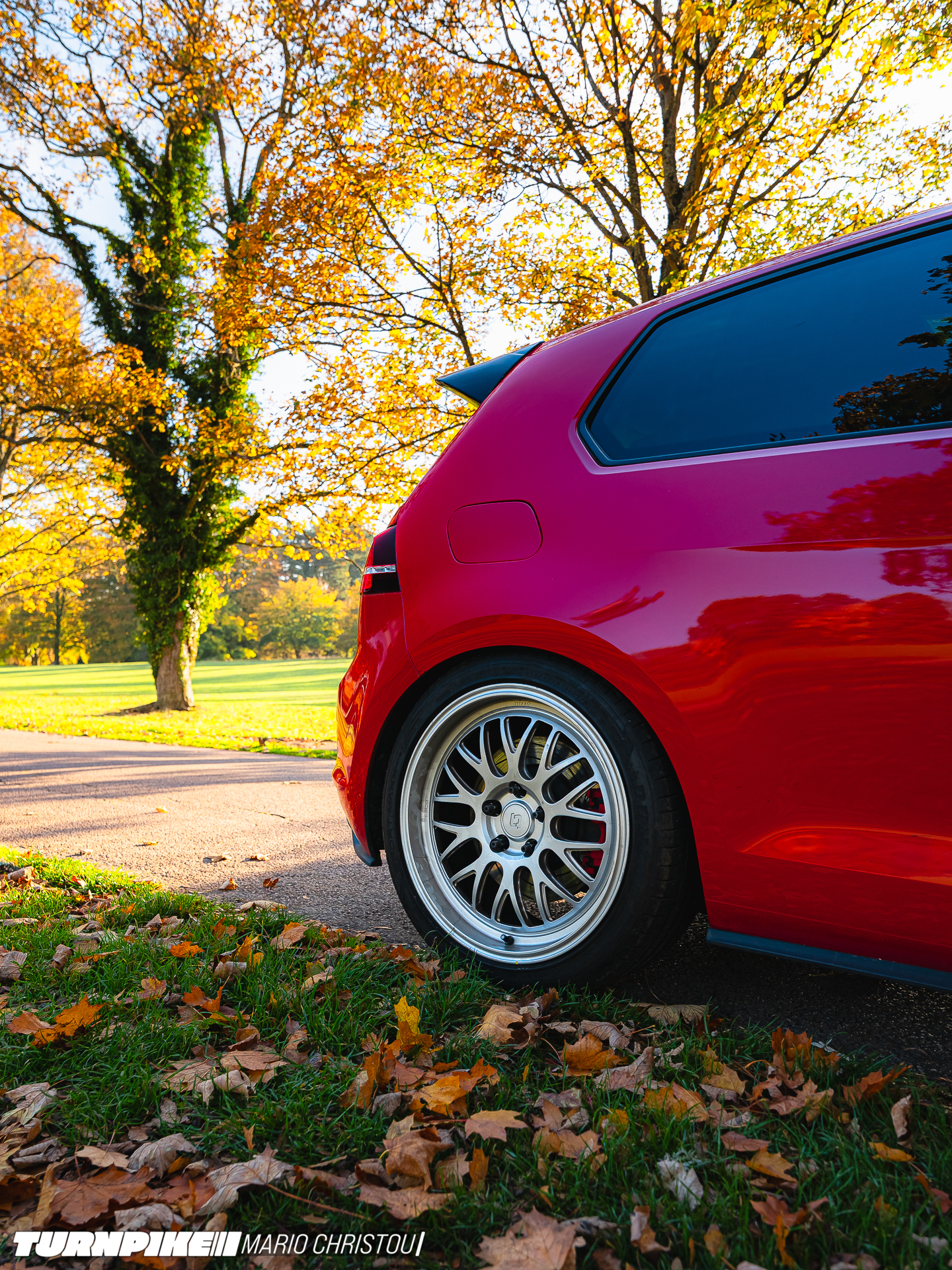
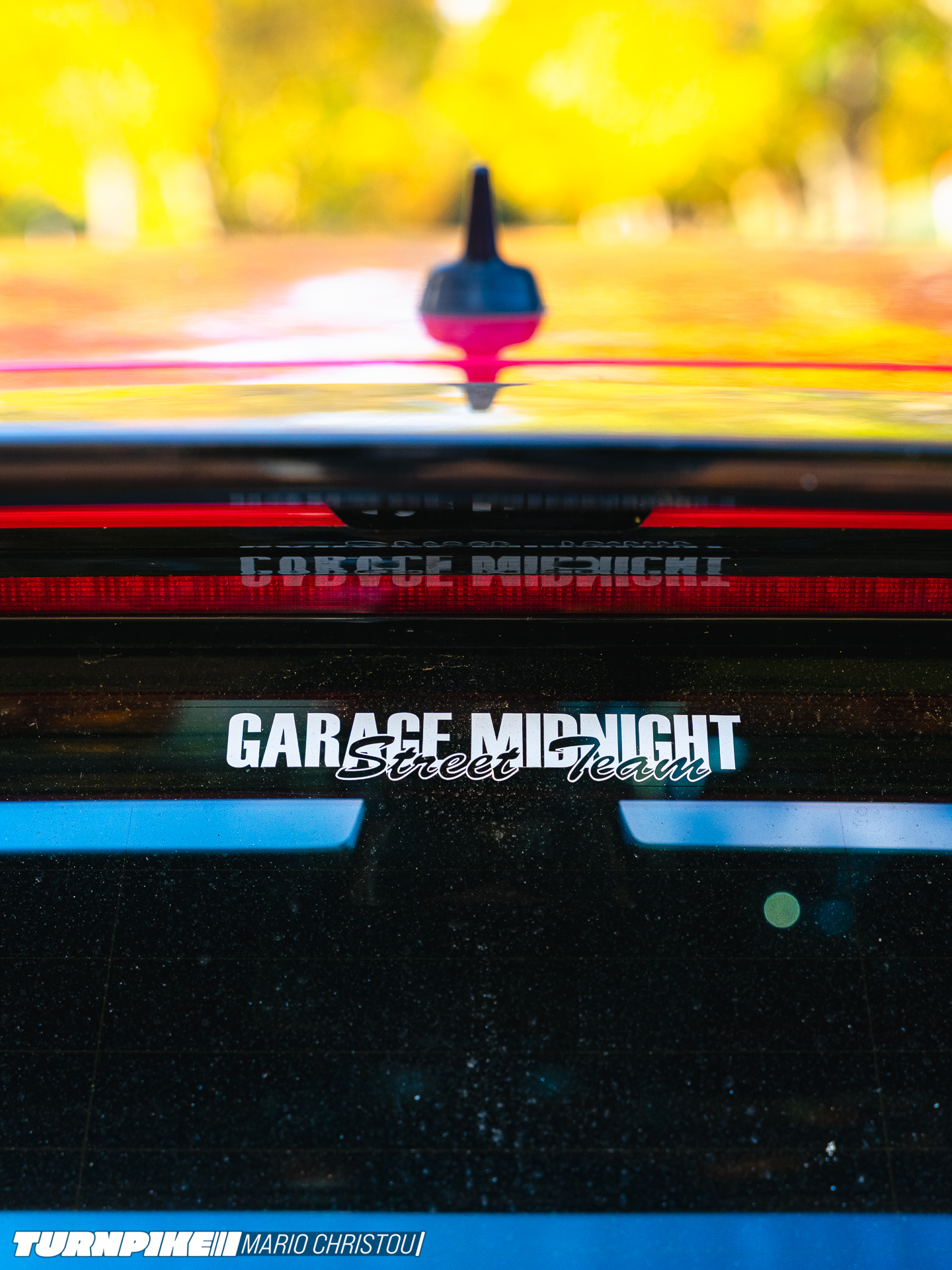
‘Boring’ is certainly not the word I’d use to describe the Golf, even if it isn’t the most head-turning example around. Beyond the Voomeran Euromagic roof spoiler and Triple R Composites front splitter, there’s nothing really separating it from any other GTI on the road.
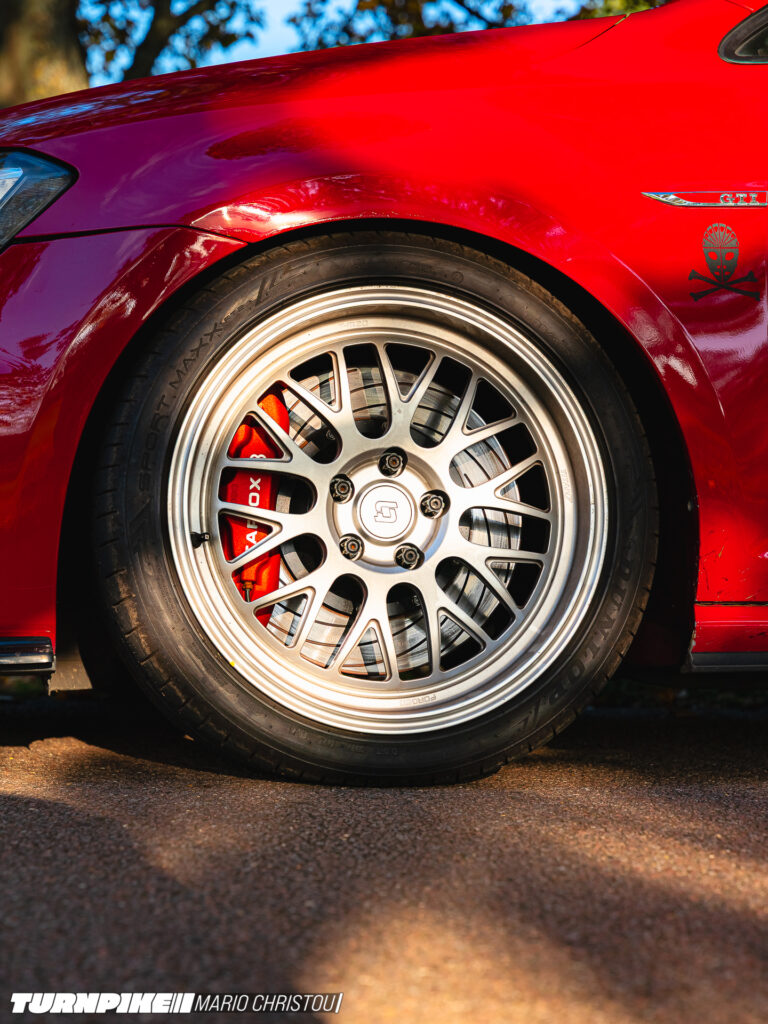
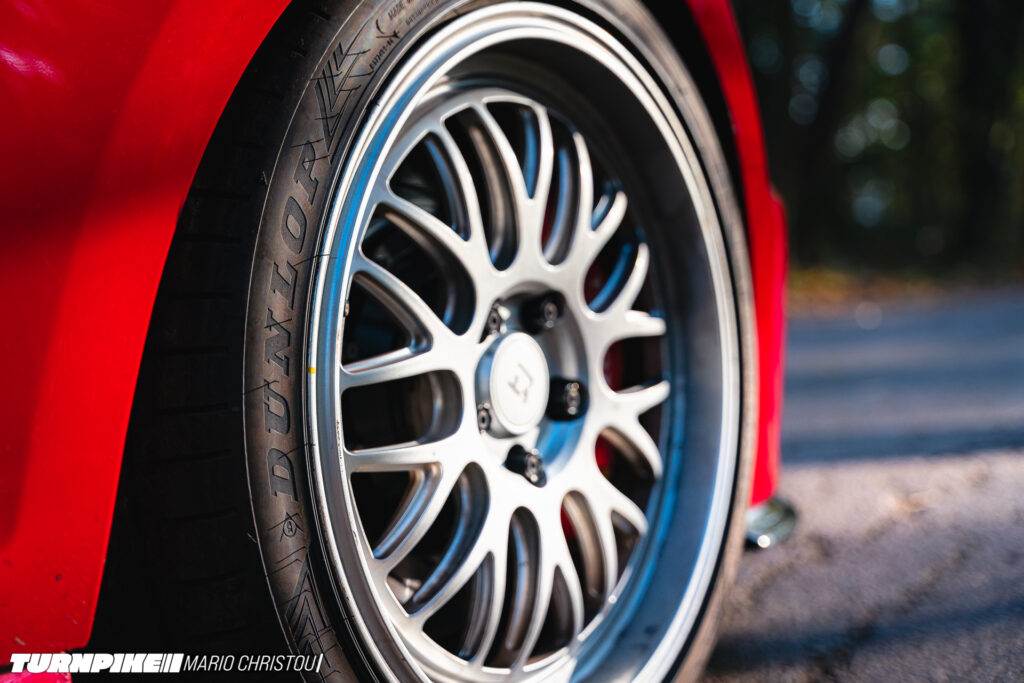
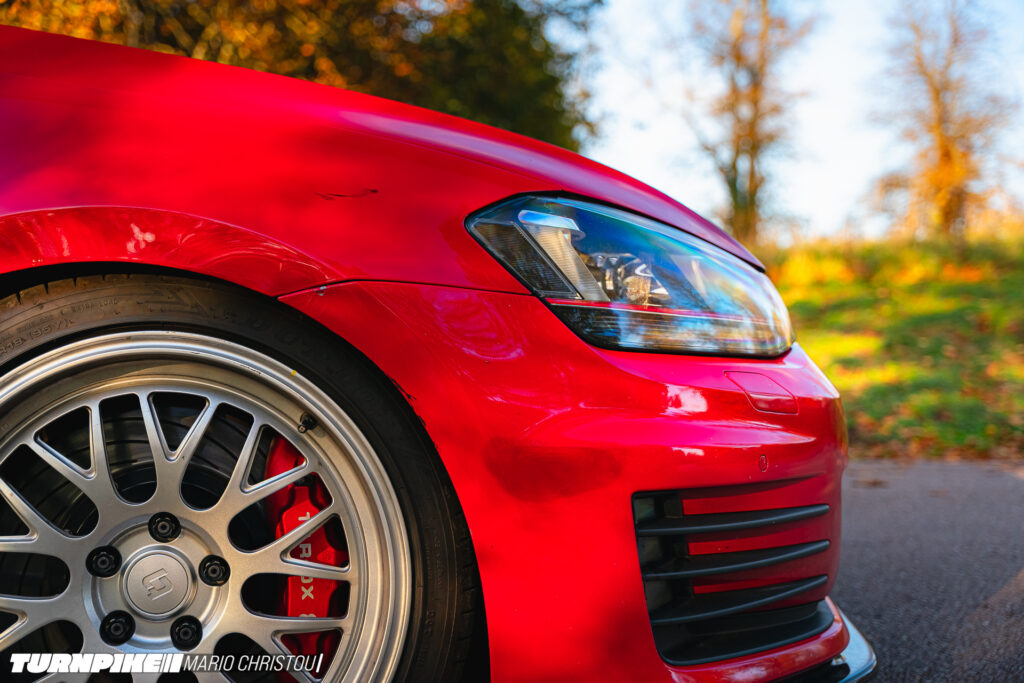
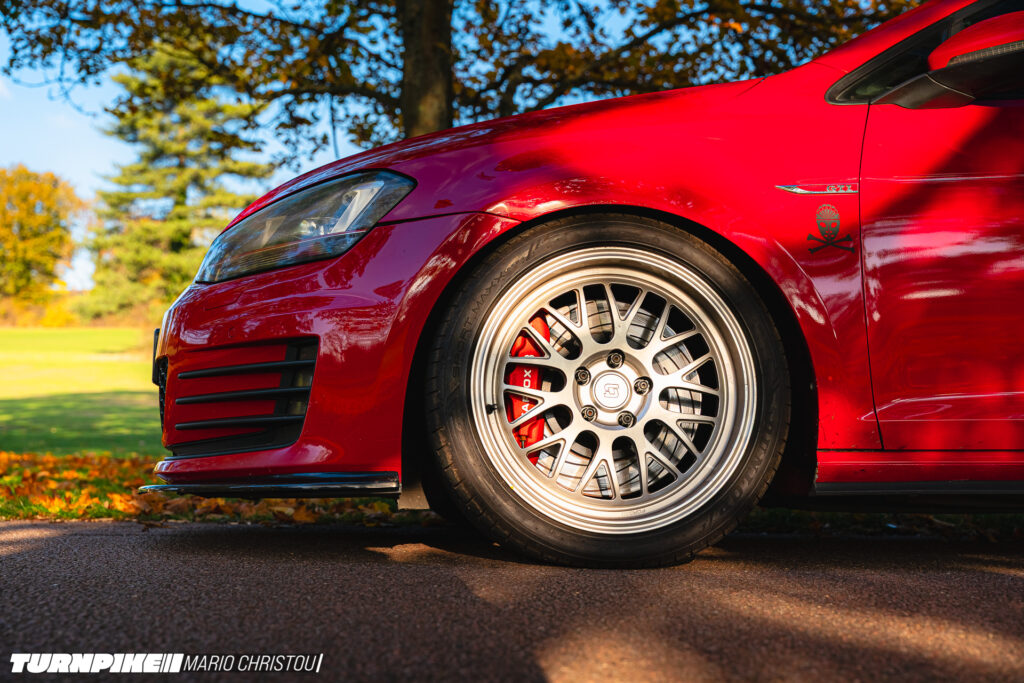
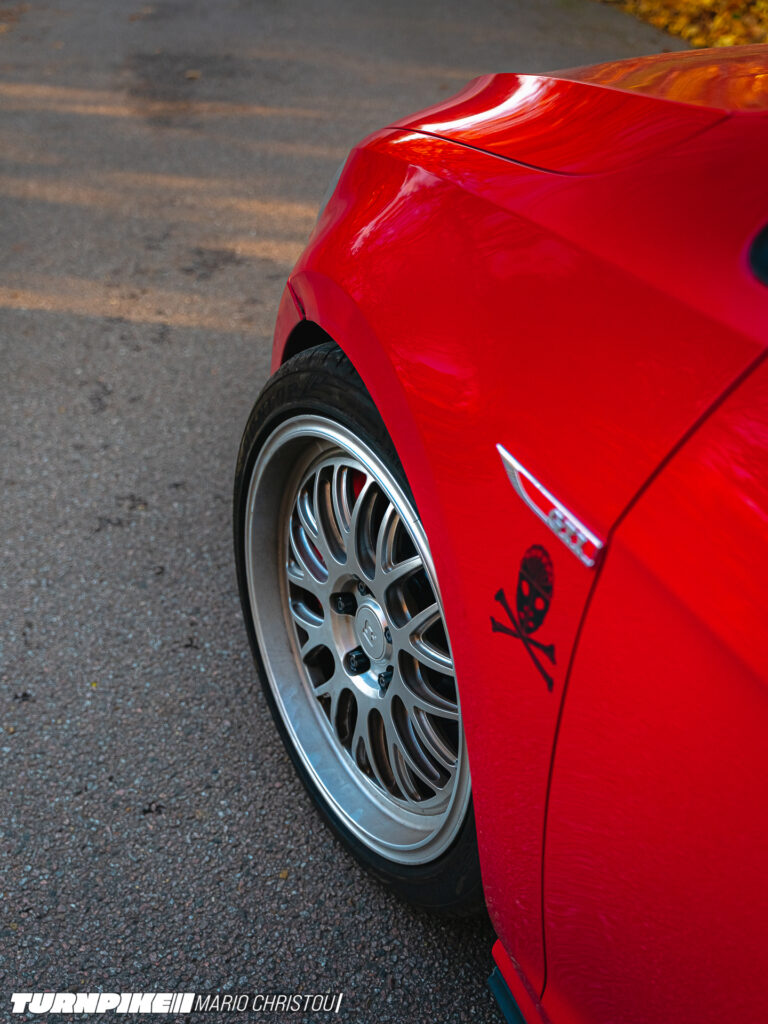
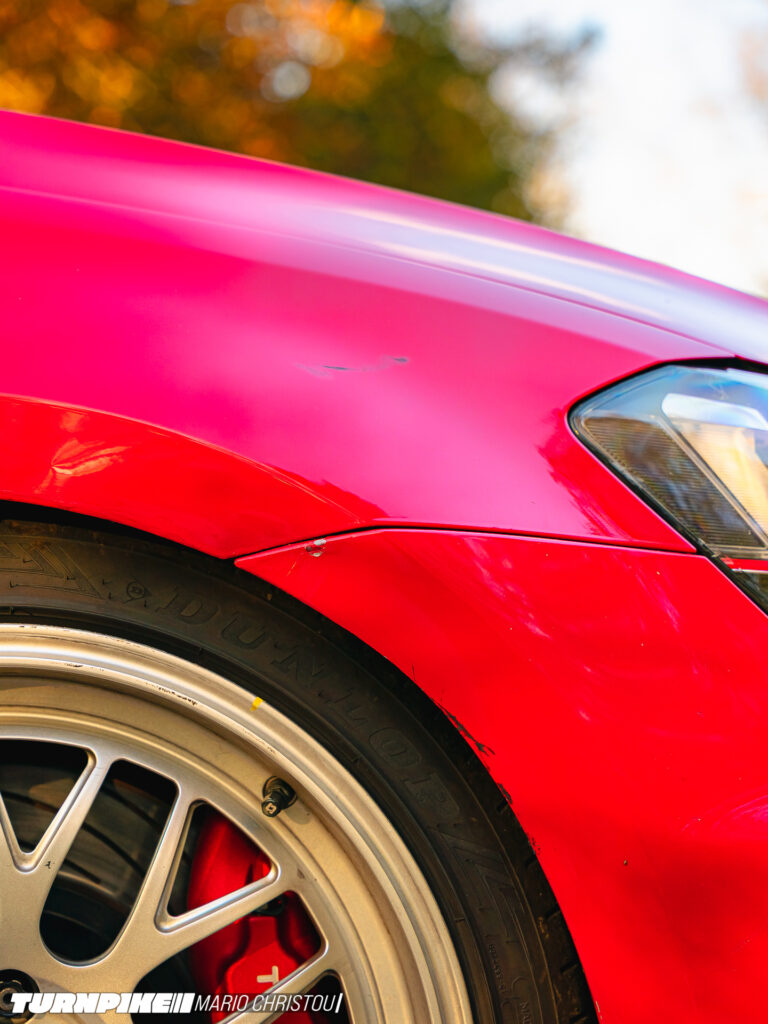
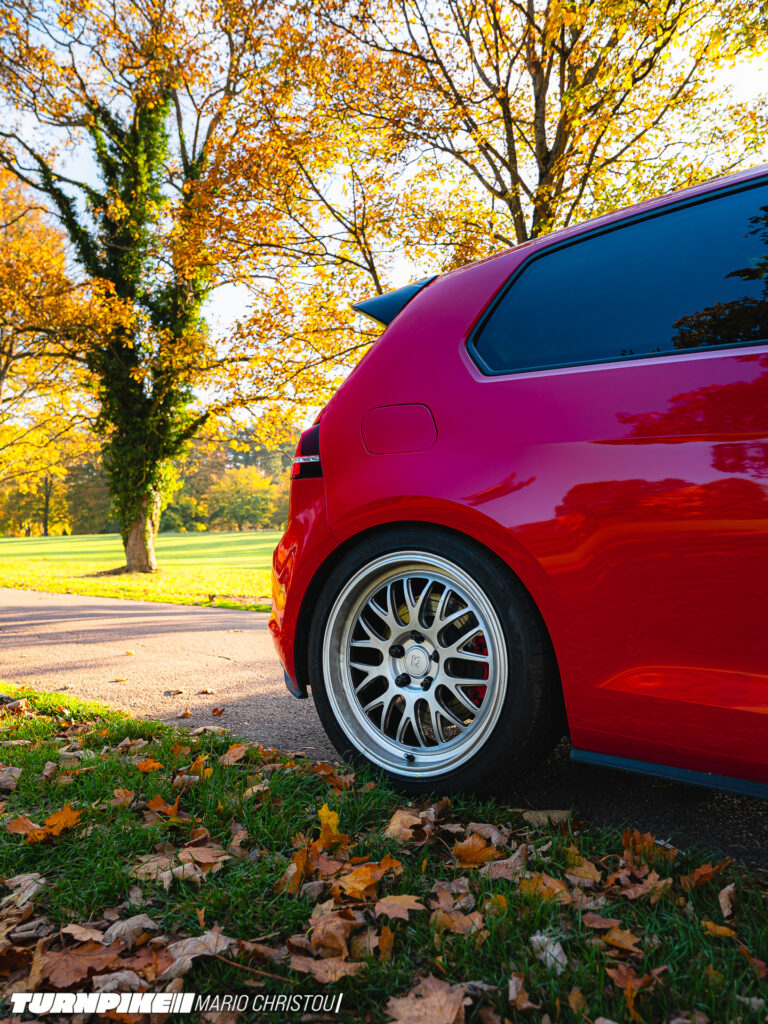
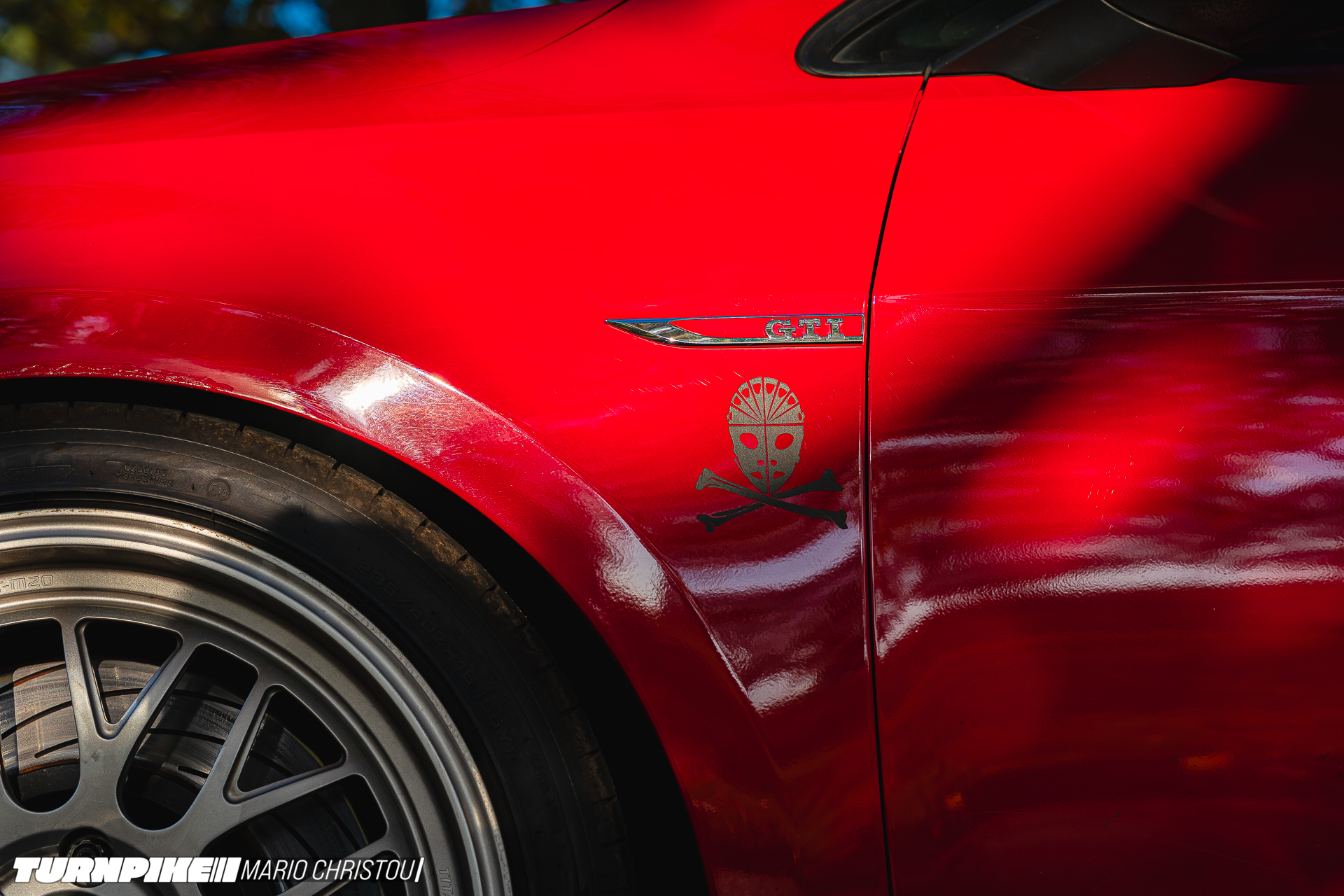
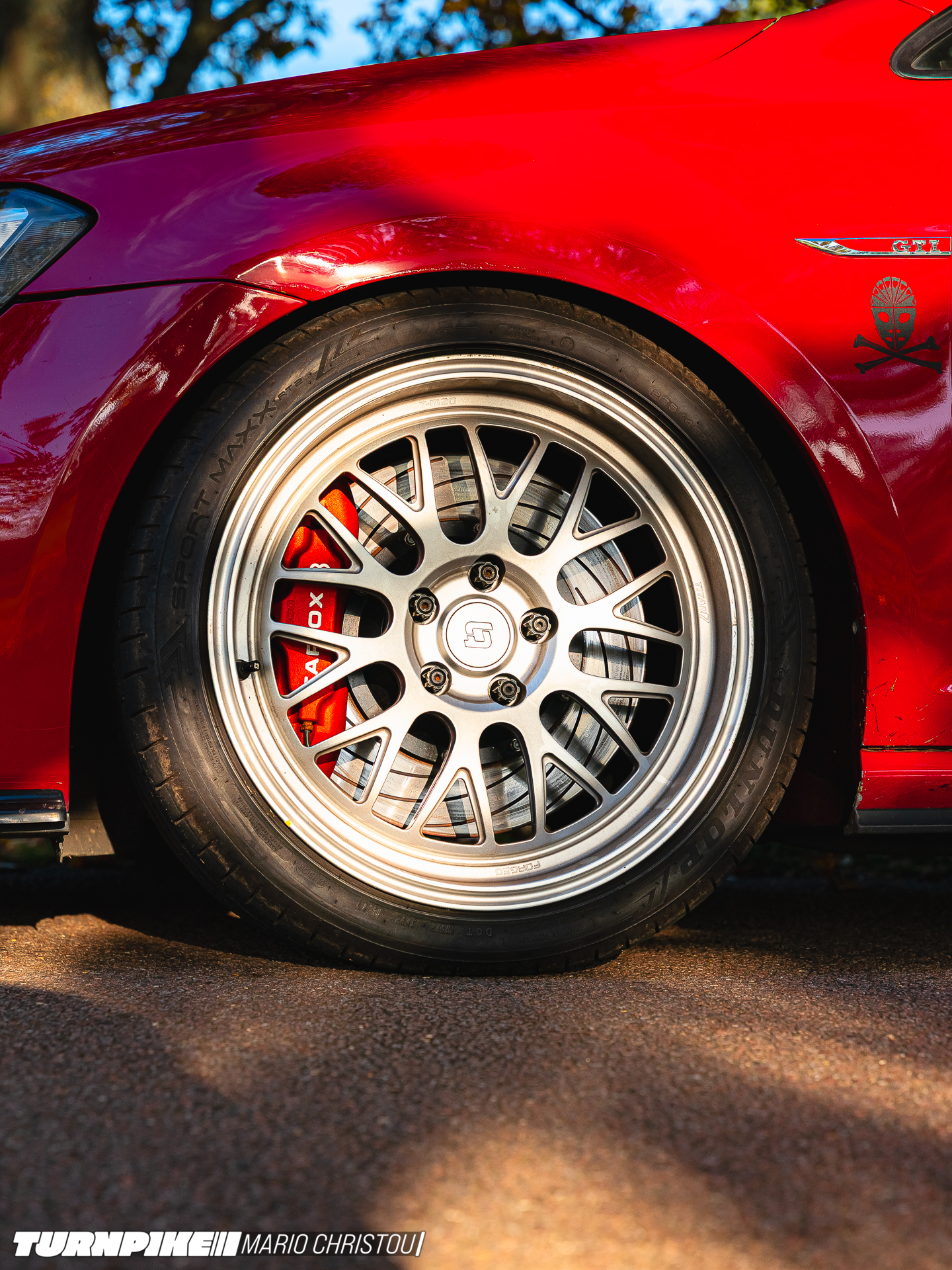
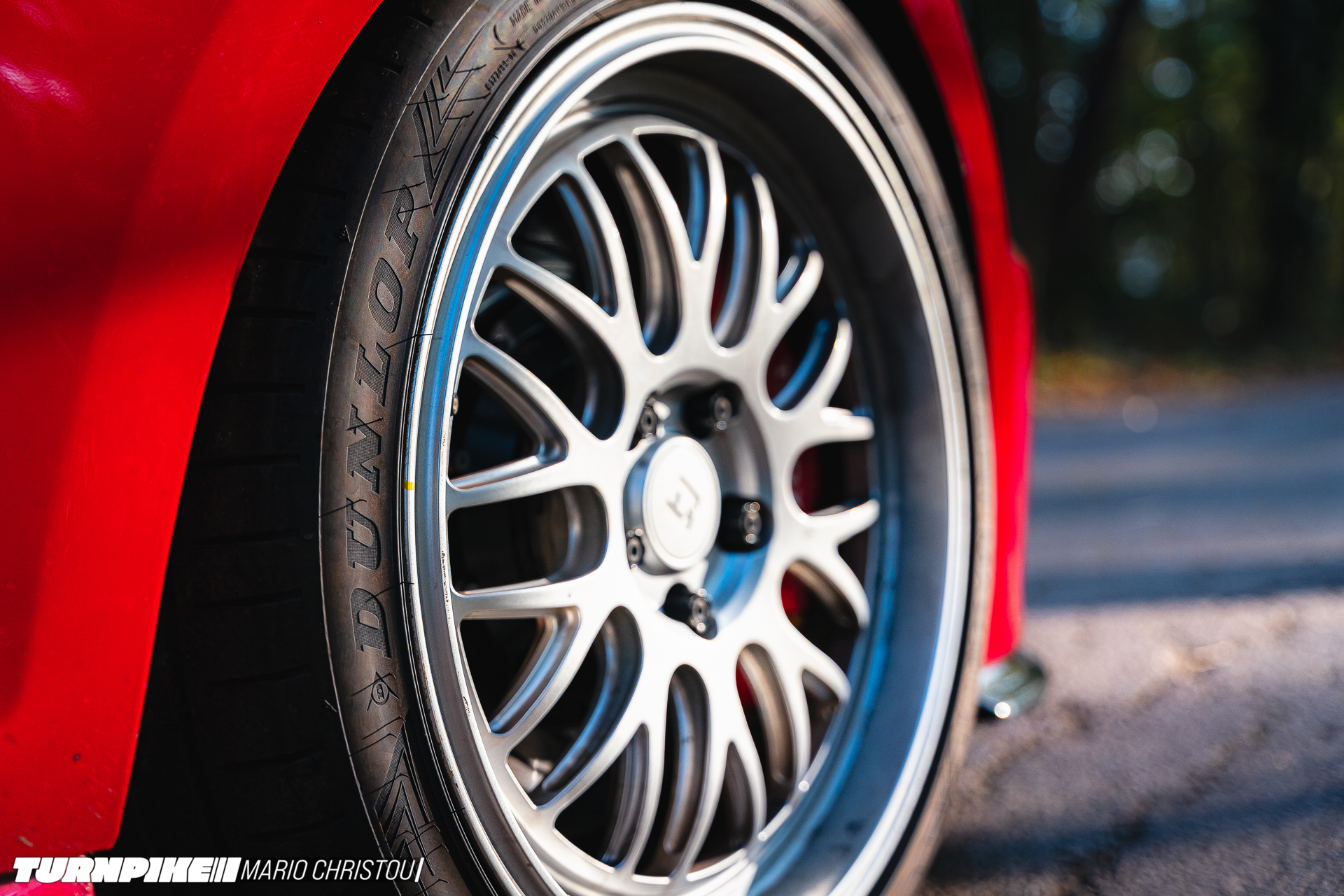
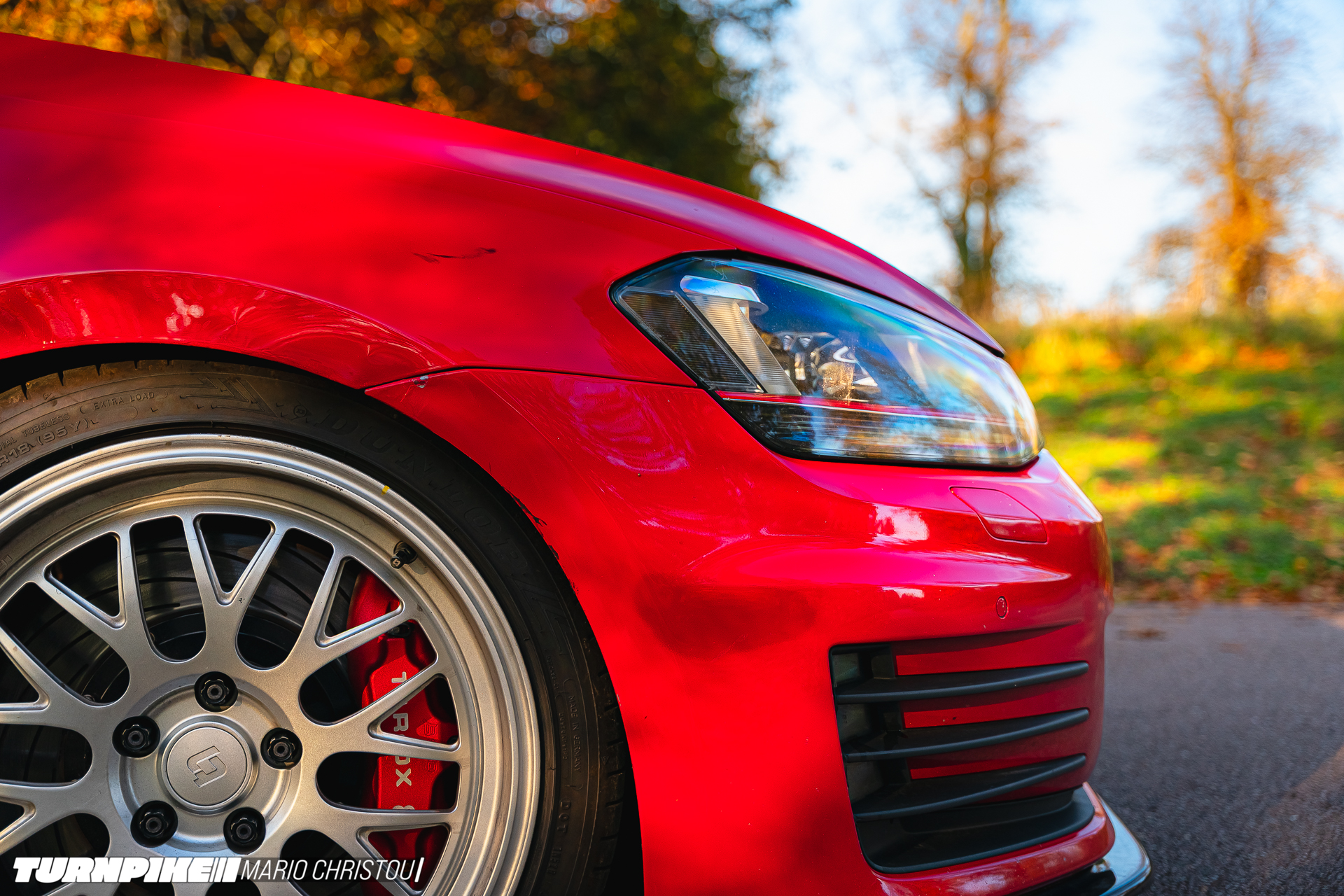
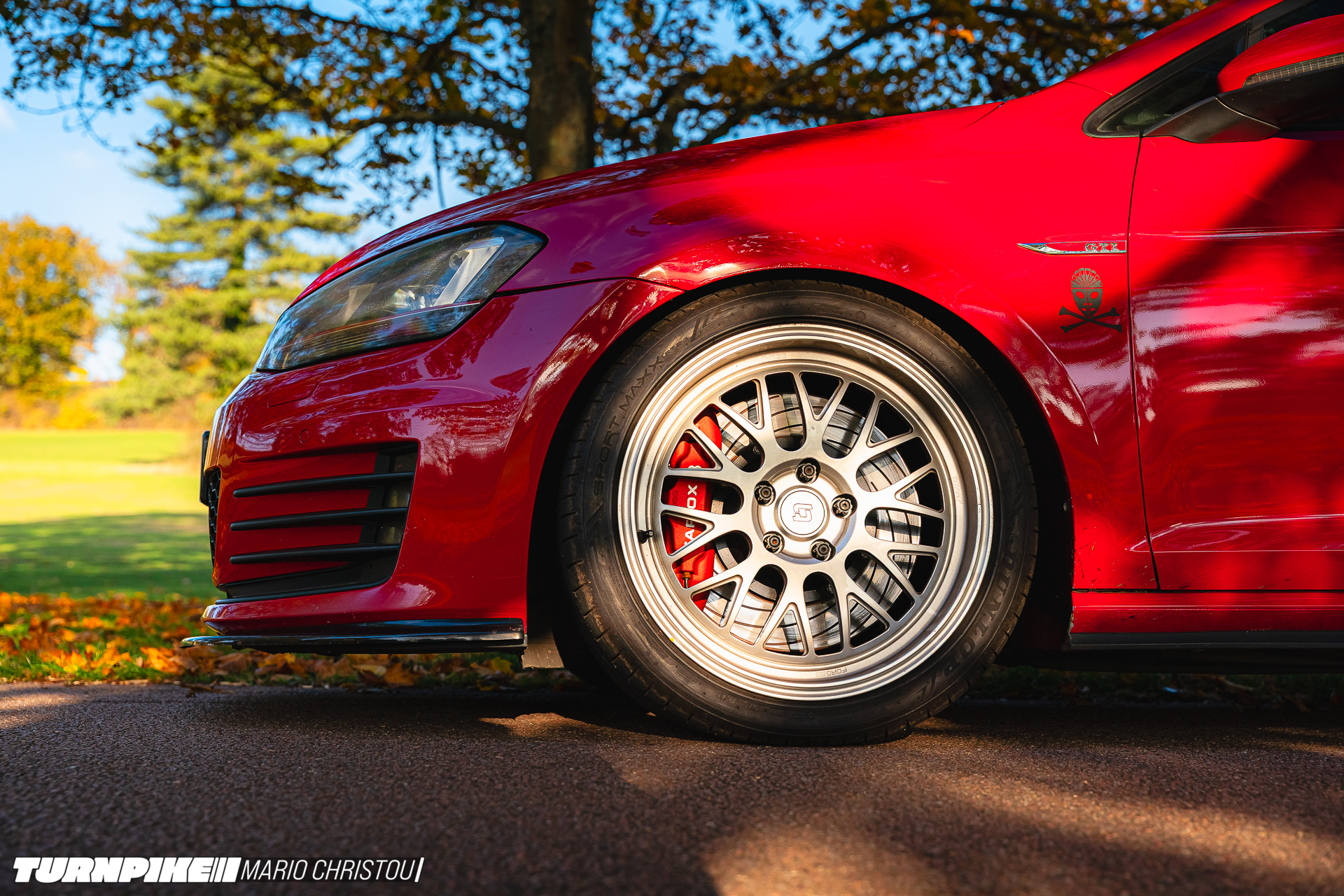
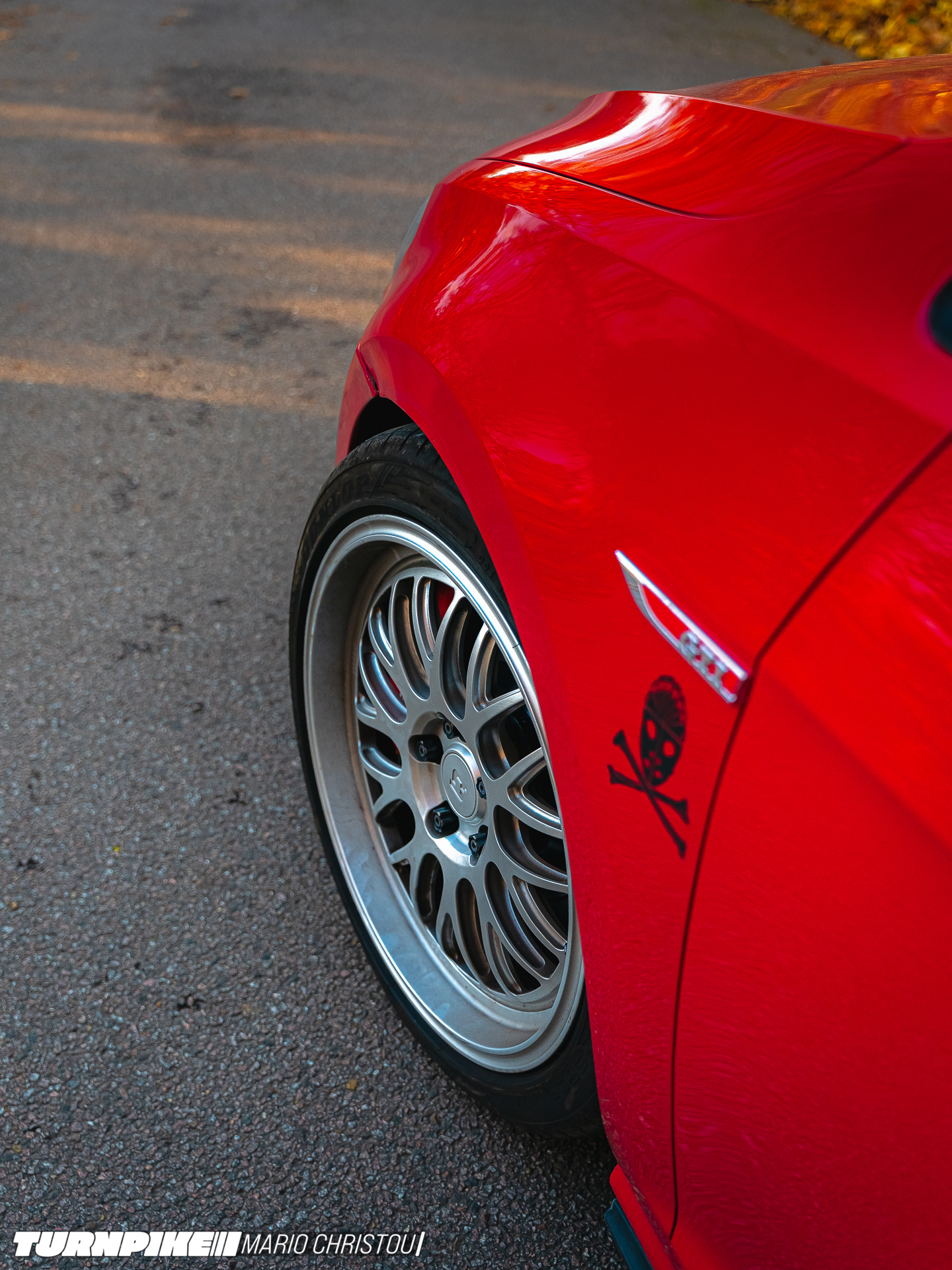
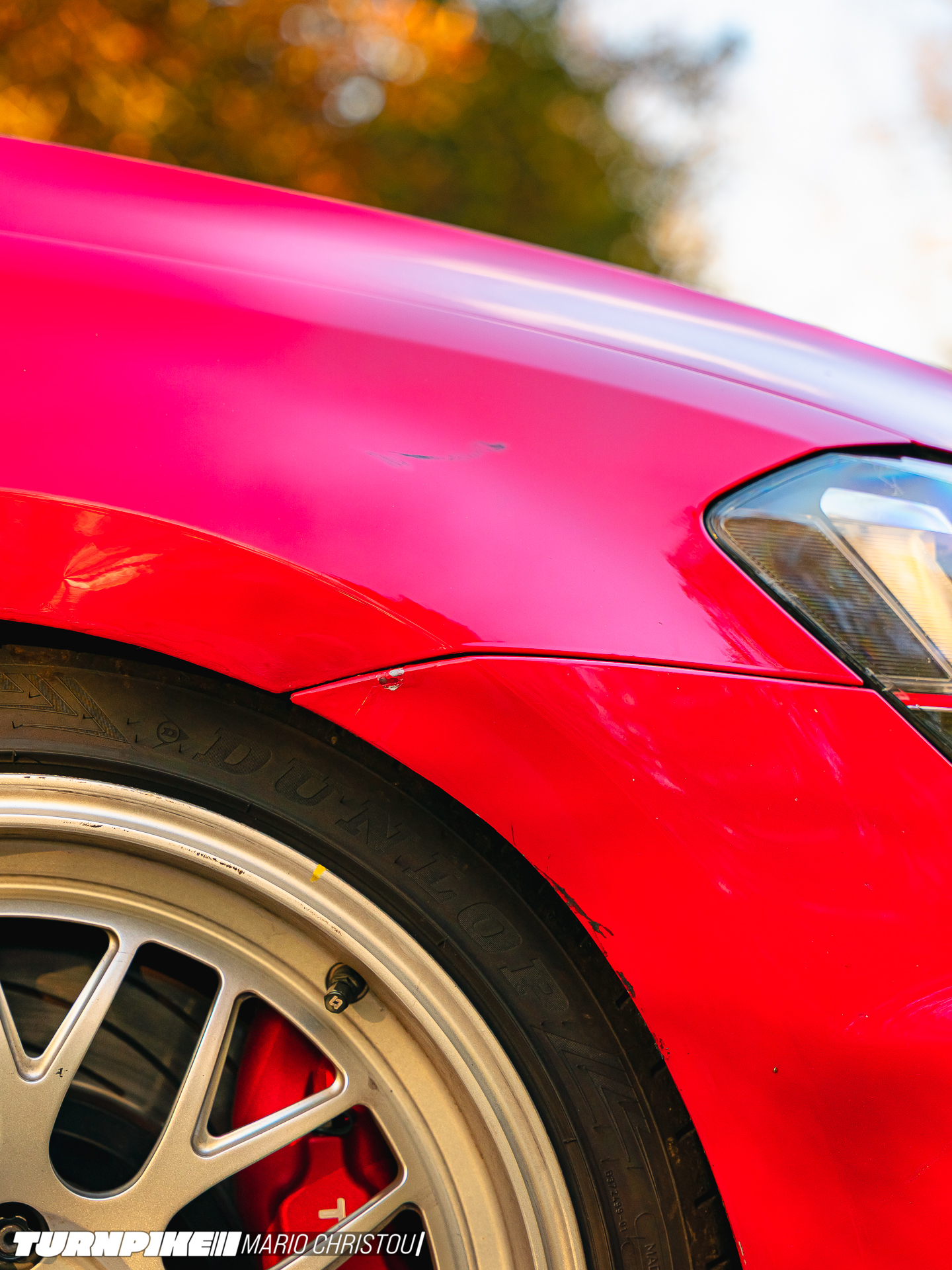
Even Ryan’s choice of road wheels is pretty sensible: a set of Titan-7 T-M20 in 18×8.5-inch with a +44 offset, wrapped in Dunlop SportMaxx 245/40R18 tyres. The track wheels add some more bling: fully polished Titan7 T-P5s with the same specs, running Nankang Sportnex CR-S semi-slicks.
Poking through the spokes are a hefty set of upgraded brakes. The front wheels hide 8-piston Tarox callipers with 2-piece front discs and a pair of matching F2000 1-piece discs at the rear. These are complemented by Corsa pads and braided brake lines, also from Tarox.
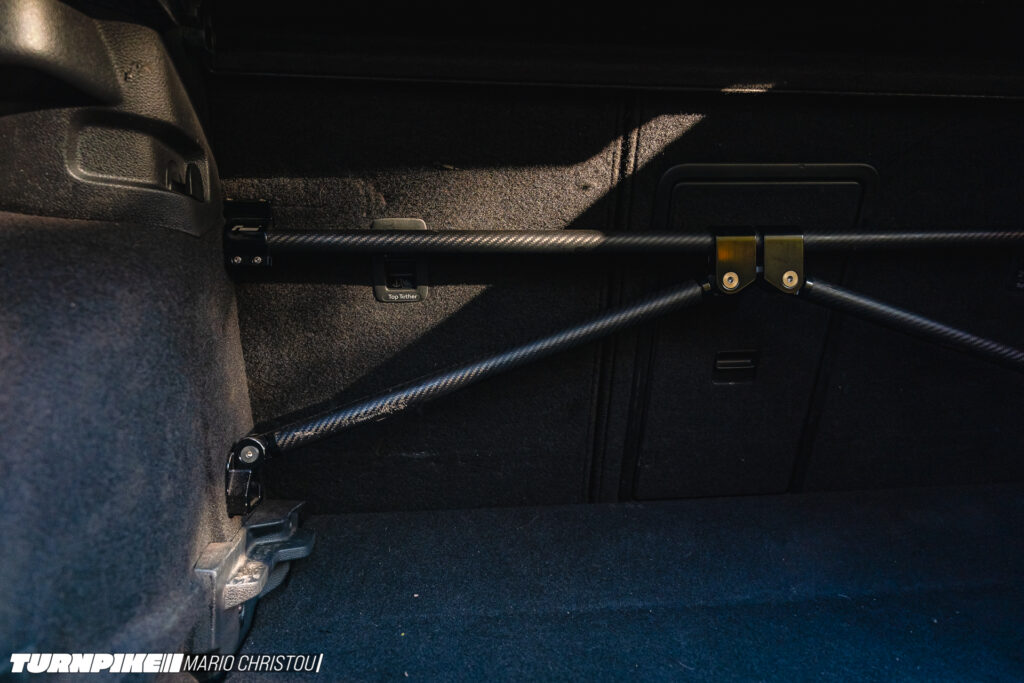
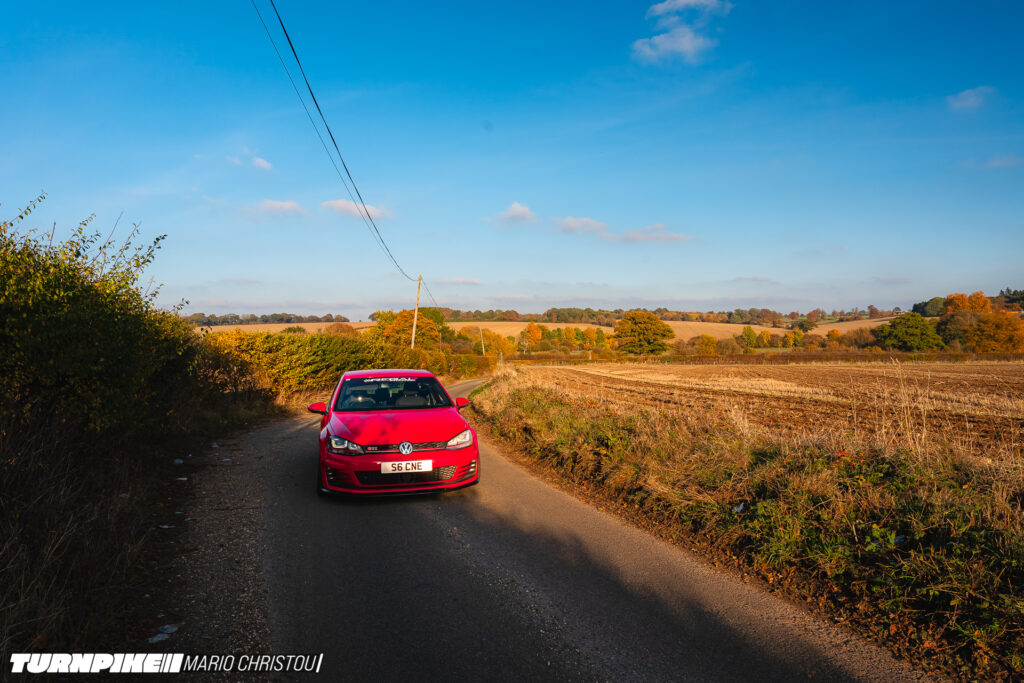
Working our way deeper into the GTI, it sits on AST 5100 coilovers with a true rear coilover conversion and adjustable top mounts up front. The Golf’s true wolf-in-sheep’s-clothing nature comes out when you realise that Ryan’s car is running a full tubular Verkline front subframe with tubular, roll-centre corrected lower control arms and bump-steer correcting billet track rod ends.
At the back, there are Hardrace adjustable toe arms and a thicker anti-roll bar alongside more Verkline goodies in the camber arms, billet anti-squat trailing arms, and billet anti-roll bar links. It’s a substantial list, and you can feel the effects on a fast road.
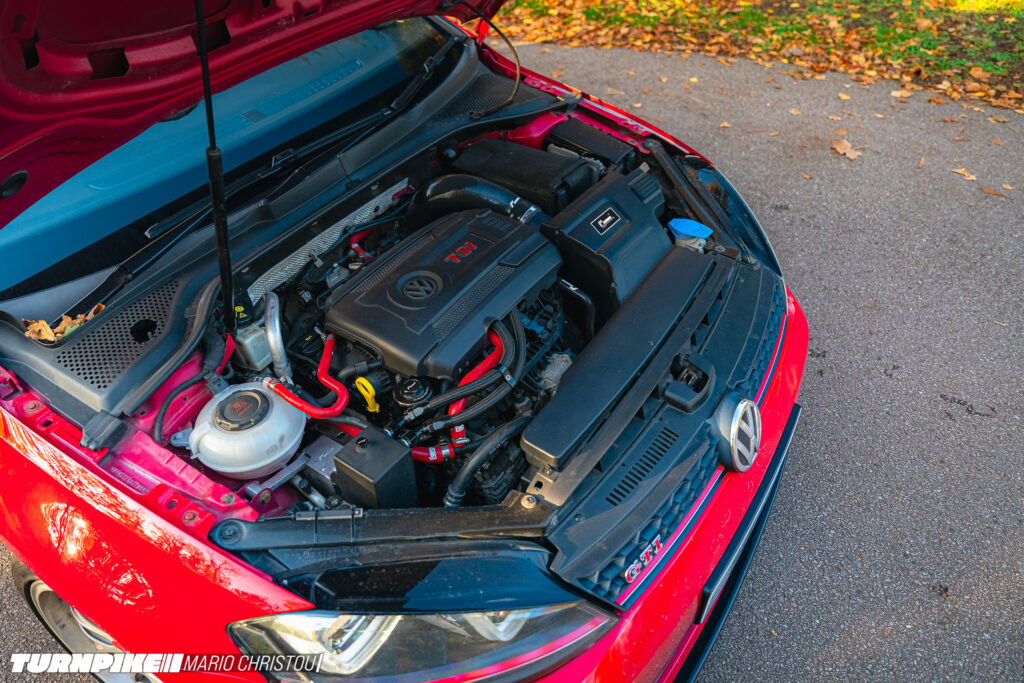
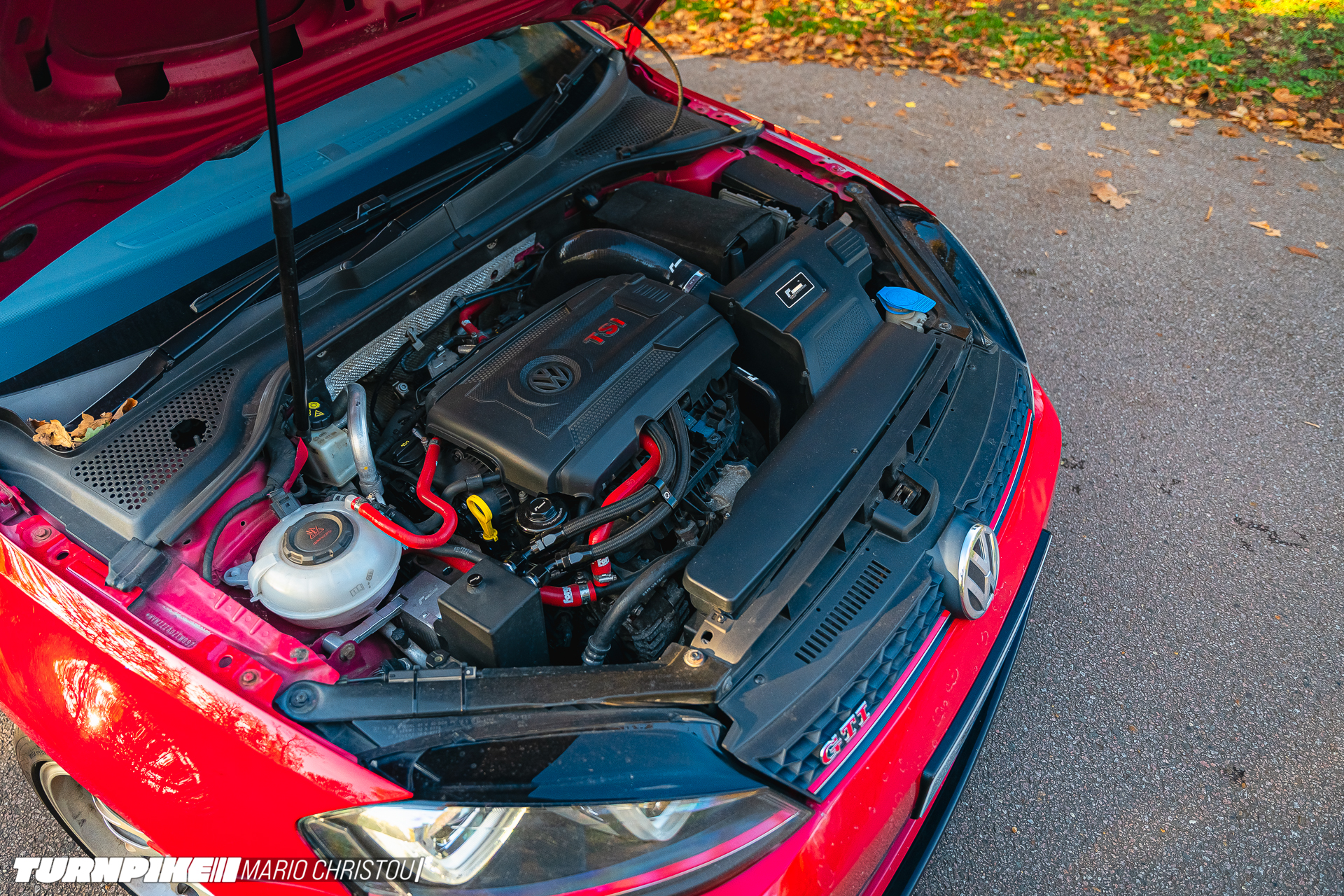
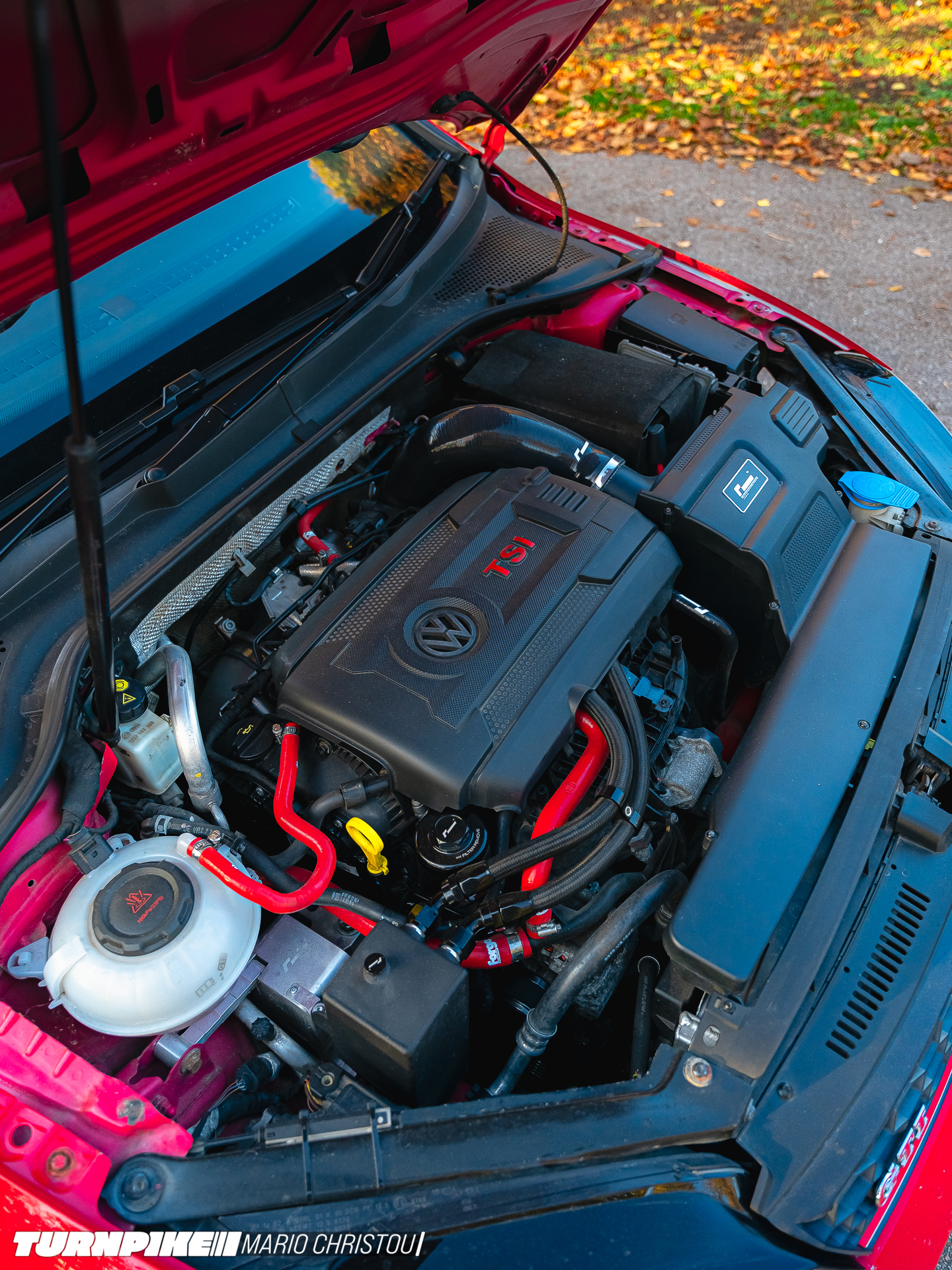
But you may ask, why go through this much effort on a GTI? The answer is in the engine build, because the humble 2.0-litre EA888 lump has had a significant power bump to 440bhp – courtesy of a Garrett PowerMax Stage 1 turbocharger, mapped with a RacingLine Stage 3 tune.
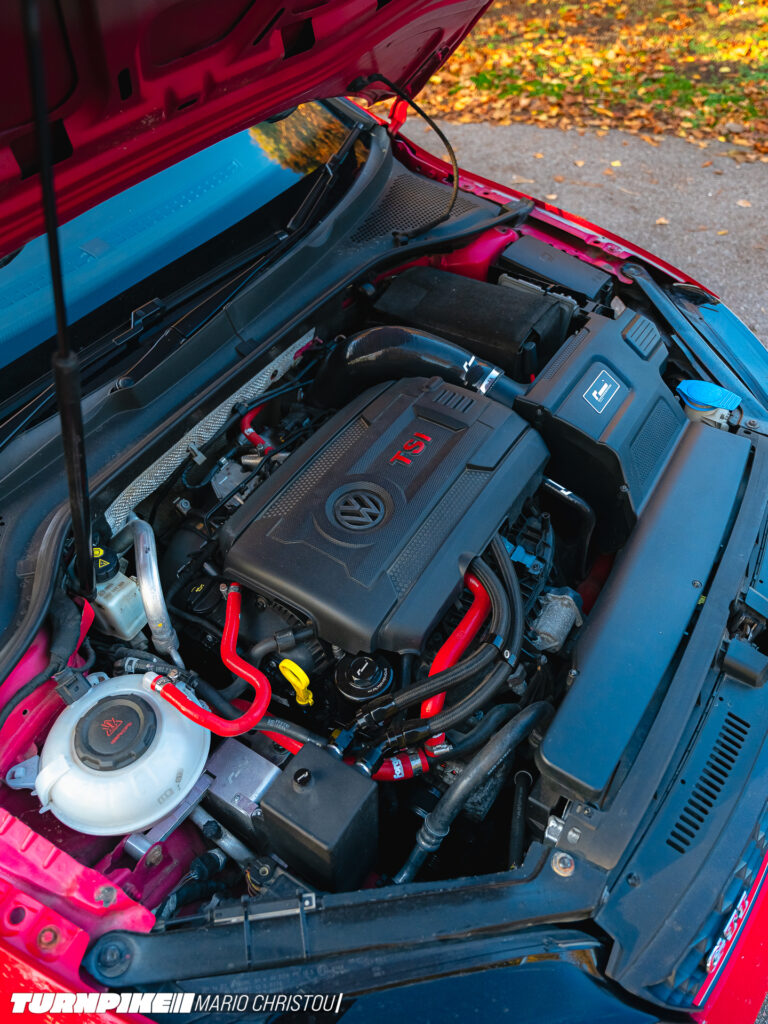
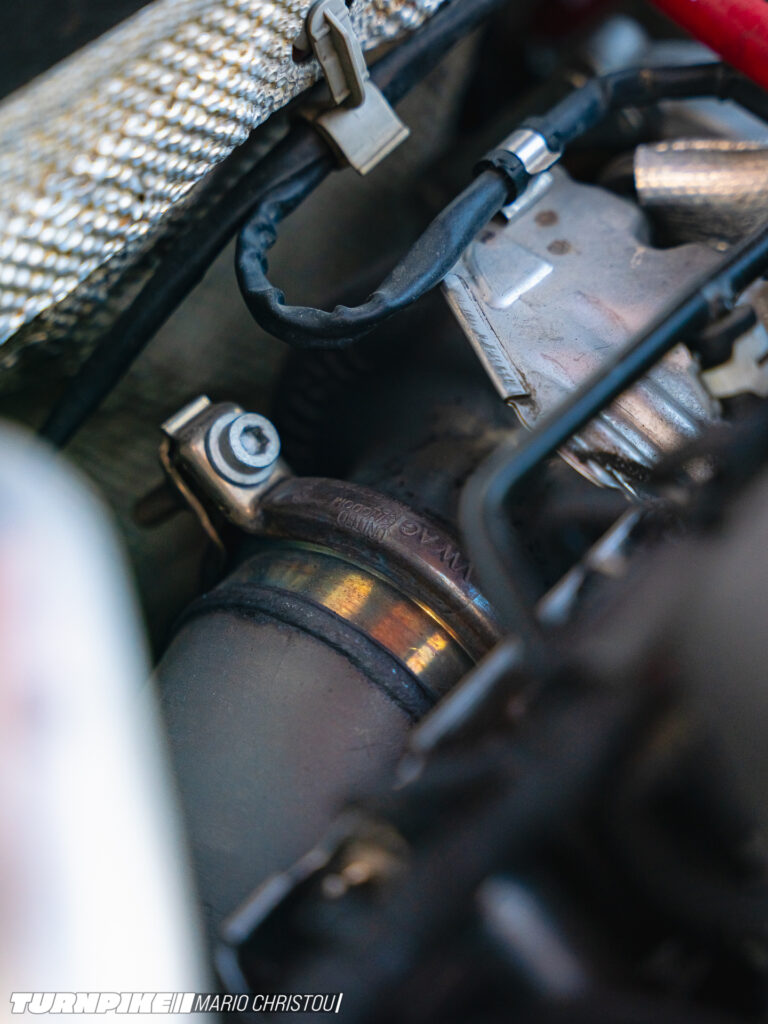
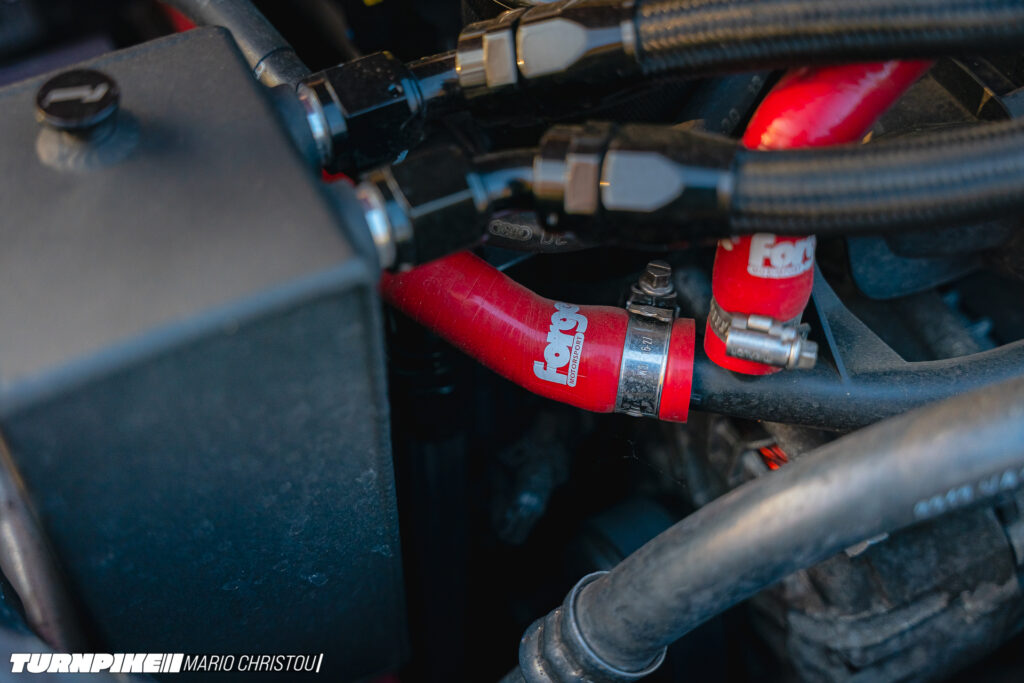
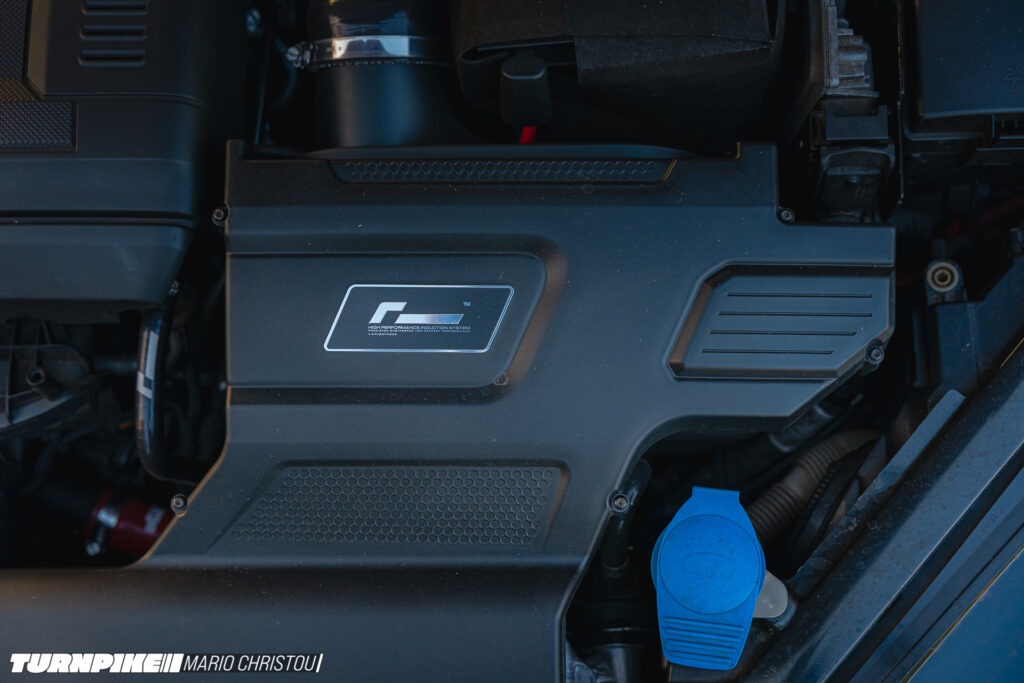
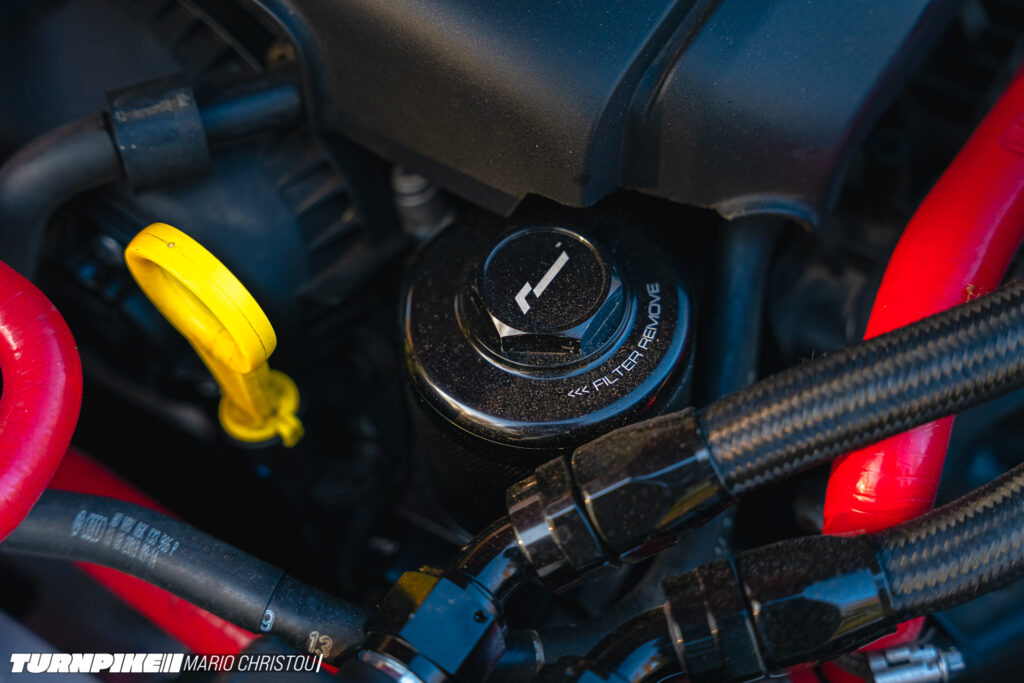
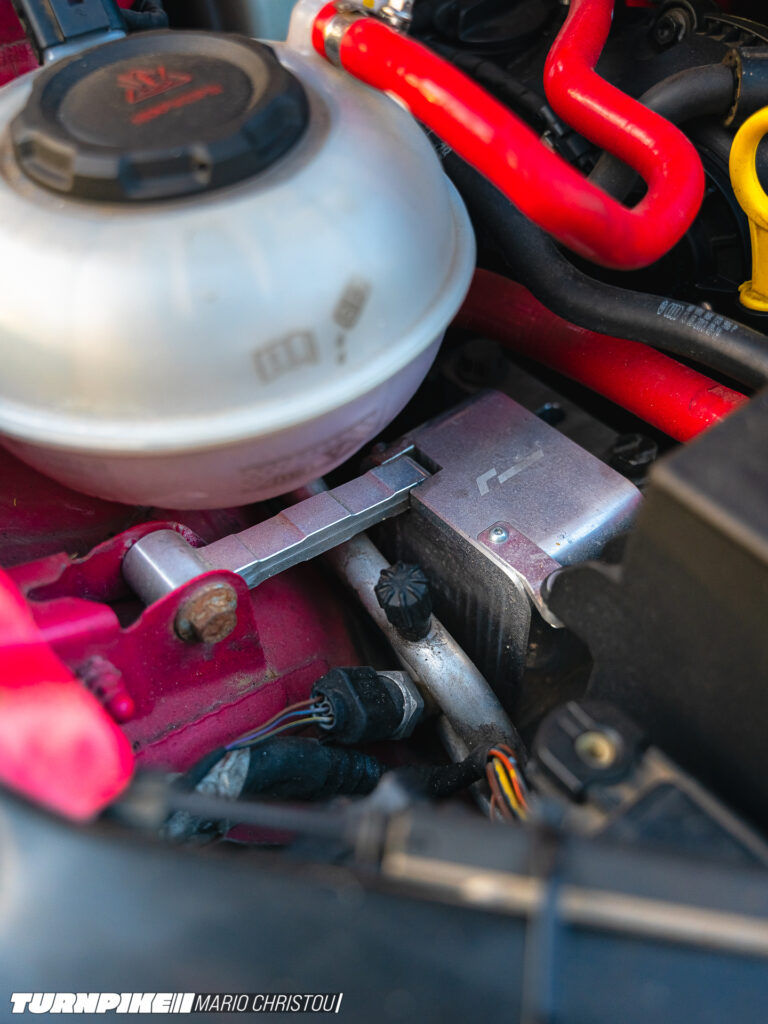
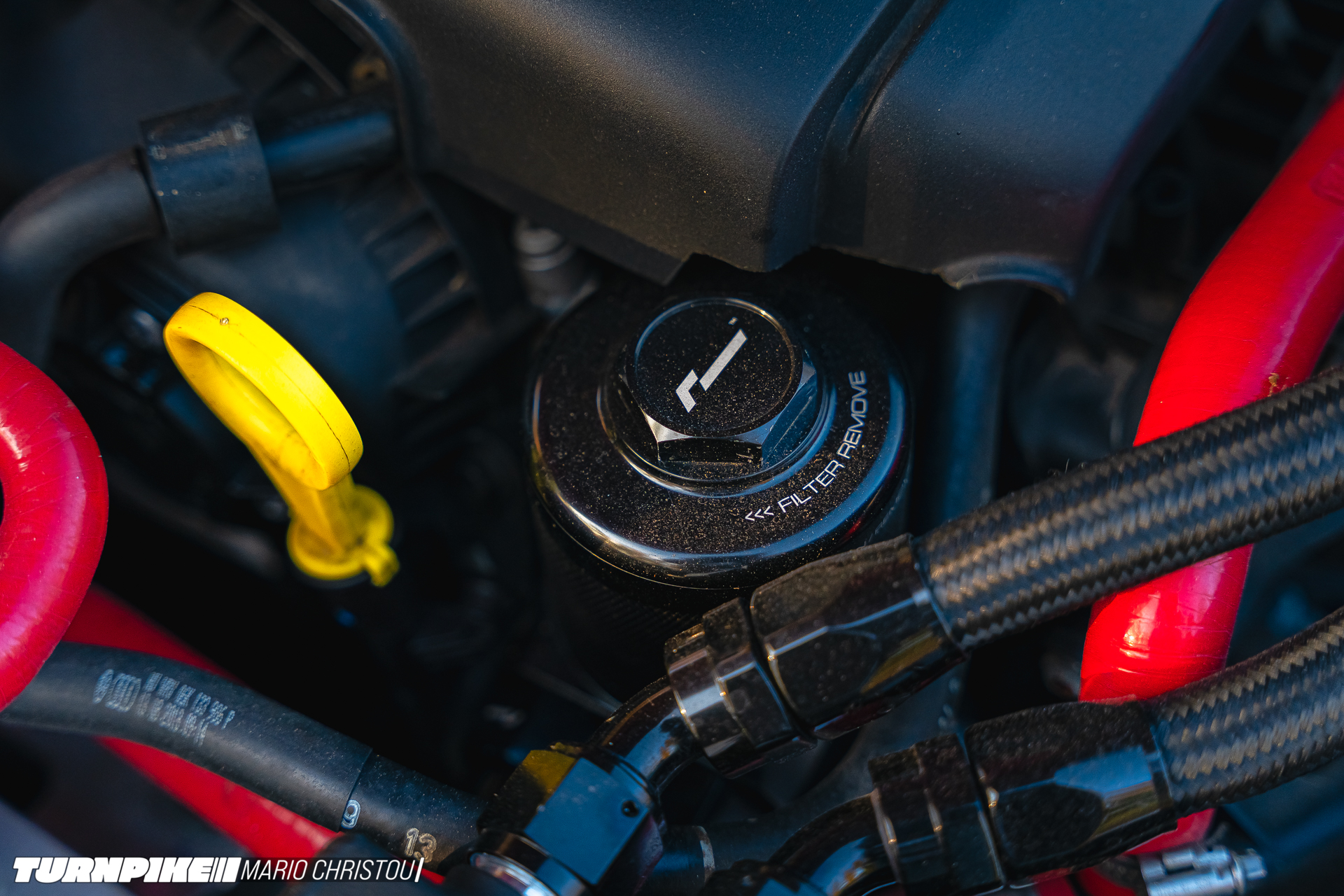
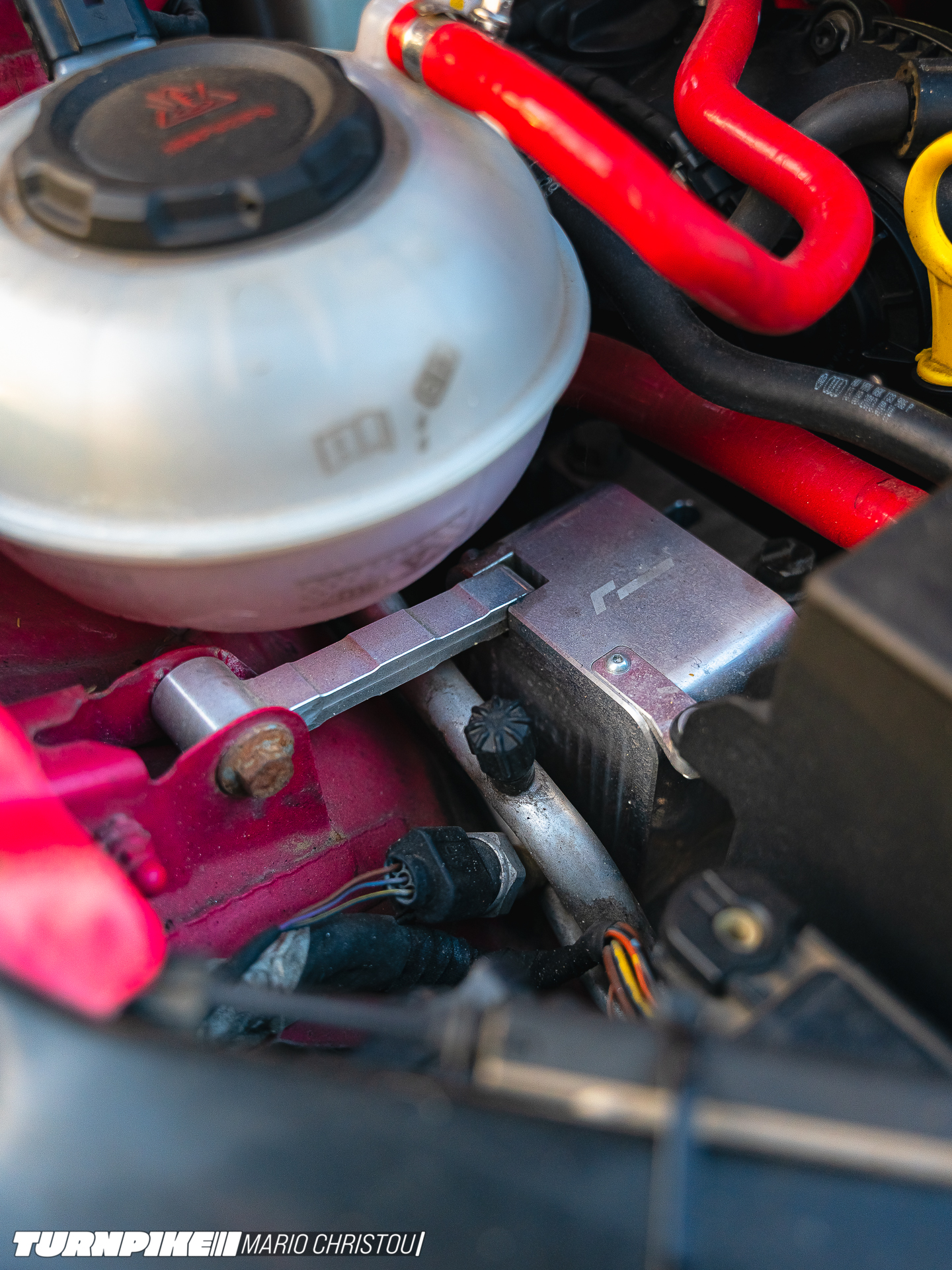
Naturally, this sort of setup requires a whole host of supporting upgrades to produce reliable, consistent power. Cooling is therefore taken care of by a suite of CSF Race components, namely a CSF centre radiator, intercooler, and even an uprated CSF oil cooler taking pride of place in a RacingLine oil cooler kit.
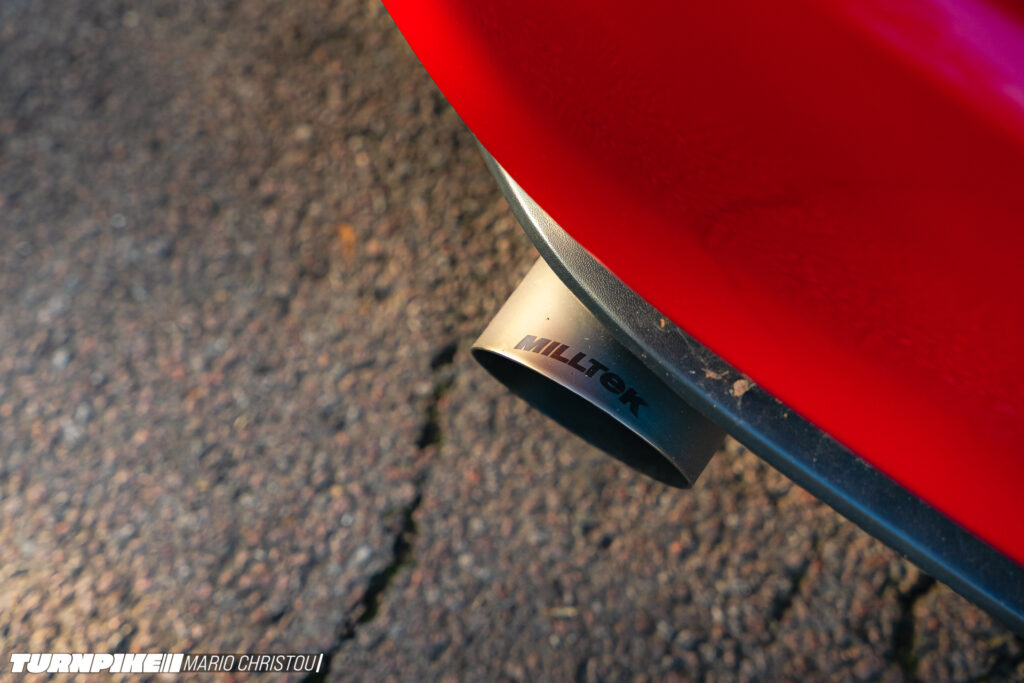
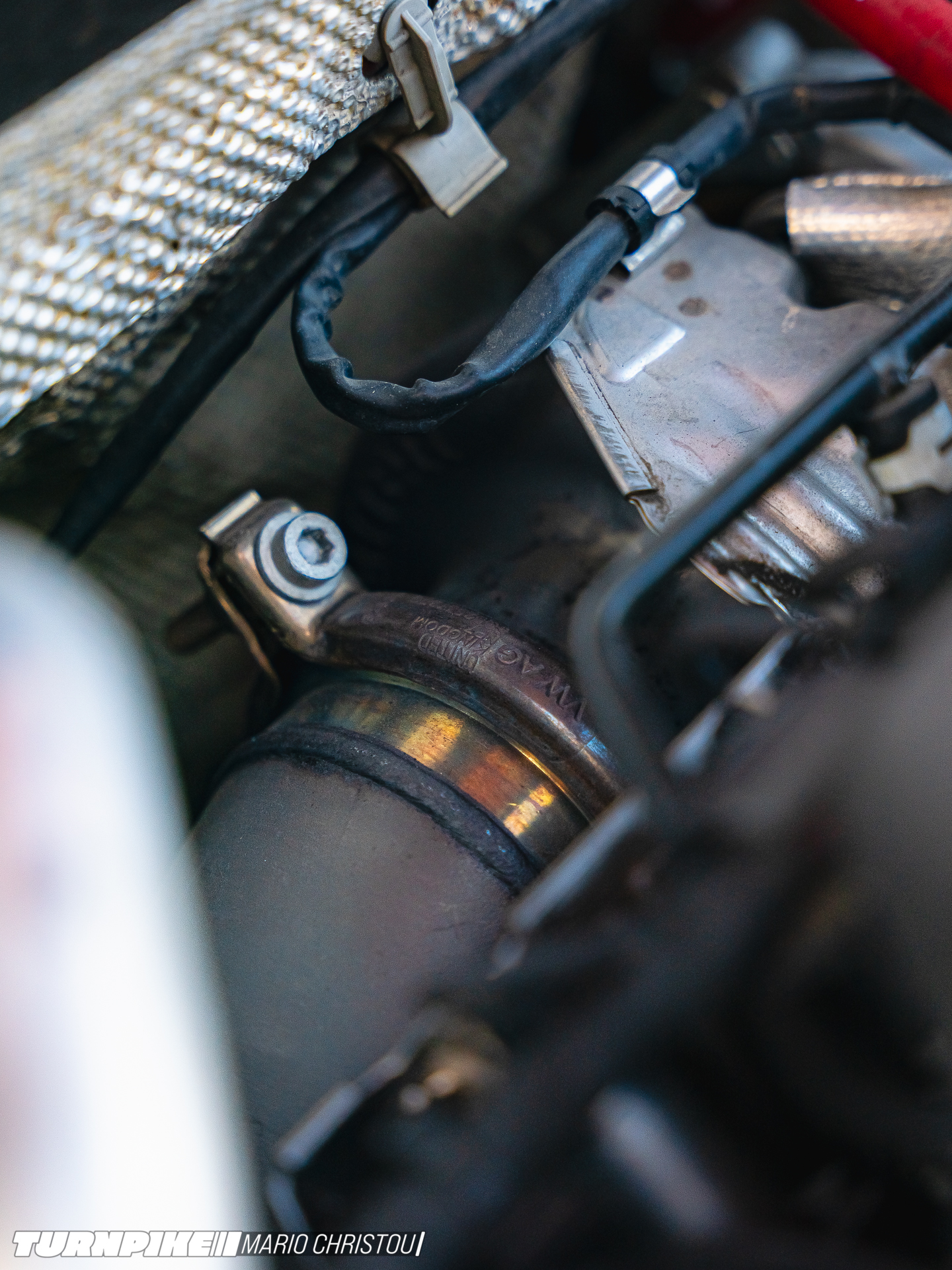
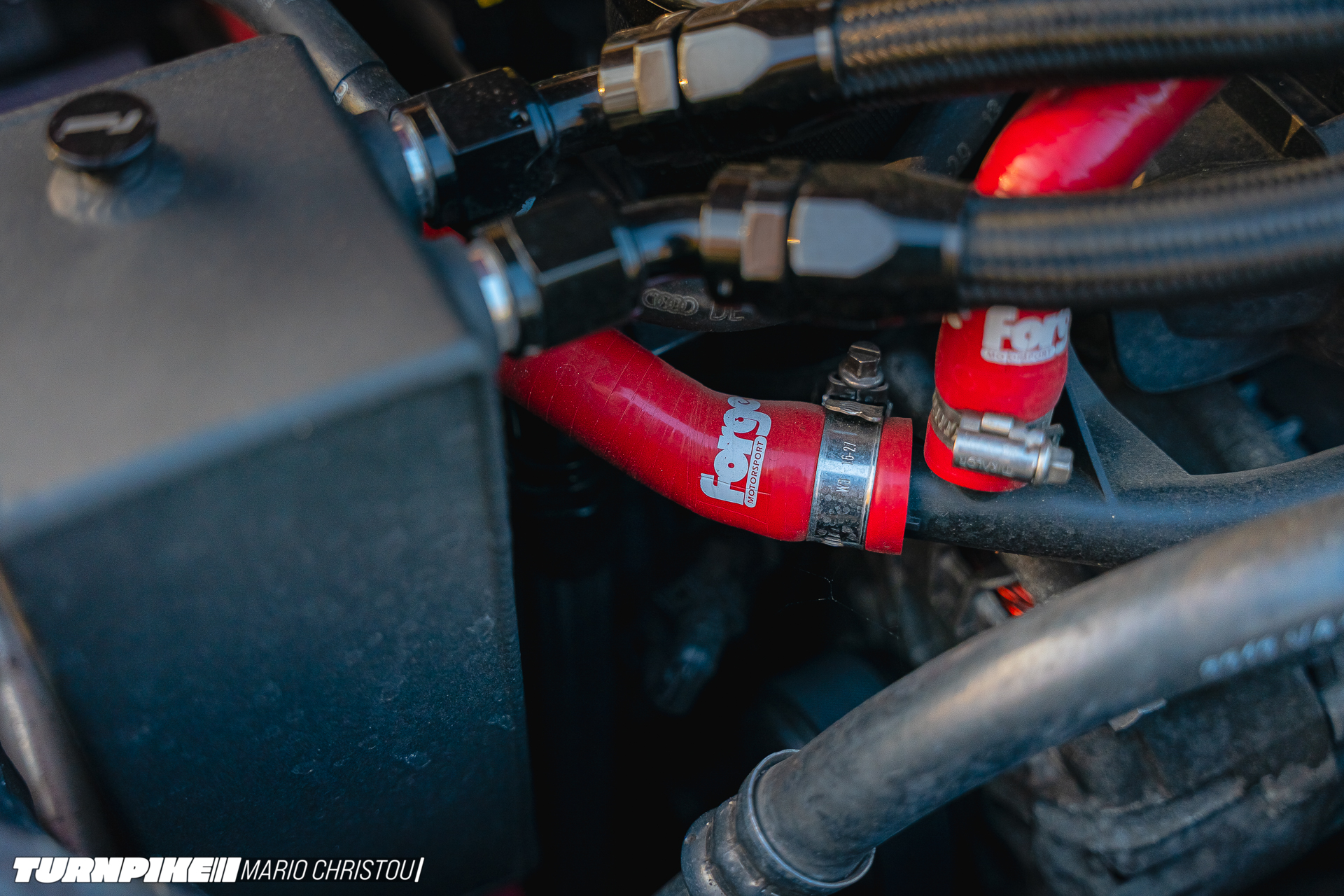
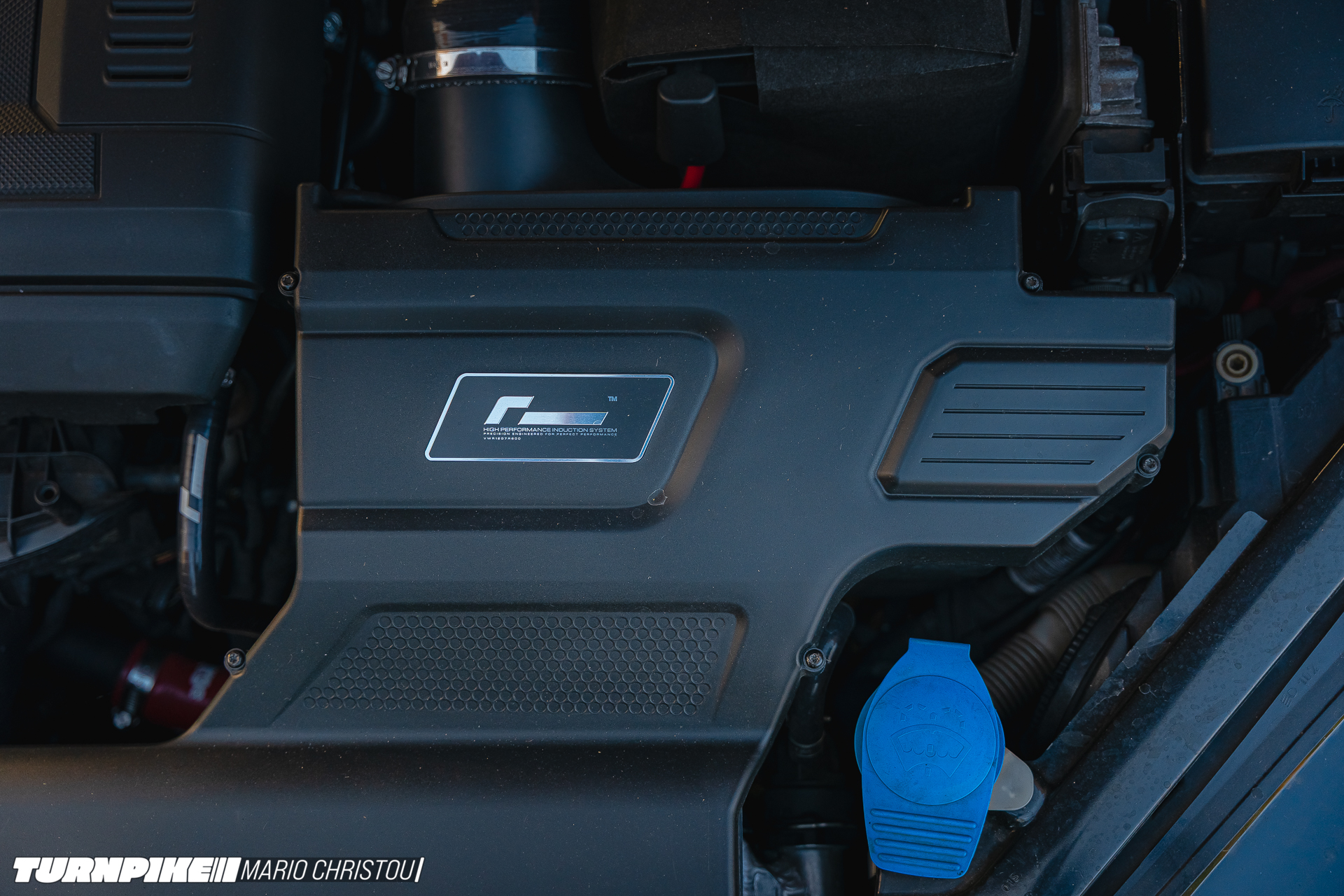
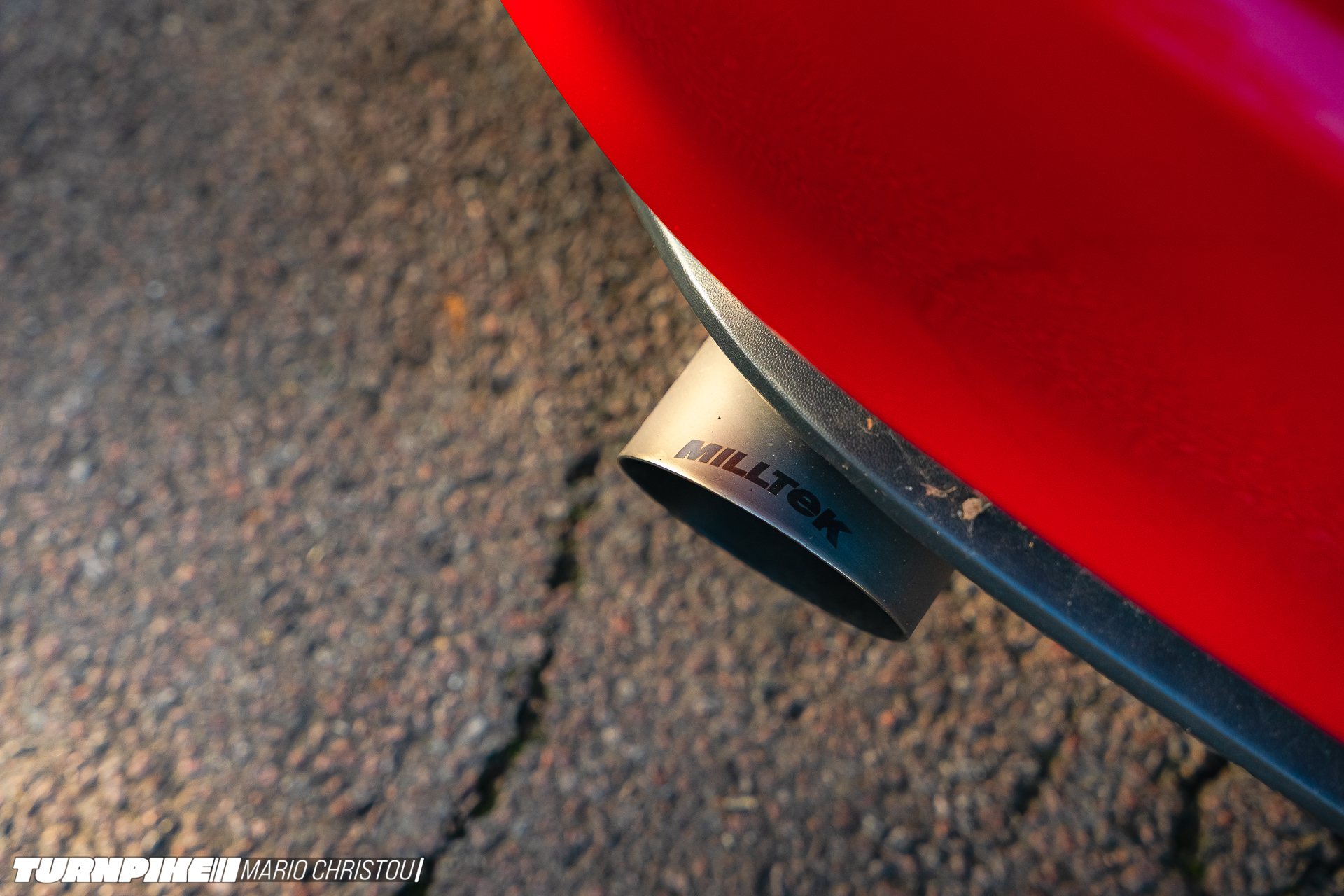
More RacingLine parts are present and correct in the oil management system, PDM data logger, and Cup engine and gearbox mounts. Ryan’s GTI breathes in through an R600 air intake with a turbo elbow and silicone piping, and exhales through a free-flowing Milltek Sport turbo-back system with a 200-CEL catalytic converter. Forge Motorsport silicone water hoses replace the perishable OEM rubber hoses.
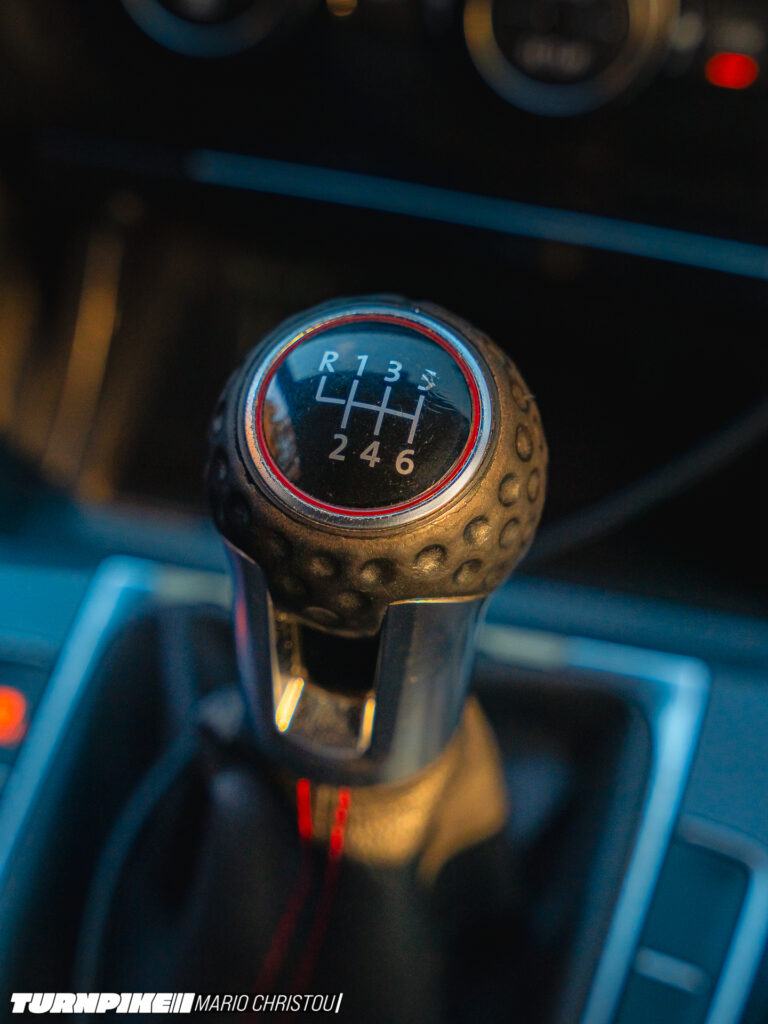
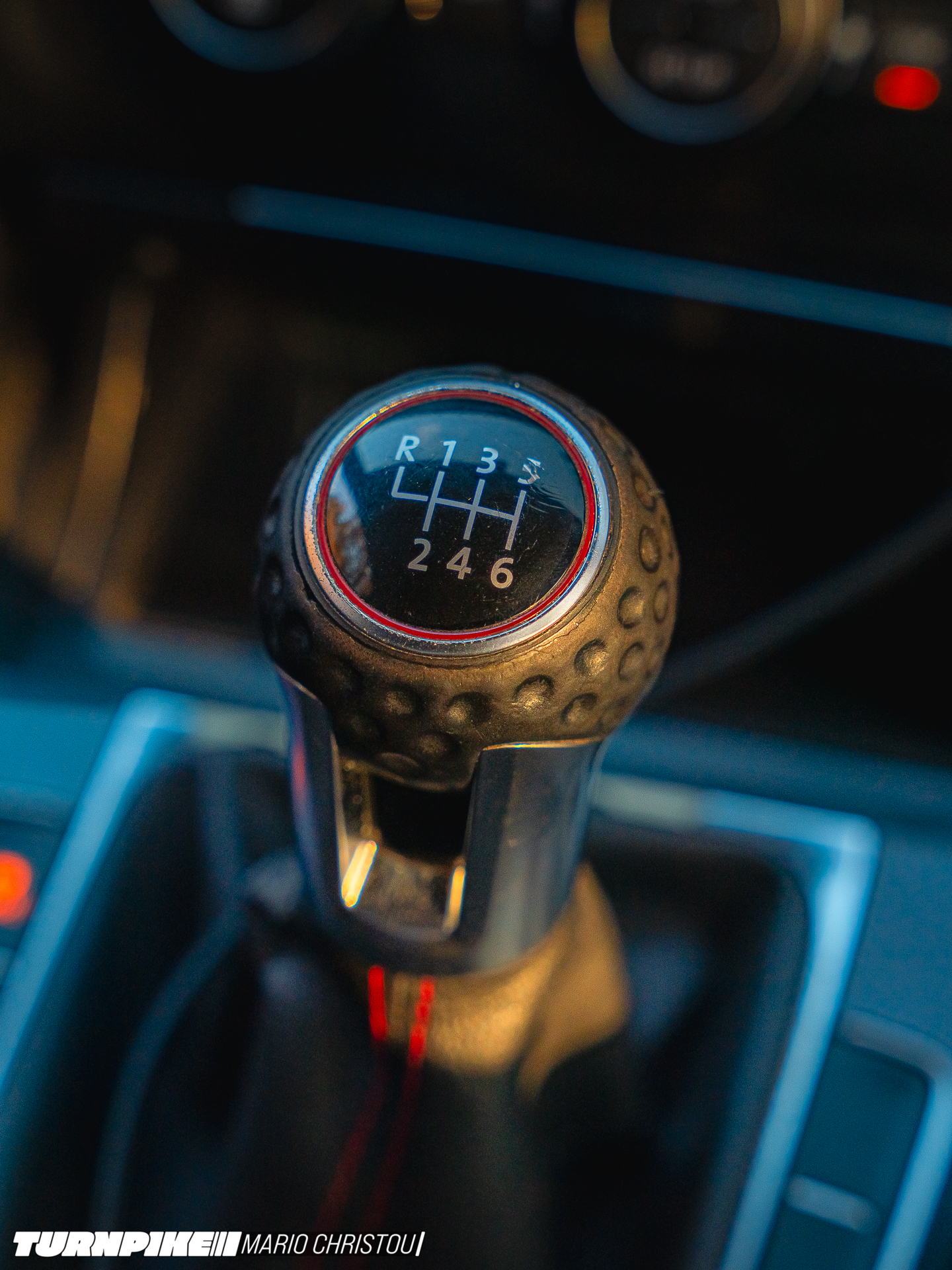
Power goes to the wheels via the OEM 6-speed manual gearbox, fitted with a Wavetrac mechanical LSD and re-calibrated OEM VAQ+ e-LSD software. Back to the clutch, it’s a particularly angry Sachs Performance four-paddle item with sintered metal pads, seemingly designed to transmit gearbox vibrations directly to your spine.
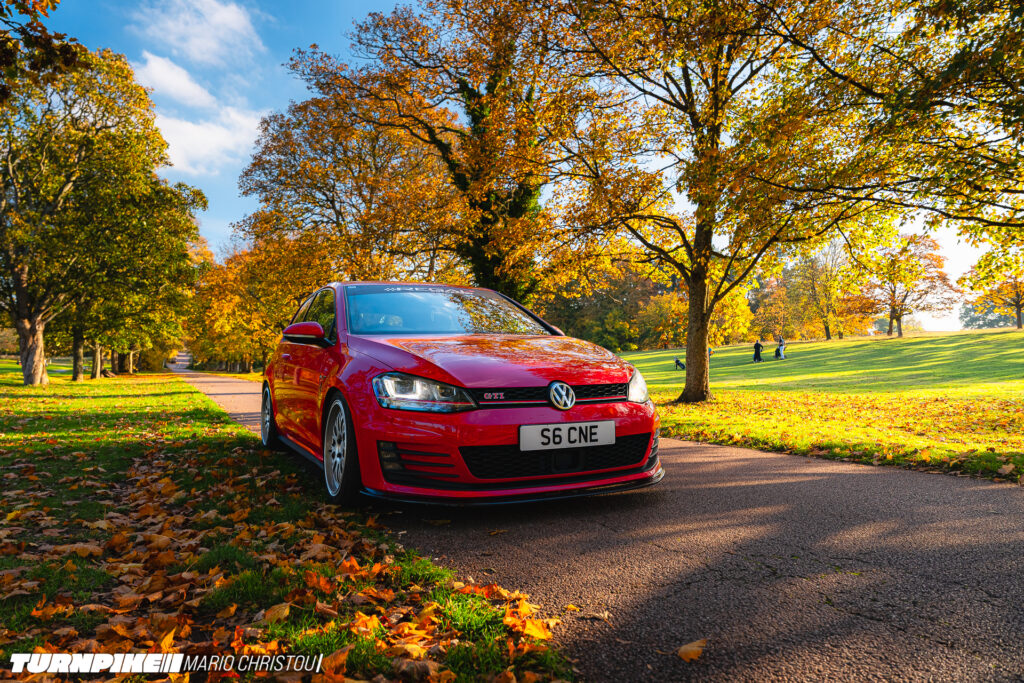
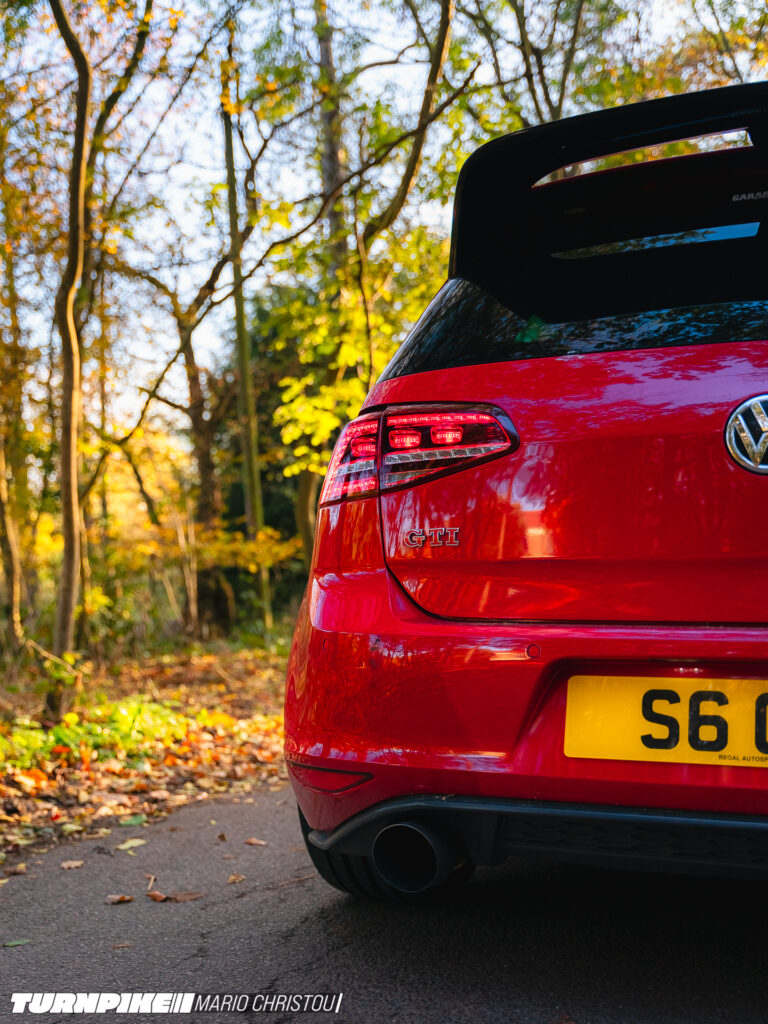
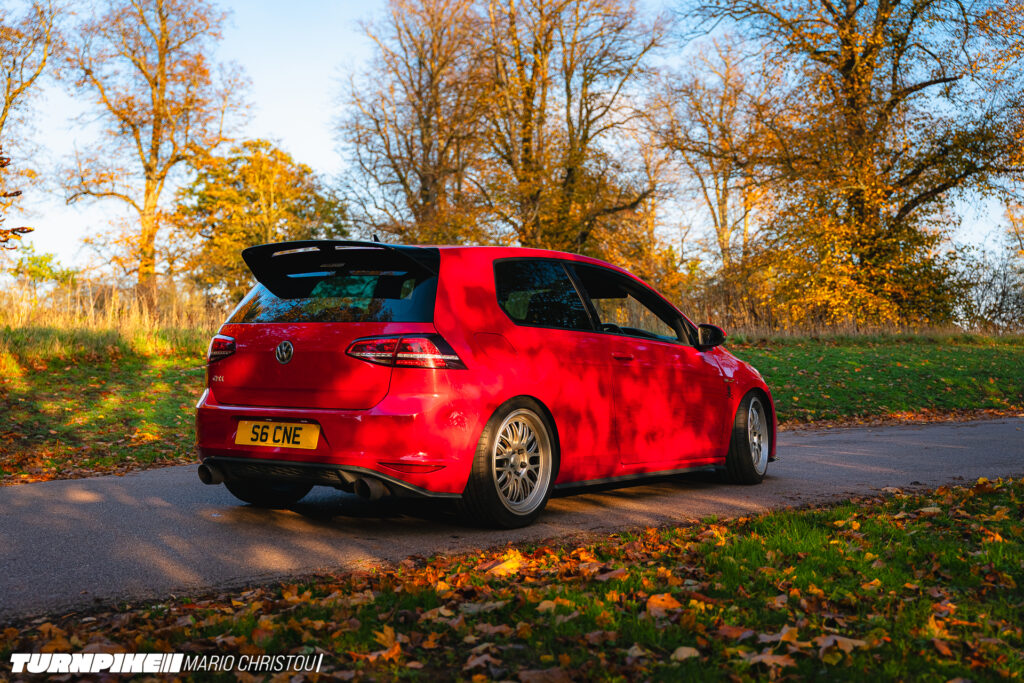
What does this all mean? Well, while the Golf will easily spin up its wheels in first, second and third gear when it comes on boost – even with warm tyres – it’s a remarkably easy thing to drive quickly. Sure there’s a degree of squirming and torque steer to contend with, but it’s just as easy to pick a steady line and stick to it as it is to rotate the rear end with some liberal lift-off oversteer.
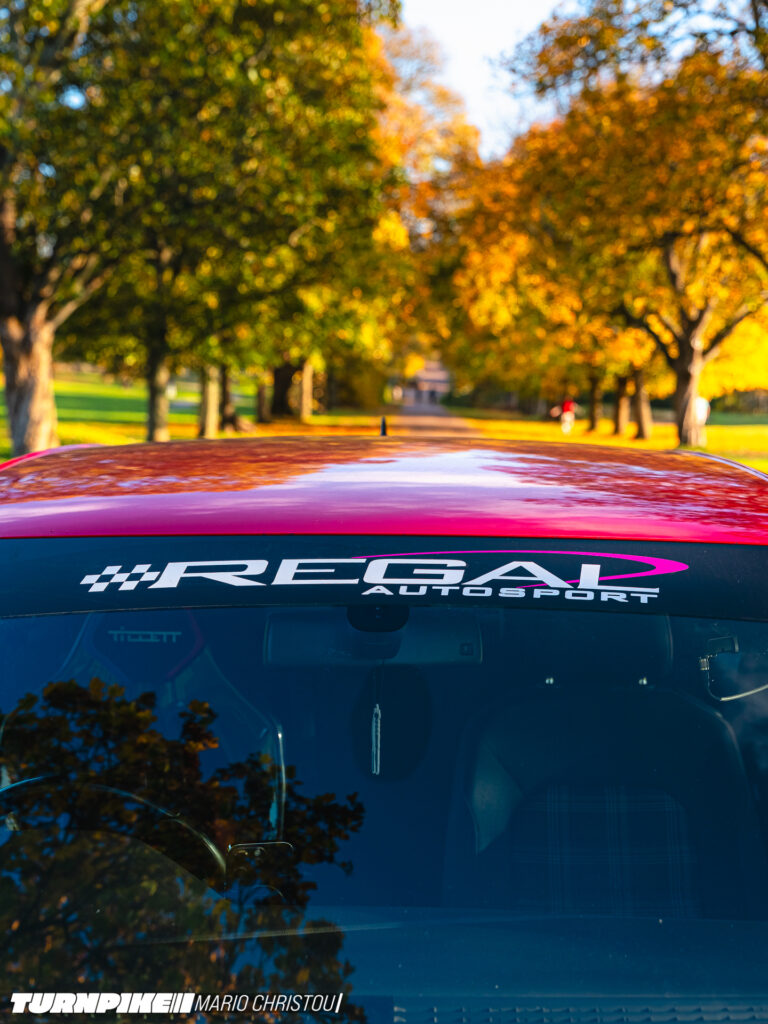
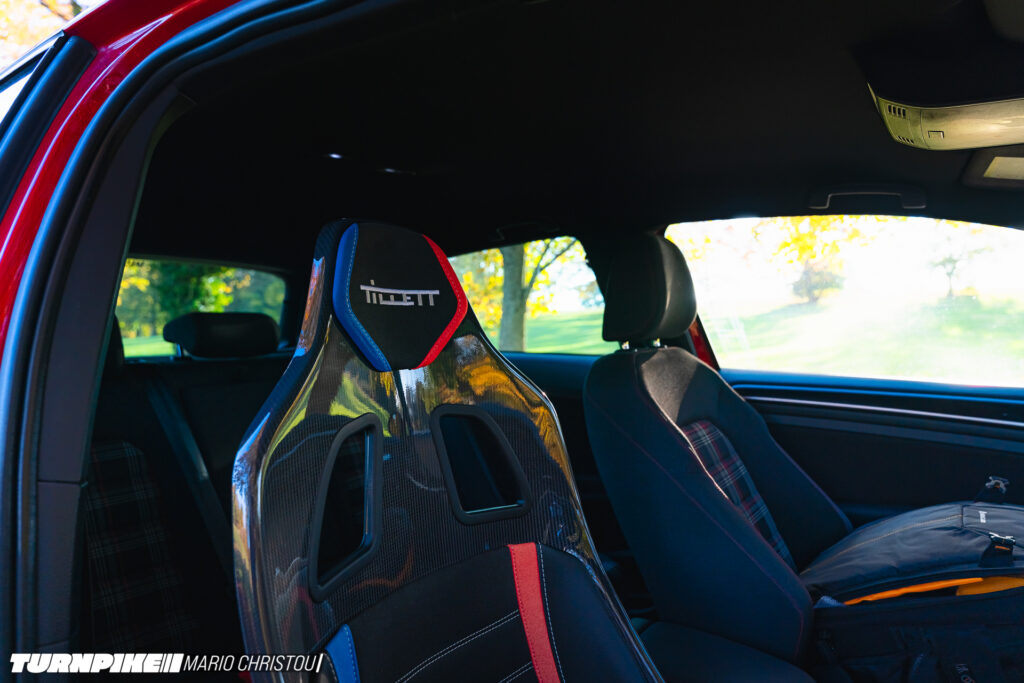
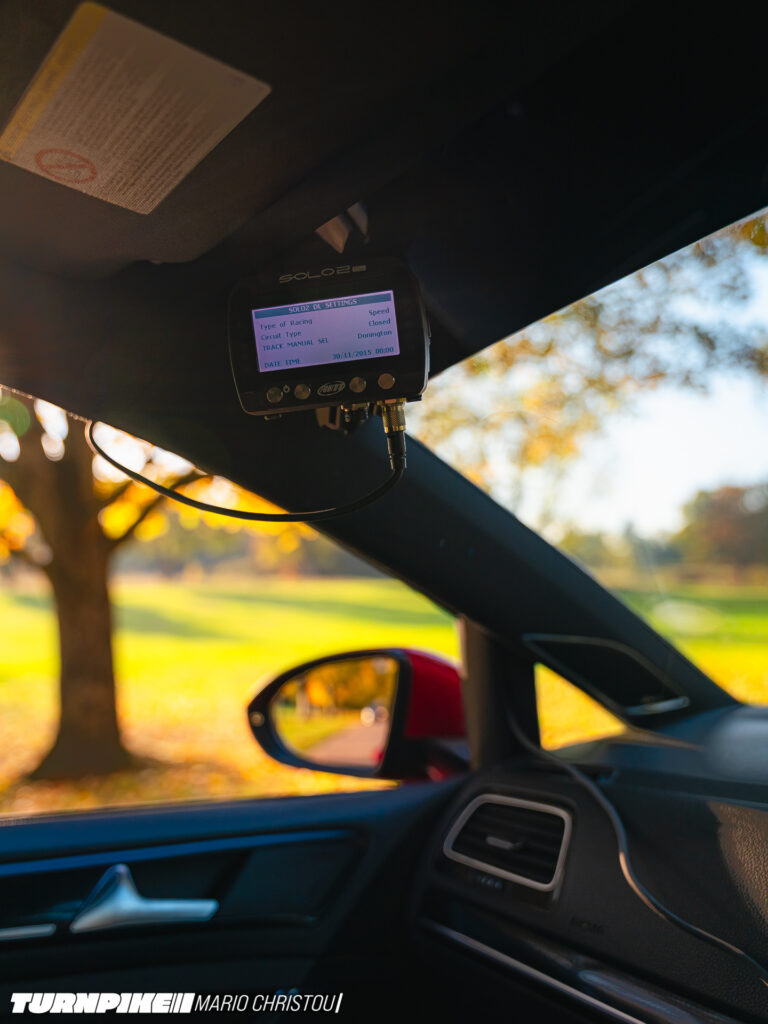
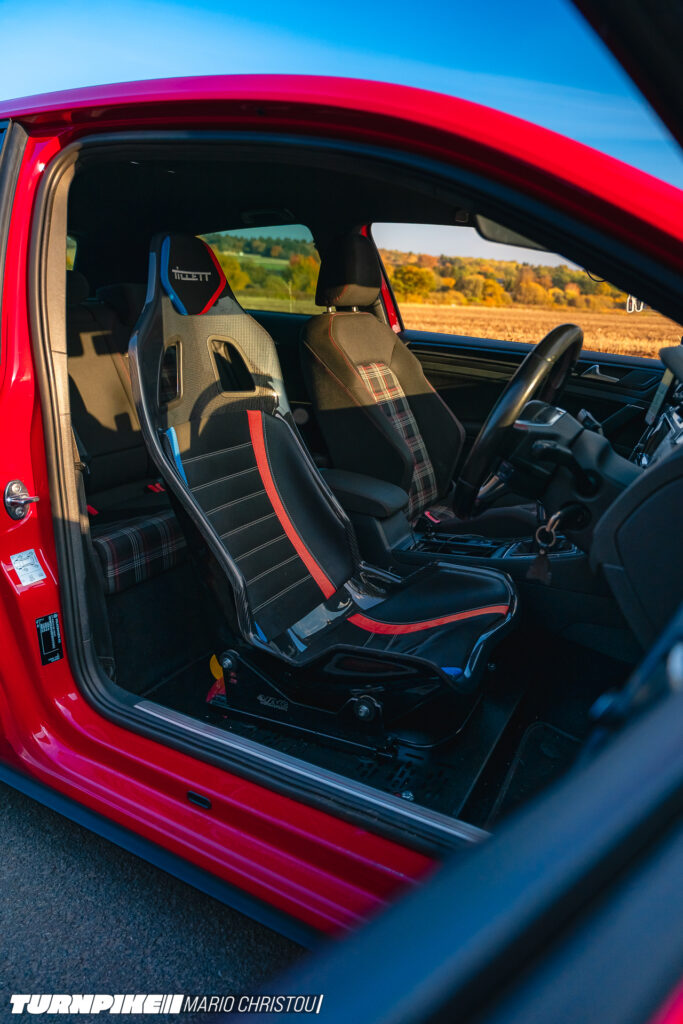
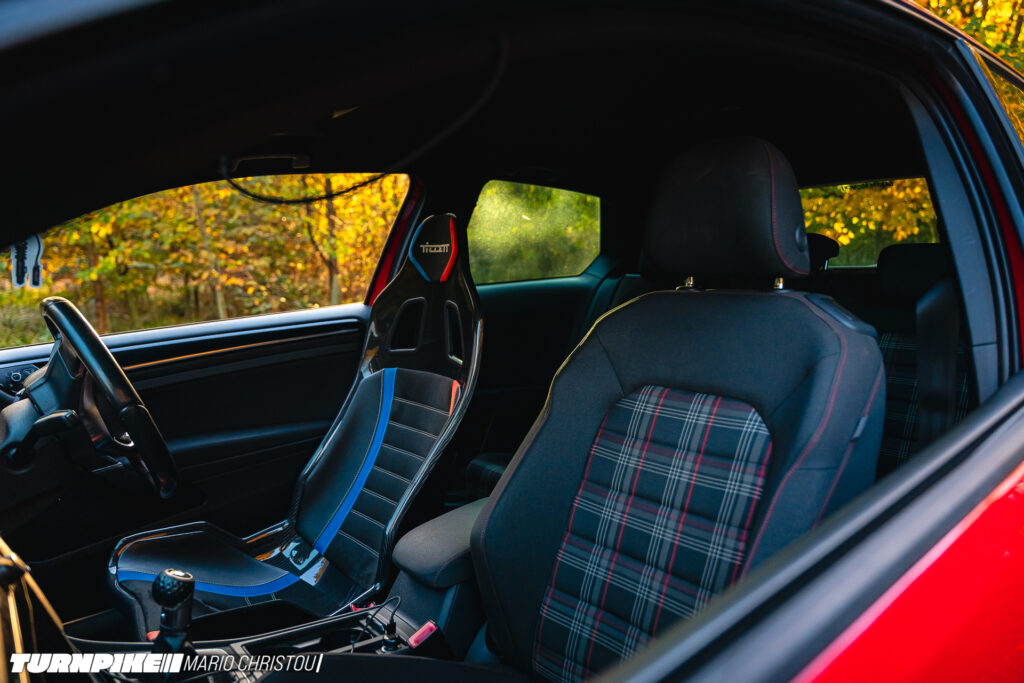
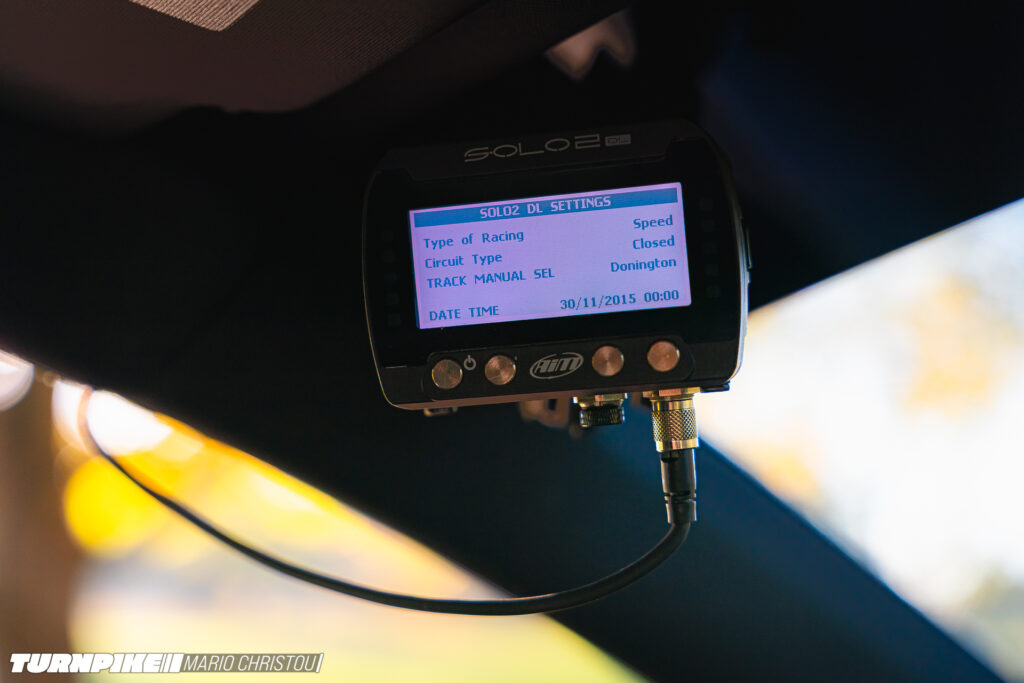
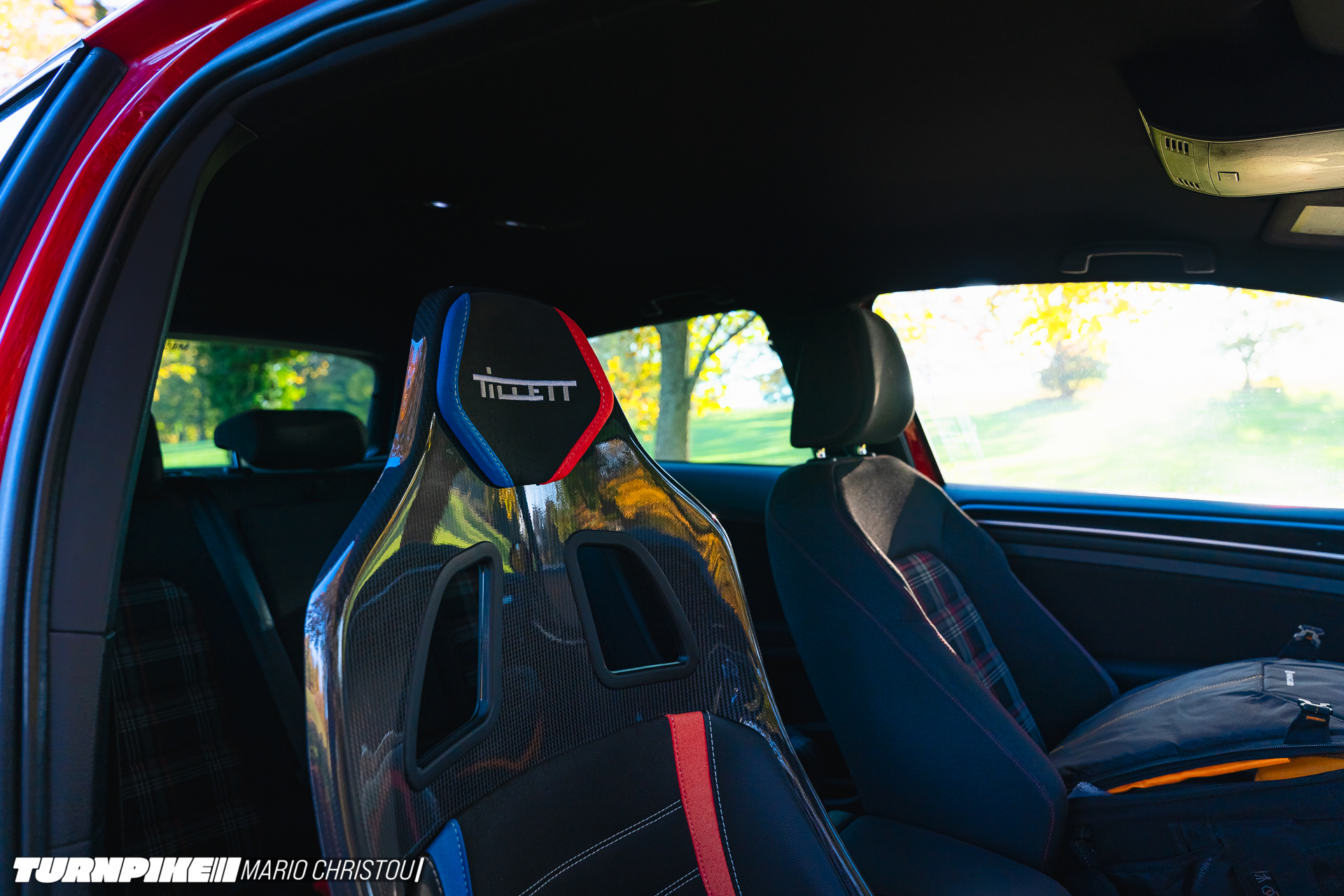
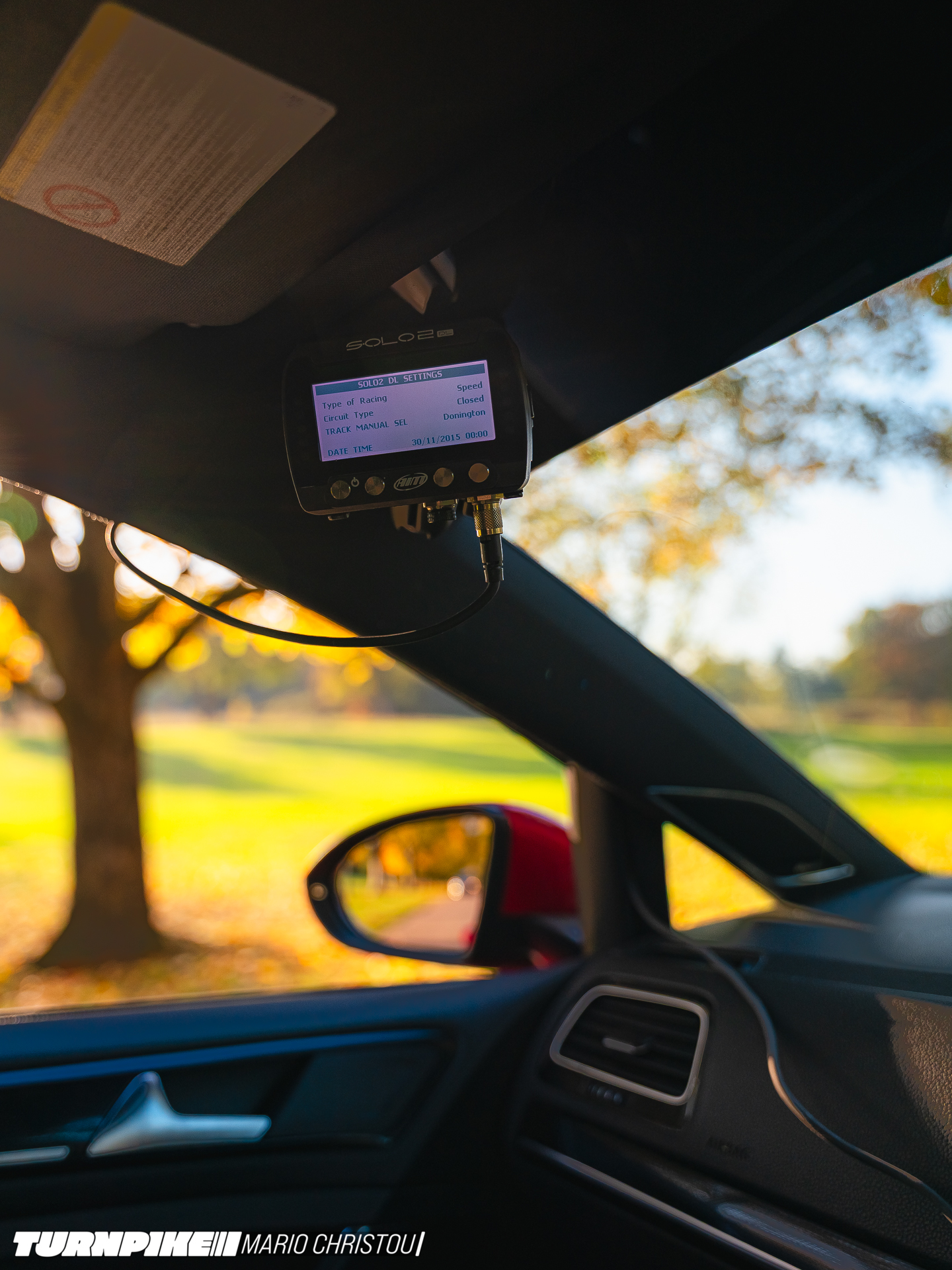
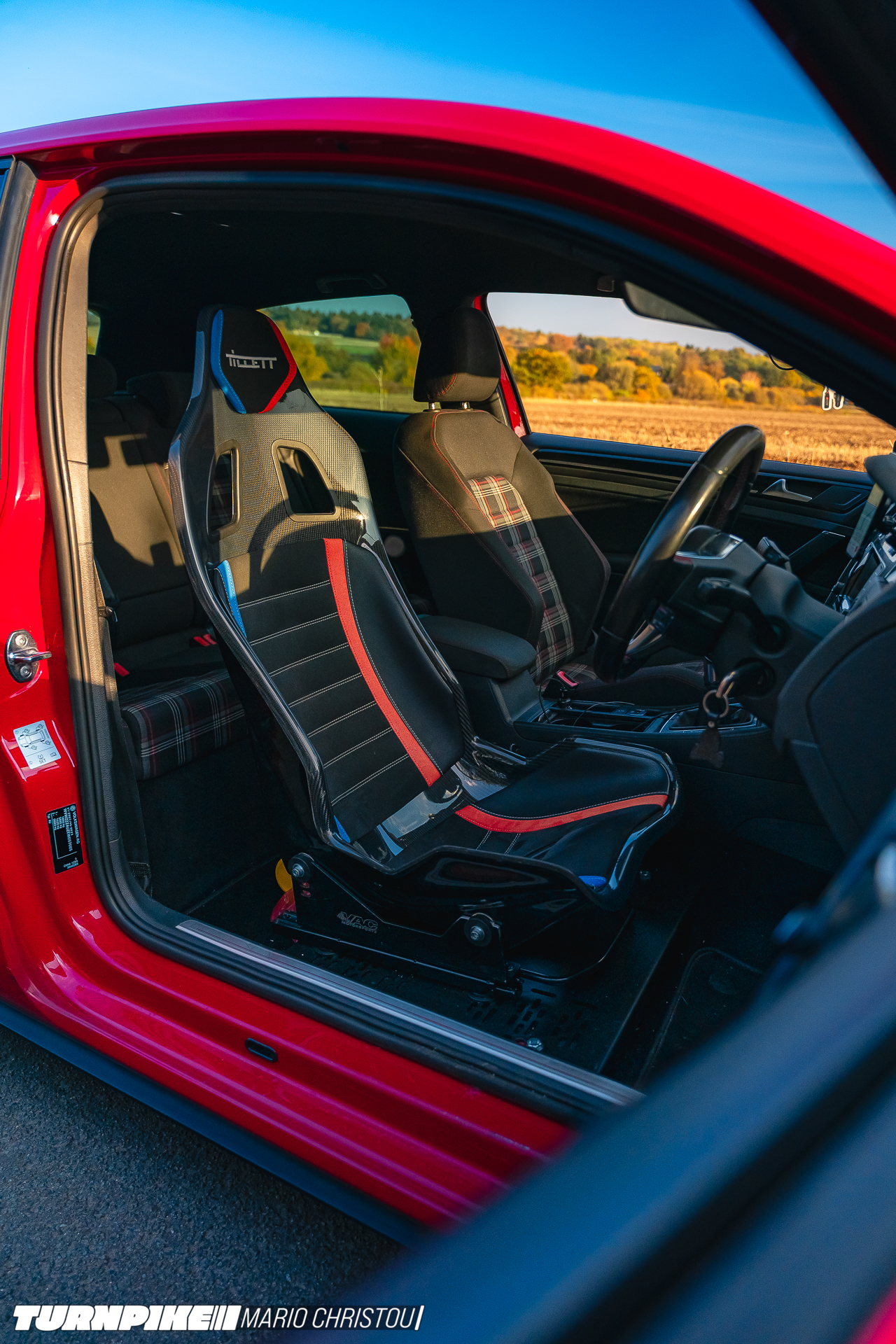
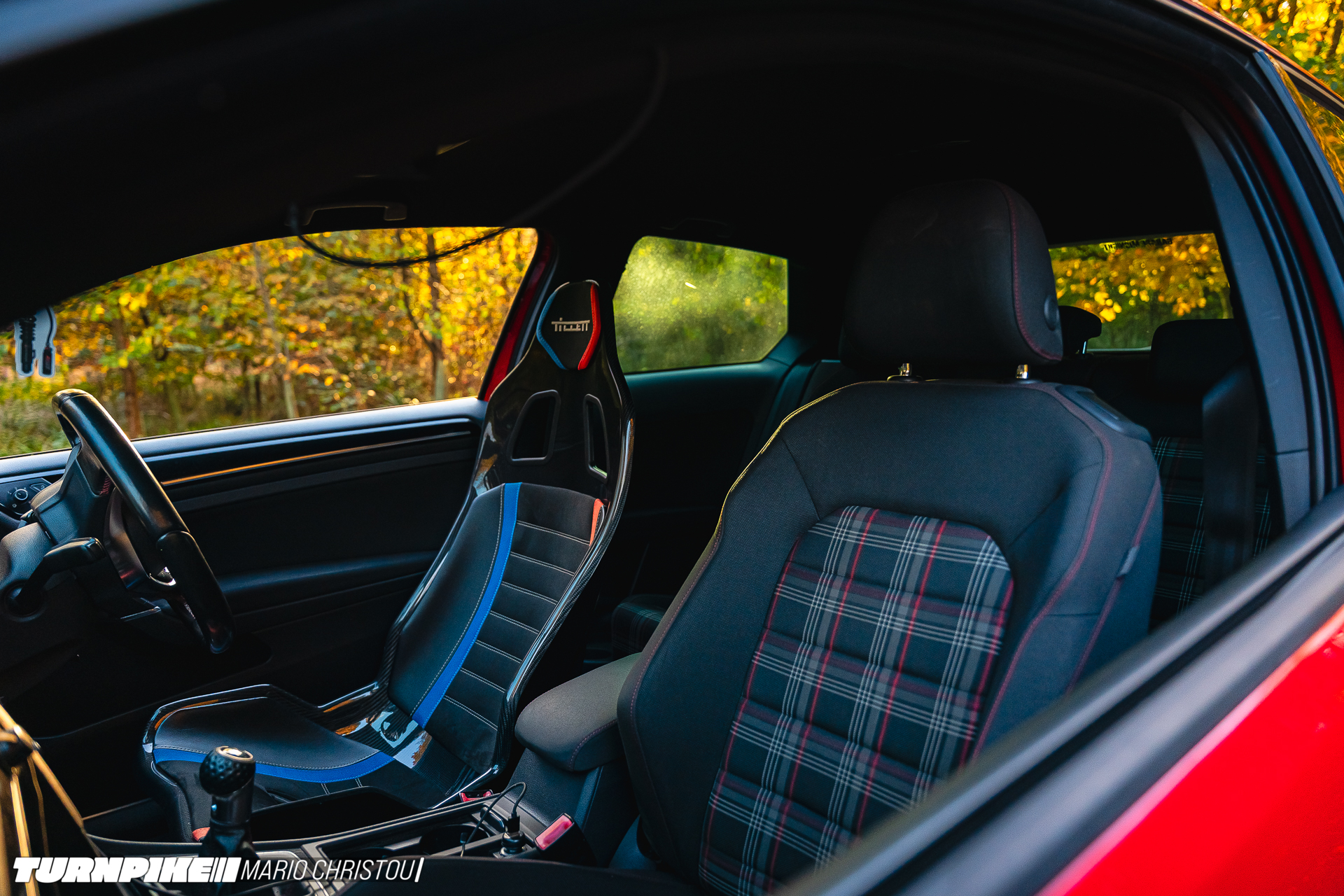
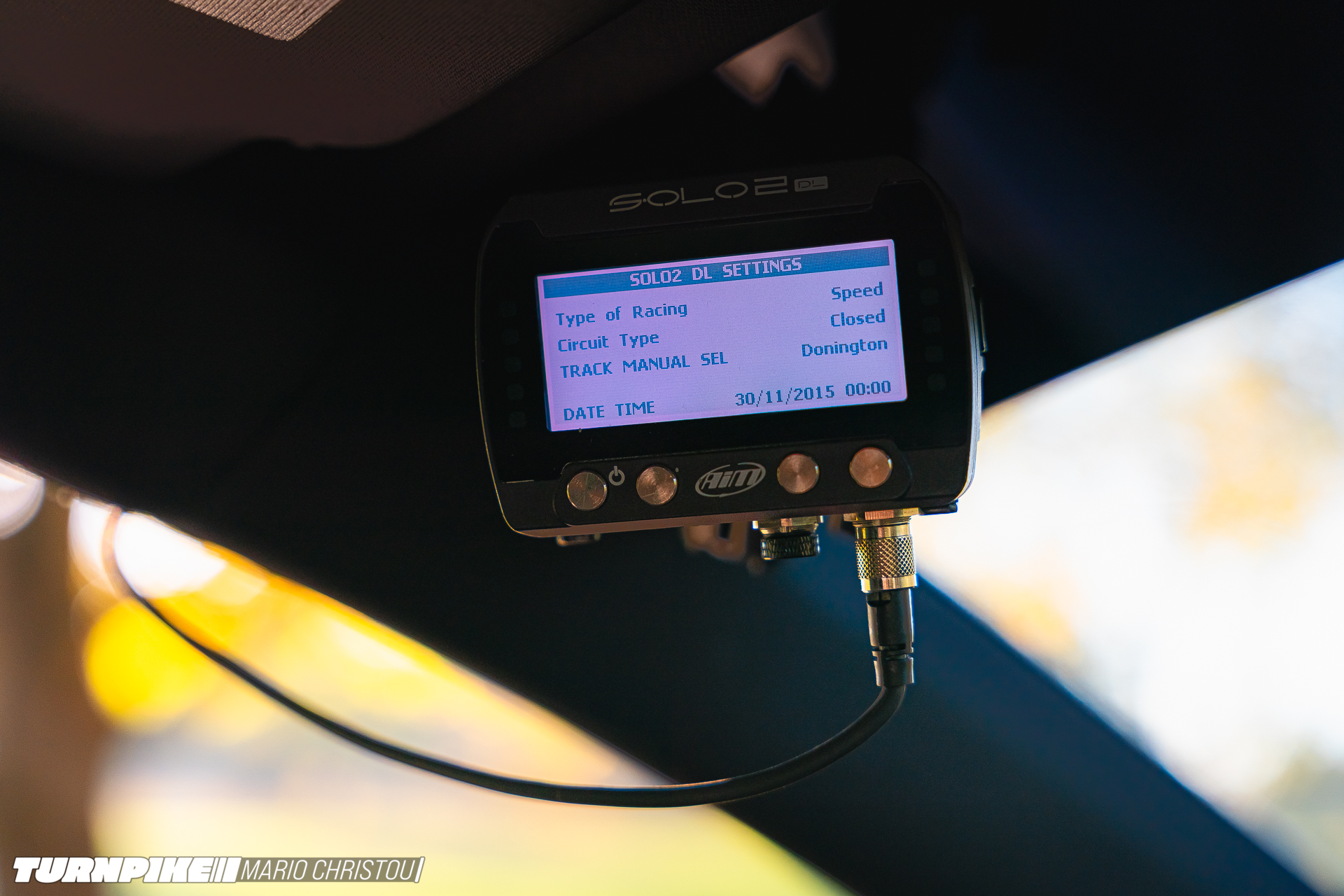
This absolutely isn’t a friendly car, but thanks to the comprehensive chassis upgrades, the power is pretty approachable with a degree of fast front-wheel drive experience. Part of that is psychological, as aside from the aggressive, carbon fibre Tillett B10 XL seat and the AIM Solo 2 DL lap time pointed at you, Ryan’s car is just as practical as any other Golf.
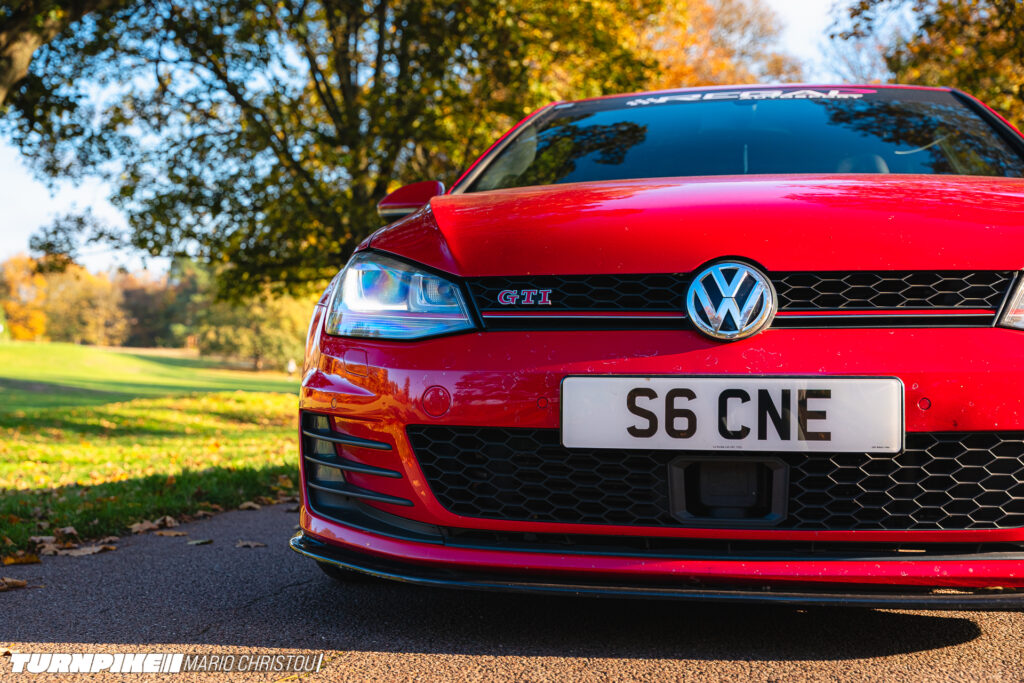
That’s what the whole car is about, to be honest. Ryan calls it his “Golf GTI Clubsport Plus, Plus, Plus.” No, it’s not nice to drive in town. In fact, it sucks, even with the AST’s fairly soft spring rates, but it’s tolerable if you need to use it to go from A-to-B.
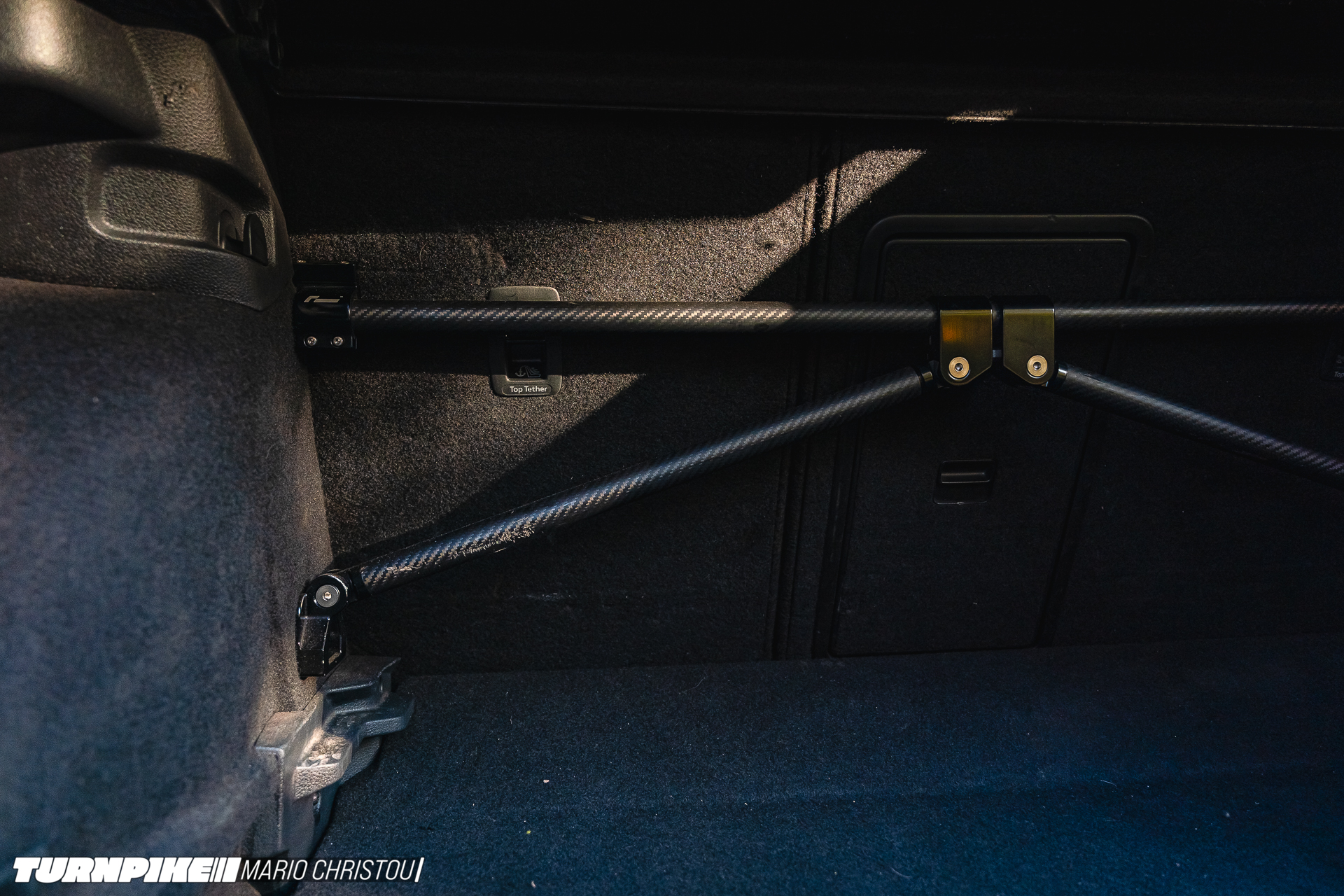
Bear in mind the spherical bushes throughout the suspension transmit a lot of noise into the cabin and lead to a lot of bounce on bad roads, but it’s worth it for the performance trade-off. Ryan says there’s a satisfaction to annoying fast BMWs and Porsches on track with five seats, no wing, and no roll cage to give away all of the changes under the skin.
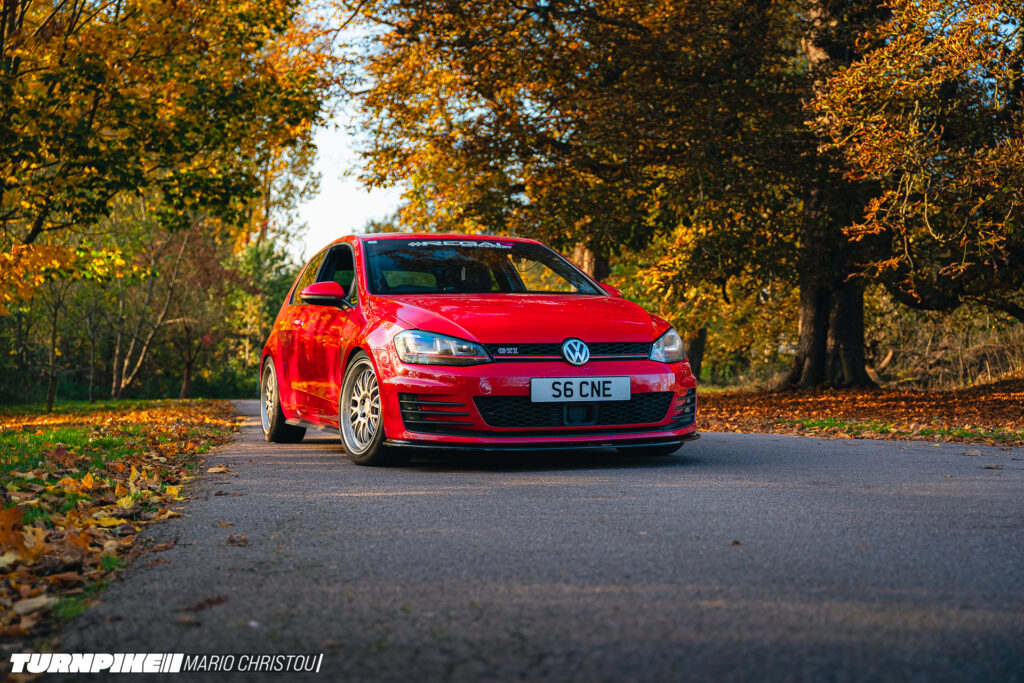
Get it on a fast road, however, and the GTI just gets more and more stable the faster it goes. It’s addictive and encourages you to keep your momentum in a nice rhythm.
As a car to drive to the track, around the track, and home from the track, this Golf GTI makes a lot of sense. So, I’d like to have a go on a circuit, Ry. Please and thank you.
SPEC
Ryan Stewart’s 2013 VW Golf GTI Launch Edition
Engine: RacingLine Stage 3 tuning with Garrett PowerMax 1 turbo, RacingLine R600 intake with turbo elbow and silicone inlet pipe, CSF centre radiator, CSF intercooler, RacingLine oil cooler kit with upgraded CSF oil cooler, RacingLine oil management system, RacingLine PDM data logger, RacingLine cup engine mount, Milltek Sports downpipe, Milltek Sport exhaust system with titanium tips, Forge Motorsport water hoses, RacingLine magnetic sump plug
Transmission: Wavetrac mechanical LSD, with reconfigured OEM VAQ+ e-LSD, Sachs Performance 4-puck sinter metal clutch and cover, OEM dual mass retained, RacingLine cup gearbox mount
Chassis: AST 5100 coilover suspension with front top mounts and true rear coilovers, Verkline tubular front subframe and tubular control arms with roll centre correction, Verkline billet track control ends with bump steer correction, Hardrace rear anti-roll bar, Verkline billet rear roll bar links, Hardrace rear toe arms, Verkline camber arms, Verkline billet trailing arms with anti-squat
Brakes: Tarox 8-pot big brake kit with 2-piece front discs, Tarox F2000 rear discs, Tarox brake lines, Tarox Corsa pads
Wheels/Tyres: Titan 7 T-P5 in full polish, or Titan 7 T-M20 18×8.5 +44, Nankang Sportnex CRS or Dunlop SportMaxx 245/40R18
Exterior: Voomeran Euromagic rear wing, Triple R Composites front splitter
Interior: Tillett Carbon Fibre B10 XL seat, AIM Solo 2 DL lap timer



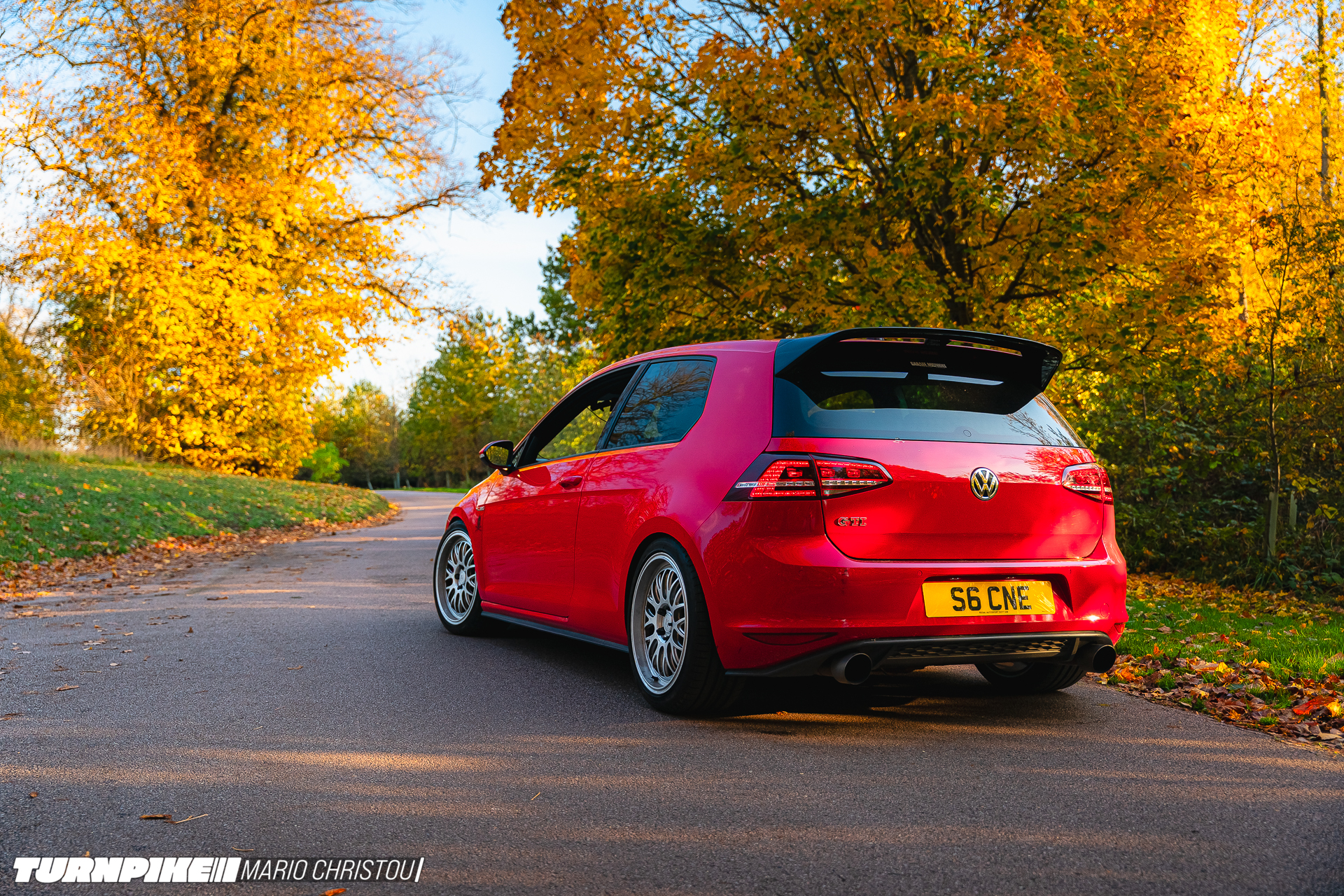
When it comes to FWD cars, can’t go wrong with the GTI especially of this gen. I’m a Honda fanboy myself however, it’s hard to deny how good of a car the GTI is.