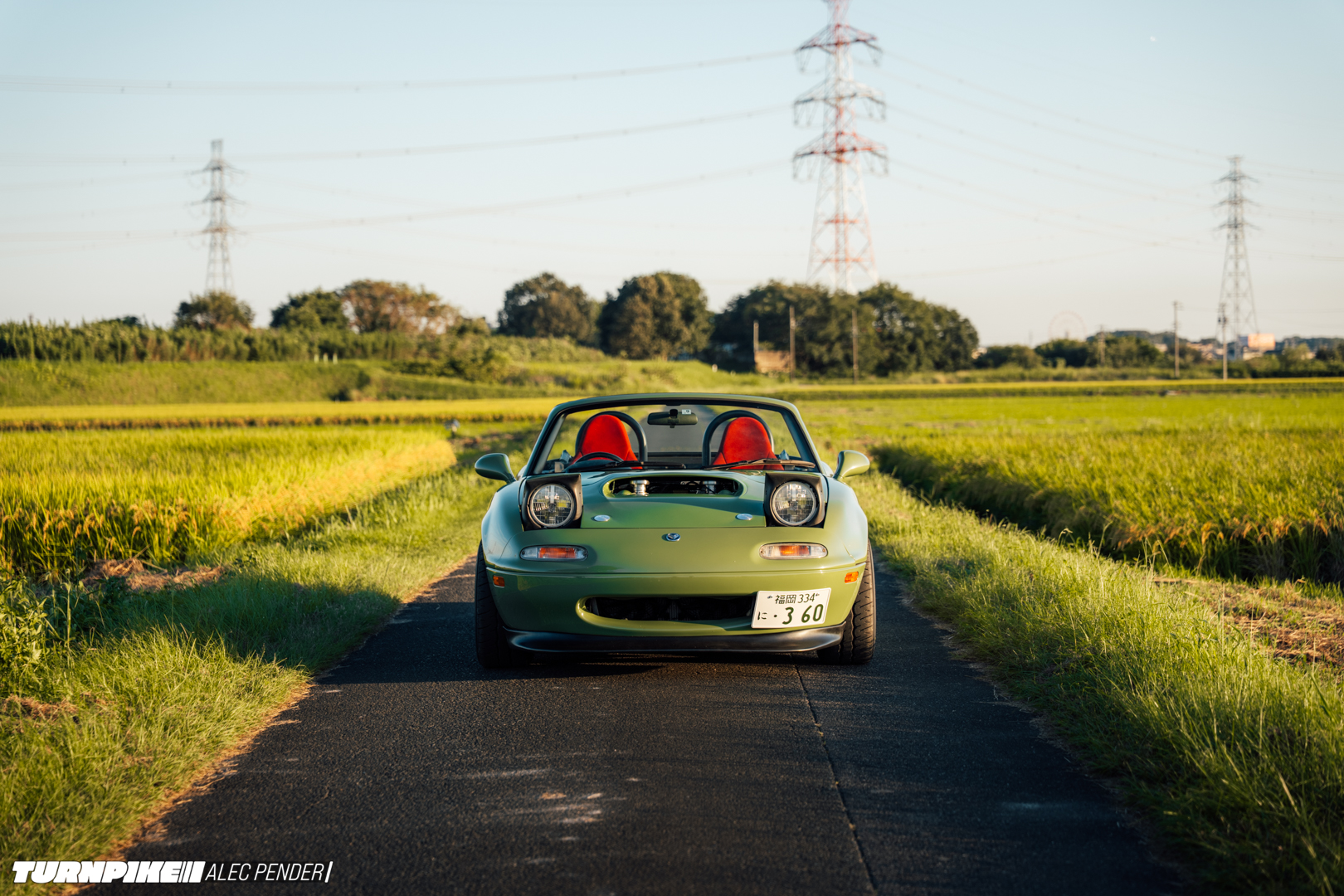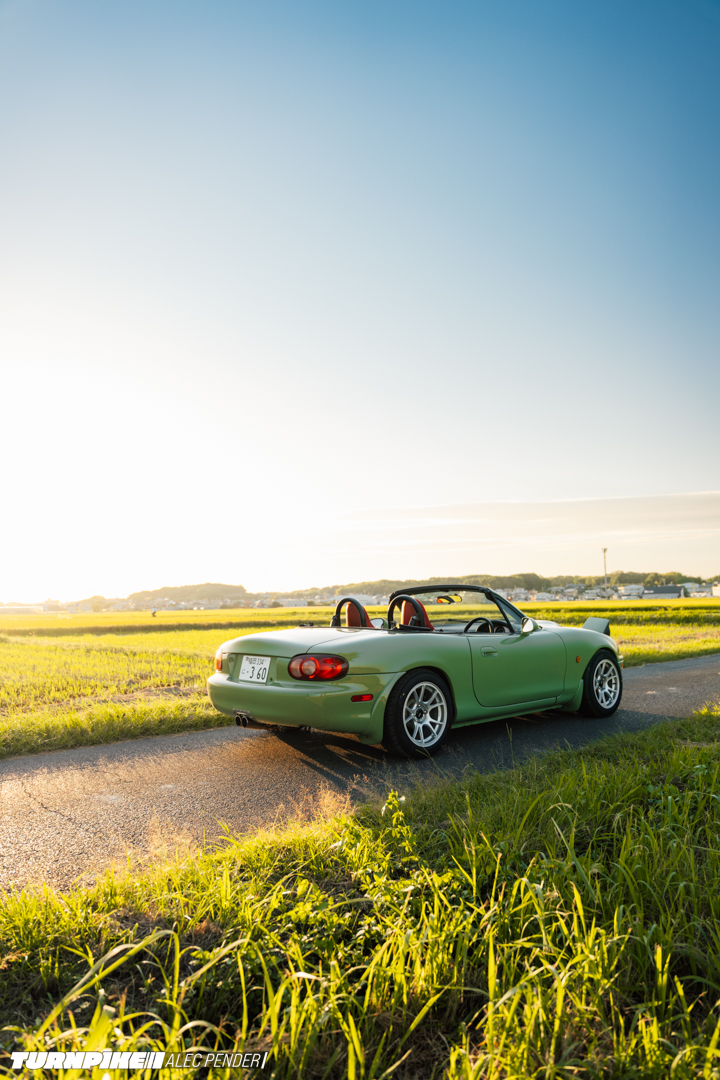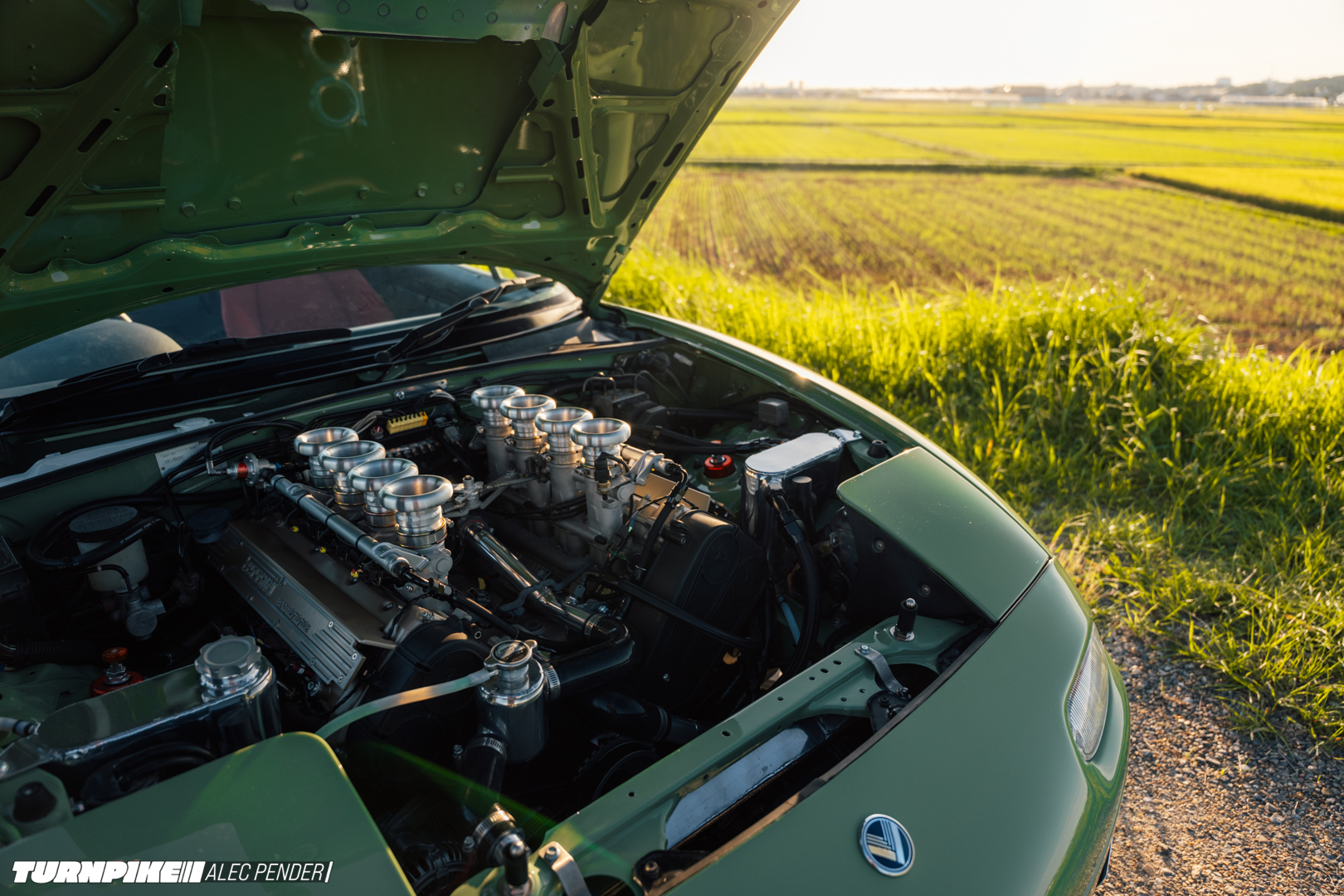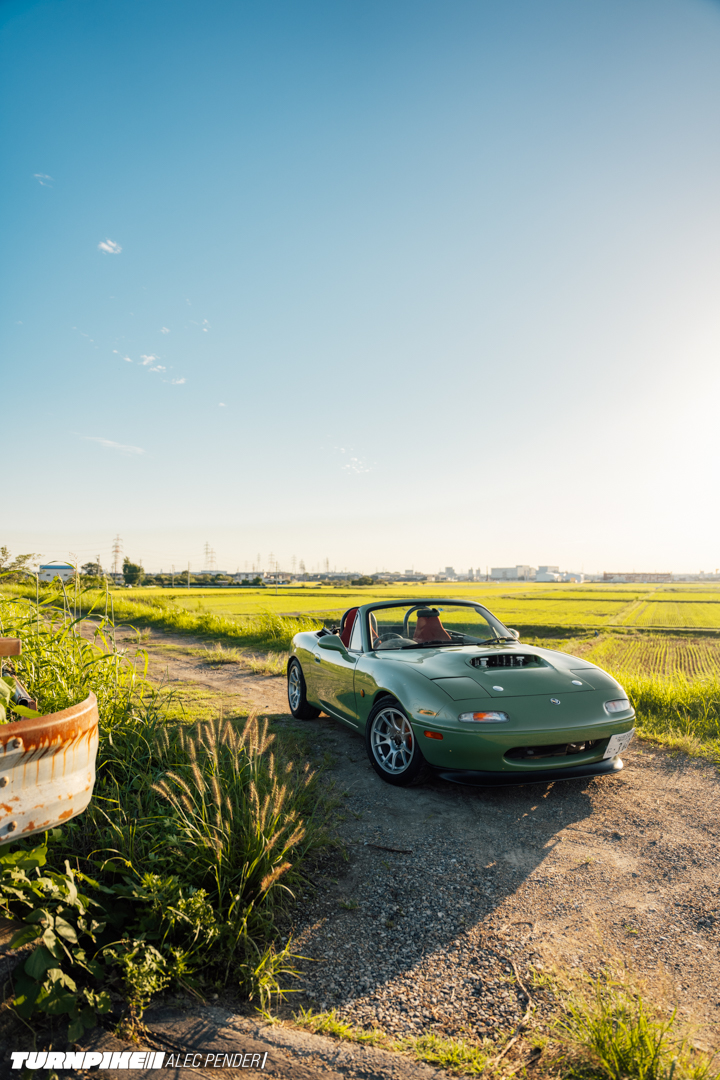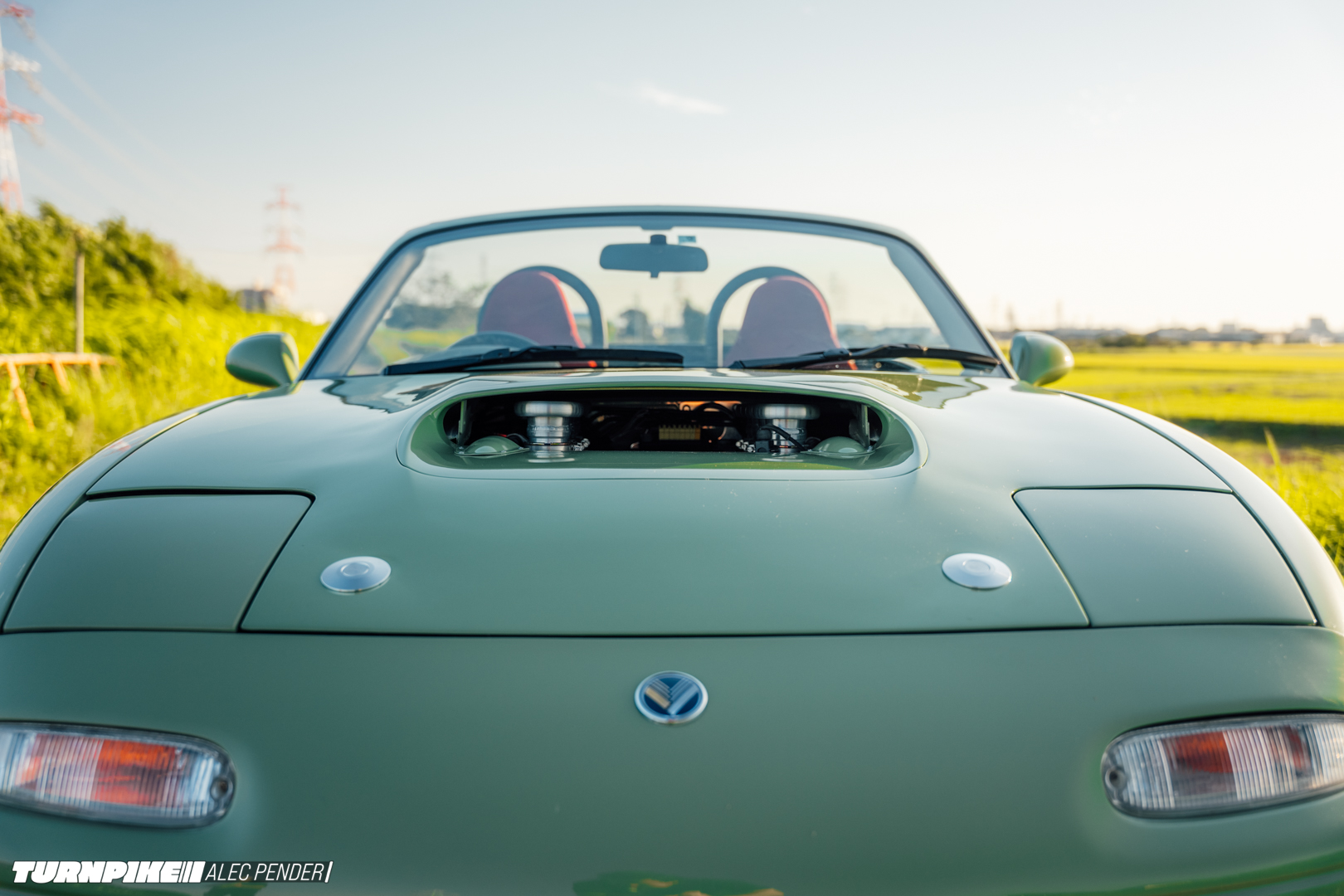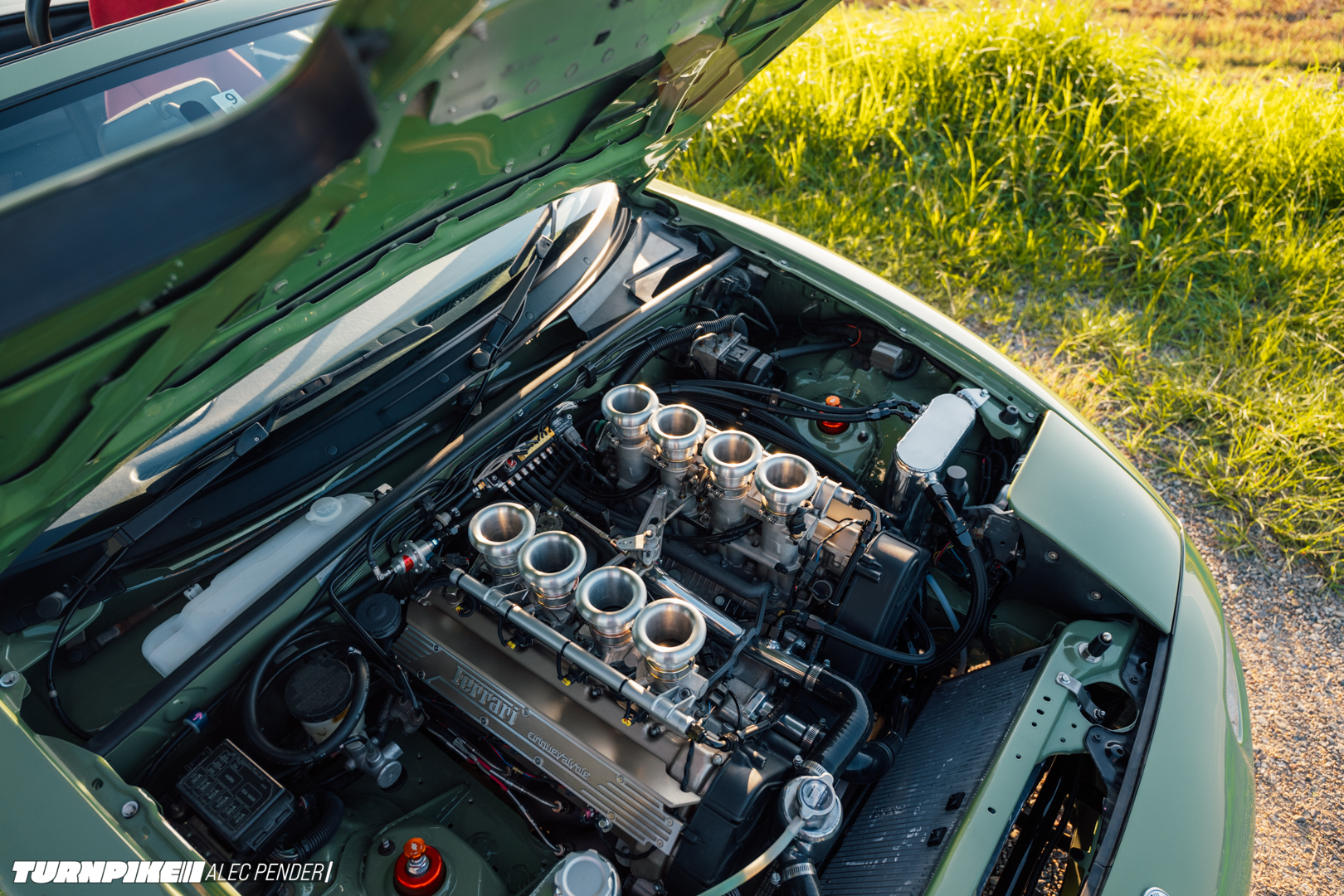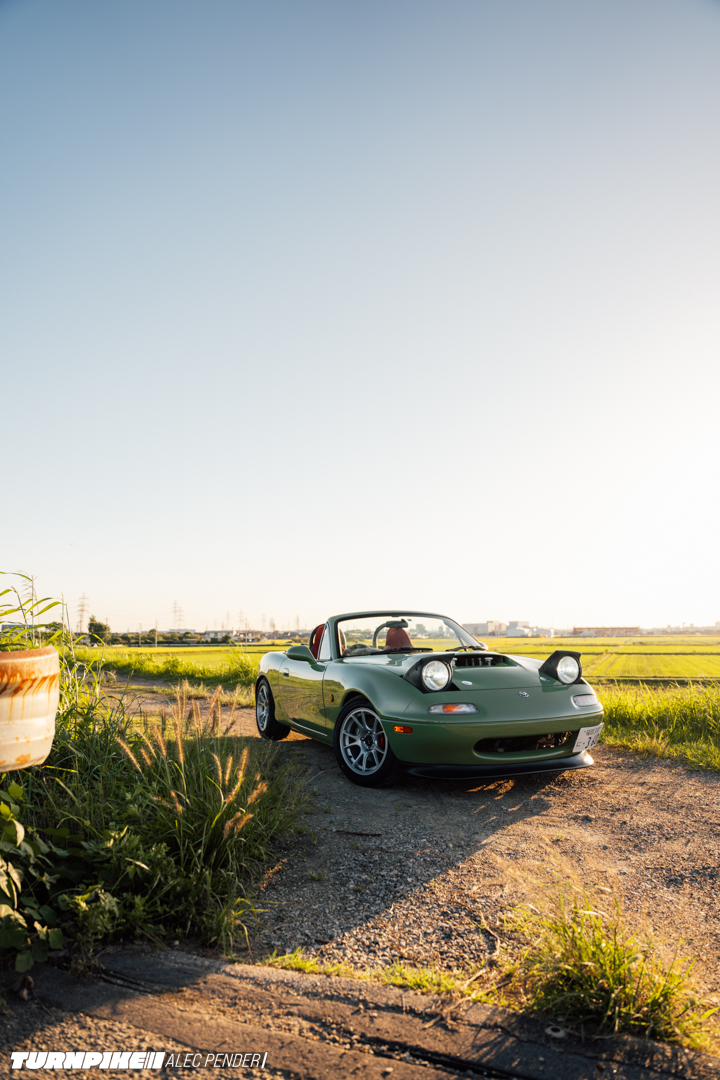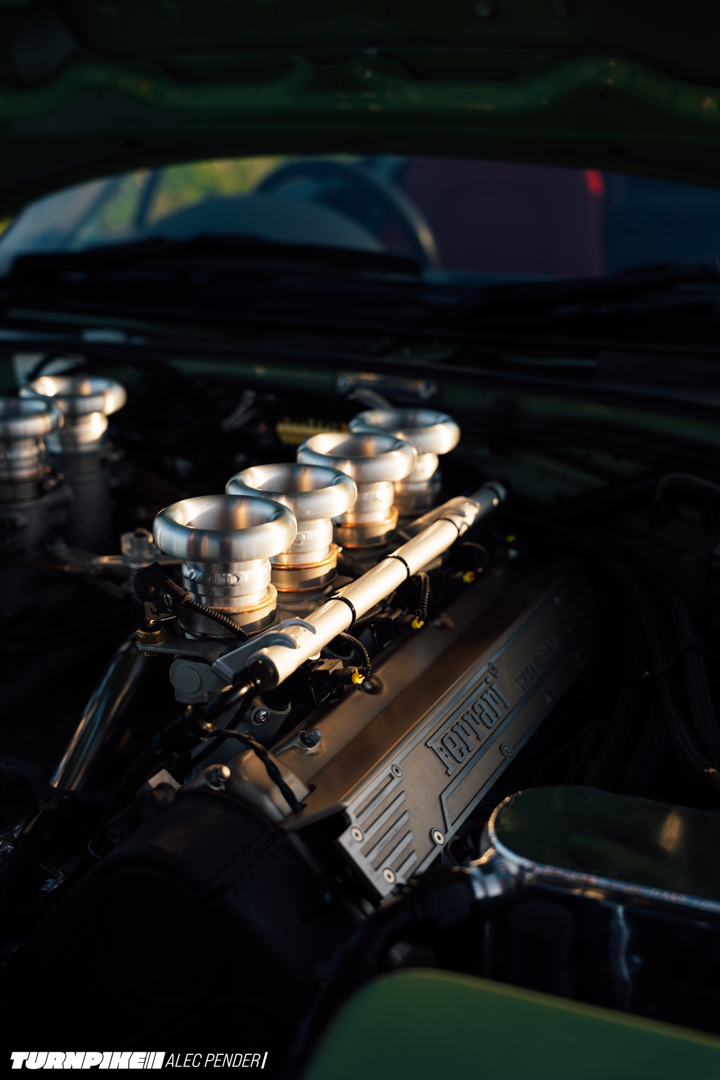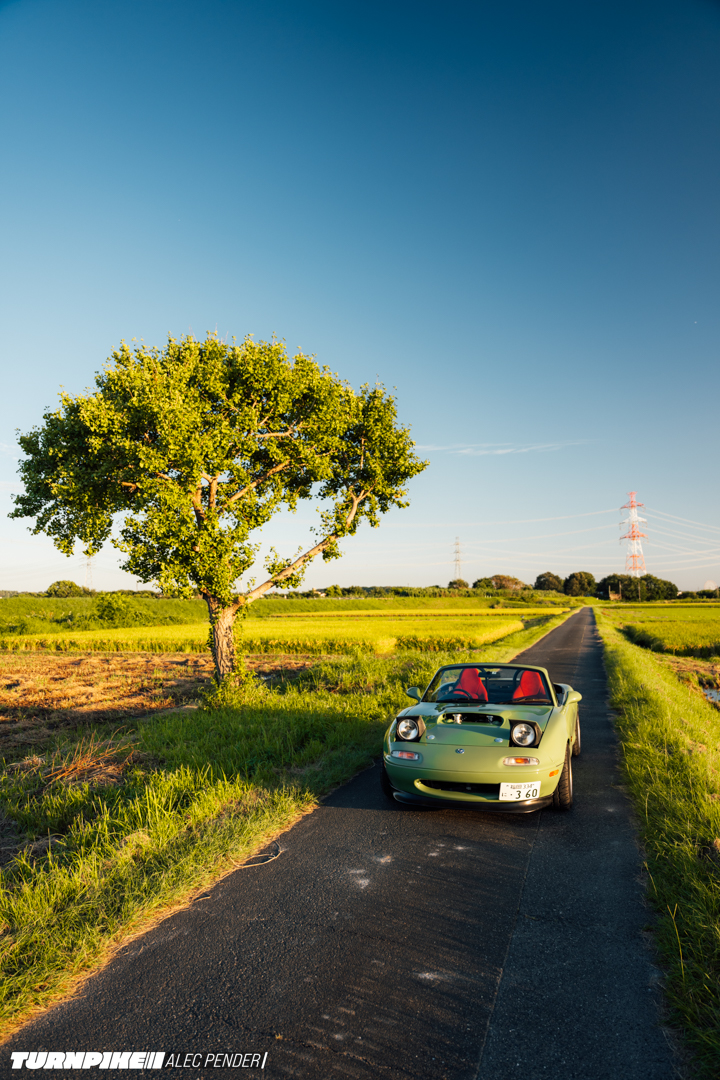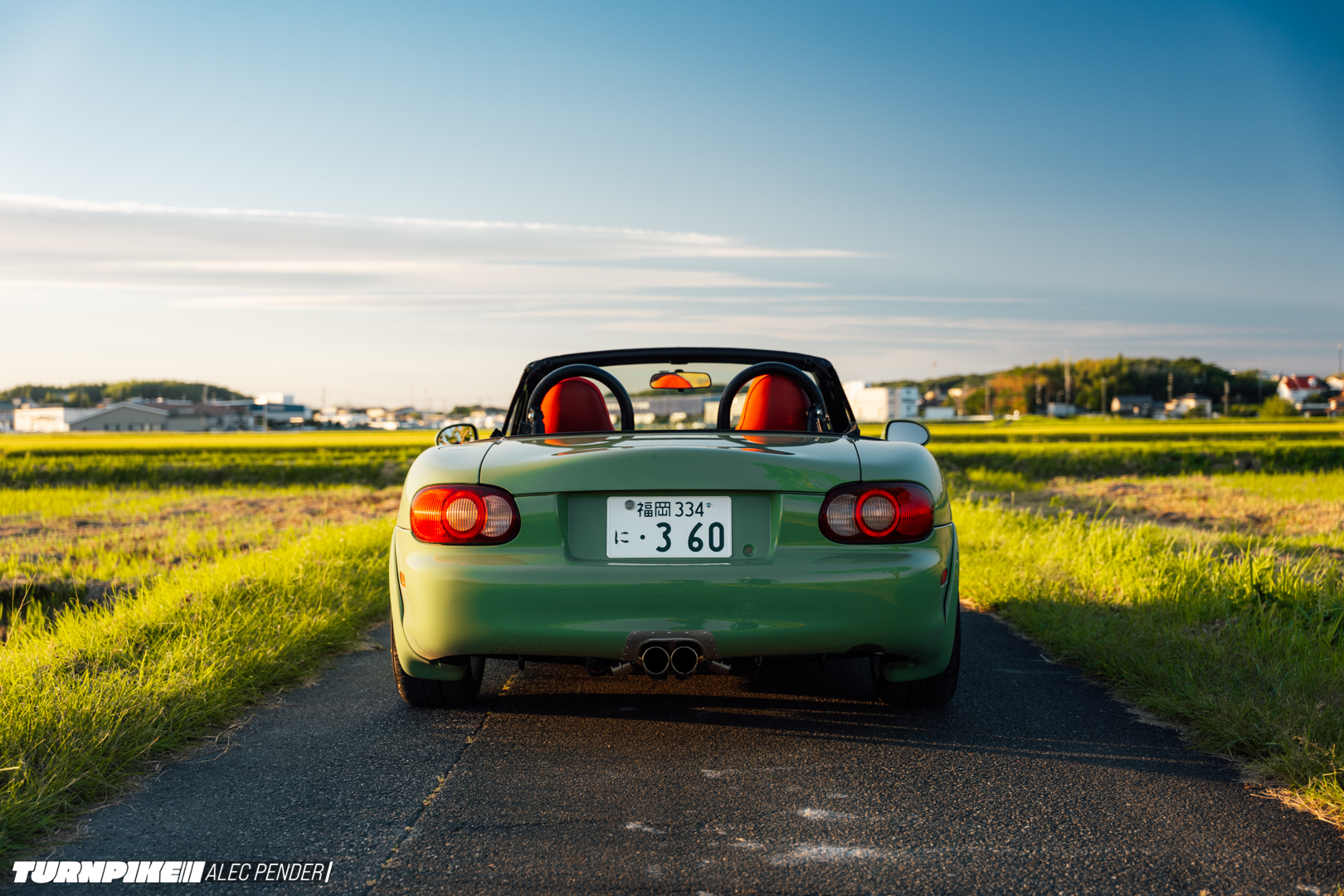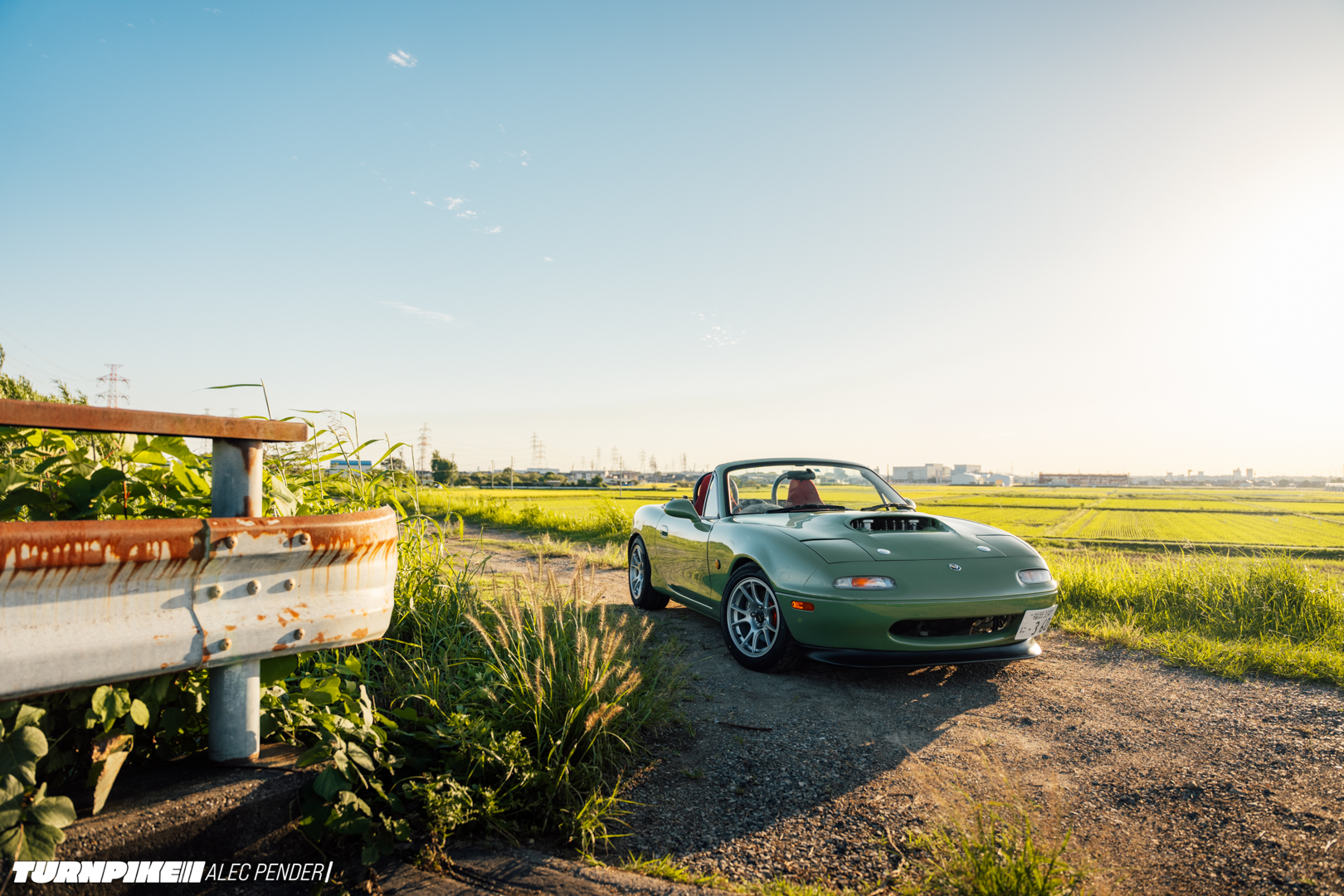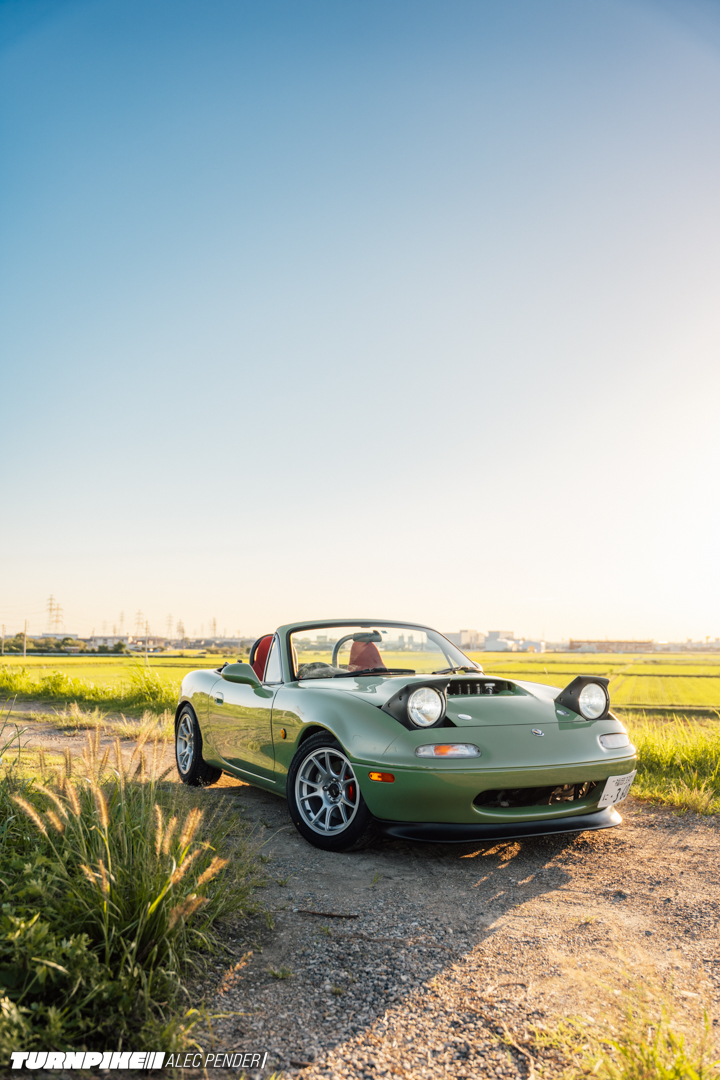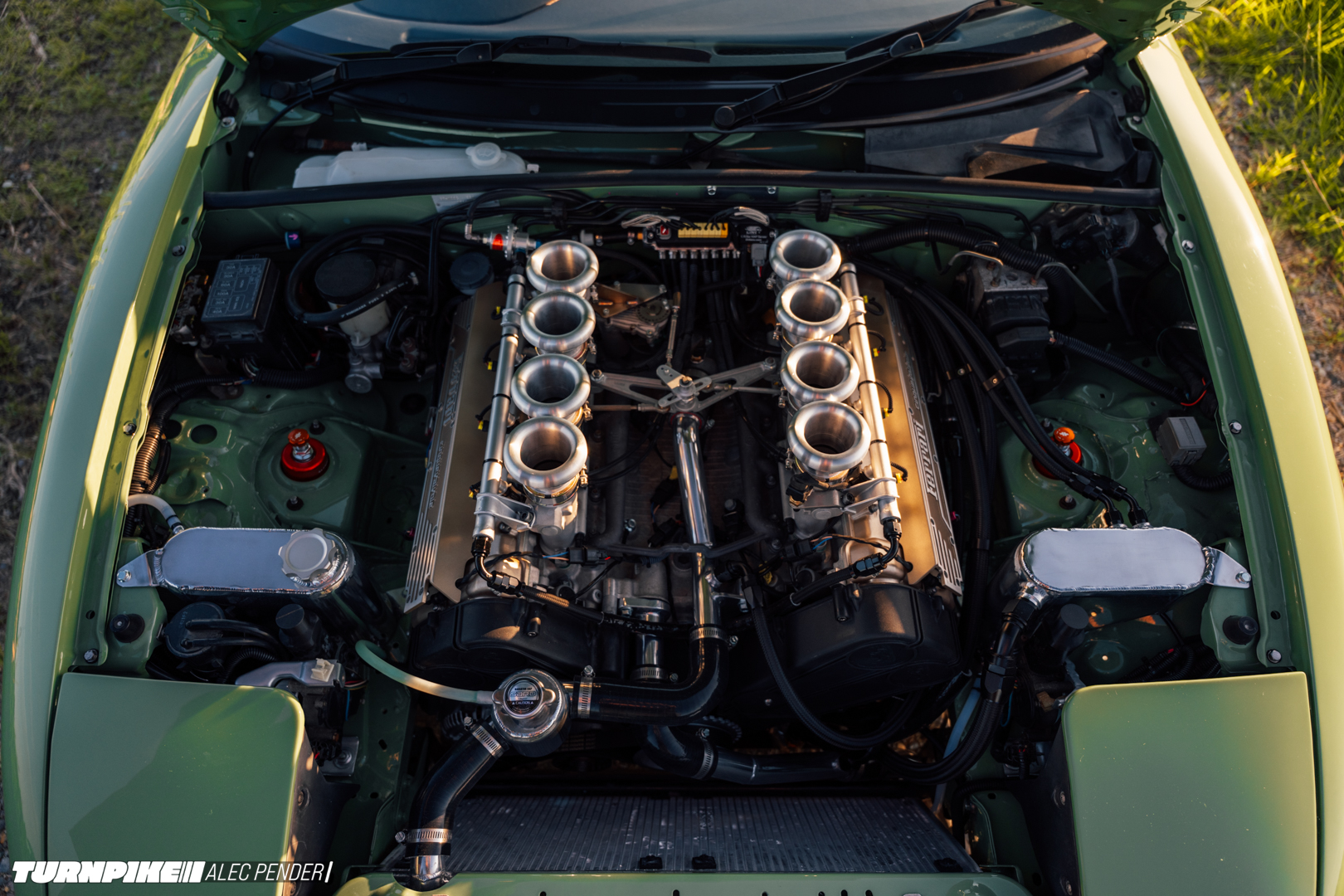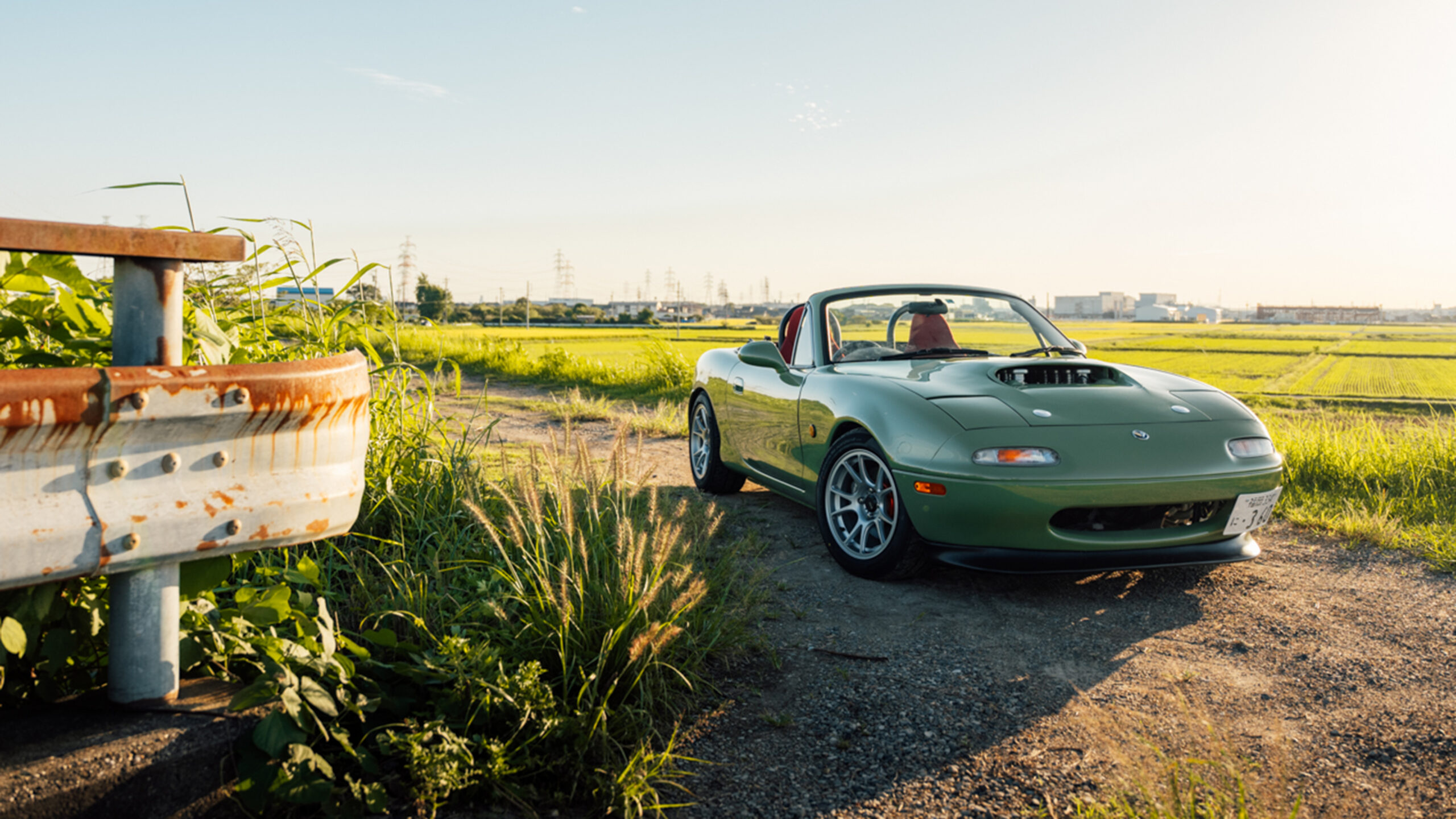
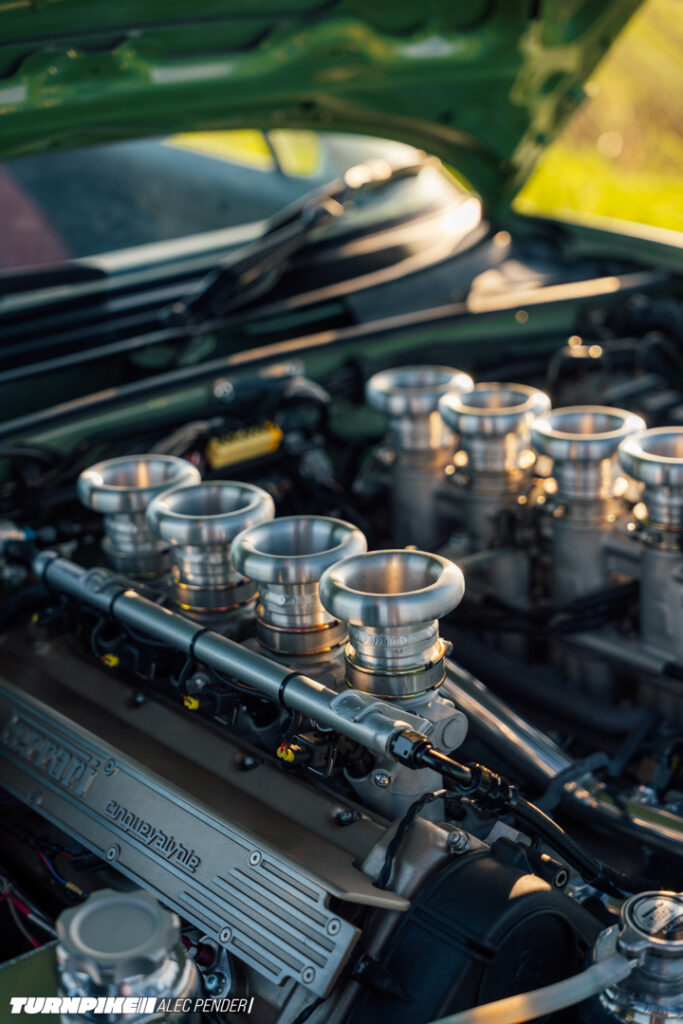
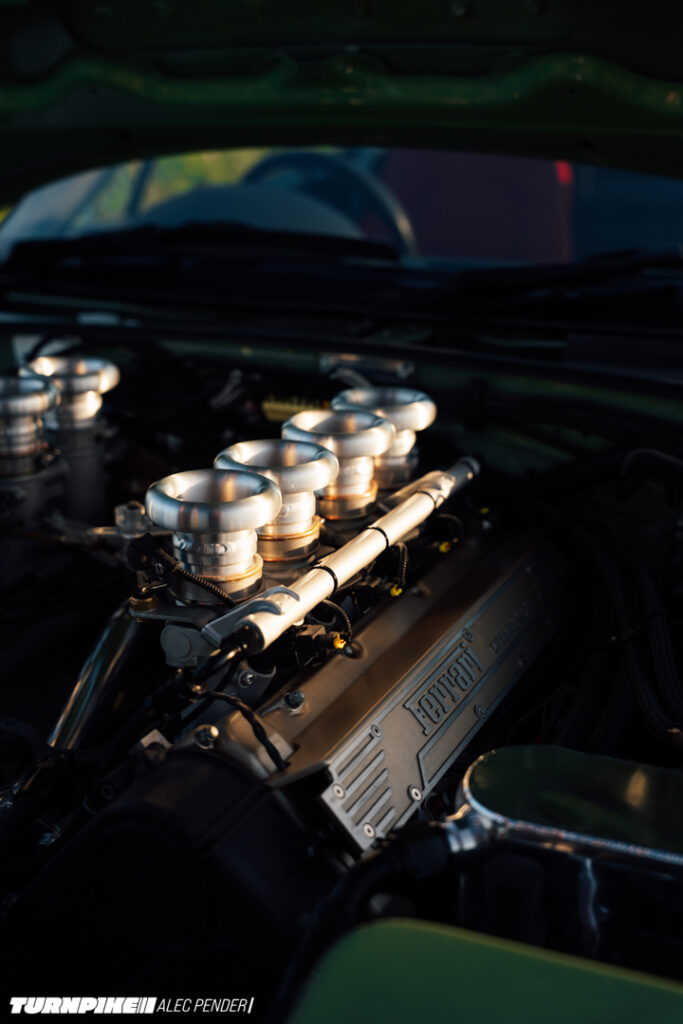
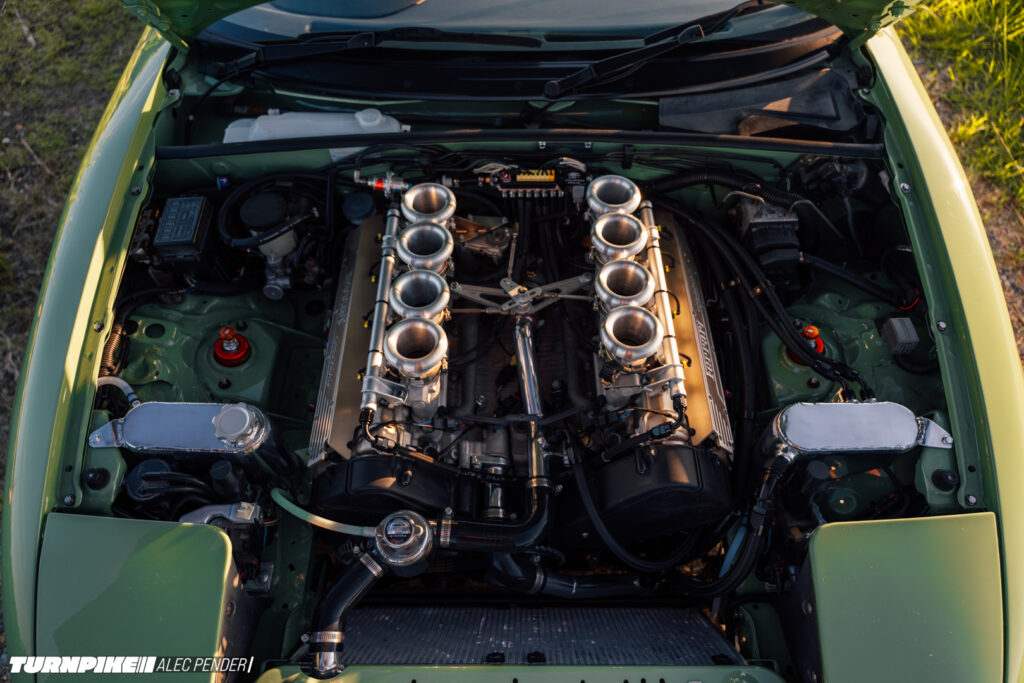
When I first heard that Oto-san at Daddy Motor Works was shoehorning a Ferrari V8 into a lightweight Japanese chassis, I knew it would be something beyond special.
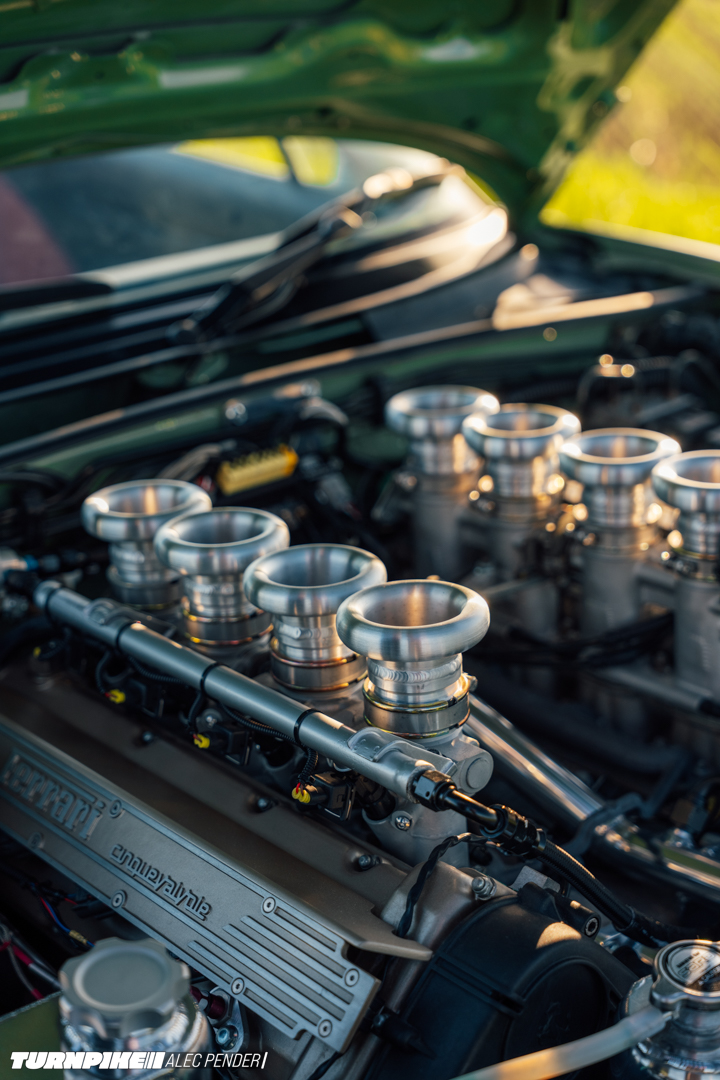
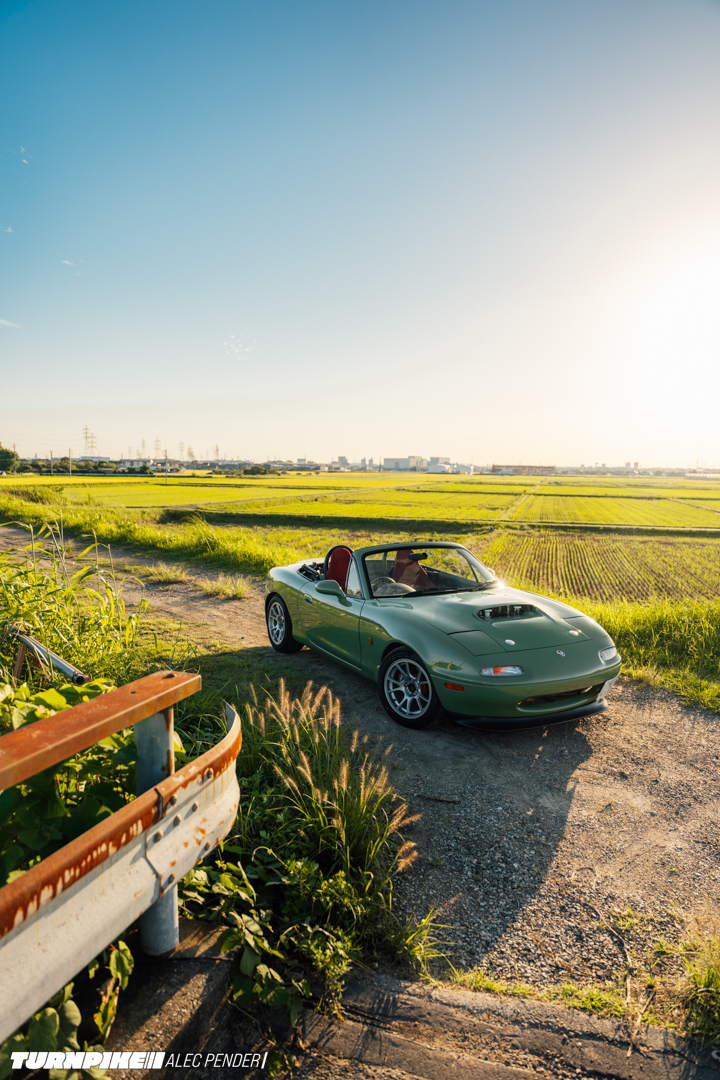
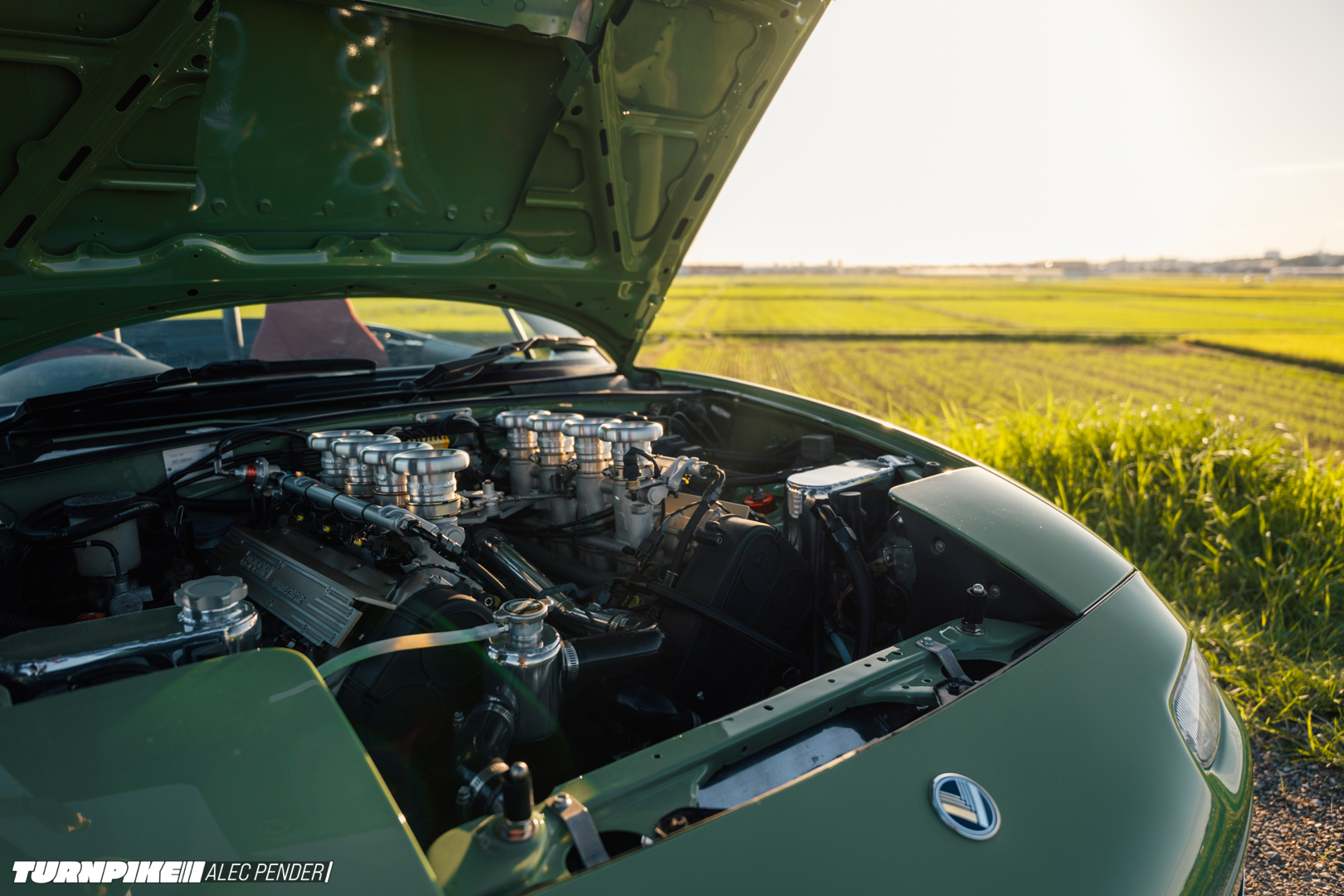
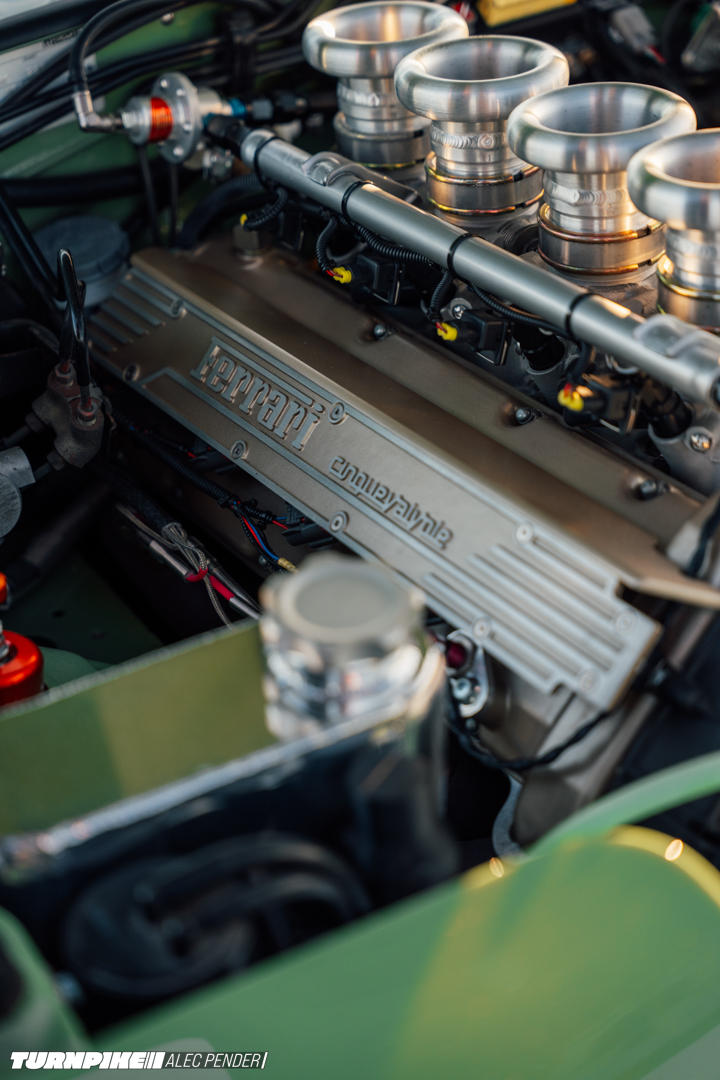
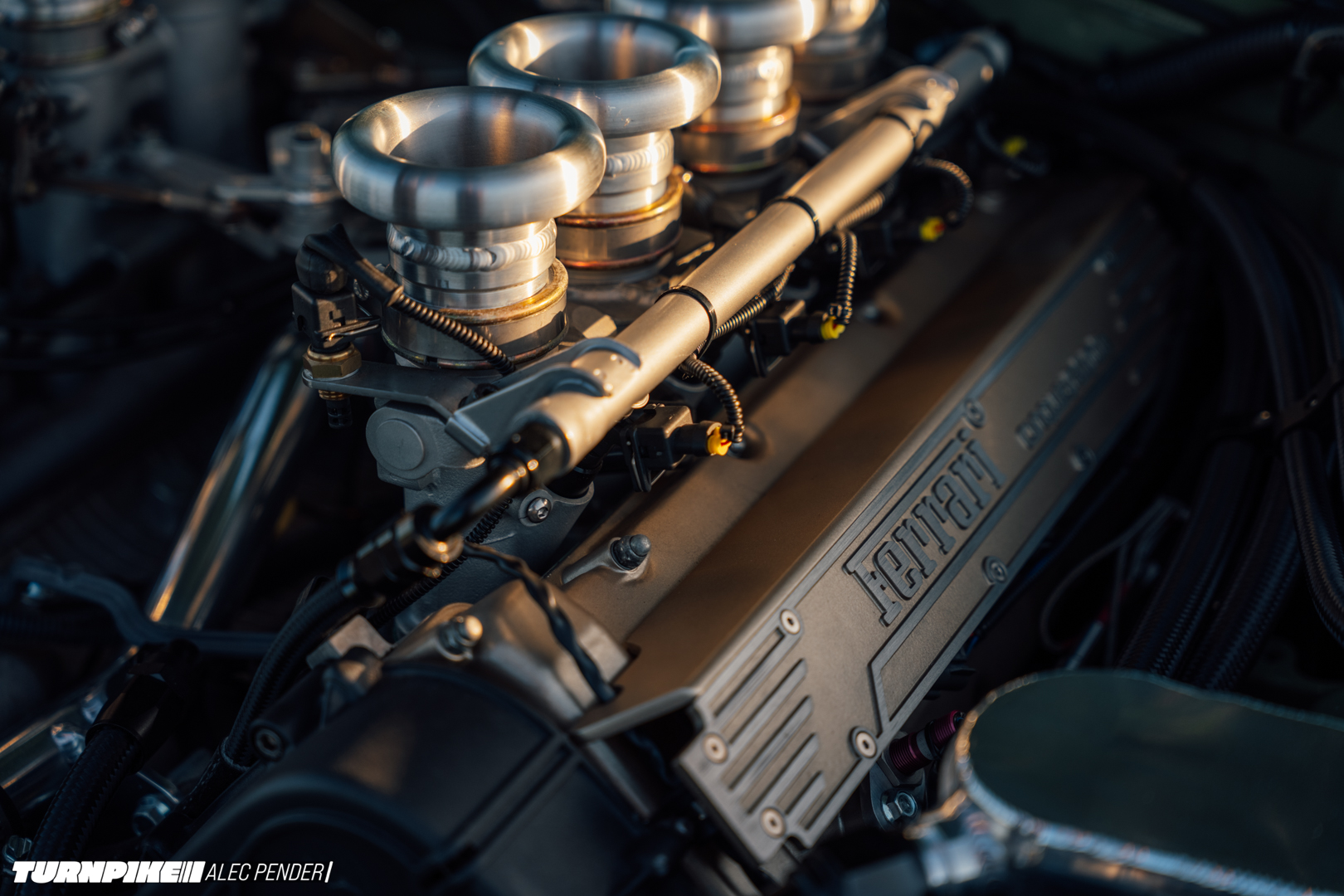
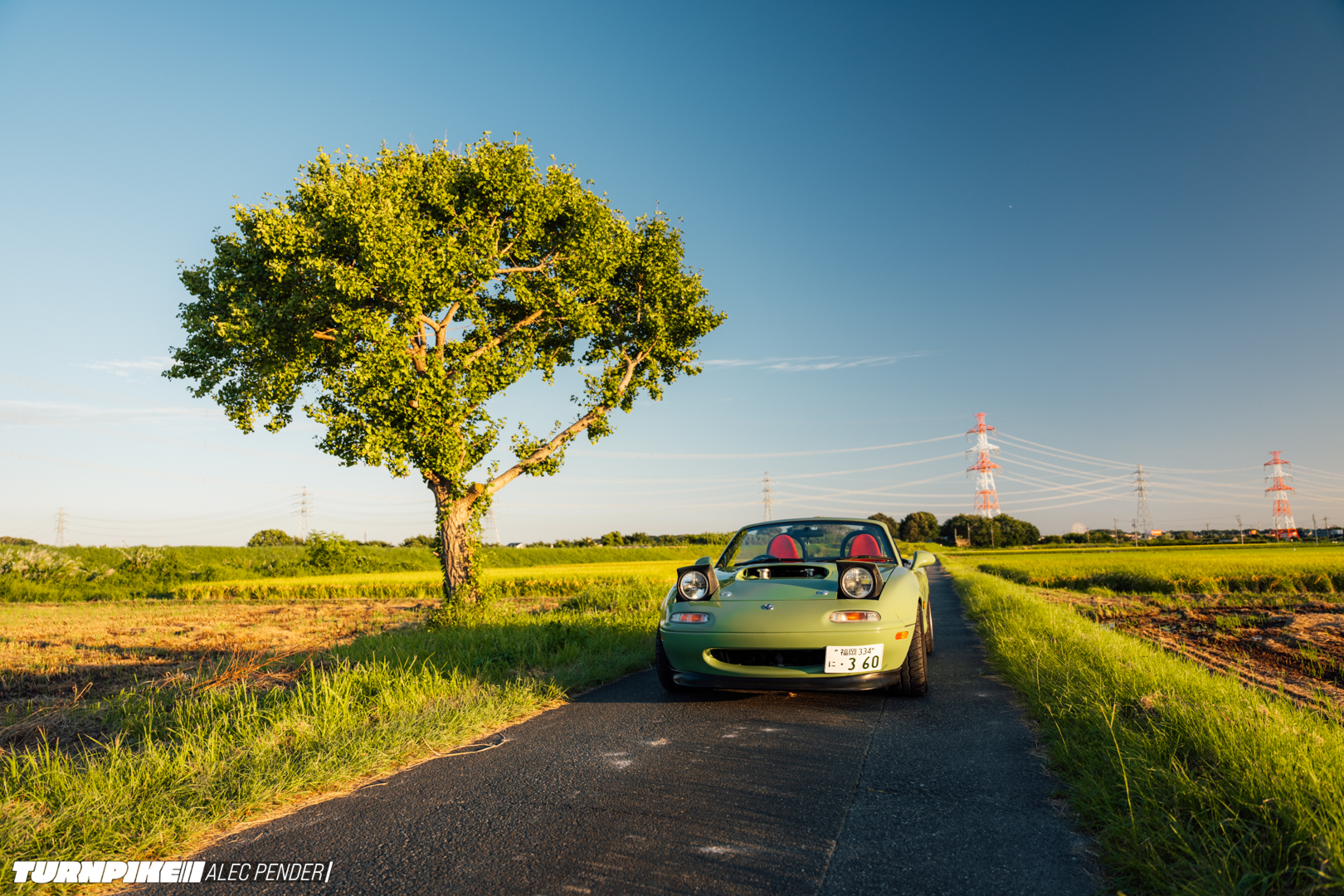
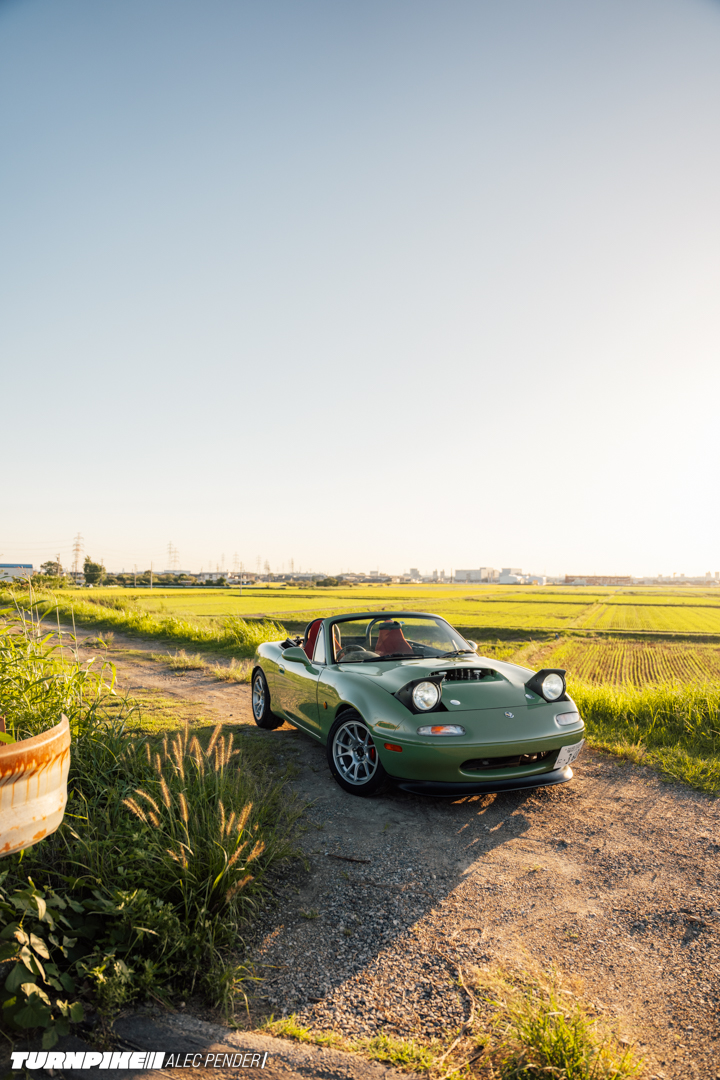
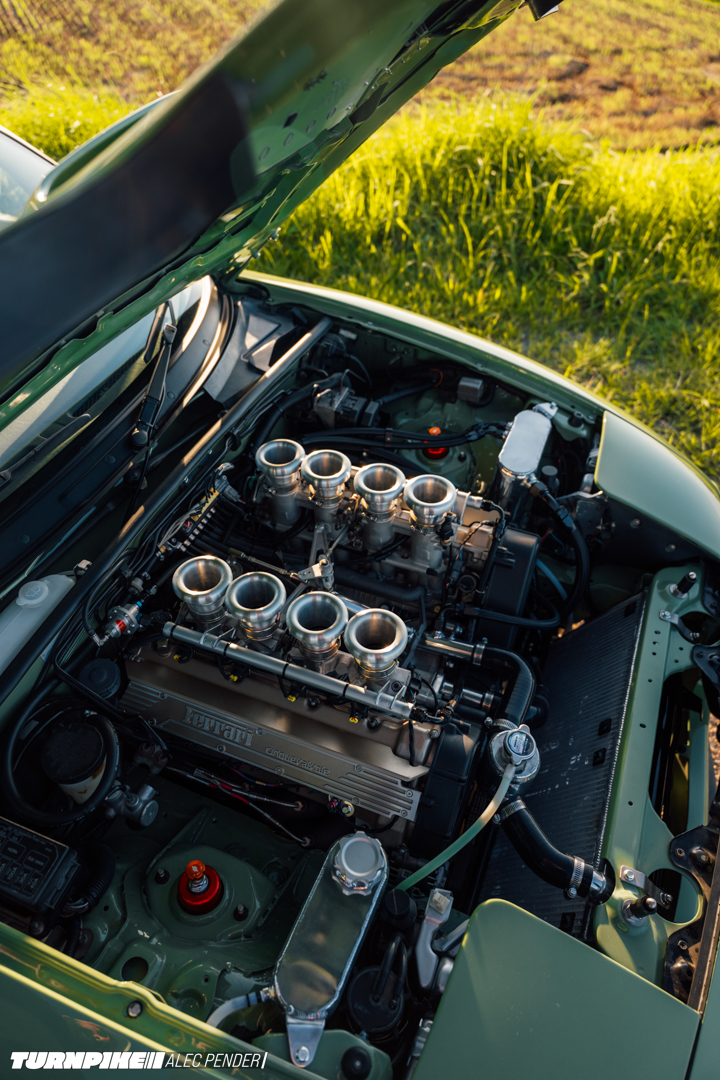
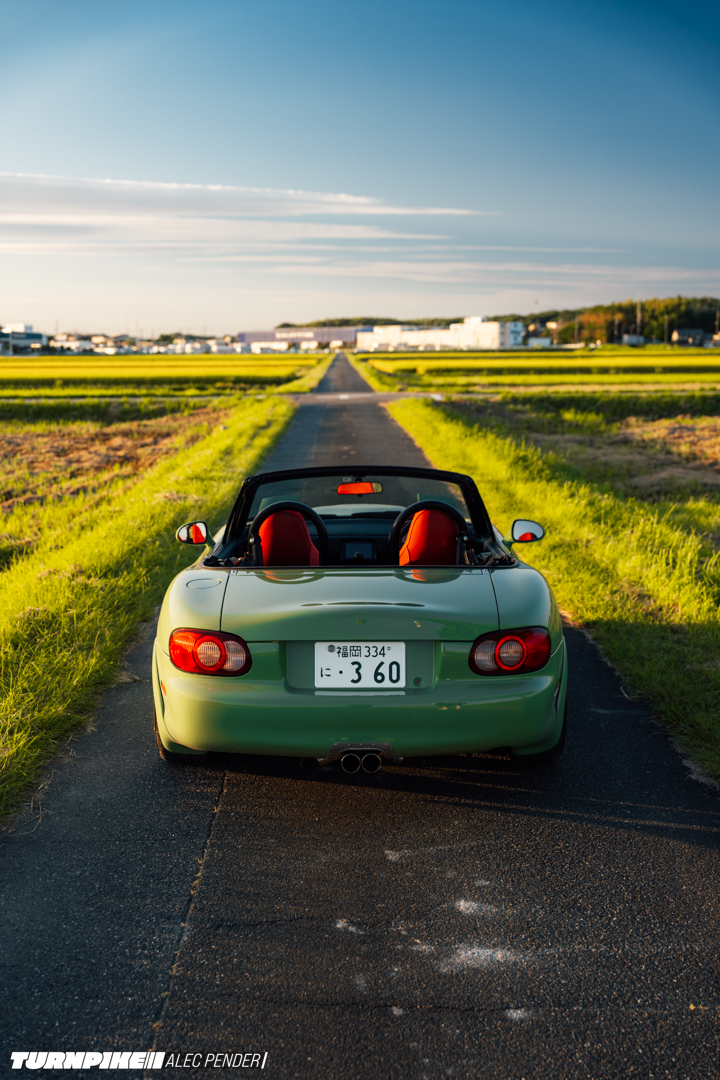
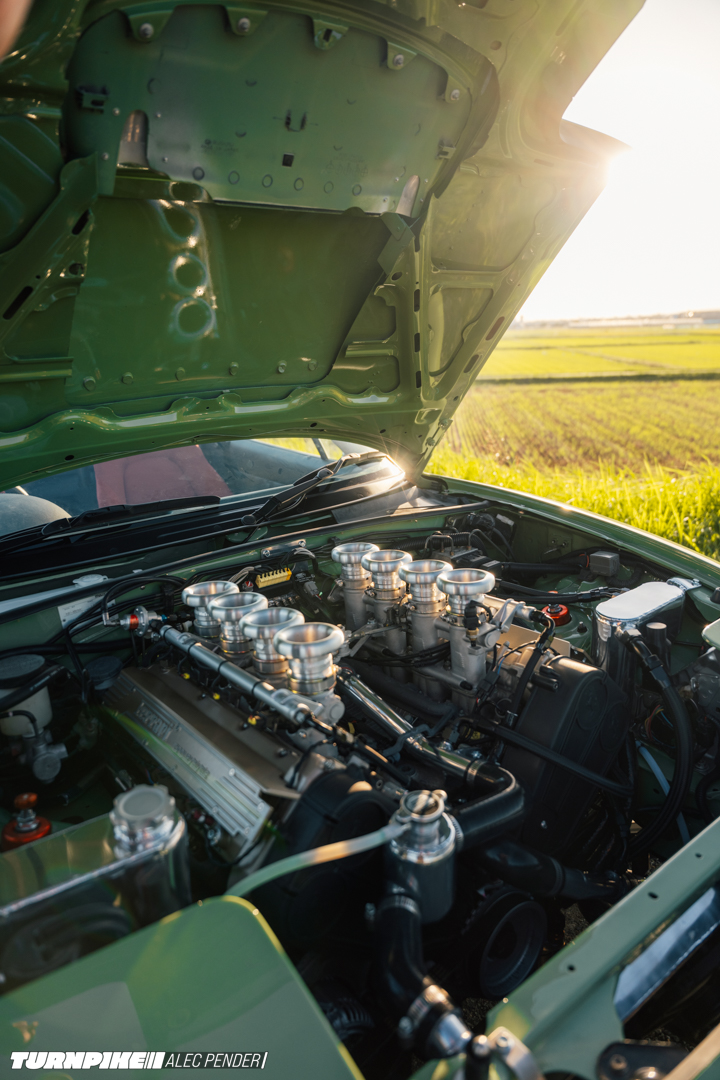
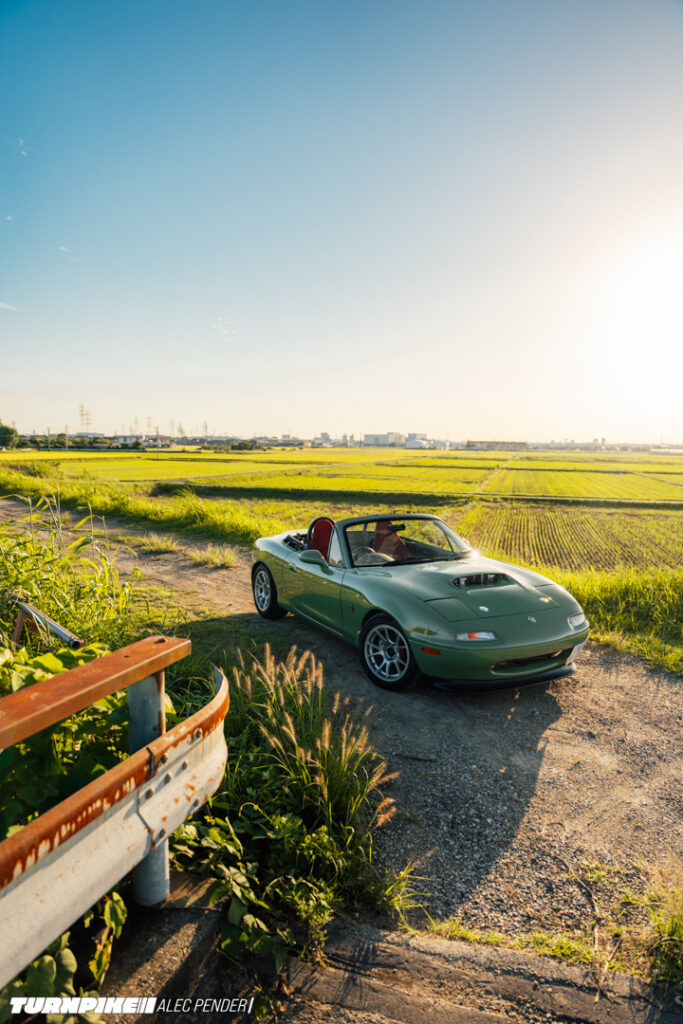
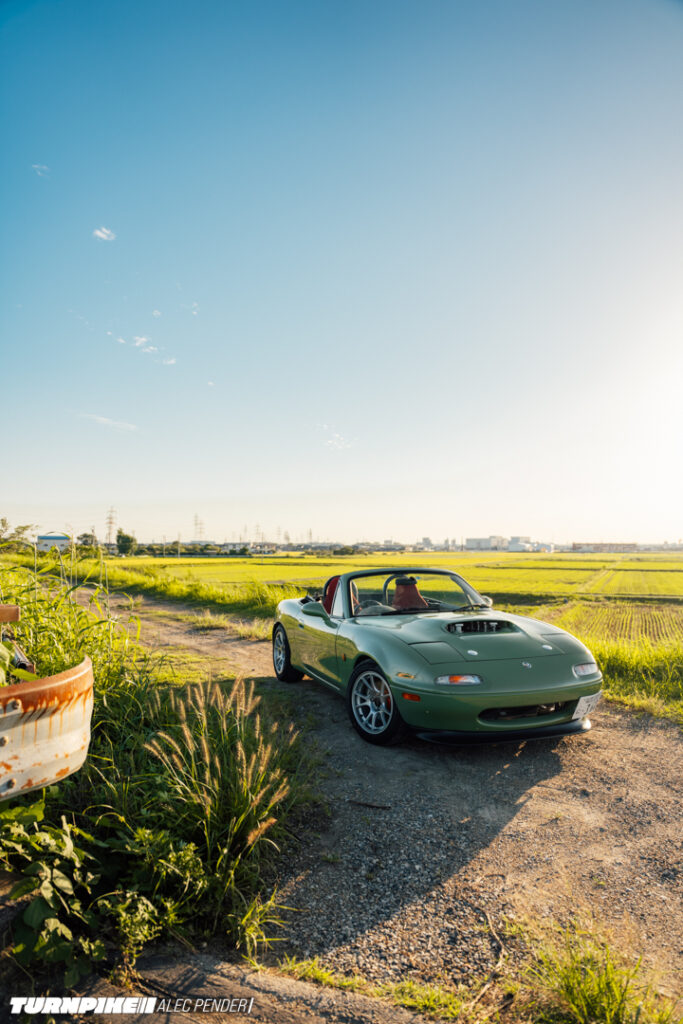
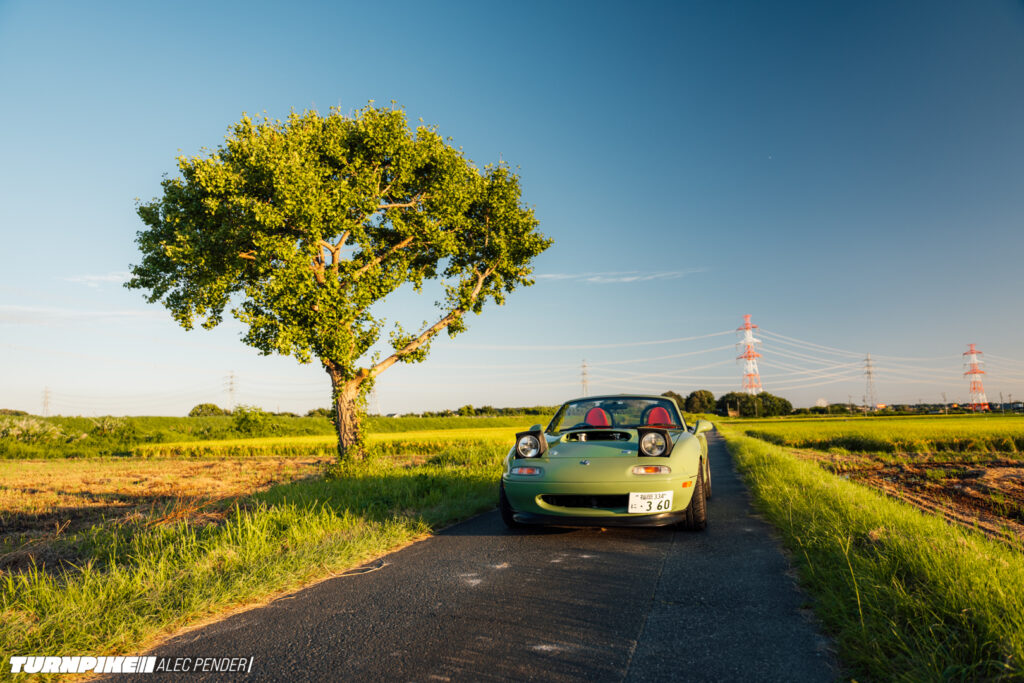
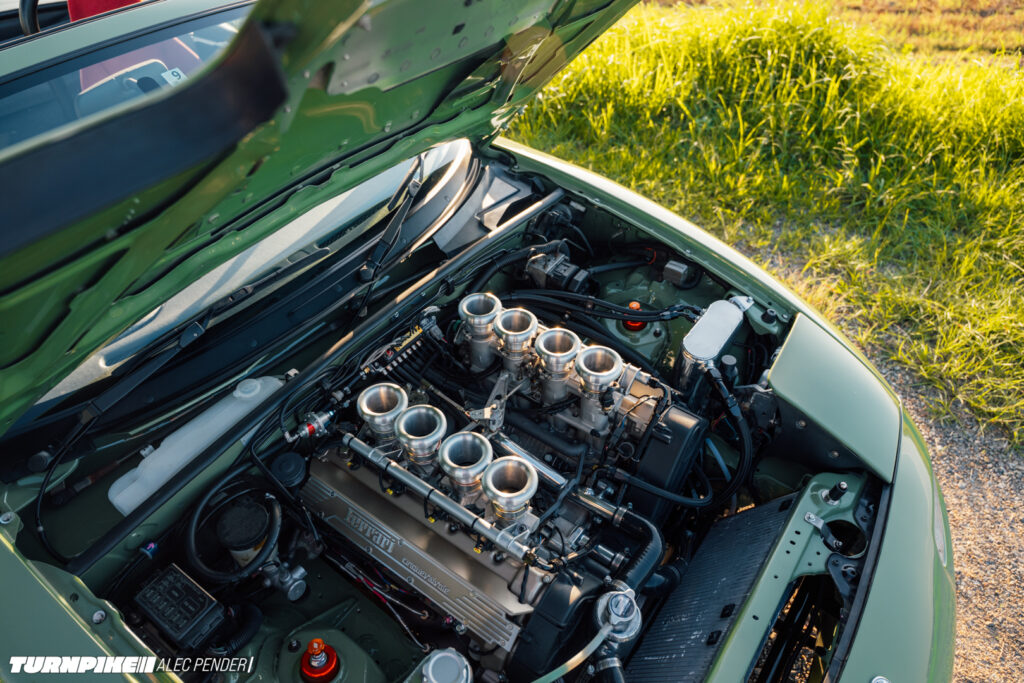
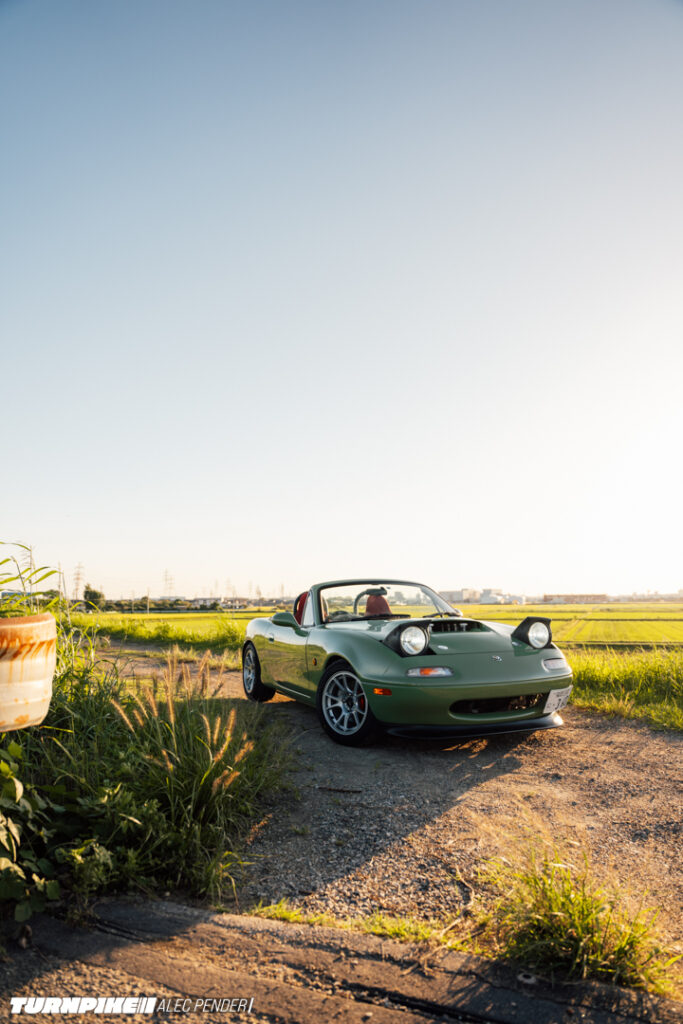
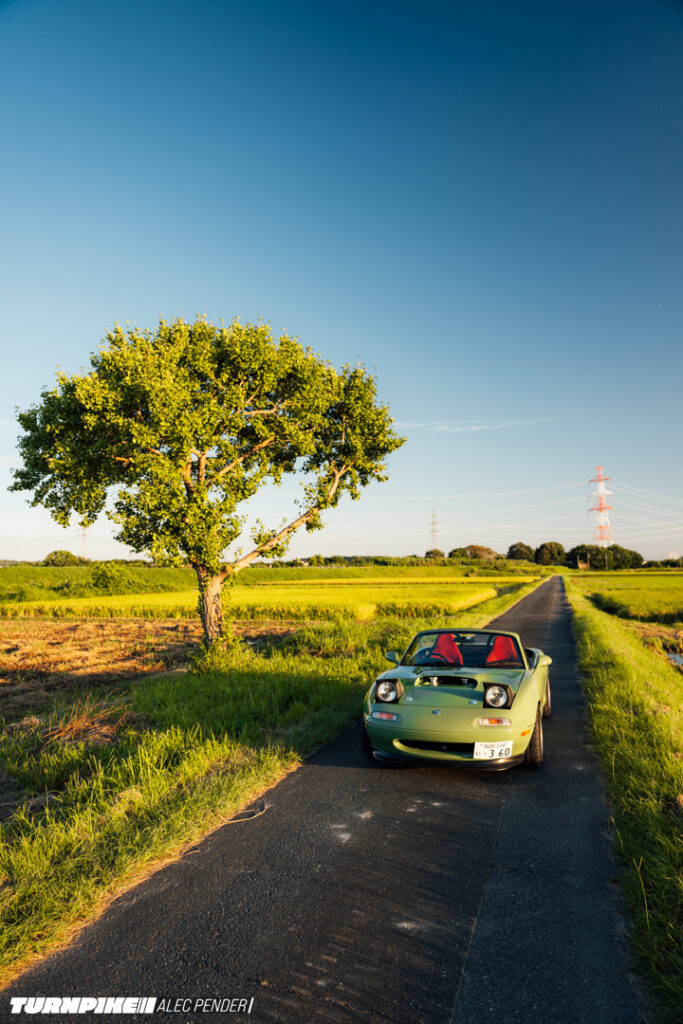
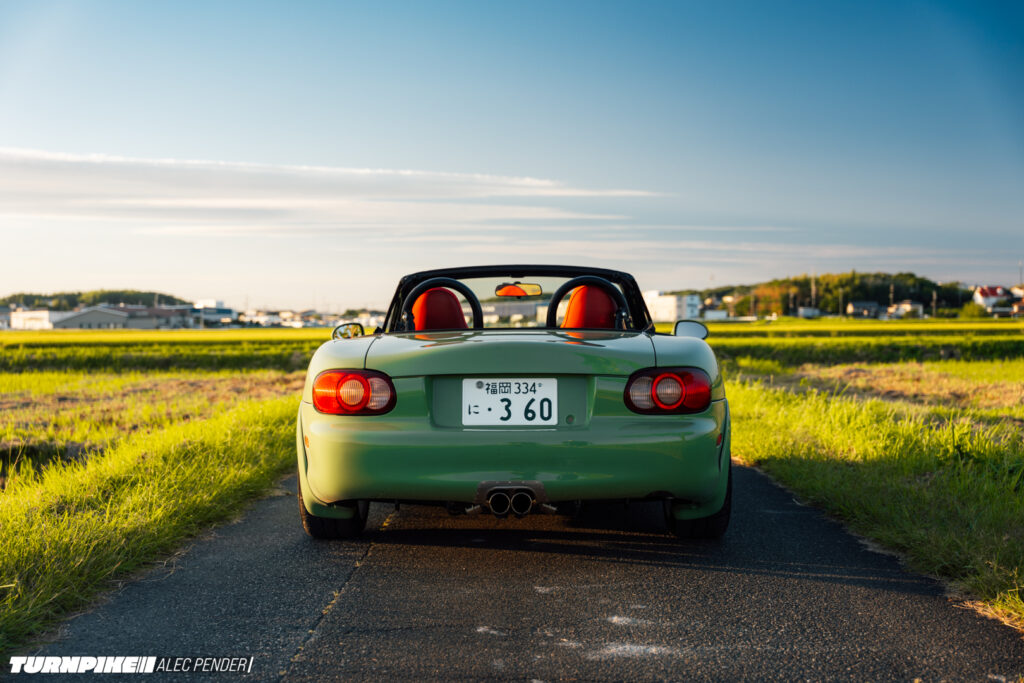
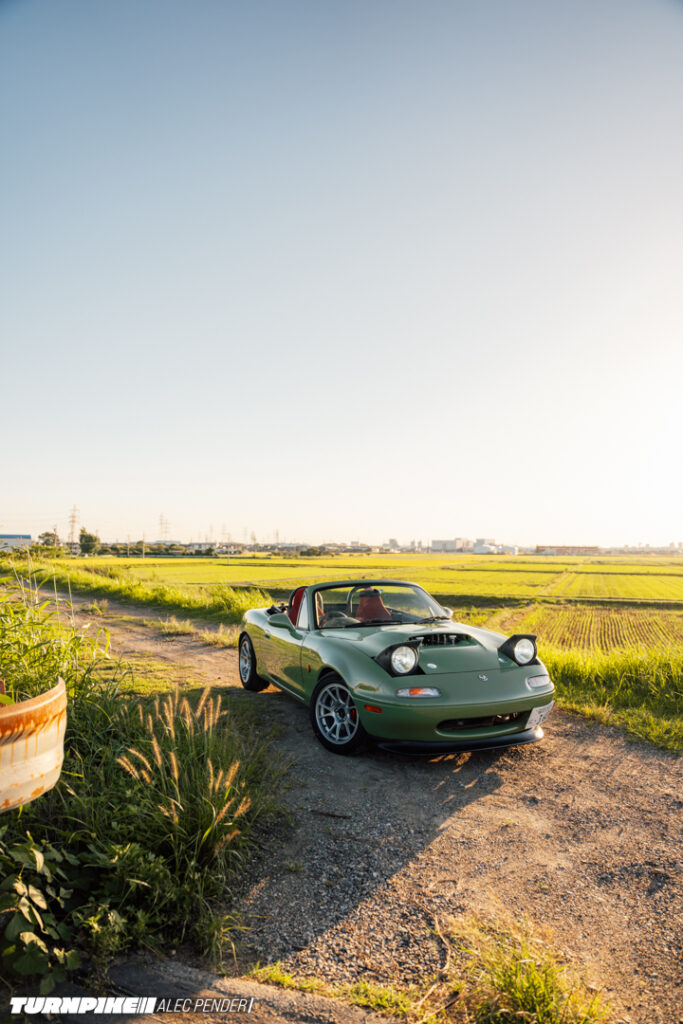
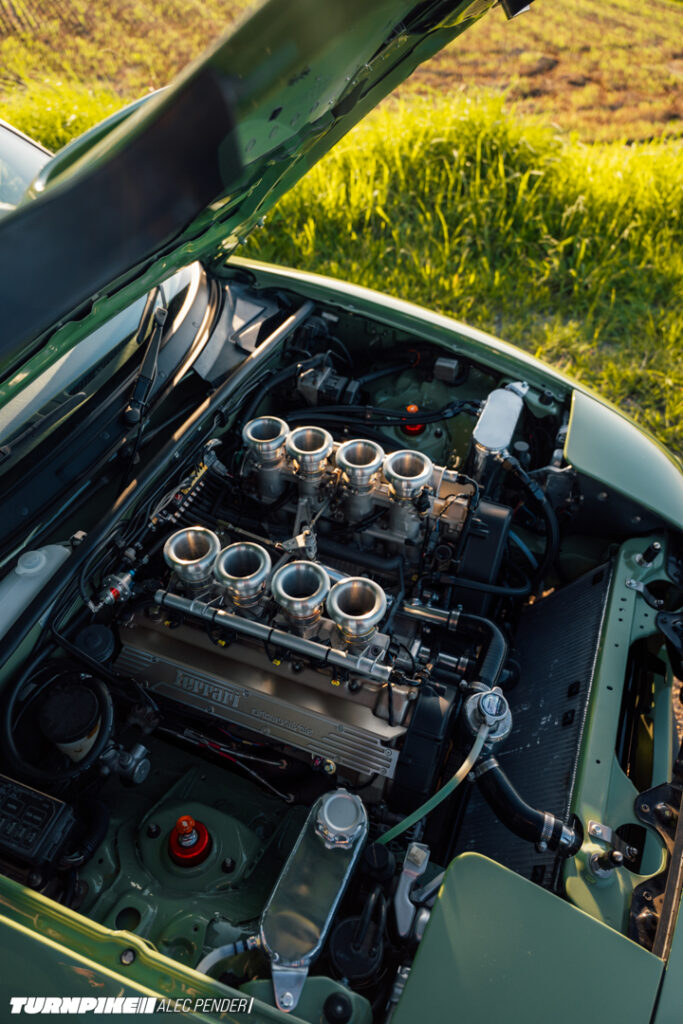
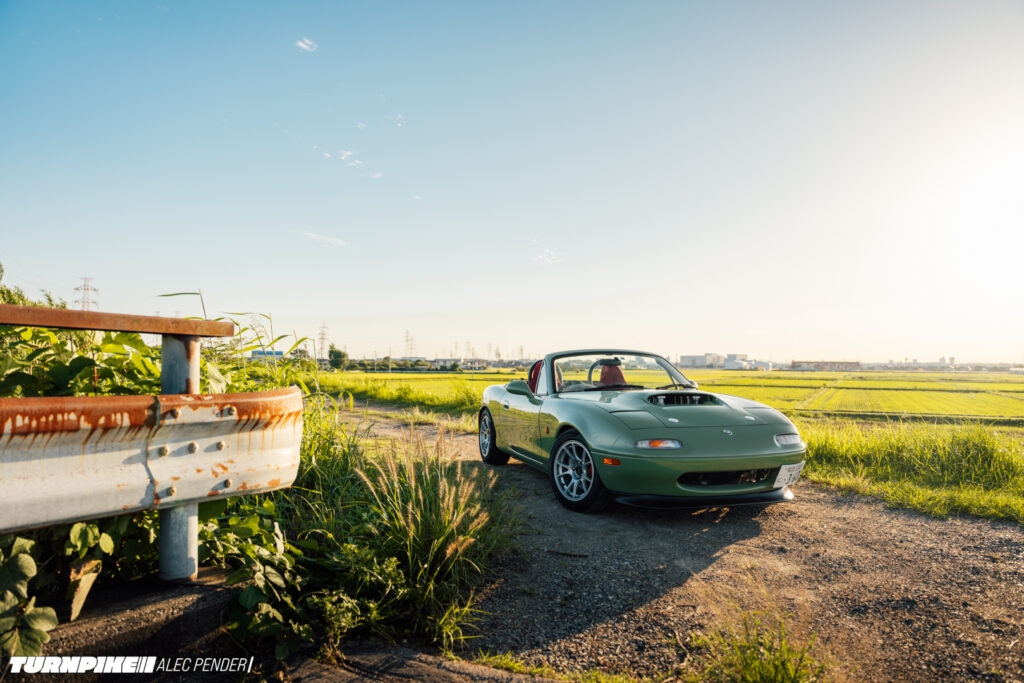
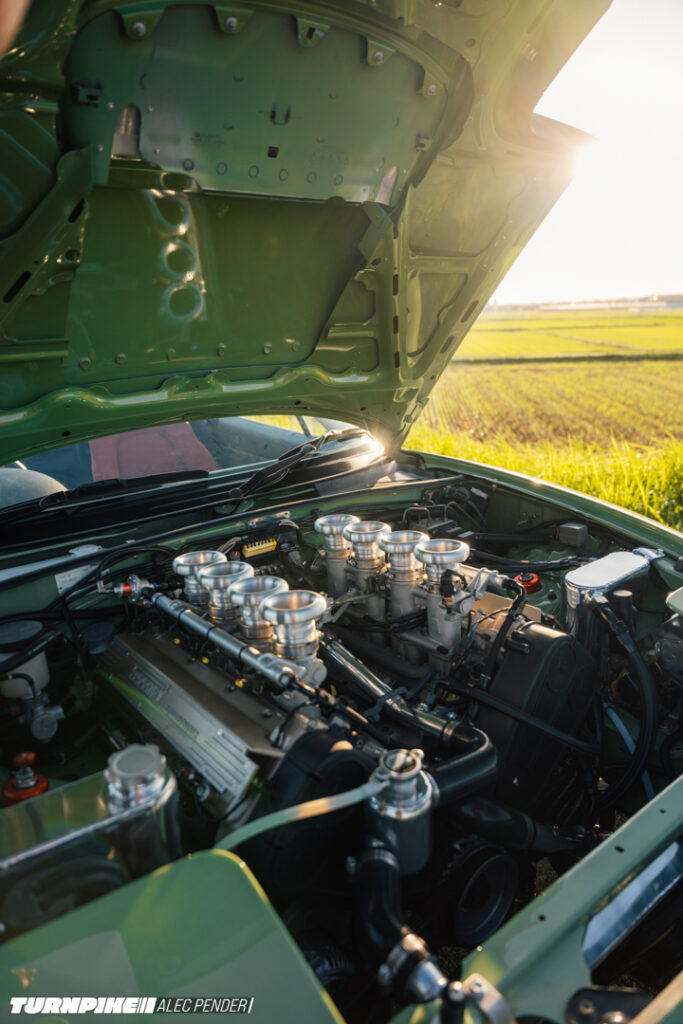
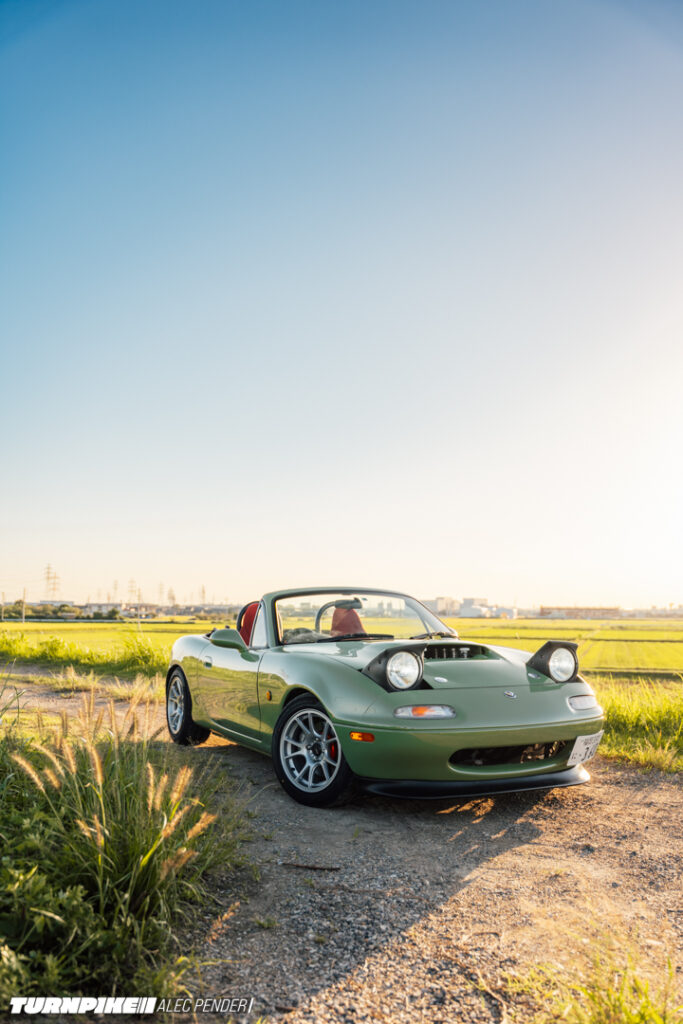
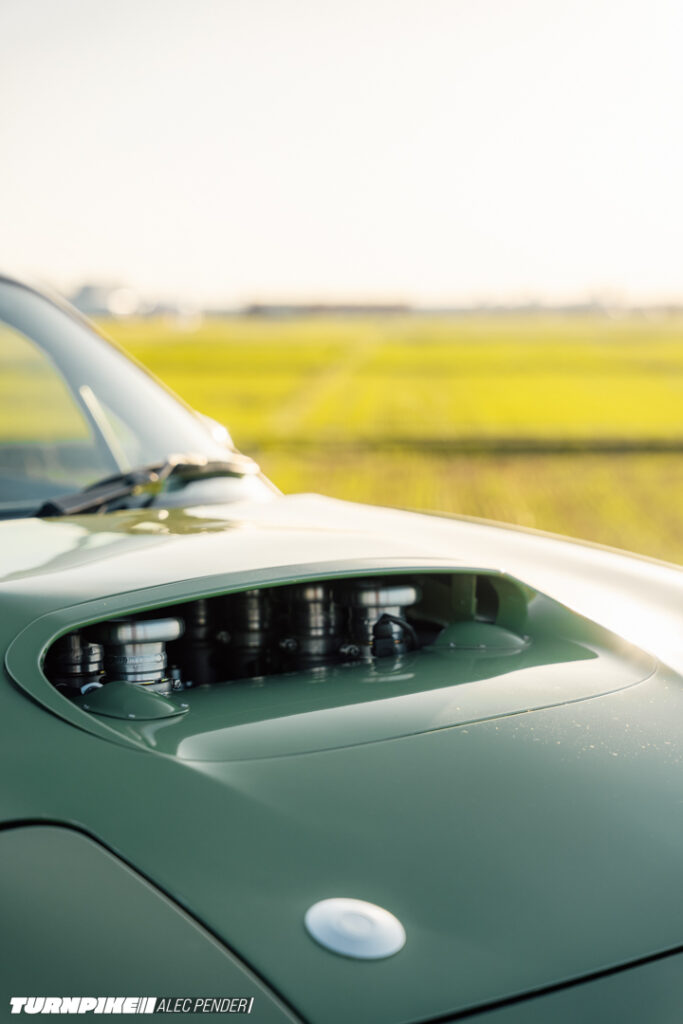
The little NB Mazda Eunos Roadster (aka Miata/MX-5) set to house the 3.6L flat-plane crank V8 screamer plucked from a Ferrari 360 Modena had the potential to break the internet when completed, and I was lucky enough to get first dibs on driving it.
But before we get to the driving part, I’ll have the man behind the project, the guy who commissioned the build to Oto-san, Mr. Ferramiata himself, take you through how the project came to be.
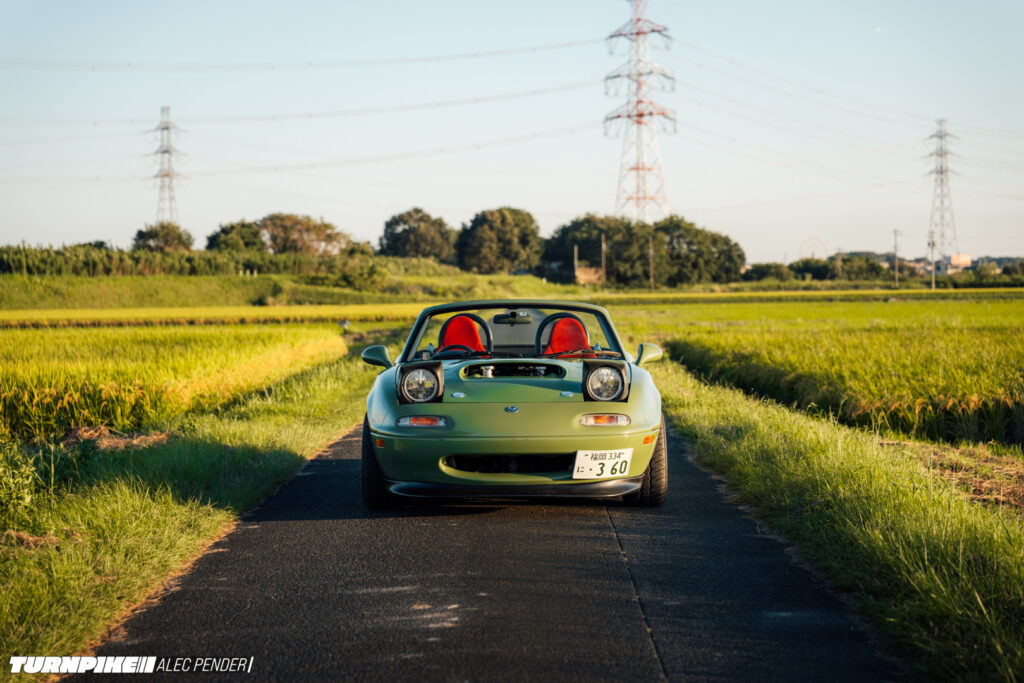
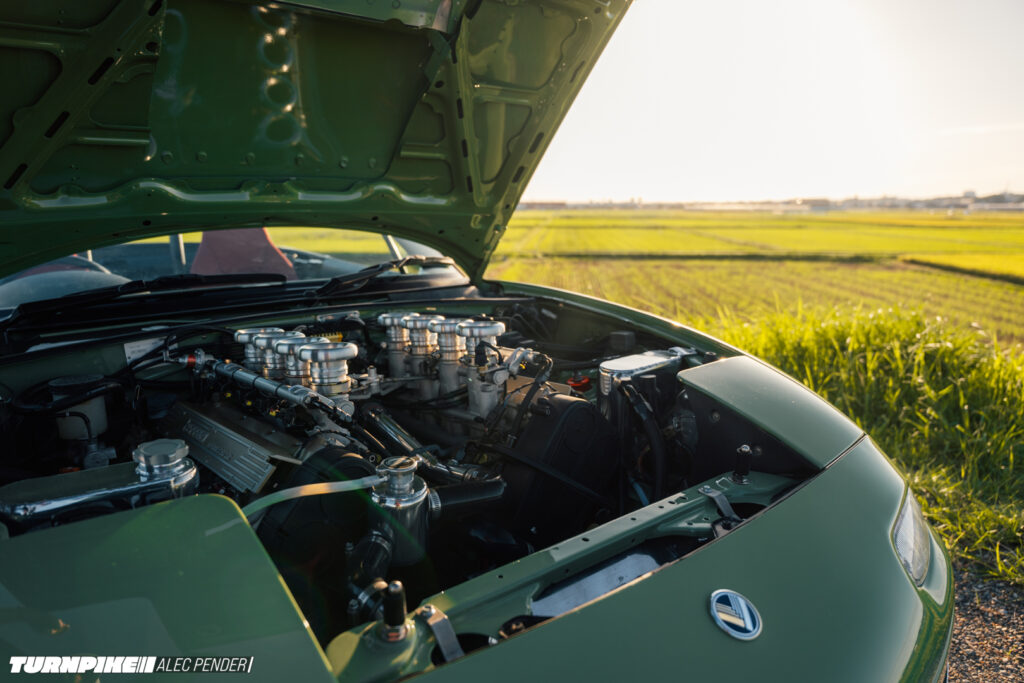
“Miata V8 swaps have been done since the ‘90s, mainly with low-revving American V8 engines. Torque builds from low RPM, wheels spin, and they have been around for that long for a reason. The goal of the Ferramiata was to explore a high-revving alternative to that well-worn path; another way to climb the mountain that Carol Shelby pioneered.
The Ferrari 360 V8 provided the opportunity. The right dimensions, and a good candidate for how much of the Miata’s original character can survive when its engine is replaced by something fundamentally different. The Ferramiata is an experiment in reconciling two opposing ideas: Ferrari’s high-revving mechanical theatre and the Mazda’s oneness of horse and rider.
The first principle of this build was that performance should be designed around the driver, not the specification sheet.”

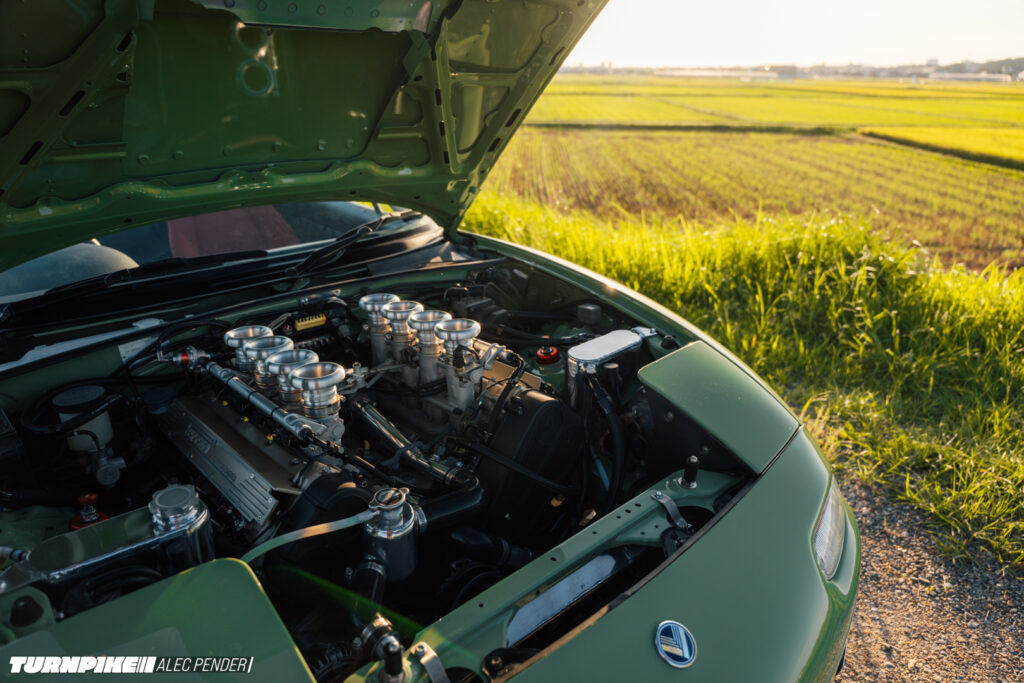
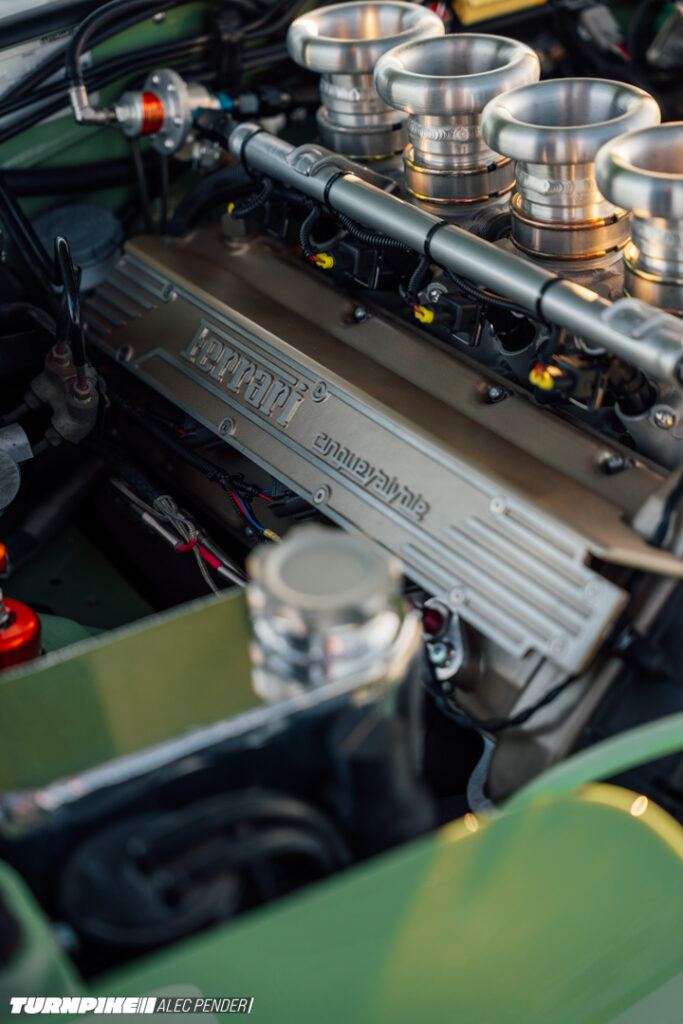
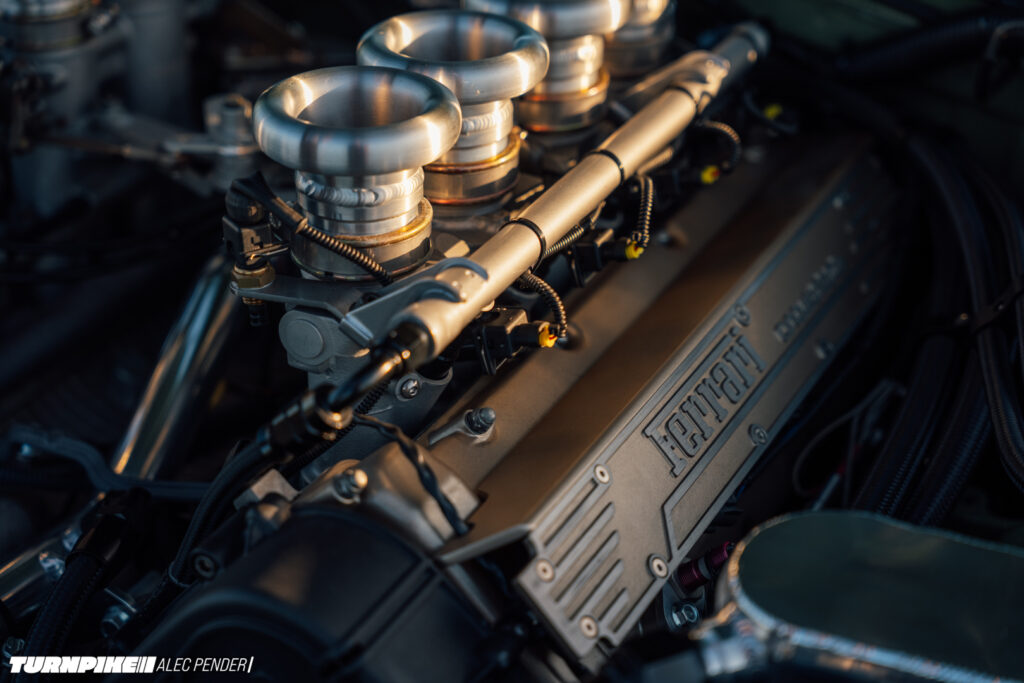
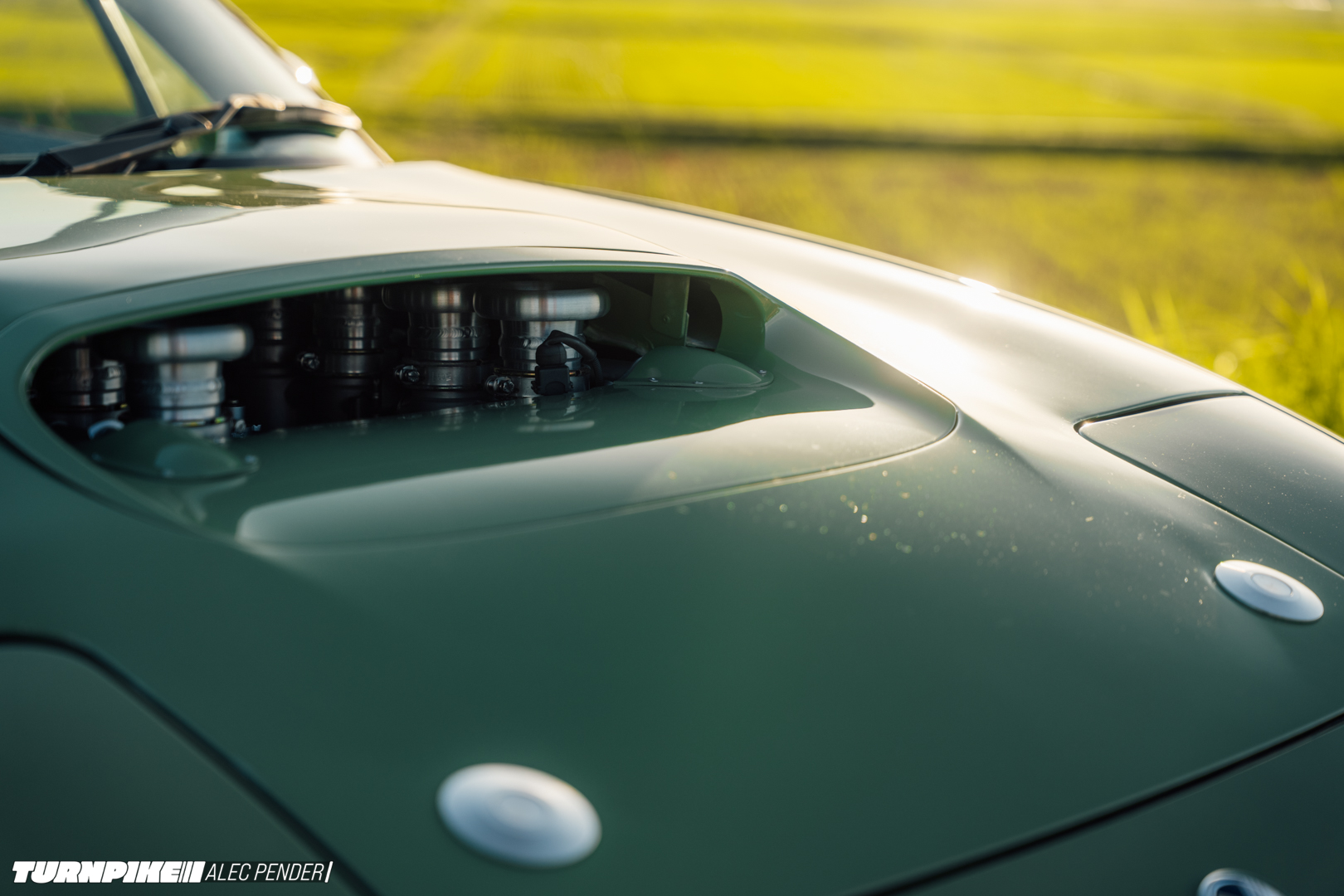
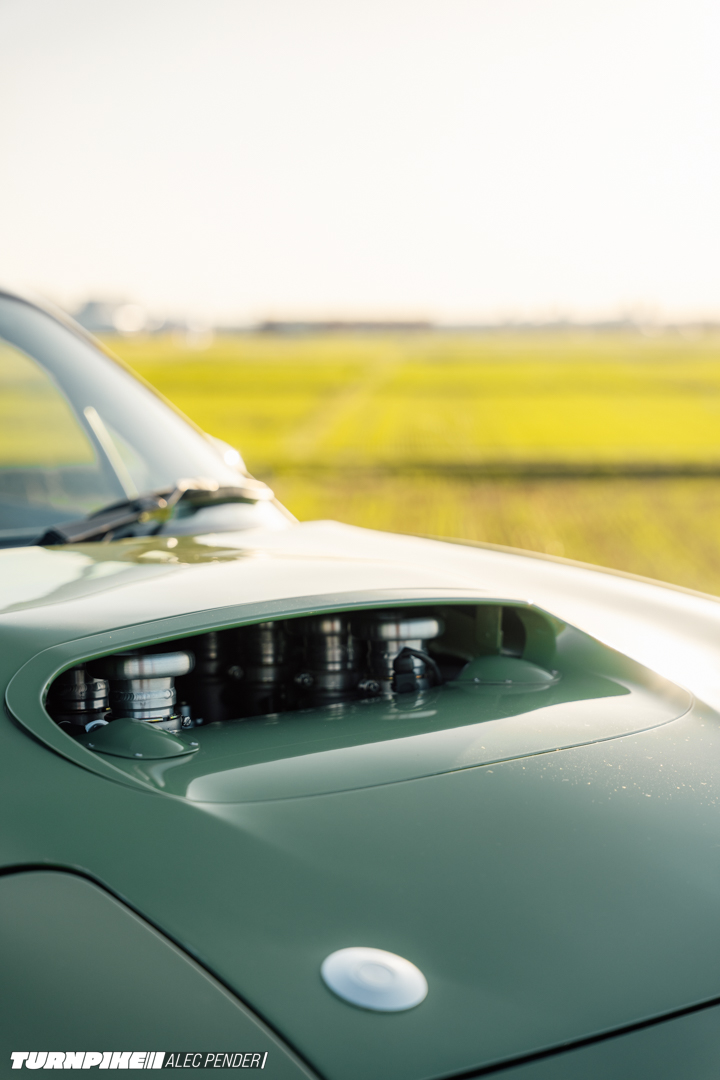
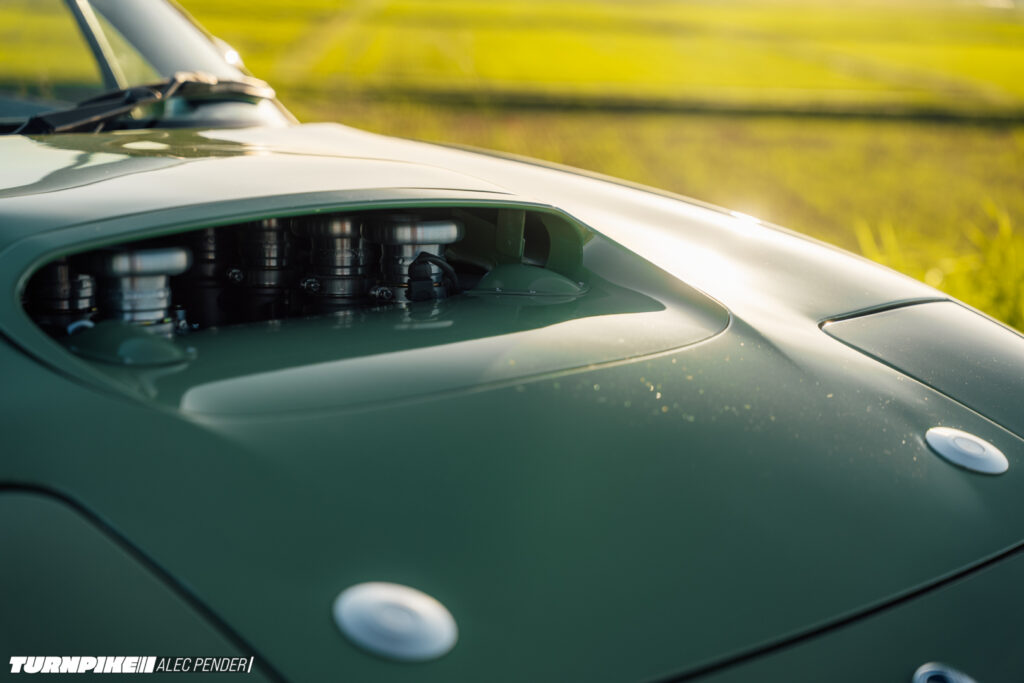
“On a Dynapack hub dyno, the Ferramiata produces 338.5whp and 232.4lb-ft of torque with 20mm intake stacks. A stock NB VVT 1.8L engine produces 130.1whp and 110.7lb-ft. Yet the more revealing difference is where that performance arrives. Peak torque moves from 5,453rpm to 7,098rpm, while peak power shifts from 7,232rpm to 8,347rpm. The Ferrari transforms the power band, encouraging the driver to explore the upper rev range rather than relying on a large wave of low-speed torque.
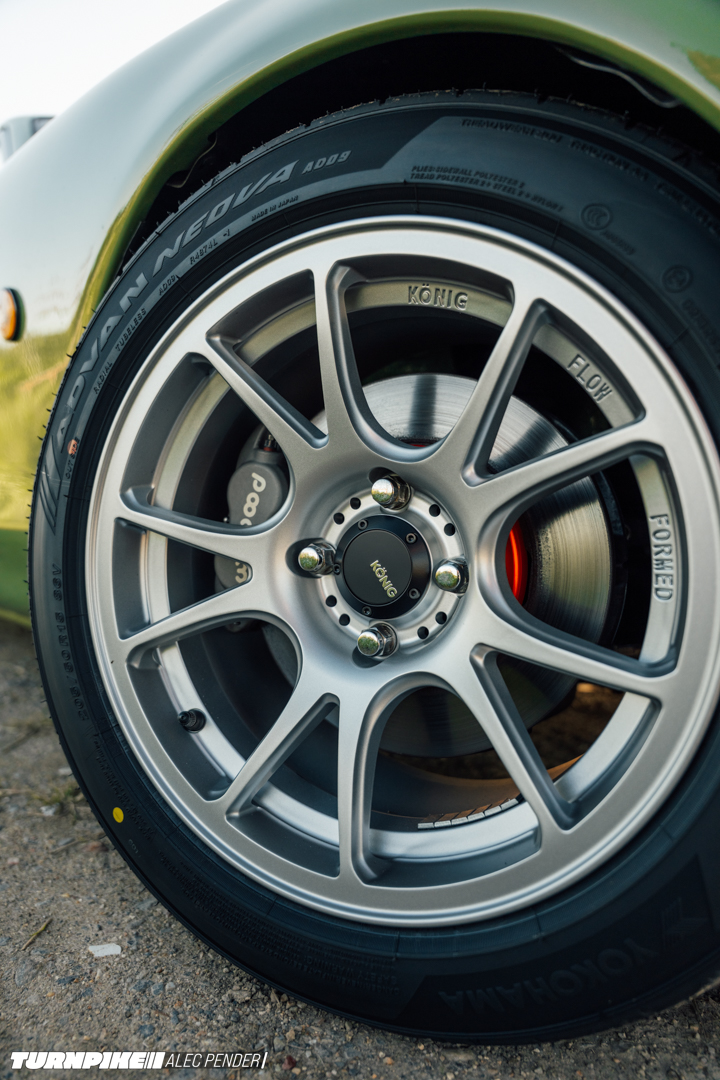
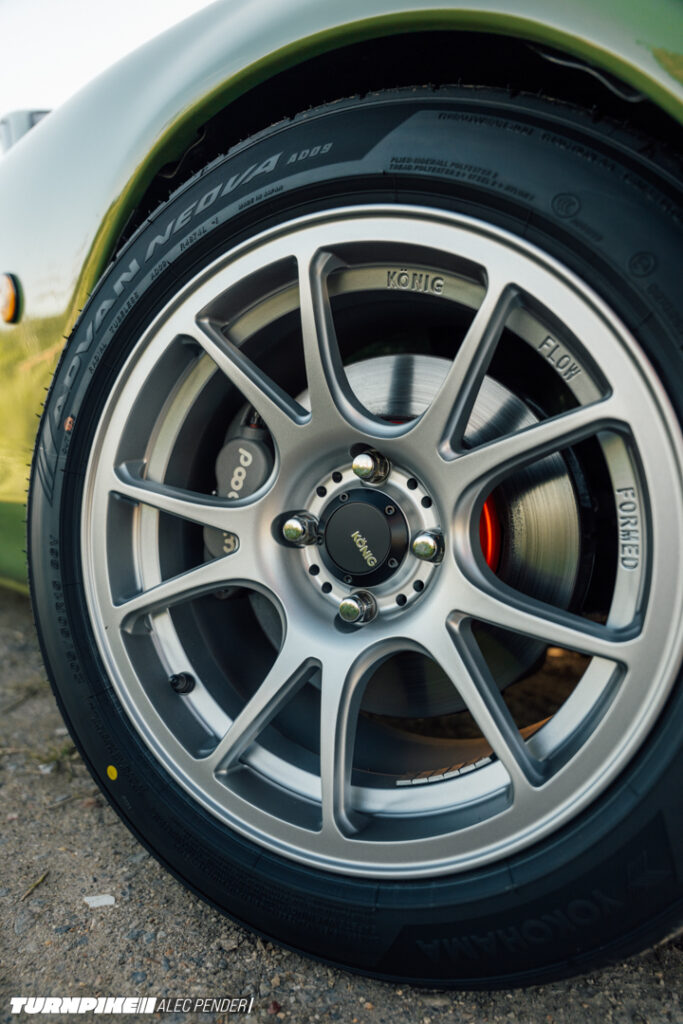
All these numbers mean nothing. The shorter Ferrari 355 stacks push the torque curve to the right, which makes the driver feel confident in exploiting the car out of a turn, knowing that the rockets will be launched past 6,000rpm. That feeling of being able to modulate the car with 205 section 15-inch tires is everything.
In some ways, that was the goal: matching the engine’s output and torque curve to the grip available. The second principle is that grip should suit the car, not be maximised without question. The tyres were deliberately chosen on the less-grippy side to protect the components around them. Rather than make every part withstand ever-increasing loads, the car limits the demands placed on the system. The tire becomes a calibration tool, not simply a route to faster cornering.
The Toyota 86 gearbox was mated to the Ferrari engine. An OS Giken clutch and flywheel, an OS Giken limited-slip differential, and uprated axles from The Driveshaft Shop complete the drivetrain.”
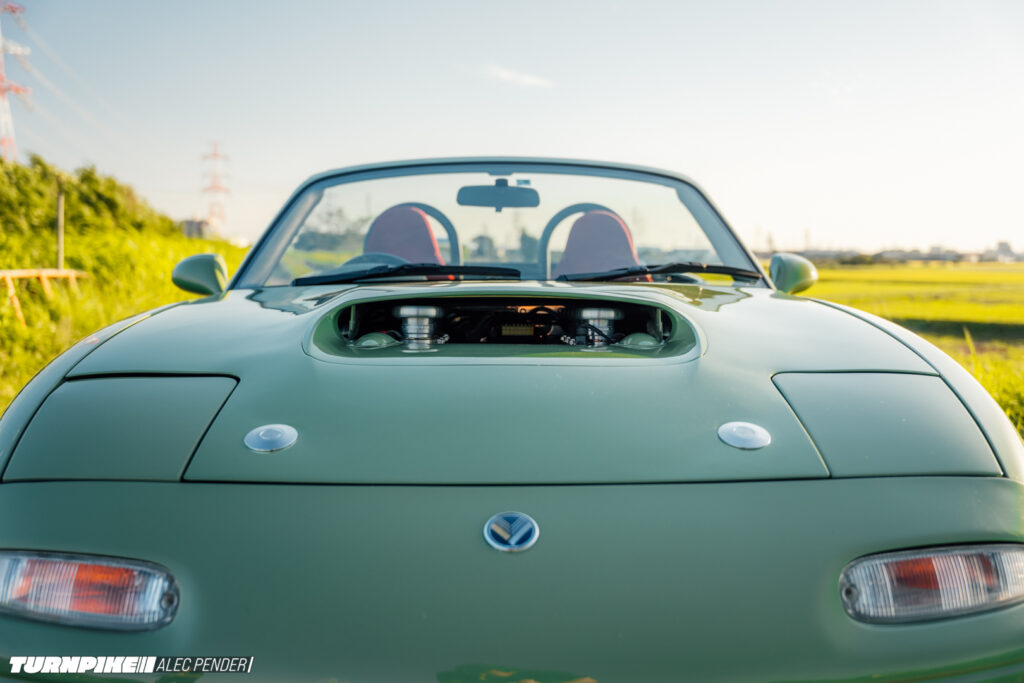
“The chassis follows the same philosophy. Supermiata XIDA XL suspension prioritises travel, allowing the wheels to follow uneven roads rather than making the body react harshly to every imperfection. Supermiata’s Big Brake Kit was selected for its feel and low weight. Flyin’ Miata frame rails, a butterfly brace and rear differential brace, together with PACO Motorsport fender braces, provide structural support.
An electro-hydraulic power-steering pump from the Toyota MR-S completes an unconventional combination of components.
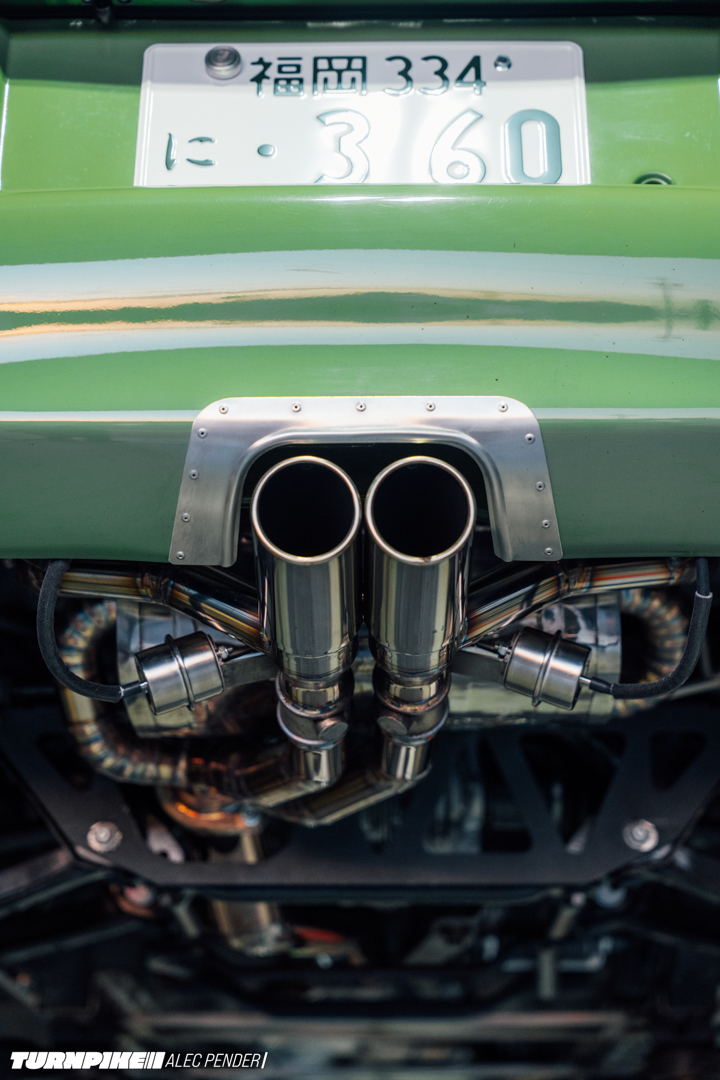
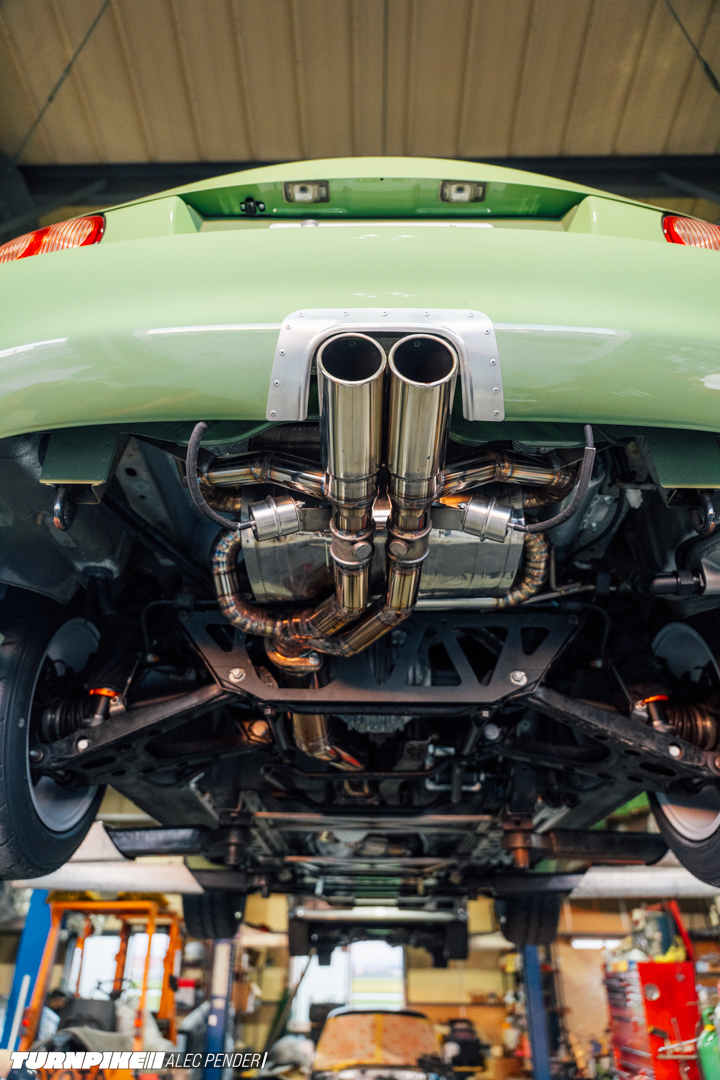
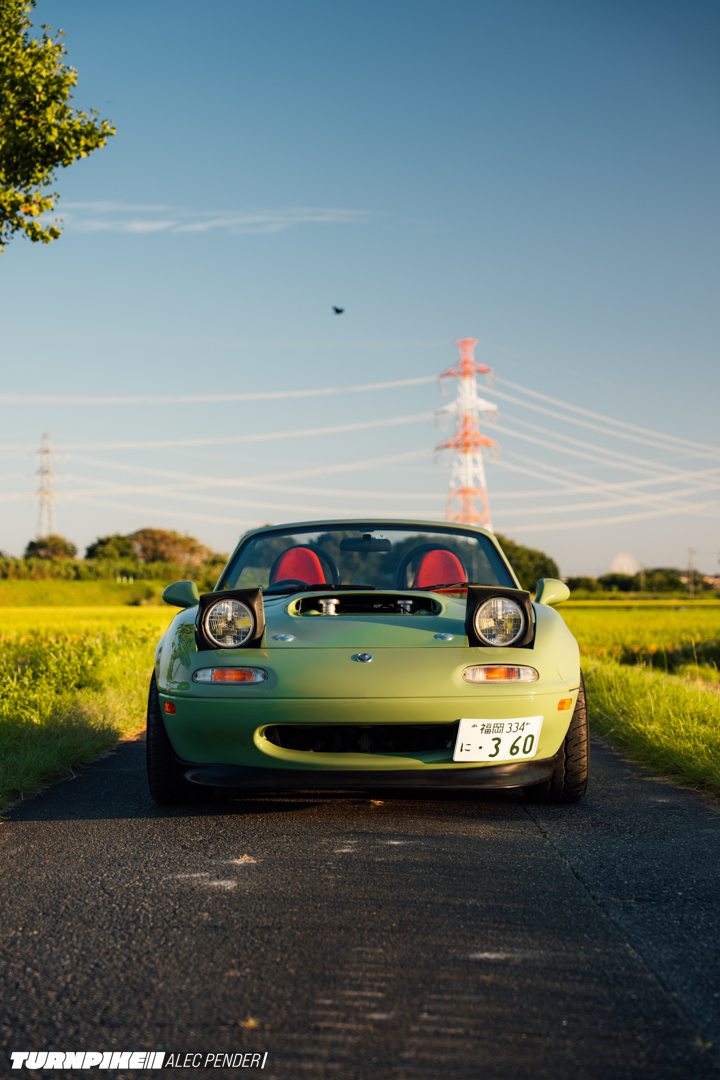
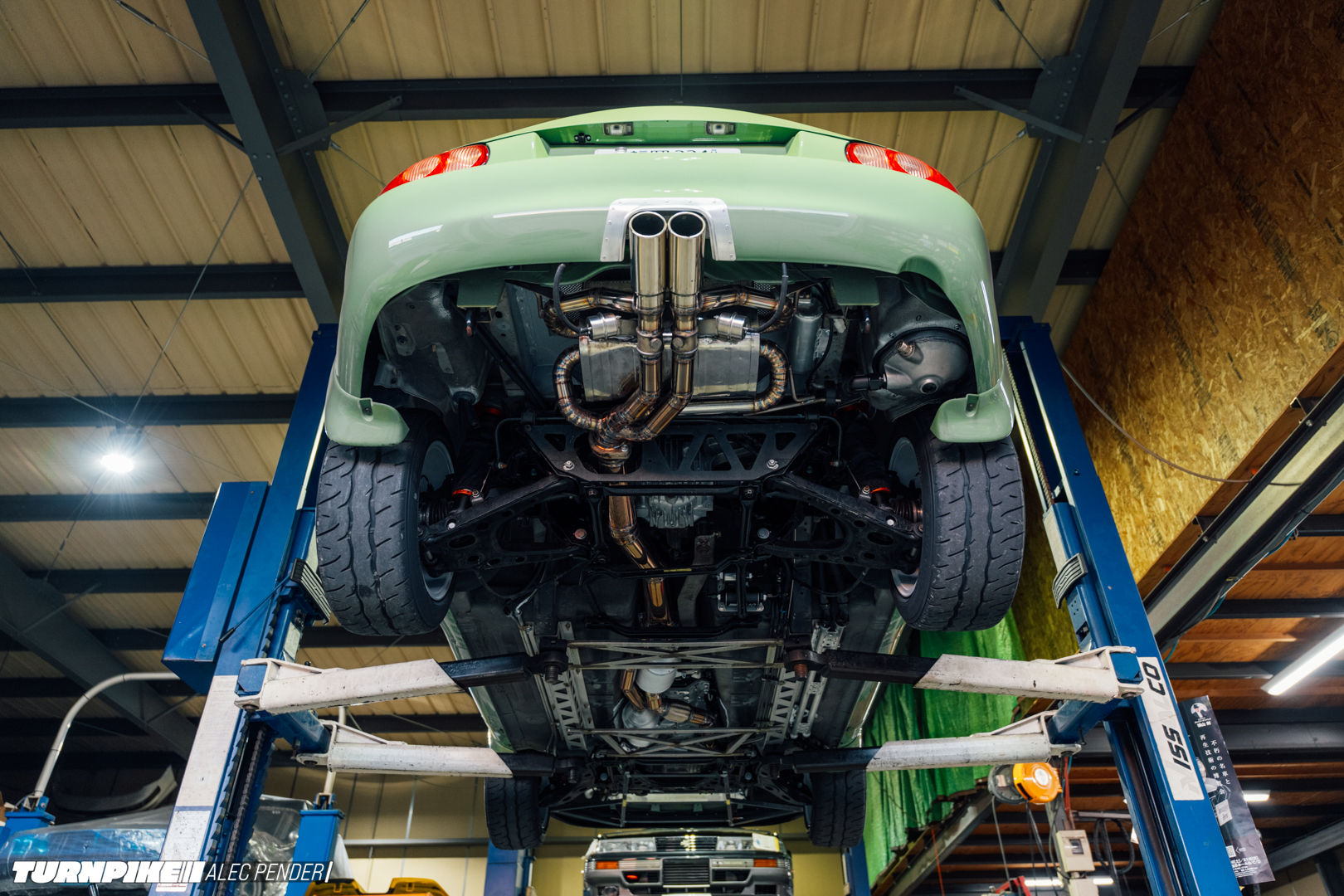
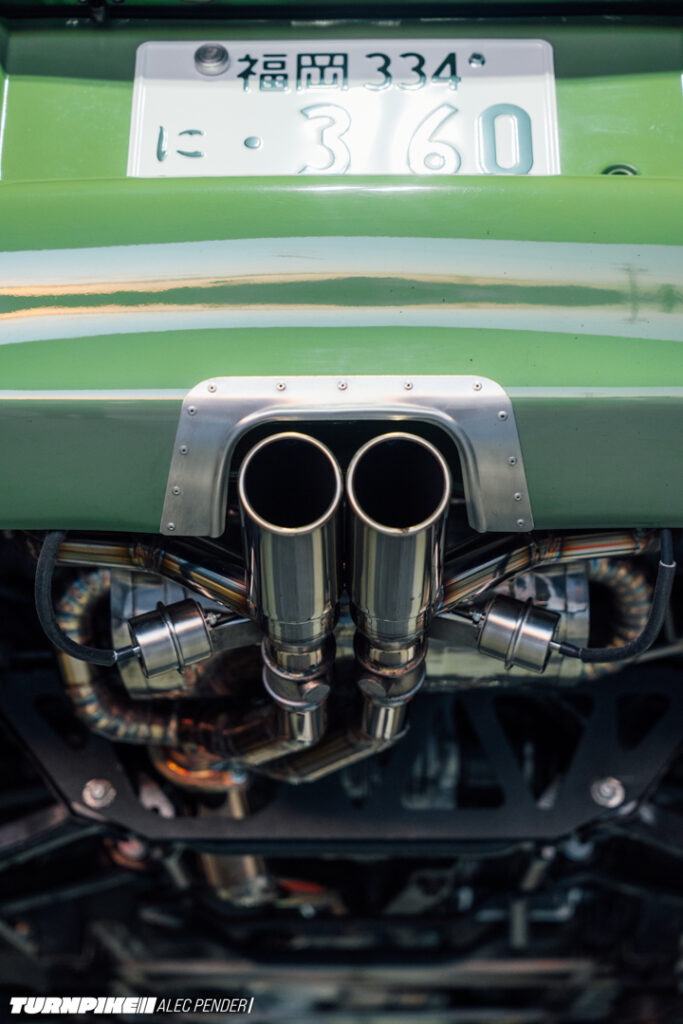
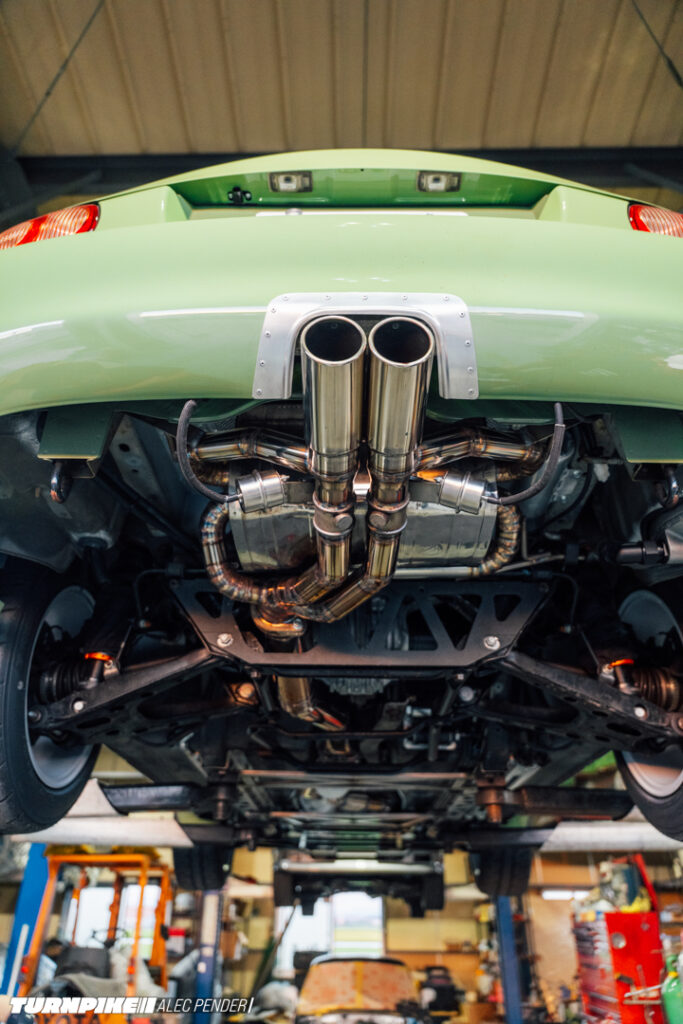
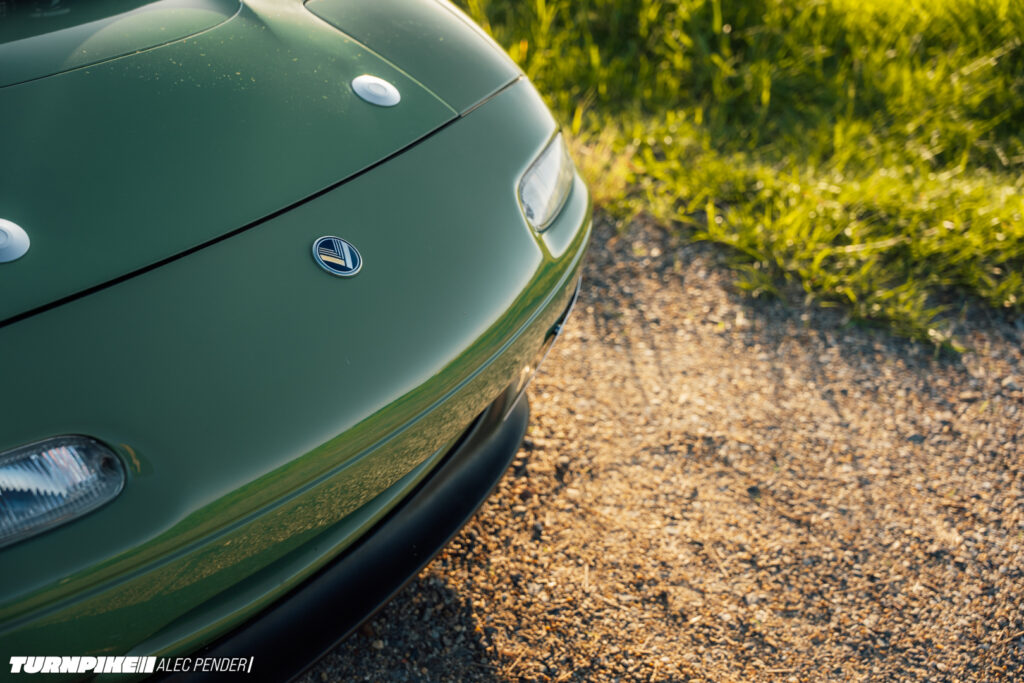
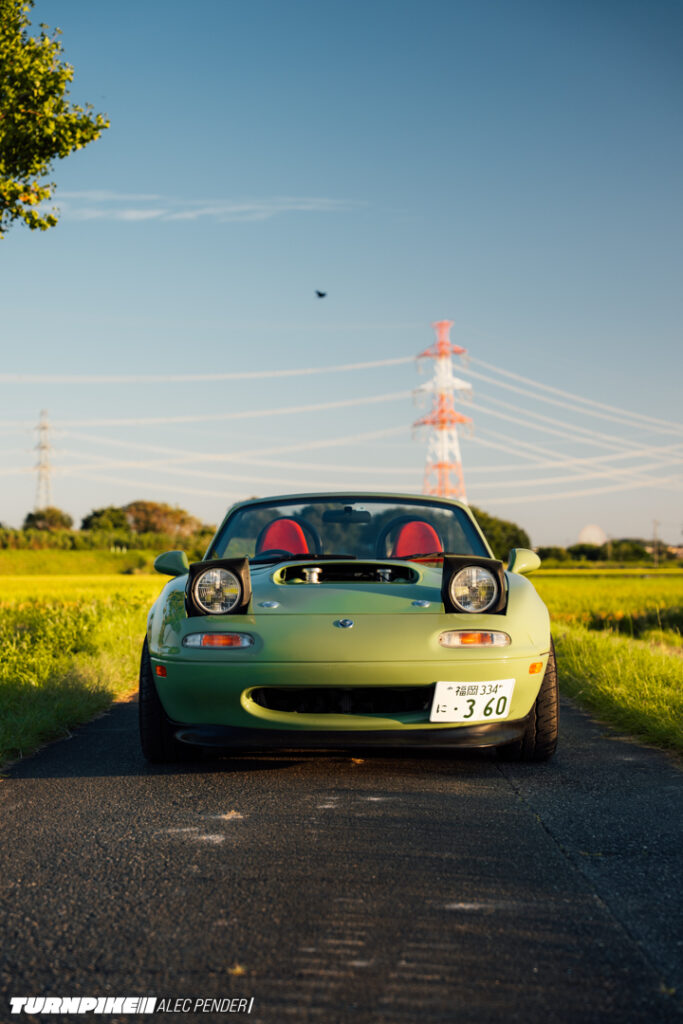
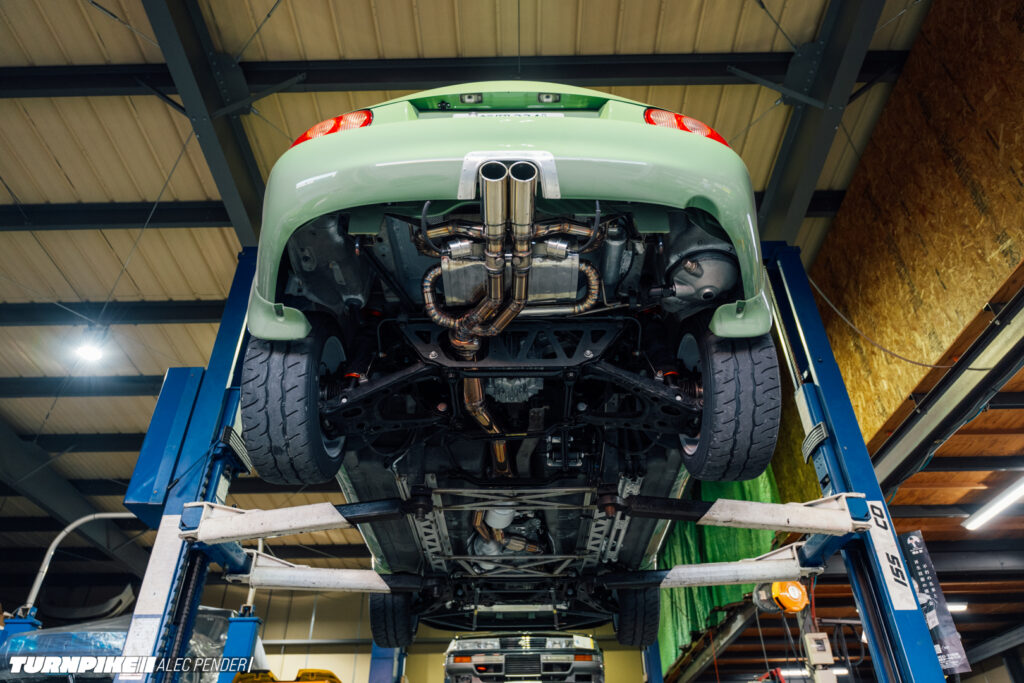
The engineering extends far beyond the visible parts. The exhaust headers were designed by several people before being fabricated by Scarbo Performance. A compact Ferrari F430 exhaust section with valved pass-throughs allows for some civility. The dry-sump oil tank and power-steering pump use hard lines running to the front to maintain pressure. Toy Garage Pupa, near Fukuoka, carried out the NA front-end conversion.”

“These decisions reveal a third principle: integration matters more than the prestige of individual components. A collection of exotic parts does not automatically make a coherent car. Every component must work within the constraints of the whole.
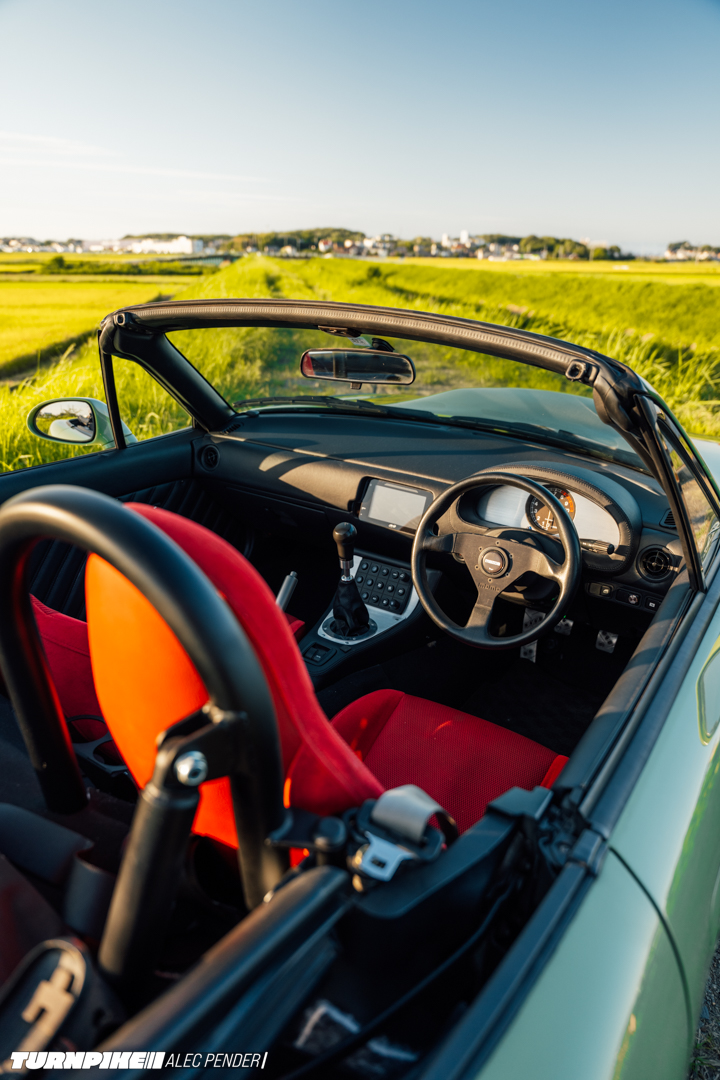
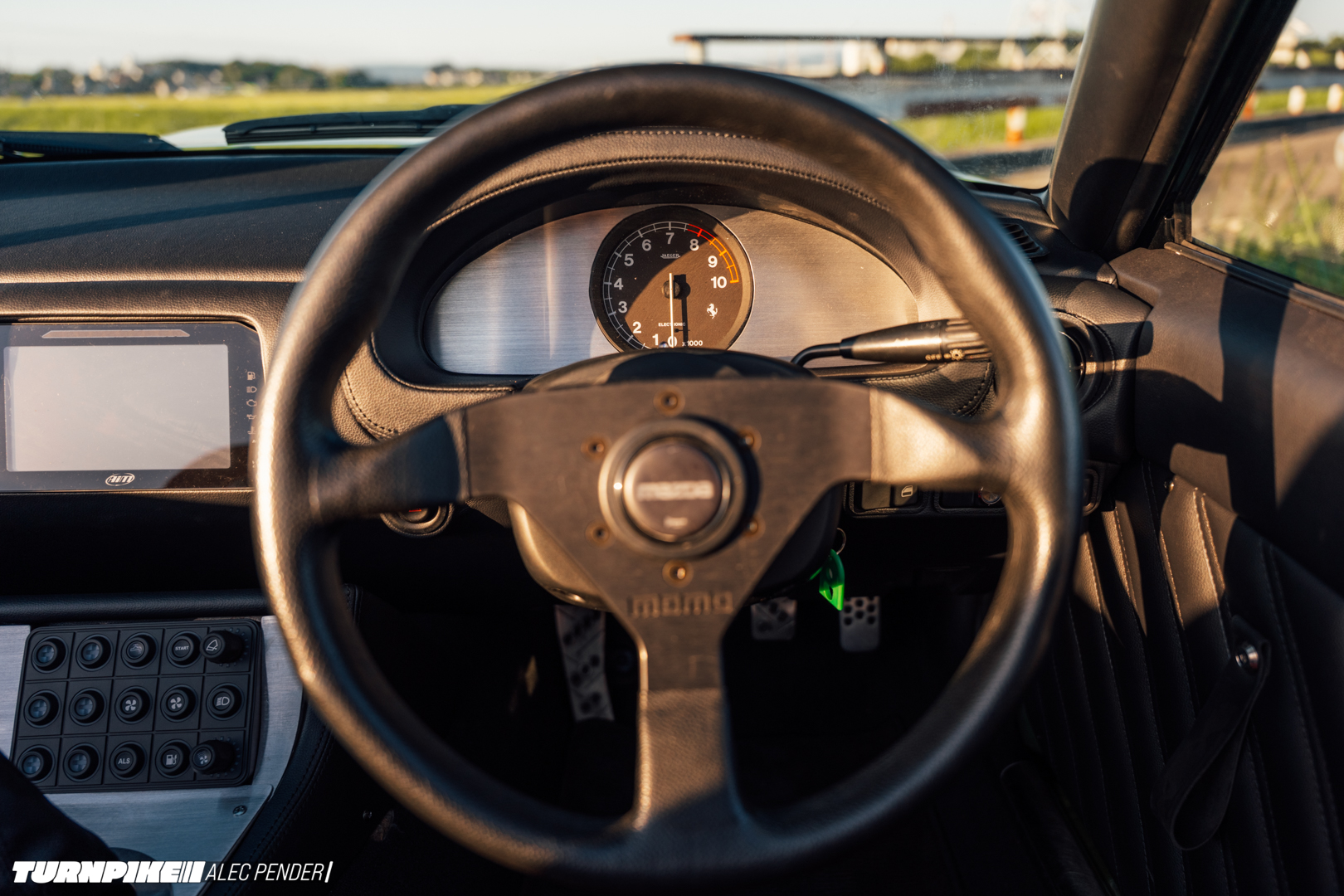
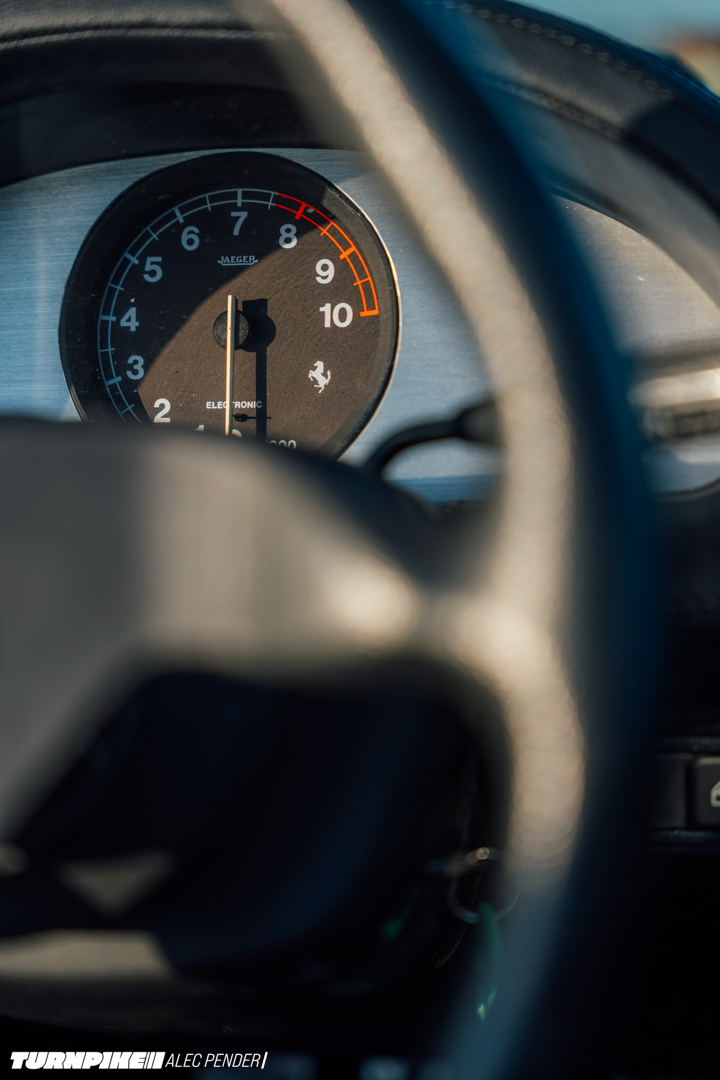
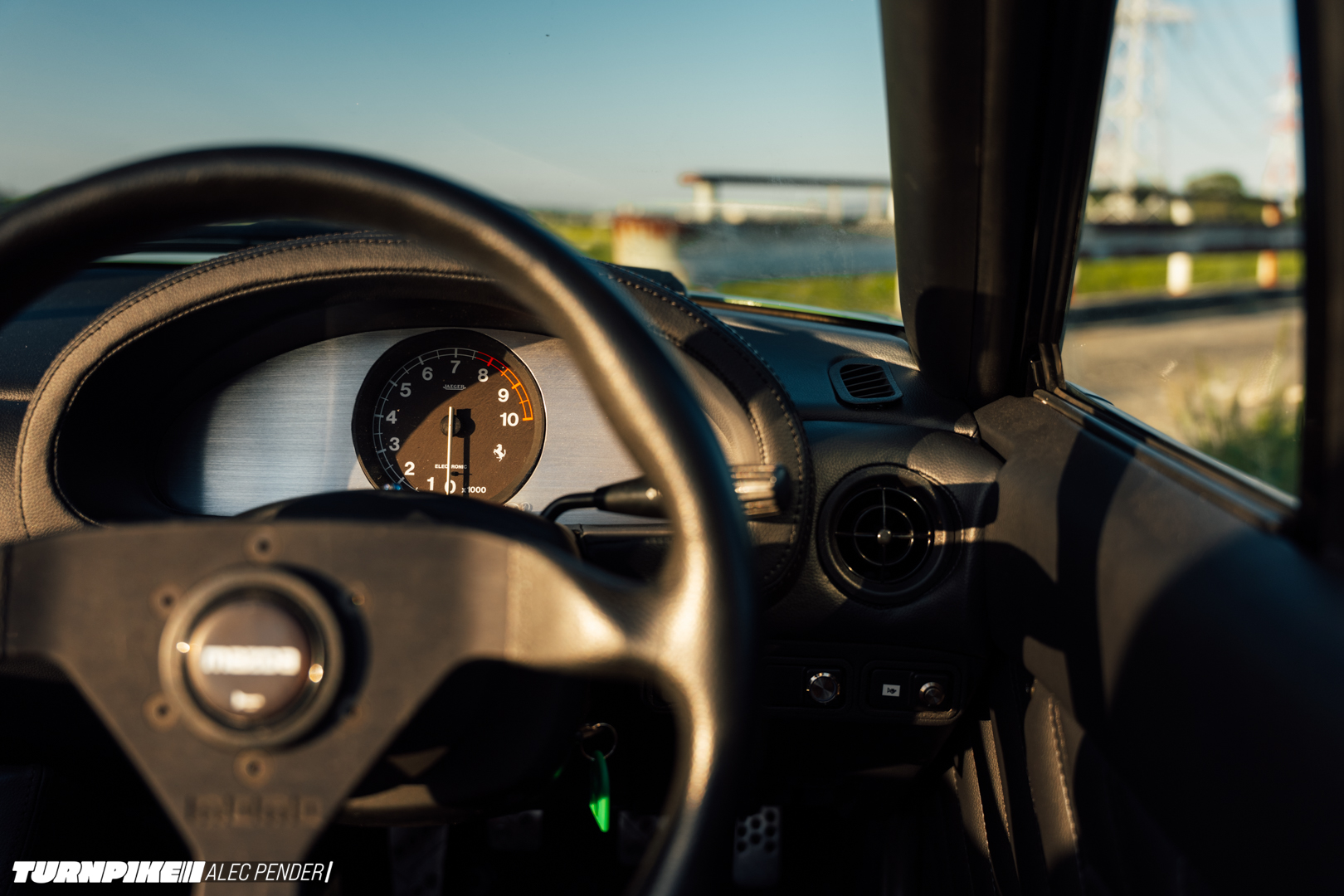
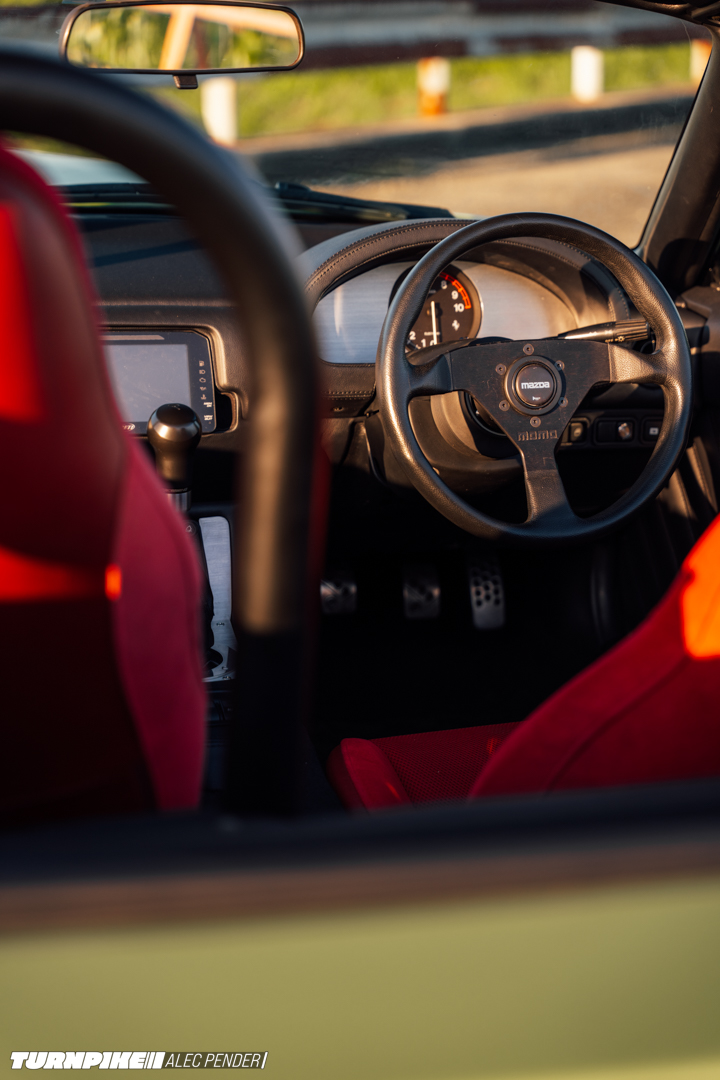
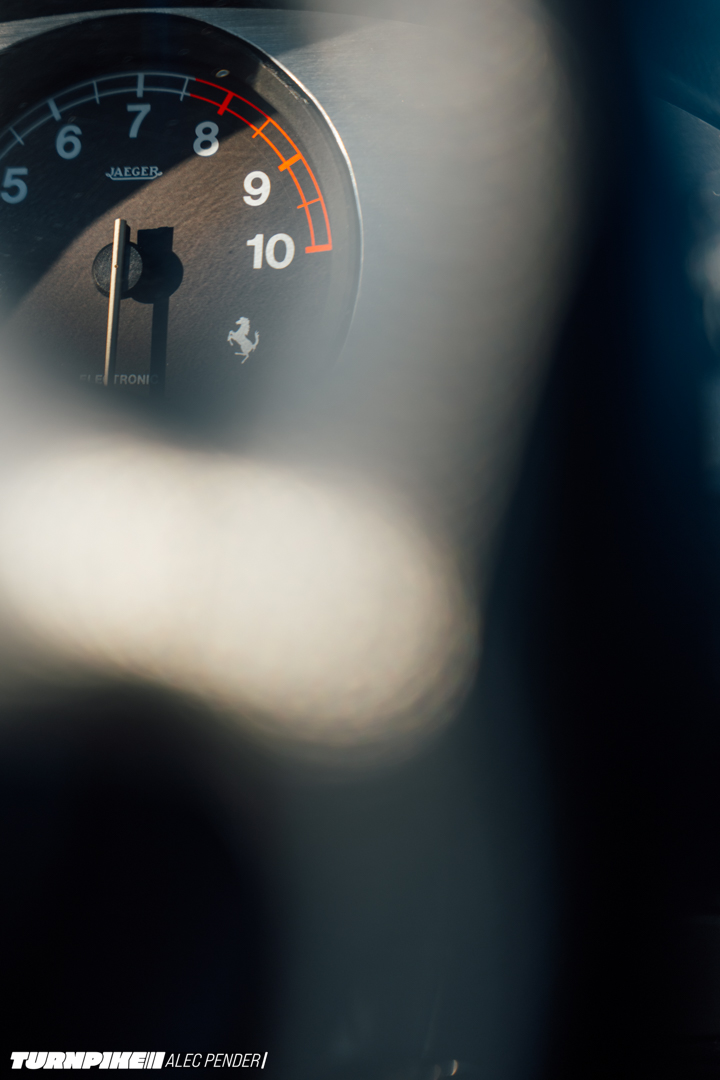
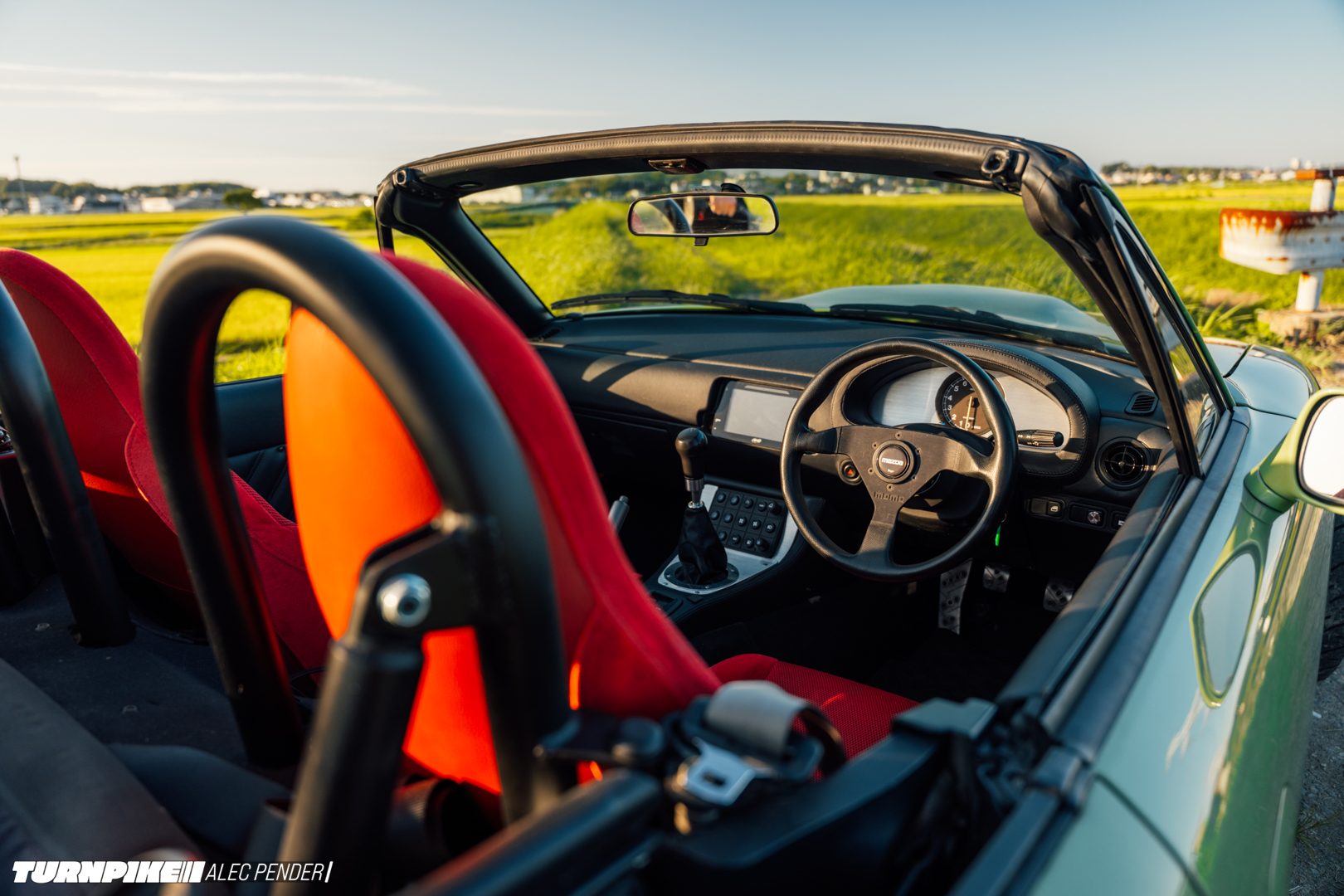
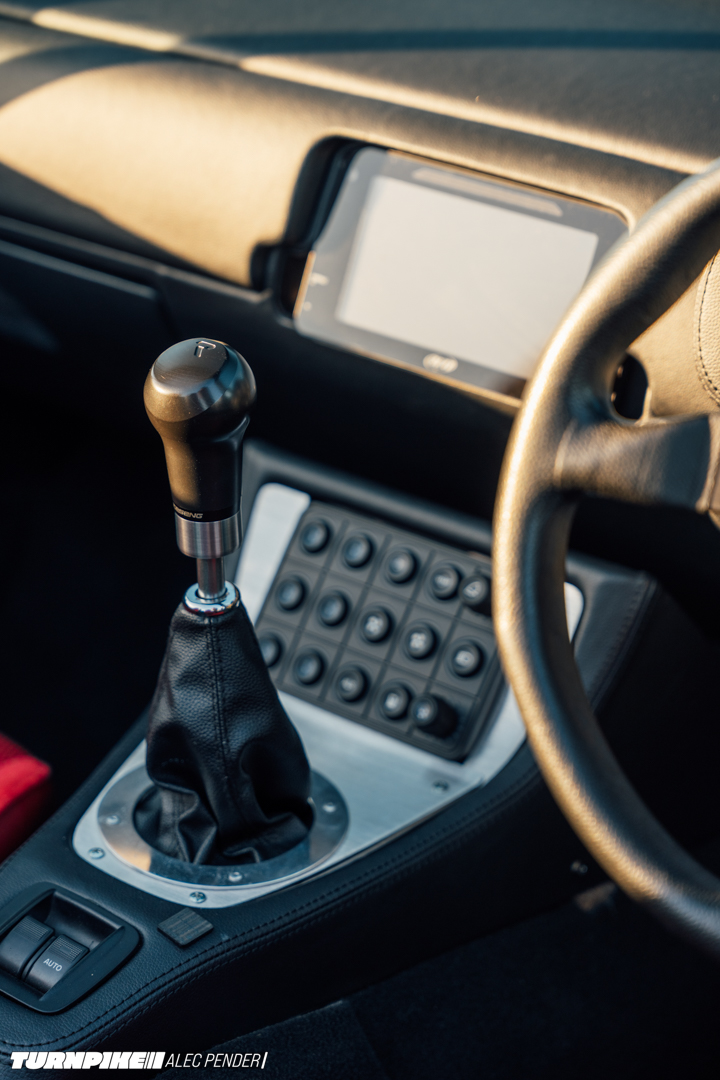
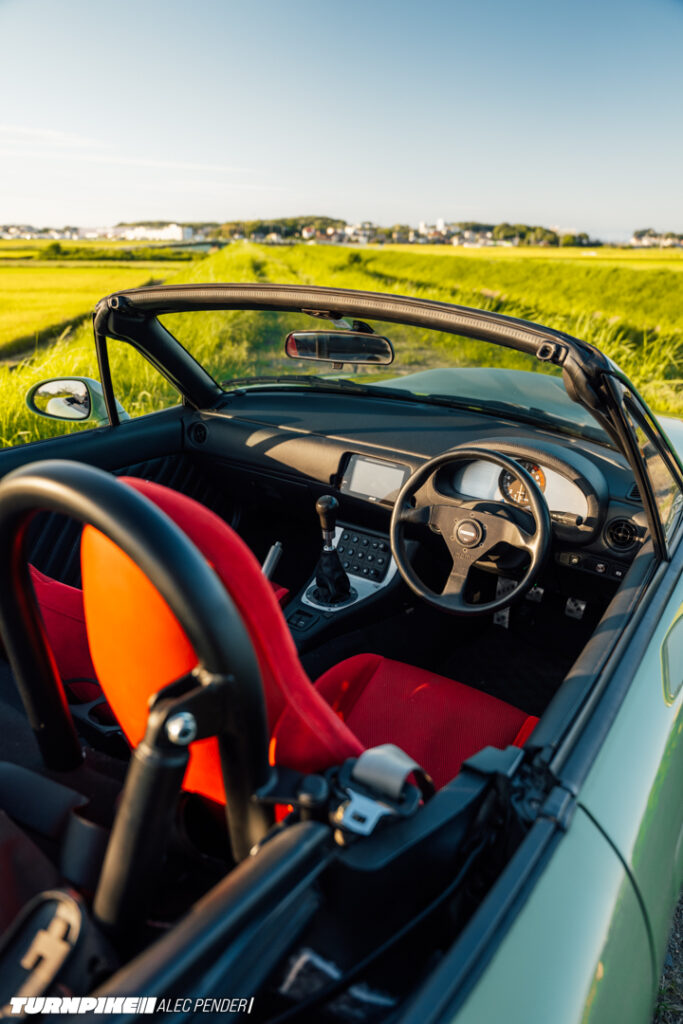
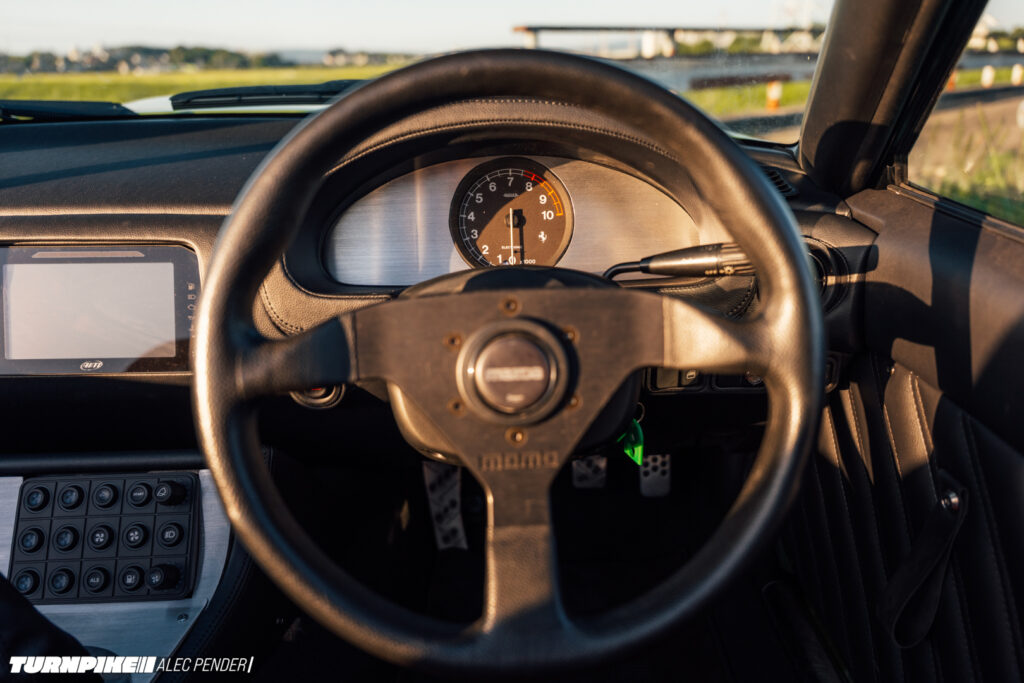
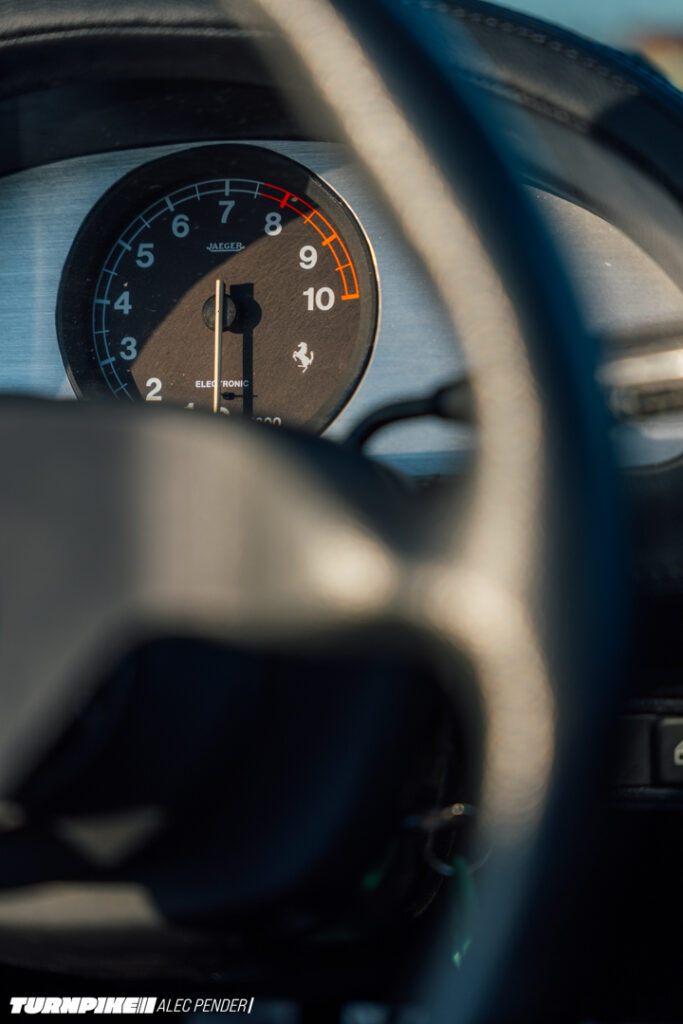
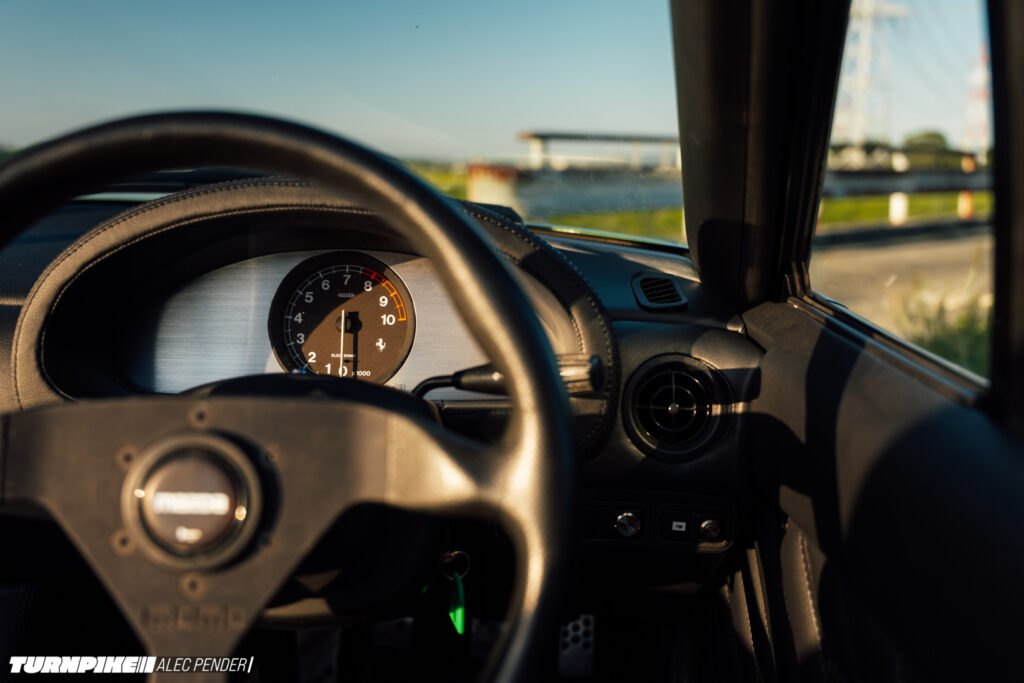
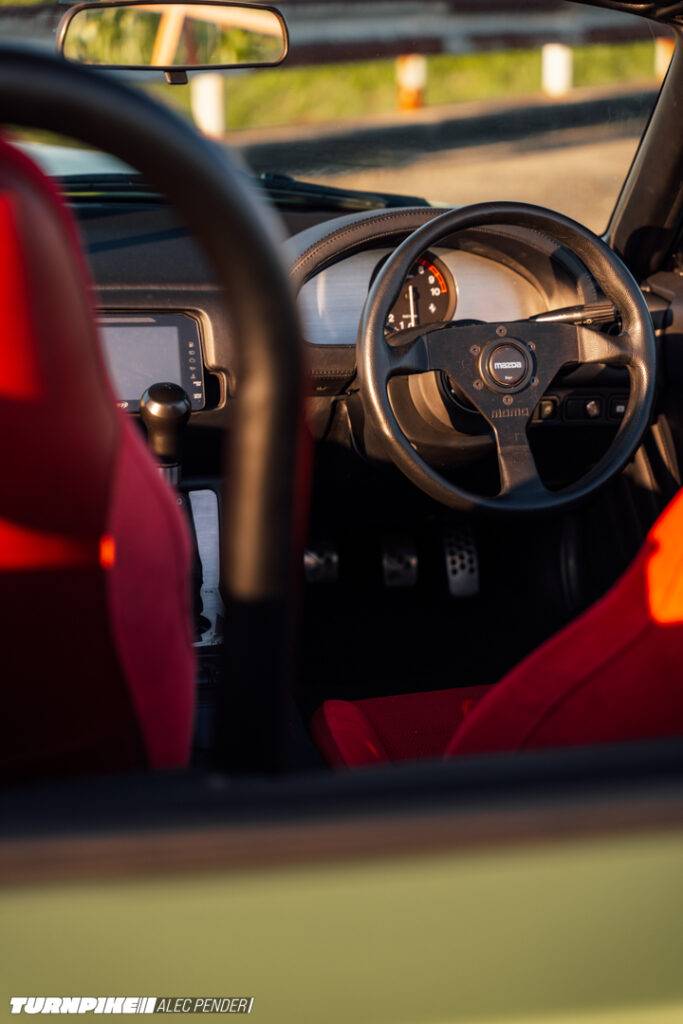
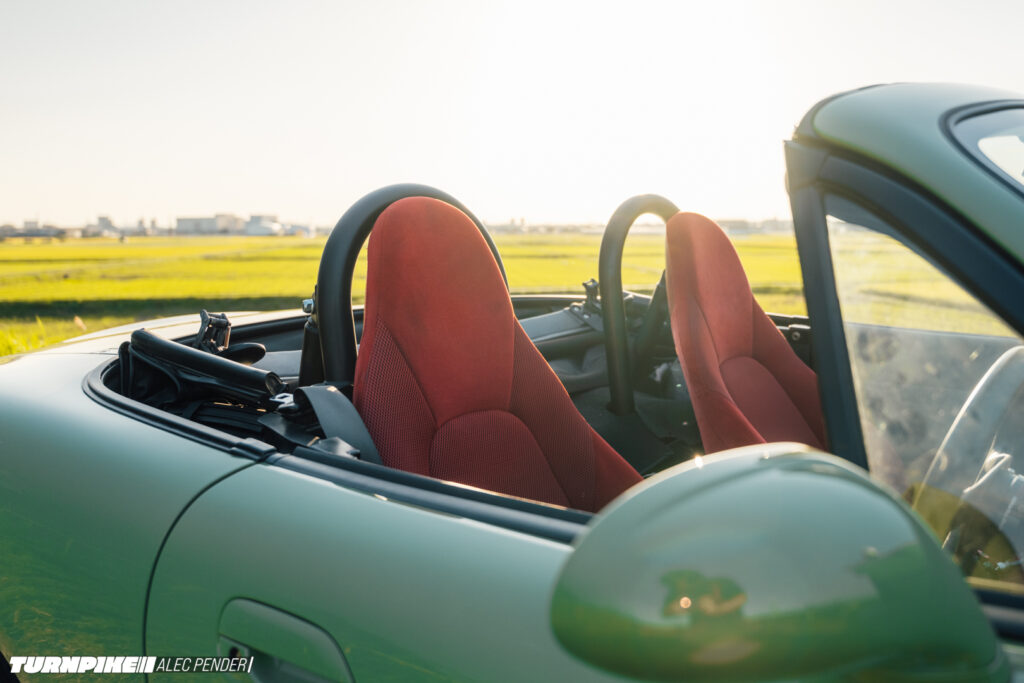
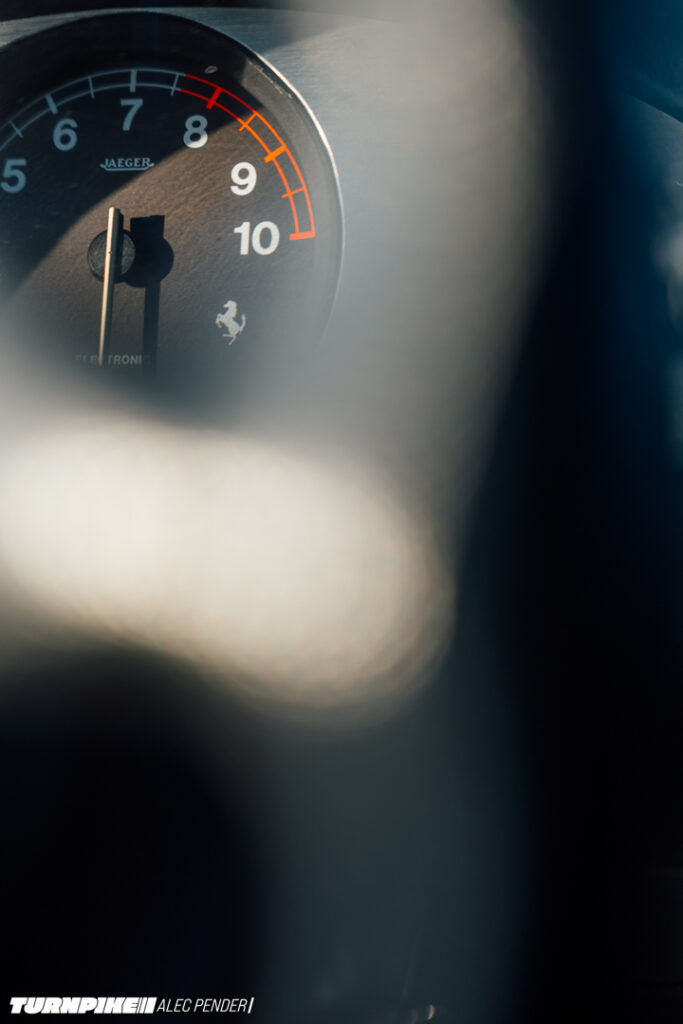
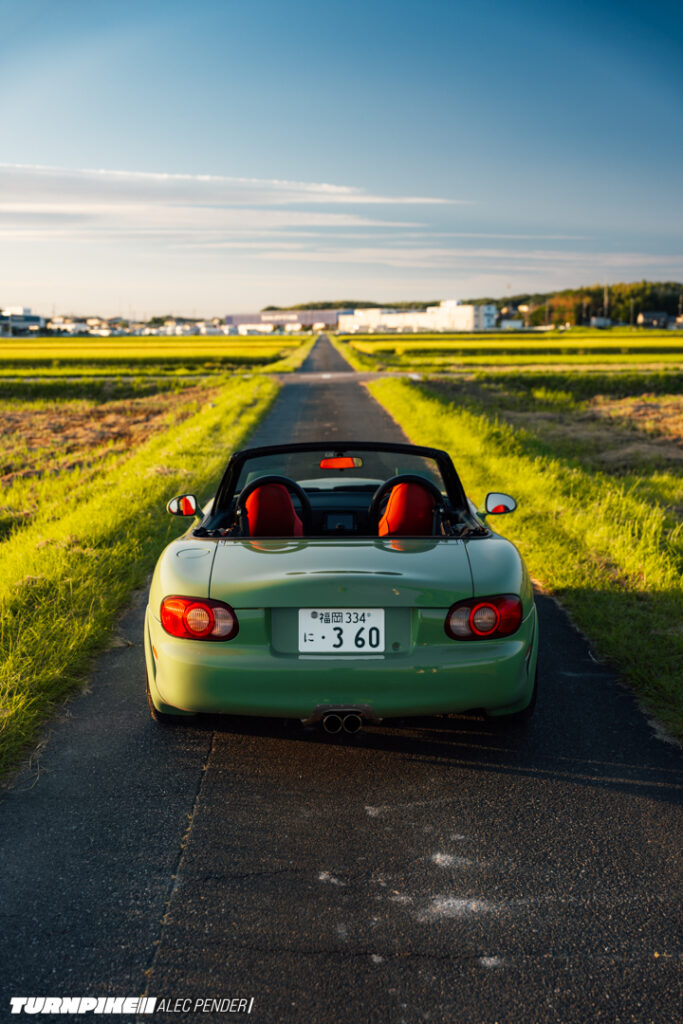
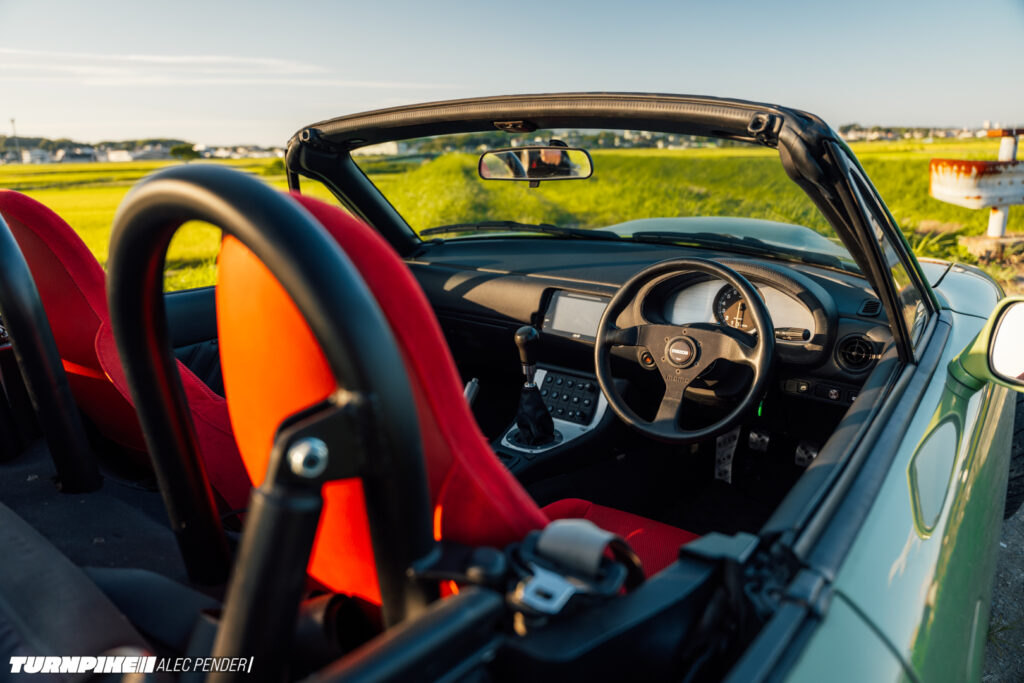
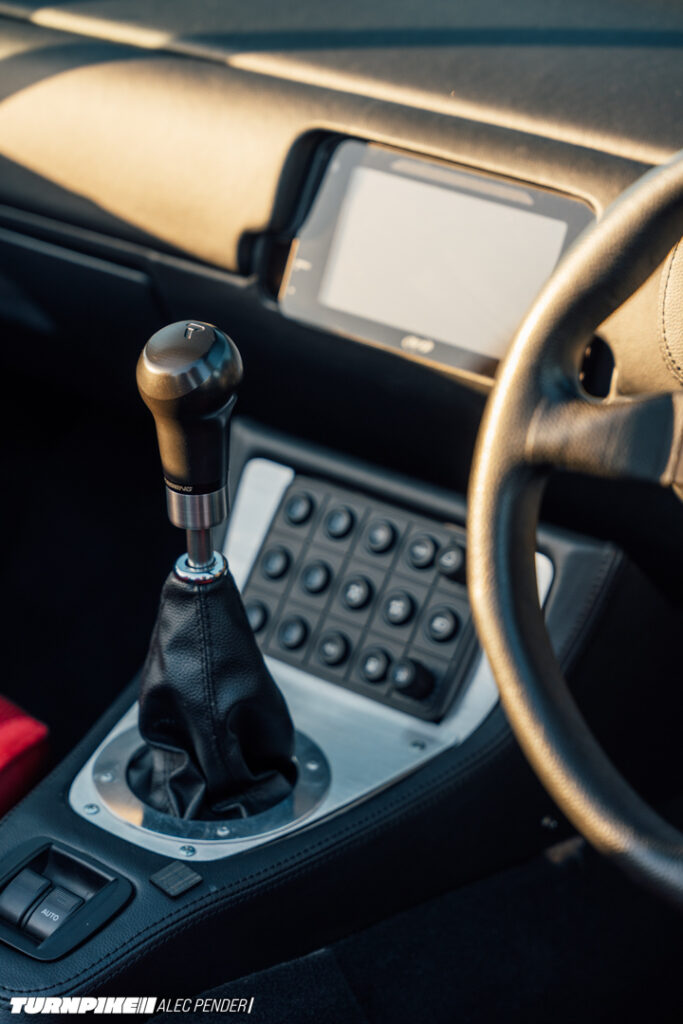
The Ferramiata weighs 1,150kg (2,535lb). Its cockpit places a Ferrari 550 analogue tachometer front and centre, while the digital display occupies the space normally reserved for the radio. The priorities are mechanical connection and legibility, not technological spectacle.”
“HomeBuiltbyJeff and his Ferrari-powered Alfa Junior helped lay the groundwork. Over four years, countless further details turned an unusual concept into a functioning machine, with contributions from people whose expertise crossed national and technical boundaries.
The final principle is perhaps the most important: engineering is not about adding the maximum possible capability. It is about deciding which capabilities matter, then removing everything that interferes with them. The Ferrari engine has been made to serve the Mazda’s character. The engine provides the theatre. The chassis provides the conversation. The restraint makes both meaningful.”
So how does it feel?
Well, after spending a few hours with the Ferramiata on the roads winding through the rice paddies around Daddy Motor Works, I was primarily impressed with its inherent balance. The bigger engine adds just a small amount of weight, so the balance remains true to the overall character of the NB Roadster, which so many purists love and praise. With the torque curve shifting toward higher RPMs, the car stays manageable when you want it to, then gently builds into that concerto of V8 gloriousness. The sound is not like that of a 360; the longer exhaust creates a more raspy, almost Toyota 4A-G-like sound, and then once the motor gets into its stride past 6,000rpm, the Maranello V8 howl hits hard. You’re rewarded with constant acceleration as you climb quickly to the 8,800rpm redline, and the rate the little Mazda packs on speed is downright scary.
I came away with the biggest grin I’ve had in a while driving cars, and I think that’s evident in my video, which you can check out above and on the Dino DC channel. The Ferramiata is a well-executed engine swap exercise, one I think nobody could fault.