
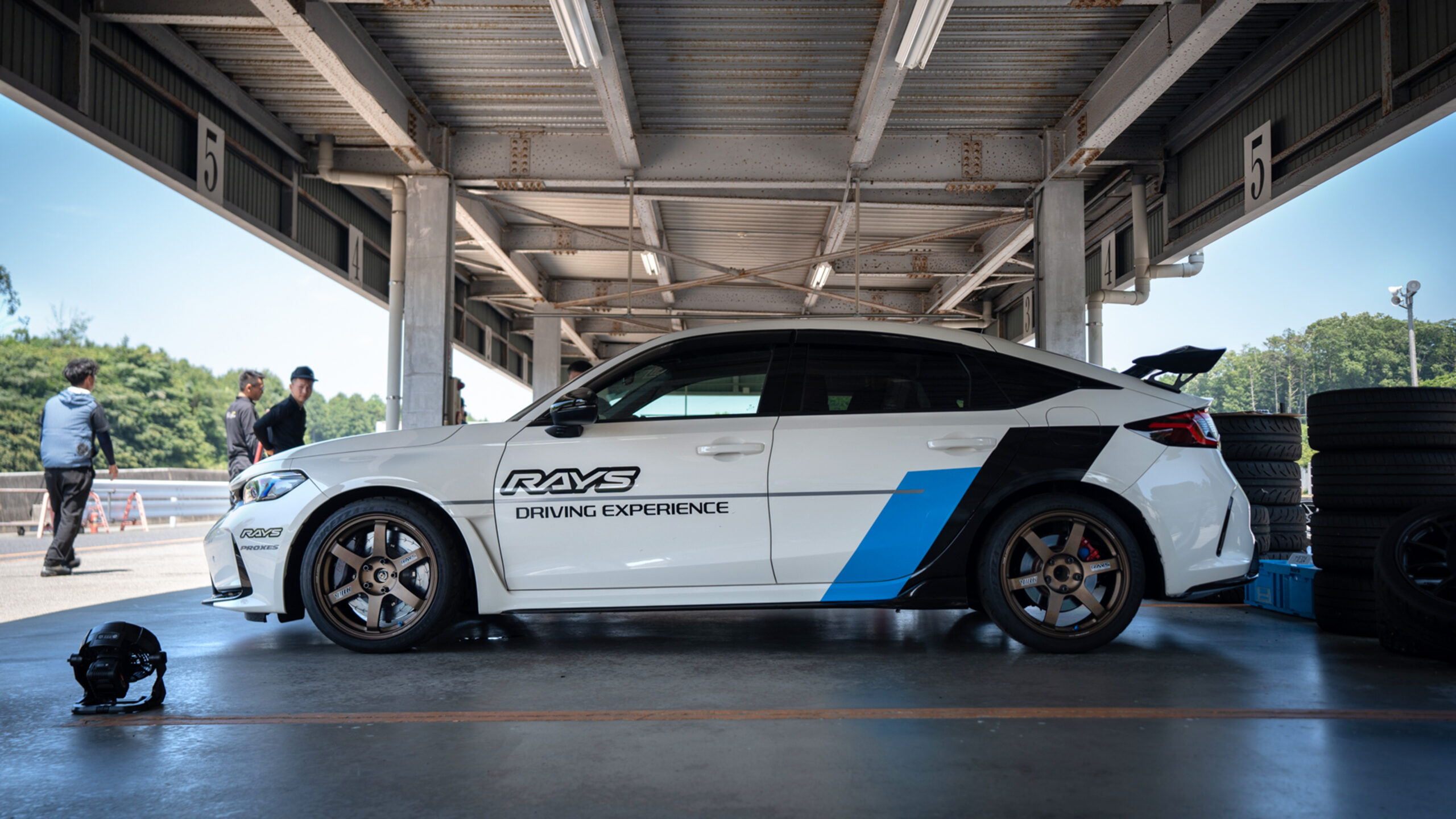
Nothing is more important in personalizing your car than a well-chosen, properly sized, and offset-matched set of aftermarket wheels. While looks will always be high on the list of reasons why someone chooses a specific model or design, it’s great to see manufacturers like RAYS keep pushing the technology behind wheel design and production.
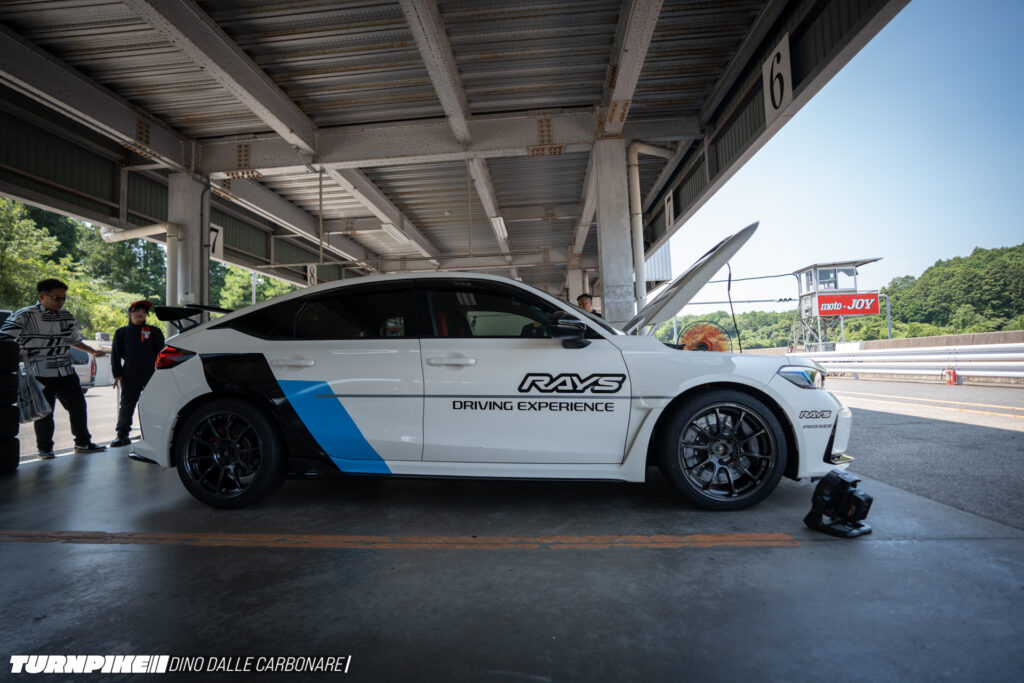
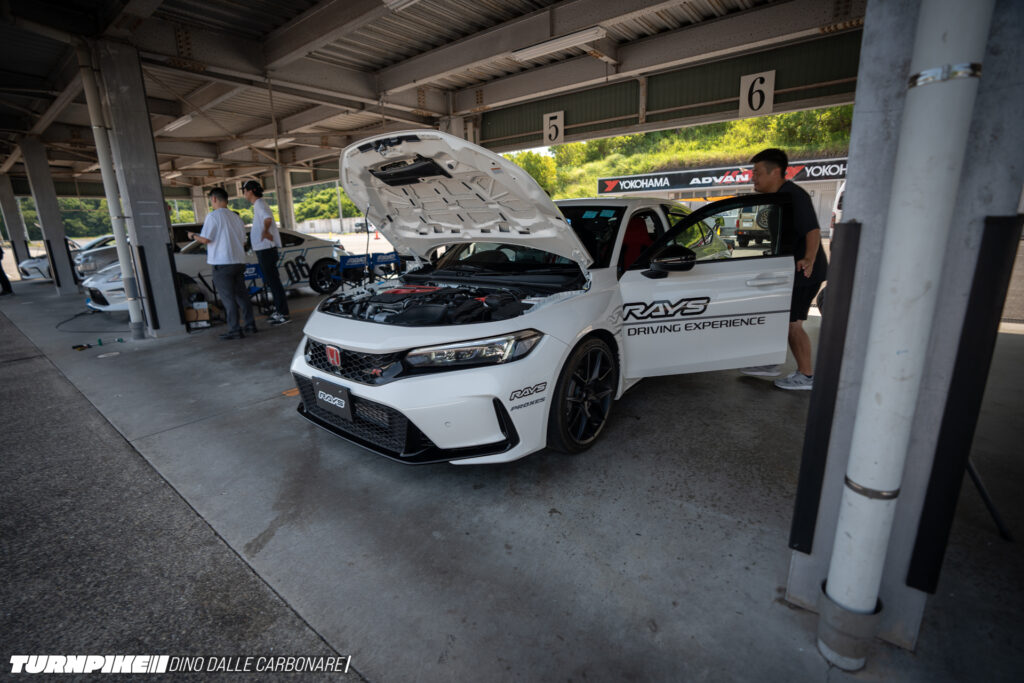
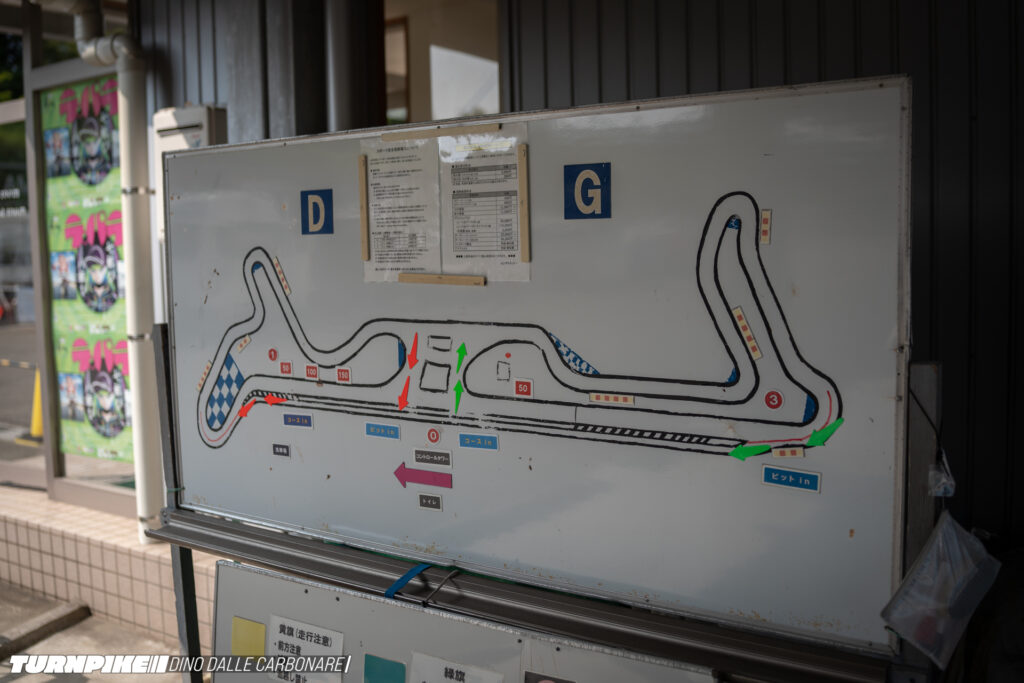
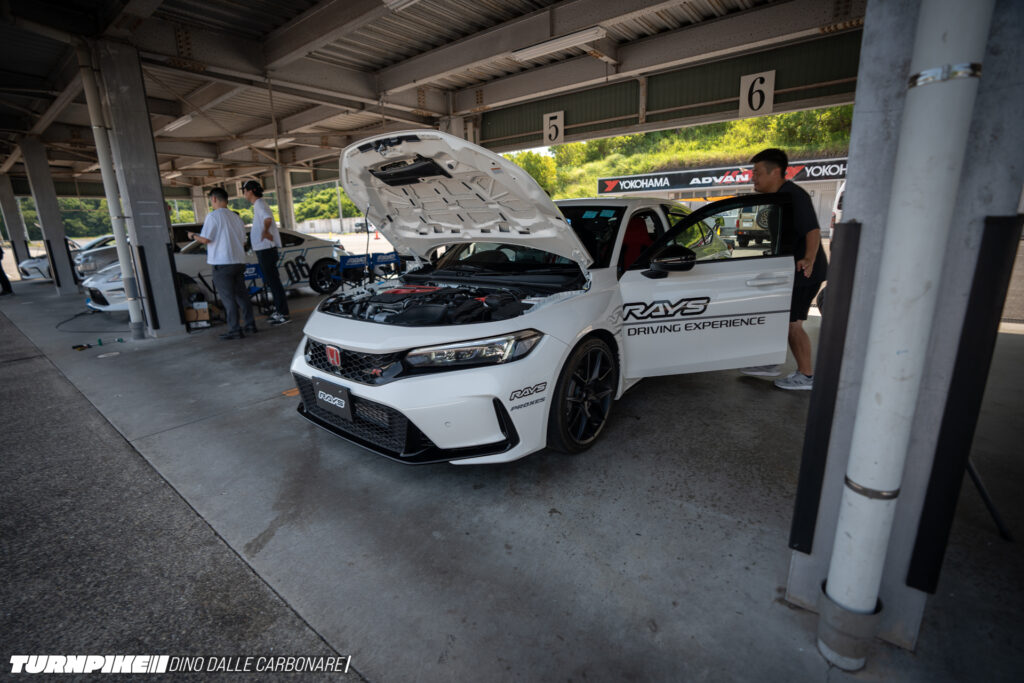
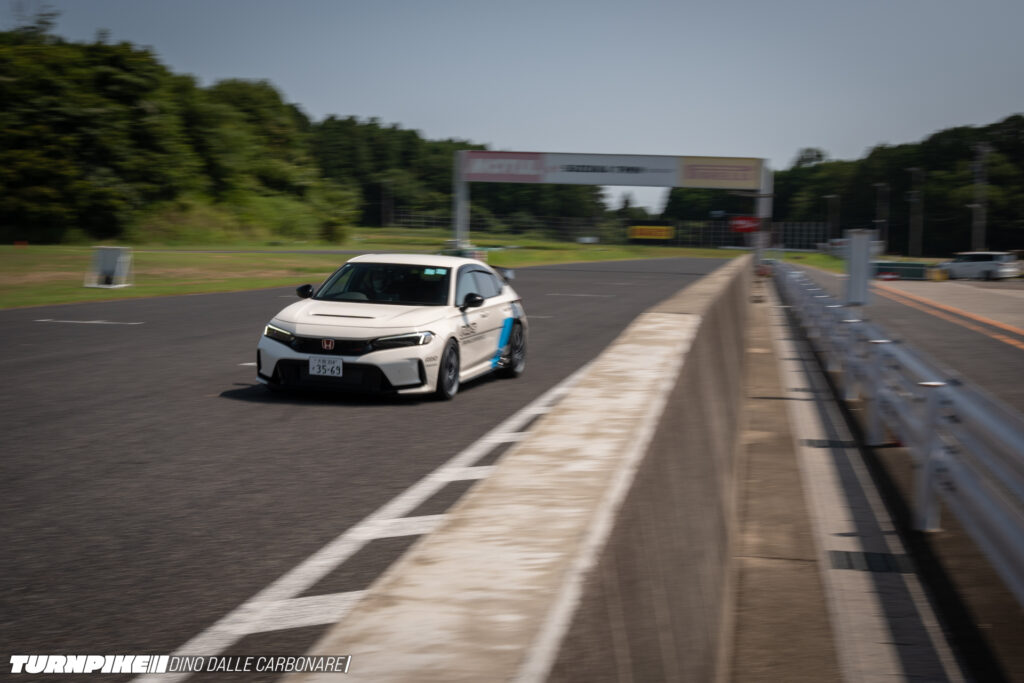
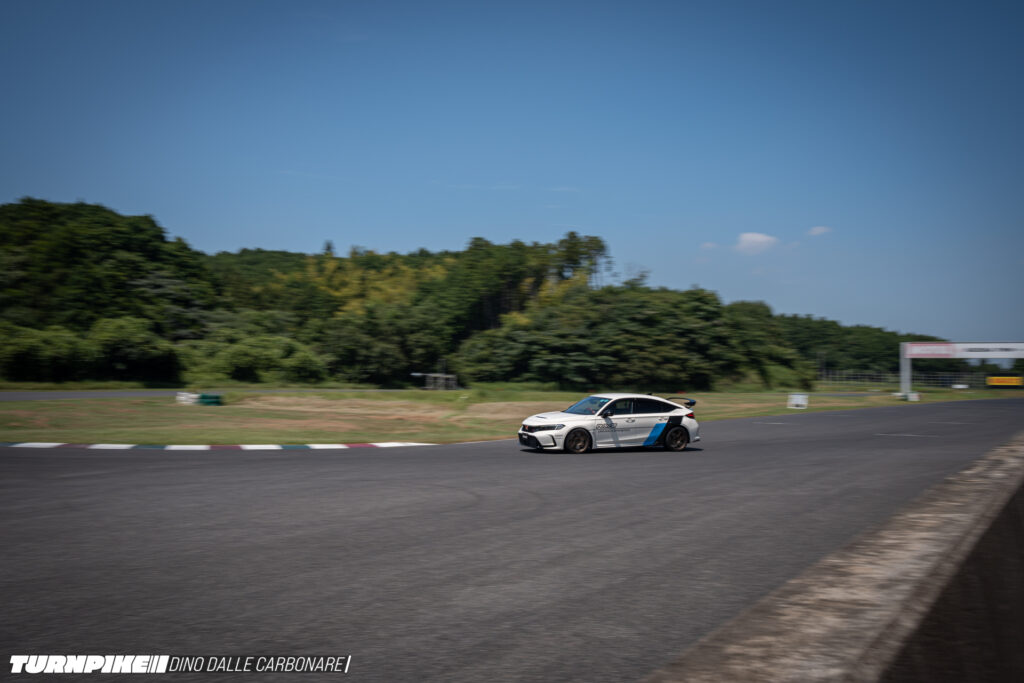
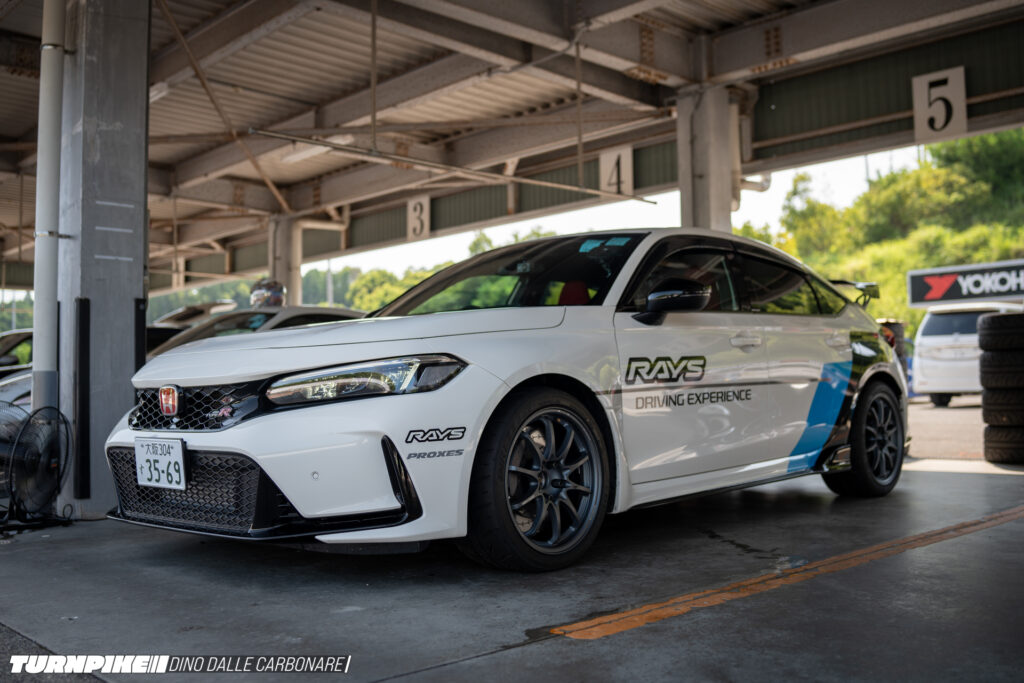
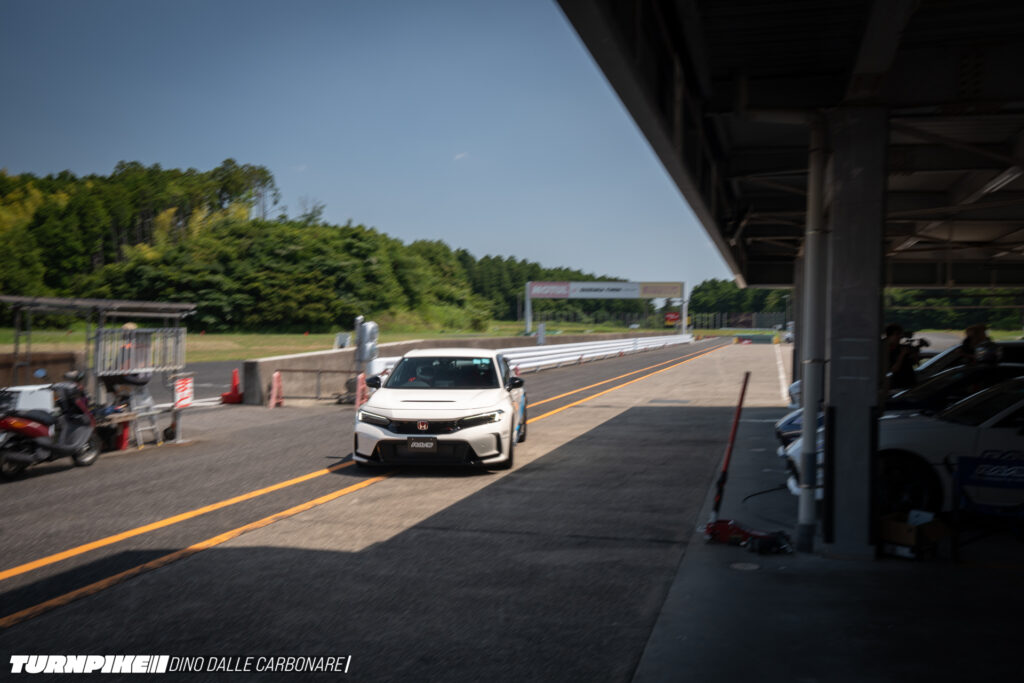
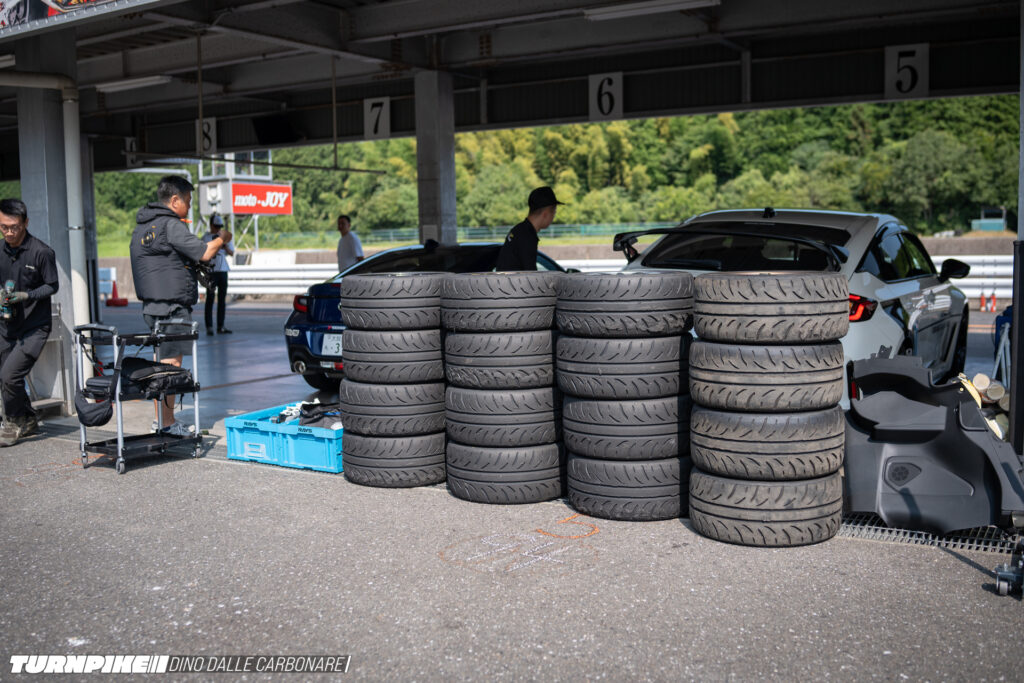
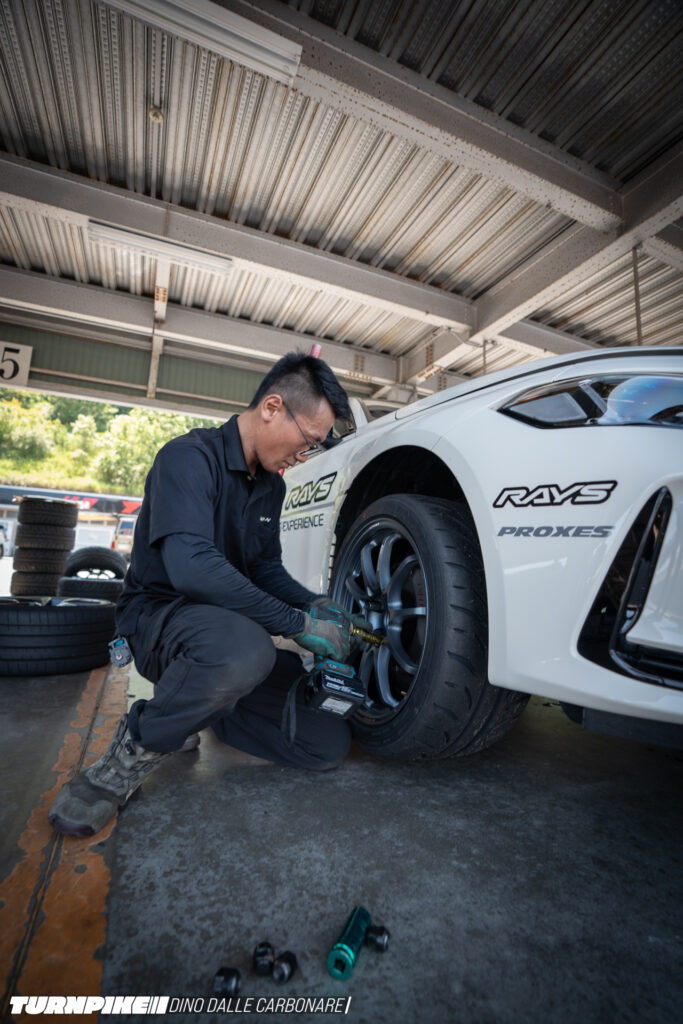
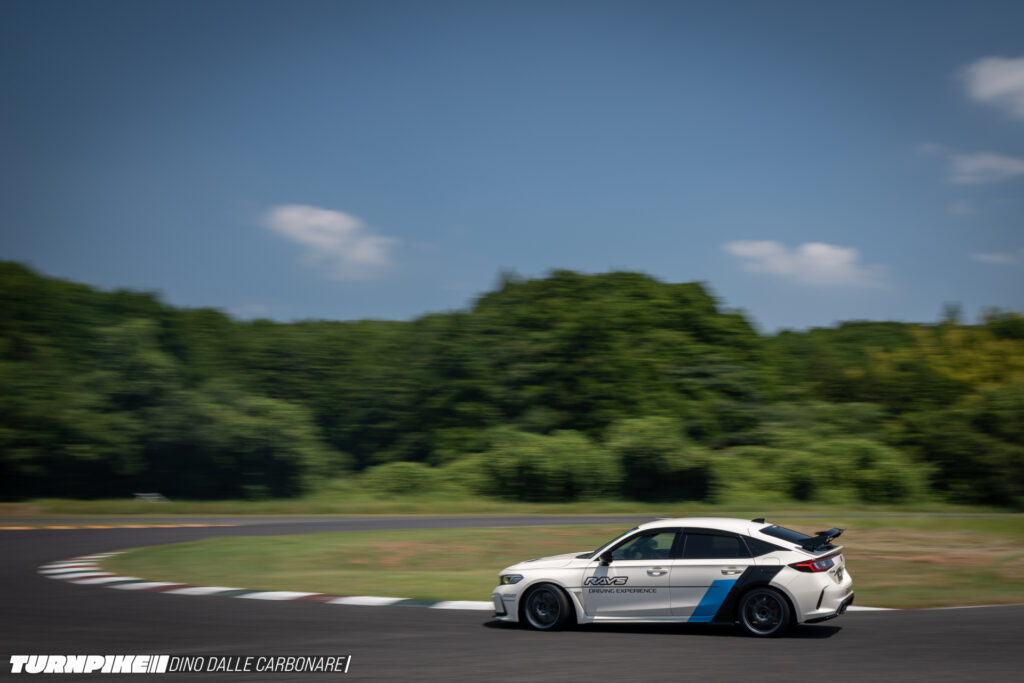
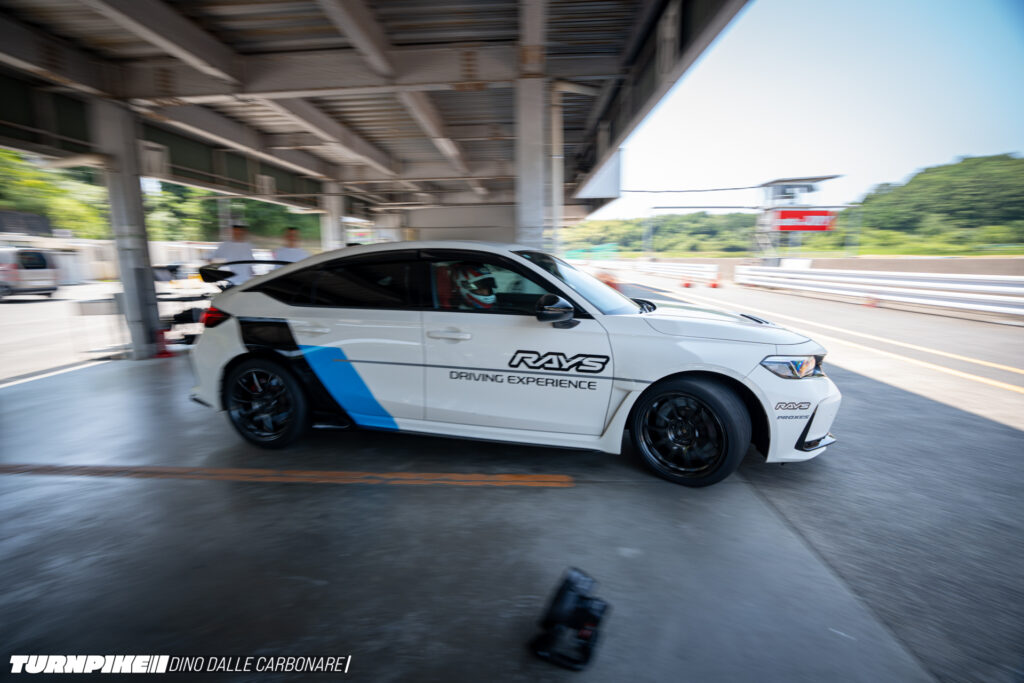
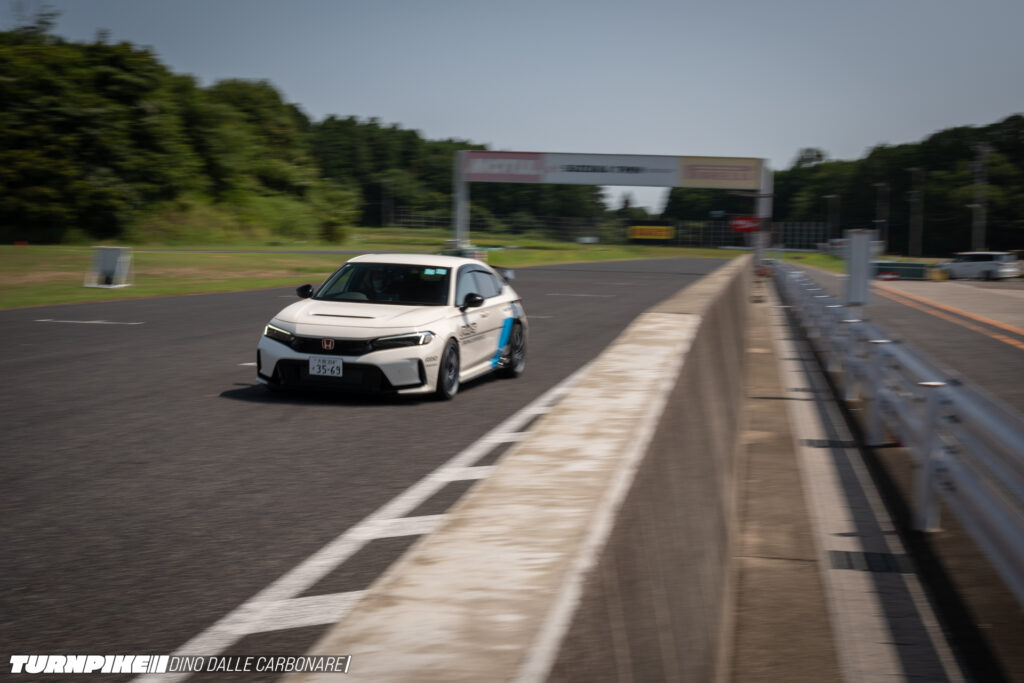
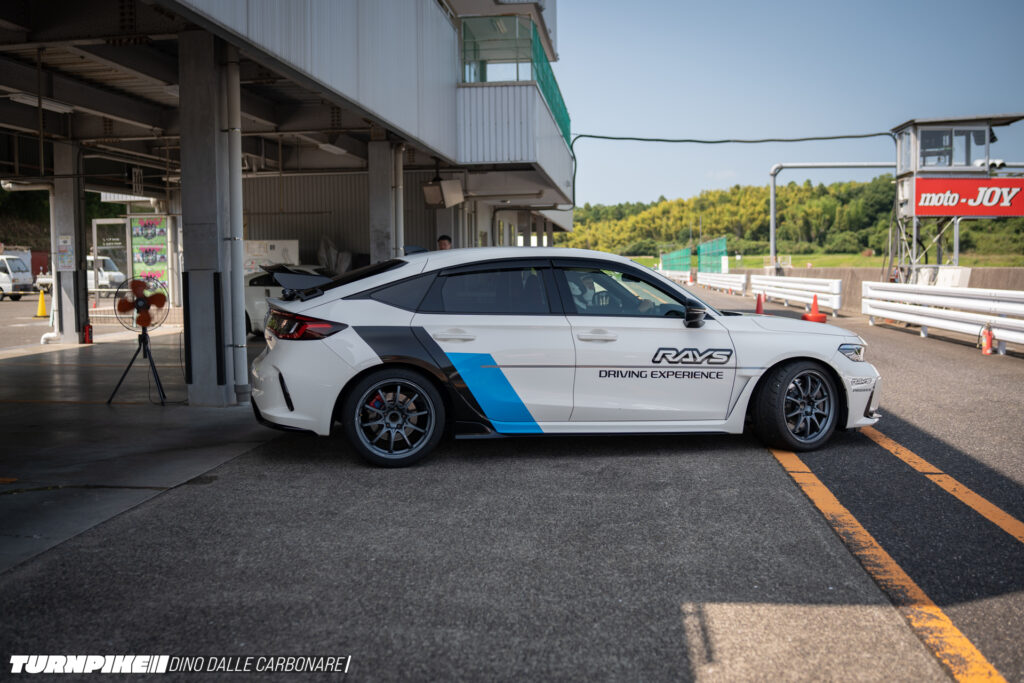
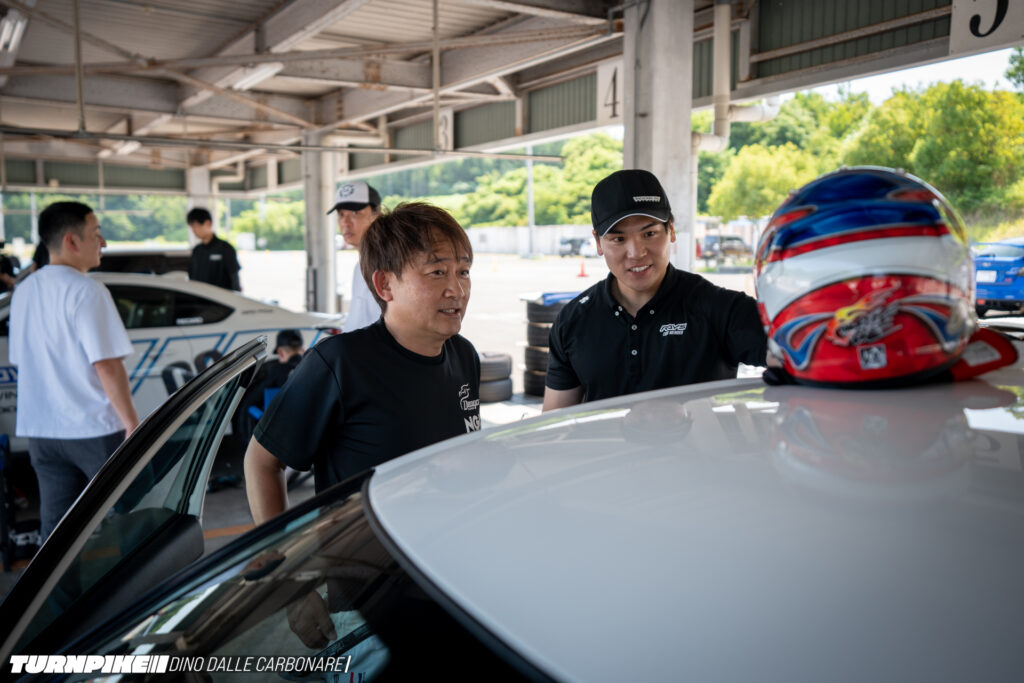
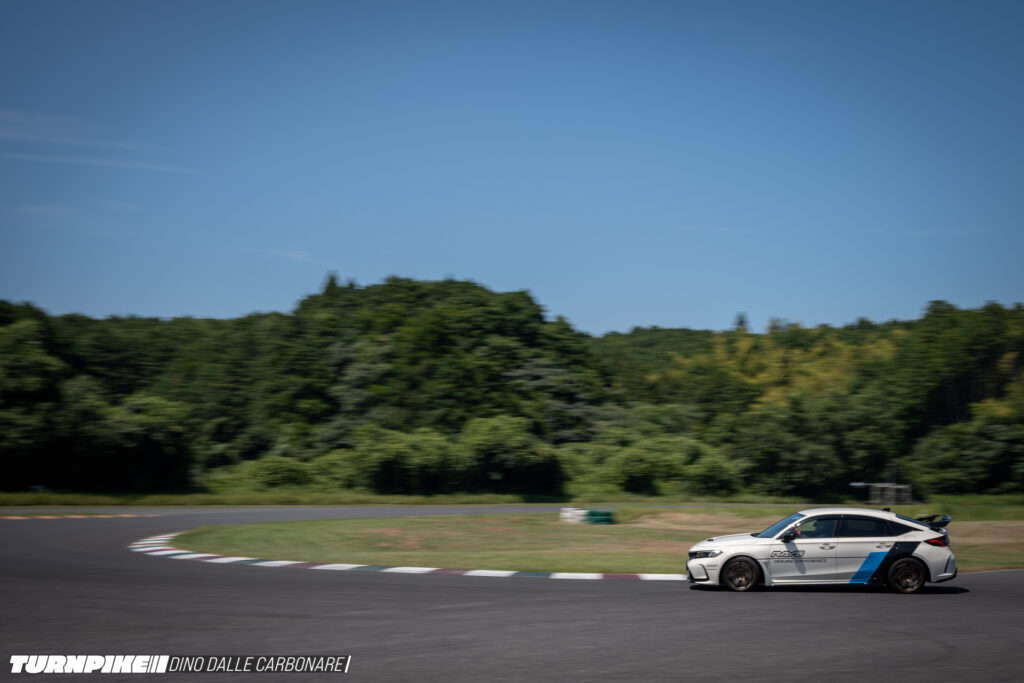
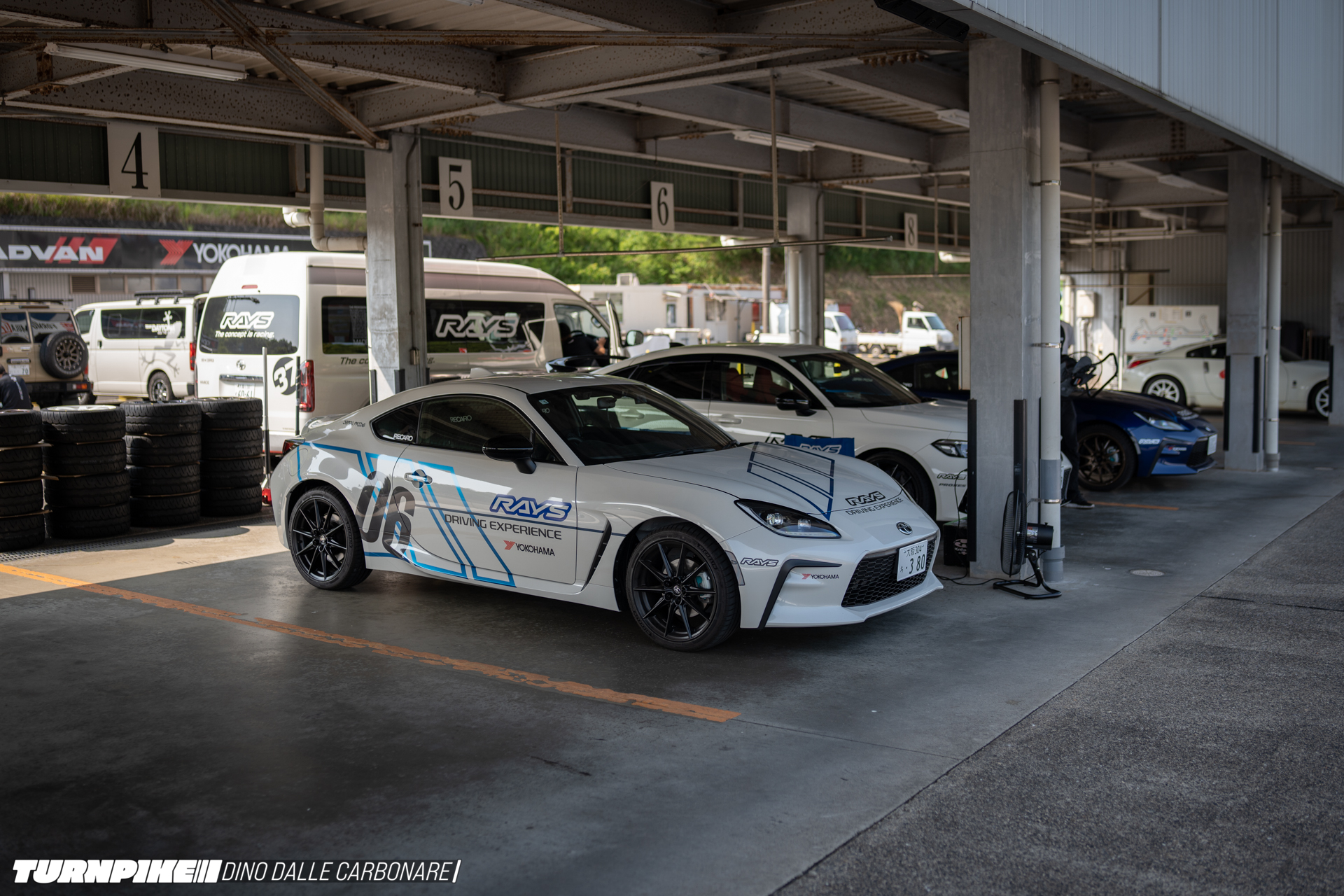
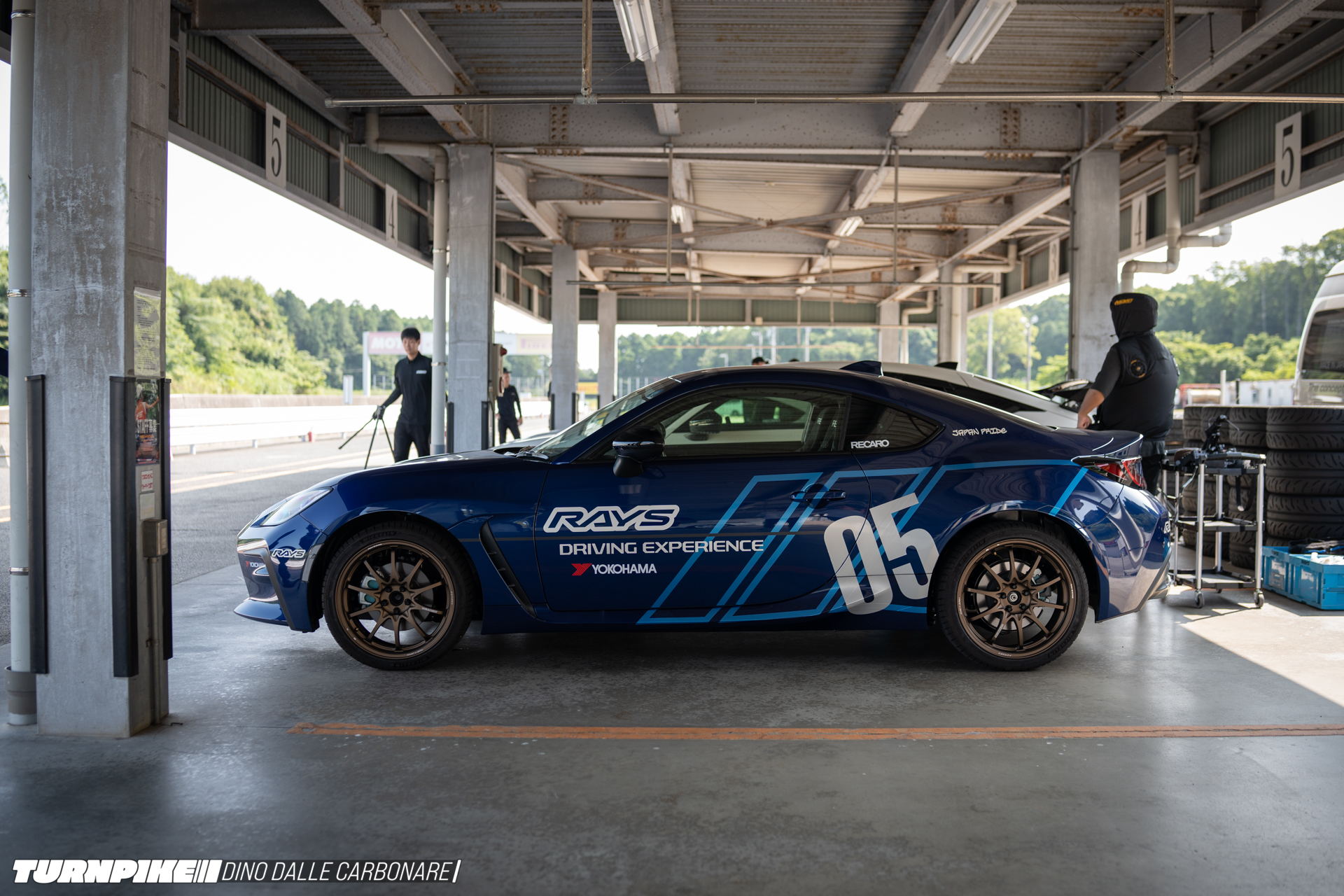
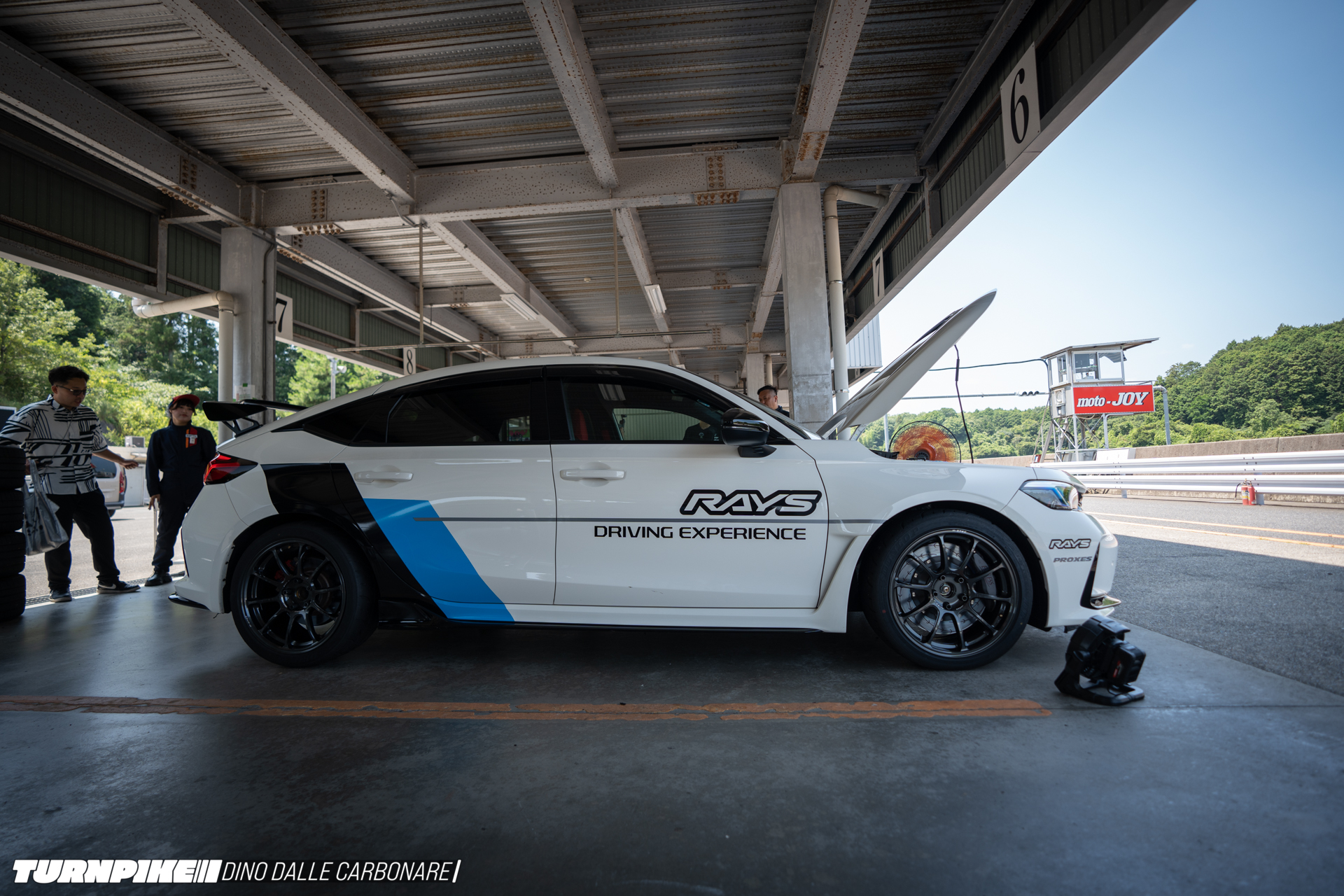
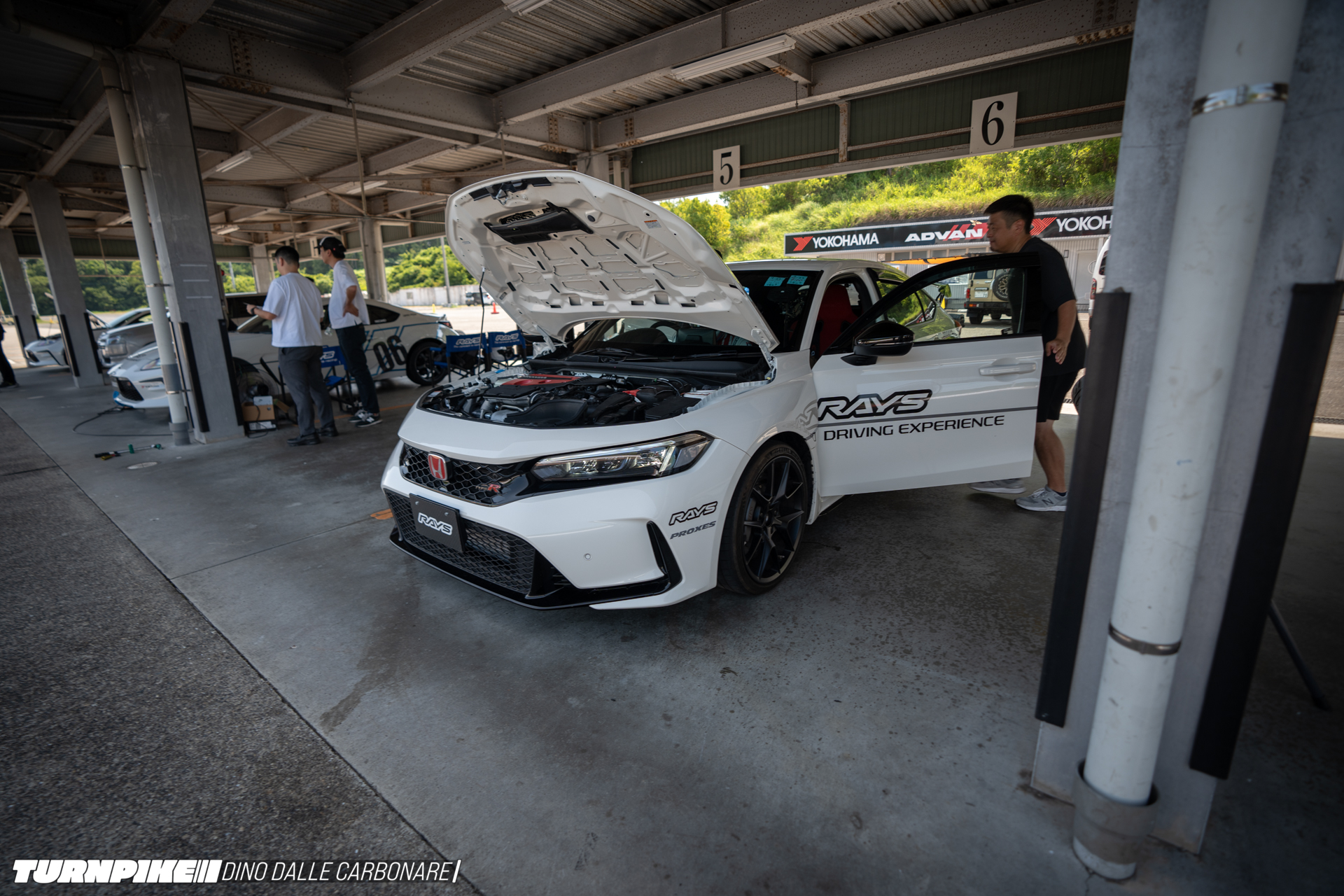
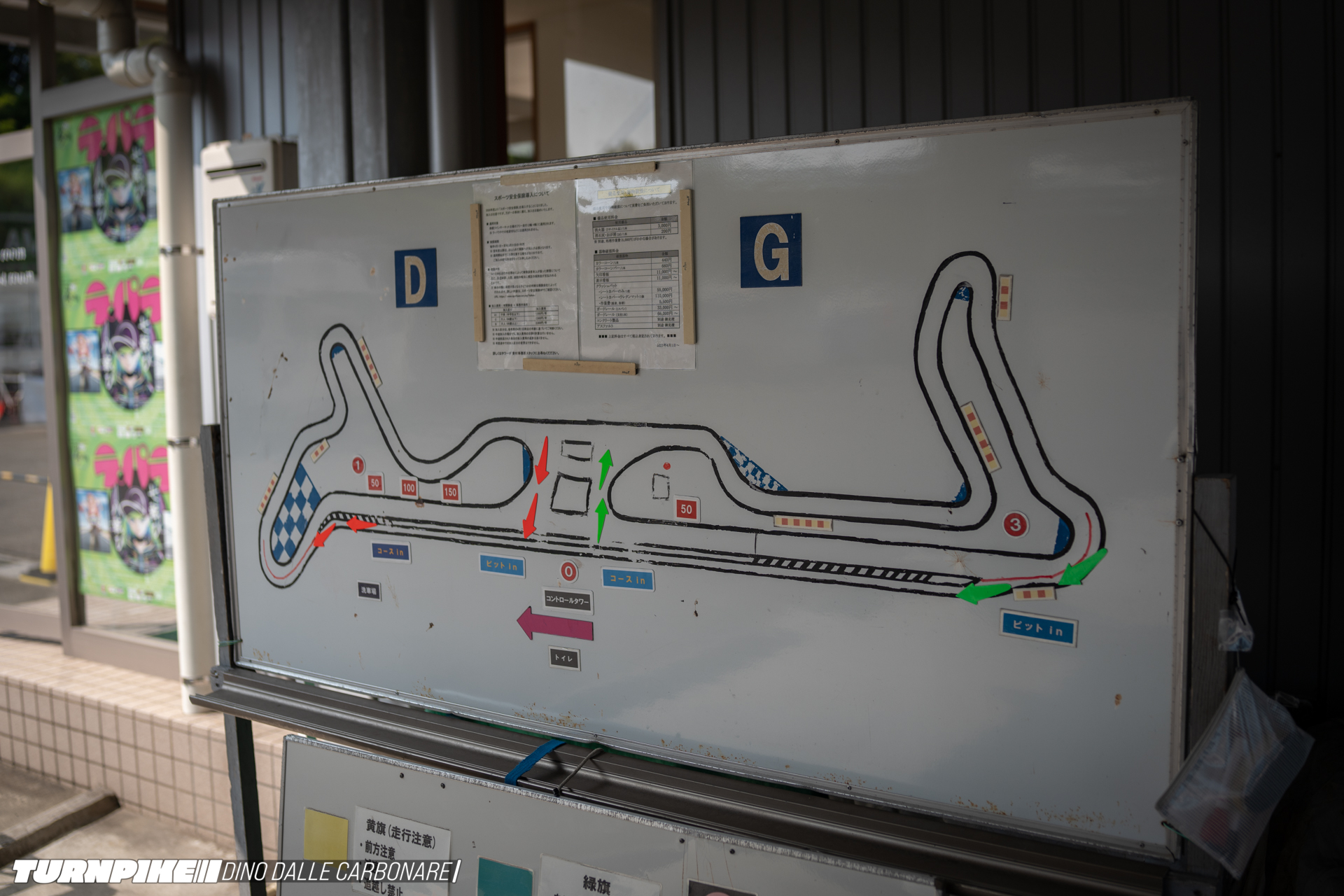
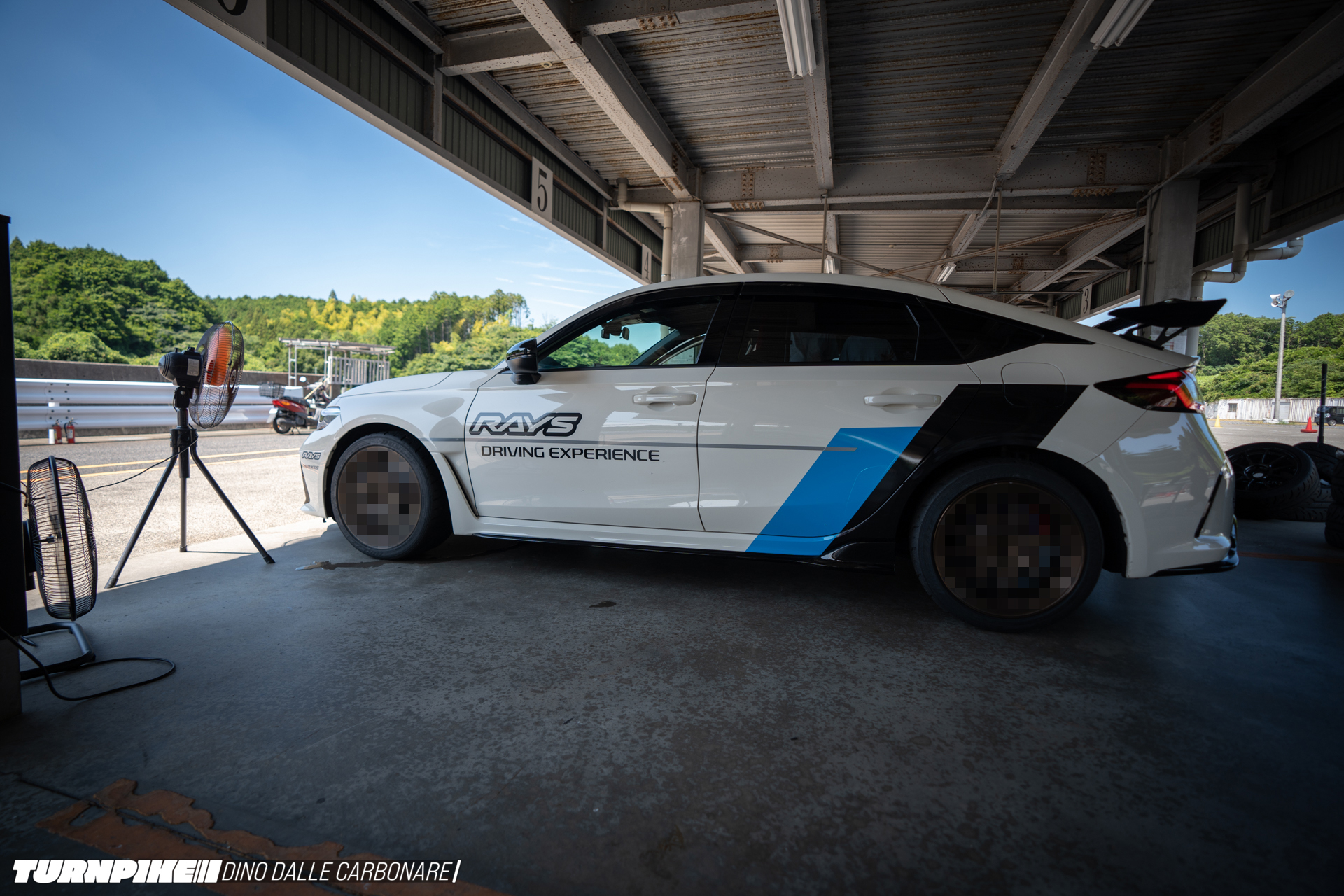
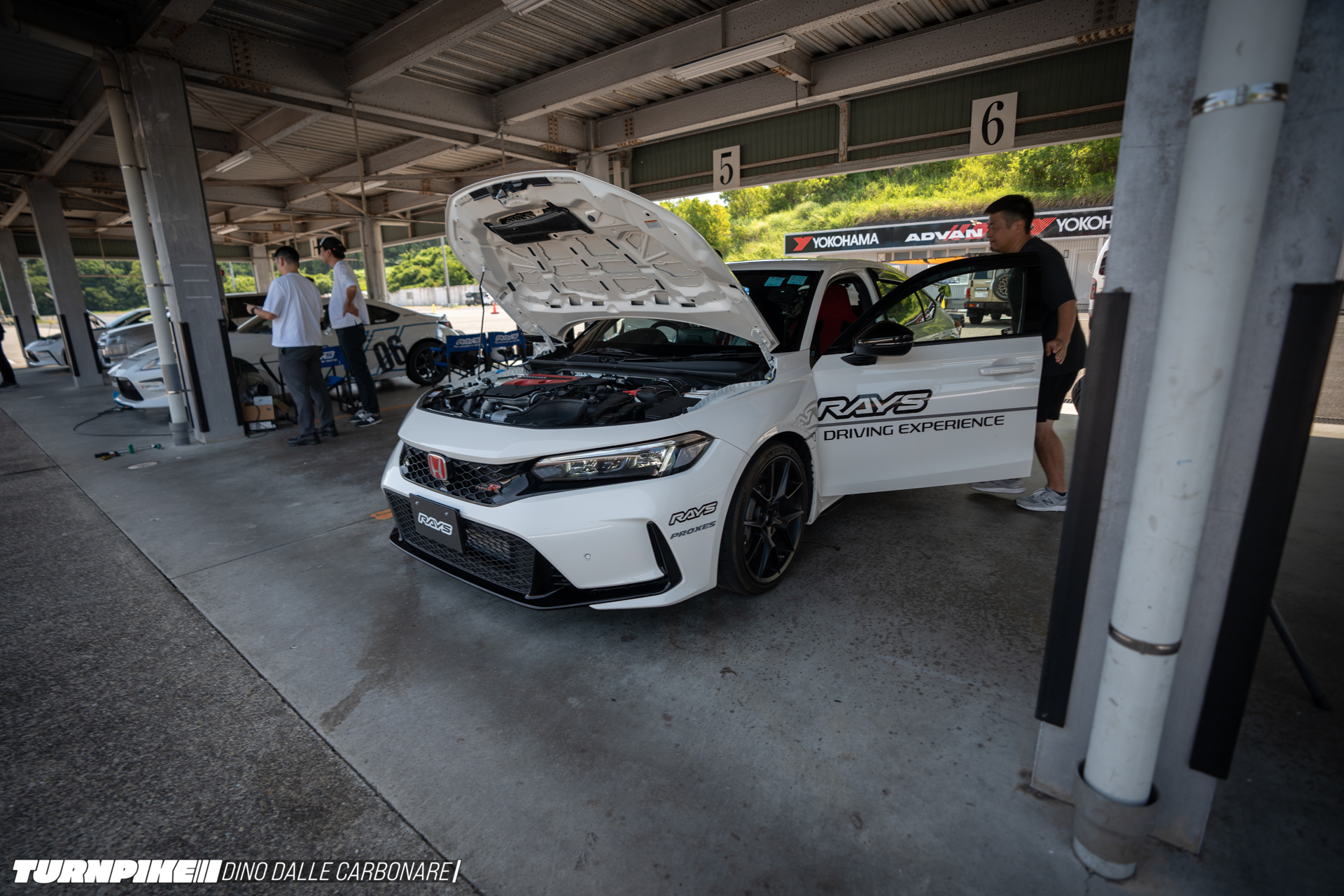
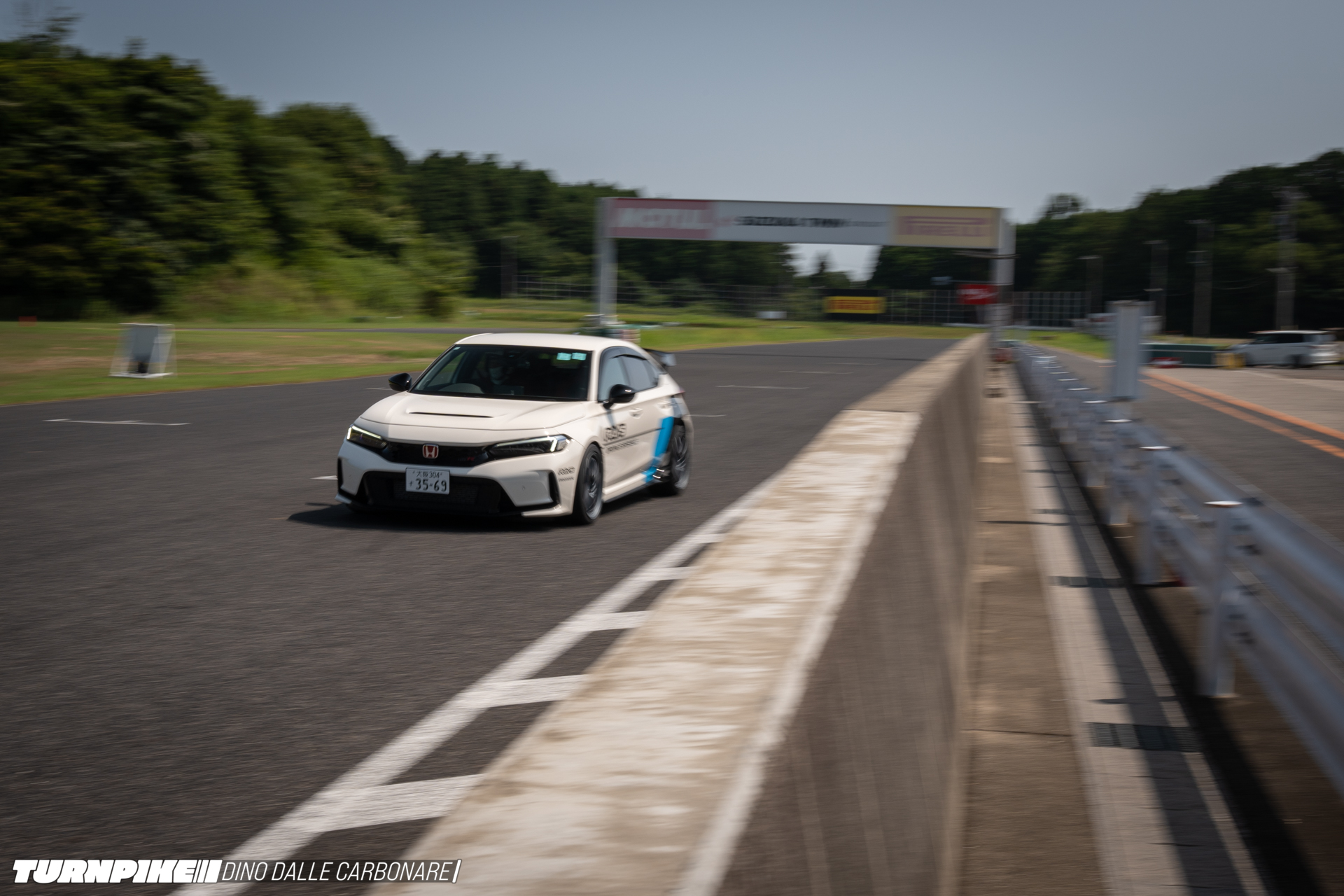
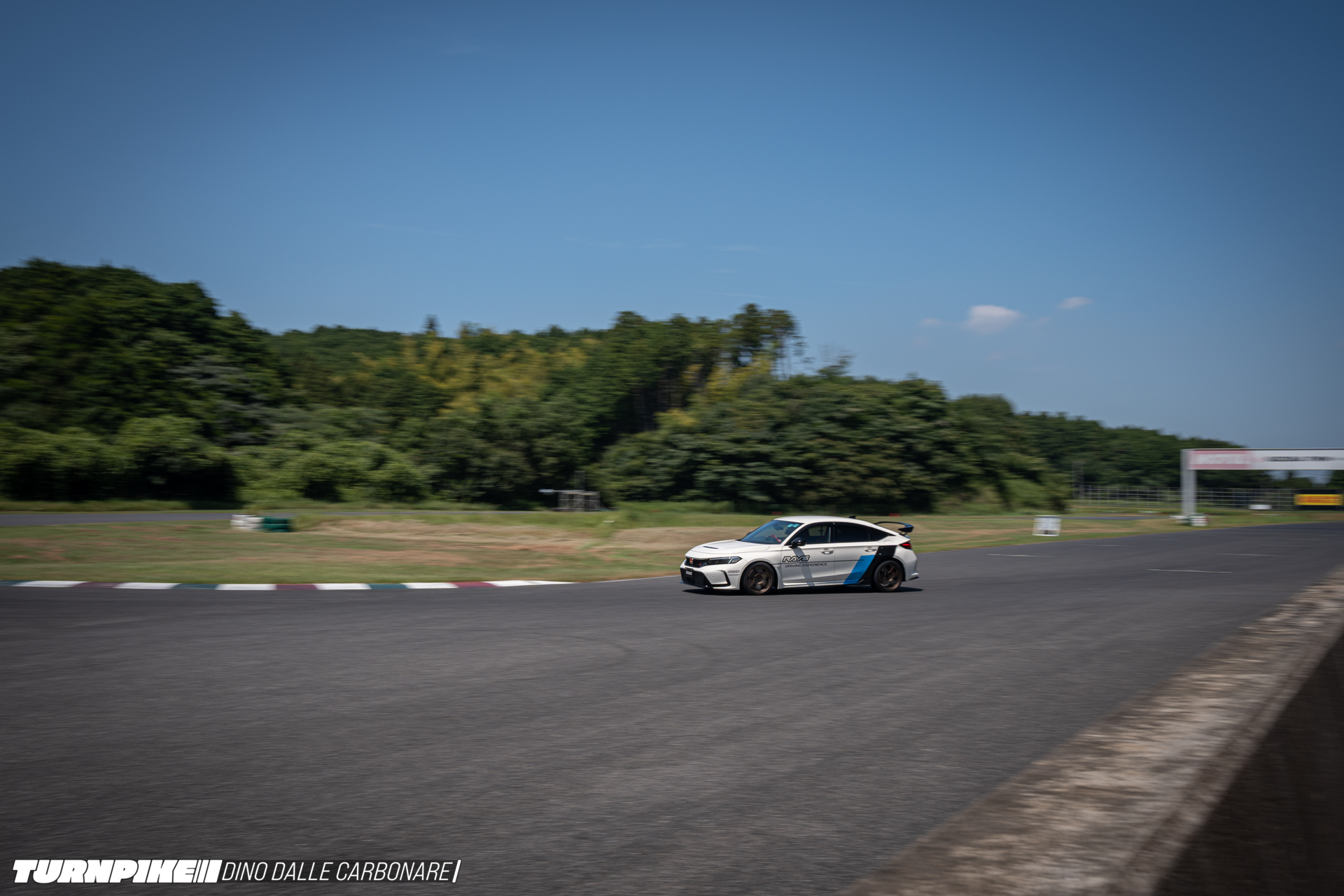
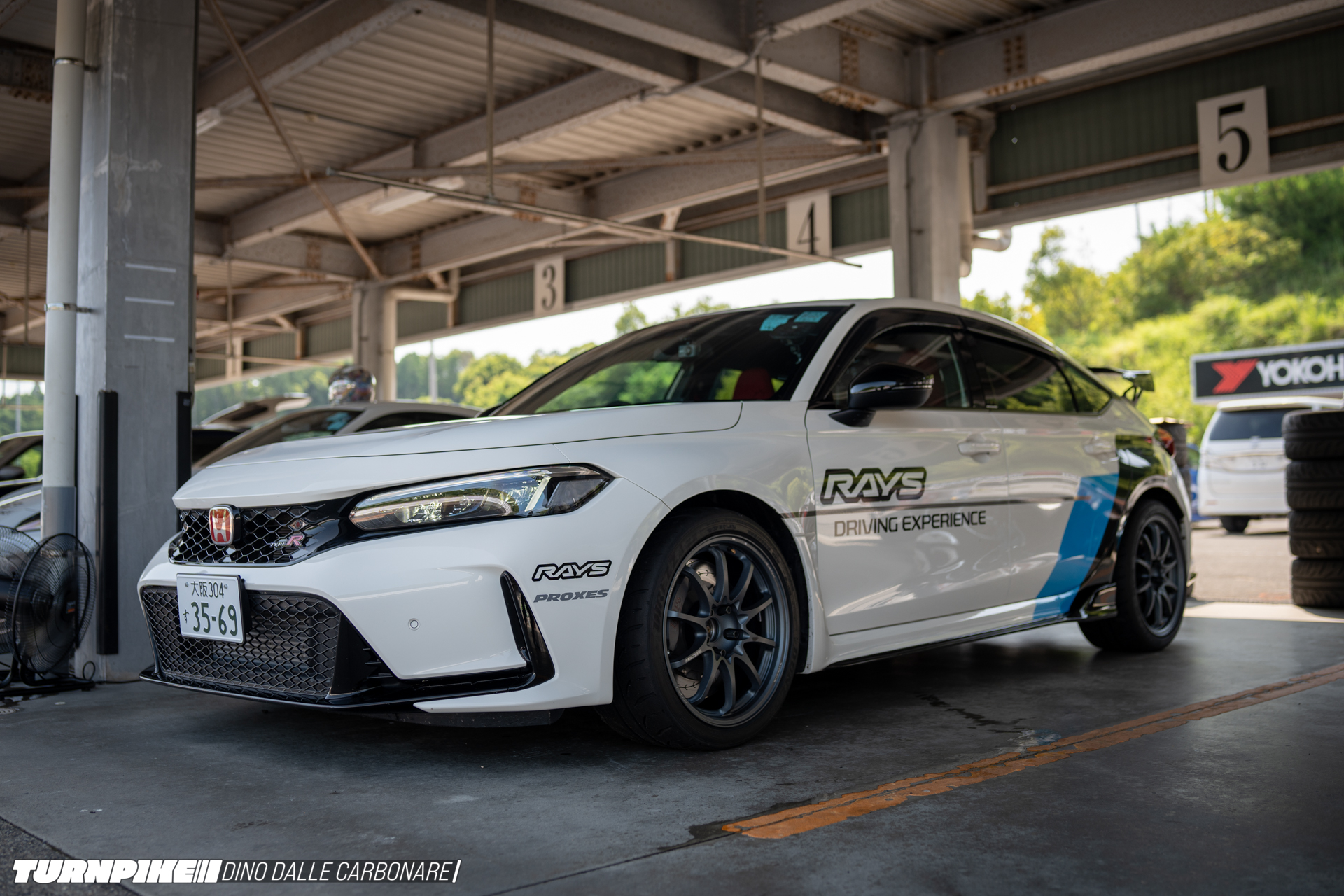
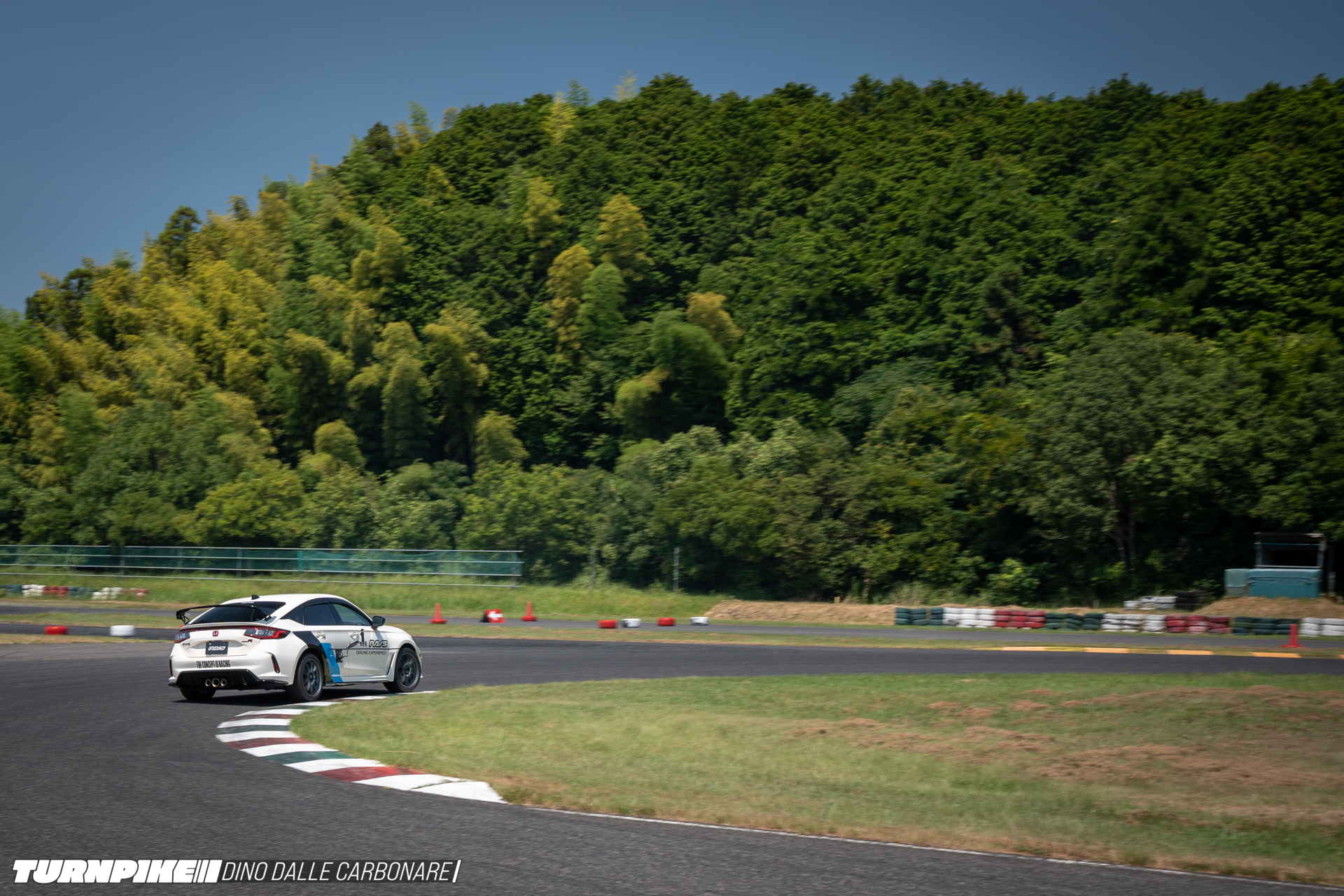
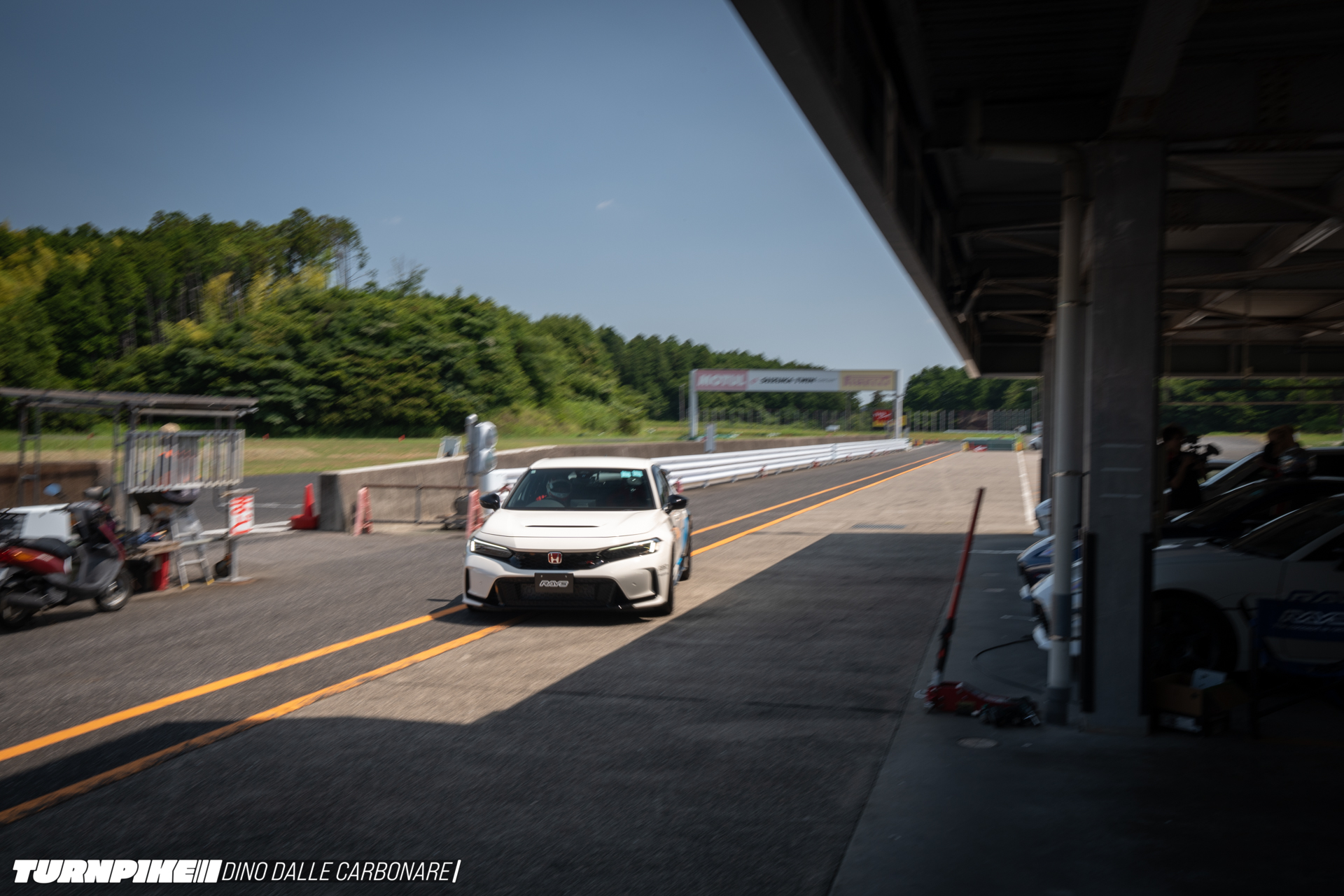
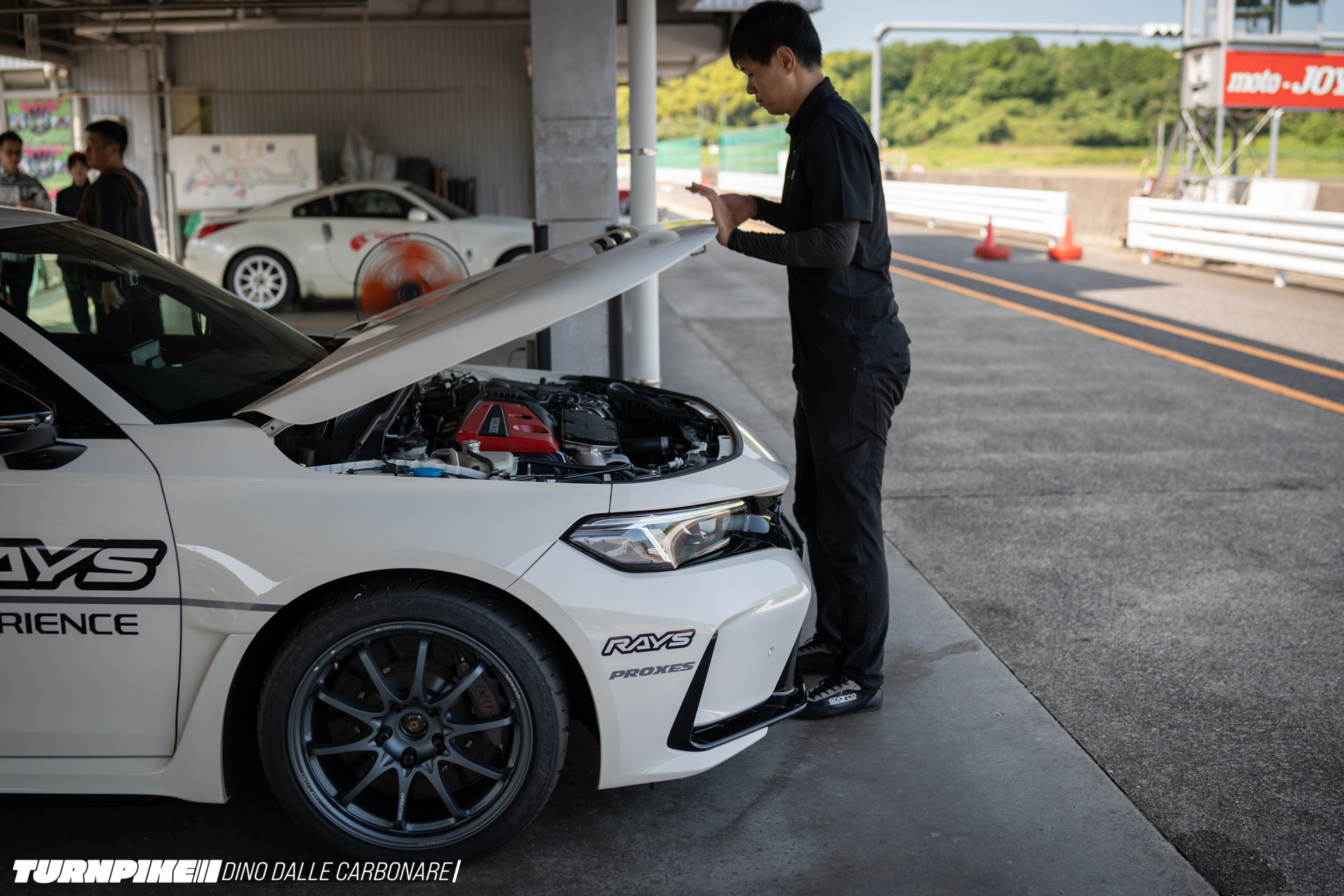
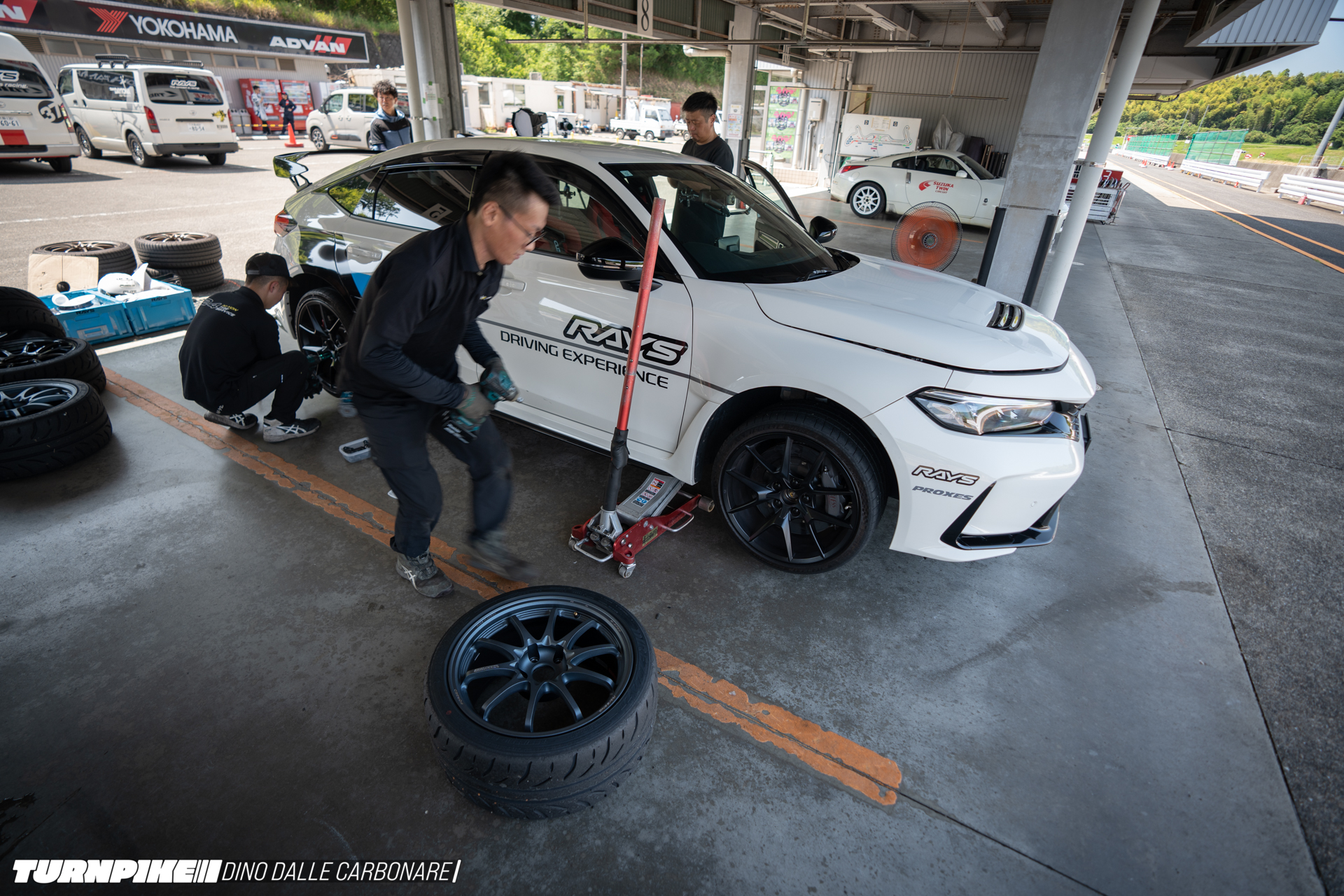
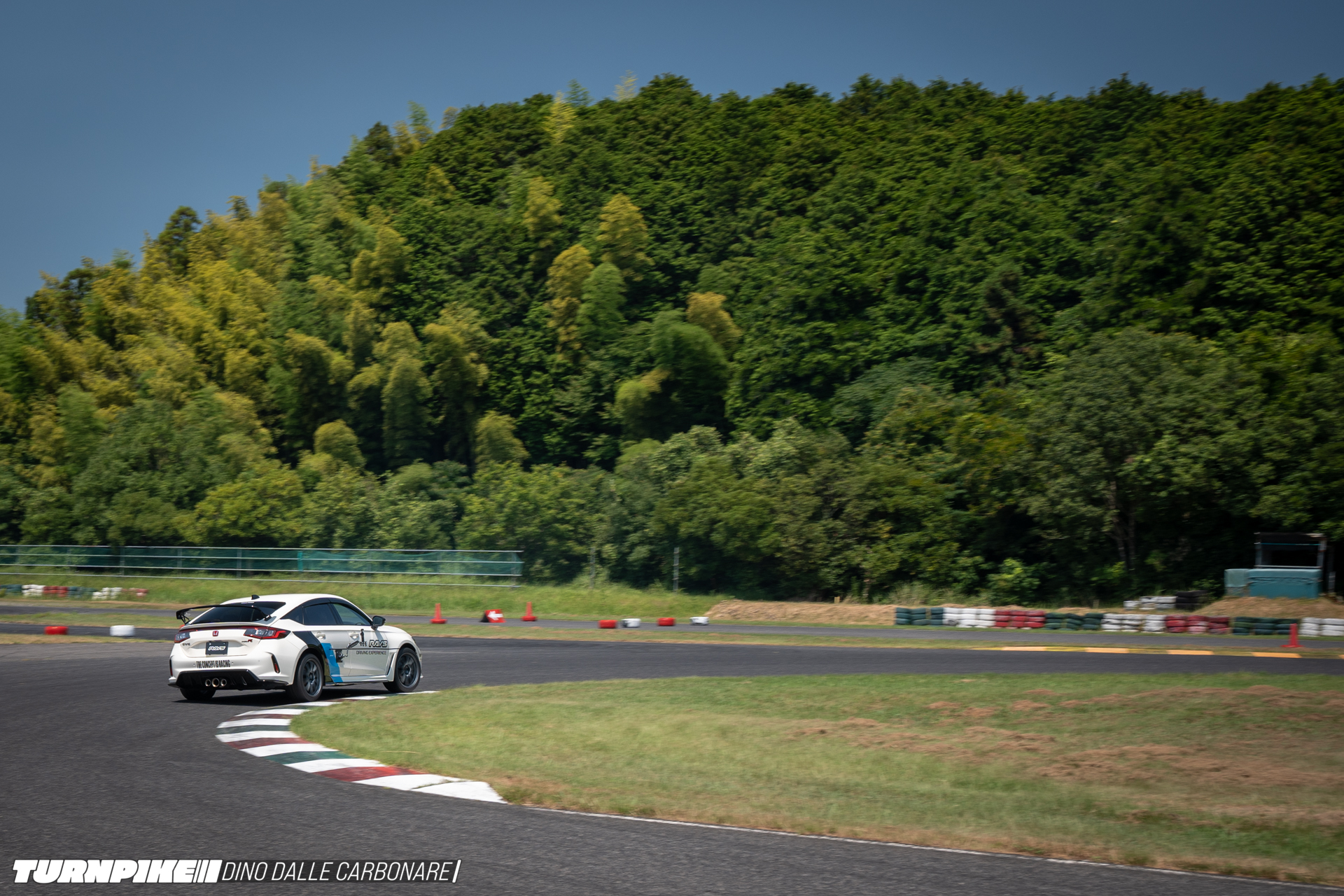
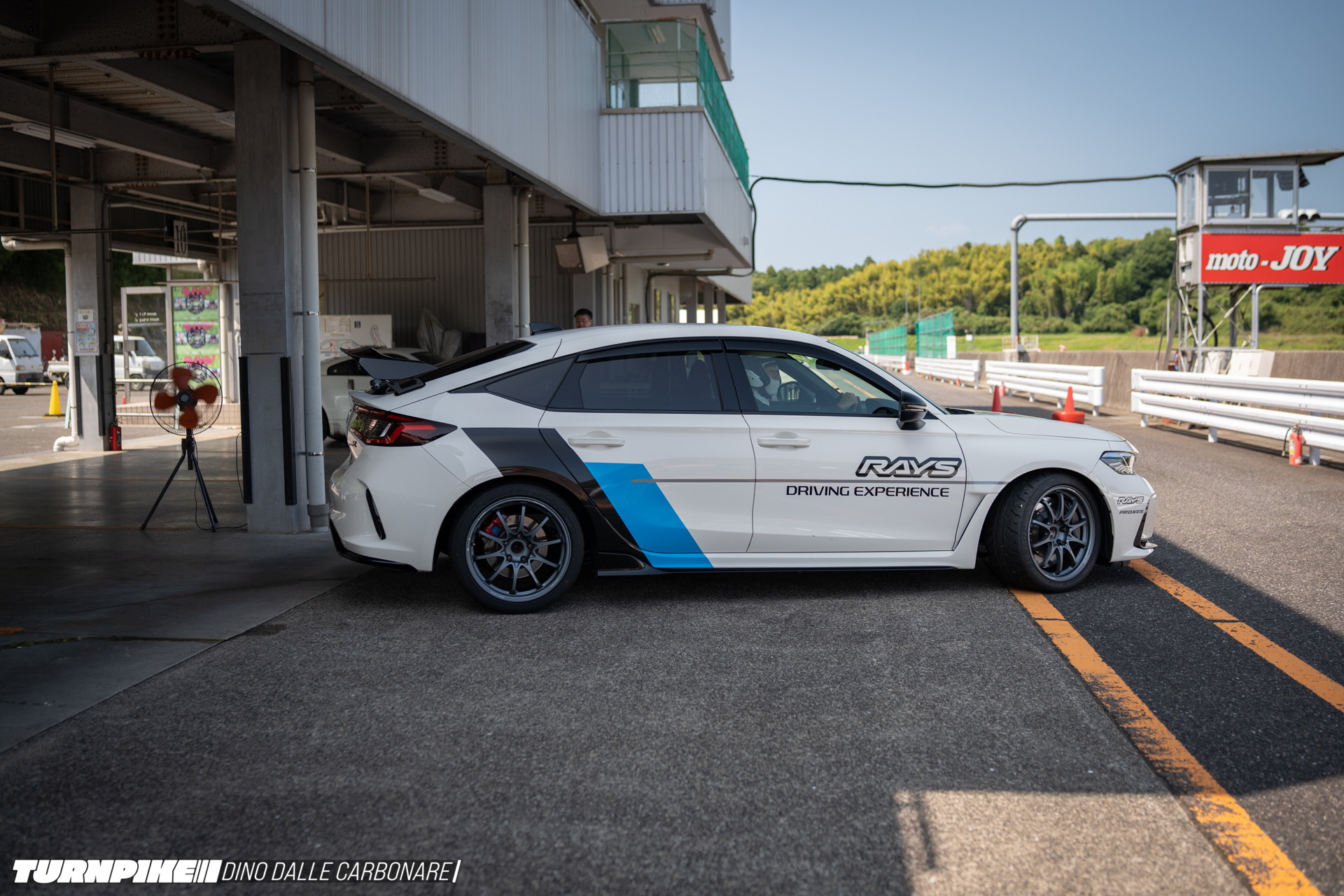
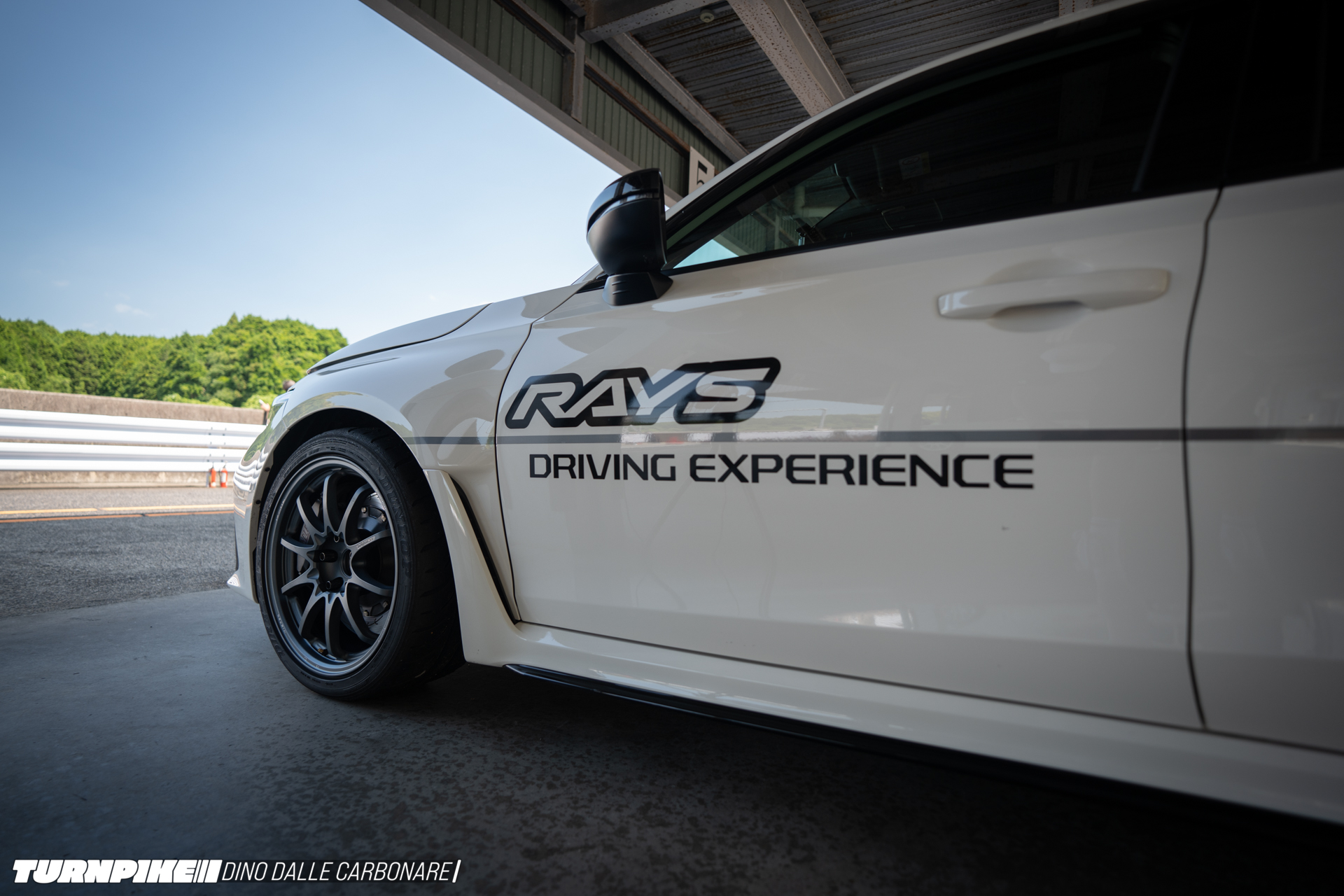
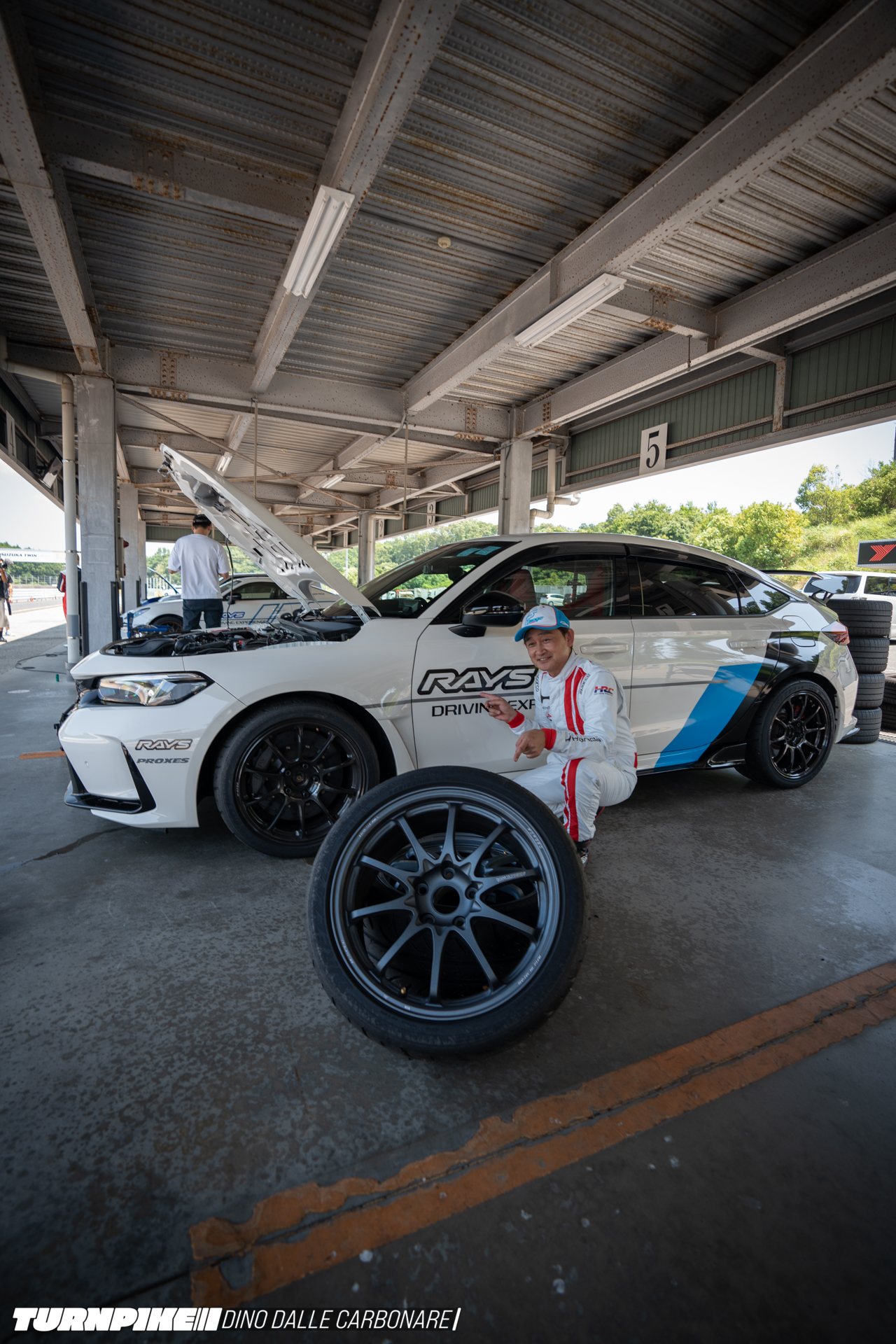
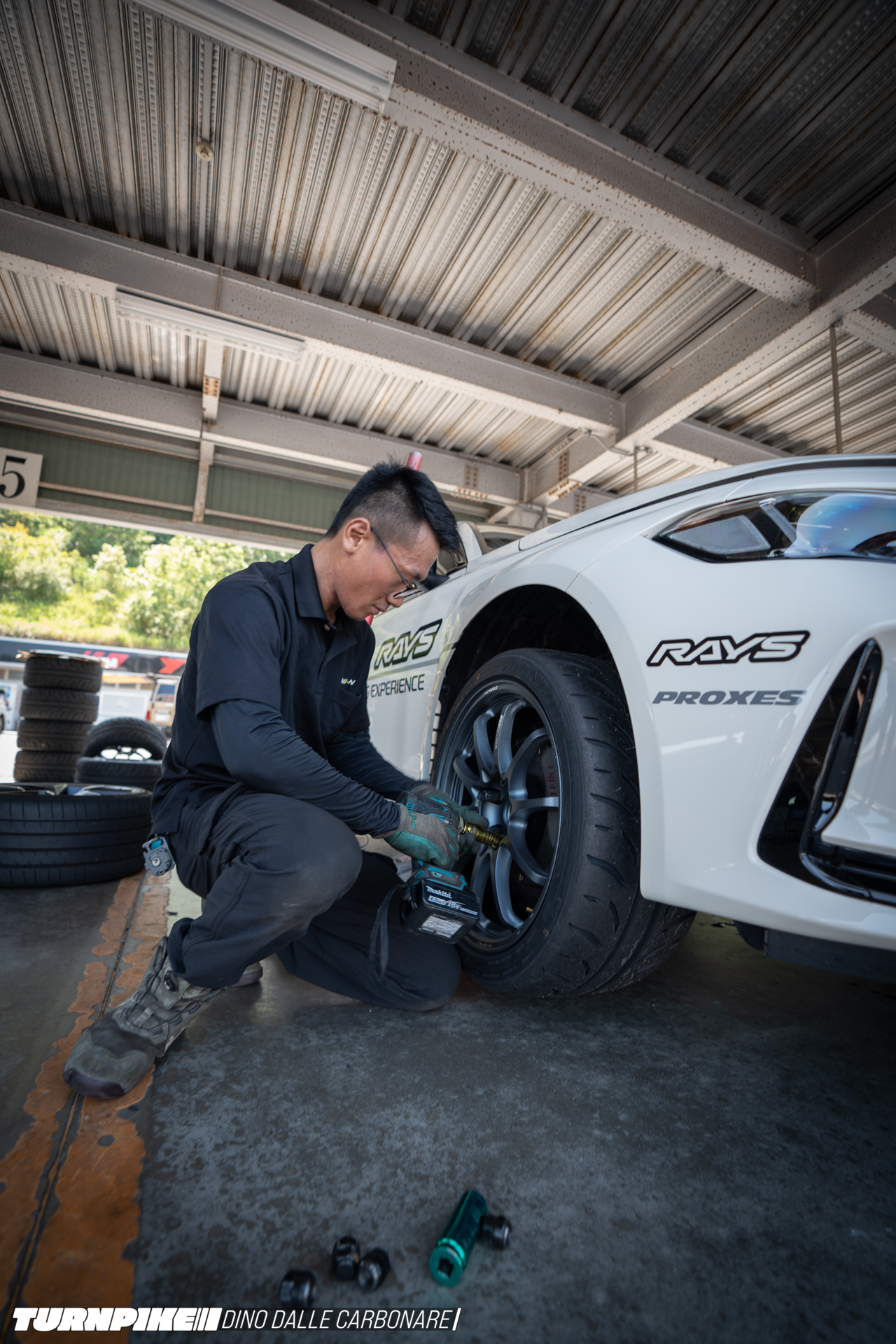
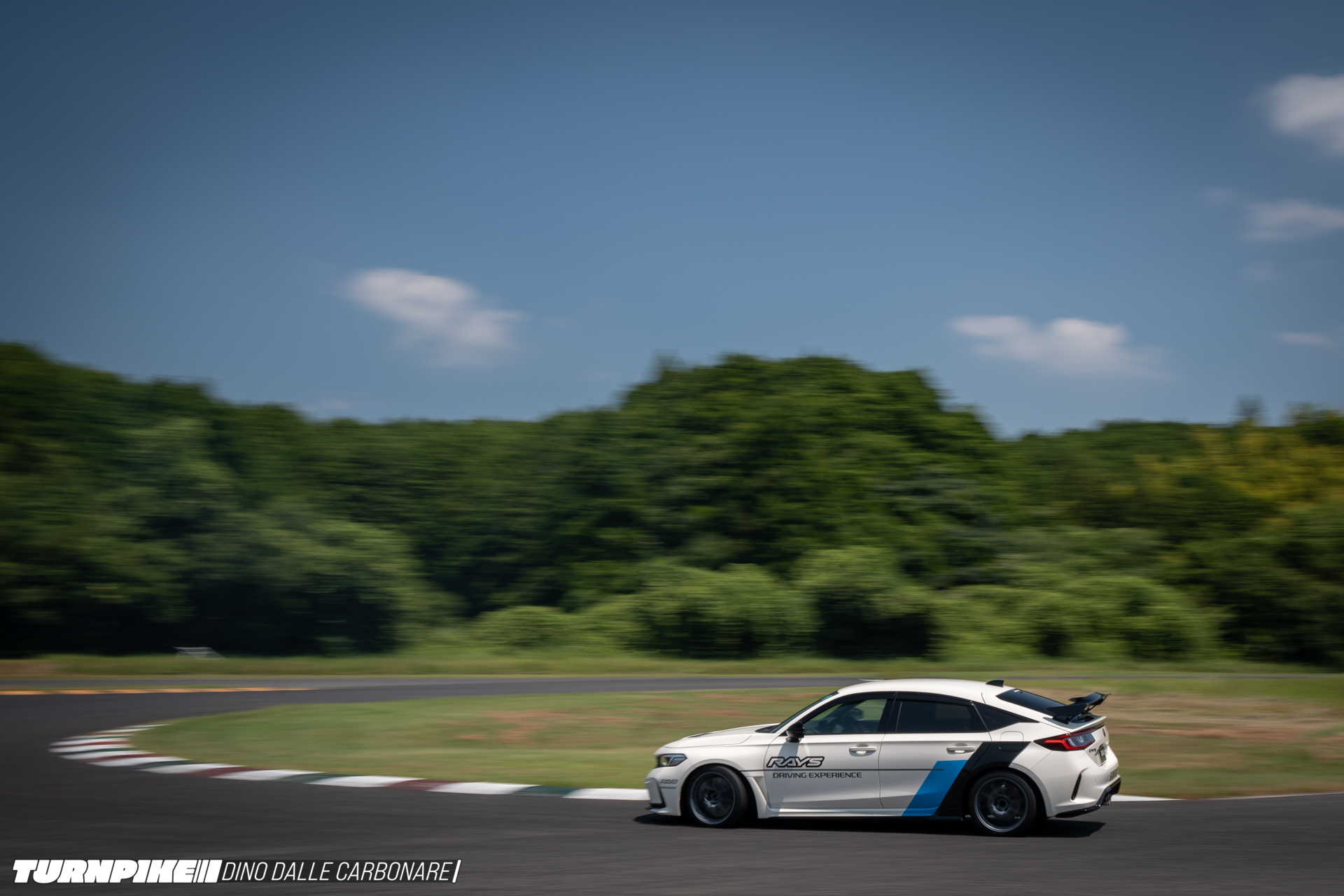
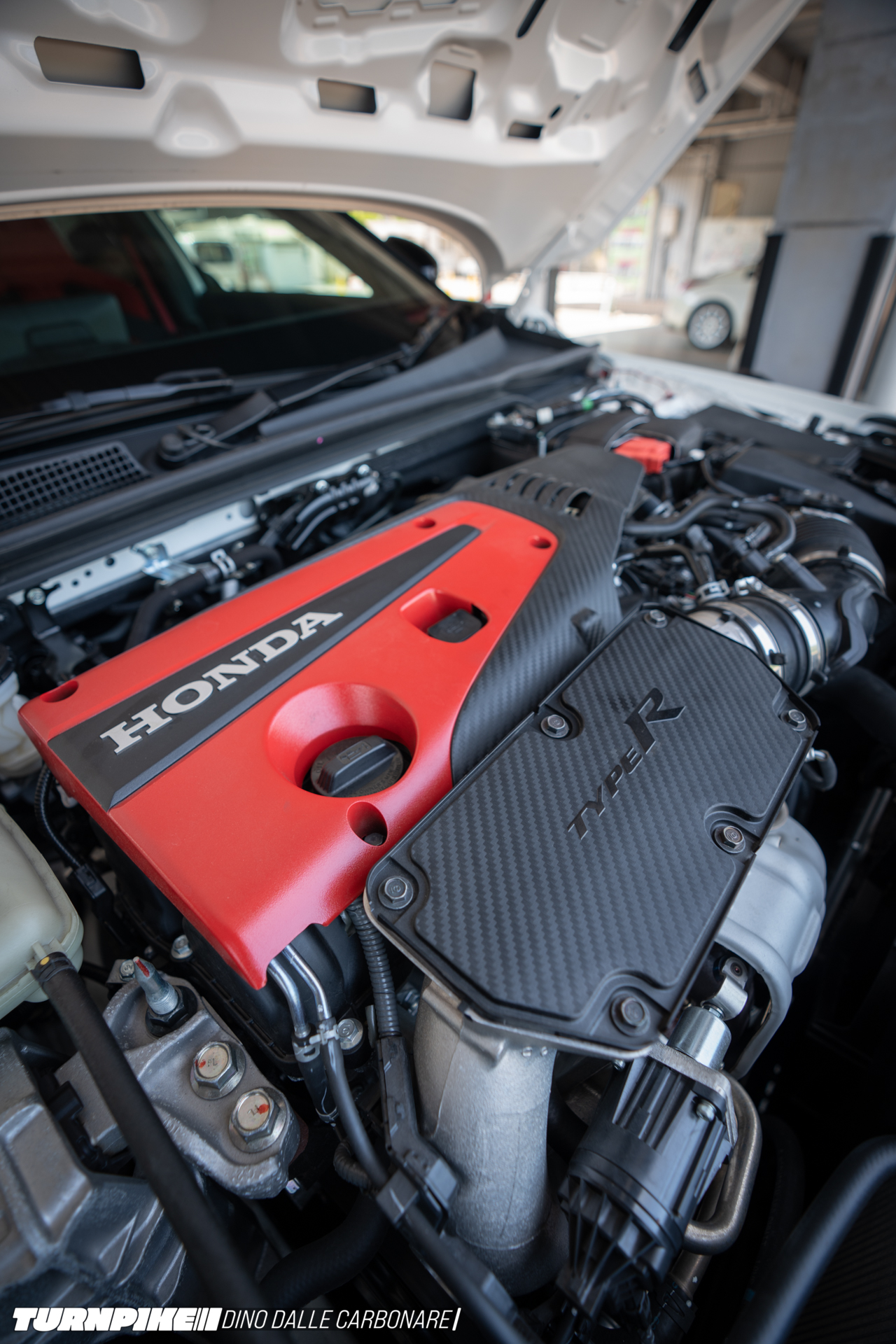
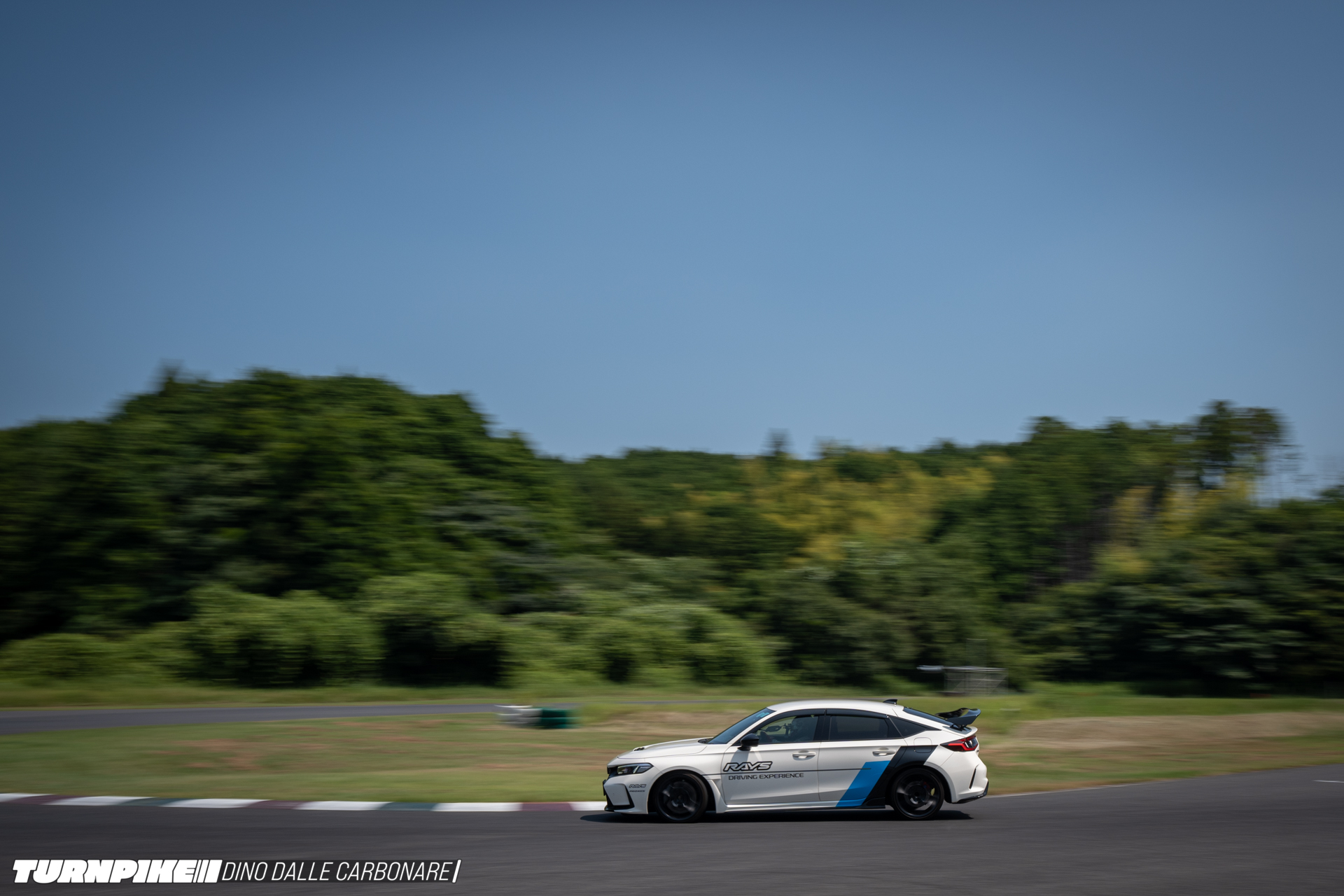
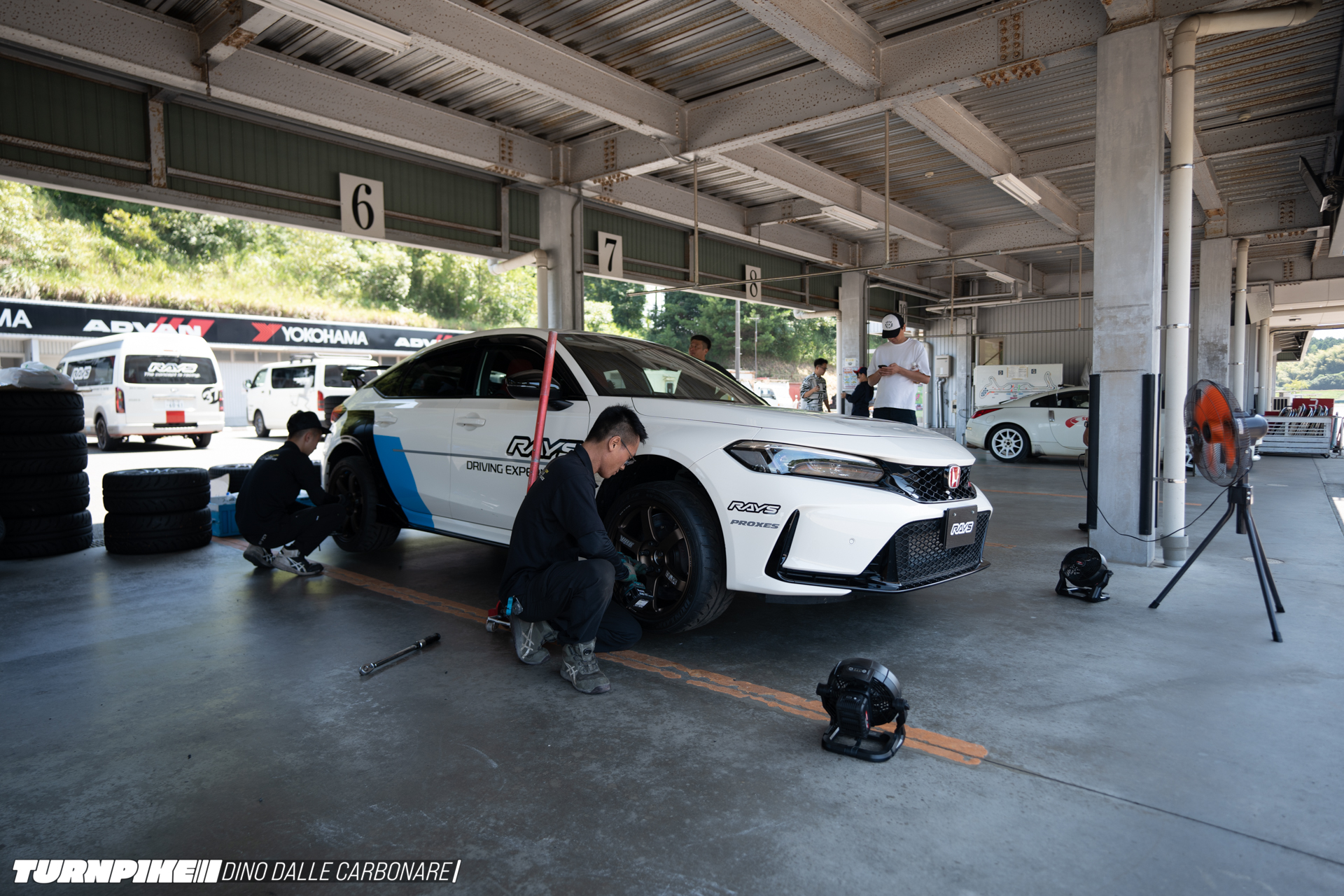
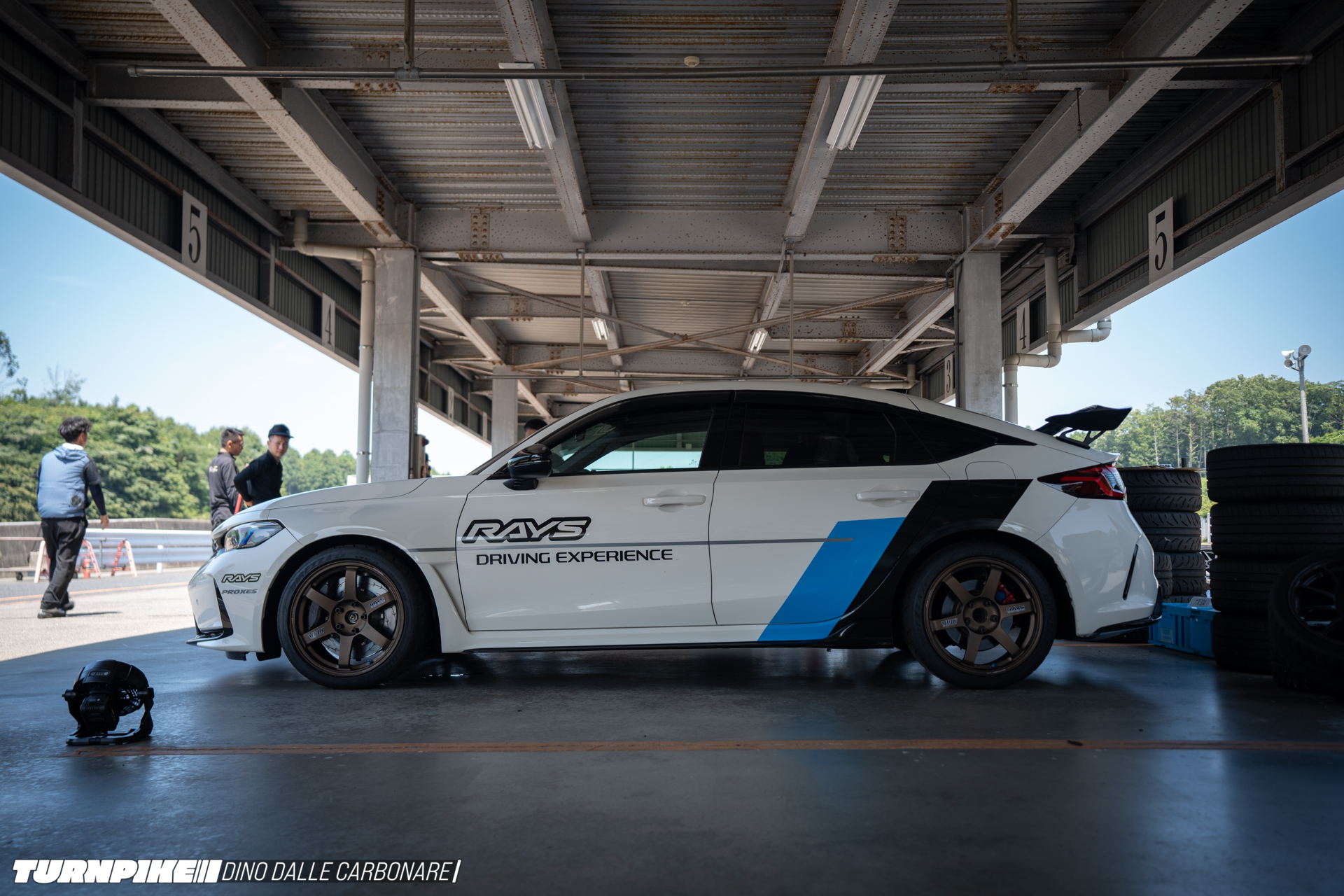
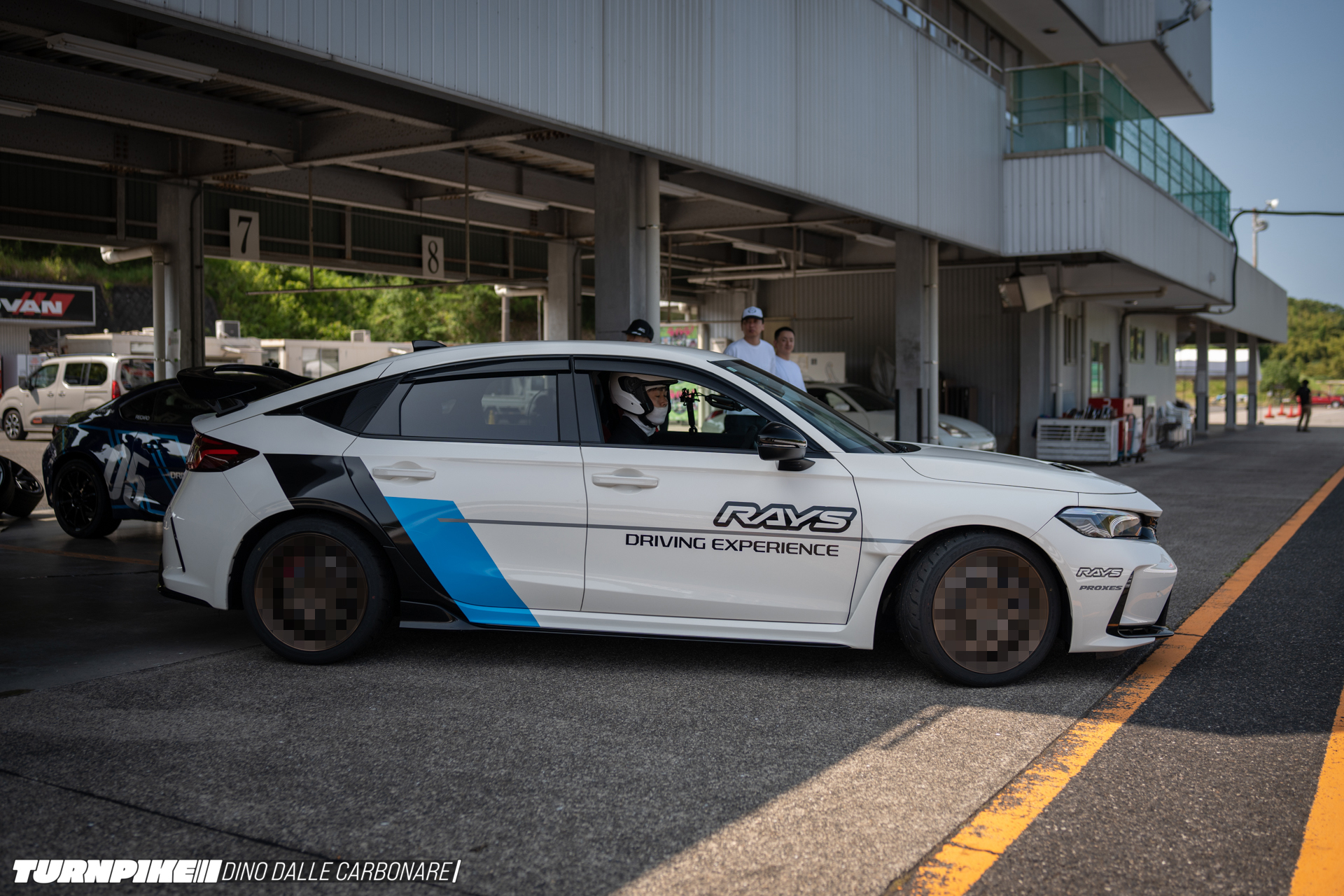
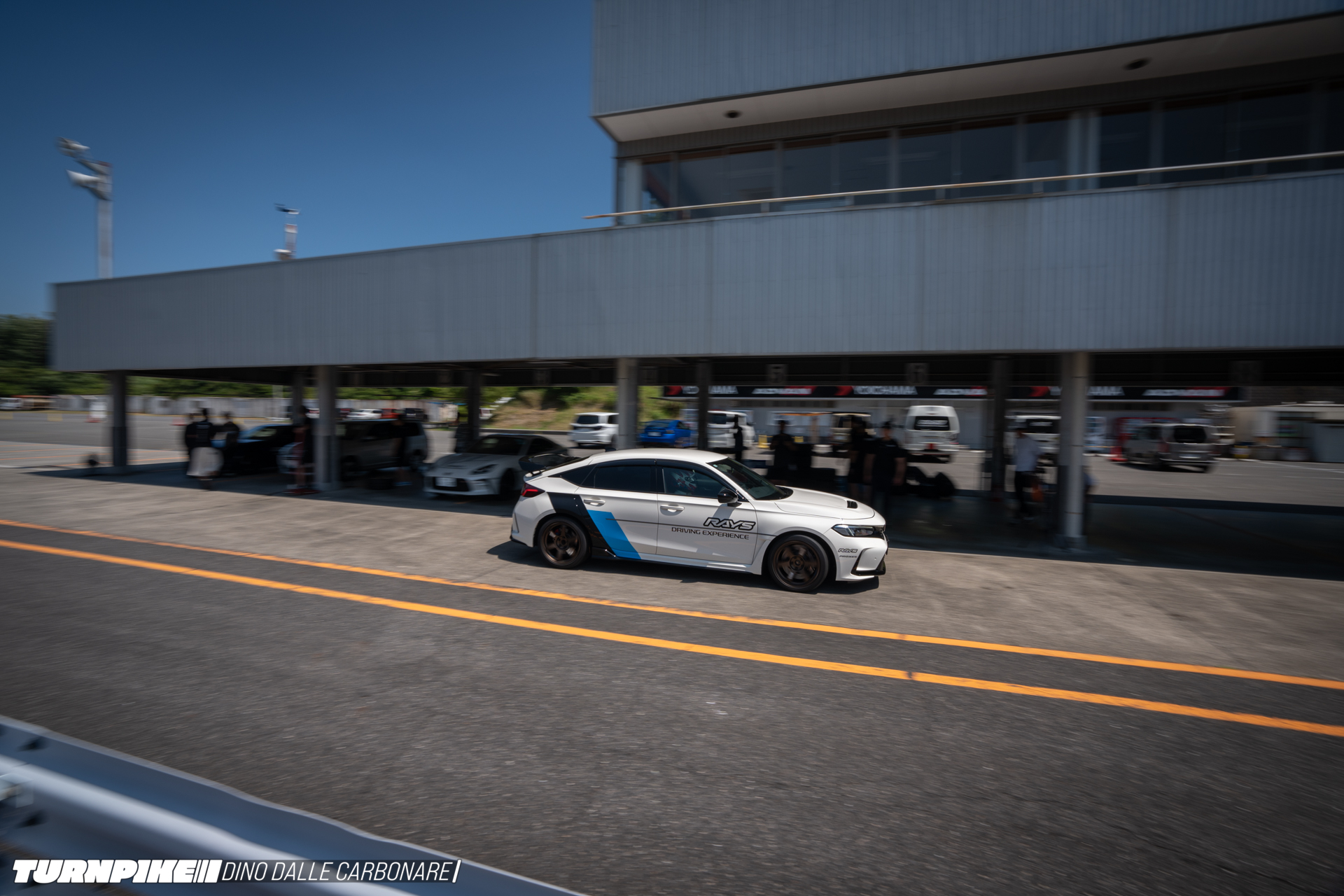
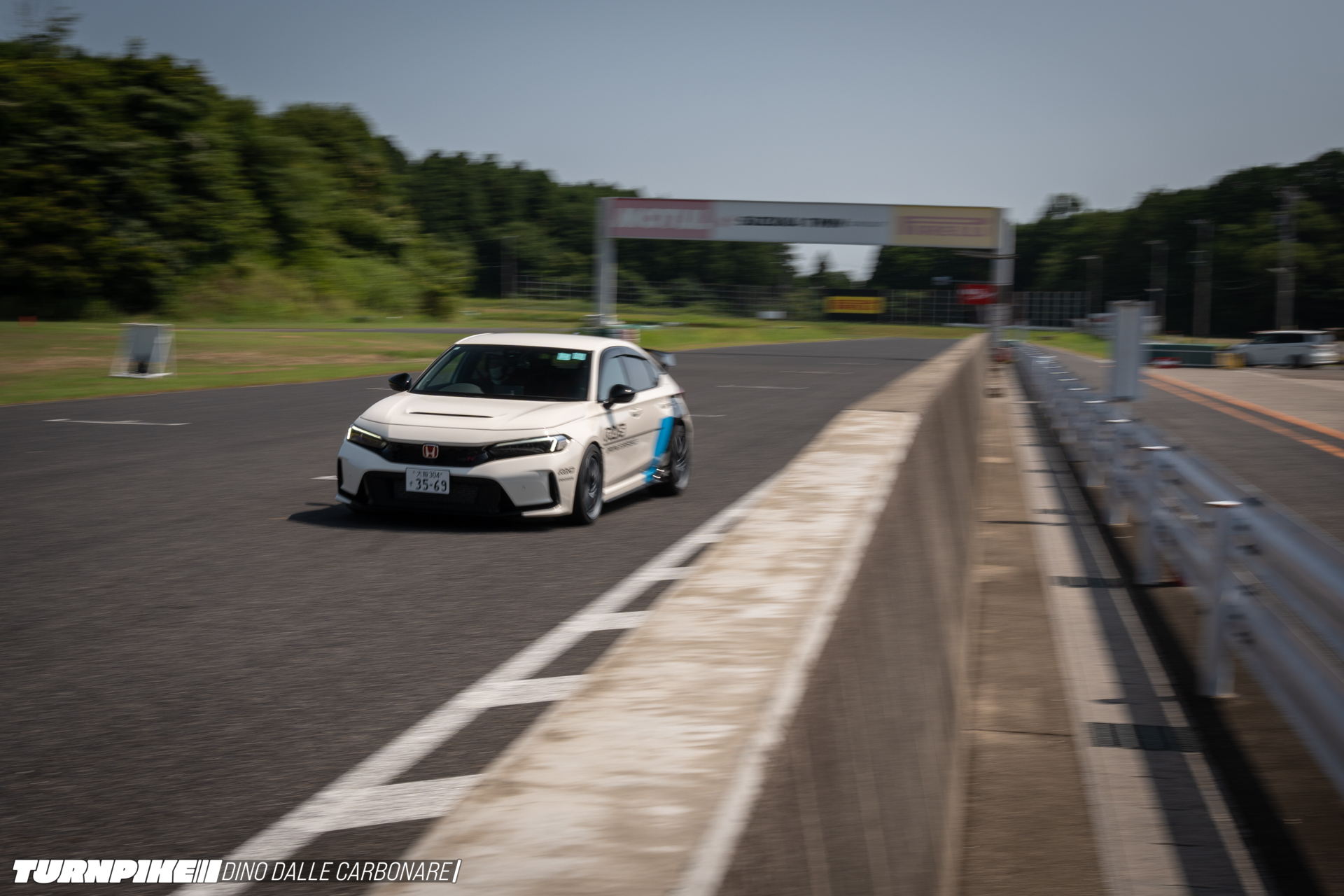
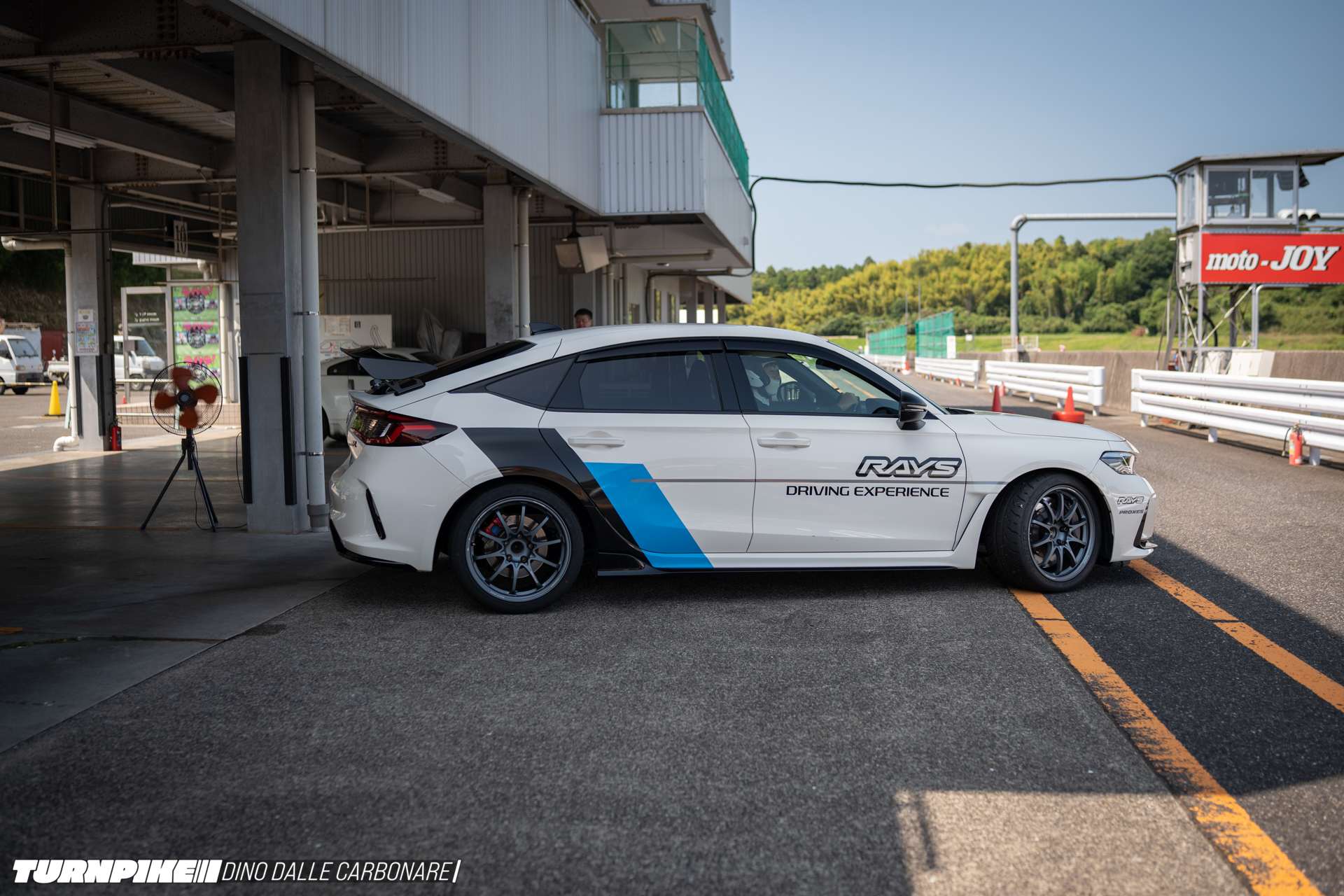
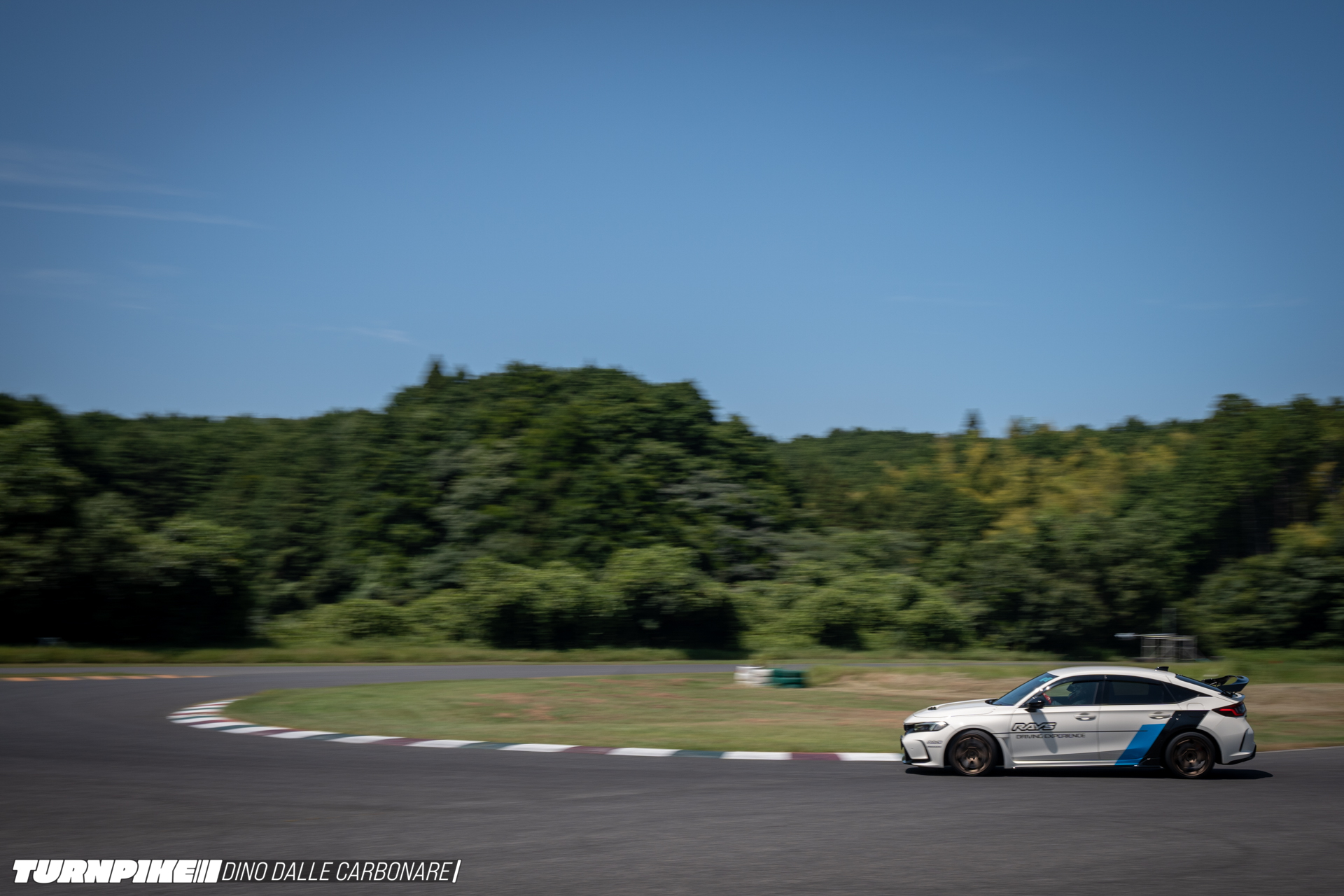
I was recently invited to attend a RAYS Driving Experience test day at the small Suzuka Twin Circuit, about 20 minutes’ drive from Suzuka’s main F1 track. With three demo cars – a pair of Toyota GR86s and an FL5 Honda Civic Type R – as well as two seasoned professional drivers, the idea was to get an honest opinion on how three of RAYS’ top-selling wheels actually feel and impact handling.
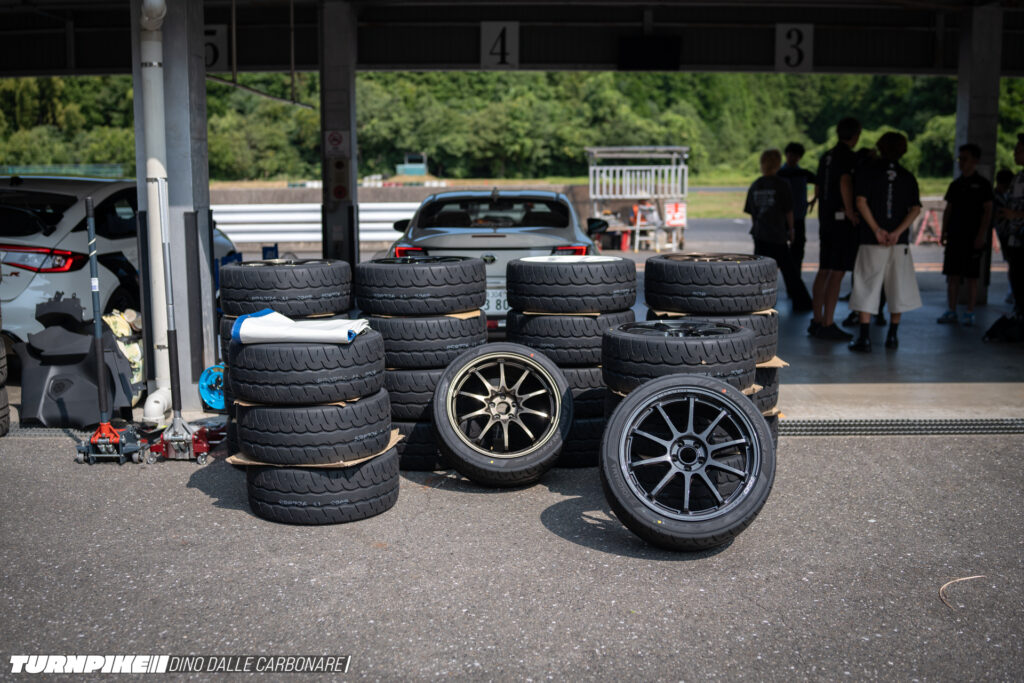
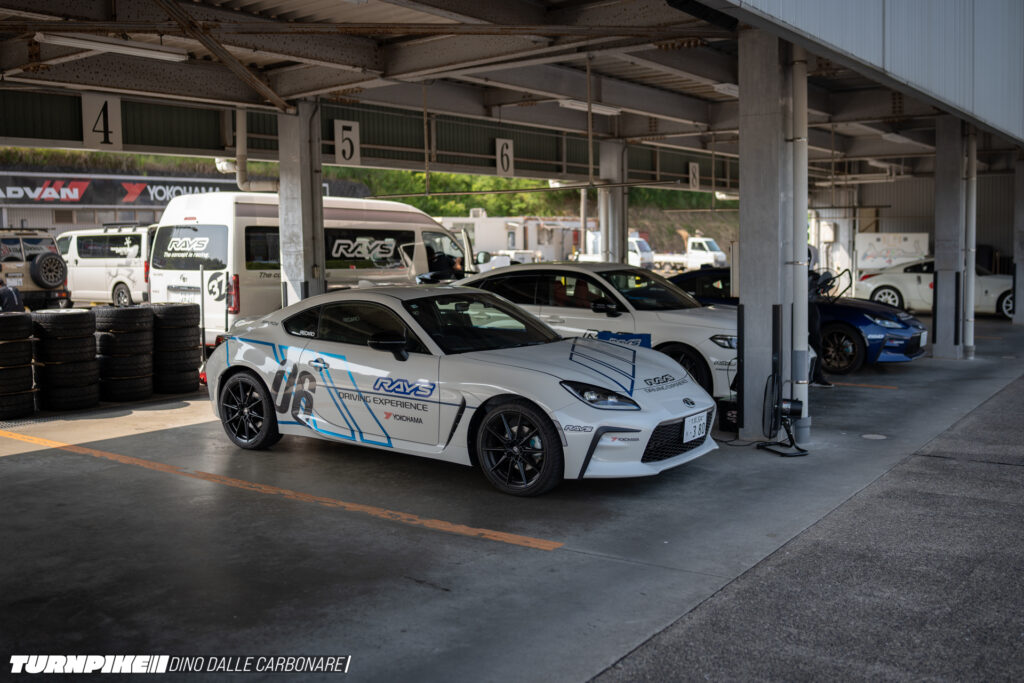
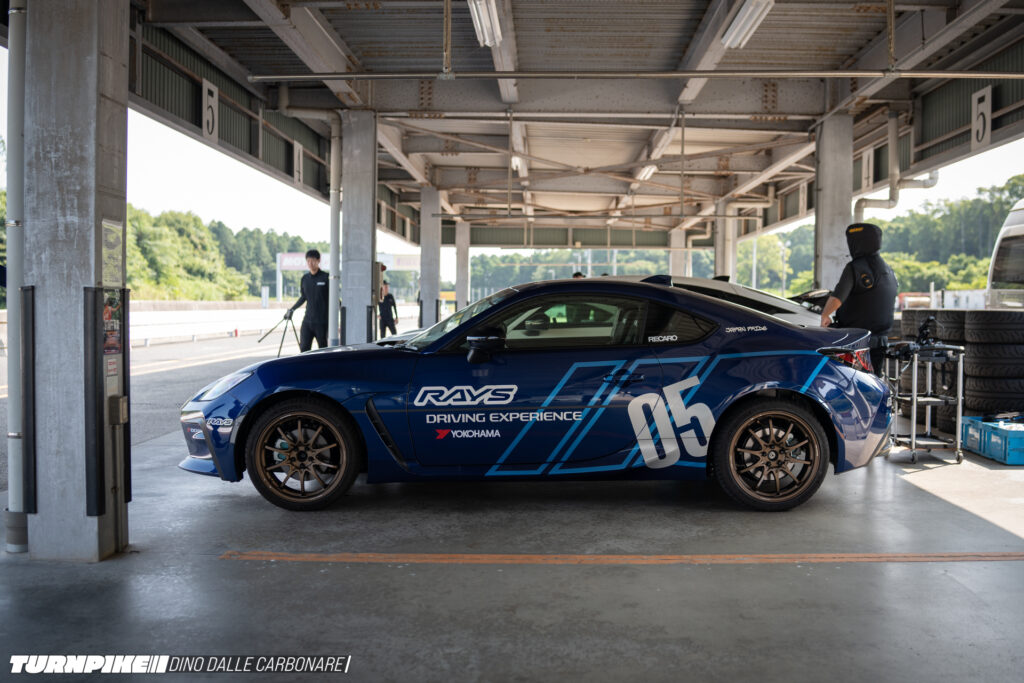
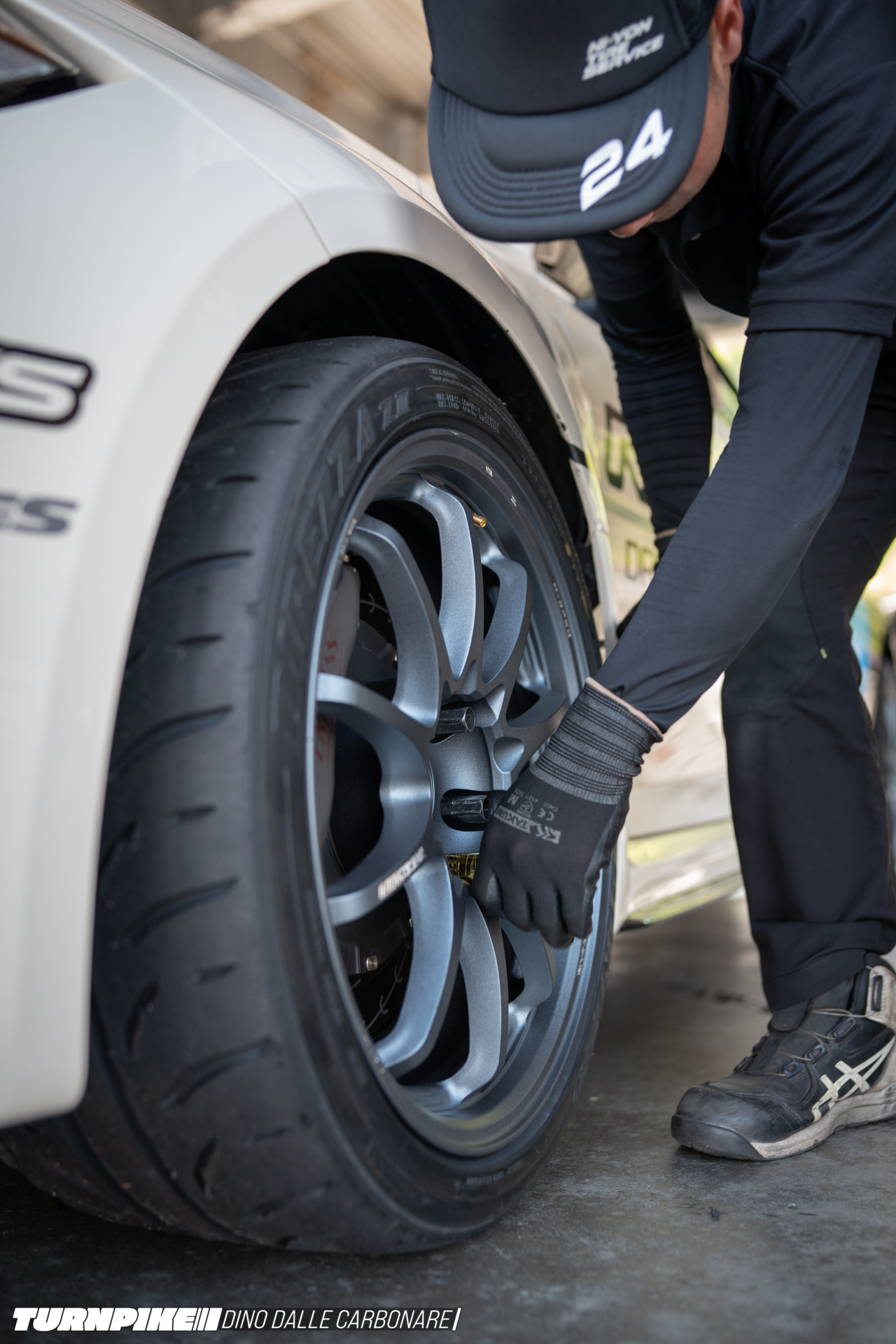
While many might be skeptical that most drivers can perceive a difference when swapping out wheels, RAYS knows the effects are totally quantifiable. After all, the company has produced wheels for five decades and has always kept metallurgy and the technical aspects of design and production at the core of its ethos. This is really evident in RAYS’ Volk Racing lineup, which is exactly what we’d be looking at during the track testing.
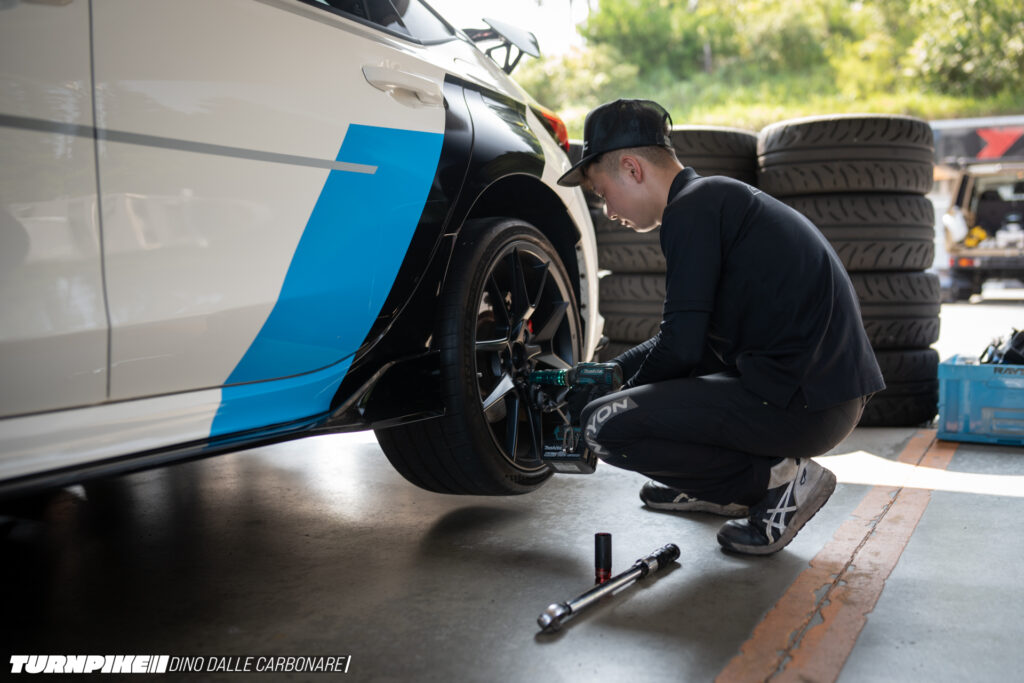
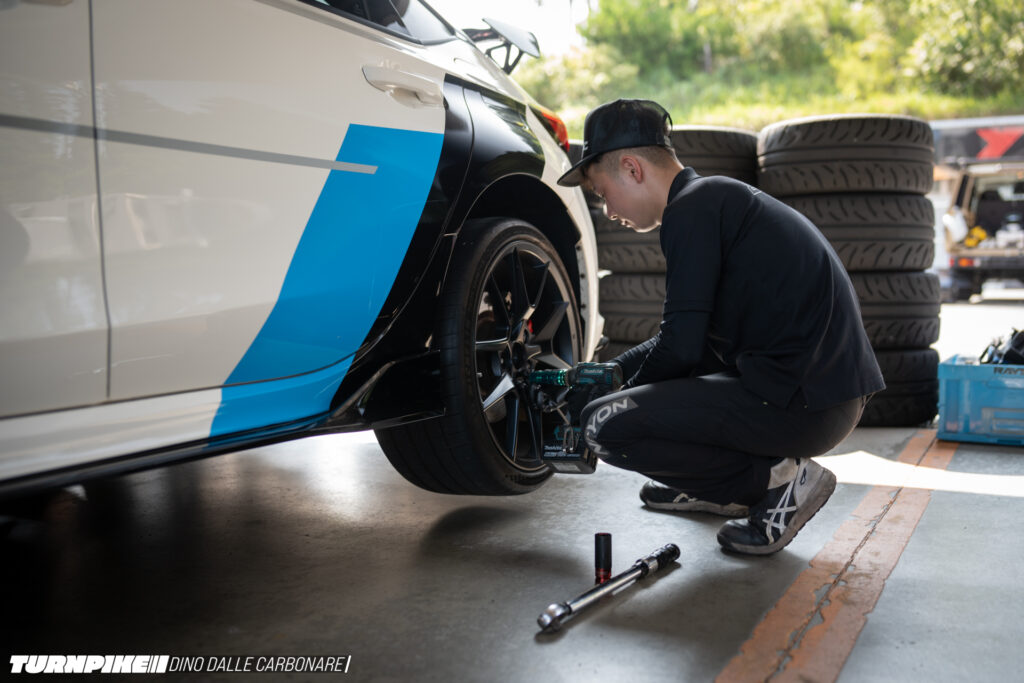
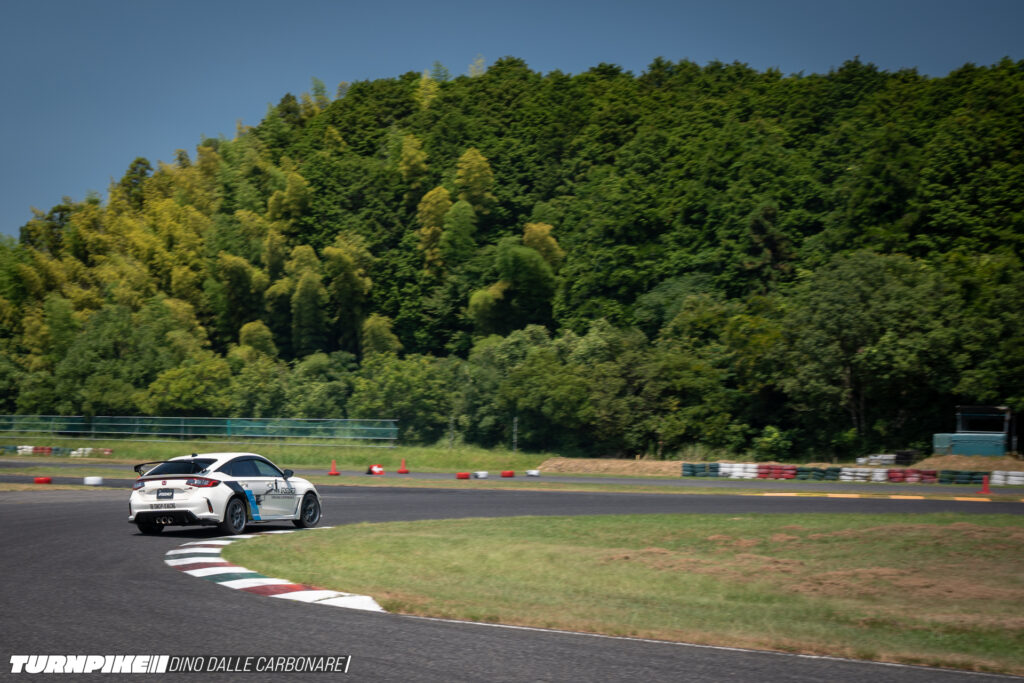
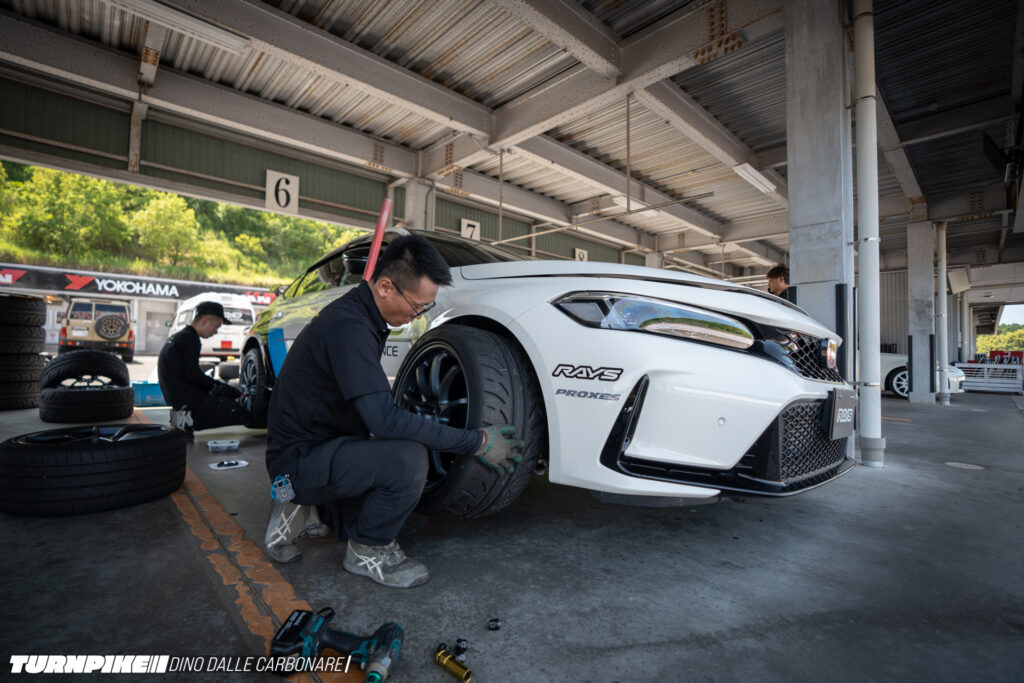
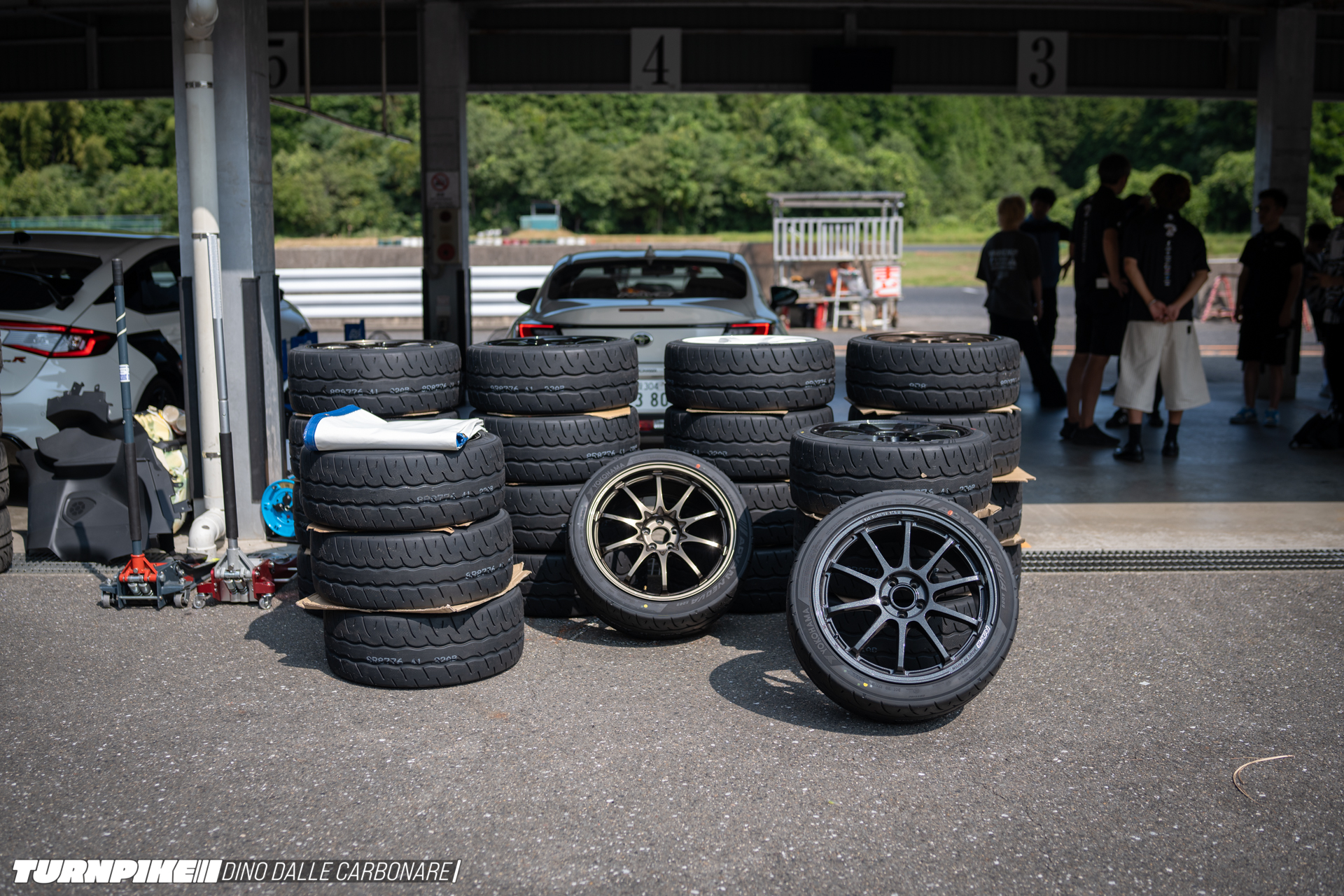
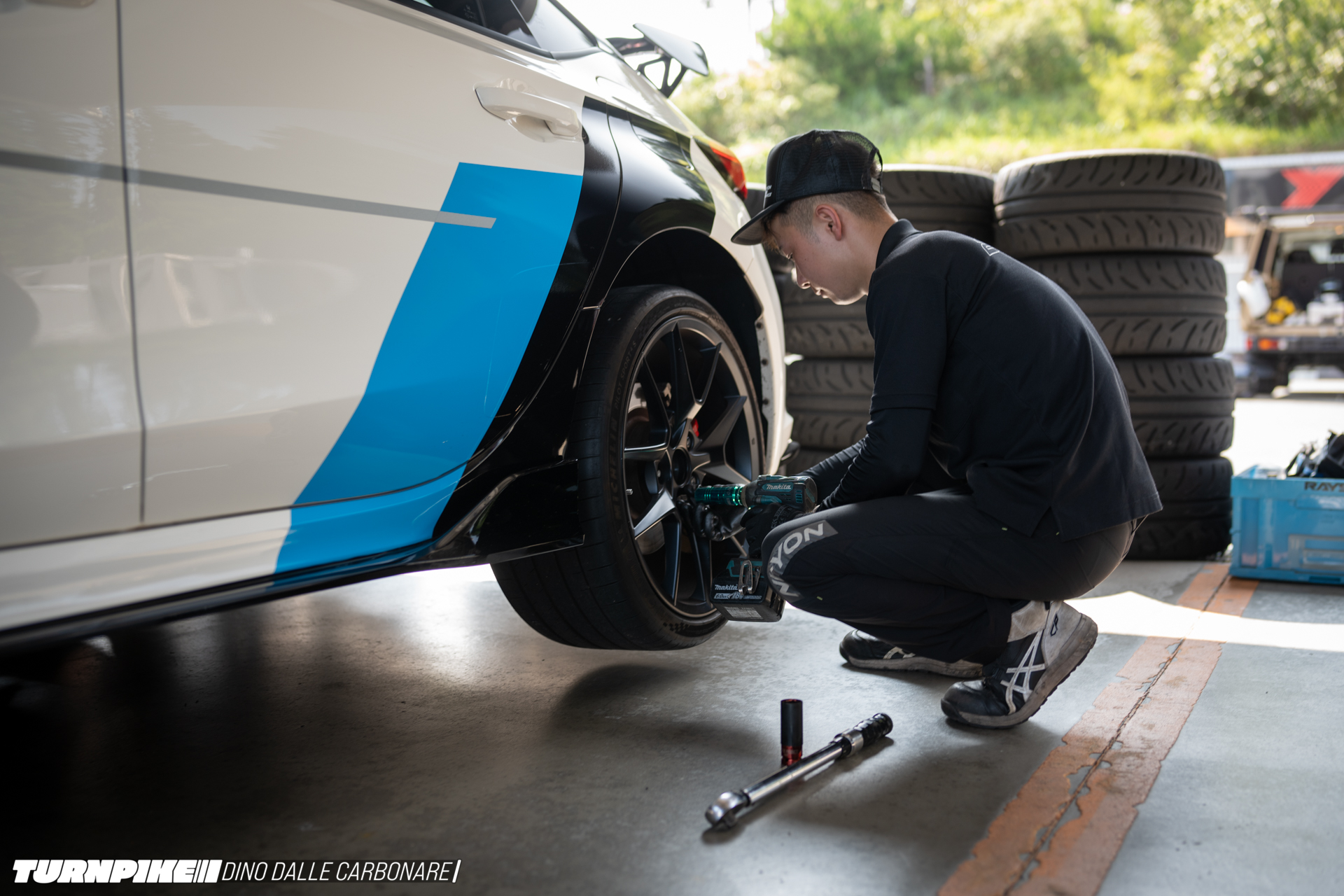
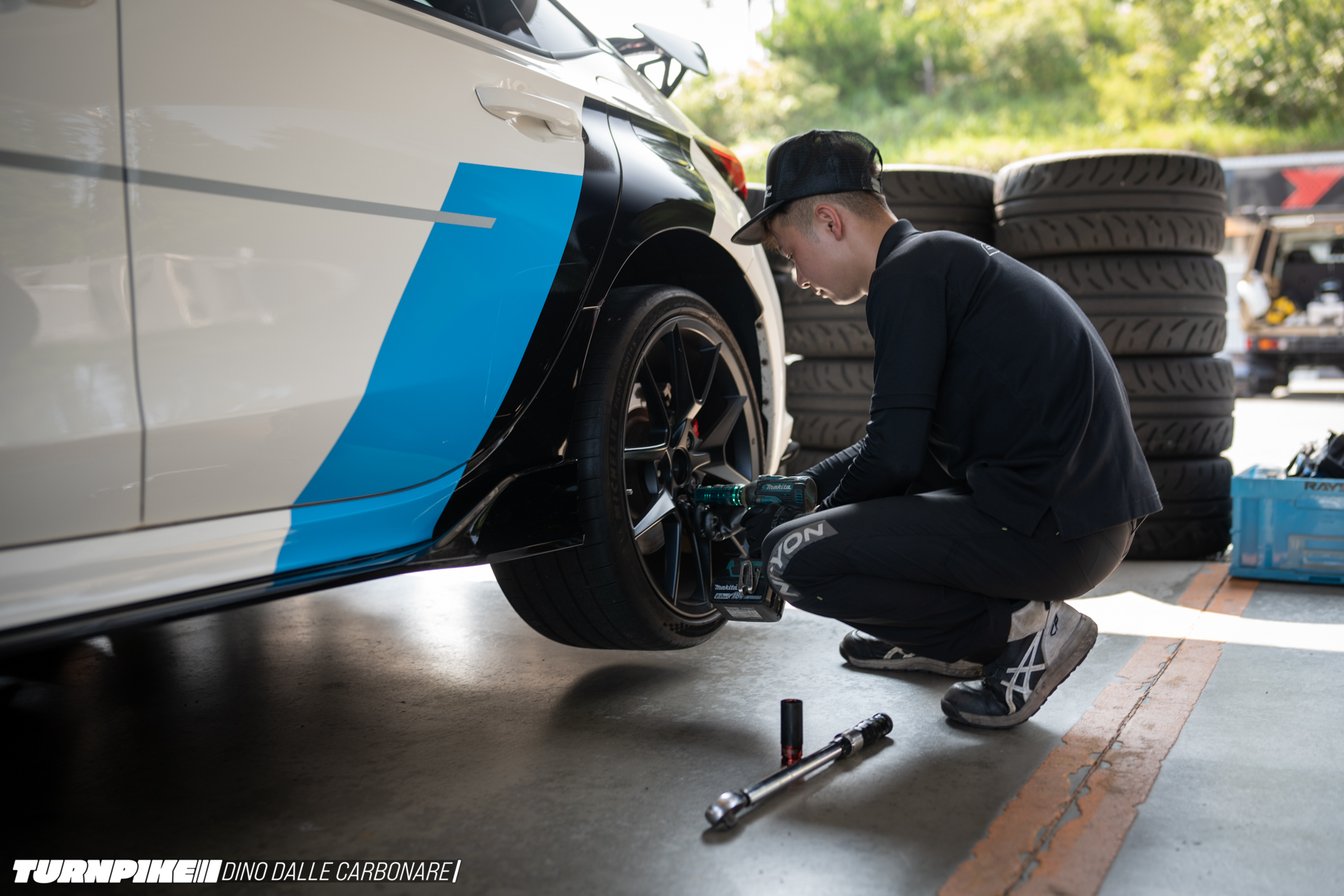
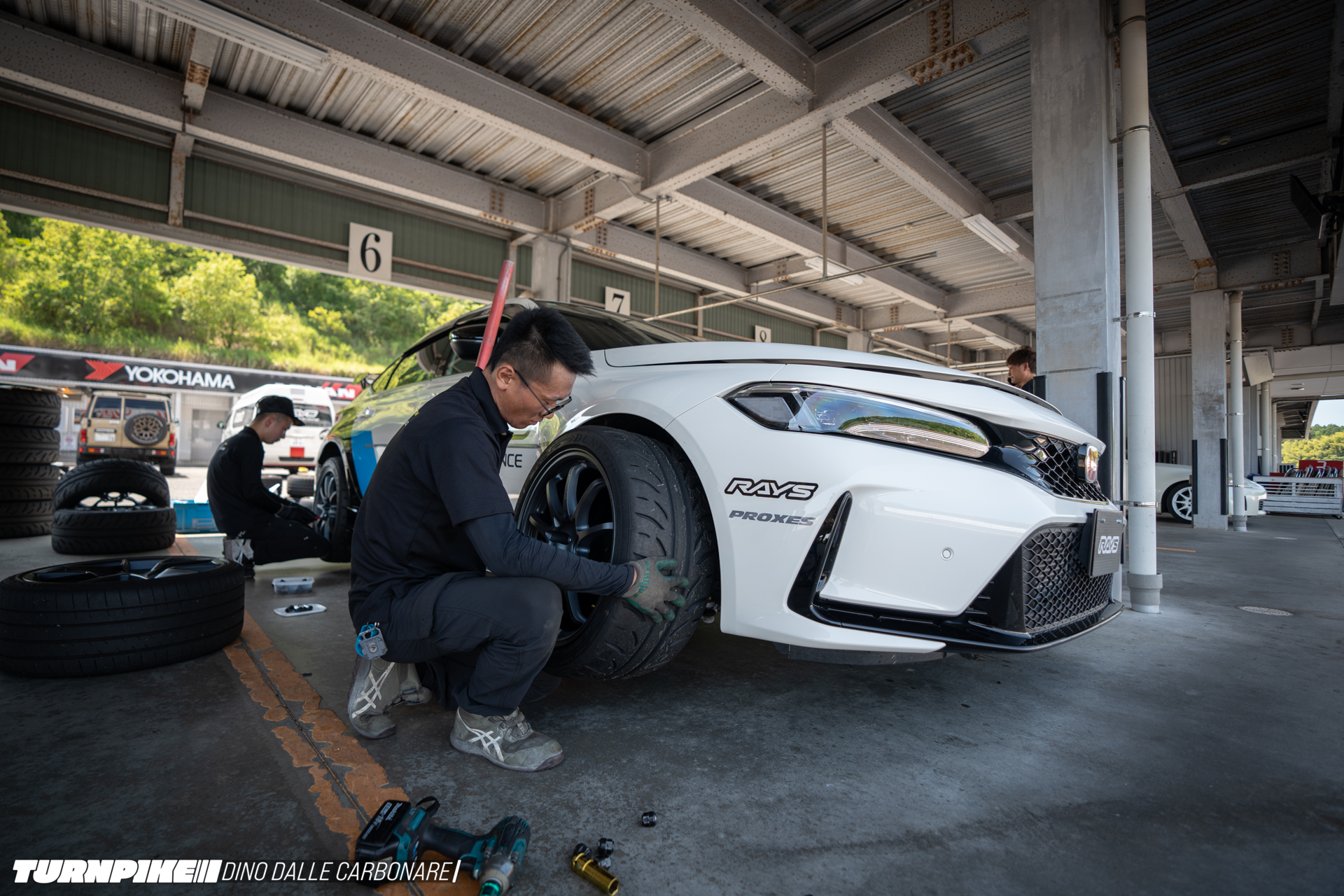
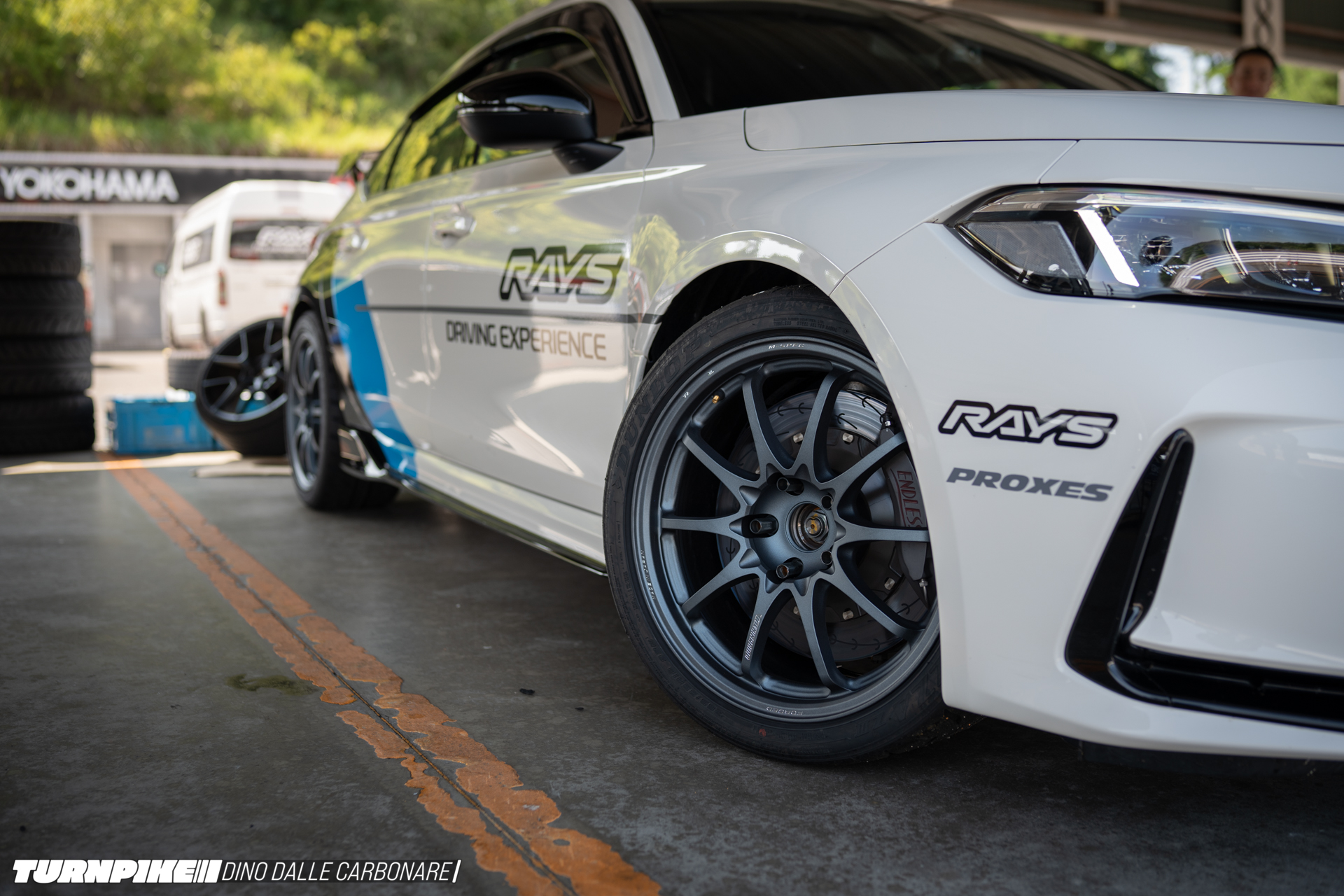
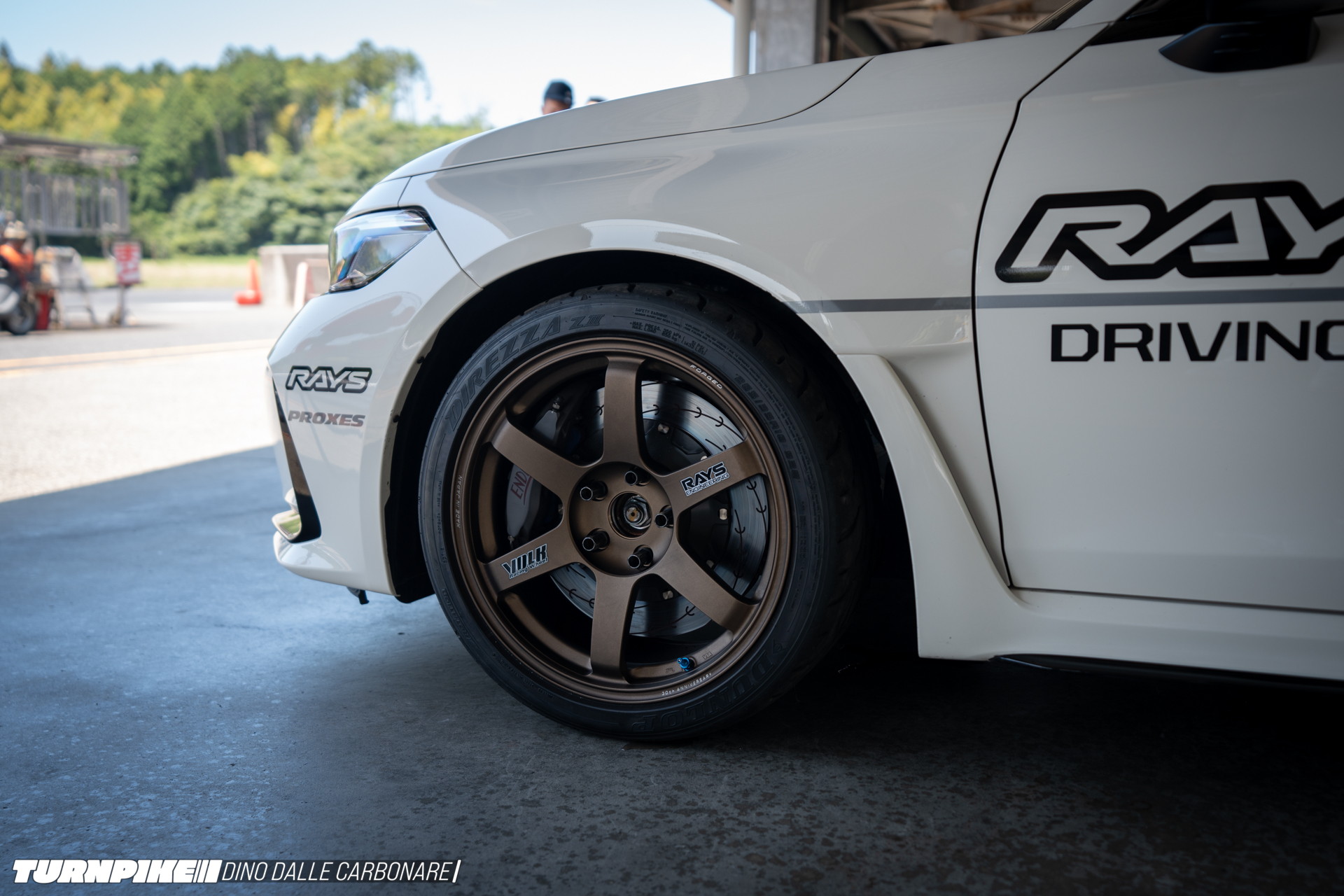
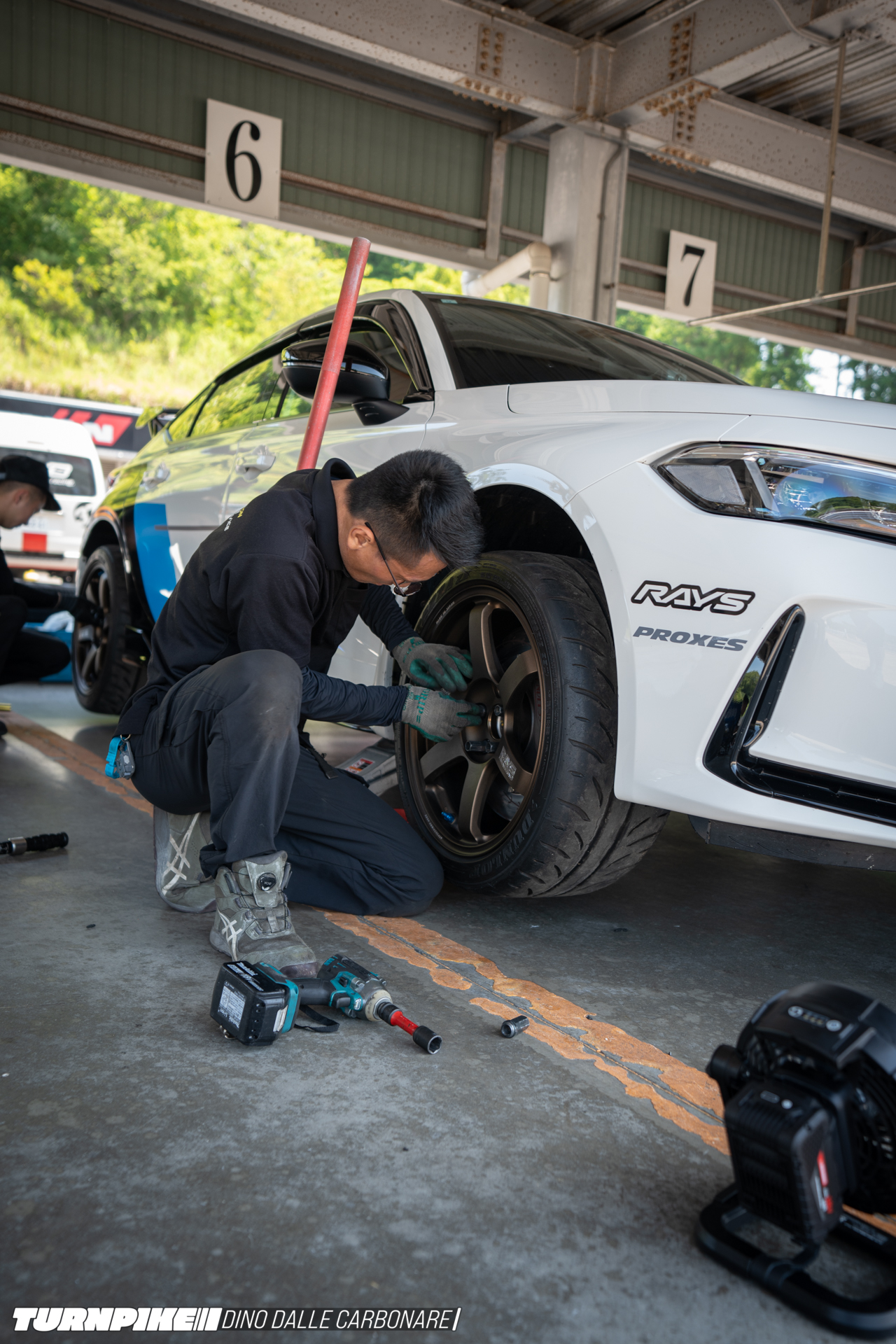
With the FL5 – the car I followed during the event – the stock wheels provided a baseline before they were swapped for CE28N-plus M-SPECs, then multi-spoke ZE40 M-SPECs, and finally a set of TE37 30th Anniversarys.
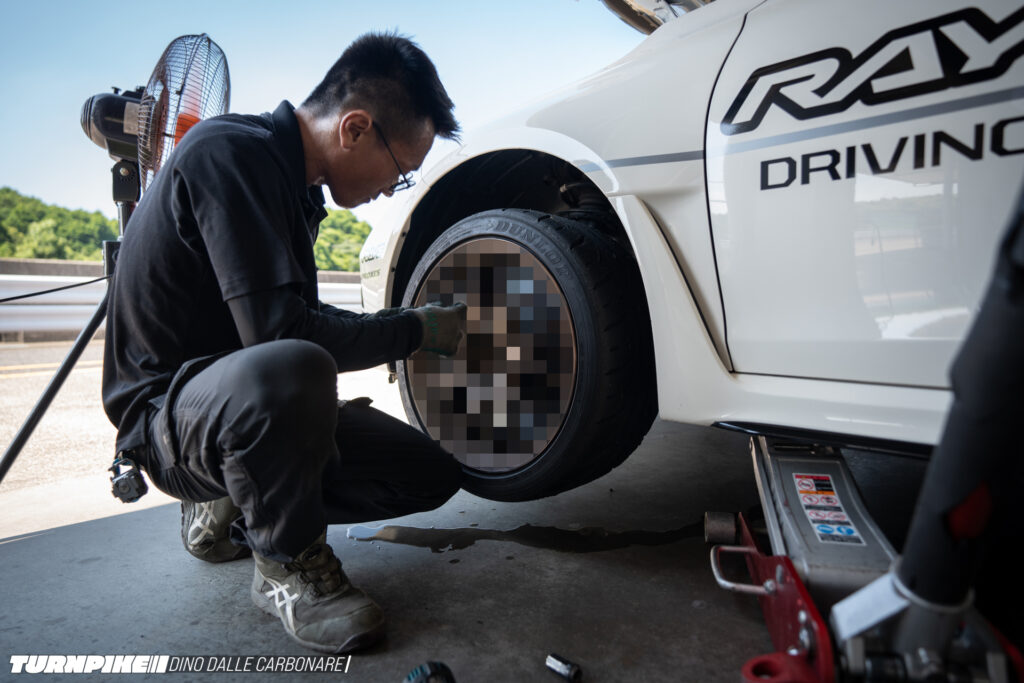
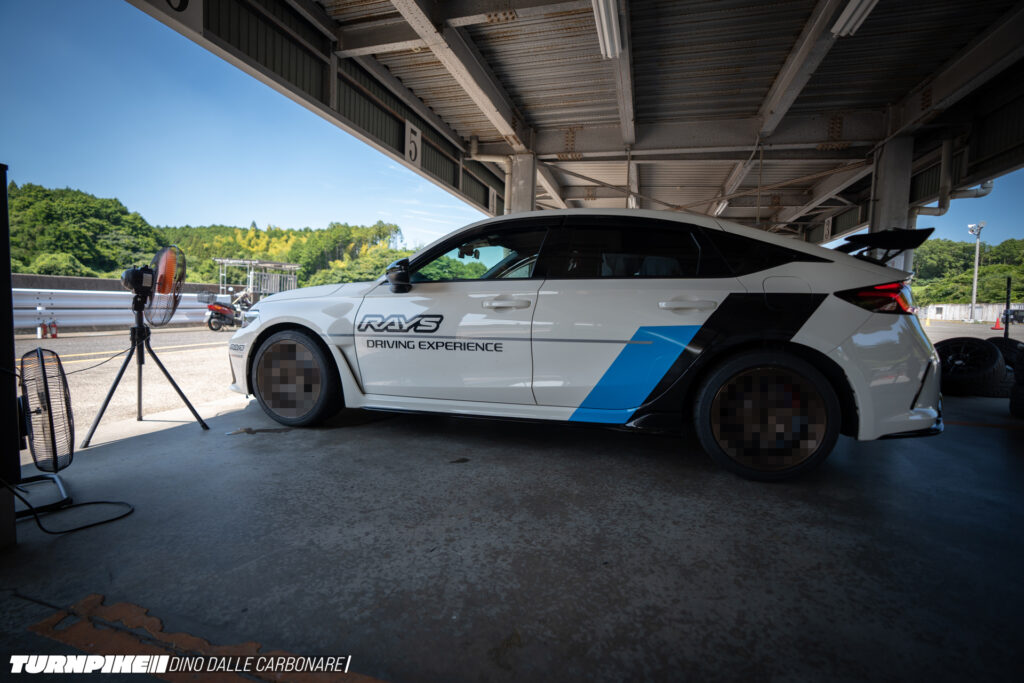
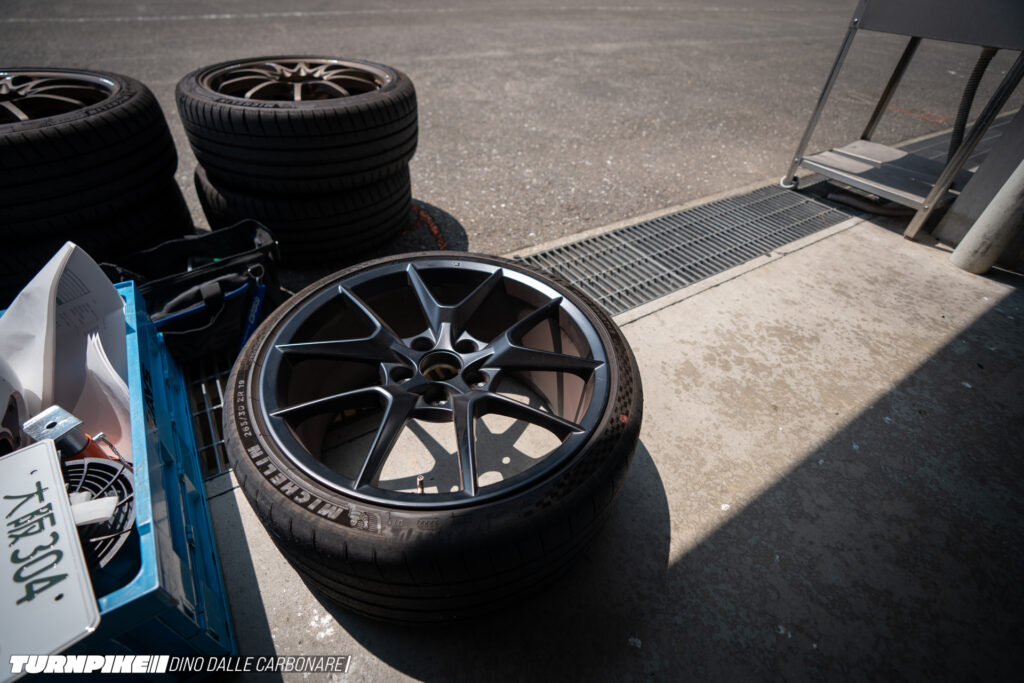
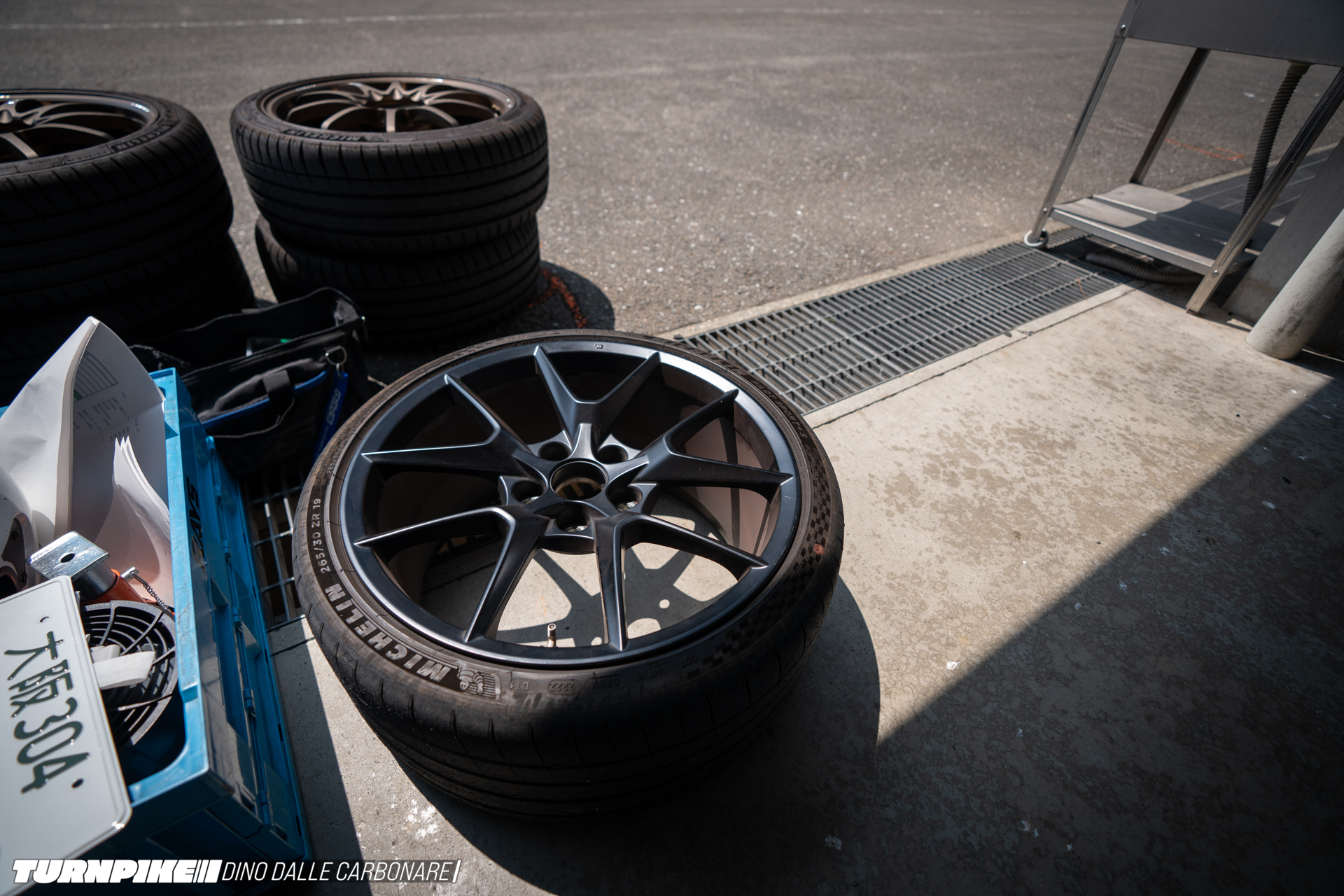
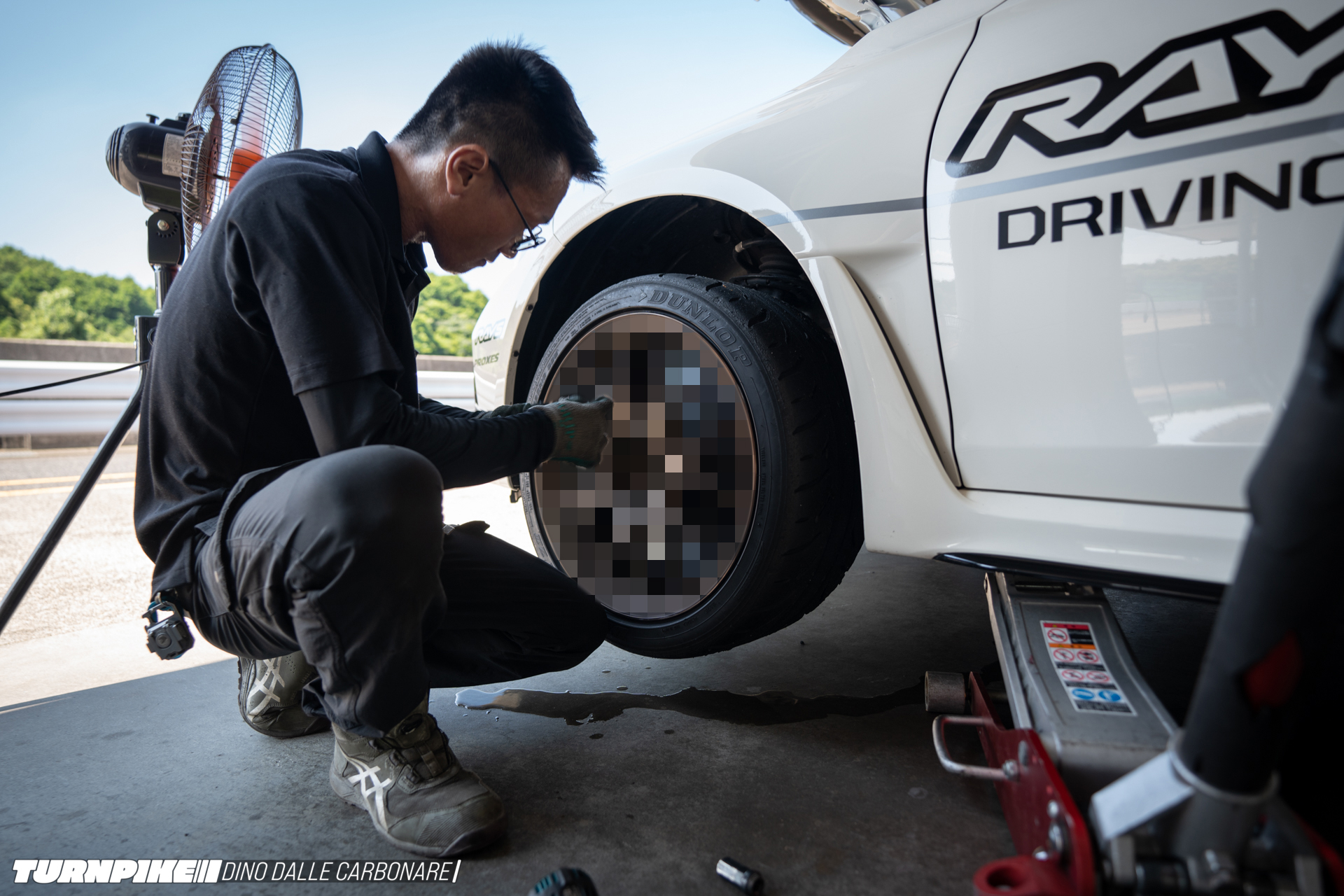
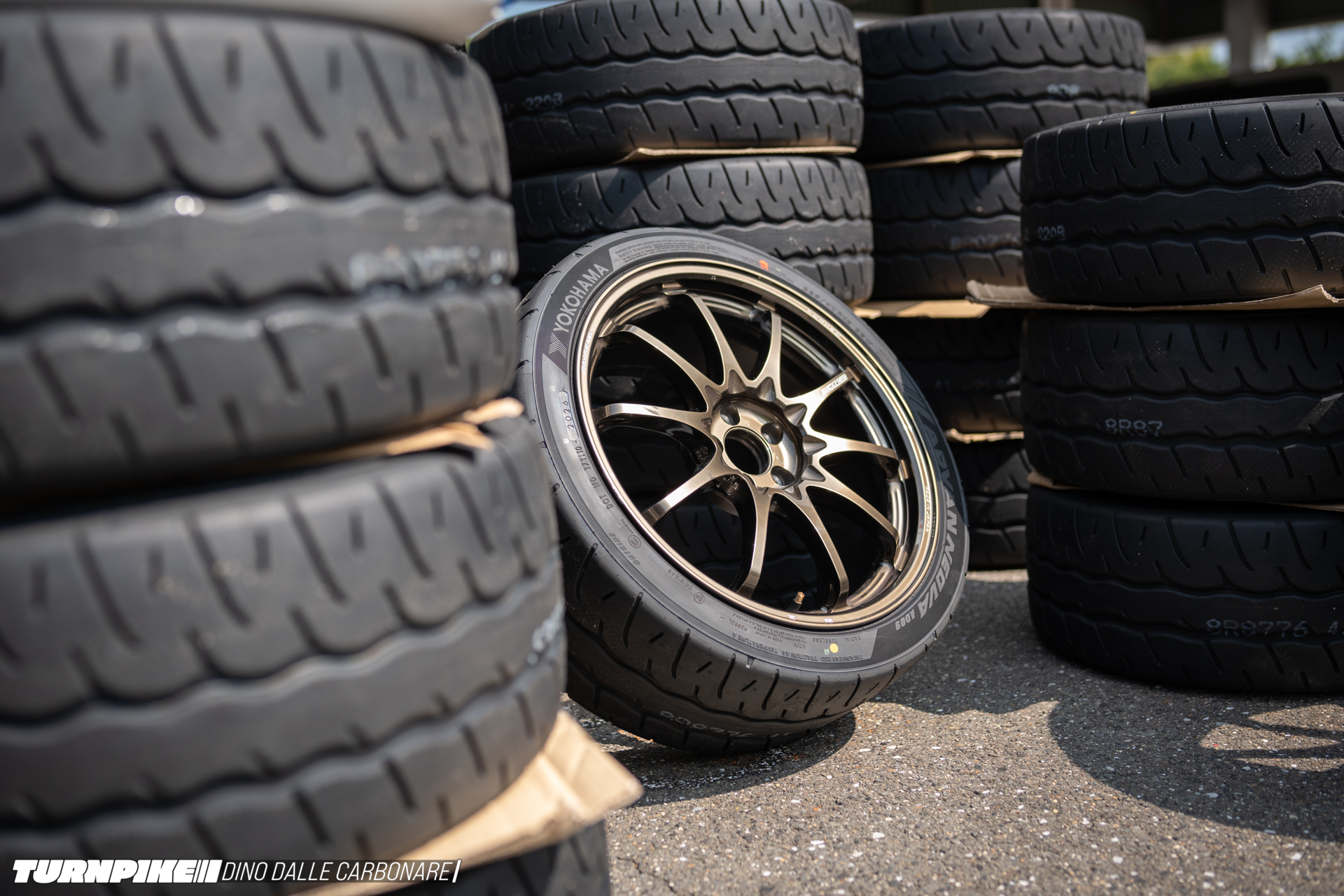
As a little surprise at the end of the day, RAYS pulled out a yet-to-be-released wheel model that will be unveiled at Tokyo Auto Salon in early January next year. It’s another wheel with links to an iconic design they came up with in the 1990s, and one that is sure to resonate with anyone seeking lightness and performance. I’m unfortunately unable to show you the design, but if you squint, you might just be able to figure out what I’m talking about.
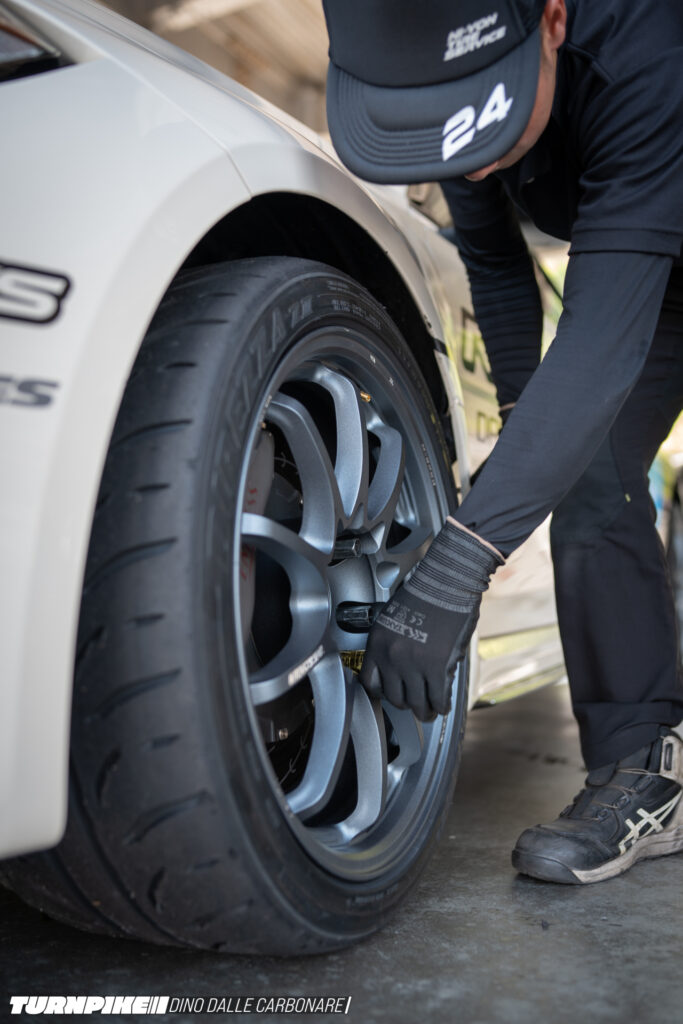
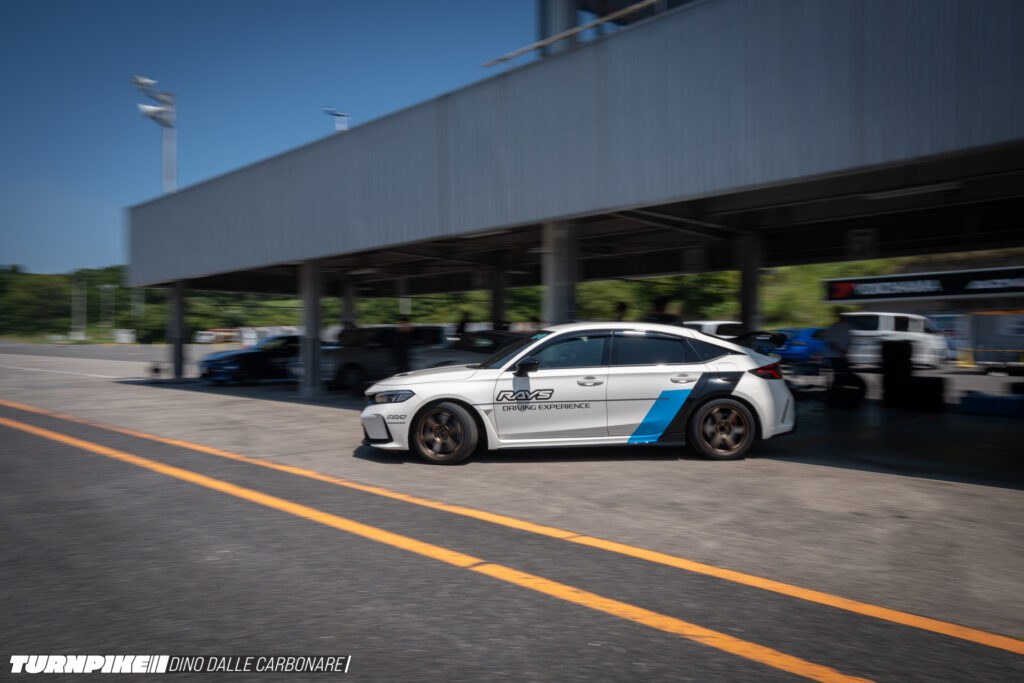
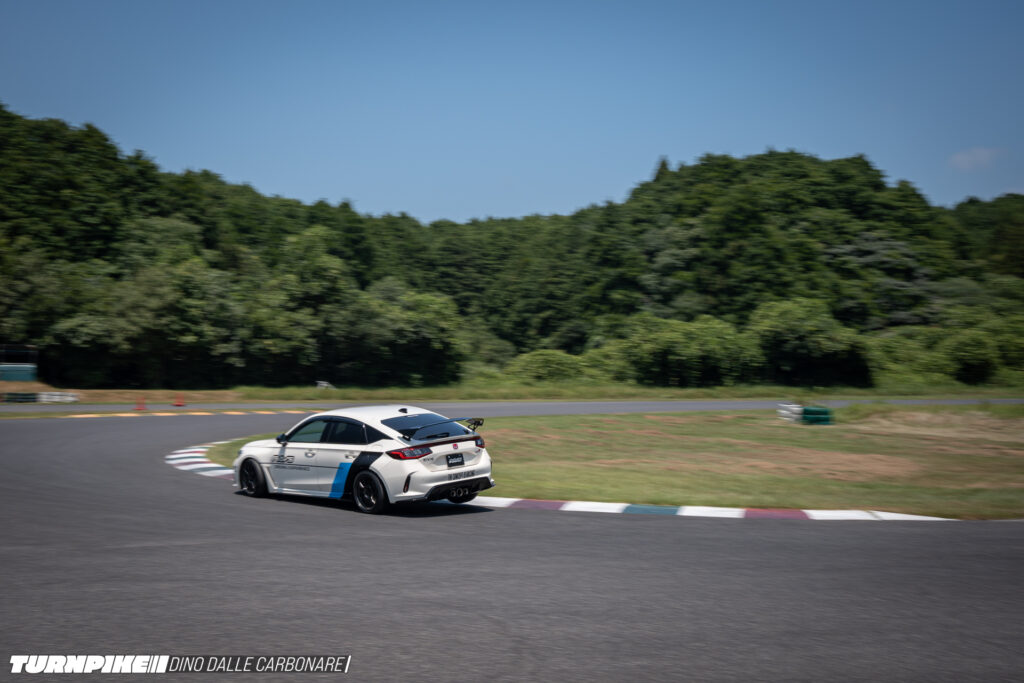
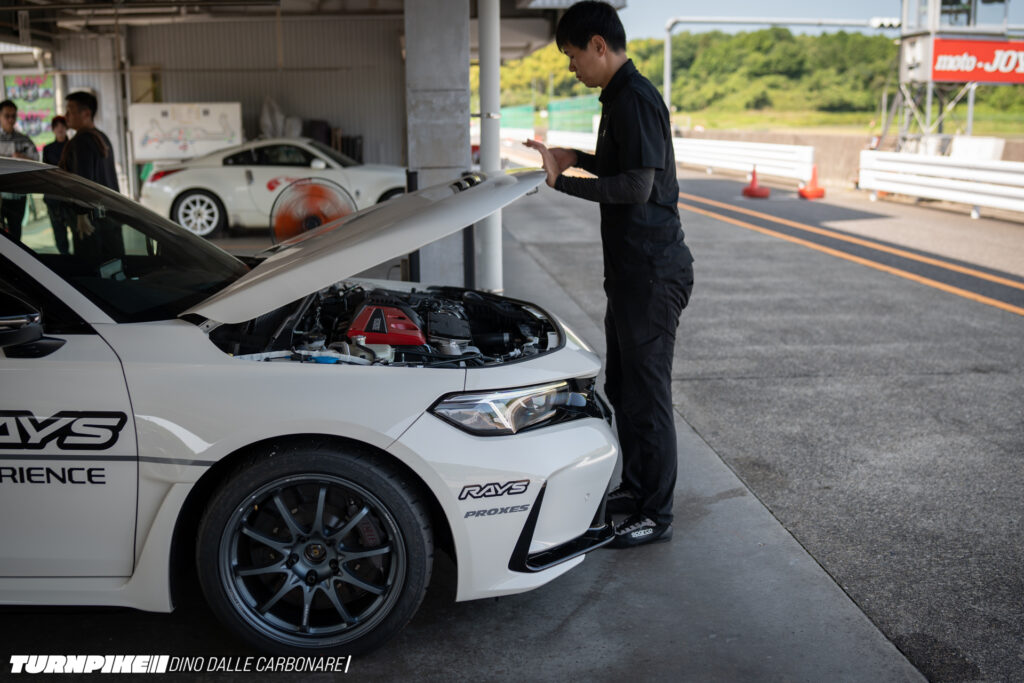
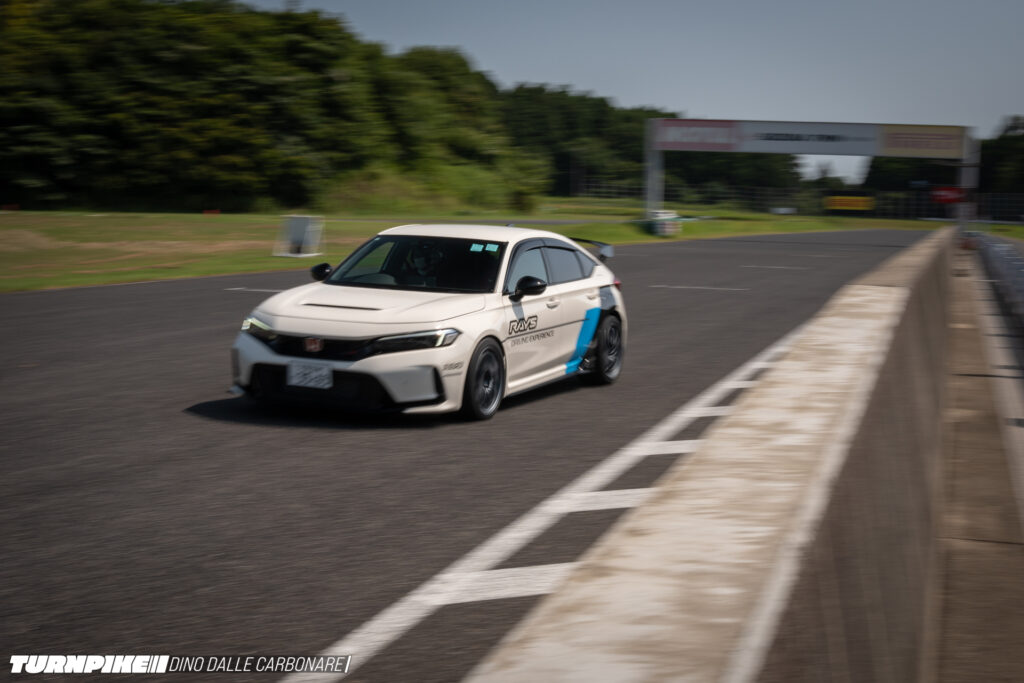
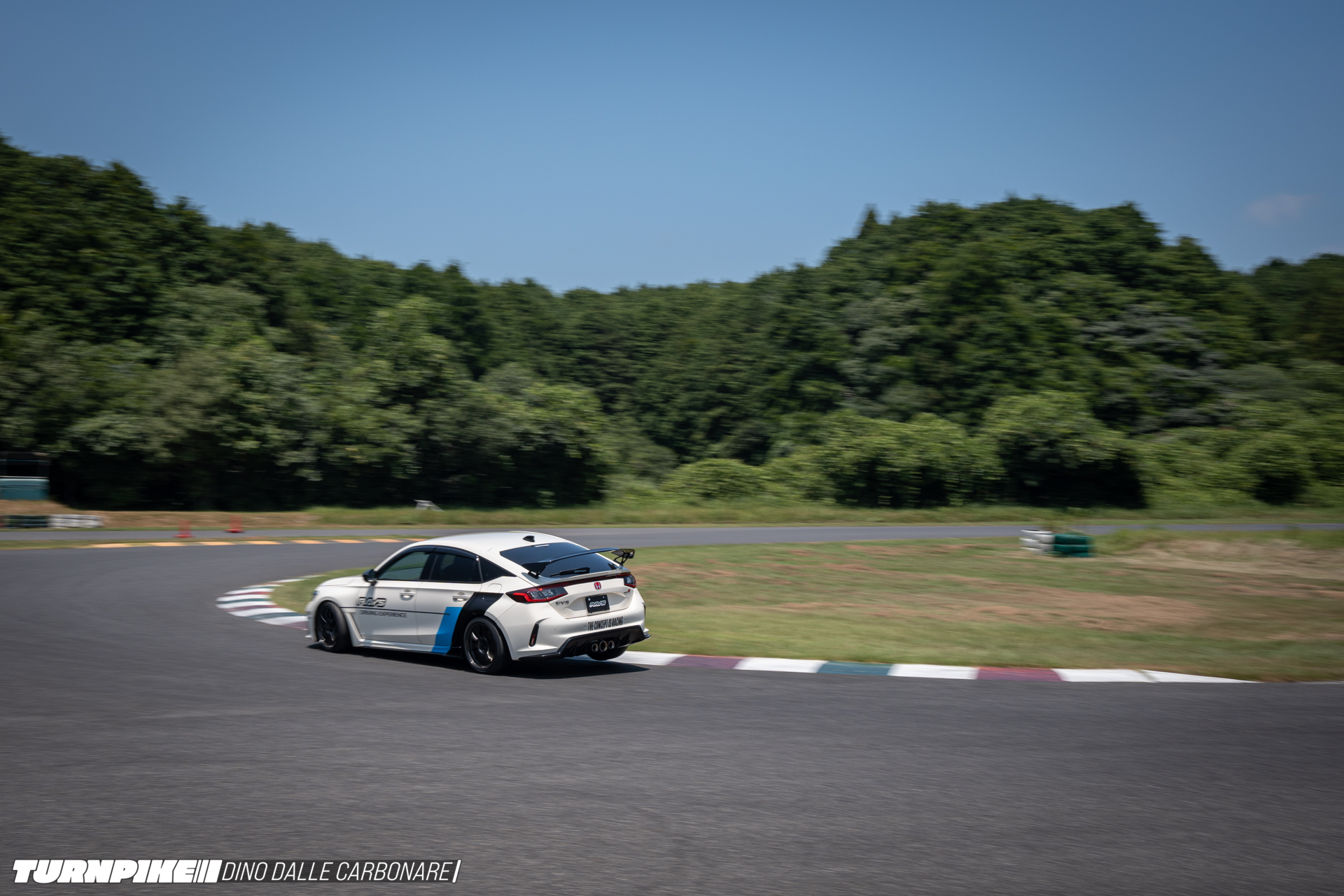
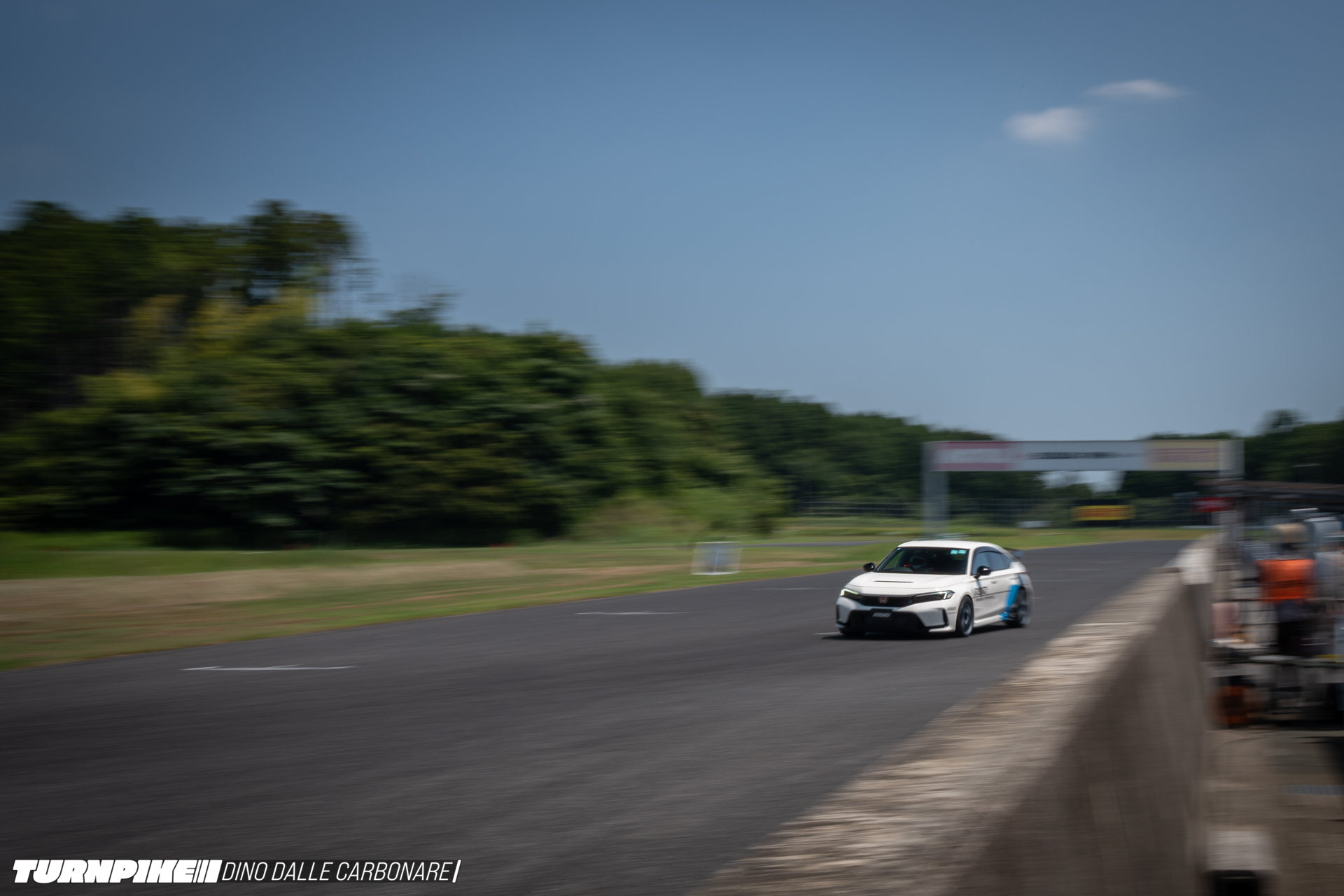
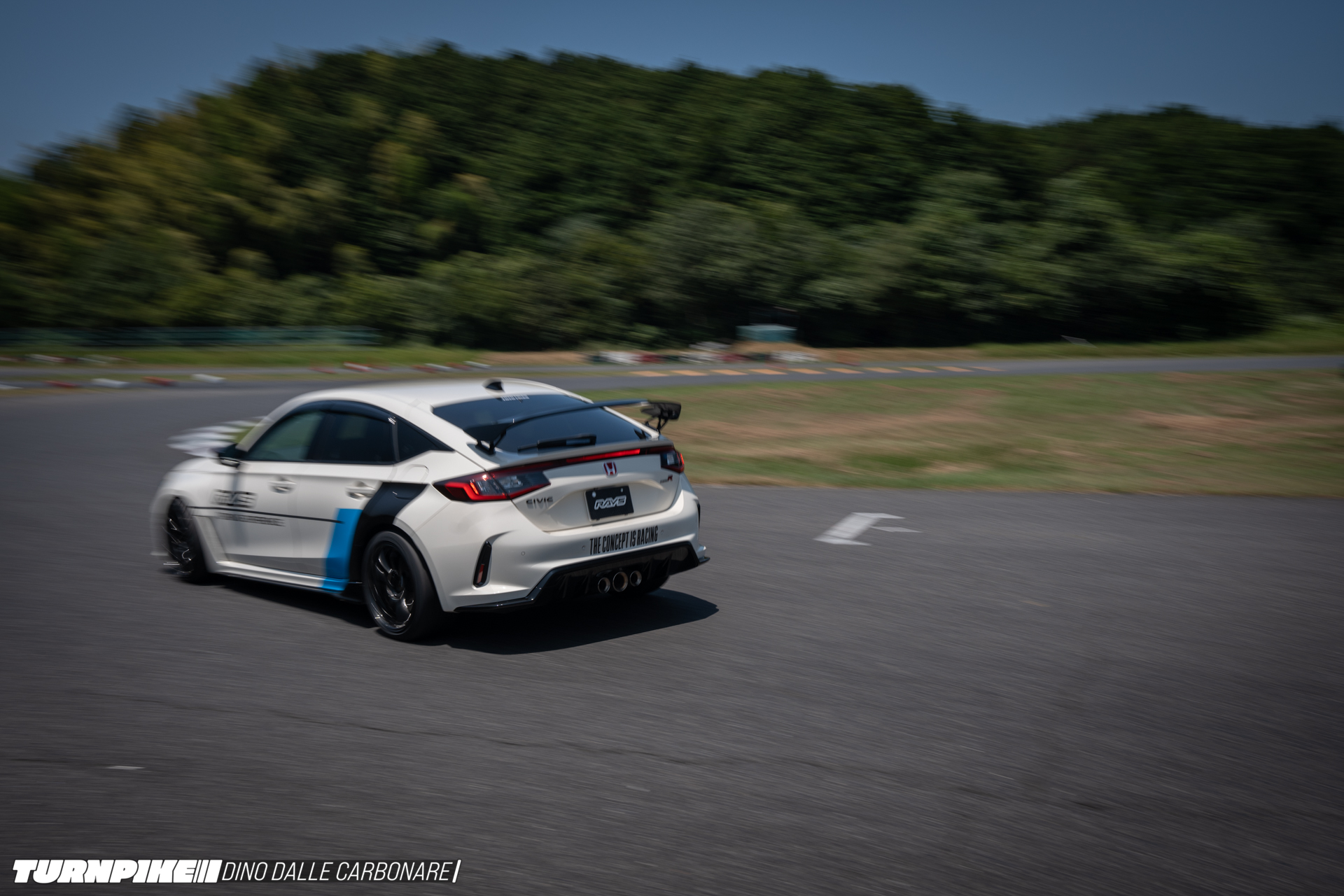
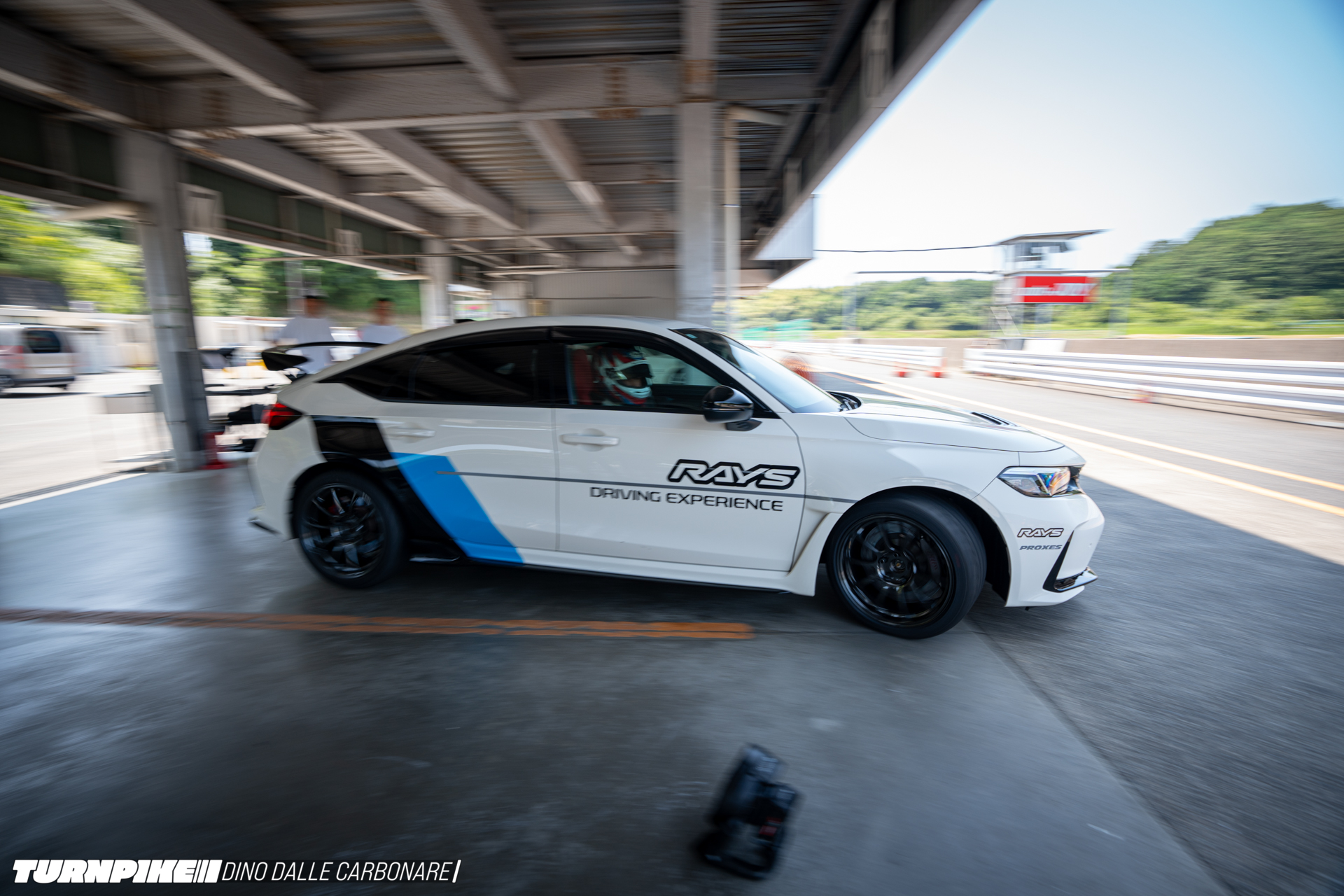
The idea was for the pro drivers to go out and complete a series of laps so they could really feel and understand how each wheel change affected the cars.
When hunting for performance refinements at this level, certain factors come into play, some more obvious than others. Design, for example, can impact the final weight of a specific wheel. You can go with thinner spokes or a design that yields the lightest wheel possible, or you can prioritize structure to create the most rigid solution possible. Then, of course, there’s the way specific amounts of rigidity can be built into strategic areas of the wheel core and spoke layout, again to achieve the best balance across the entire rim, and right where it matters most.
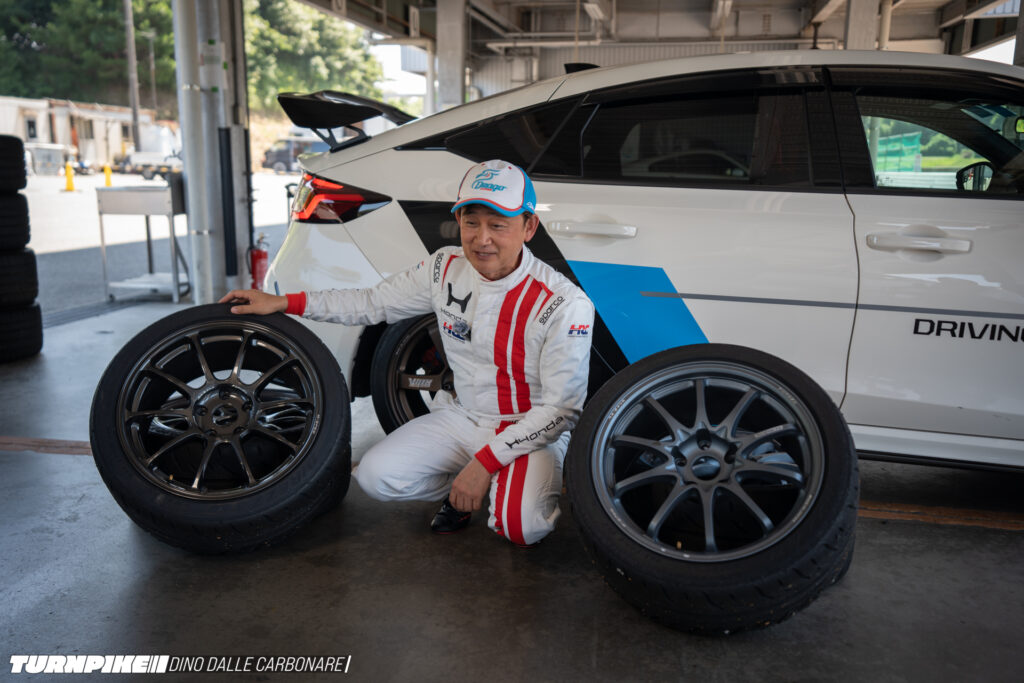
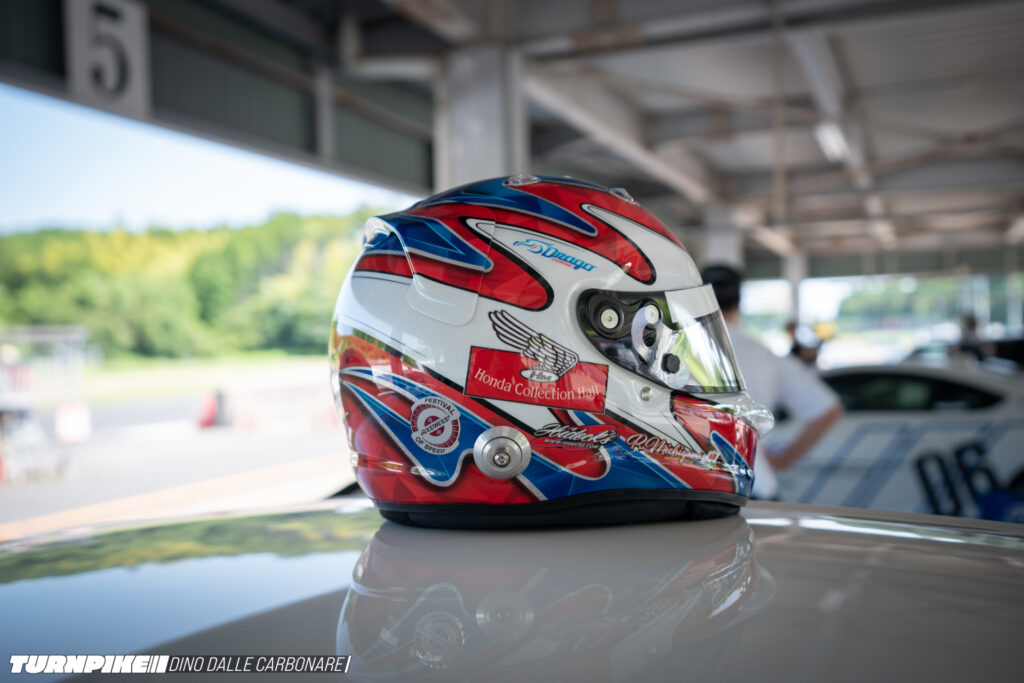
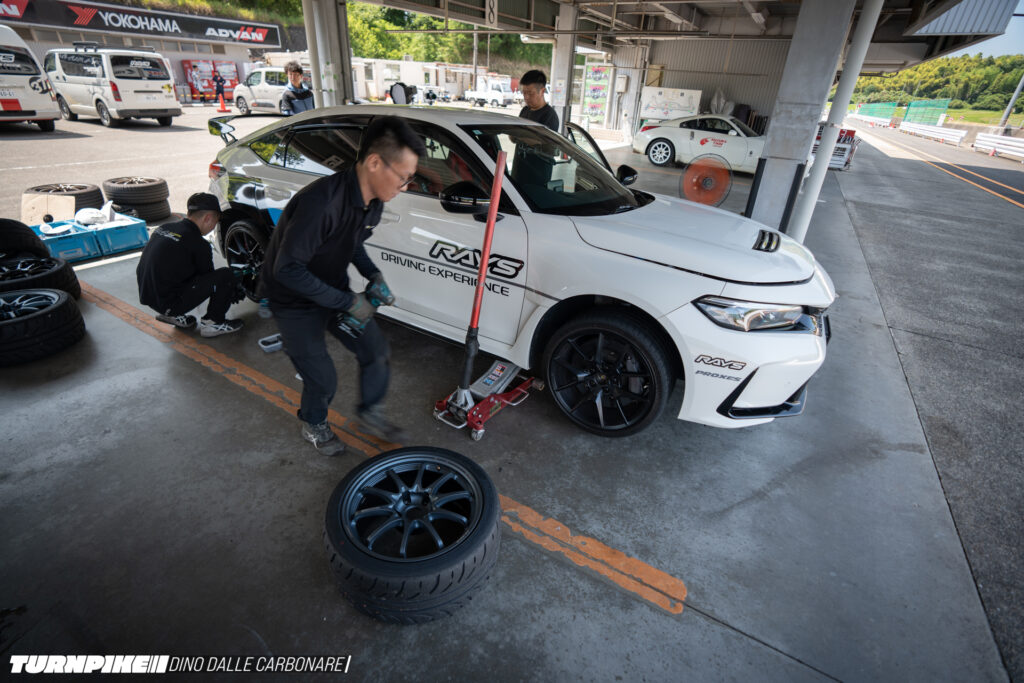
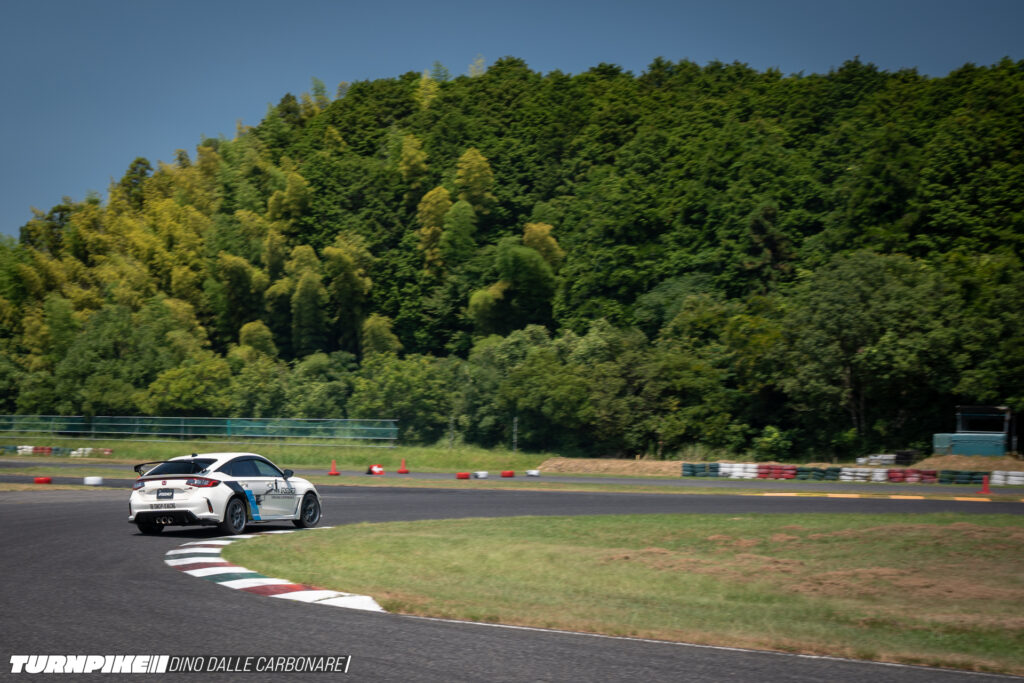
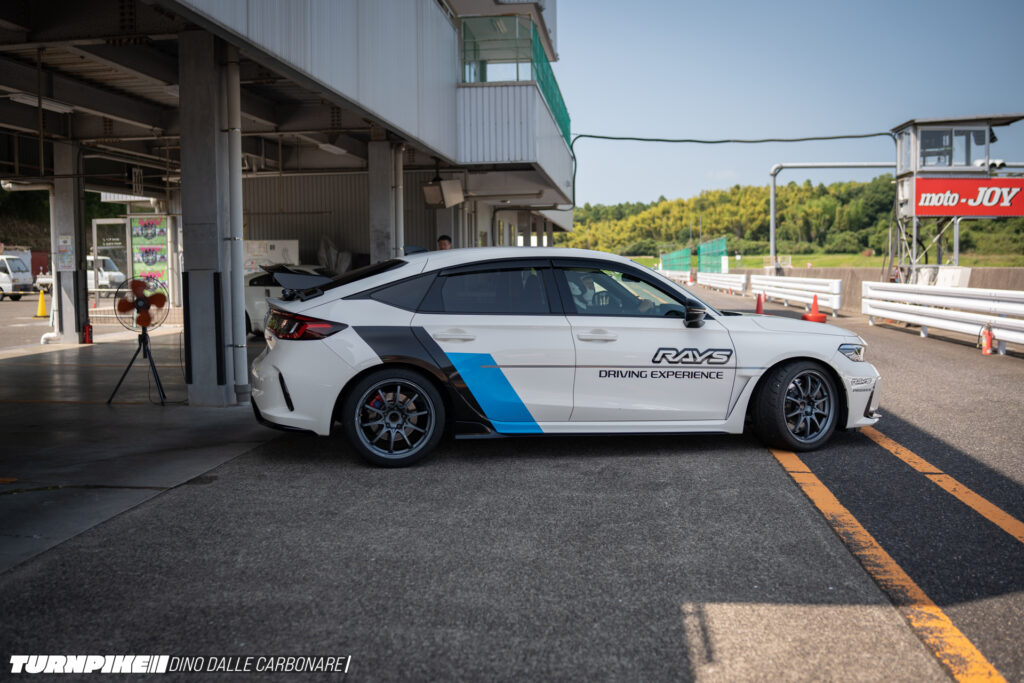
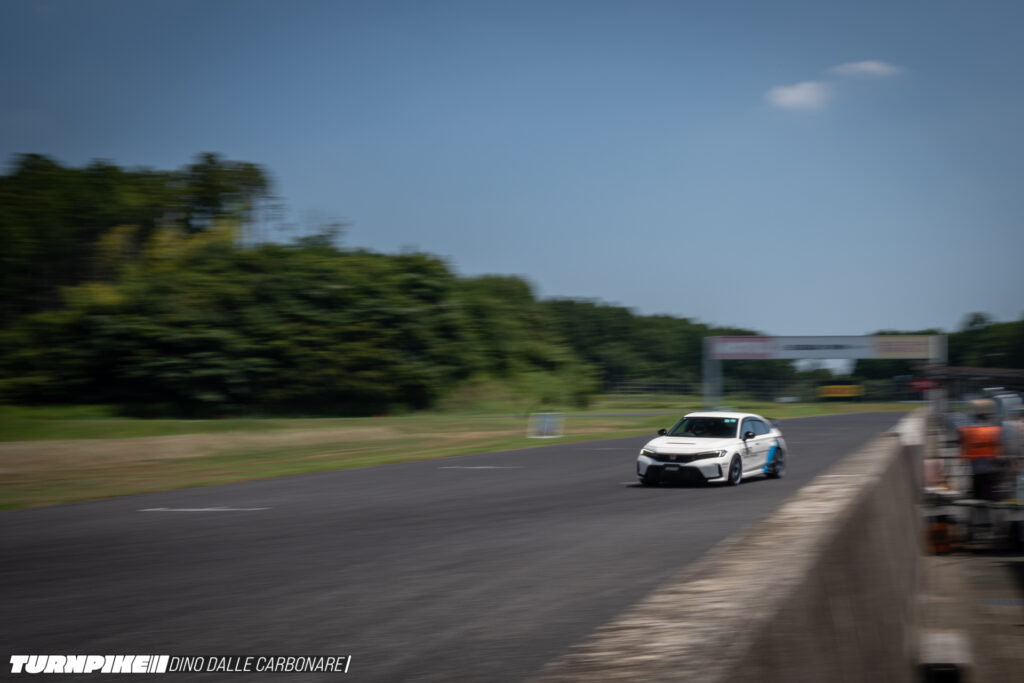
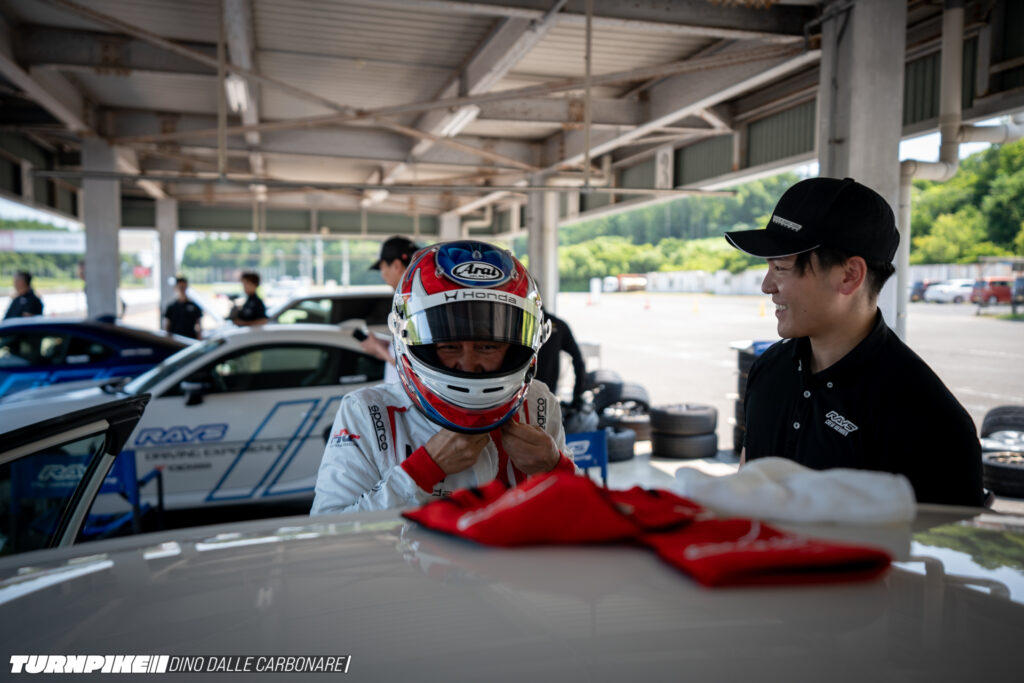
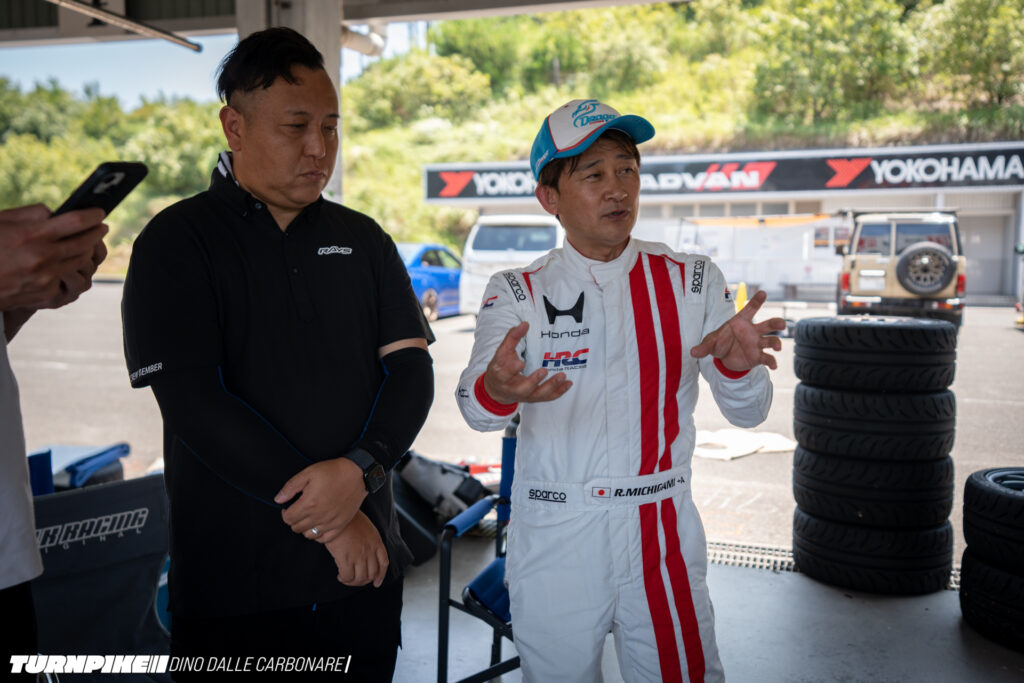
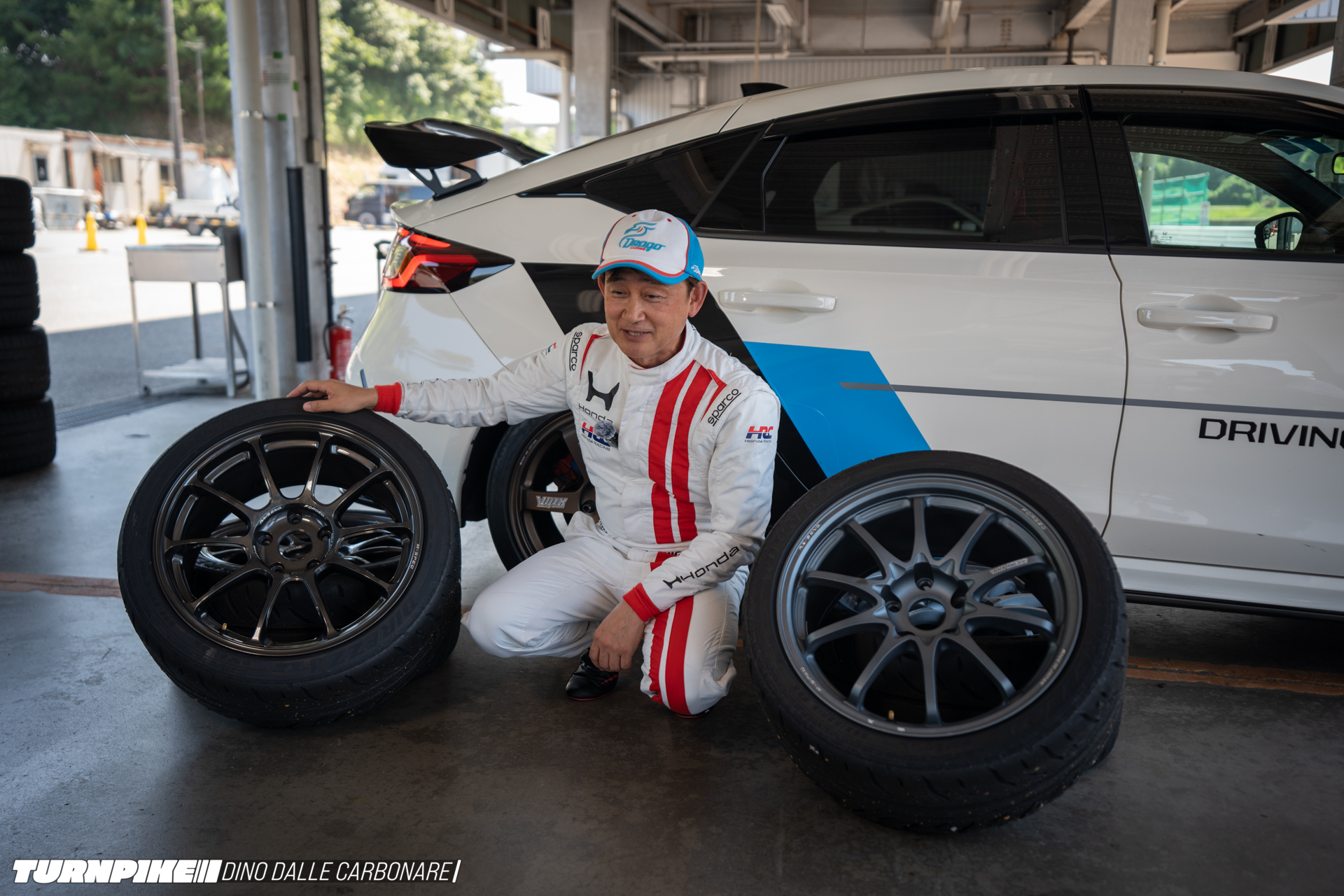
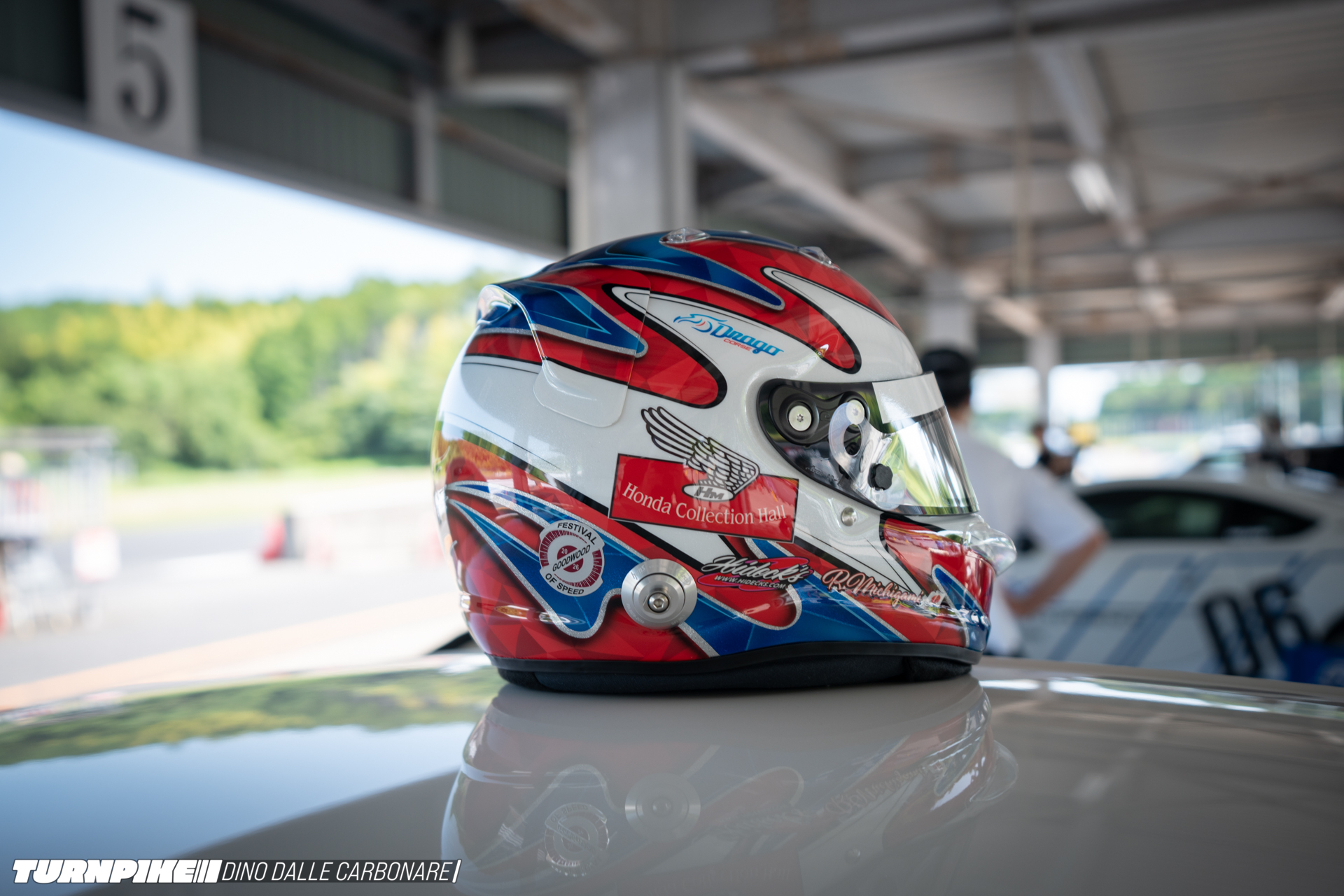
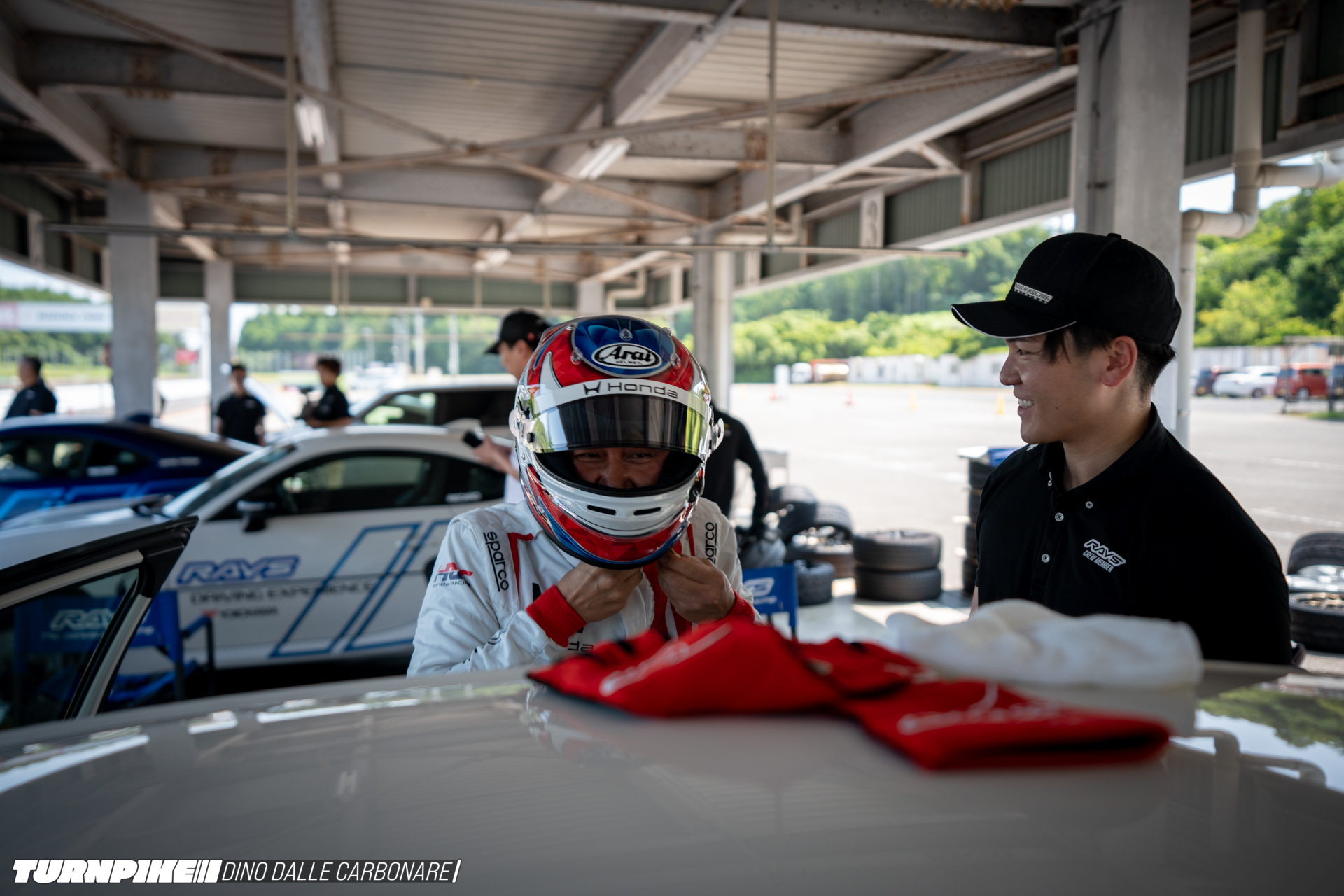
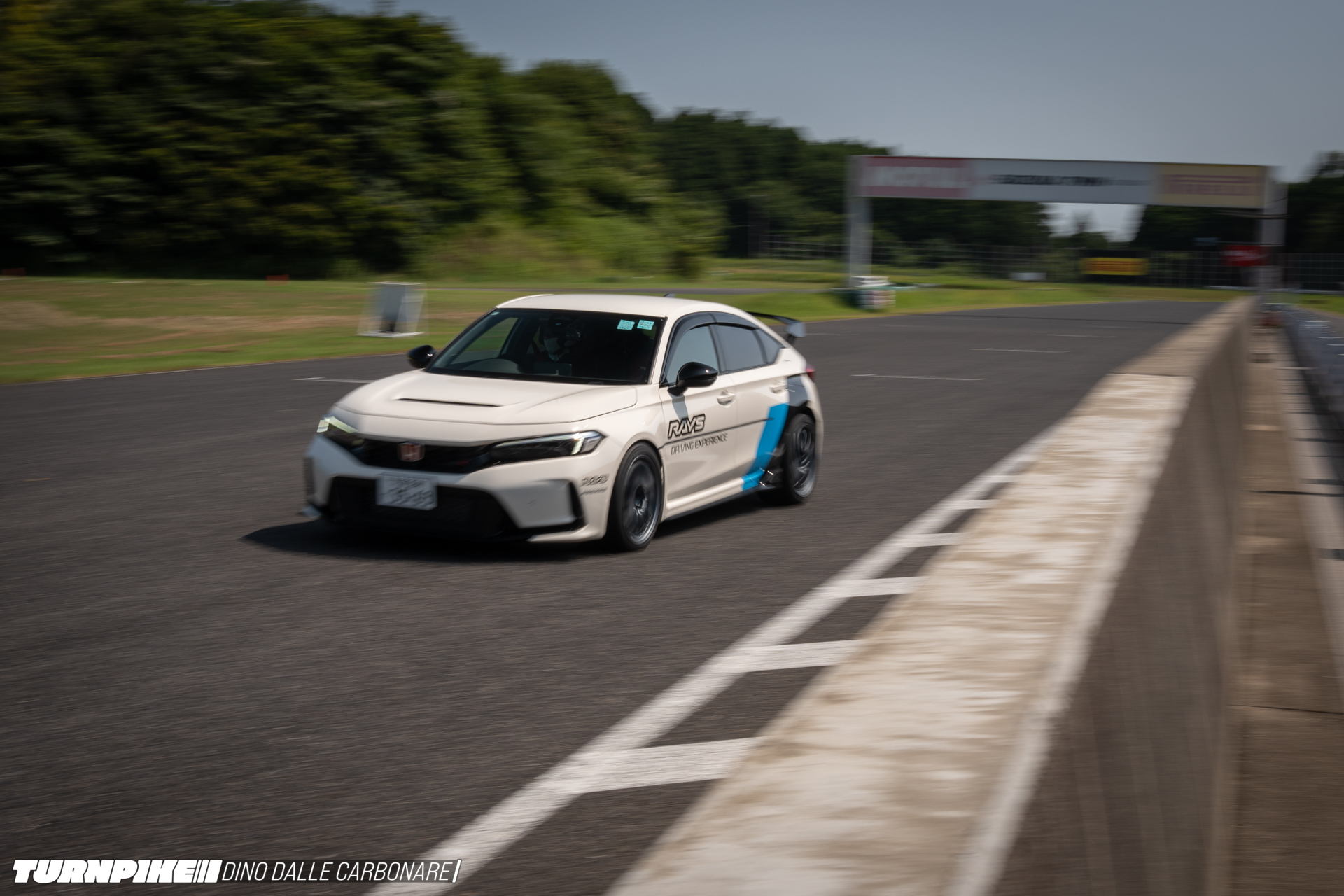
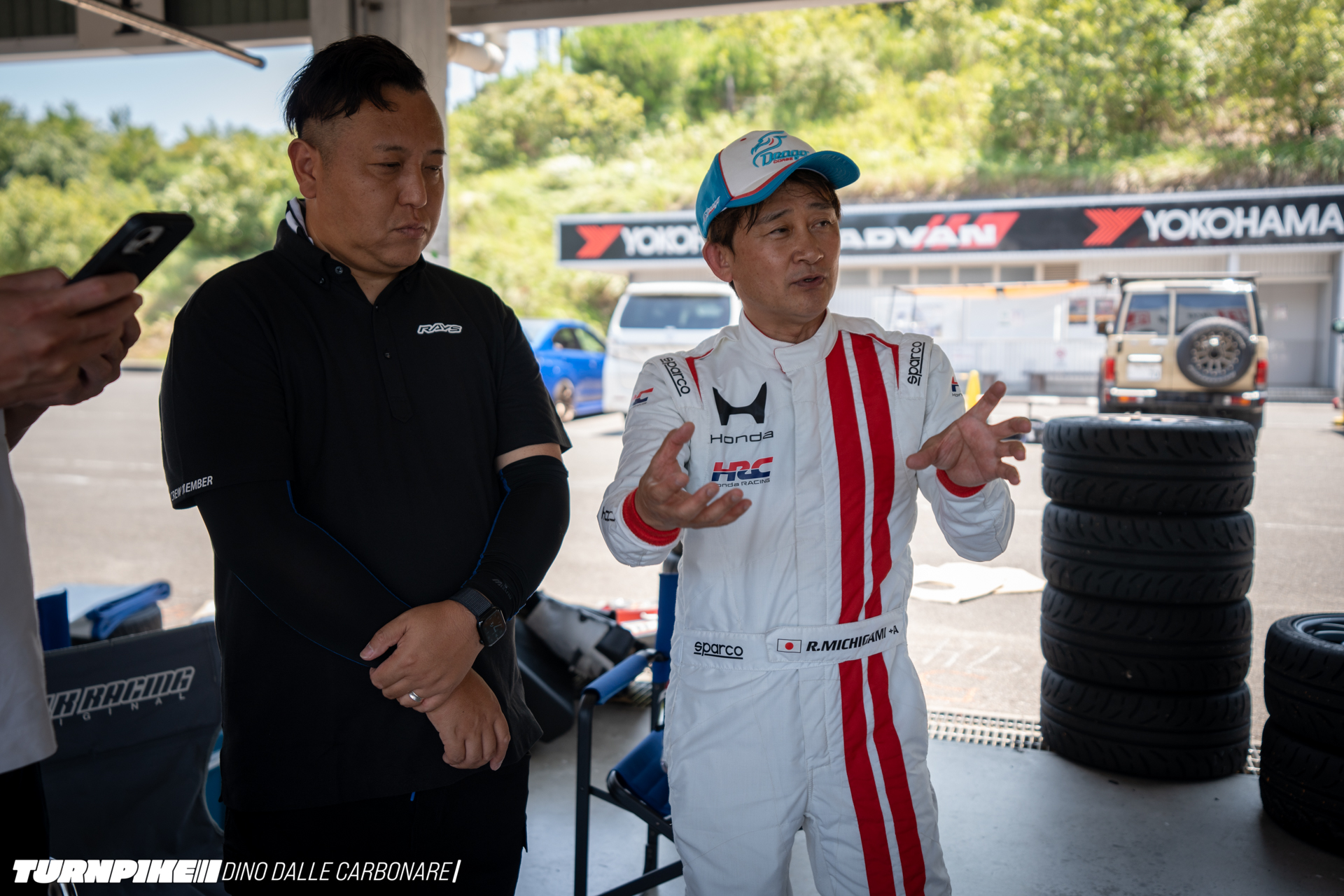
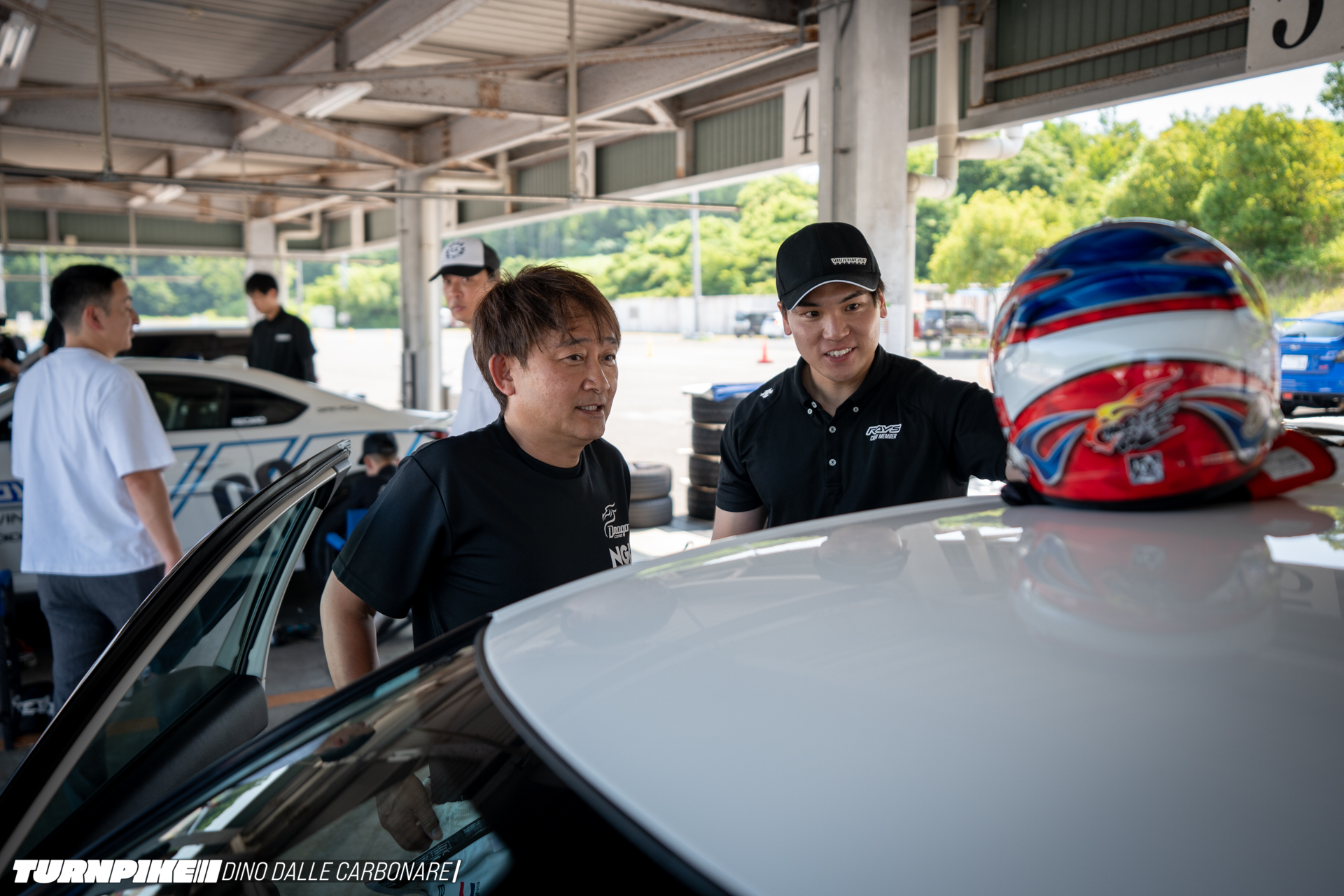
Ryo Michigami, the Civic Type R’s driver, who previously raced a GT500 Honda NSX in JGTC and Super GT, first ran a few laps on the FL5’s OEM wheels to get a clear sense of how the stock car felt.
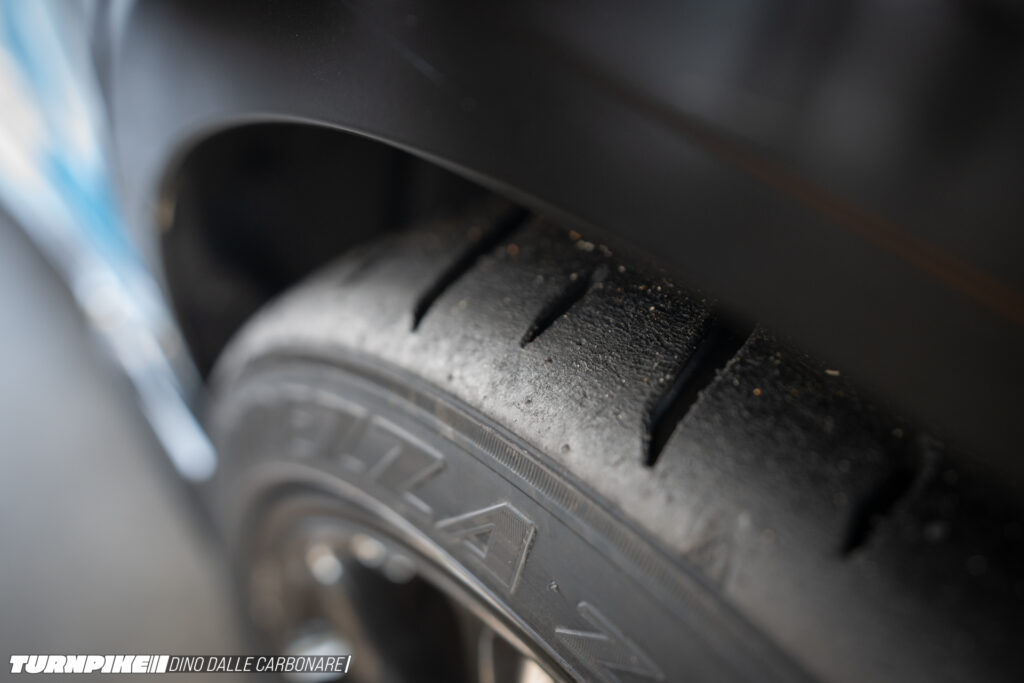
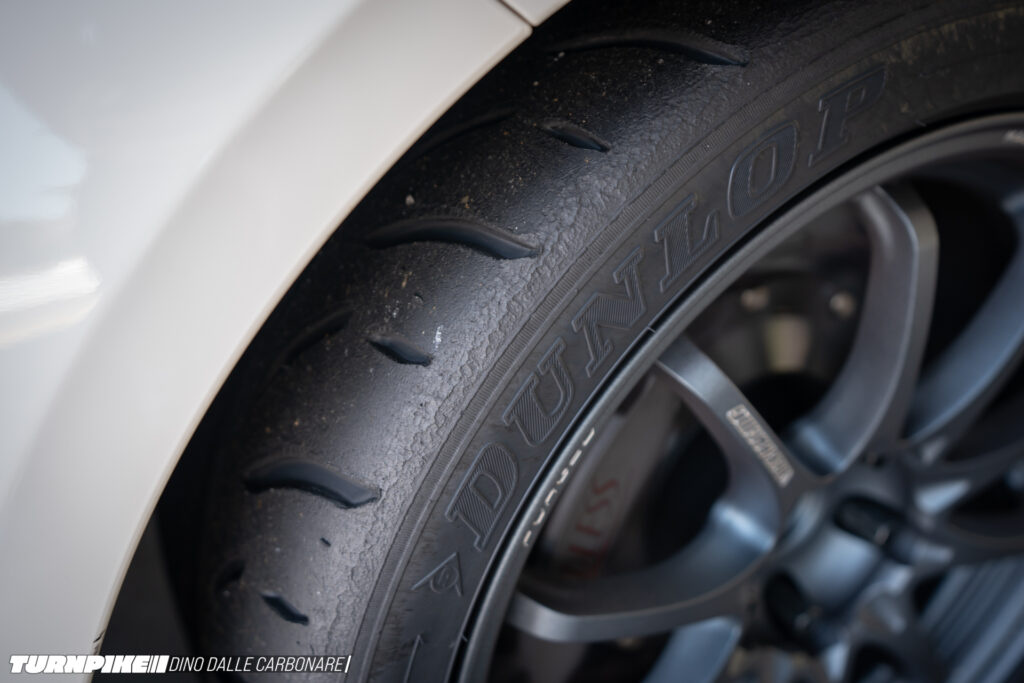
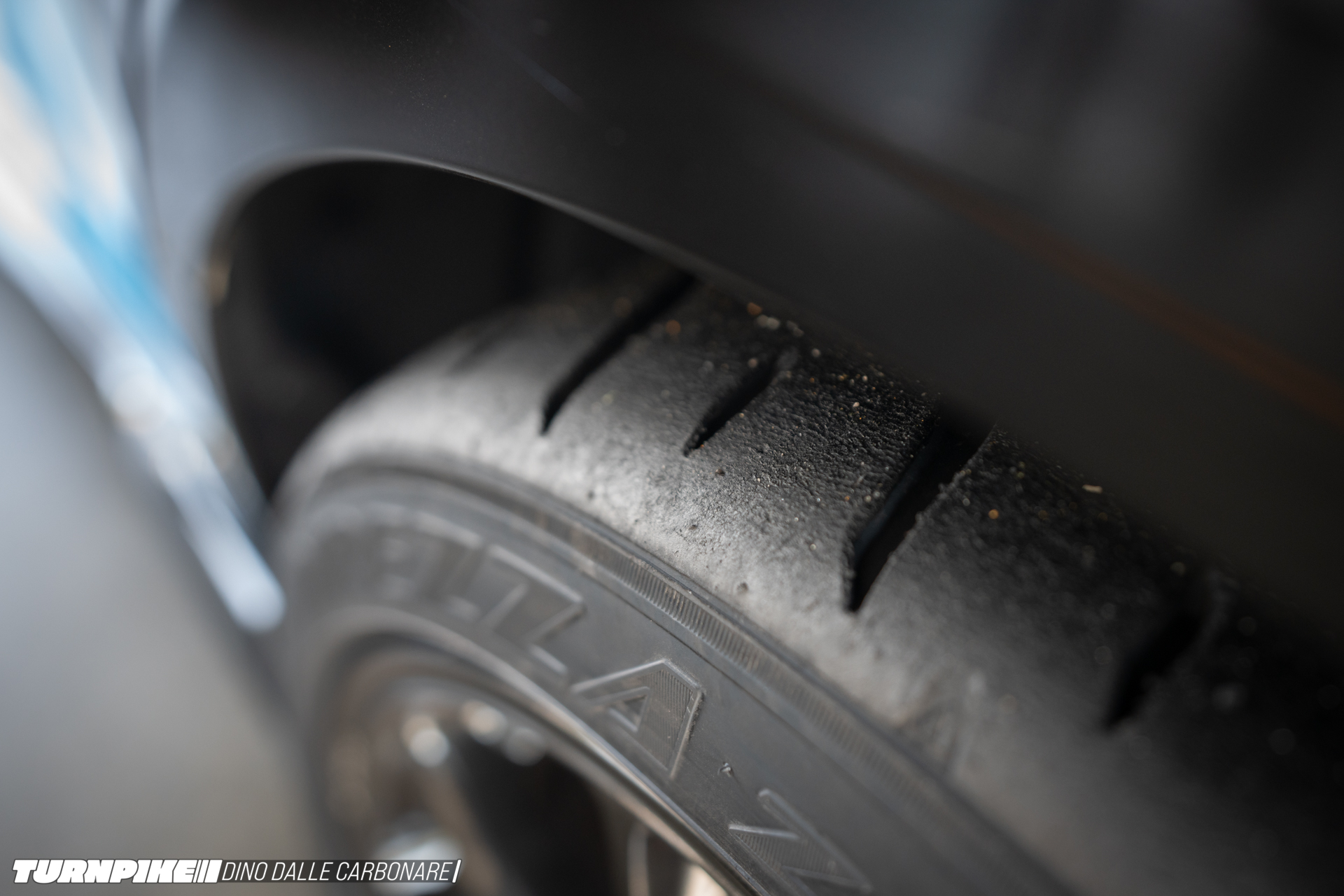
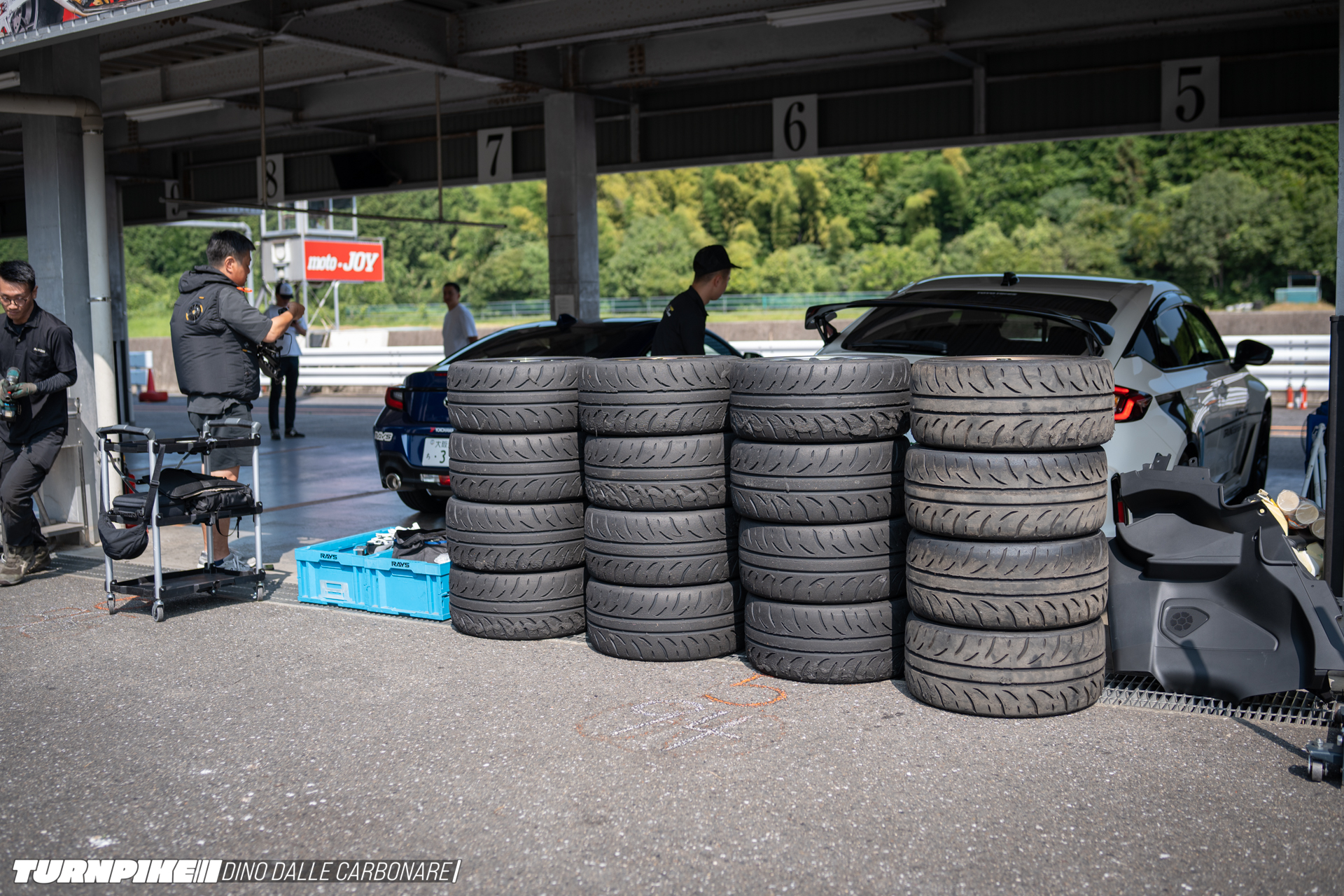
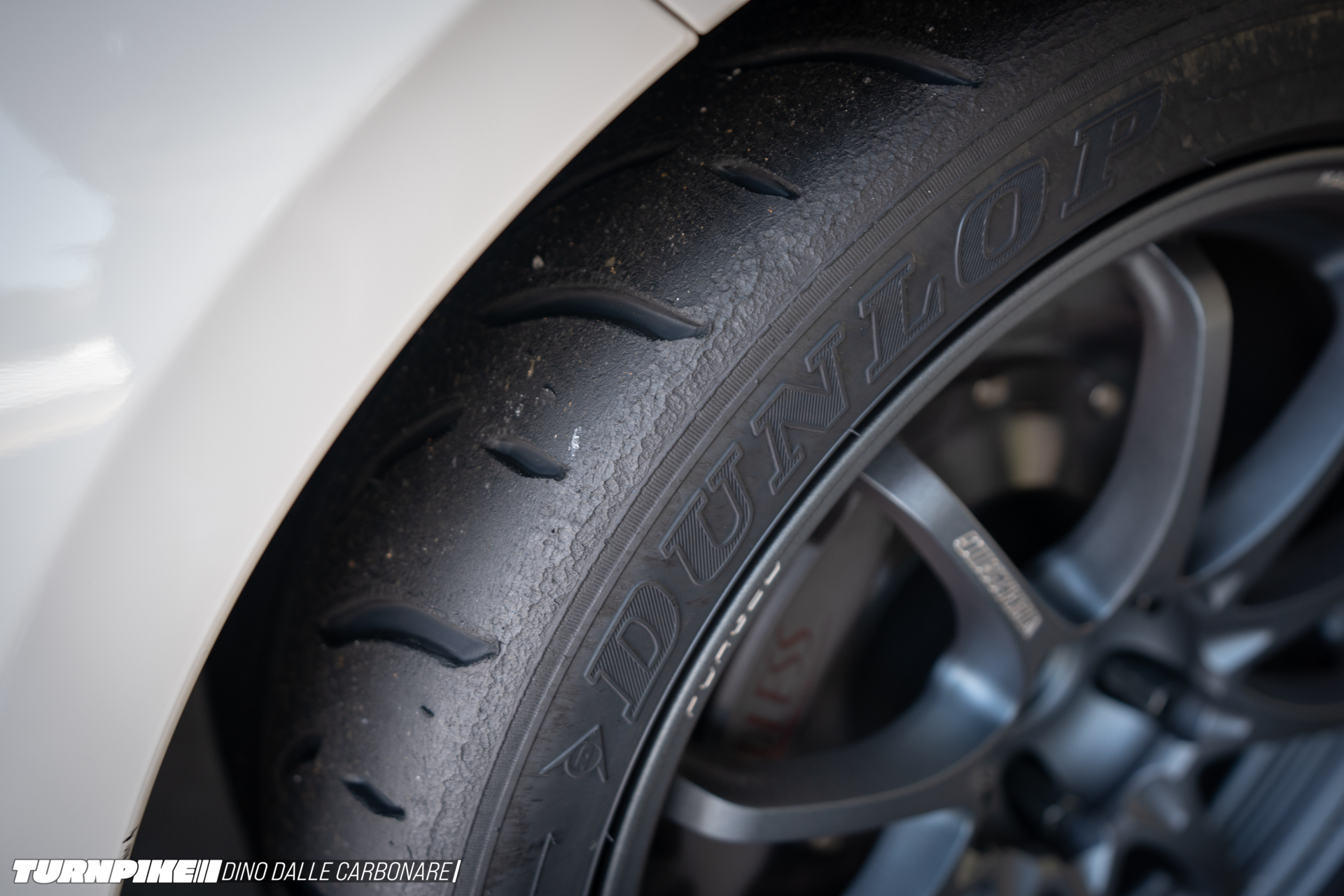
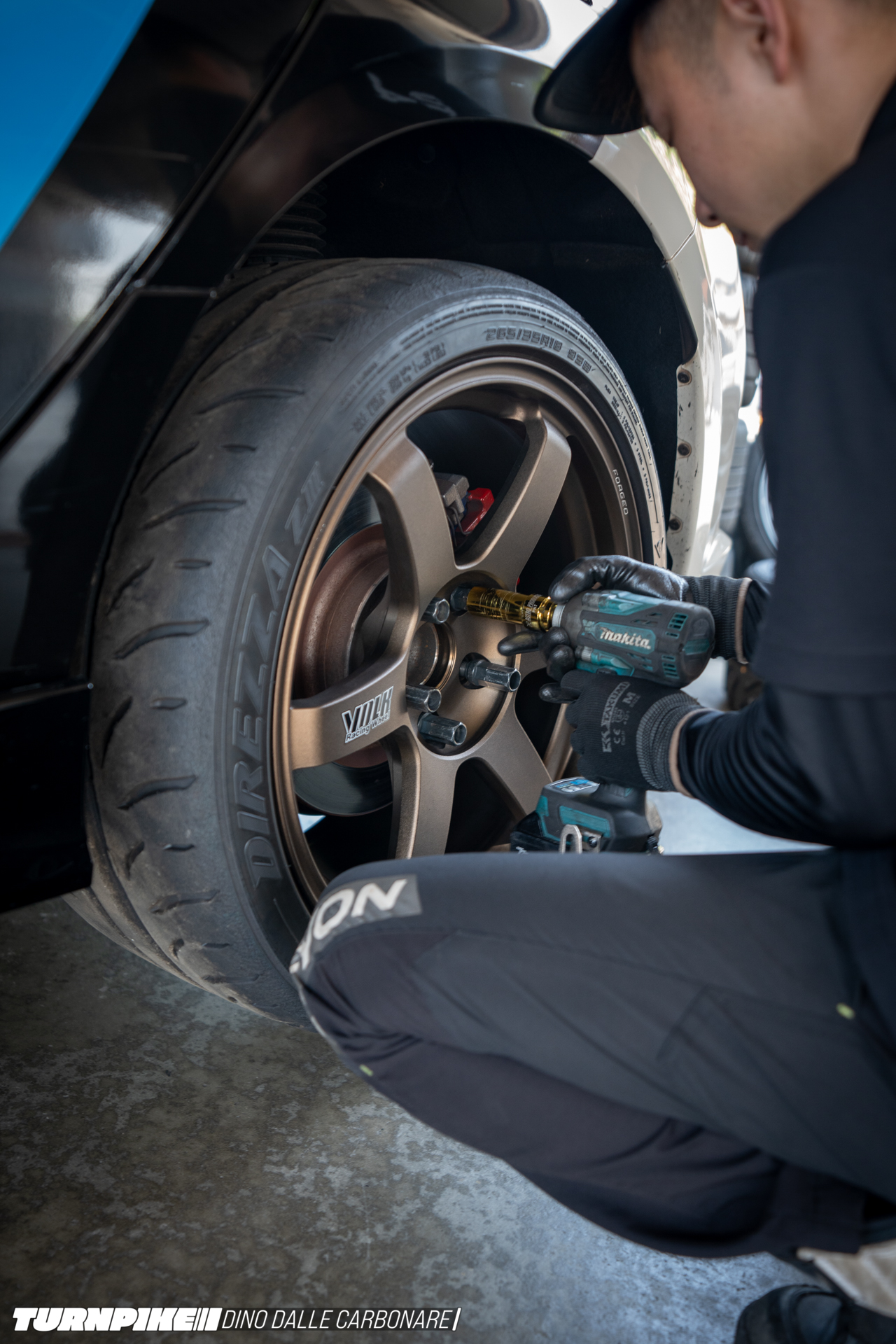
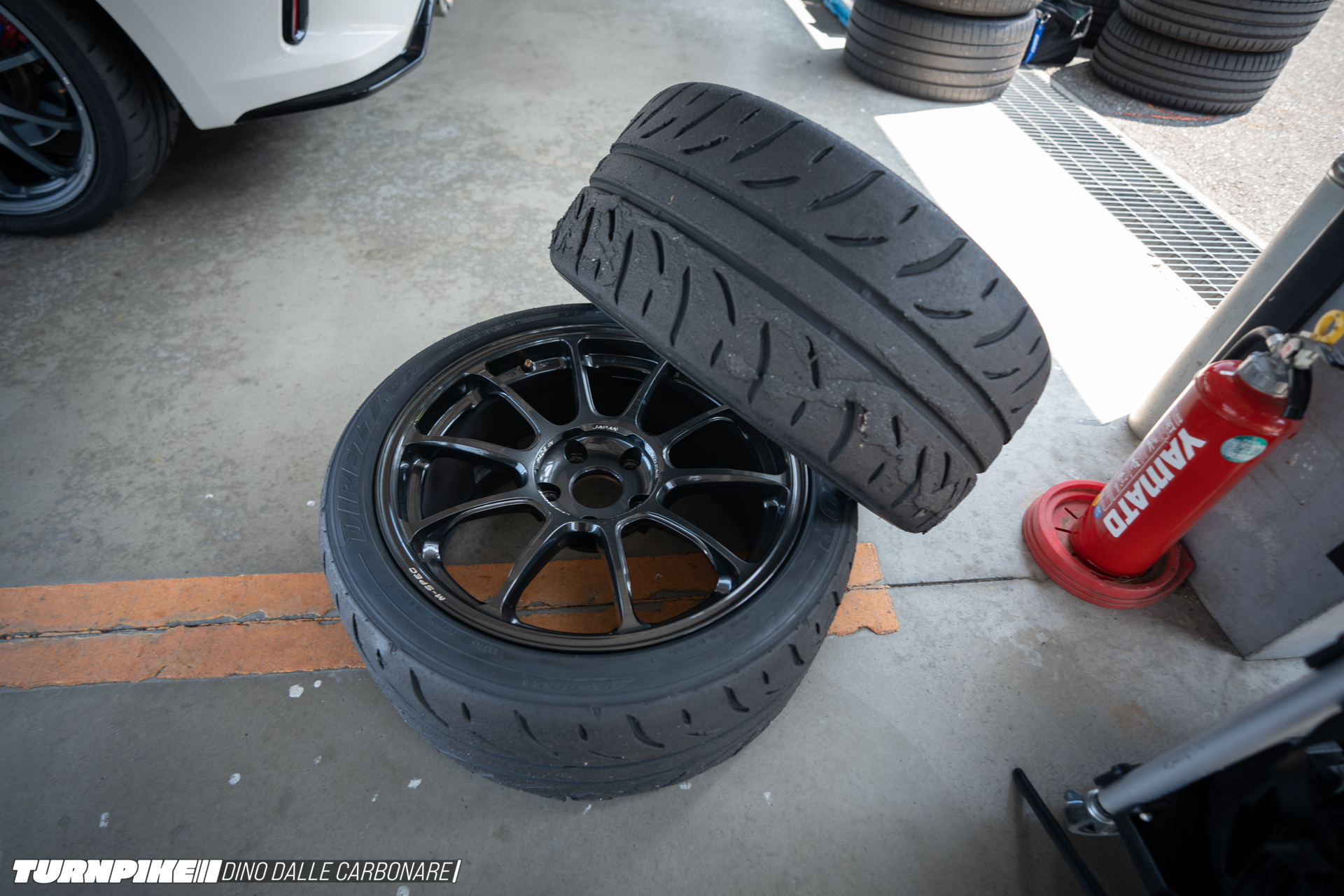
The only variable in the test was the tires. The Honda comes fitted with Michelin rubber, while all of the RAYS wheels were fitted with Dunlop Direzzas, ensuring the only difference was the wheels themselves.
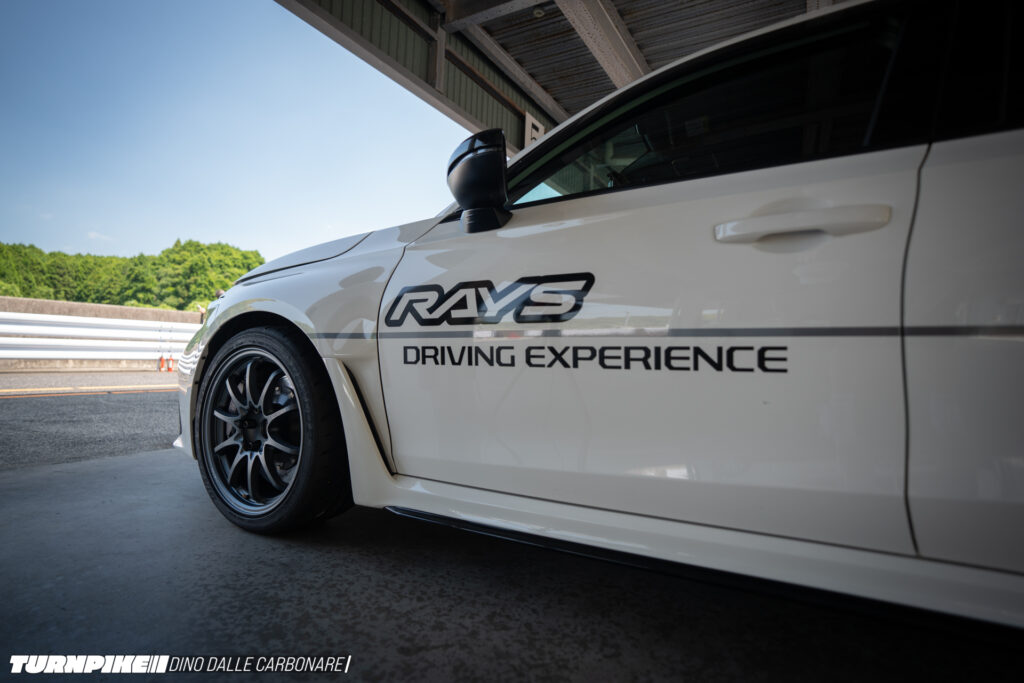
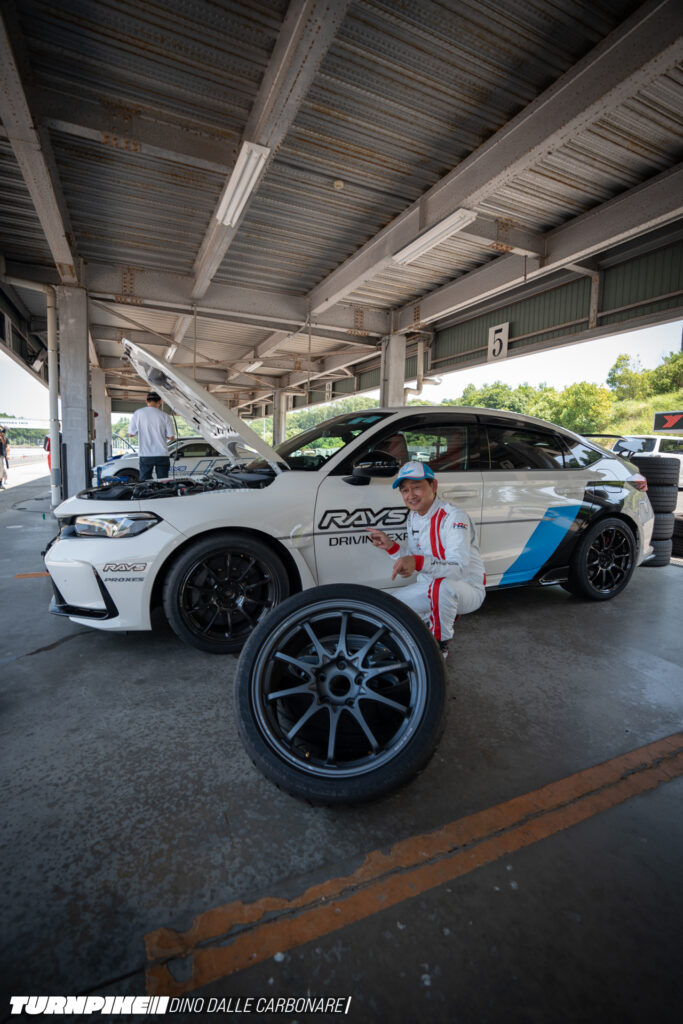
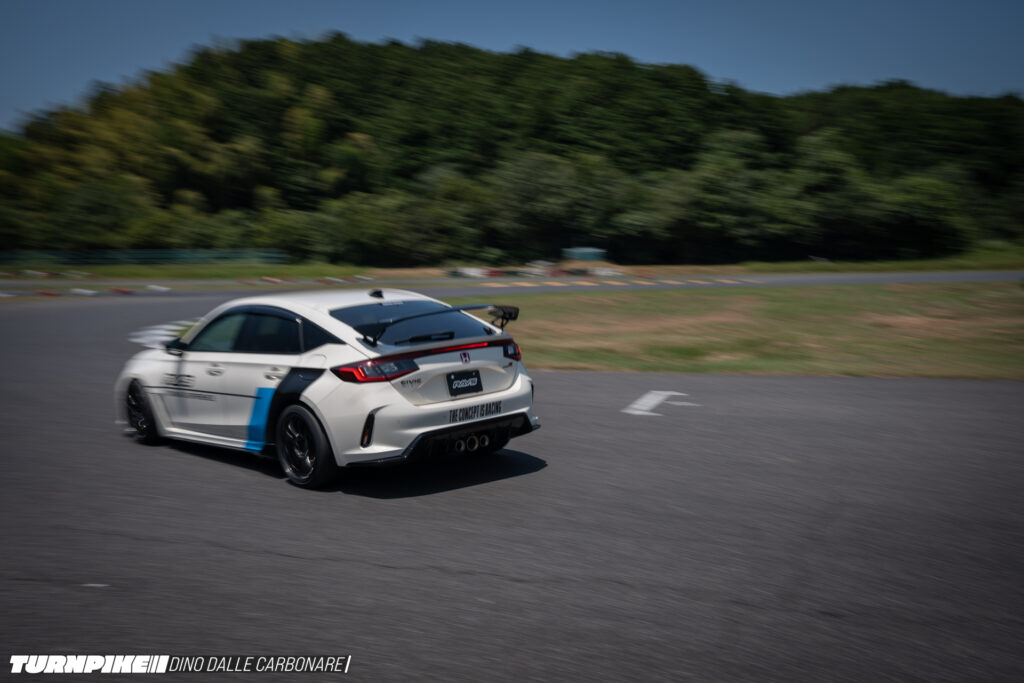
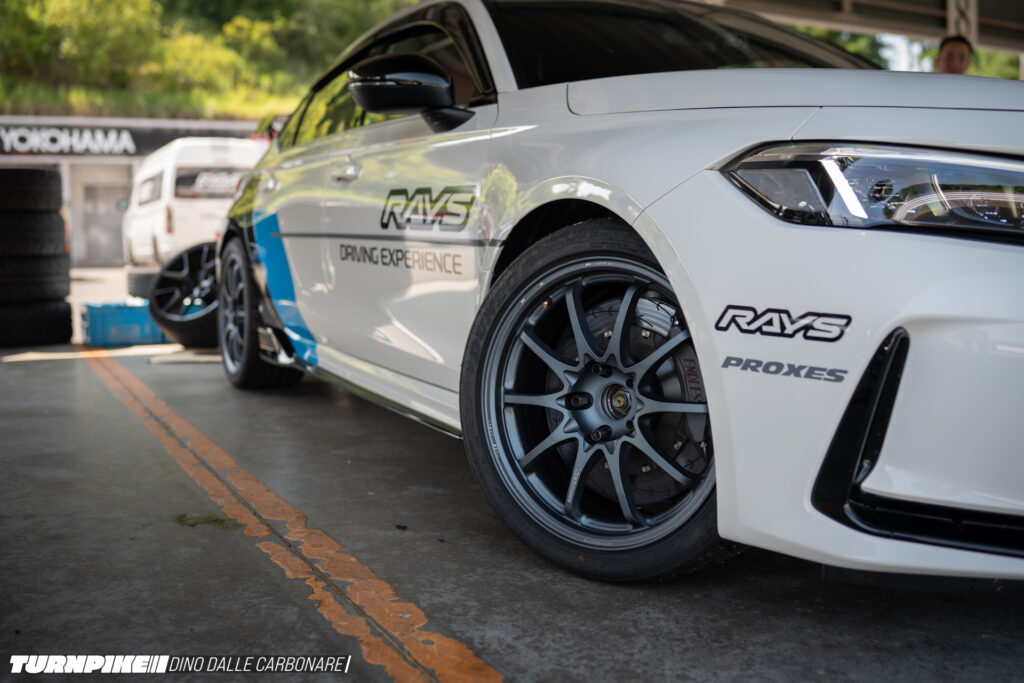
Going from the Honda wheels to the CE28N-plus M-SPECs, Michigami-san communicated sharper turn-in, a smoother feel when getting on the power, and improved traction. He said he could feel the RAYS wheels’ increased rigidity and lighter weight.
Of course, with front-engined, front-wheel-drive cars, the front wheels and tires really do take a hell of a beating. They have to handle steering and putting the power down at the same time, while also dealing with bumps and surface imperfections. So the FL5 proved to be an excellent car for this test, with the information coming through the steering providing Michigami-san with plenty of feedback.
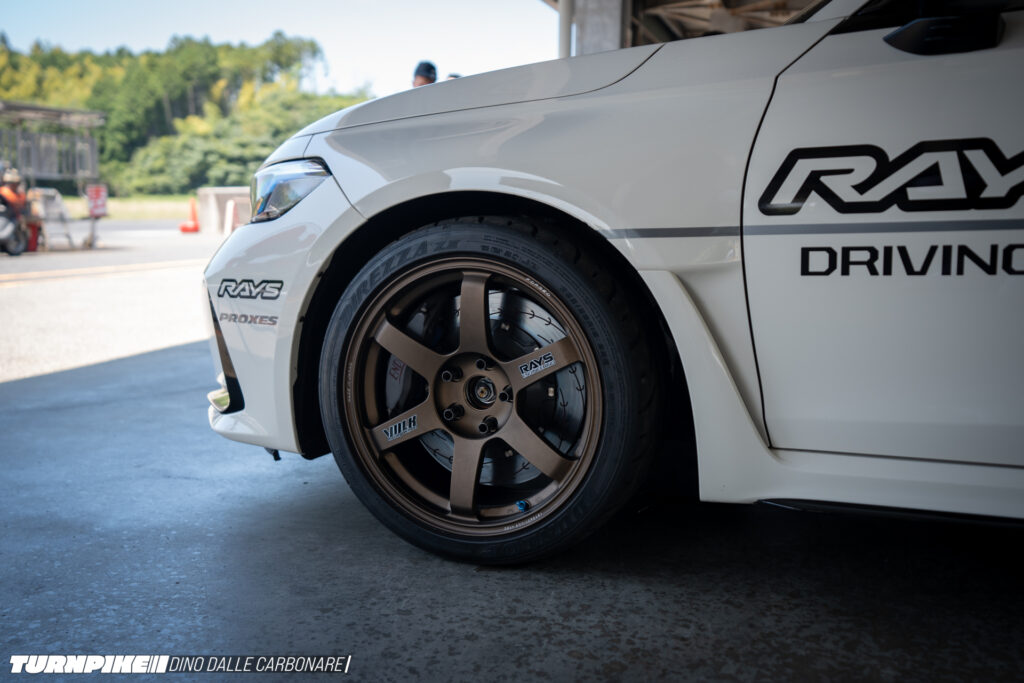
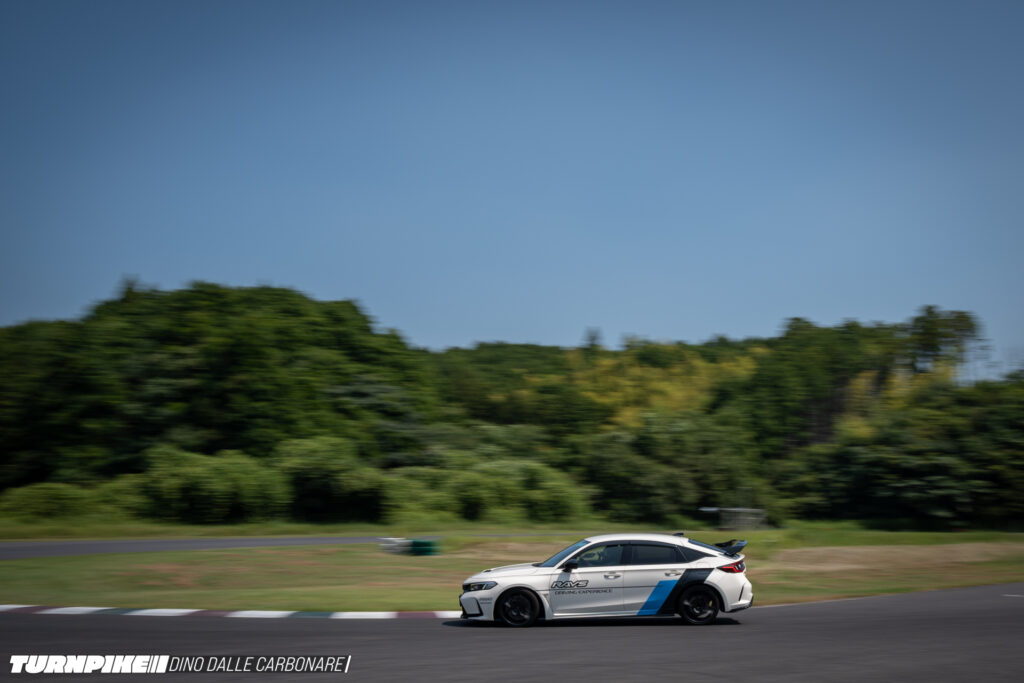
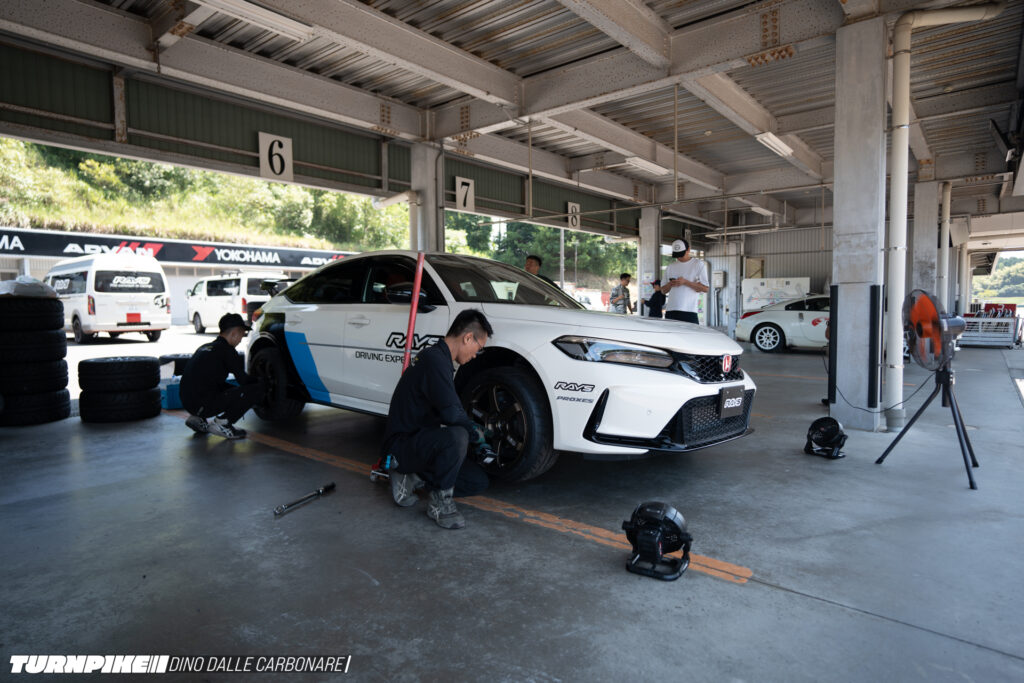
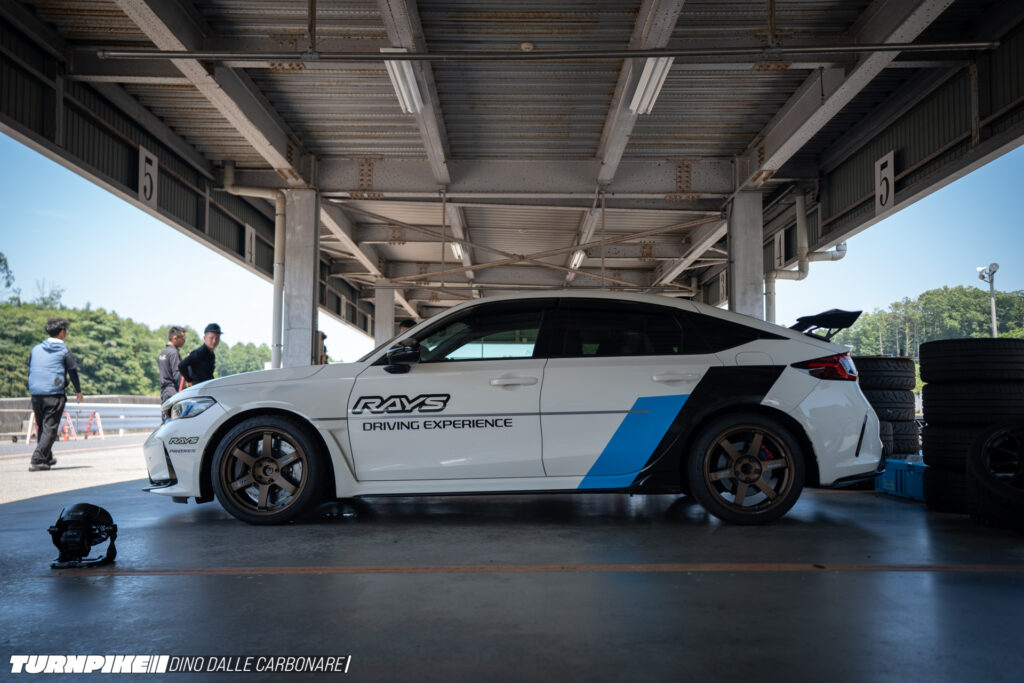
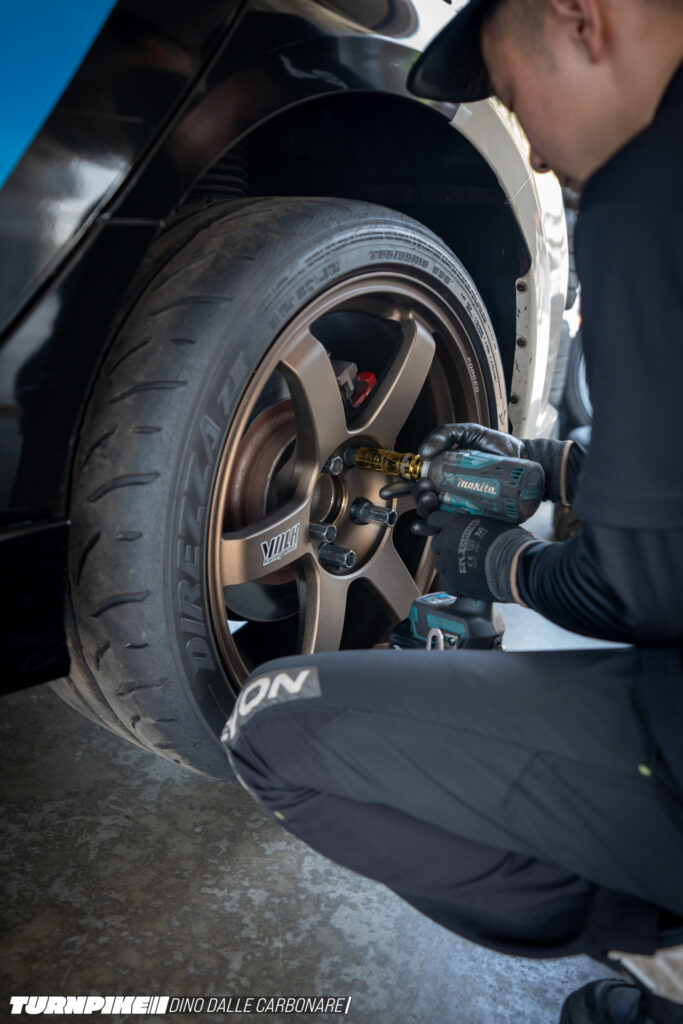
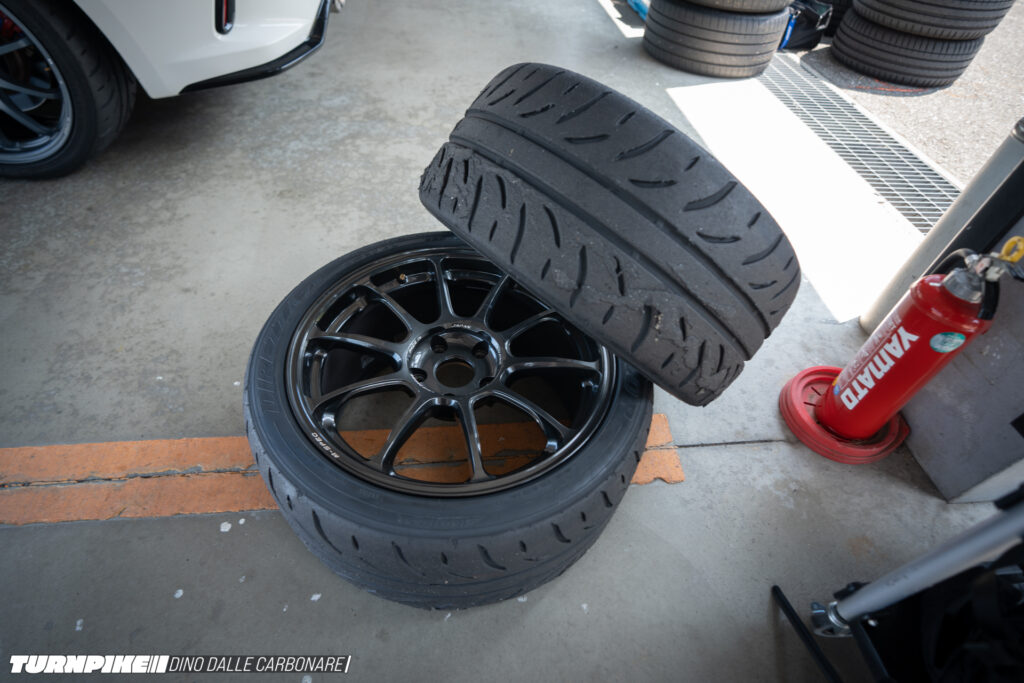
The ZE40 M-SPECs introduced a smoother overall sense of stability, which Michigami-san said was noticeable during direction changes. However, from a strictly performance-focused perspective, it was the TE37 30th Anniversary wheels that ultimately felt best to him.
Michigami-san concluded by noting that these improvements would also be noticeable during normal driving on regular roads. After all, lighter, more rigid wheels translate into a better overall feel through both the steering wheel and the seat.
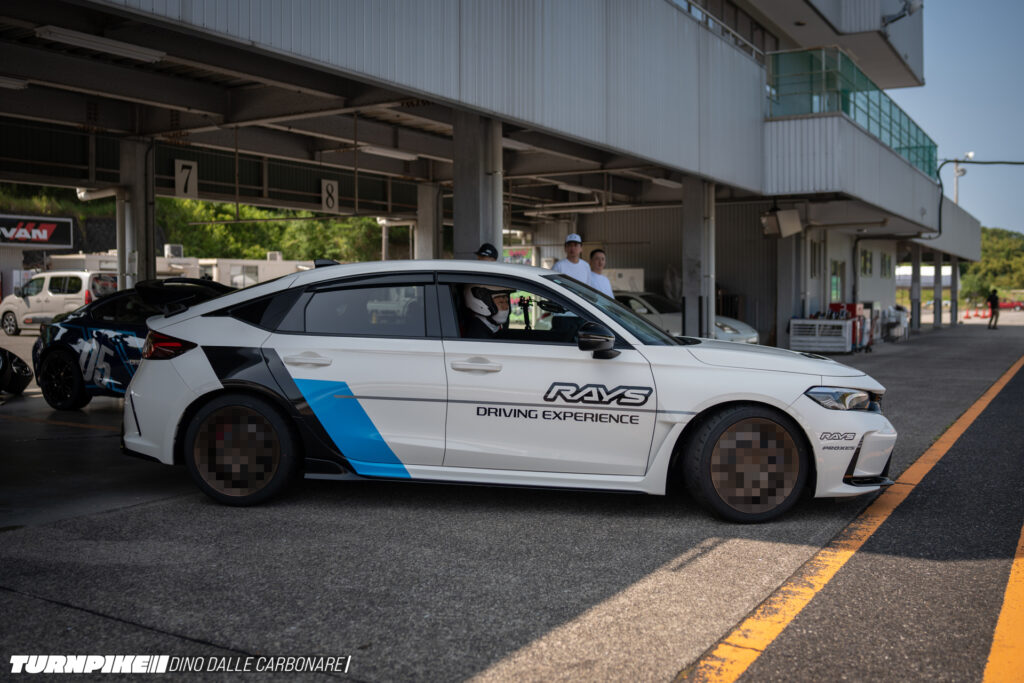
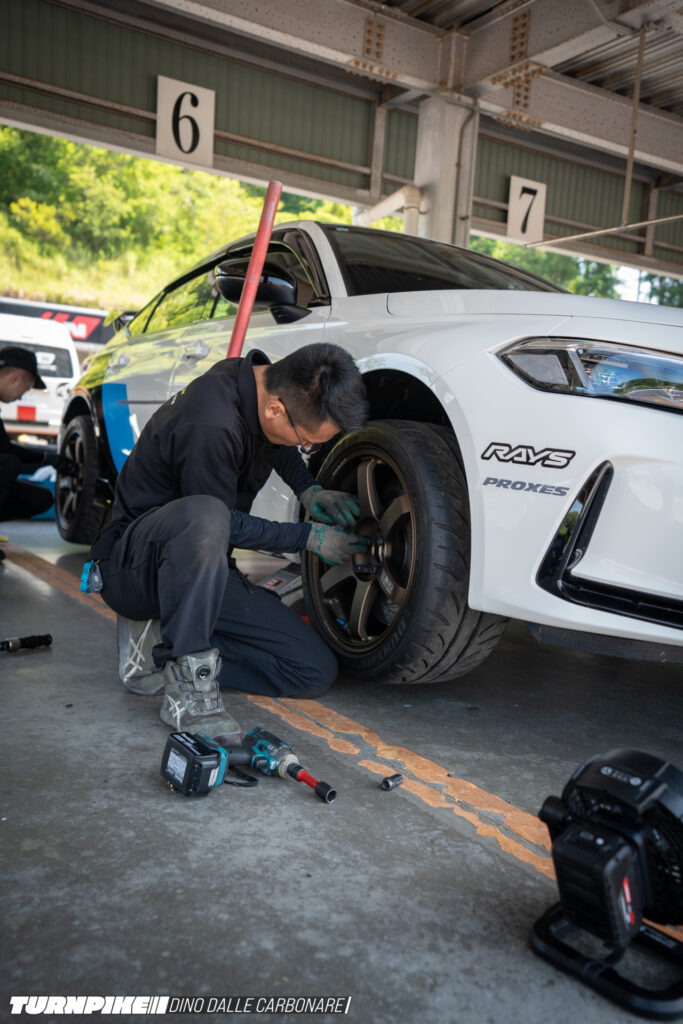
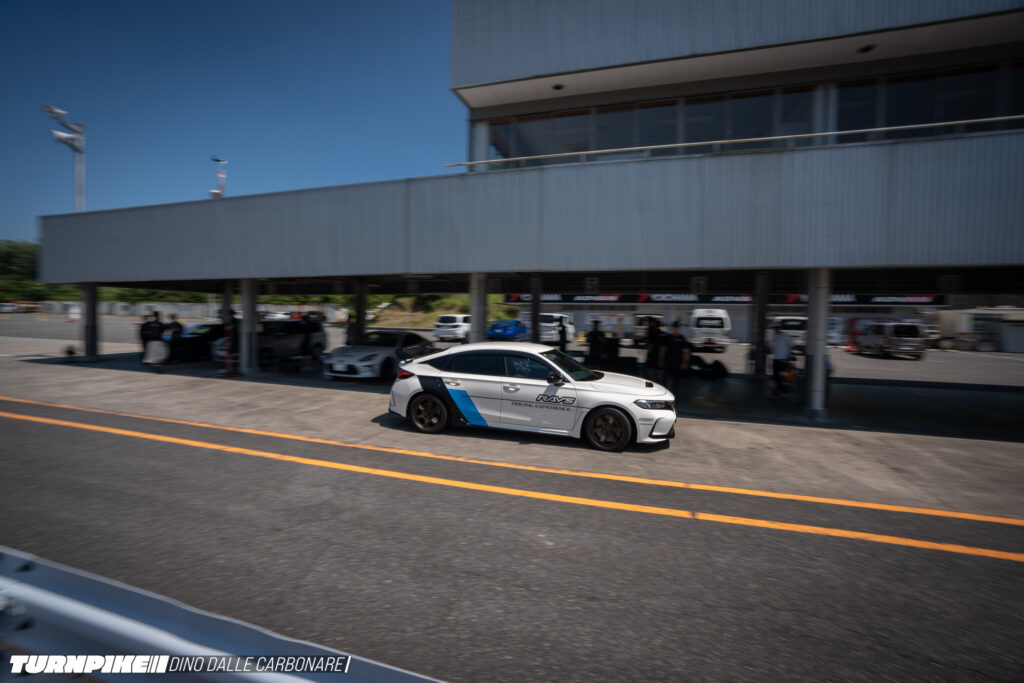
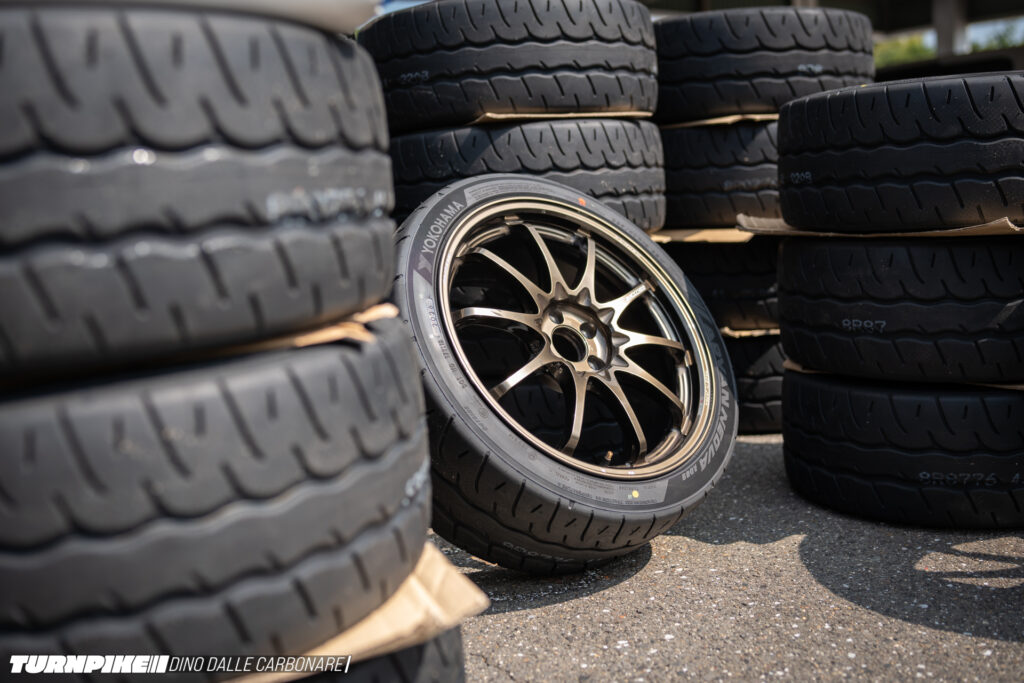
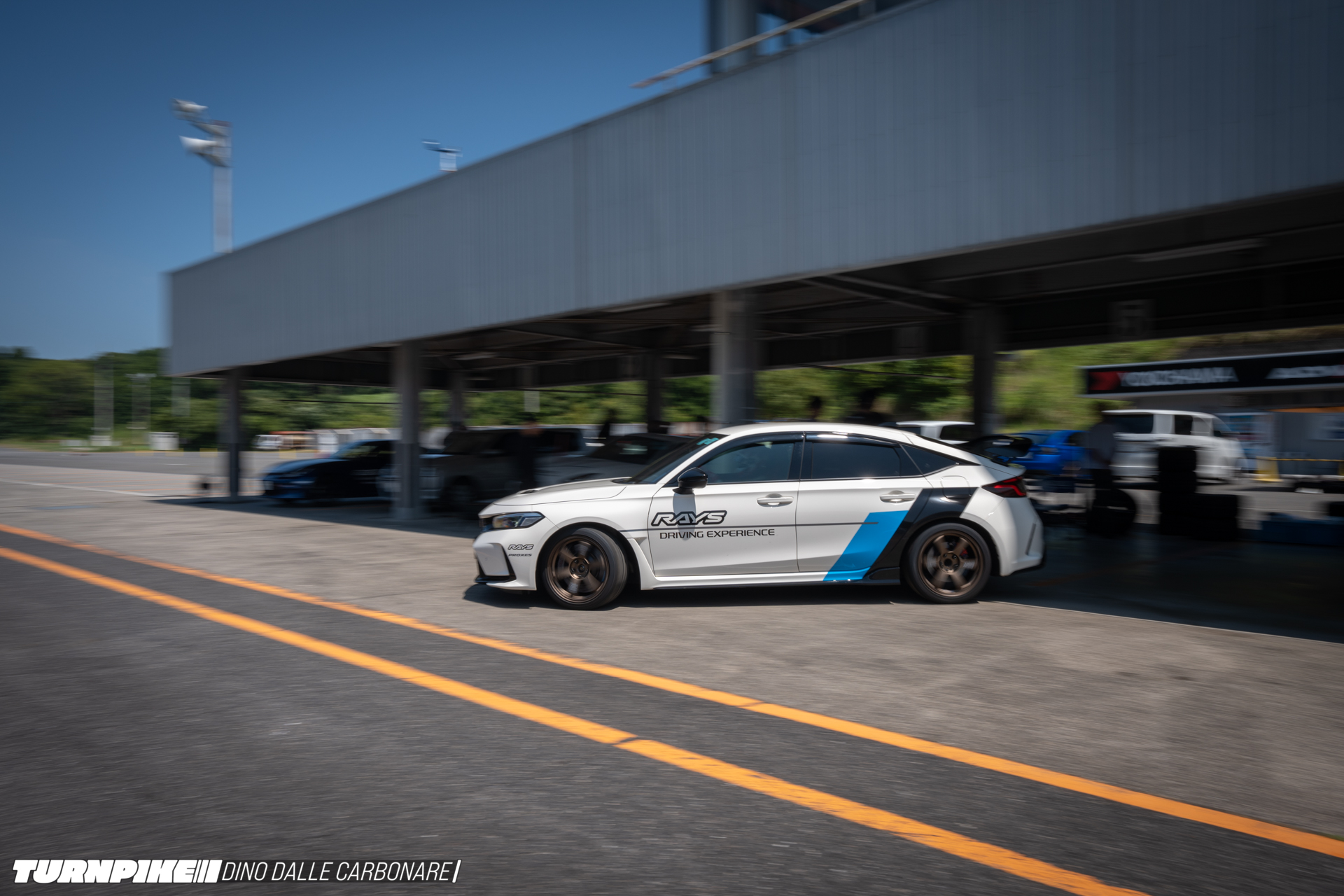
The final test of the day was with the prototype wheels, which honestly looked pretty much production-ready – and incredibly attractive in Volk Racing’s signature Bronze (Almite) finish.
As mentioned earlier, I can’t show you more than a few pixelated images for now. But I made sure to take plenty of photos, so once the RAYS team gives me the all clear, I’ll be able to share them with you here on Turnpike, up close and in detail.



RE30’s Coming Back?
Pretty cool that you got to go to a RAYS demo showcase. Would love to test some RAYS wheels on my Civic Hybrid Hatch lol
That pixelation almost makes it look like a tri-spoke design – C-Ultra or similar making a return?