
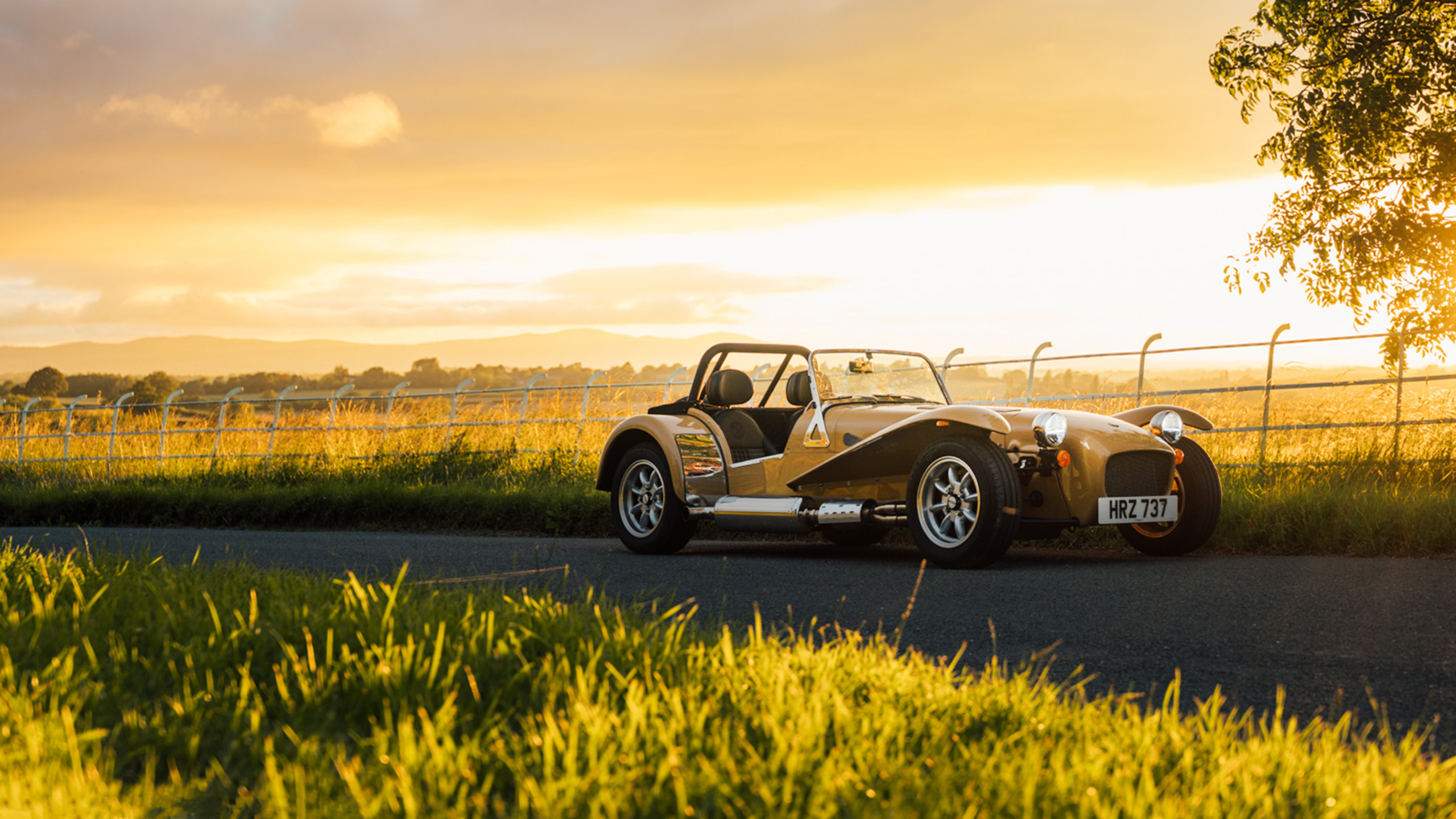
One hundred and eighty brake horsepower, five hundred and sixty kilograms, no doors and a manual transmission. It’s the ultimate recipe for what I would now consider the ultimate raw driving experience, and it’s not complete unobtainium.
The driver’s car as we know it is a dying breed. Manual transmissions are out, electric motors are in. But what if I told you you could still purchase a brand-new car that weighs as little as an electric battery, has no roof, removable doors, and a manual transmission? Well, that’s where Caterham comes in.
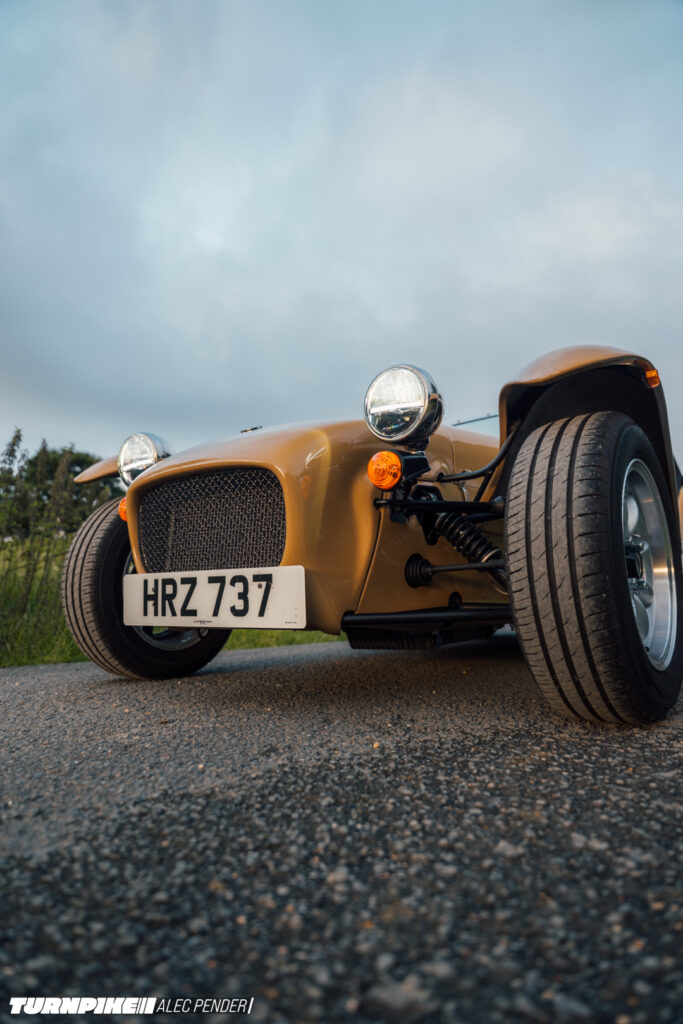
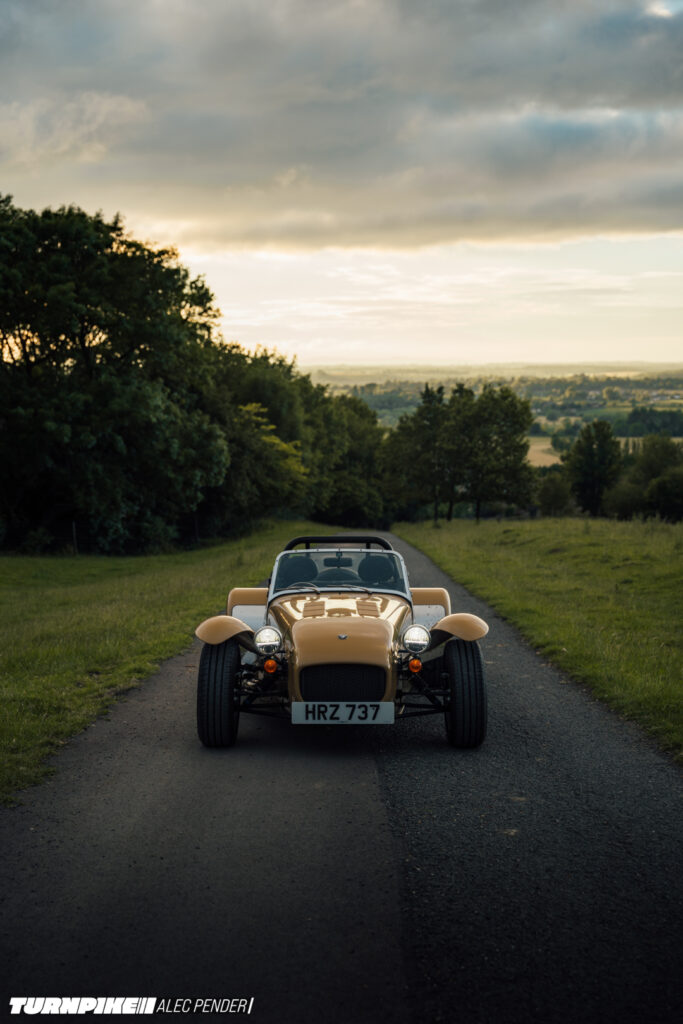
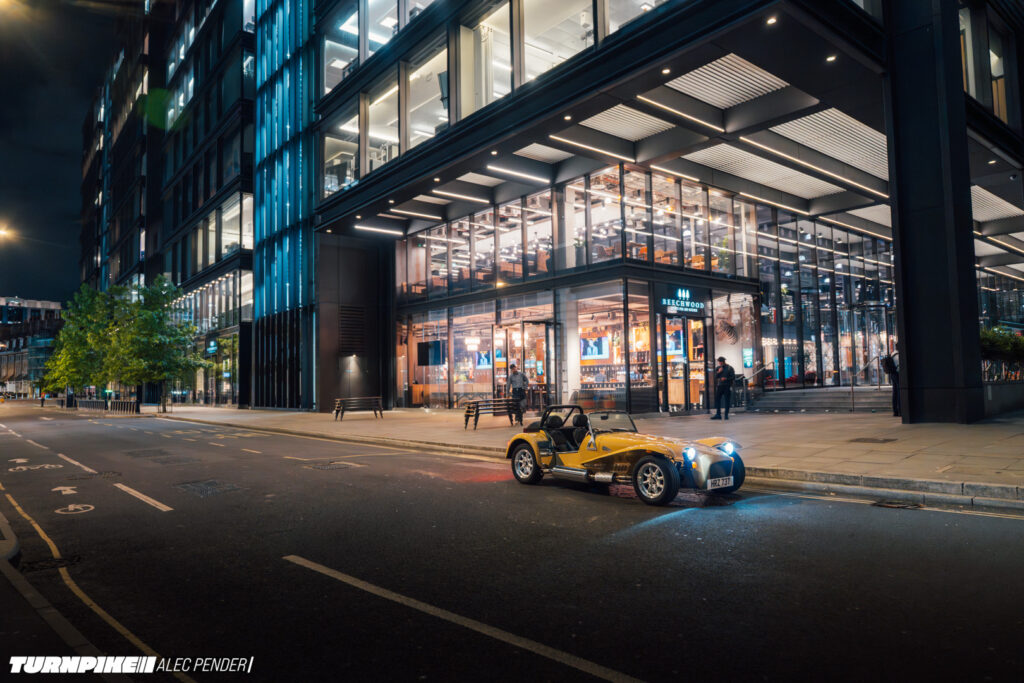
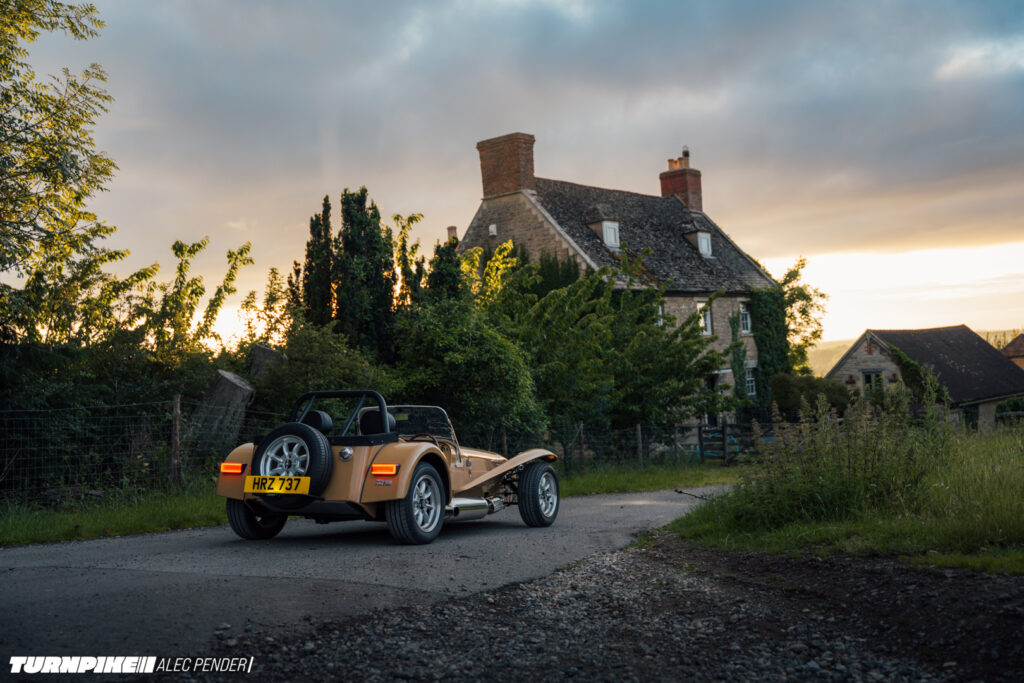
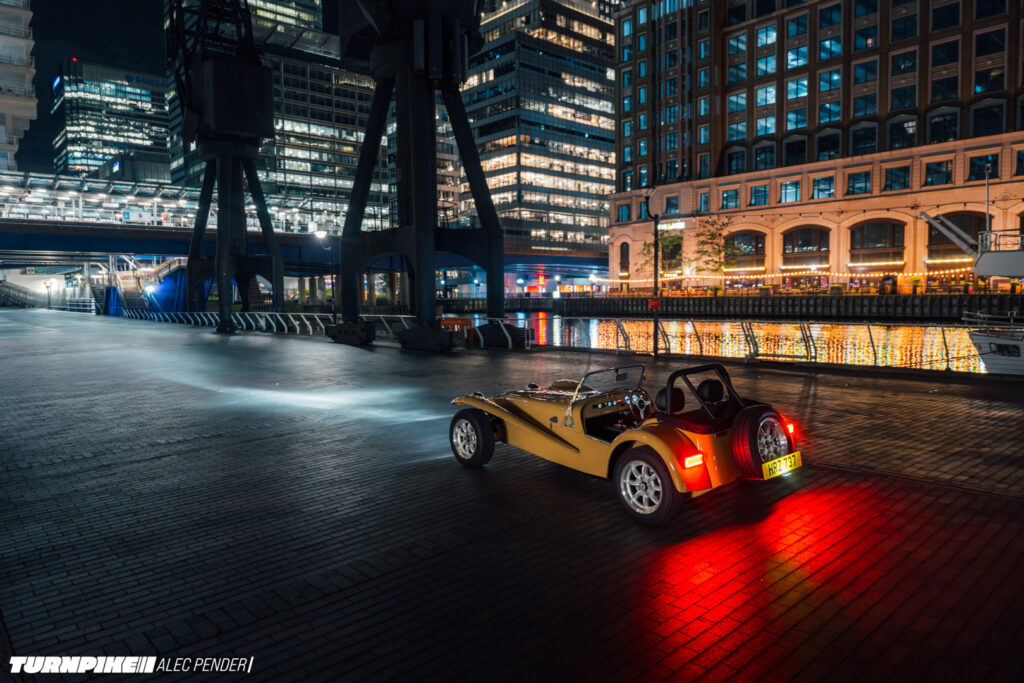
Since moving to Japan, Caterhams have been on my driving bucket list. They’re everywhere, from Daikoku Parking area to mountain roads. The Japanese have well and truly embraced the brand, and it makes sense when you find out that Japan is one of the largest markets for these open-wheelers. So when Dino and I got the chance to visit Caterham’s new manufacturing facility for a tour and a drive last month, we jumped at the opportunity. But before we dive into the process, let’s dive straight into the final result.
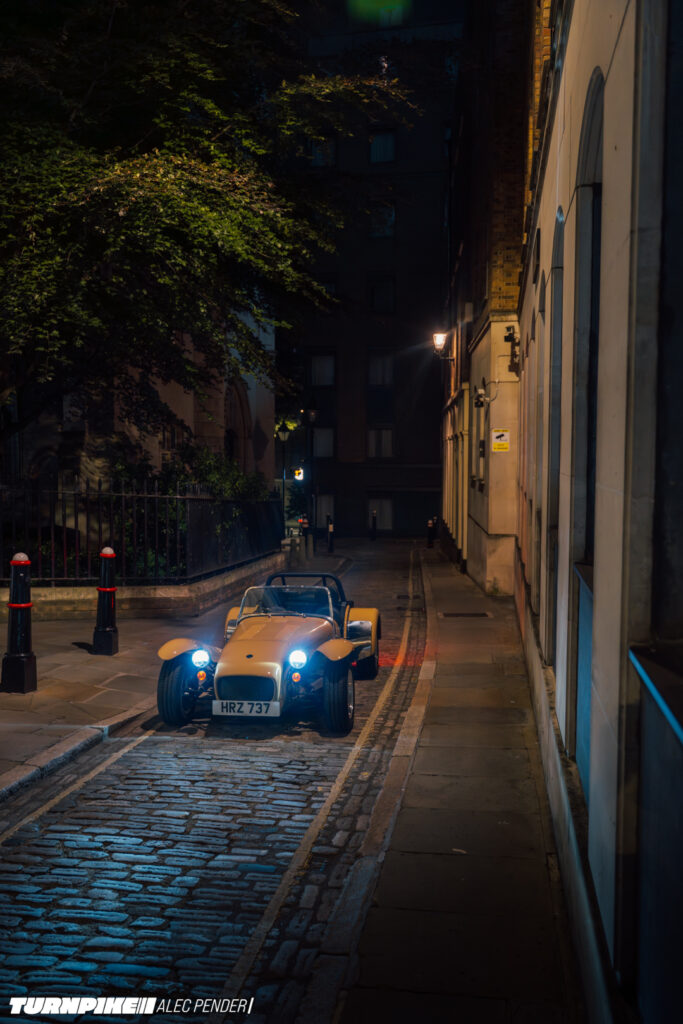
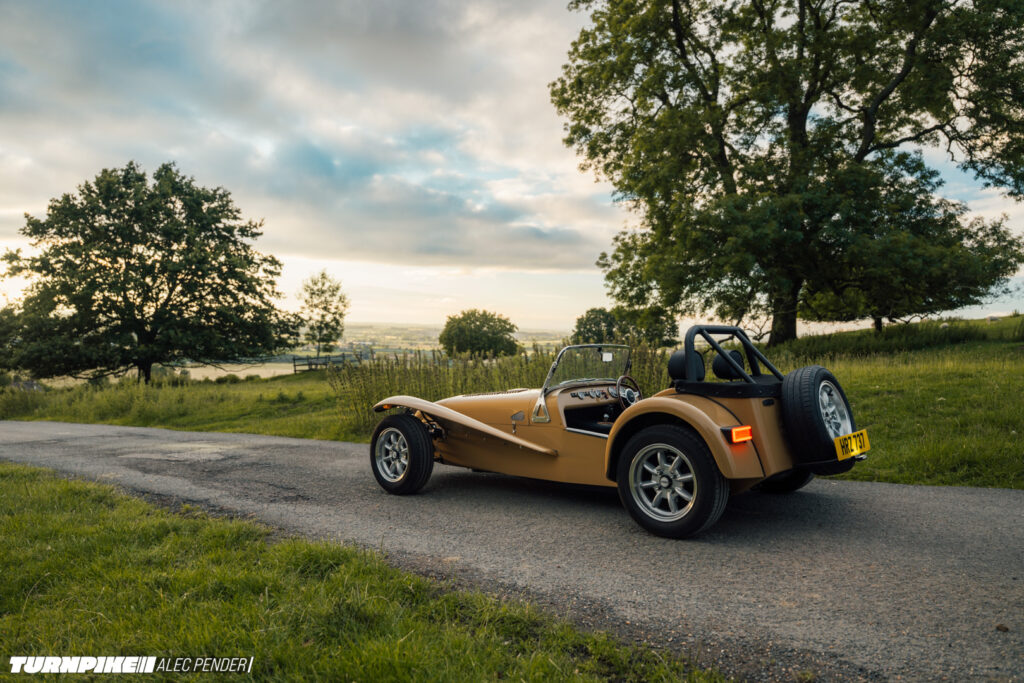
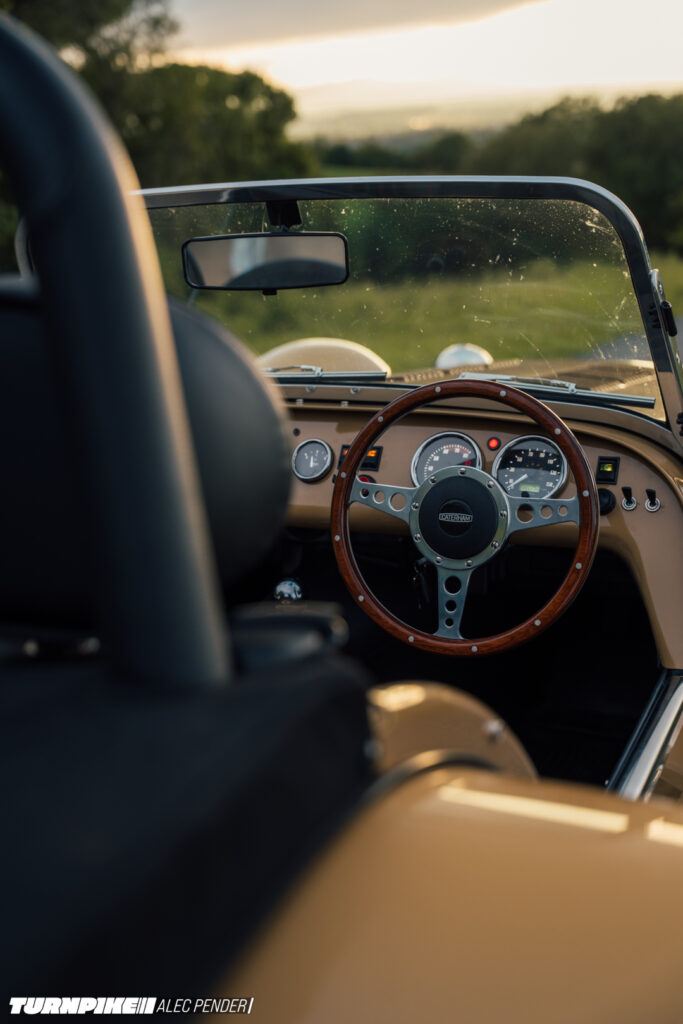
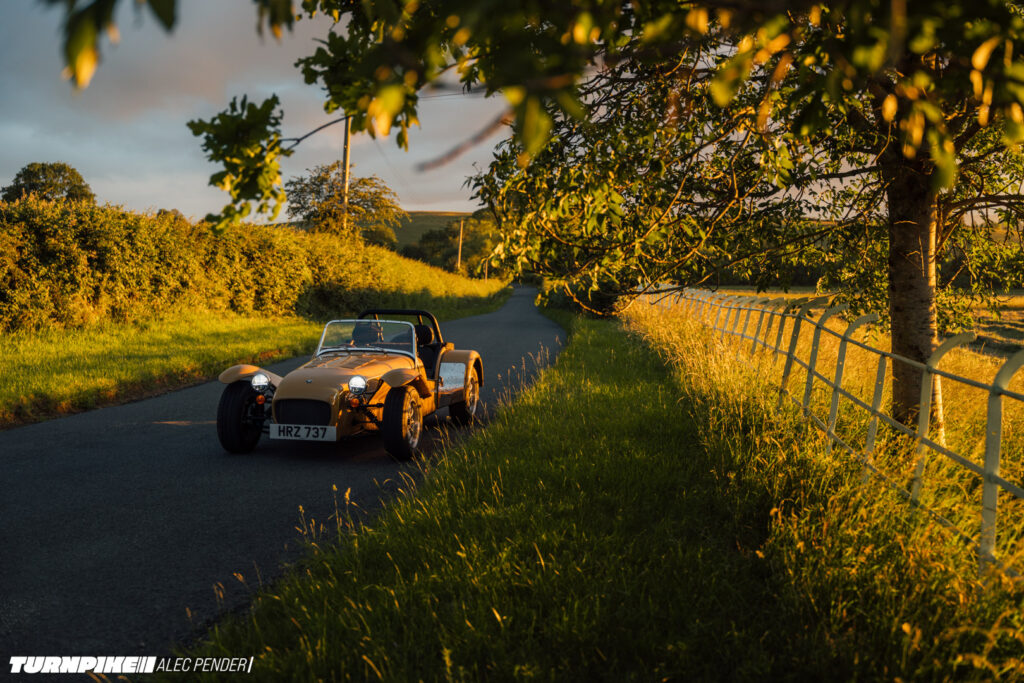
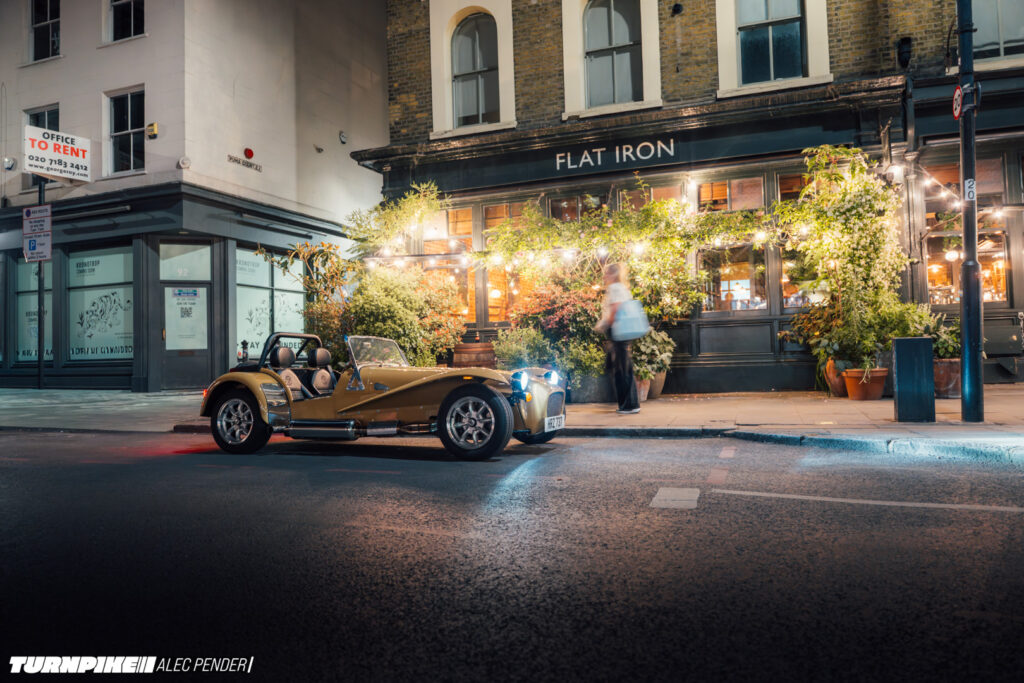
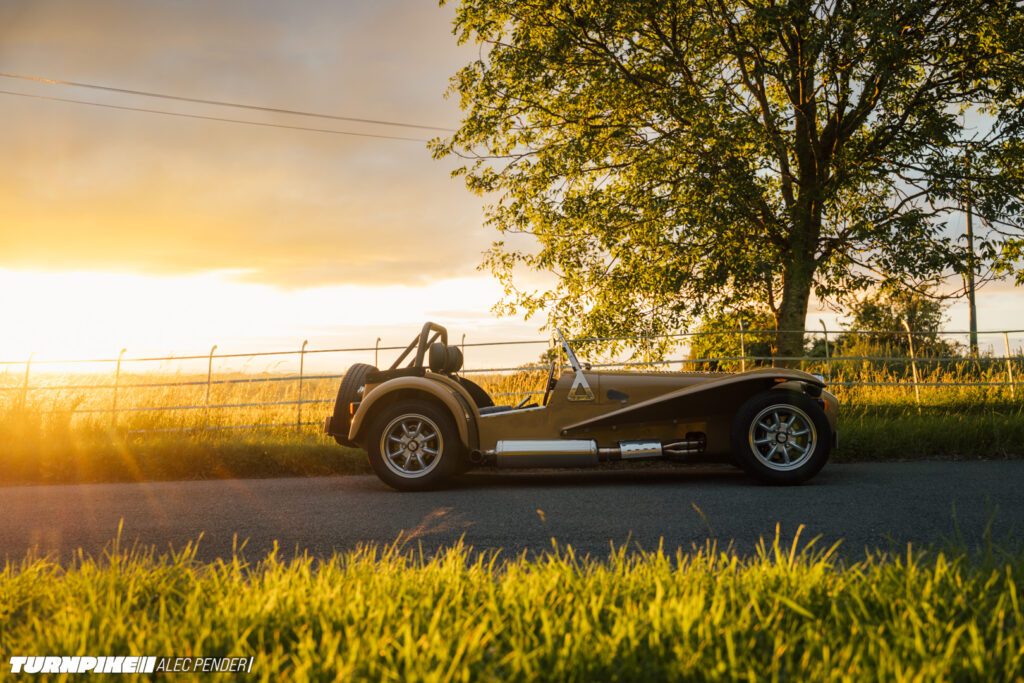
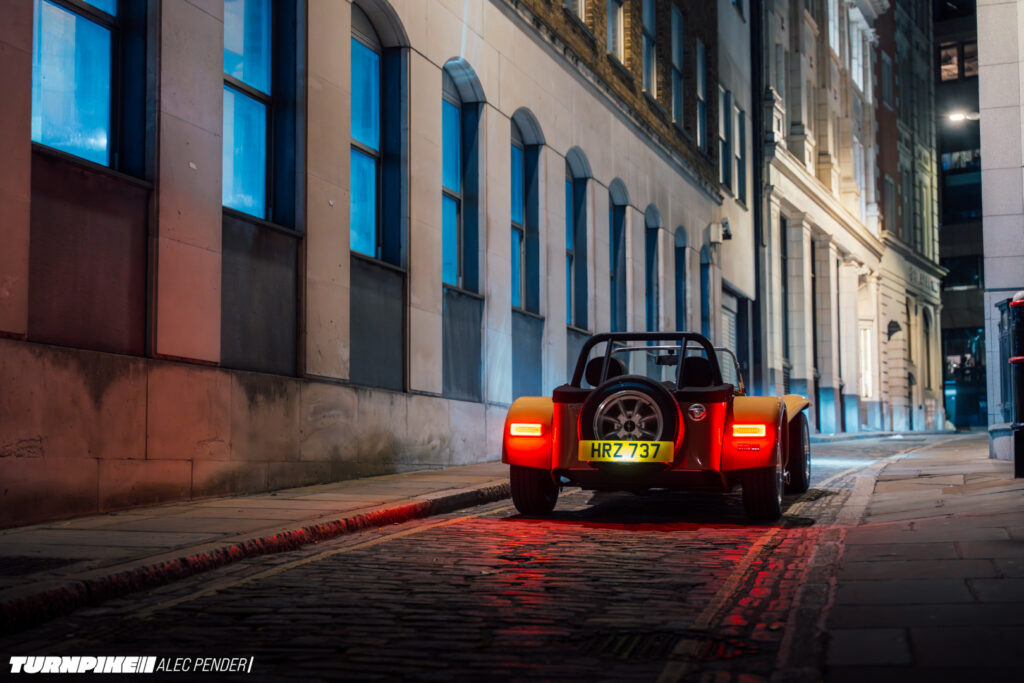
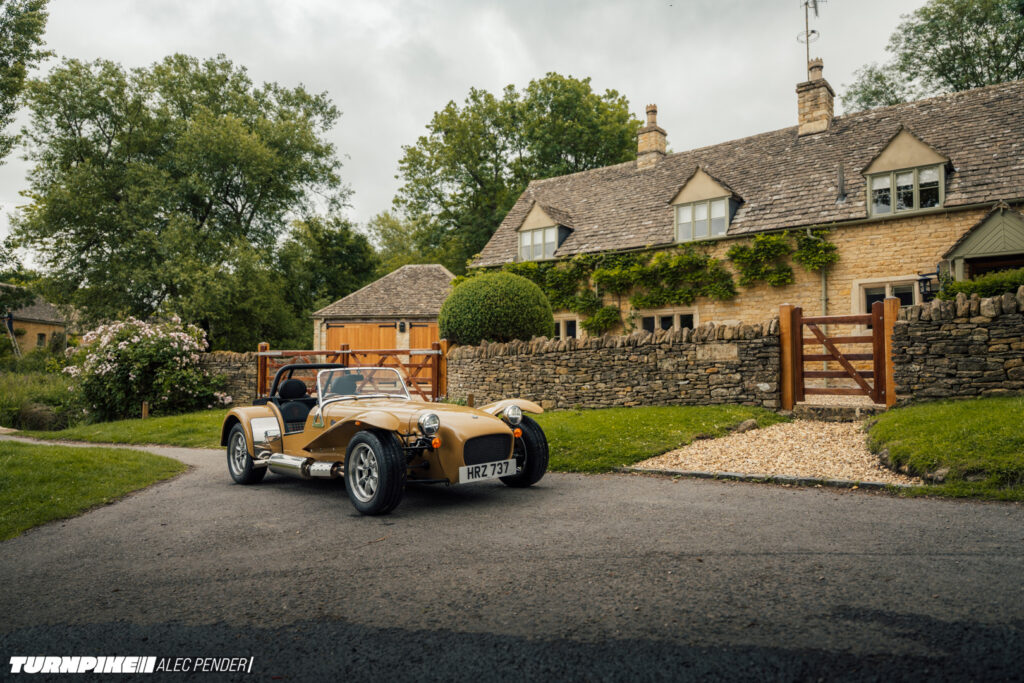
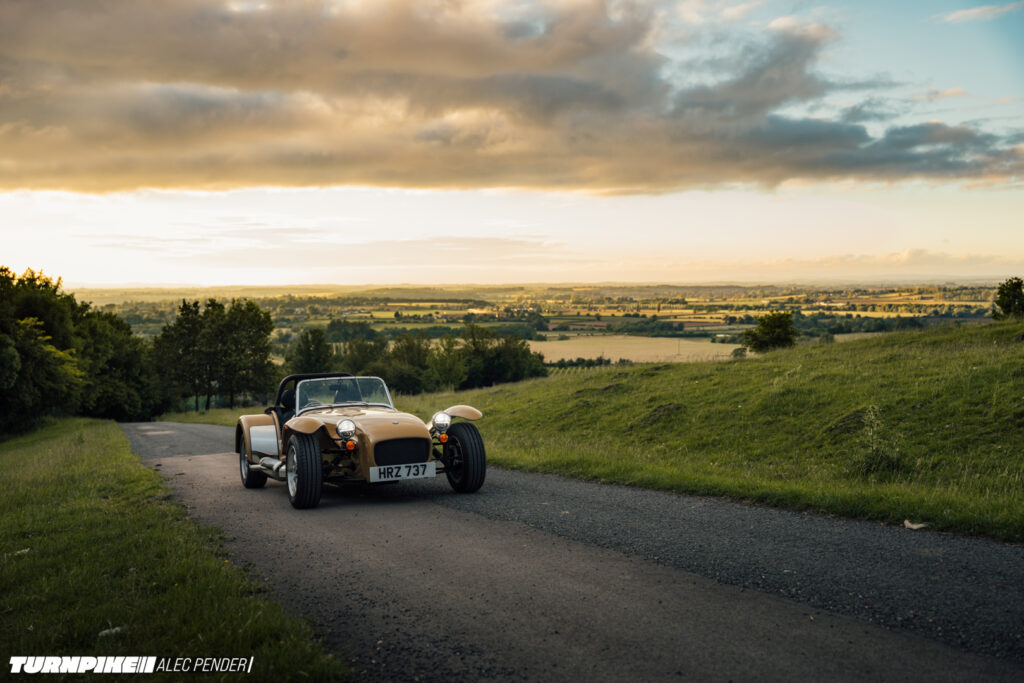
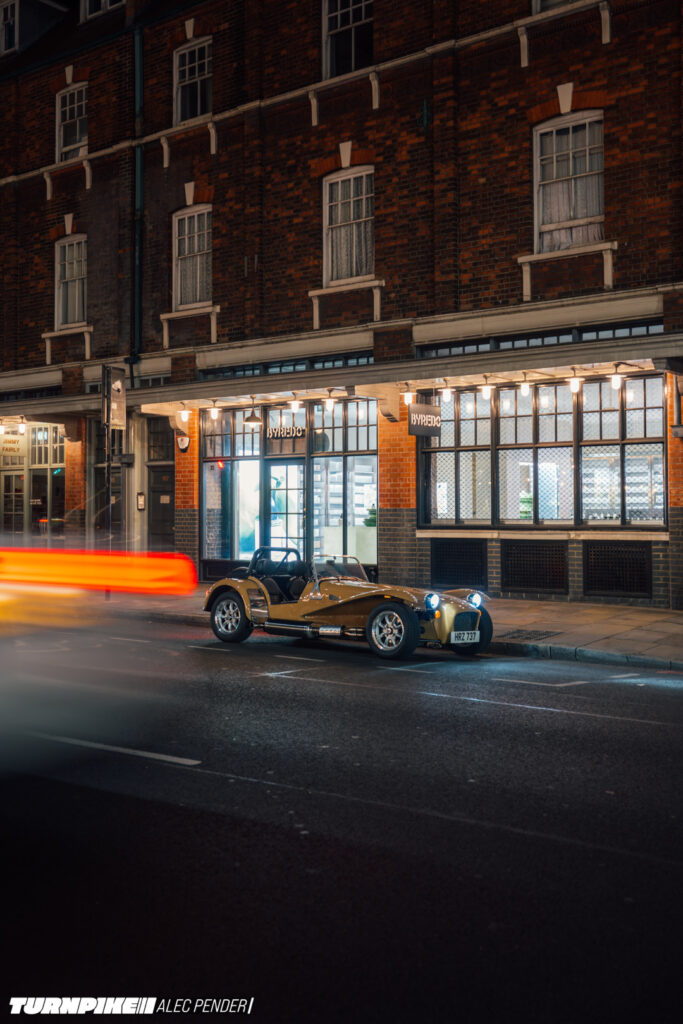
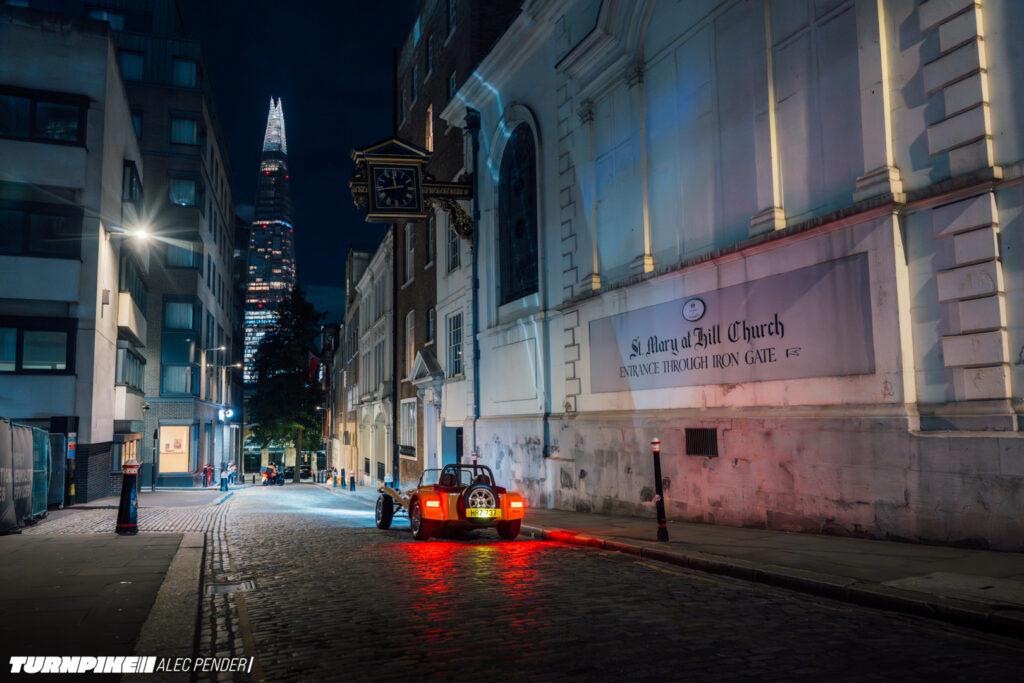
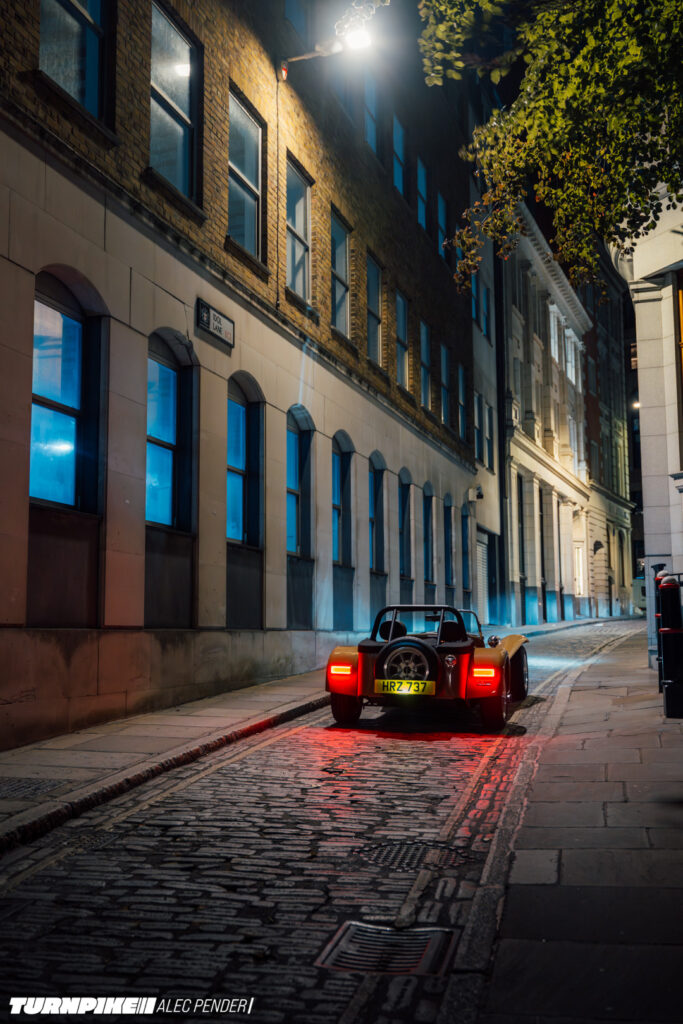
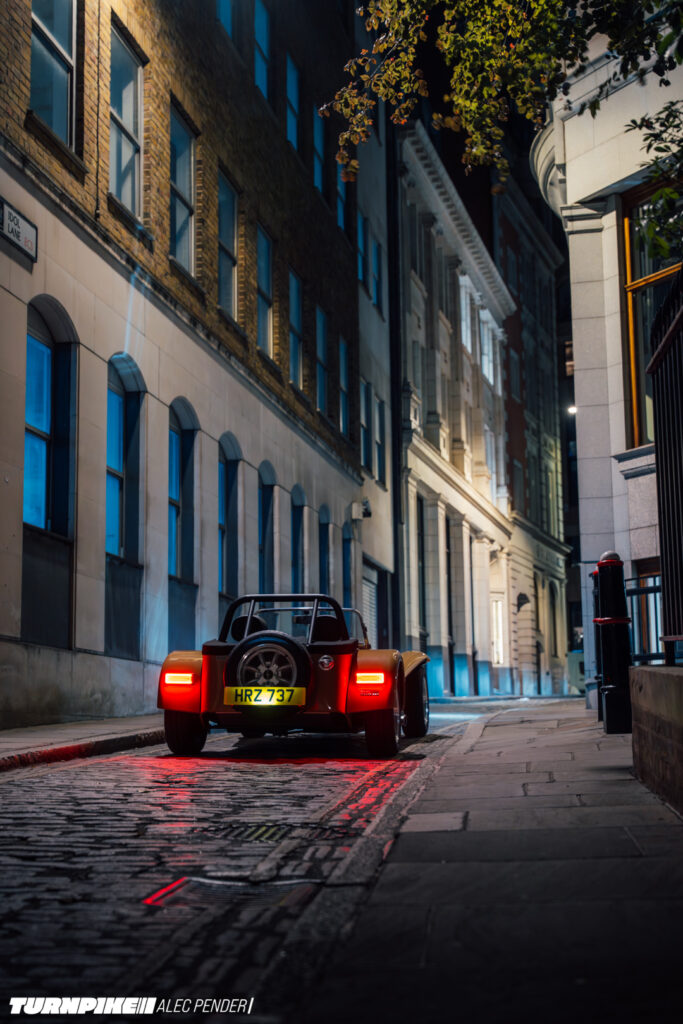
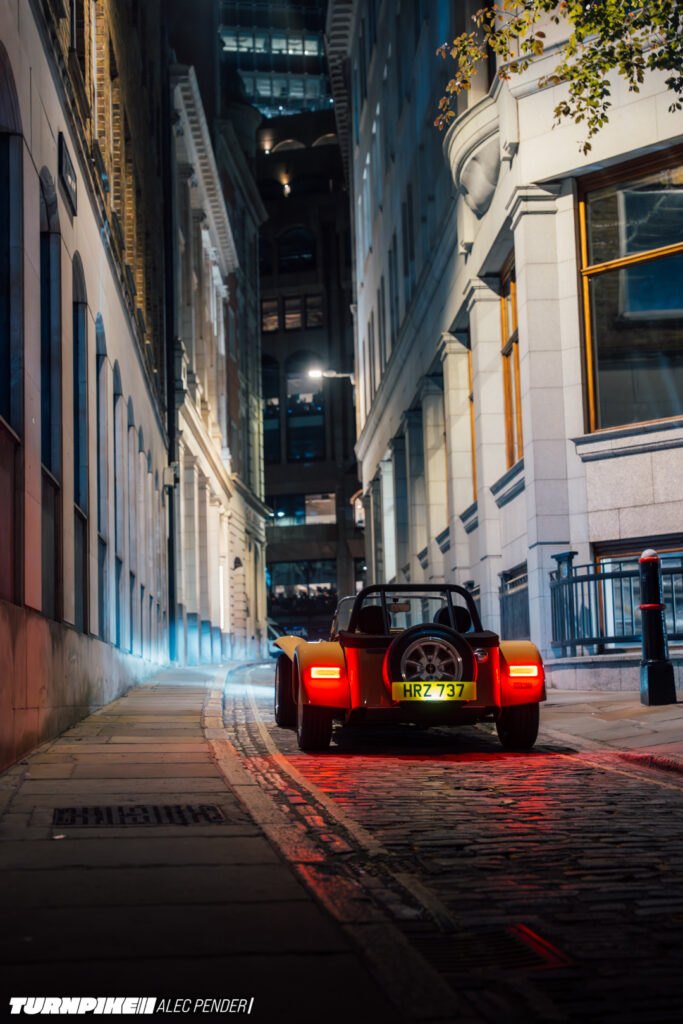
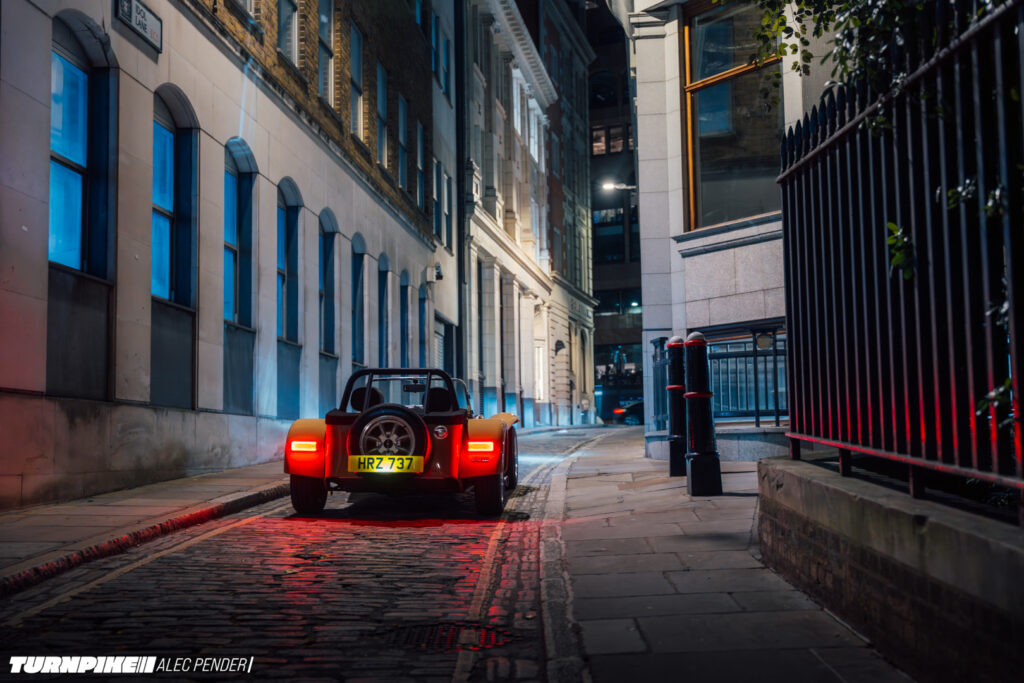
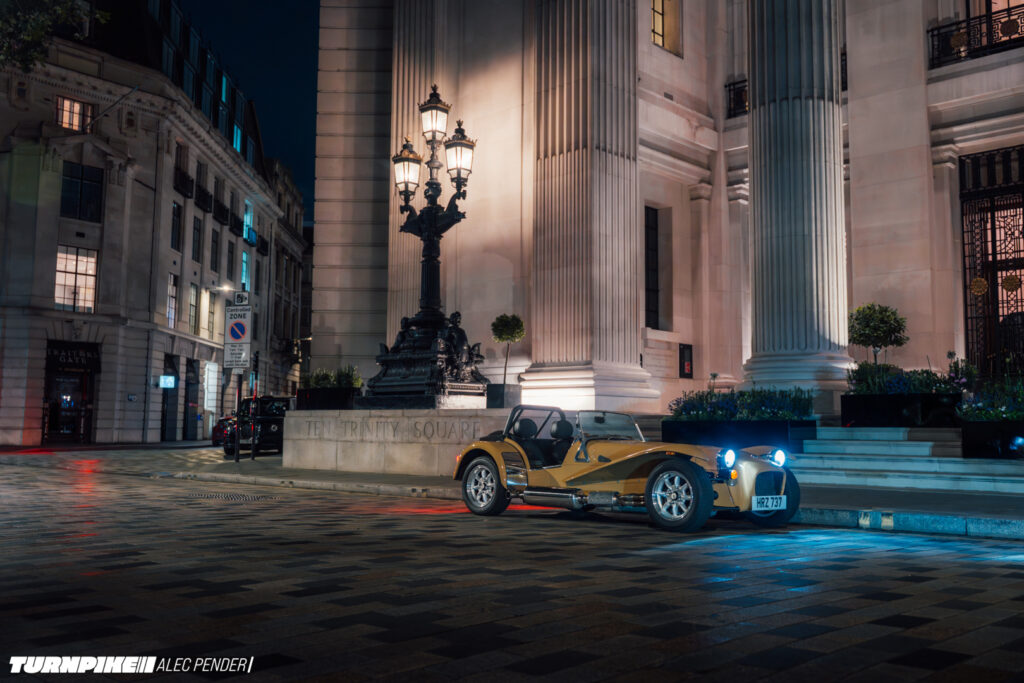
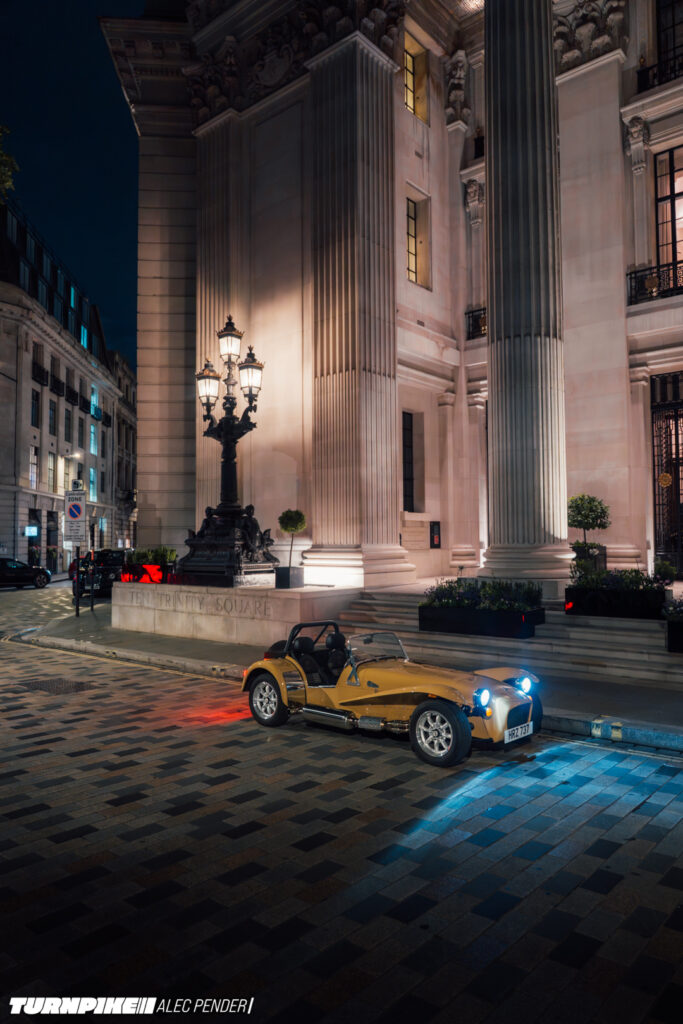
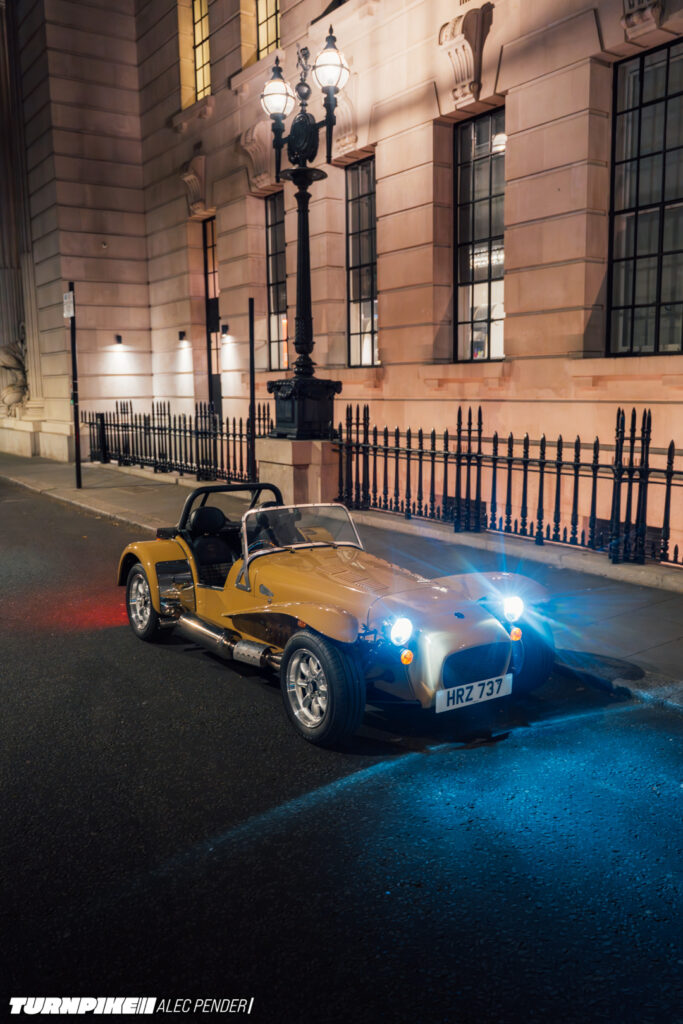
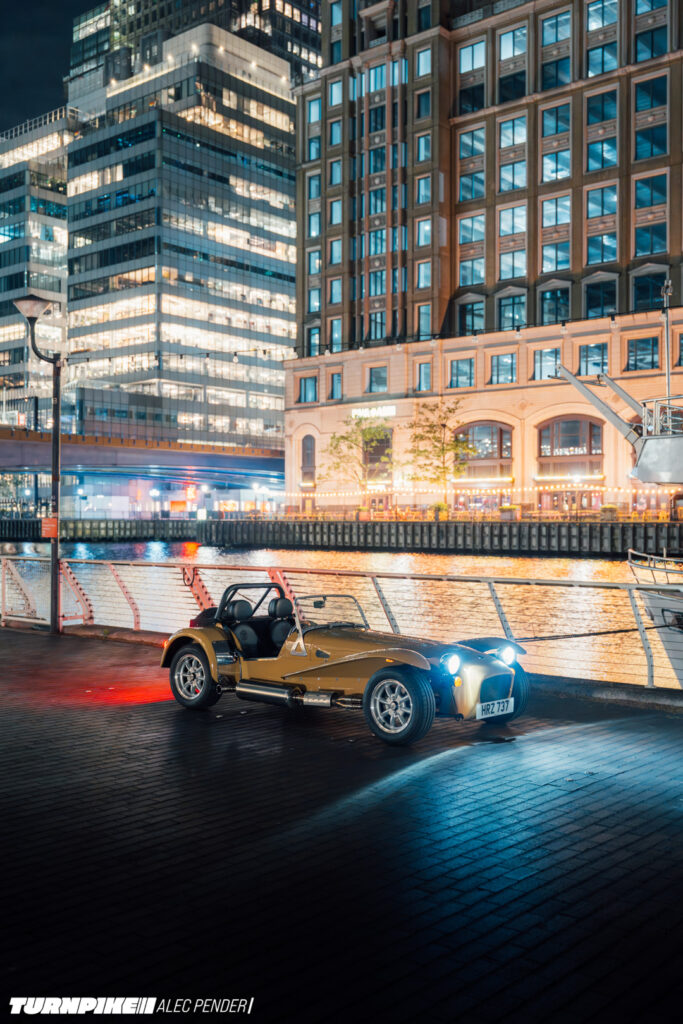
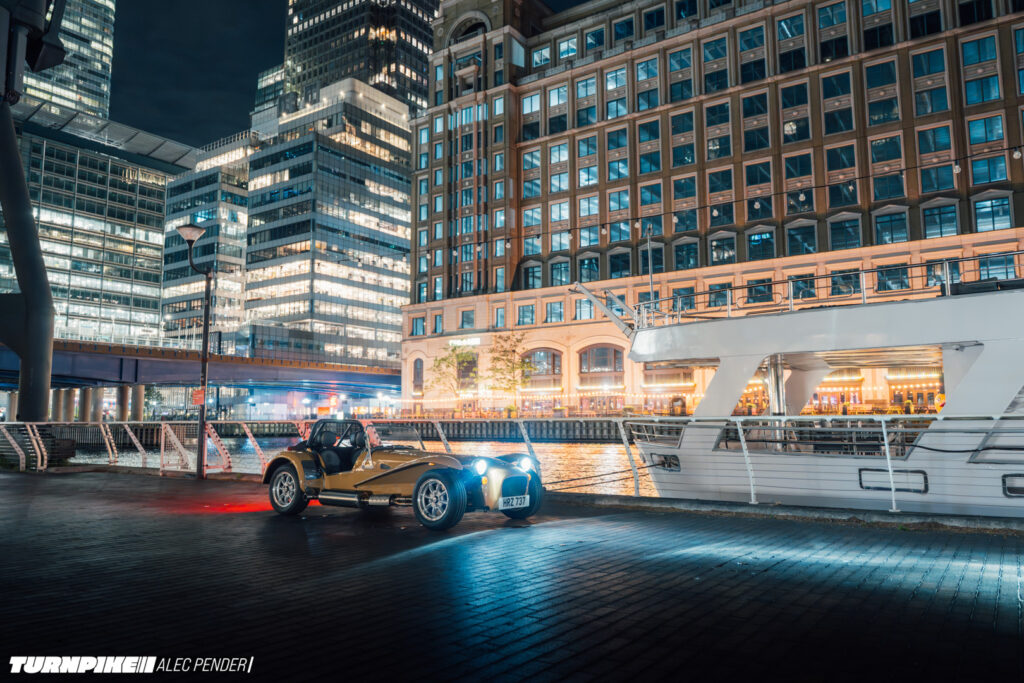
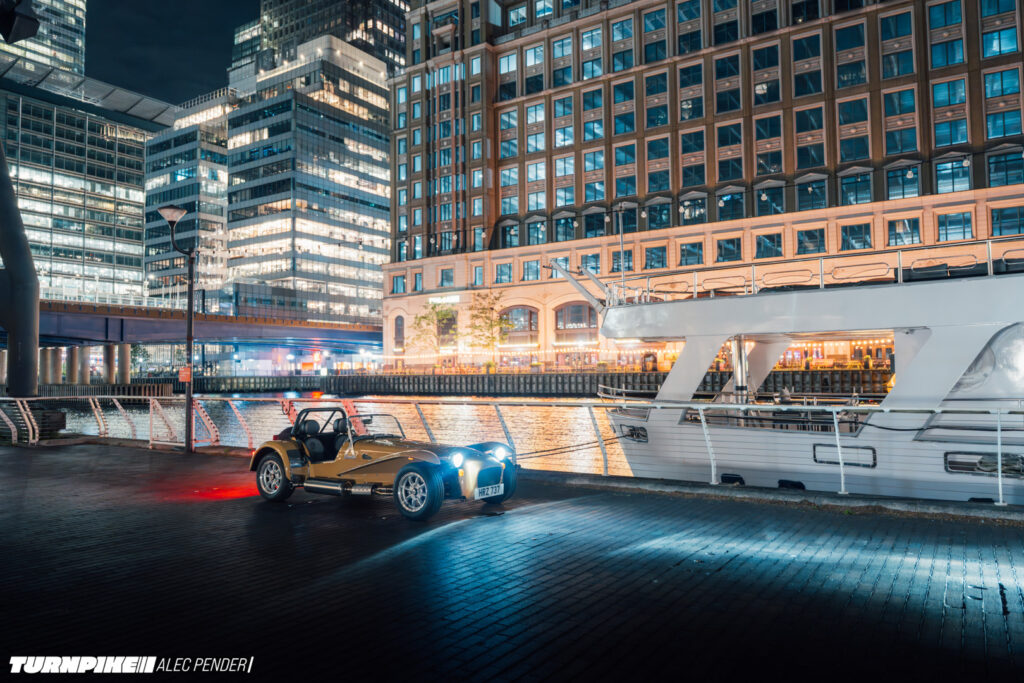
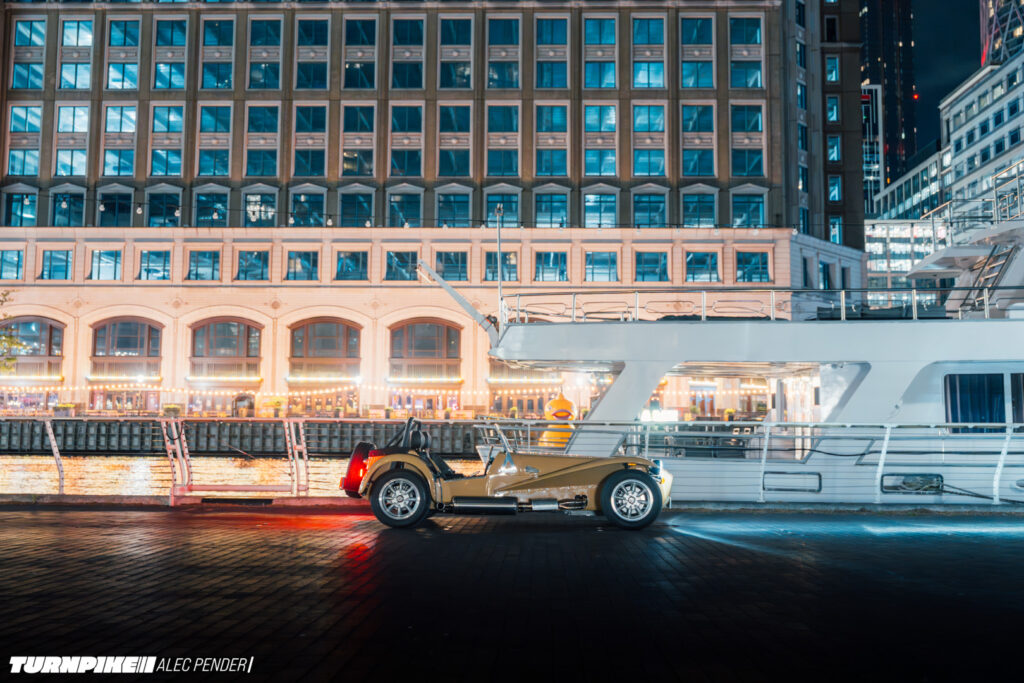
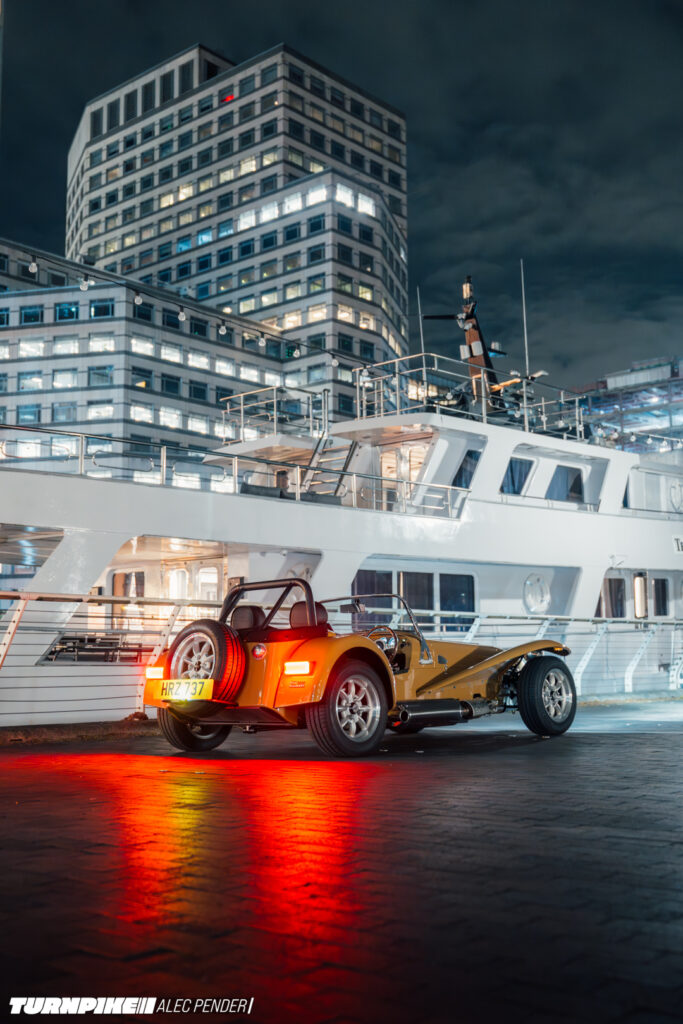
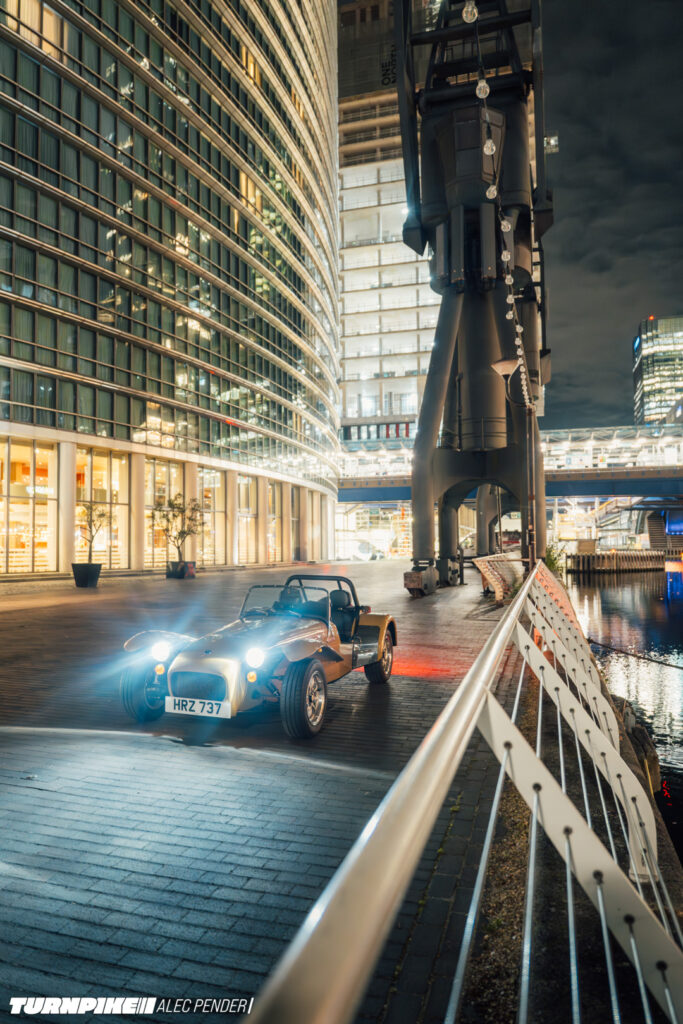
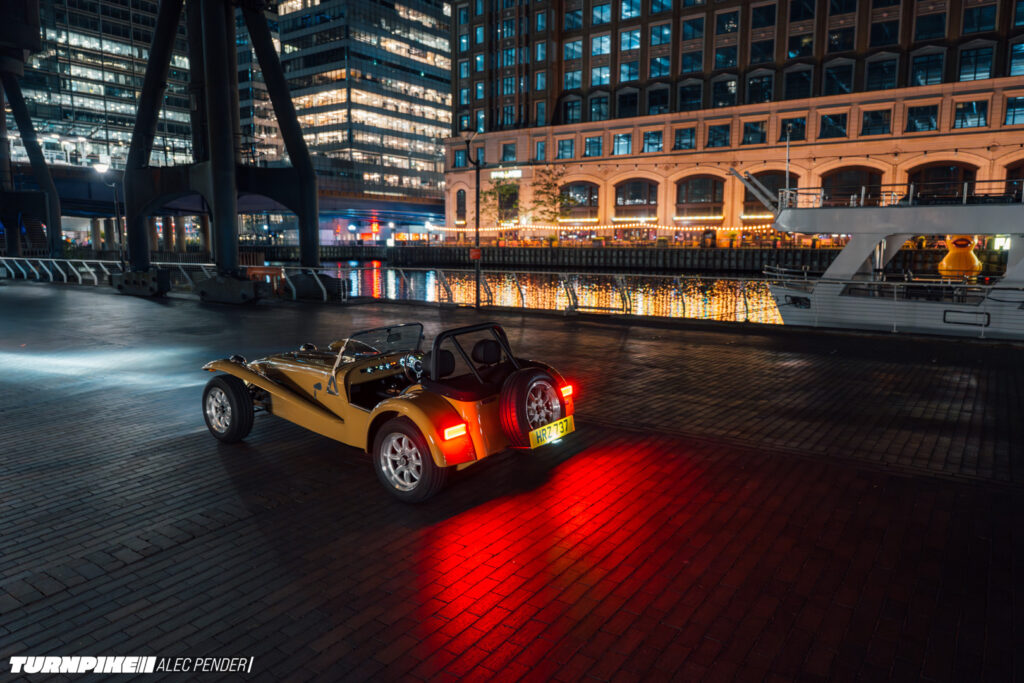
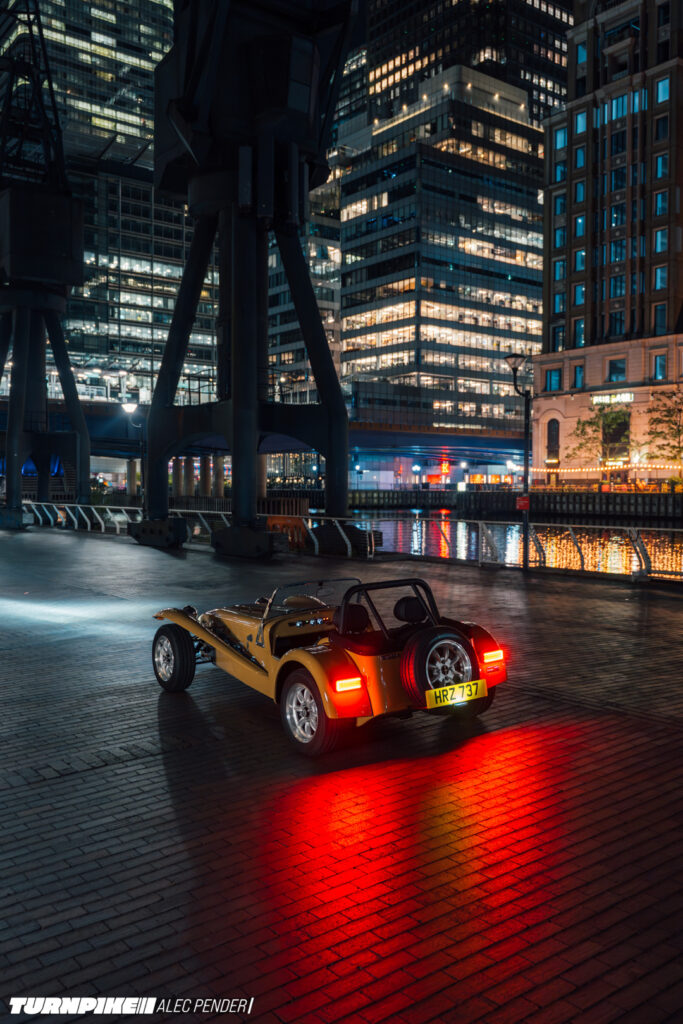
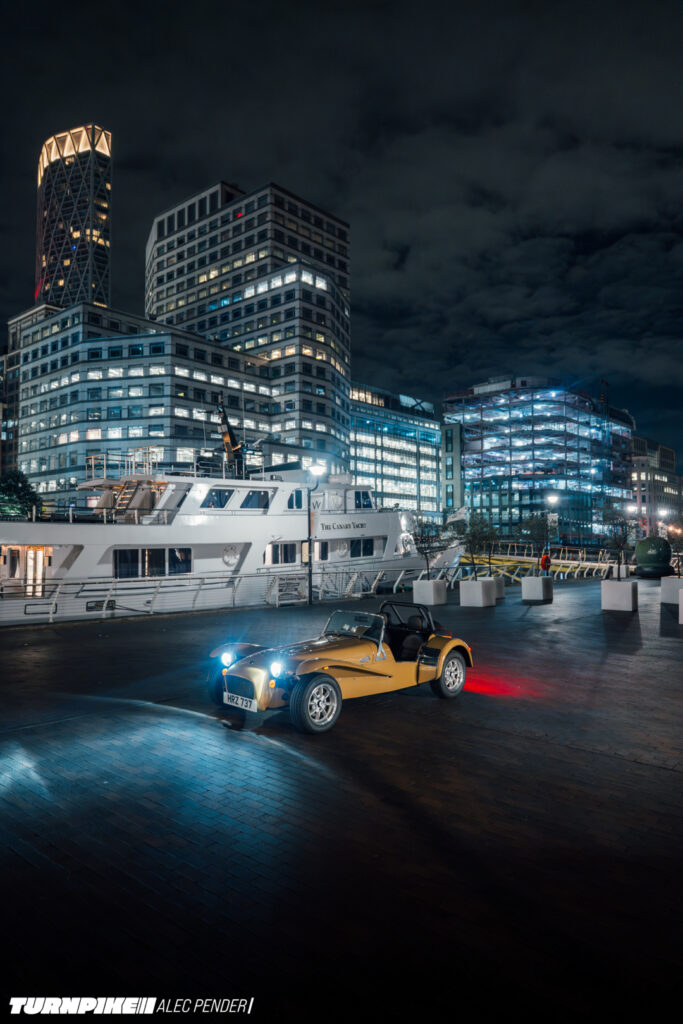
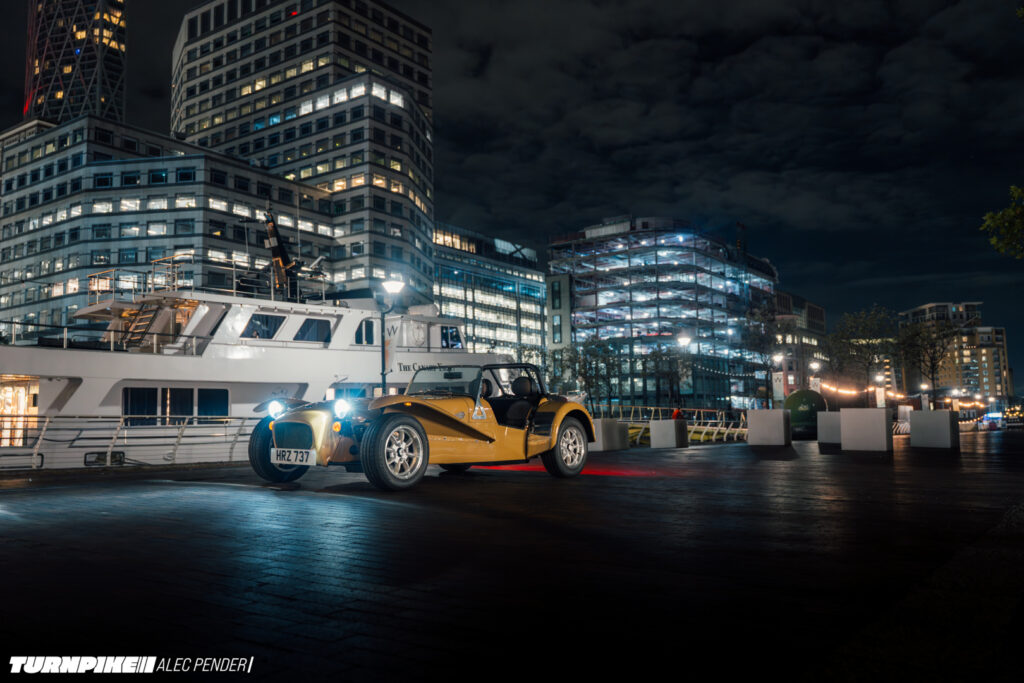
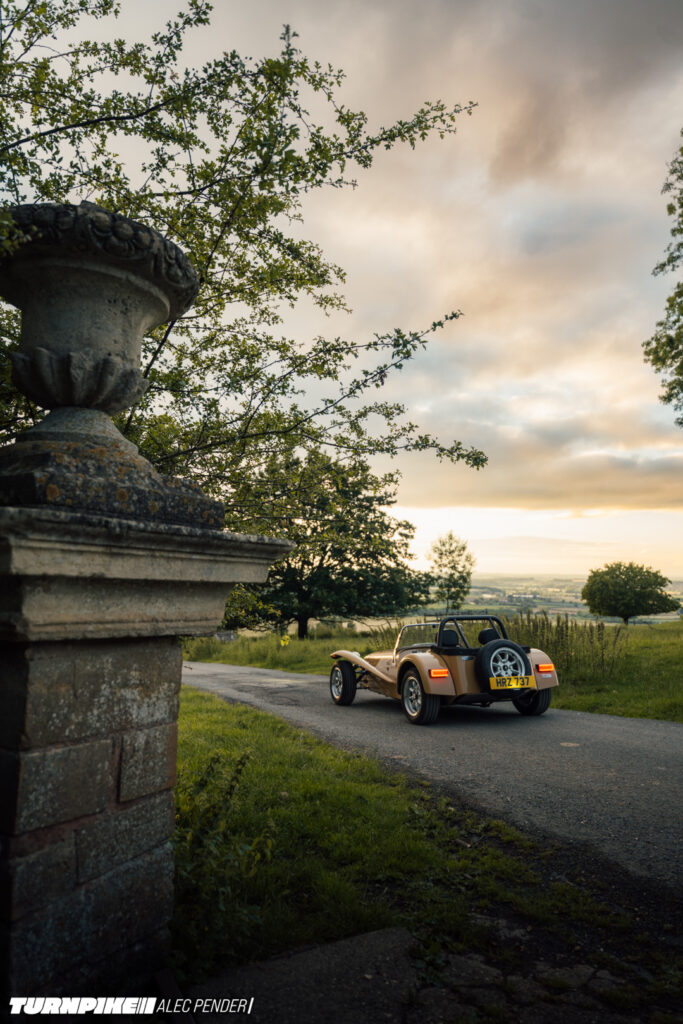
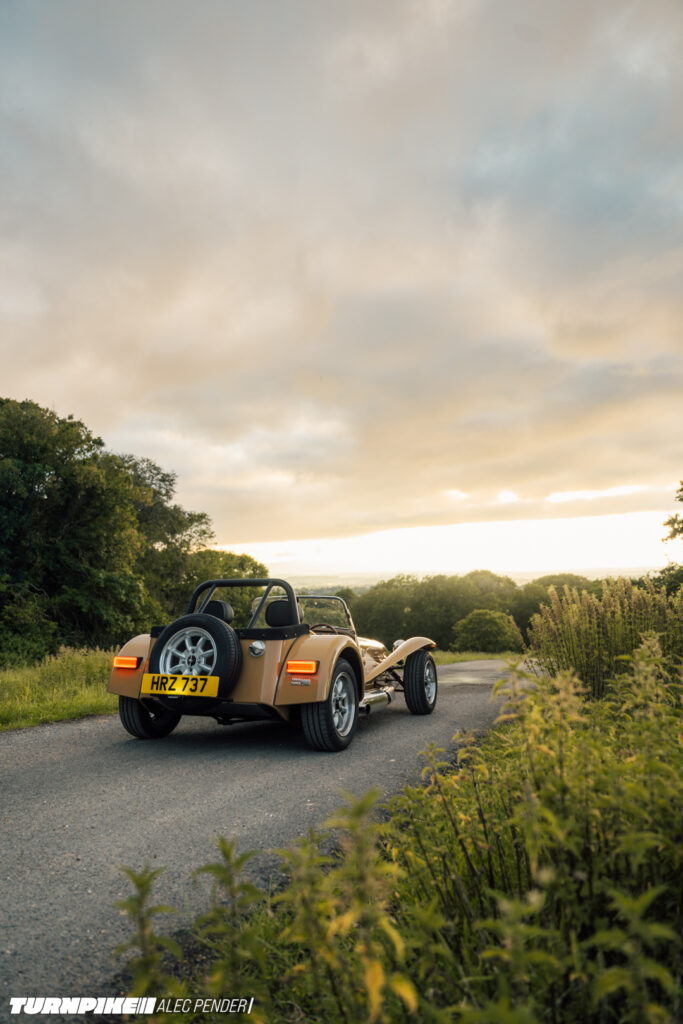
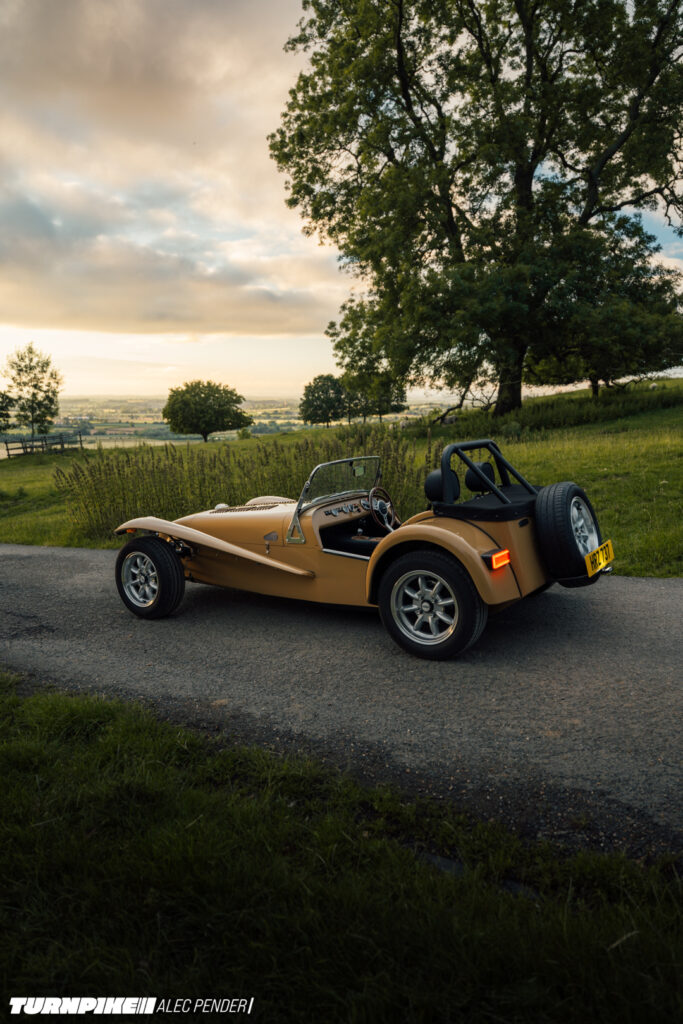
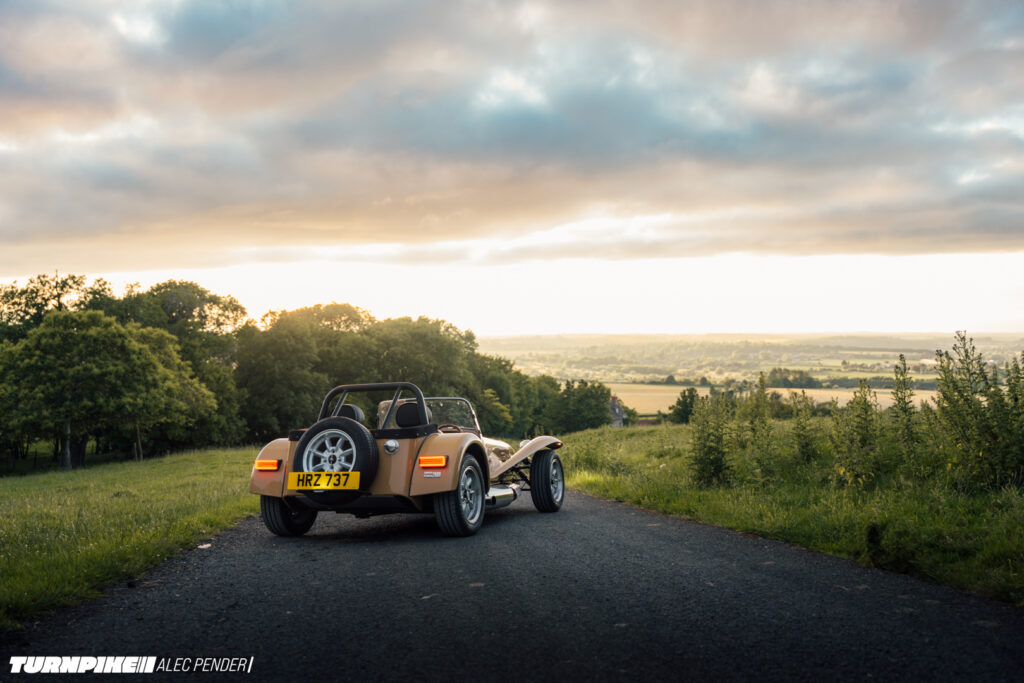
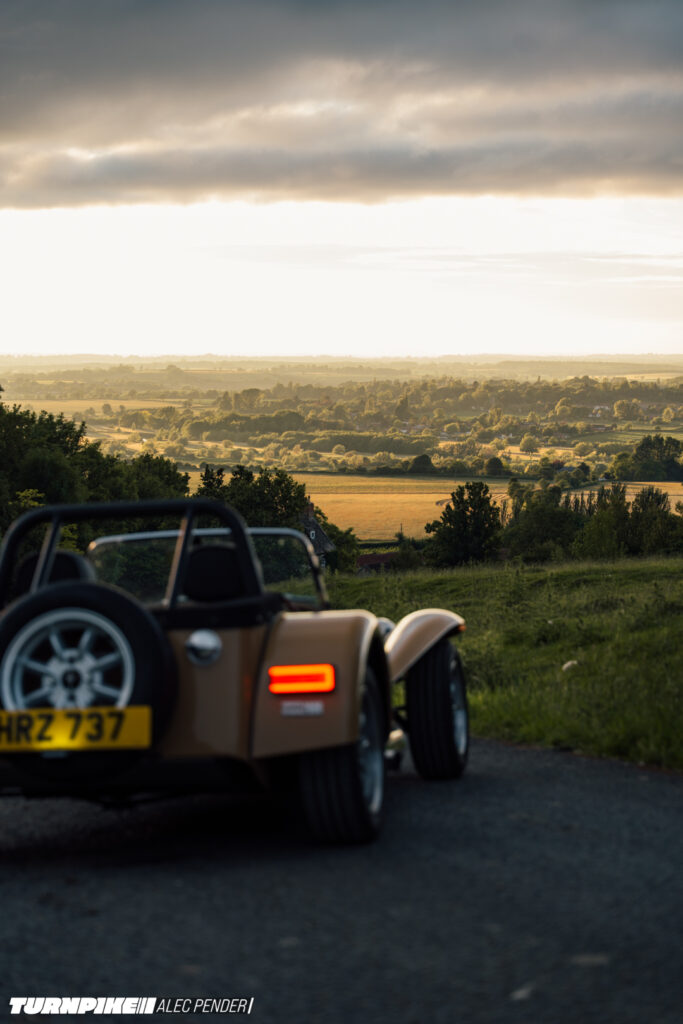
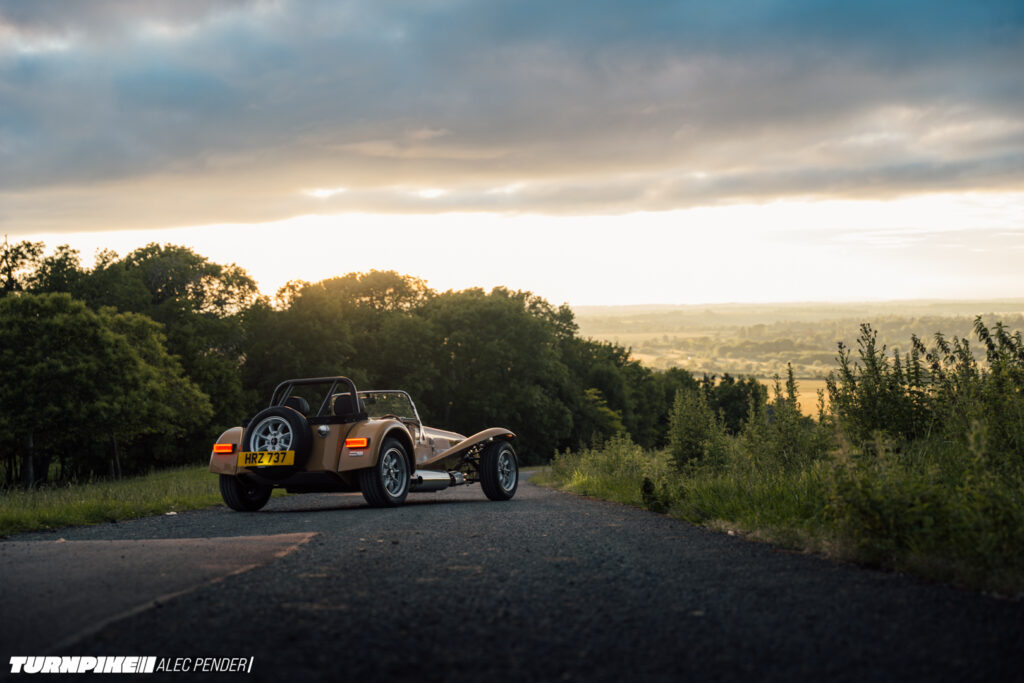
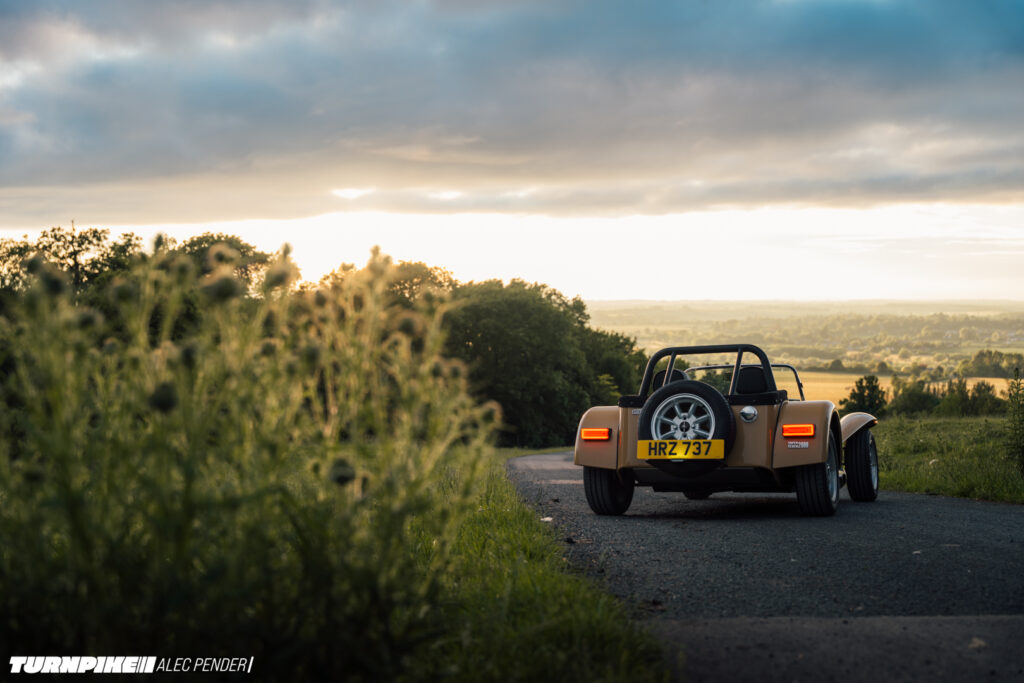
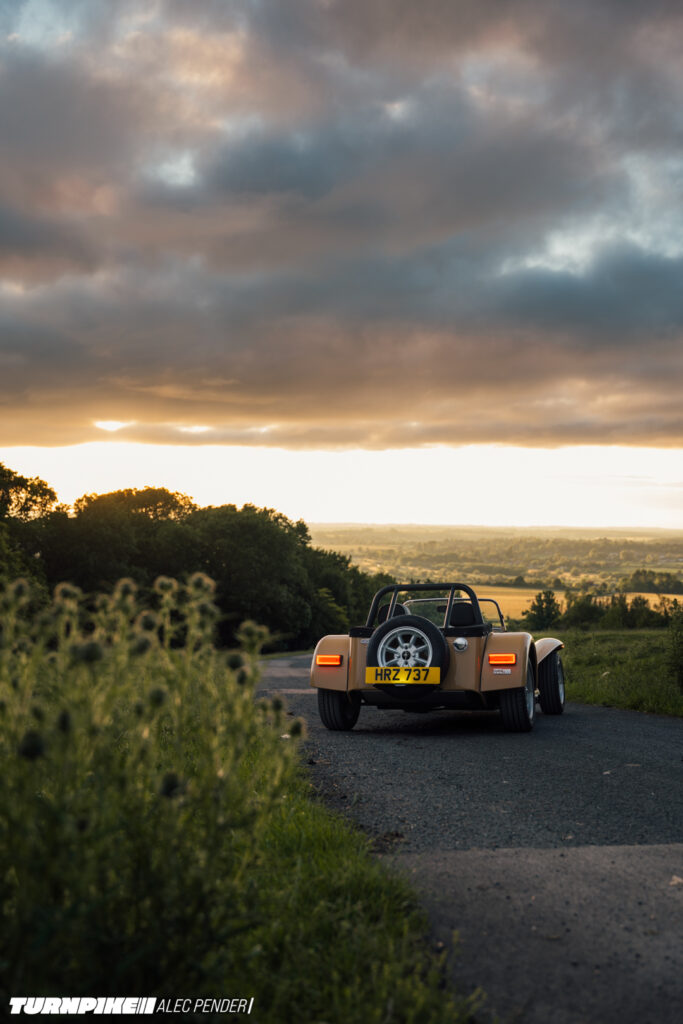
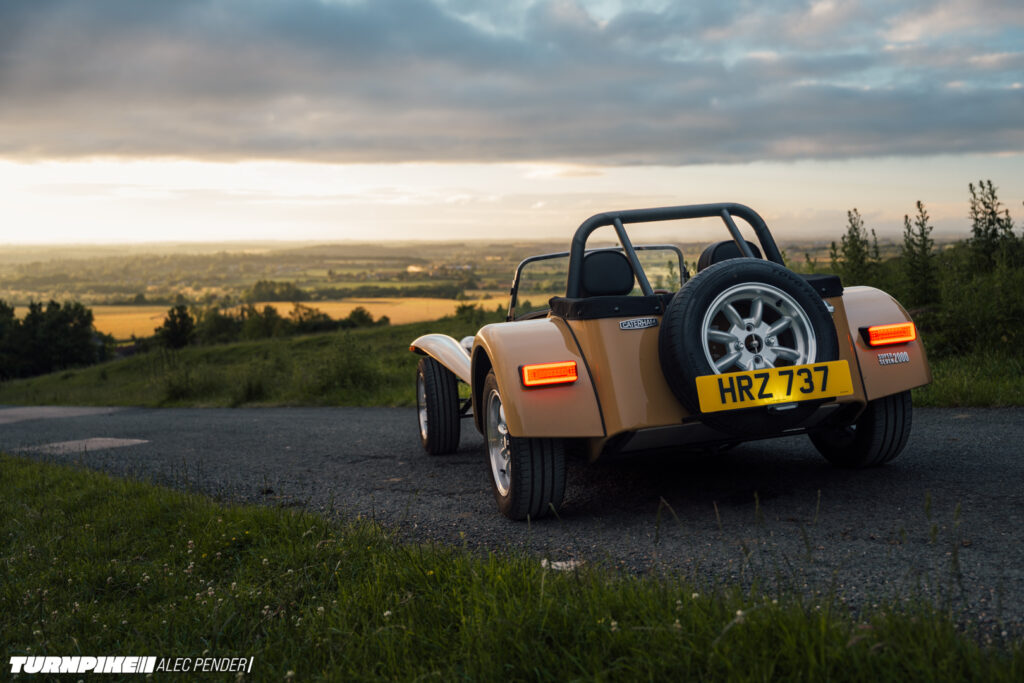
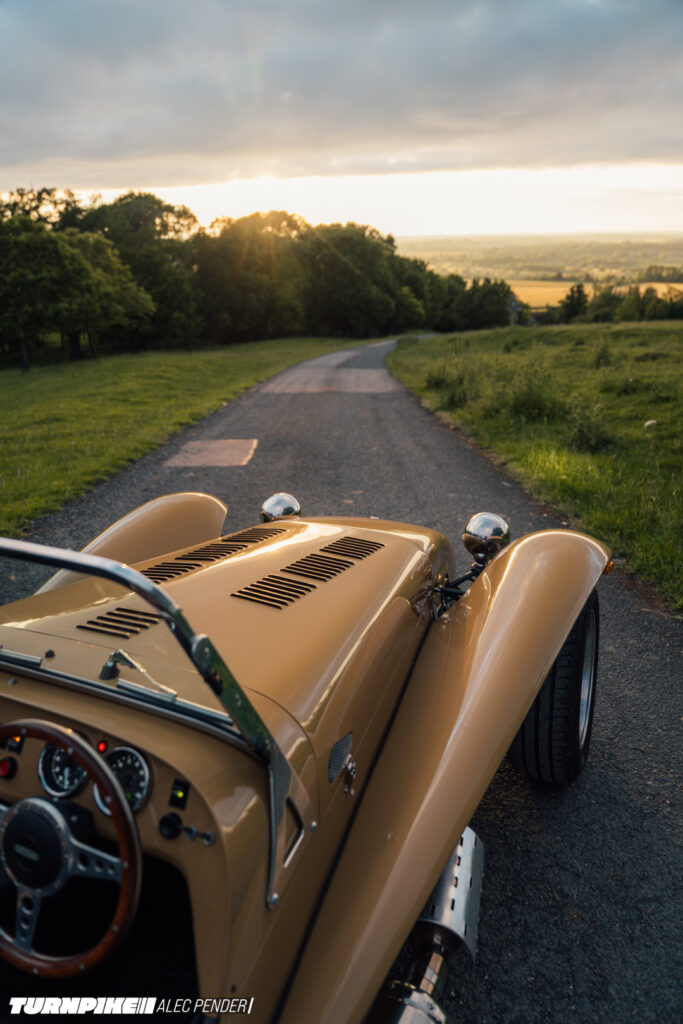
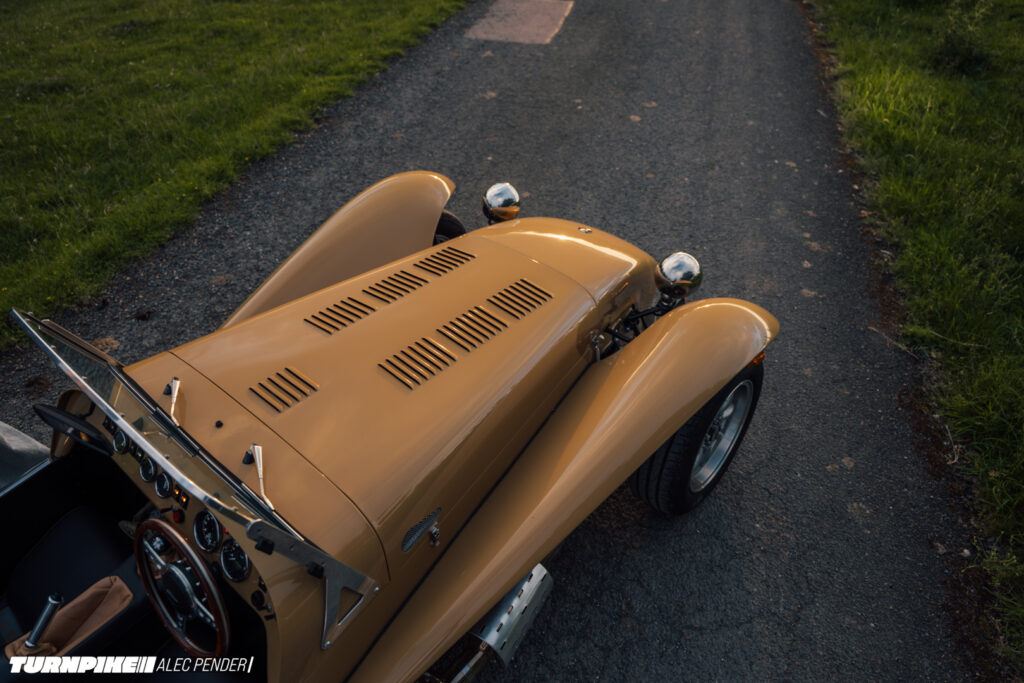
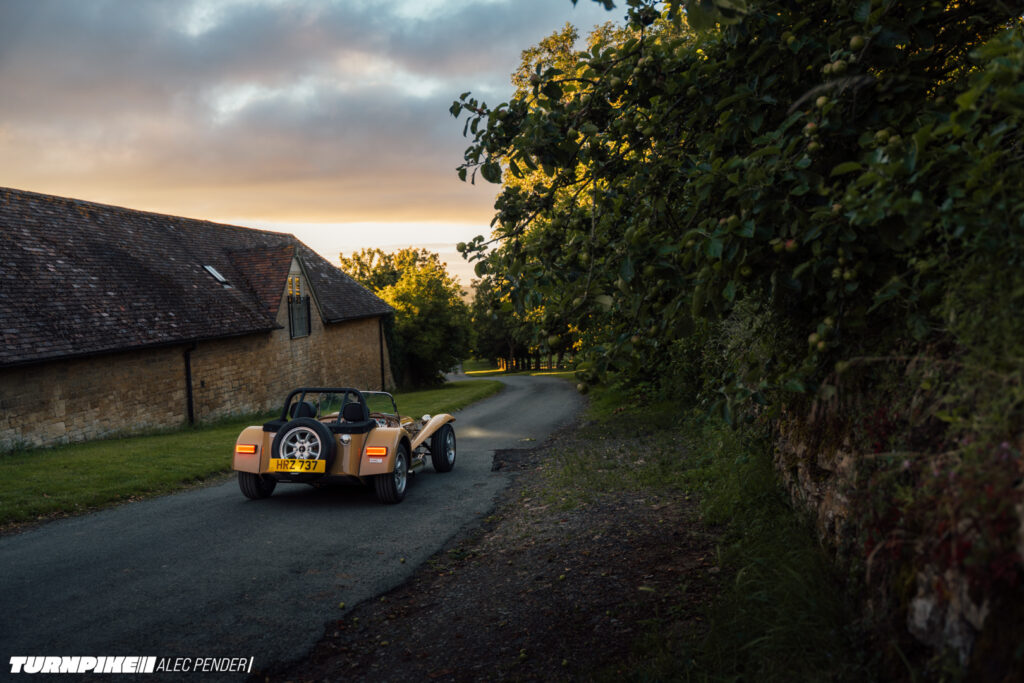
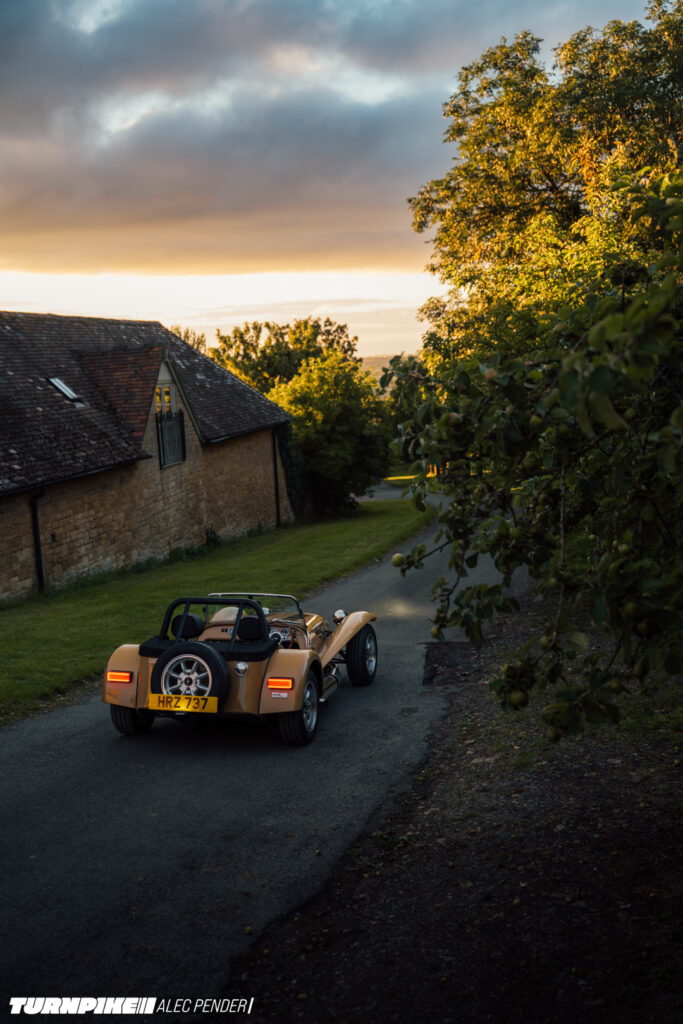
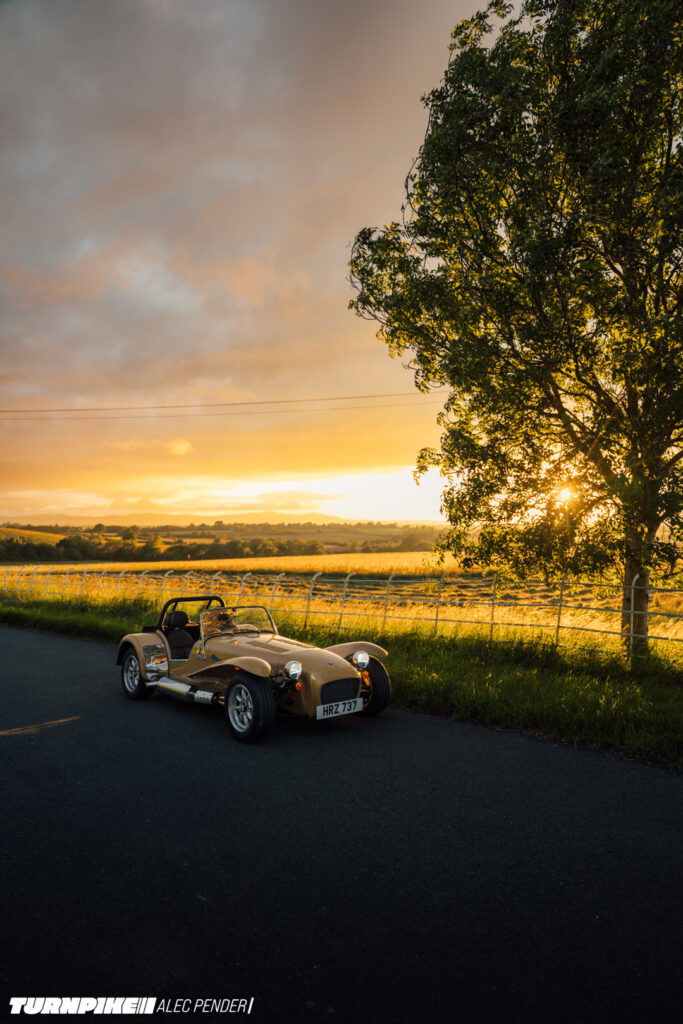
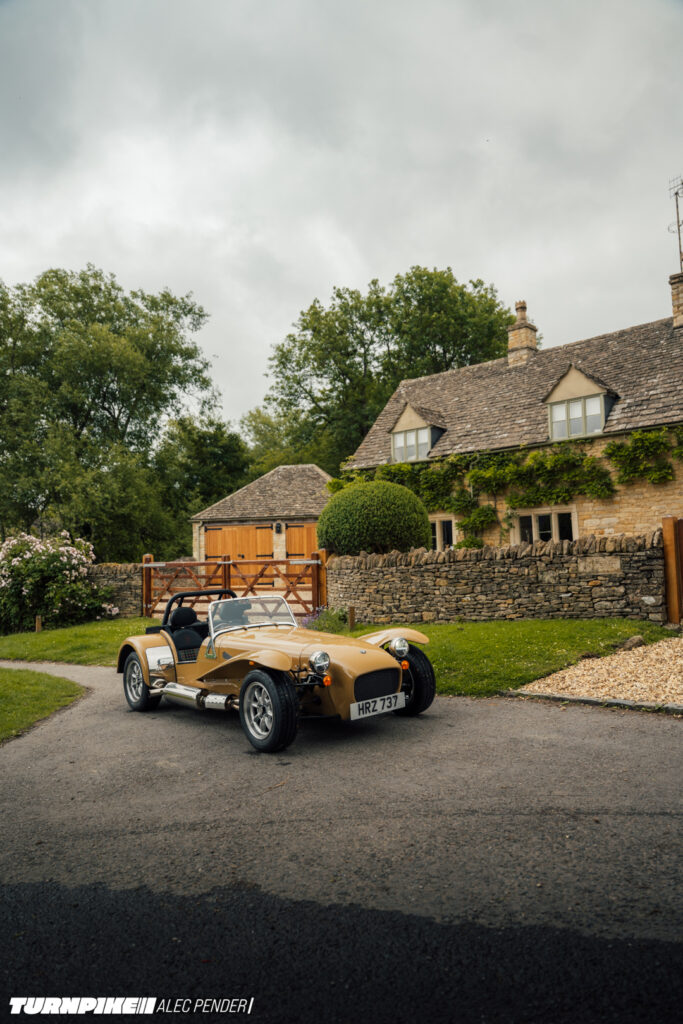
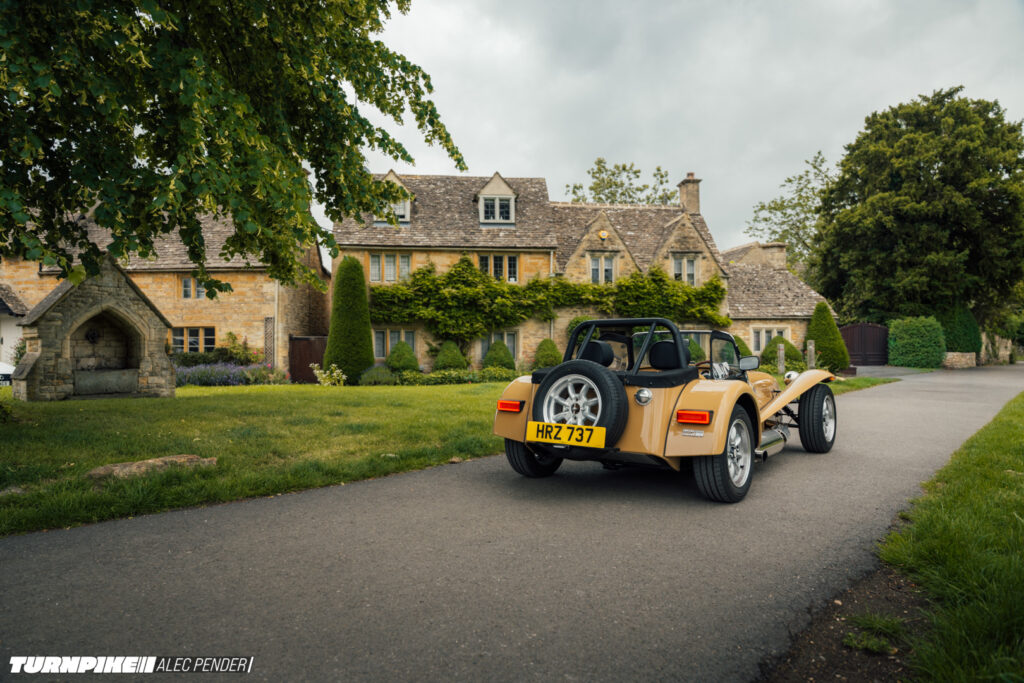
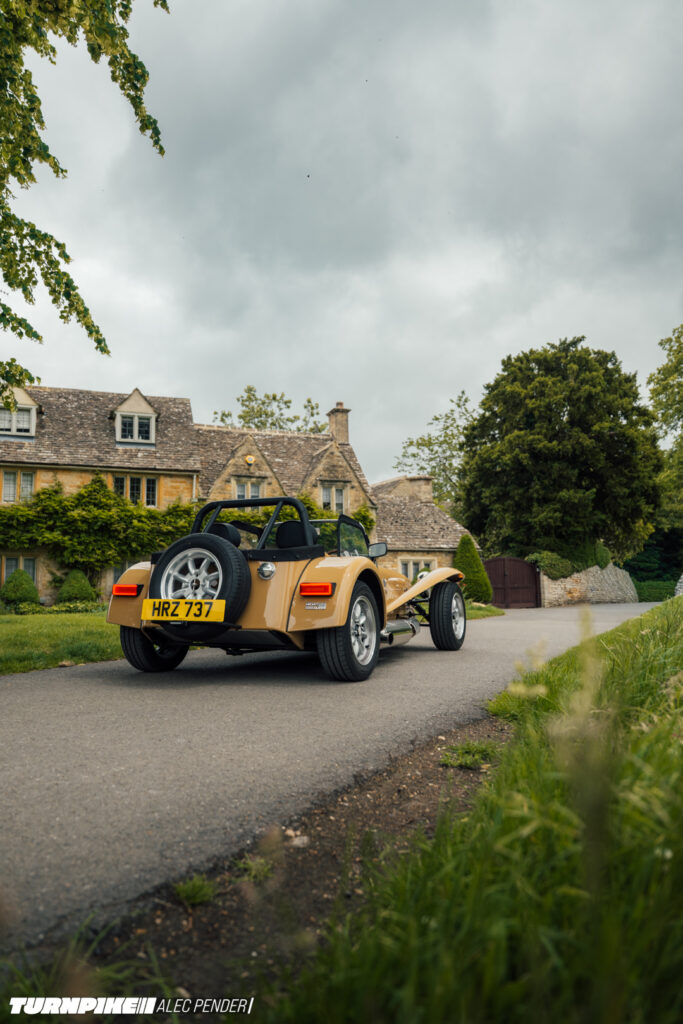
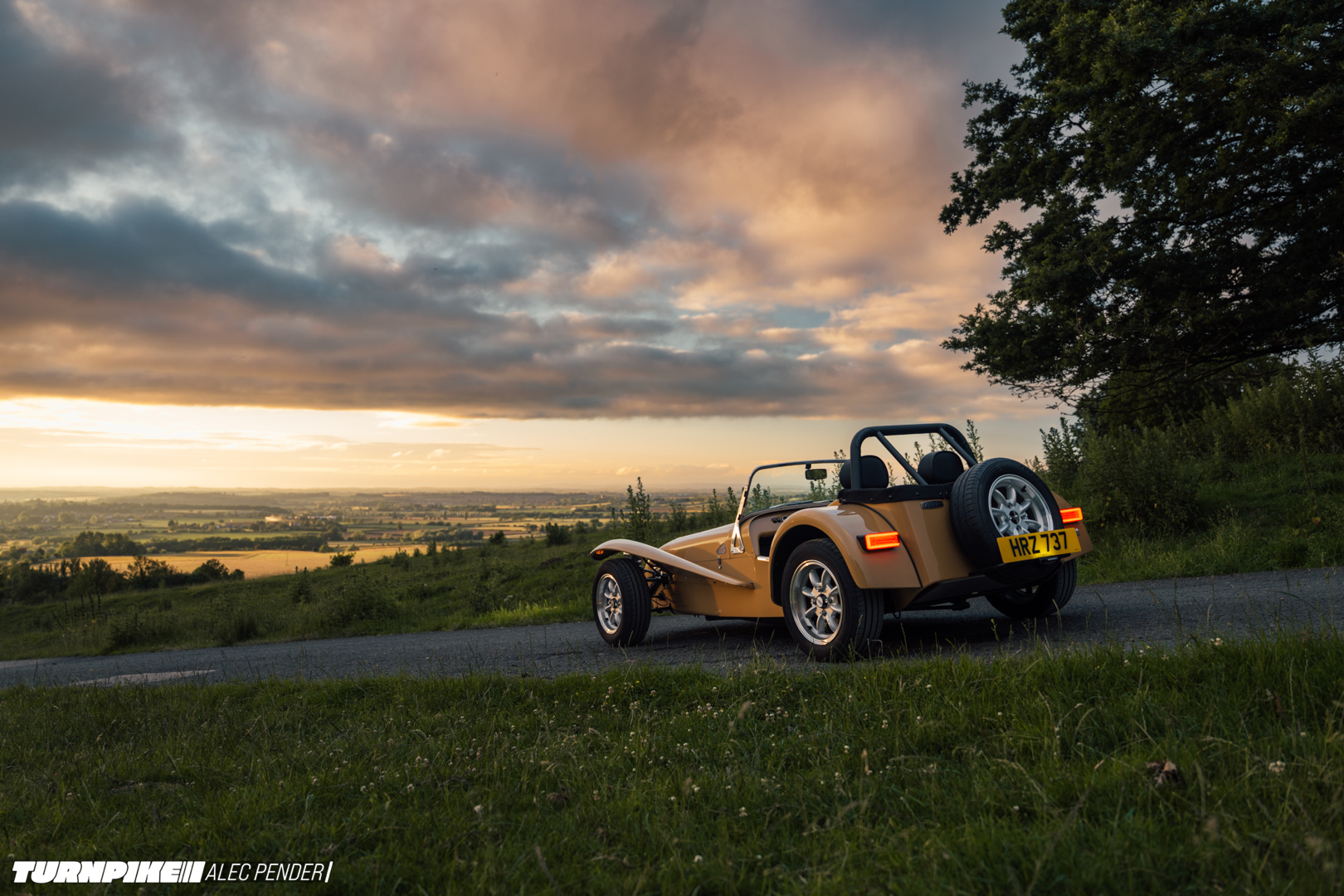
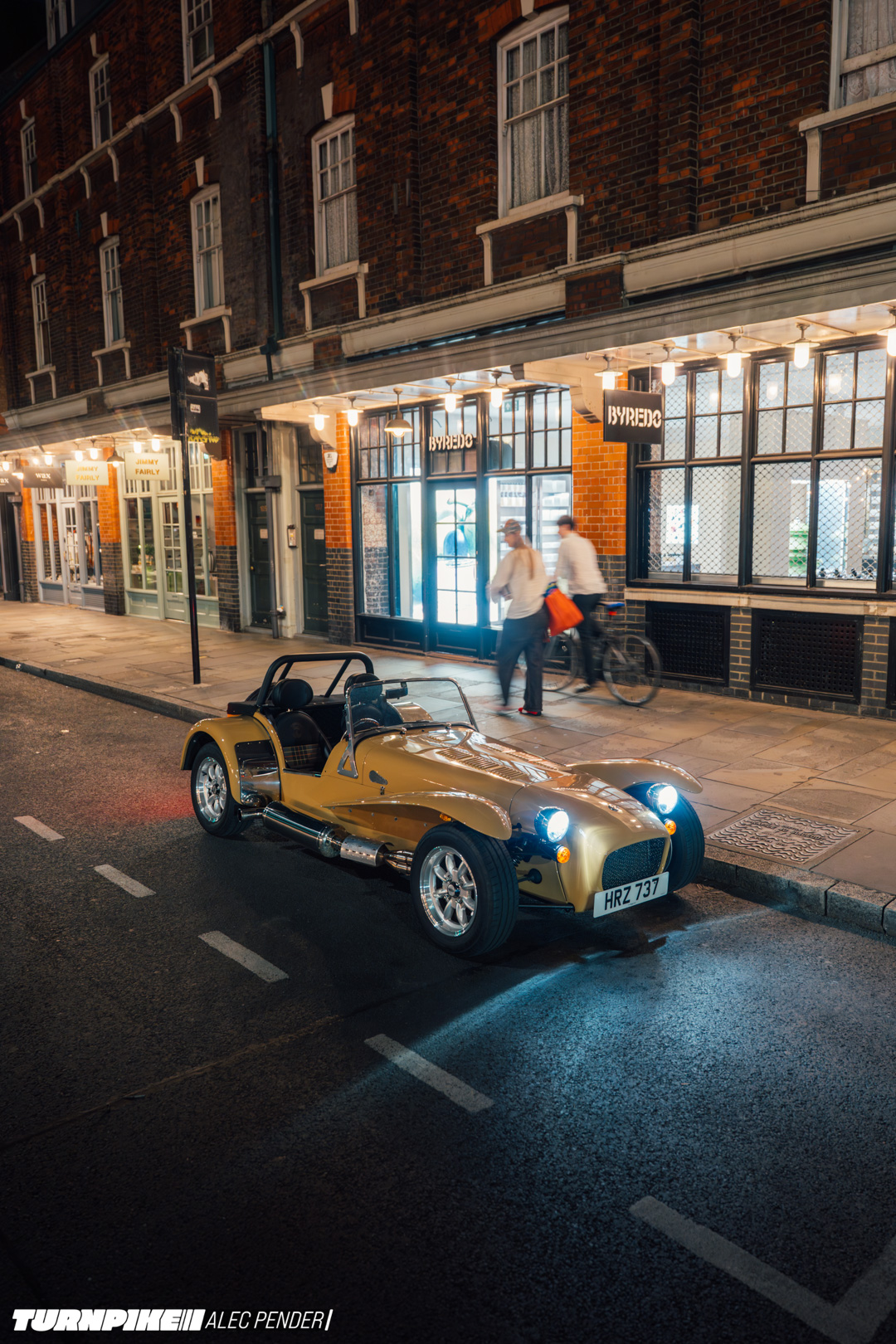
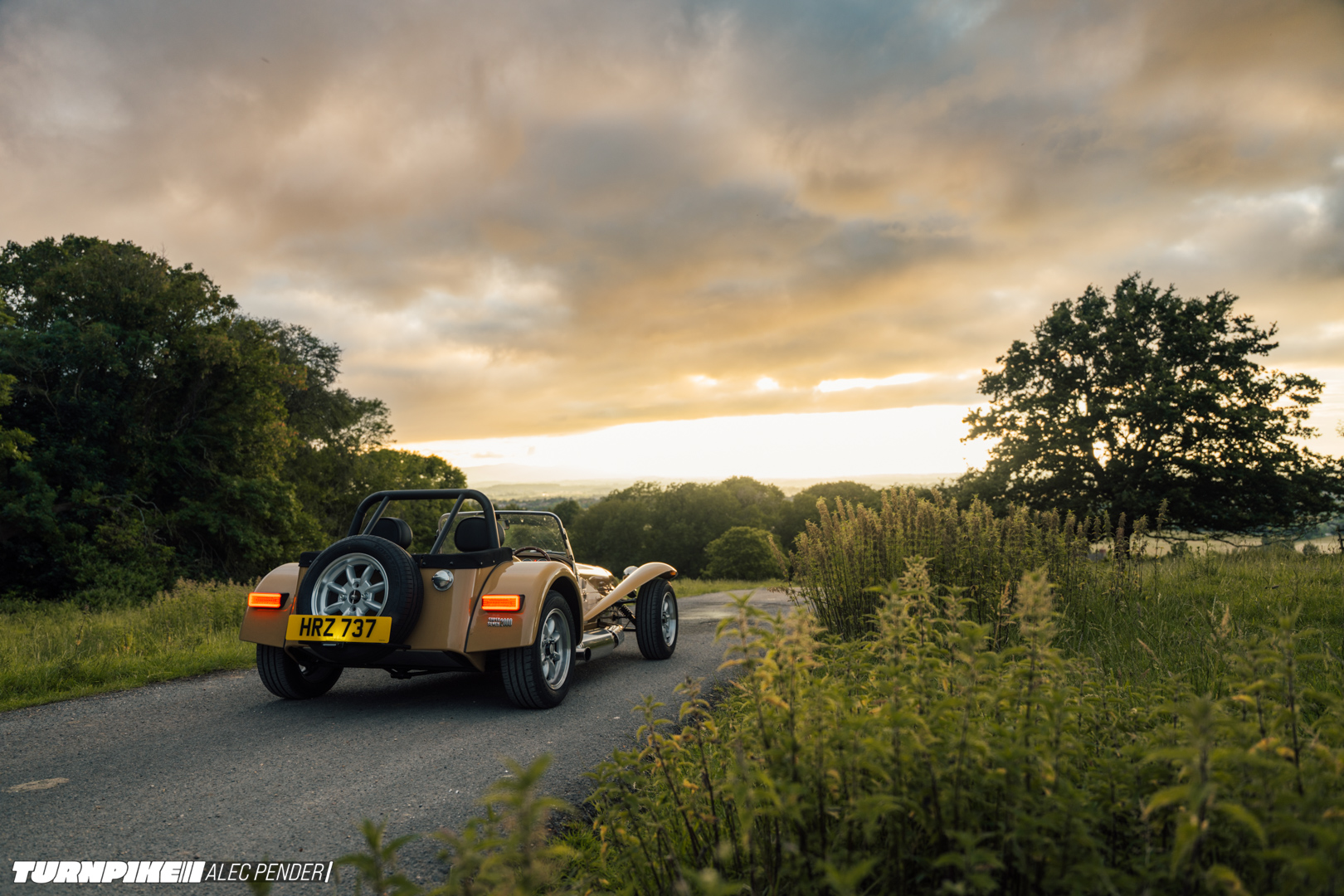
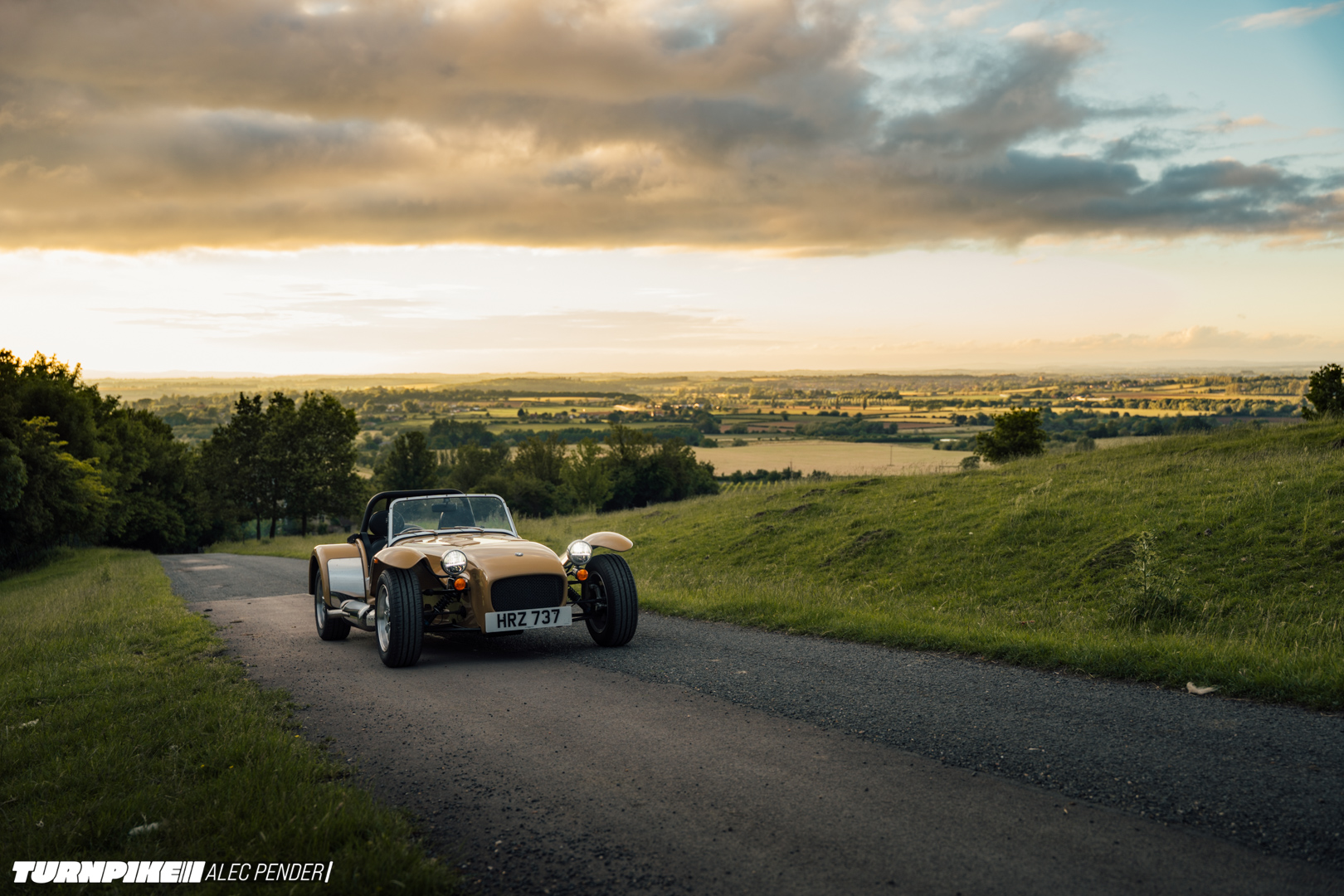
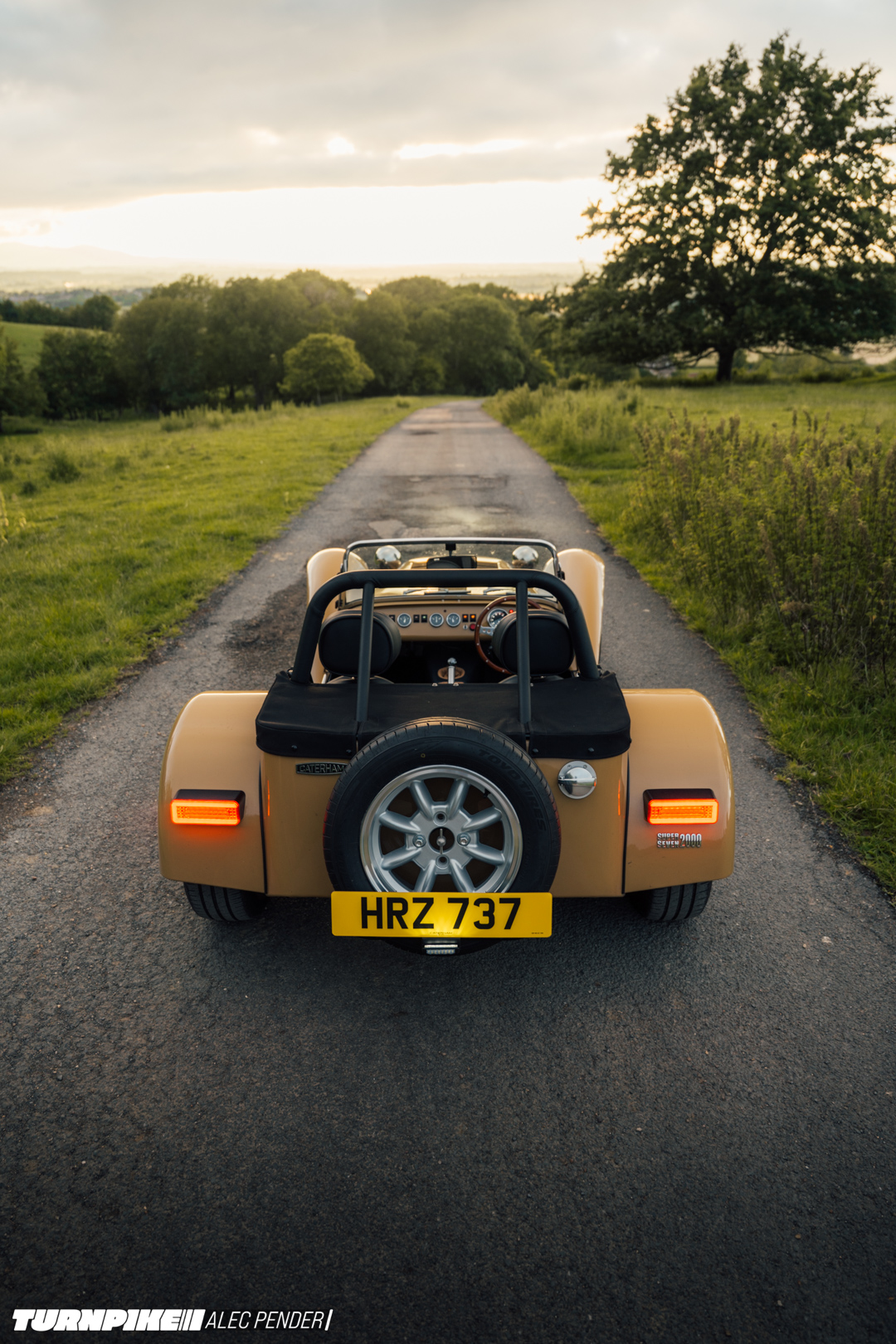
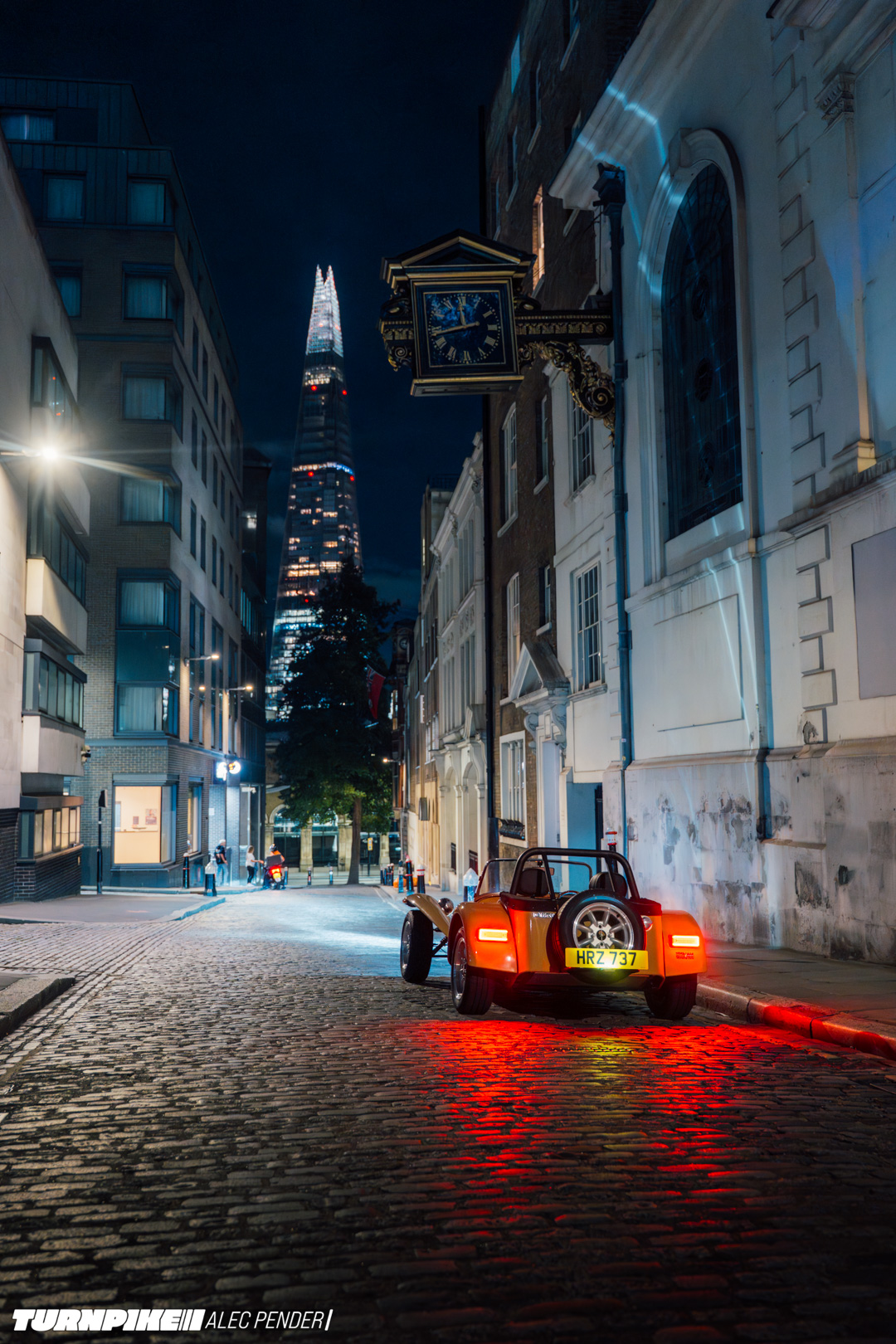
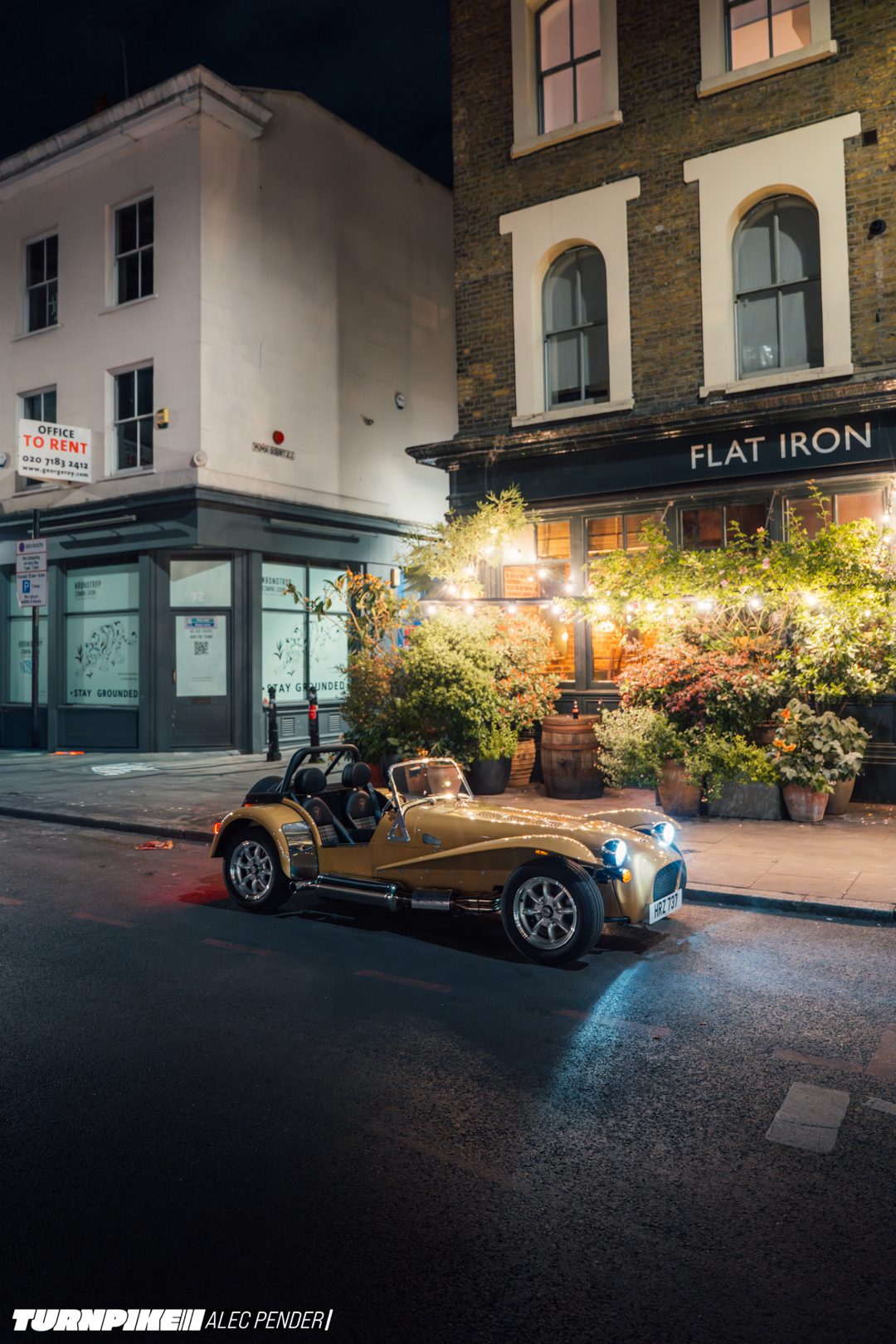
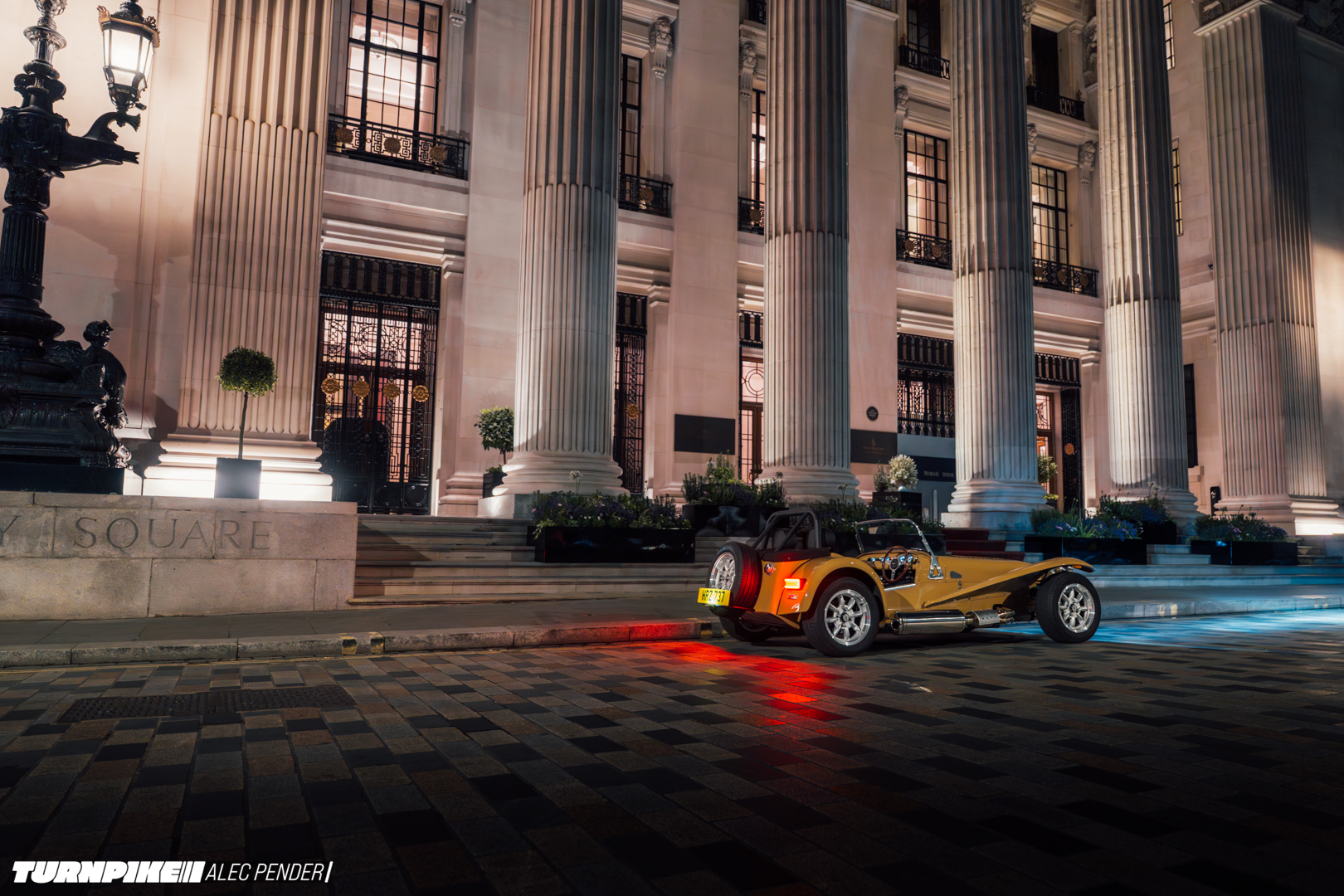
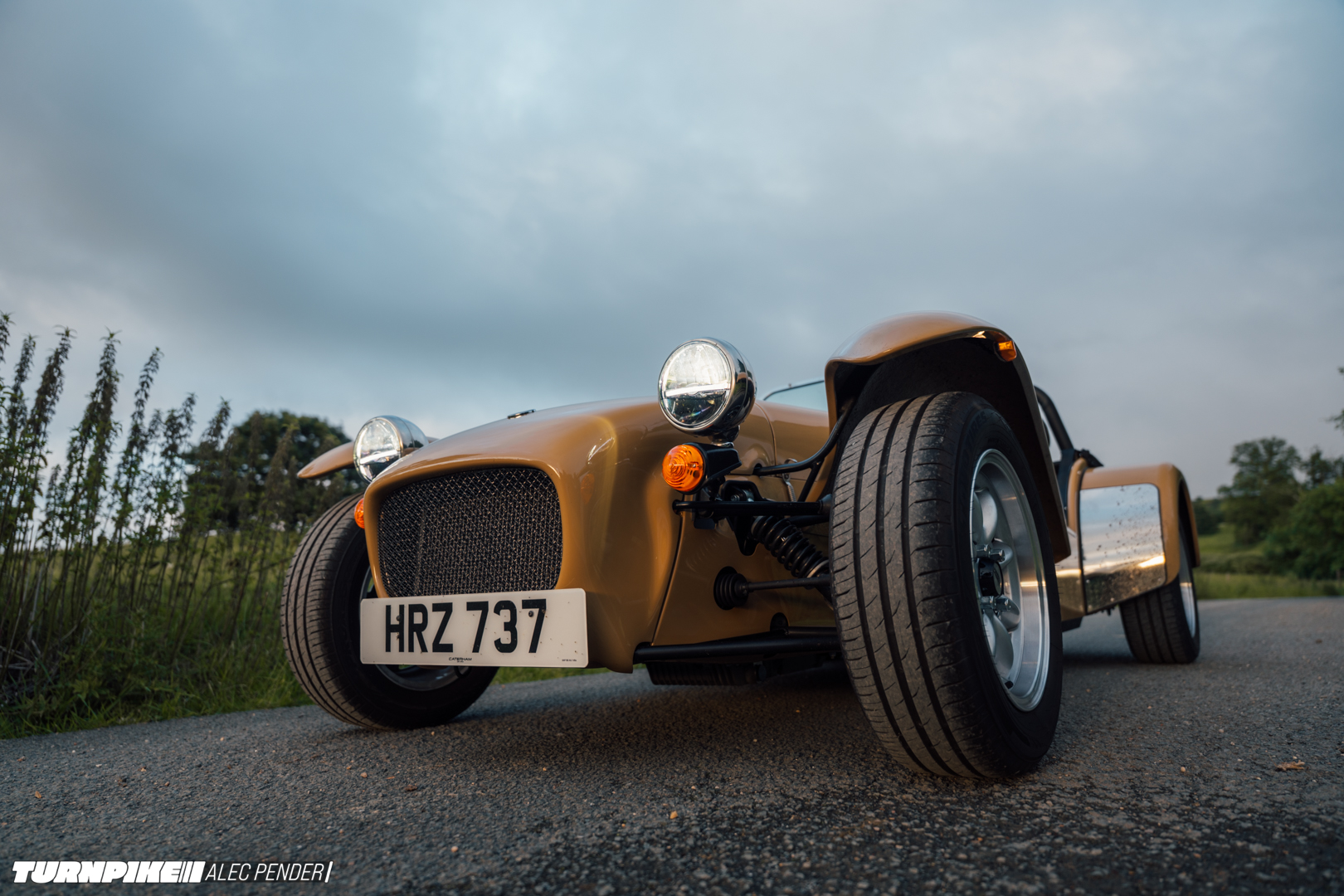
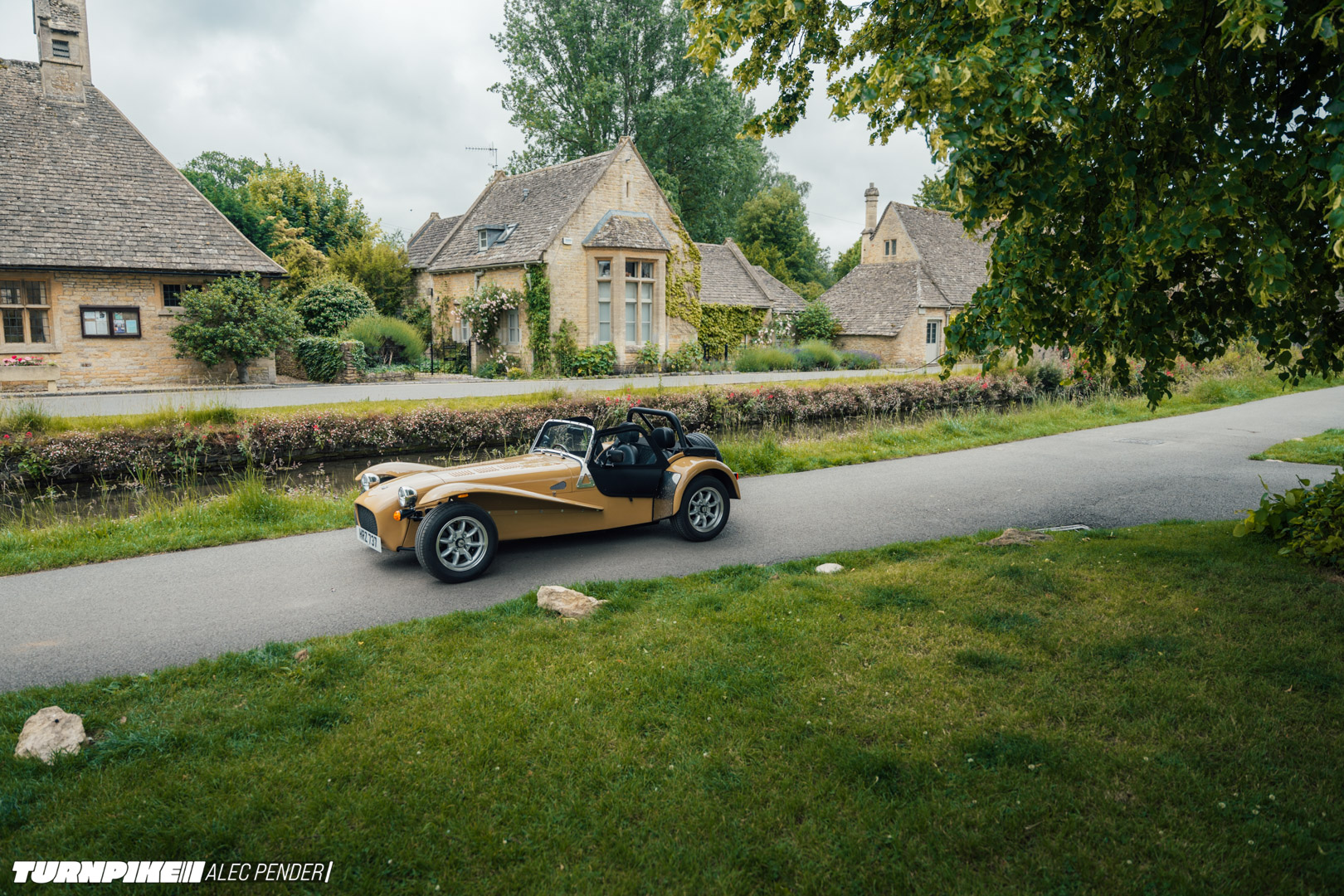
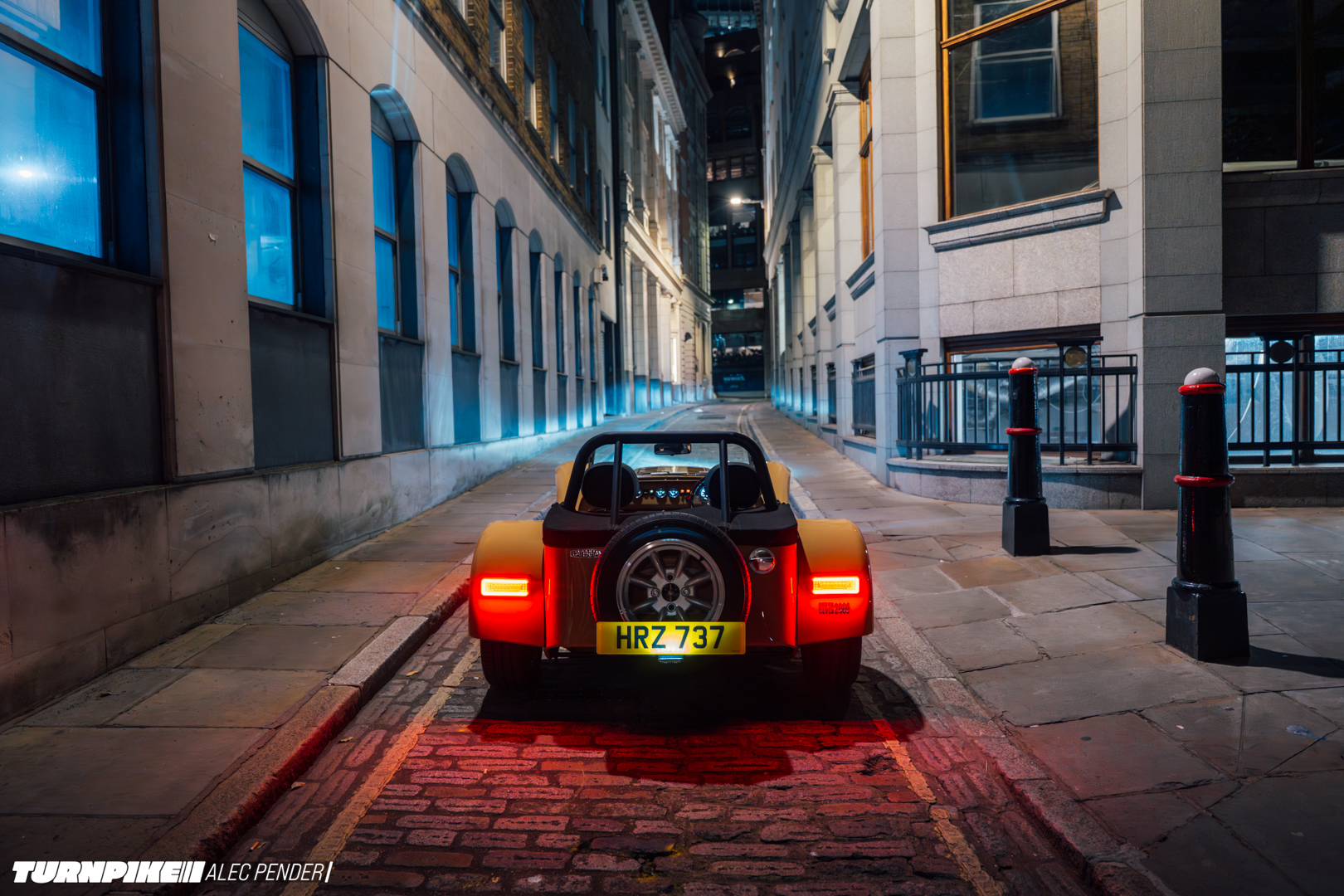
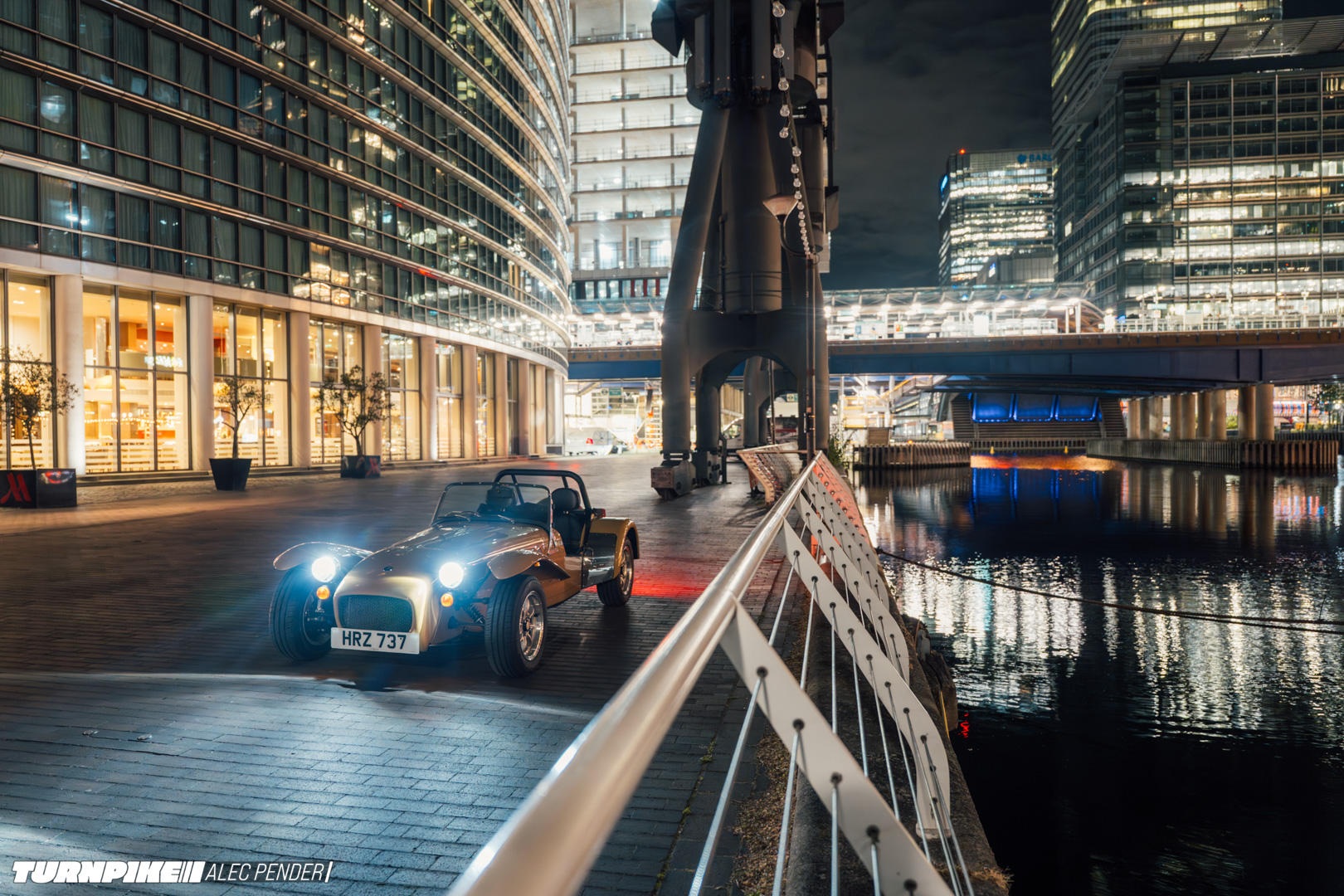
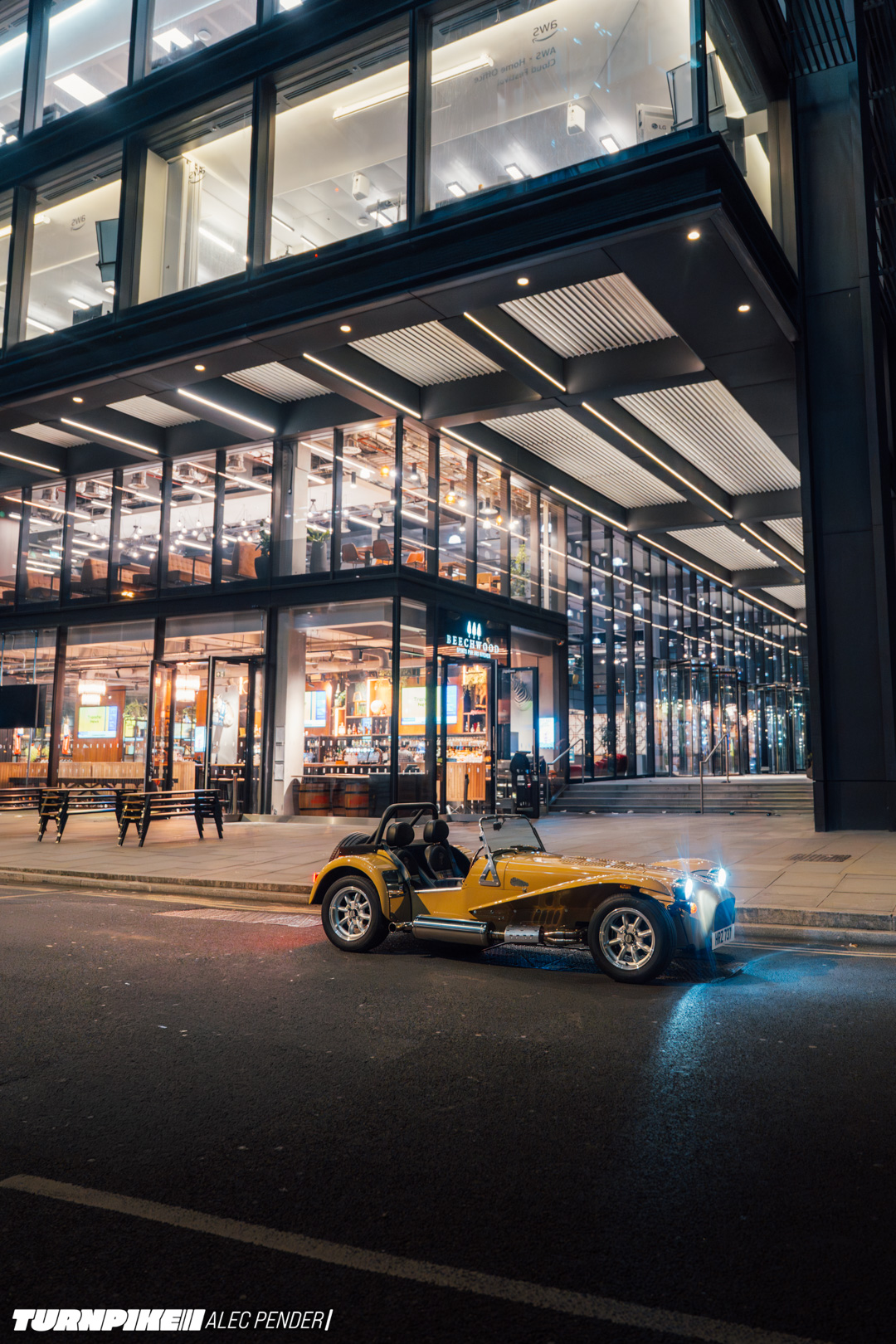
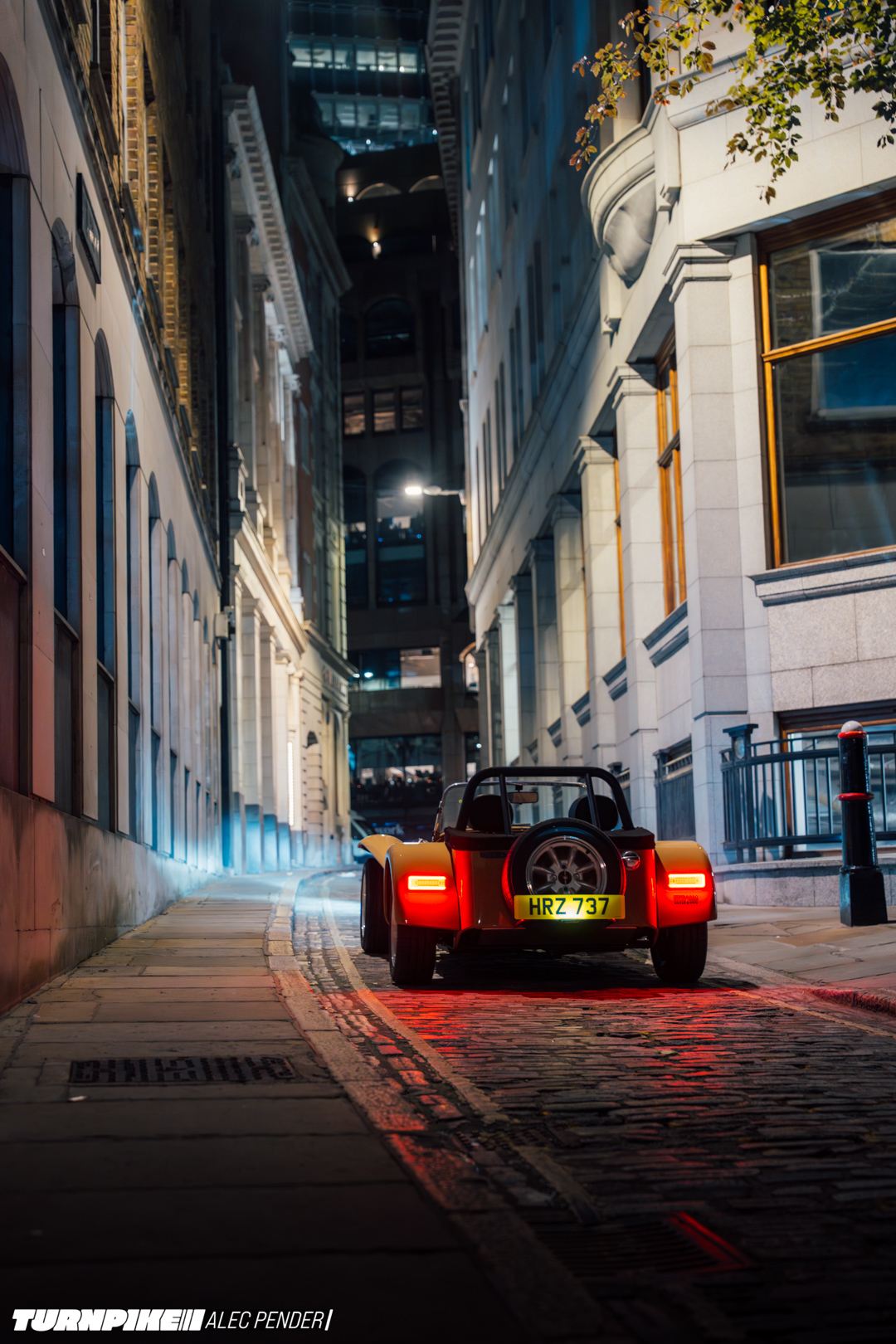
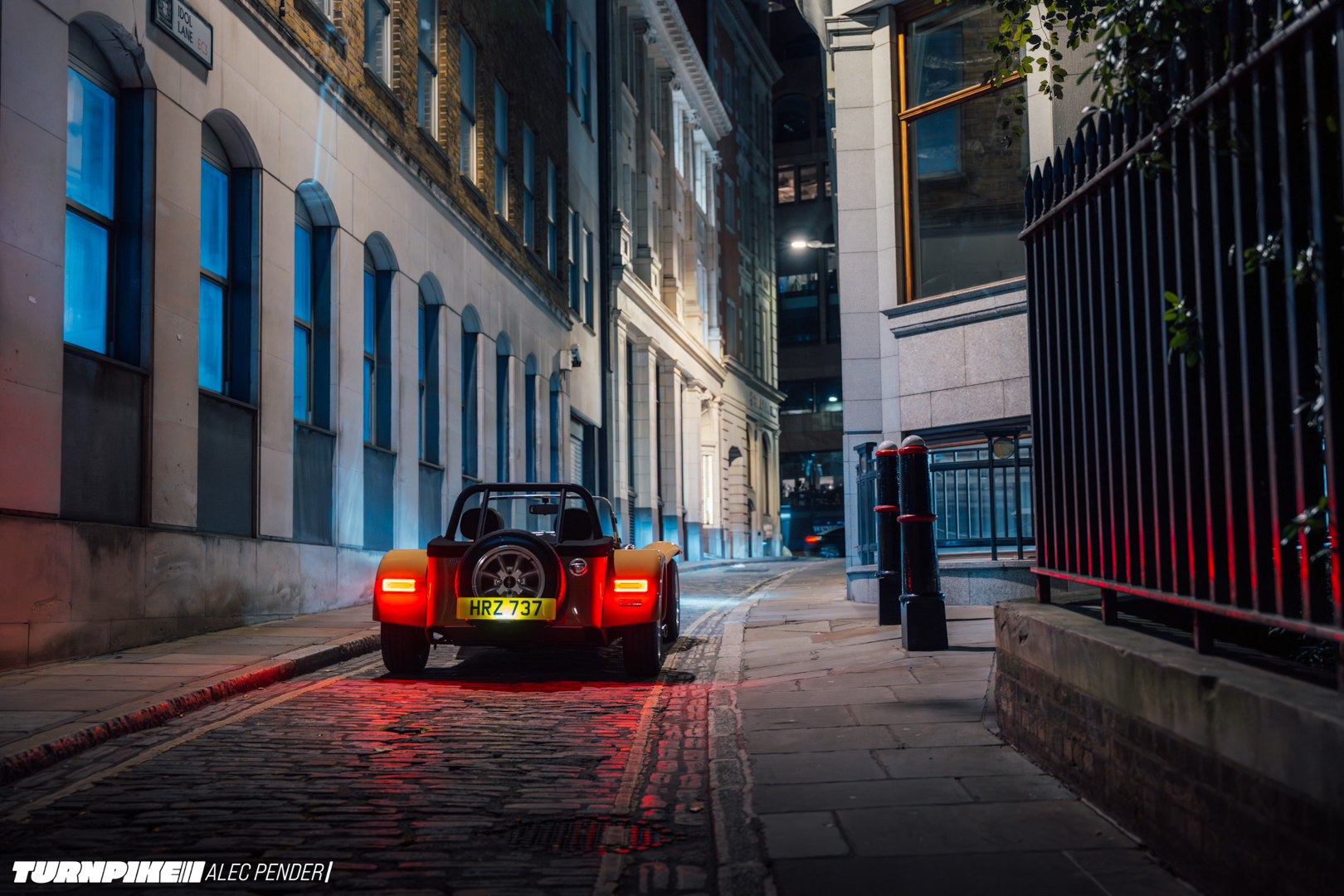
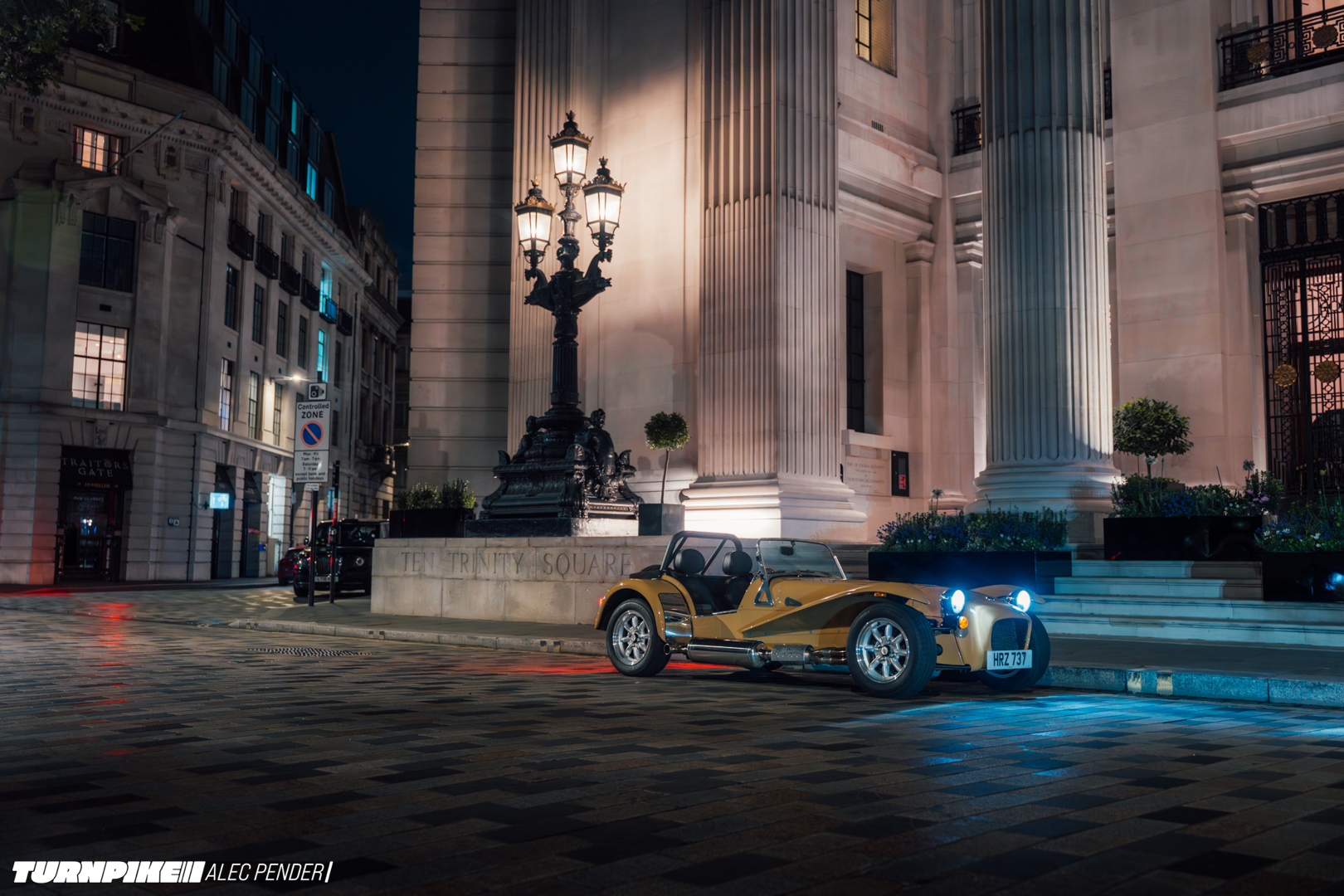
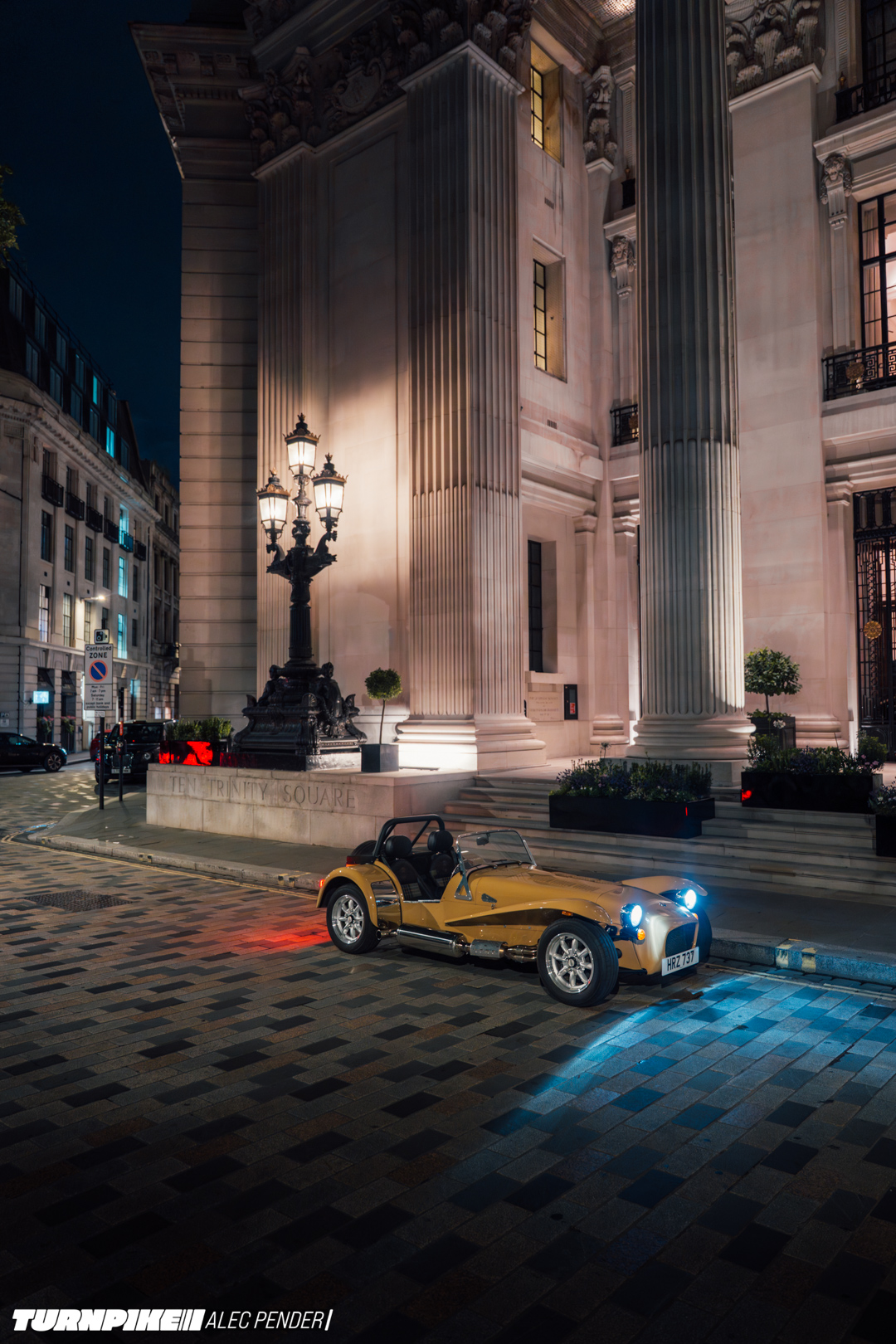
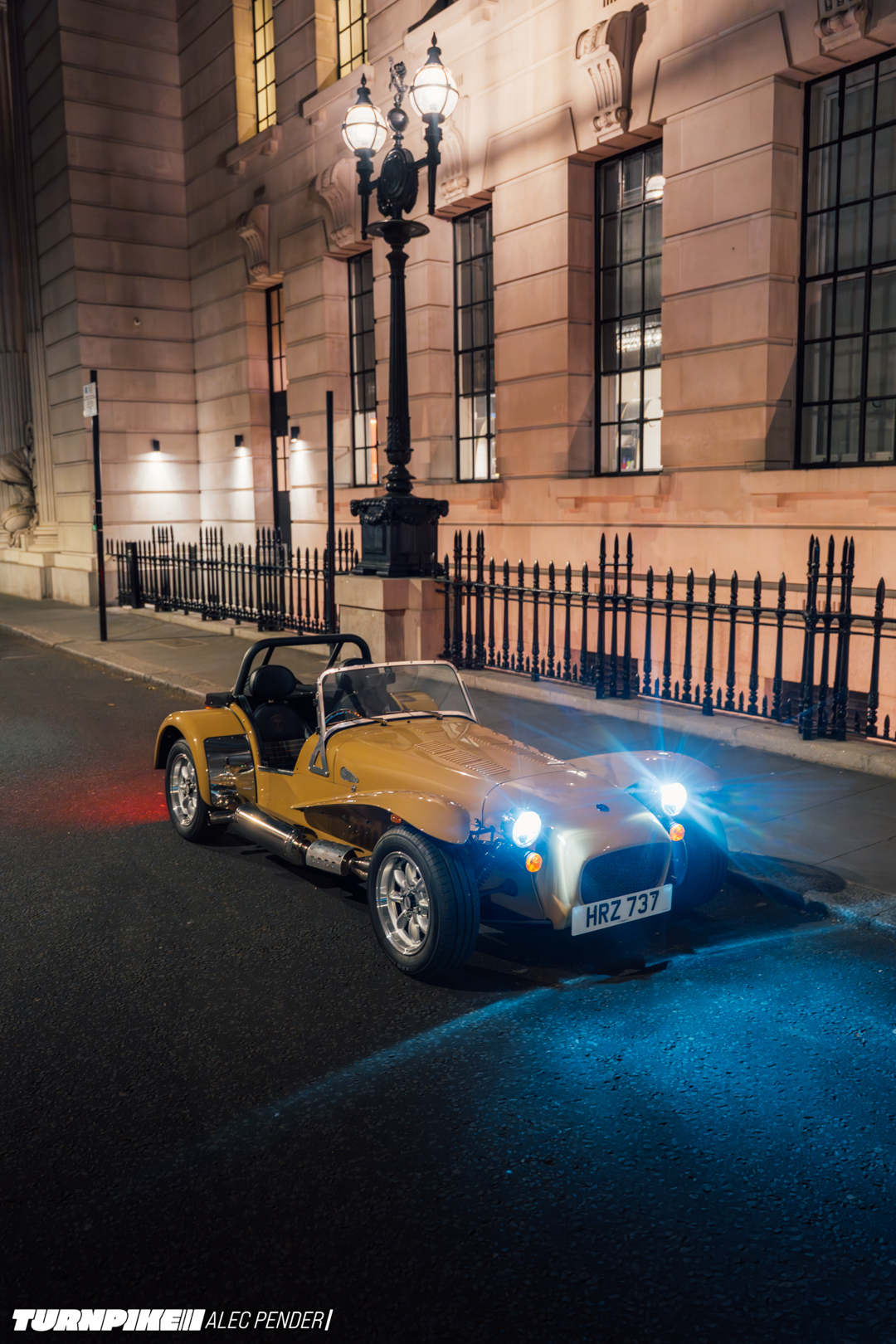
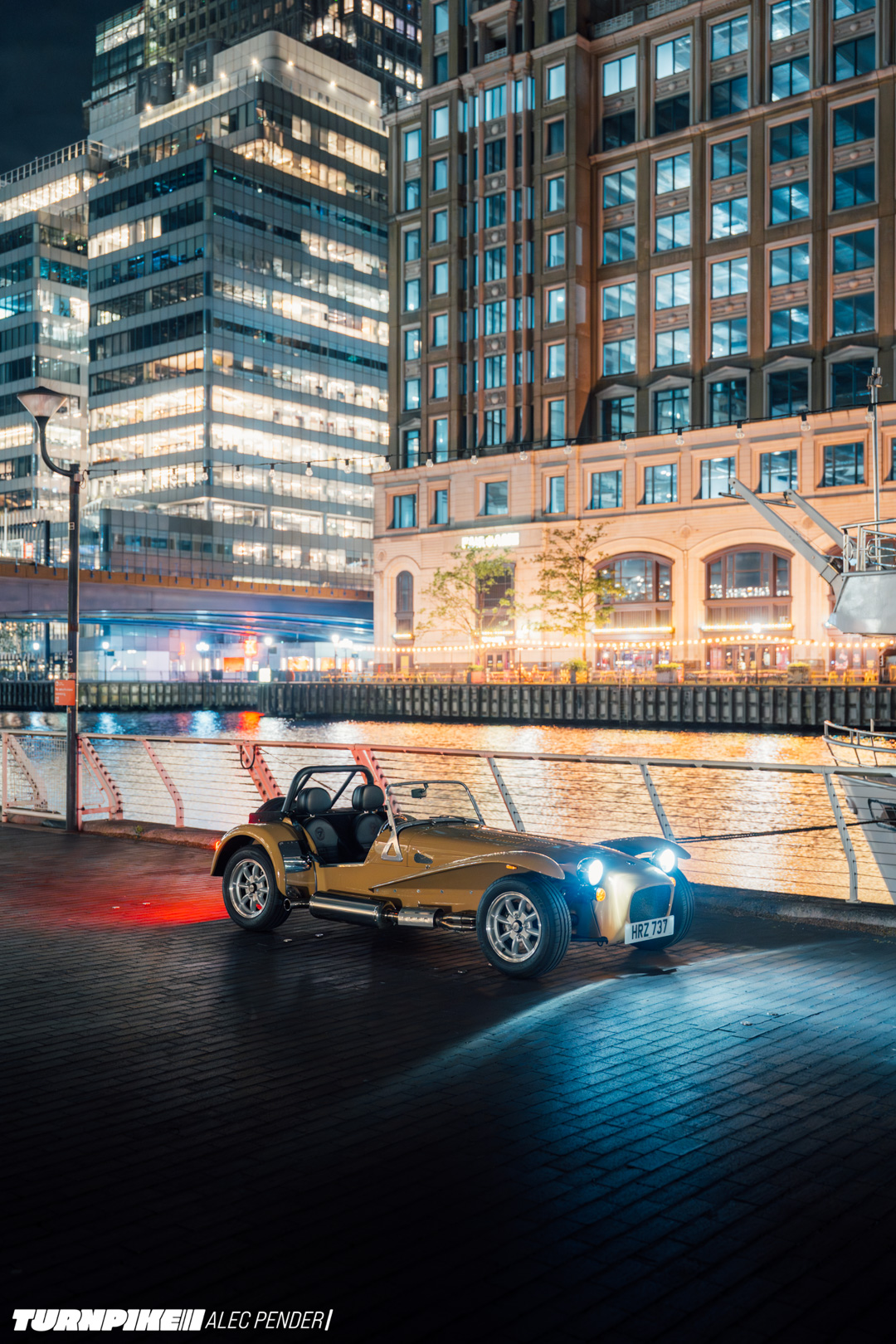
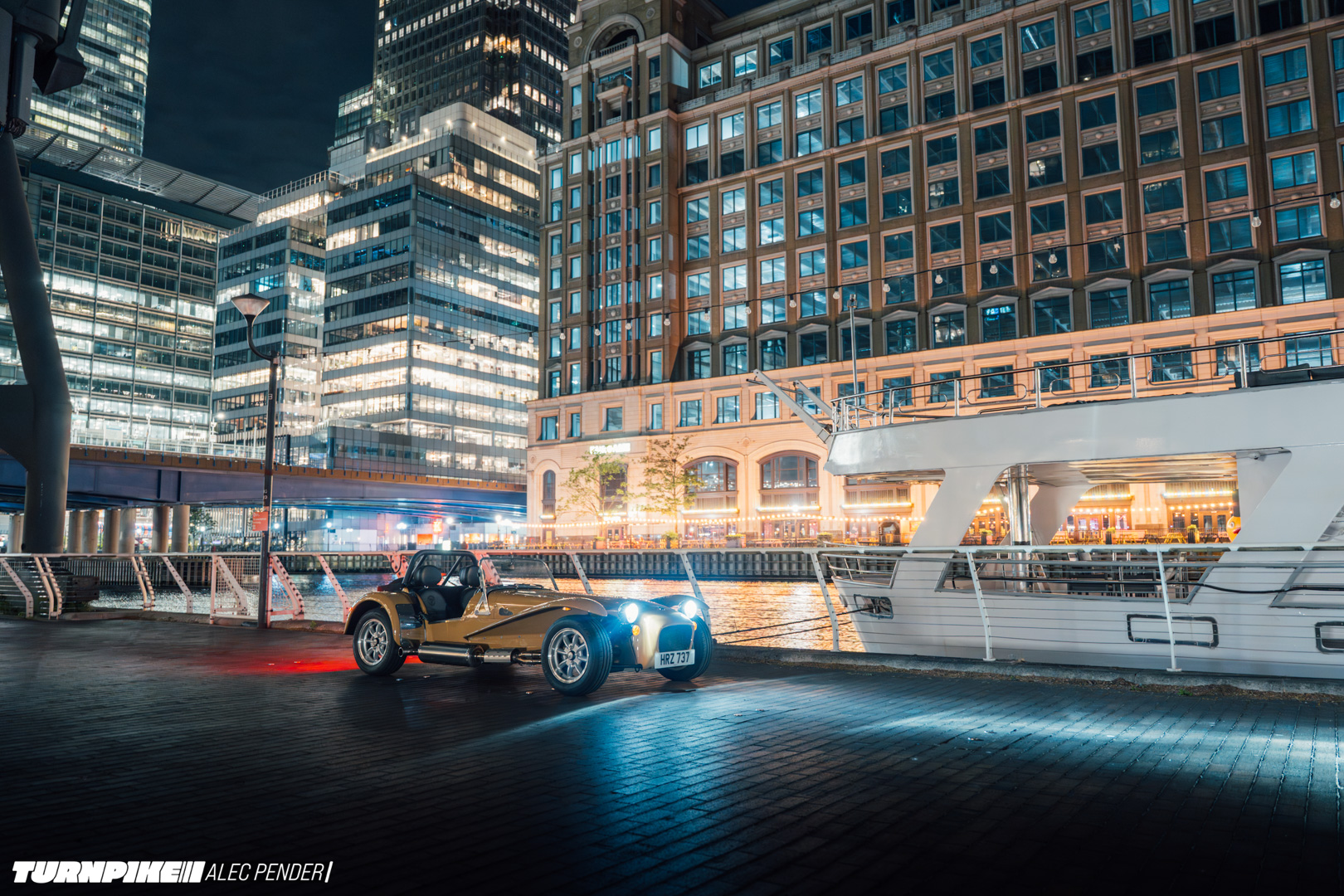
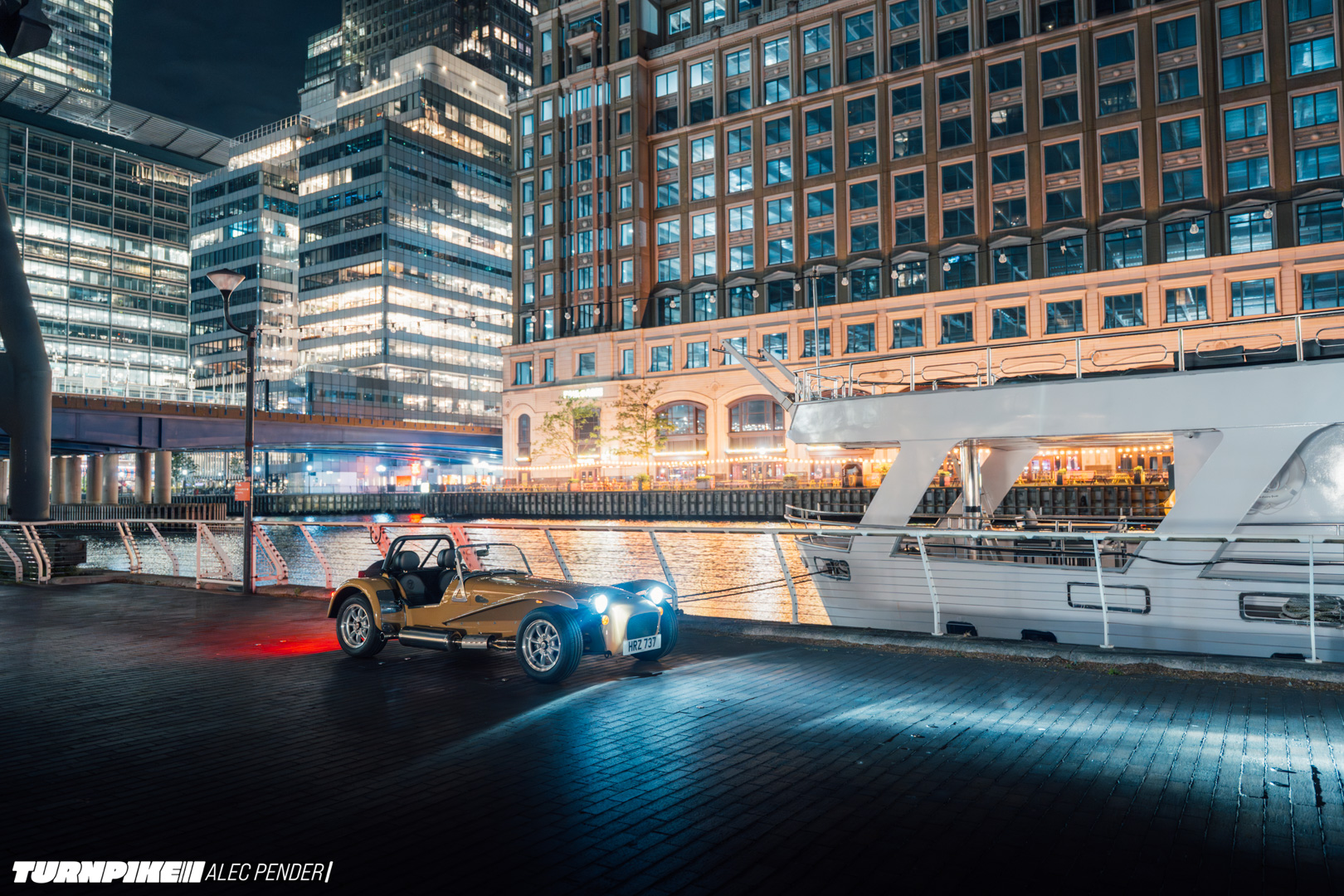
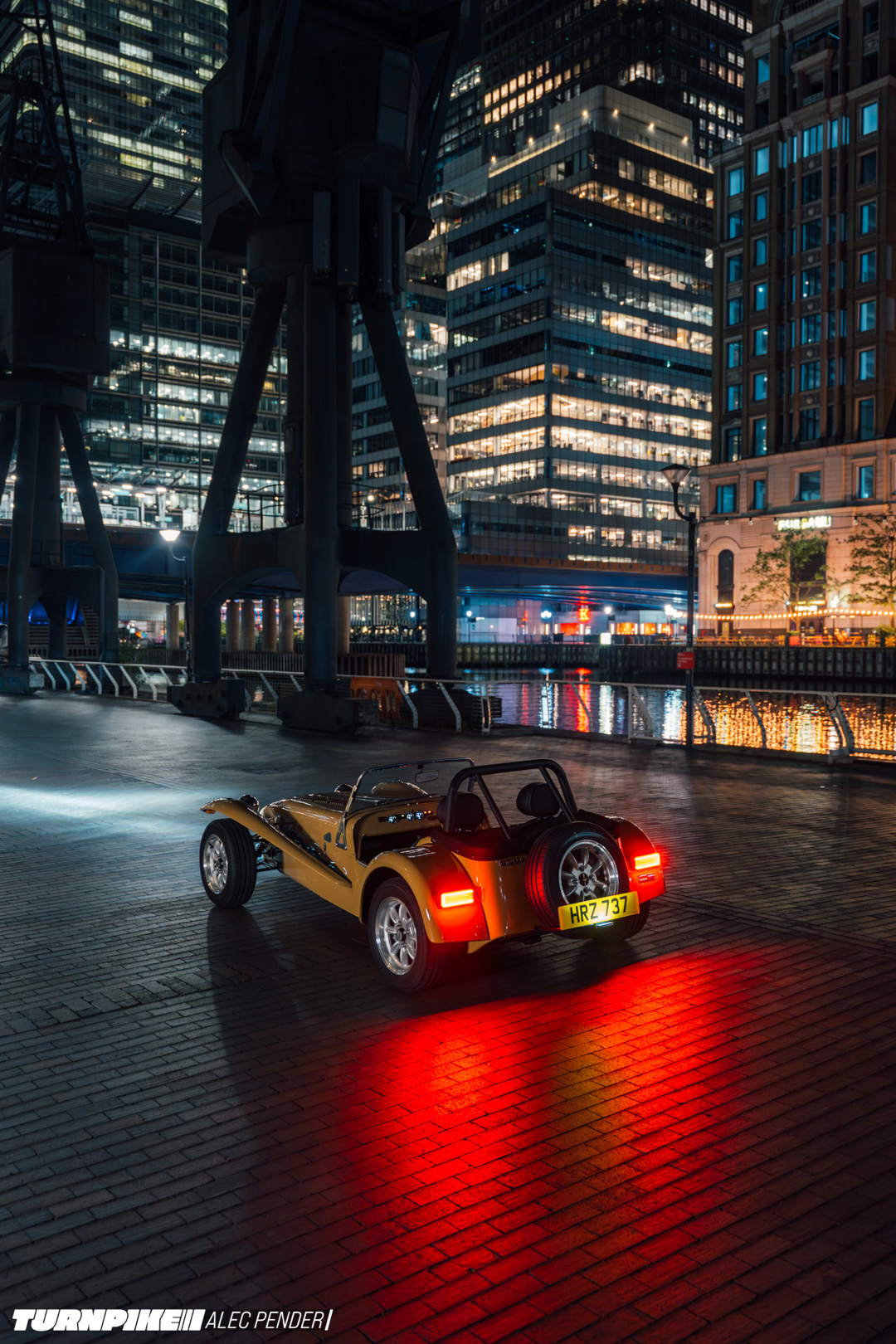
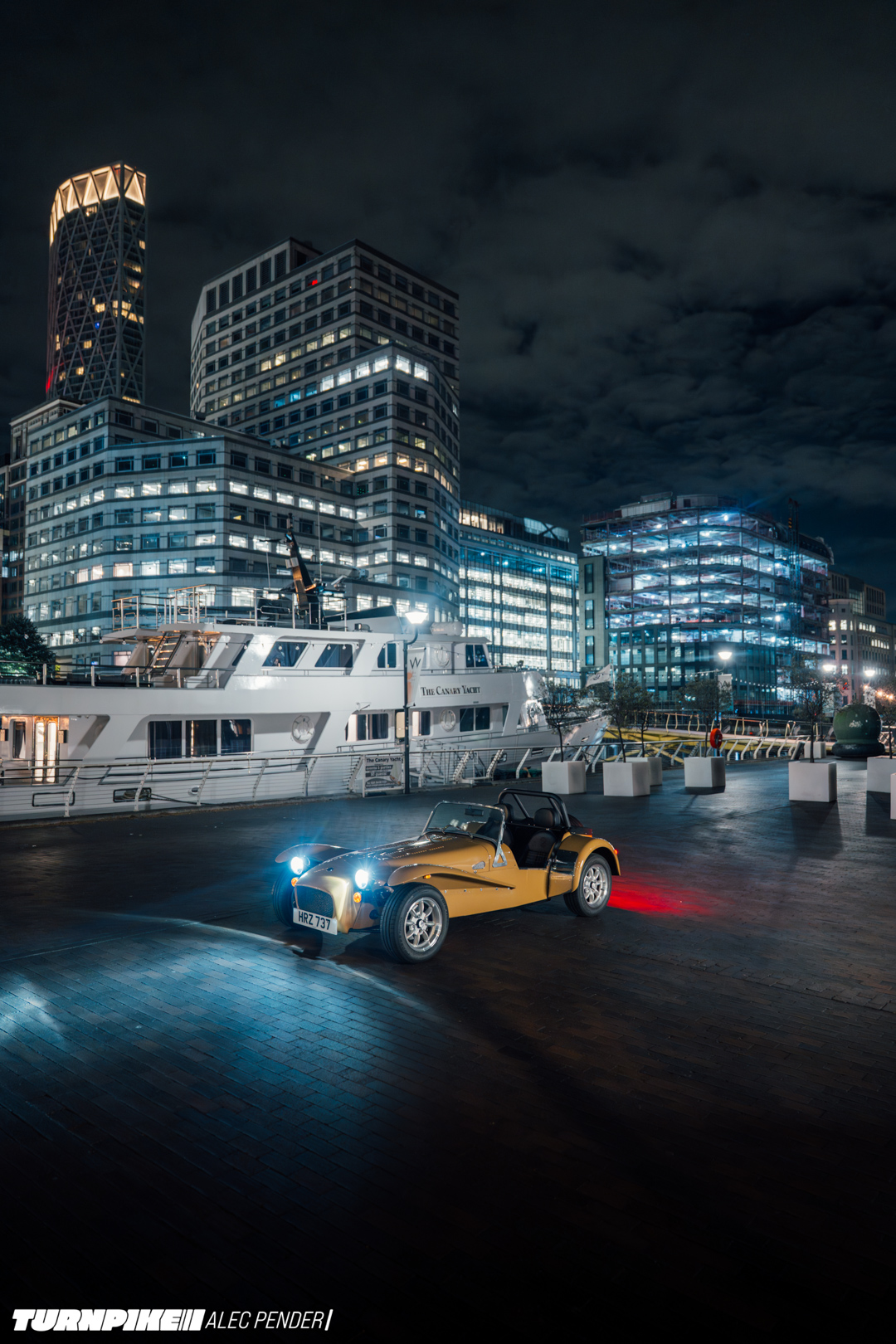
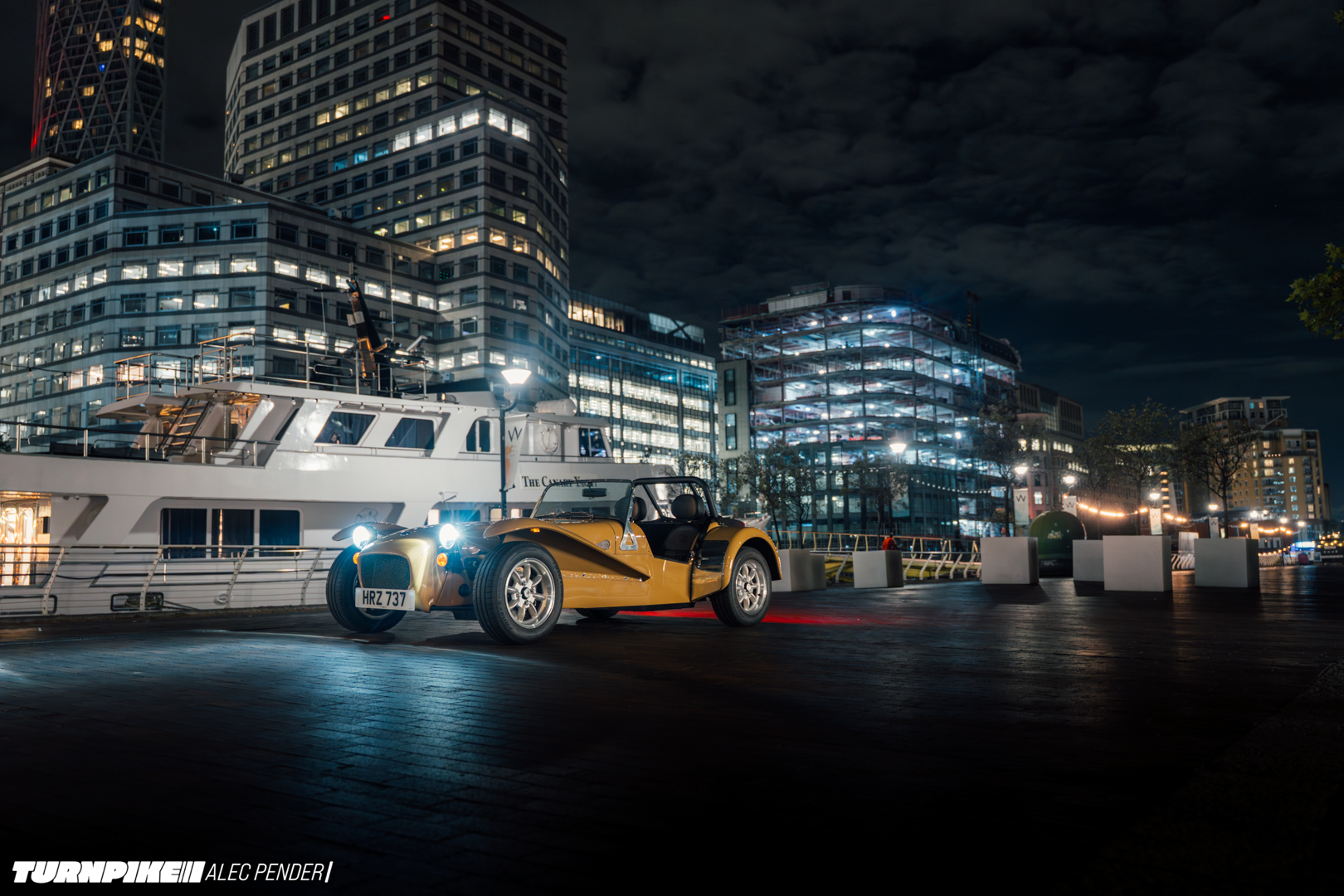
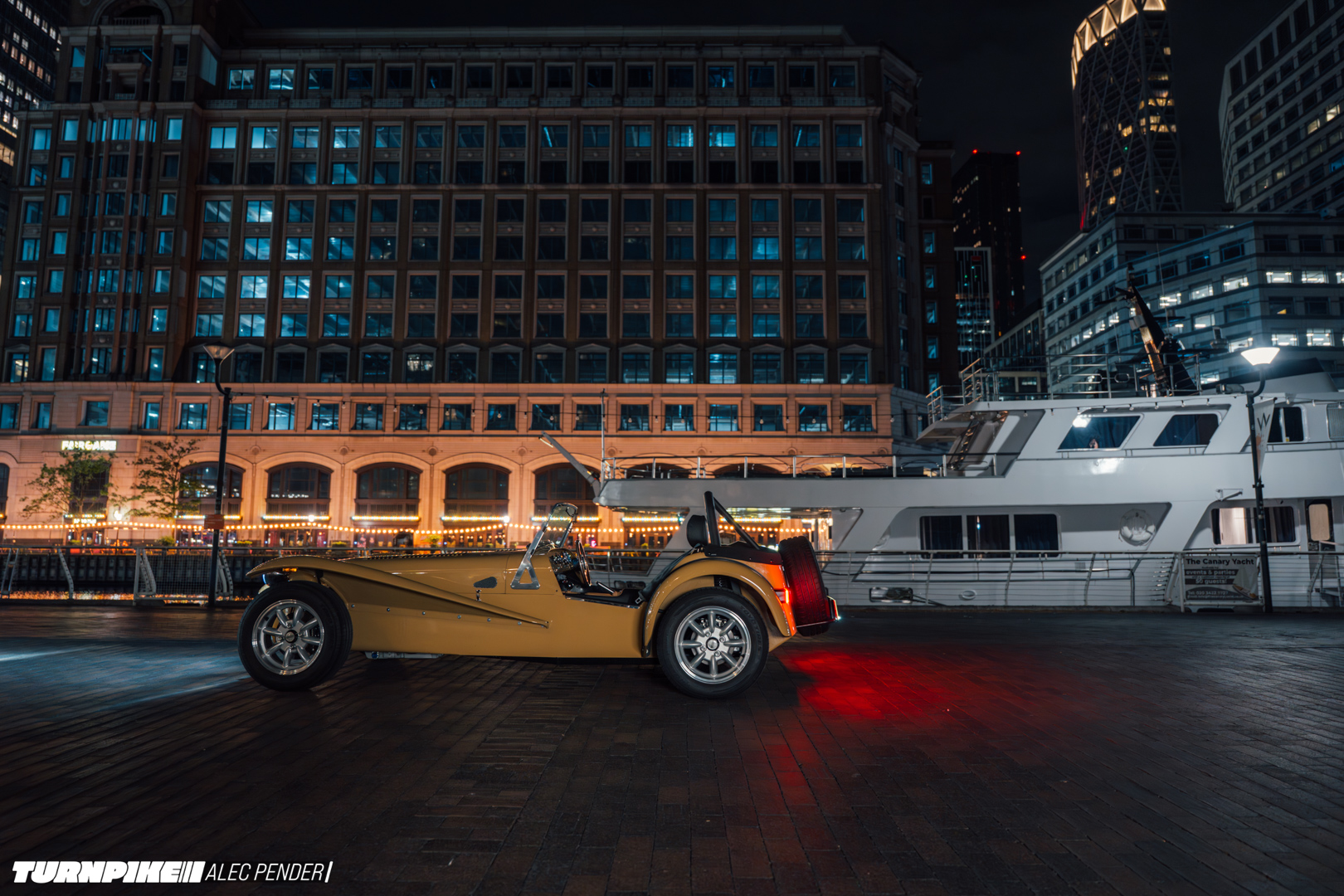
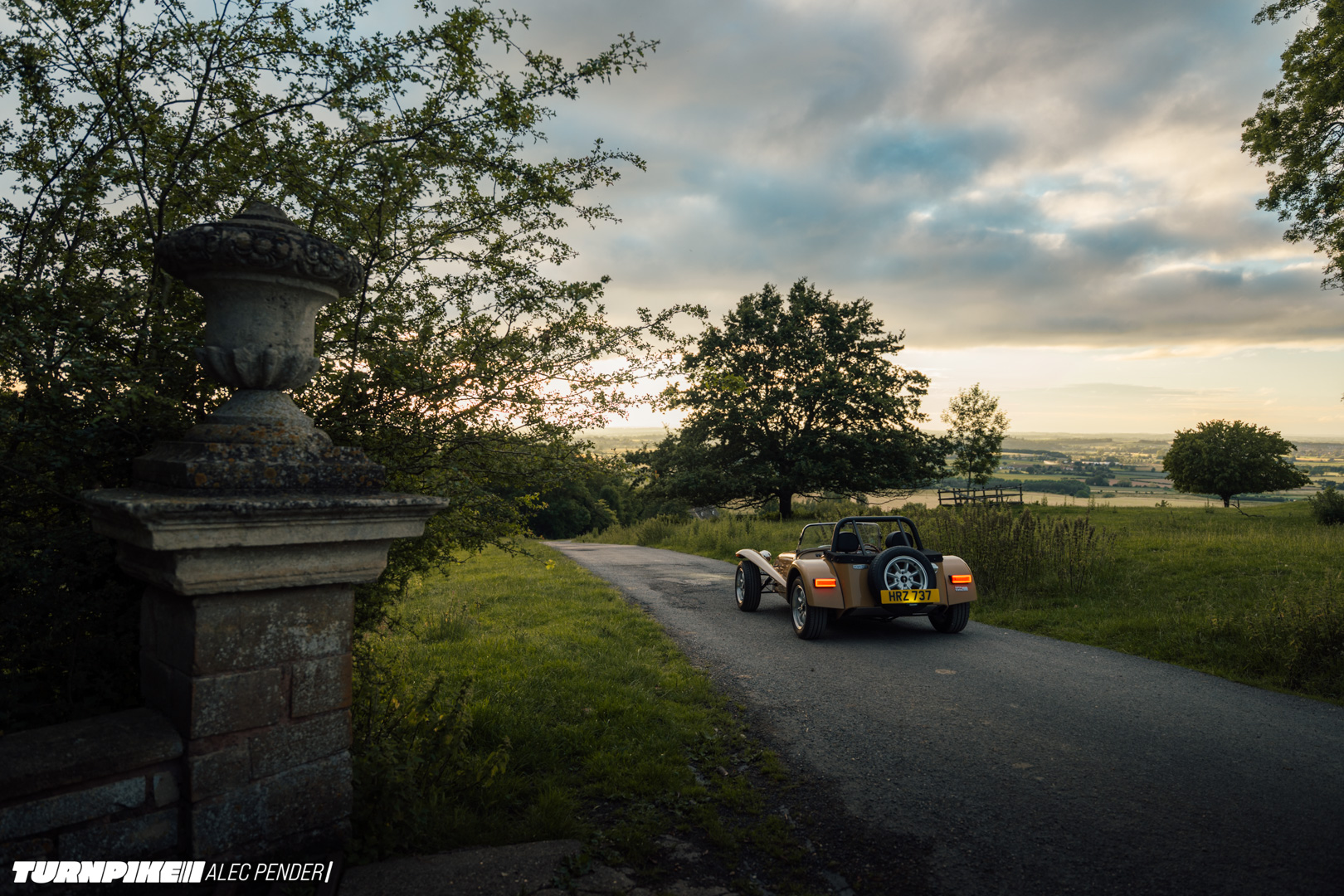
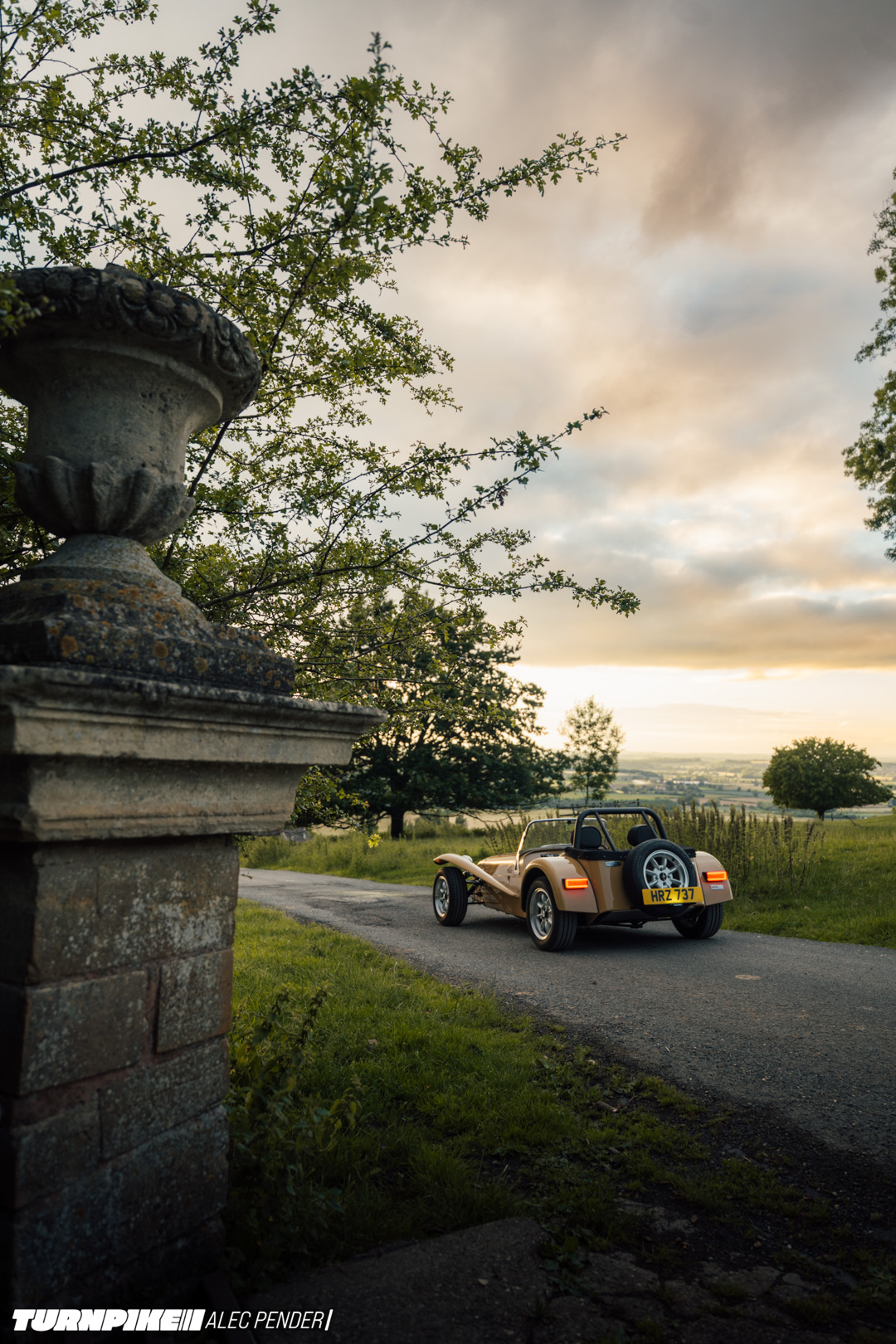
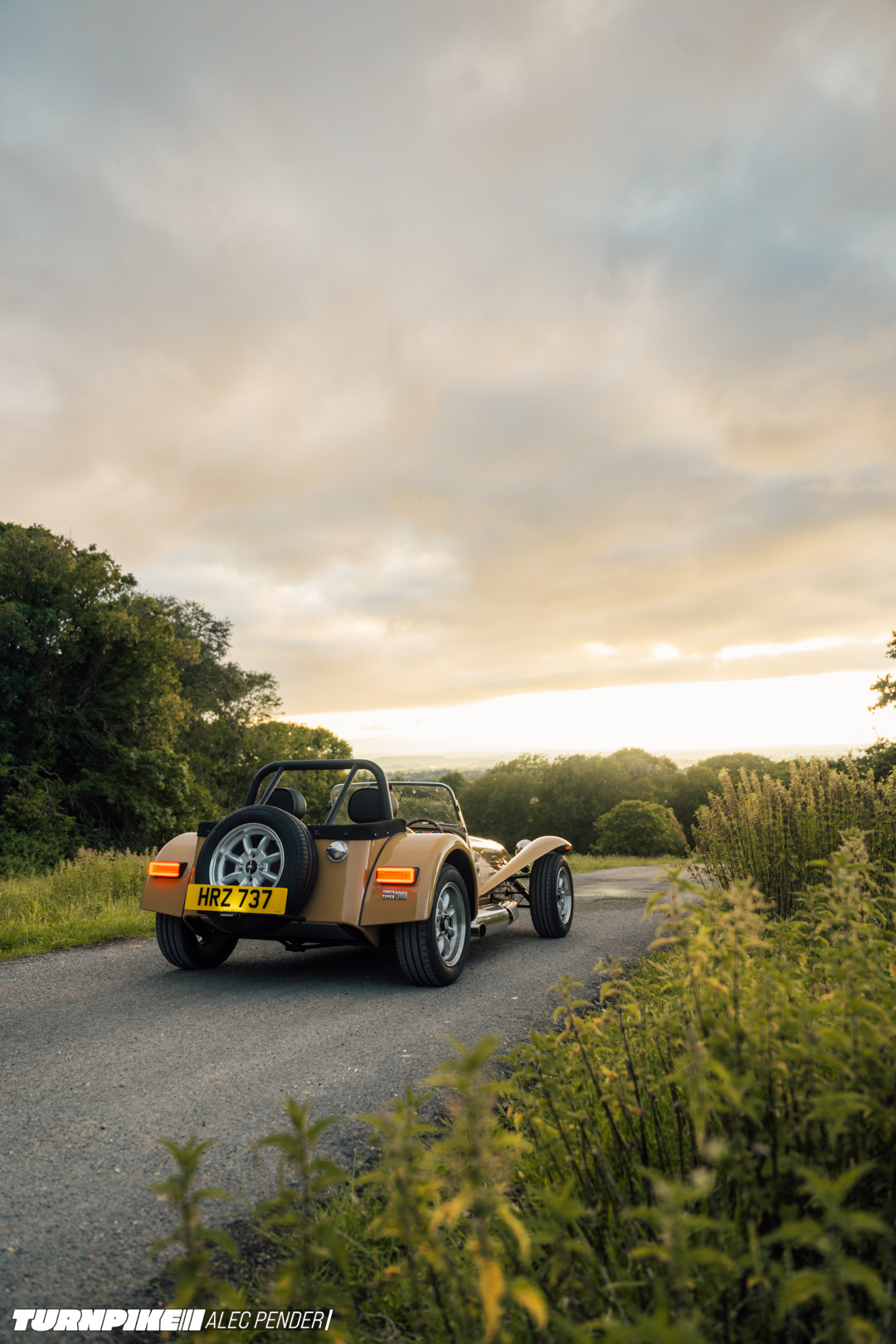
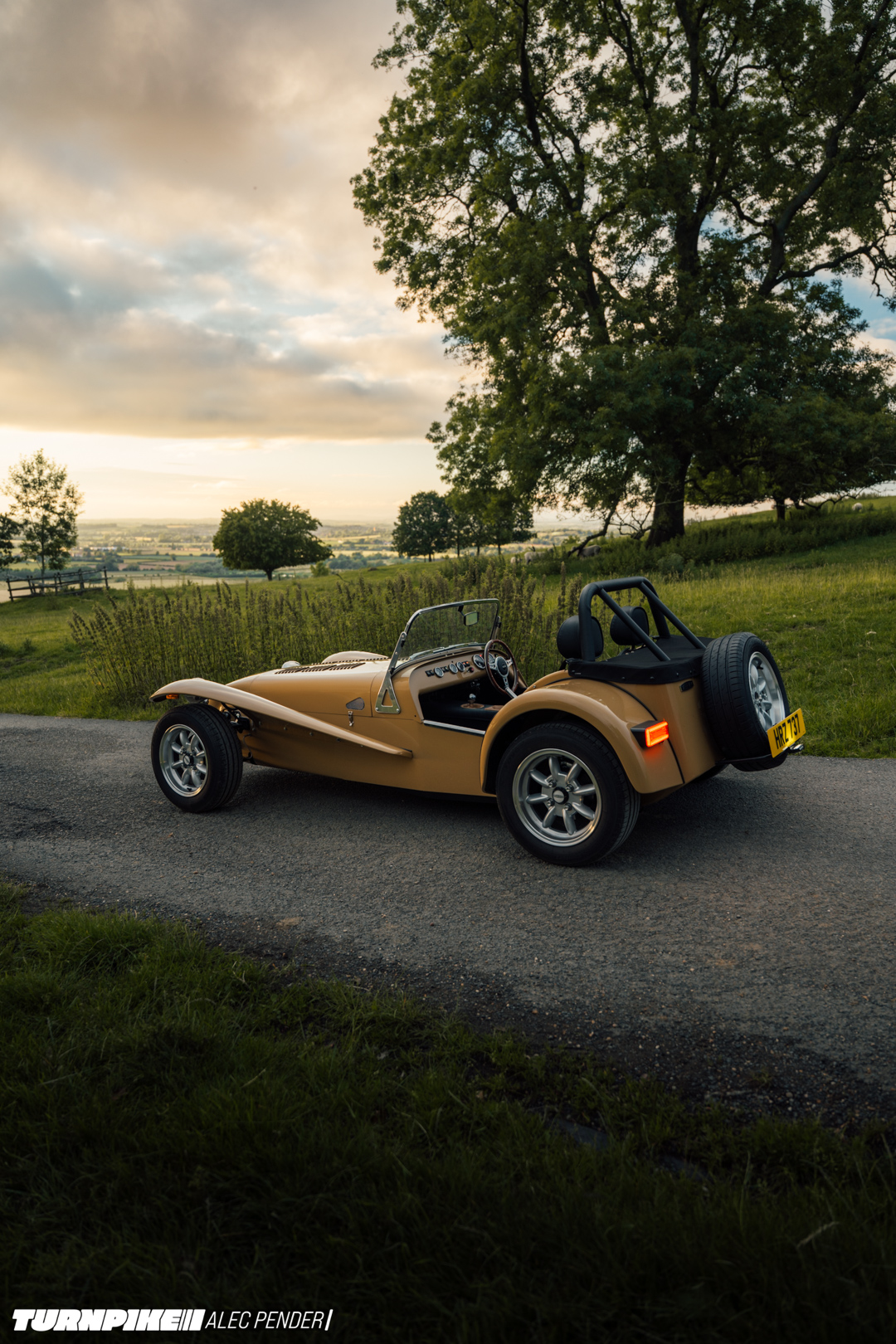
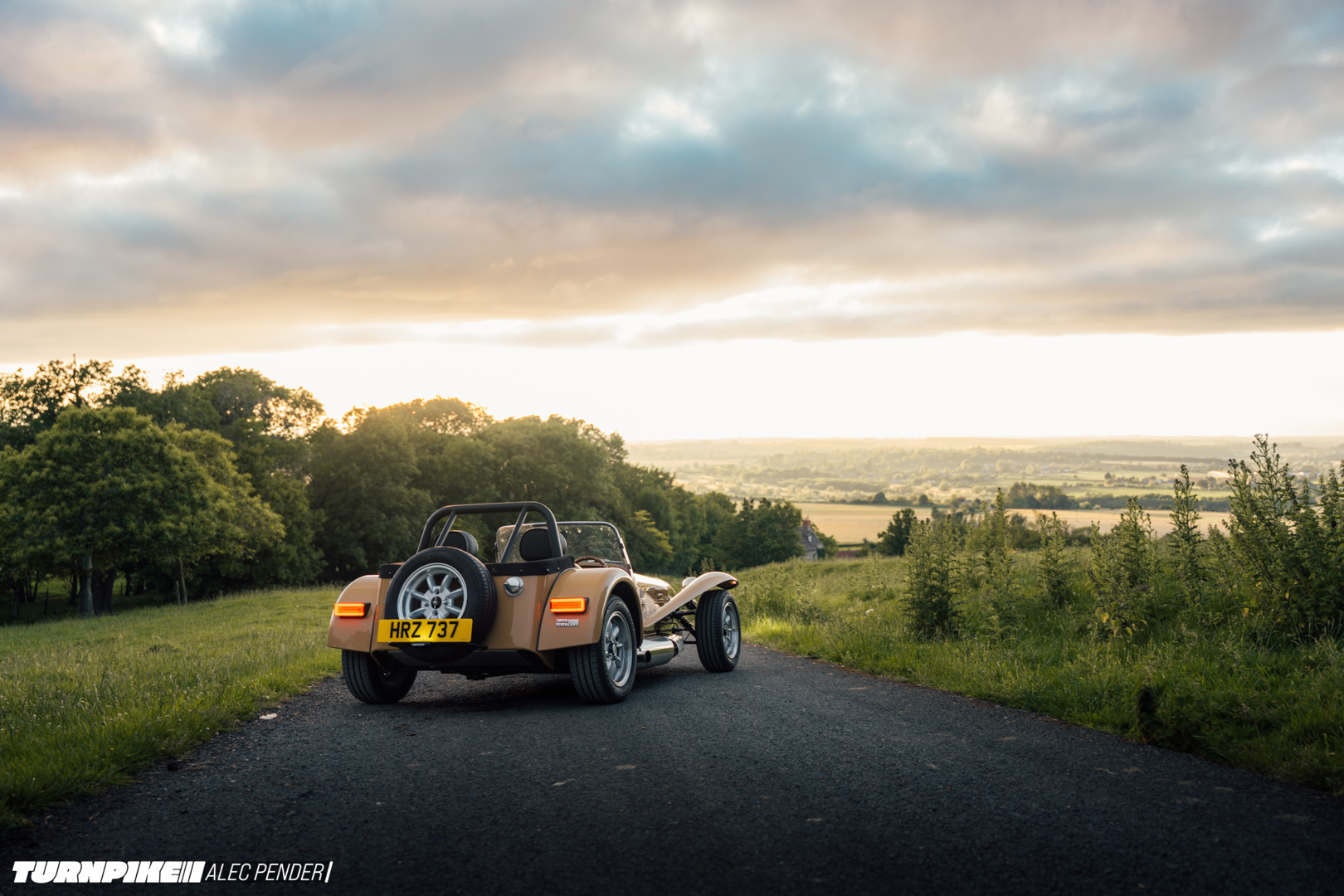
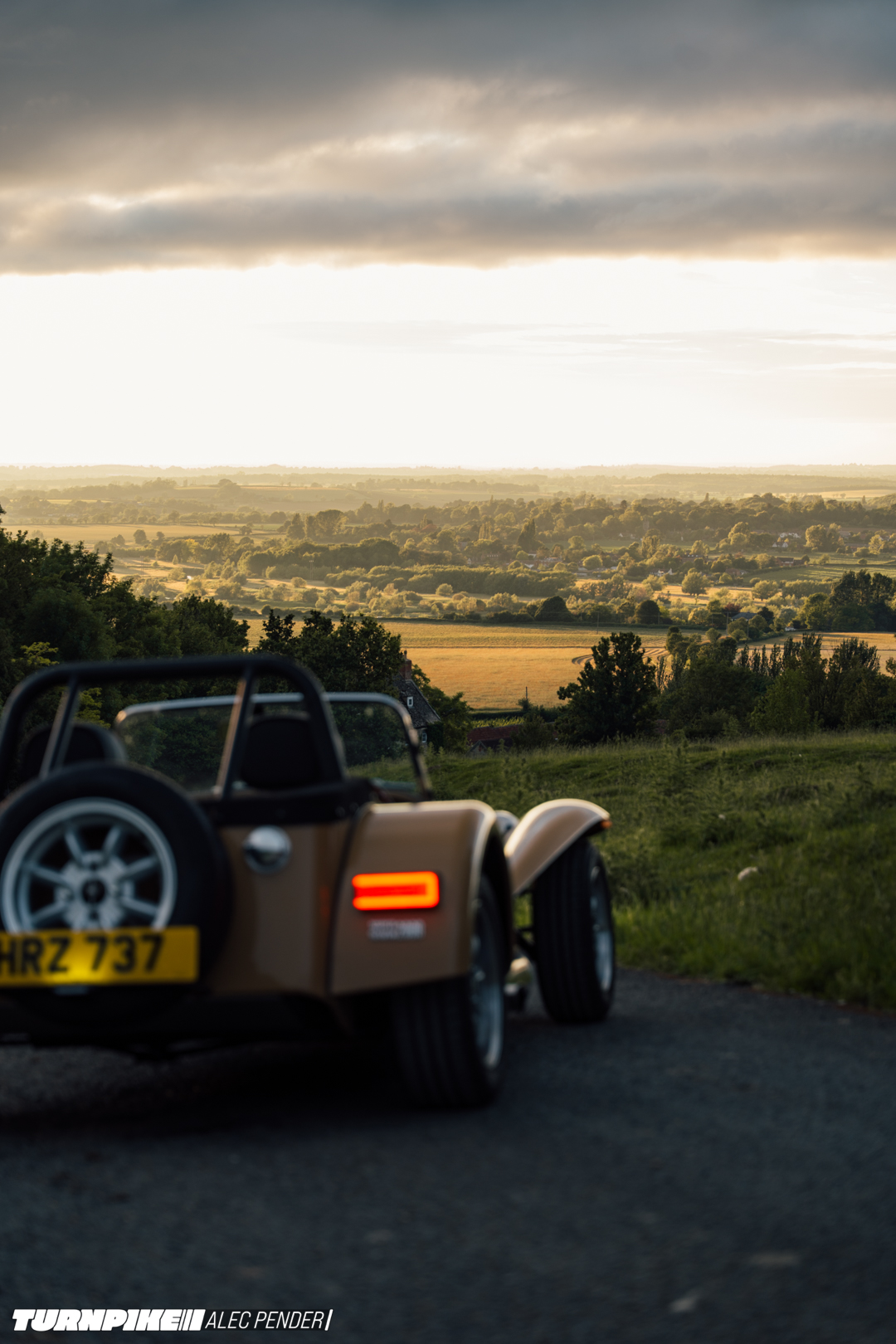
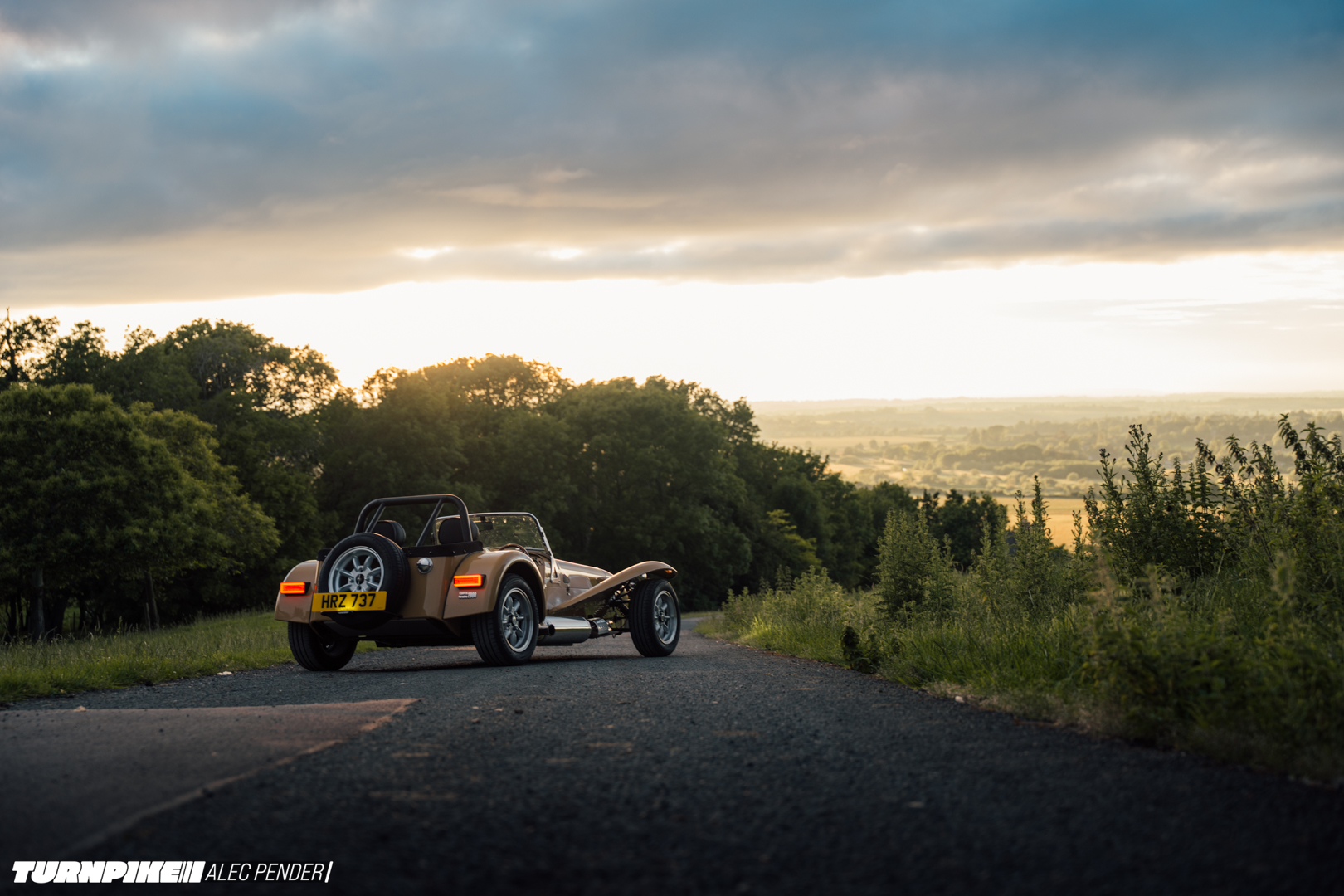
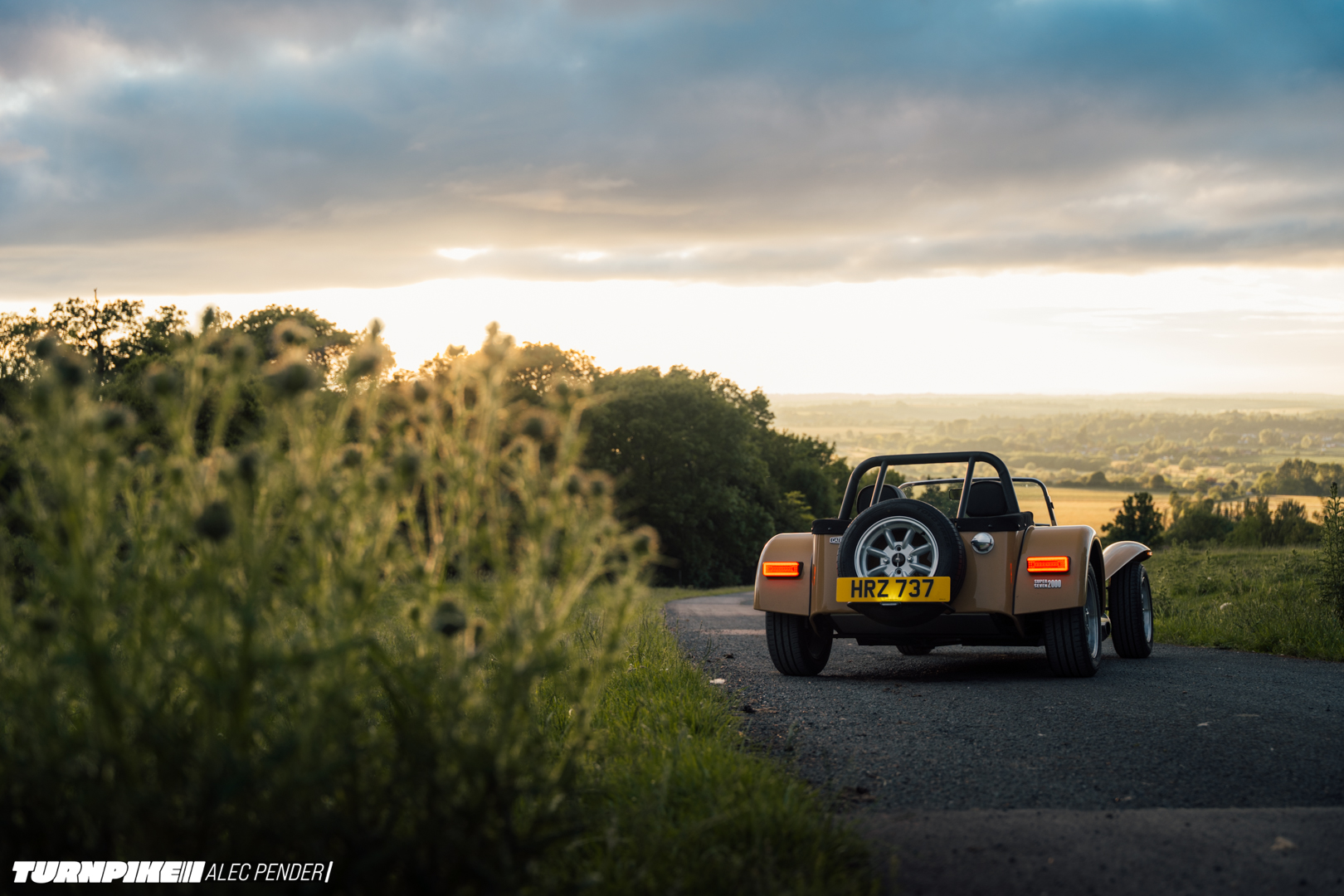
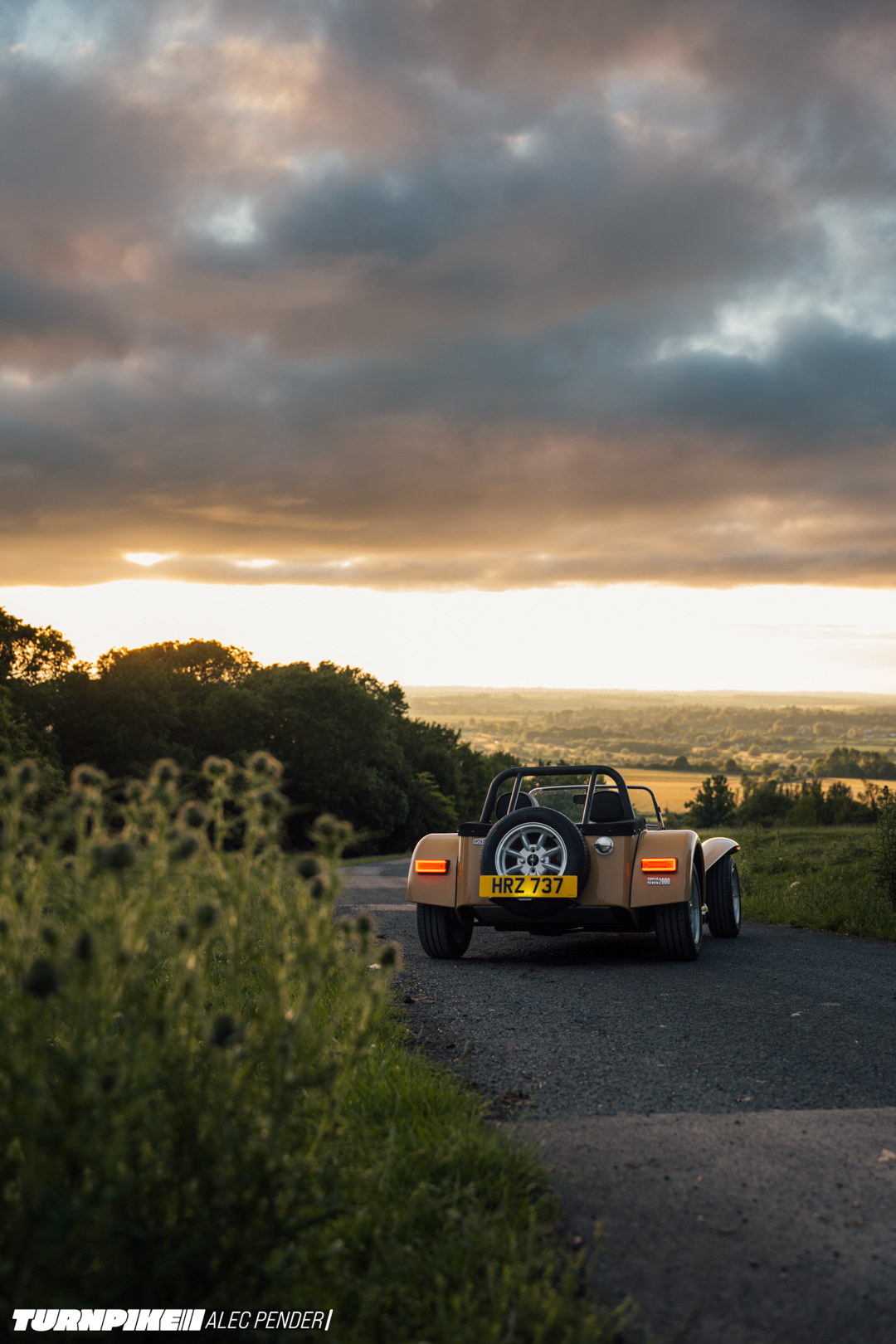
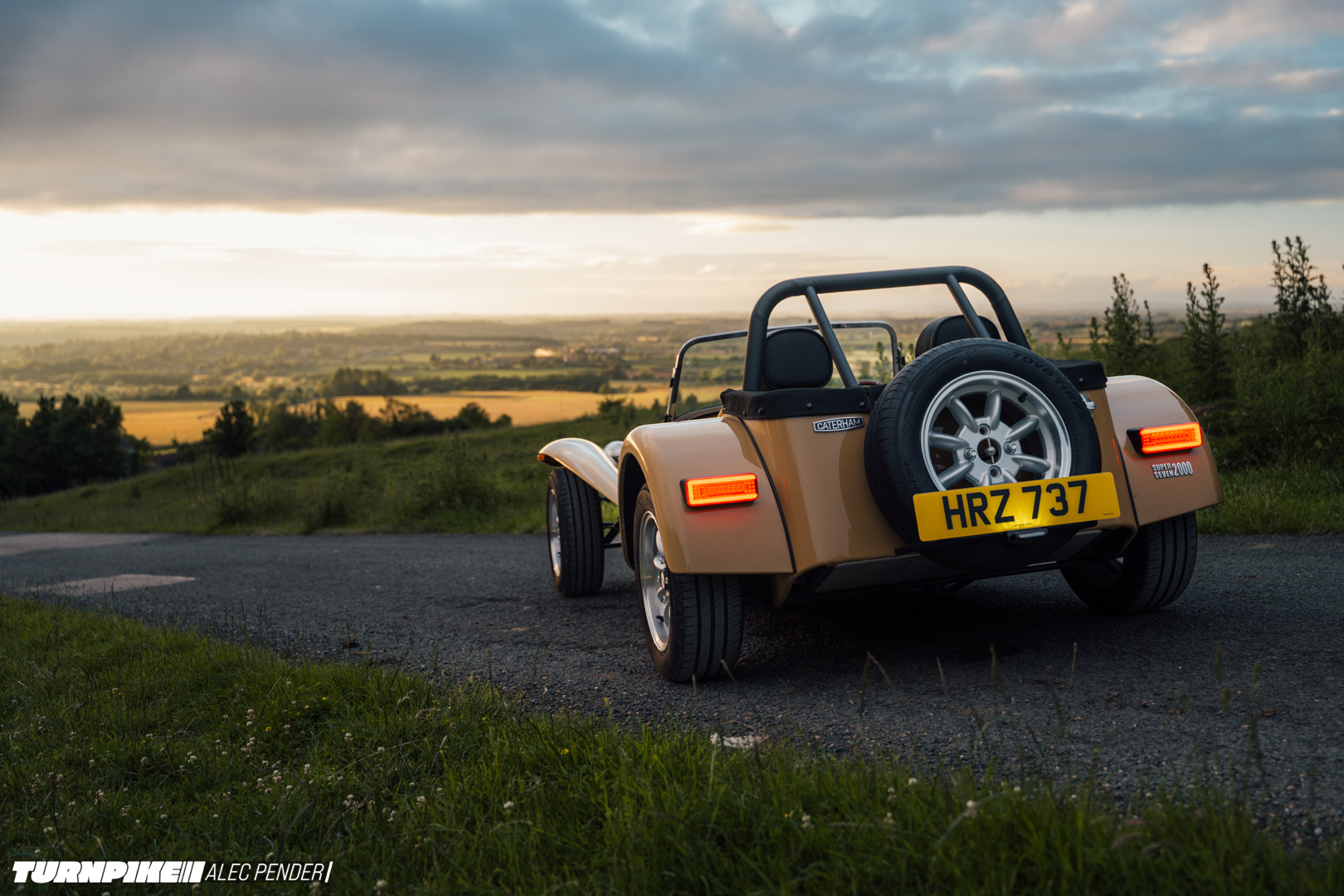
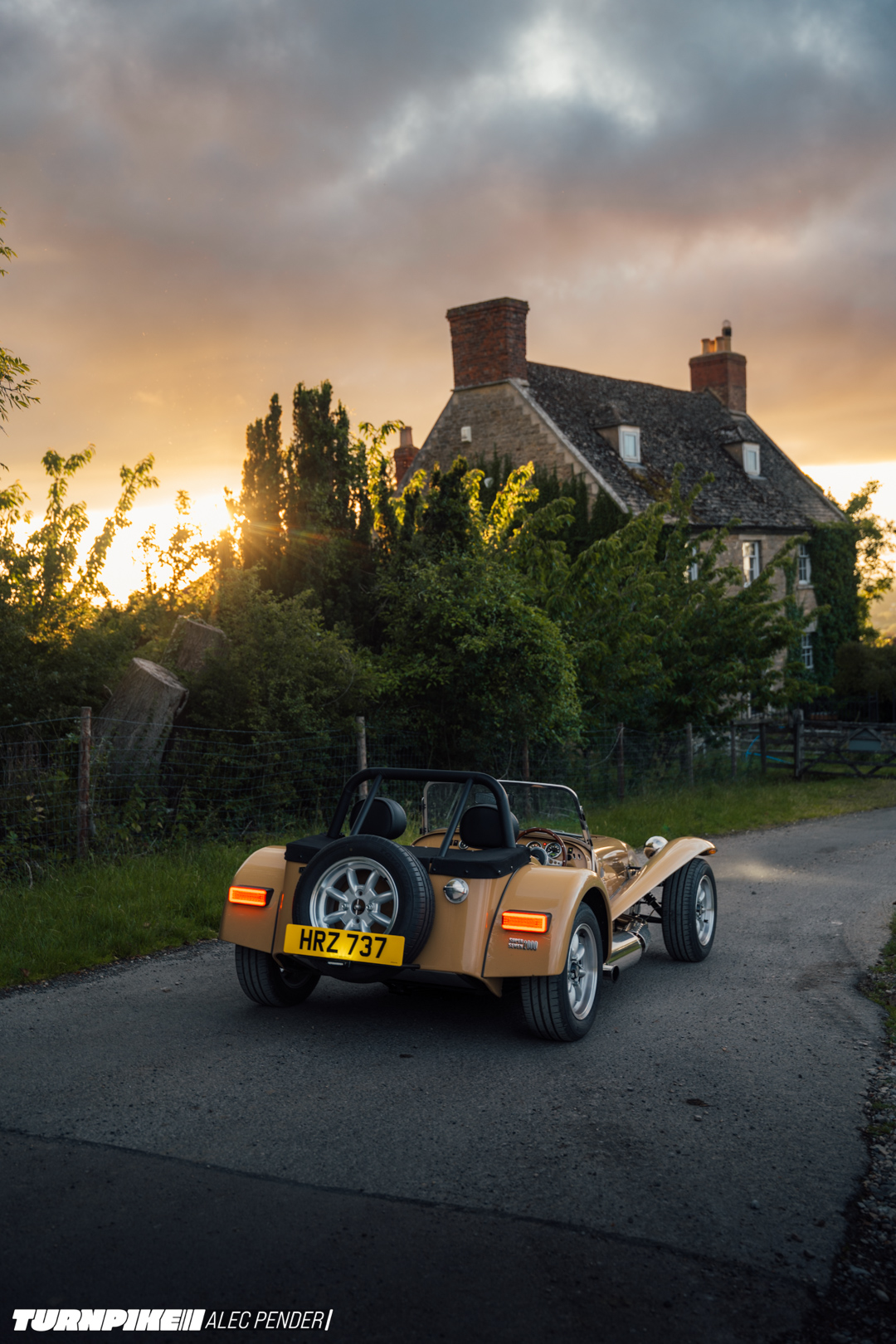
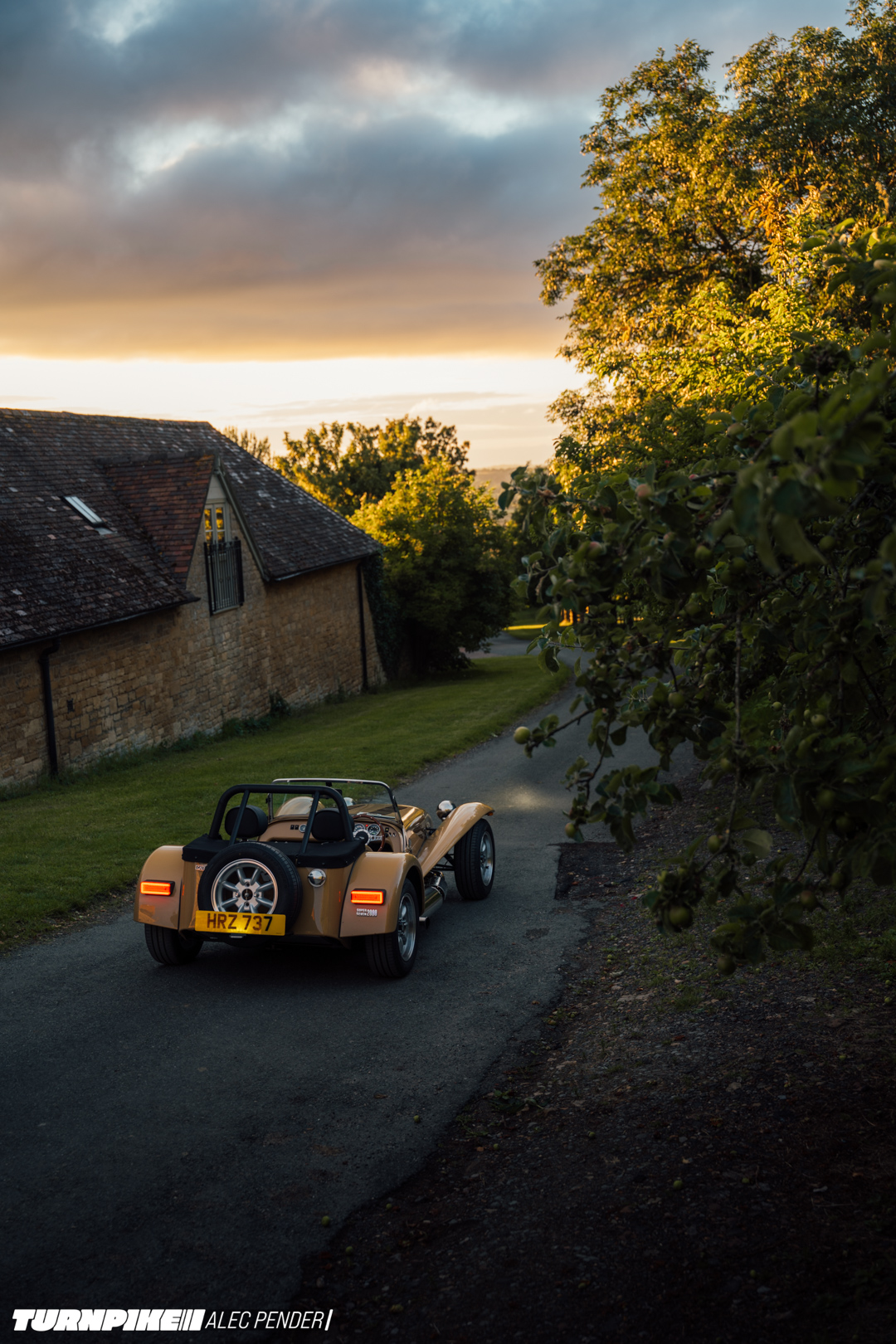
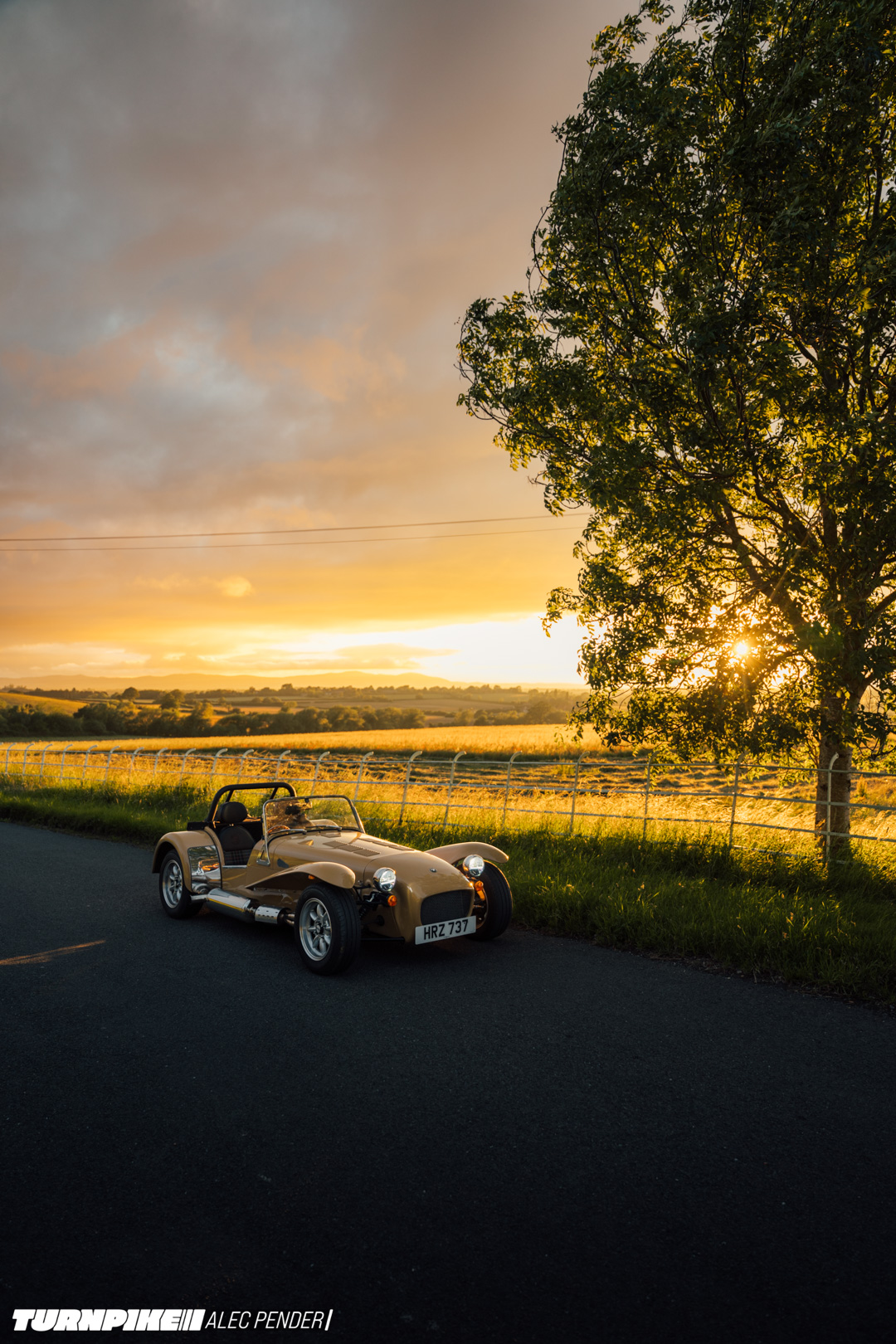
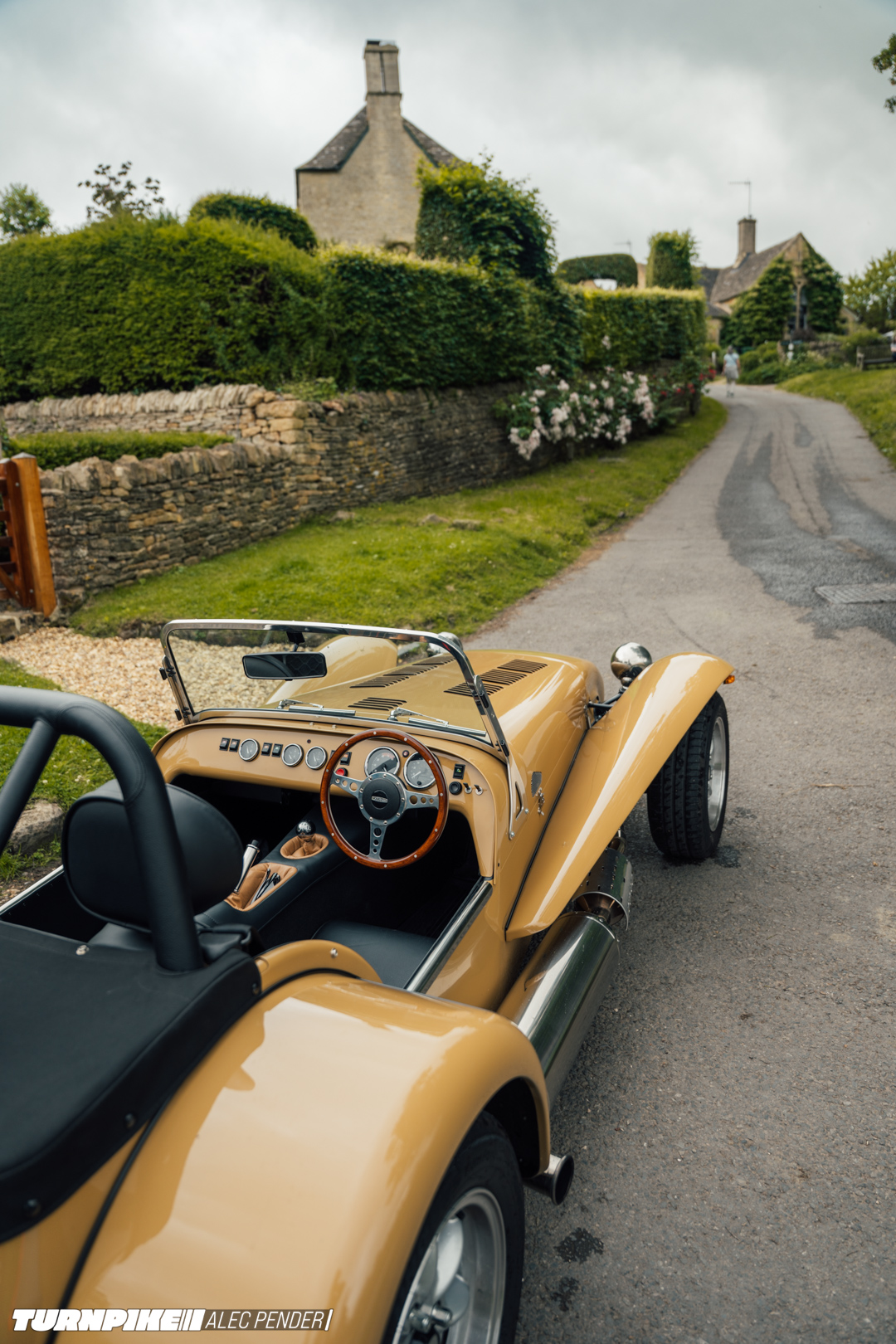
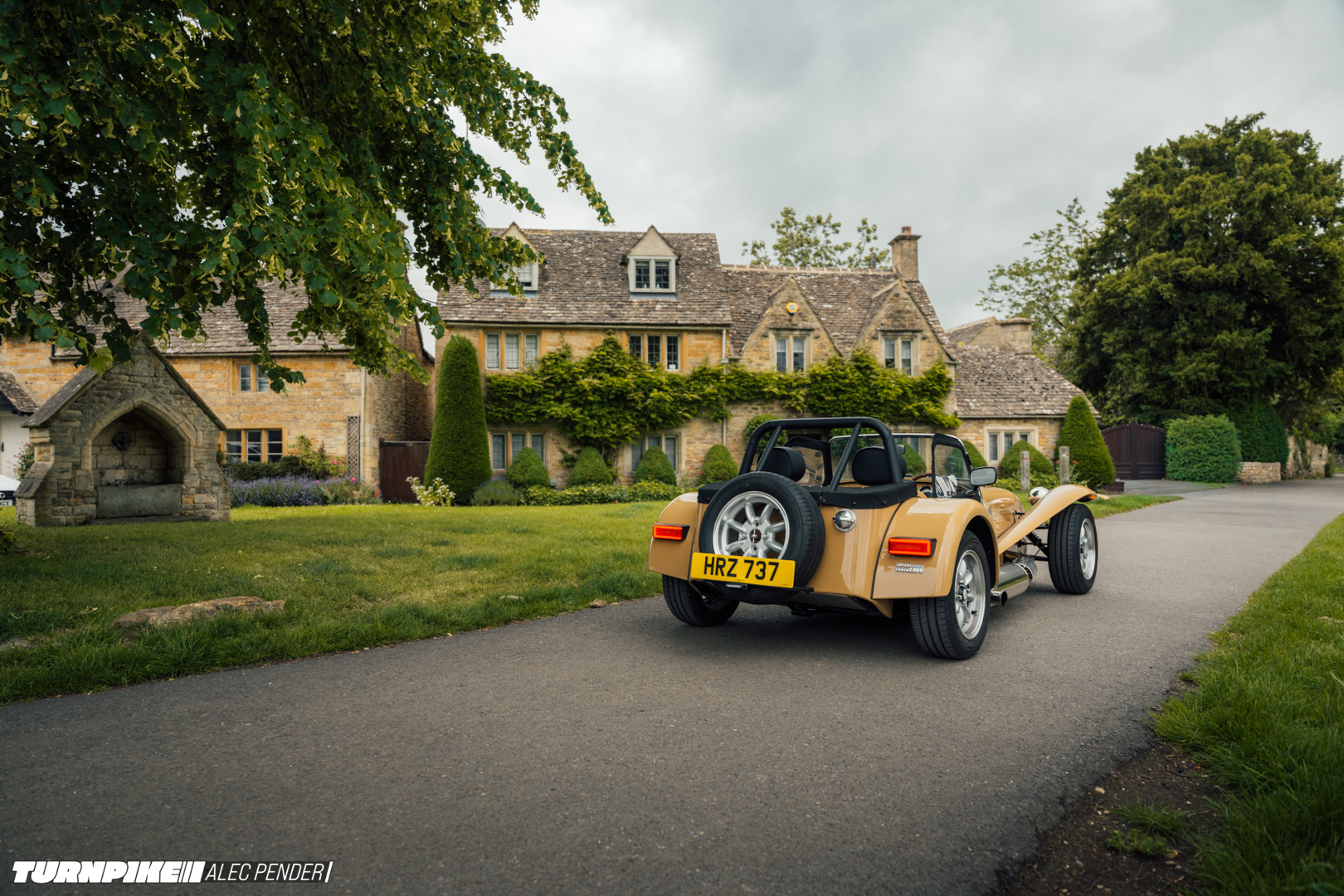
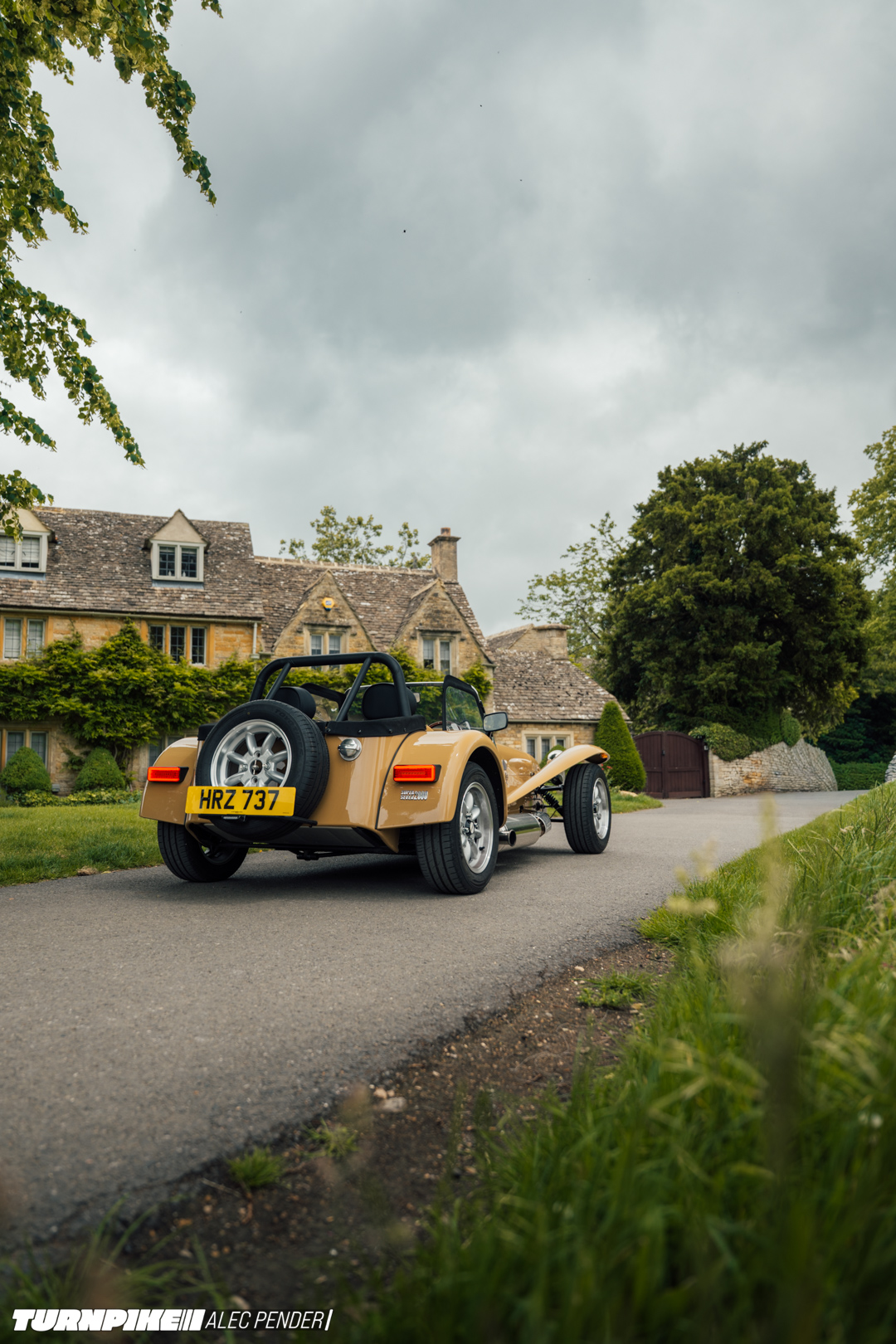
Caterham was kind enough to lend me their Super Seven 2000 for a week whilst over in the UK, ensuring I had the most British experience ever. Straight out of the gate, hopping into one of these feels nothing like any other car I’ve driven on the road. Having an AE86 as a daily driver, a raw driving experience comes naturally to me, but I now realise not even that comes close.
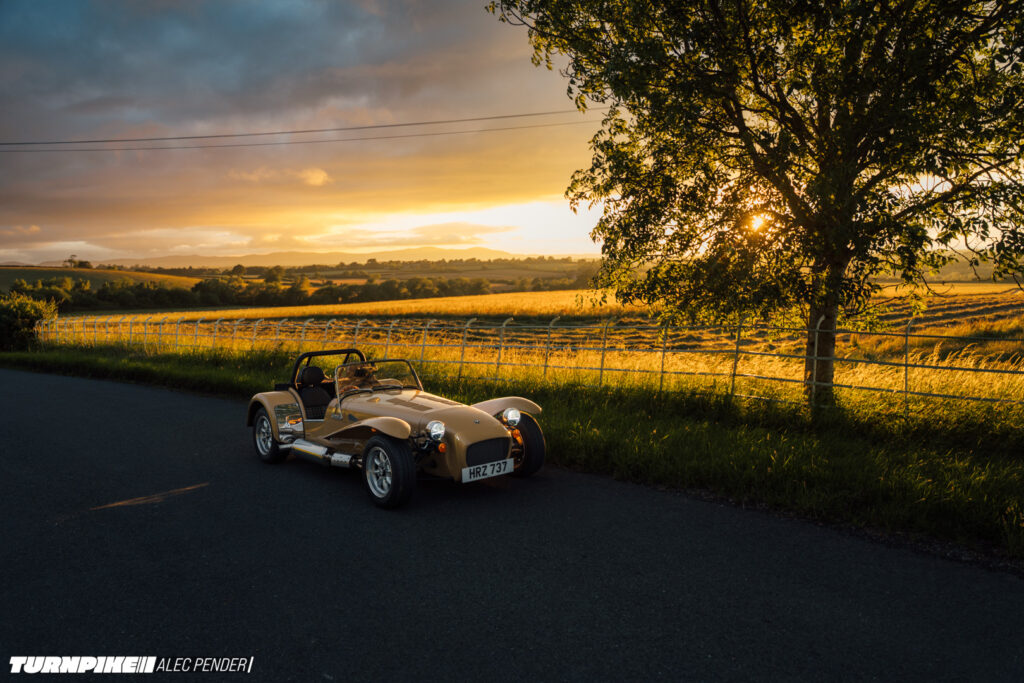
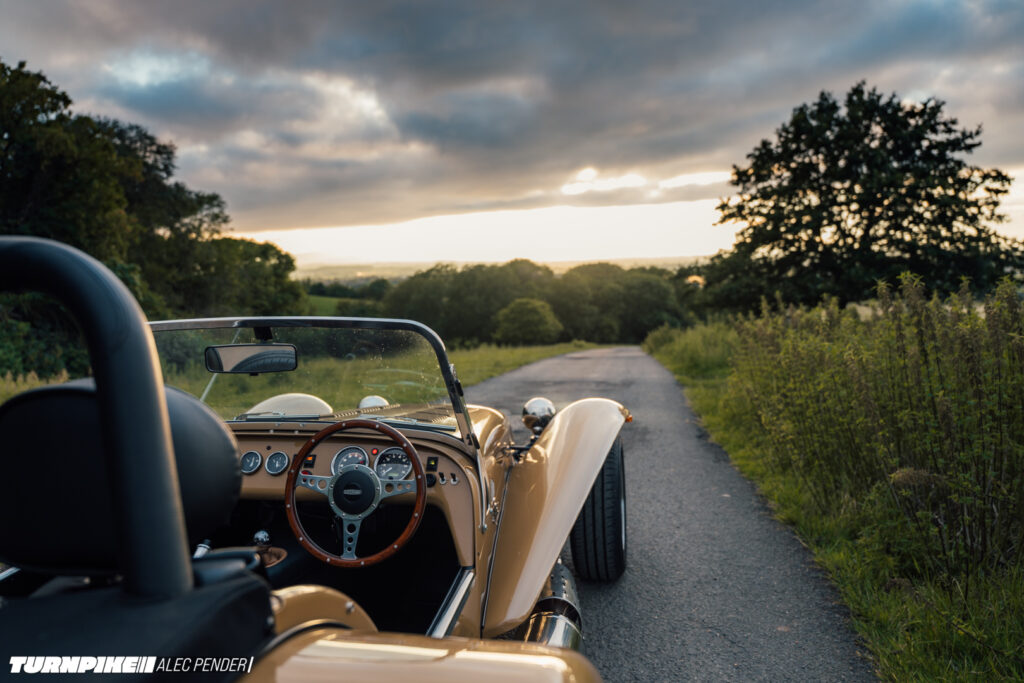
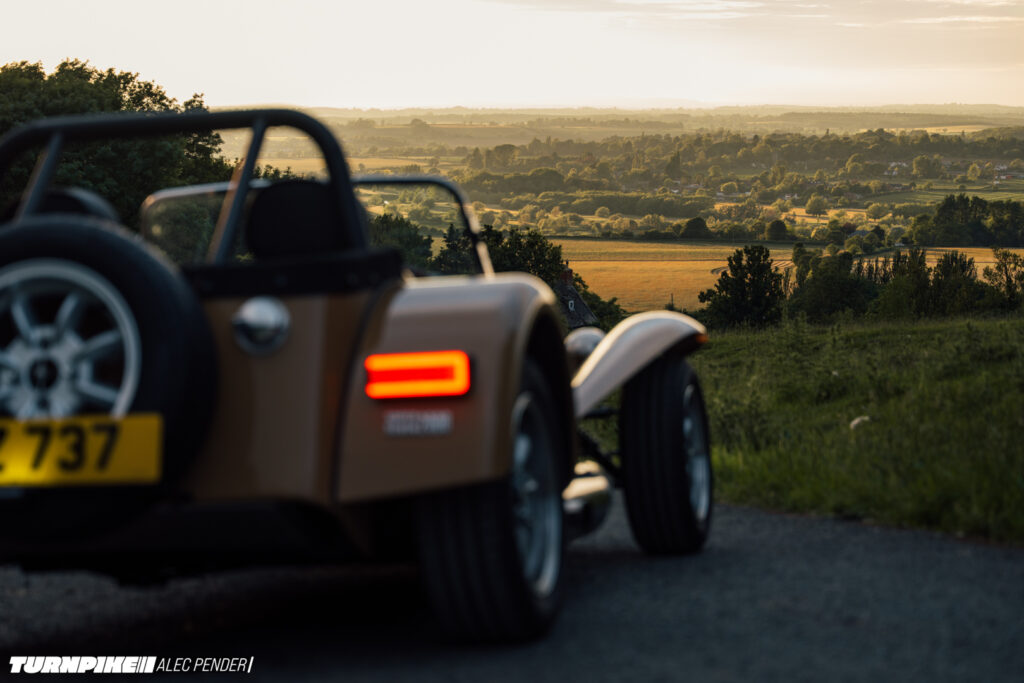
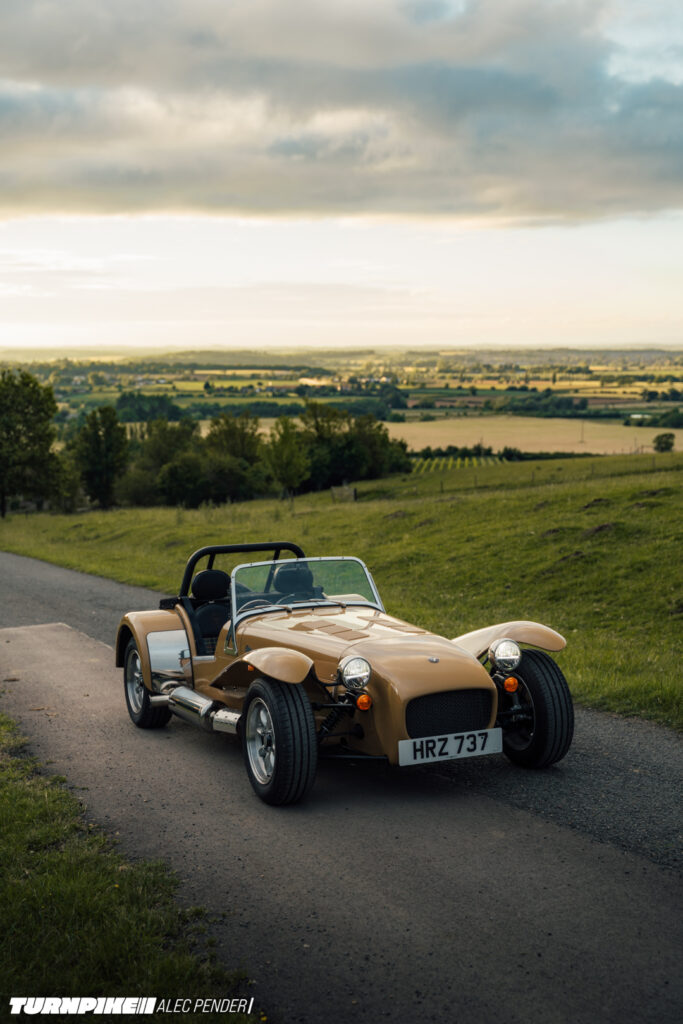
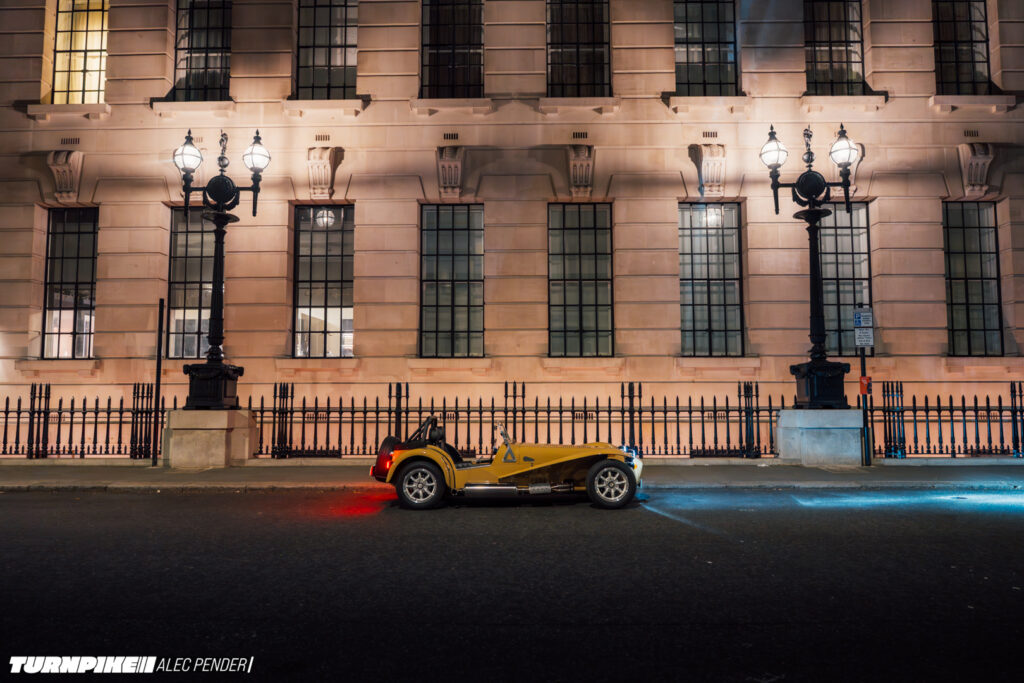
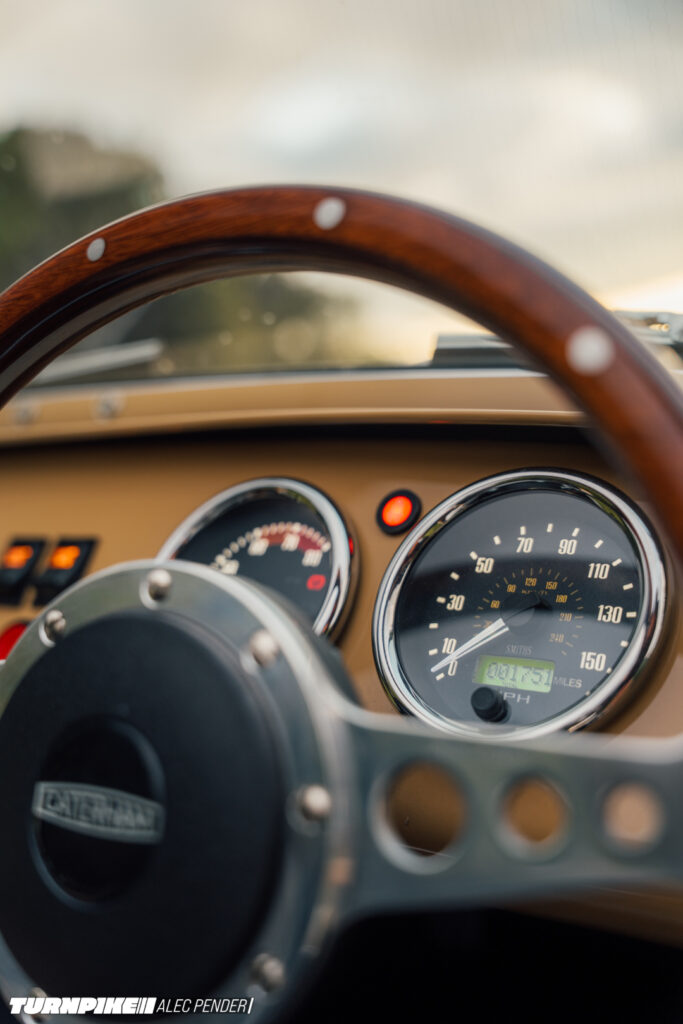
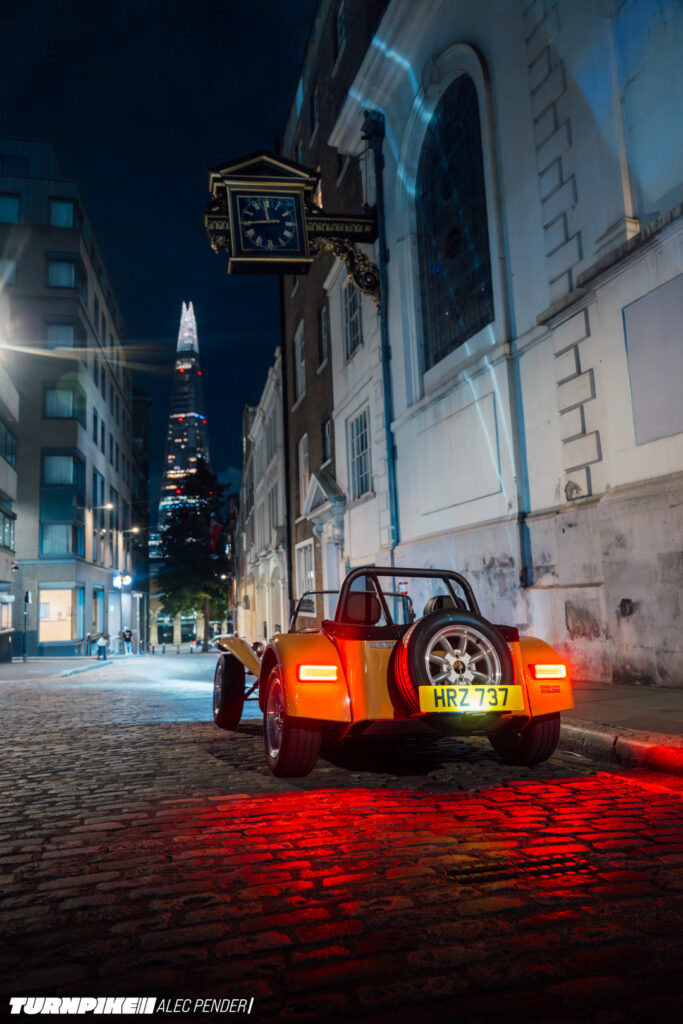
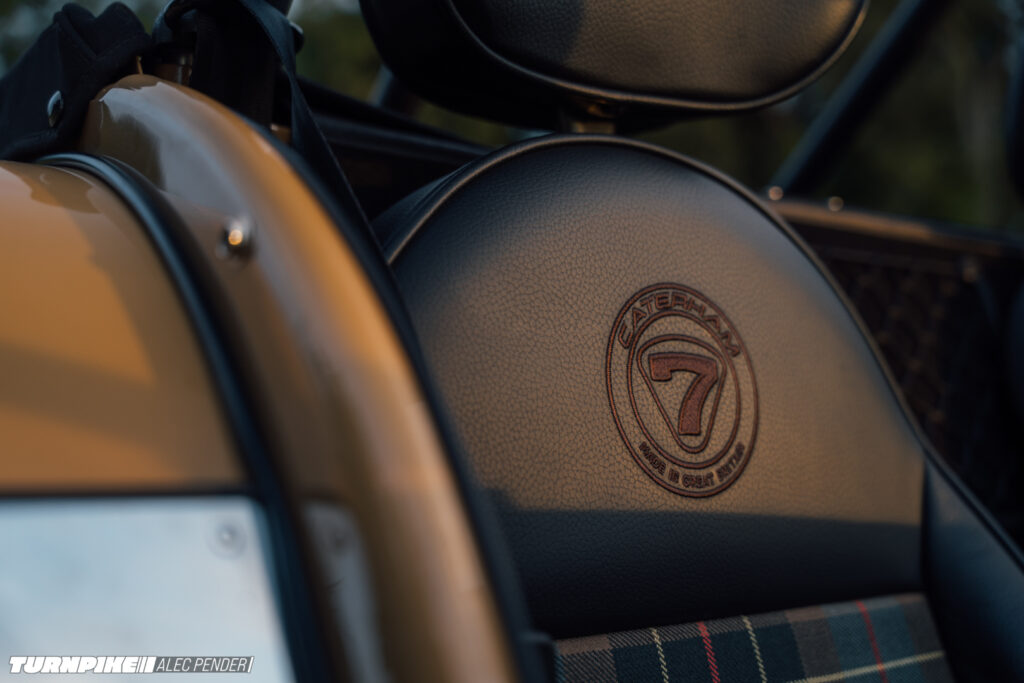
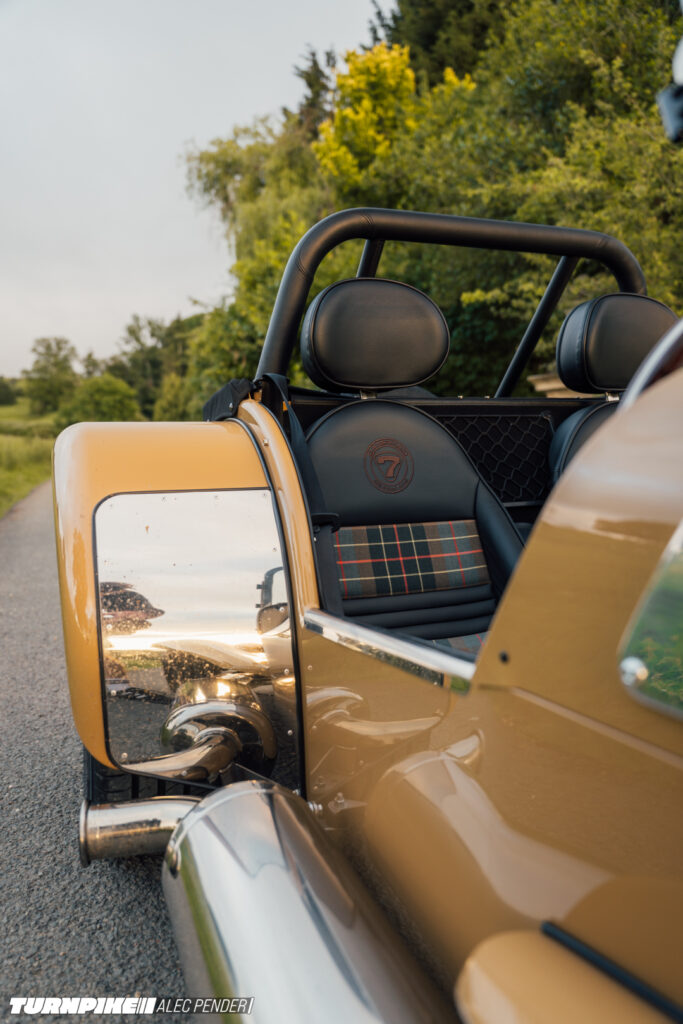
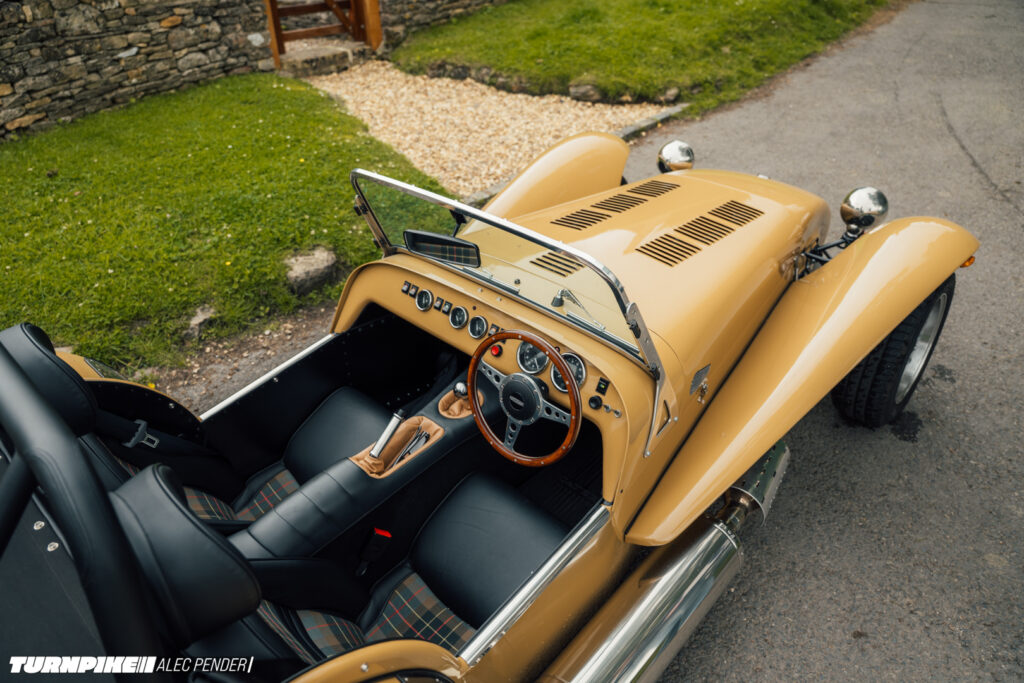
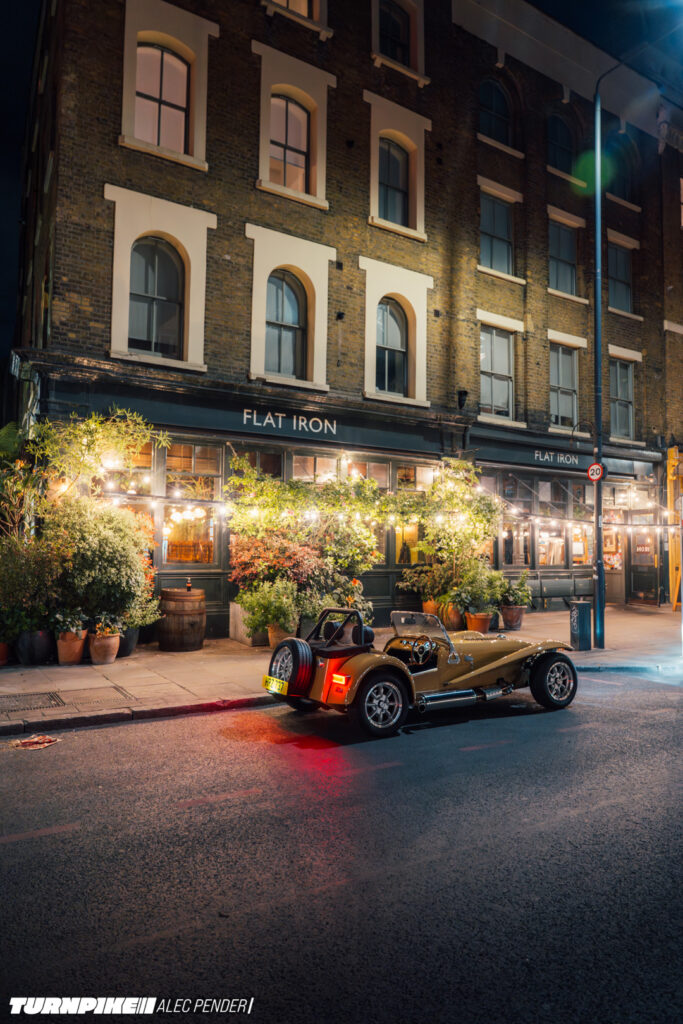
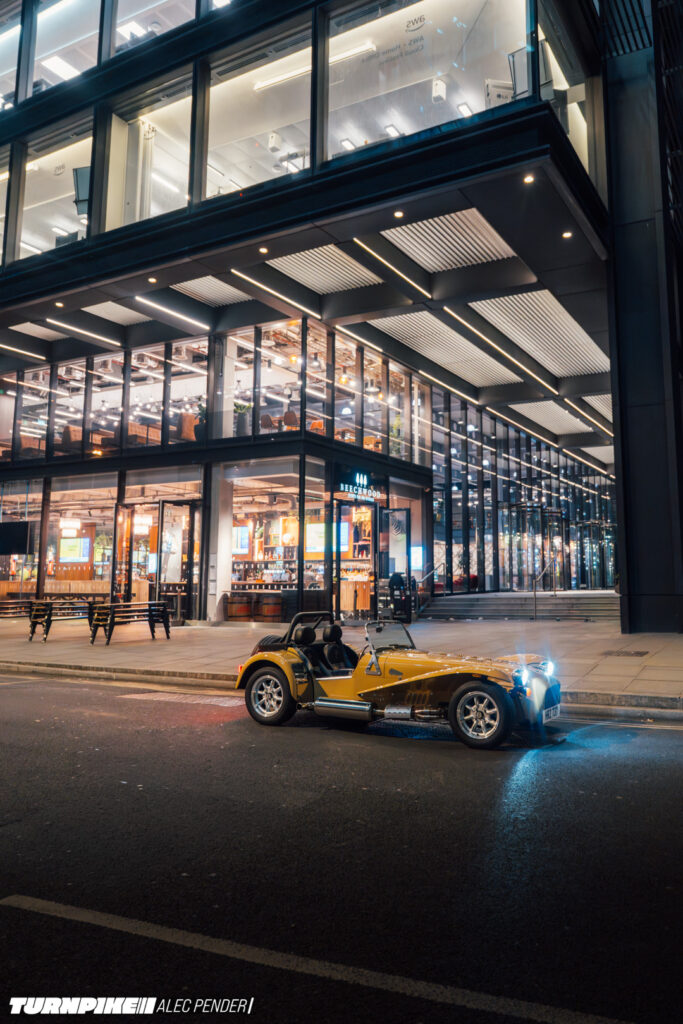
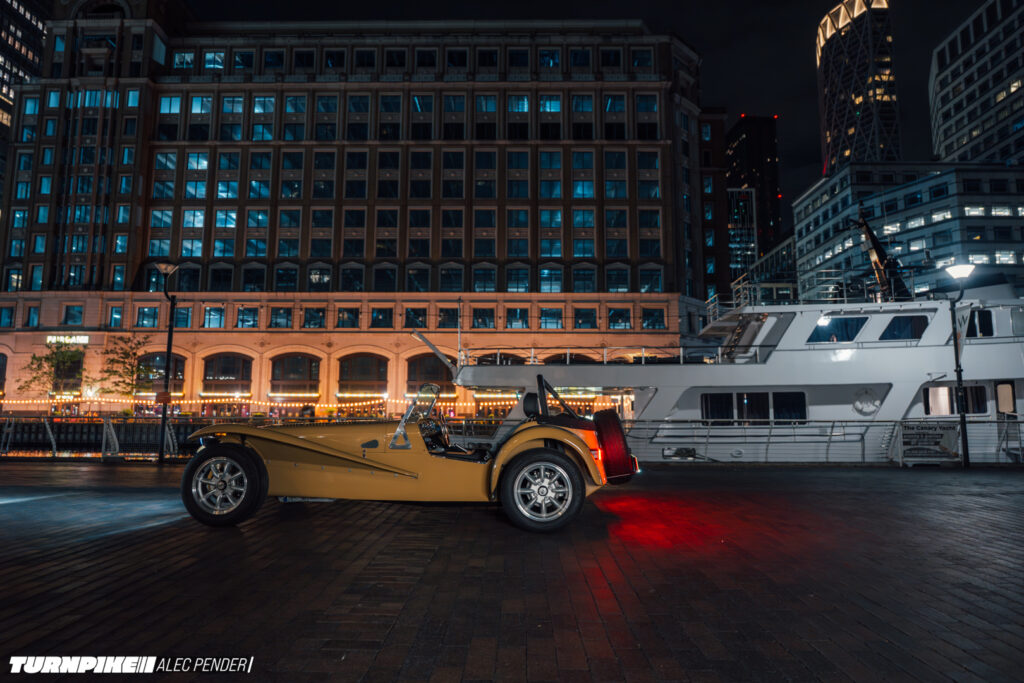
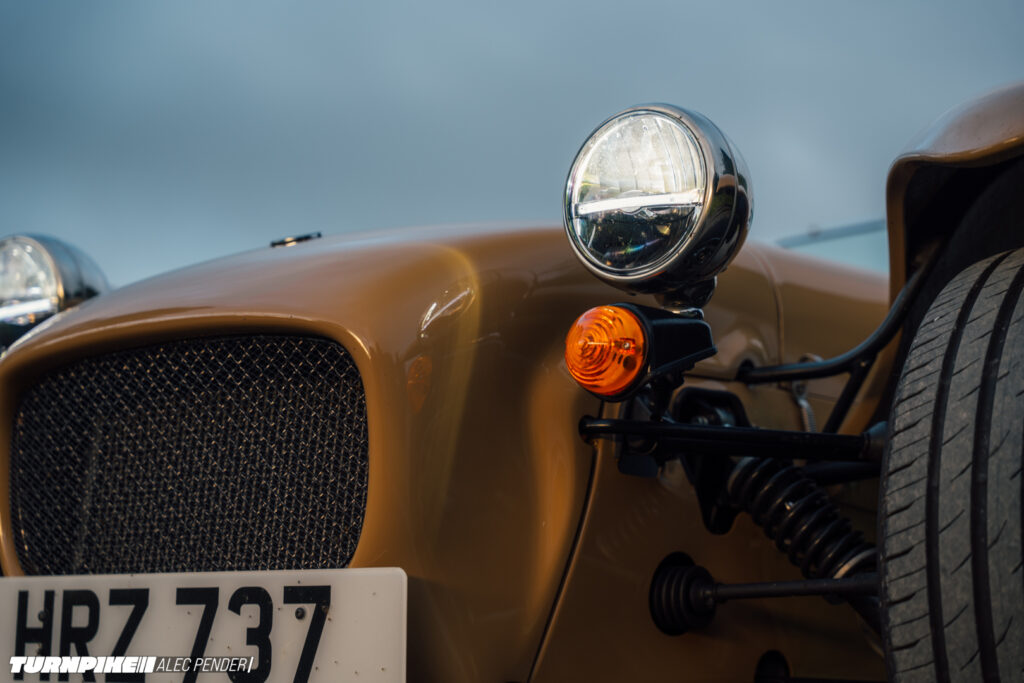
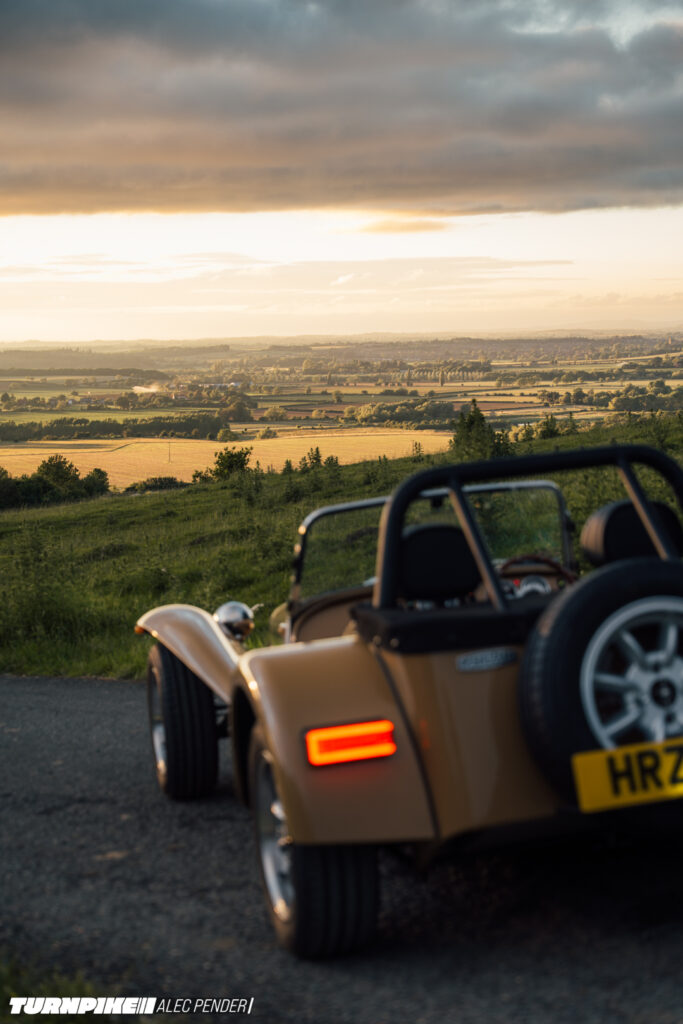
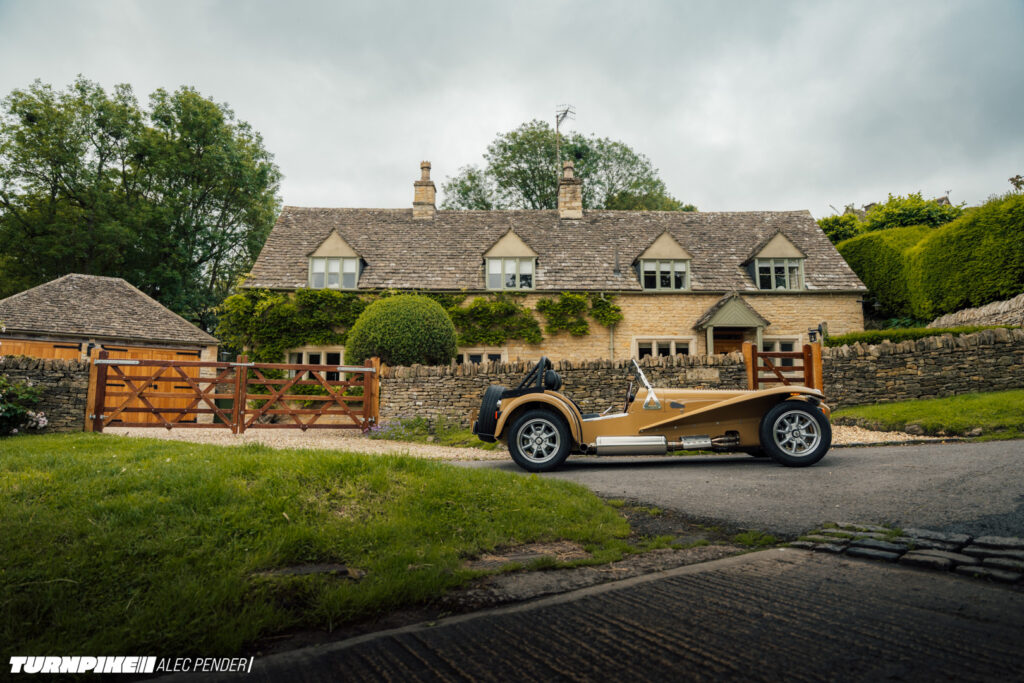
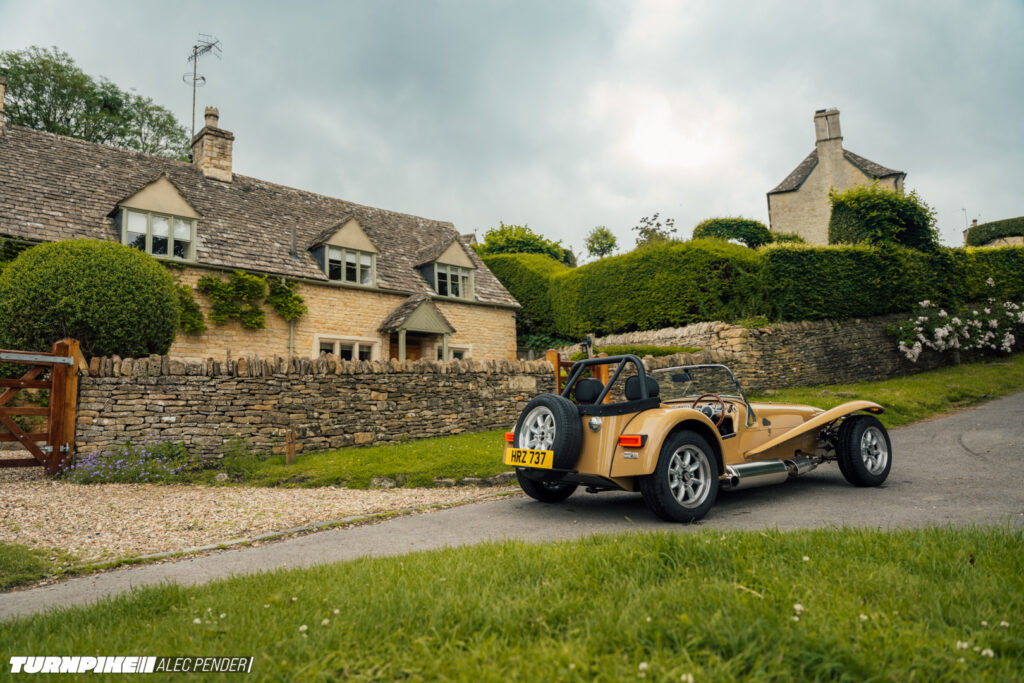
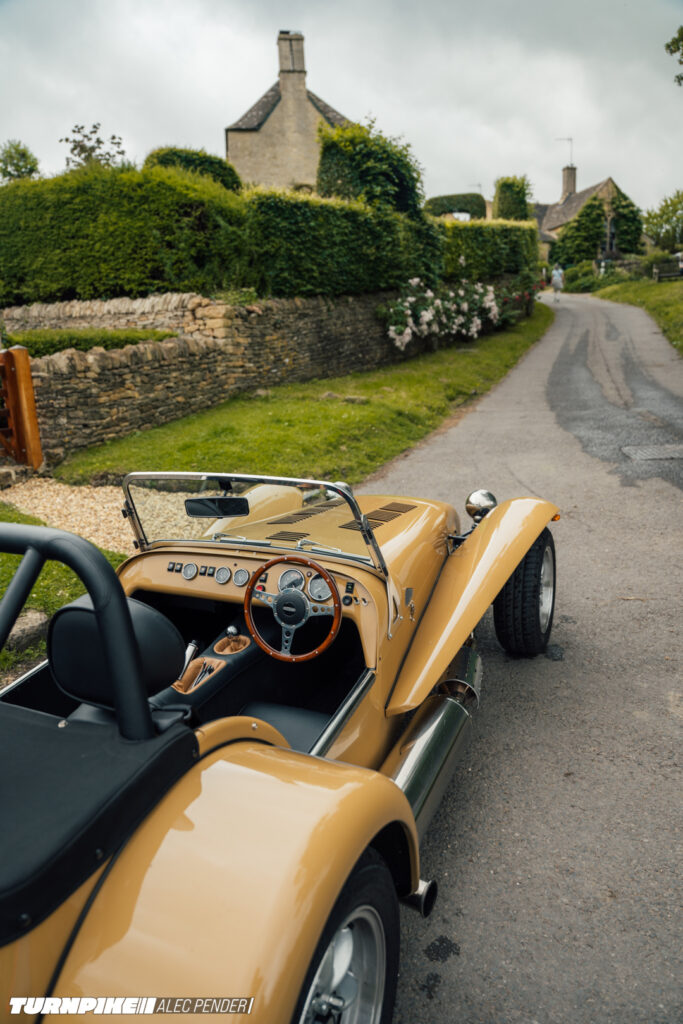
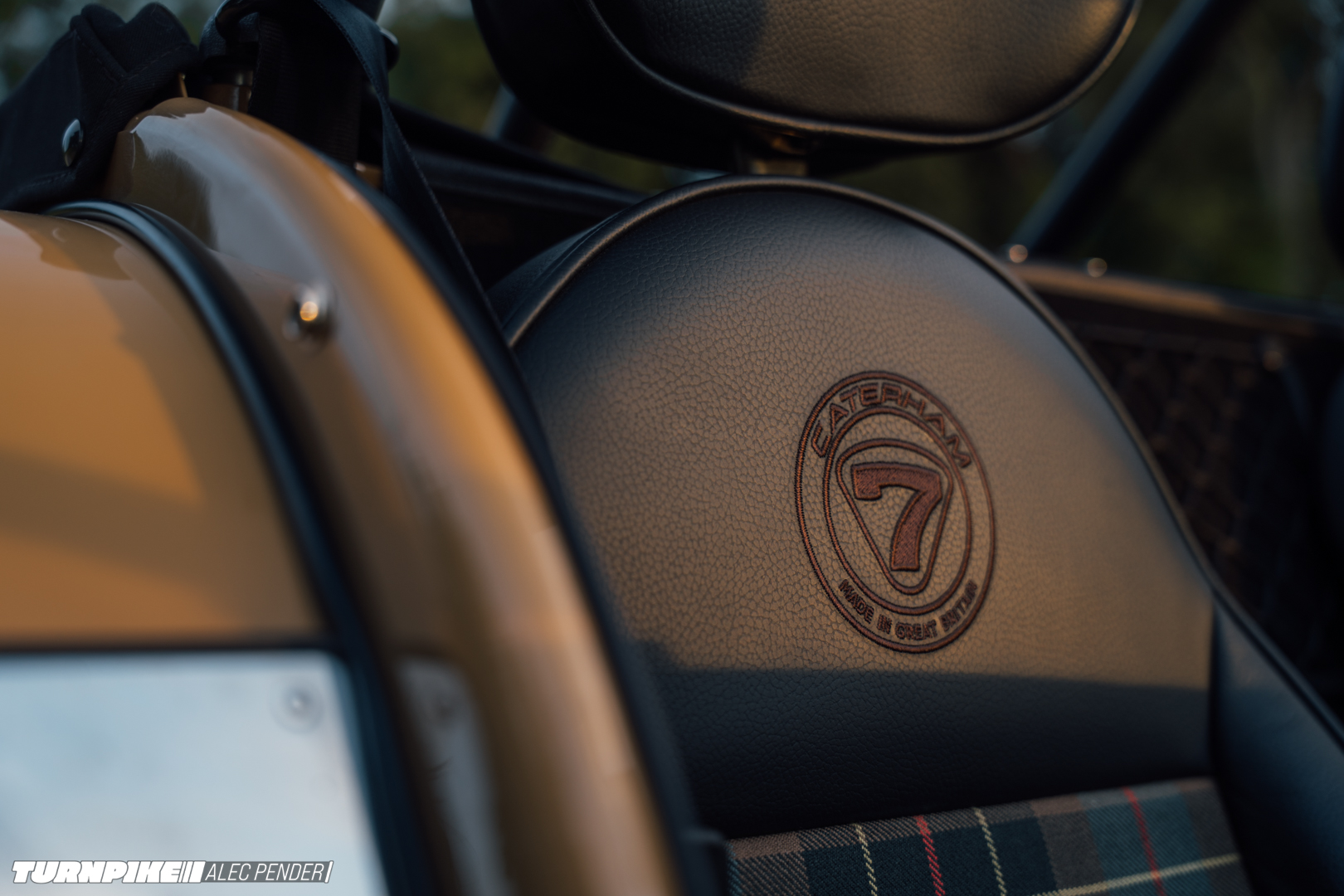
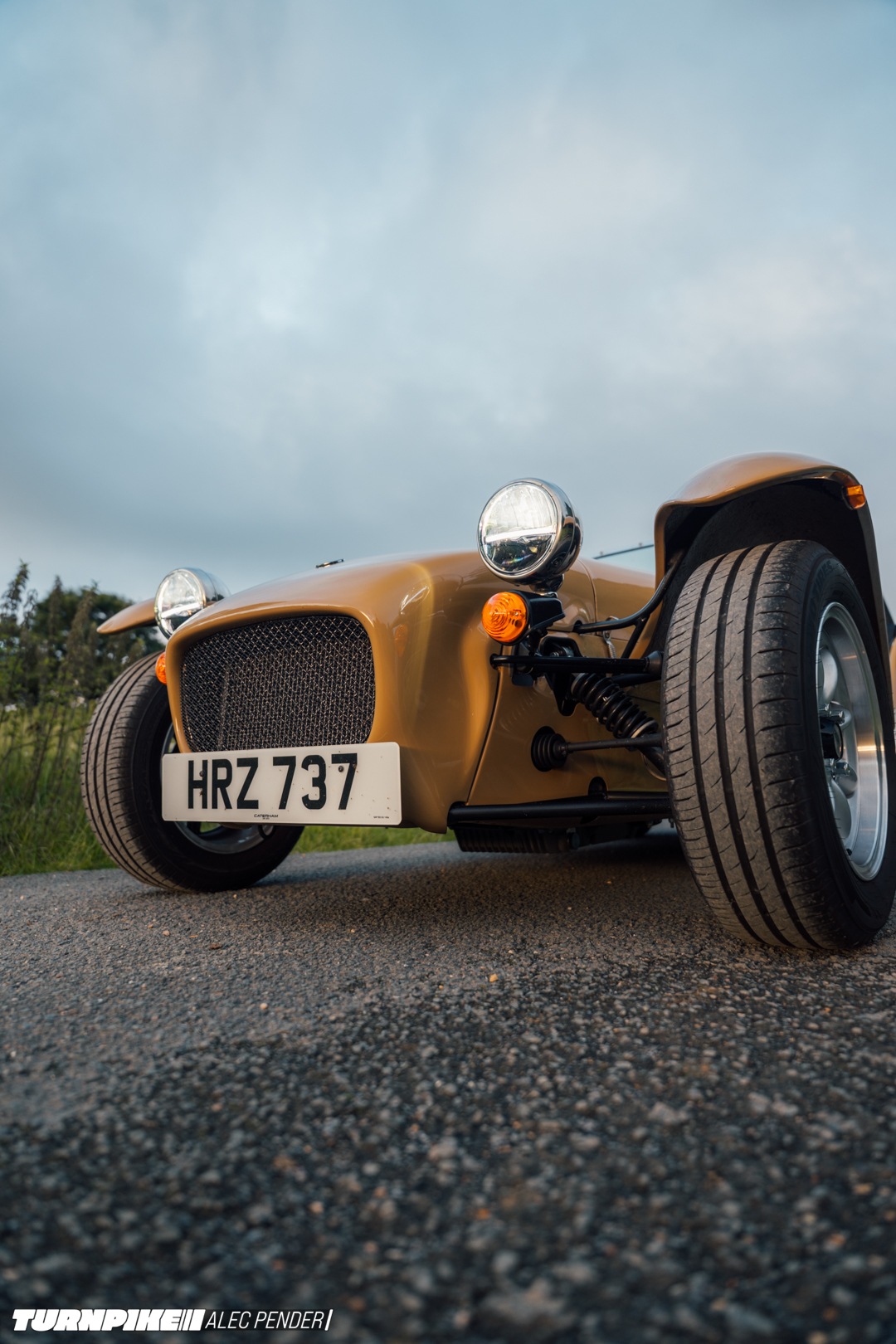
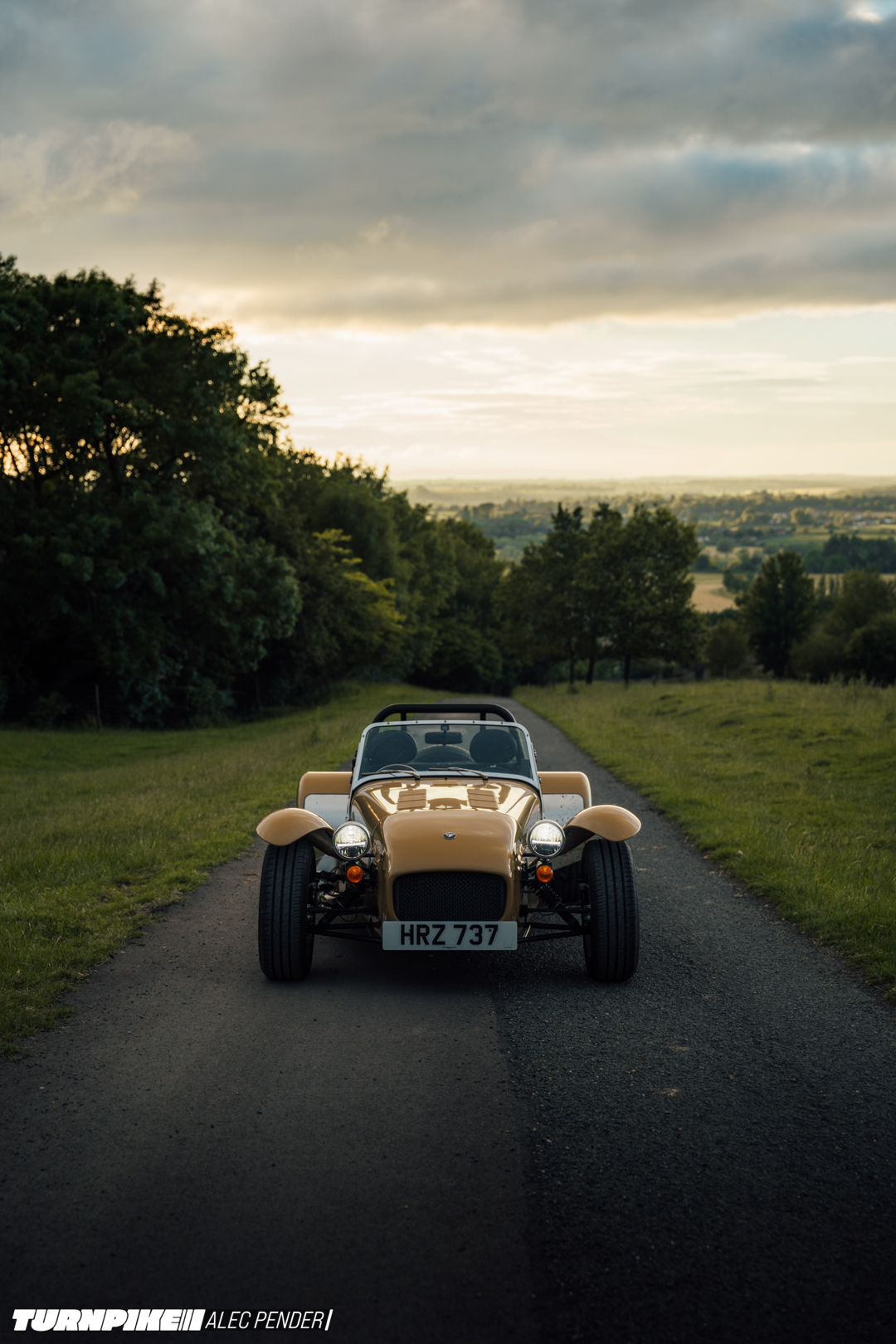
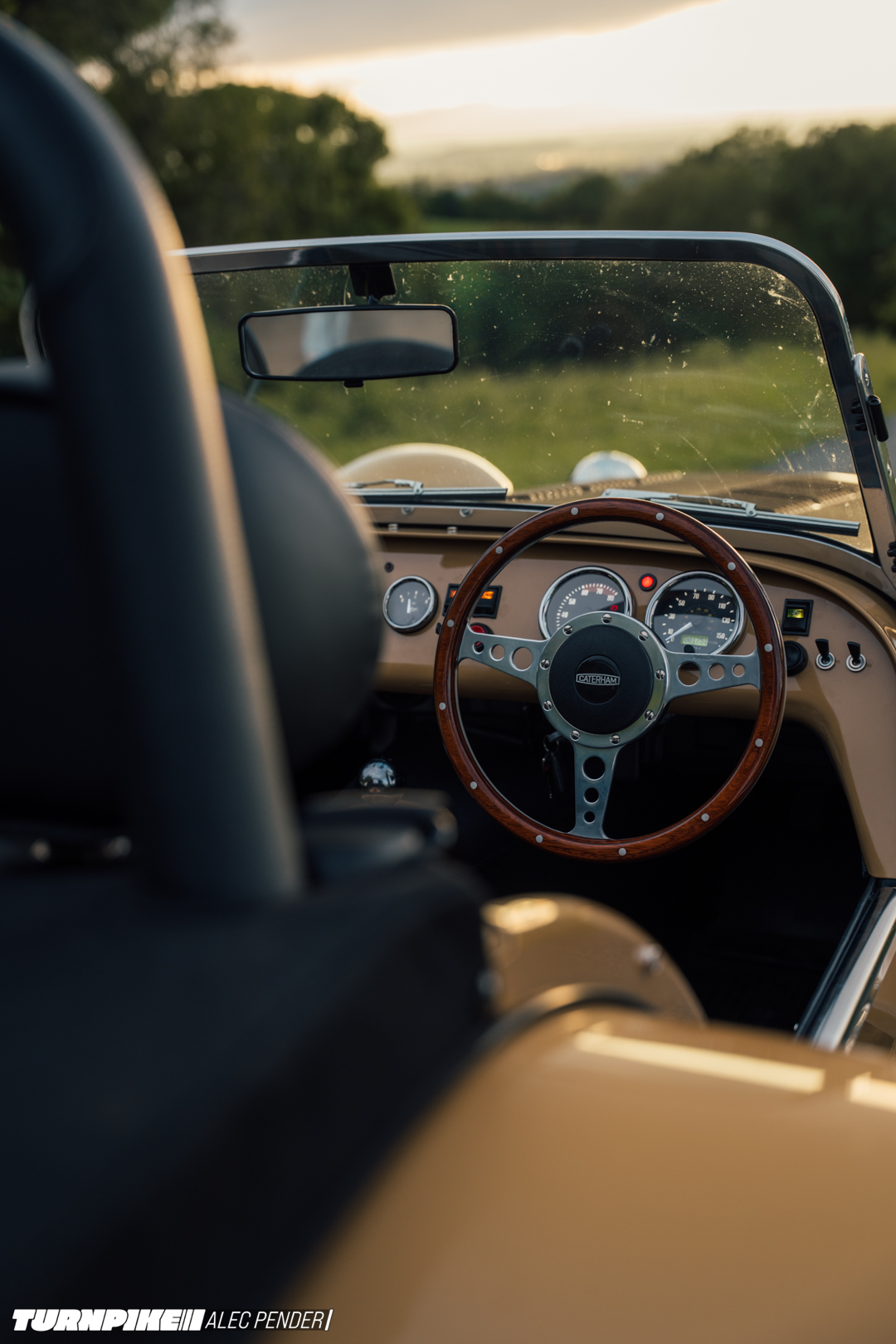
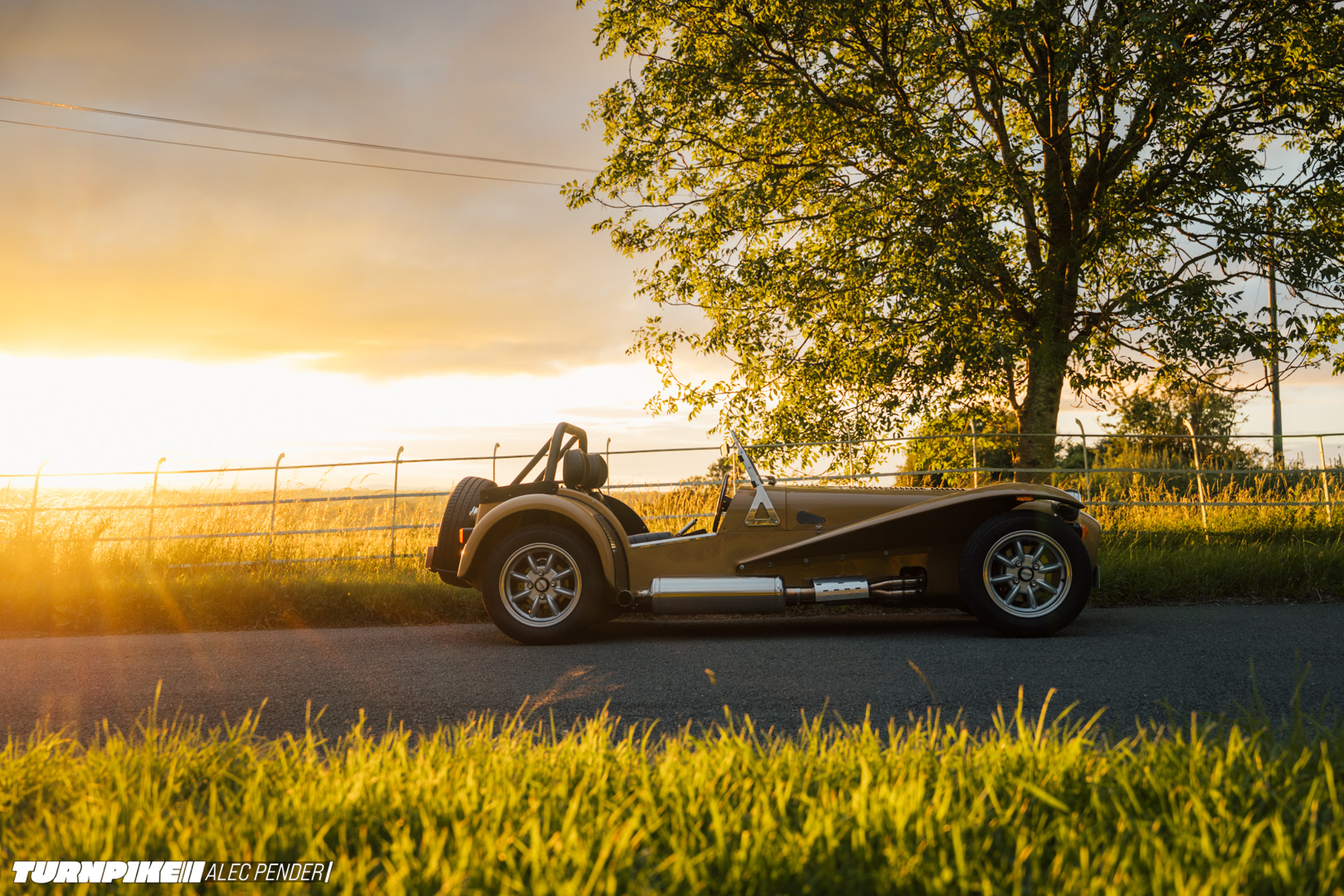
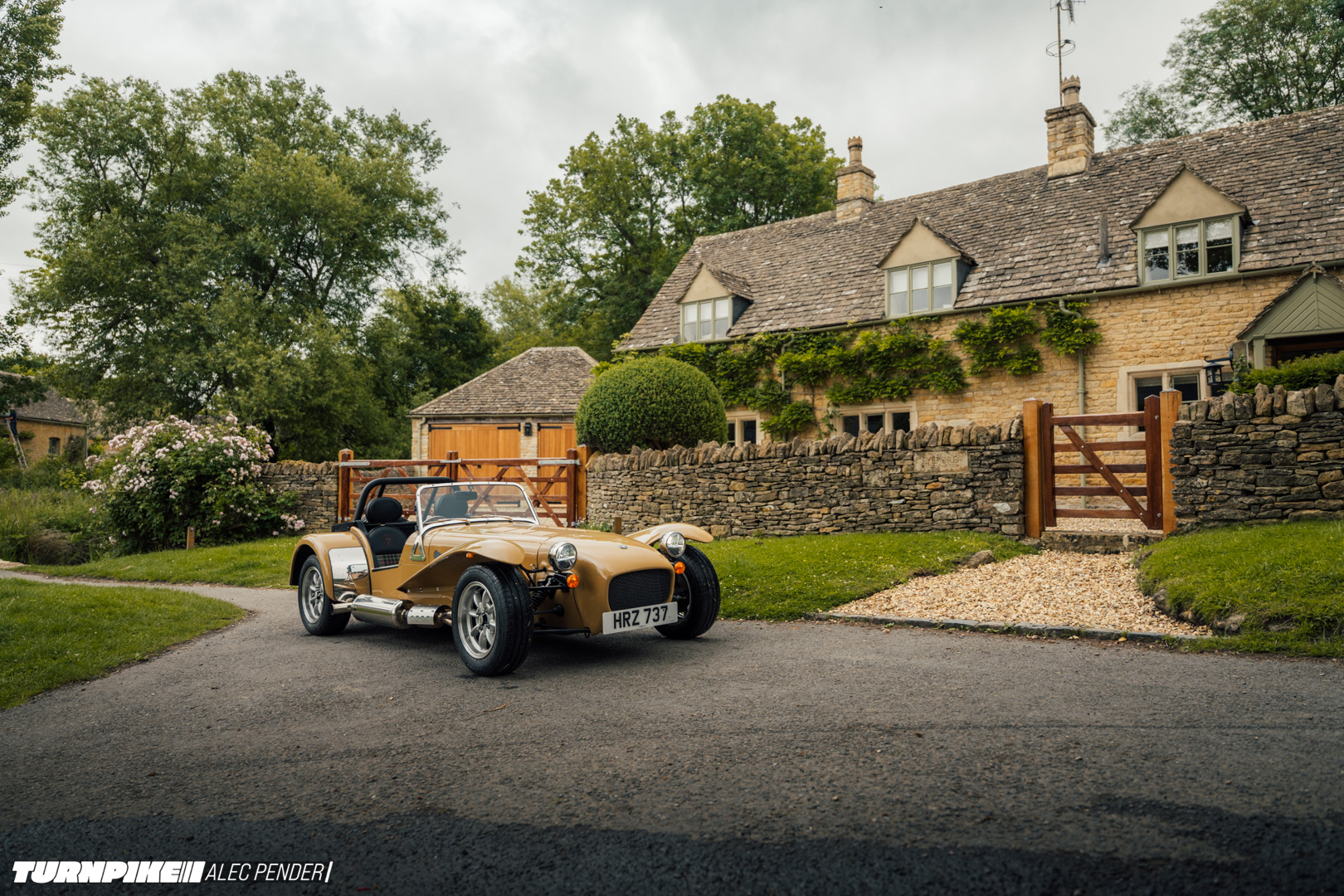
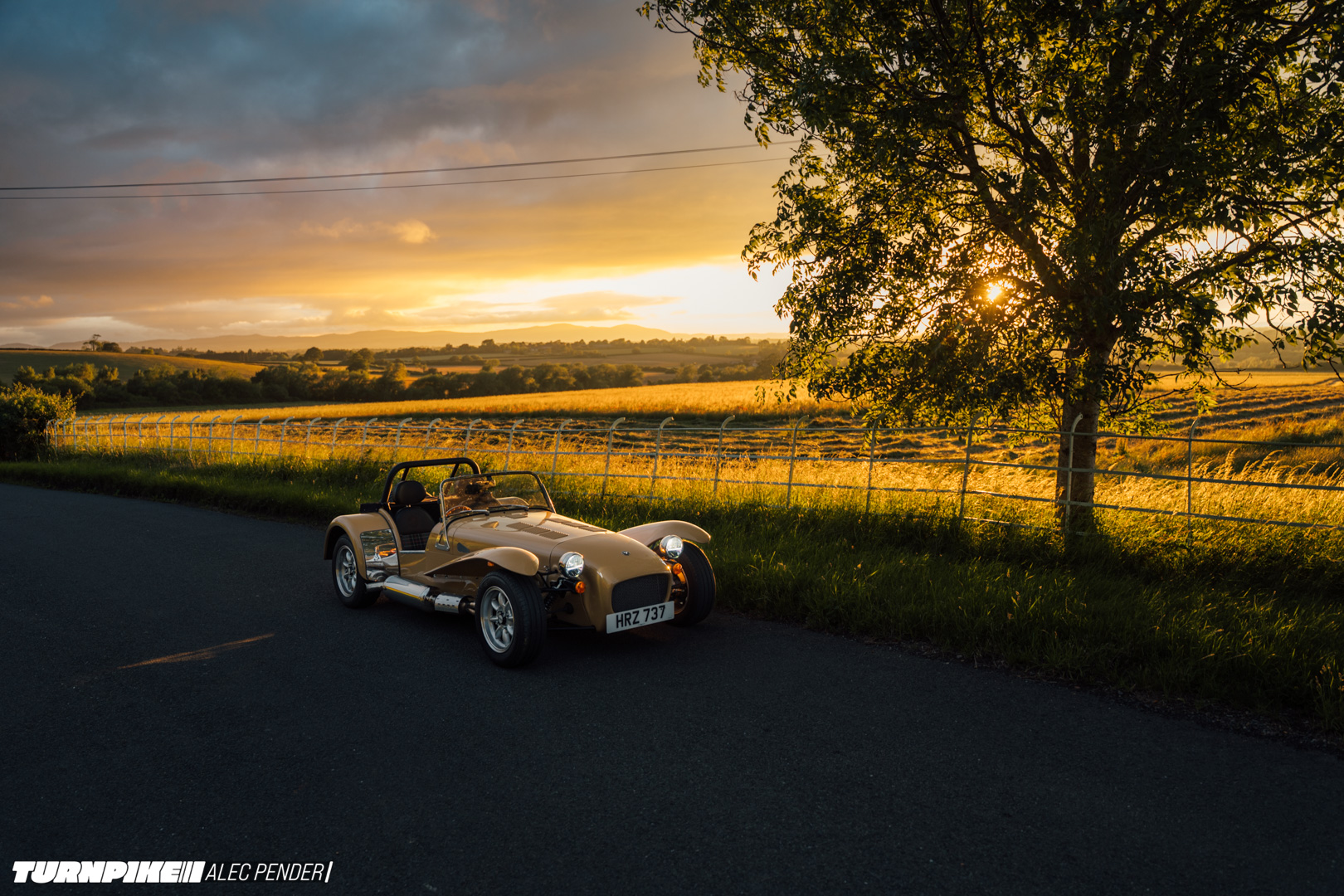
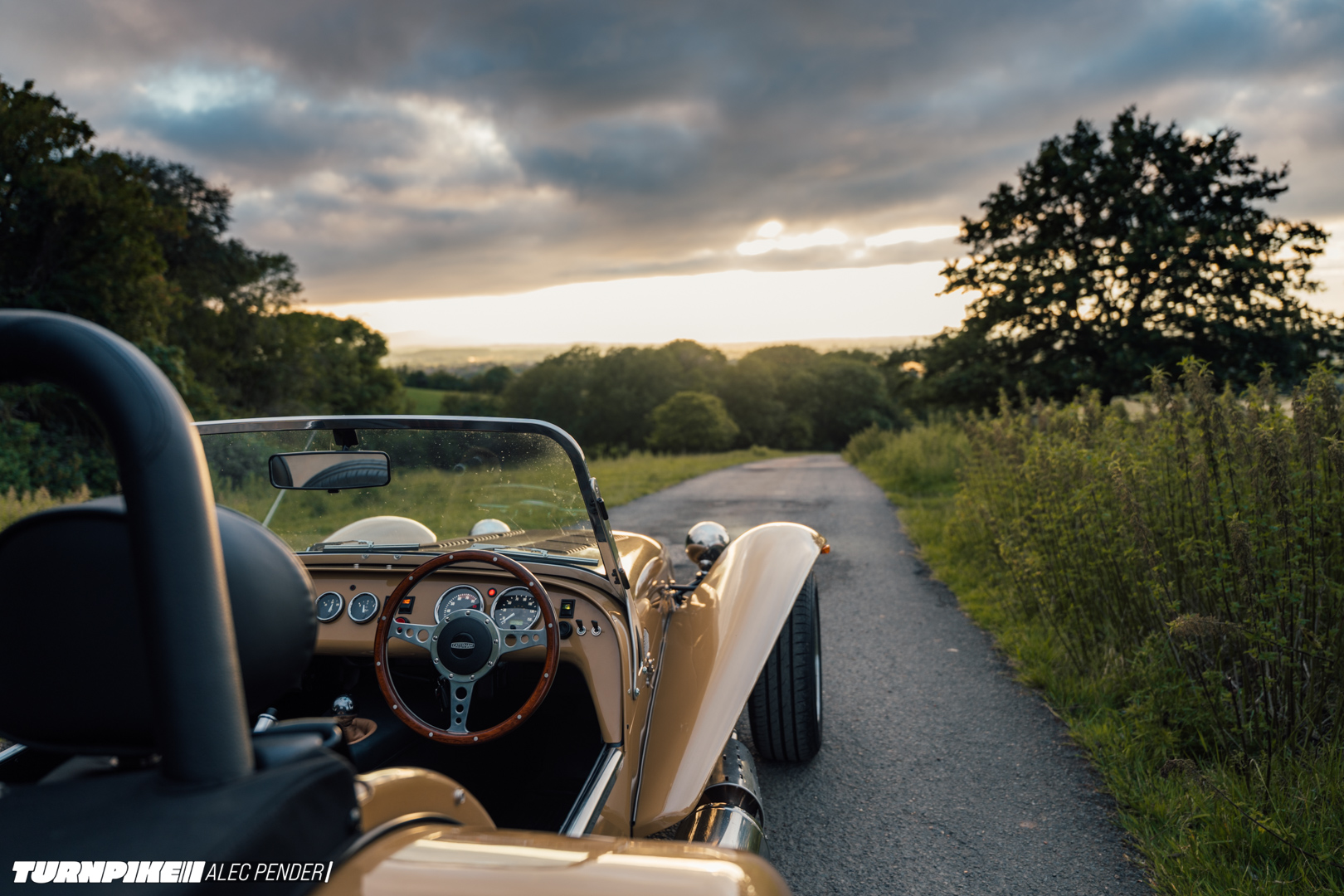
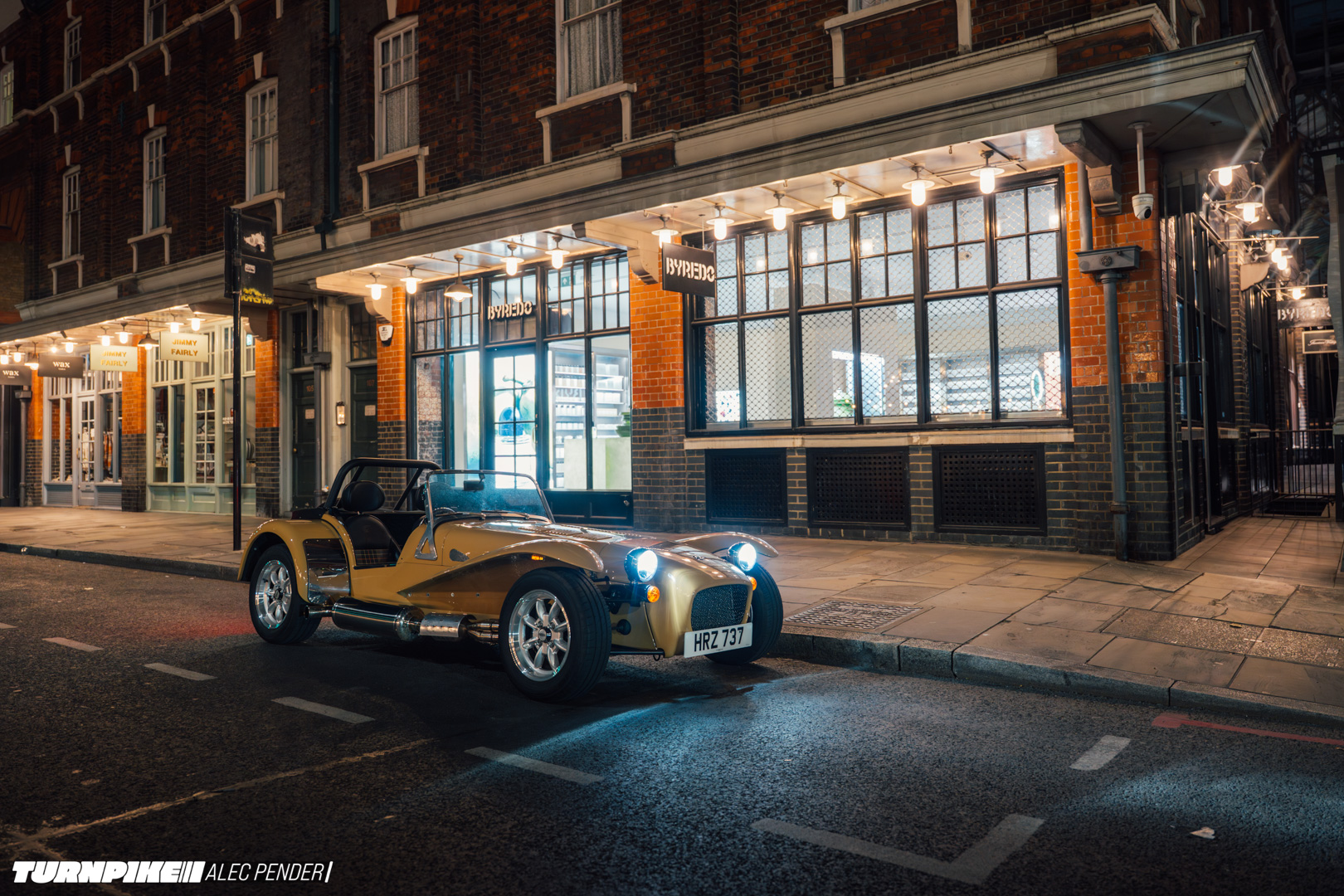
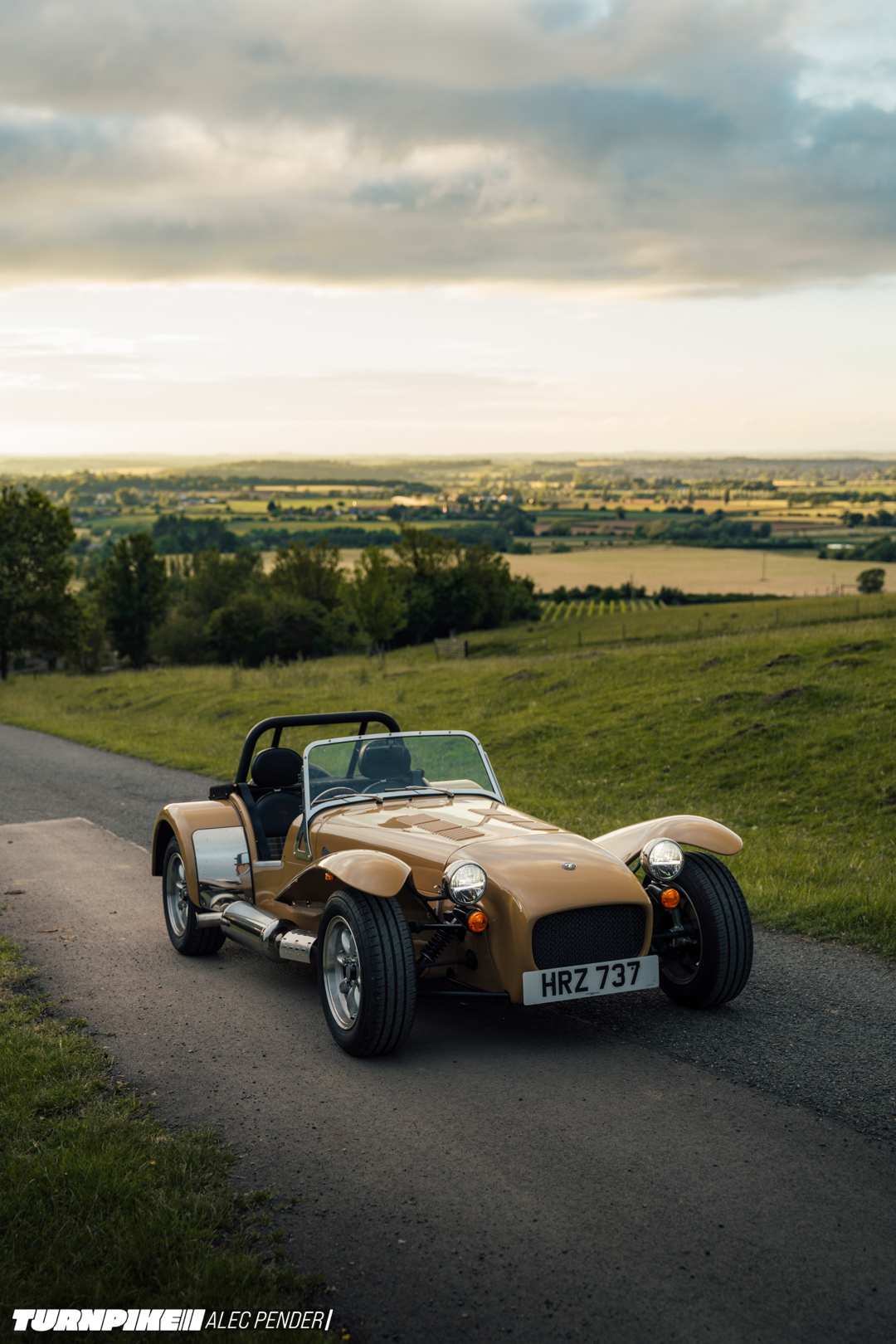
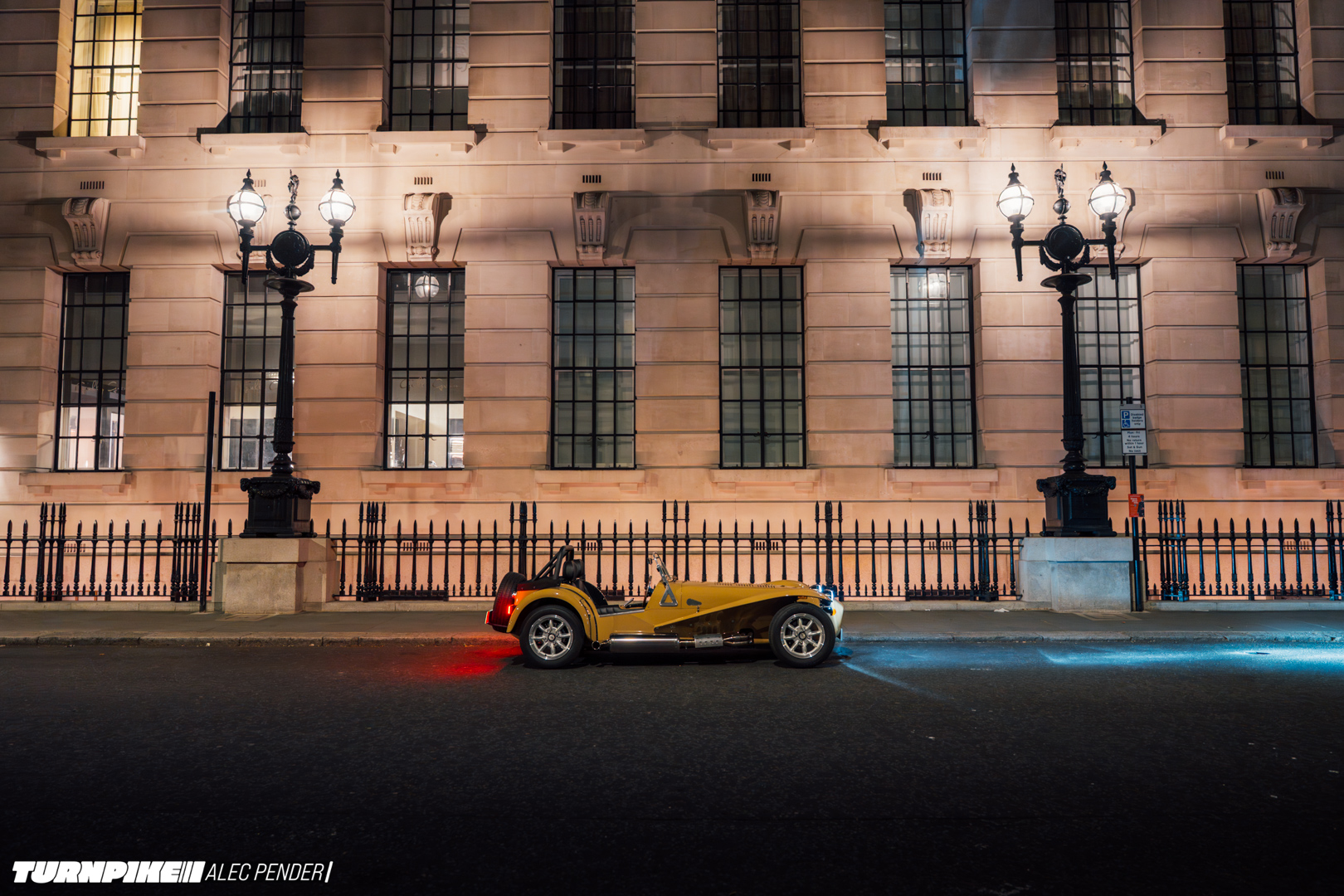
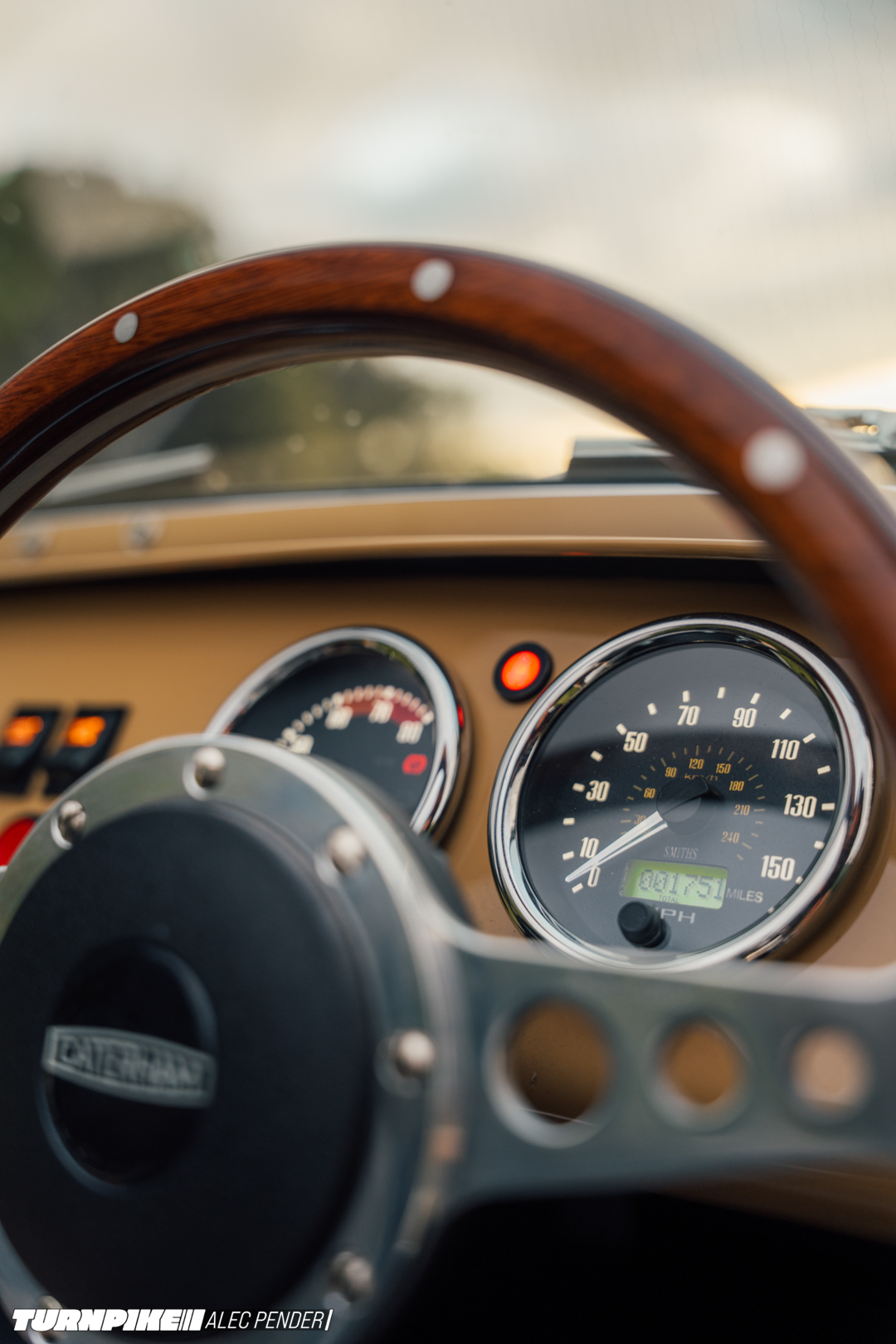
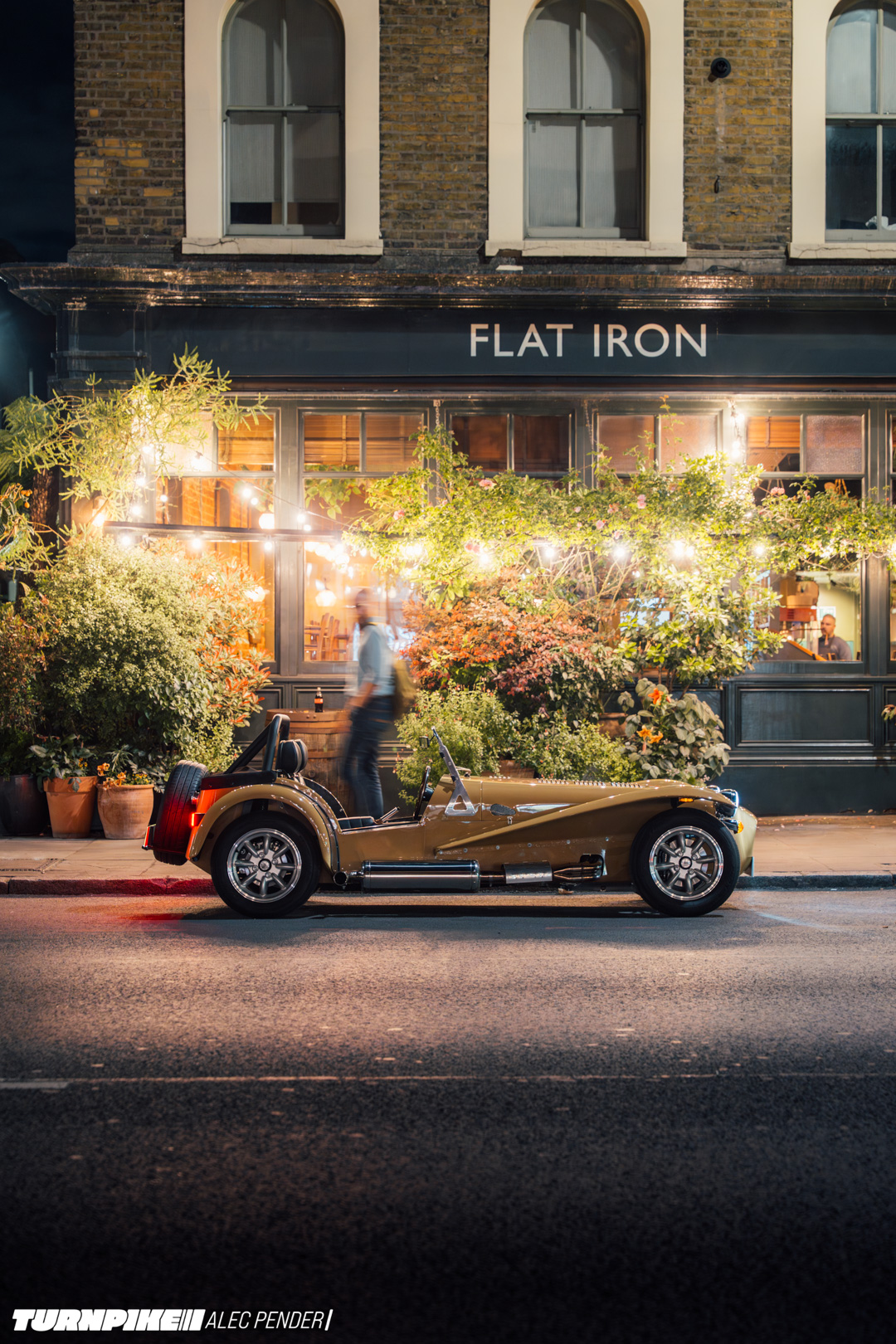
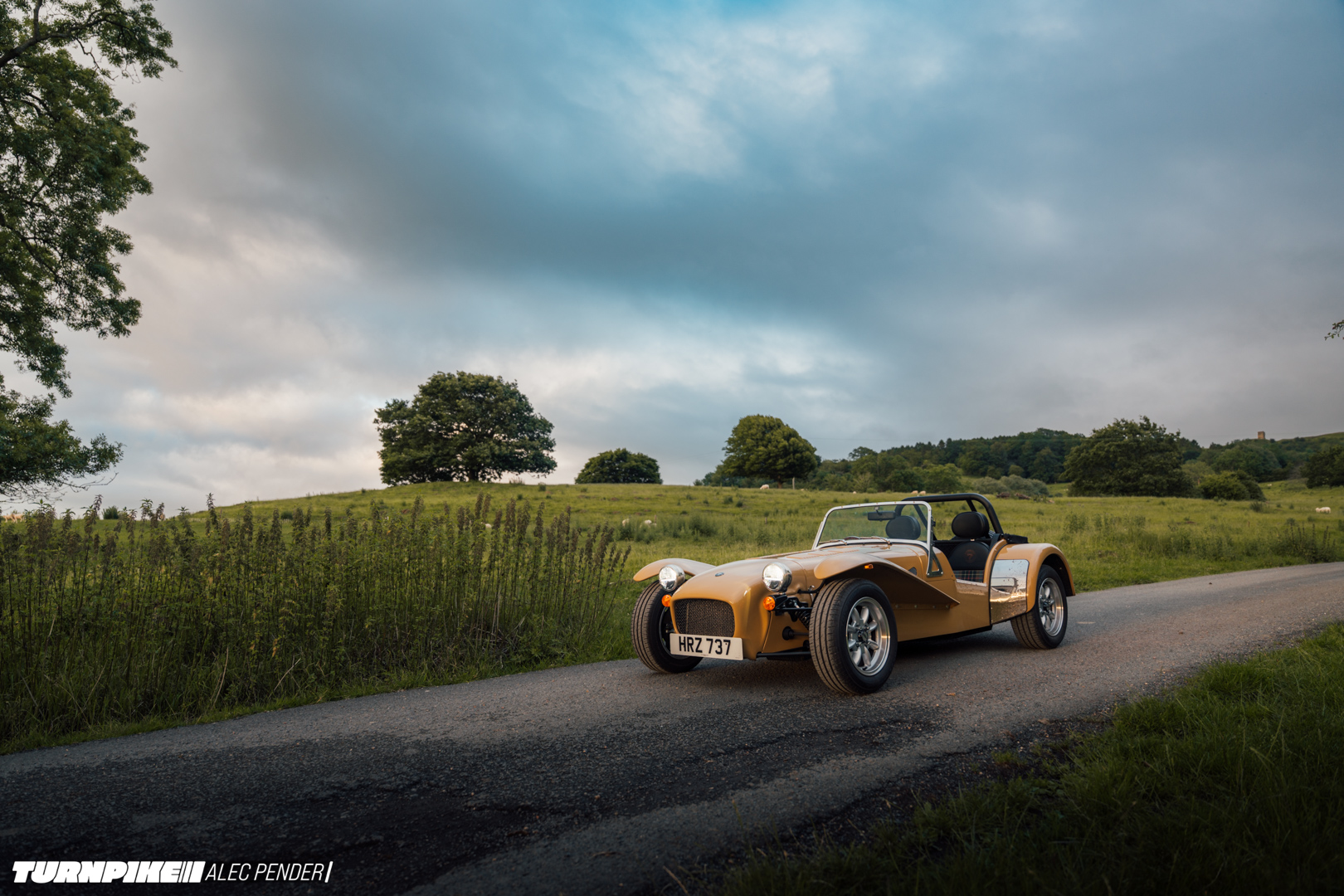
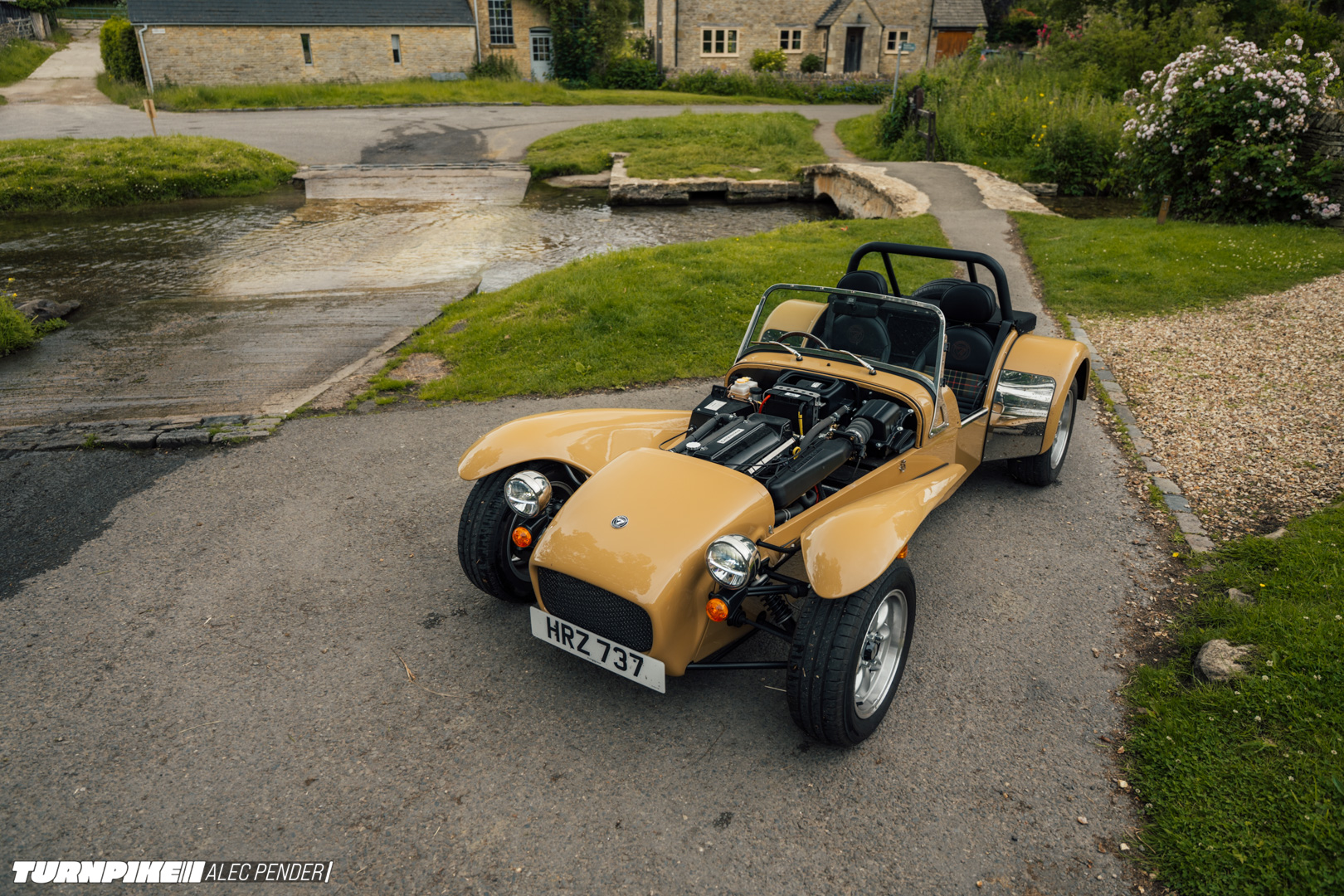
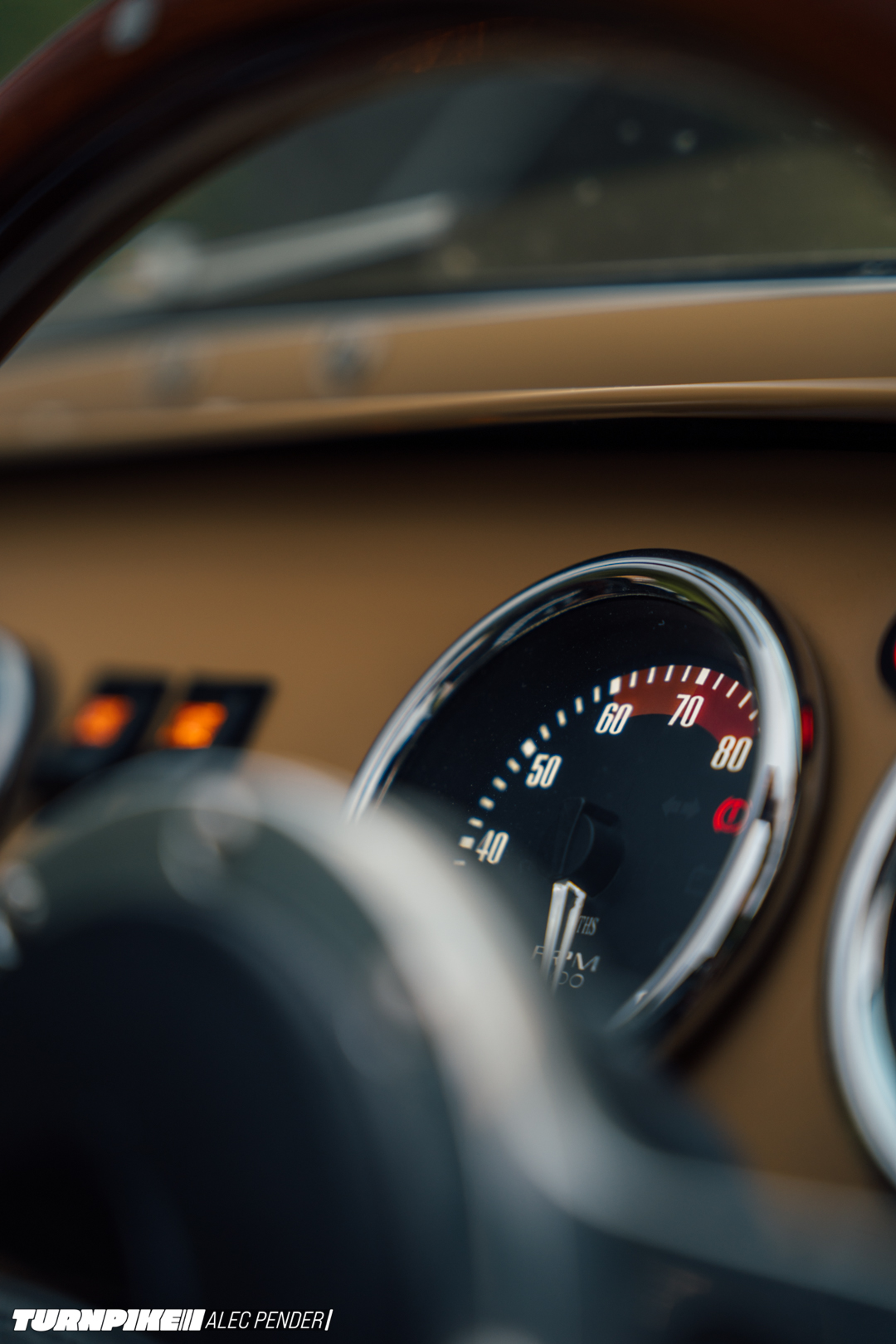
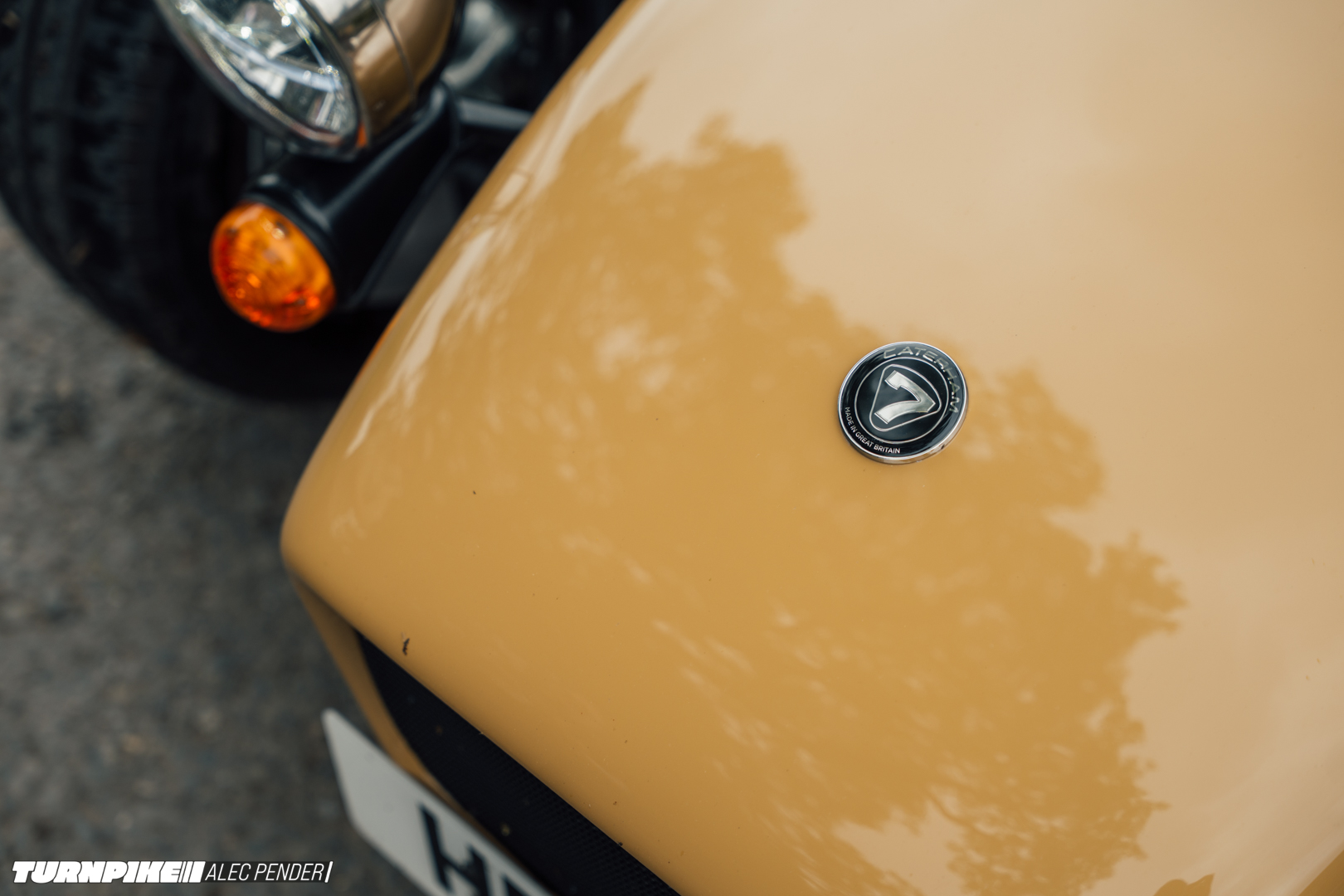
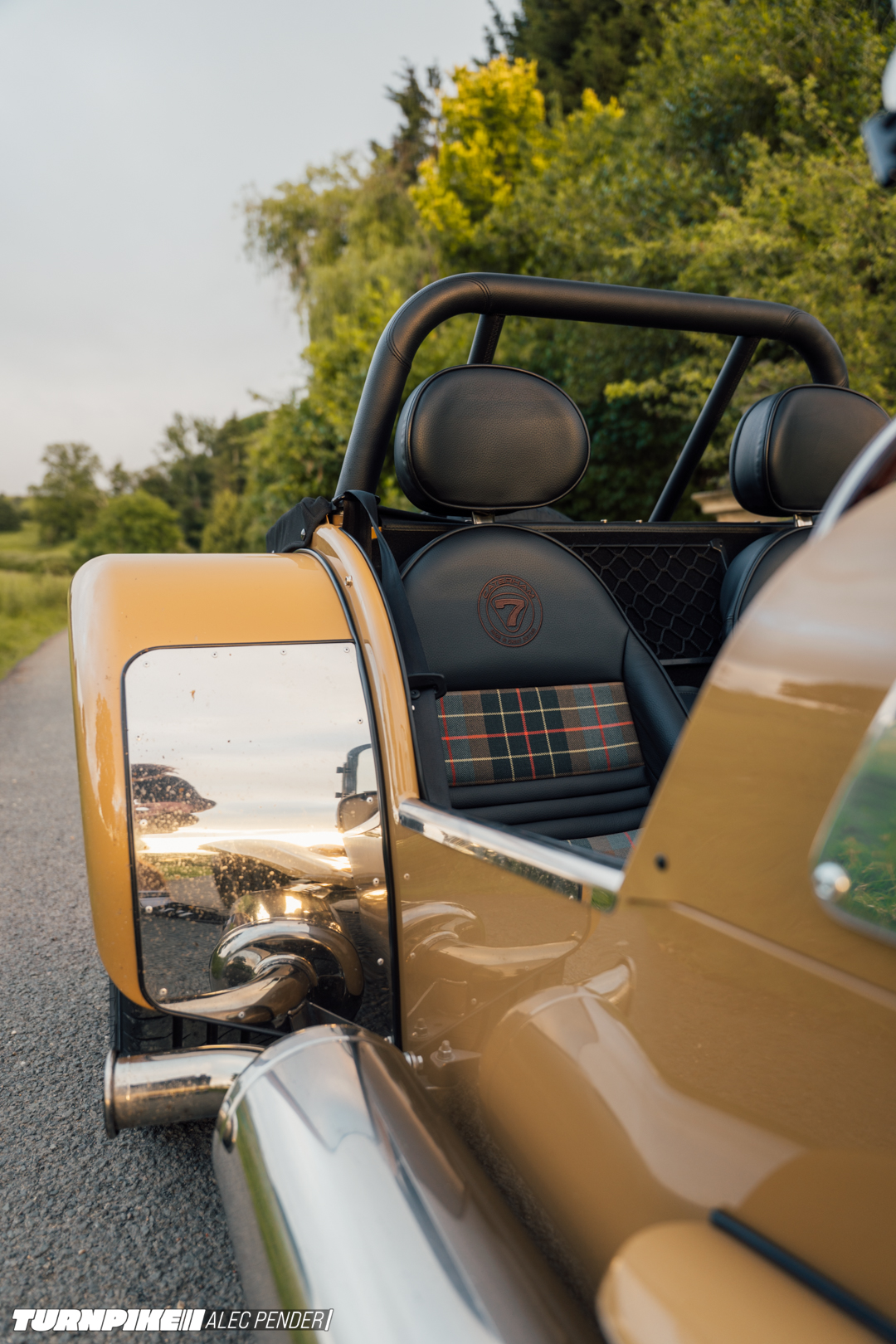
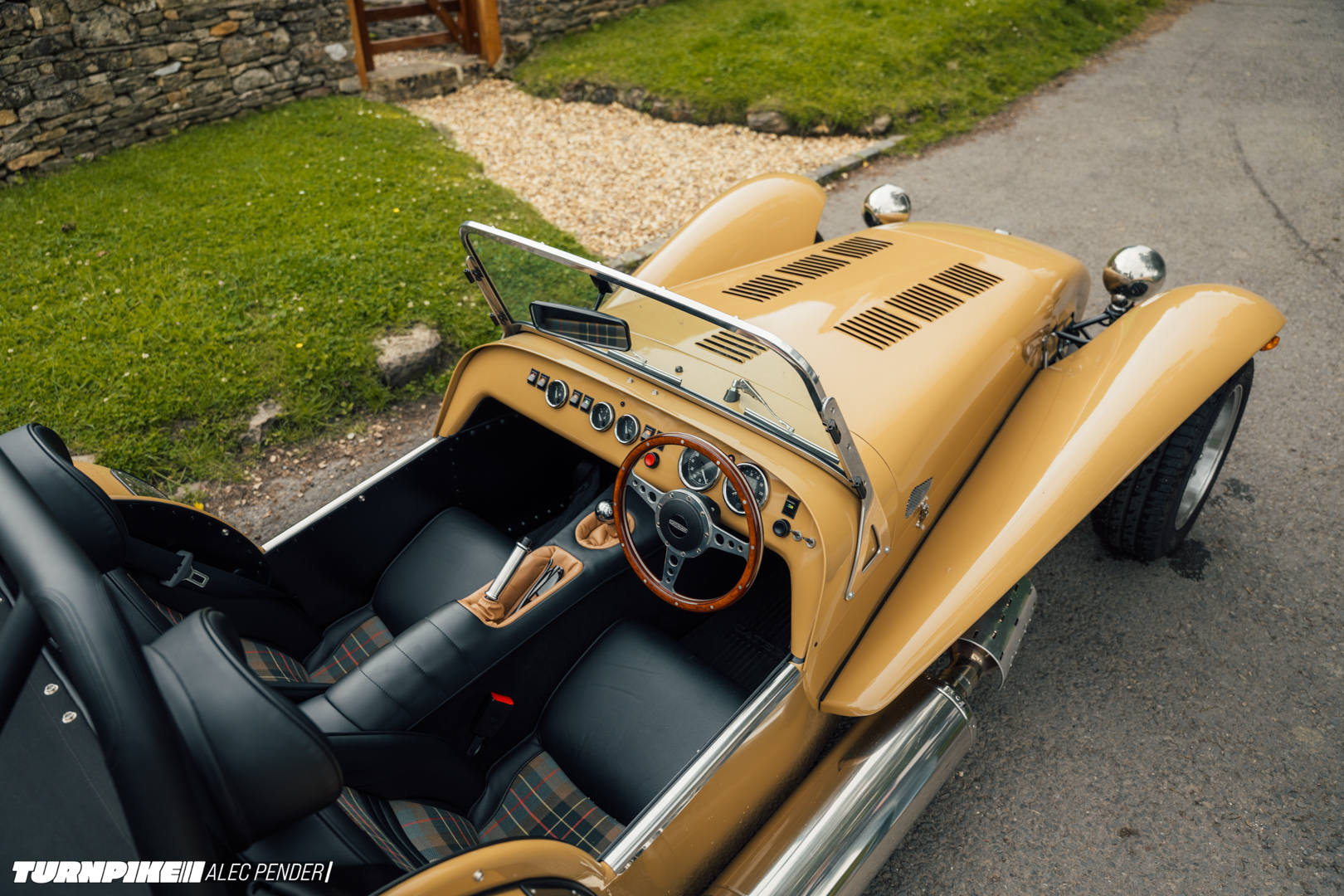
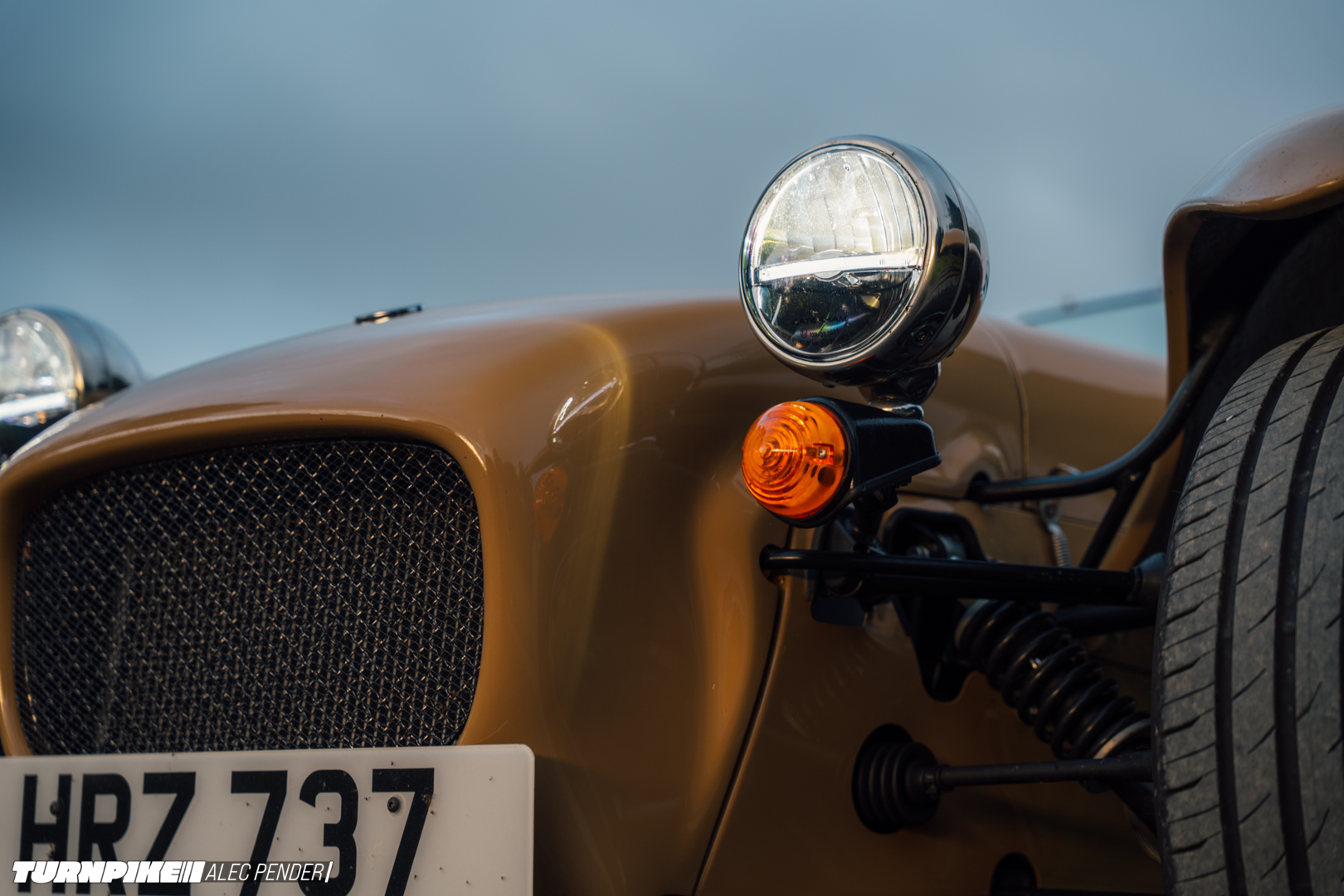
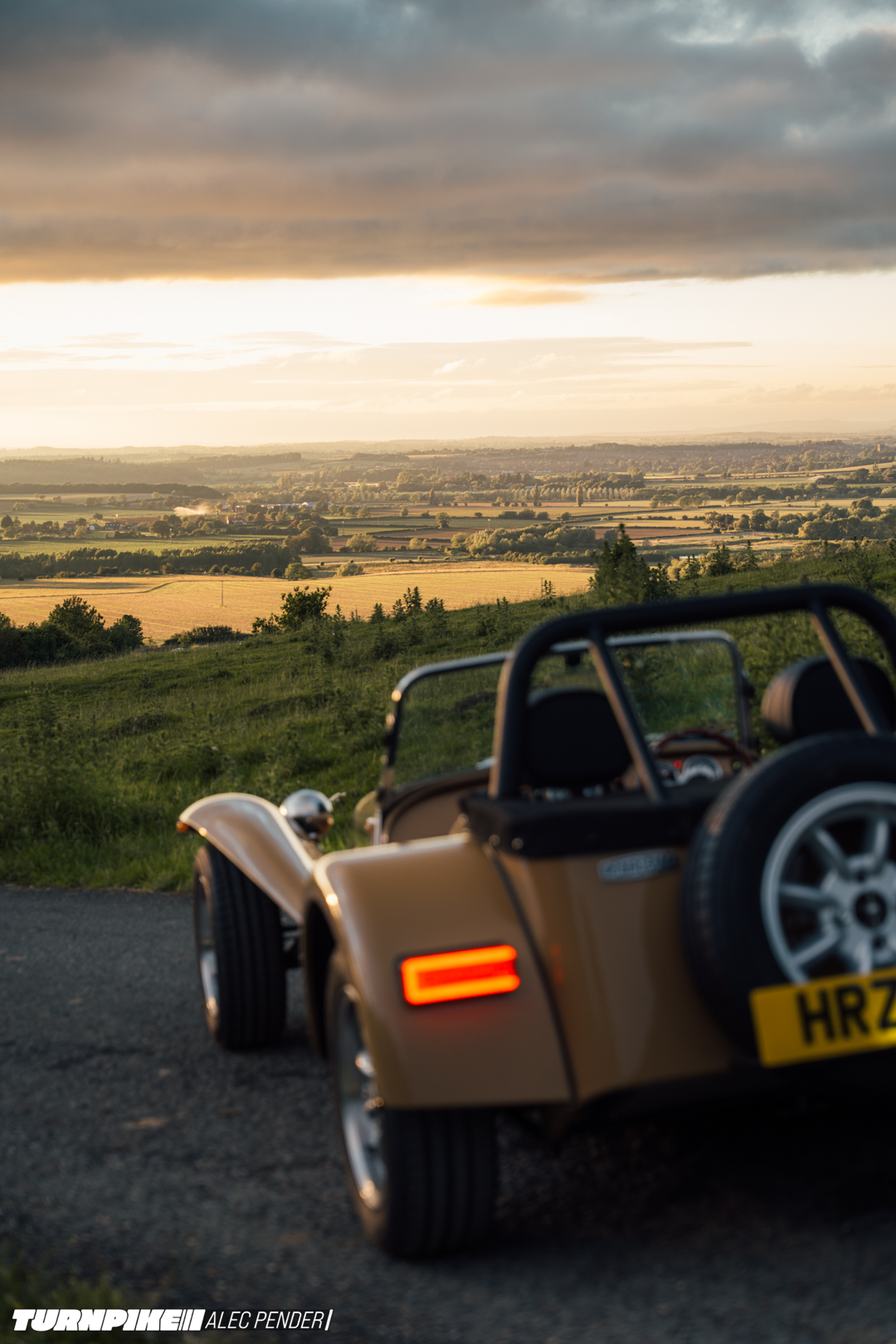
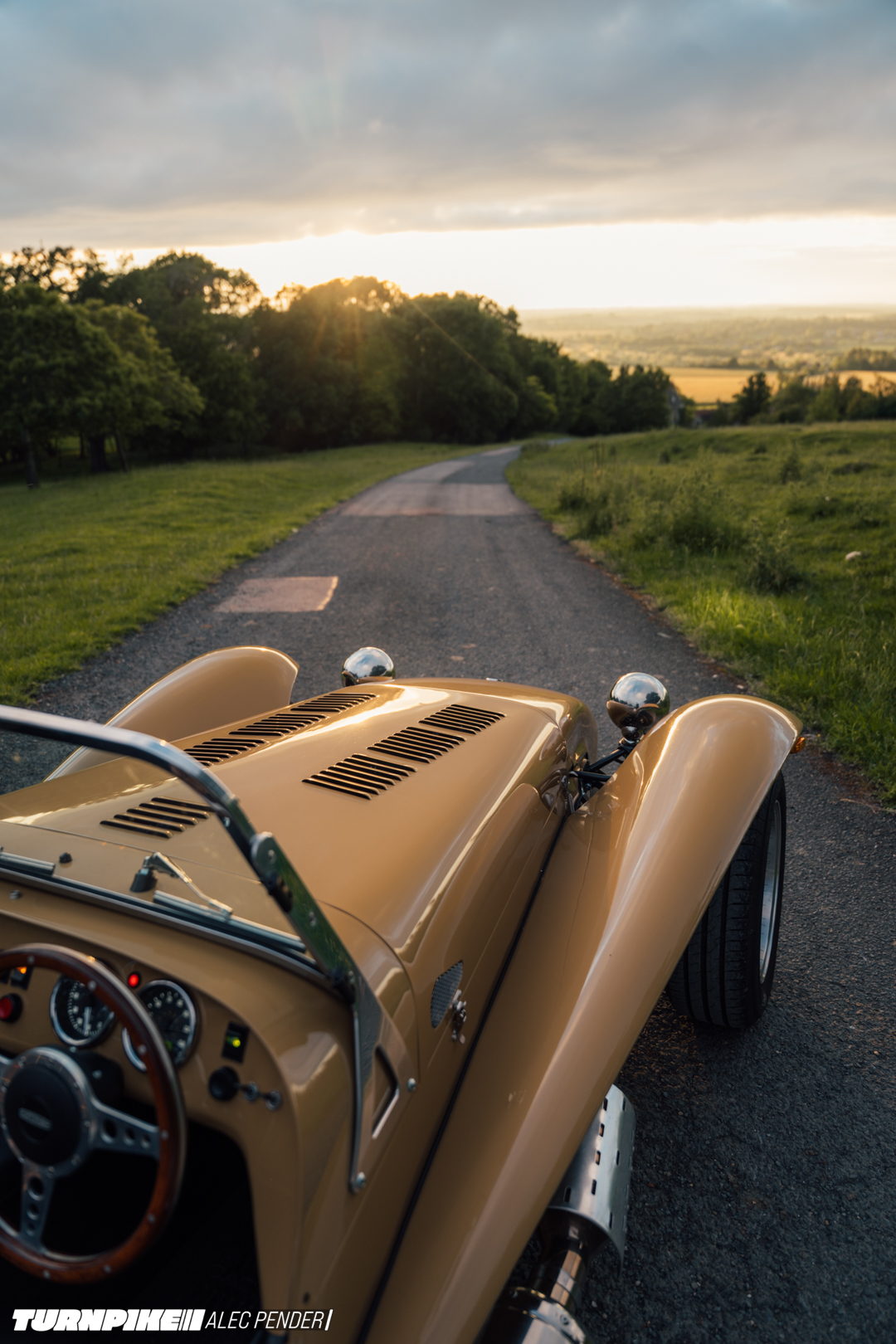
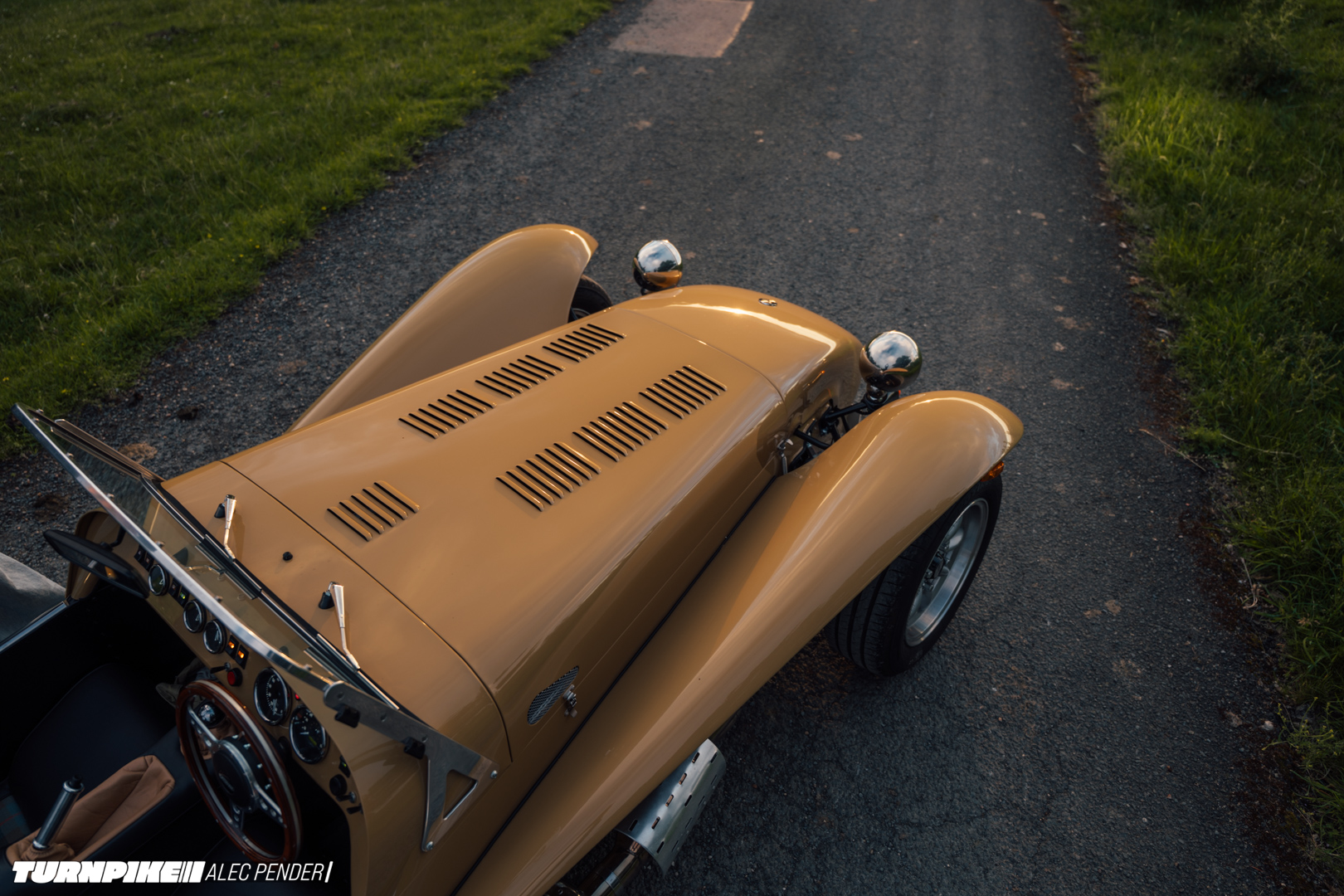
Caterham makes just around 500 cars a year, split across 12 different models. This particular car, the Super Seven 2000, has heritage flair. There are extended front wheel arches, chrome detailing, a wooden steering wheel and fluted black leather seats; it’s about as luxurious as road-going go-karts come.
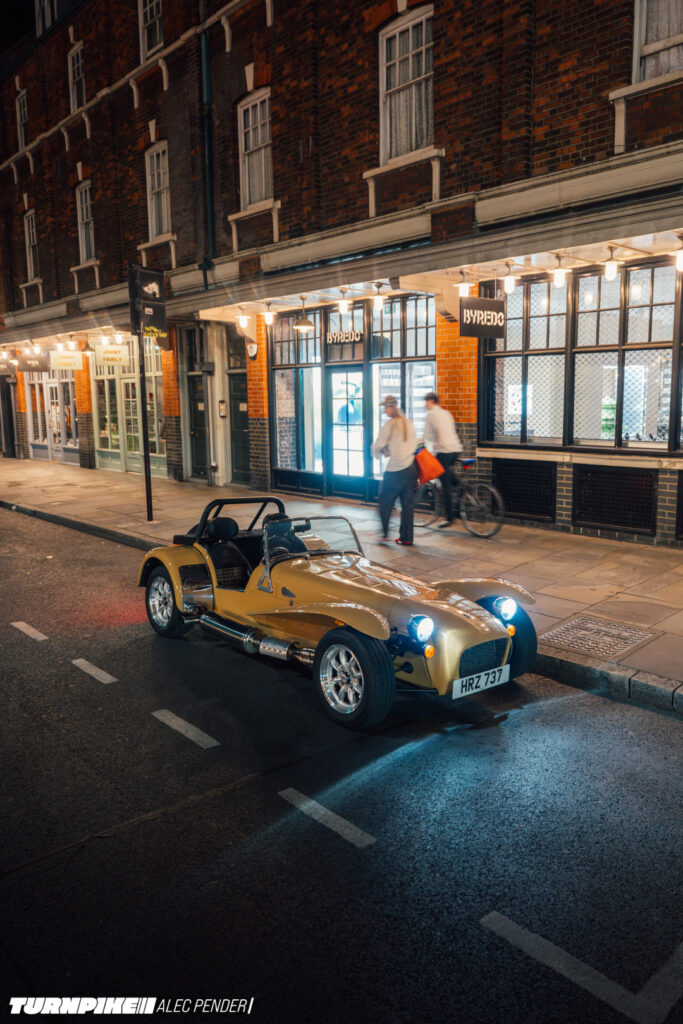
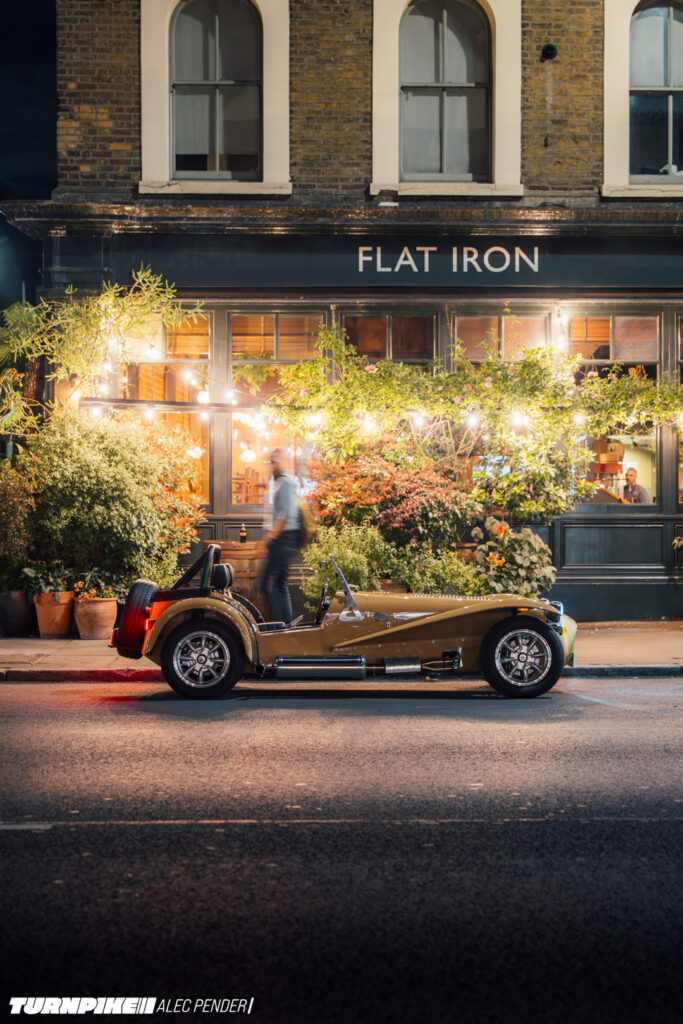
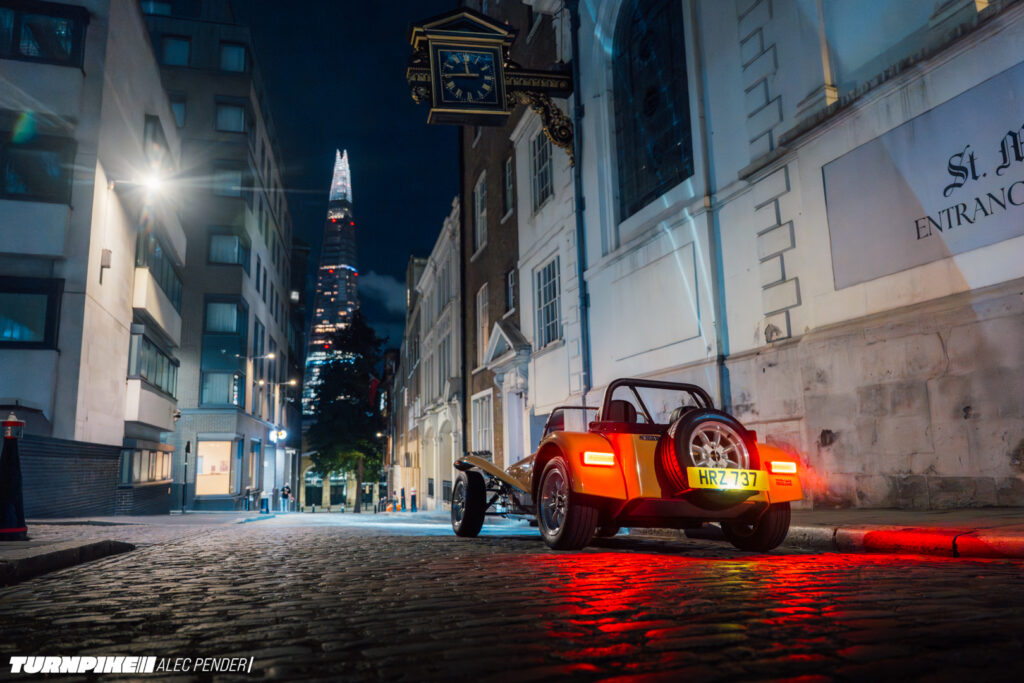
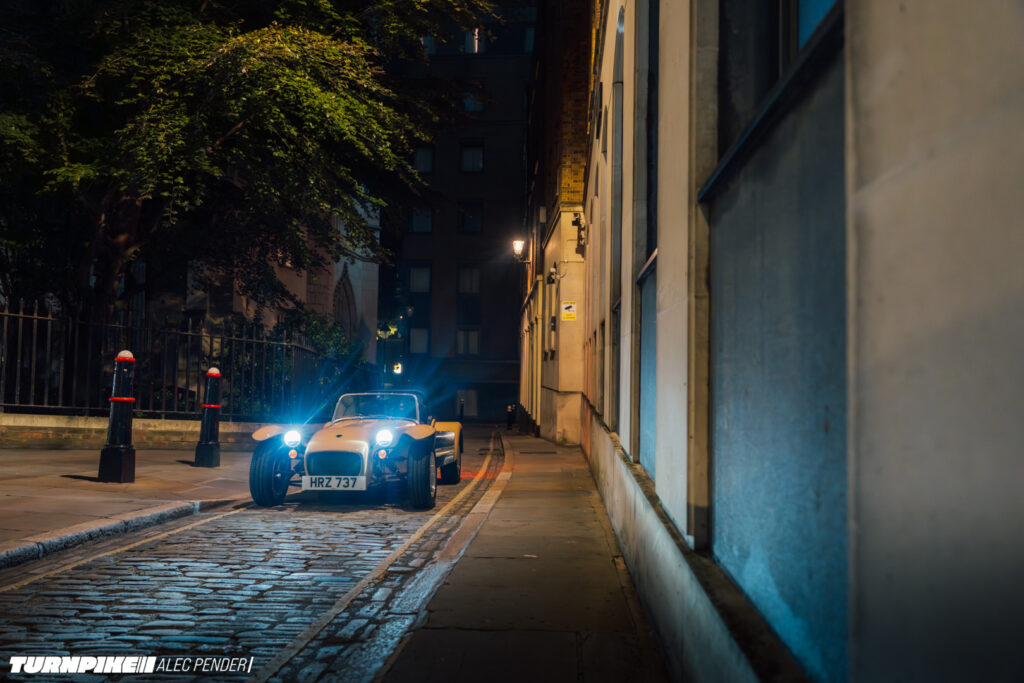
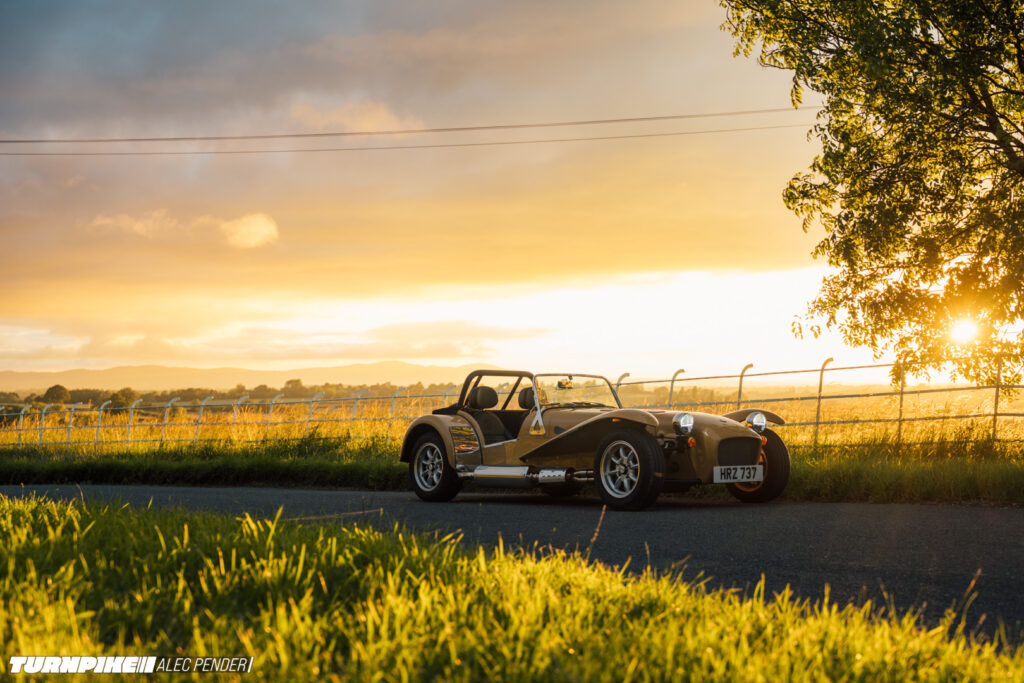
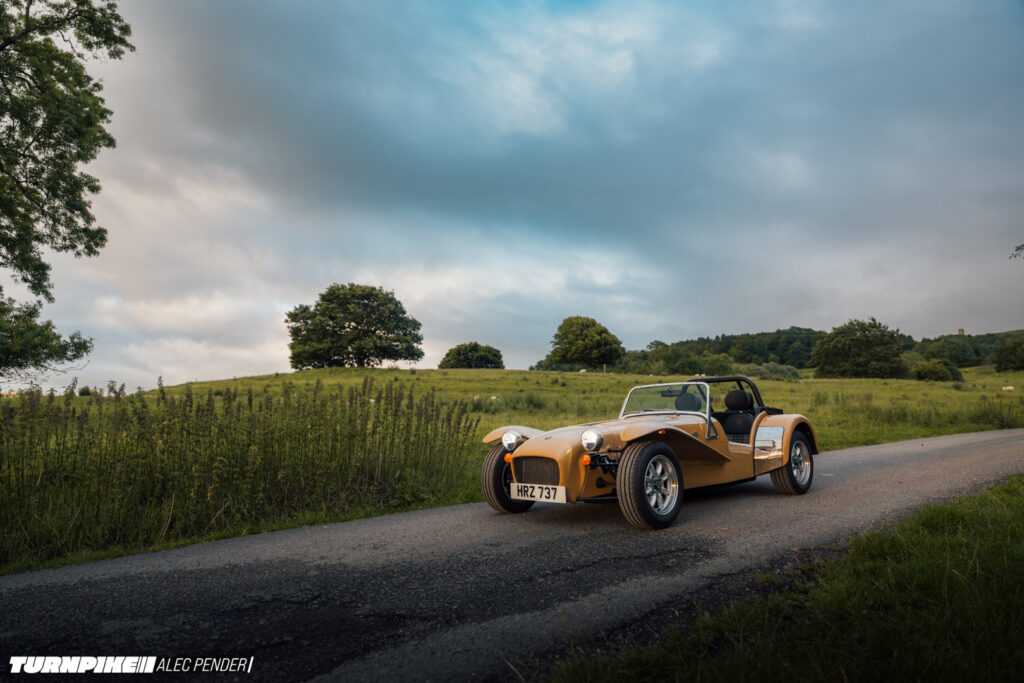
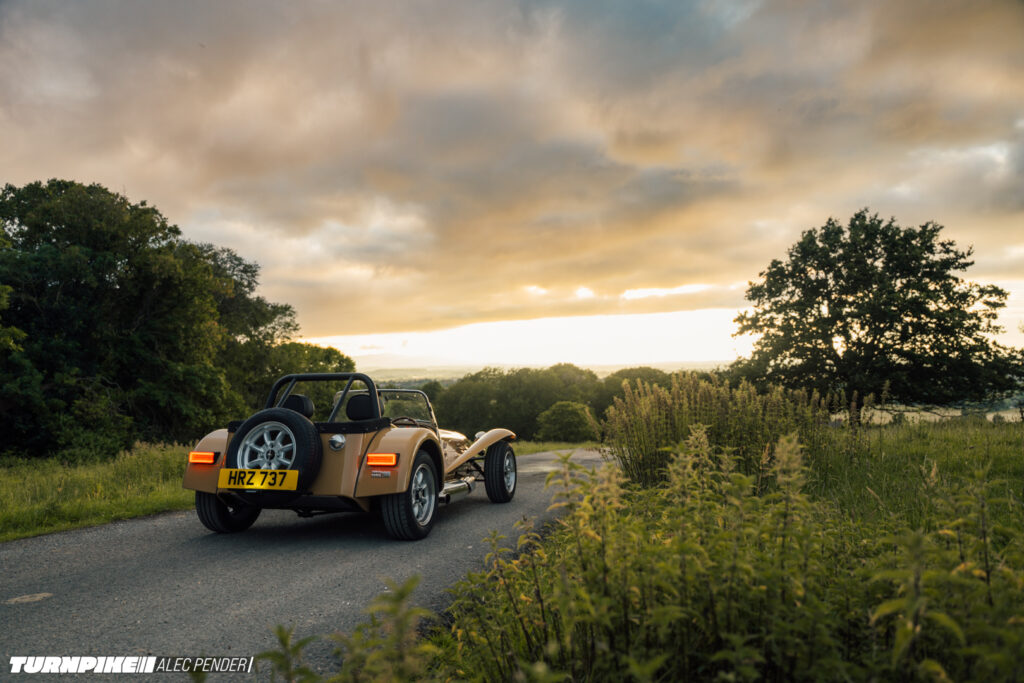
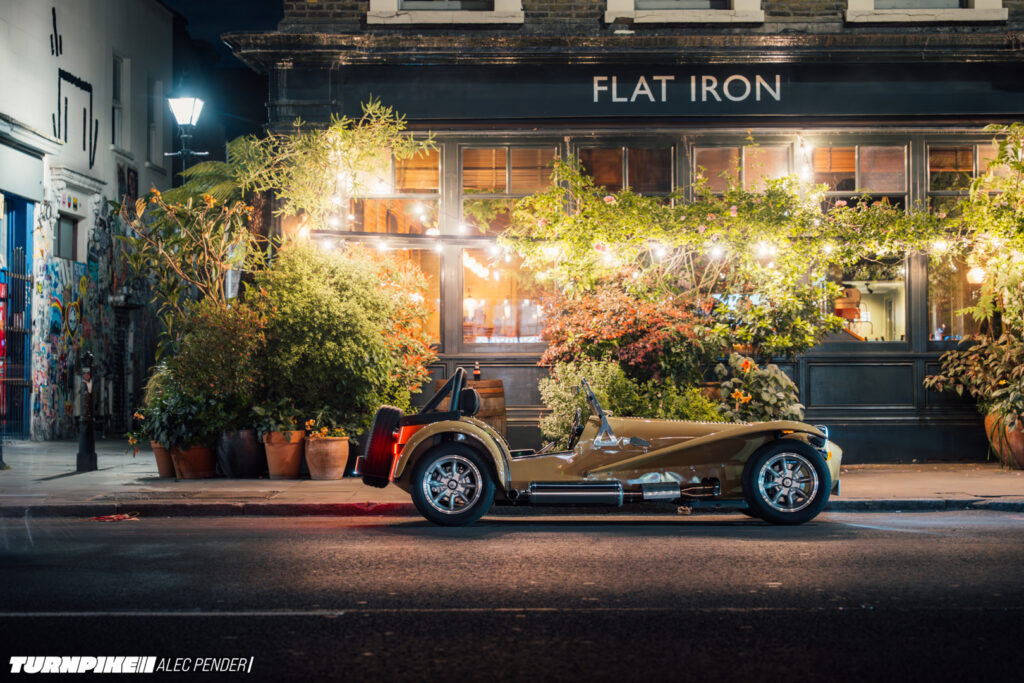
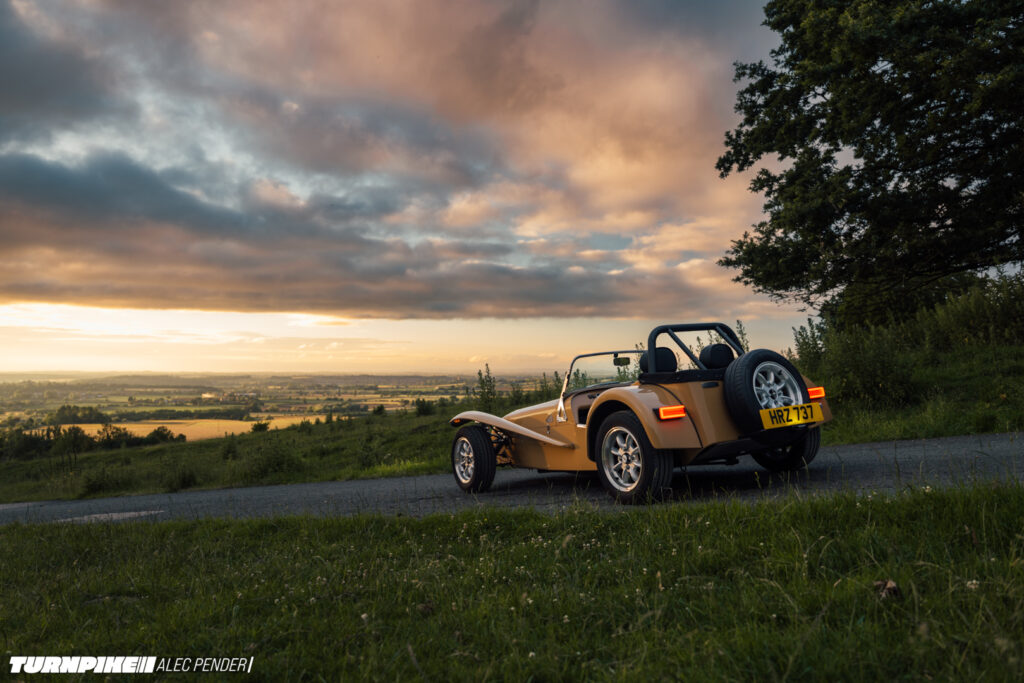
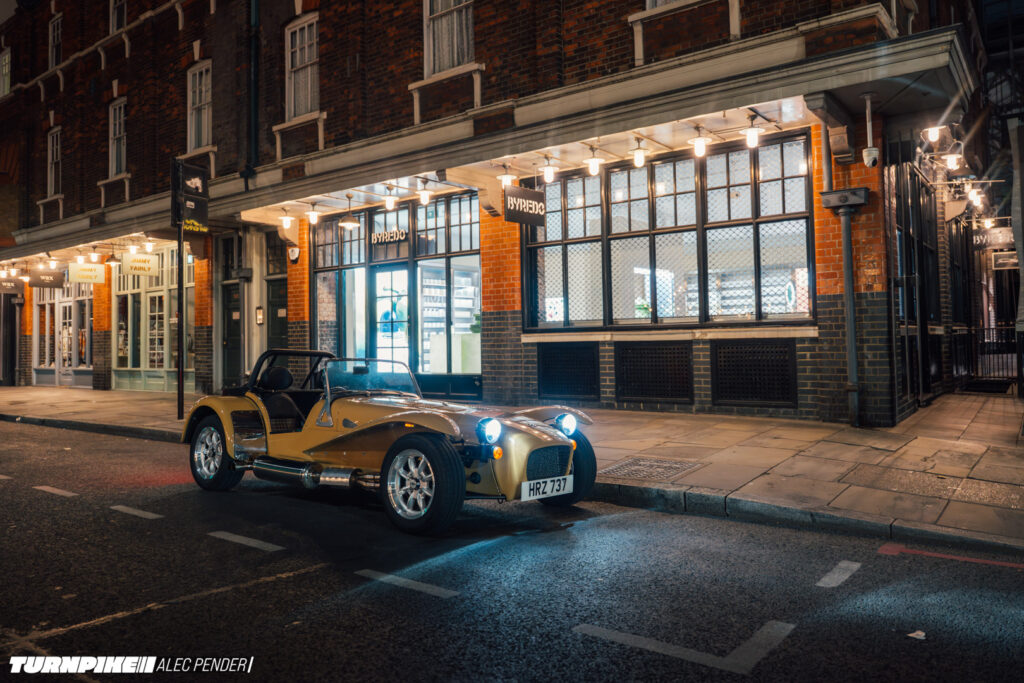
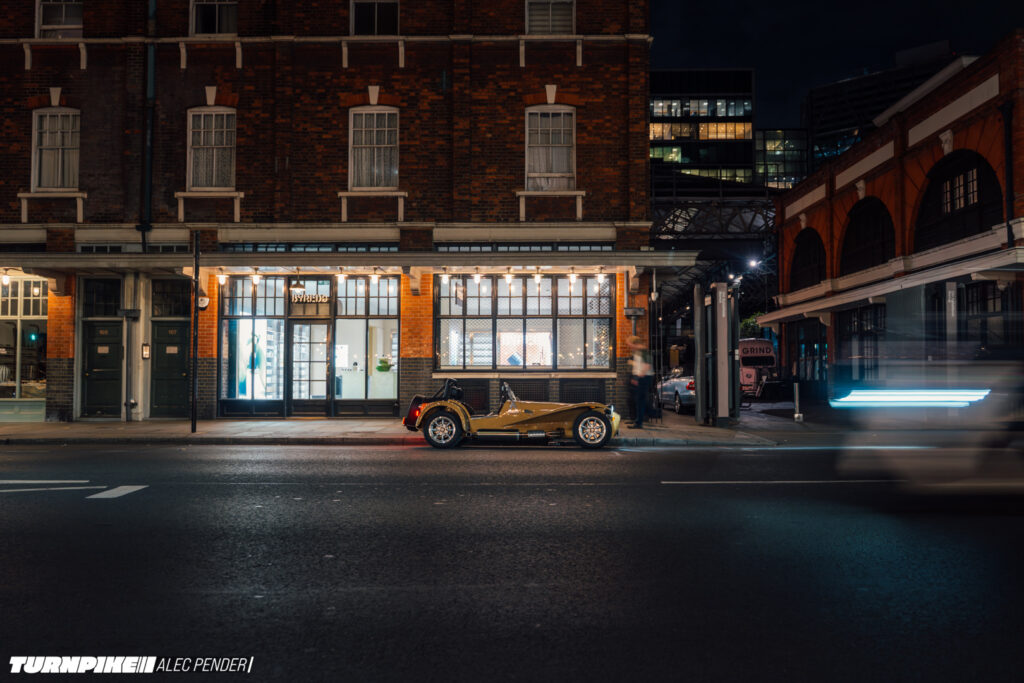
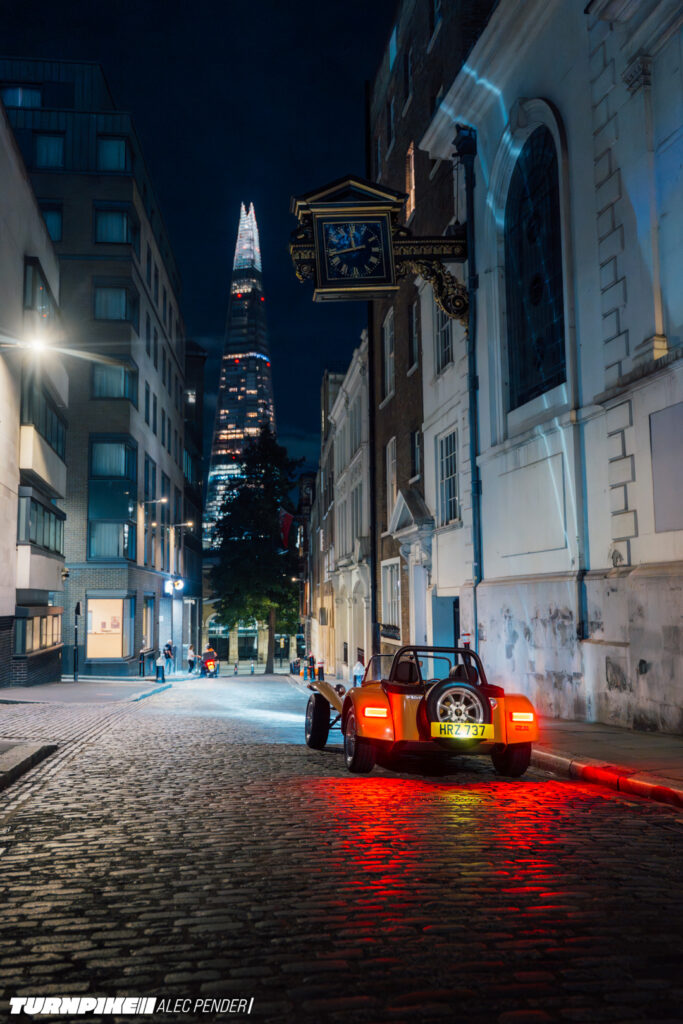
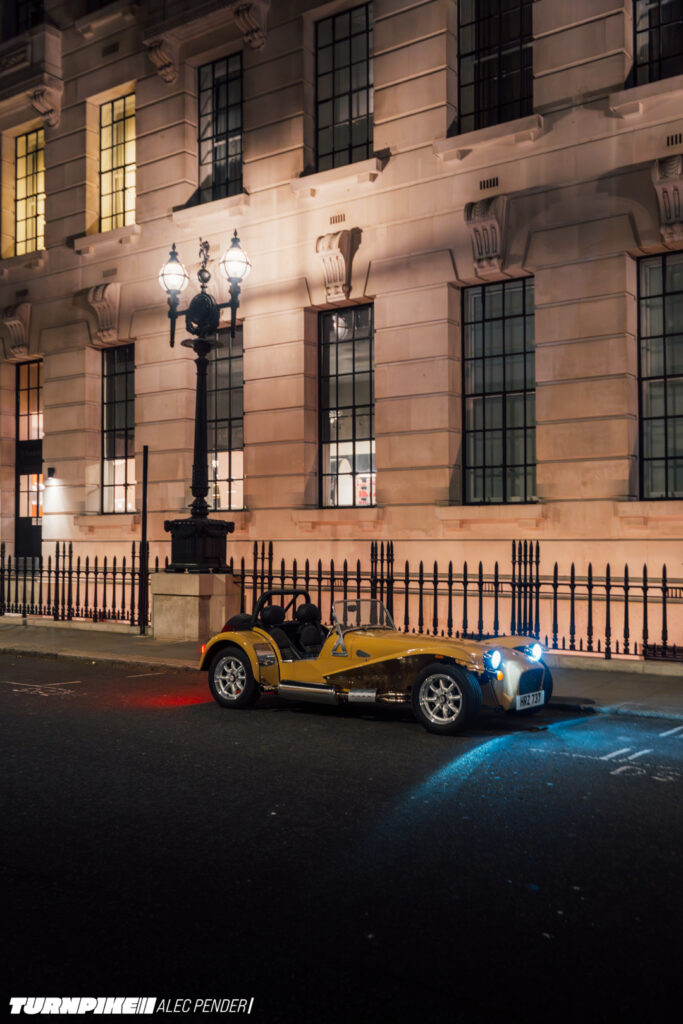
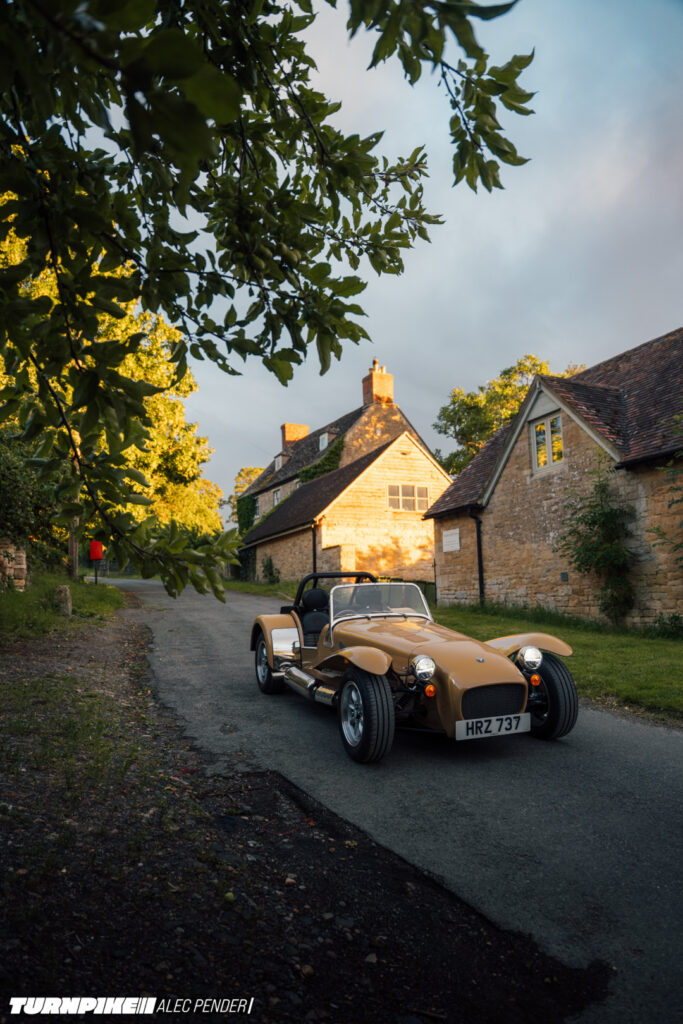
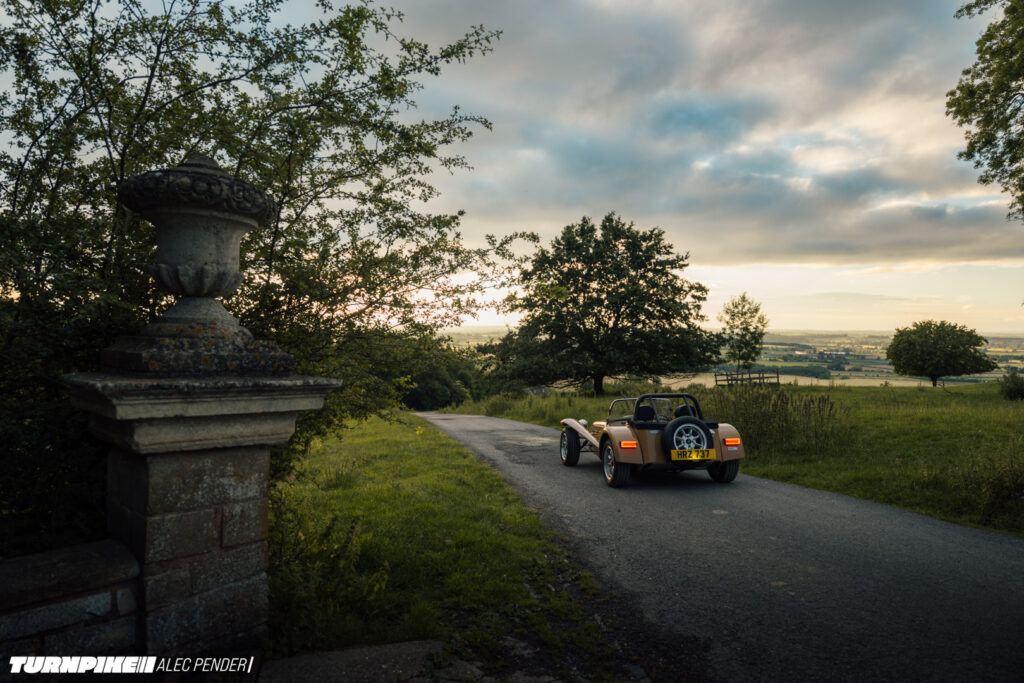
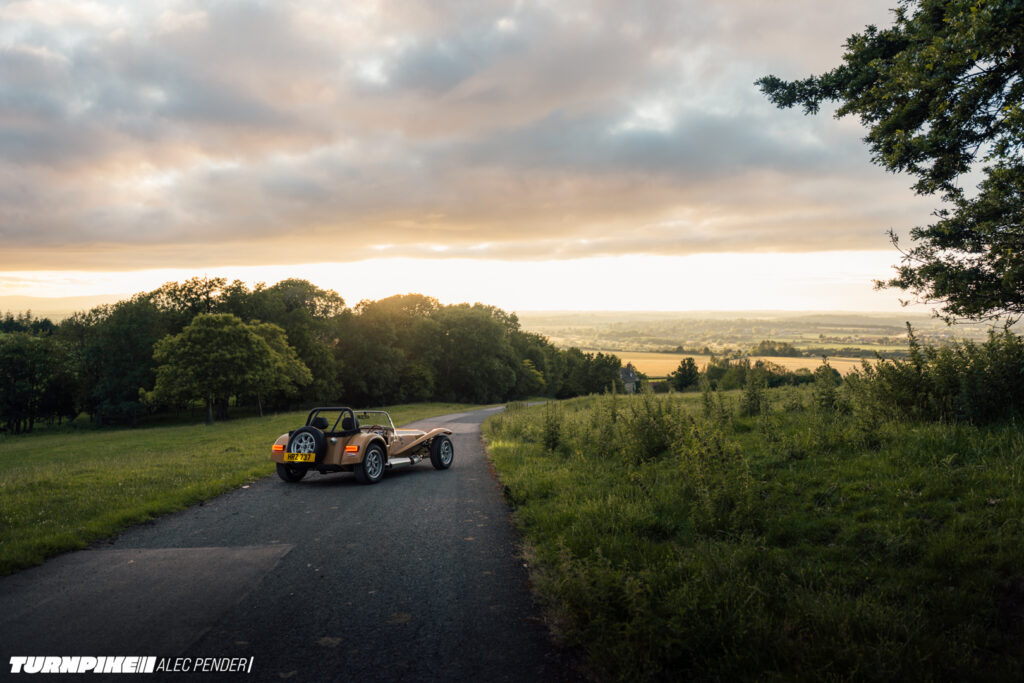
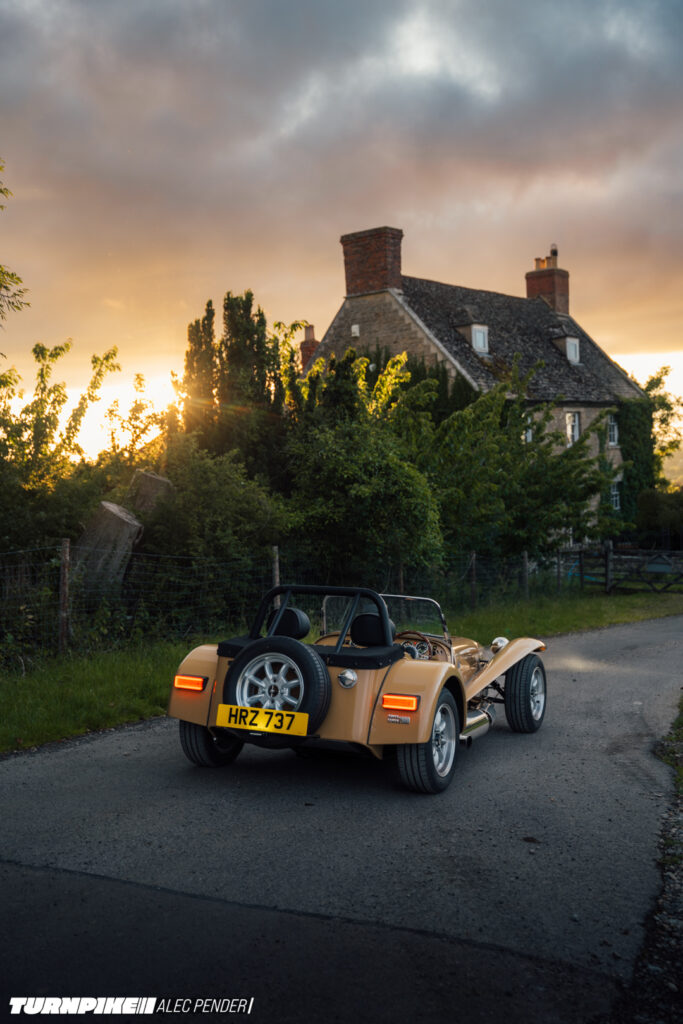
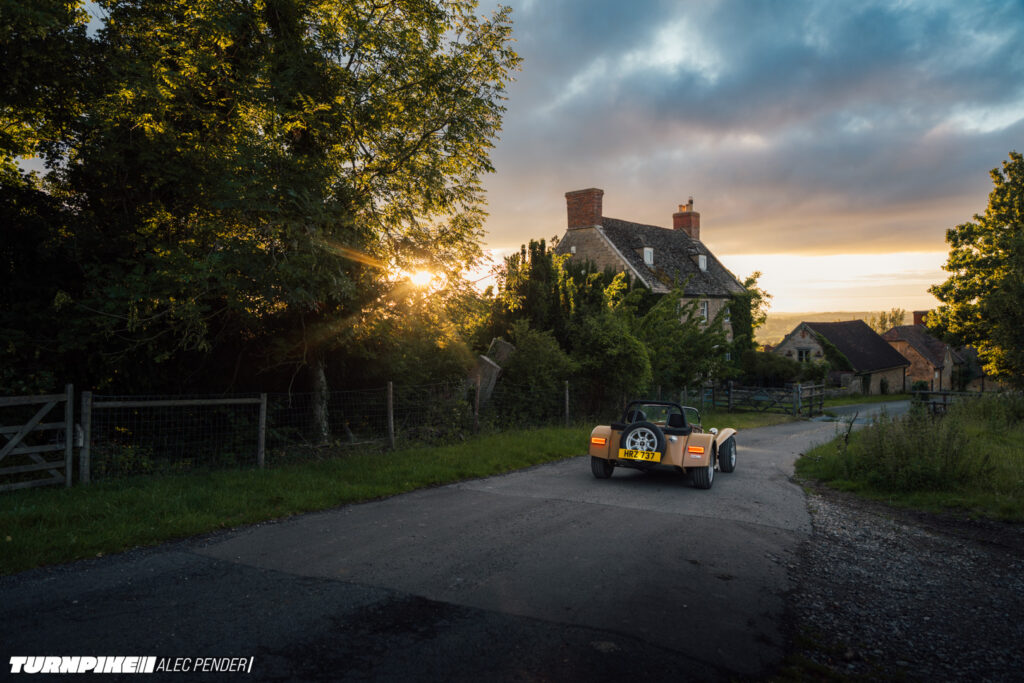
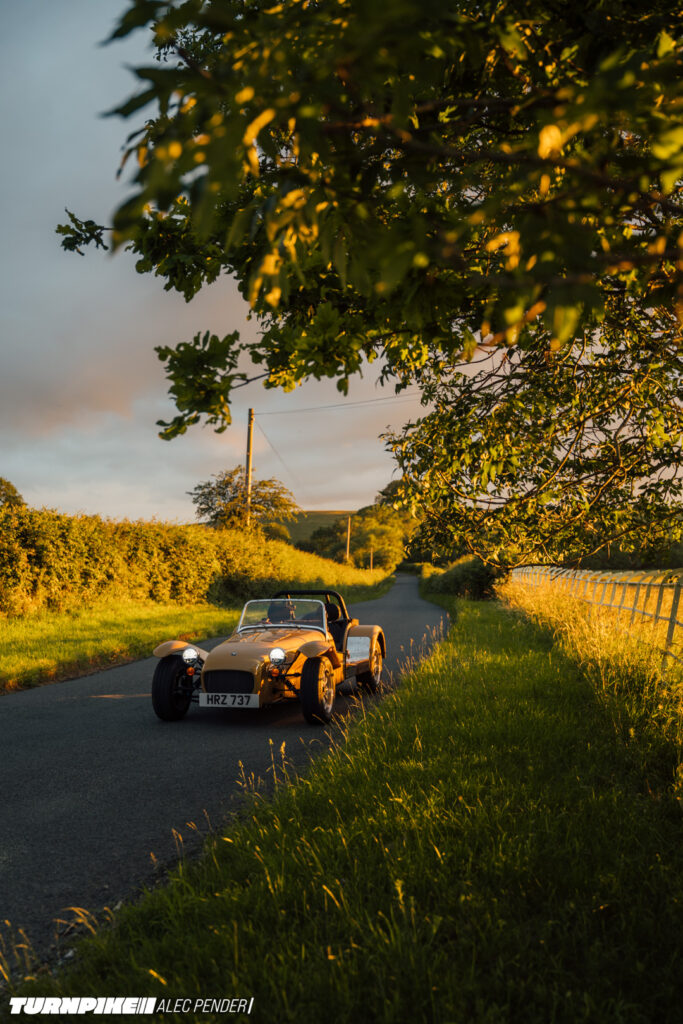
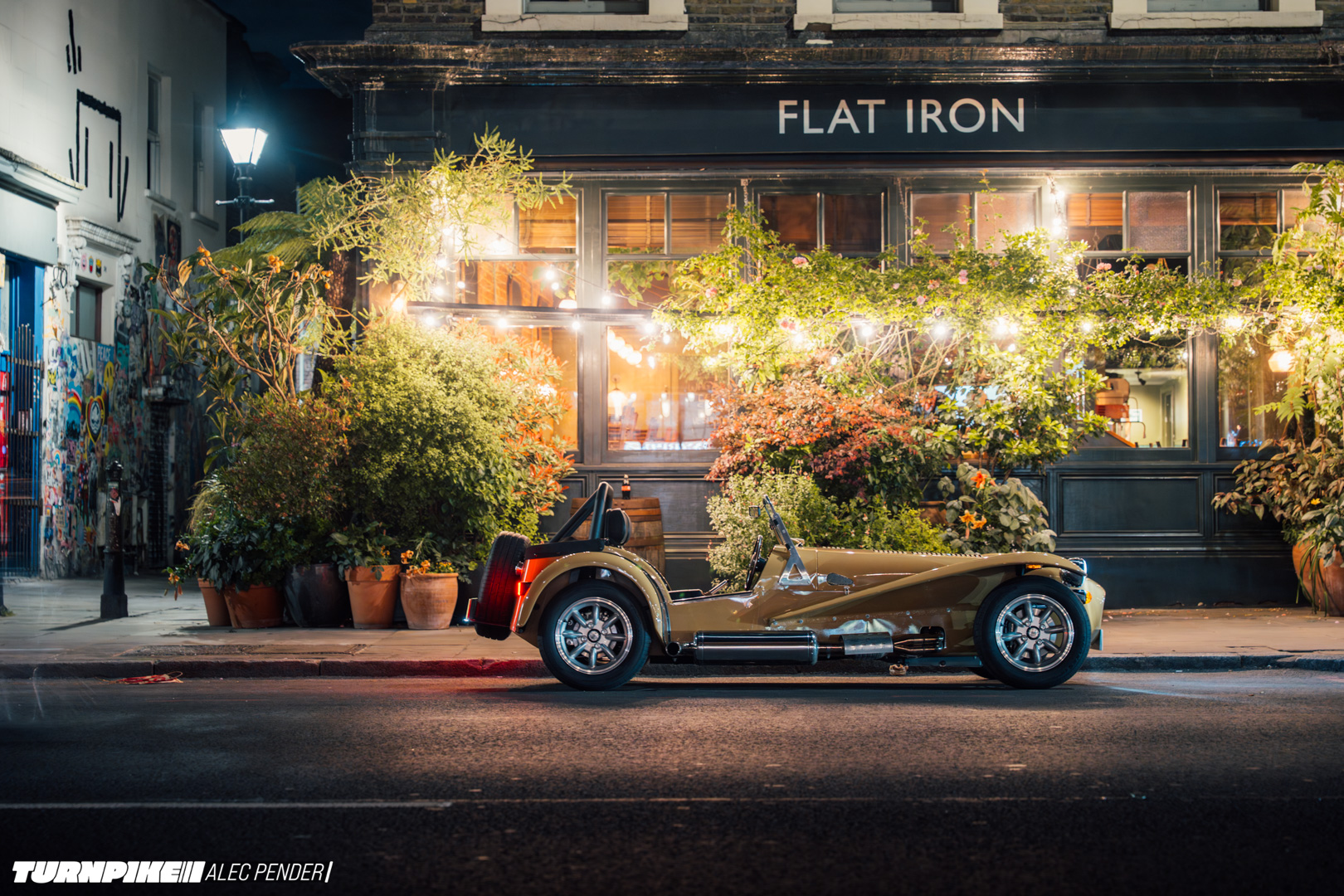
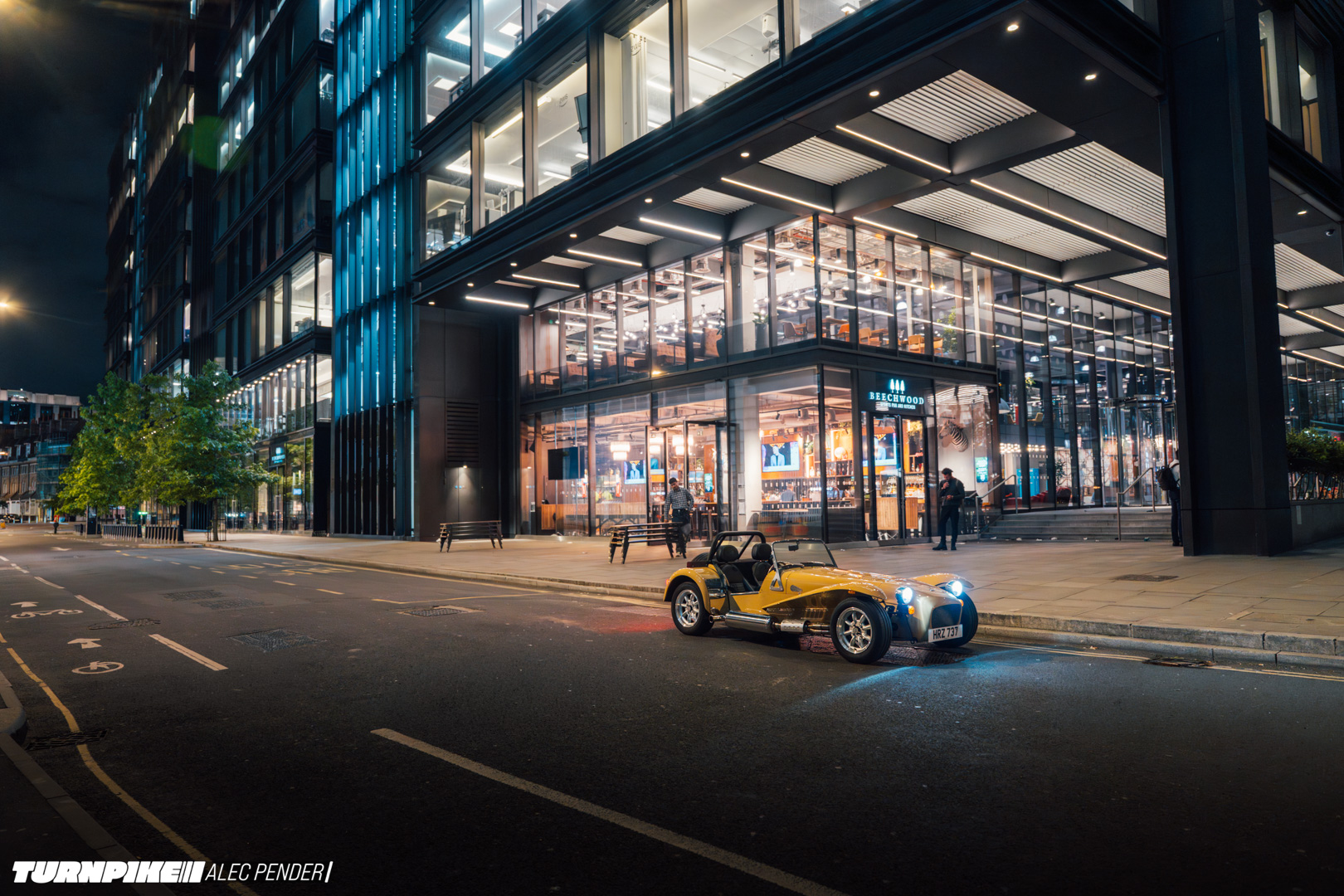
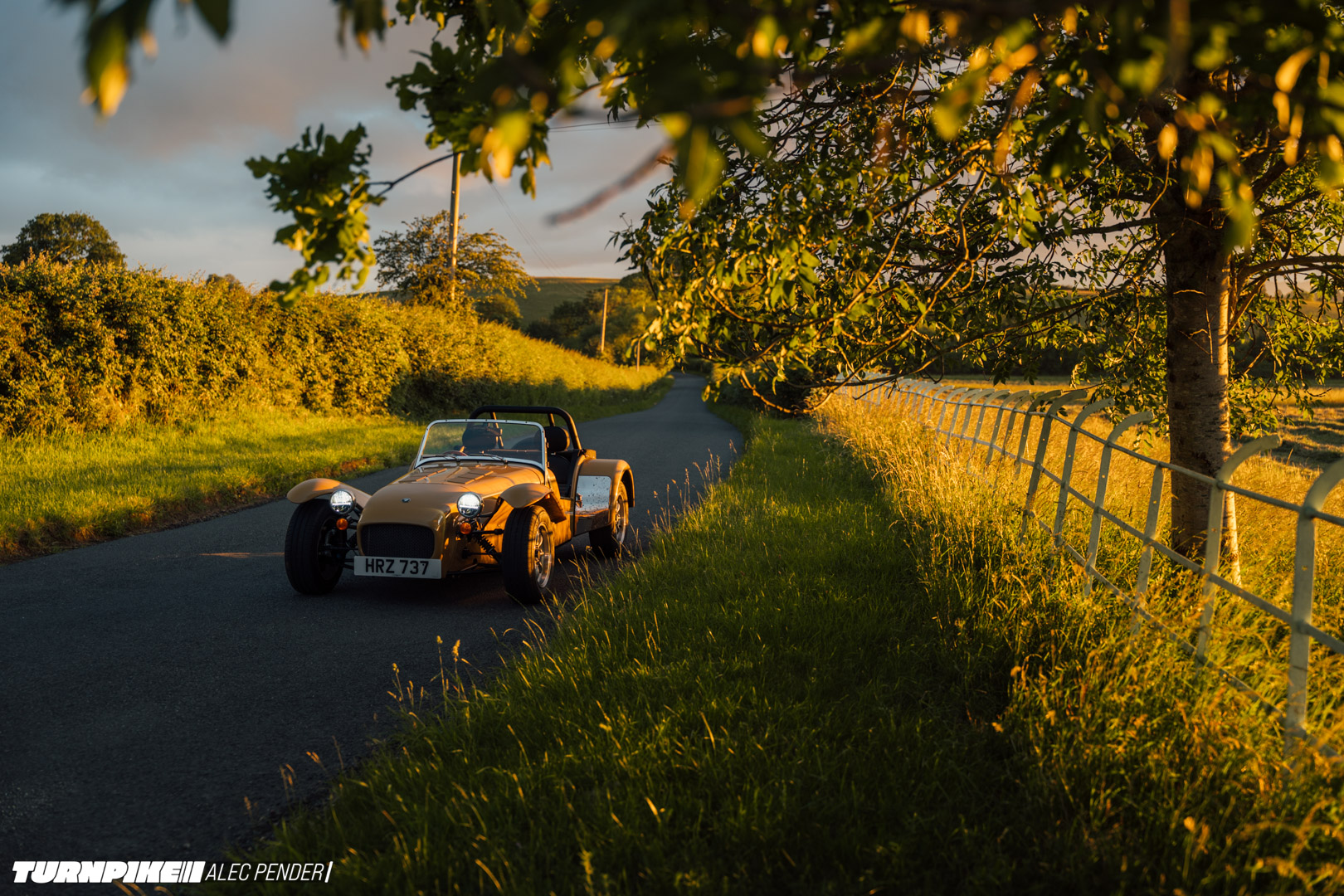
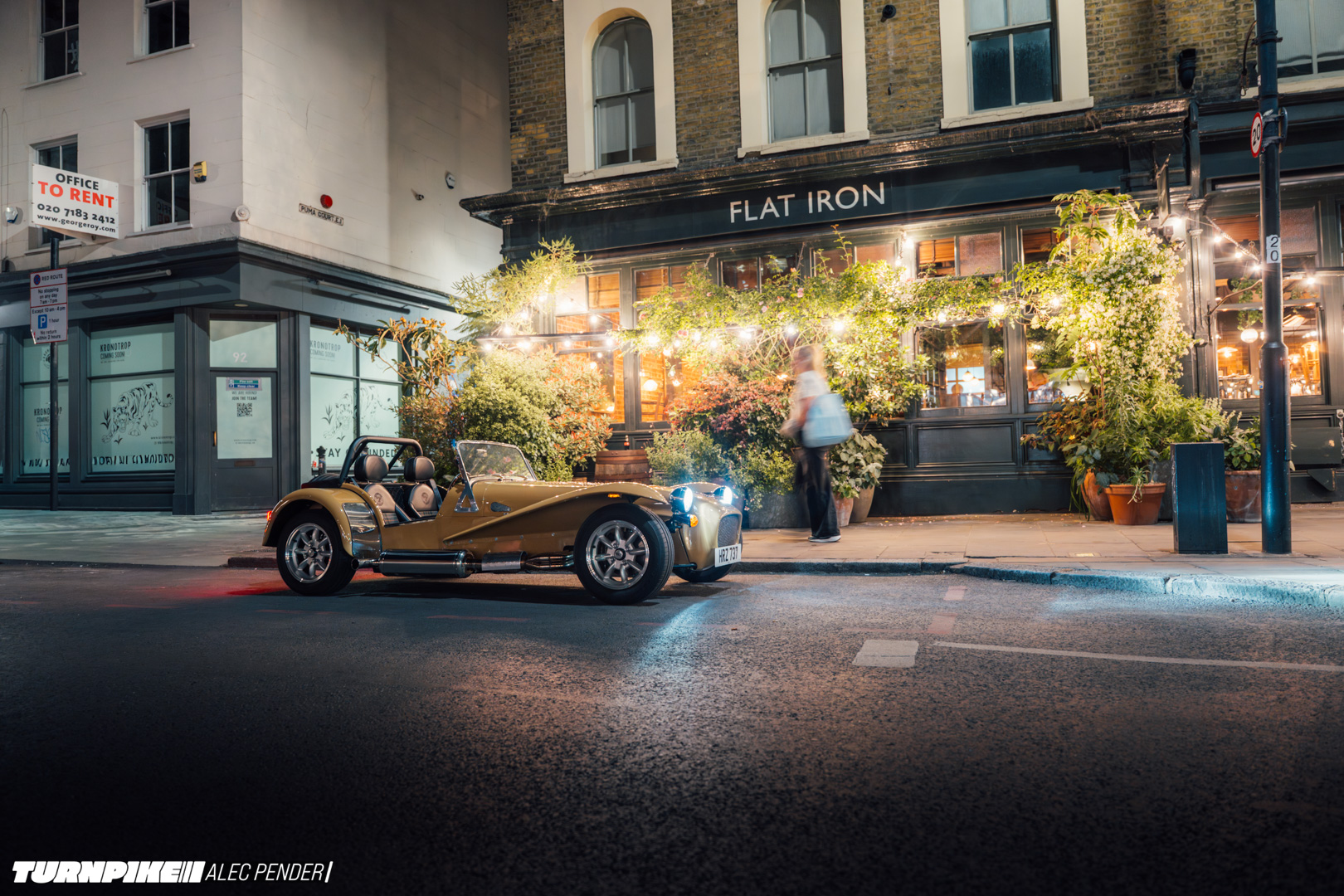
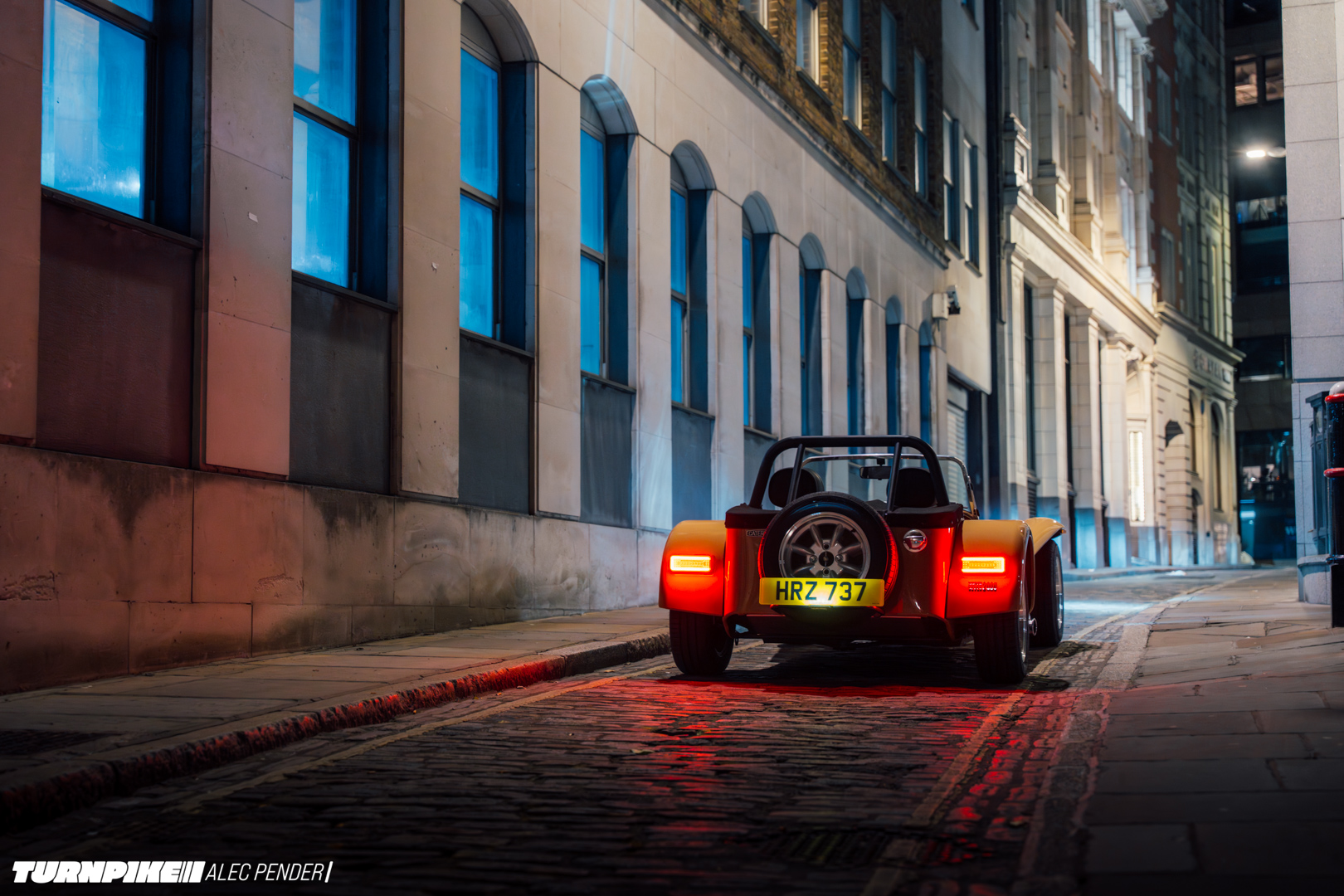
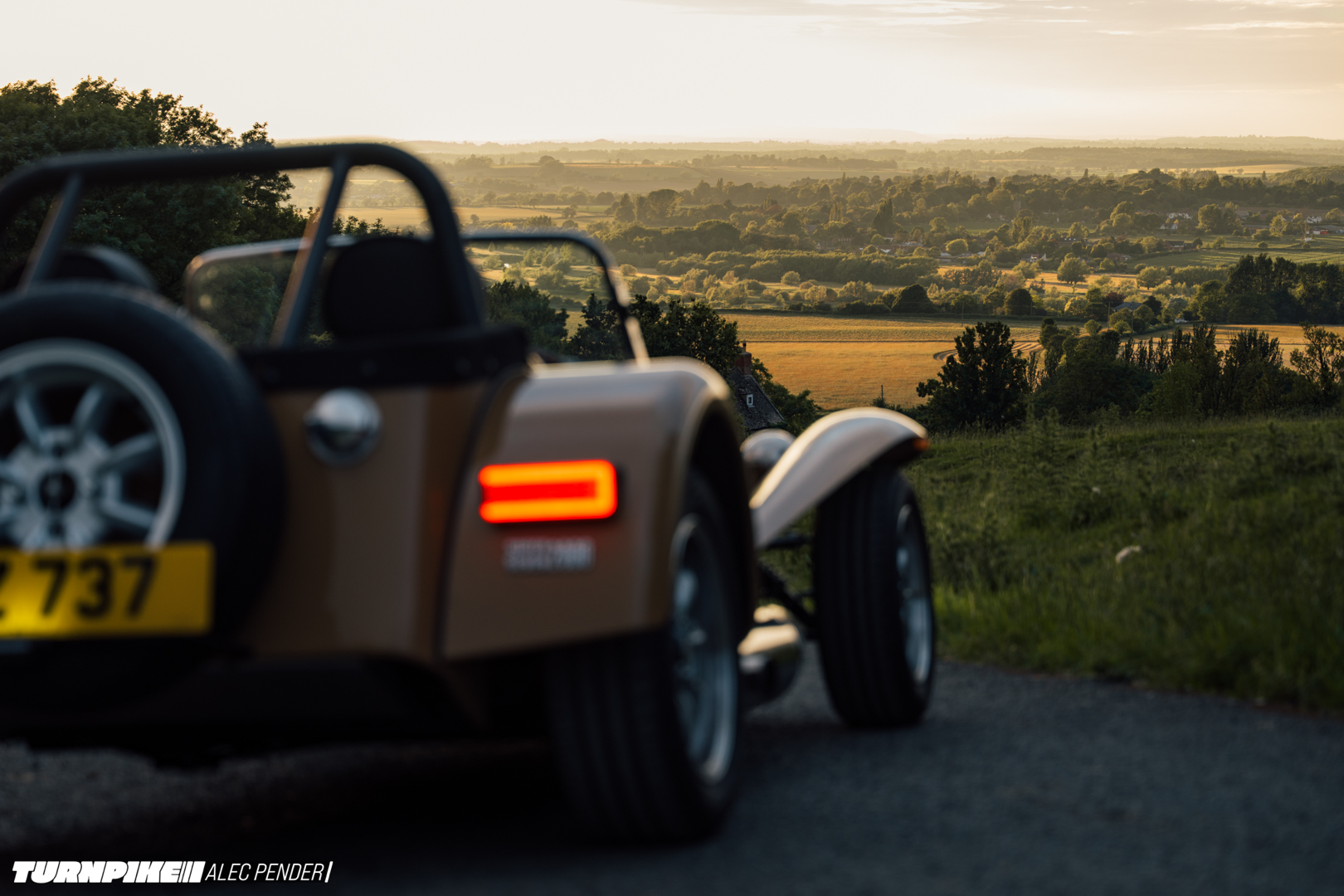
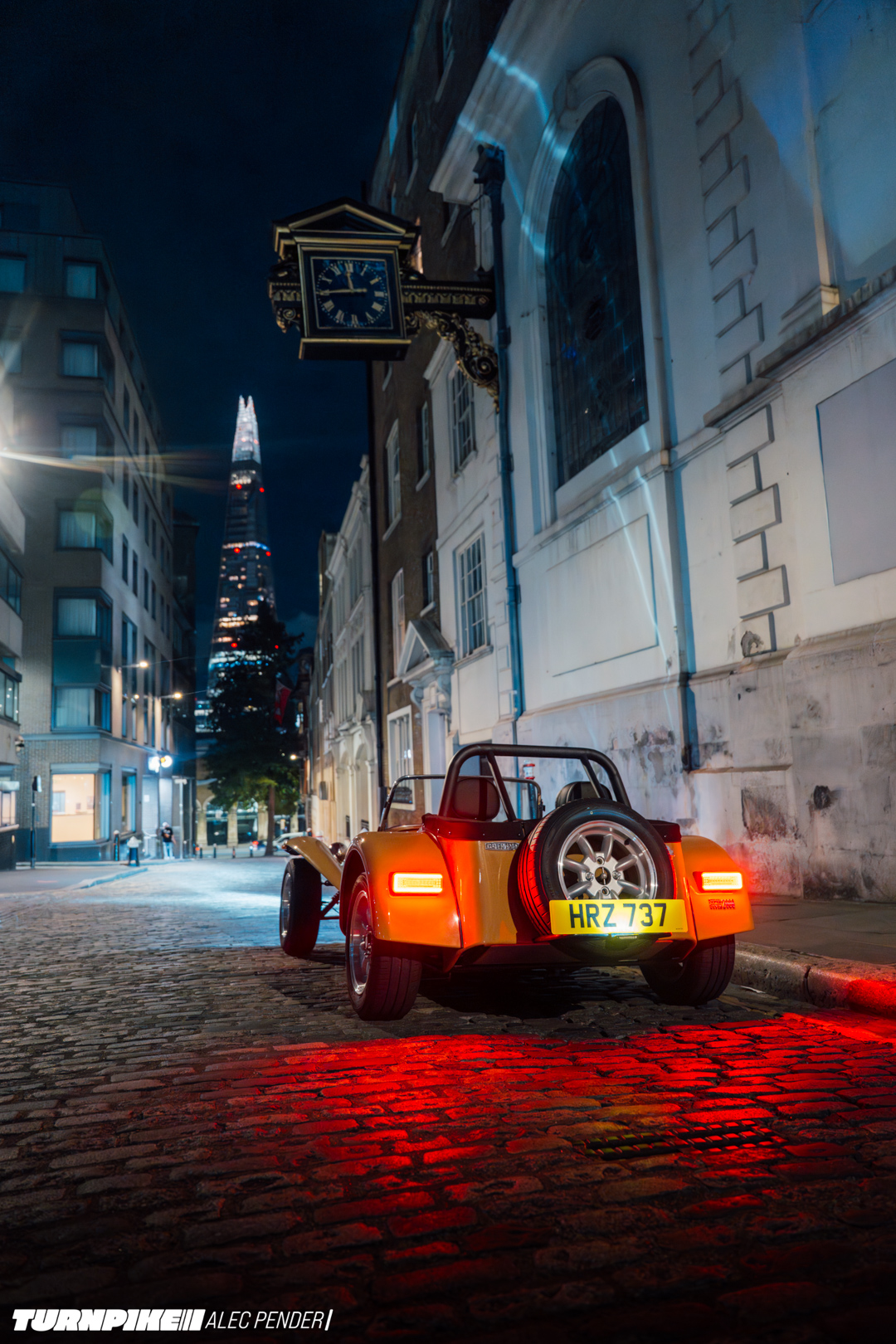
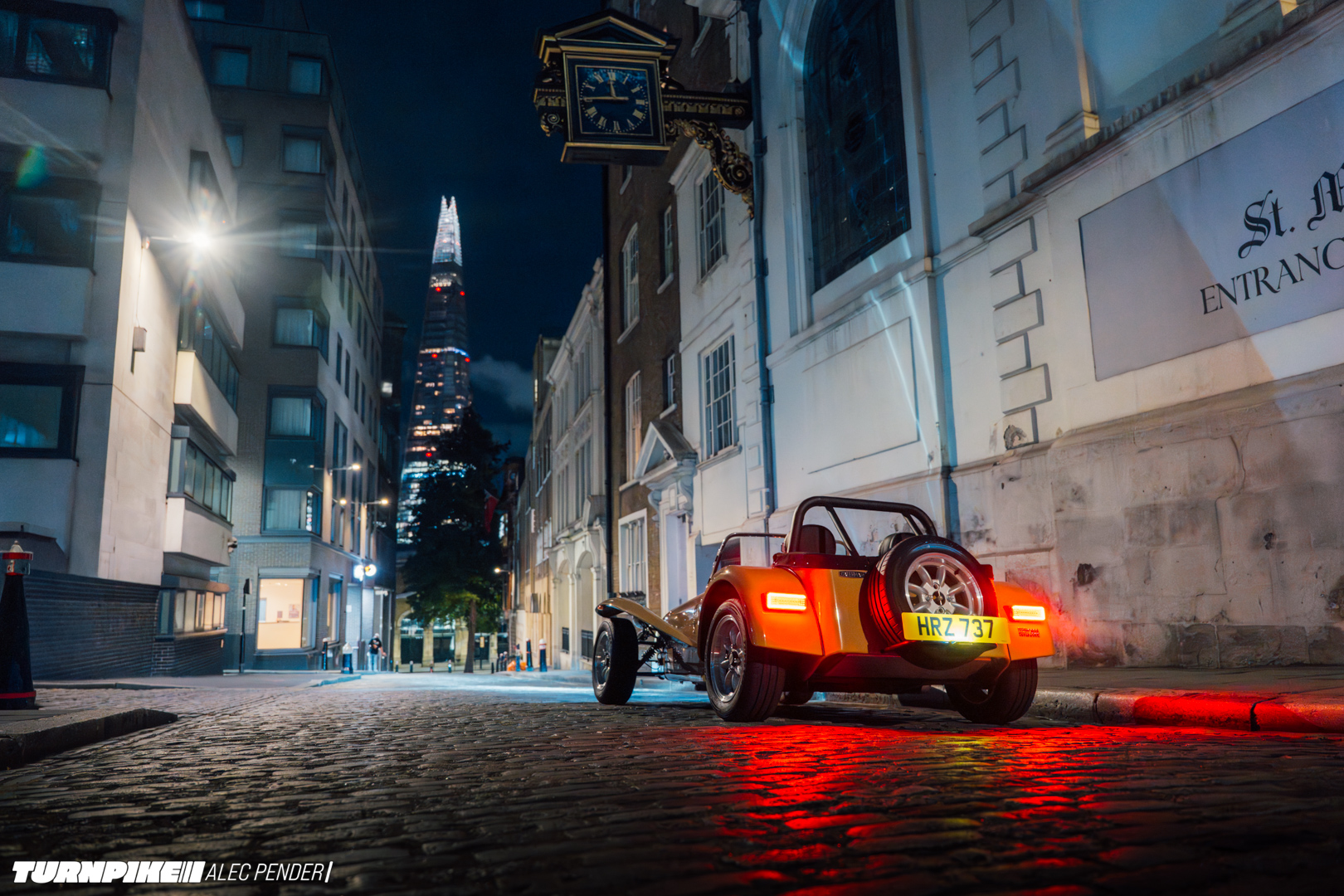
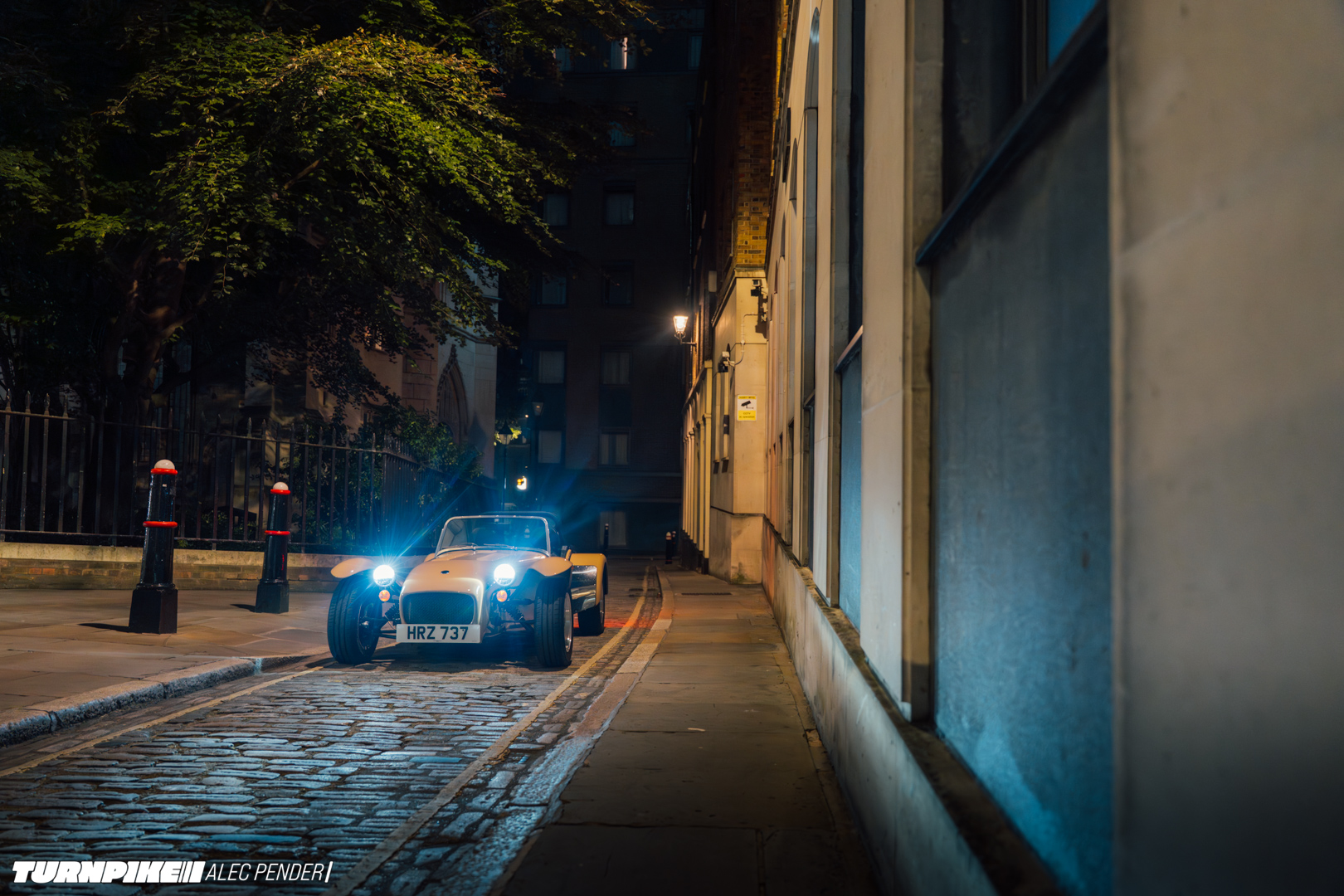
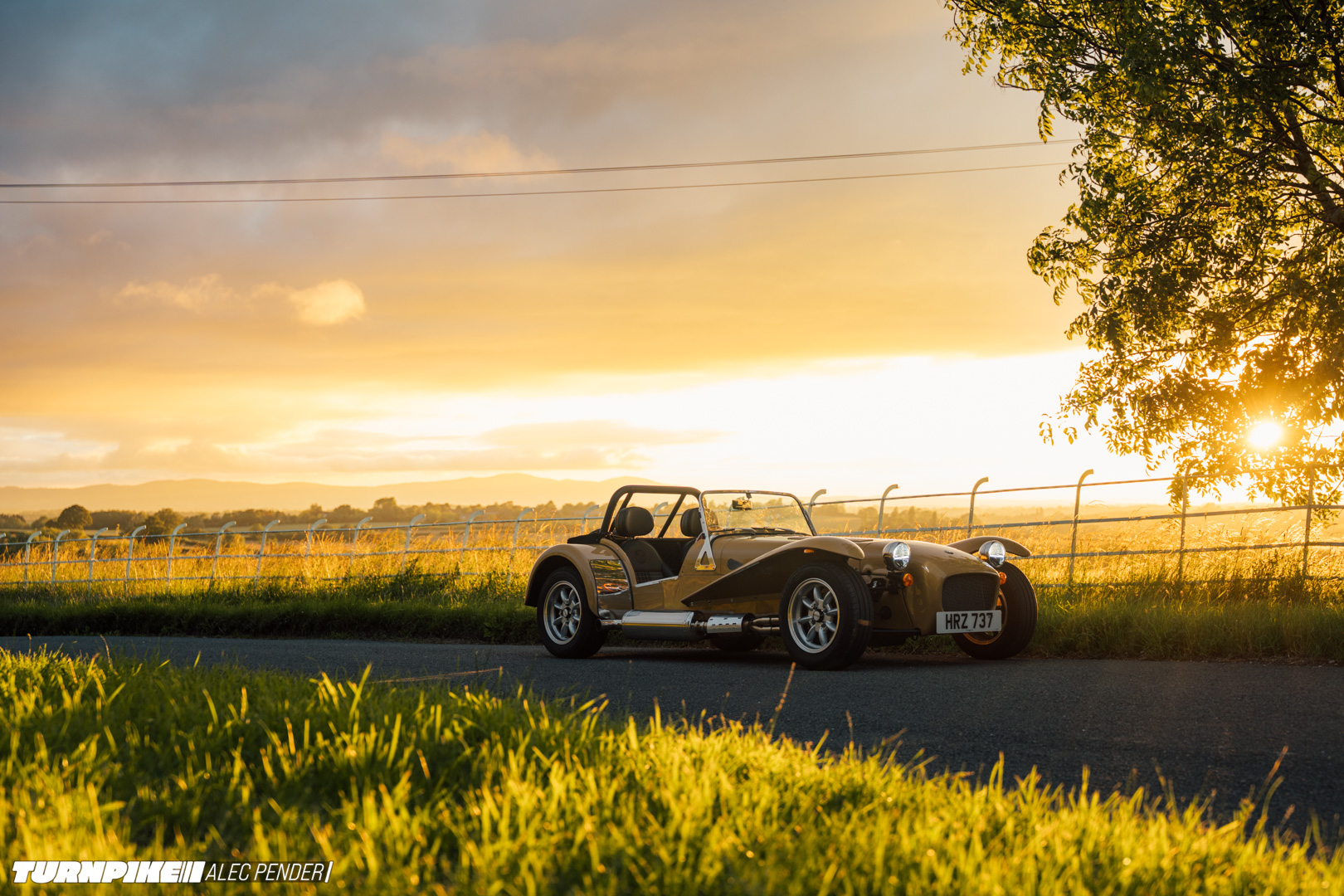
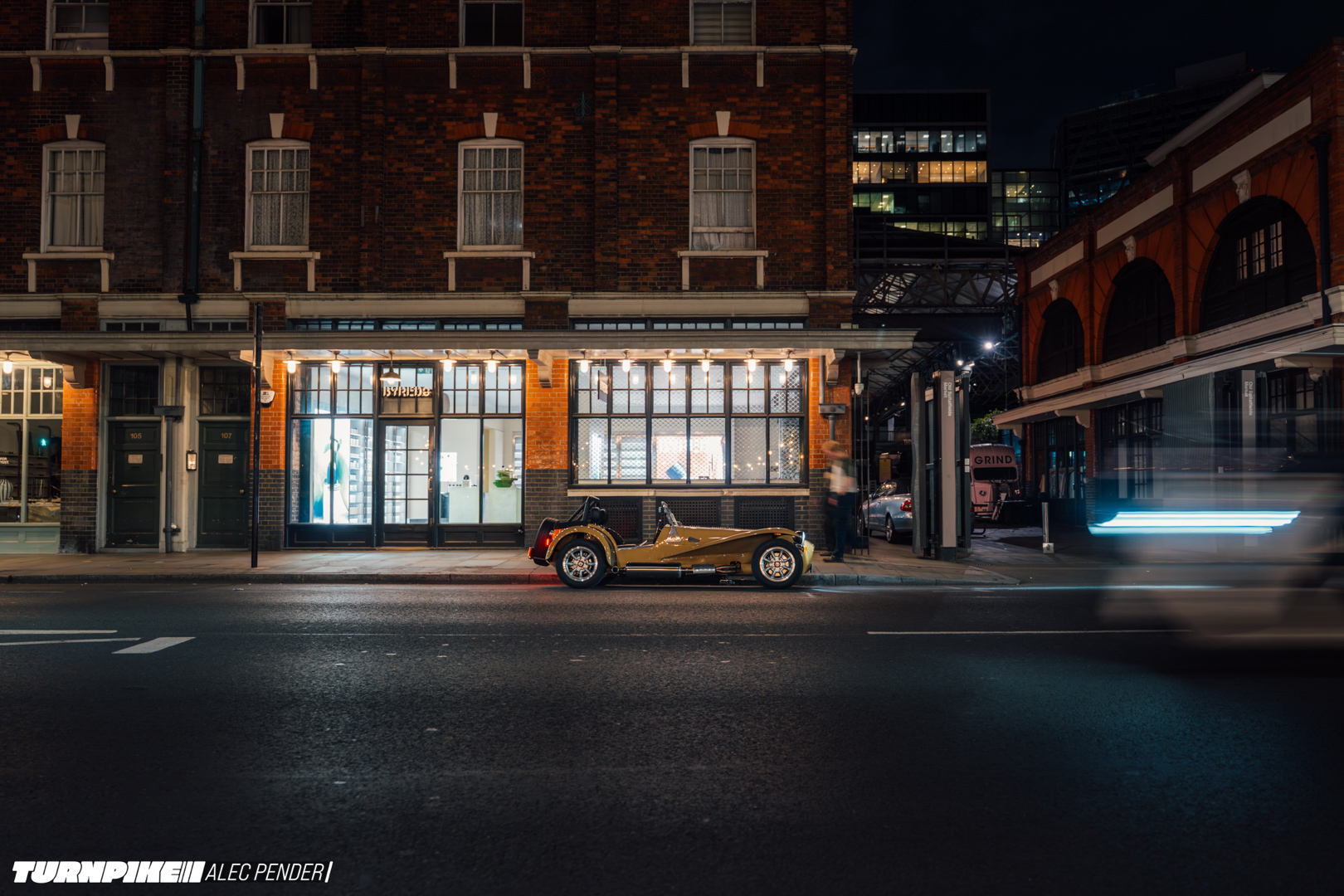
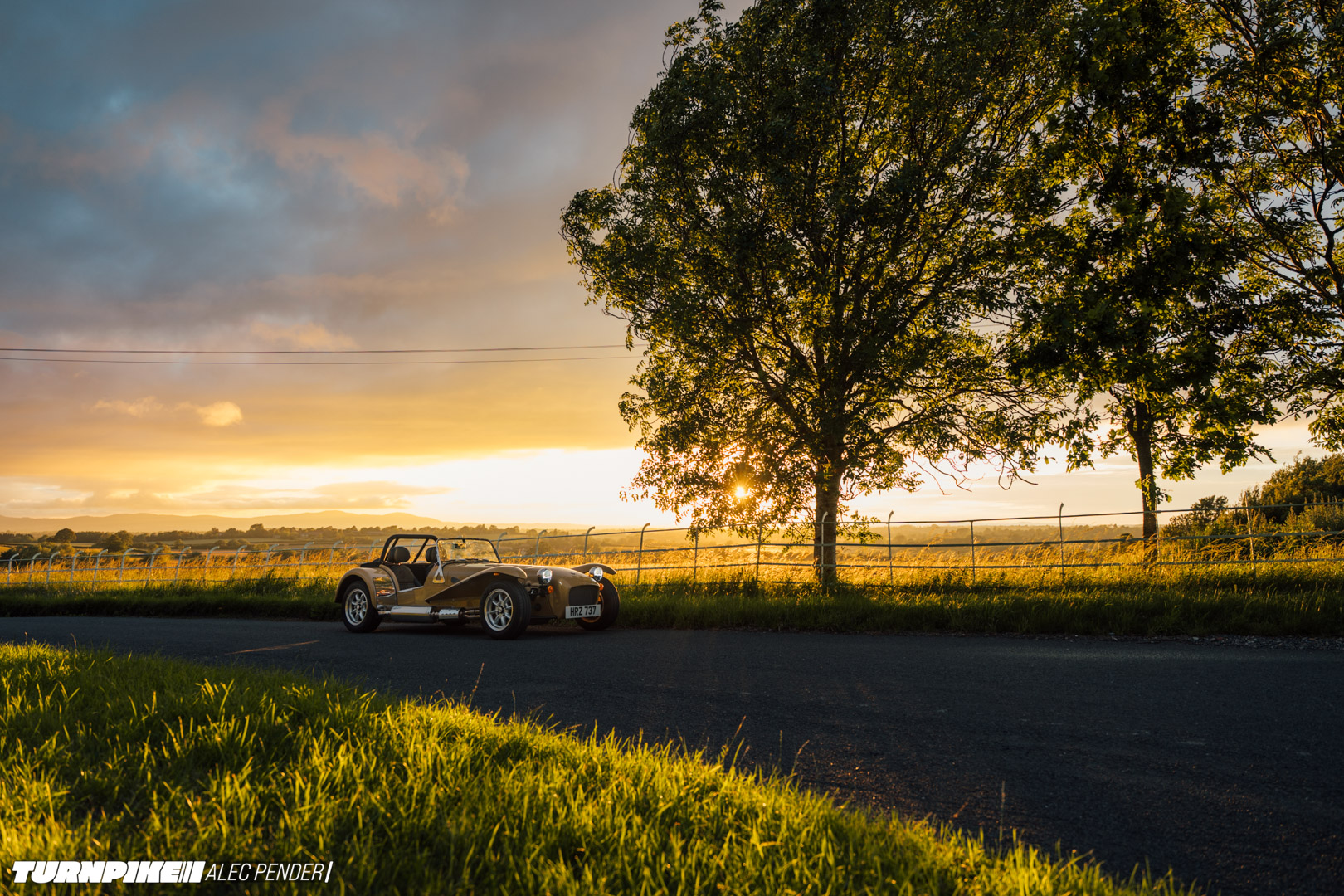
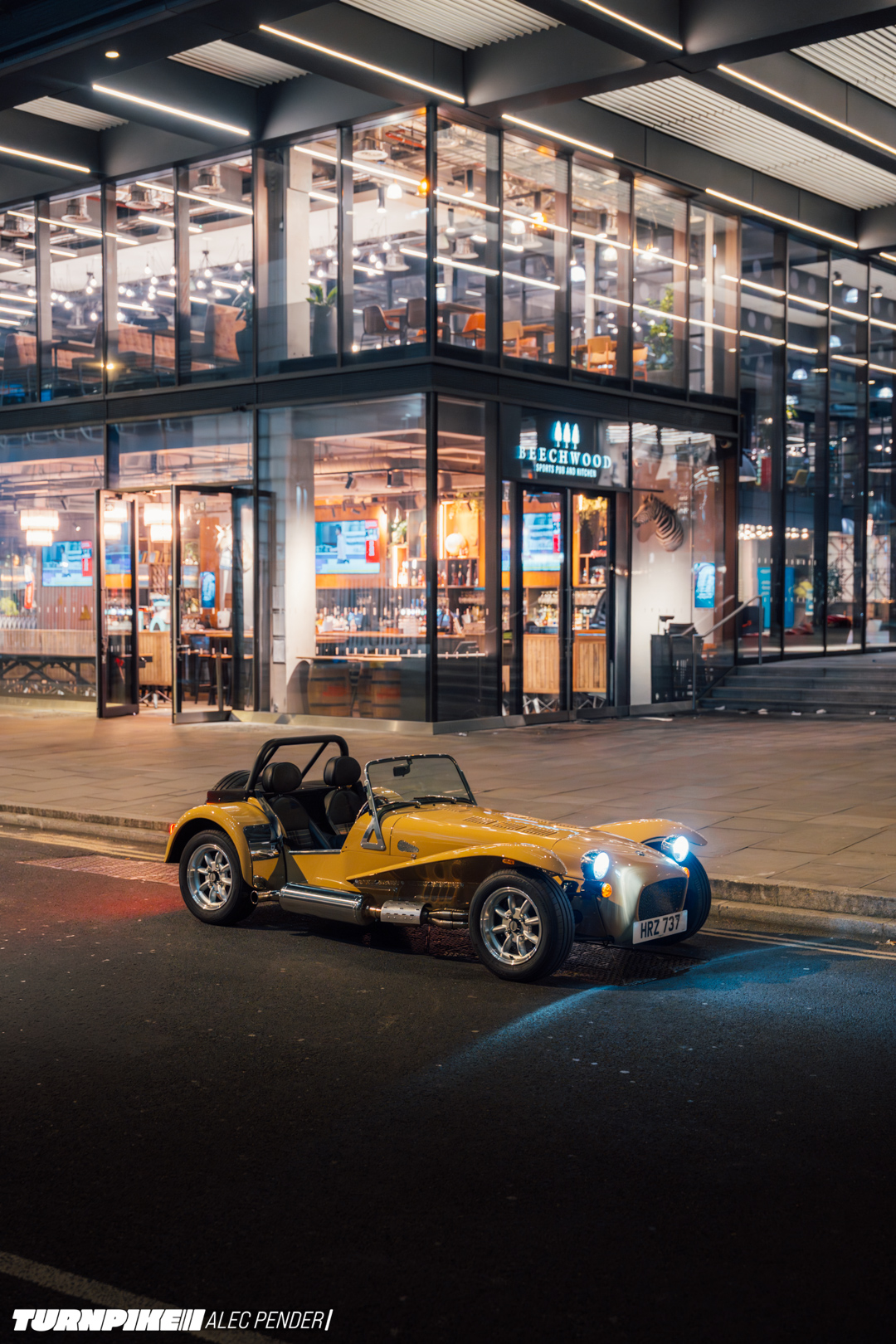
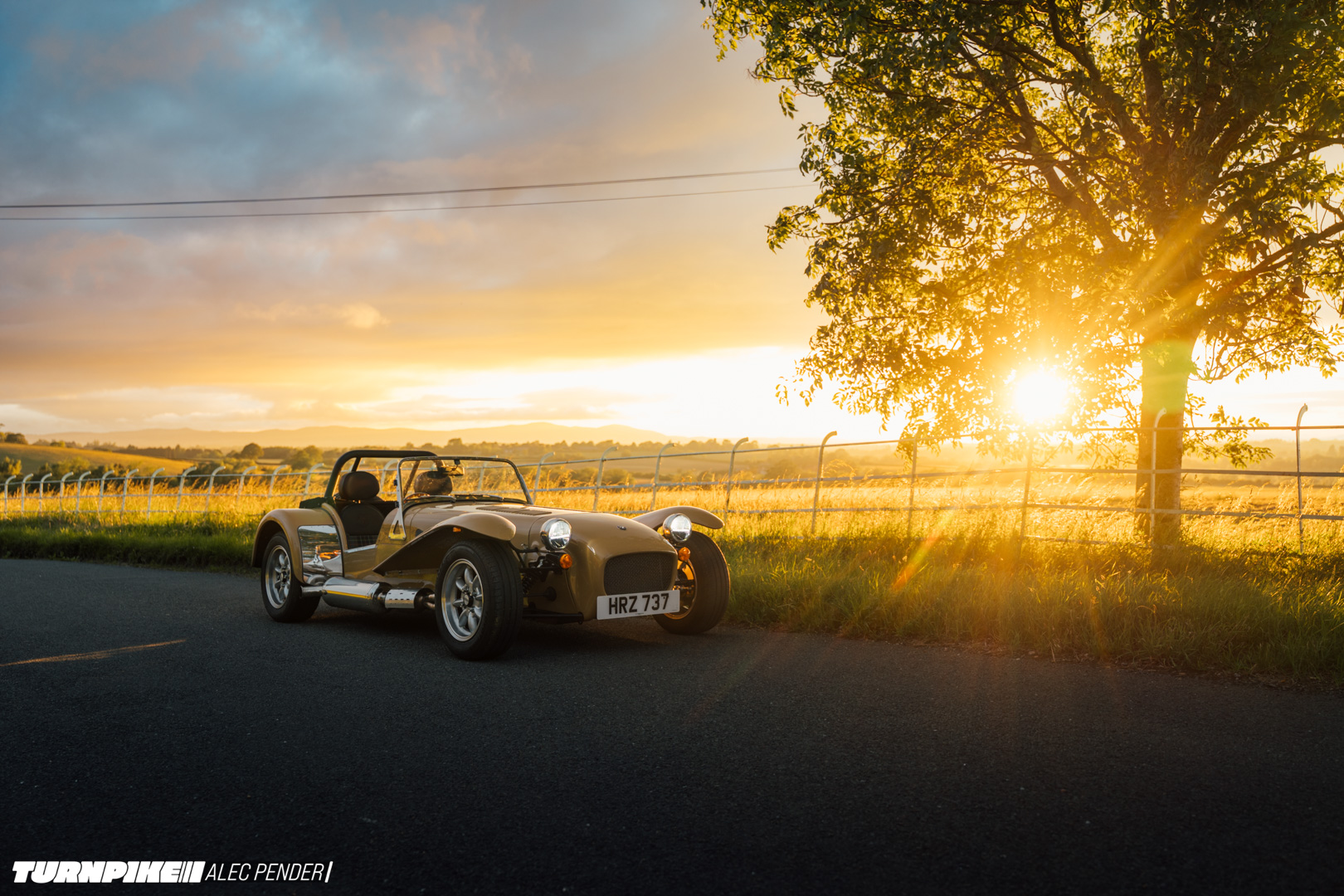
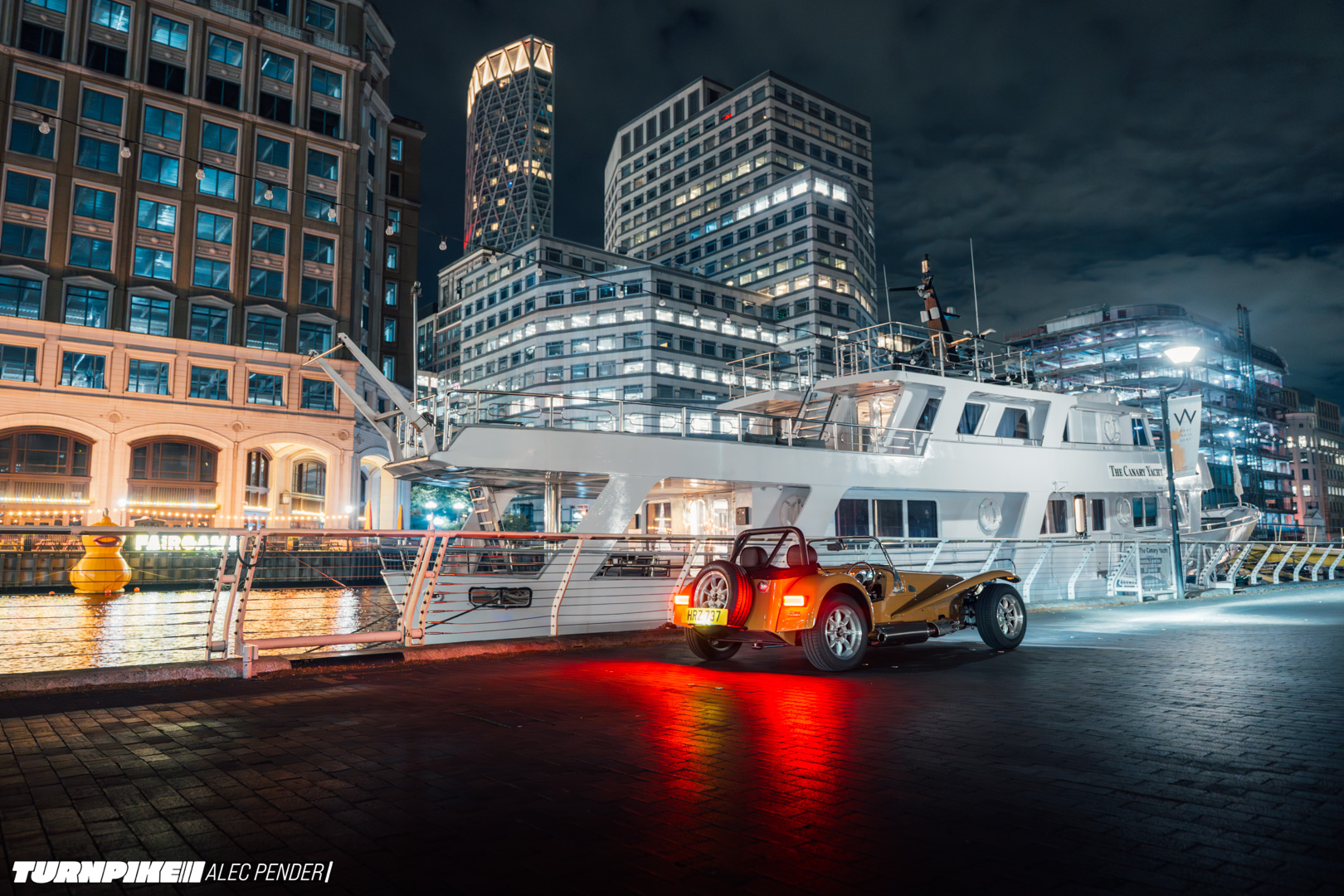
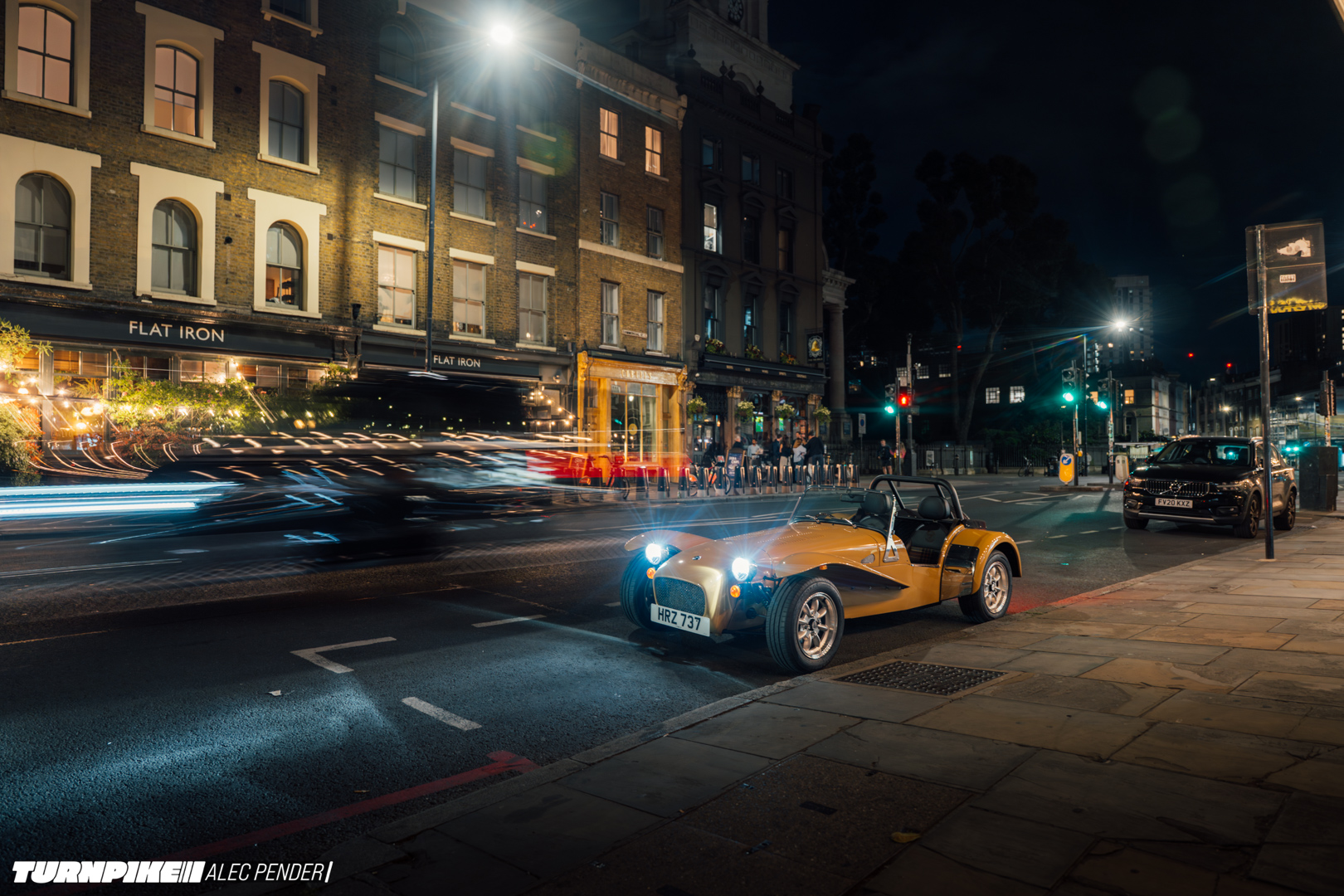
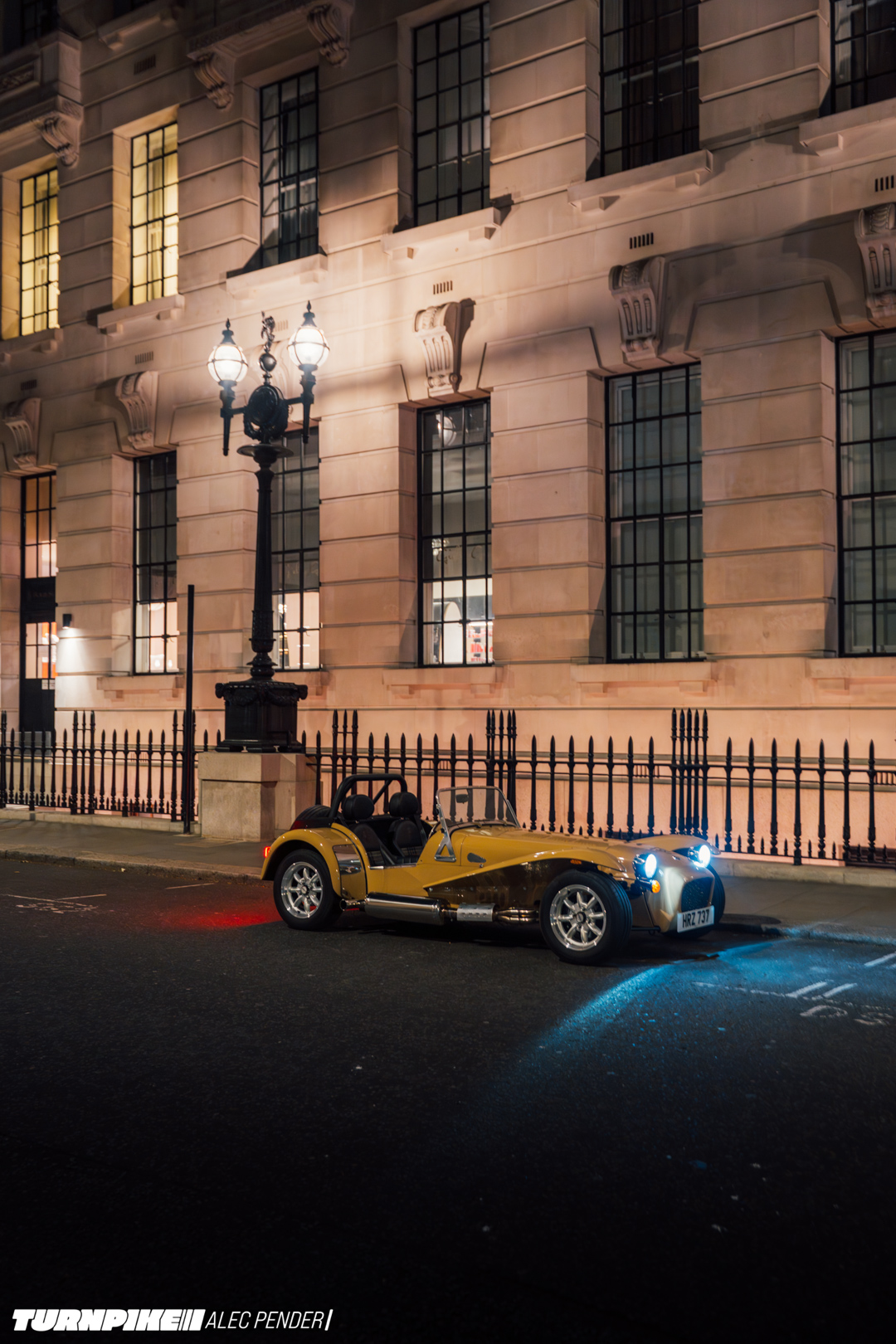
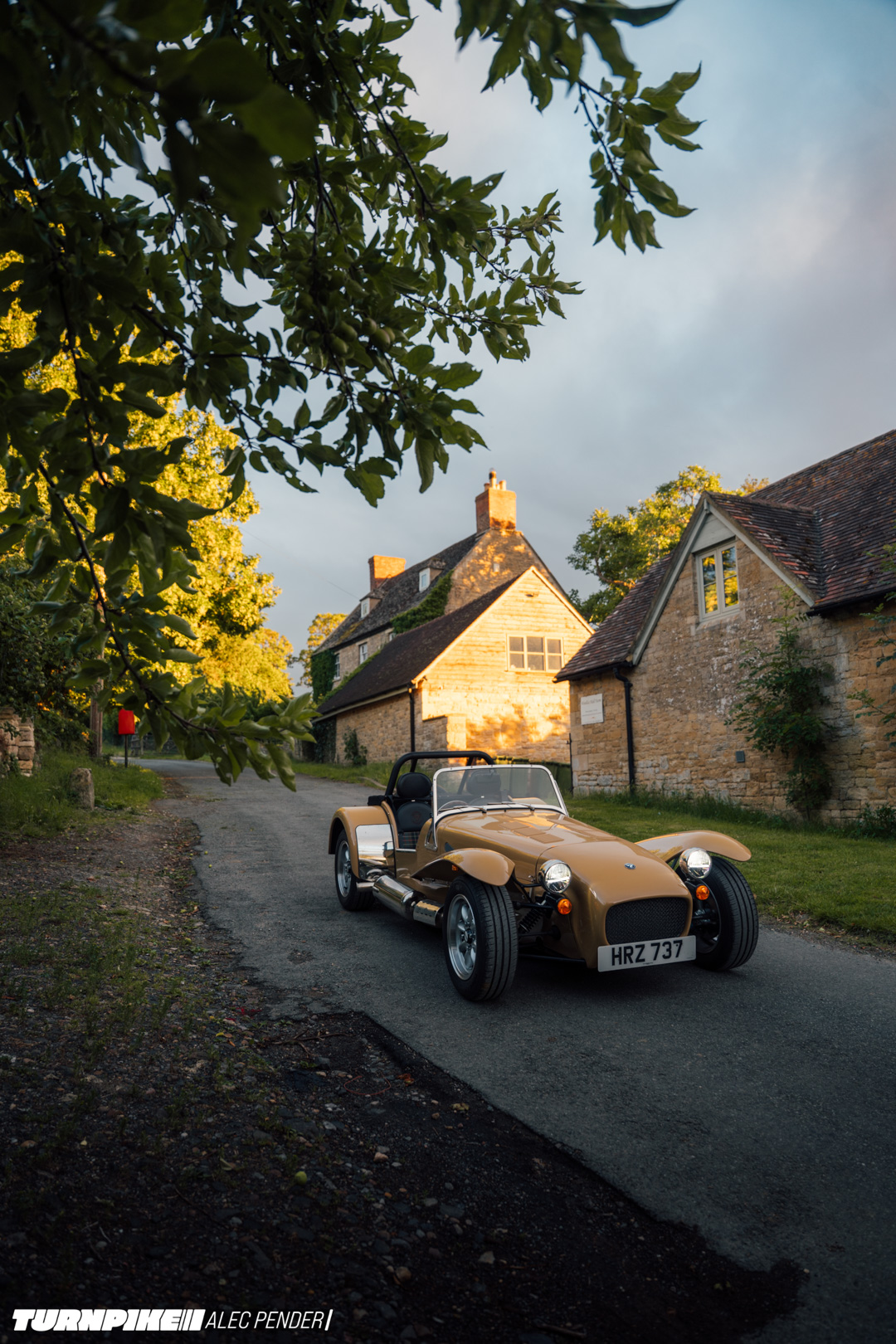
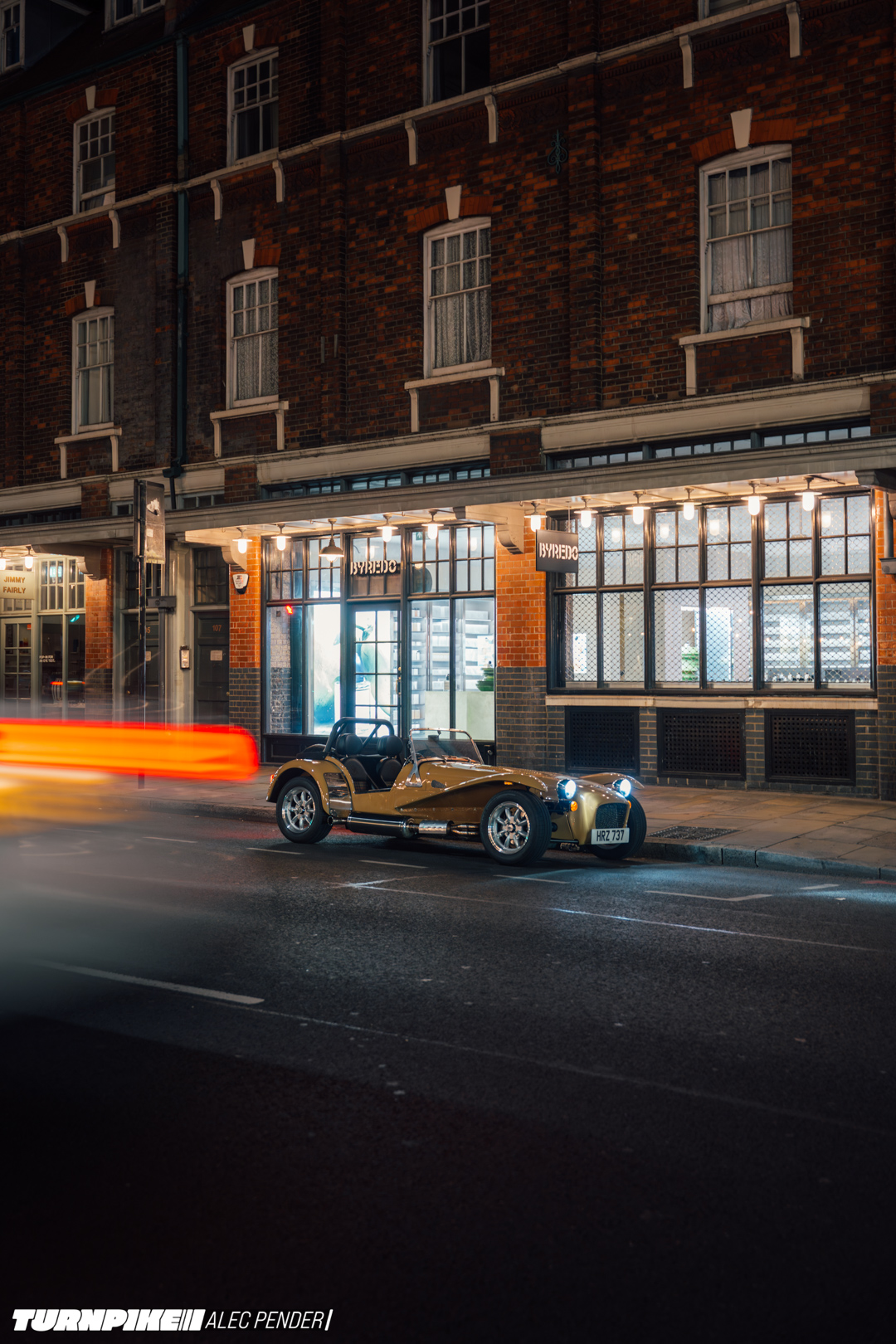
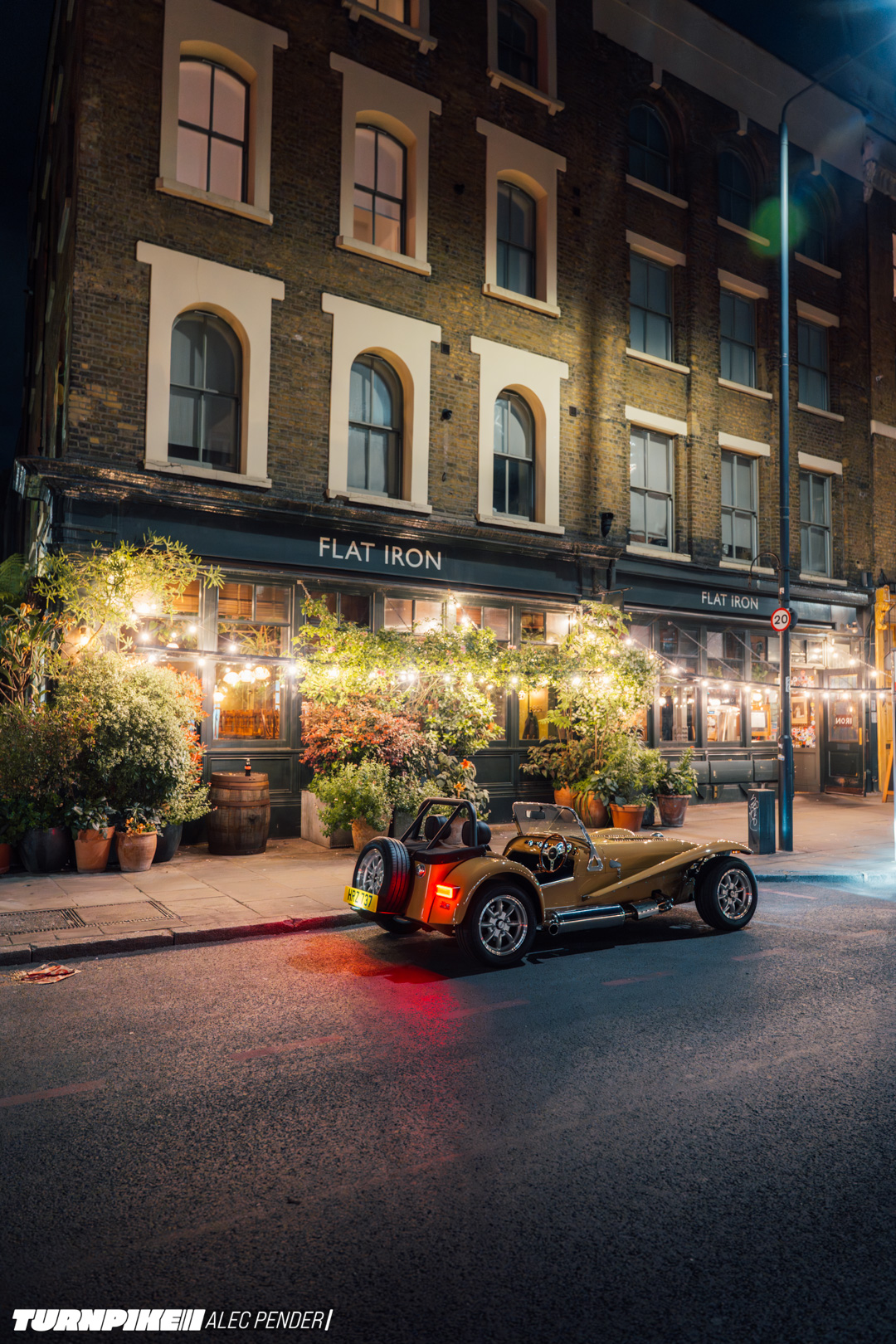
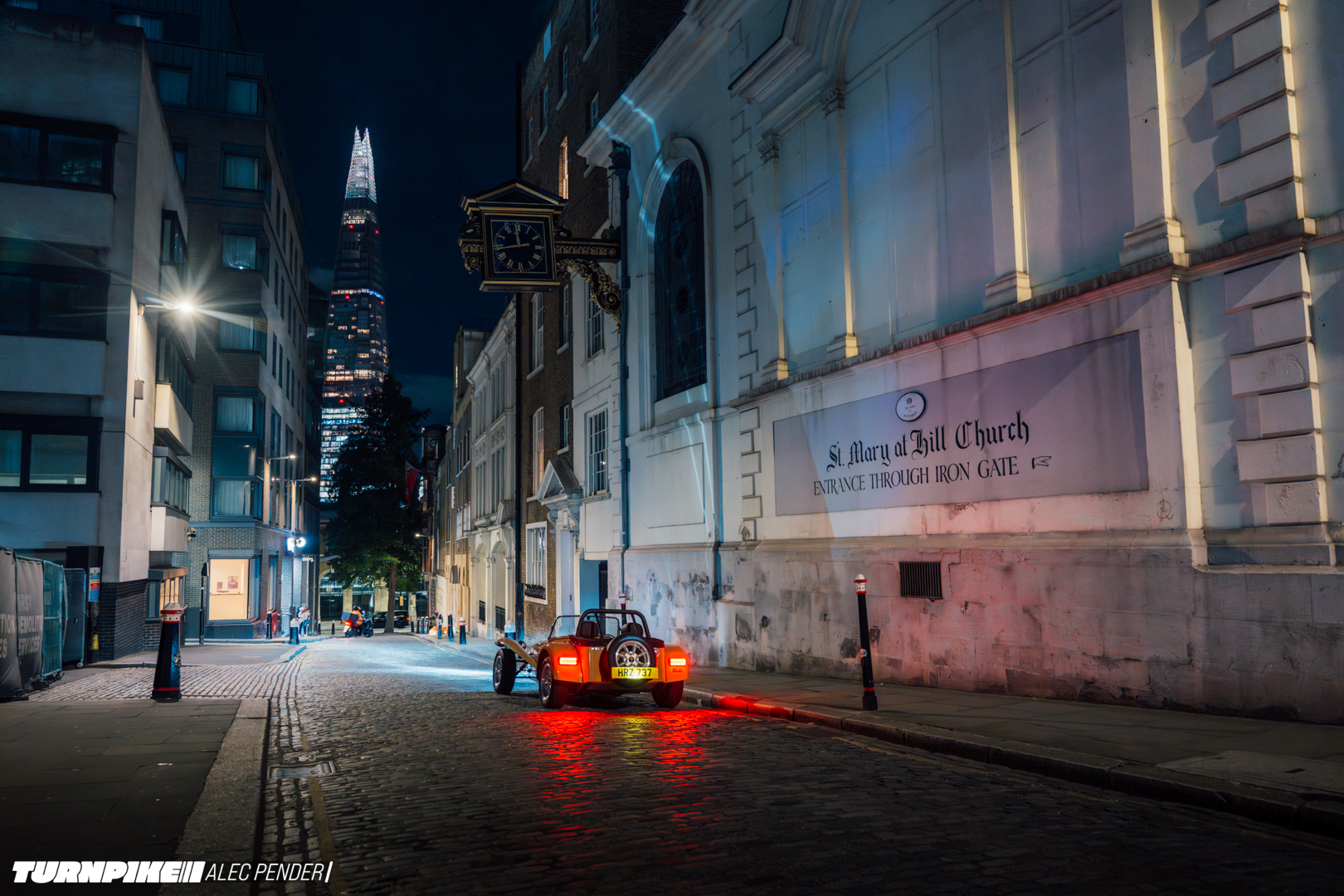
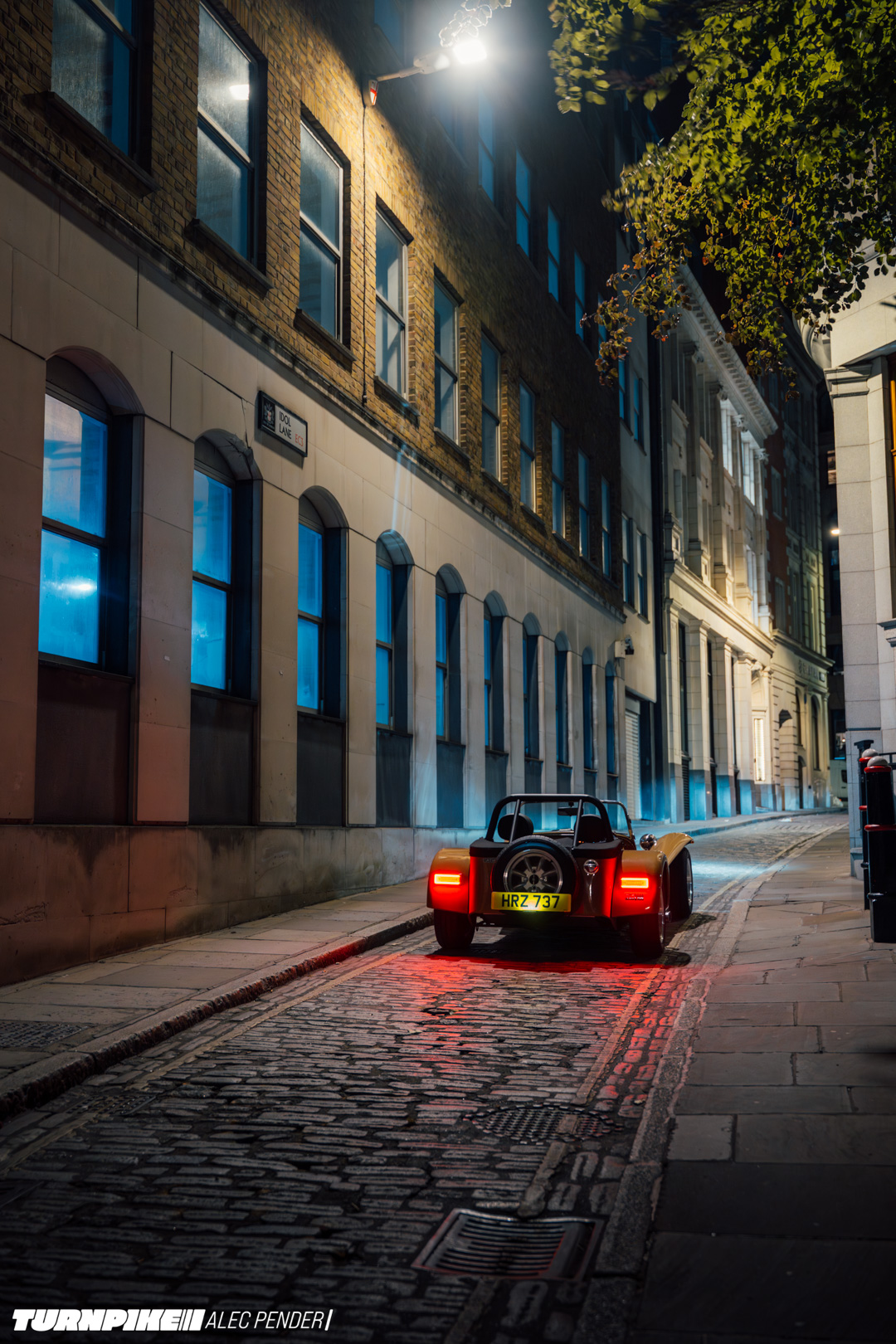
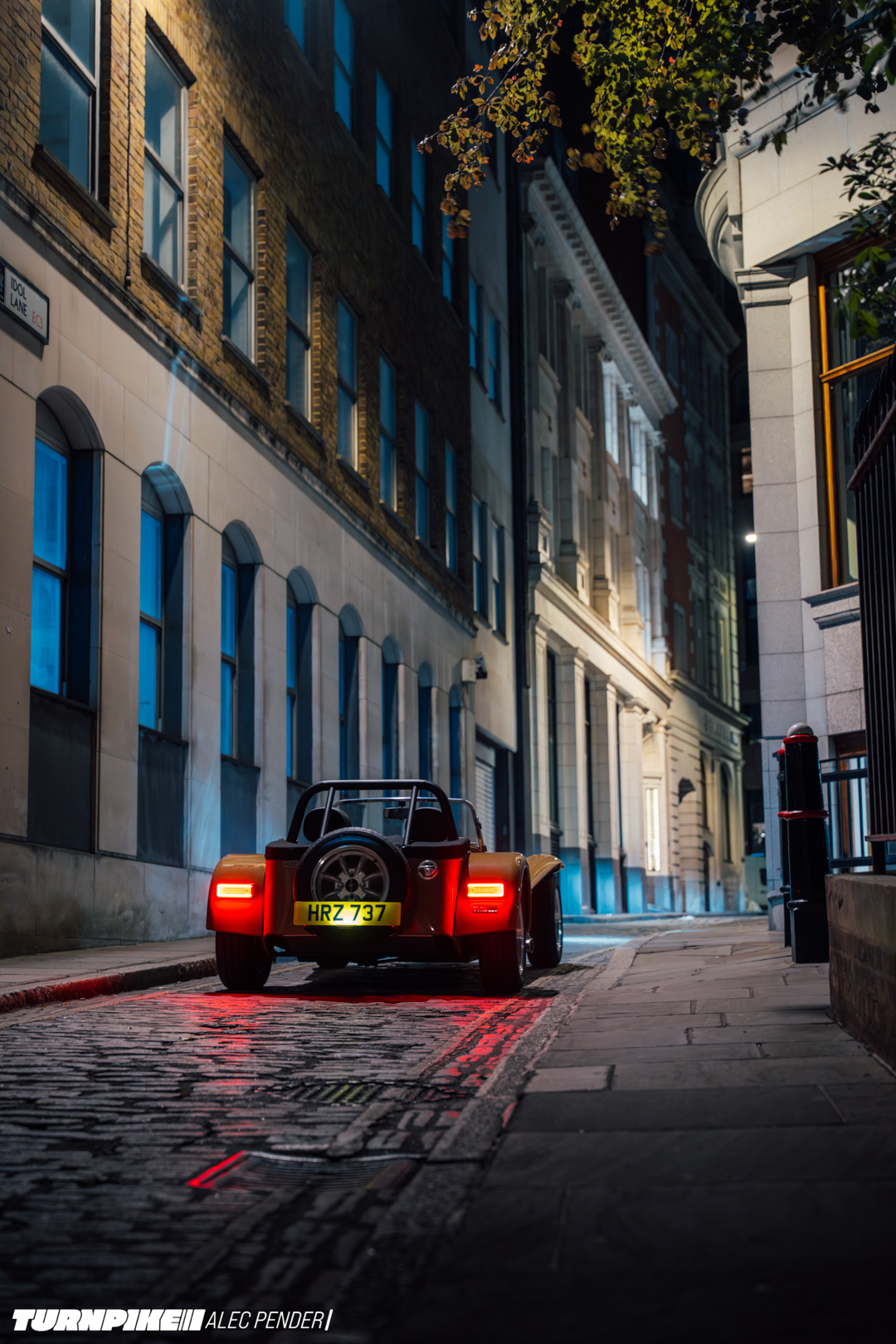
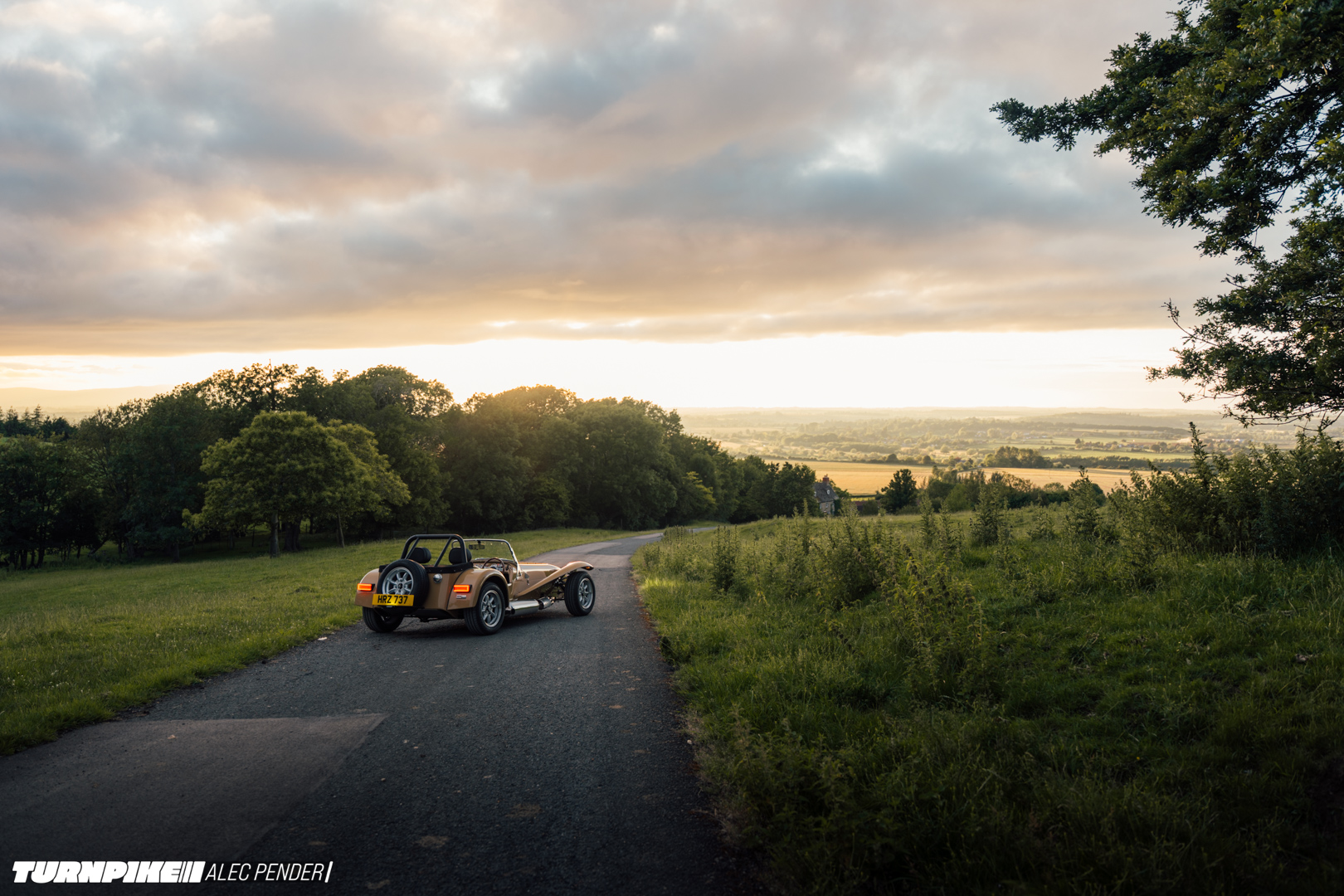
Late nights driving through London garner the sort of reactions you would expect. In a city full of hypercars, this will still turn the most heads, and forget a quick fuel stop, you can almost guarantee a long-winded chat at the pump. But taking the car out into the Cotswolds countryside is where it really started to all make sense.
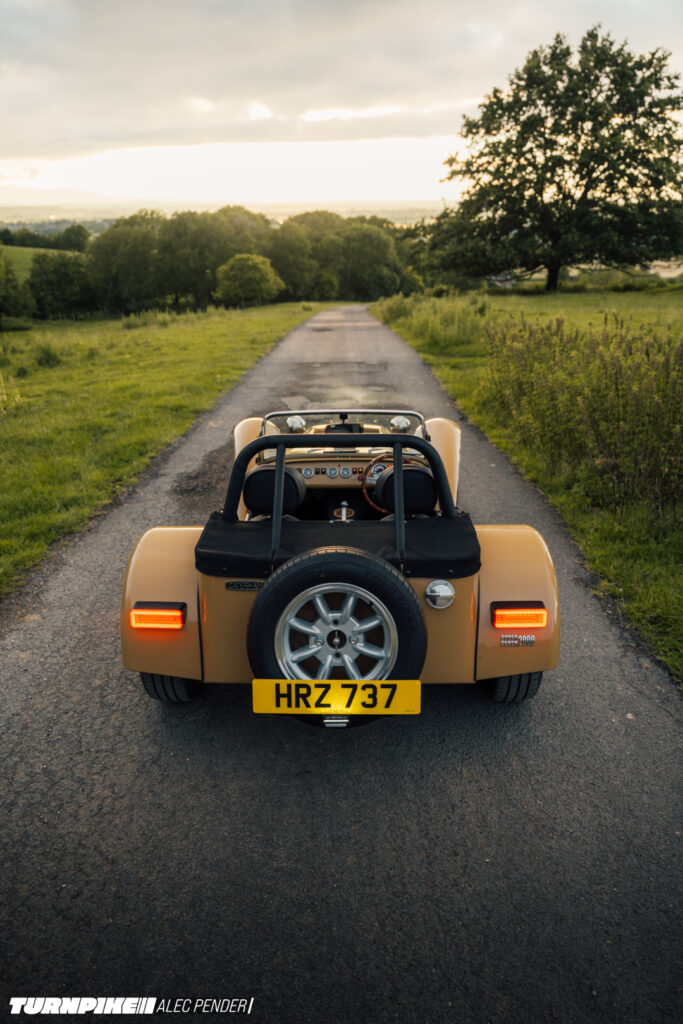
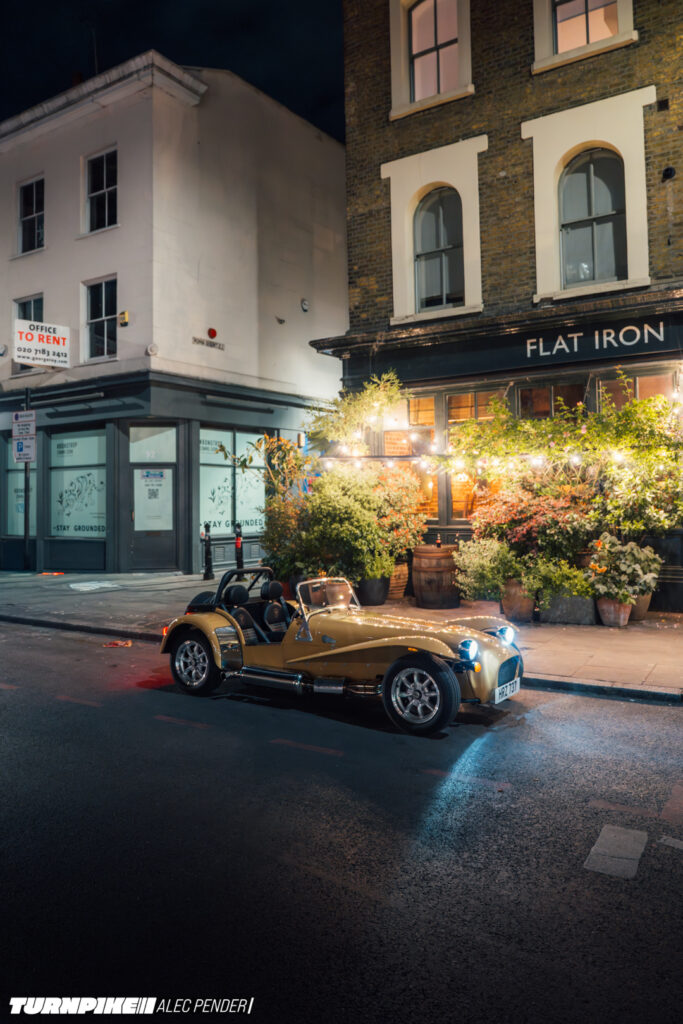
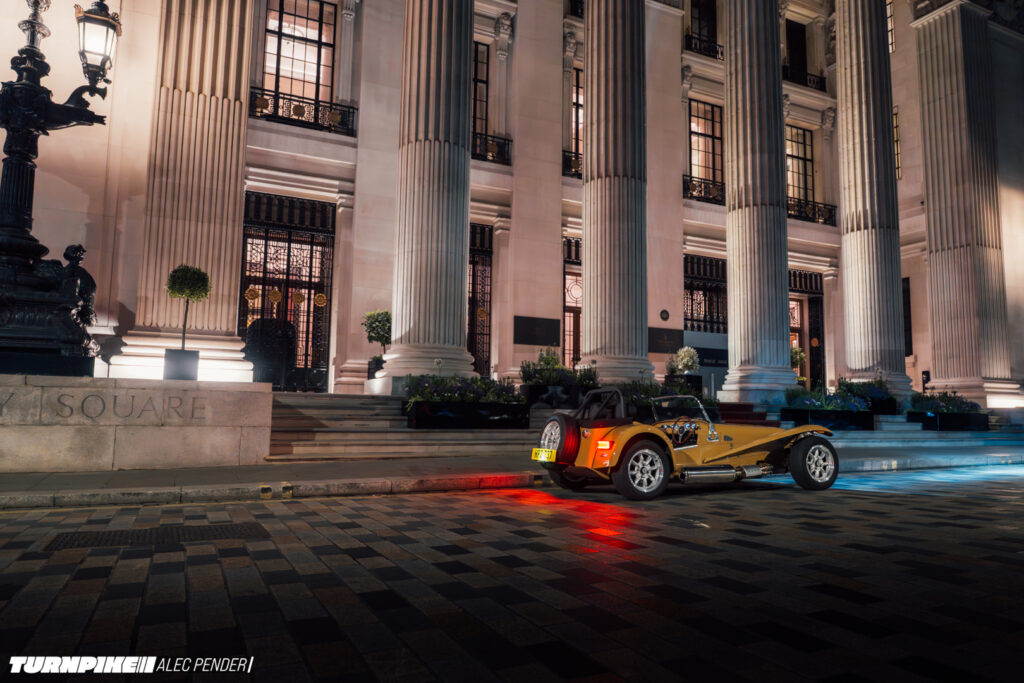
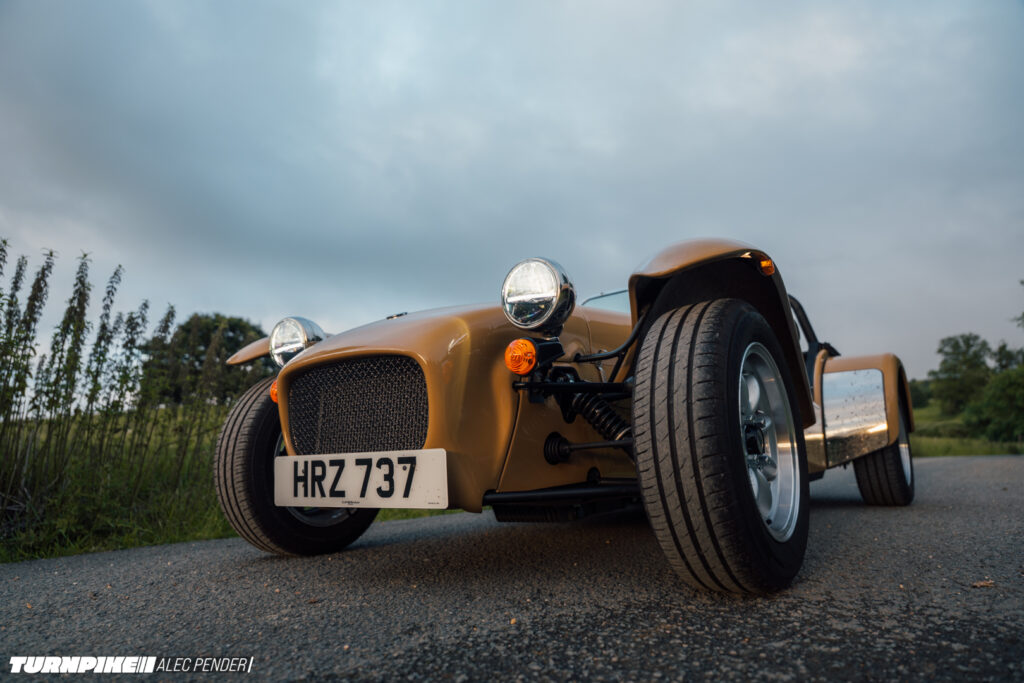
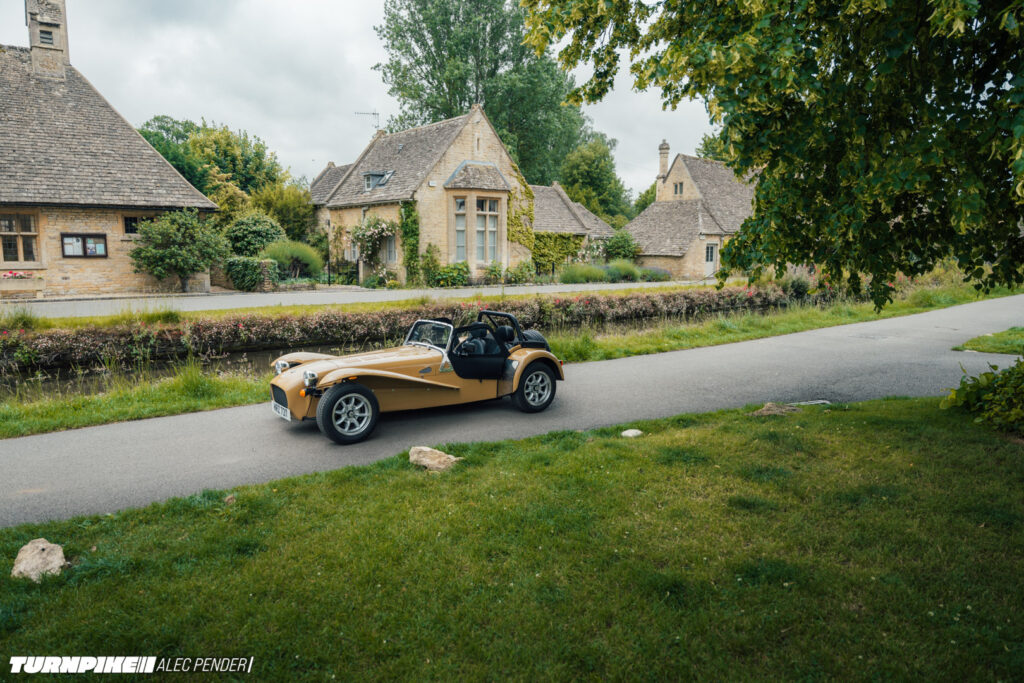
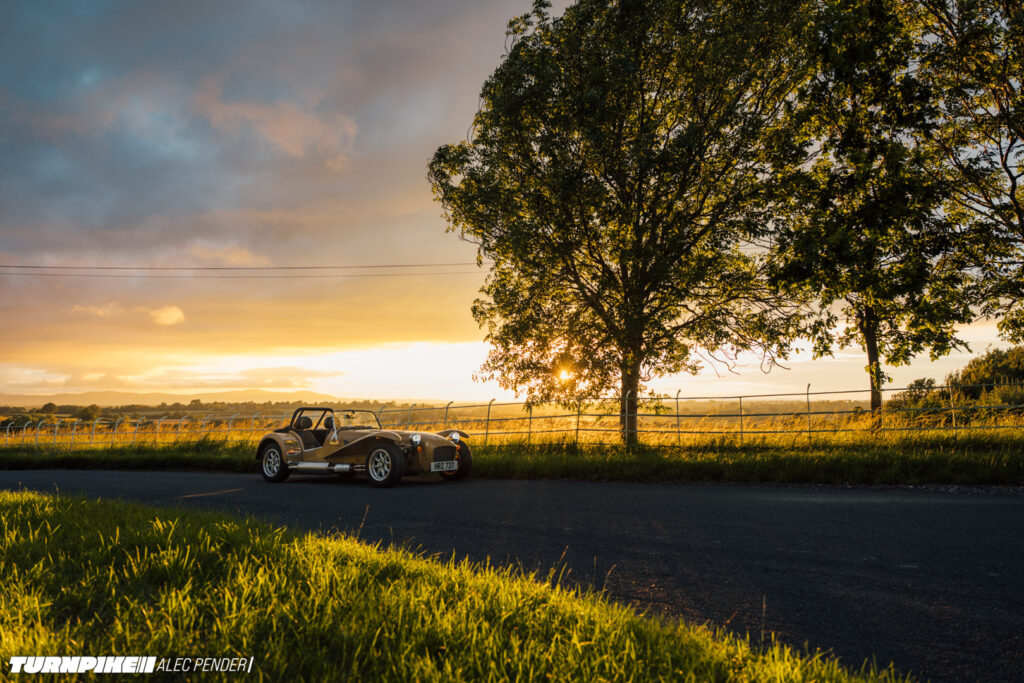
Everyone needs to experience open-wheel driving at least once in their life. Complete sensory overload in the best way possible, like your first rollercoaster as a kid, or your first time bombing it down a hill on your push bike, a thrill that you continue to chase as the years get on.
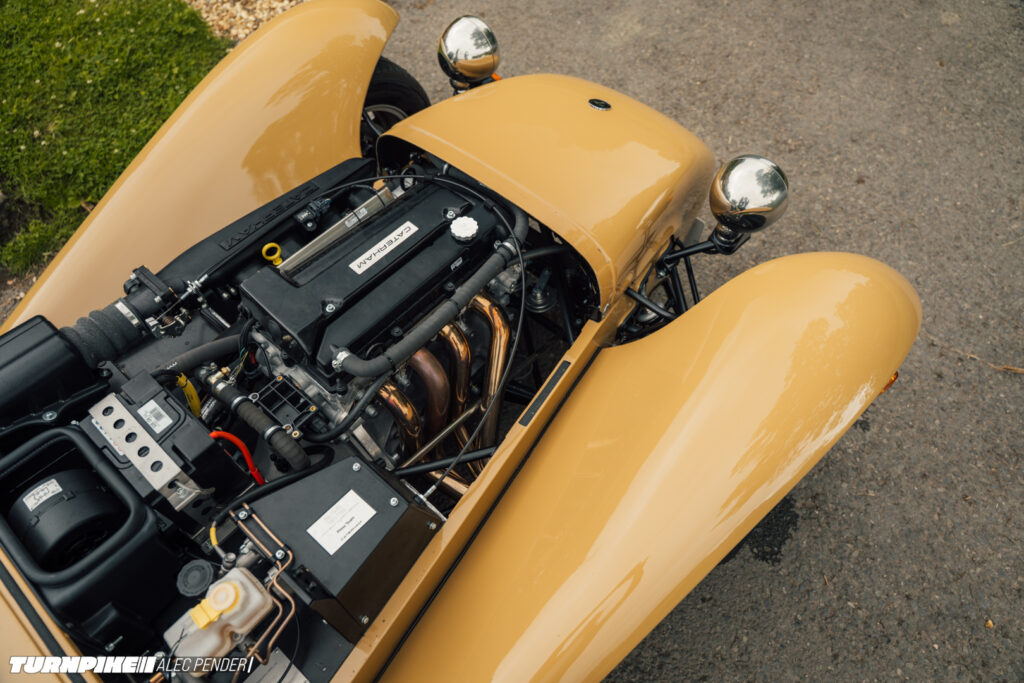
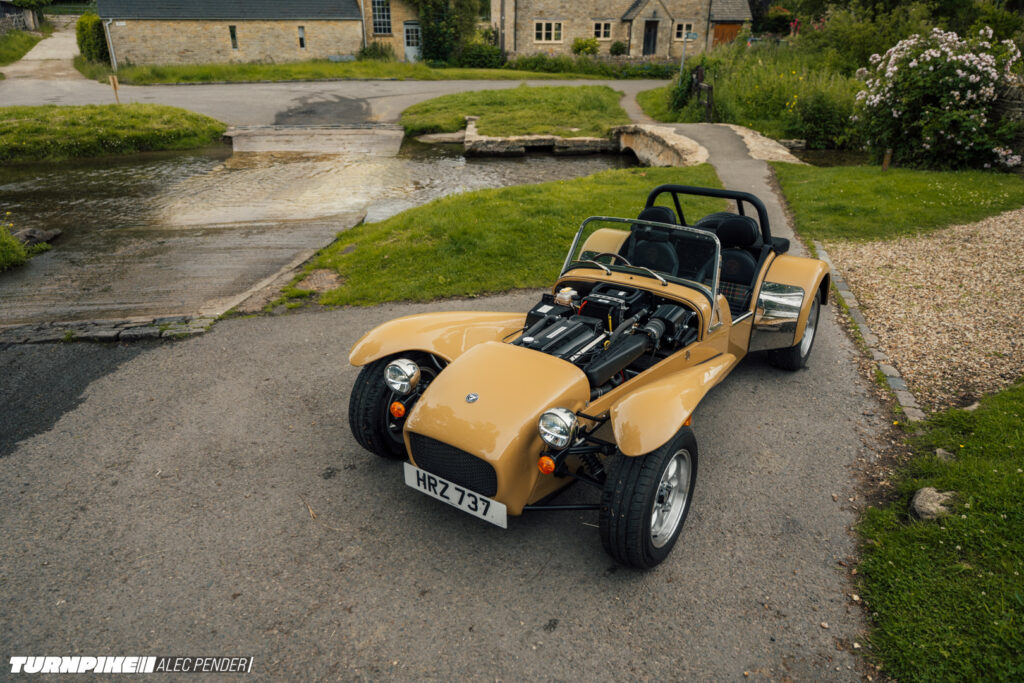
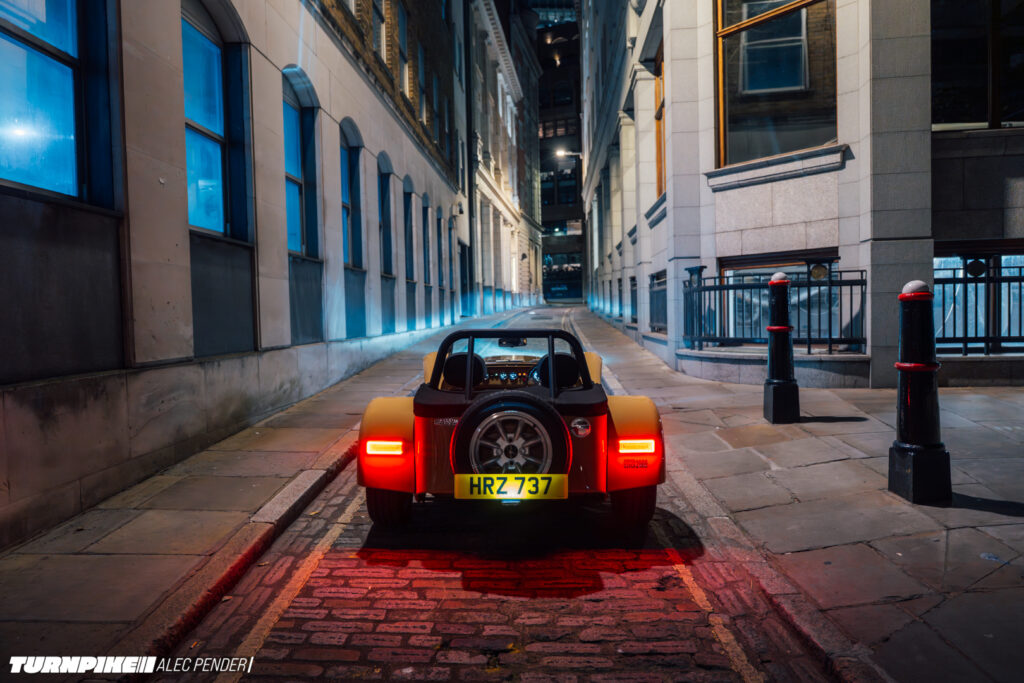
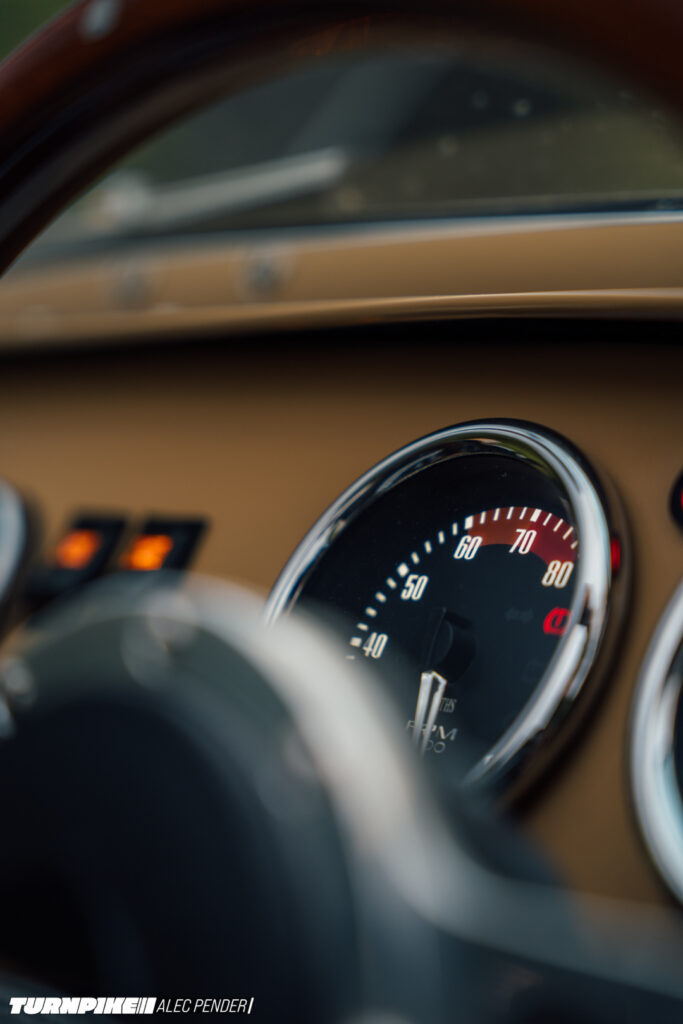
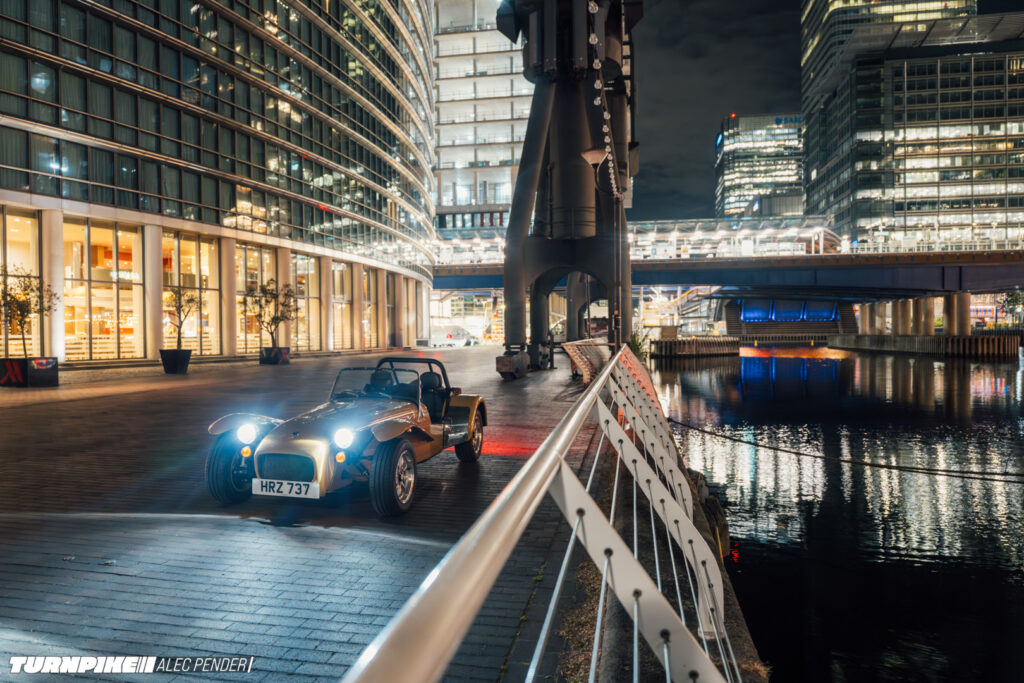
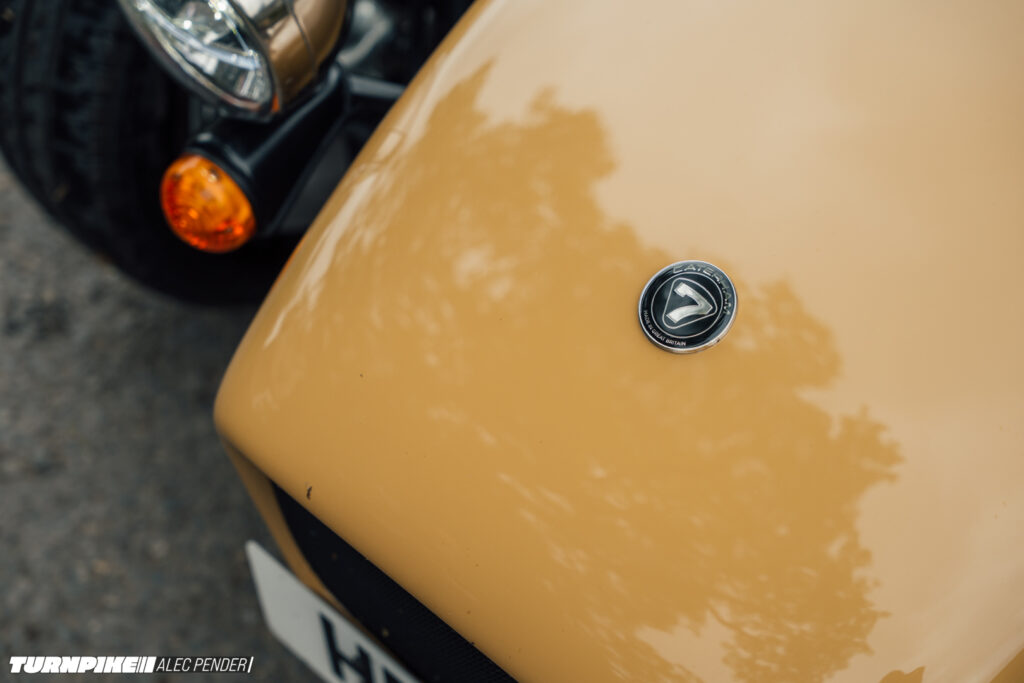
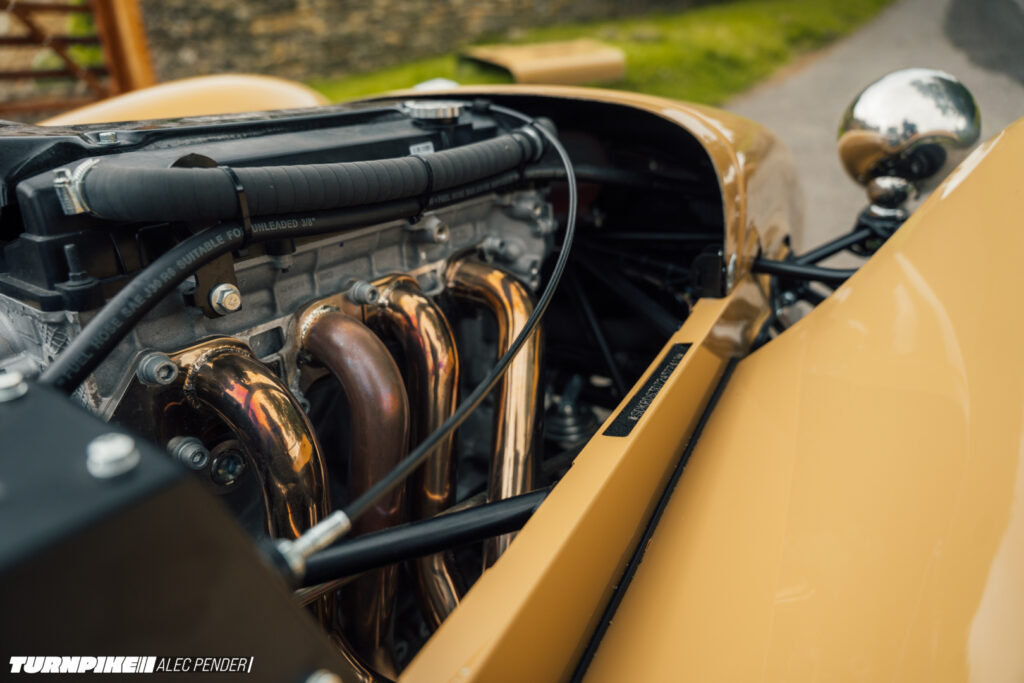
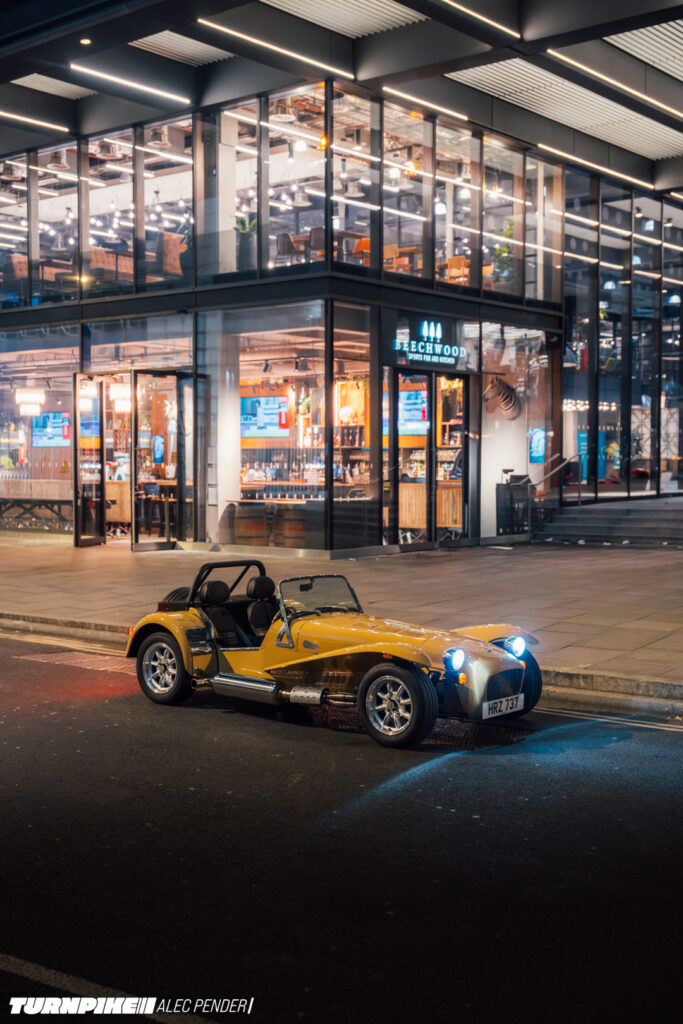
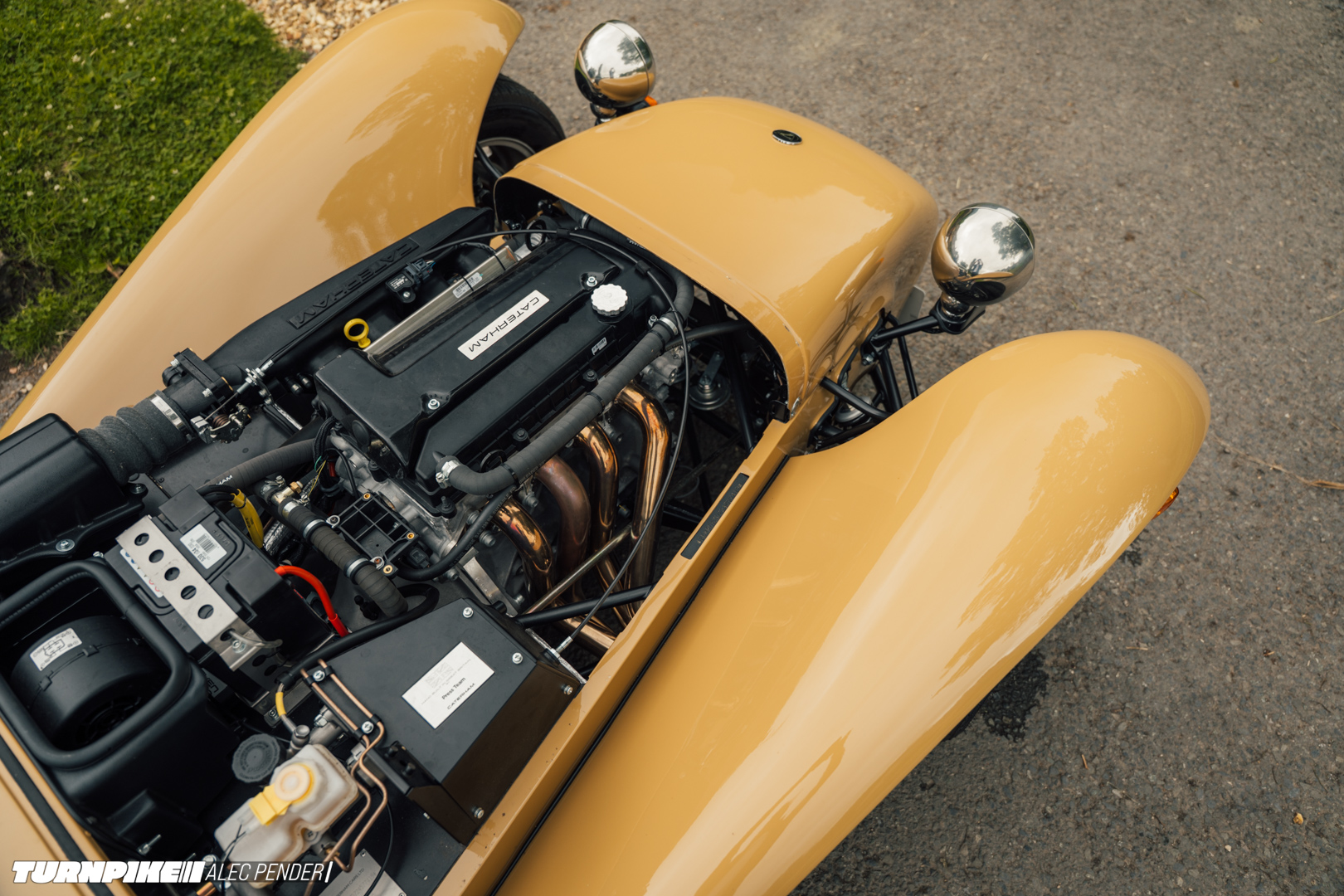
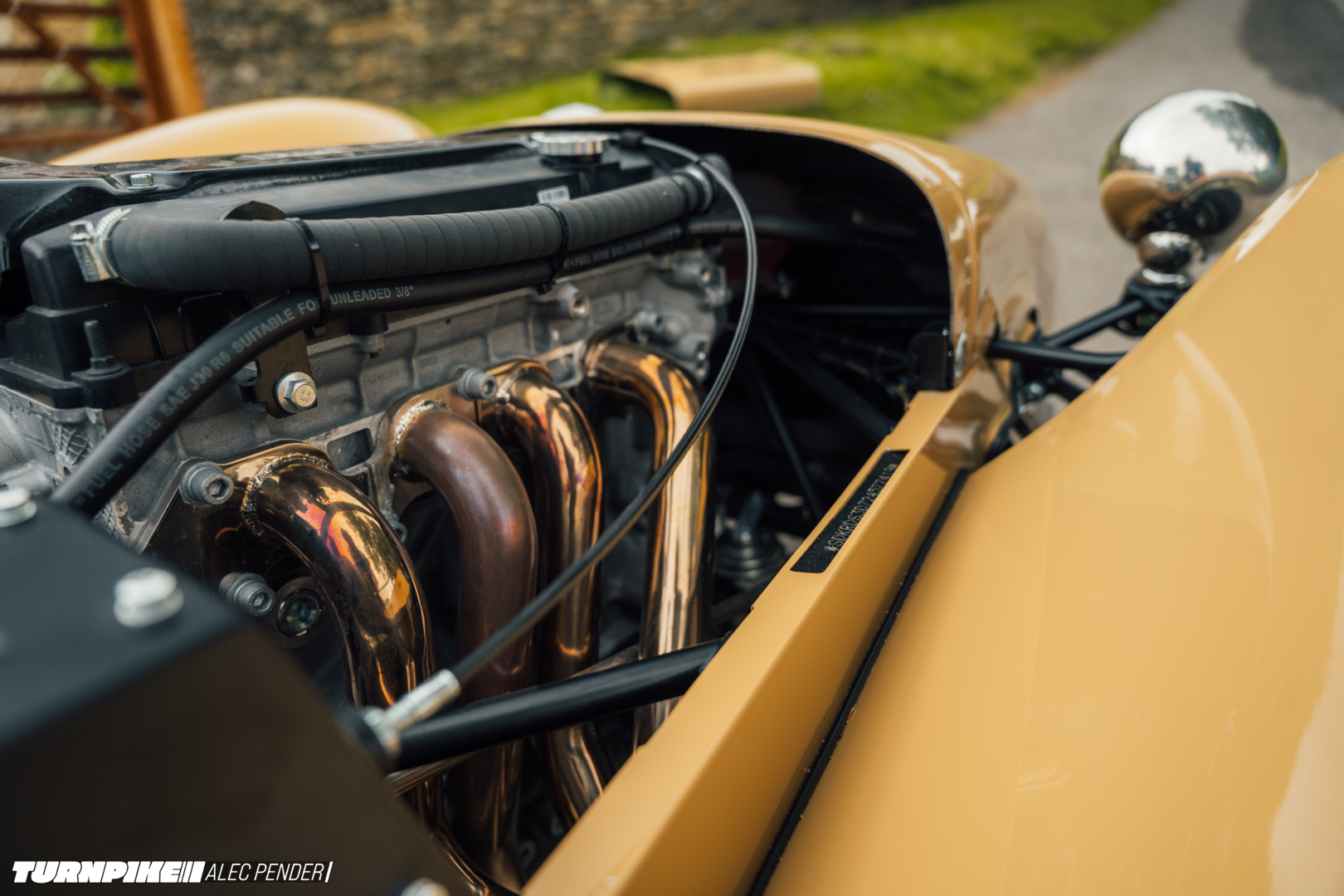
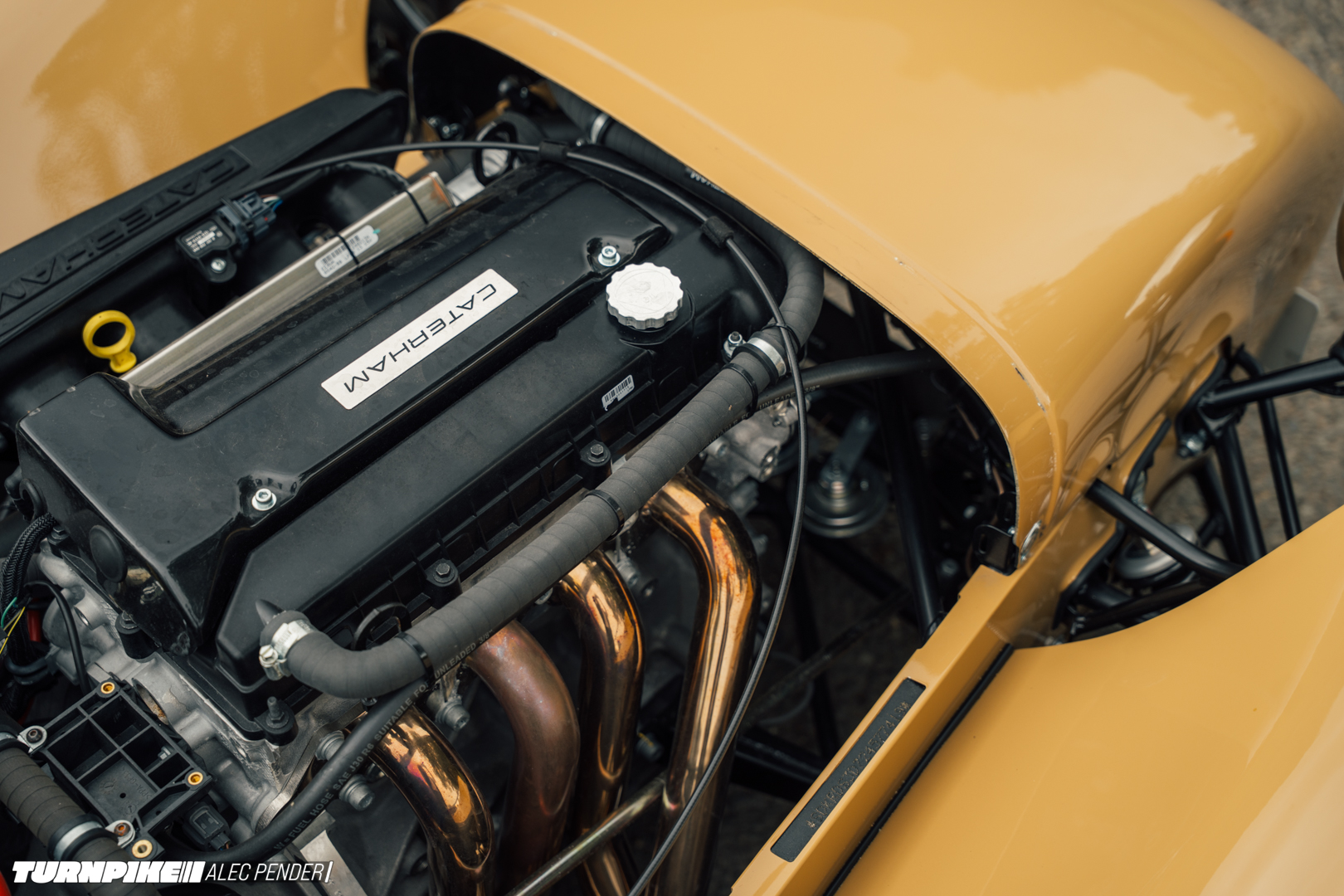
With a 2.0-litre Ford Duratec spinning to 7,300rpm, 180bhp, and a power-to-weight figure of 321bhp-per-tonne, it will do zero to 100km/h in 4.8 seconds. It’s all you would ever need. Pairing that with a steering rack that needs less than two turns lock-to-lock, double-wishbone front suspension, and a live rear end, the car chews up twisty roads just as you might imagine. Bumps and potholes become irrelevant, a much-needed feature on UK roads, and moderate speeds feel like land speed records.
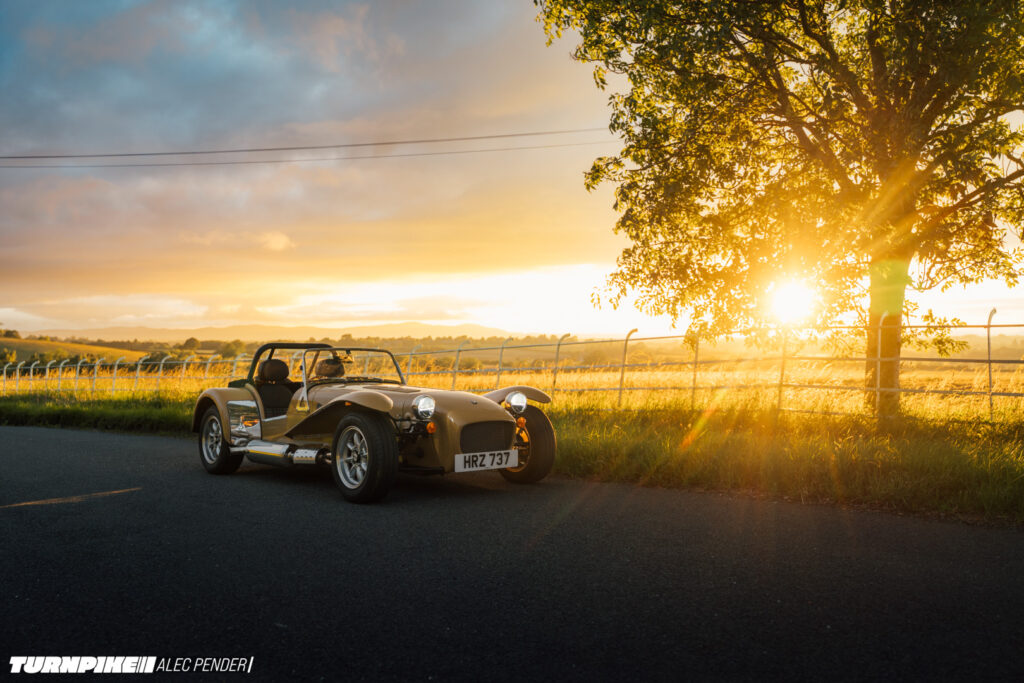
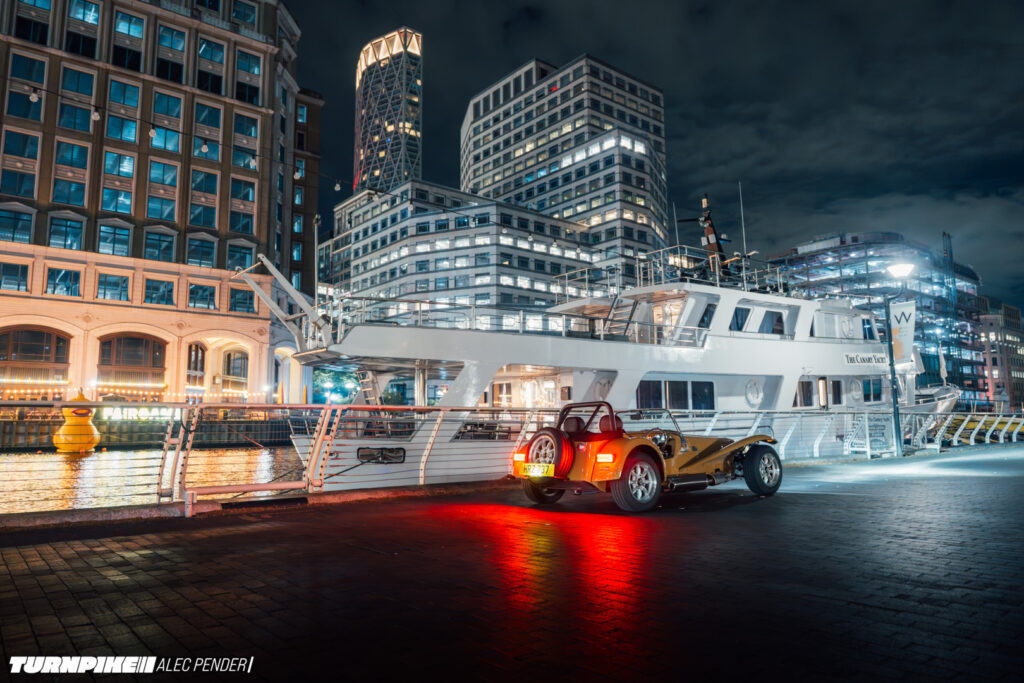
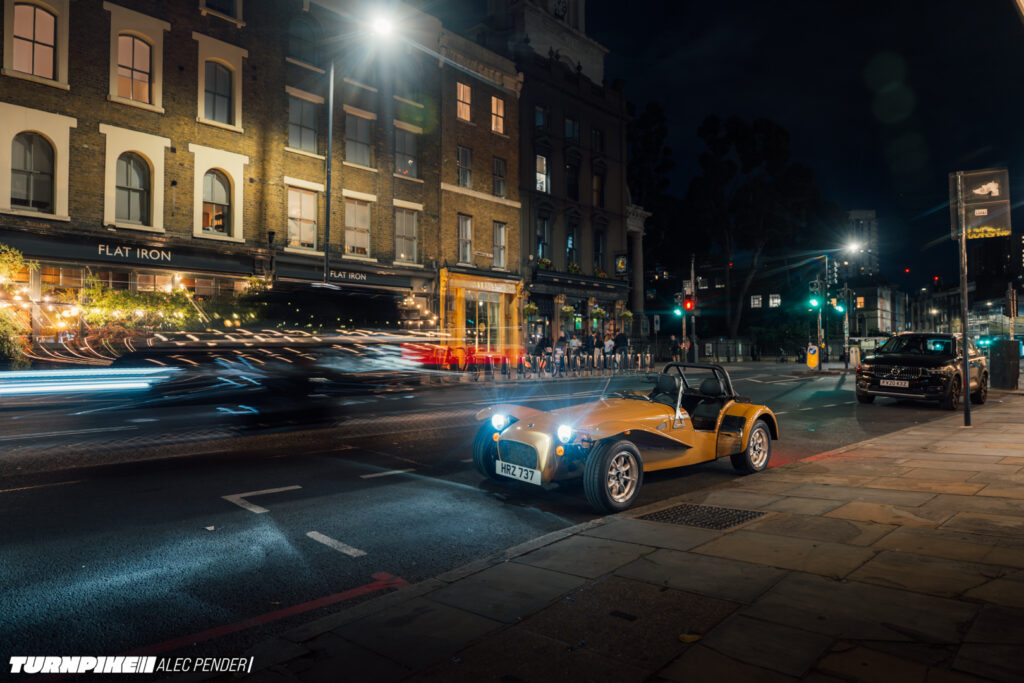
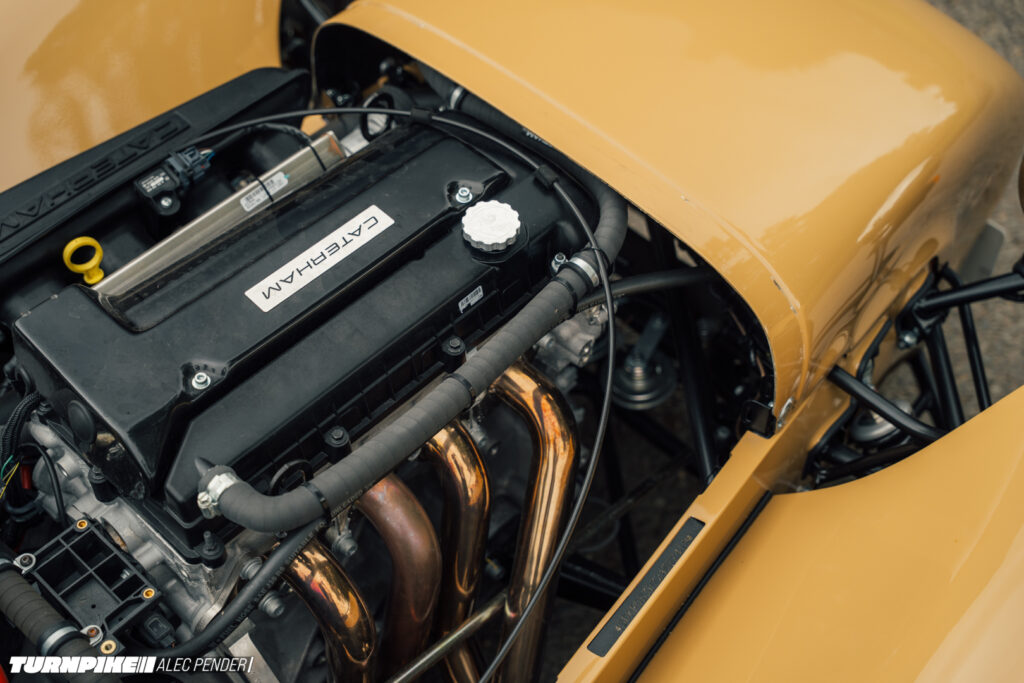
Caterhams are everything I love about my AE86 in a car that you can still buy new today. The raw driving experience isn’t dead; it’s just been hiding in a small factory in Britain, being hand-built 500 times a year. In a world racing towards silent and self-driving, Caterham is quietly proving there’s still a market for loud and analogue.
Thank you to the team at Caterham for the keys and the most British week of my life. Next up, a look inside the facility where these machines come together.



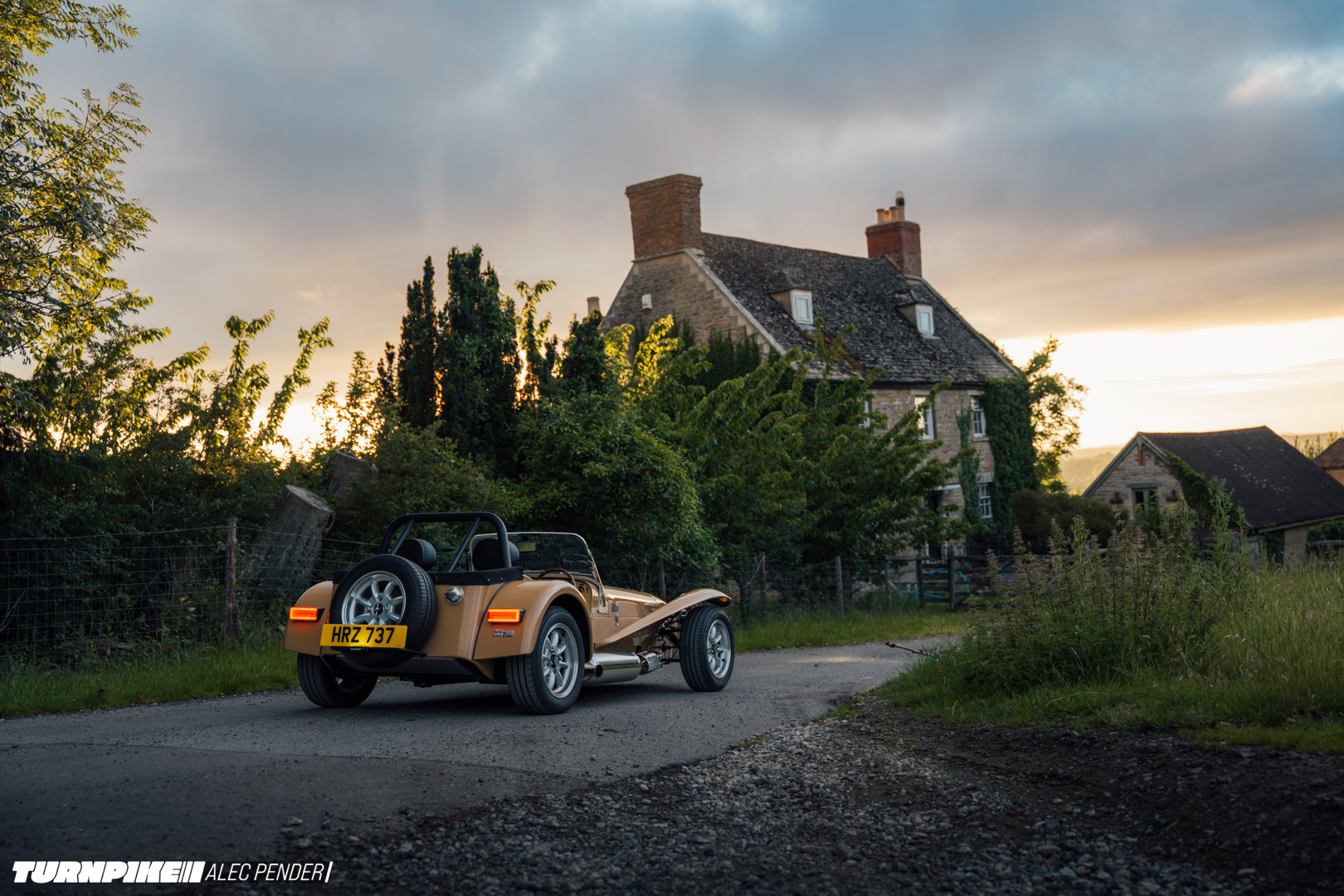
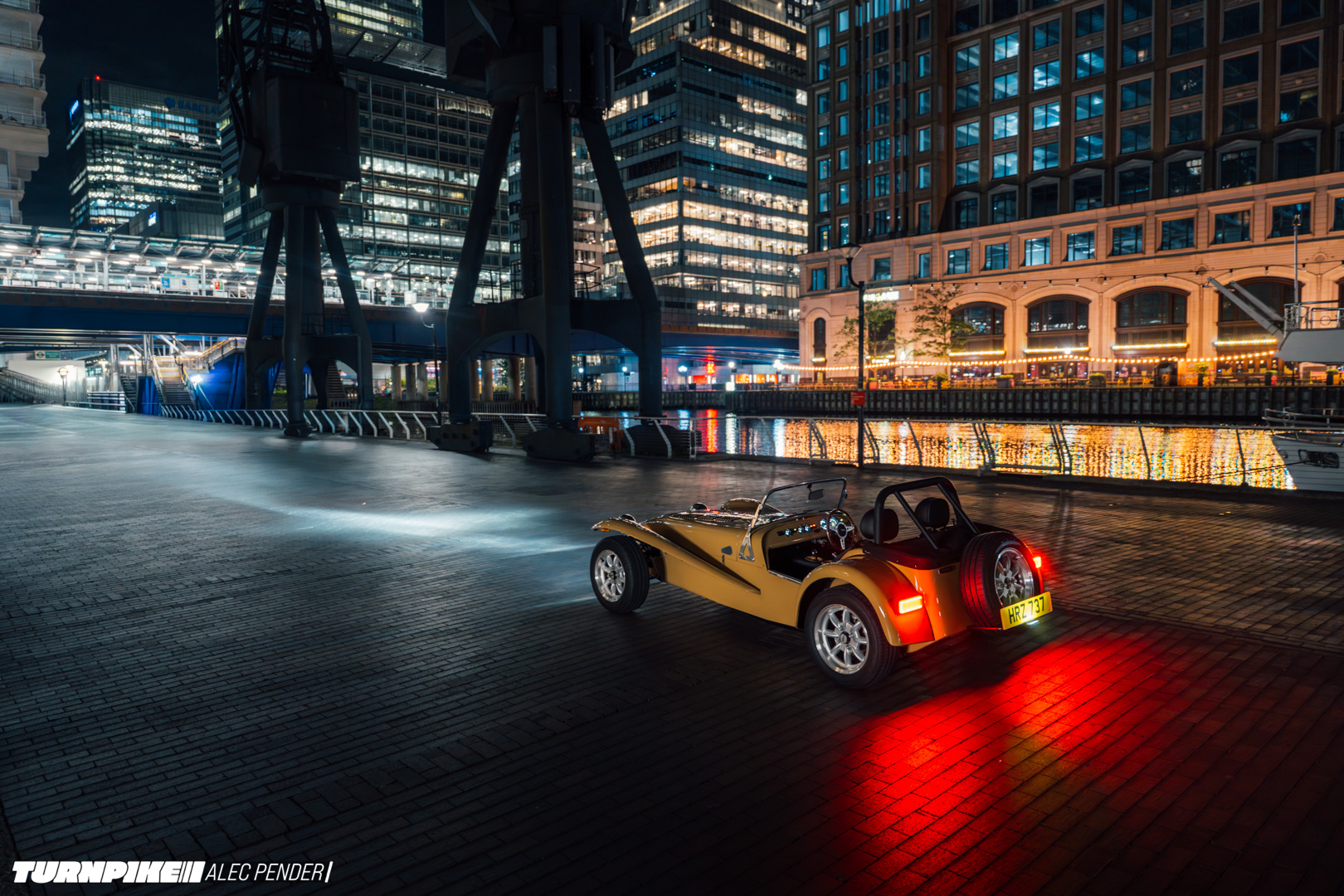
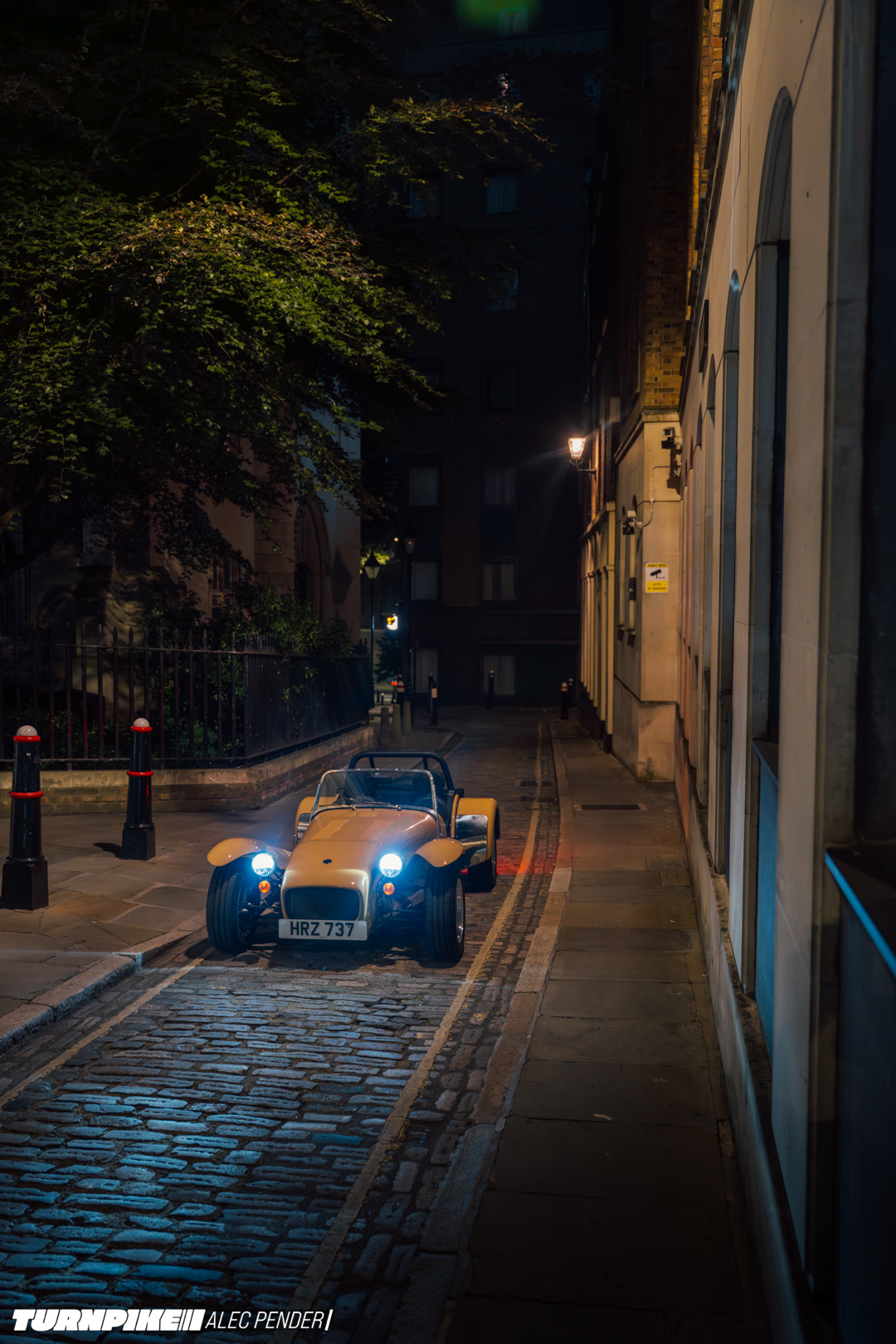
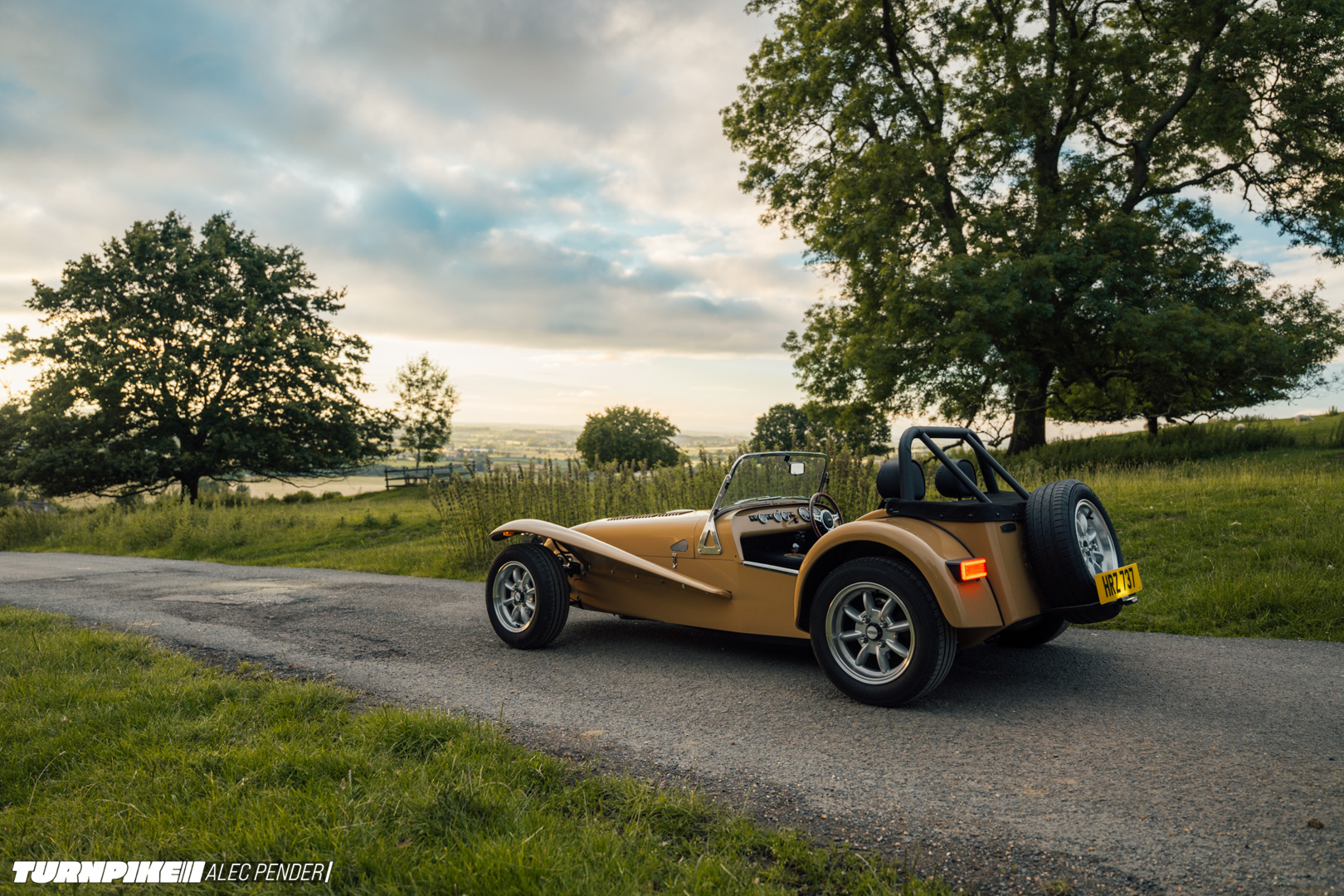
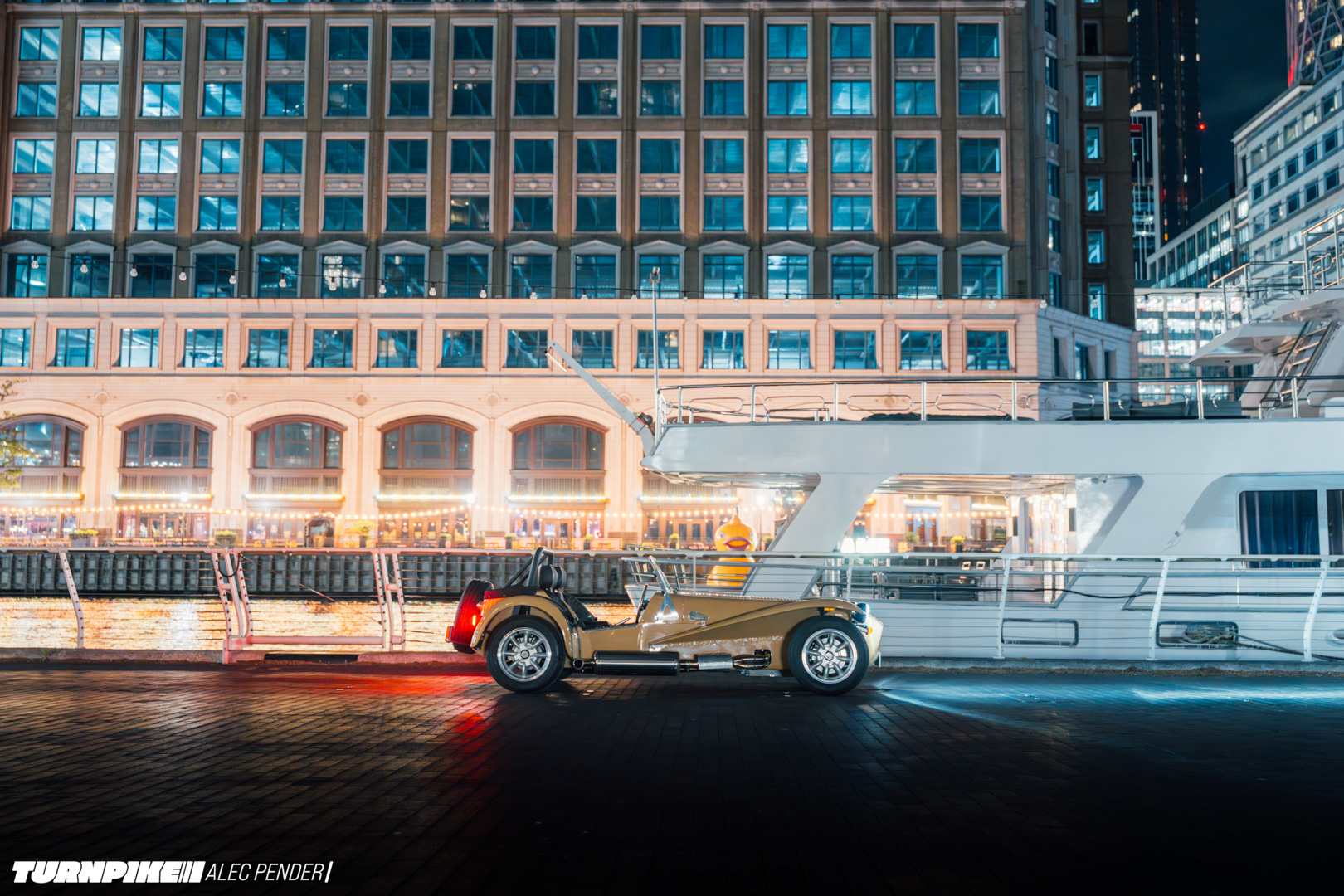
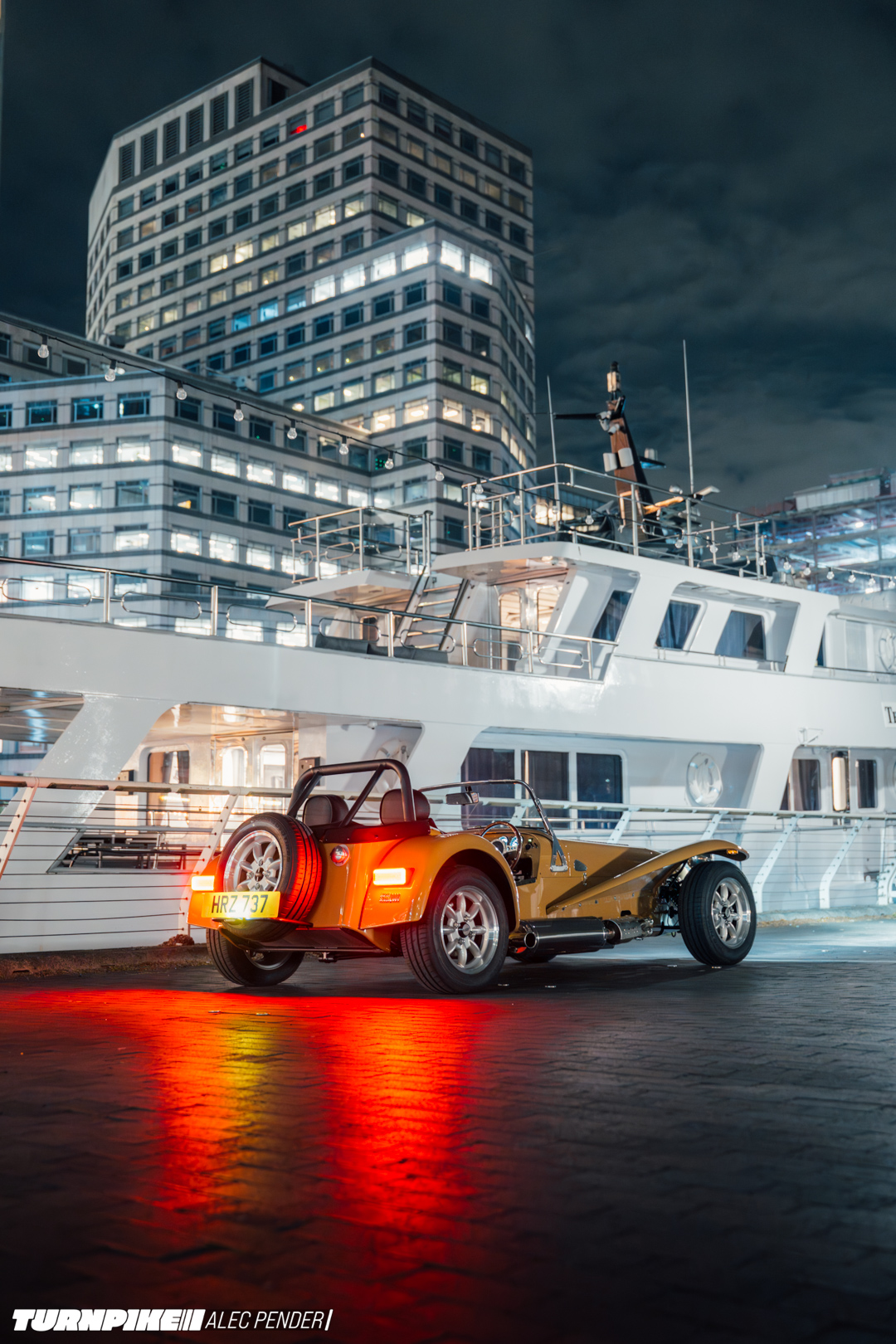
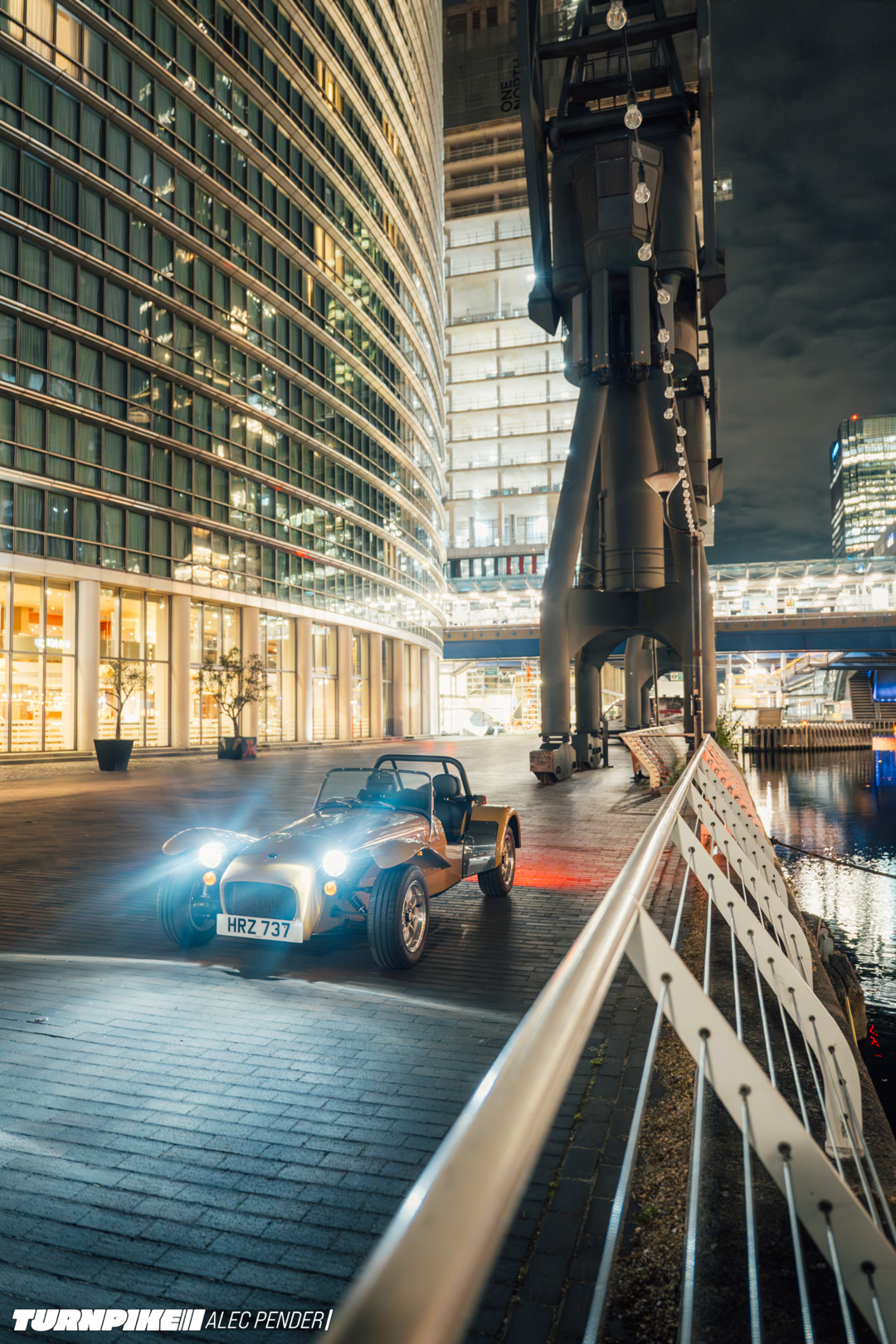
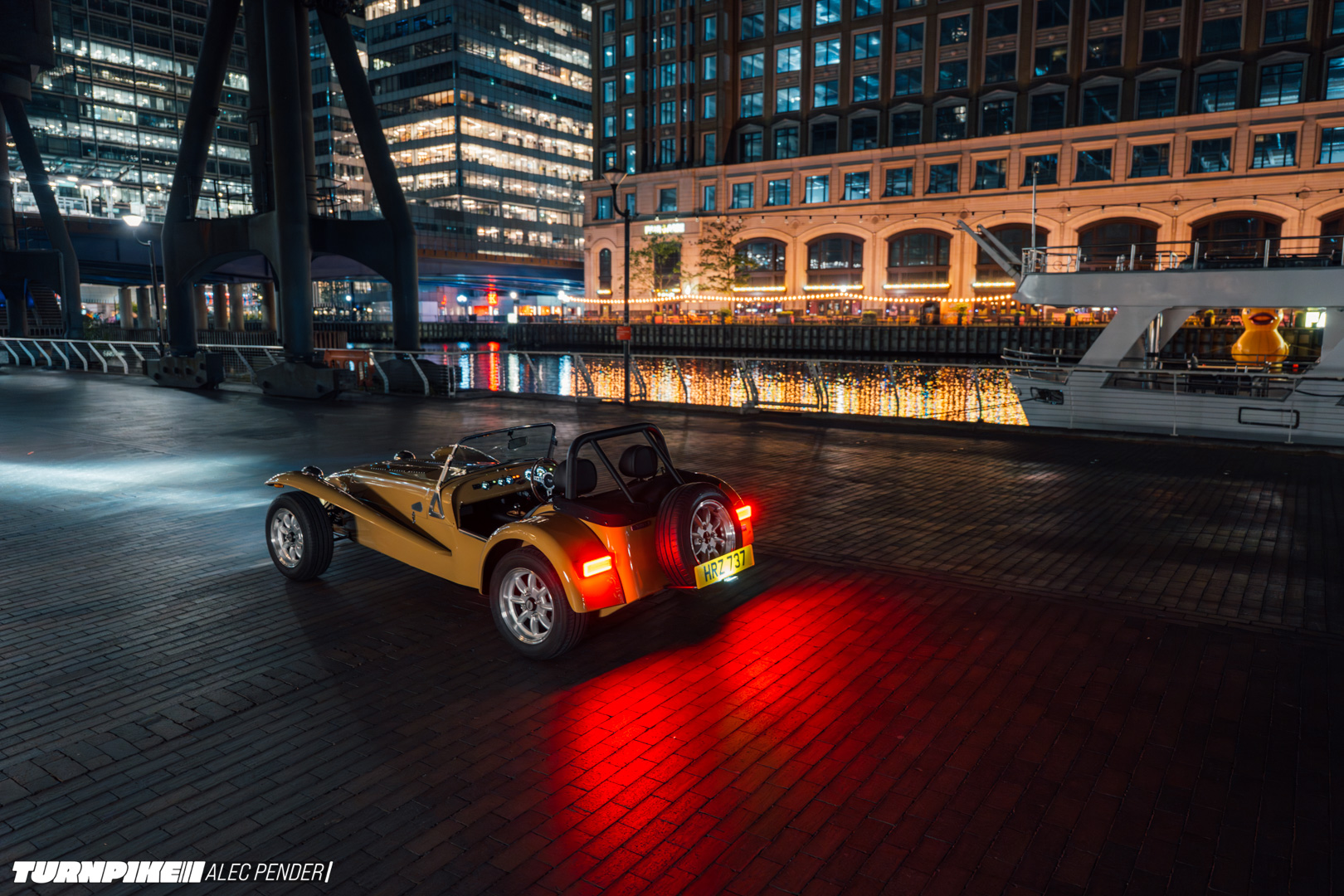
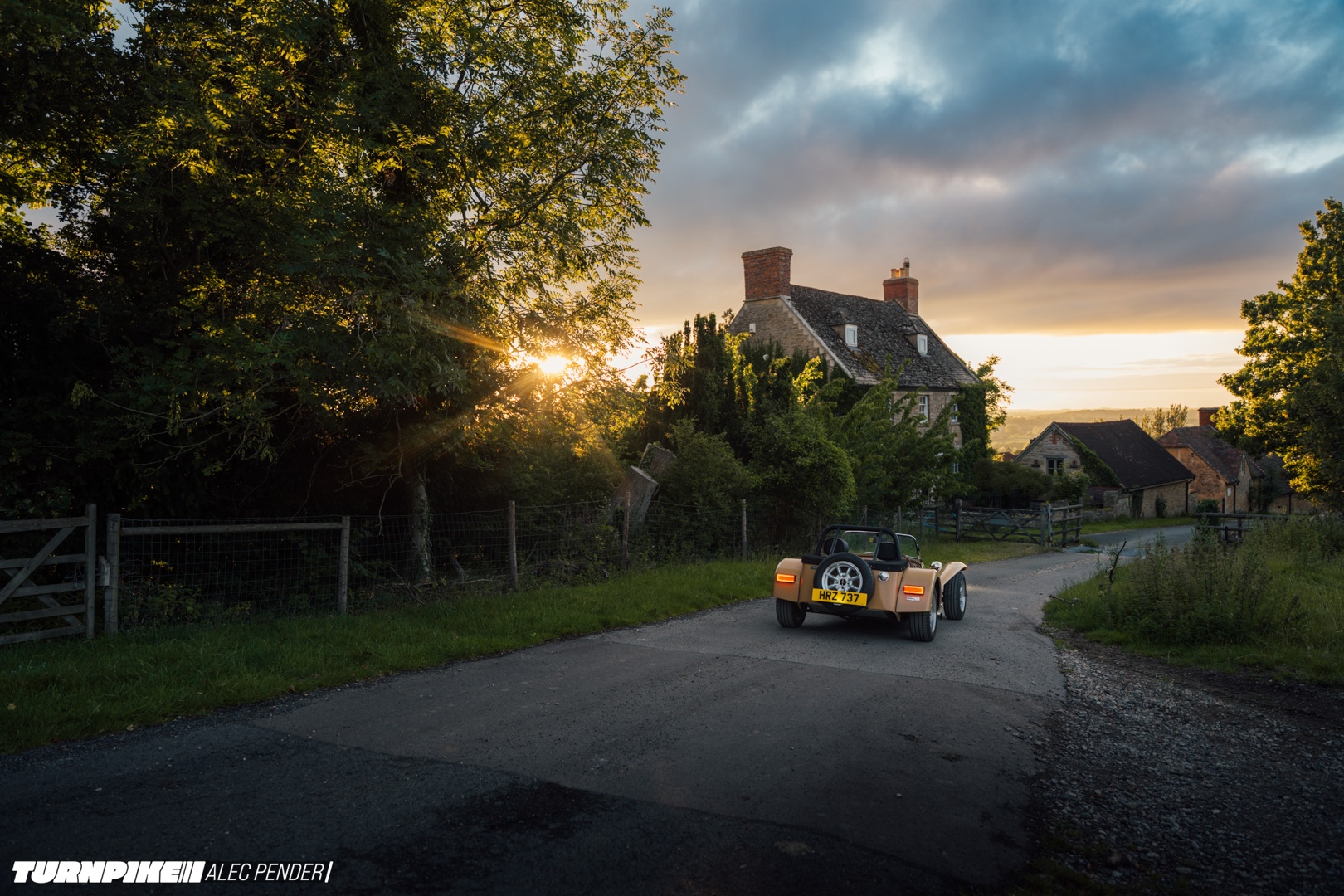
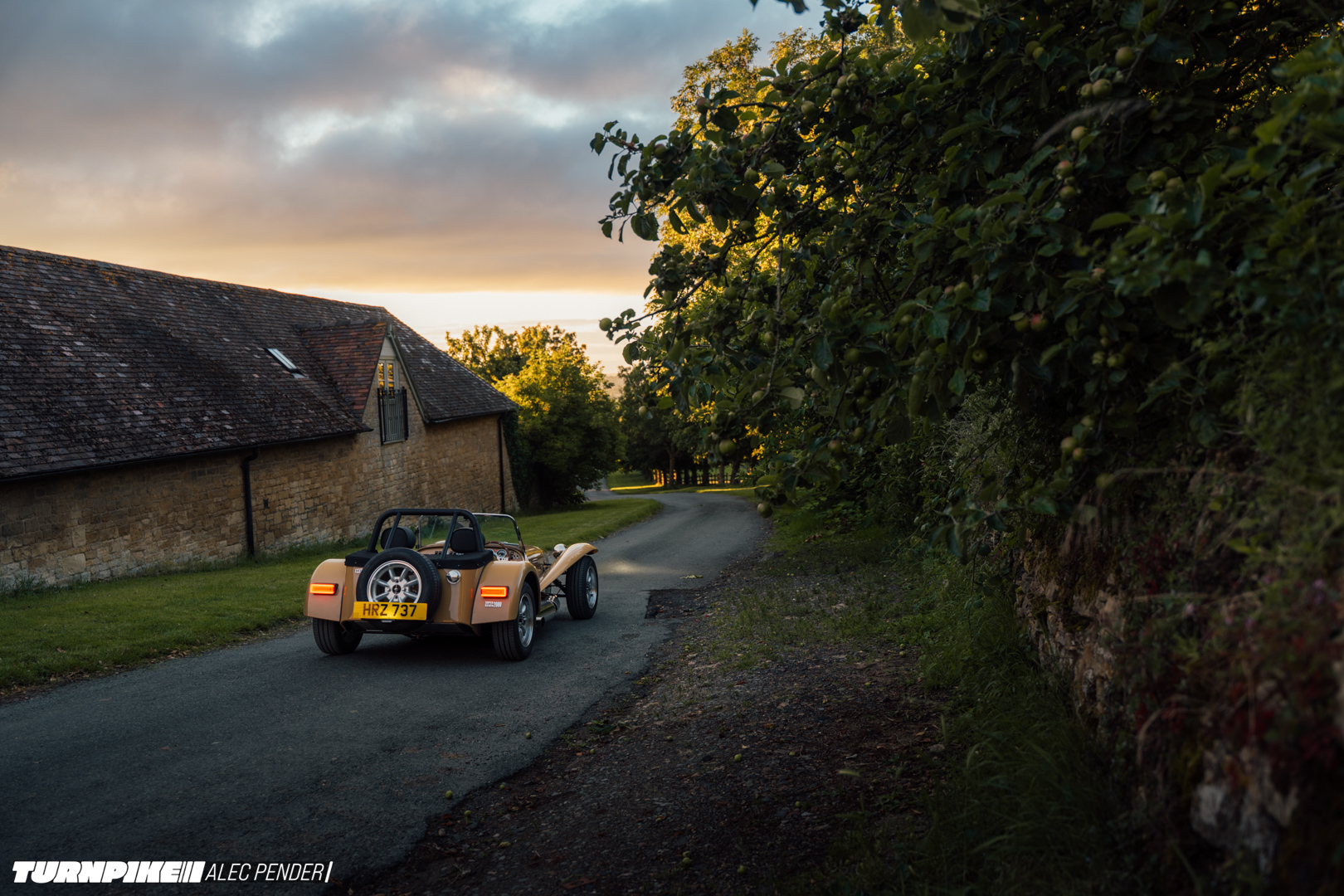
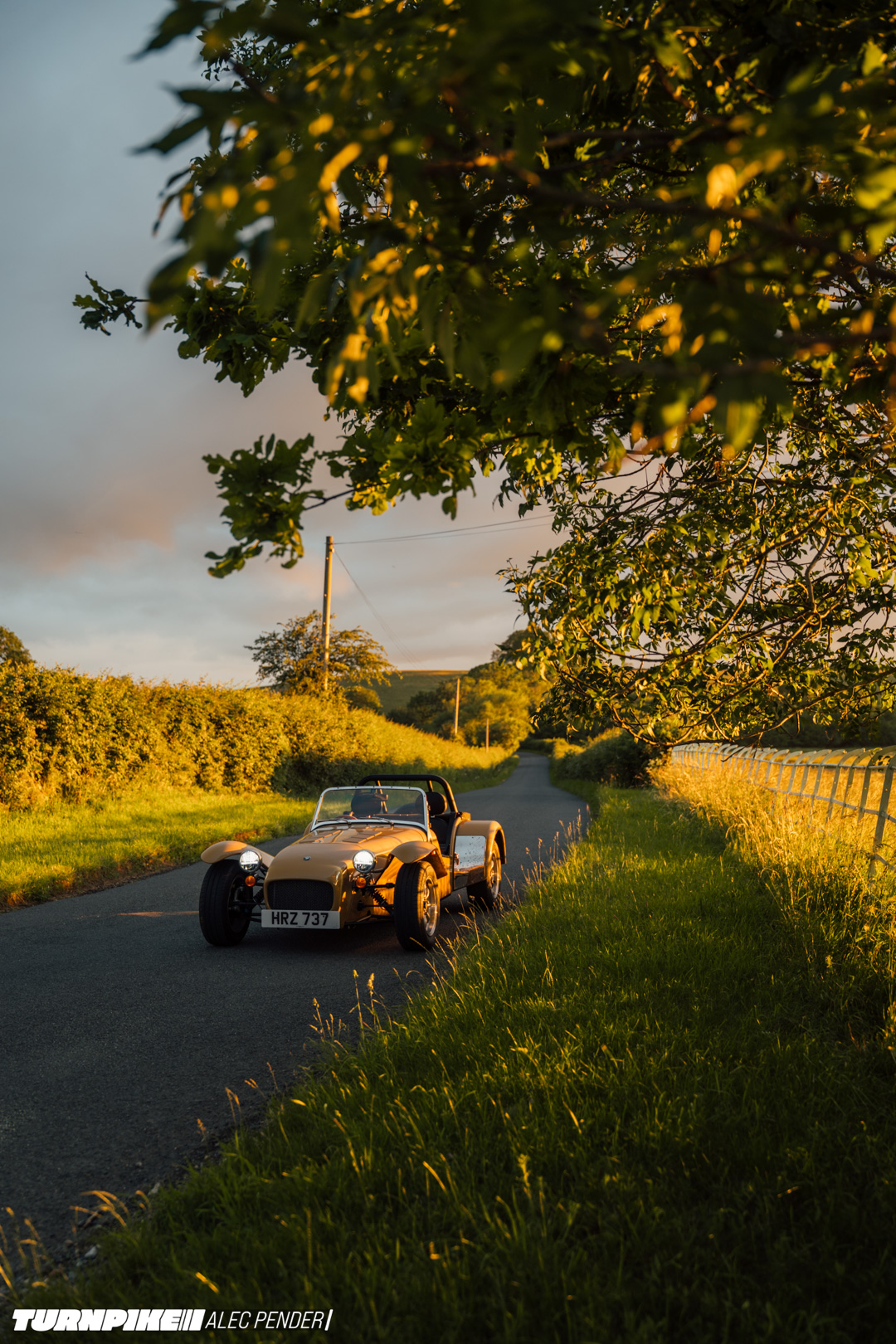
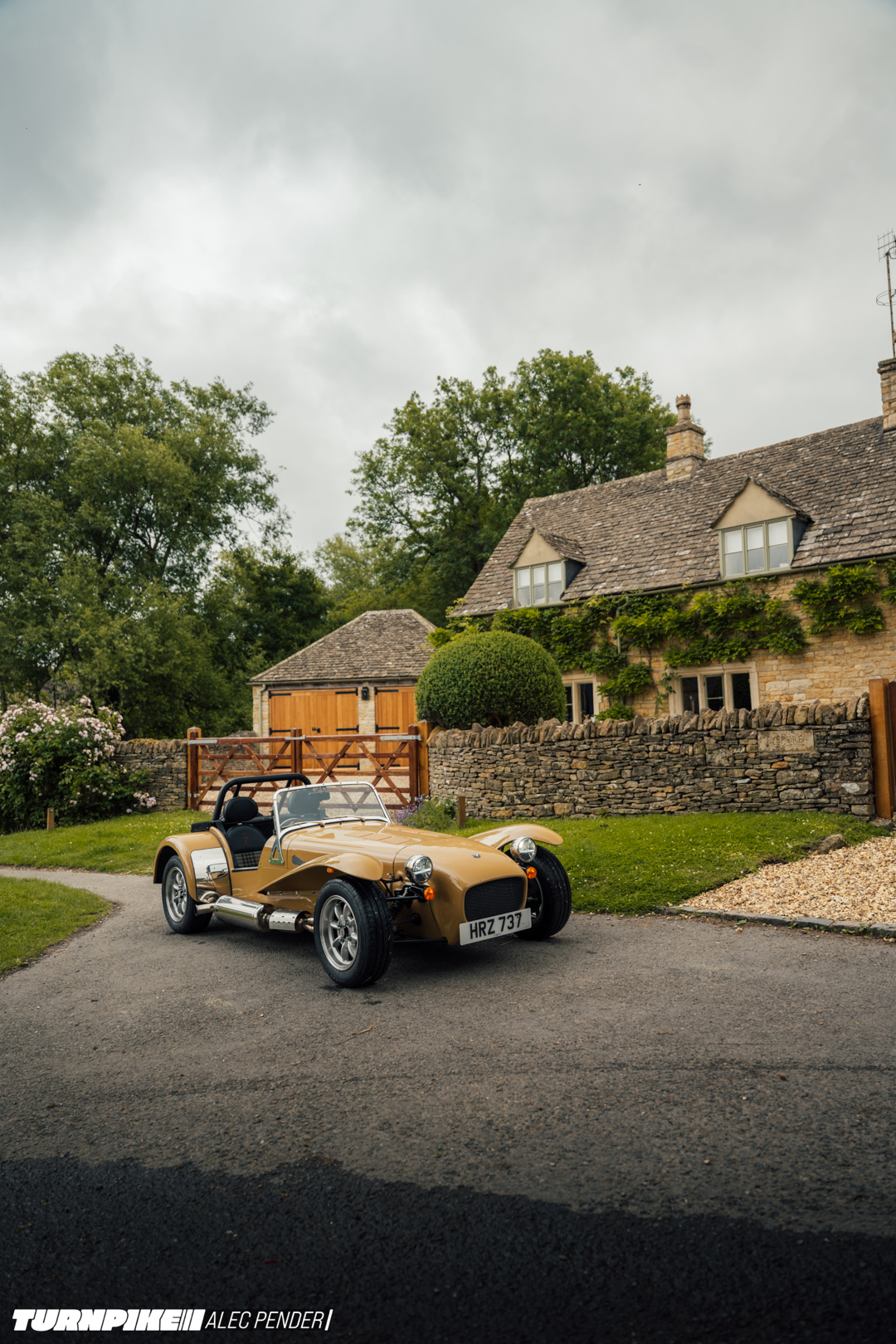
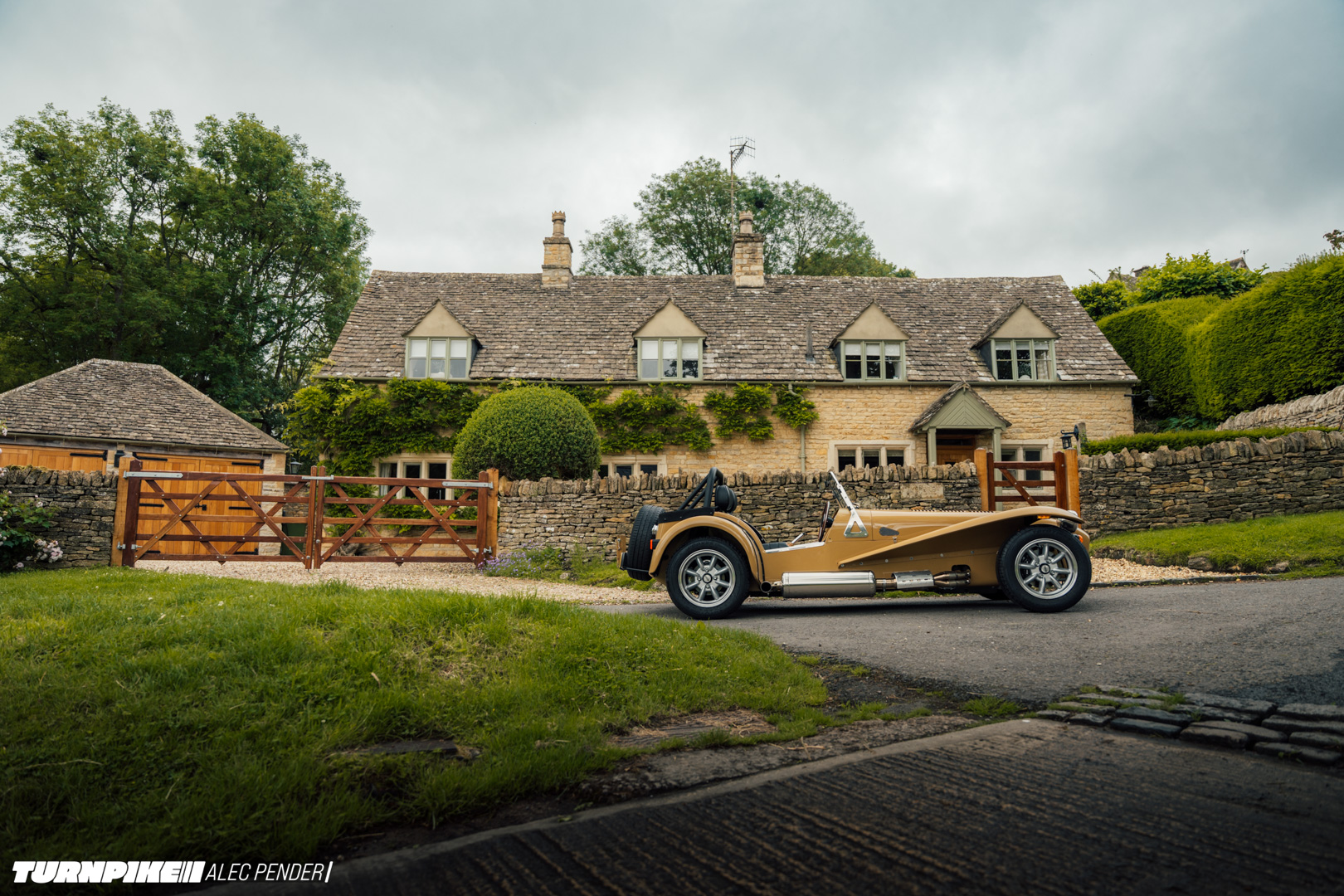
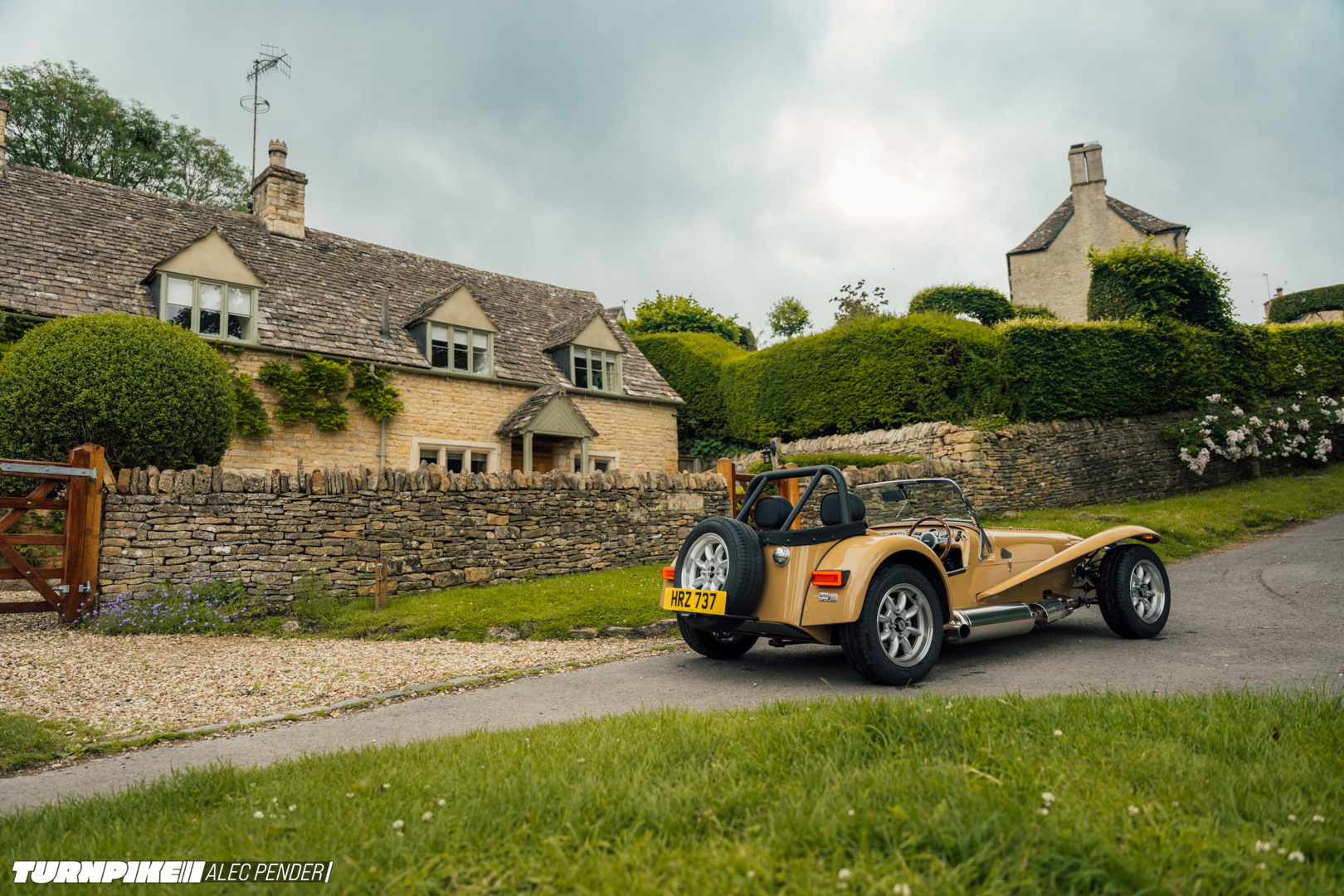
I’ve lusted after a 7 since I was a kid. My dad’s old buddy raced an original series 2 in some vintage classes and I was captured by the mix of extreme performance and attainability, a working mans best effort.