
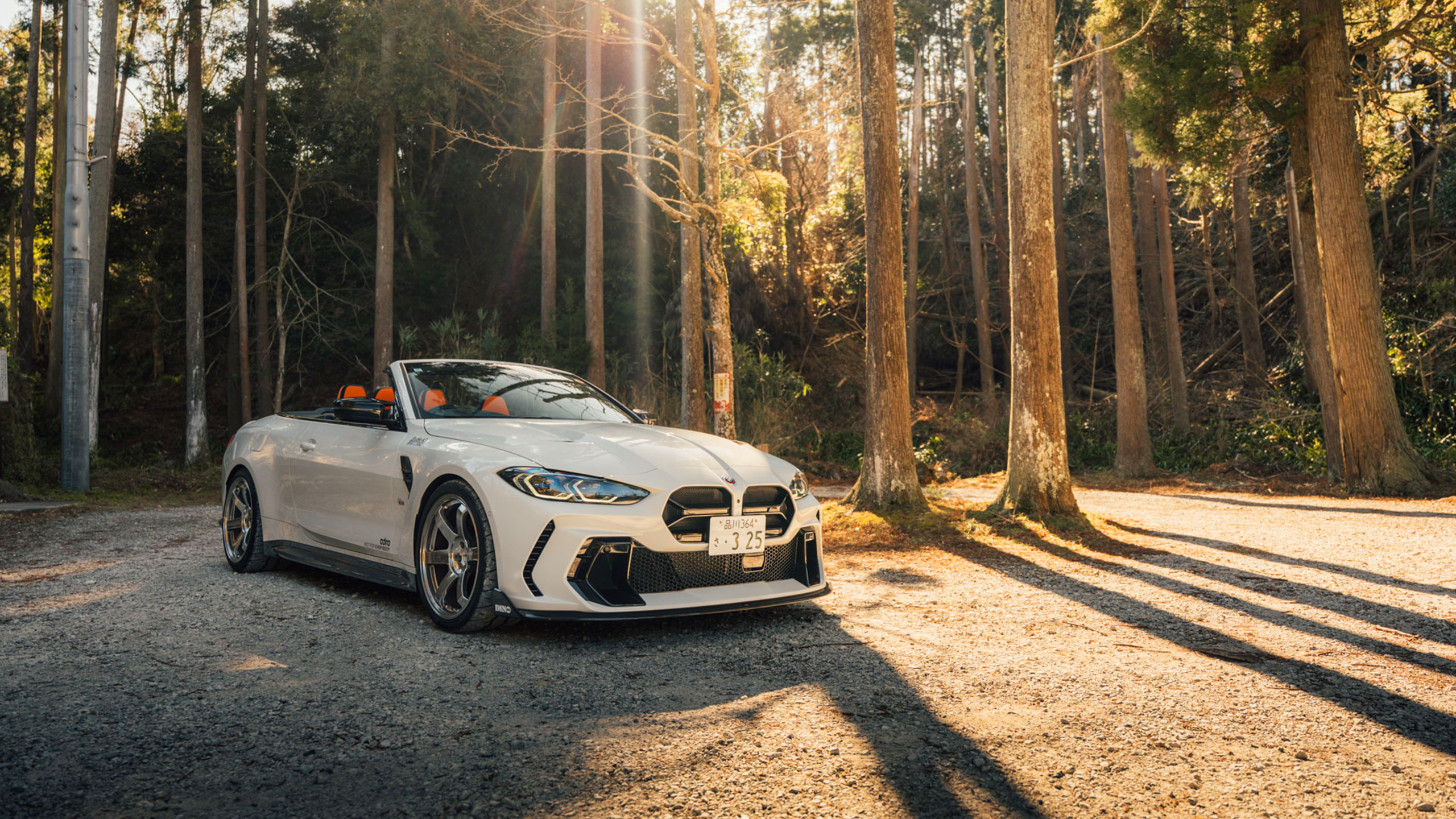
I’ve spent most of my career covering Japan’s car culture in all its forms, and over this time have always been impressed by the Japanese talent for visually enhancing cars with aftermarket upgrades. While it never really mattered what the base car was, imports in particular always had something special about them here in Japan. They just seemed to look better than in any other country I’d seen them in.
You know that satisfaction you get when you see a perfectly stanced car – it just sits right, running the ideal wheel offsets and tire fitment, finished off with top-tier parts inside and out. It’s the same feeling that’s kept me, alongside playing with Japanese cars – most notably my R34 Skyline GT-R – having import side projects on the go at the same time.
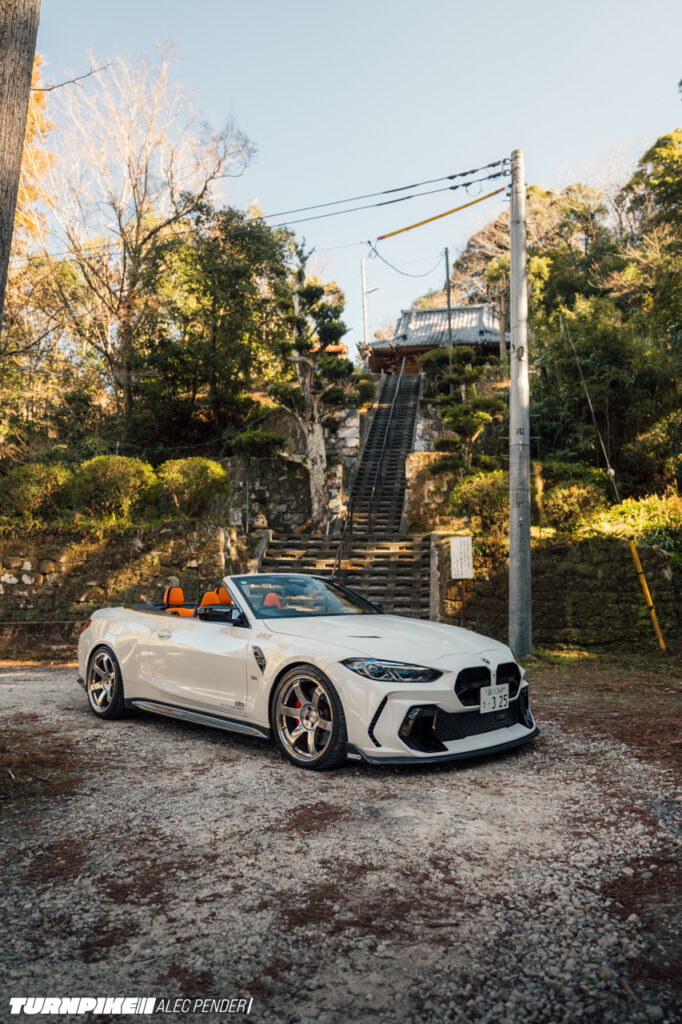
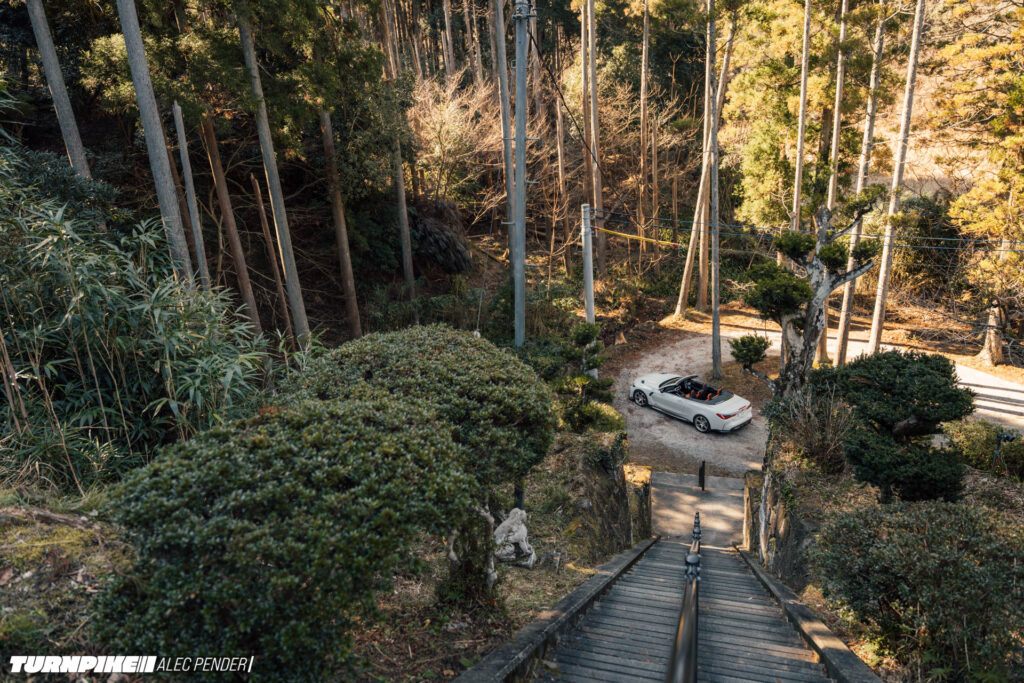
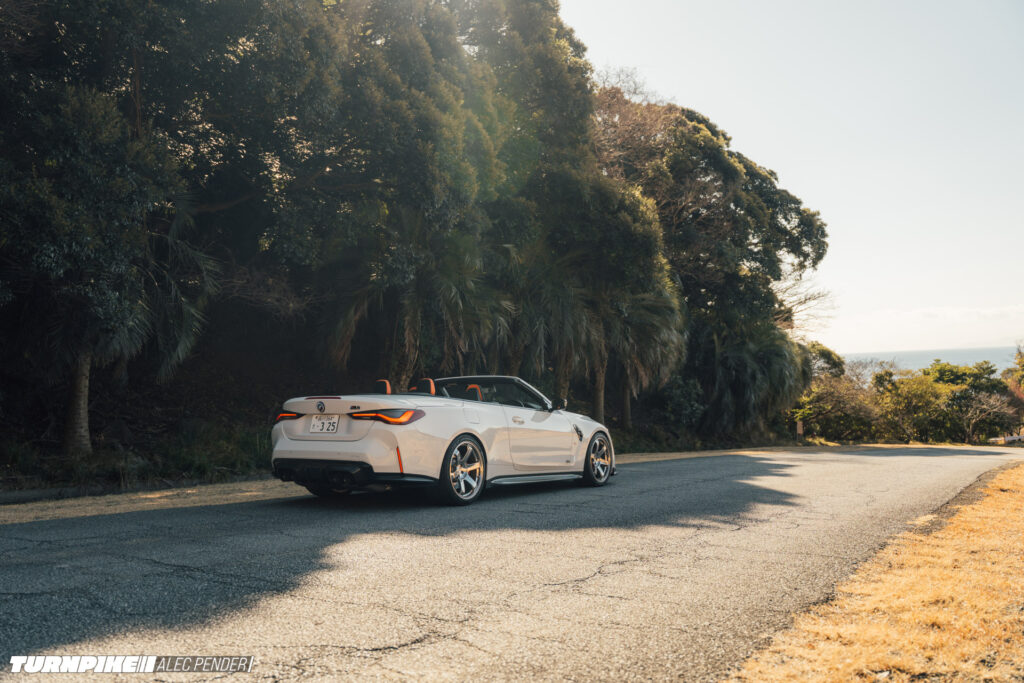
While the 964 and its path towards becoming an RWB 911 came later, I’ve always had a soft spot for BMWs – or perhaps more accurately, my wife passed that on to me. When we first met, she’d already worked her way through a few: a Z3 to start, followed by not one but two E46 330Ci models, the second an LCI with the LED tail lights. That love for Munich’s four-seater convertibles continued with a turbocharged E93 335i, which quickly became a favorite of mine thanks to its twin-clutch transmission.
After that, we moved on to an F33 335i – the first BMW I built as a project car on a certain online blog we were all part of back in the day. I loved that car; black on black with 20-inch BBS RI-D wheels, it was the perfect cruiser for Tokyo. Then came the F33 440i, where I flipped the script with a white exterior and BBS LM-Rs with polished lips and metallic silver centers.
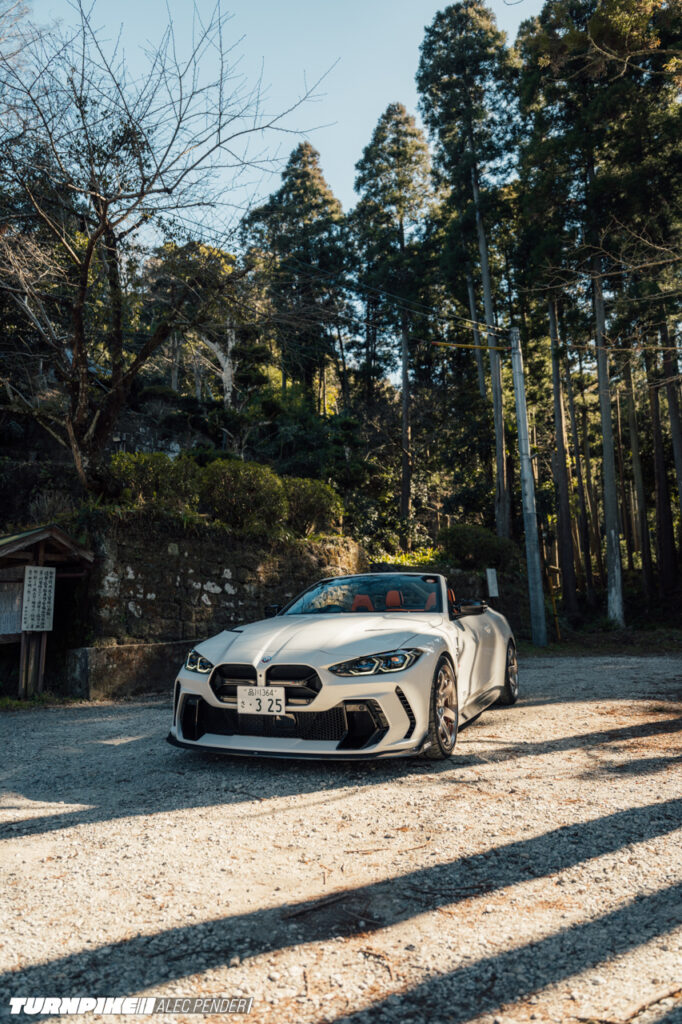
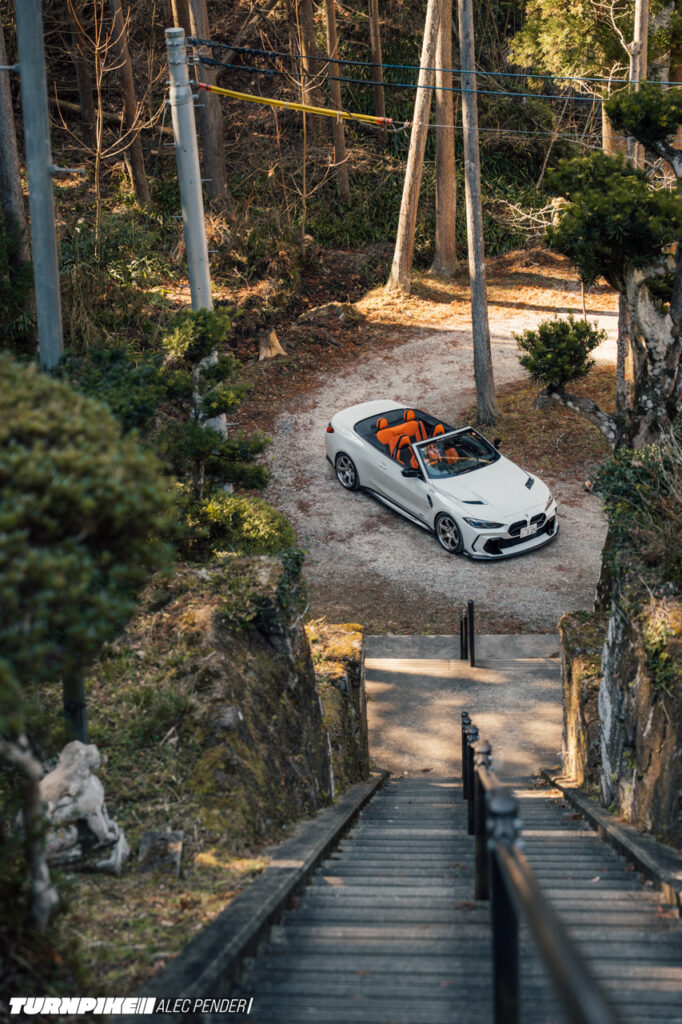
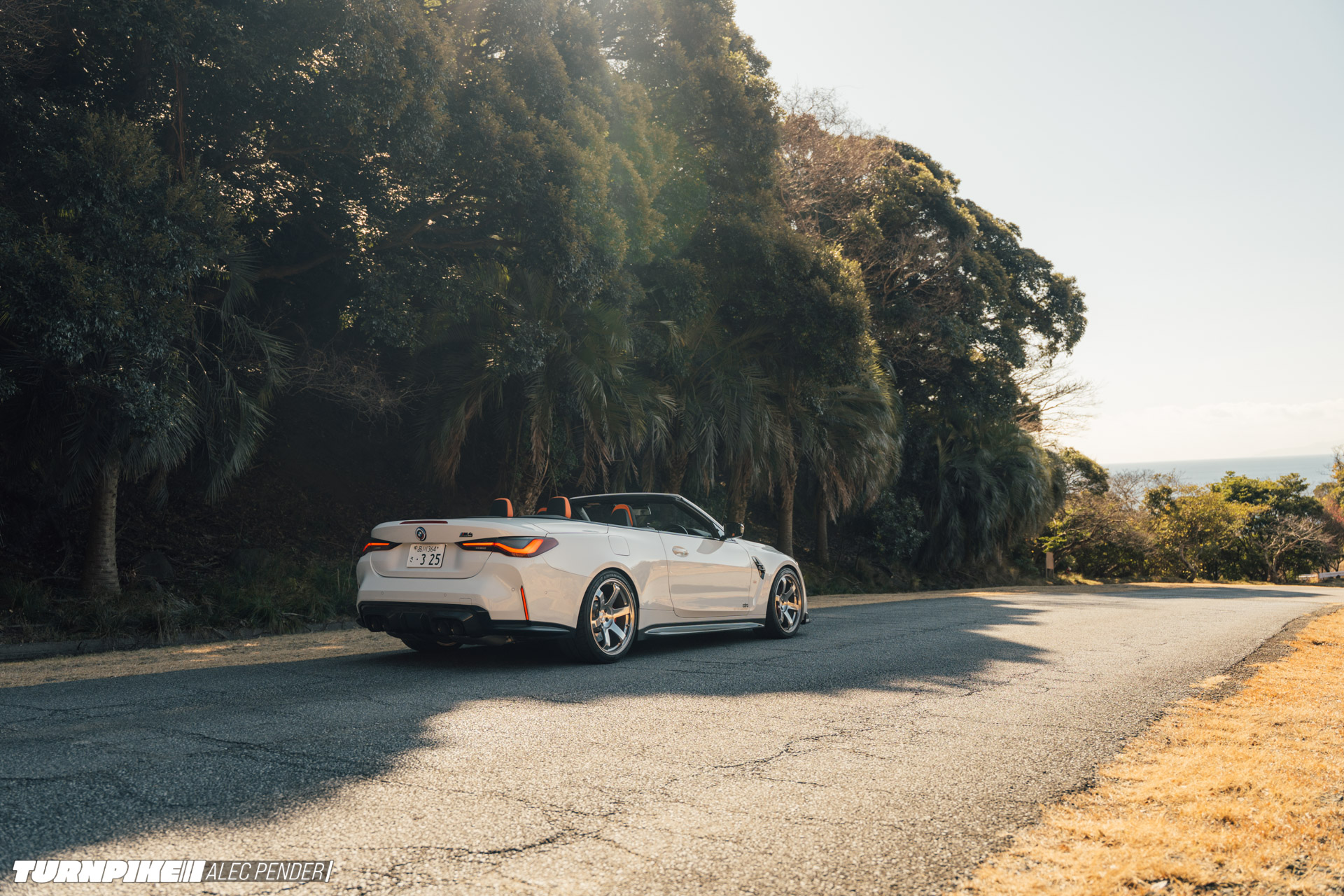
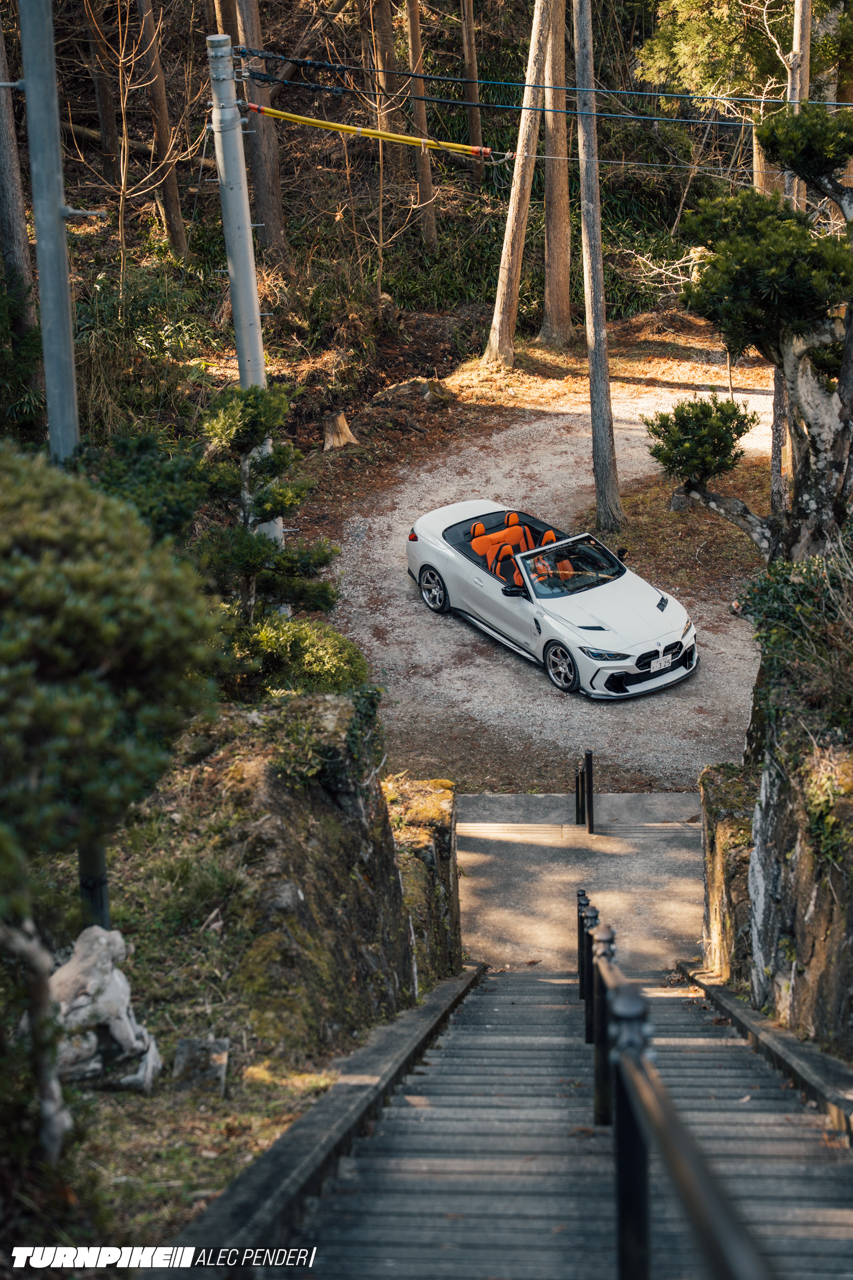
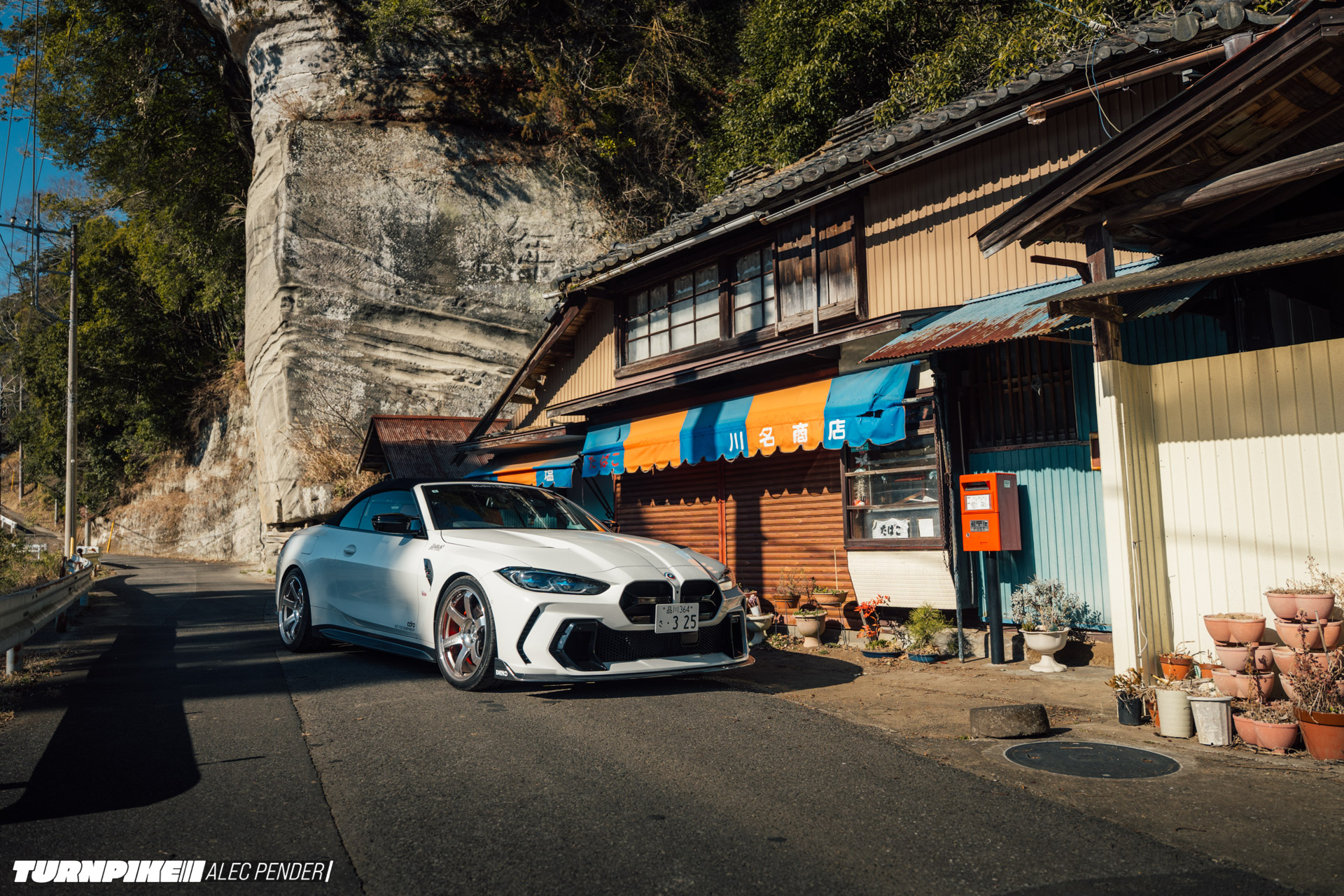
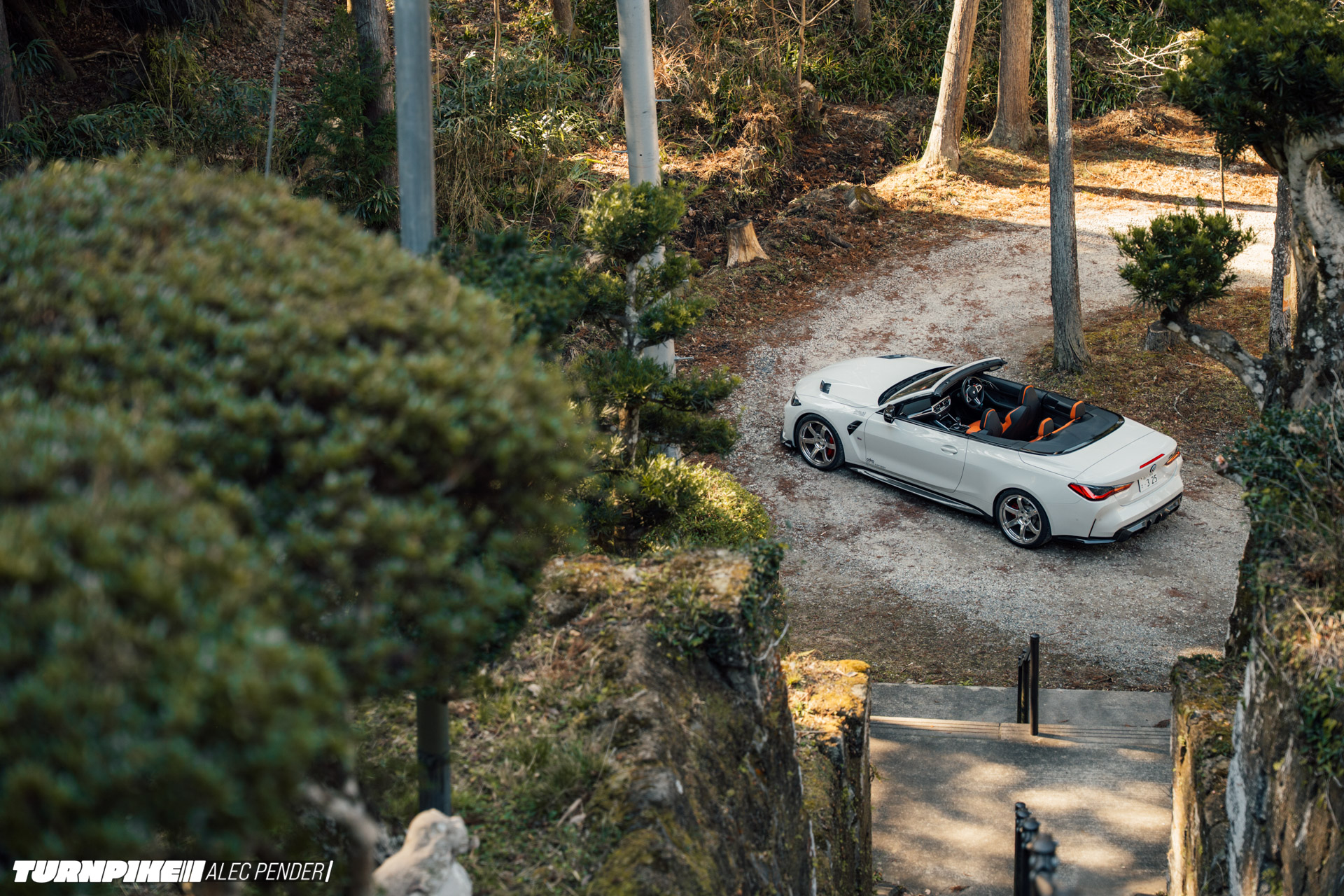
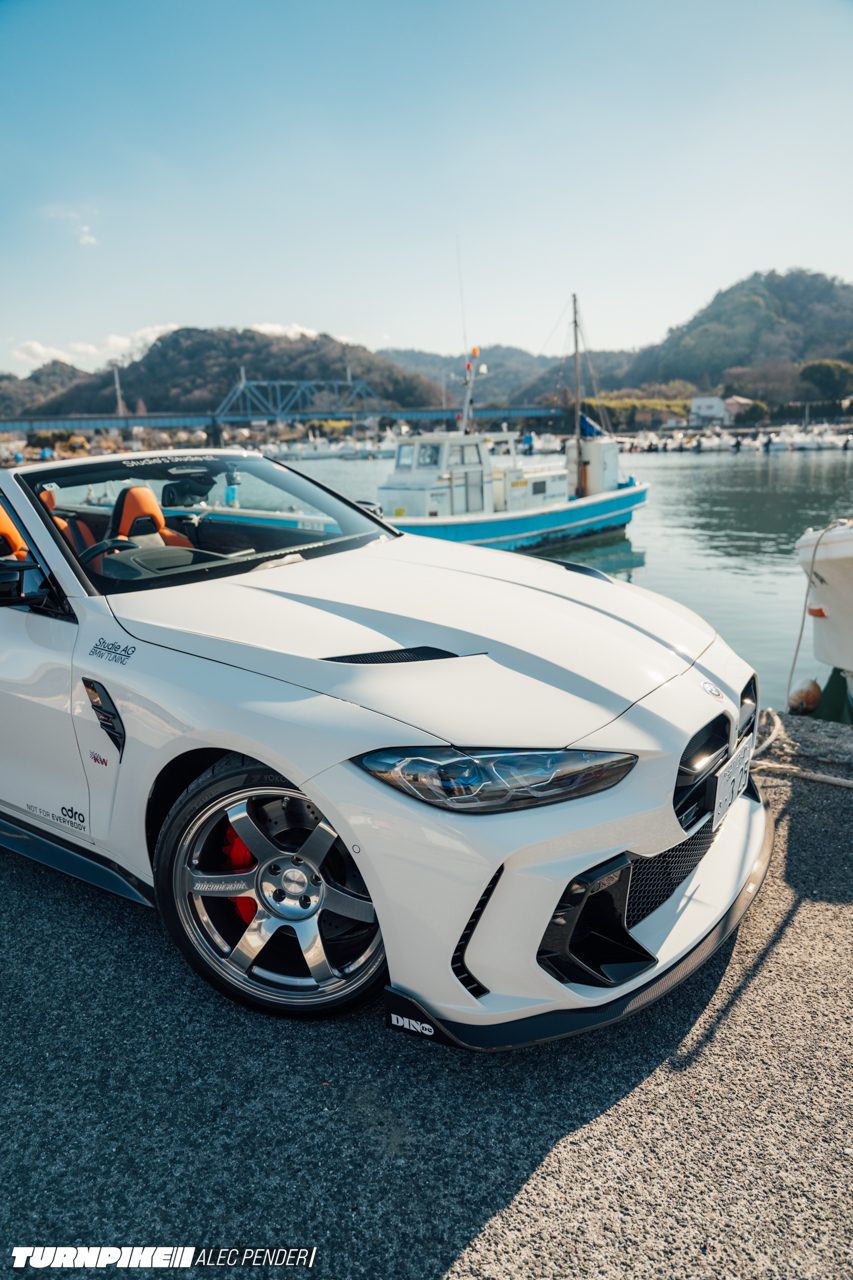
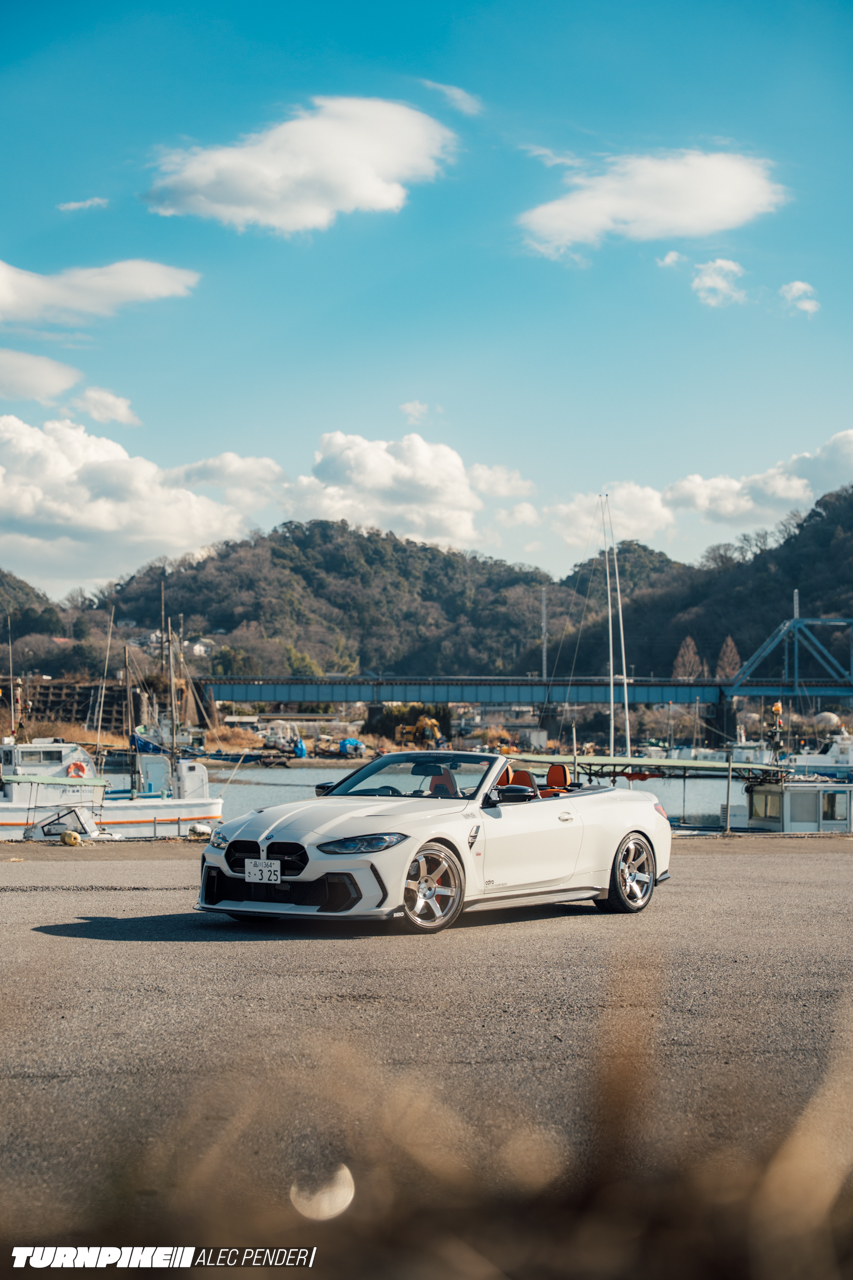
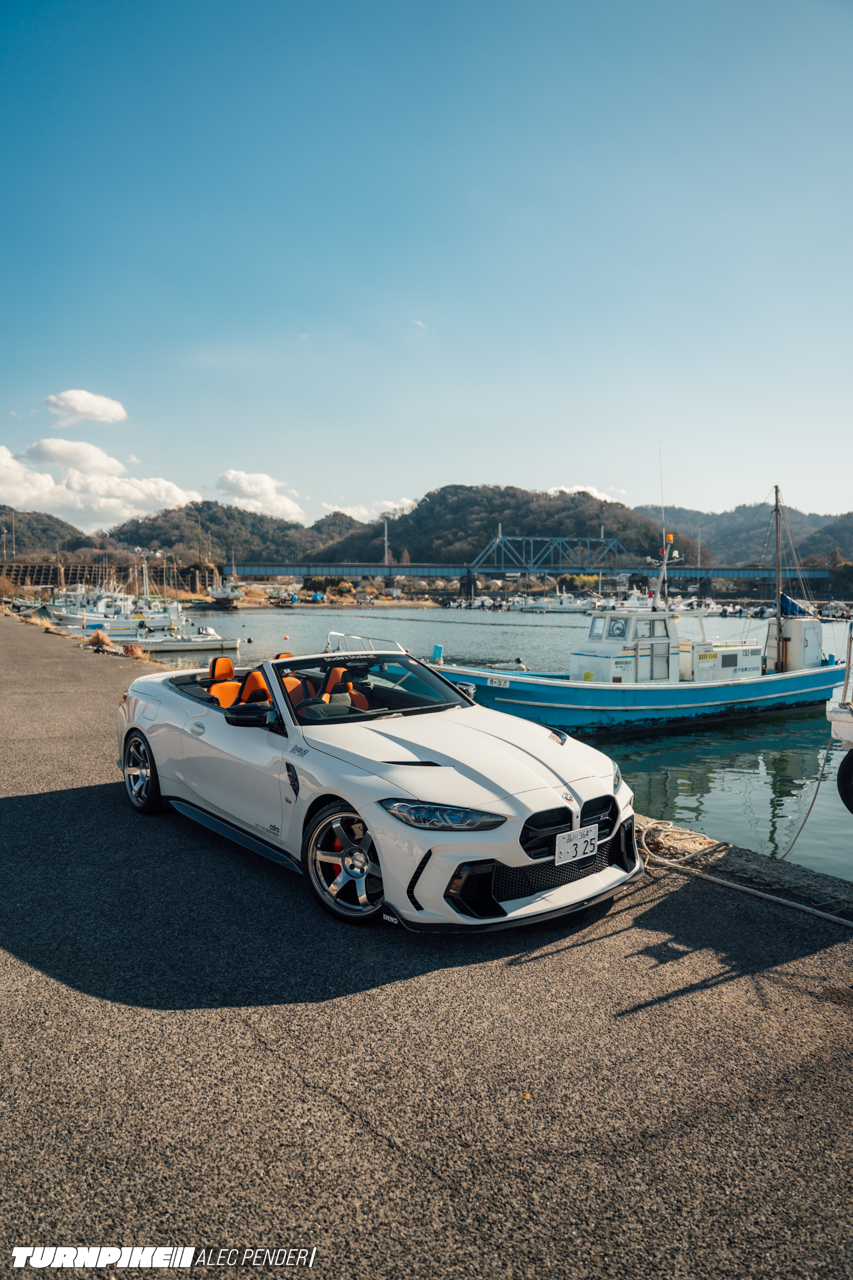
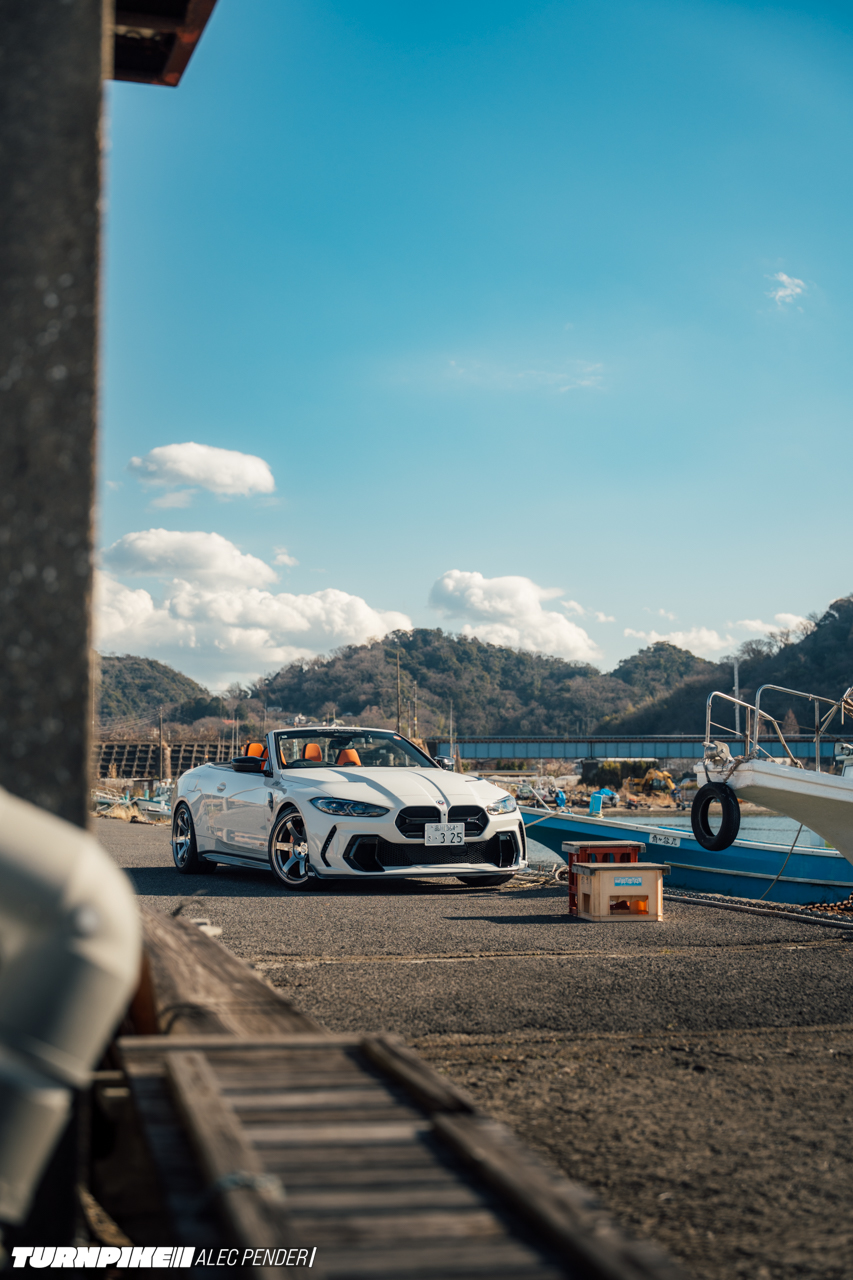
When it came time for another change, the appeal of a proper M car proved too strong to resist, and our current G83 M4 Competition Convertible became the latest addition to the Dino DC stable. The car remained stock for a year, but ideas were already brewing, and once again I turned to the team at Studie AG for guidance with my newest ‘Project Drop Top.’ They had handled my previous F33 builds and are widely regarded as Japan’s top shop for transforming BMWs of all kinds.
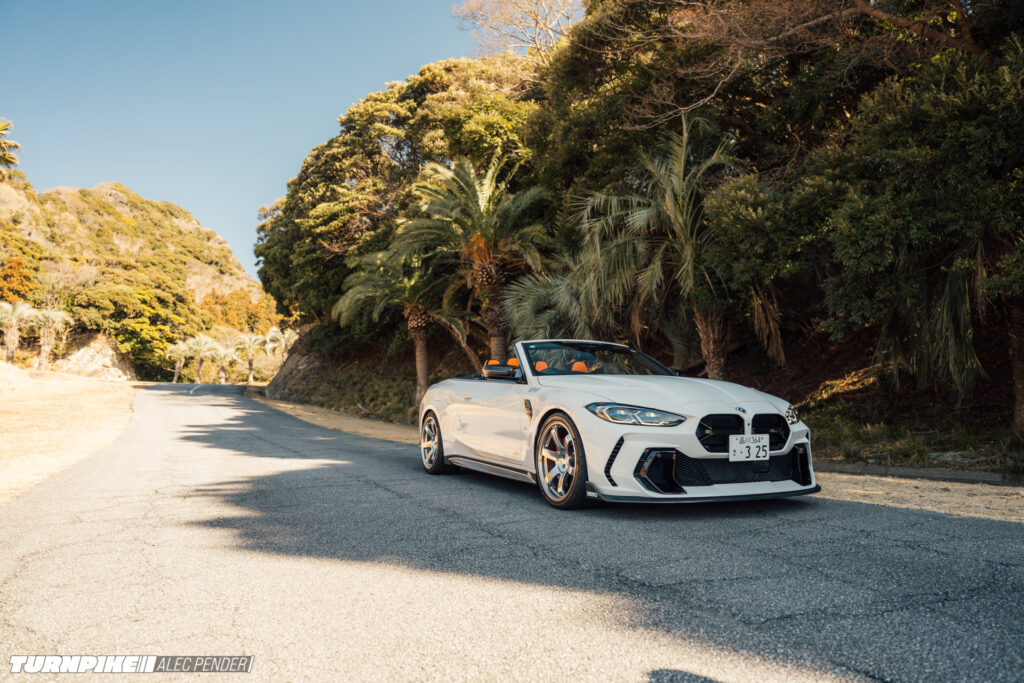
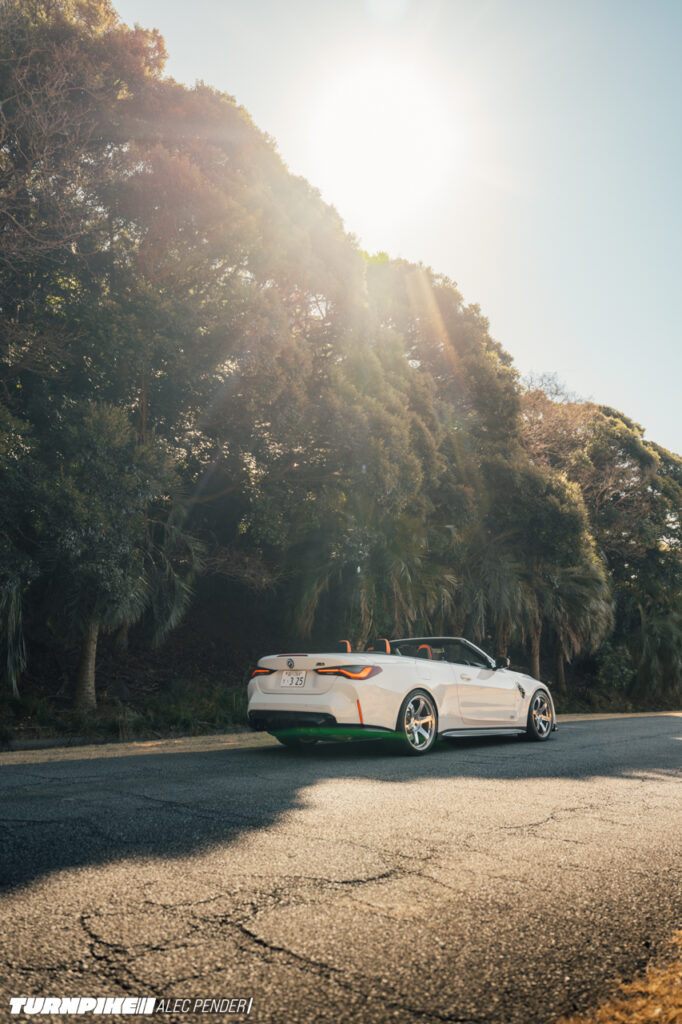
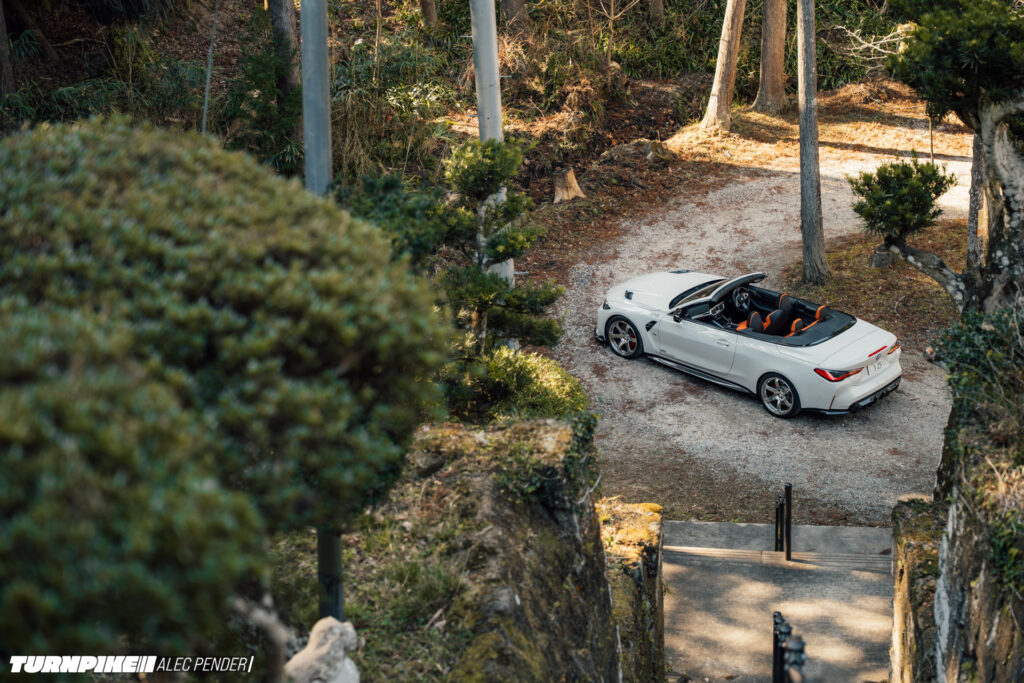
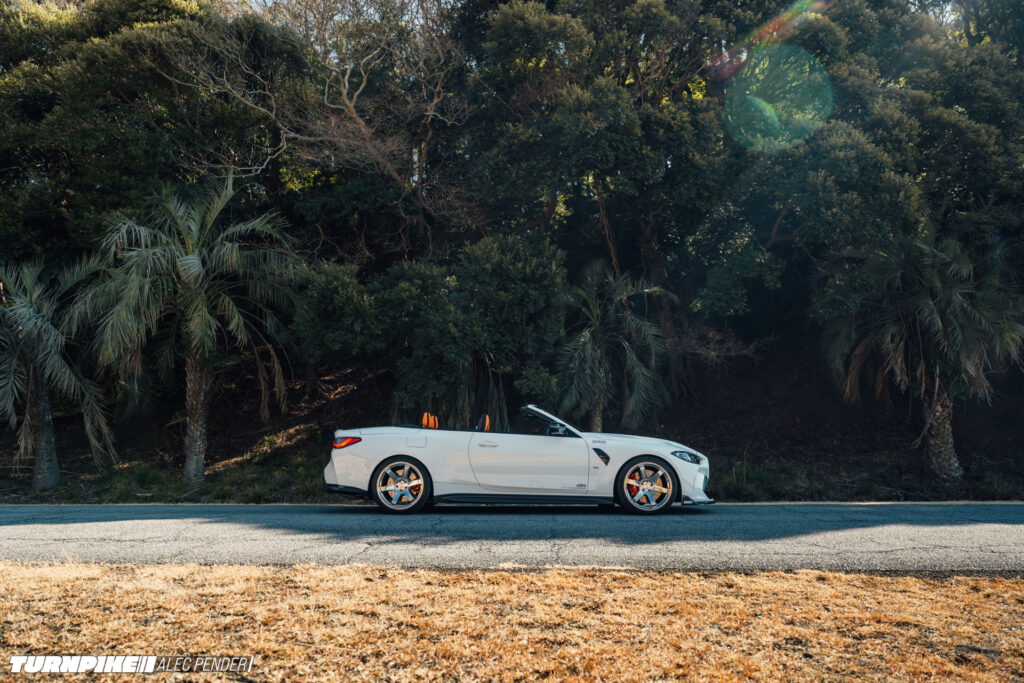
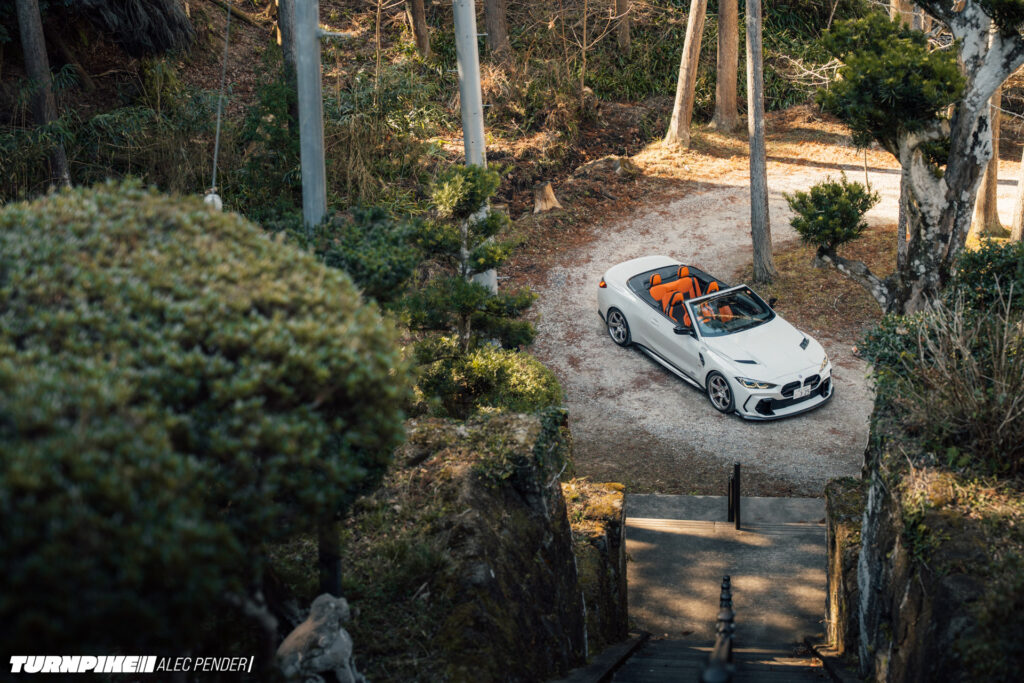
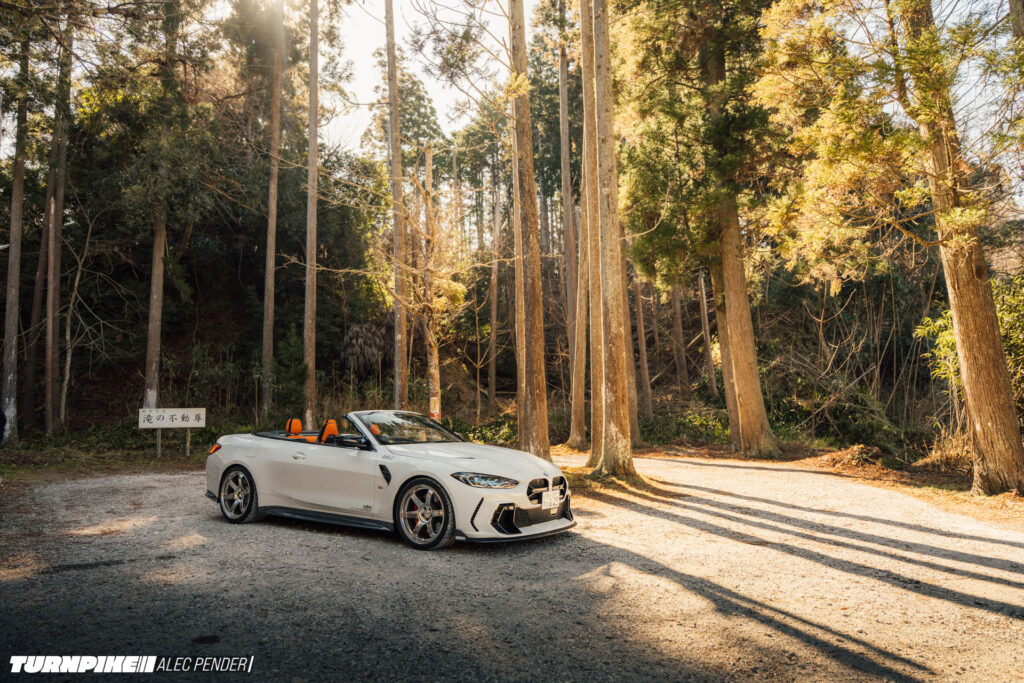
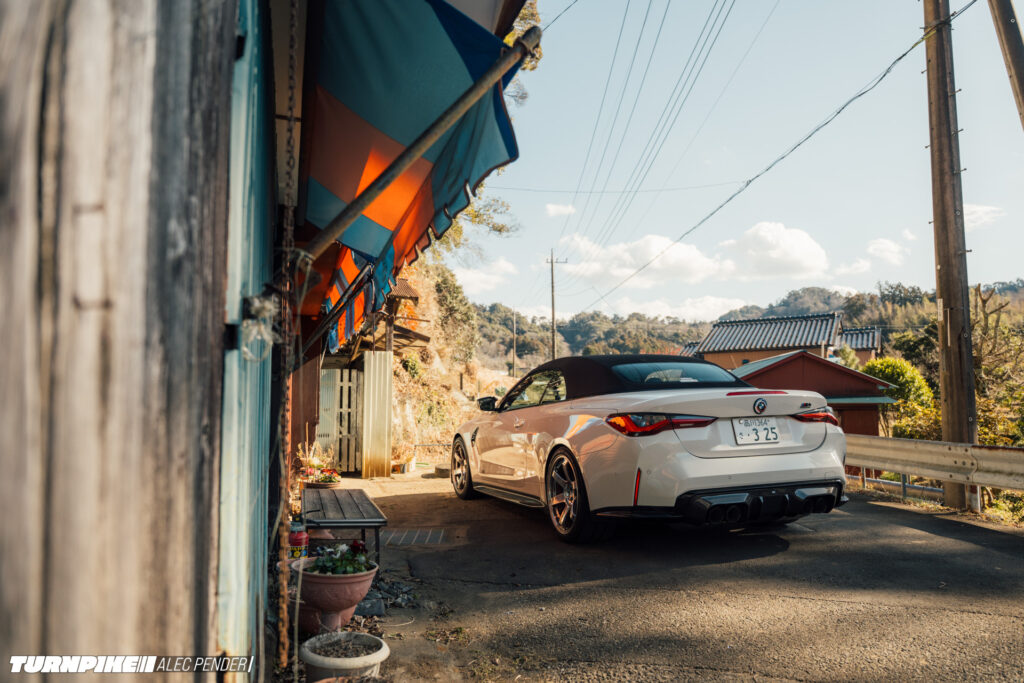
The idea was to create something unique and unveil it at the 2026 Tokyo Auto Salon (TAS) – a plan that ultimately brought together some of the most respected names in the BMW tuning world. While the build would be carried out at Studie’s Tokyo workshop, it also opened the door to collaborate once again with partners who have supported previous projects, including KW Suspension, Yokohama Tire, and Eventuri.
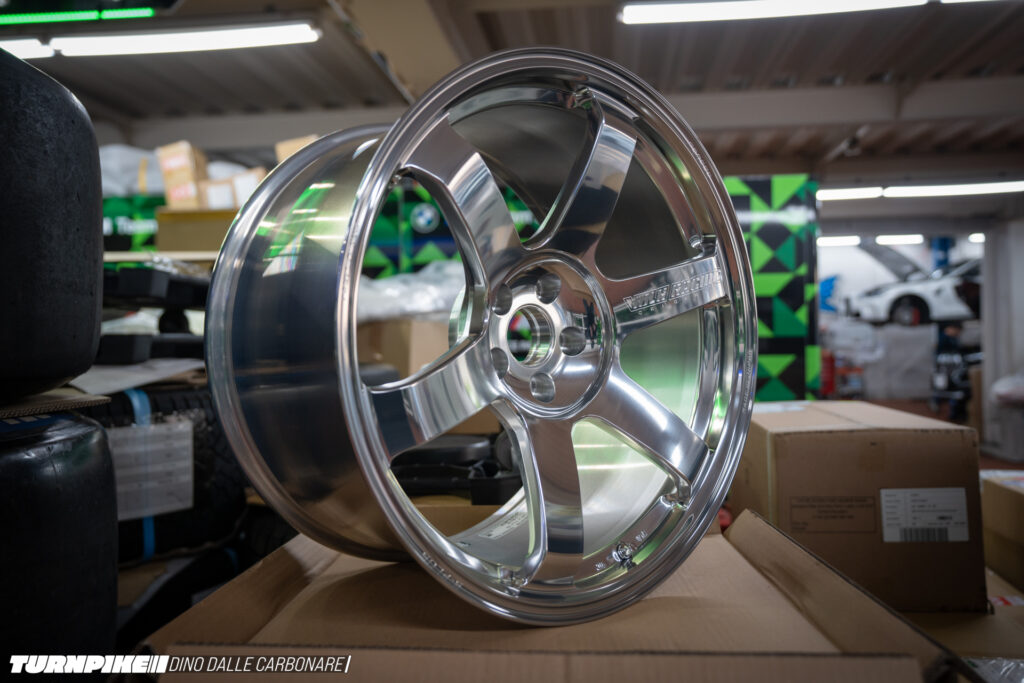
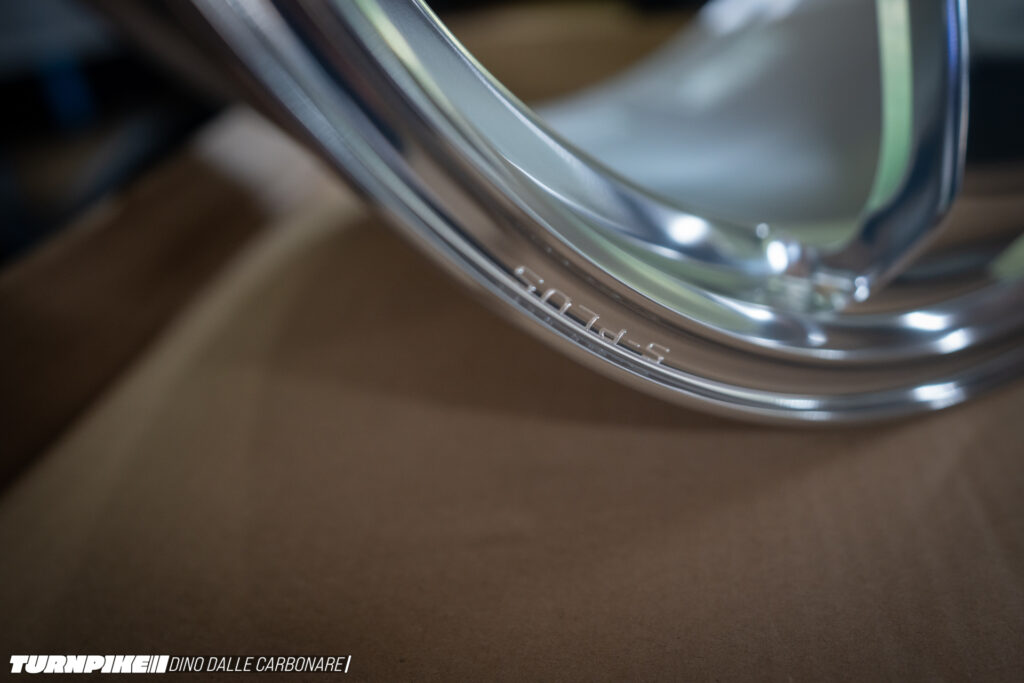
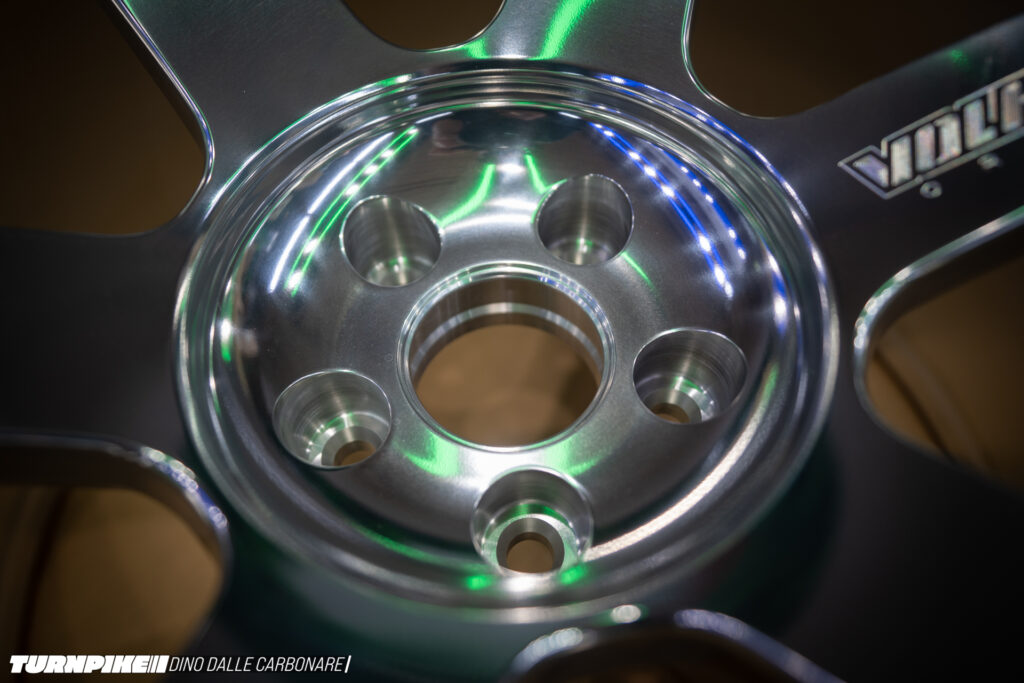
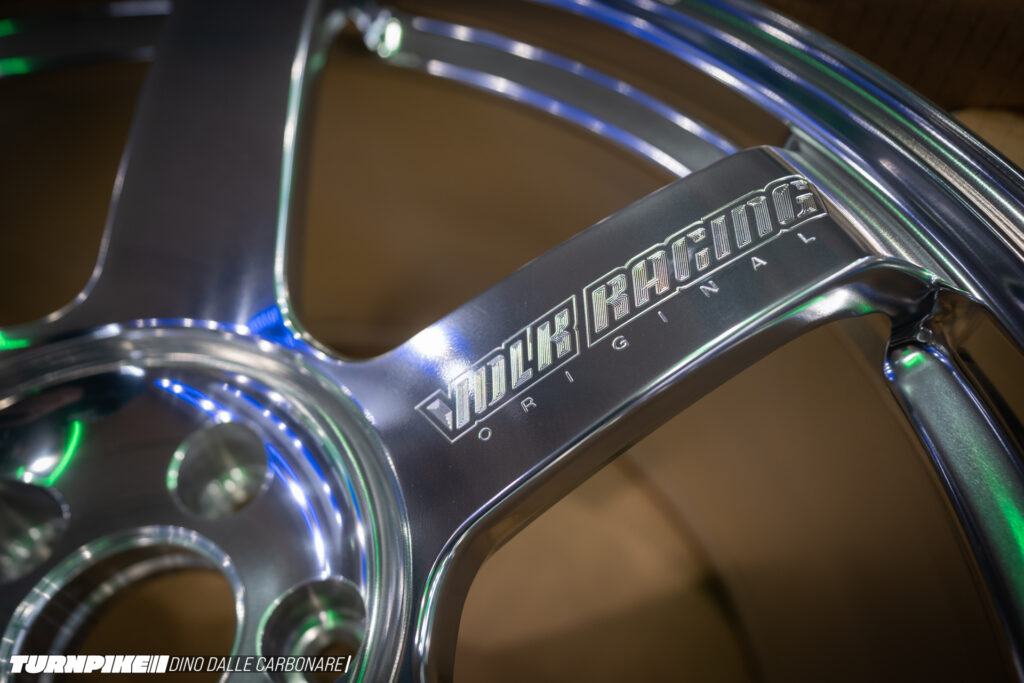
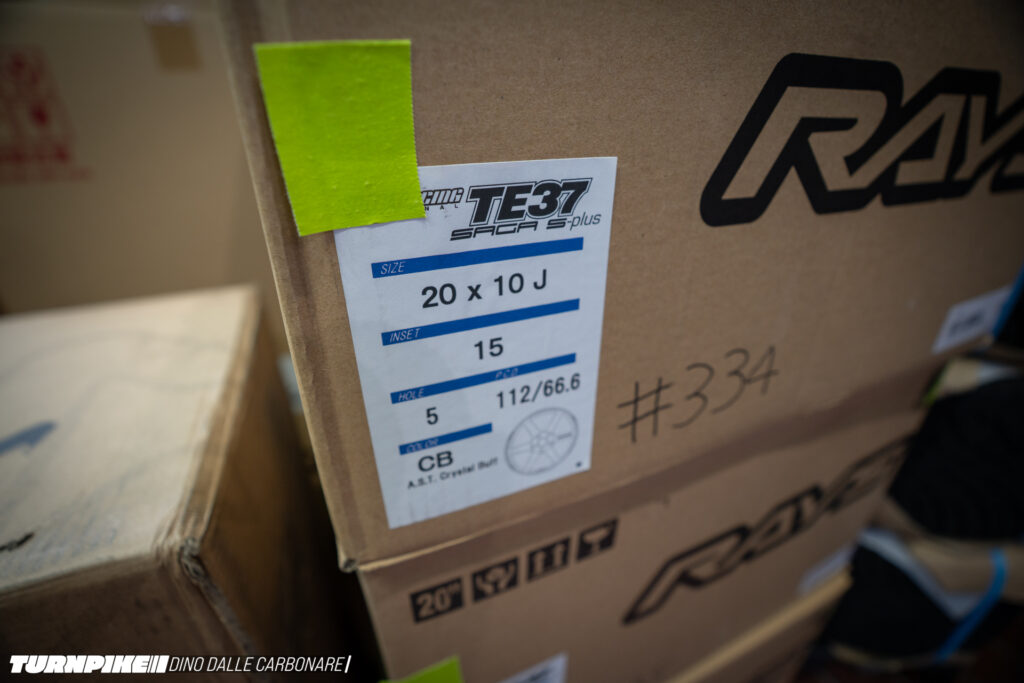
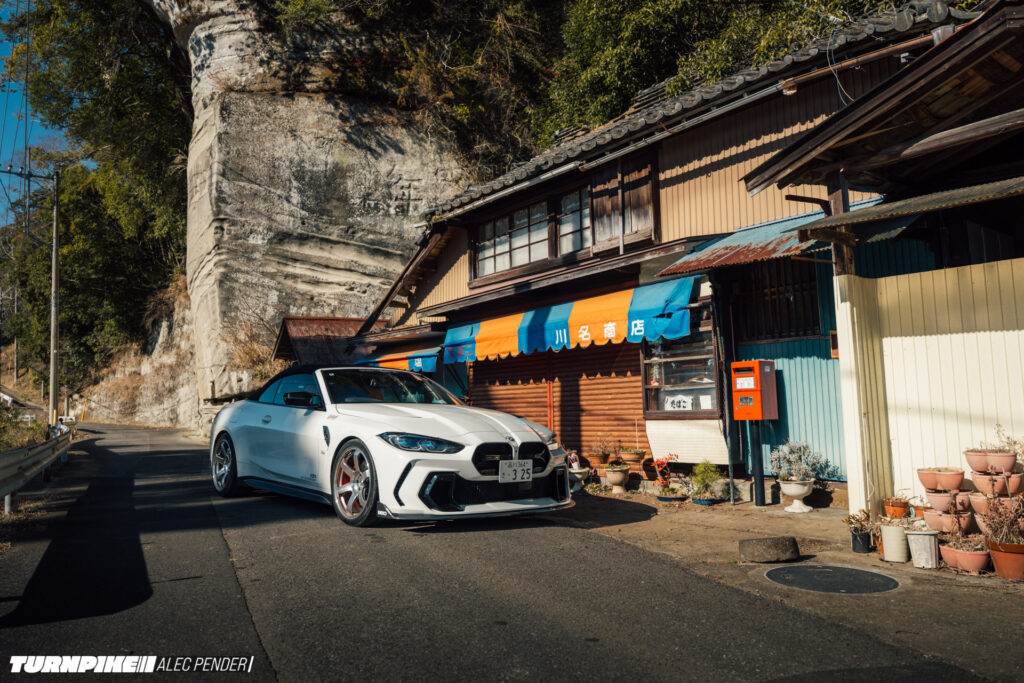
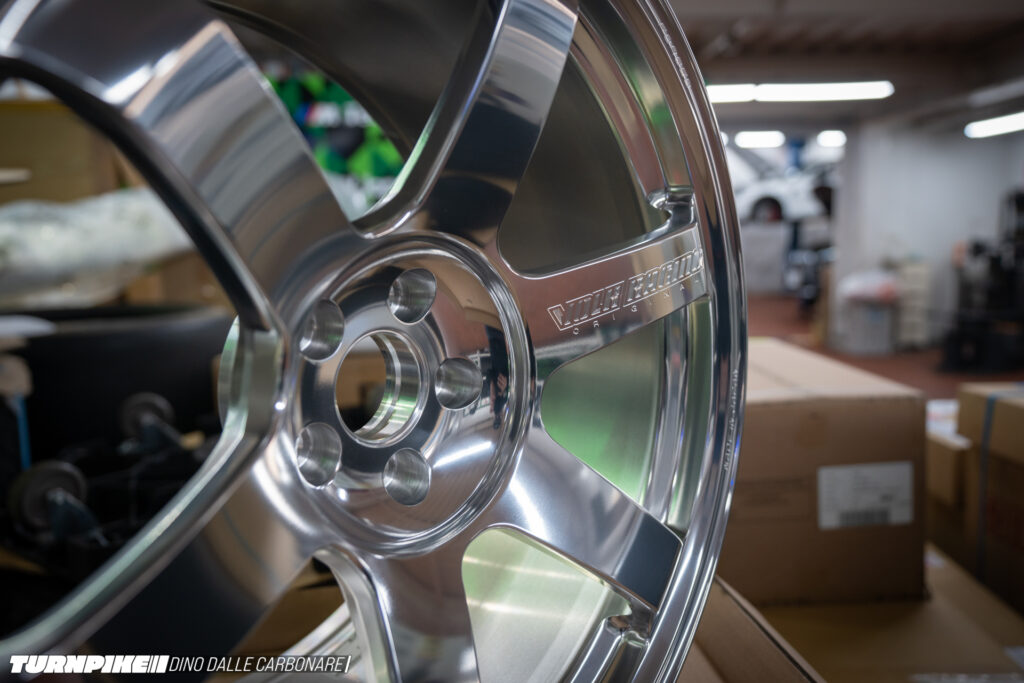
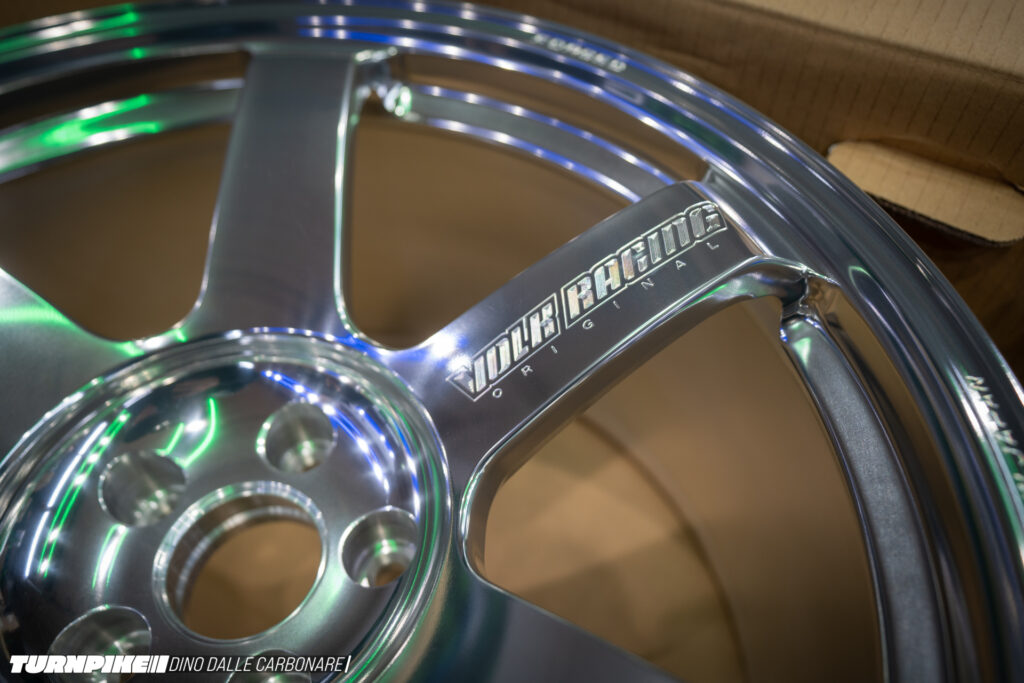
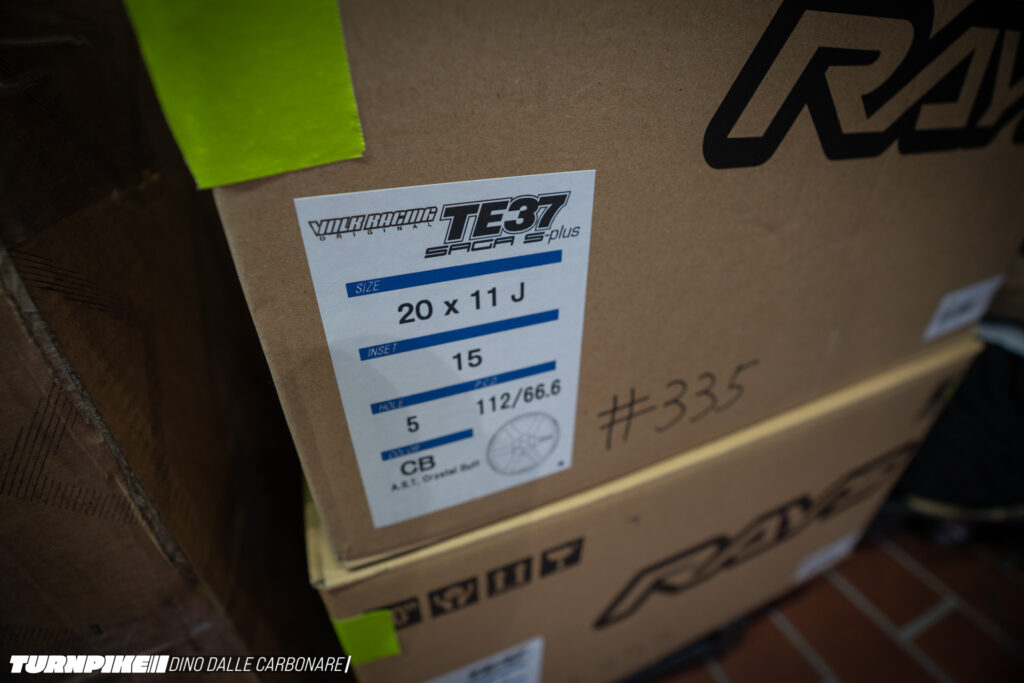
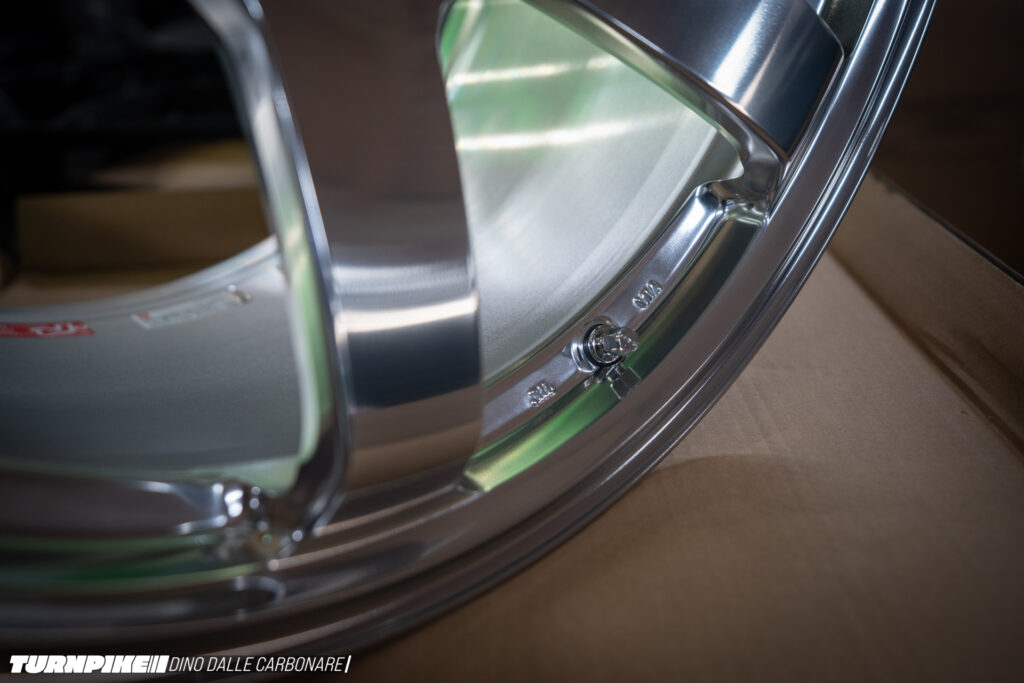
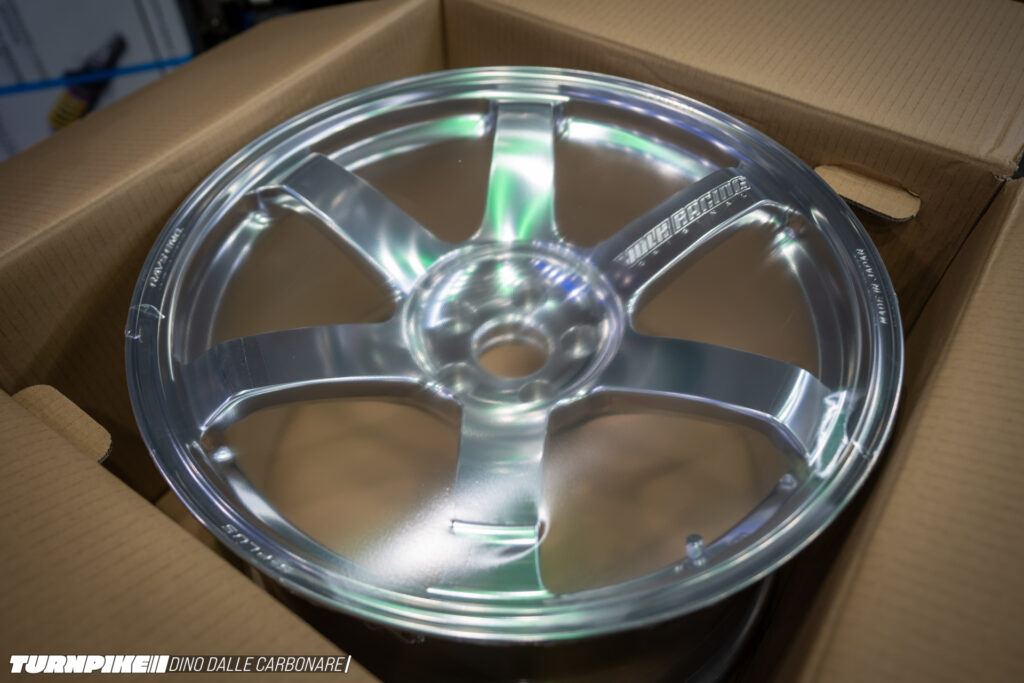
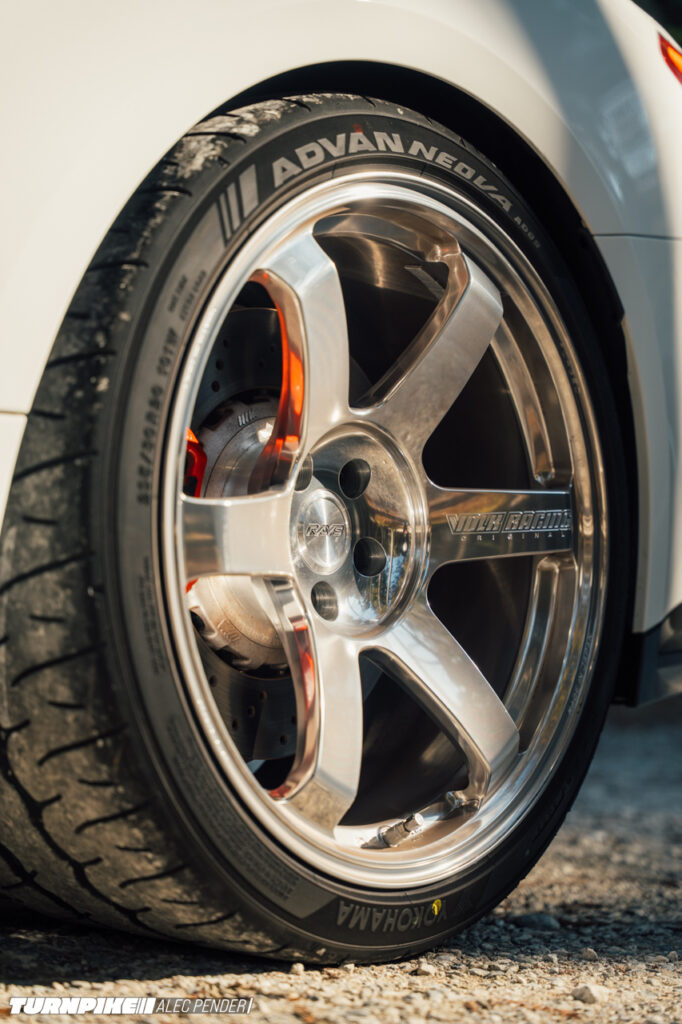
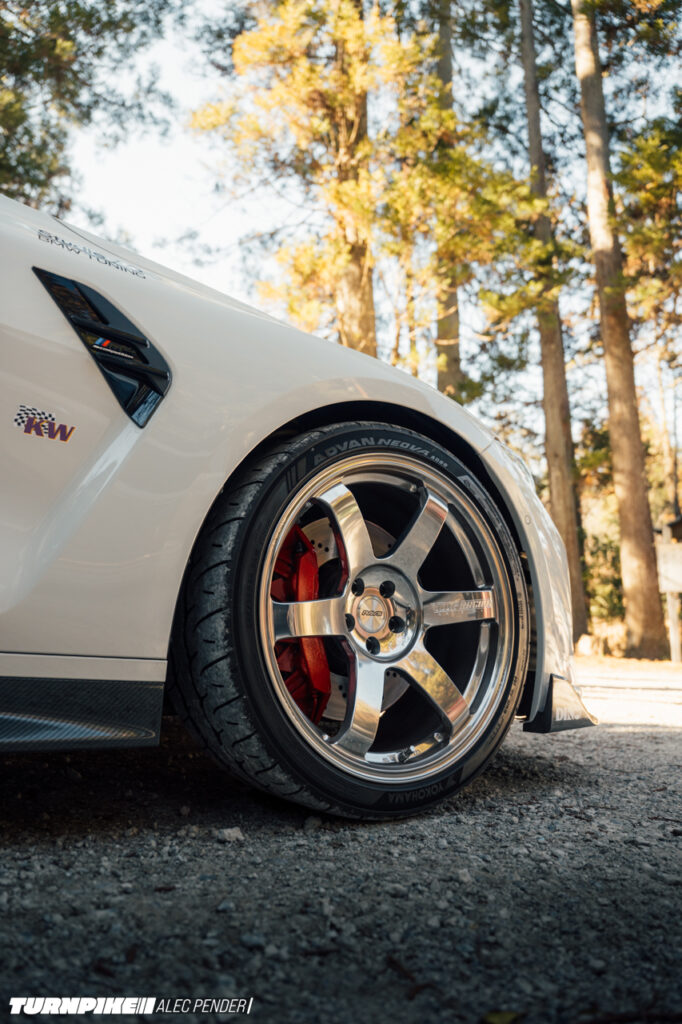
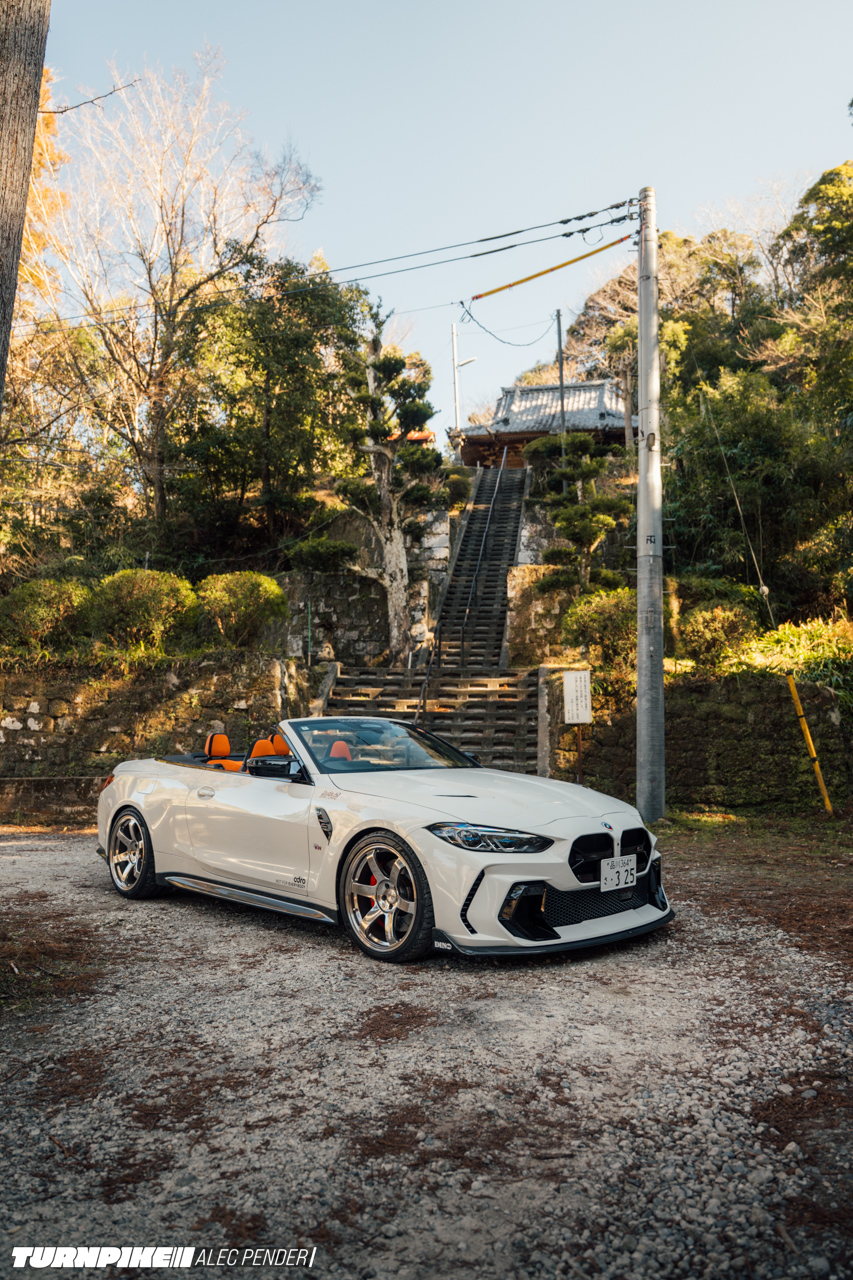
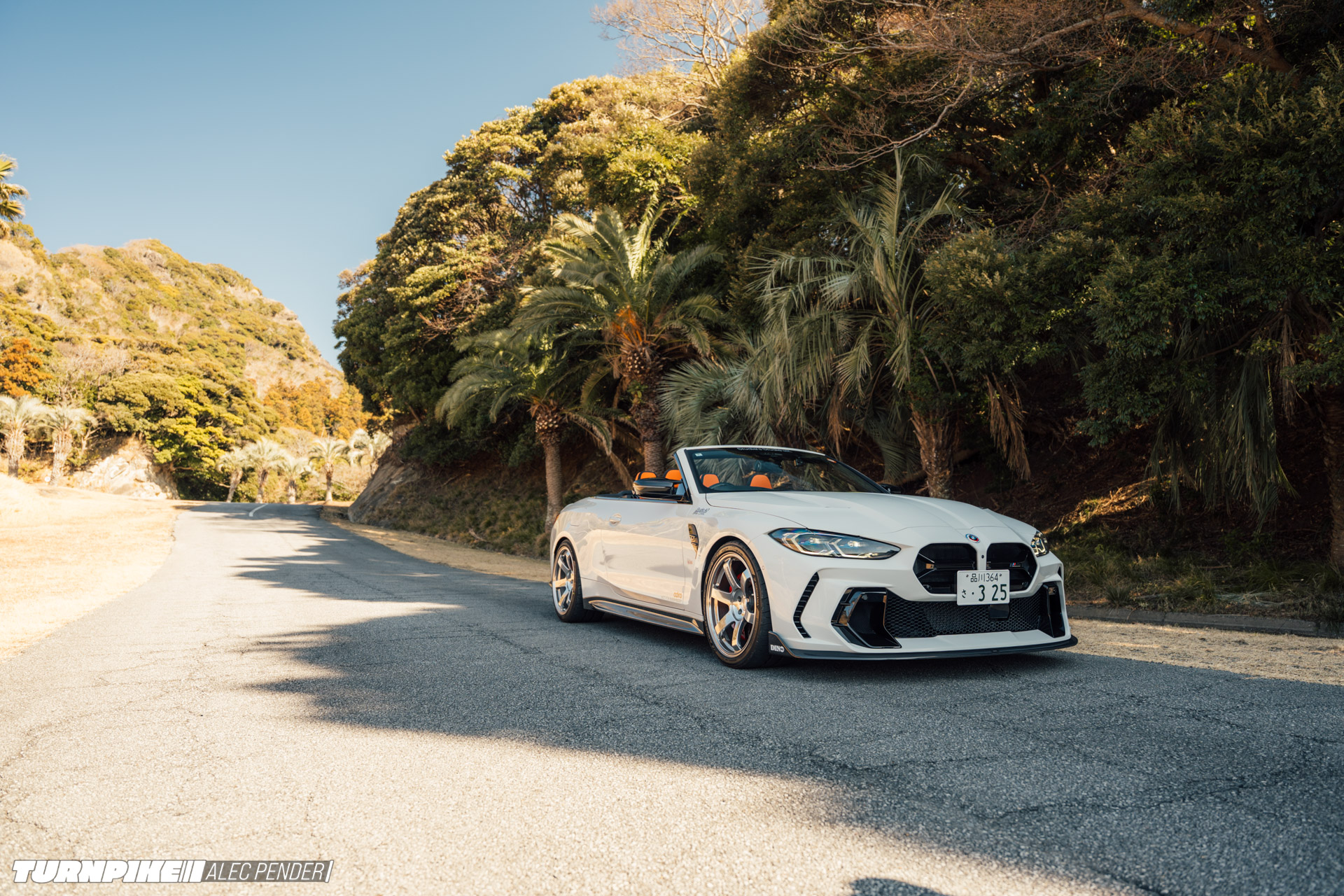
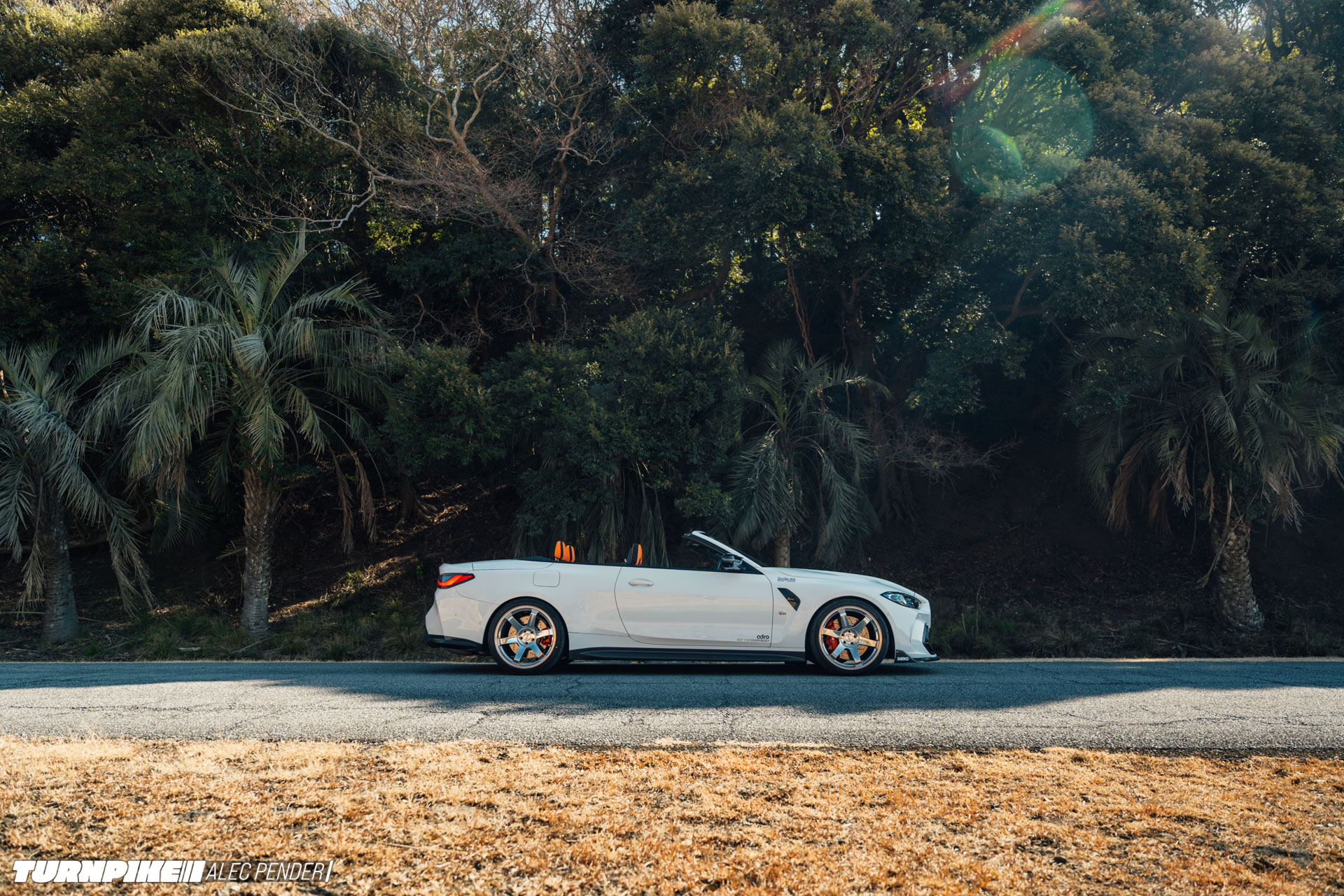
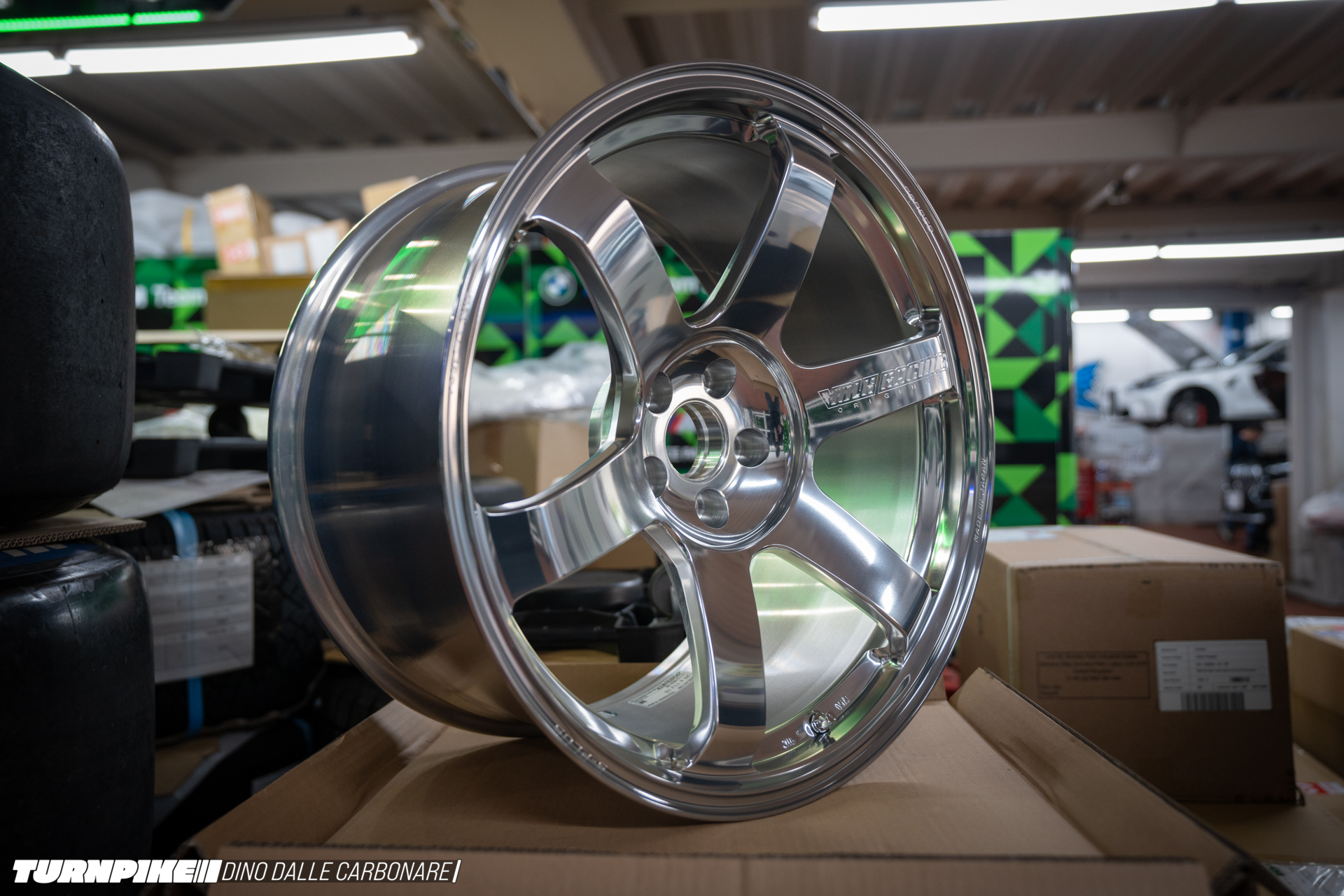
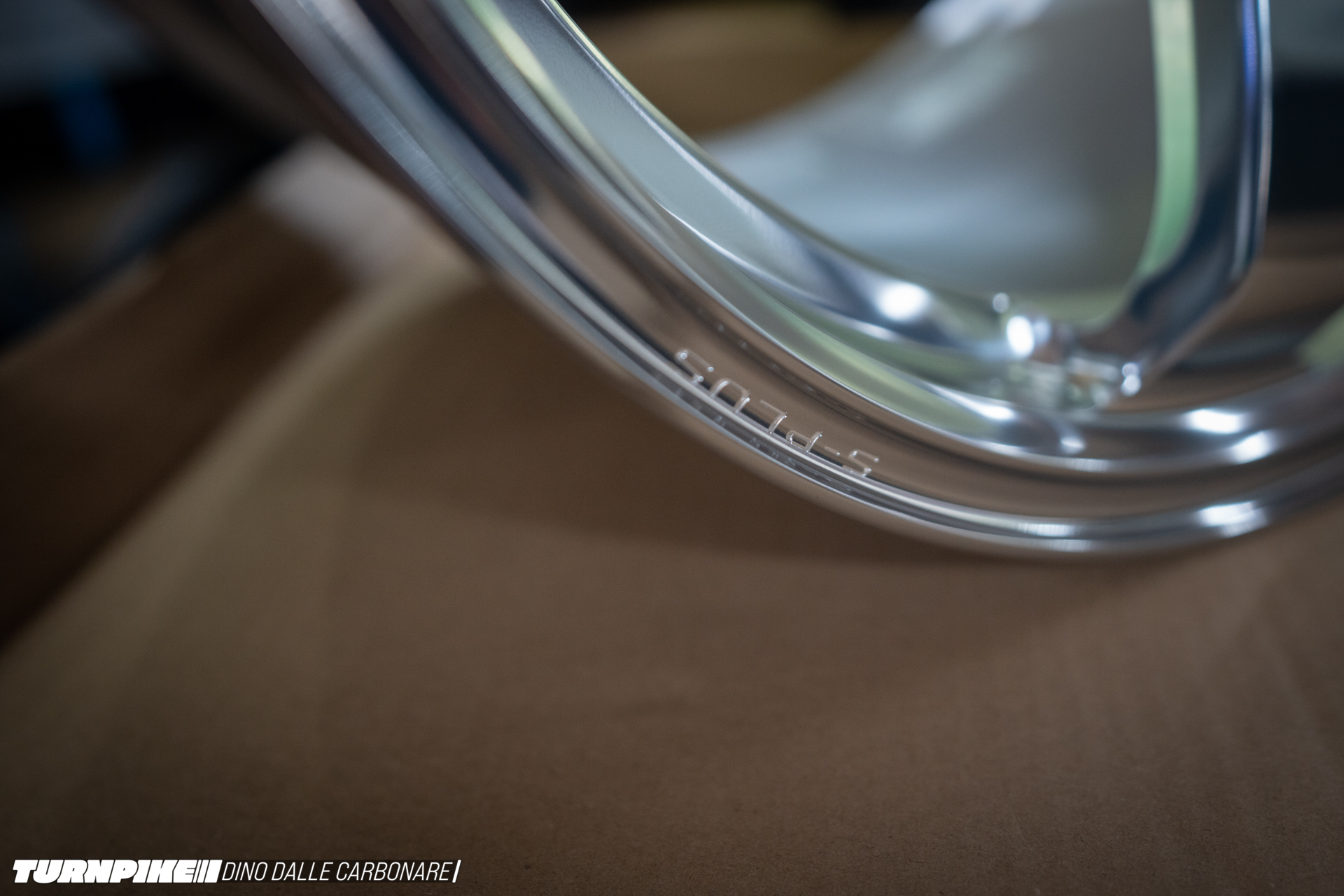
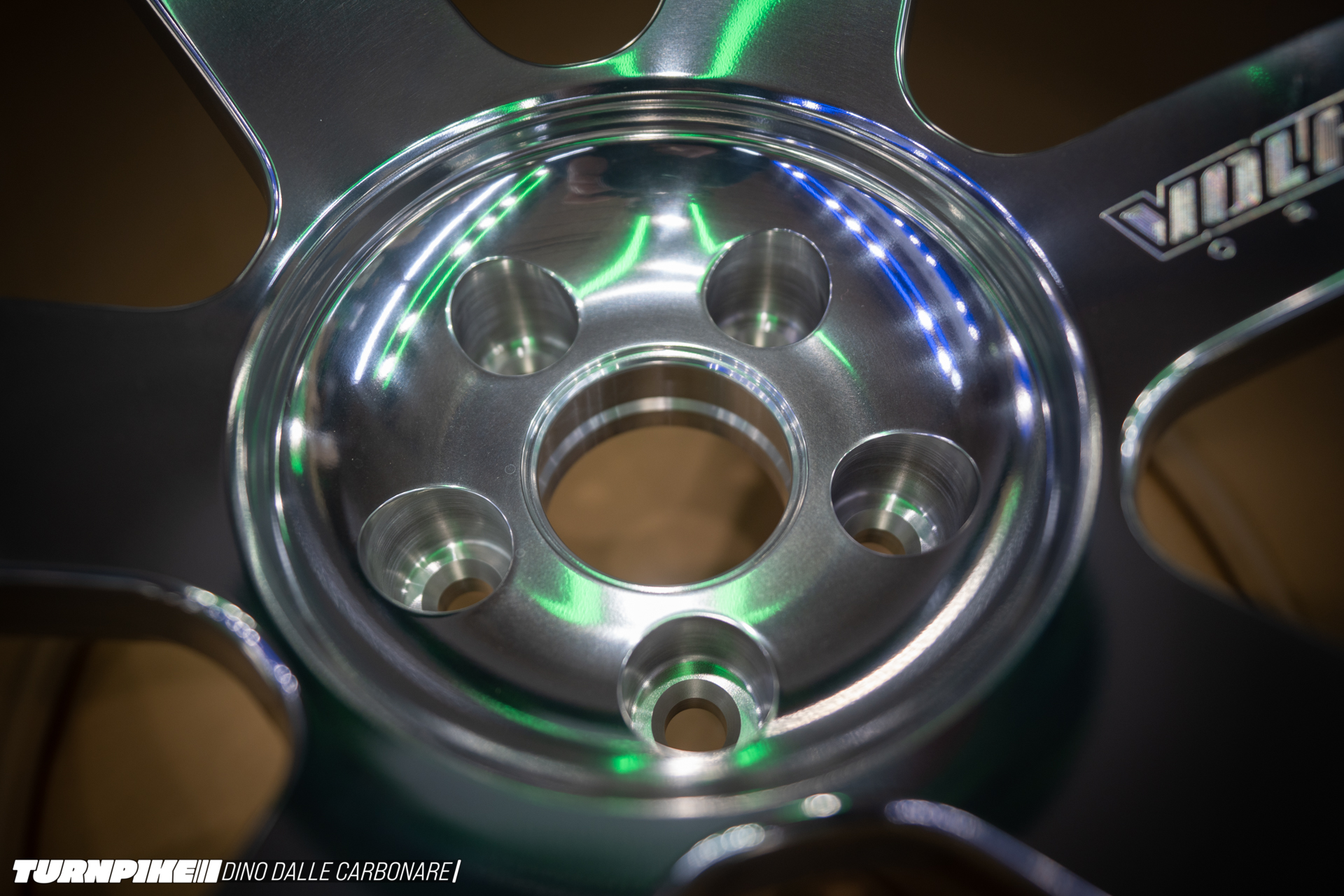
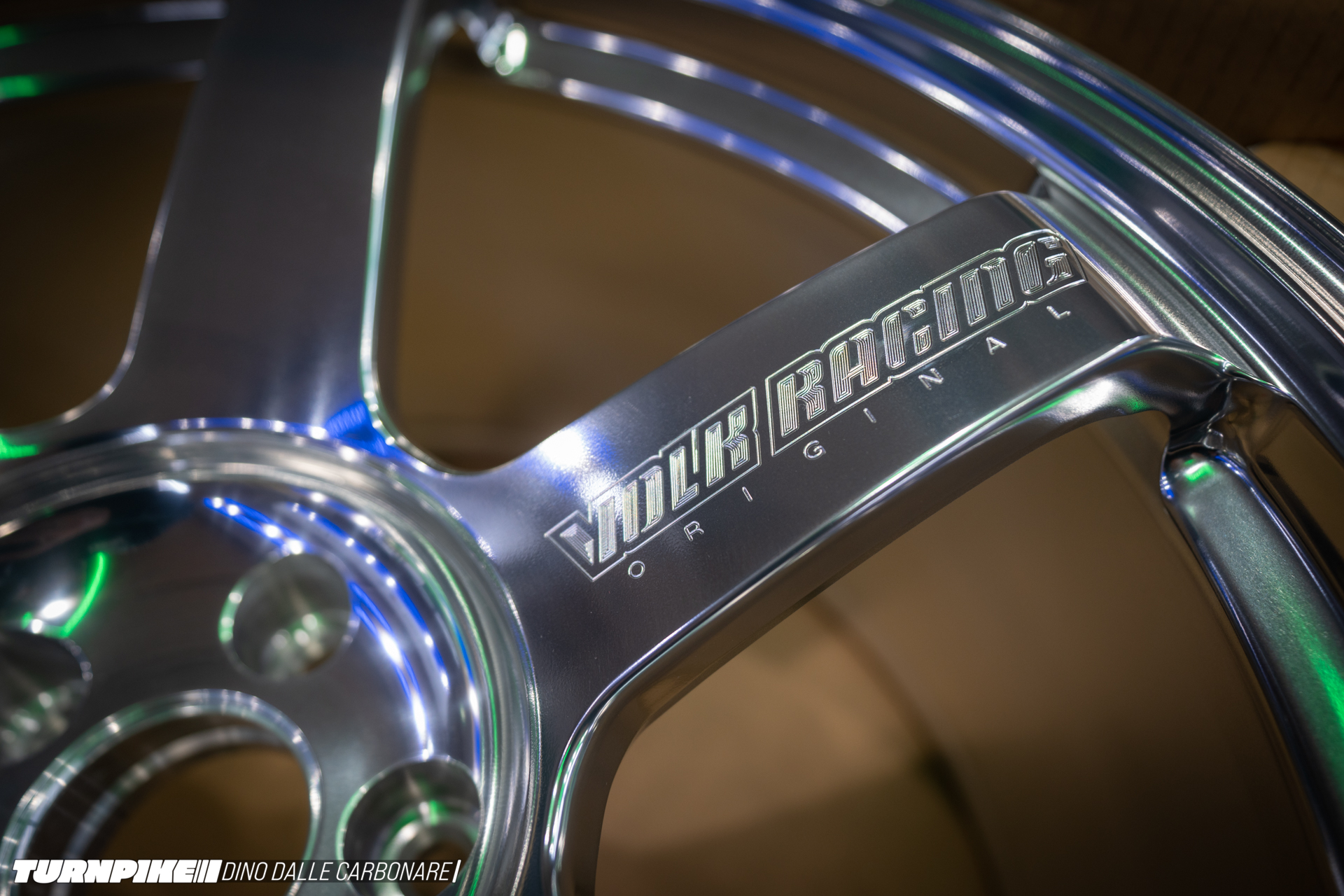
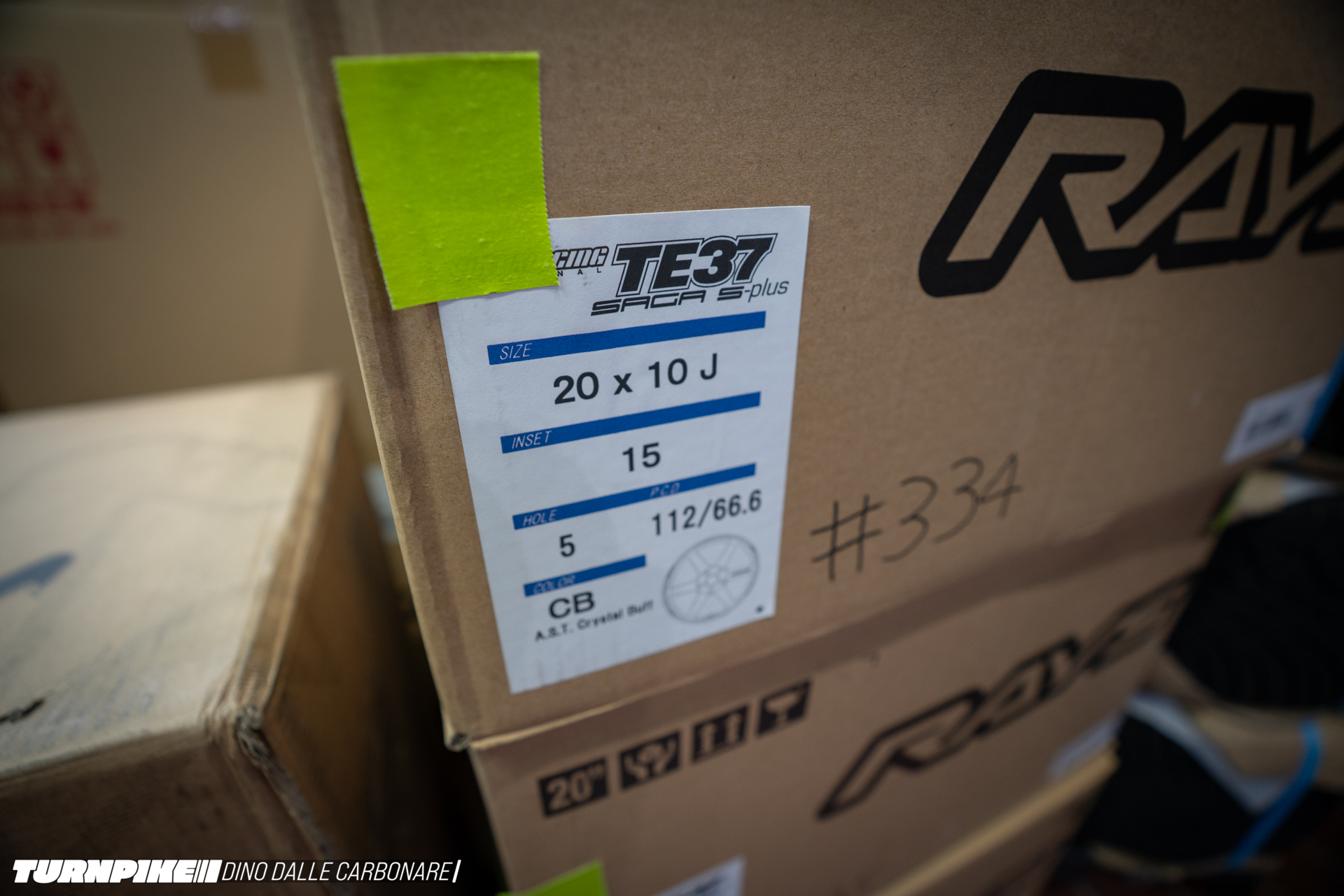
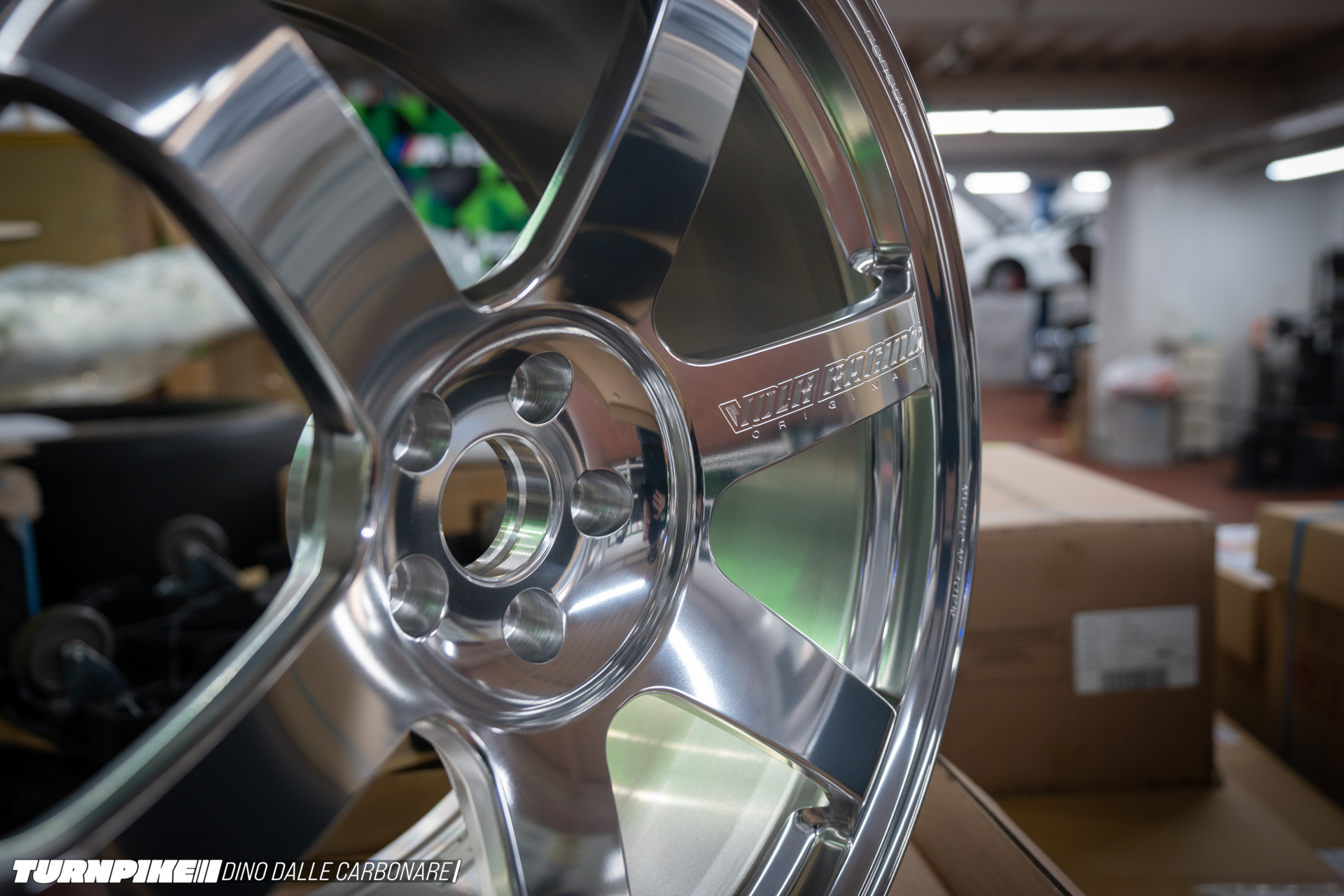
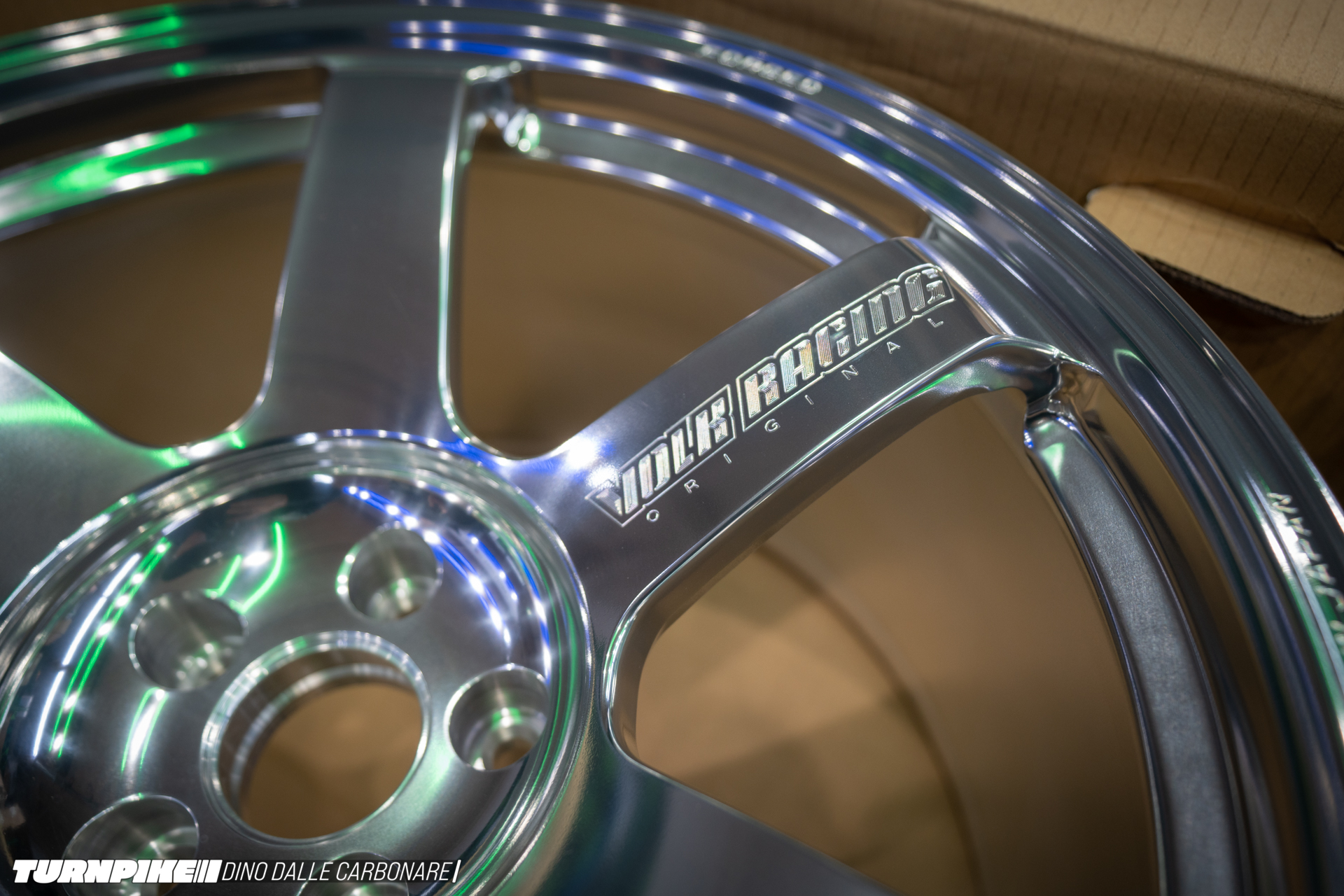
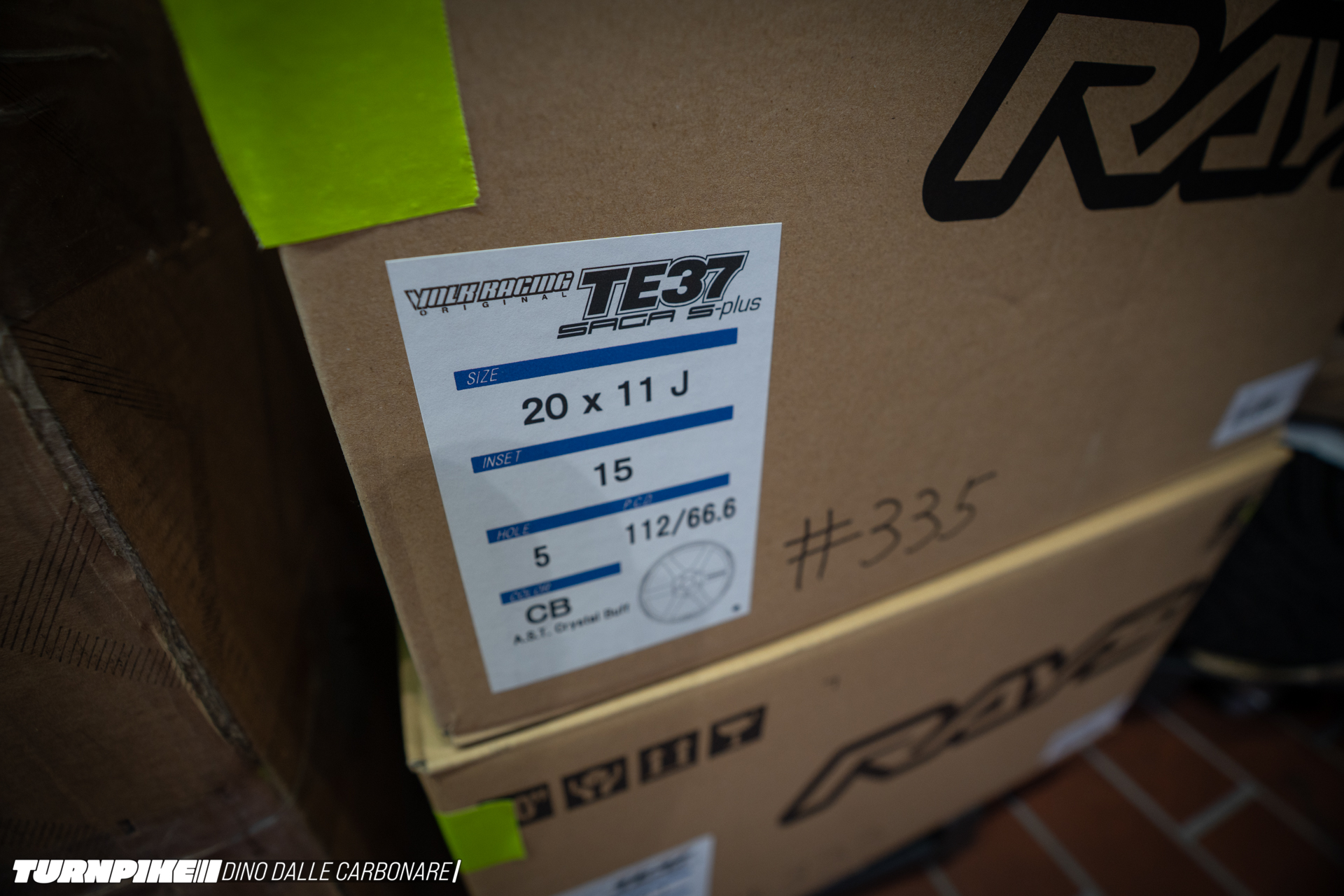
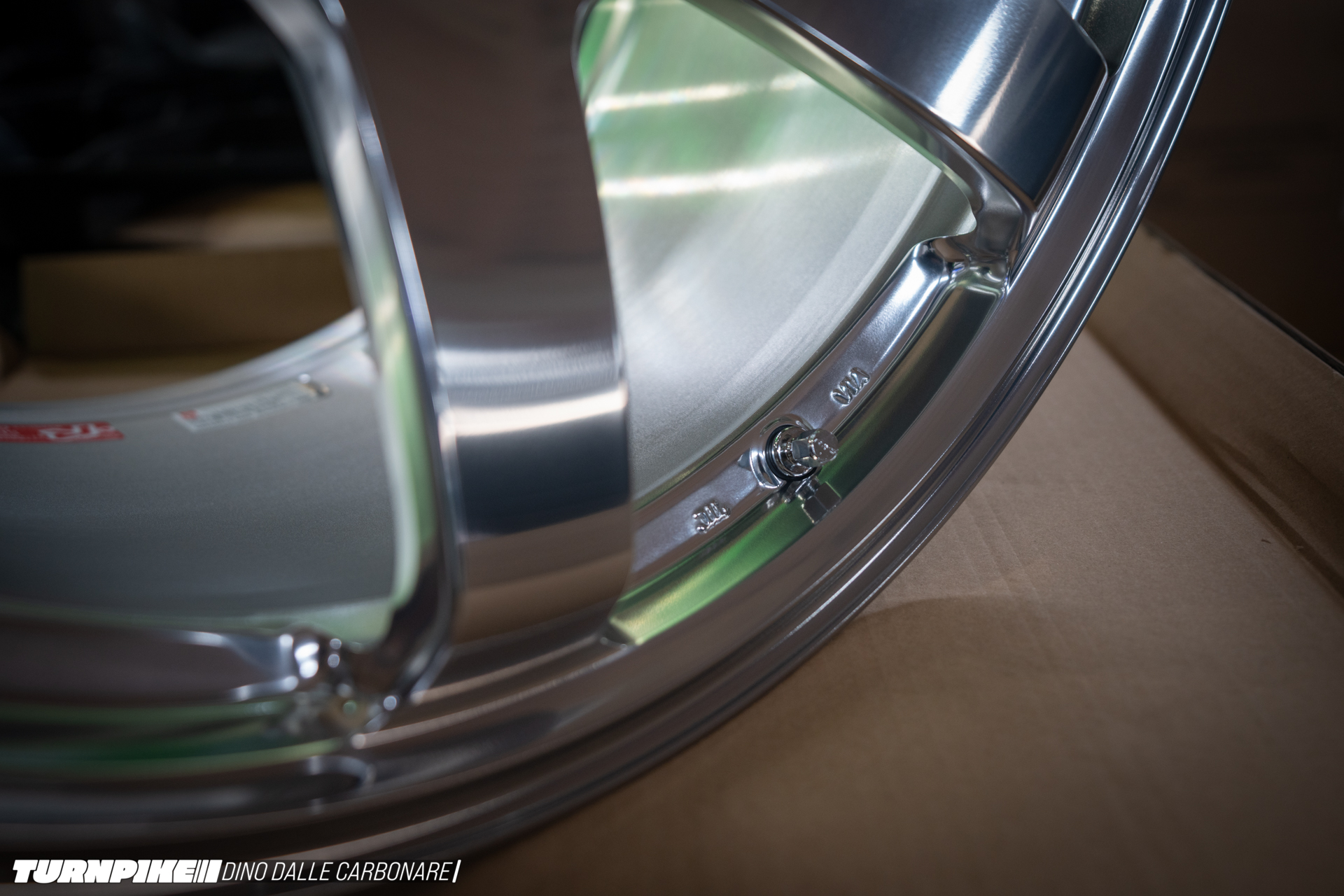
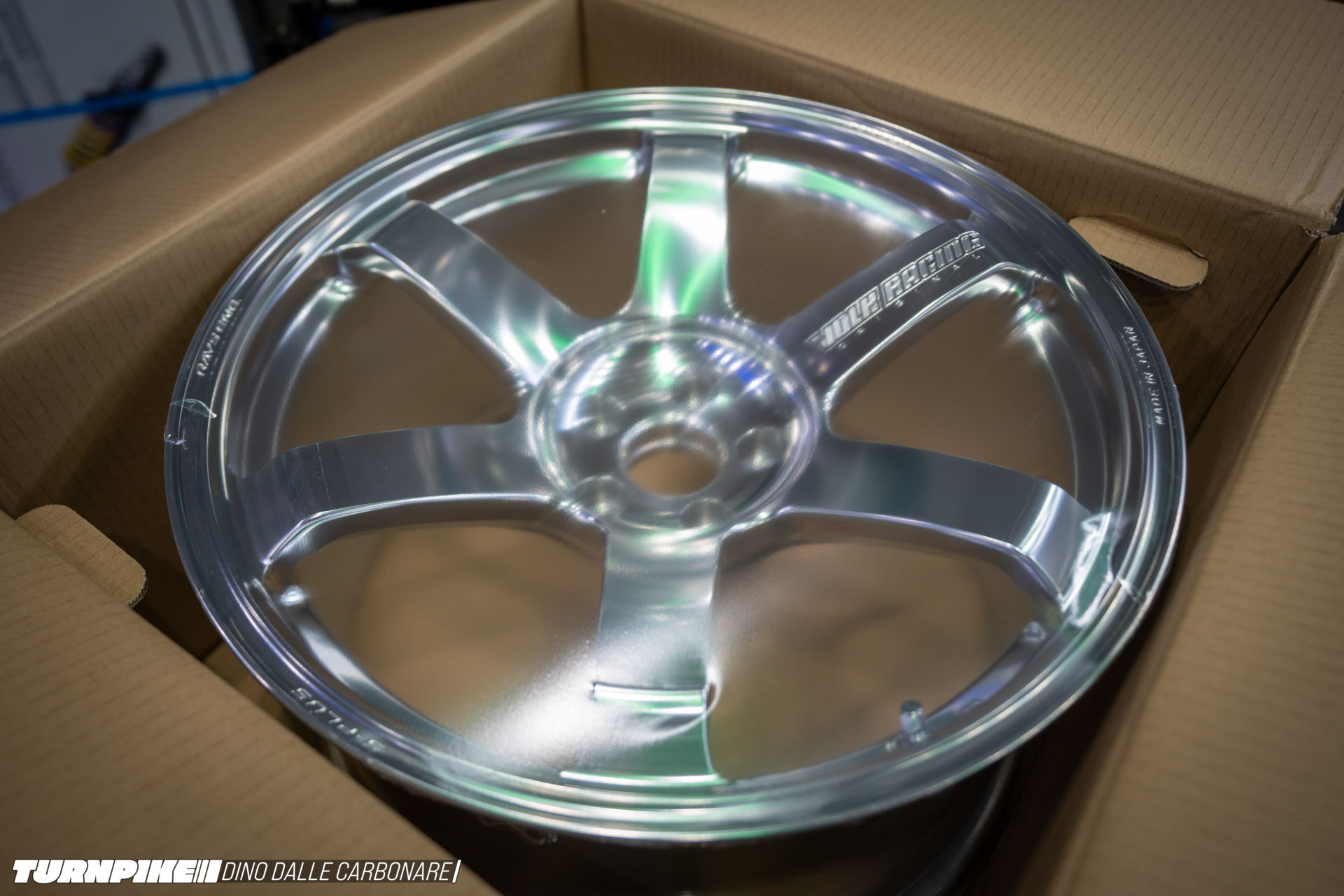
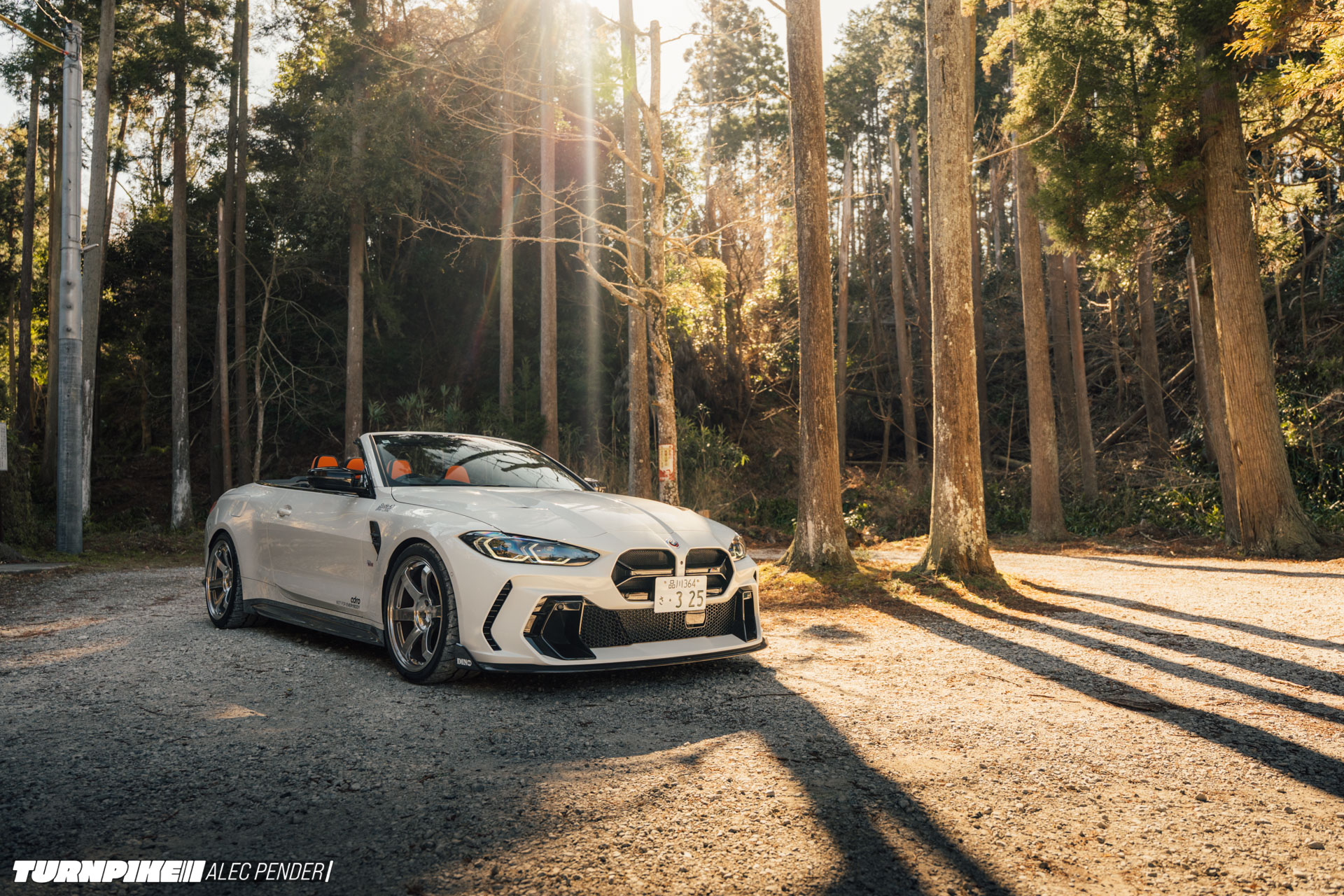
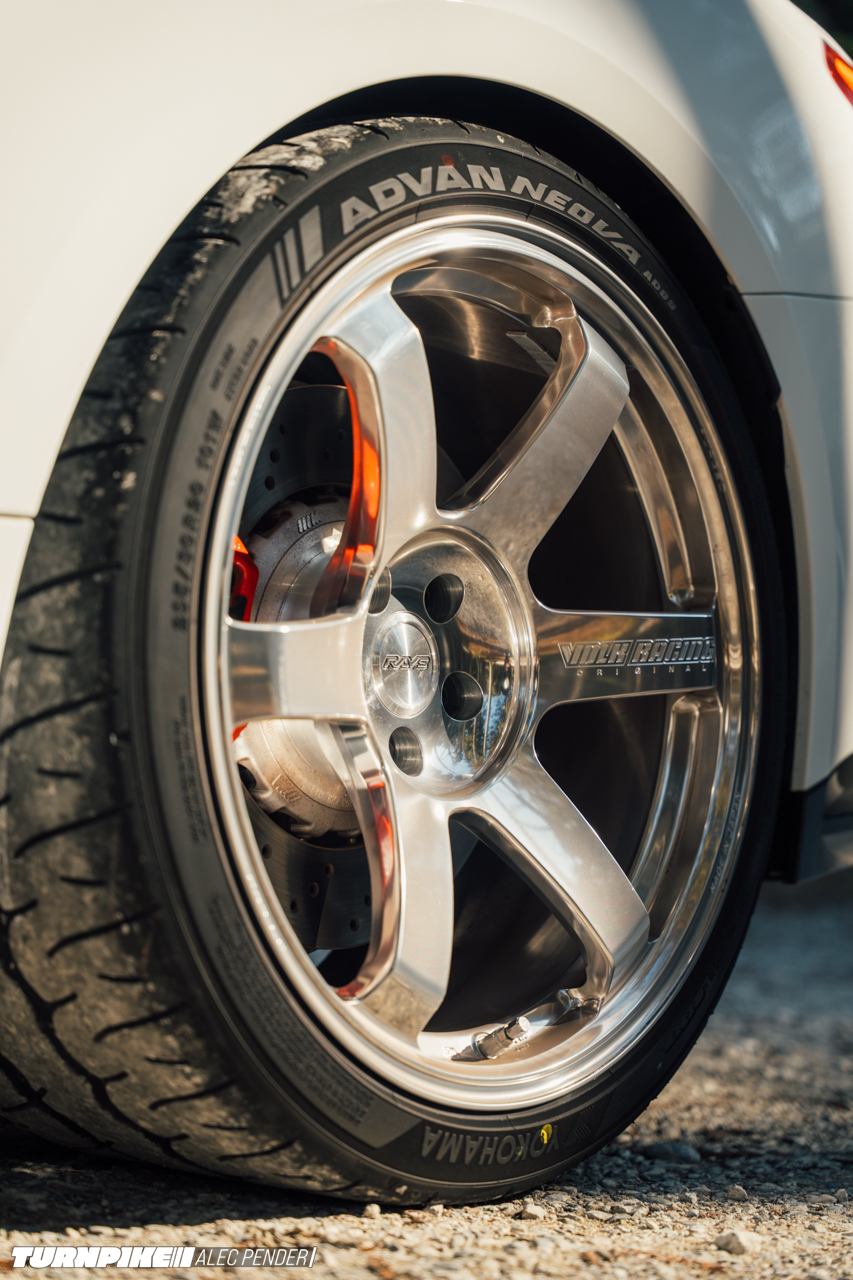
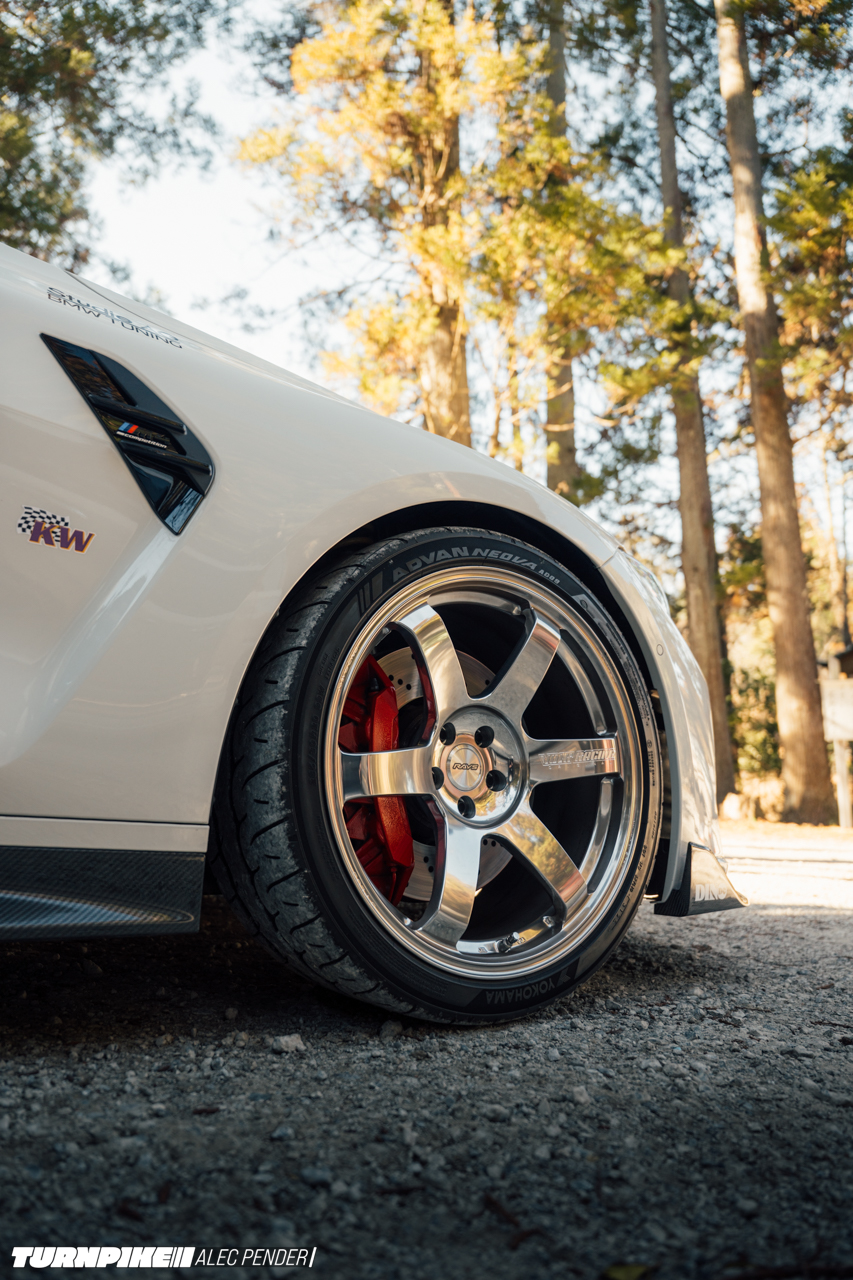
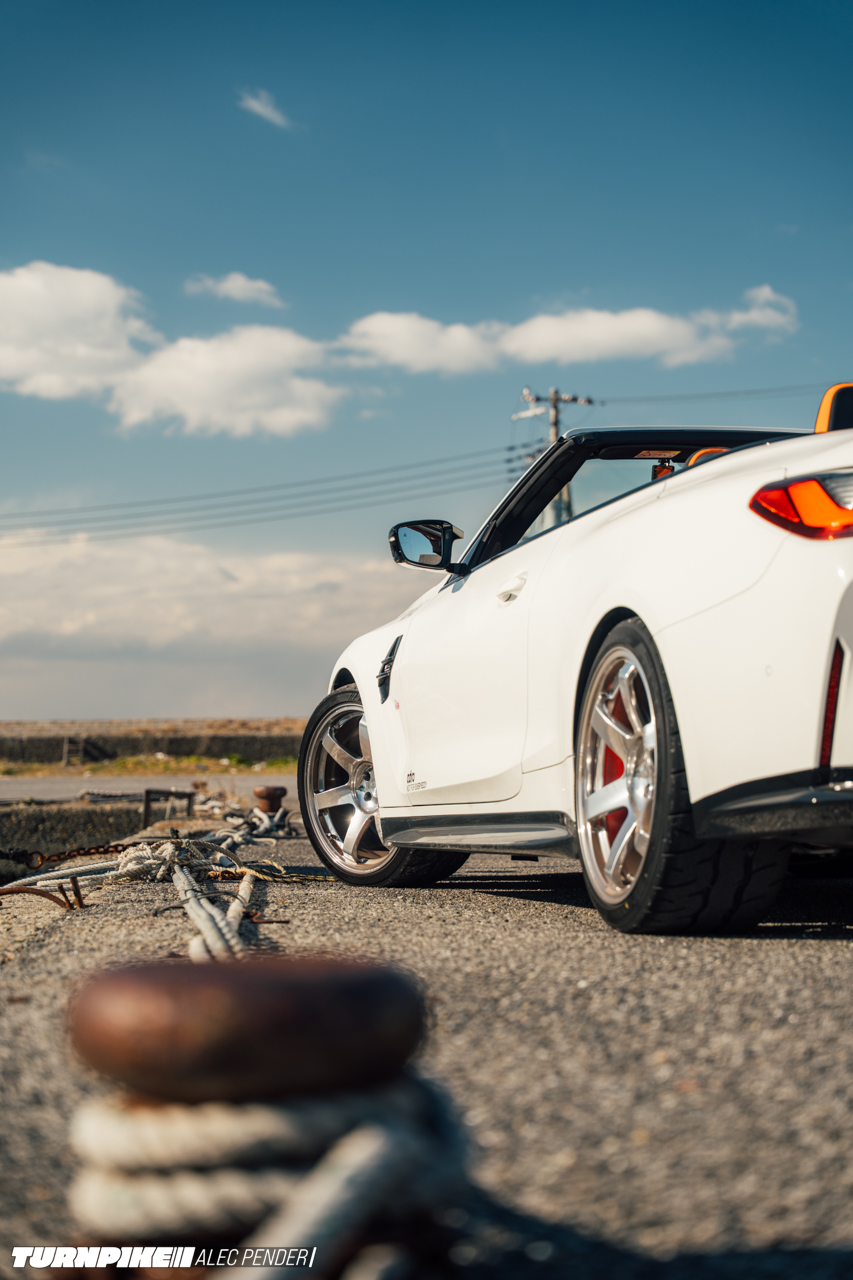
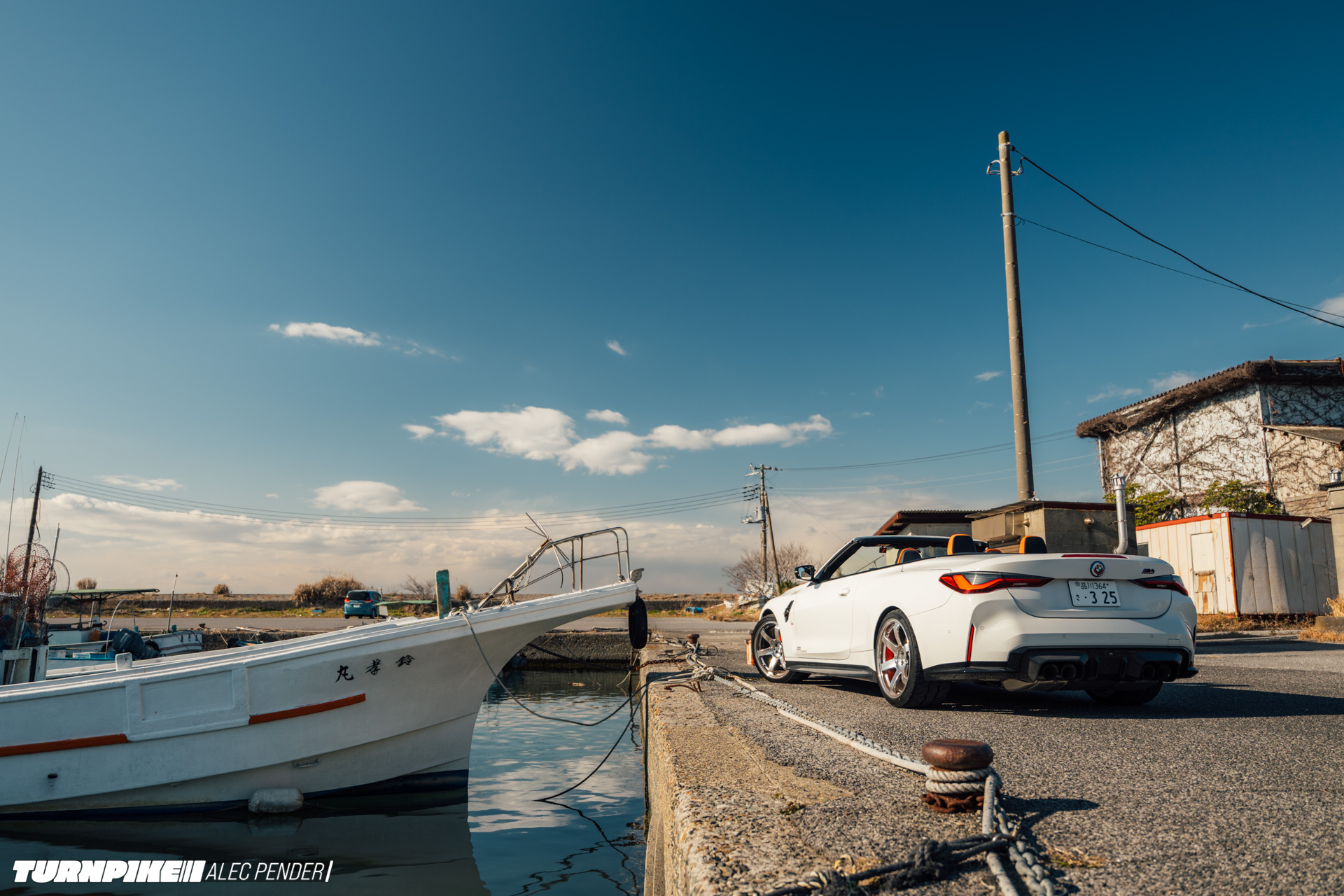
This time around, I decided to take the JDM approach and fit the most Japanese wheels possible: RAYS Volk Racing TE37s. But not just any set – export-only TE37 SAGA S-plus A.S.T. wheels, finished with RAYS’ next-generation A.S.T. Crystal Buff (CB) surface treatment. Since they were only available in the US market, they made for a uniquely distinctive setup, exactly what you need when you’re trying to make a mark at TAS.
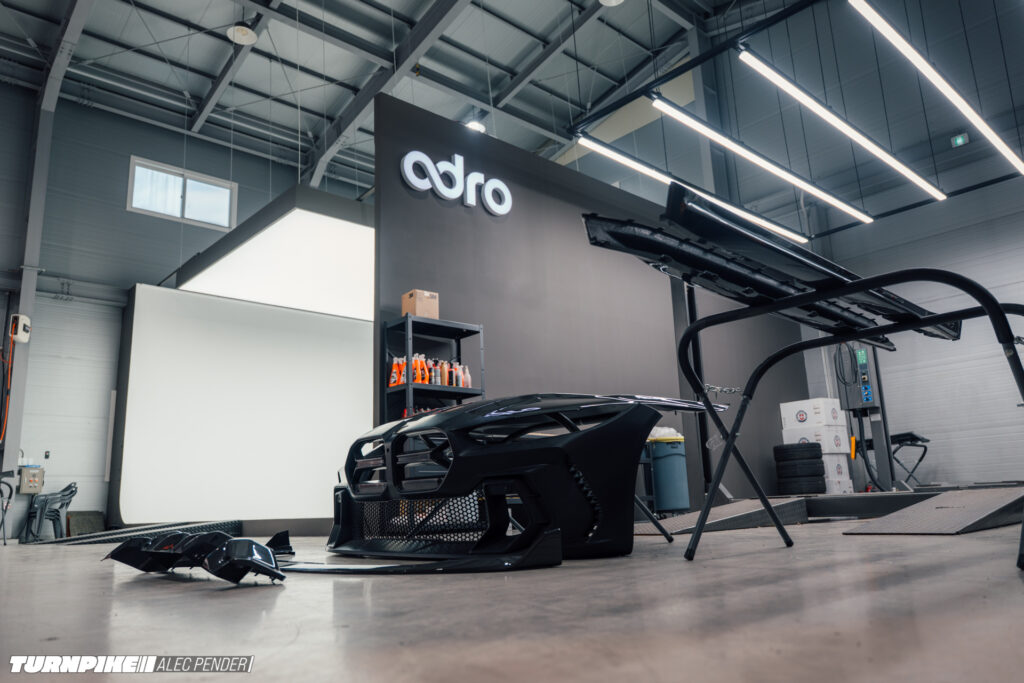
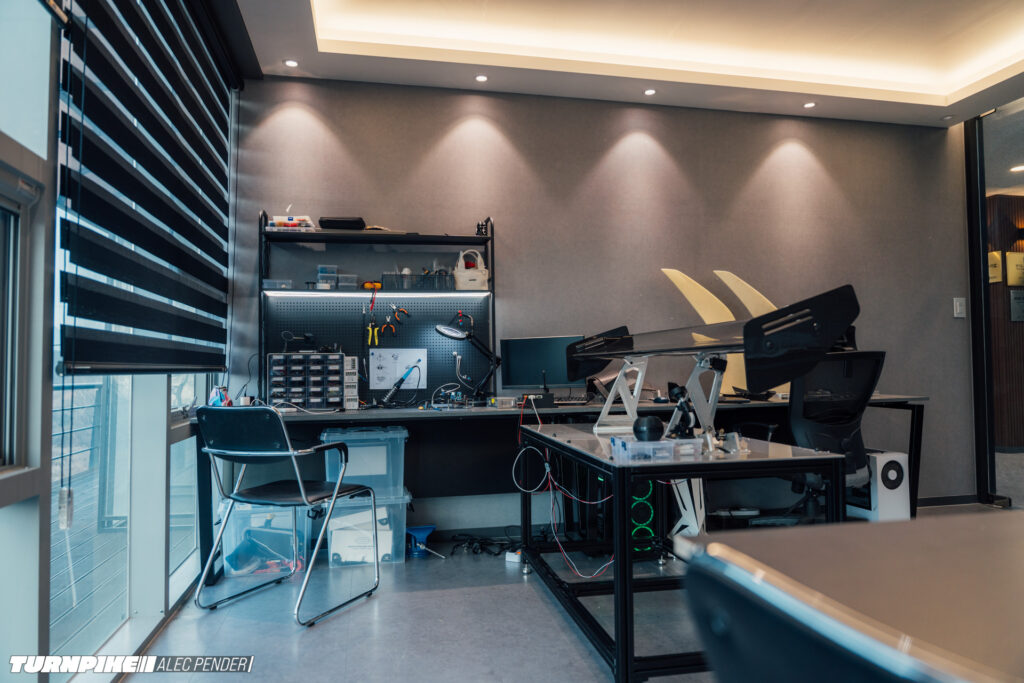
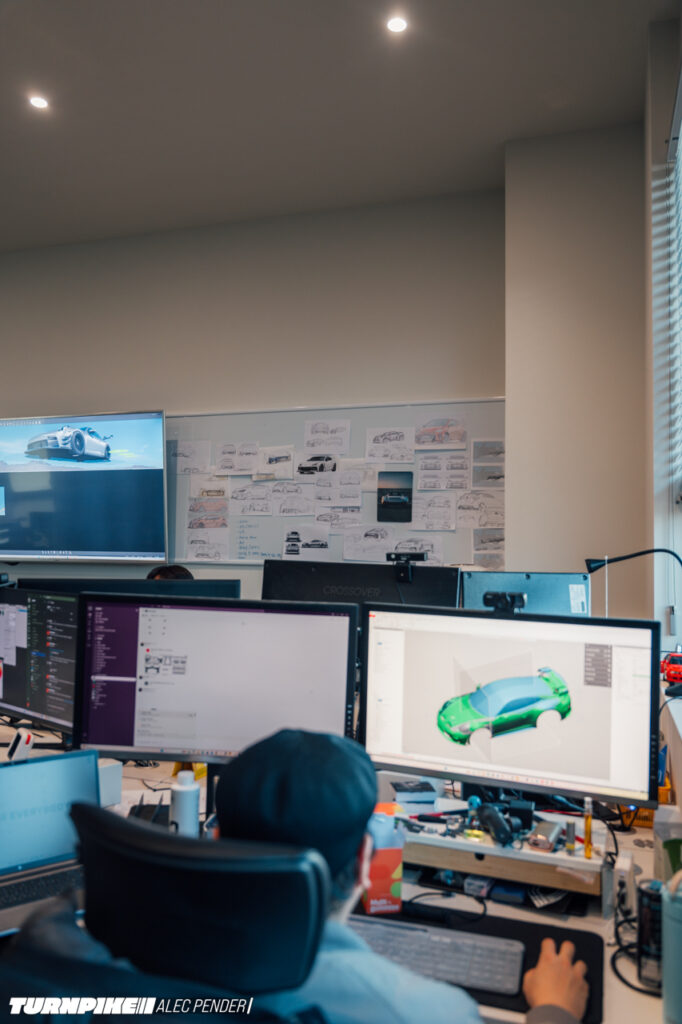
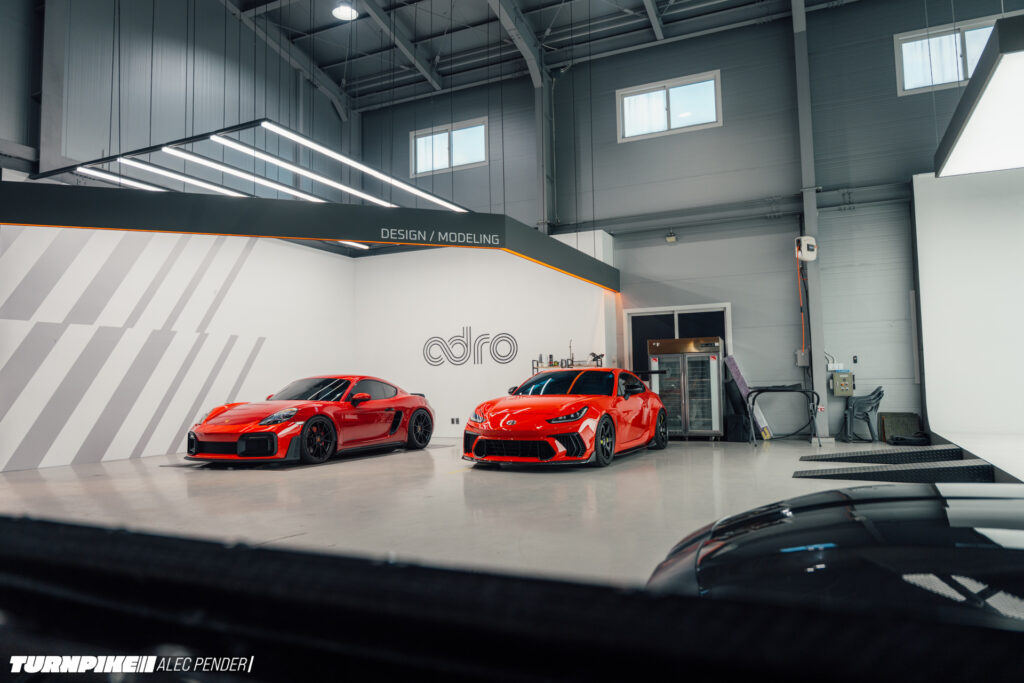
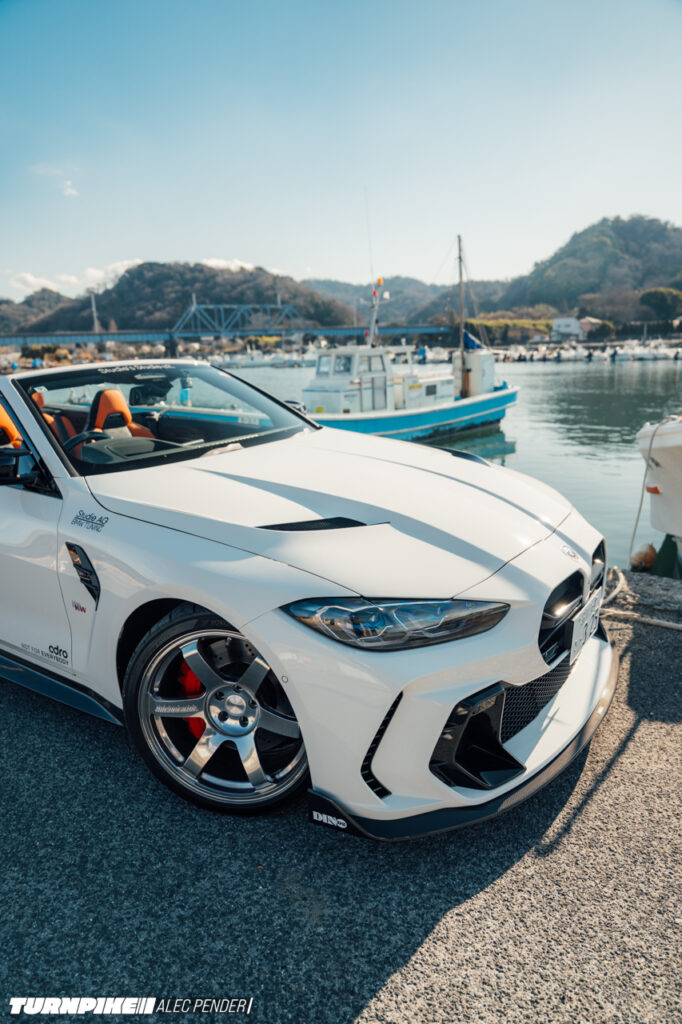
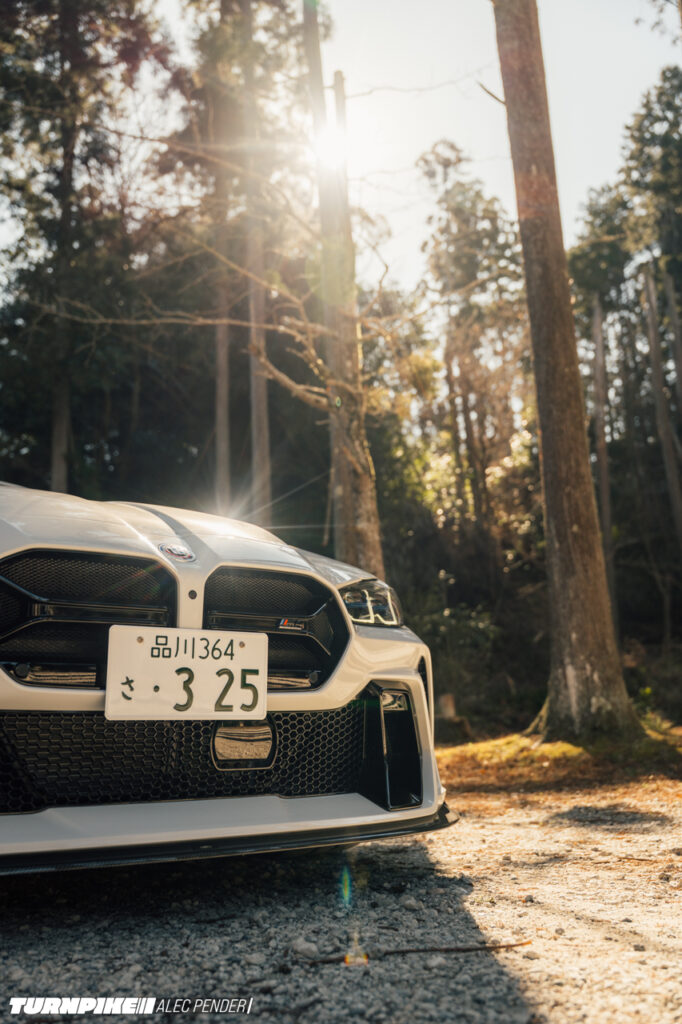
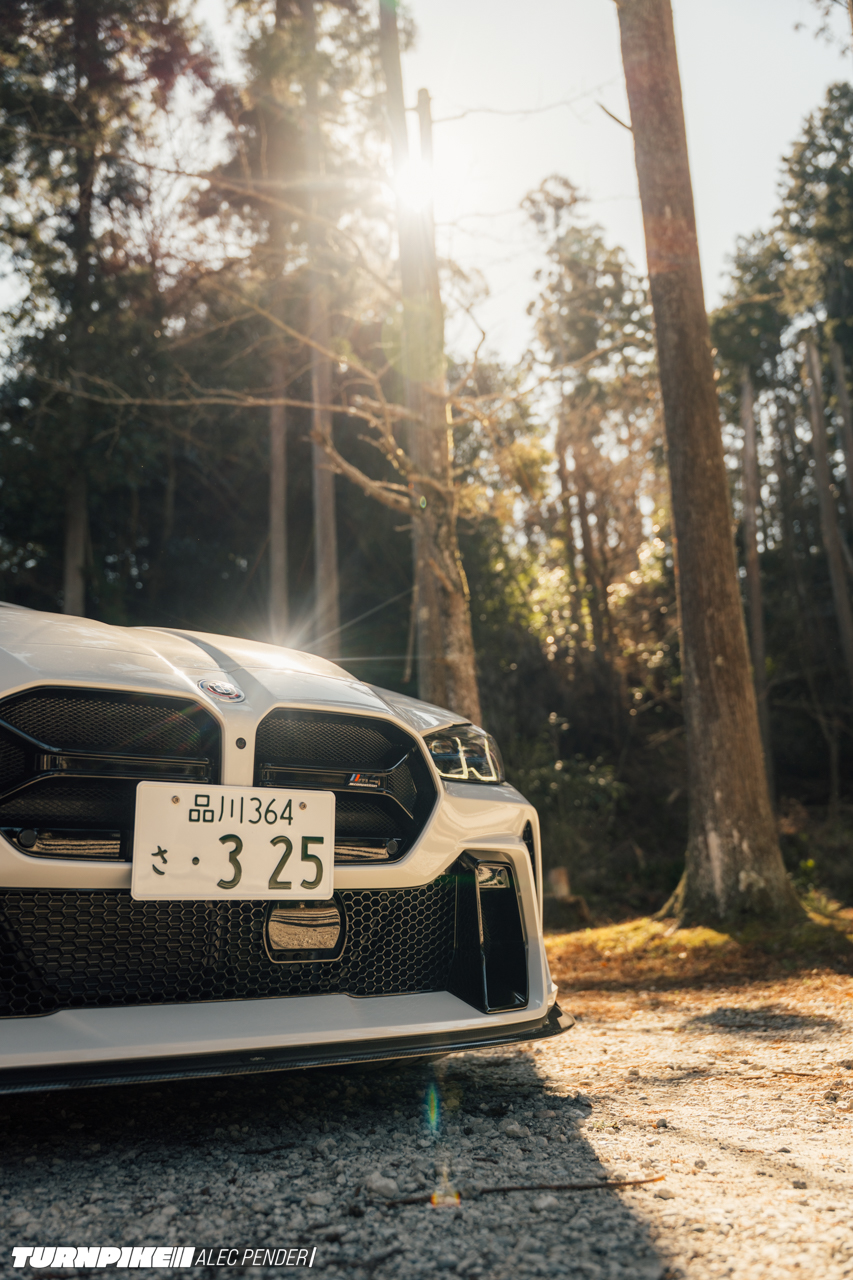
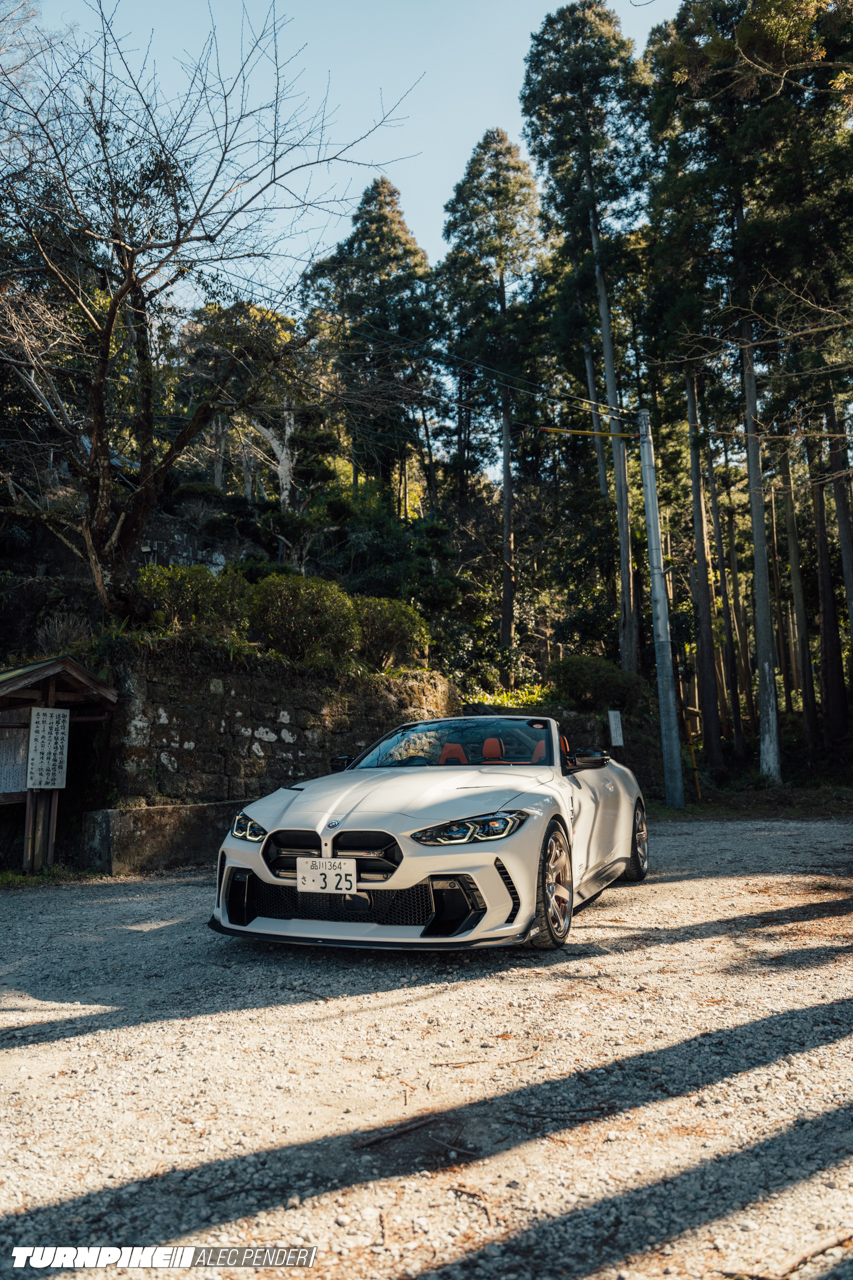
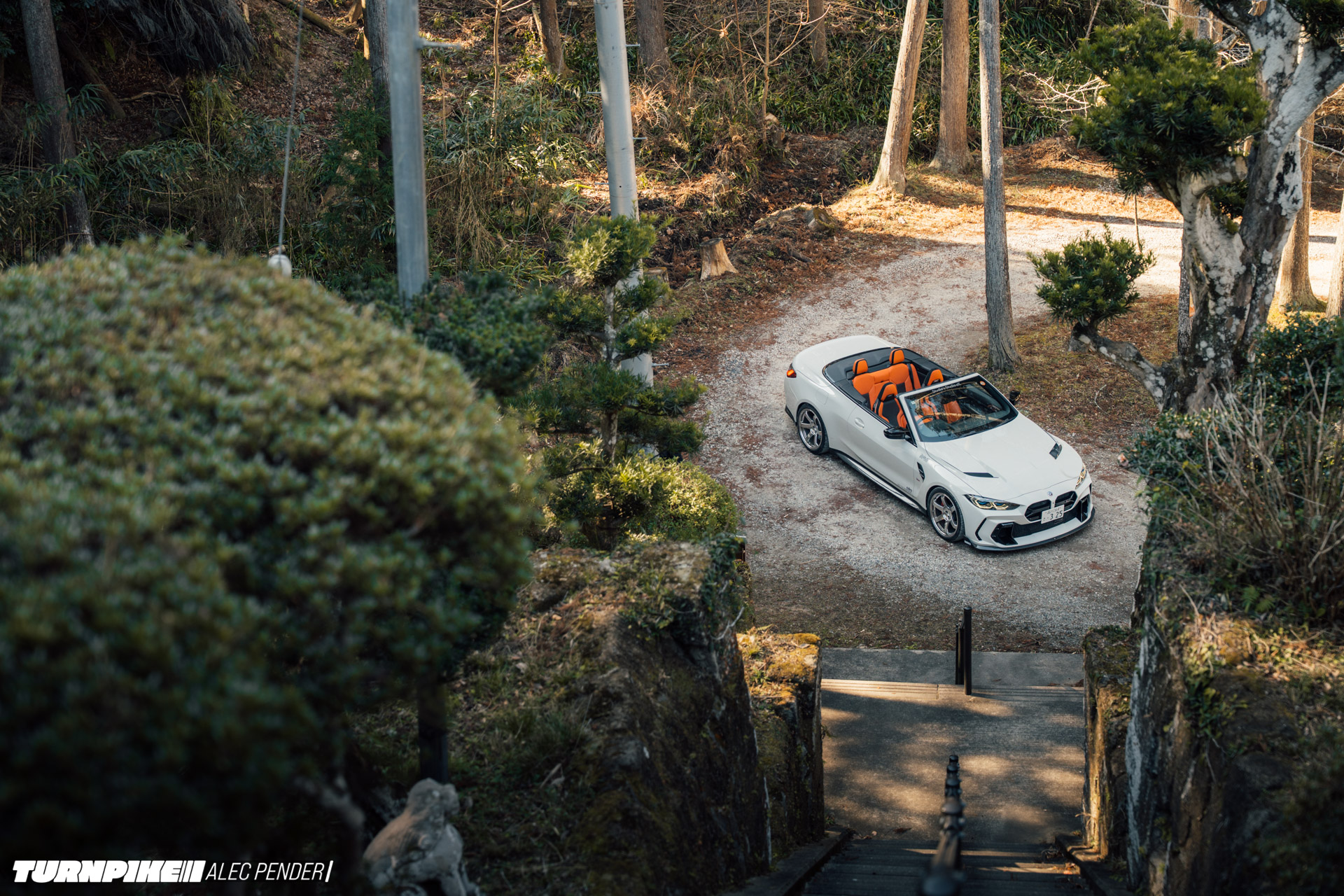
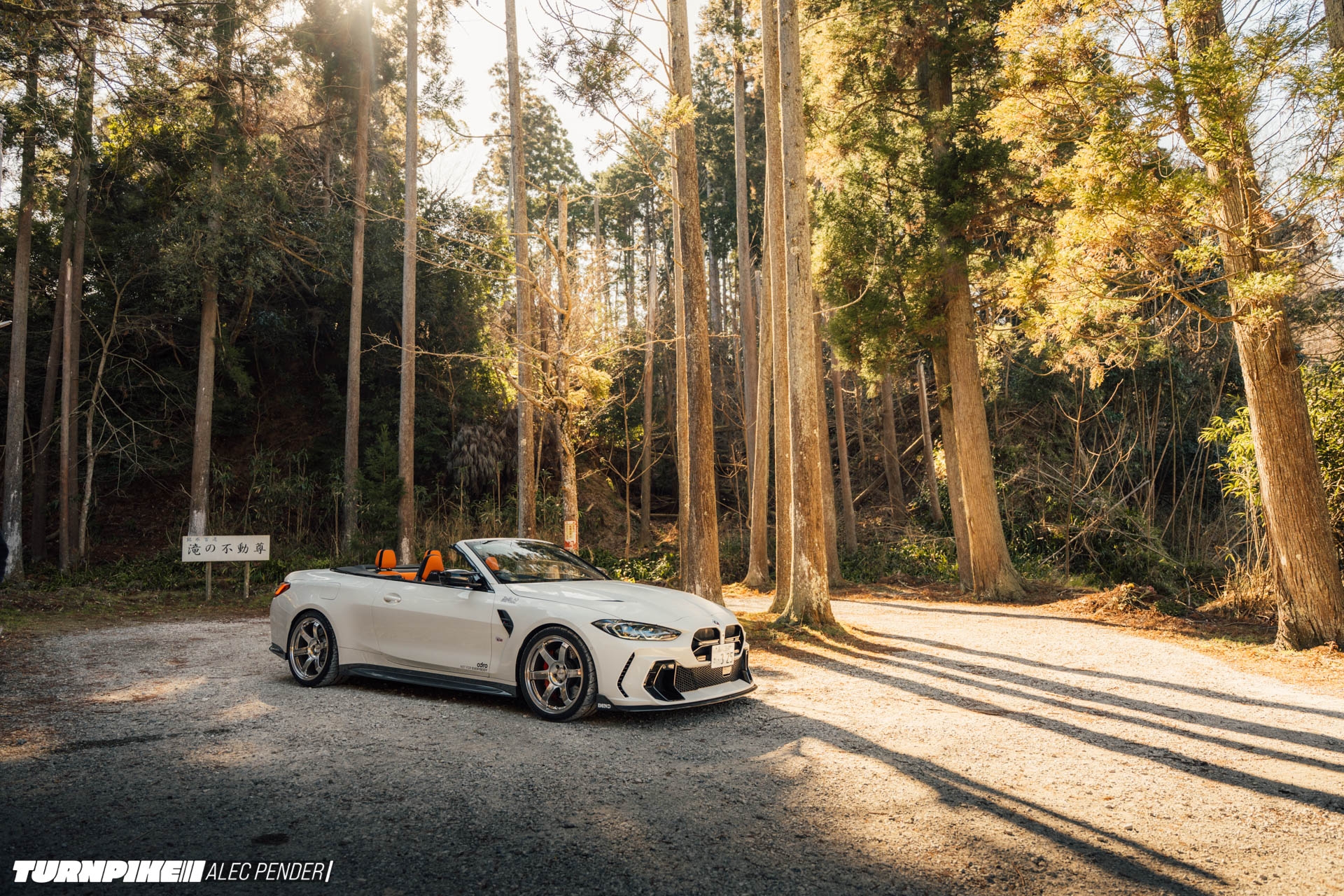
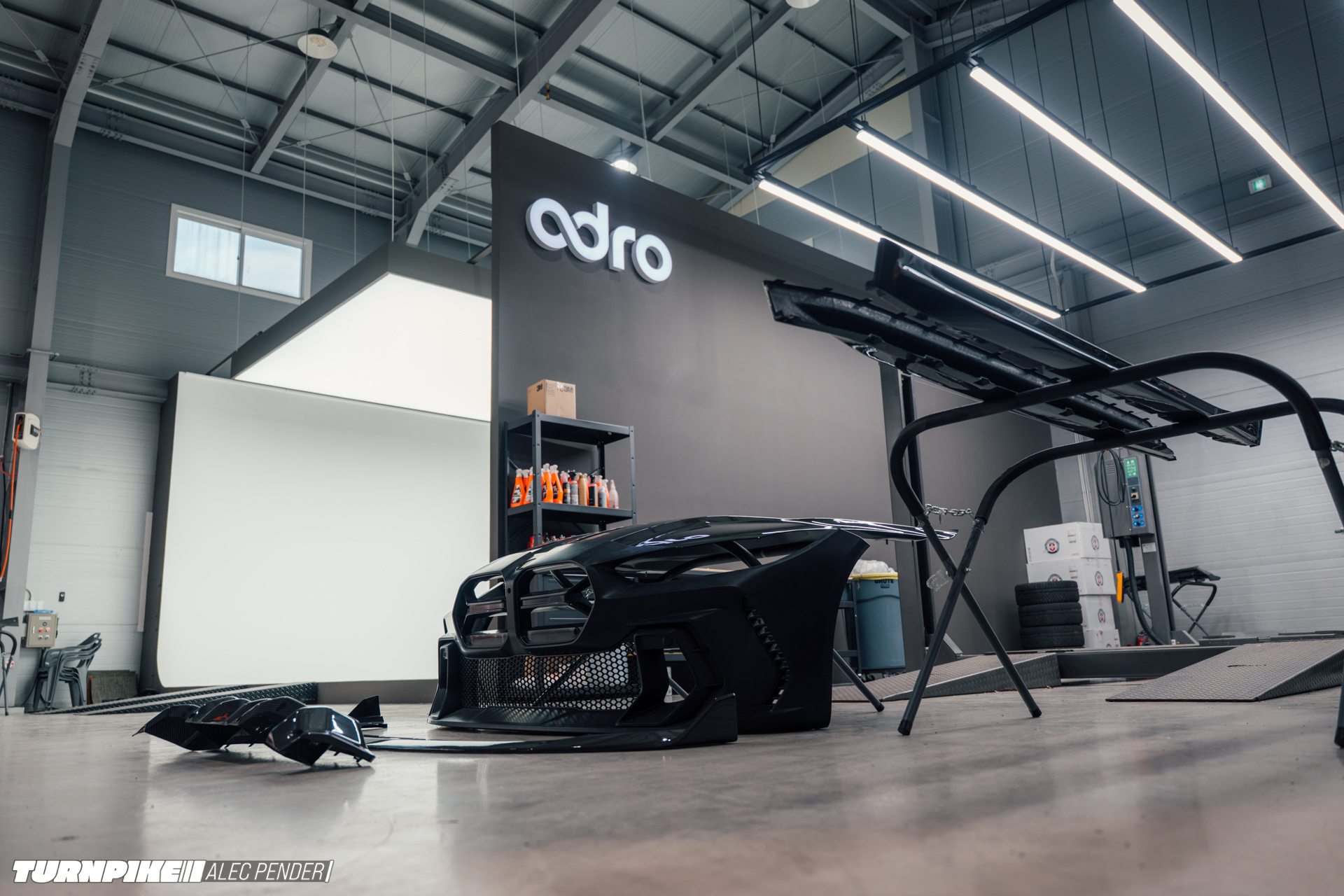
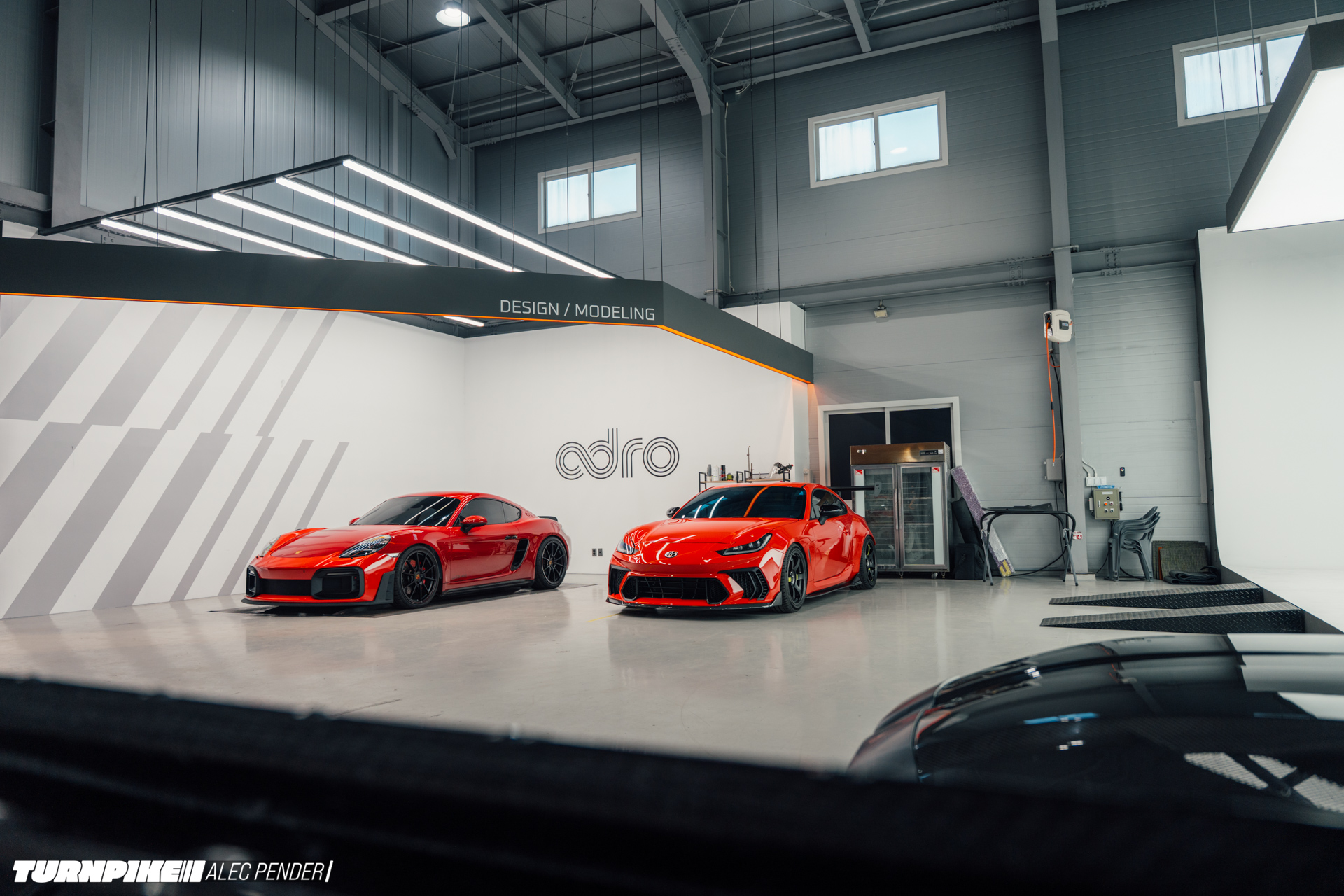
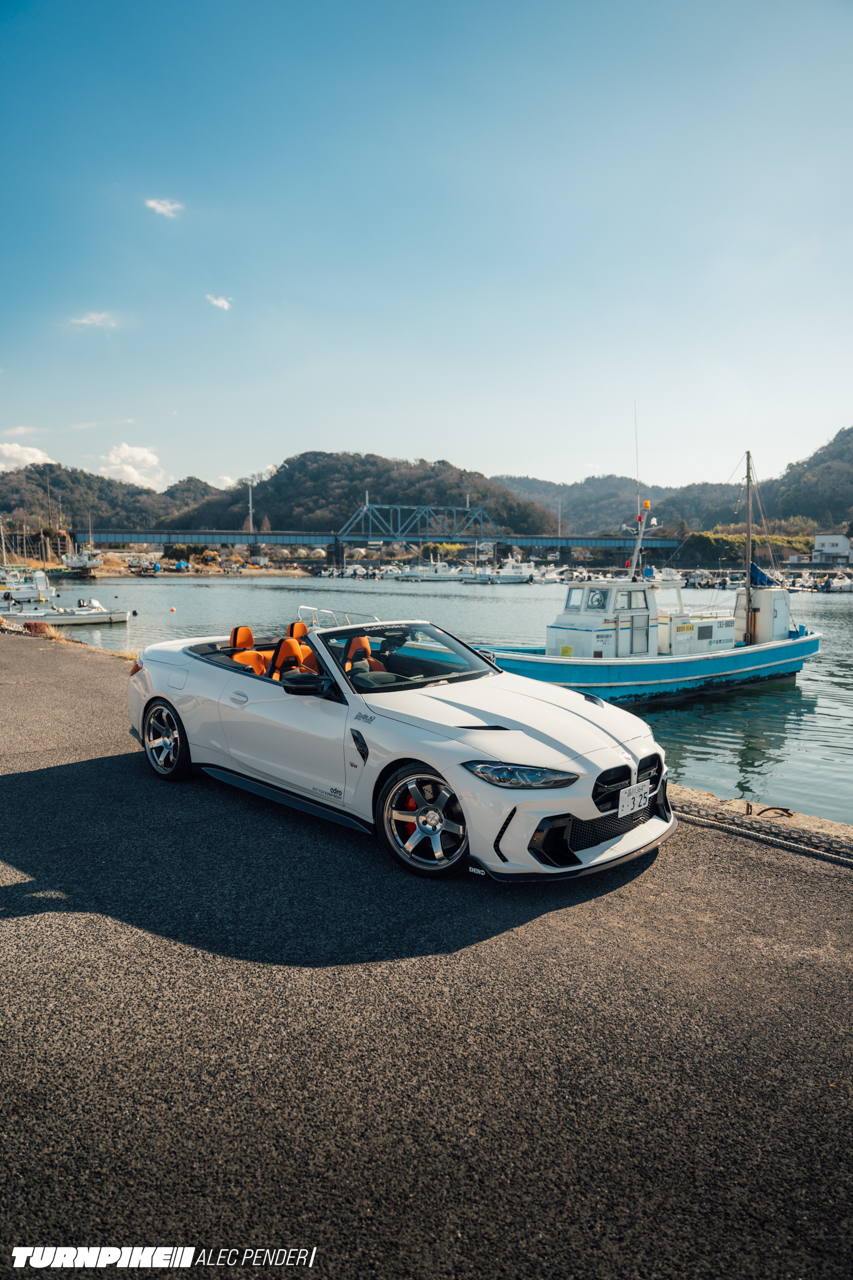
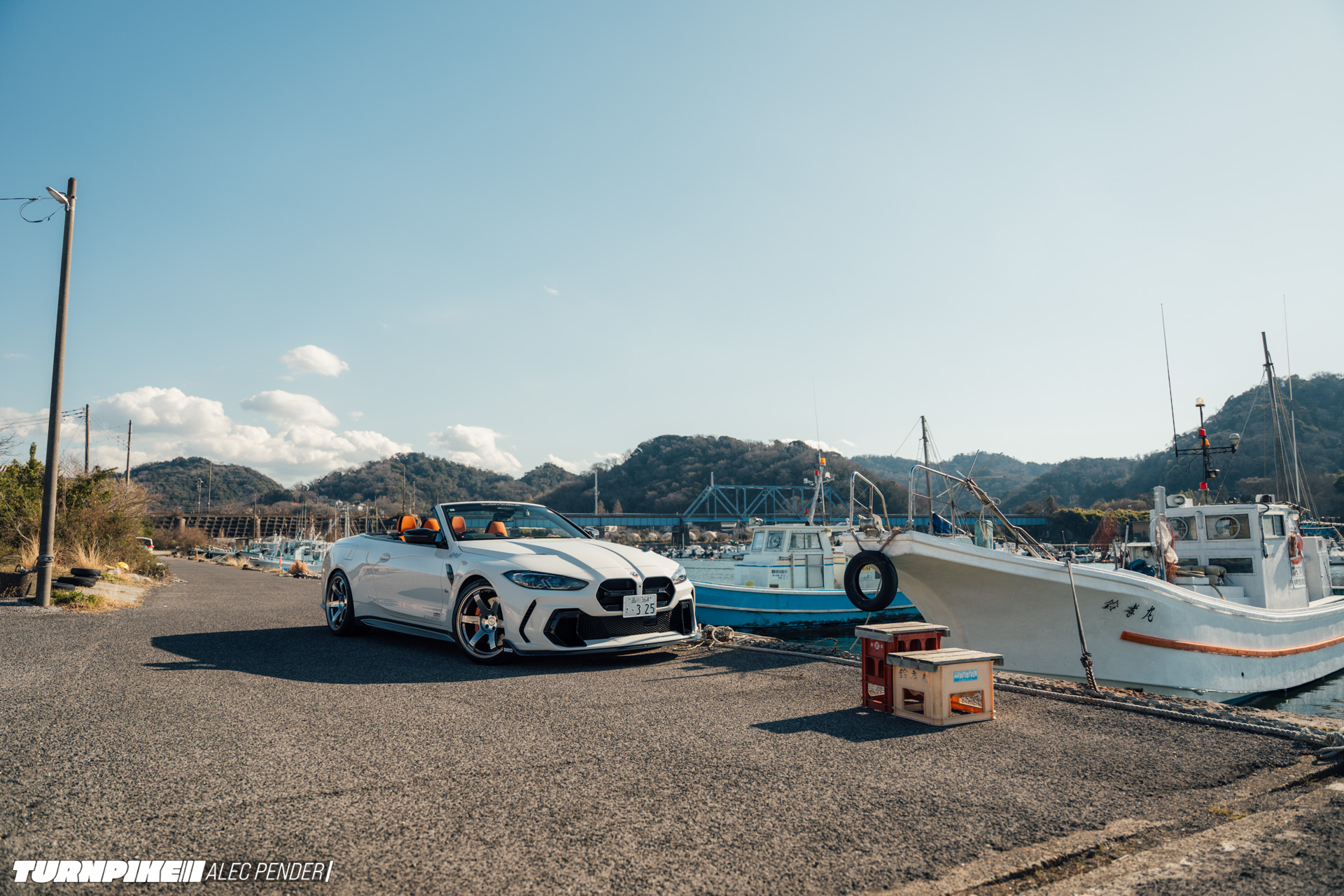
But it didn’t end there. The most visually impactful aspect of the build would be the ADRO Inc. aero package, which I like to think of as more of a complete transformation than just a simple body kit upgrade. The ADRO facelift does away with the car’s controversial pig-snout grille, replacing it with a redesigned front end that feels far more in line with the M-car lineage.
That was followed by a long list of pre-preg carbon additions, which I actually saw at ADRO’s HQ in Seoul, South Korea, before they were shipped to Studie. While we were there, Alec had the chance to tour the entire operation, so keep an eye out for a behind-the-scenes post on that soon.
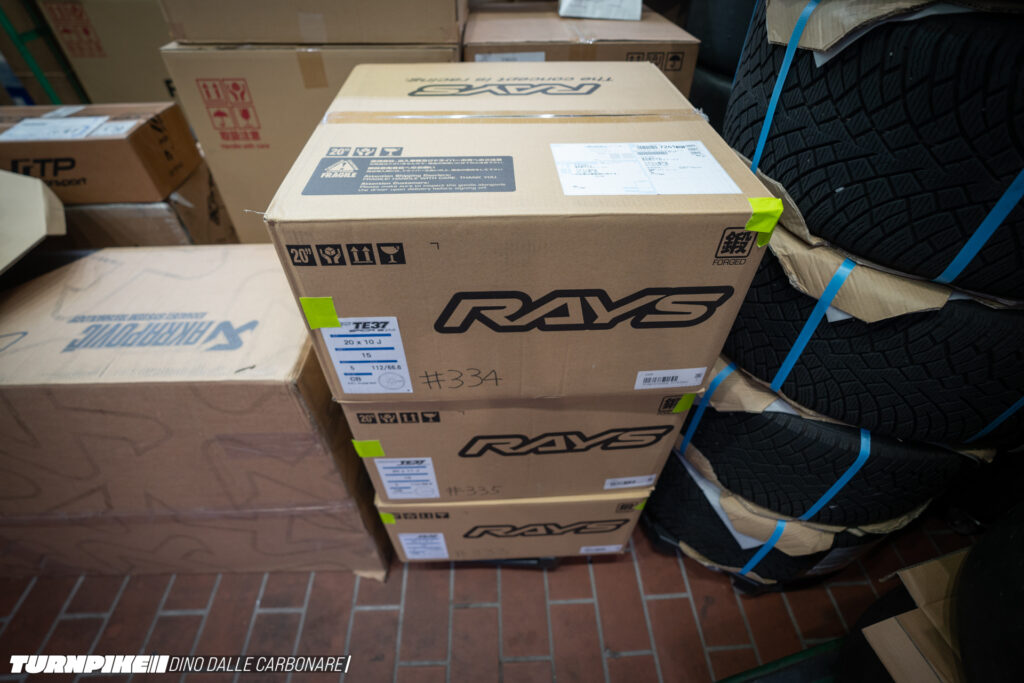
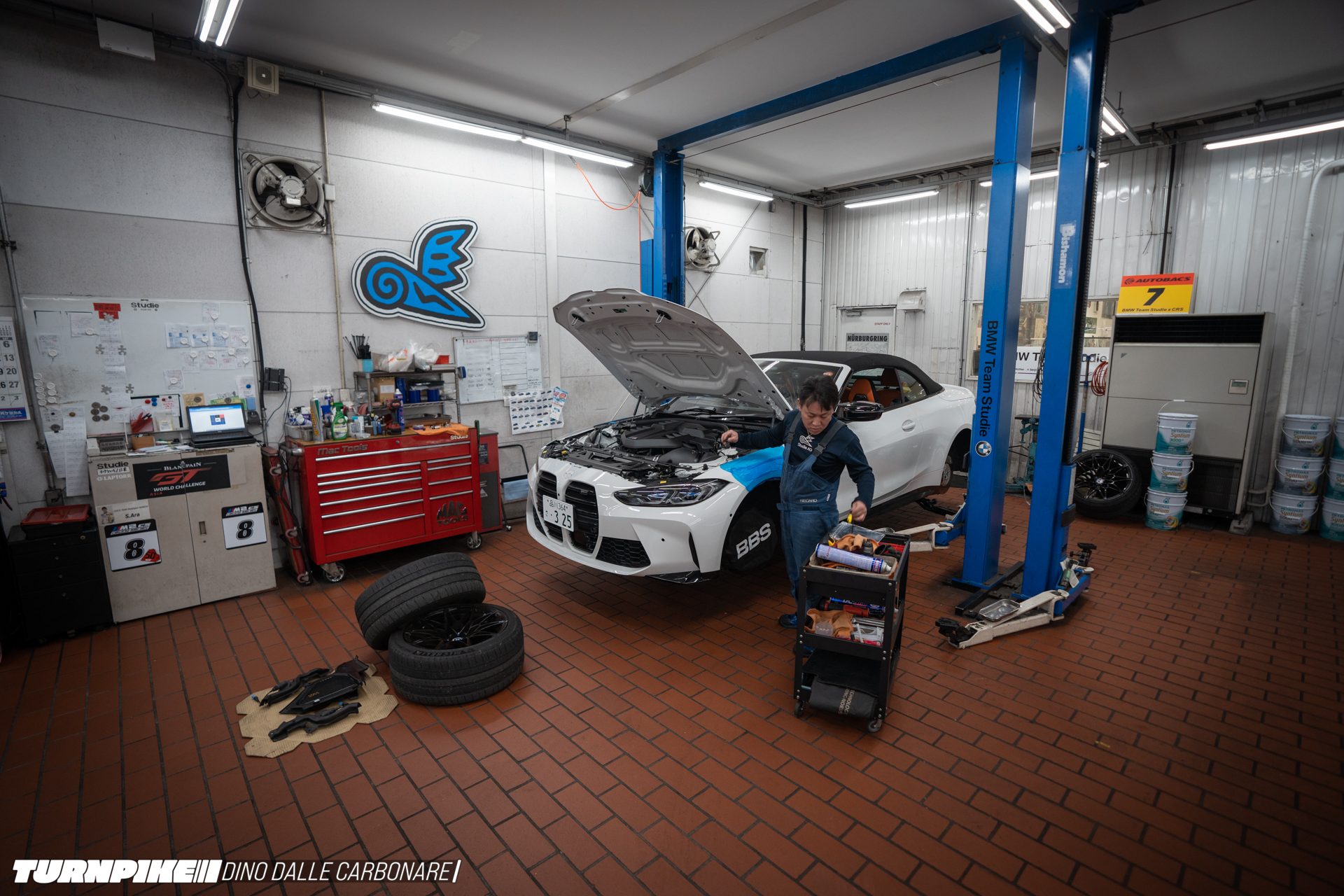
The build was nothing short of a crunch, as is always the case when preparing a car for a show debut. I got to lend a hand with some of the work along the way, but Studie was so efficient that multiple things were happening simultaneously. Once the full ADRO V2 front bumper assembly and carbon-Kevlar aero hood arrived, everything was sent straight to Studie’s trusted body shop for prep and paint.
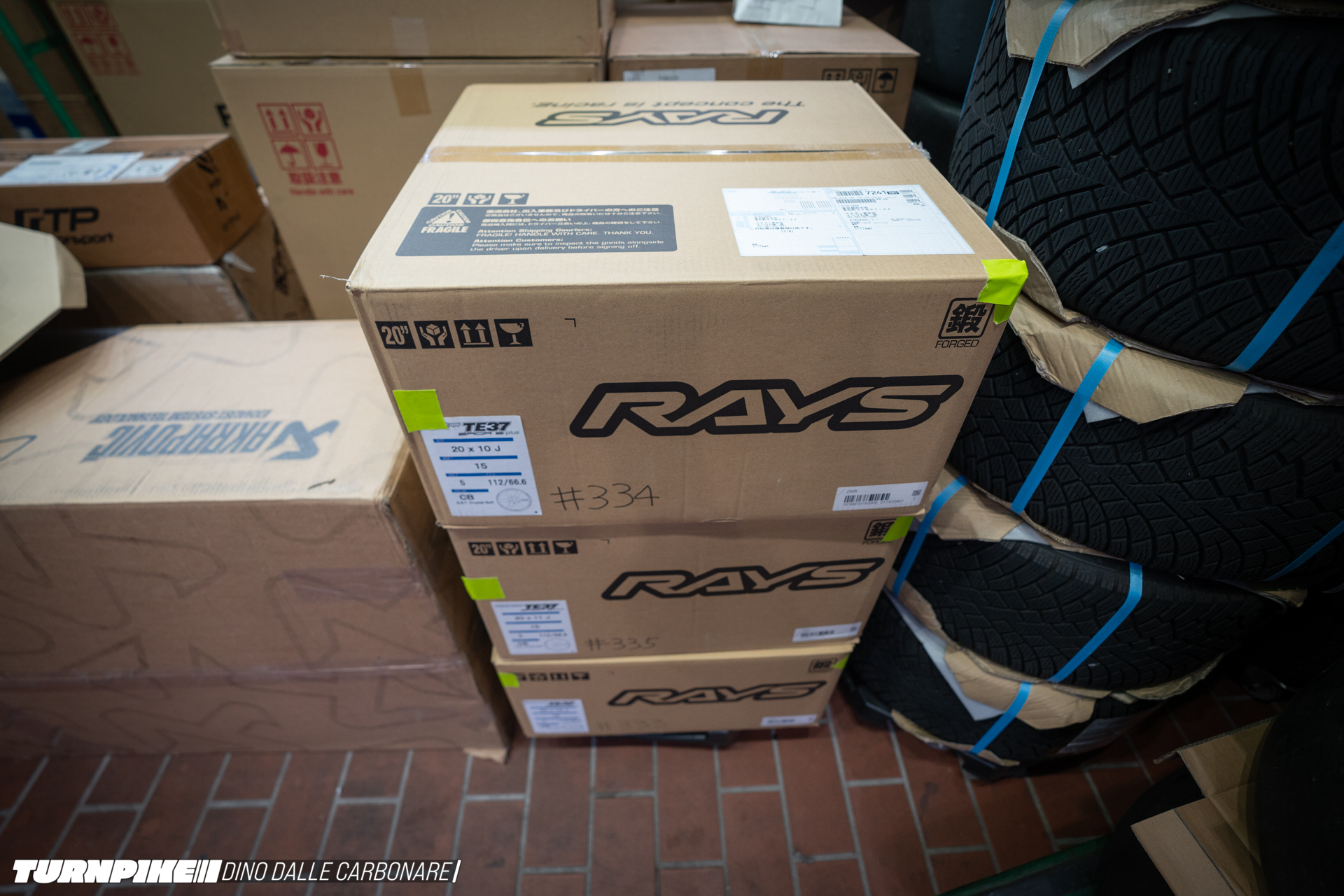
While that was happening, I headed to Studie Tokyo to check out the arrival of the TE37 SAGA S-plus A.S.T. wheels, which, of course, came in RAYS’ signature boxes. Talk about excitement opening up the first box and seeing the massive 20-inch polished TE37s for the first time! The wheels were sized for optimal fitment: 20×10-inch +15 up front and 20×11-inch +15 at the rear. They were then wrapped in my favourite tire, Yokohama’s Advan Neova AD09, measuring 285/30ZR20 and 295/30ZR20.
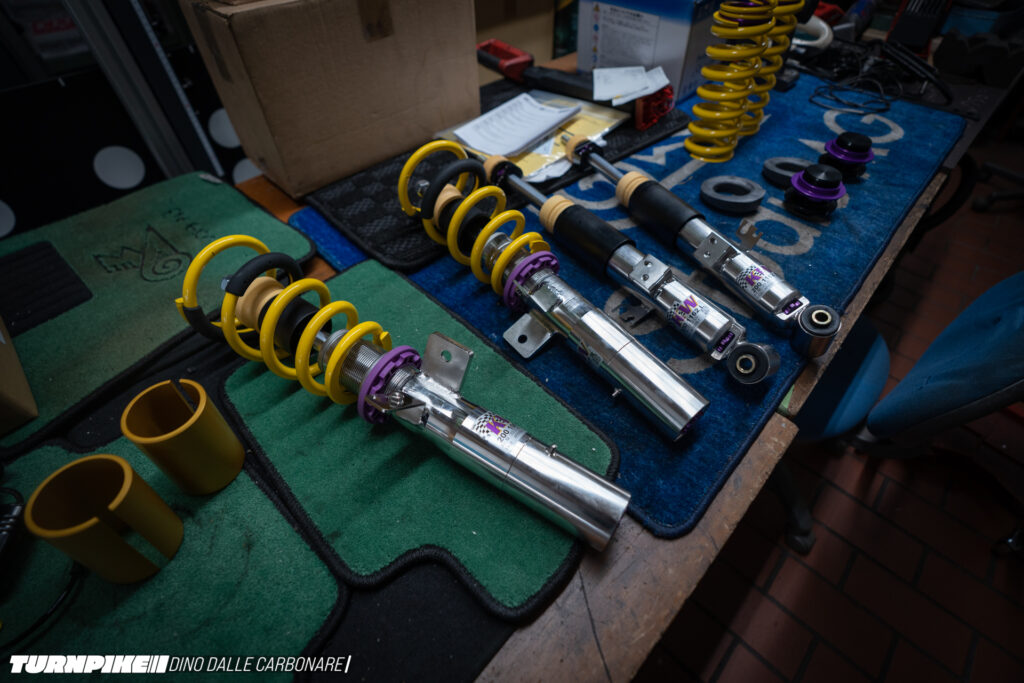
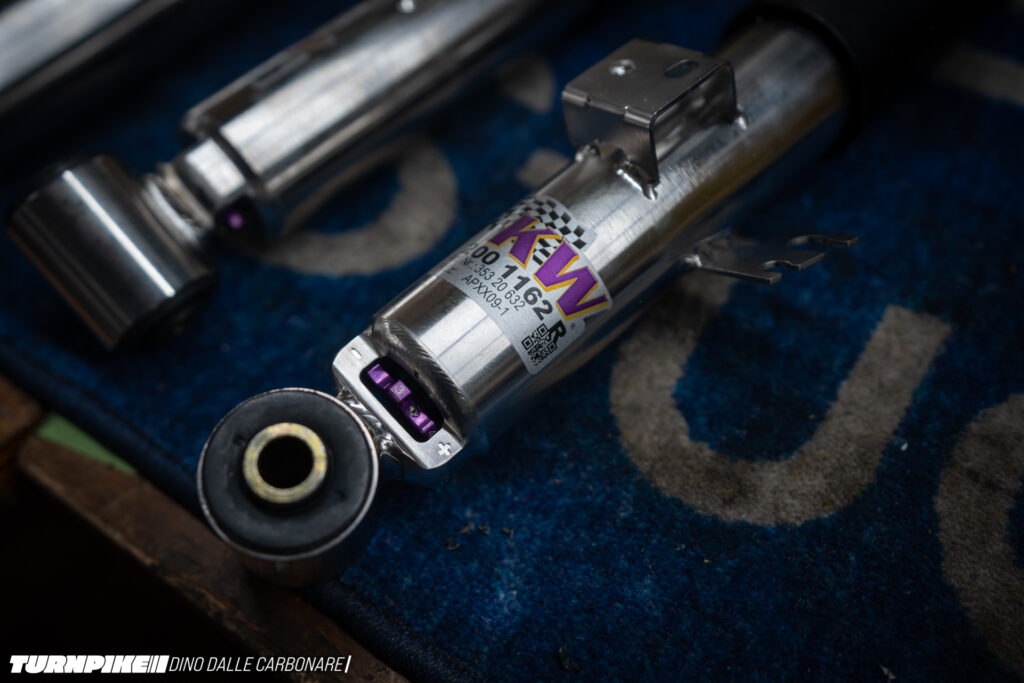
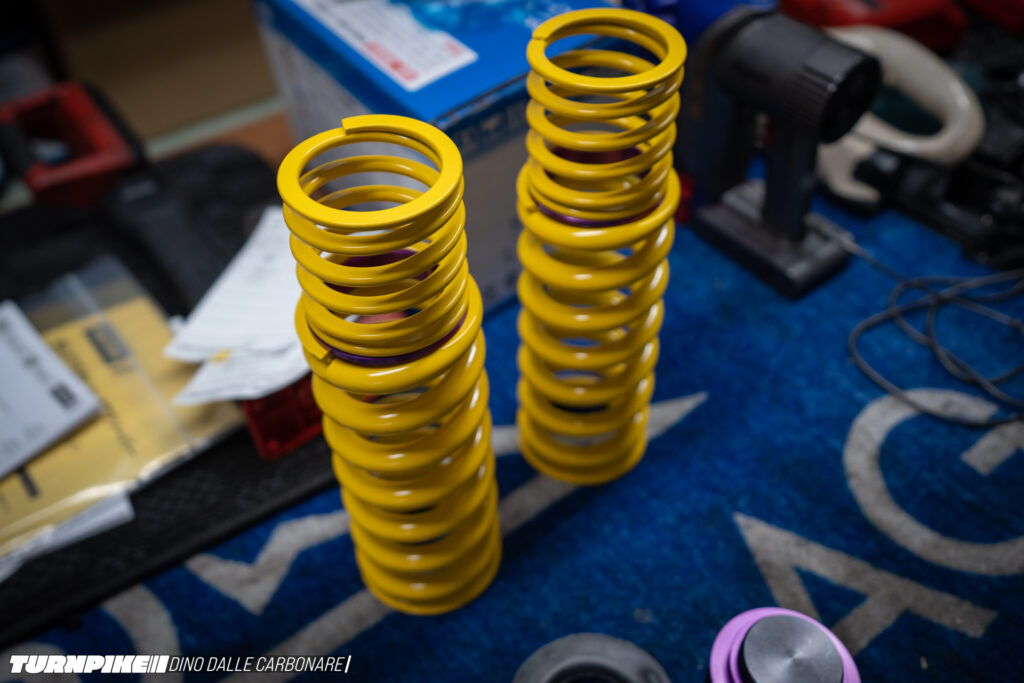
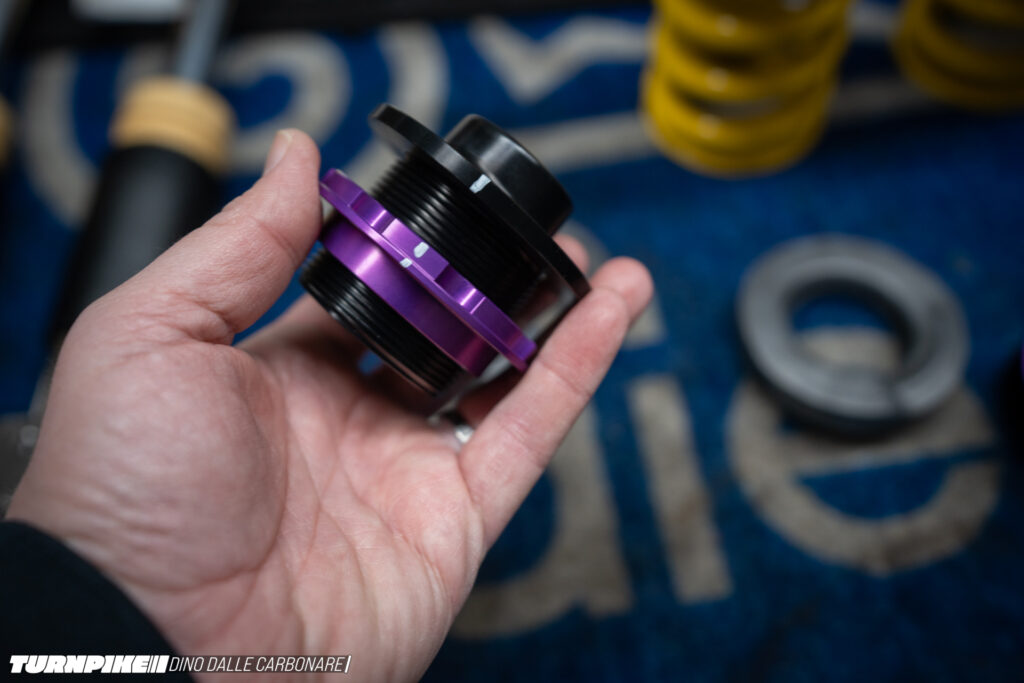
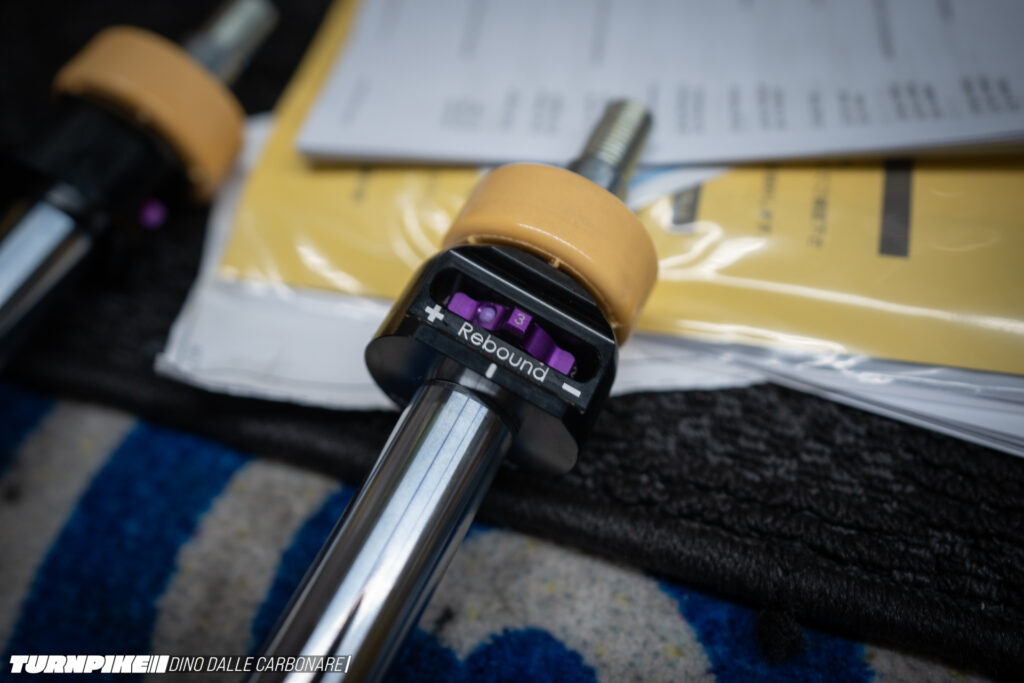
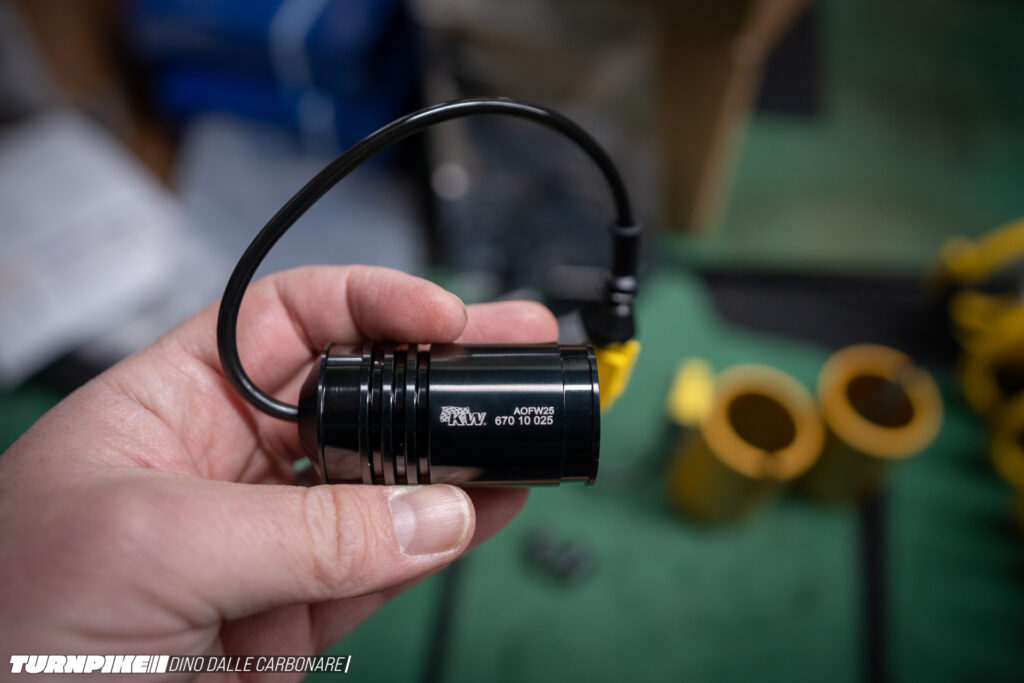
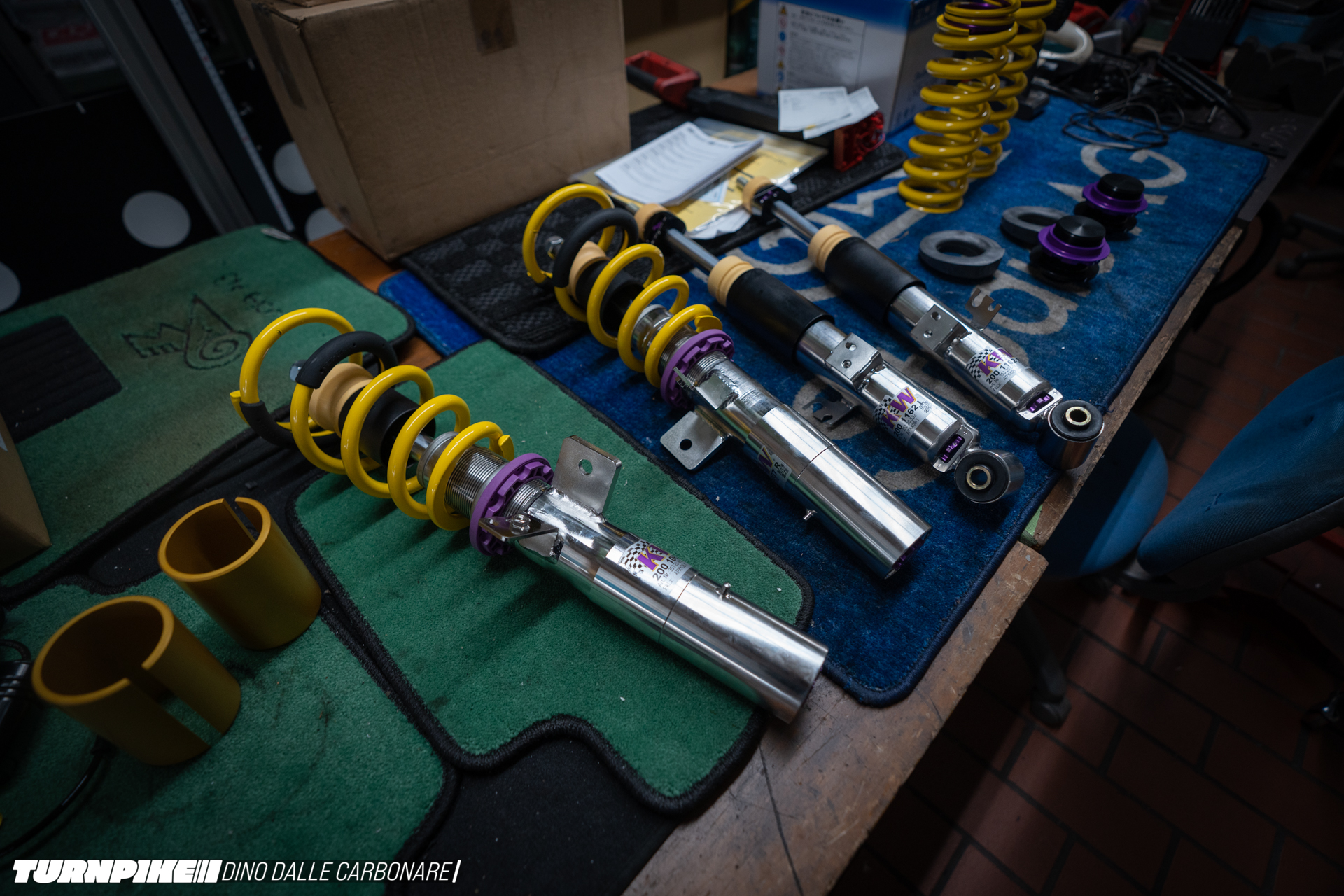
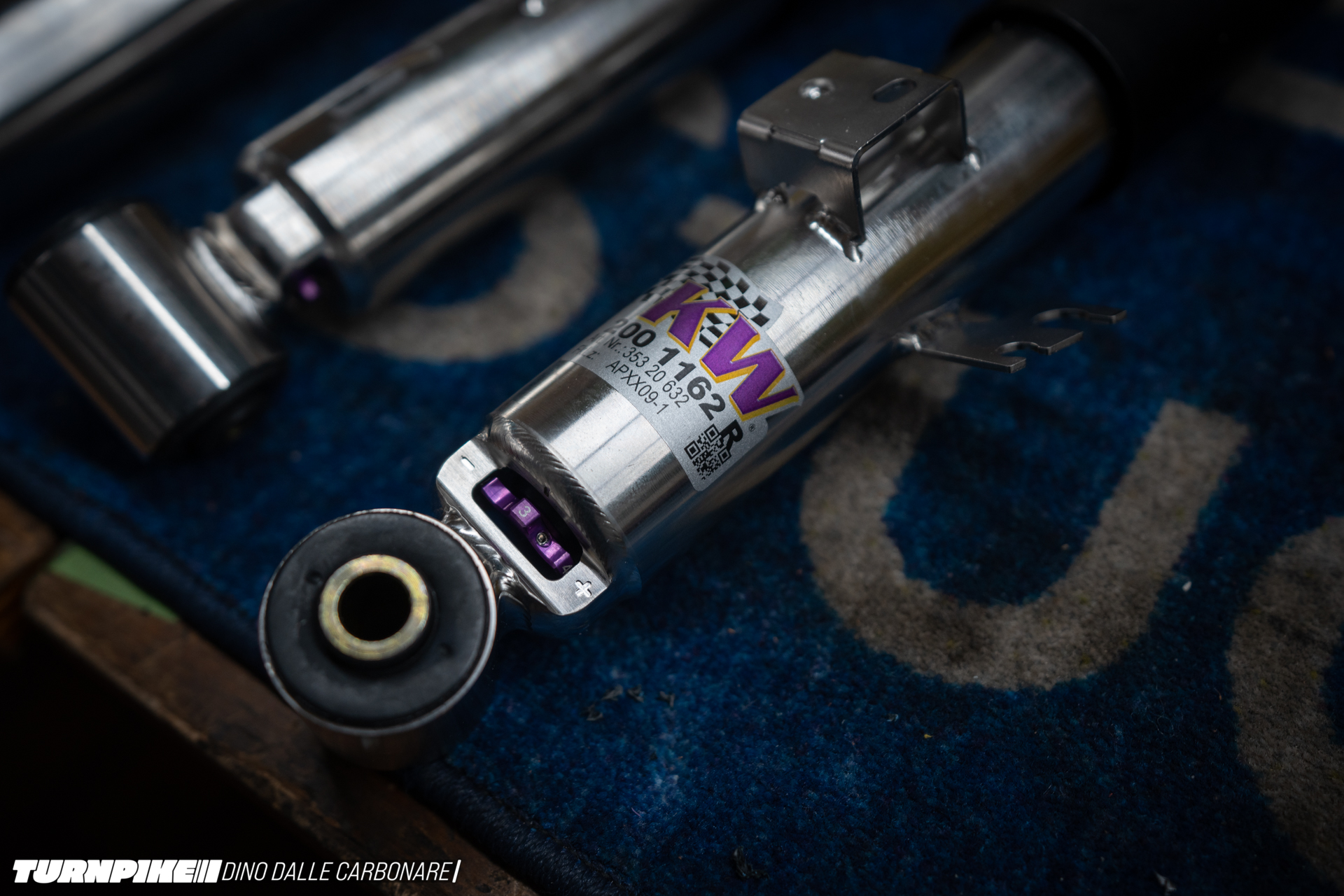
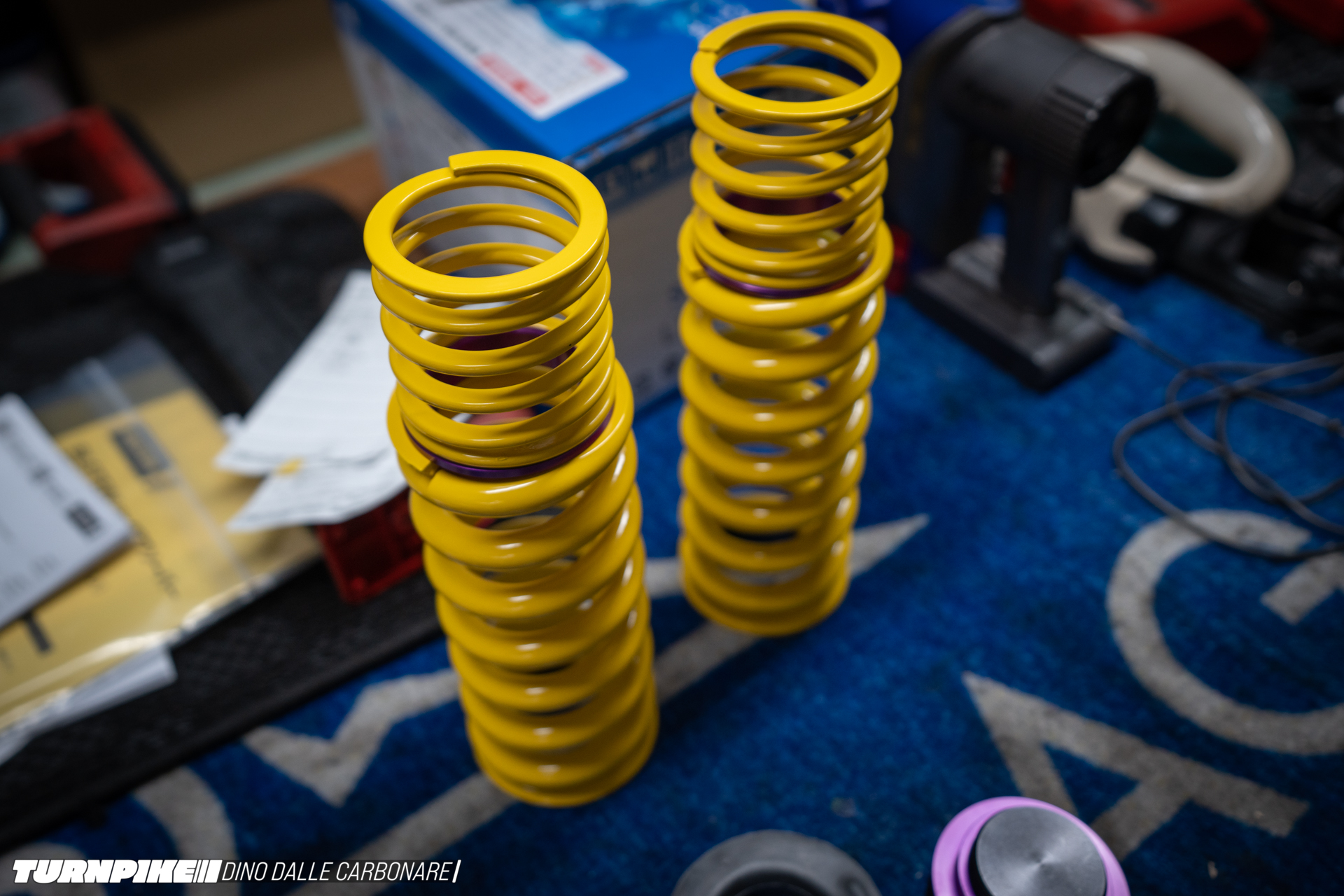
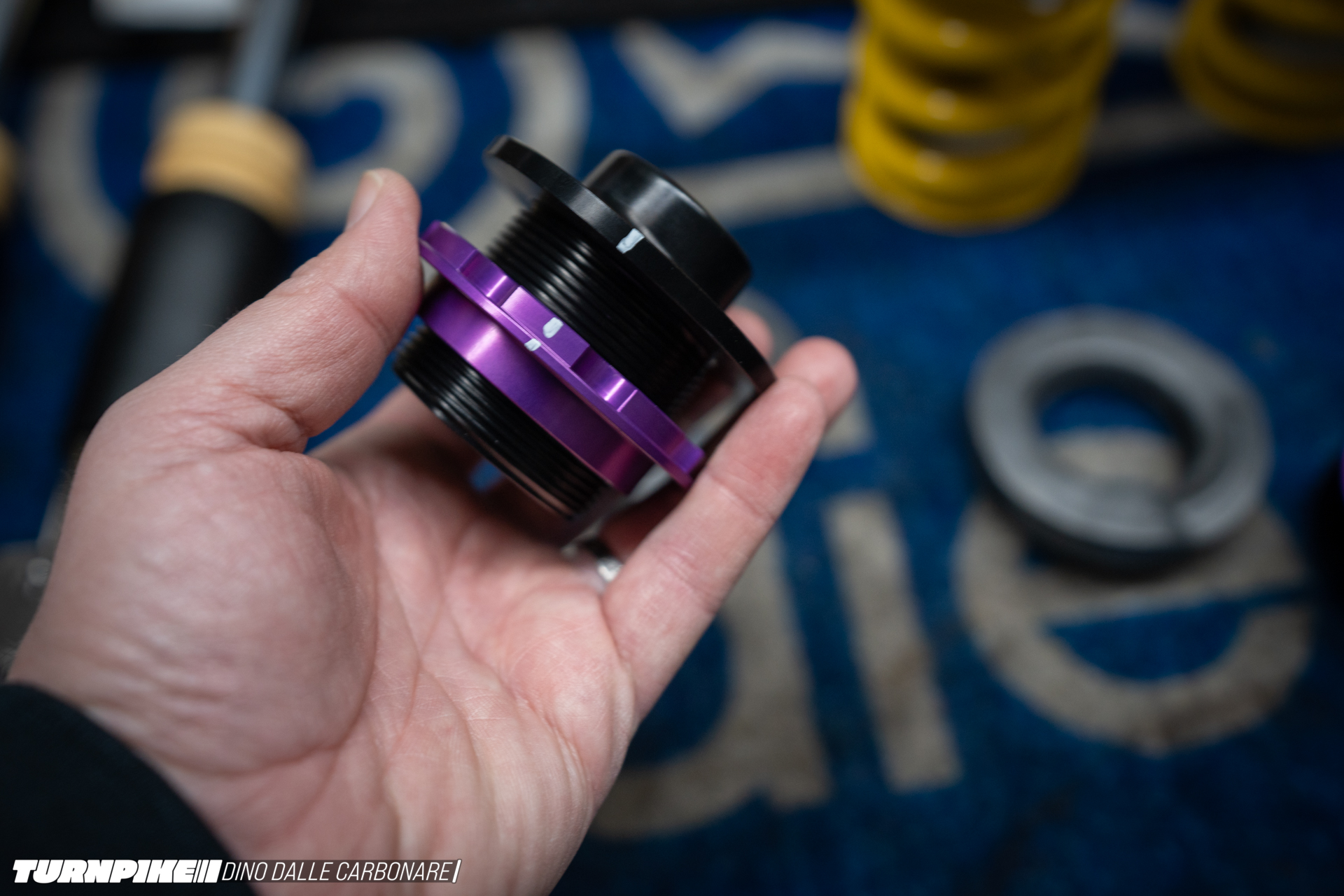
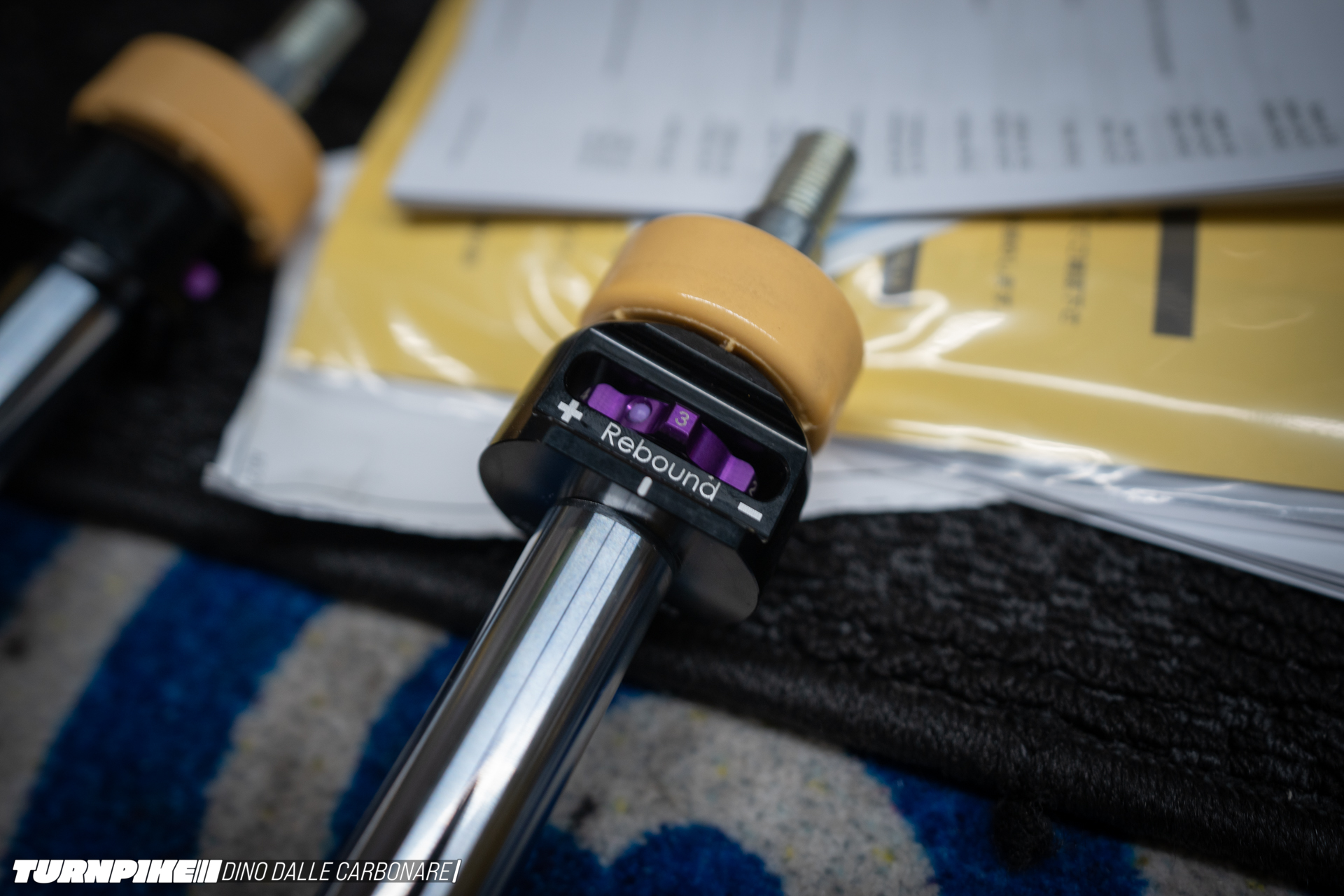
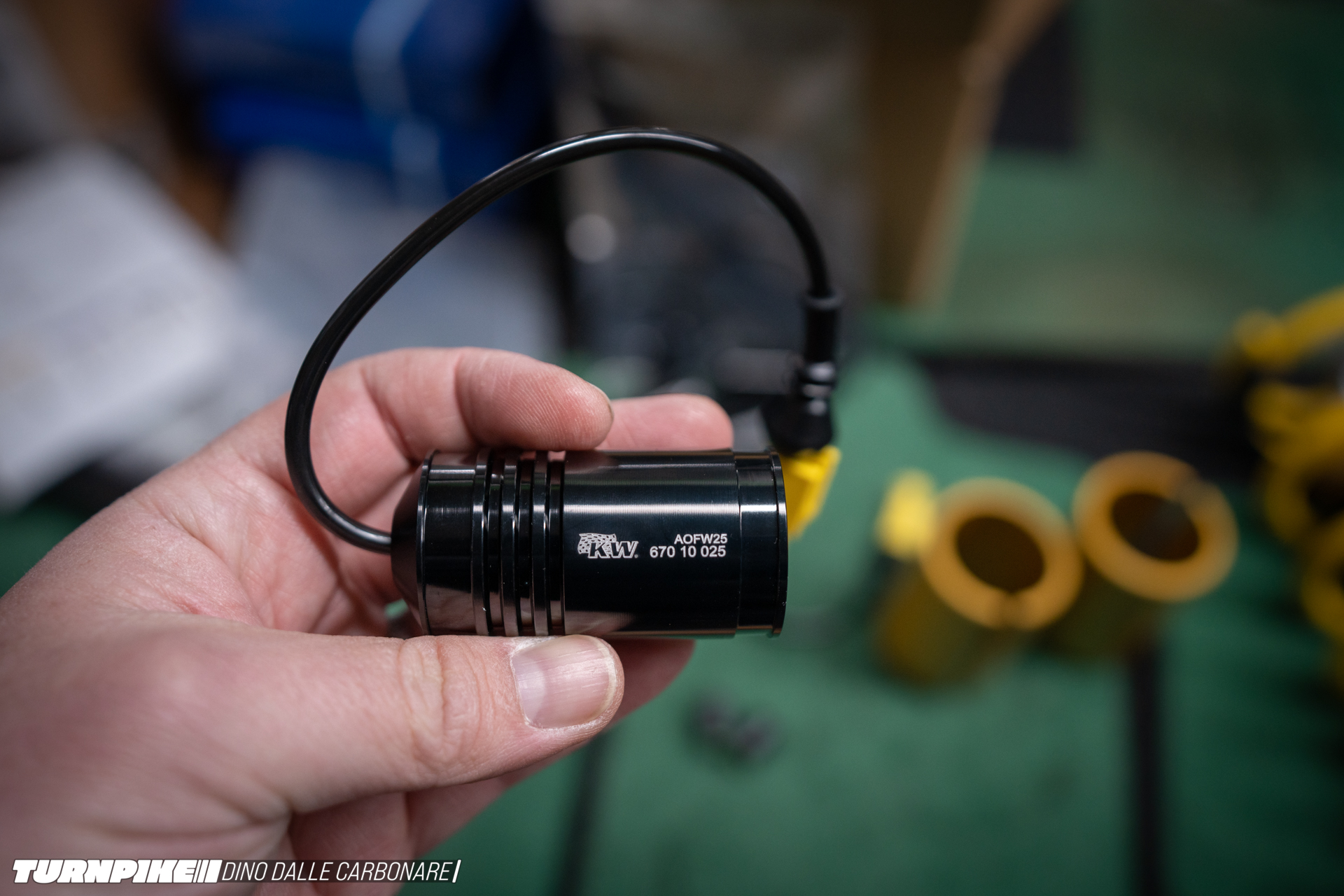
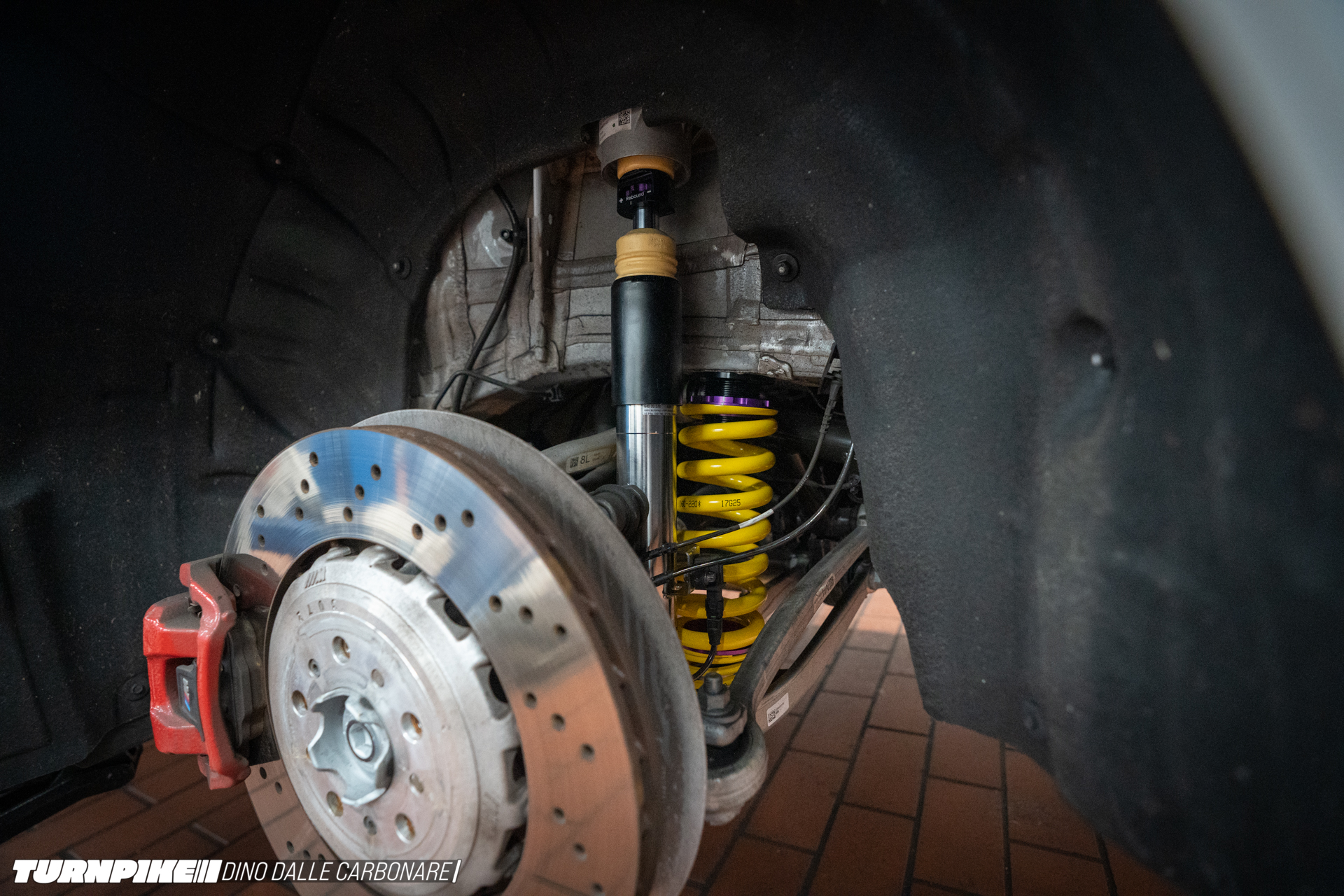
On the suspension side of things, Hashimoto Corporation, KW’s Japanese distributor, supplied a set of Variant 3 coilovers – a tried, tested, and trusted setup for me, having used them on previous BMW F33 builds as well as my 964. The G83 M4 kit is non-adaptive, but to ensure everything works seamlessly with the factory electronics, it includes a pair of cancellation modules, meaning there are no warning lights or error messages to worry about.
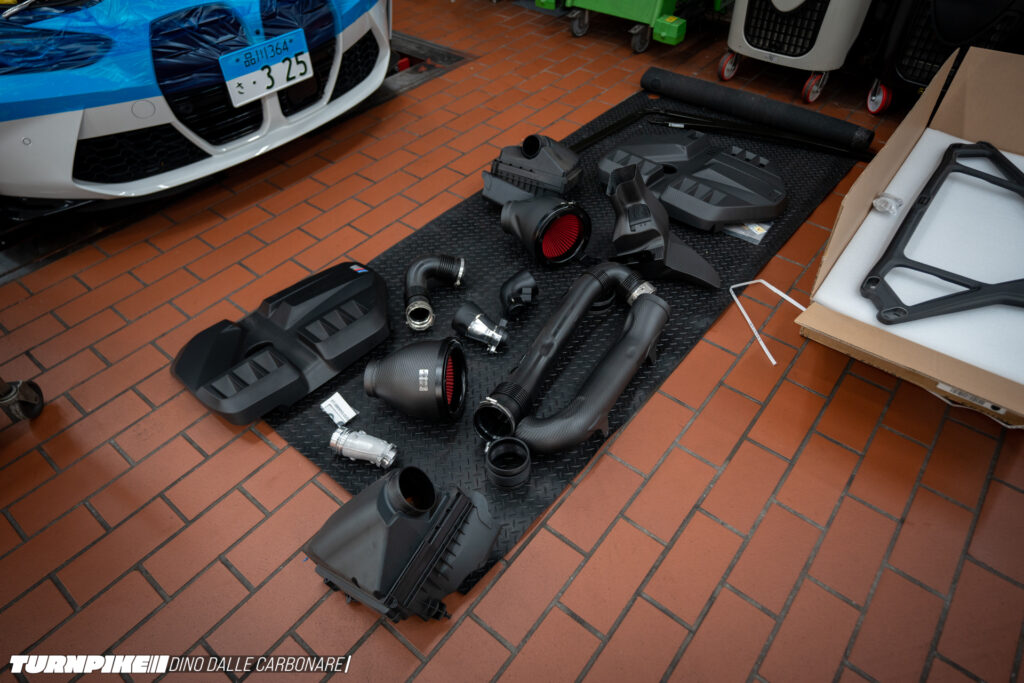
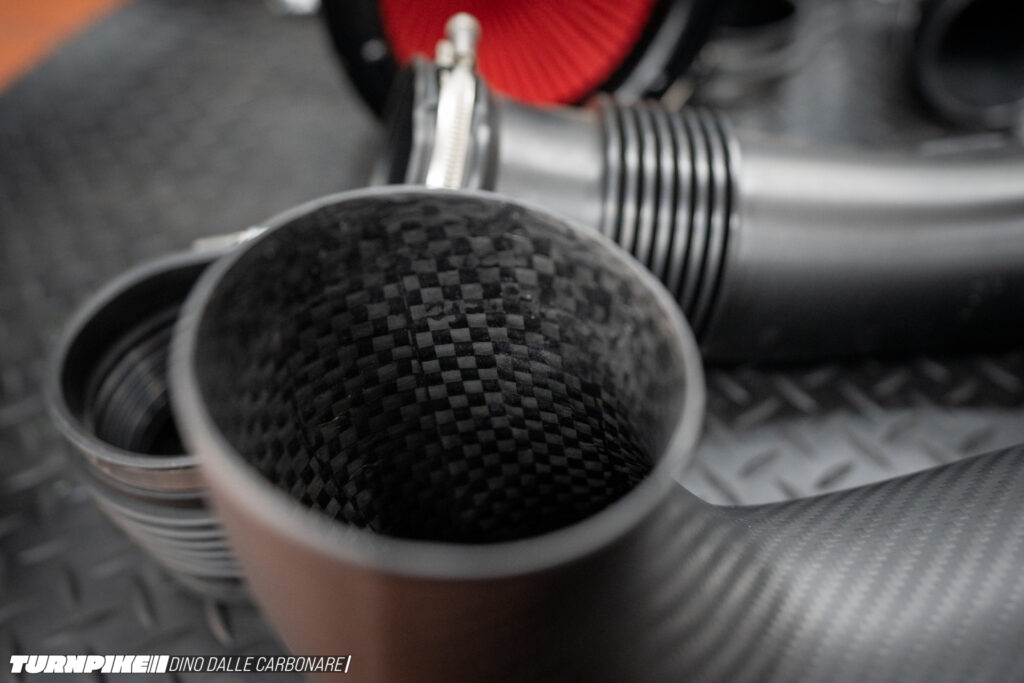
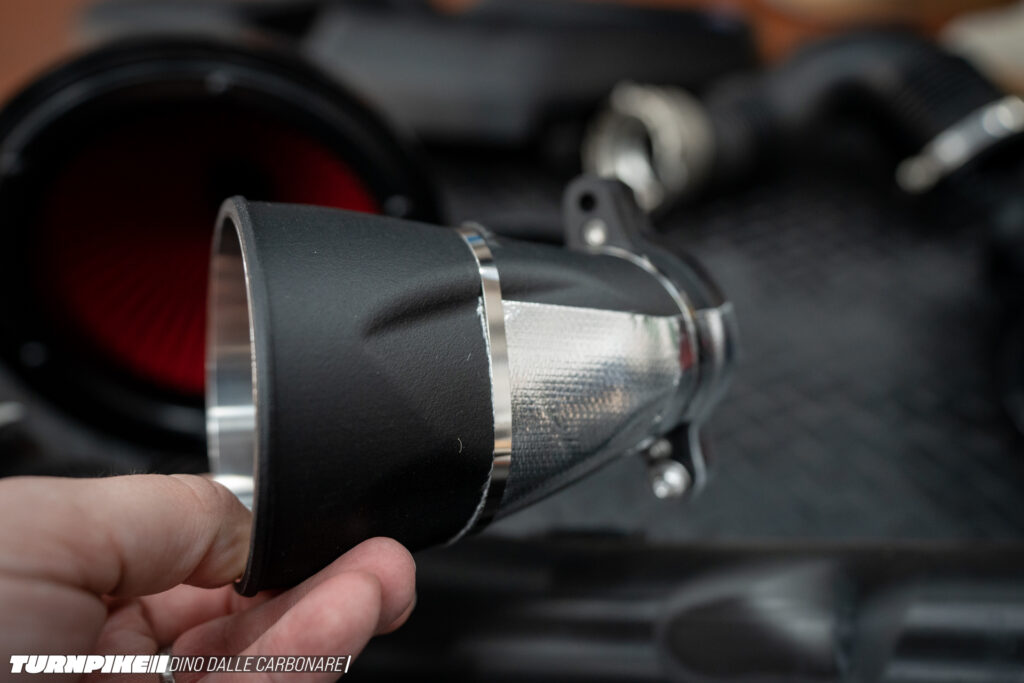
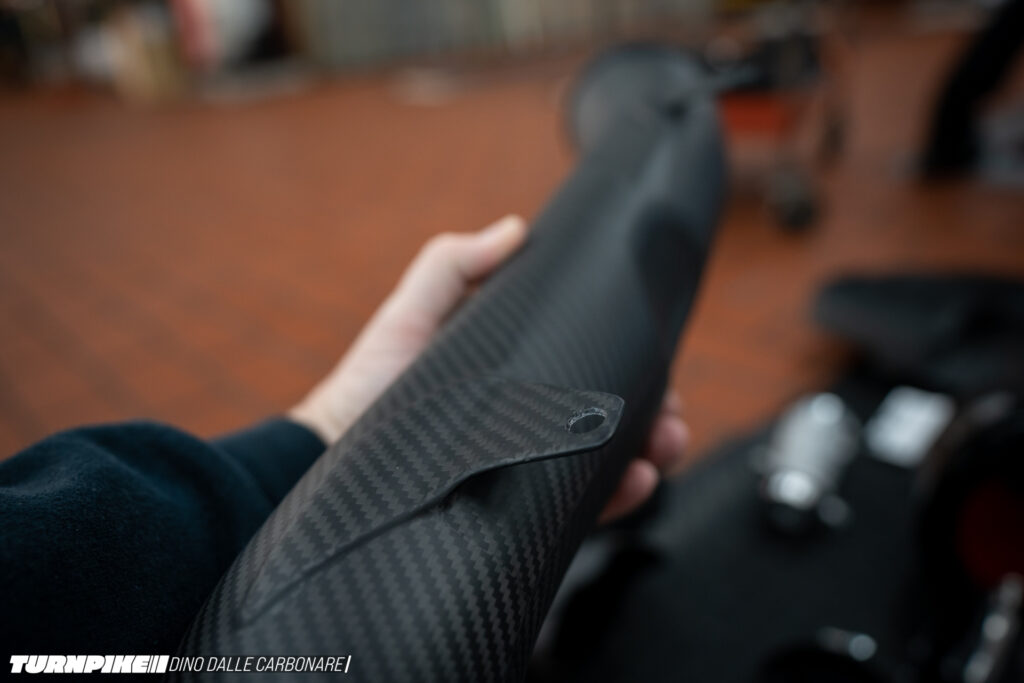
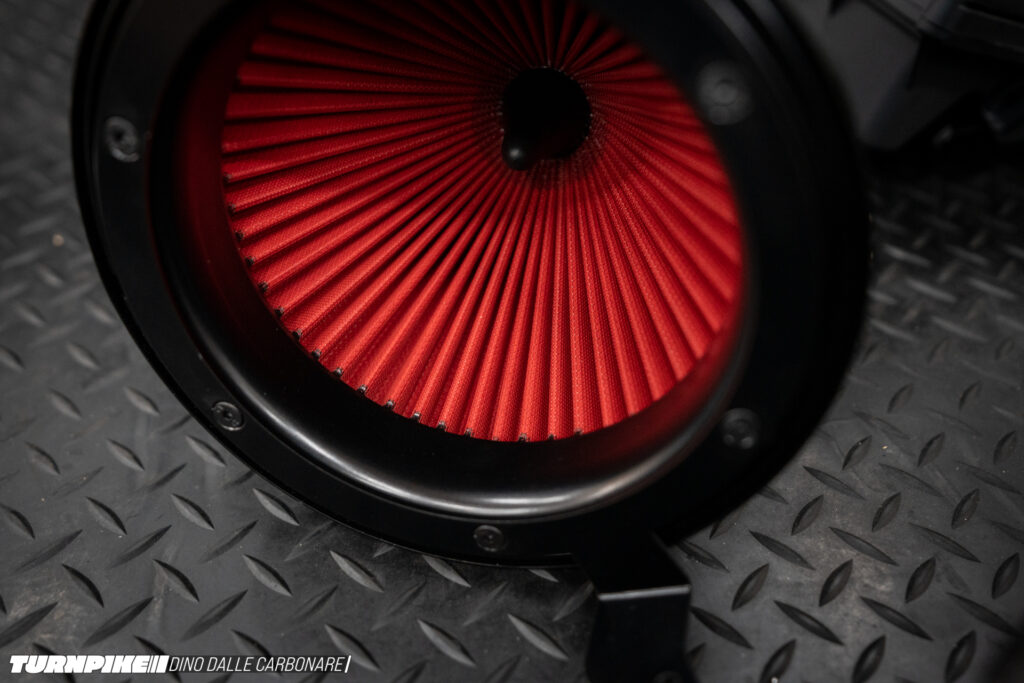
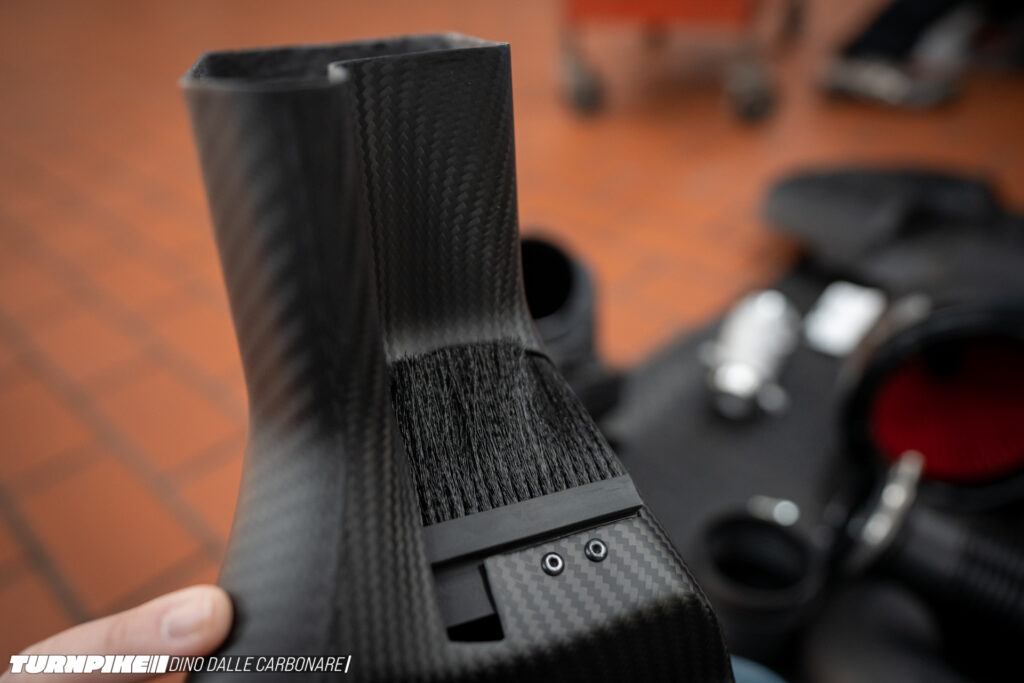
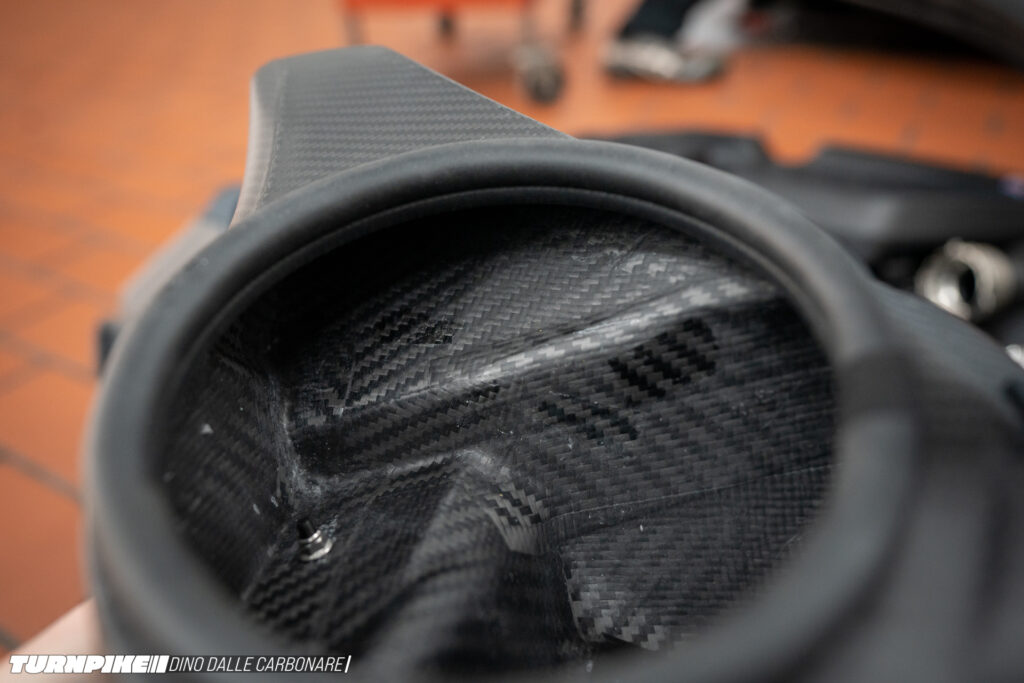
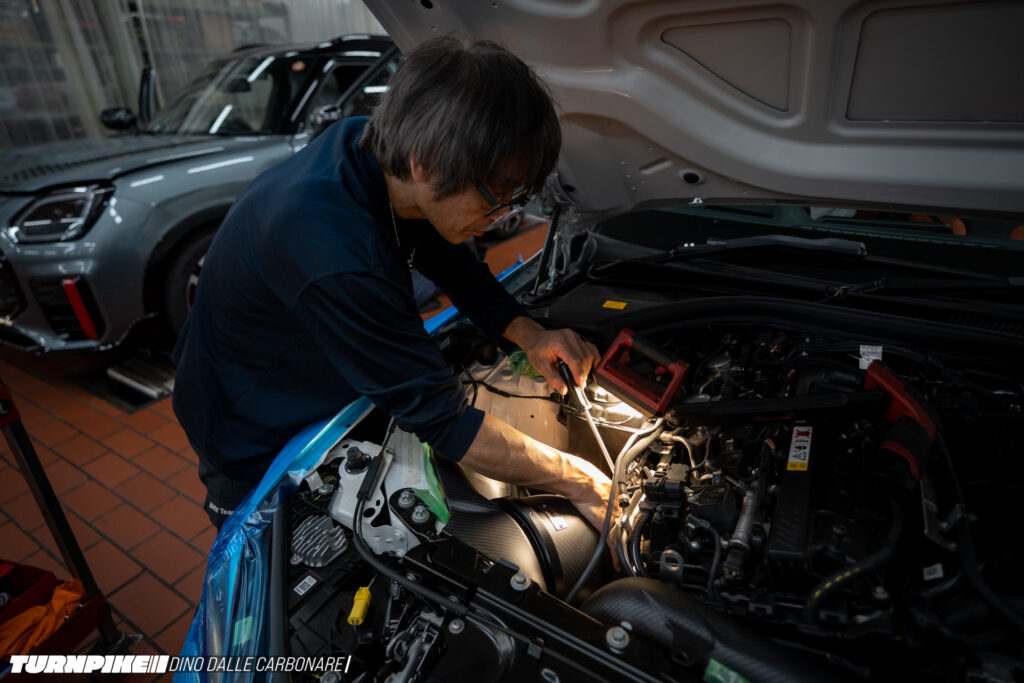
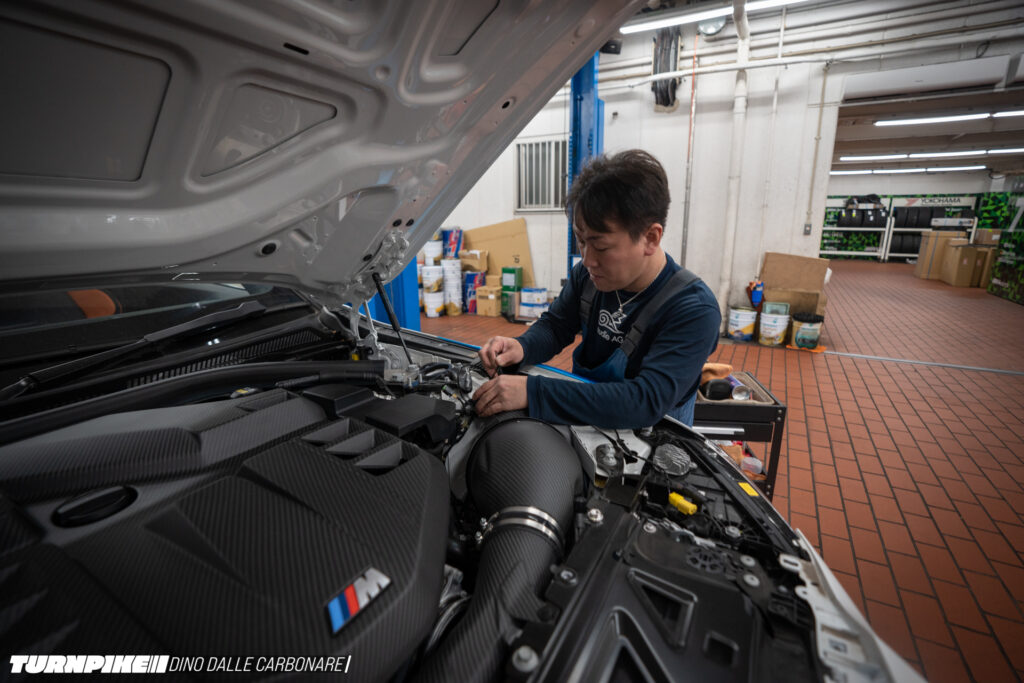
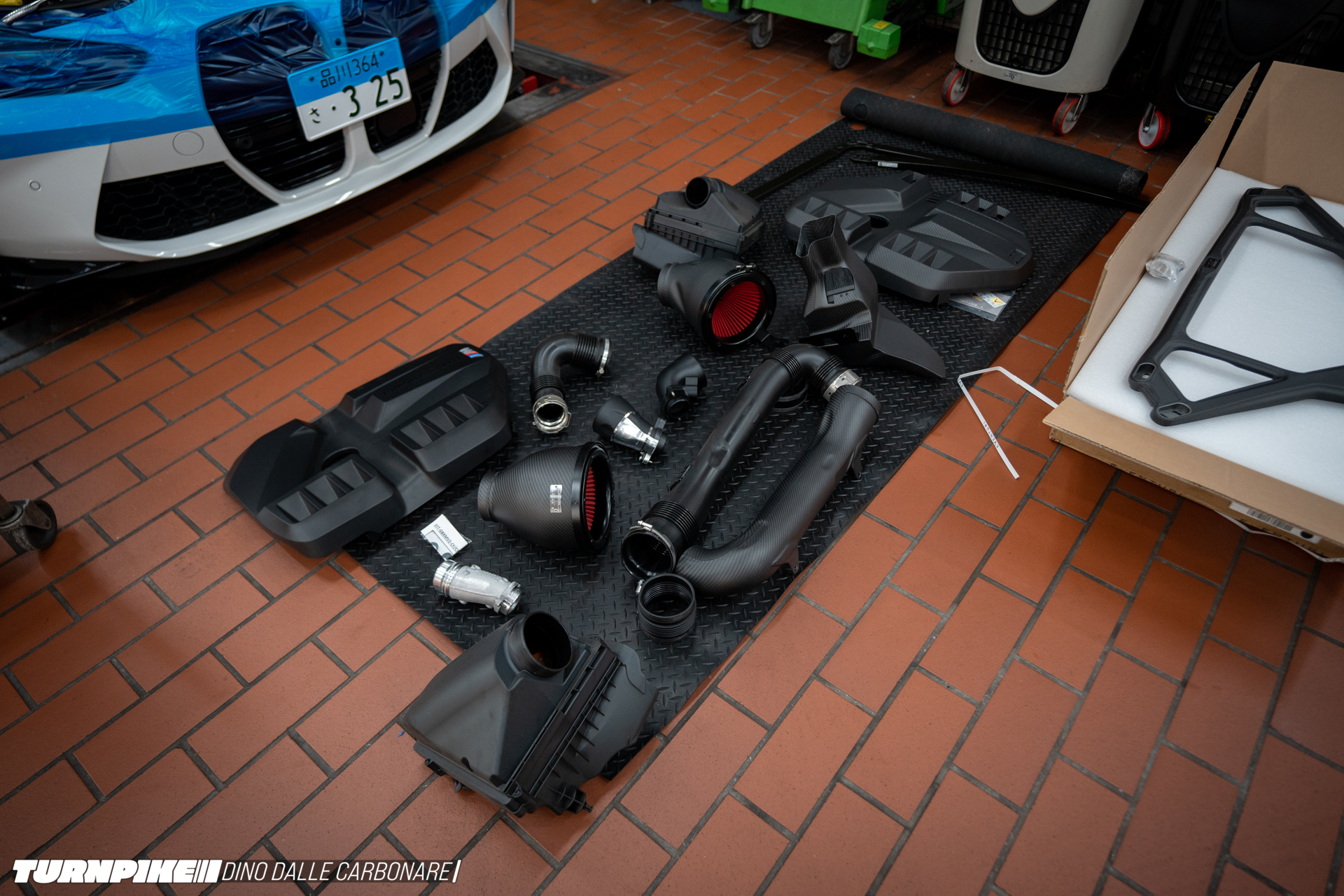
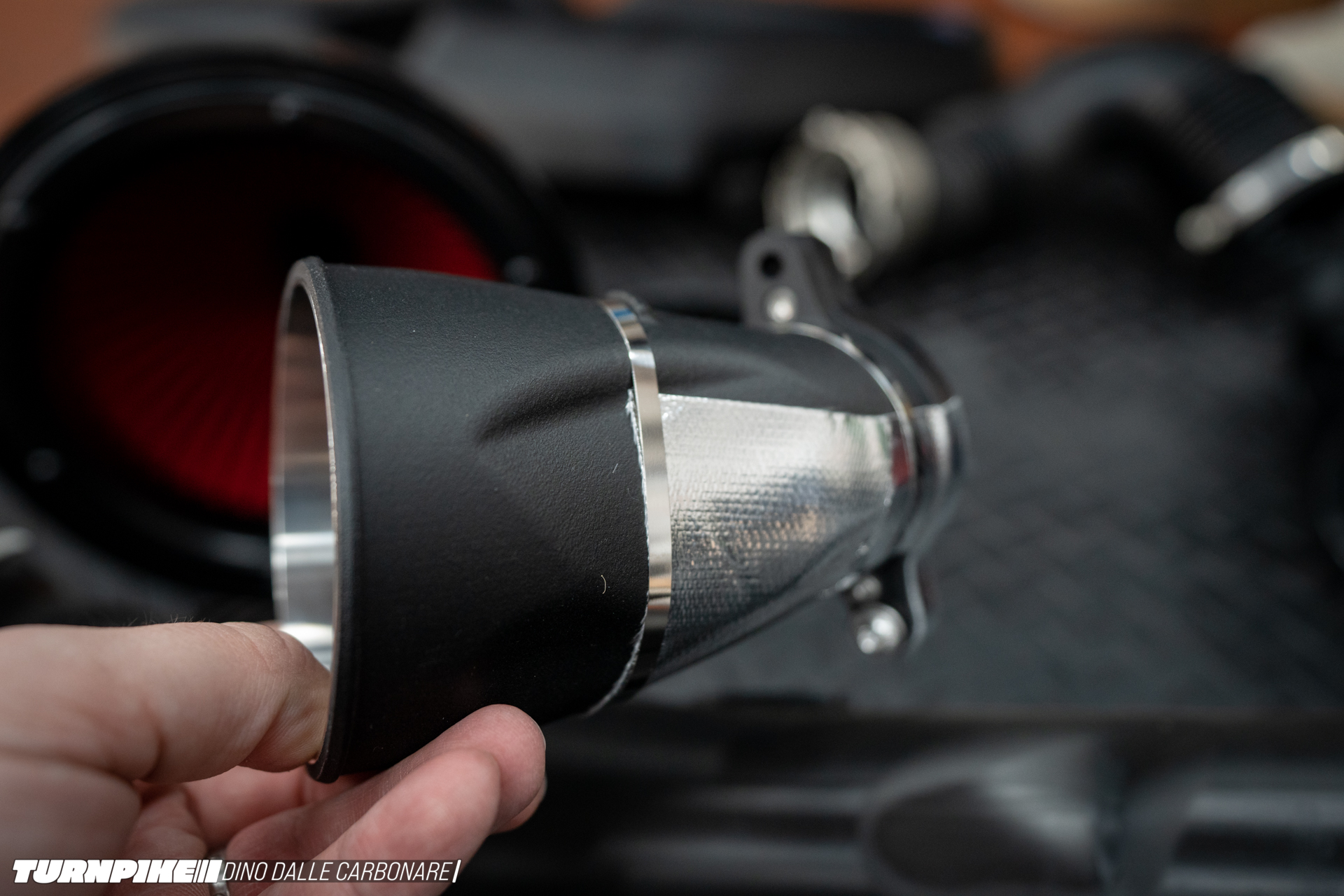
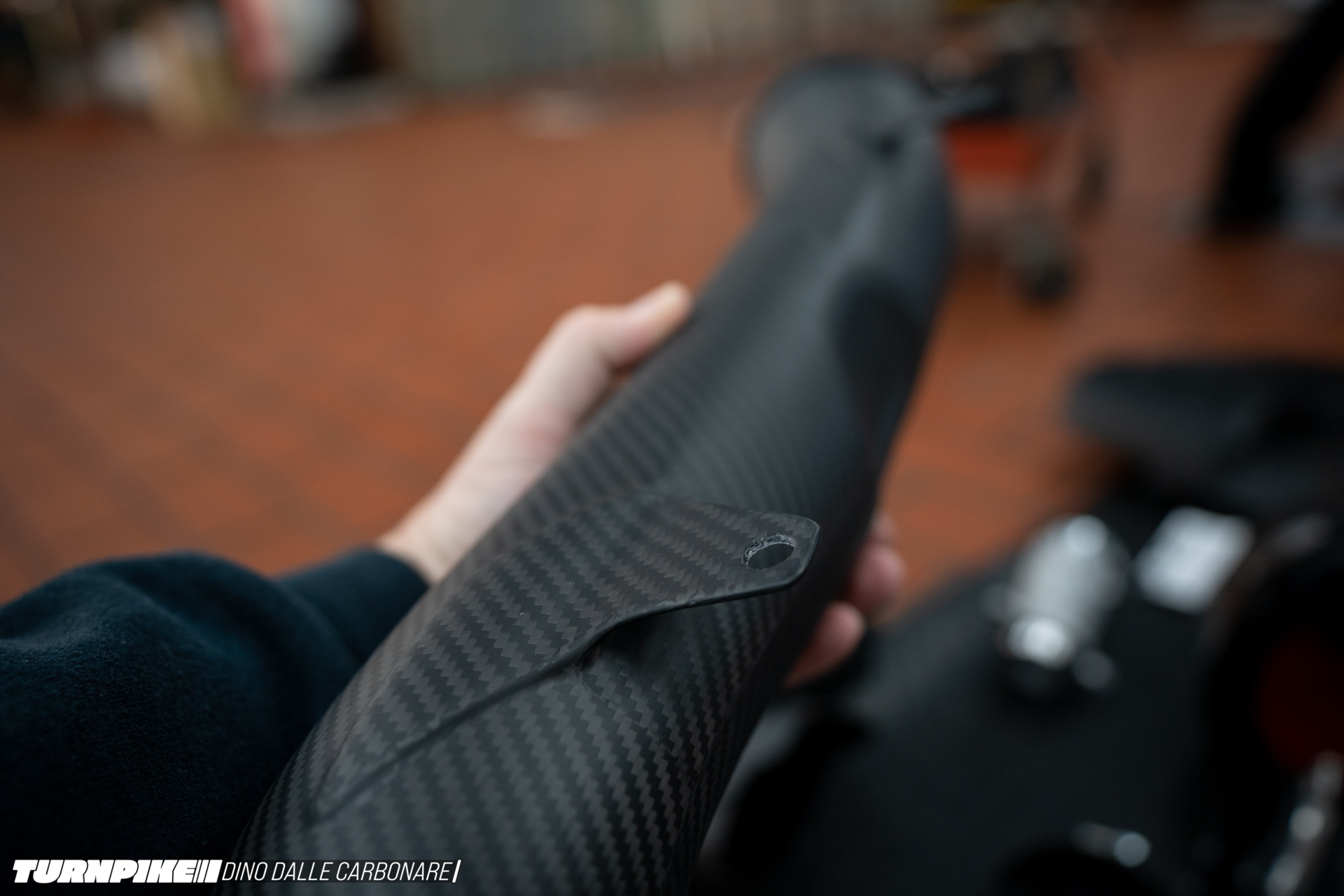
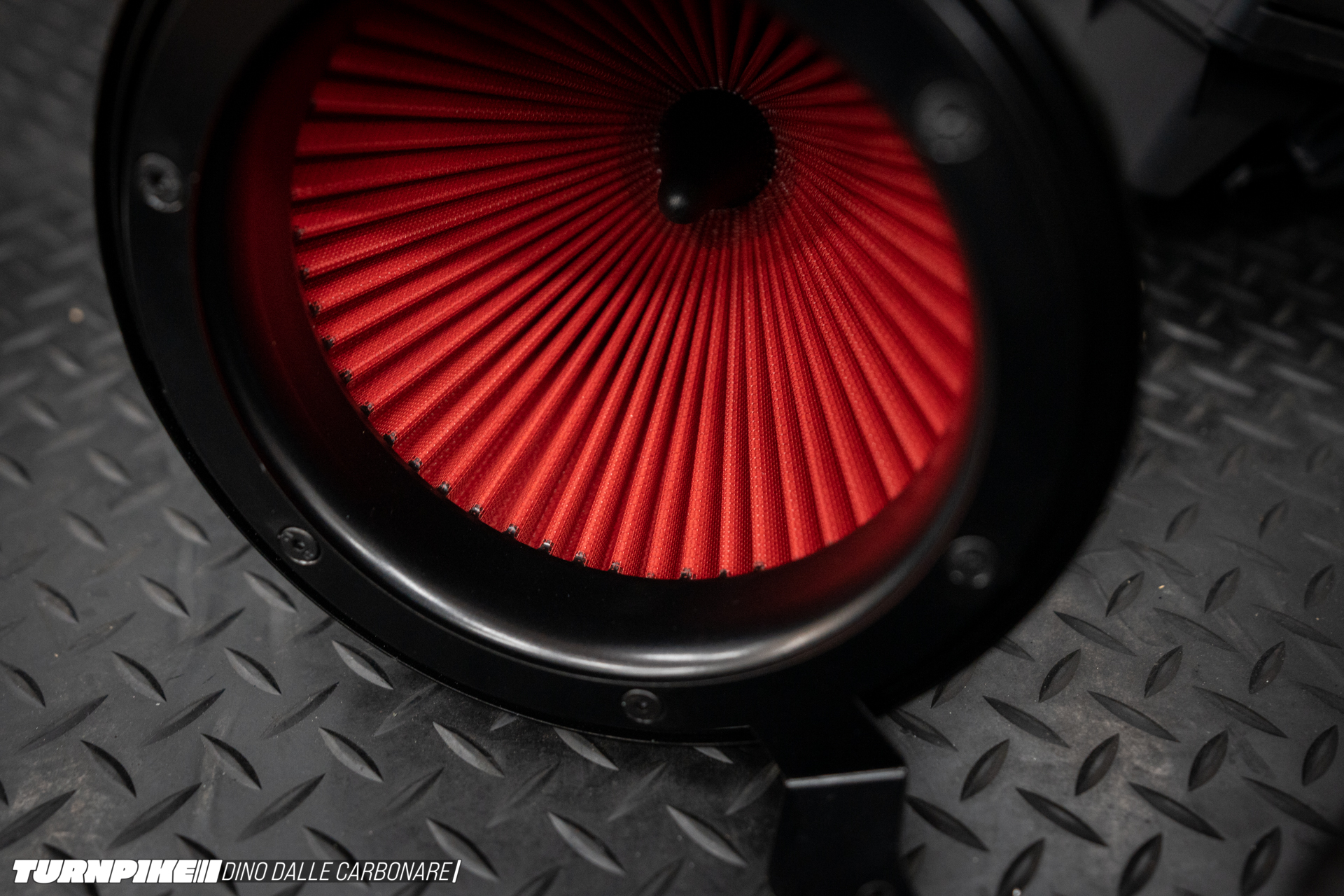
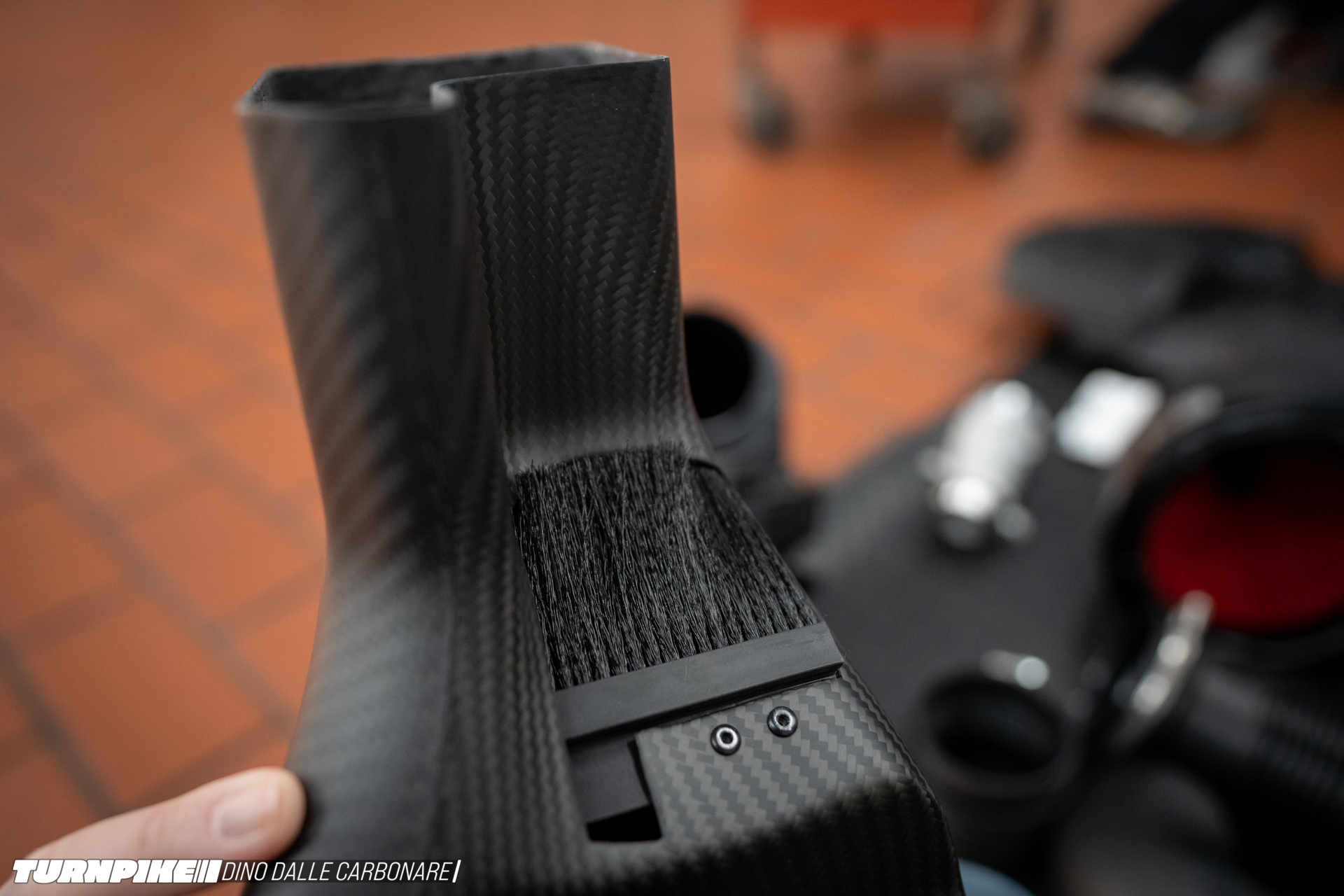
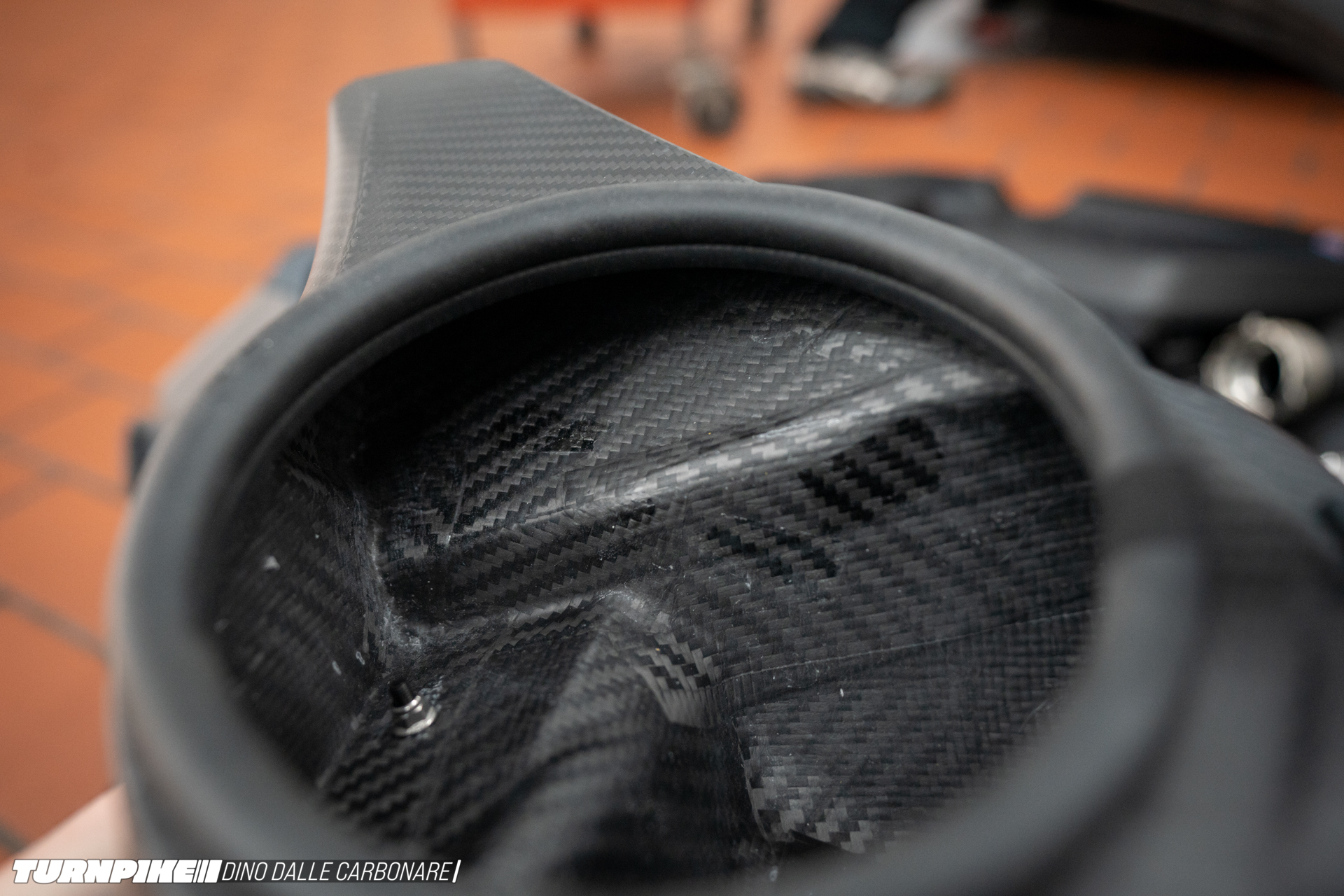
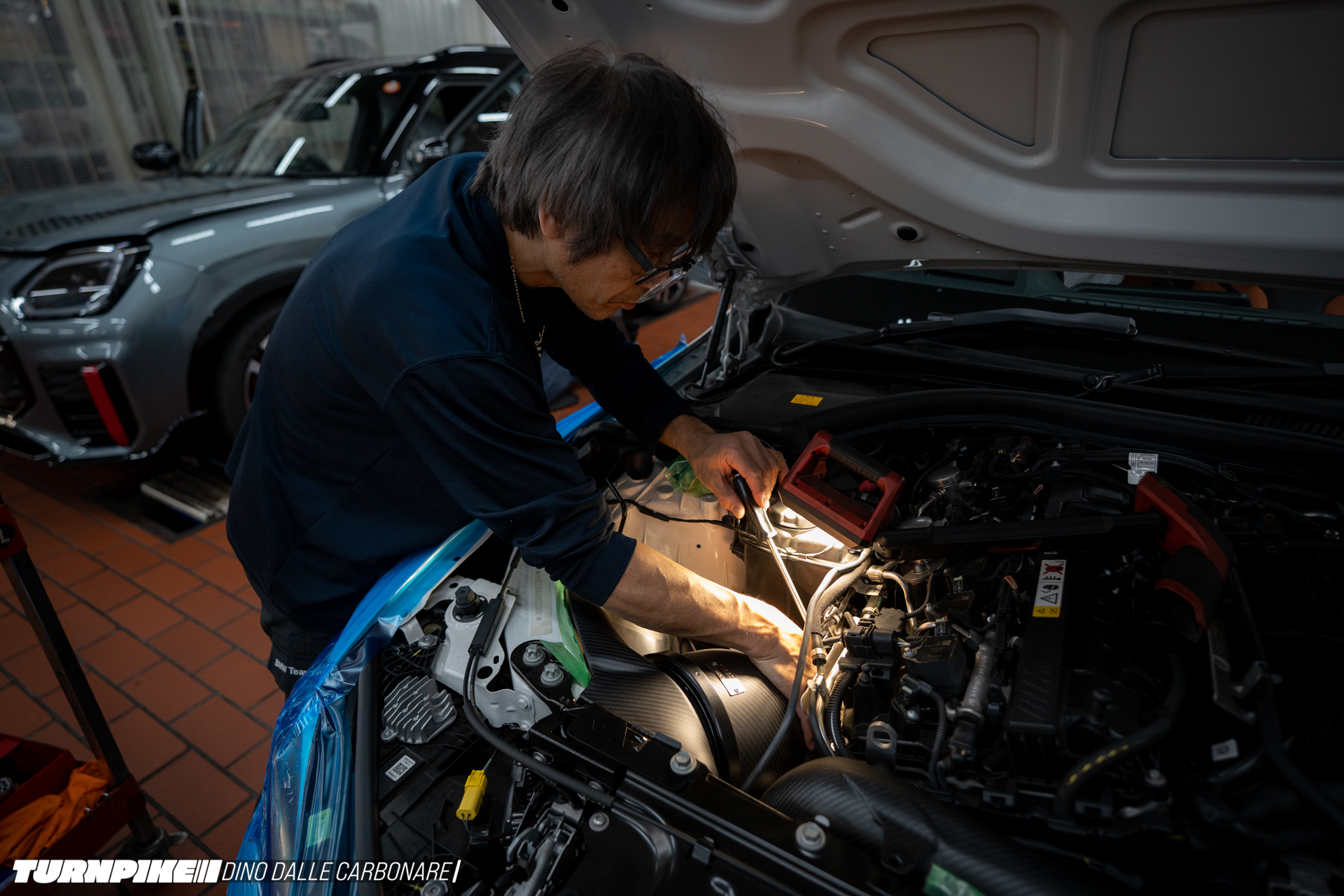
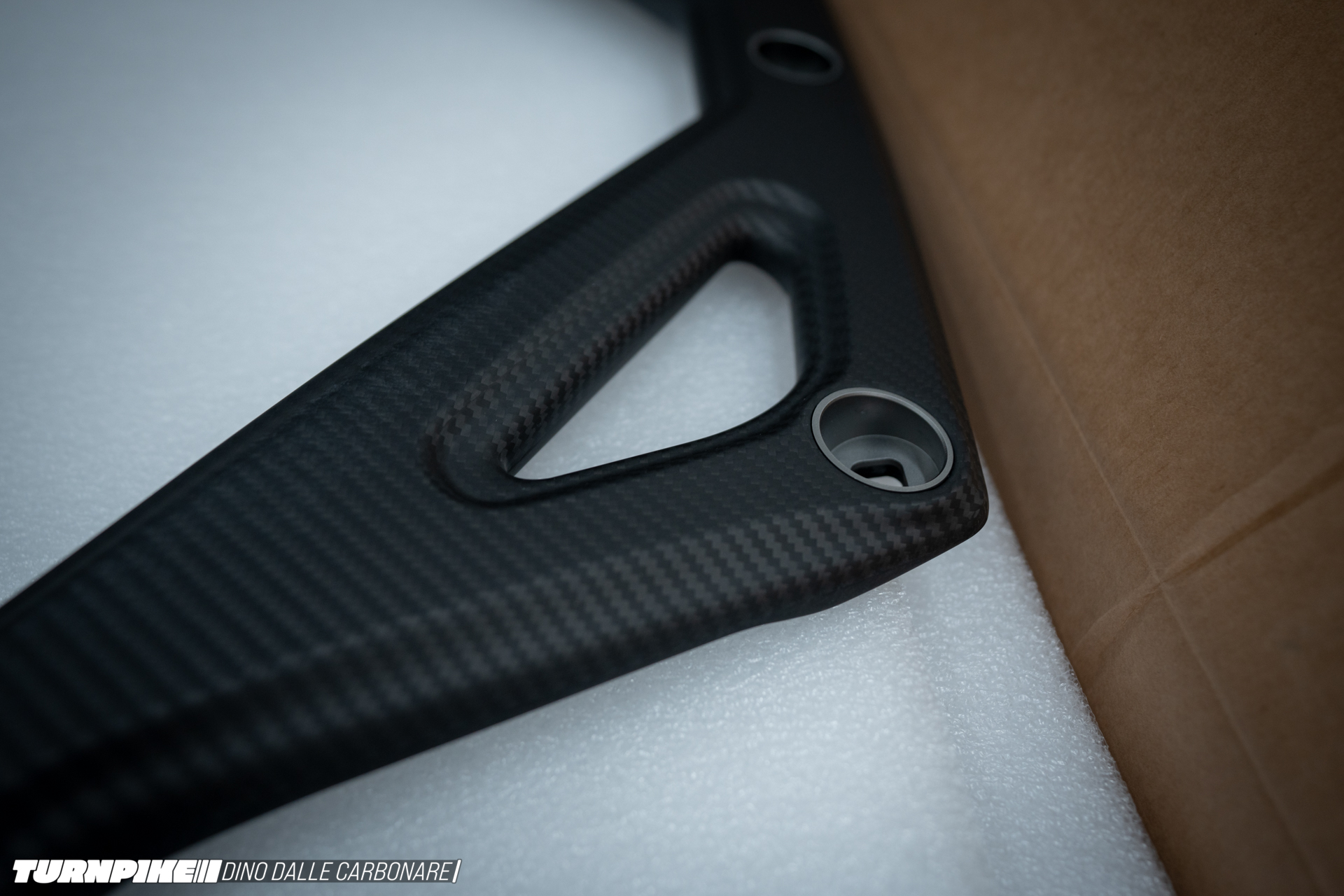
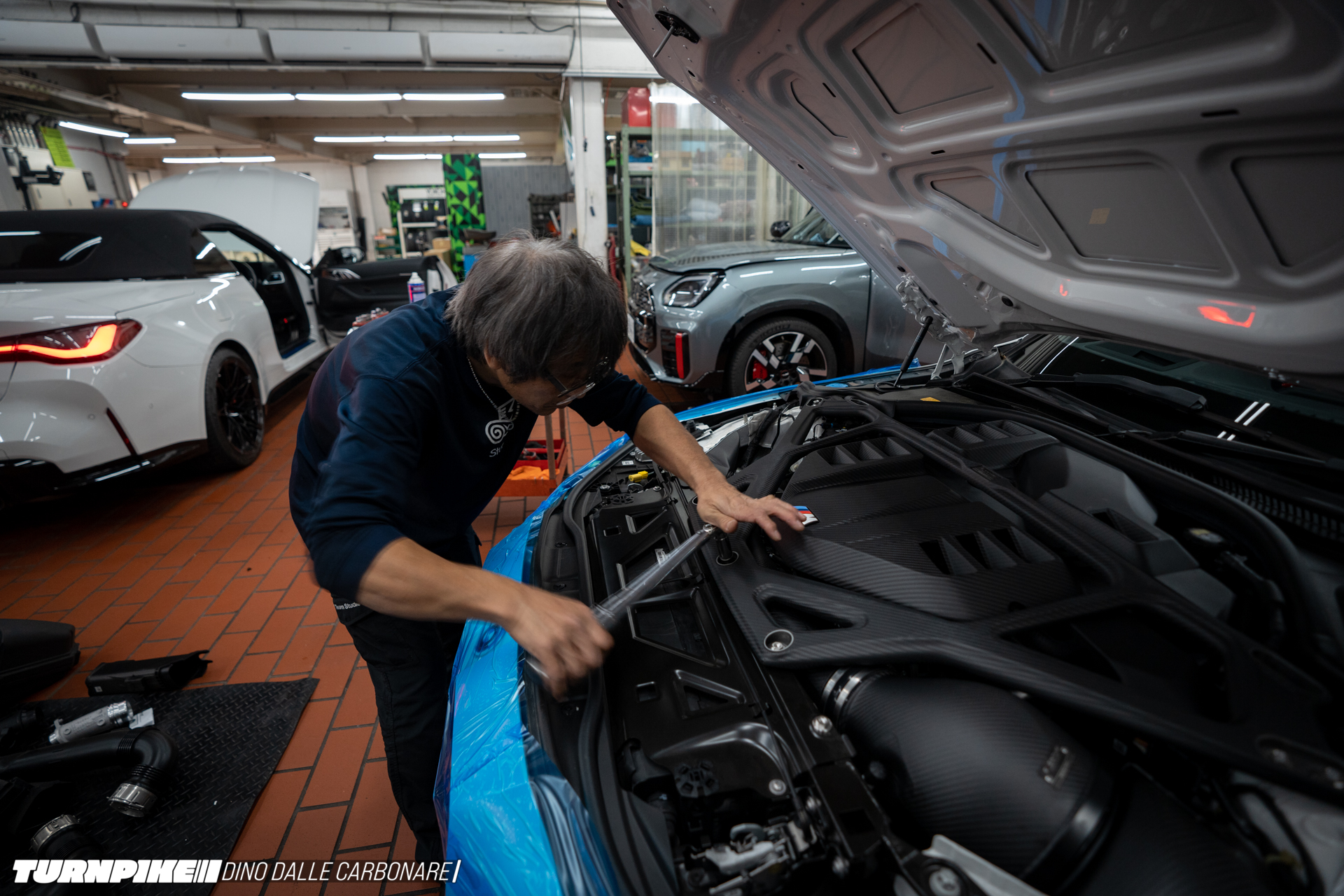
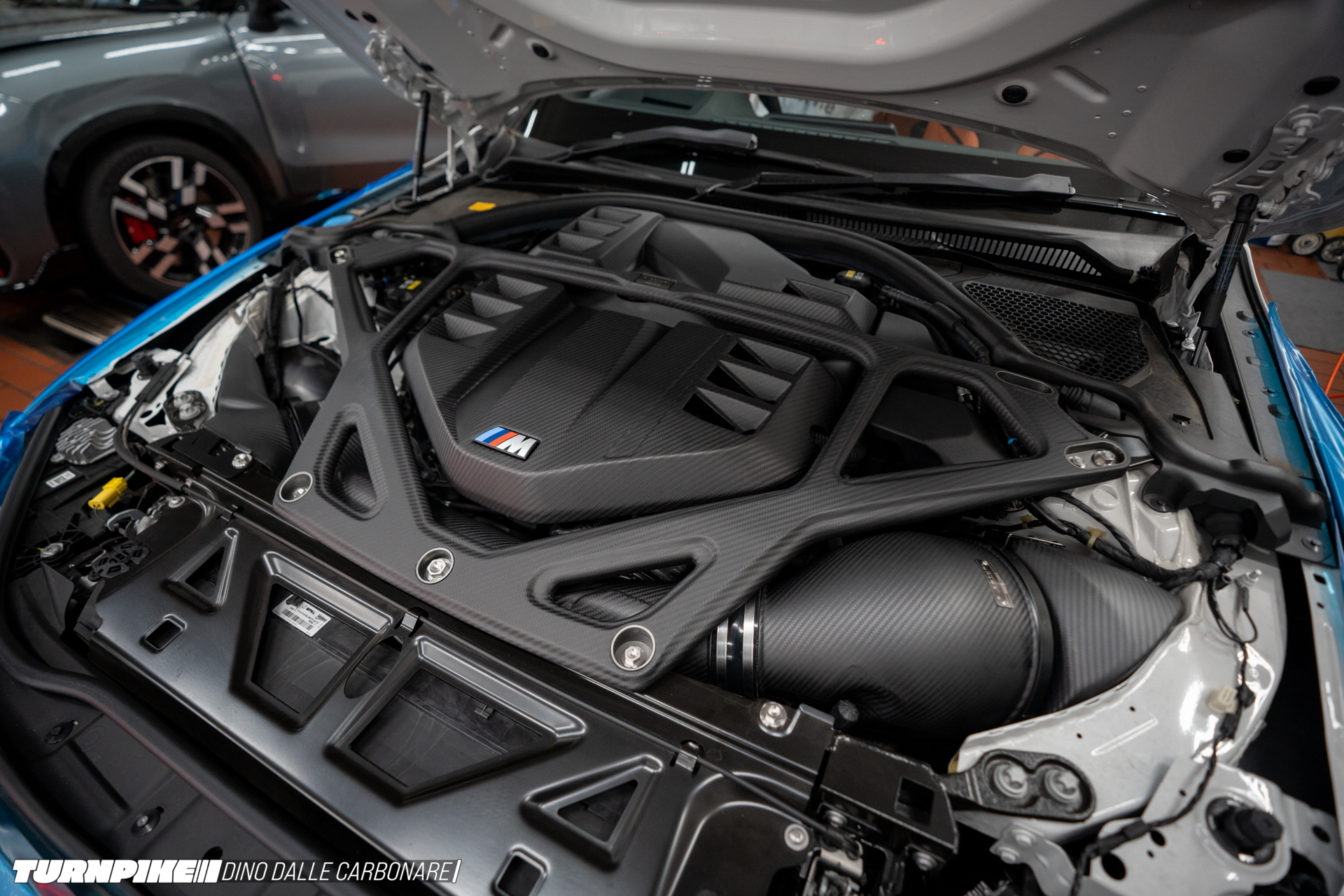
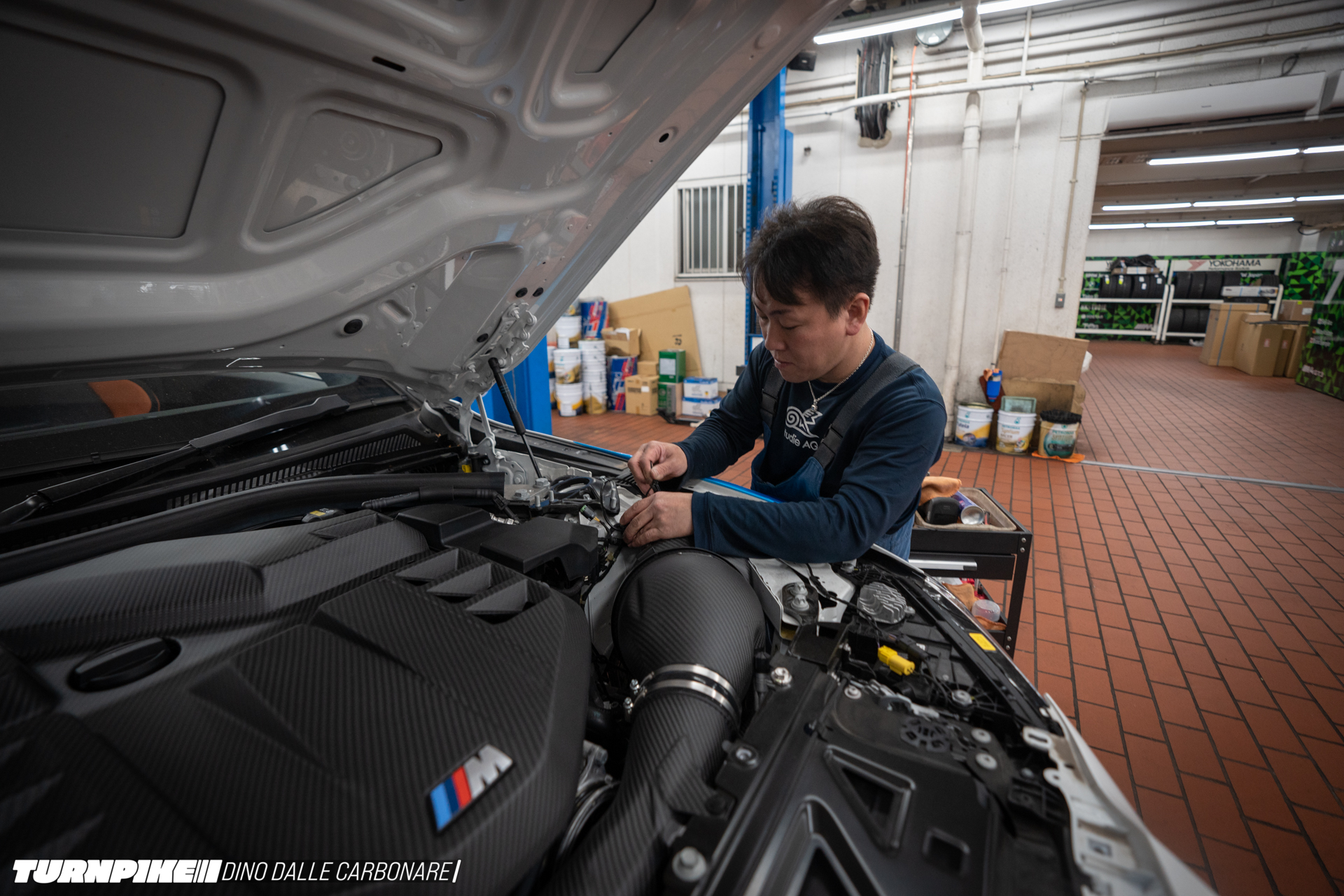
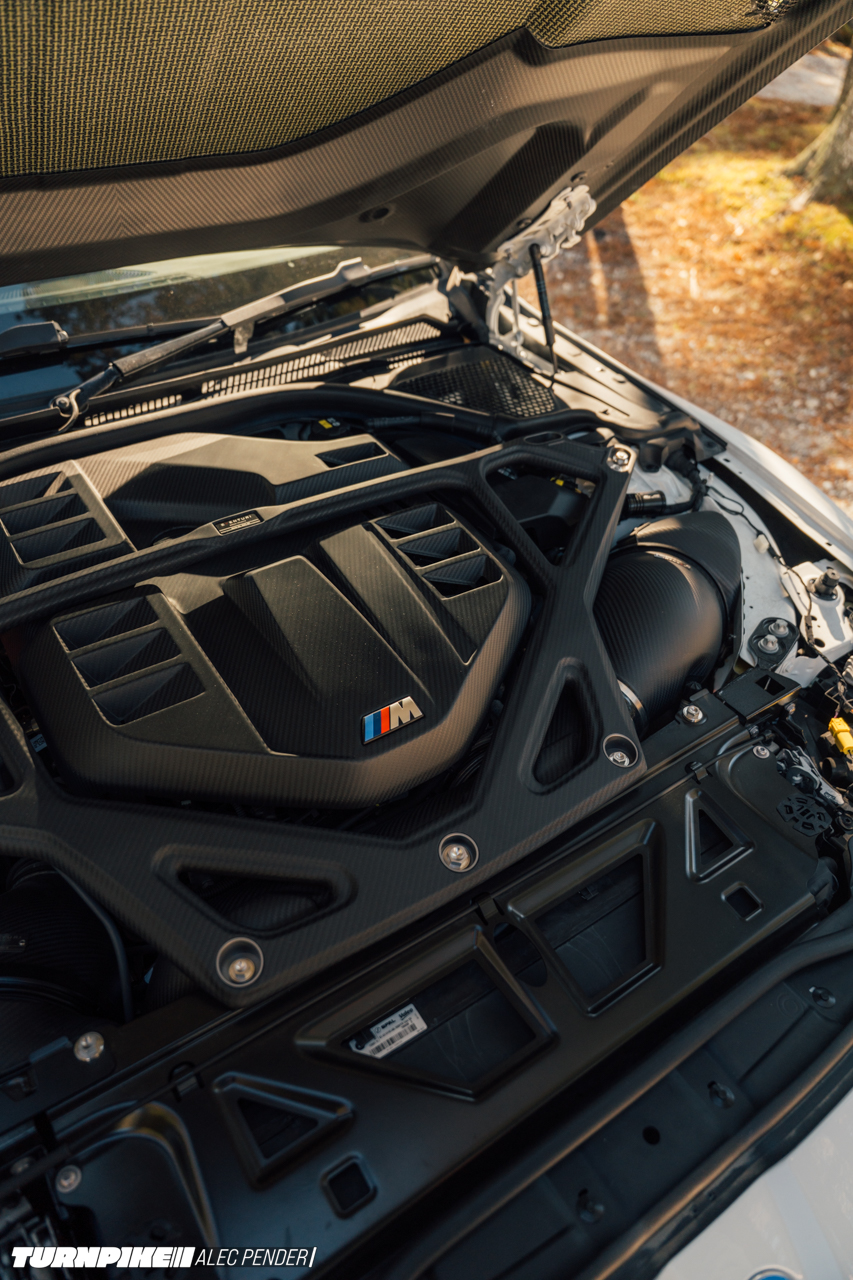
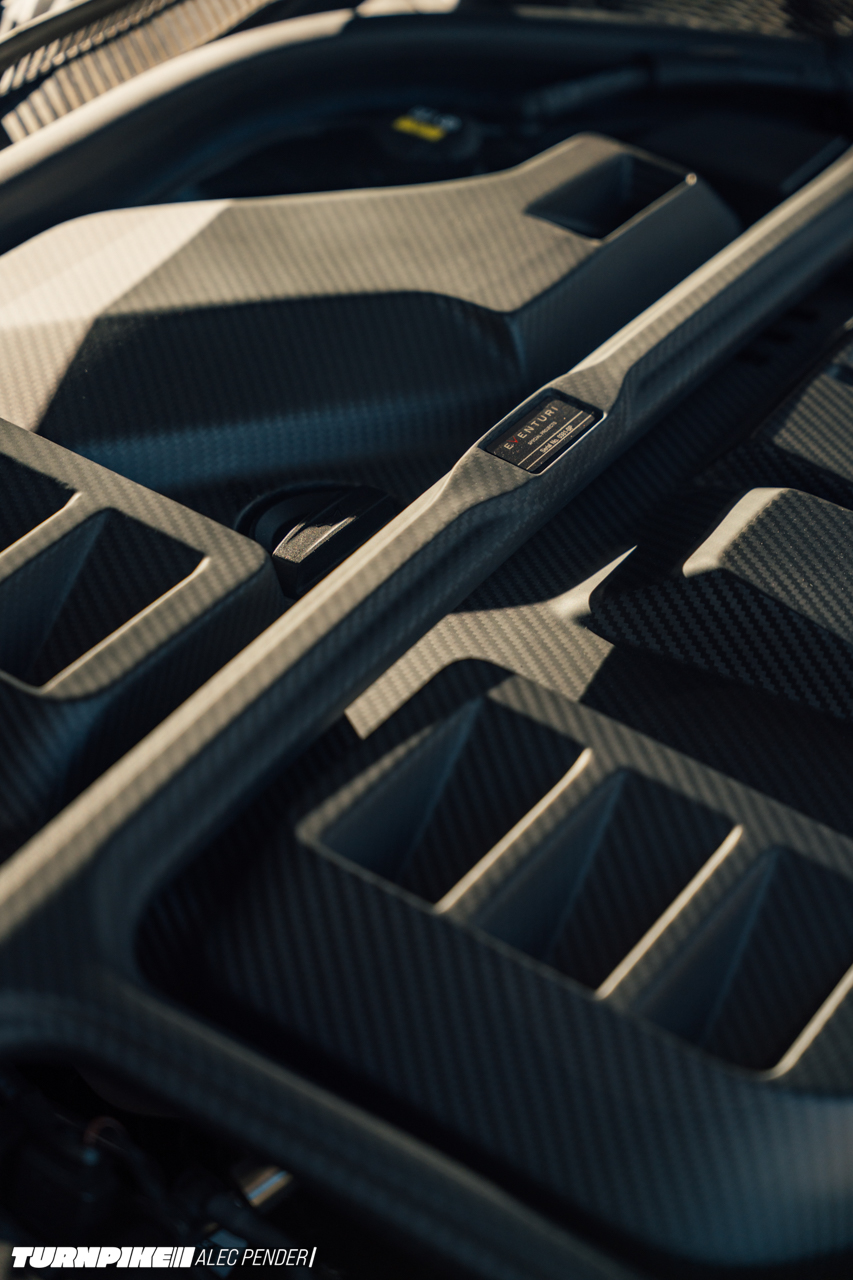
Then it was on to the engine bay, where acres of uninspiring black plastic were replaced with a complete Eventuri carbon airbox kit that looks every bit as good as it performs. Installation at Studie took a couple of hours, and it was fascinating to see the differences between Eventuri’s twin-airbox design and intake piping compared to the factory setup.
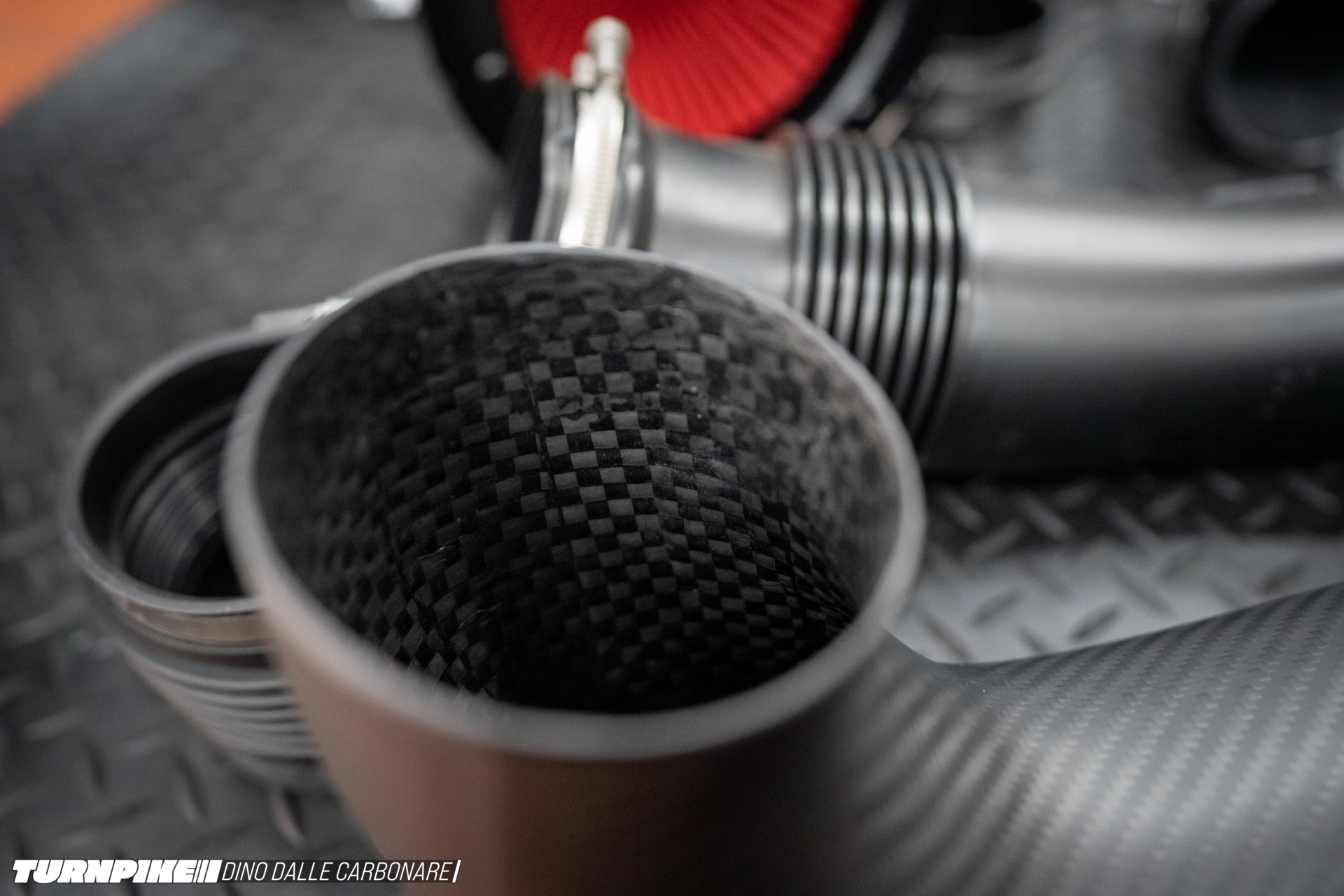
With a 160% increase in turbo inlet area and a 40% increase in filtration area through the Gen 2 cone filters, the benefits are instantly apparent. On a stock engine like mine, performance gains are quoted at around 12–18 hp and 12–16 lb-ft, but the improvements in spool-up and response are evident the very first time you get on the throttle. As for the sound, let’s just say it allows the S58 to breathe far more freely, unlocking all the right turbo and blow-off valve noises in the process.
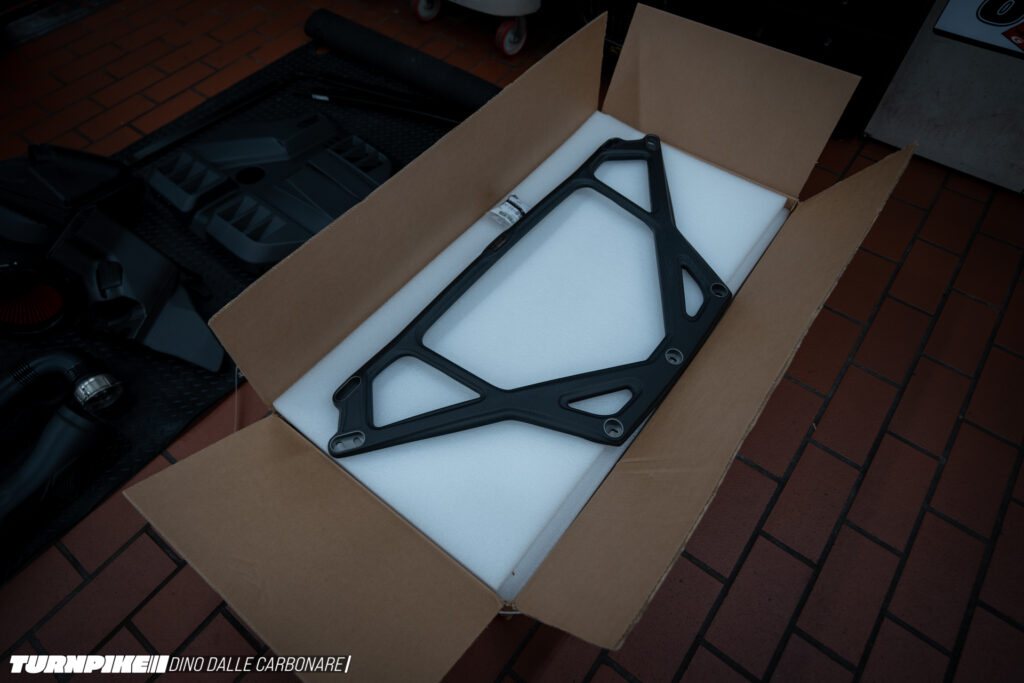
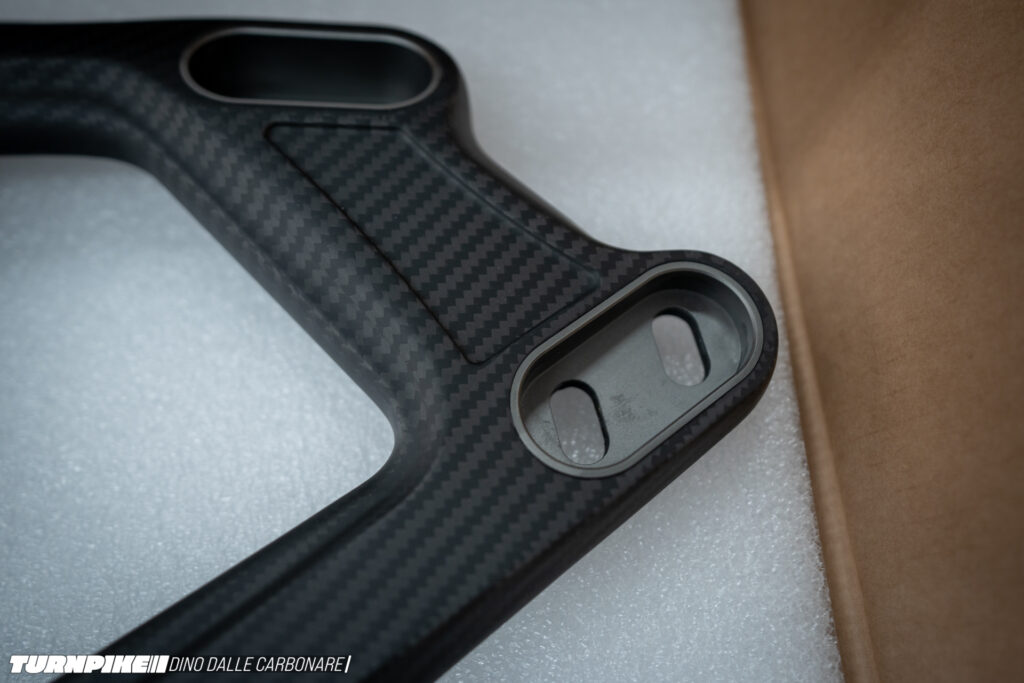
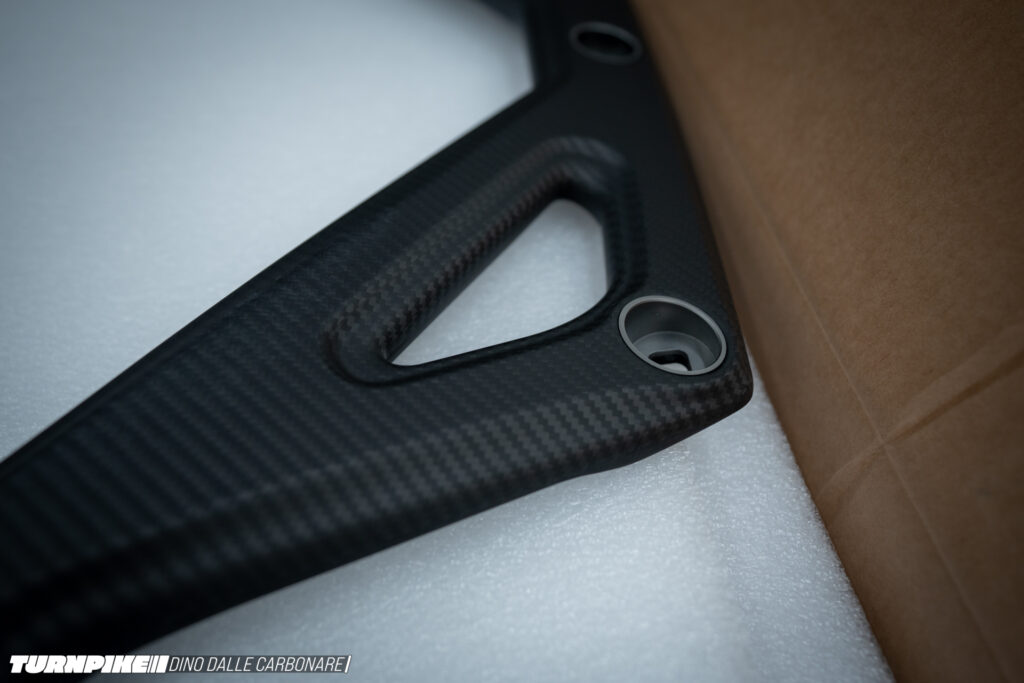
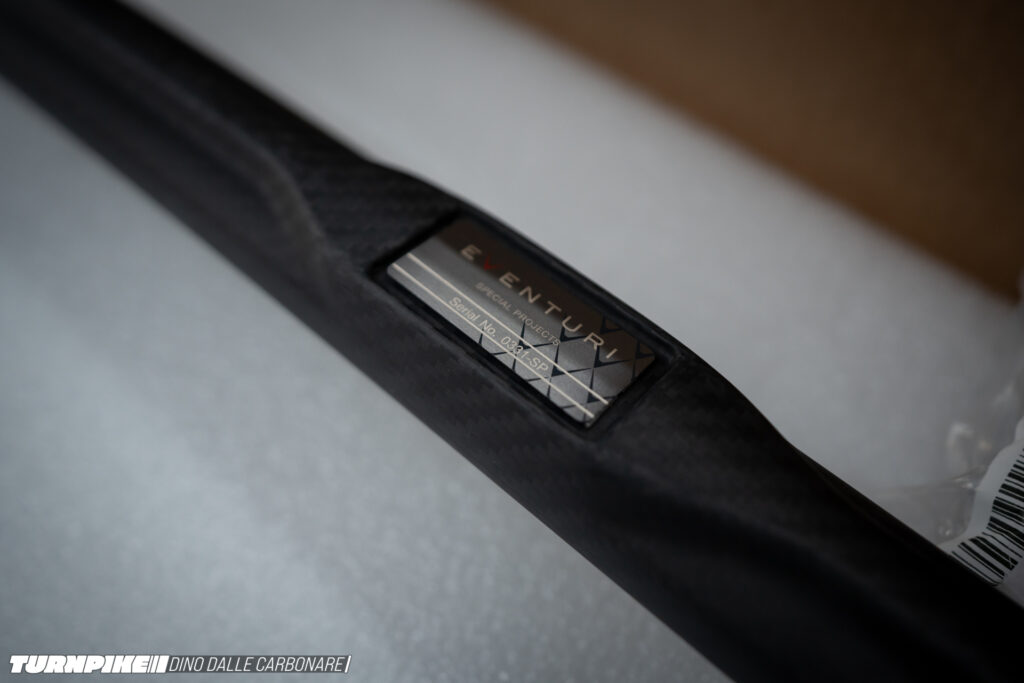
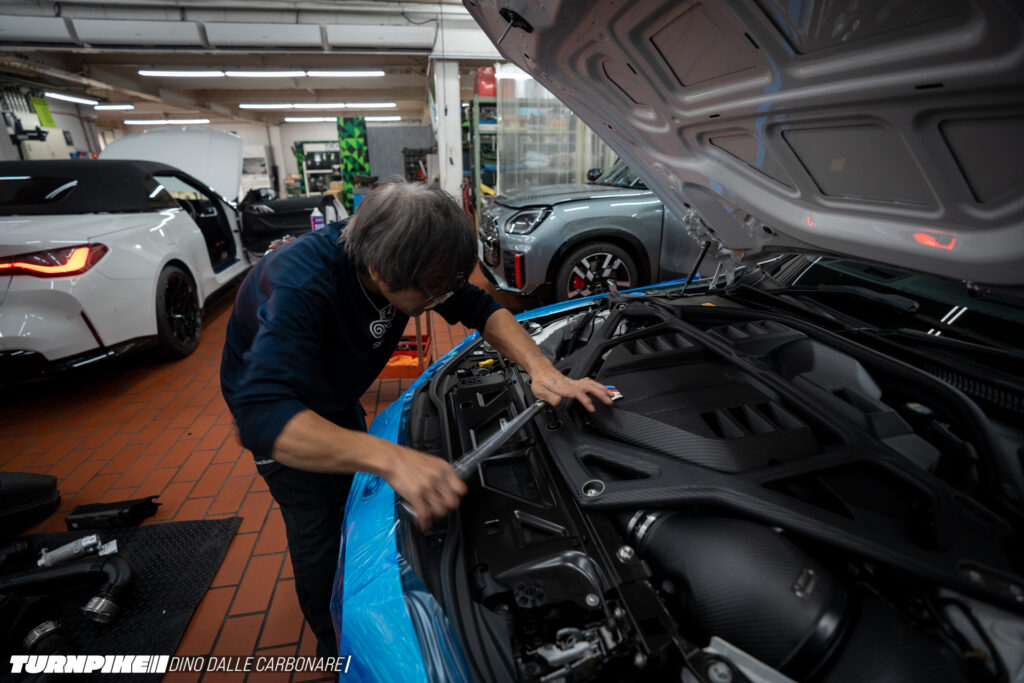
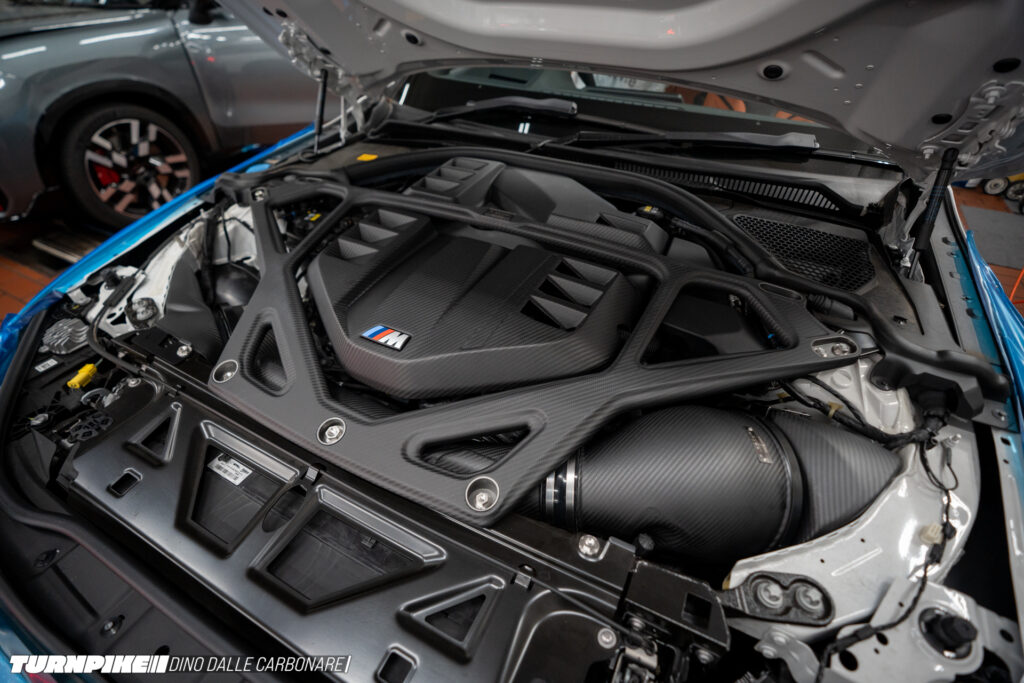
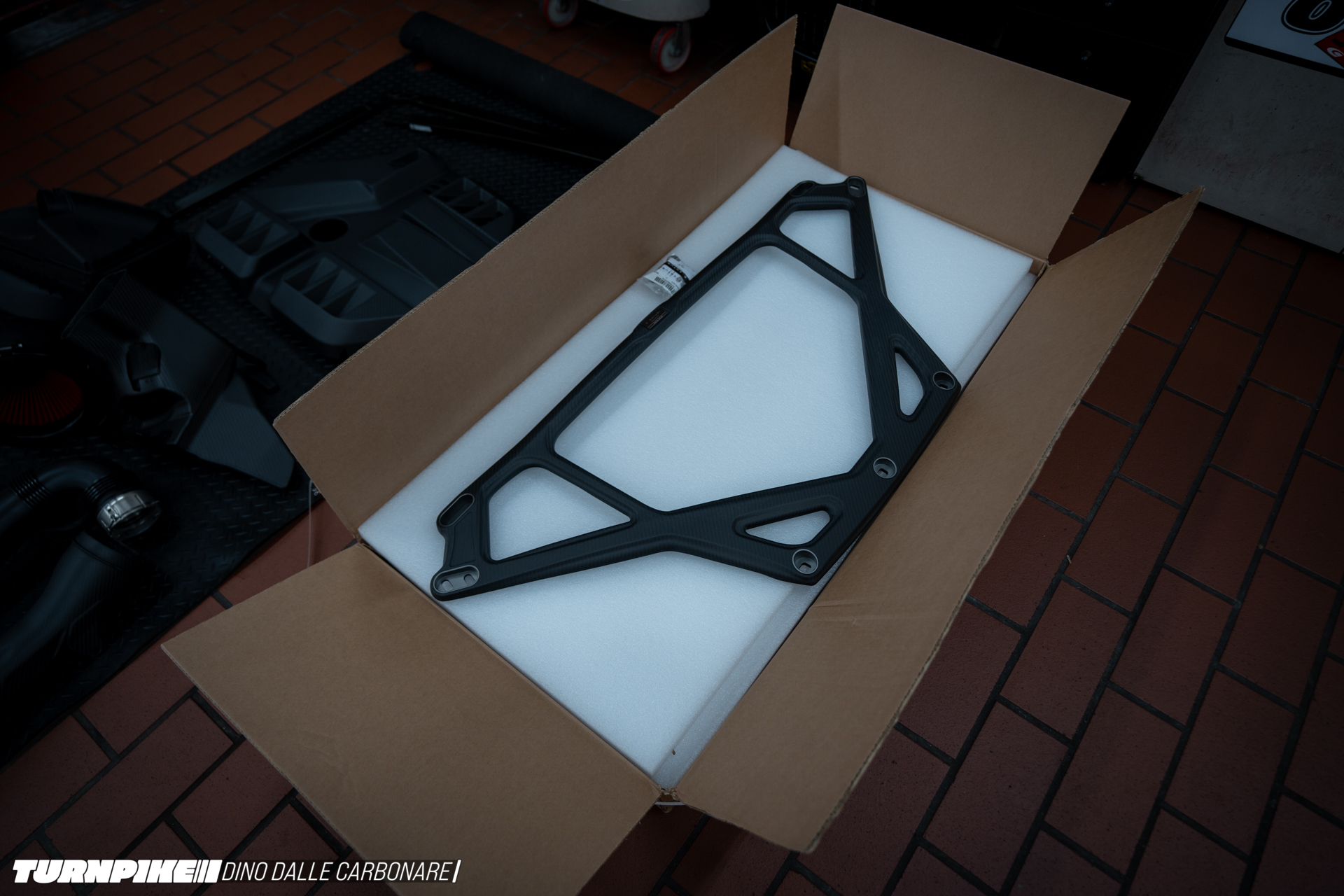
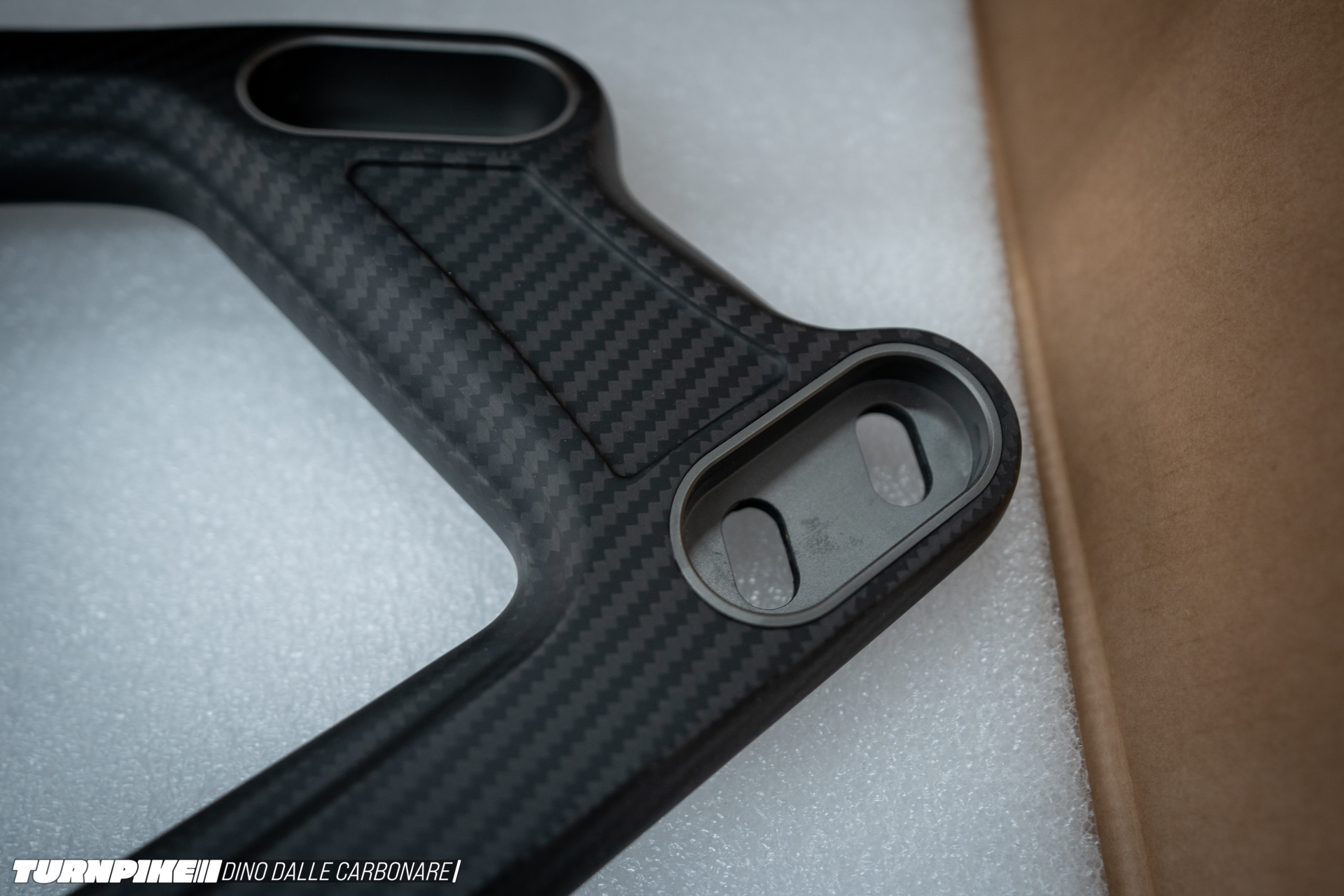
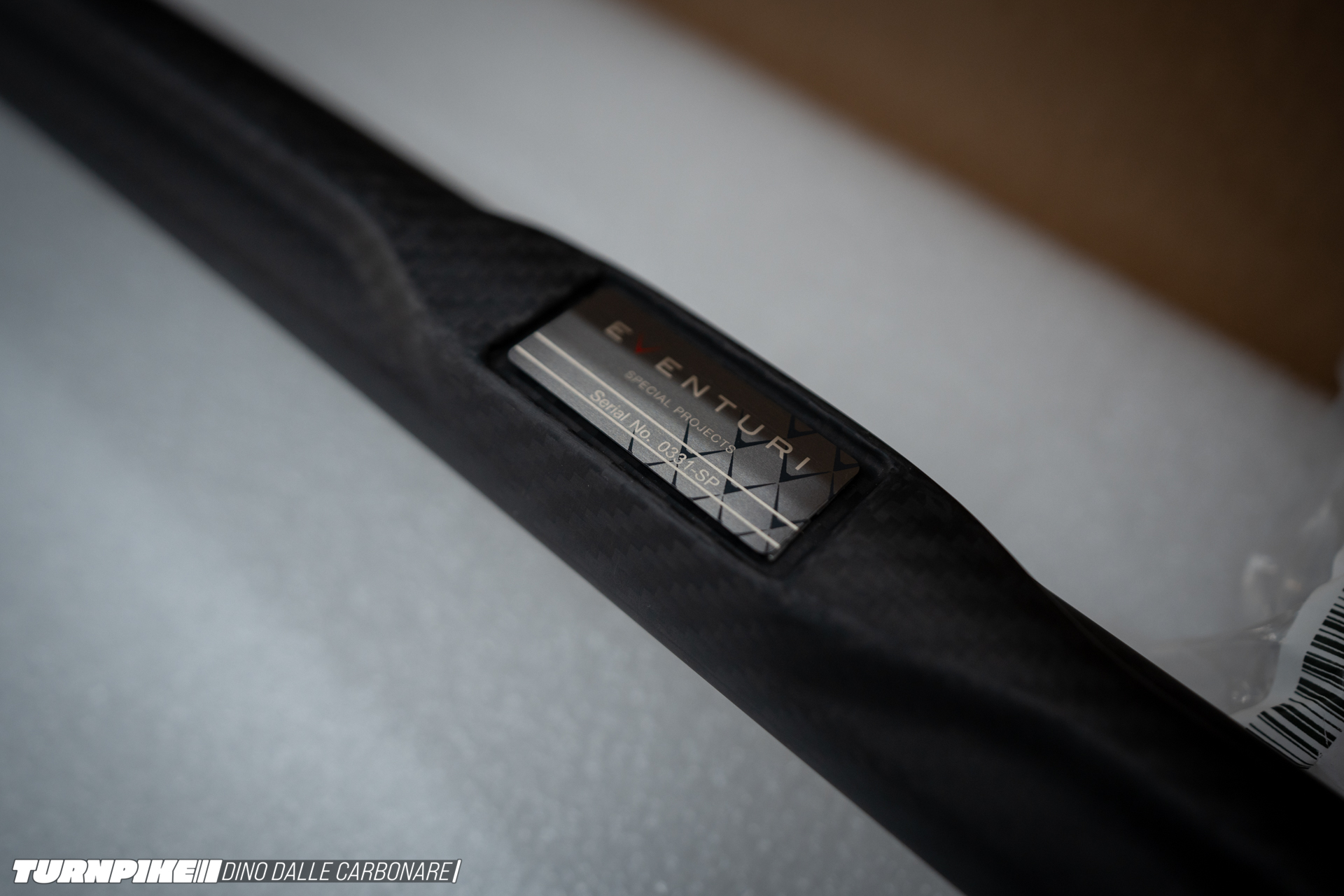
Looks-wise, the airboxes and cross-pipe elevate the engine bay several notches above stock, especially with the satin matte finish I opted for. That’s complemented by another important piece of the puzzle: the Eventuri strut tower brace, which anchors across the engine bay at seven points and is impressively light compared to the more rudimentary steel bar BMW fitted to its G8X cars. But what really blew me away was the level of craftsmanship in the Eventuri components – the integrated carbon brackets on the cross pipe, the quality of the carbon fibre work, and the way the aluminum mounts are seamlessly recessed into the carbon on both the intake kit and strut brace.
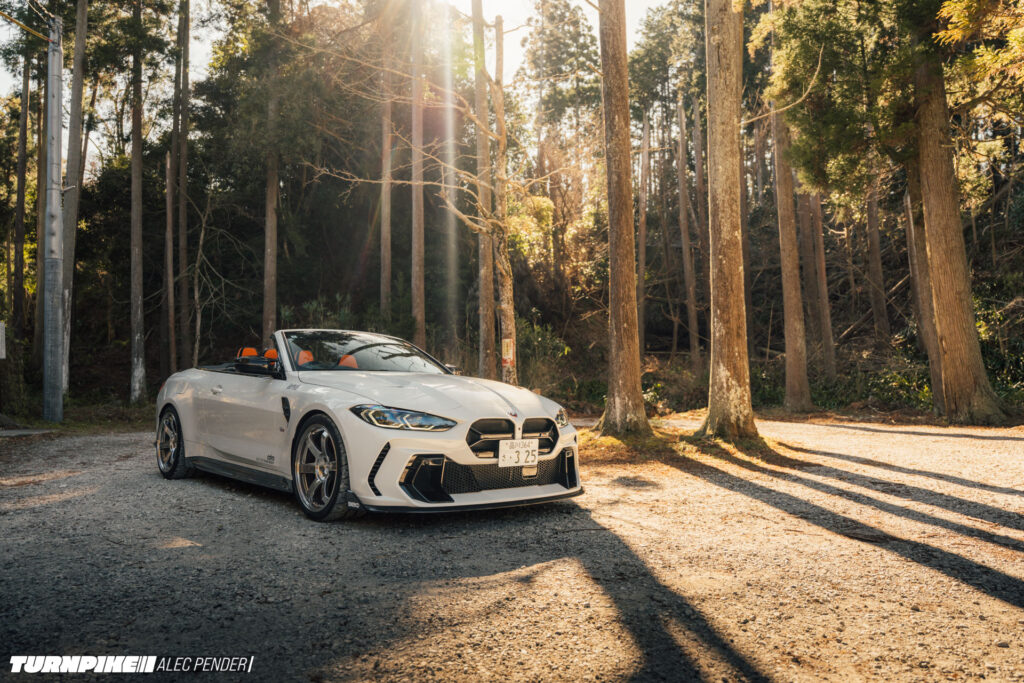
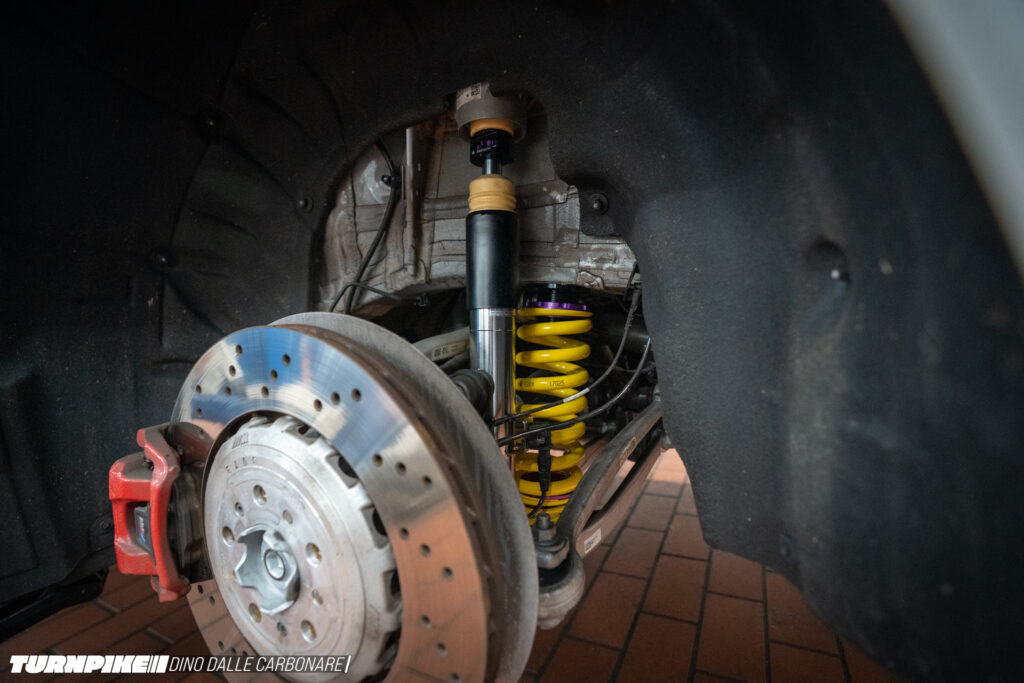
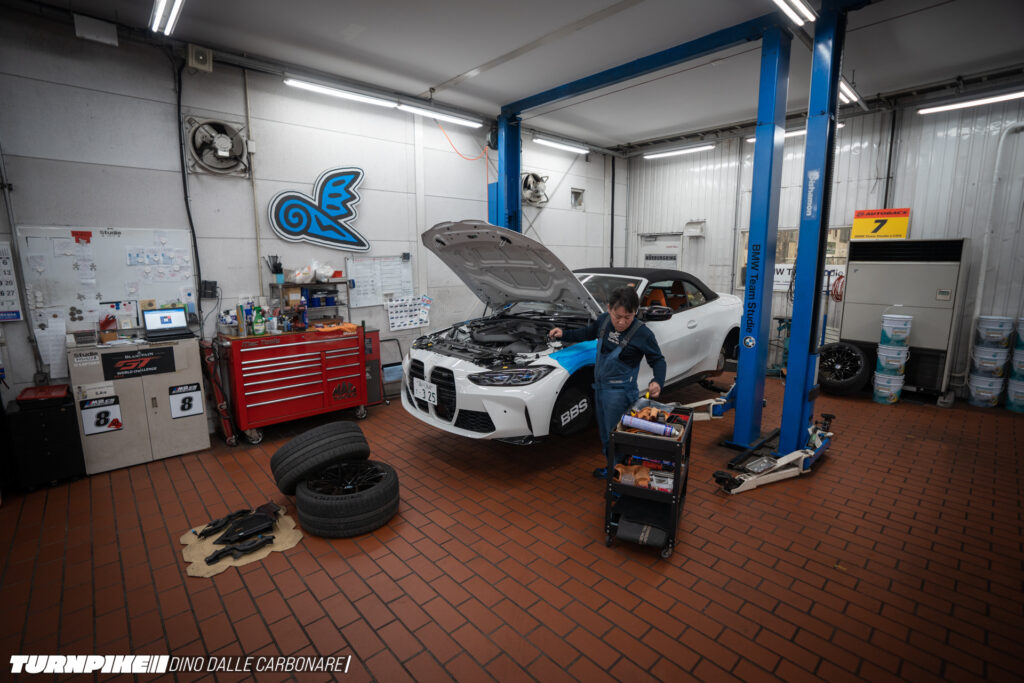
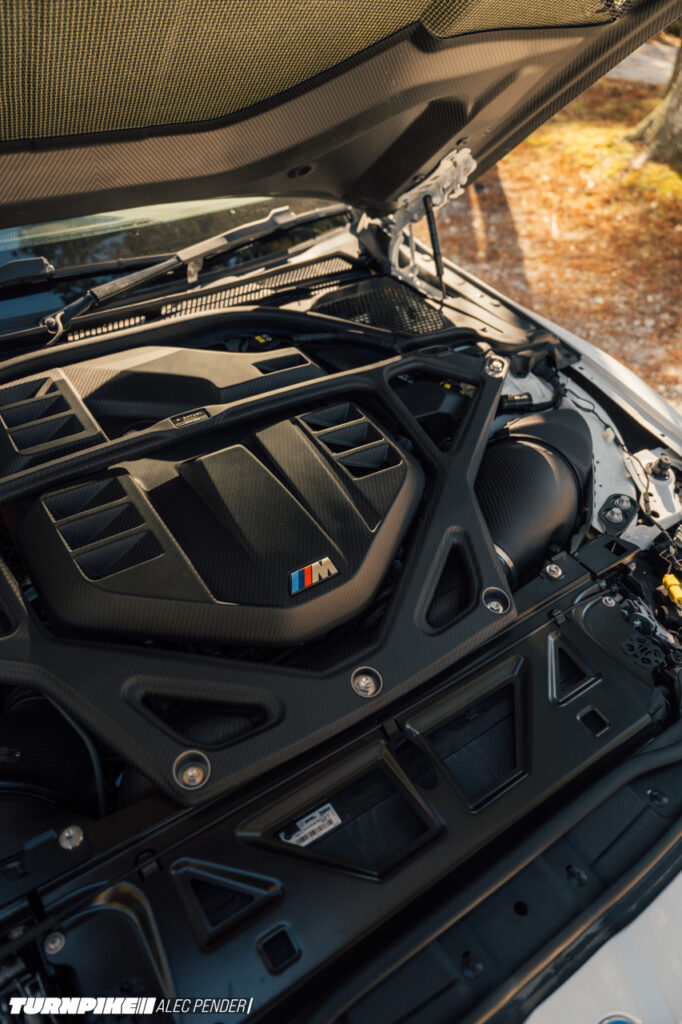
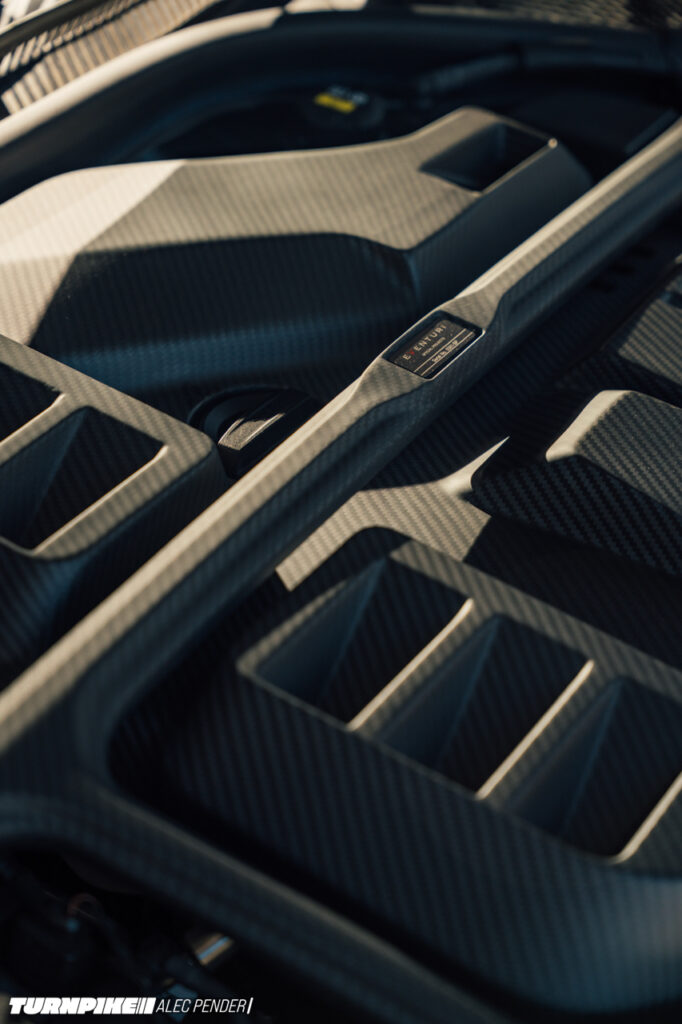
And so the whole car came together, with Studie nailing the execution, fitment, and management of the build, down to incorporating my suggestion of leaving subtle slivers of exposed carbon around the hood’s openings to highlight the underlying carbon fiber weave.
With the KW suspension now dialled in and the M4 sitting in its road-going stance, the TE37 SAGA S-plus A.S.T. wheels look sensational, especially paired with the aggressive, instantly recognisable tread pattern of the Neovas.
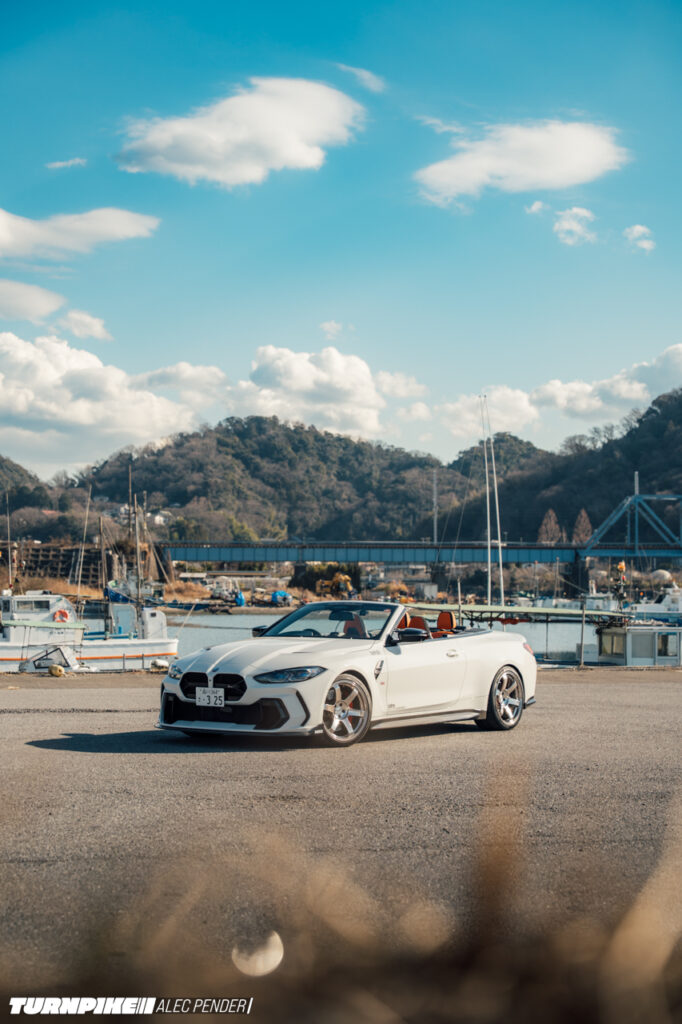
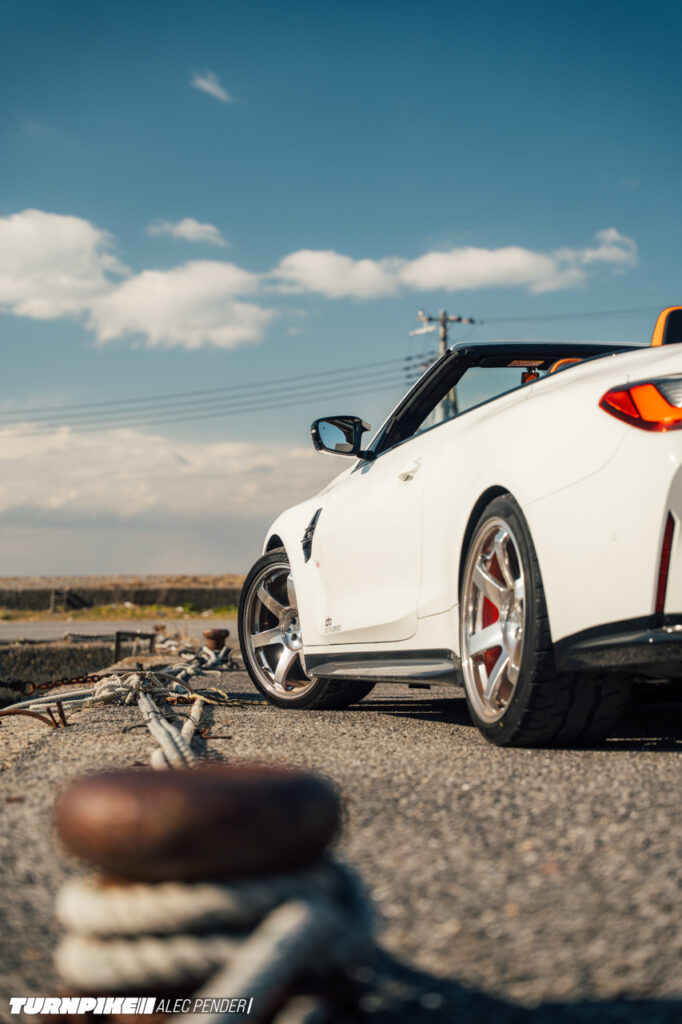
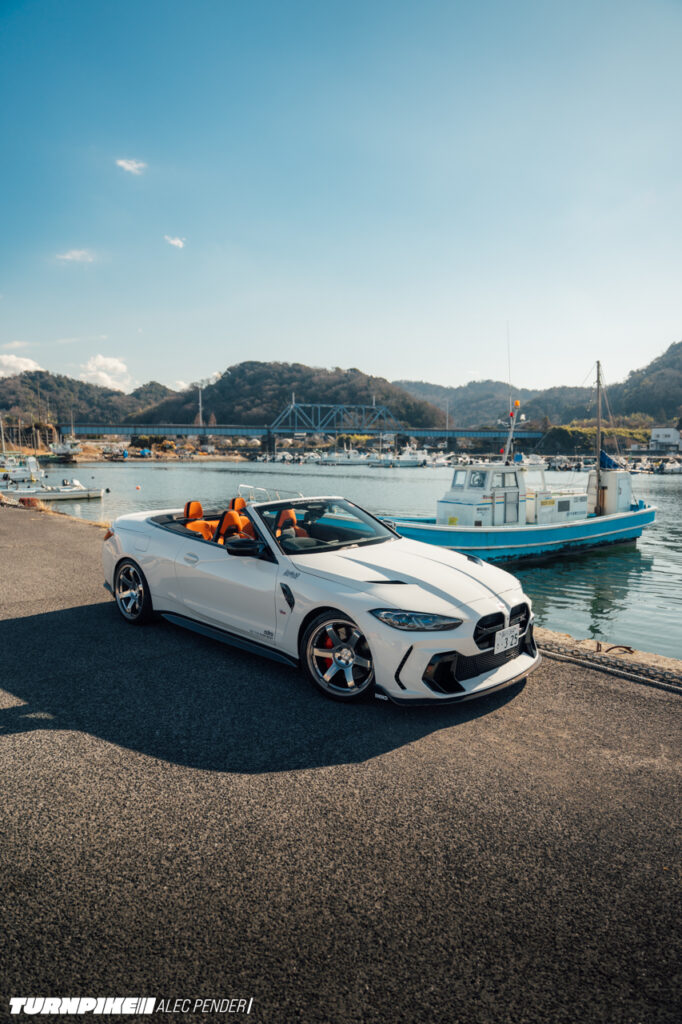
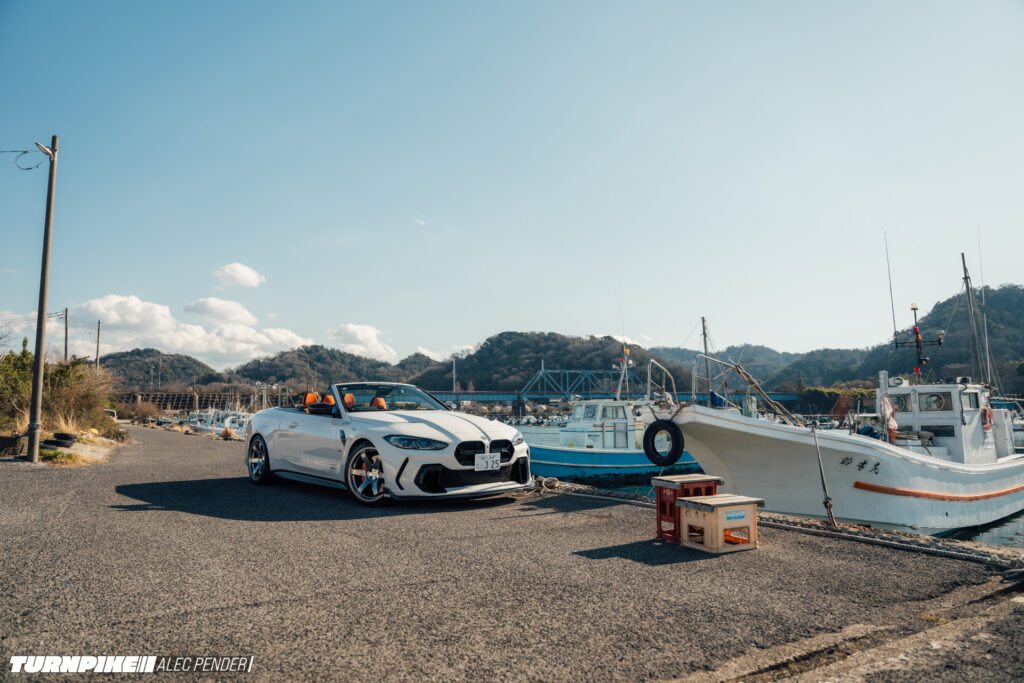
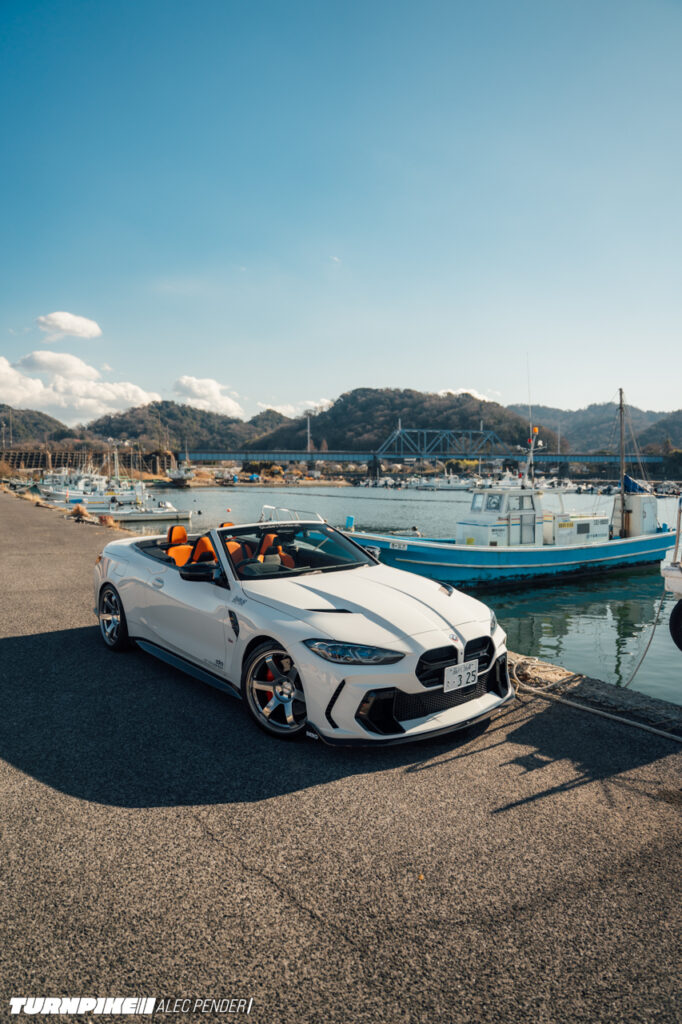
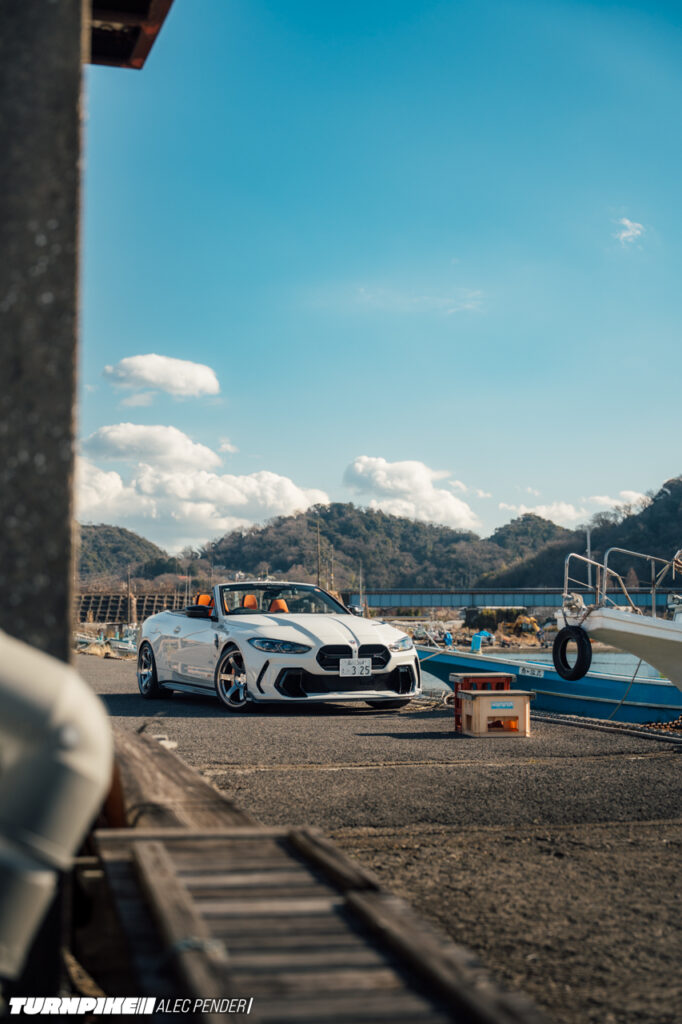
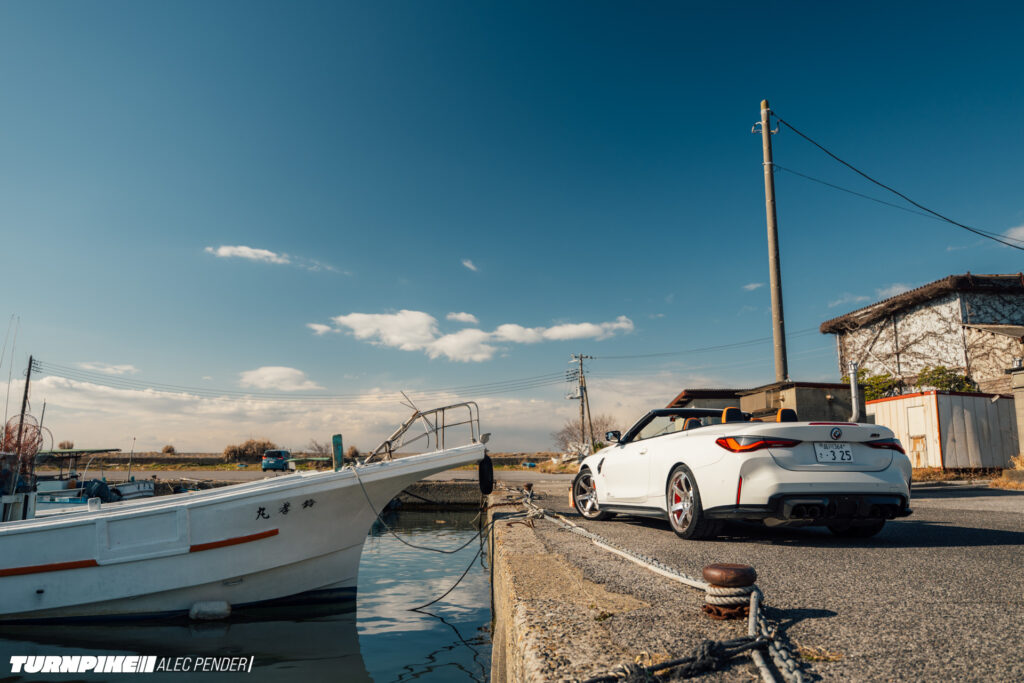
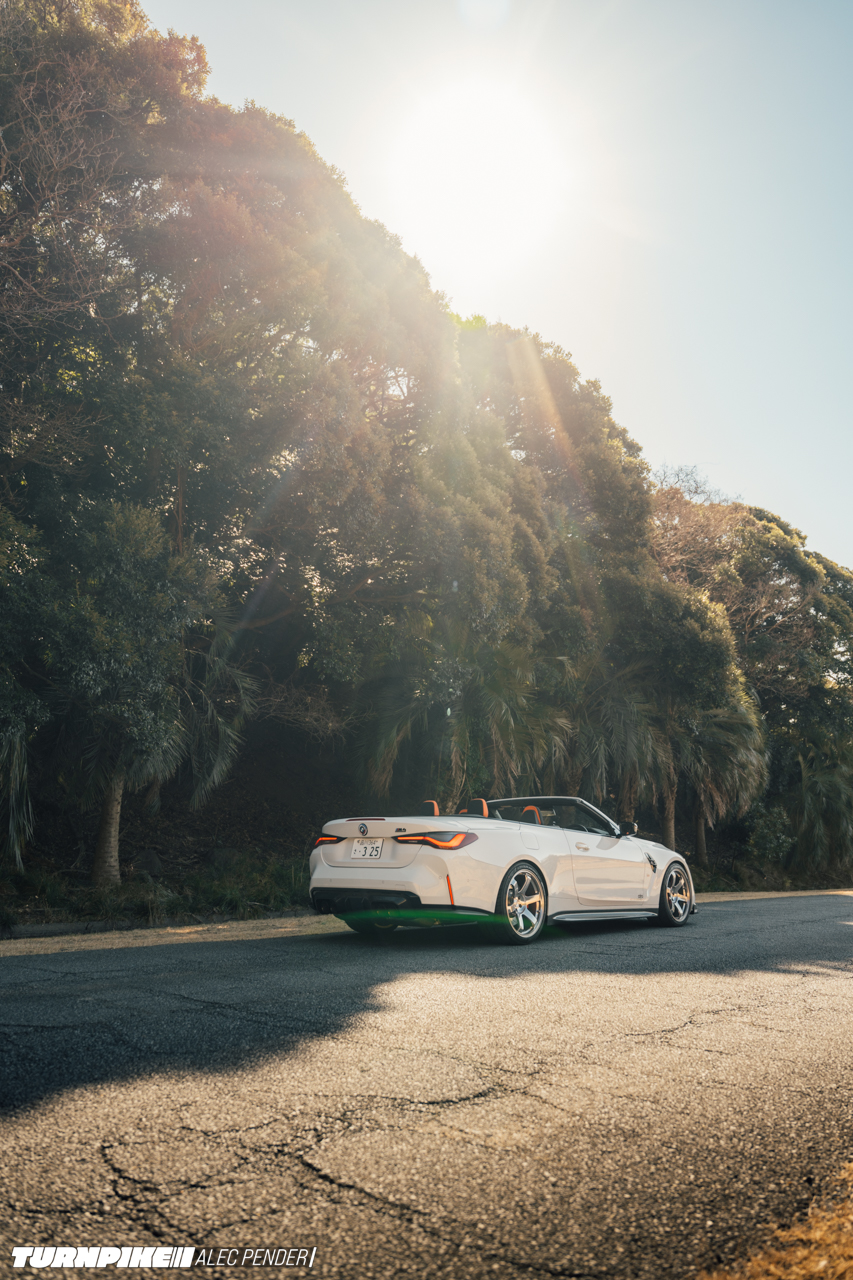
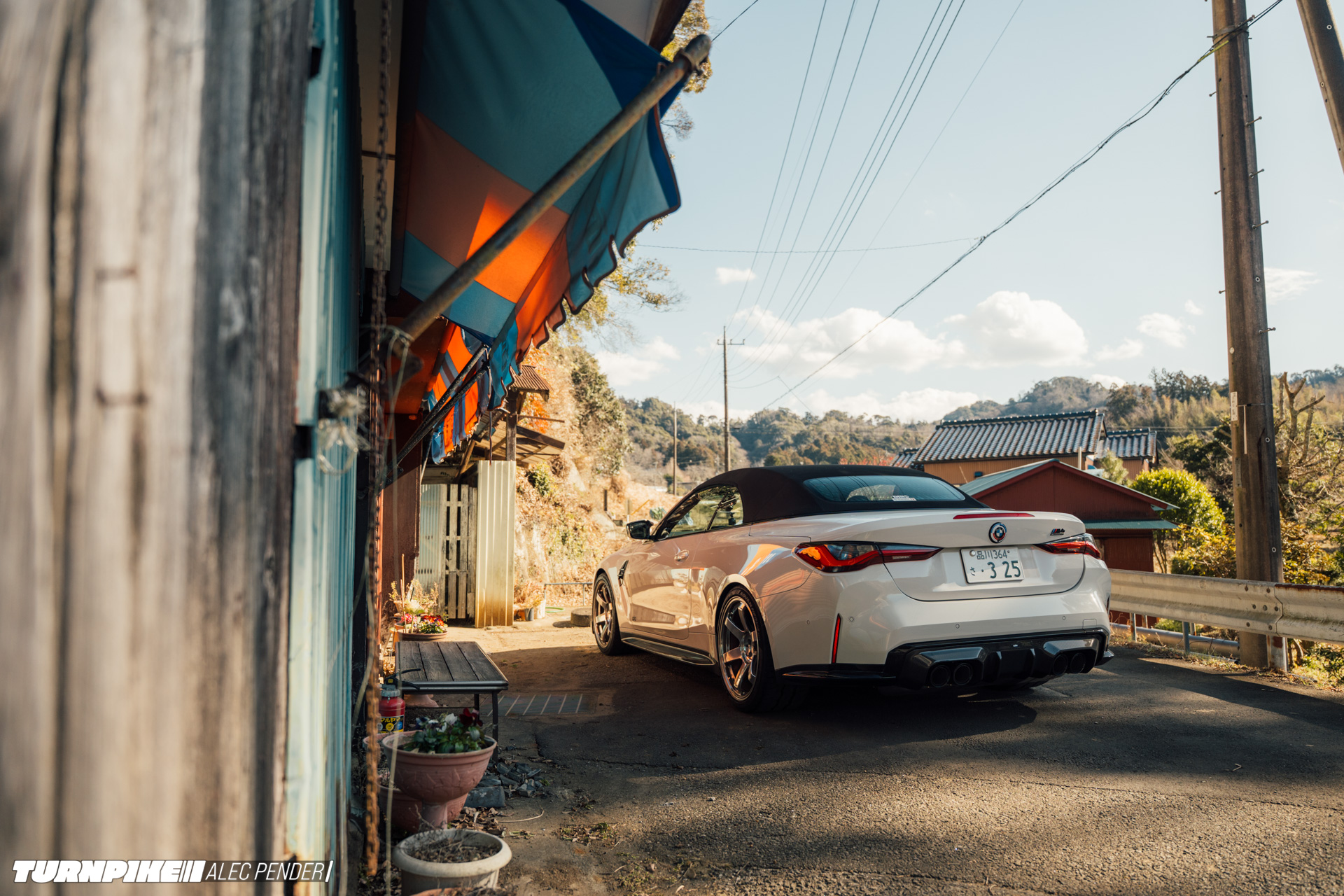
As for the ADRO transformation, I don’t think I’ve ever had a car that turns so many heads, and it’s always funny to watch people do a second take once they catch sight of the grille. My usual reply is that “I fixed what BMW didn’t quite get right,” but in reality it all comes down to ADRO’s designers nailing the execution and, in the process, creating something that’s been so well received. The carbon fiber side skirts and rear bumper finishers are the cherry on top. Now I just need to figure out what to do on the exhaust side of things, as the stock mufflers look rather out of place…
Until then, if you’d like to see more of the car, you can check out the video below.




Cool car, but what’s your wife’s opinion of it?
After all, it’s *her* daily driver.
She loves the look but is now terrified of scraping the front splitter on ramps lol
Excellent. Well done!
Love seeing these without the beaver teeth.
Shall we talk about the new X5? lol
Great article Dino & Alec! Easily the nicest M4 vert on the road today. All the modifications are so tastefully executed.
Thanks Ross!!
The Adro front makes the G8X series look so much better. Normally, the front is pulling all the attention. This draws away that attention from the nose to the rest of the car just enough to make it proportional. Together with the rest of the aero kit it makes the convertible actually a very good looking car.
Beautiful images, Dino! I sold a GST Spyder Eclipse when my kids were born several years ago, which felt like… the rear of the car could be involuntarily twisted off from behind me at any moment… lately I have had my eyes on a San Remo Green Z4.. ‘Verts are so good.