
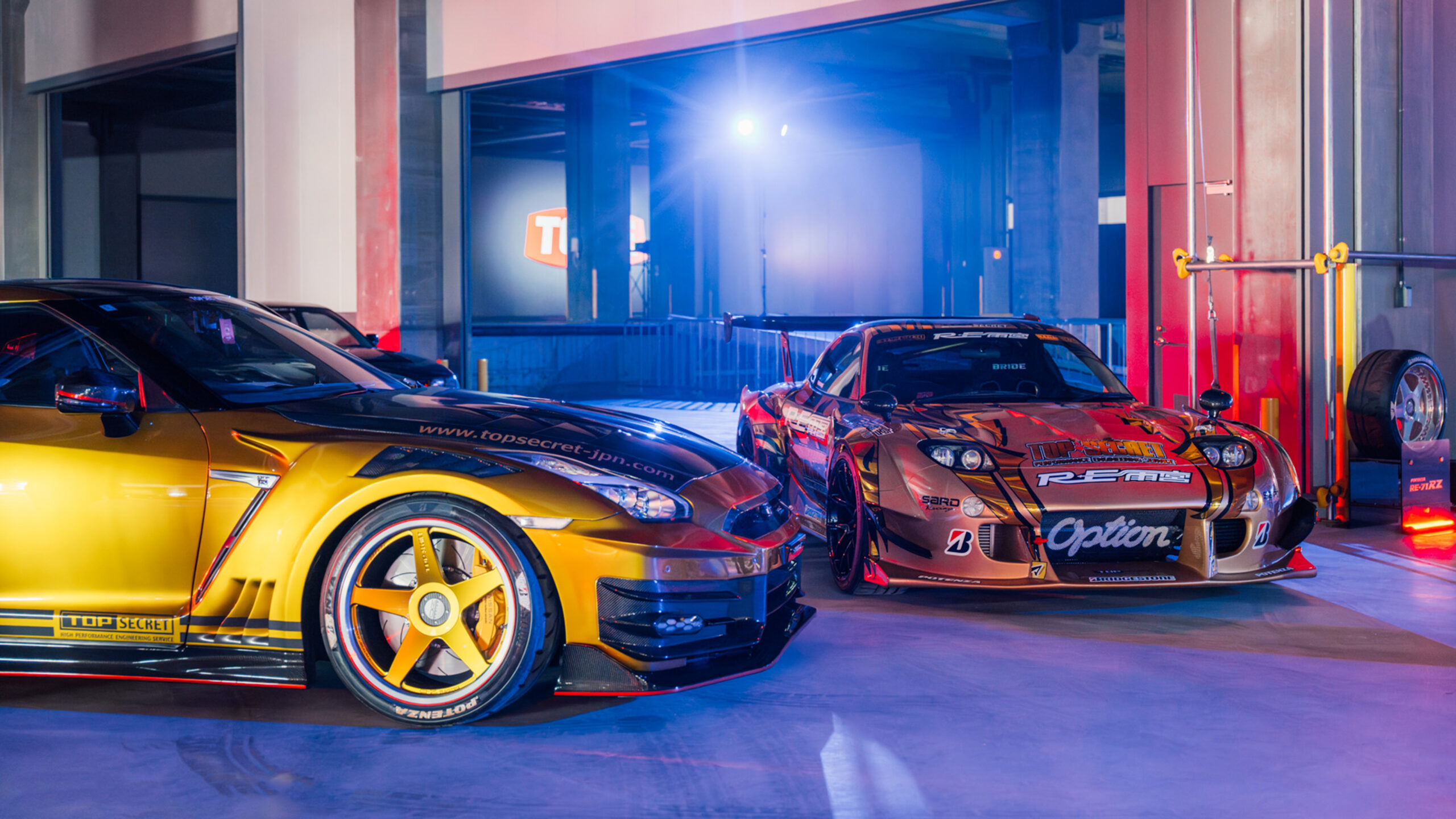
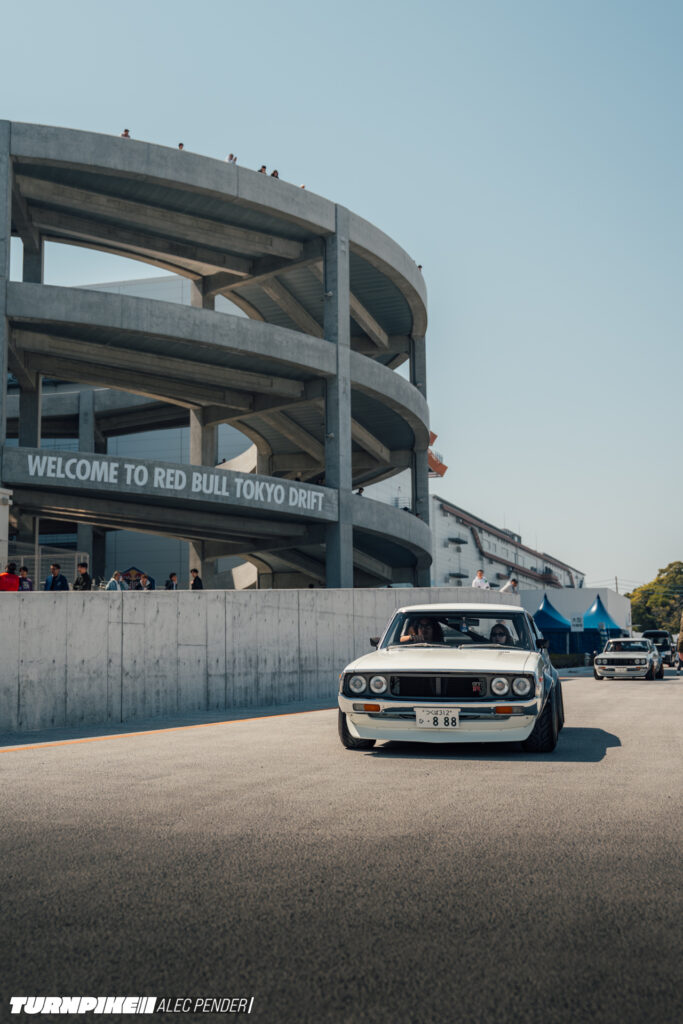
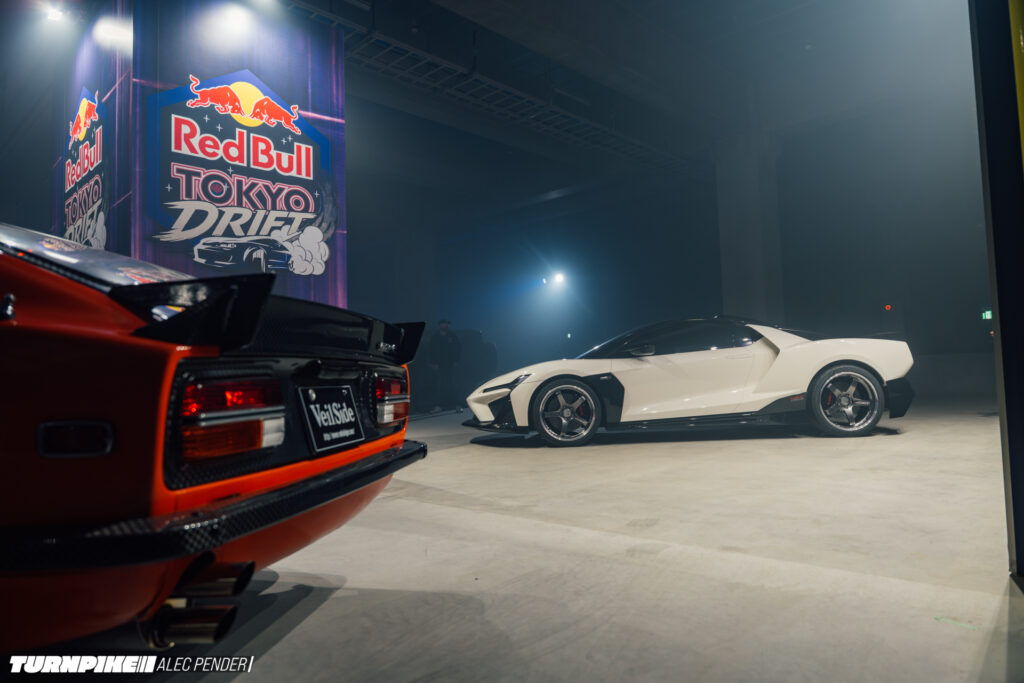
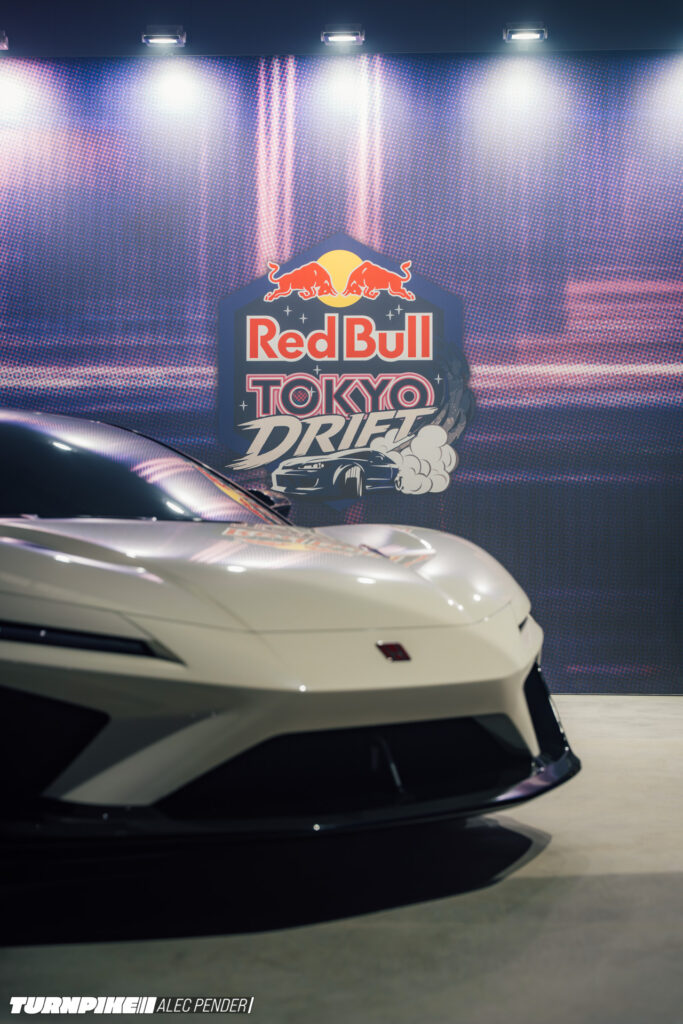
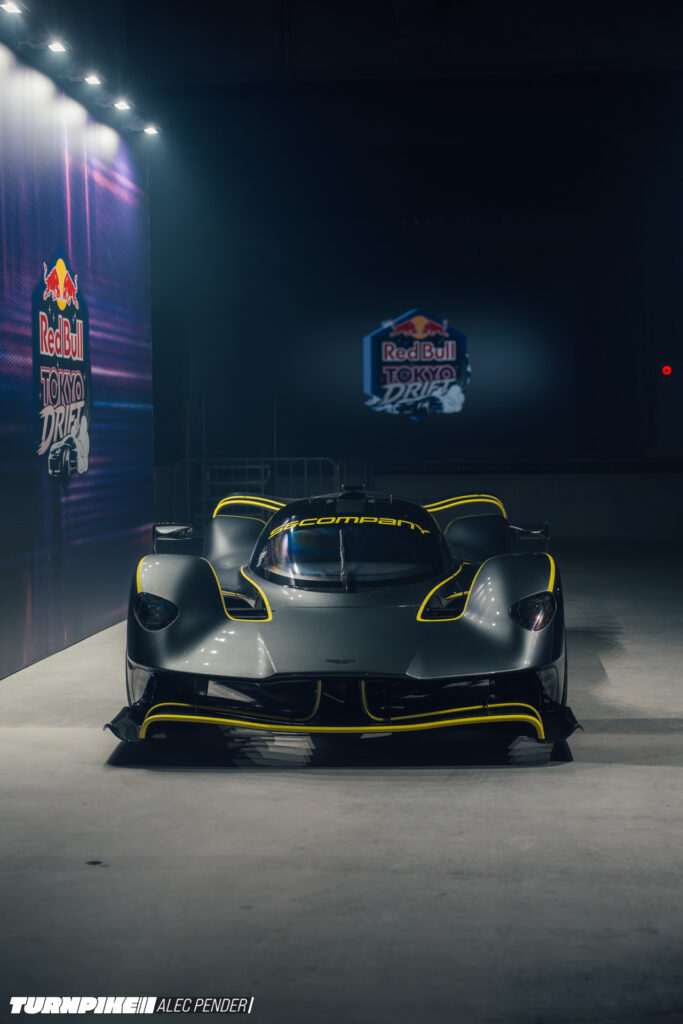
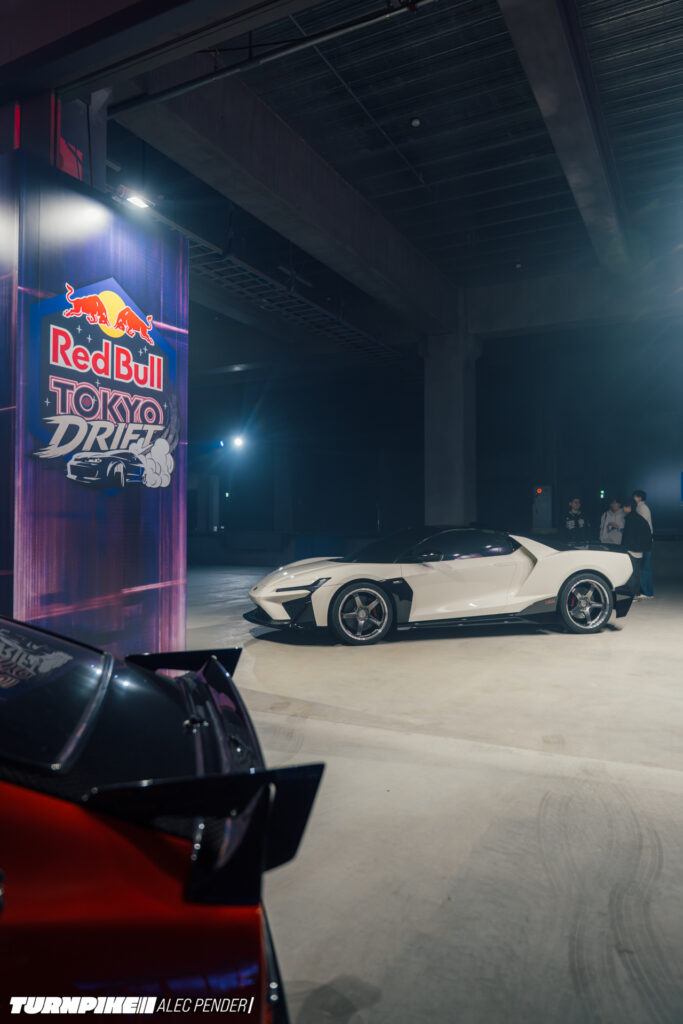
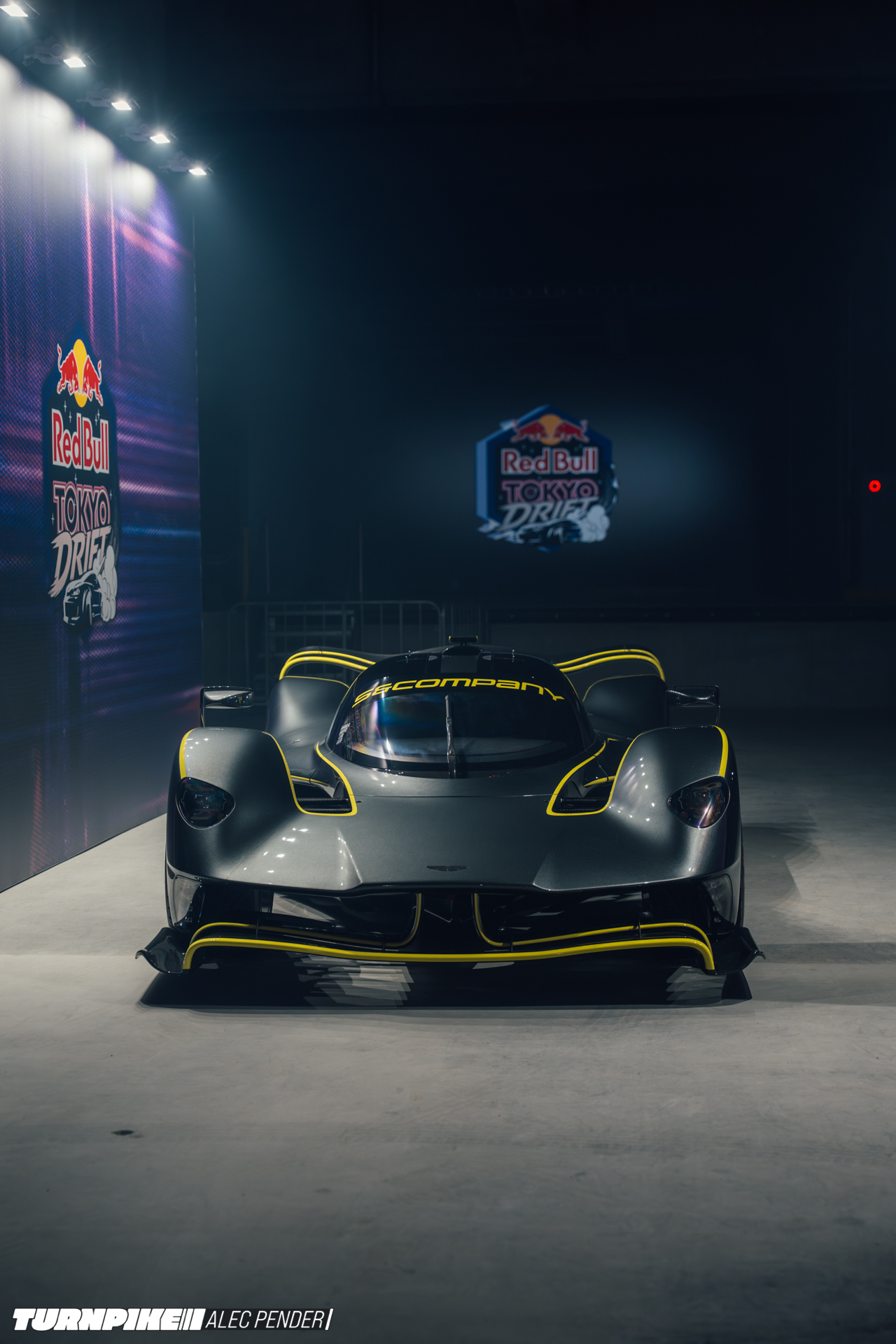
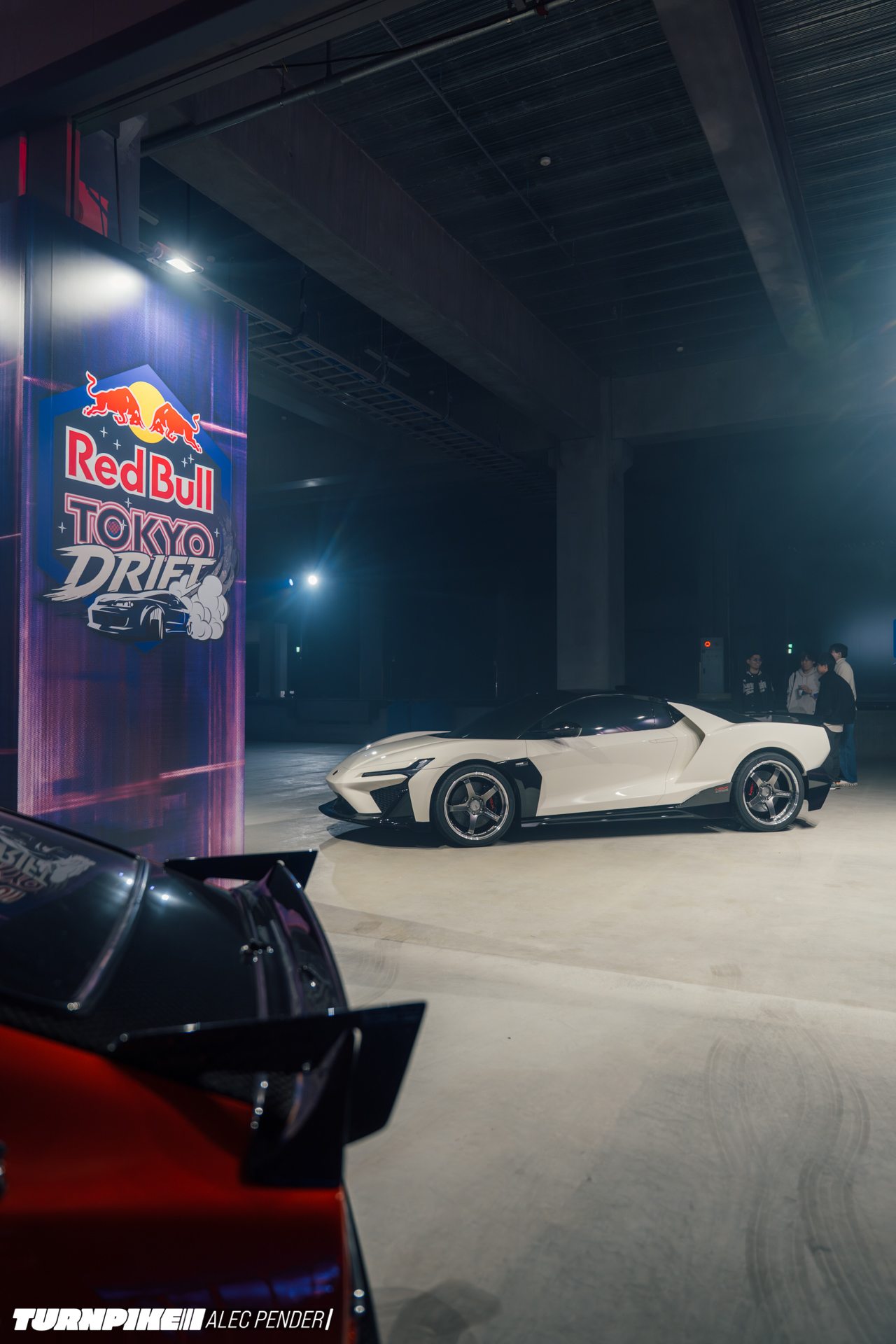
Red Bull’s Tokyo Drift experience returned in March, four times the size of its first iteration. While you’d think topping the inaugural event would be near impossible, never underestimate what can happen when a brand like Red Bull collides with the dynamic car culture of a city like Tokyo.
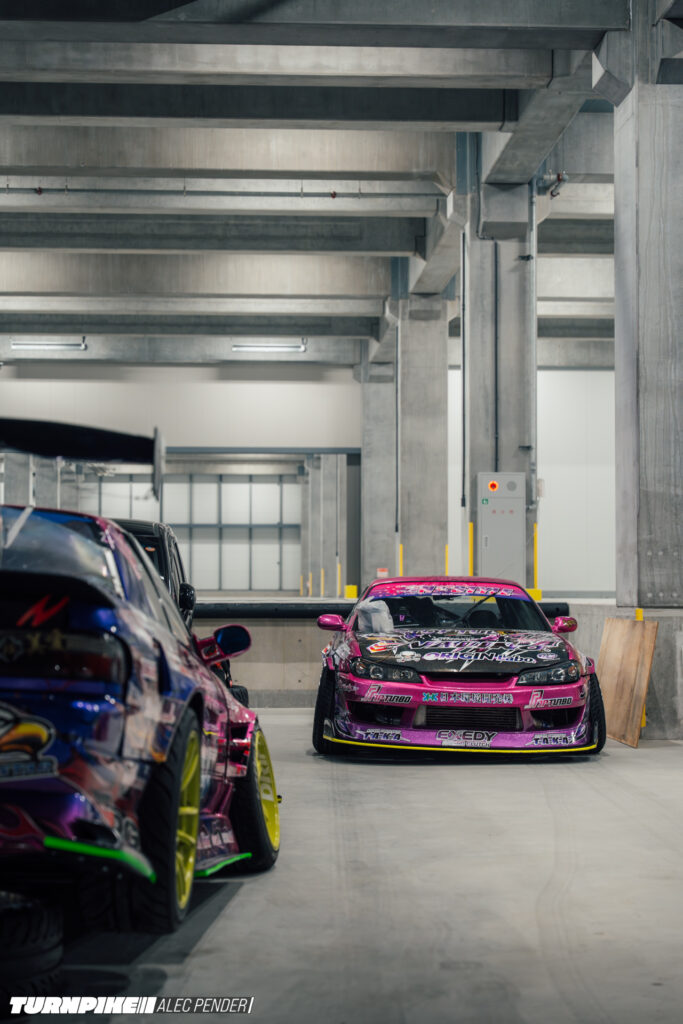
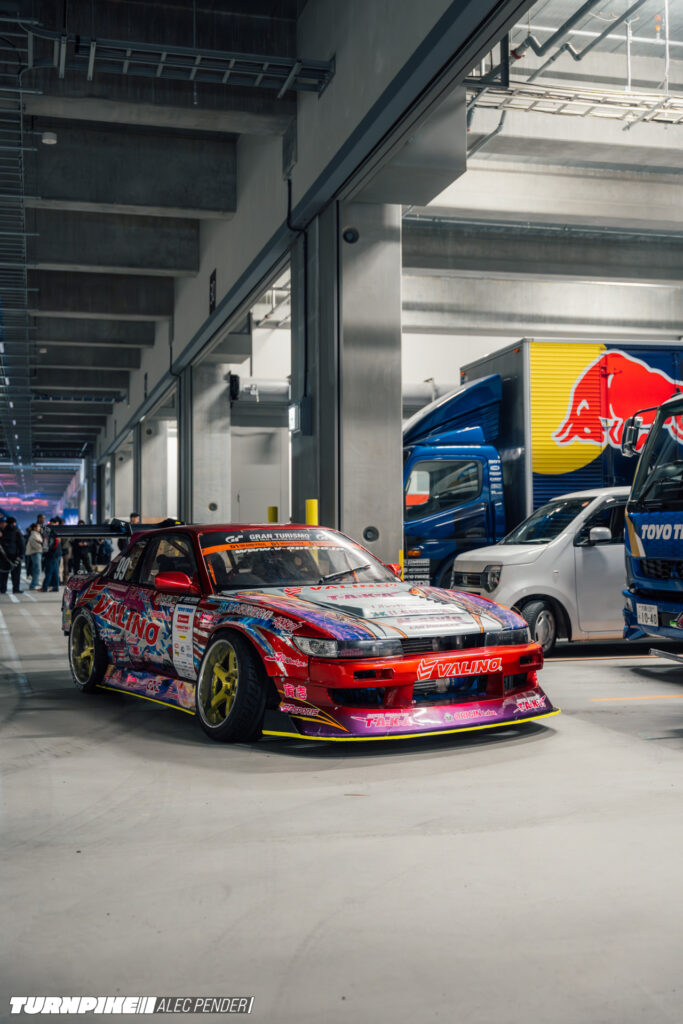
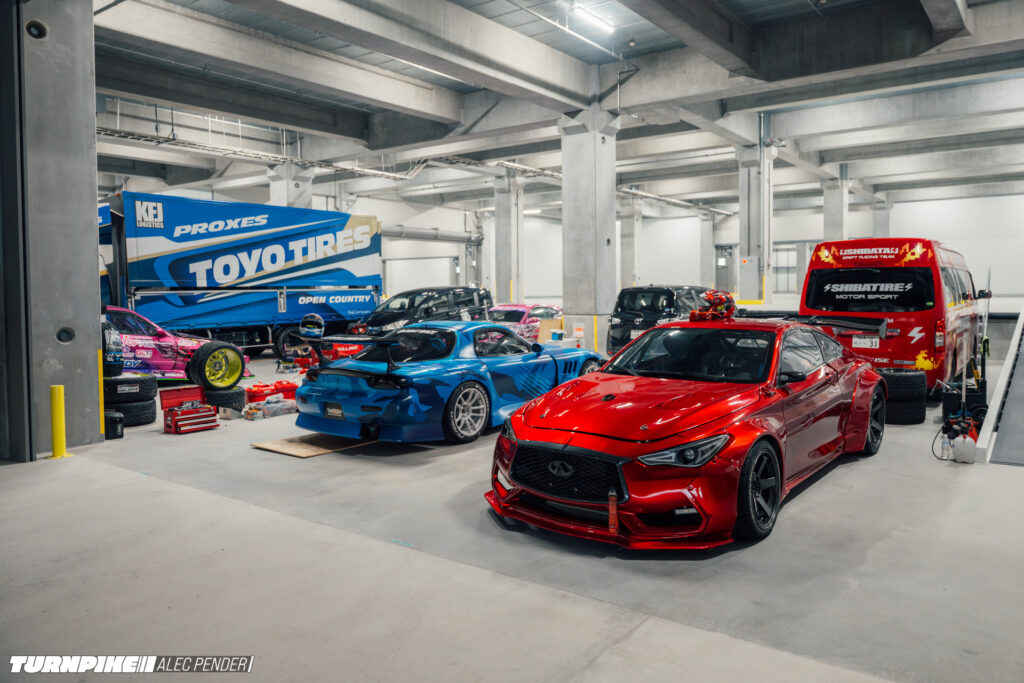
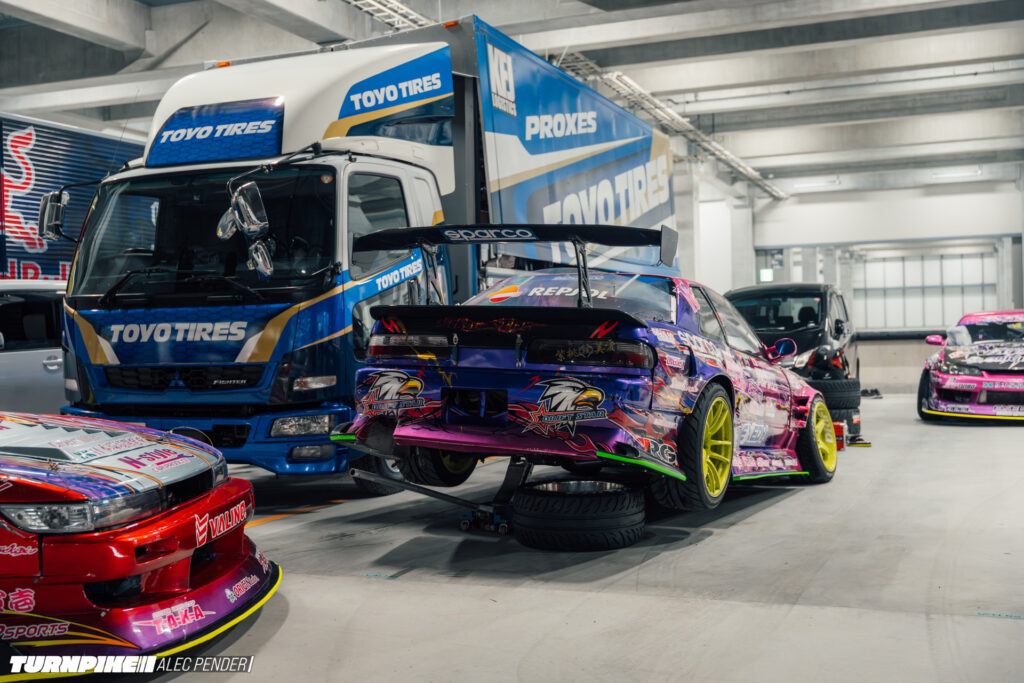
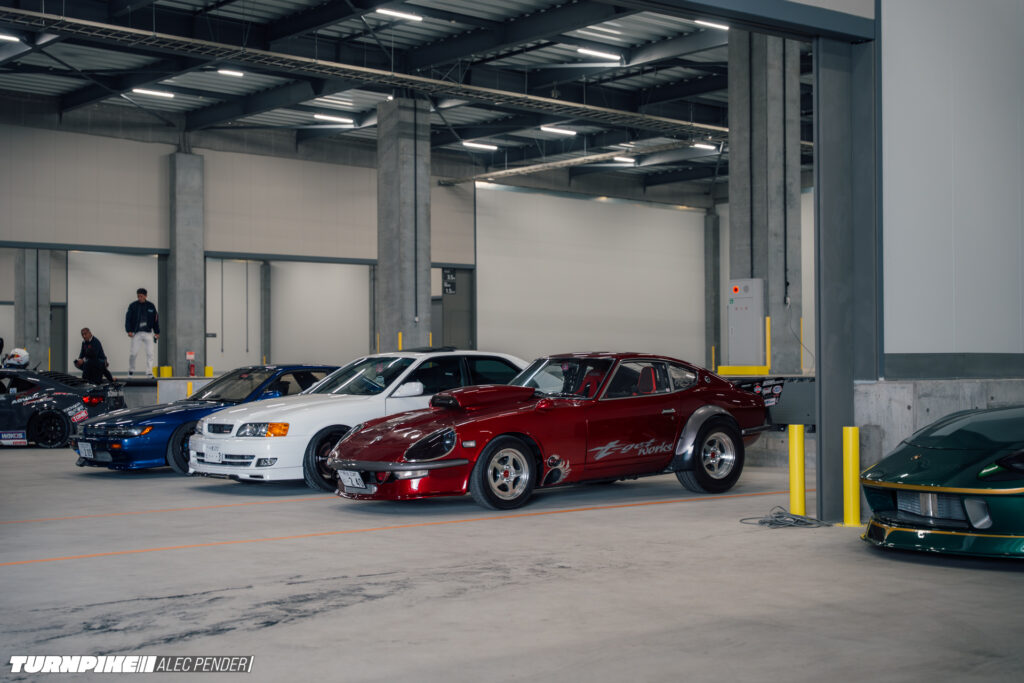
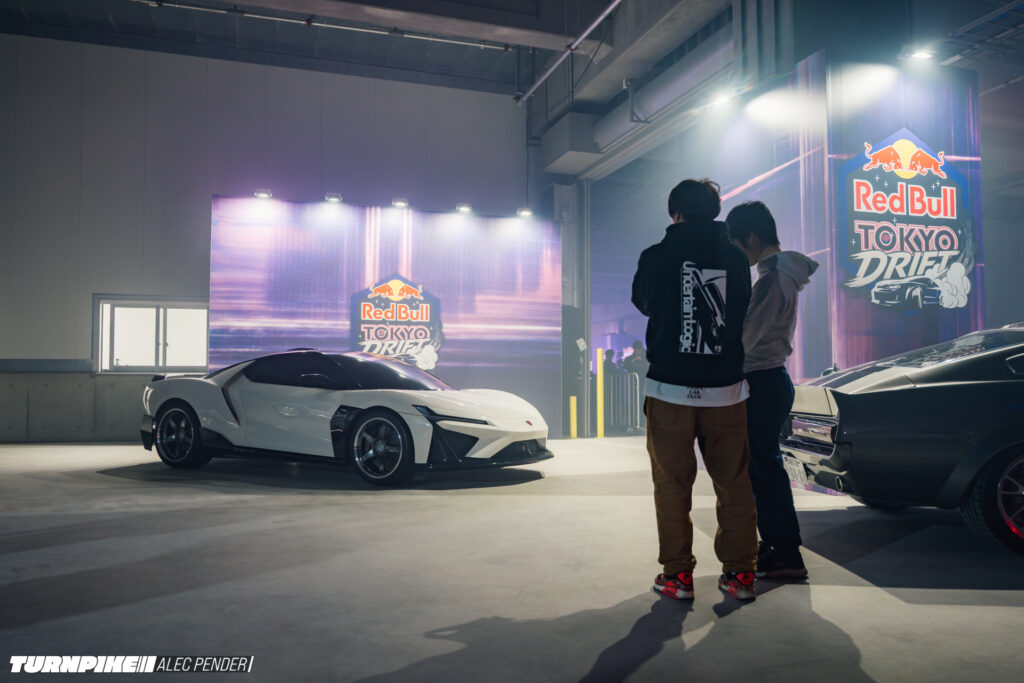
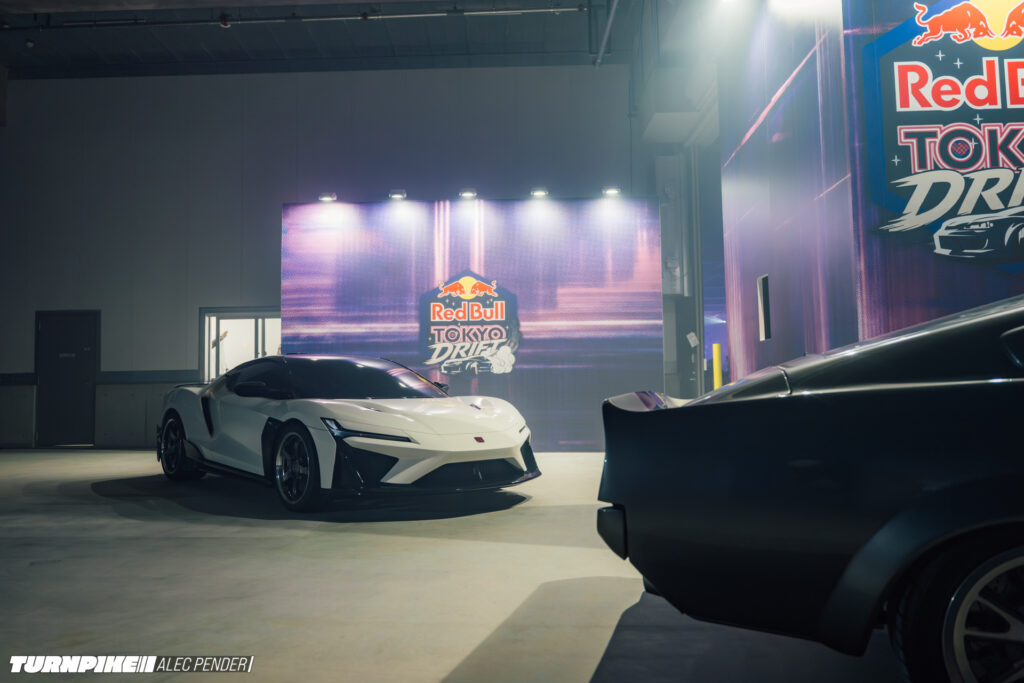
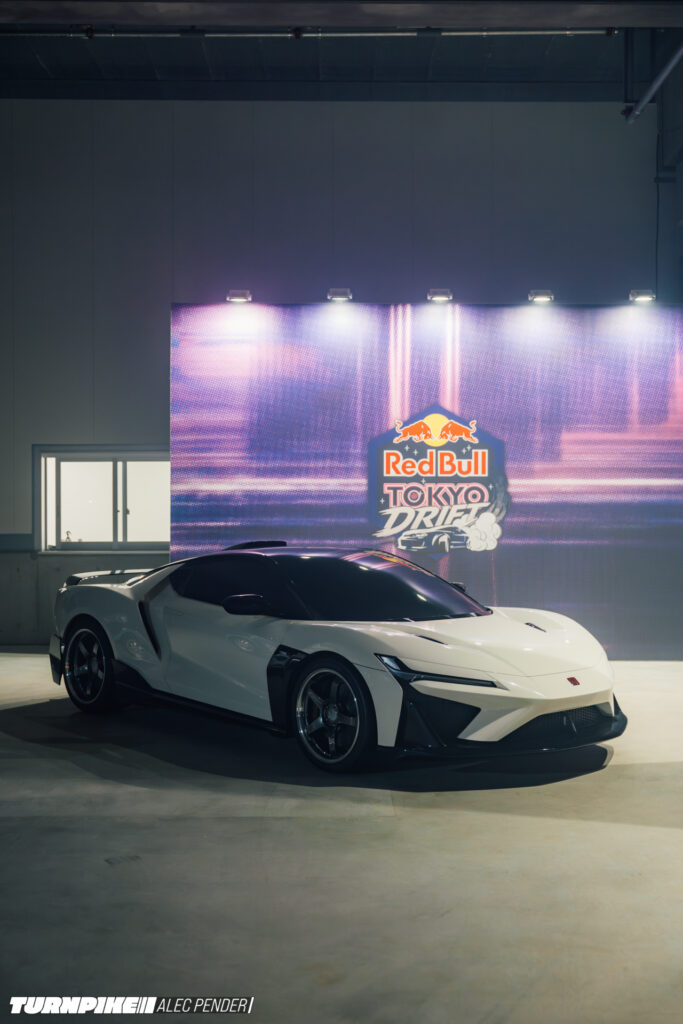
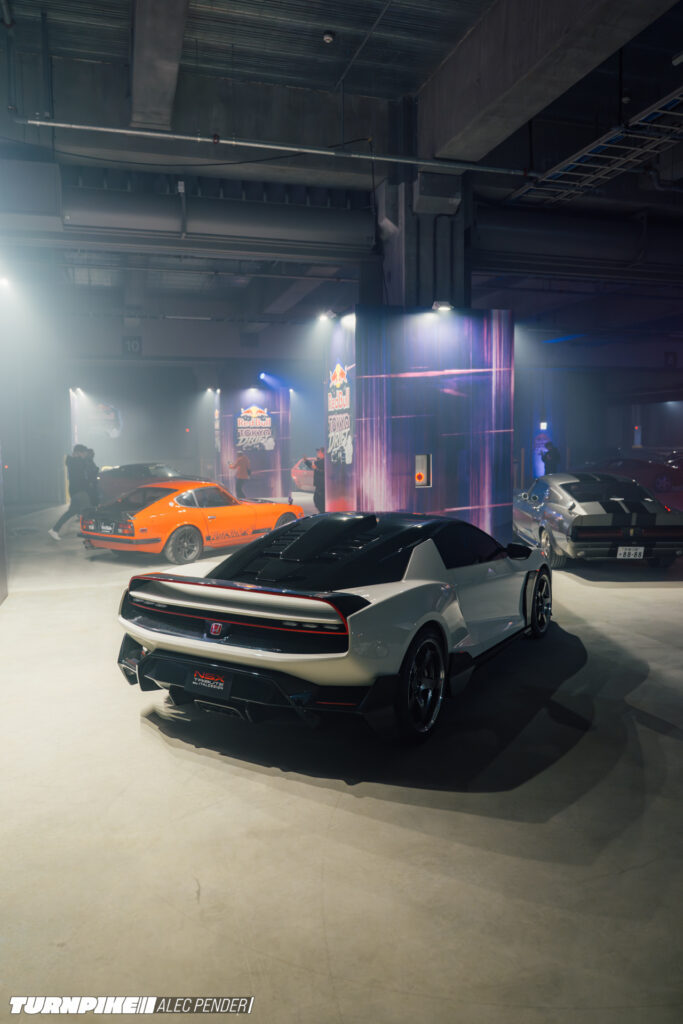
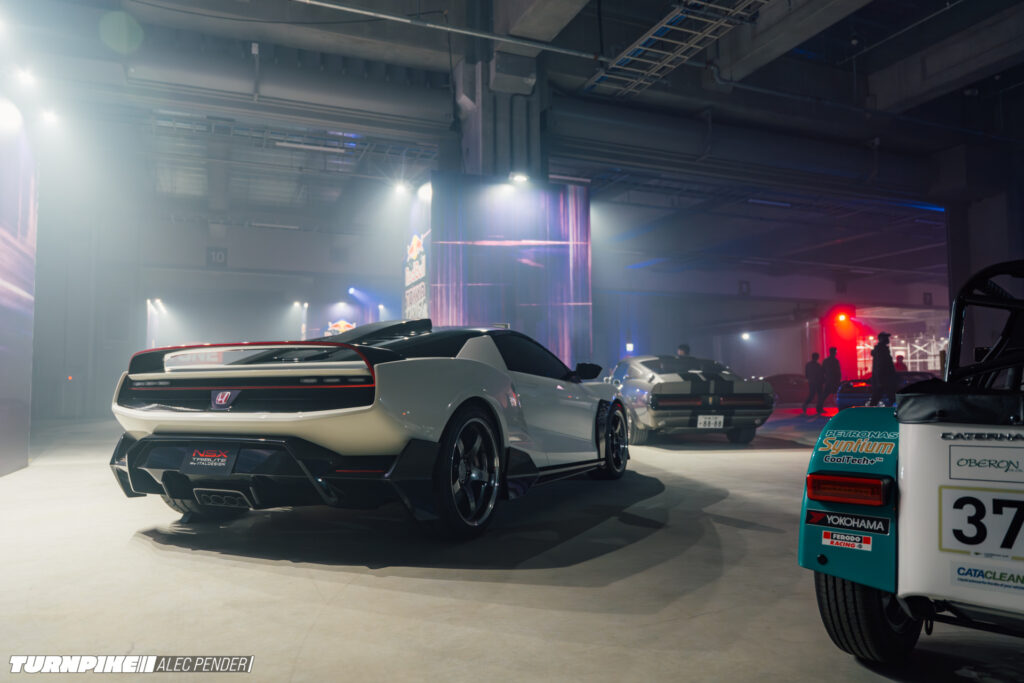
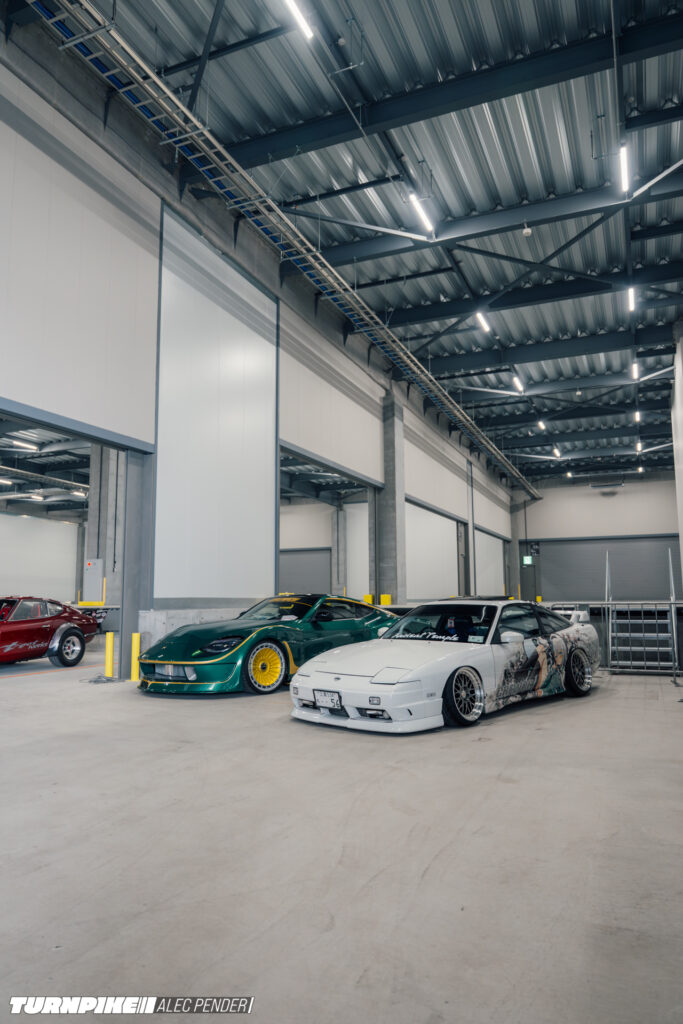
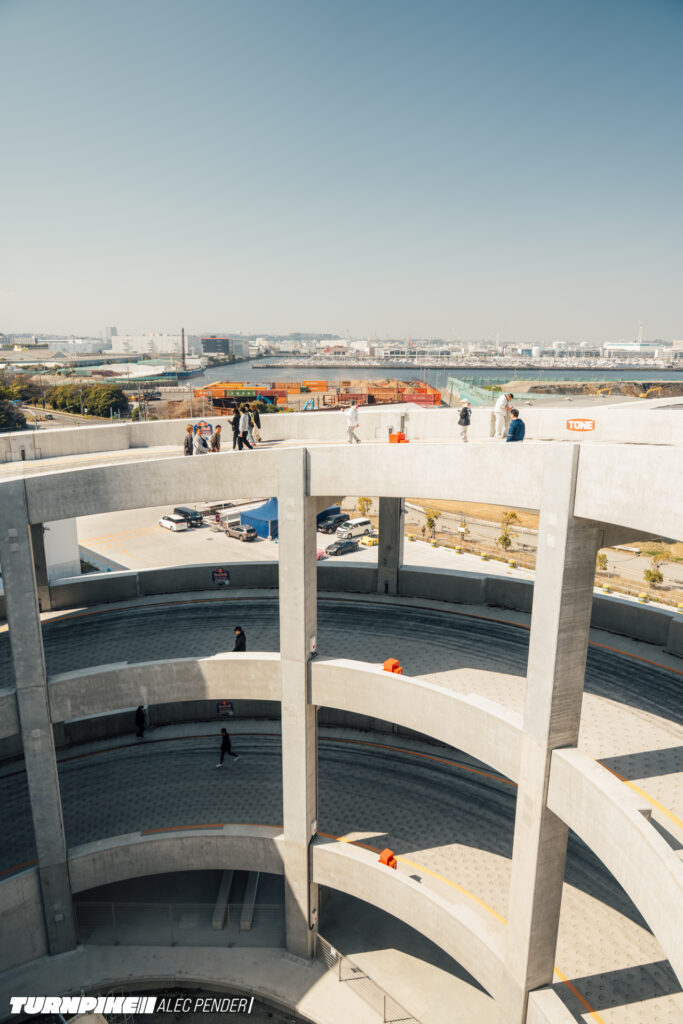
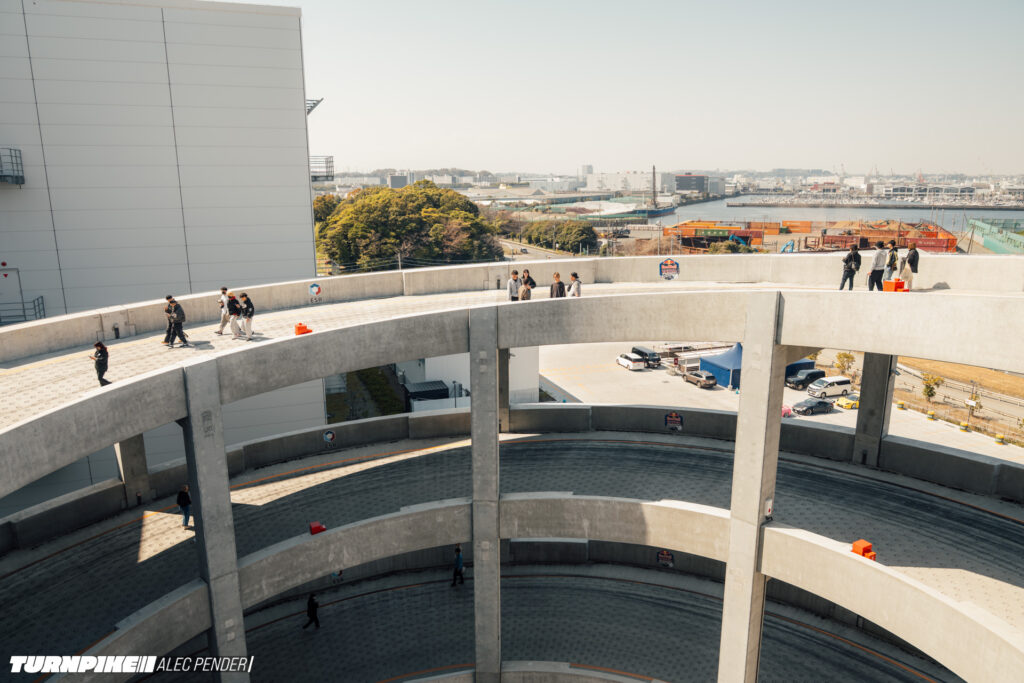
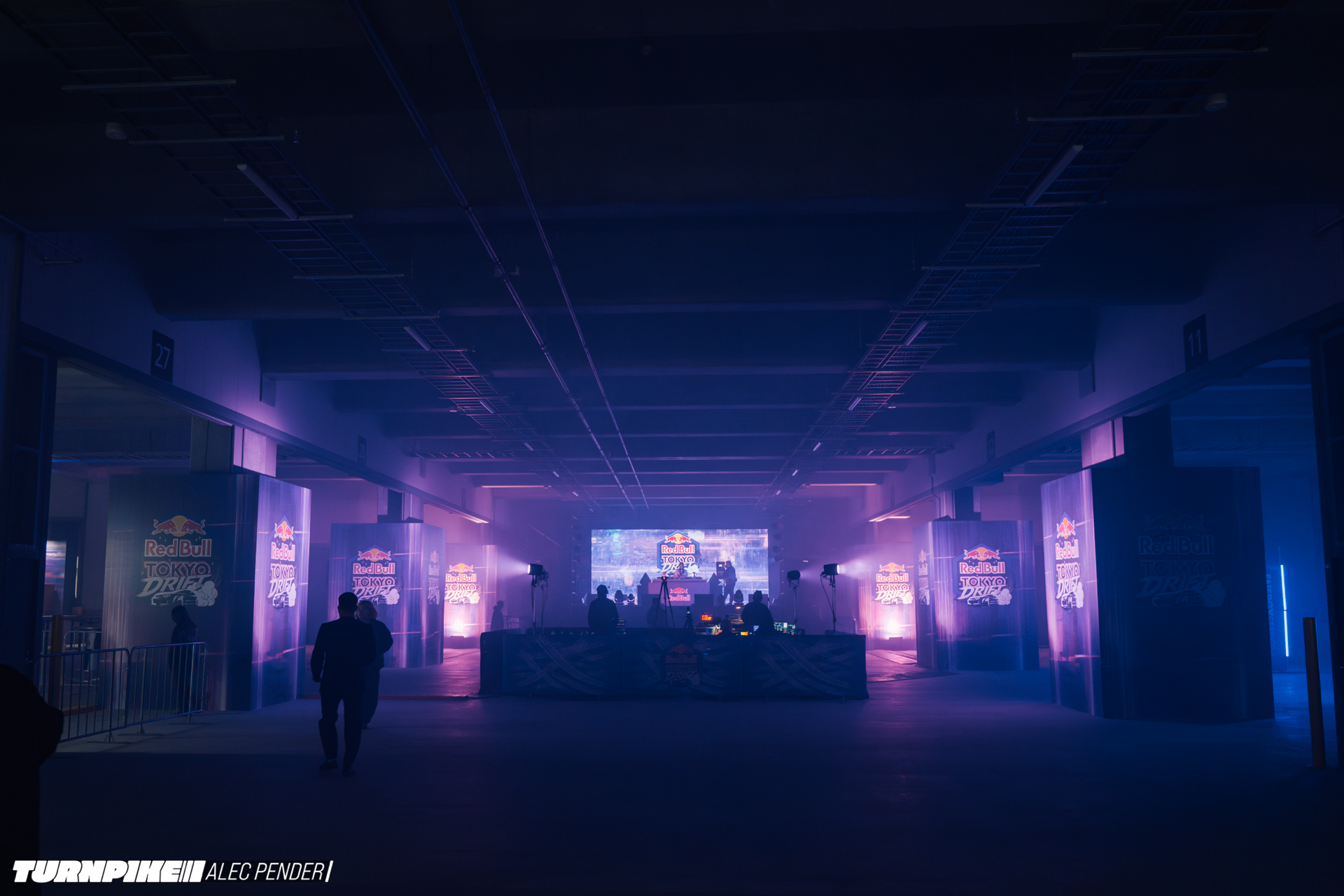
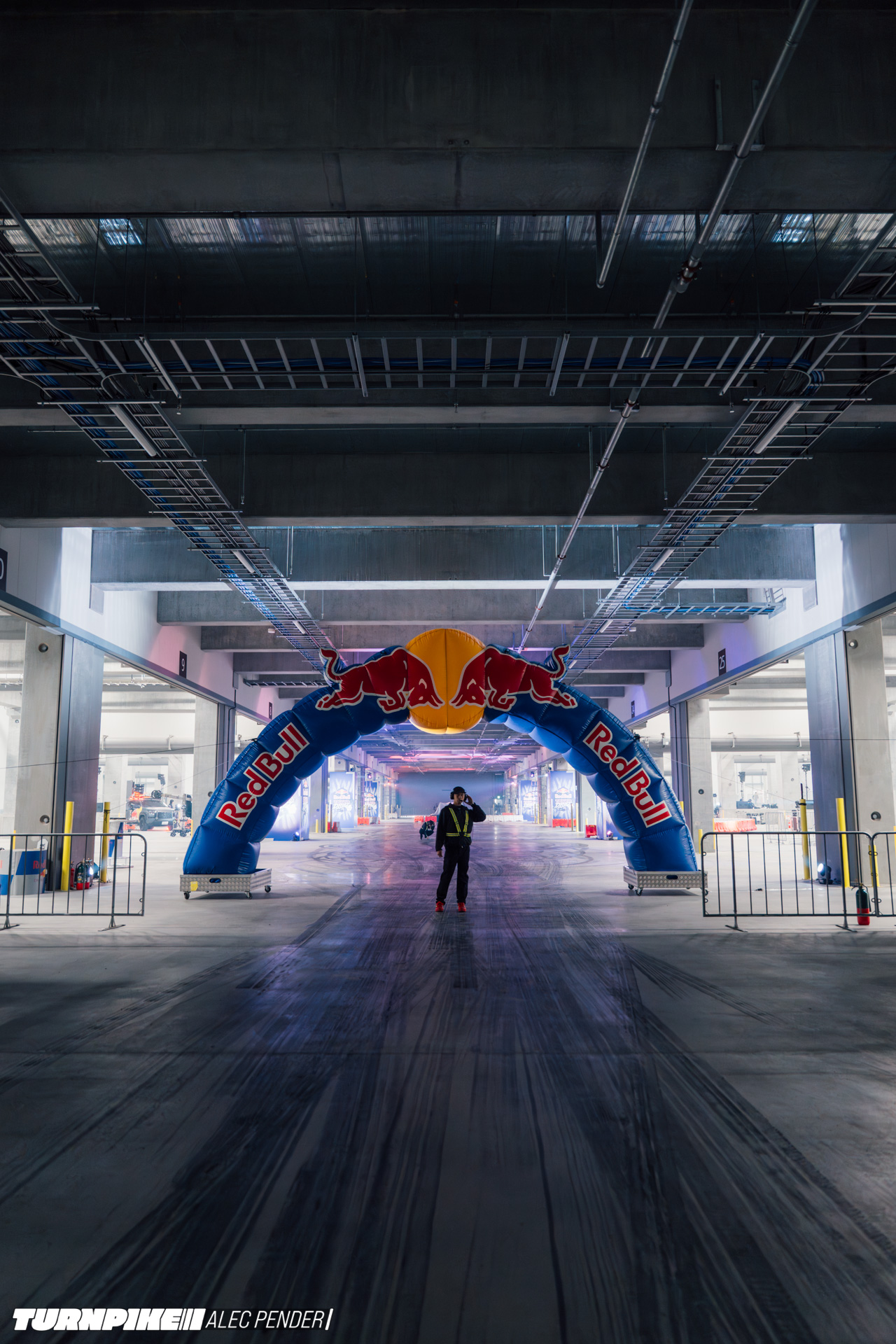
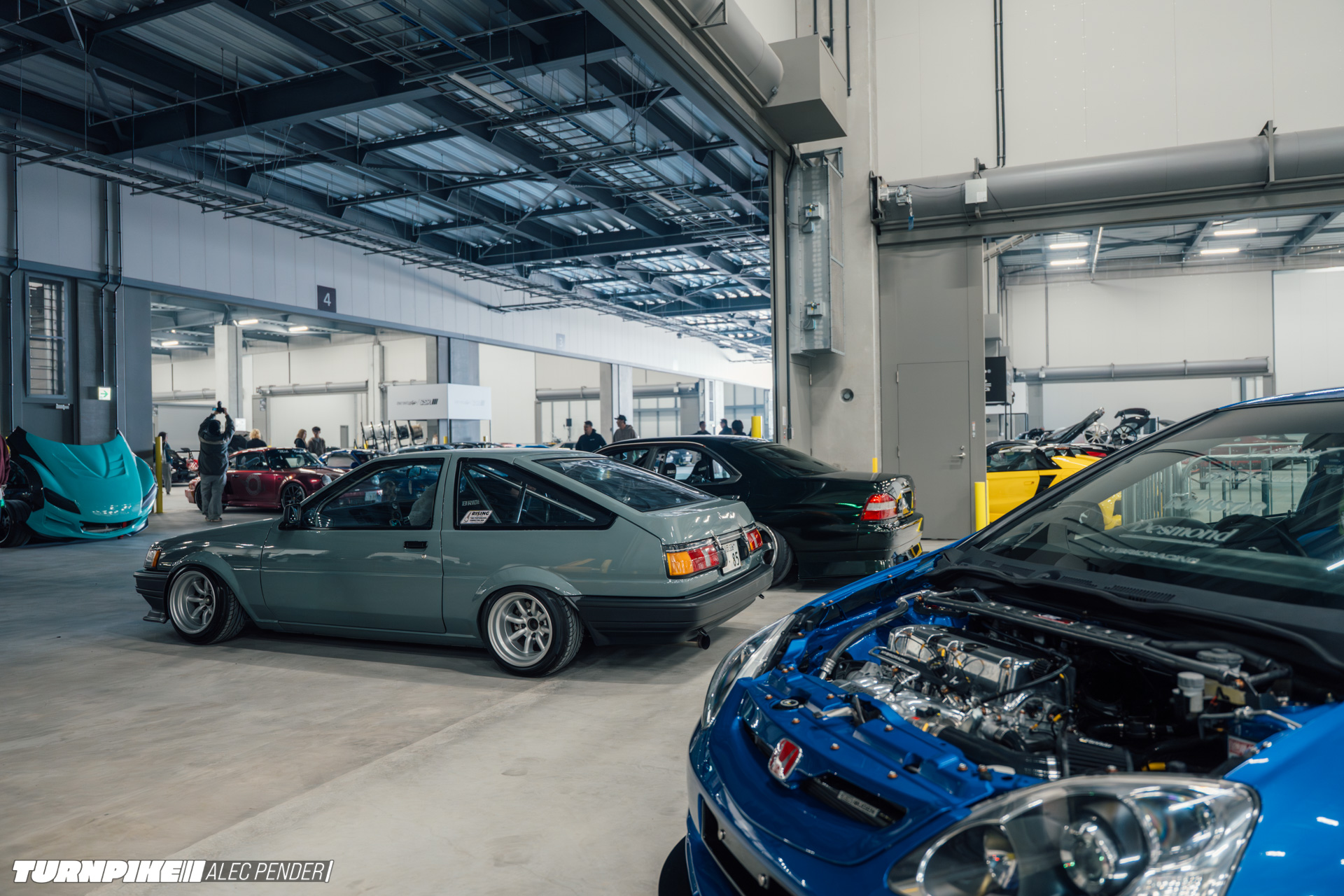
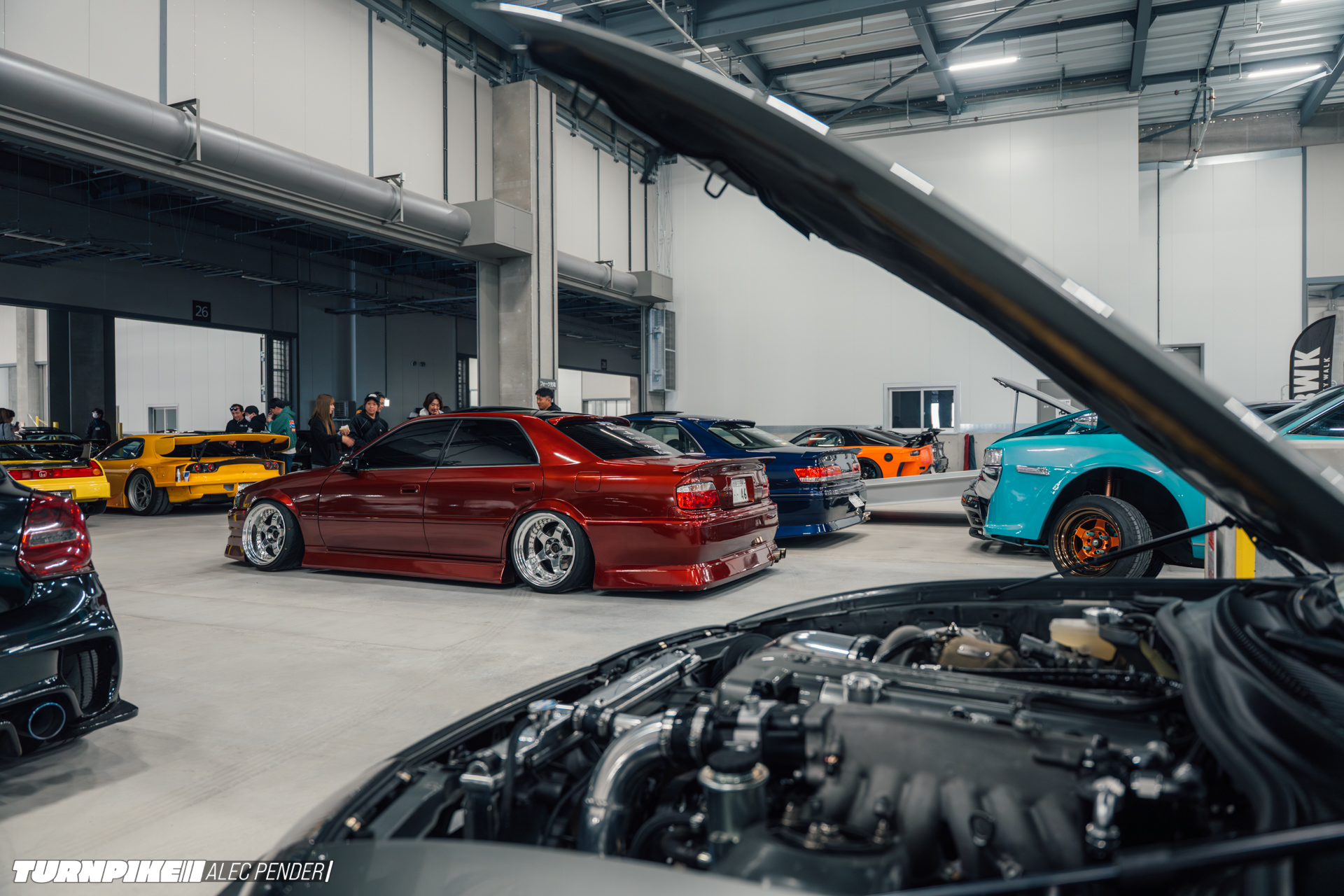
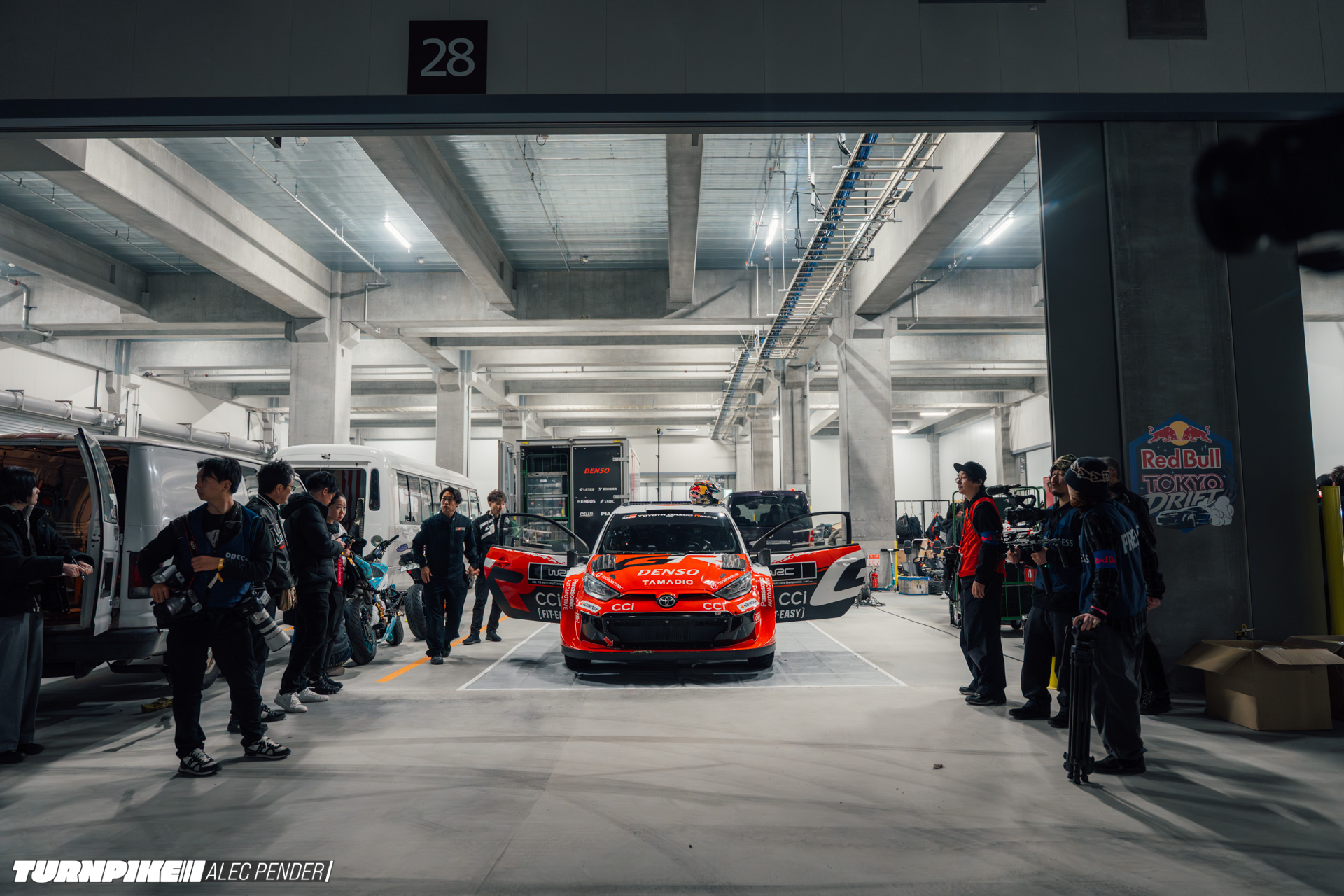
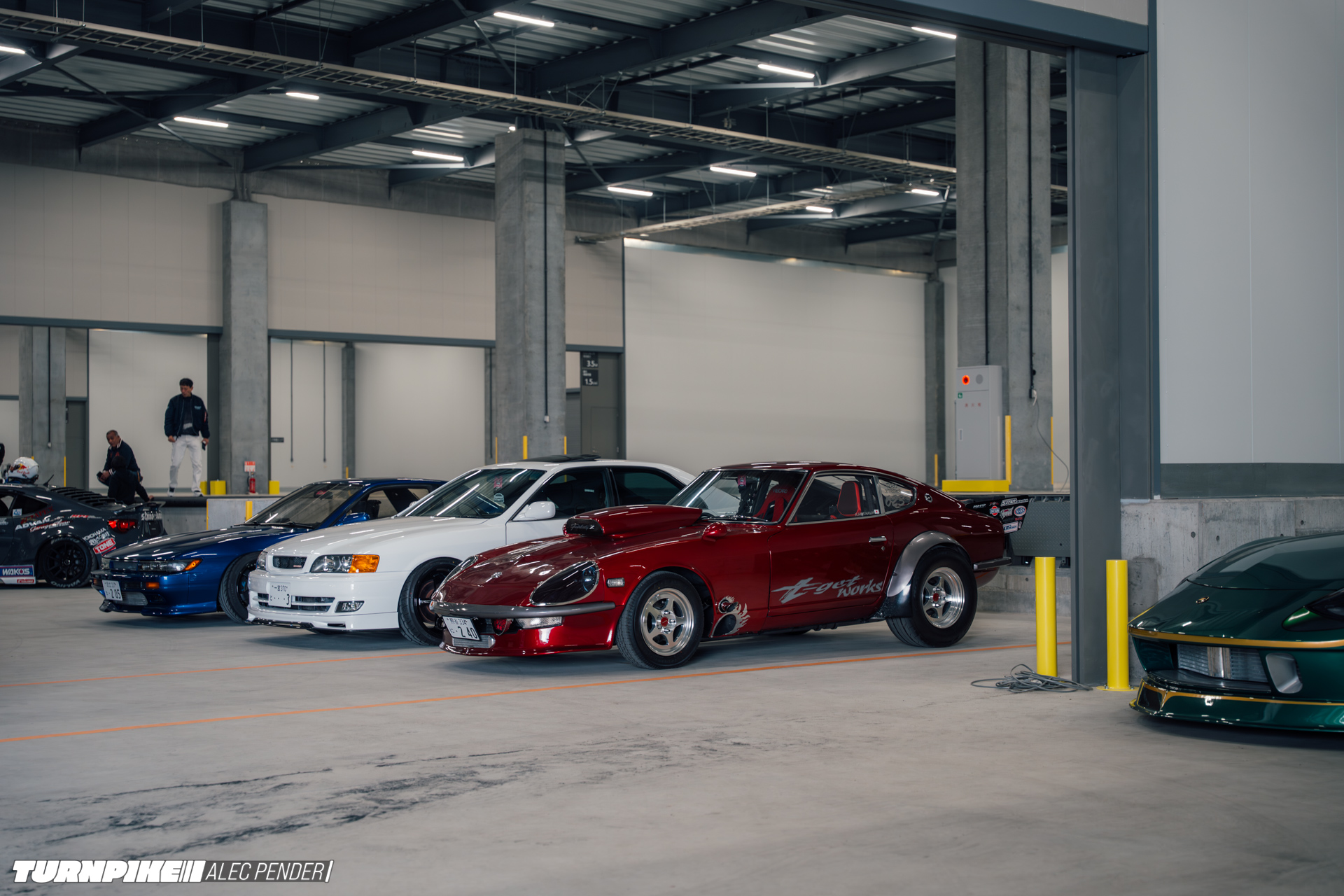
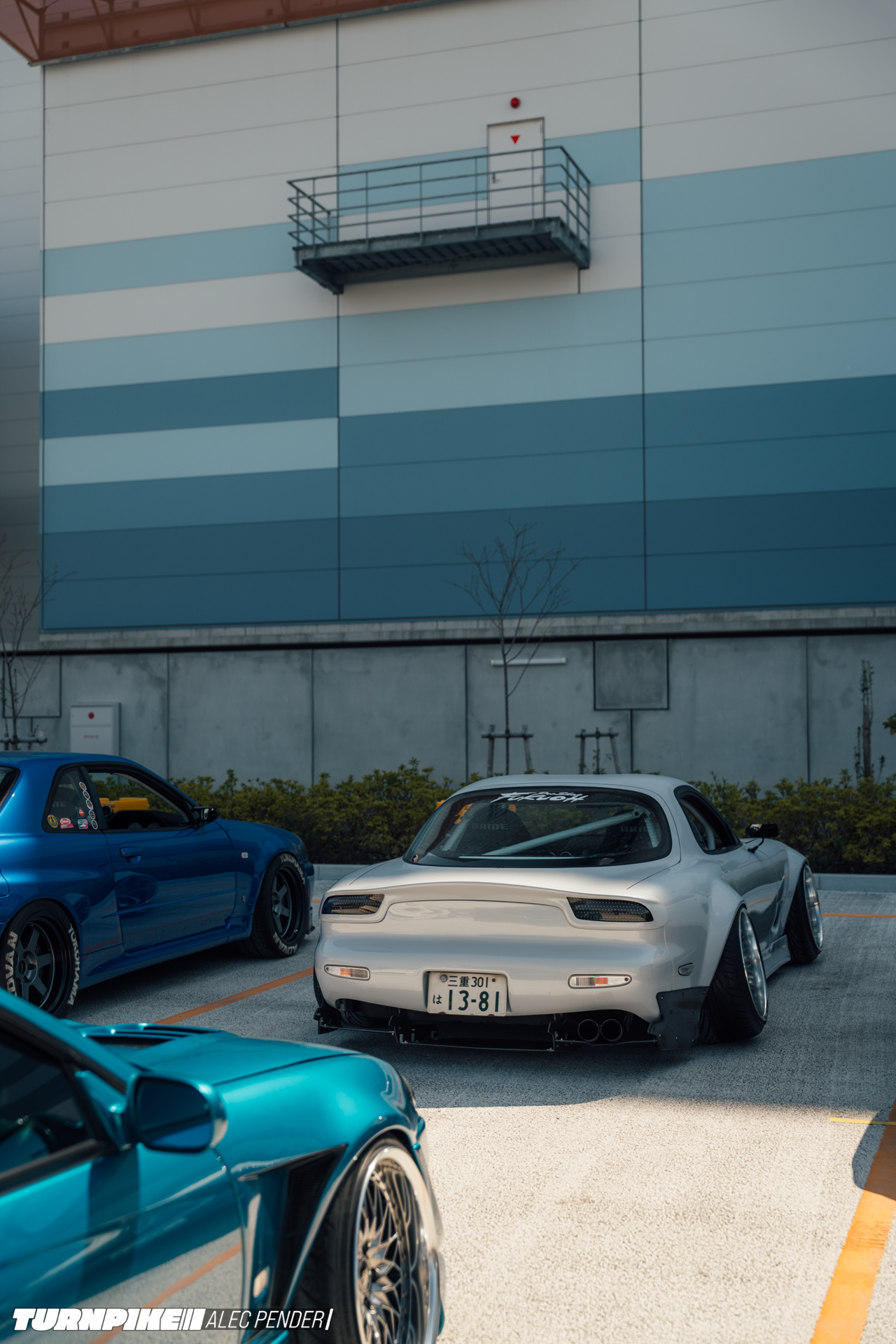
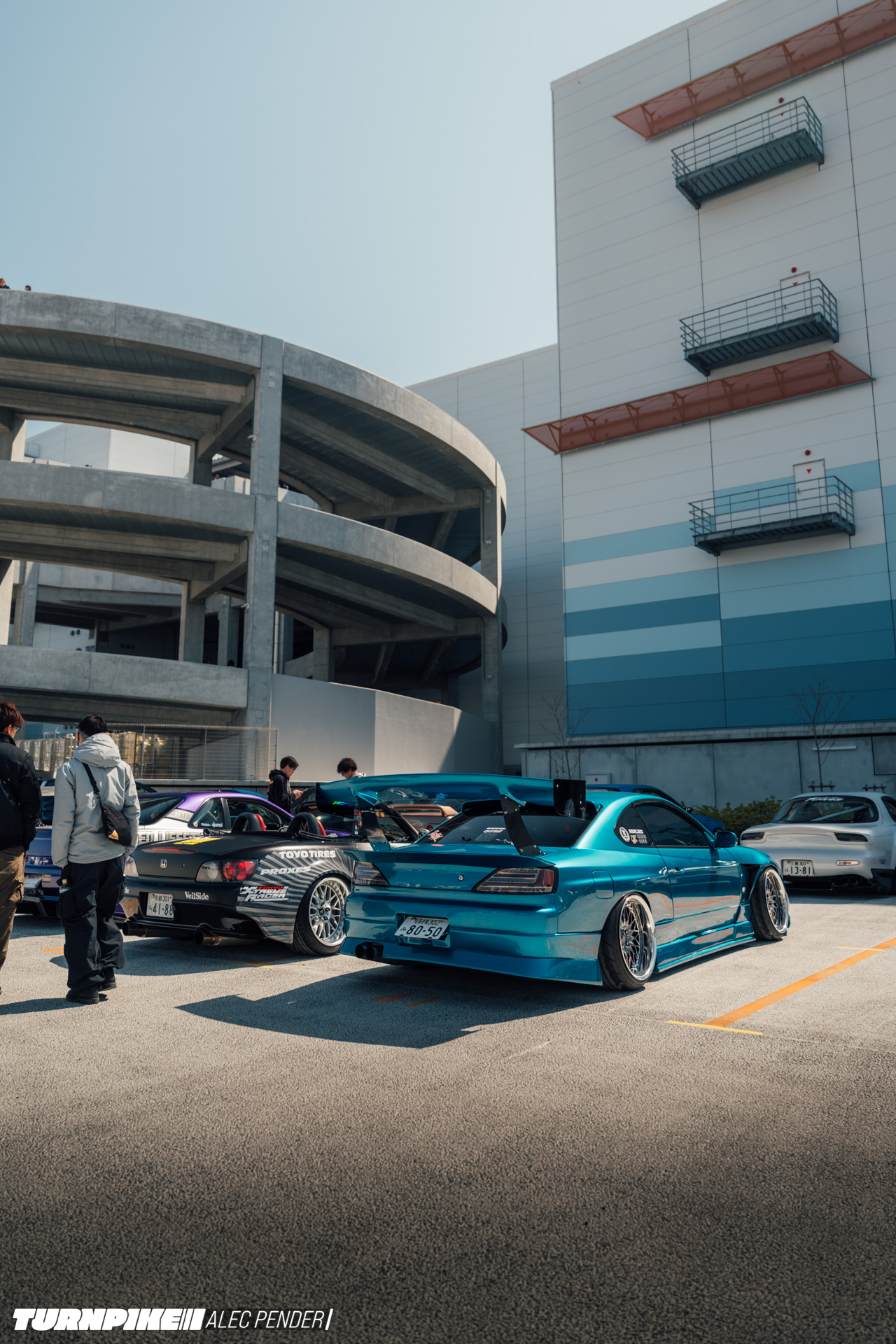
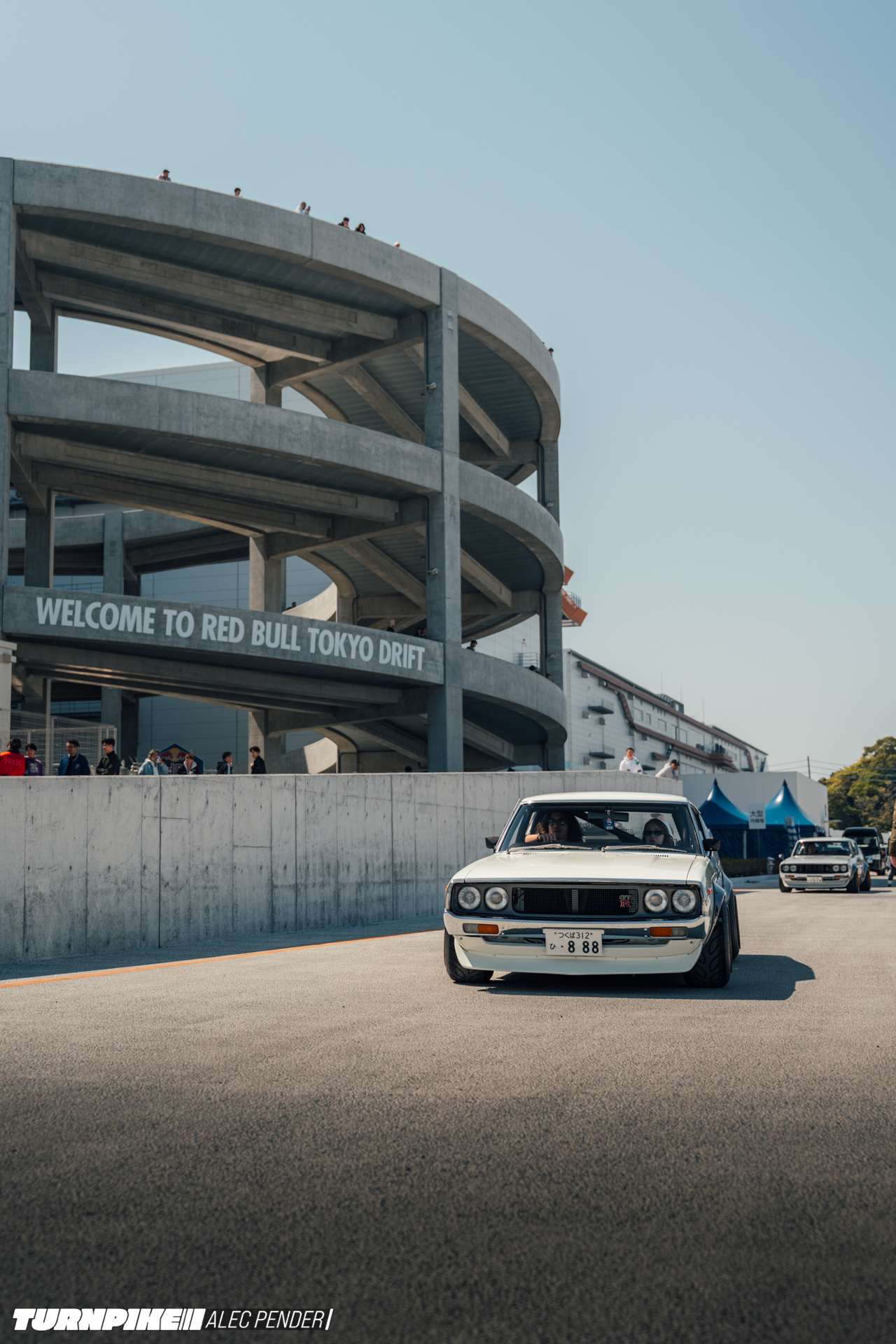
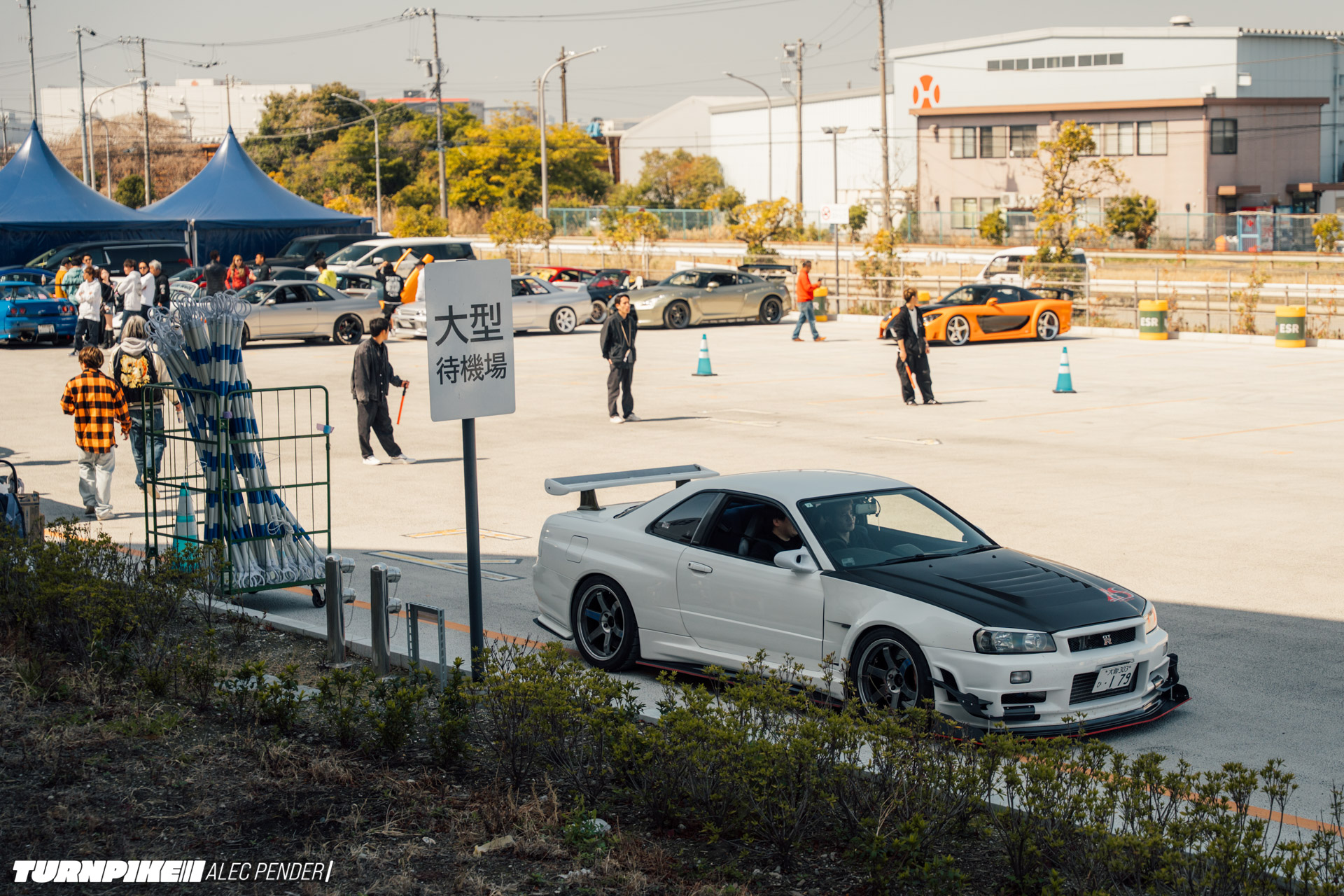
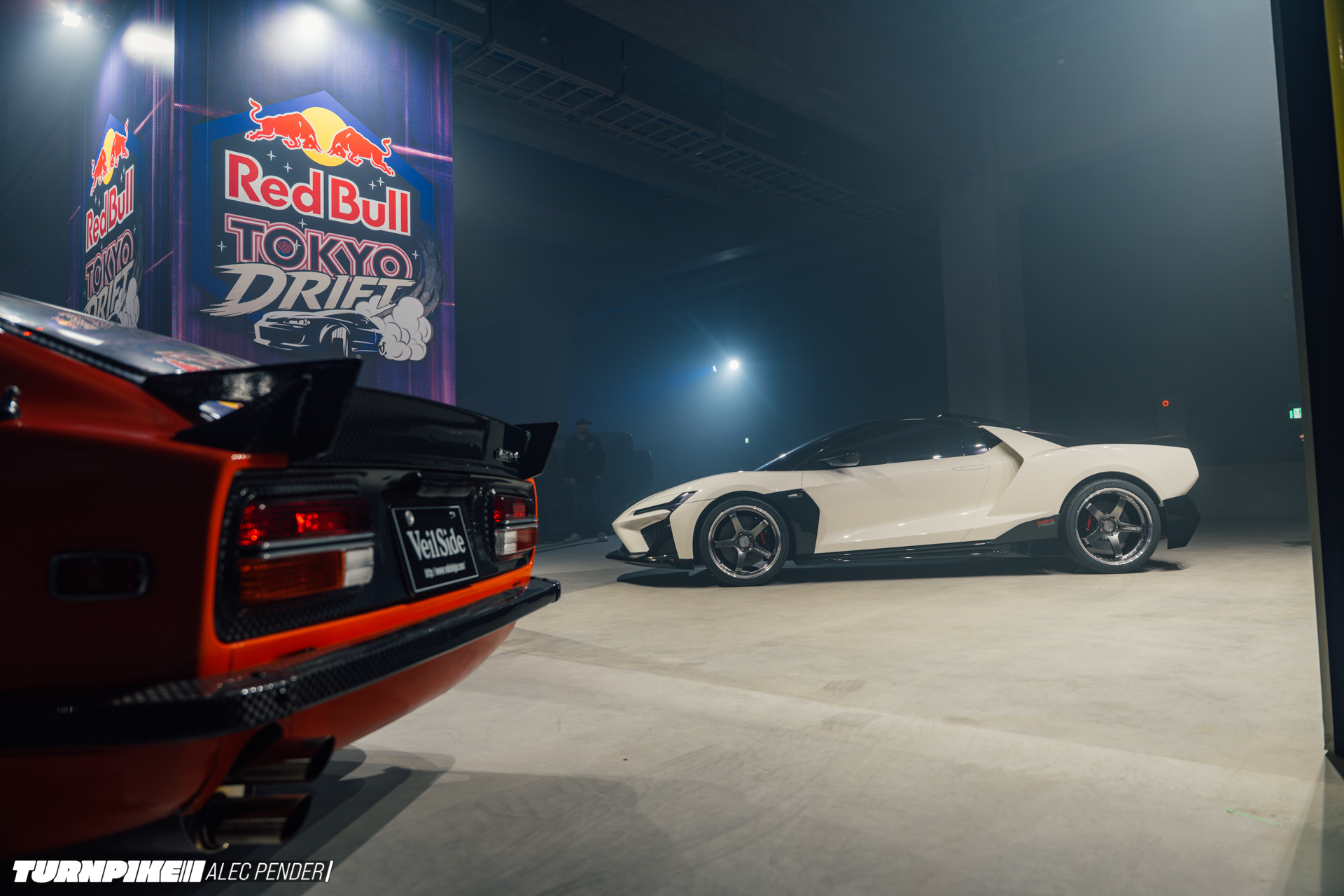
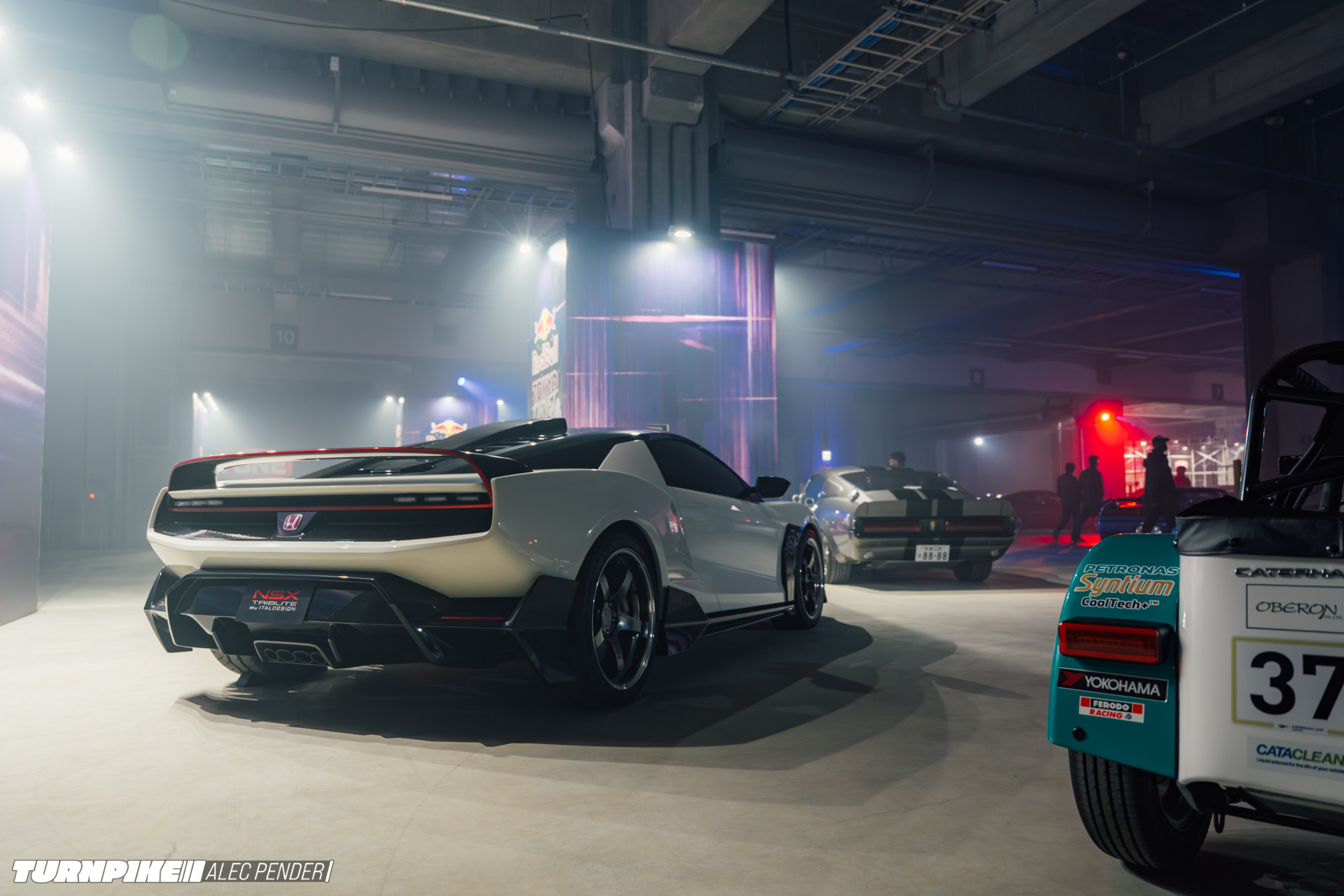
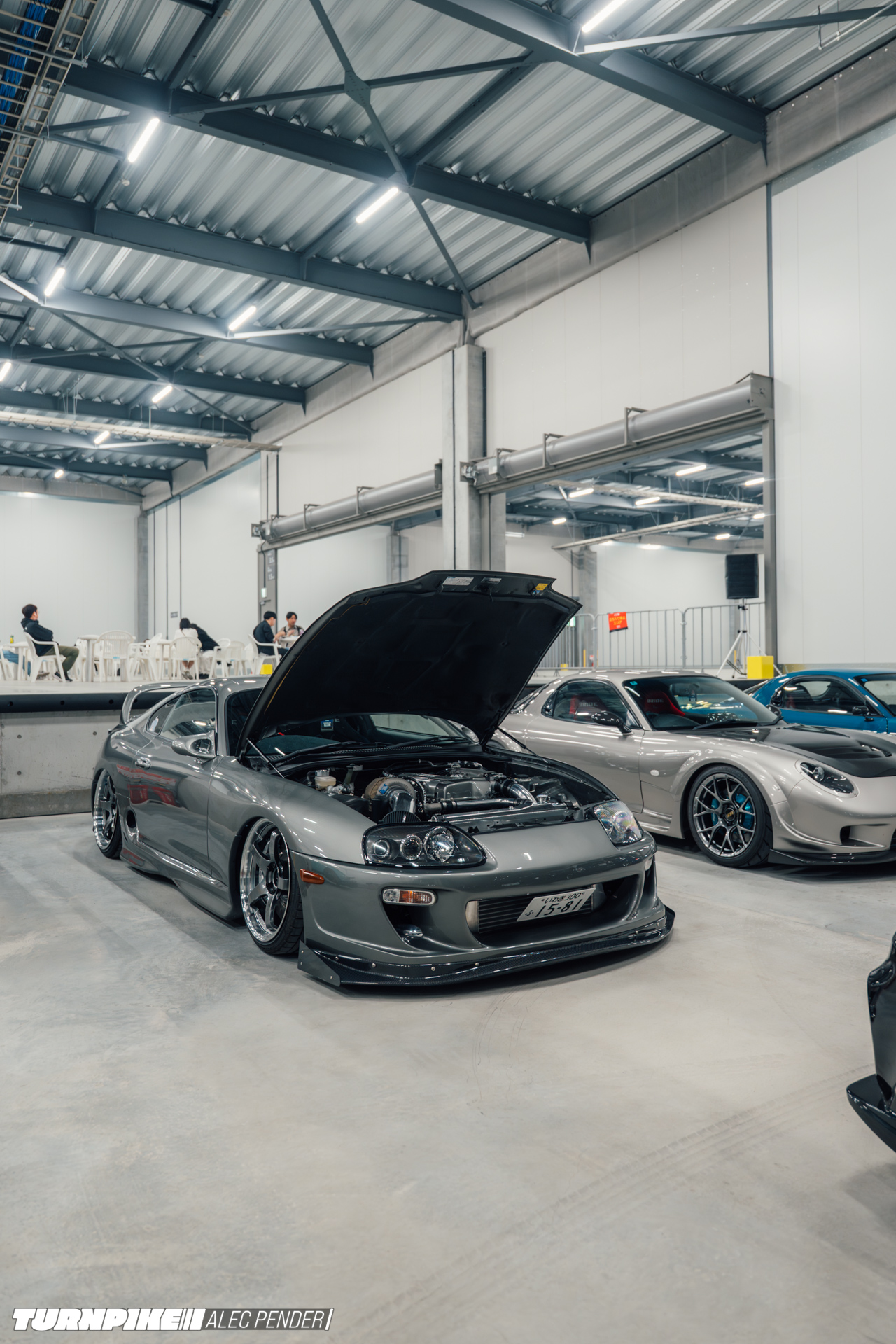
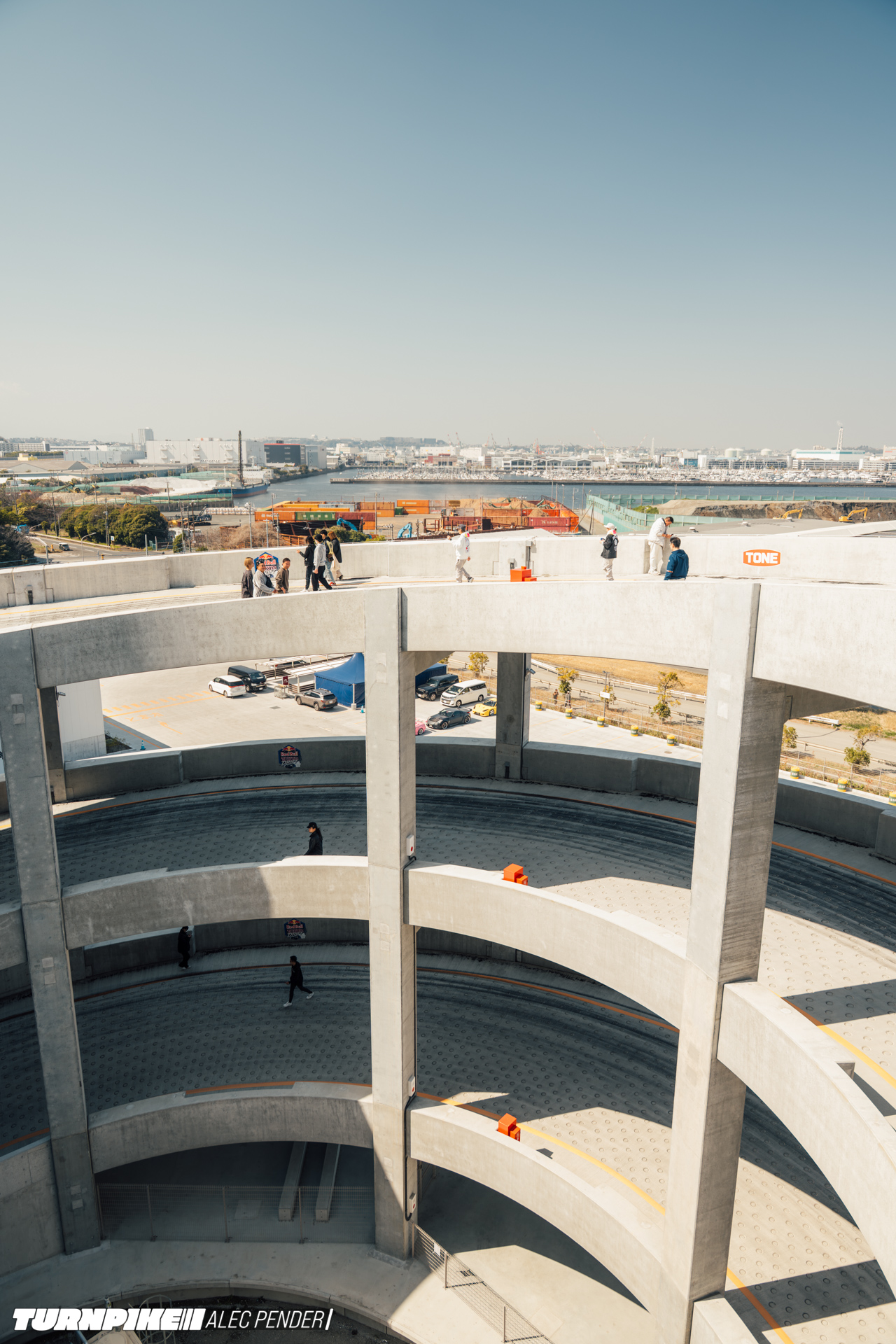
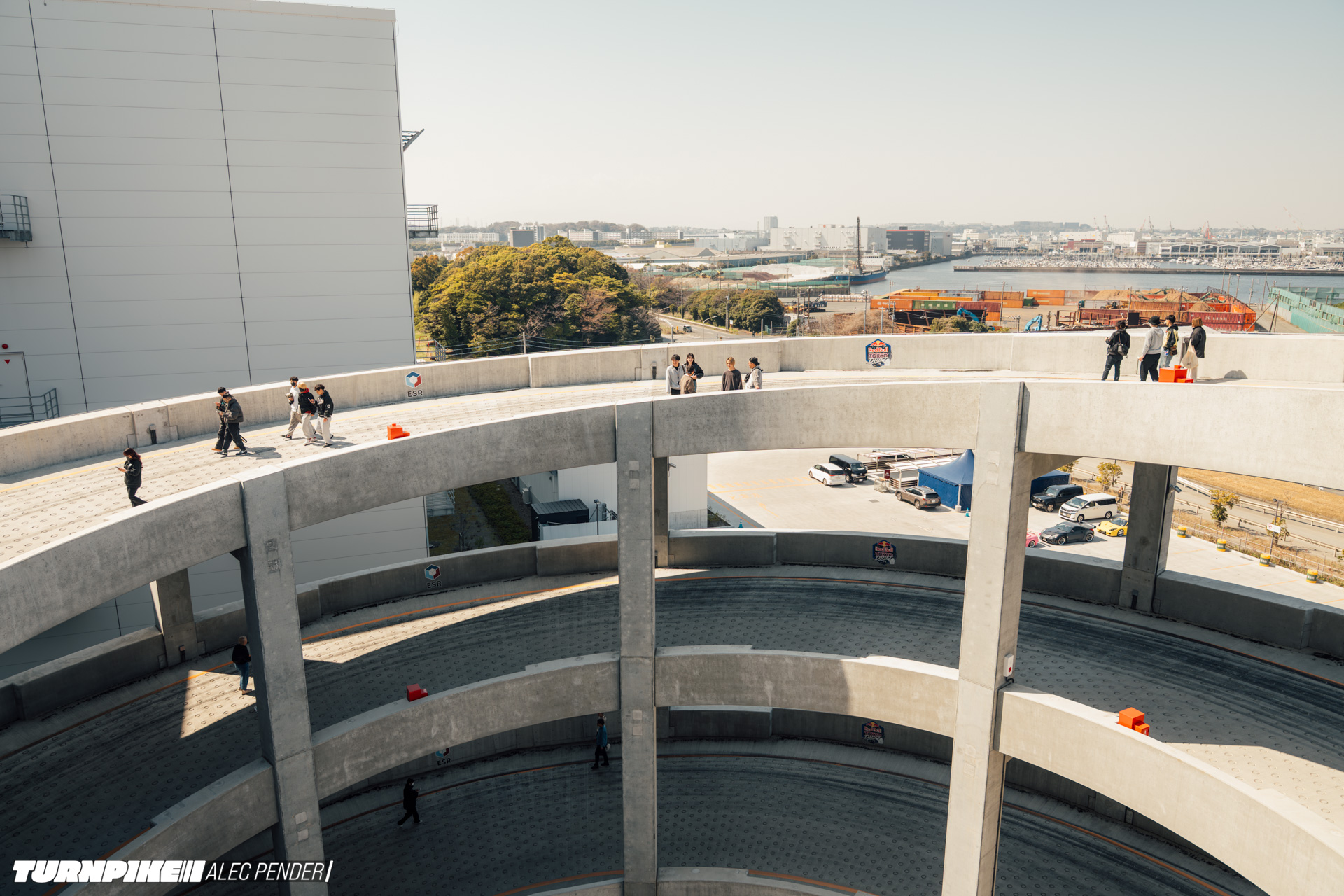
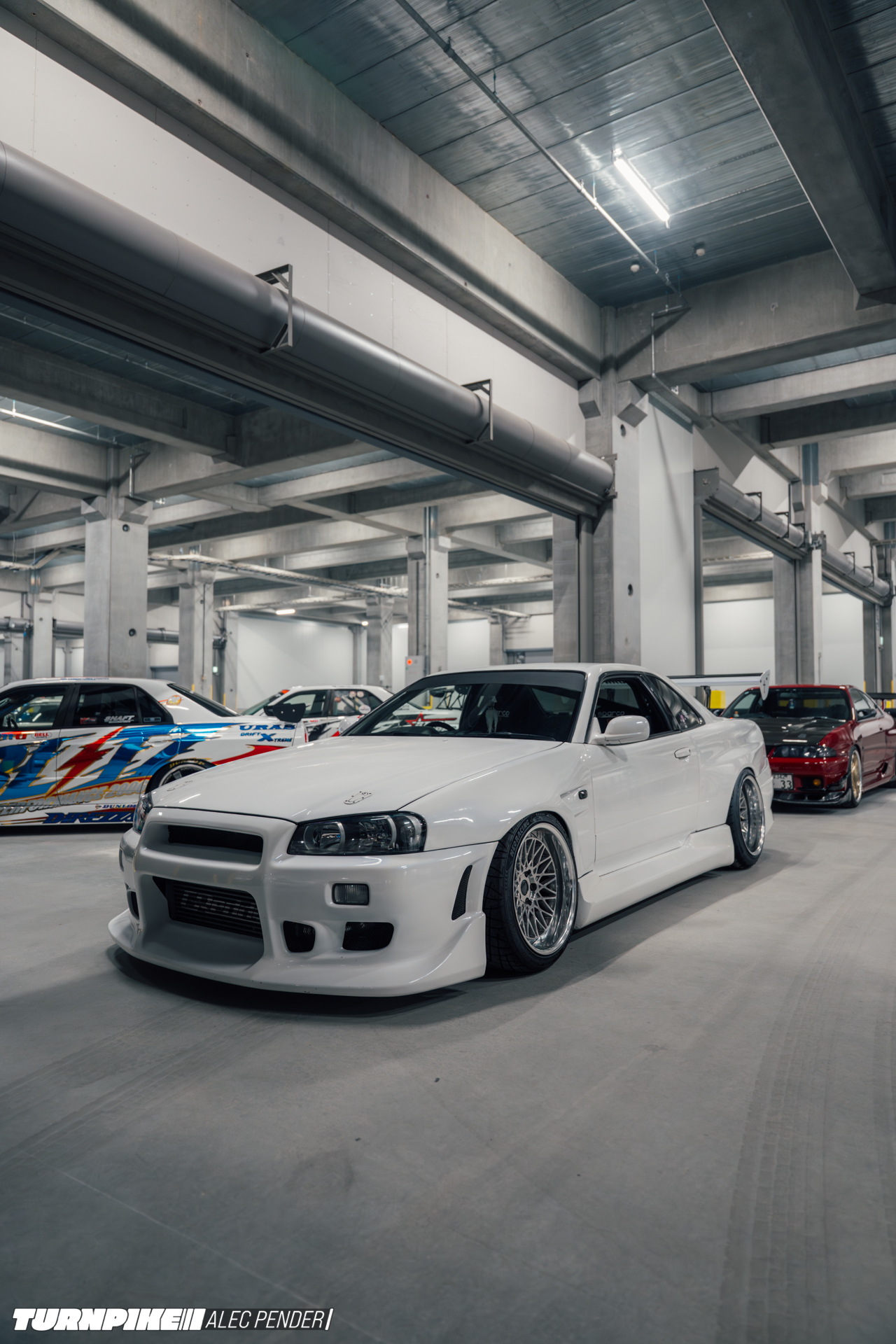
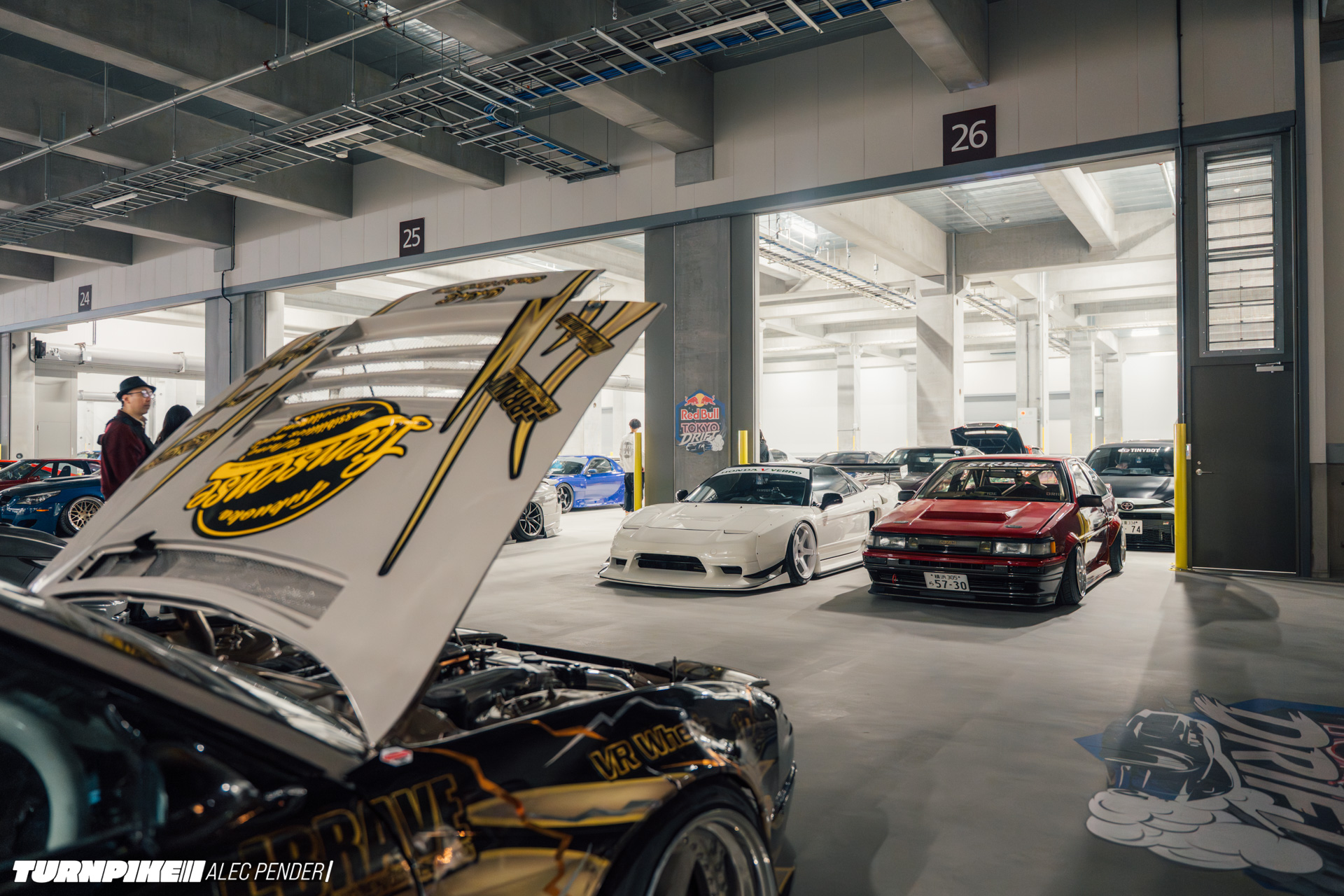
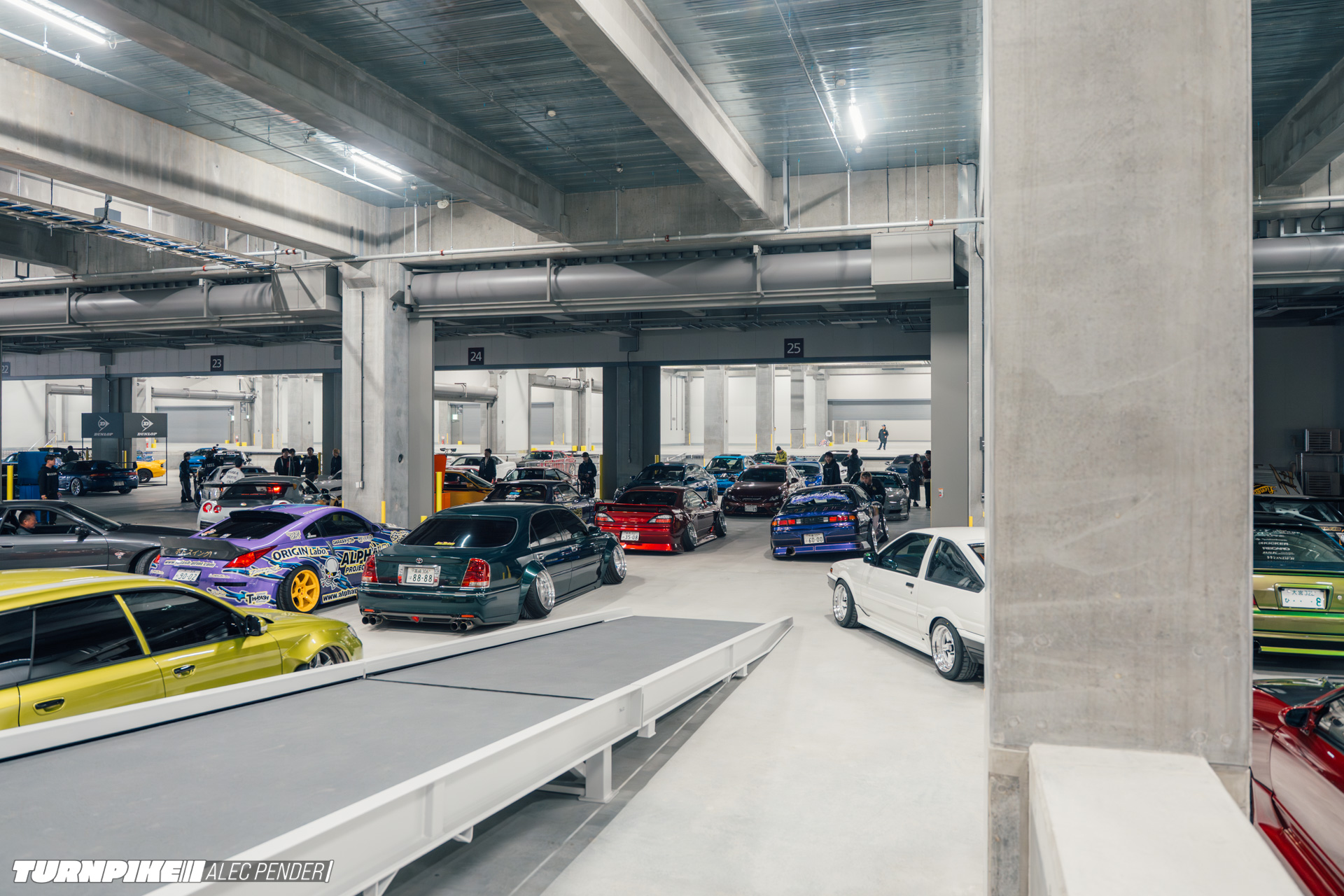
This year’s event sprawled across four levels of a Yokohama Port ESR distribution warehouse. Recently completed and not yet in use, the venue was a no-brainer for ESR and Red Bull to transform into their version of Tokyo Drift for 2026.
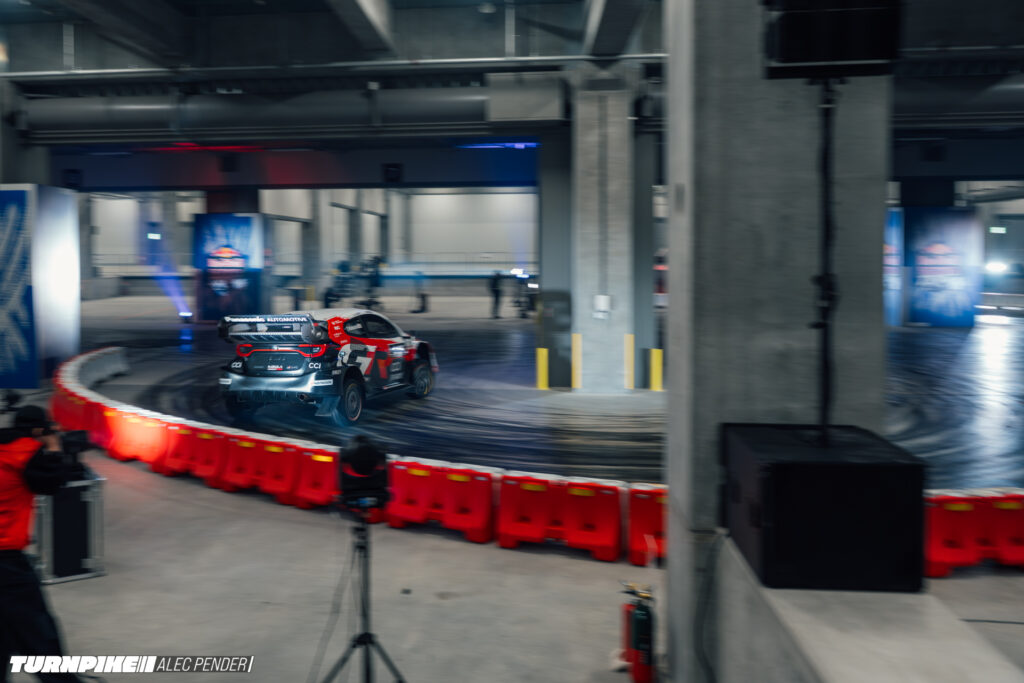
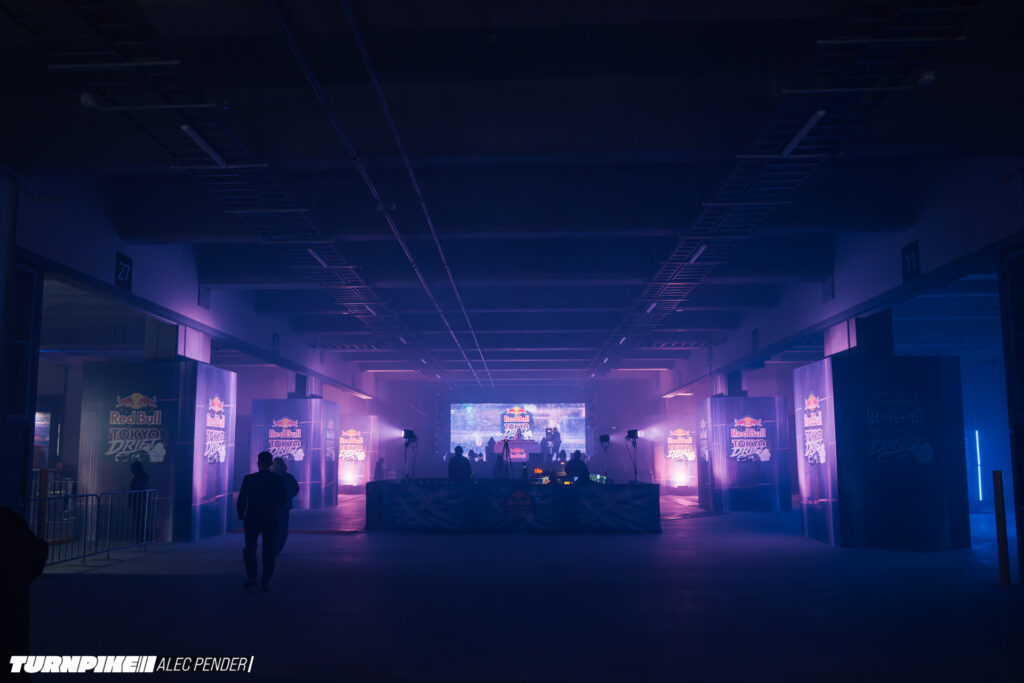
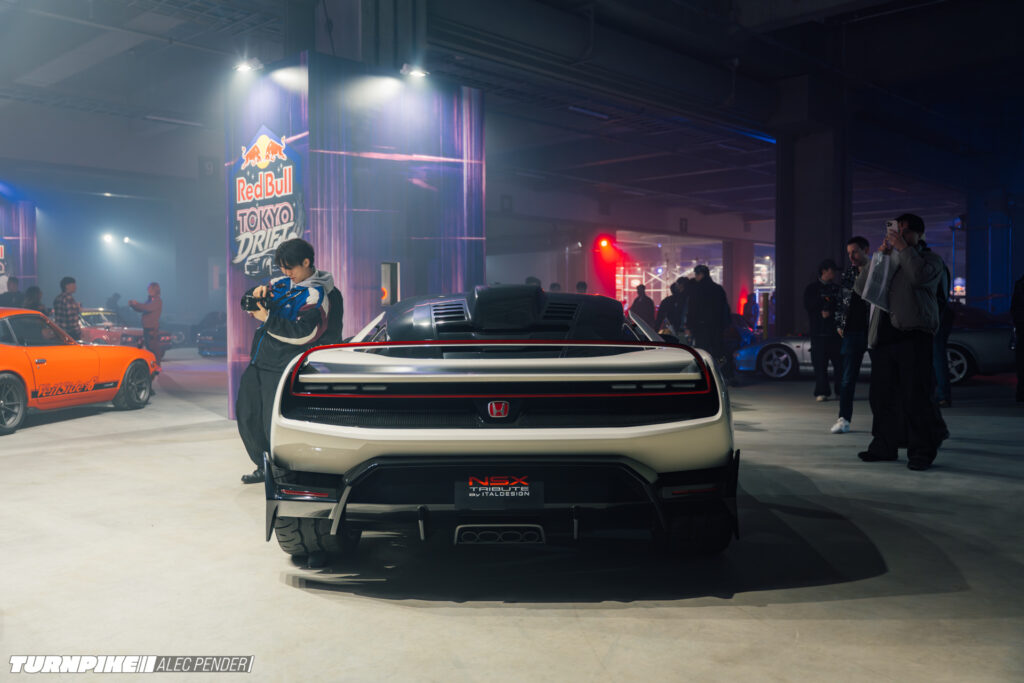
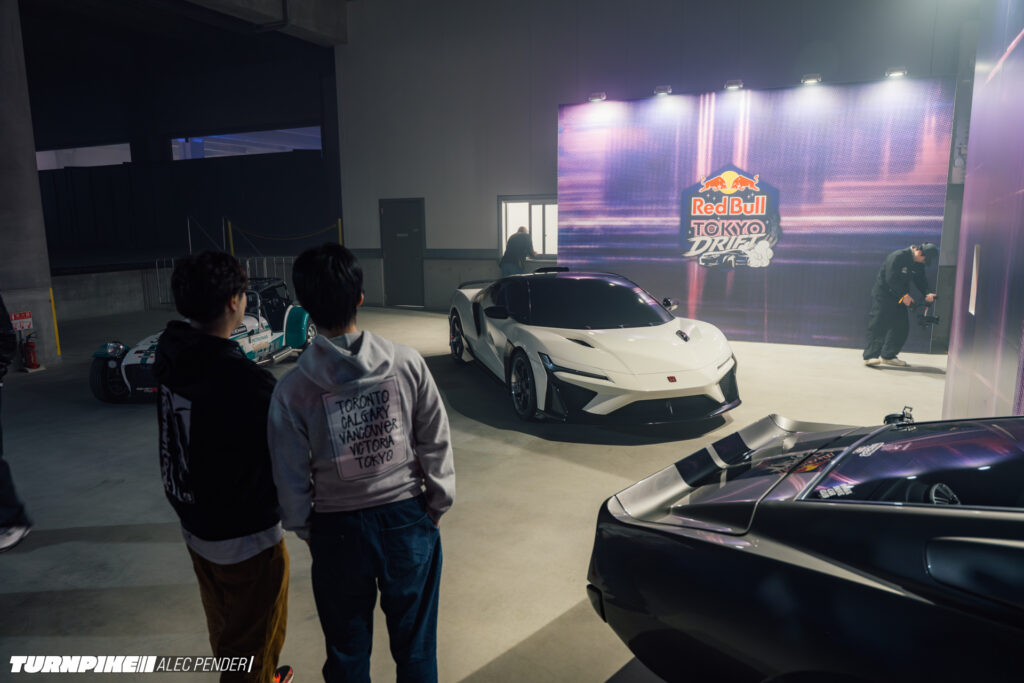
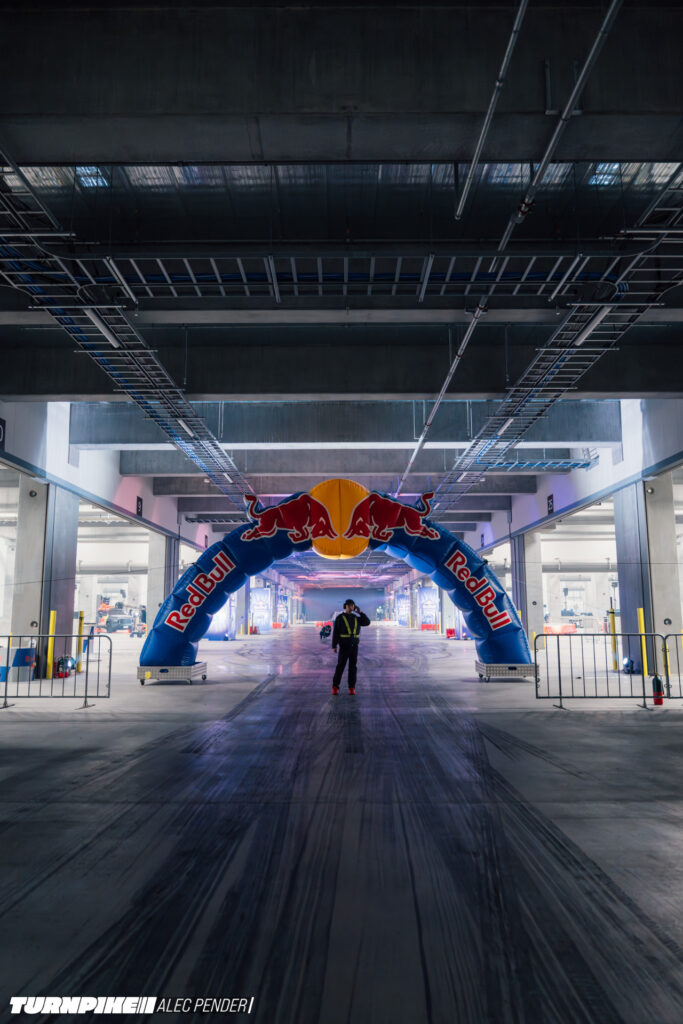
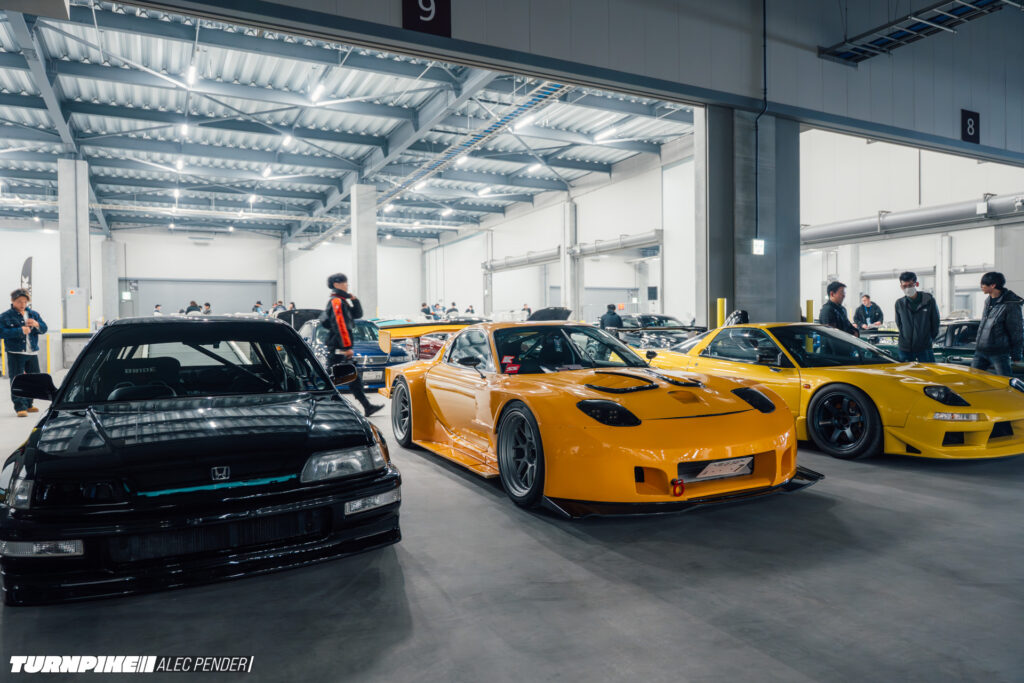
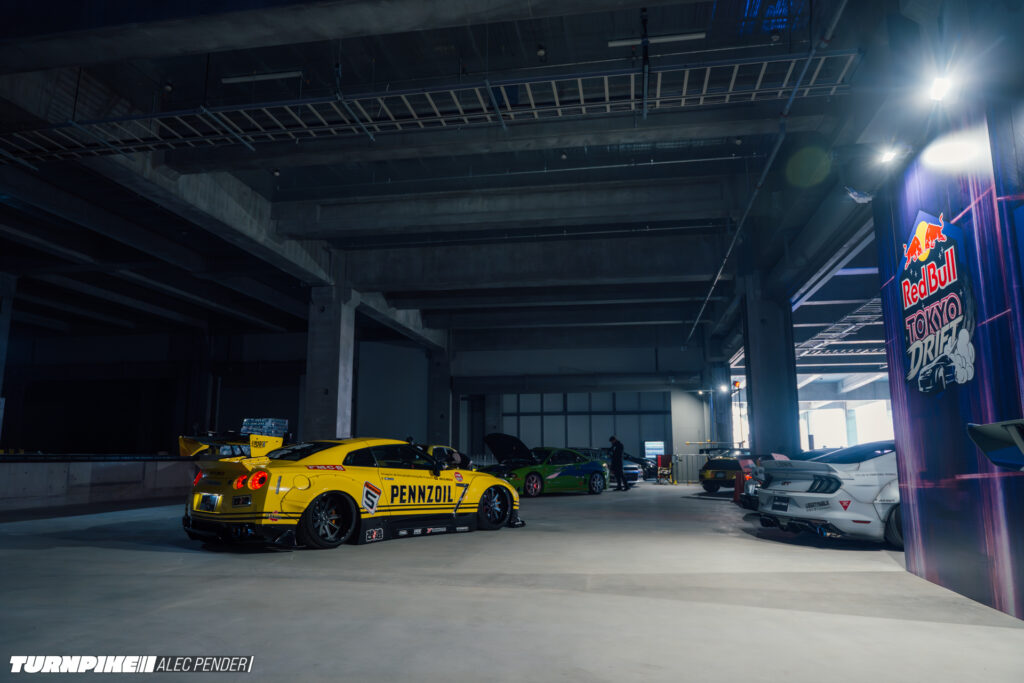
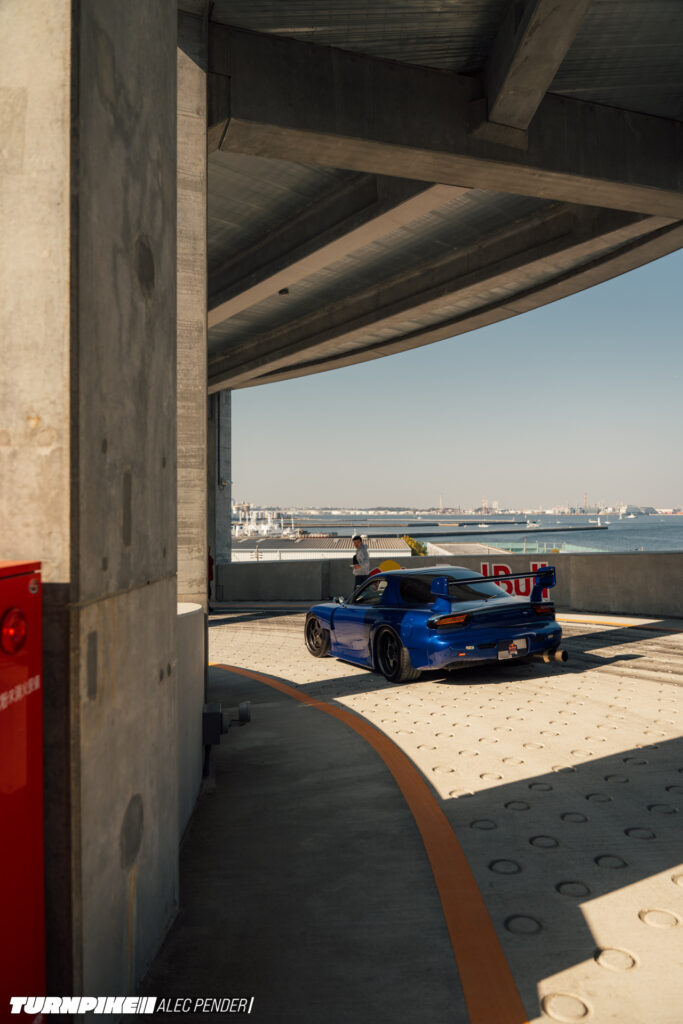
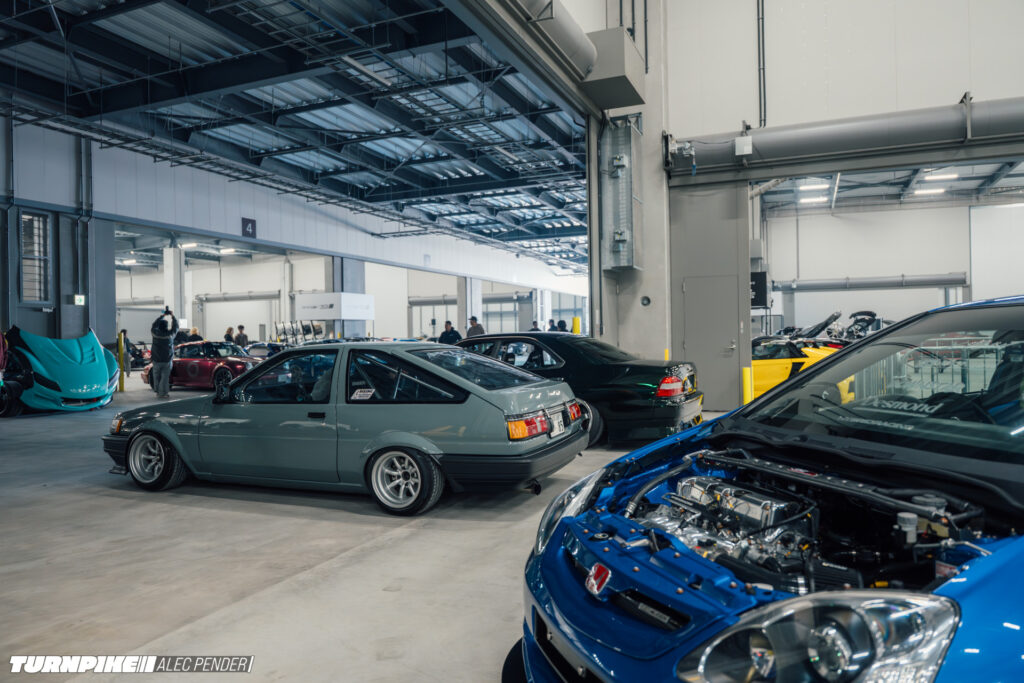
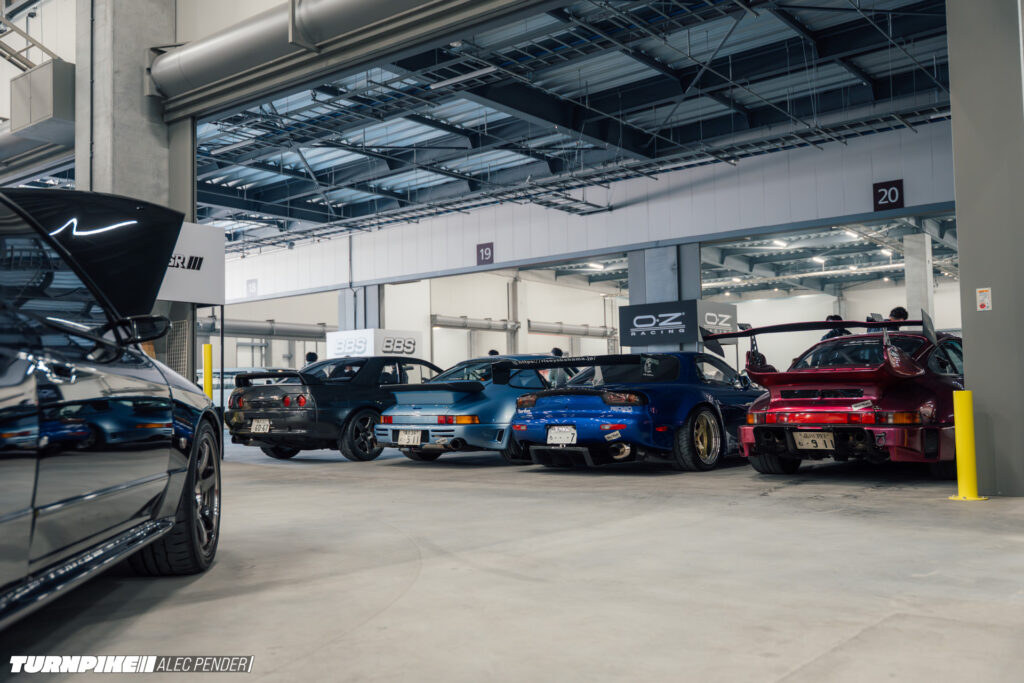
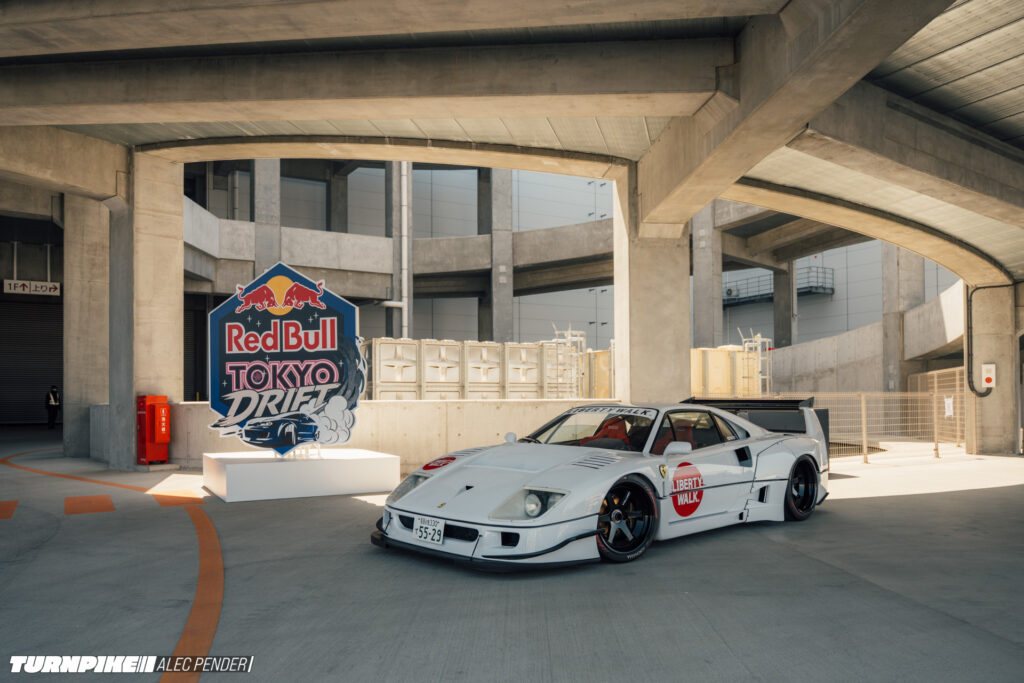
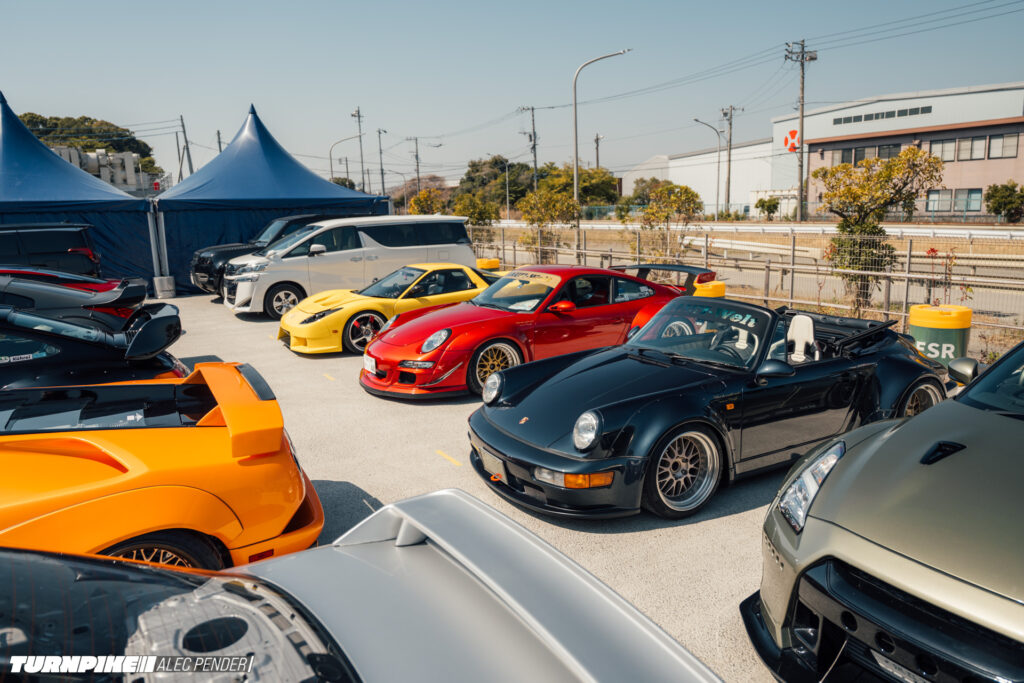
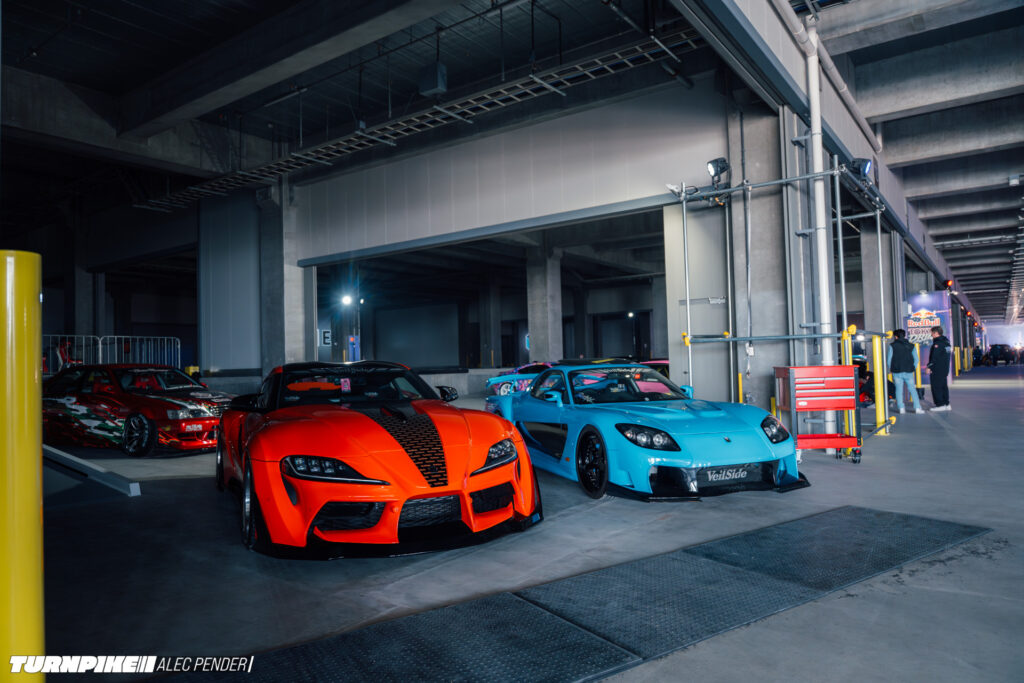
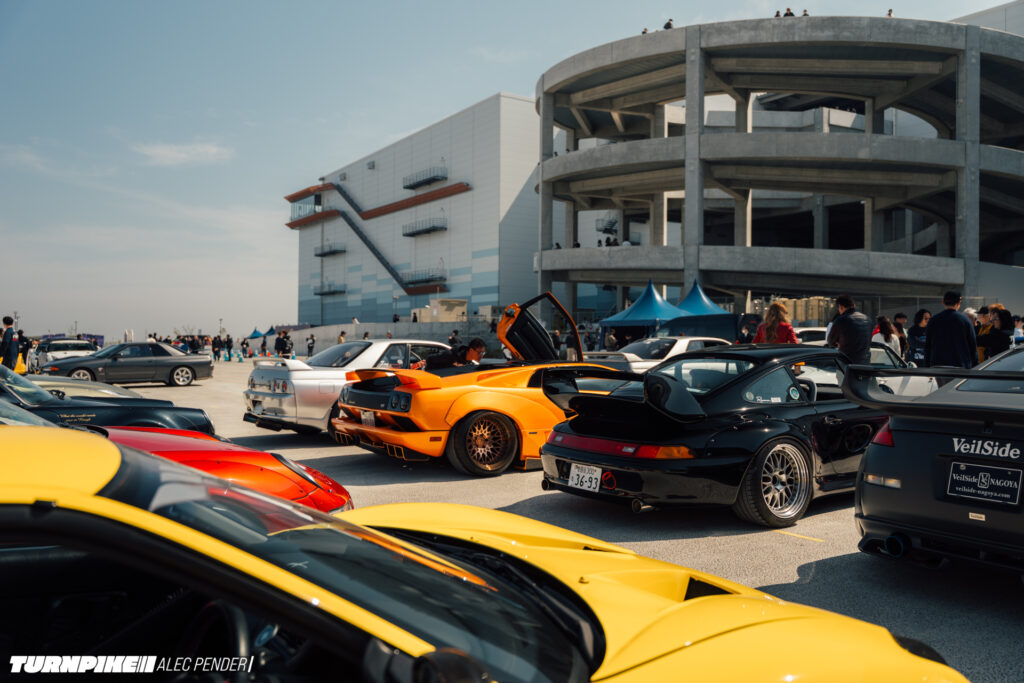
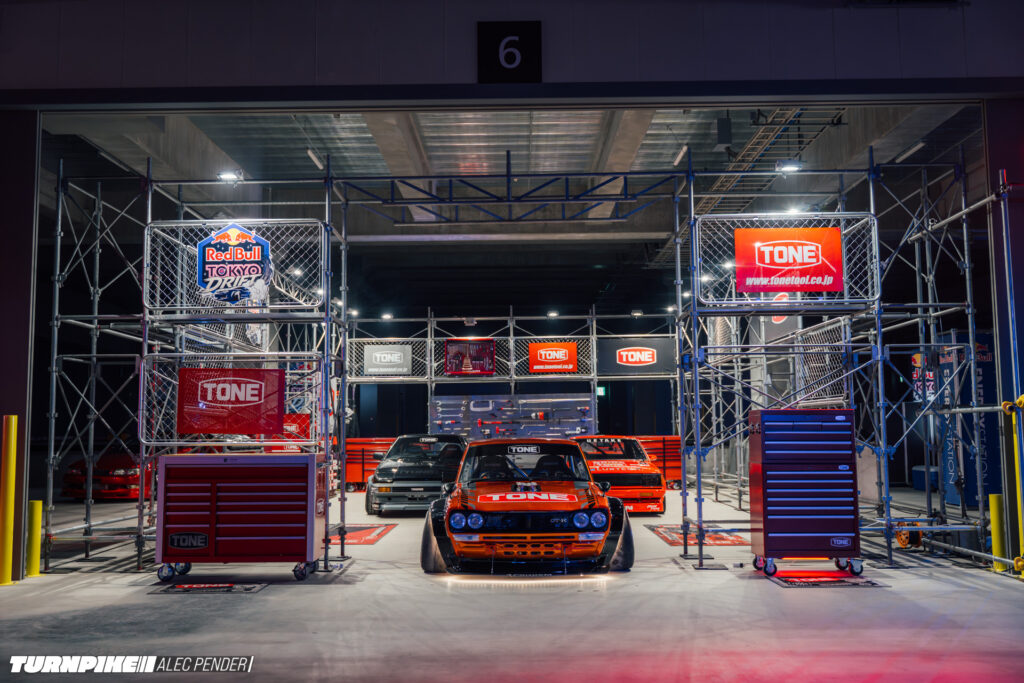
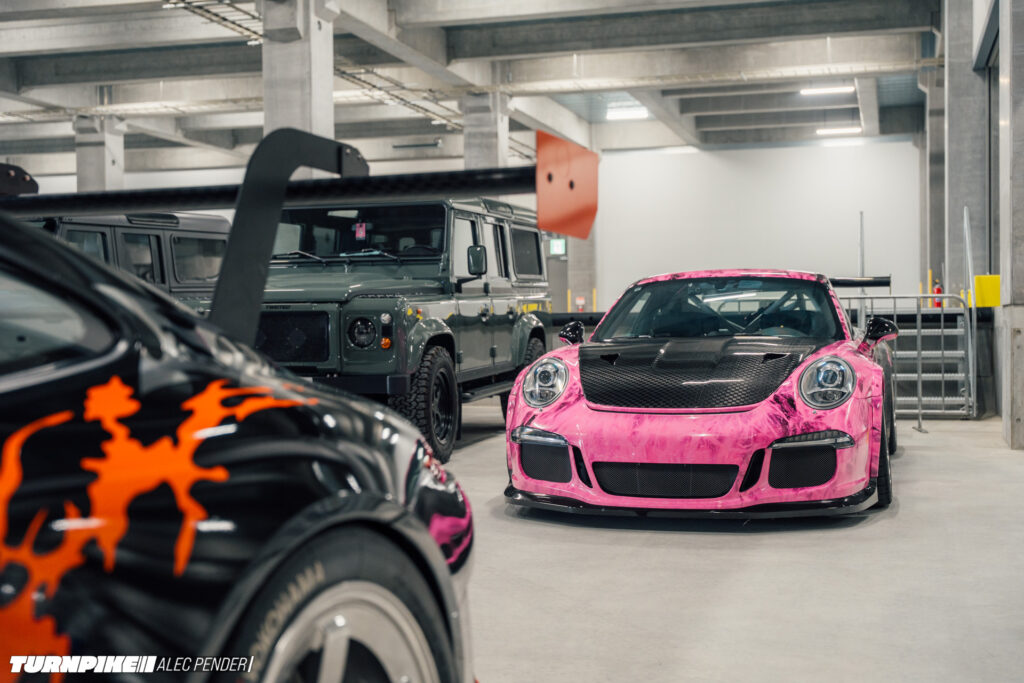
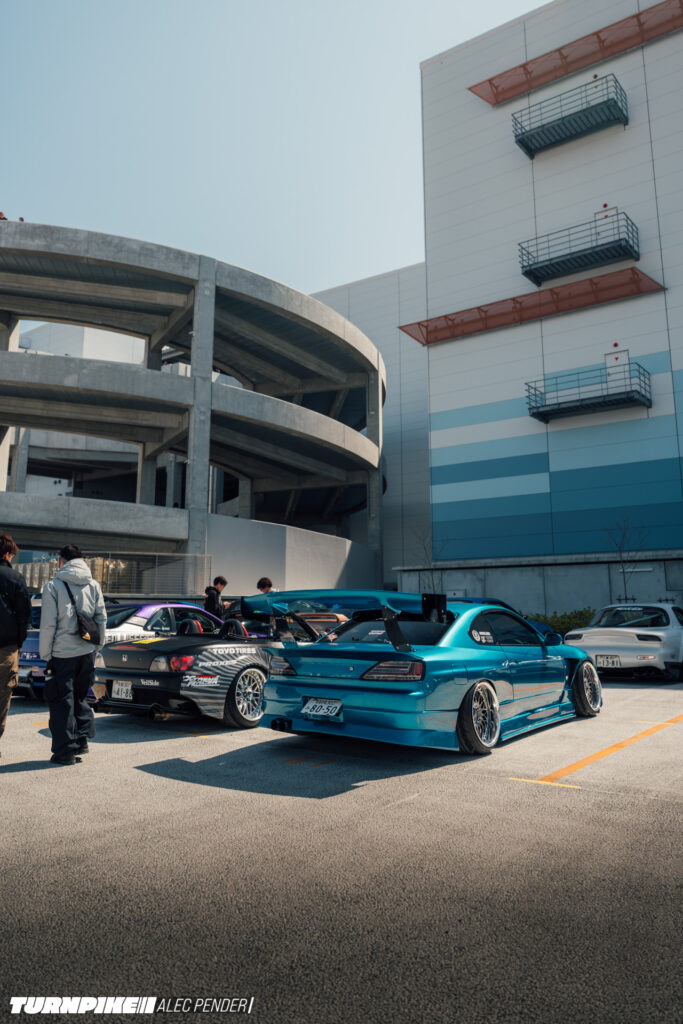
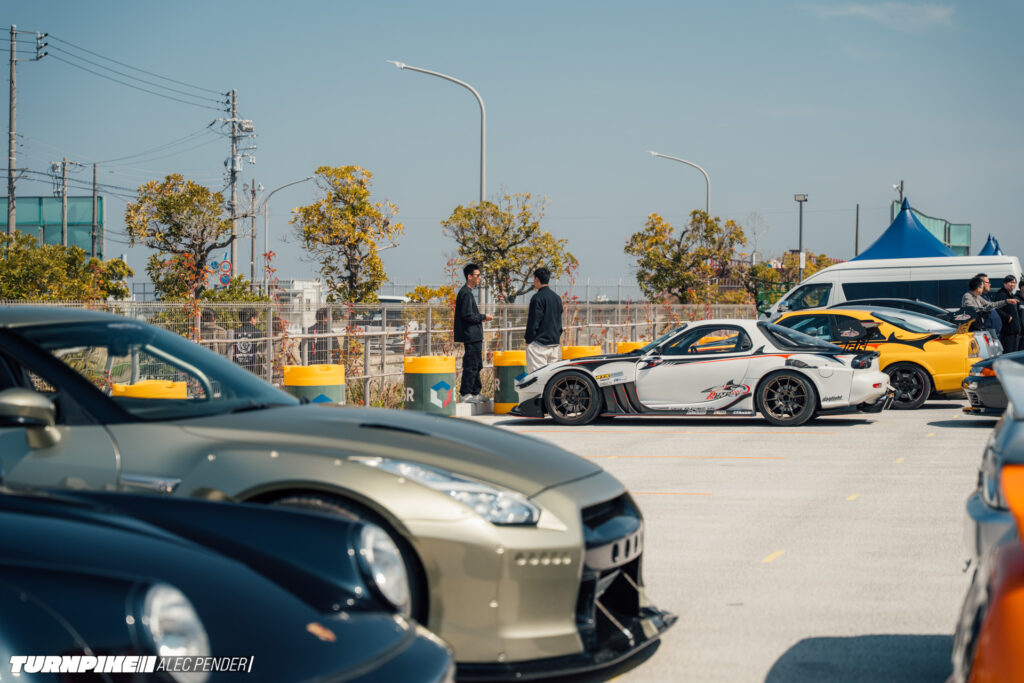
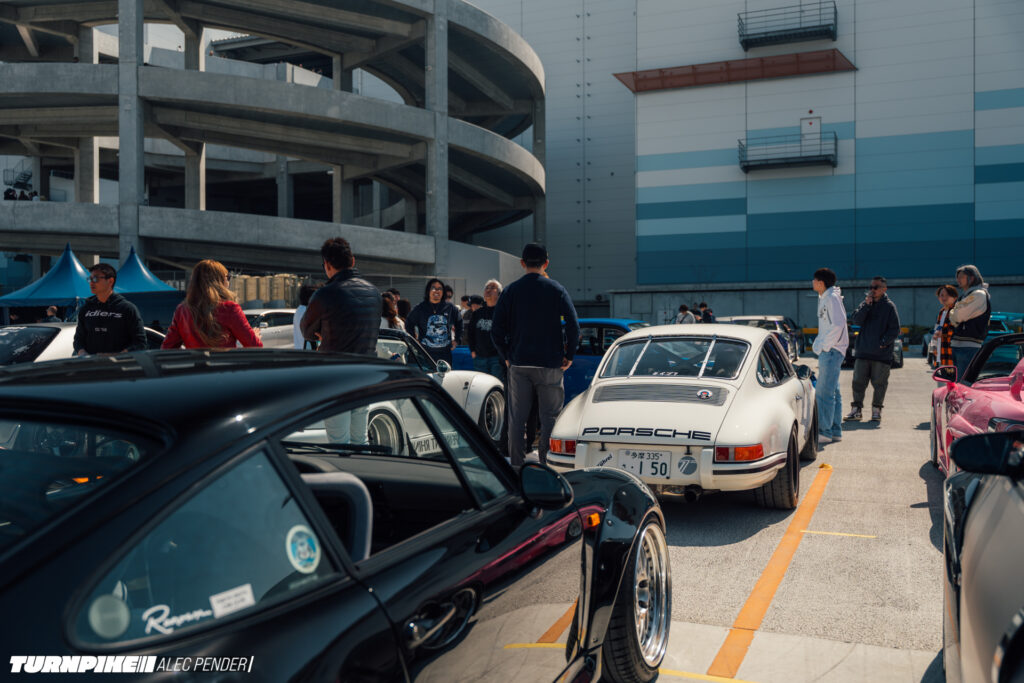
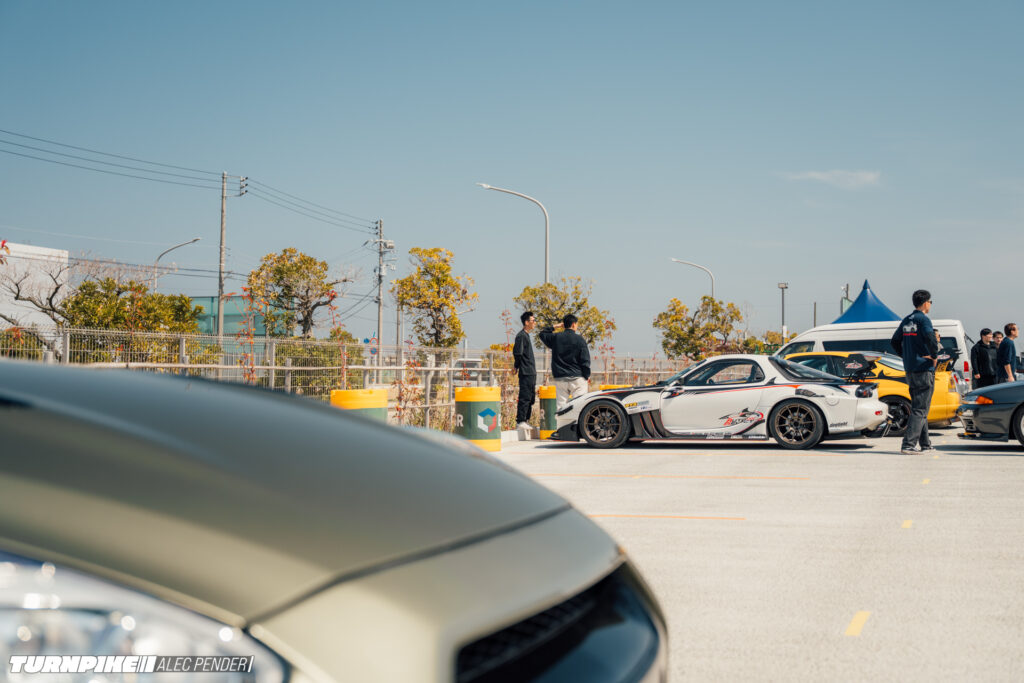
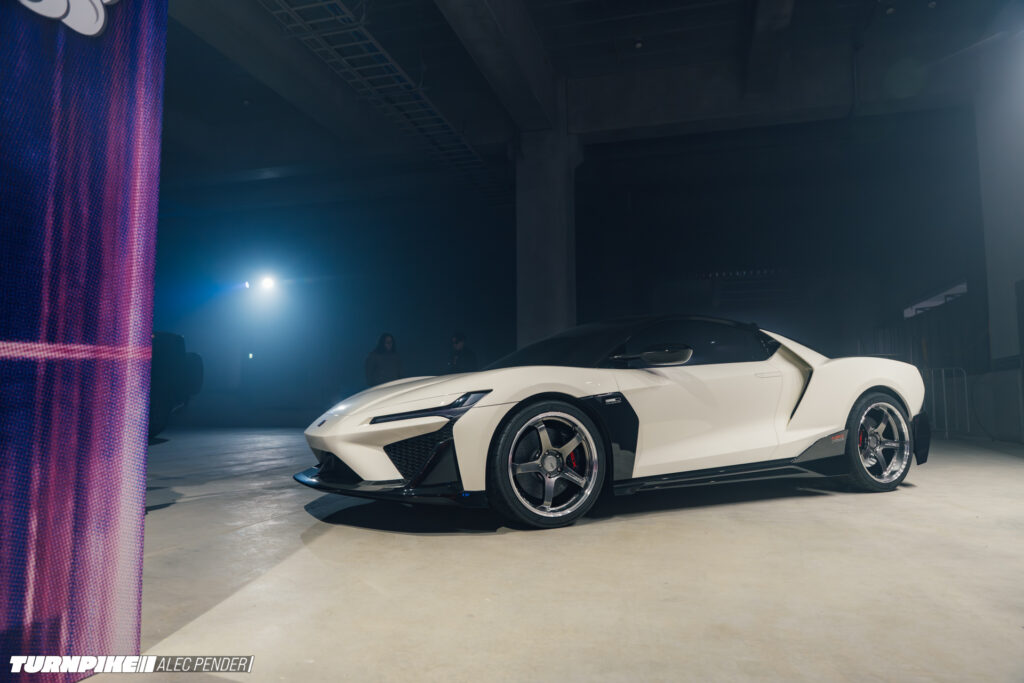
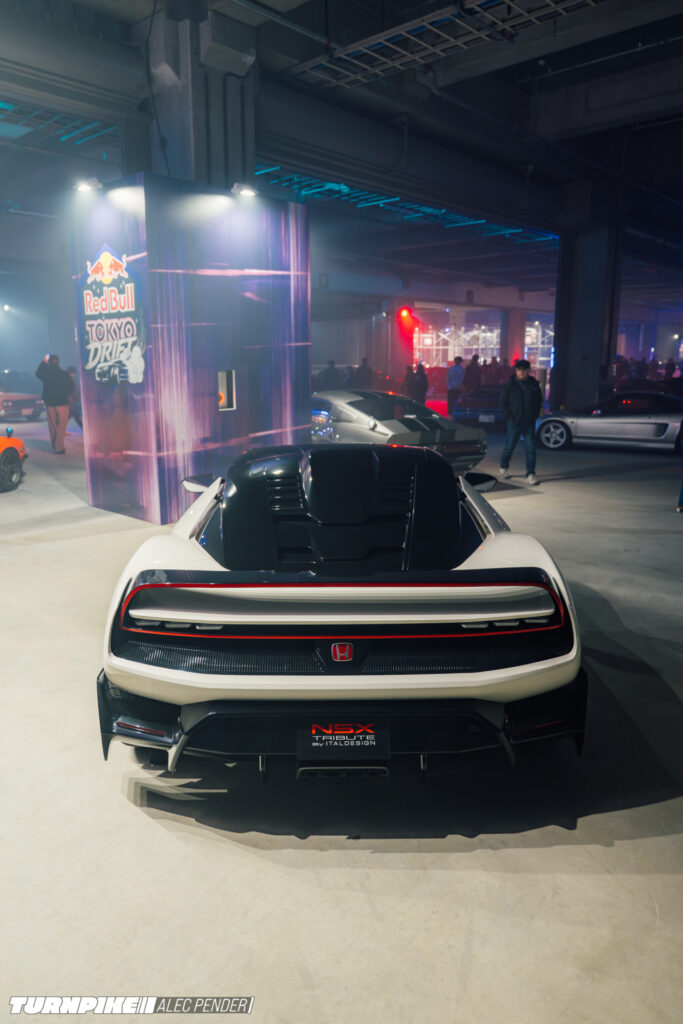
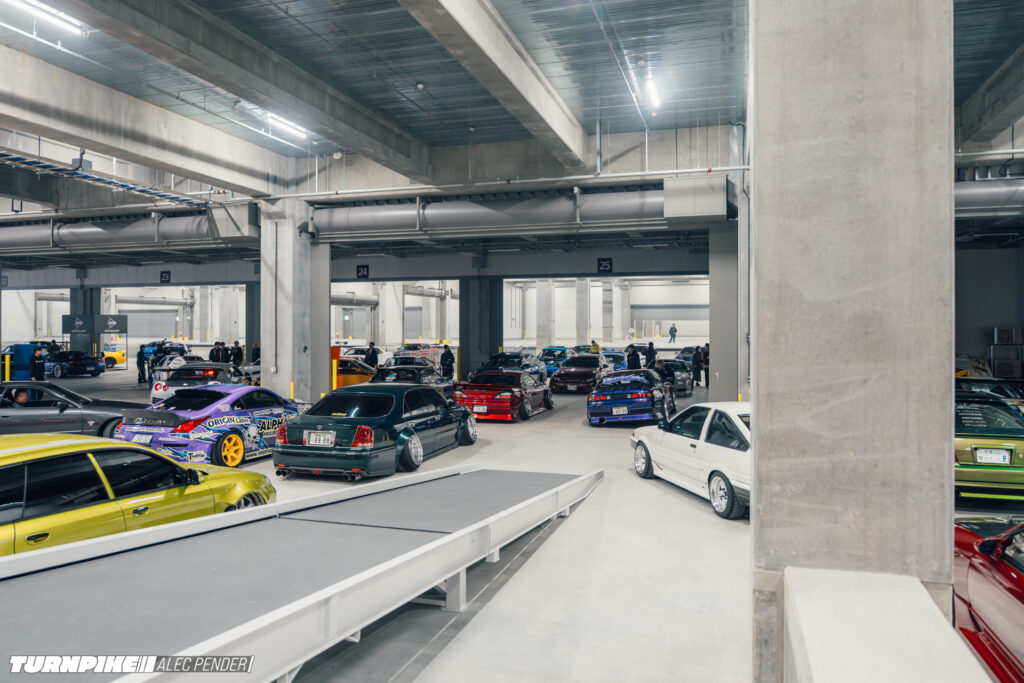
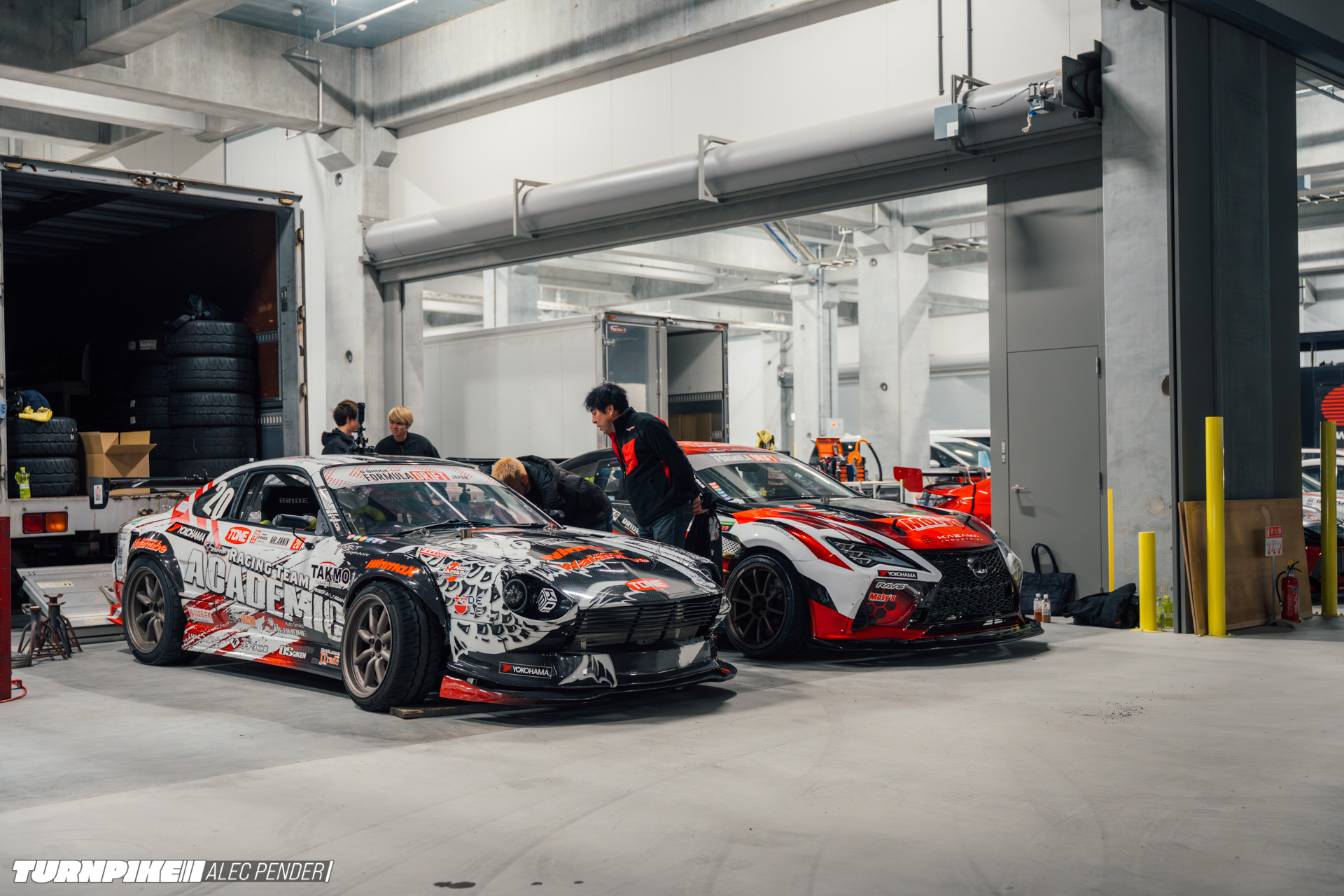
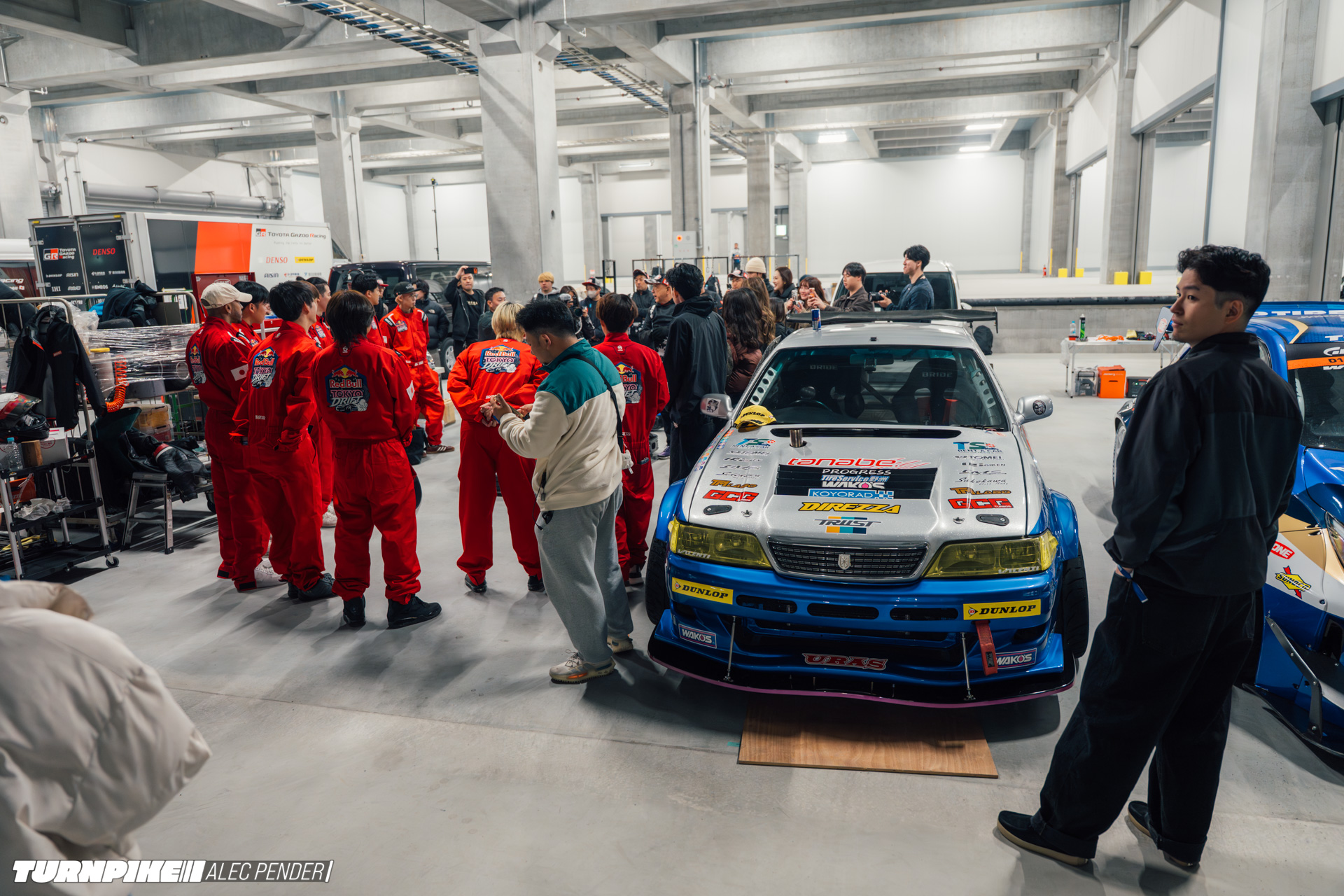
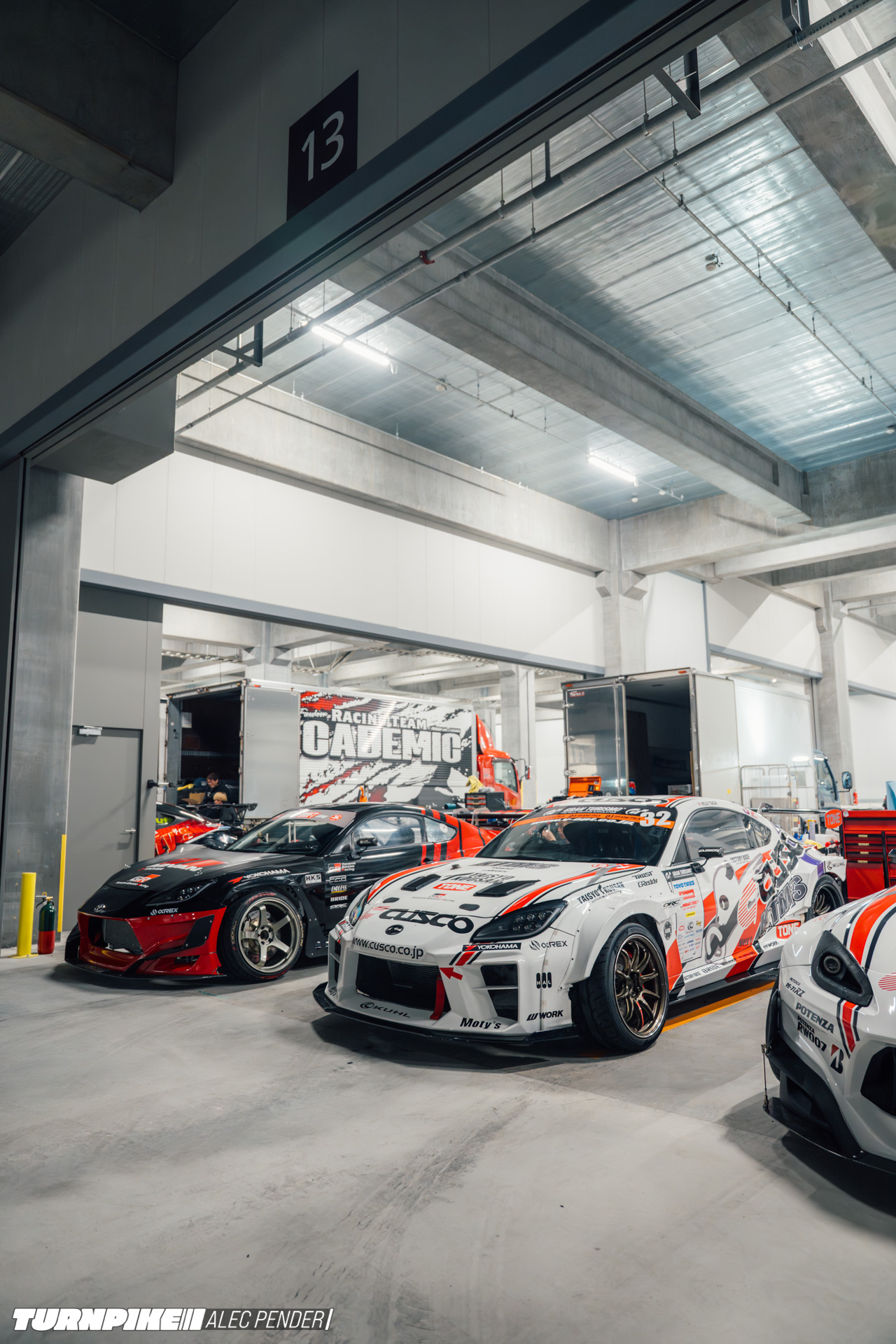
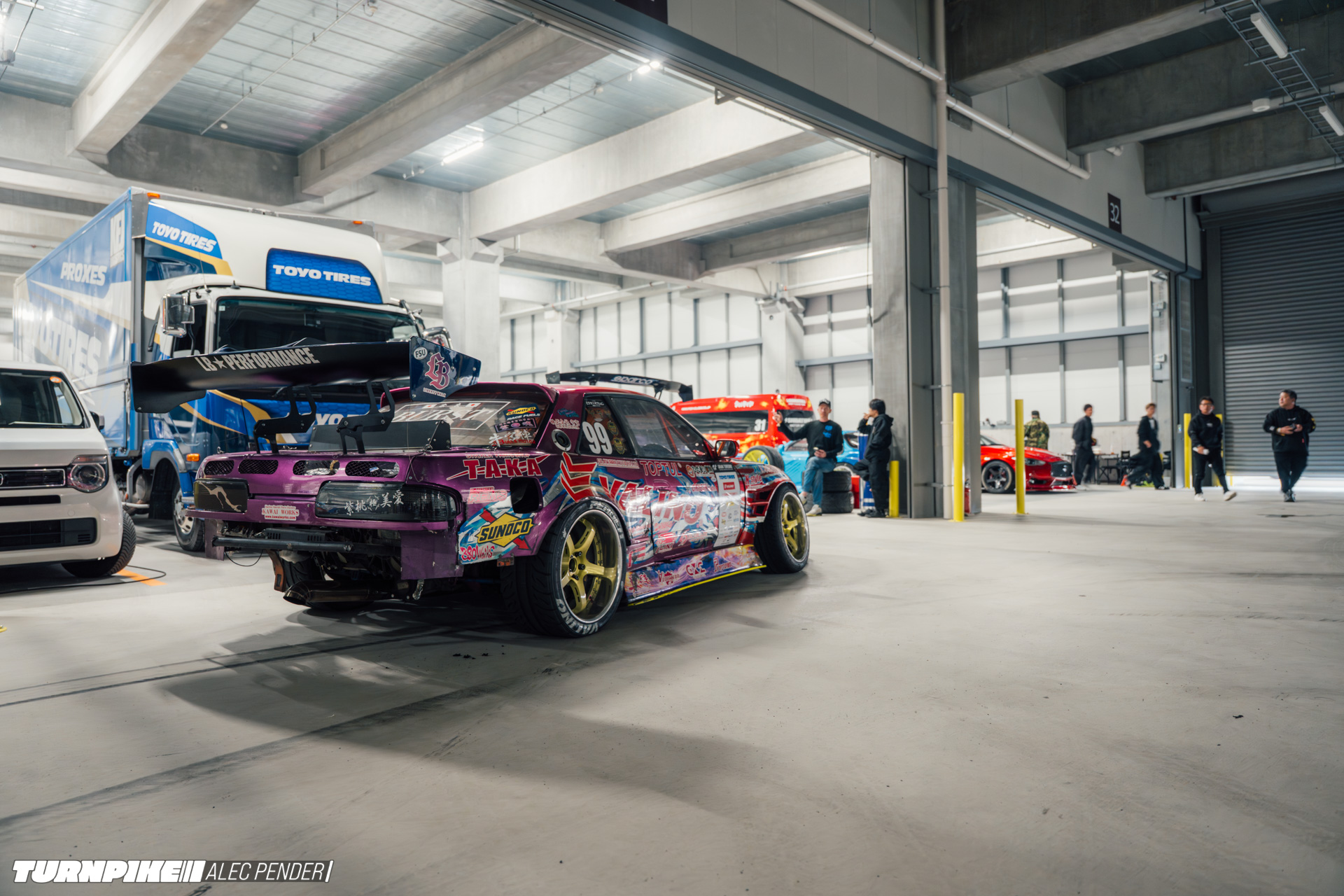
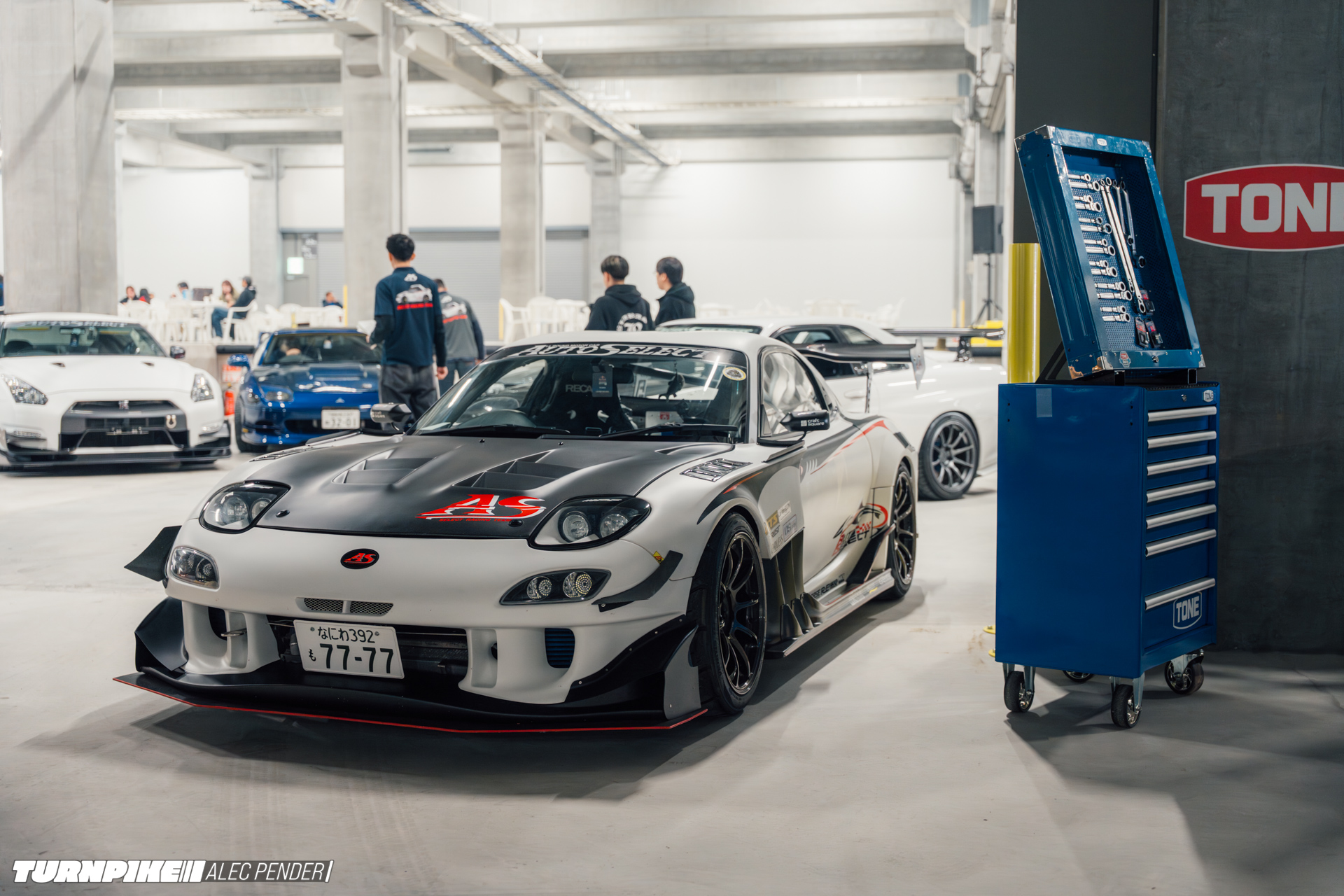
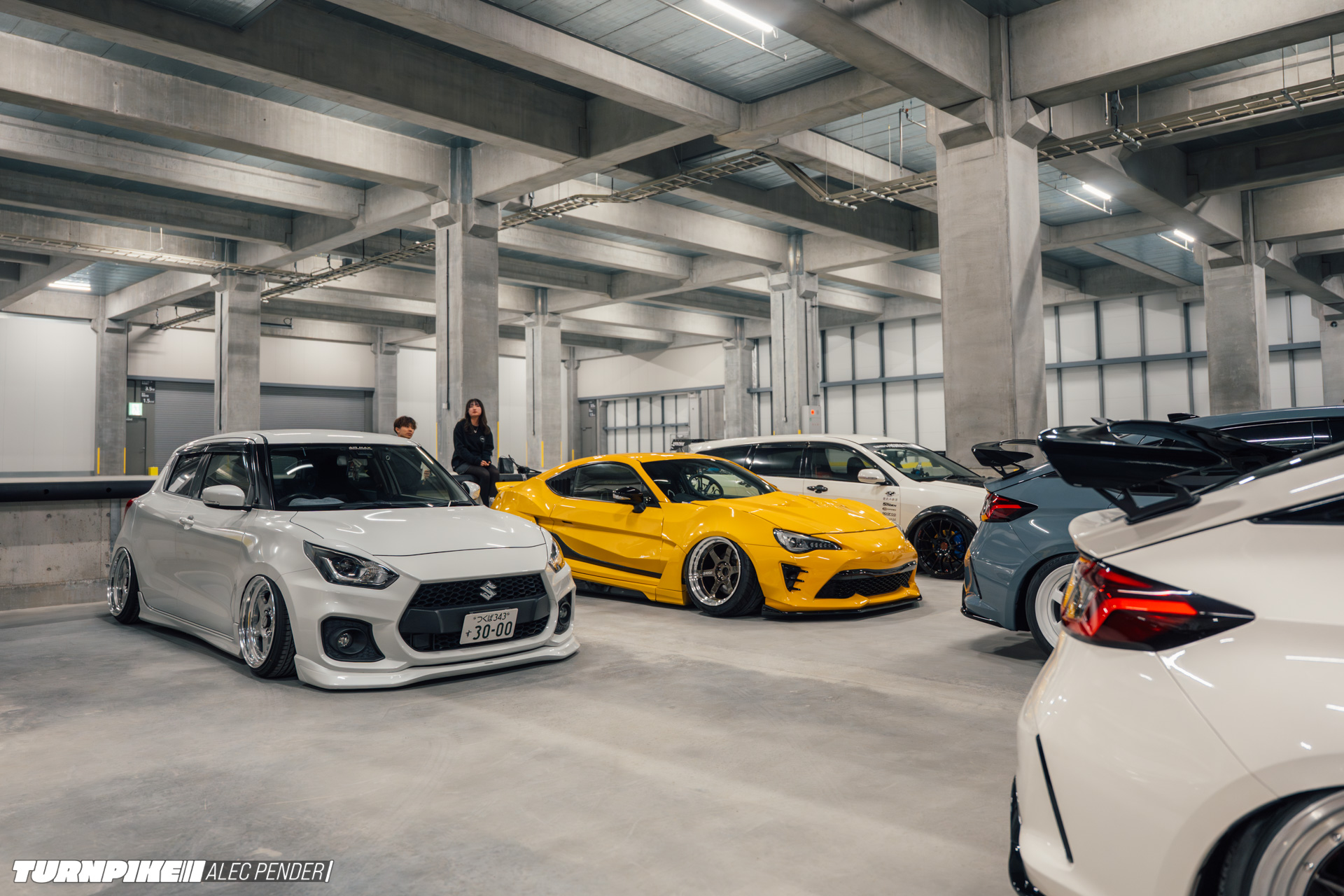
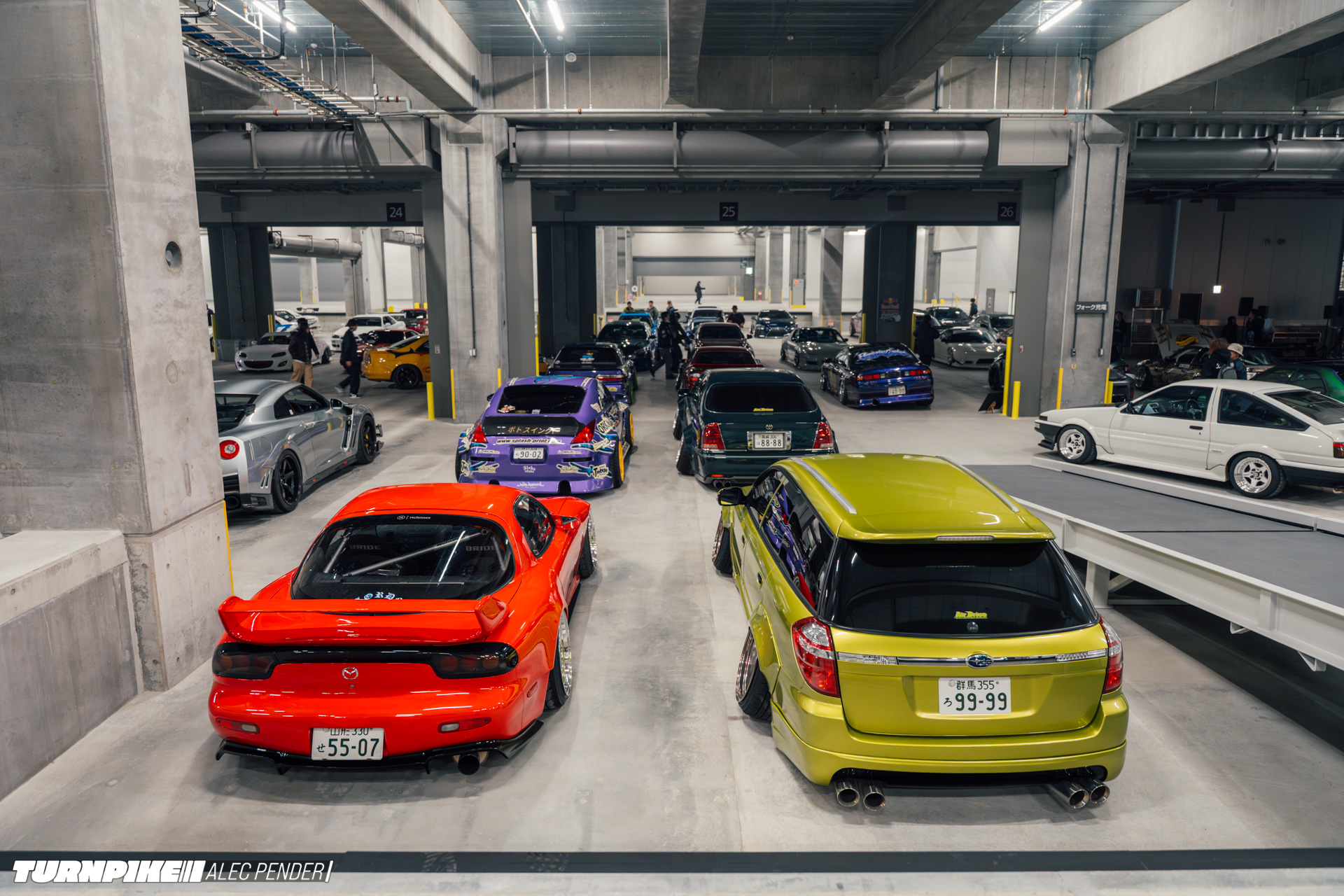
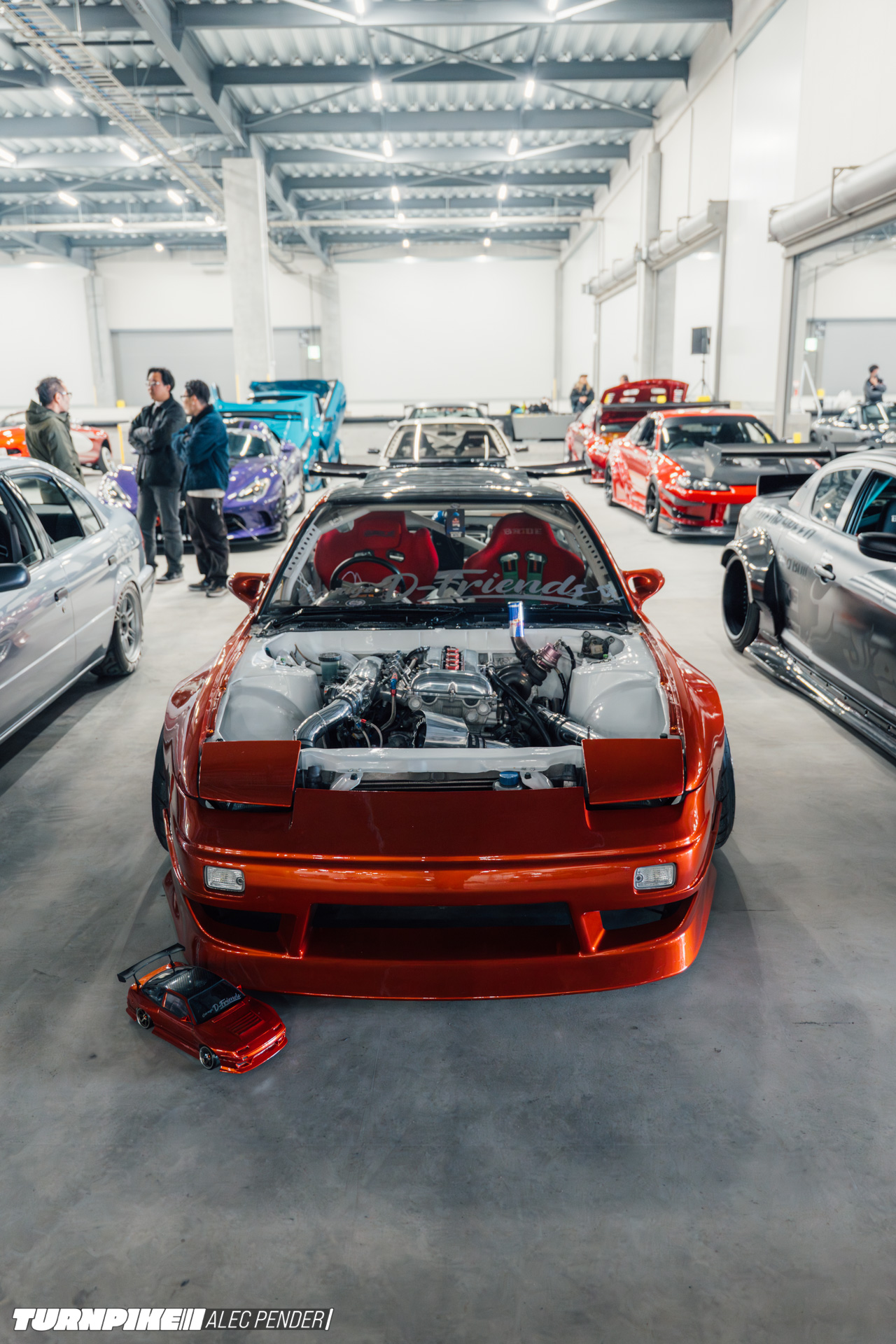
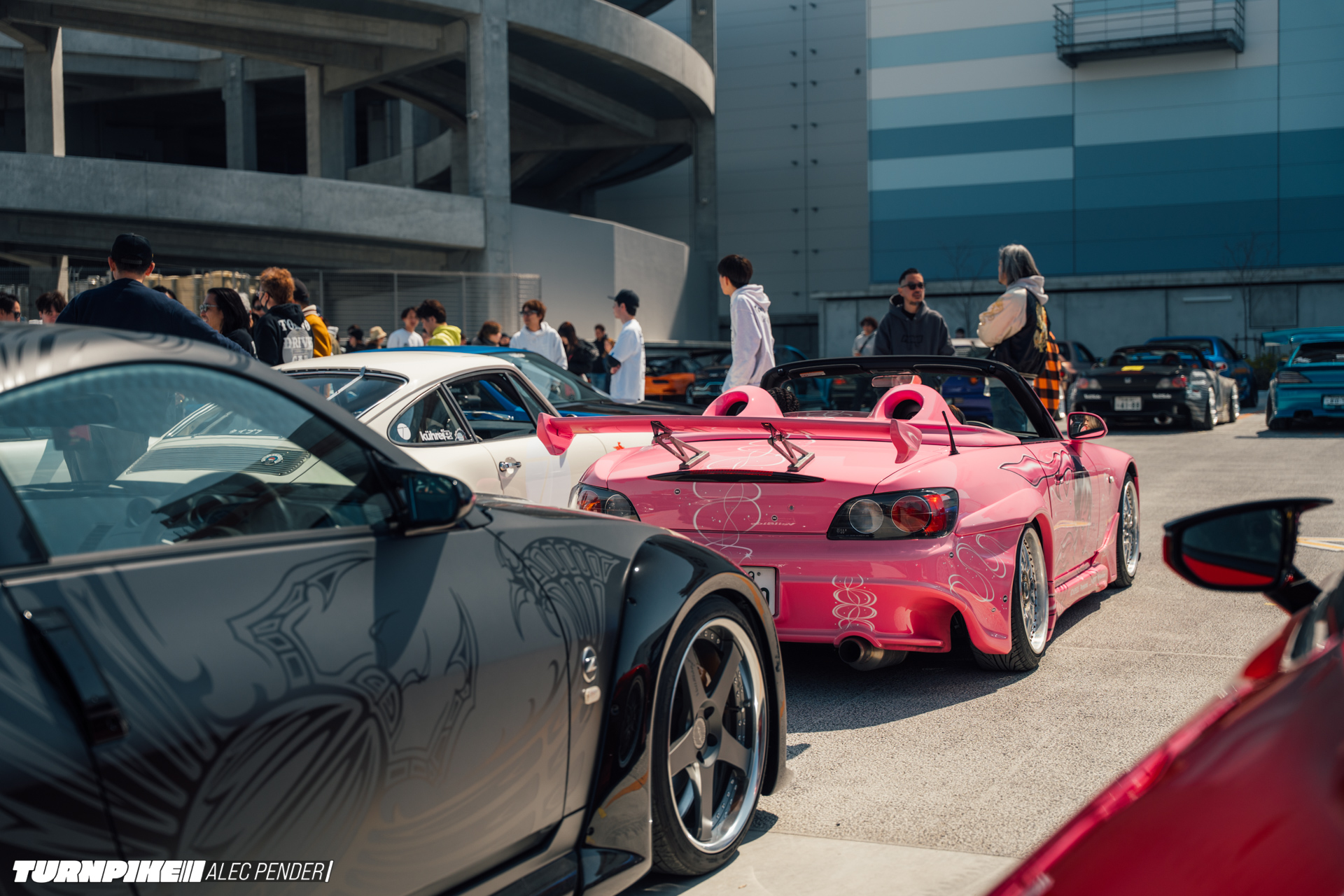
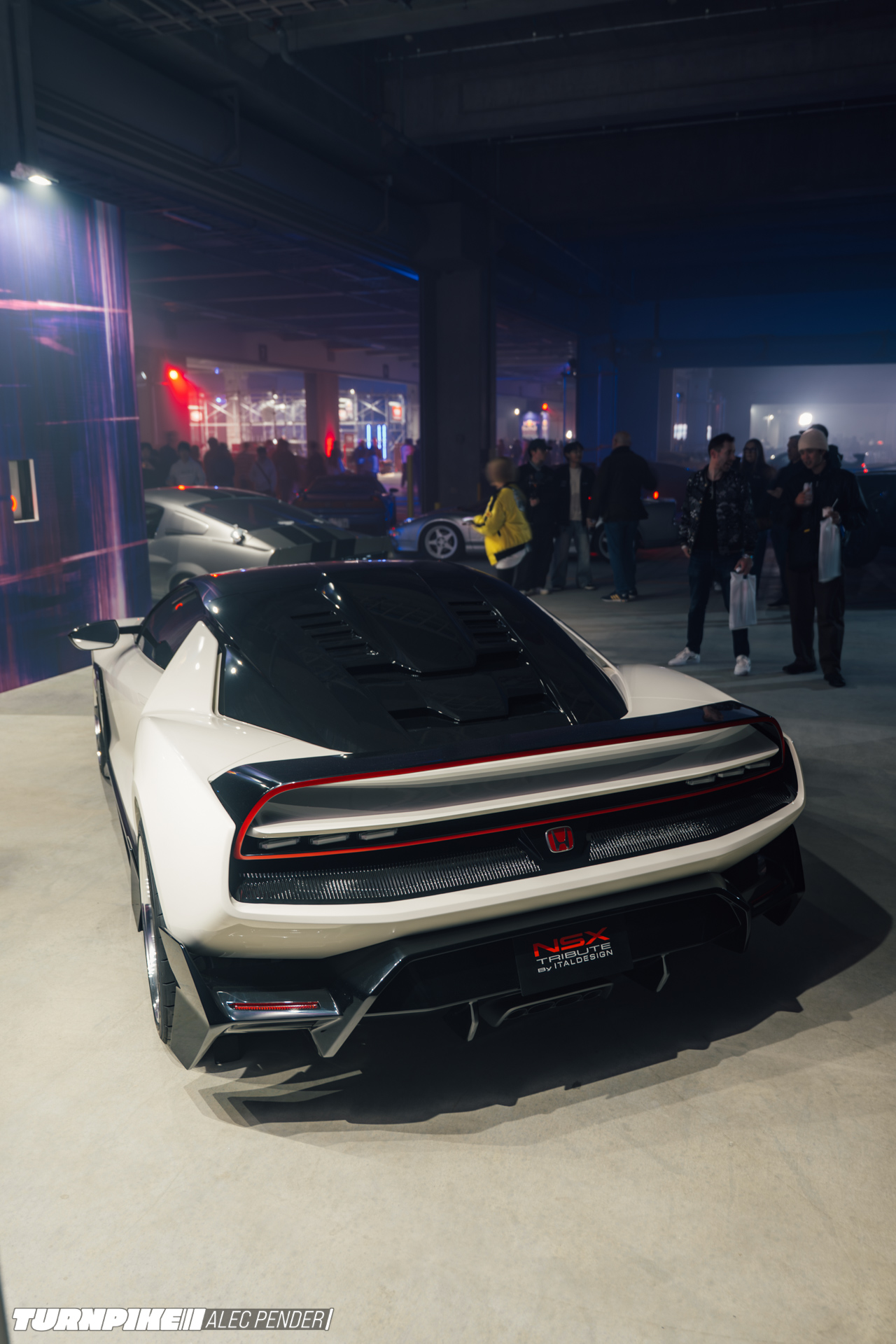
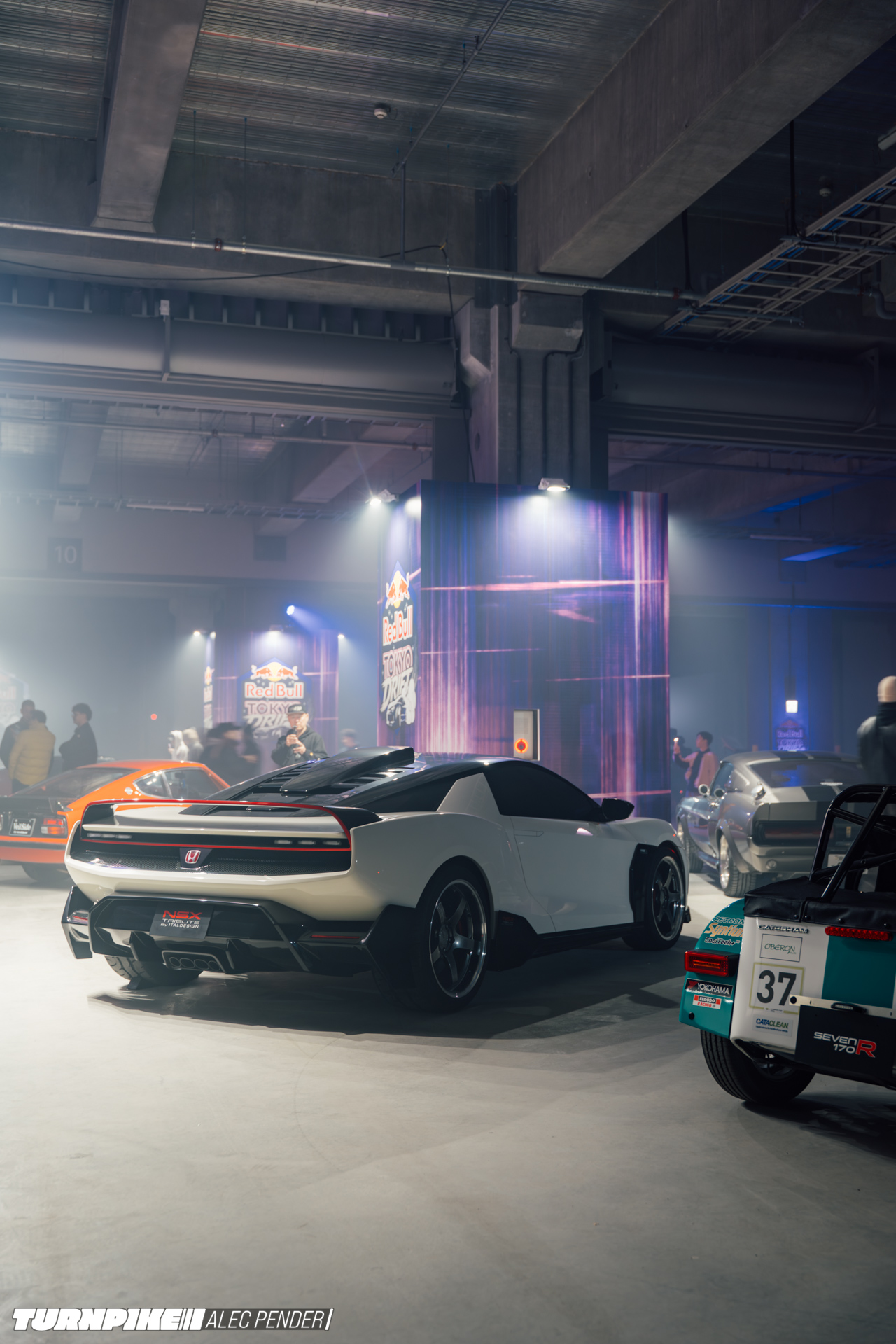
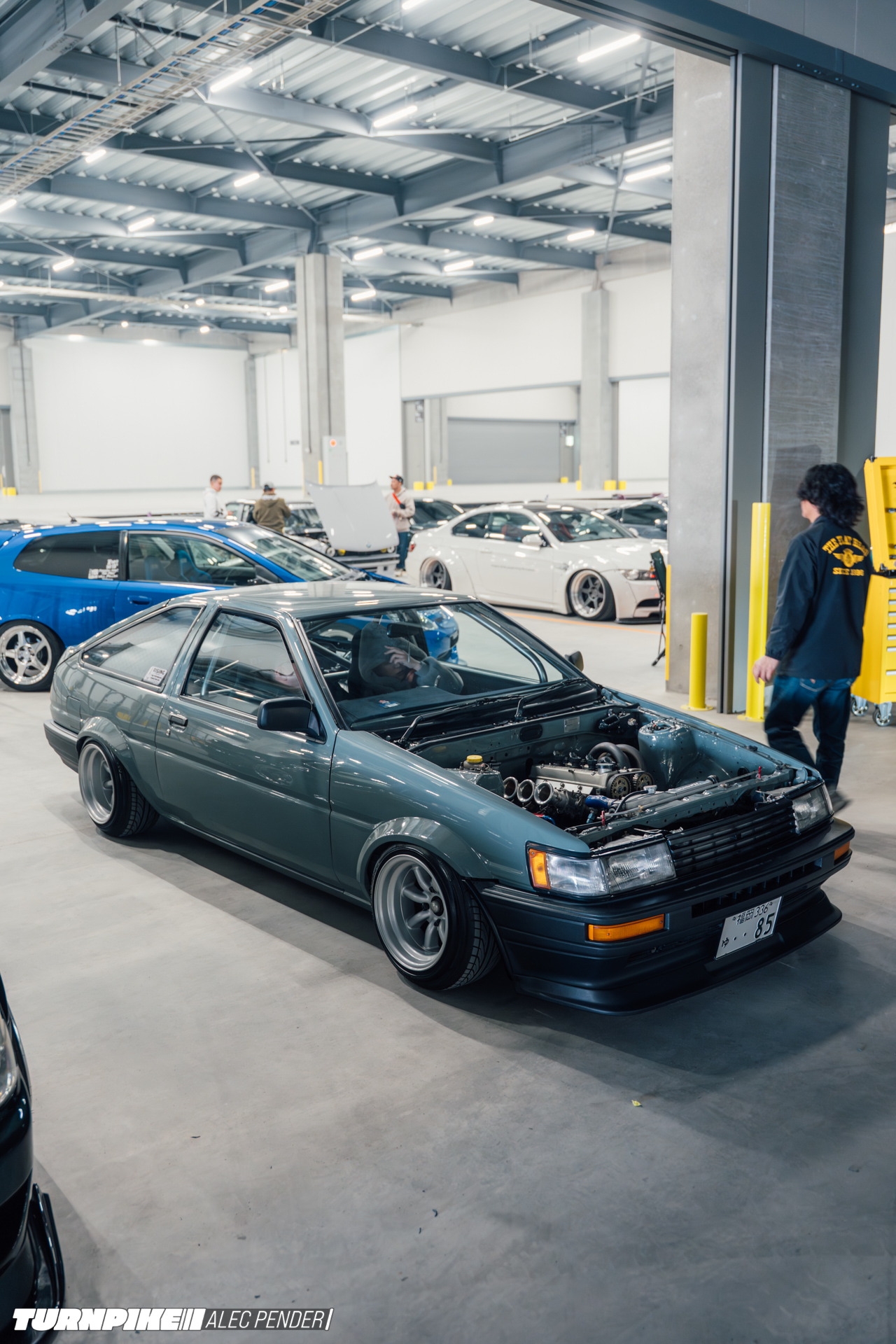
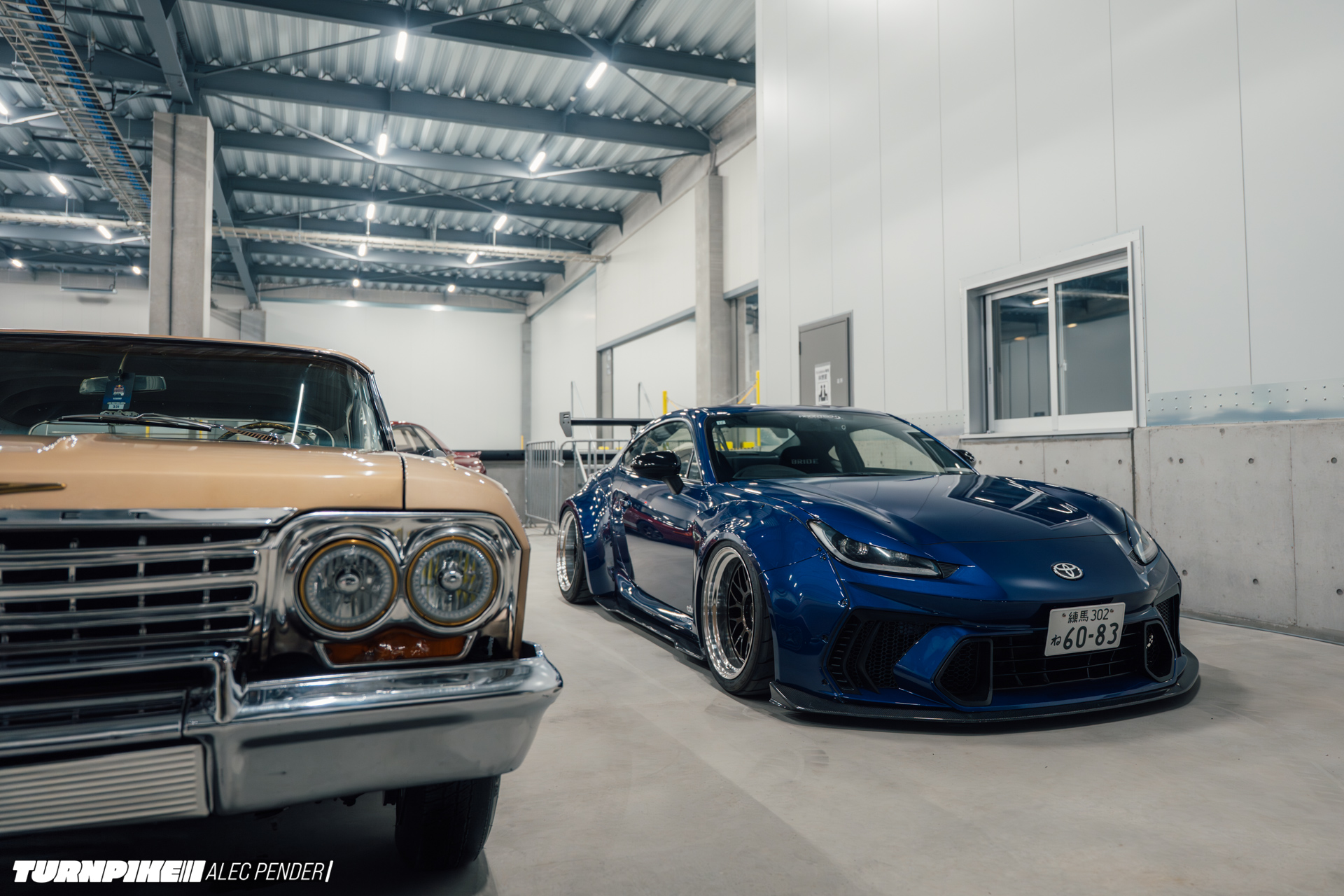
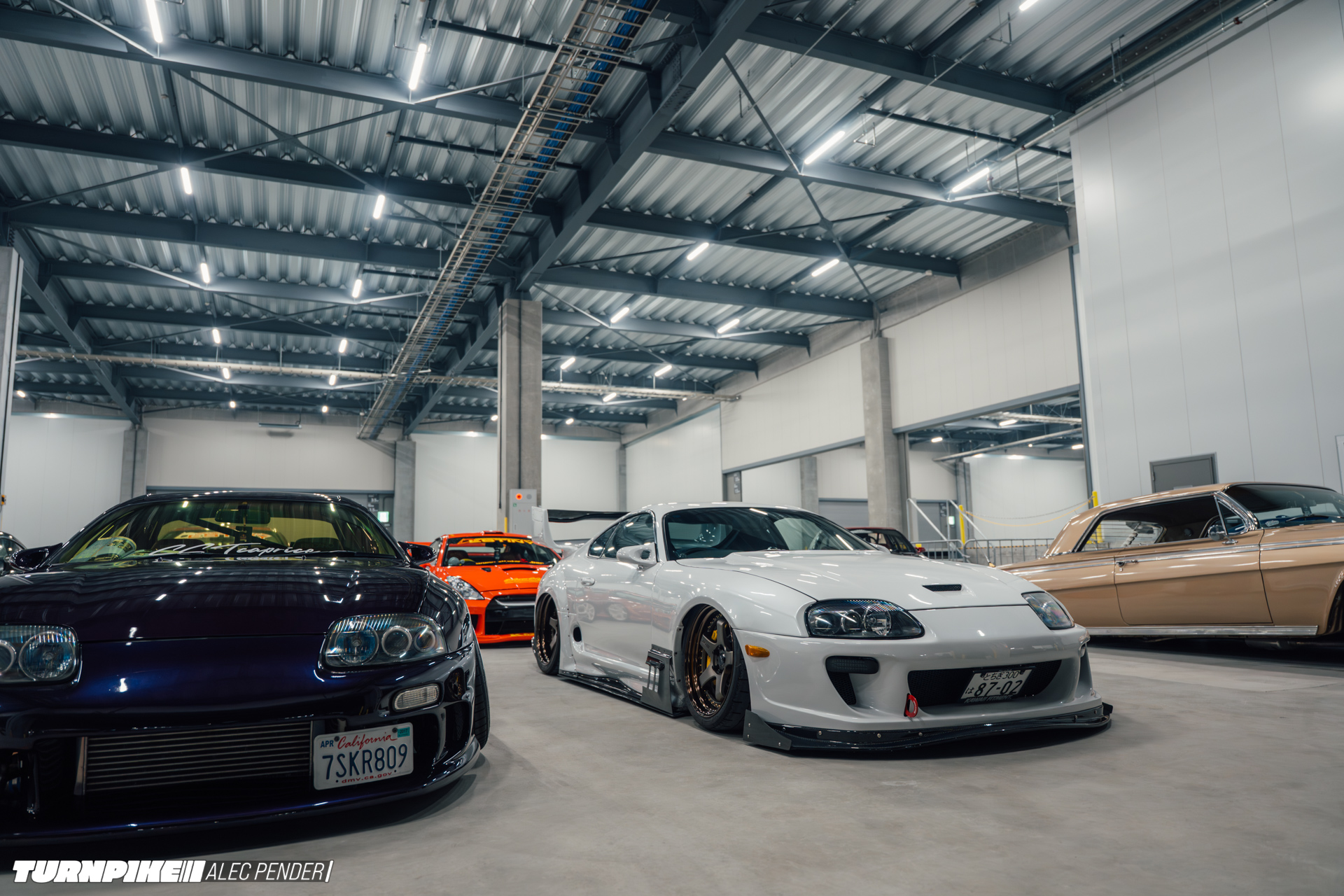
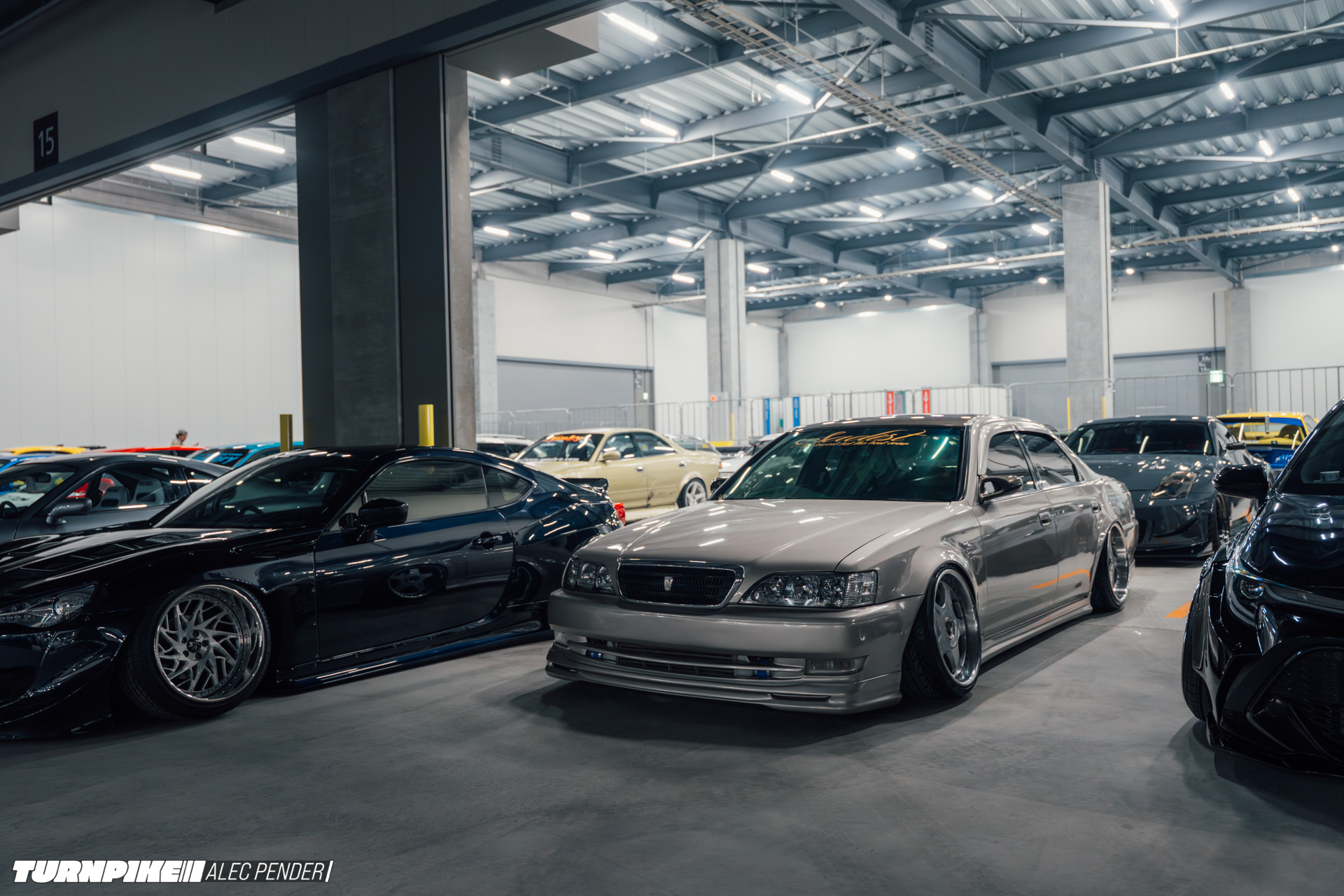
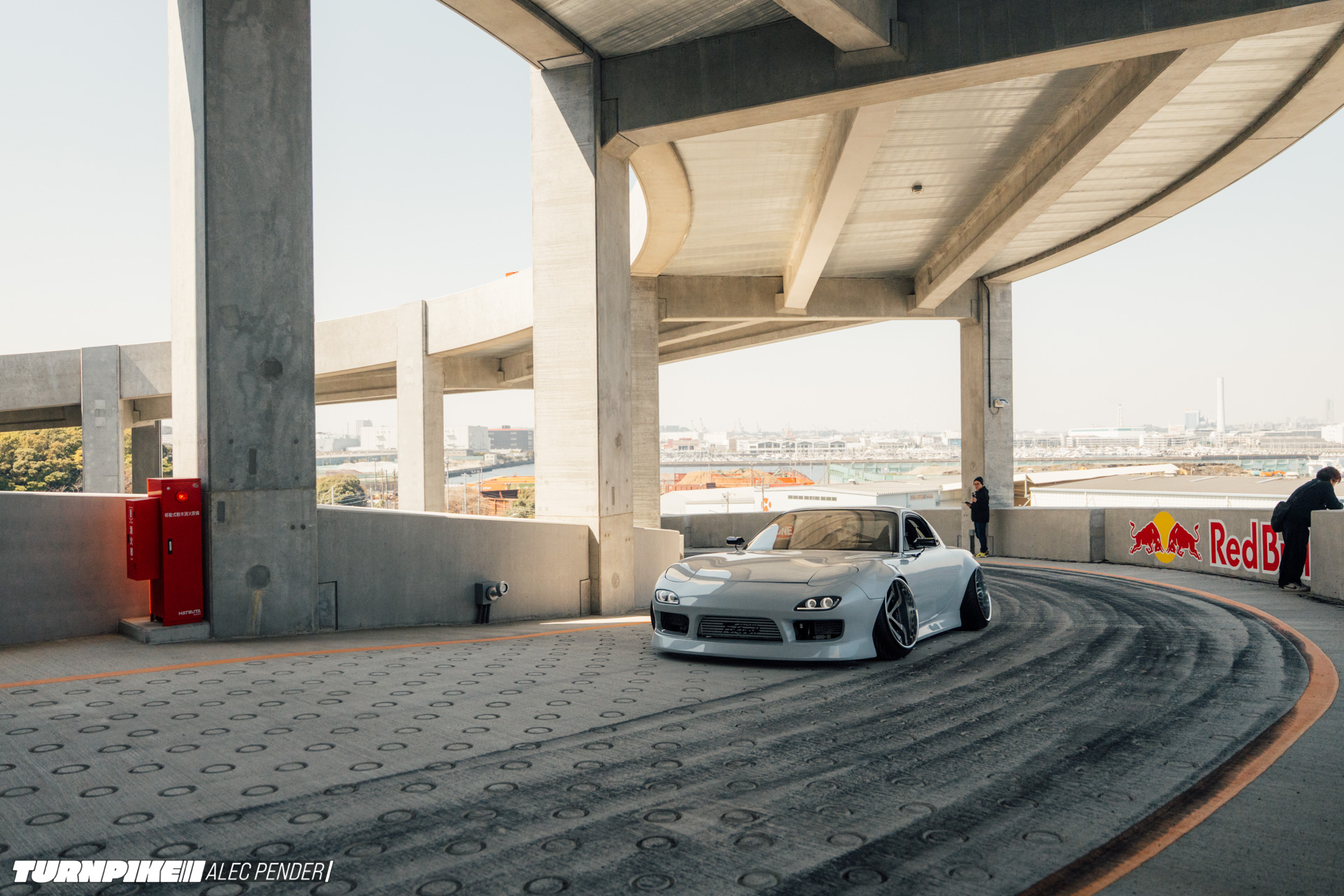
The drifting portion of the event was undoubtedly a highlight, both on the first-floor-turned-circuit and the truck-ramp-turned-drift-pad. What really stood out, however, was the sheer number of tuners and privately owned cars that showed up. So in this coverage, join me for a walk through all four floors and the 200-plus cars in attendance.
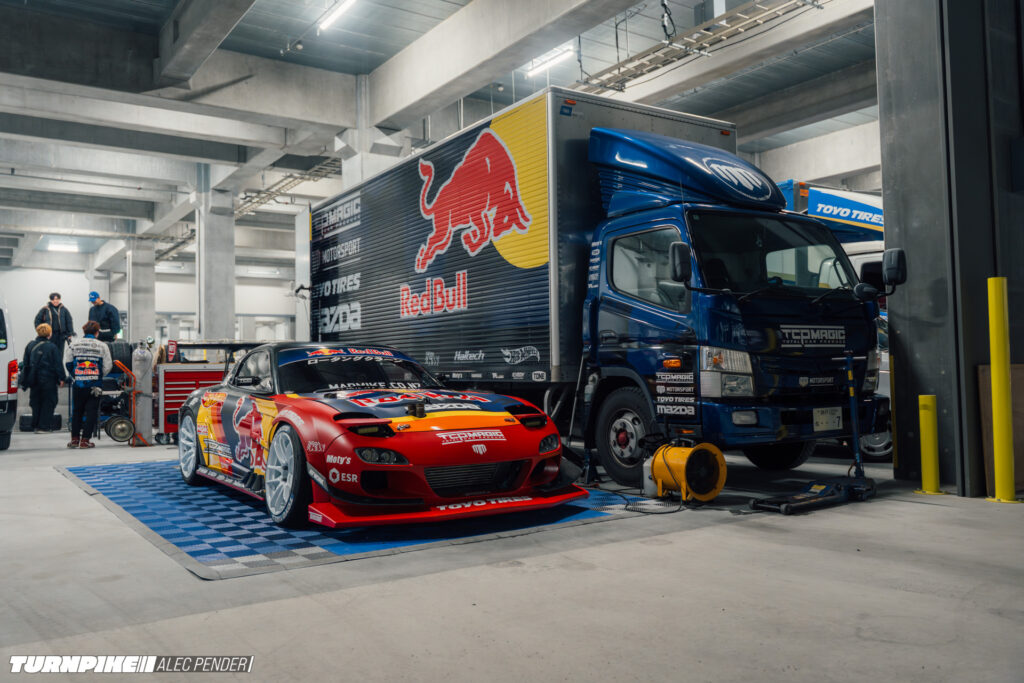
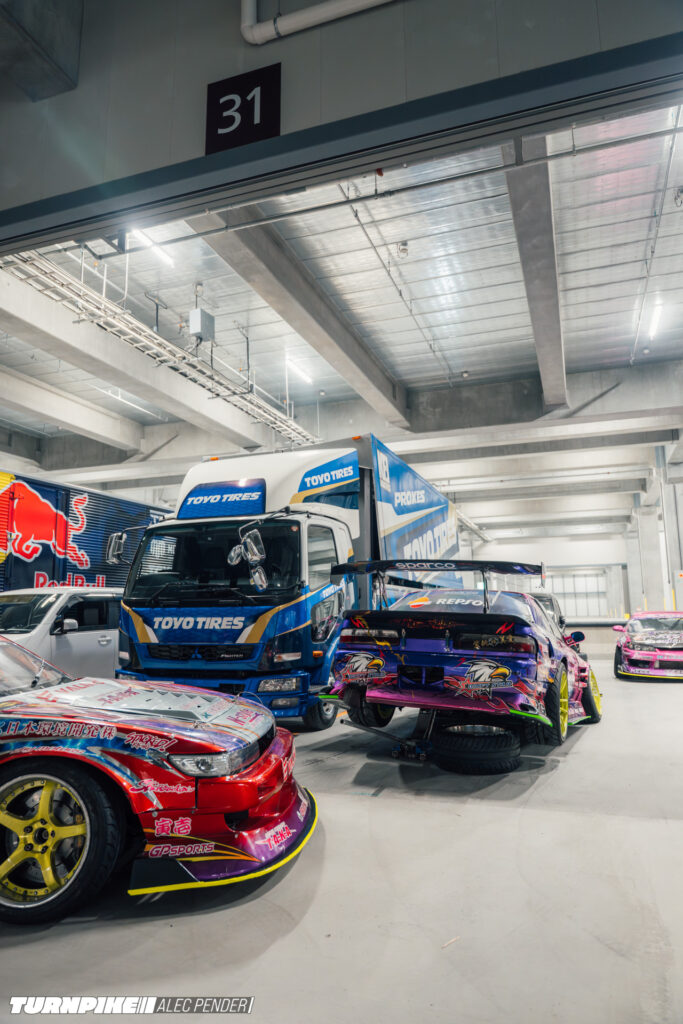
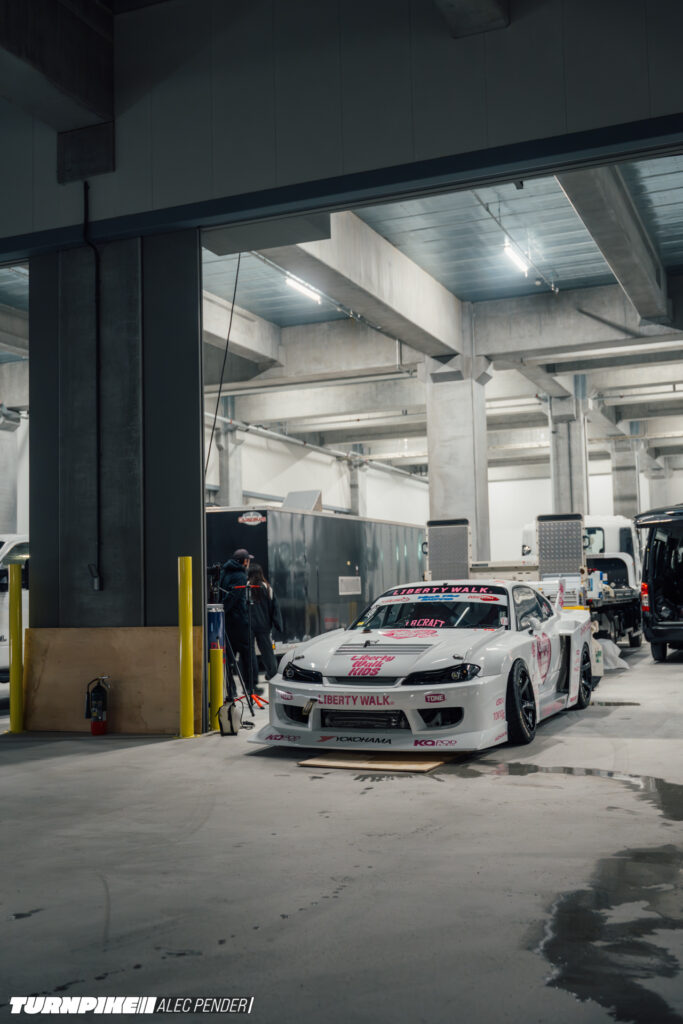
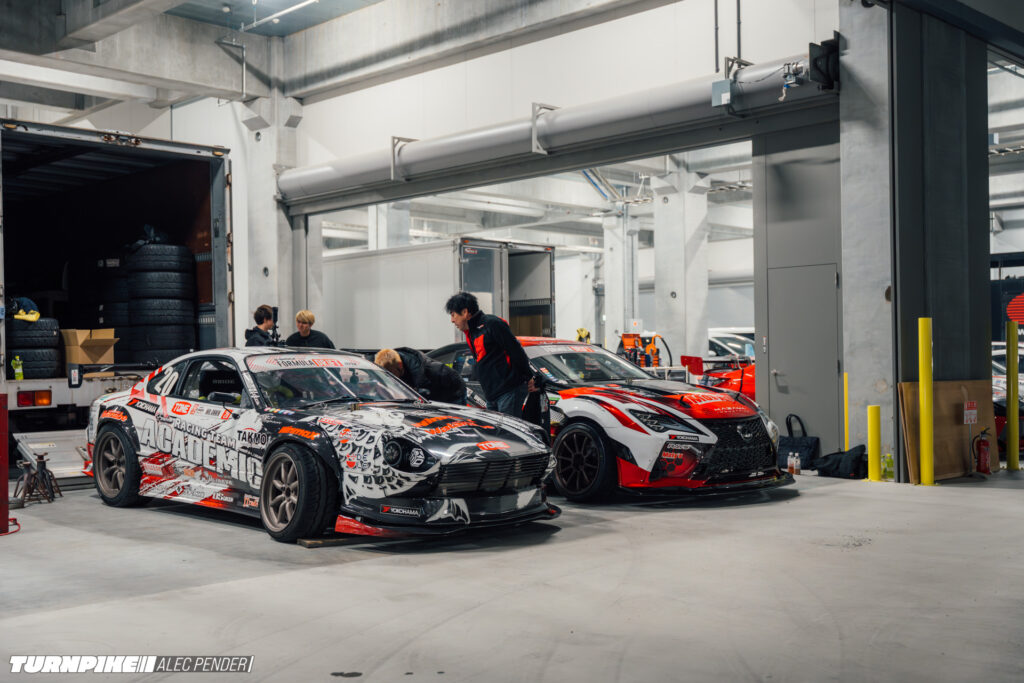
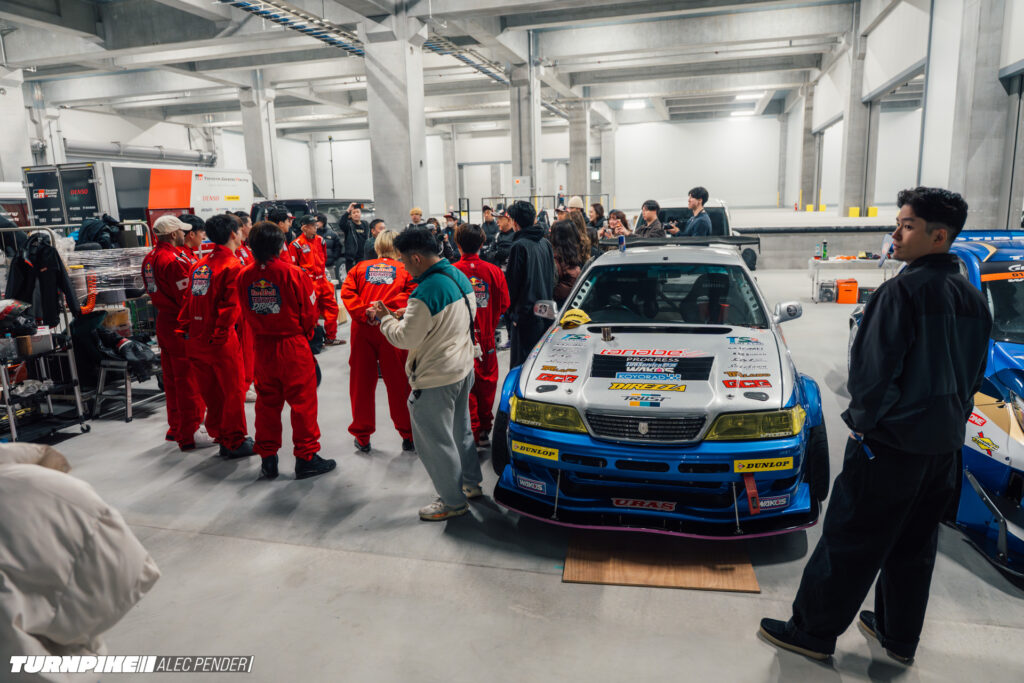
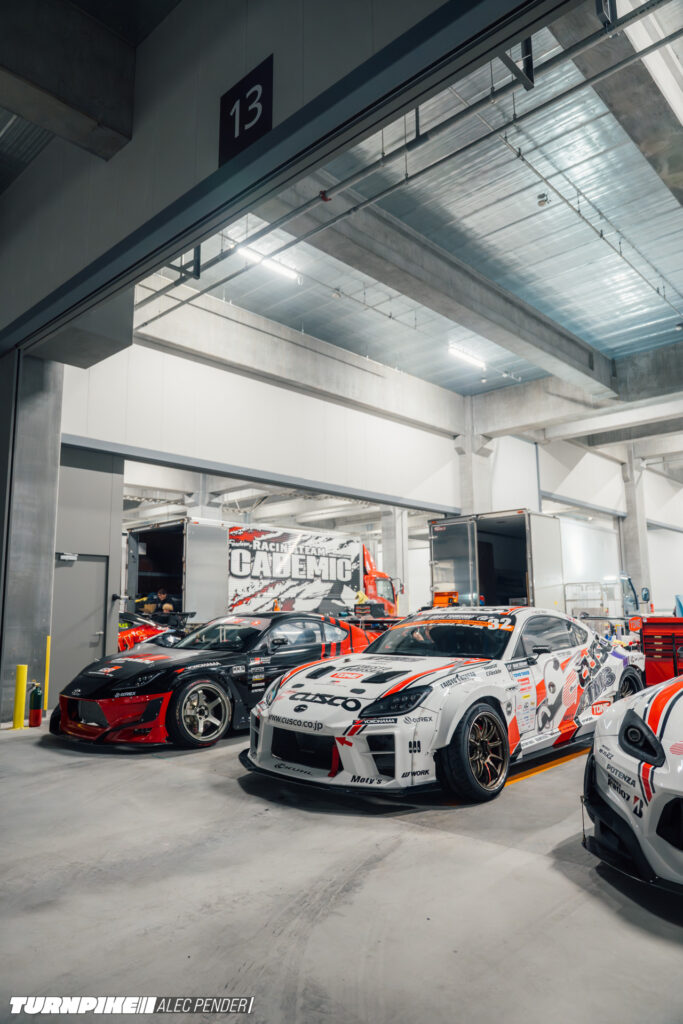
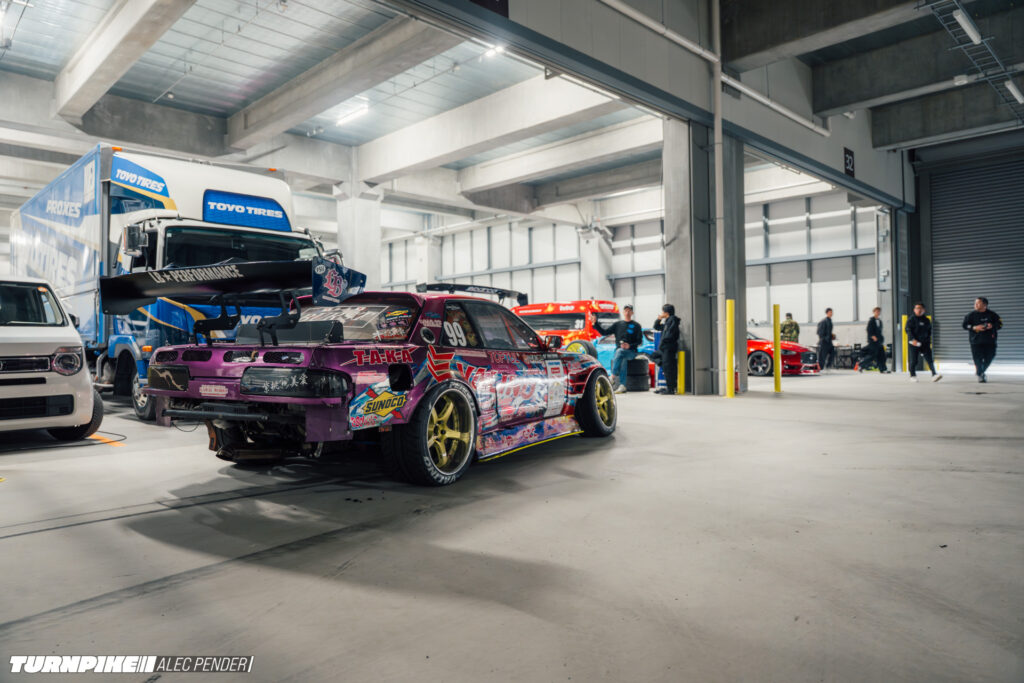
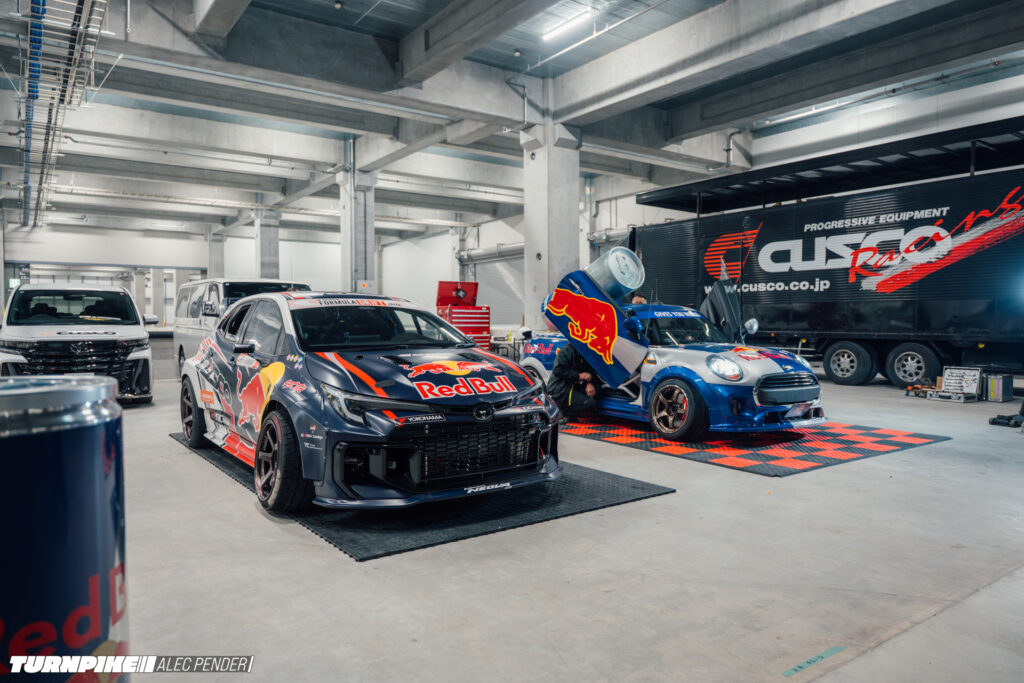
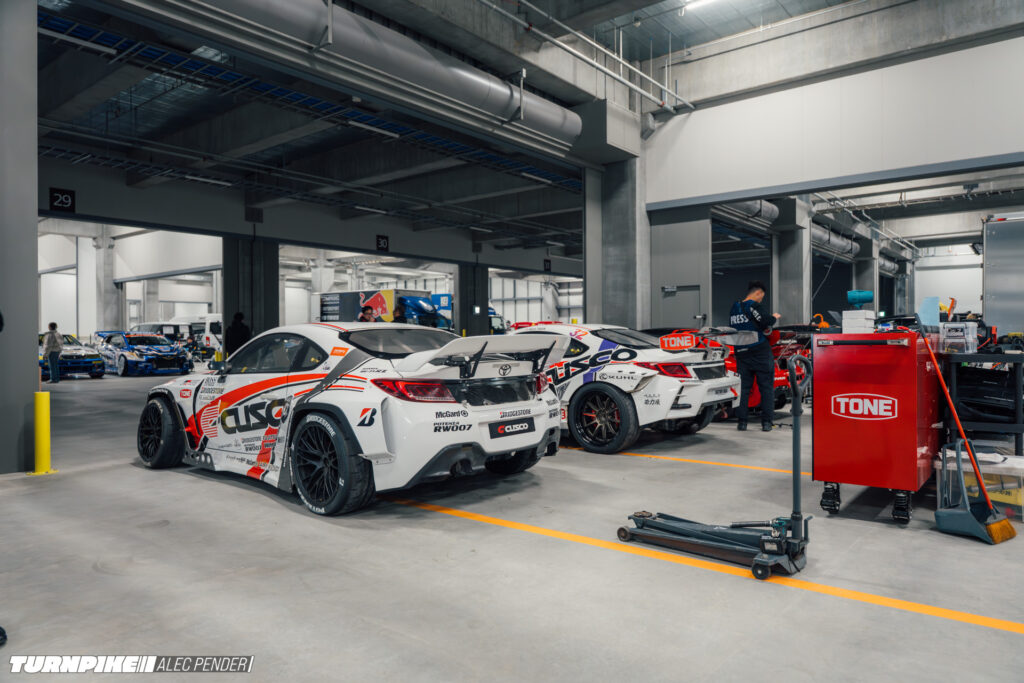
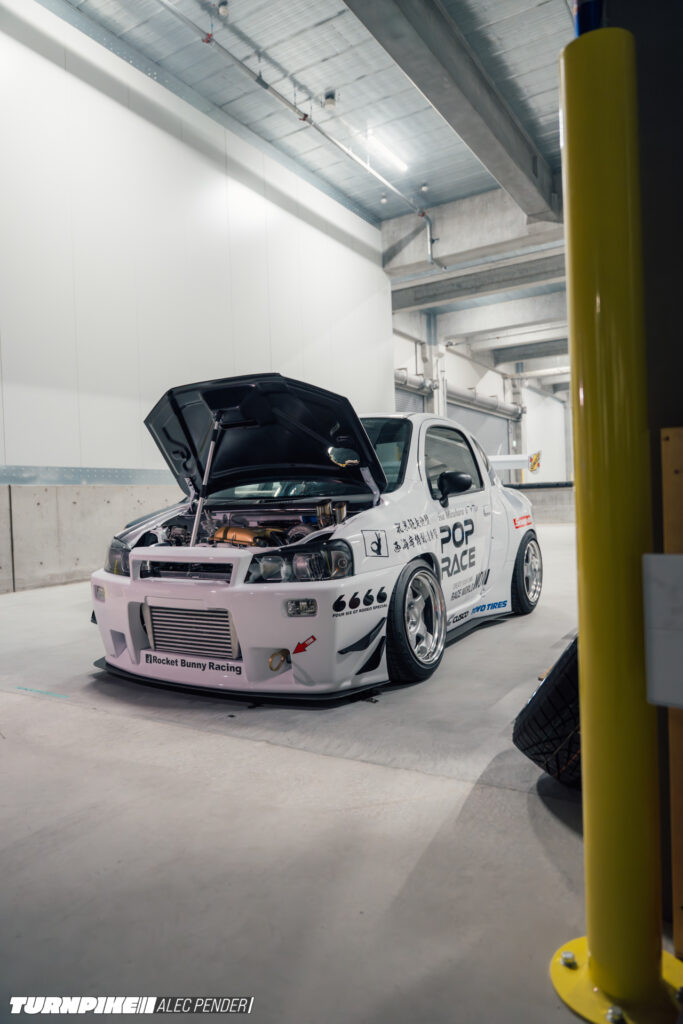
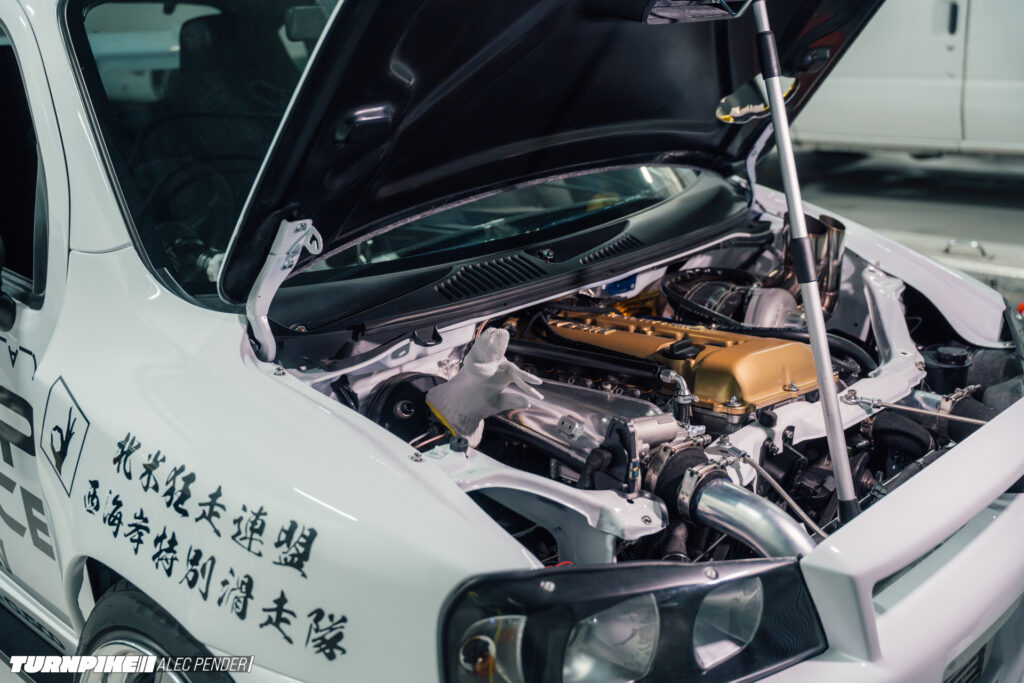
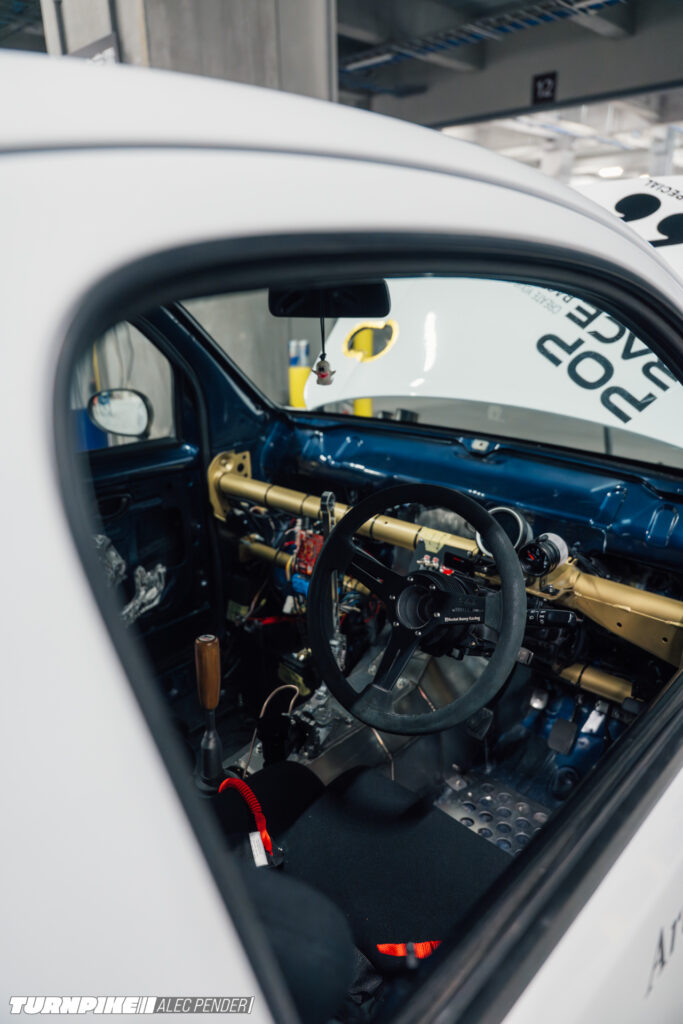
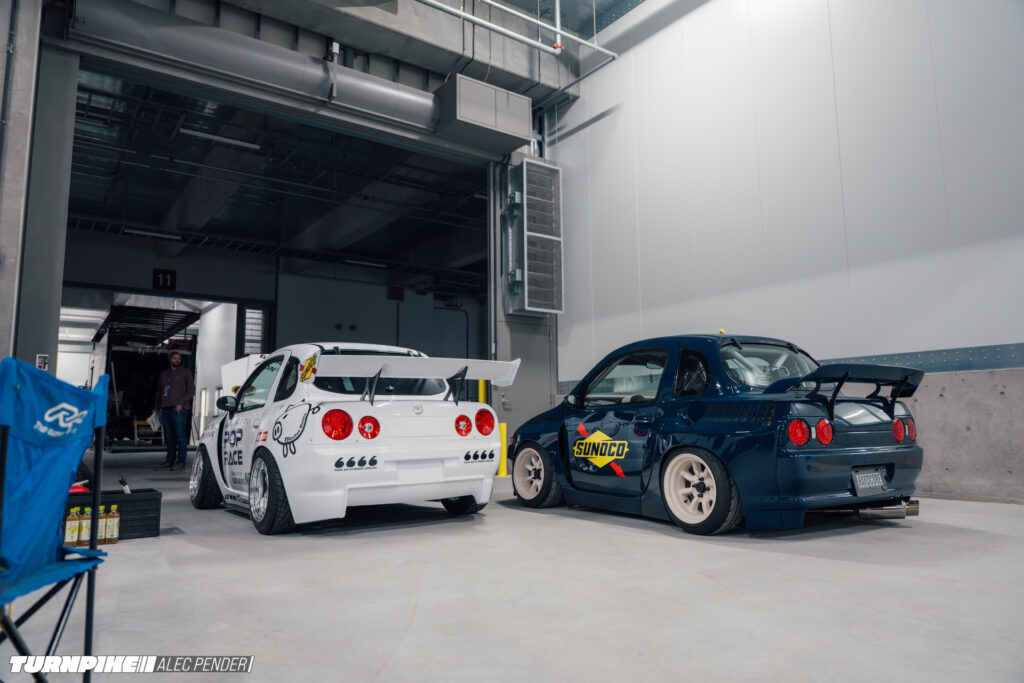
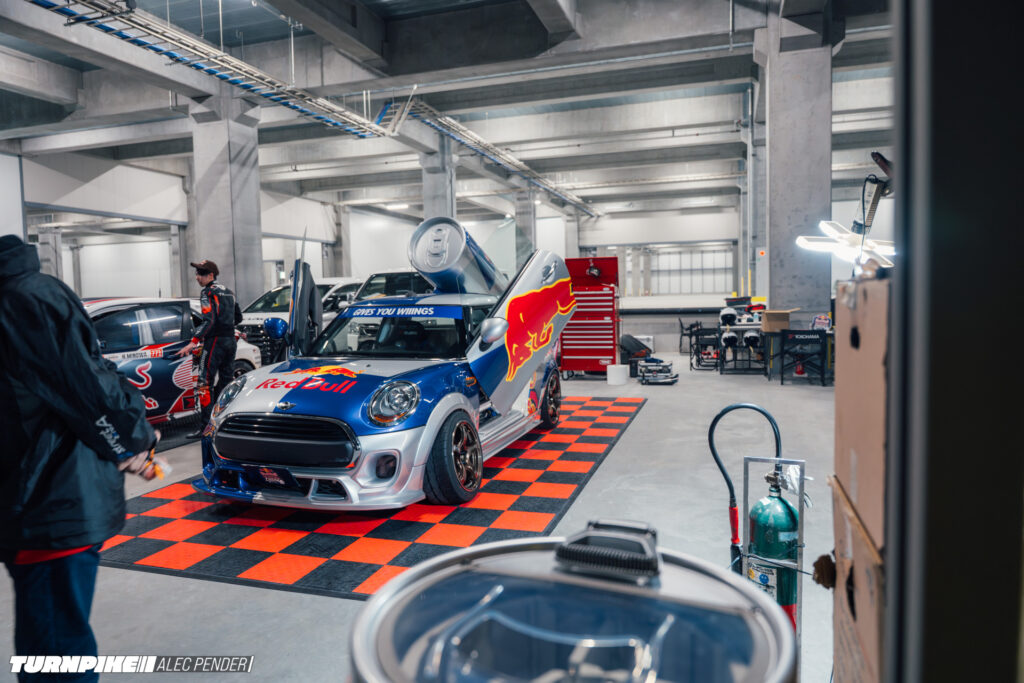
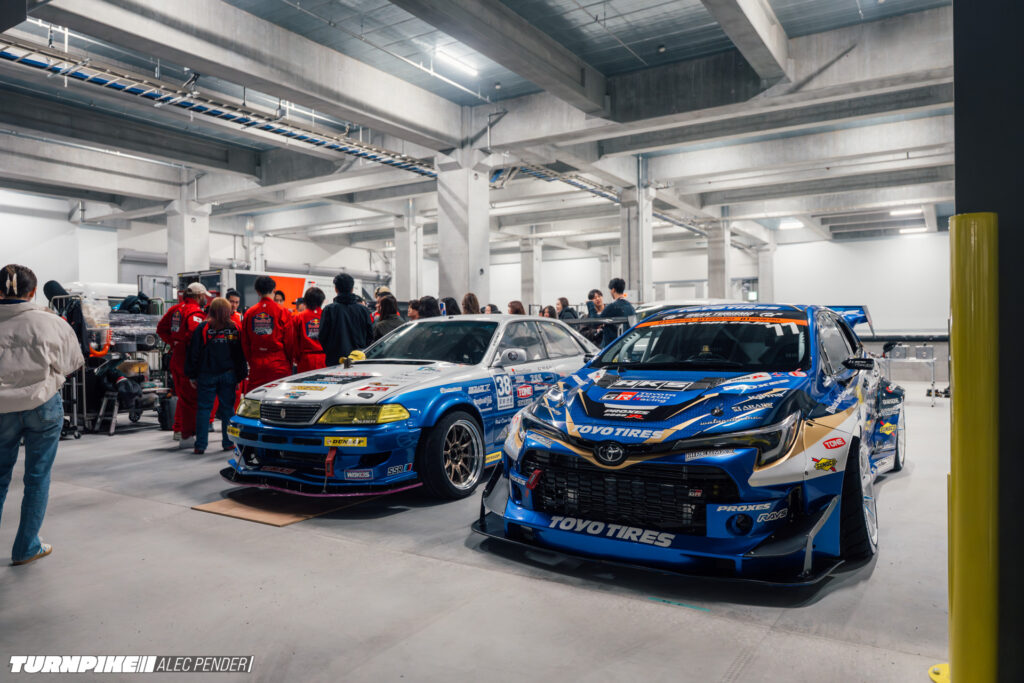
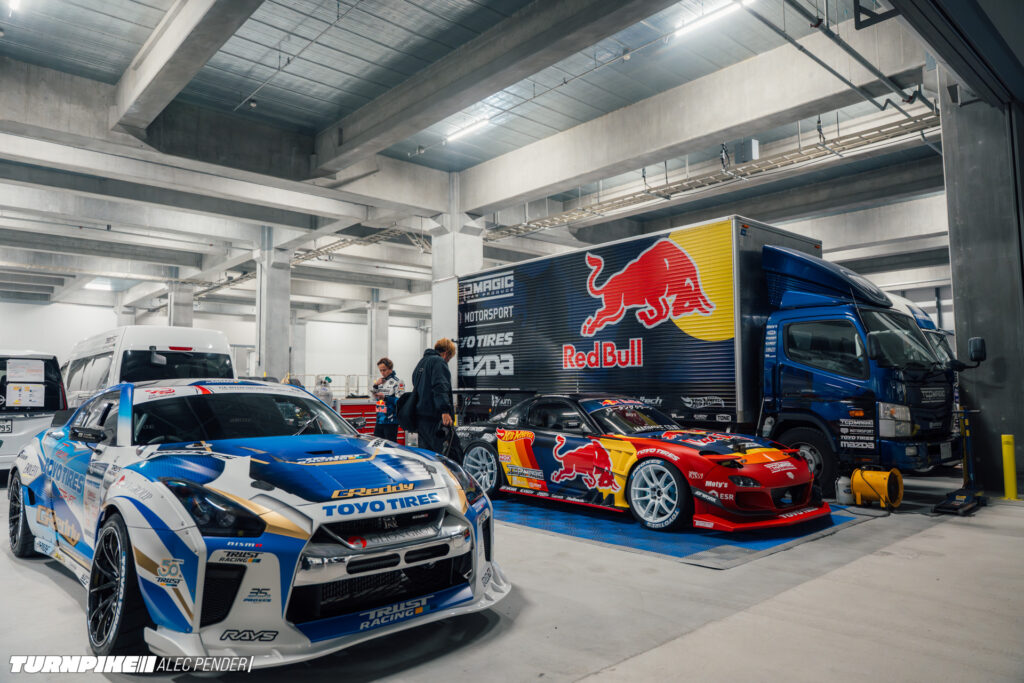
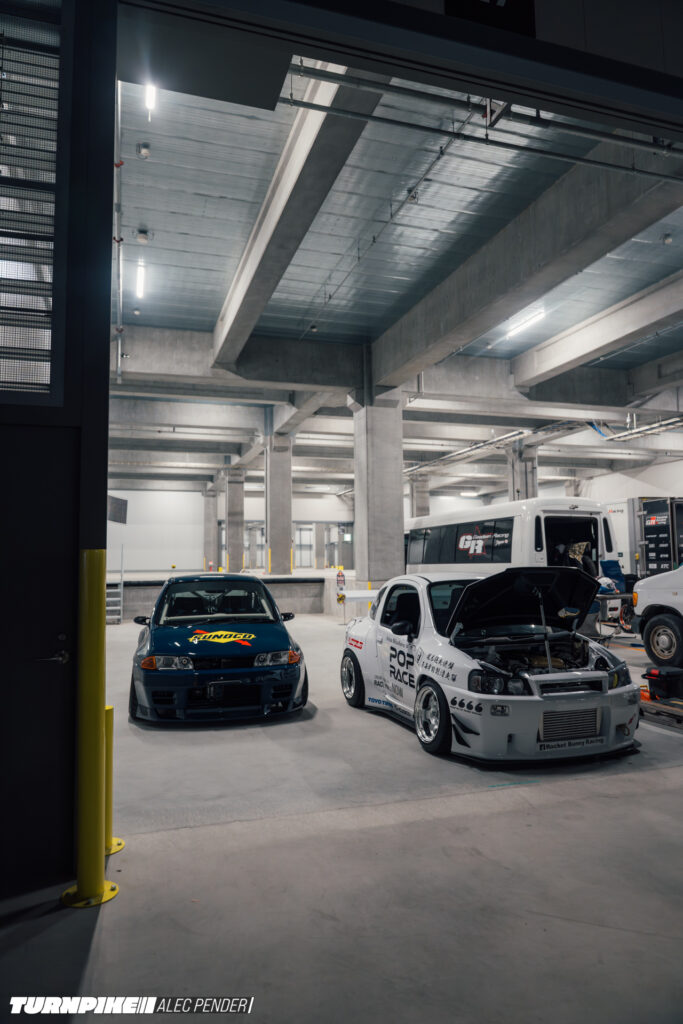
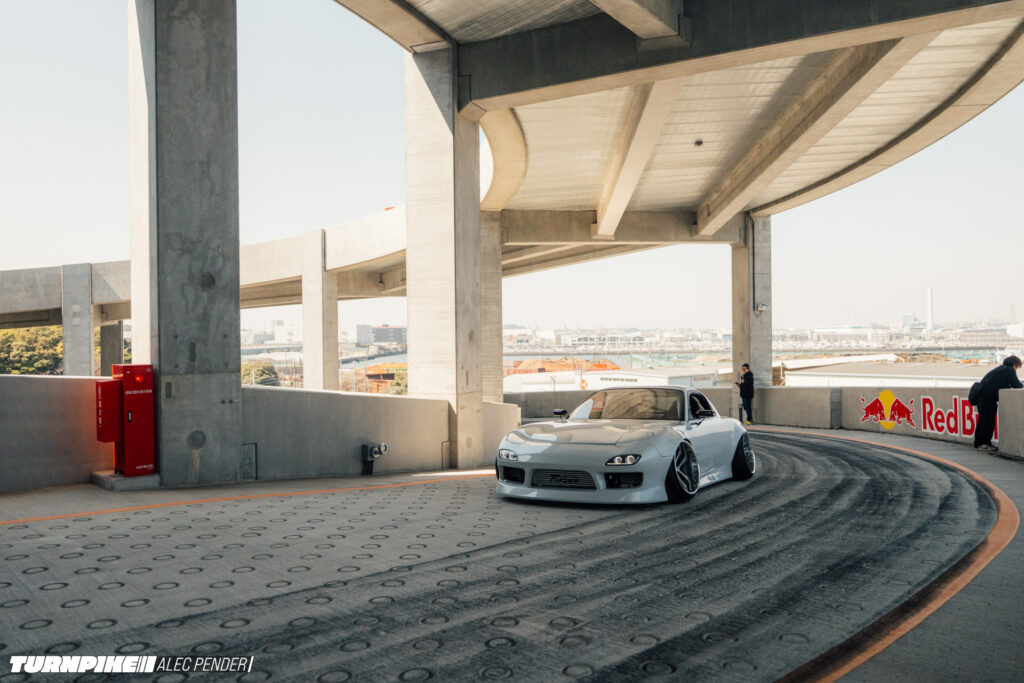
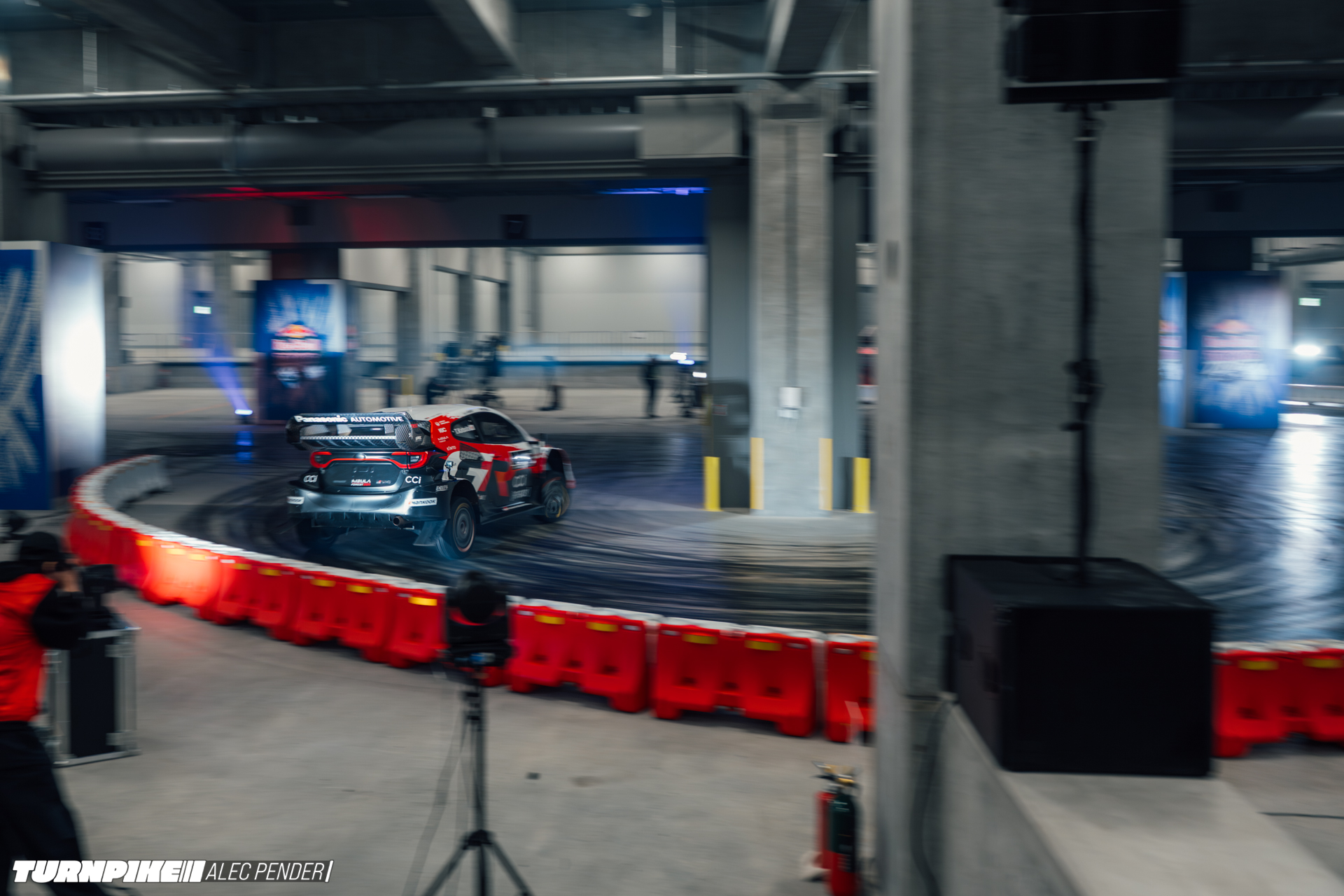
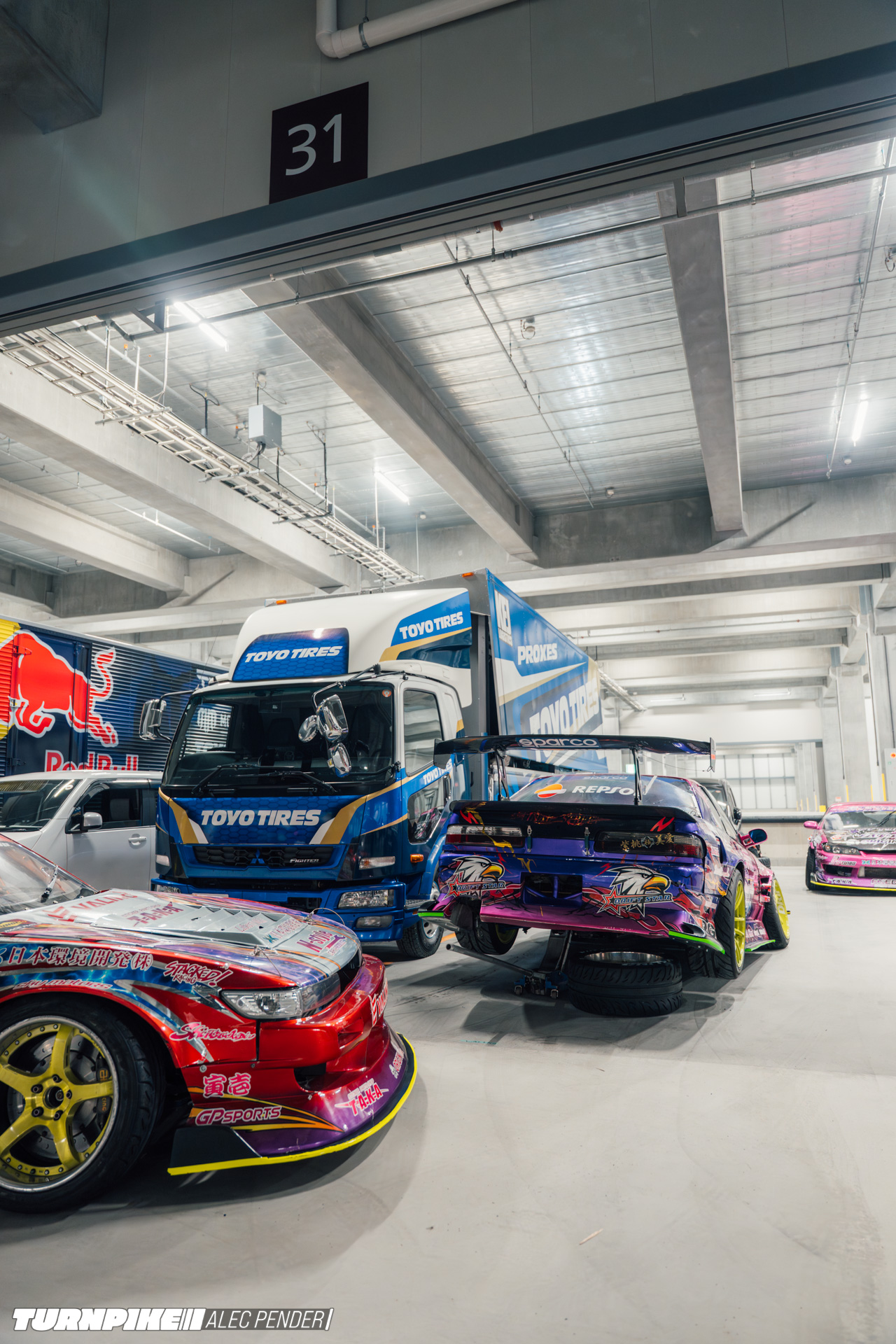
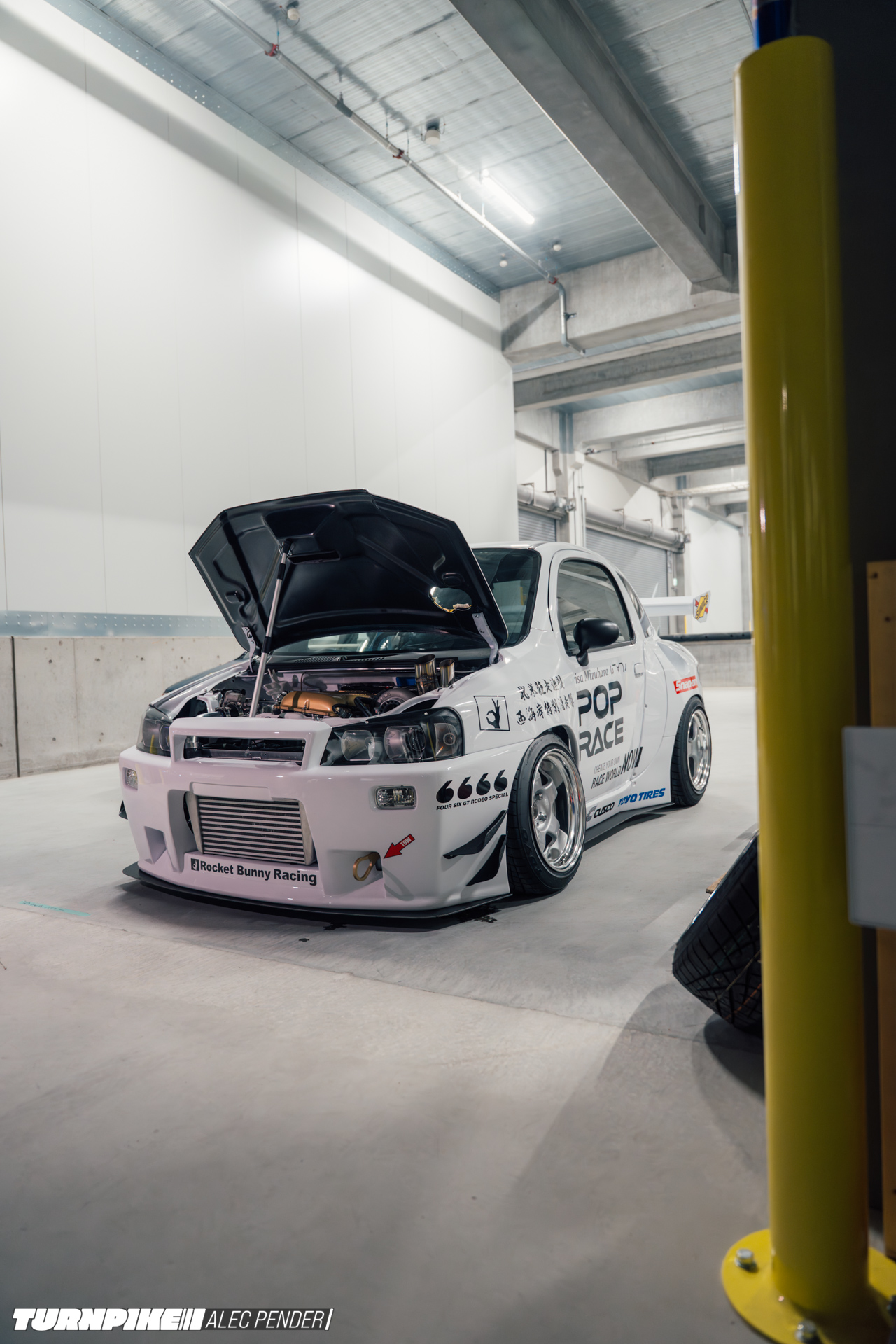
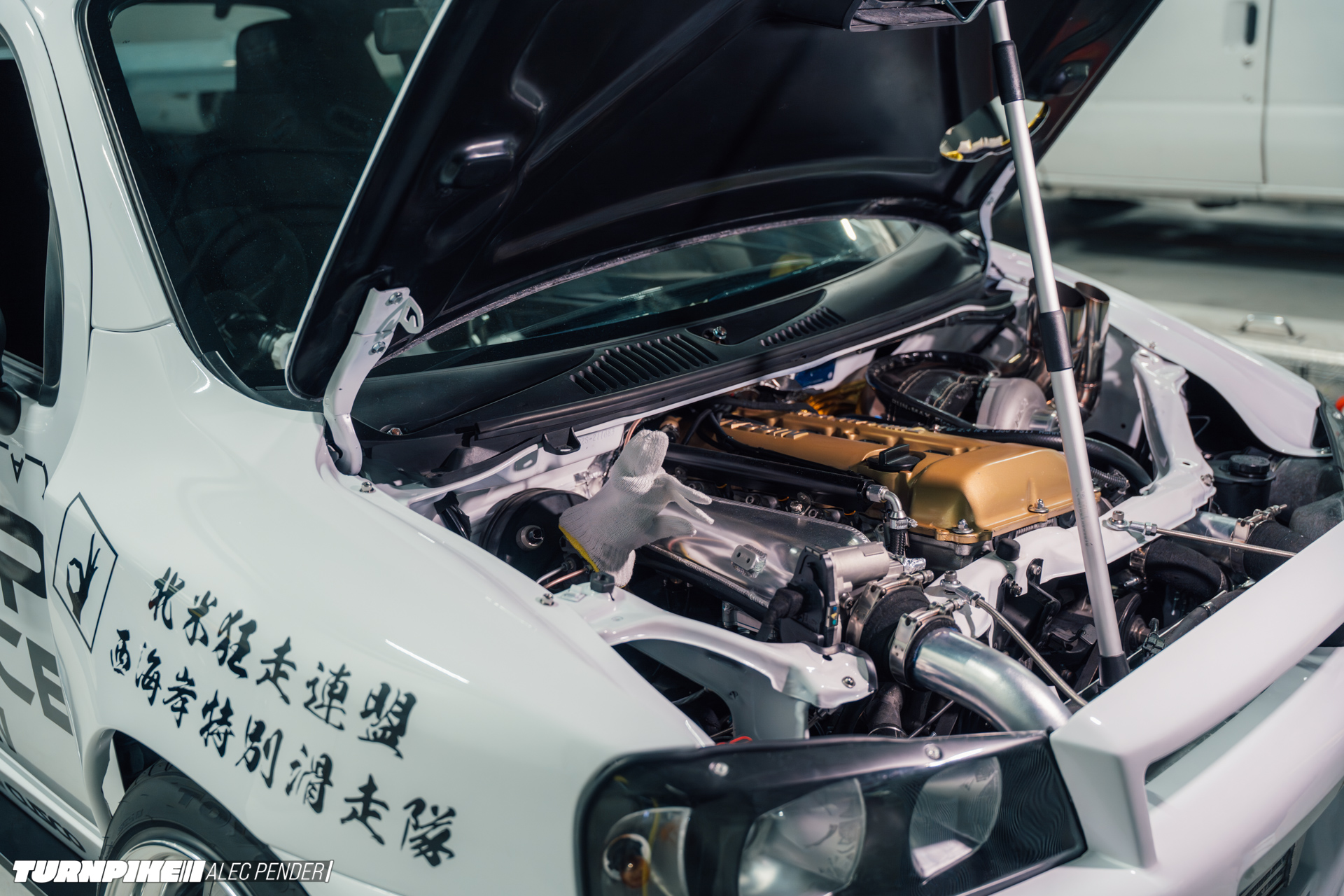
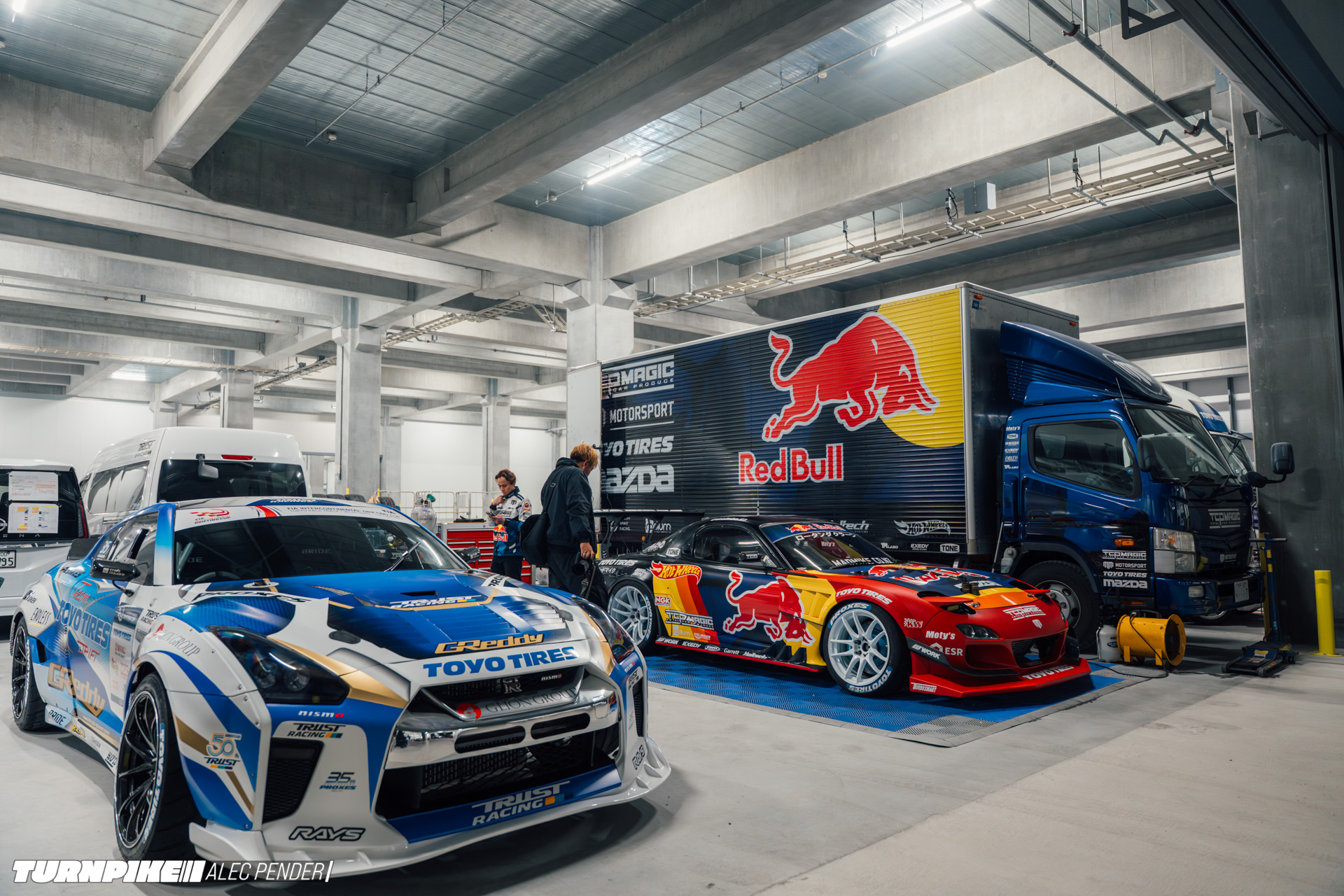
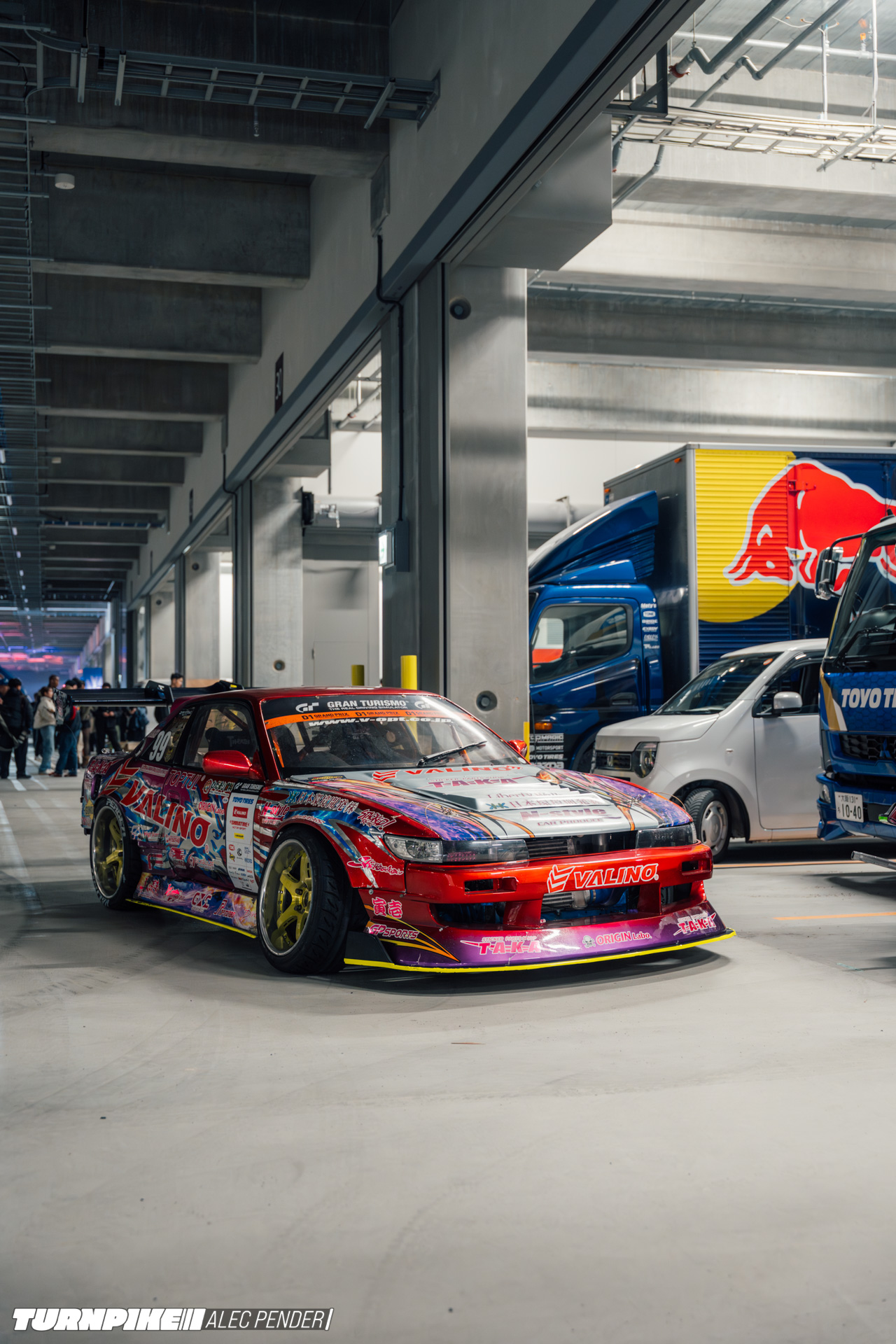
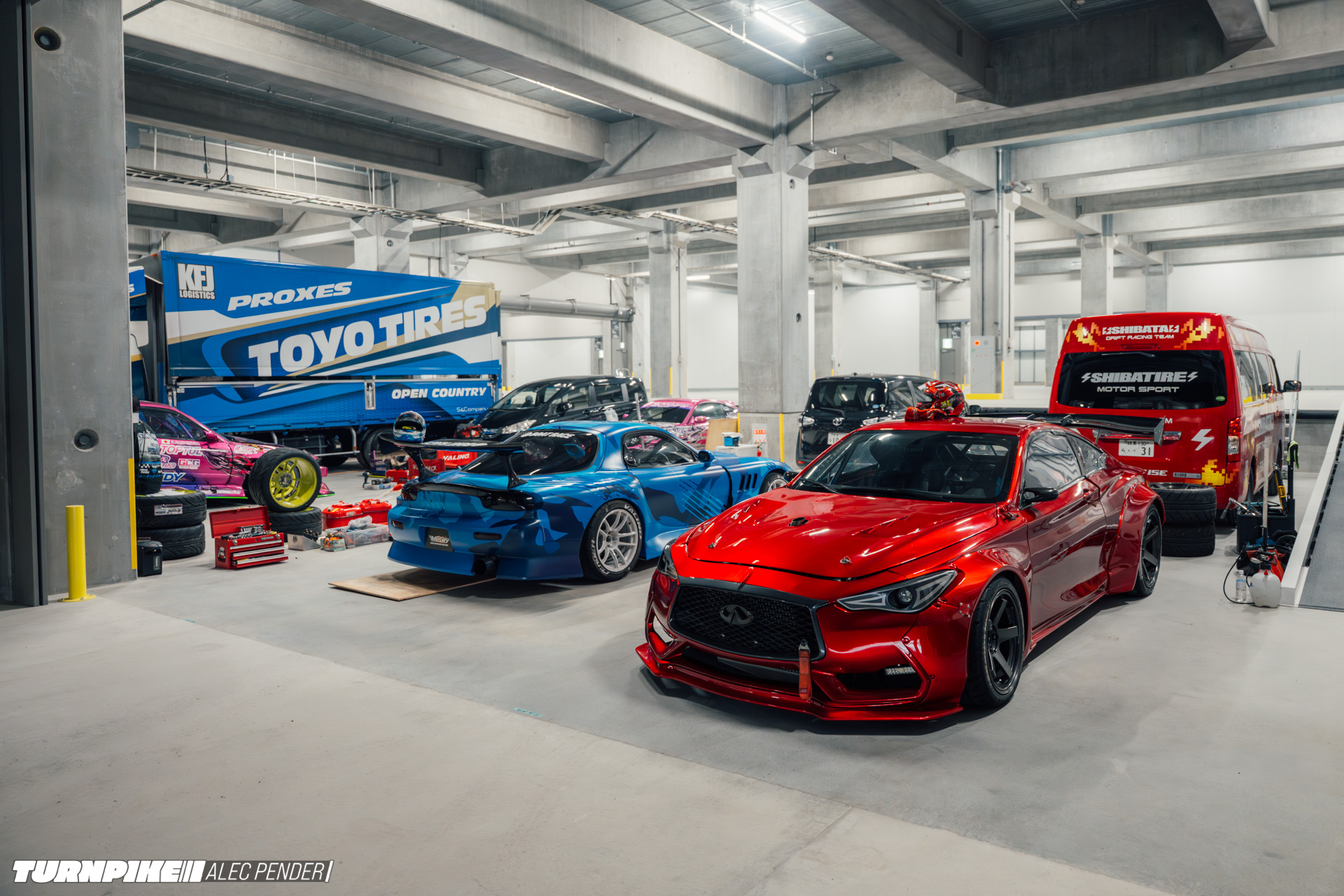
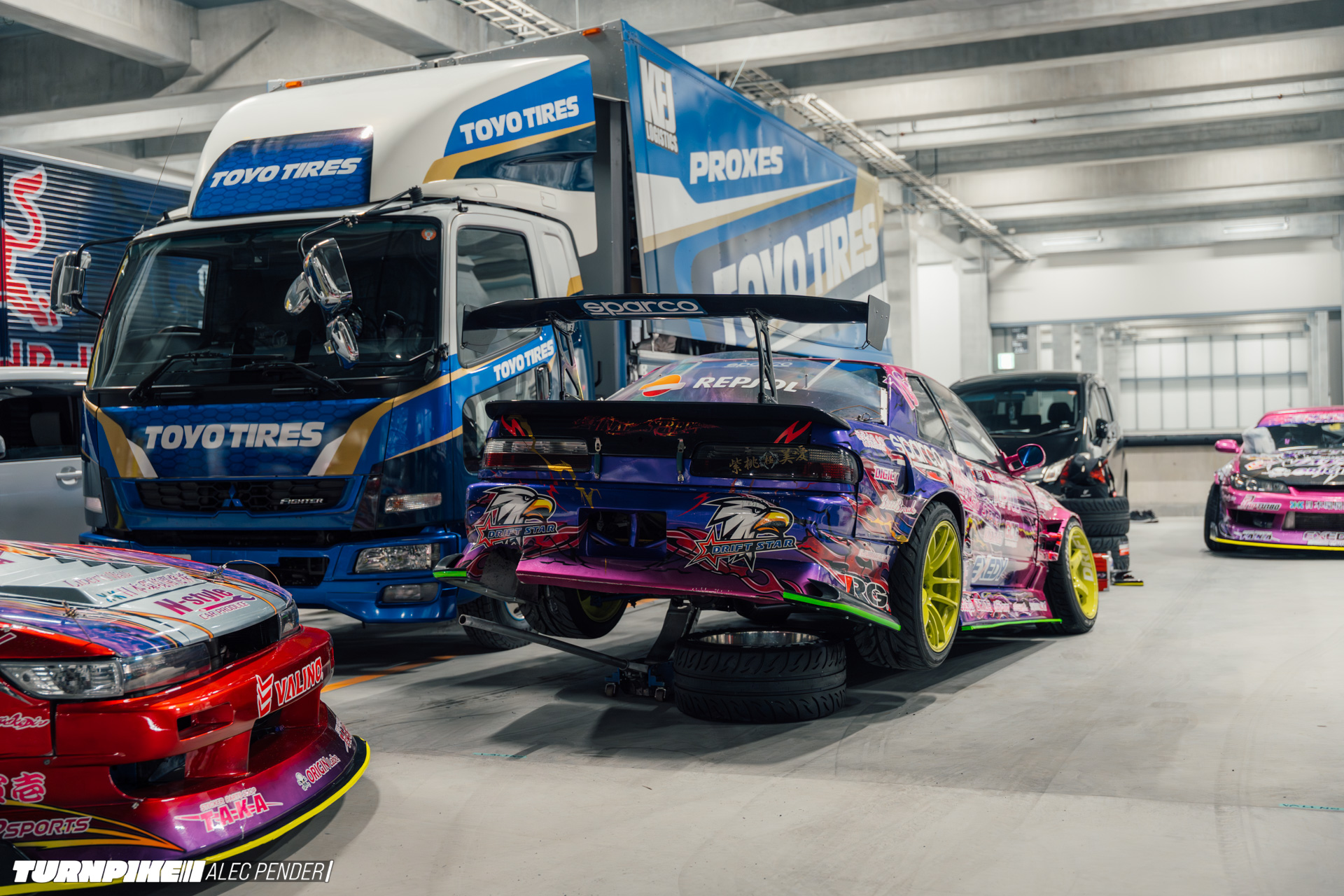
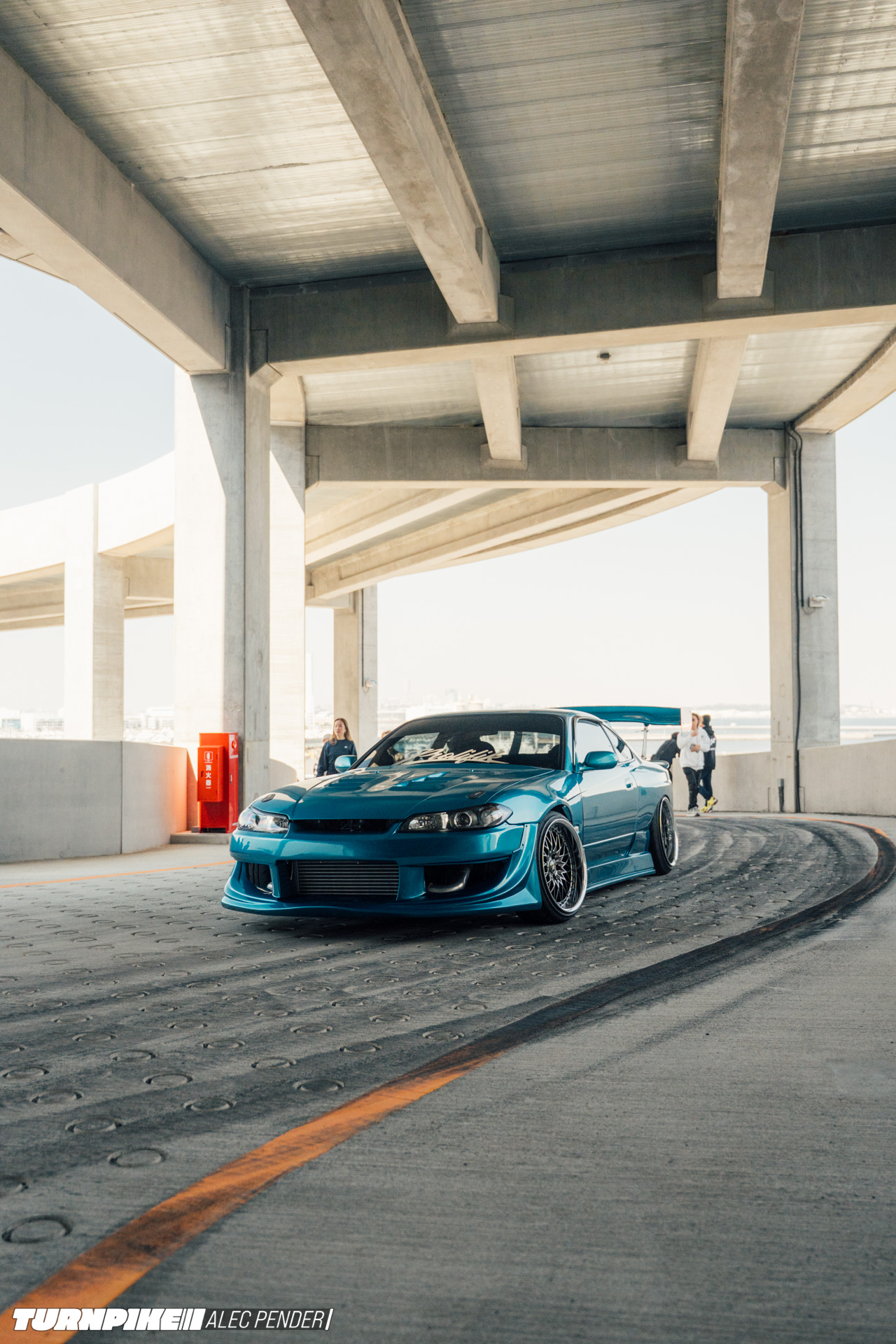
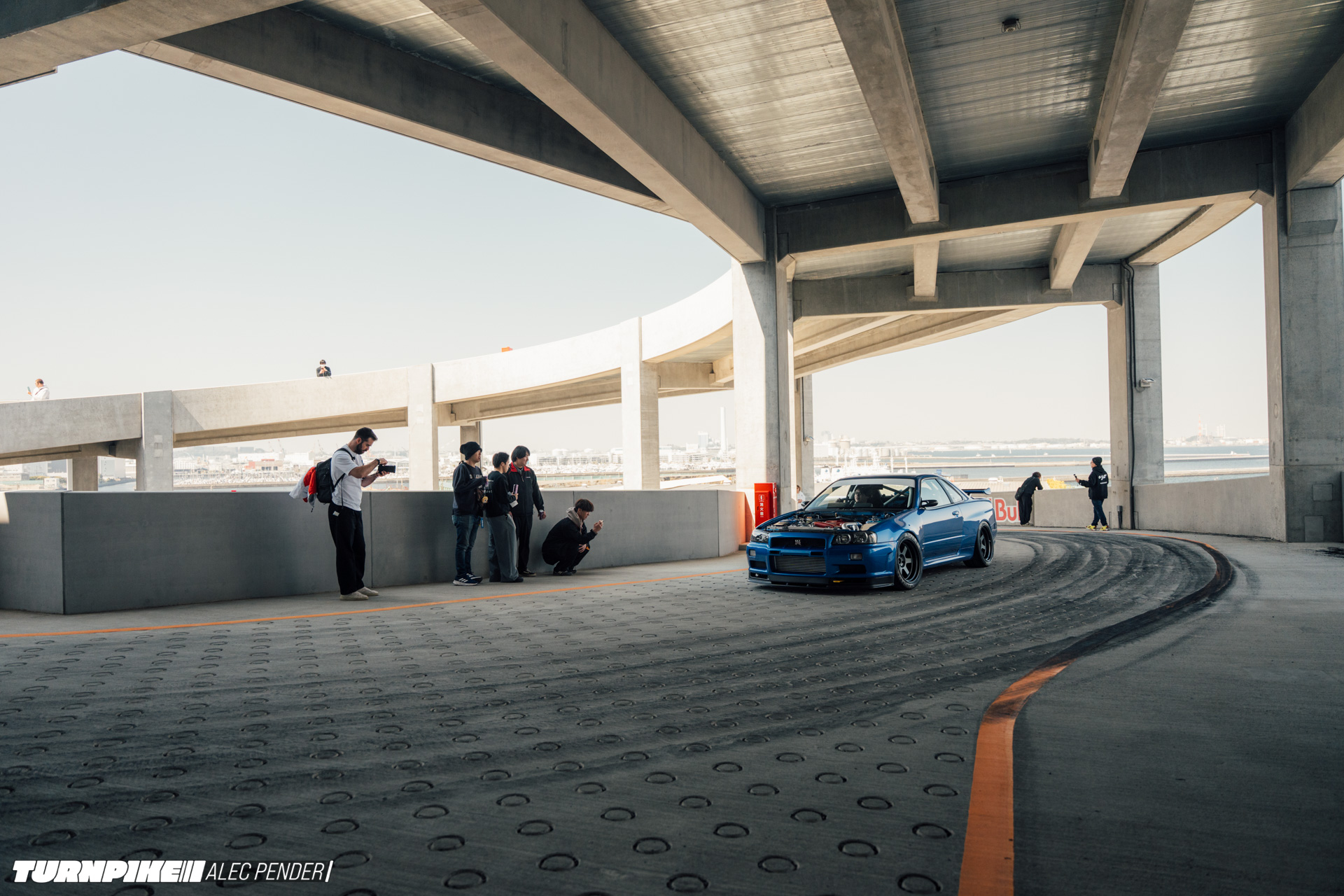
The first floor of the sprawling industrial building had been converted into a fully functional drift course. From SR20-powered kei cars to Kazama-built D1 machines, there was a touch of everything making its way around the concrete pylons. With a polished concrete surface, grip was almost non-existent for most cars, meaning less smoke, less tyre wear, but all the wheel speed.
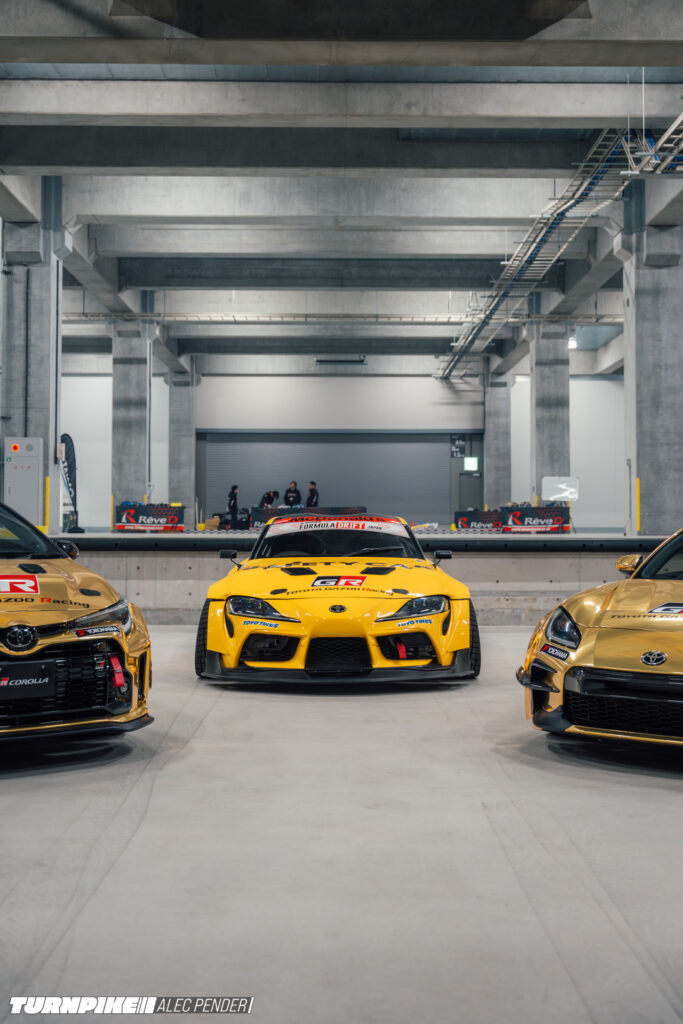
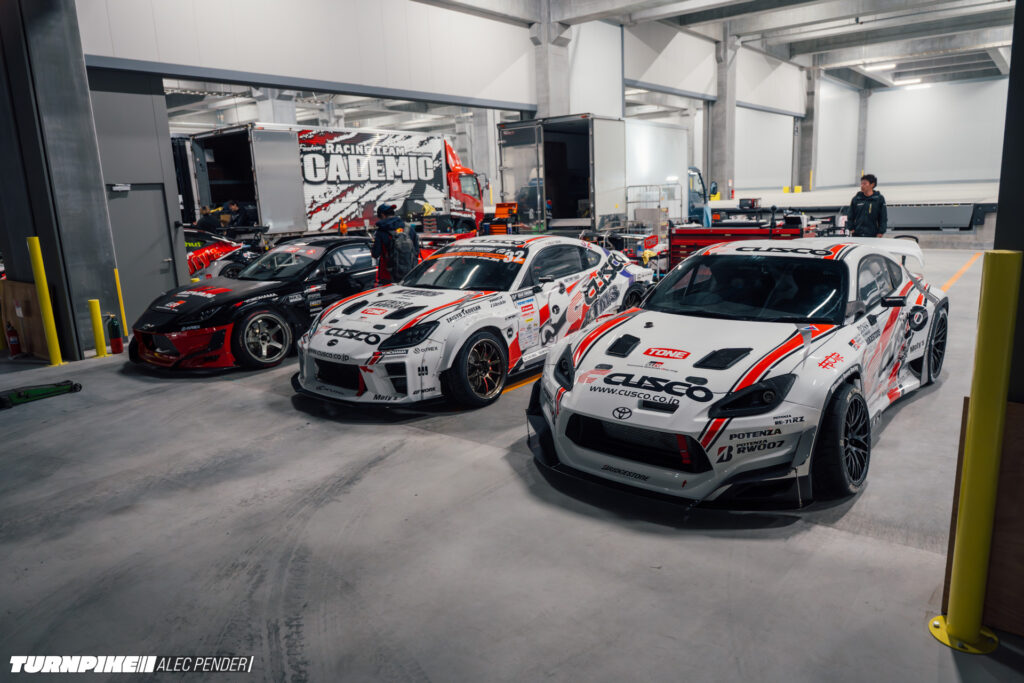
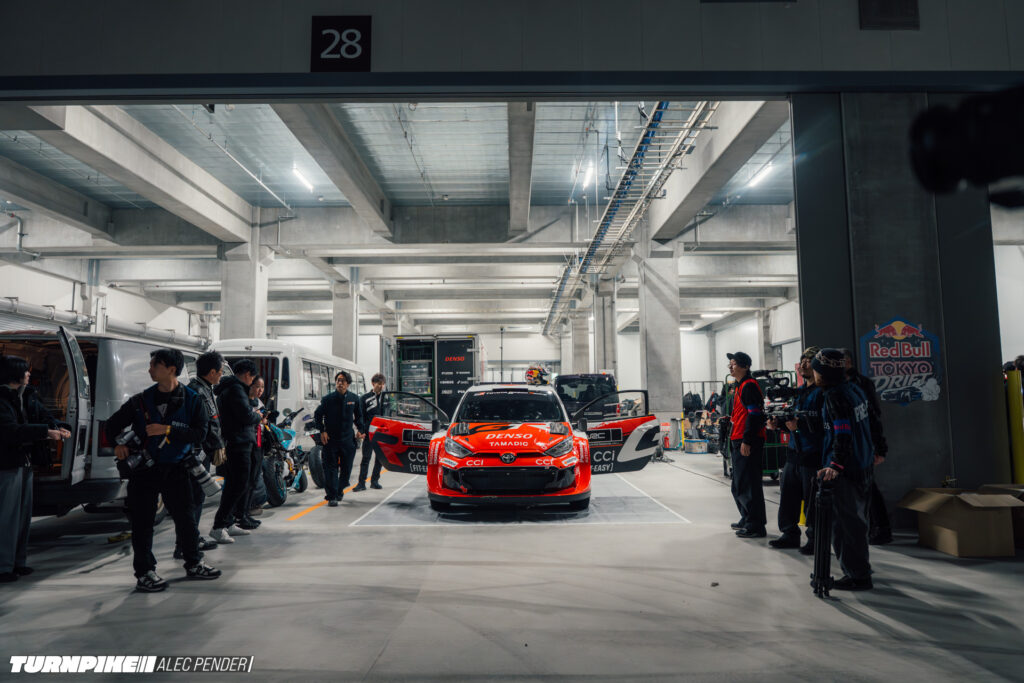
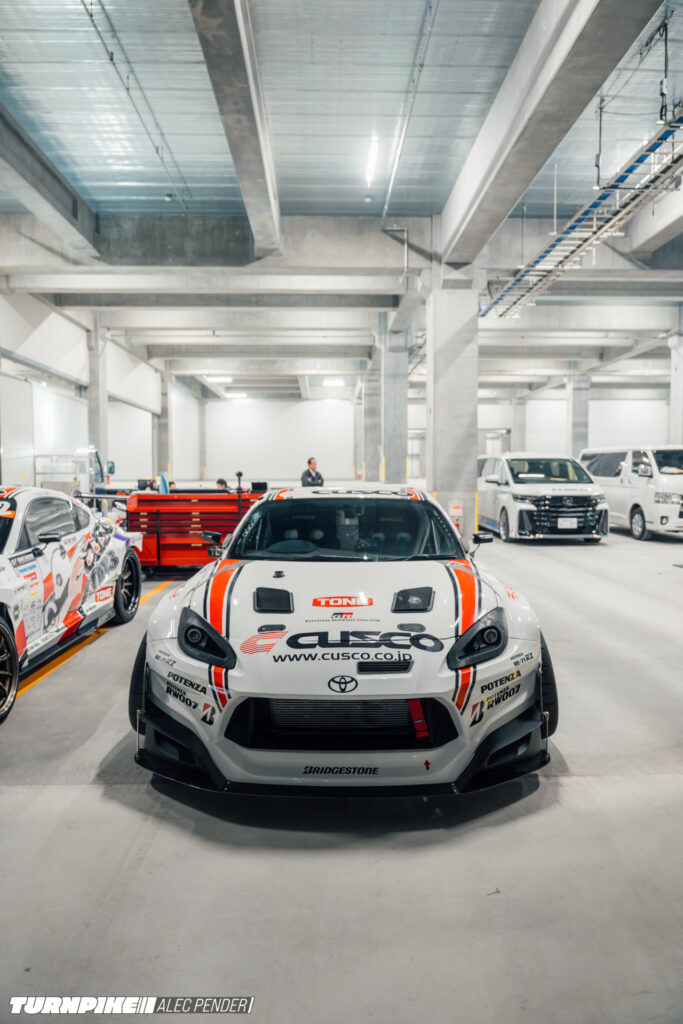
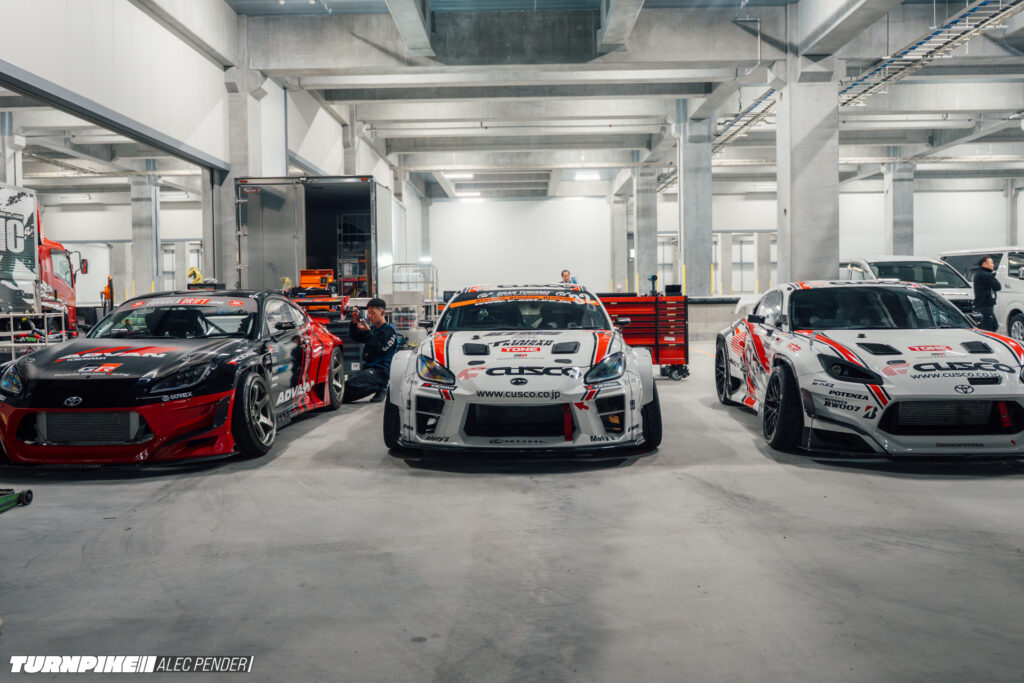
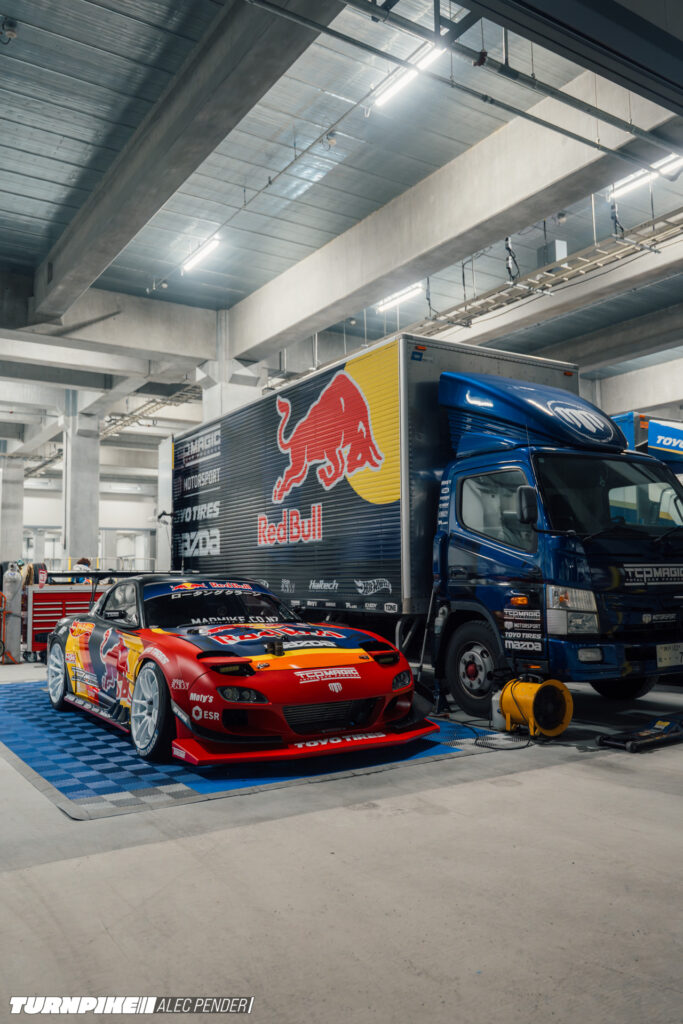
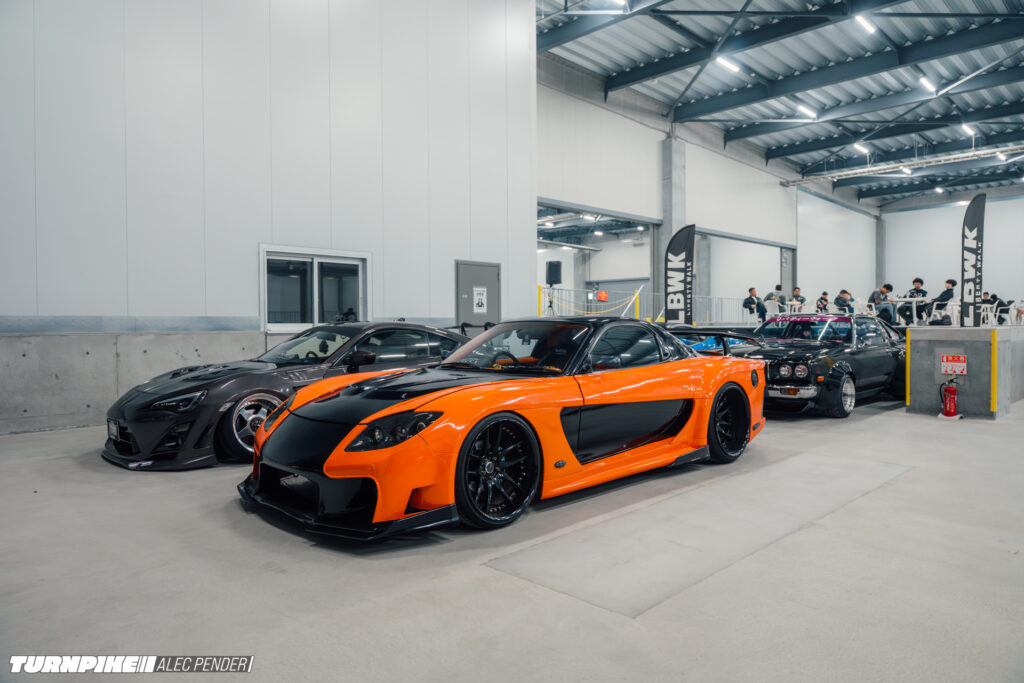
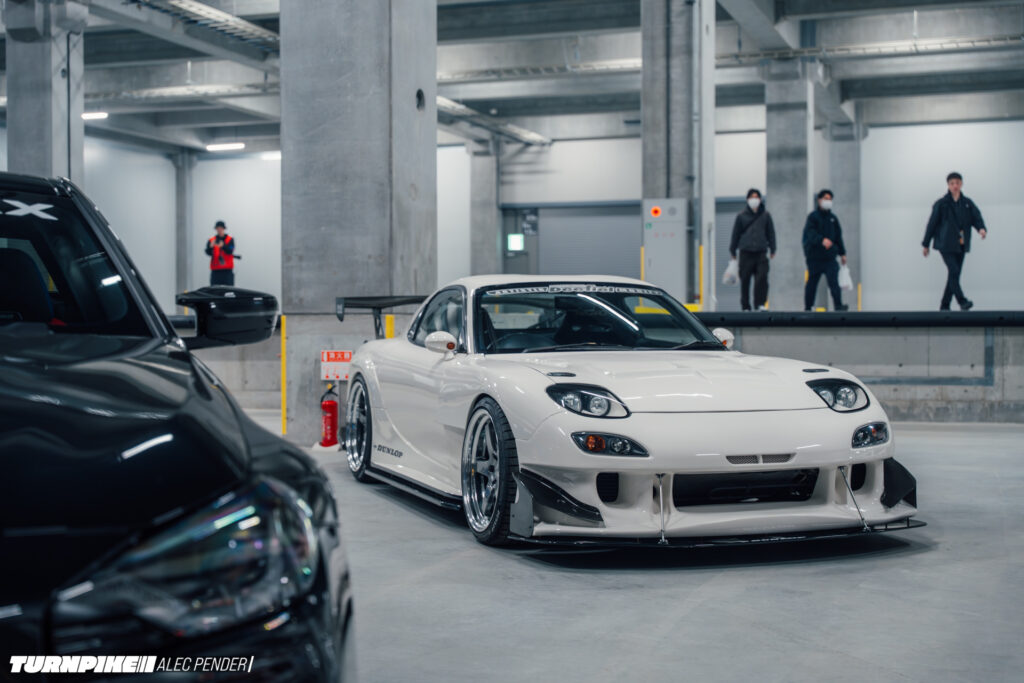
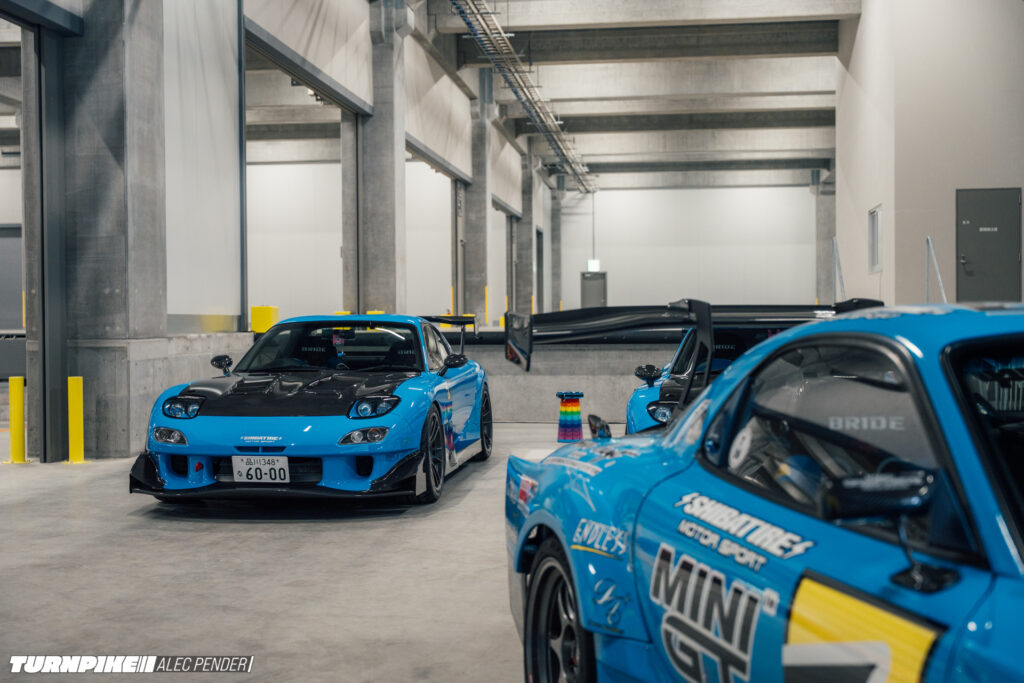
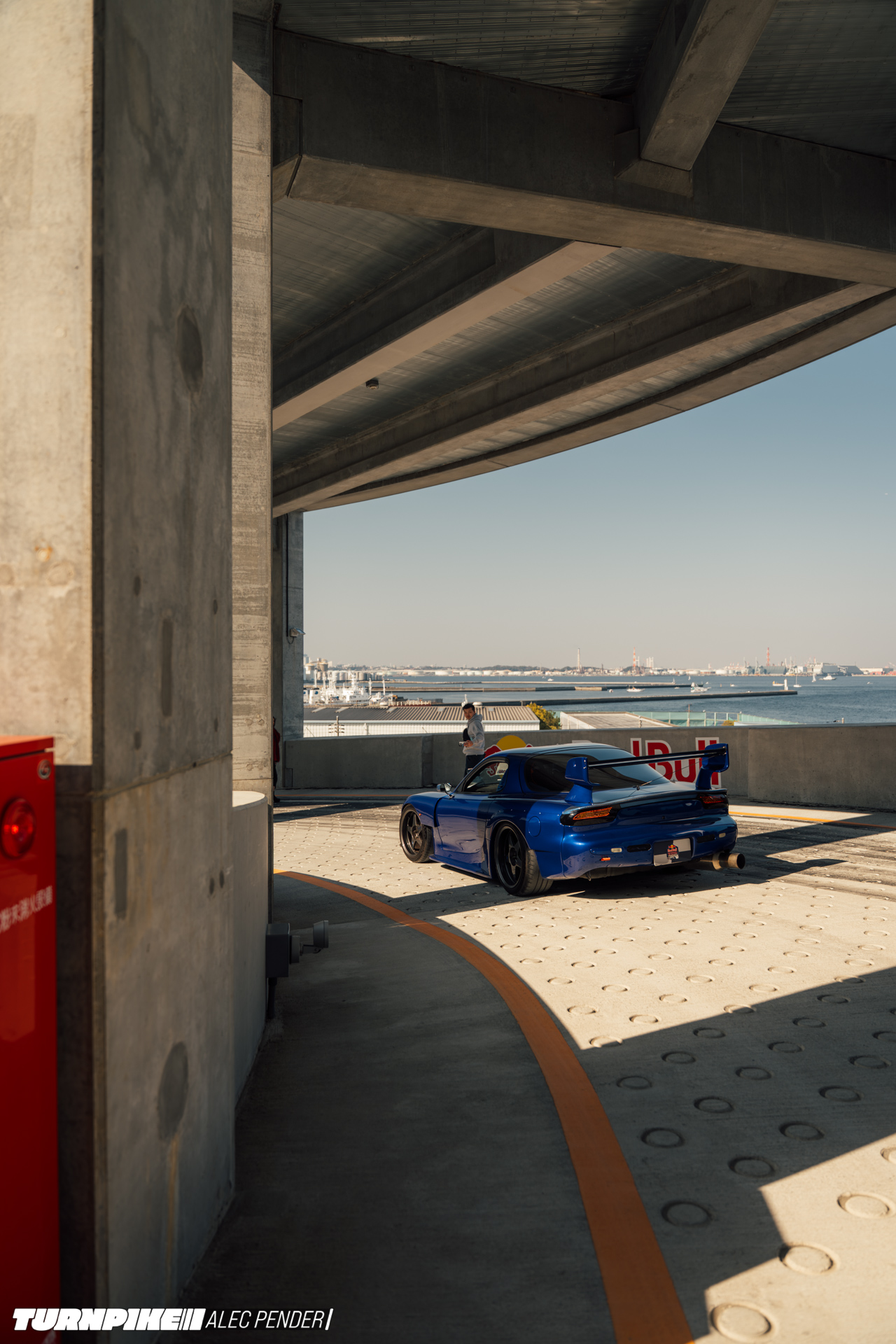
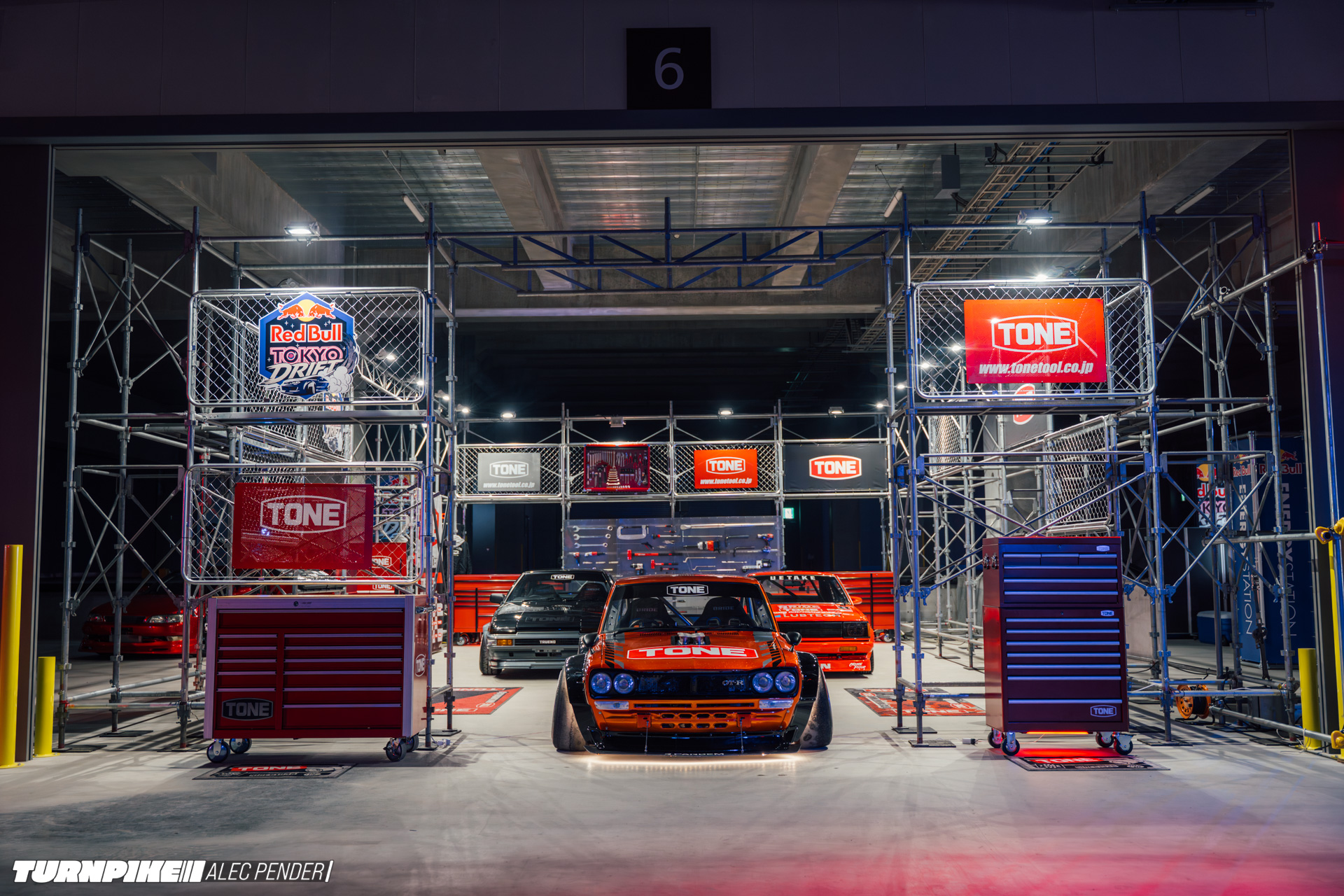
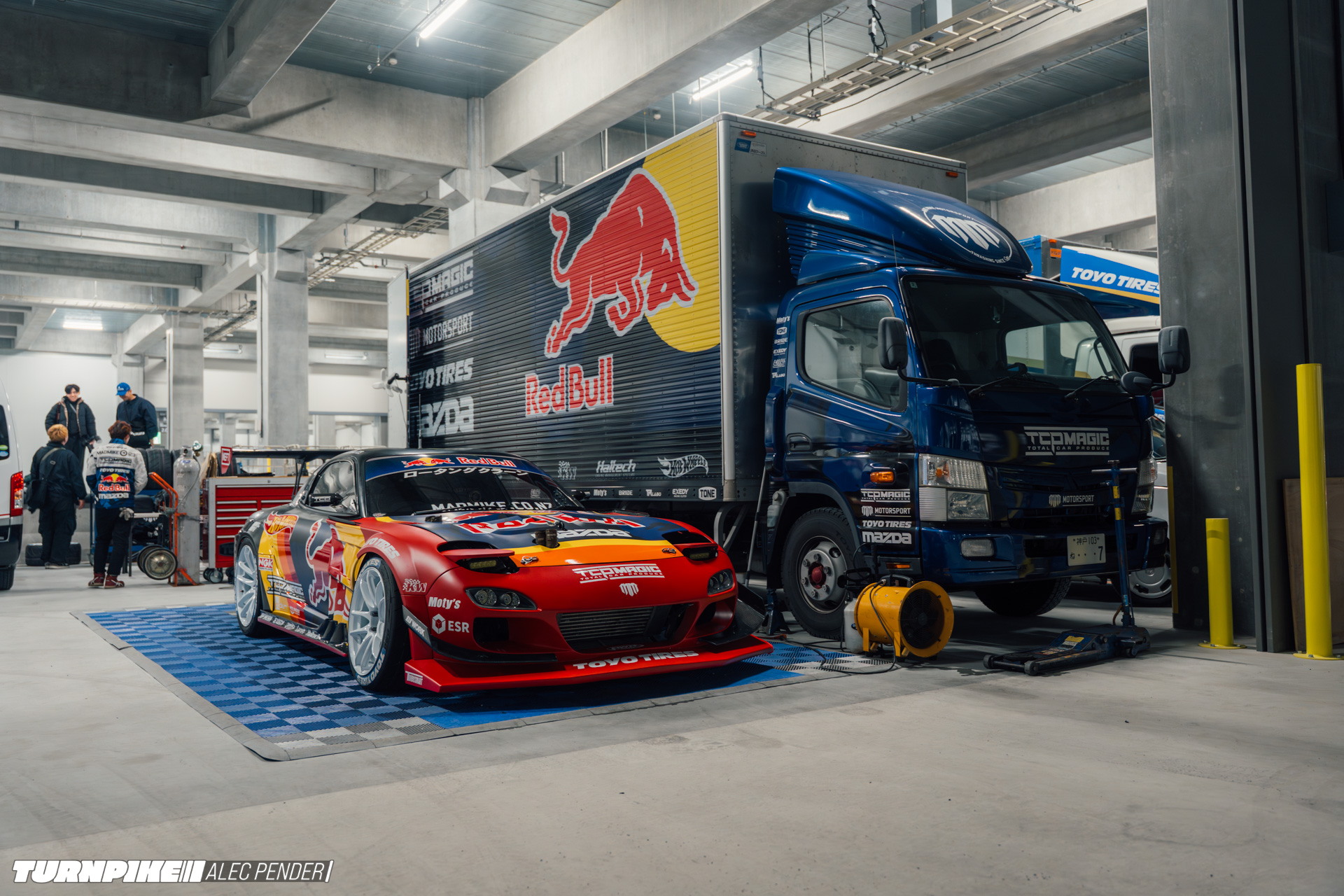
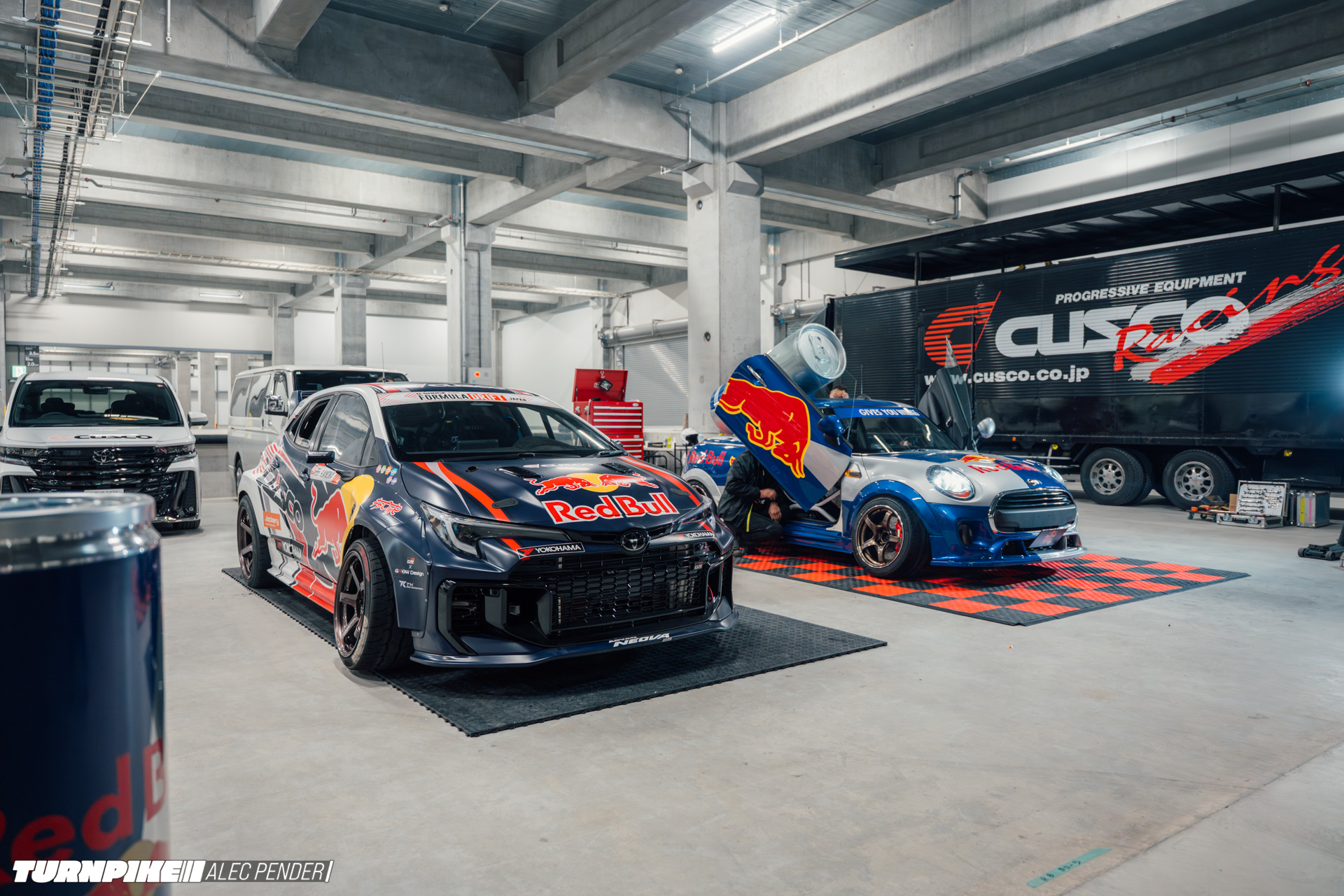
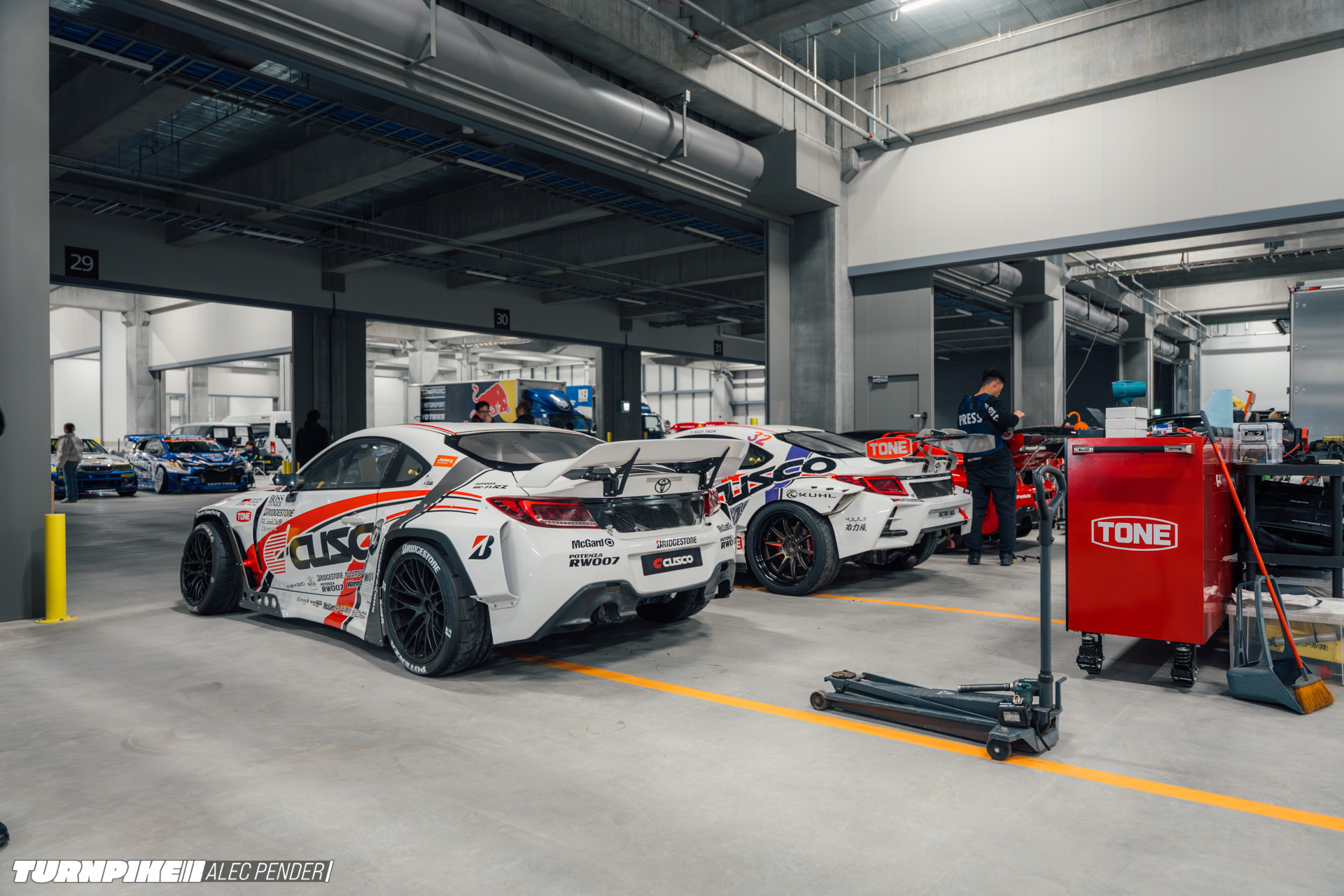
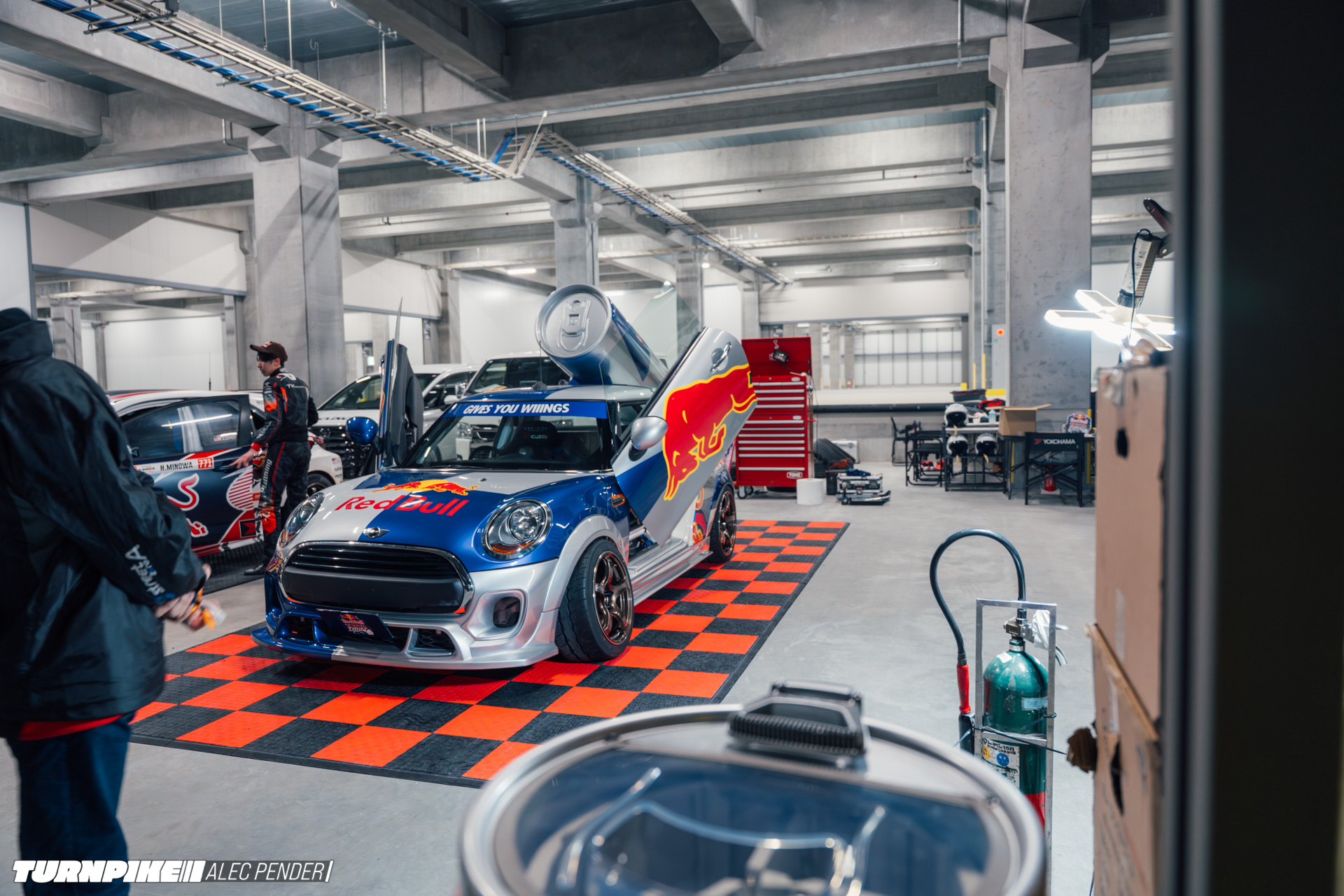
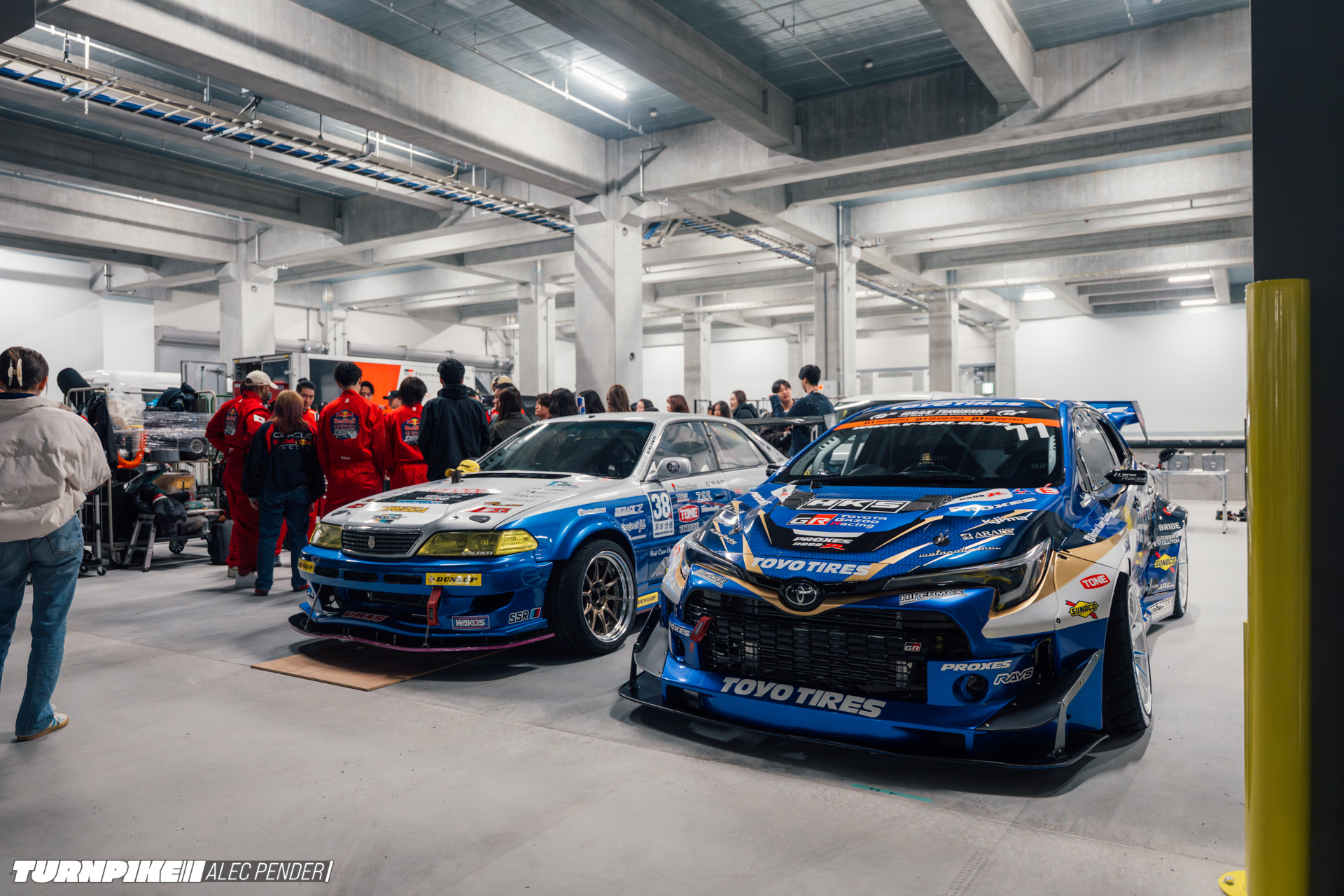
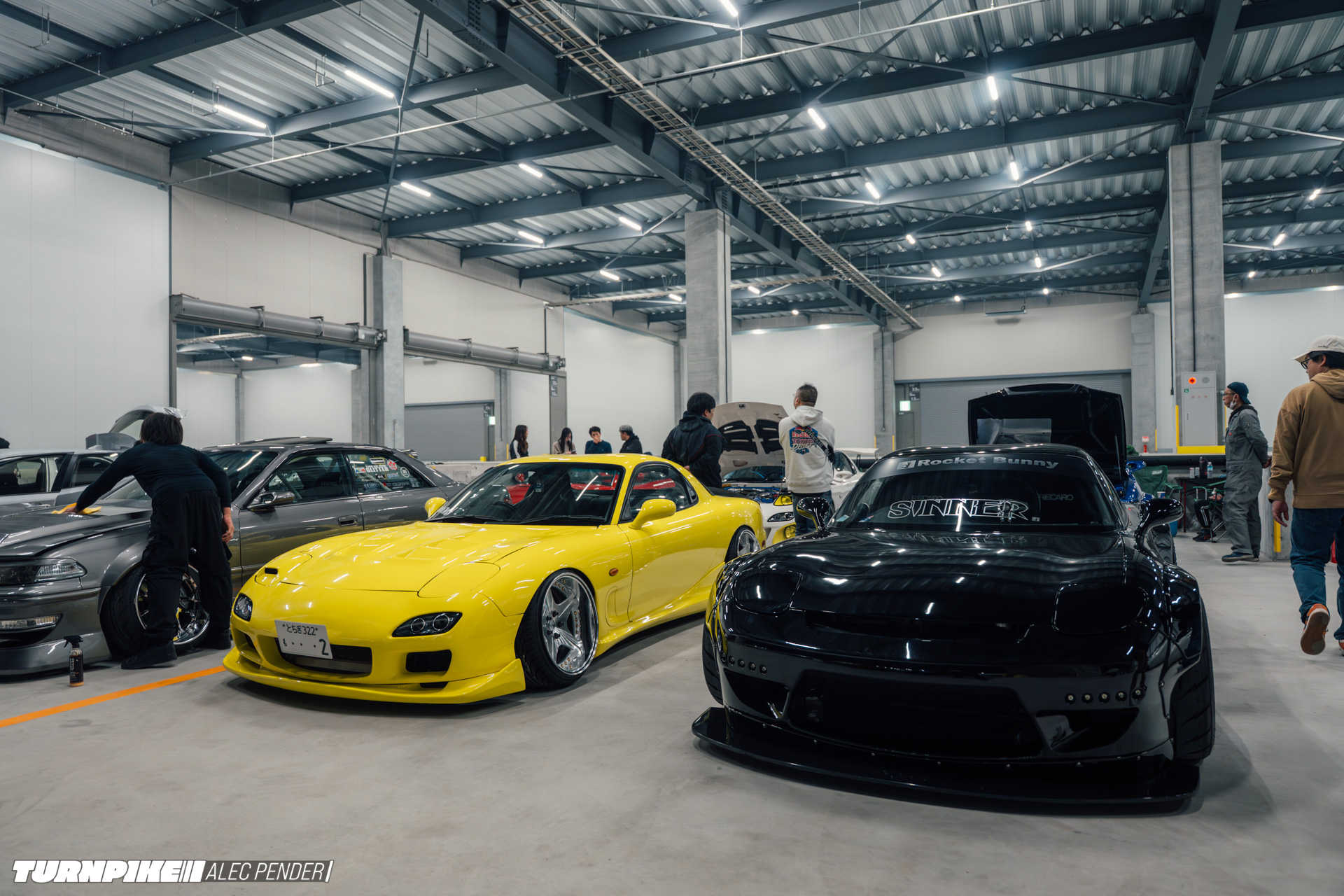
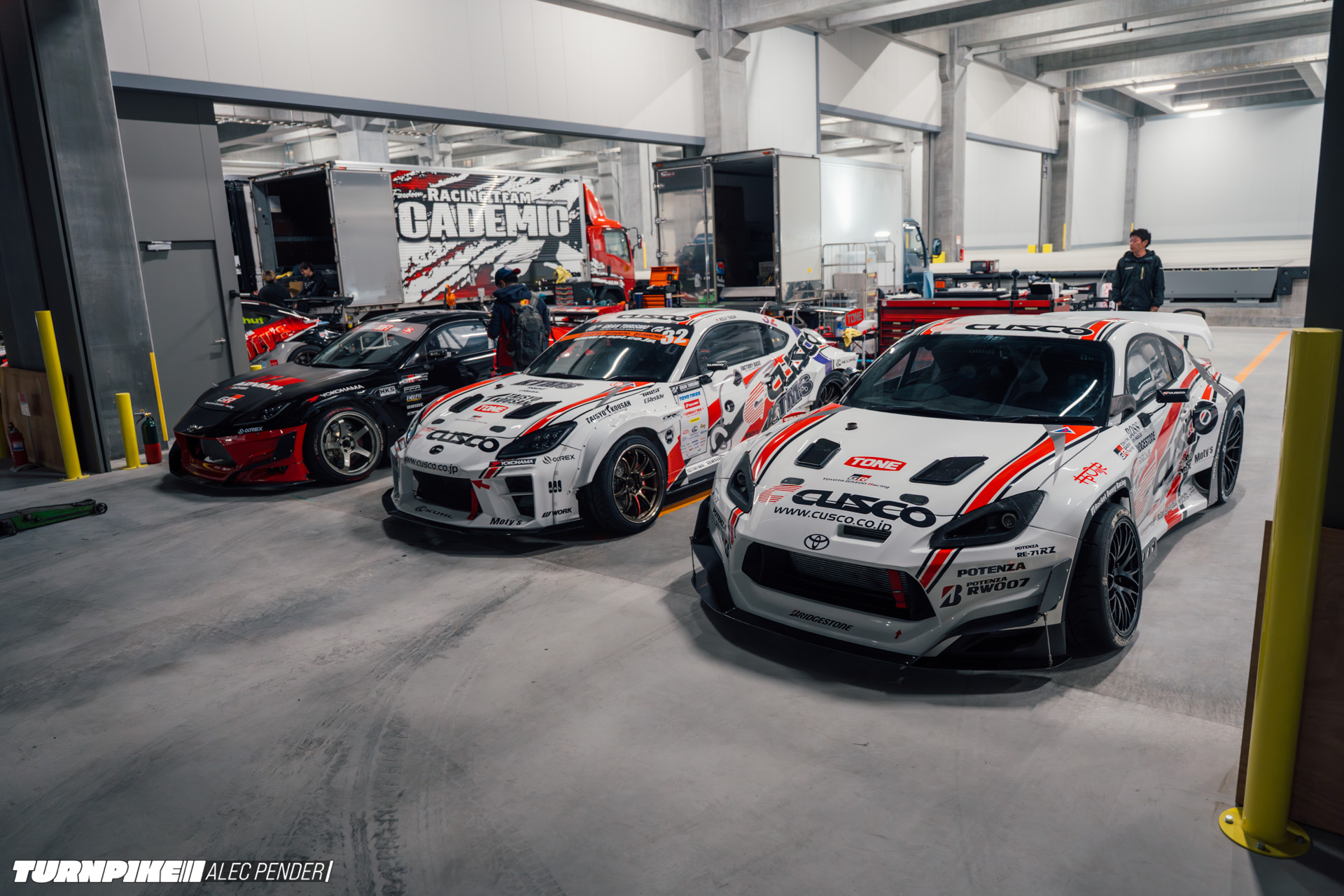
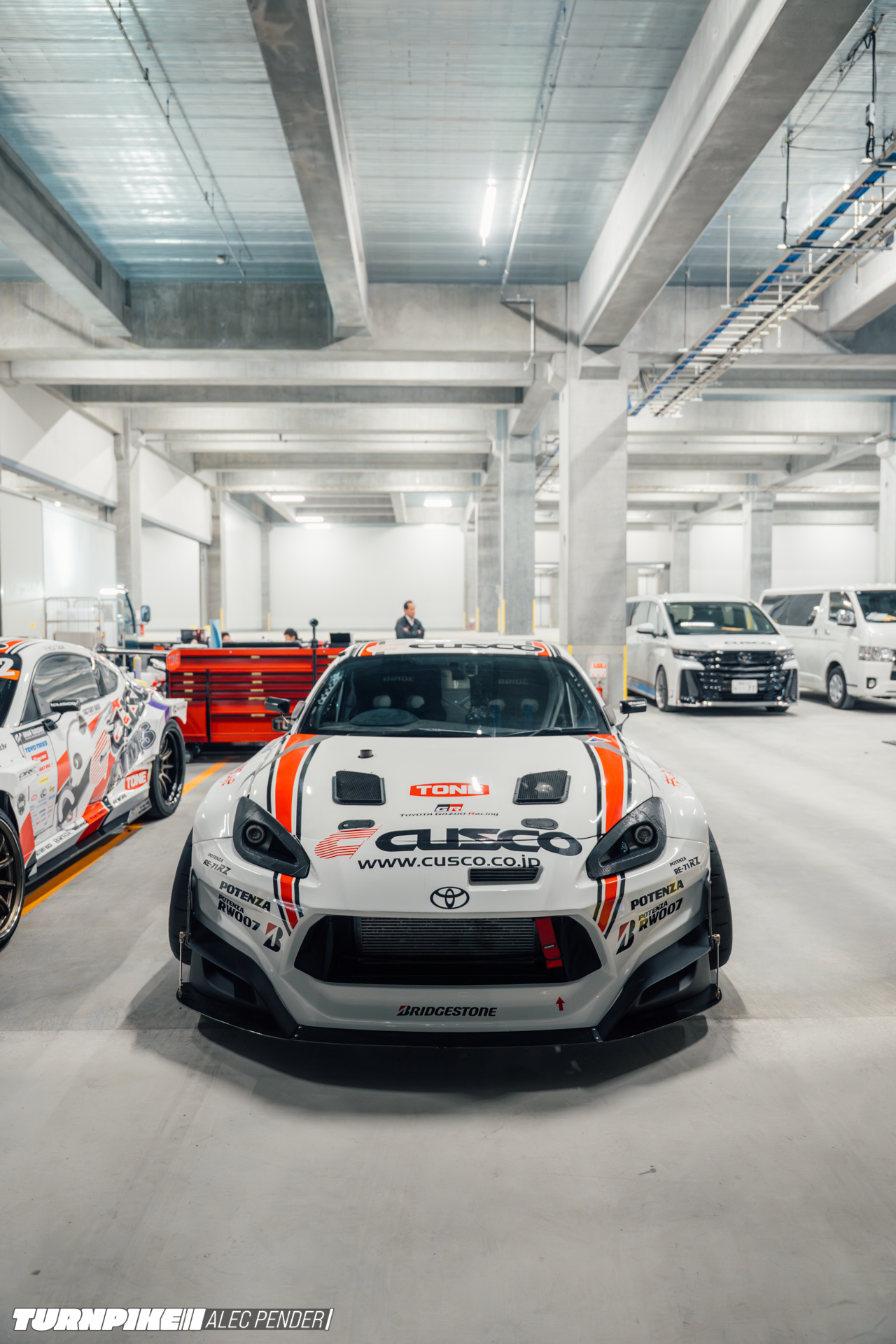
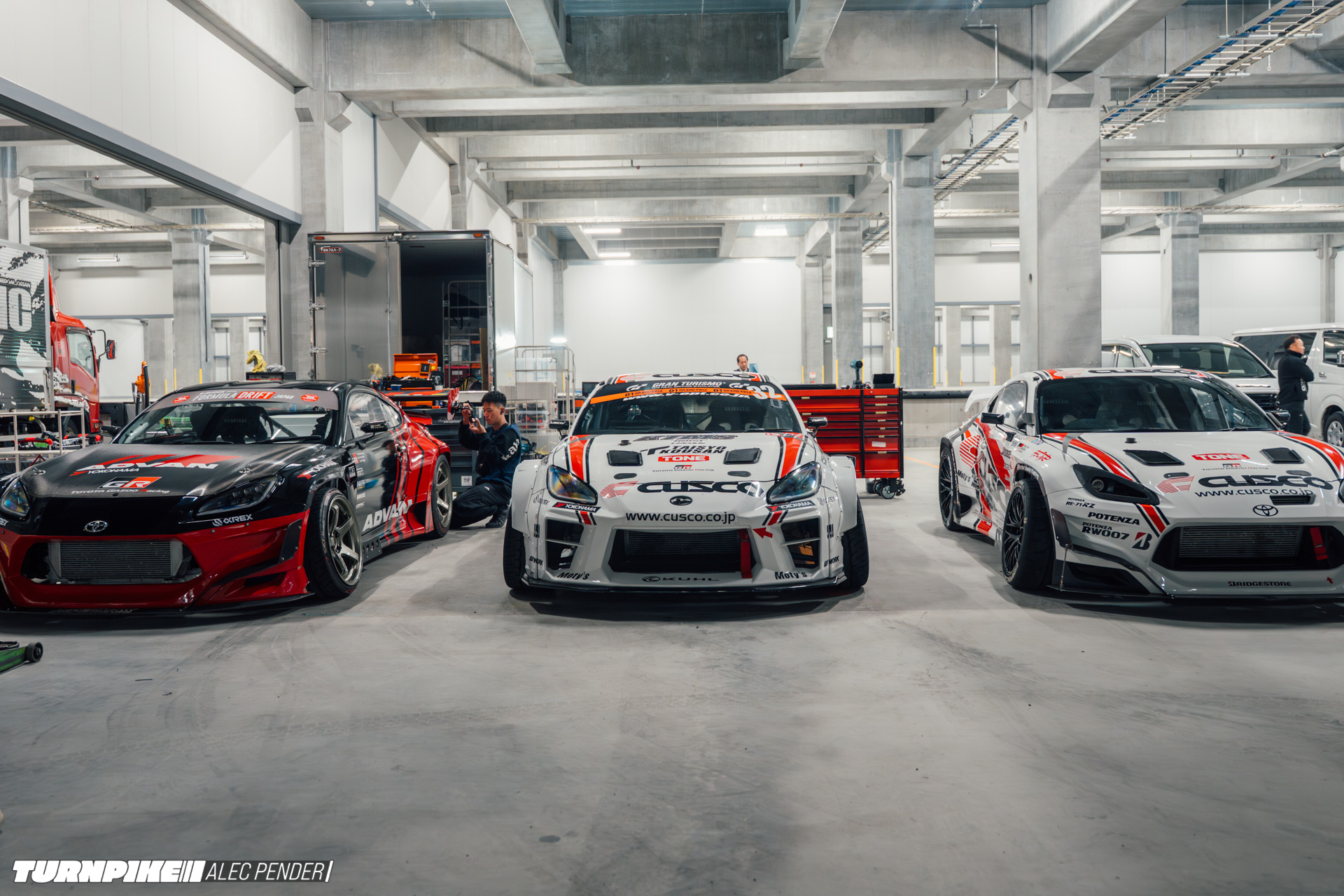
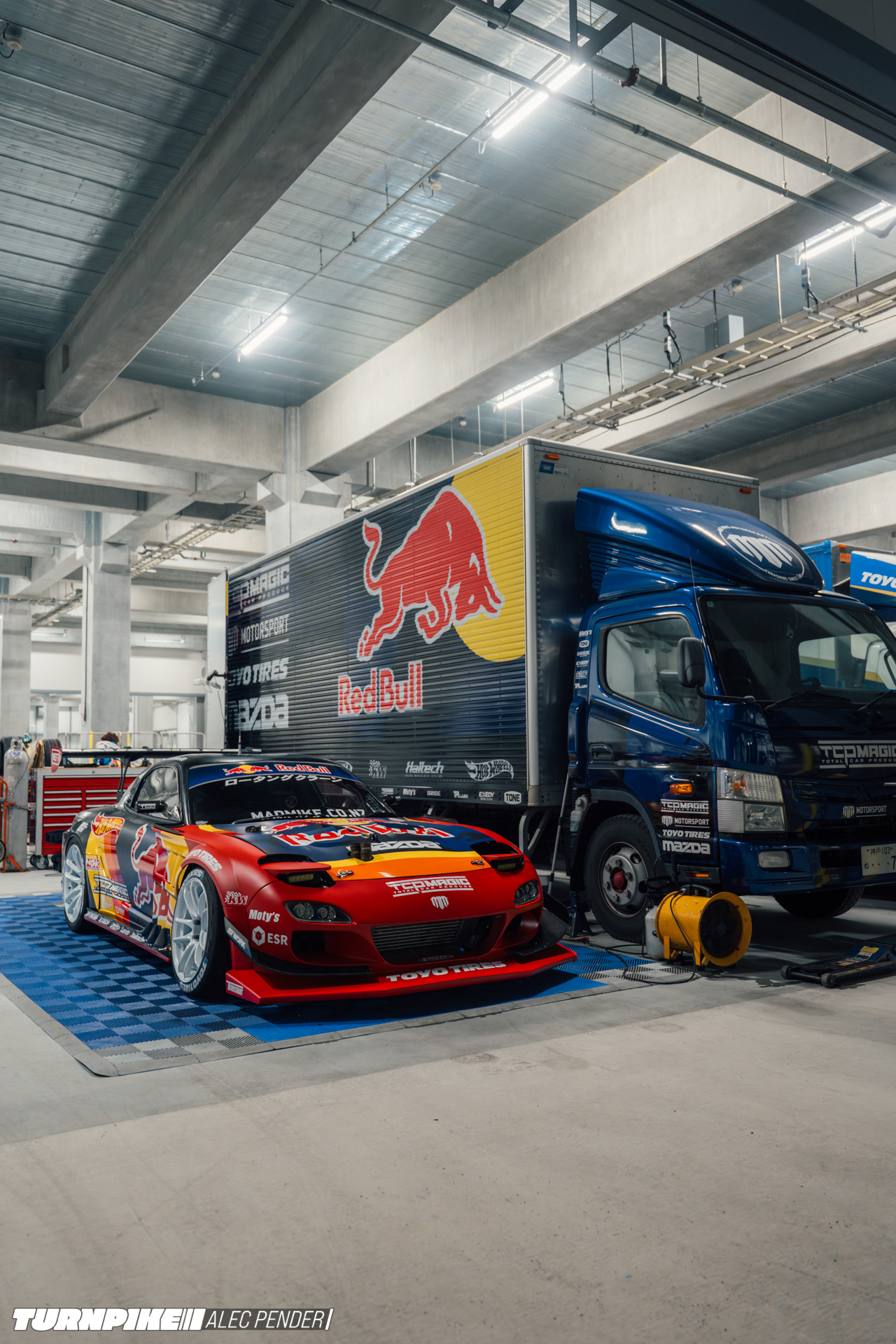
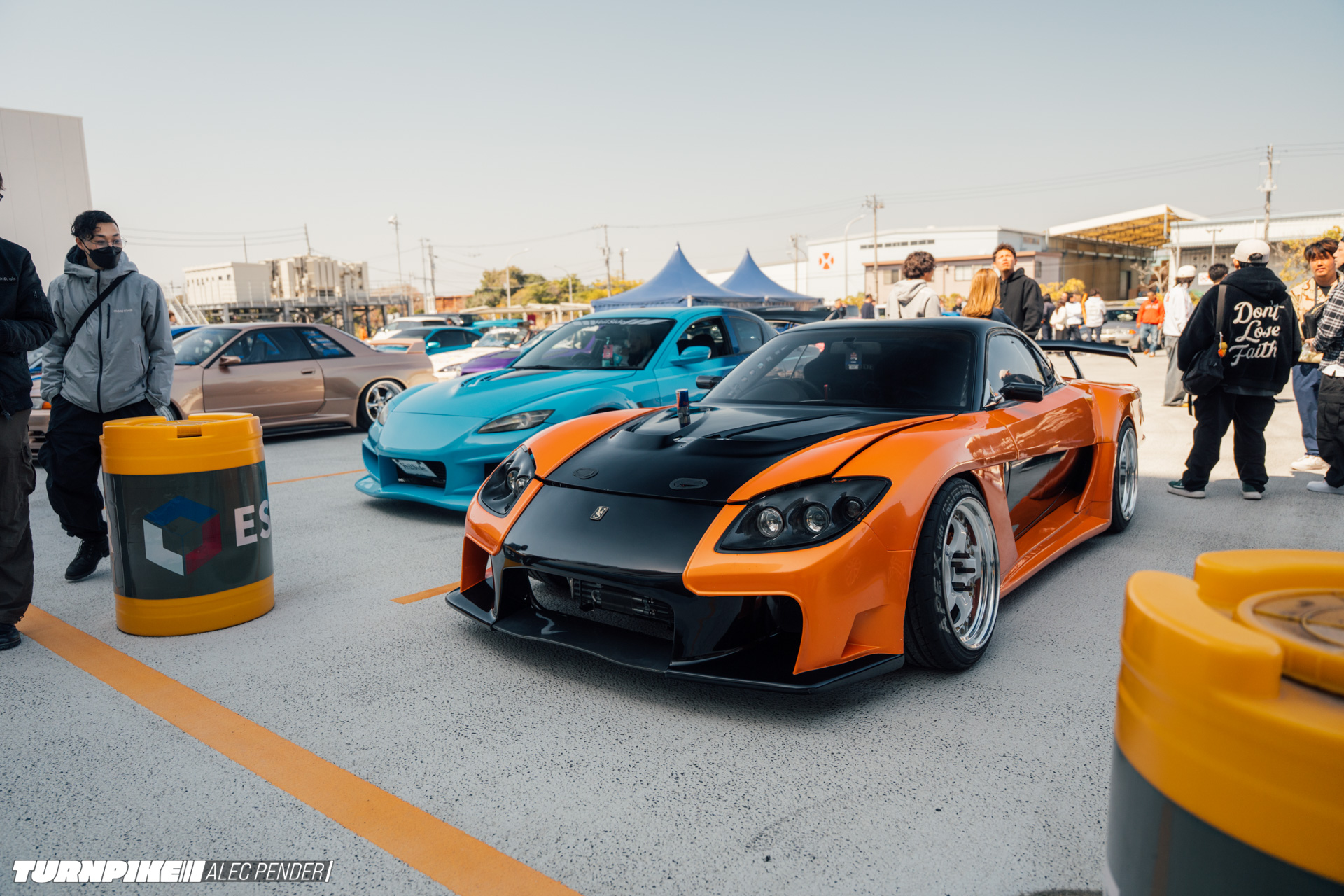
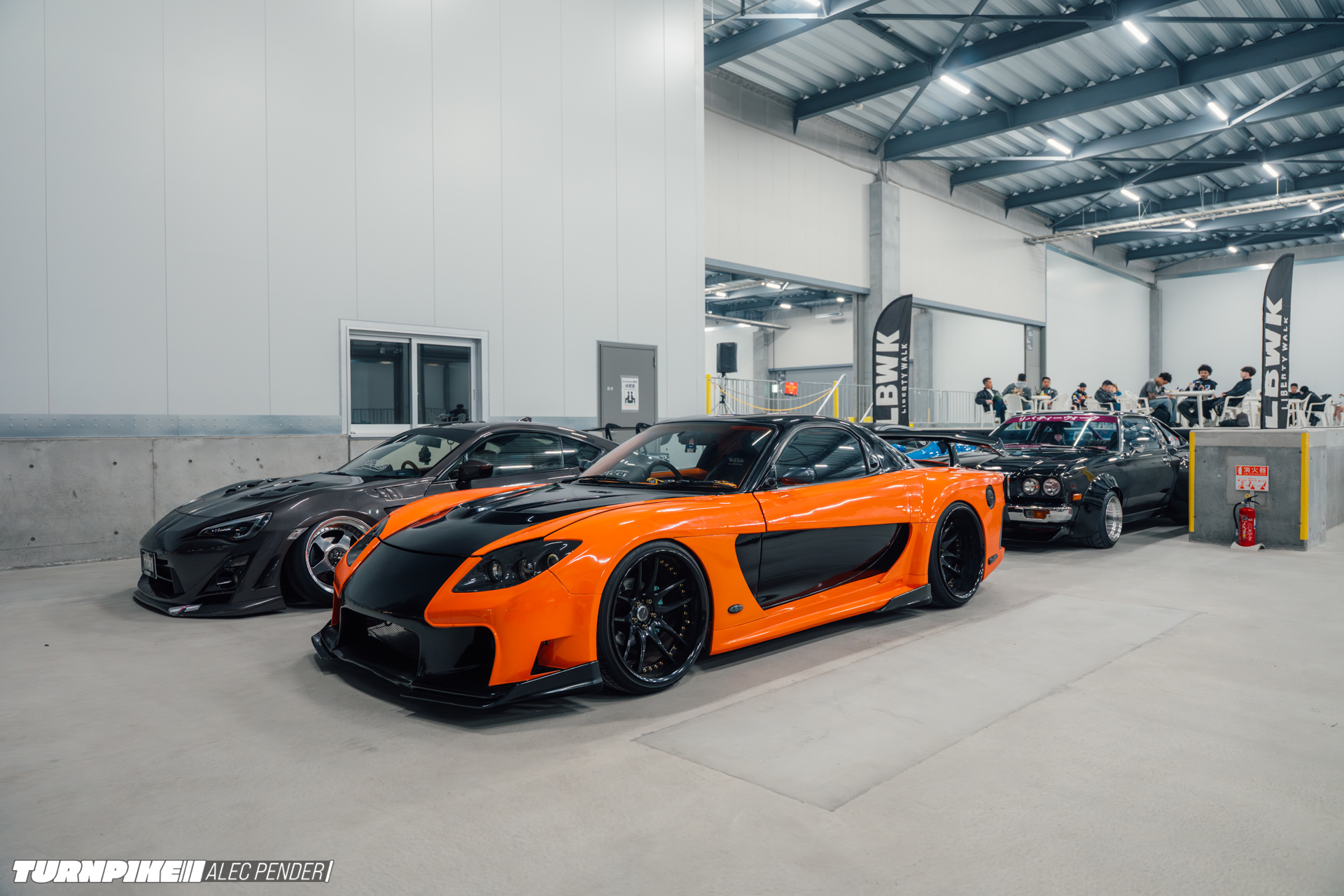
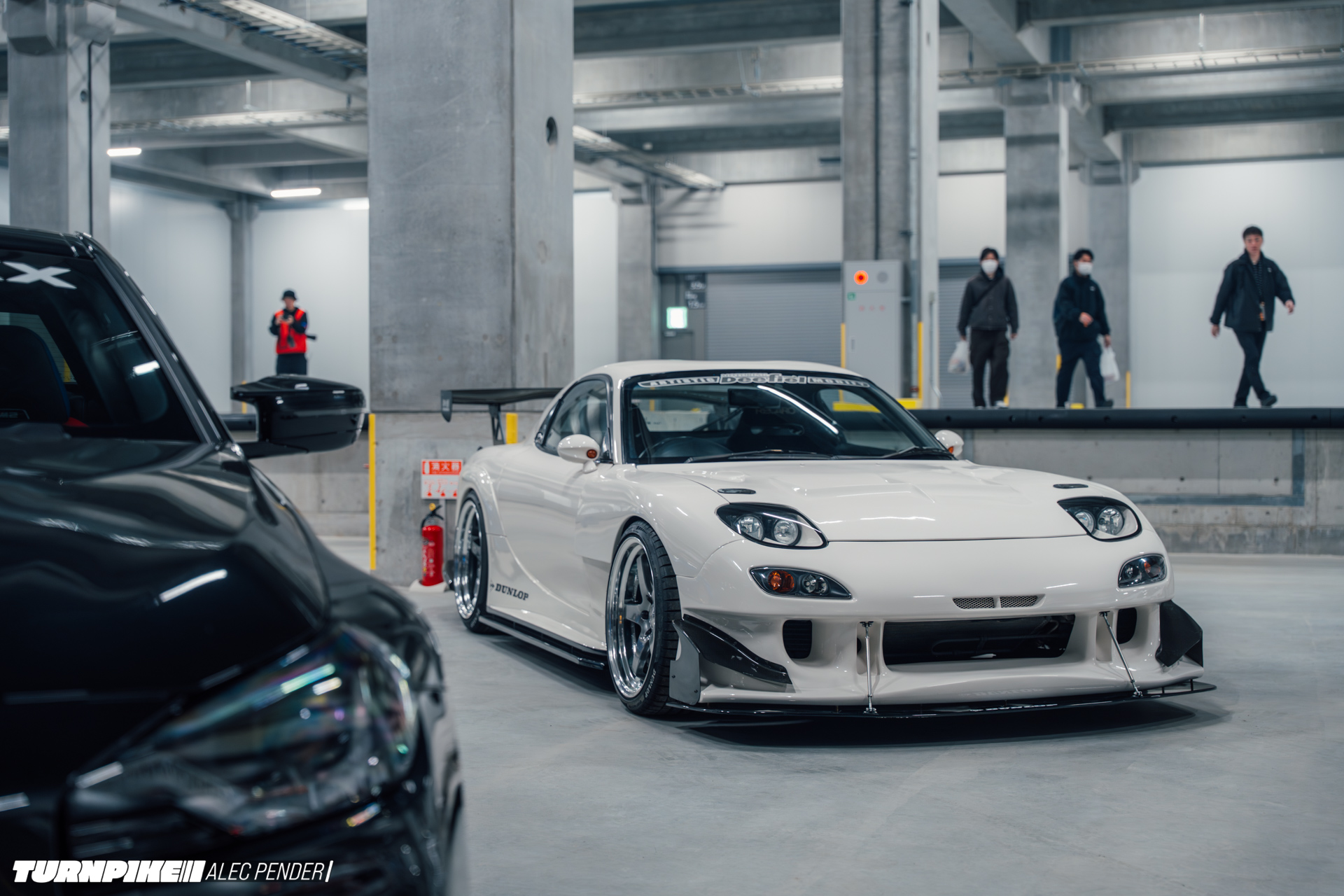
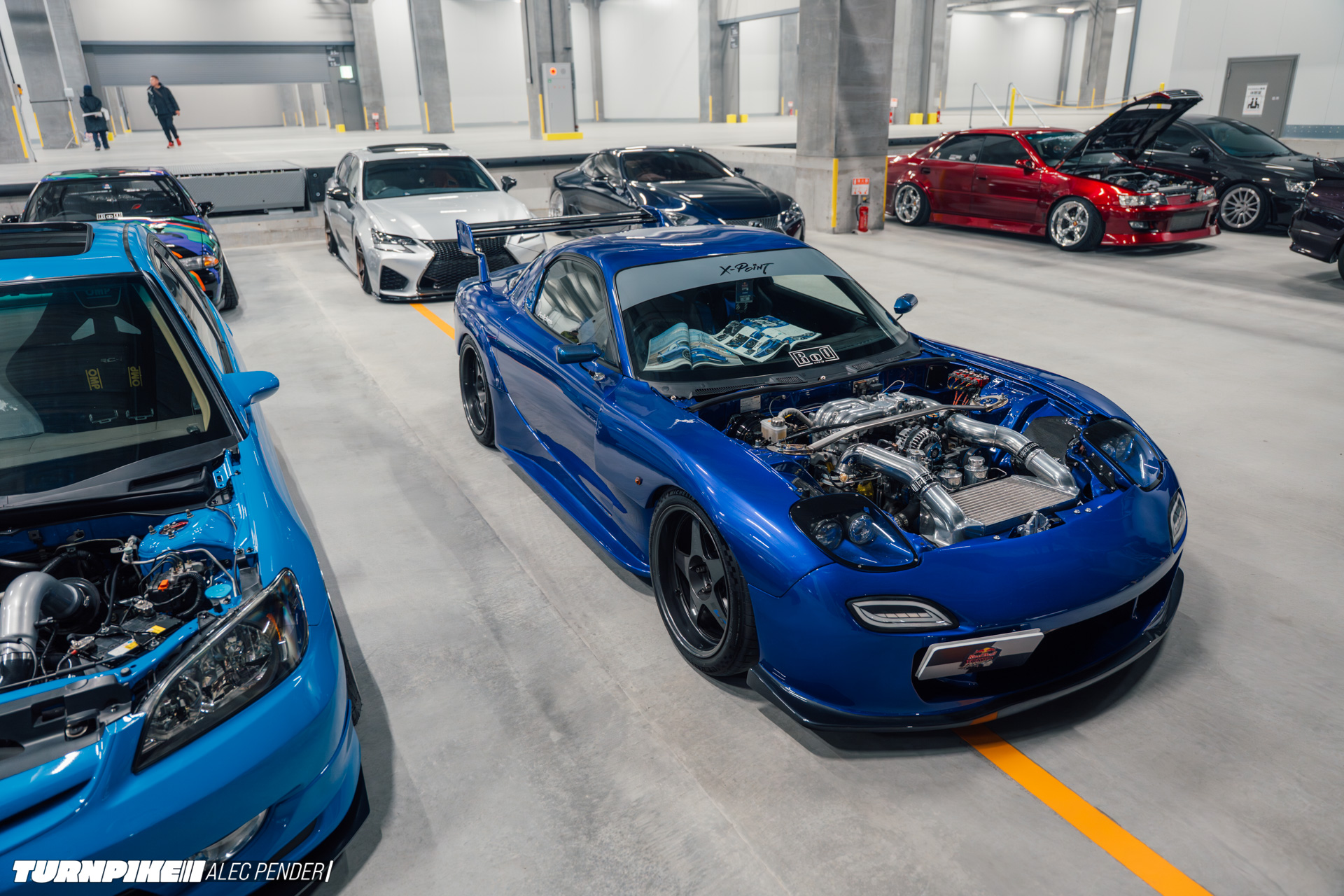
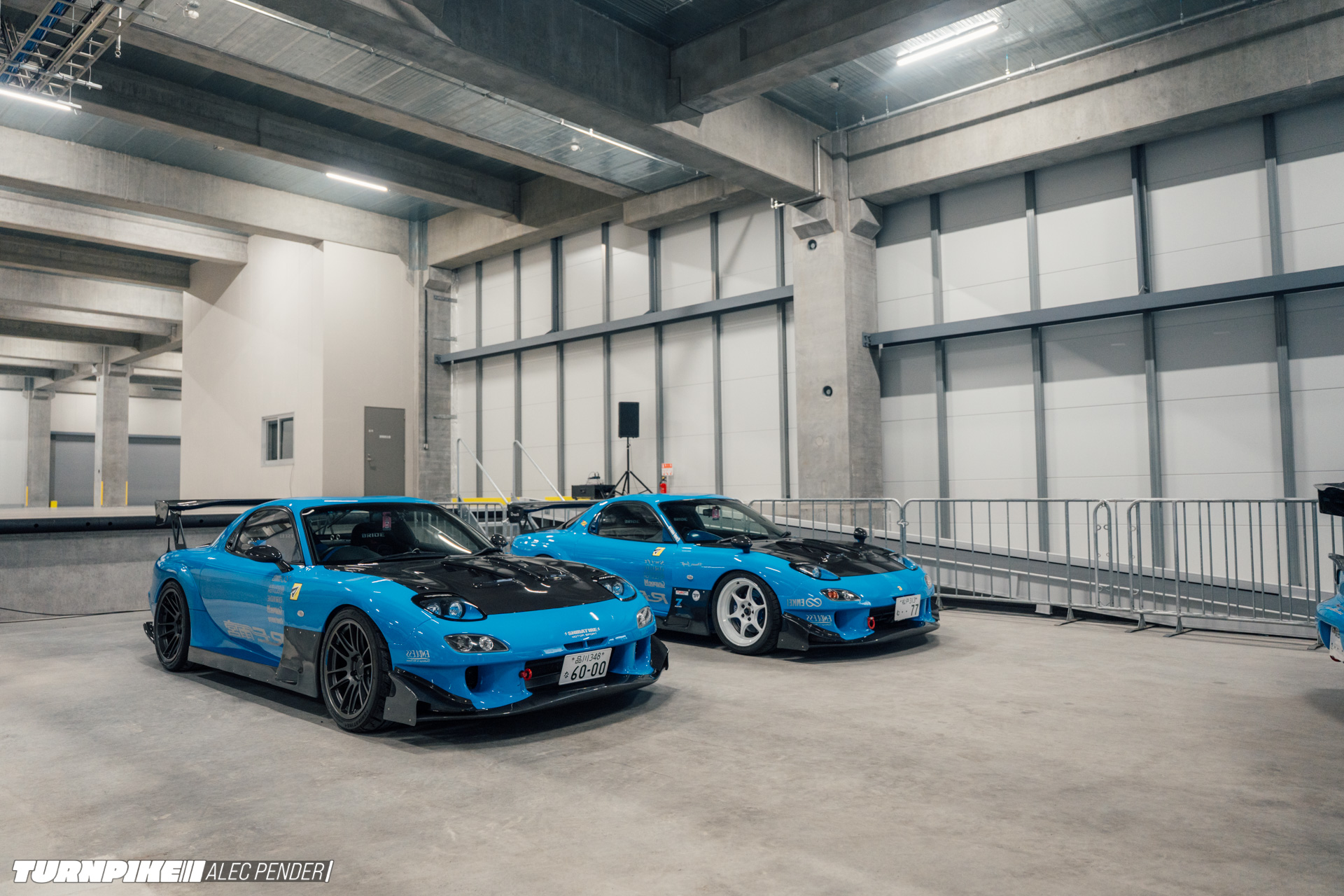
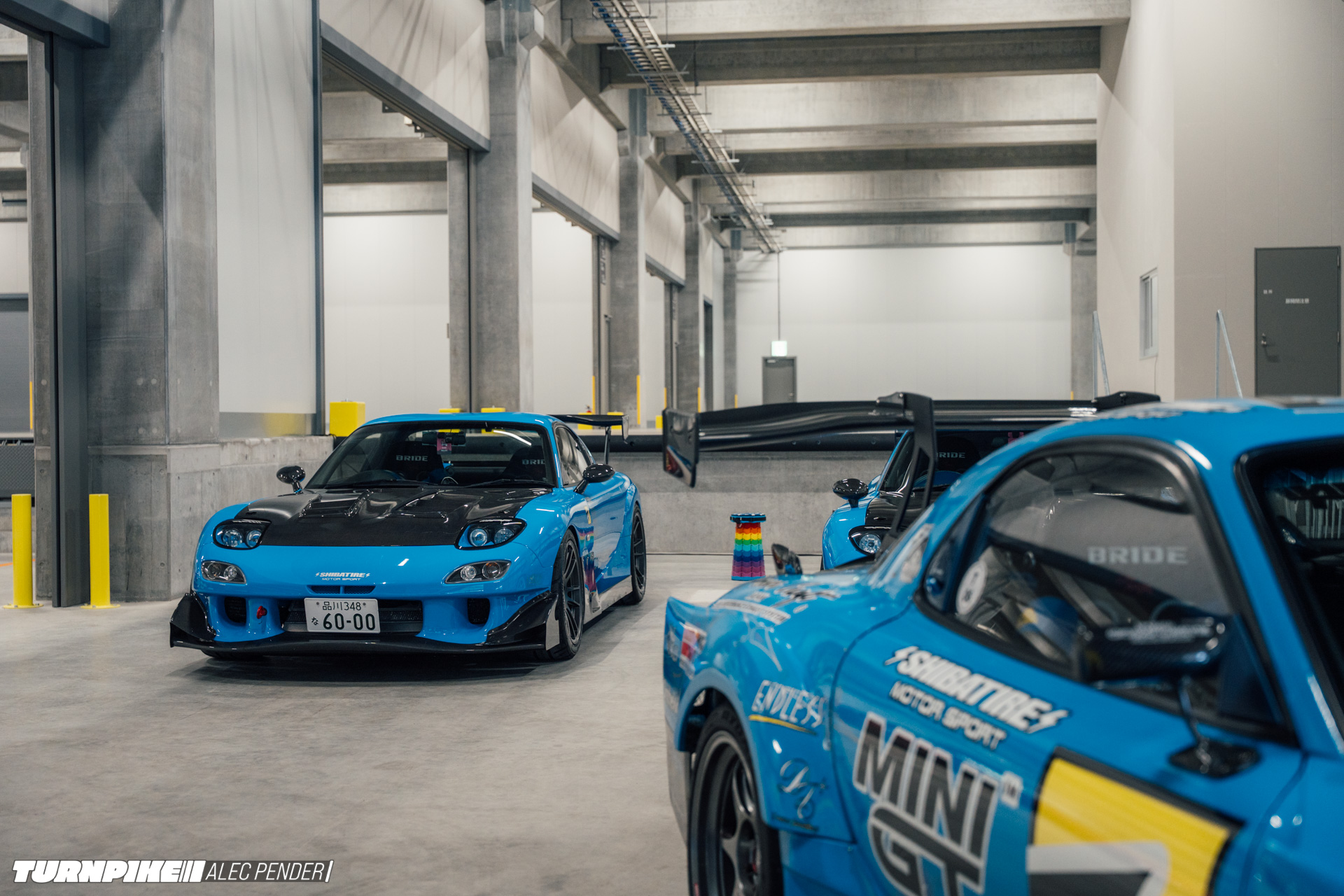
With the event headed up by ‘Mad Mike’ Whiddett, HUMBUL, his TCP-Magic-built, 1,200hp 4-rotor FD3S Mazda RX-7 was freshly liveried and prepared for the demo runs. N-Style, Naoki Nakamura, Shibata Tire, Cusco, Toyota, and more also brought their own slice of the drifting and rally world for display.
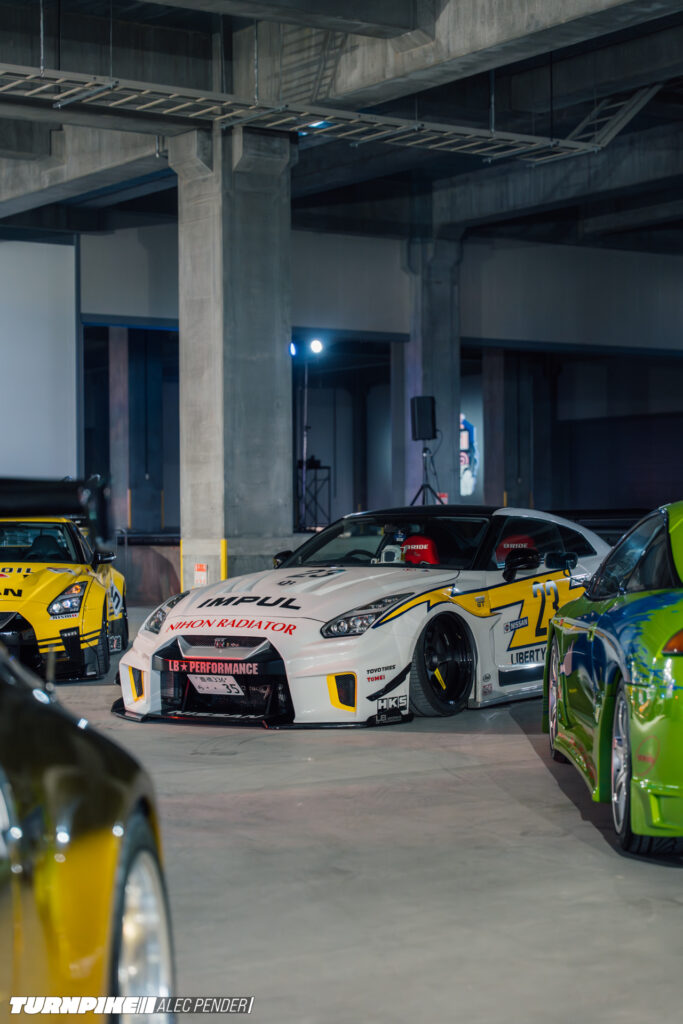
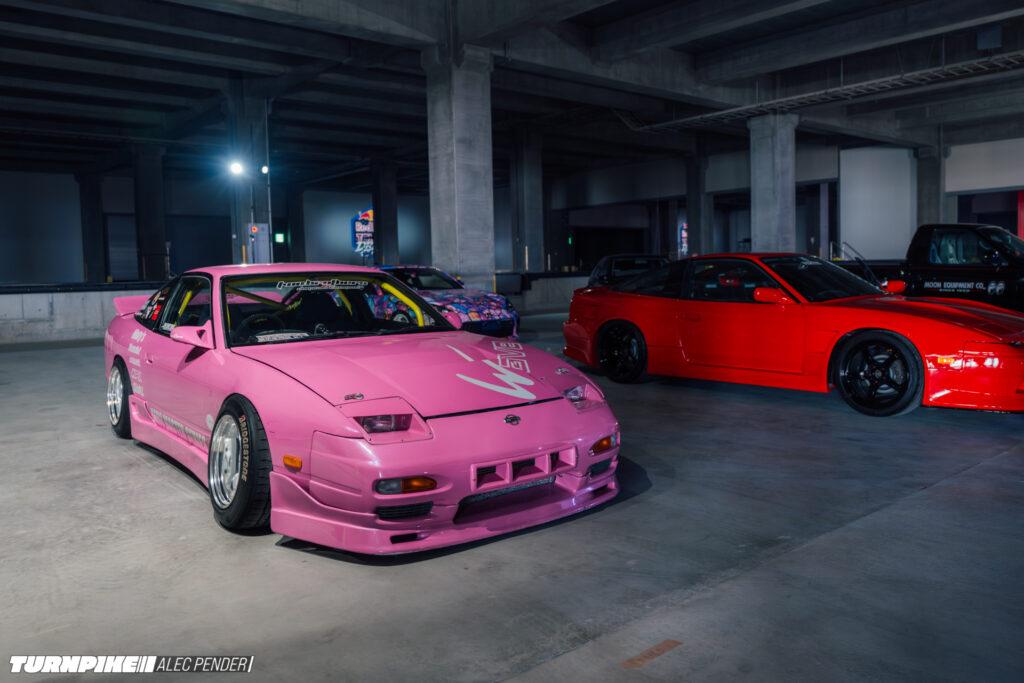
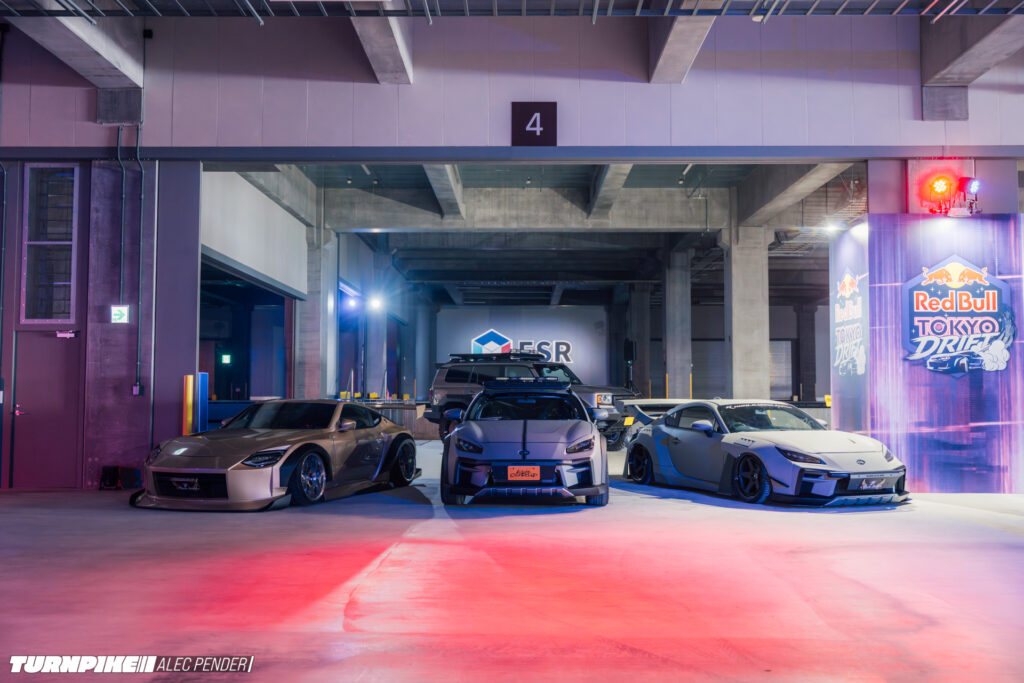
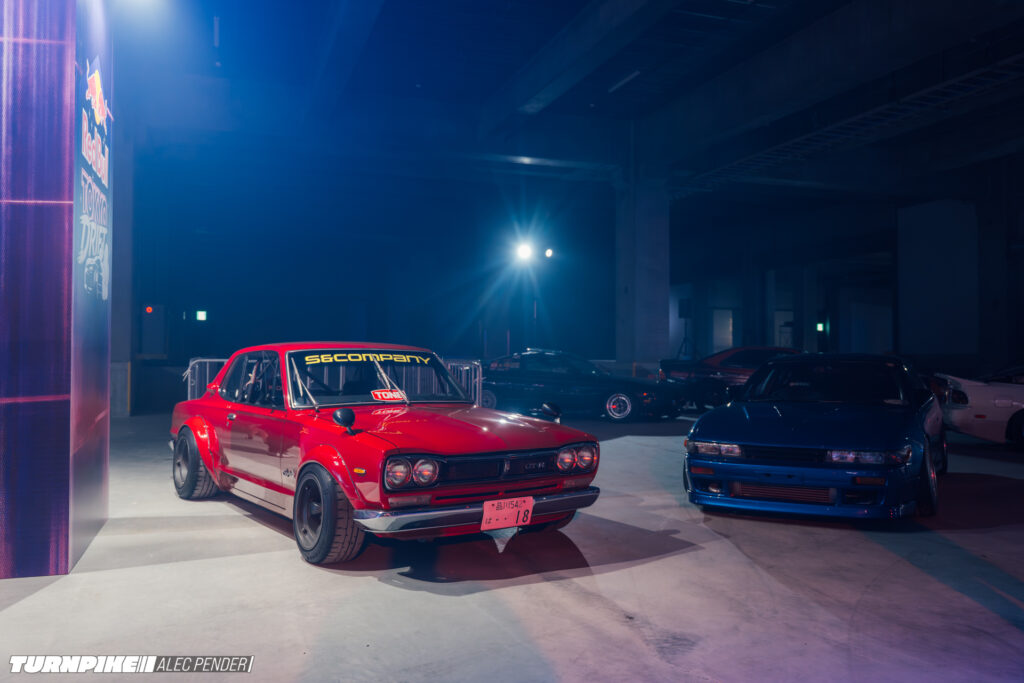
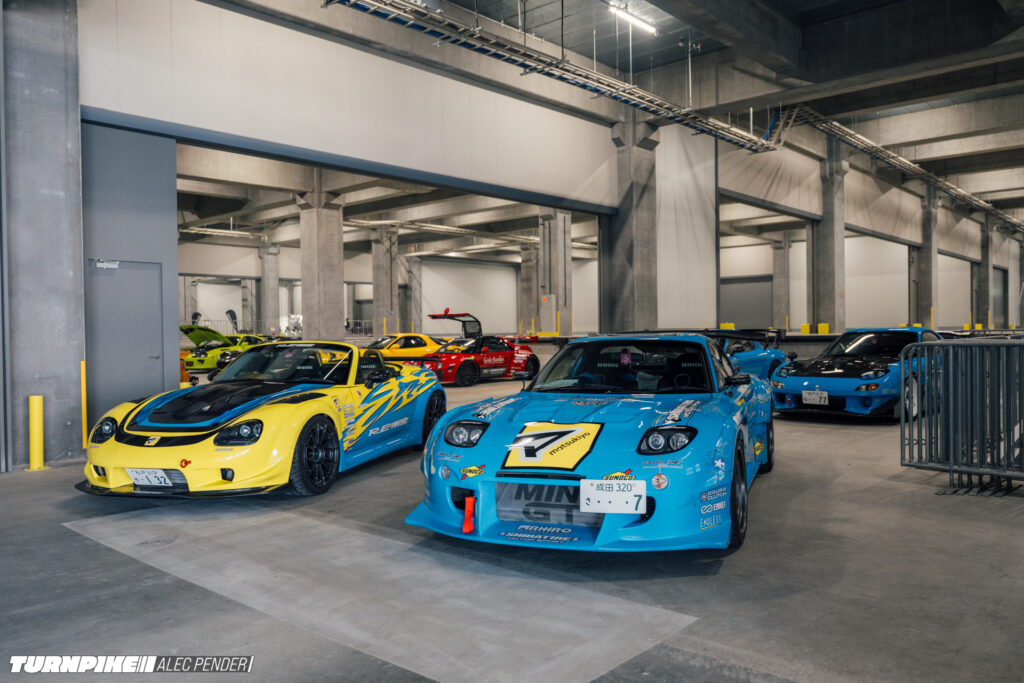
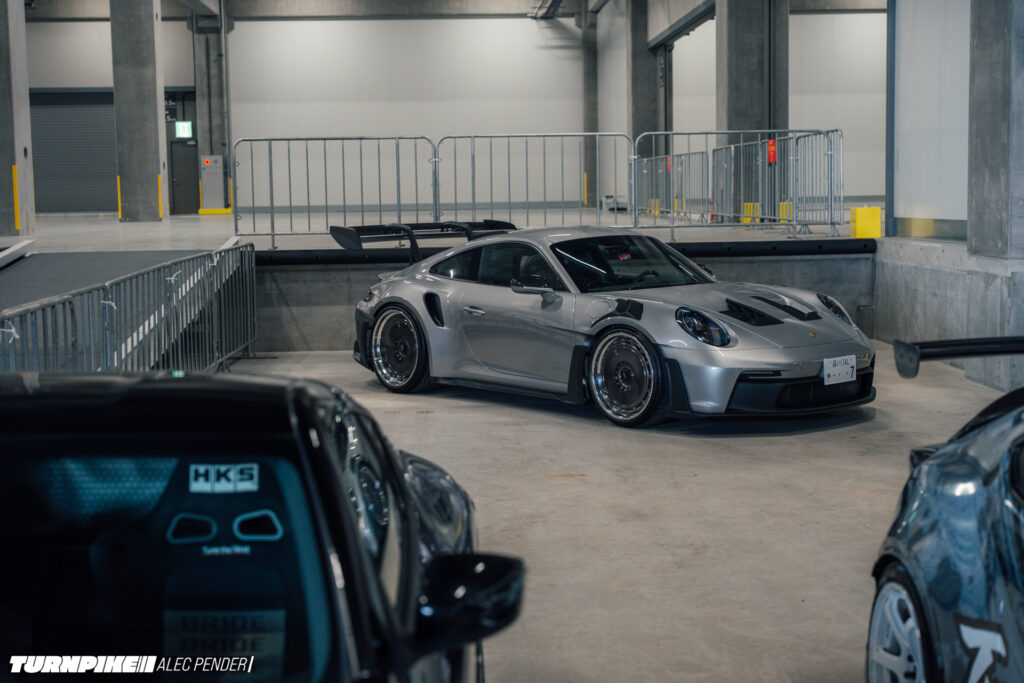
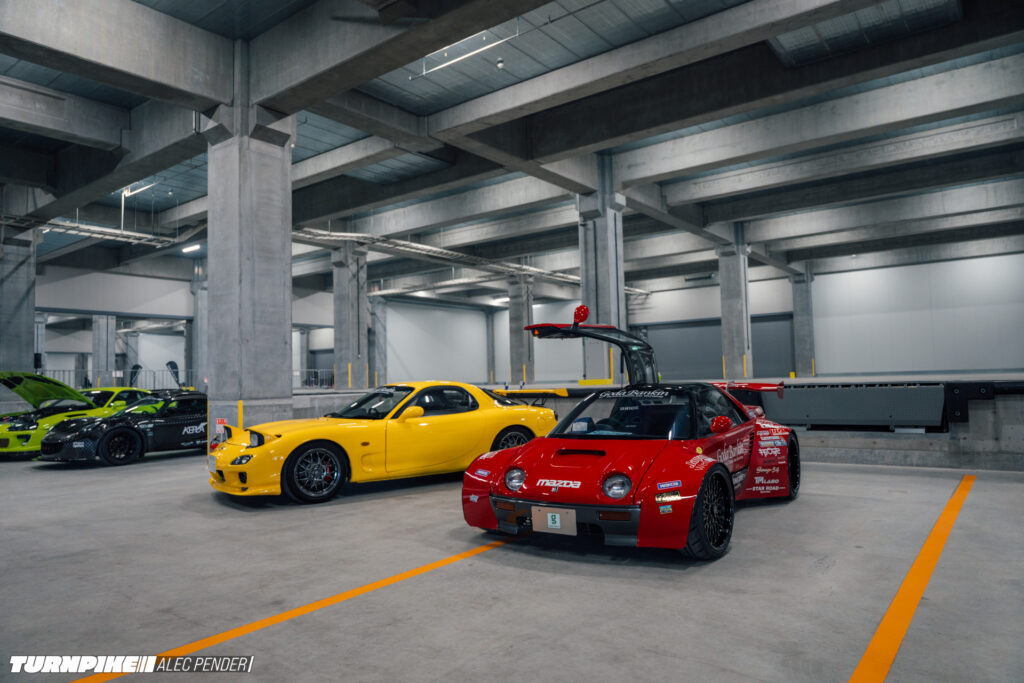
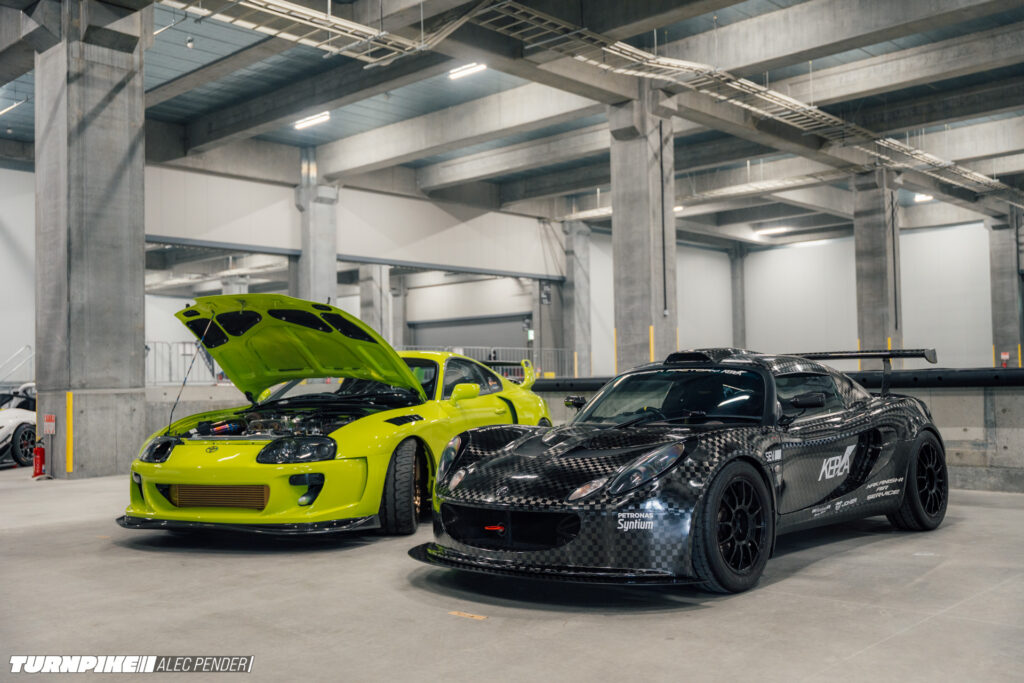
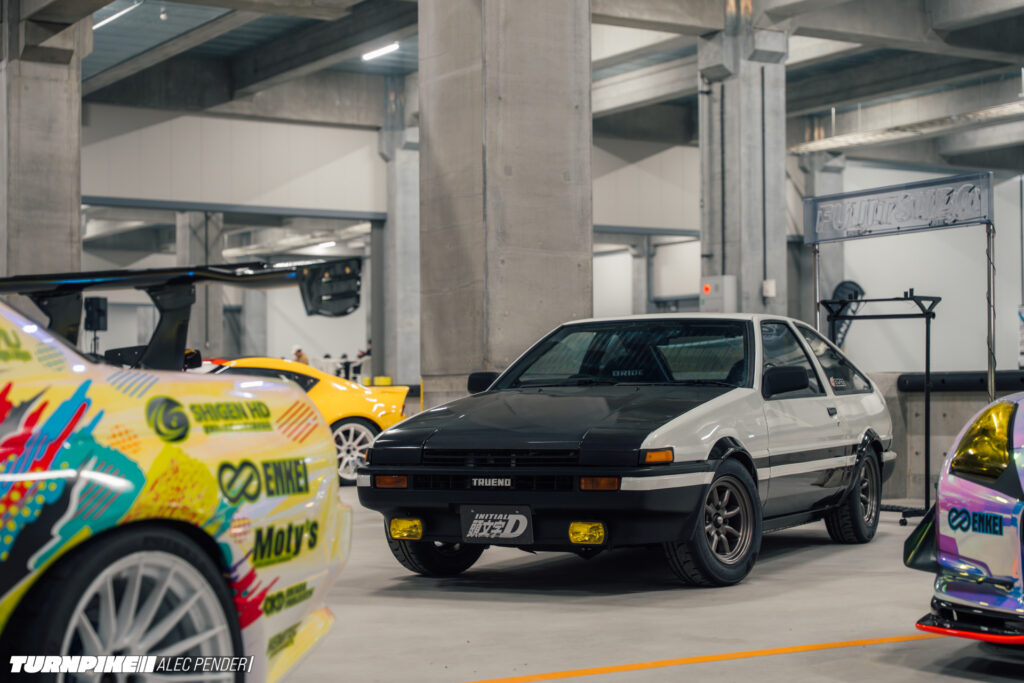
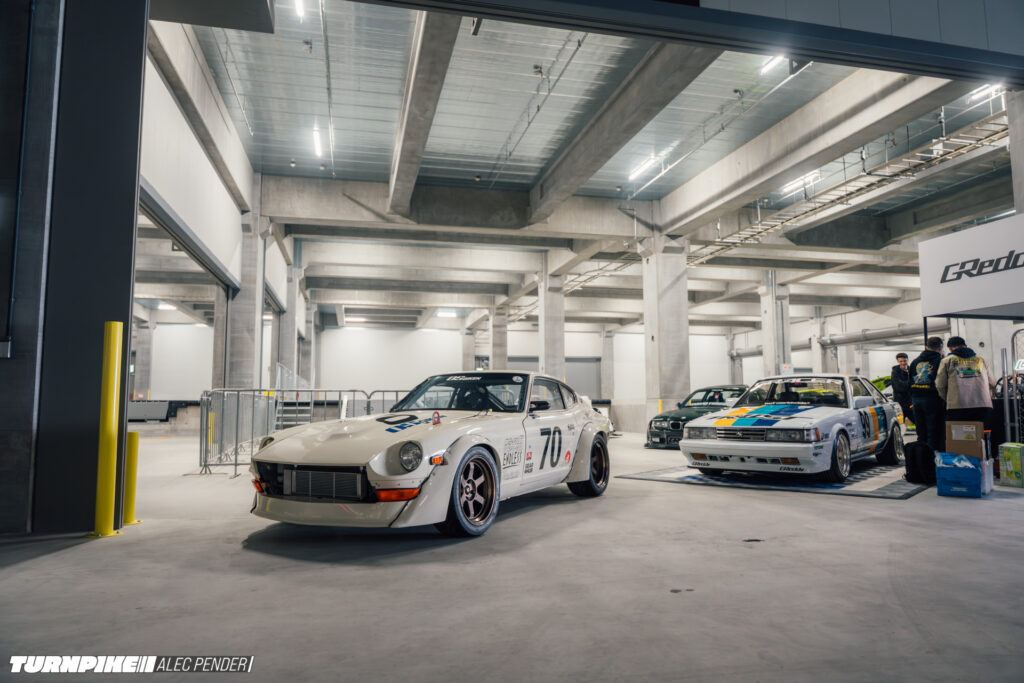
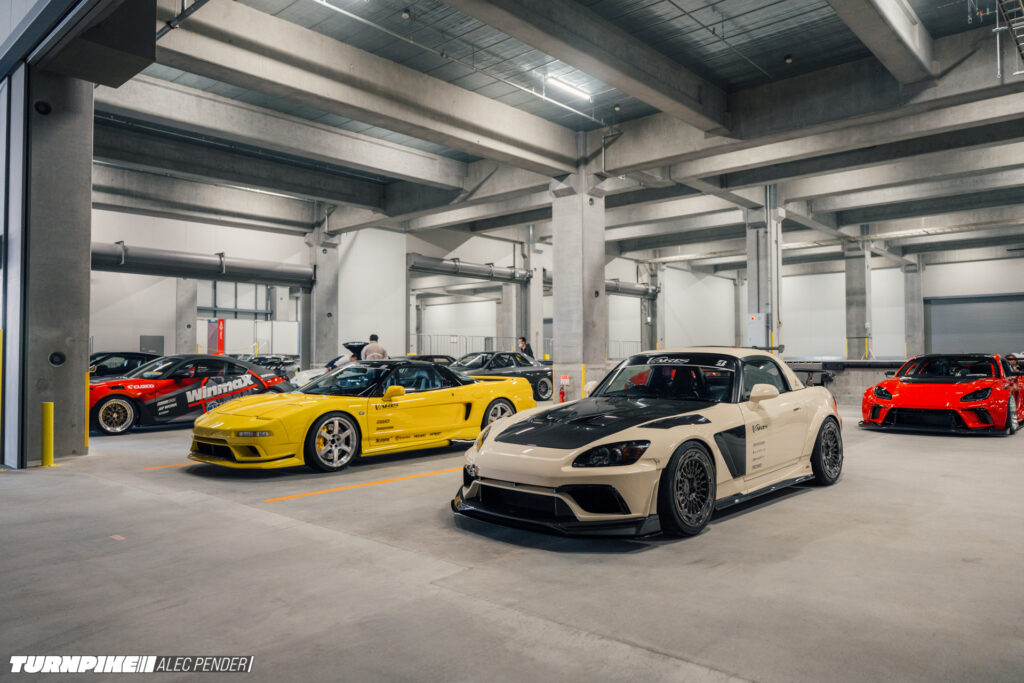
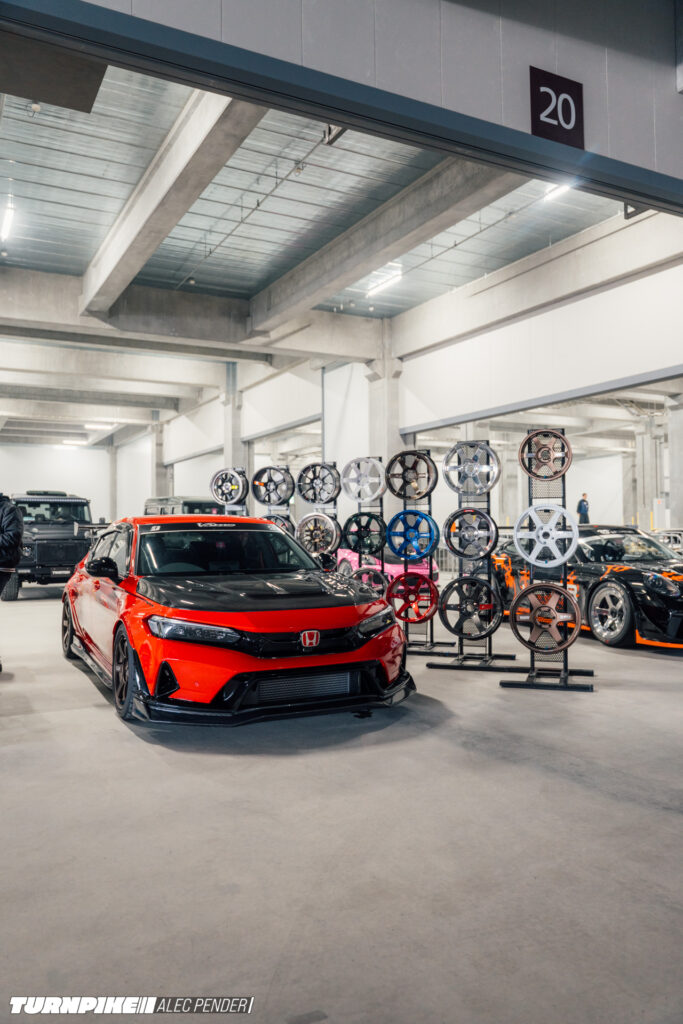
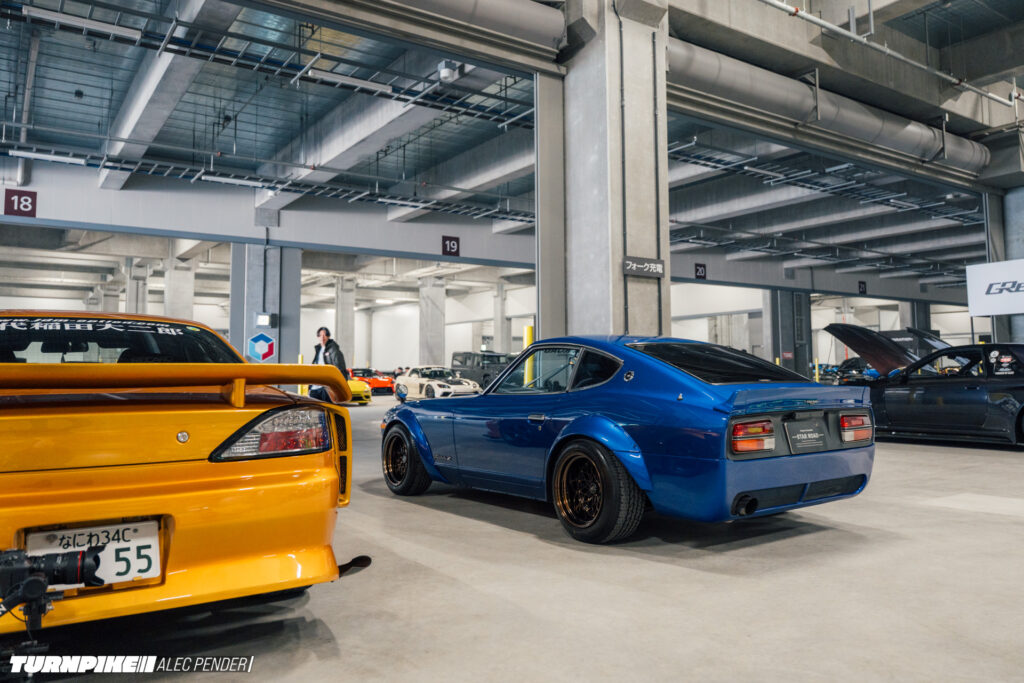
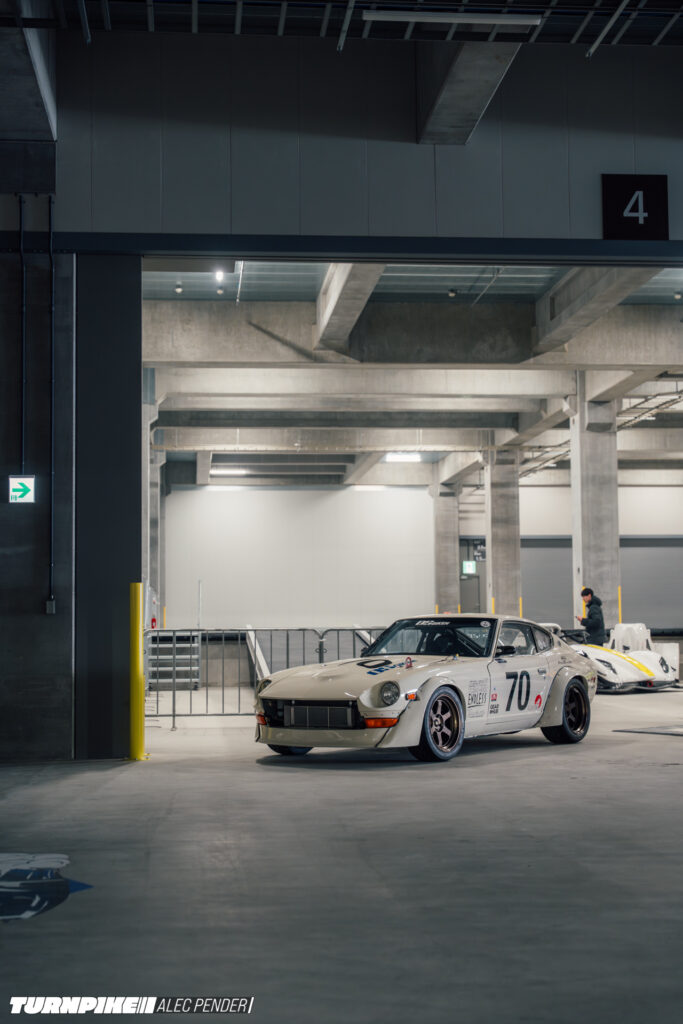
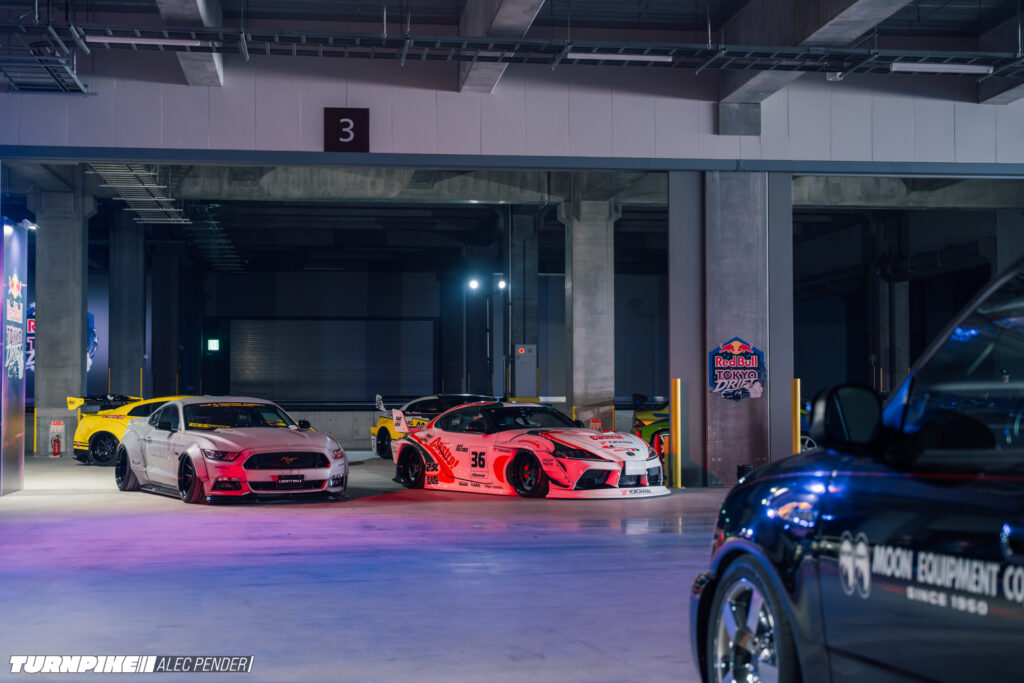
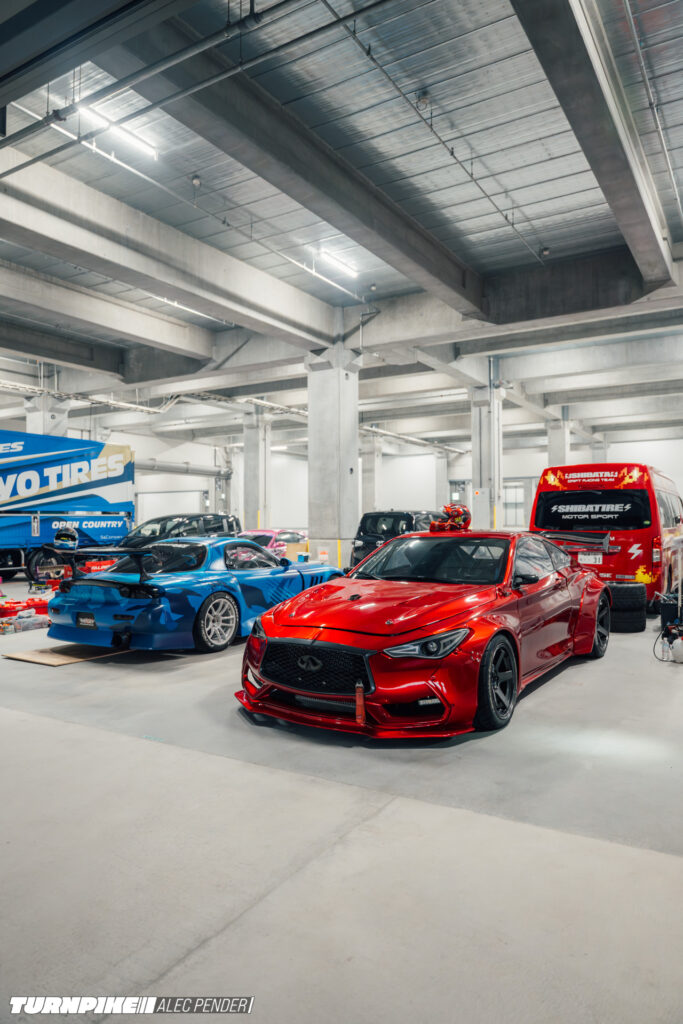
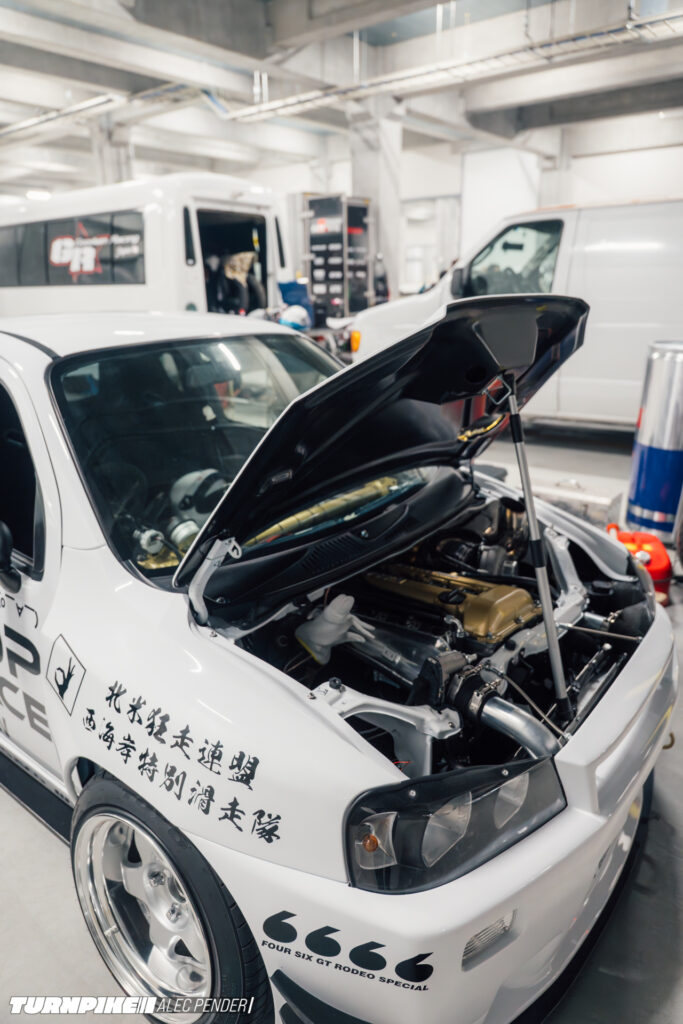
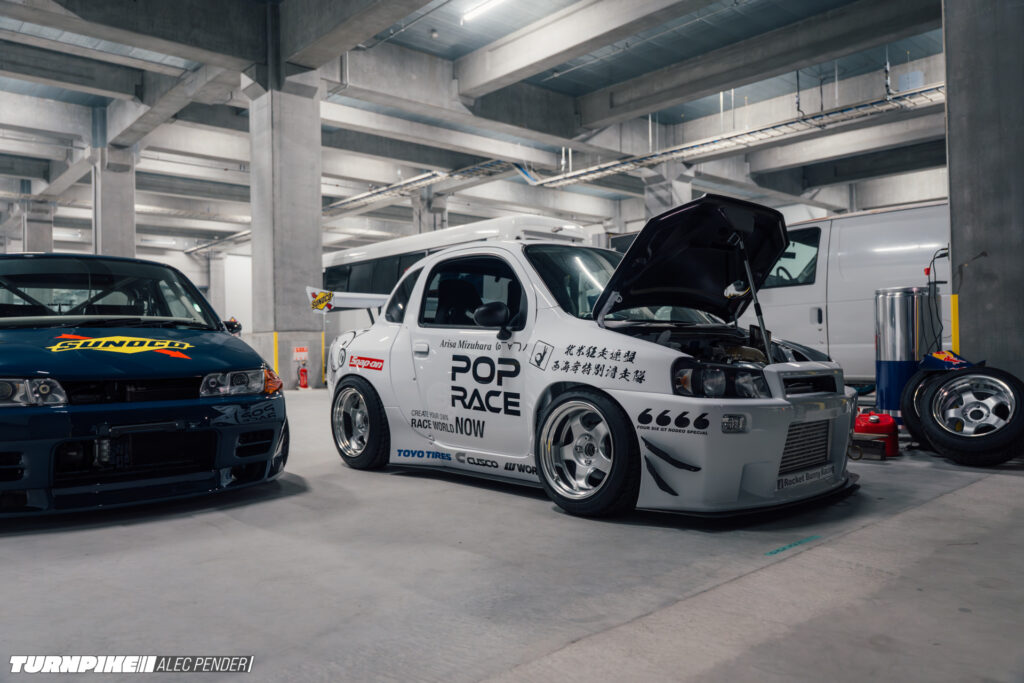
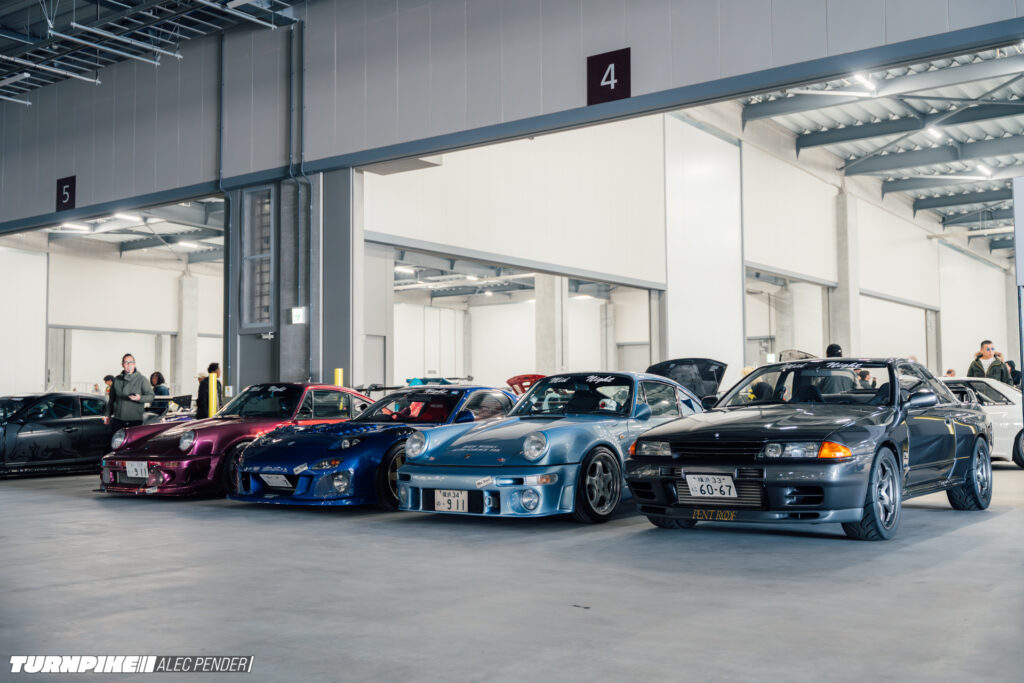
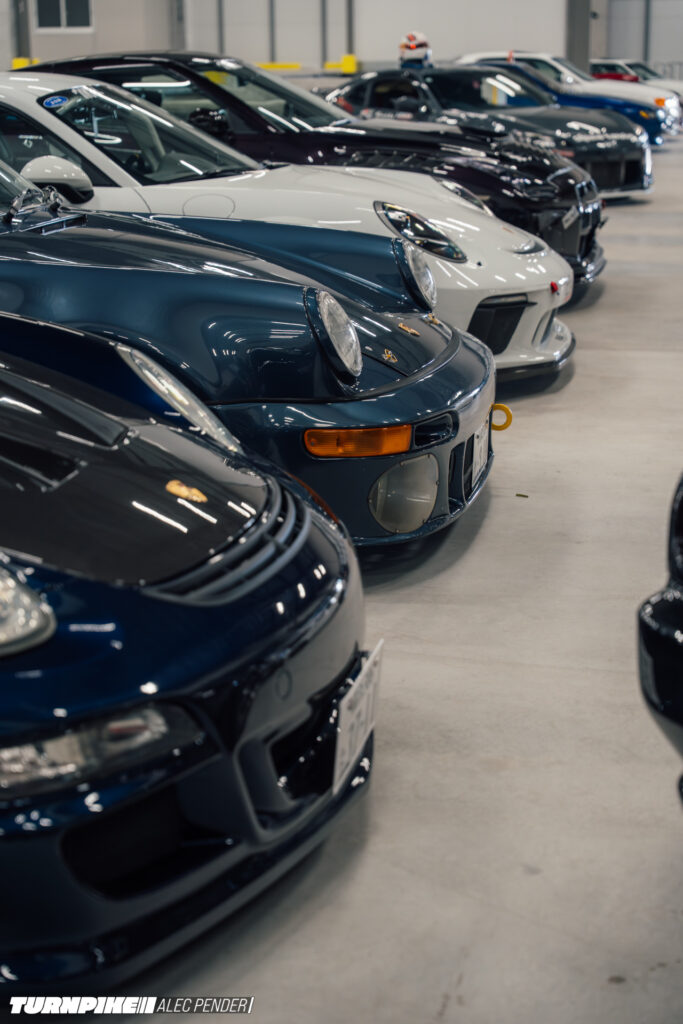
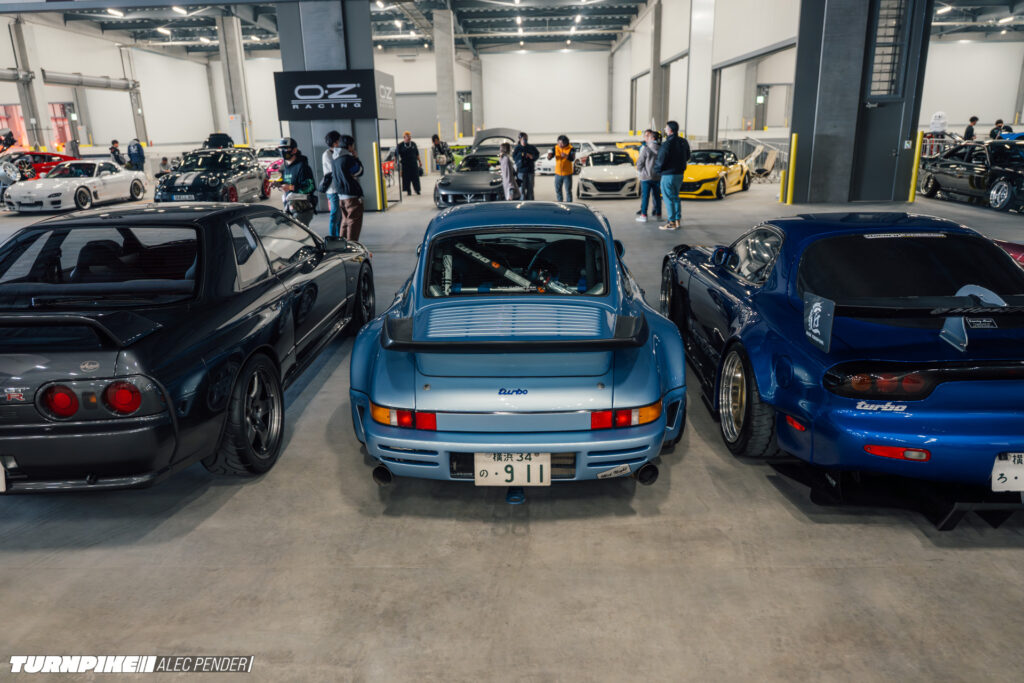
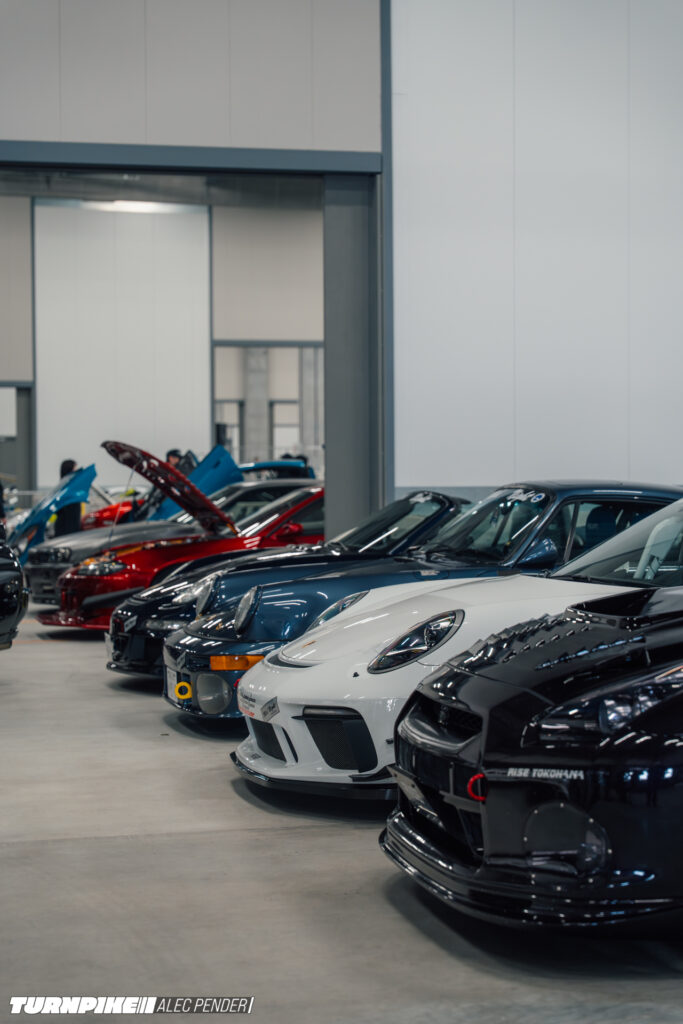
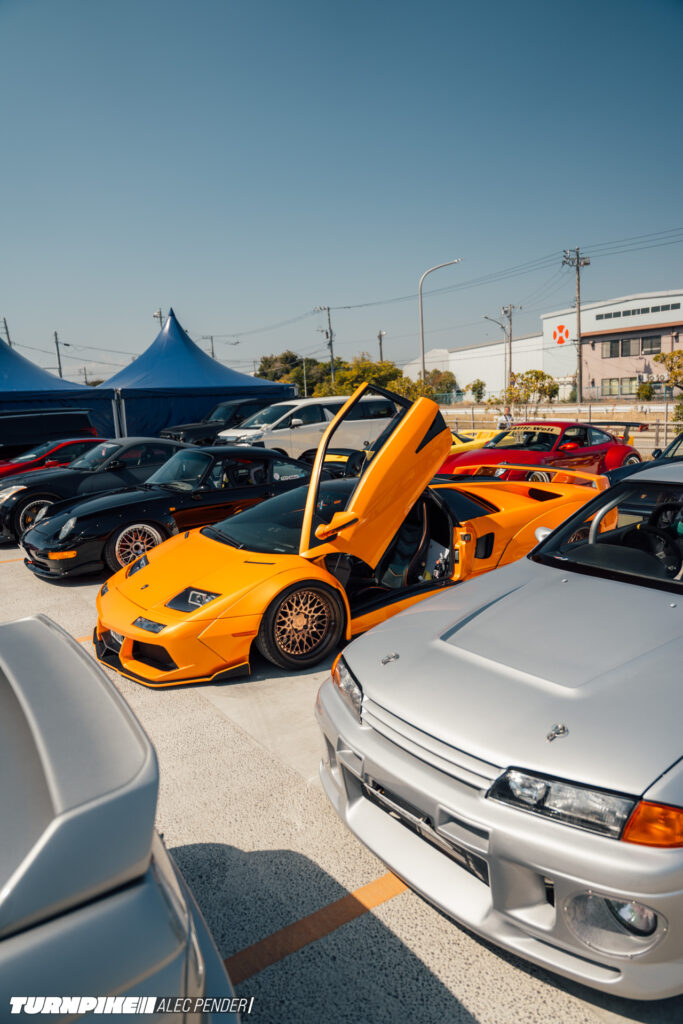
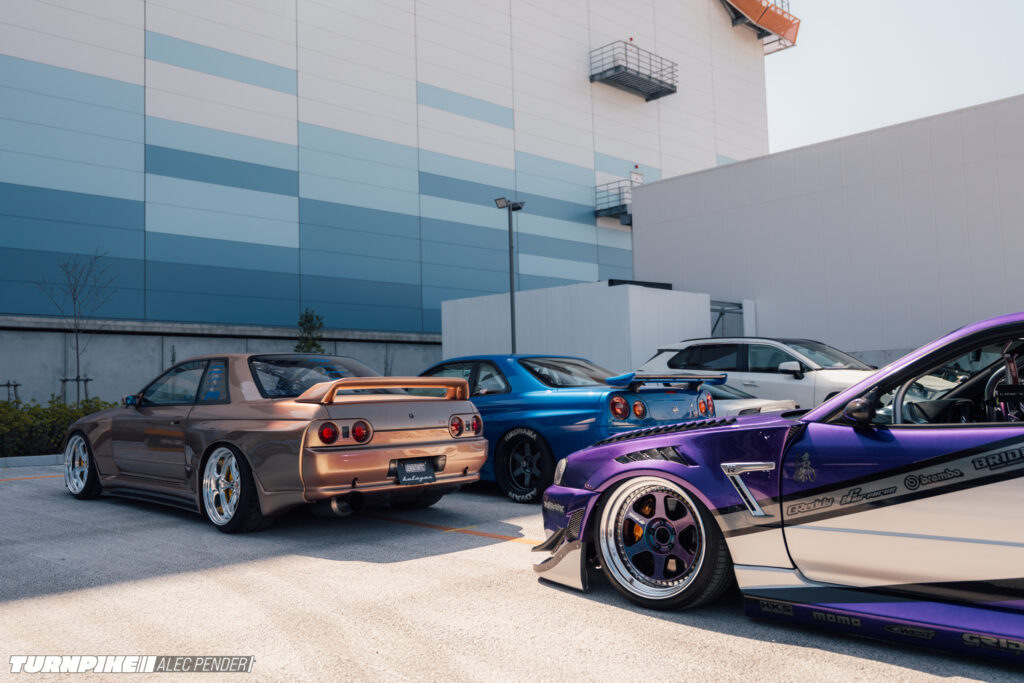
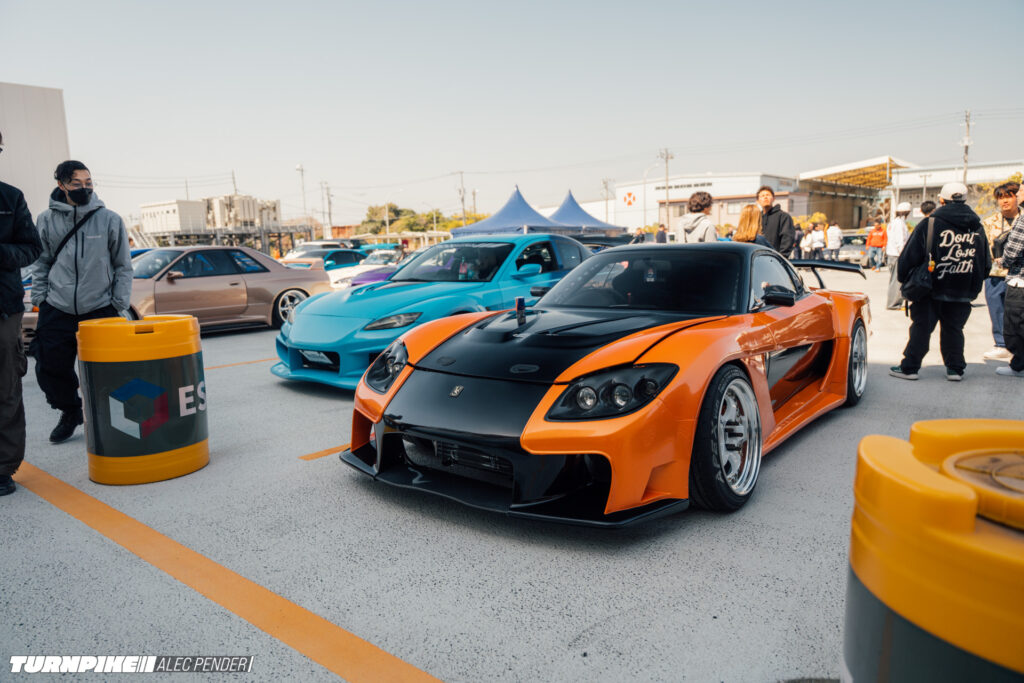
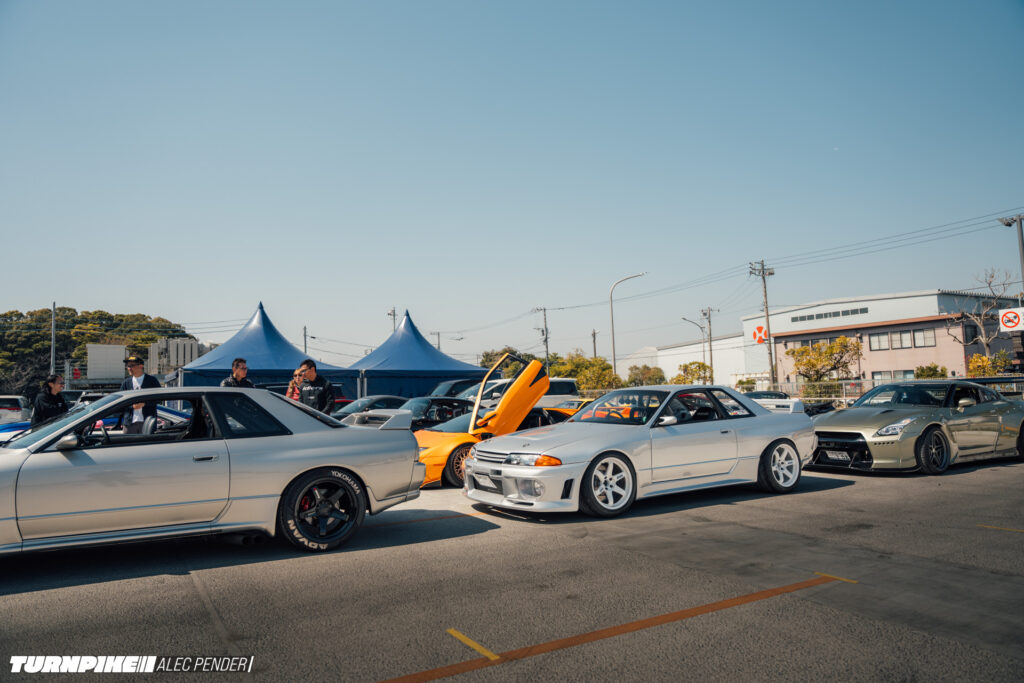
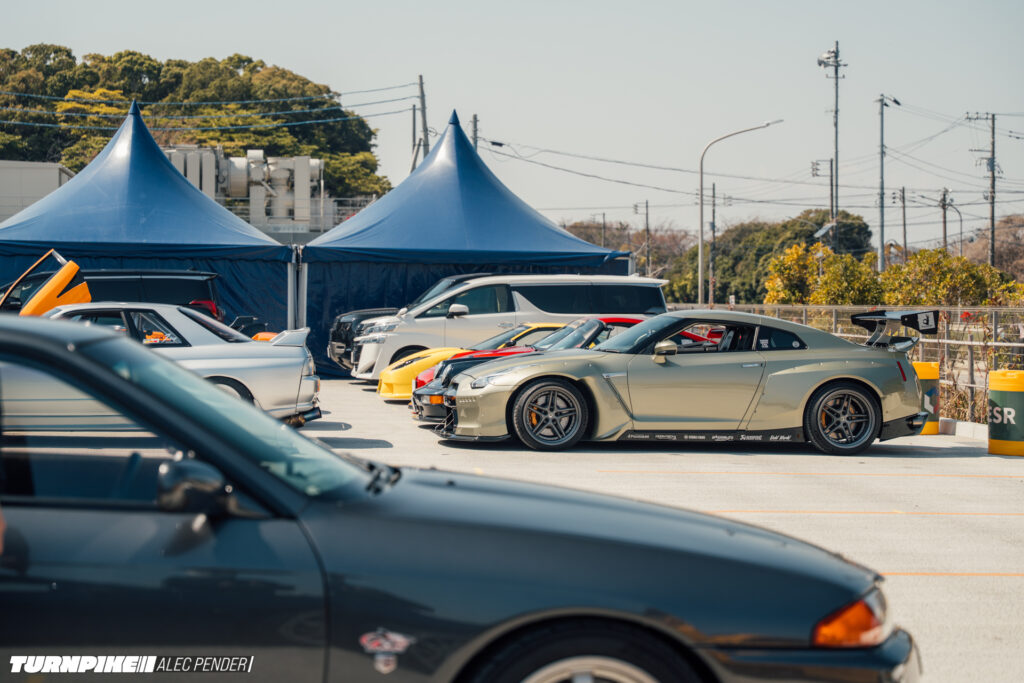
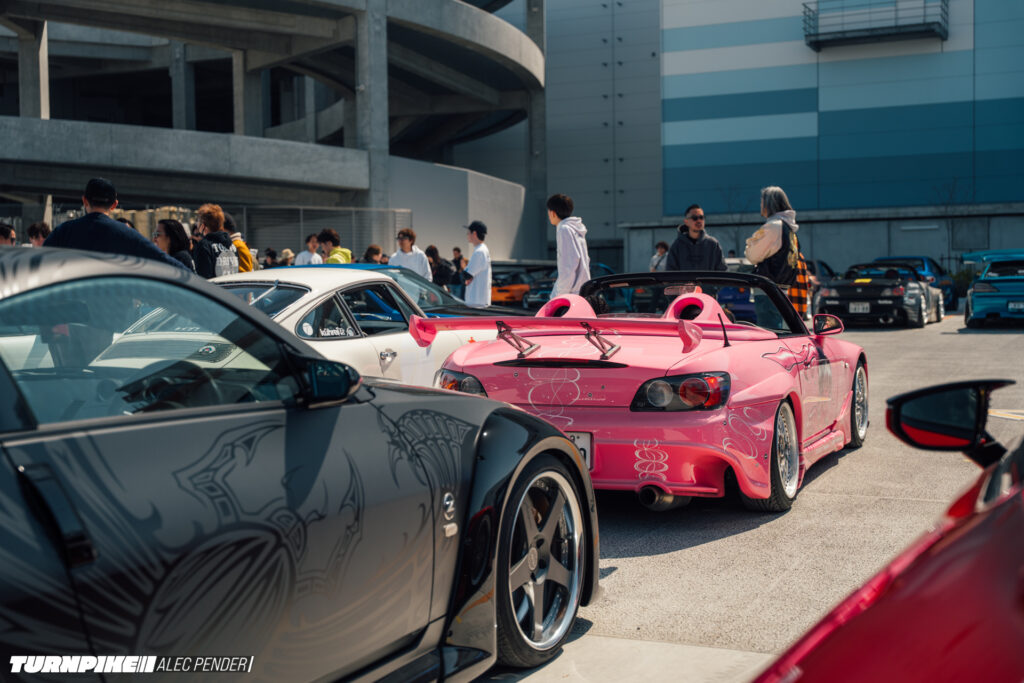
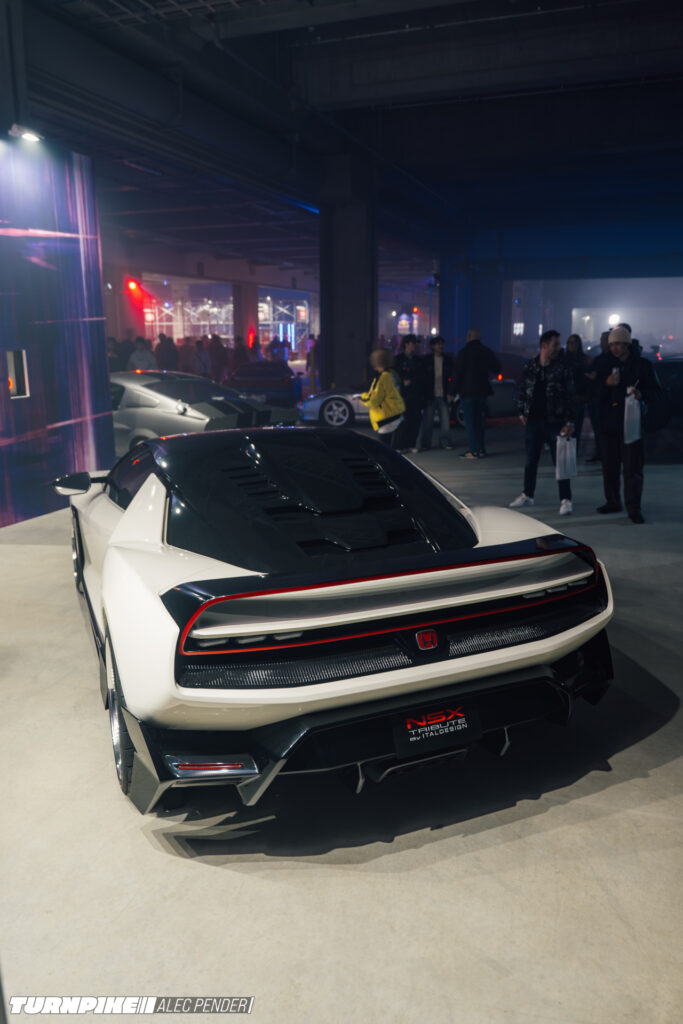
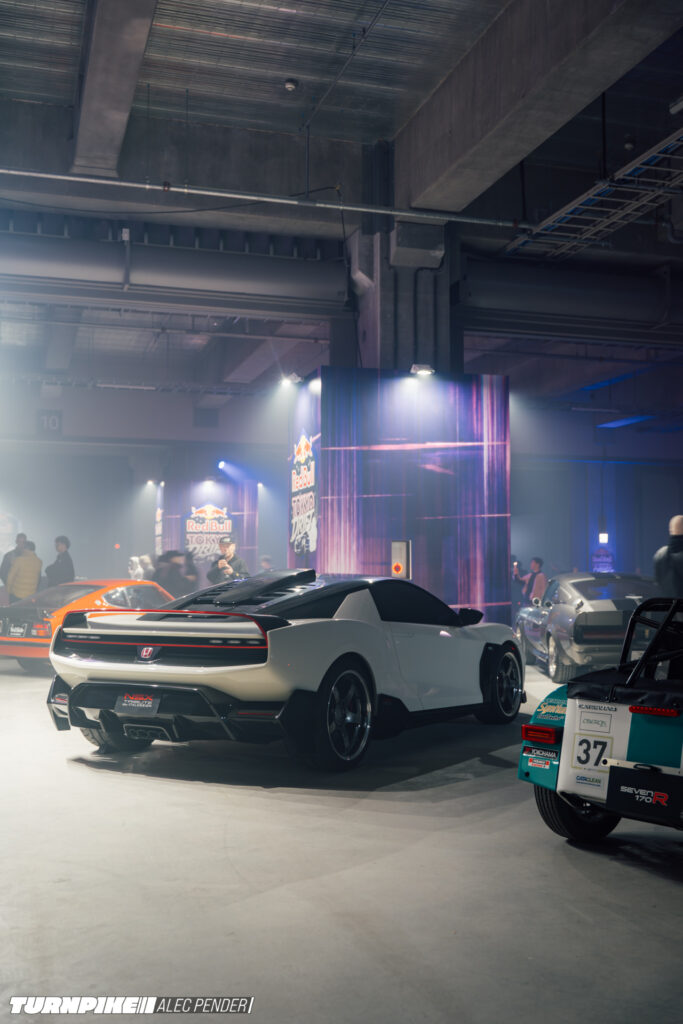
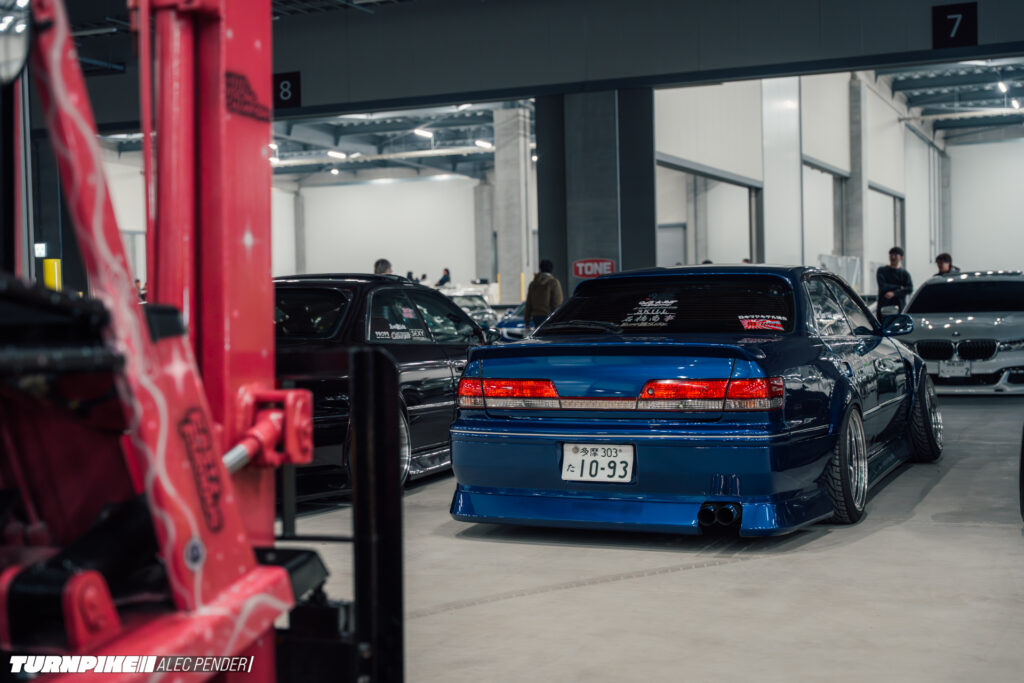
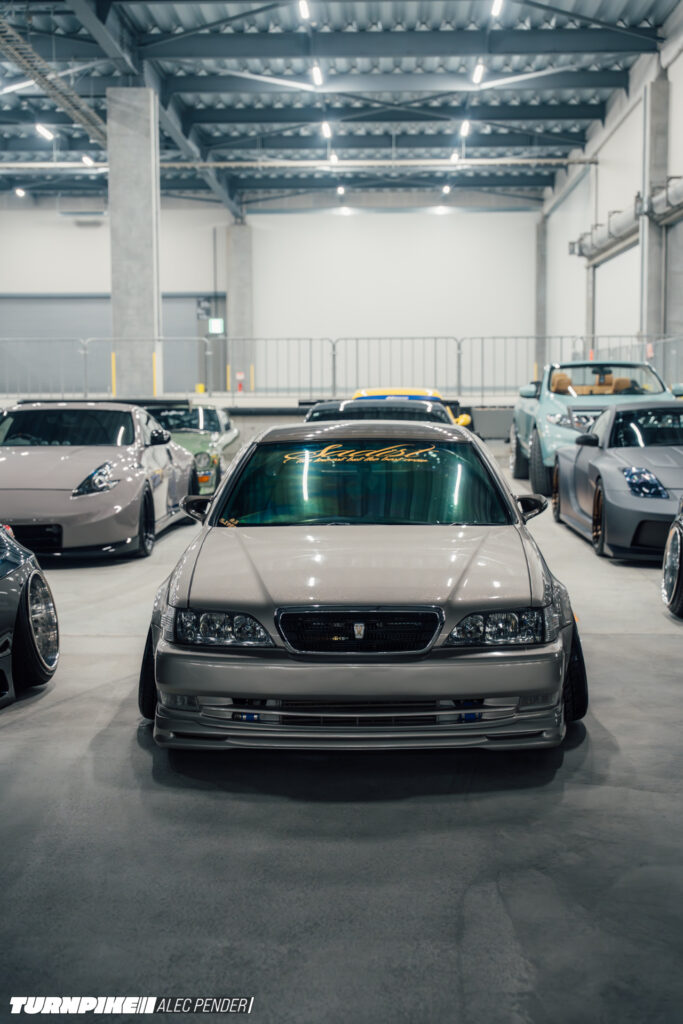
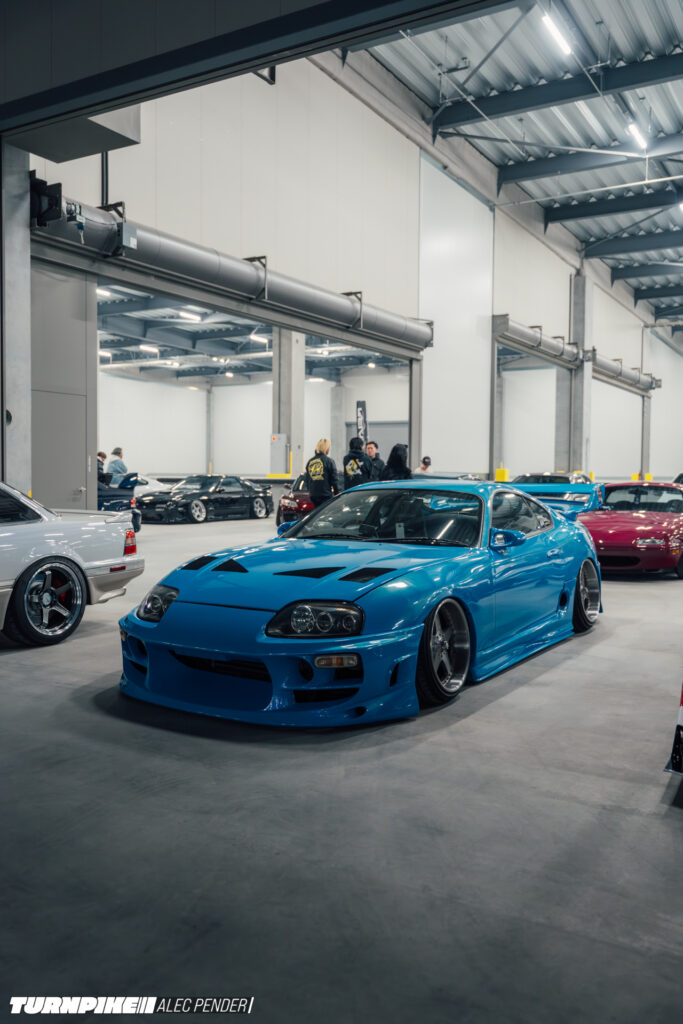
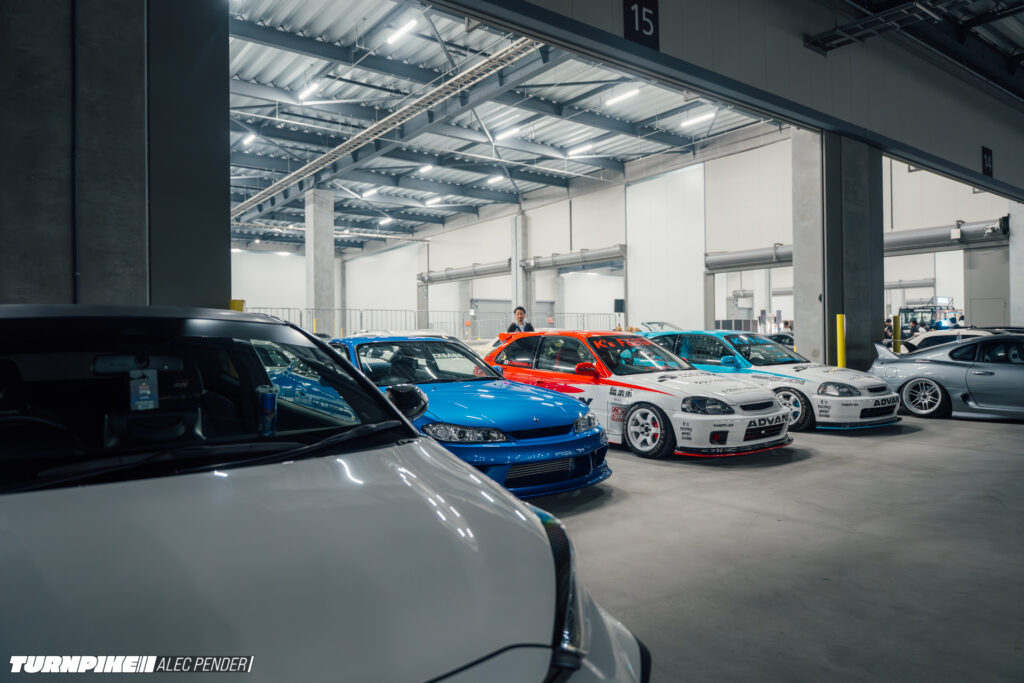
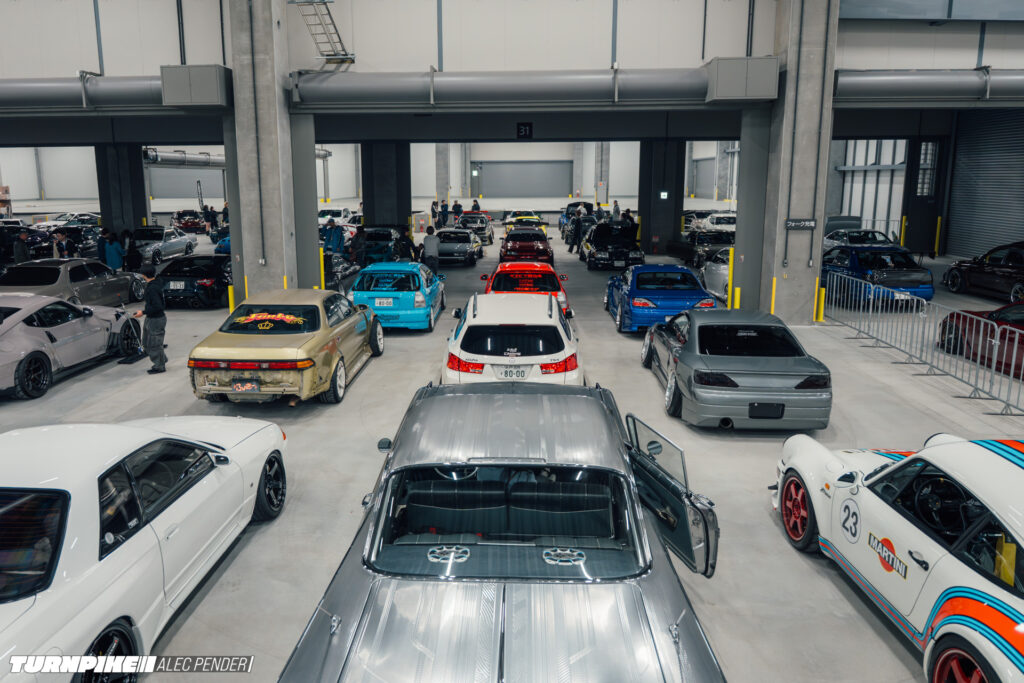
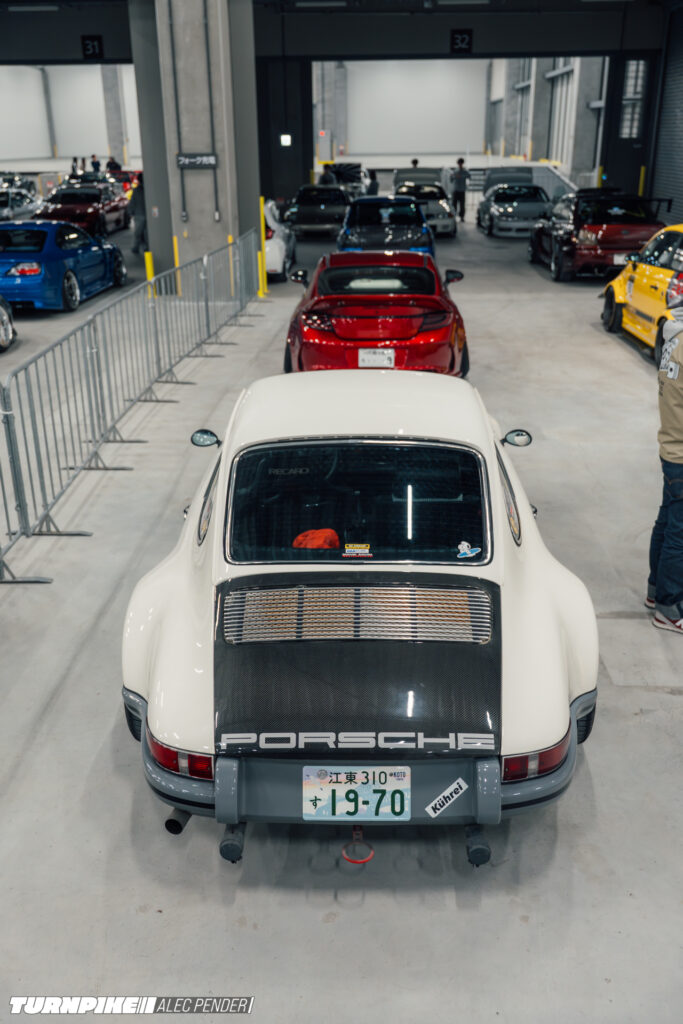
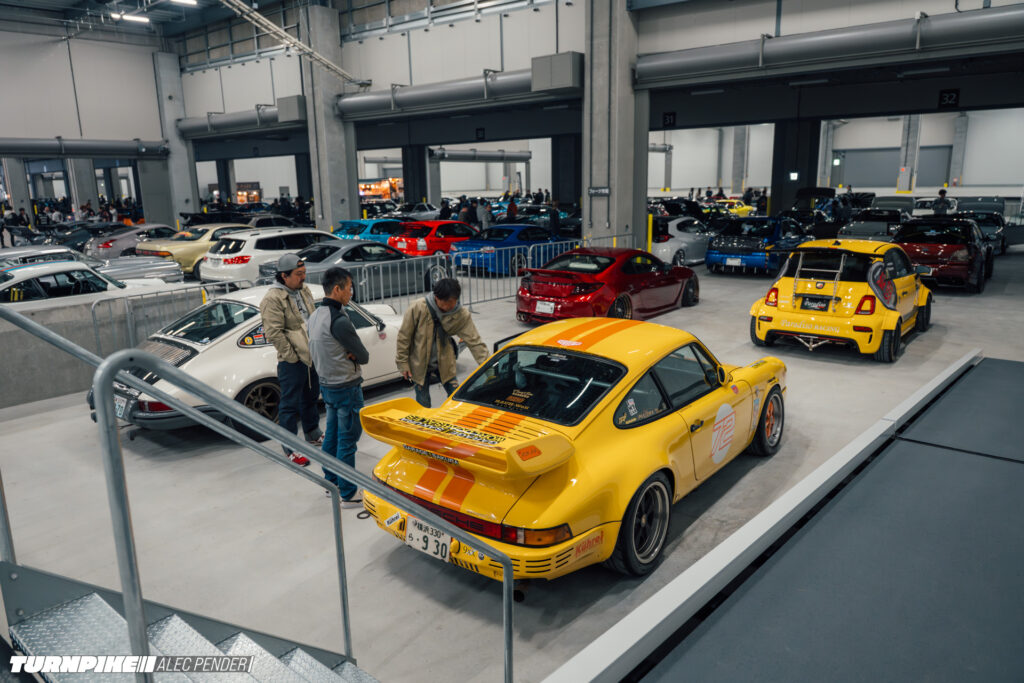
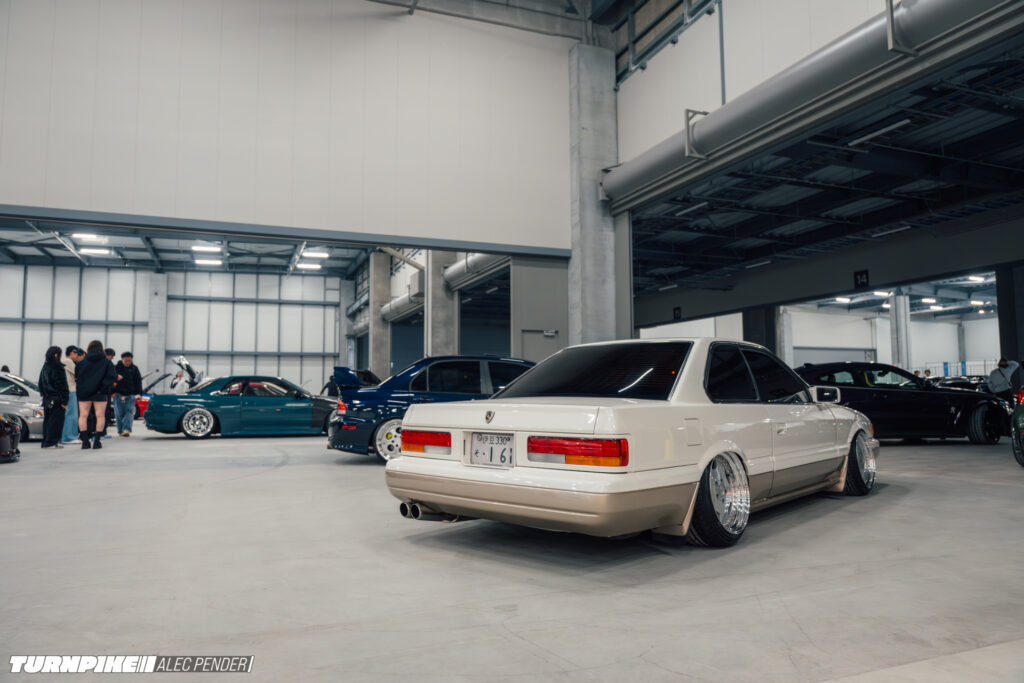
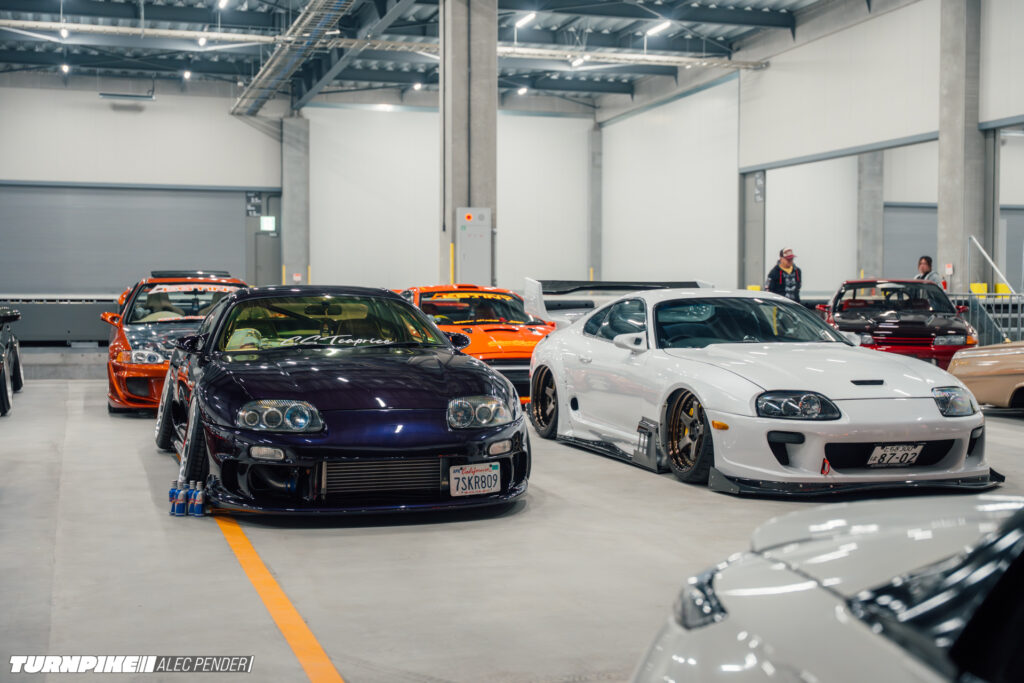
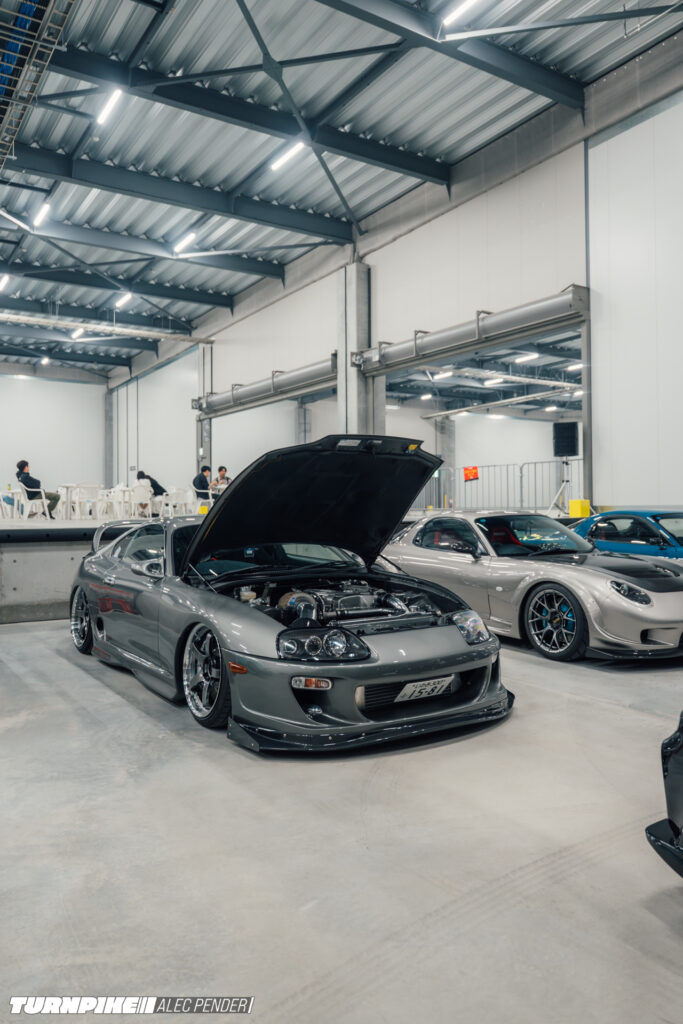
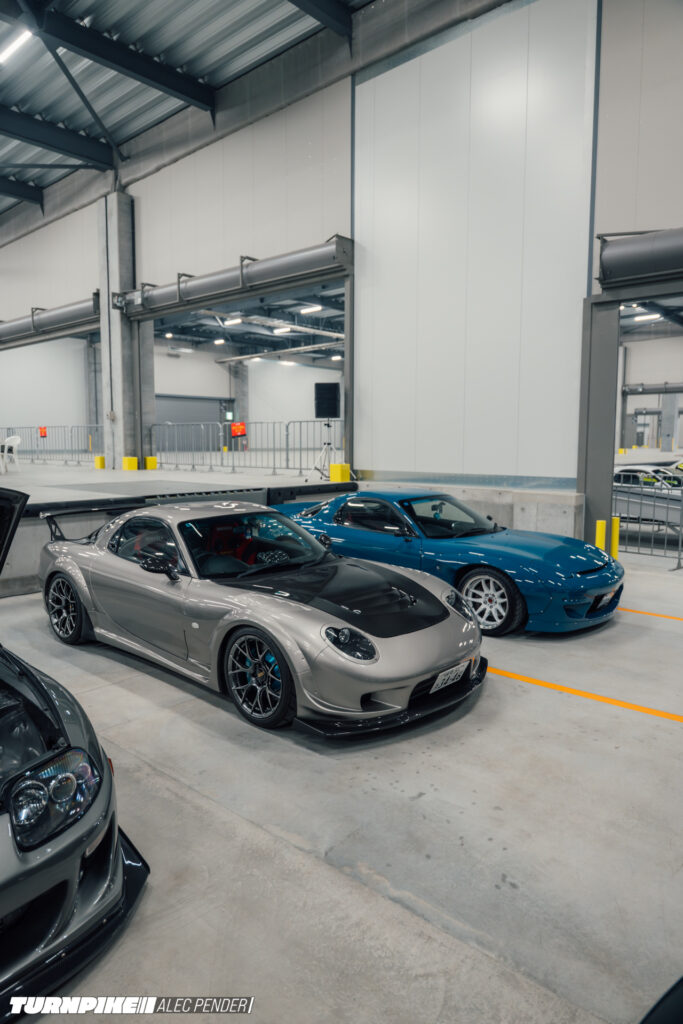
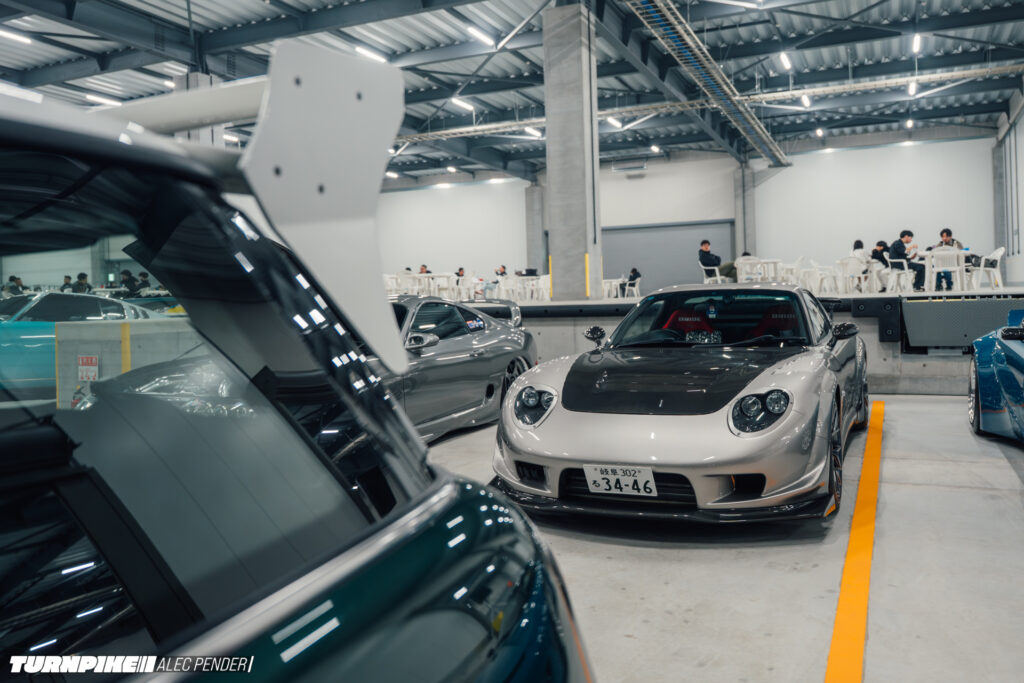
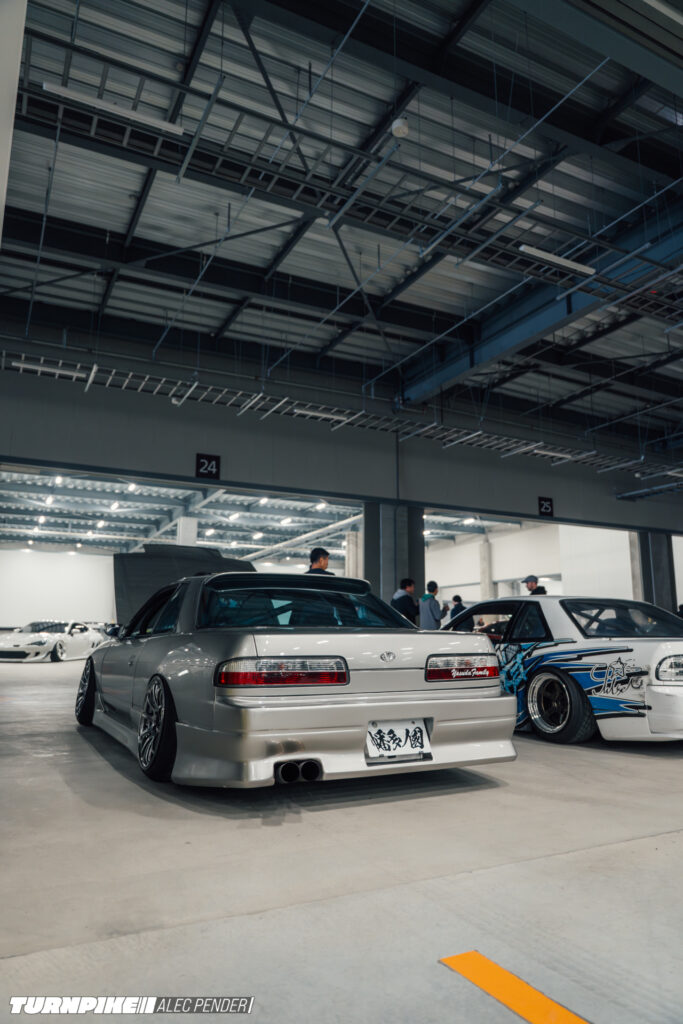
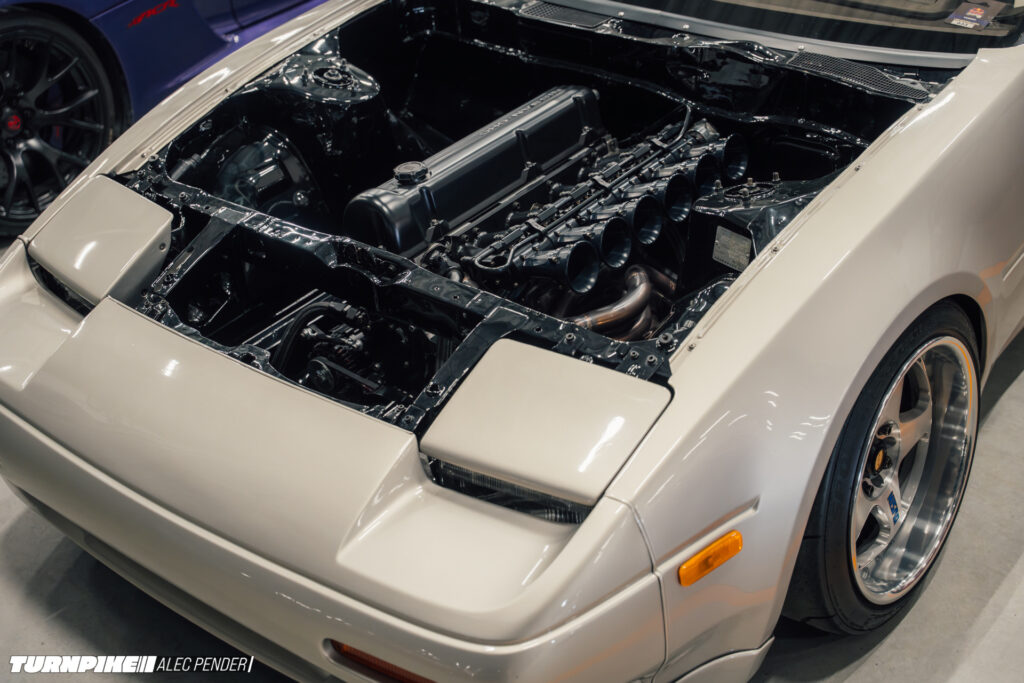
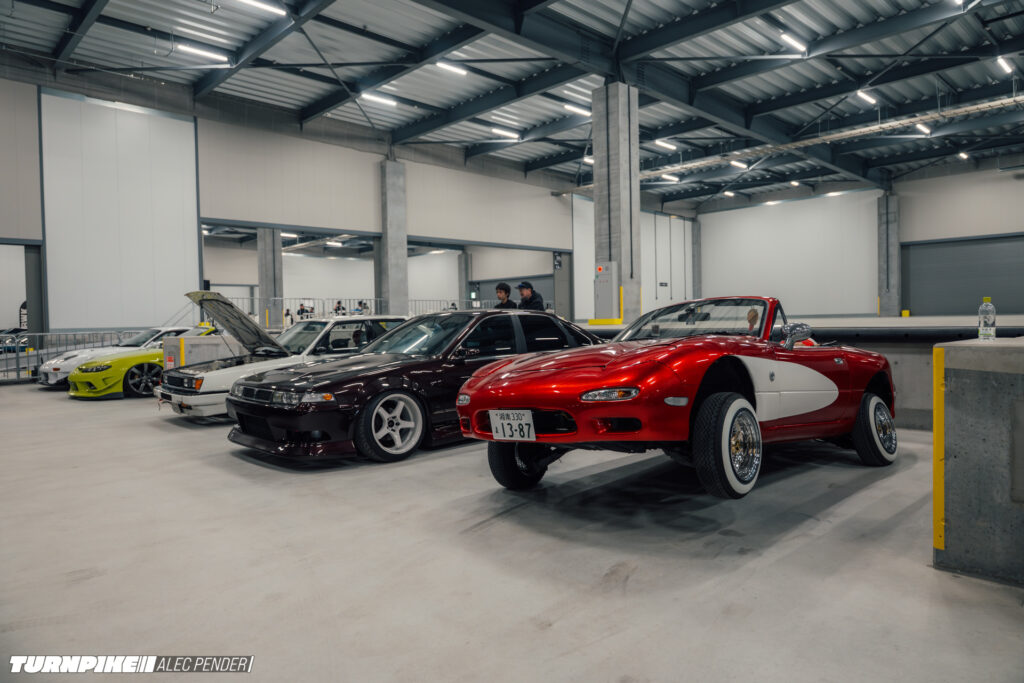
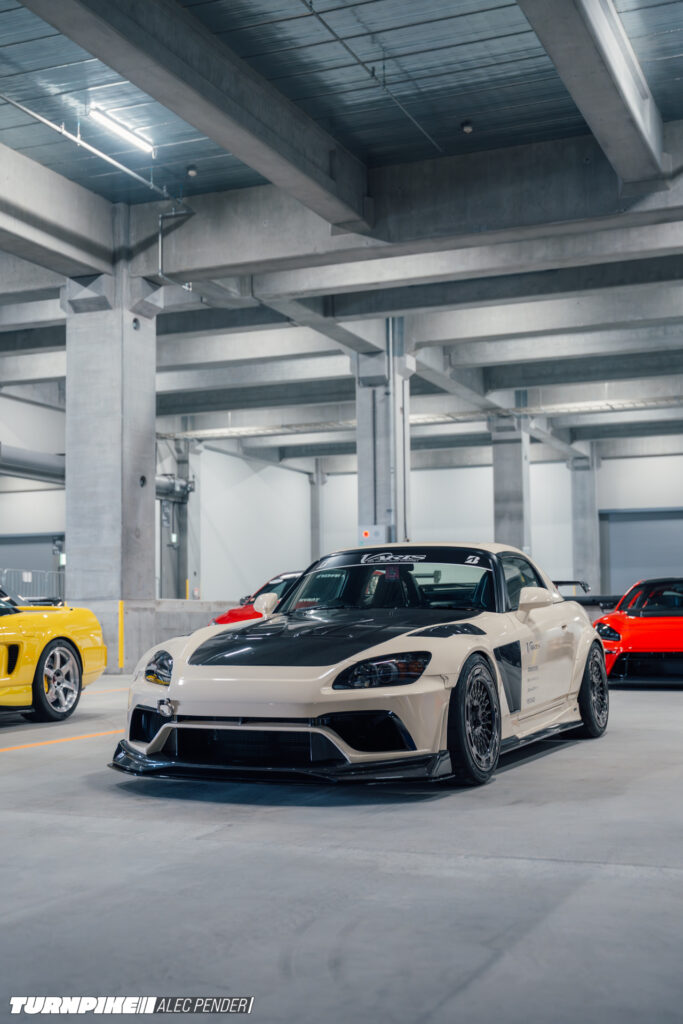
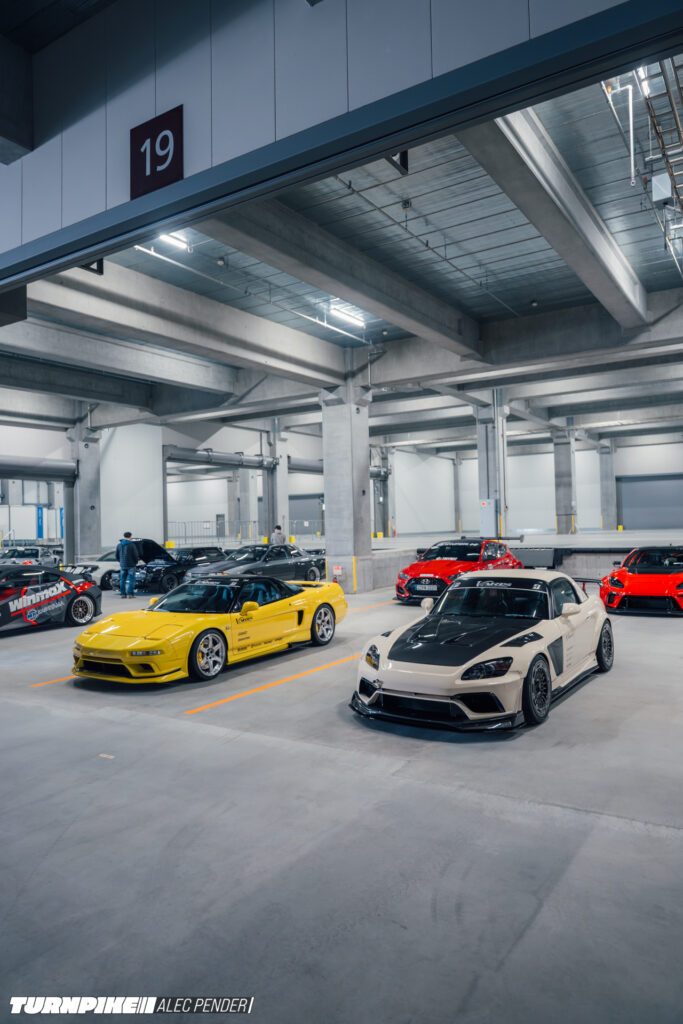
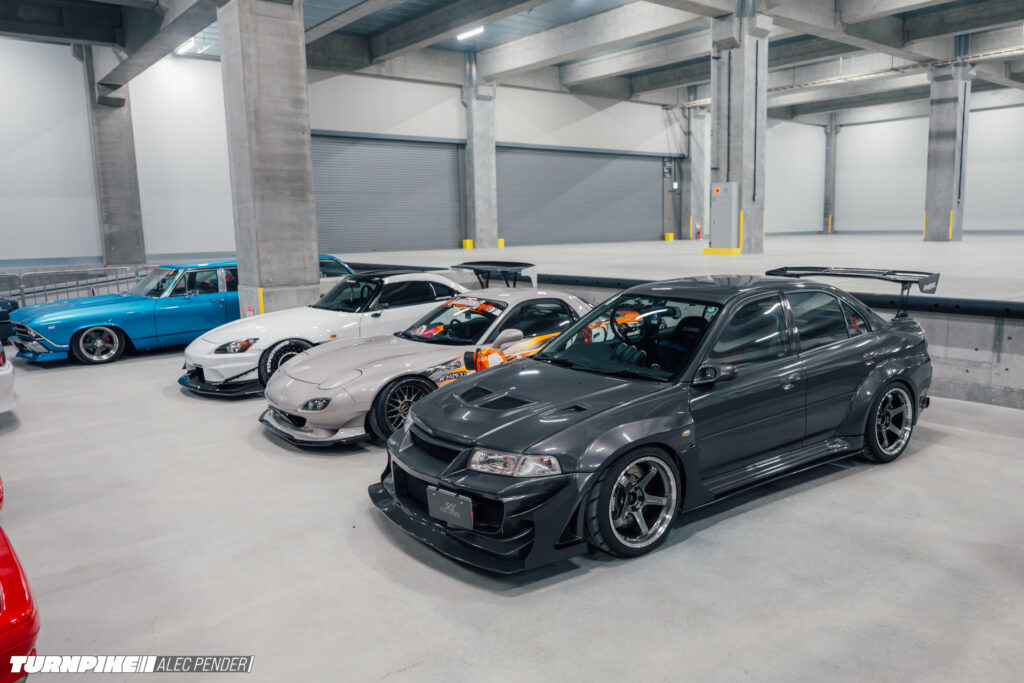
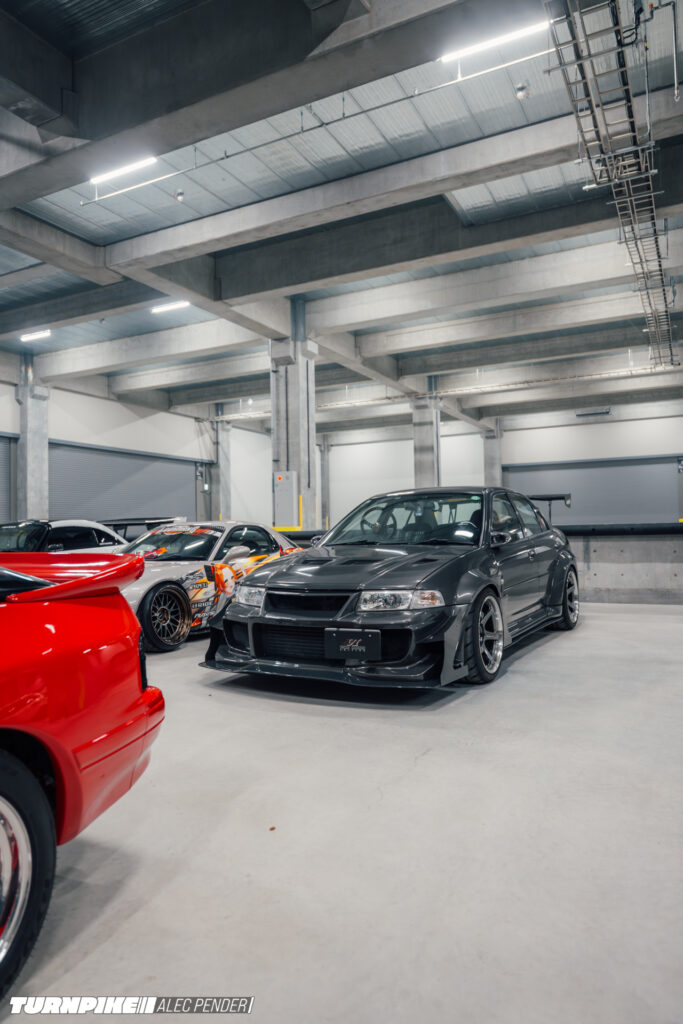
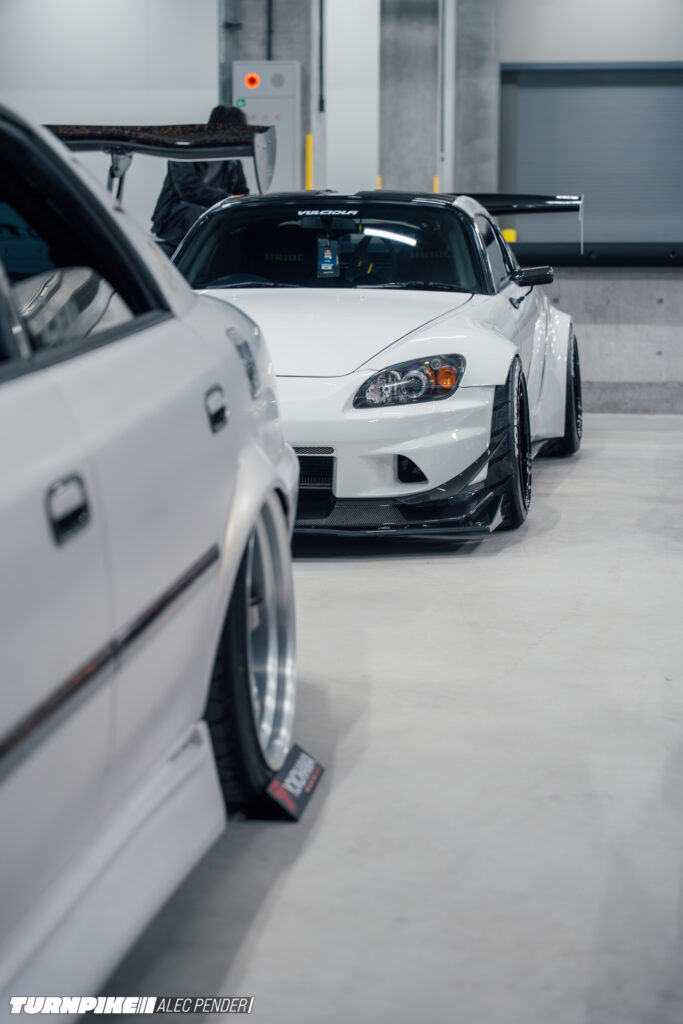
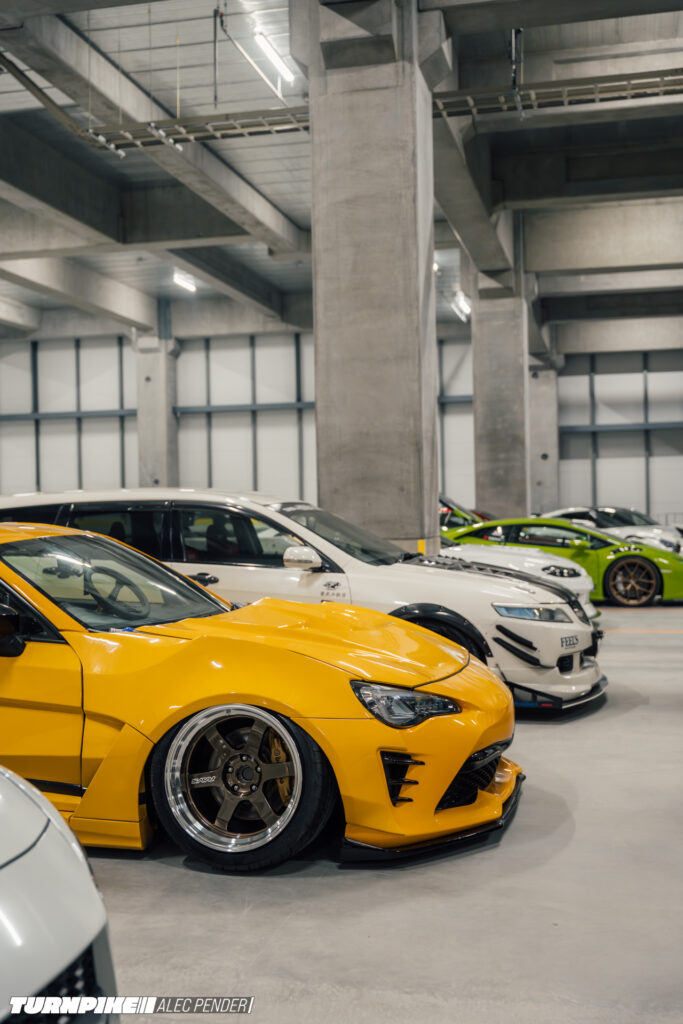
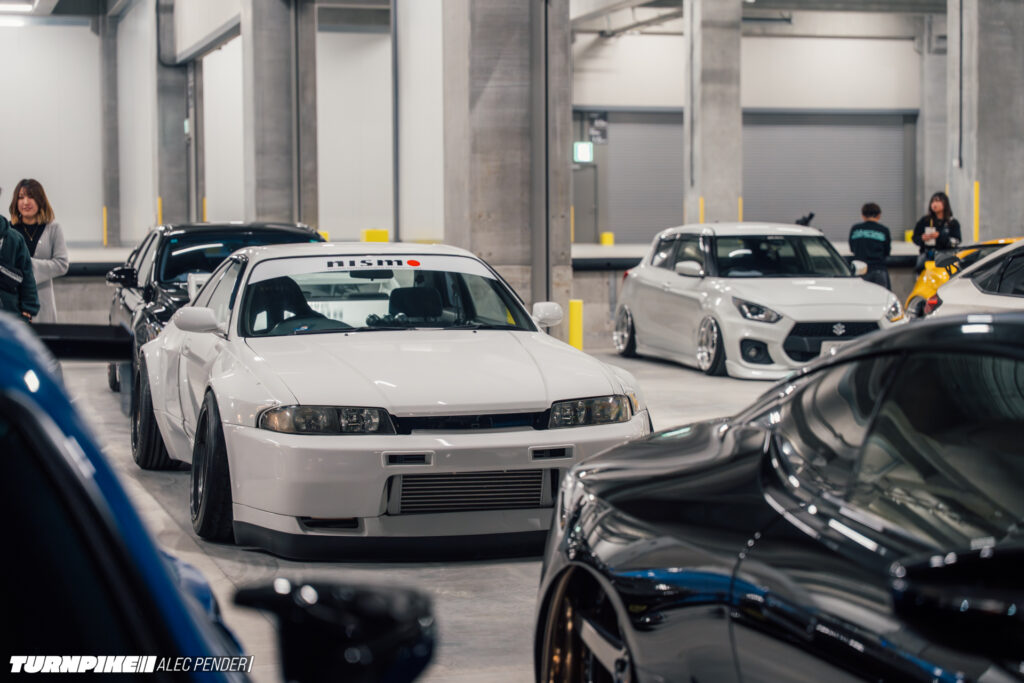
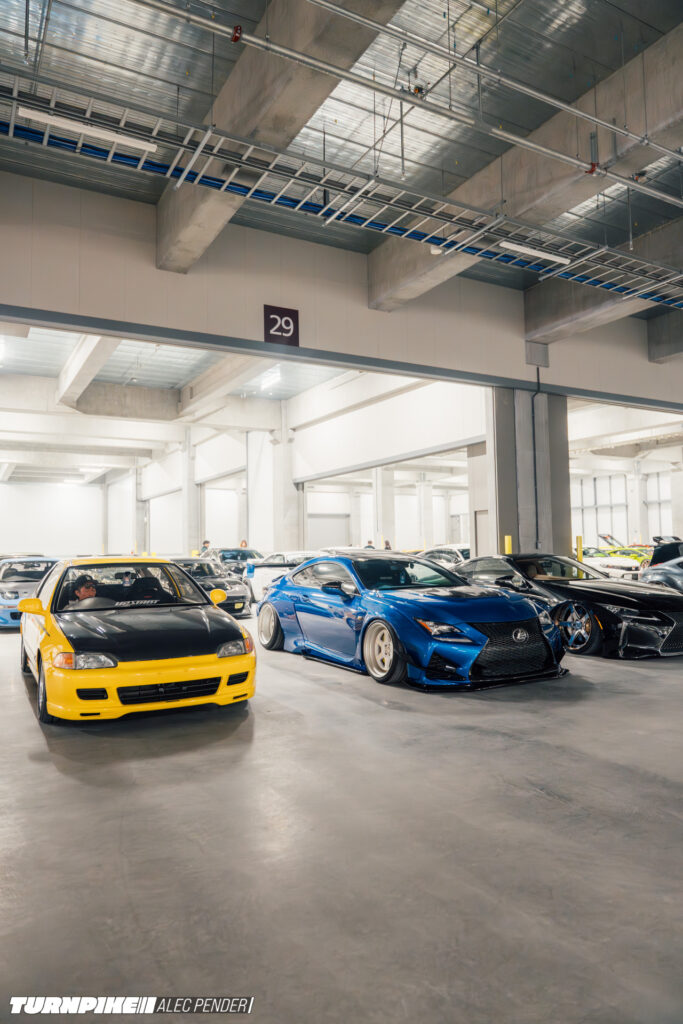
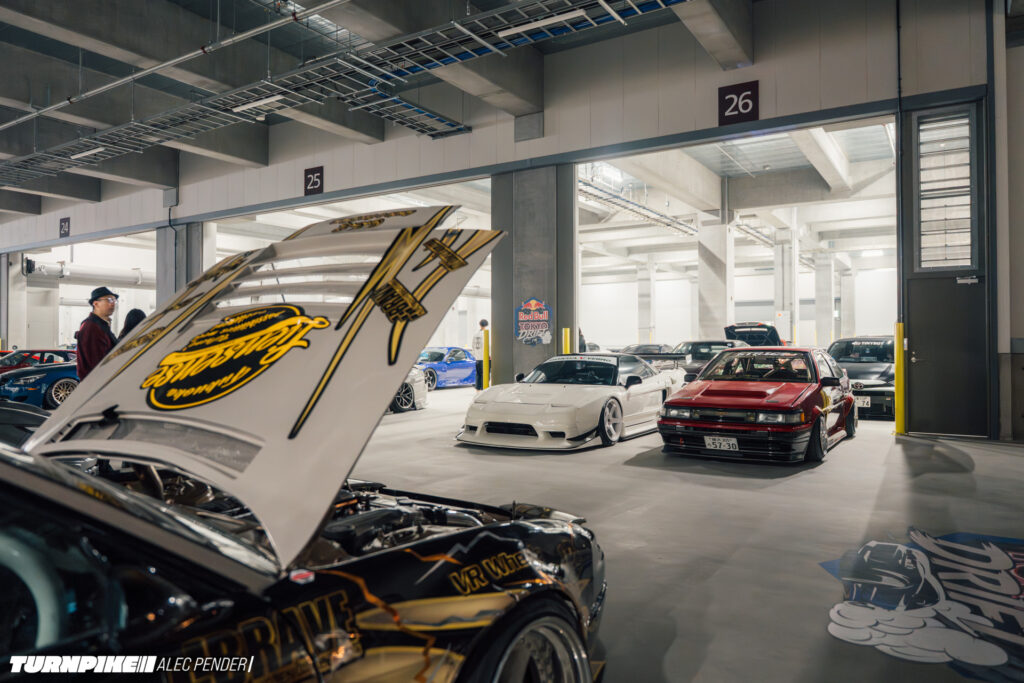
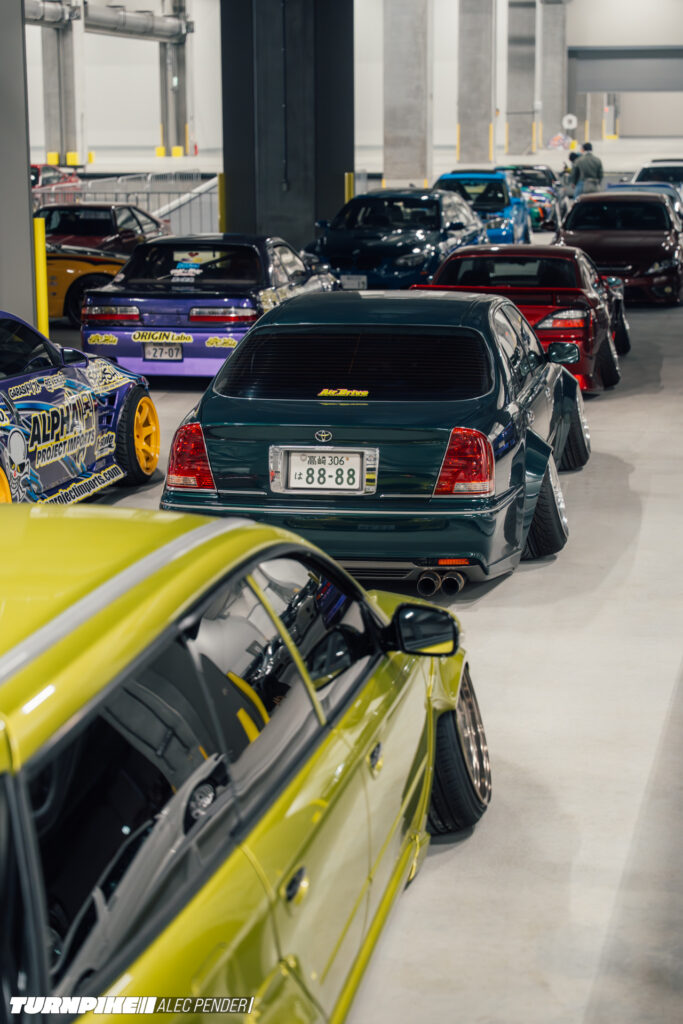
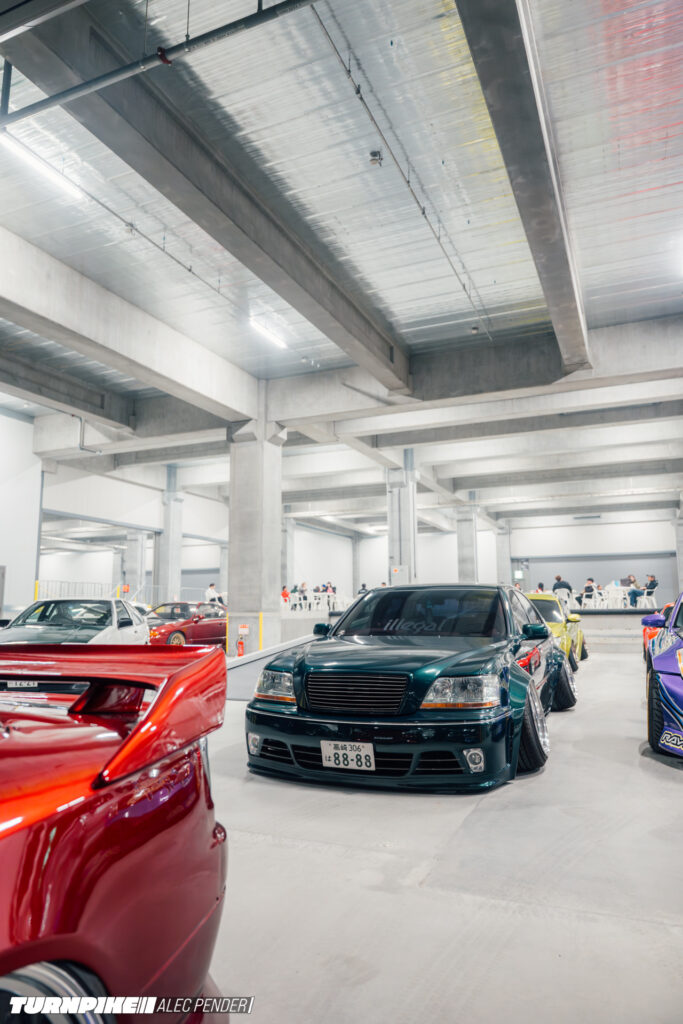
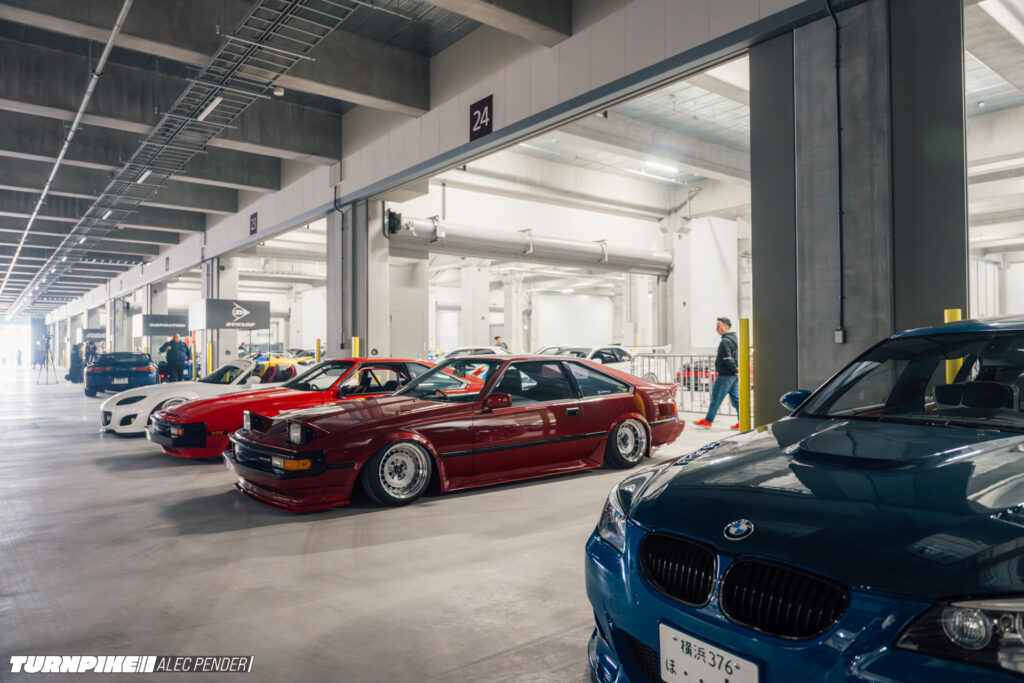
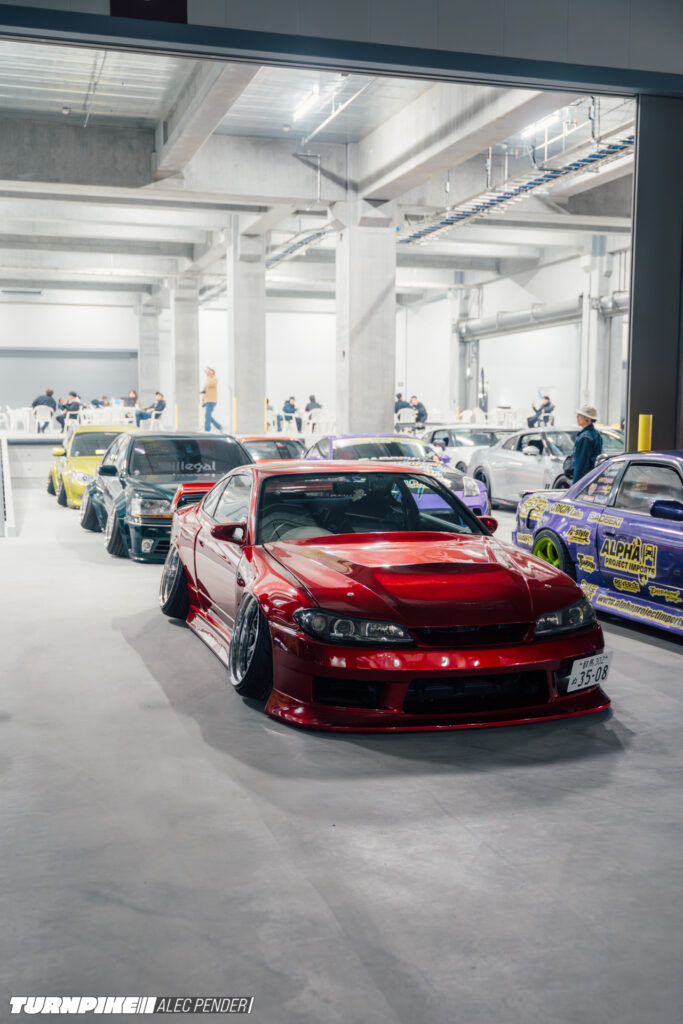
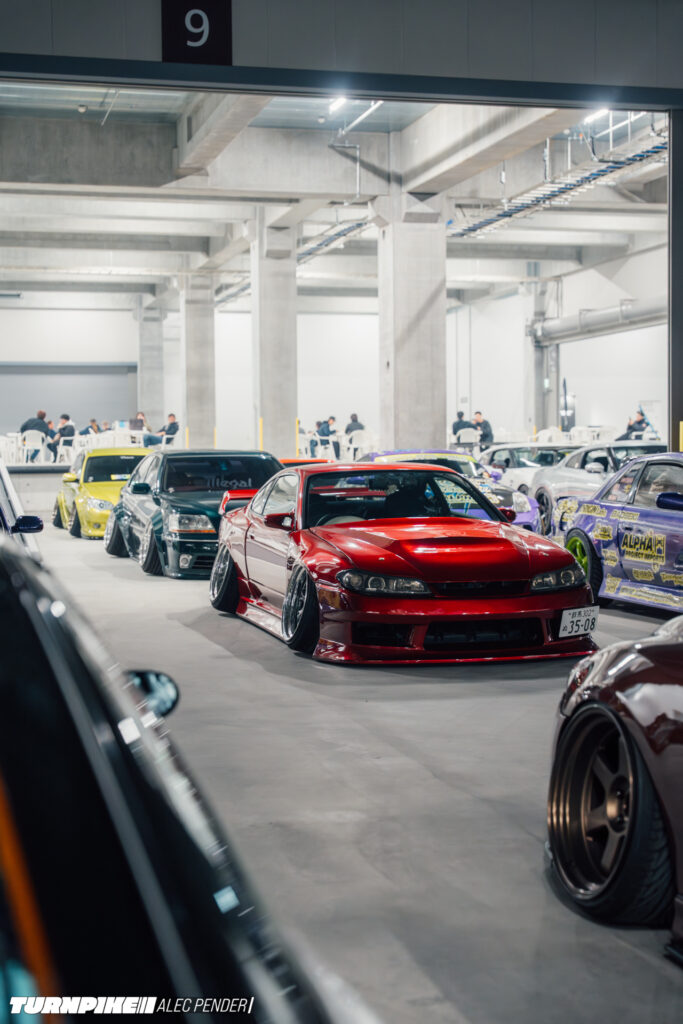
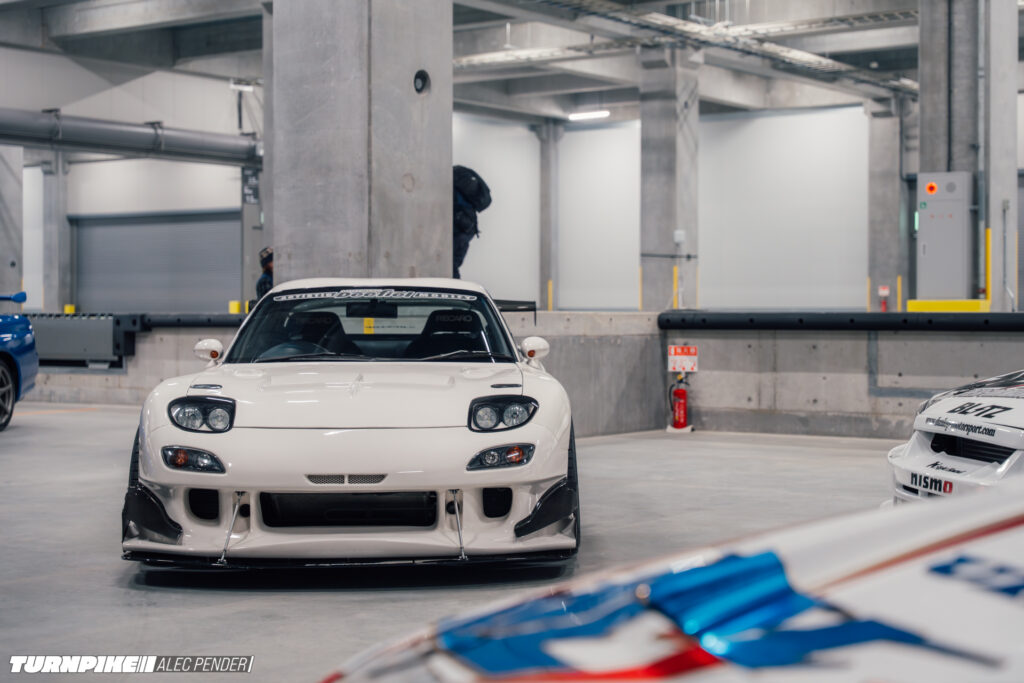
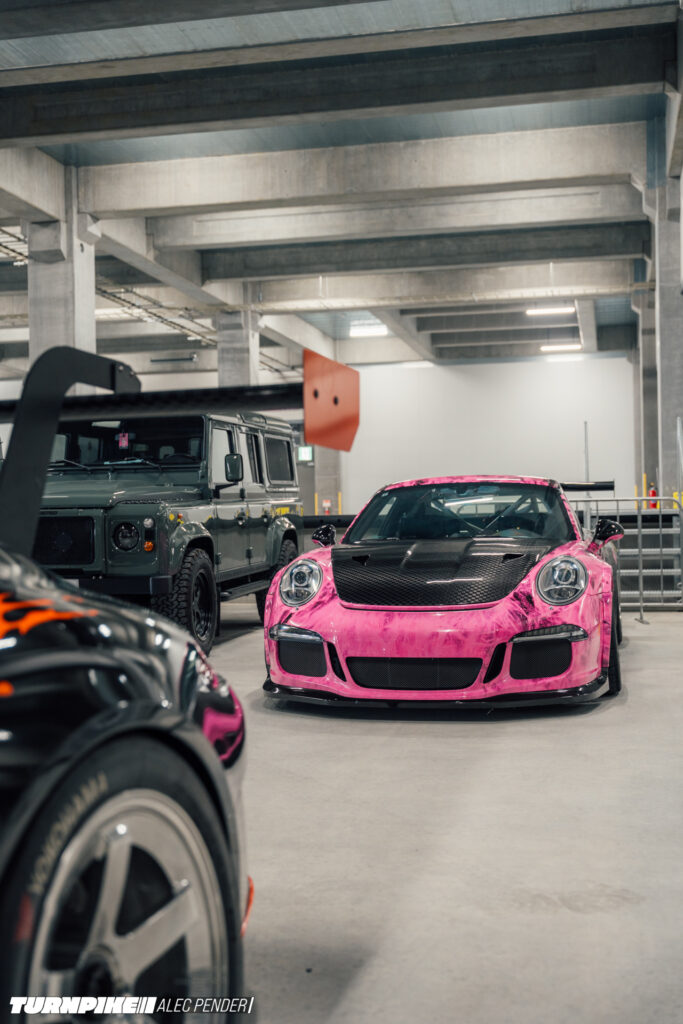
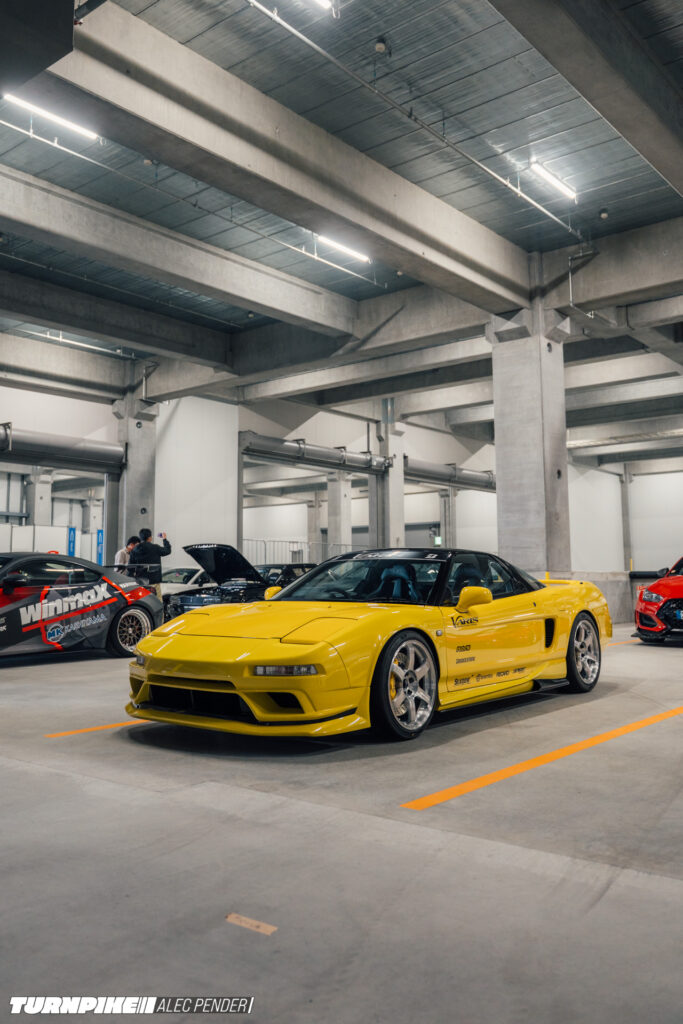
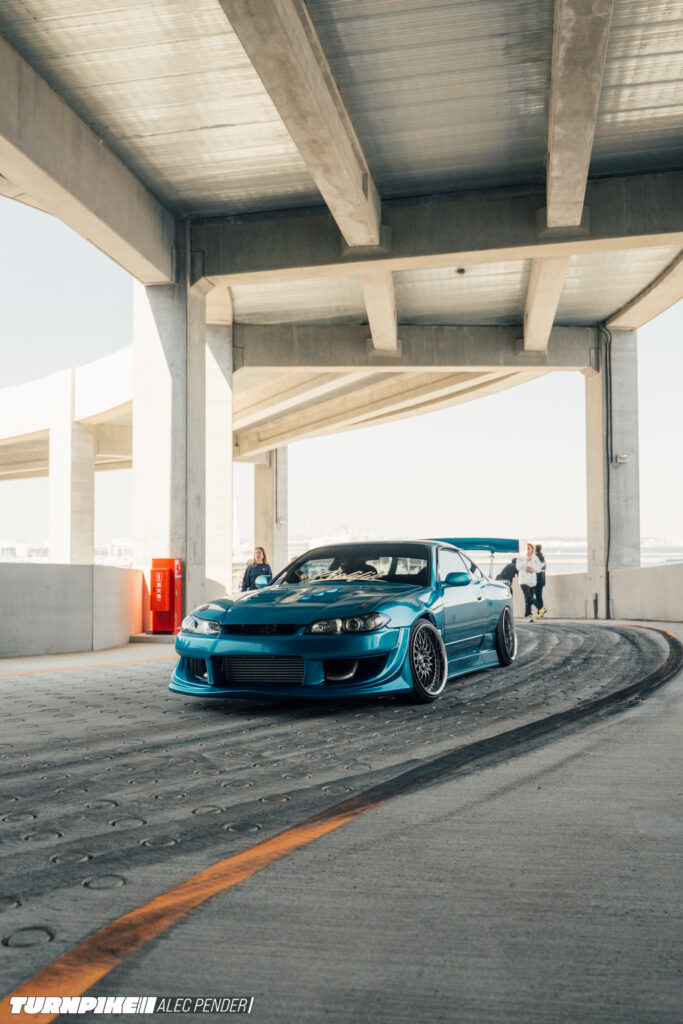
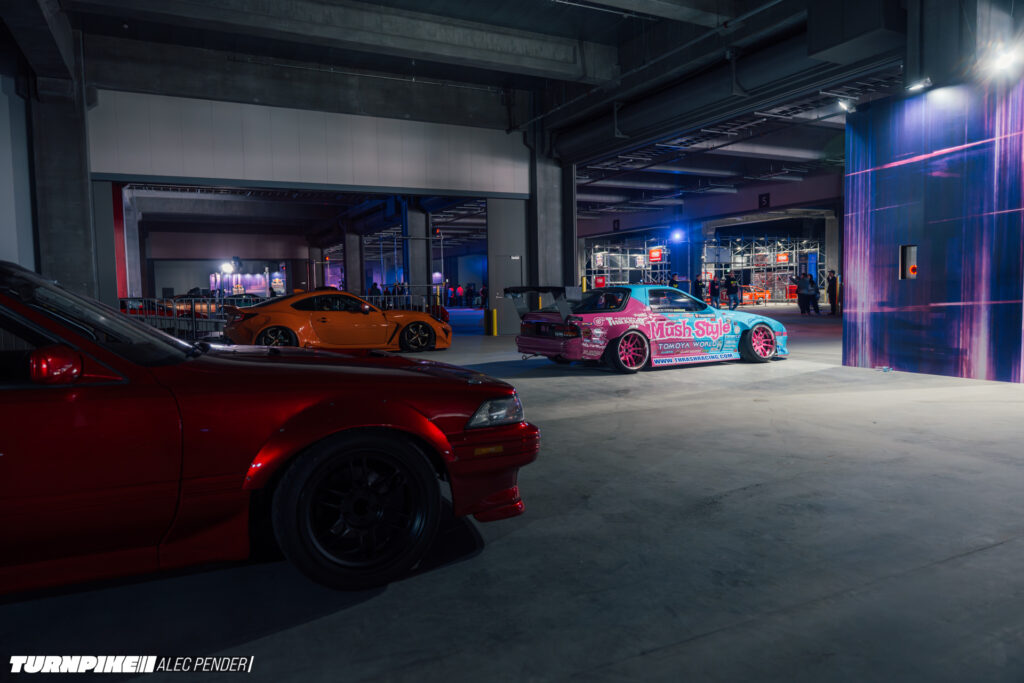
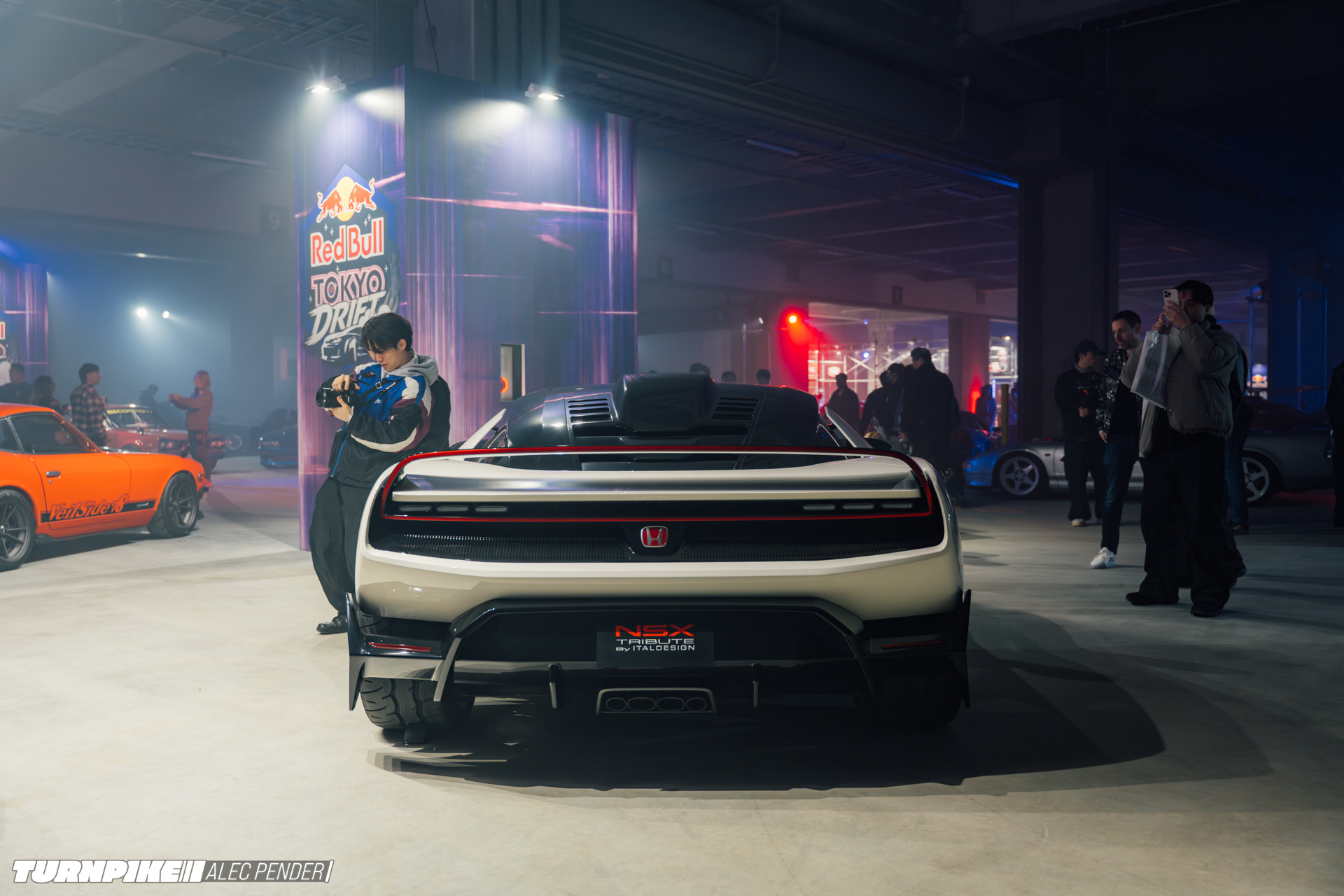
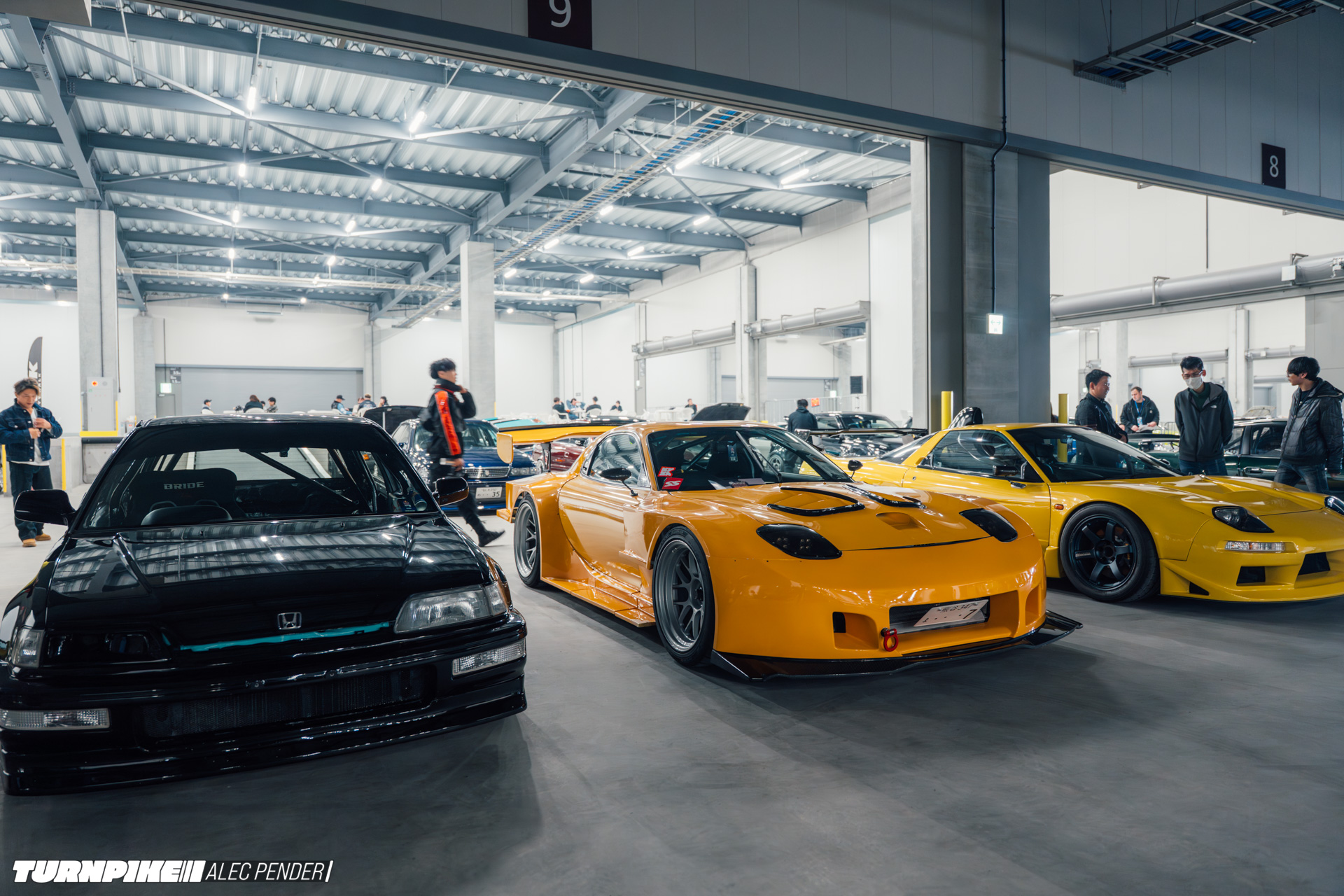
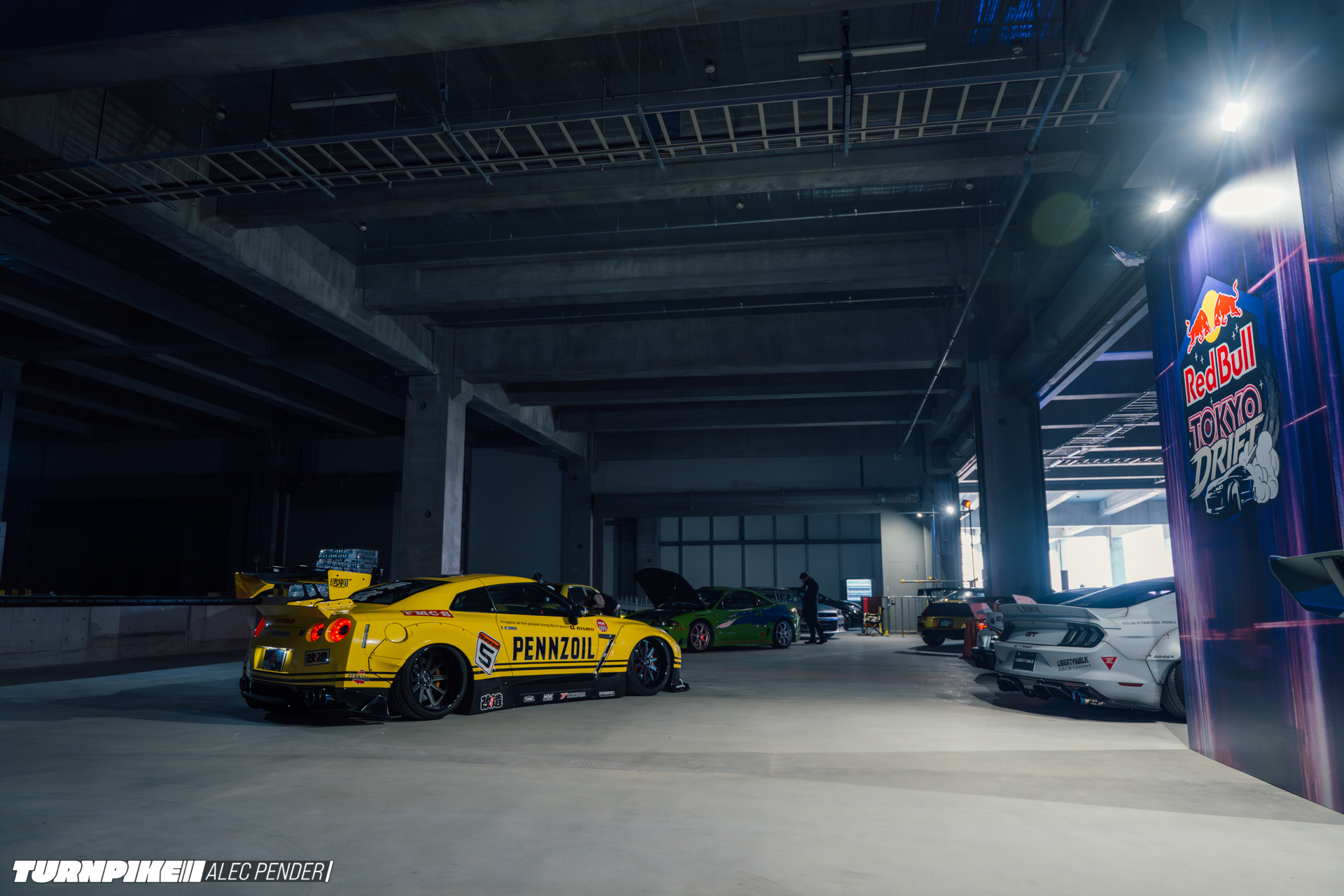
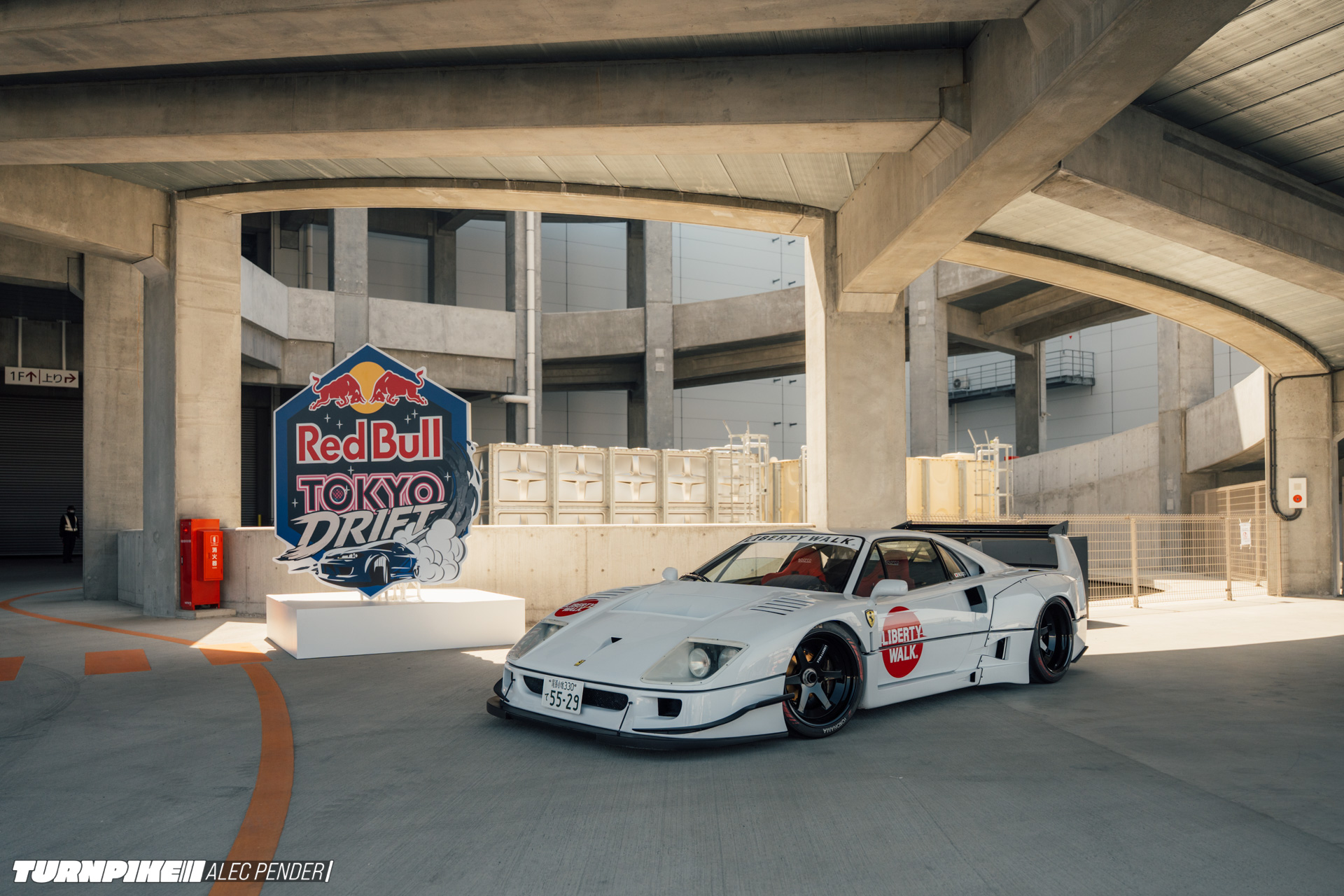
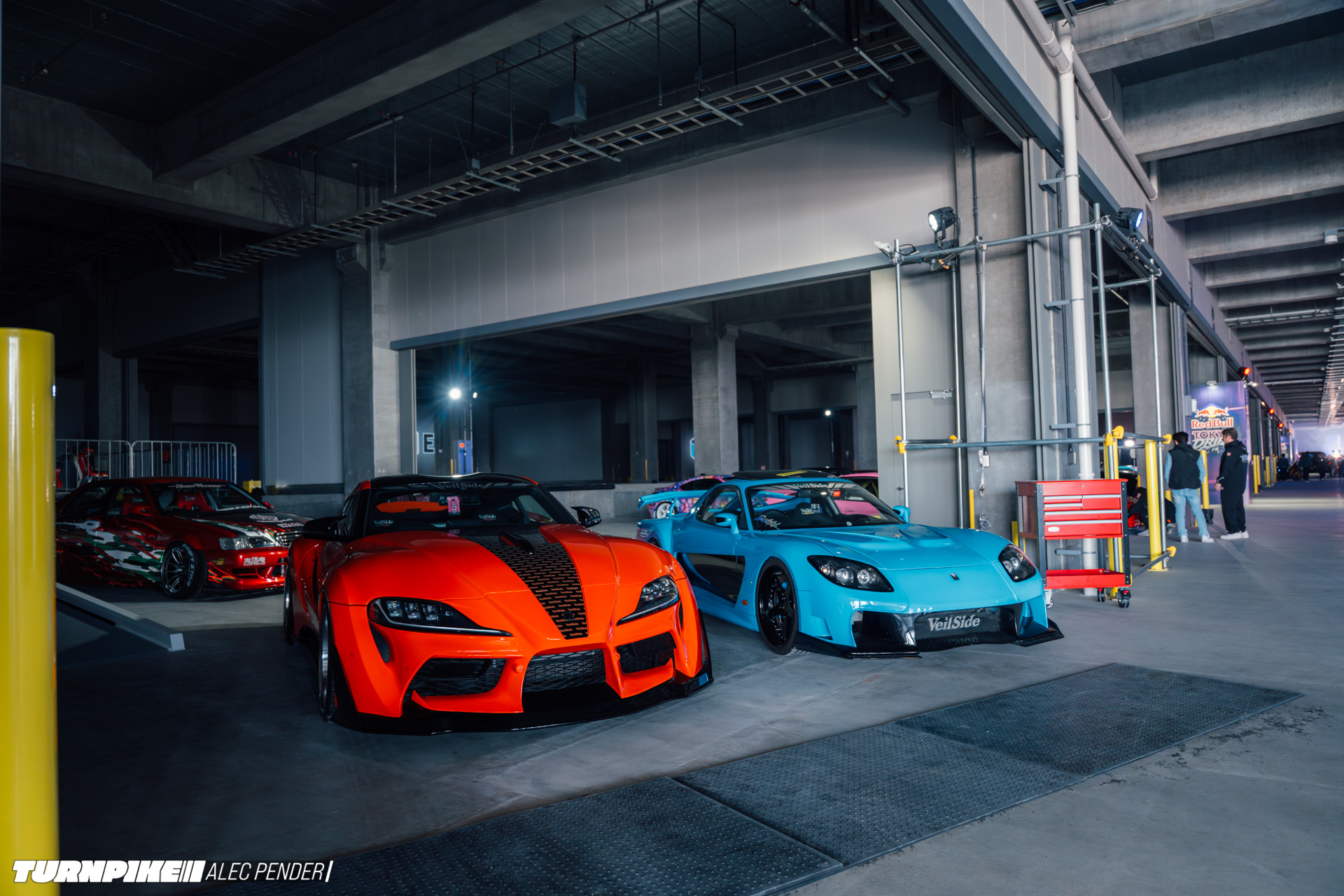
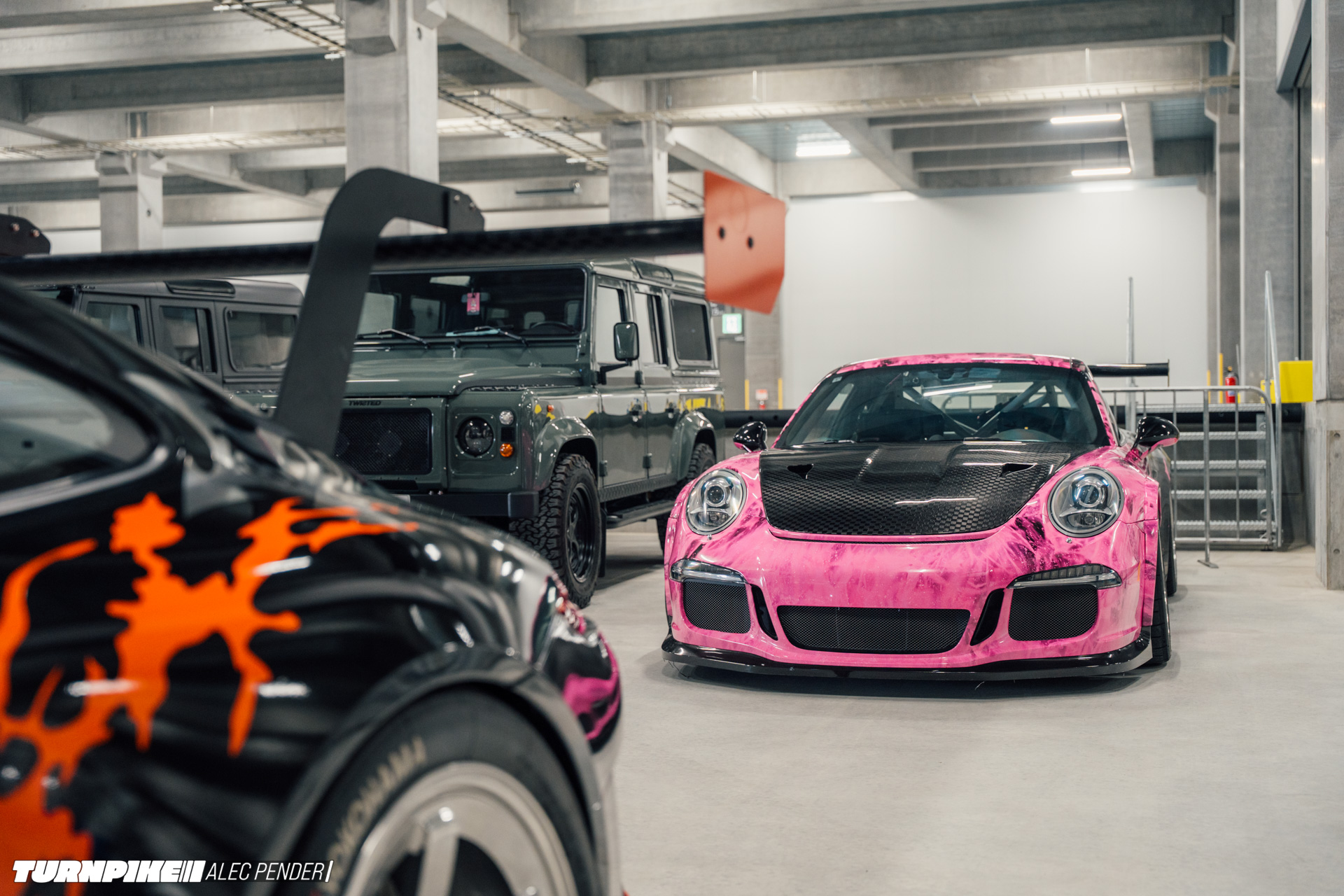
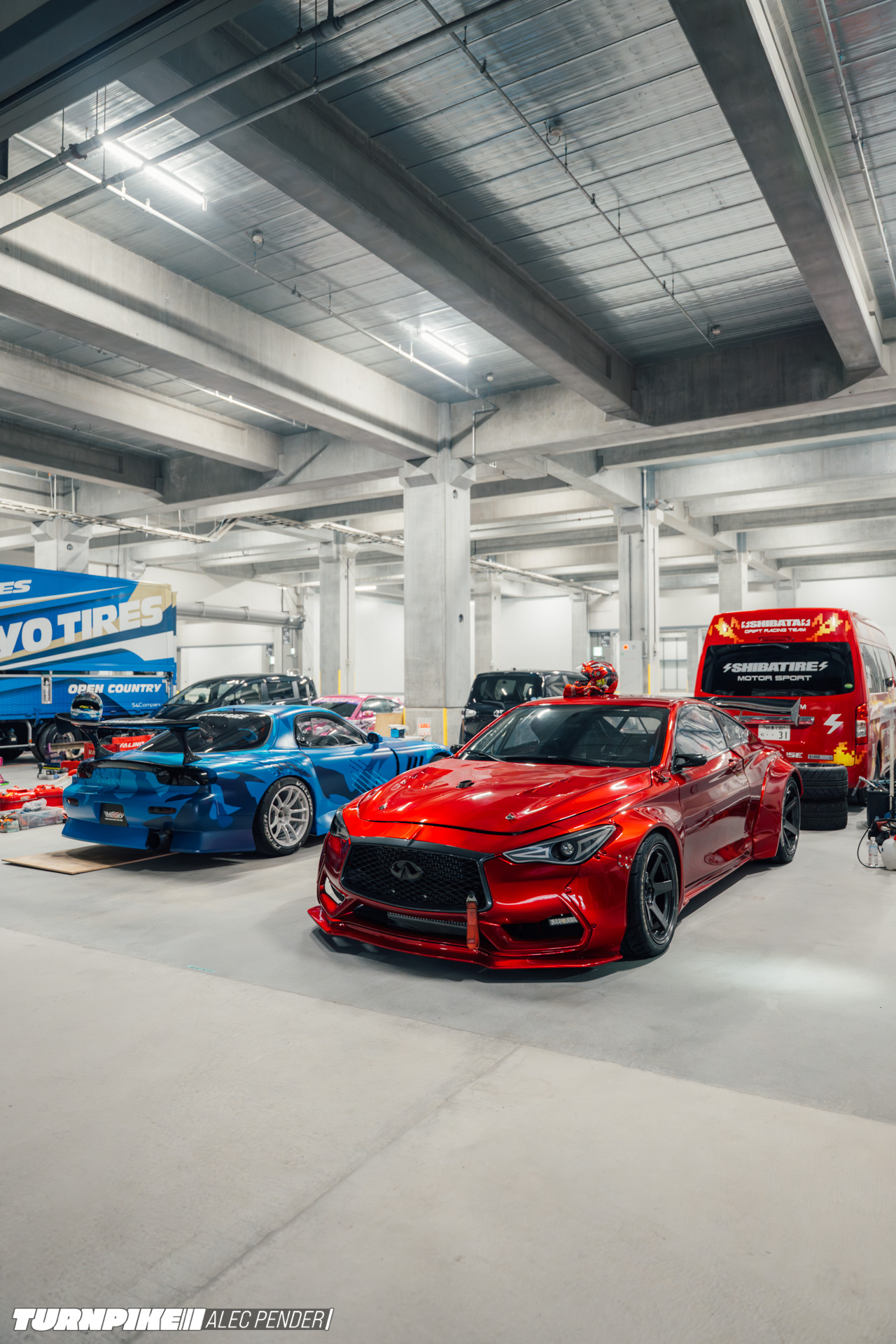
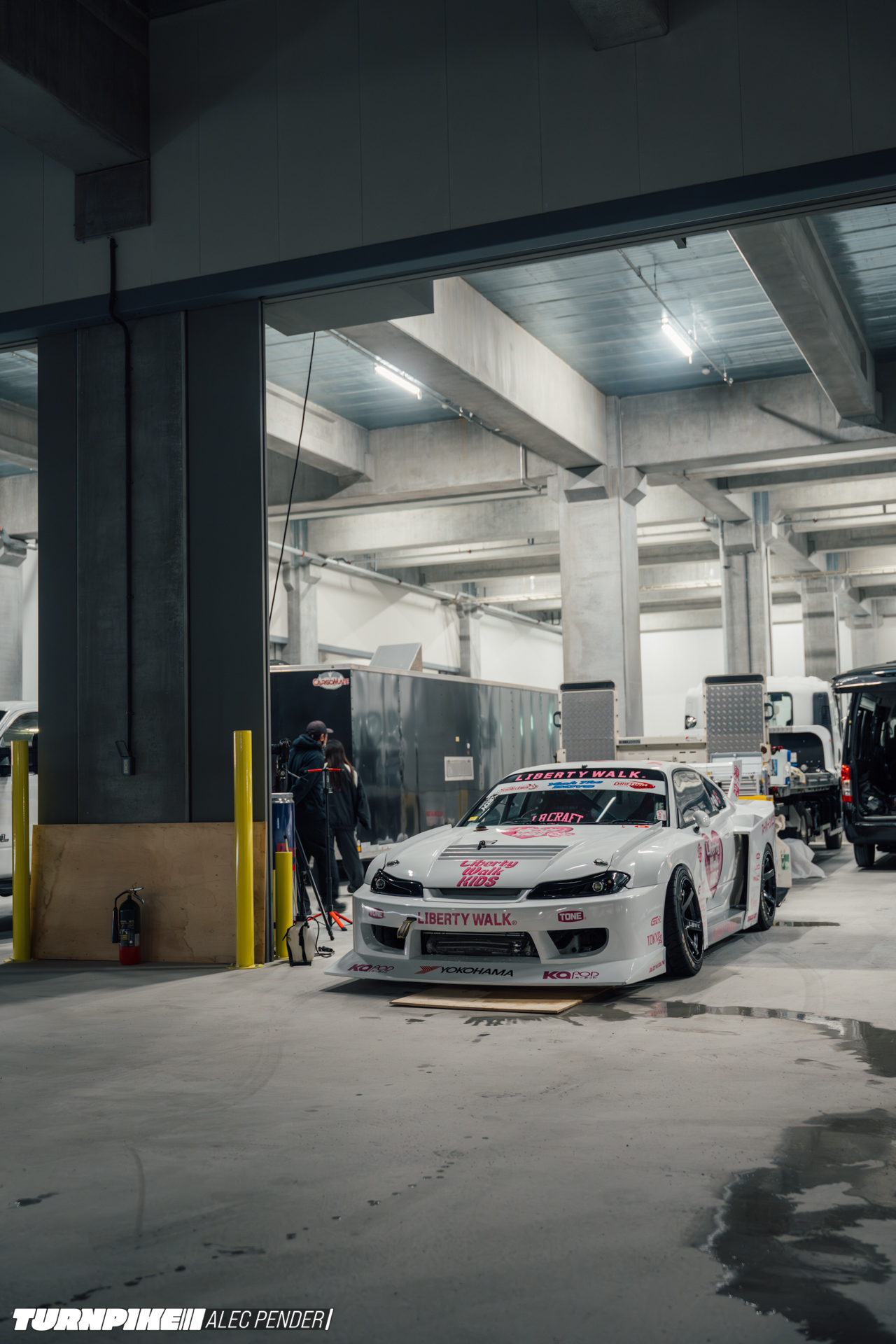
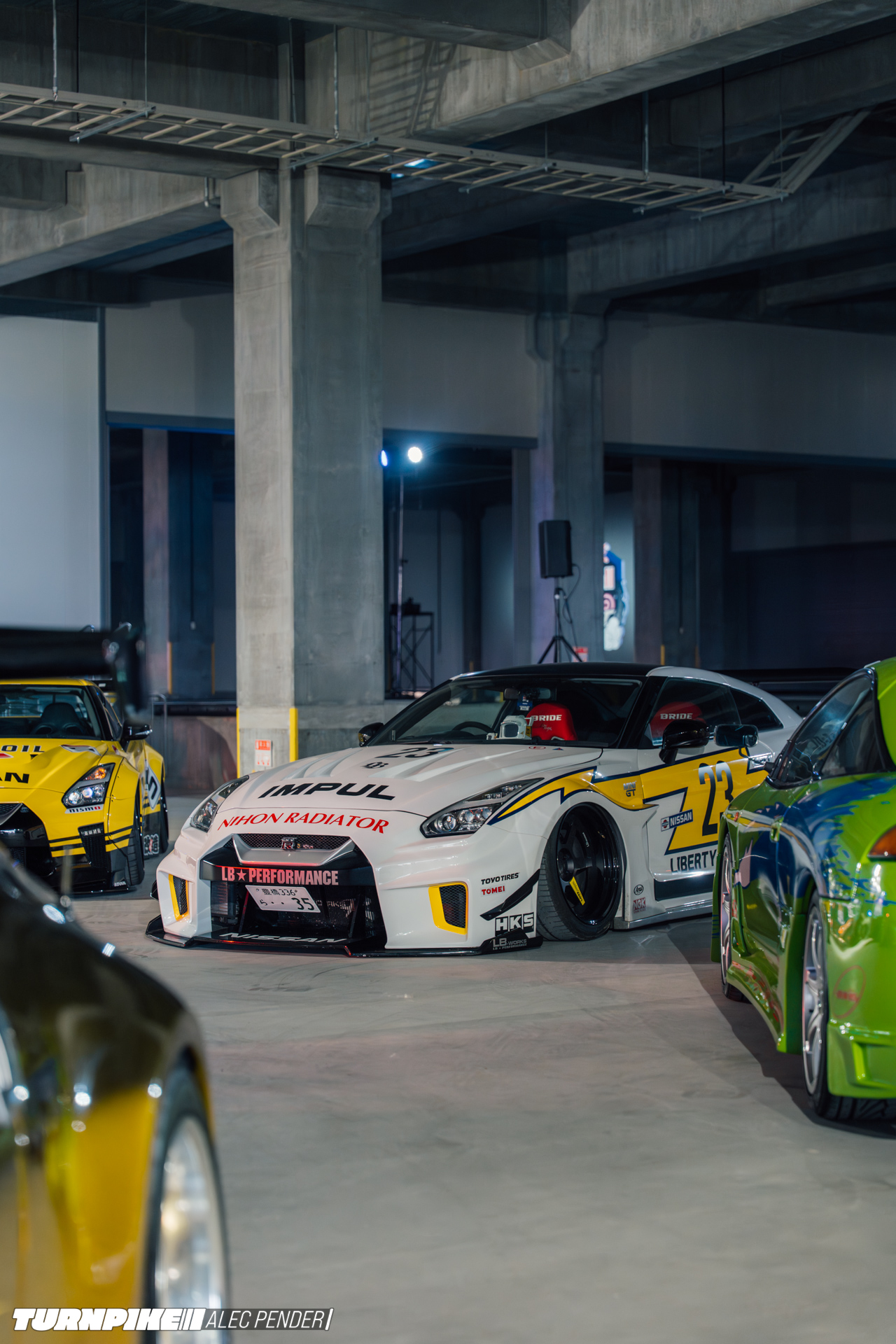
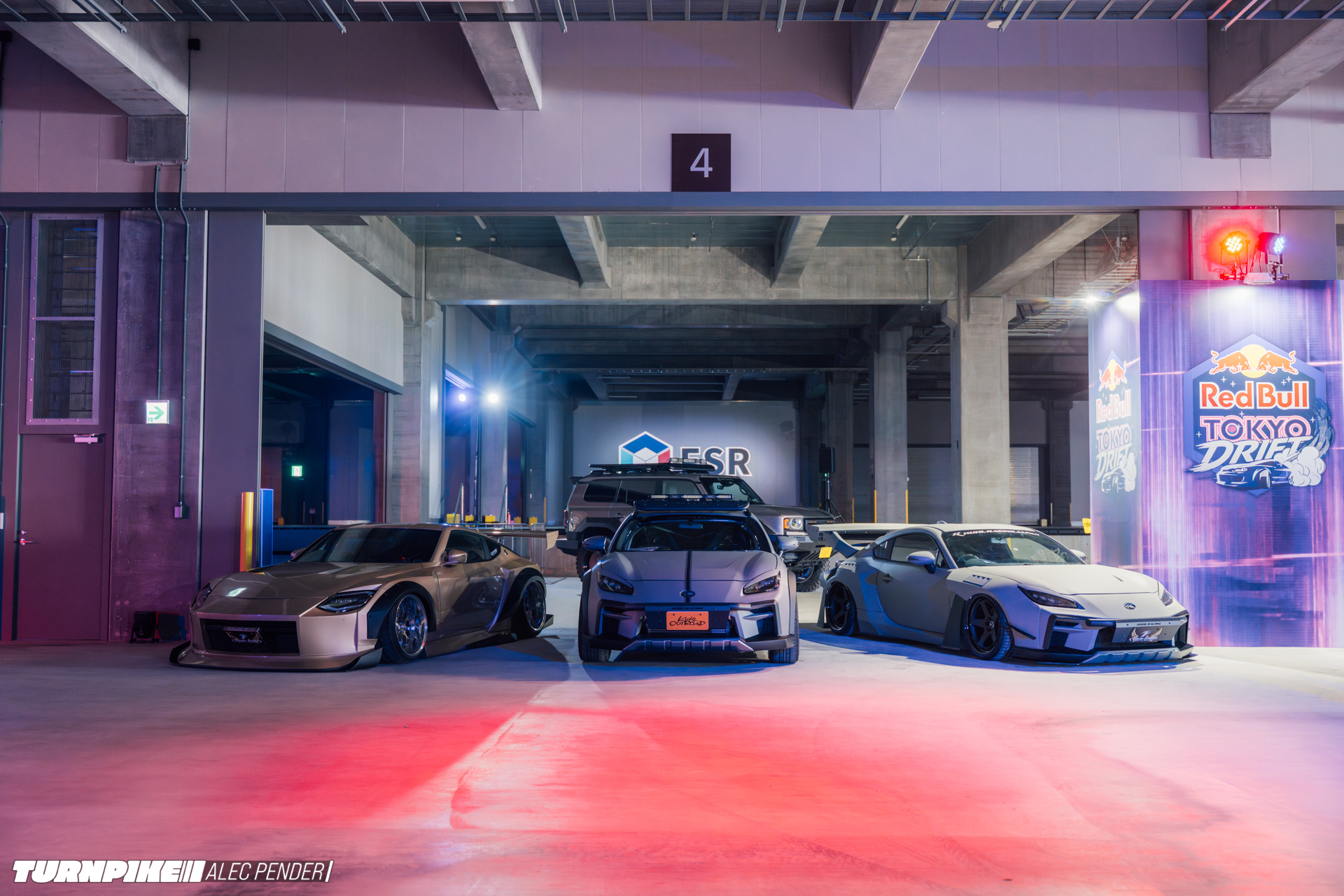
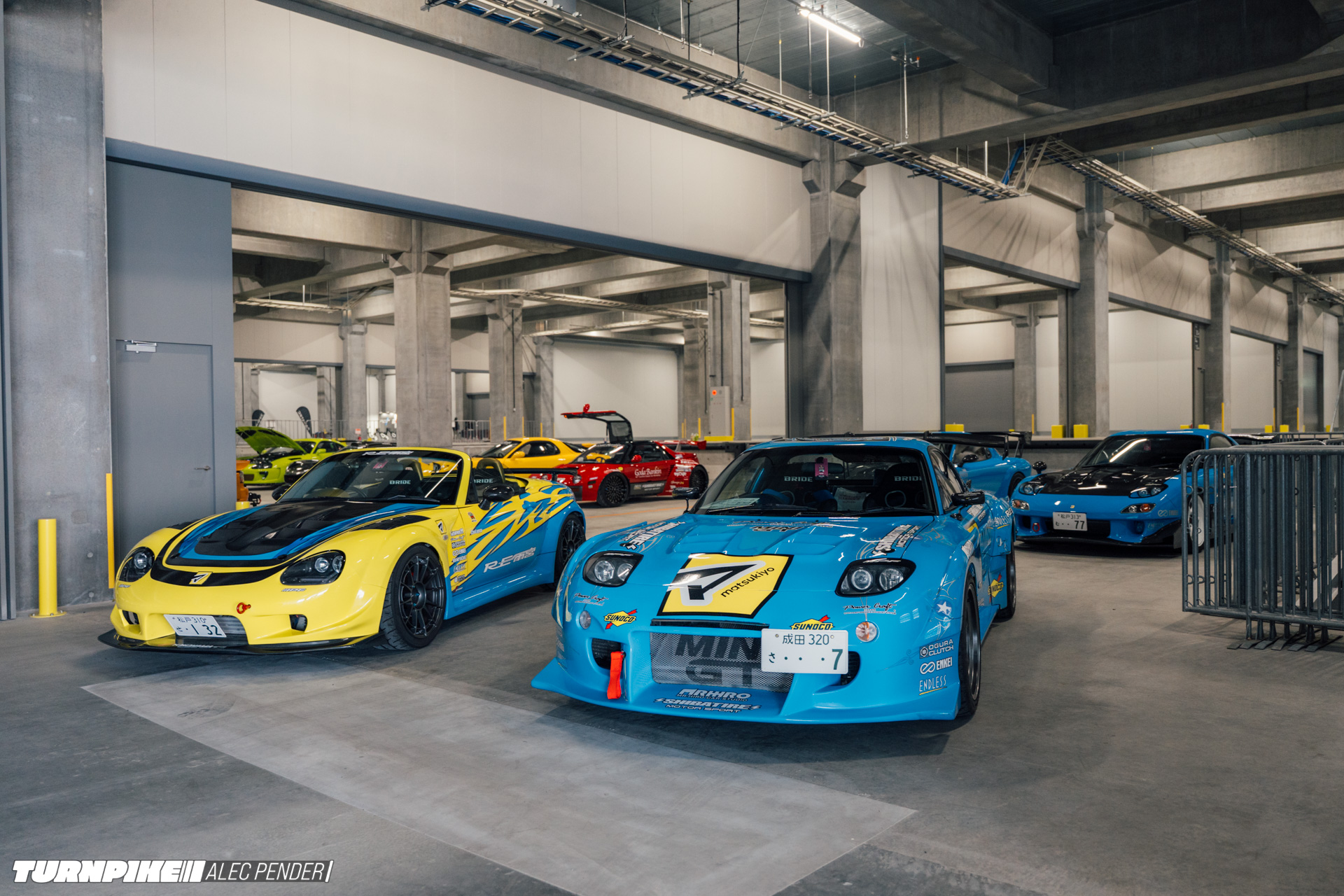
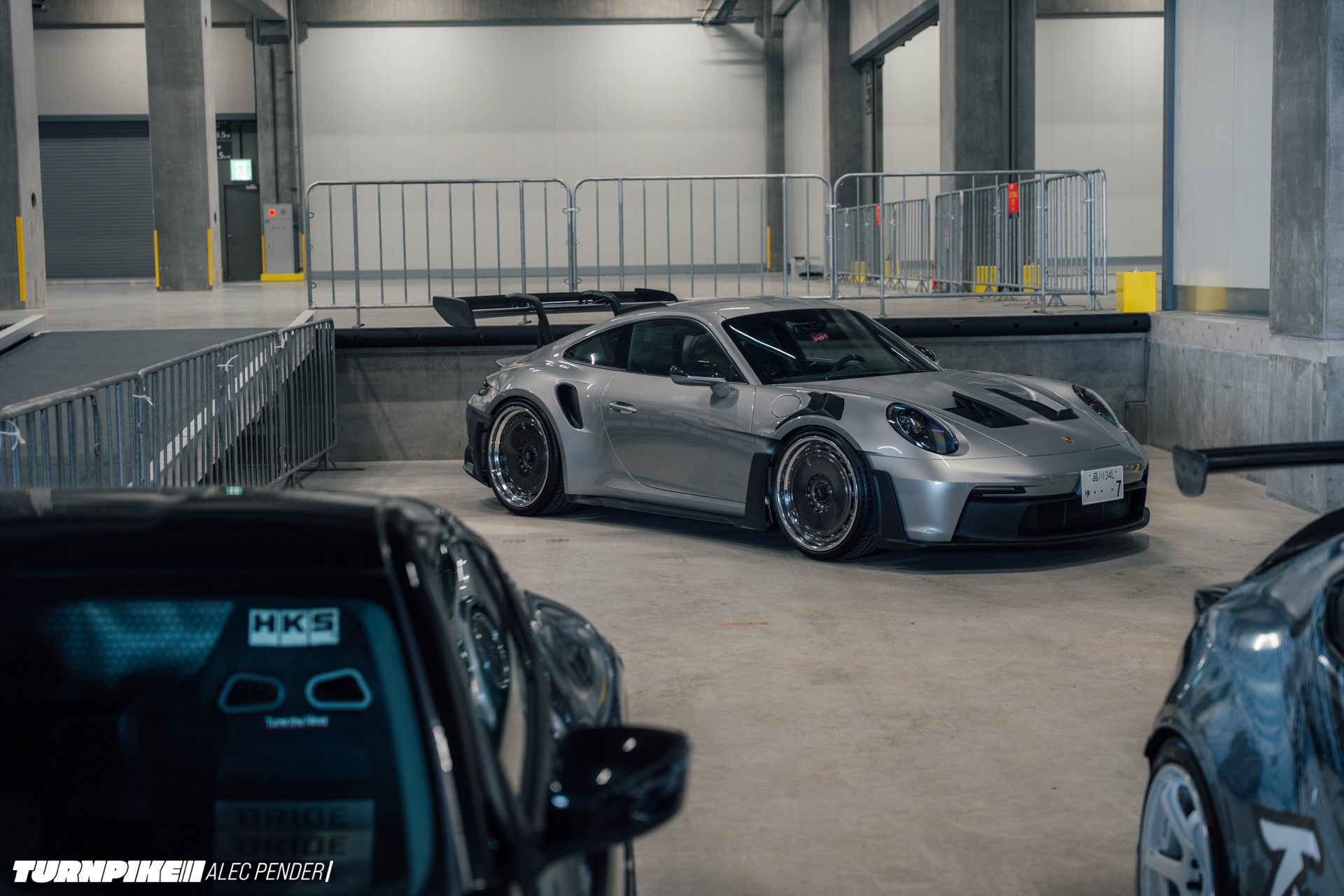
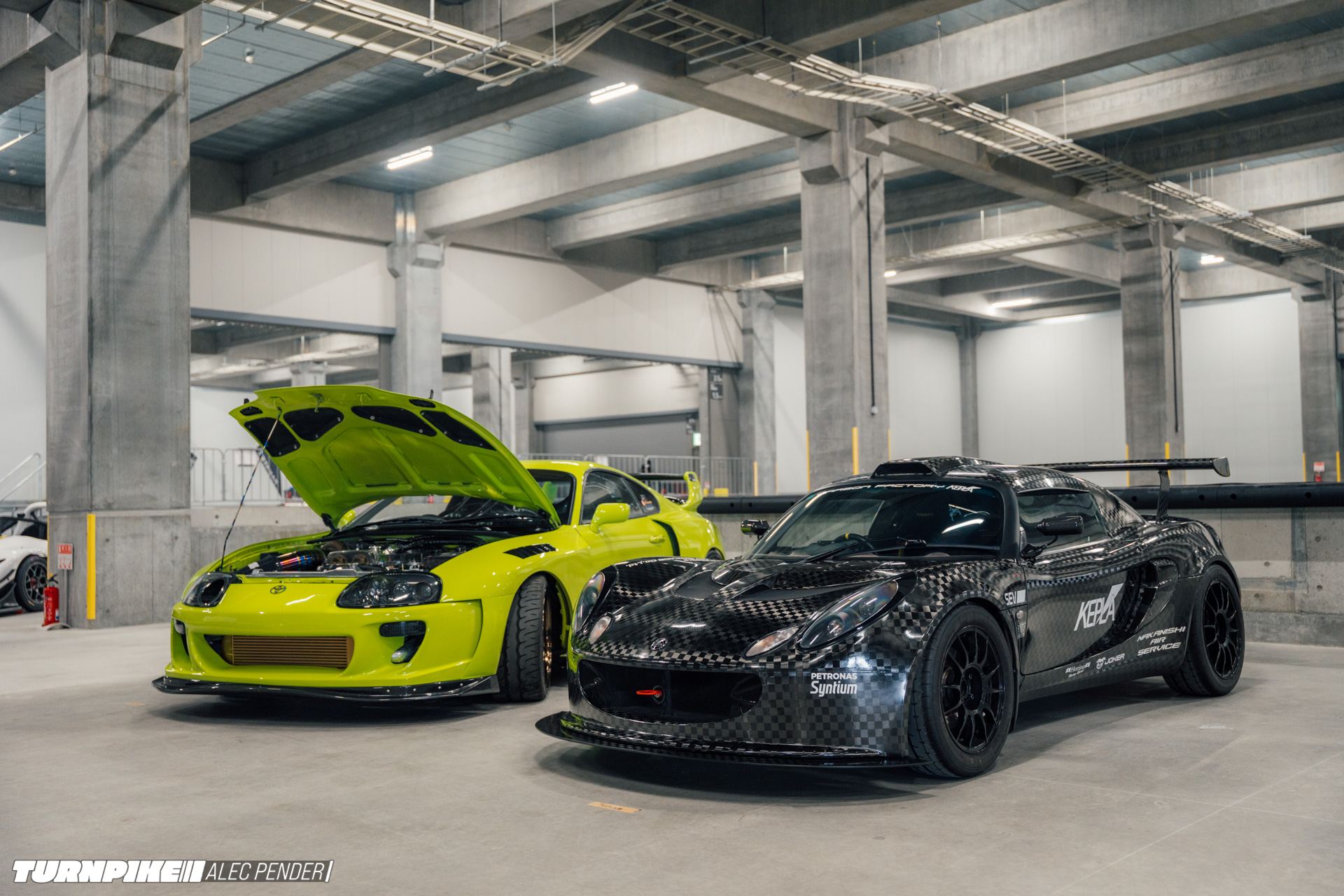
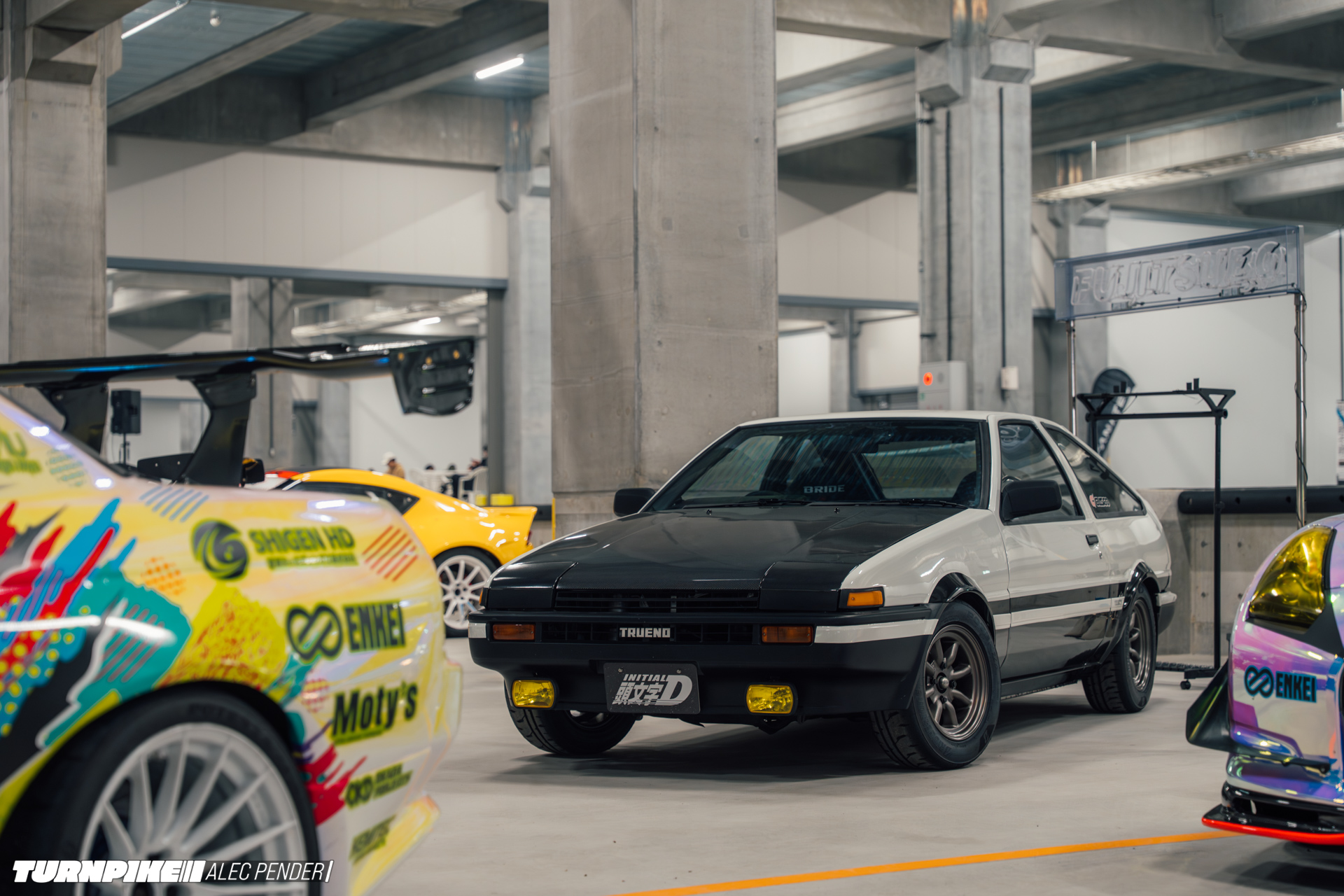
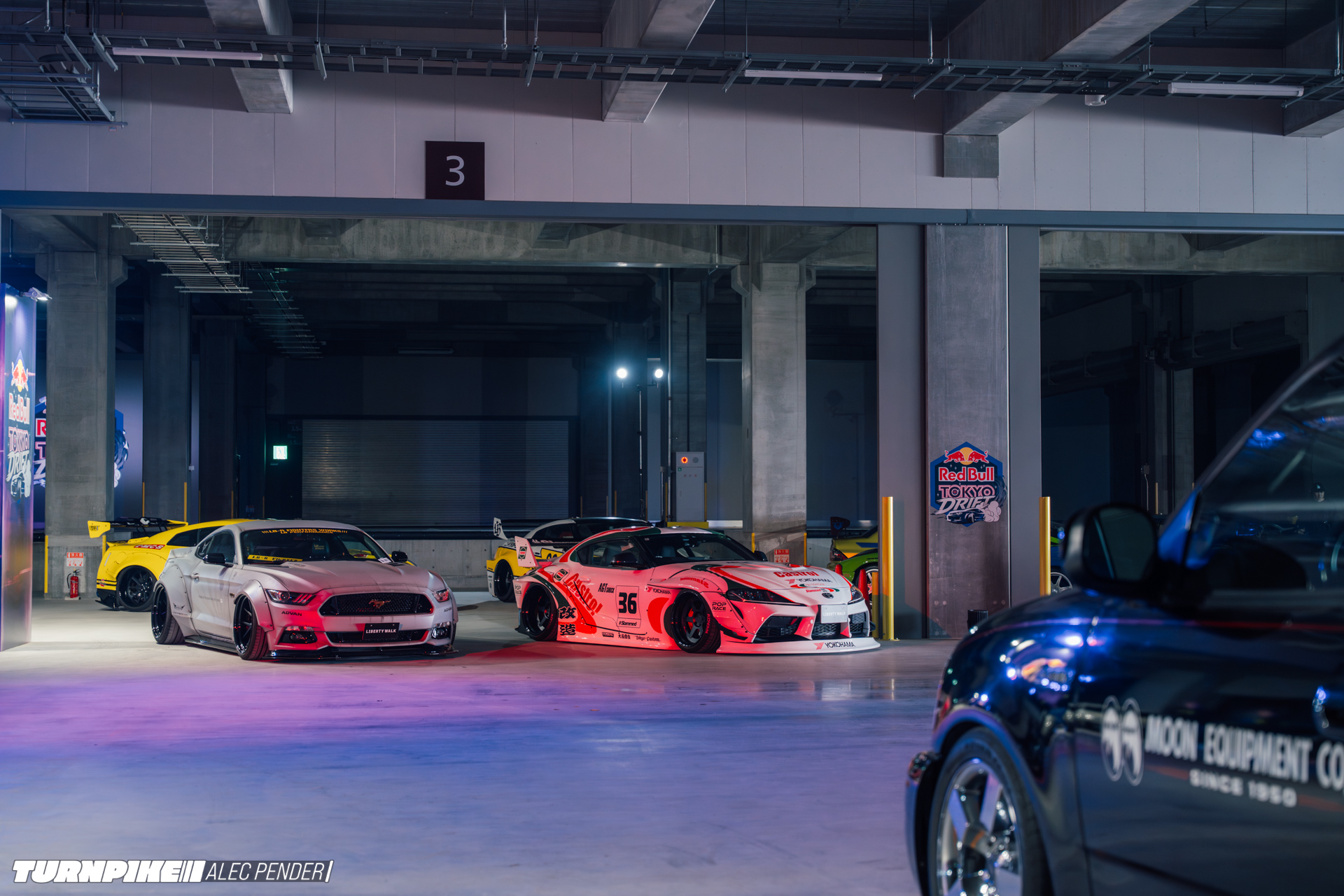
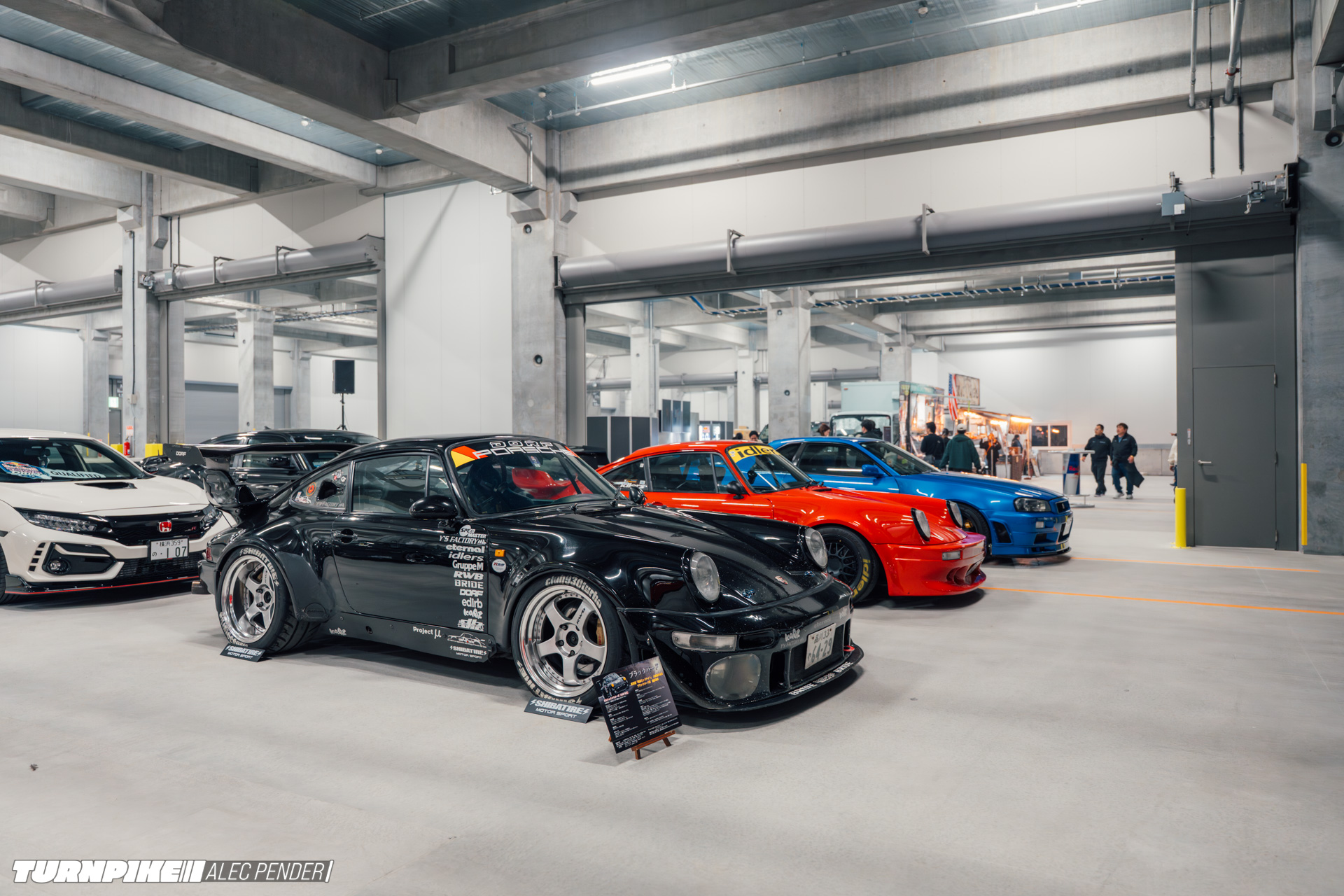
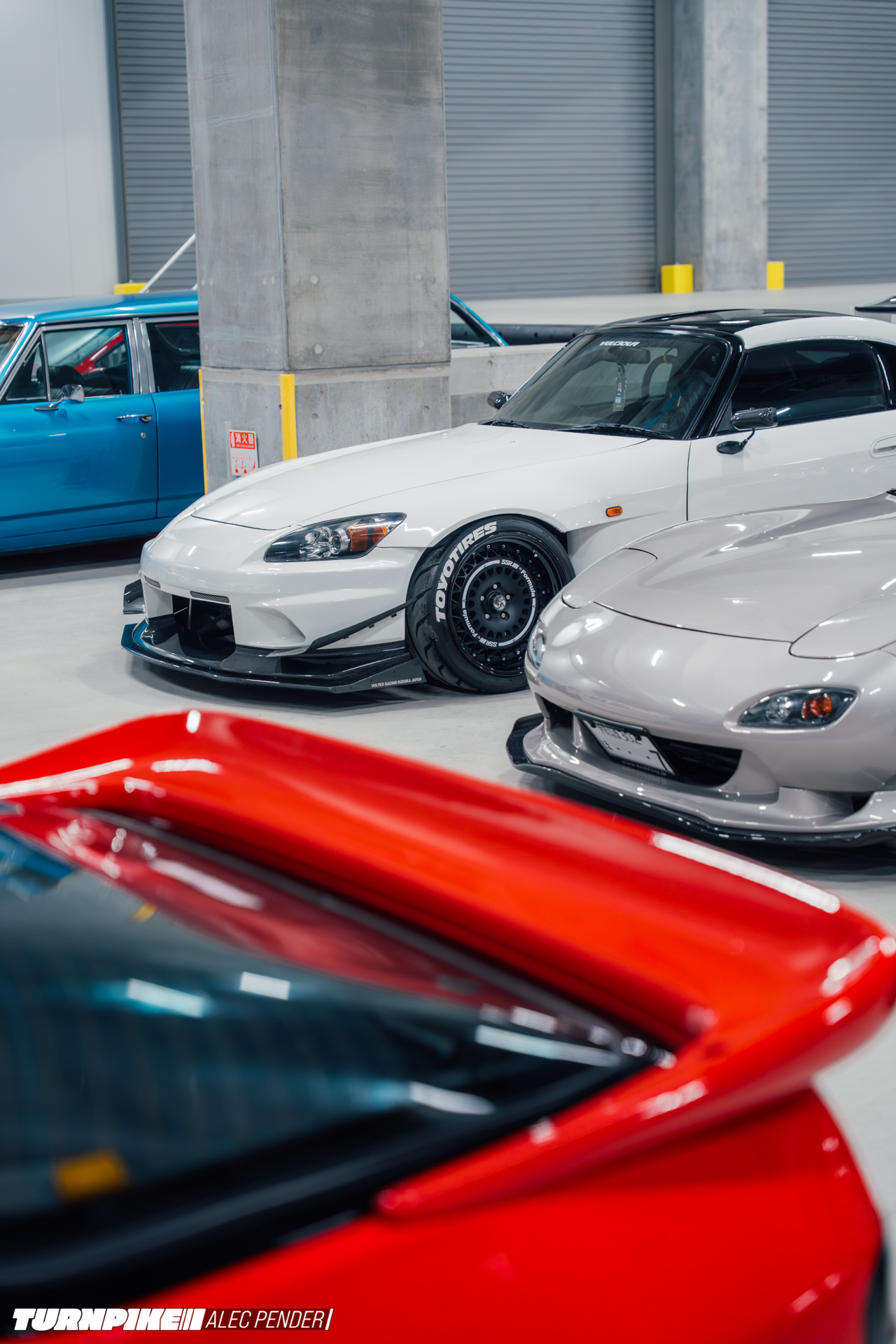
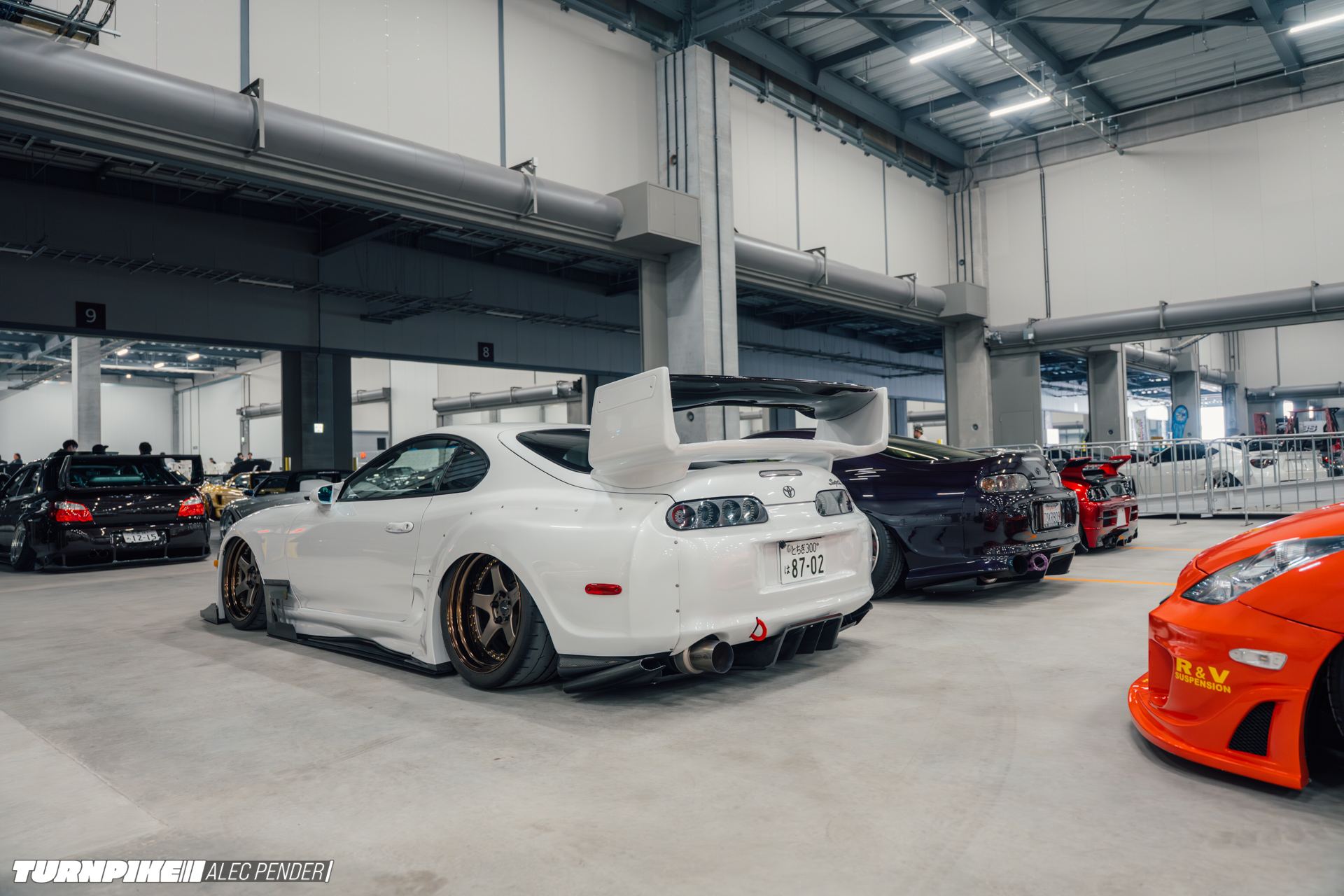
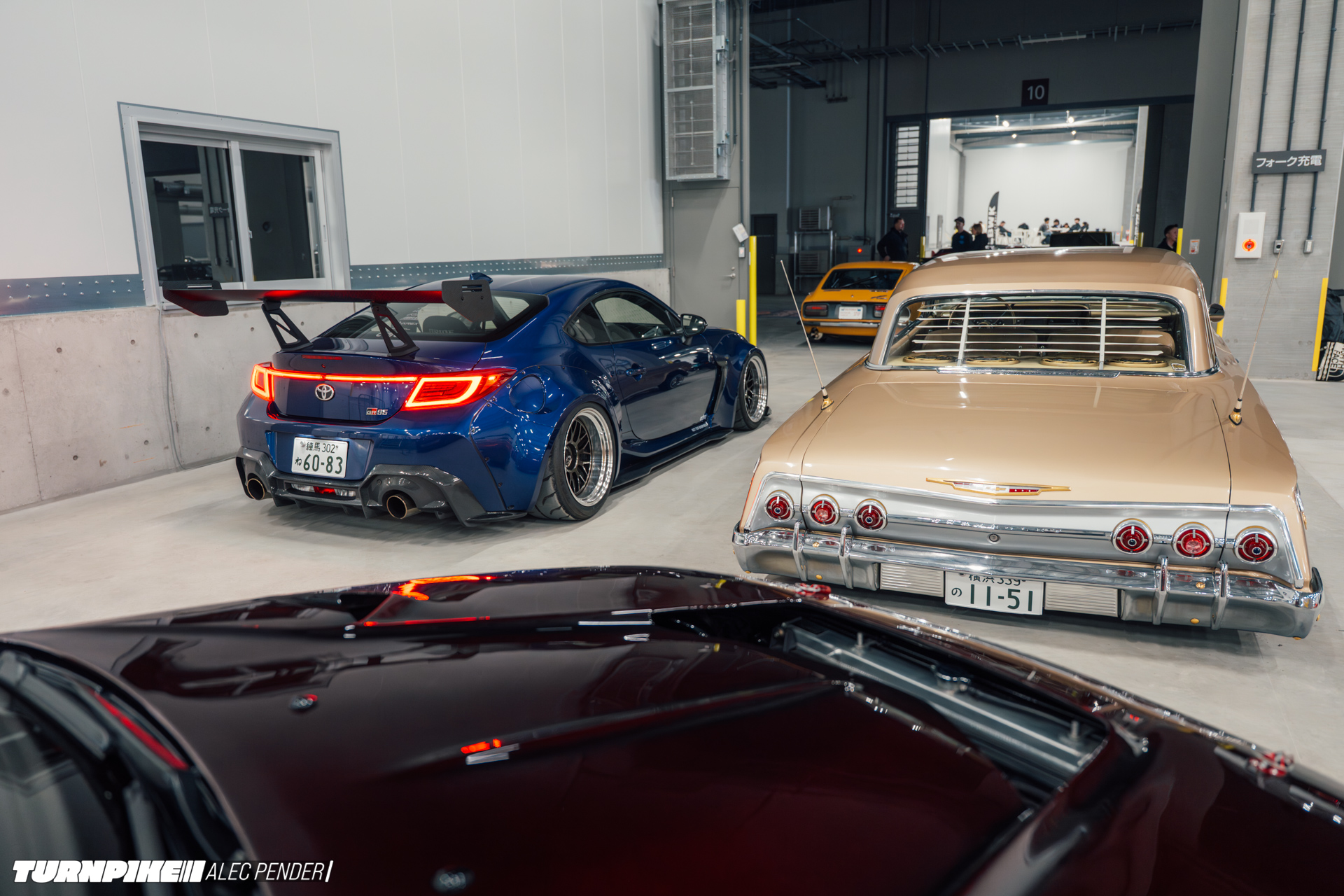
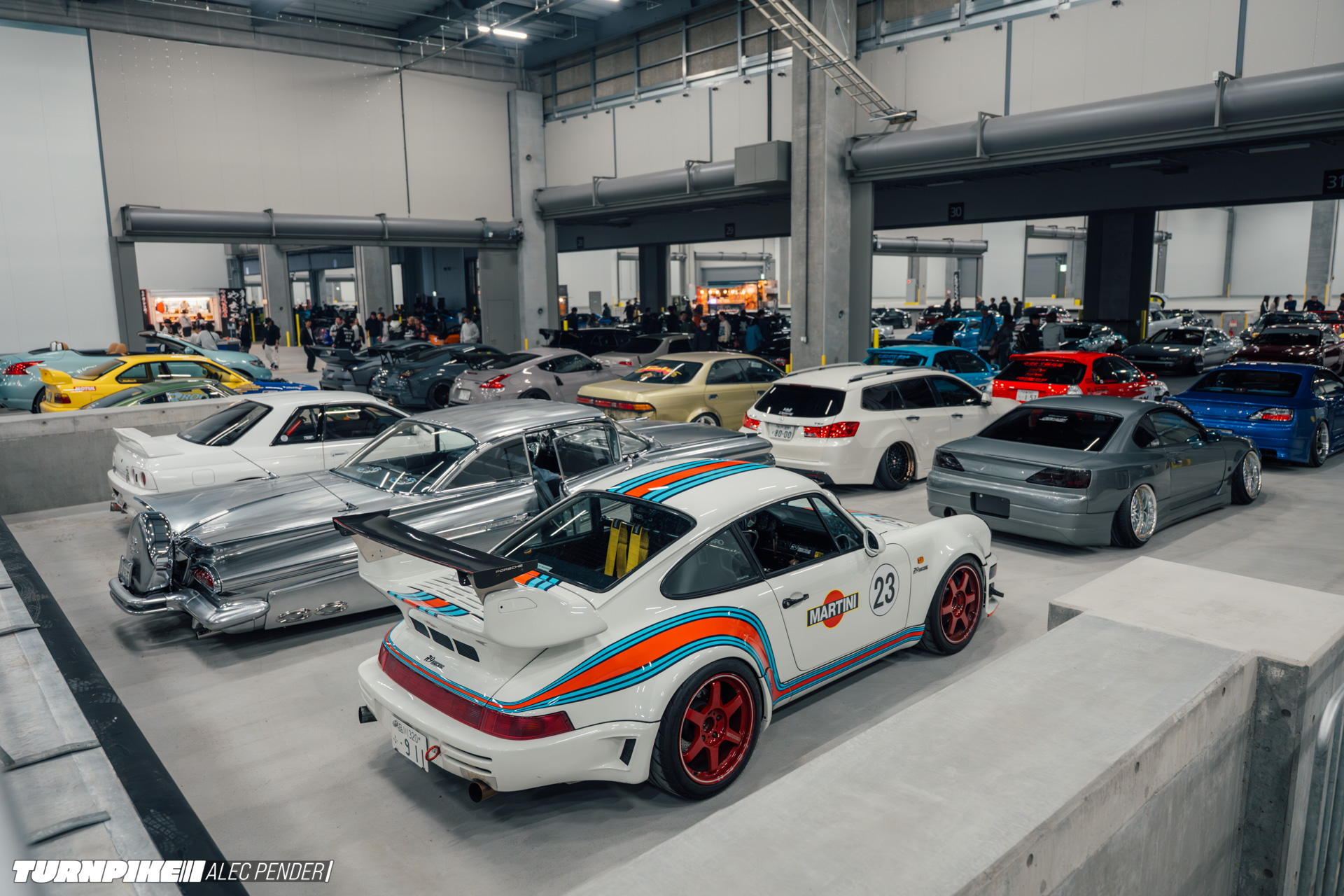
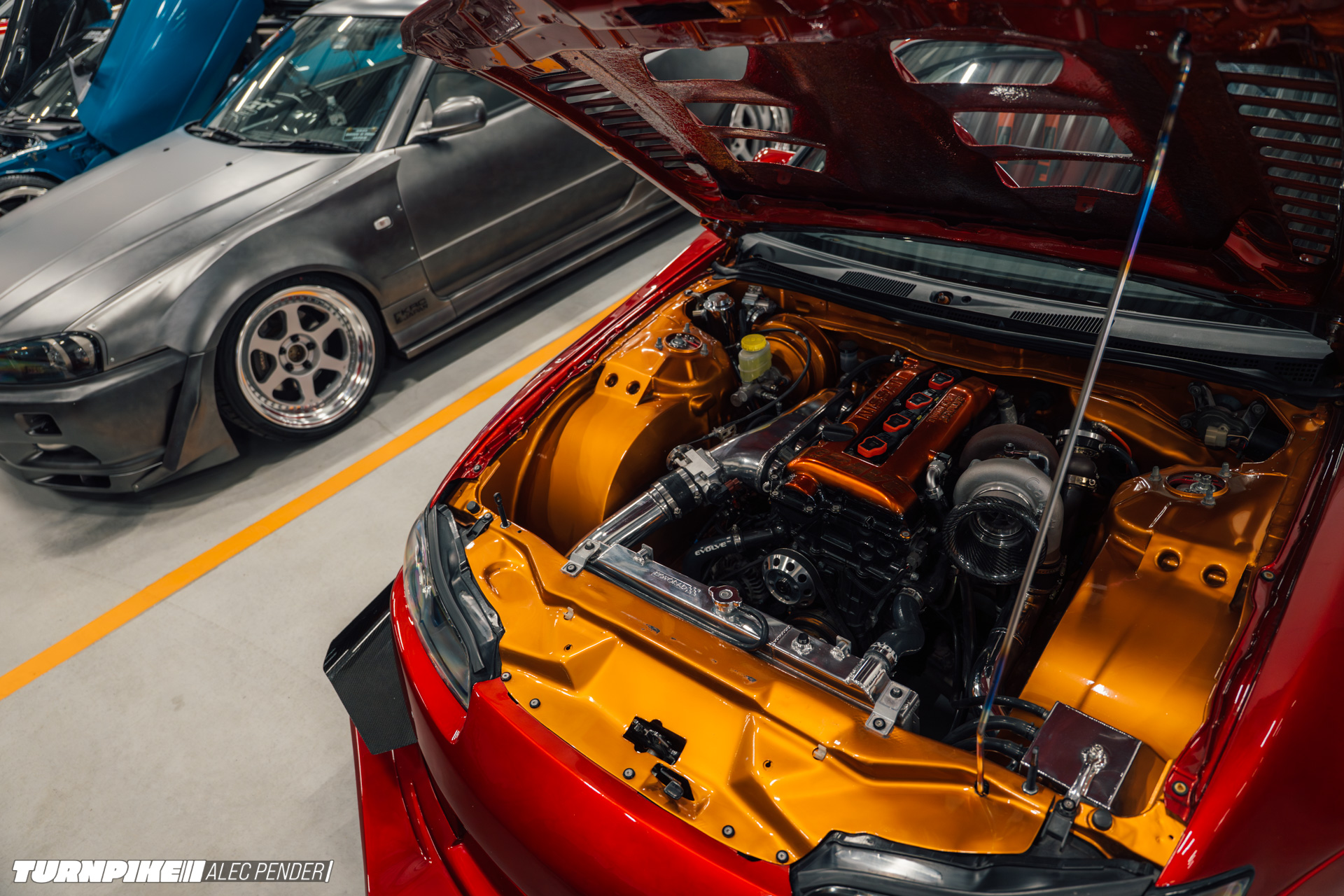
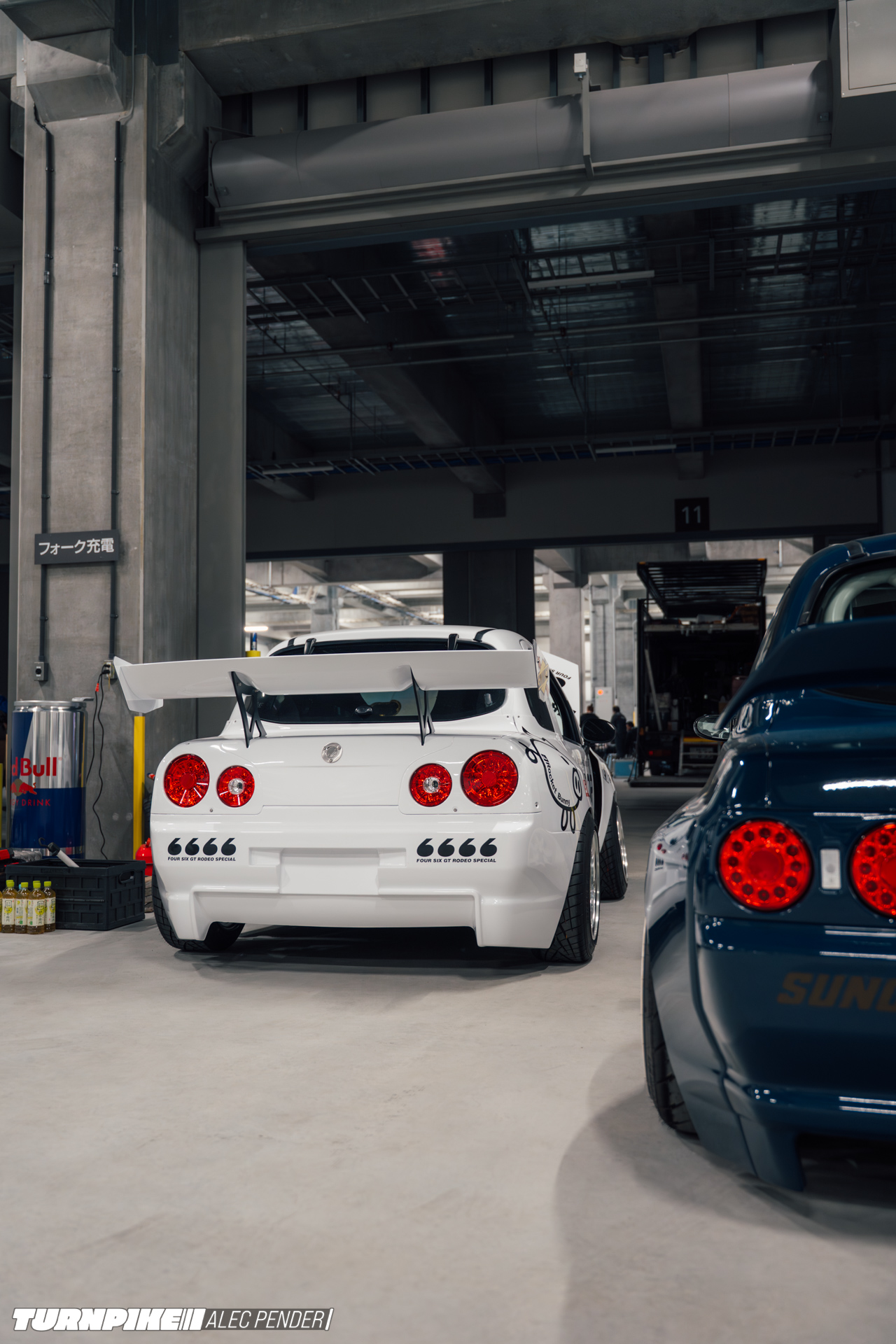
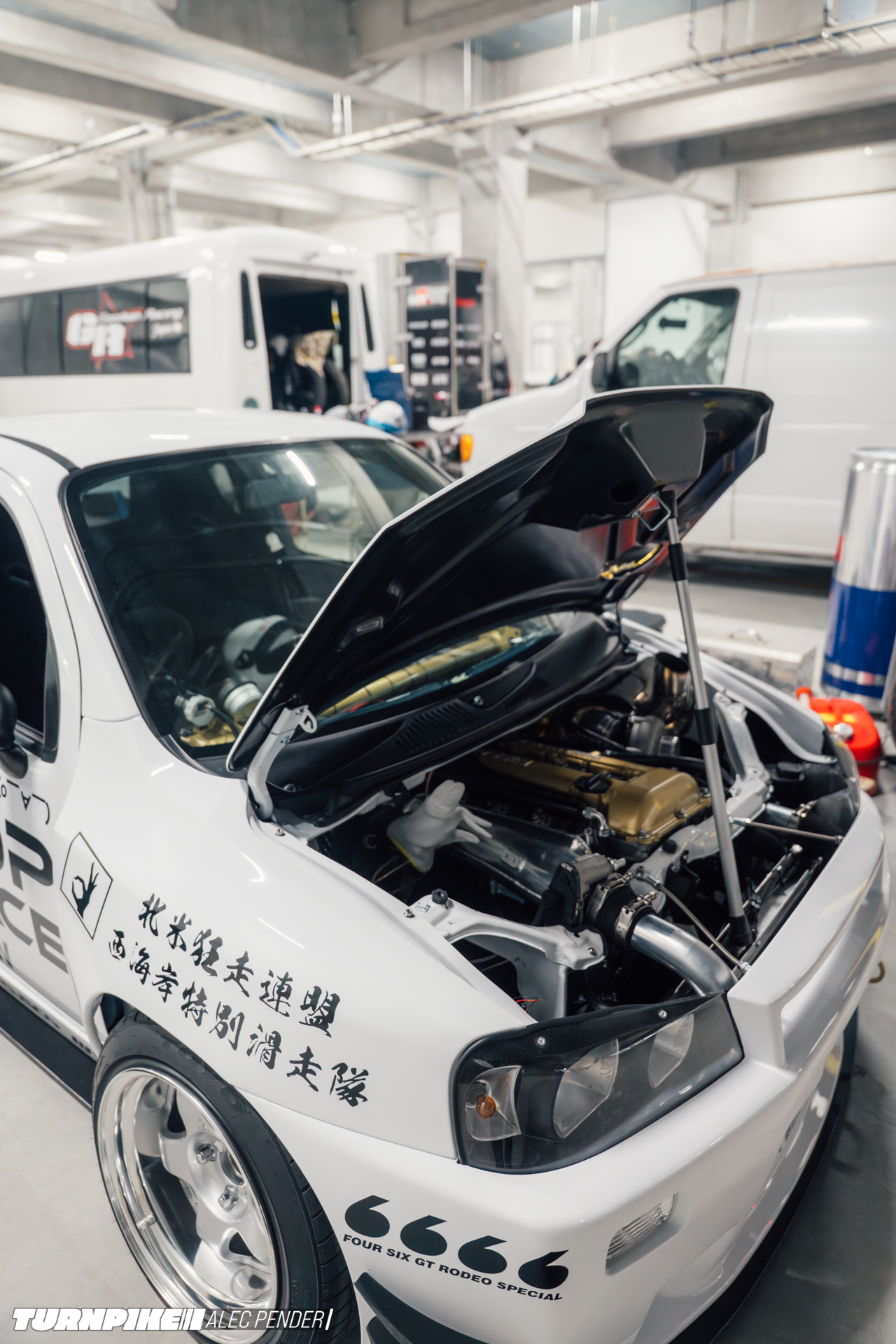
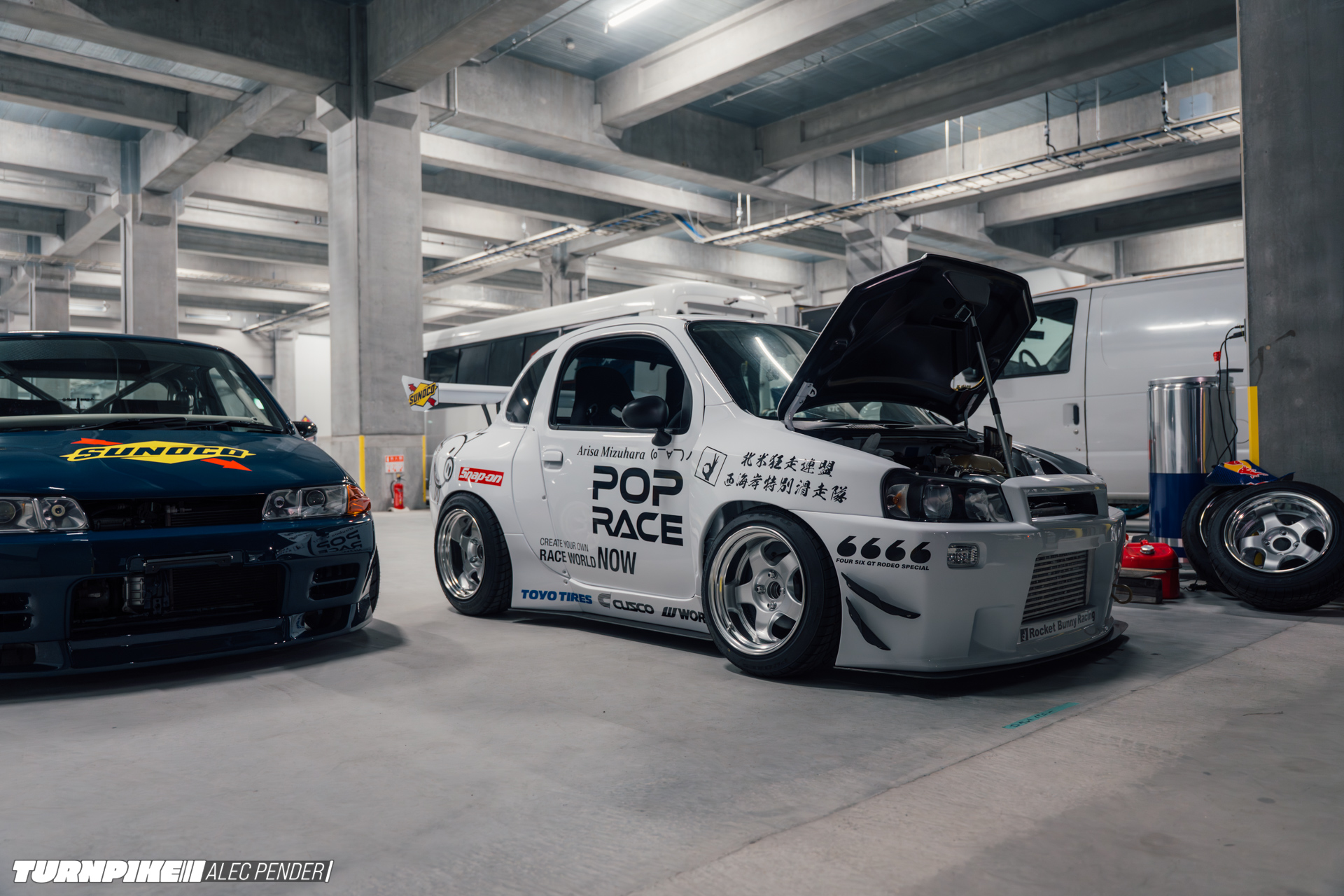
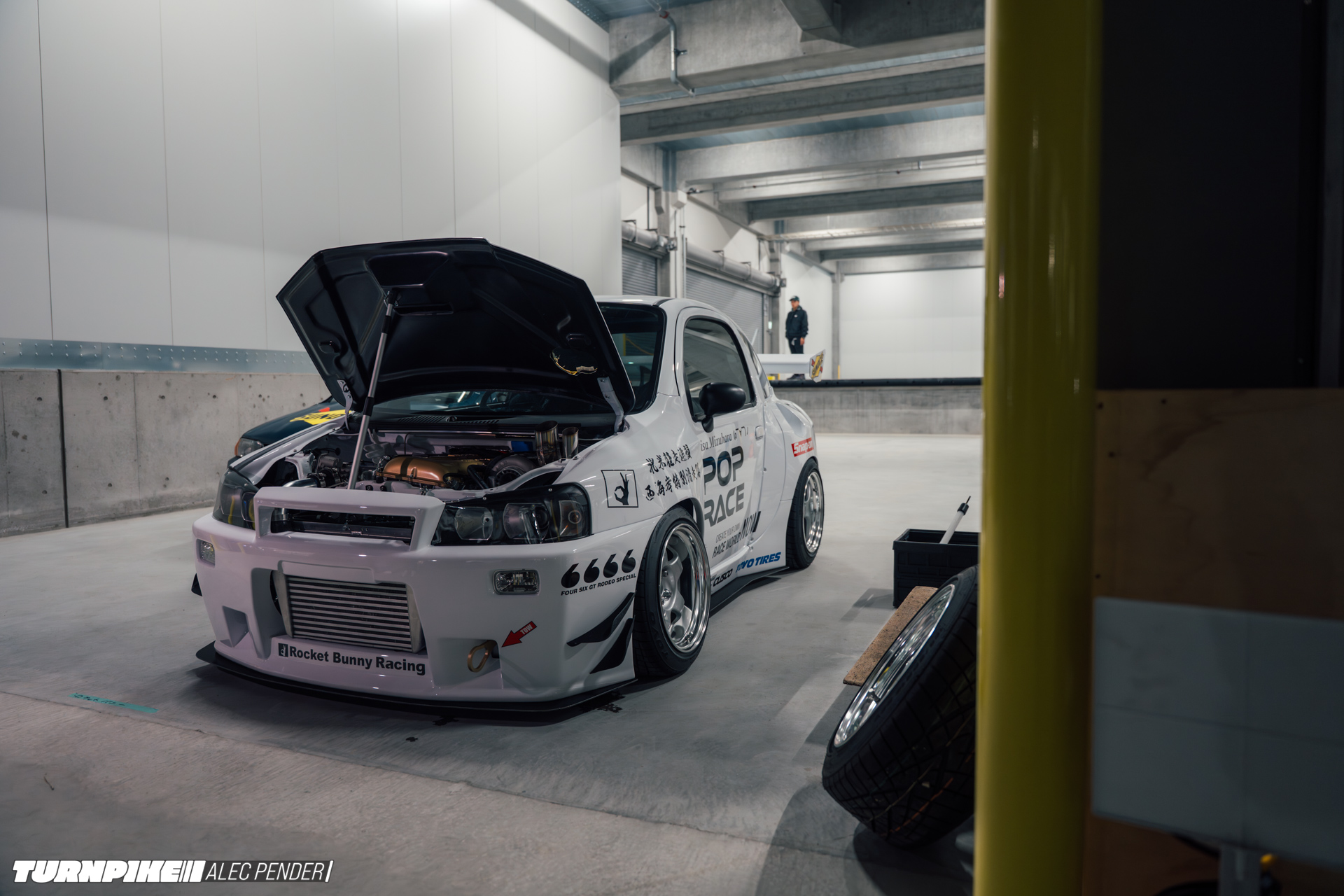
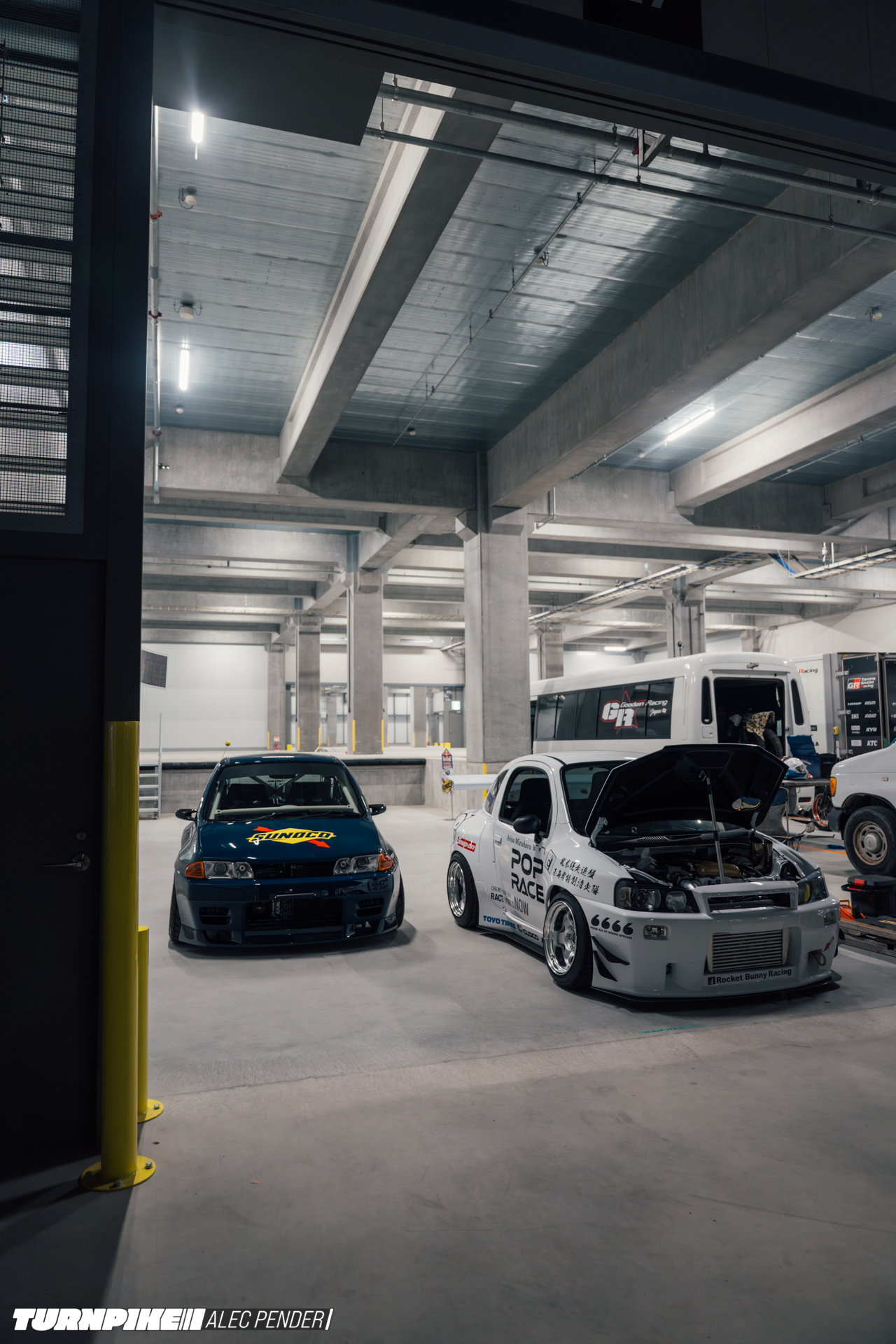
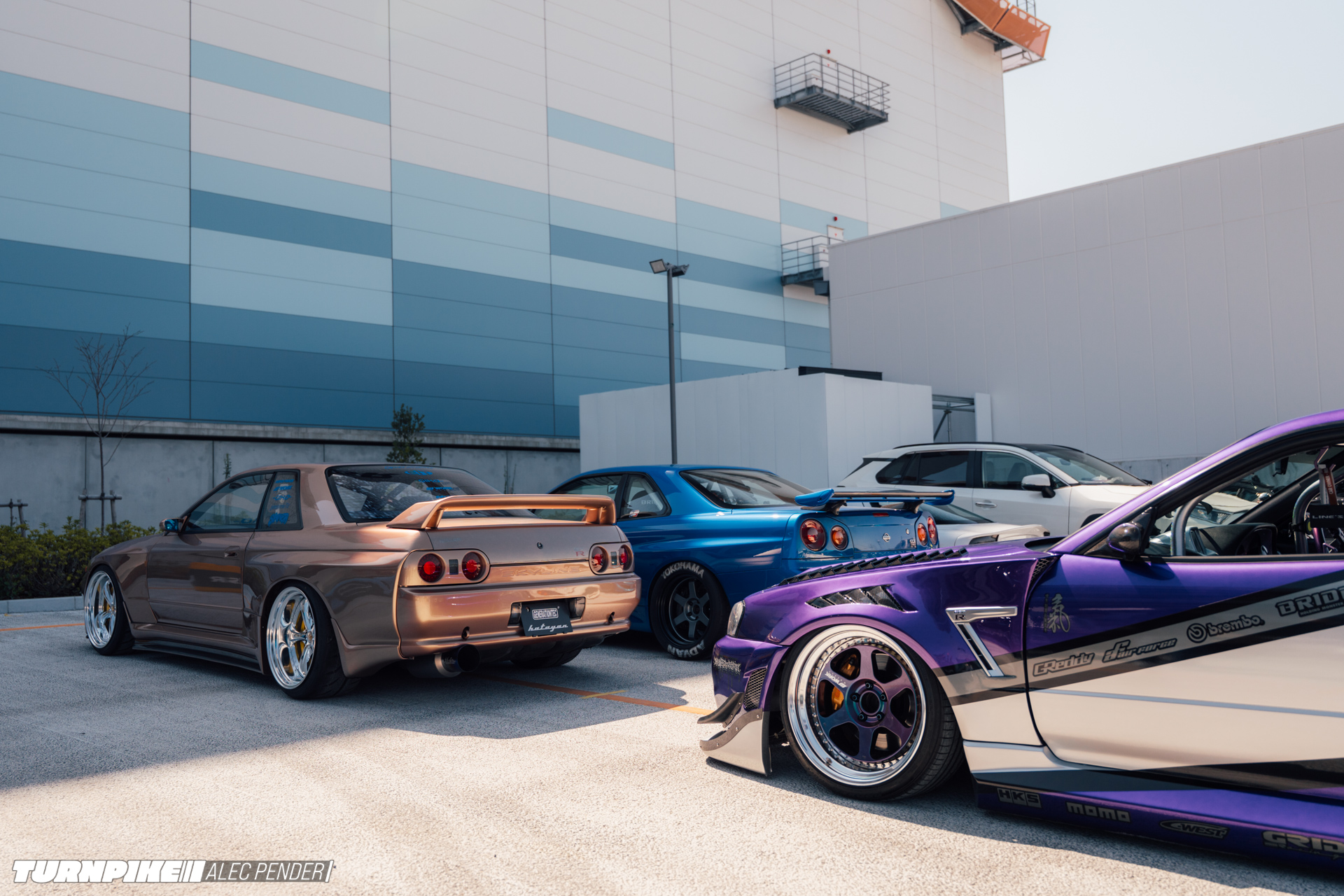
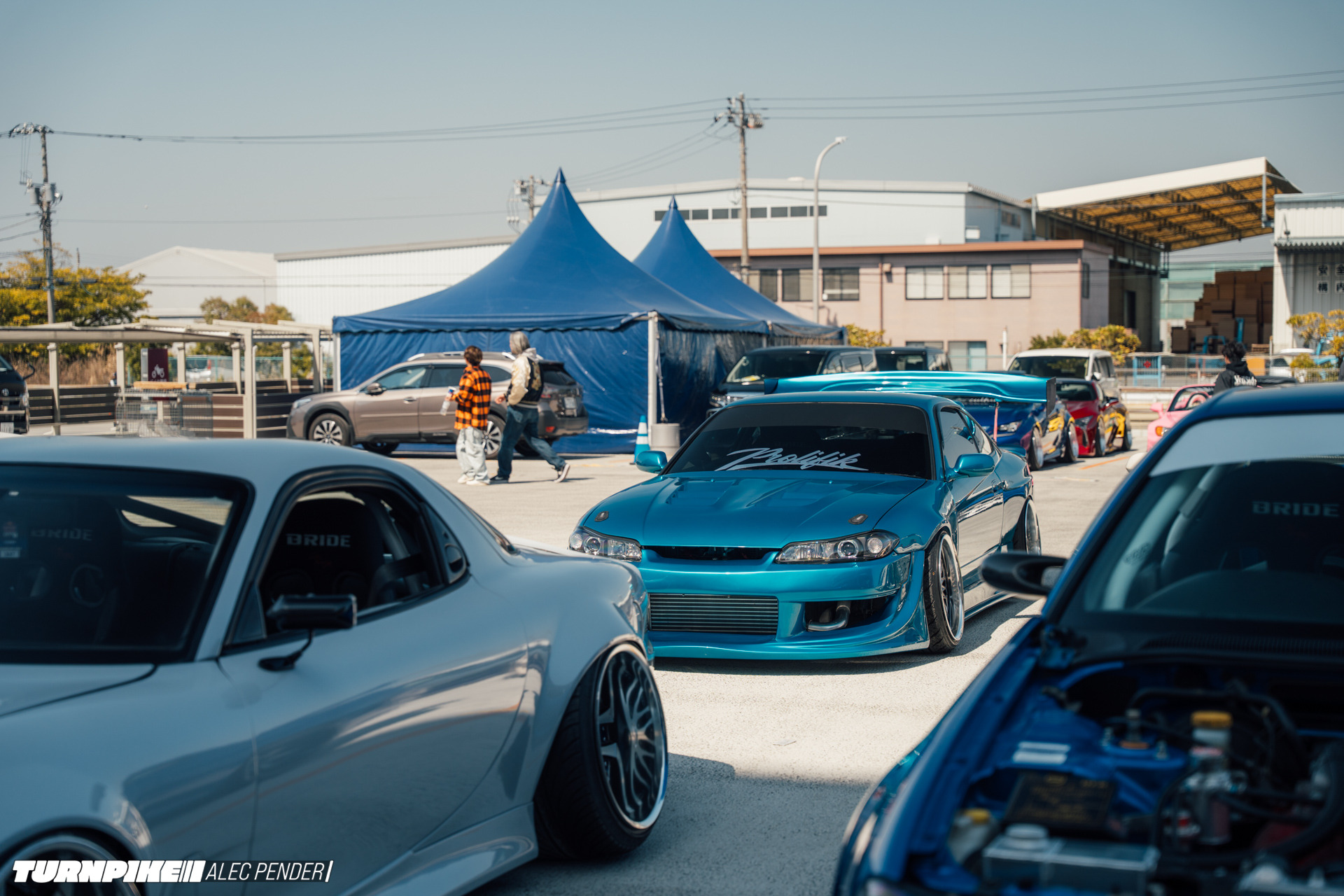
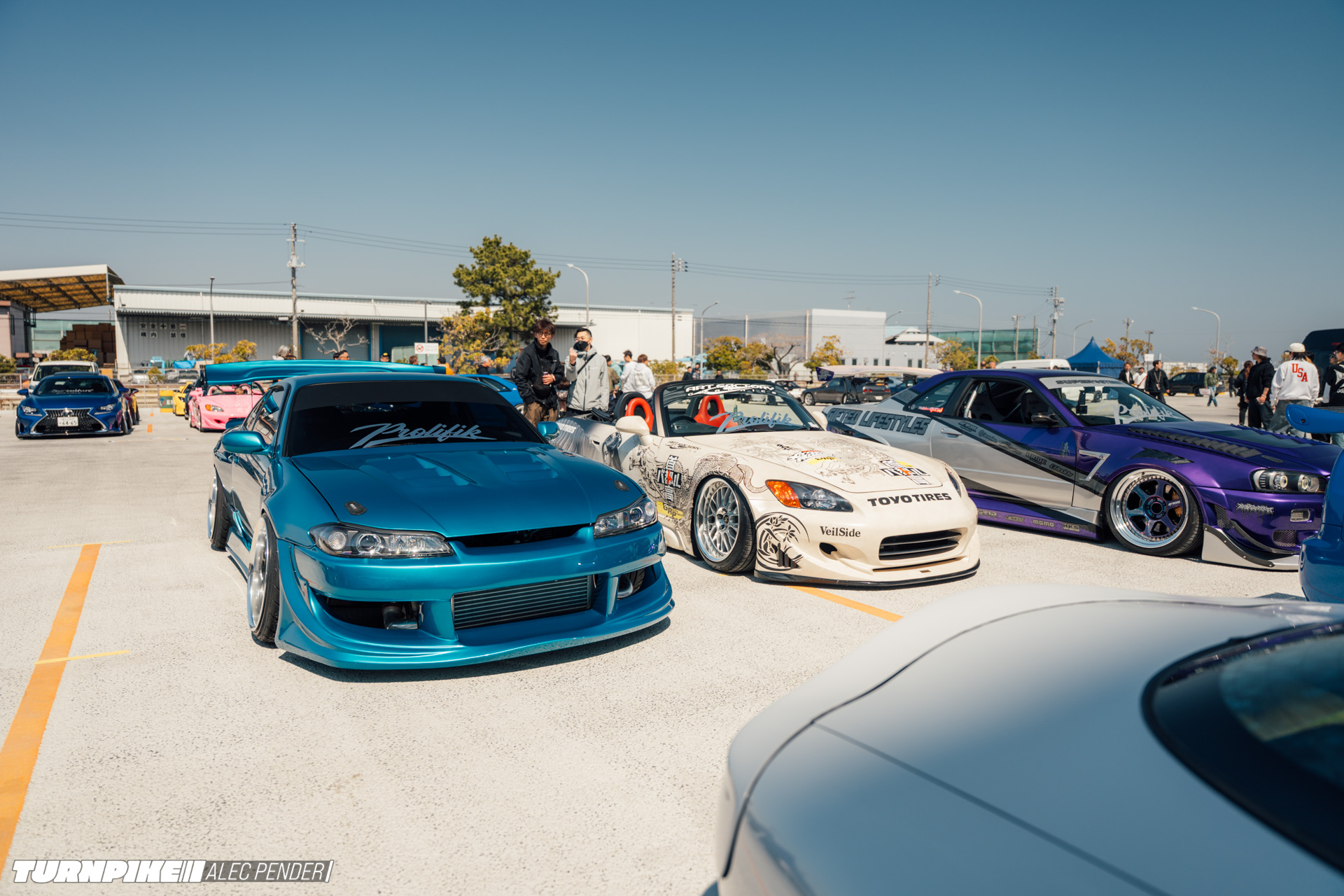
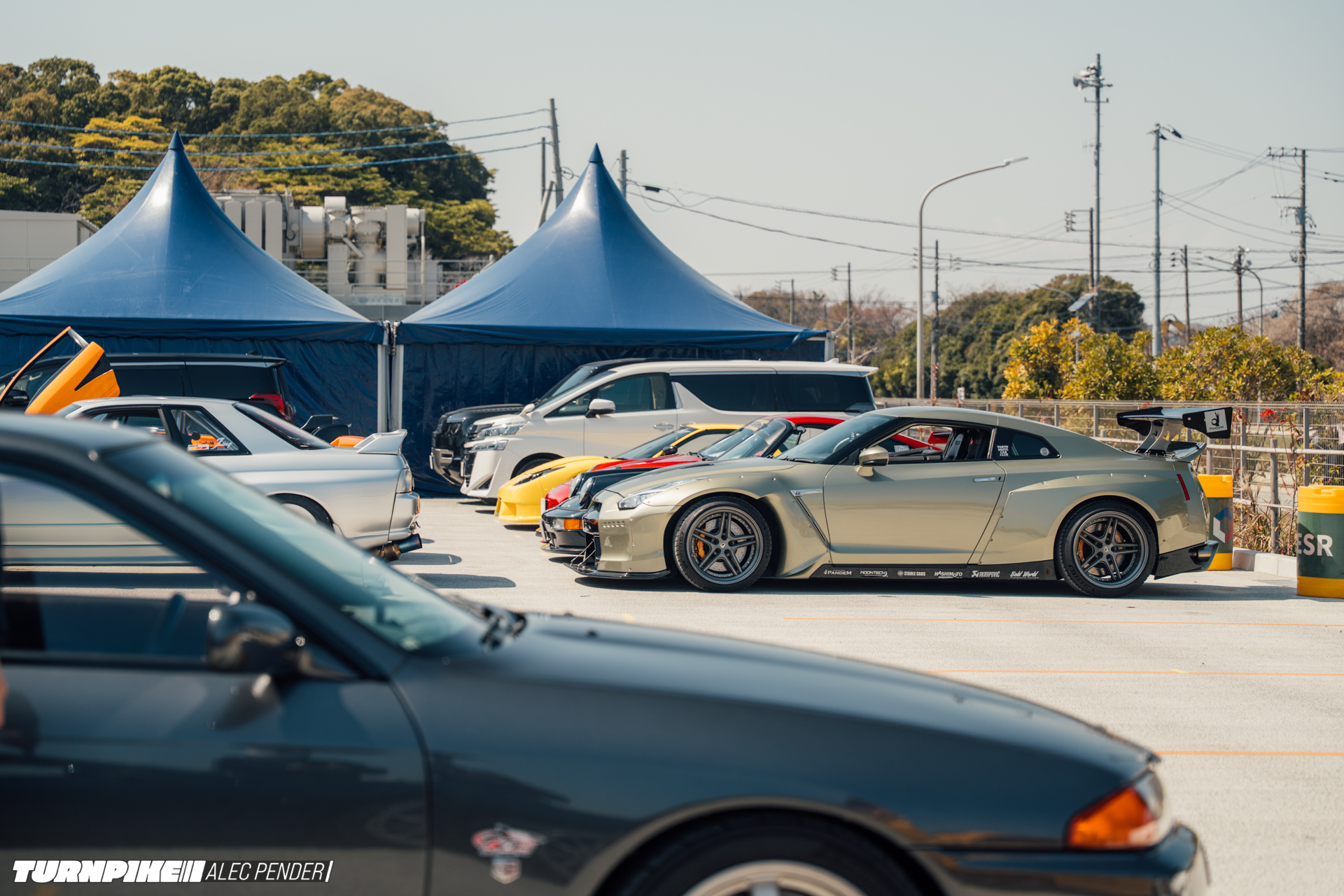
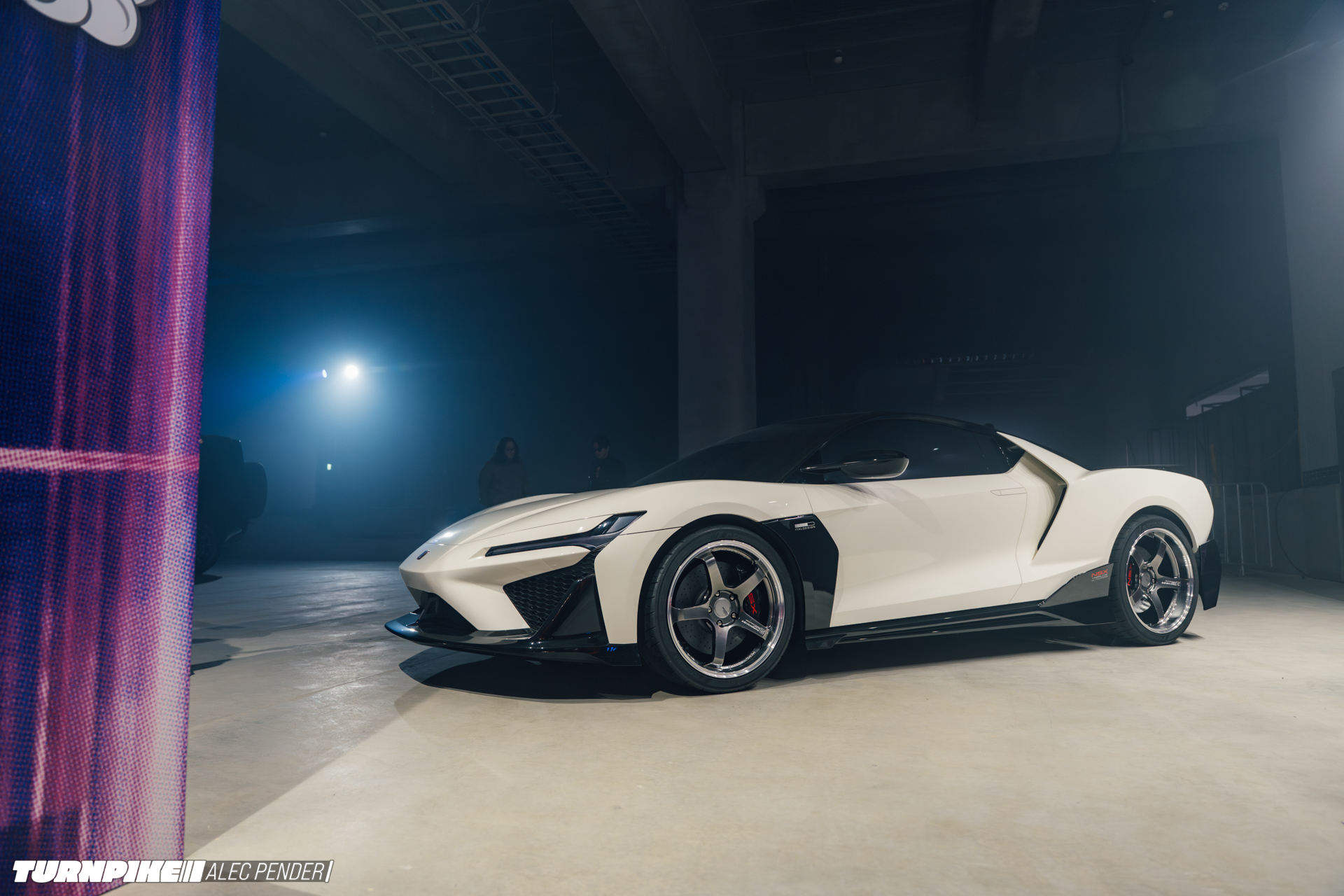
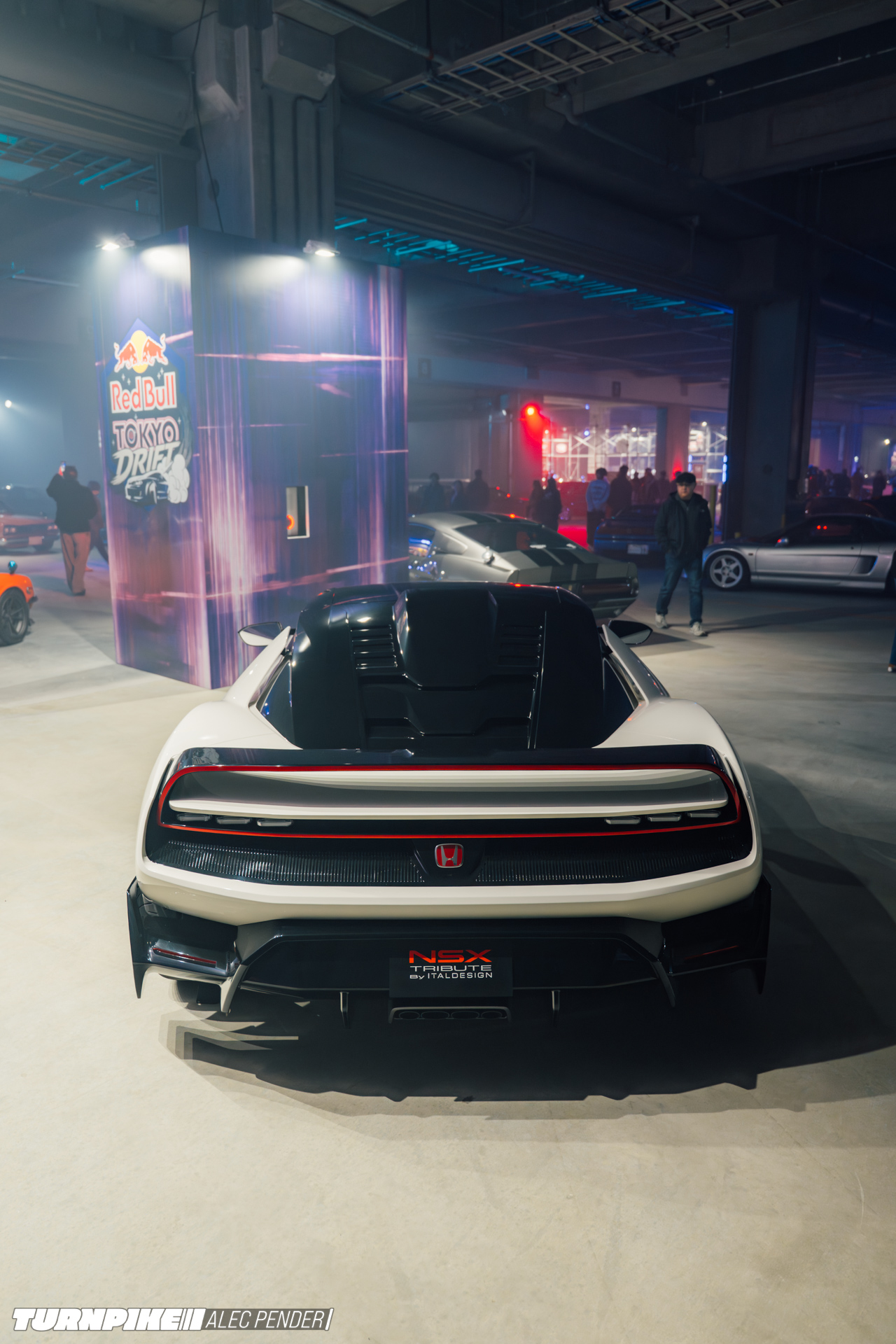
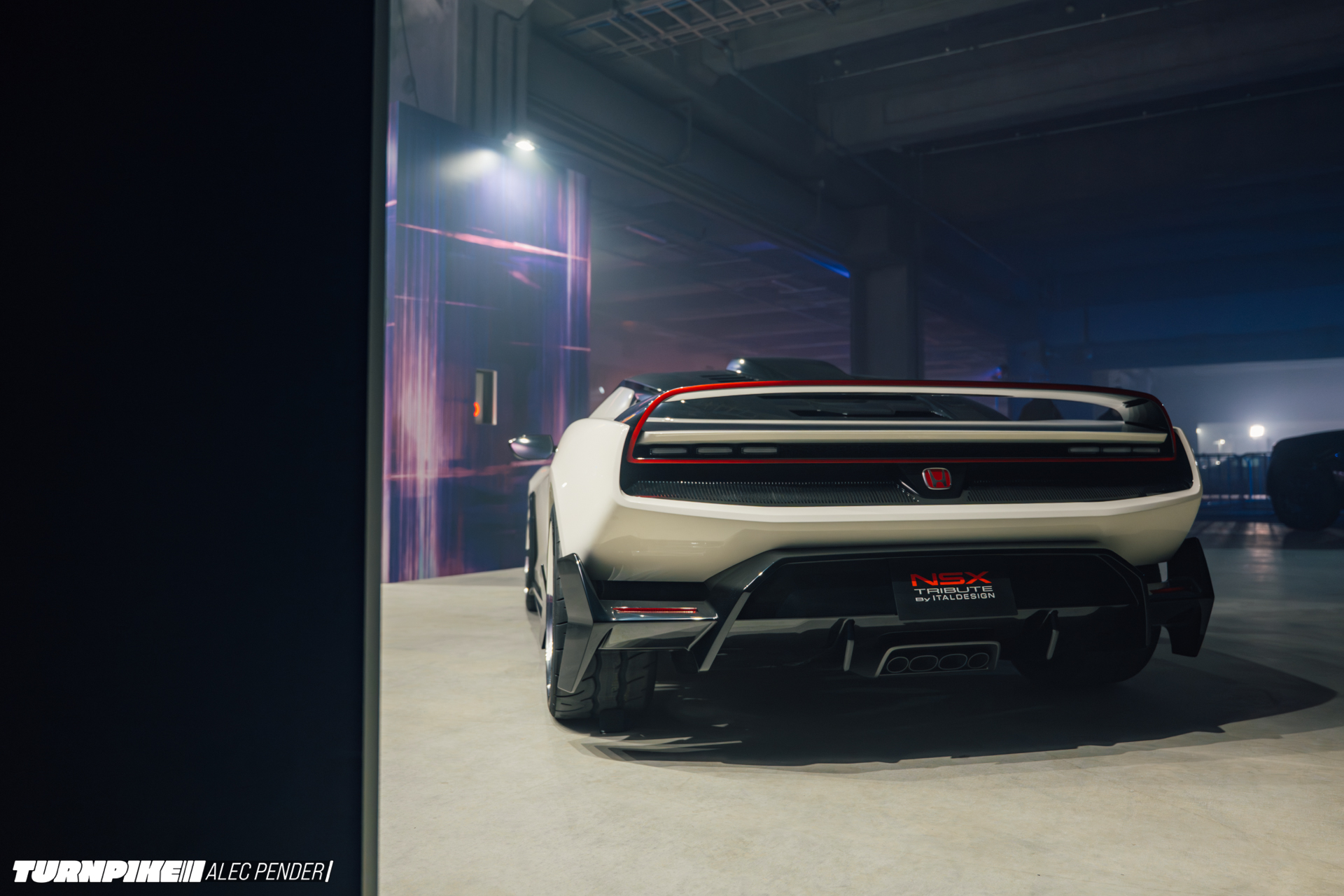
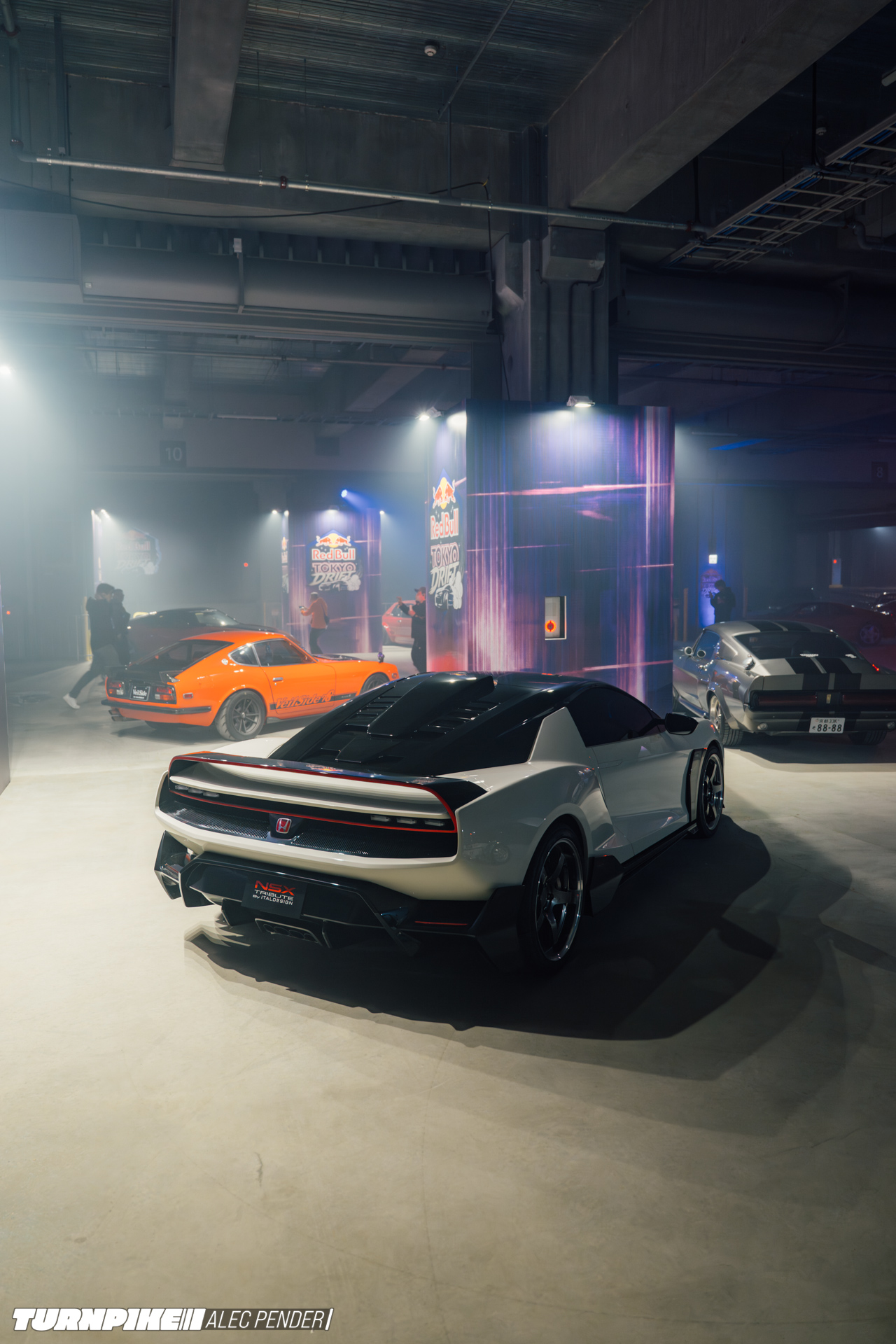
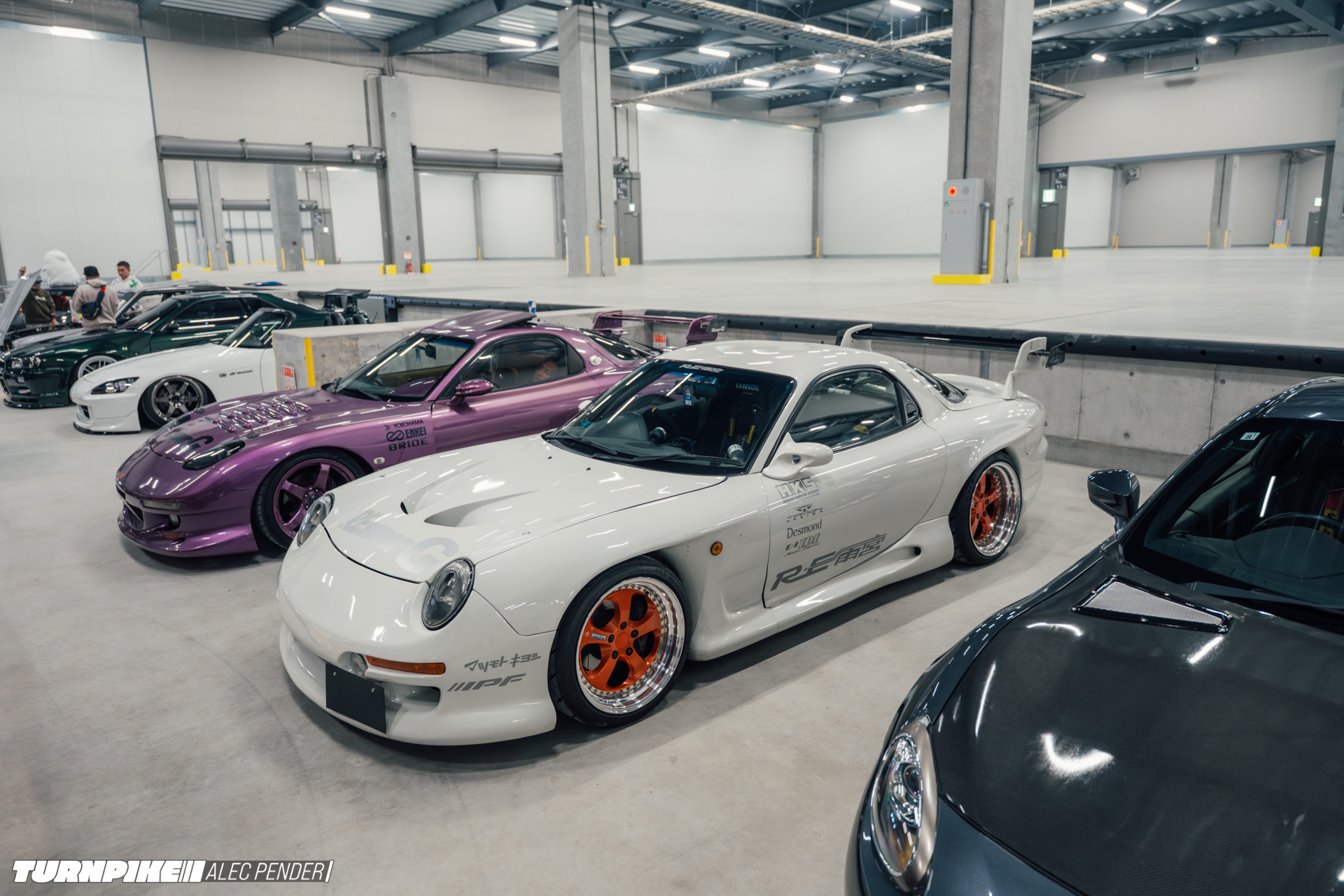
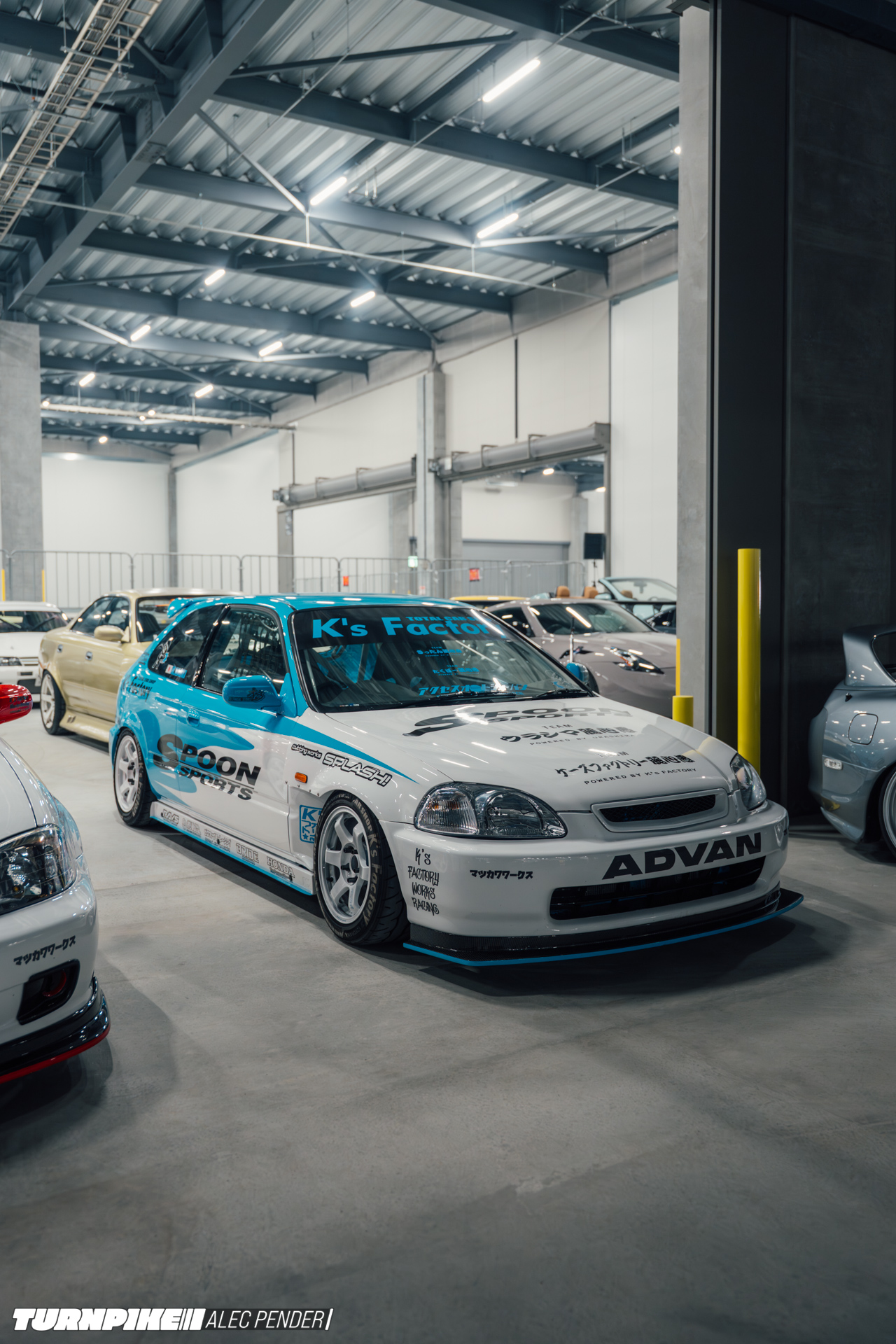
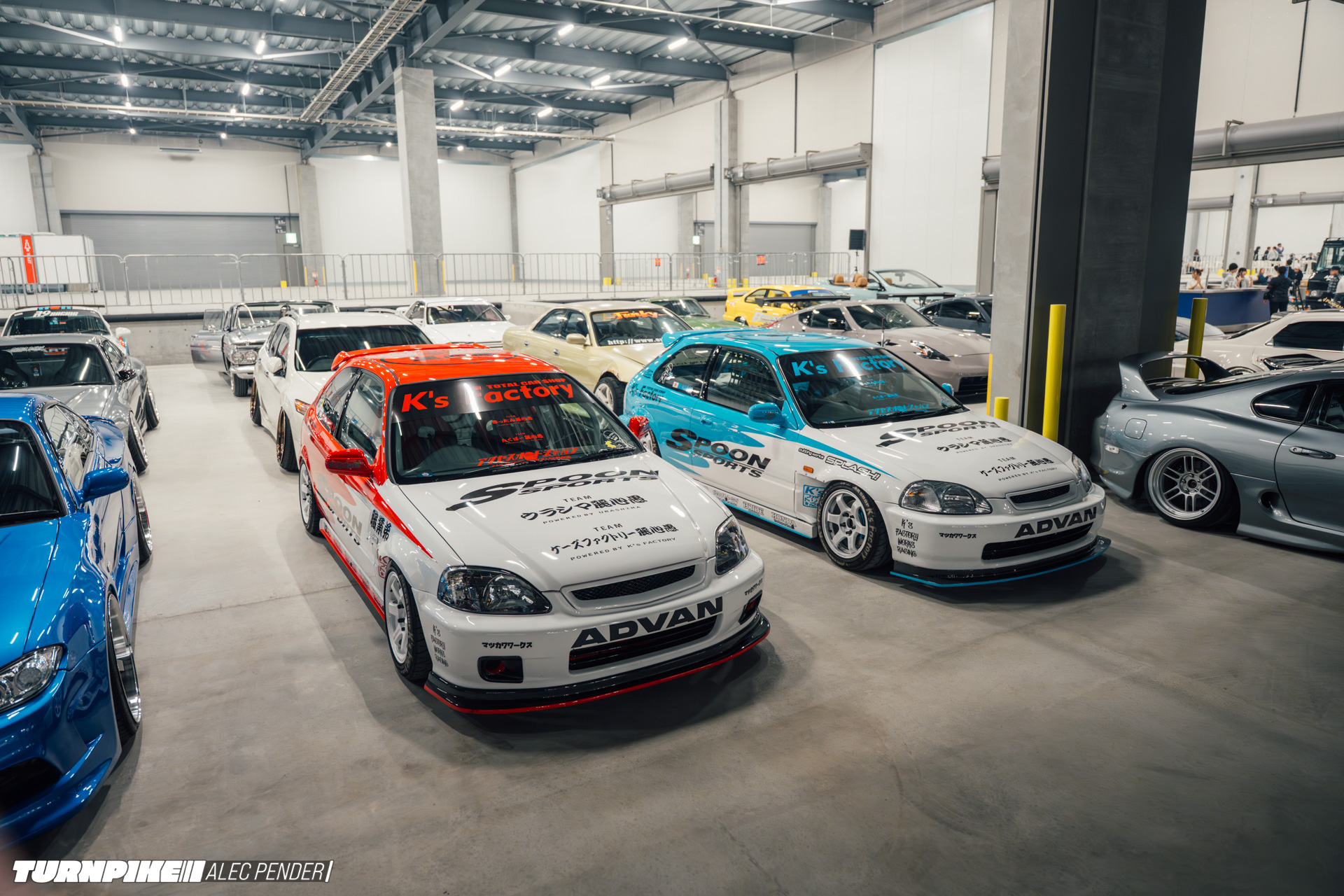
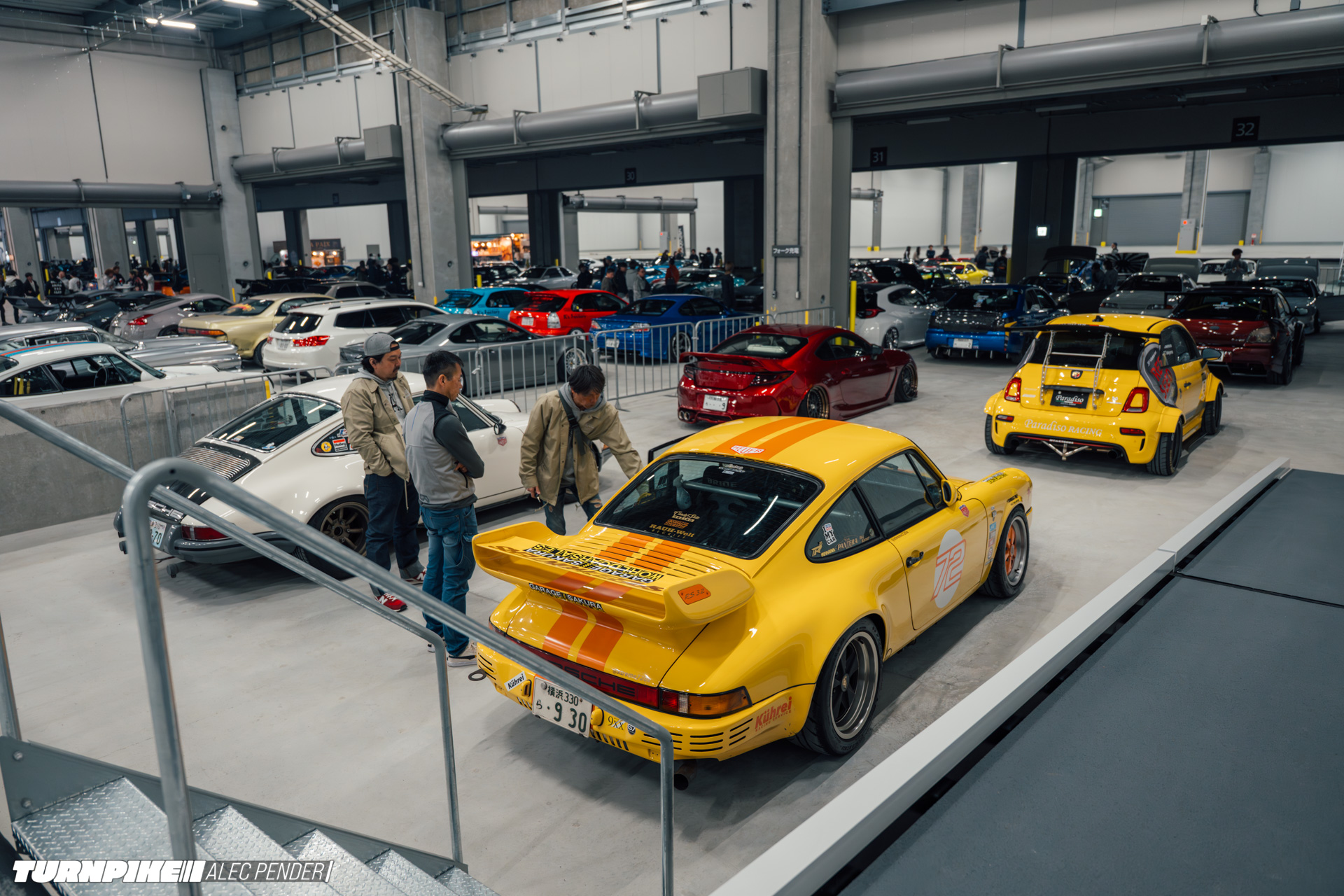
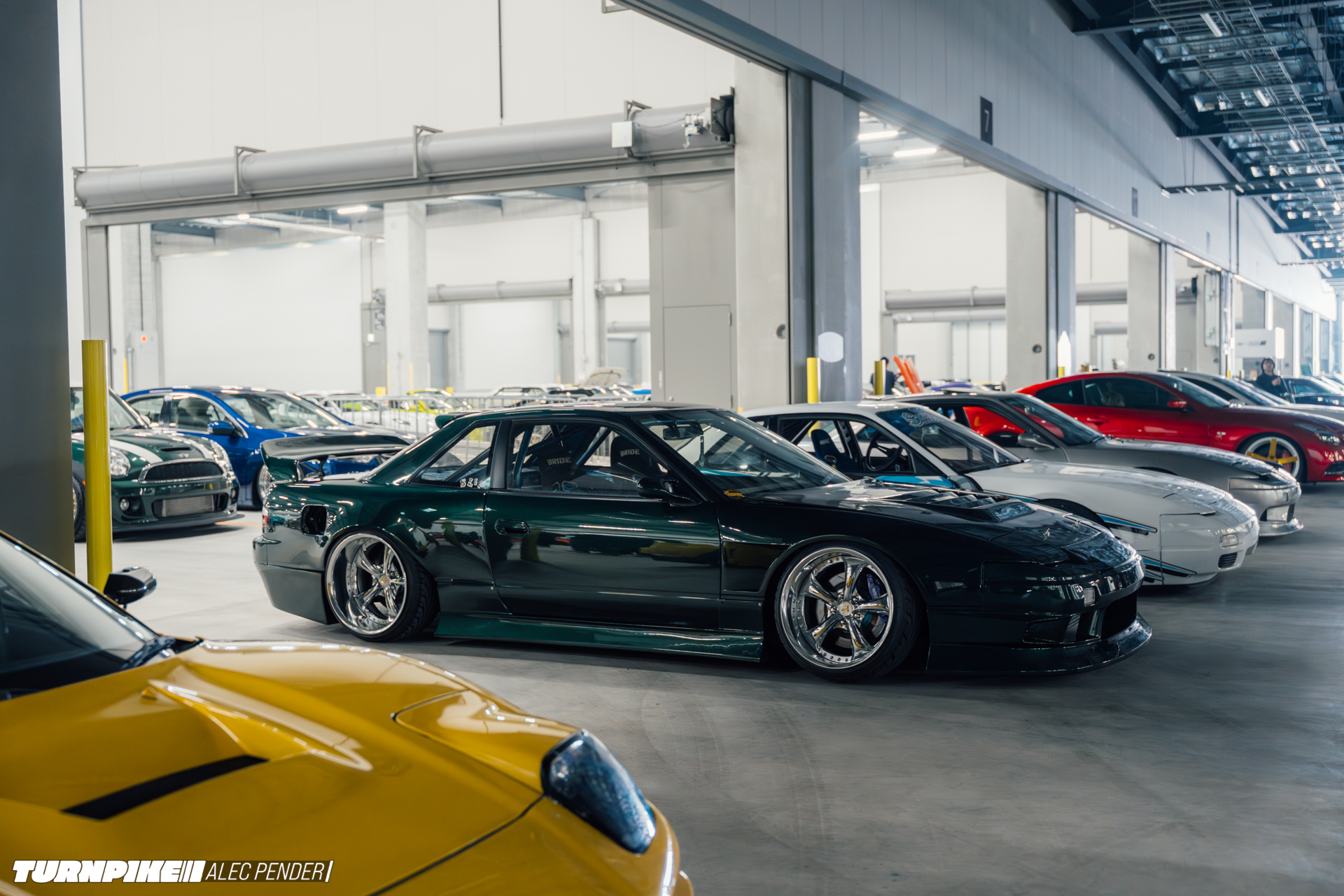
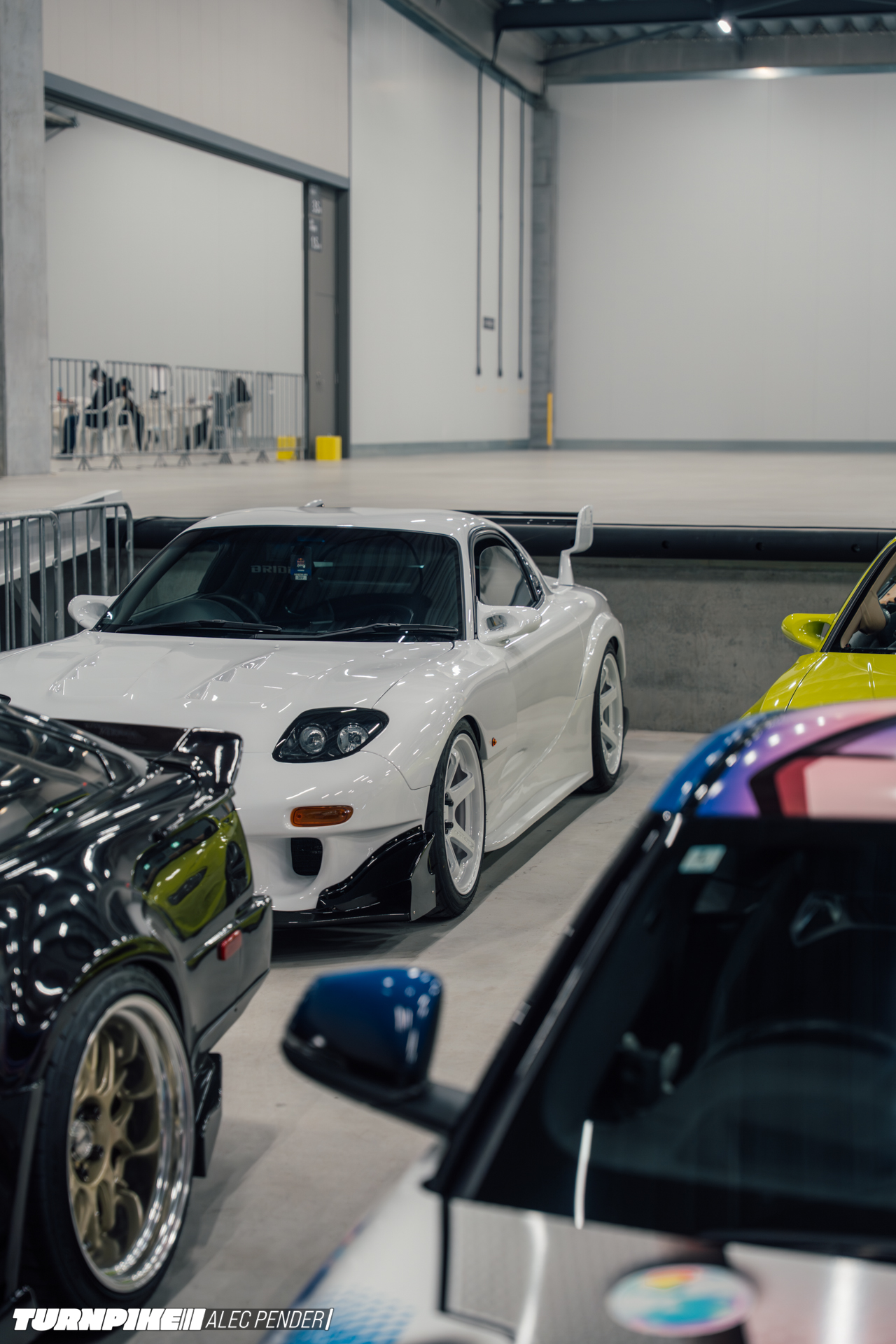
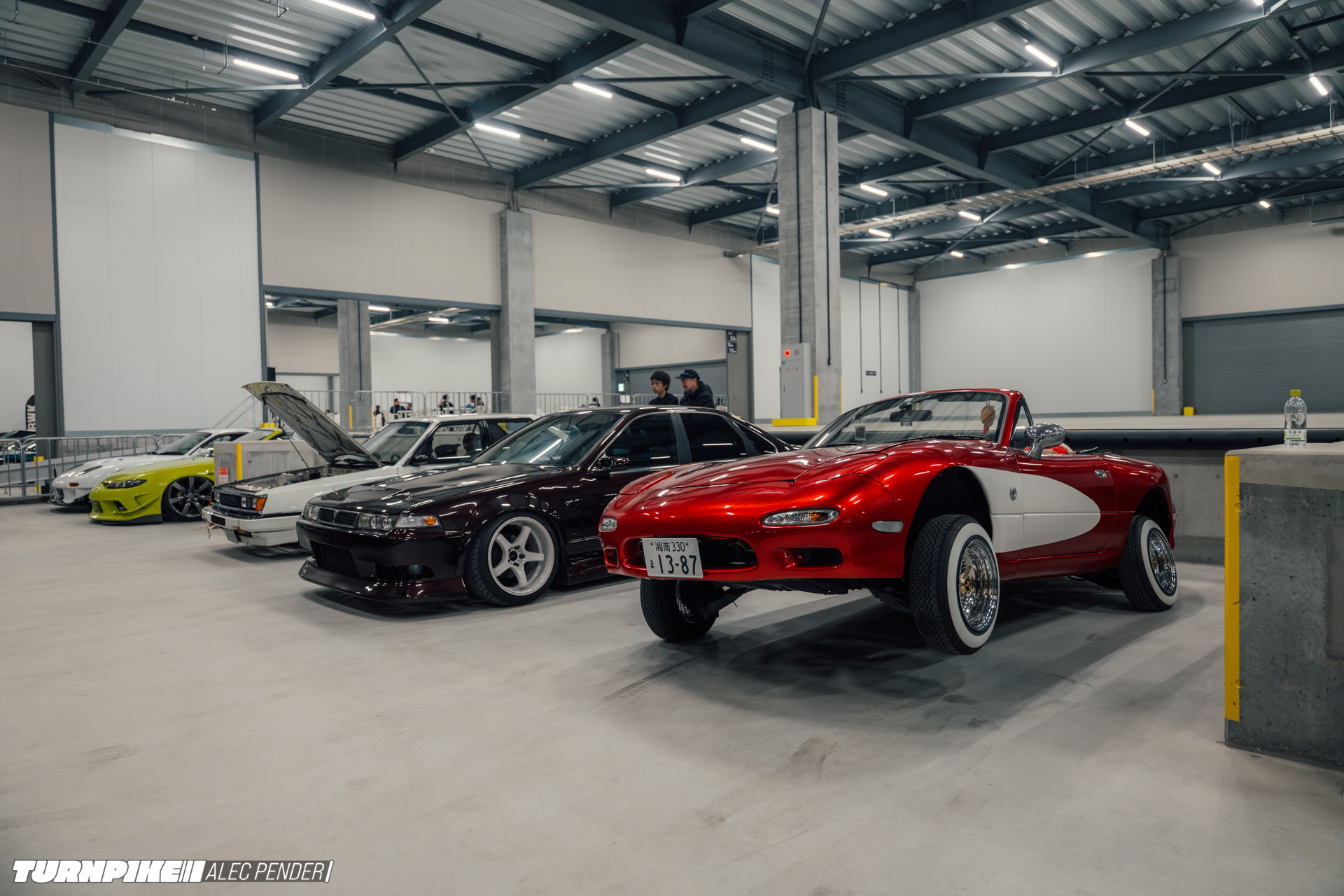
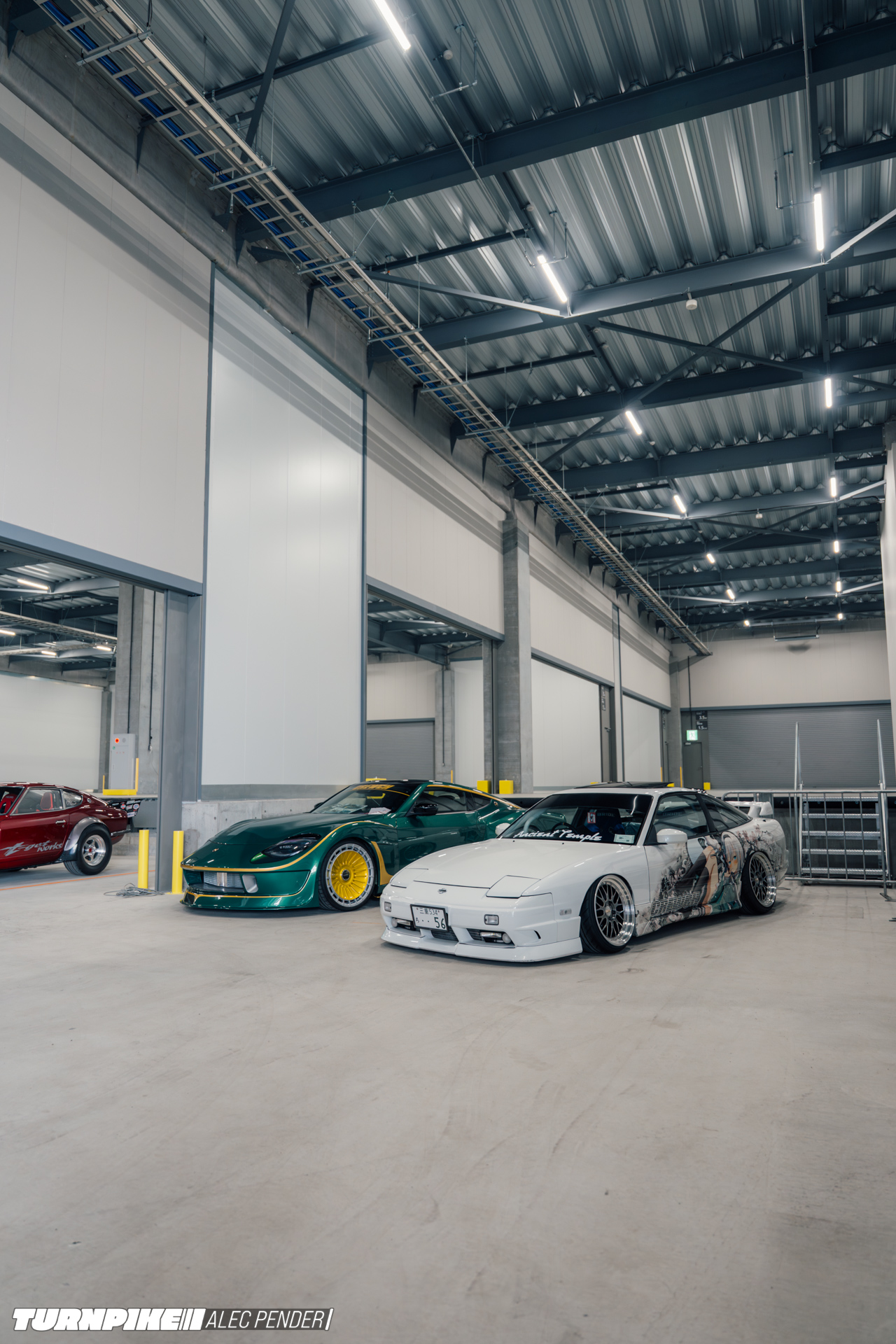
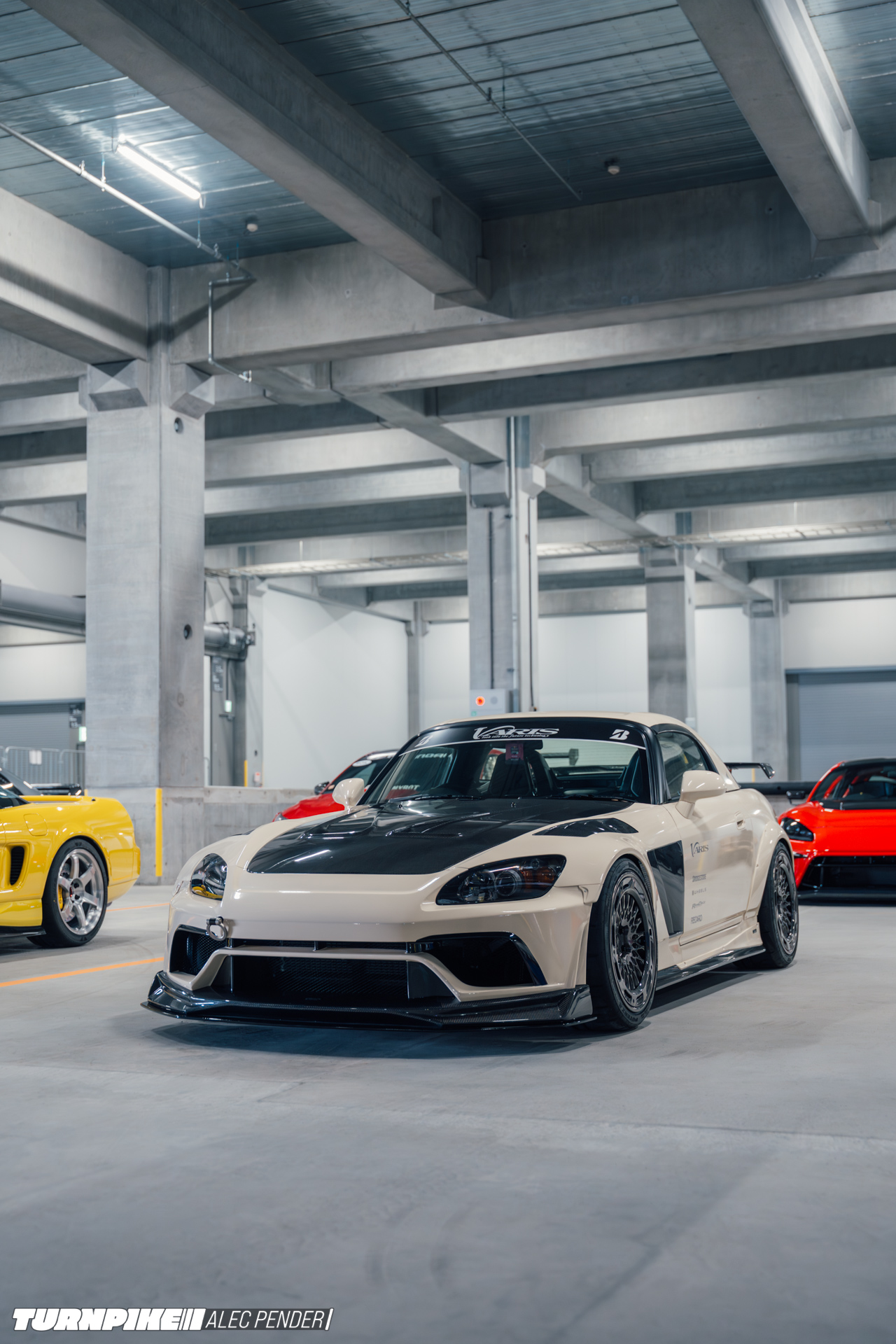
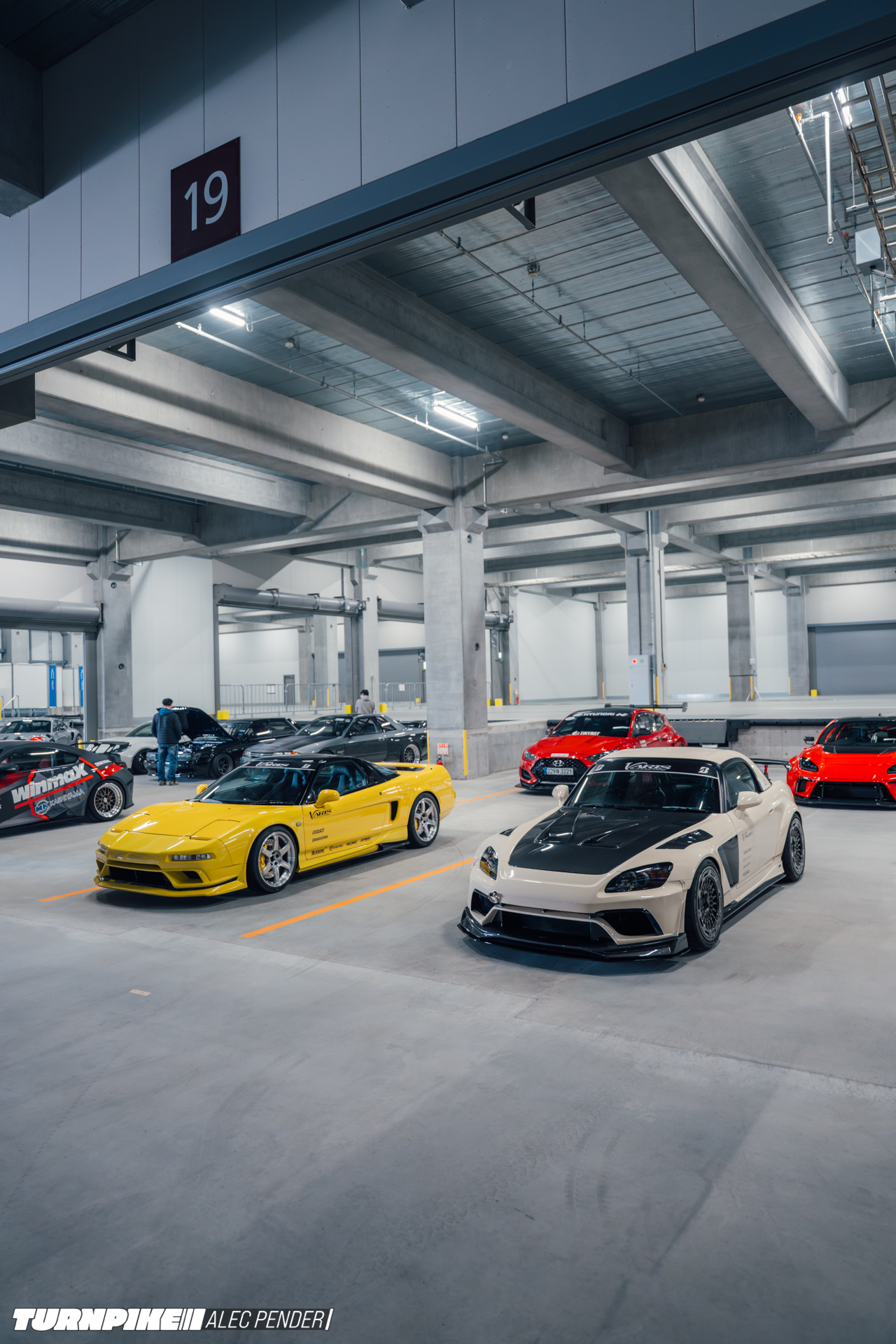
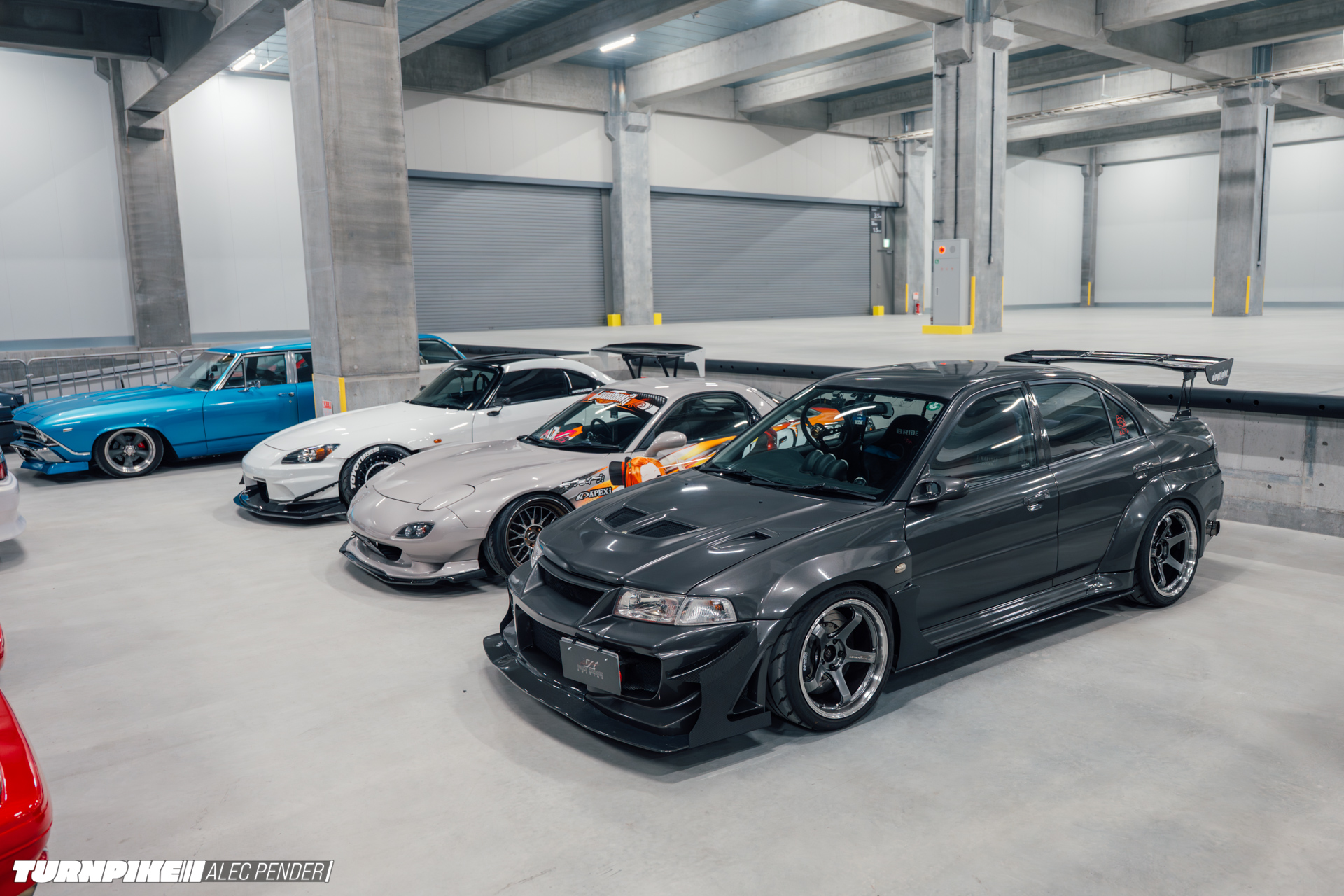
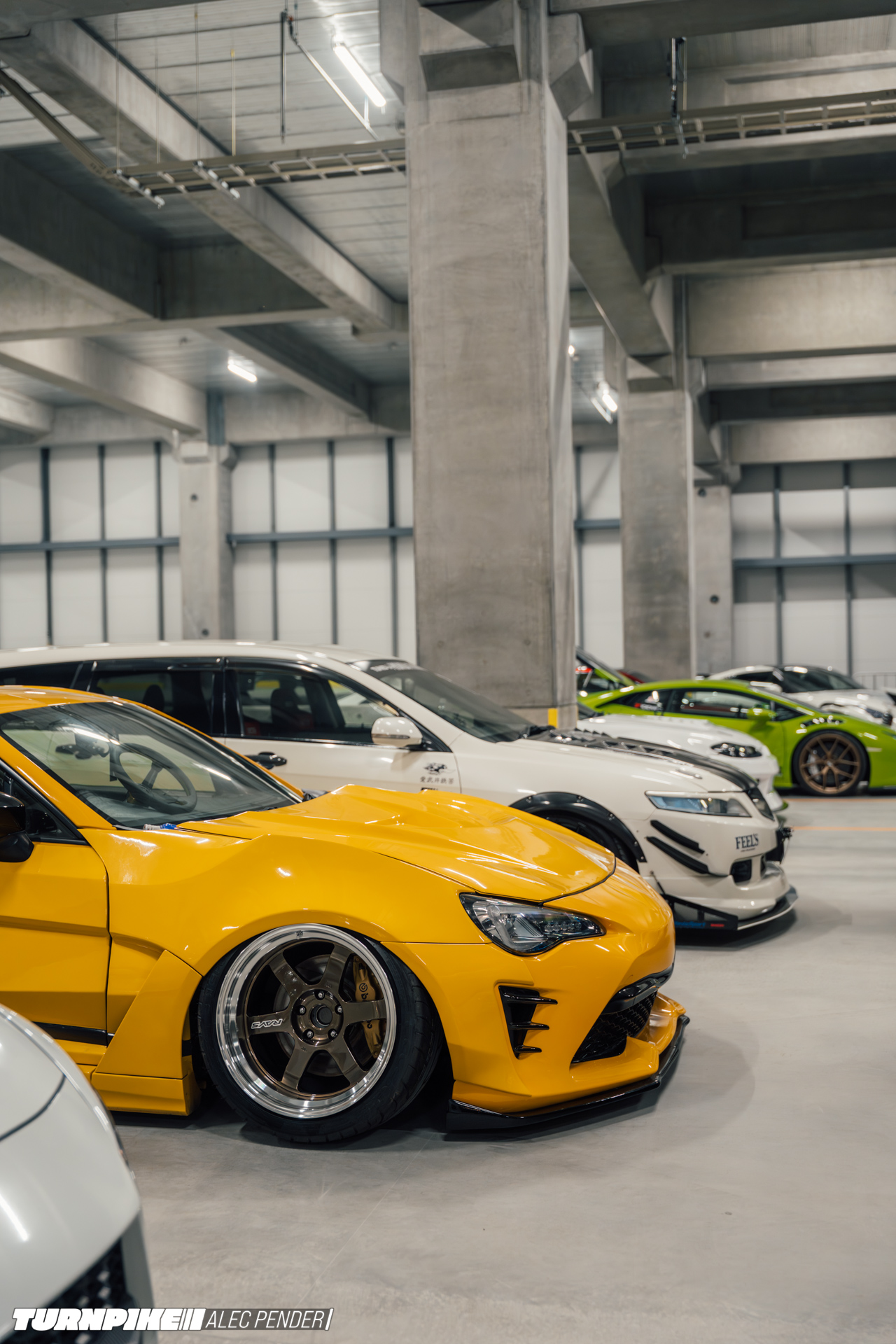
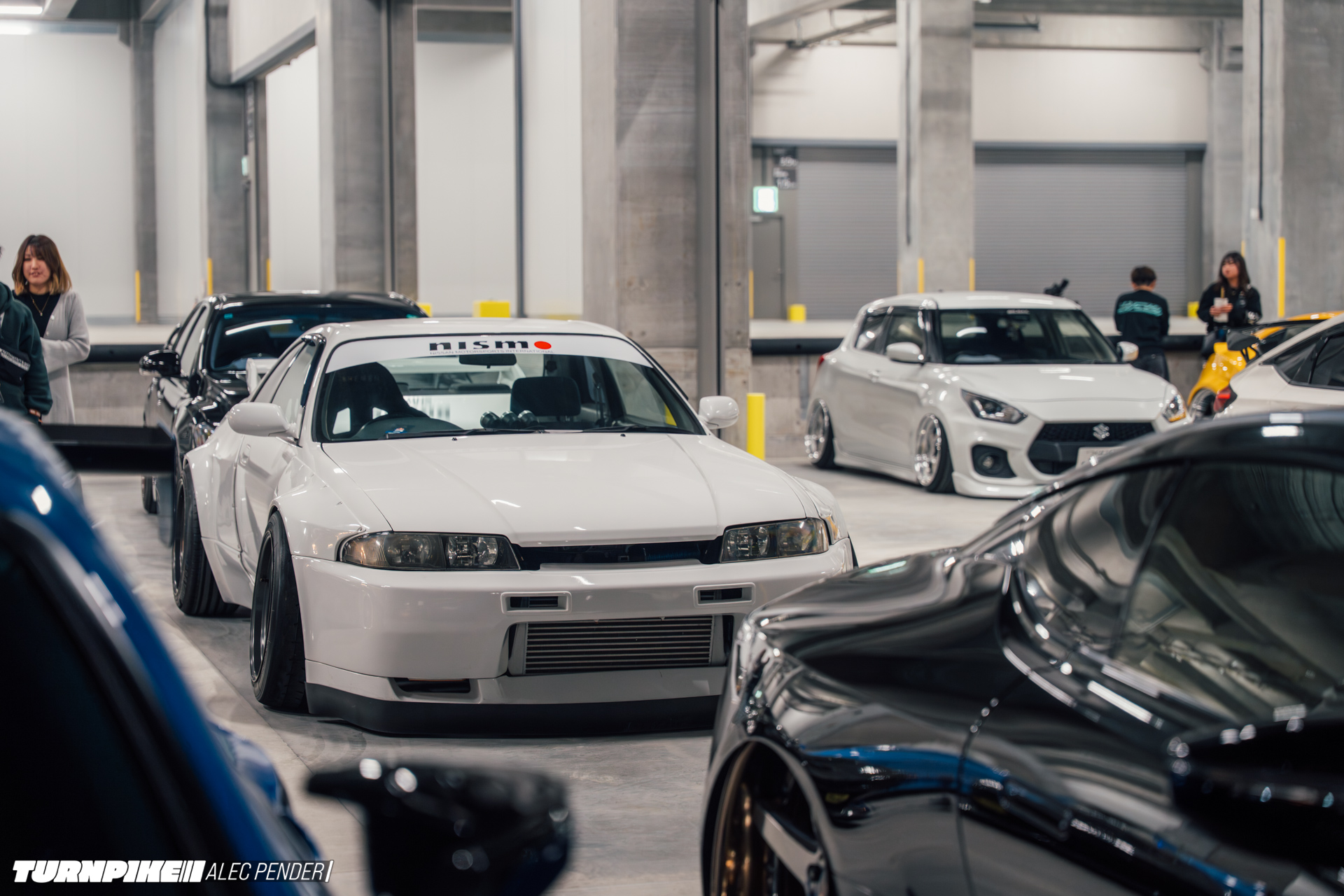
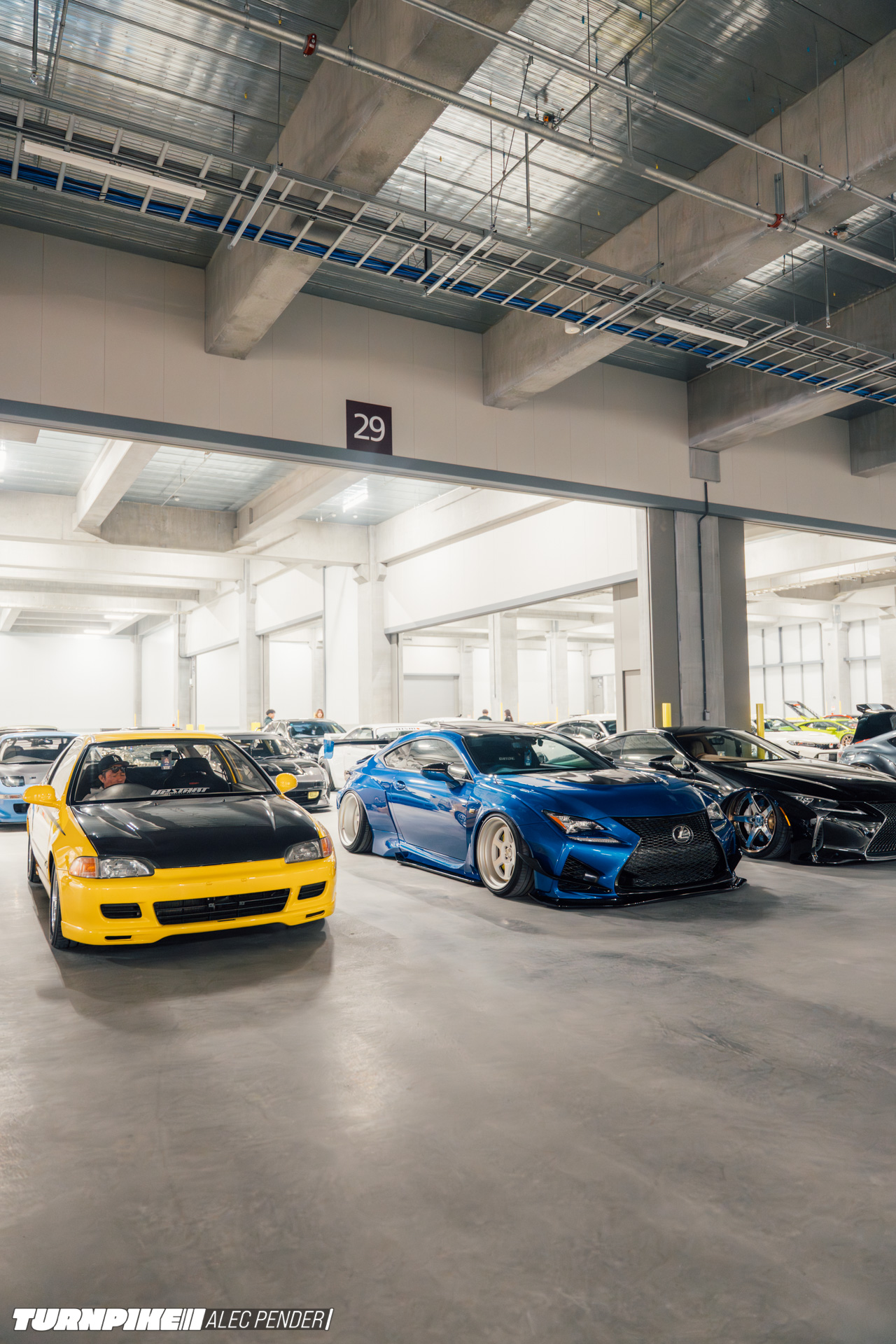
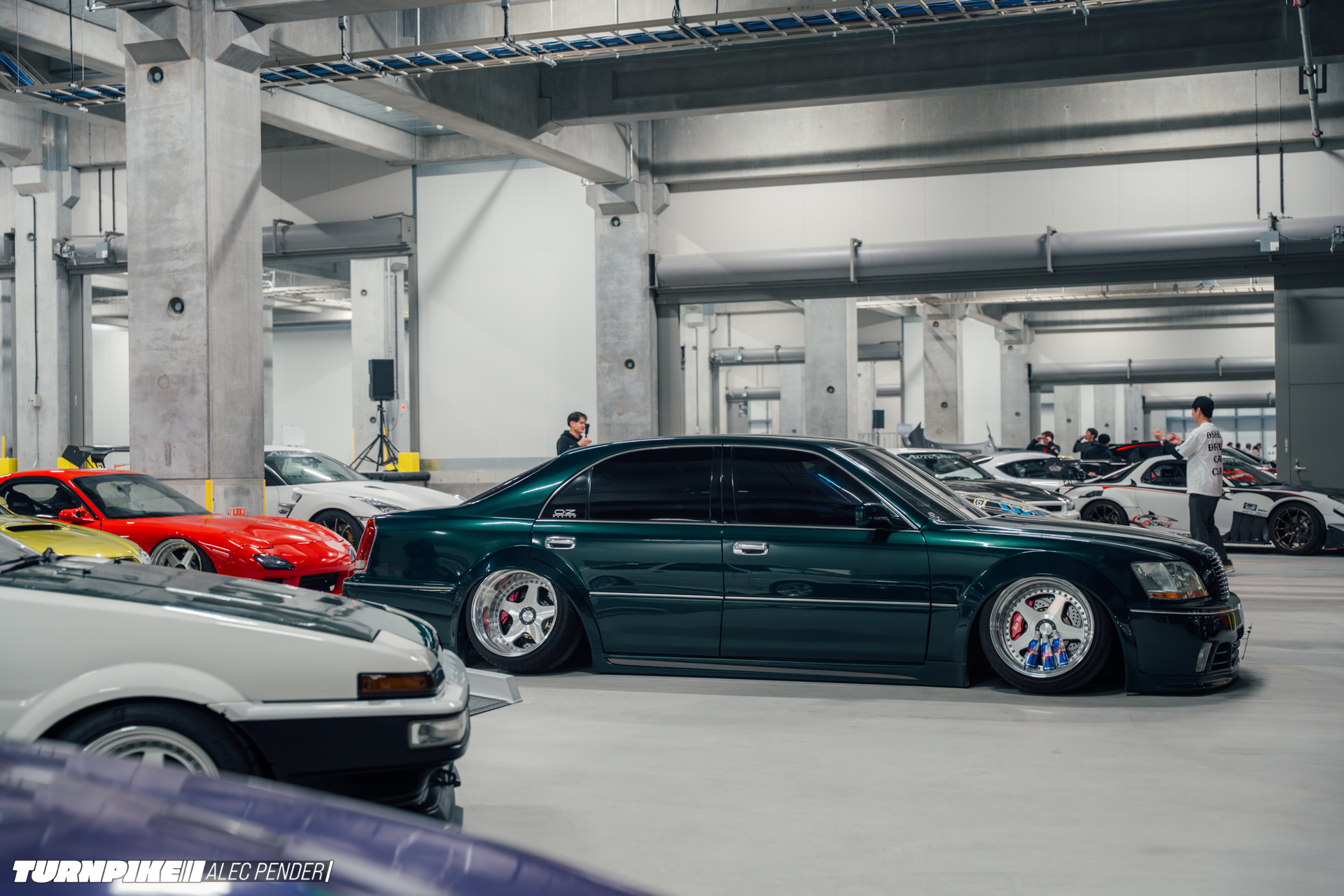
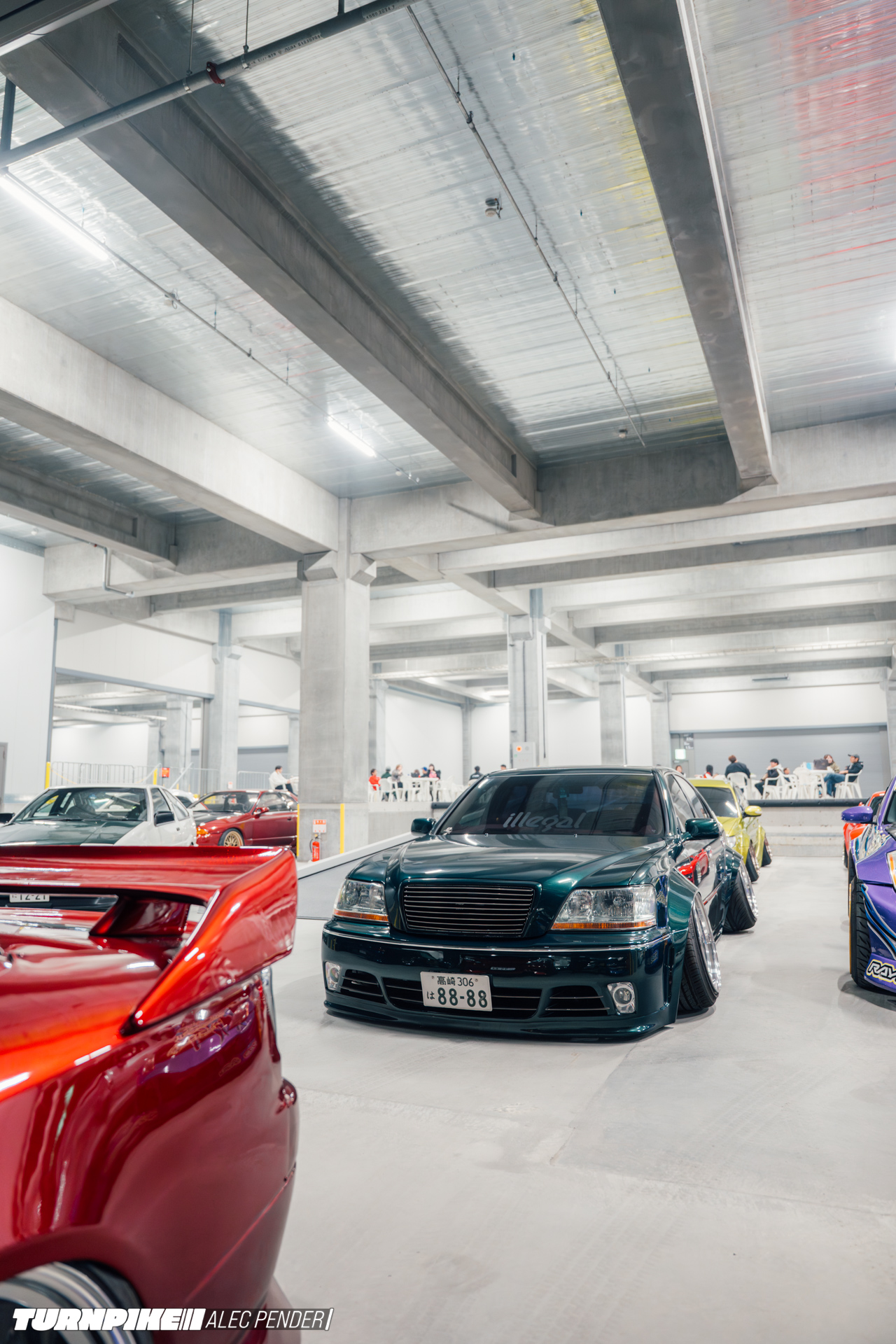
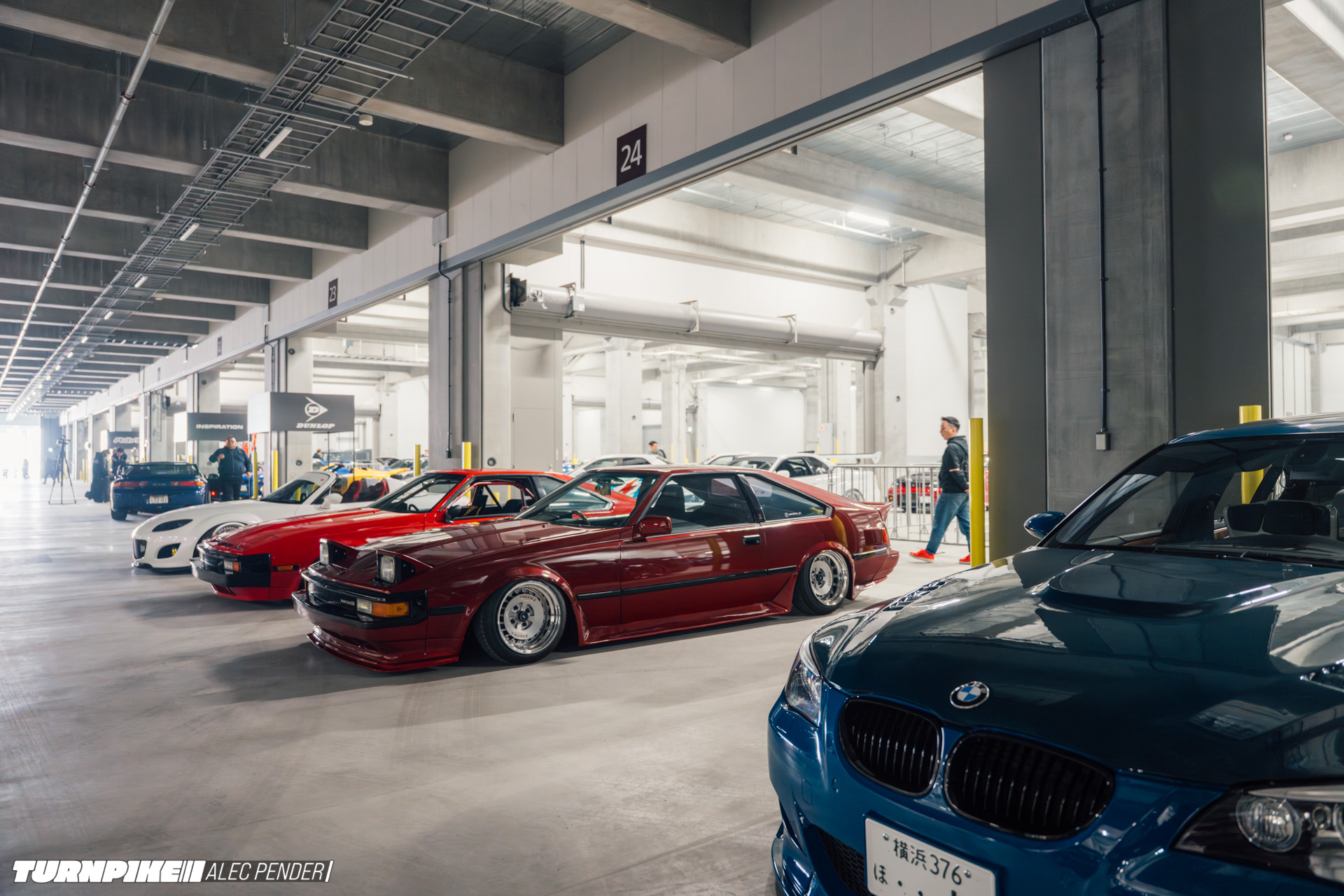
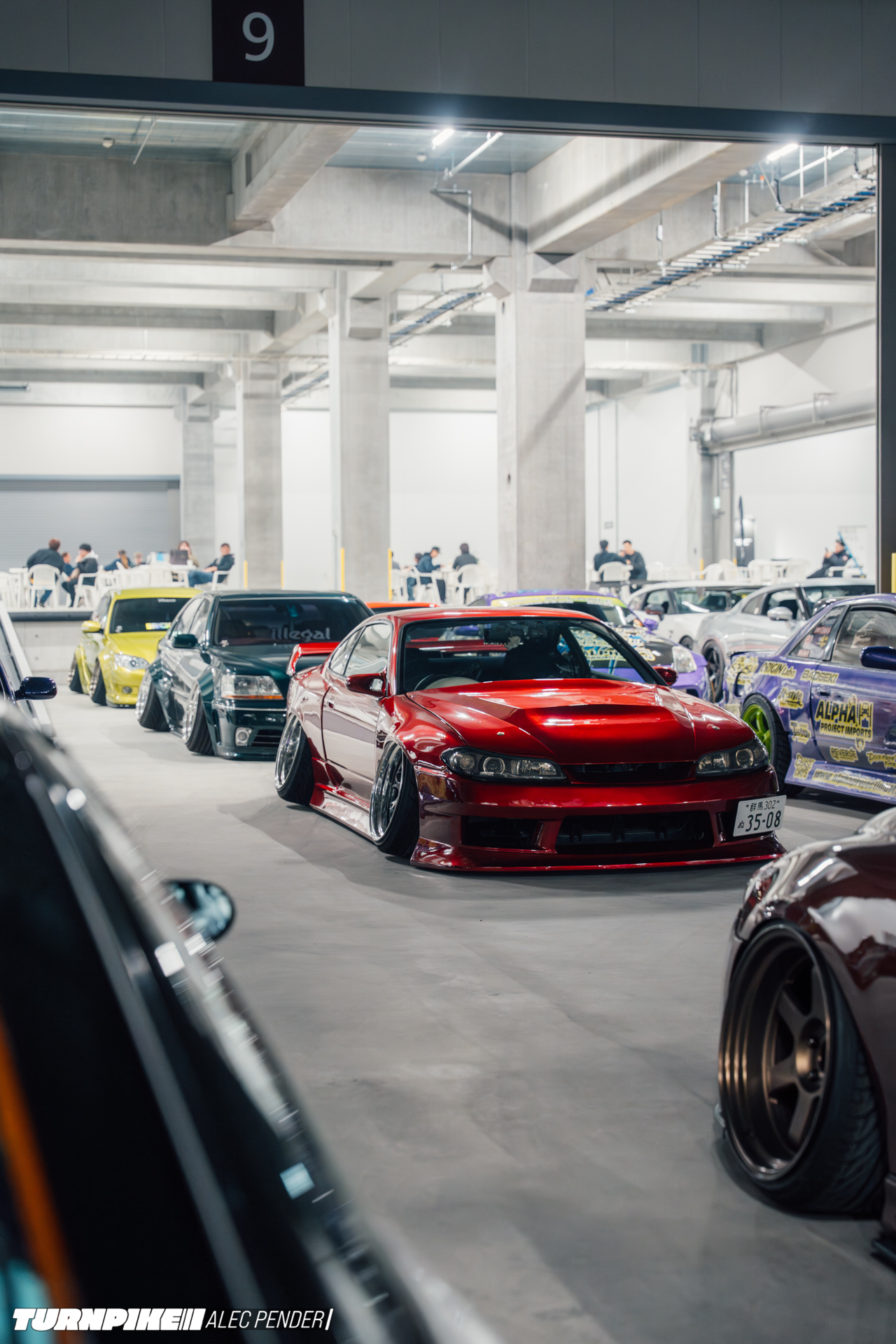
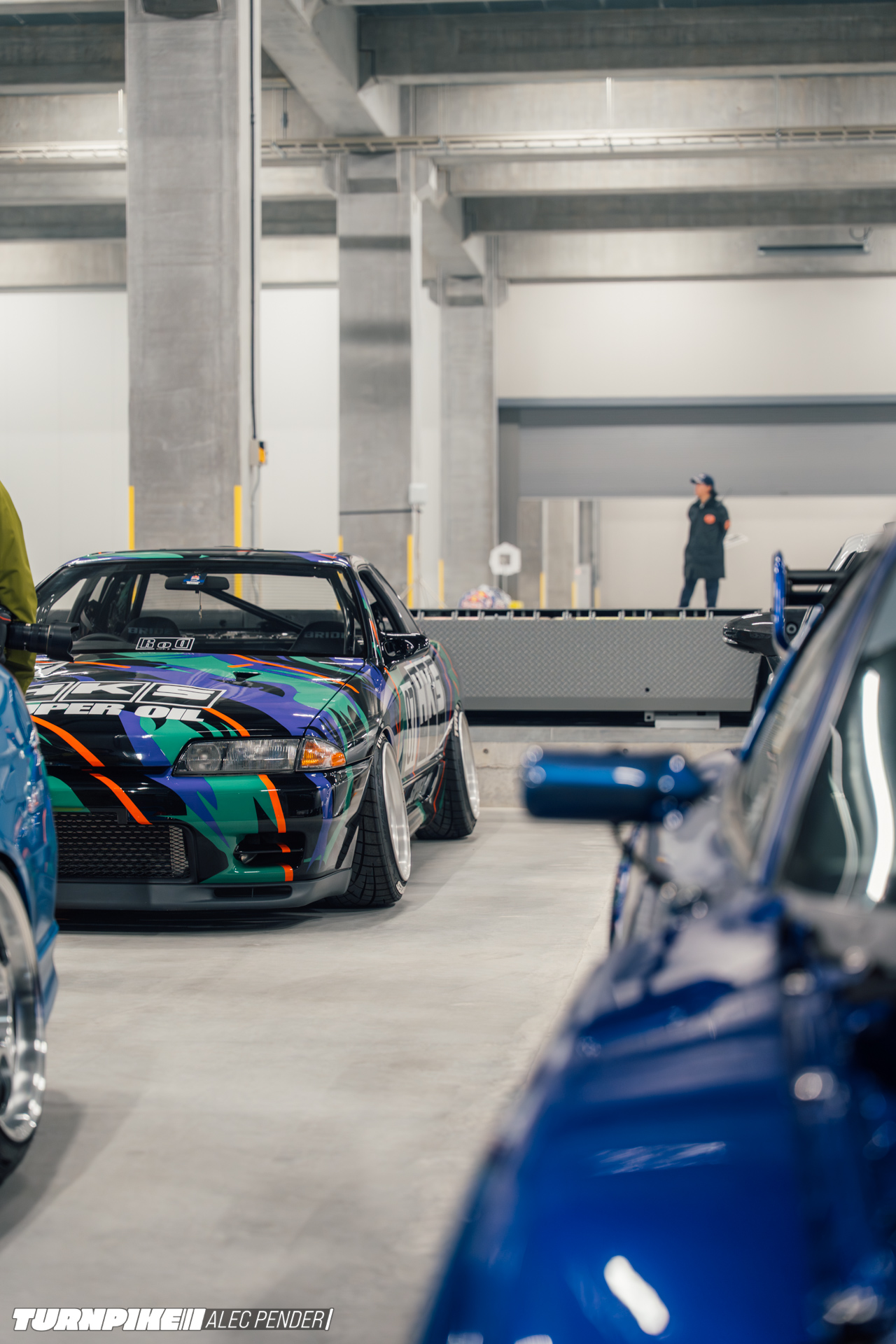
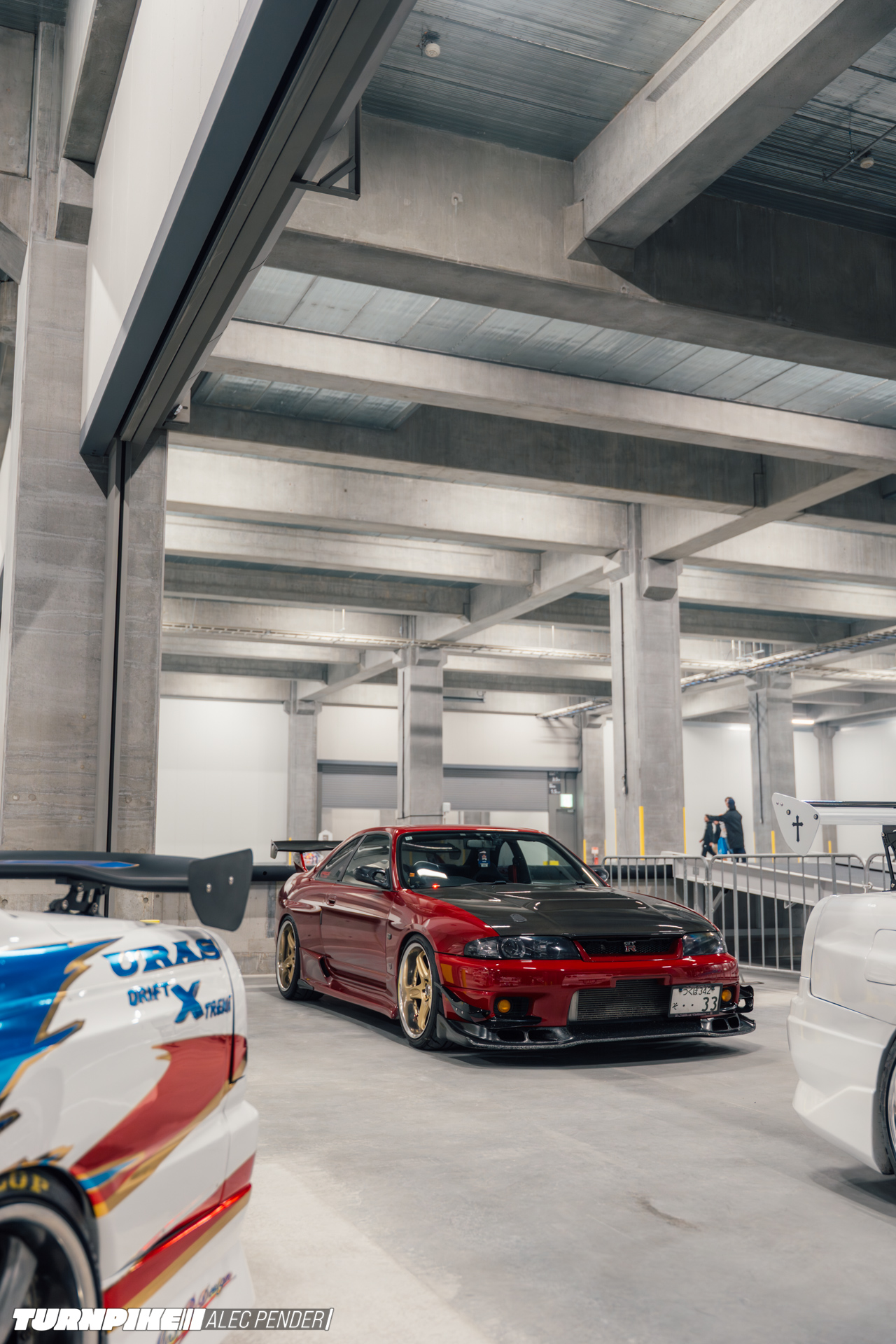
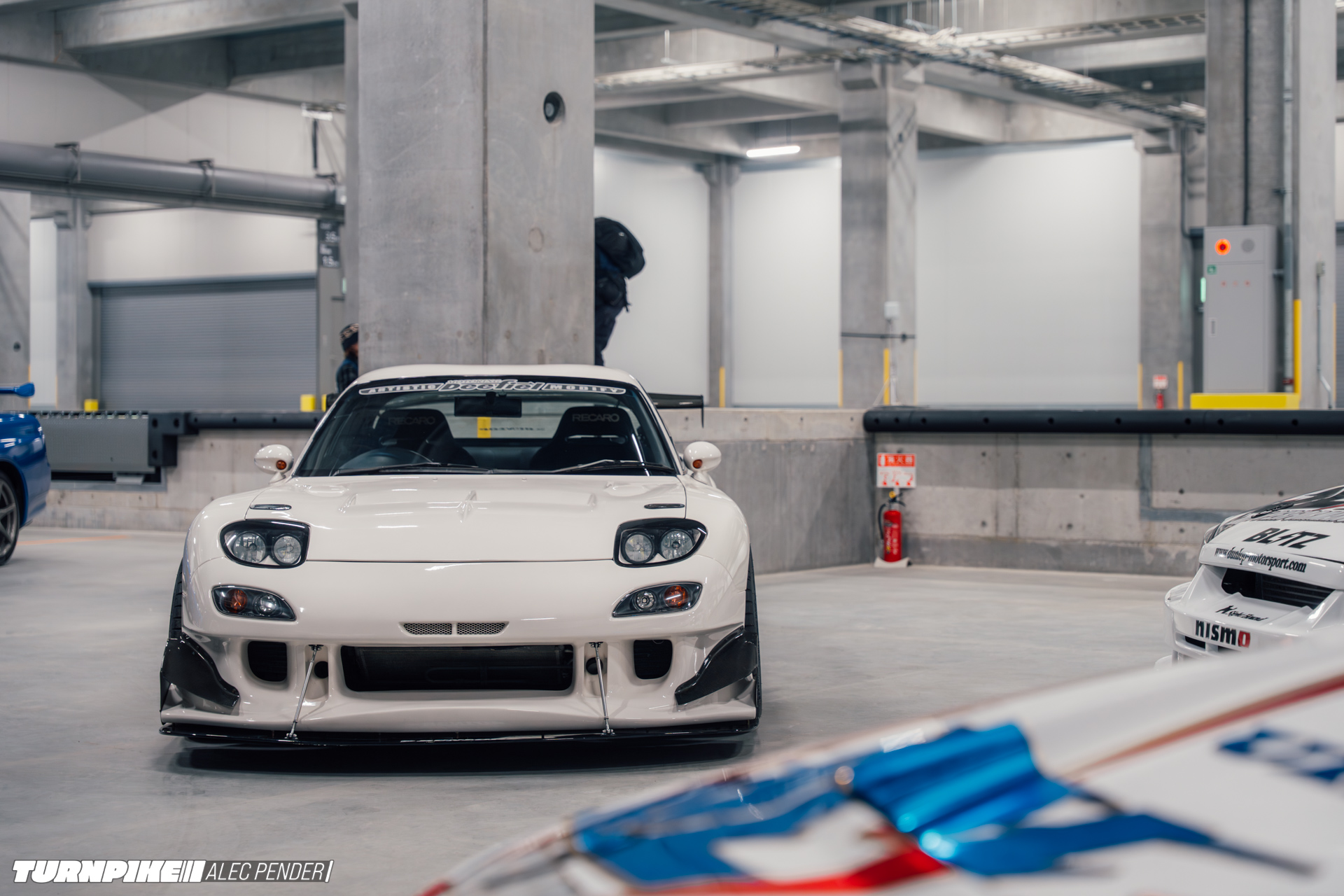
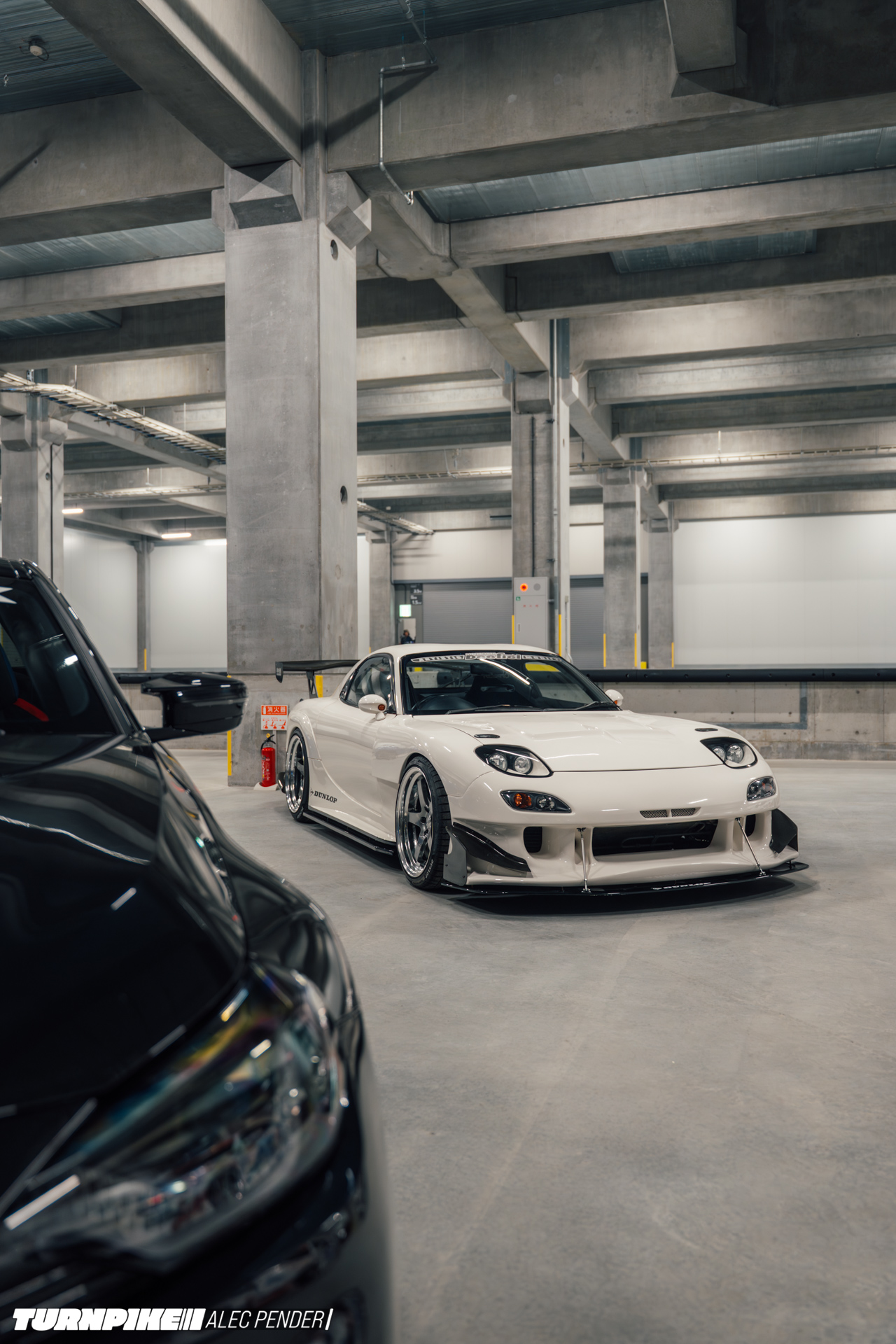
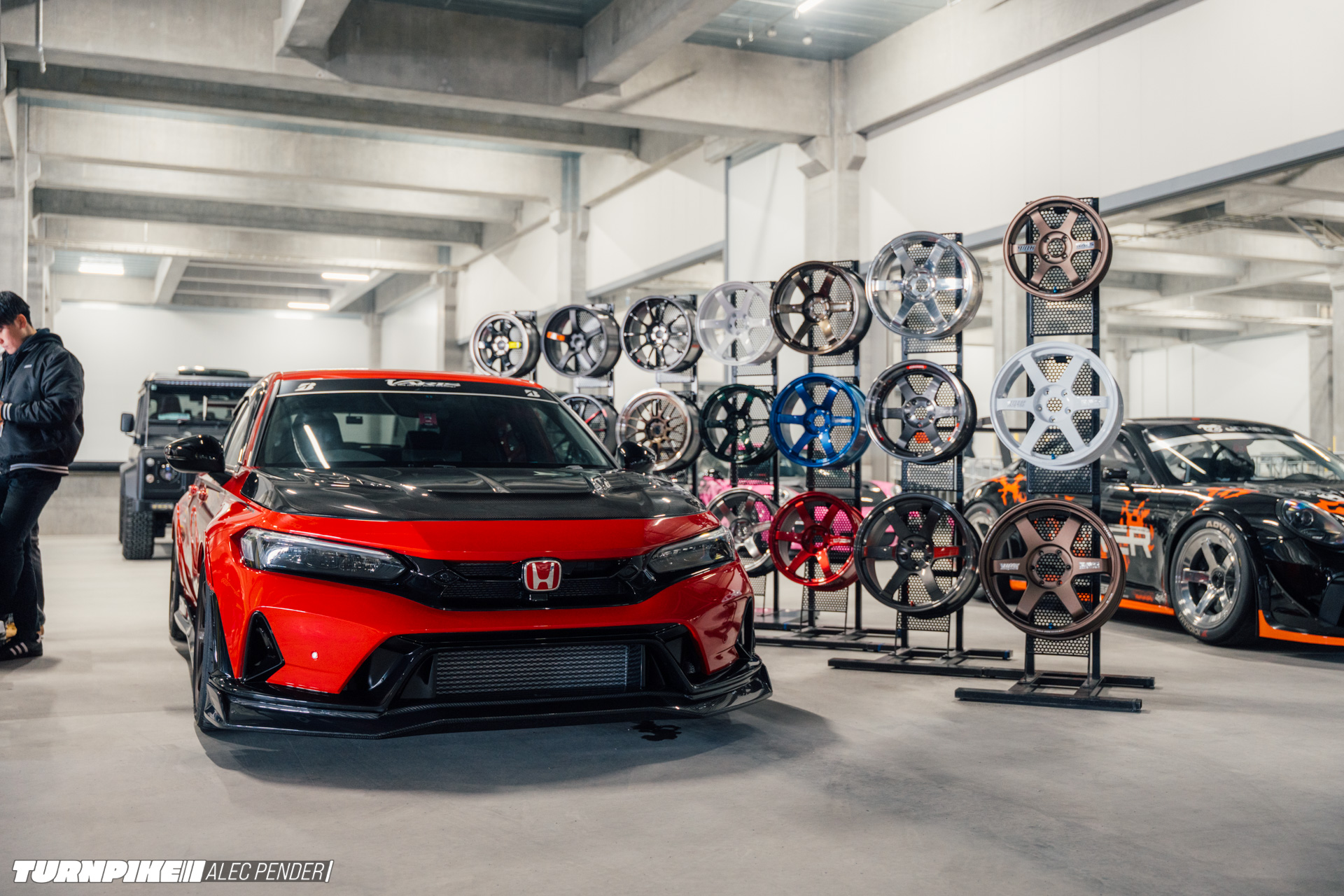
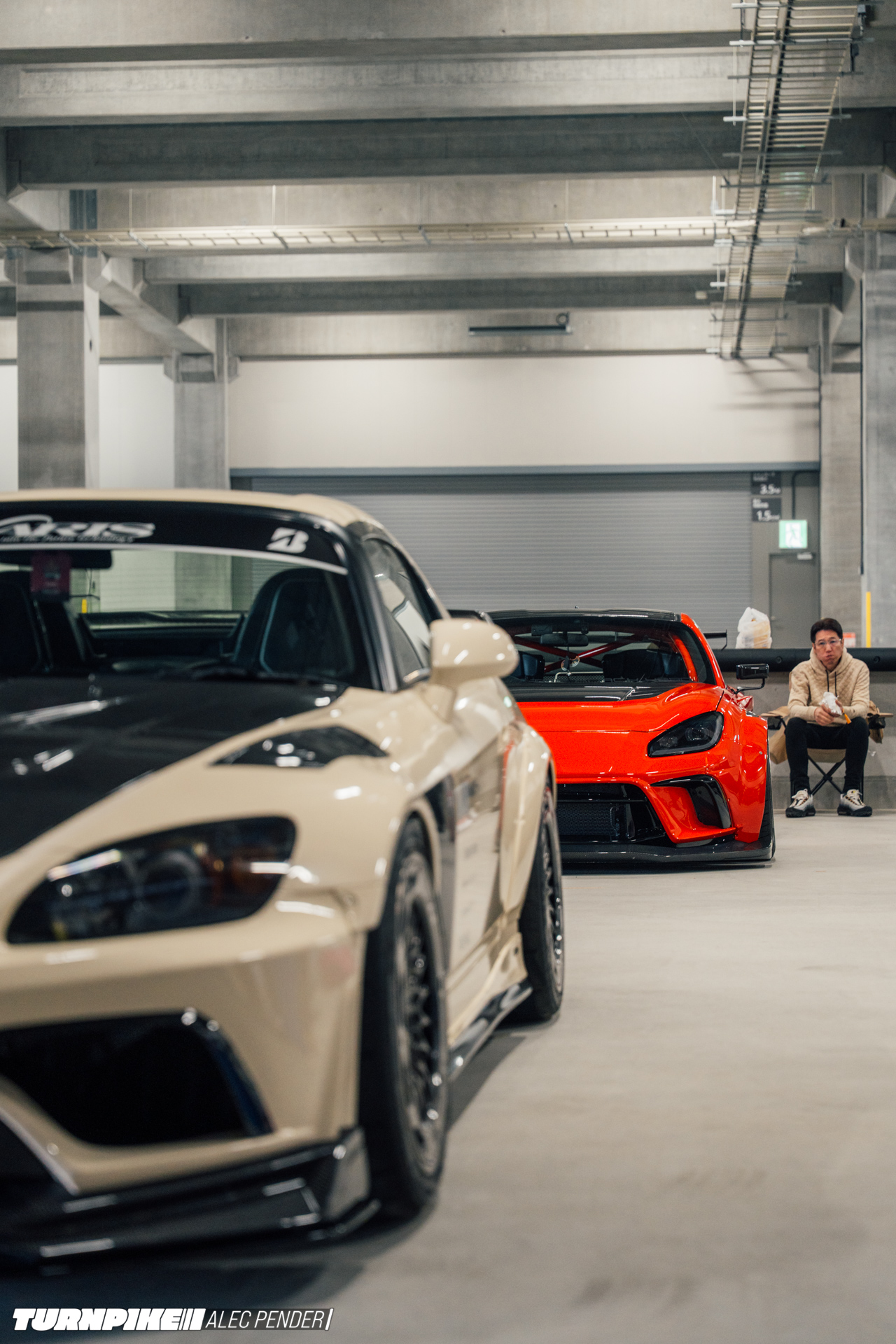
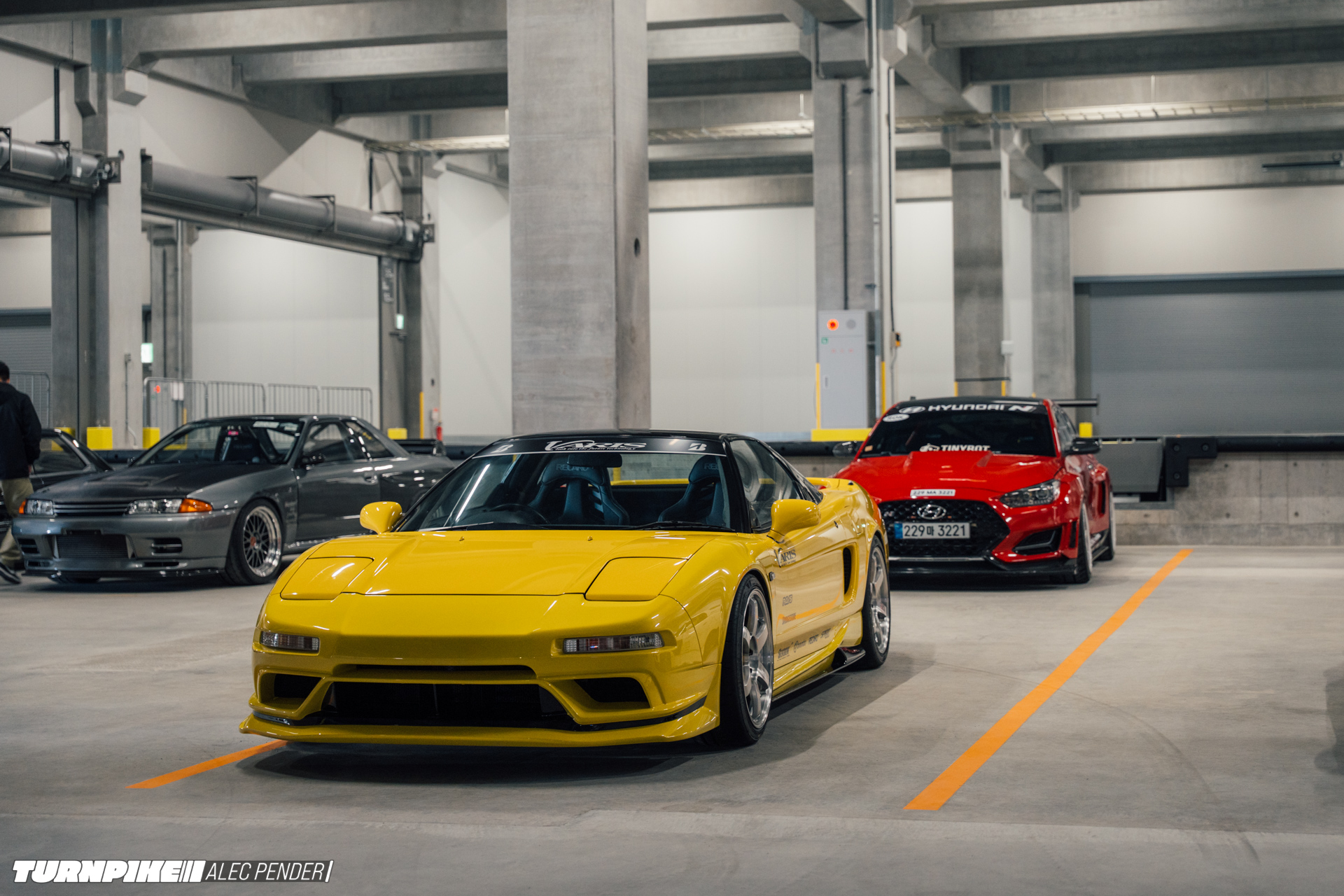
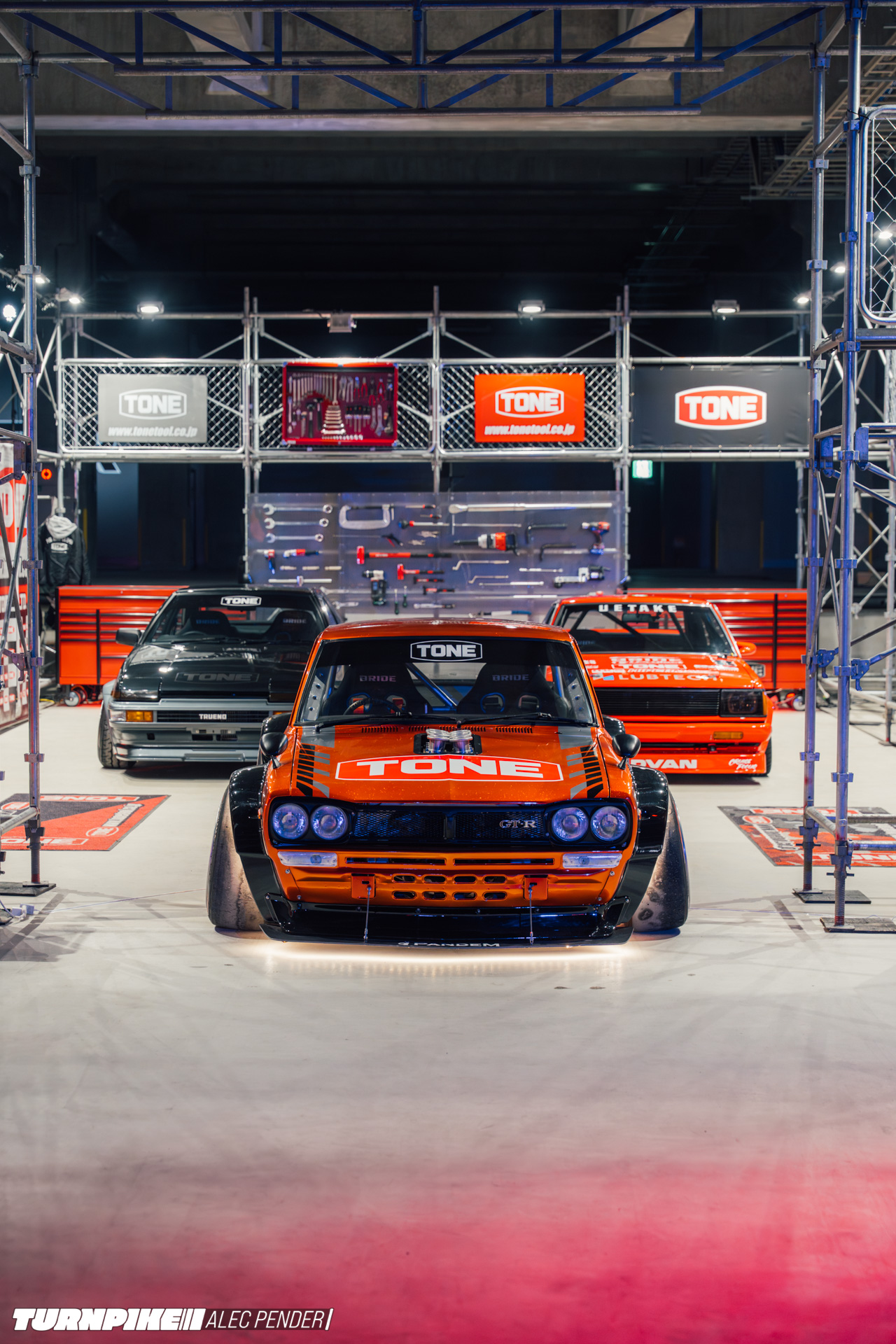
The remaining three floors were almost entirely dedicated to show and display. Level two was split between a music festival and a car show. Here, Liberty Walk, Top Secret, KUHL, and more all made their way in, with many cars familiar from Tokyo Auto Salon and Osaka Auto Messe.
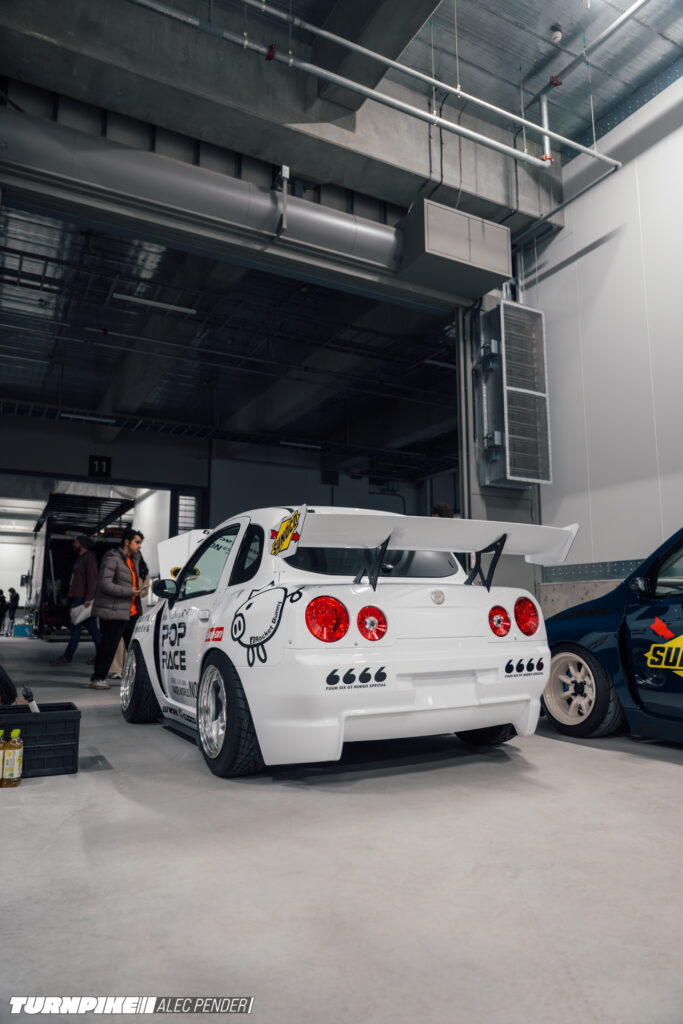
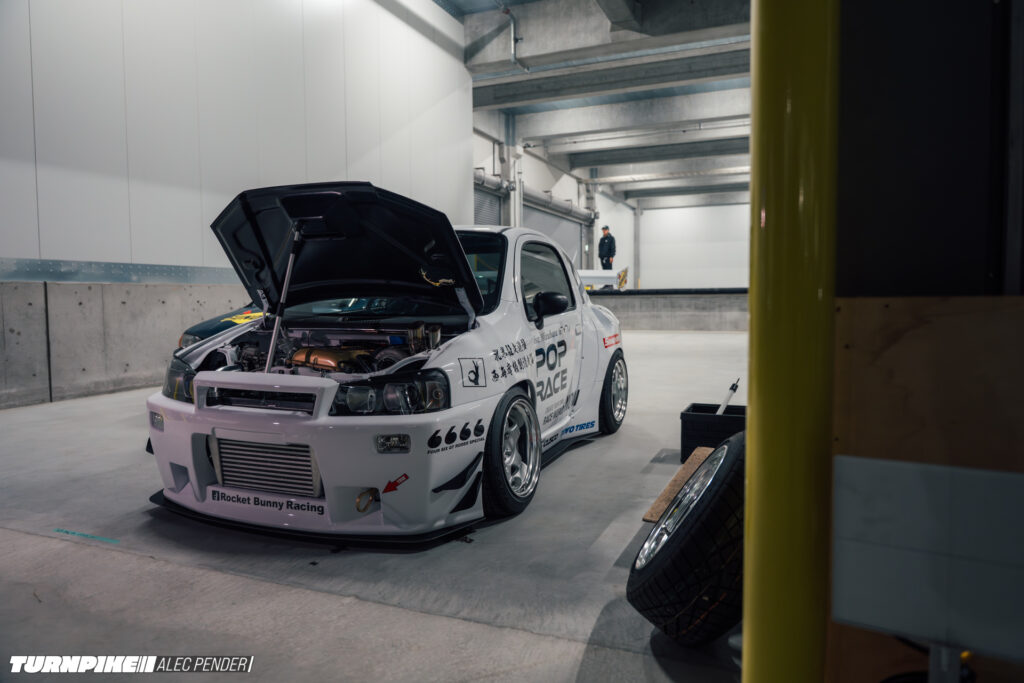
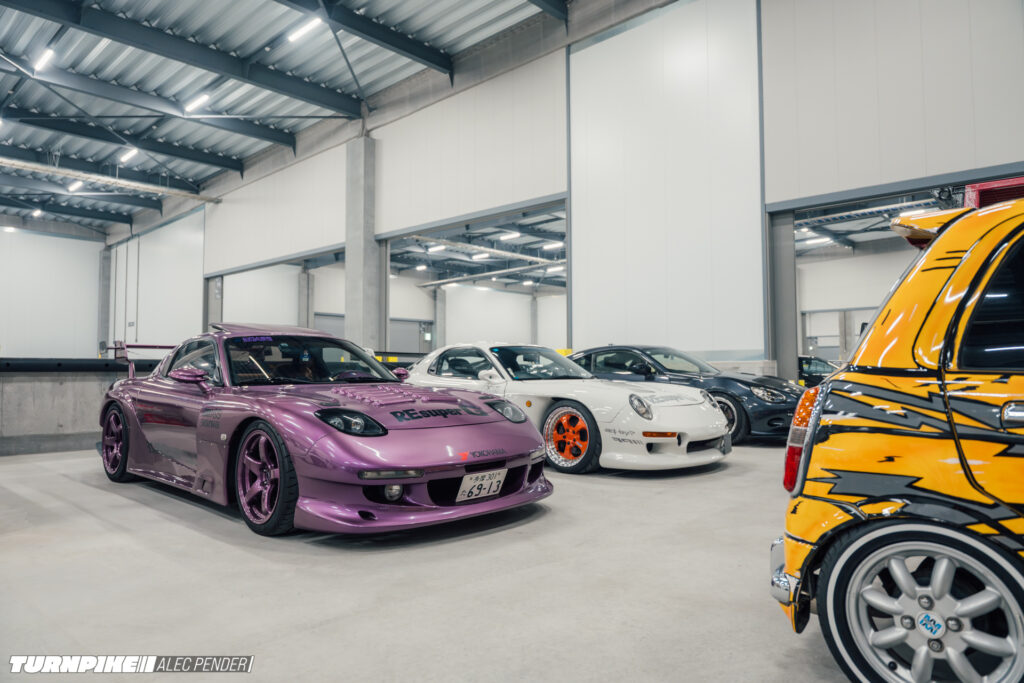
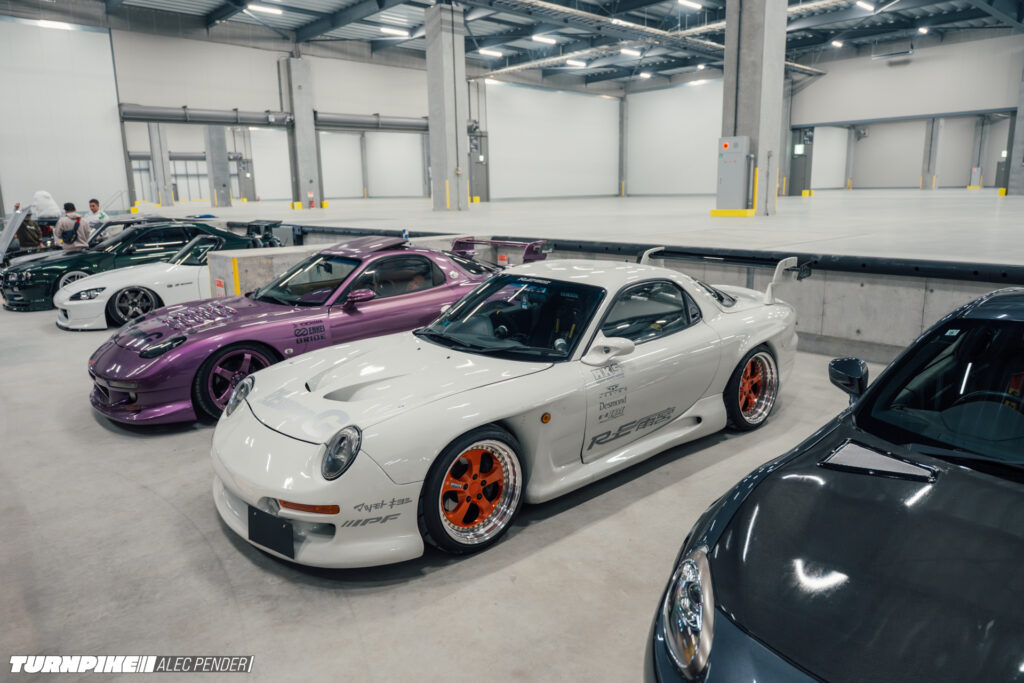
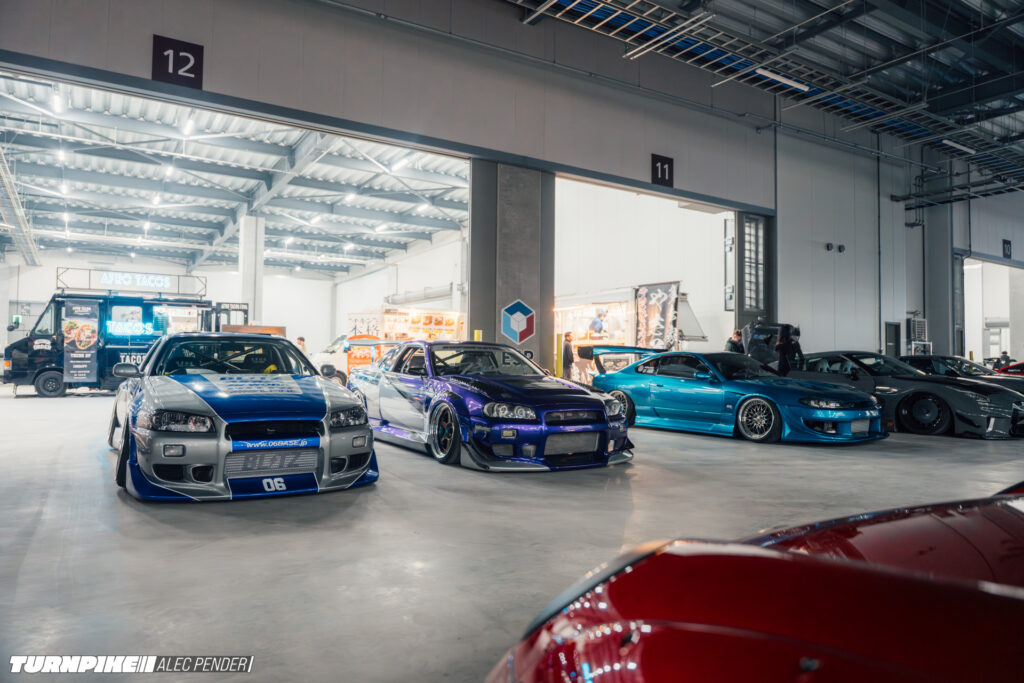
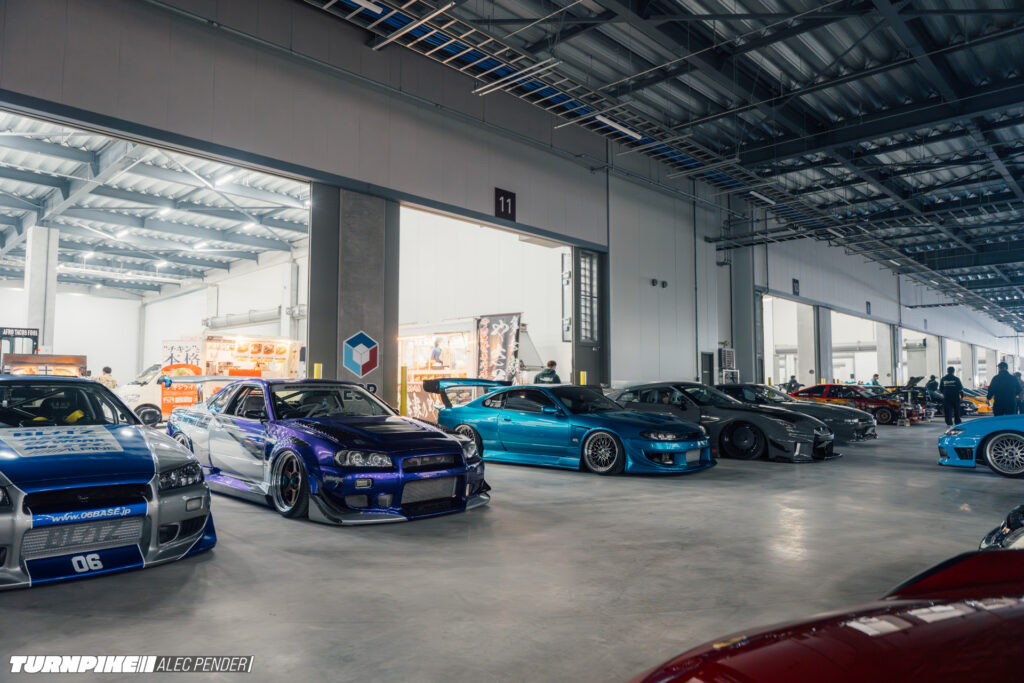
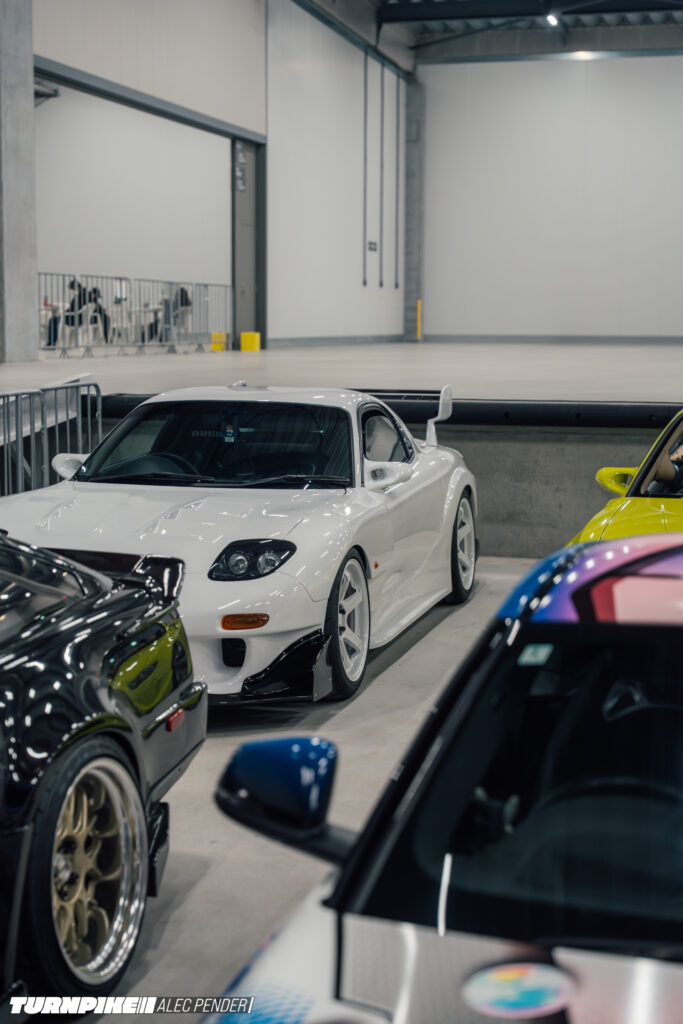
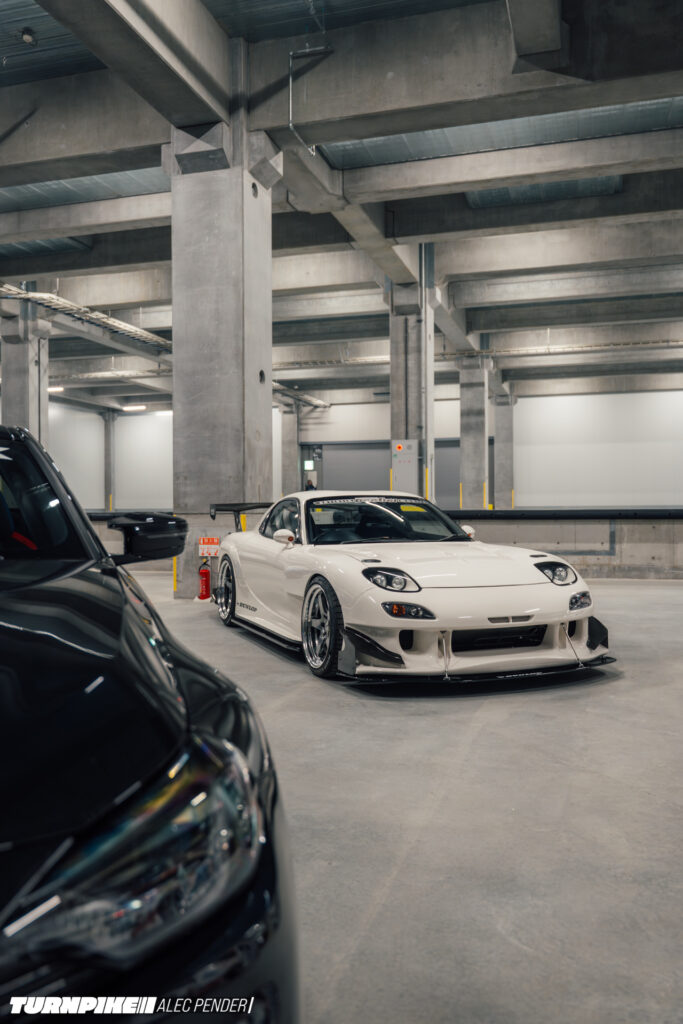
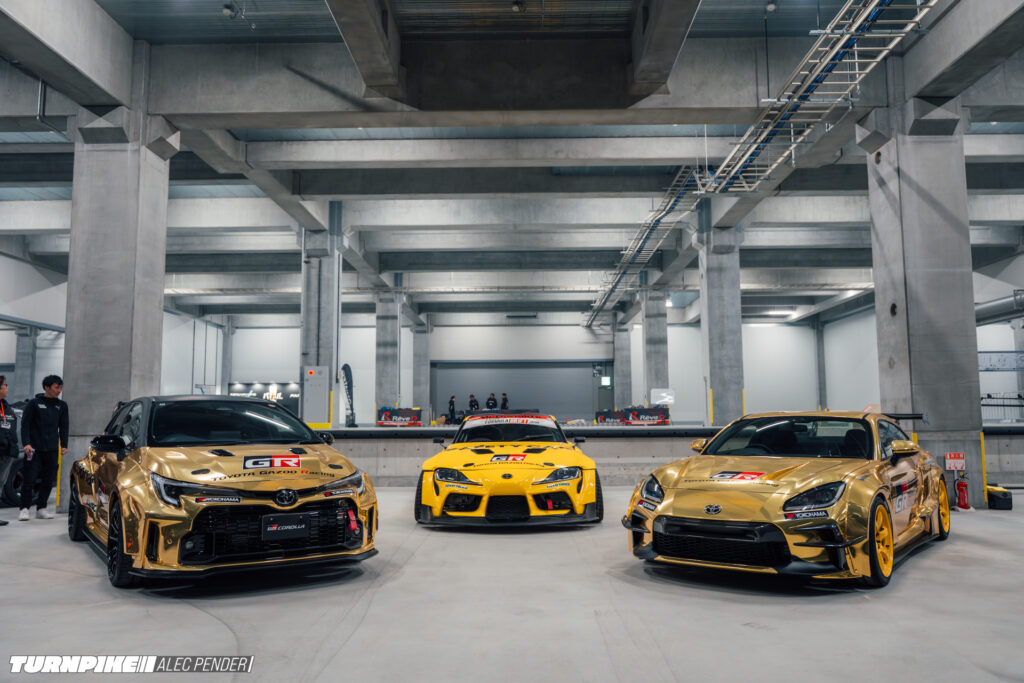
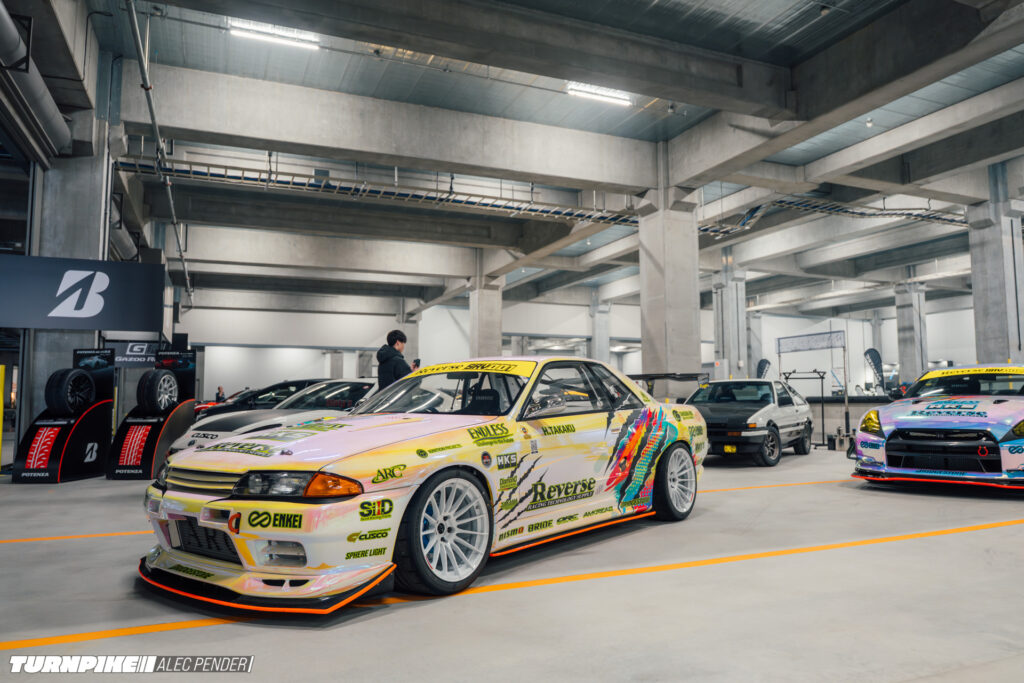
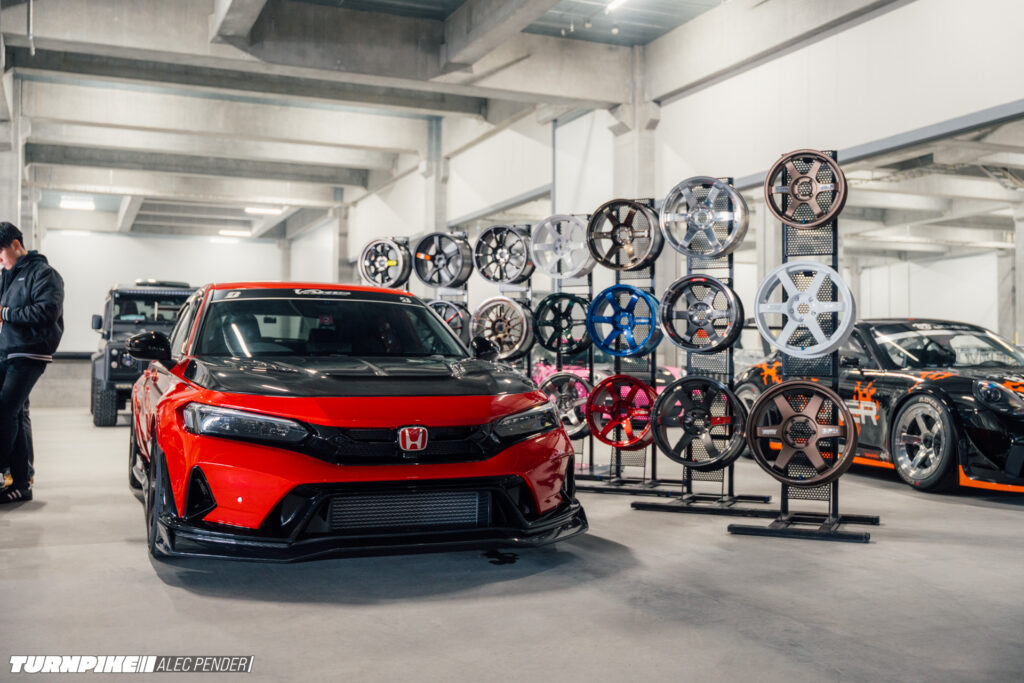
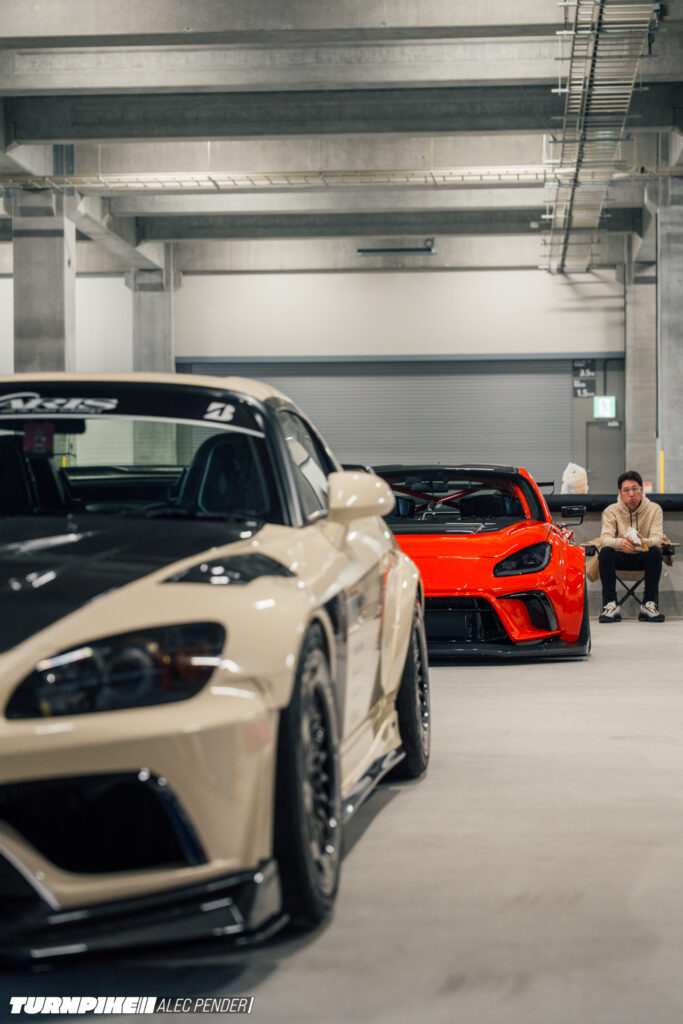
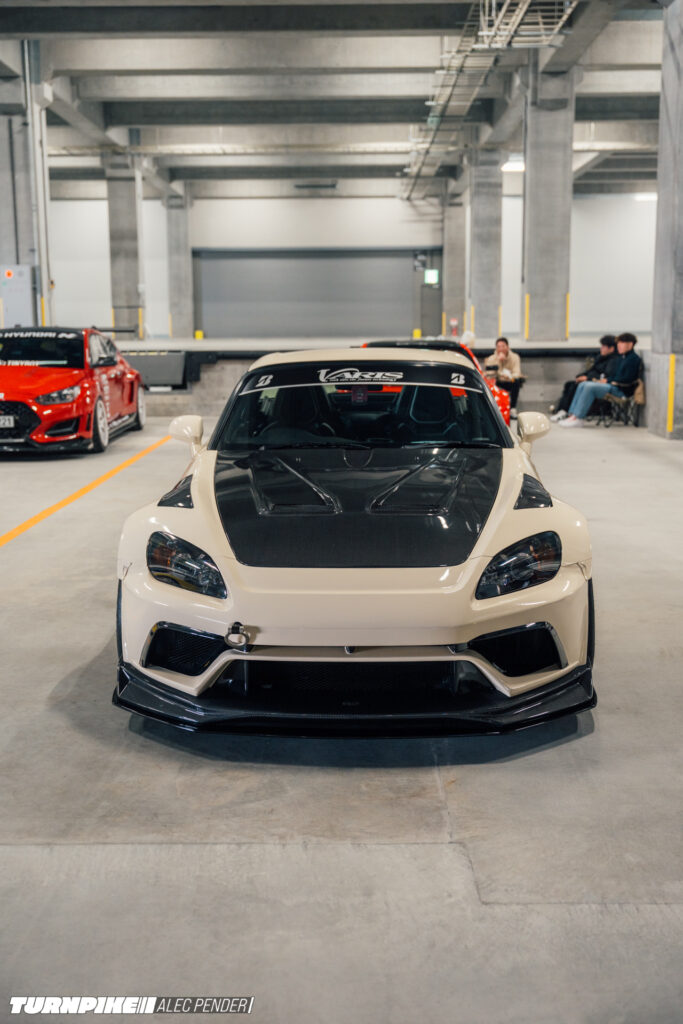
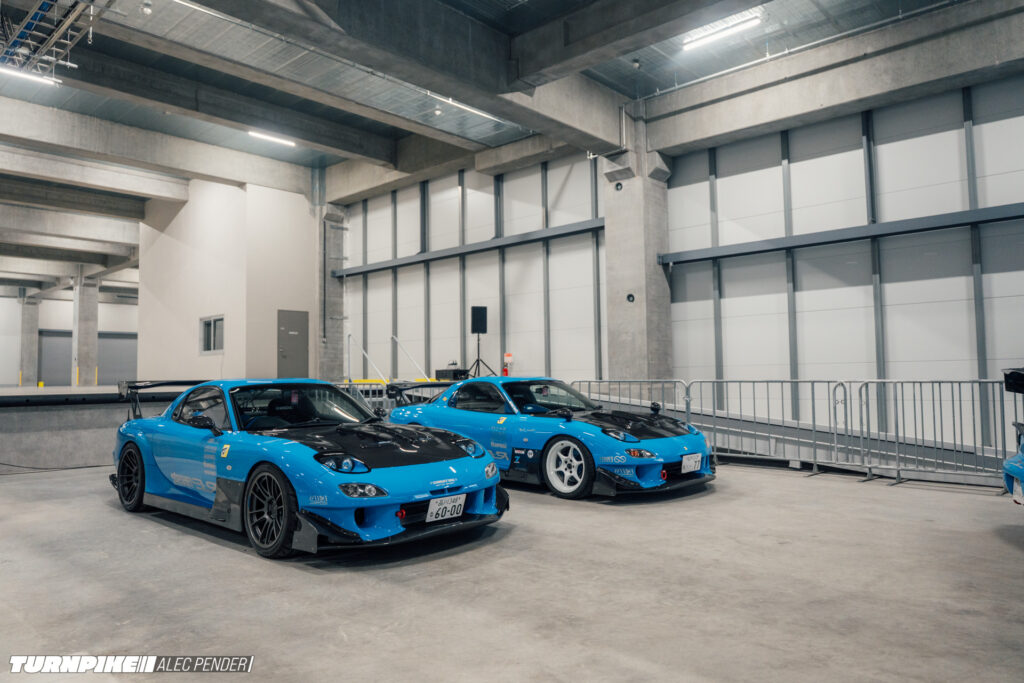
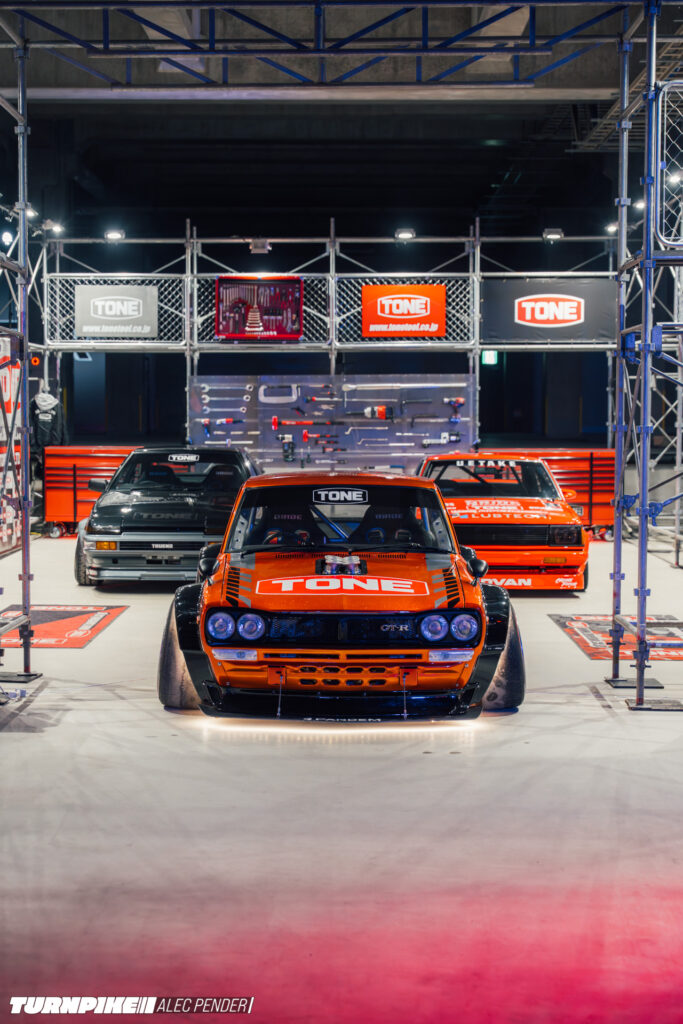
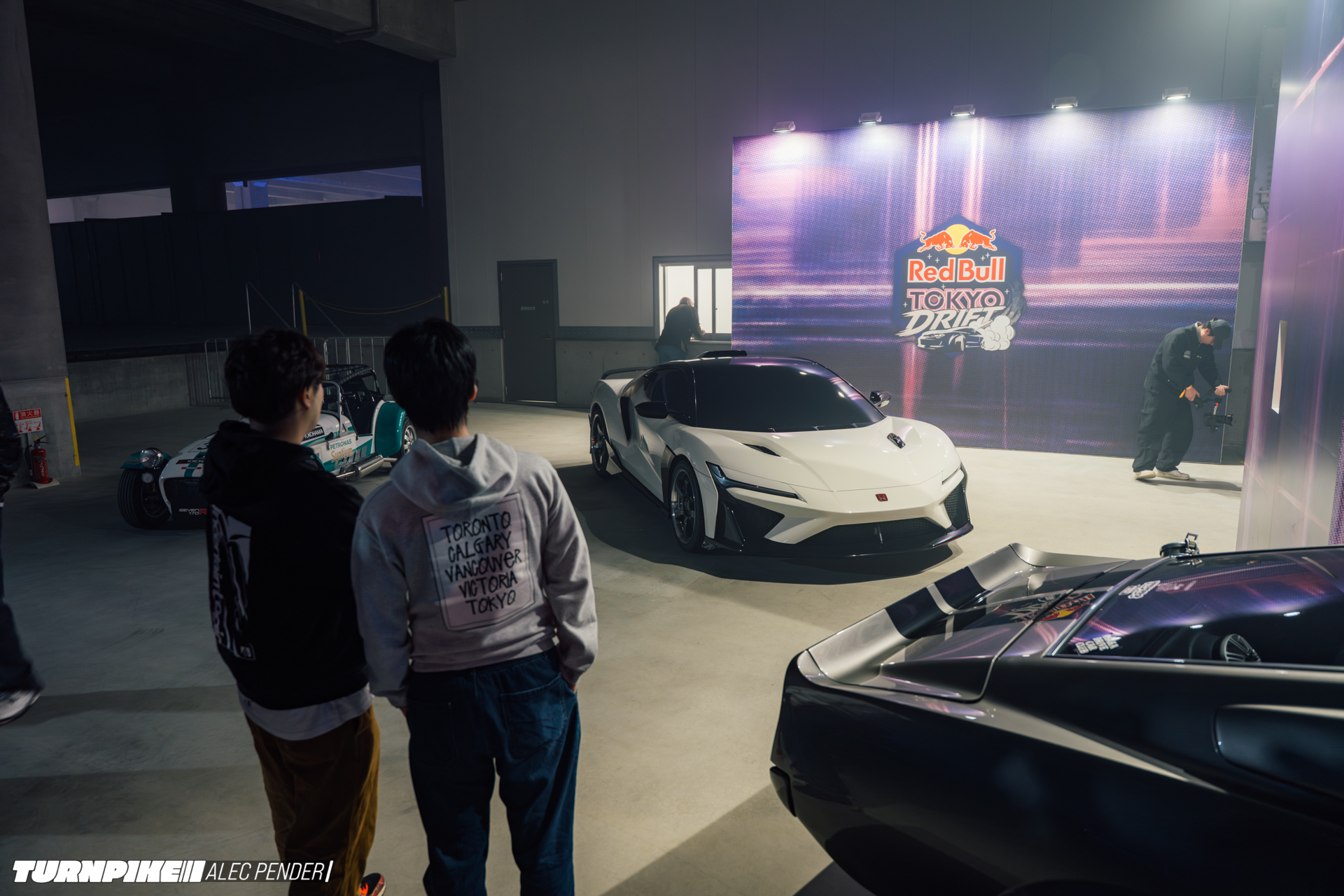
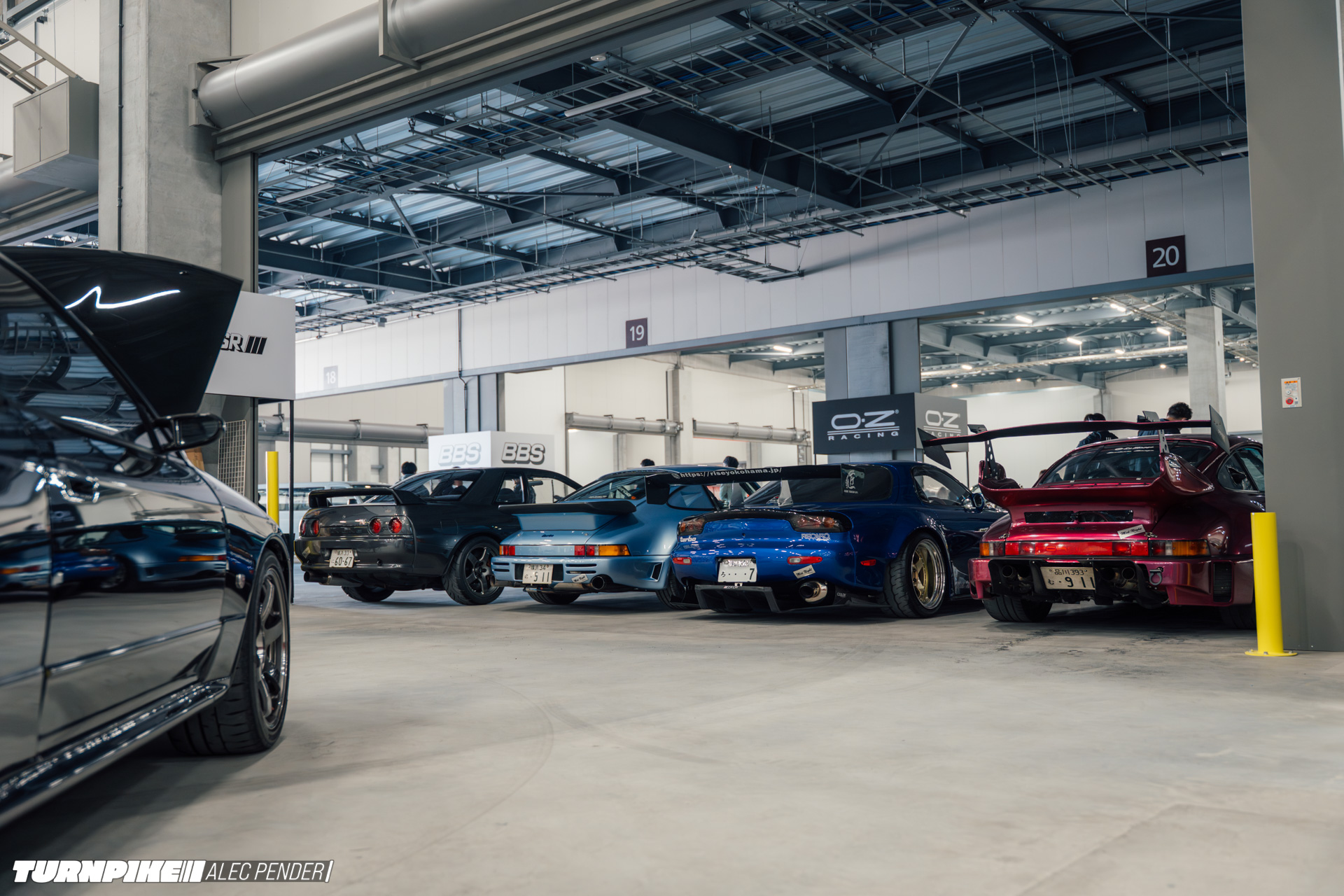
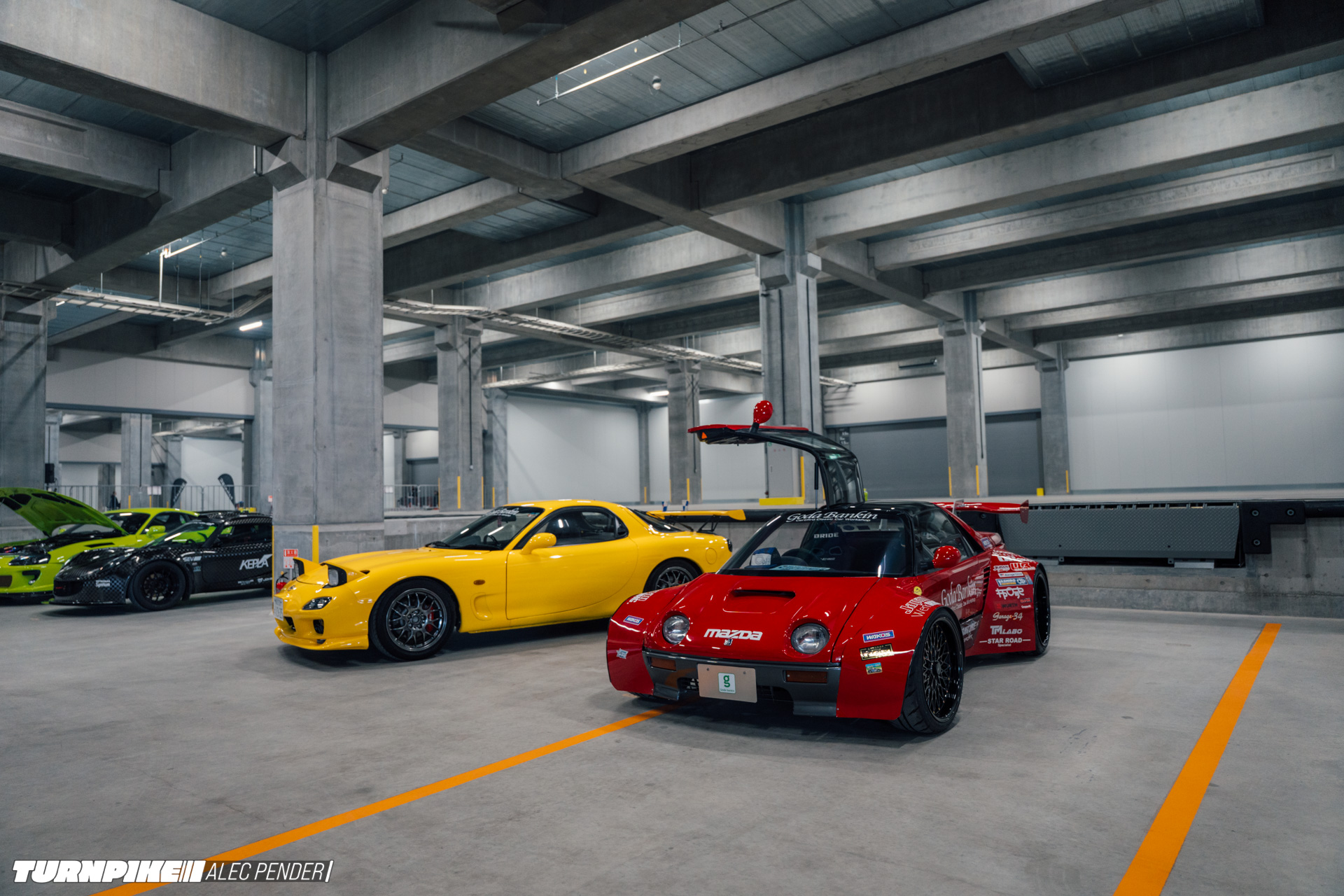
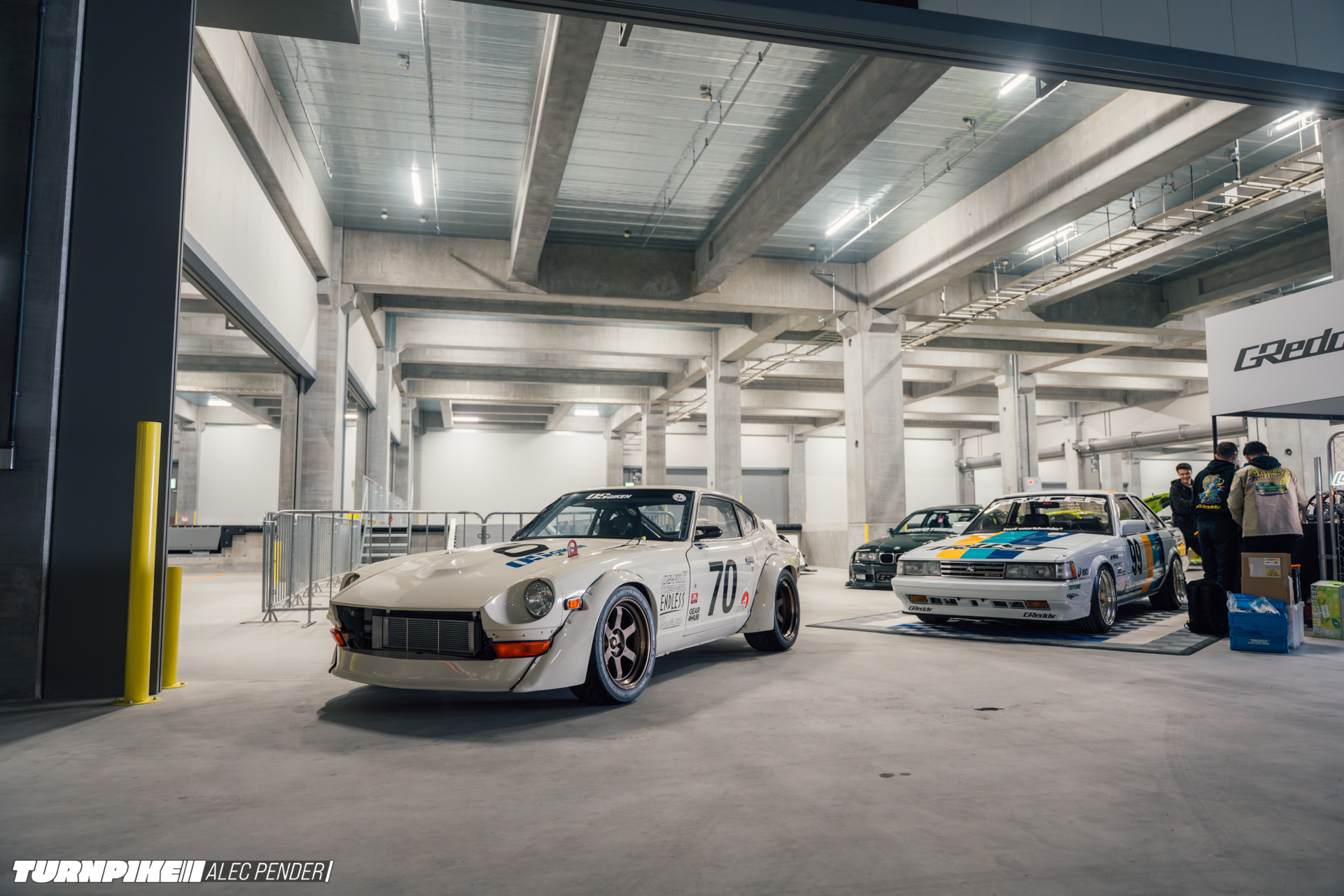
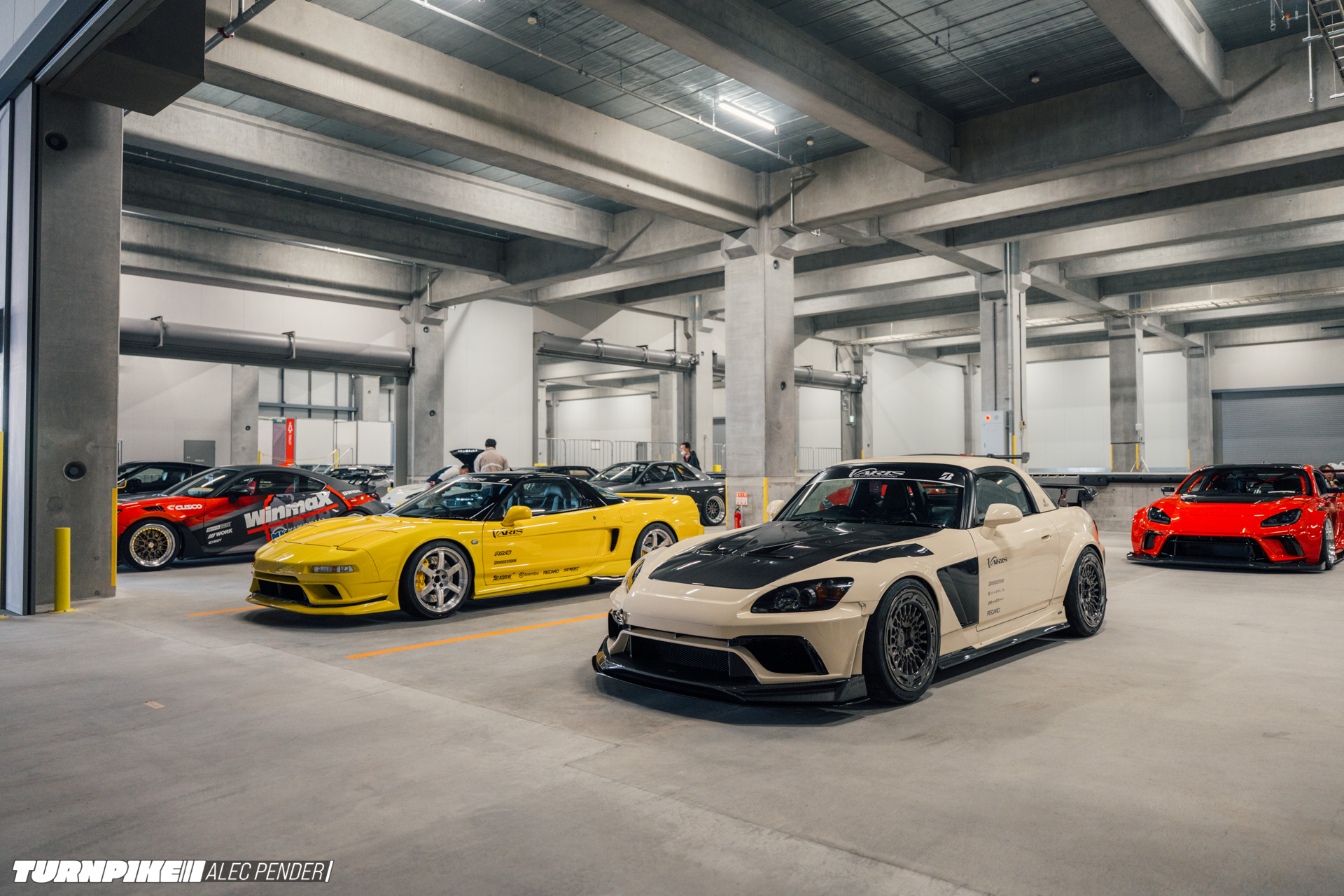
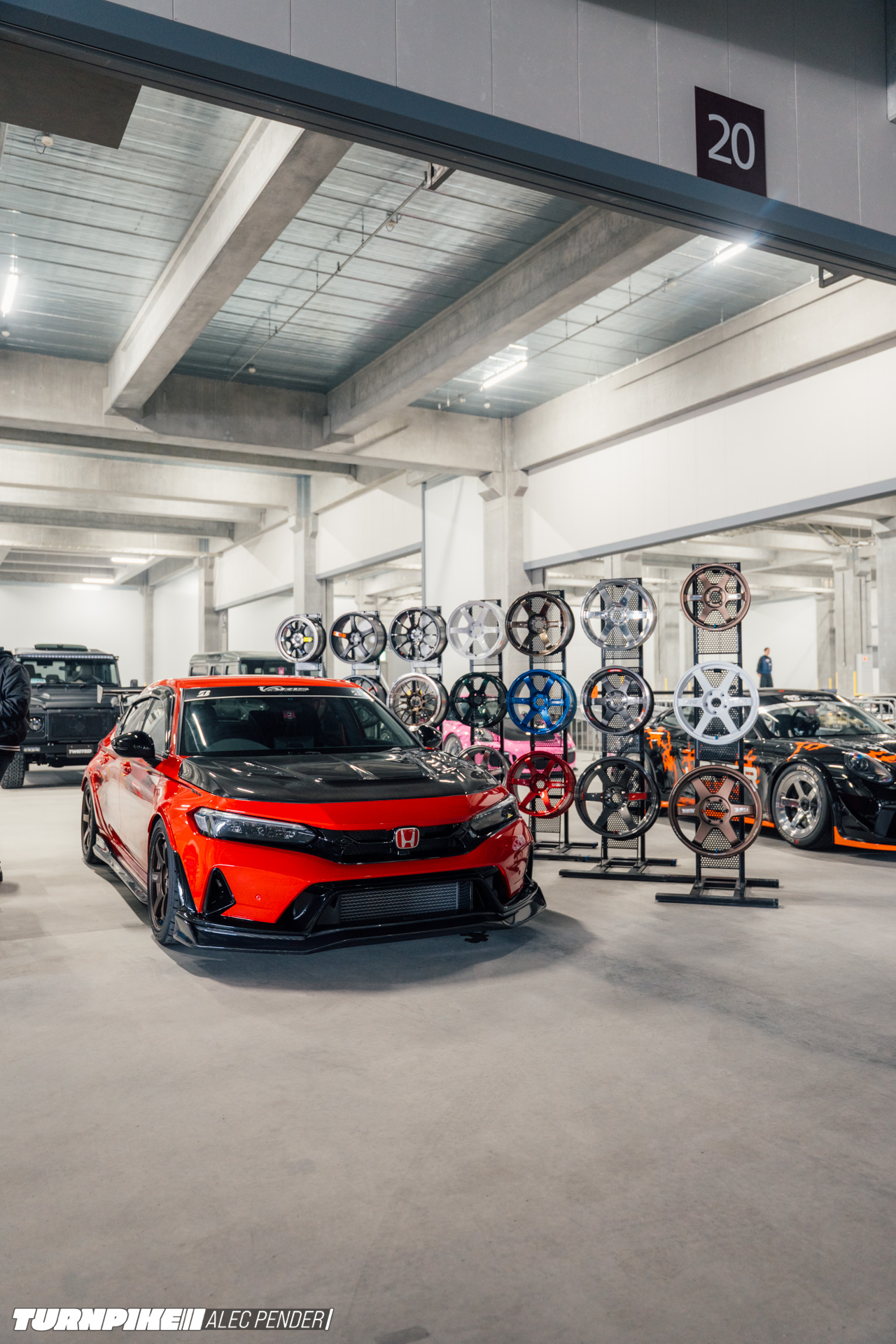
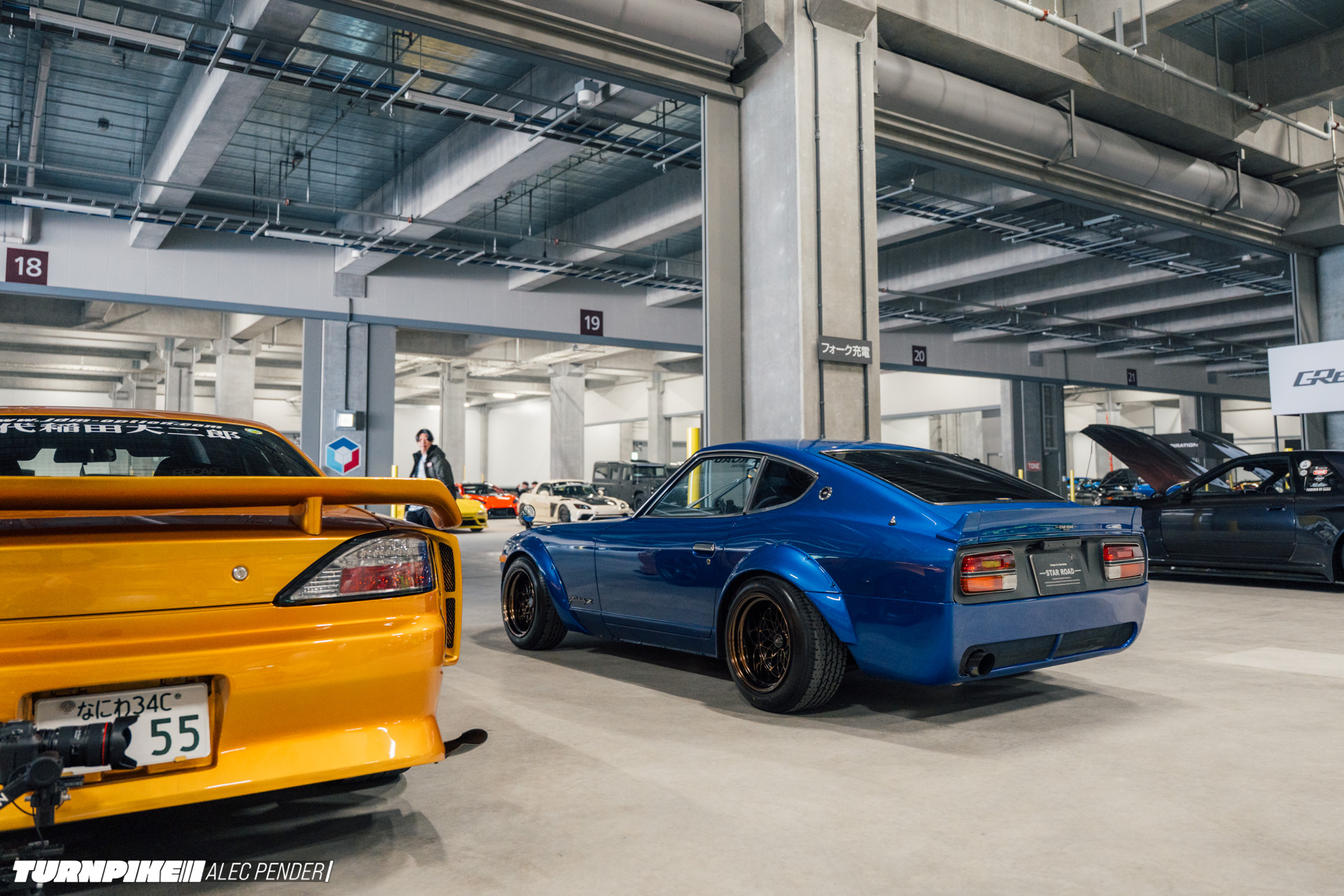
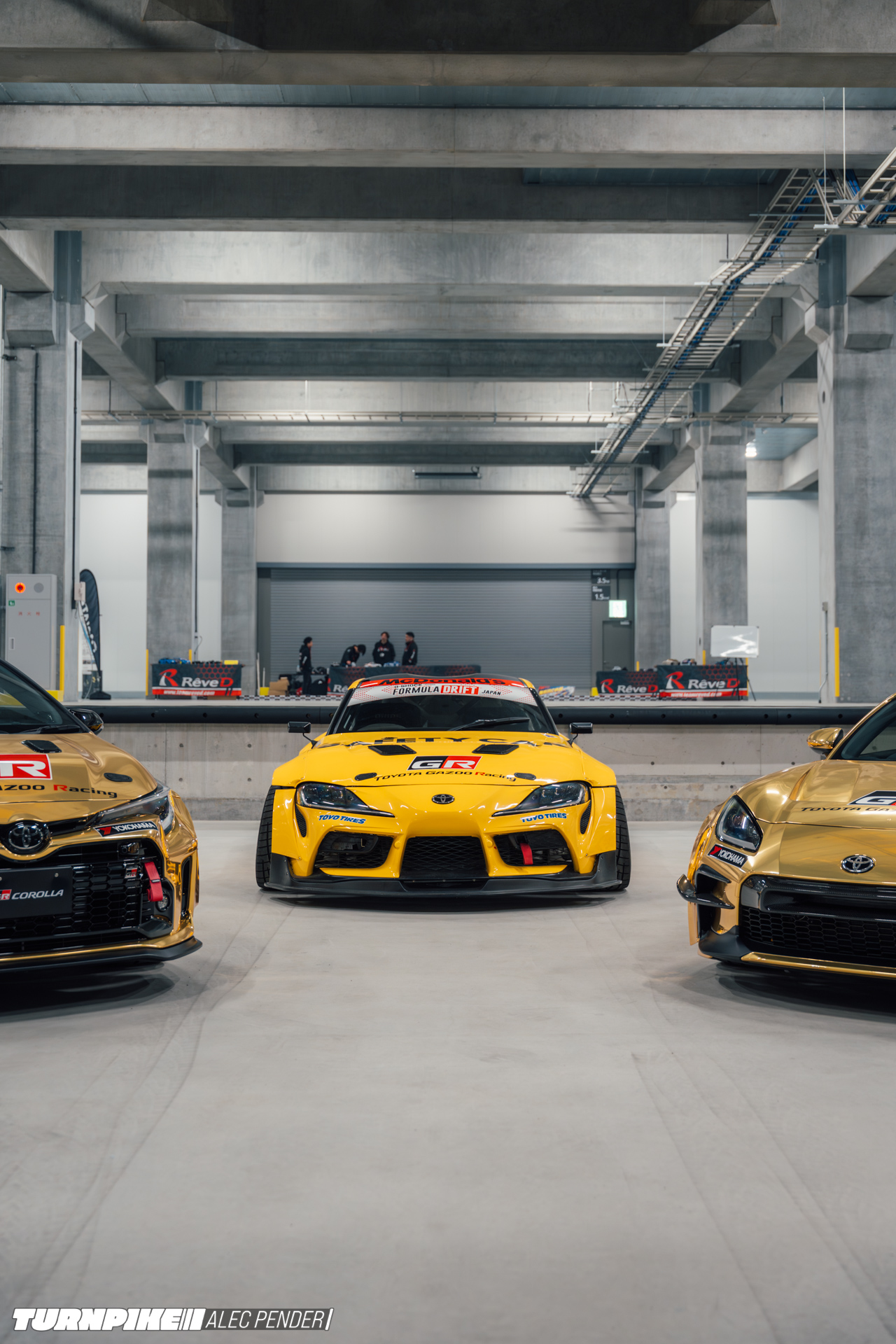
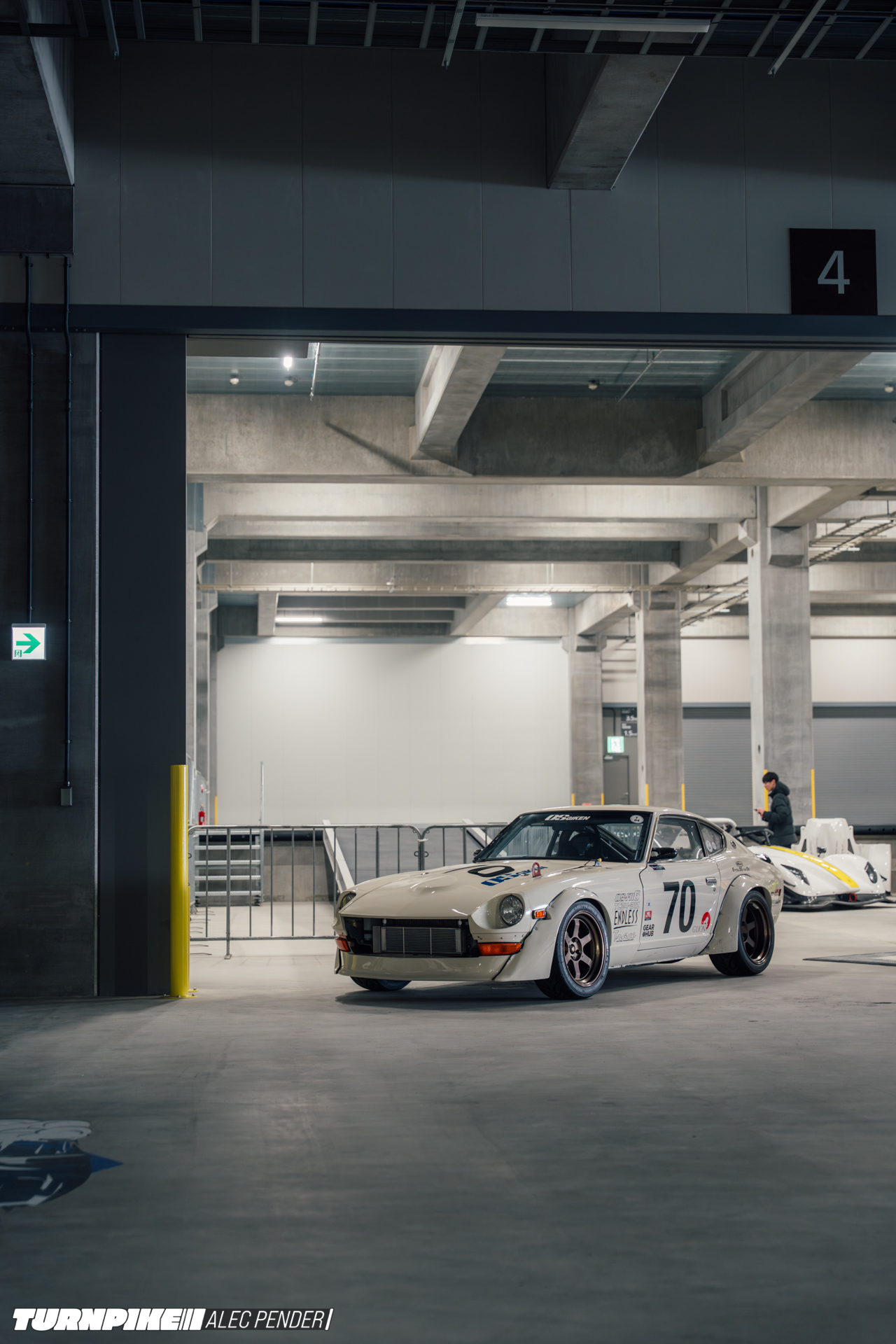
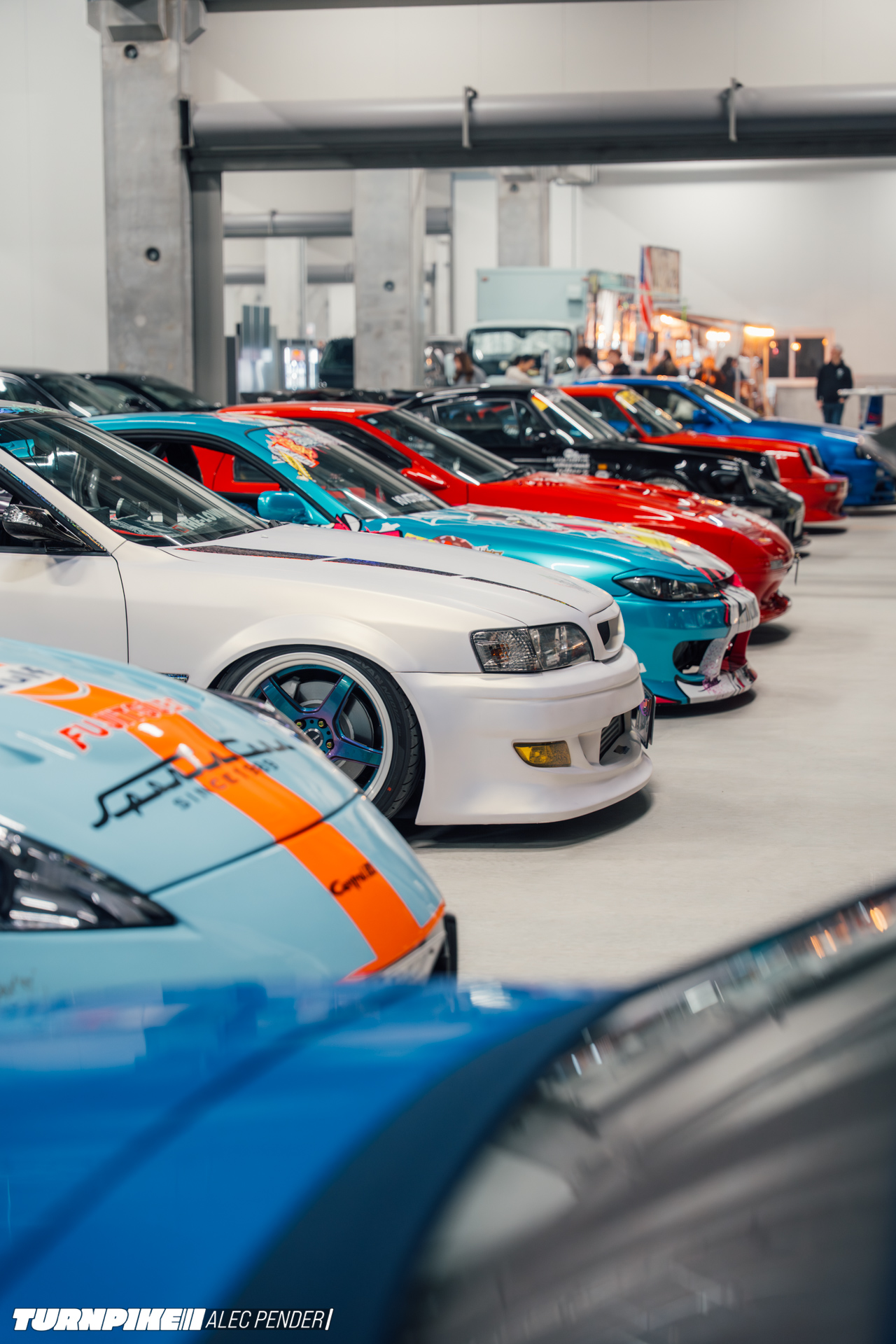
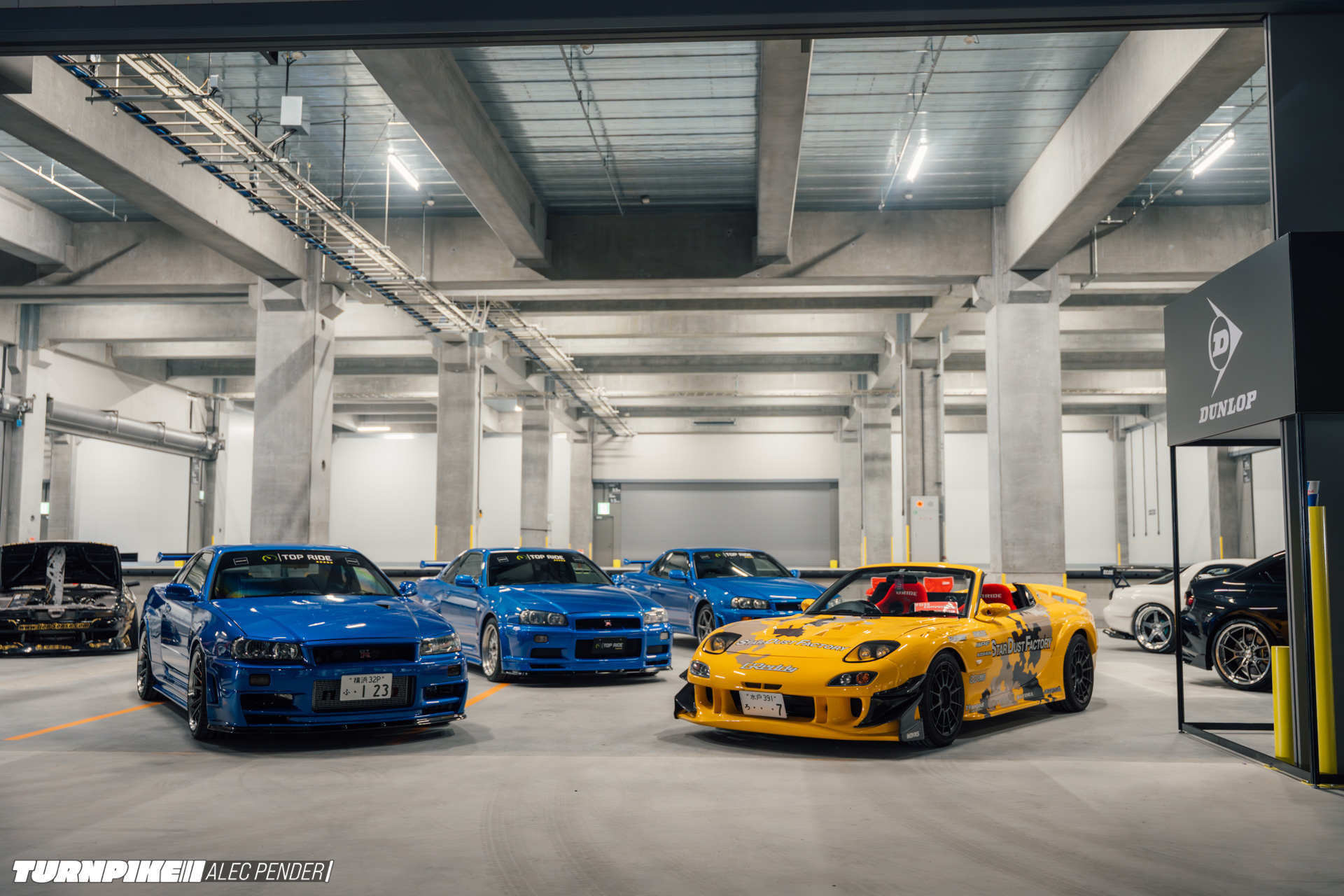
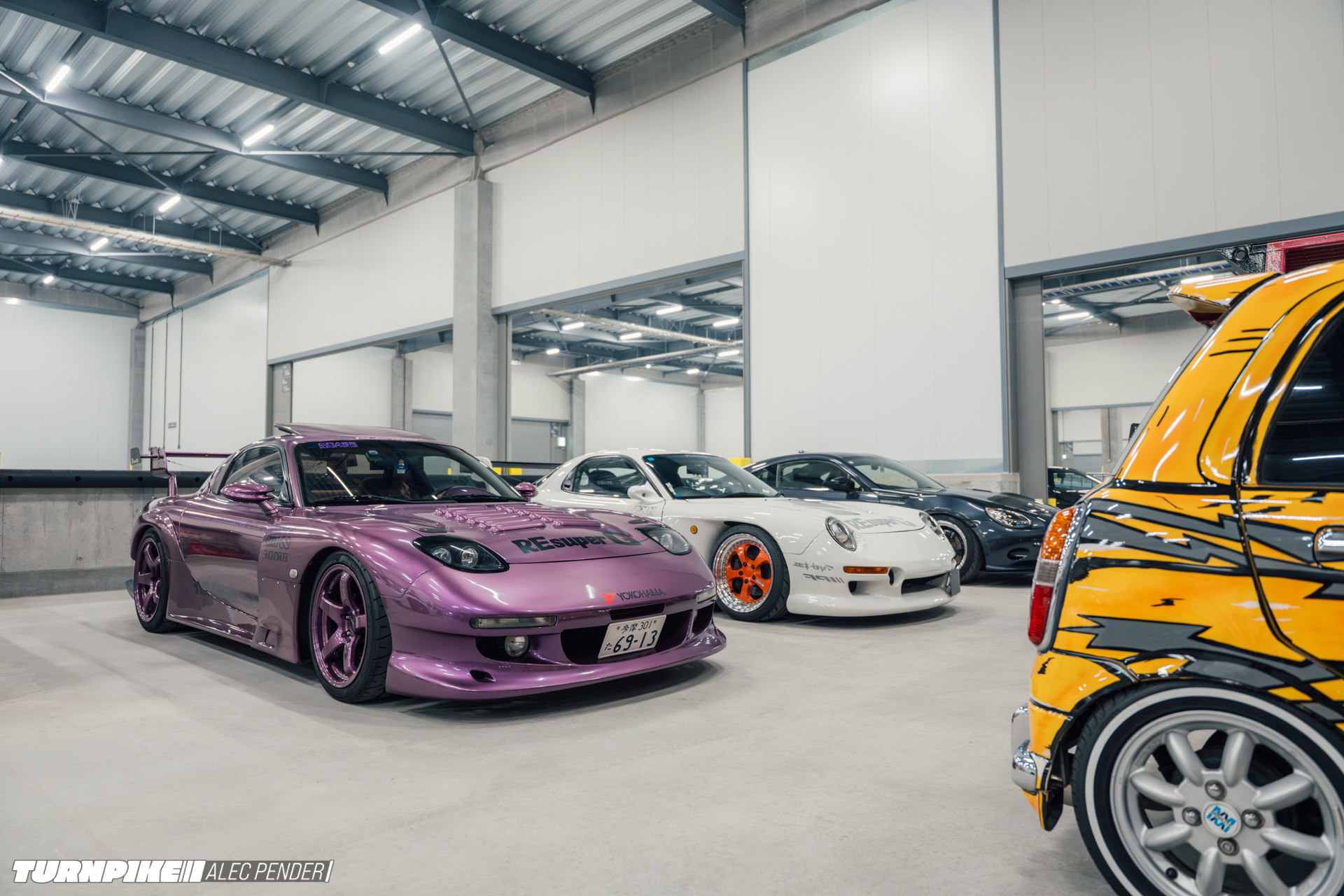
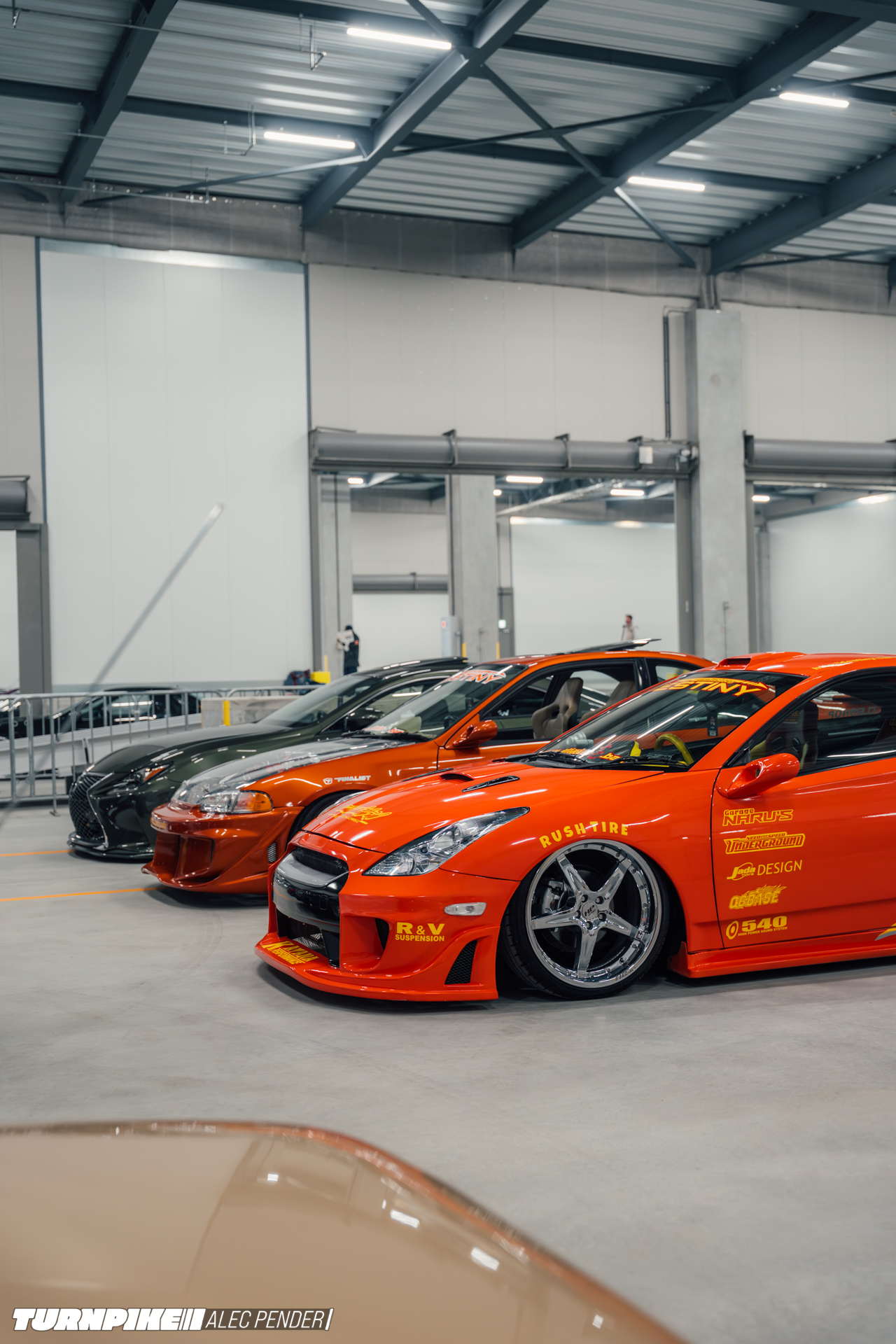
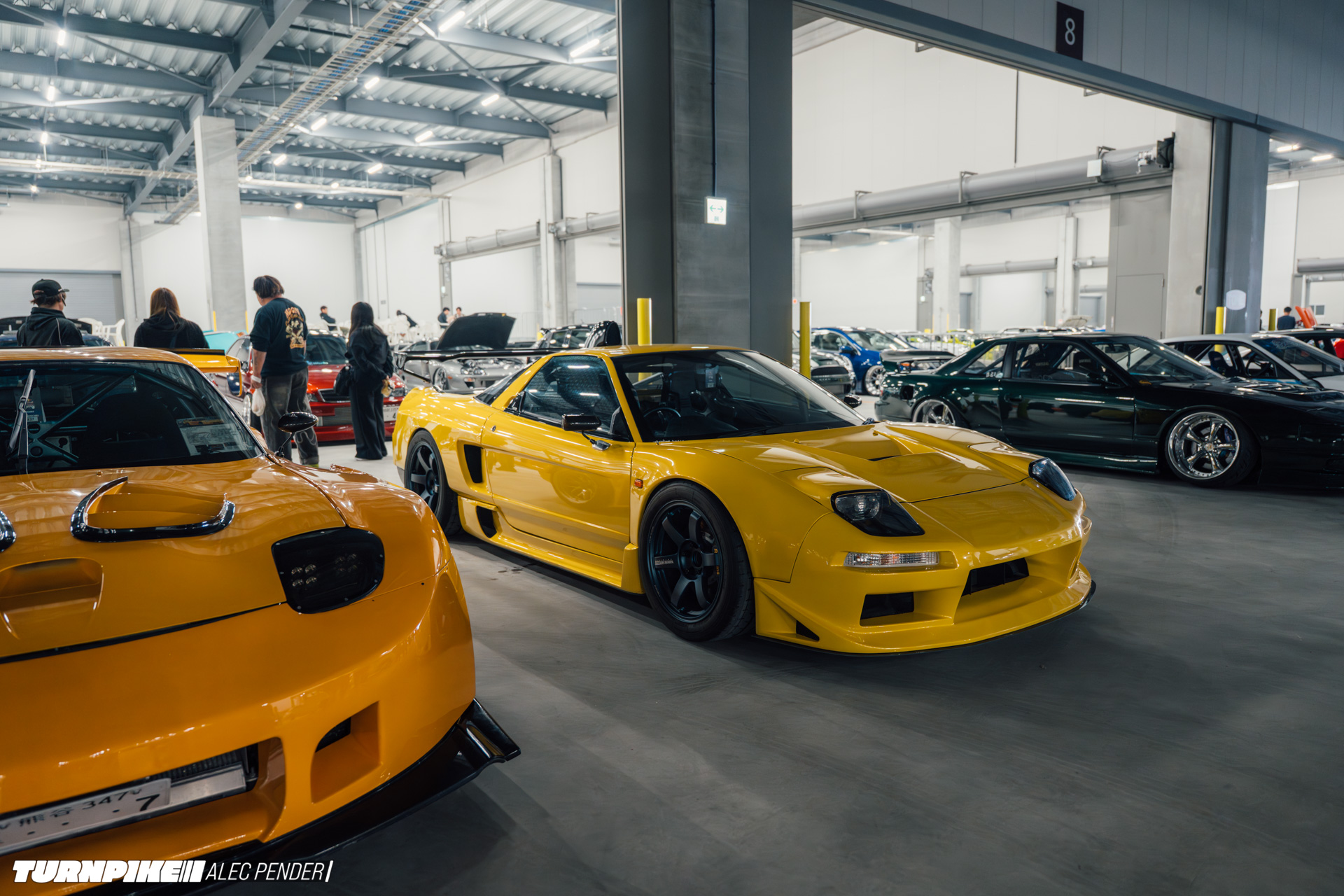
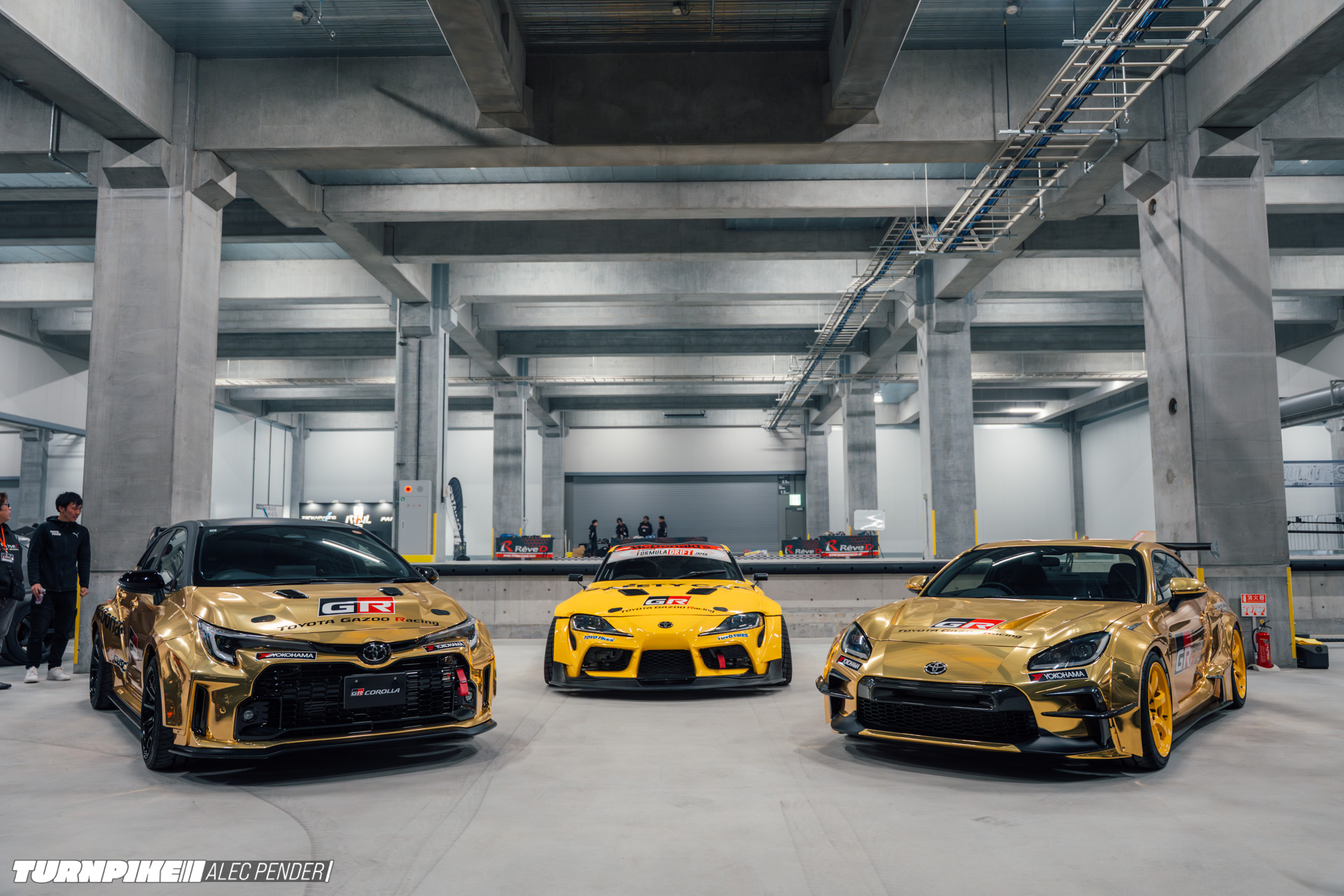
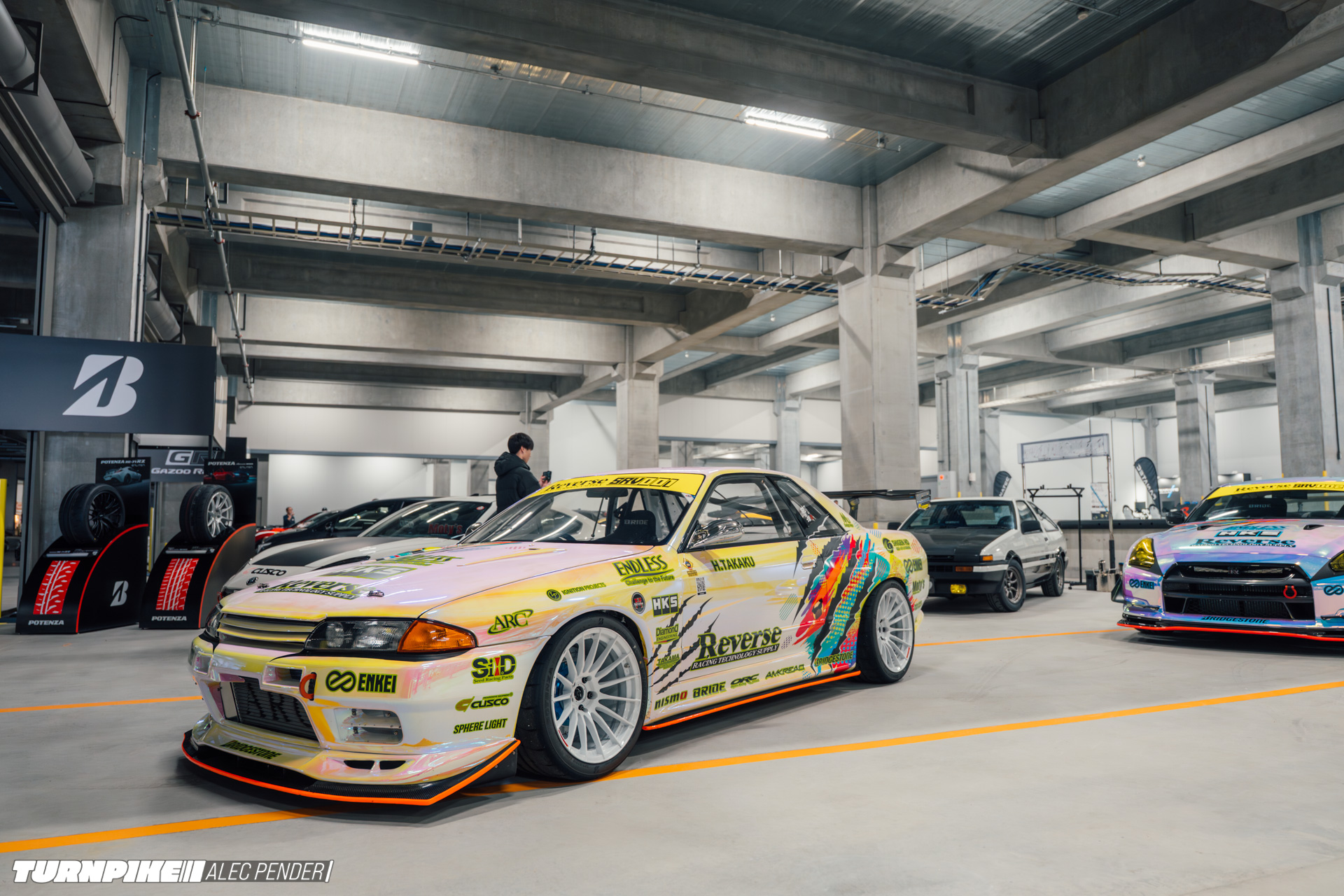
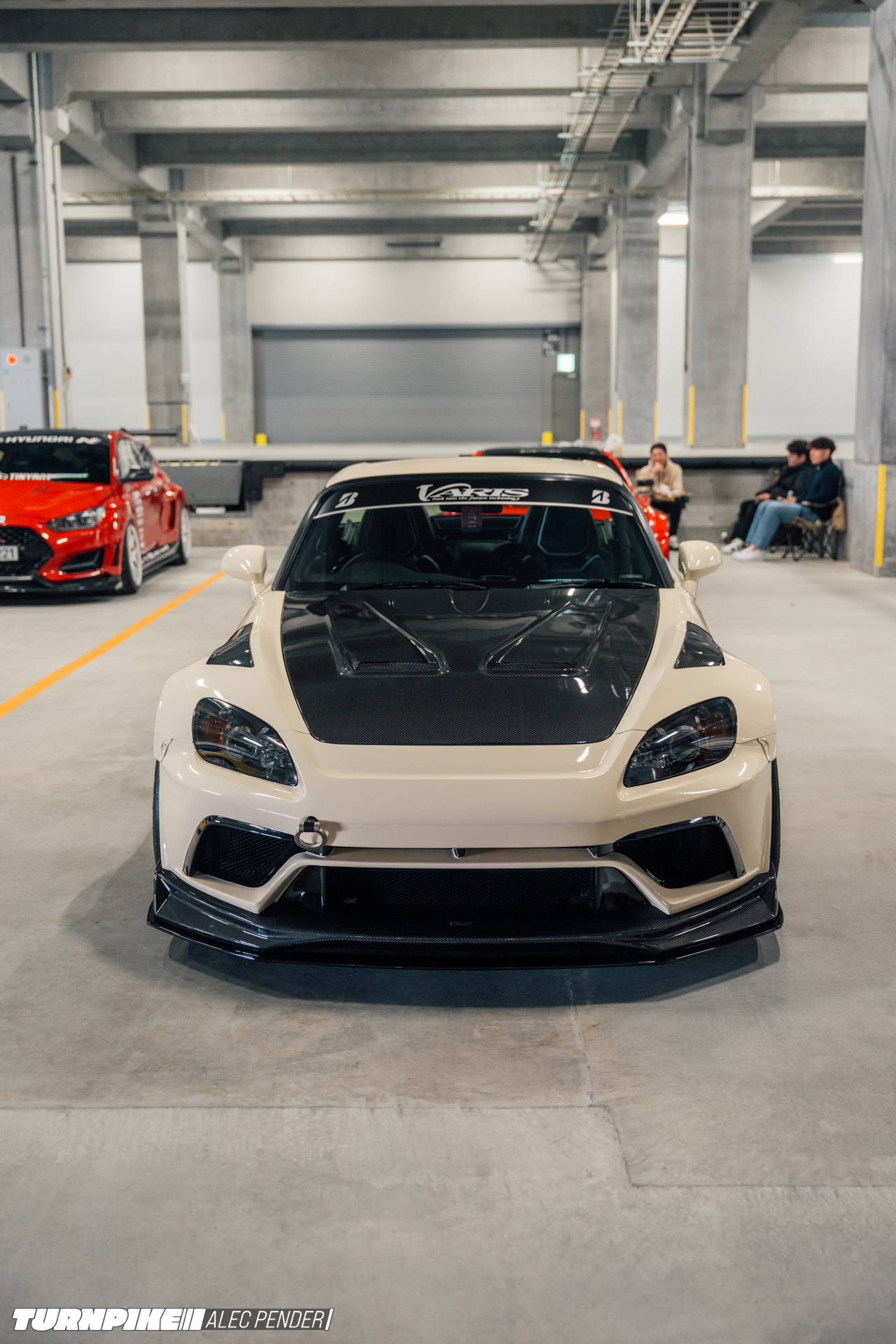
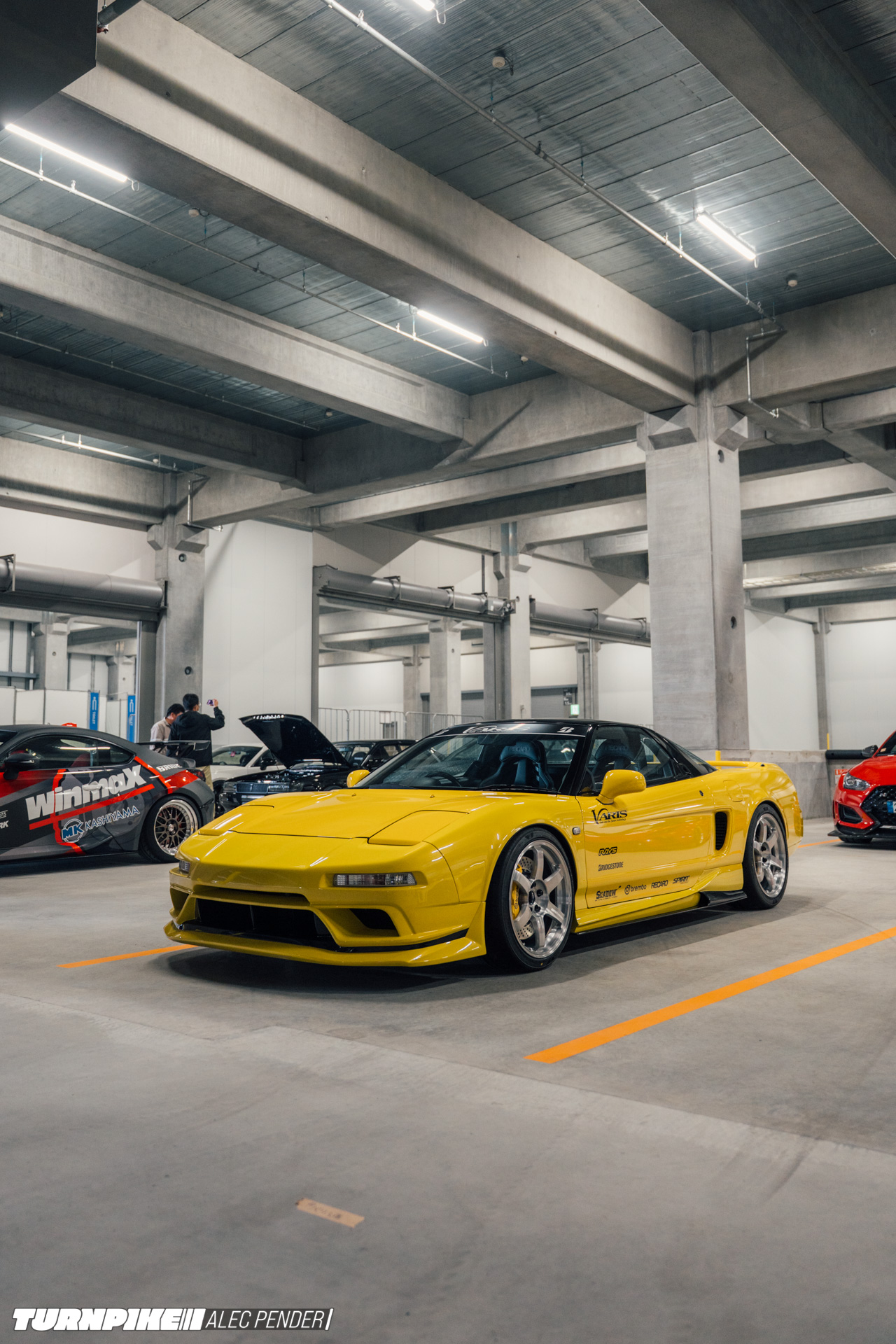
Level three was no different. Spectators were greeted by four RE Amemiya demo cars, followed by Goda Bankin’s AZ-1, Star Road, Varis, GReddy, OS Giken, and Reverse; it read like a shopping list of legendary Japanese tuners. Kazama Auto and Toyota also brought their McDonald’s commercial trio.
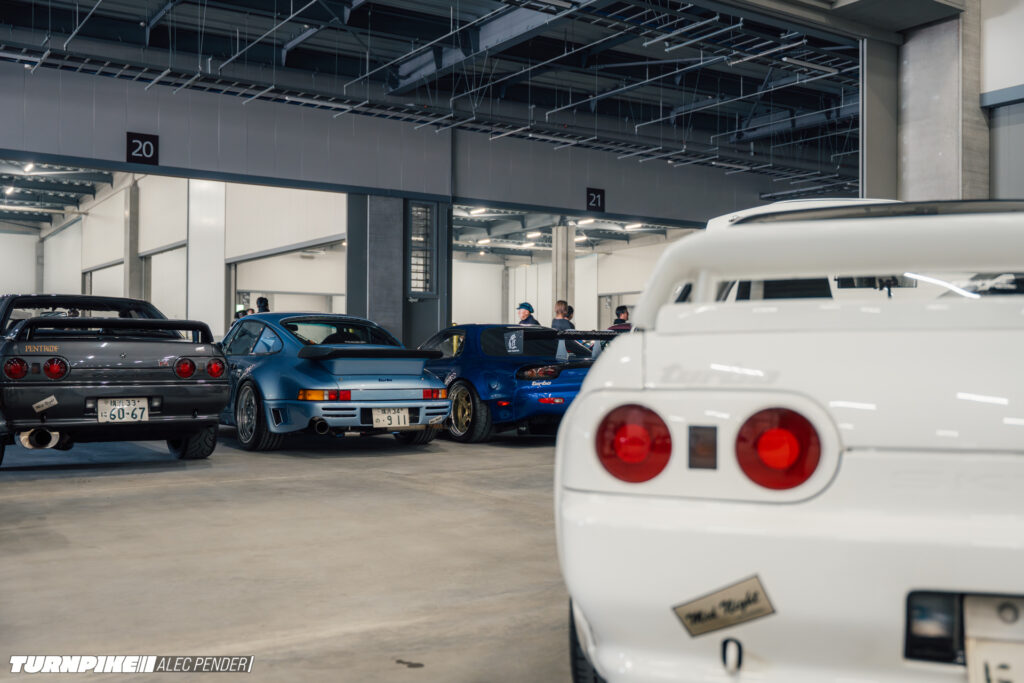
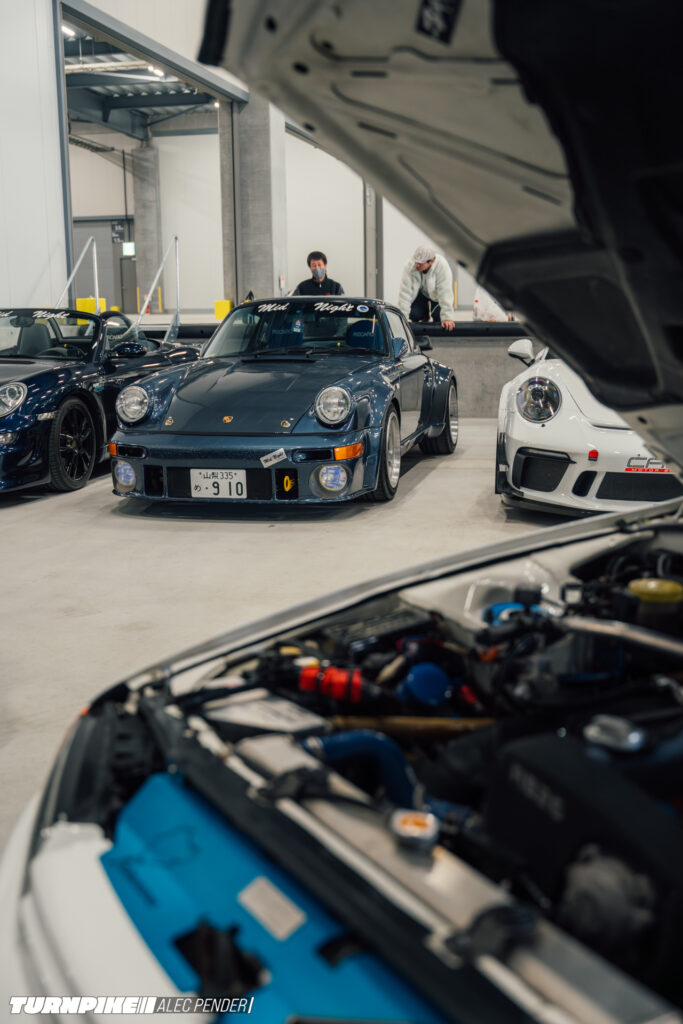
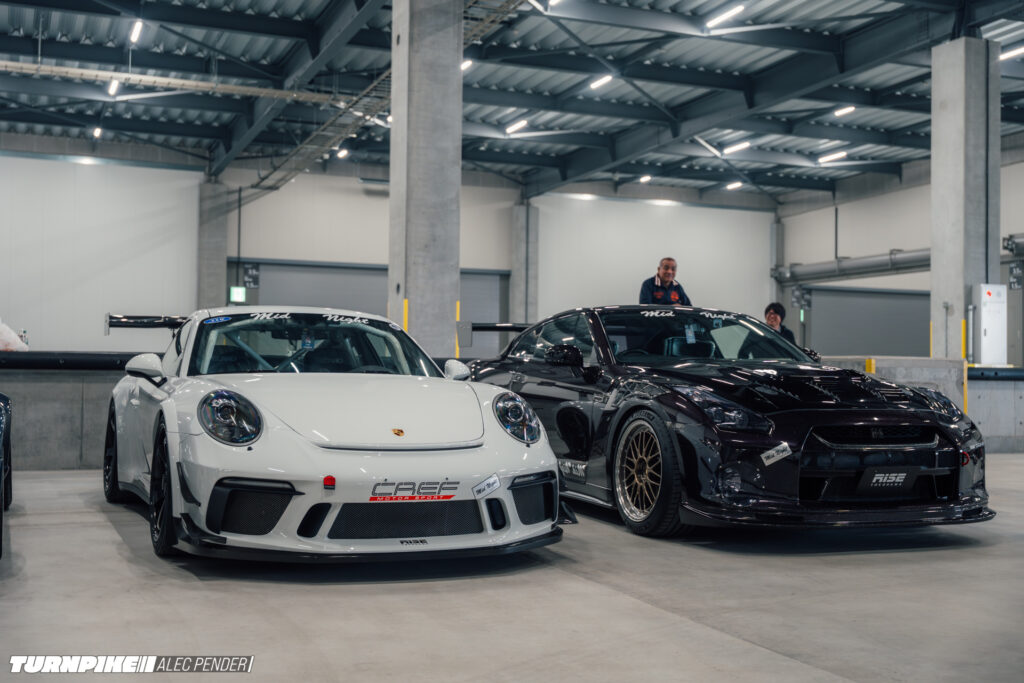
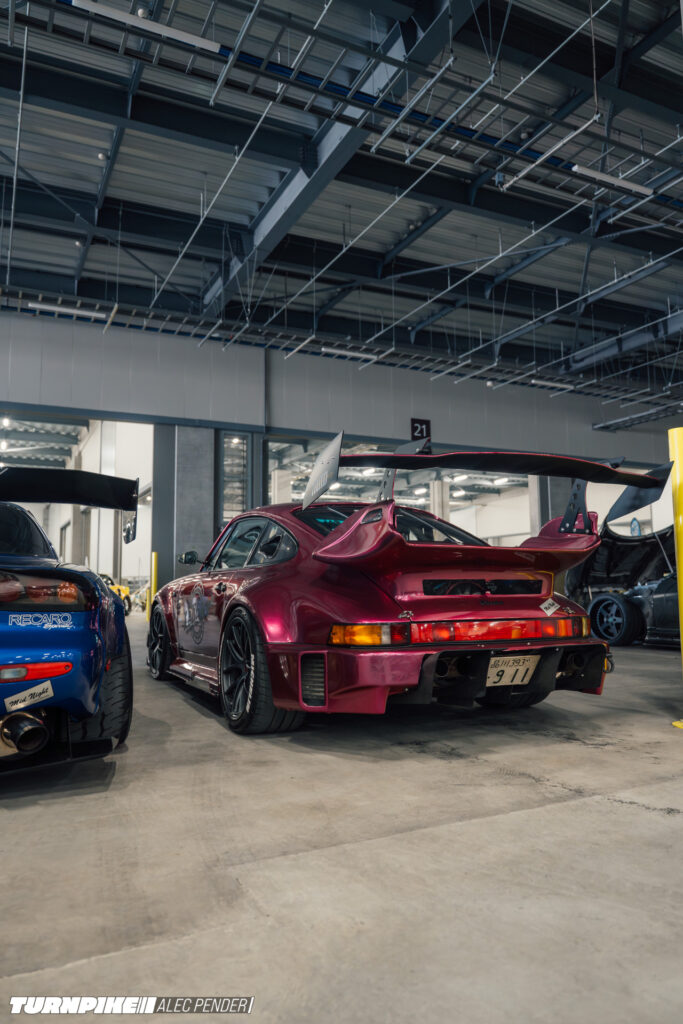
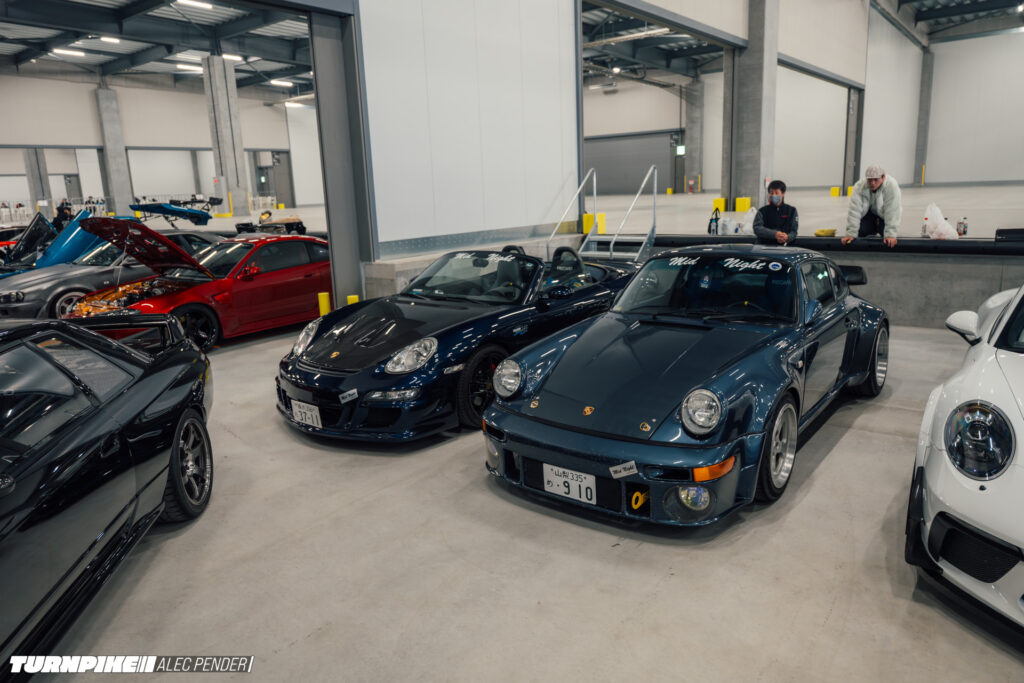
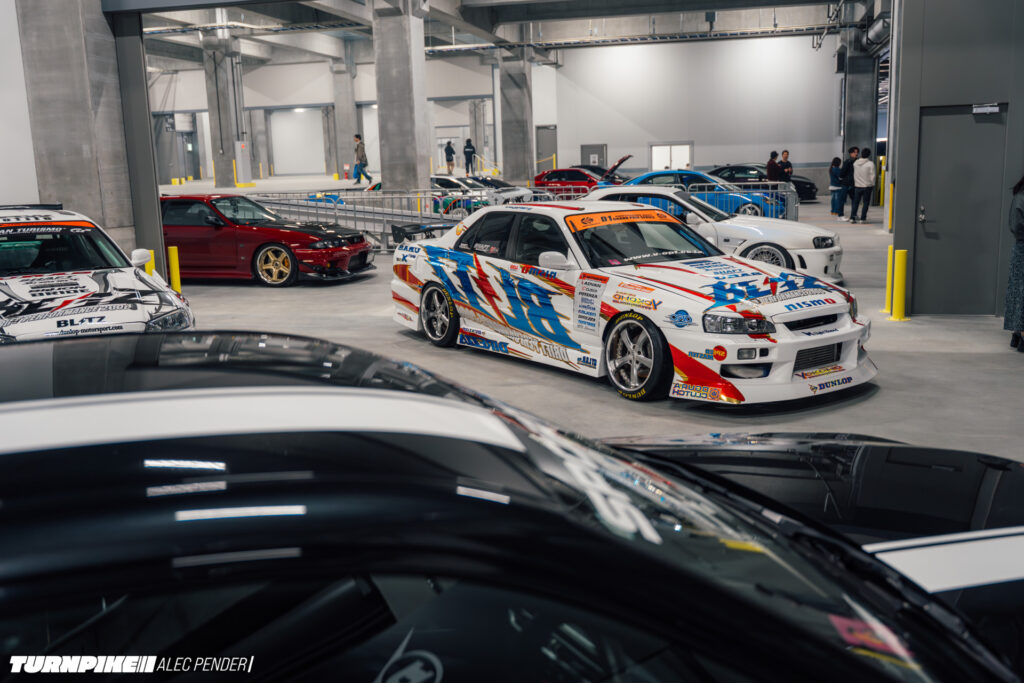
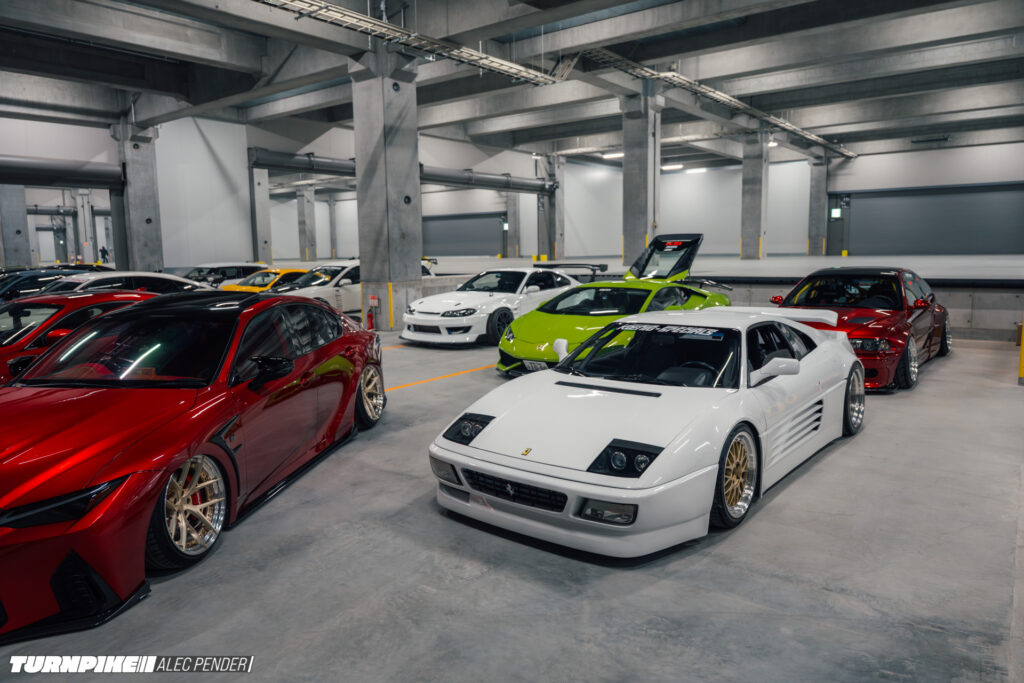
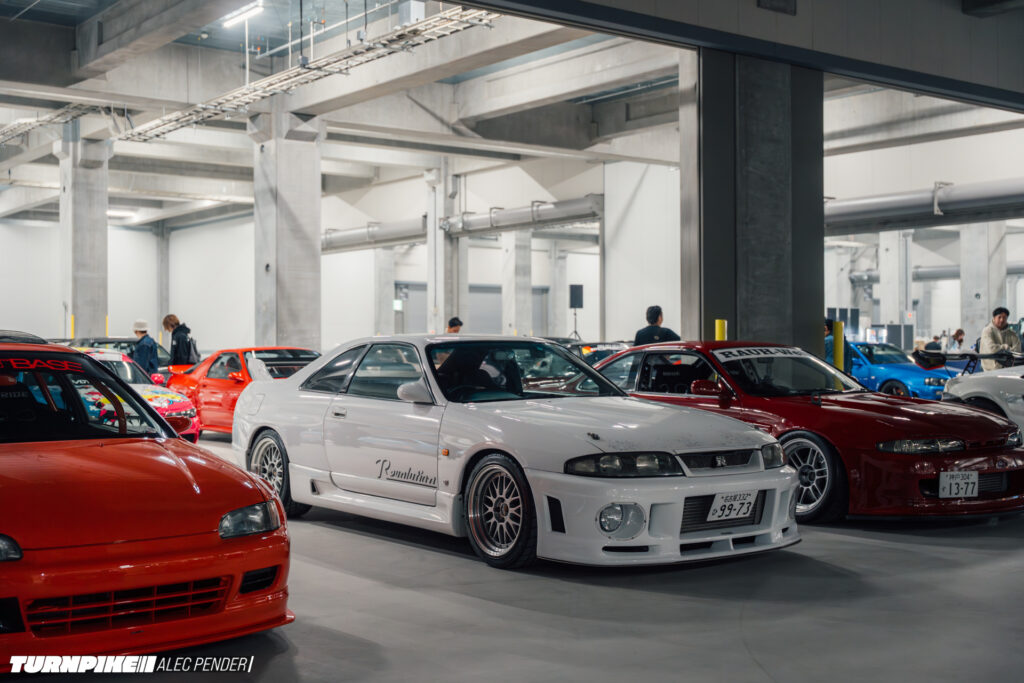
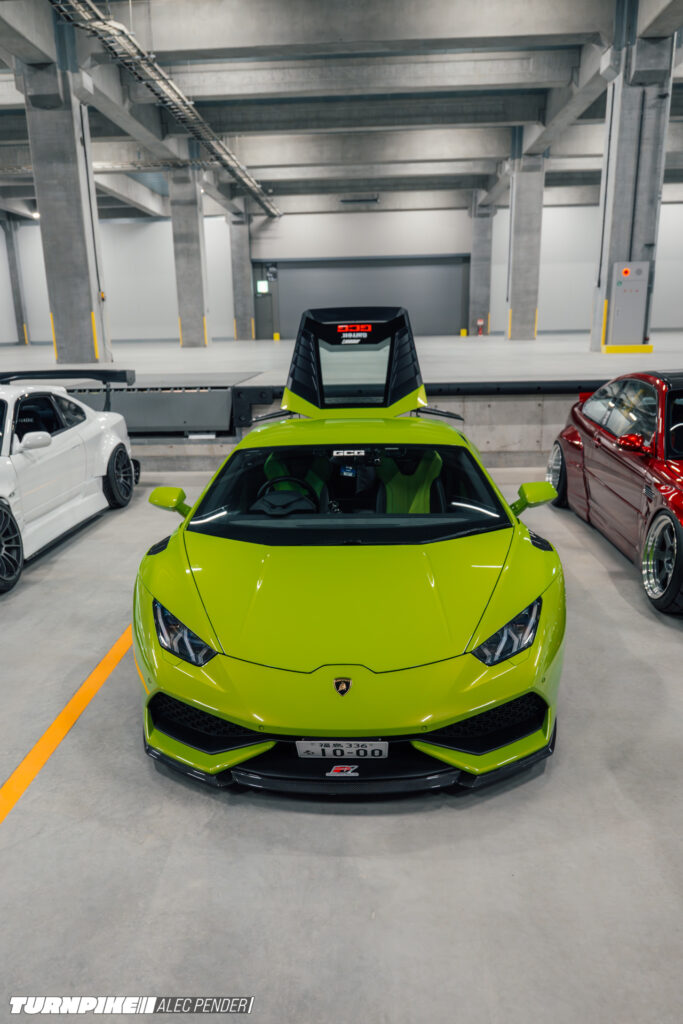
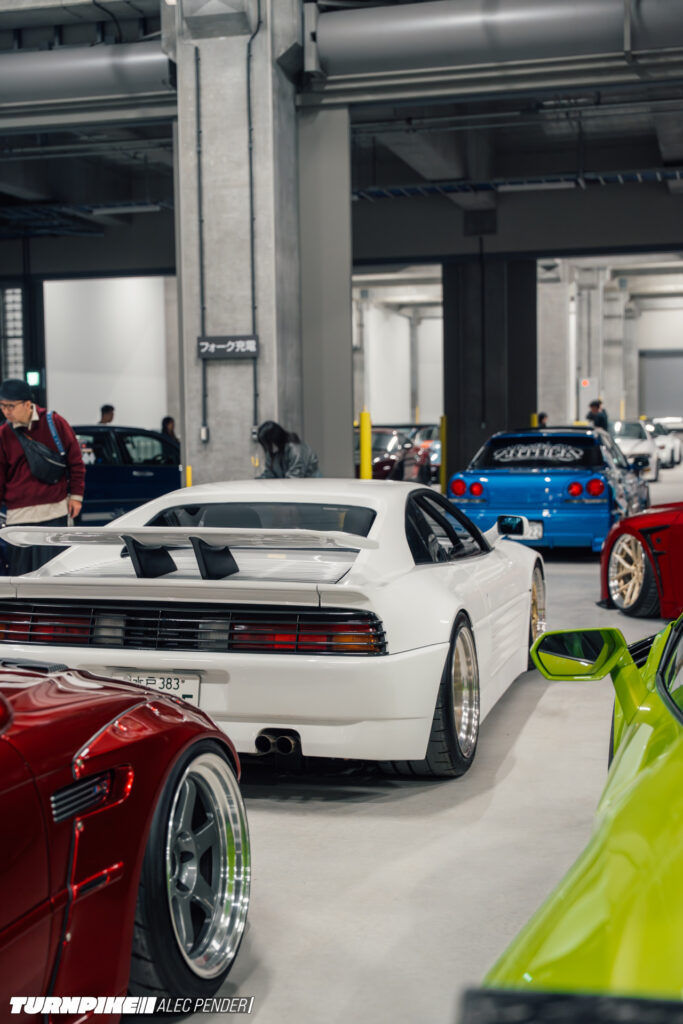
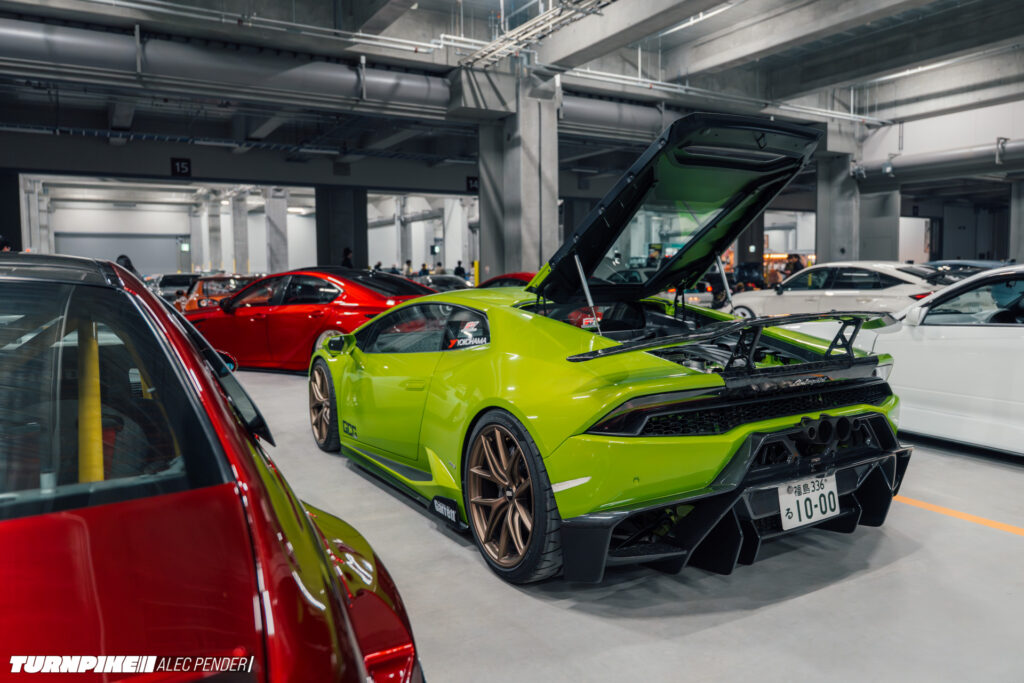
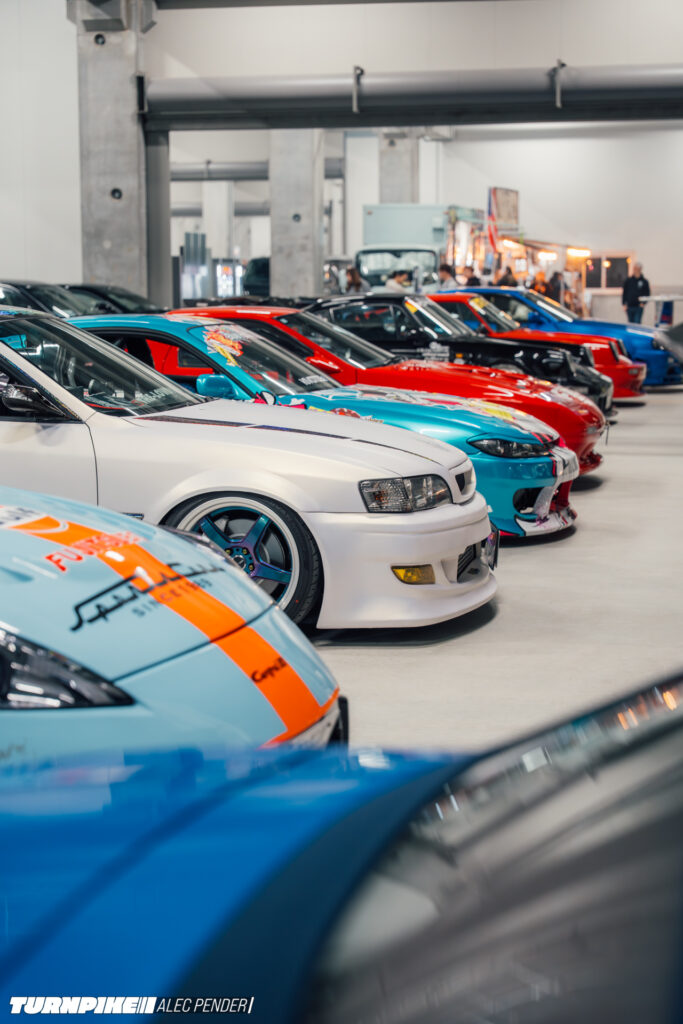
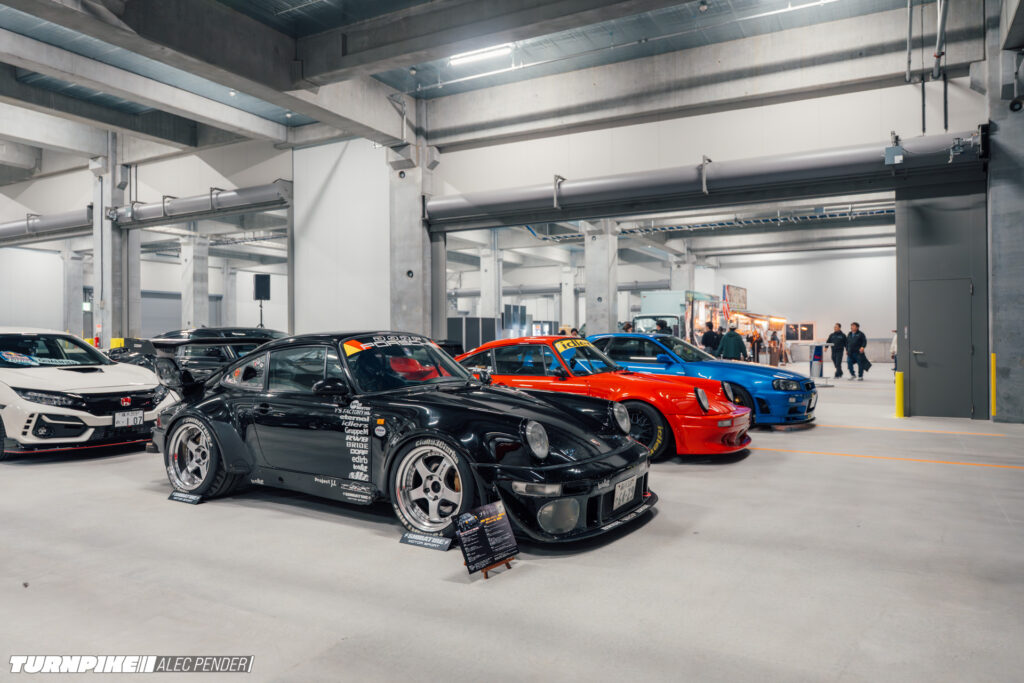
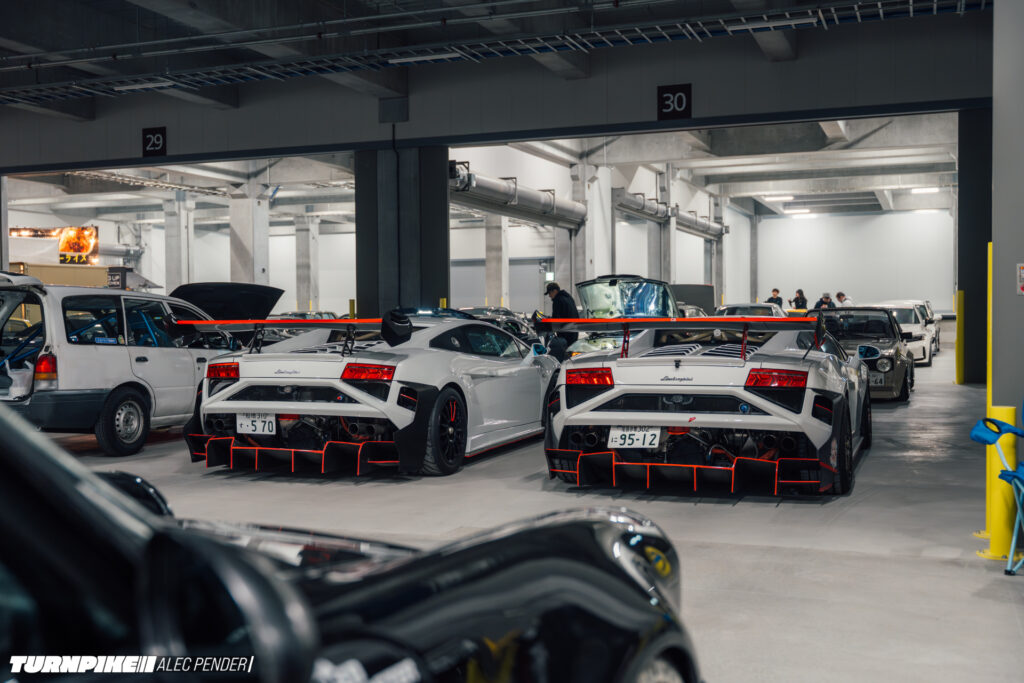
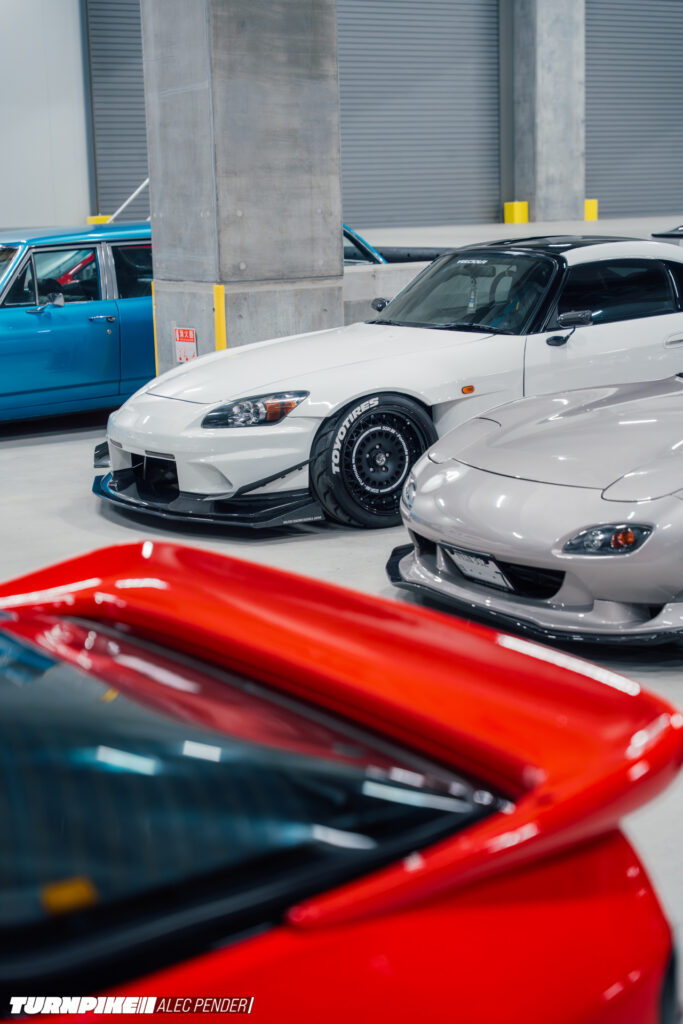
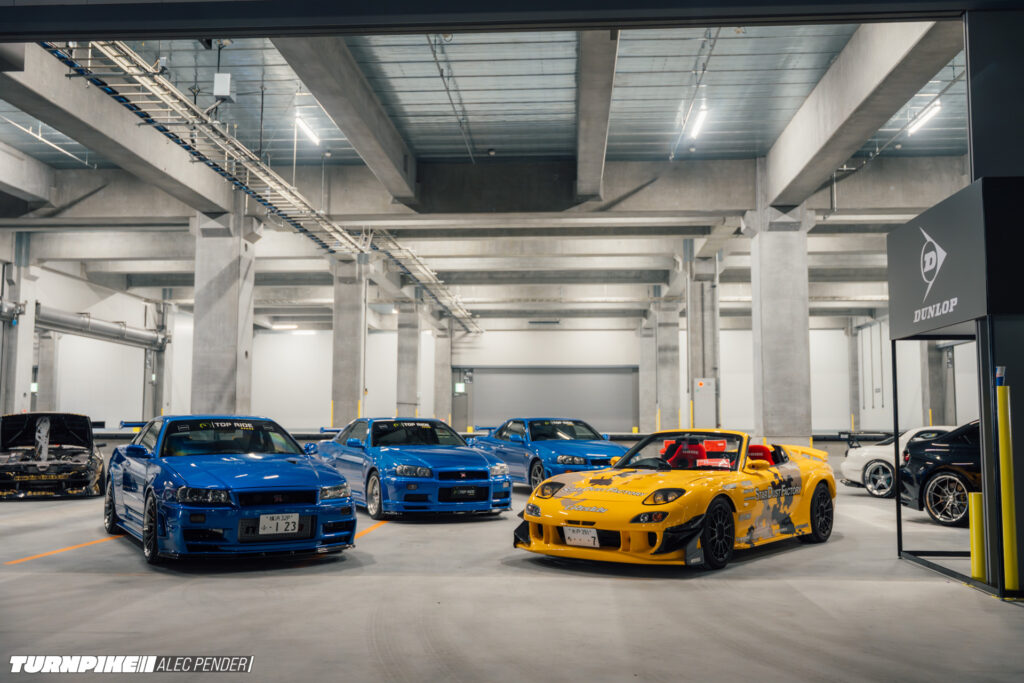
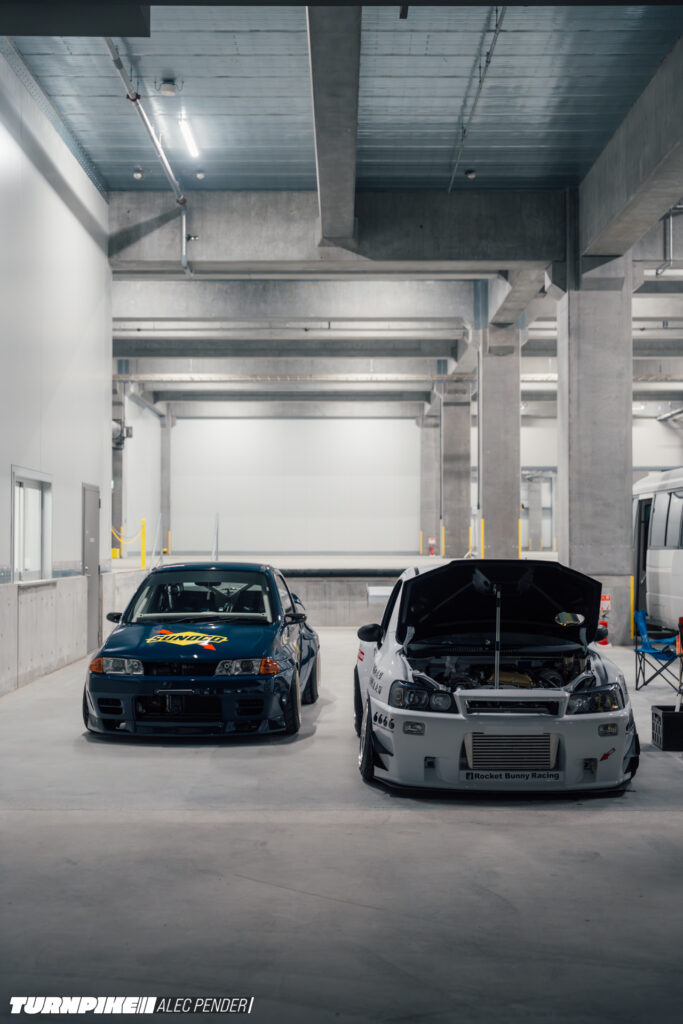
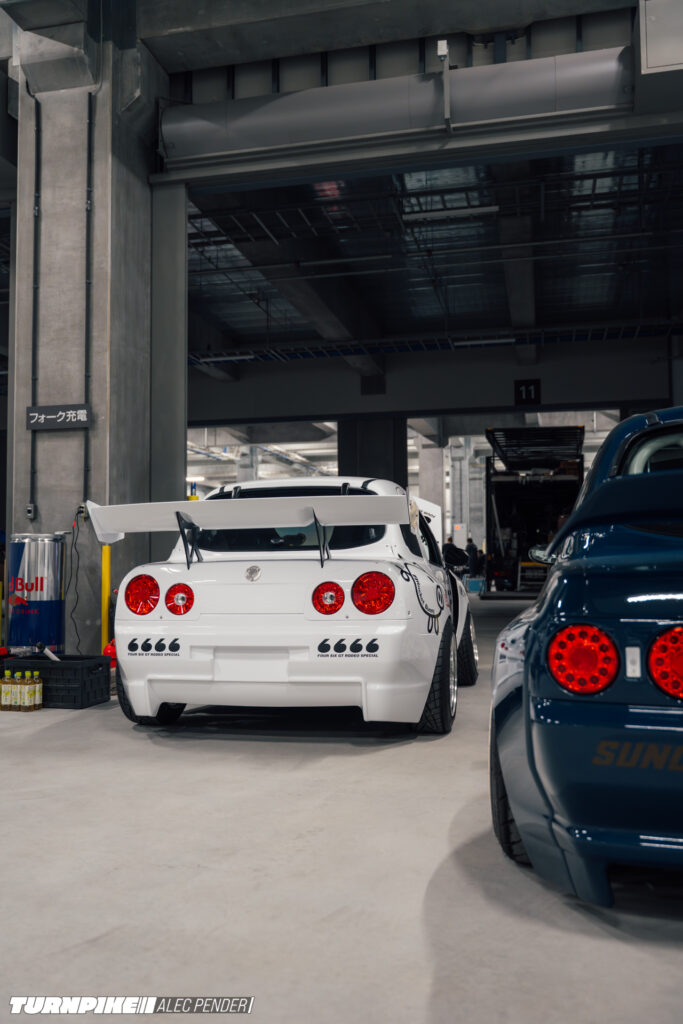
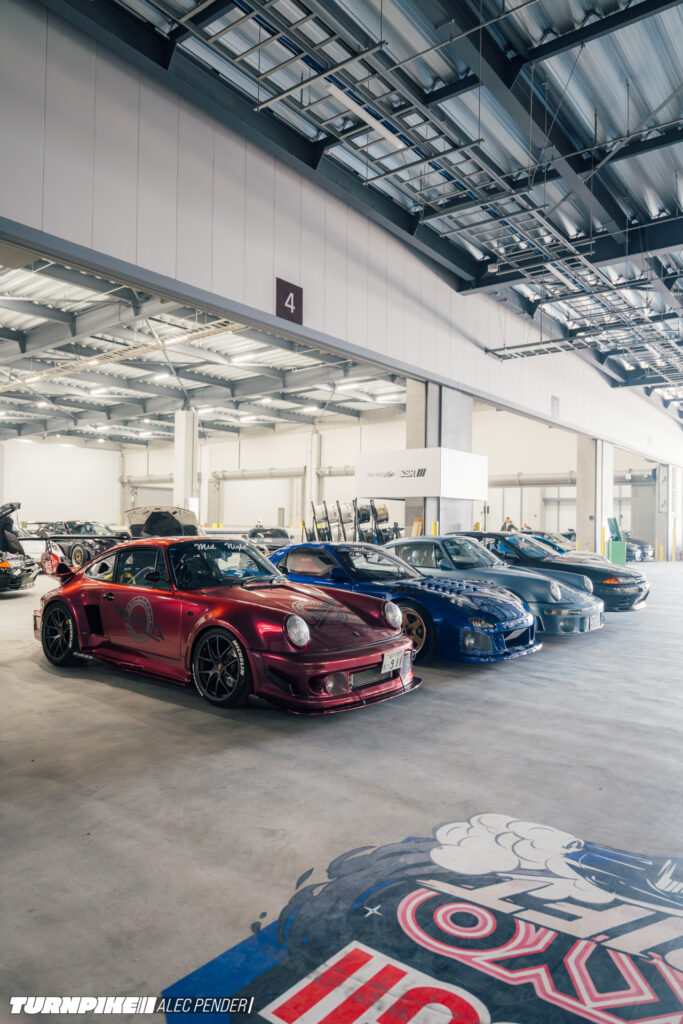
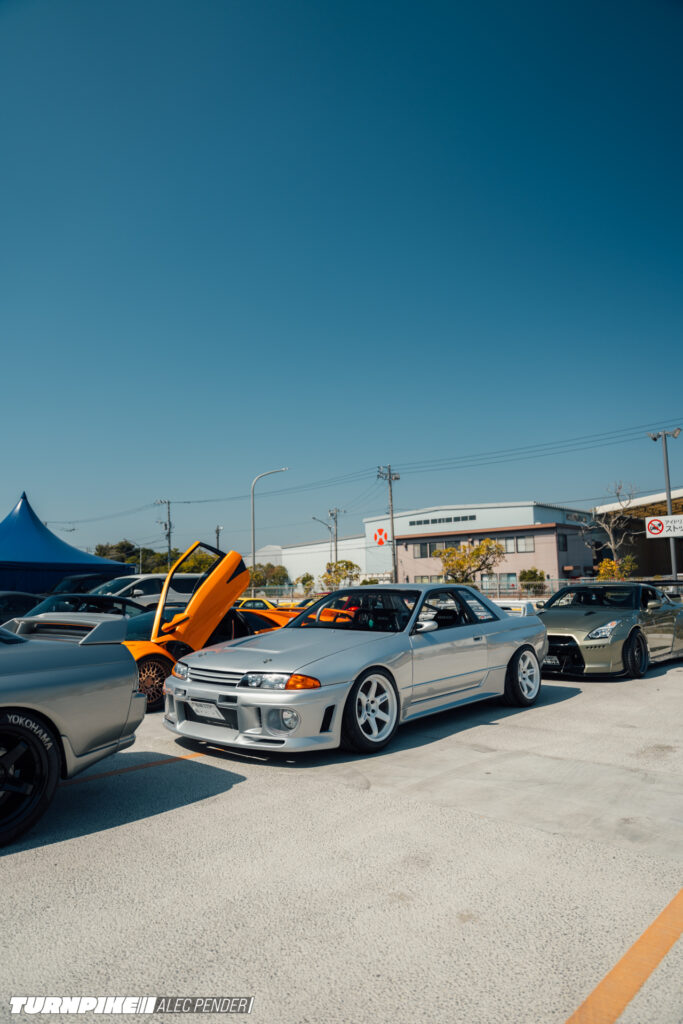
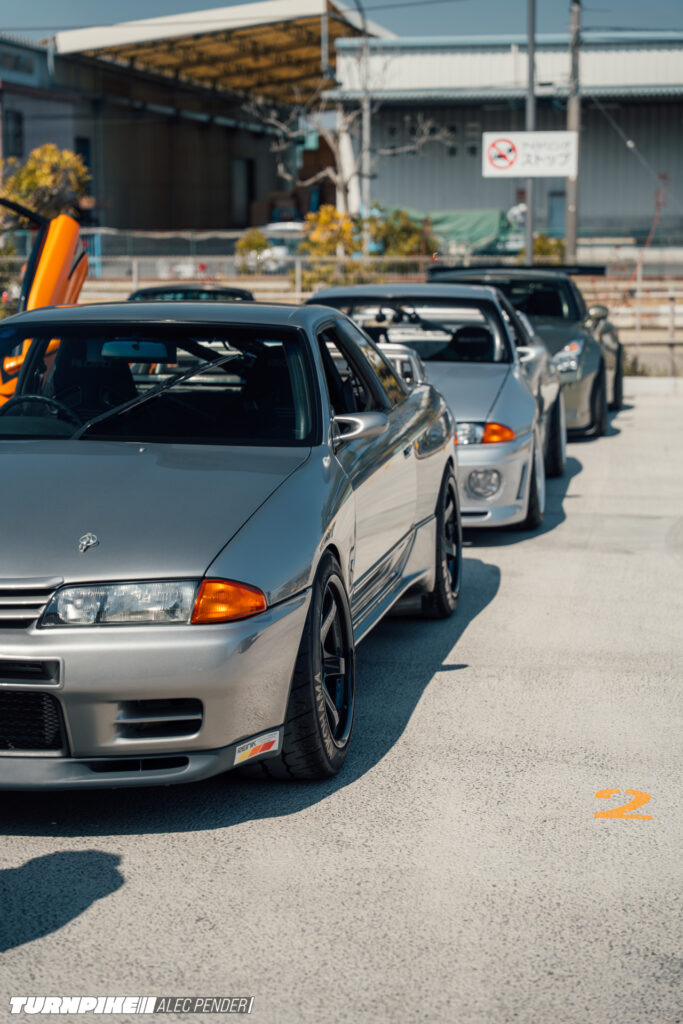
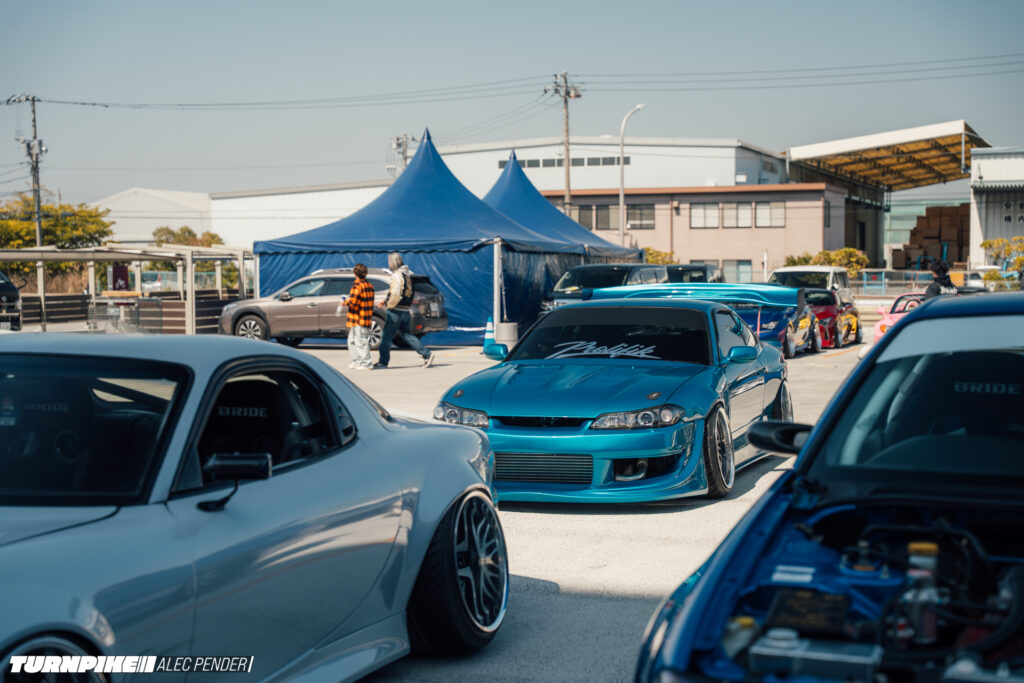
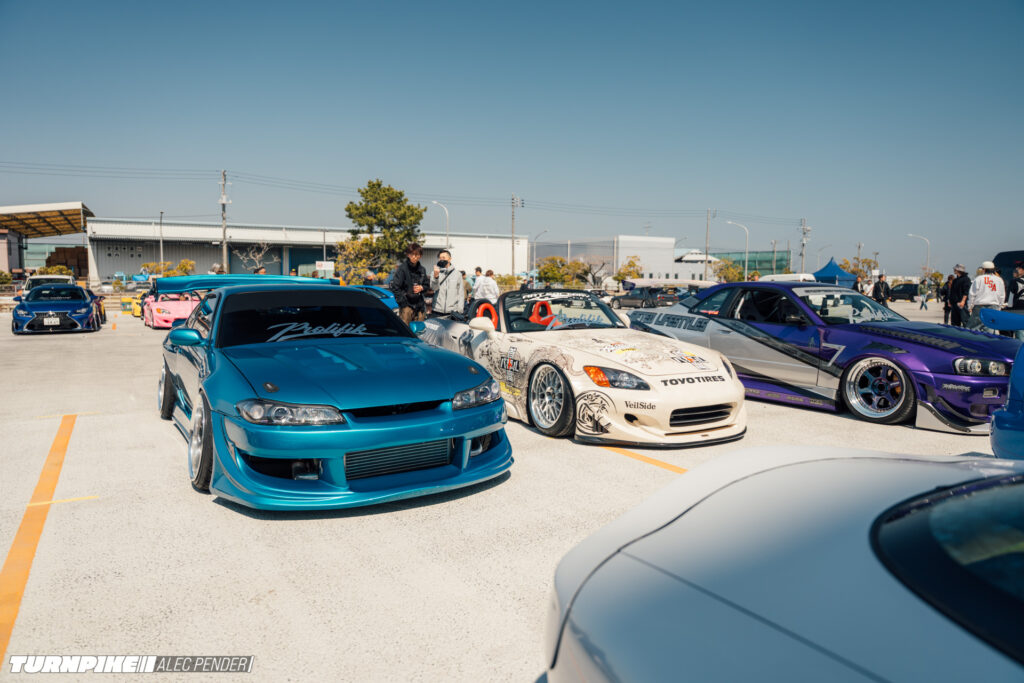
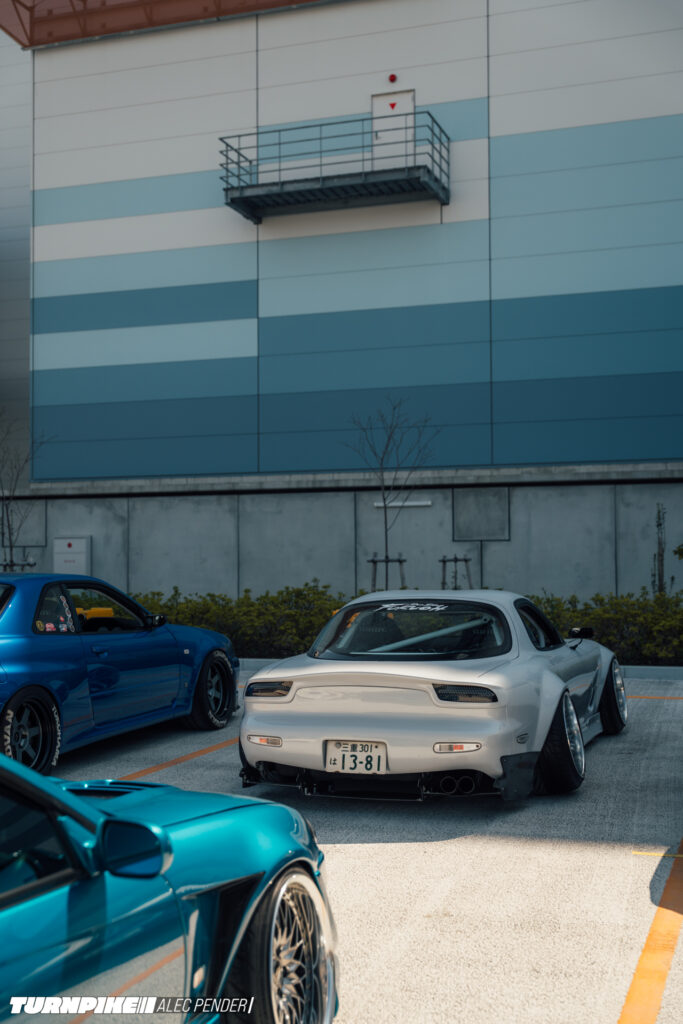
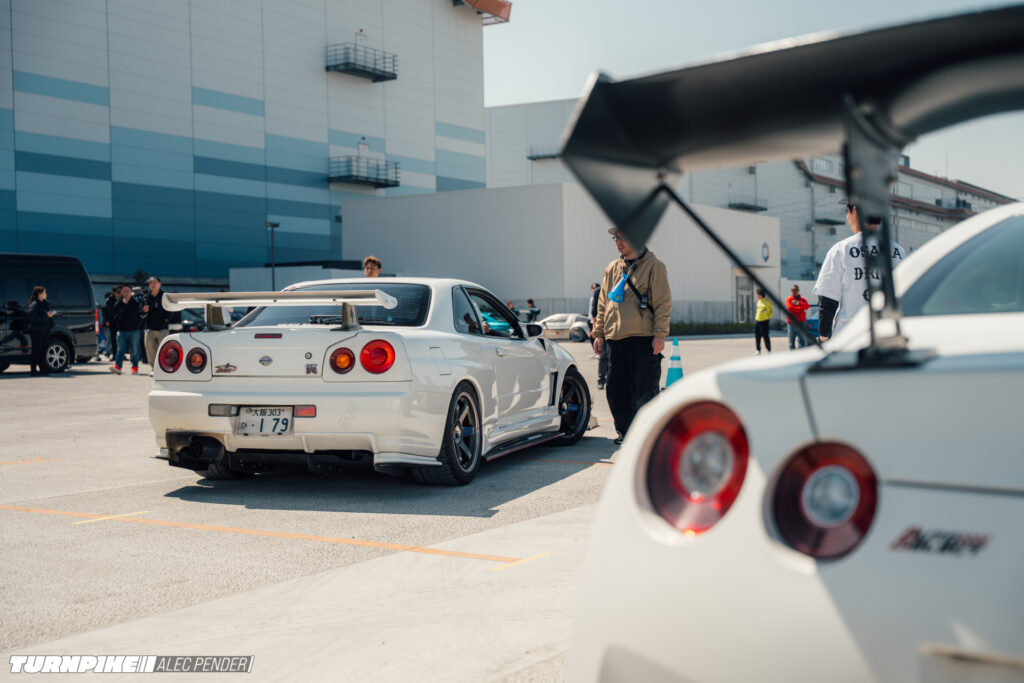
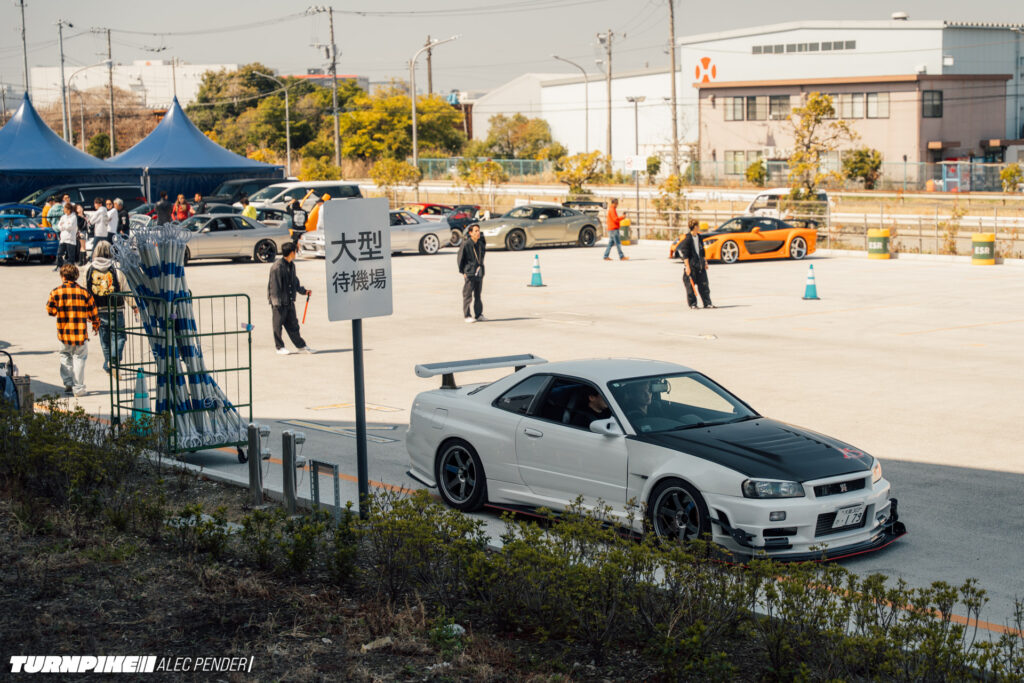
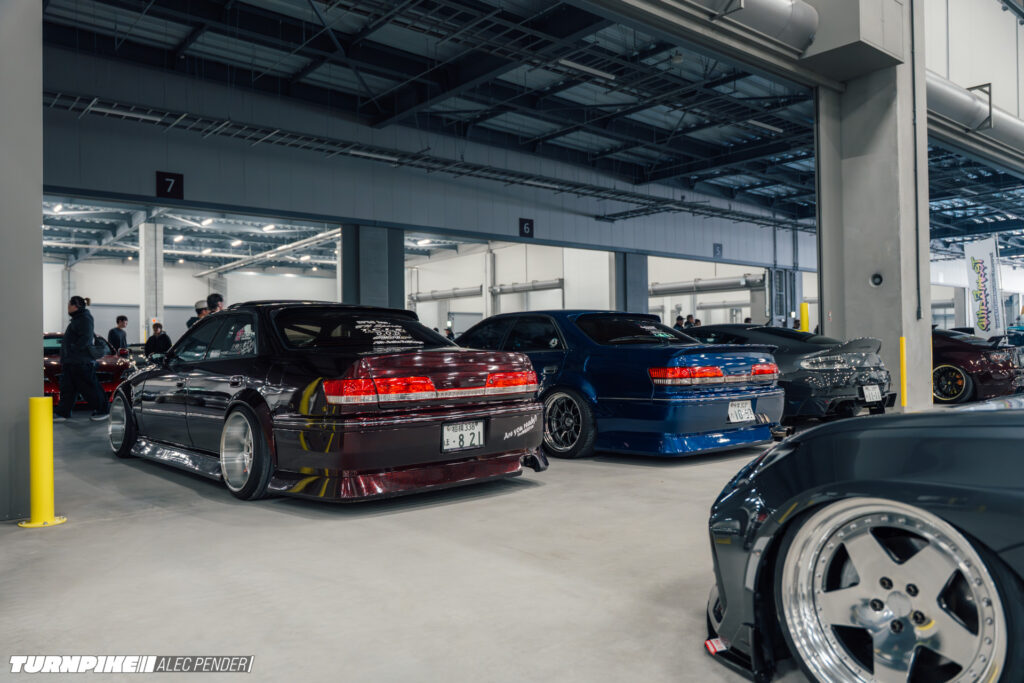
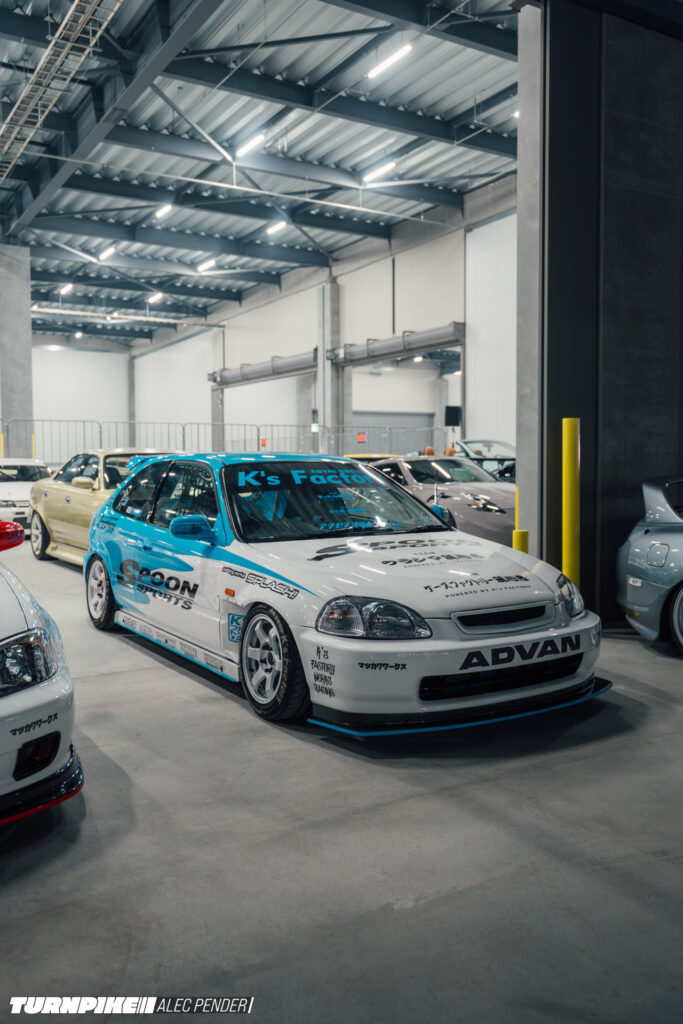
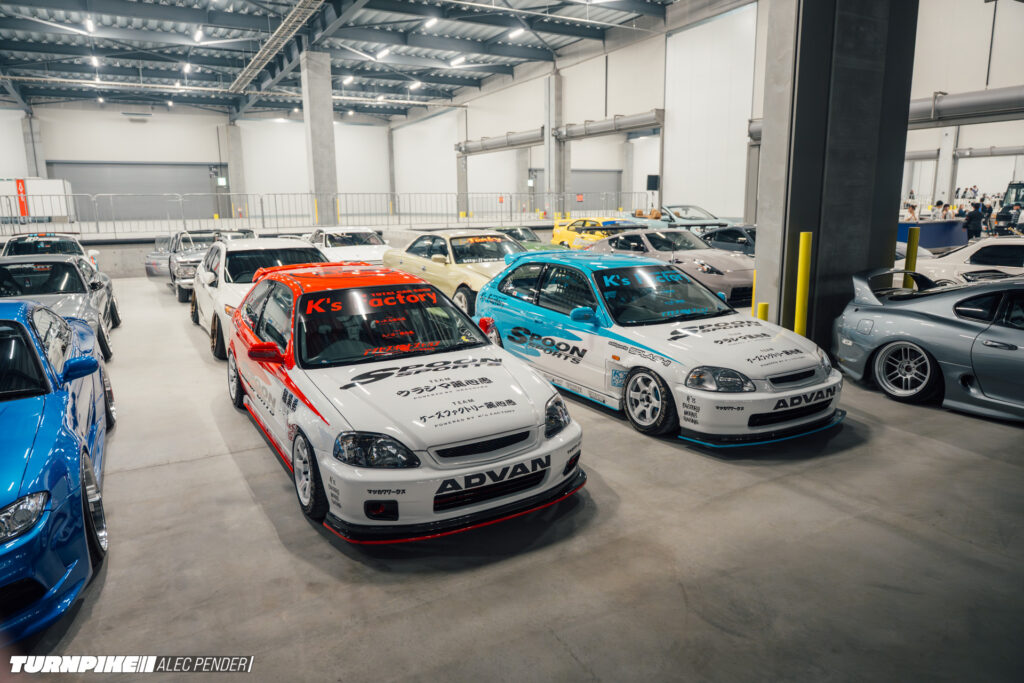
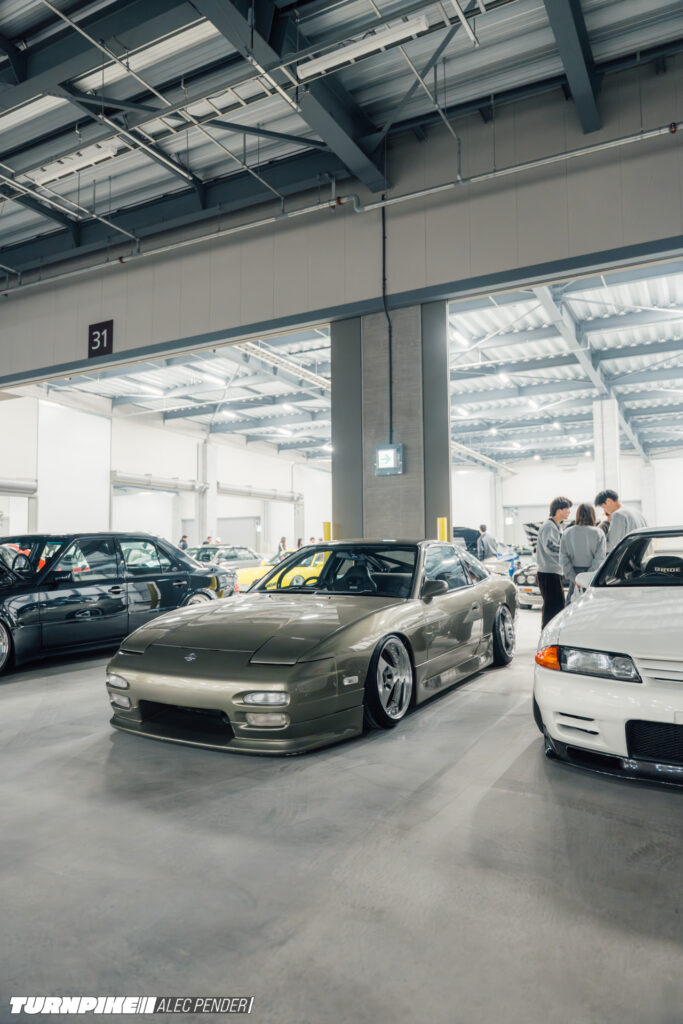
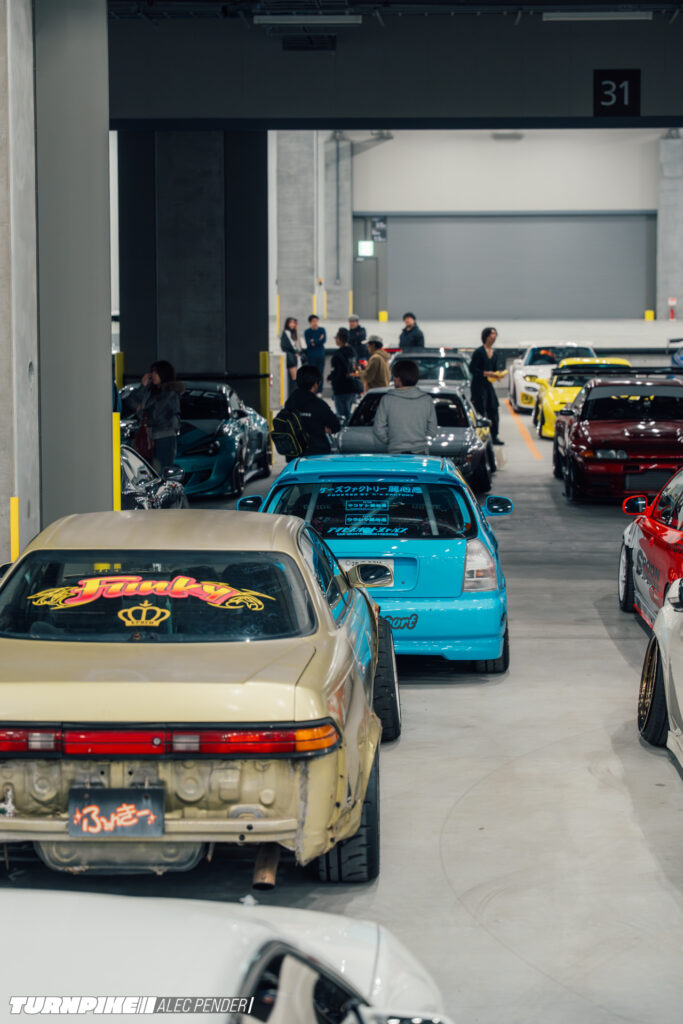
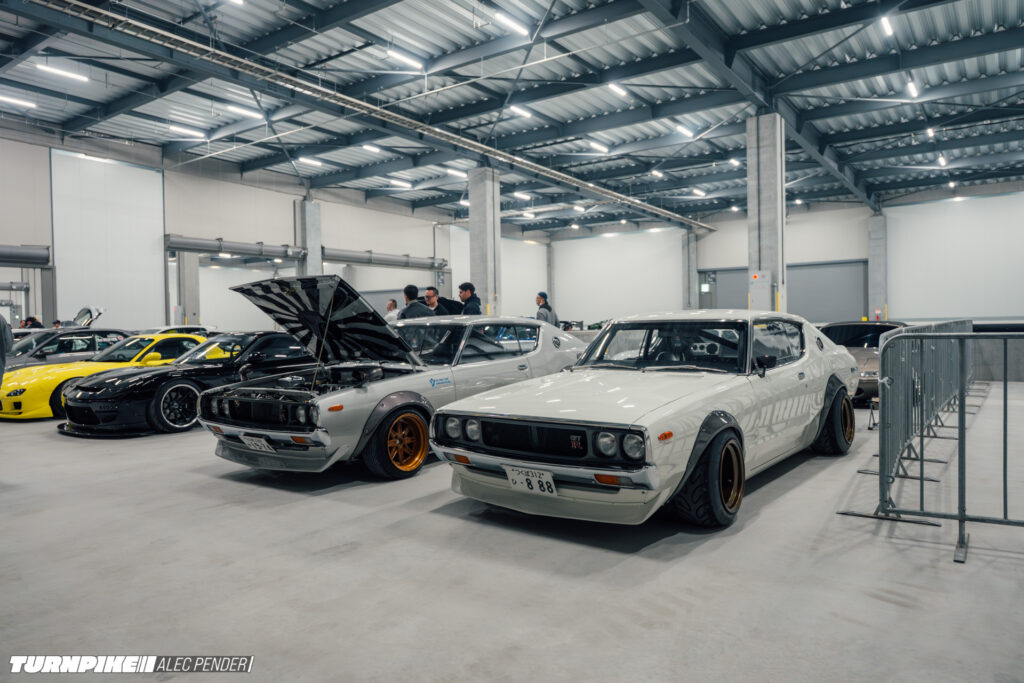
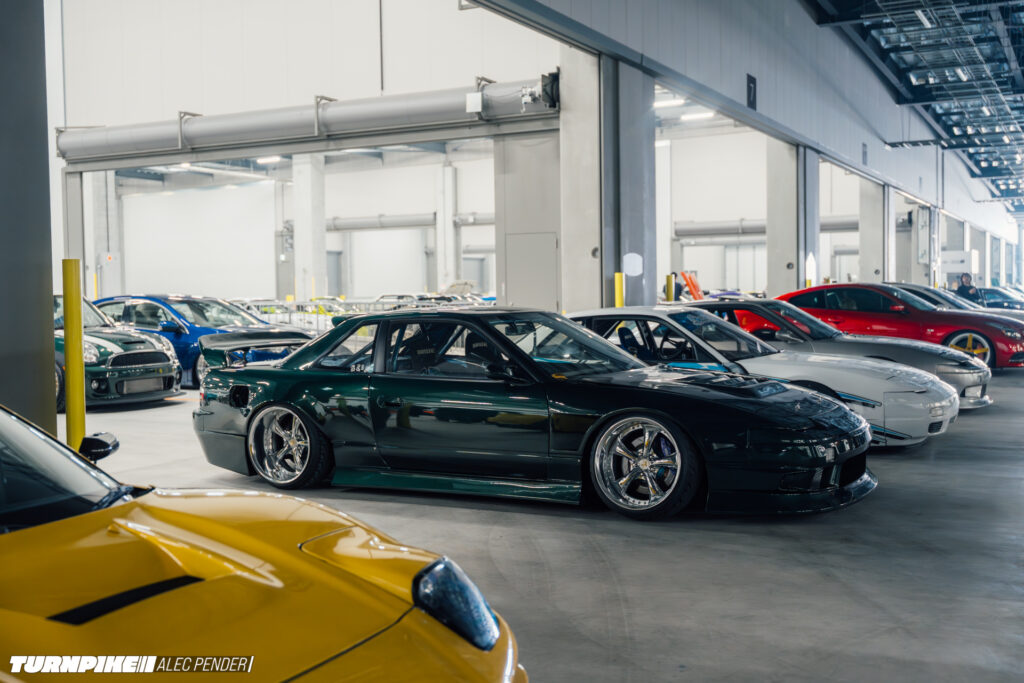
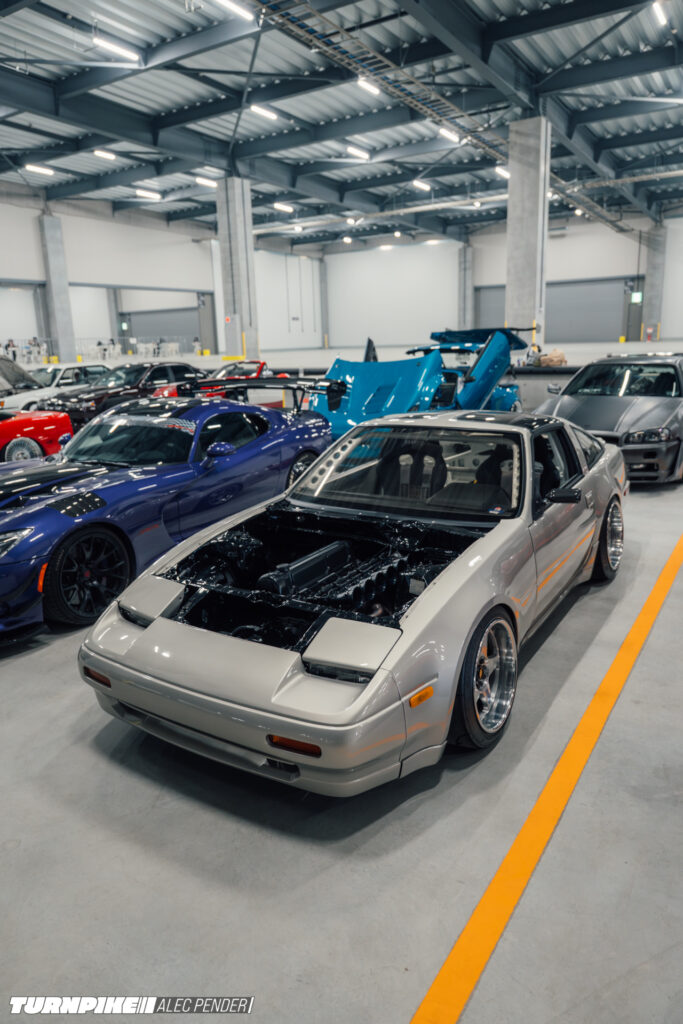
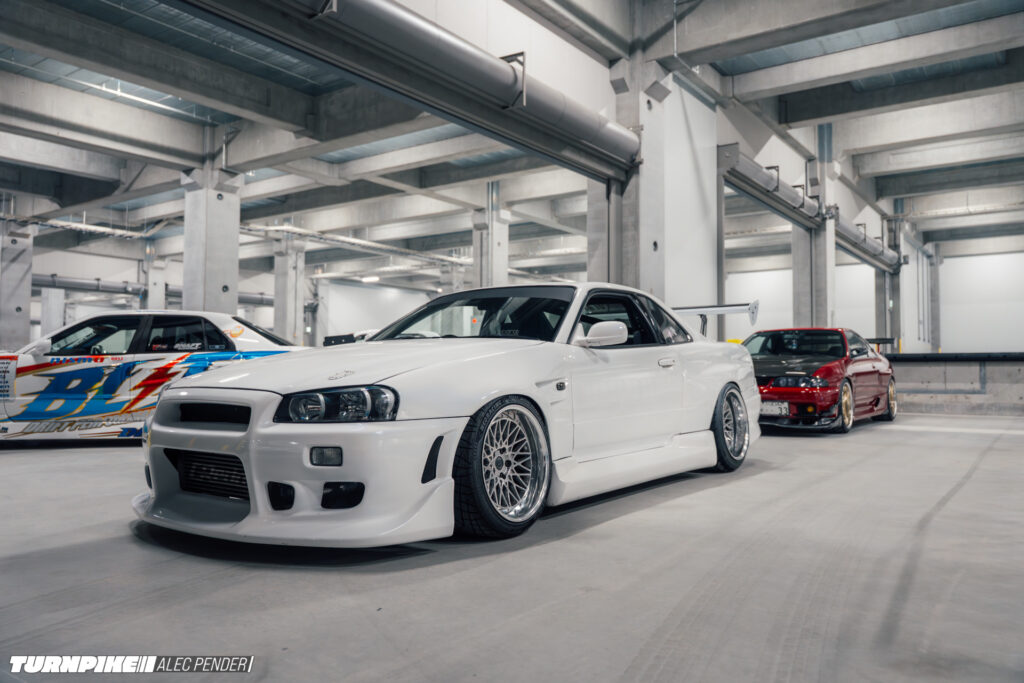
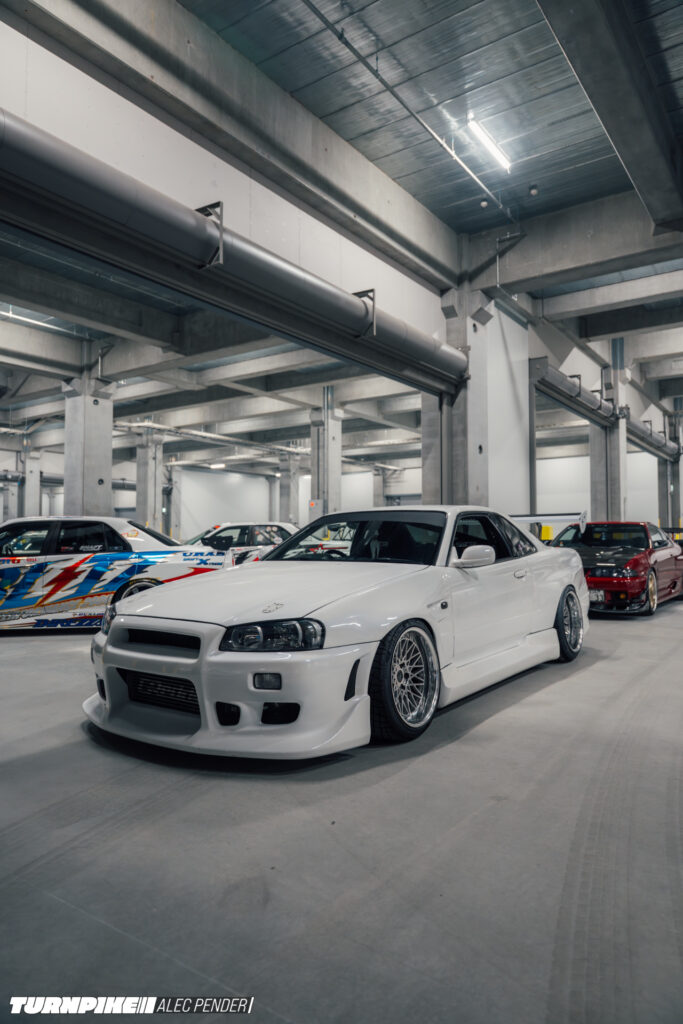
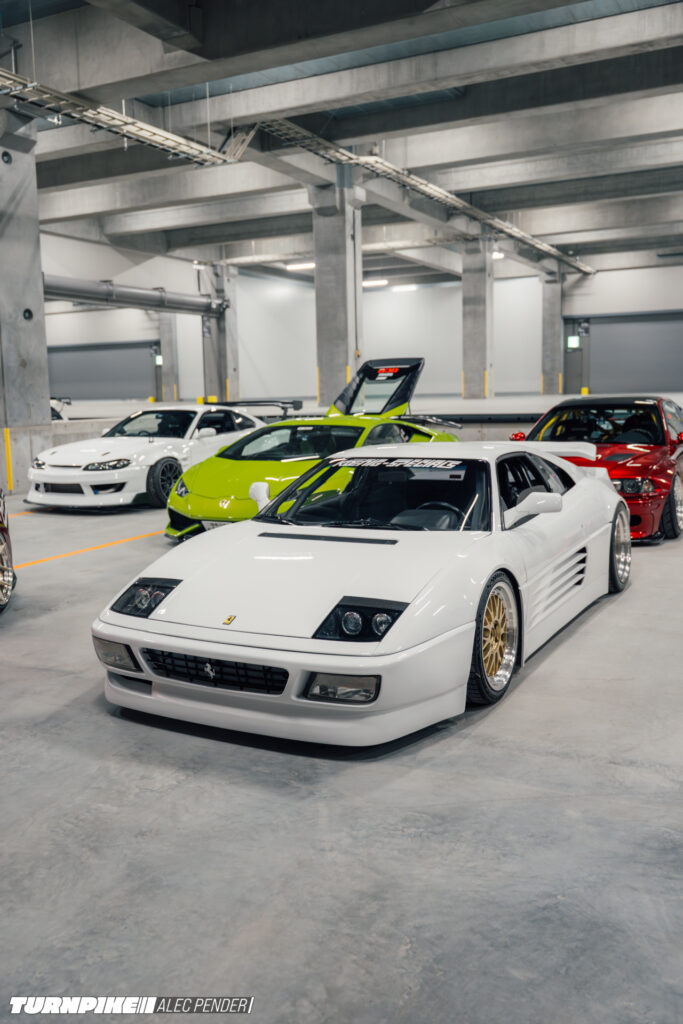
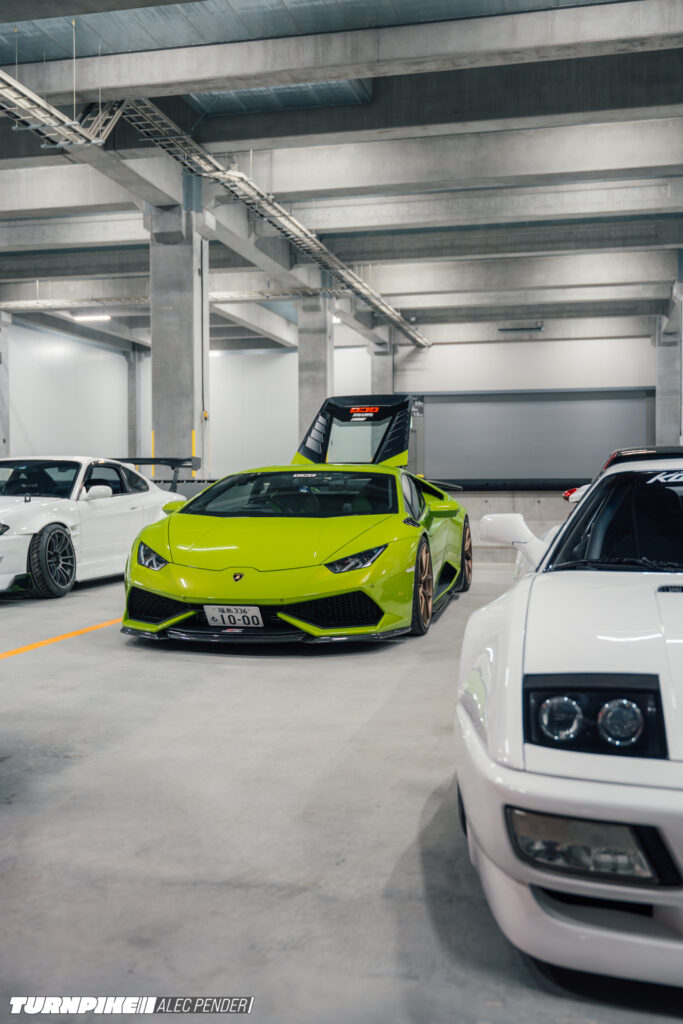
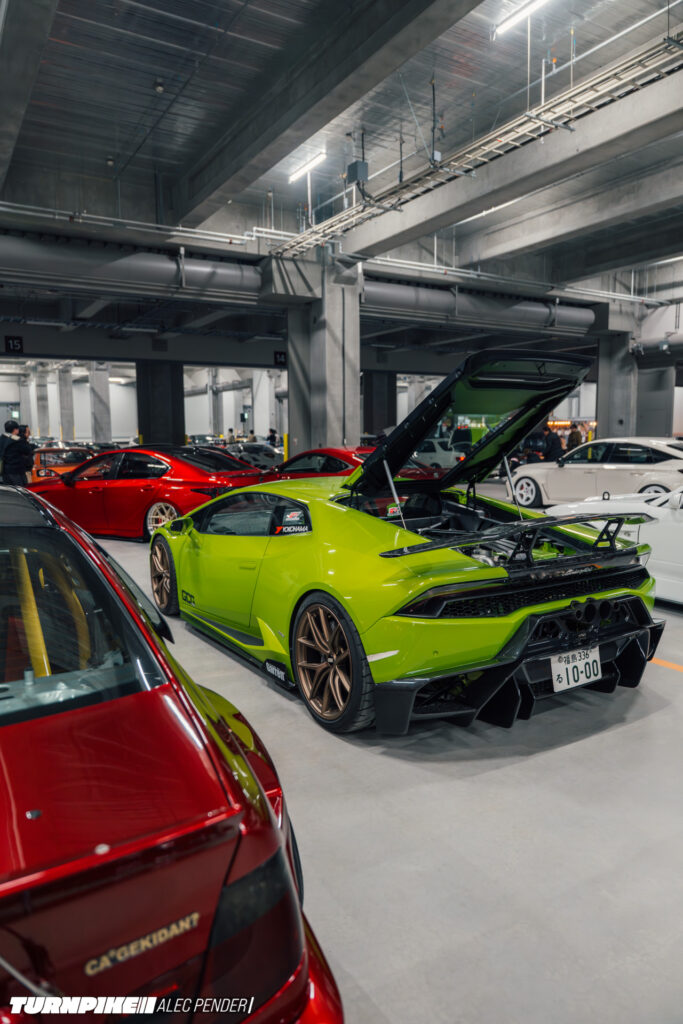
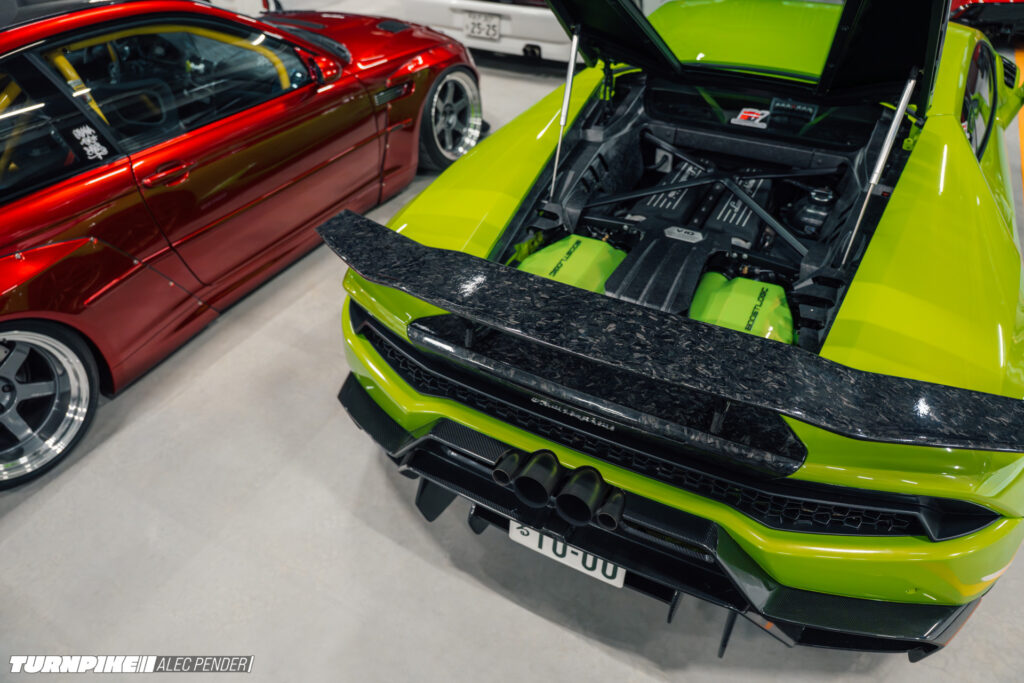
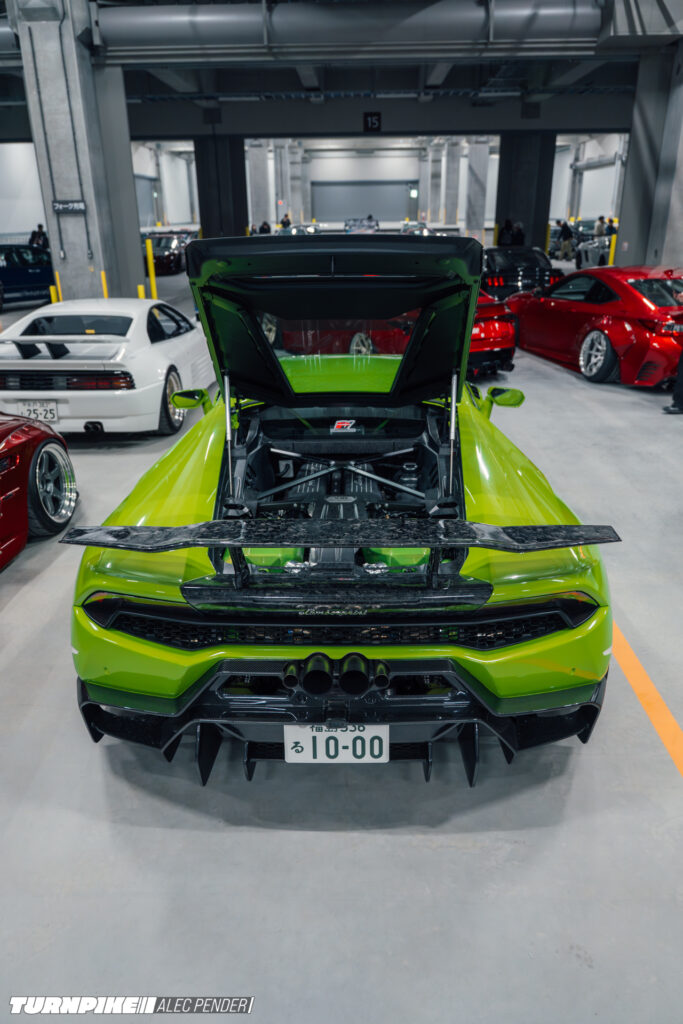
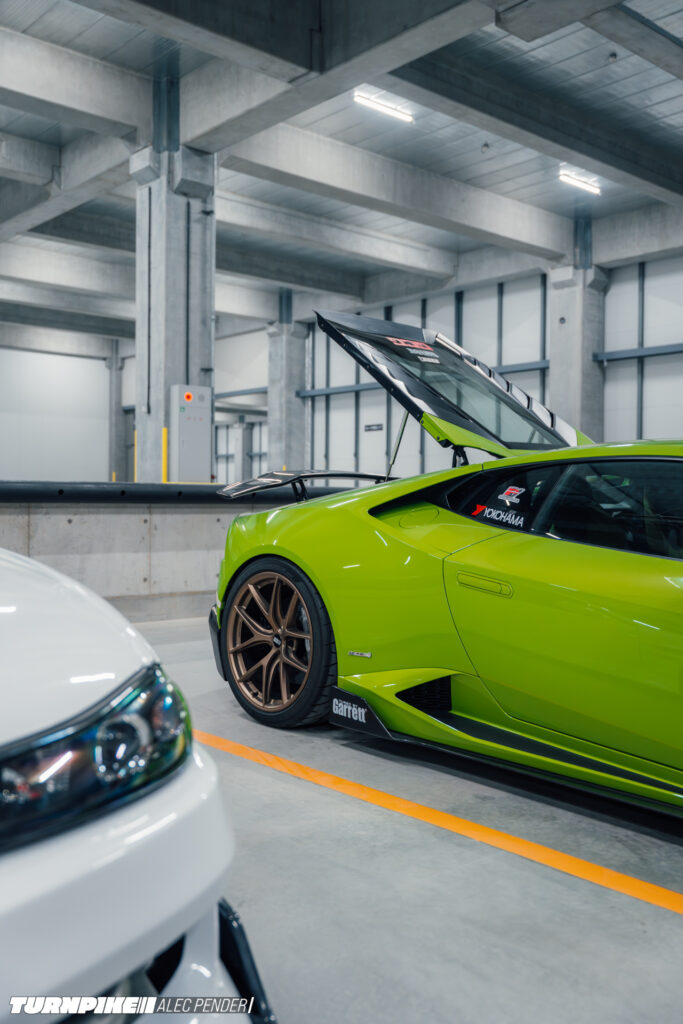
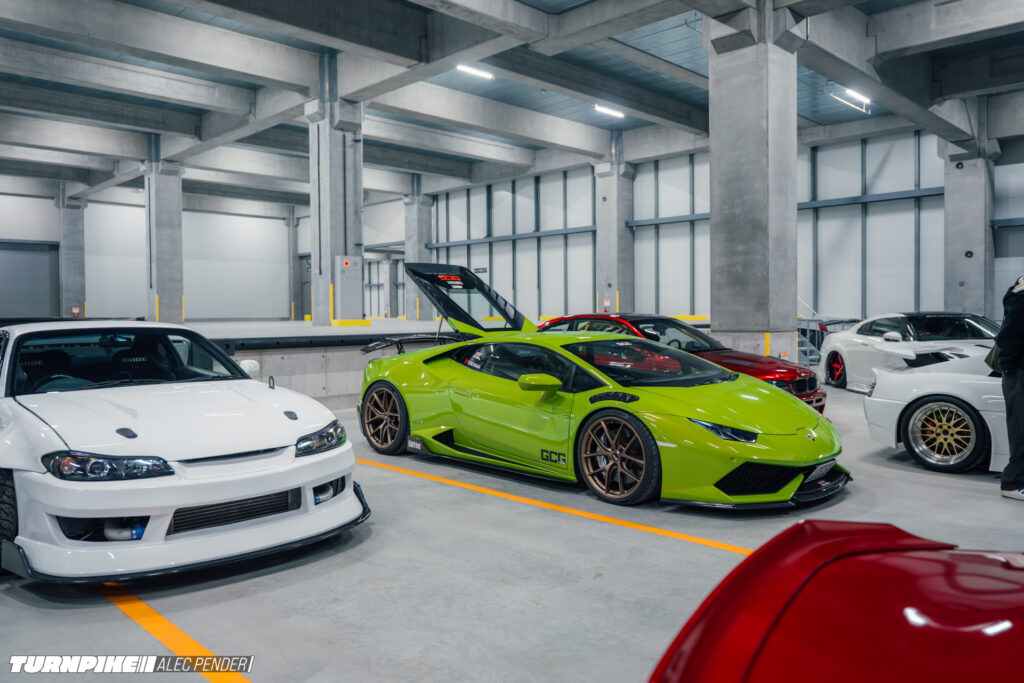
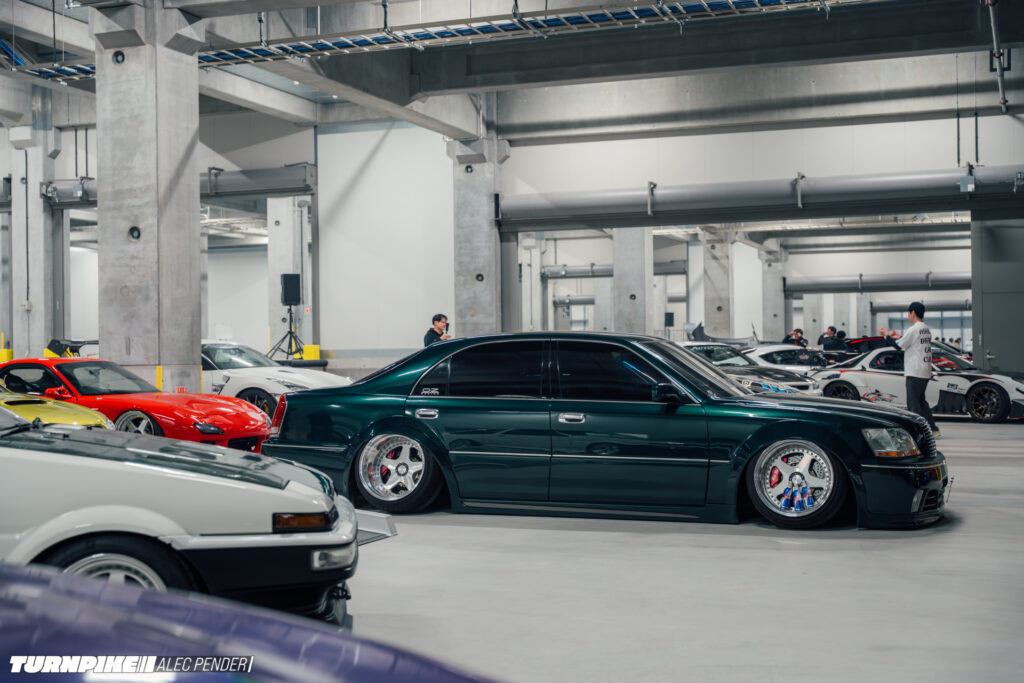
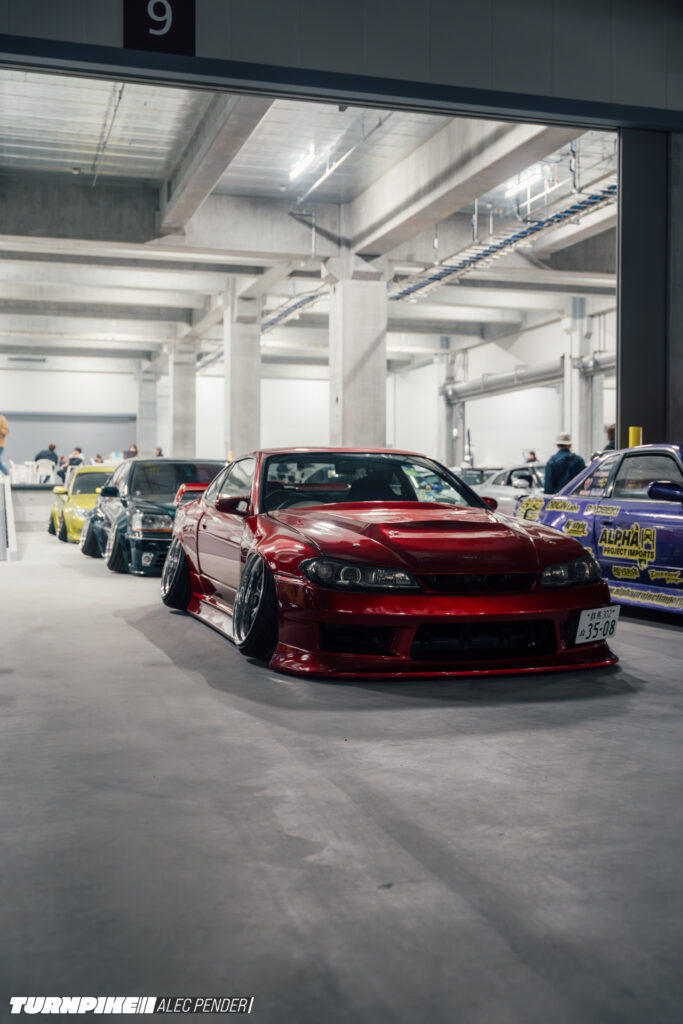
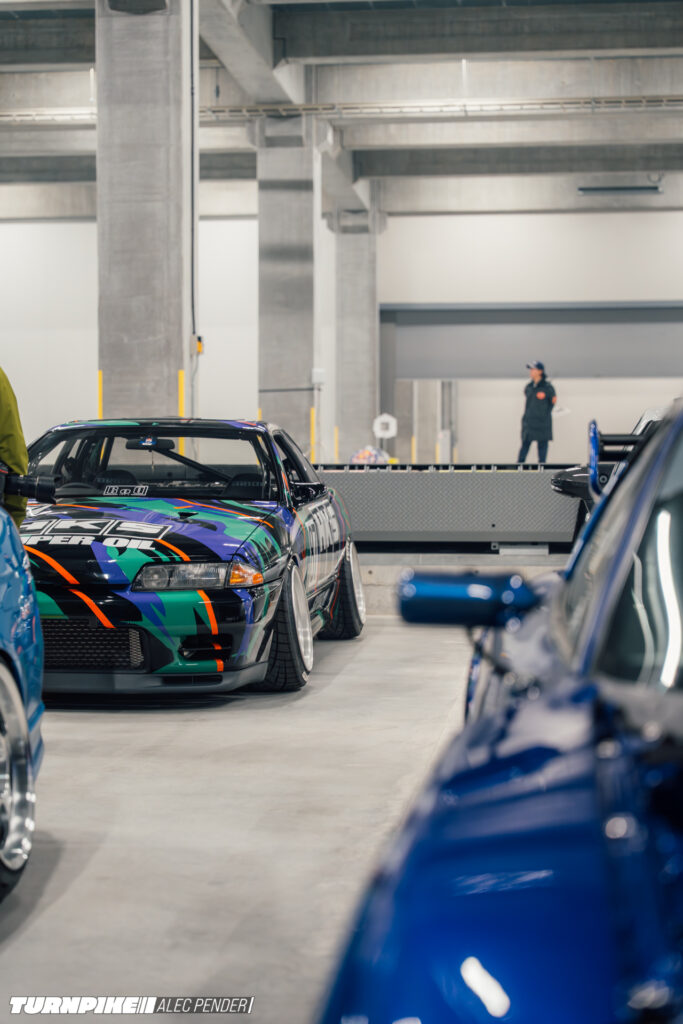
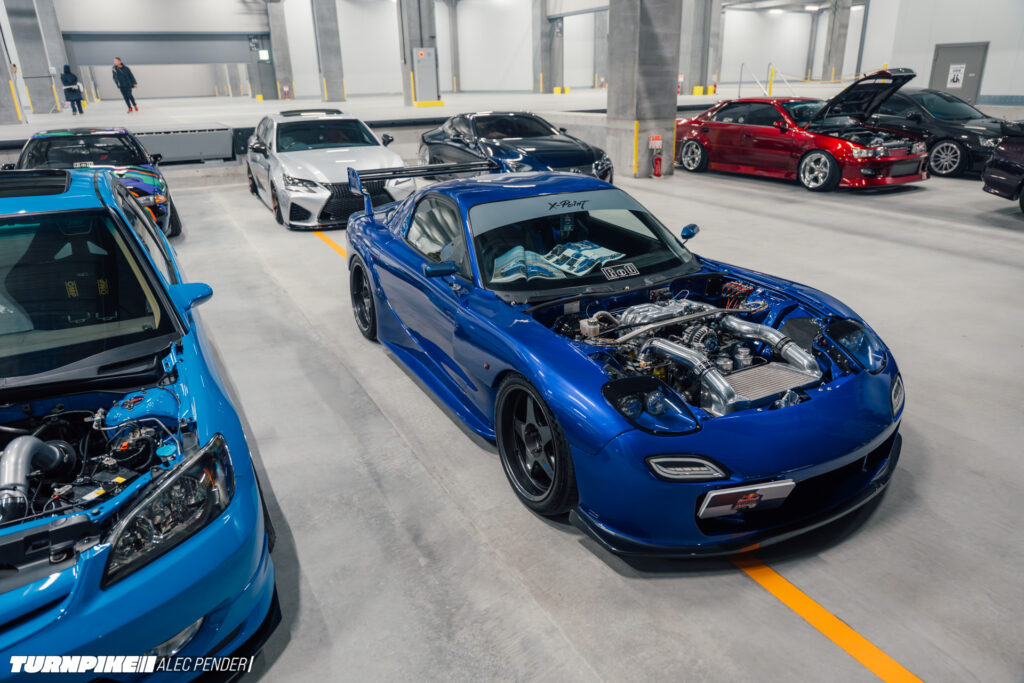
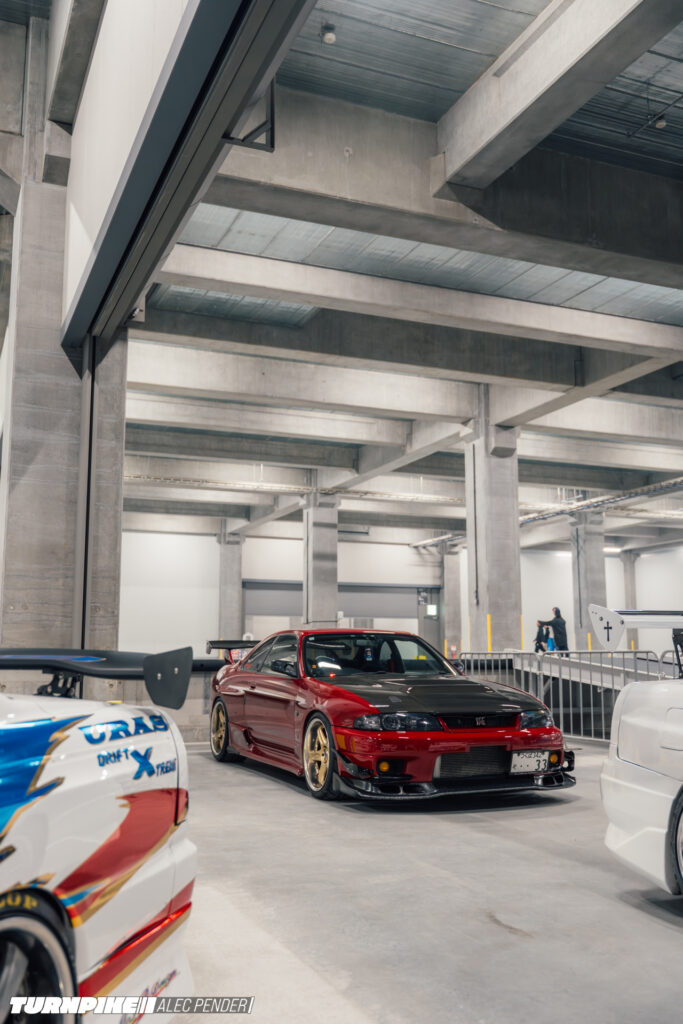
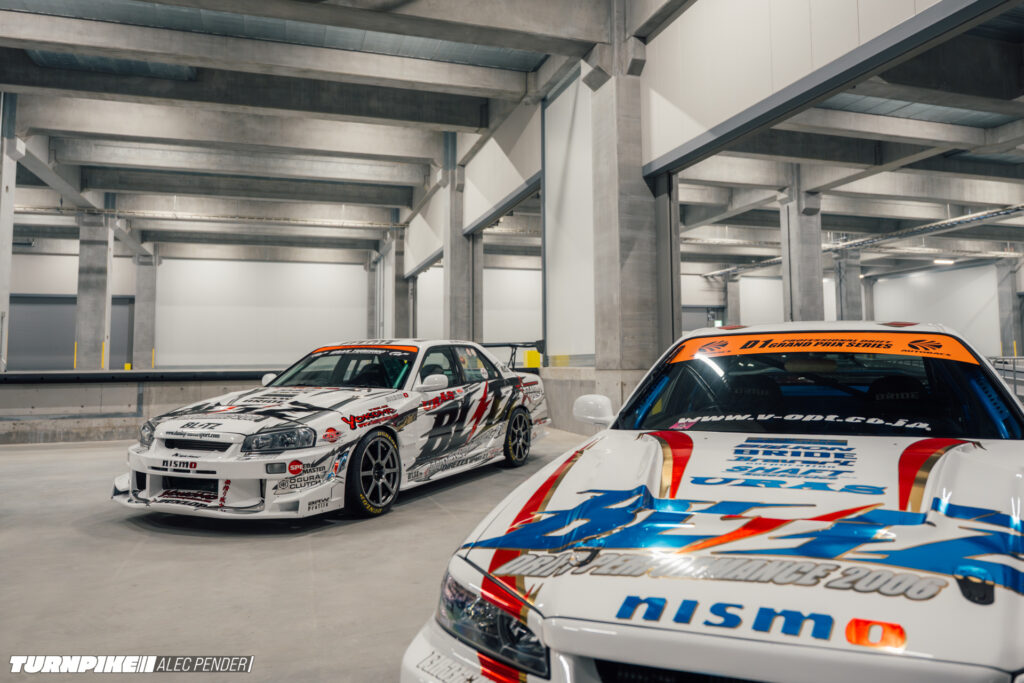
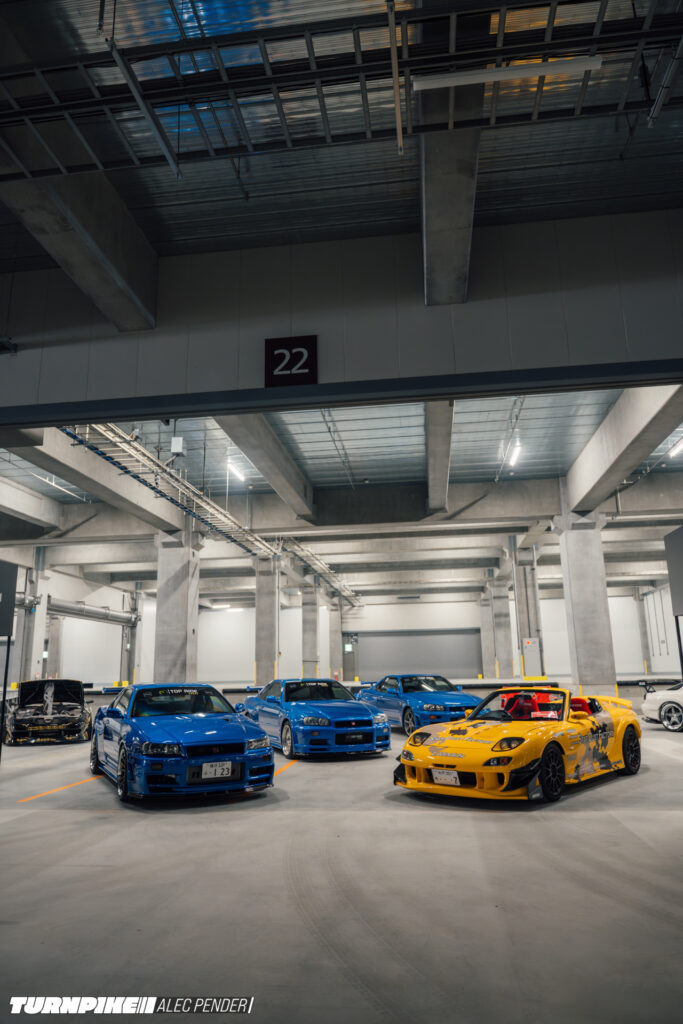
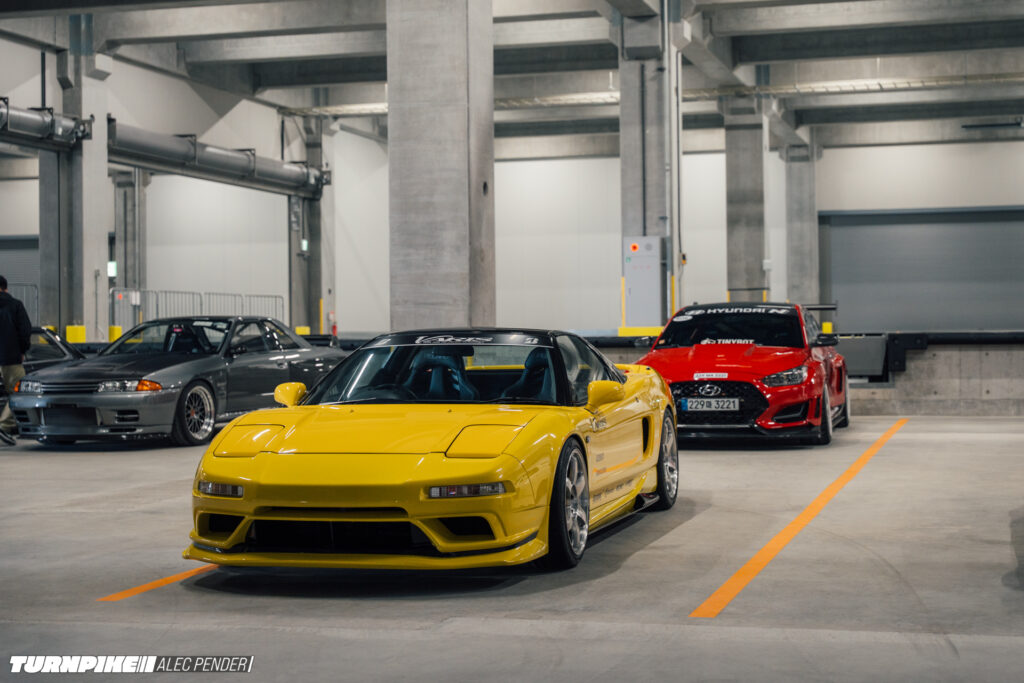
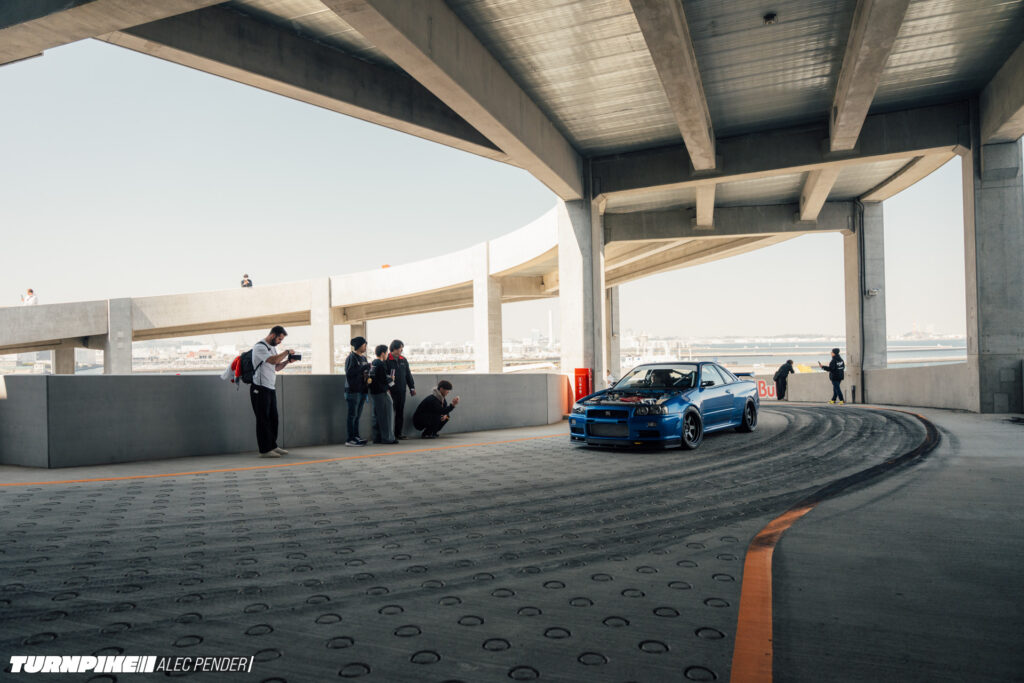
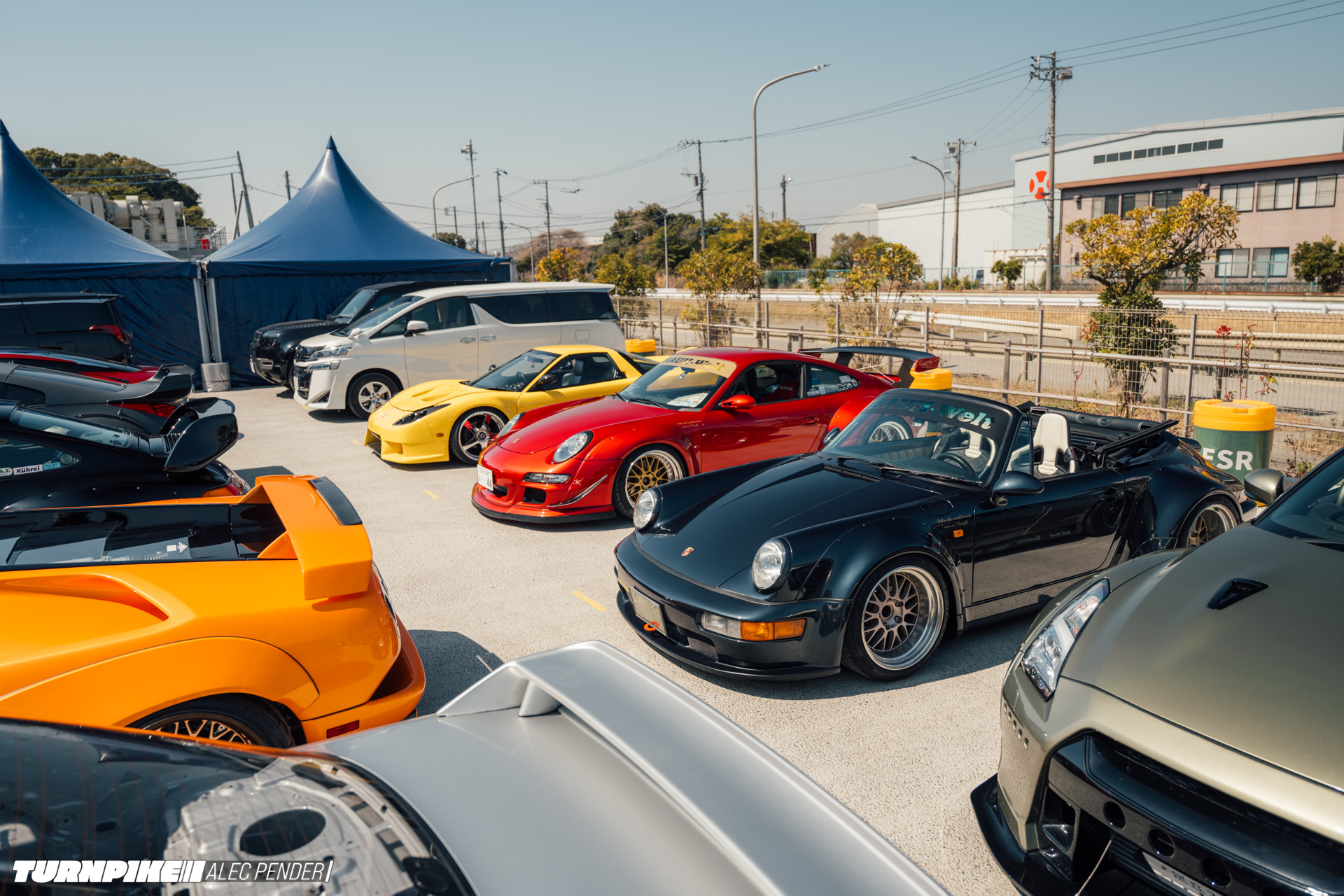
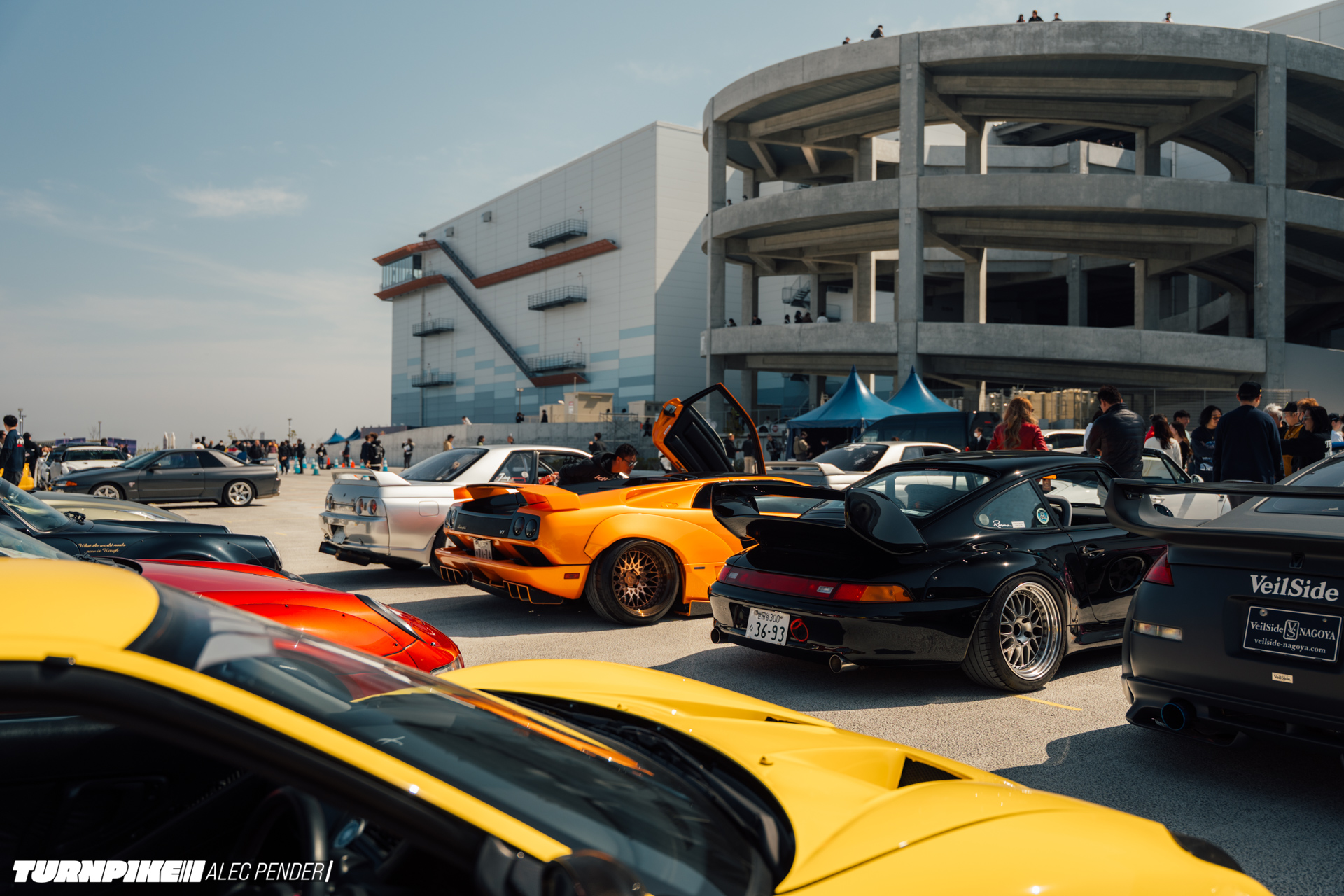
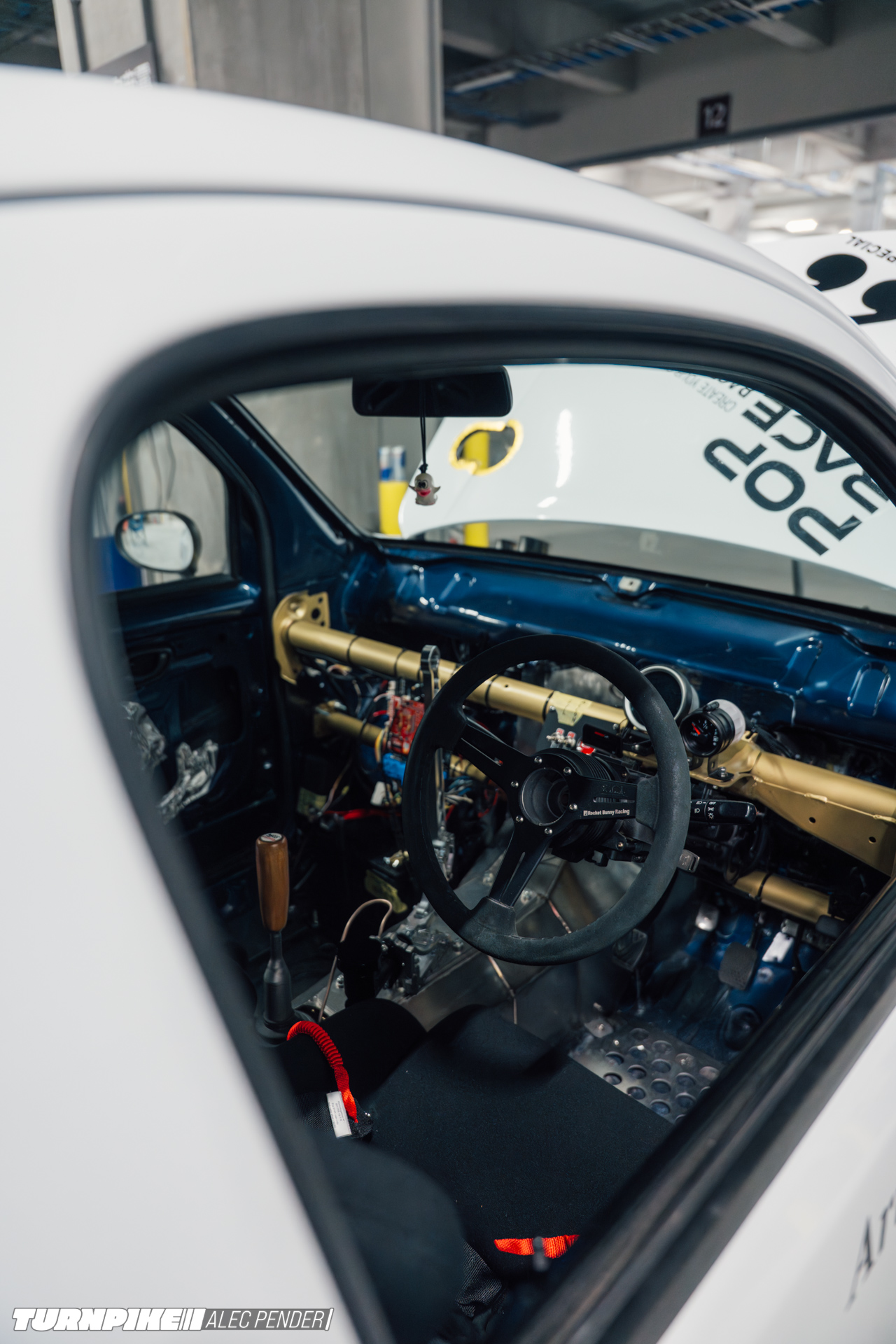
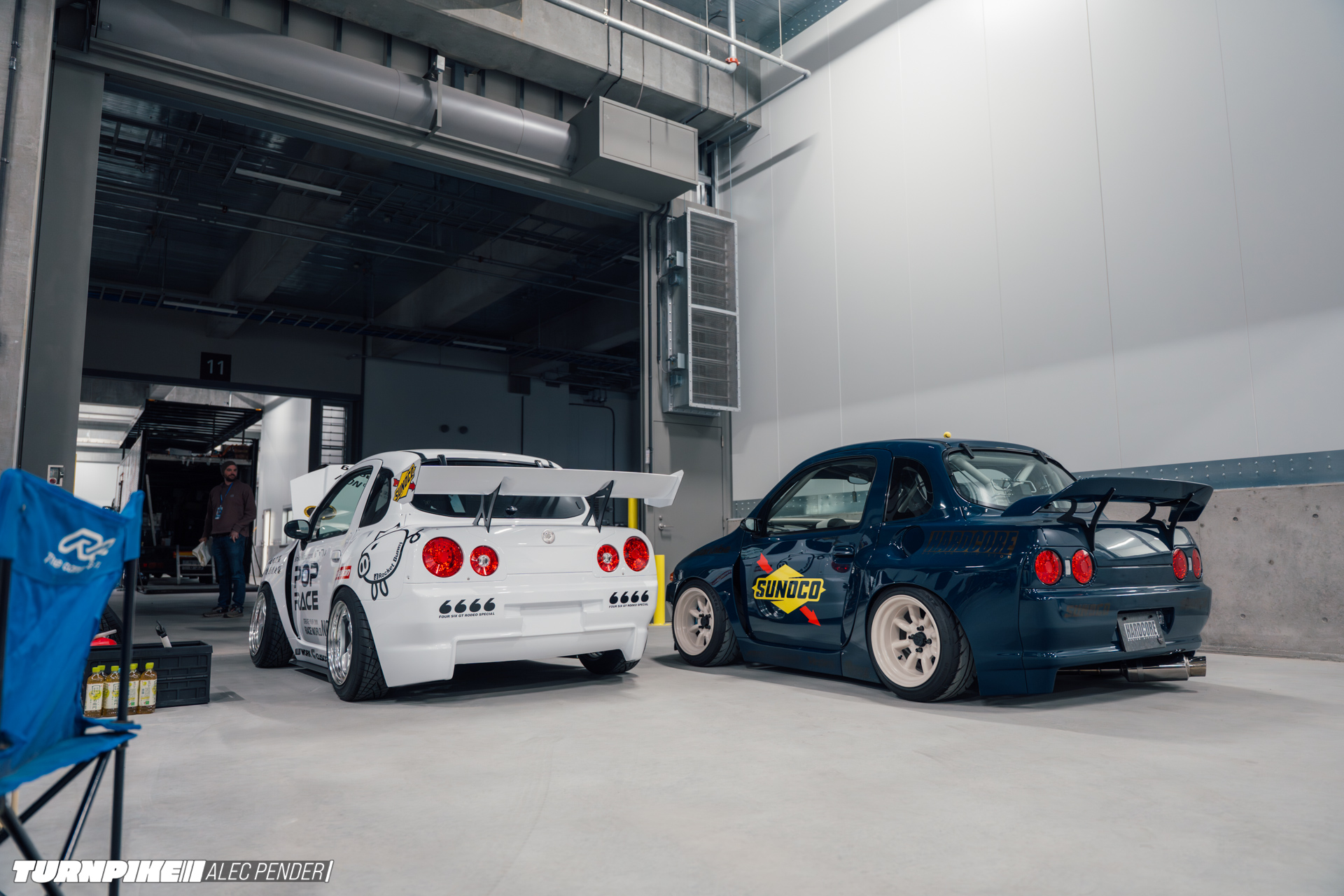
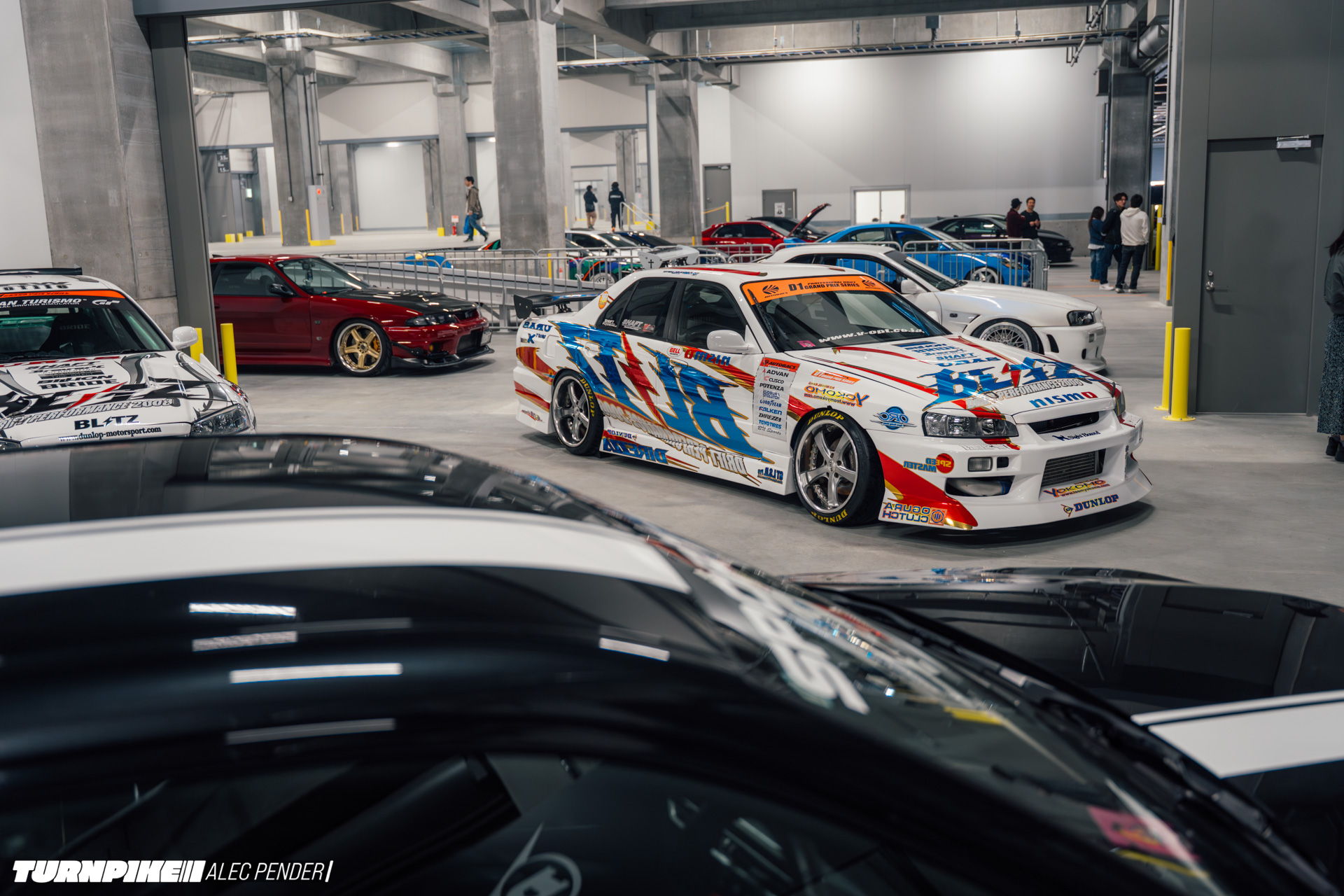
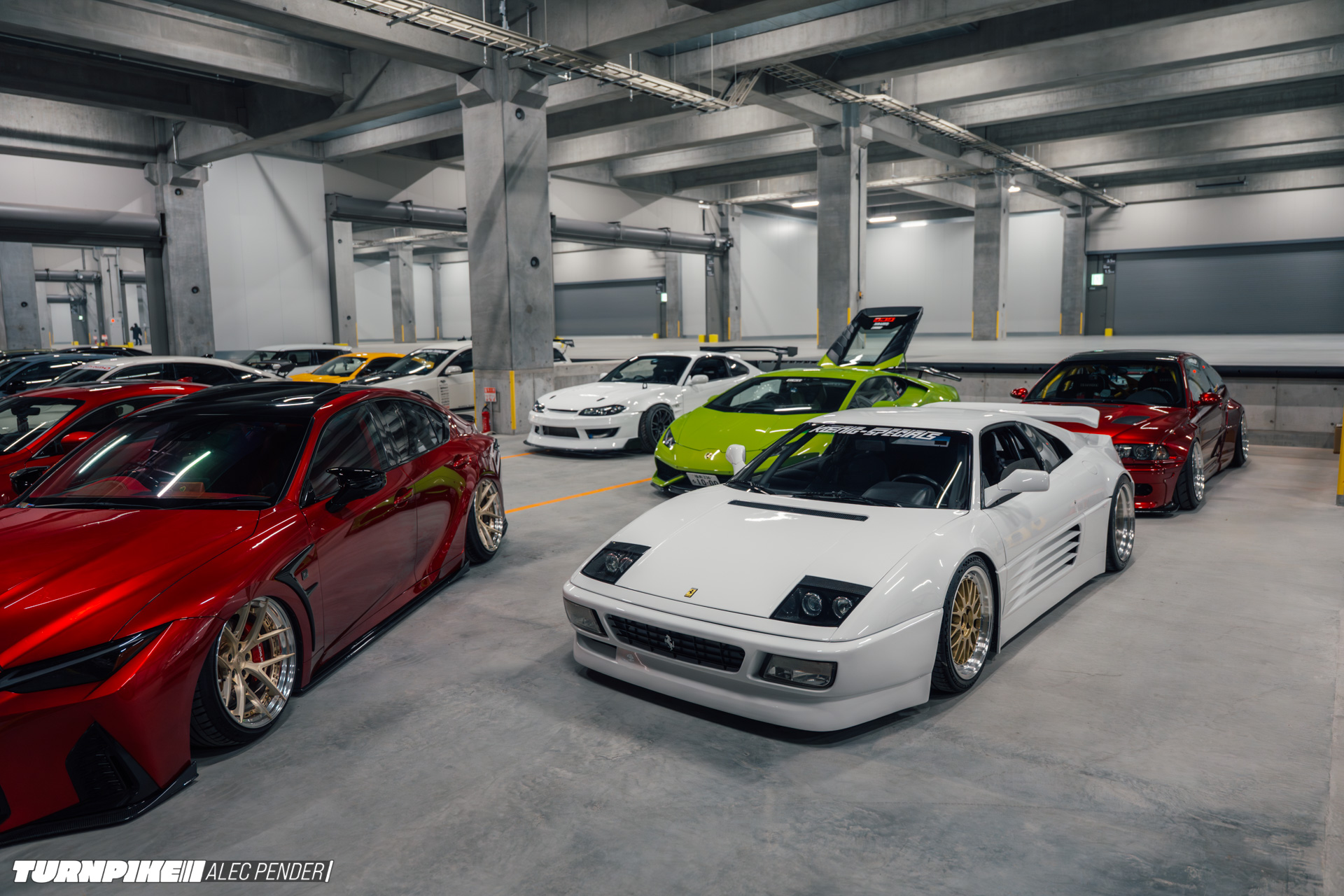
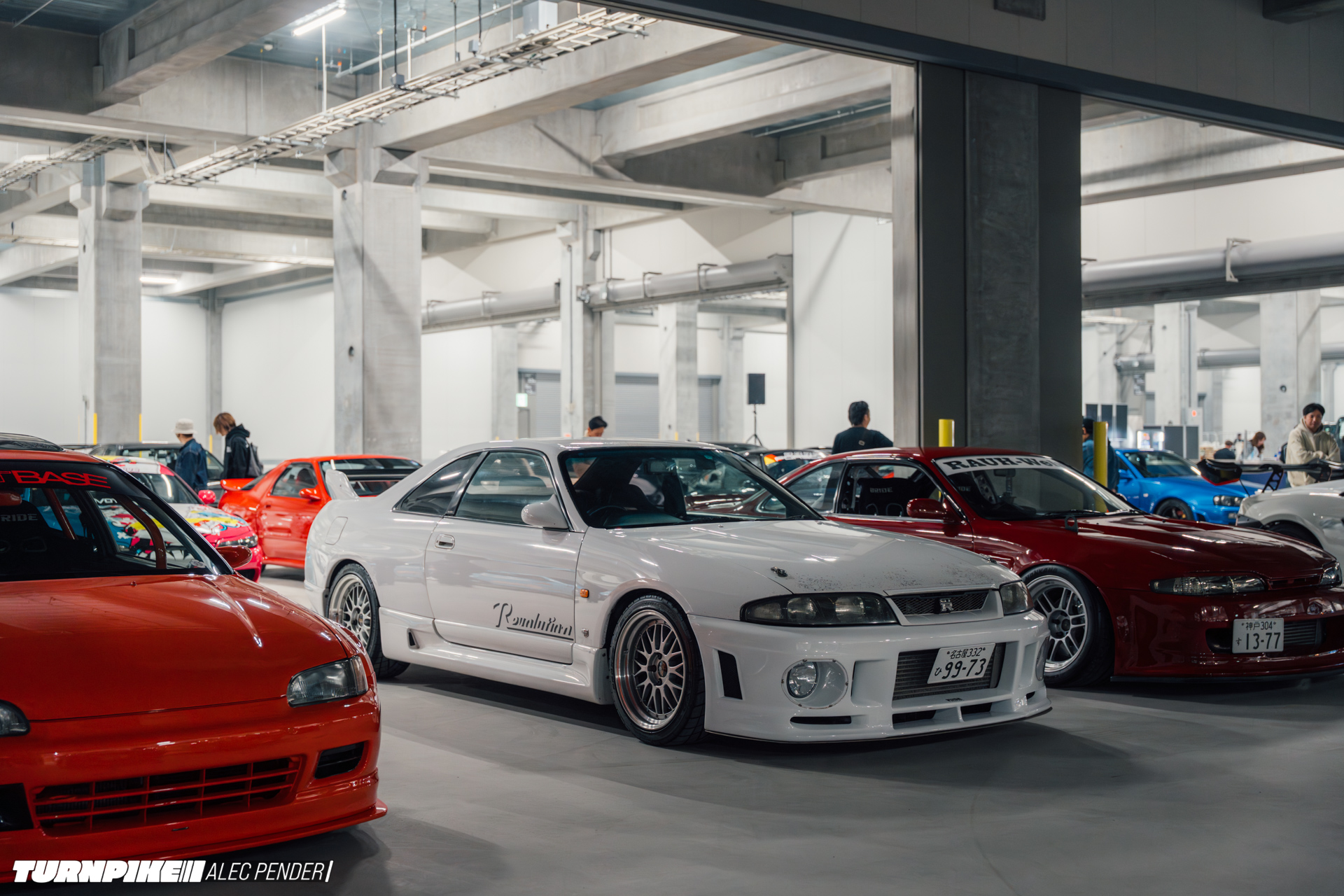
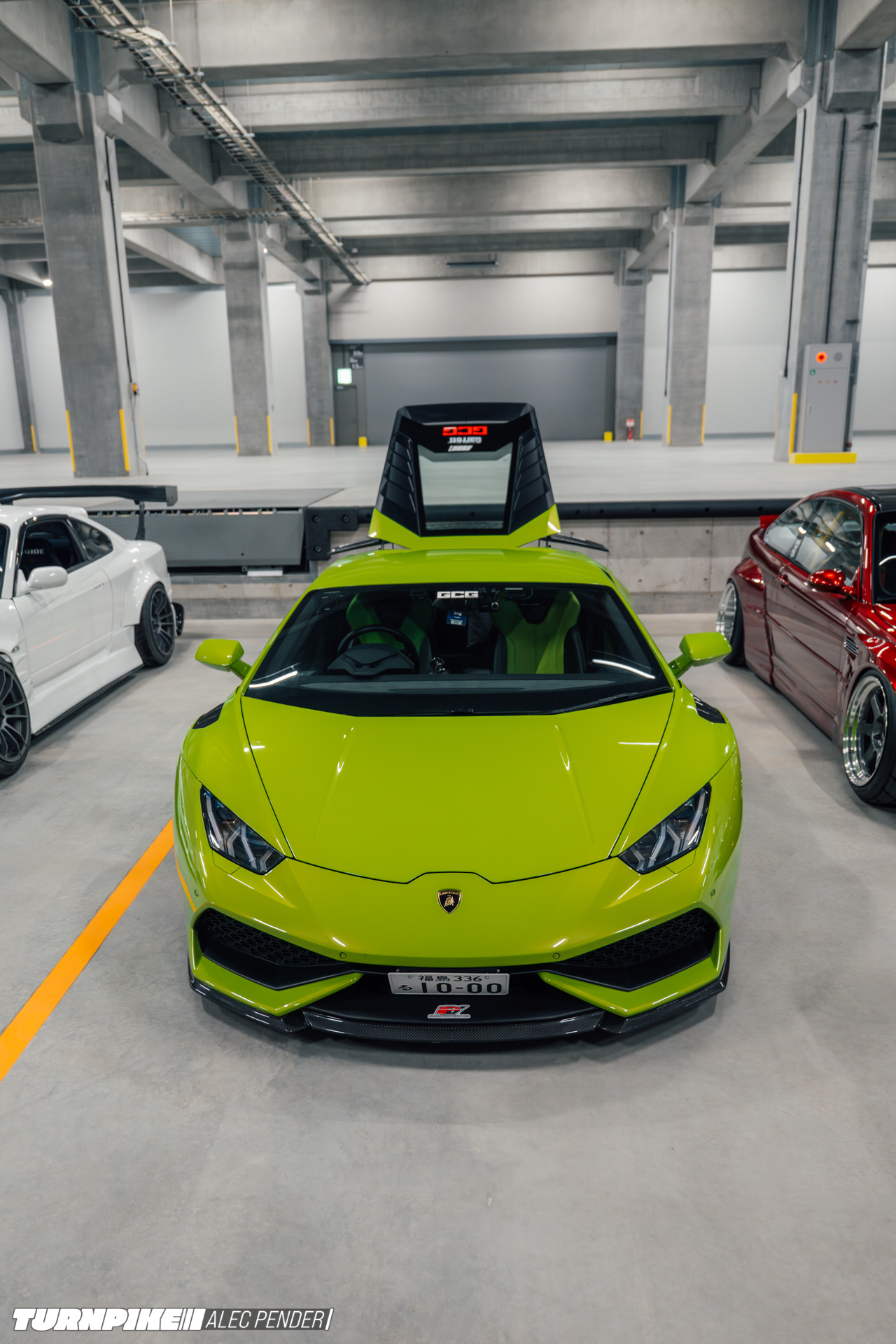
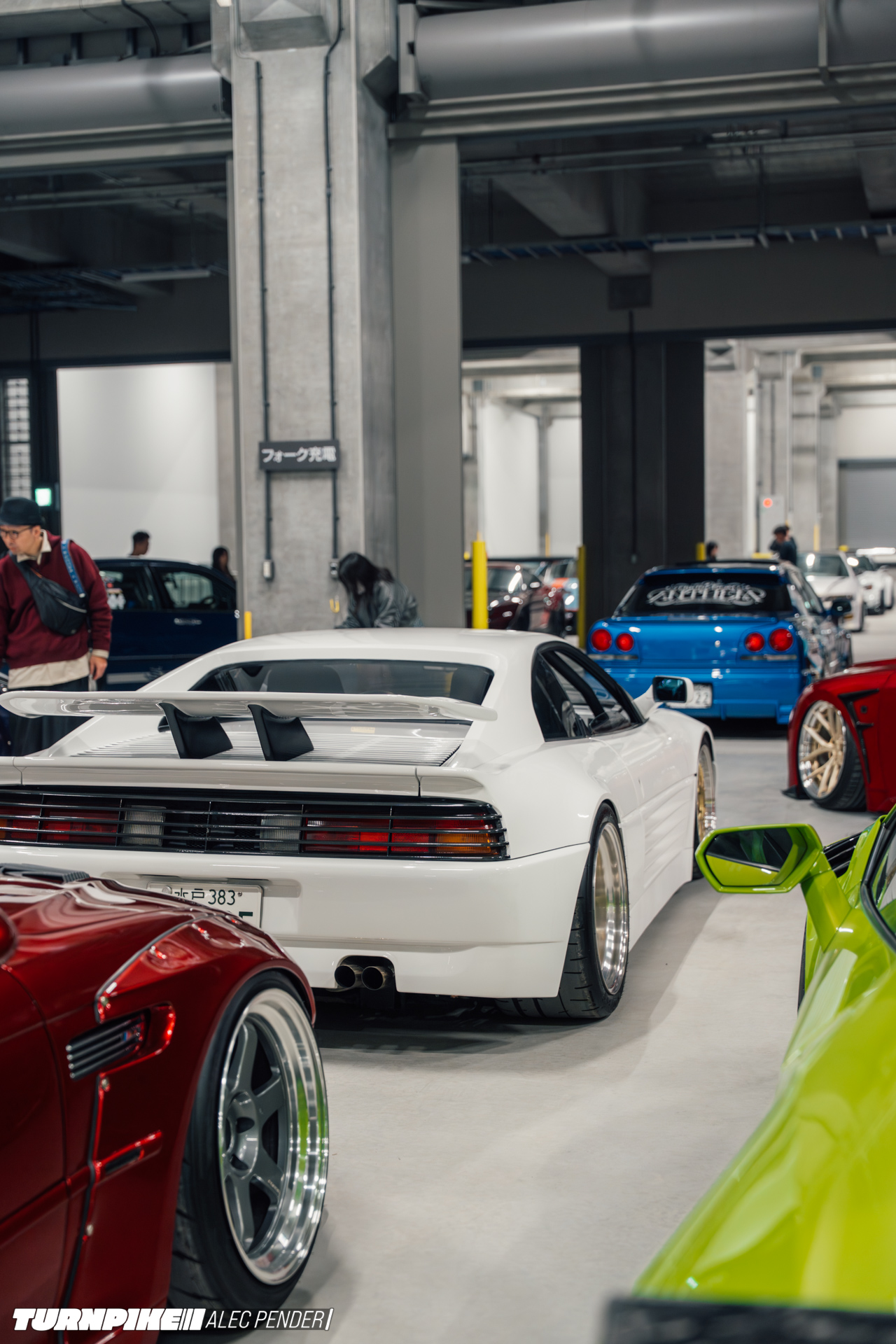
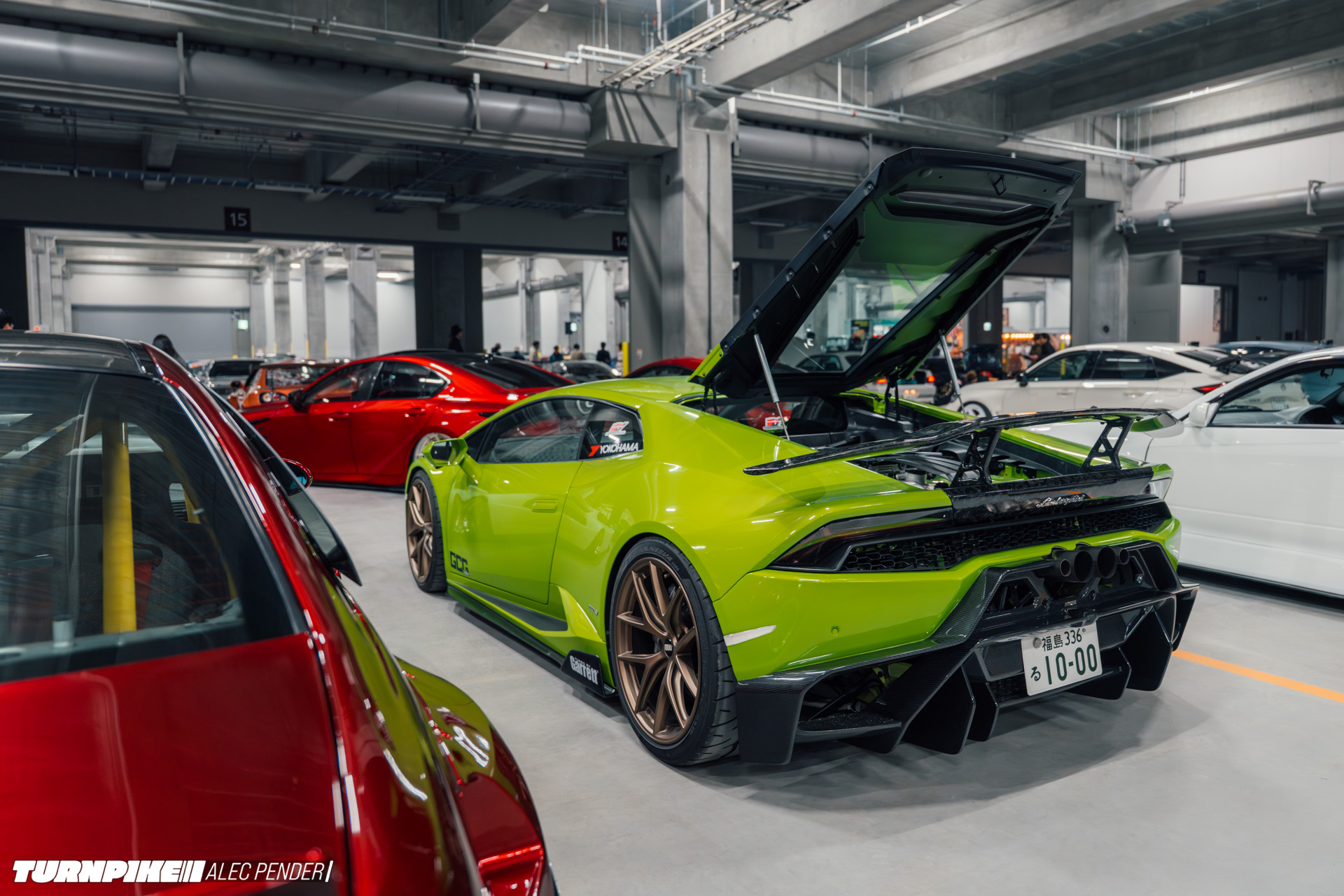
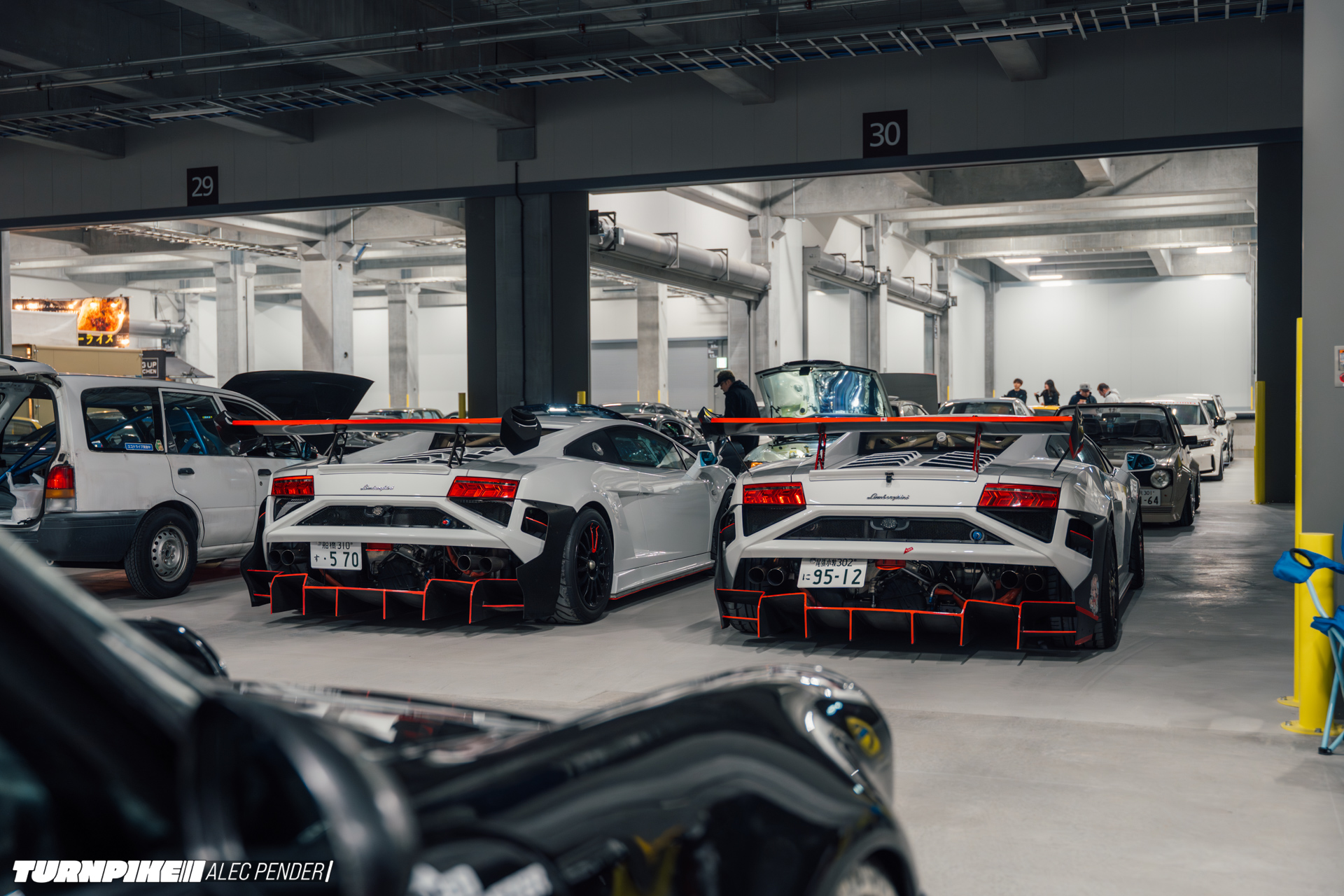
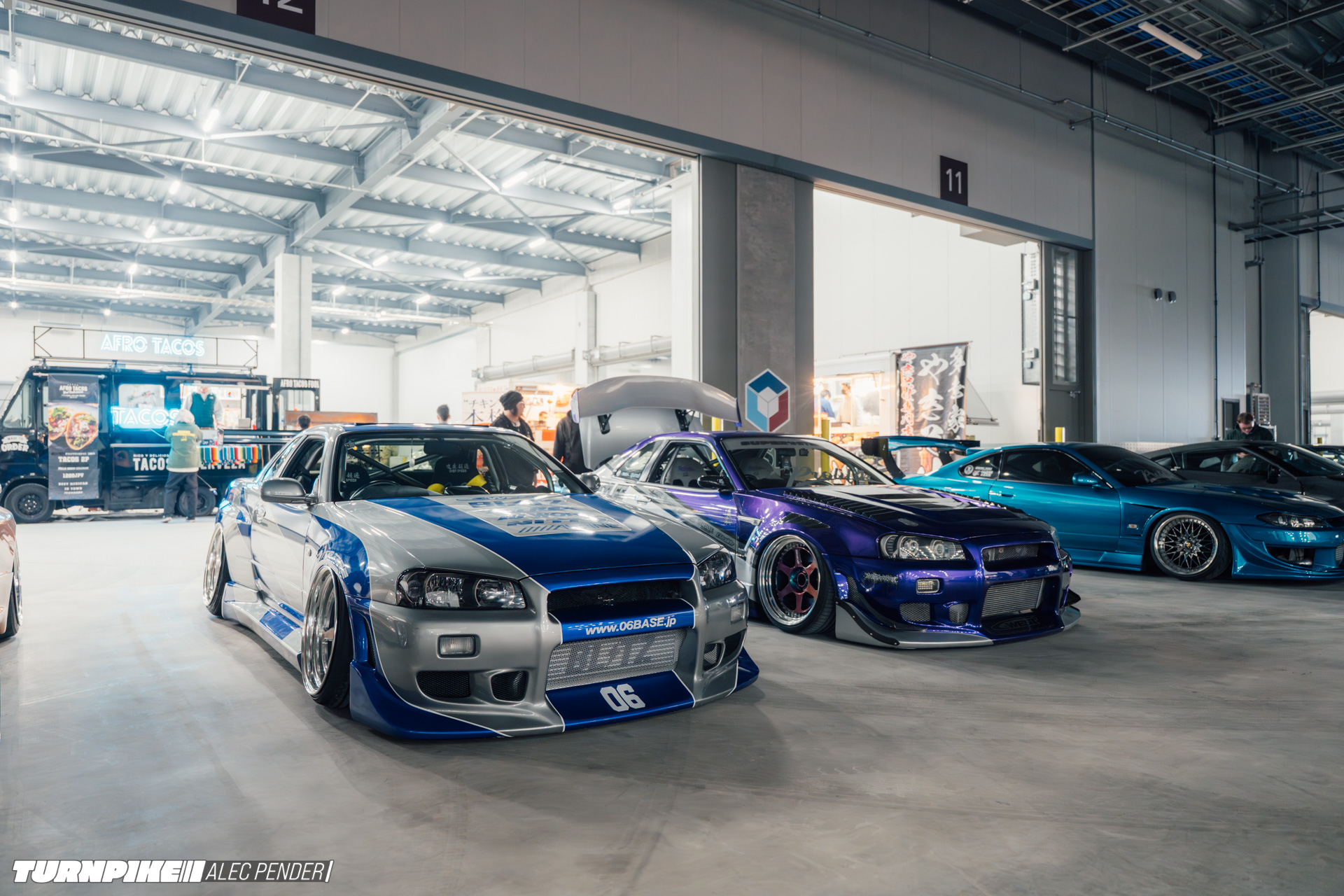
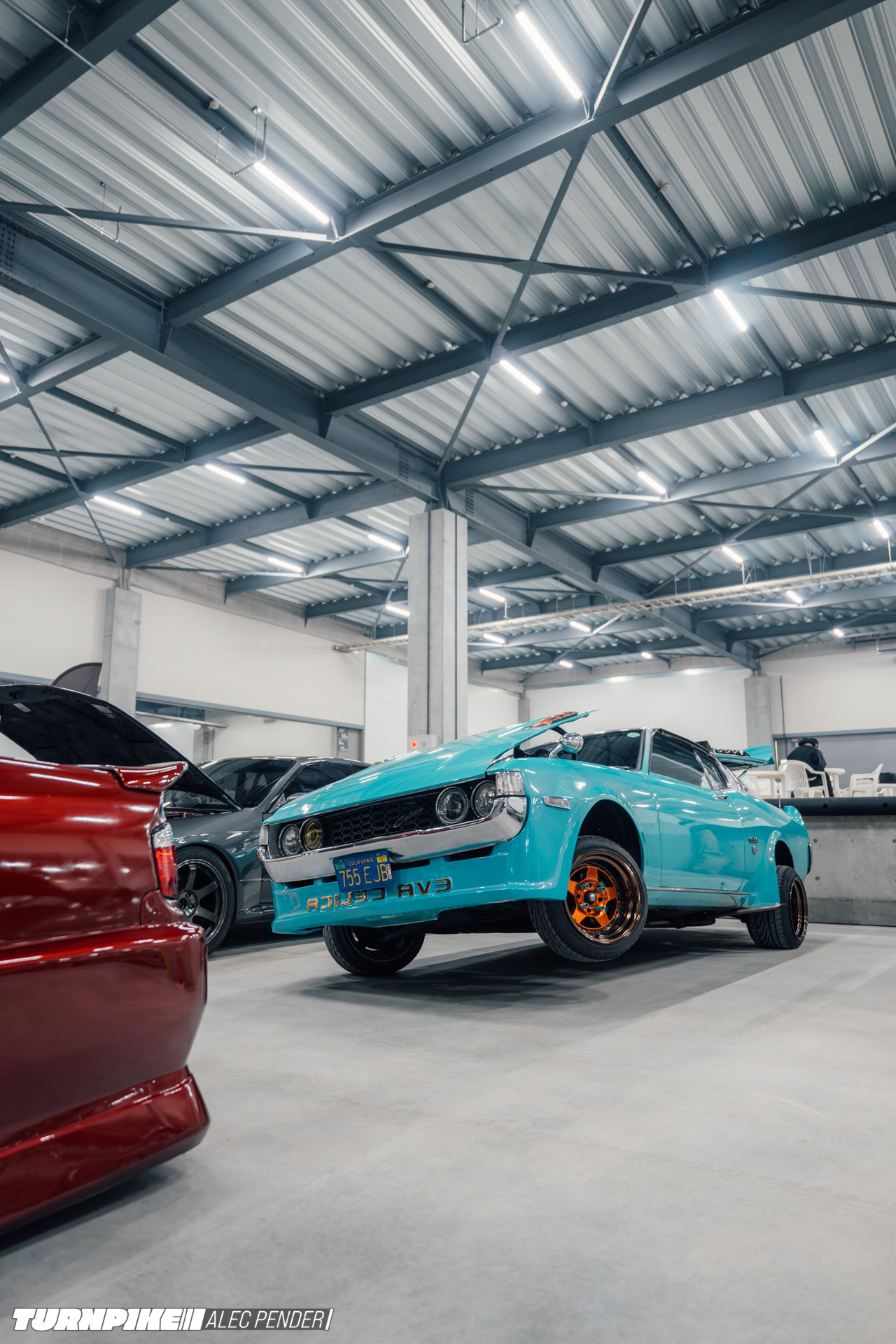
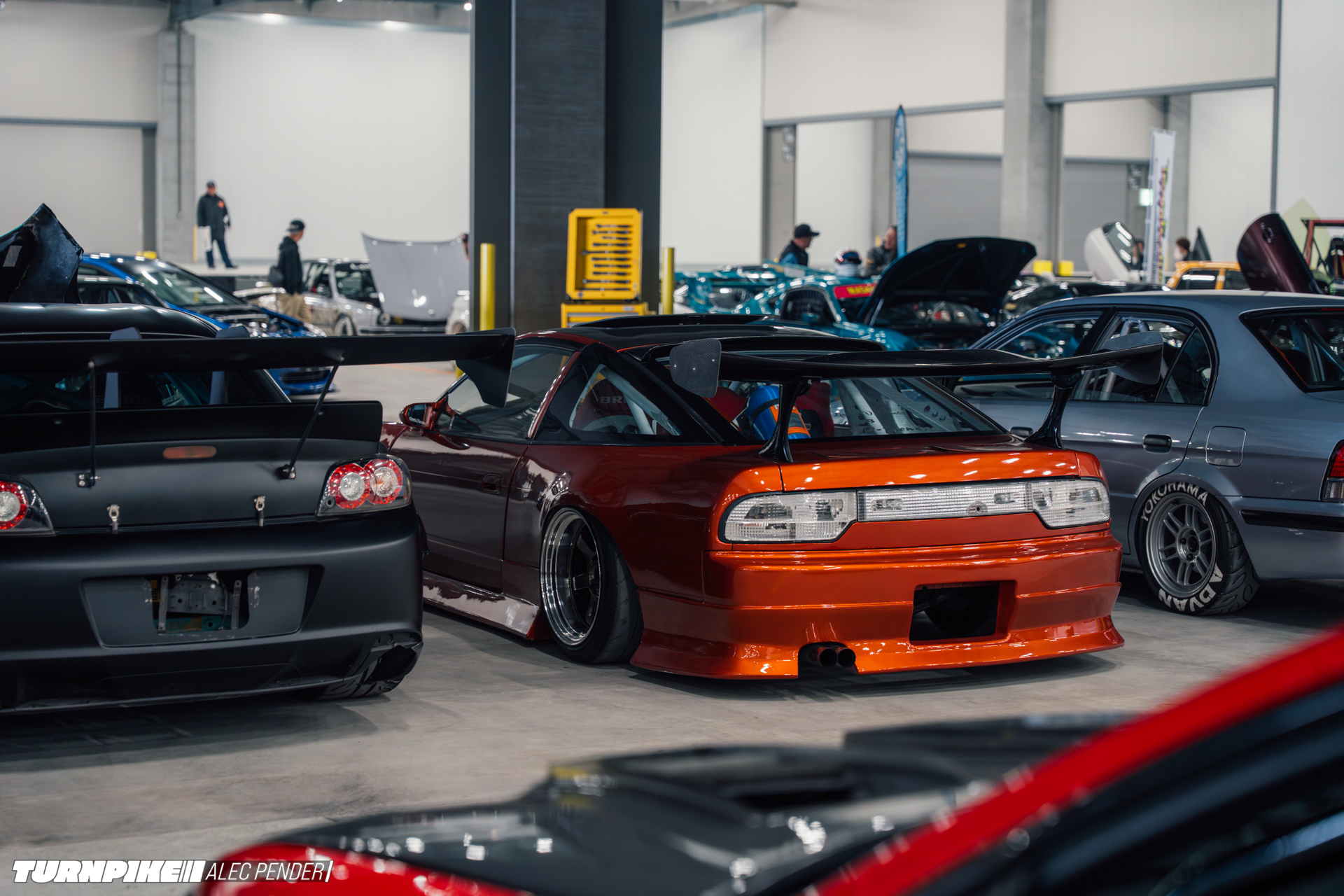
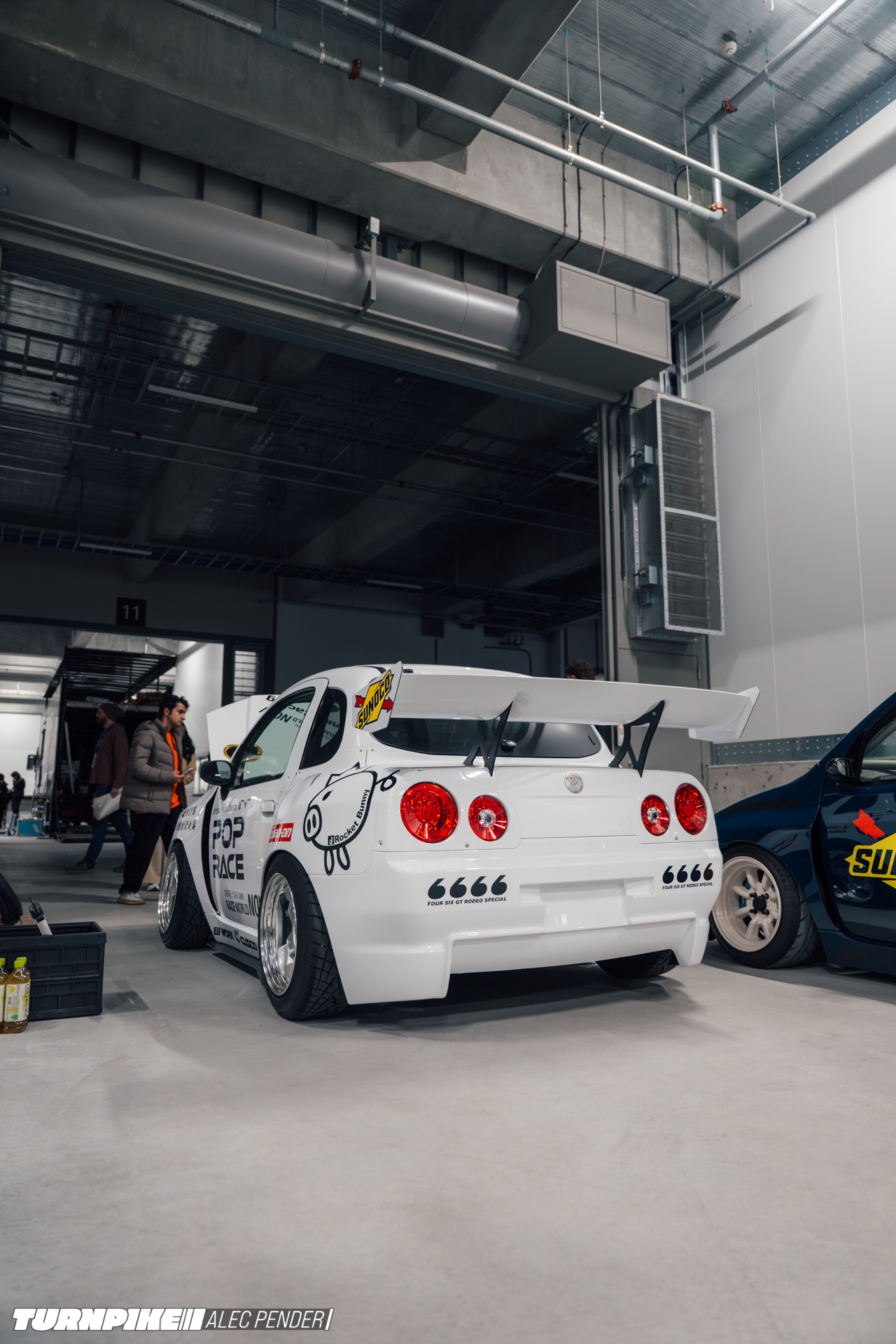
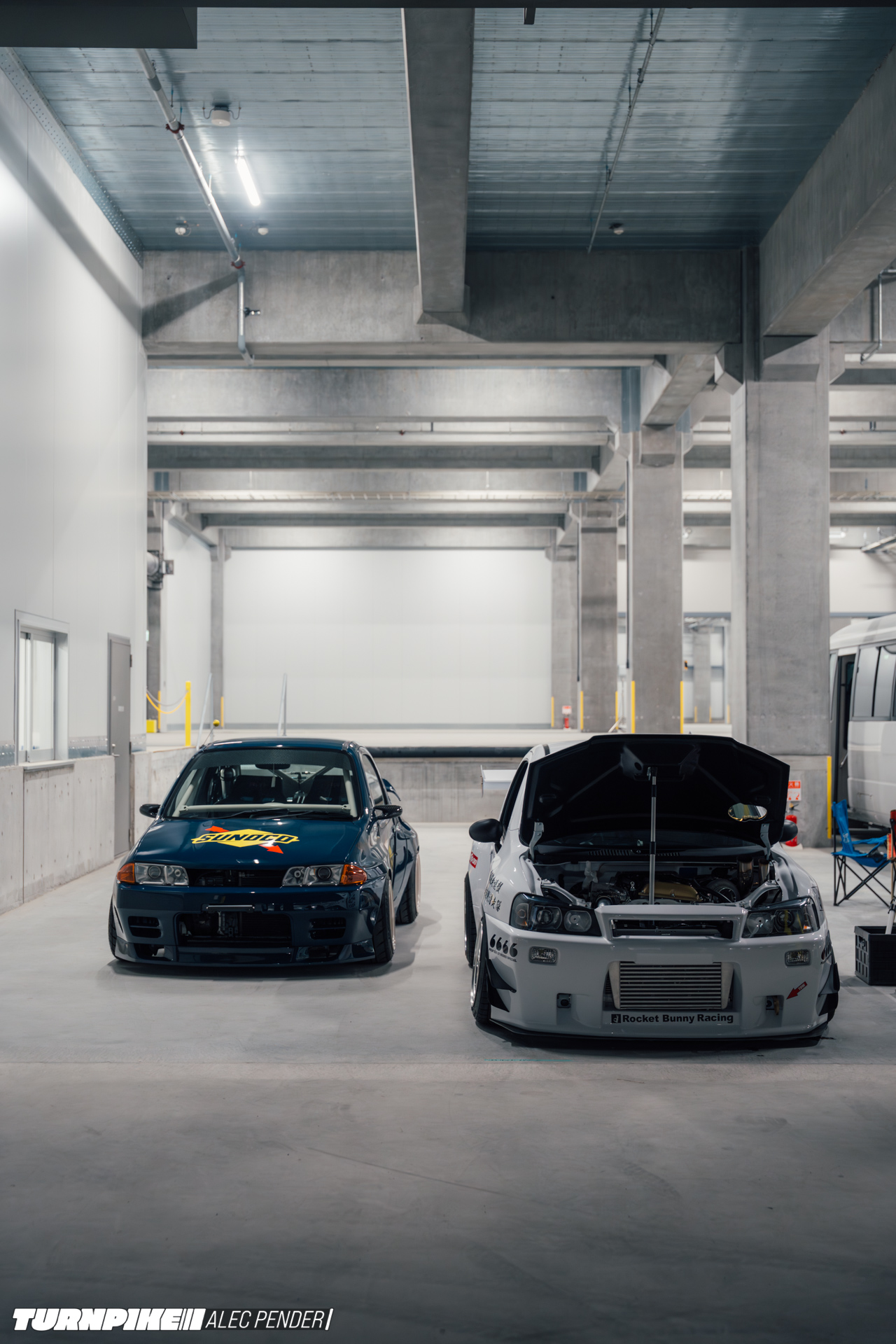
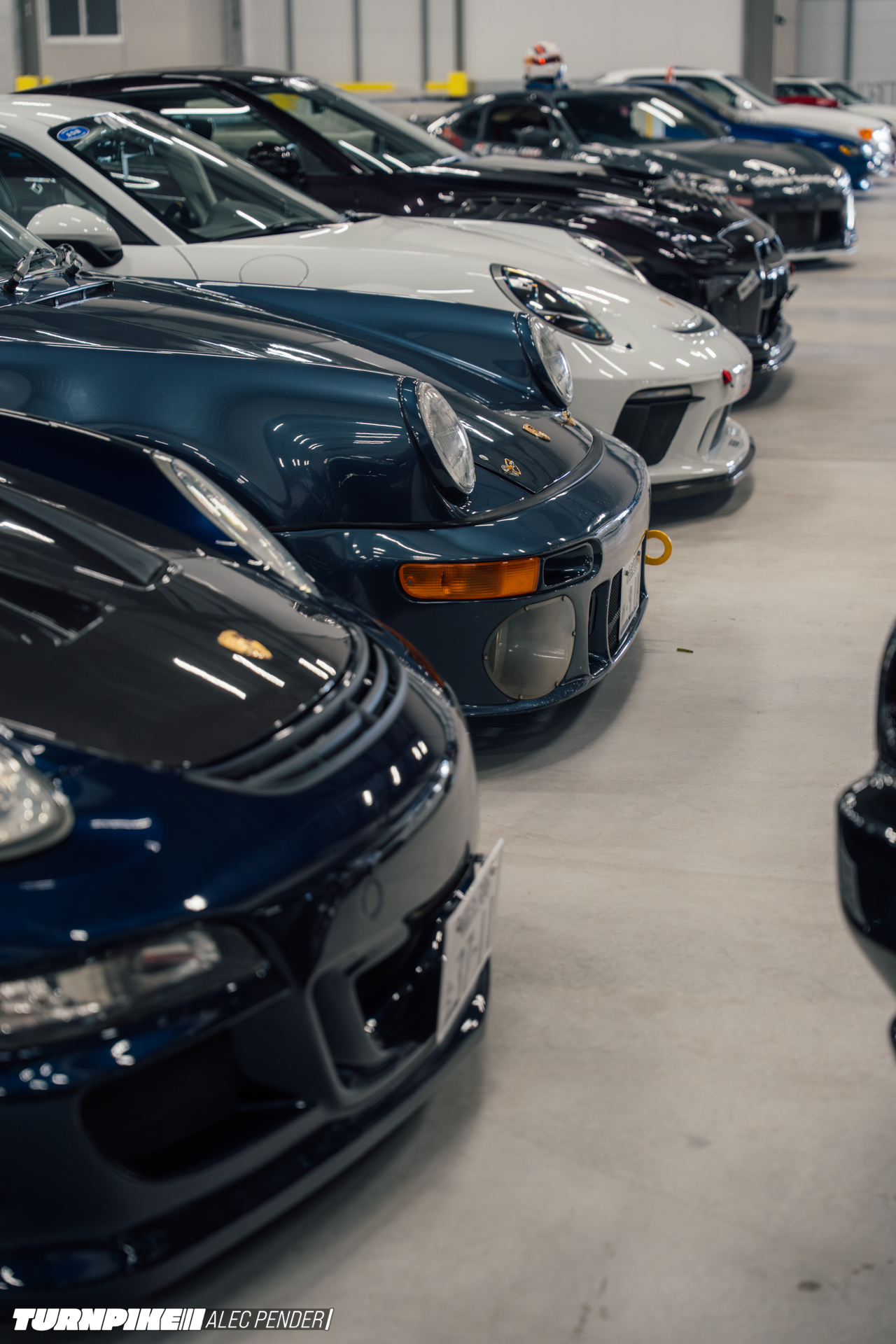
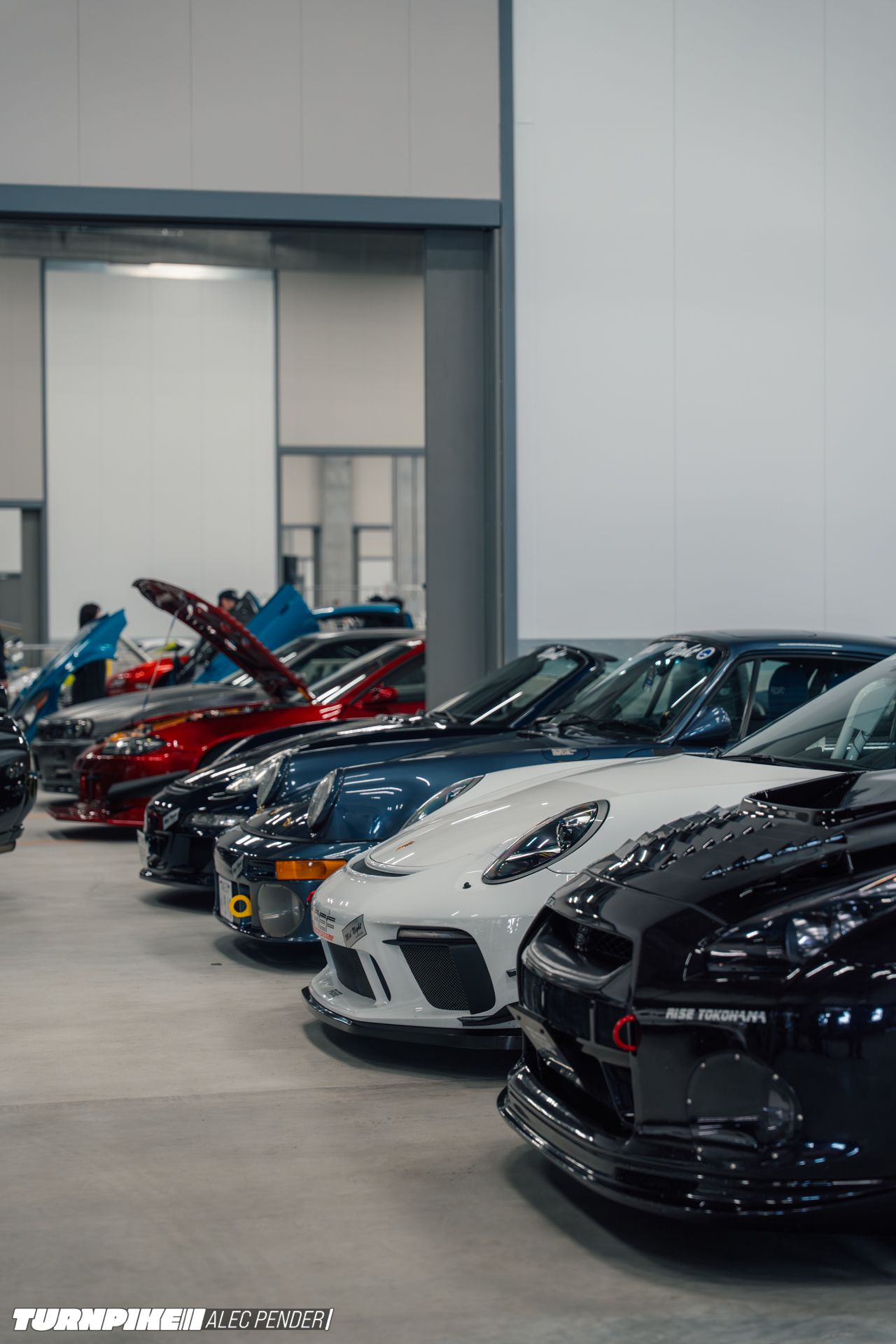
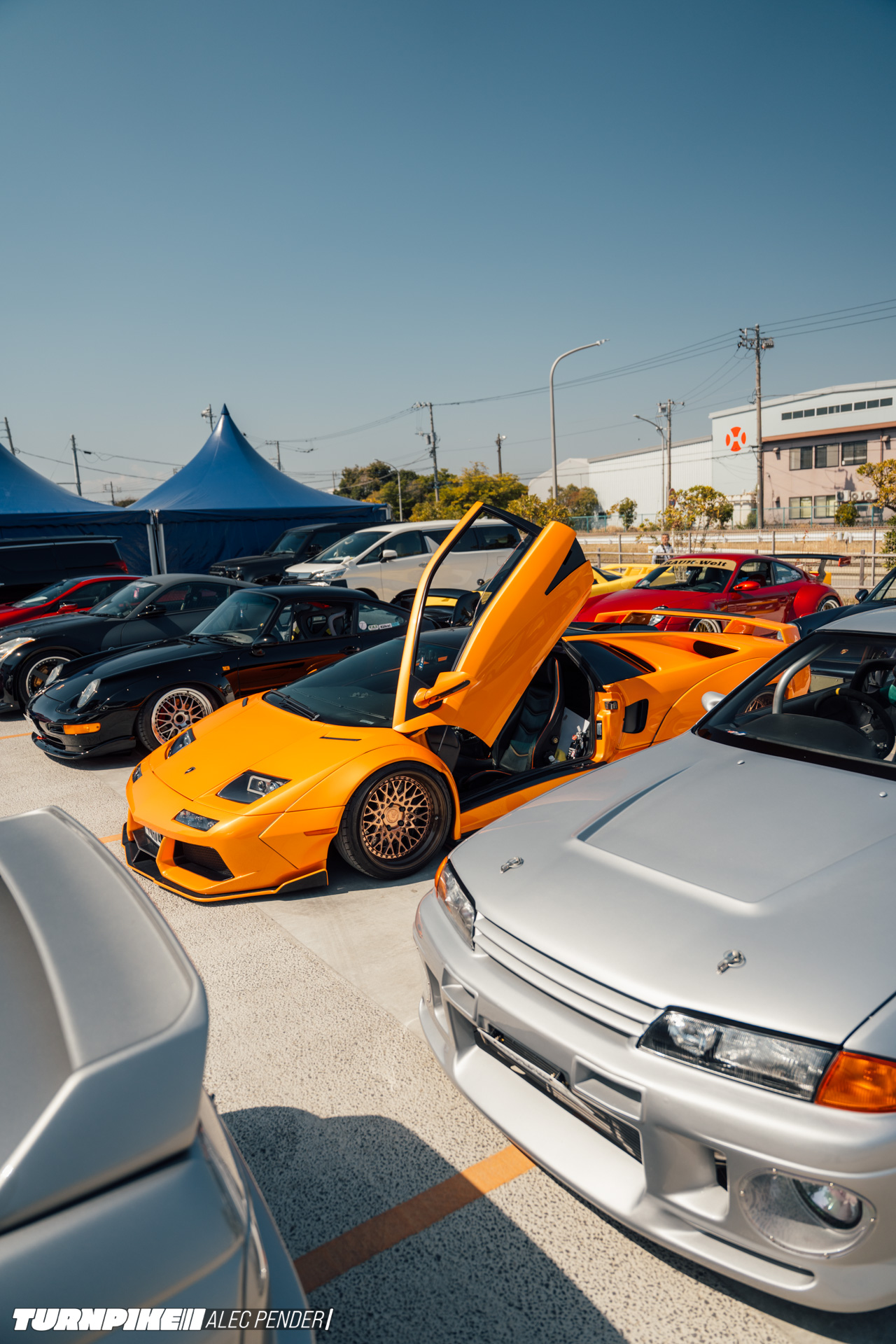
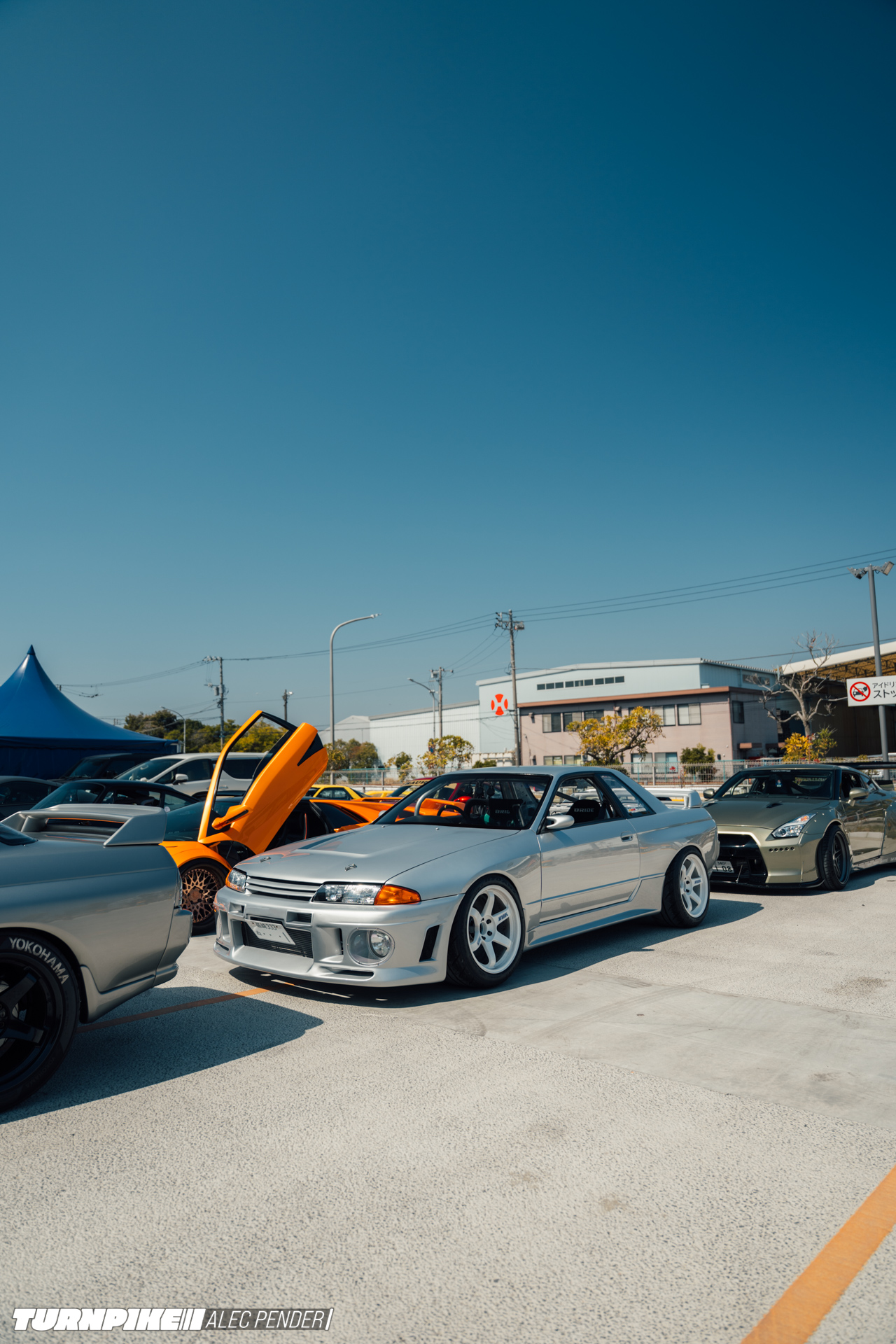
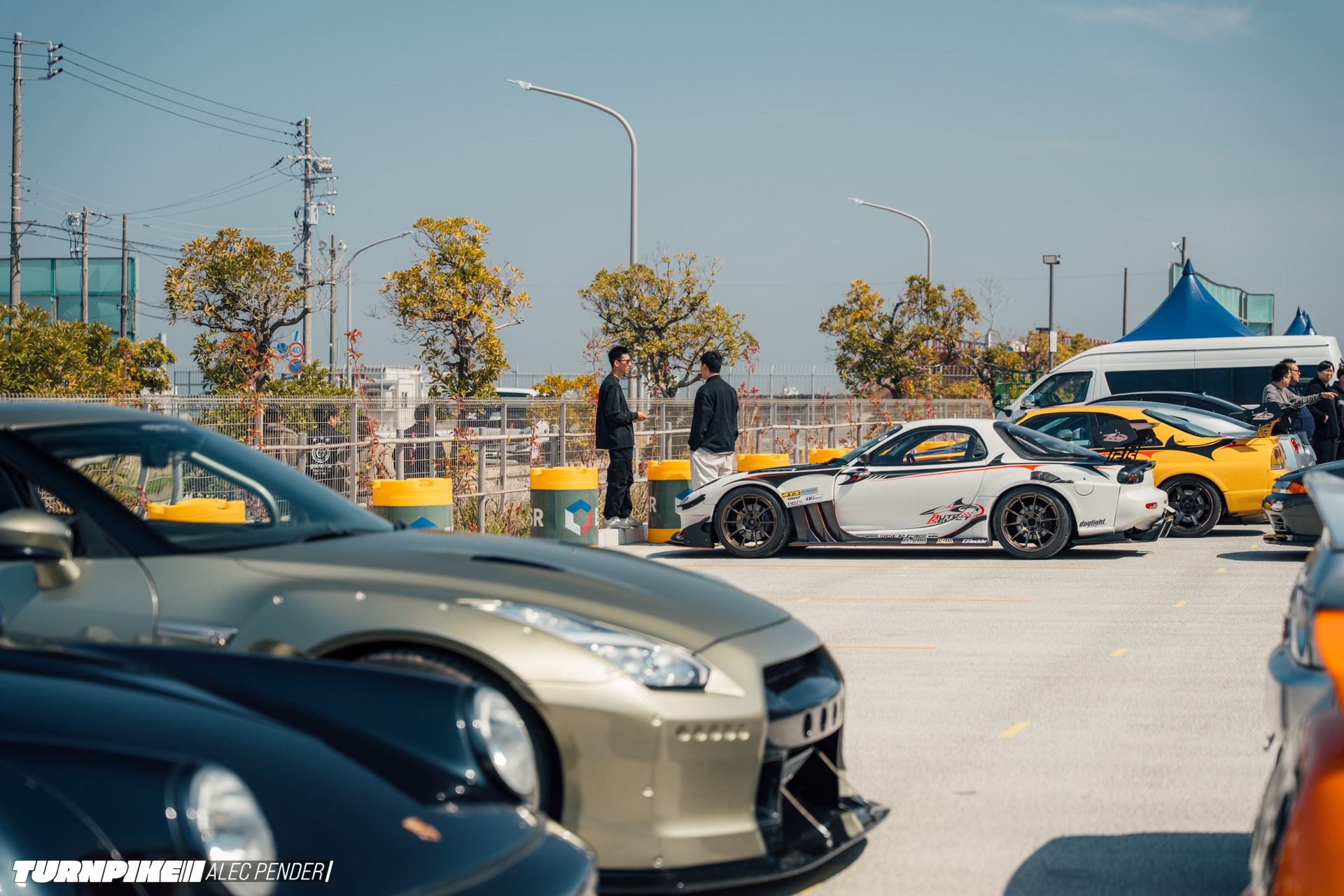
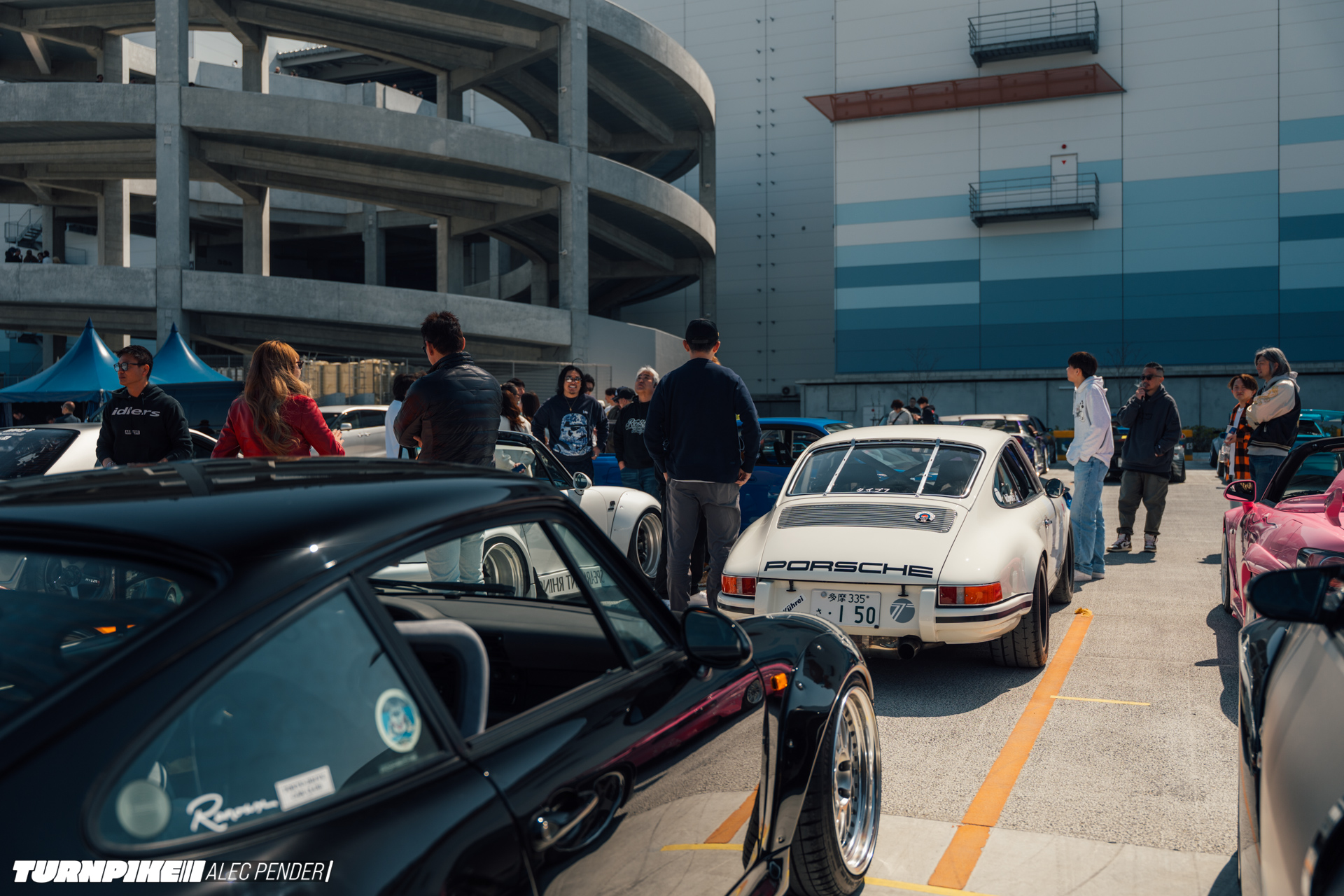
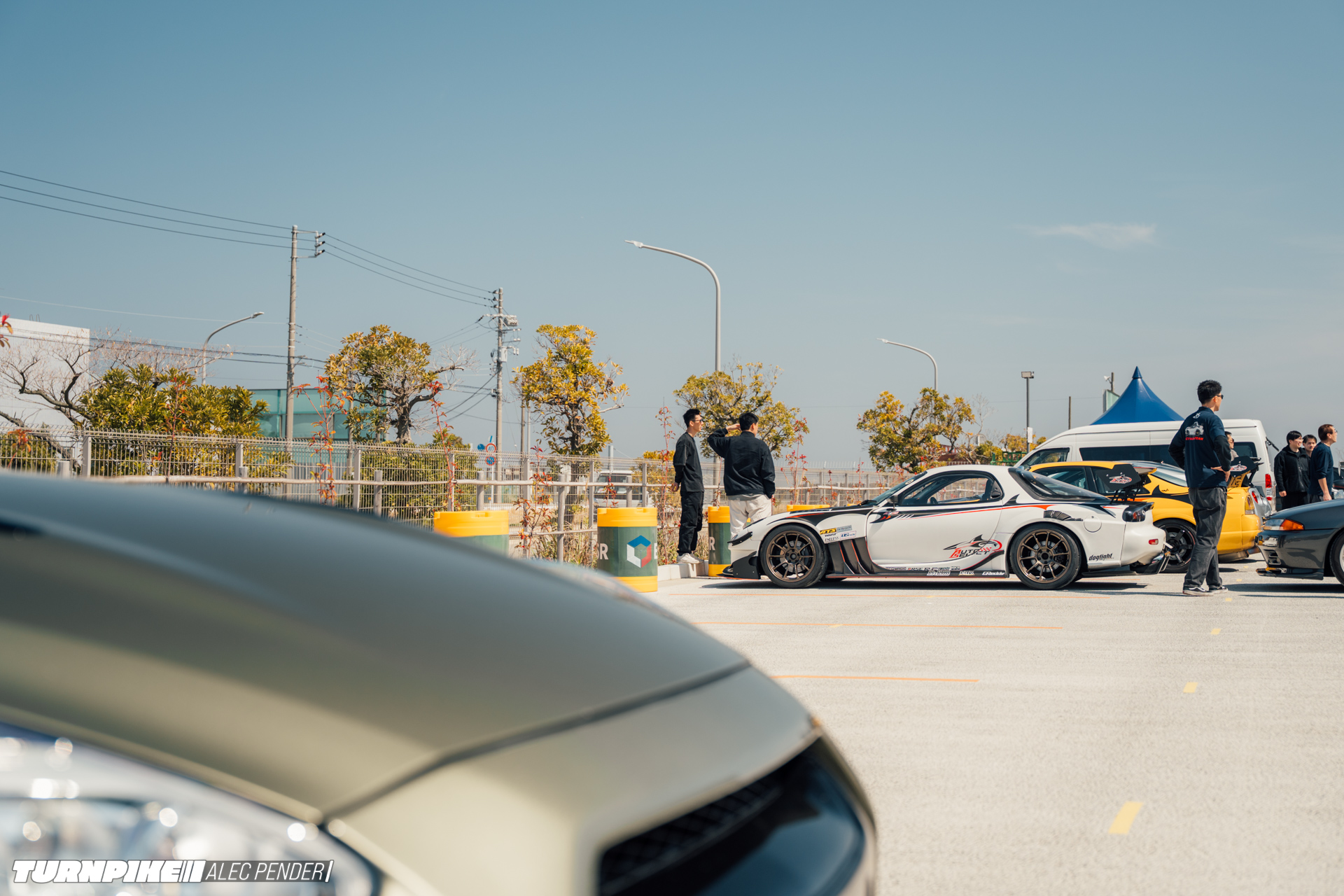
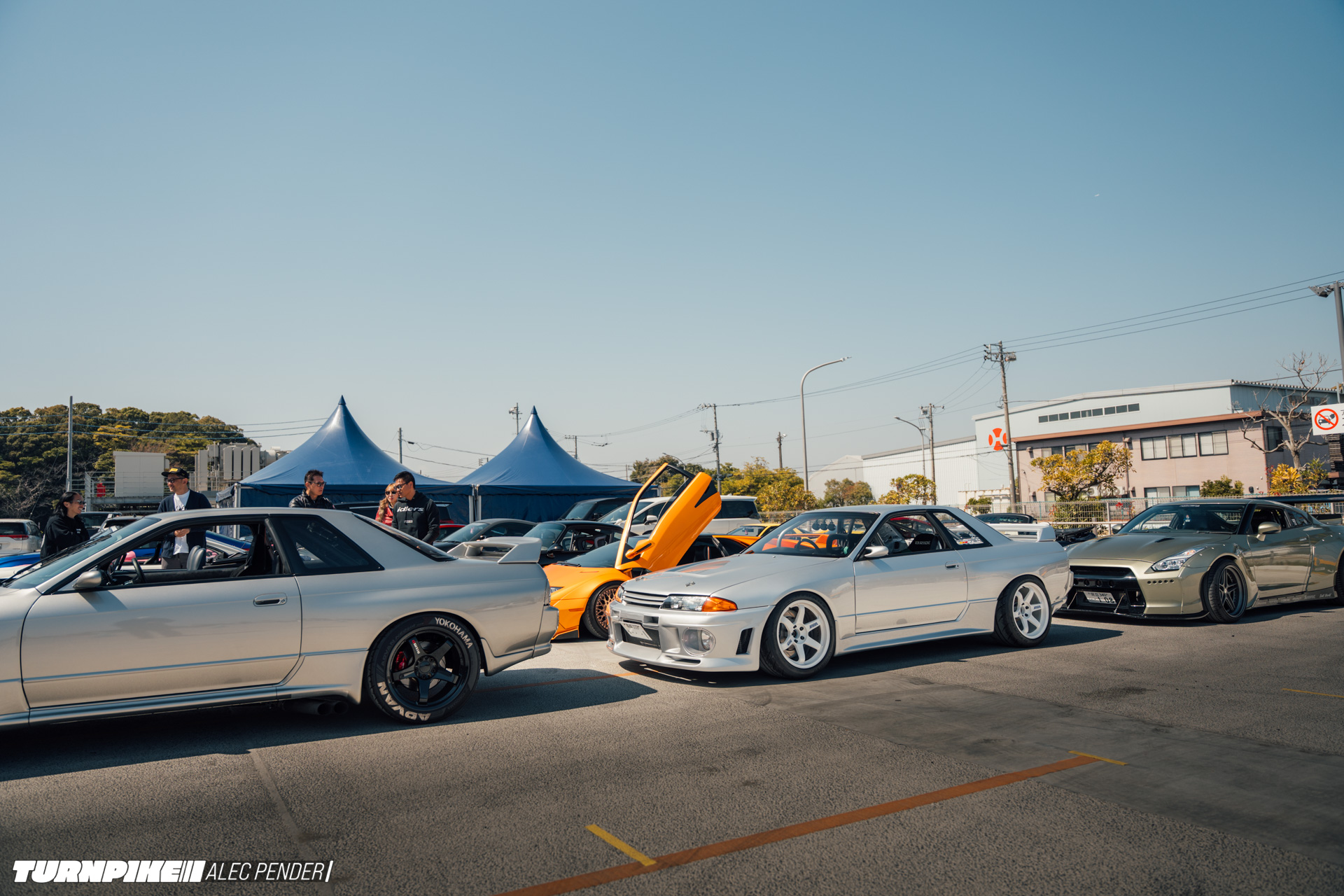
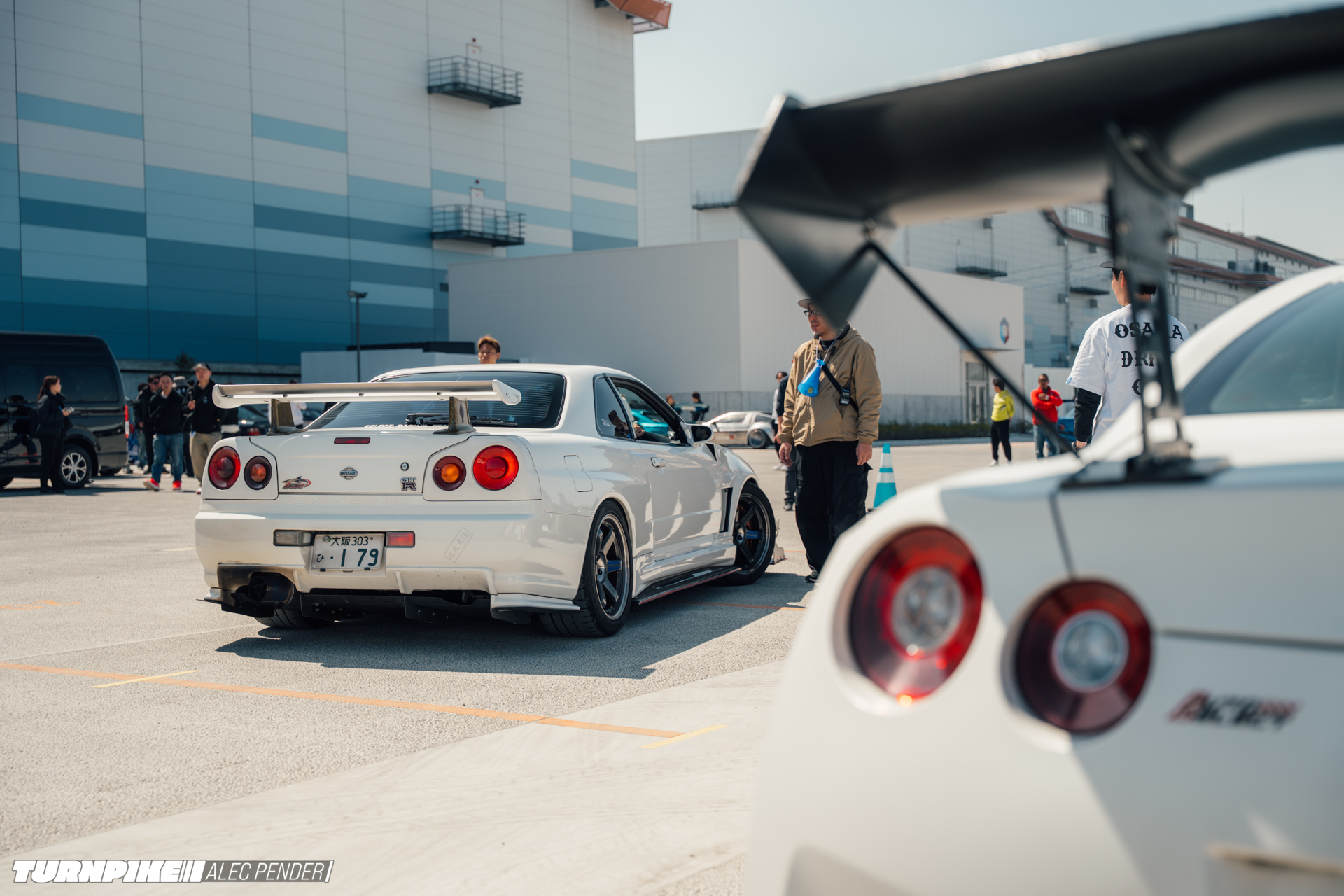
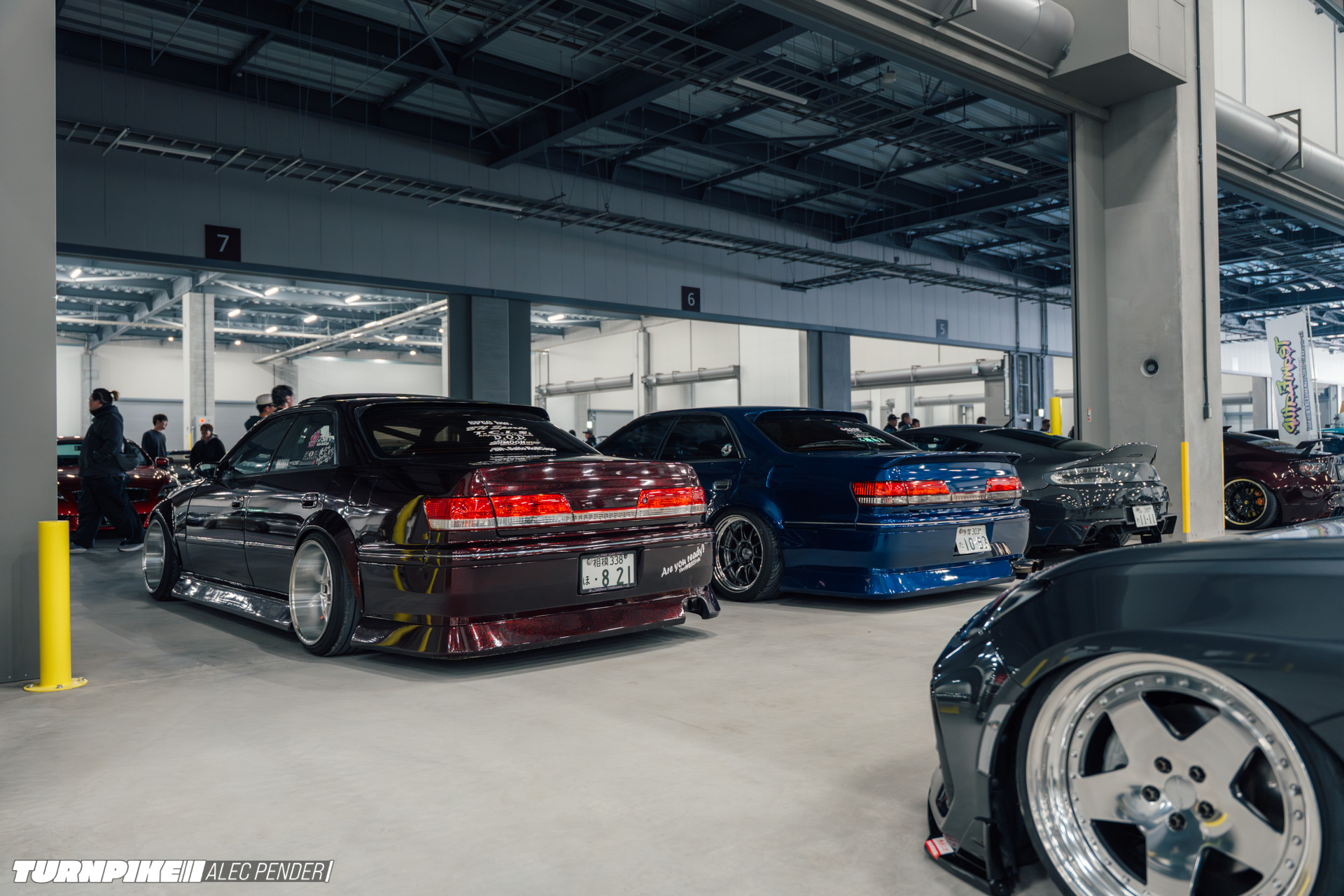
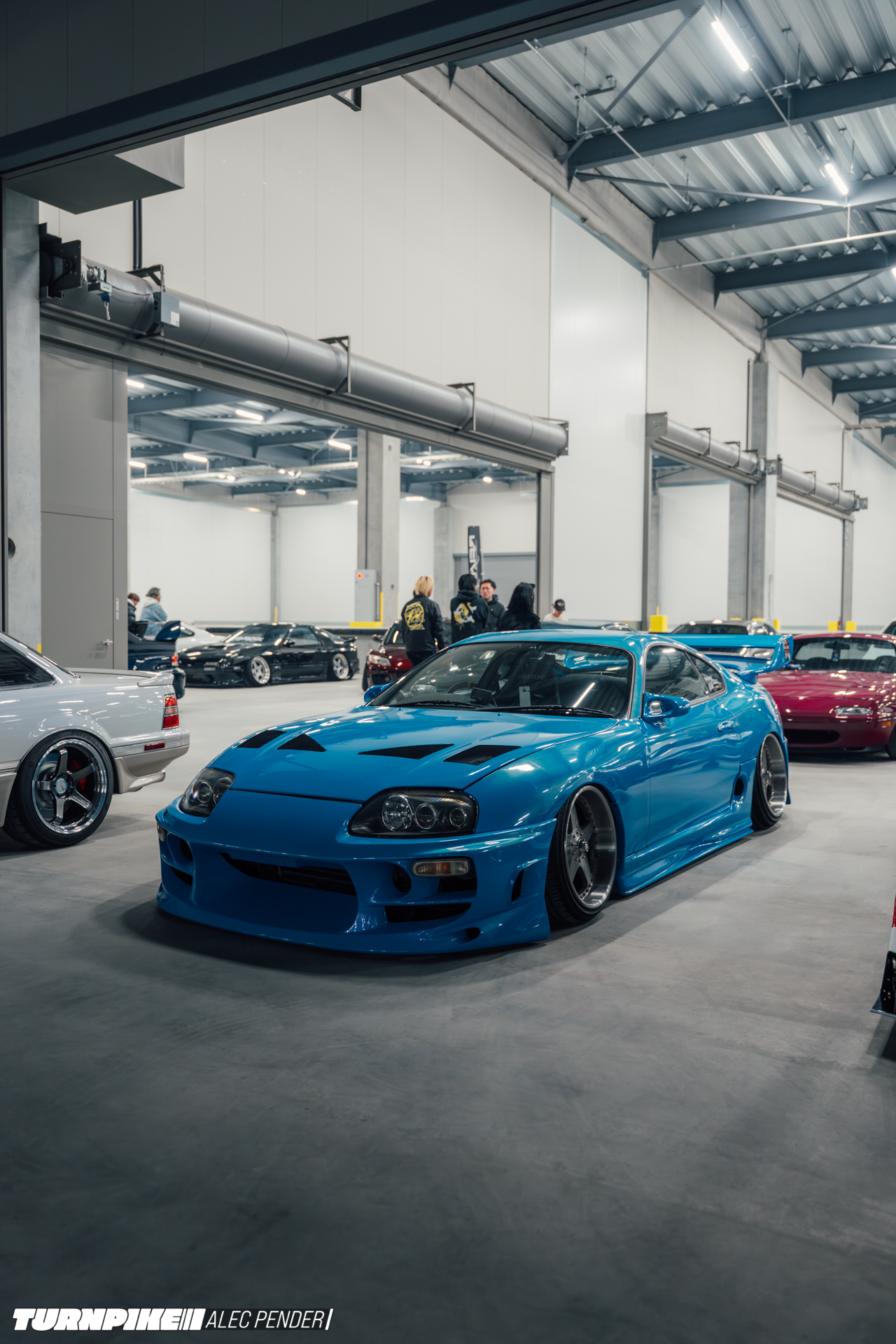
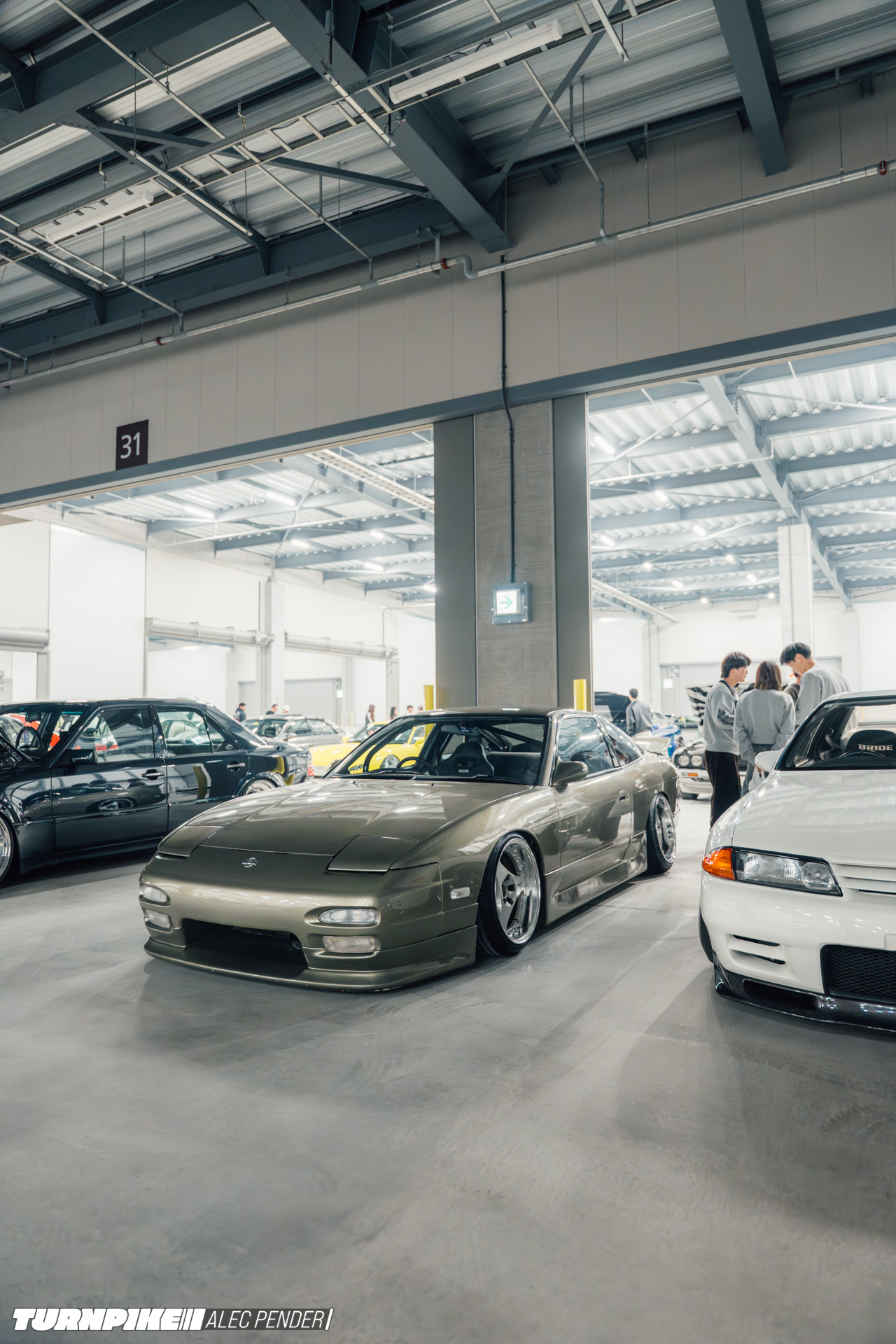
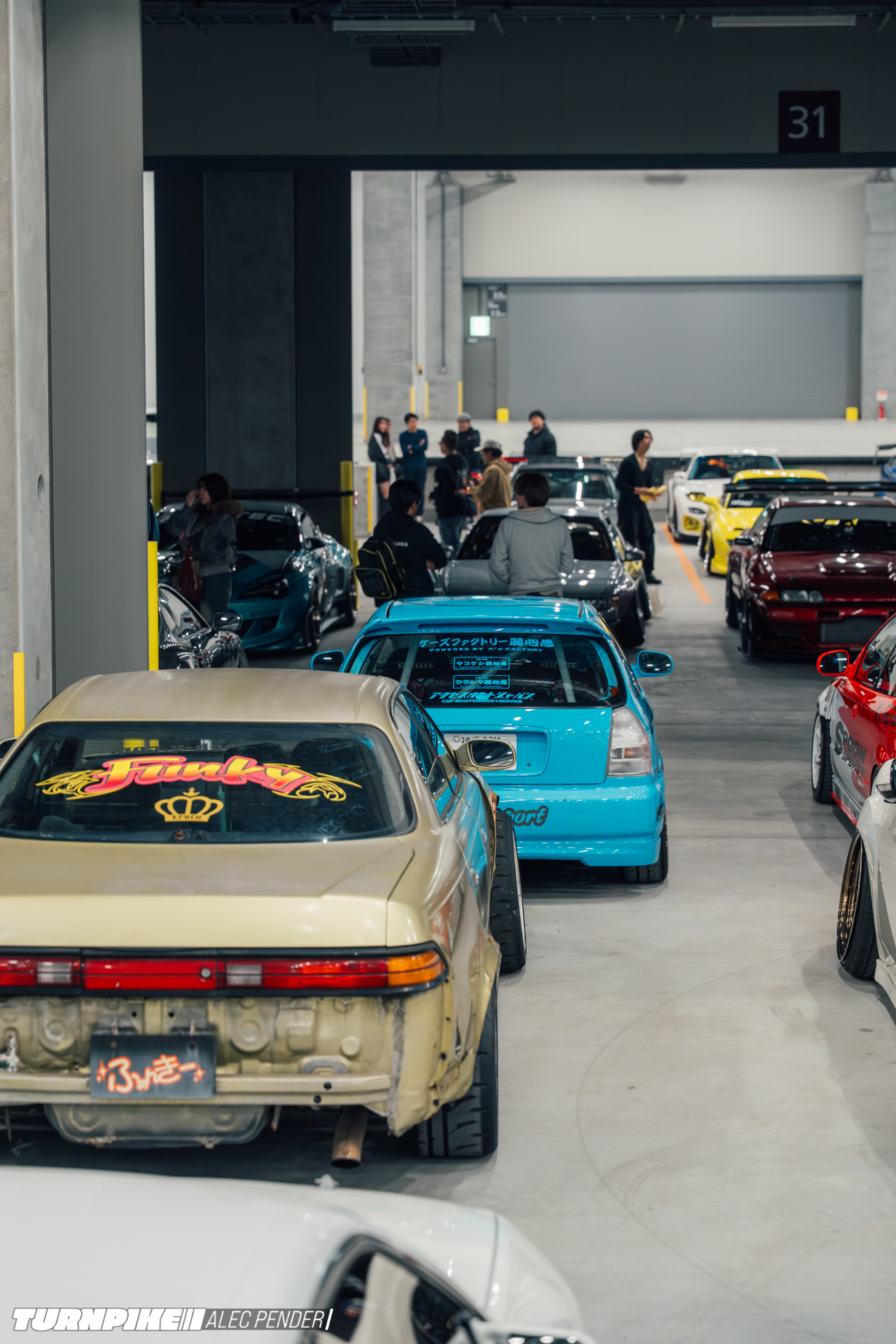
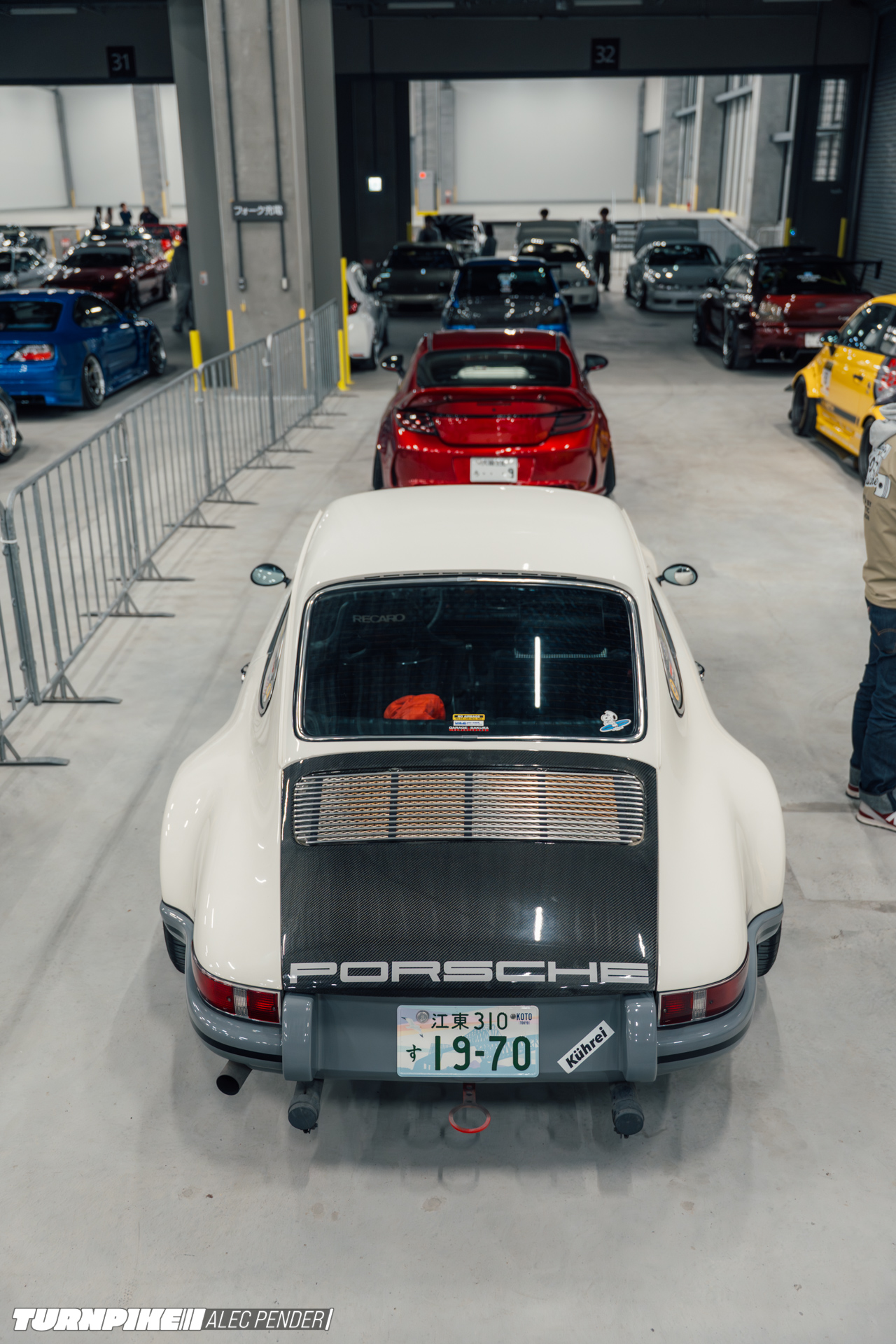
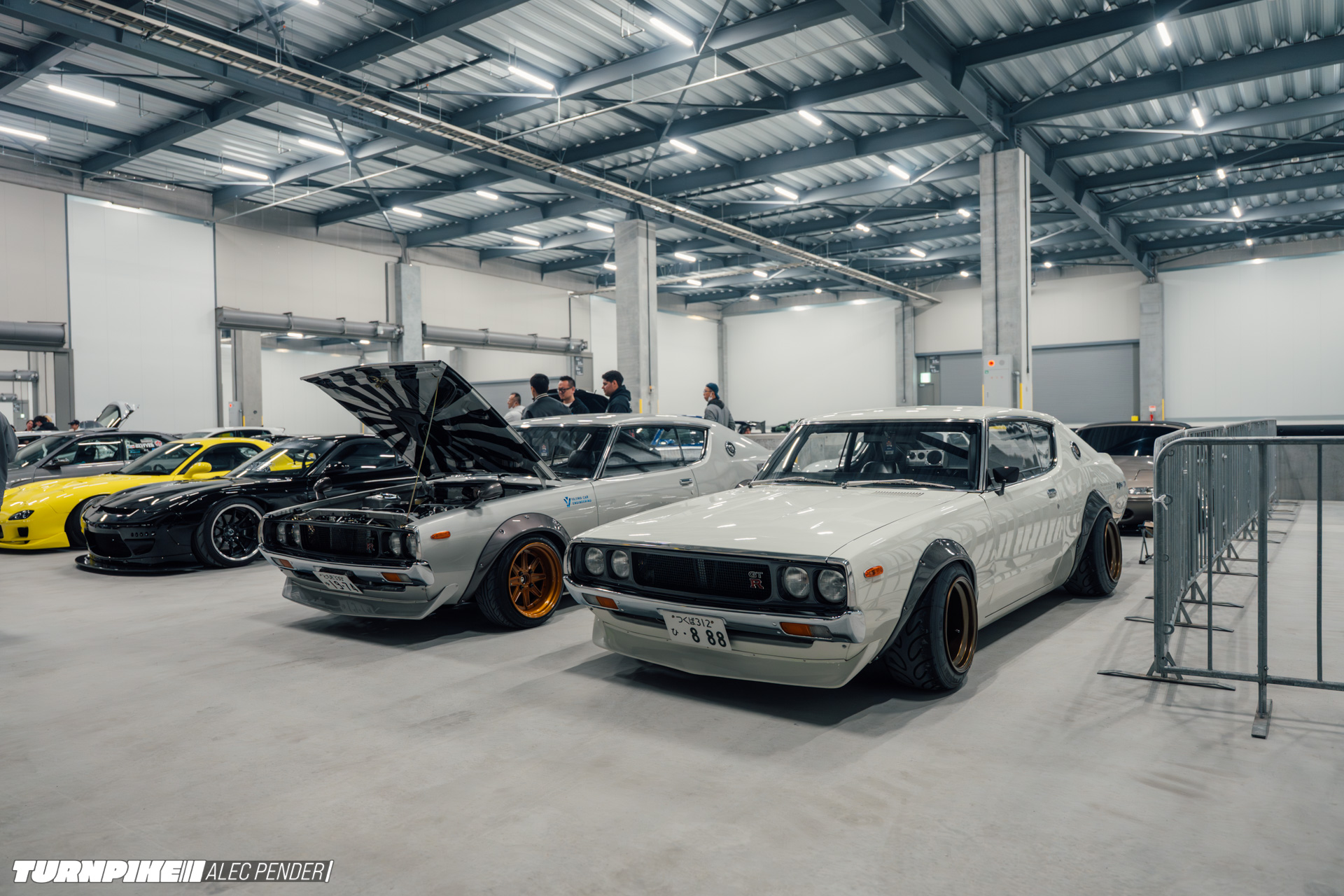
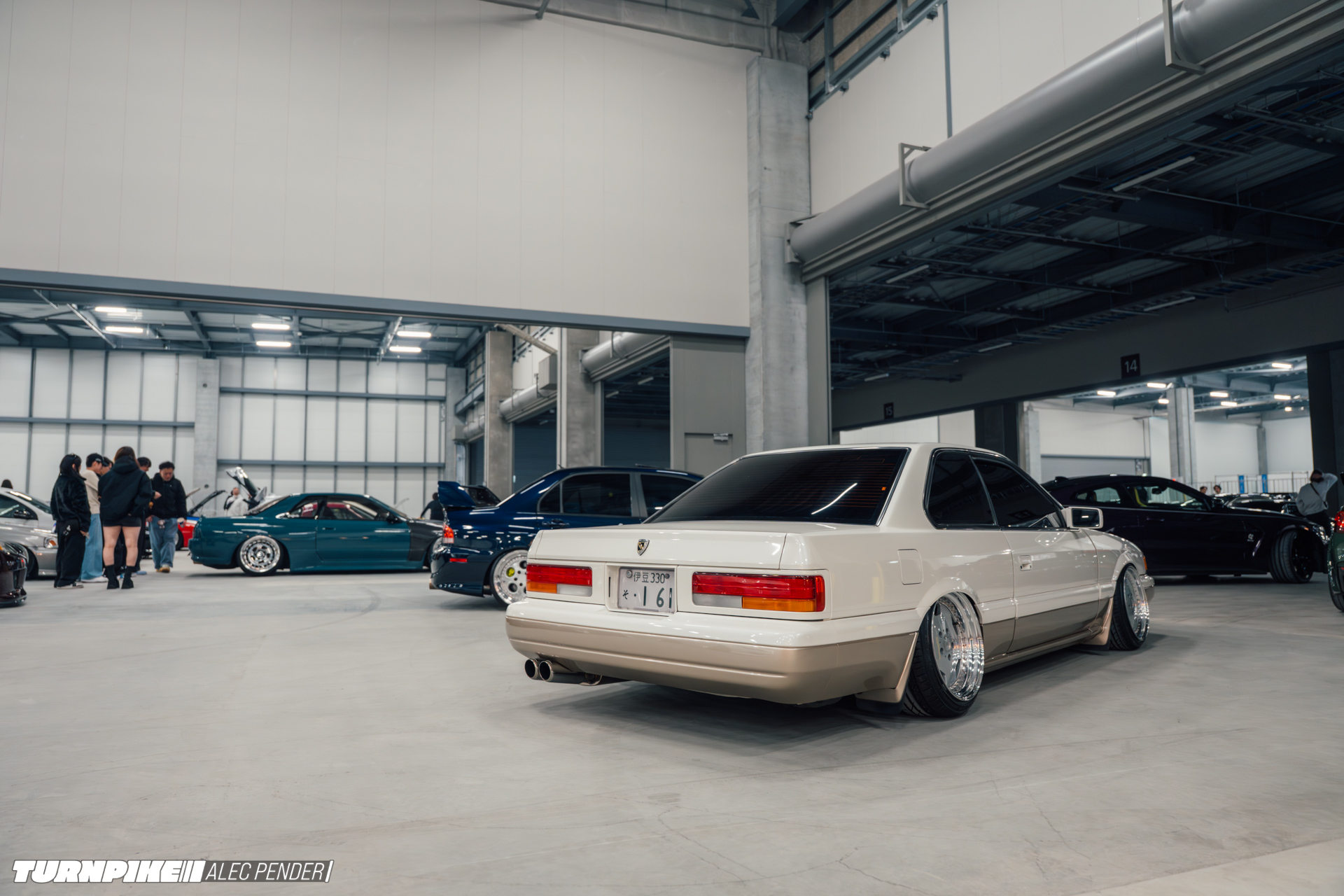
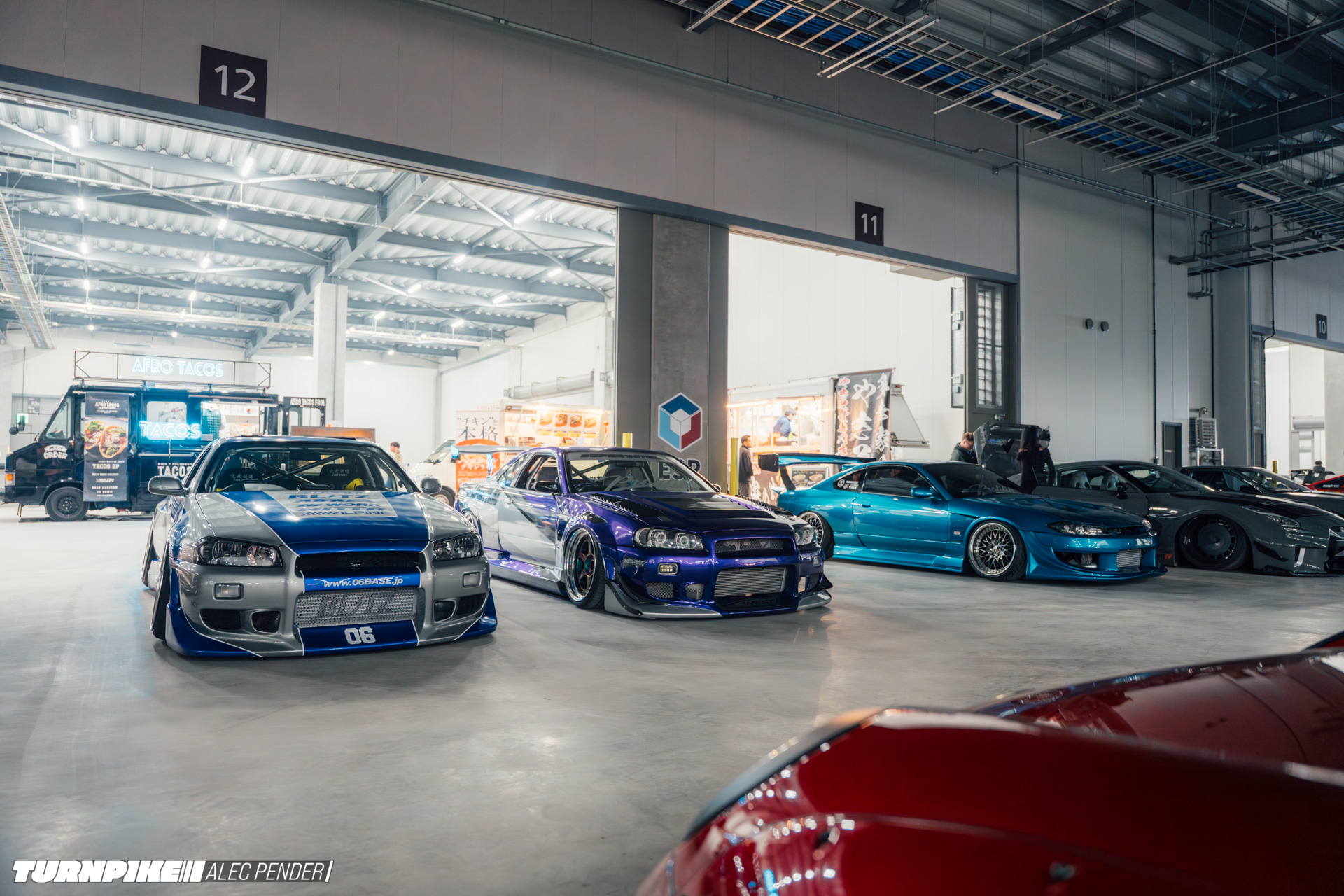
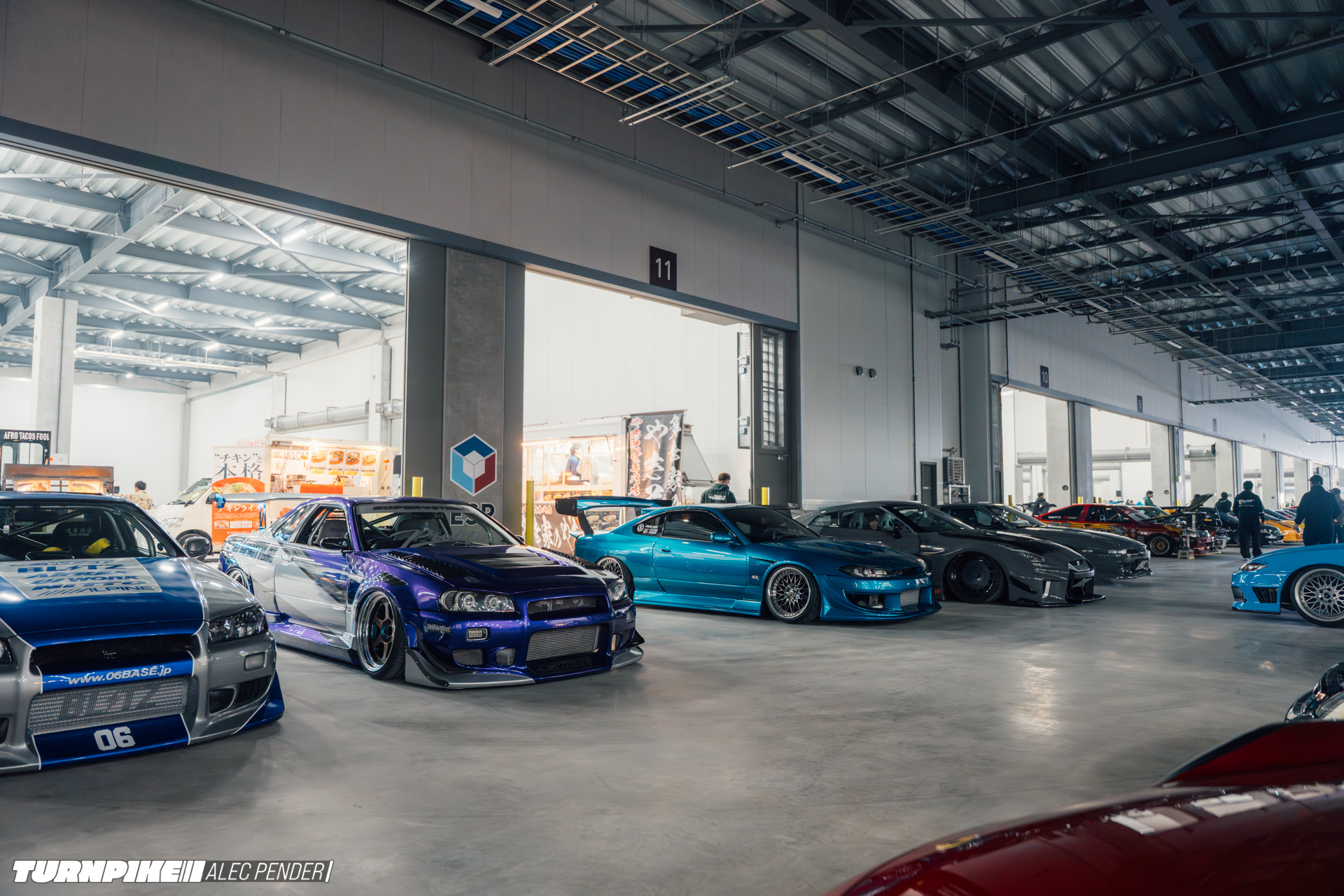
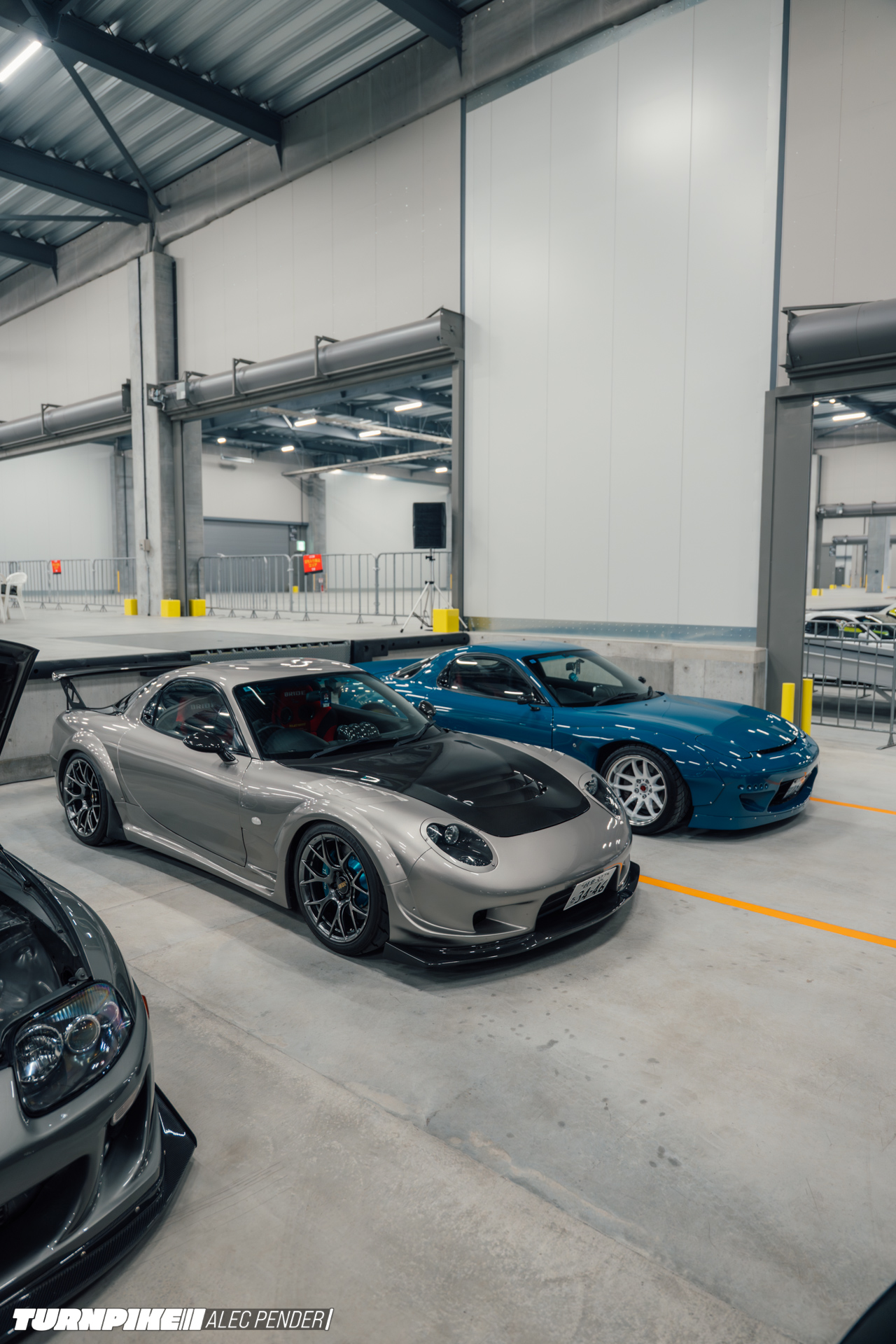
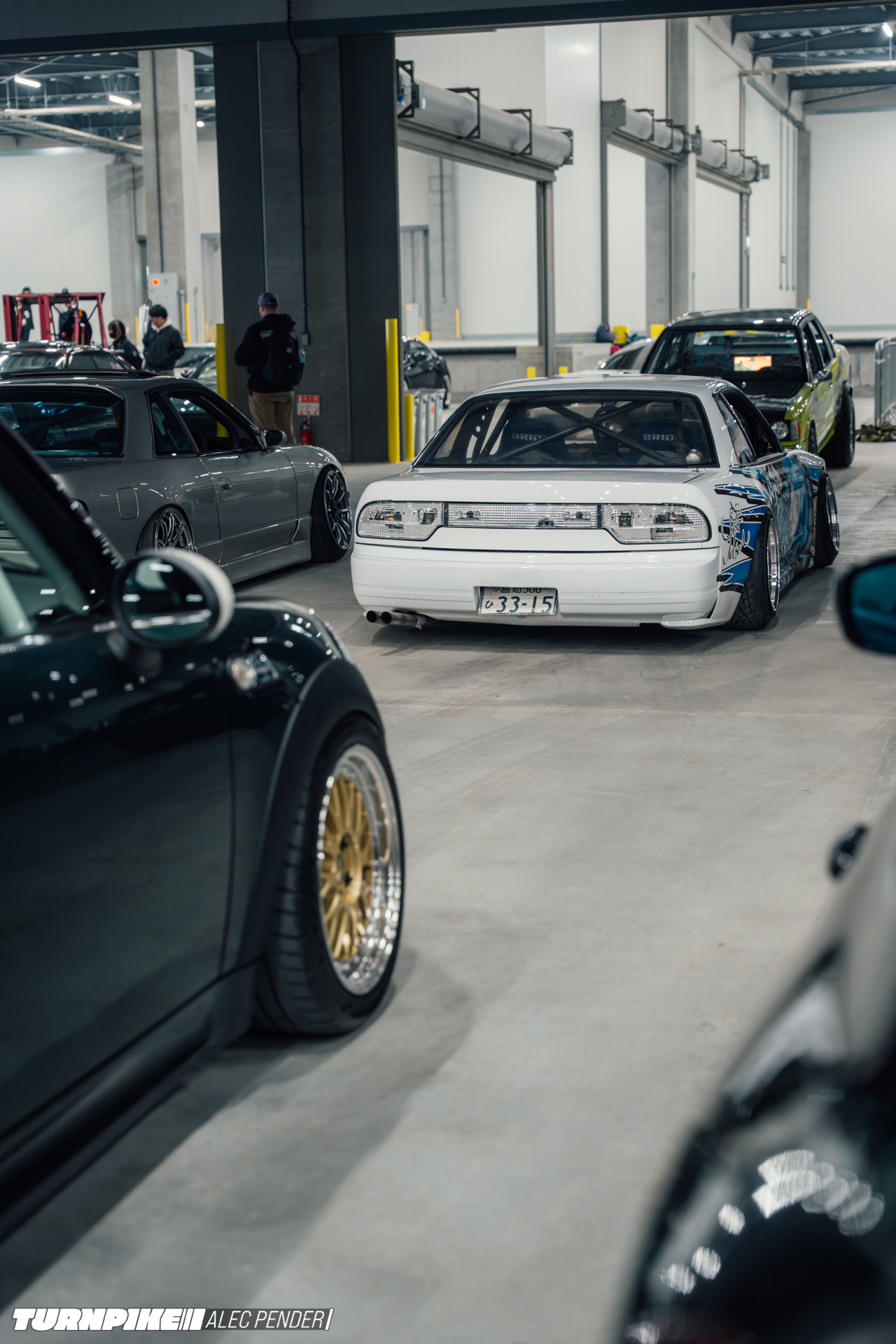
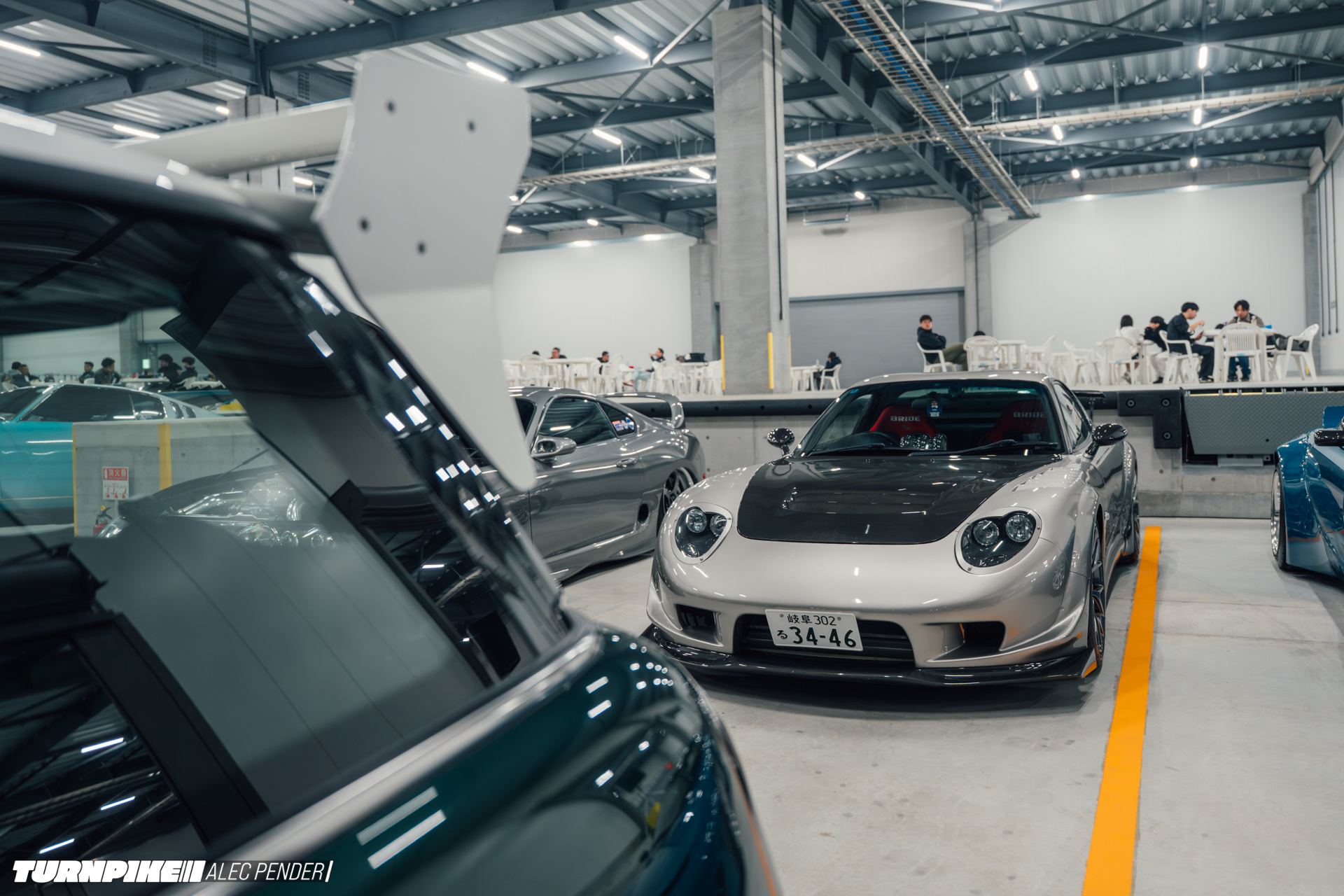
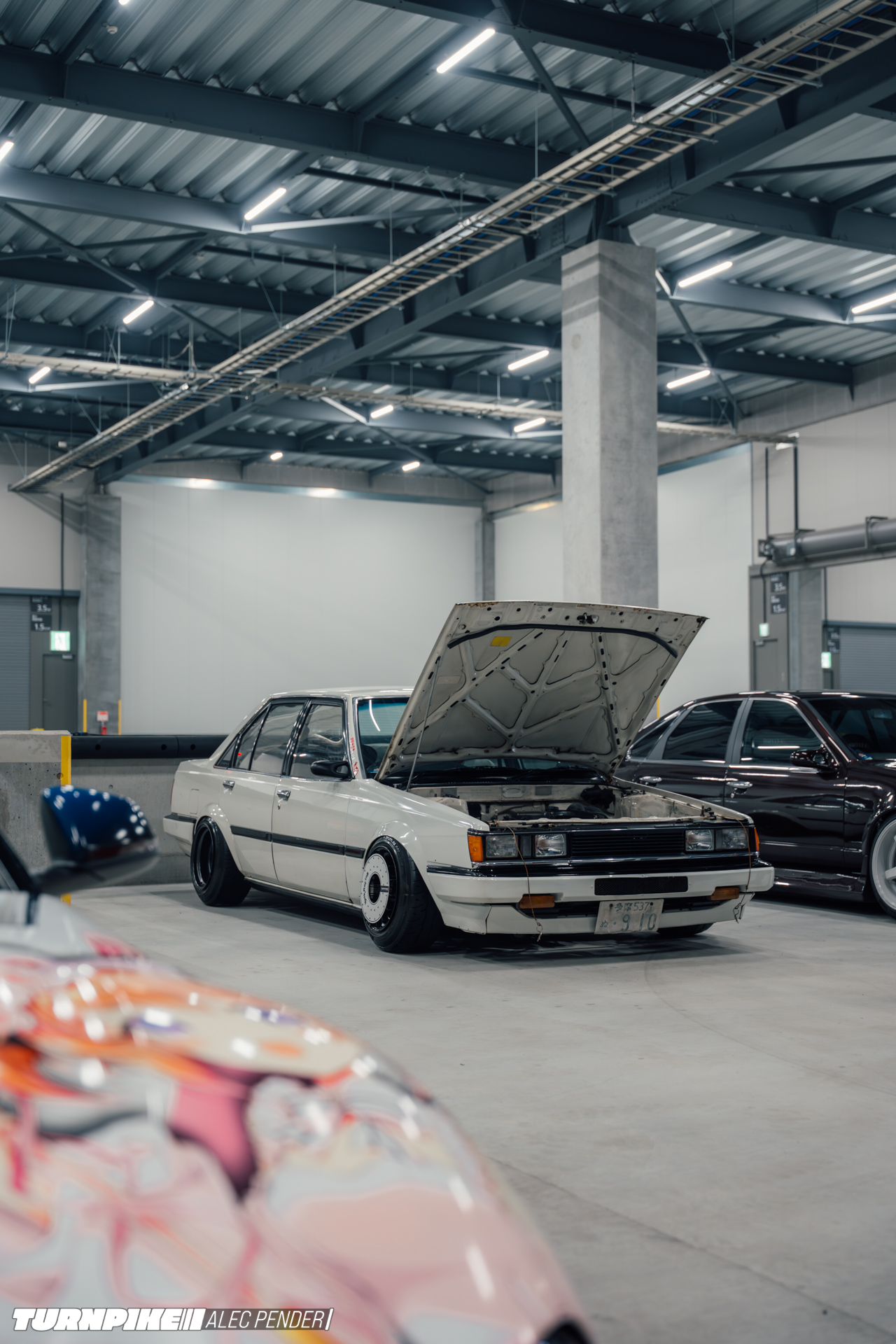
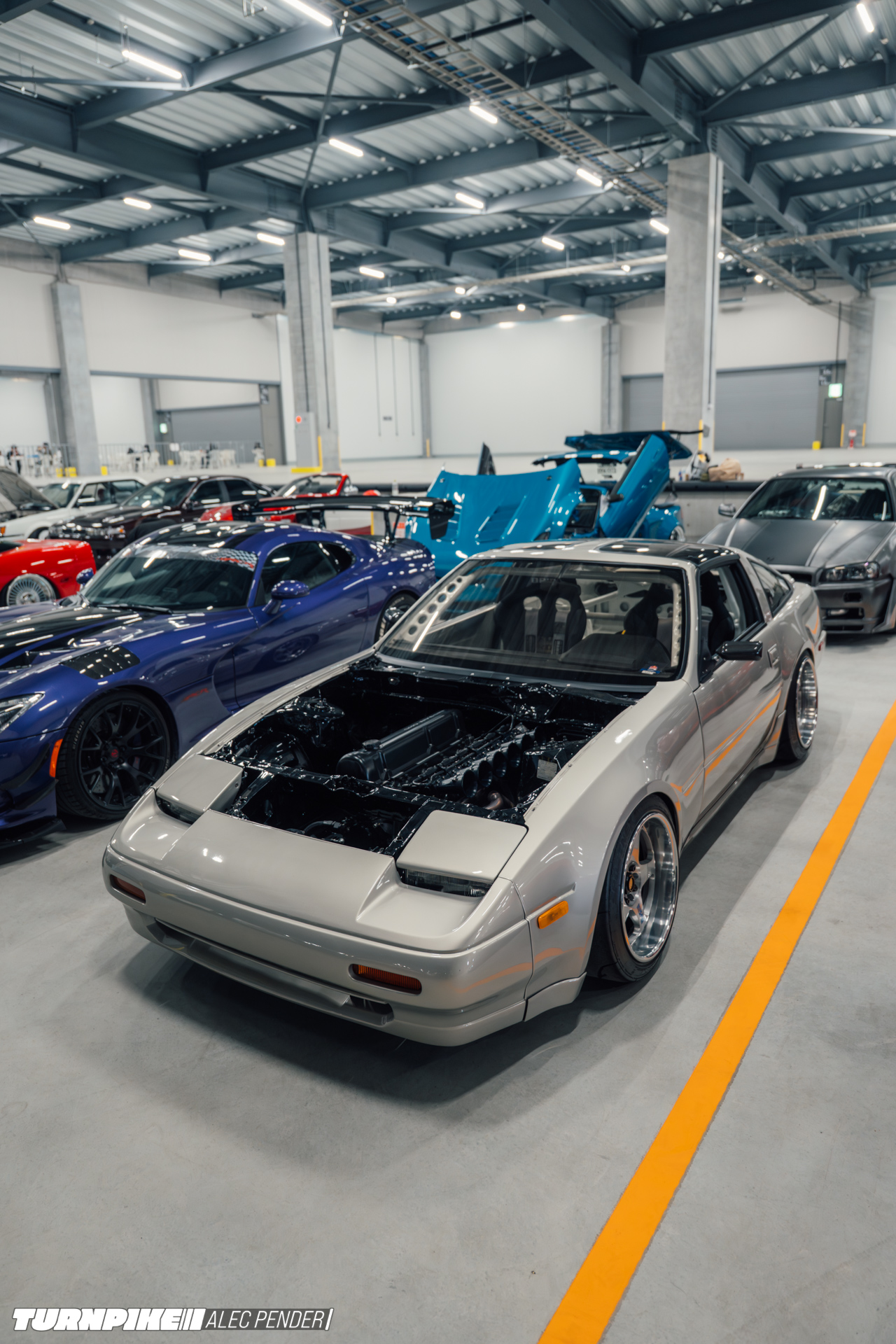
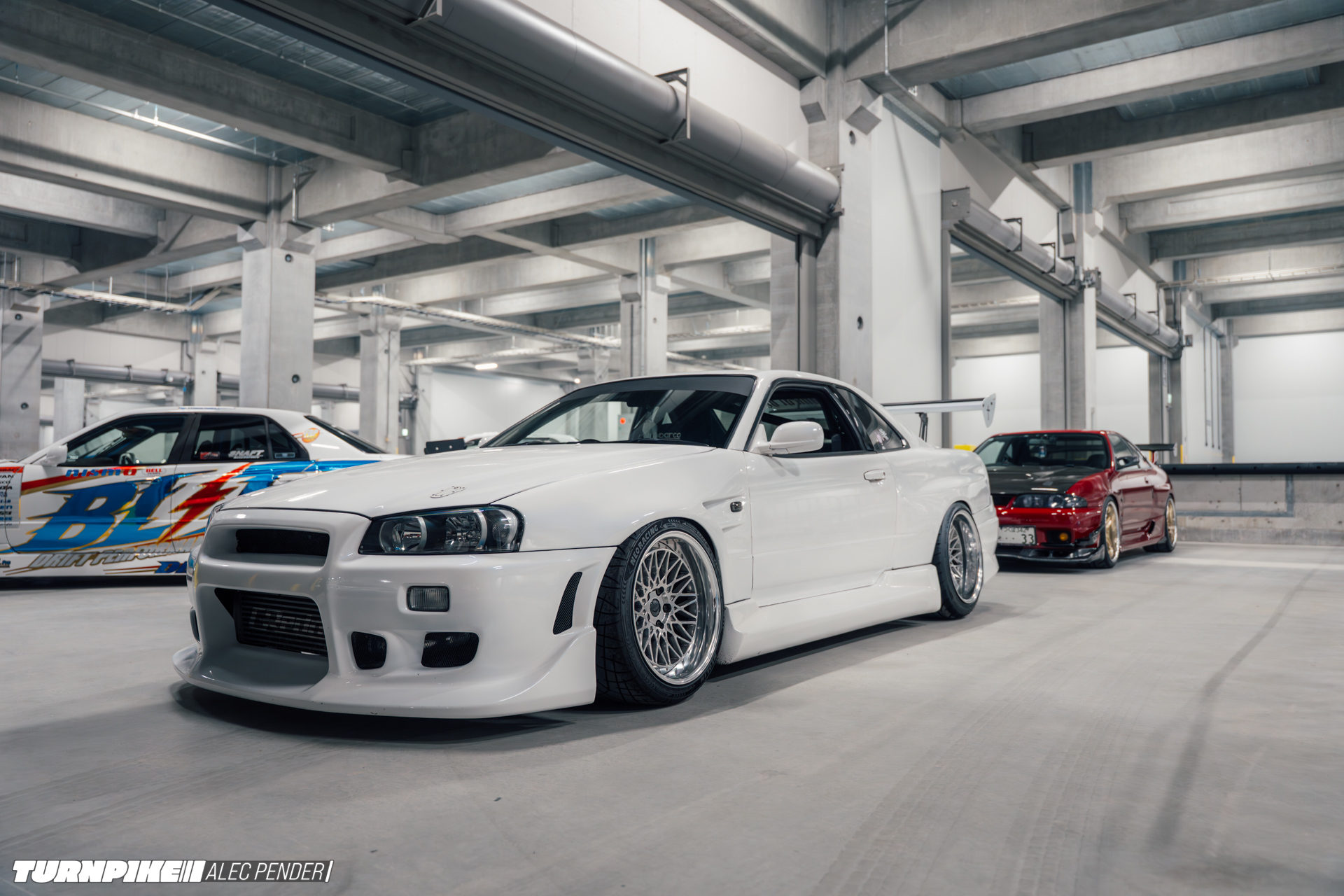
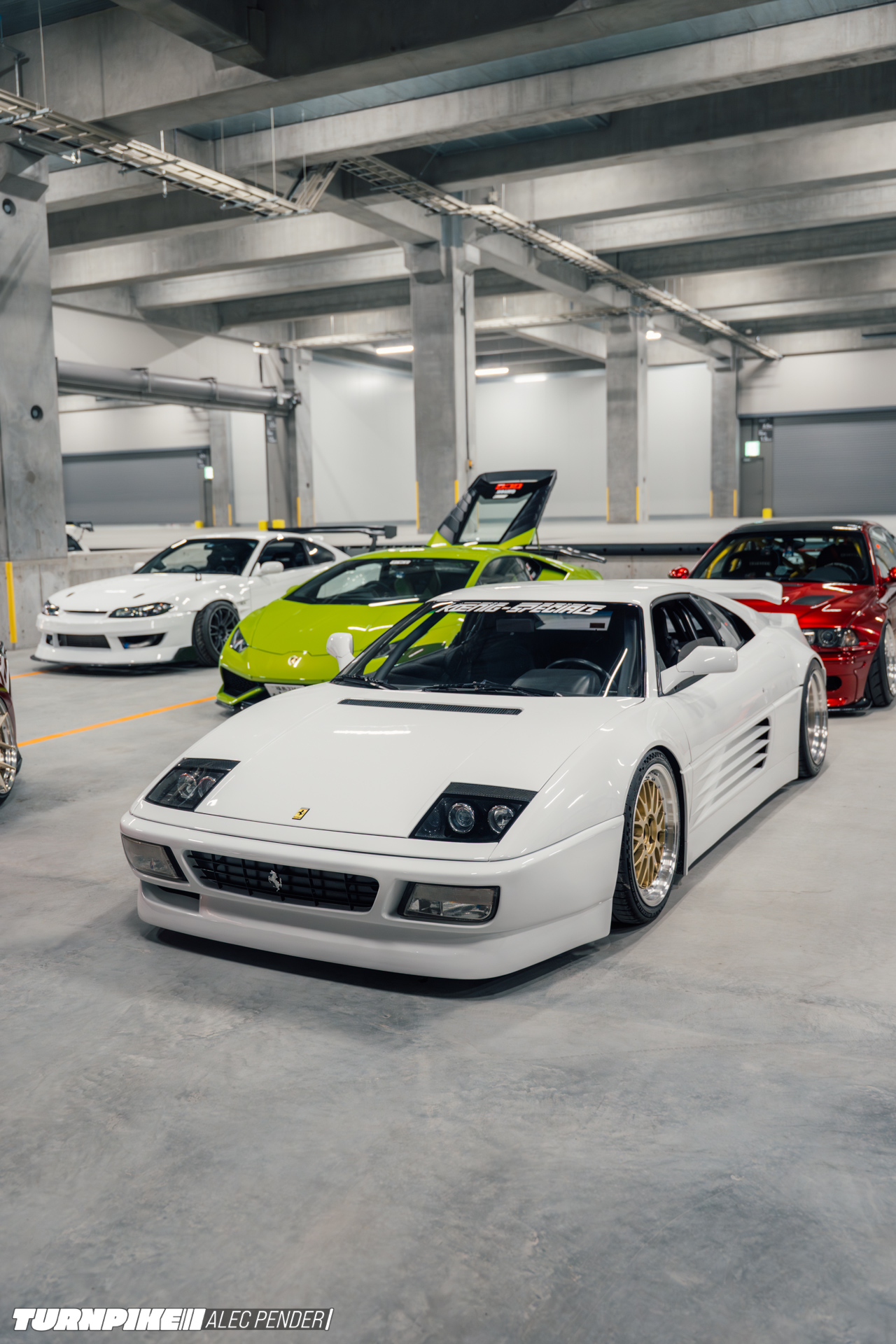
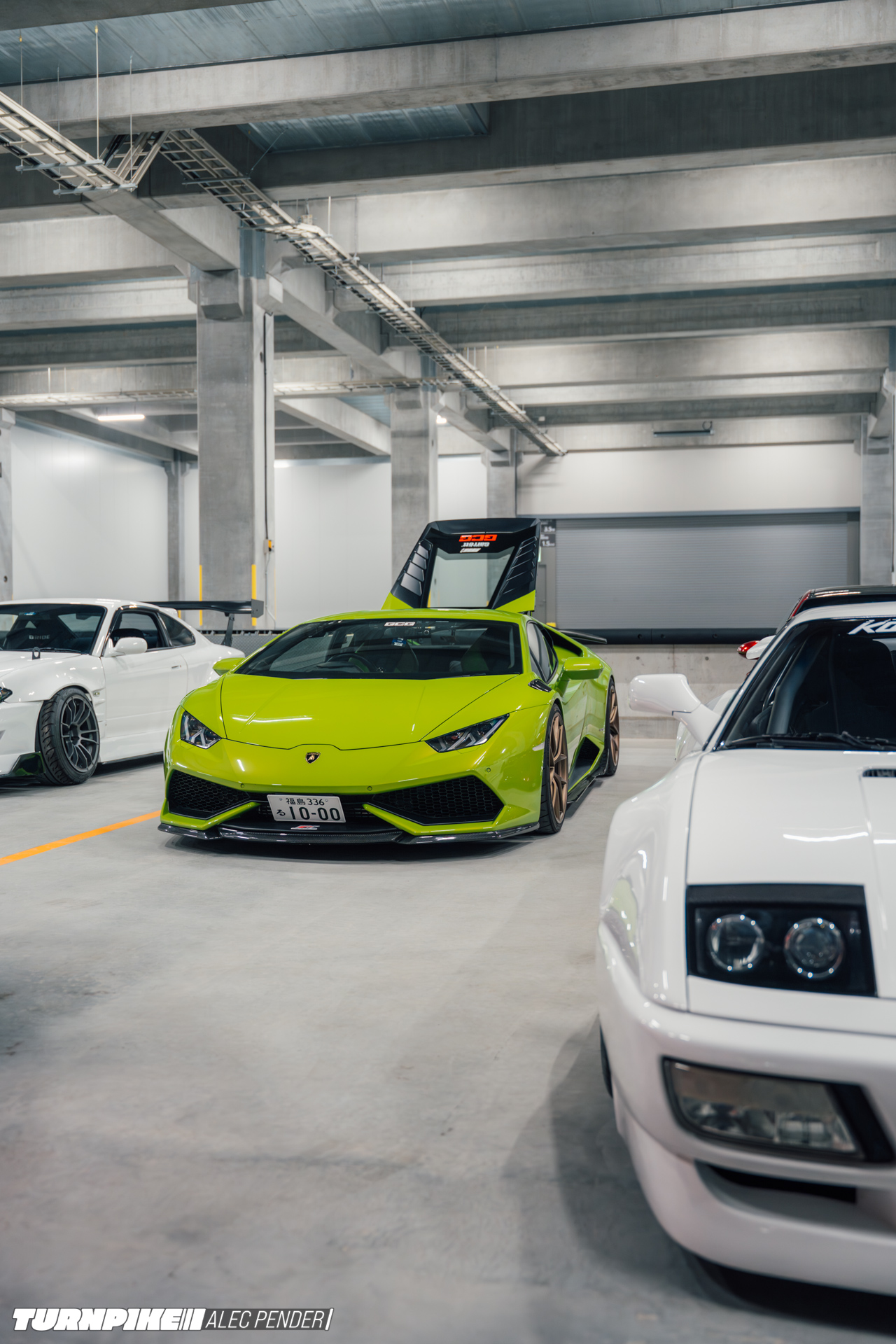
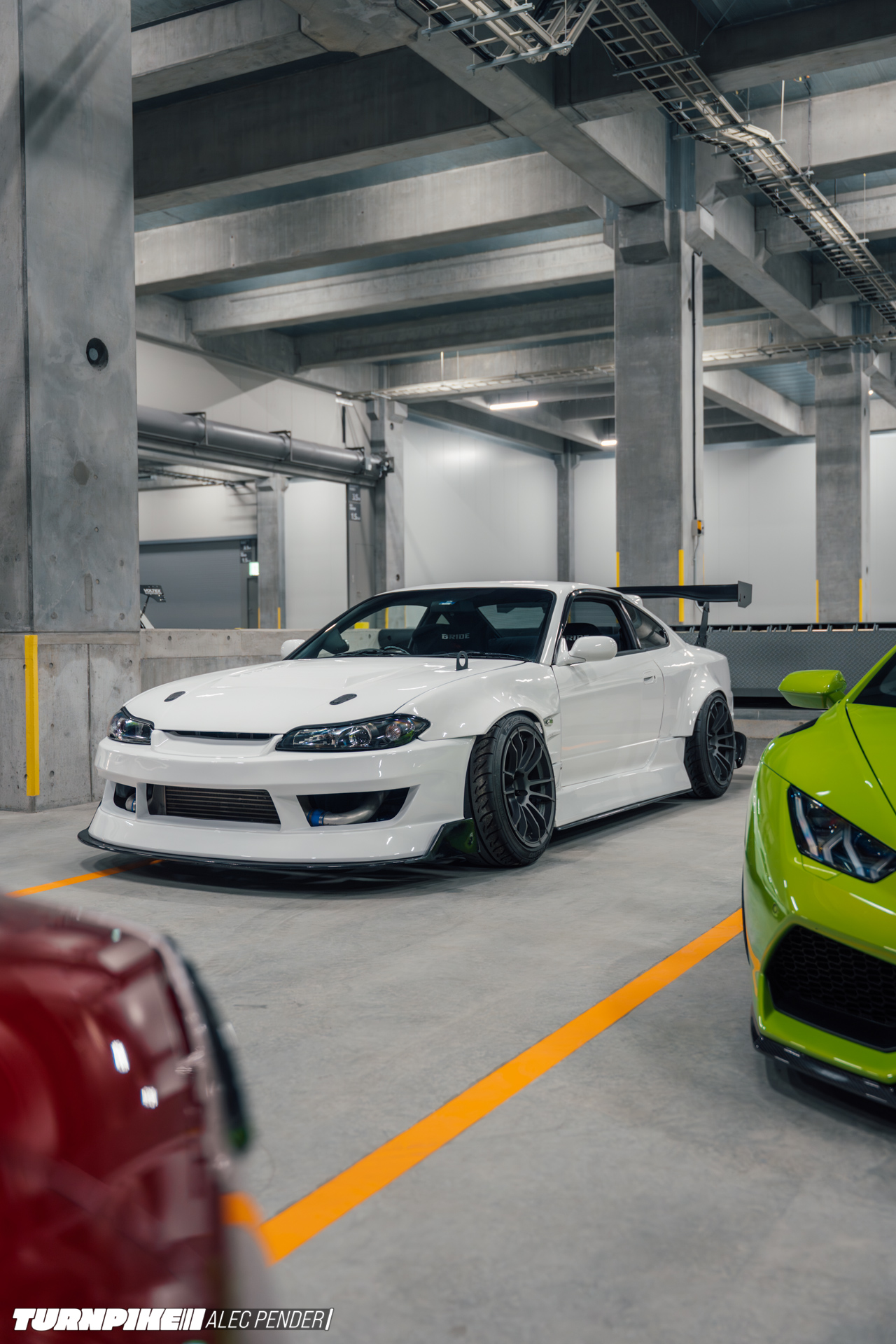
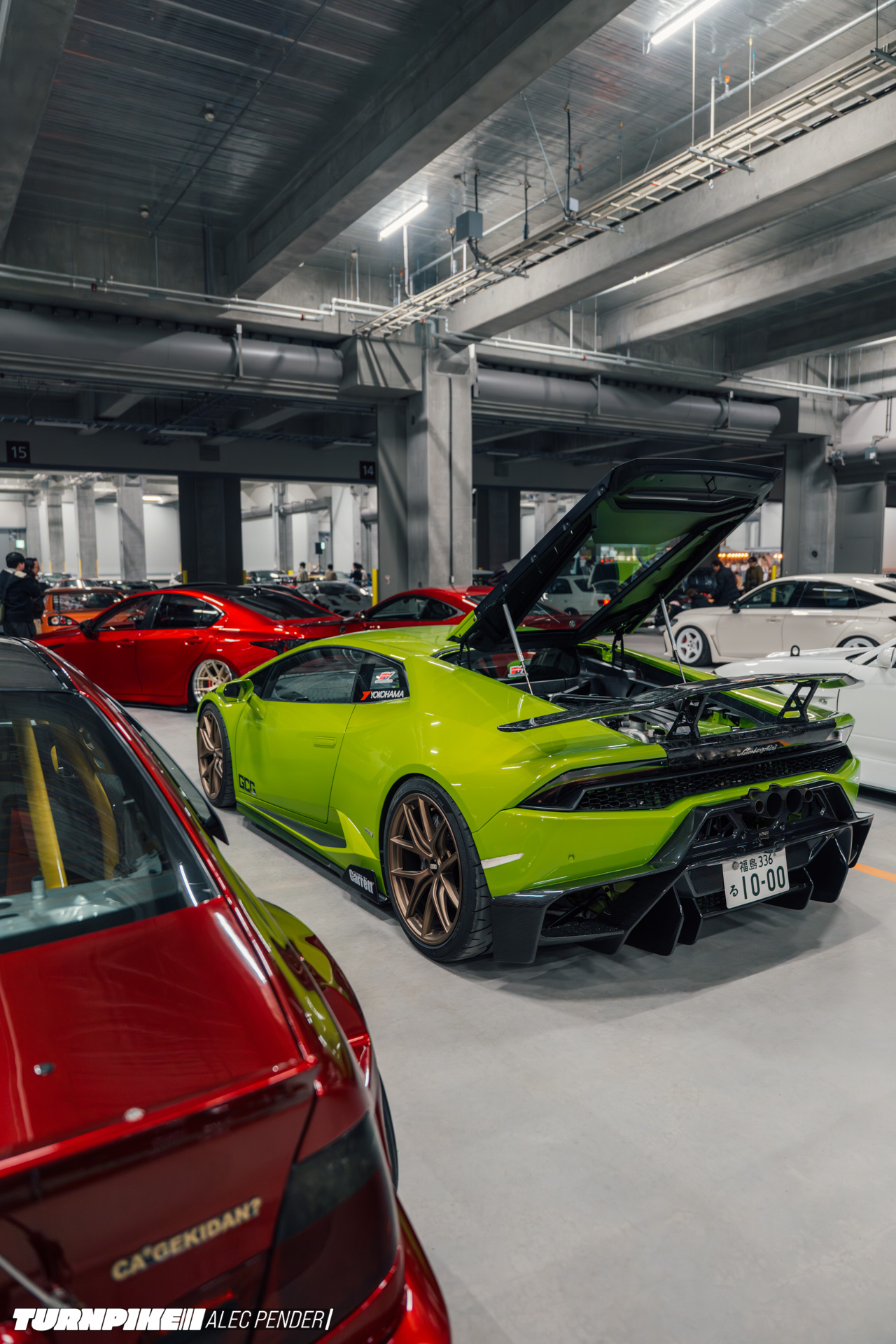
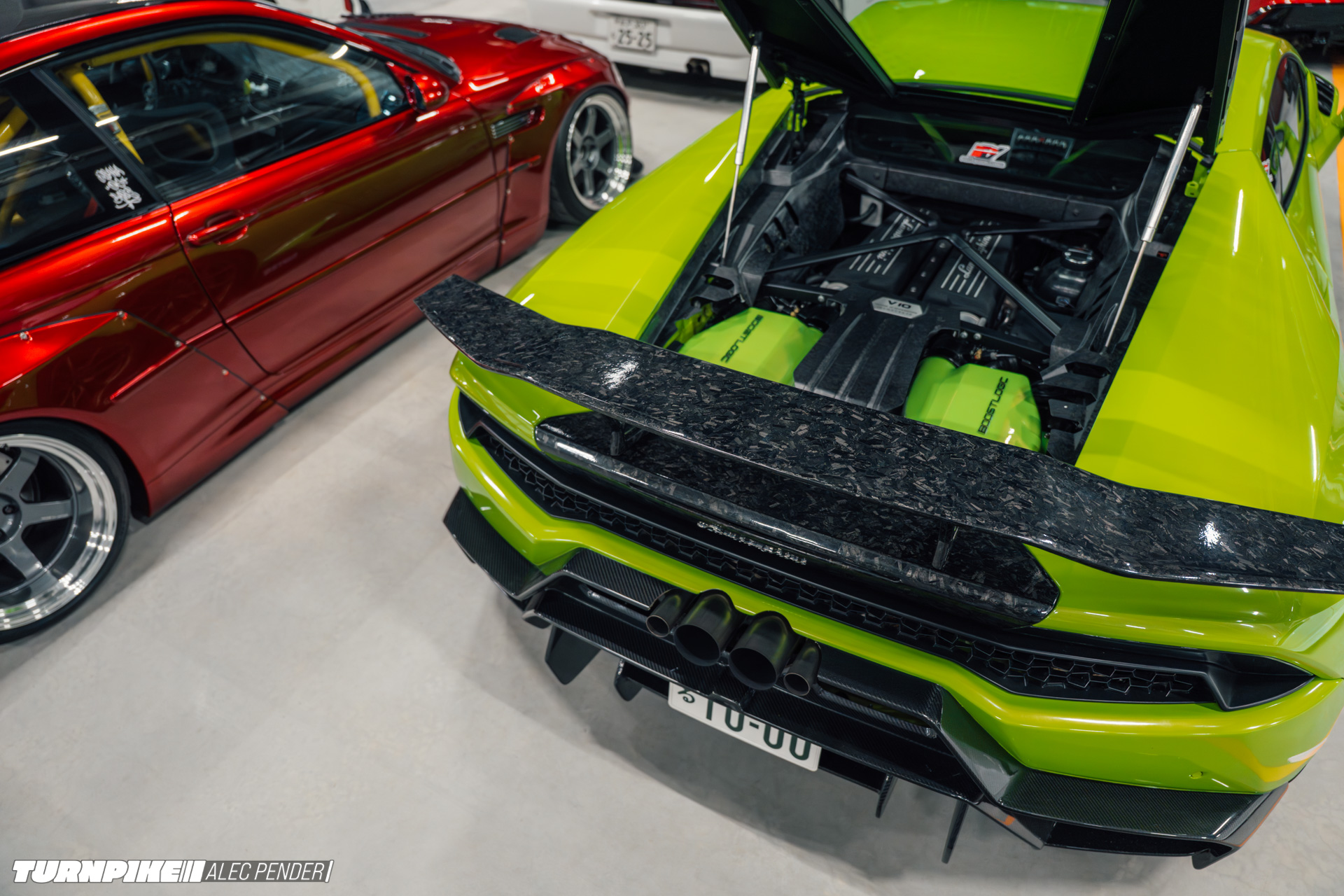
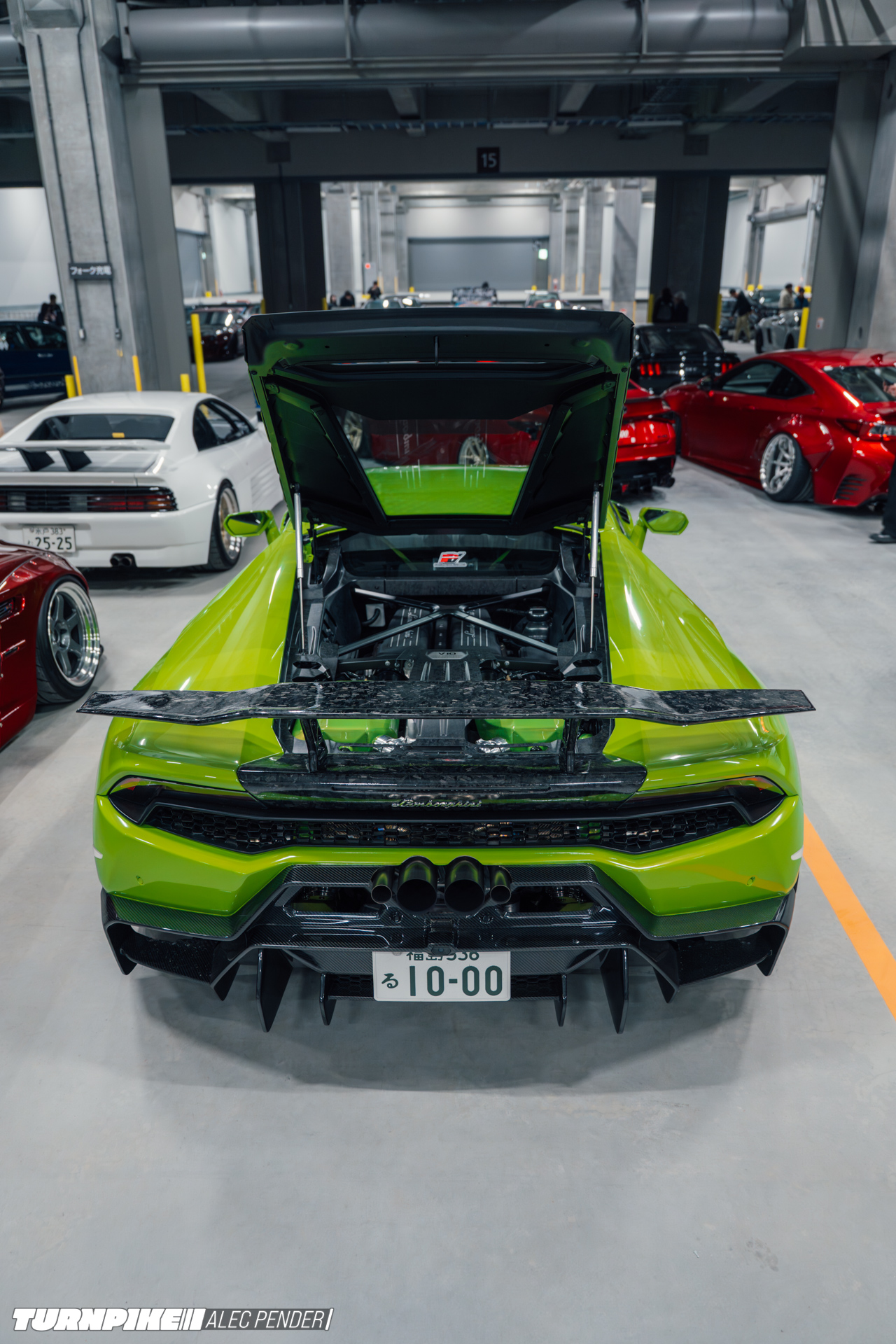
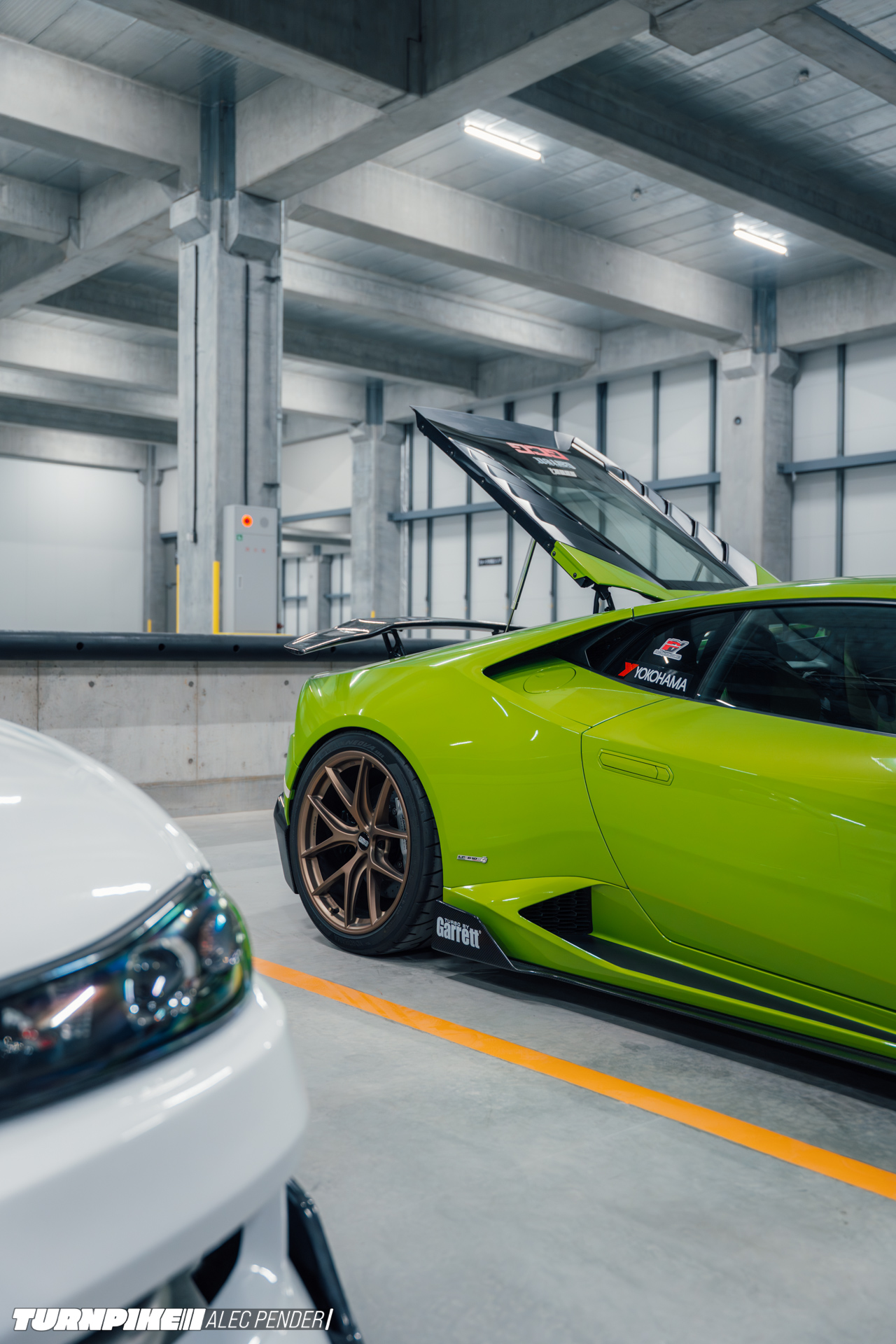
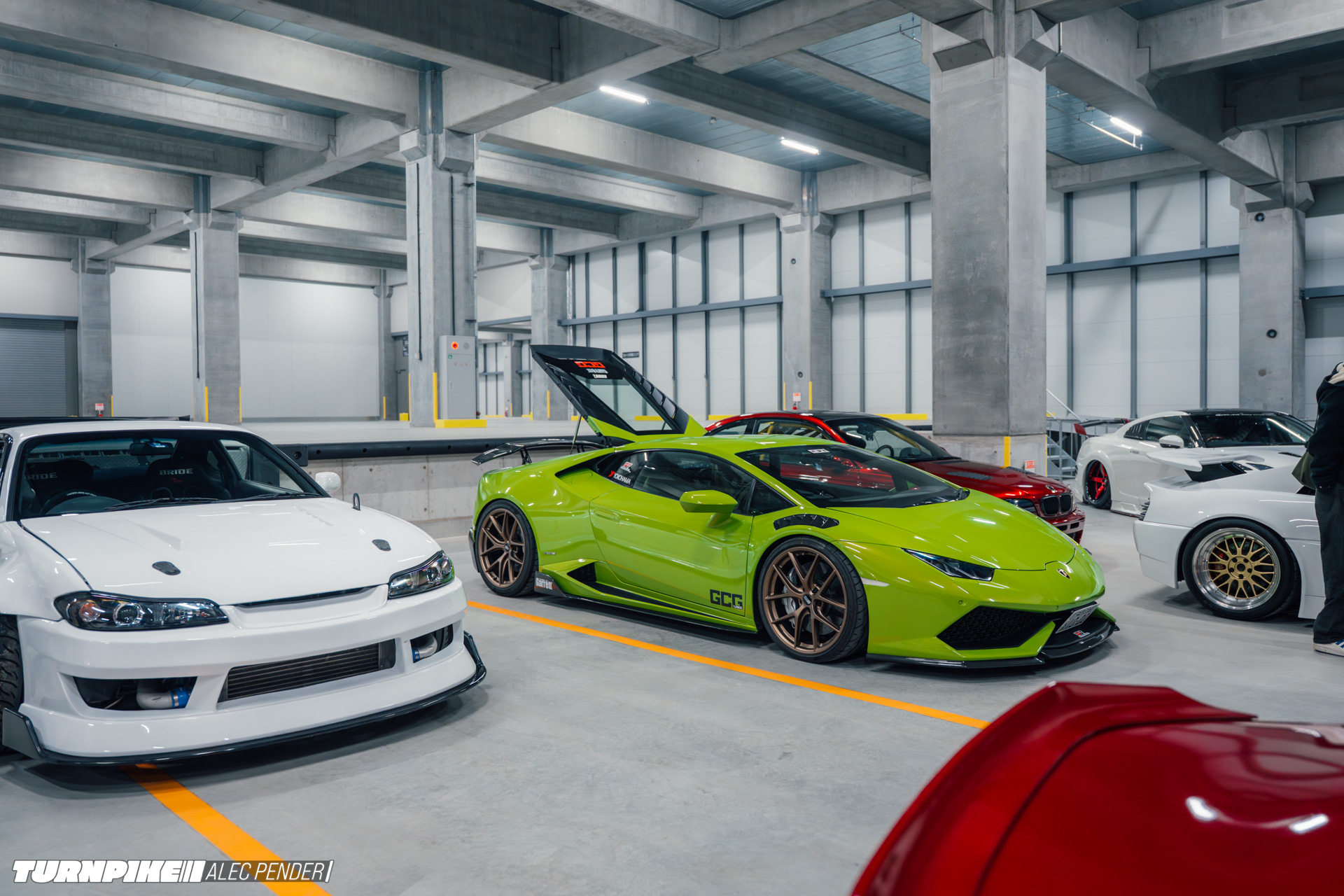
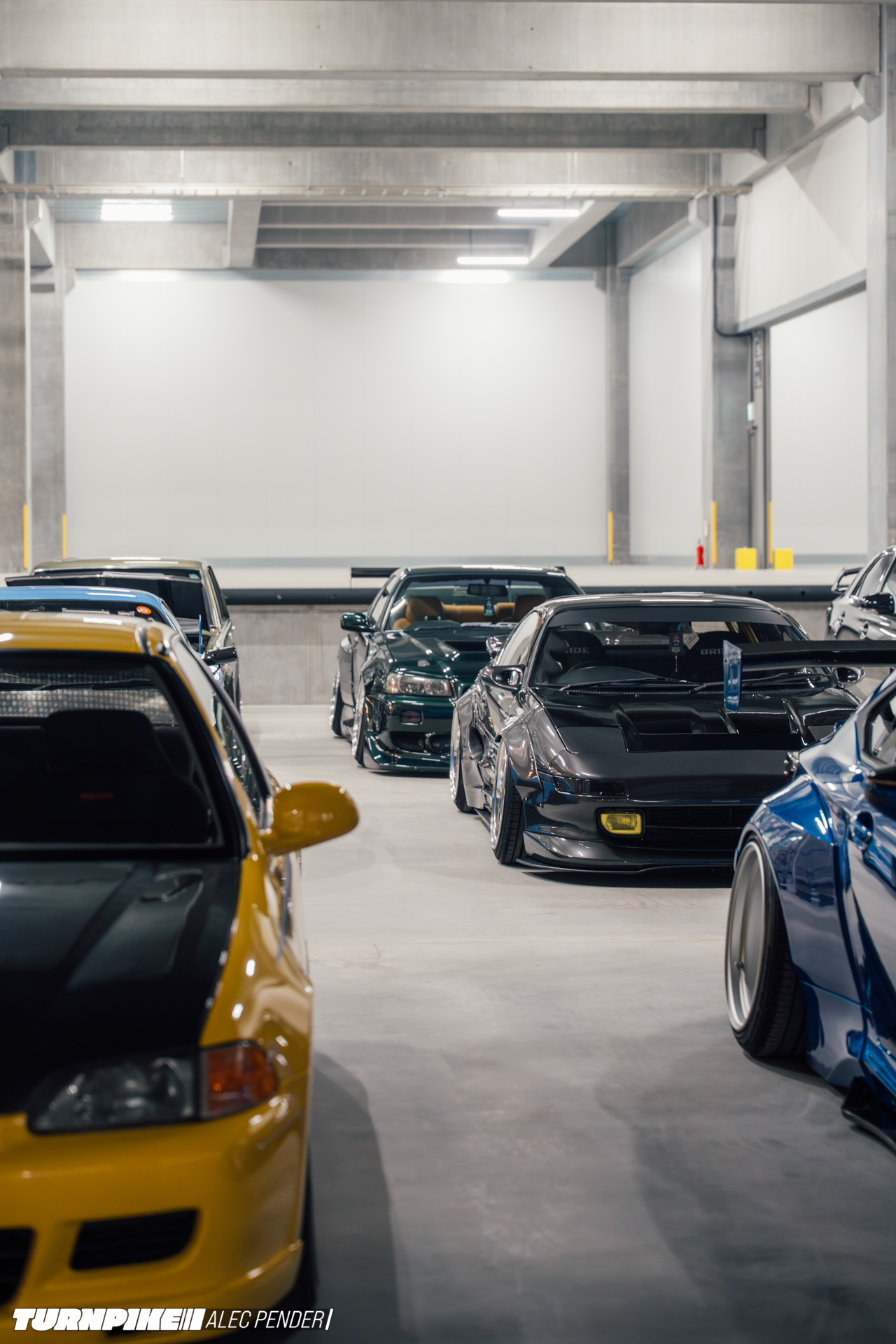
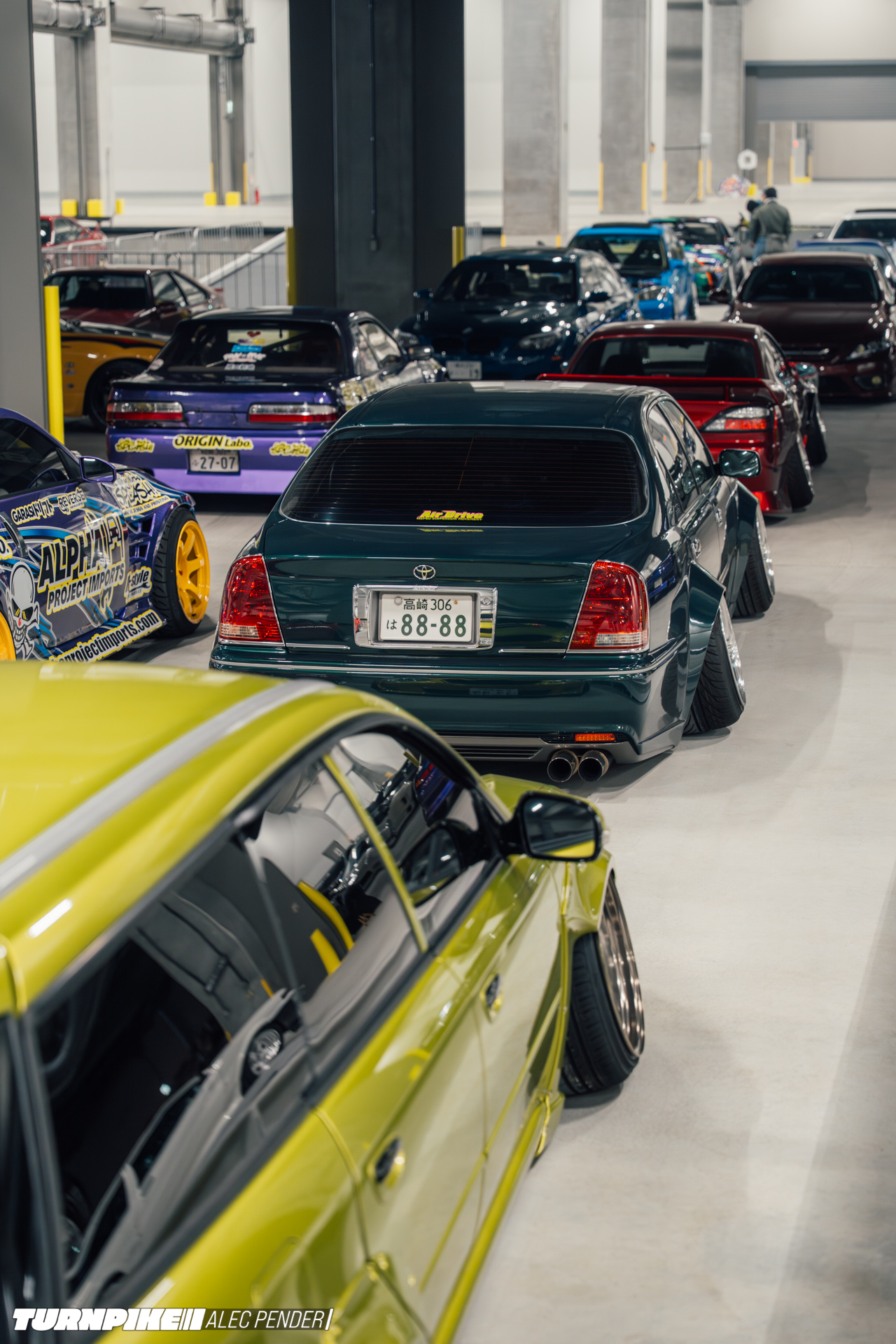
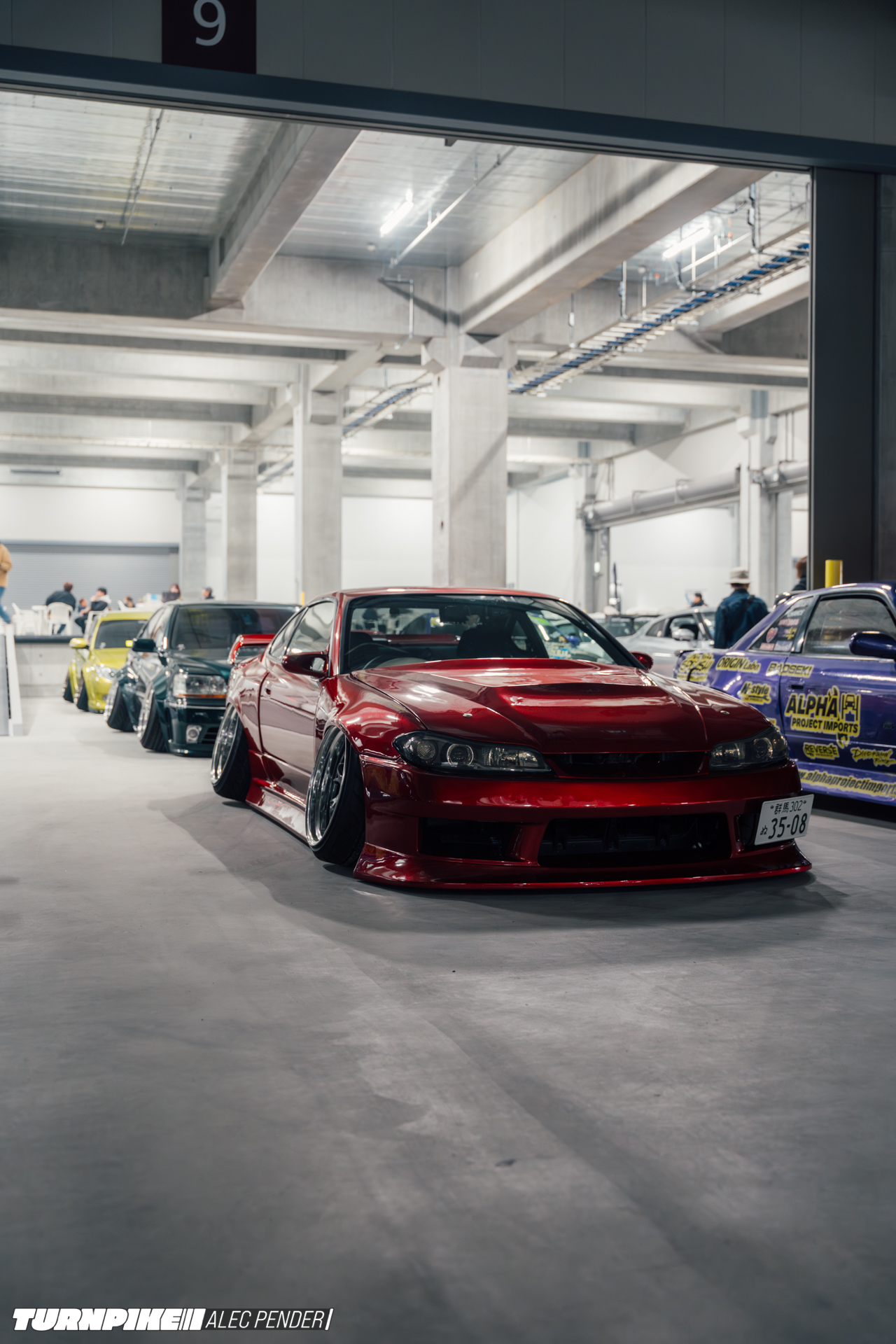
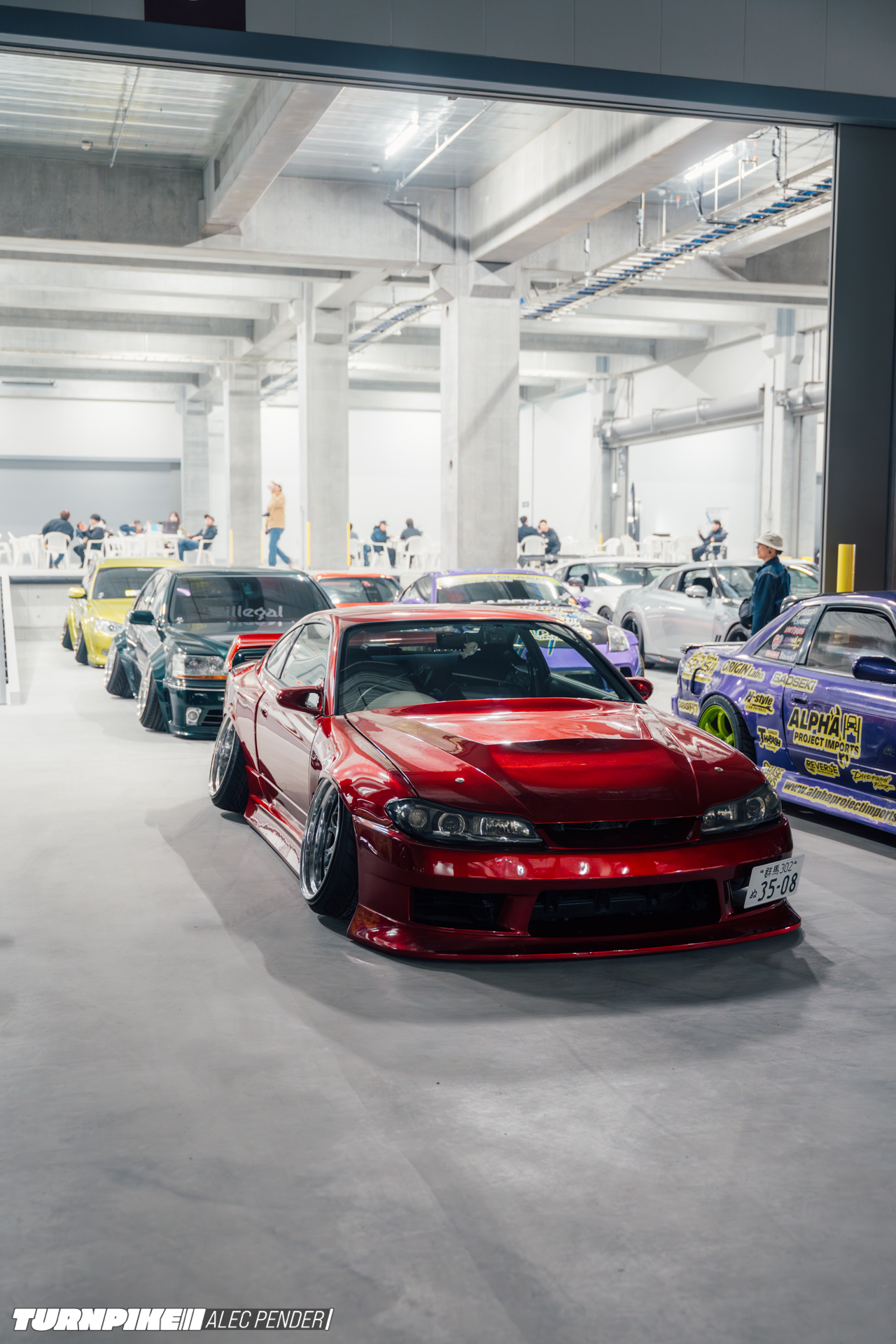
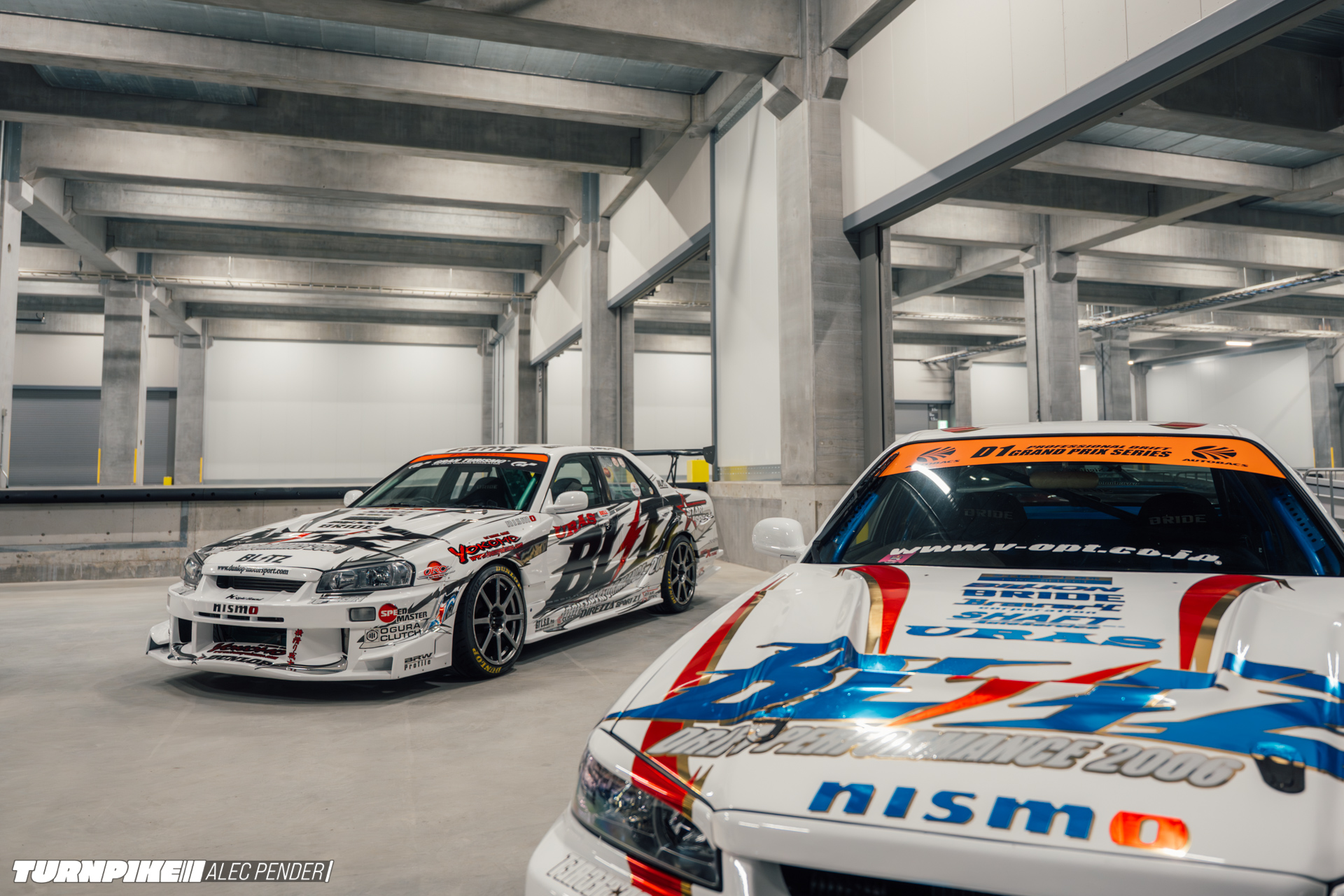
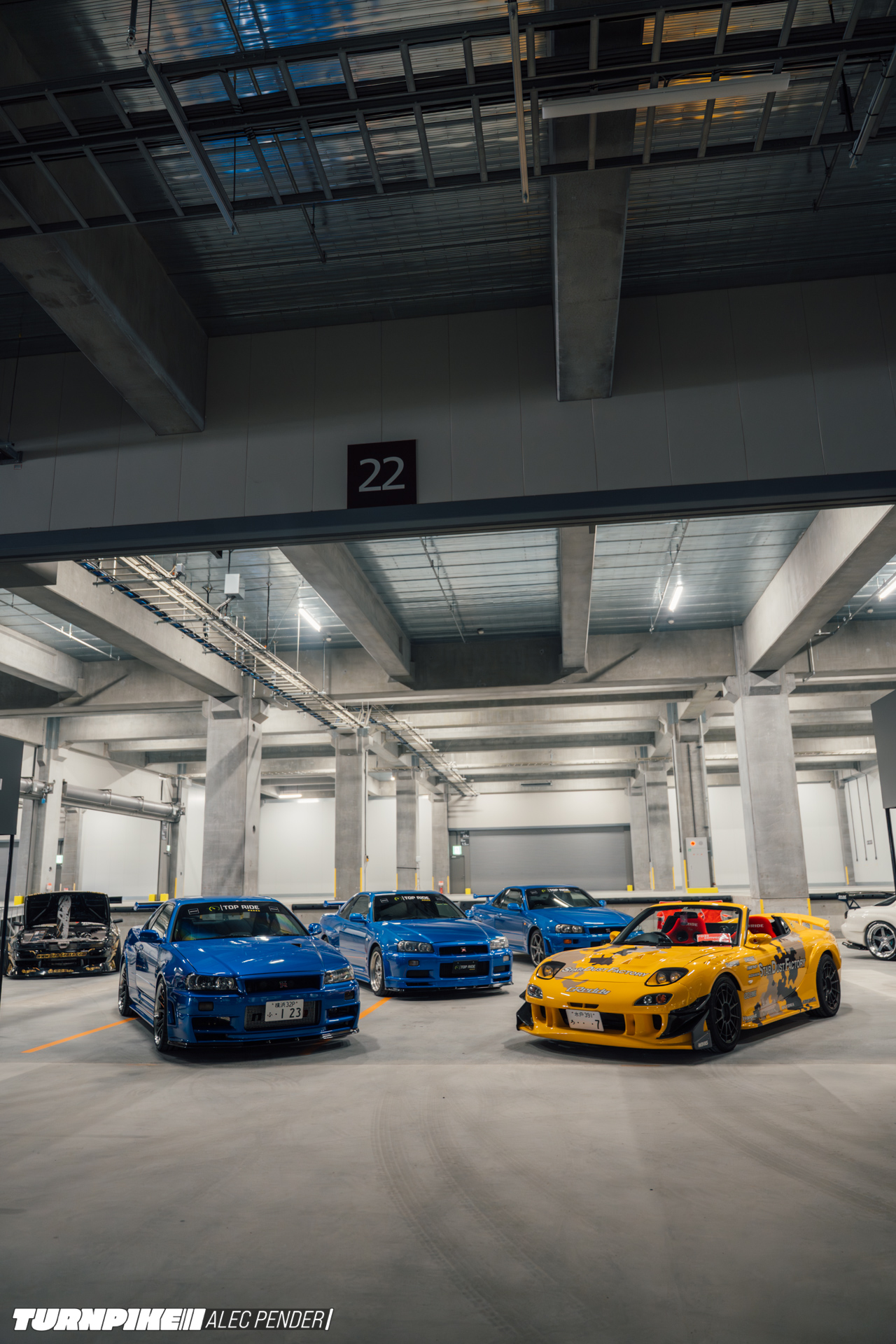
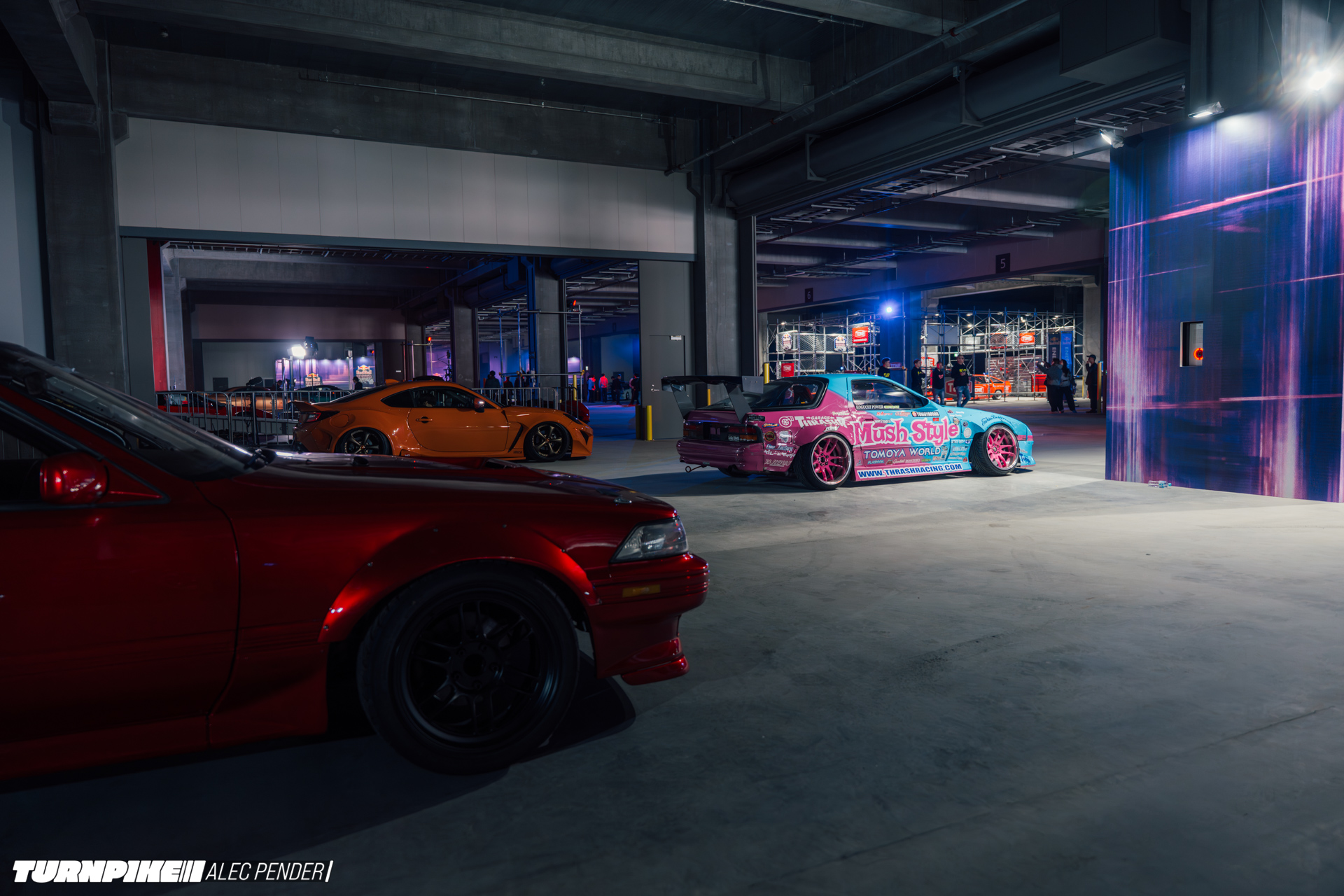
Bayside Blue GT-R triplets, Blitz D1 machines, and countless other familiar cars lined the warehouse floors. It felt like a melting pot of Japan’s car culture. Andy from Power Vehicles even brought his twin-turbo Lamborghini Huracán down from Fukushima, parking it alongside a Koenig Specials car.
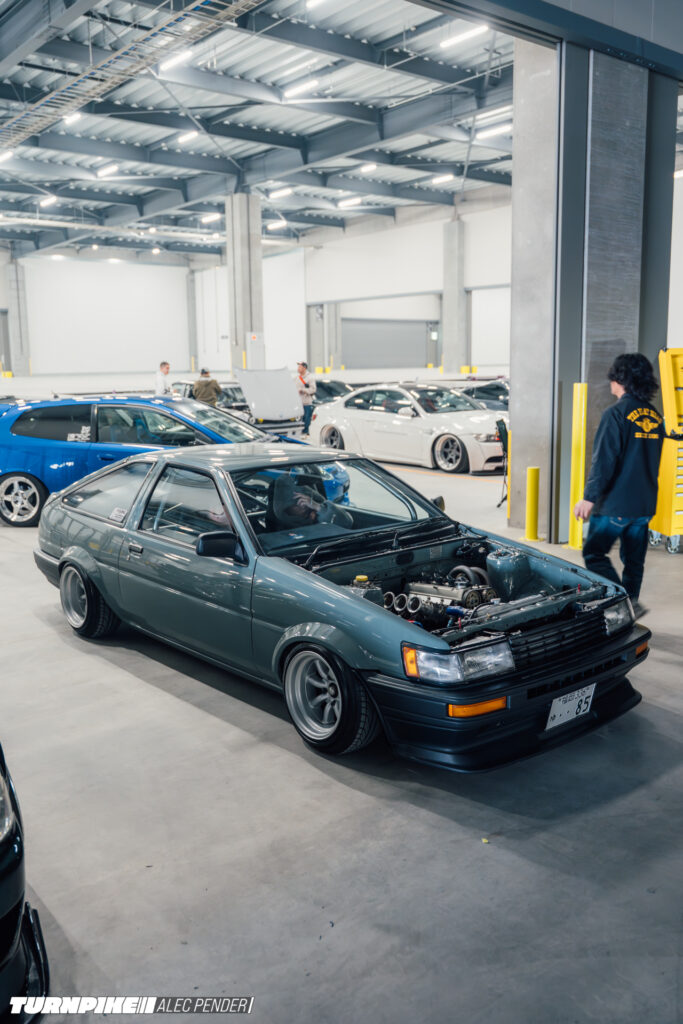
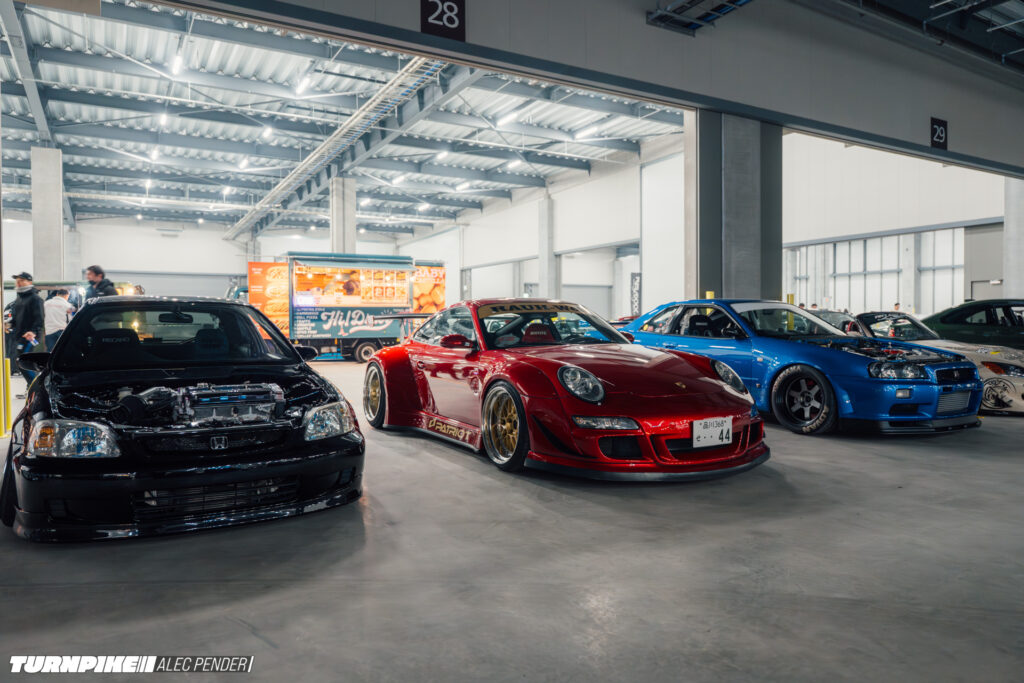
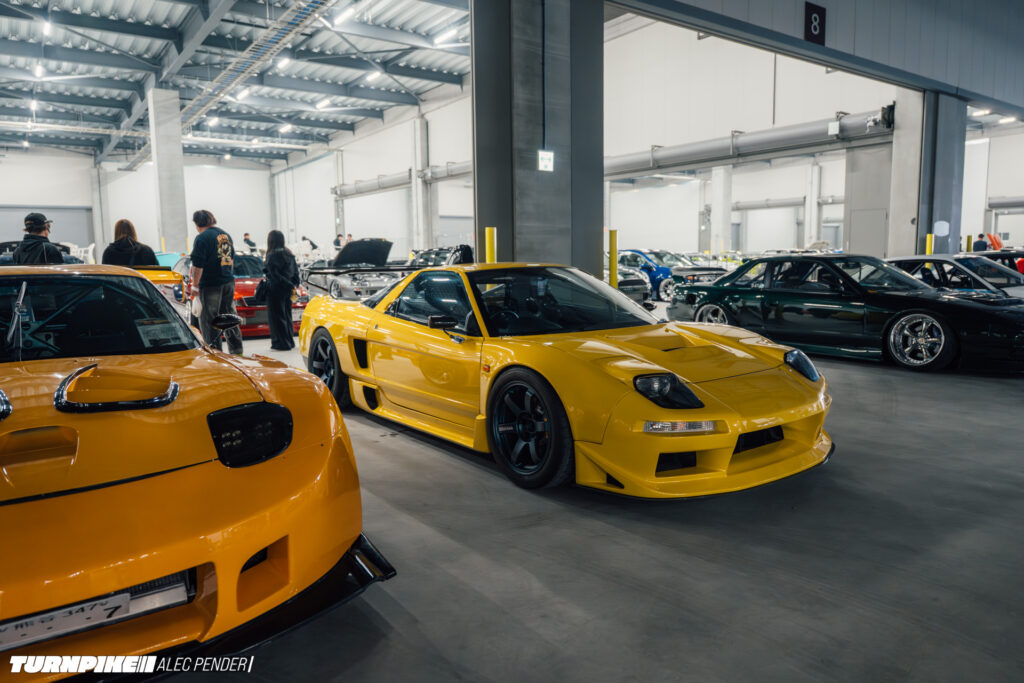
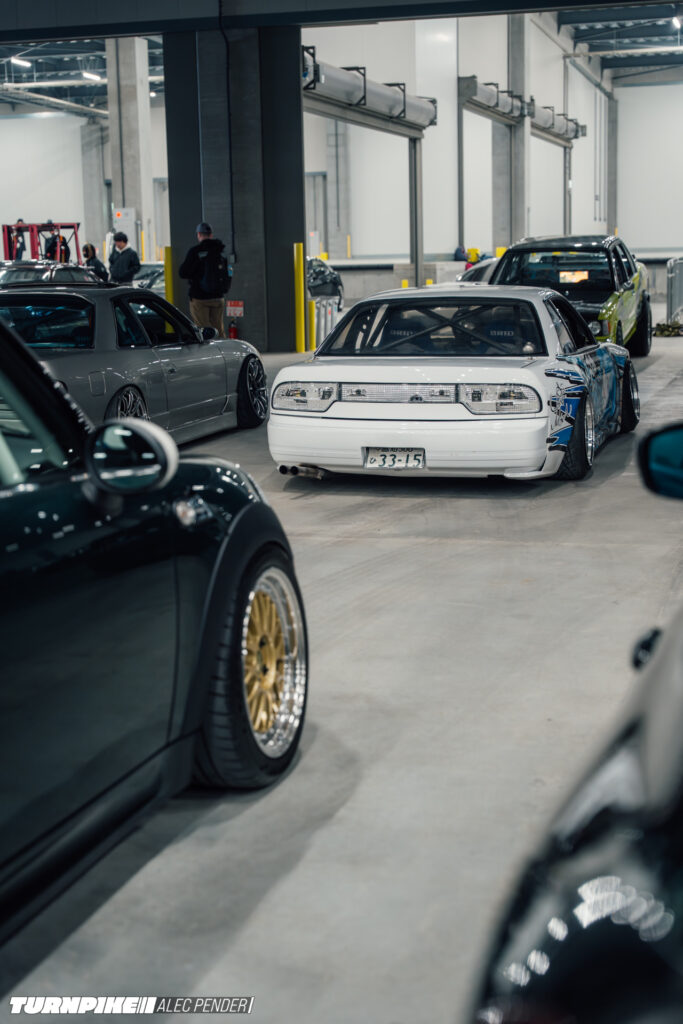
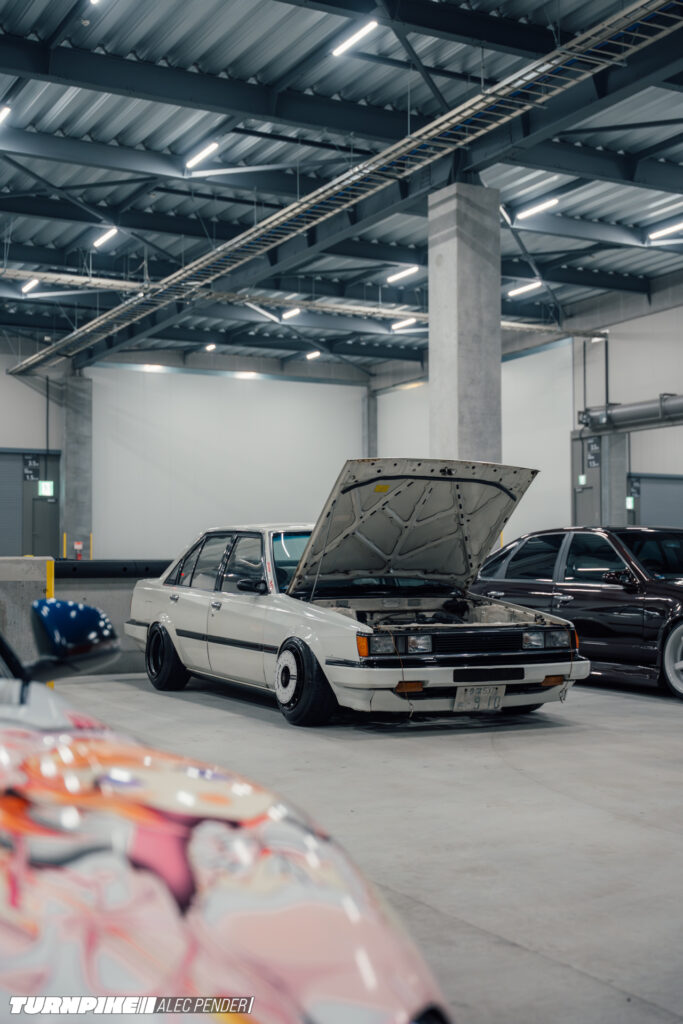
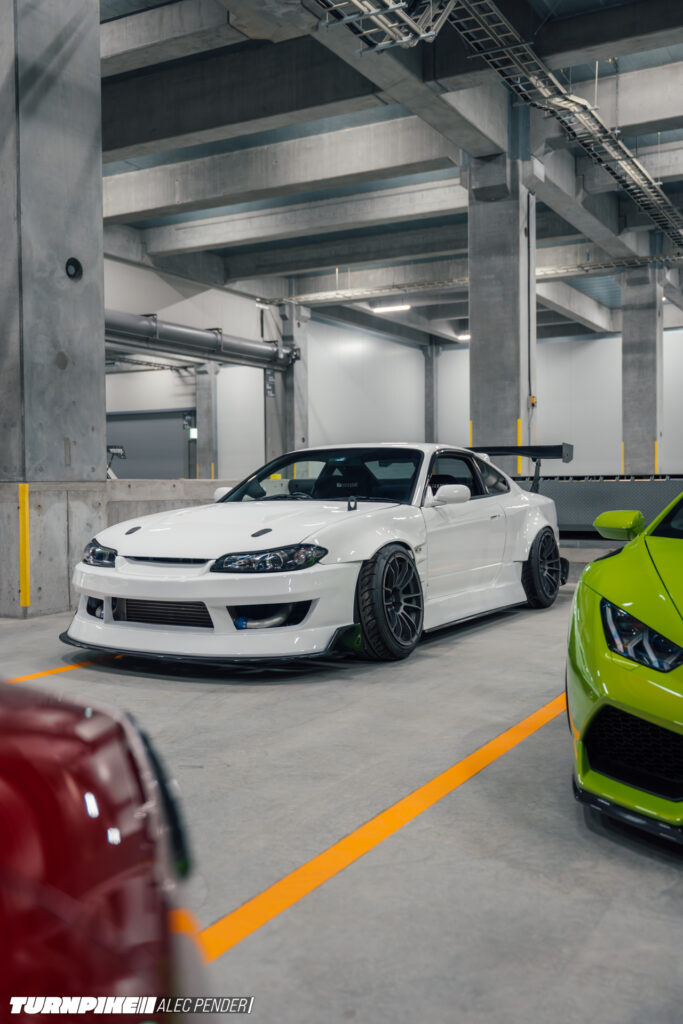
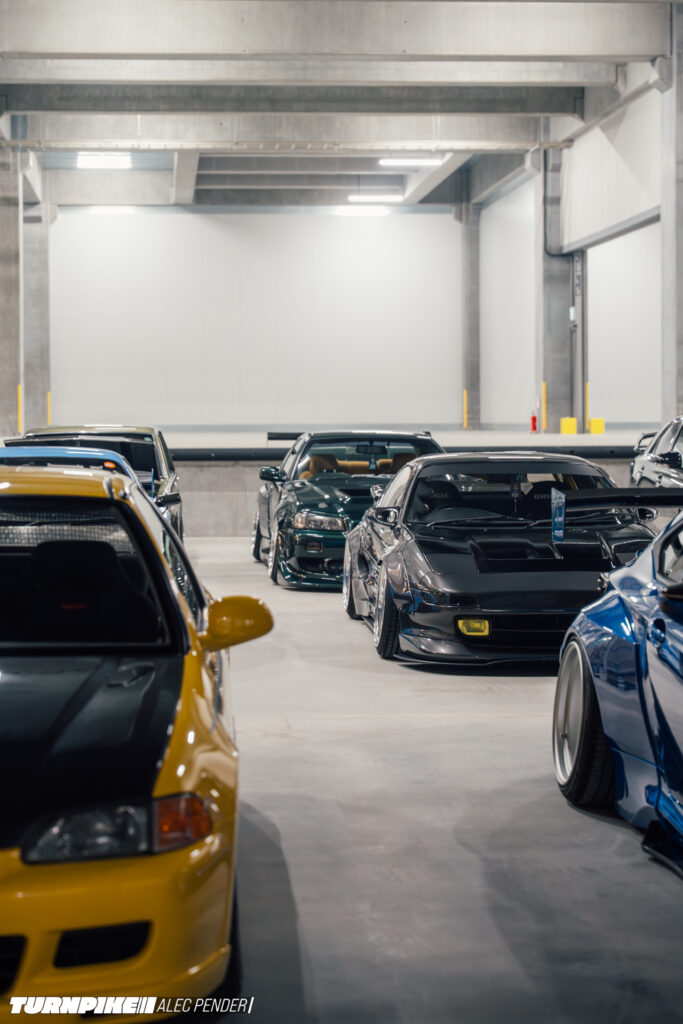
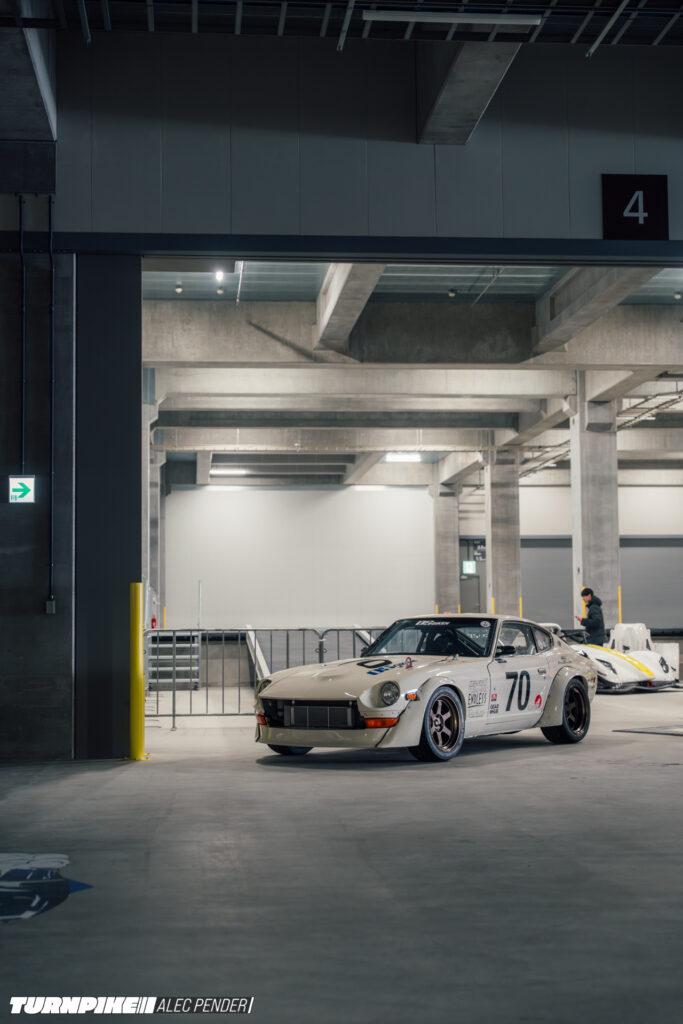
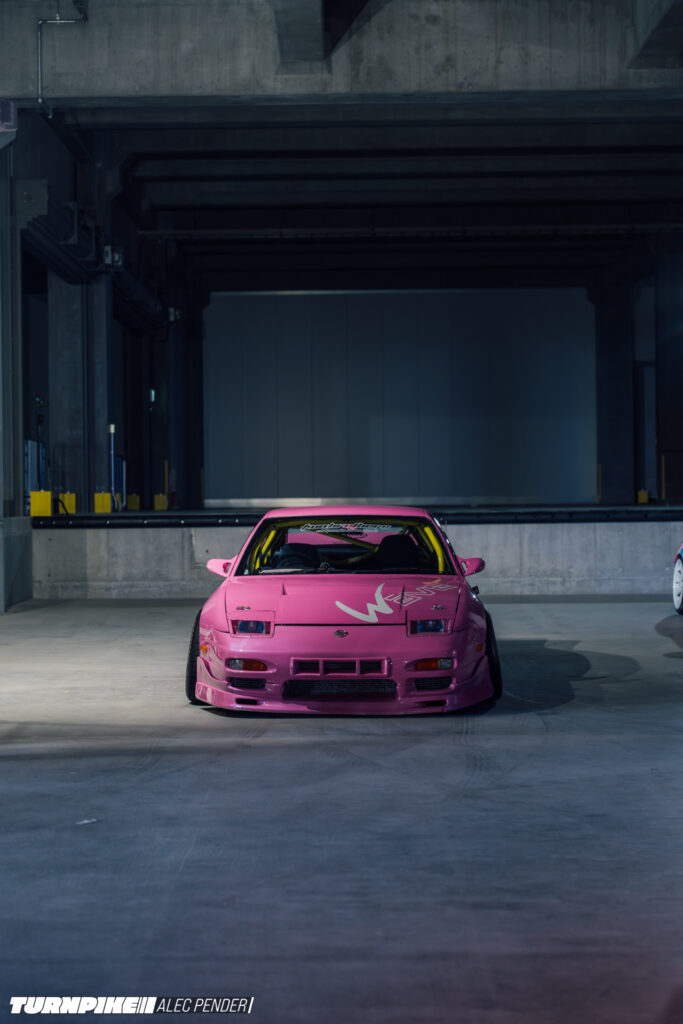
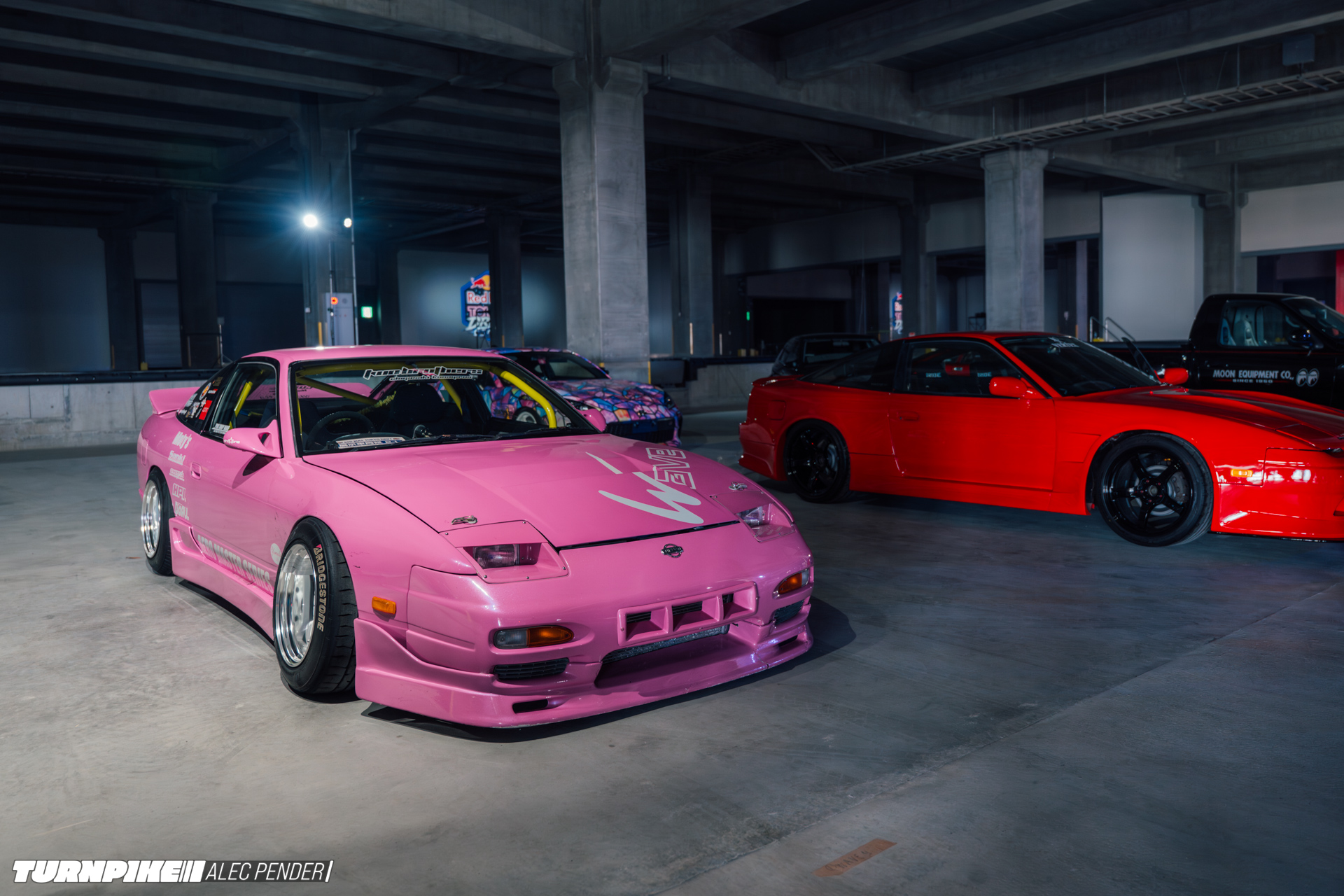
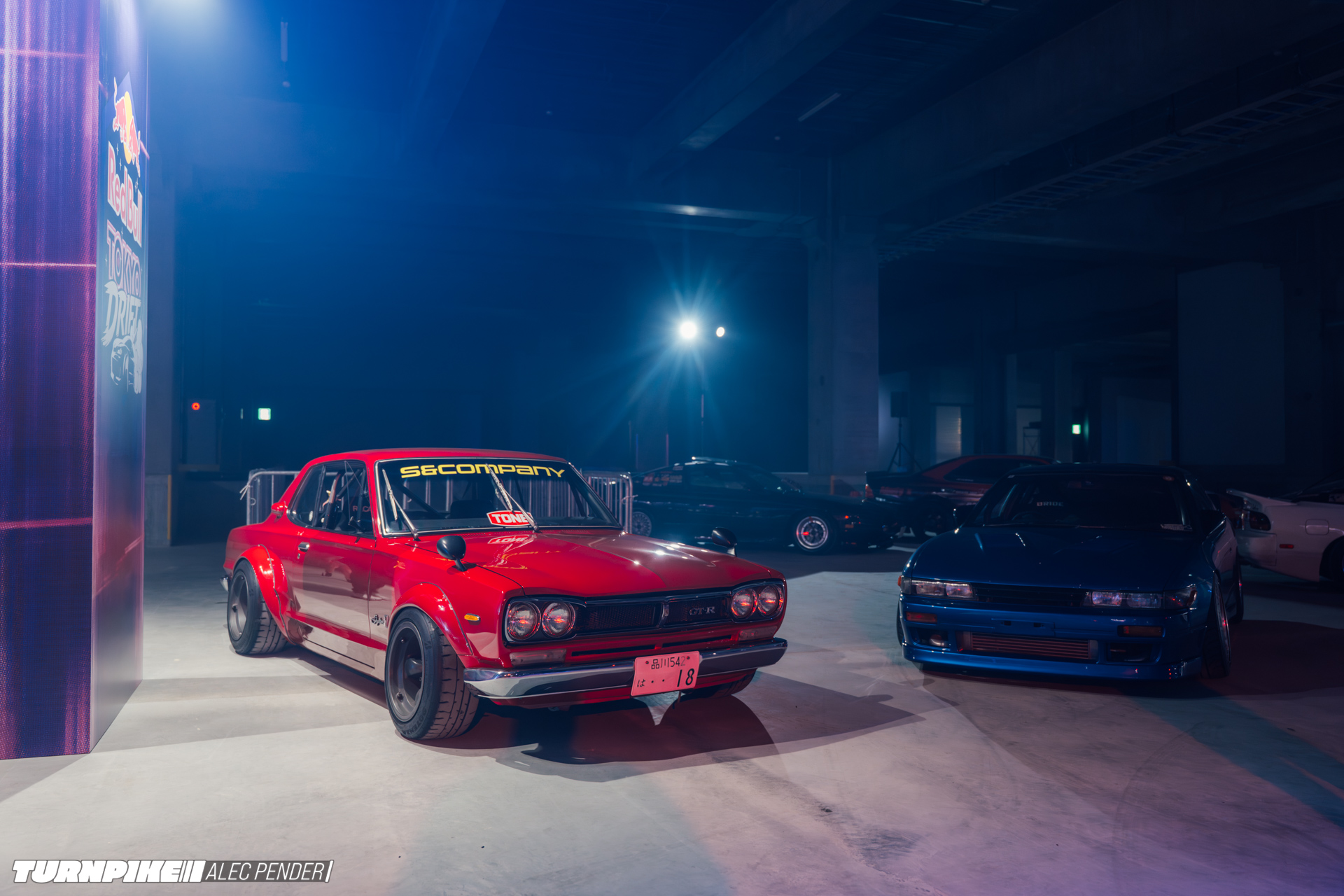
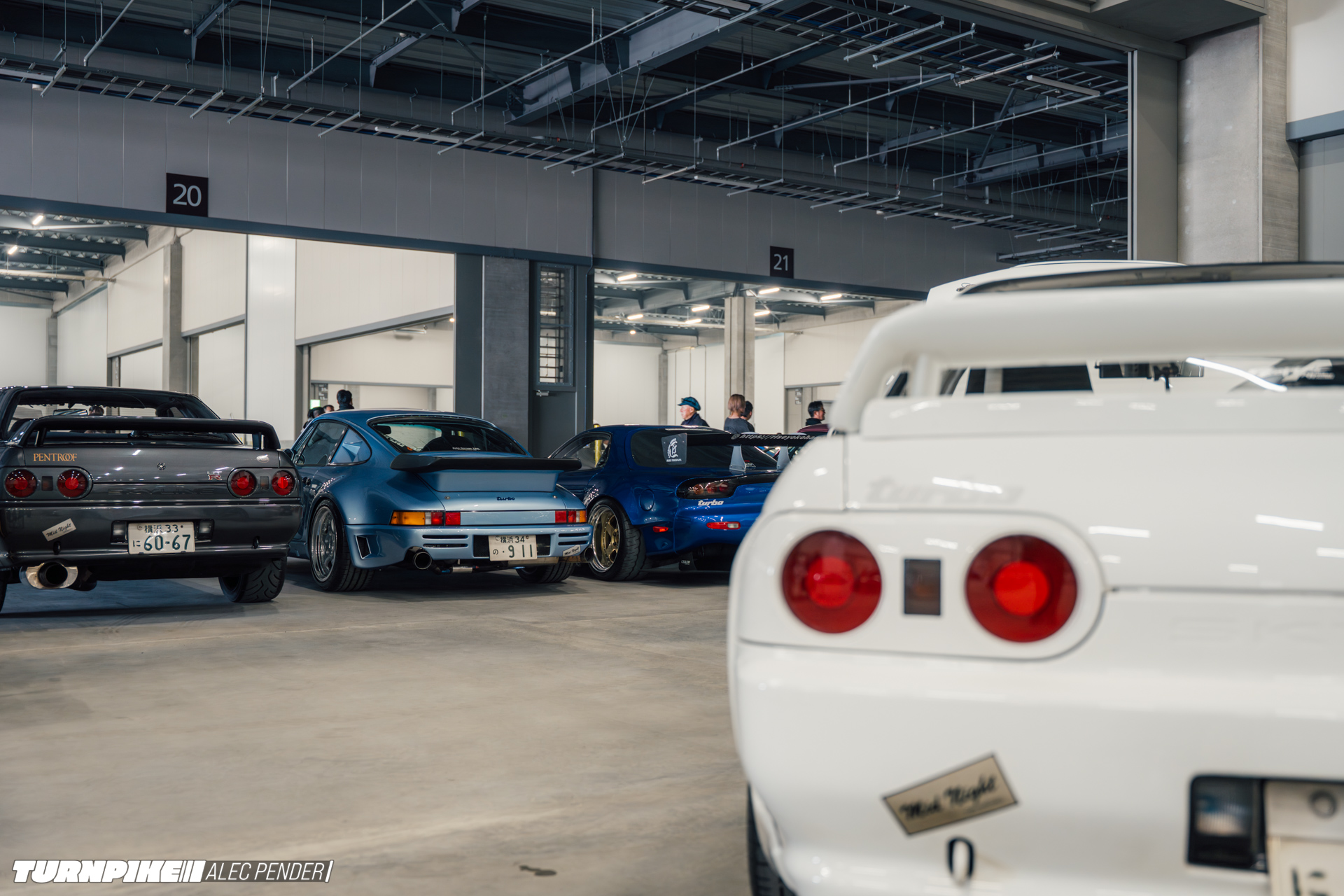
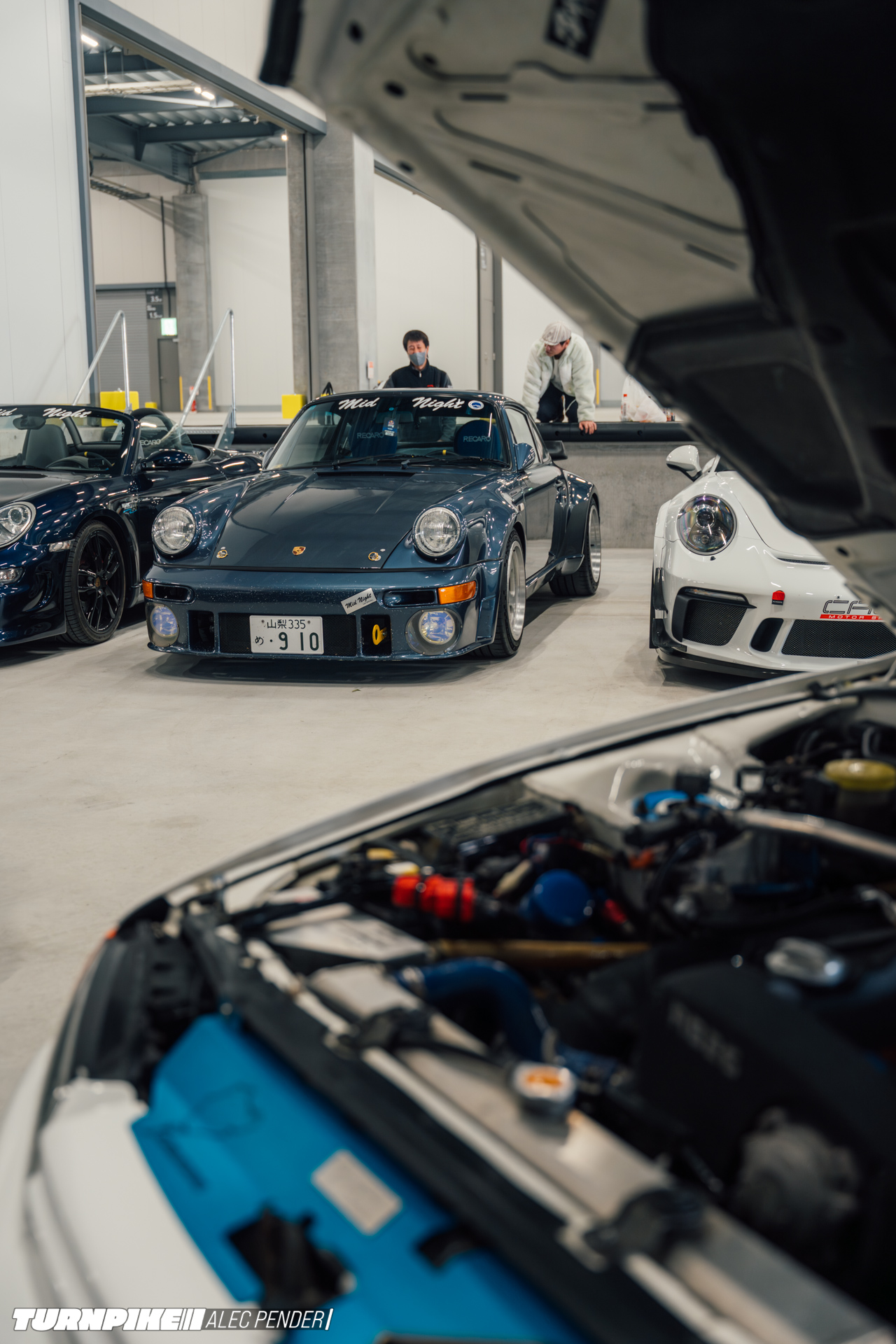
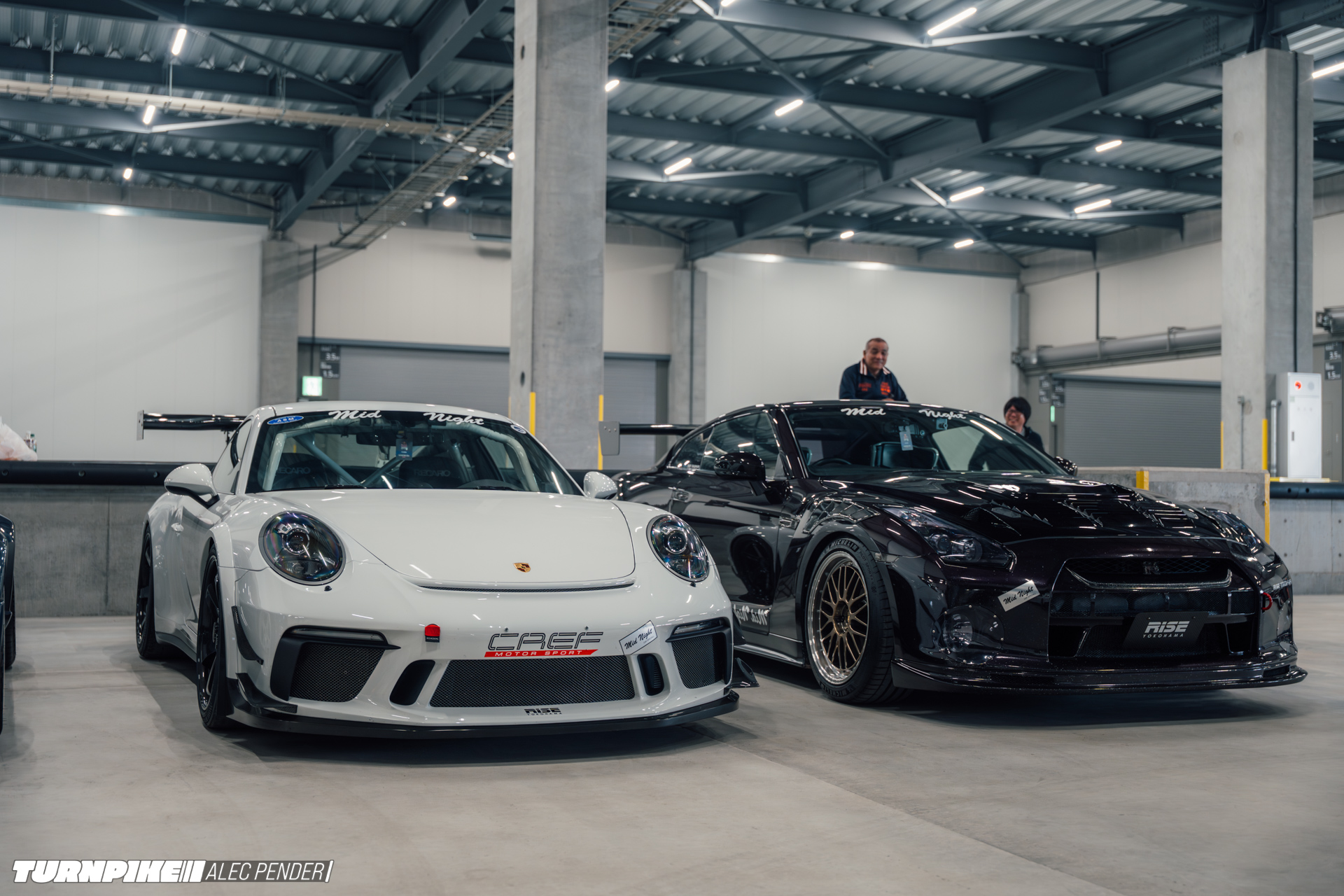
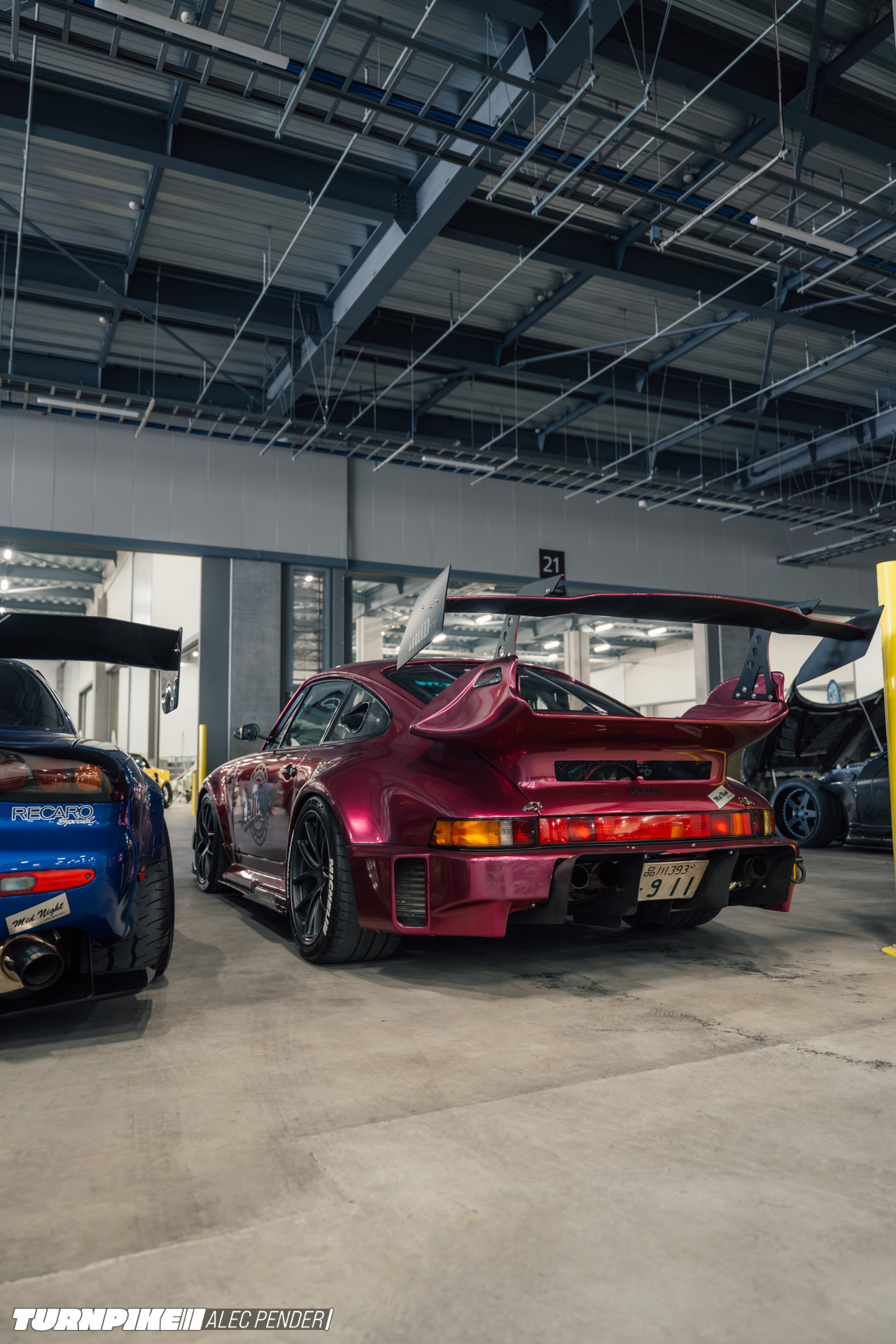
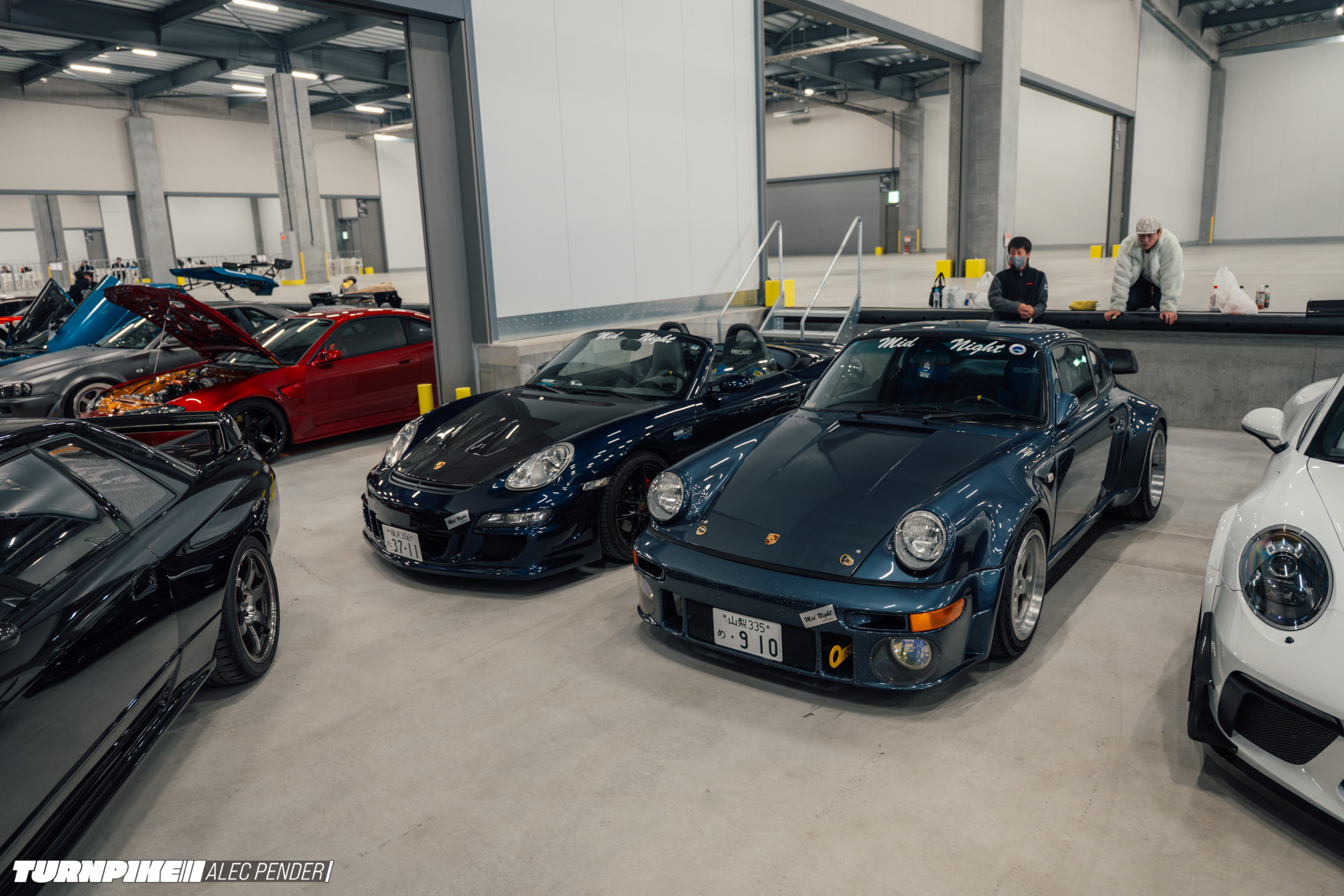
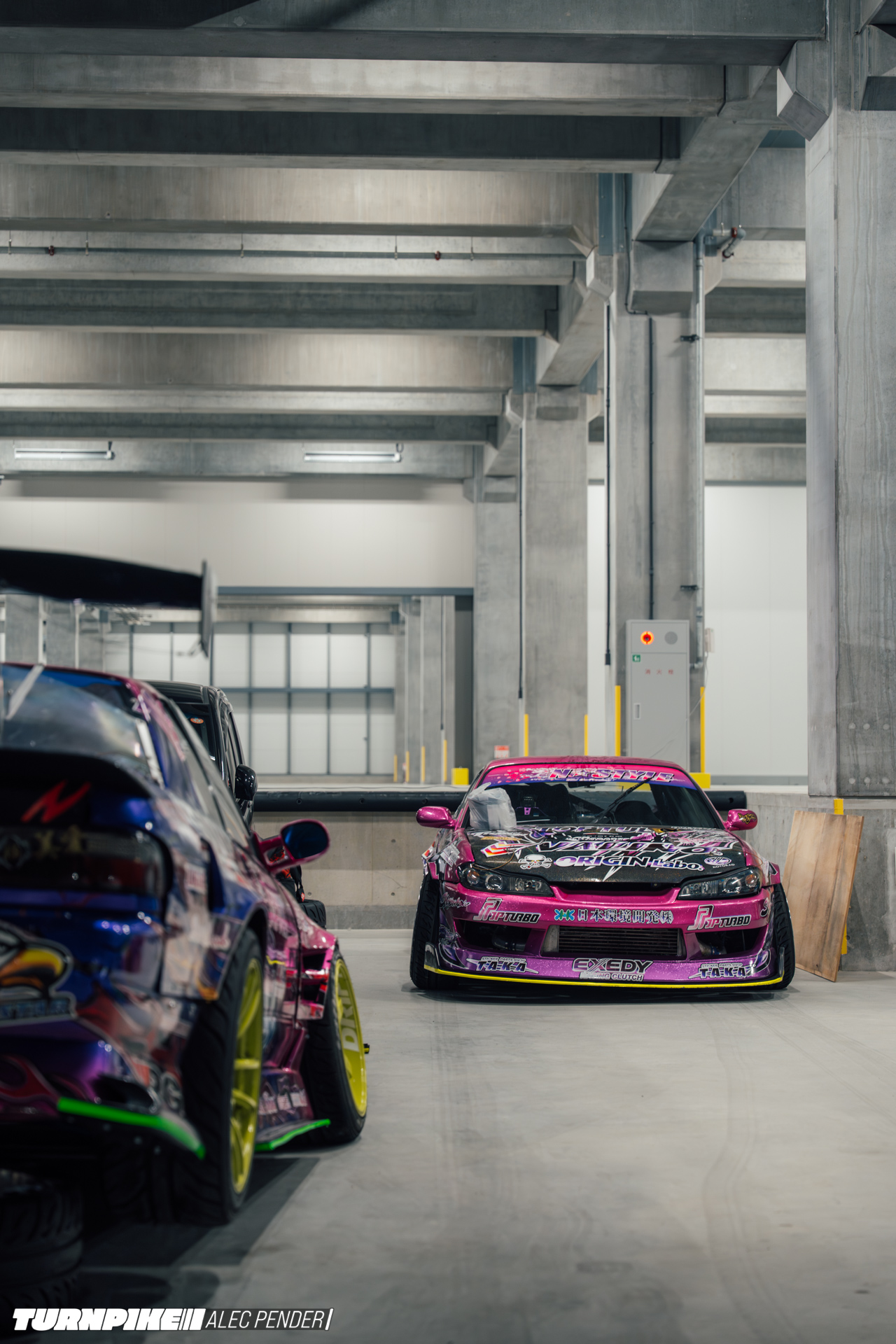
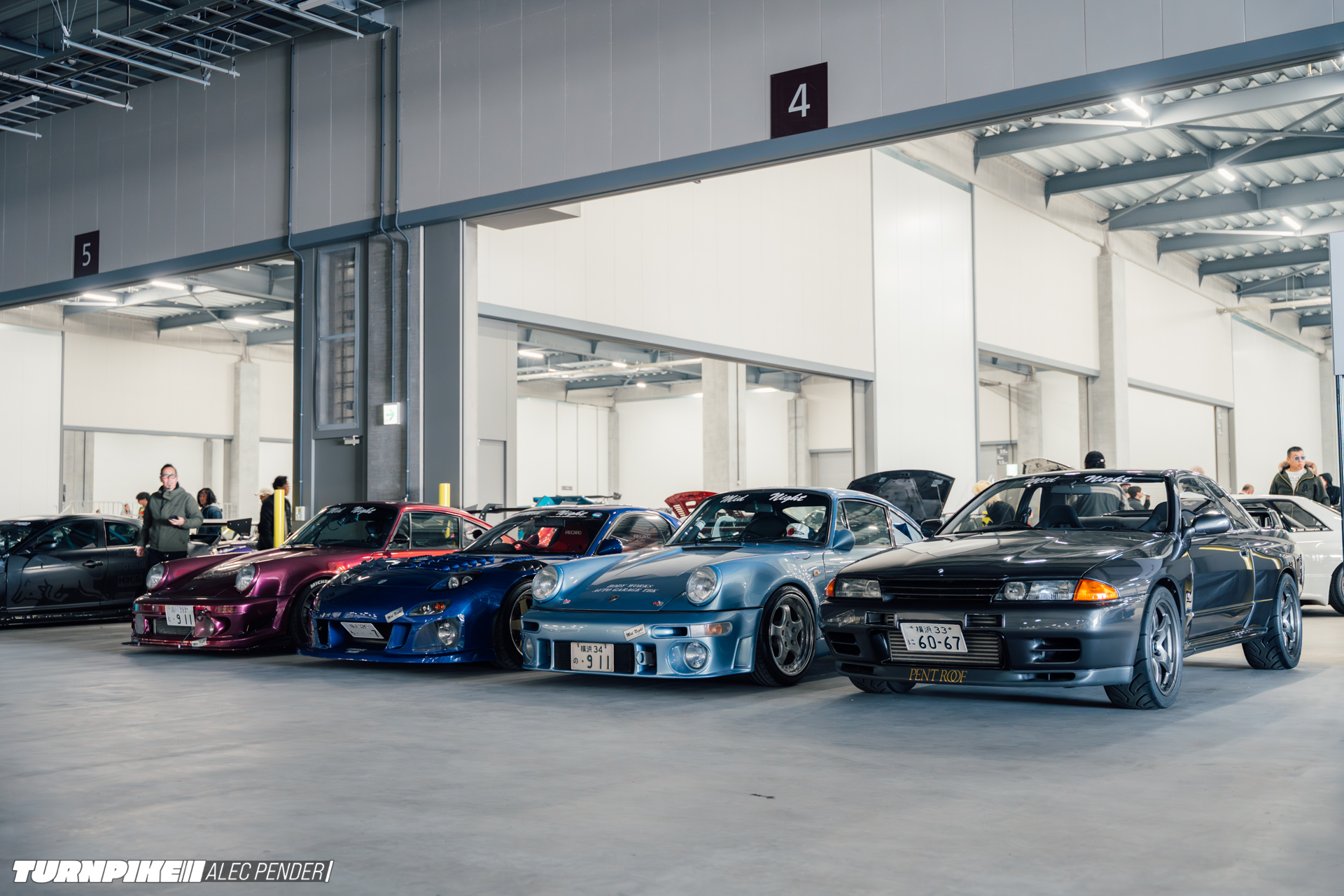
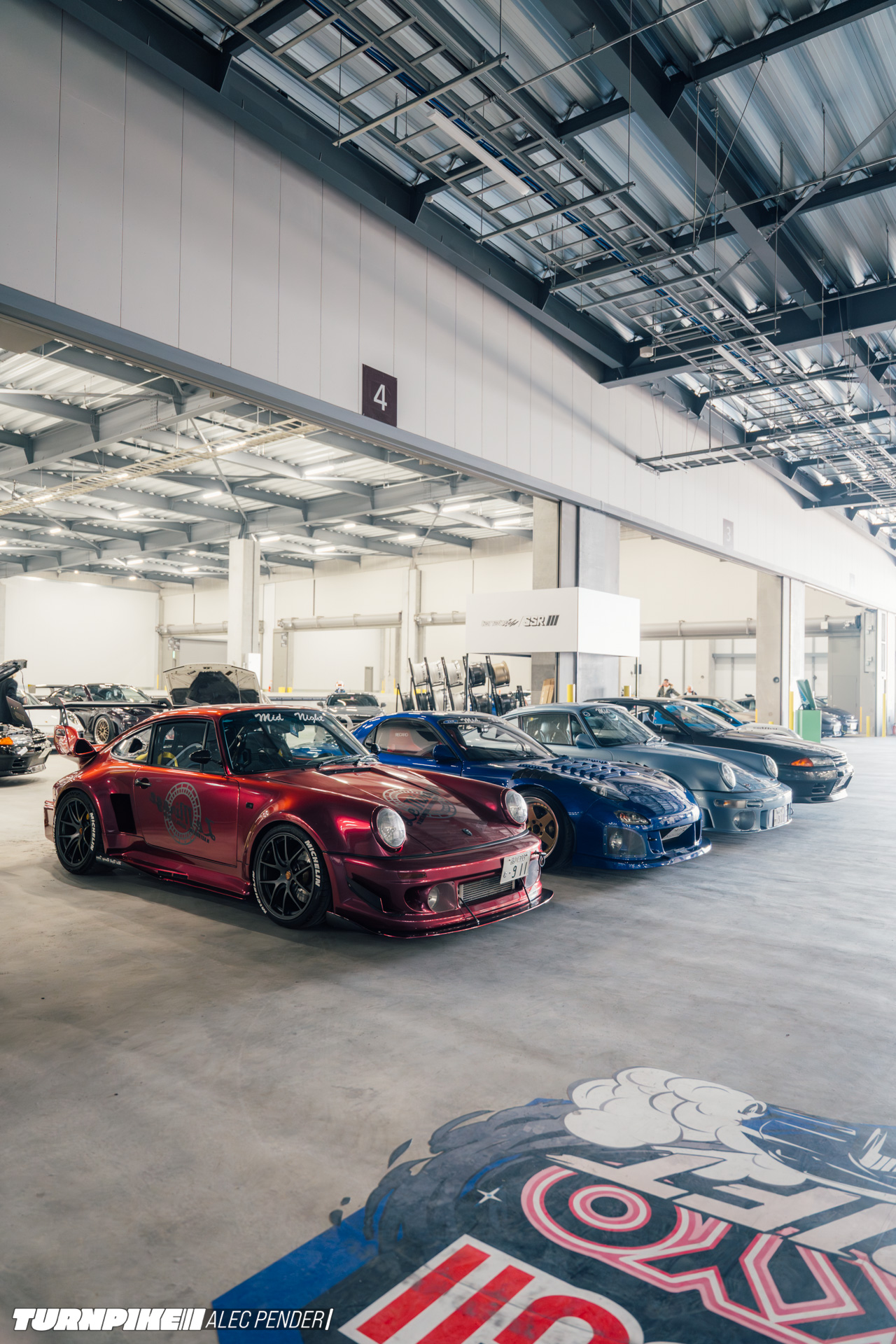
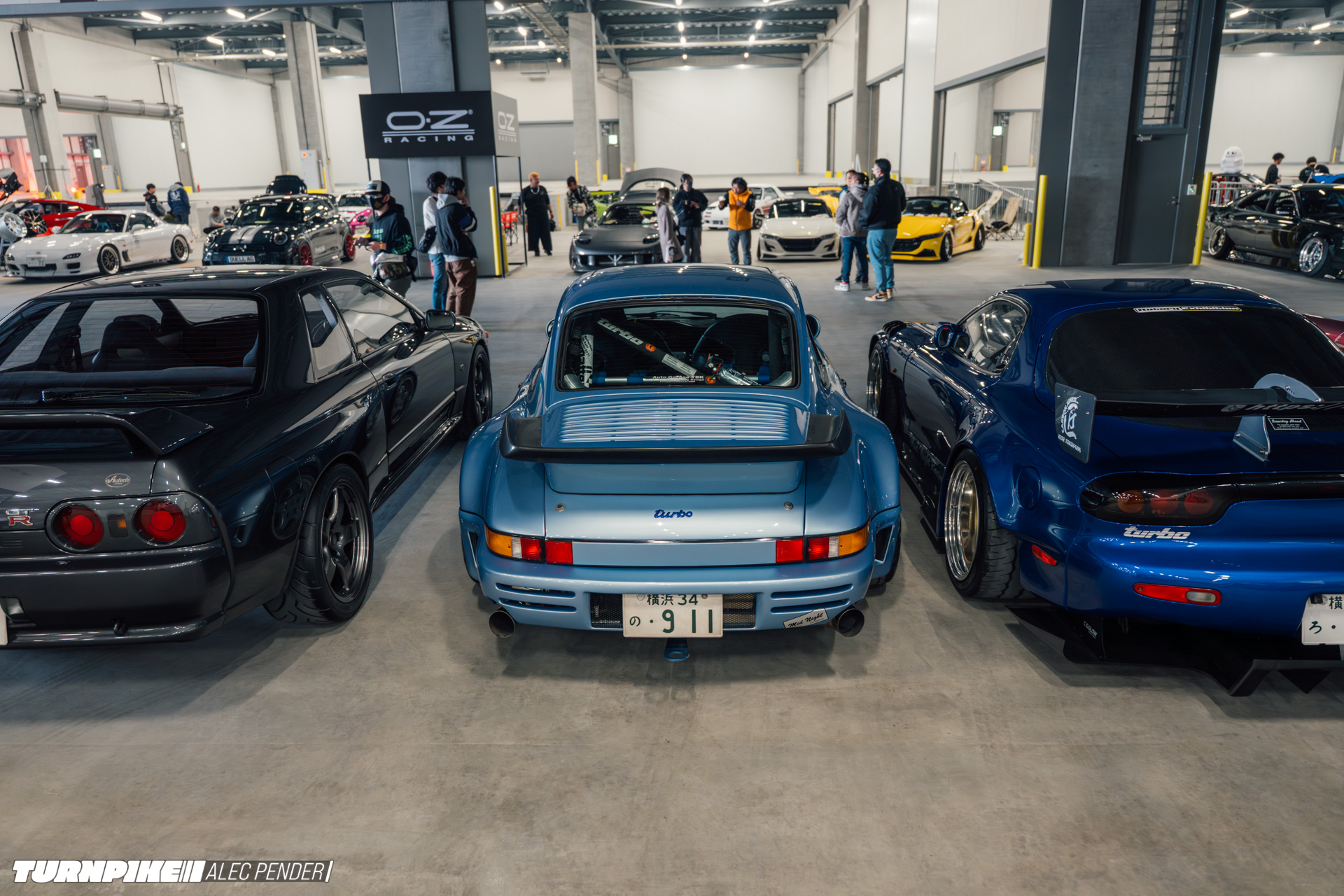
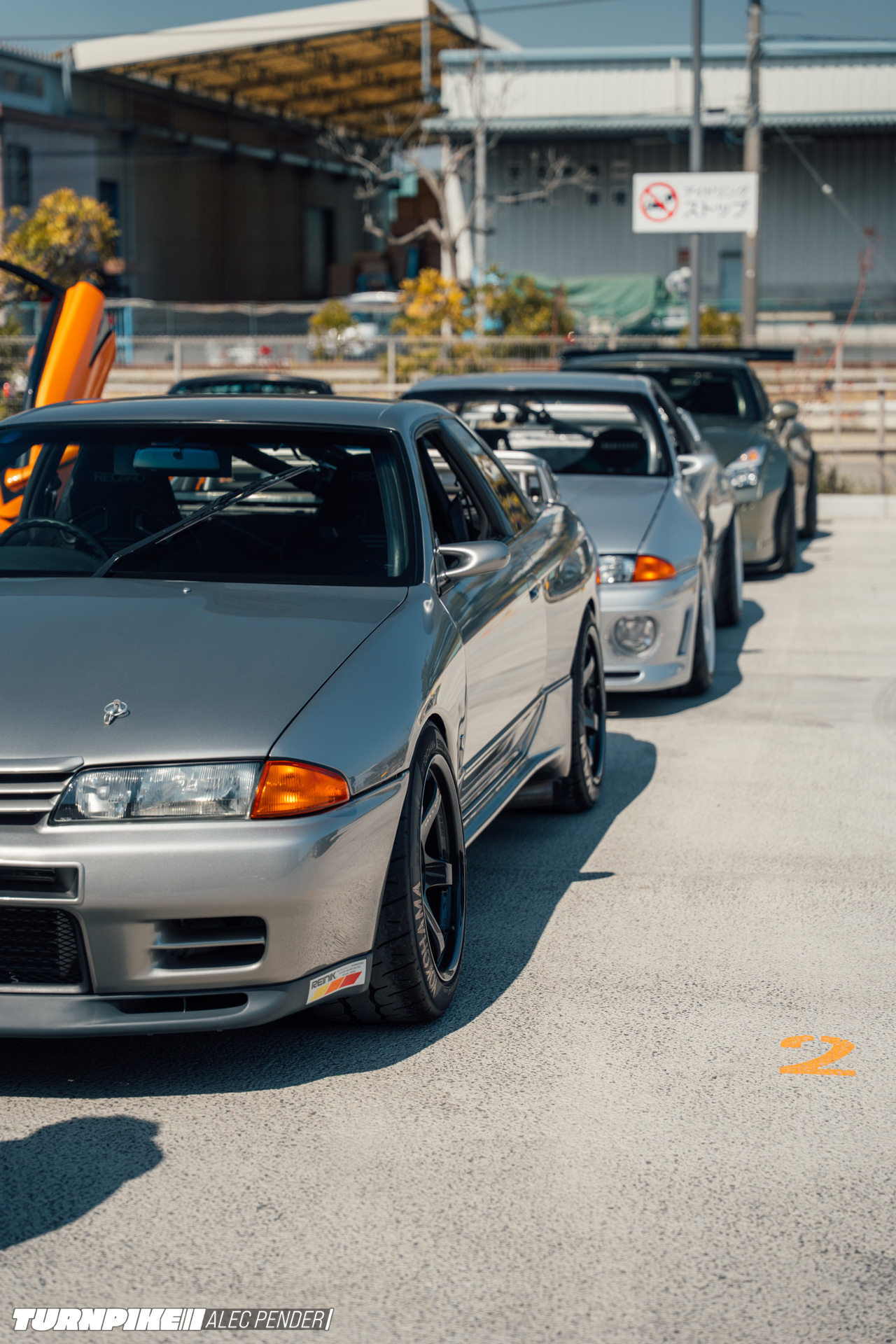
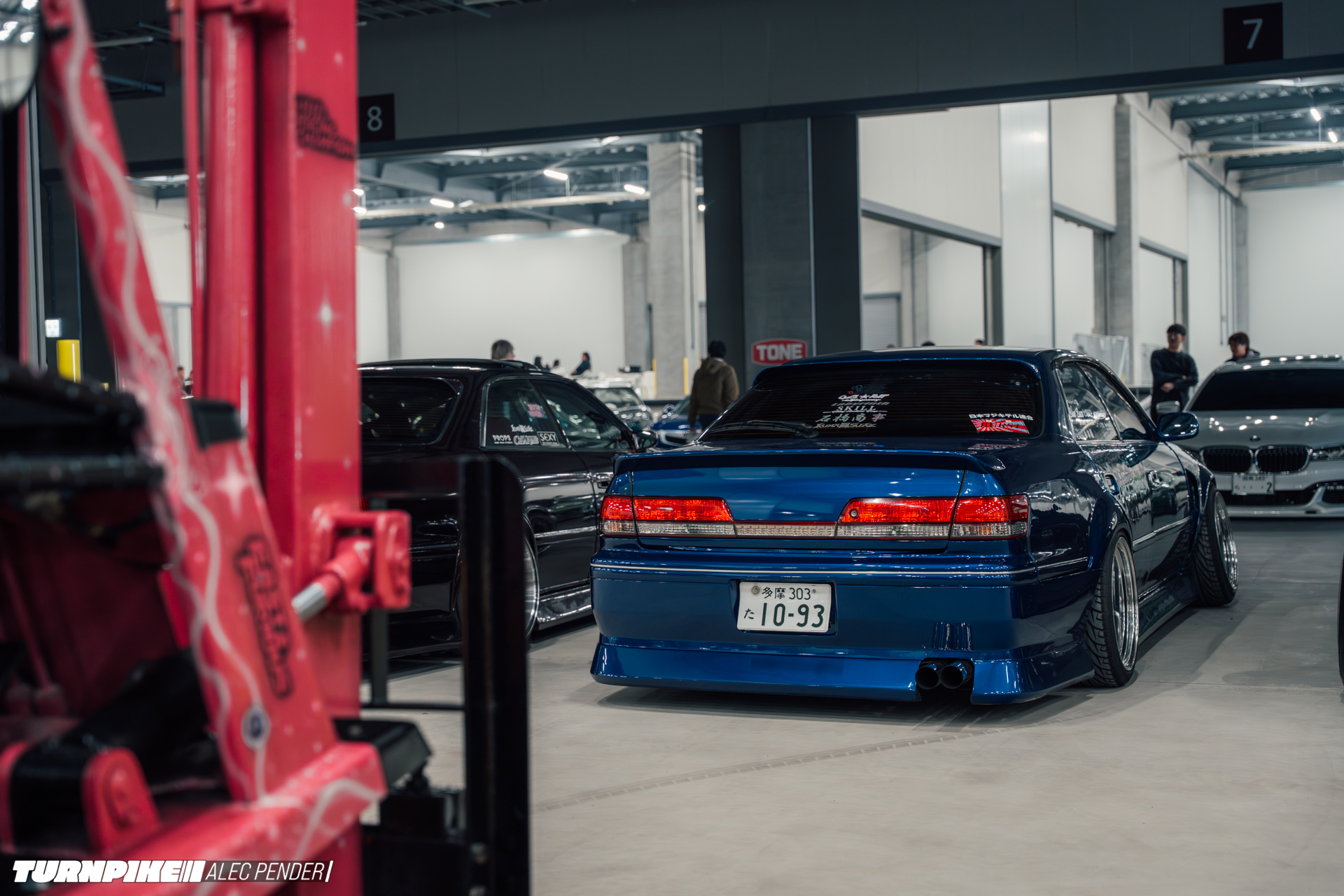
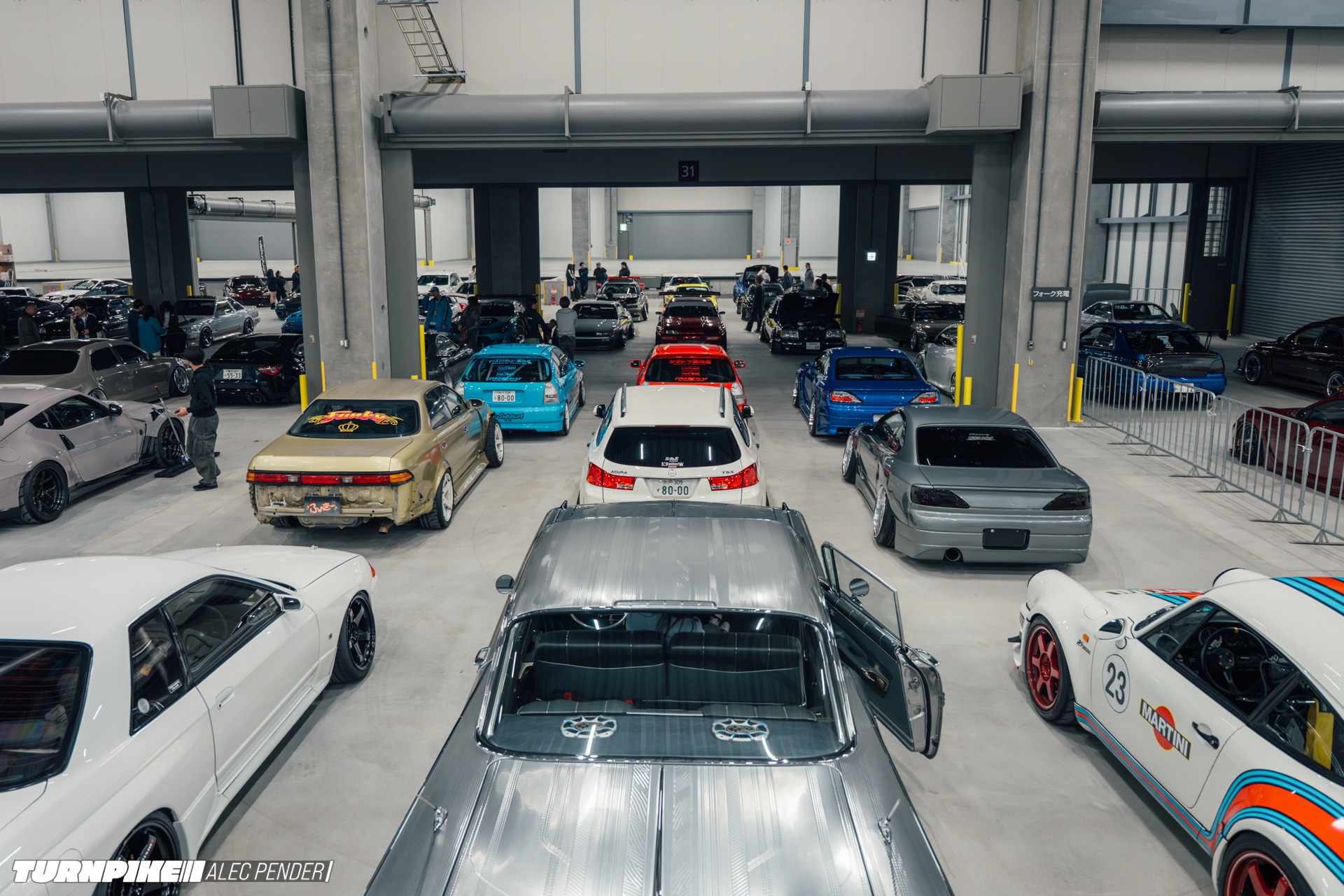
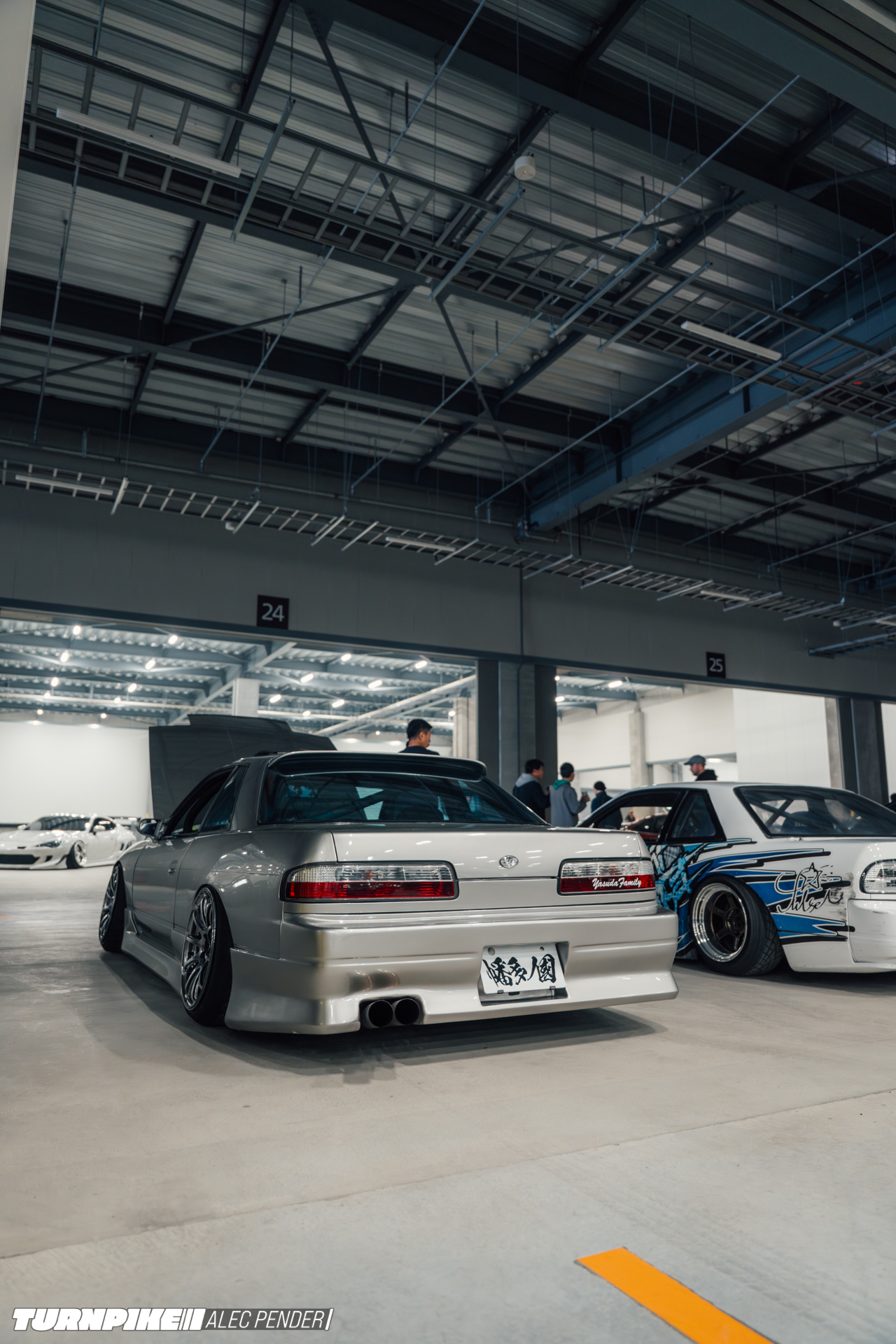
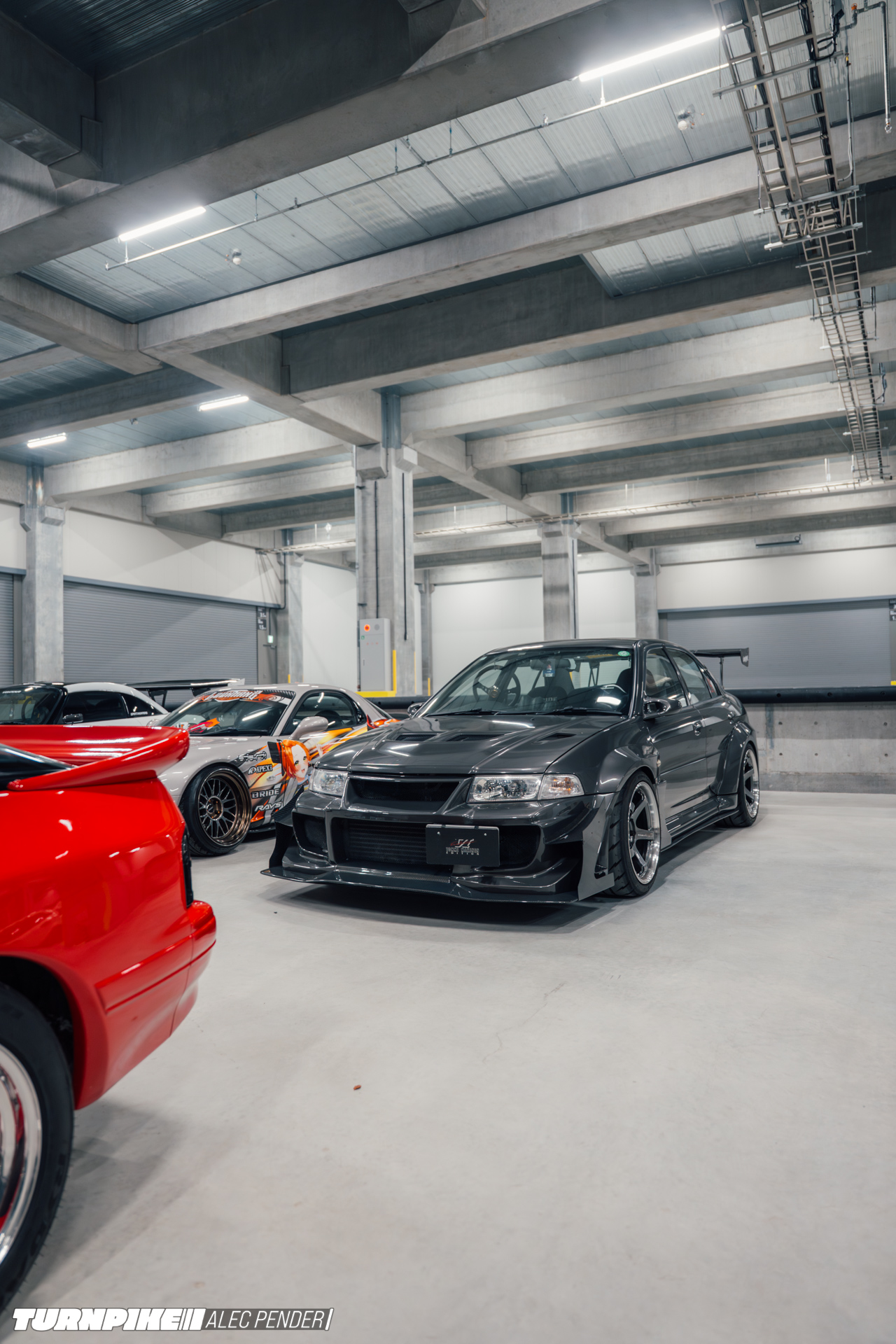
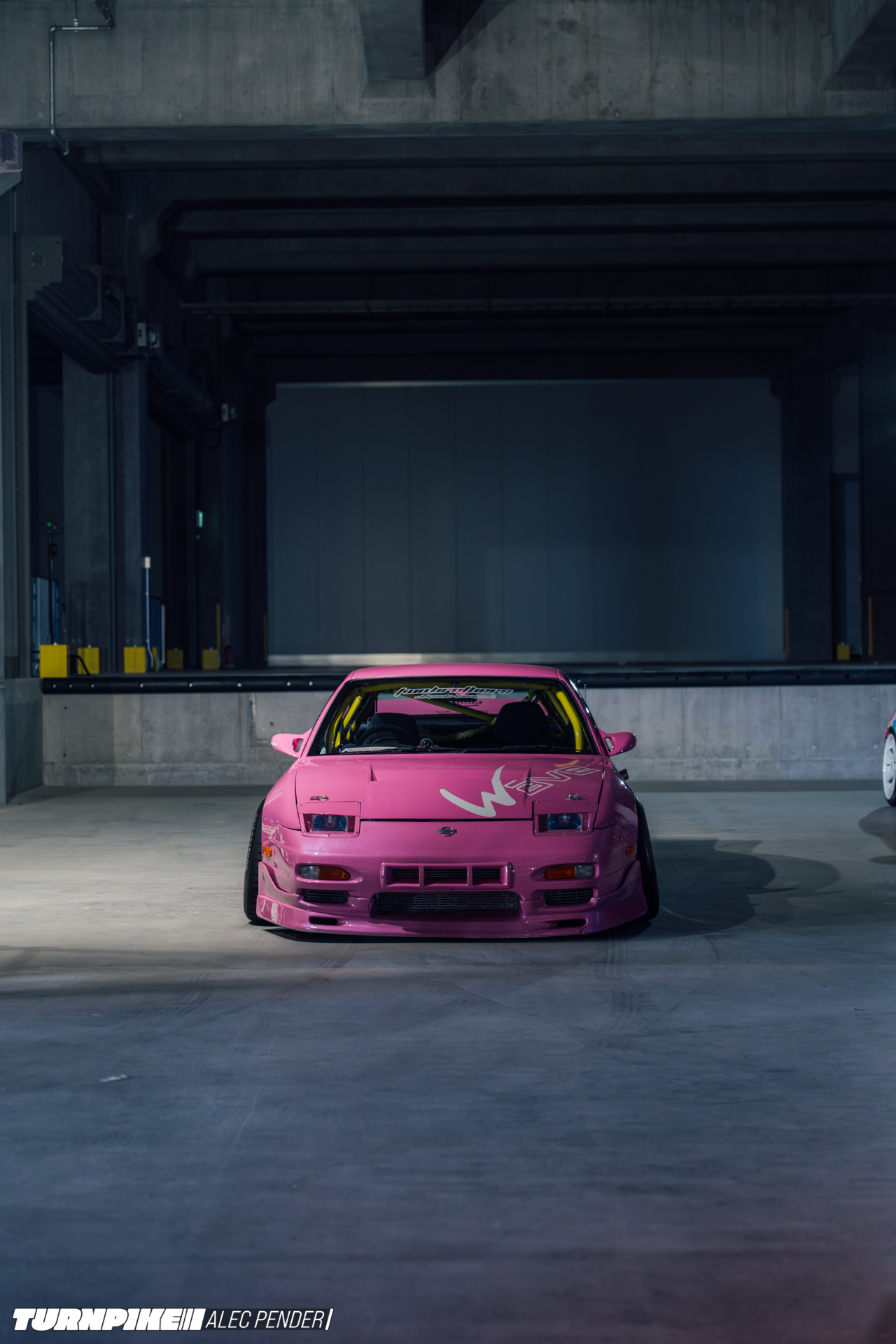
Level four followed suit, leaning more toward privately-owned machines. Front and centre was a strong showing of active Mid Night cars. It’s not often you get to see so many out together, so that alone made it special.
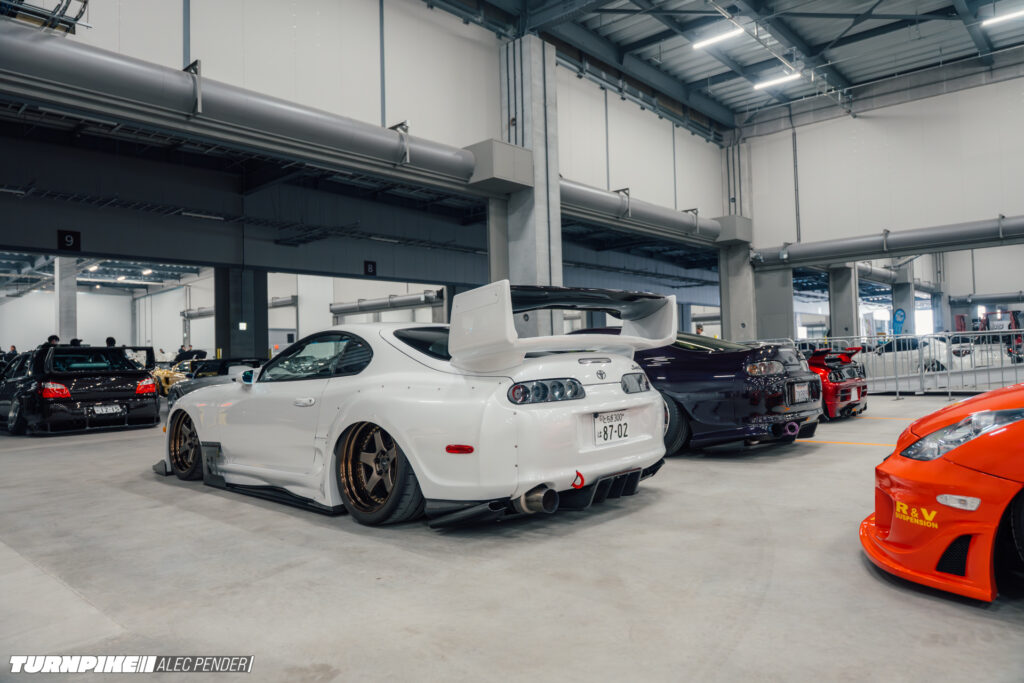
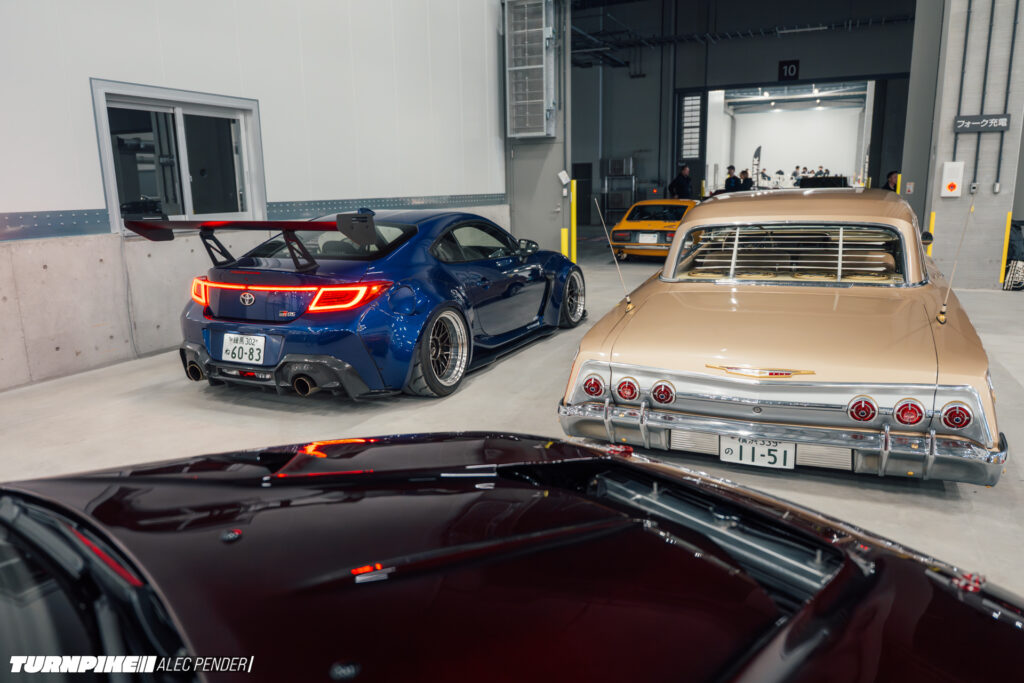
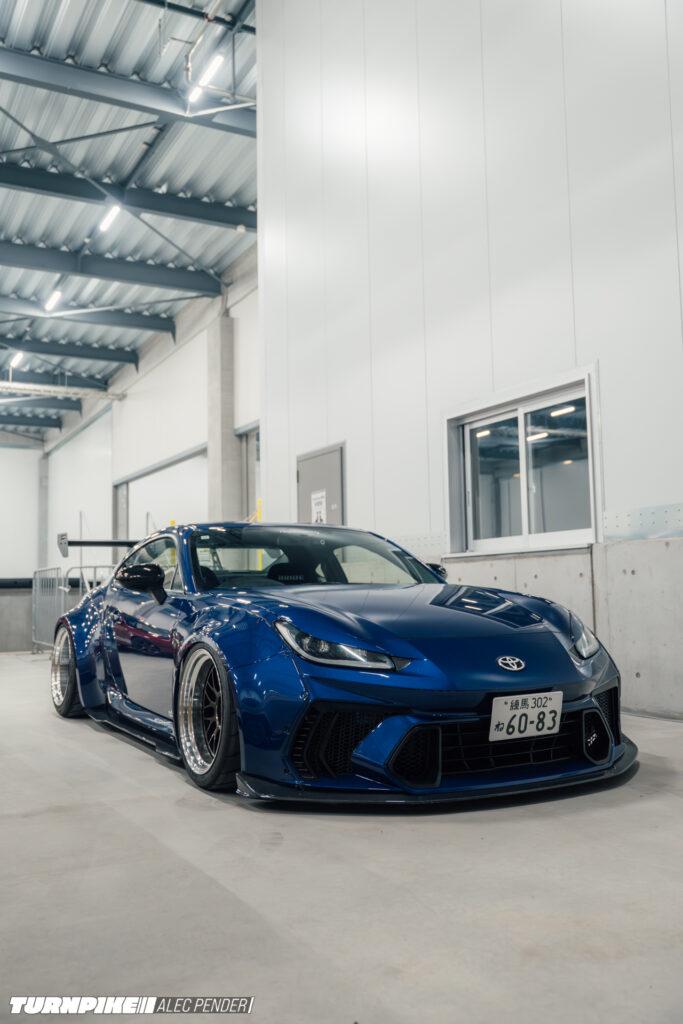
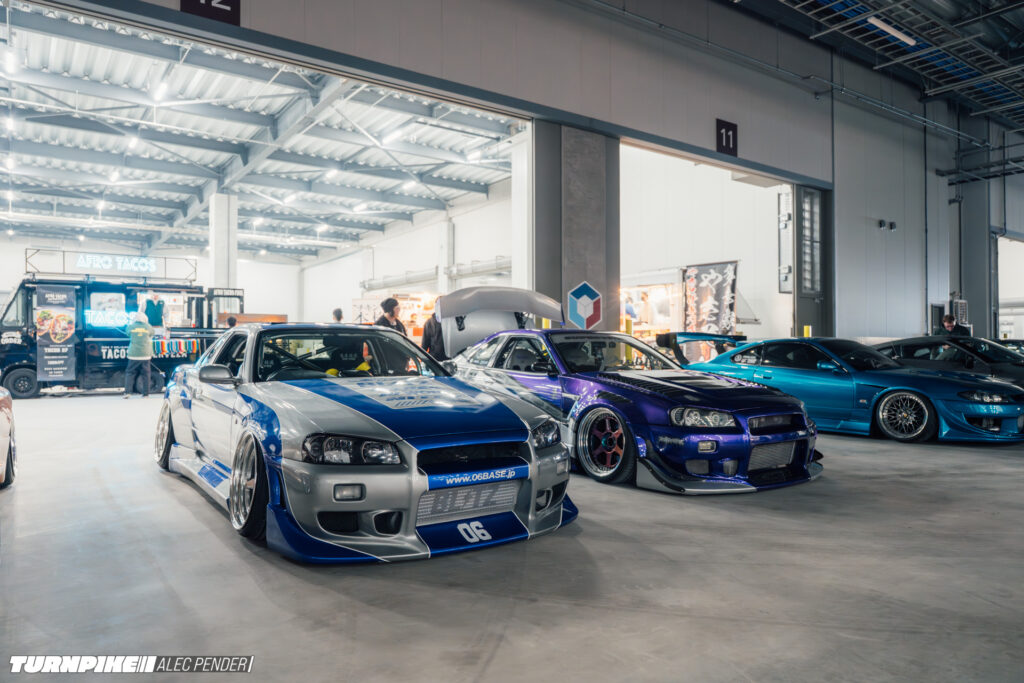
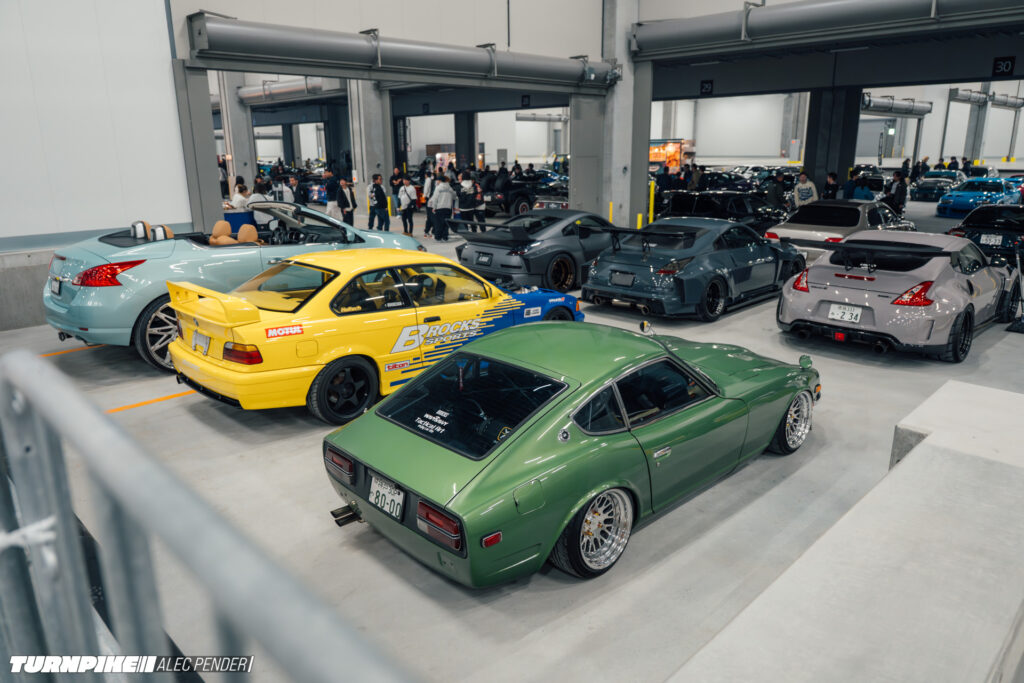
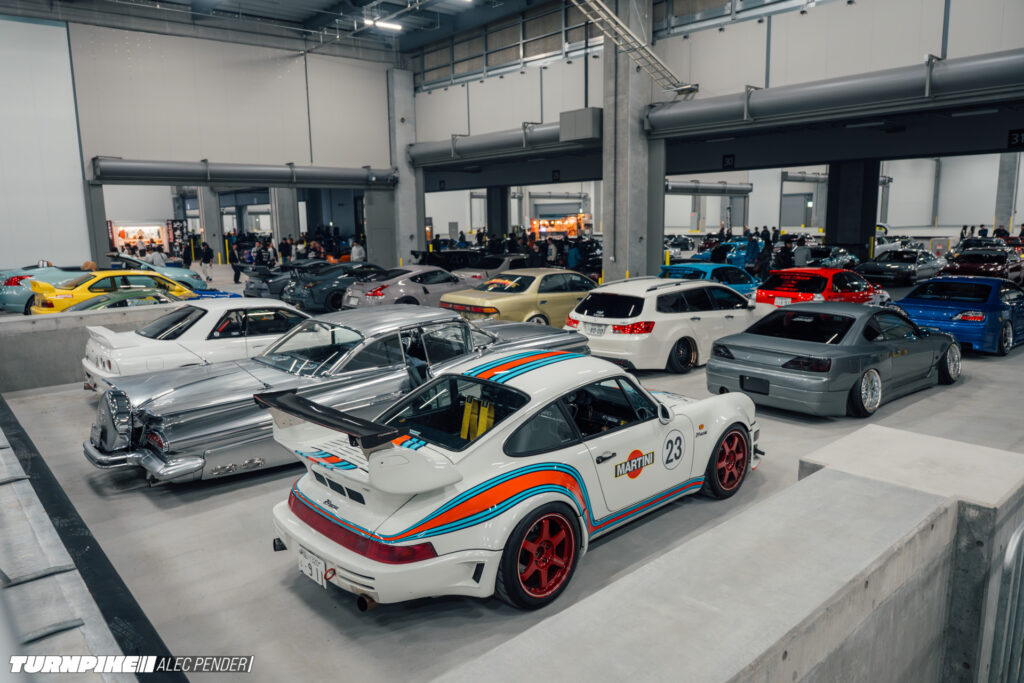
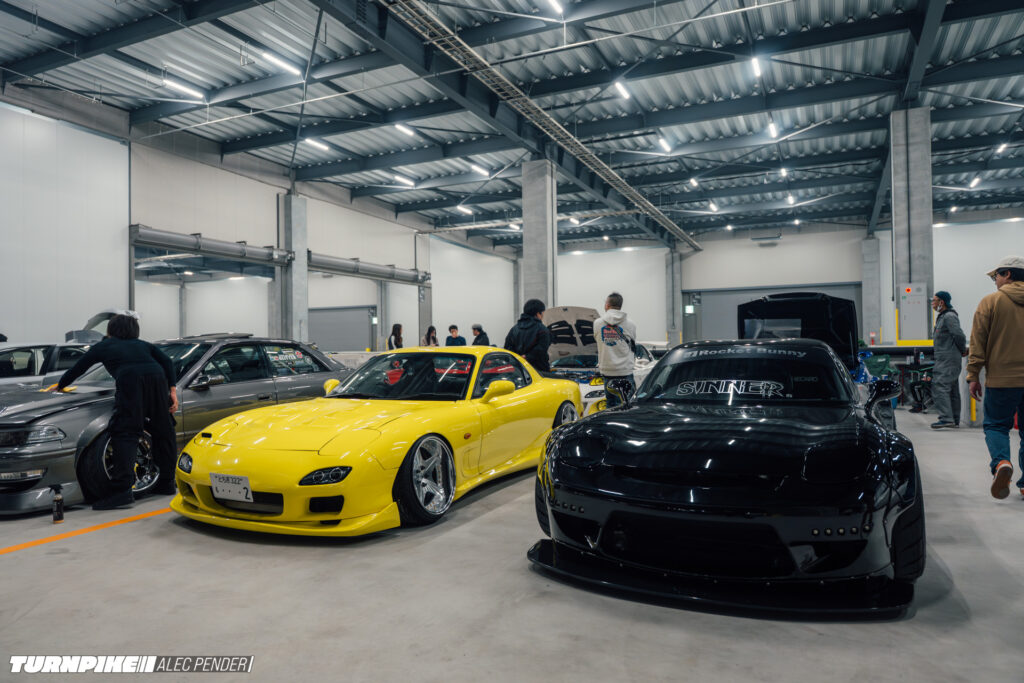
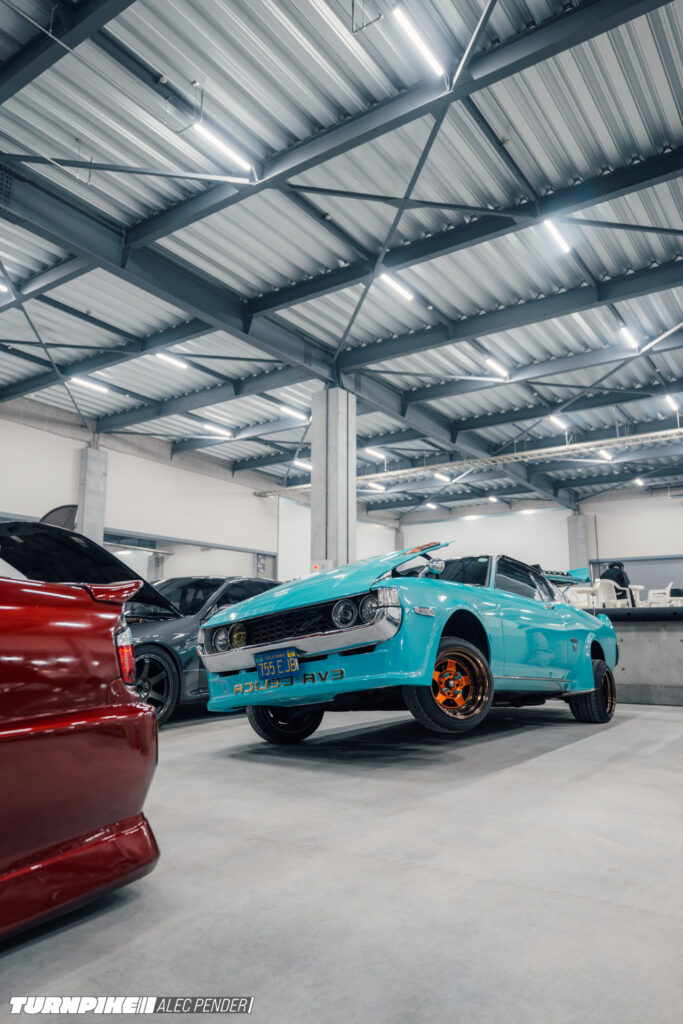
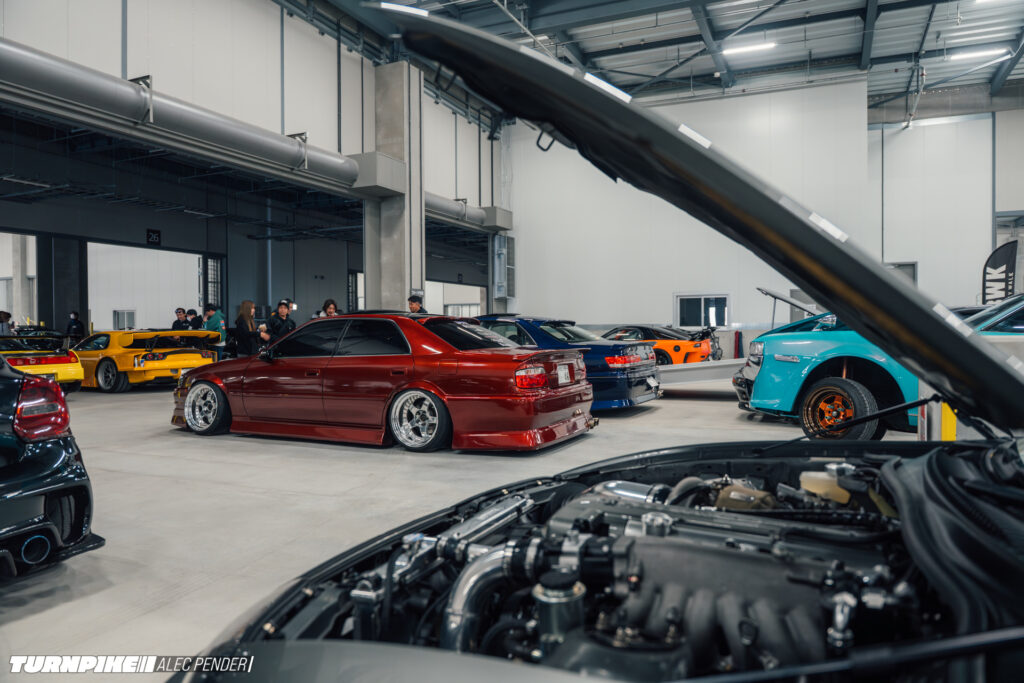
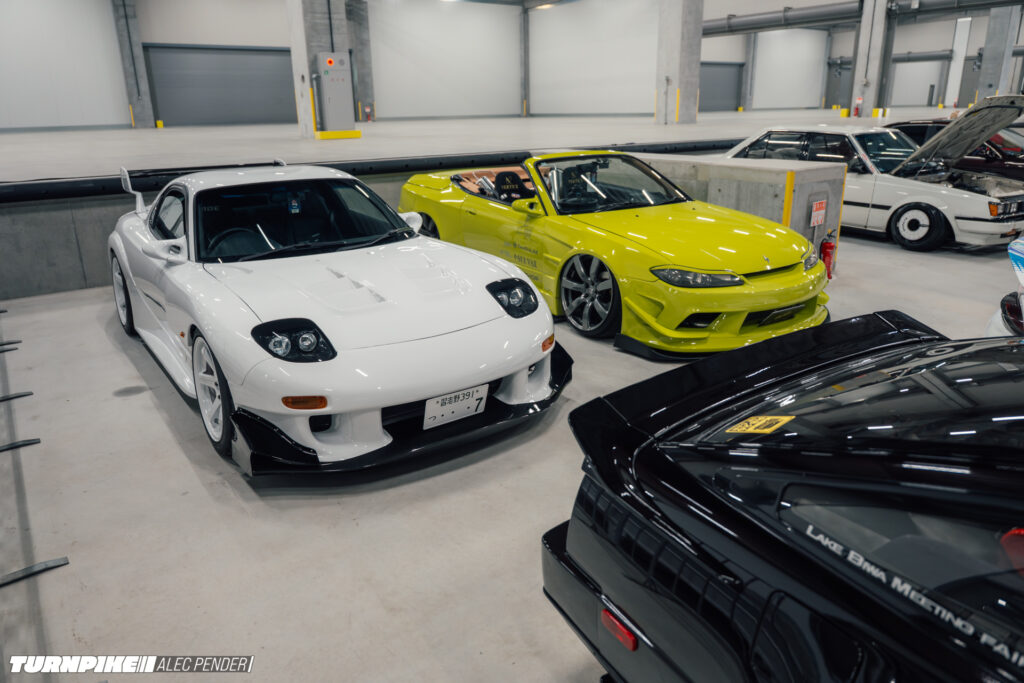
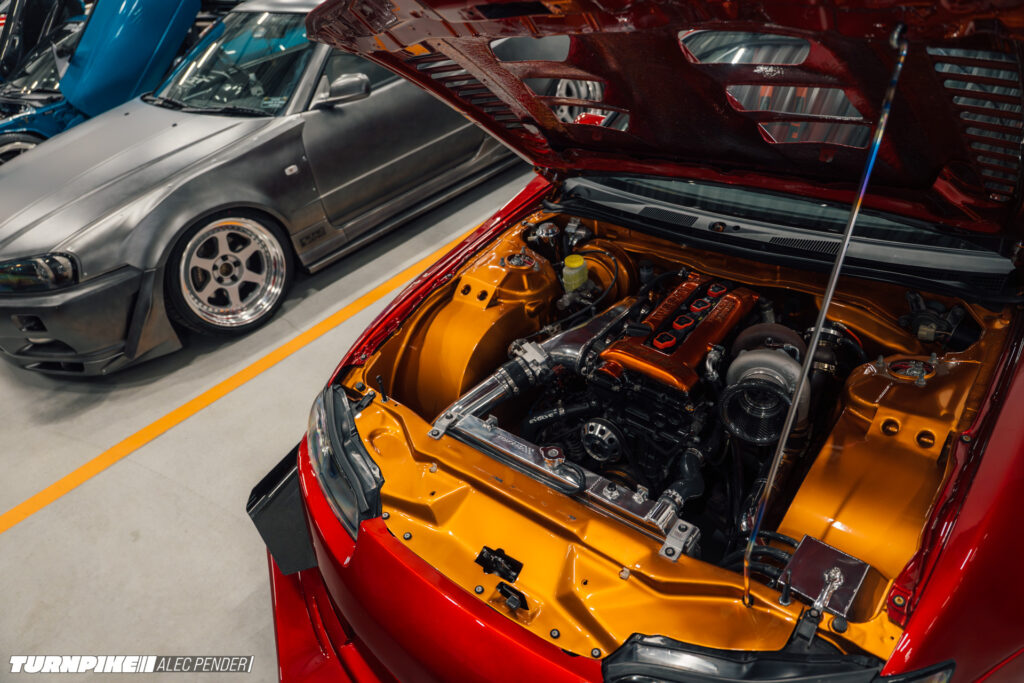
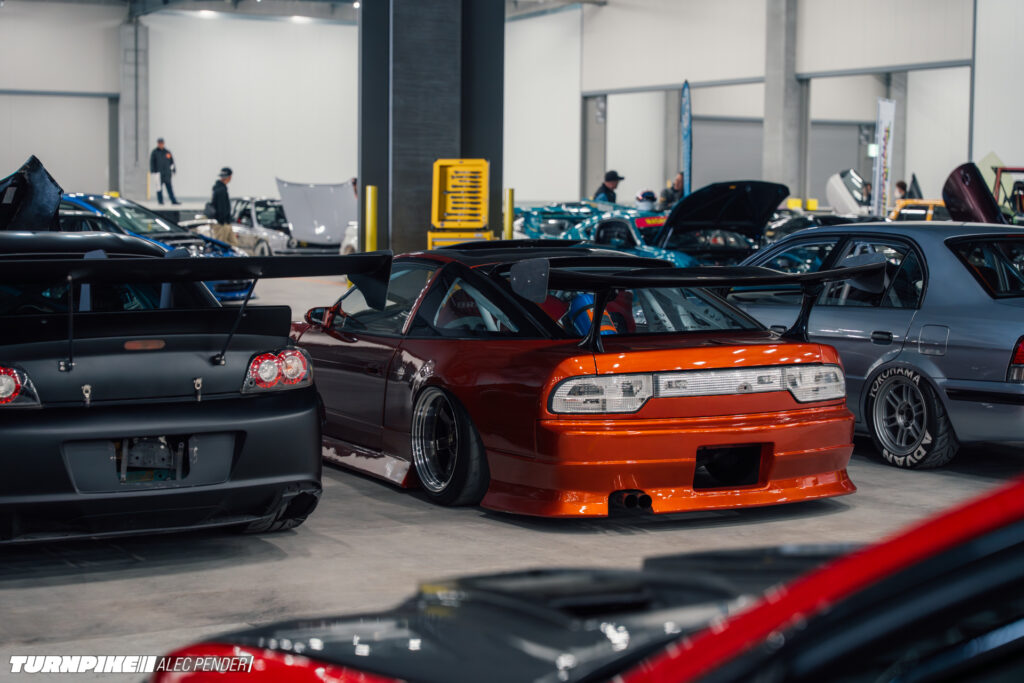
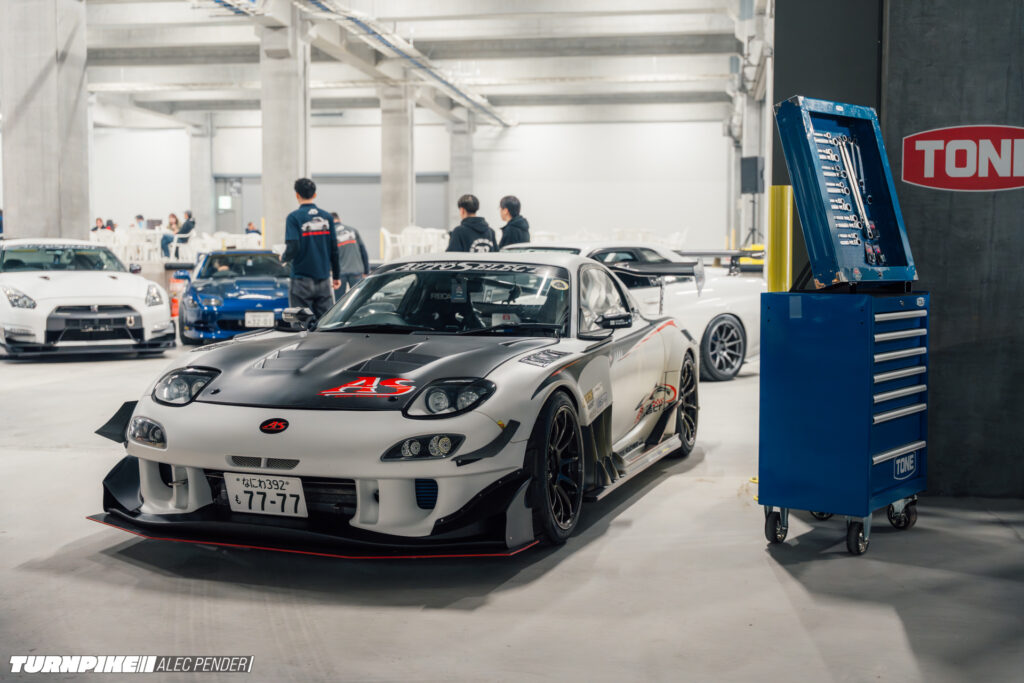
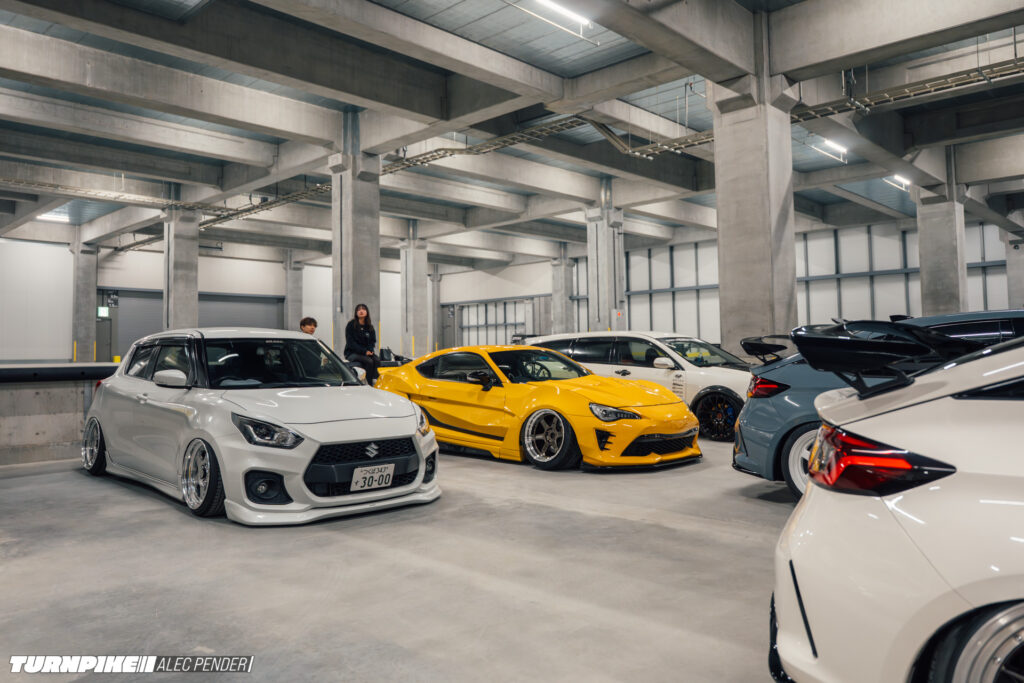
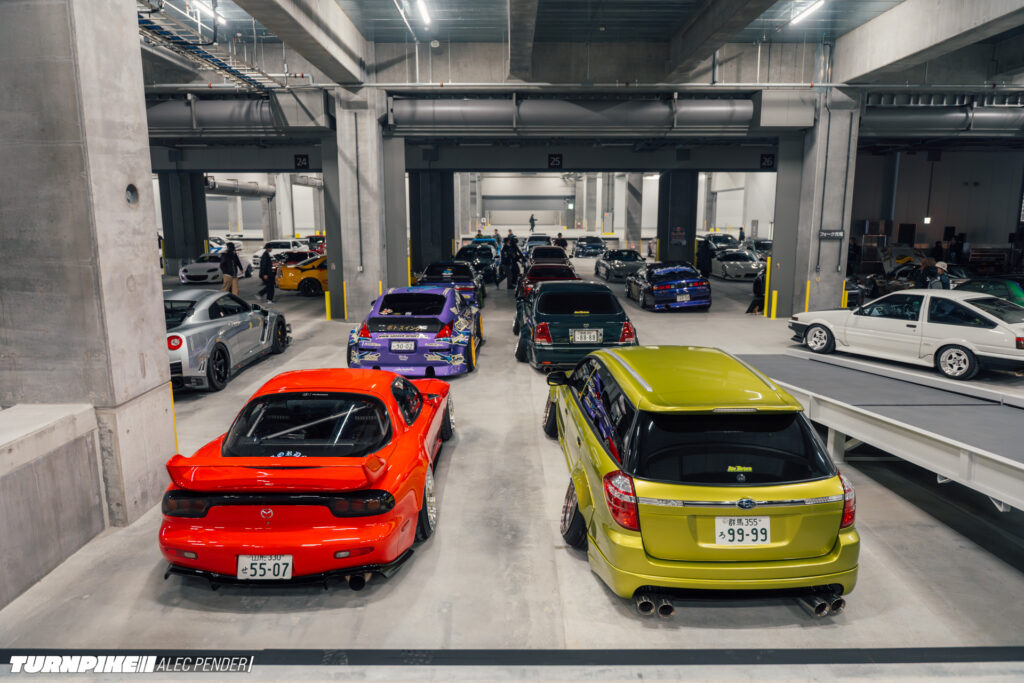
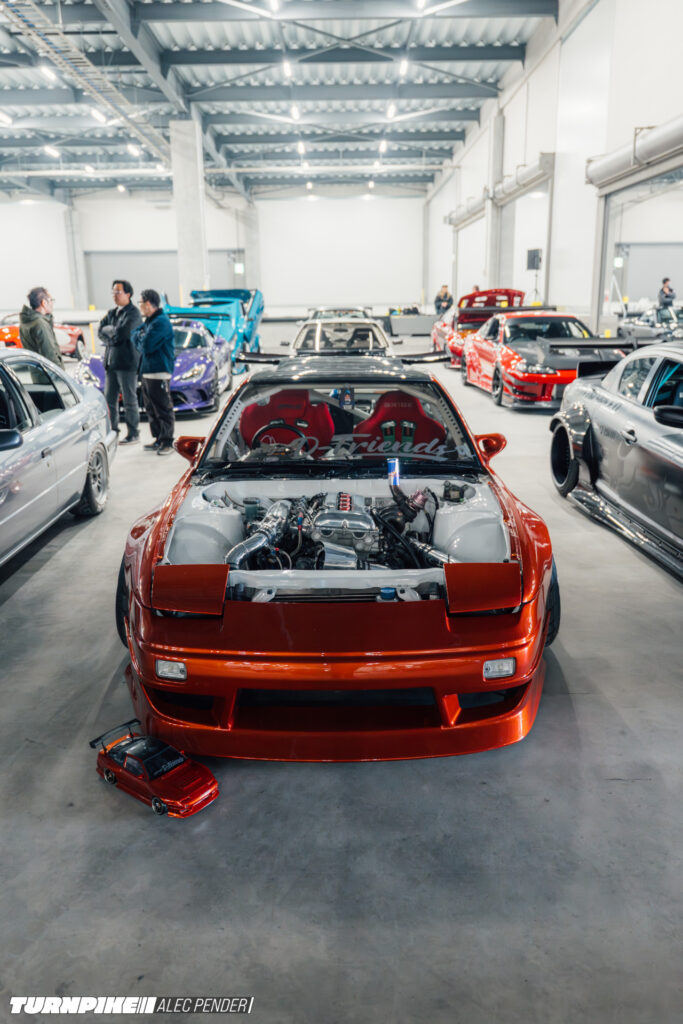
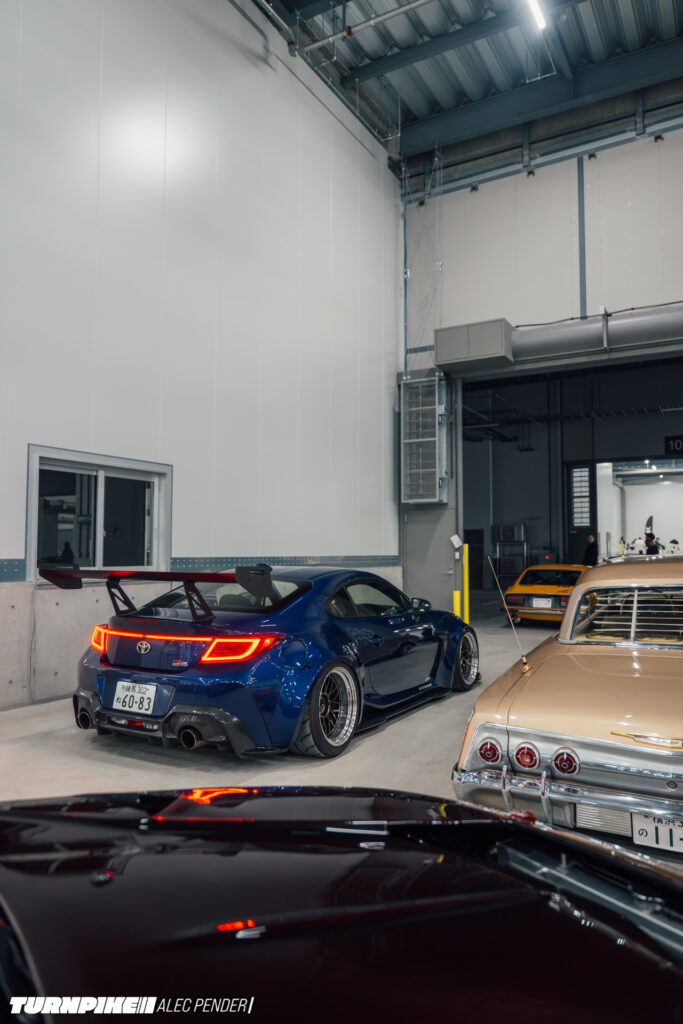
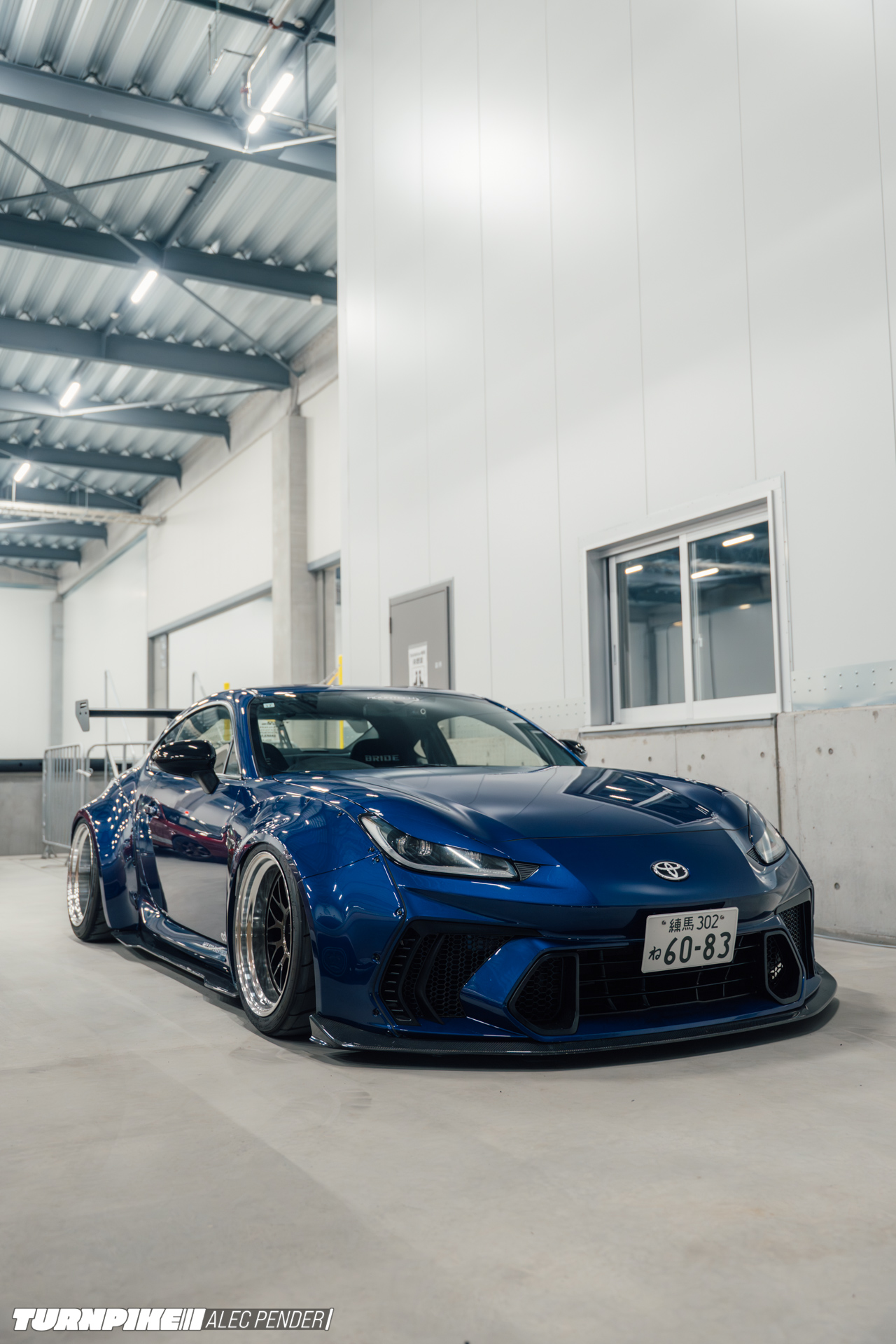
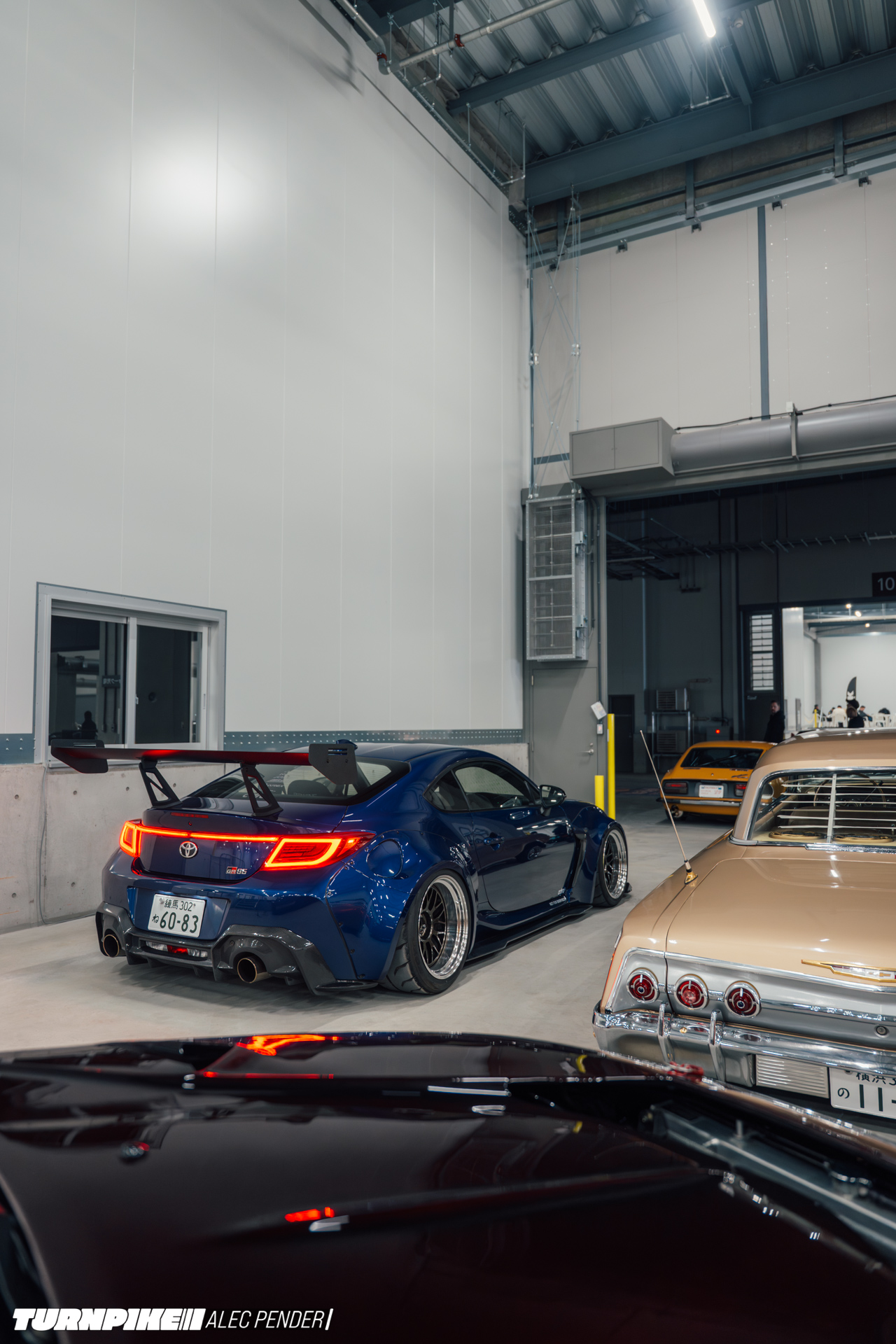
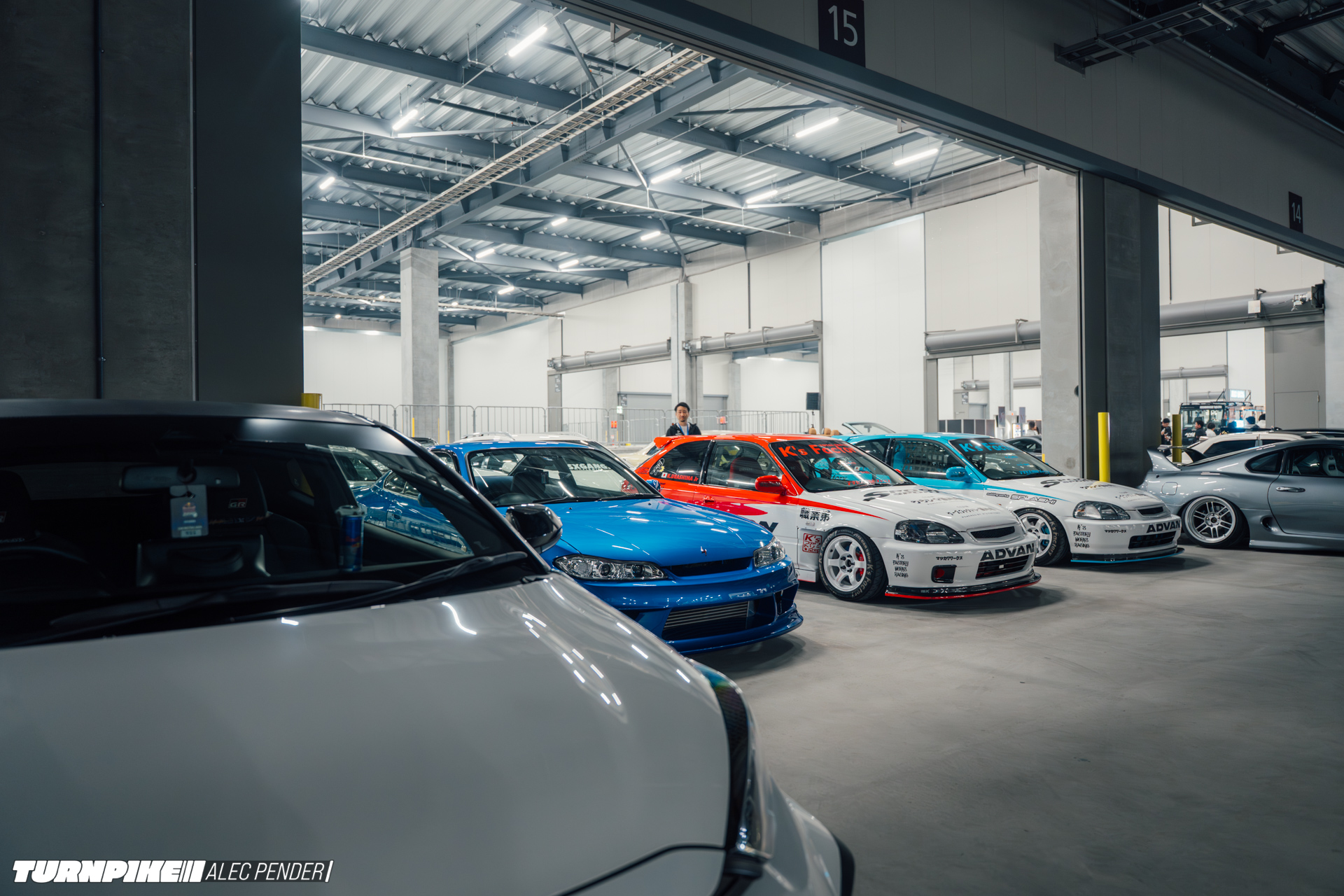
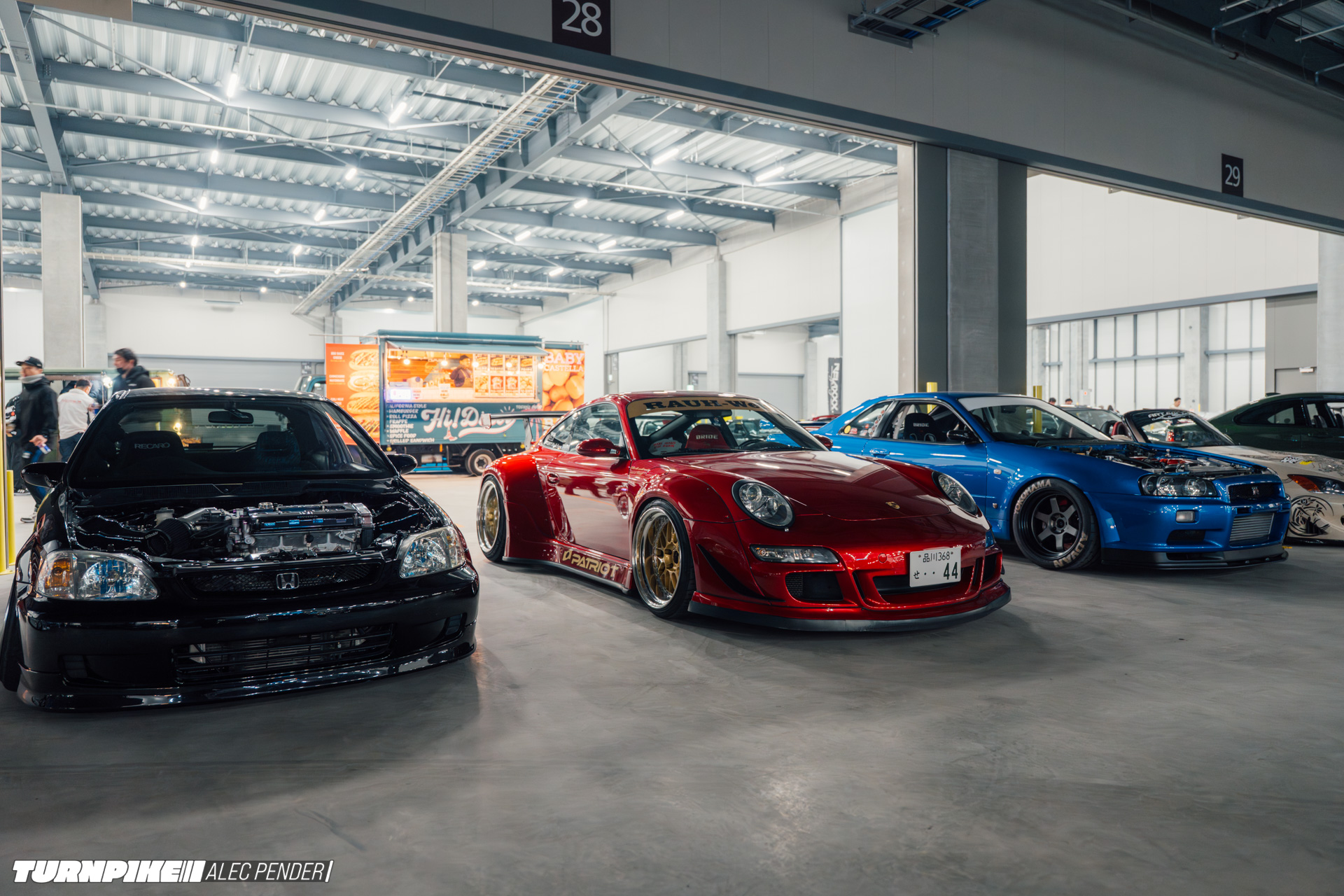
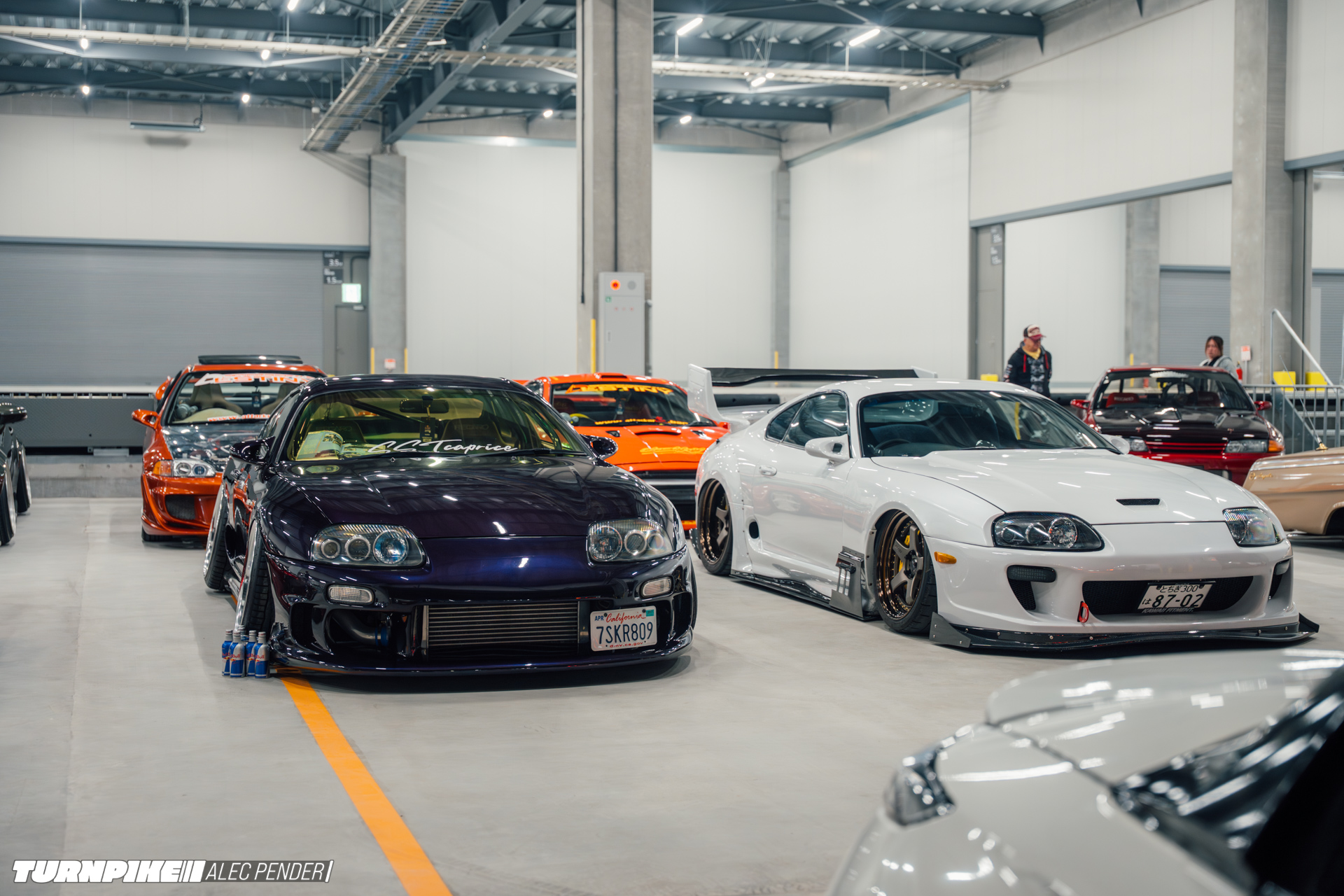
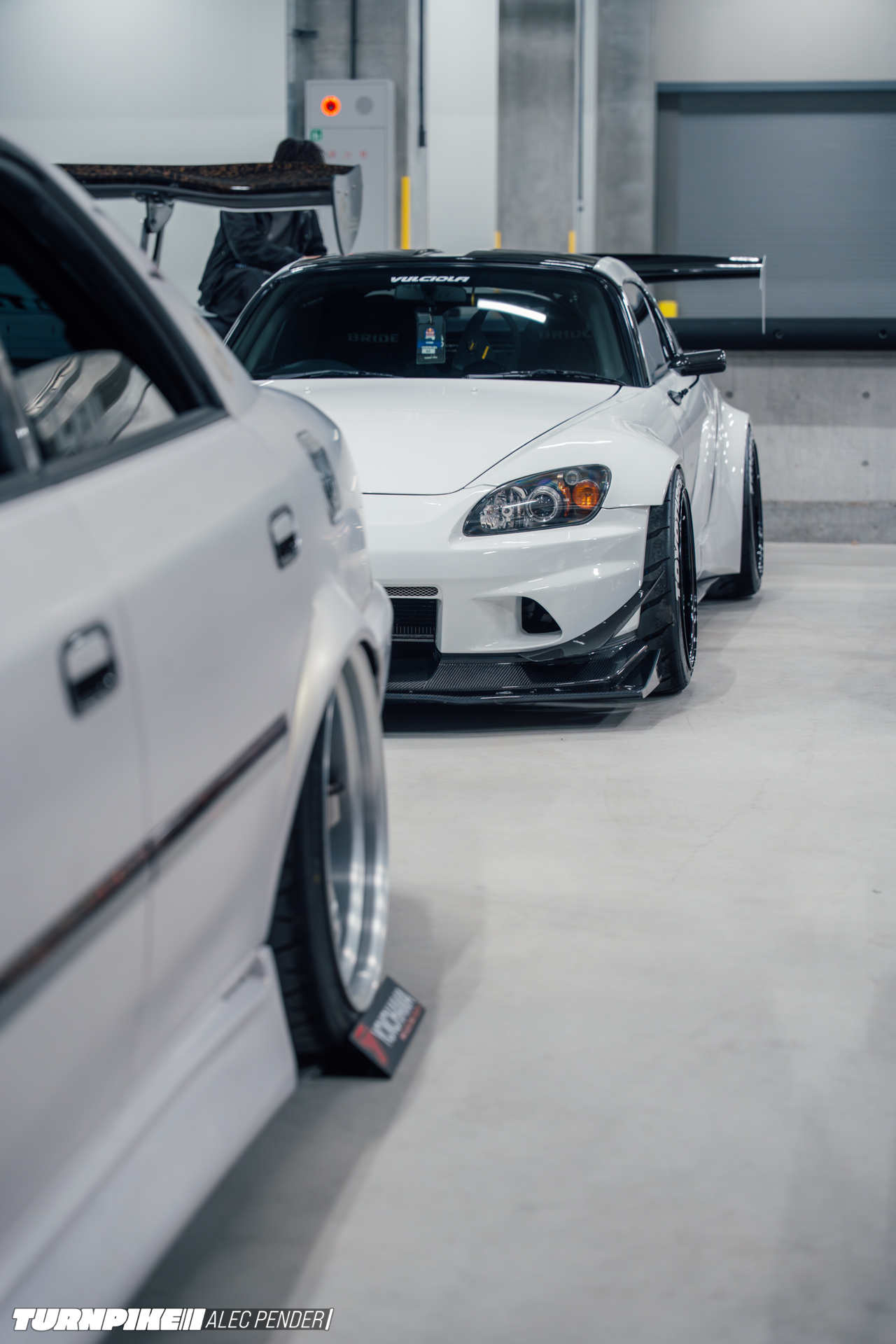
The sheer number of cars on display was overwhelming, and a worthy replacement for the sadly now-defunct Option Wangan Base Yokohama event. The ADRO GR86 made an appearance and also happened to be my ride into the event. While photos may not fully capture the scale, the sheer volume of them might.
Every year, we wonder what could be done to keep raising the bar for Japanese car culture, and here we are again asking the same question. Where do we go from here? Enjoy our Red Bull Tokyo Drift 2026 mega gallery below.
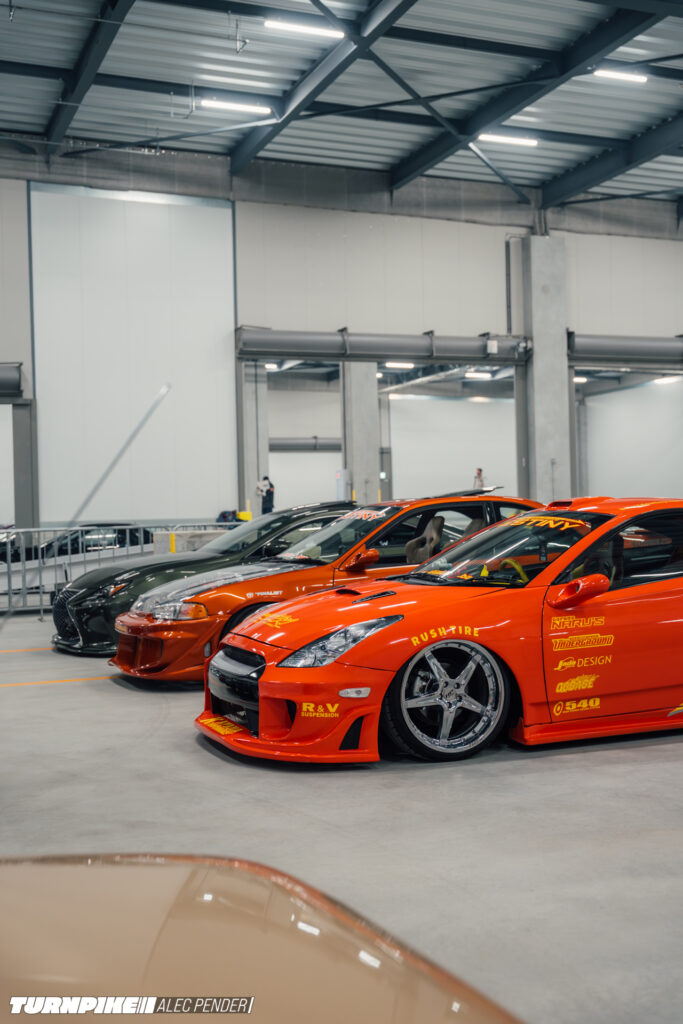
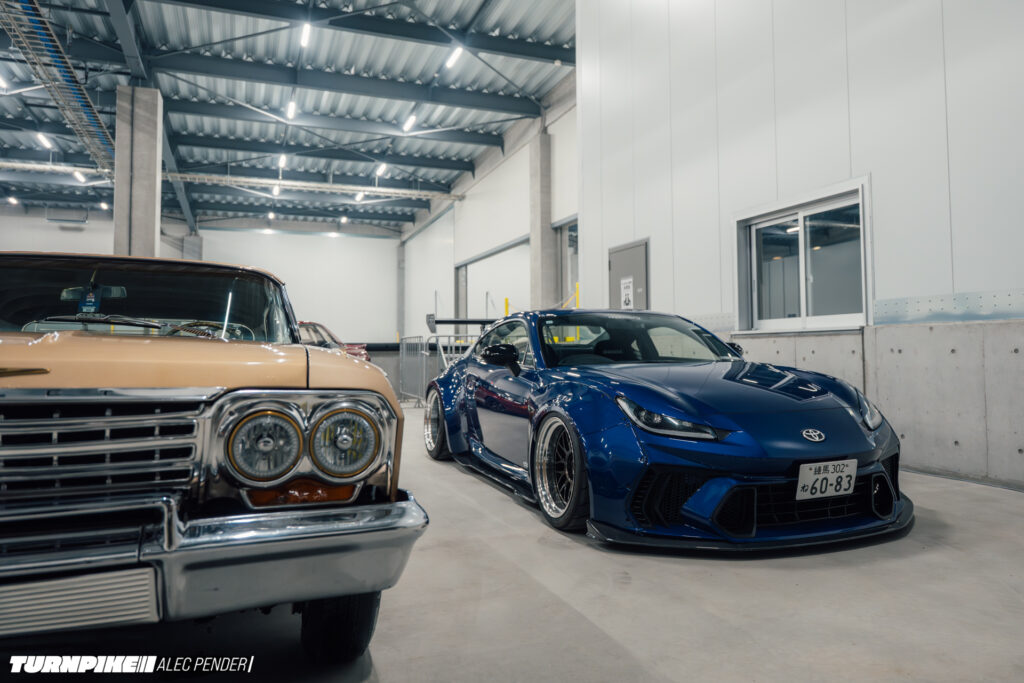
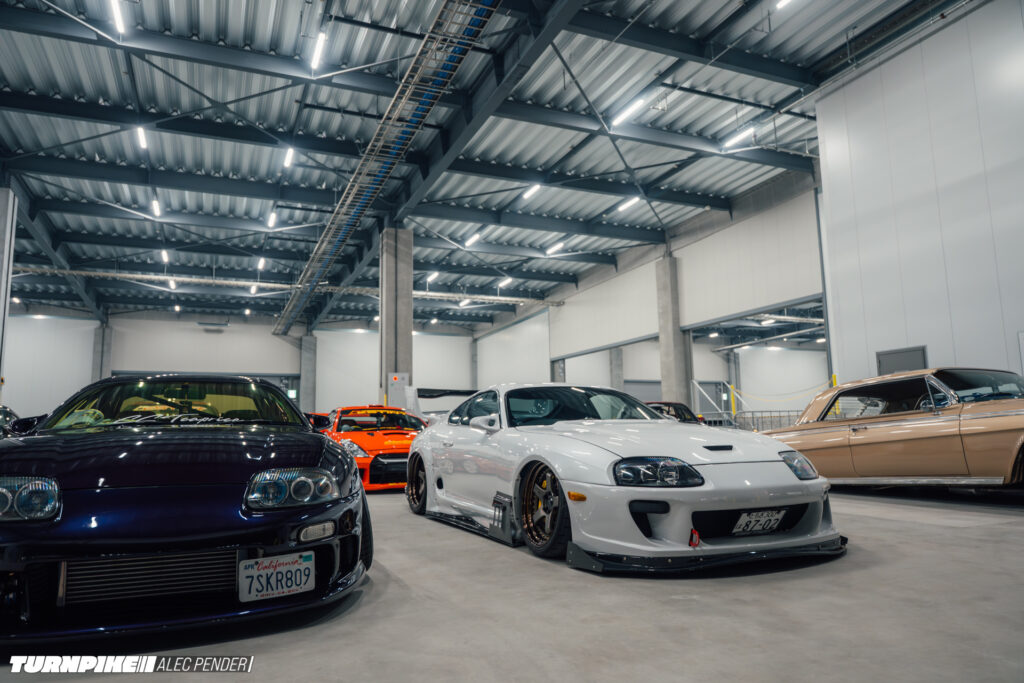
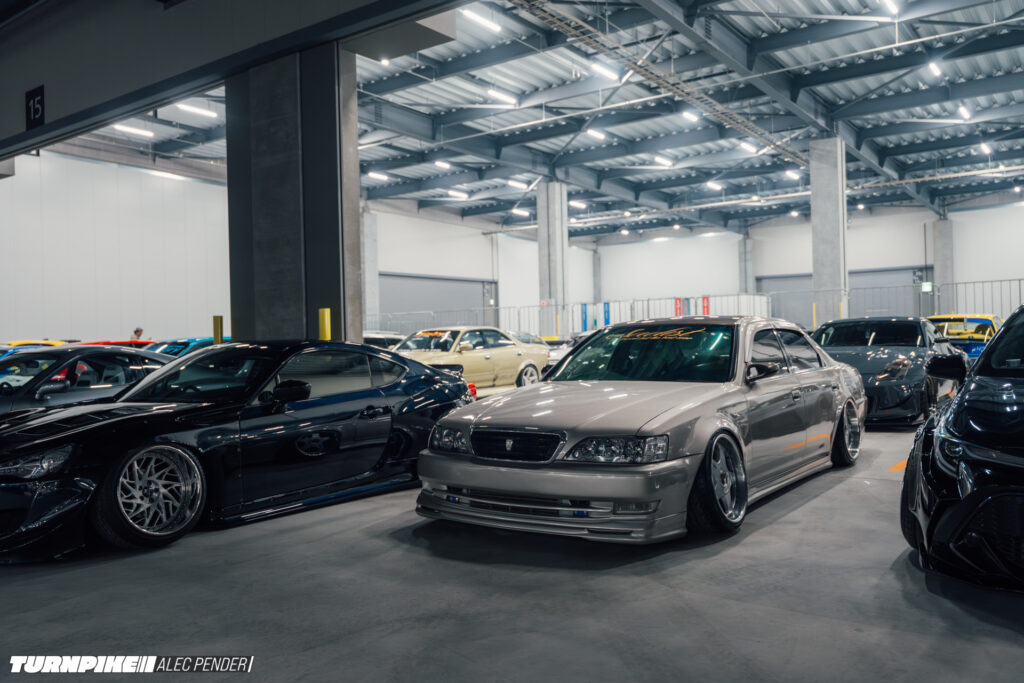
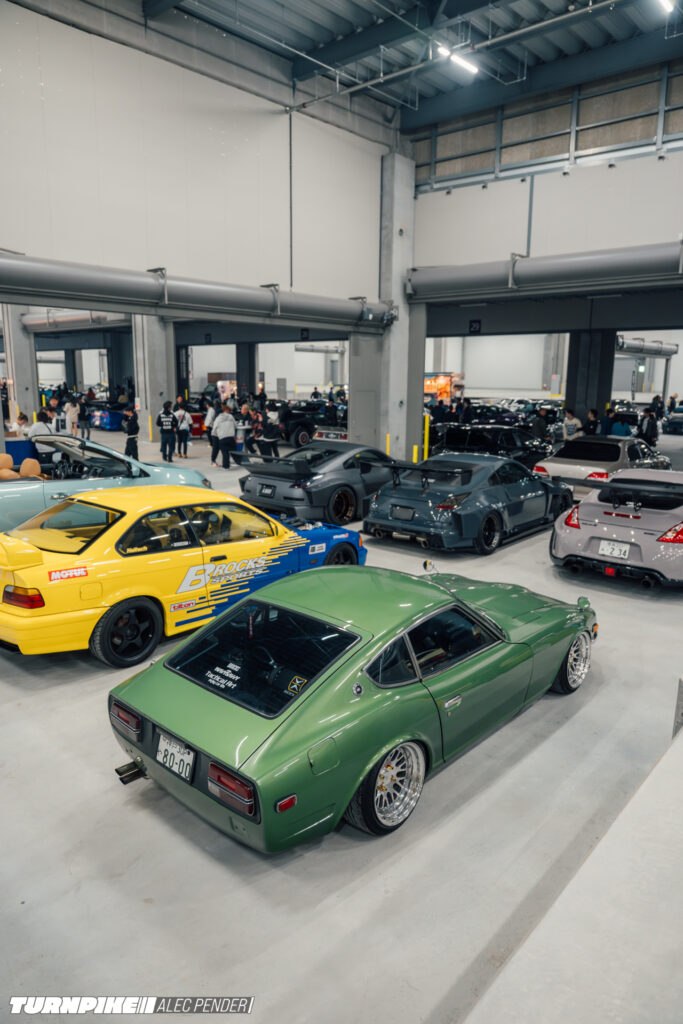



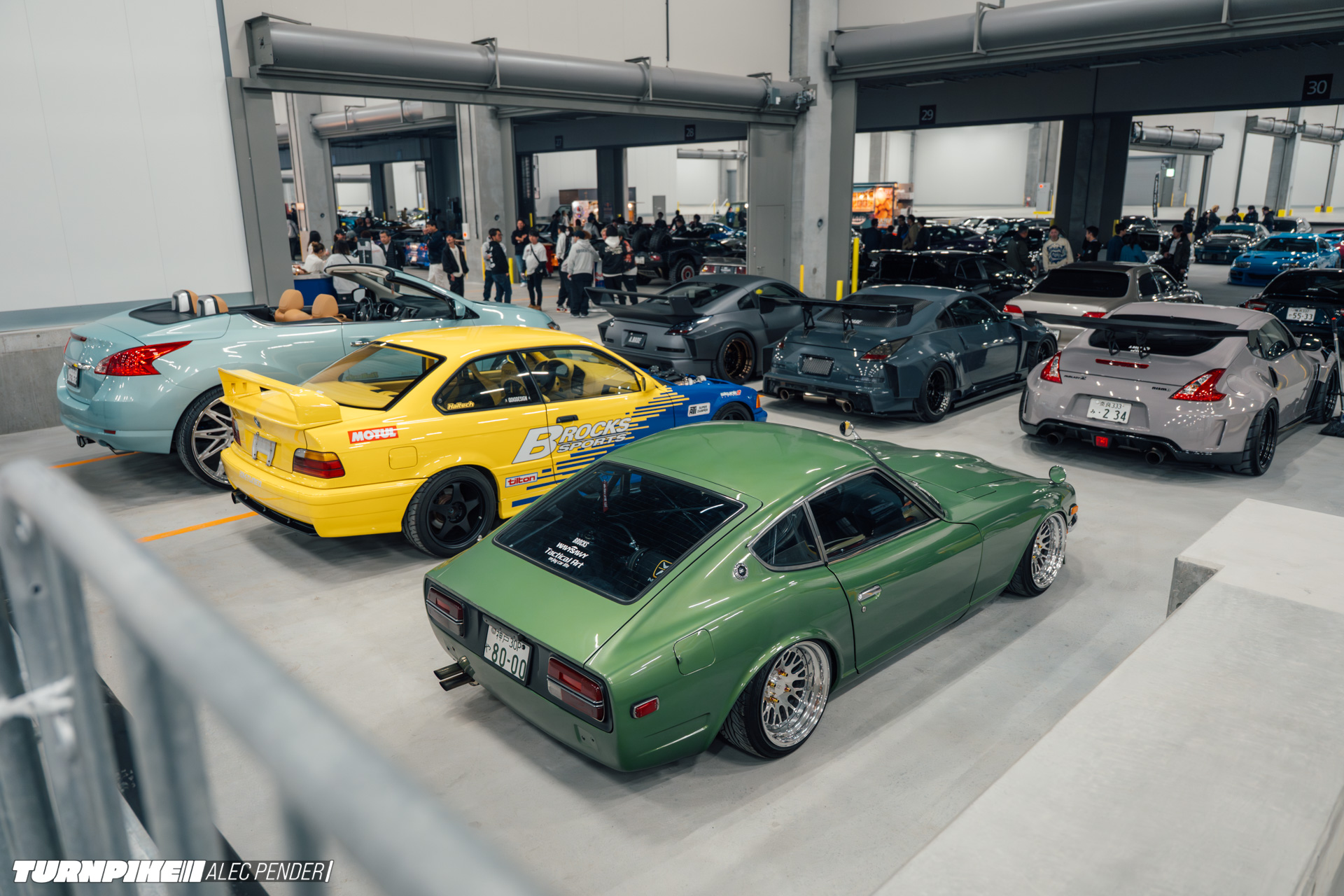
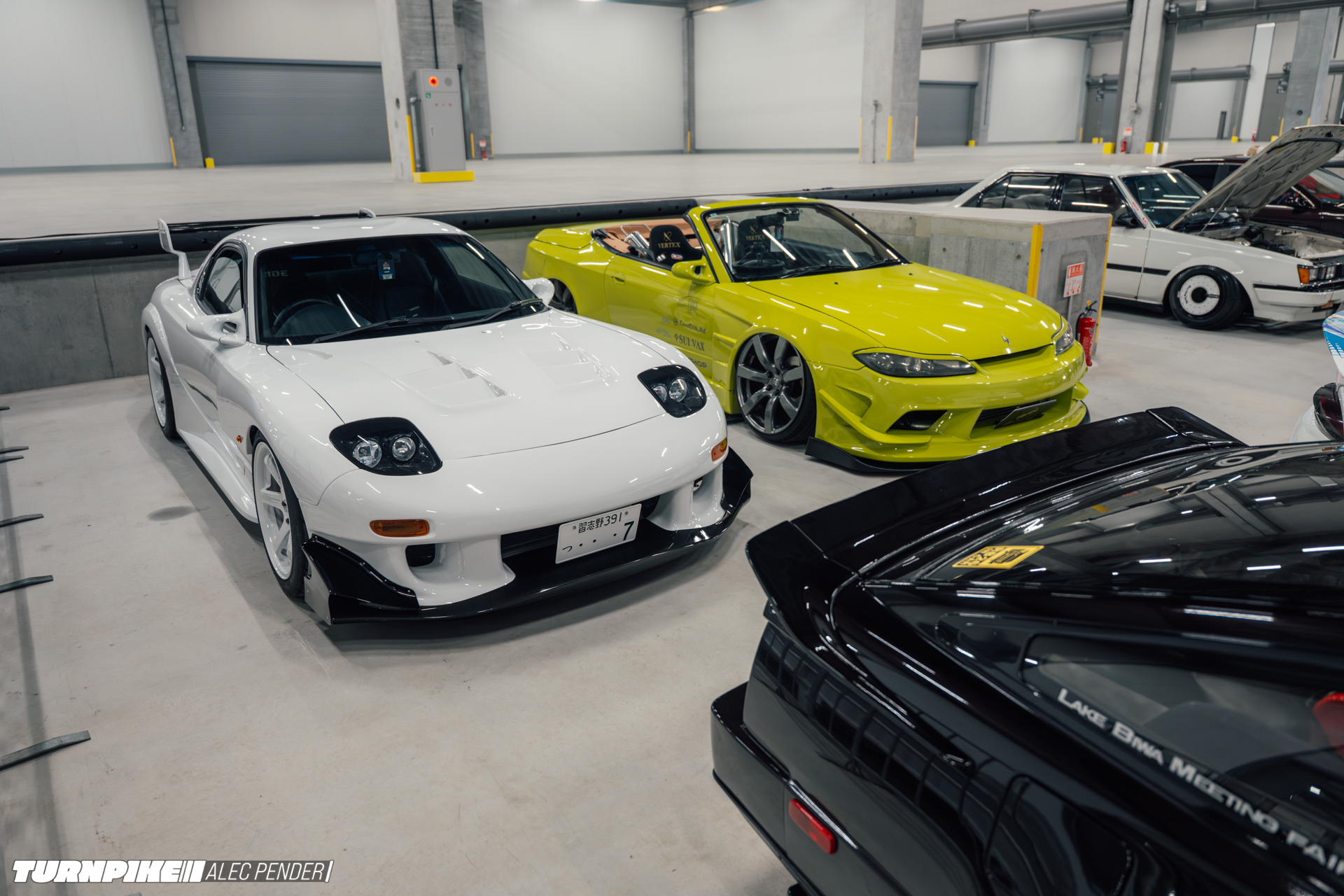
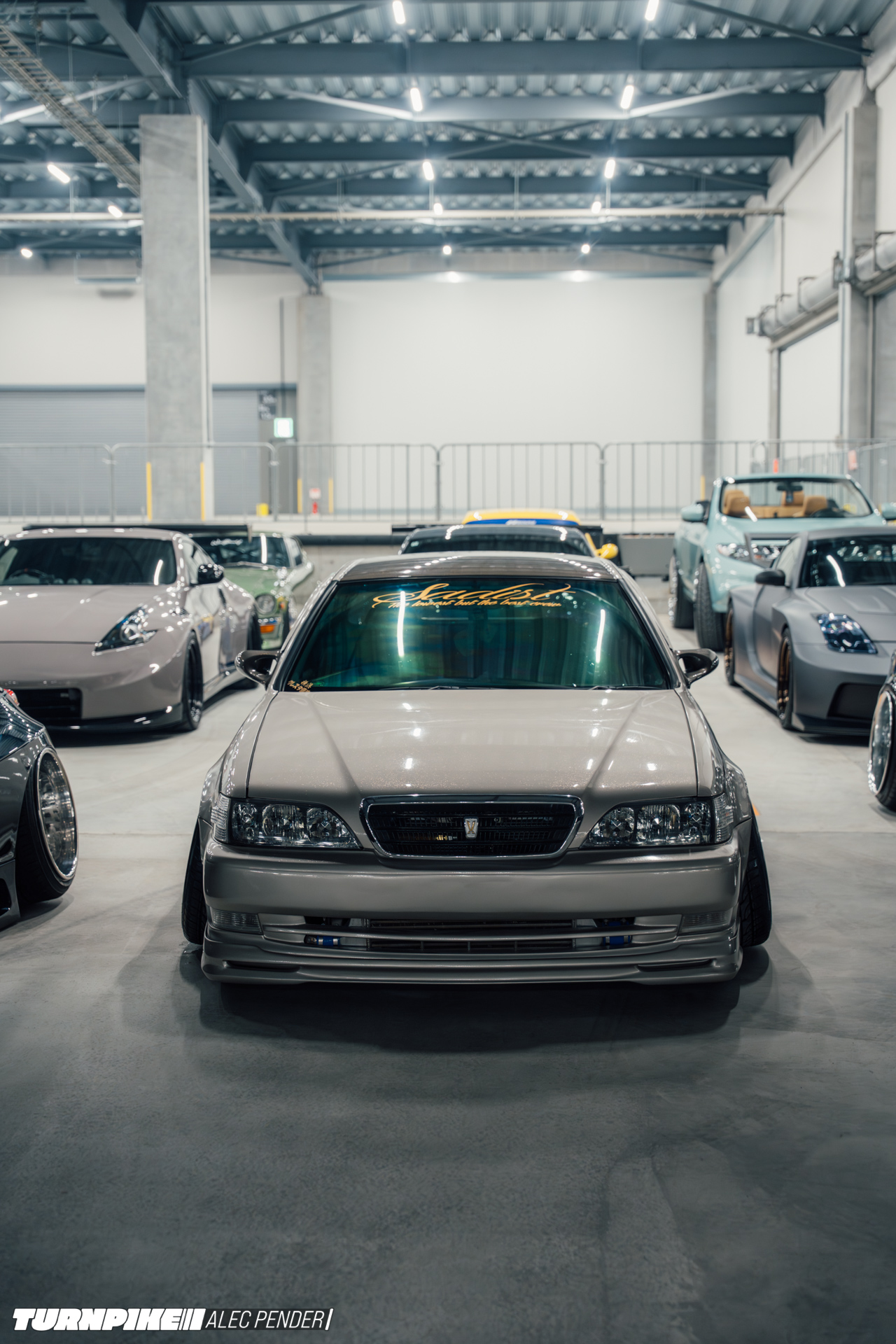
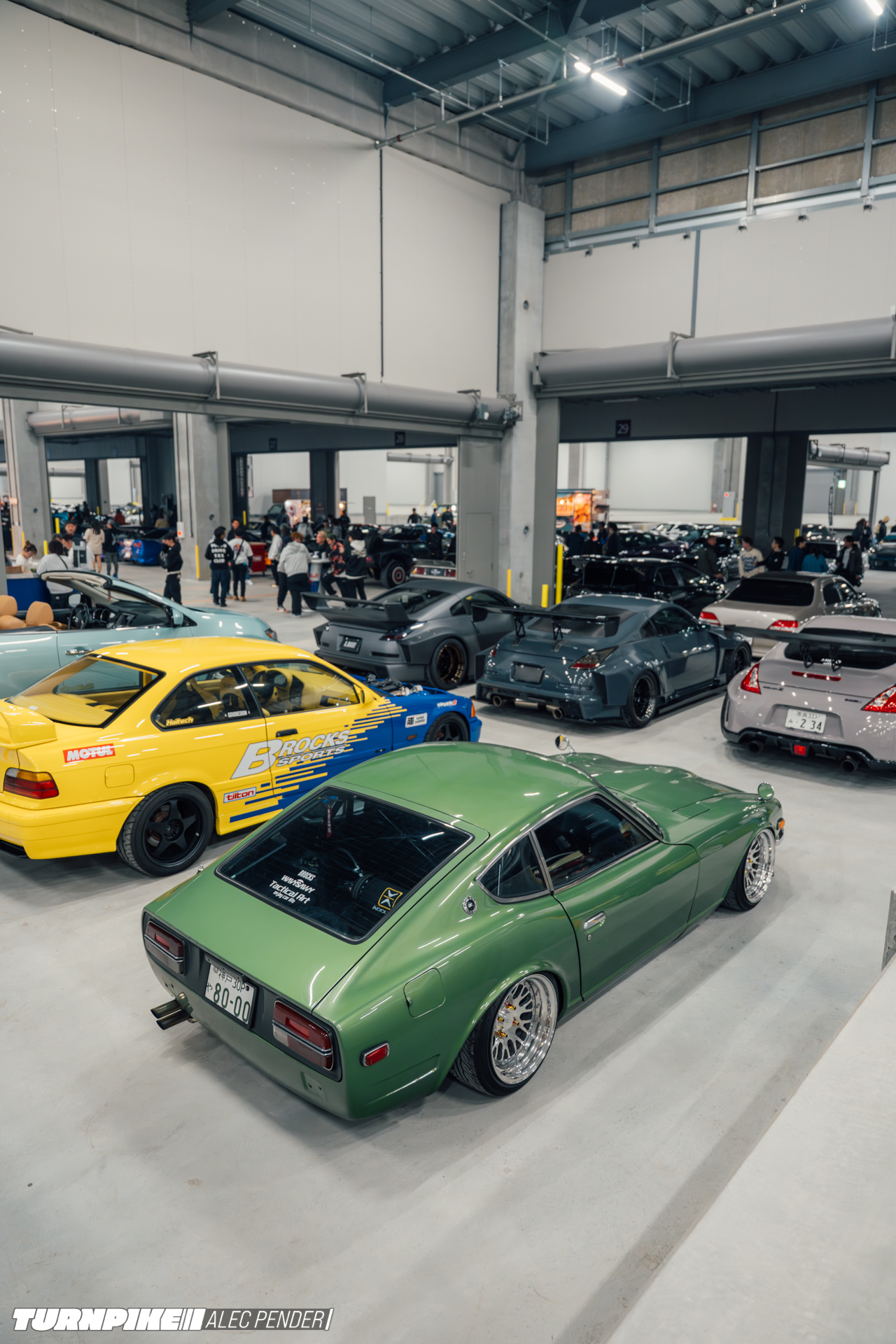
ok thats cool and all, but who the F**K let a convertible MURANO in???
(next to the yellow E36, next to the green S30 Z)
Because it’s a convertible Murano the greatest car ever made how dare you disrespect it
Same initial reaction as you, buddy haha. But.. Don’t forget it is nicknamed ”the chariot of the gods” hahaha
Amazing coverage, Alec ! I’m very curious how they have been able to secure such a place that’s somehow brand new but not used yet. How to even know about it being potentially availalbe … Somebody must have internal connections.