
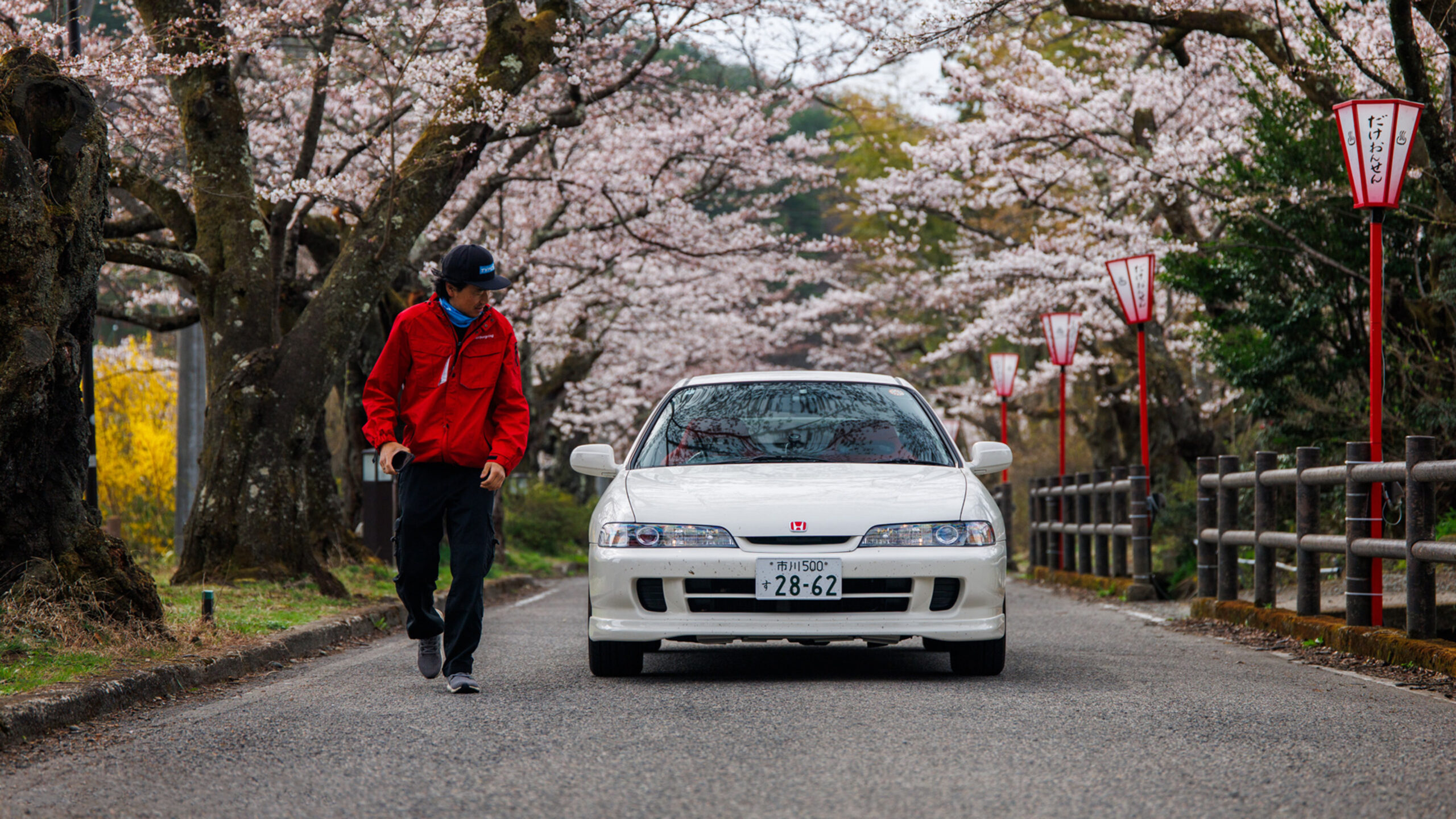
There’s something strange that happens when you start spending more and more time in Japan.
You come here for work at first – an event or maybe a shoot that lasts a few days. But over time, the trips become longer, and the gaps between them become shorter. Eventually, you realize you’re not visiting anymore; you’re existing here, at least partially. And when that happens, the idea of owning a car in Japan starts to make sense. For me, this took place over 20 years, as my first visit to Japan was for Tokyo Auto Salon 2006.
It was only after my R34 Skyline GT-R was restored by Garage Yoshida and exported to the United States that I realized something was missing. So I started looking for a daily driver, and kept coming back to one car…
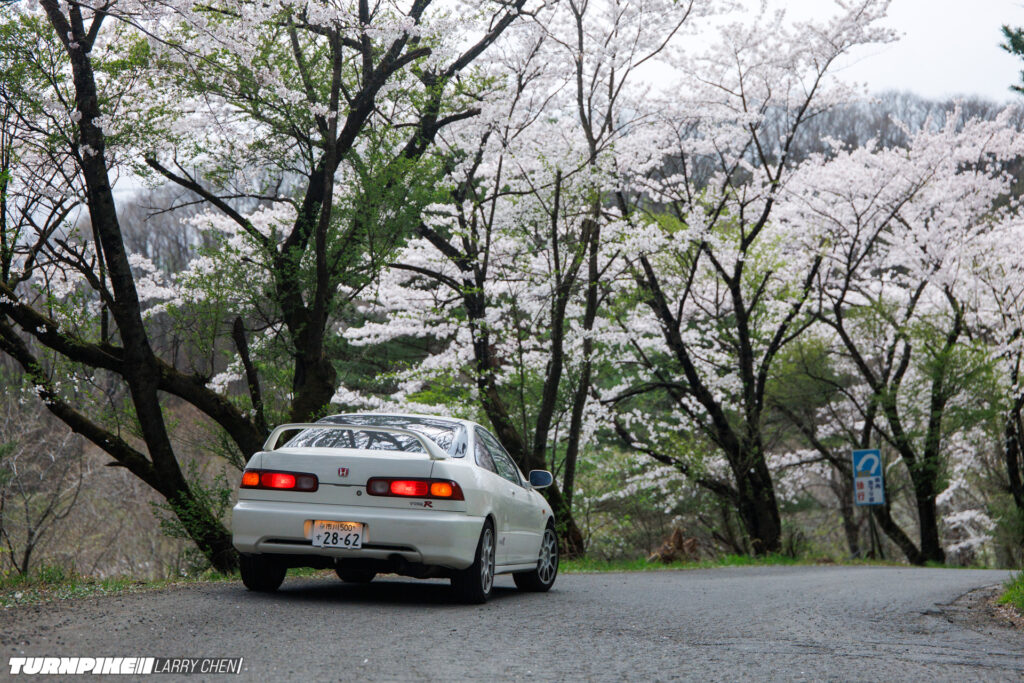
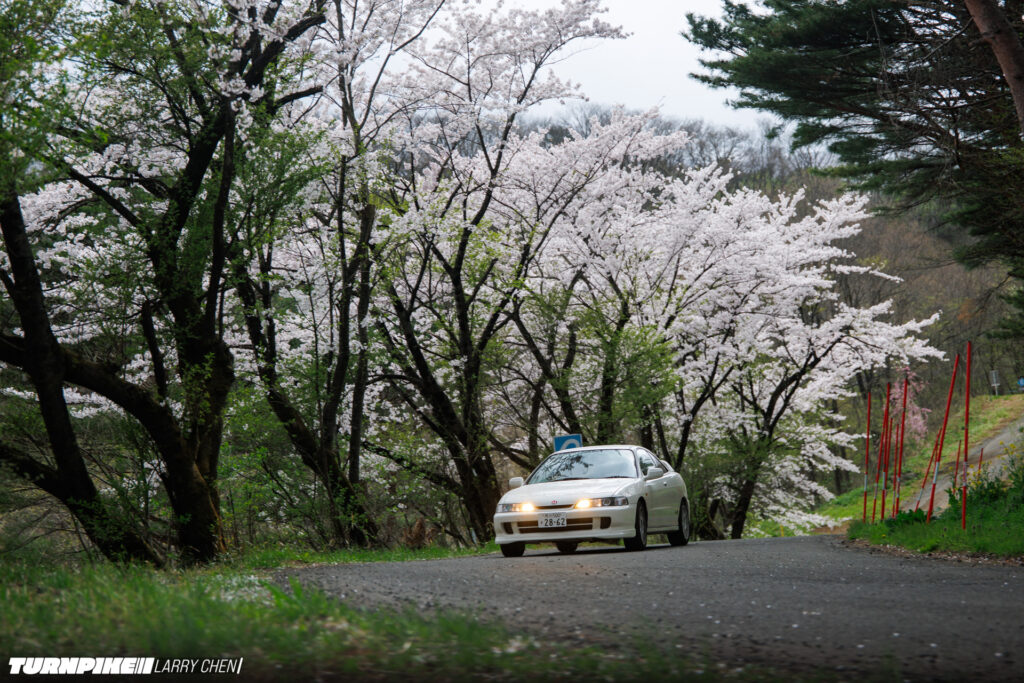
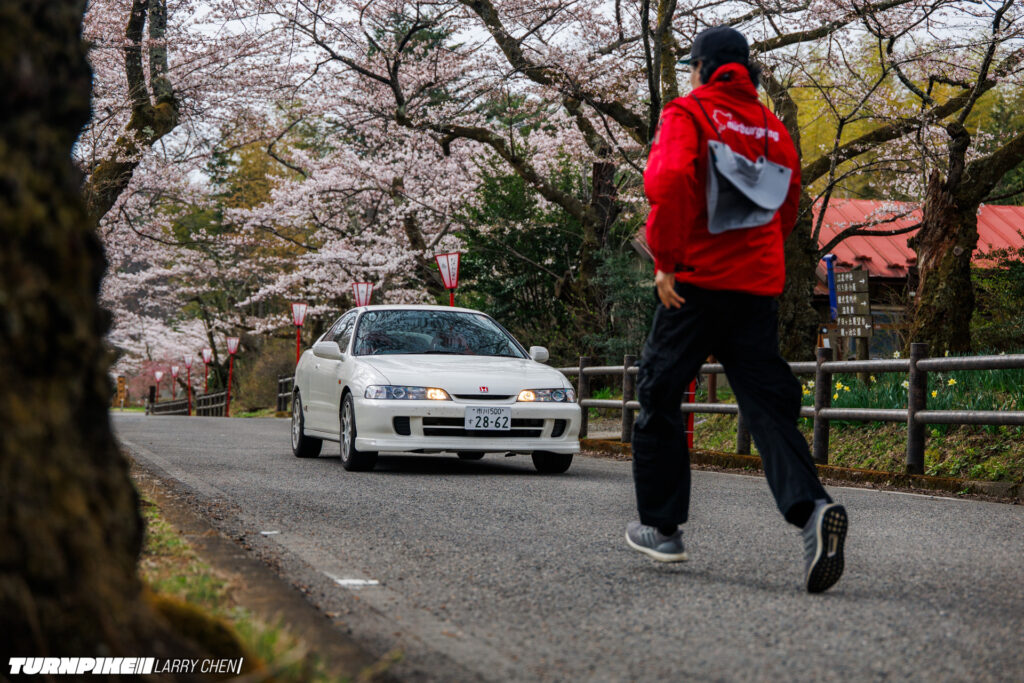
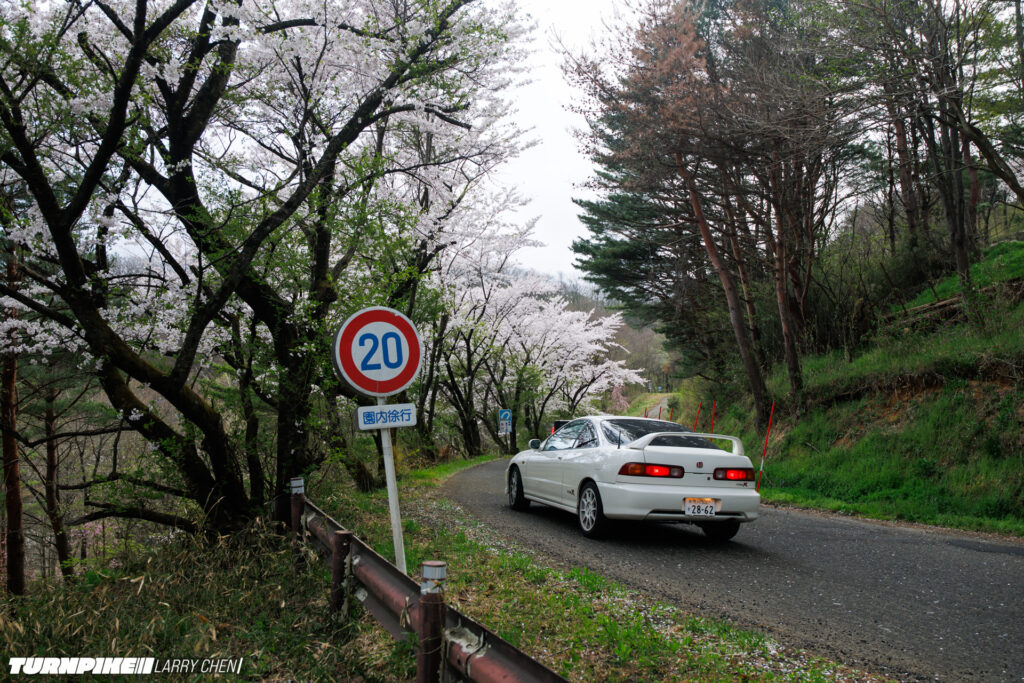
Growing up in Southern California, Honda culture was inescapable. While Acura Integras were everywhere, the Type R variant was far less common to see on the roads. In fact, the peak-performance model was so beyond what I could even imagine, it might as well have cost a million dollars, even though it cost around US$25,000 at the time.
What I had my eye on was the EM1 Civic Si in Electric Blue. The Si’s 1.6-liter B16A engine was what my teenage mind dreamt about, and with a price tag of around US$19,000, it was more attainable in my mind. Believe it or not, a low-mileage example in pristine condition sold recently for US$140,000.
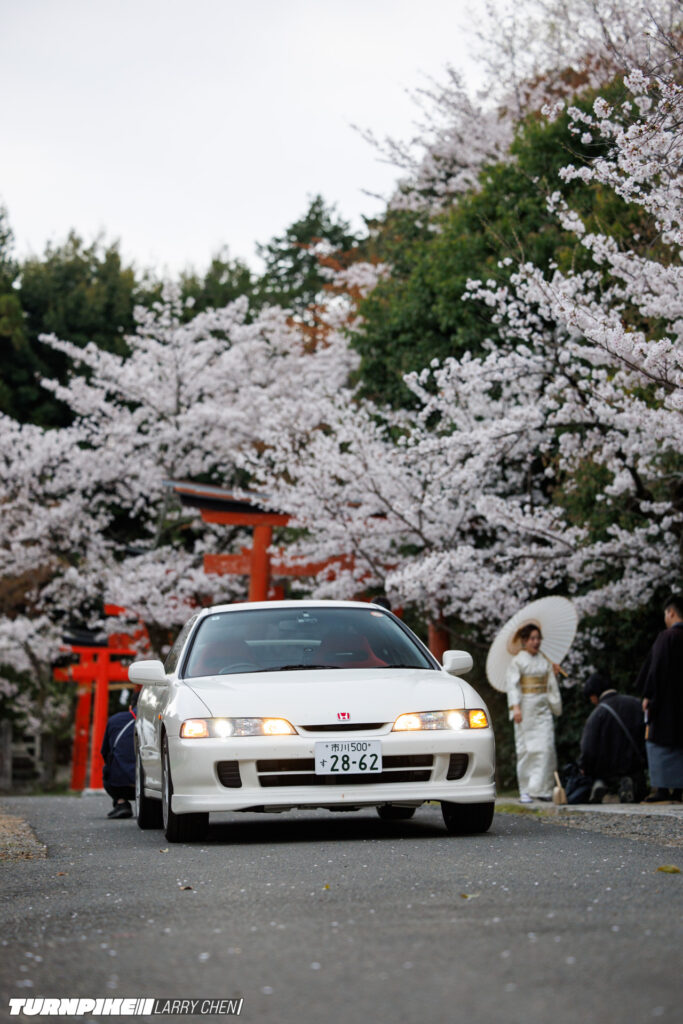
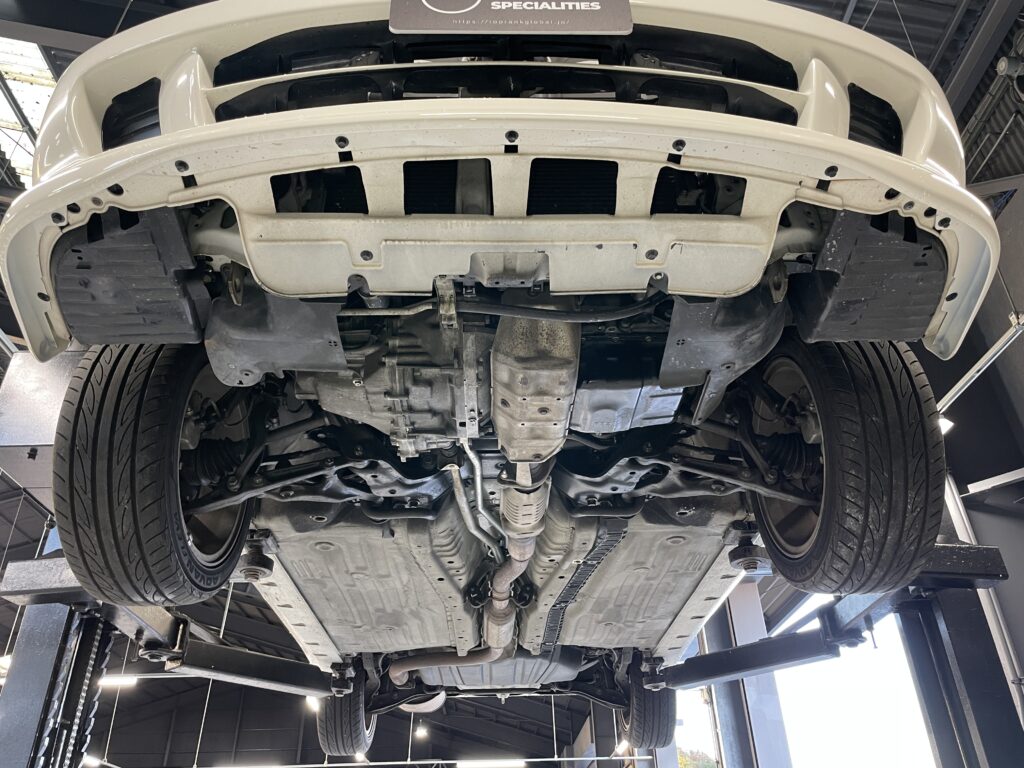
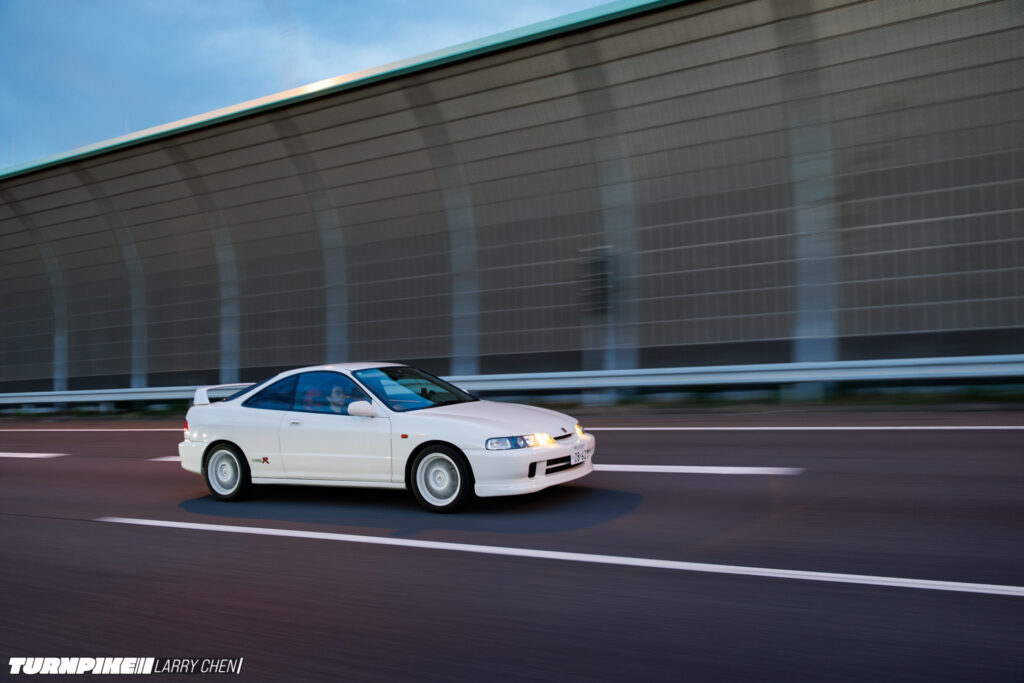
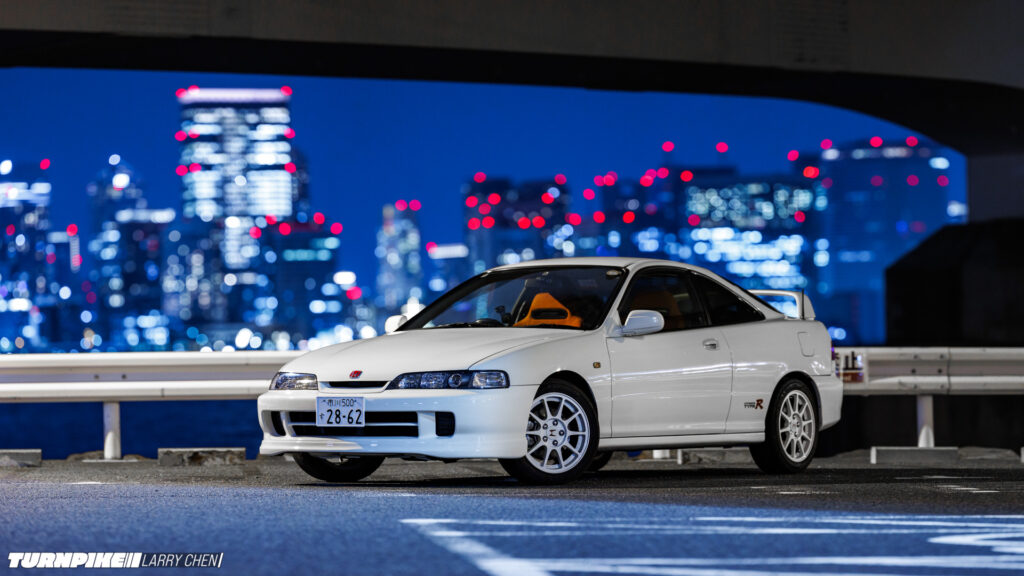
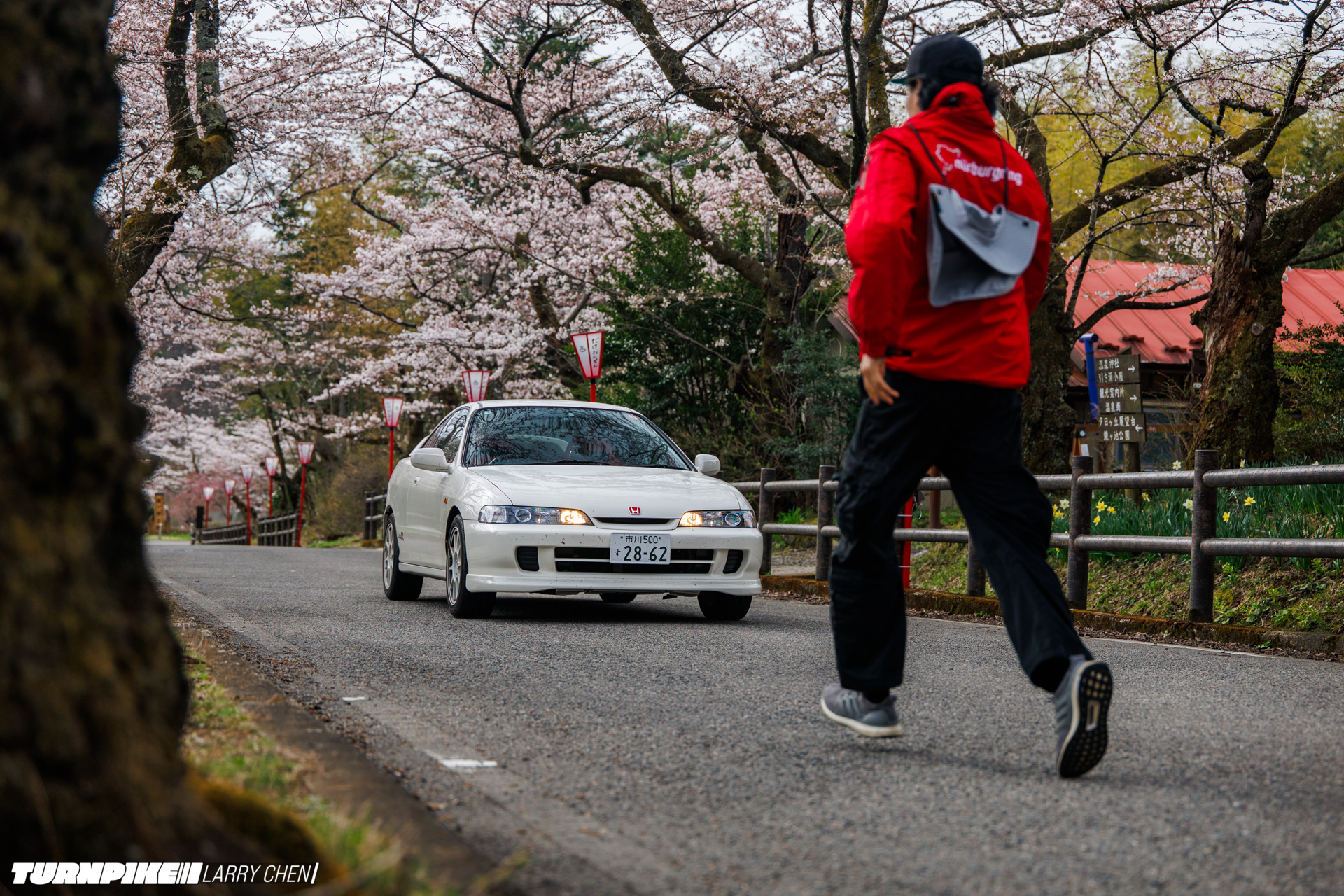
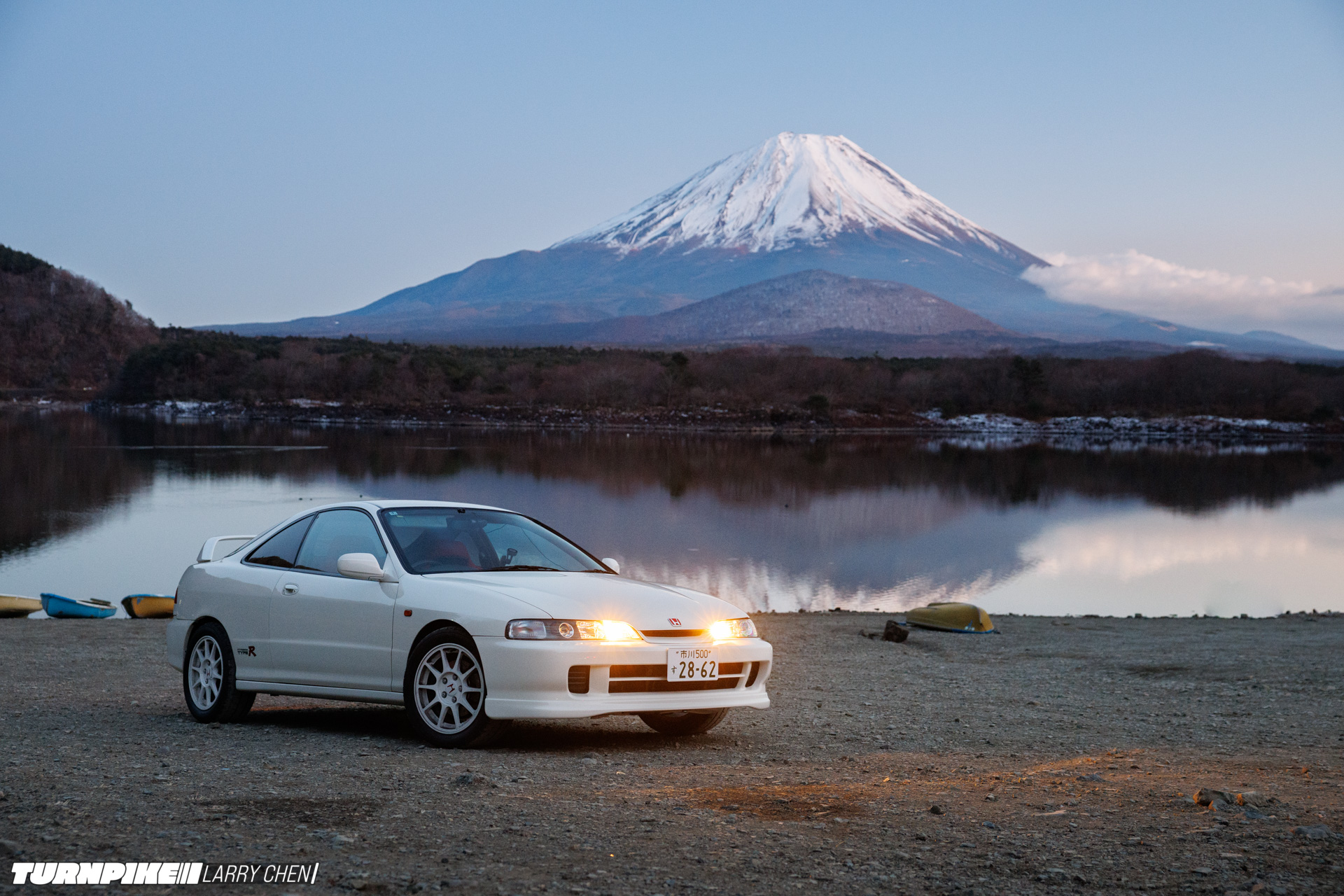
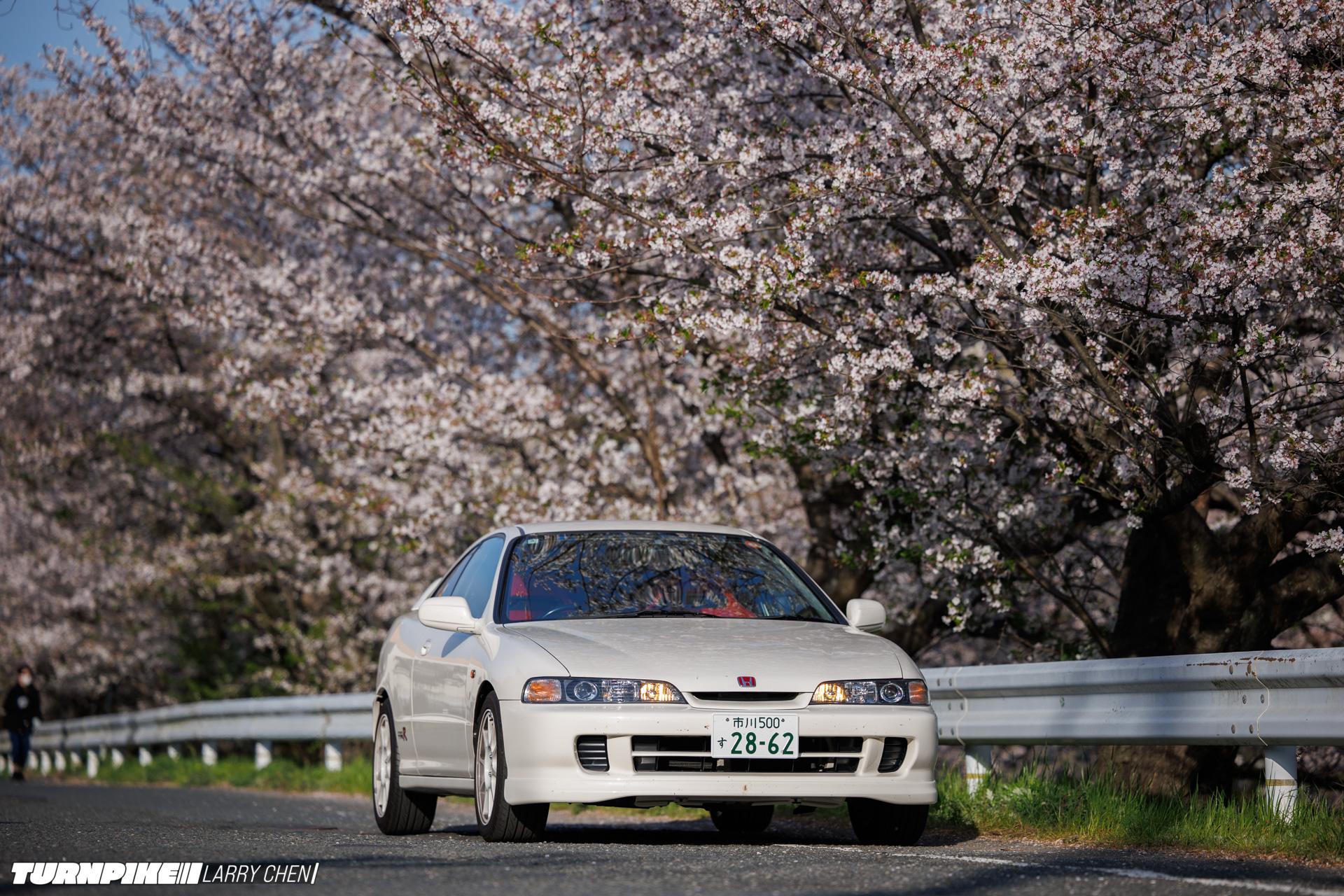
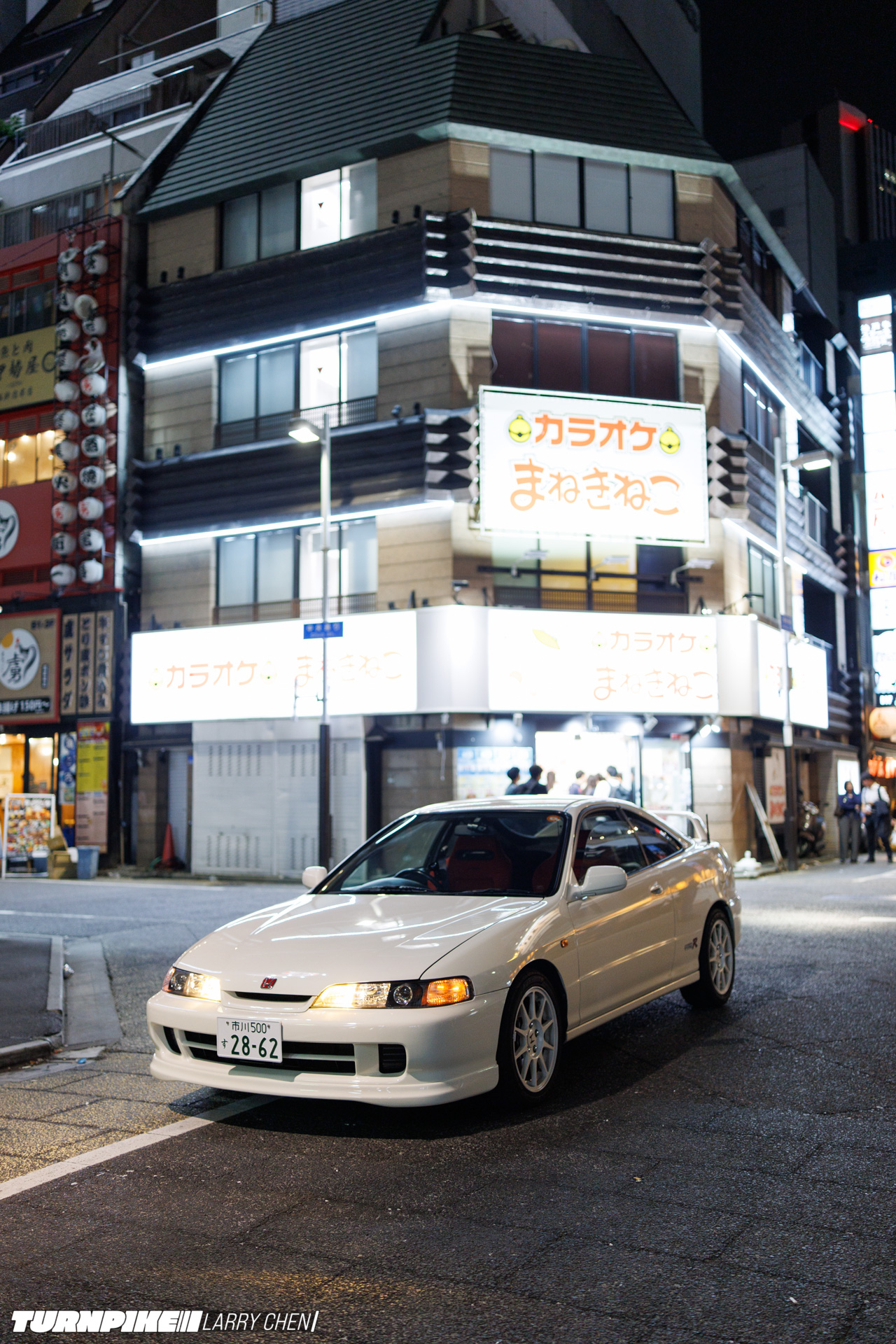
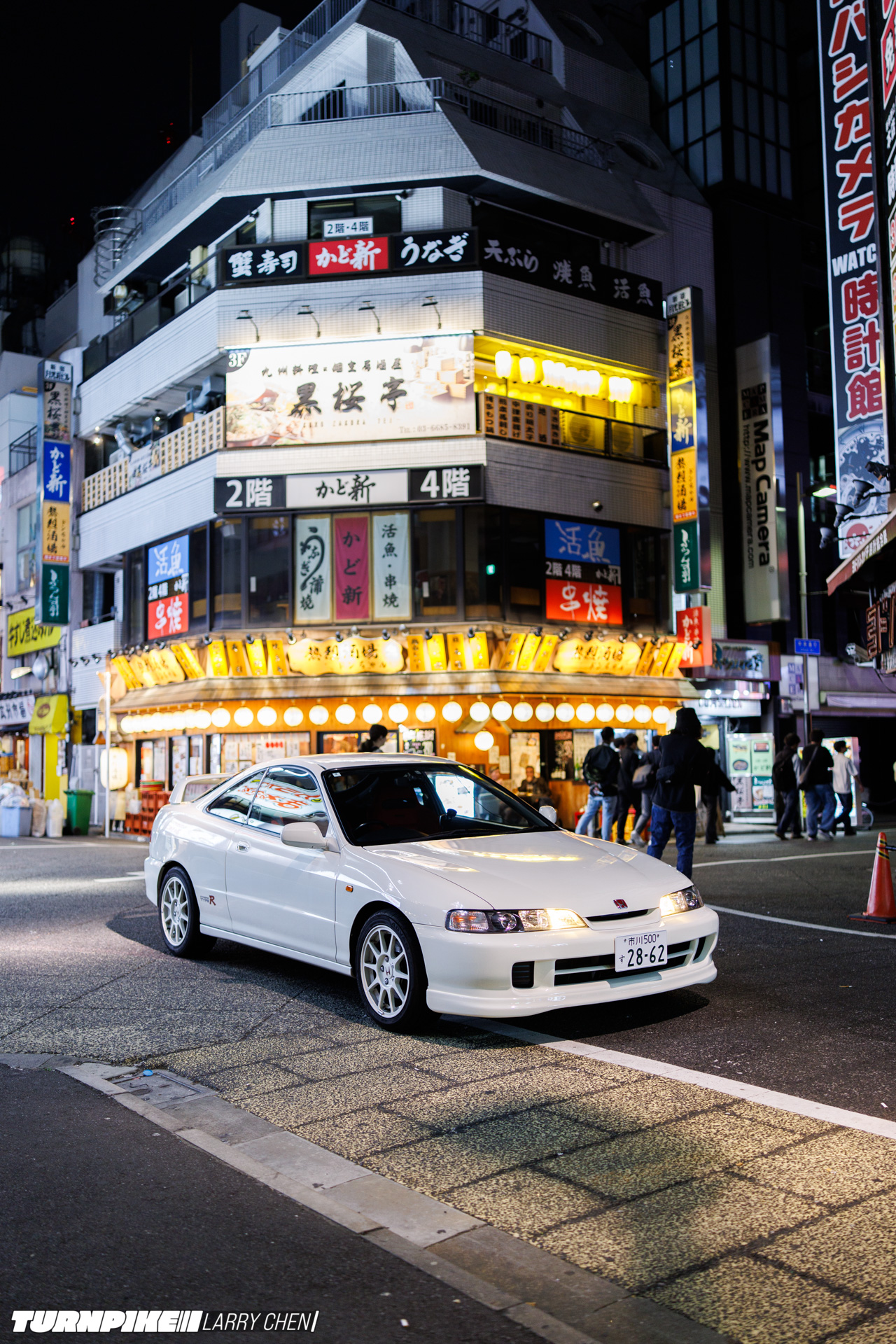
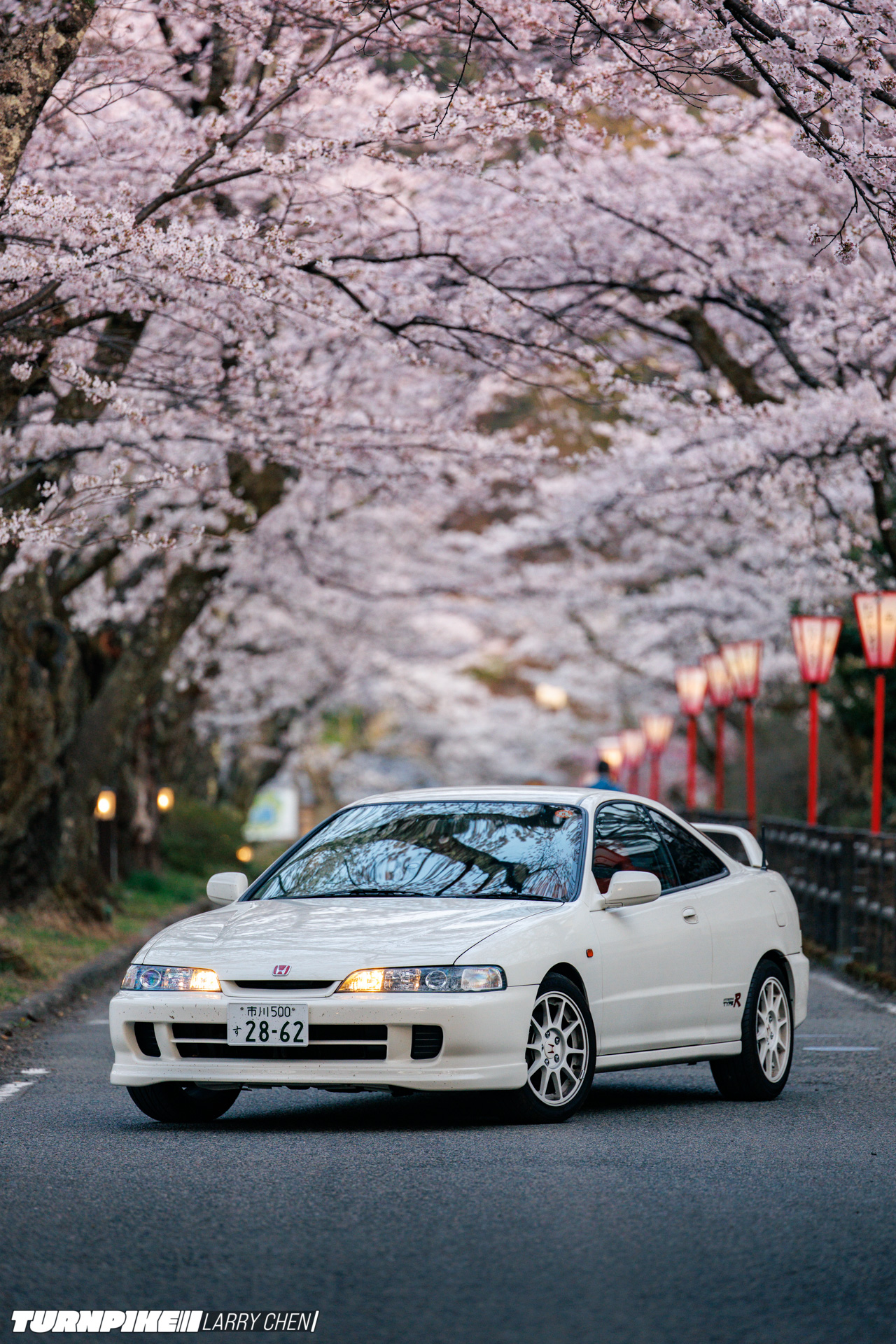
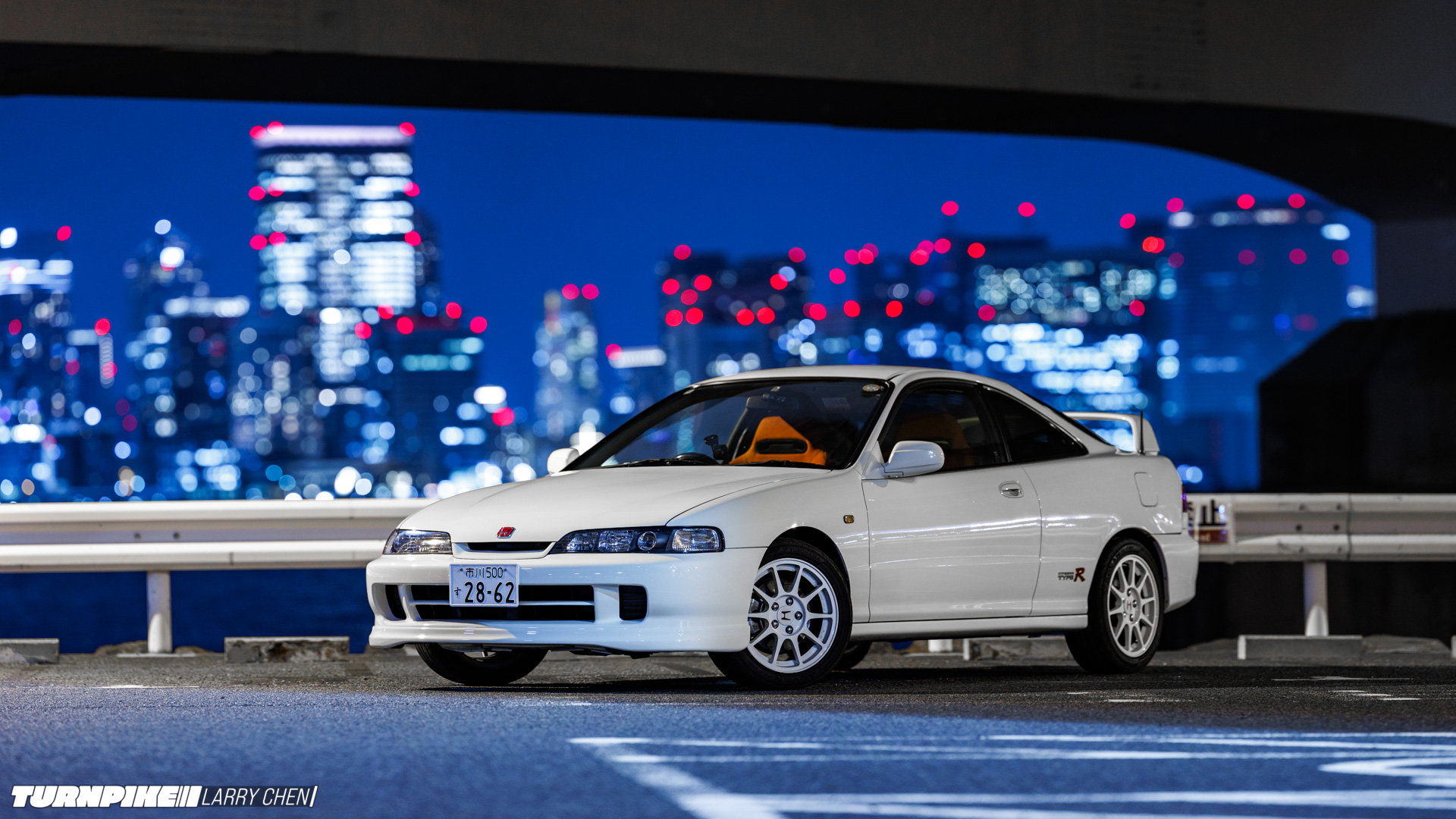
Fast forward two and a half decades, and the Acura Integra Type R has achieved legendary status. One sold recently for US$204,000. I’ve seen that car in person, and I’m not sure it was worth the price. So when I found a 2000 Honda Integra Type Rx listed at Toprank Global in Noda, Japan, for US$30,000, I had to purchase it.
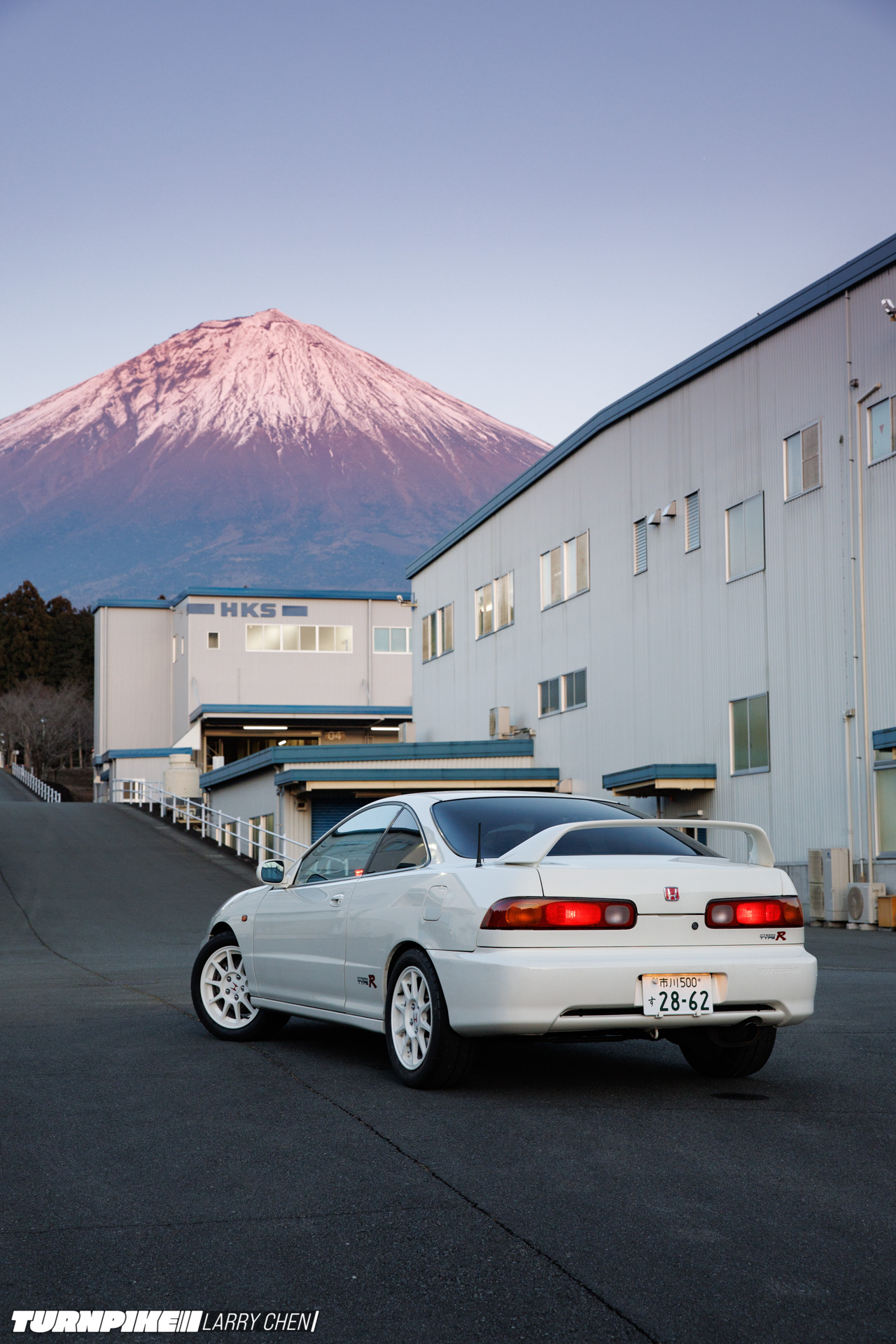
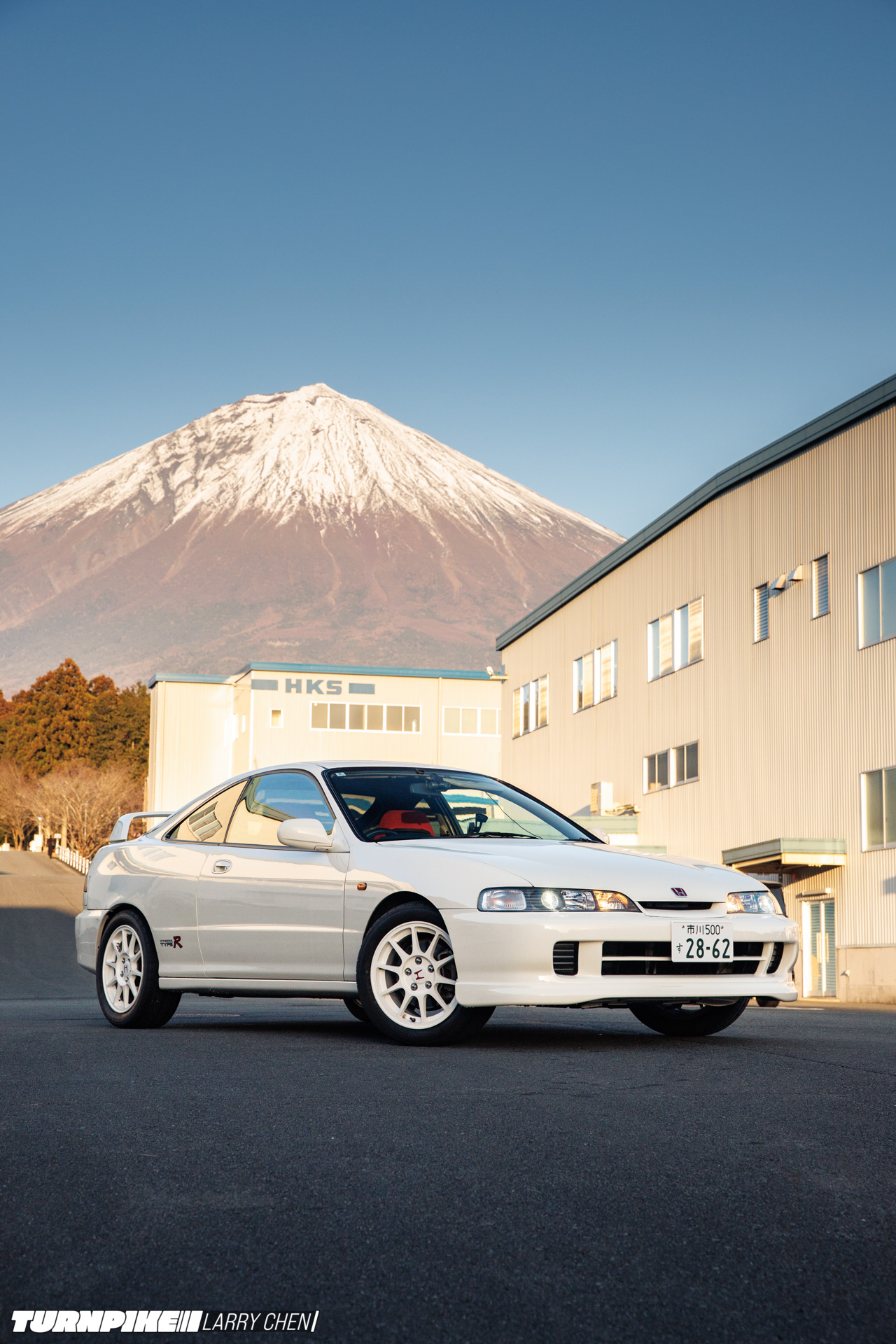
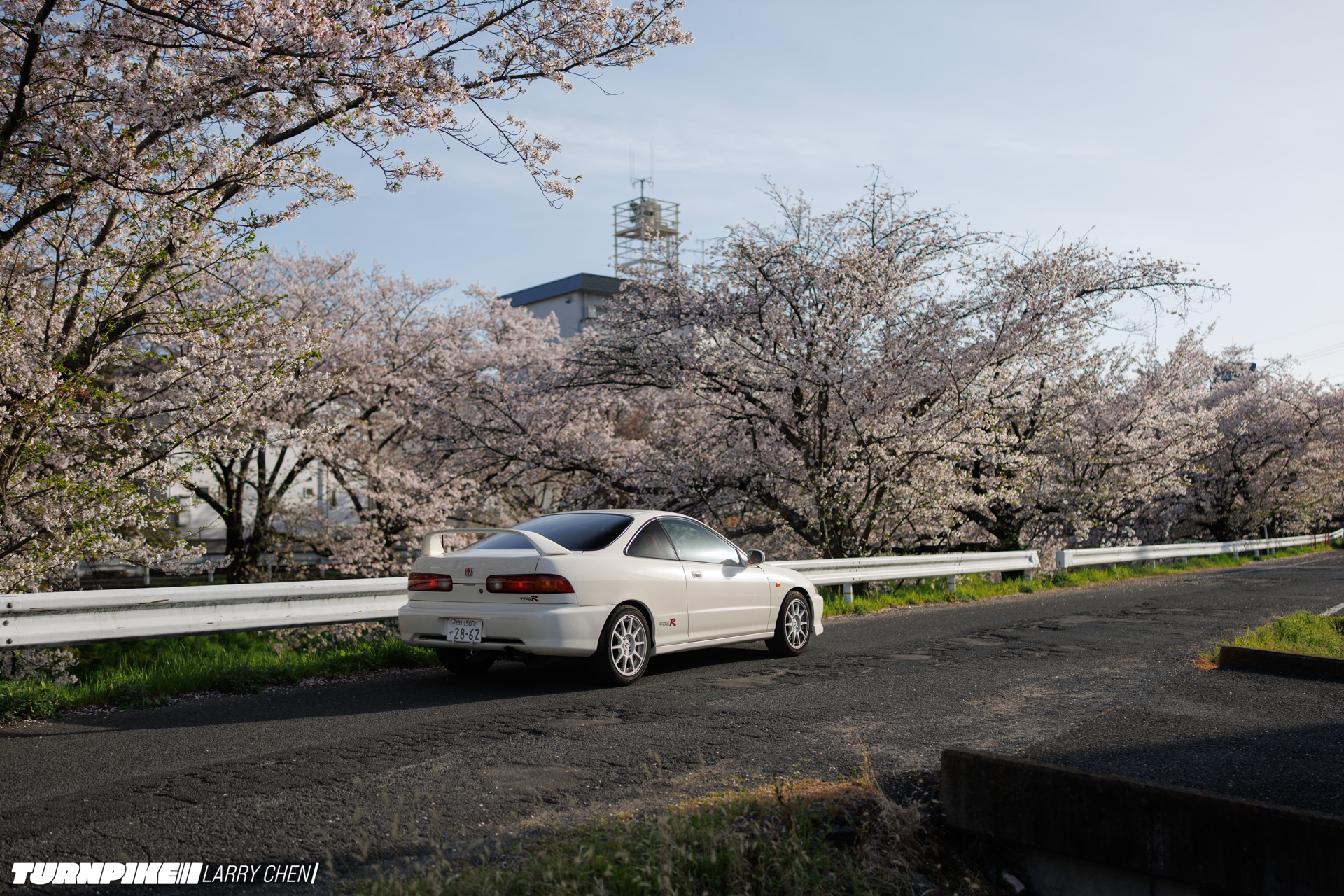
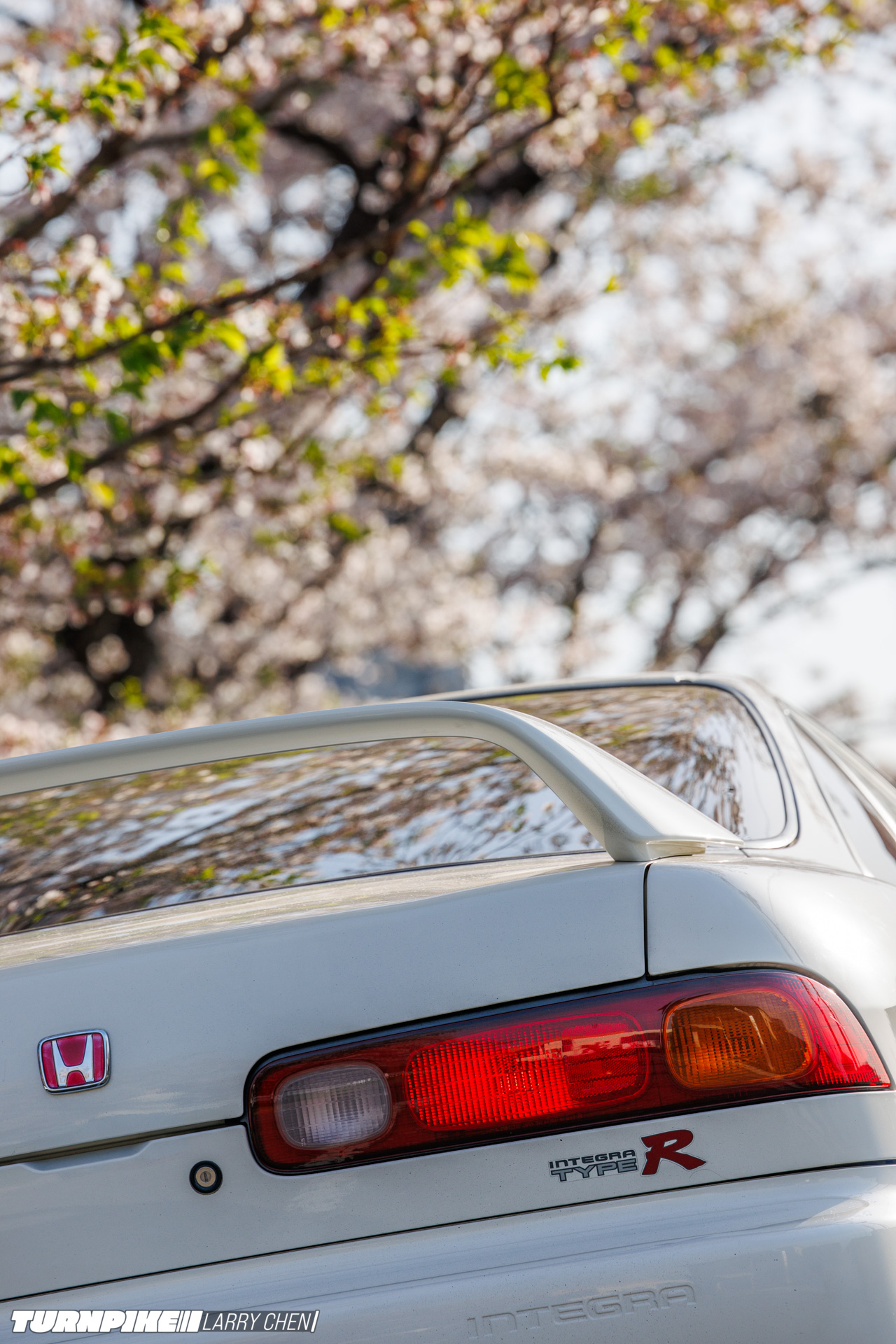
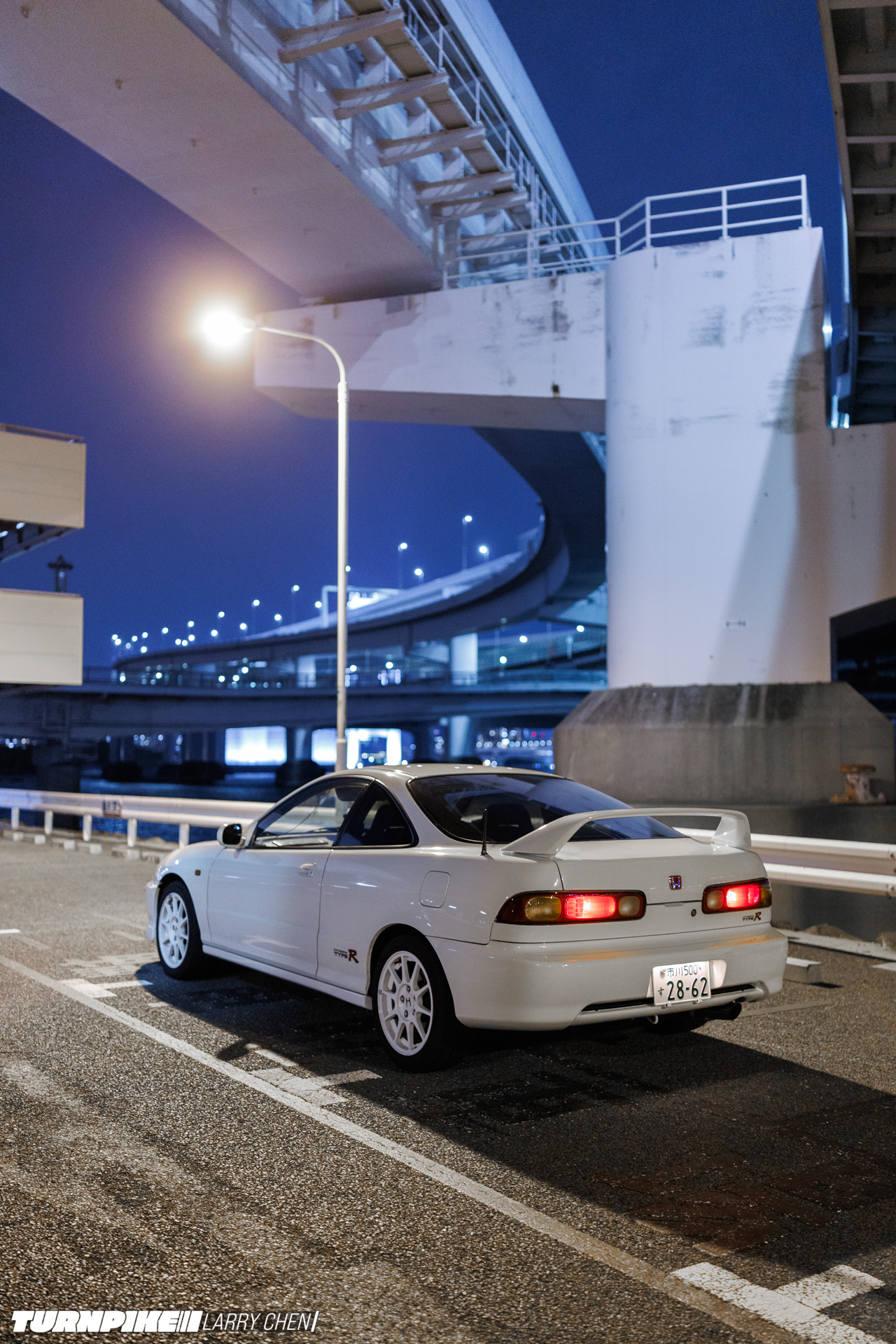
Funnily enough, I had never heard of the Japan-only Type Rx variant until I came across this one for sale. Even my good friend and YouTuber Honda Pro Jason was unaware of its existence. The Type Rx represents the final evolution of the JDM DC2 Integra Type R. It builds on the ‘98-Spec’ facelift updates of five-lug hubs, larger brakes, and revised gearing, but adds its own subtle refinements to make it the most feature-rich variant of all DC2 Type Rs.
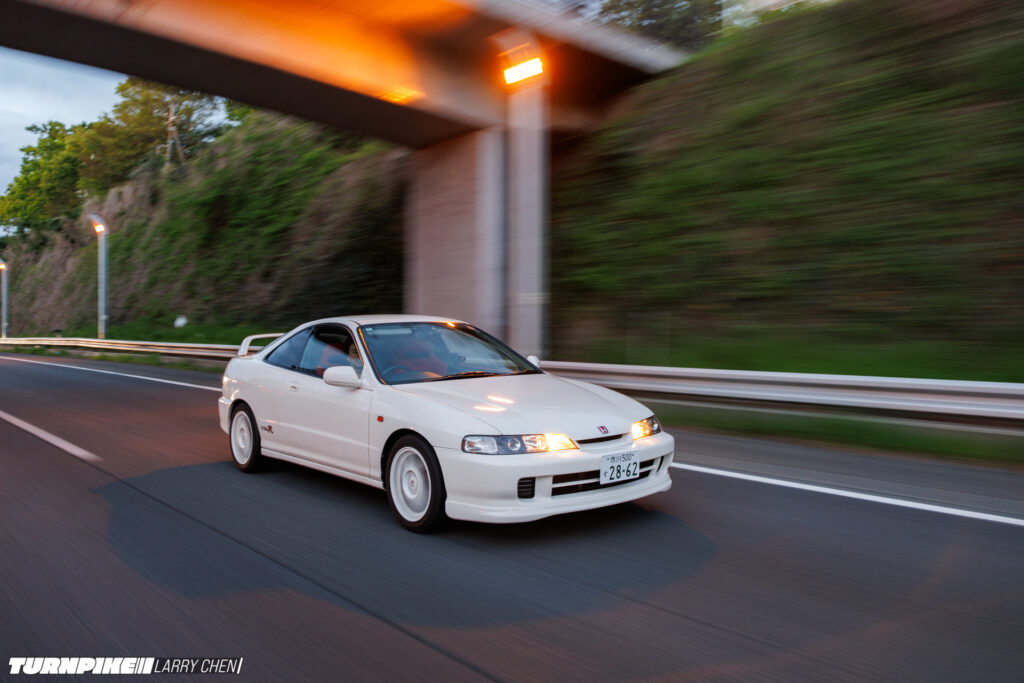
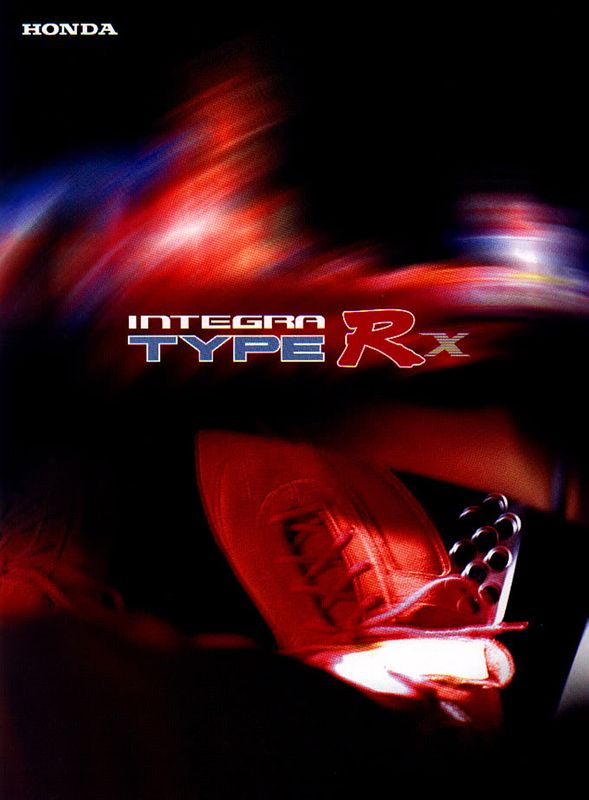
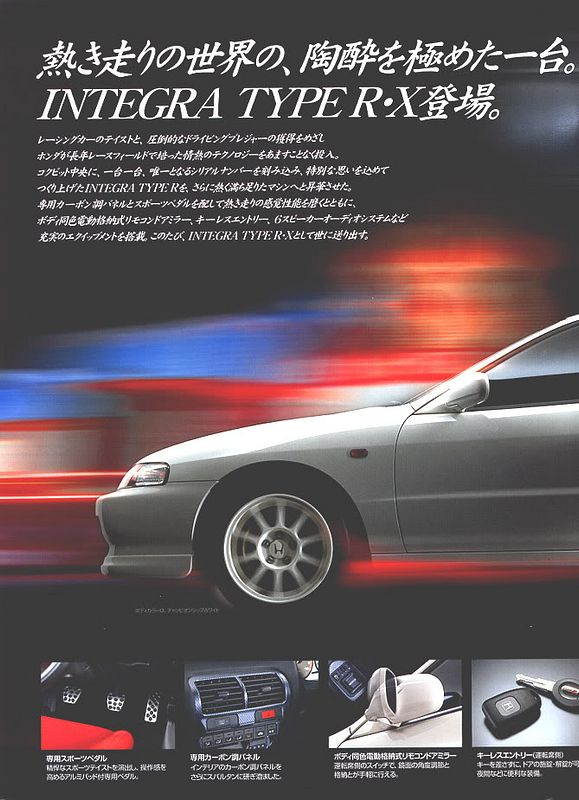
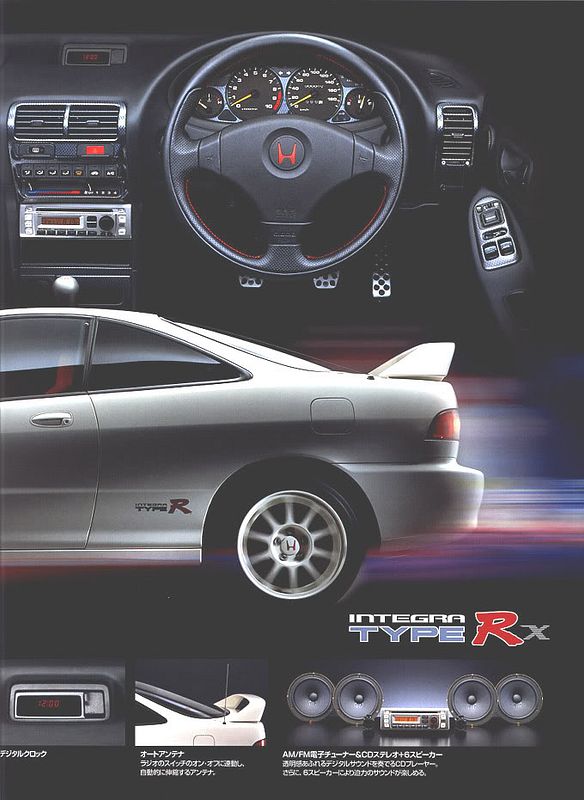
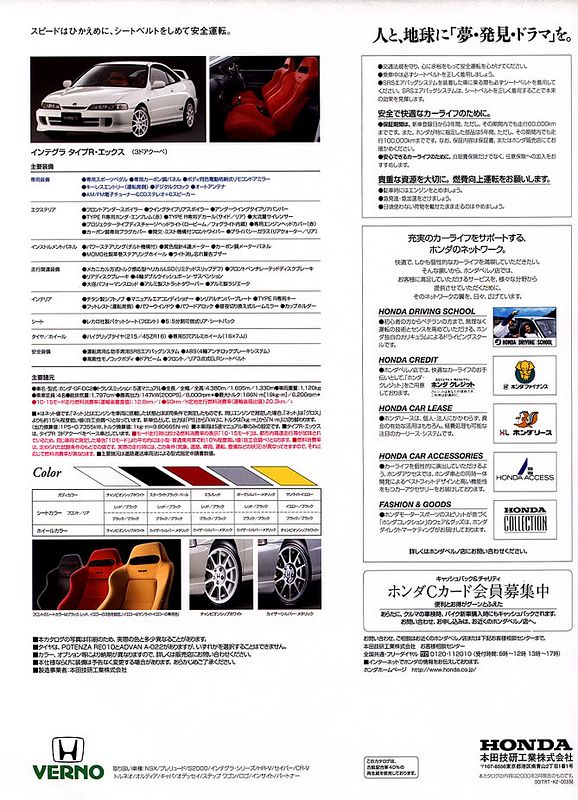
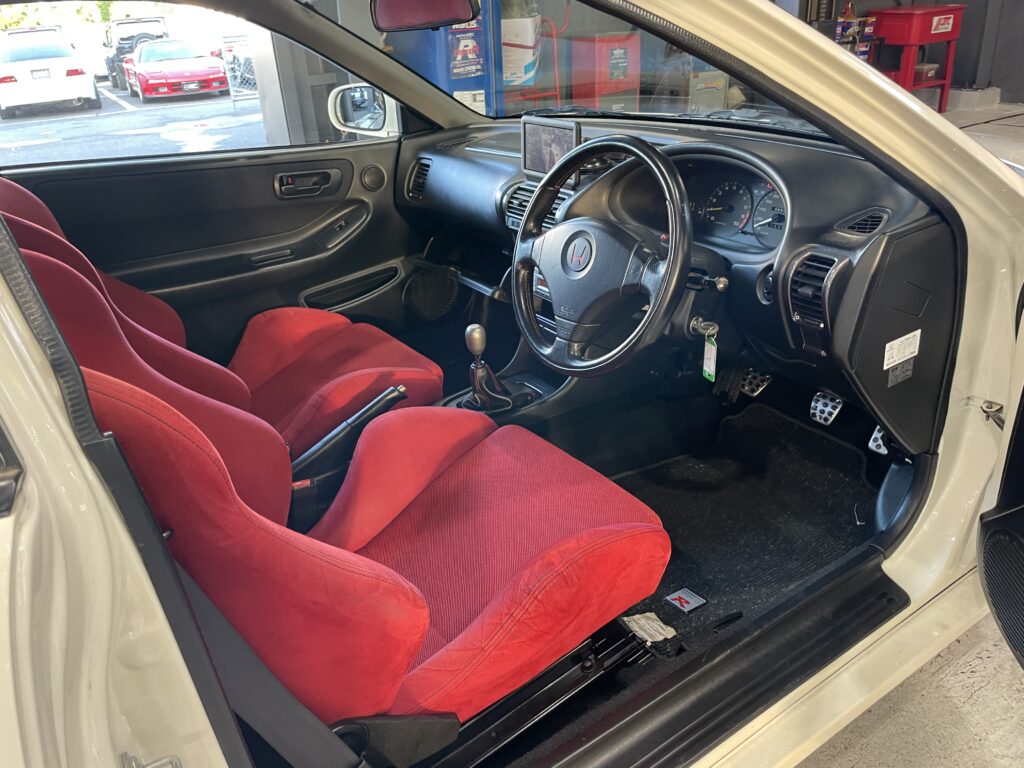
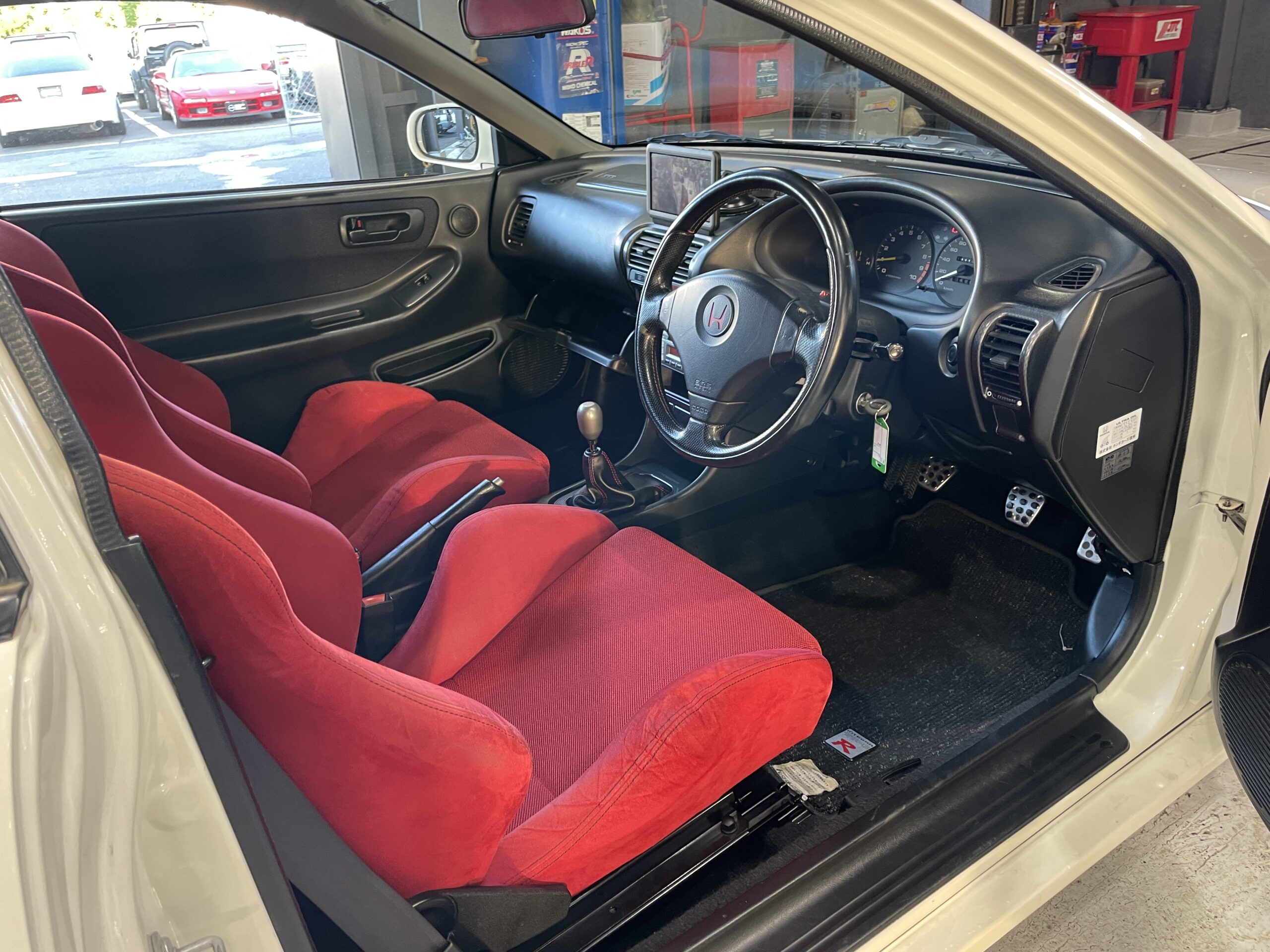
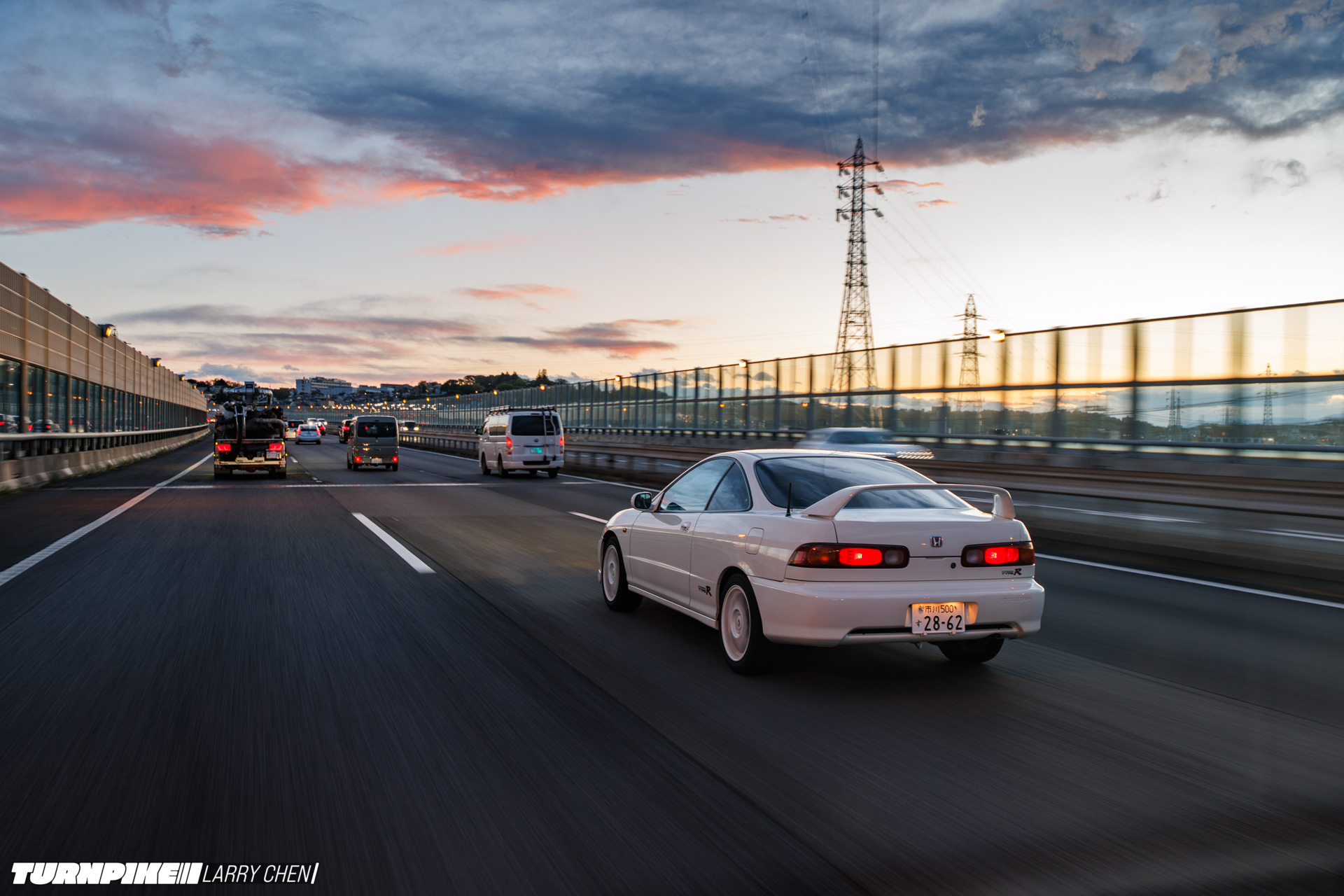
‘Raw’ is a good way to describe the Integra Type R, and while the Rx still maintains the performance capabilities of the regular model, it’s nicer to live with, thanks to features like automatic folding mirrors and keyless entry. It also has privacy (tinted) rear glass, and, inside, blue-tinted faux carbon fiber trim pieces, aluminum pedals, and an amber-illuminated clock. Like all 2000+ JDM Integra Type Rs, the car is numbered through a plaque on the center console.
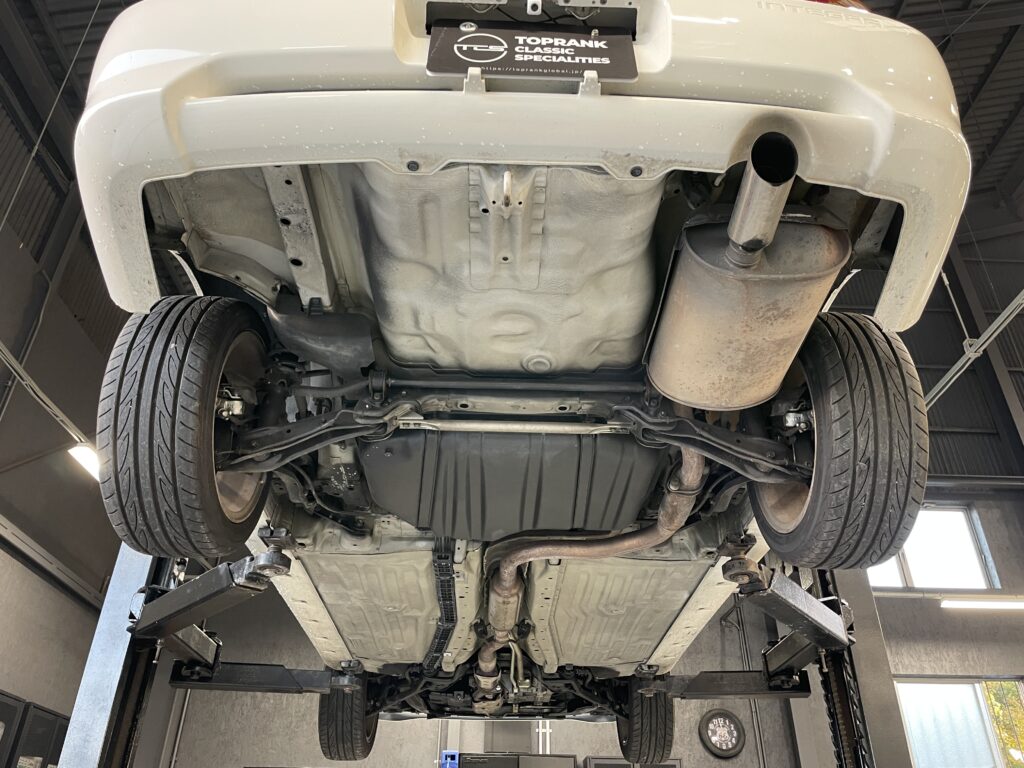
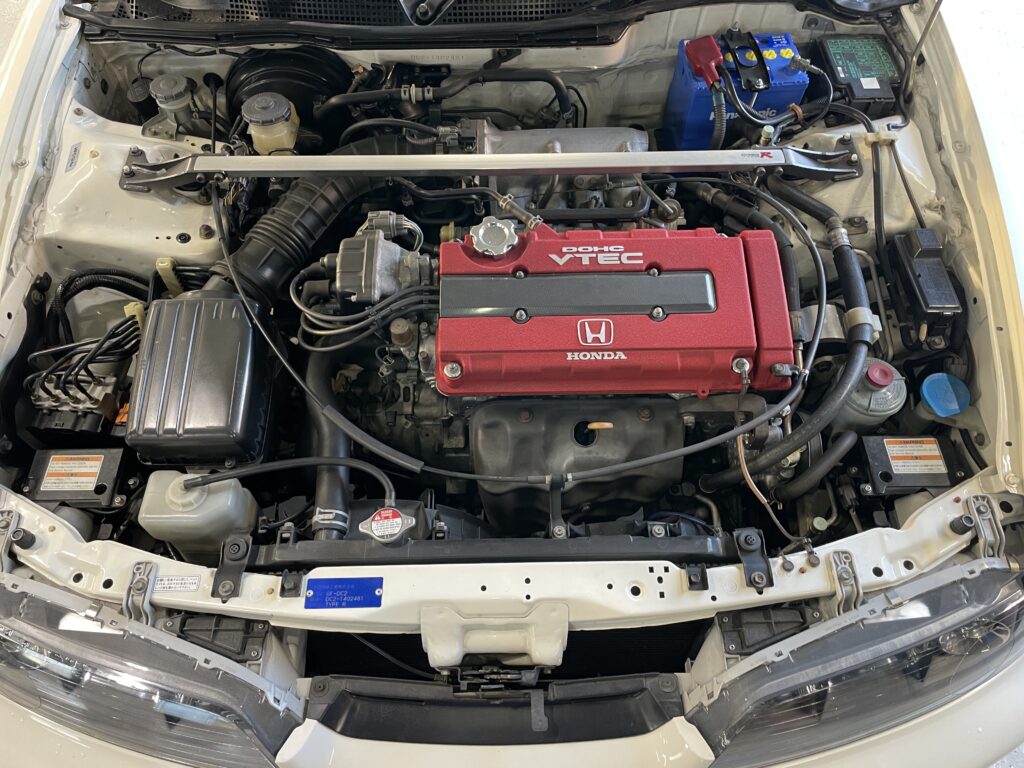
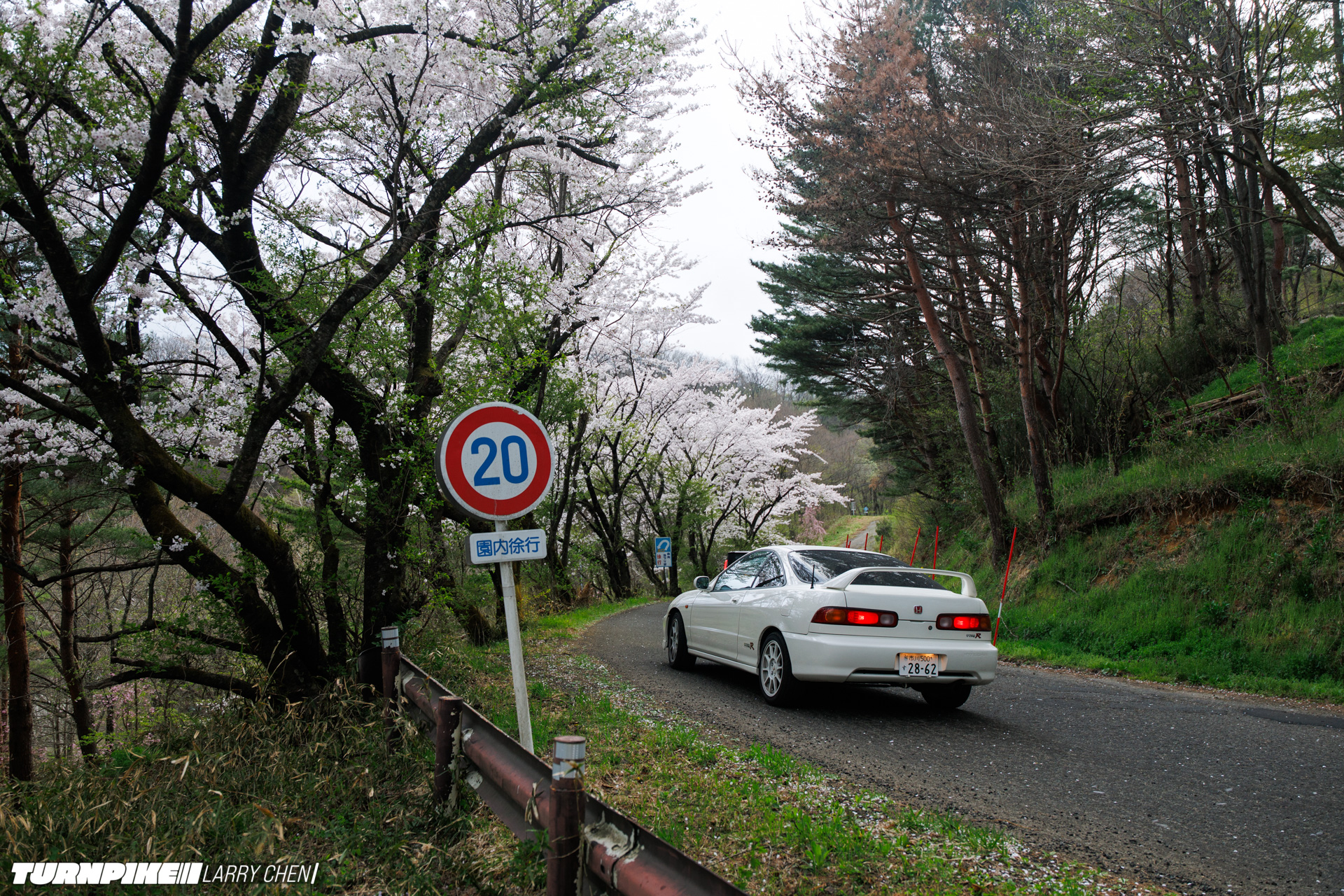
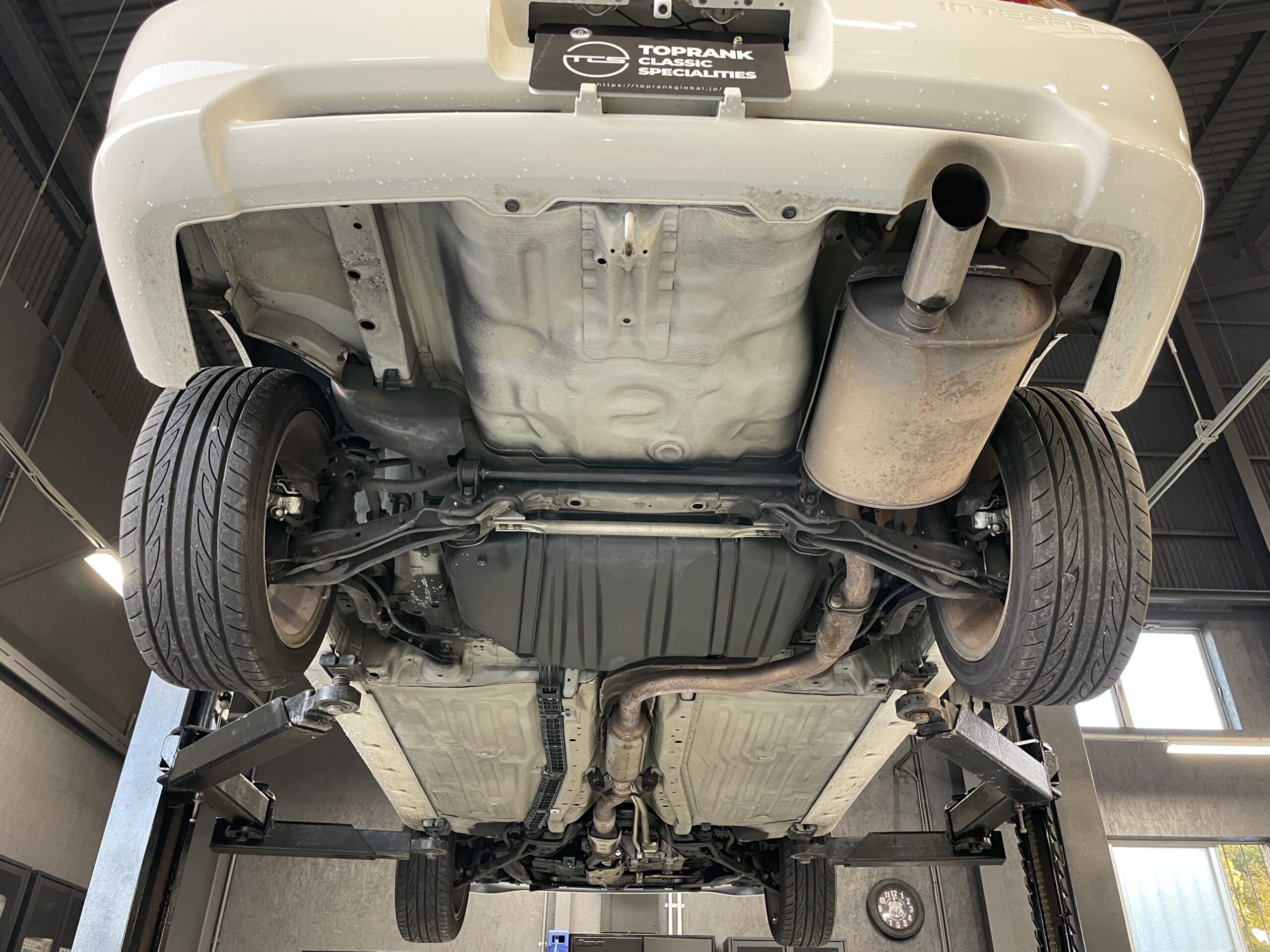
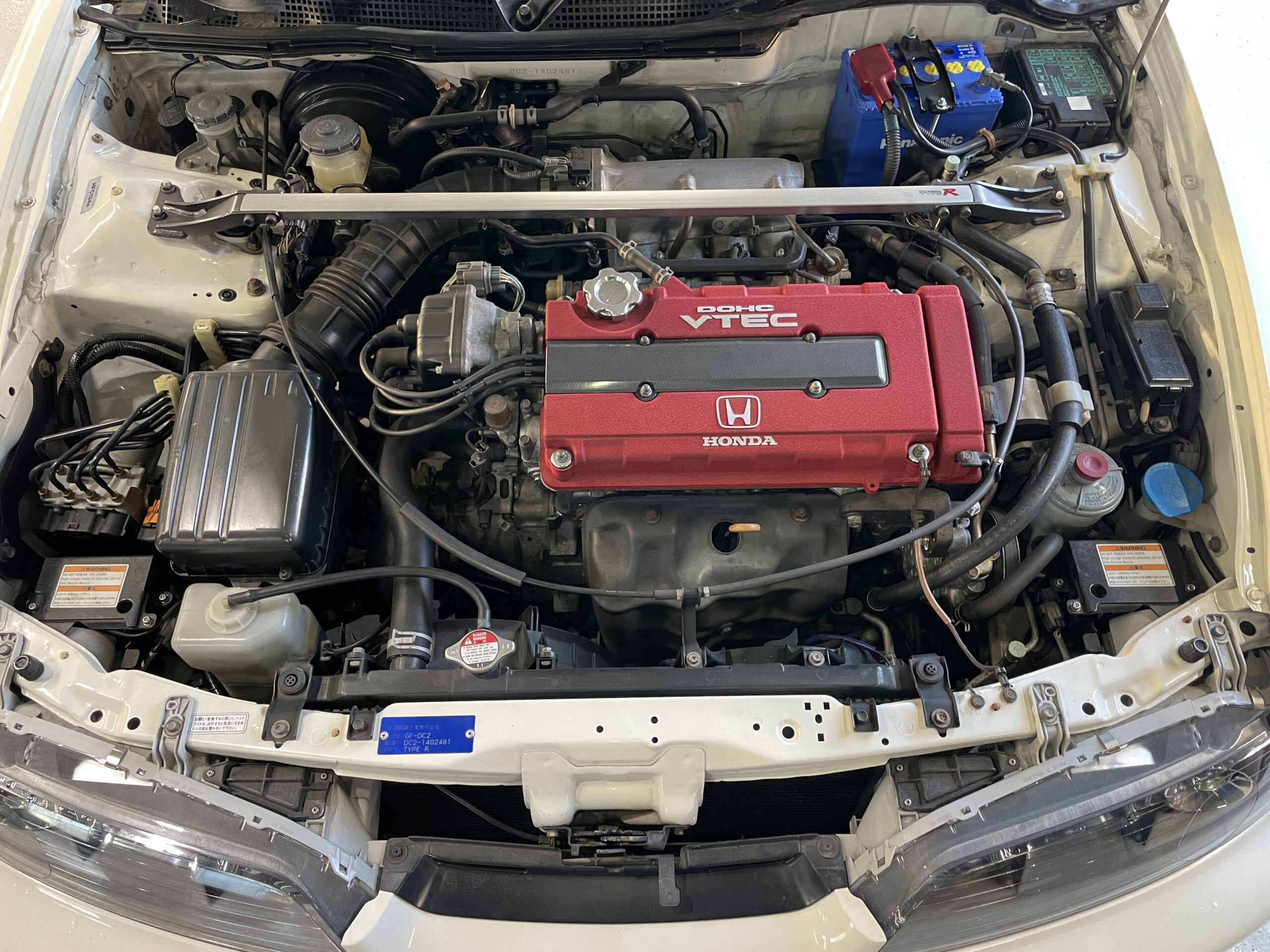
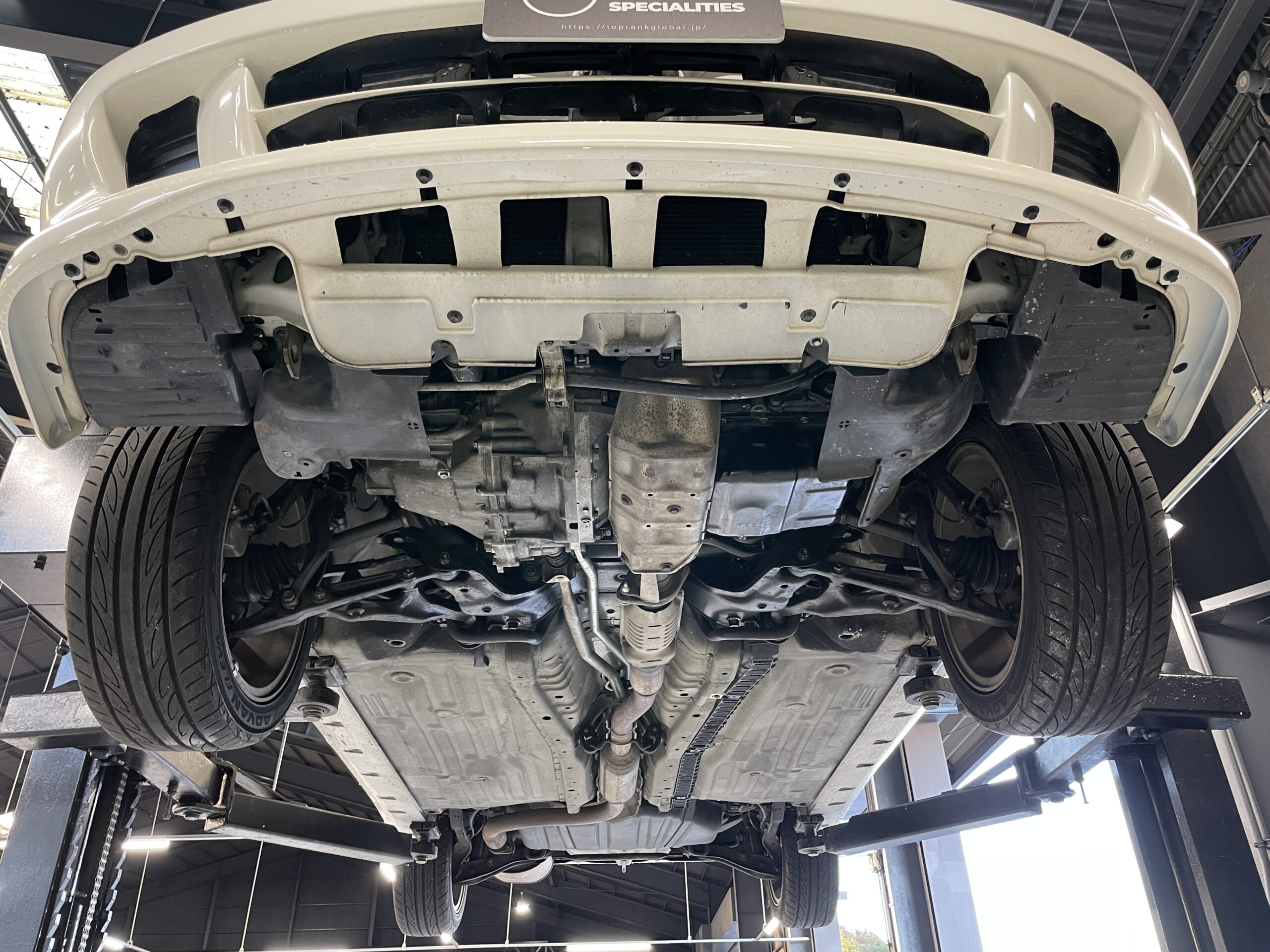
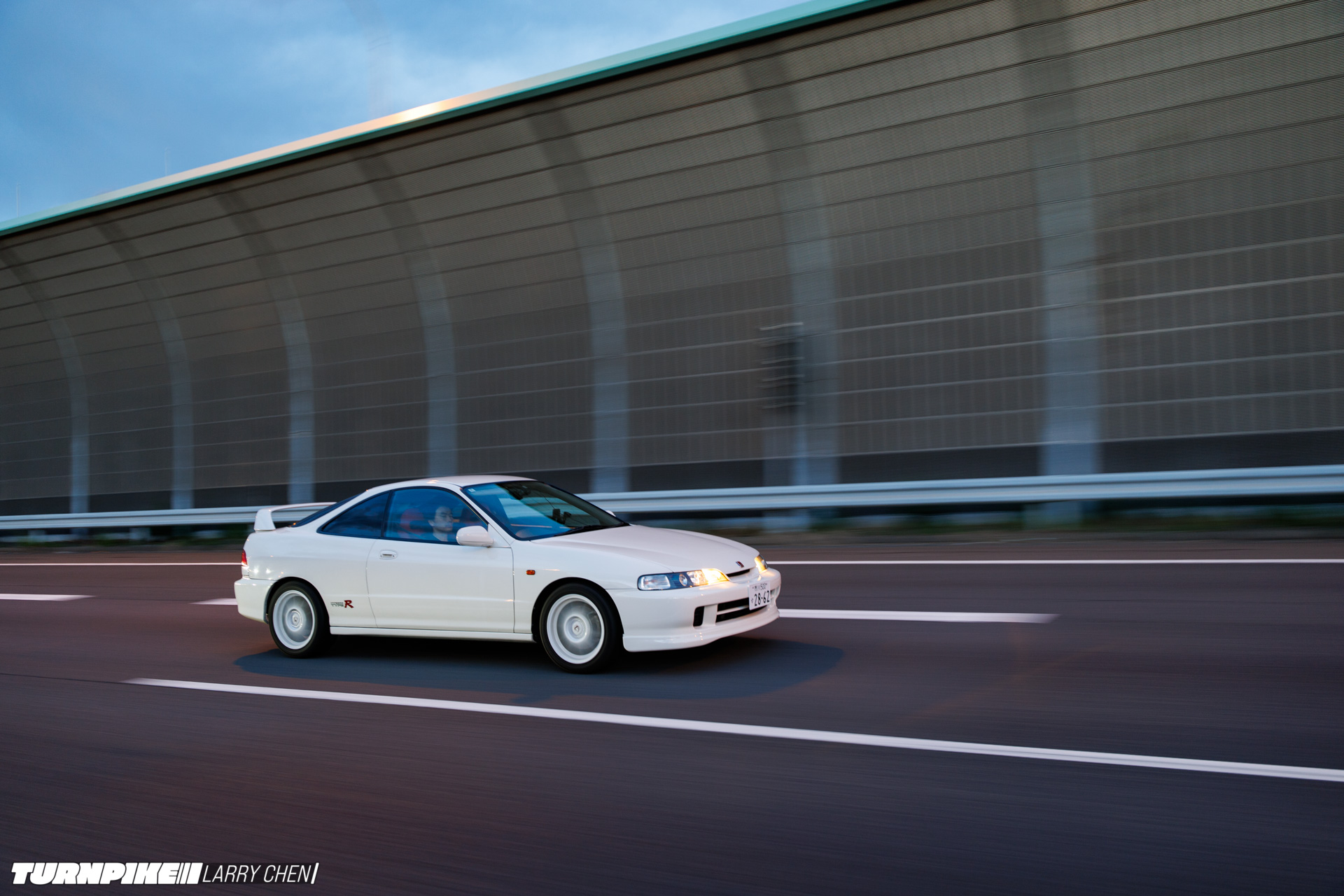
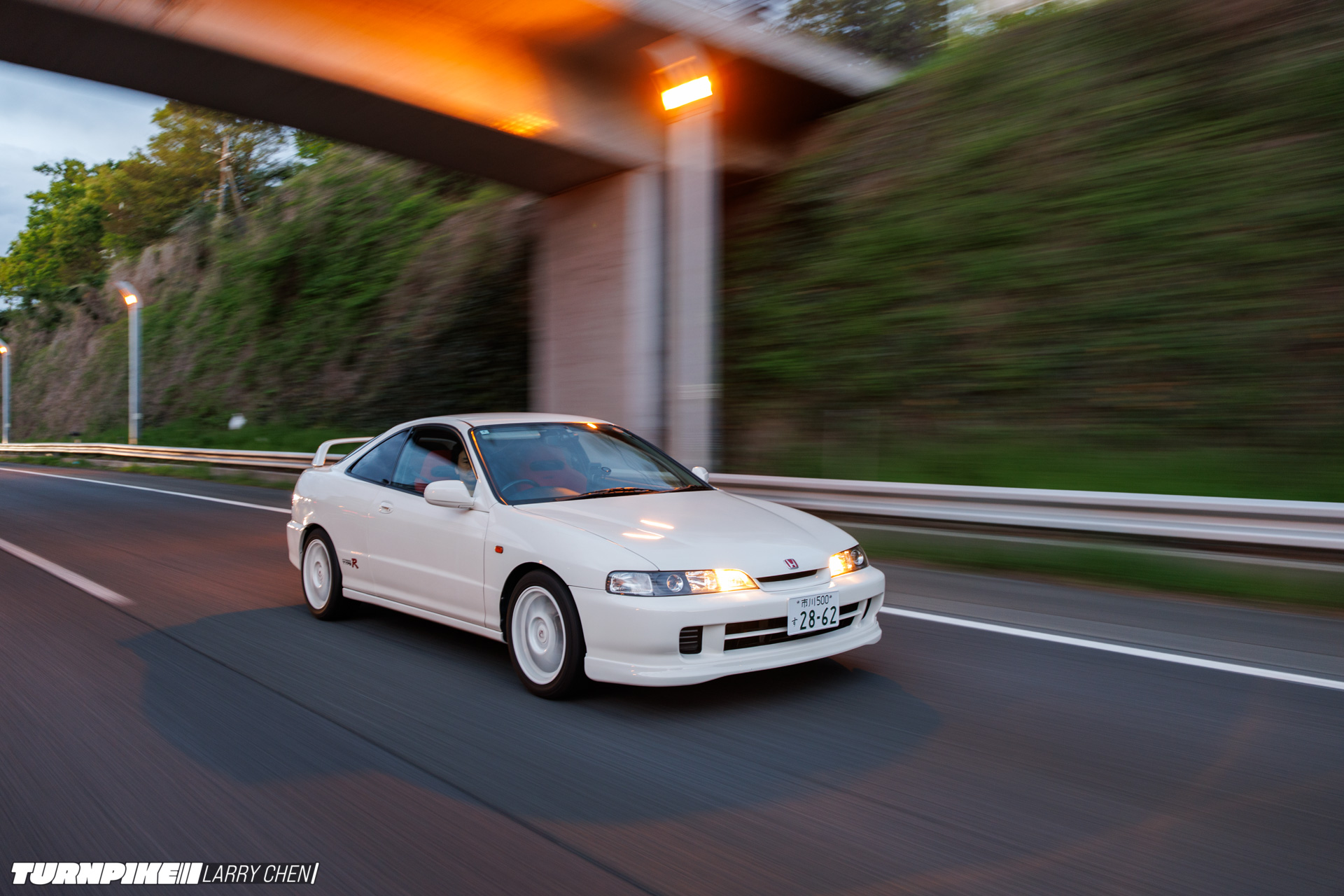
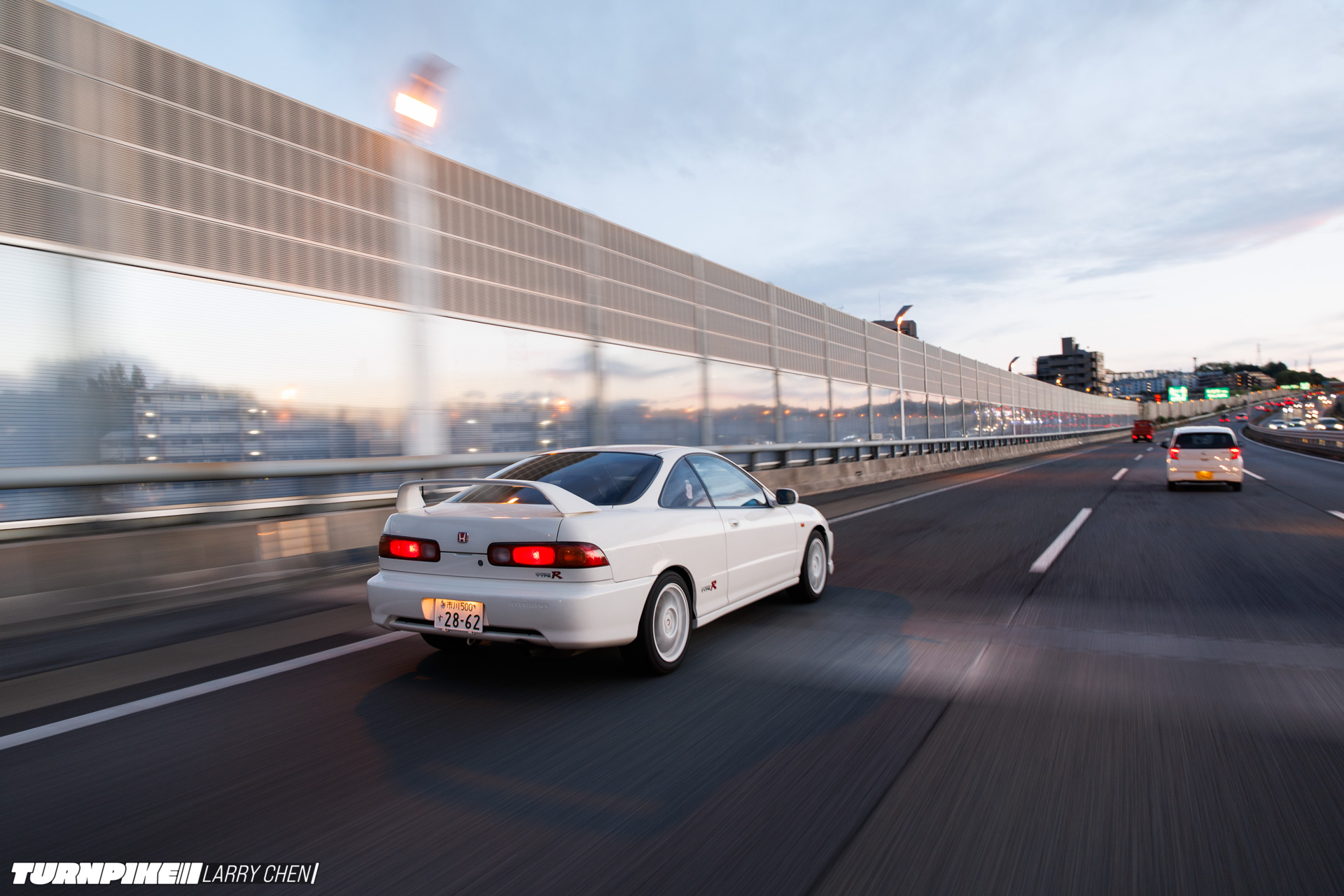
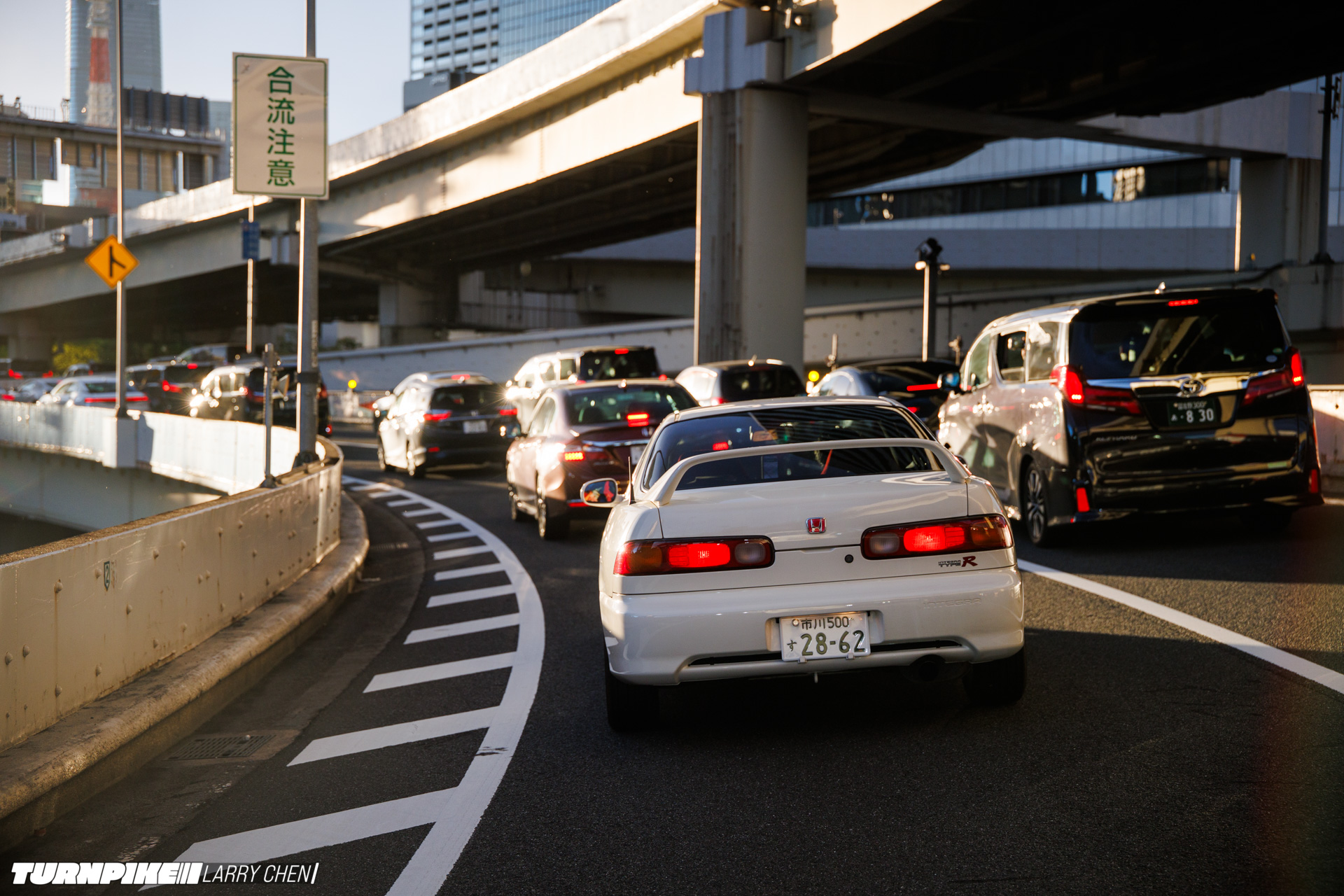
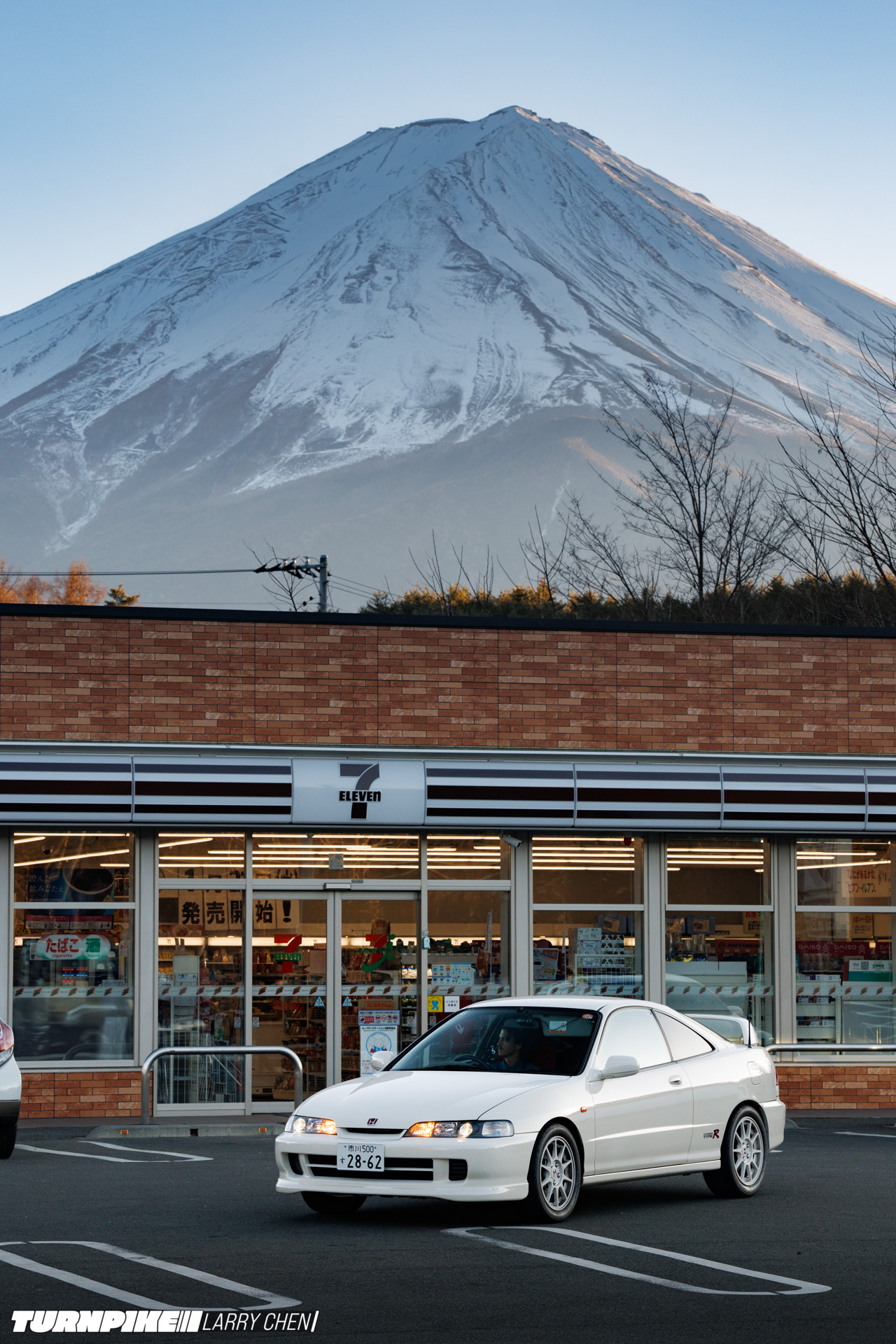
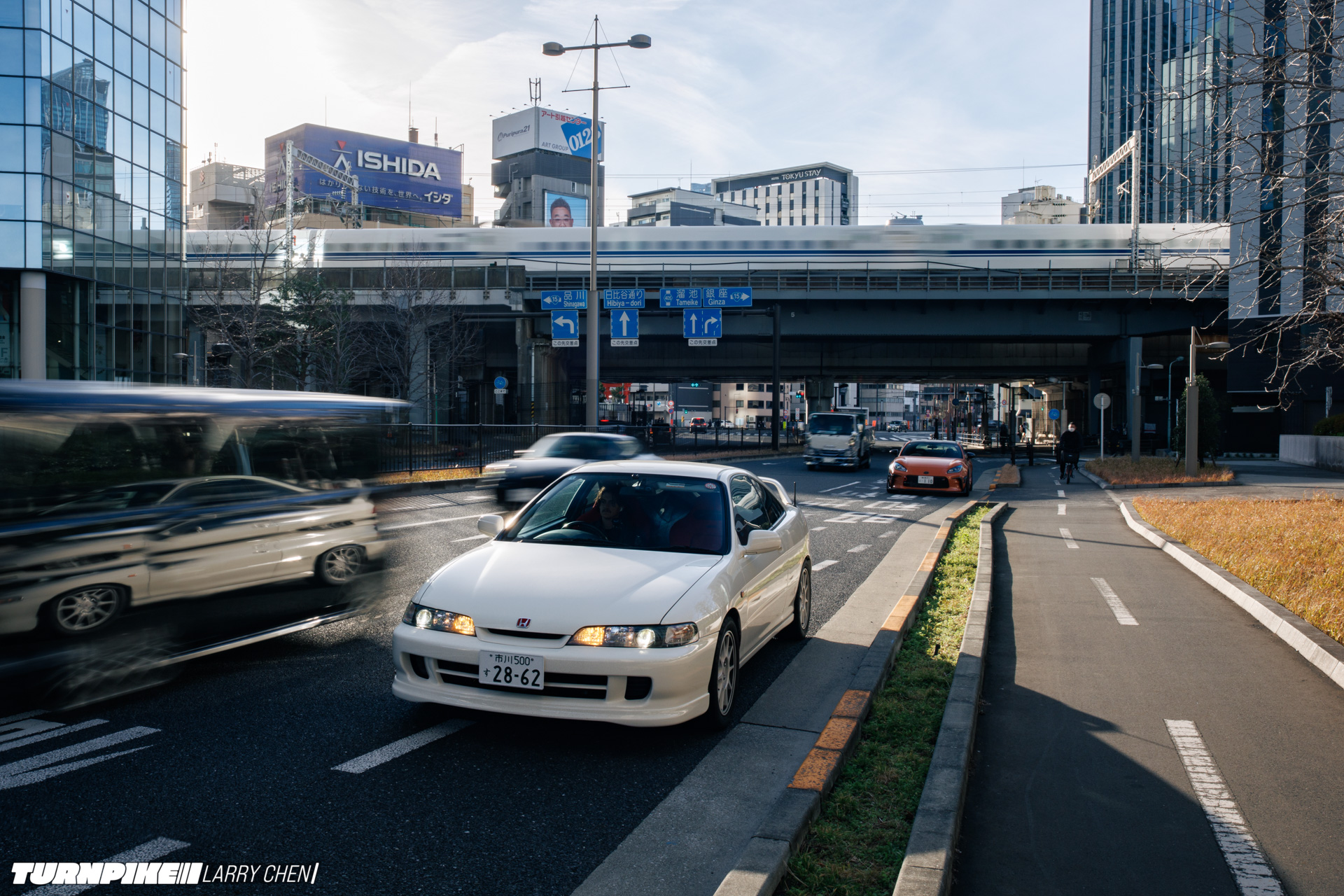
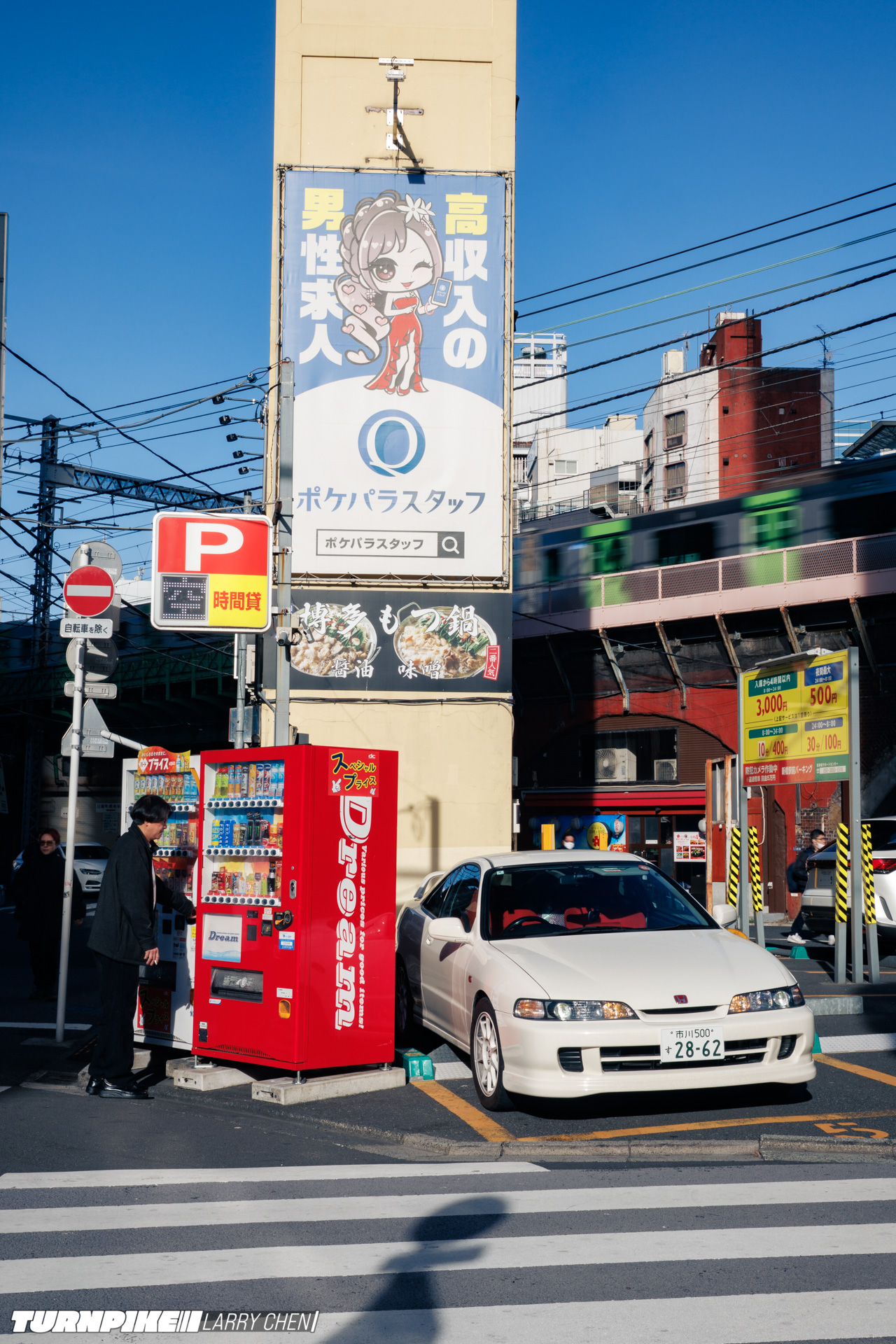
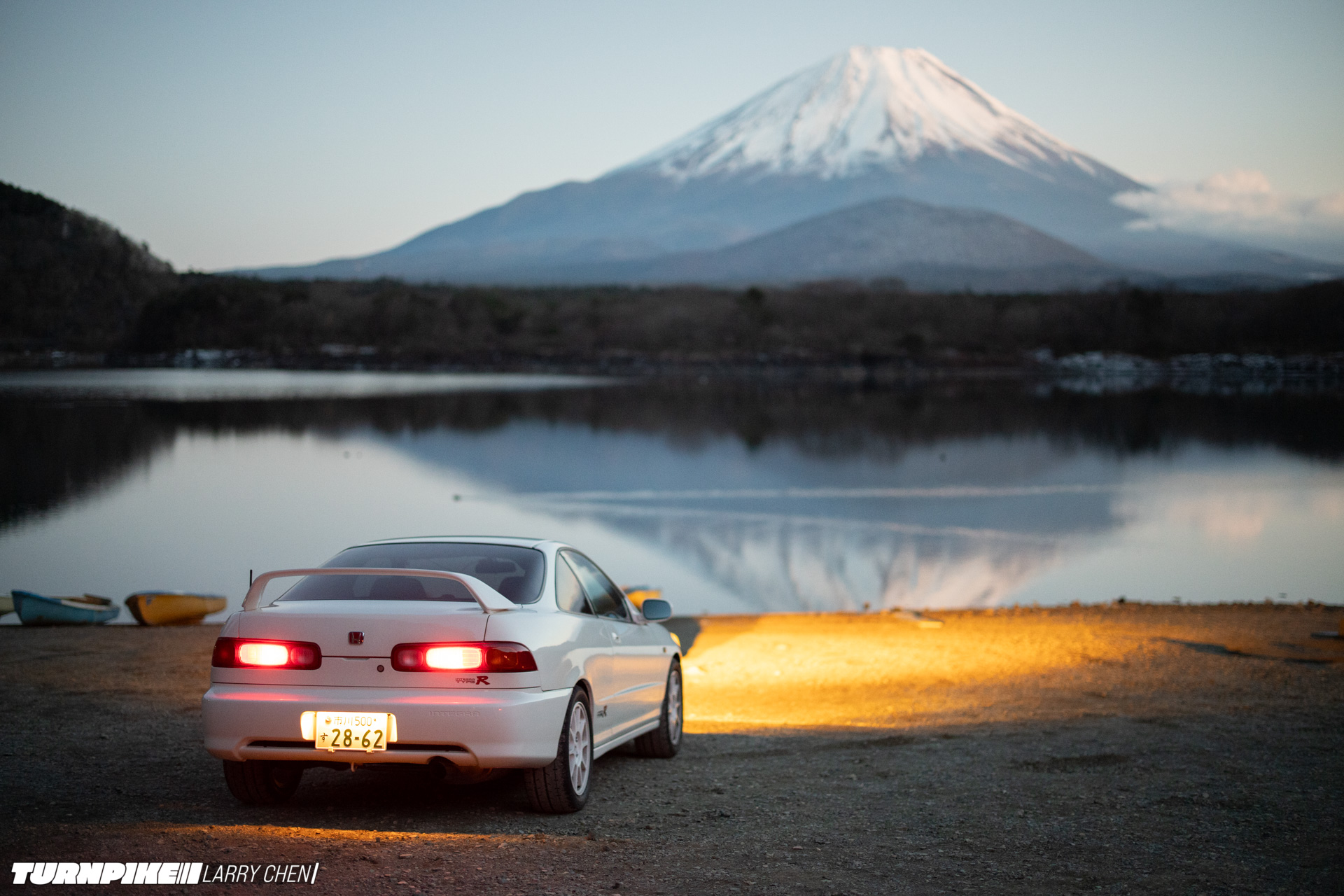
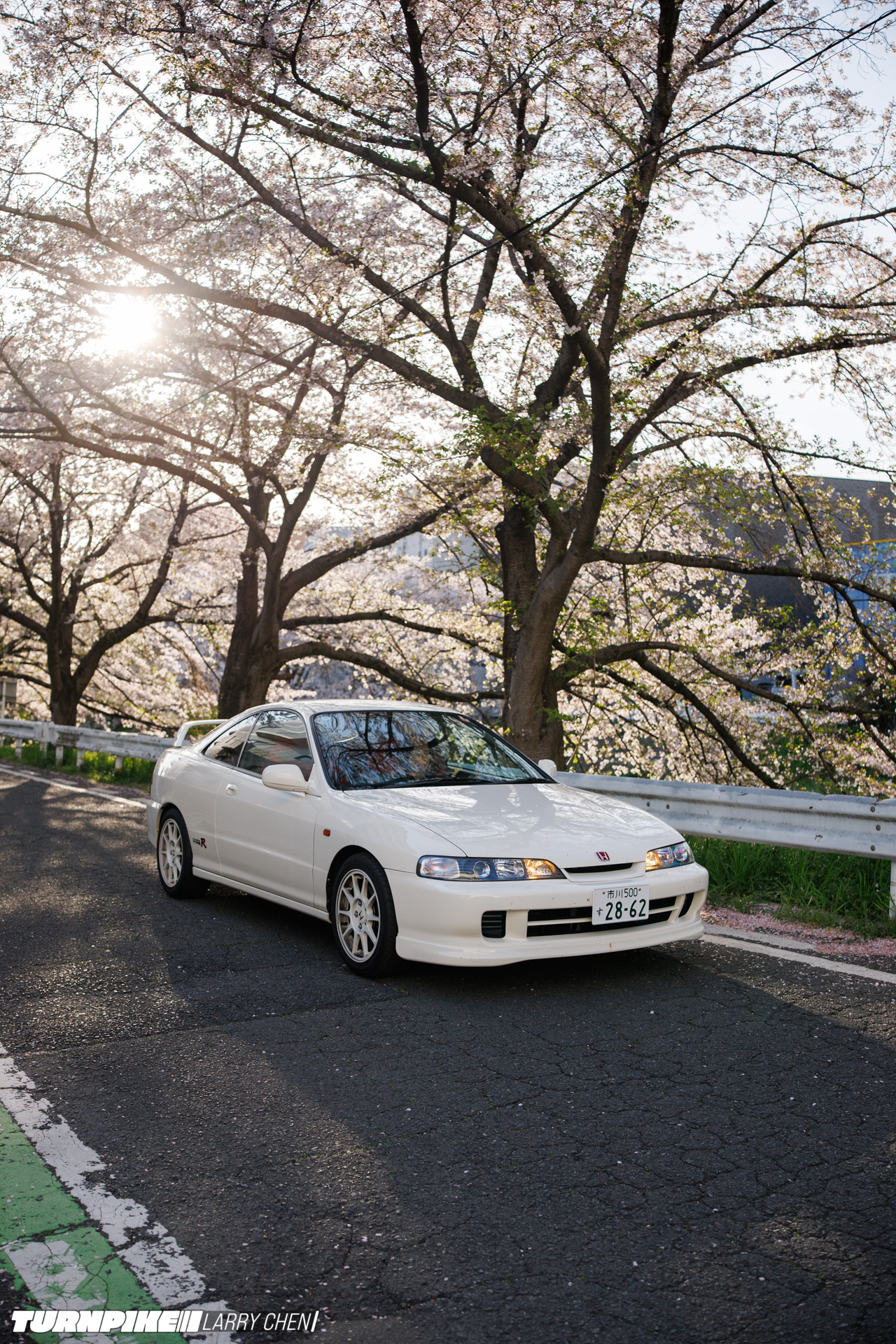
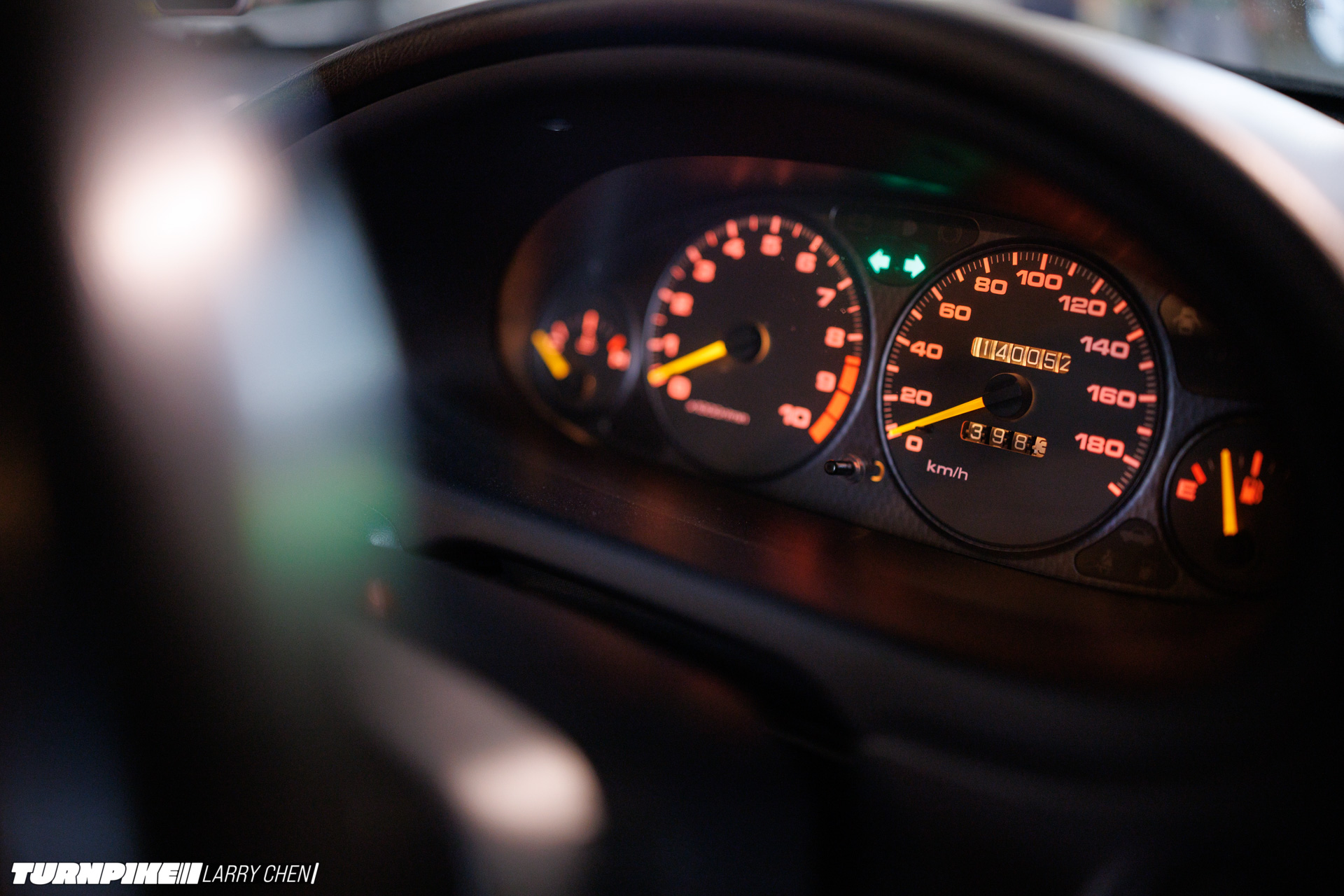
My car was, and still is, completely stock. And I mean it: factory wheels, factory exhaust, factory airbox, factory Honda Gathers audio system. All things that usually disappear over time are still intact, preserved for 25 years and 130,000 kilometers.
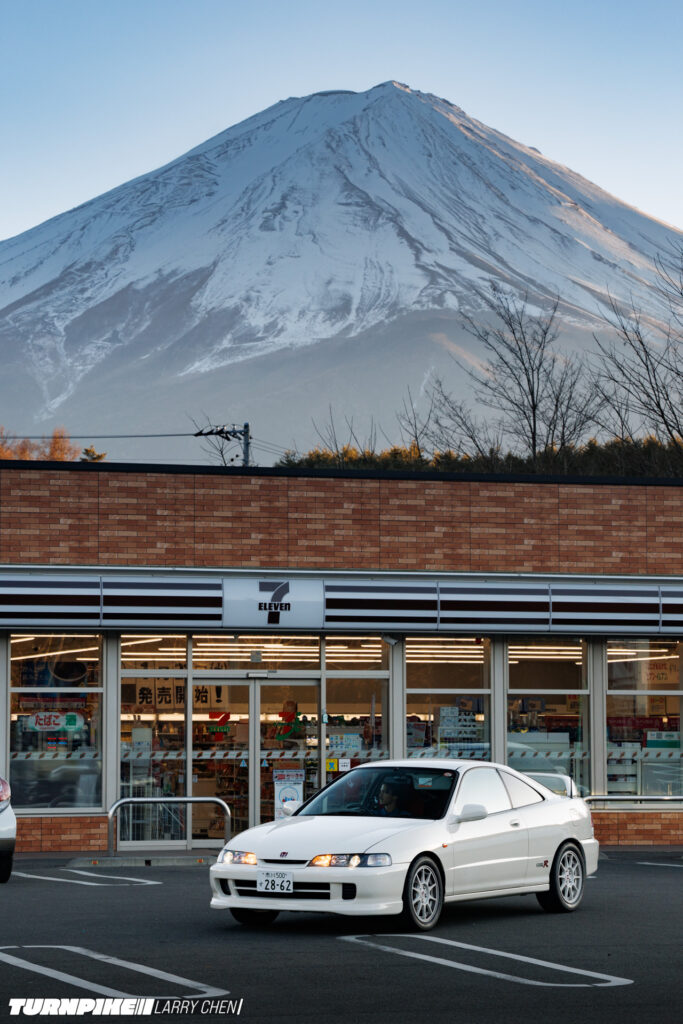
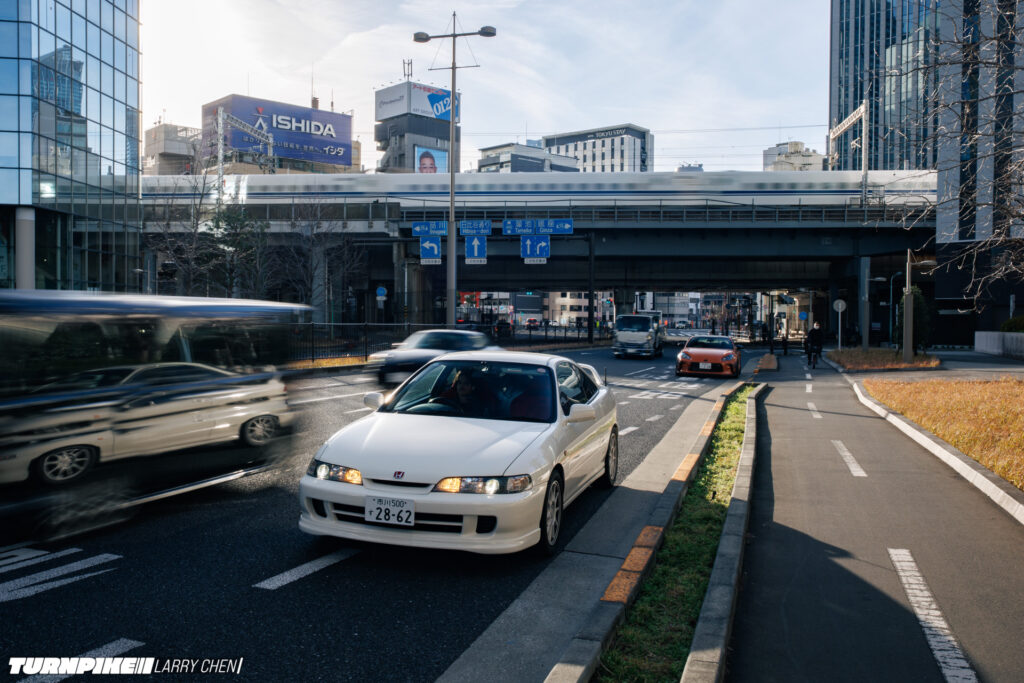
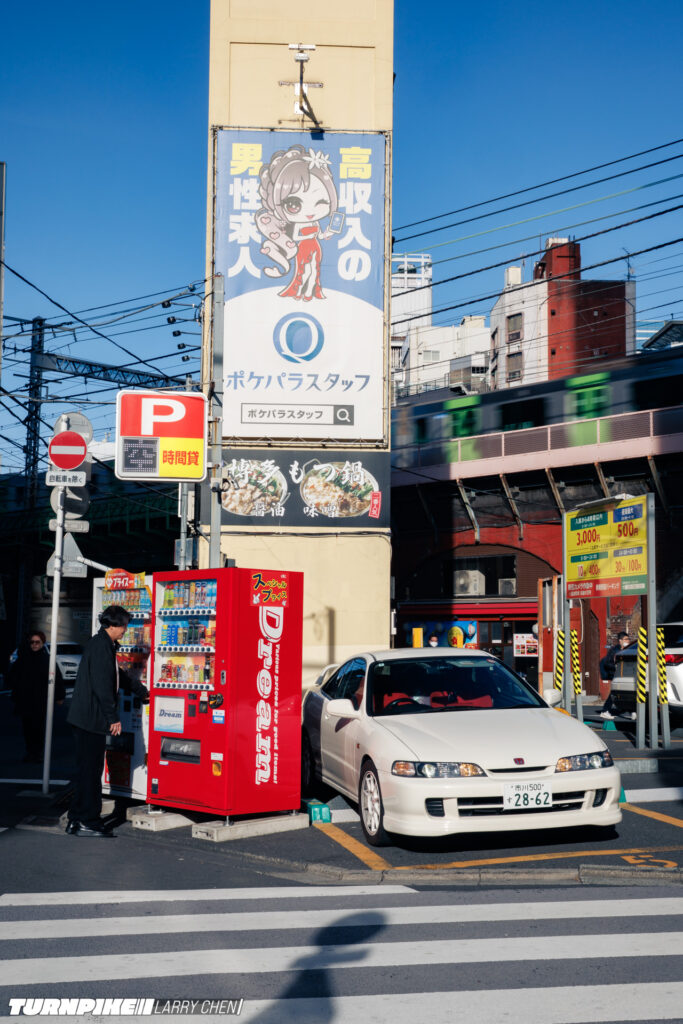
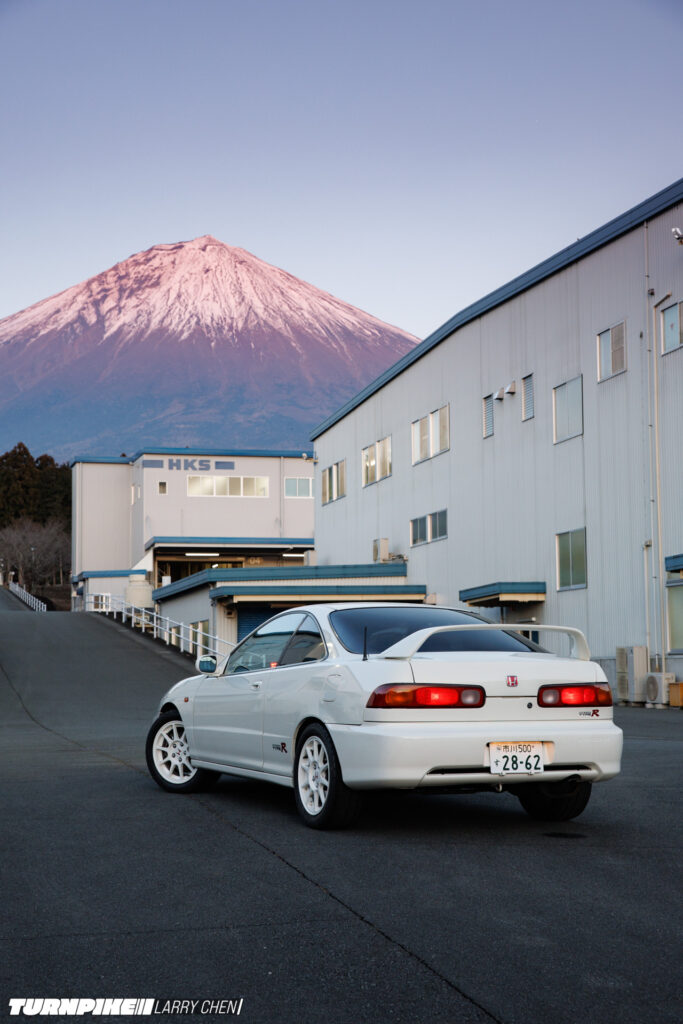
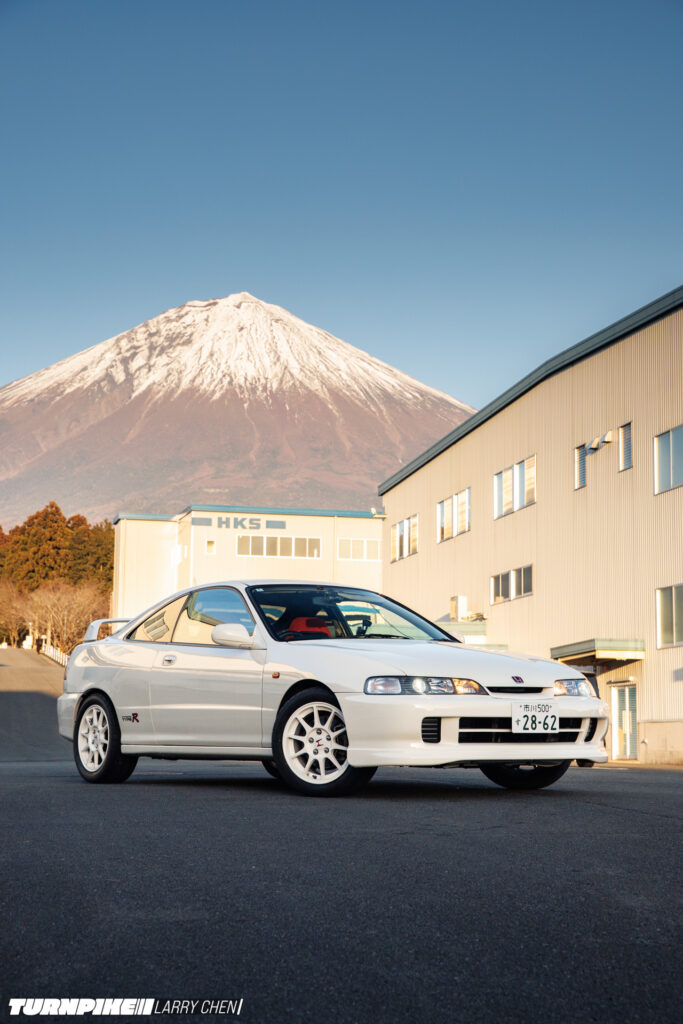
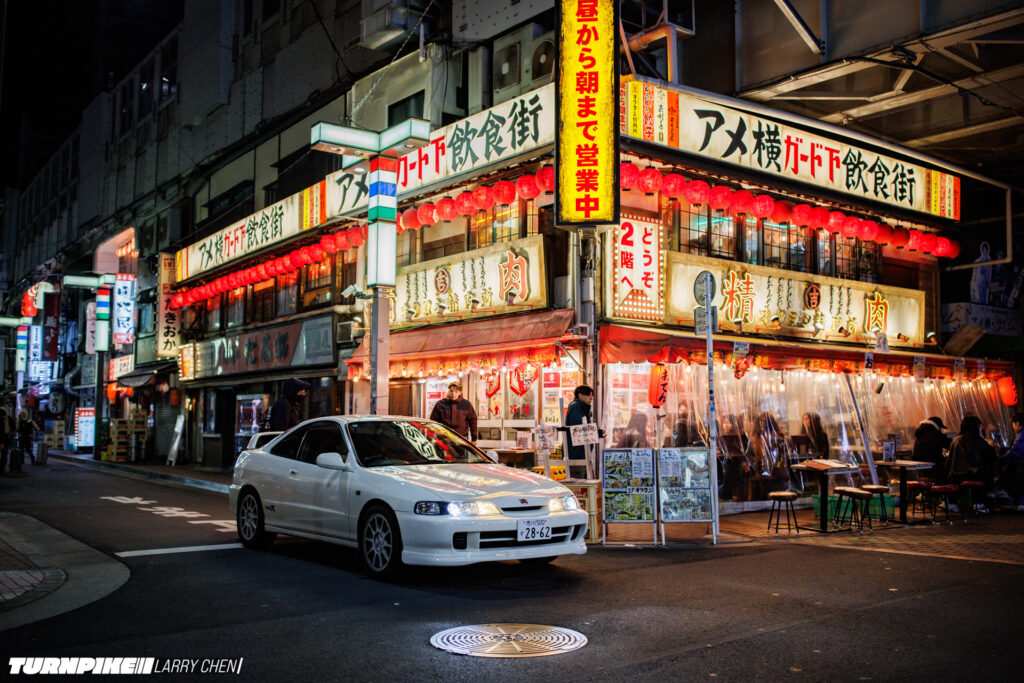
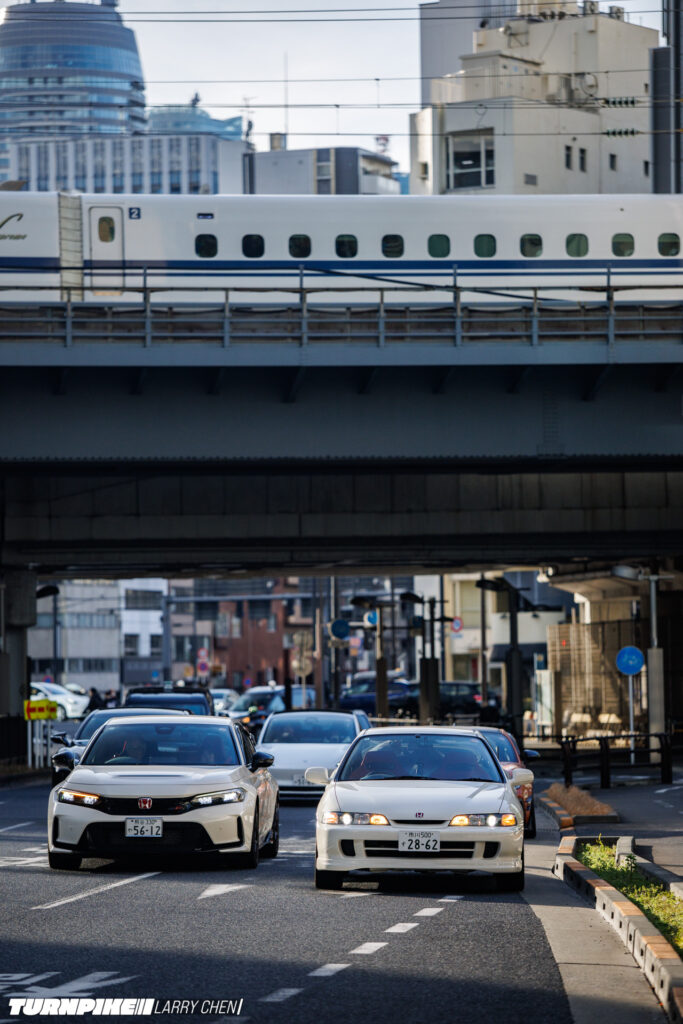
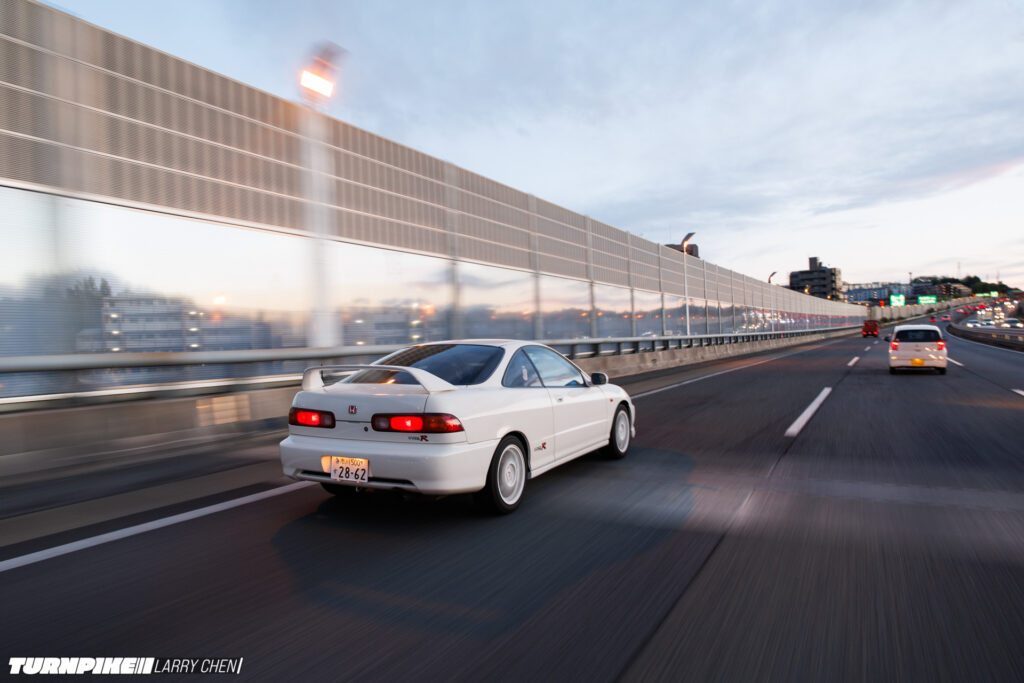
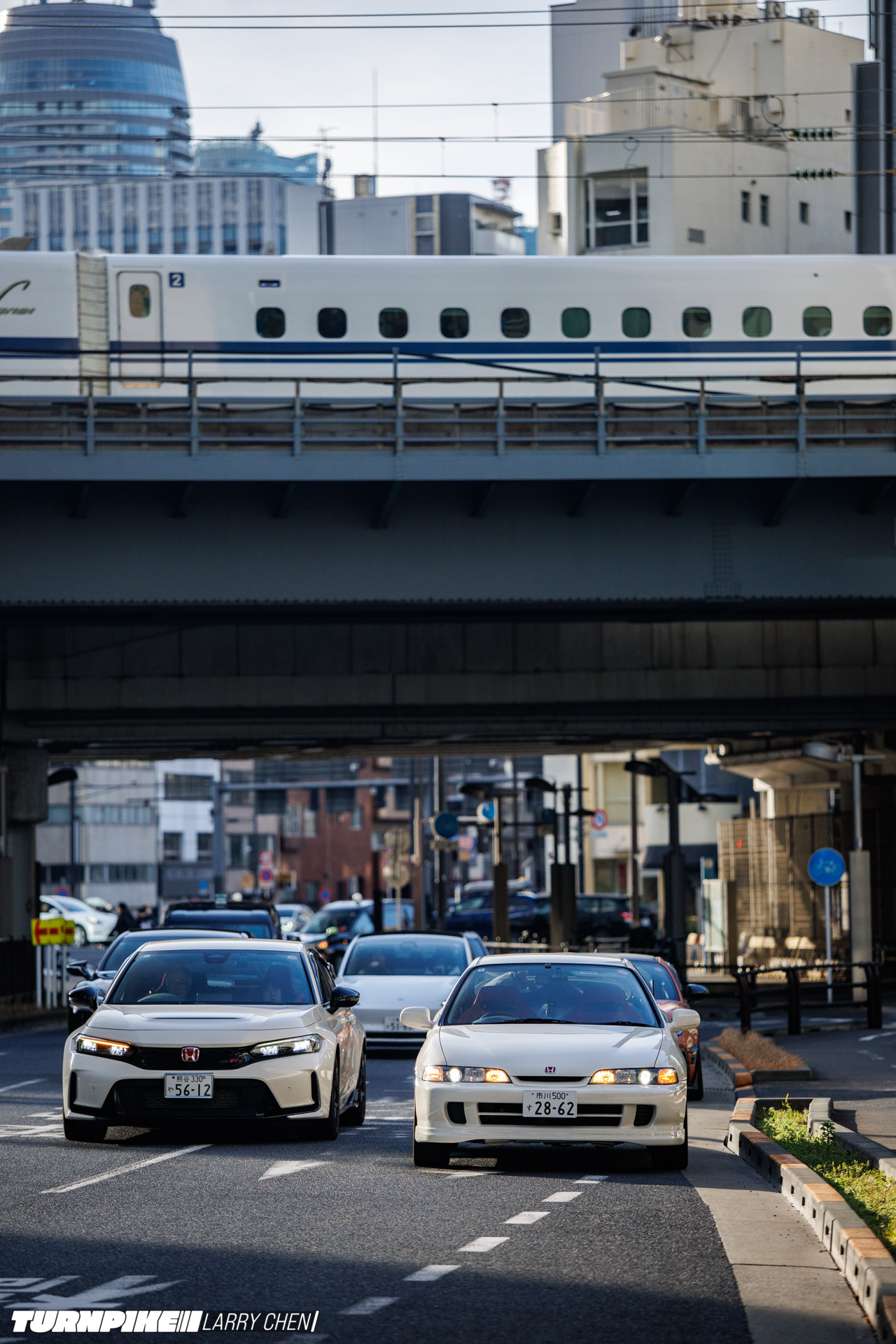
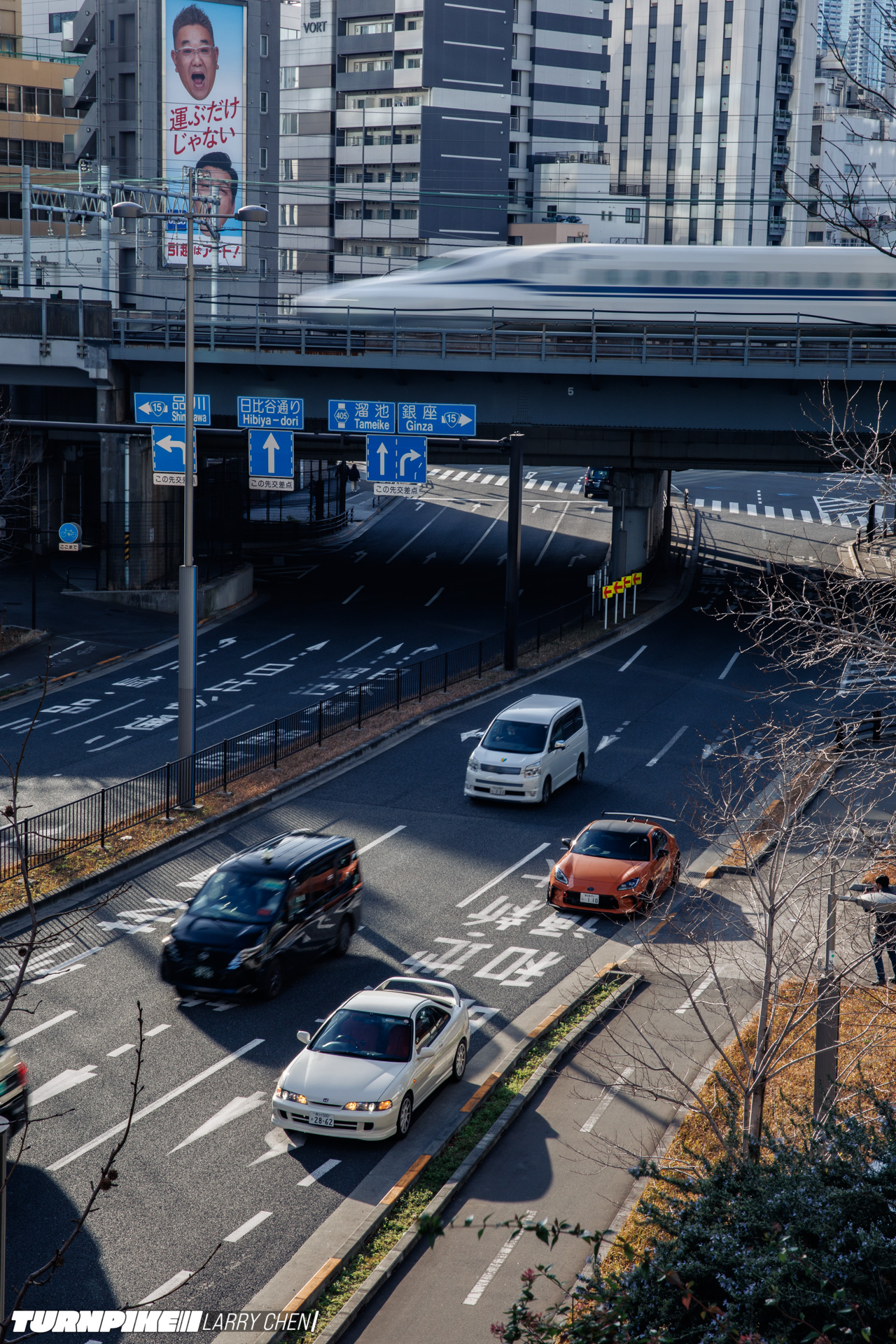
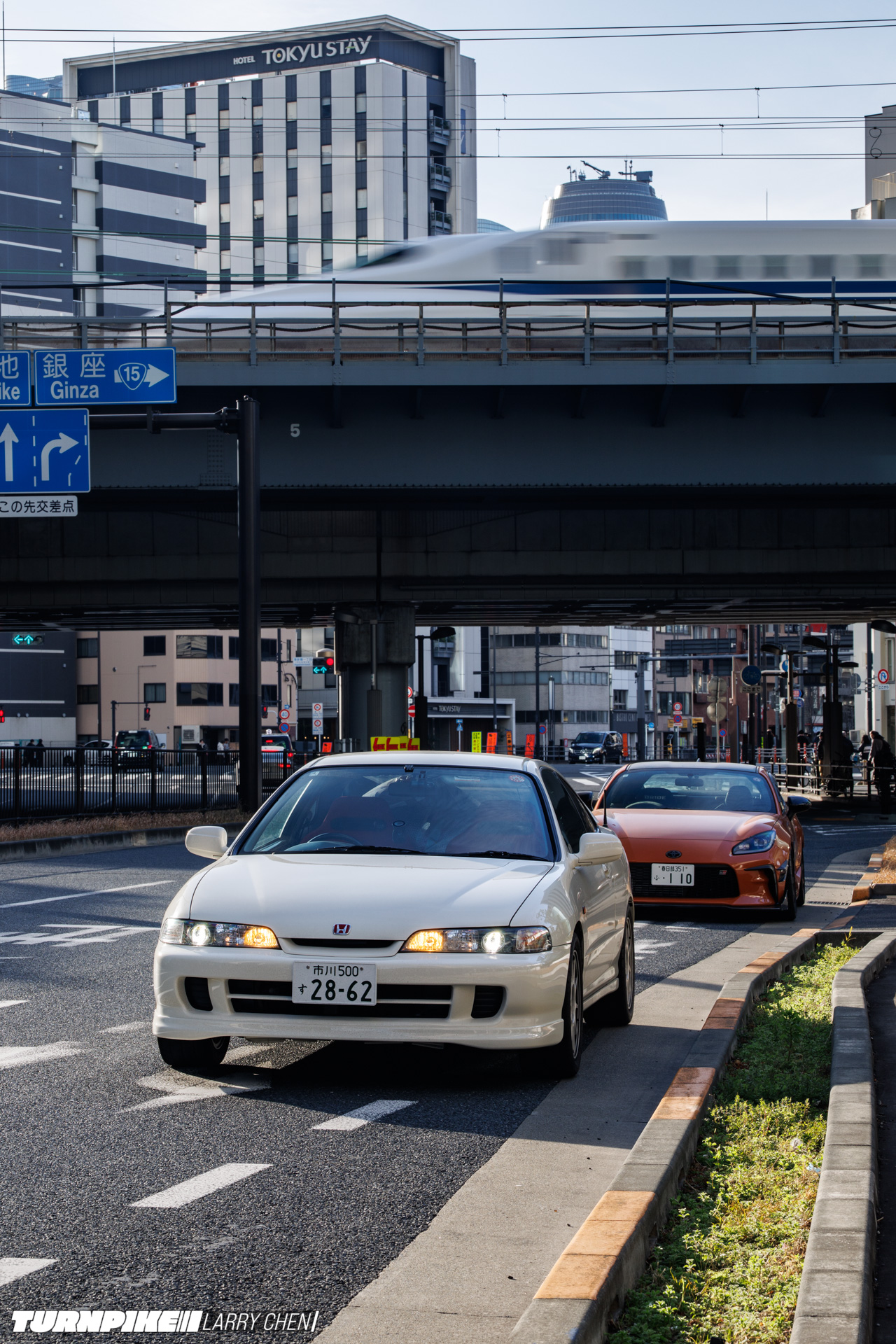
Since buying the Integra, I’ve added 4,000 kilometers on the clock, driving south from Tokyo, all the way up to Fukushima. It’s become part of my routine here; it’s our media van, camera car, family transport, and everything else. And that’s exactly what I wanted.
The Type R-spec B18C DOHC 16-valve VTEC engine remains one of the greatest naturally aspirated four-cylinders ever built. Just under 200 horsepower doesn’t sound impressive on paper today, but that number doesn’t tell the story. VTEC crossover engages at around 5,800rpm, and when it does, the engine’s entire demeanor changes, and it charges relentlessly to its 8,600rpm redline. It’s hard to explain if you’ve never experienced it. It almost feels like turbo lag, except there’s no turbo.
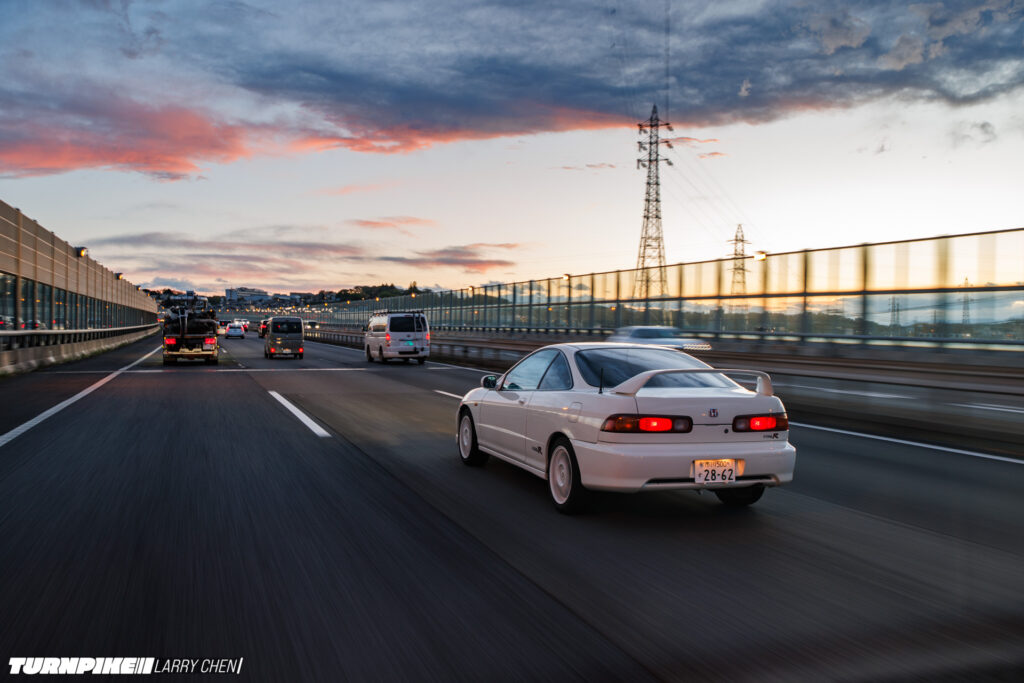
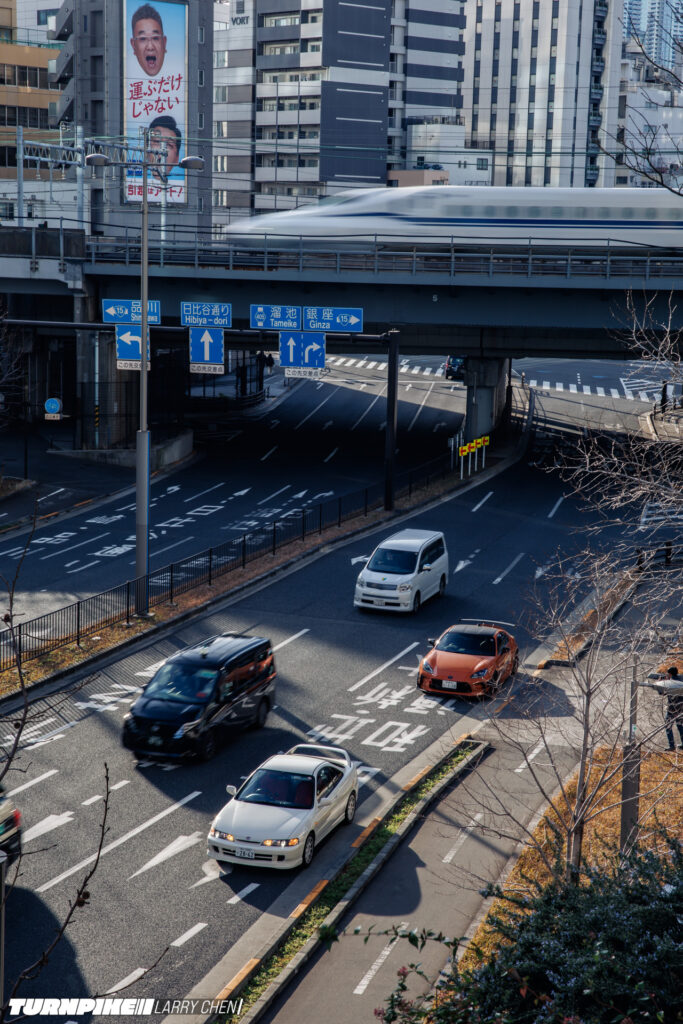
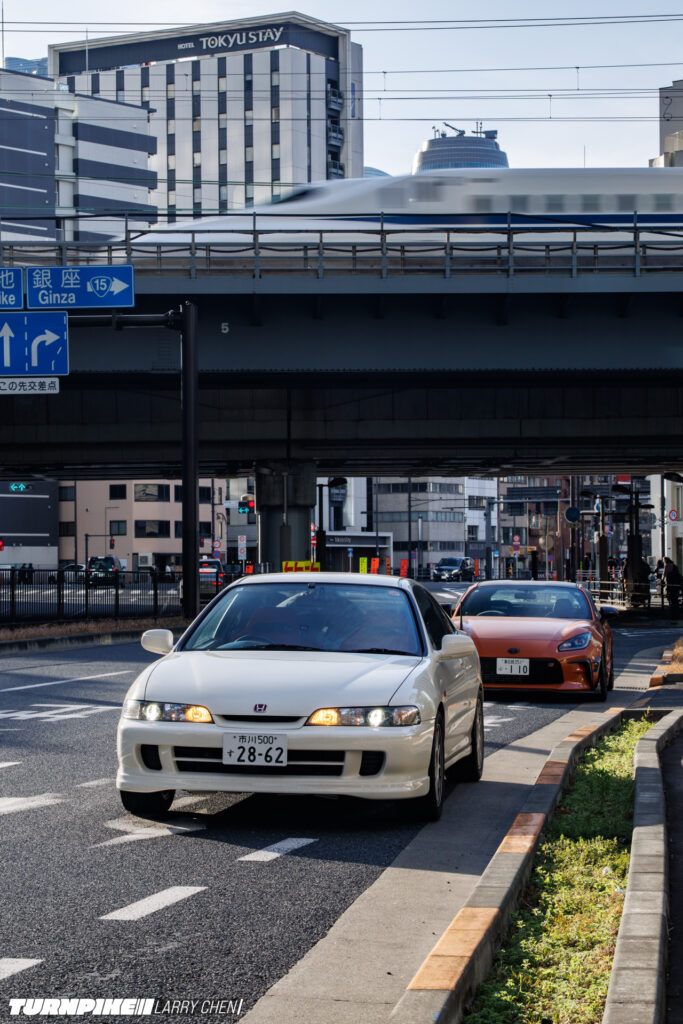
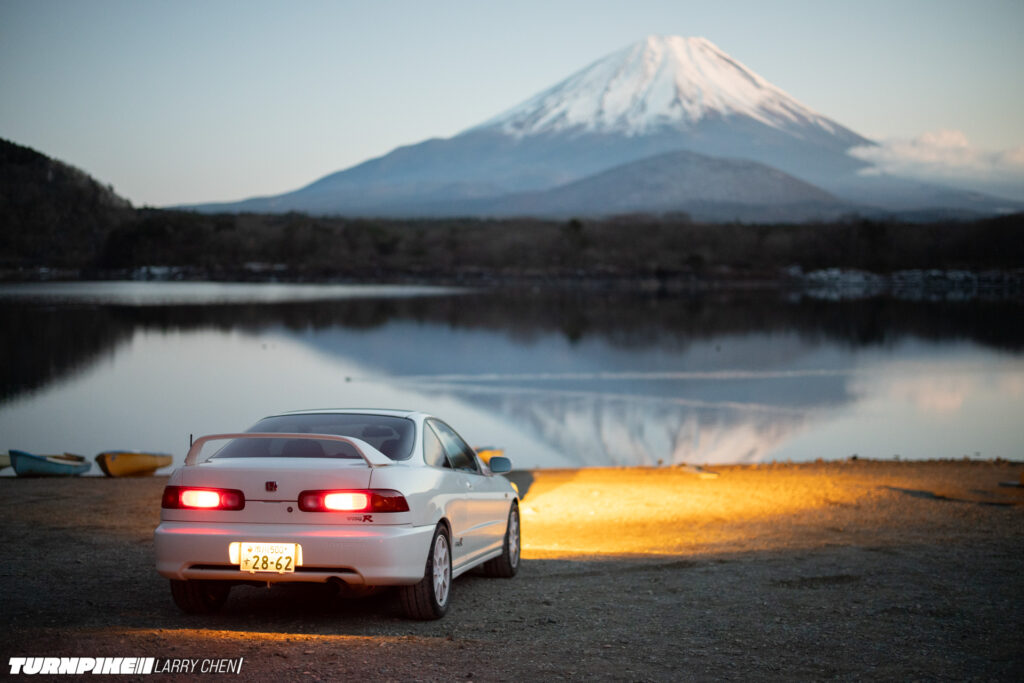
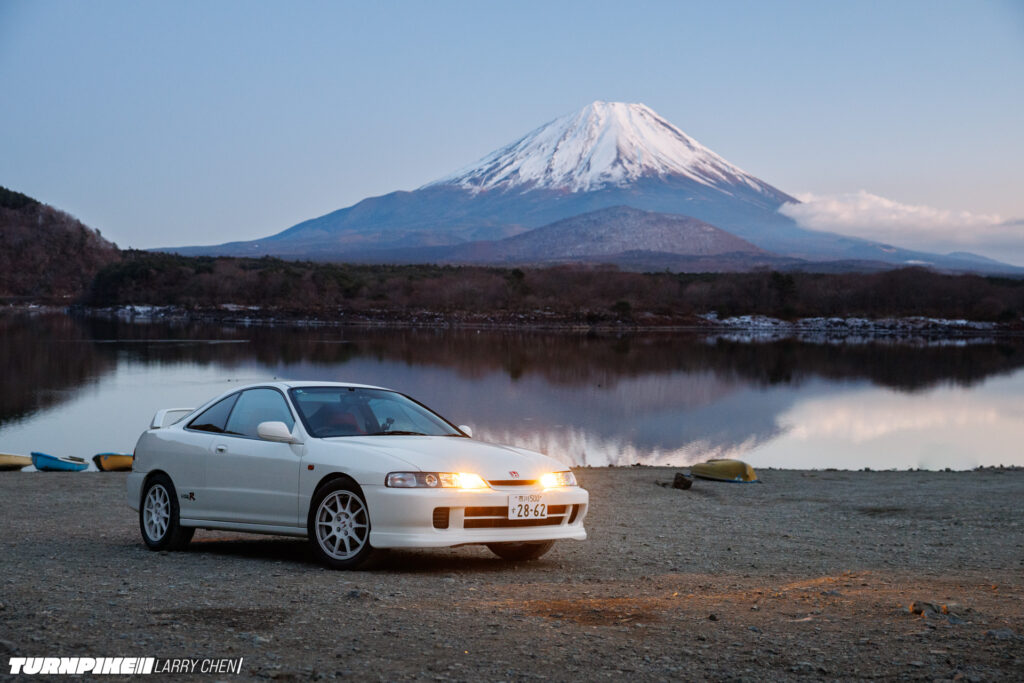
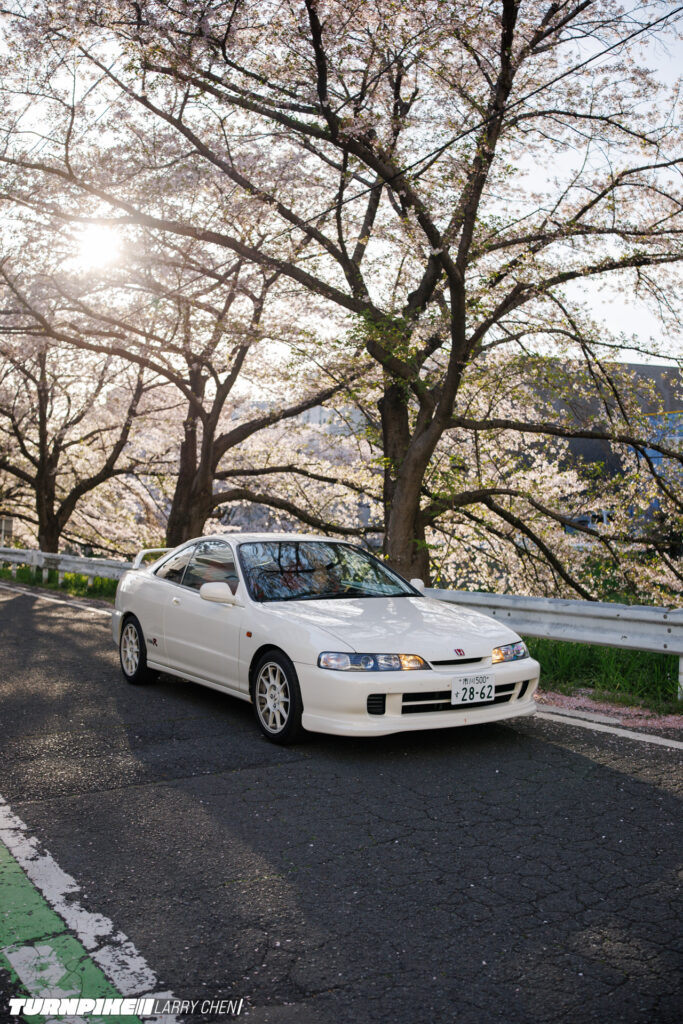
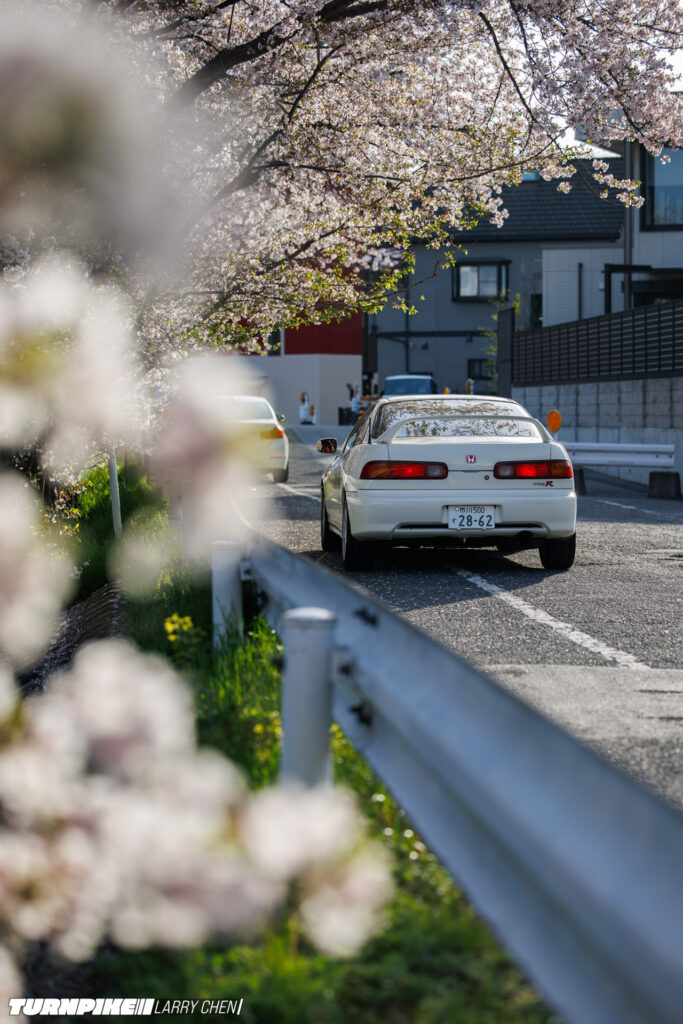
What surprised me most is how raucous it is, even in completely stock form. Honda’s engineers definitely weren’t trying to isolate you from the experience; they were trying to connect you to it. It’s hilarious when friends ride with me because the car is so loud and buzzy, they assume the engine is modified.
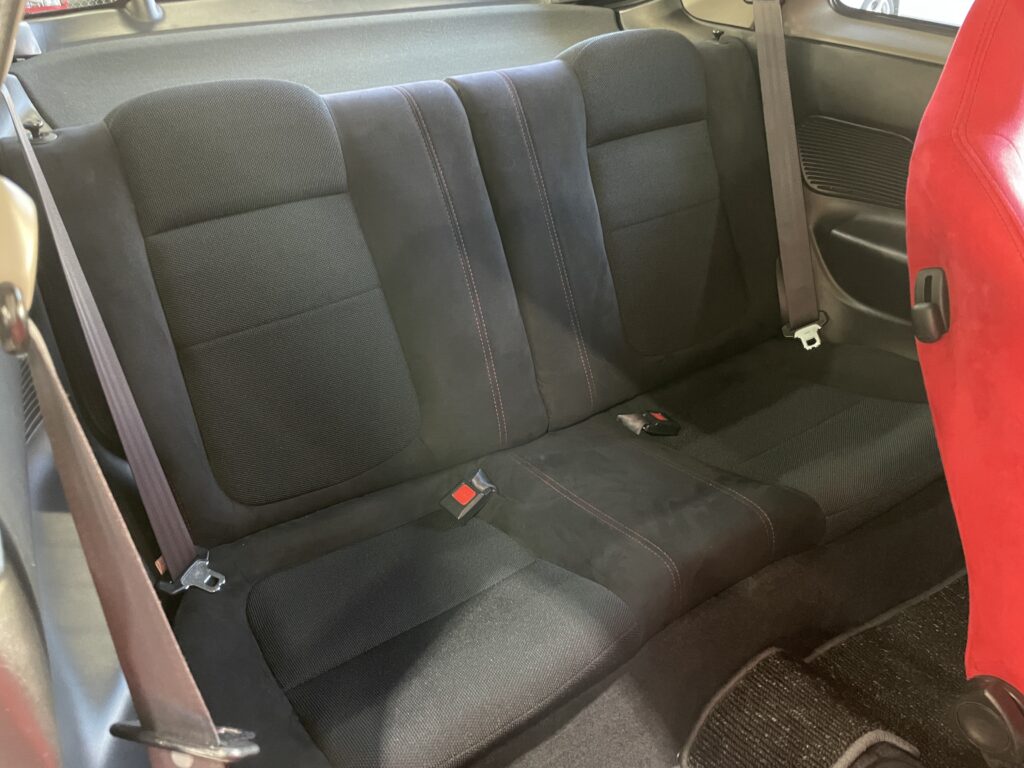
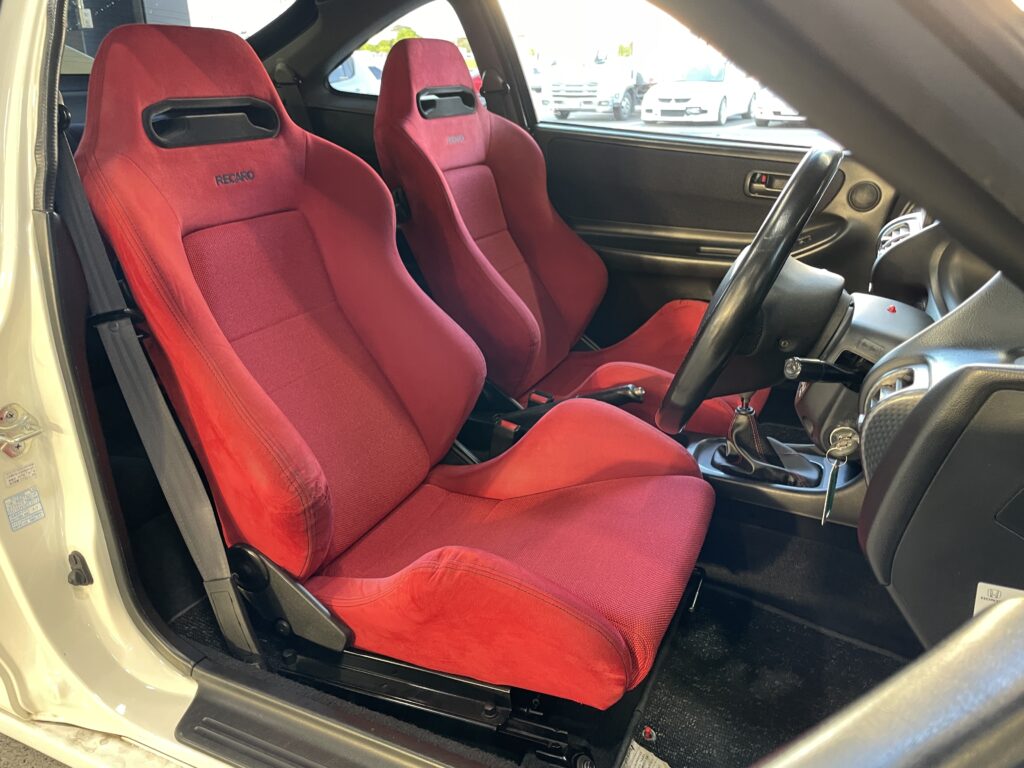
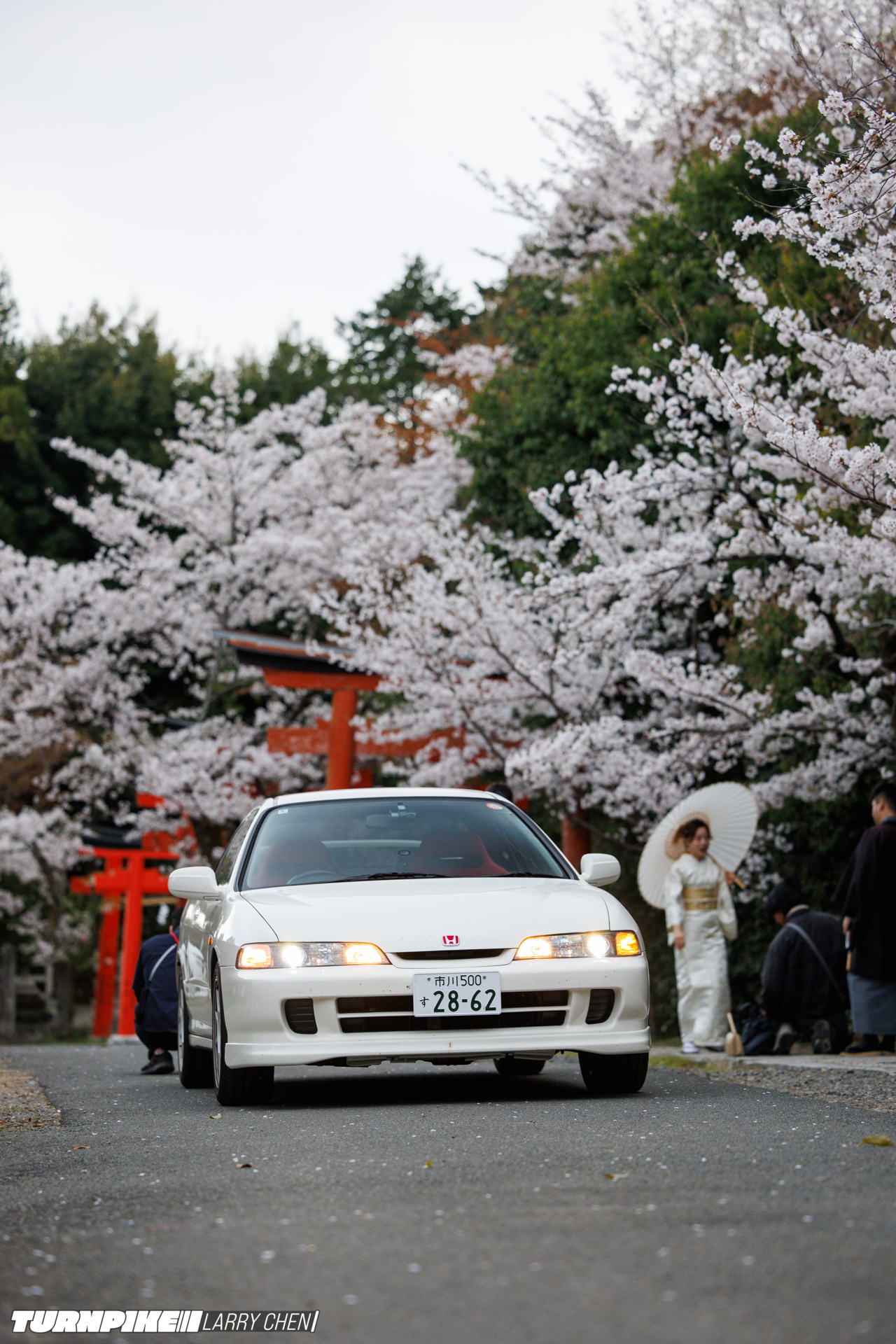
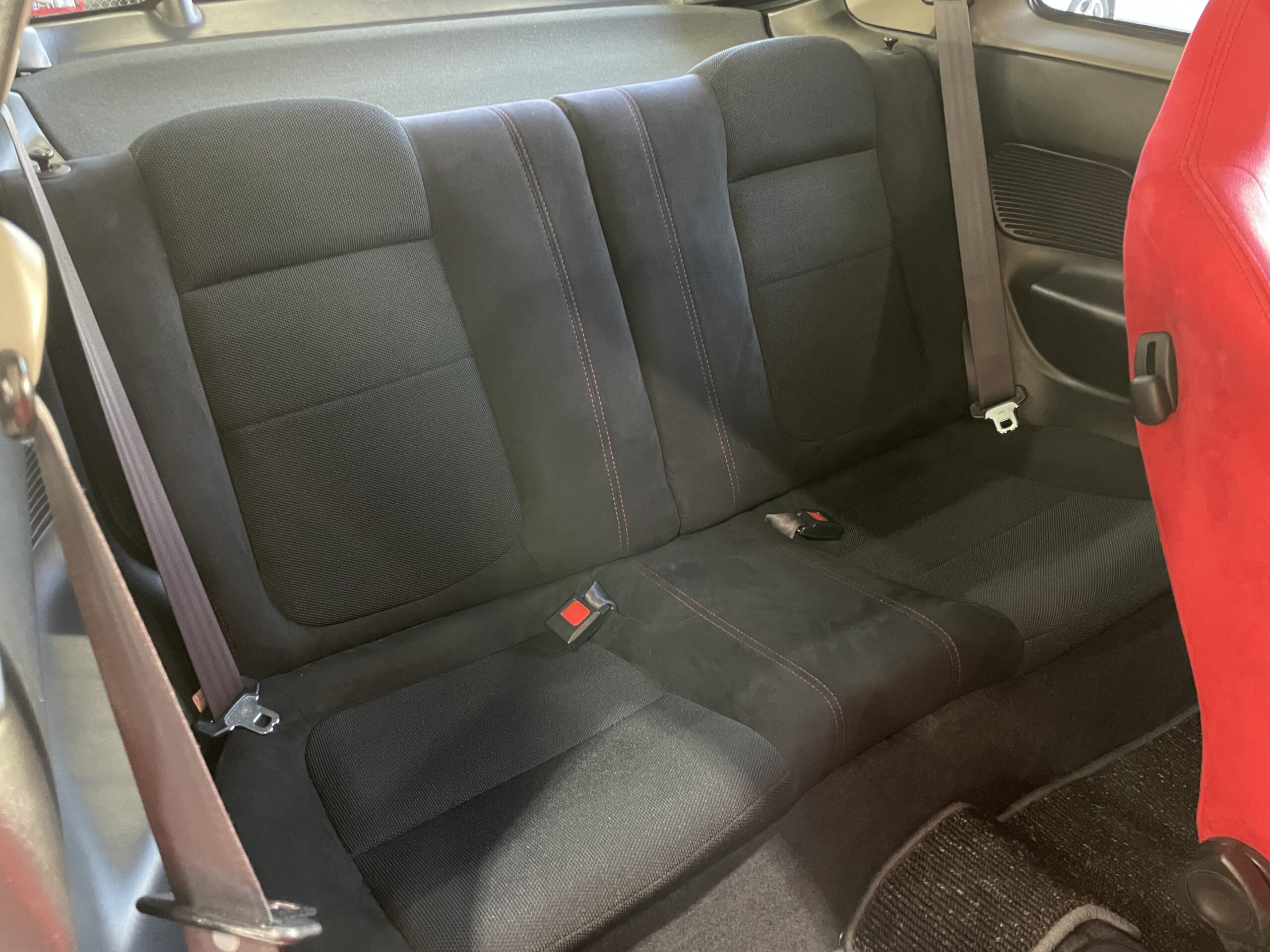
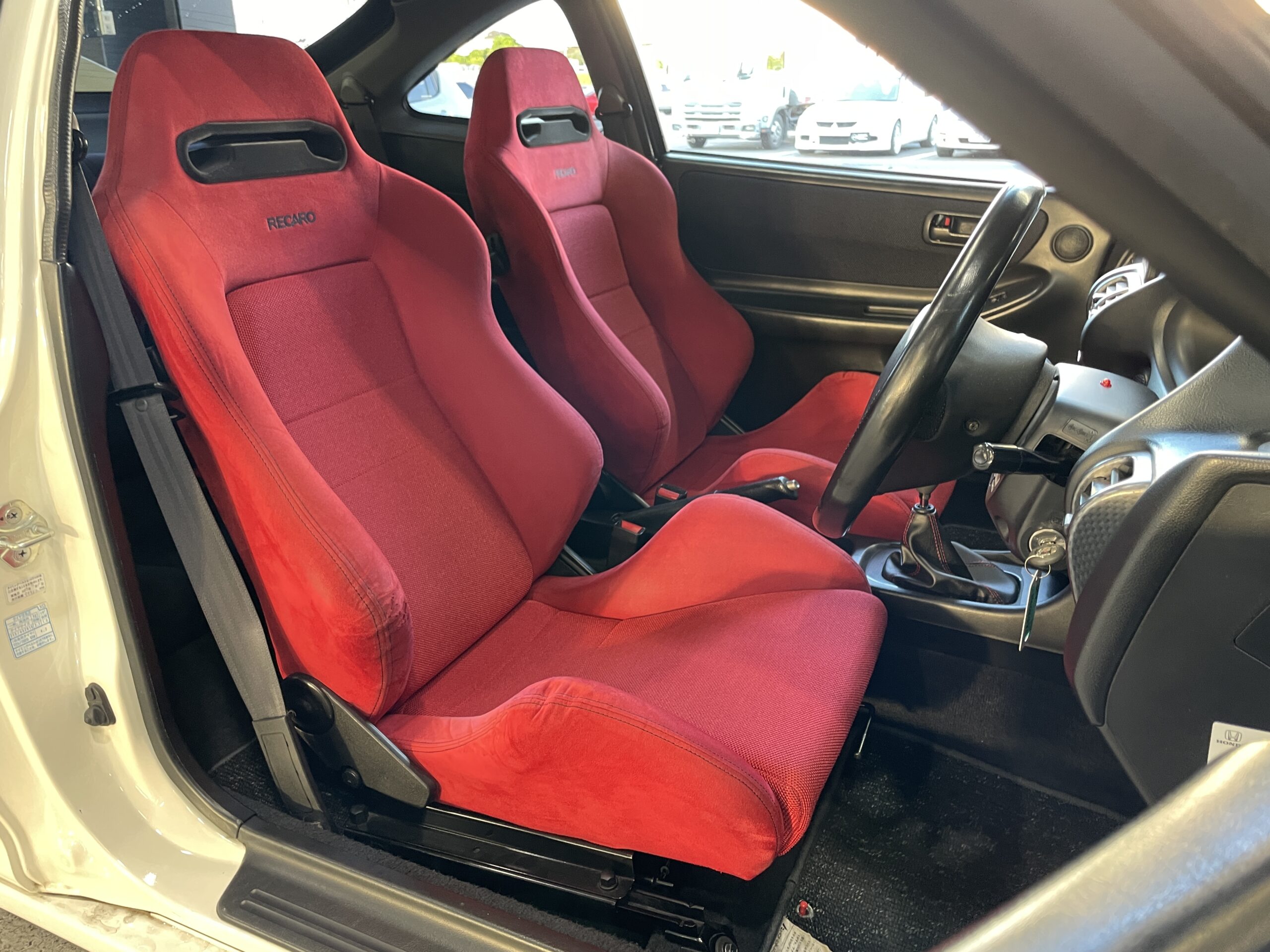
The condition of this particular car is what makes it special. There’s no rust, and the paint still shines. Inside, everything is preserved rather than restored. The factory Recaro seats hold you tightly without feeling uncomfortable, and the original Honda titanium shift knob still delivers one of the most satisfying shifting experiences you’ll ever find in a production car.
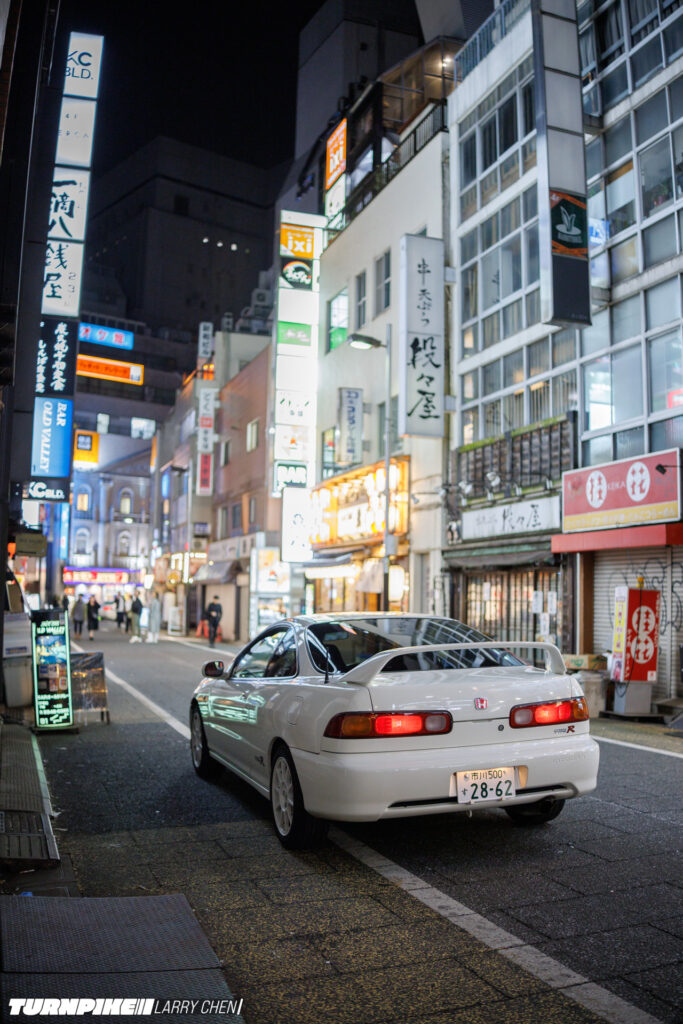
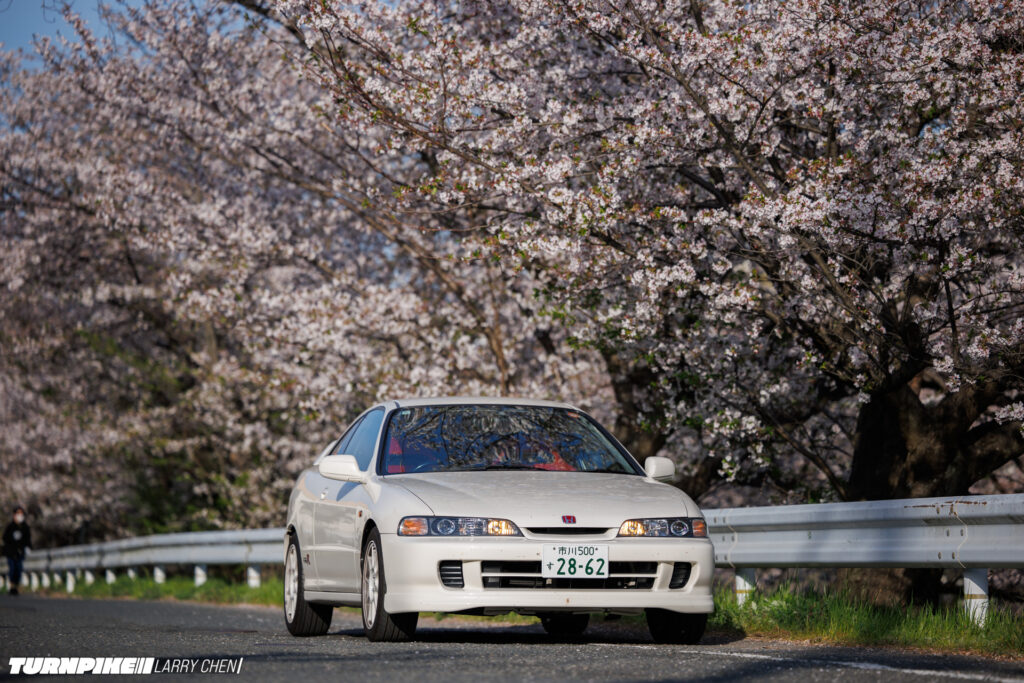
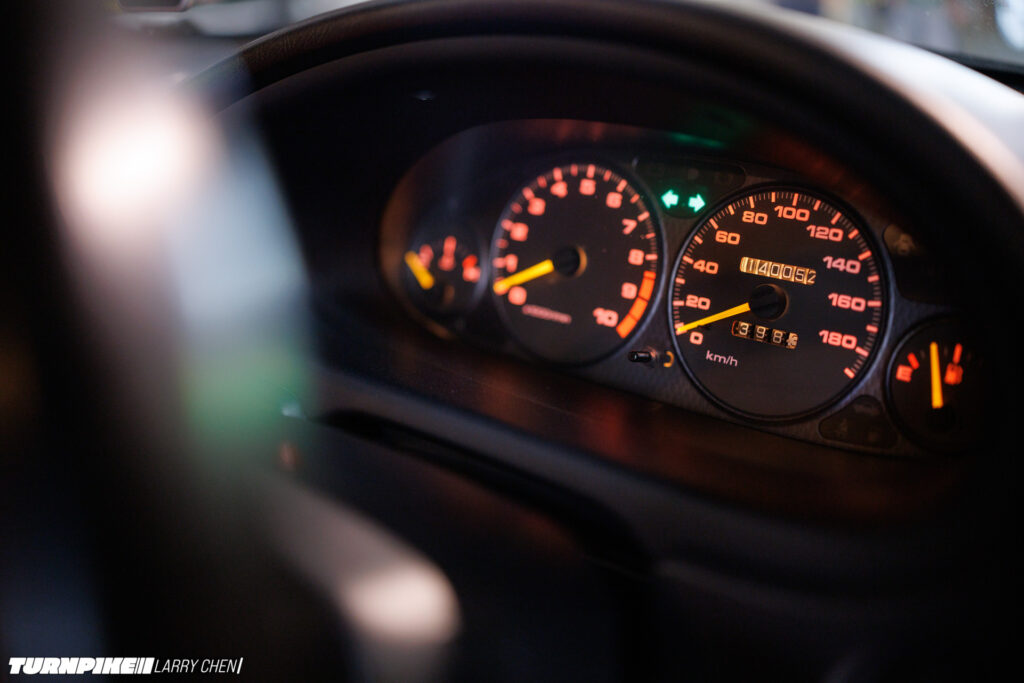
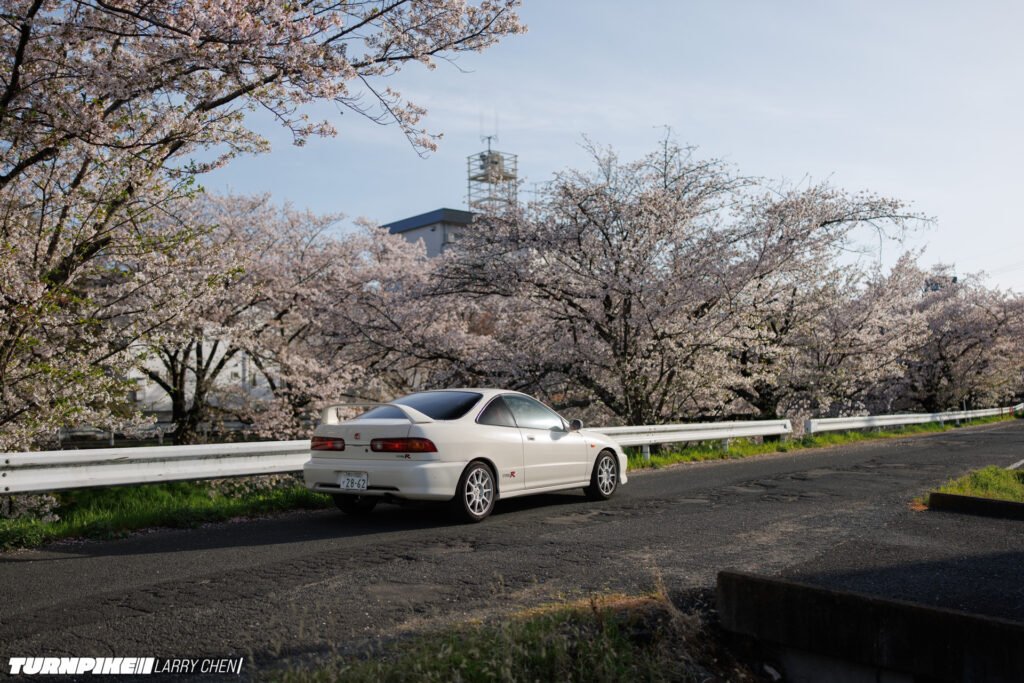
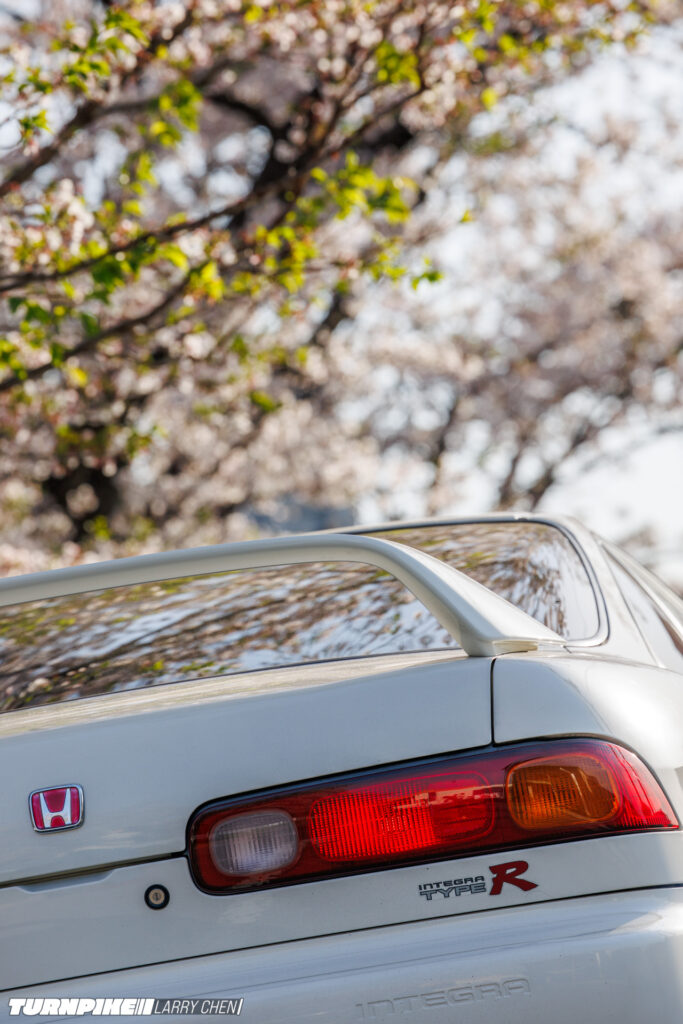
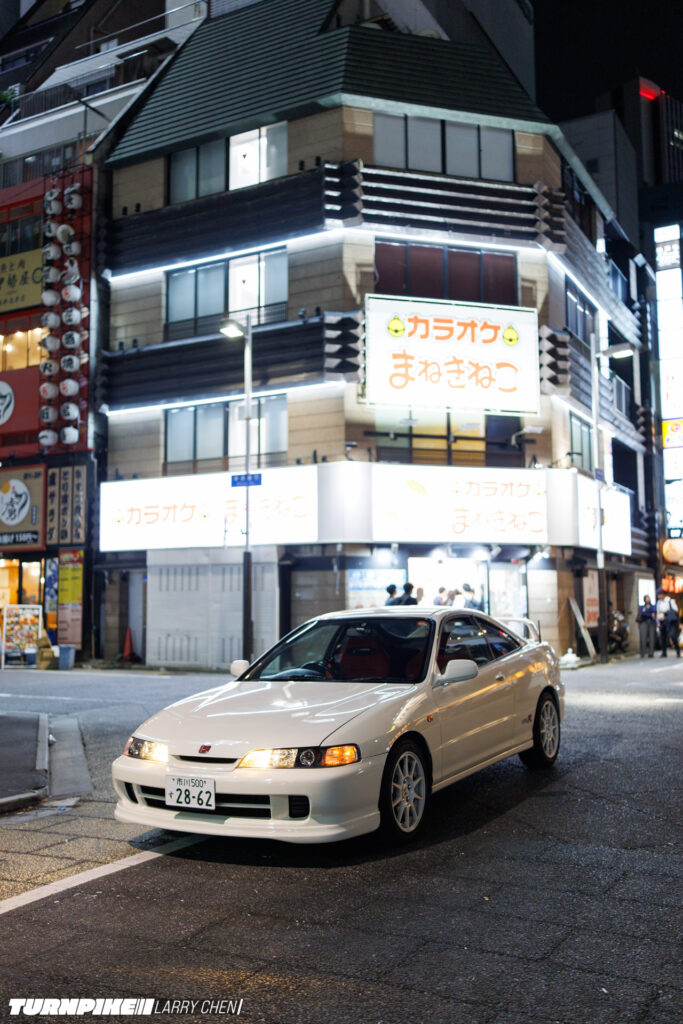
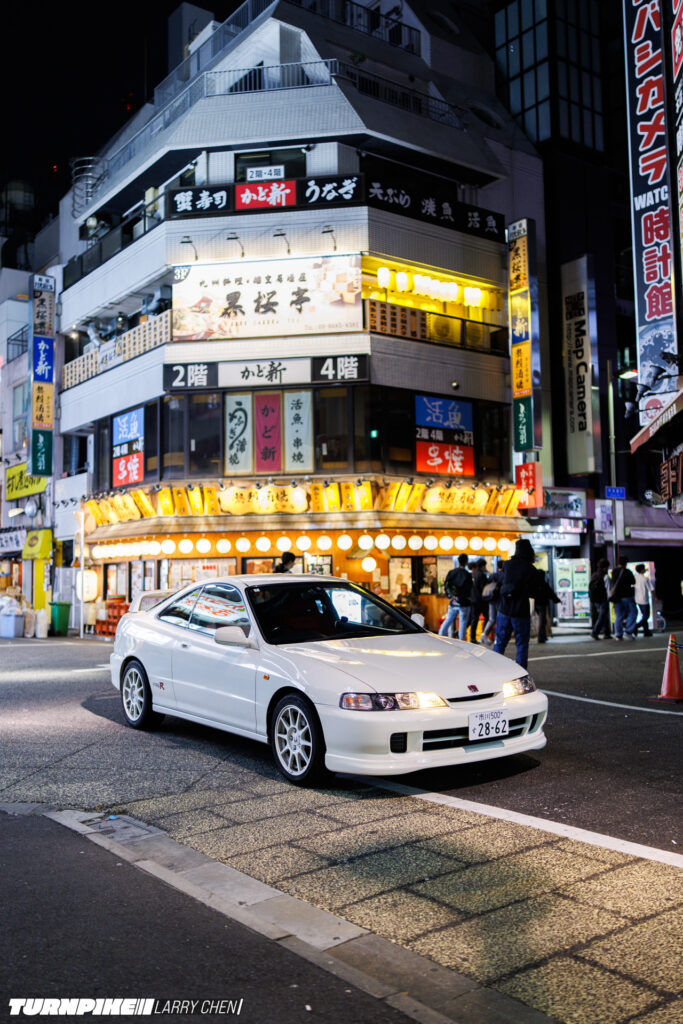
There were a couple of things I wanted to address after a short time with the car, and I ticked one of them off the list by having Top Rank send the wheels away for refurbishment. They weren’t bad, but who doesn’t love a refresh? Before the wheels went back on the car, I had them fitted with my favorite race and road tires: Yokohama Advan A052s. The factory size is 215/45R16, but I stepped them up to 225/45R16 for a beefier look. Next on the list is replacing the suspension bushings, which currently creak over every speed bump and driveway that I encounter.
Driving hard on the Higashi Course at Ebisu Circuit, I finally understood why these cars have the reputation they do. What was extremely satisfying was watching the needle on the tachometer rise slowly. Flooring a car for that long feels so good.
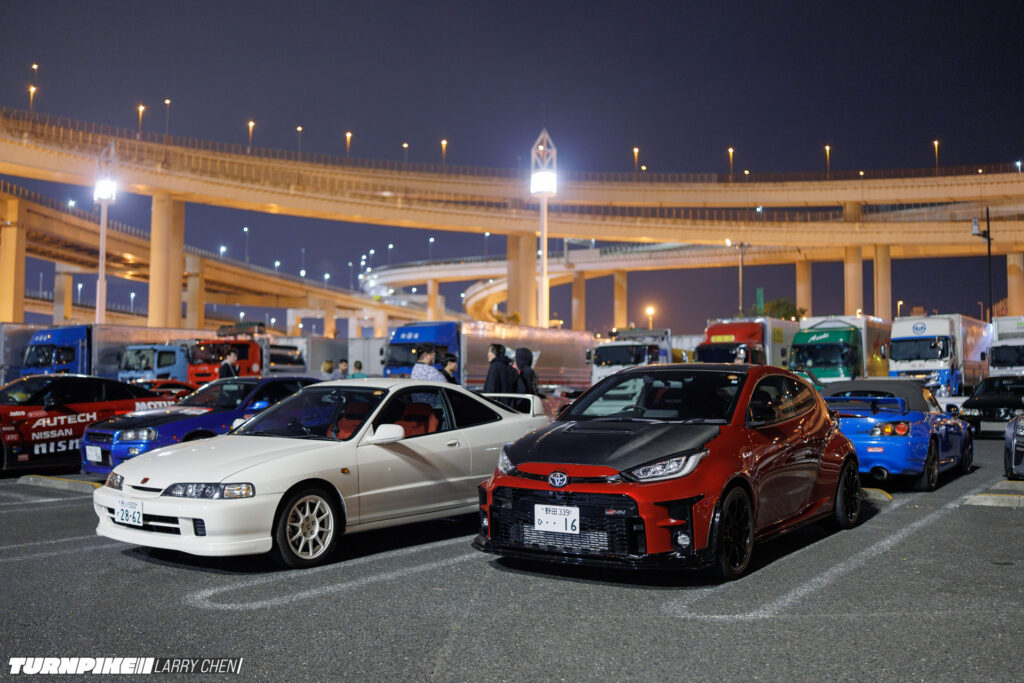
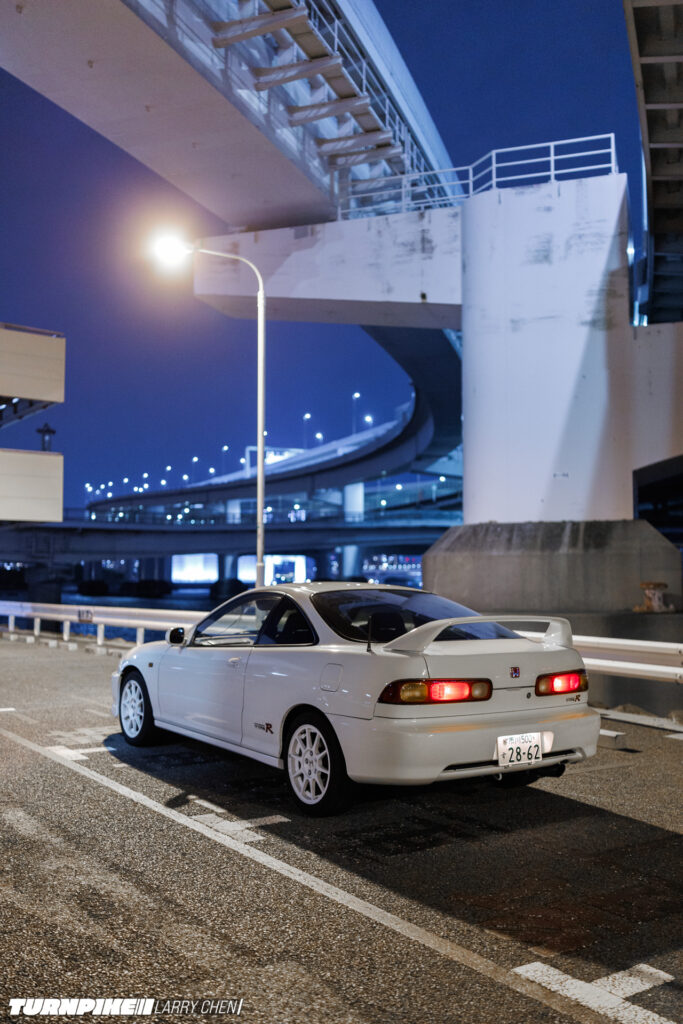
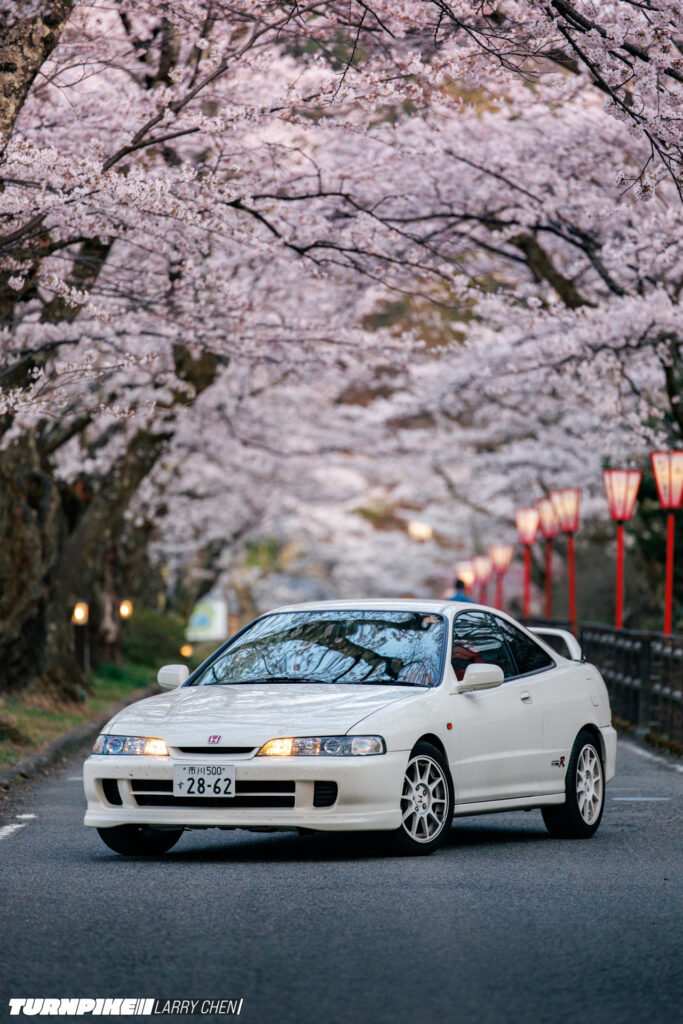
What I find more and more as I get older is that I get so much pleasure from the fact that I am rowing my own gears. You do, however, have to be on point with your clutch work and shifting to ensure passengers have a smooth ride. The steering feels heavy by modern standards, and the suspension is firm. The ride height is a bit on the tall side because it’s stock, but I’m OK with it.
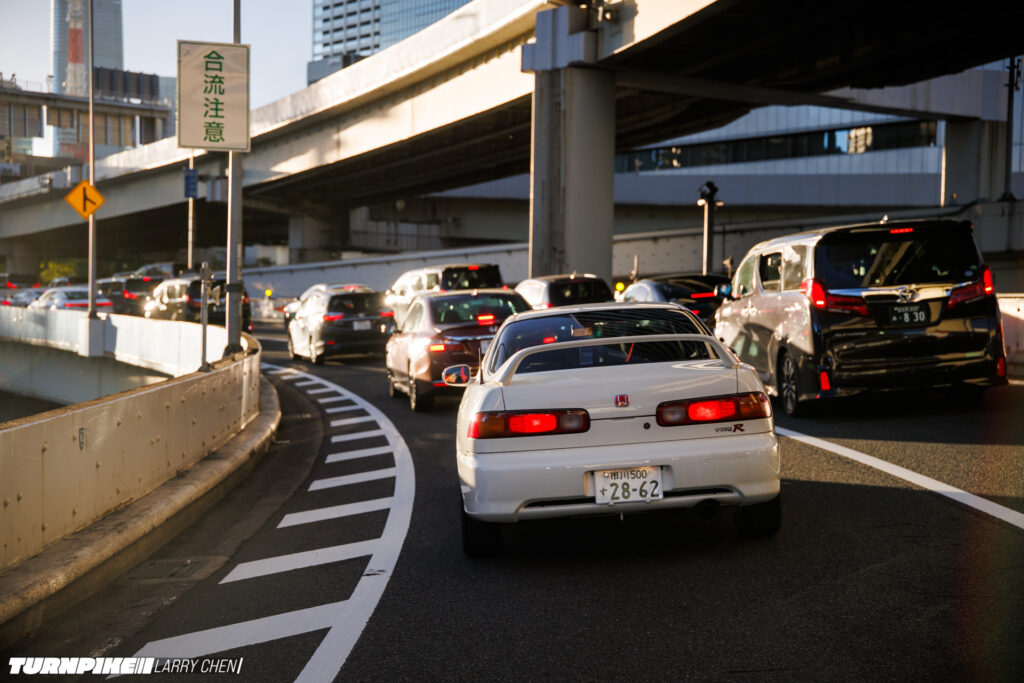
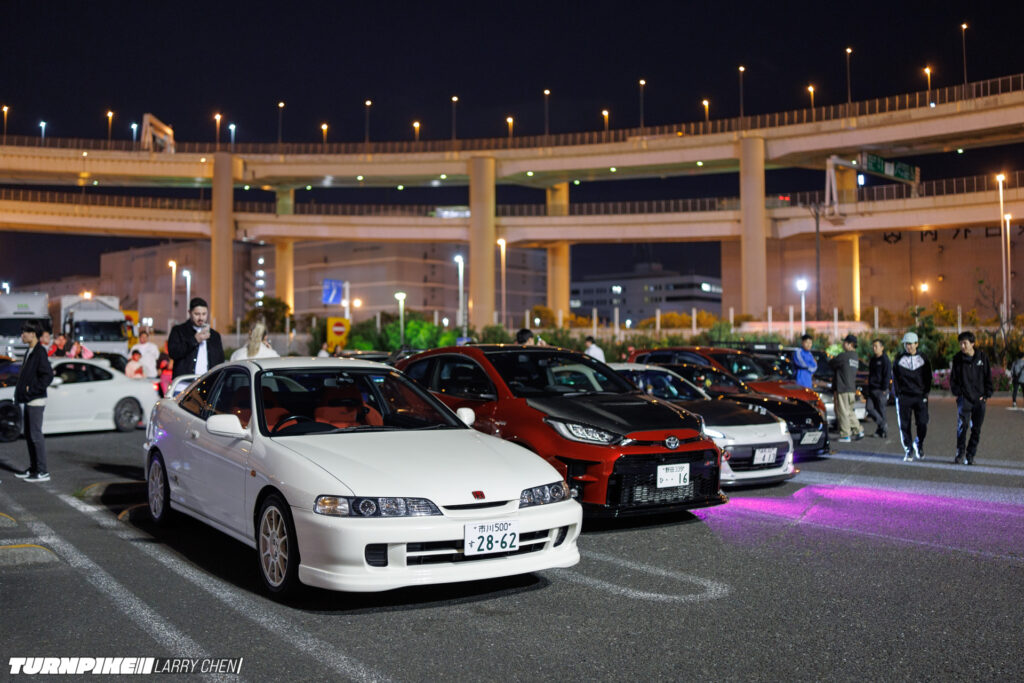
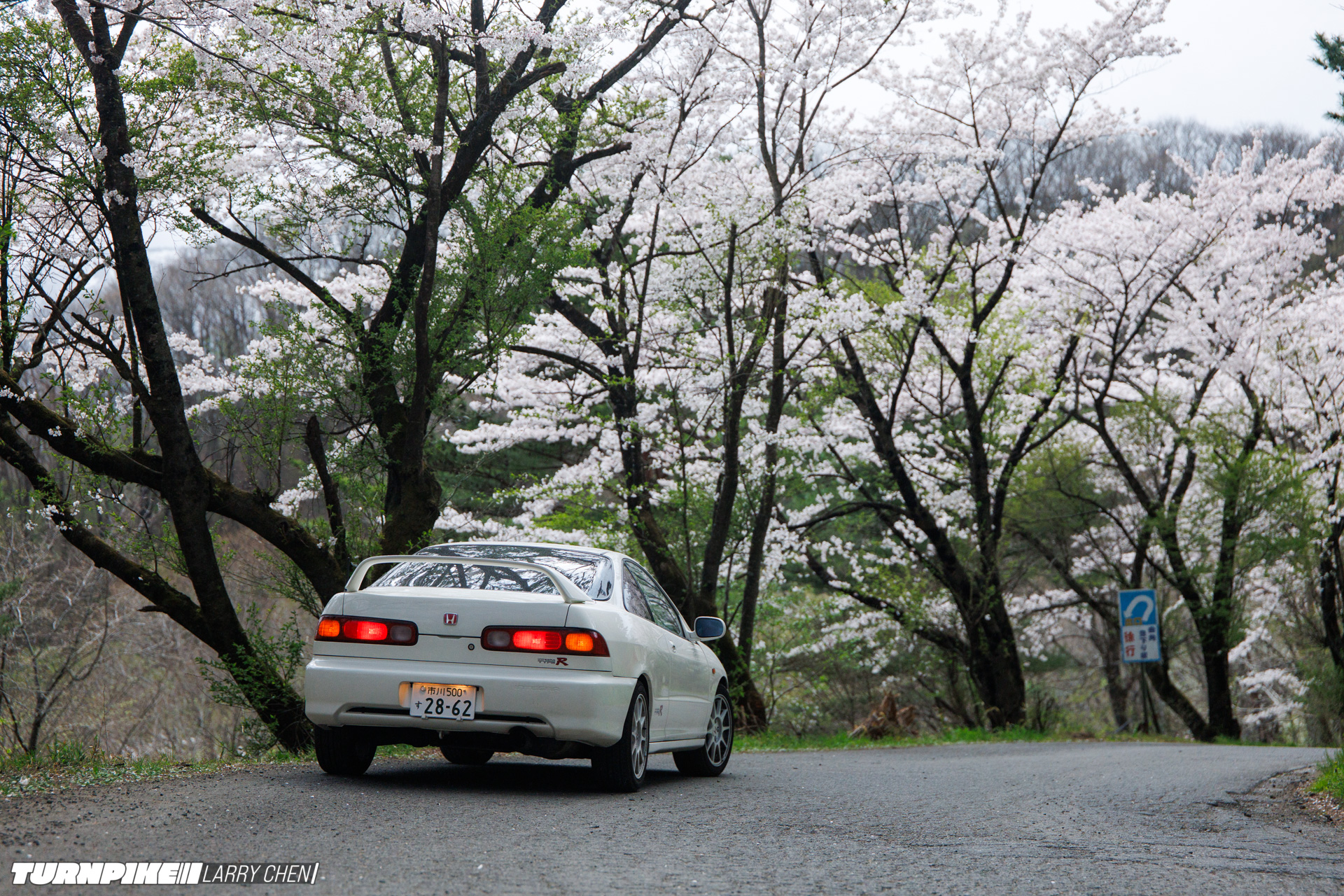
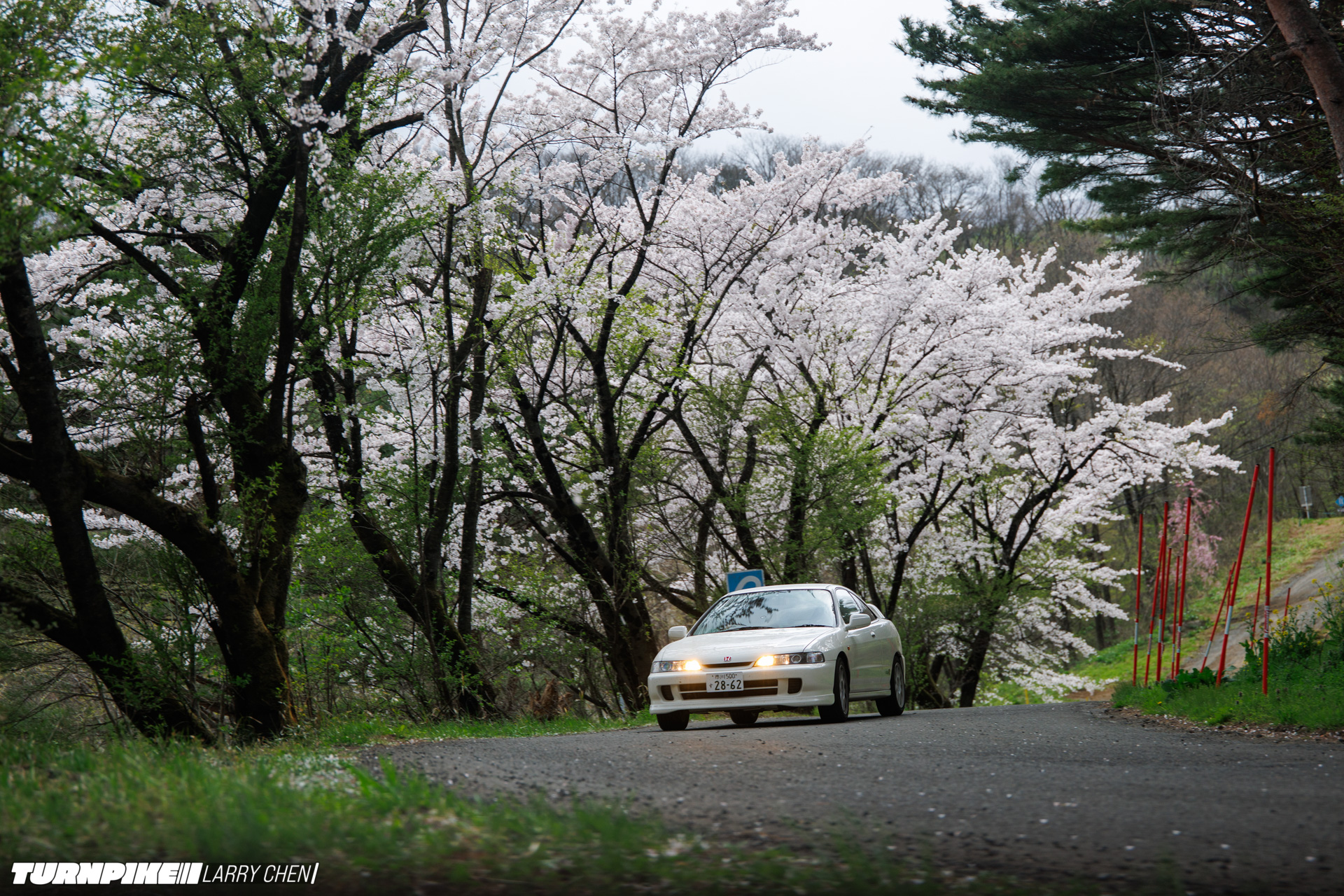
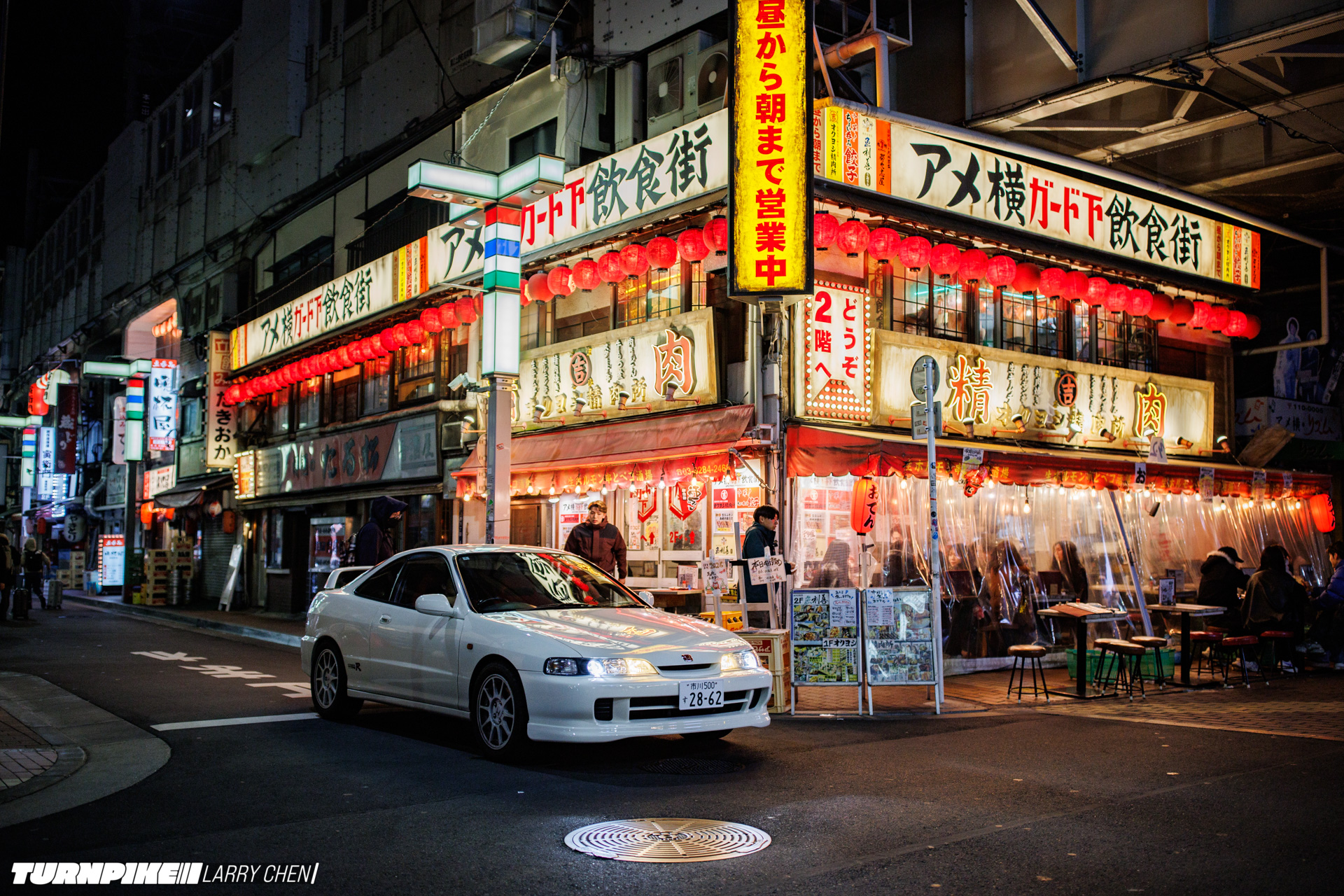
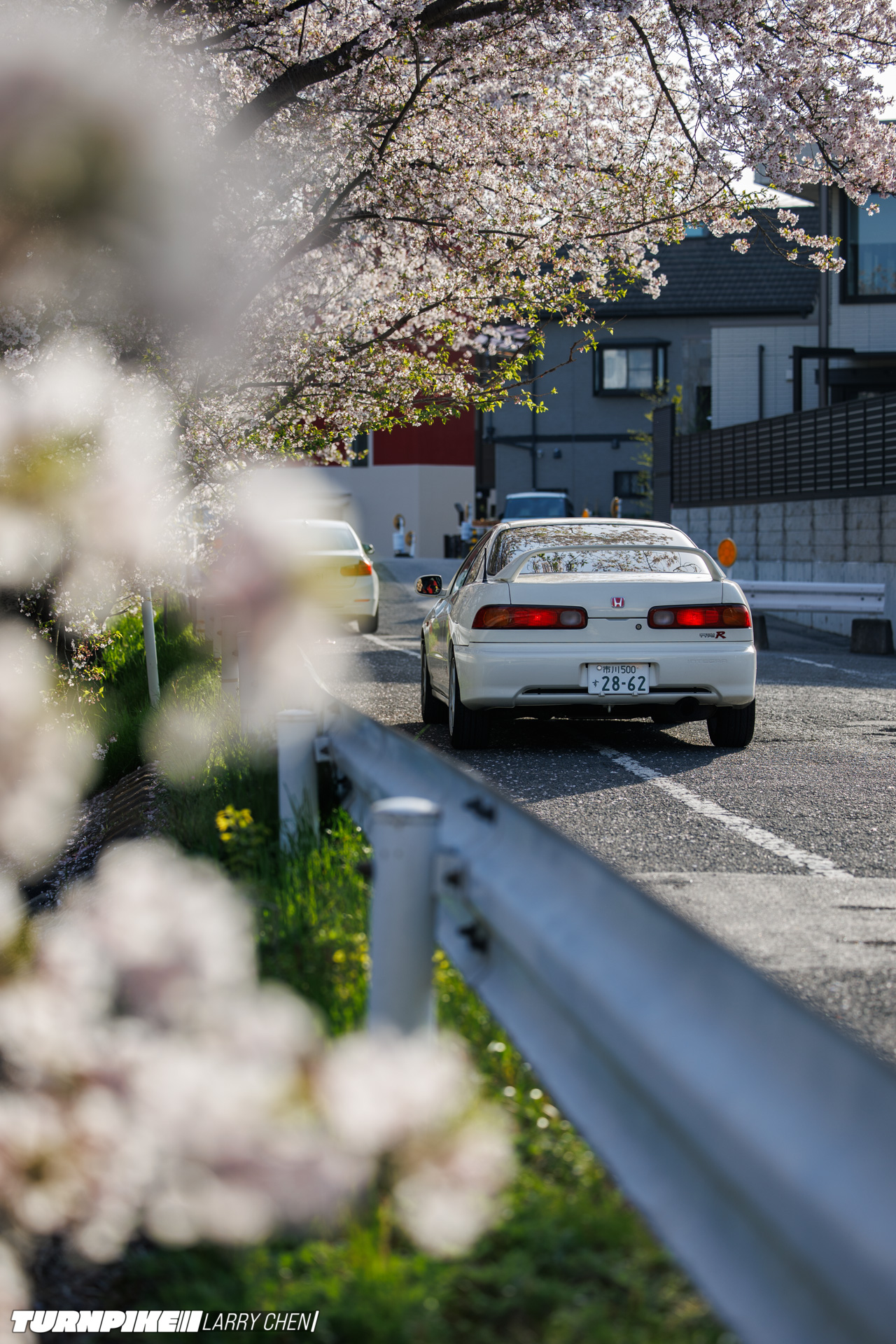
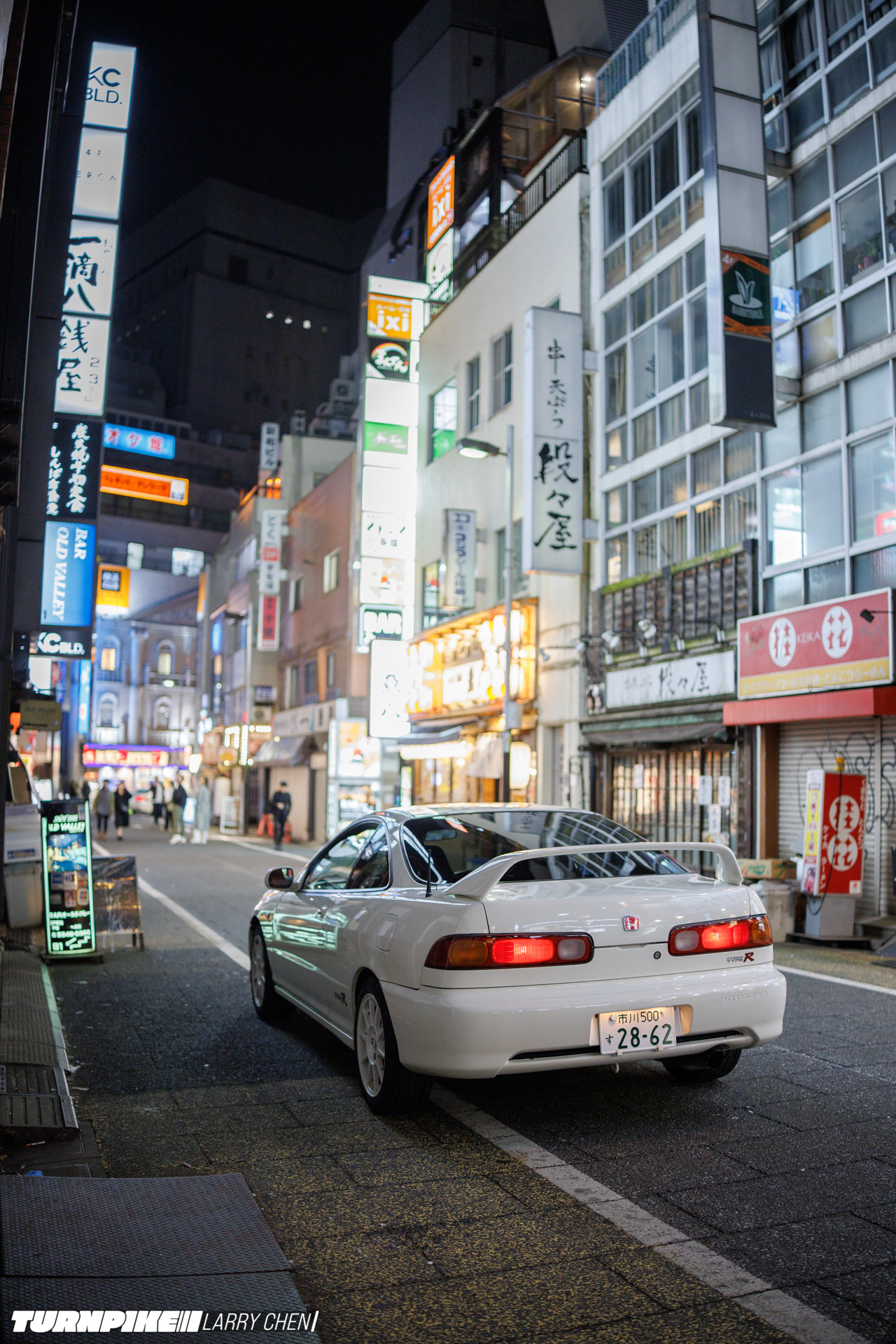
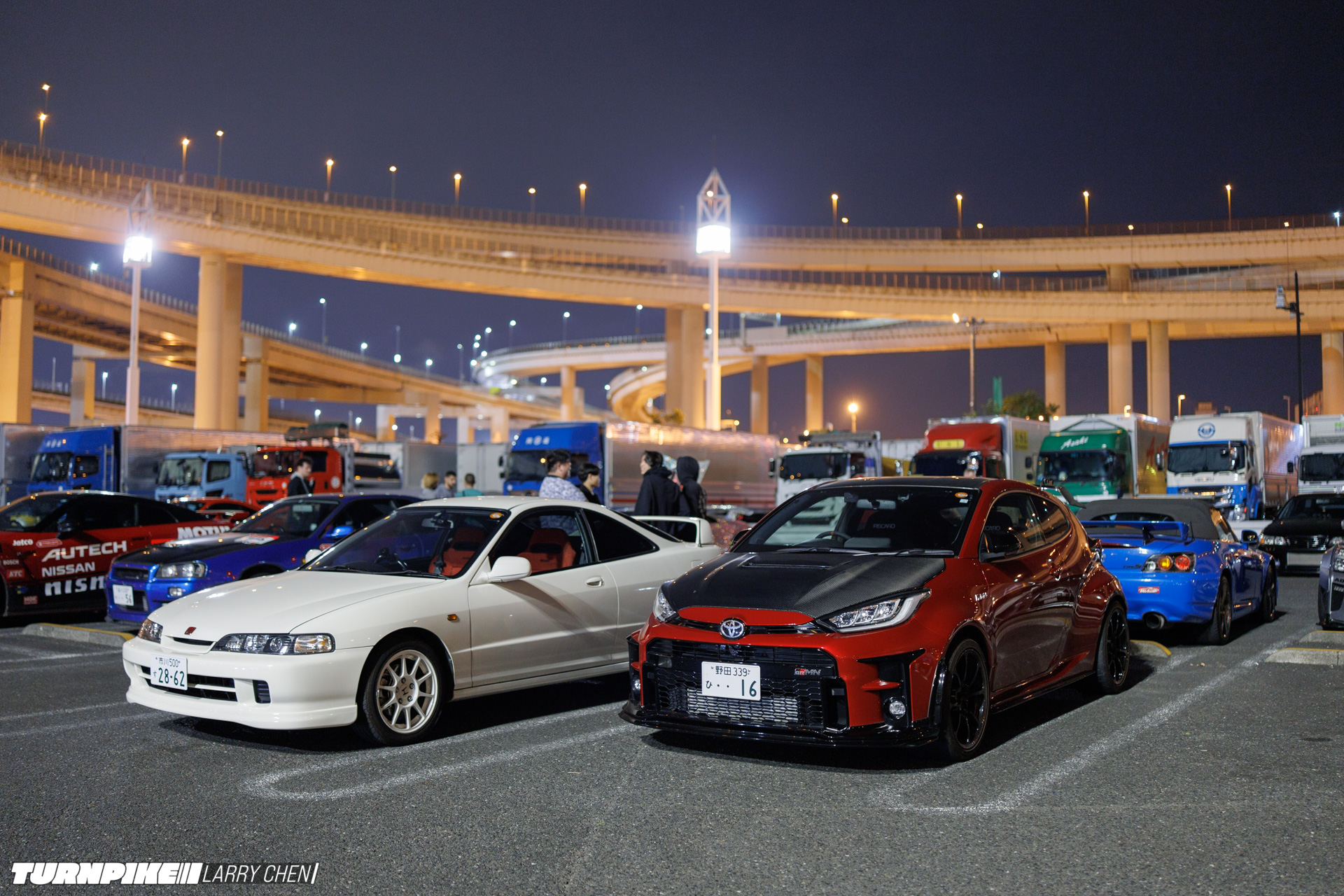
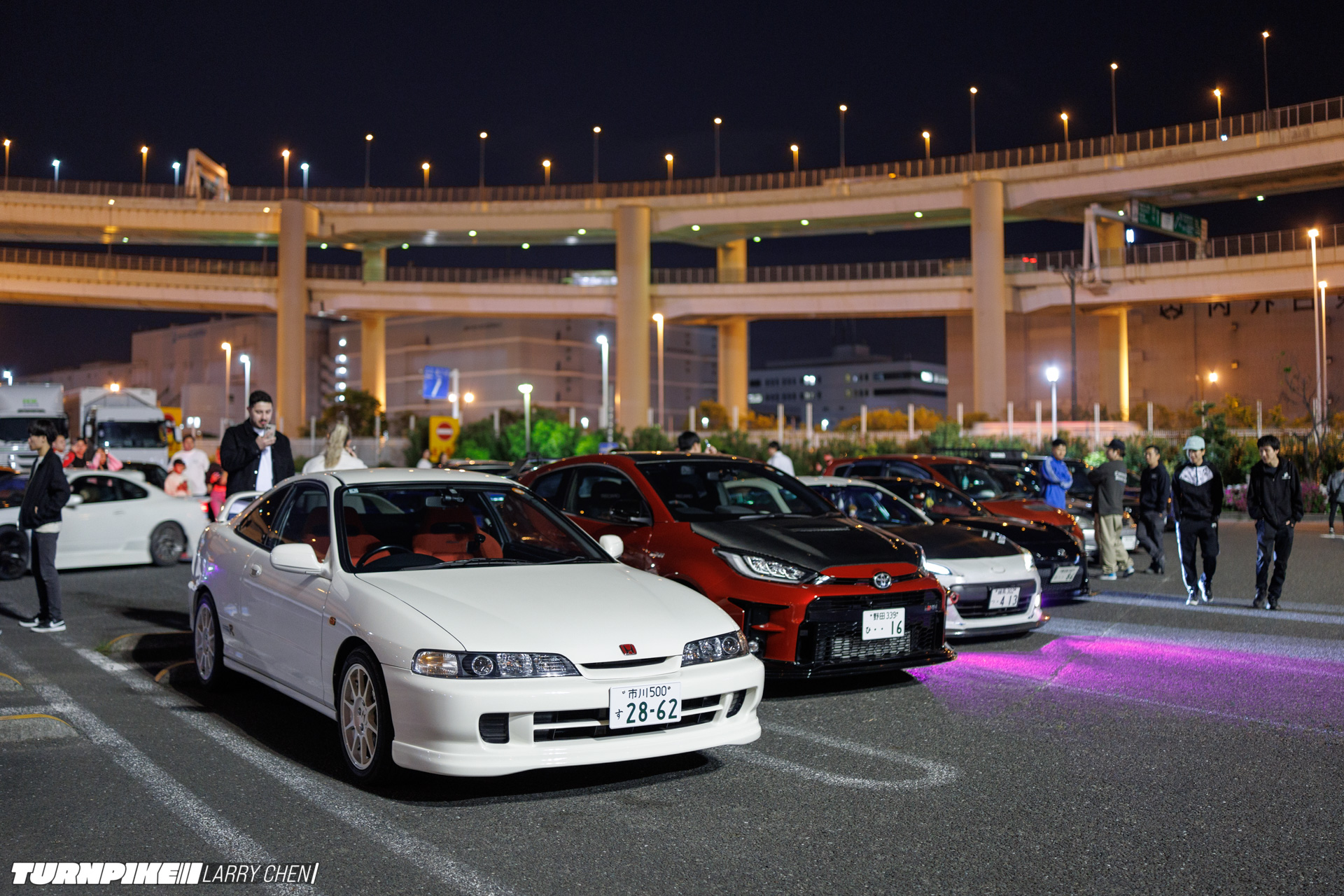
Although I’ve only owned it for a relatively short time, the Honda has already become part of my way of life in Japan. Early morning departures for shoots, late-night runs to Daikoku PA, and long drives across prefectures just for the sake of it – my Integra exists here the way it was meant to.



Congrats, looks mint for such an old car.
There’s something about the old Civic and Integra Type Rs that is just so charming and angelic they’re special cars
The level of trust they must have to register a car in their name for someone else is off the charts. This isn’t anything like Montana plates
I love that you kept is stock. As much as I love modified cars, I also love stock cars more and more the older I get.
It looks like a cracking car, the ITR look so at home even against the modern cars. An iconic car but when it looks that clean, its timeless.
Having been in a JDM phoenix yellow ITR (Yellow Recaros to match) its an addictive car to push on as you drive it.
This post made me feel something that no 5sec video of a fire-spitting Lambo ever could.
Also, keyless entry on a 2000 Honda? Unbelievable.
very tru. these days car culture has gotten so many stereotypes that it is honestly unbearable for real enthusiasts
My ’93 Accord wagon has keyless entry. The buttons on the fob are broken and the battery is probably long dead, so it doesn’t work, but it’s a weird setup (maybe infrared?) that requires you to hold the fob right up to the sensor on the door handle or the one hidden in the tail light.
Loved this write up – feels great to have car content like this ‘back’ again. It’s great to see special cars being celebrated and documented properly without sticking 16 turbos and a ‘THE TRUTH’ slate on them.
Beautiful car, great idea…want to see more of it in the future.
What a dream teggy, I wasn’t aware of the existence of the Type R “x” before this article either, thank you for sharing!