
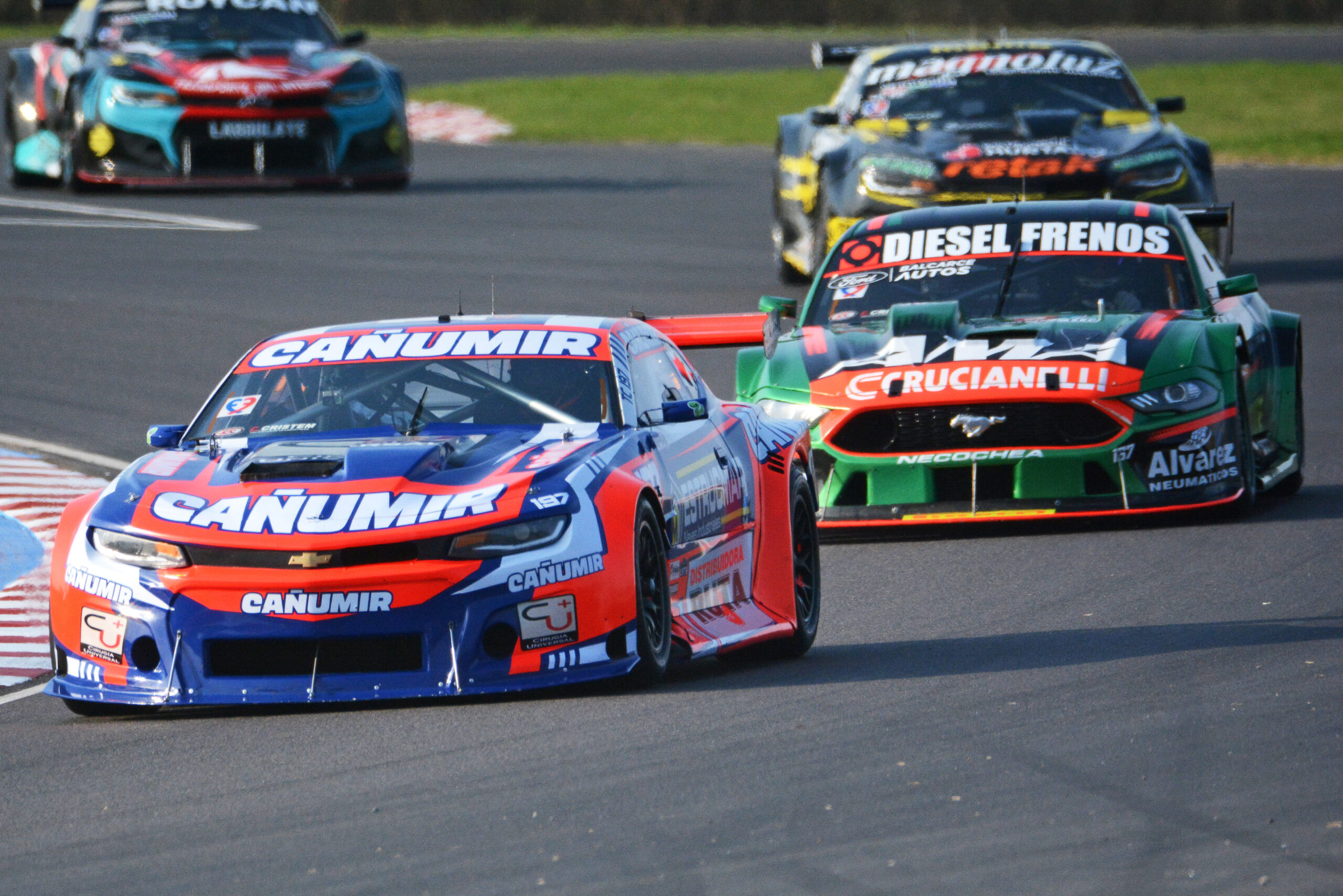
Turismo Carretera, or simply TC, was created in Argentina in 1937 after a big change in regulations shaped what’s considered the first “modern” competition rule set.
Purpose-built race cars were banned and only cars with closed cockpits, and more importantly, developed from a street car were allowed to compete. Thus the current blueprint was laid down.
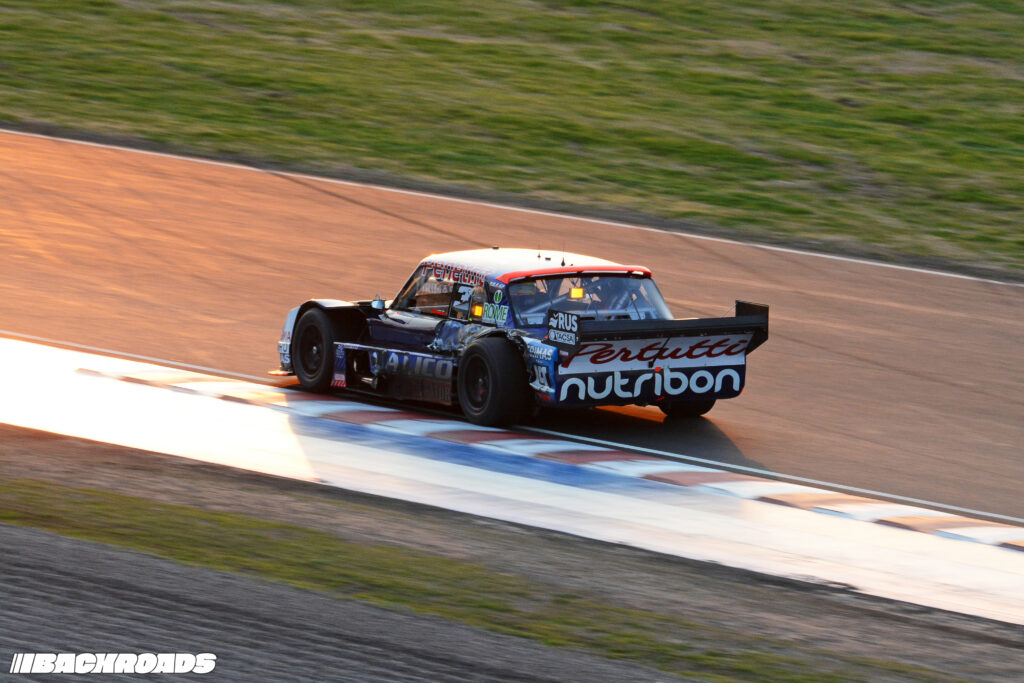
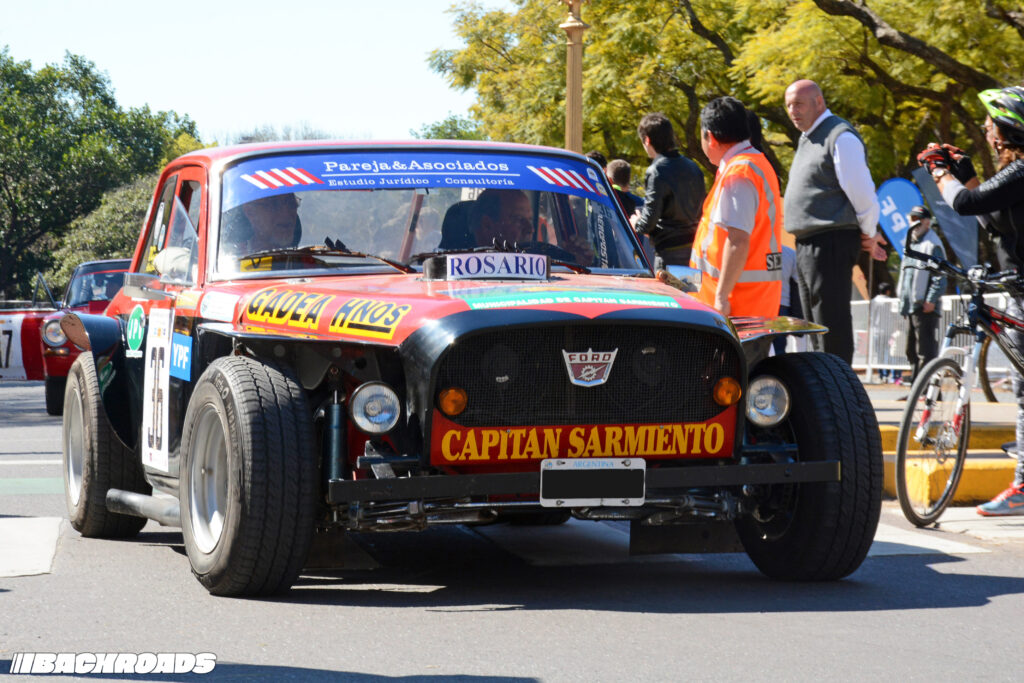


In its early beginnings, Turismo Carretera started racing on public roads, mixing in closed circuits later on. So it remained until 1997, the year in which a race was held in a public route for the last time. From then on, the championship has been held exclusively across permanent circuits across the country.
The championship had several high profile drivers in its ranks, from Juan Manuel Fangio back in the early days, to Jose Maria “Pechito” Lopez in the modern era. Many drivers, with brief international appearances, made their name in TC. Most recently, Agustin Canapino proved himself jumping straight into Indycar with surprising results given most of his career was in Turismo Carretera.
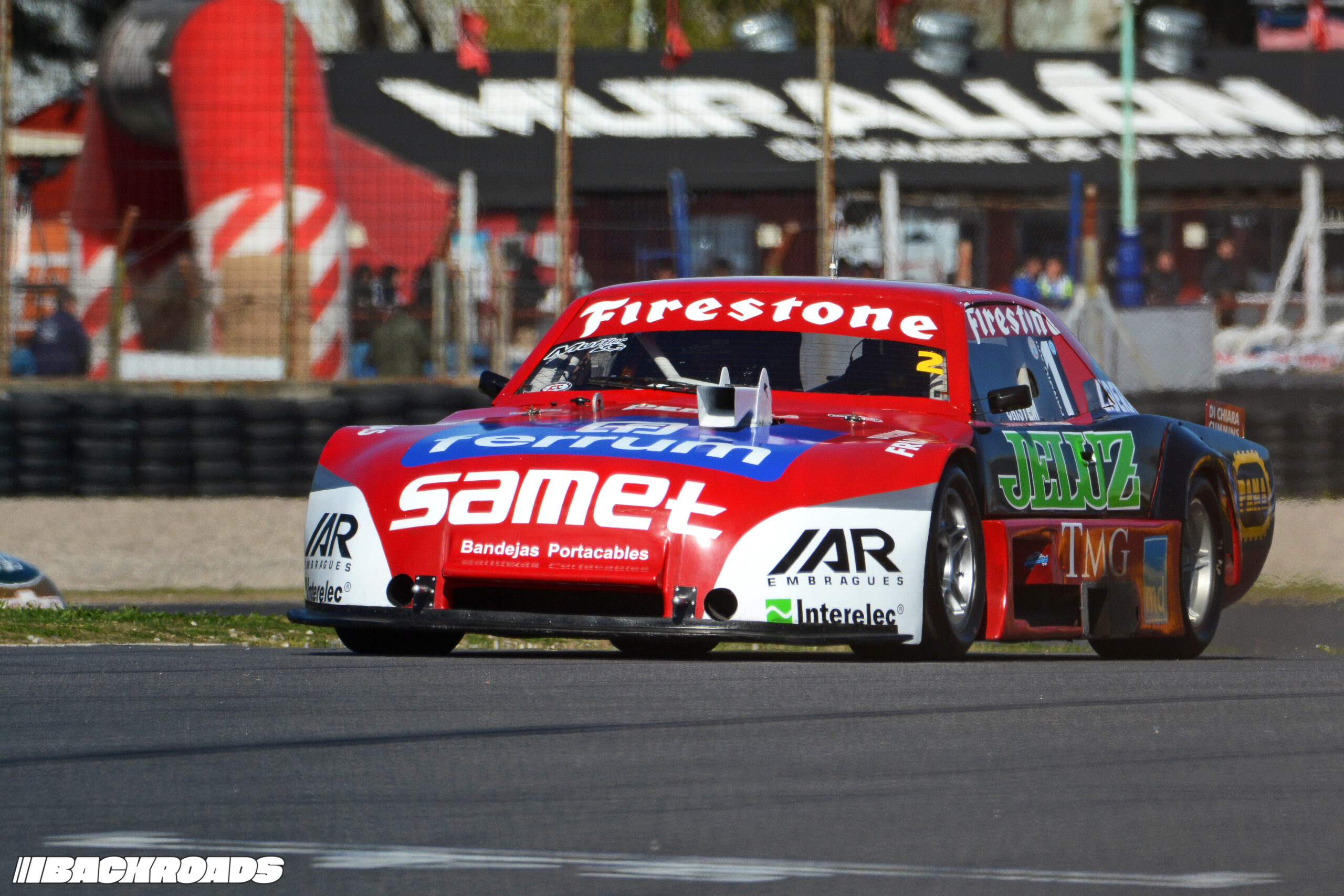
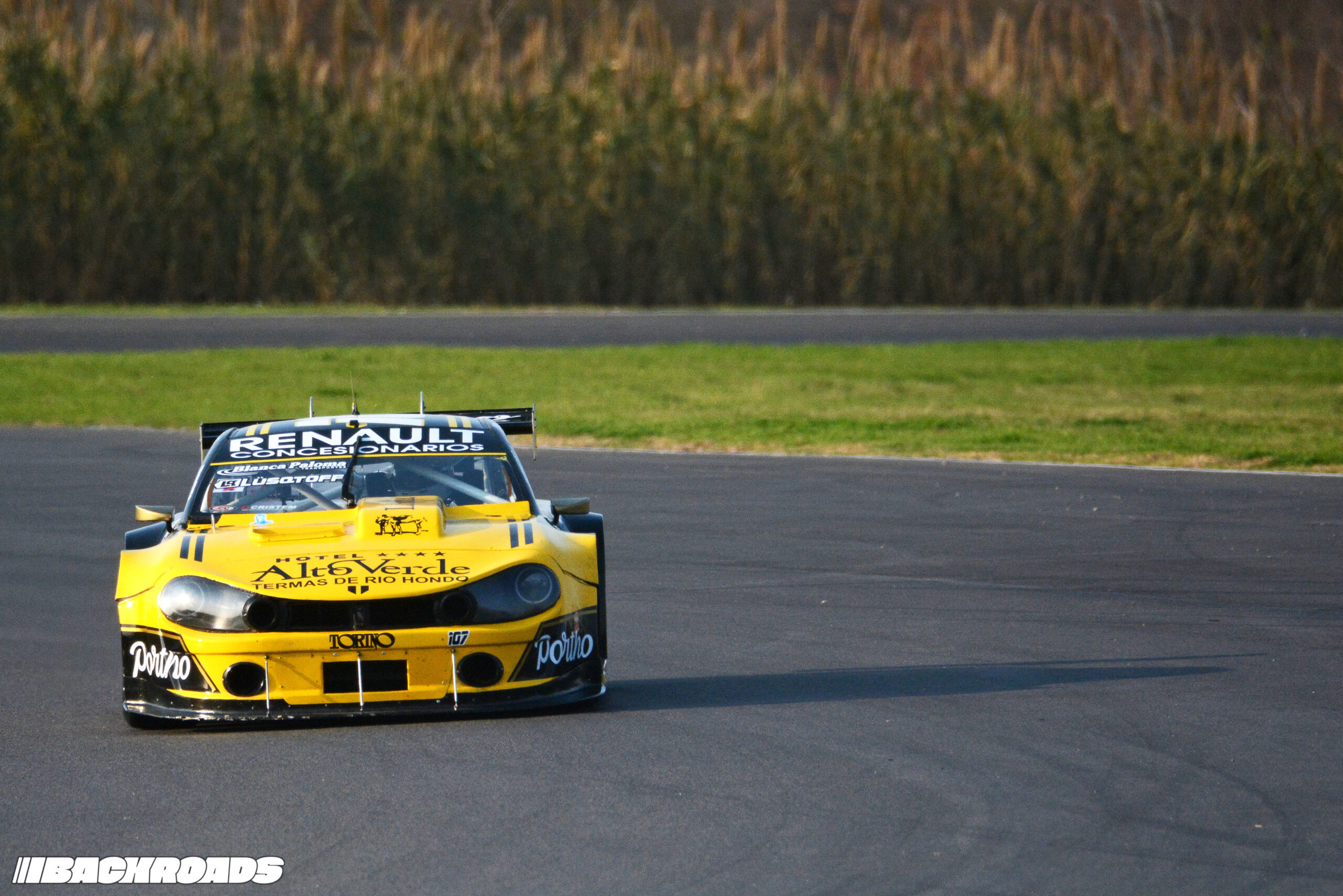
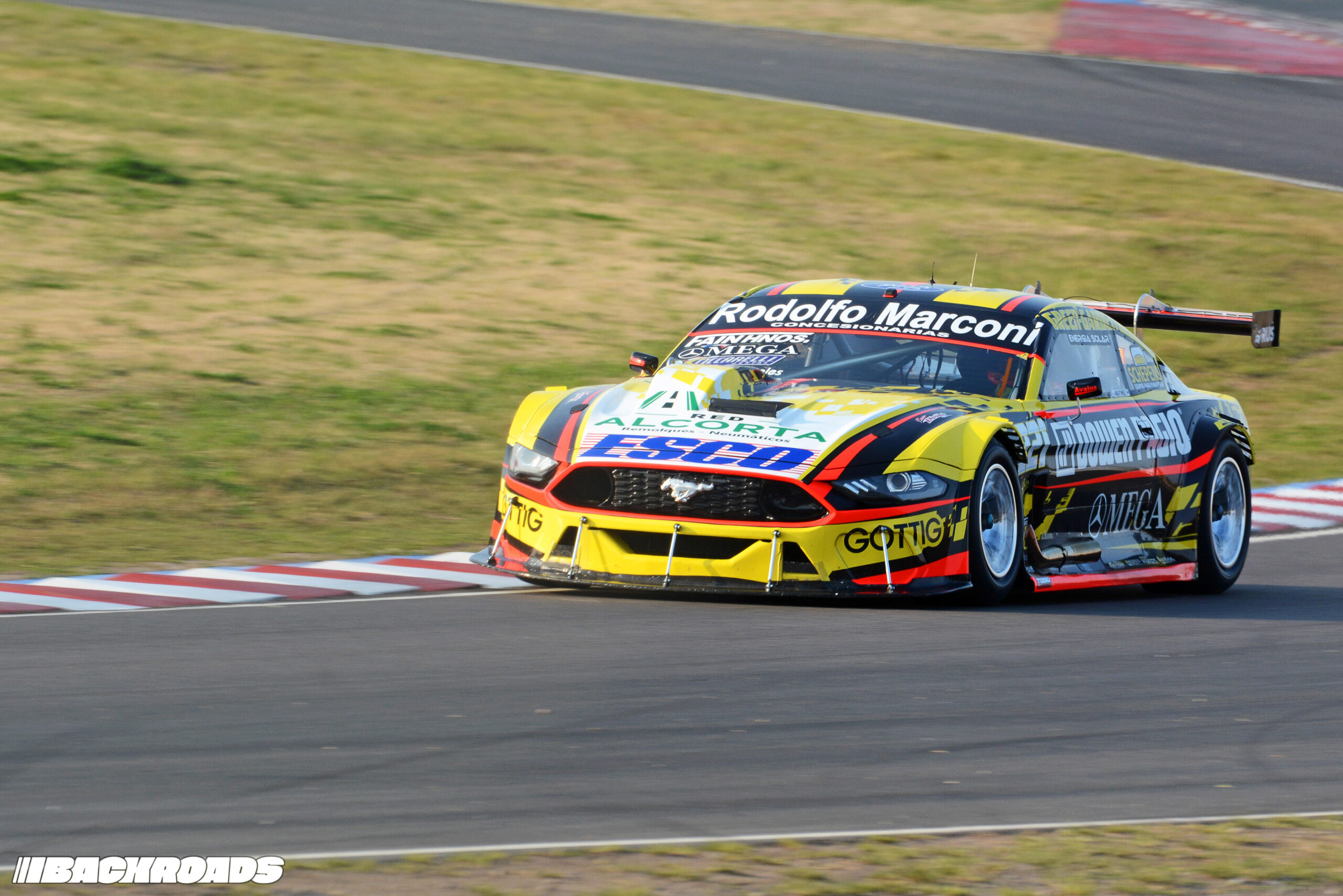
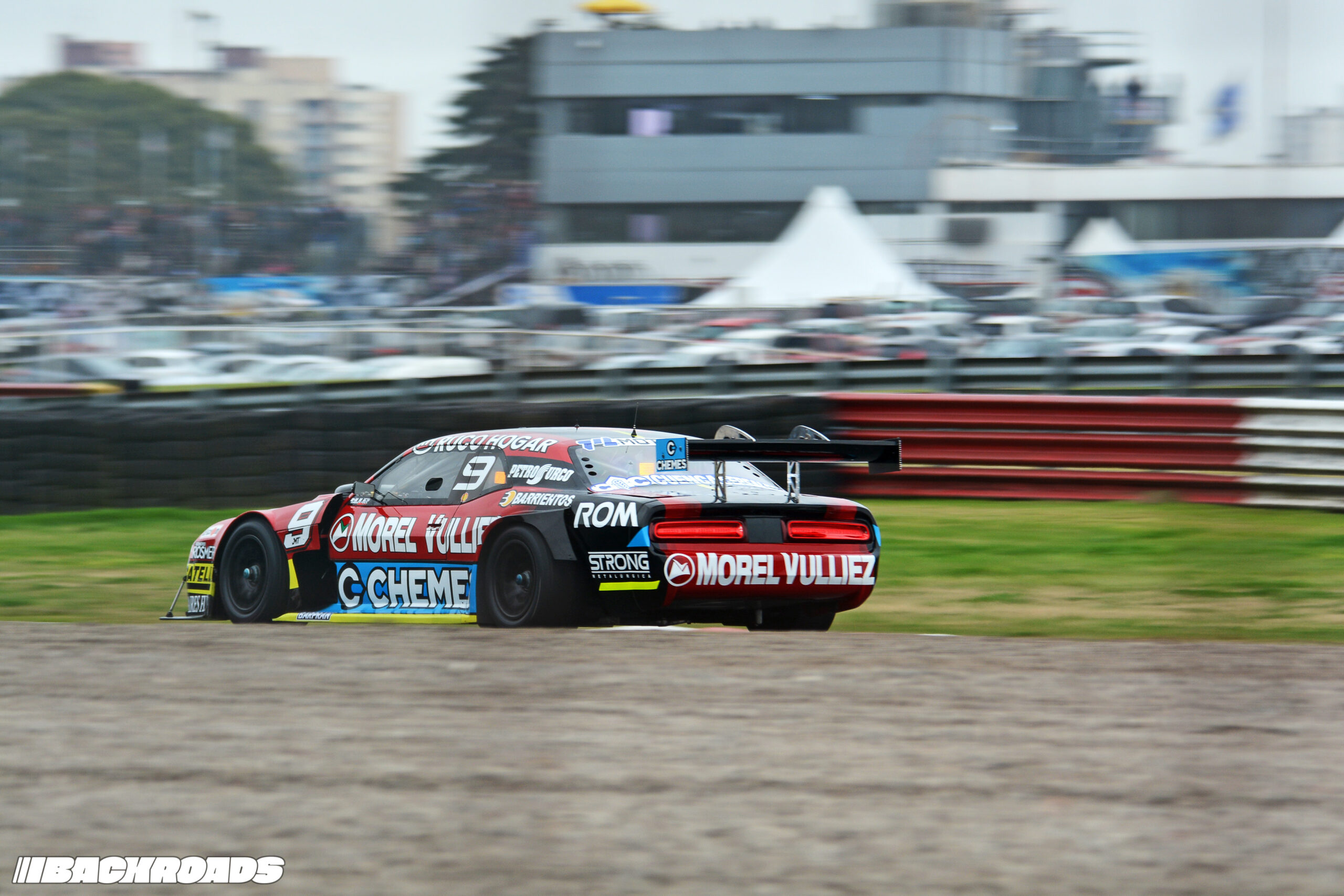
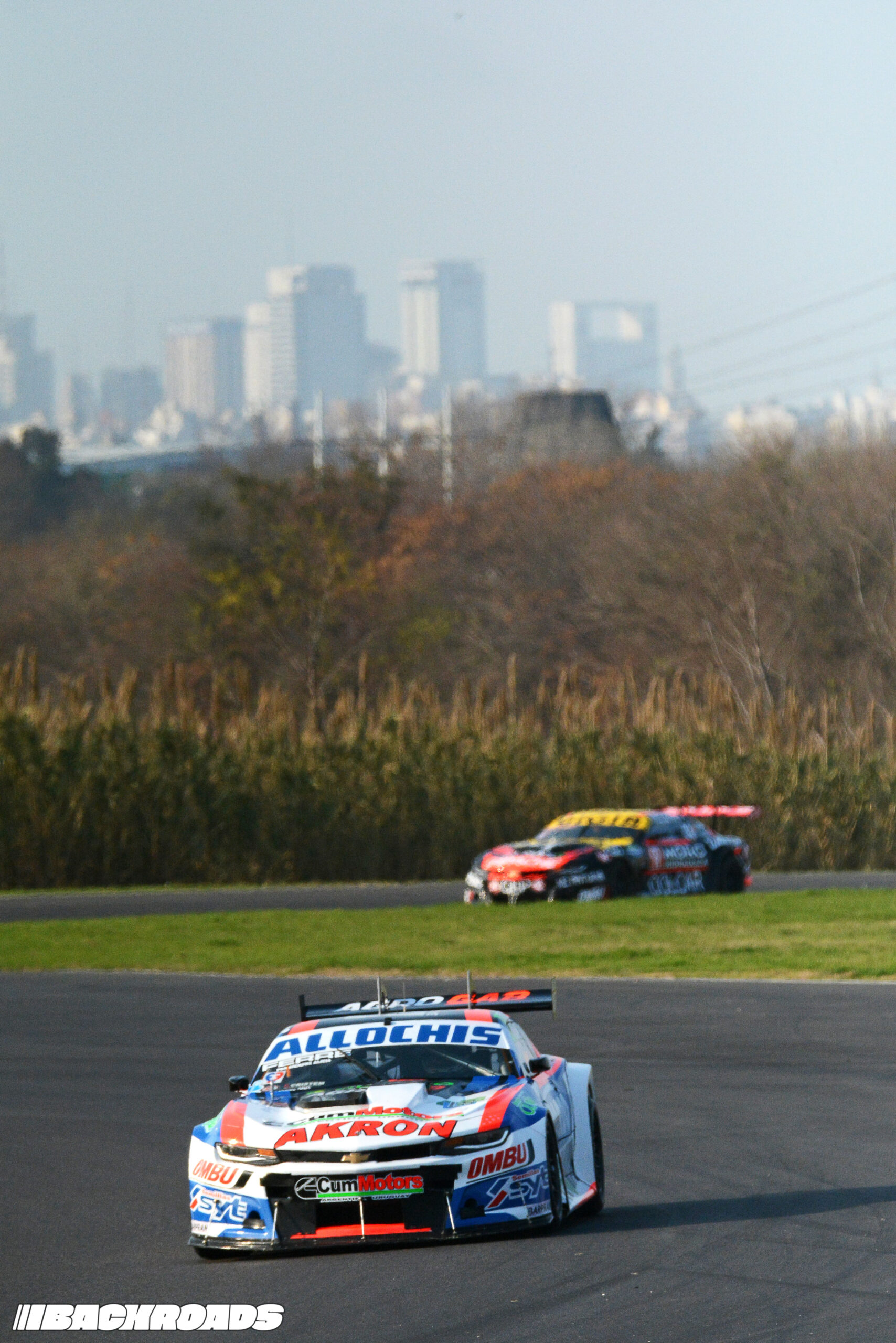
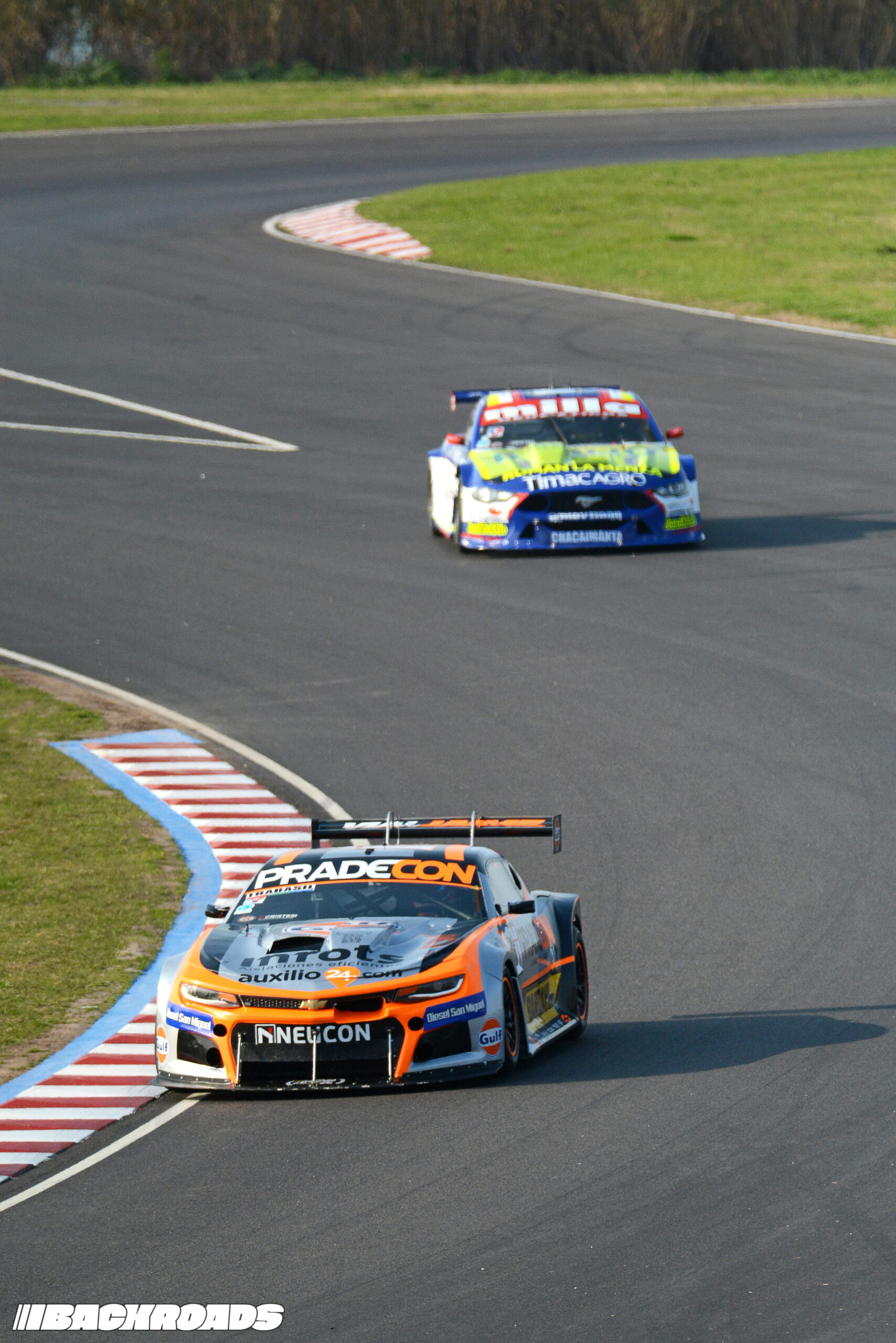
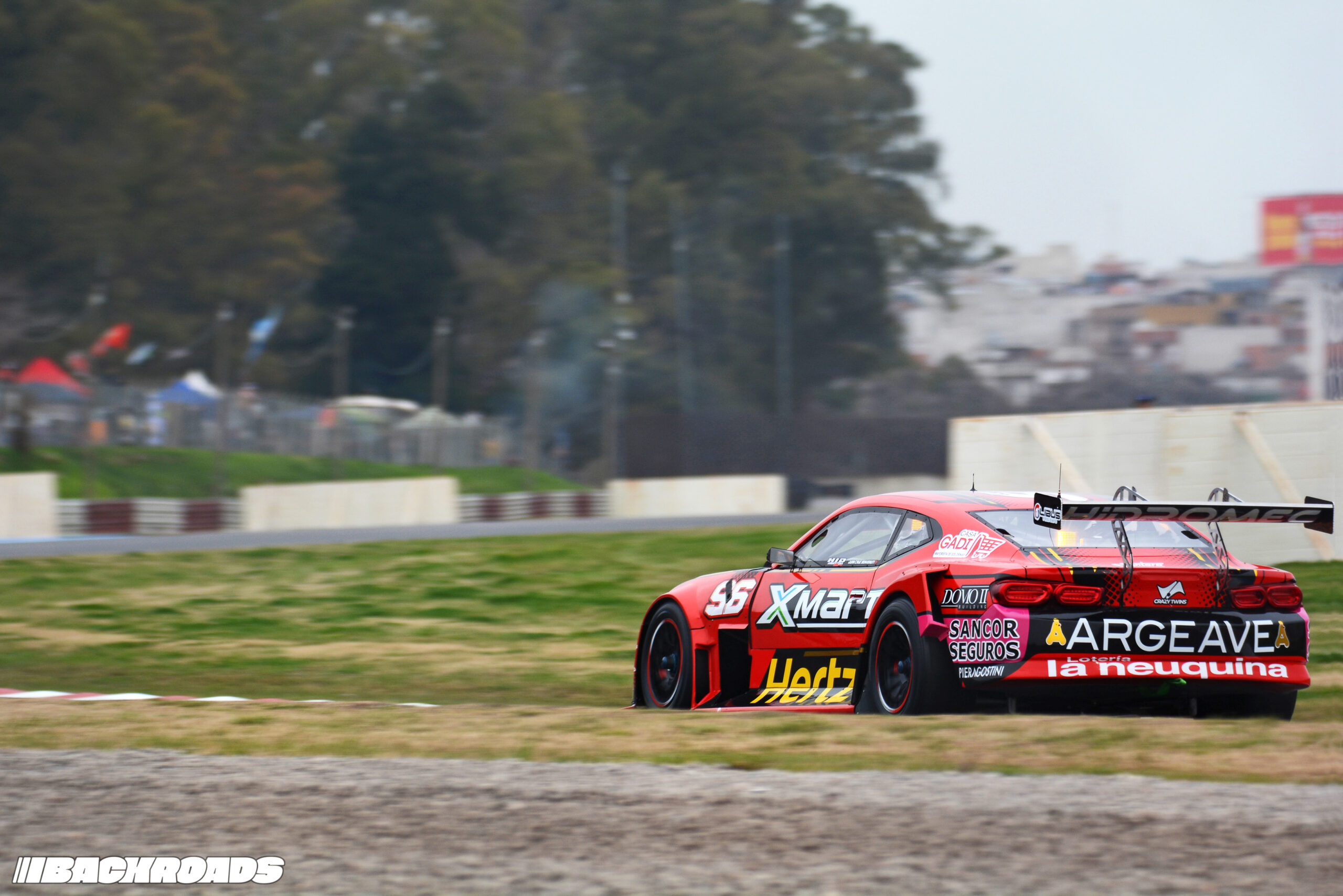
The series is now going through its most recent change. At the end of 2023, the current gen Ford Mustang, Chevrolet Camaro, Dodge Challenger and a restyled Torino NG were introduced for the 2024 season.



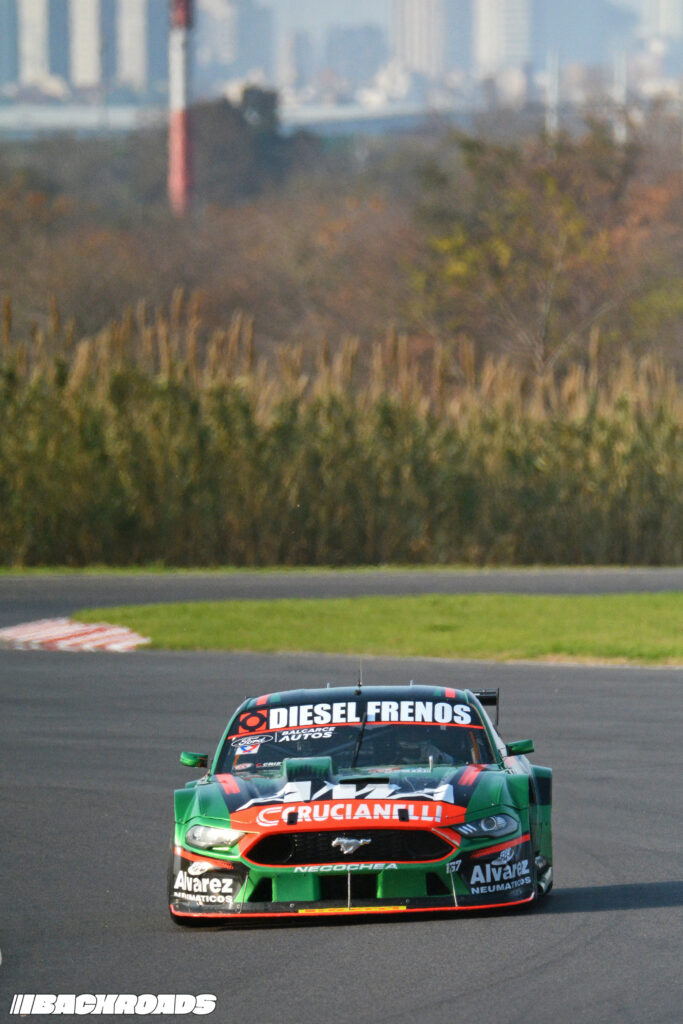

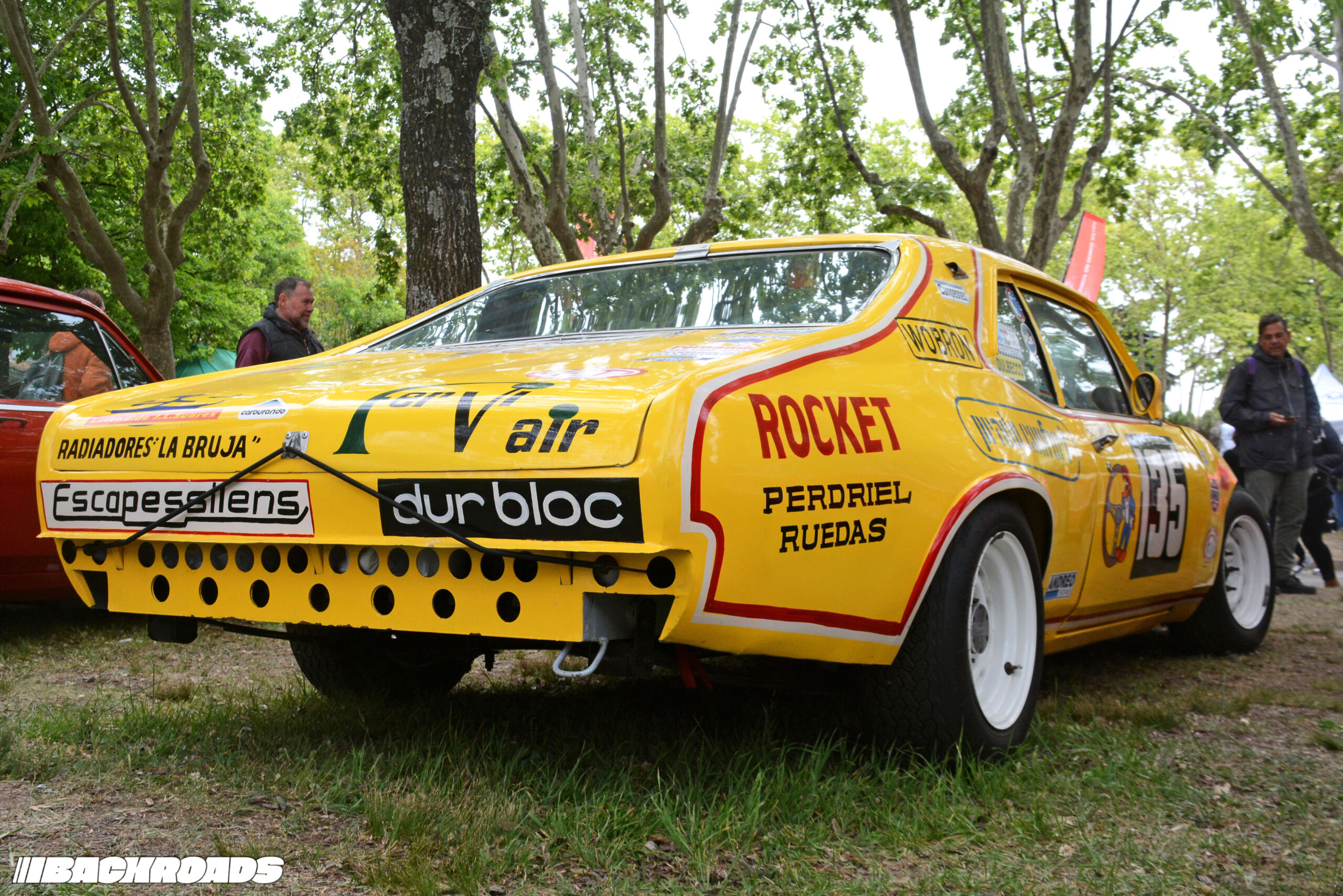
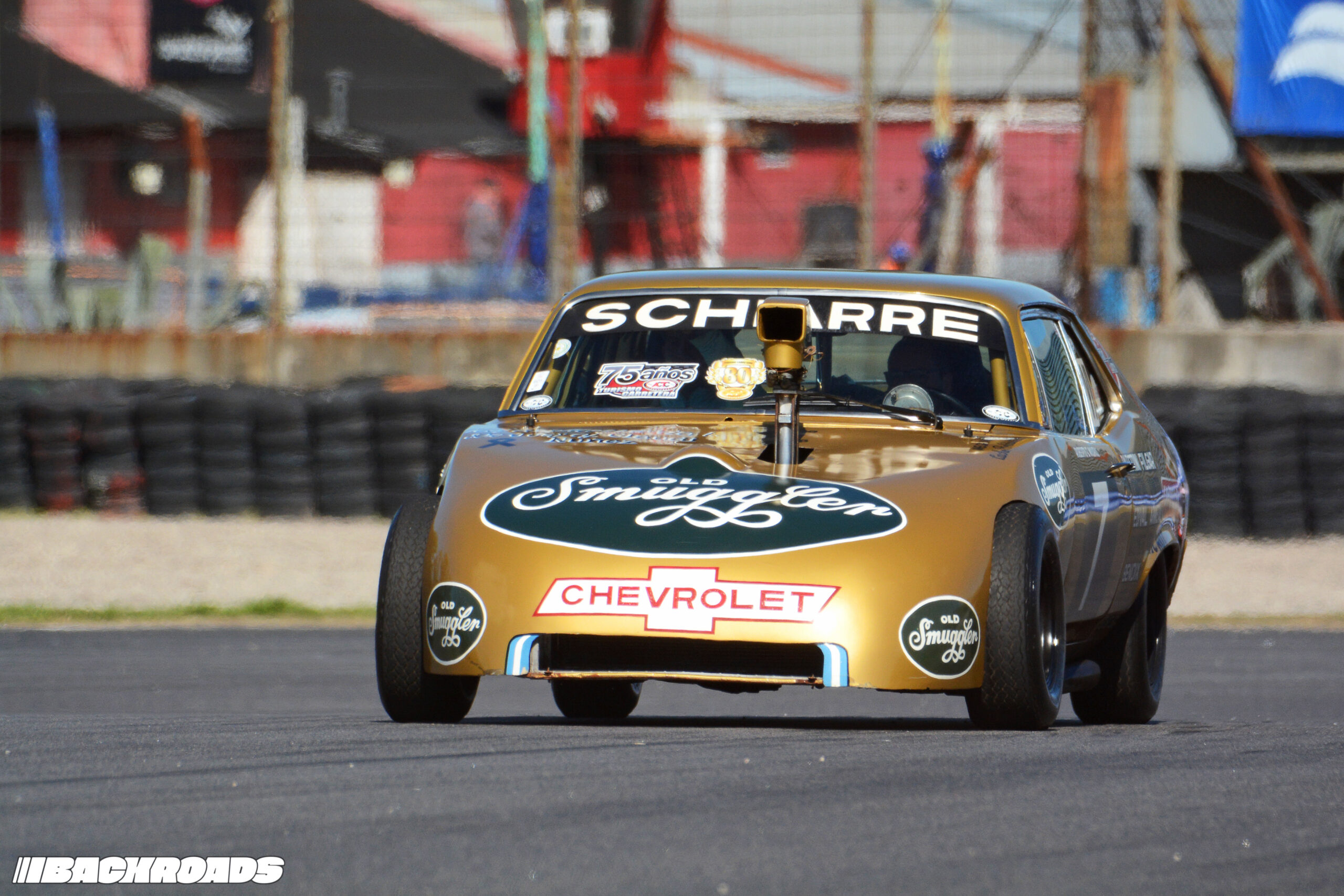
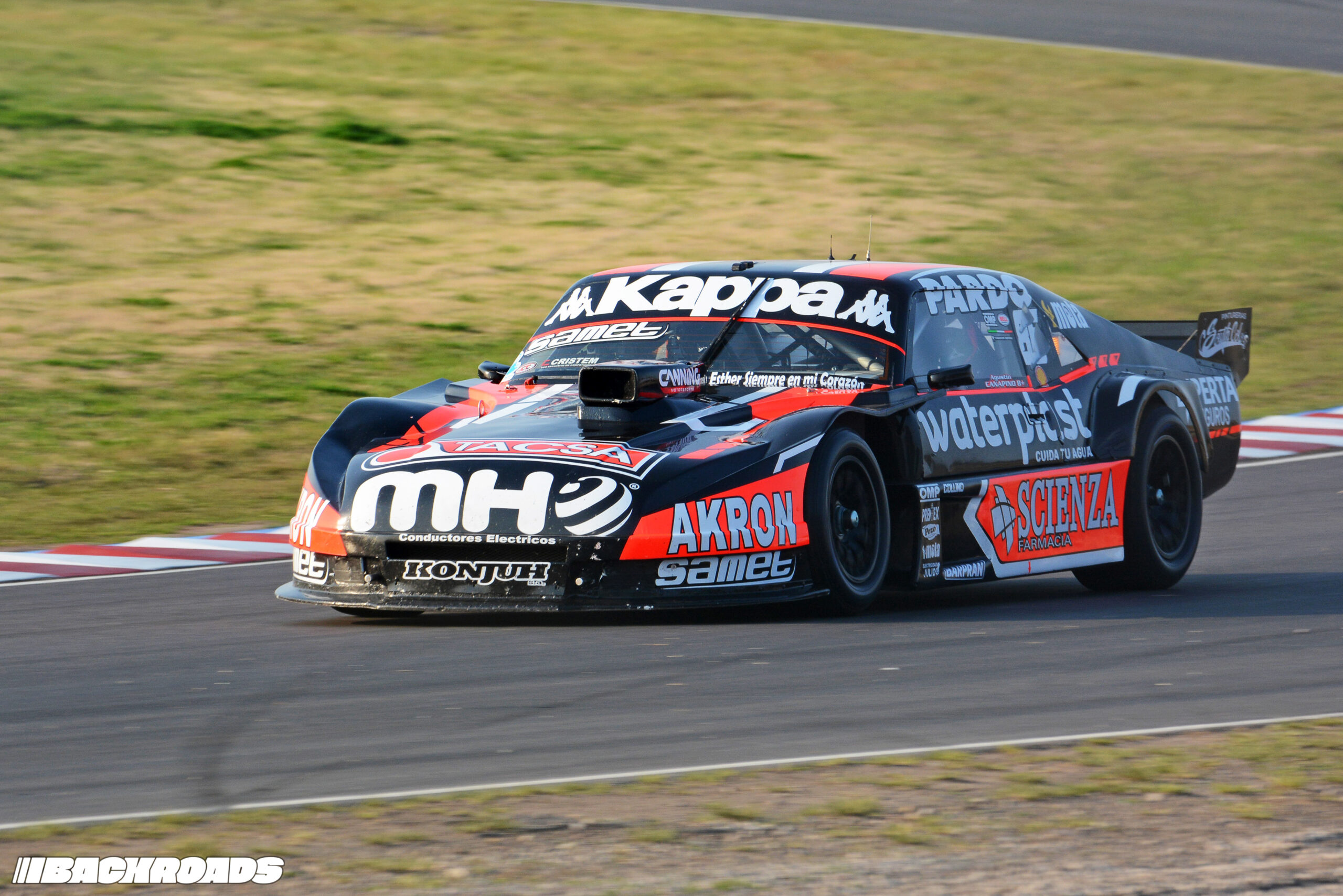
The category had, after 50 years, stopped using the Chevy Nova, Ford Falcon, Dodge GTX and various iterations of the Argentine-built Torino coupe which were introduced in the late 60s. These models shaped what is considered the modern TC which, back in its time, also shook the championship ground because they replaced the “Cupecitas” (Ford V8 and Chevrolet Master amongst others).
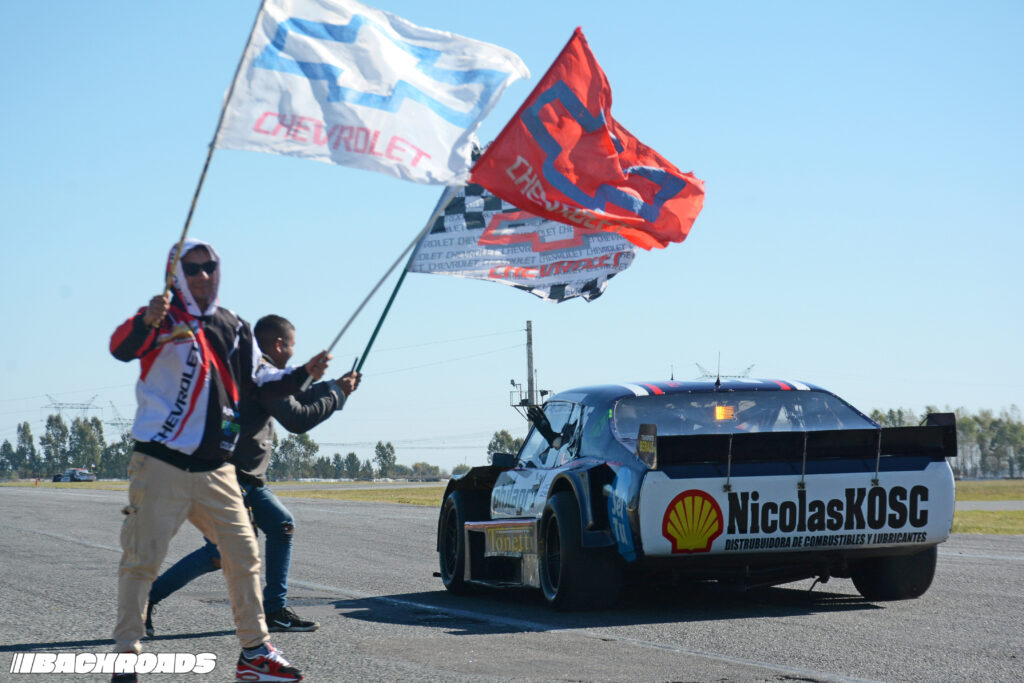
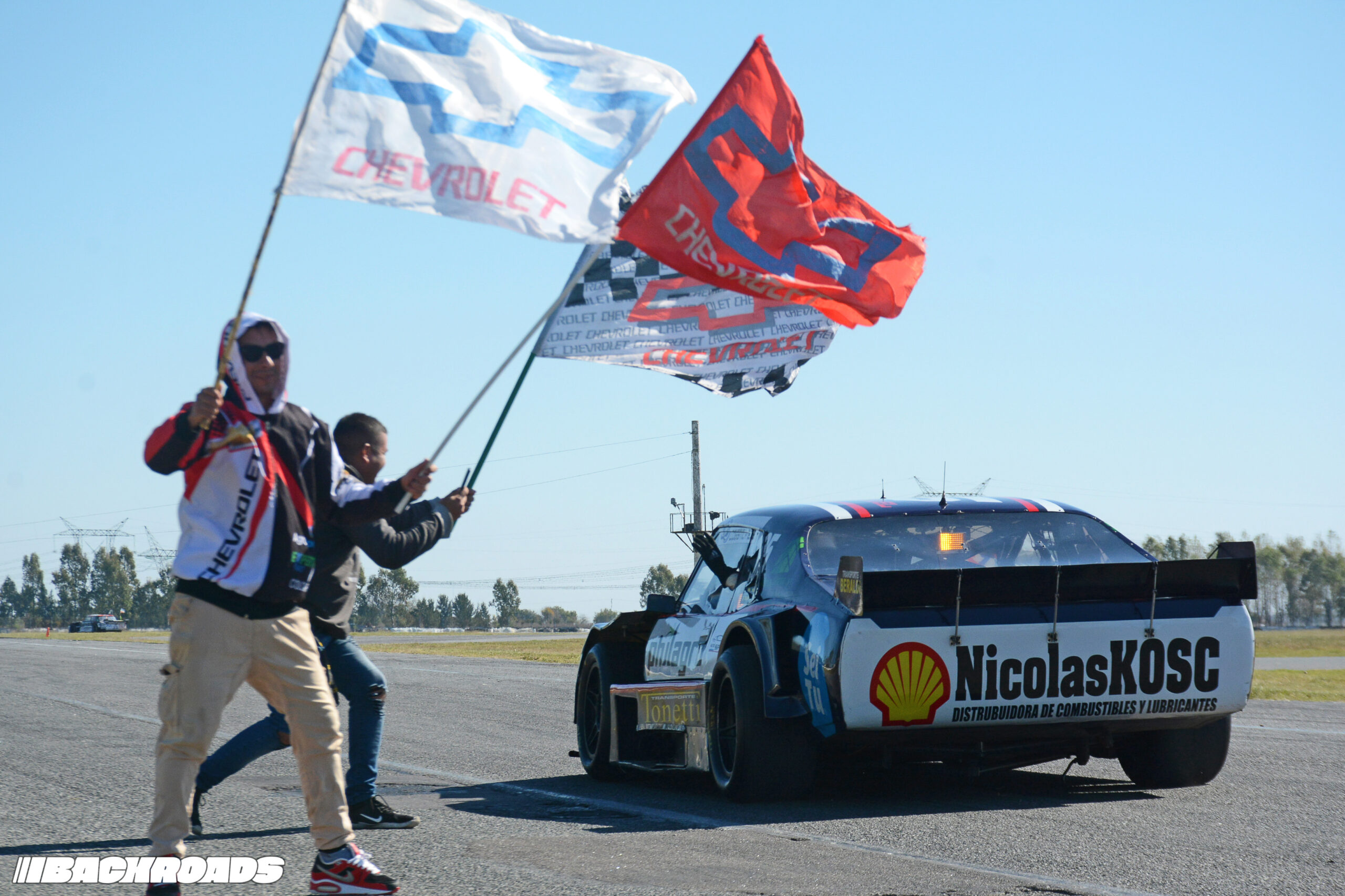
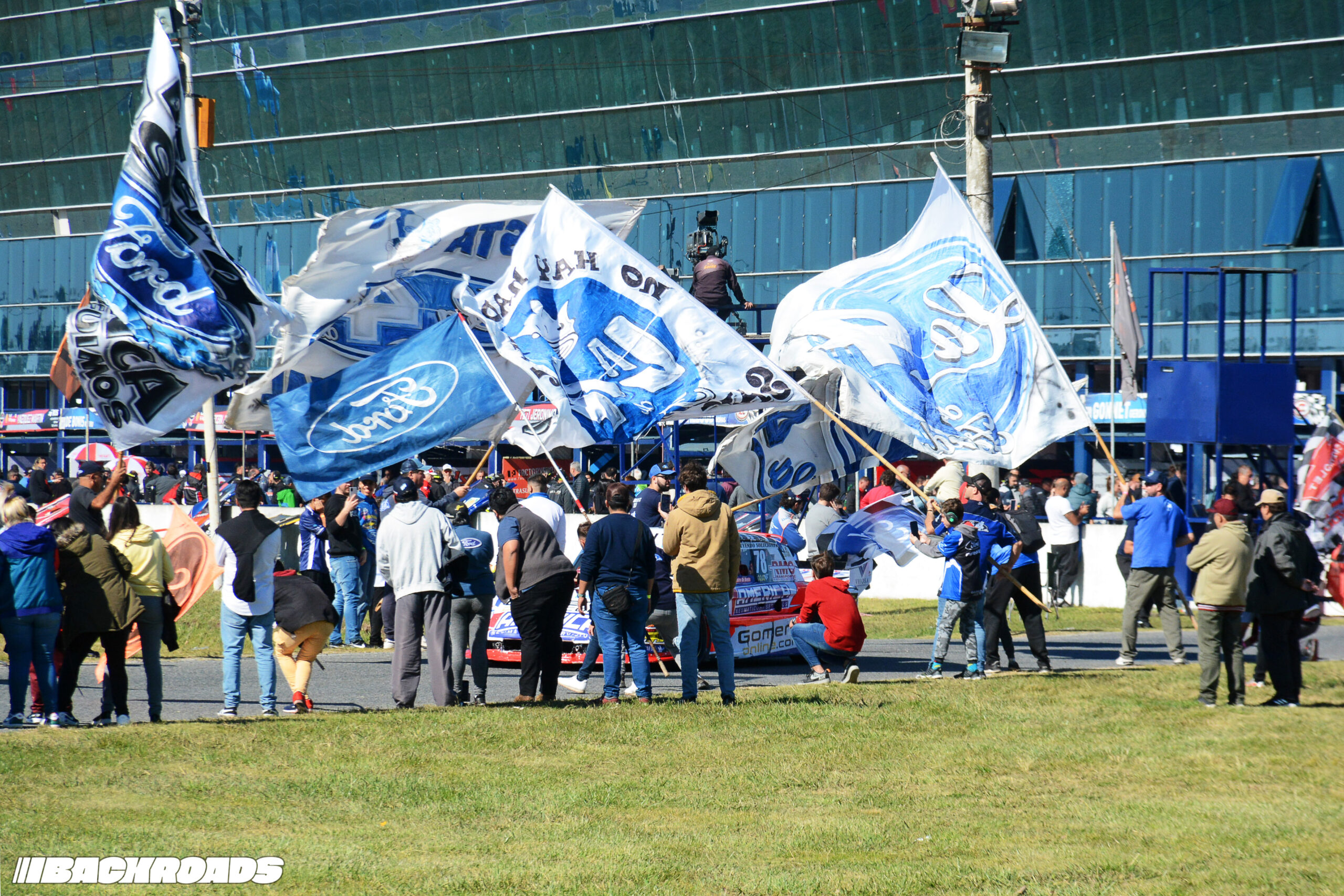
During its long and rich history, TC has sparked passion in the Argentinian people which is second only to football and, of course, still lives on. This passion created one of the deepest rivalries… Ford vs Chevrolet, dating to the Fangio and Galvez brothers days, driving Chevrolet and Ford respectively.
Even though the race in Buenos Aires is held in August, right at the coldest part of winter, the grandstands are already packed by 7:30am with the first race starting roughly two hours later. At every event, those who didn’t camp the night before line up from early in the morning to get the best spots.
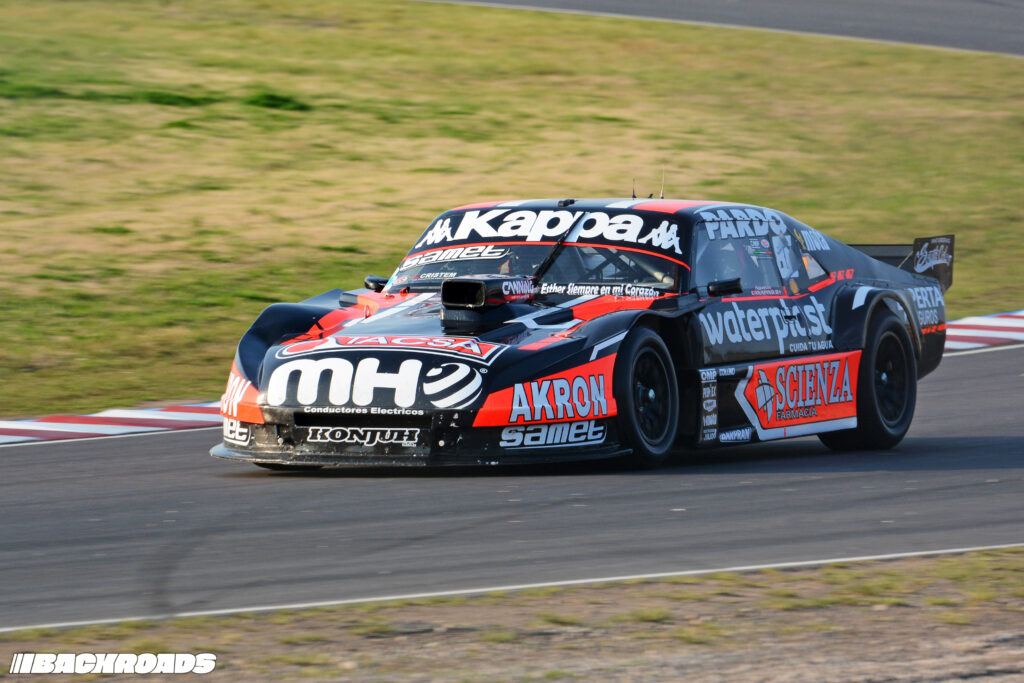


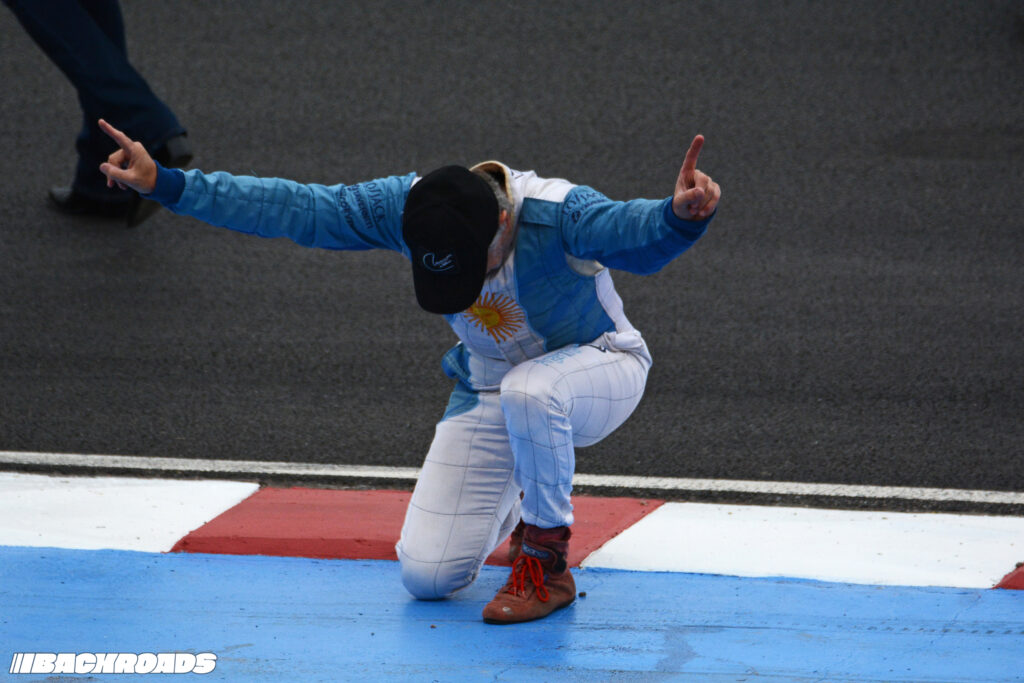




By 9am the first of the support races begin, and then there’s non-stop action until the final race at 2pm. Each TC round comprises three heats, being a third of the grid each. These races then define the starting order for the 40-car-grid final race.
Speaking of tradition, the engines currently used date back to the old days. That means that these are three-liter, inline six, NA engines producing over 500 hp. Did I mention they are also carbureted? The look and, specially, the sound is everything here. Try to imagine 40 cars, banging through the gears at 9000rpm coming towards you. That’s the essence of Turismo Carretera, modern(ish) cars, with old school thrills.
While some big changes are looming over the horizon, one thing is certain. What makes TC the biggest motorsport in Argentina will still be there, and the fans will receive it with their arms wide open.
















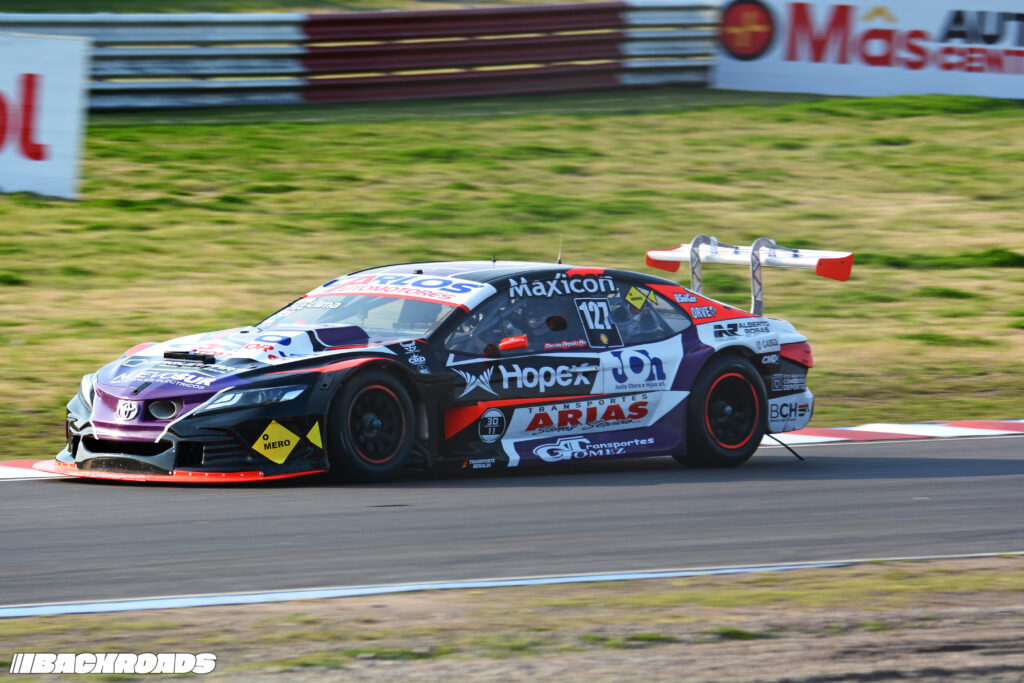
That Toyota Camry race car looks absolutely sick. TC reminds me of Supercars Championship in Australia. It’s really cool to see the old school thrills here in this series.
I wish we had more of these types of racing in Europe (maybe there is, not around my area tho)