
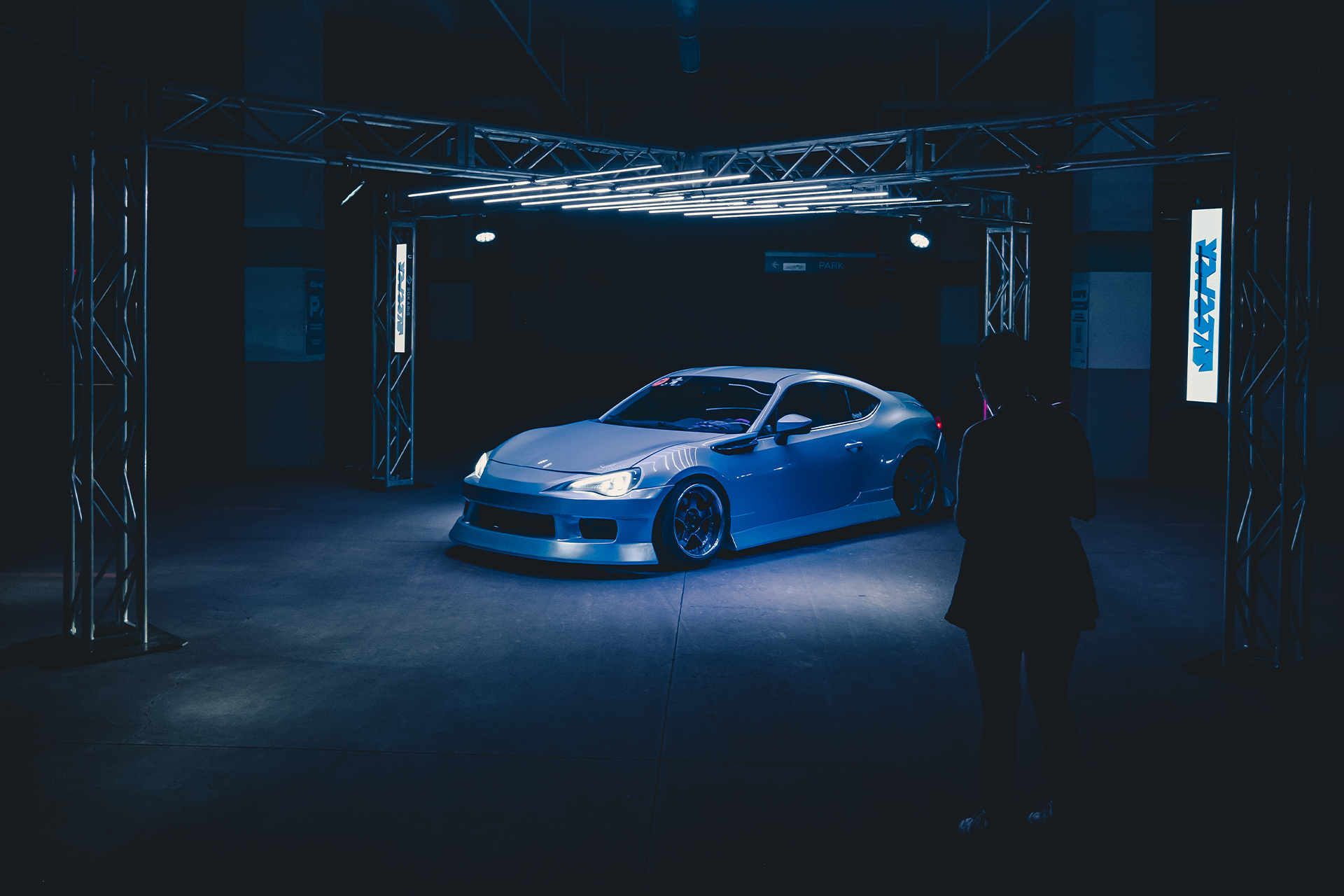
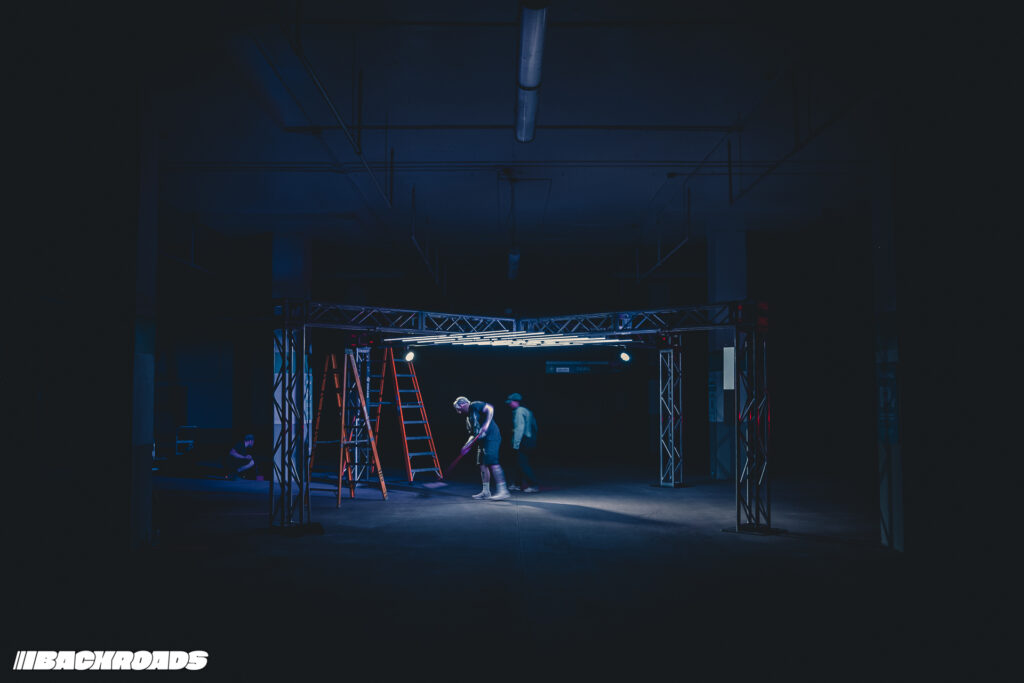
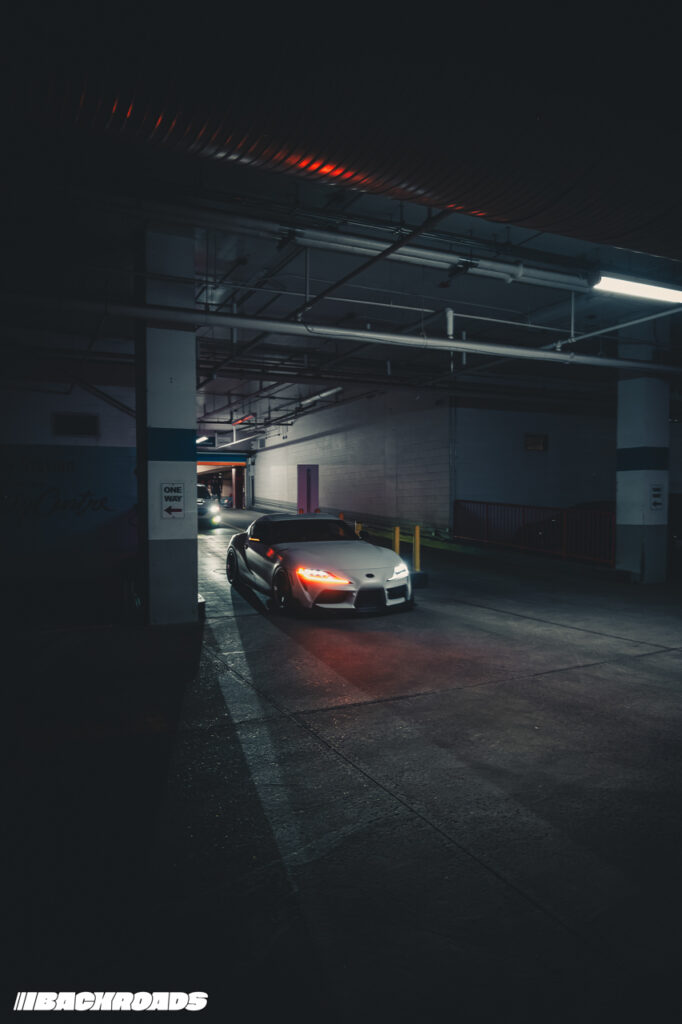
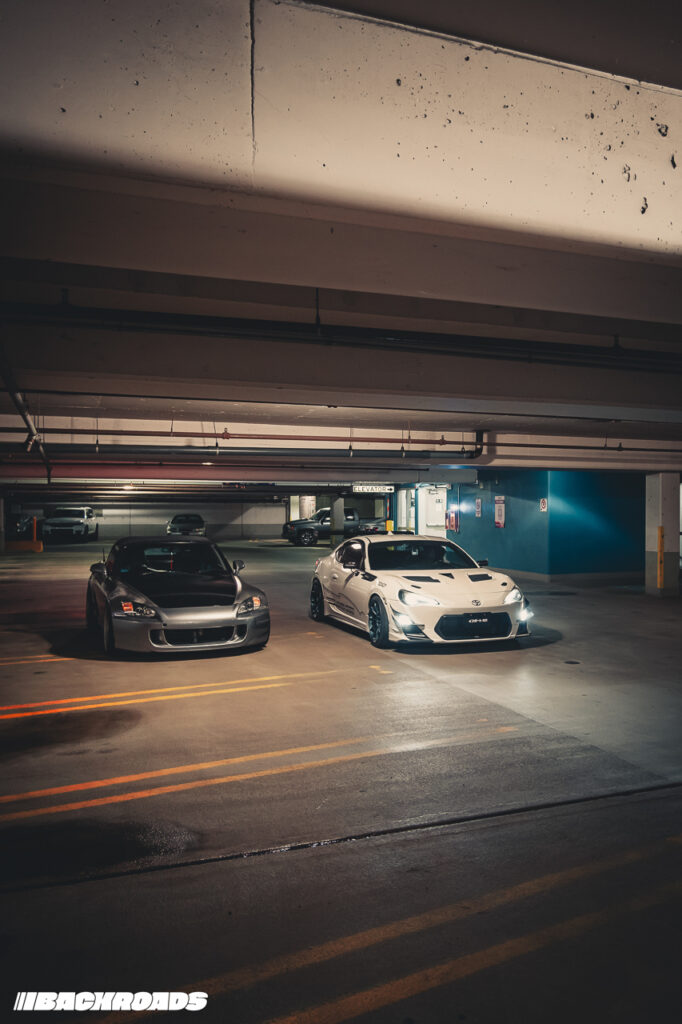
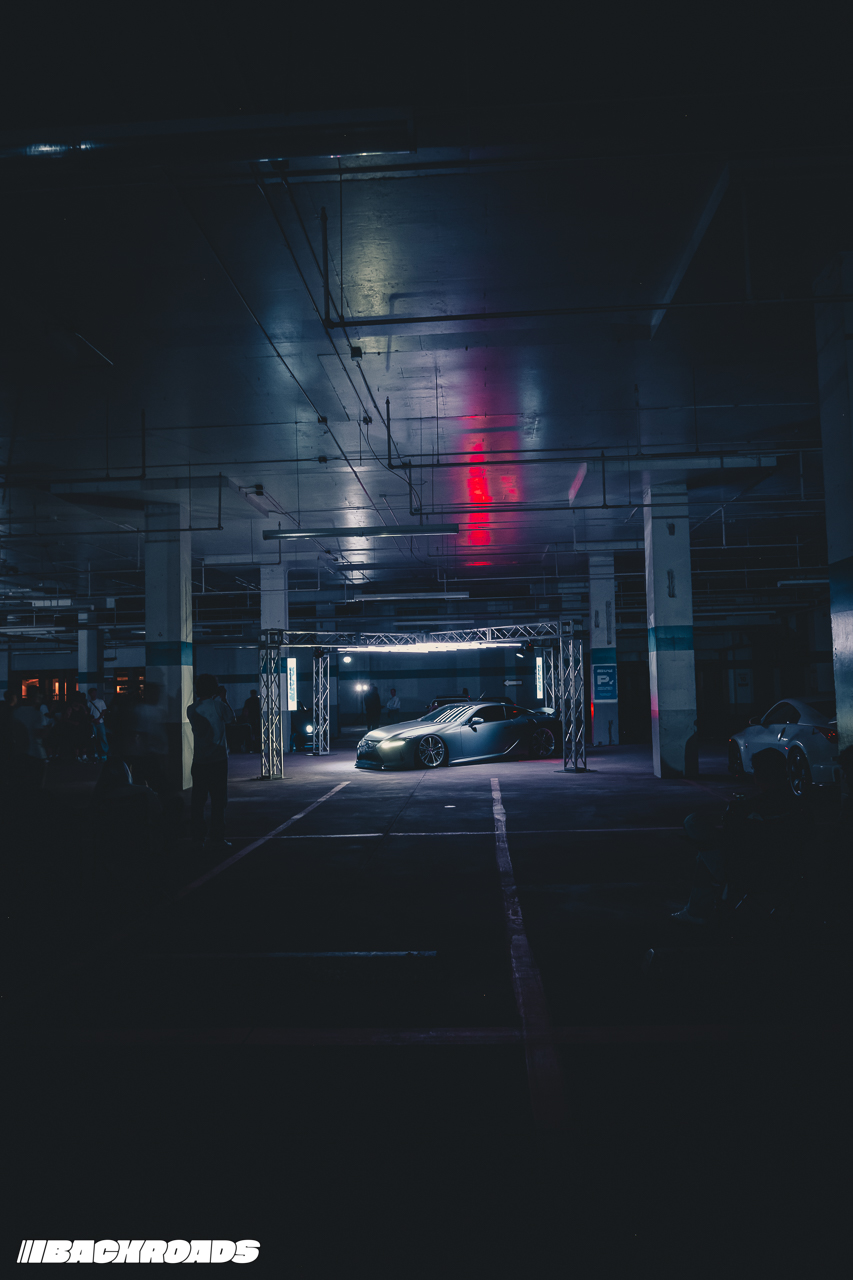
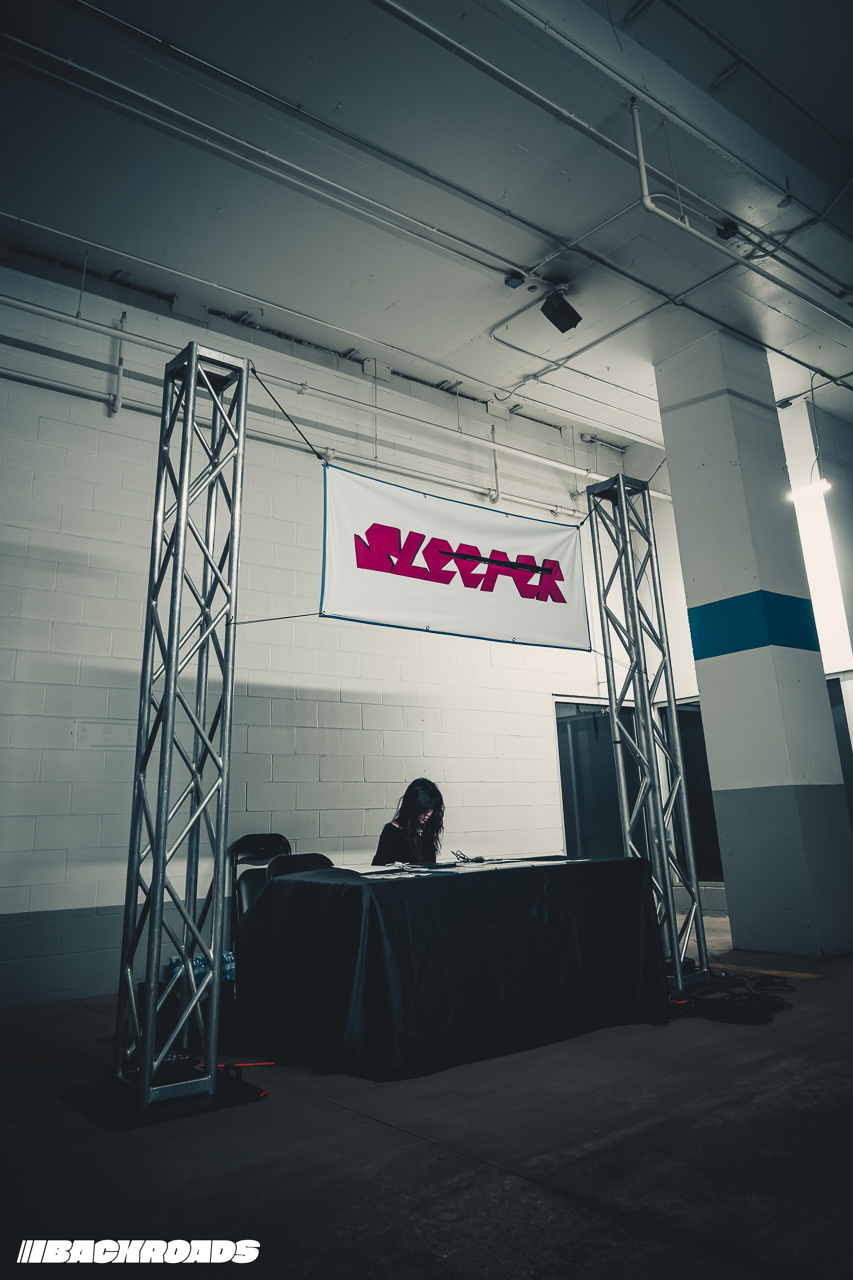
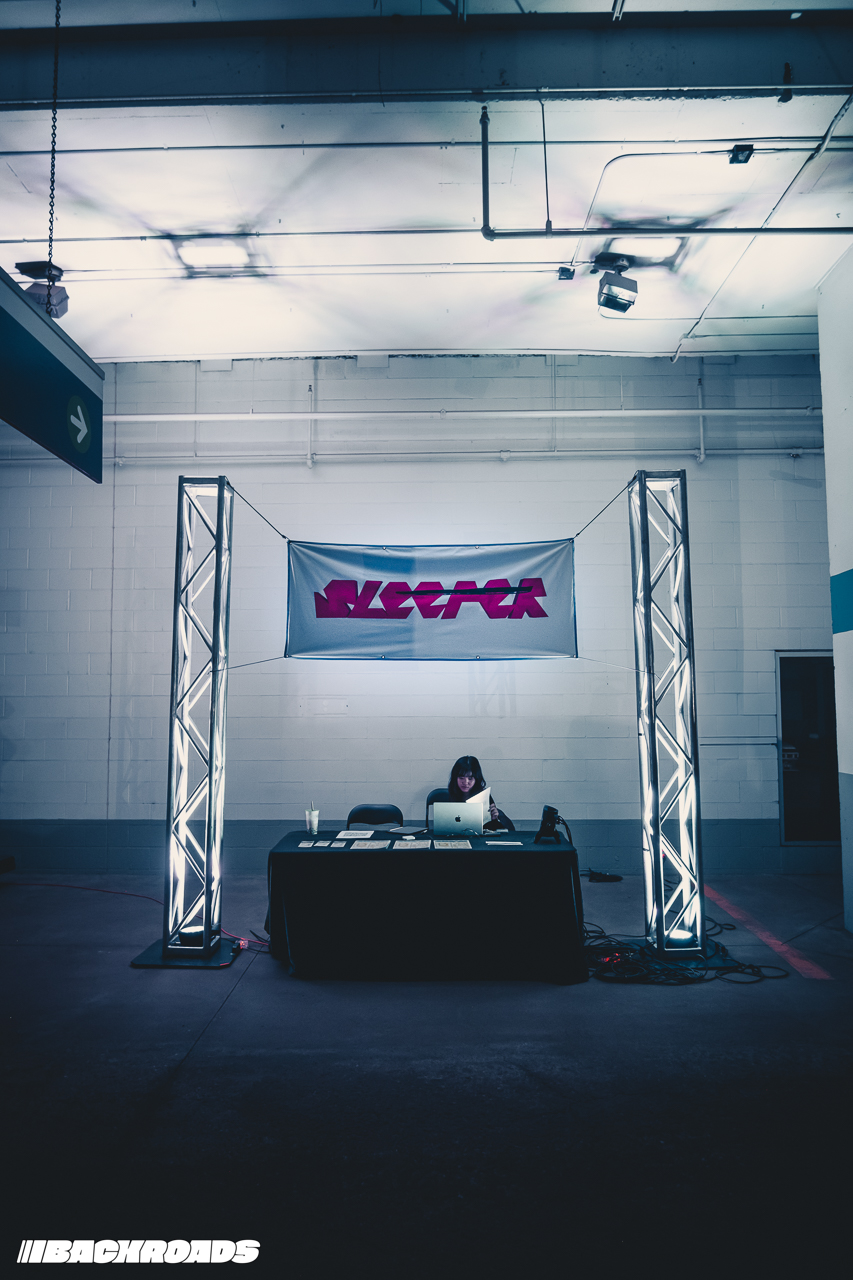
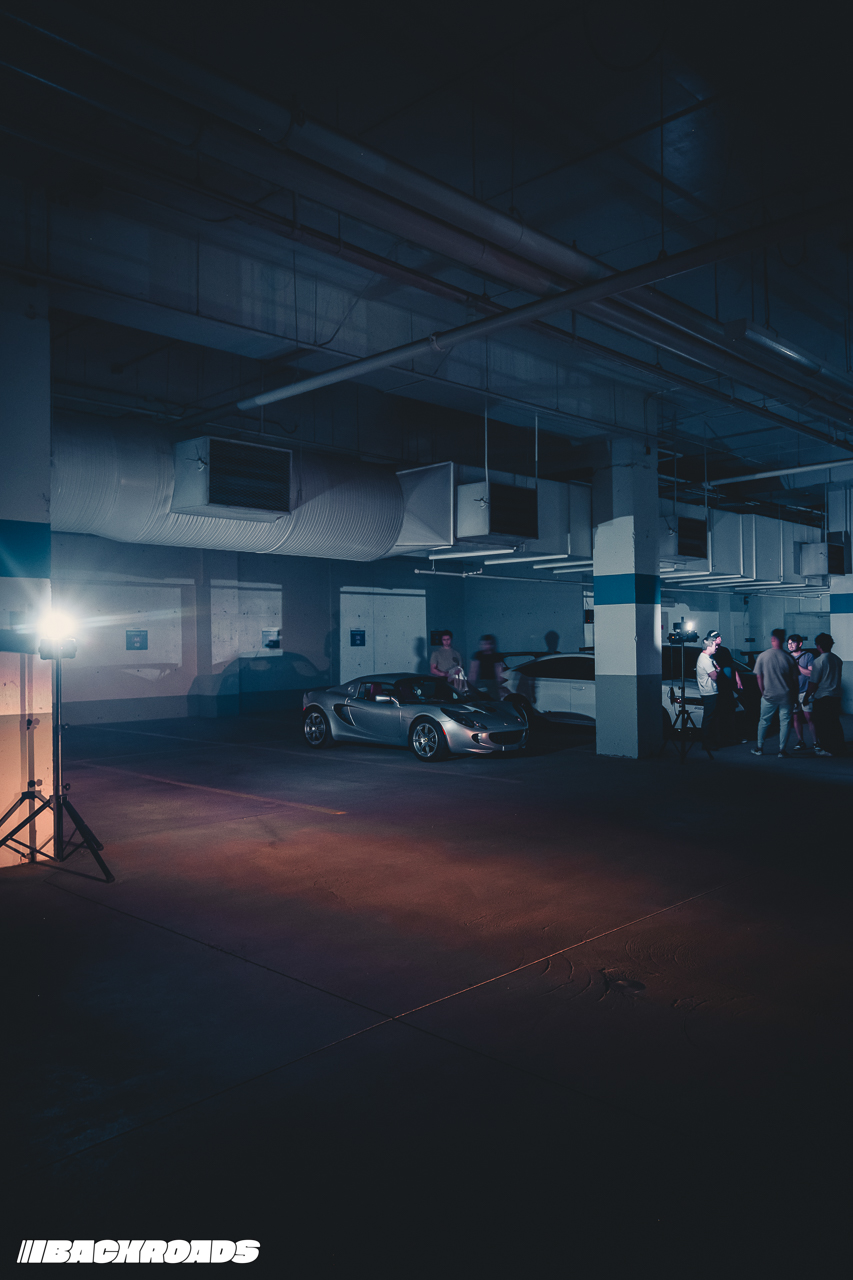
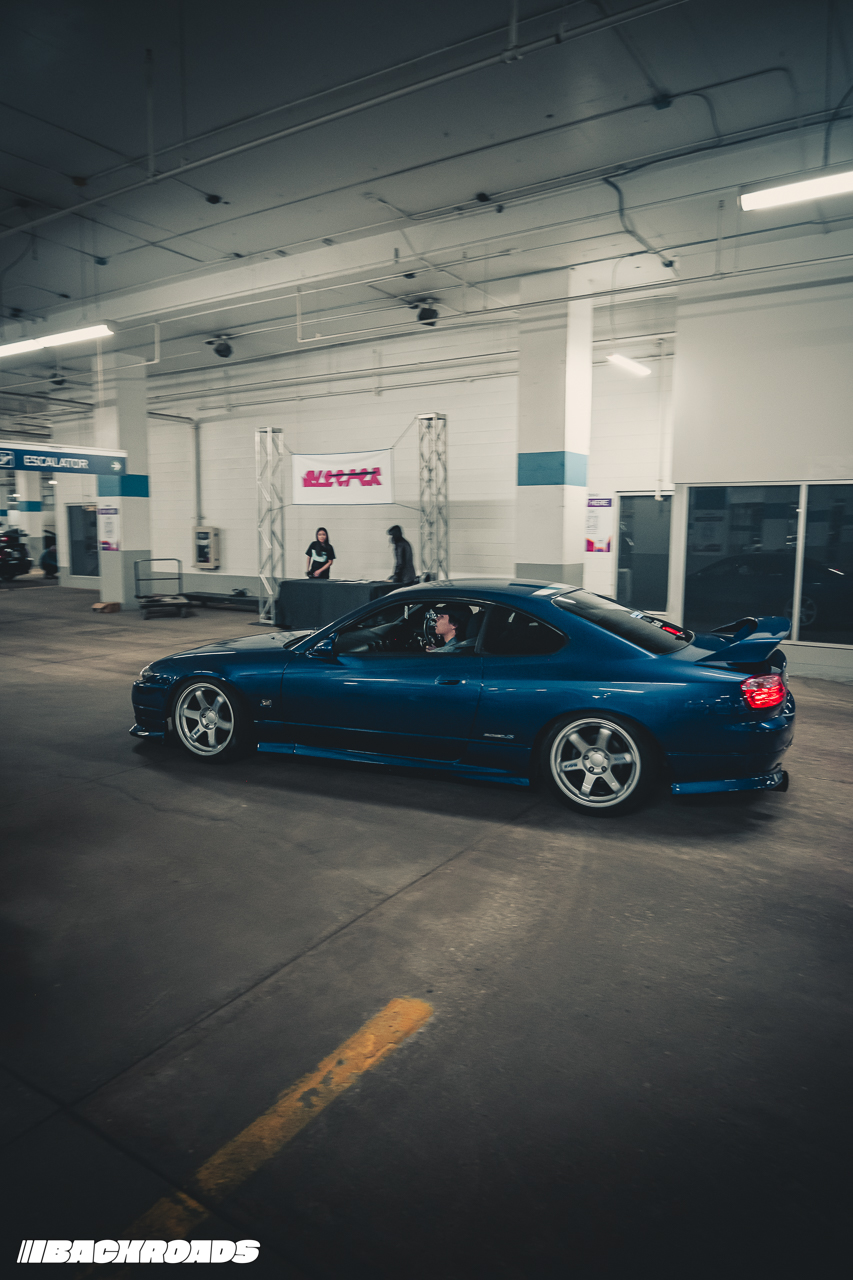
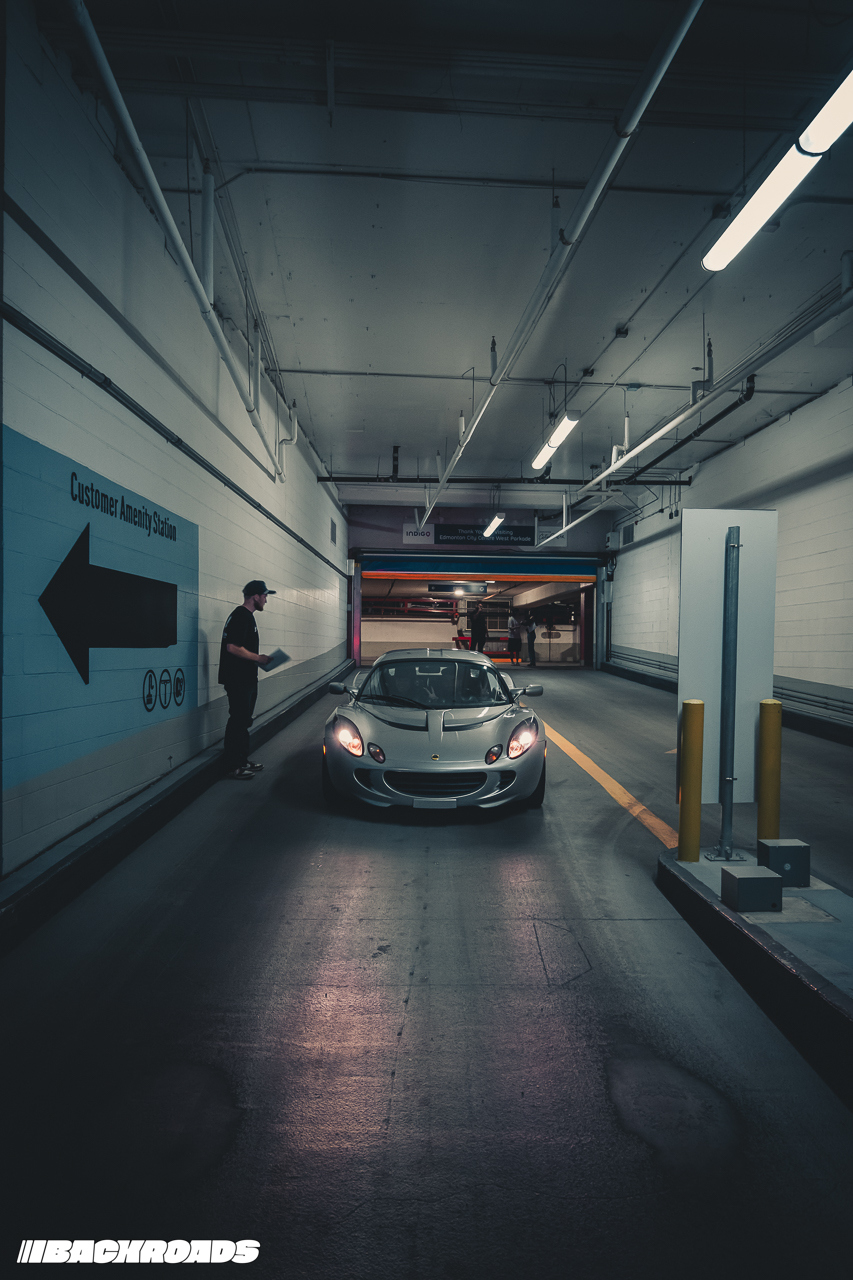
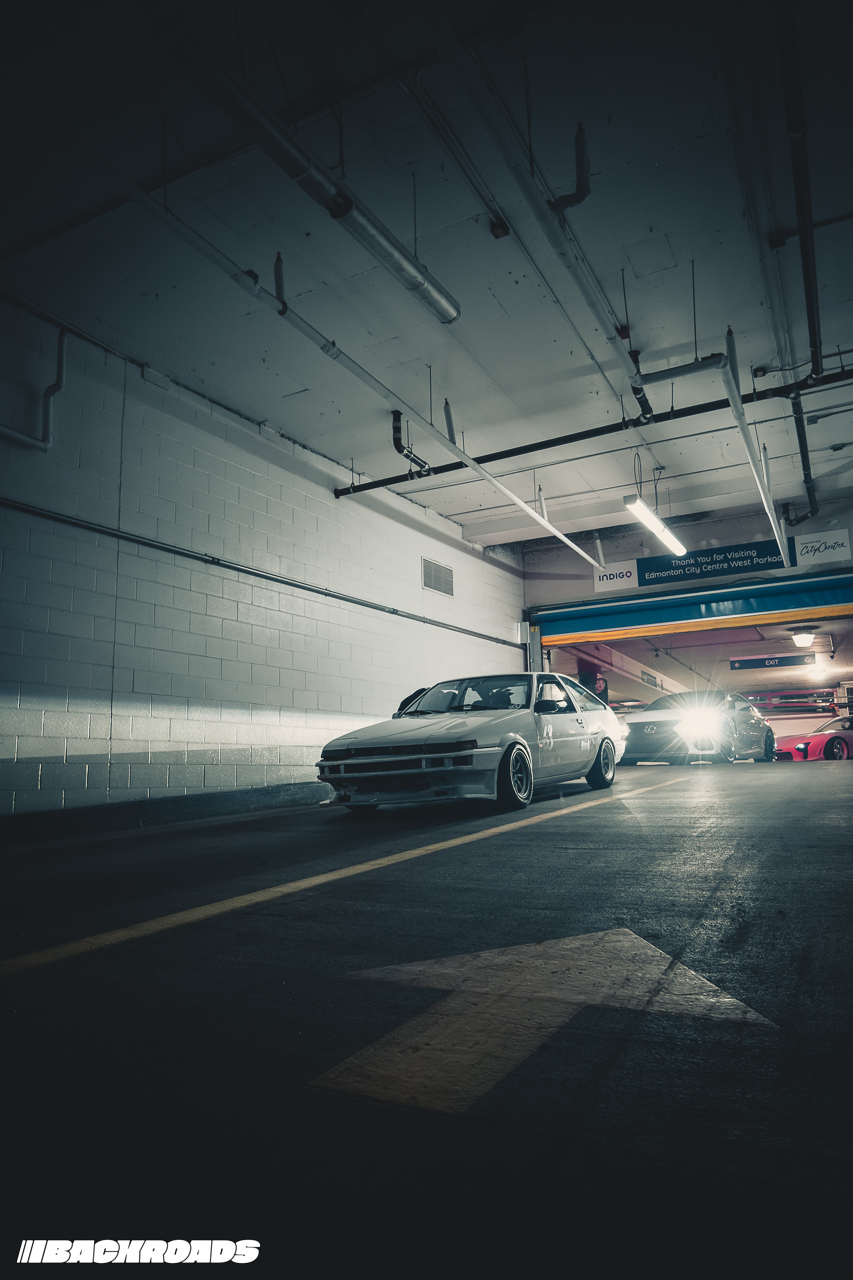
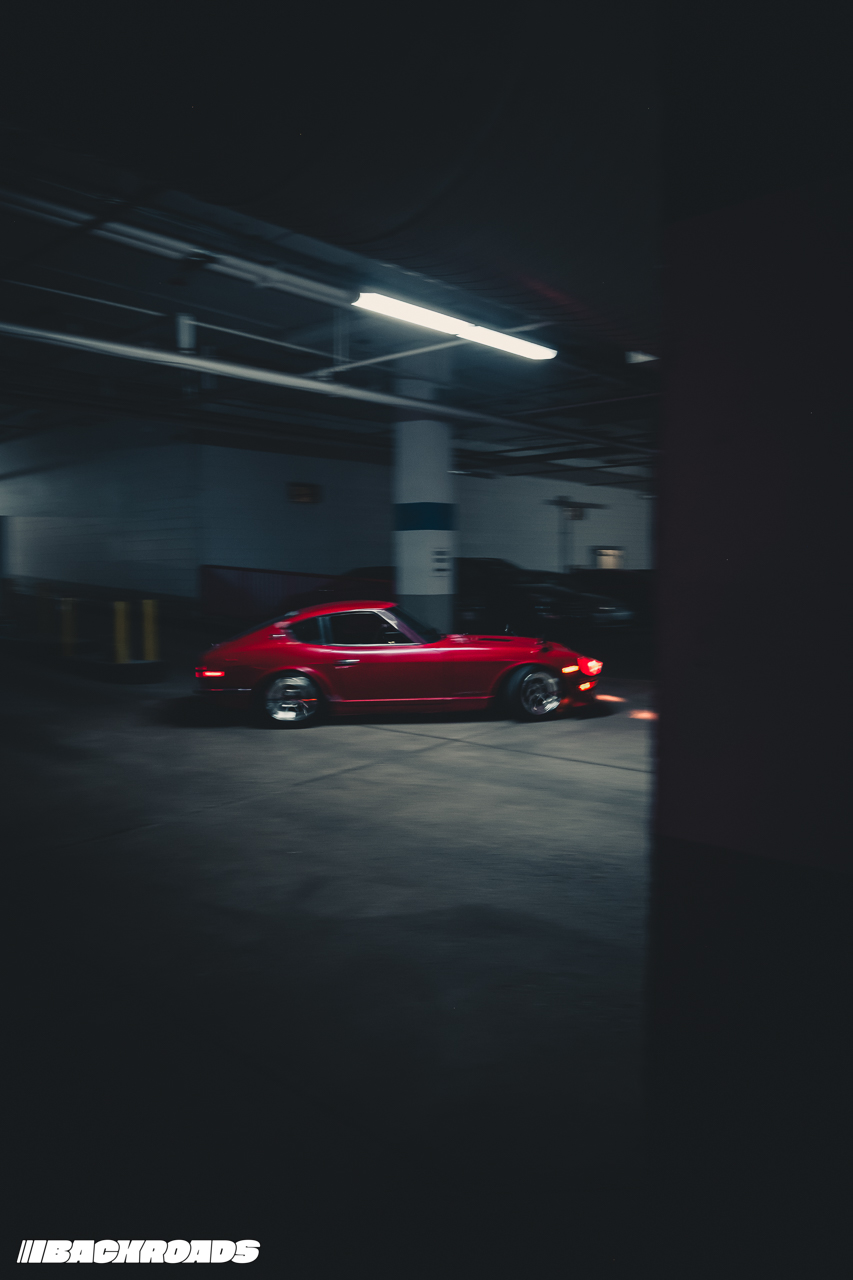
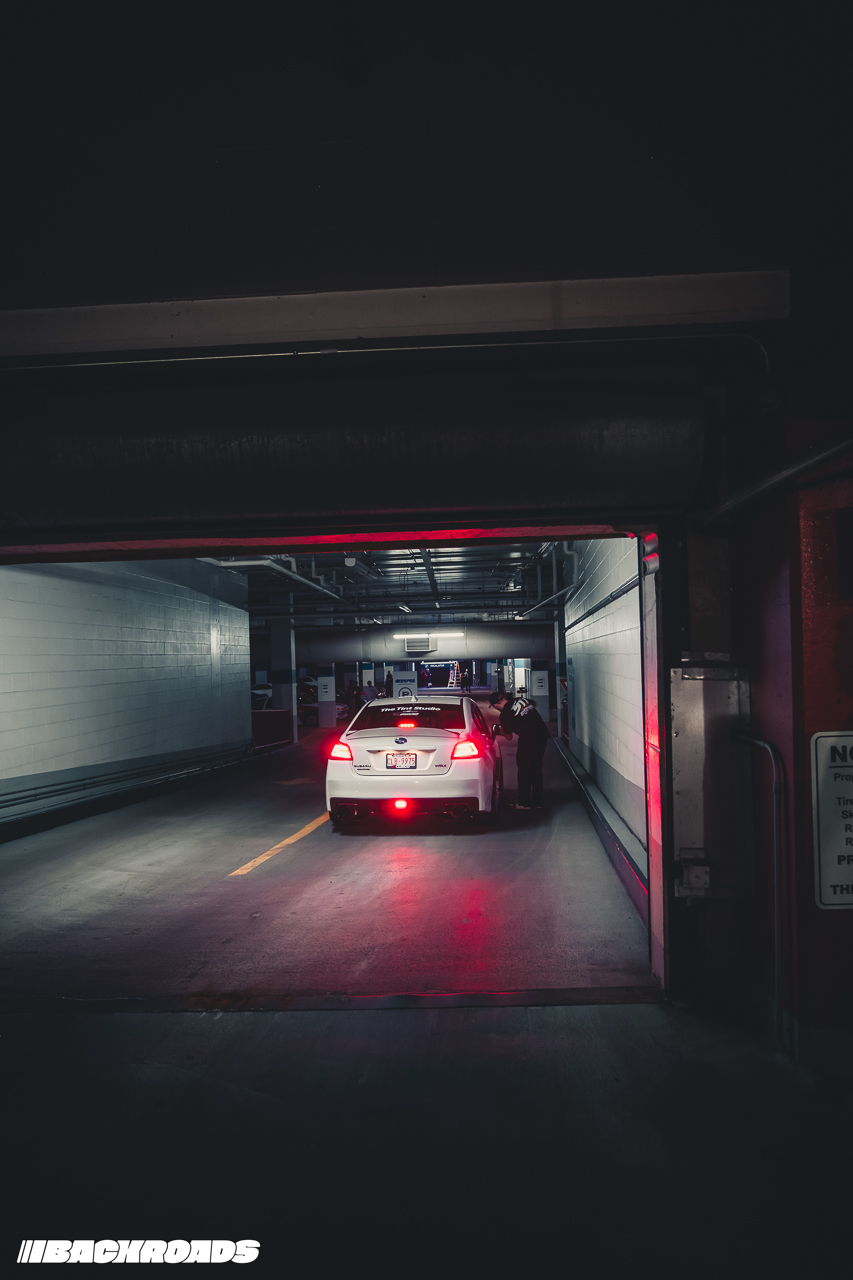
Sleeper Magazine didn’t debut in a showroom or studio. It launched one level below the street, in a concrete parkade filled with cars, people, and heat – from the very moment the day got moving.
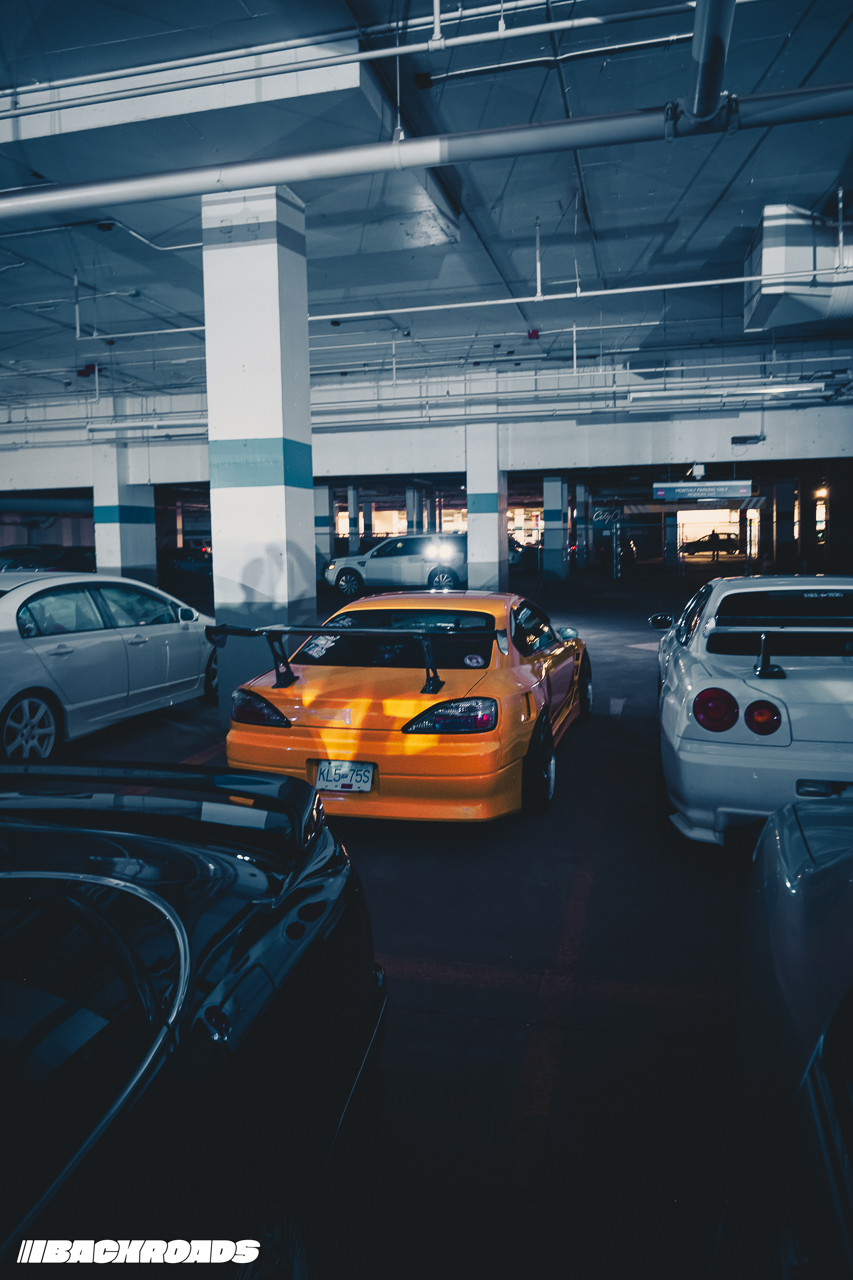
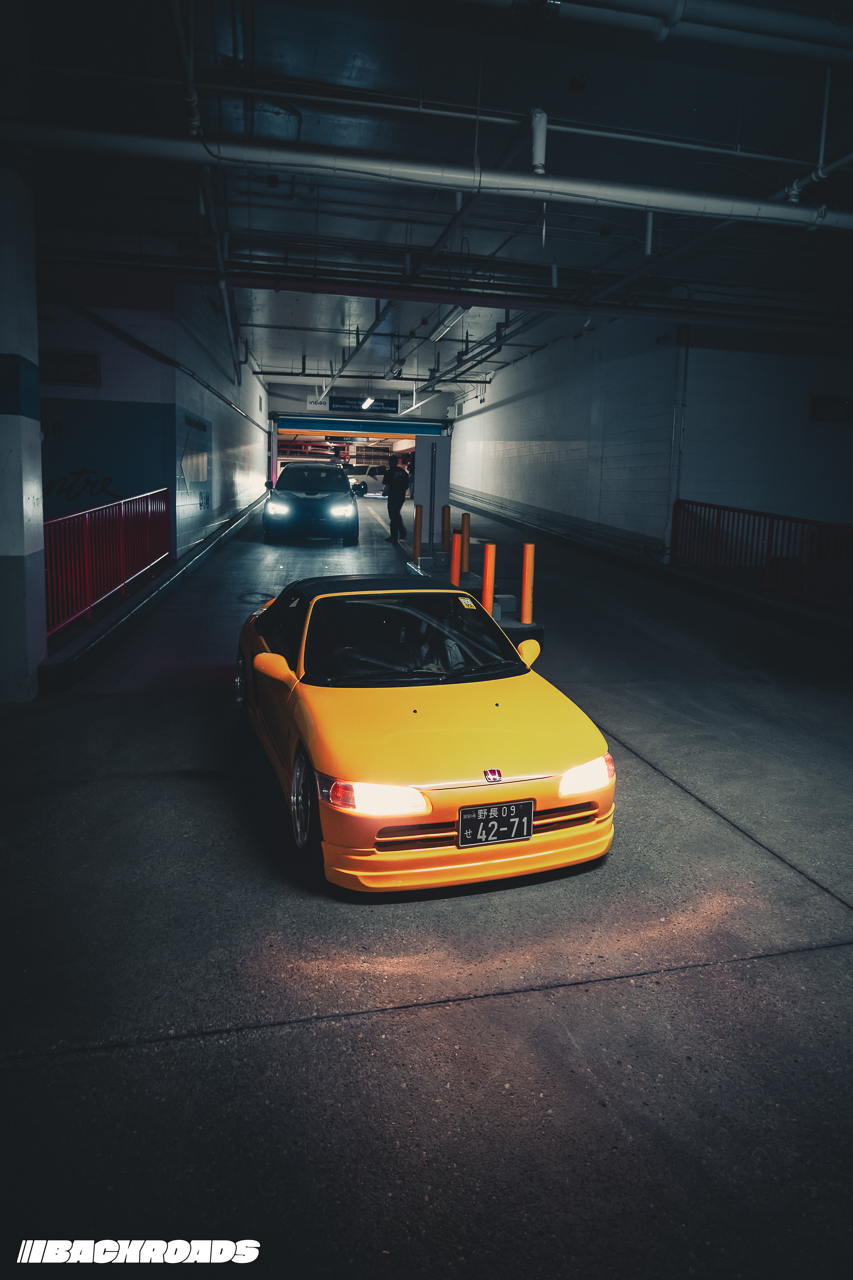
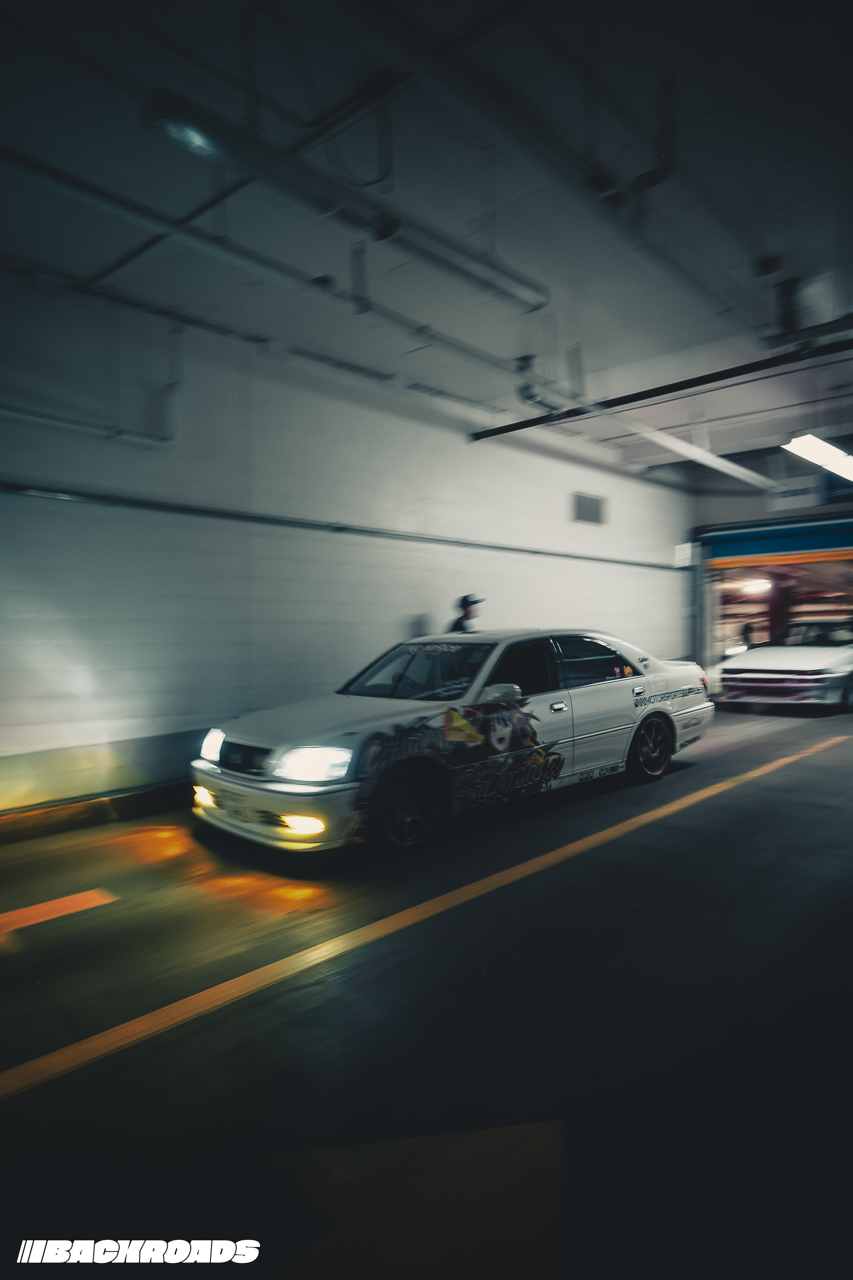
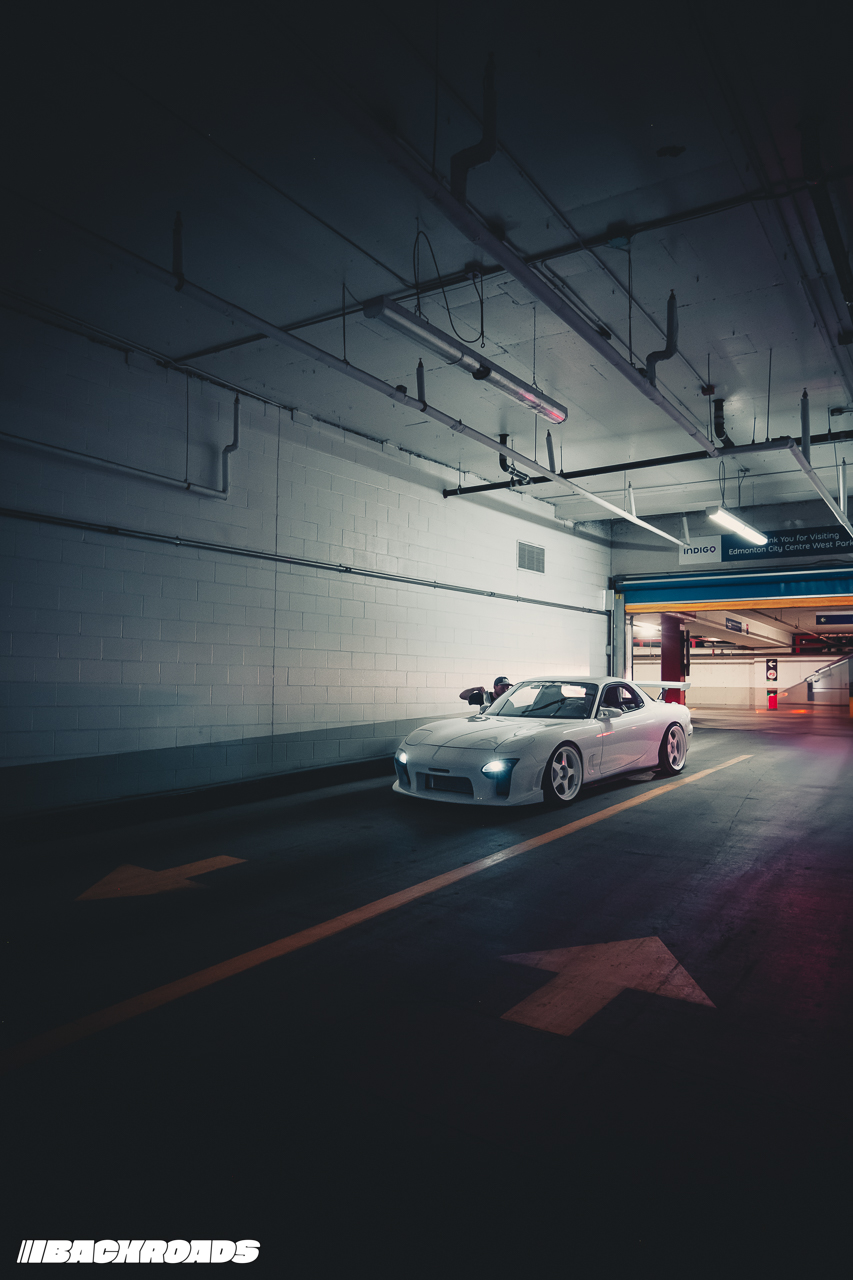
Outside, the air was cool. Down the ramp, however, it was the total opposite. Engines idled, music bounced off pillars, and the temperature climbed high enough that every breath felt part of the atmosphere. It wasn’t uncomfortable, it felt alive.
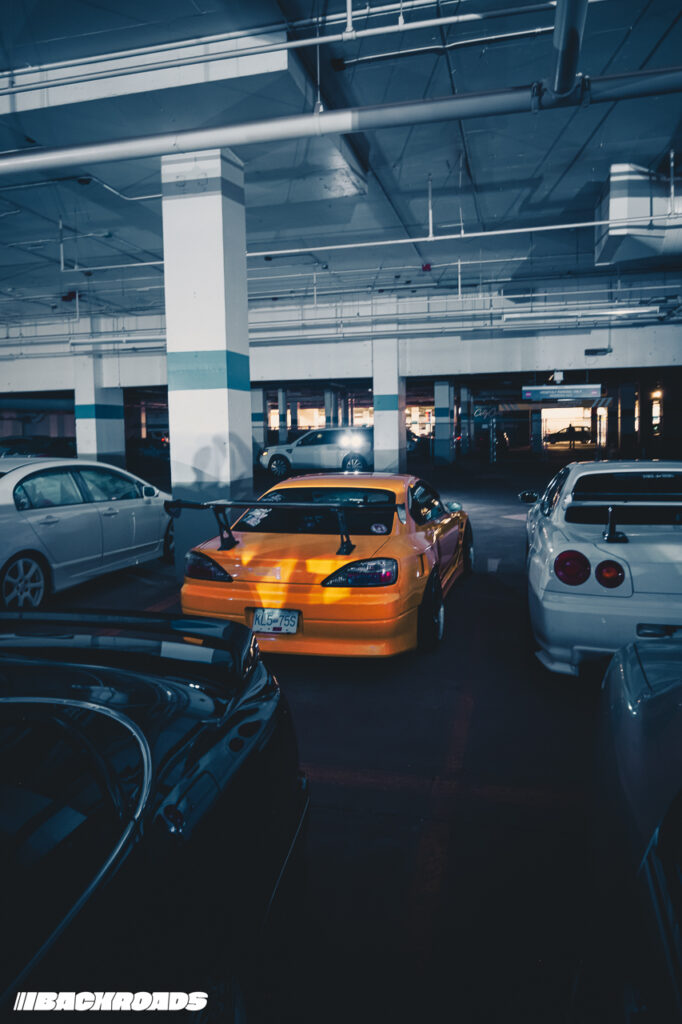
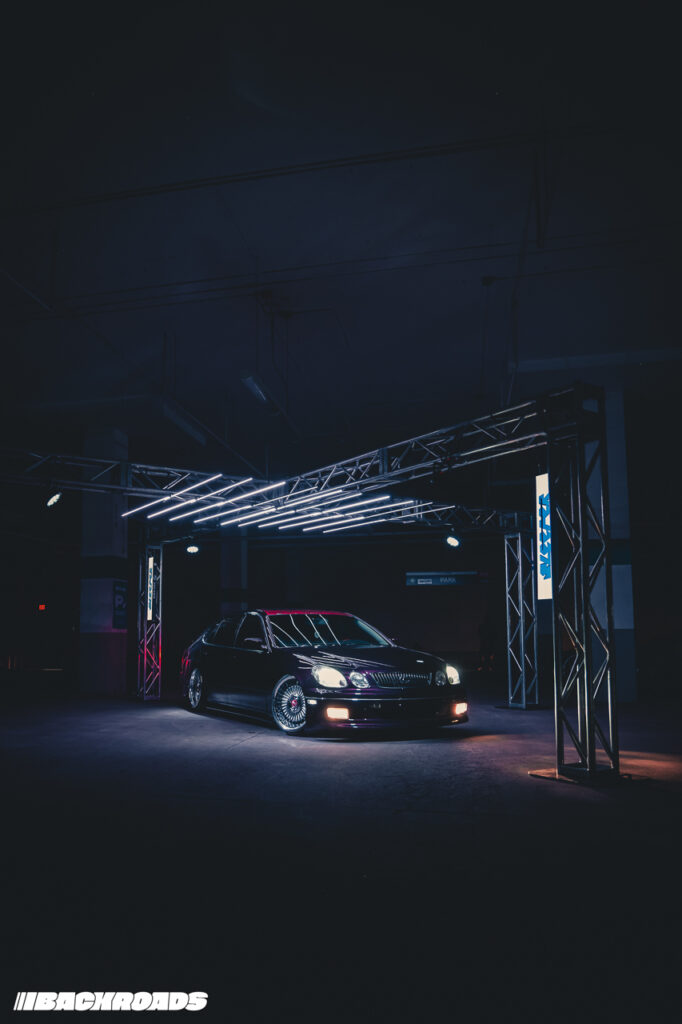
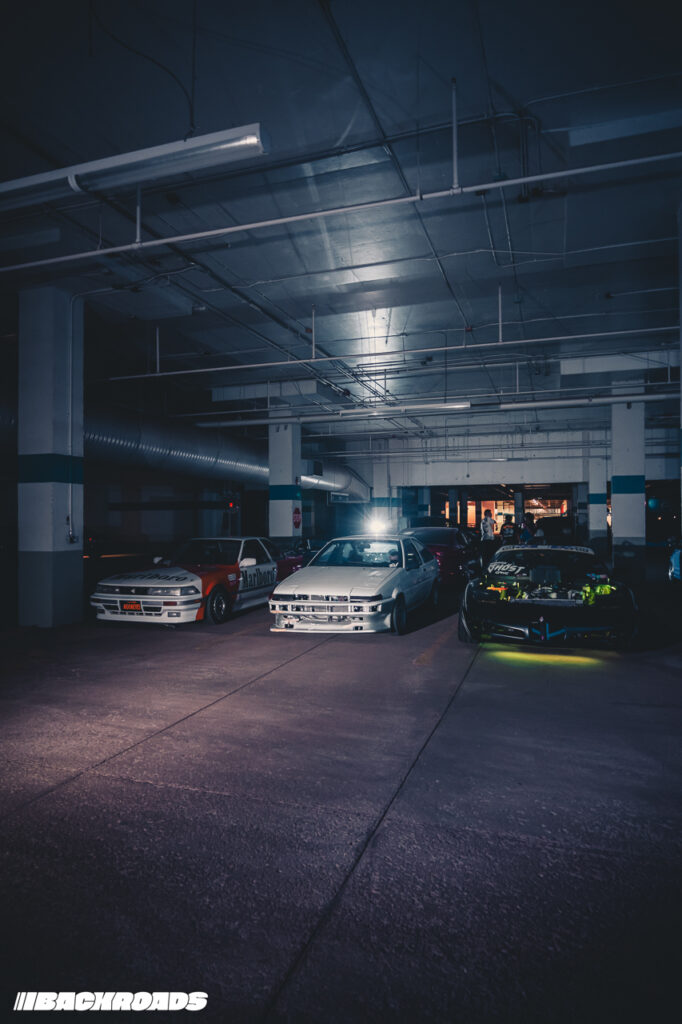
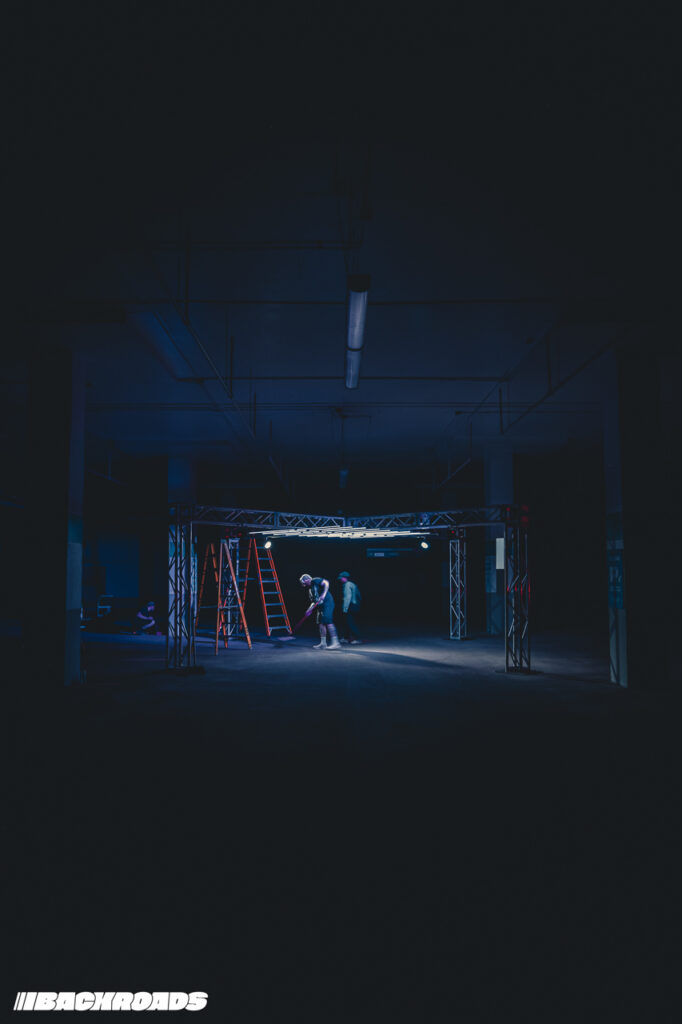
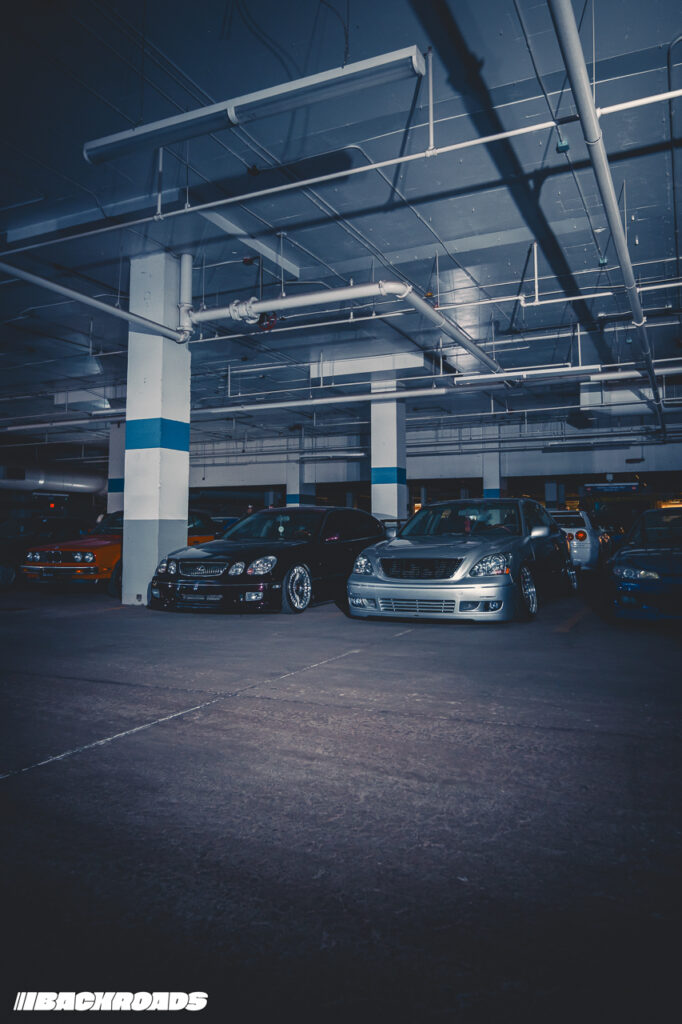
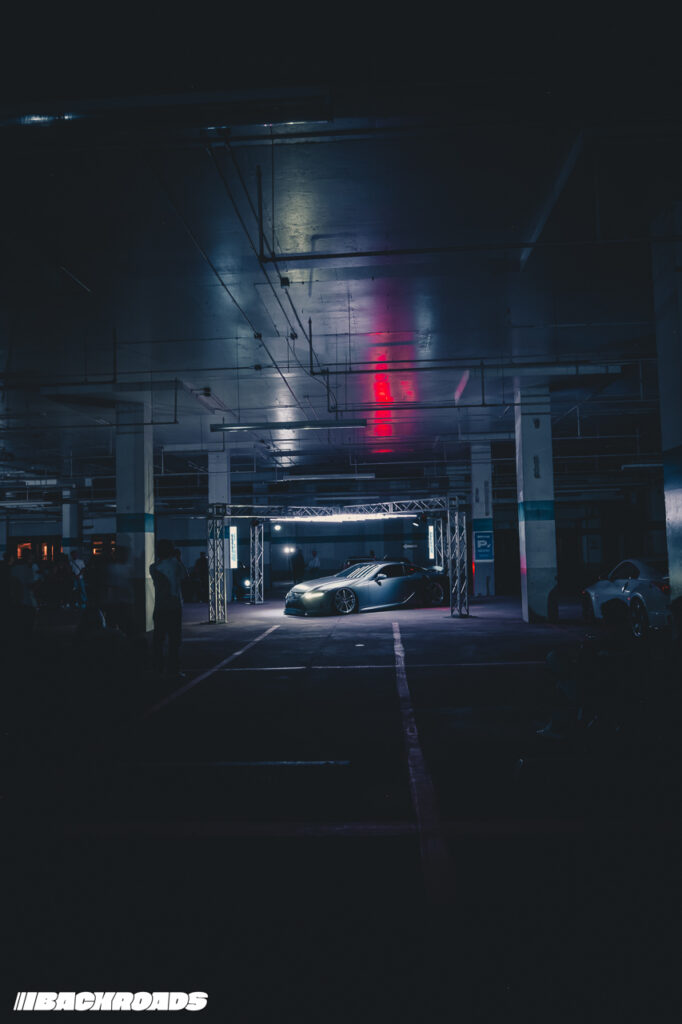
The setting made sense for a project like Sleeper. The magazine is rooted in memory, in the kind of early car experiences that happen in places just like this. For creators Lex Milo and Vivian Han-Tat, those memories come from their childhoods. In Lex’s case, it was the rides in the back of his dad’s Prelude. For Vivian, growing up surrounded by car magazines and garage time with her dad. Different stories with the same pull toward automotive culture, long before either of them stepped into design.
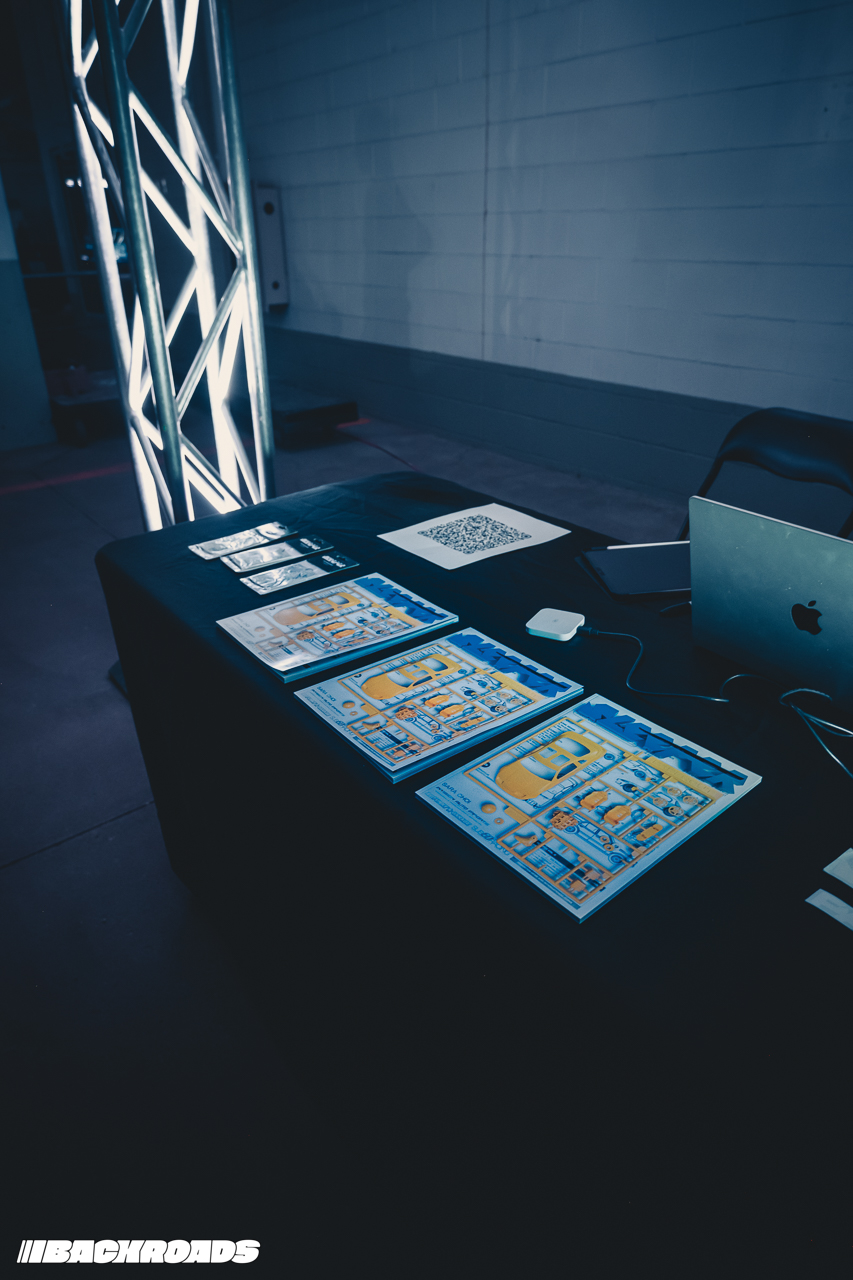
That shared foundation eventually became Sleeper, a print magazine built on the belief that cars are more than the sum of their parts, and that stories matter as much as style. Their approach blends late-1990’s and early-2000’s influences with modern design thinking, resulting in a visual language that feels familiar without being derivative. Think of nostalgia viewed through a new lens, shaped by concept art, futurism, driven by the feeling that certain eras of car culture still have momentum in the modern day.
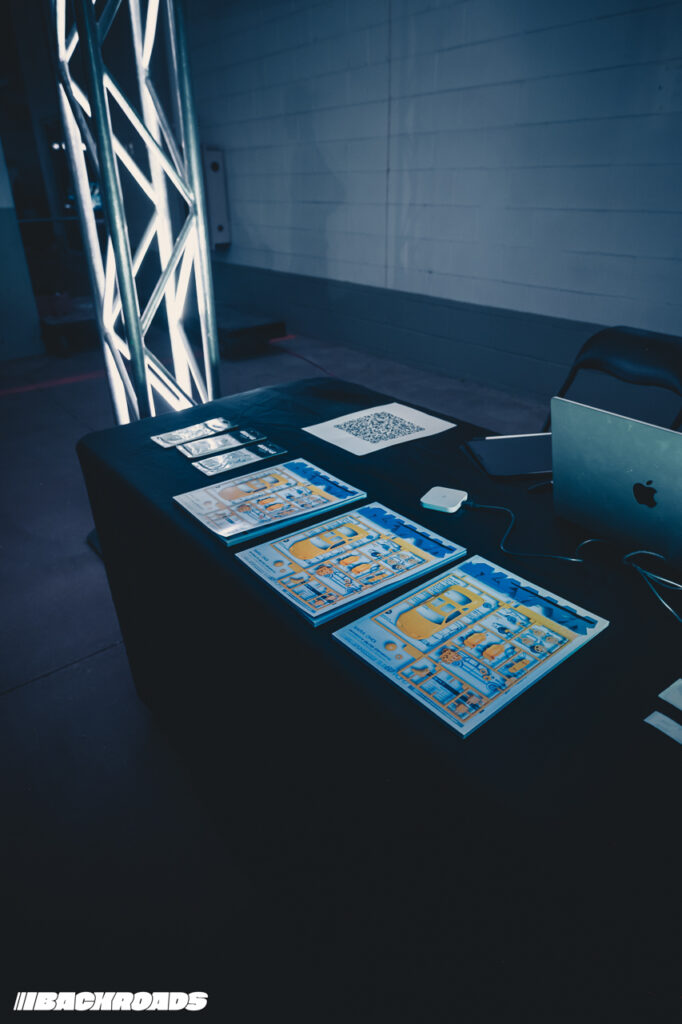
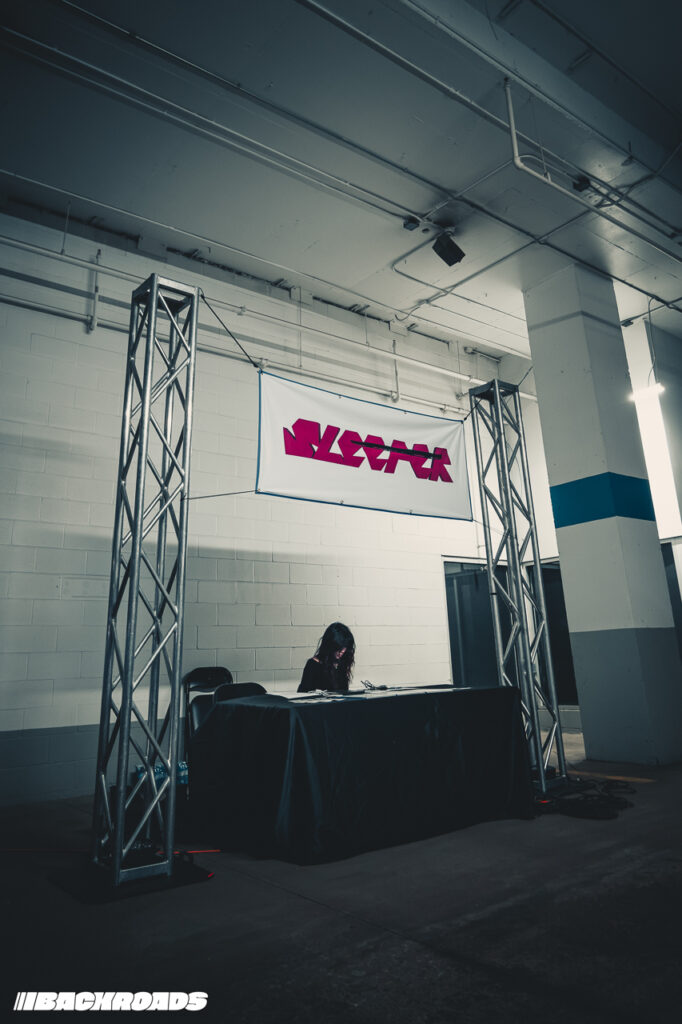
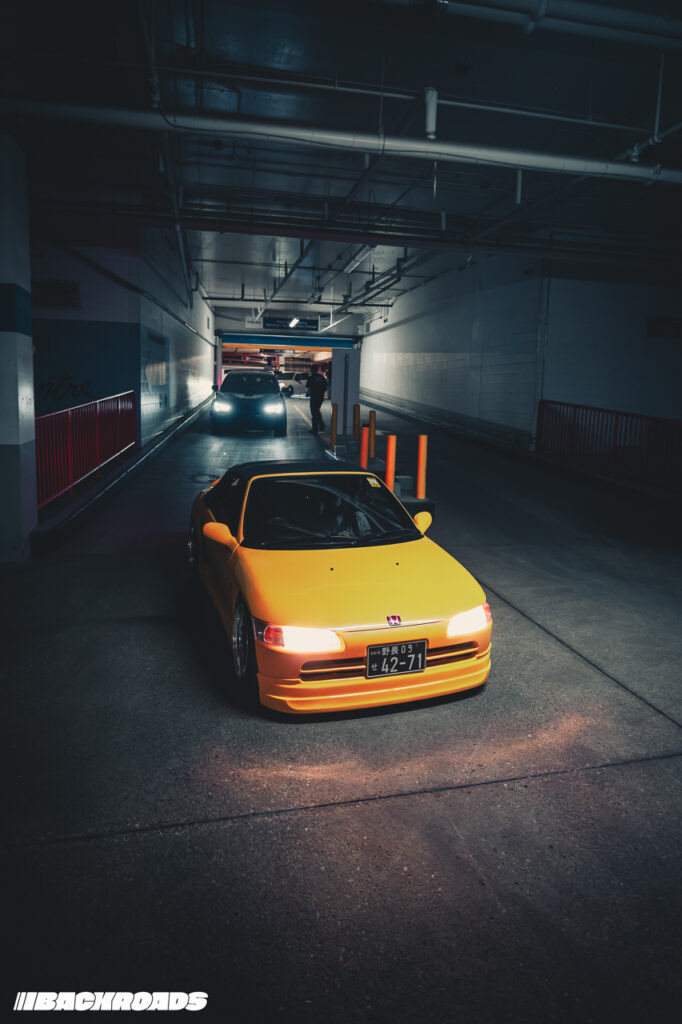
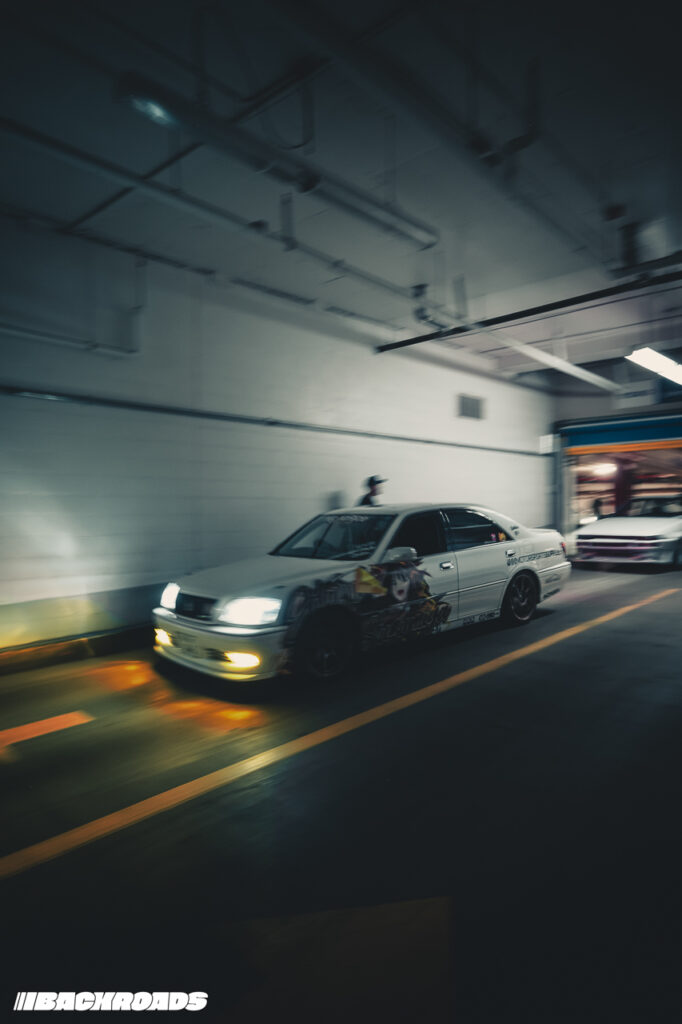
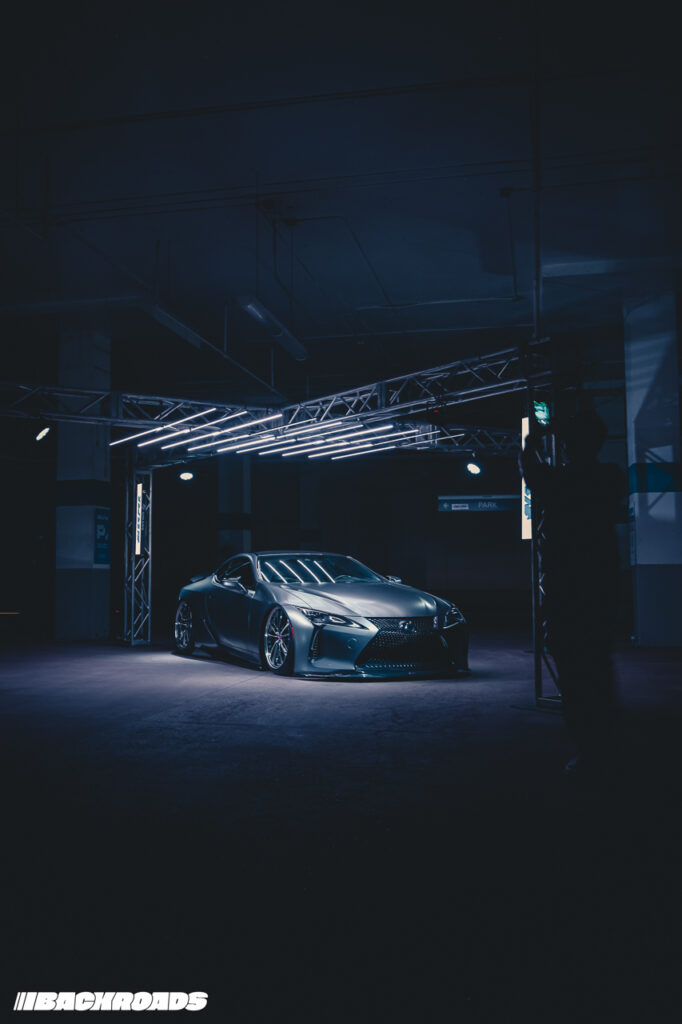
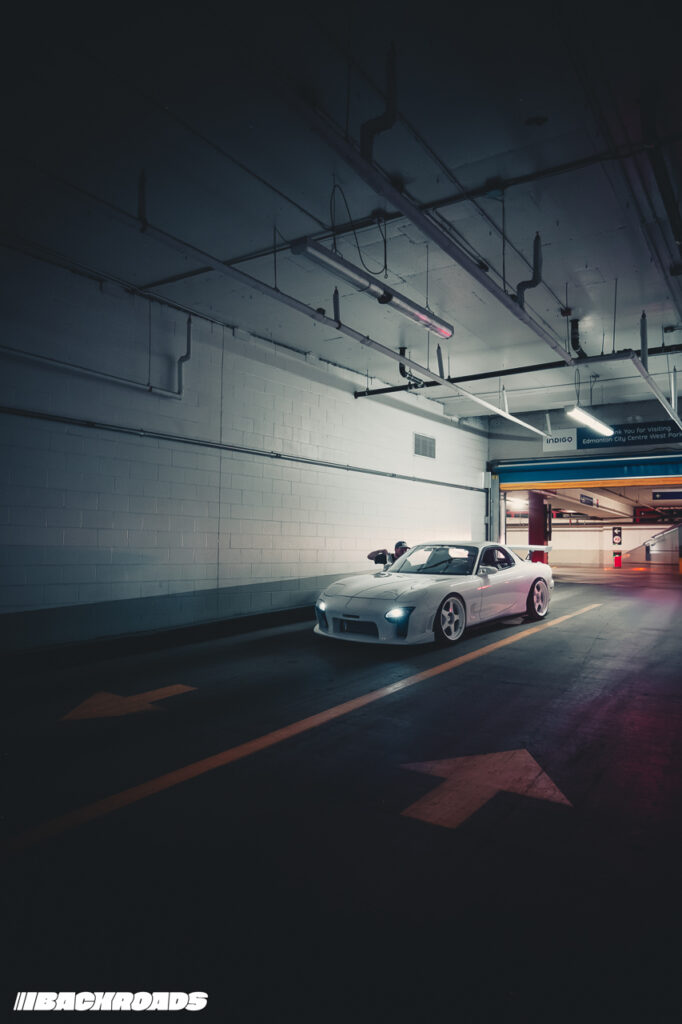
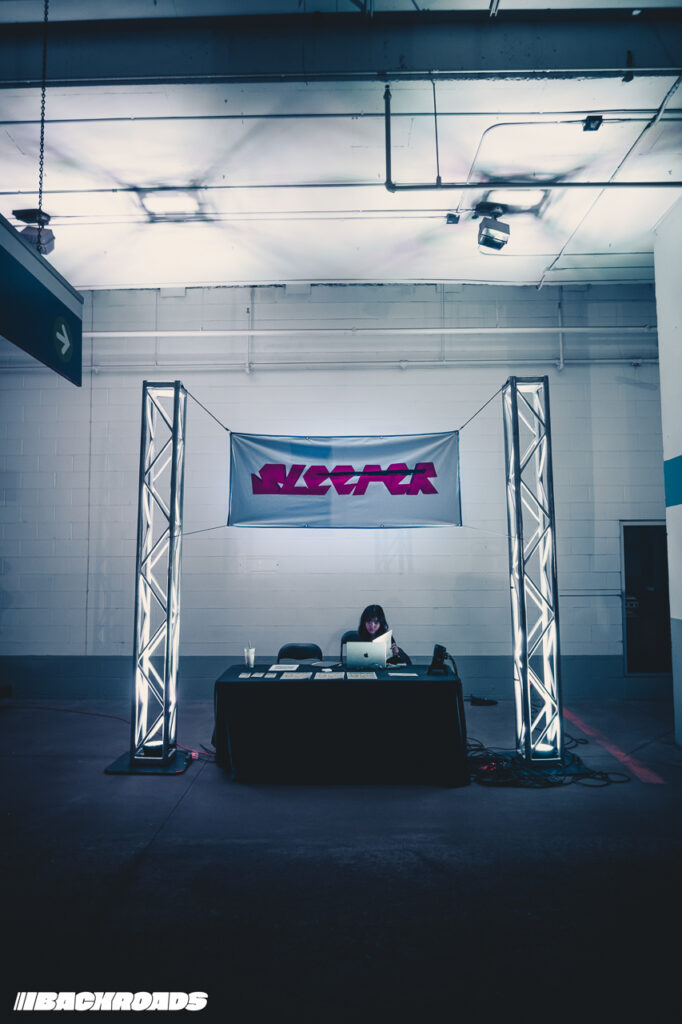
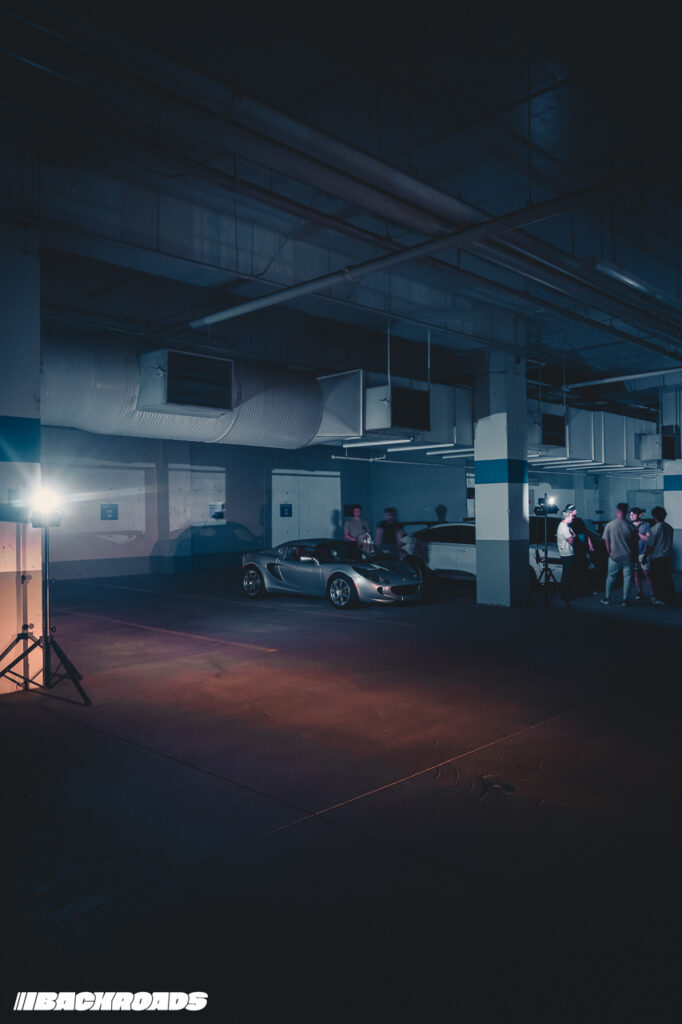
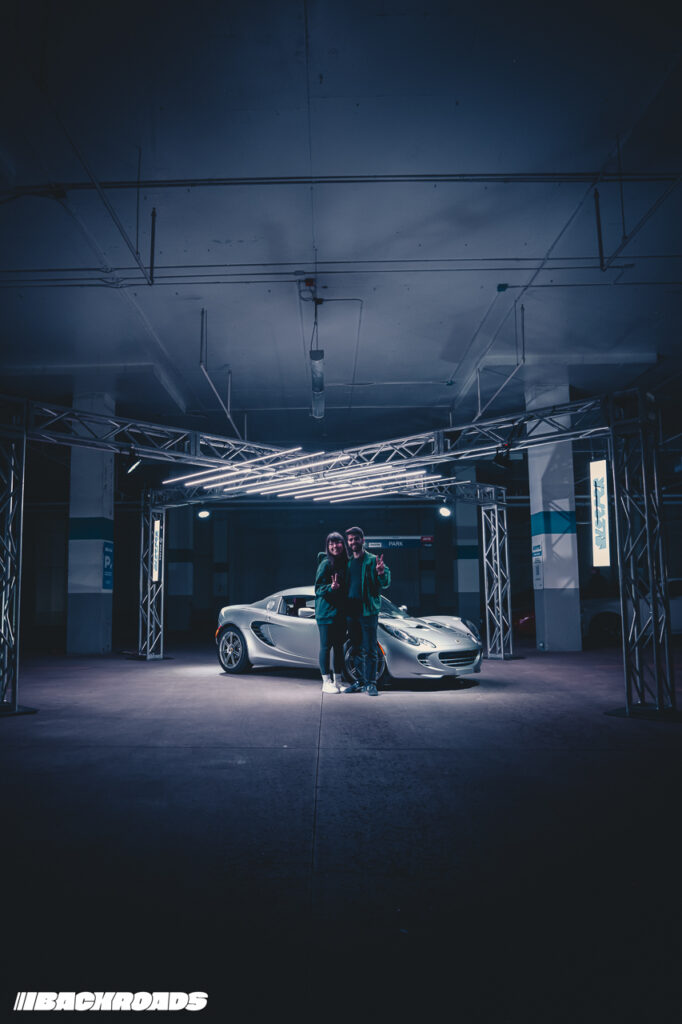
Launching the magazine as a physical release wasn’t only an aesthetic choice. For Lex and Viv, print was essential. They both grew up flipping through pages, circling dream cars, studying magazine layouts and collecting issues until the spines cracked.
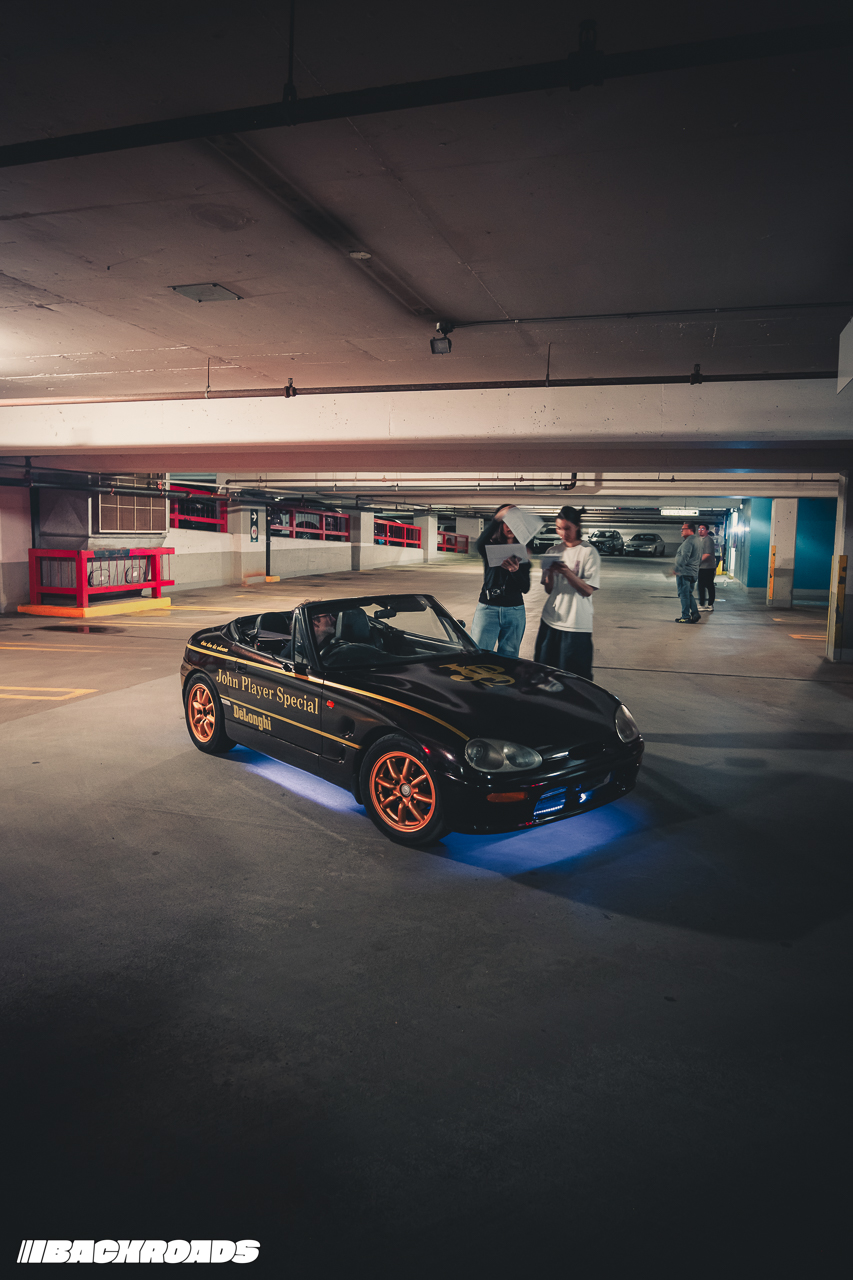
That sense of permanence, of physically holding something that lives beyond a feed was non-negotiable. It worked, too, as people stood together in small groups, magazines open, pointing out spreads and talking through the stories behind each feature. The parkade wasn’t just a venue; it became part of the experience.
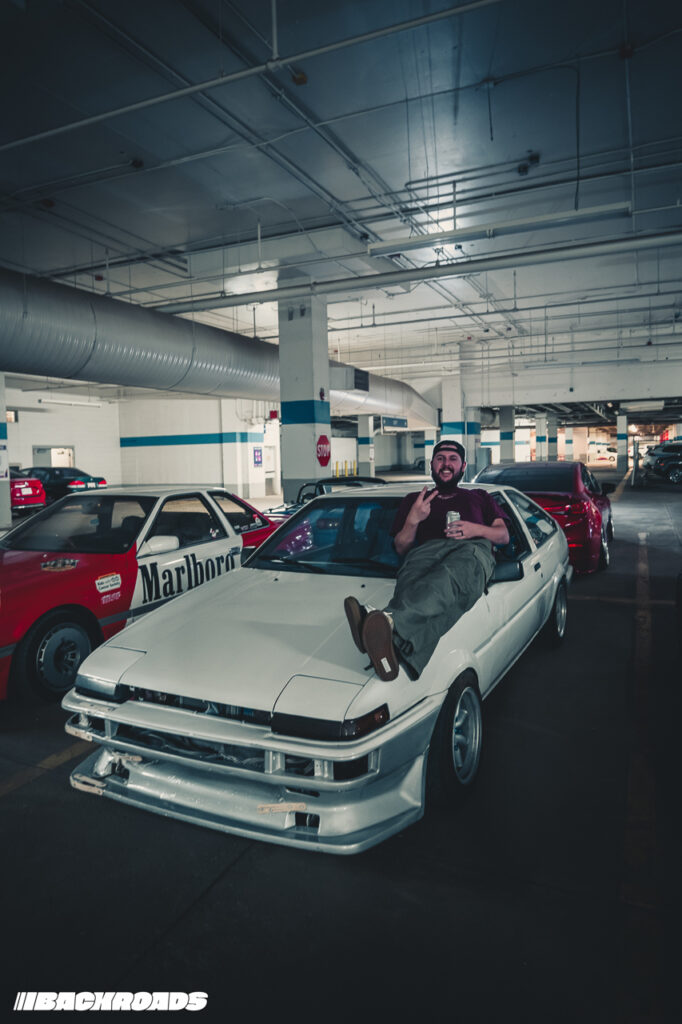
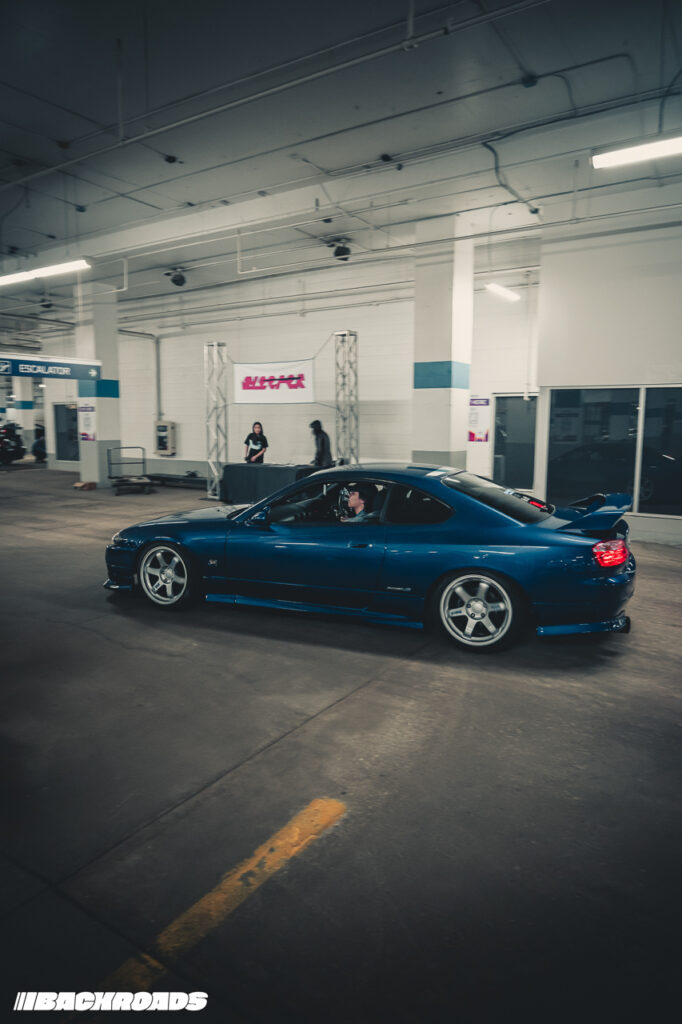
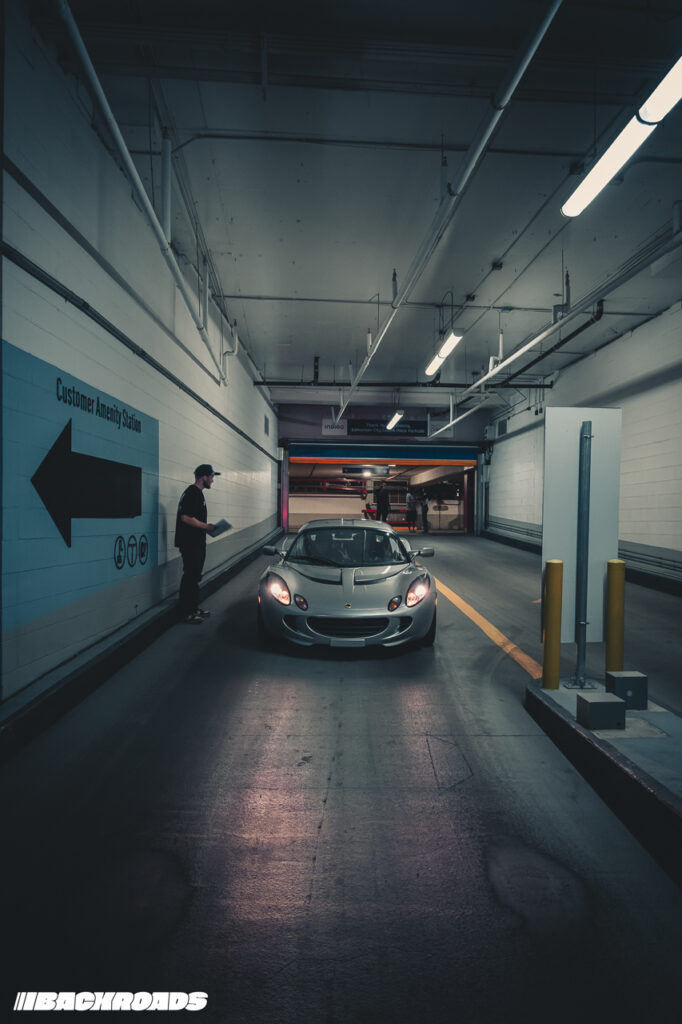
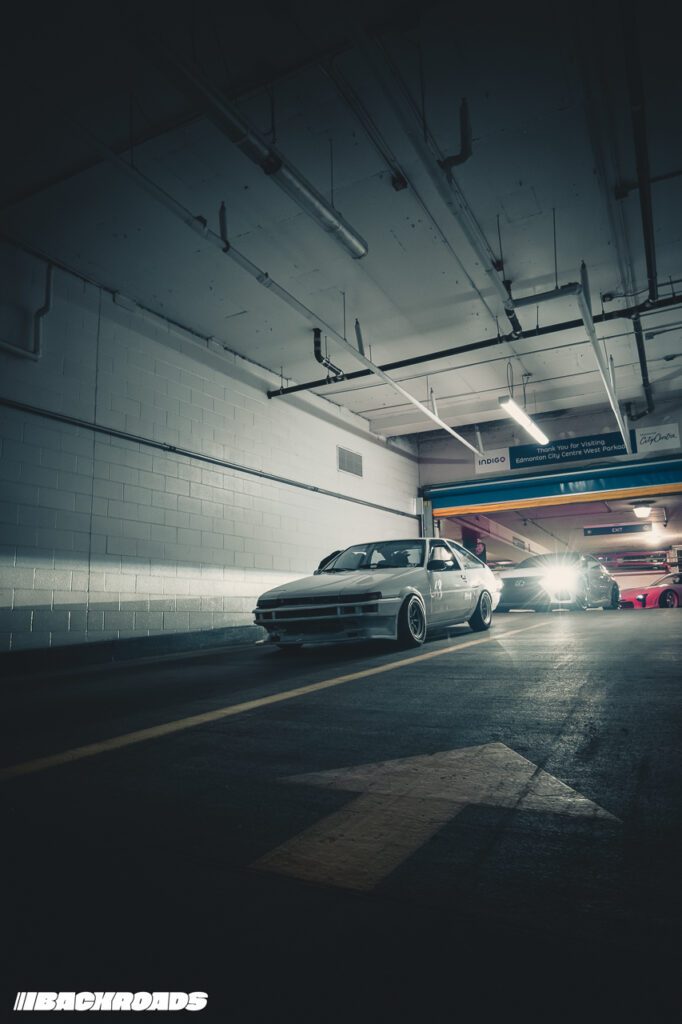
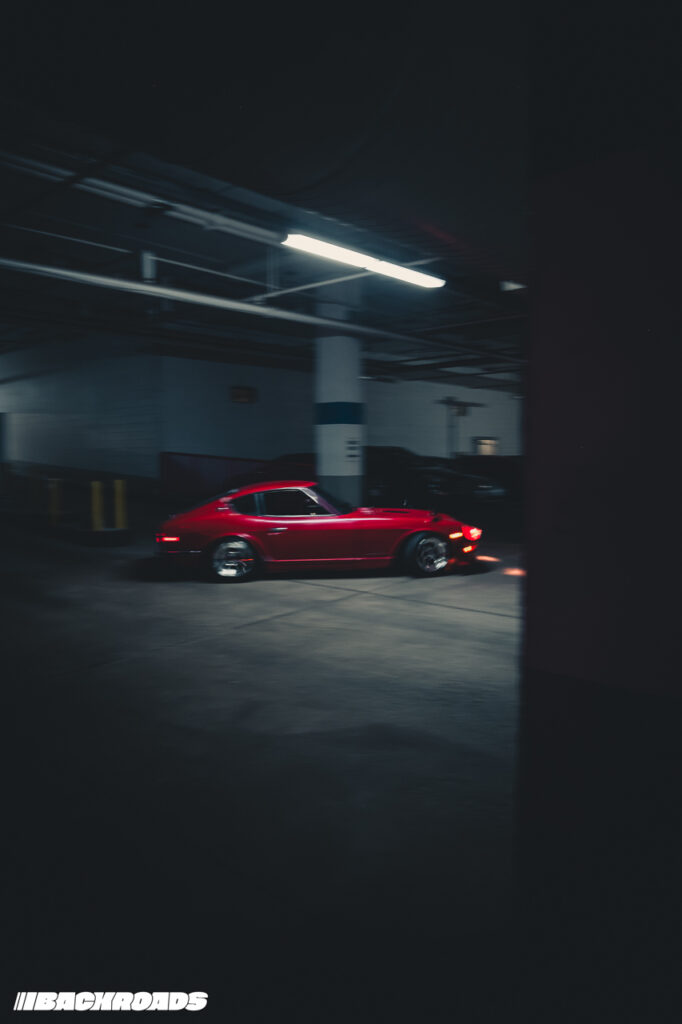
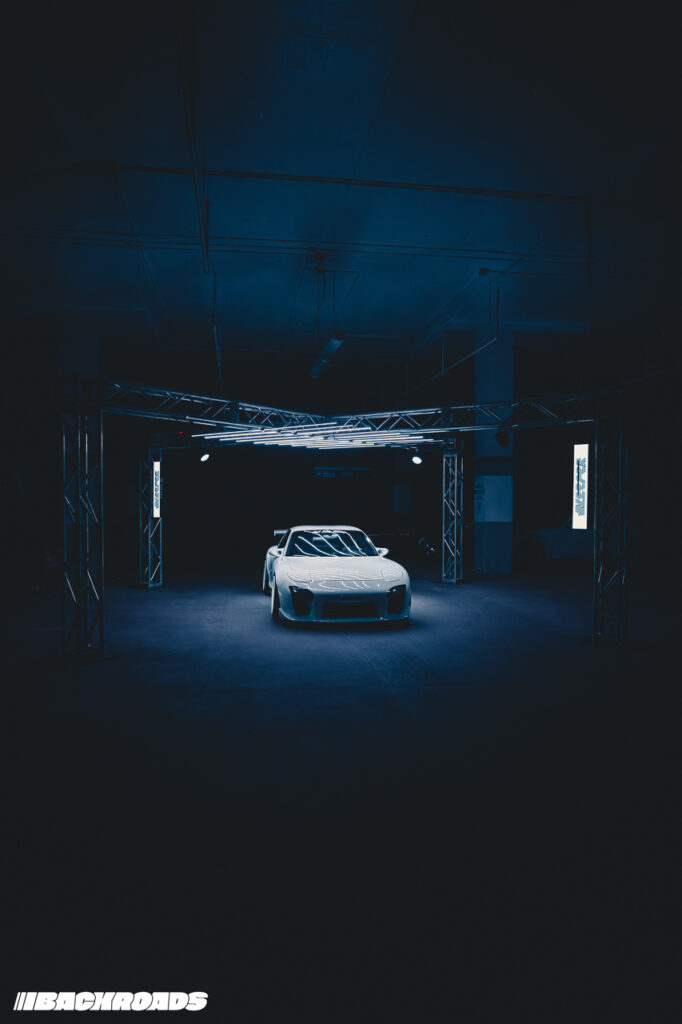
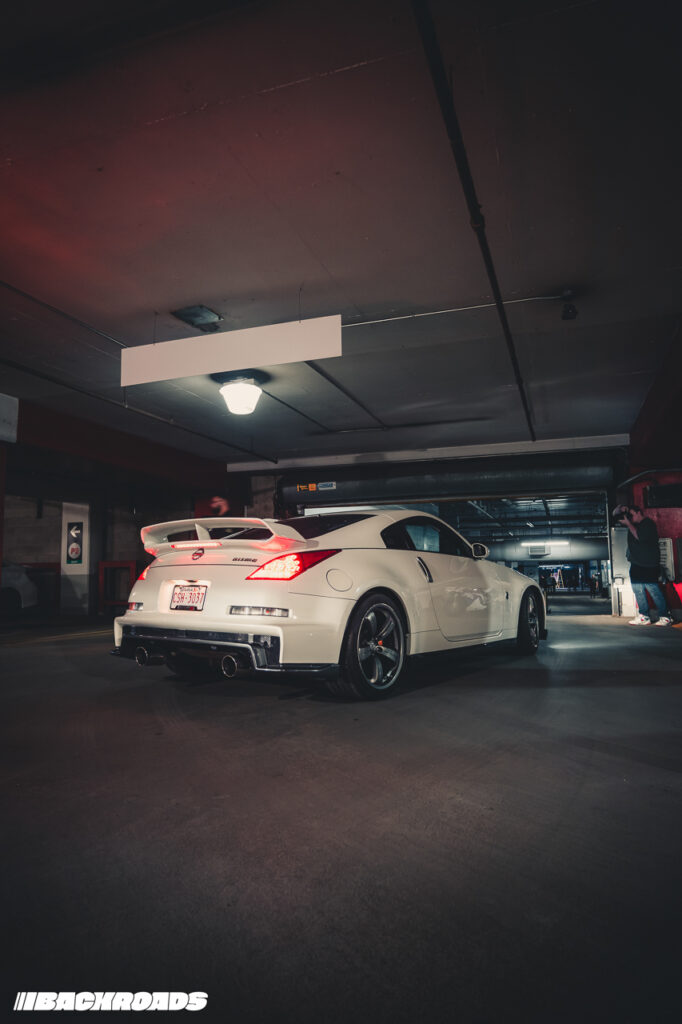
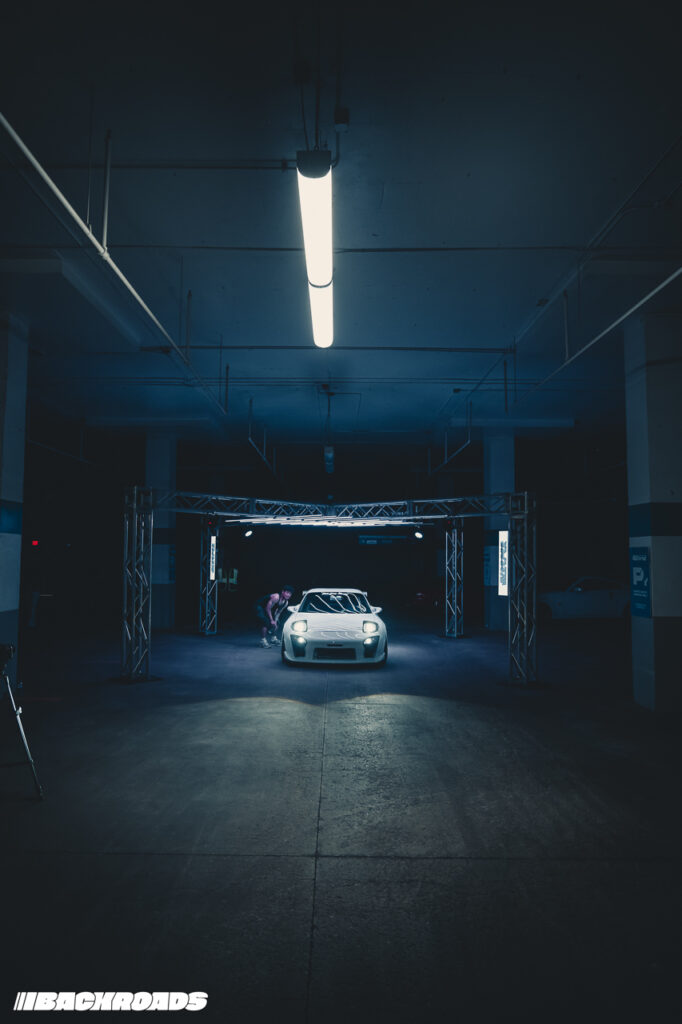
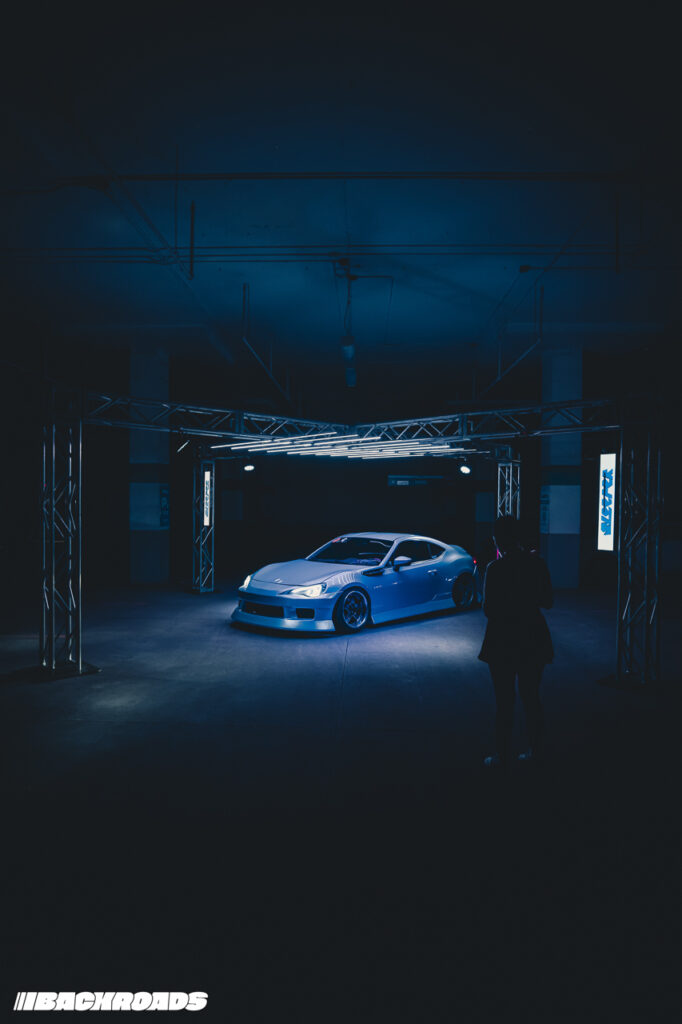
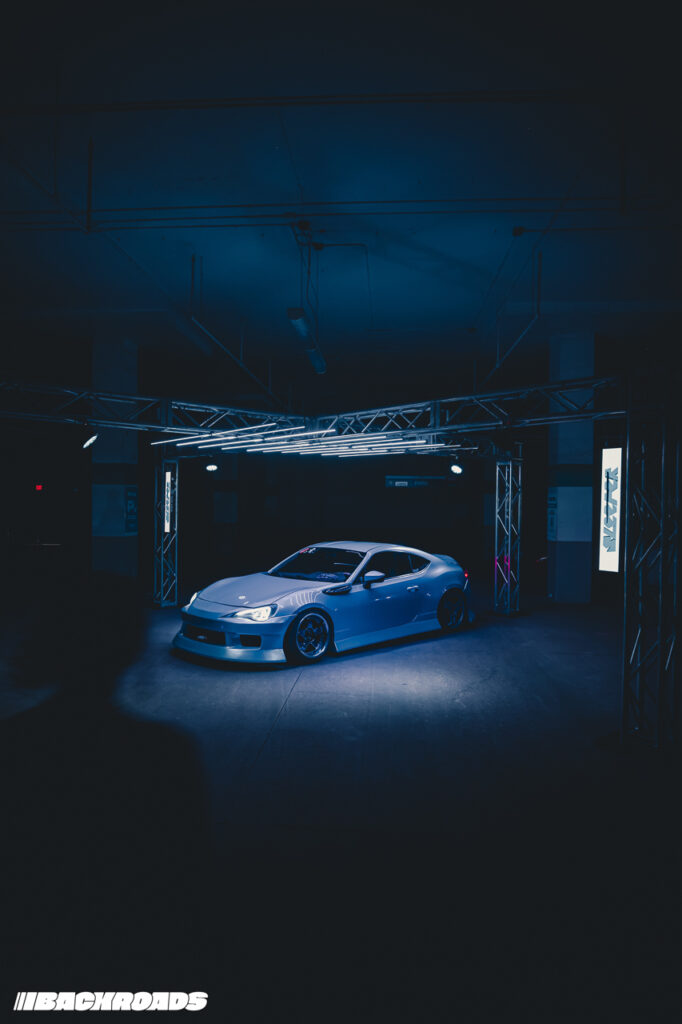
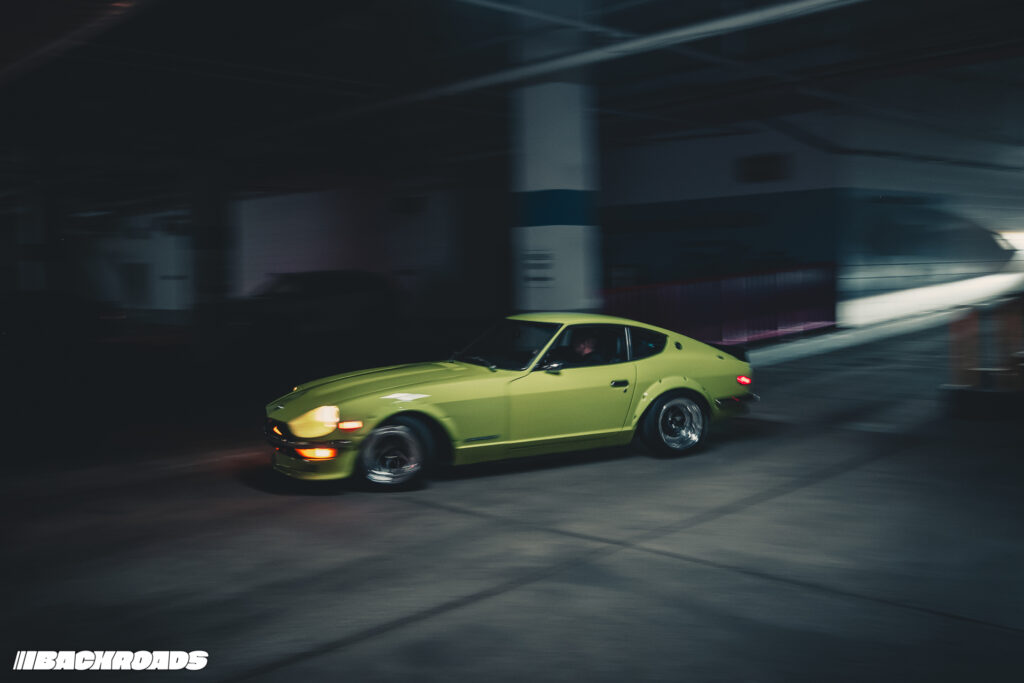
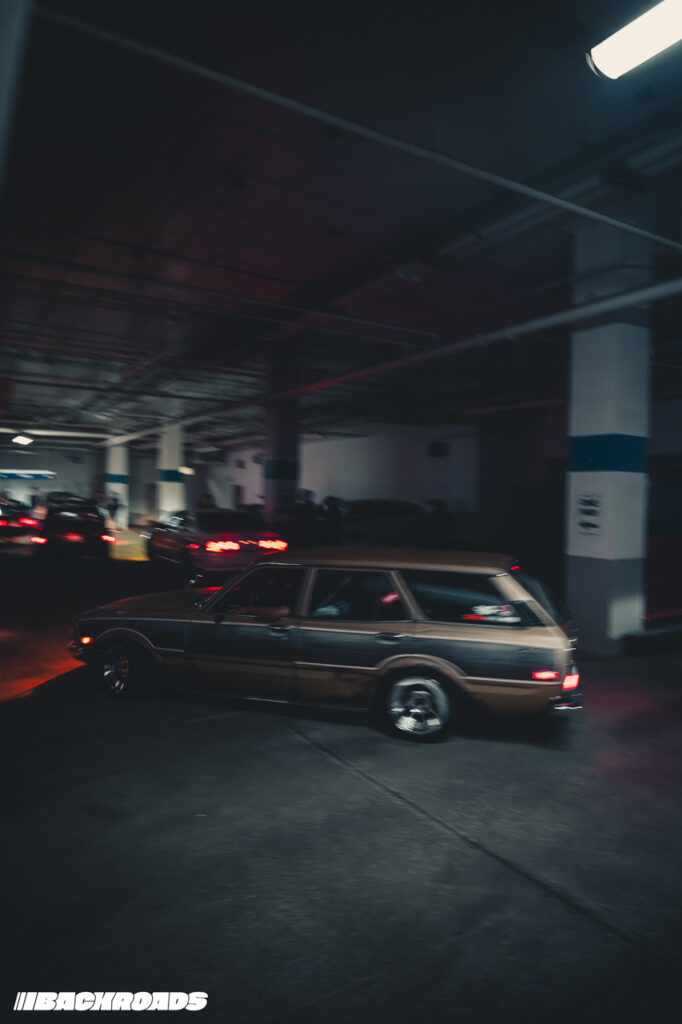
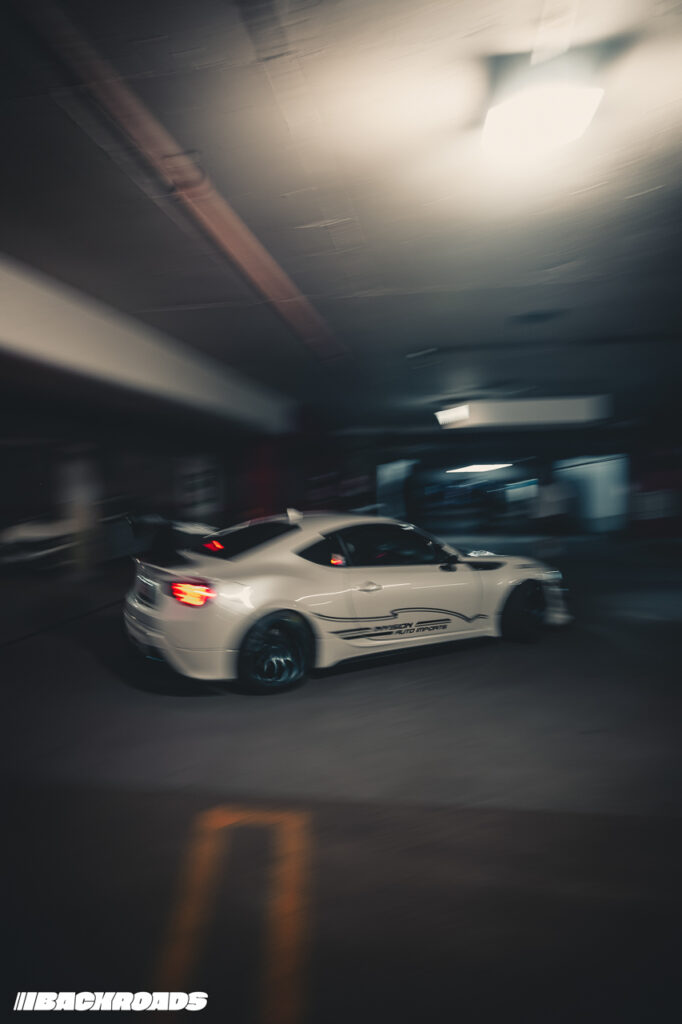
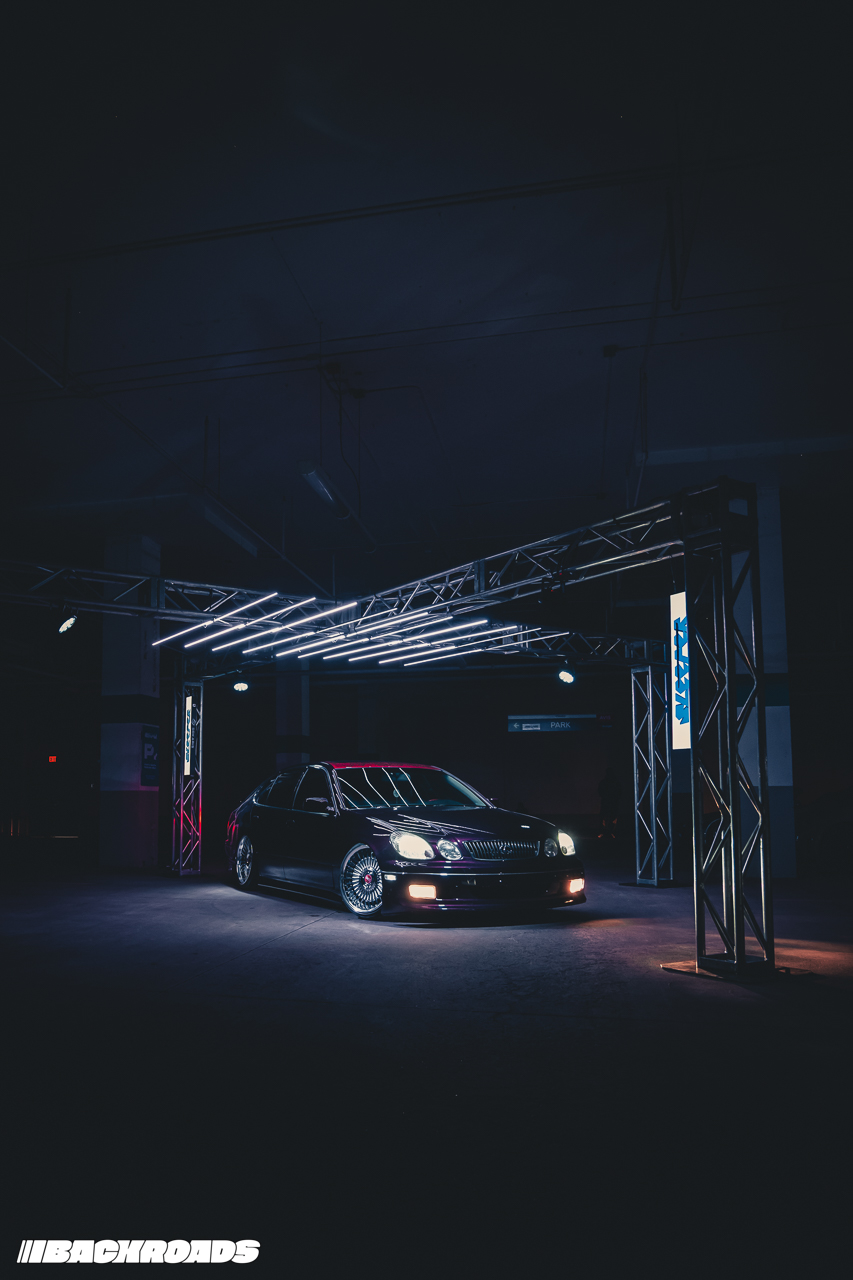
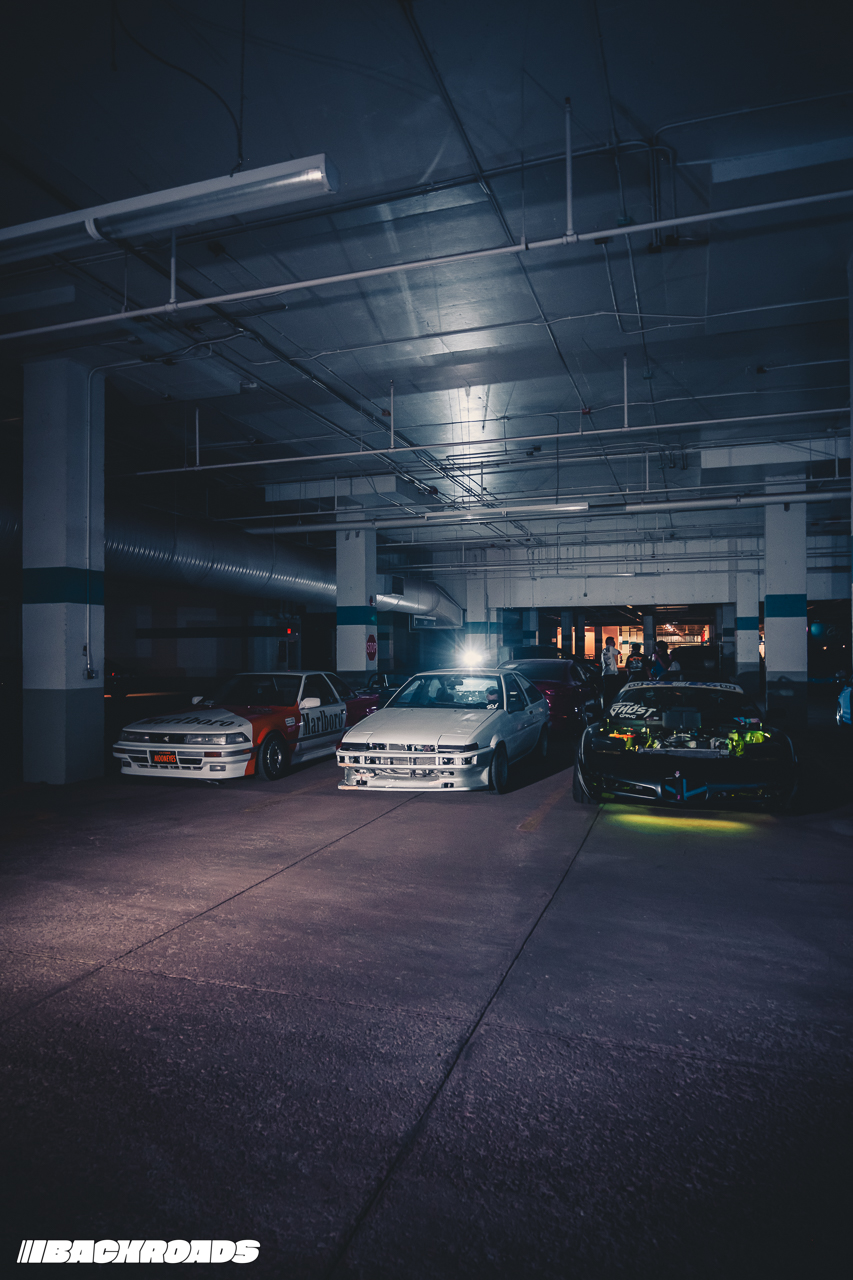
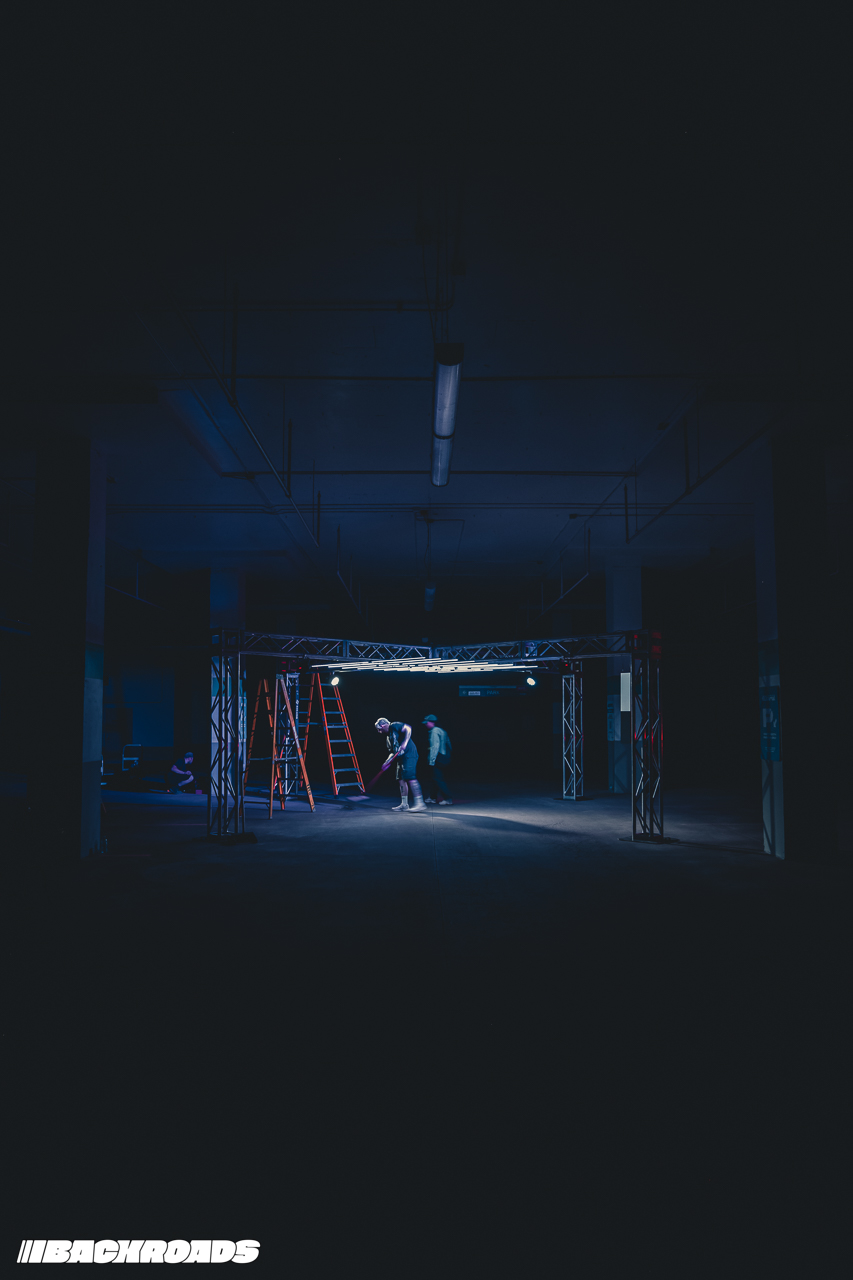
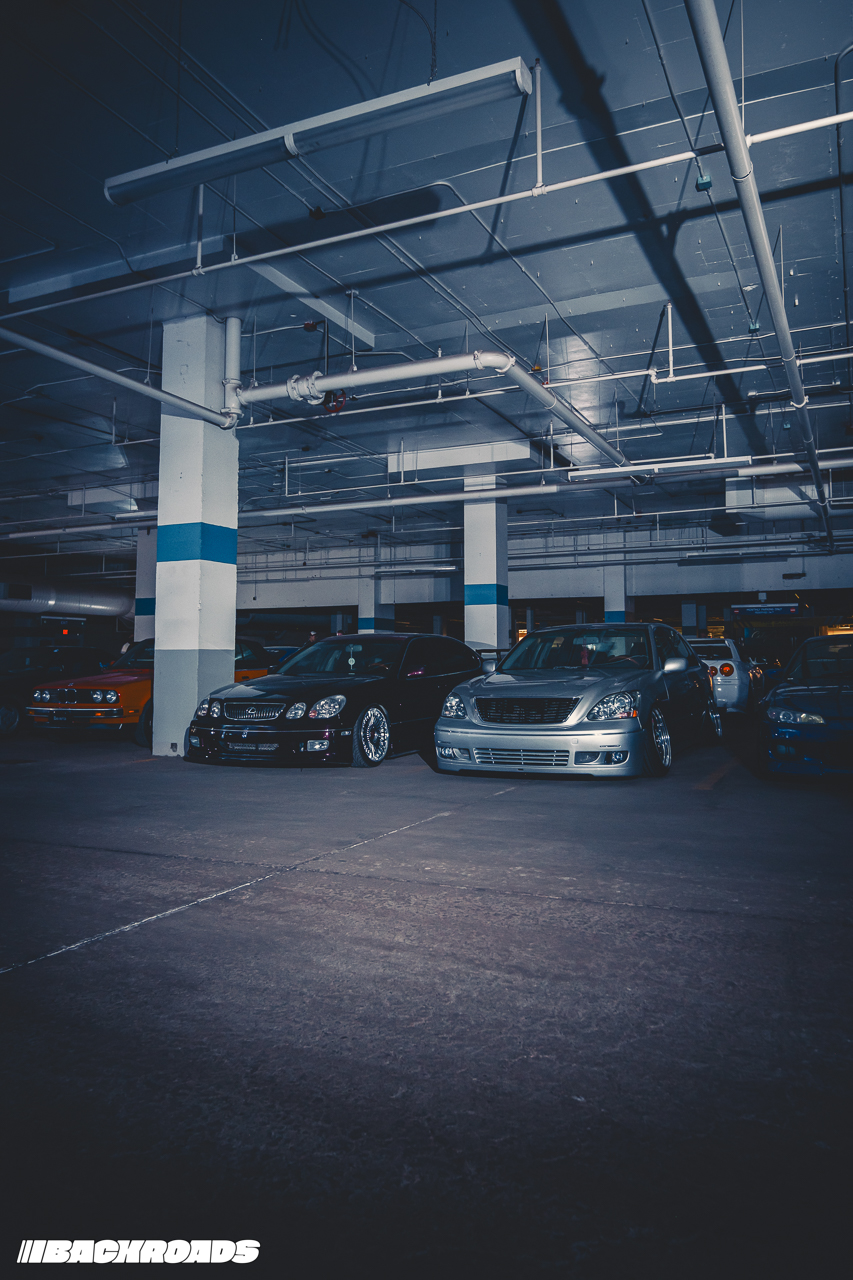
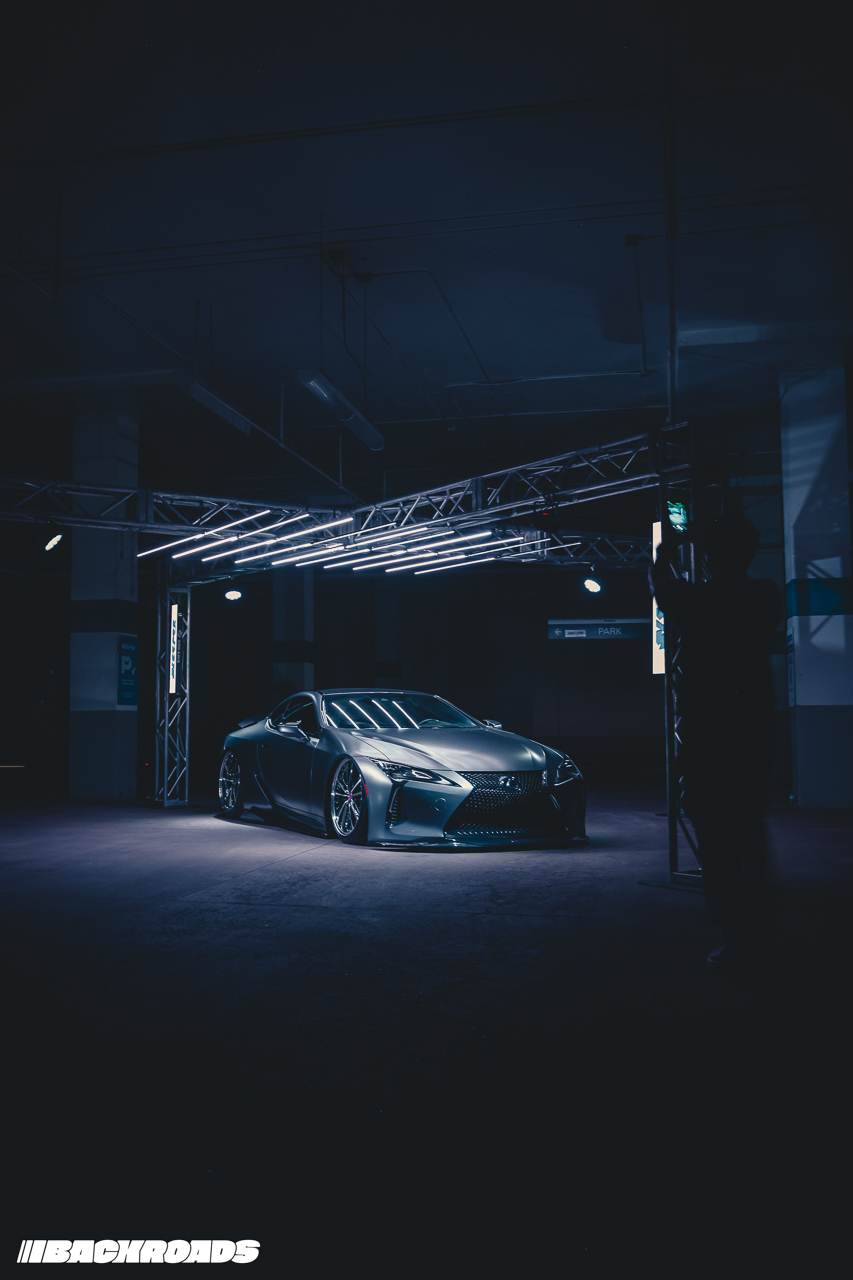
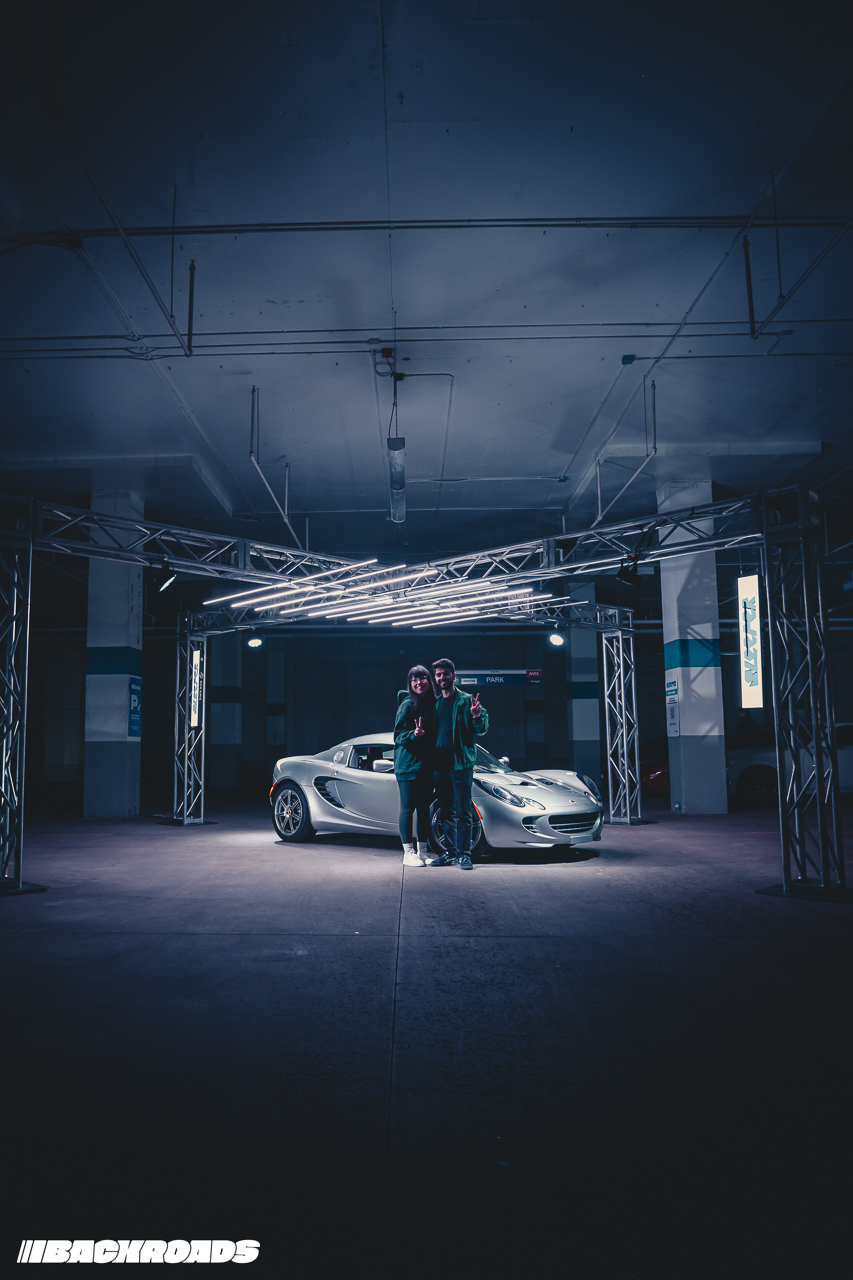
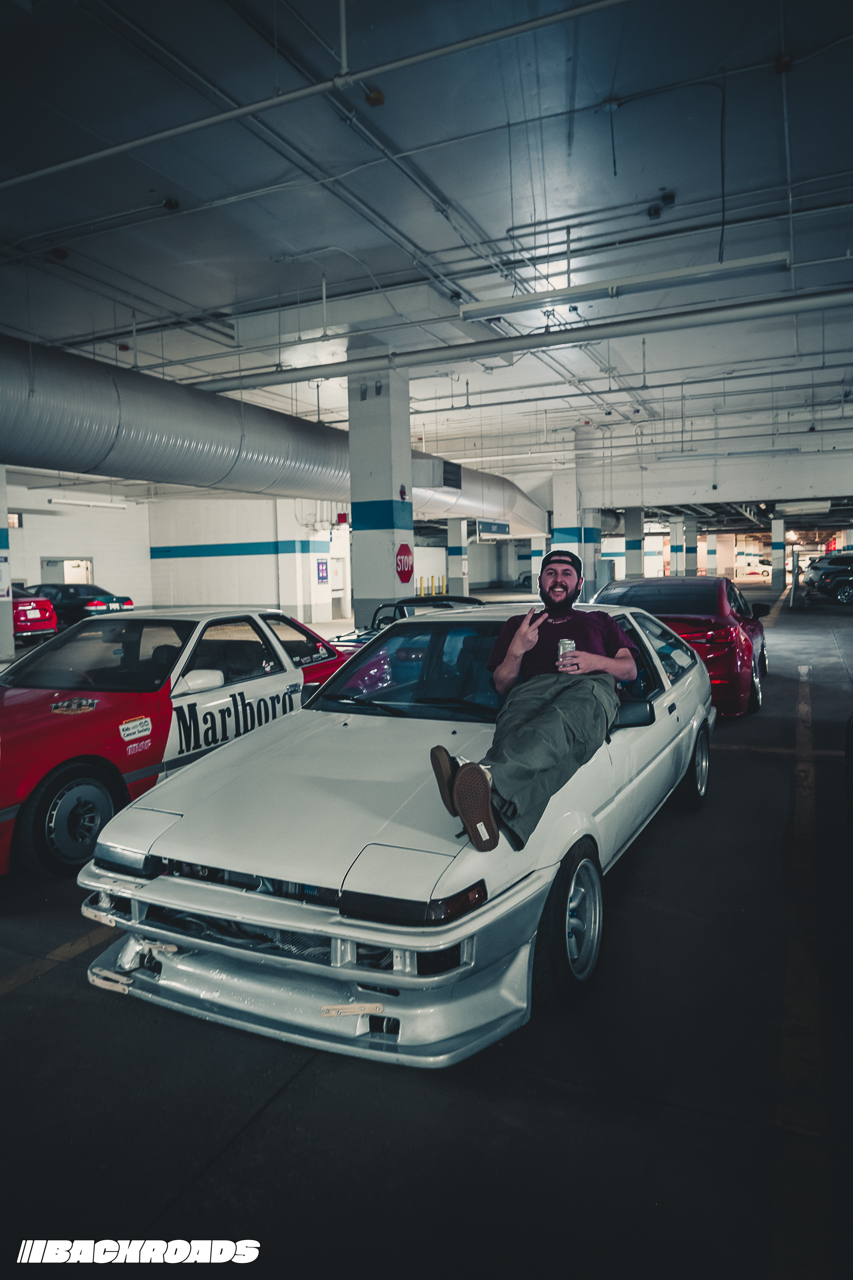
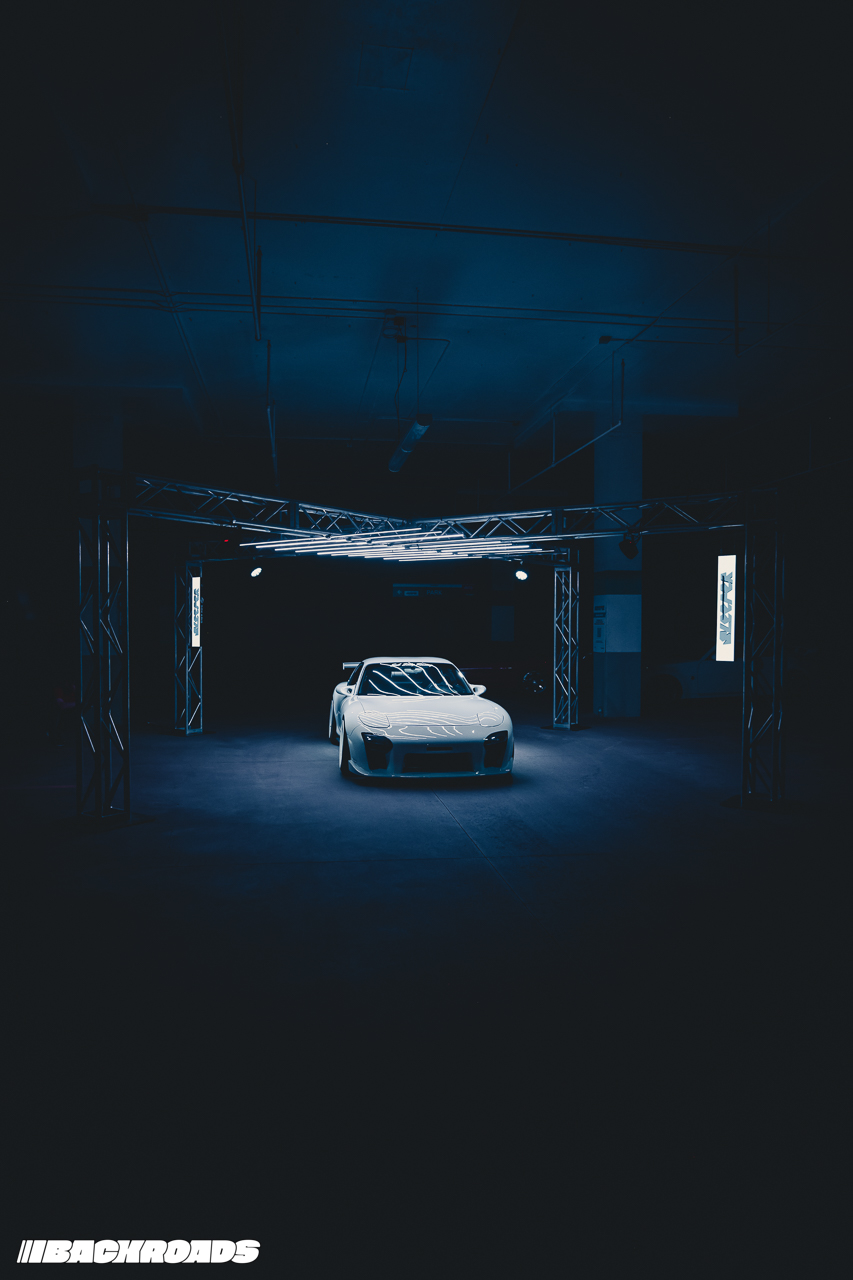
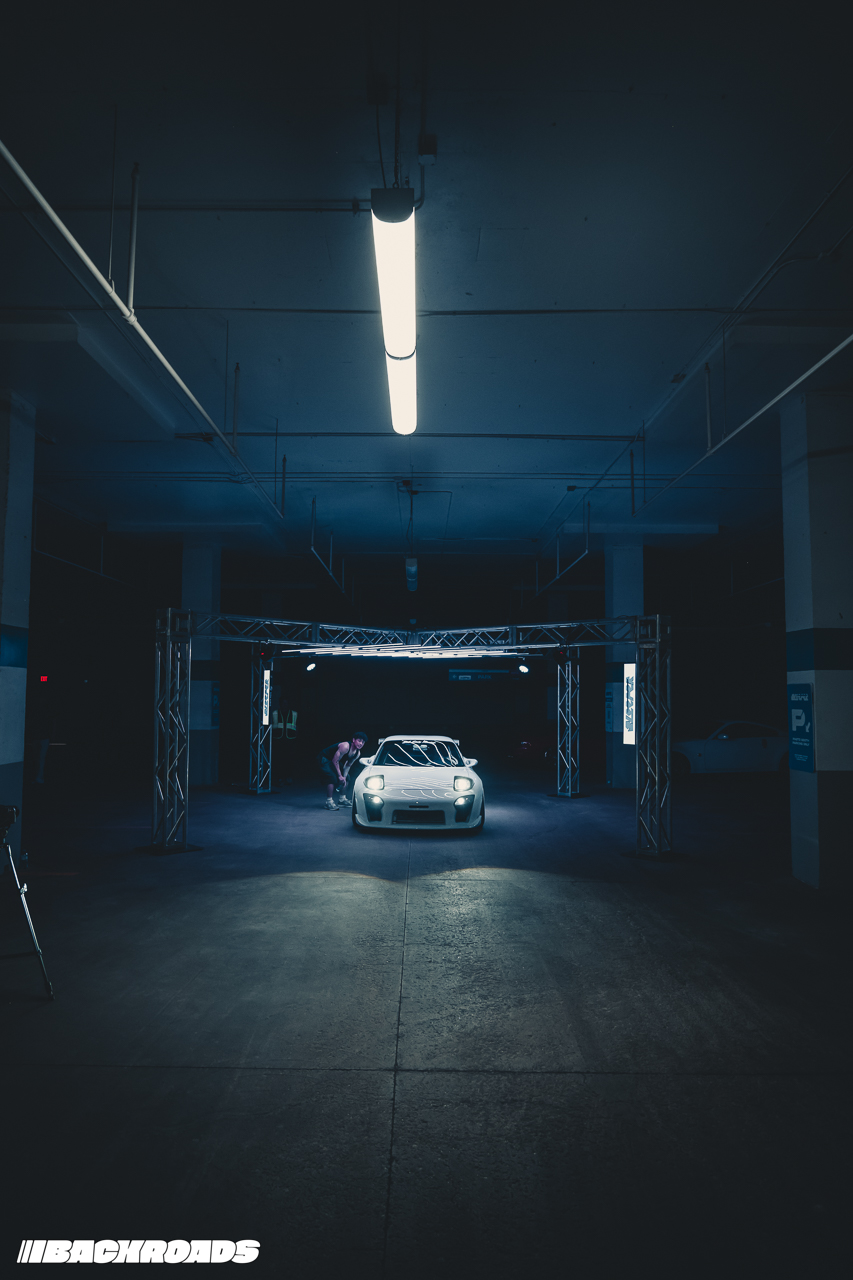
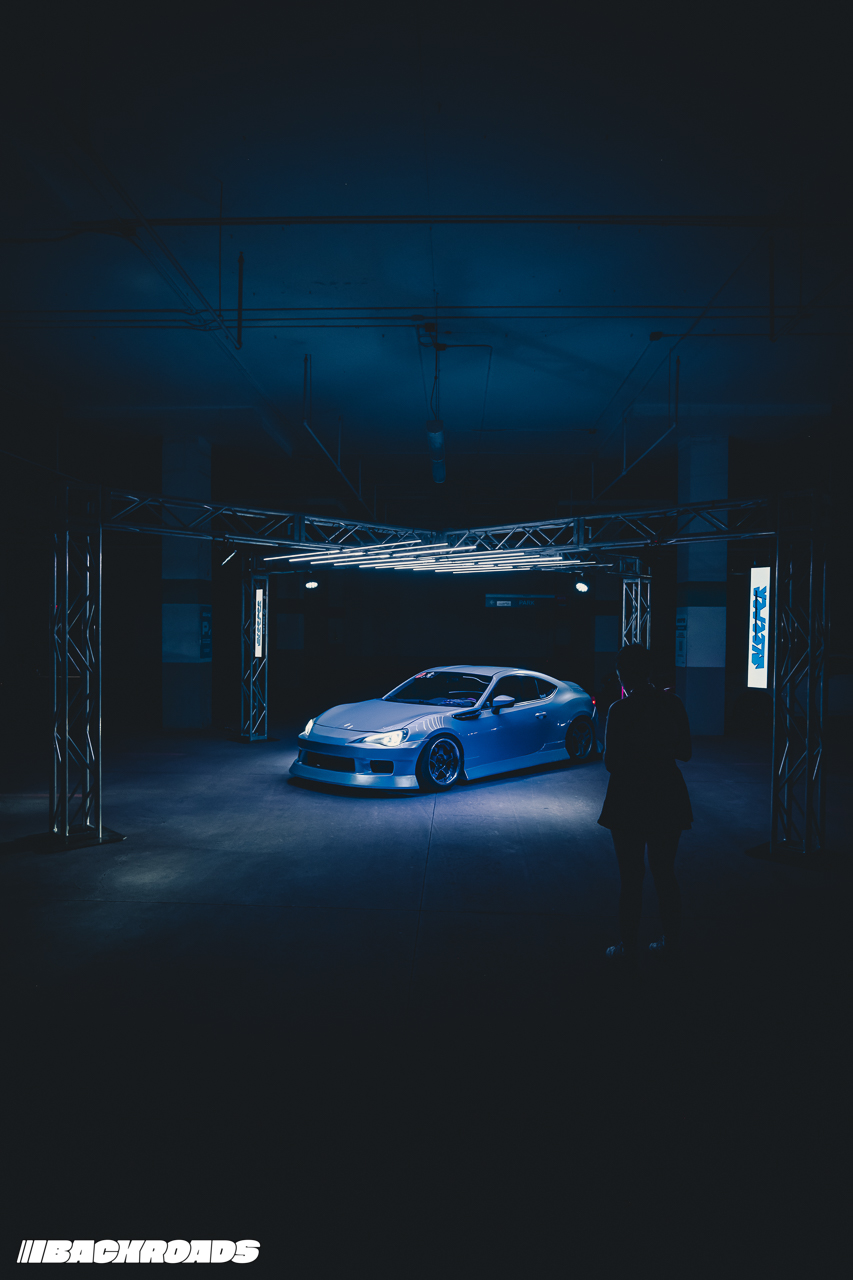
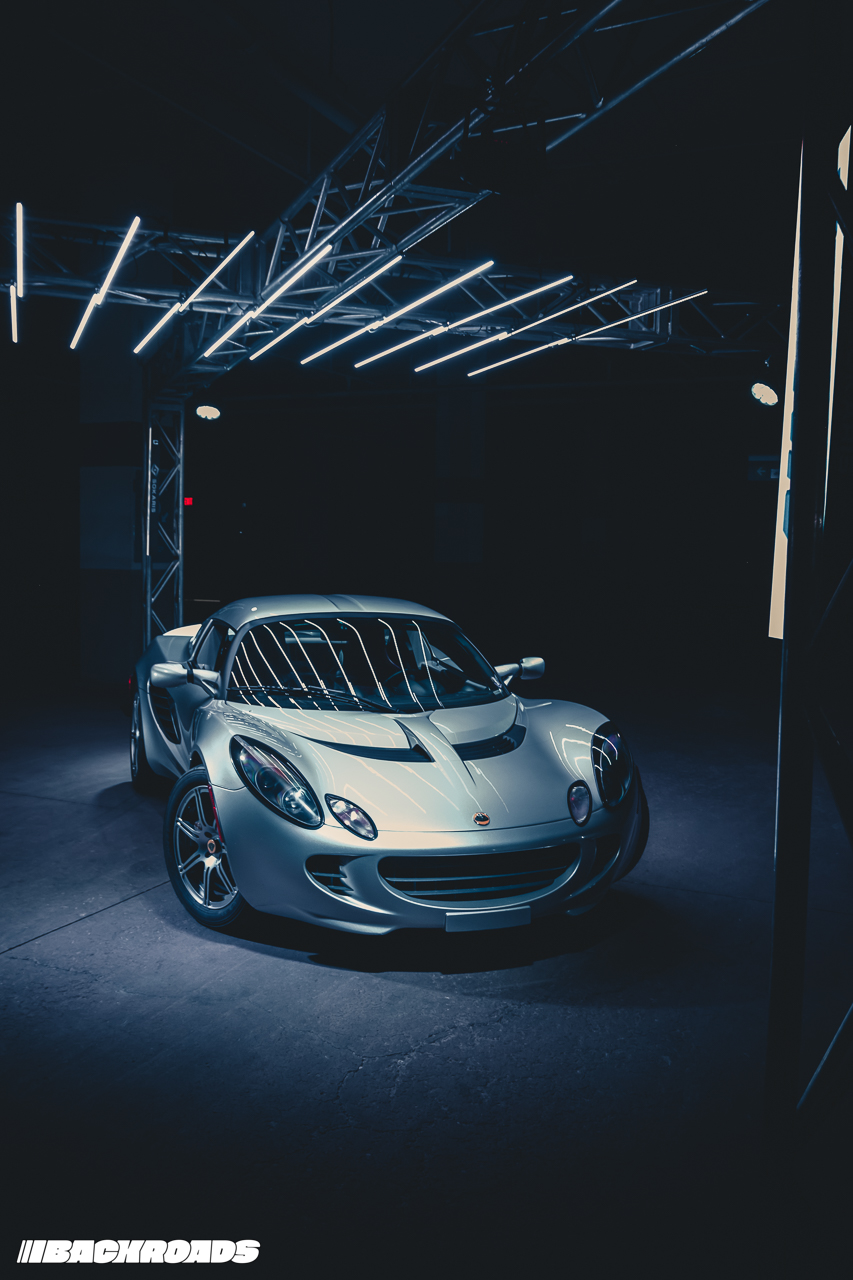
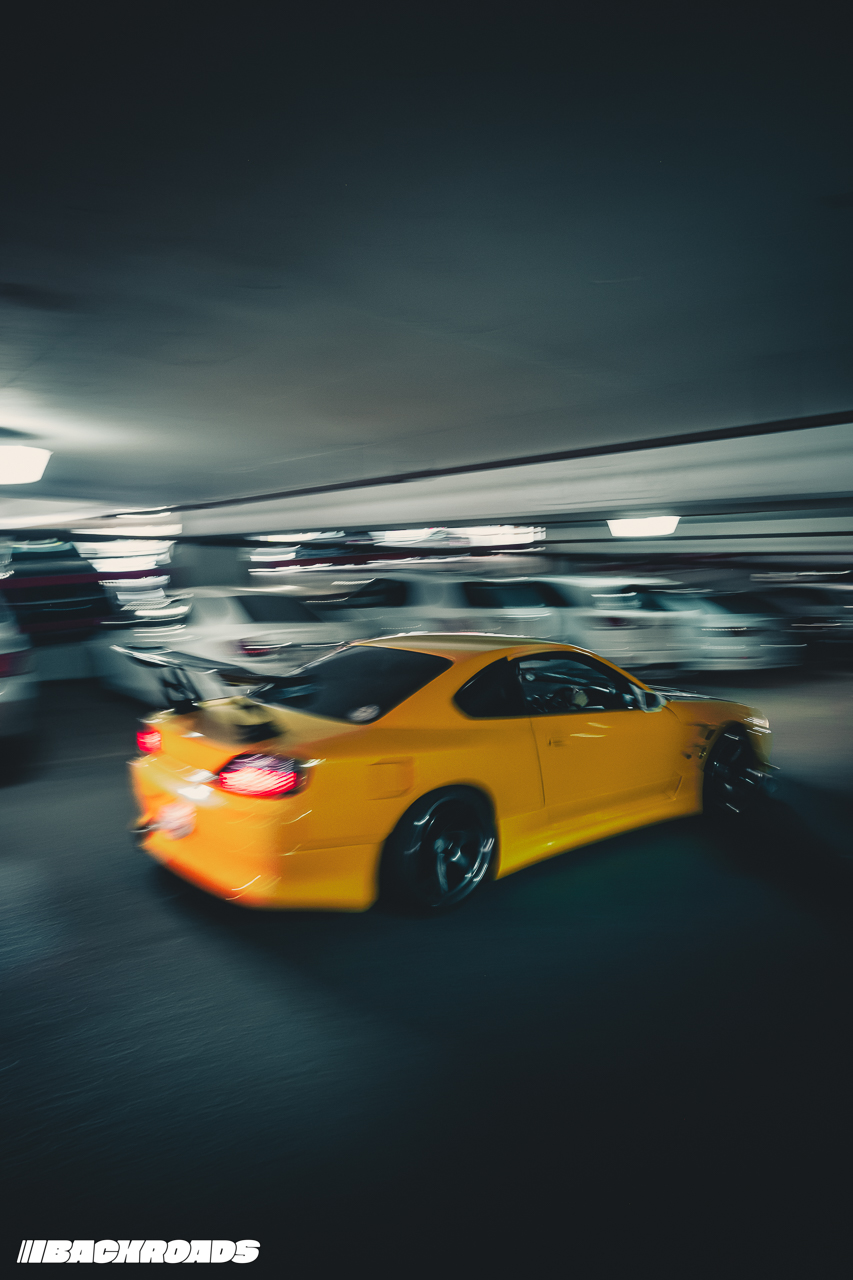
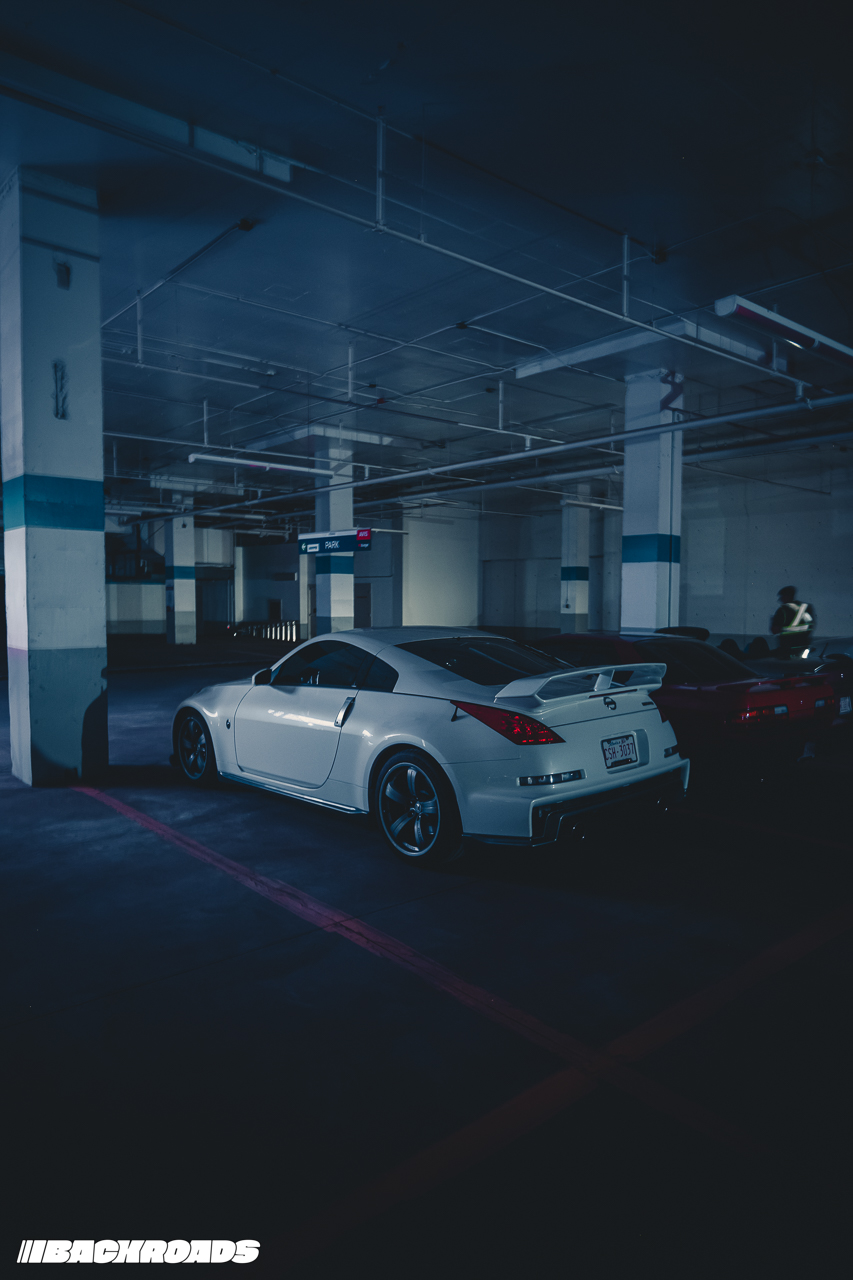
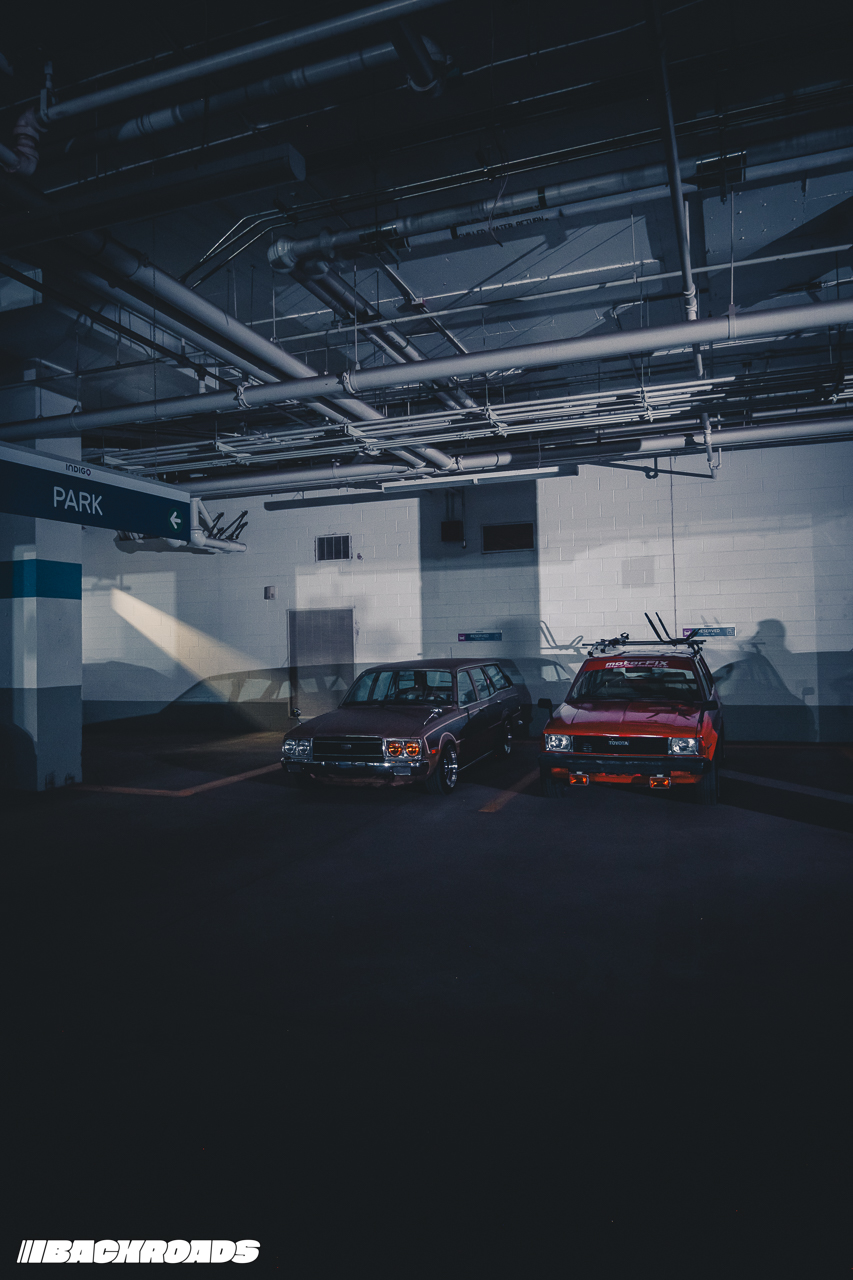
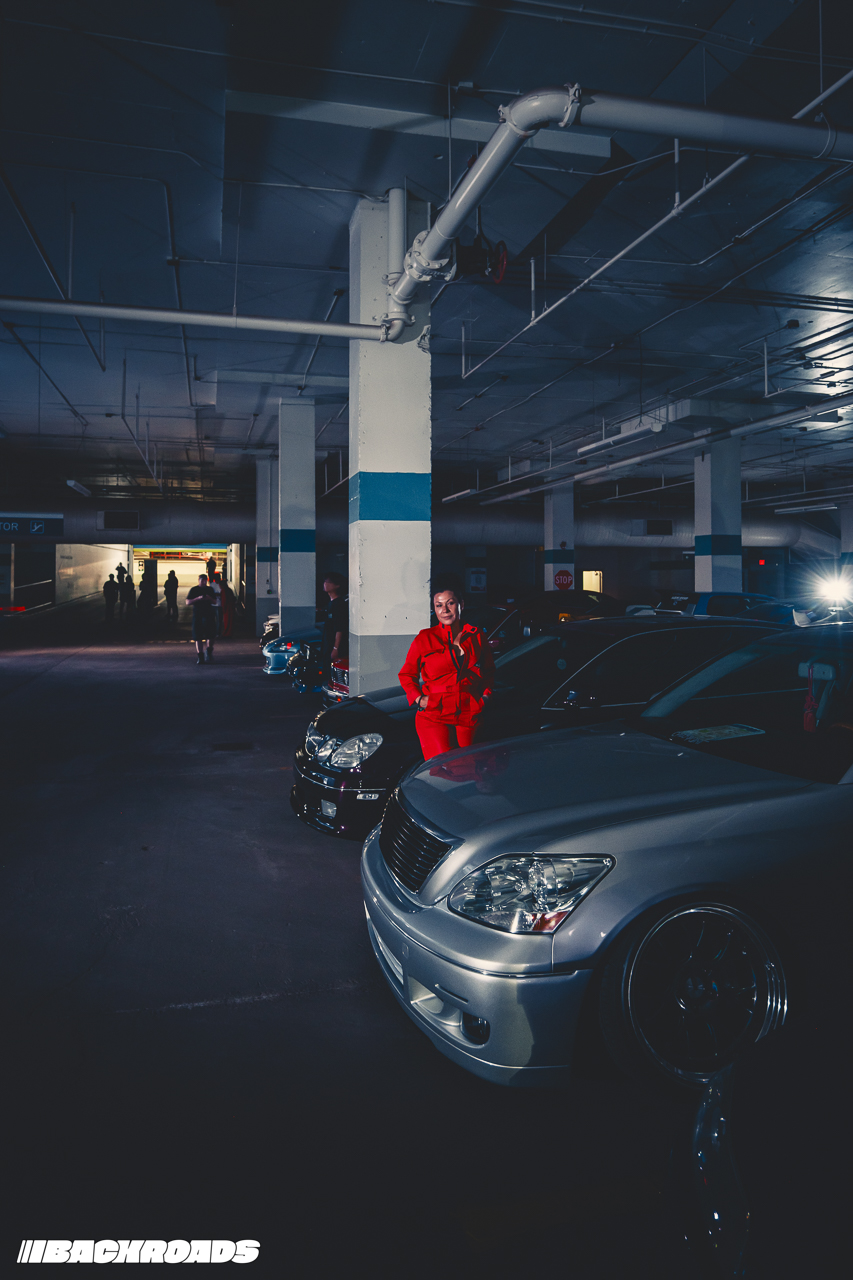
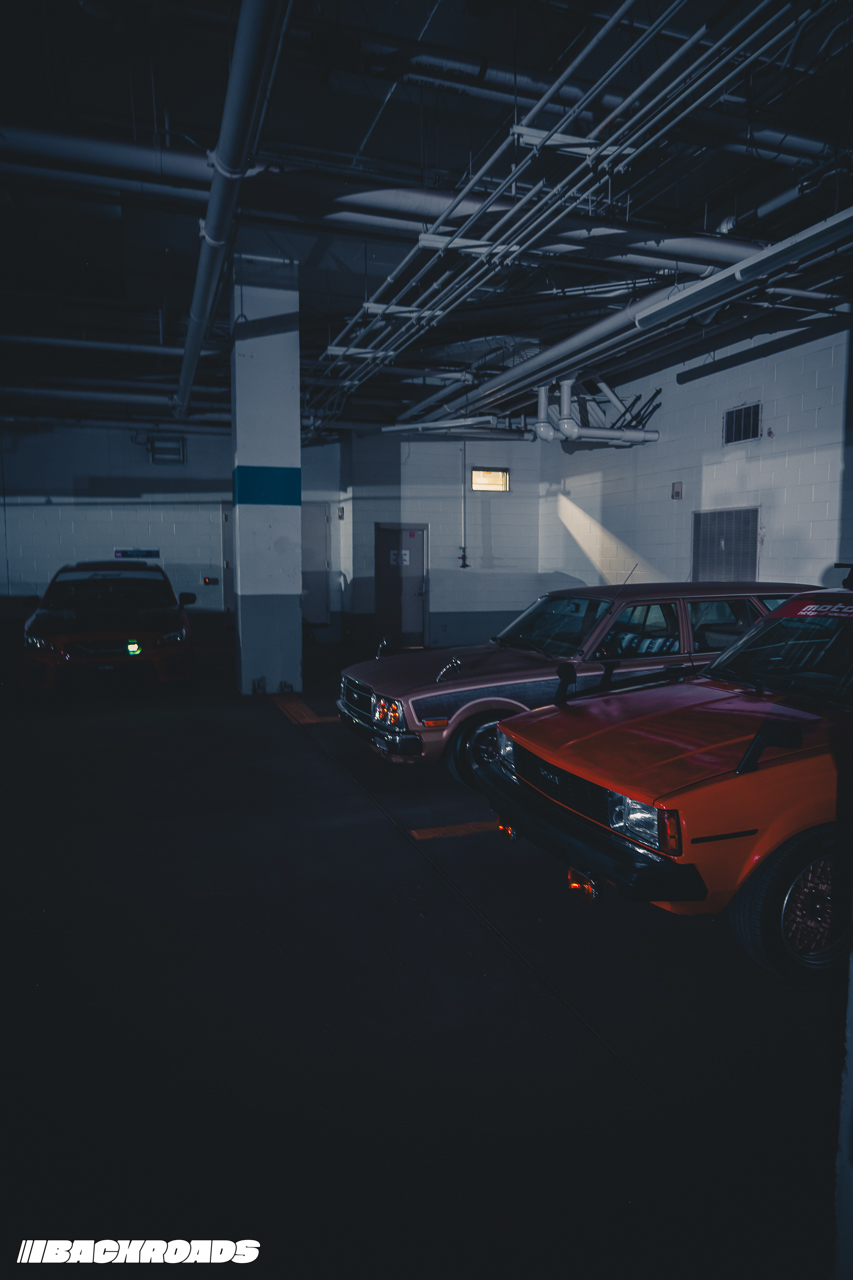
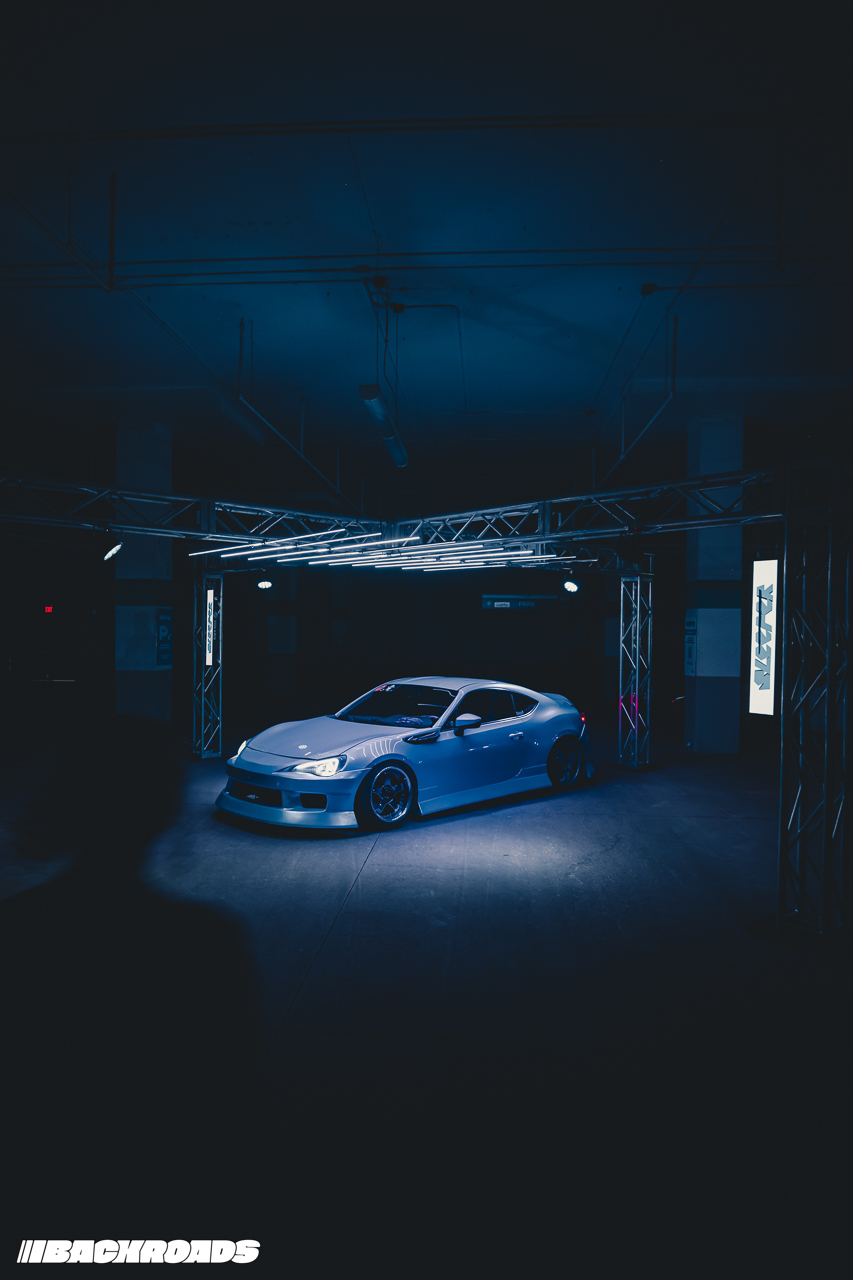
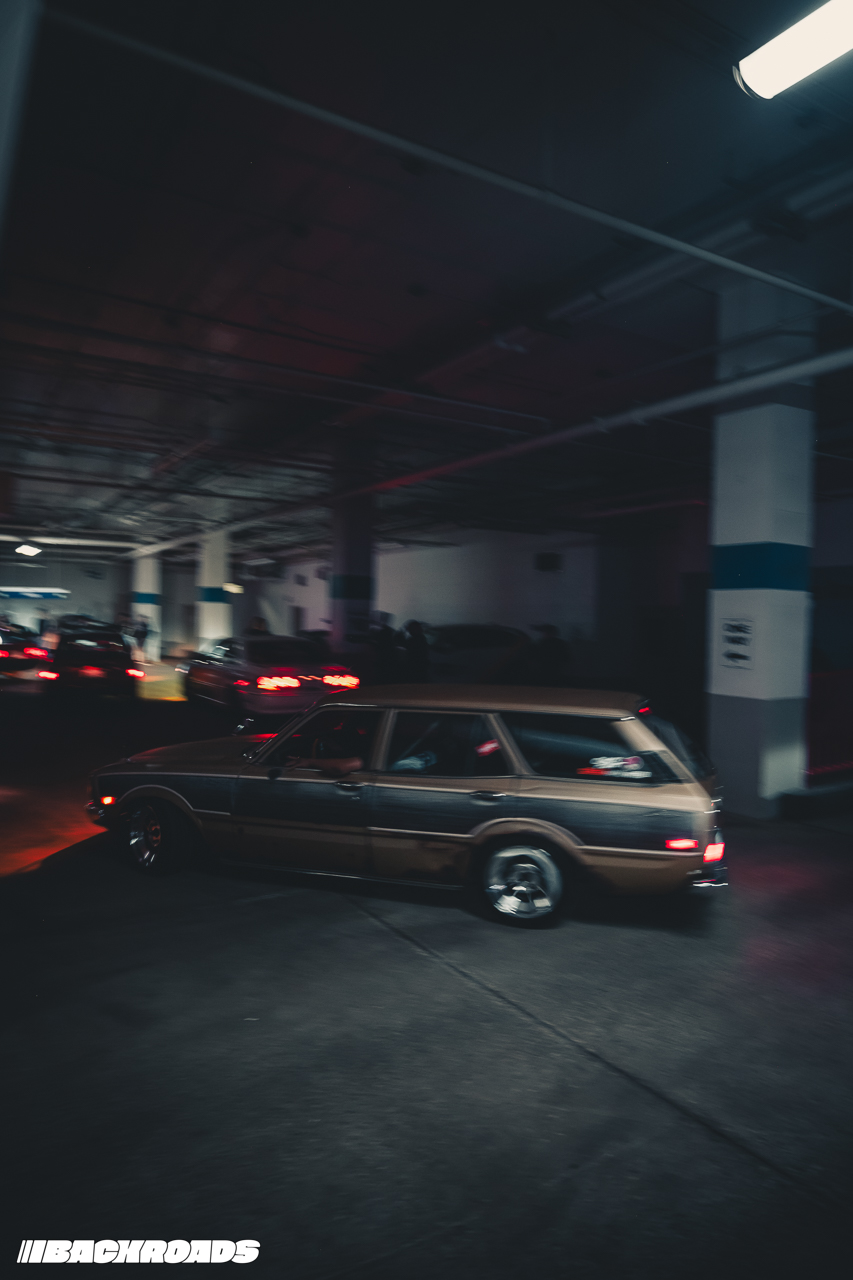
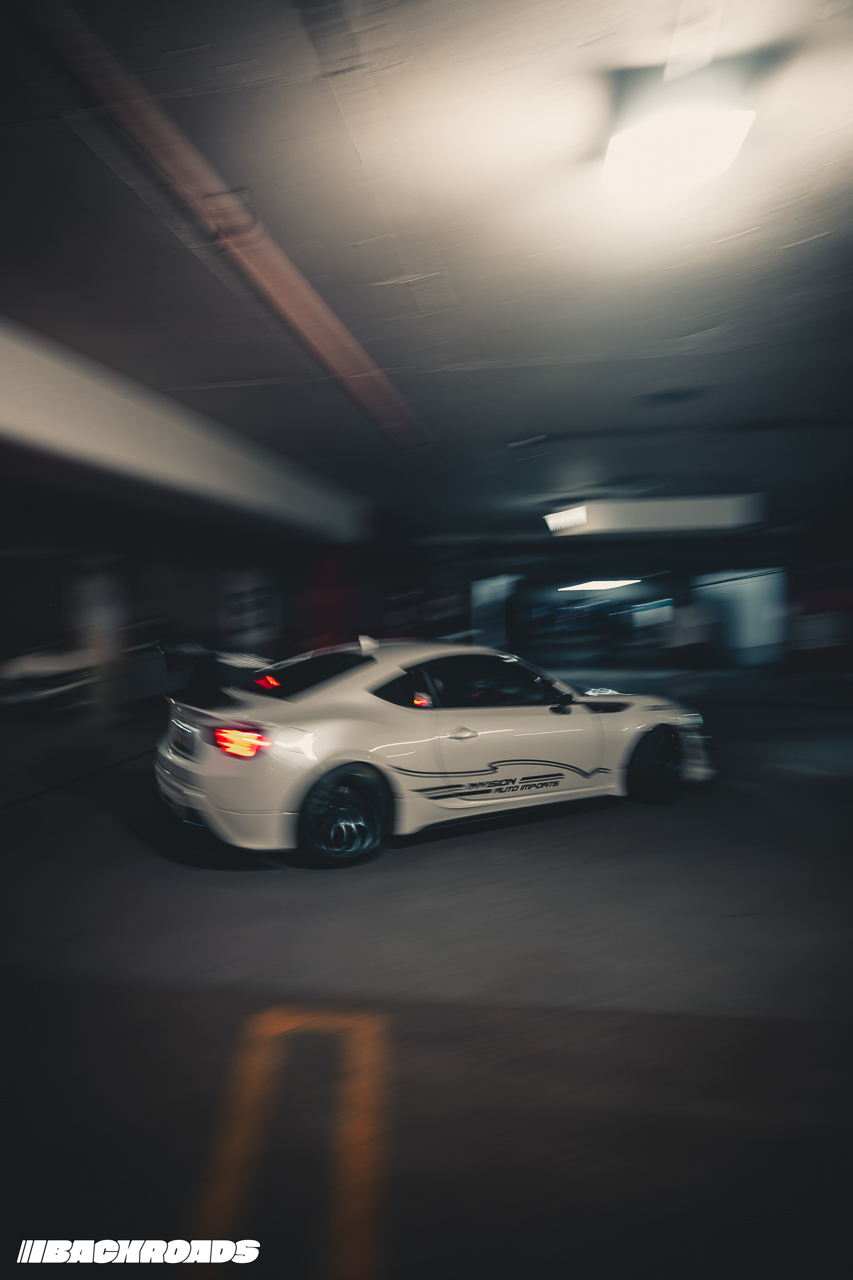
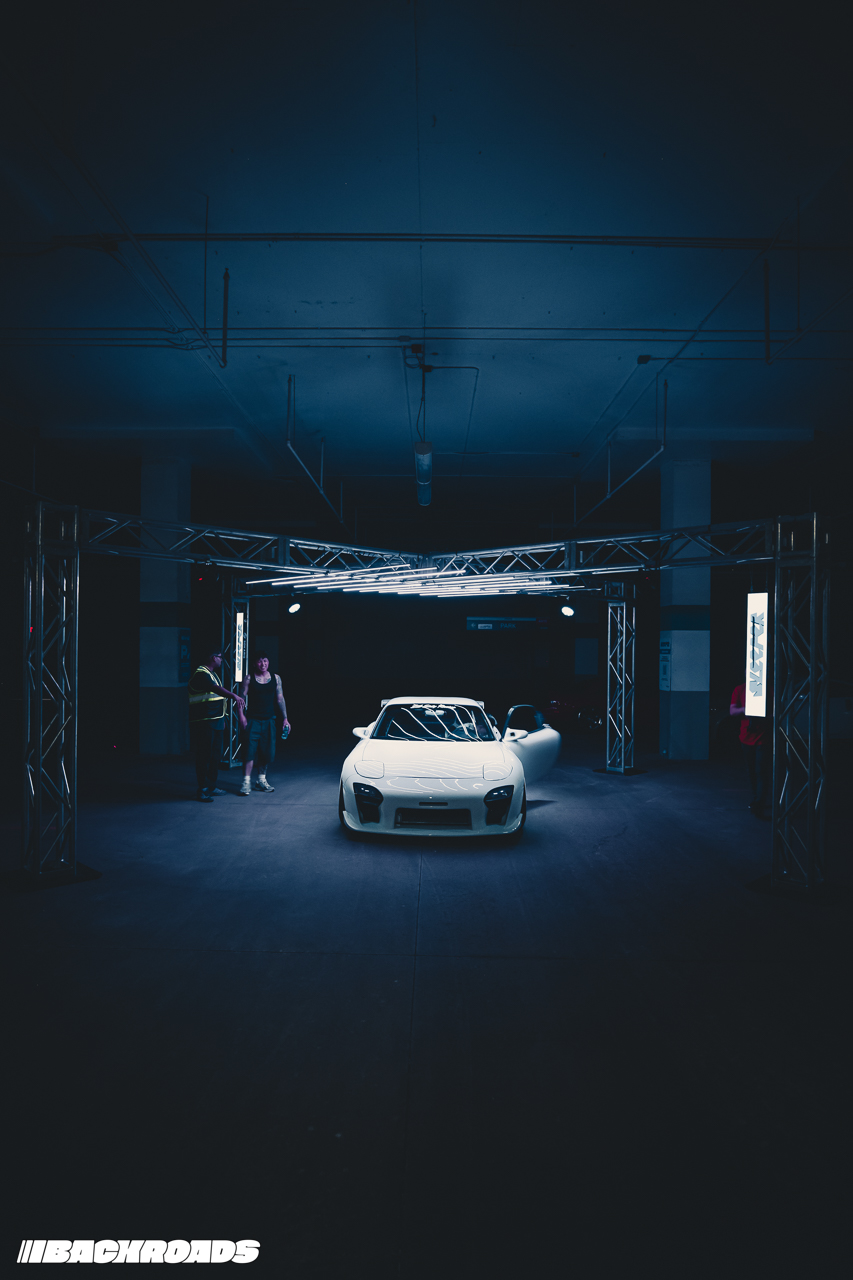
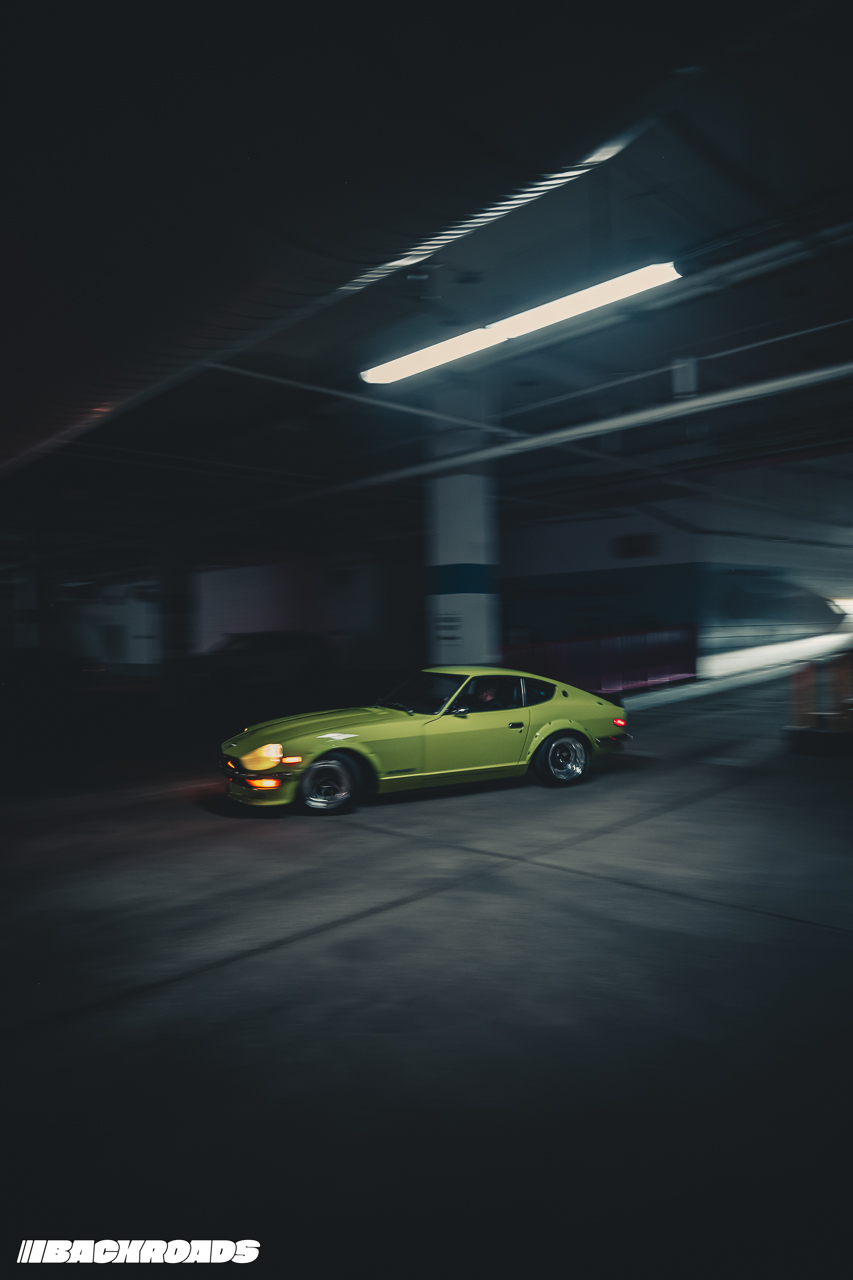
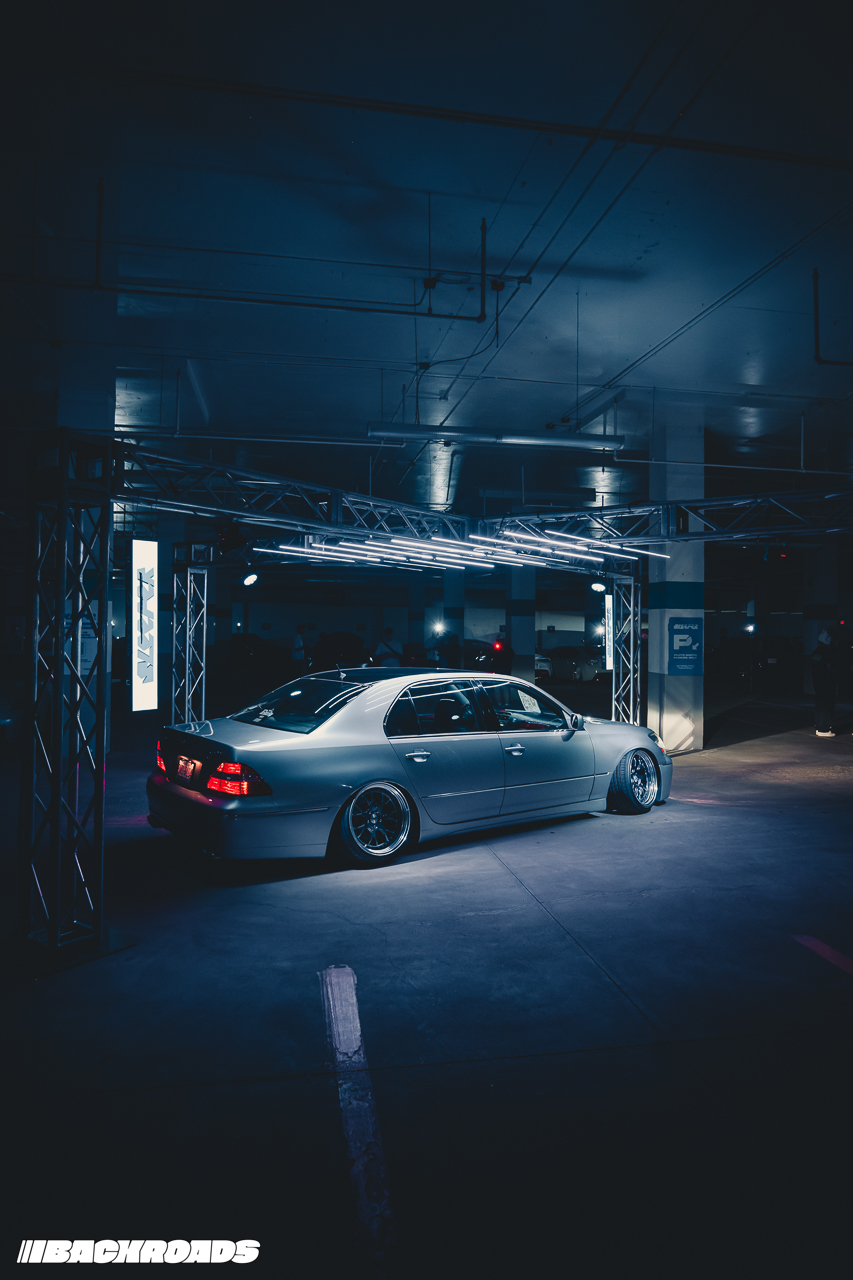
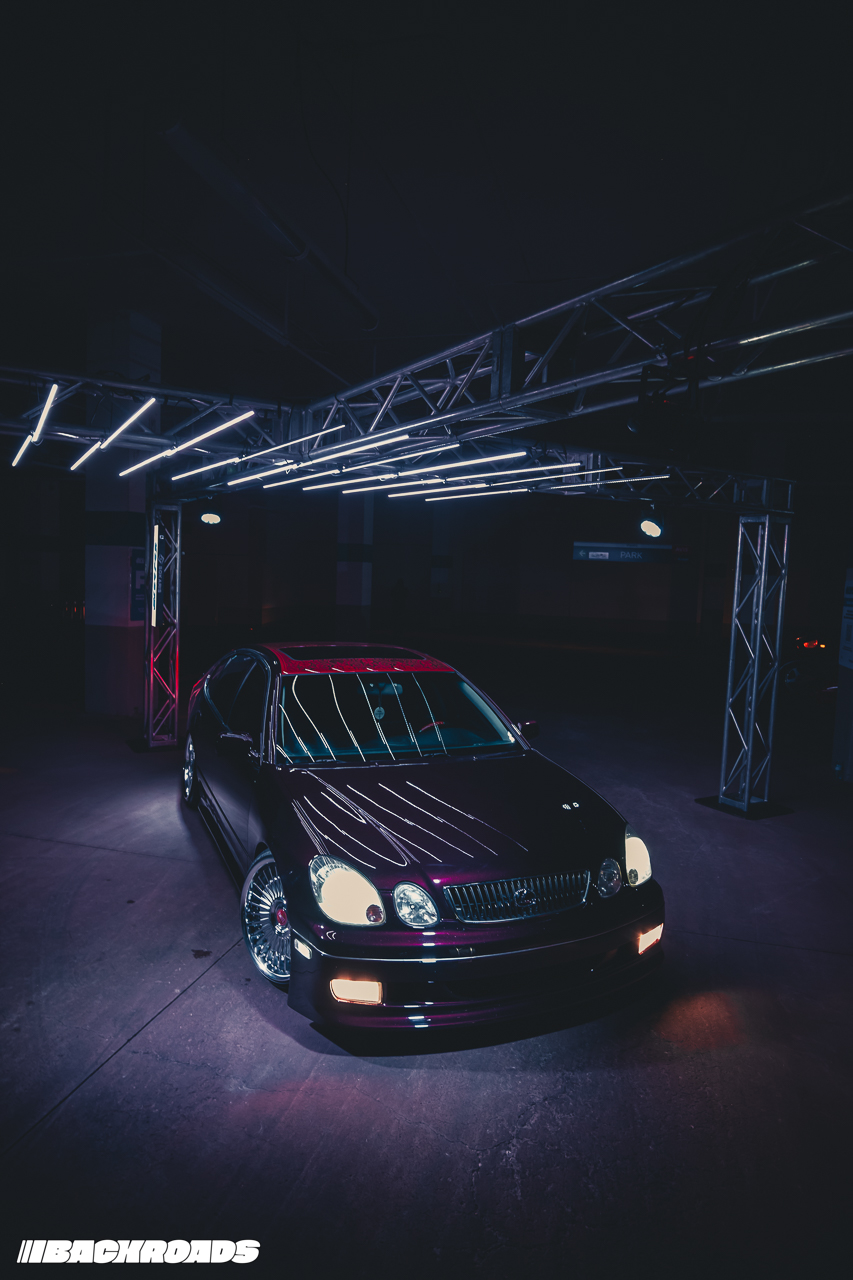
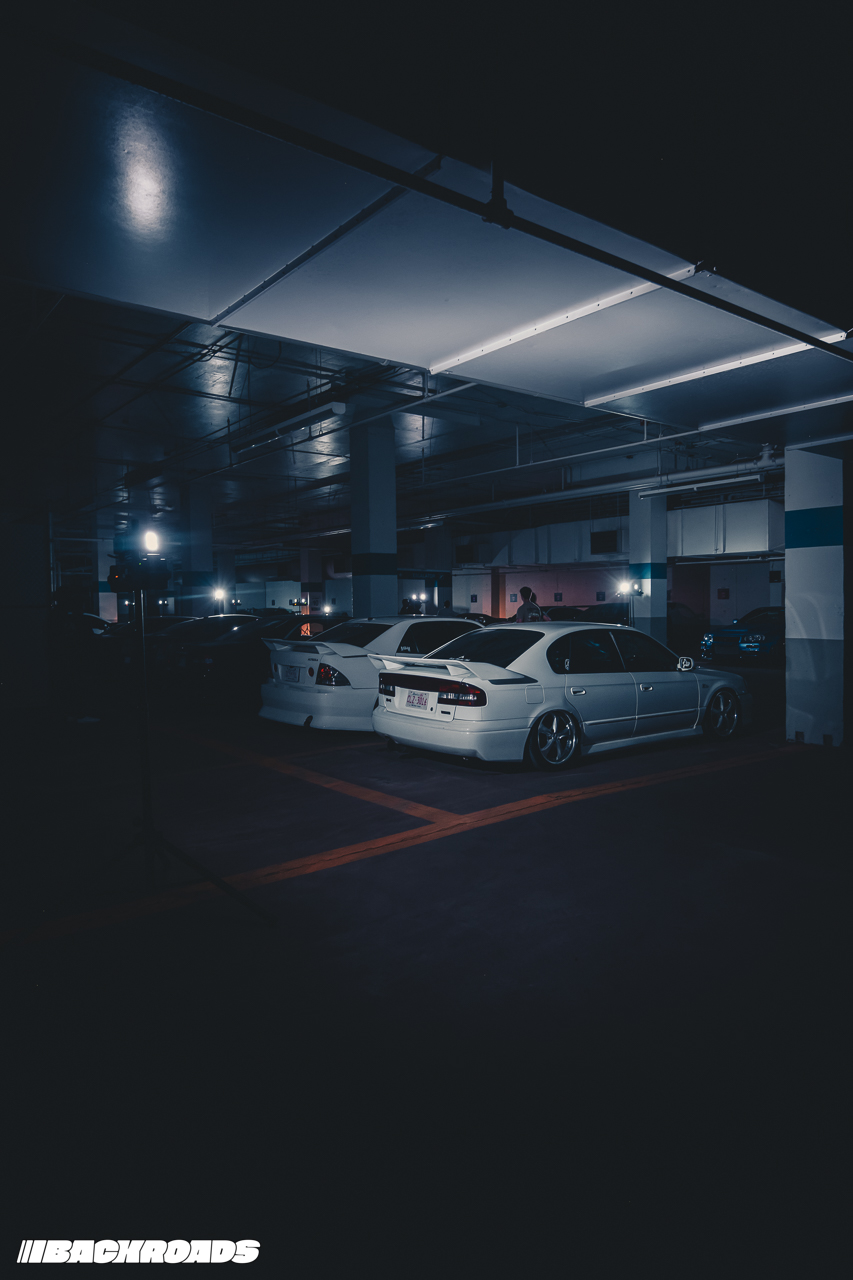
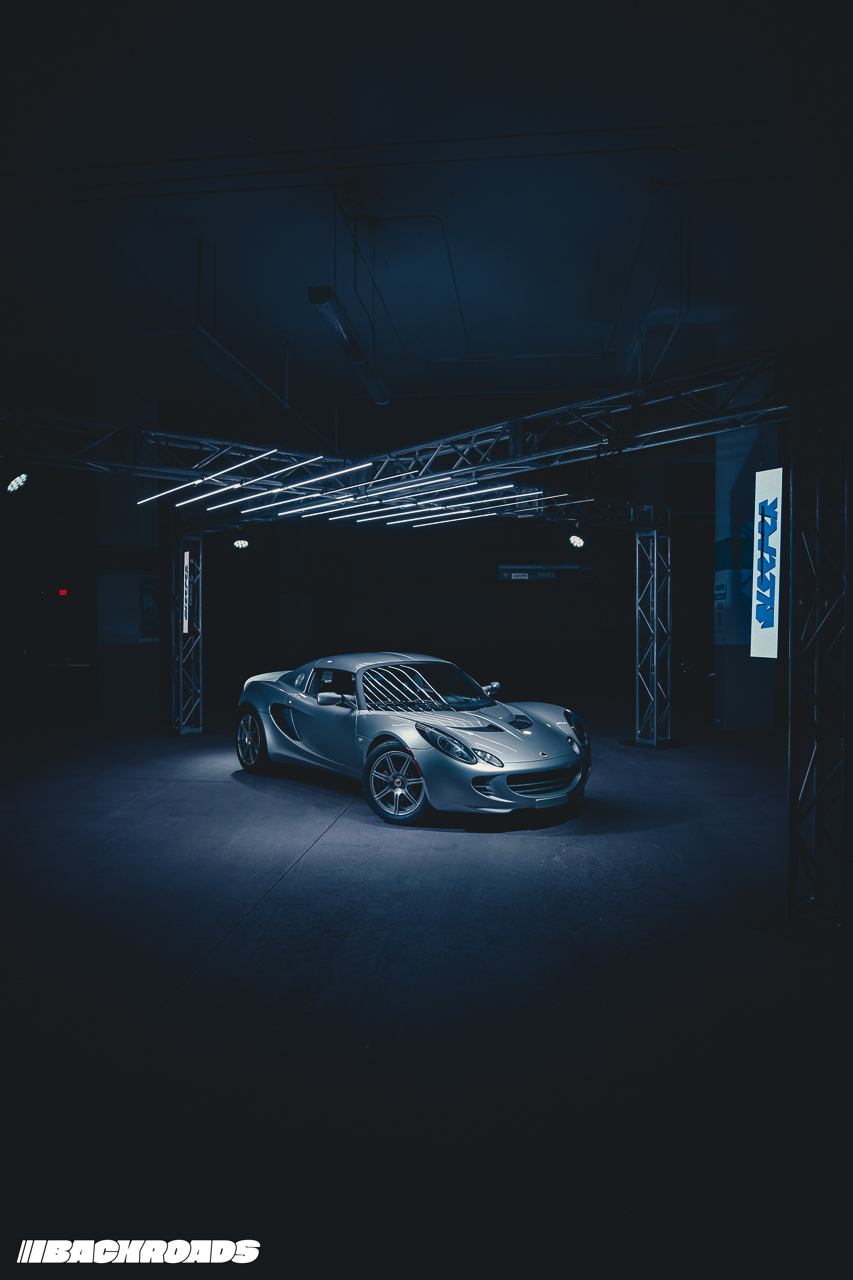
The mix of cars was broad, including drift builds, street setups, polished show cars and everything in between. The lighting cast warm highlights and deep shadows across the lineup, giving every car a presence that felt slightly heightened by the tight space. Cameras clicked constantly, and the photobooth printed keepsakes nonstop. Spectators wandered from car to car, creating a steady flow of foot traffic that never really slowed.
What stands out most about Sleeper is how Lex and Viv approach the cars they feature. They’re not primarily interested in numbers or technical breakdowns. They’re interested in character, what the car means to its owner, the world it lives in and the stories it can tell visually. Their “Gas Money” shoot with a 1978 Toyota Corona Wagon is a perfect example. It wasn’t just about the car. It was about the friends, the skateboards, the summer vibe surrounding it. The car became the setting, not the whole narrative.
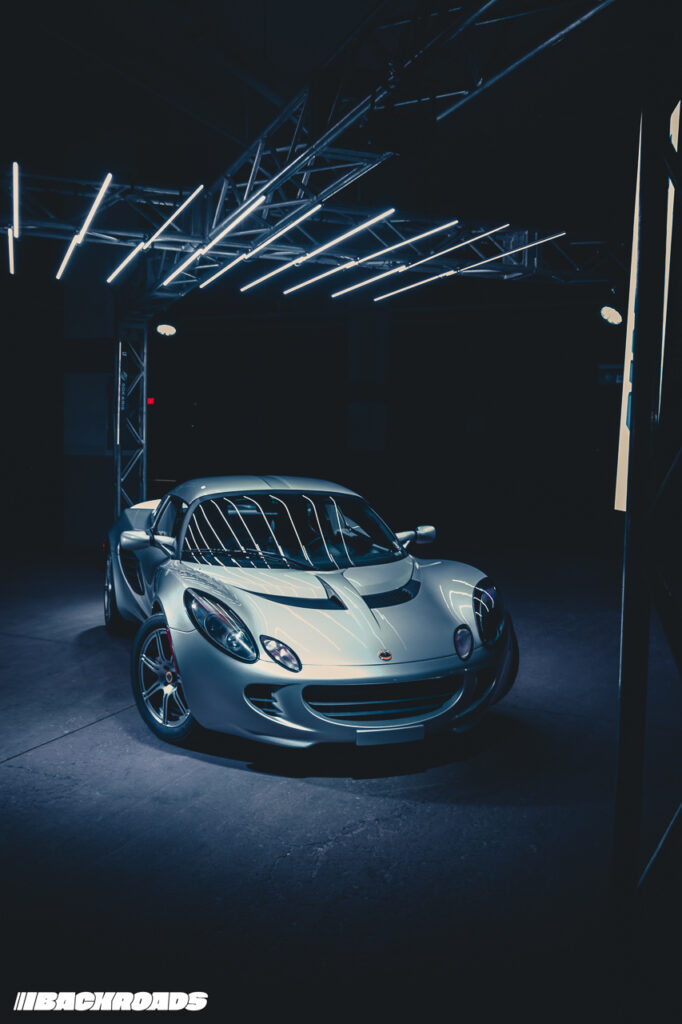
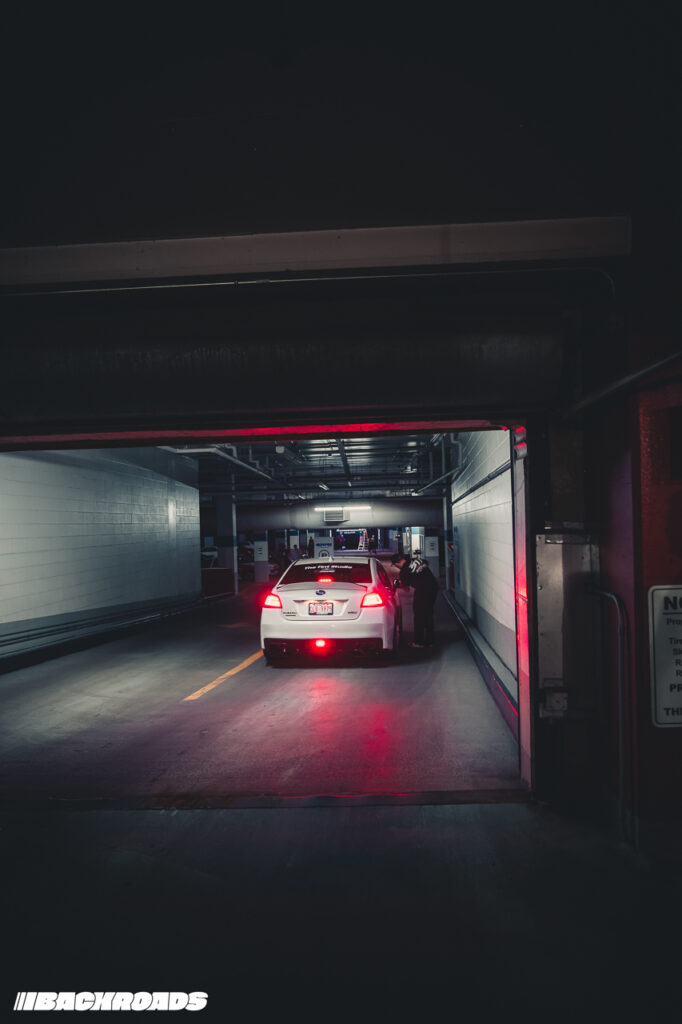
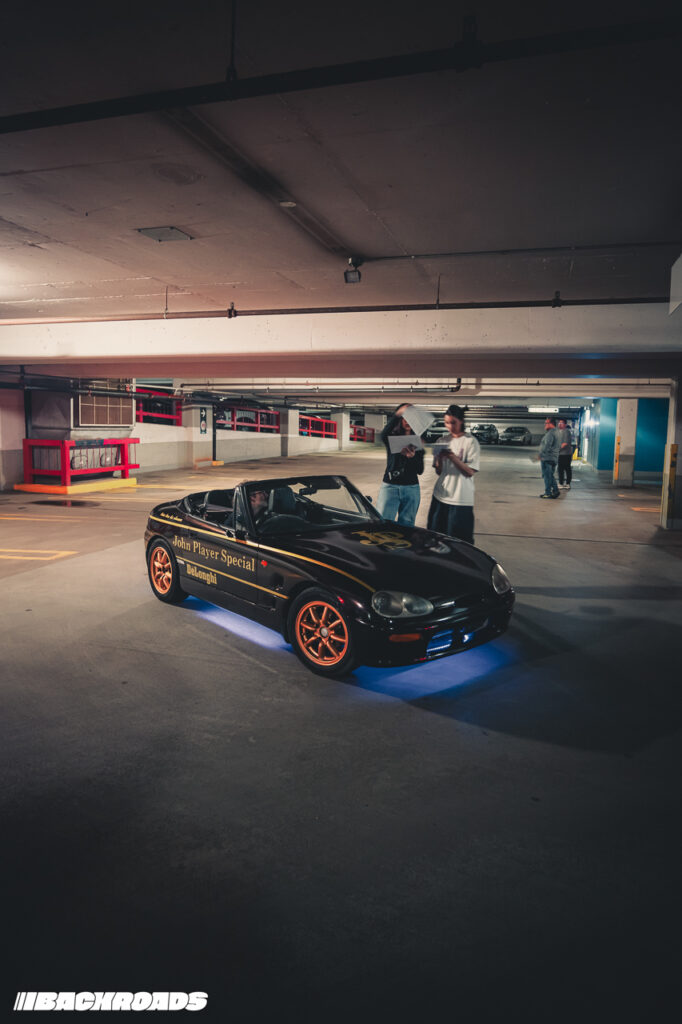
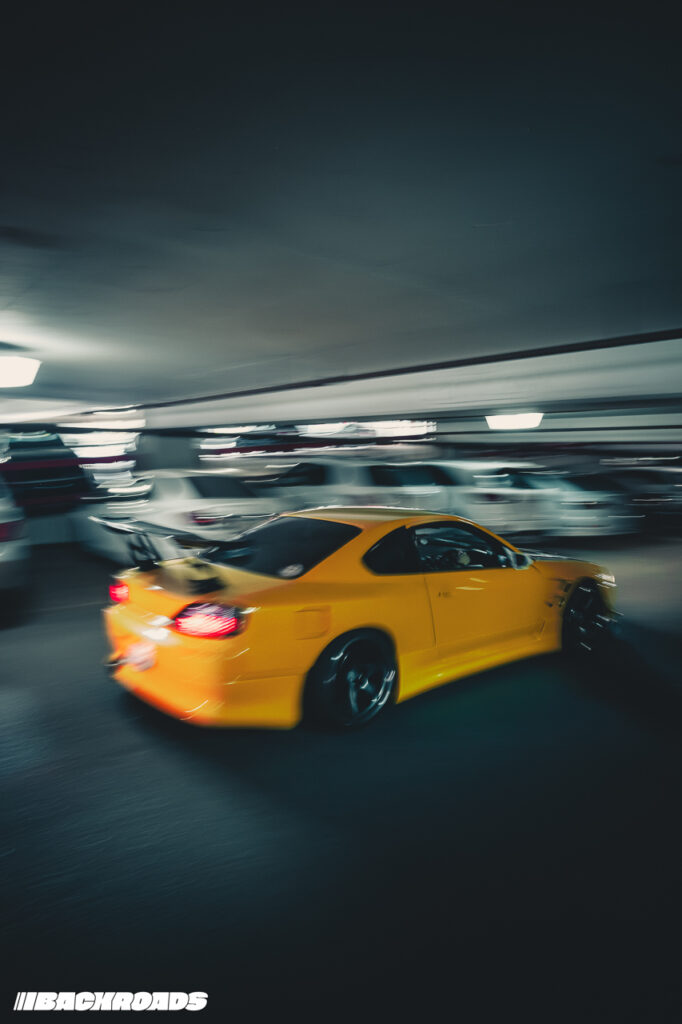
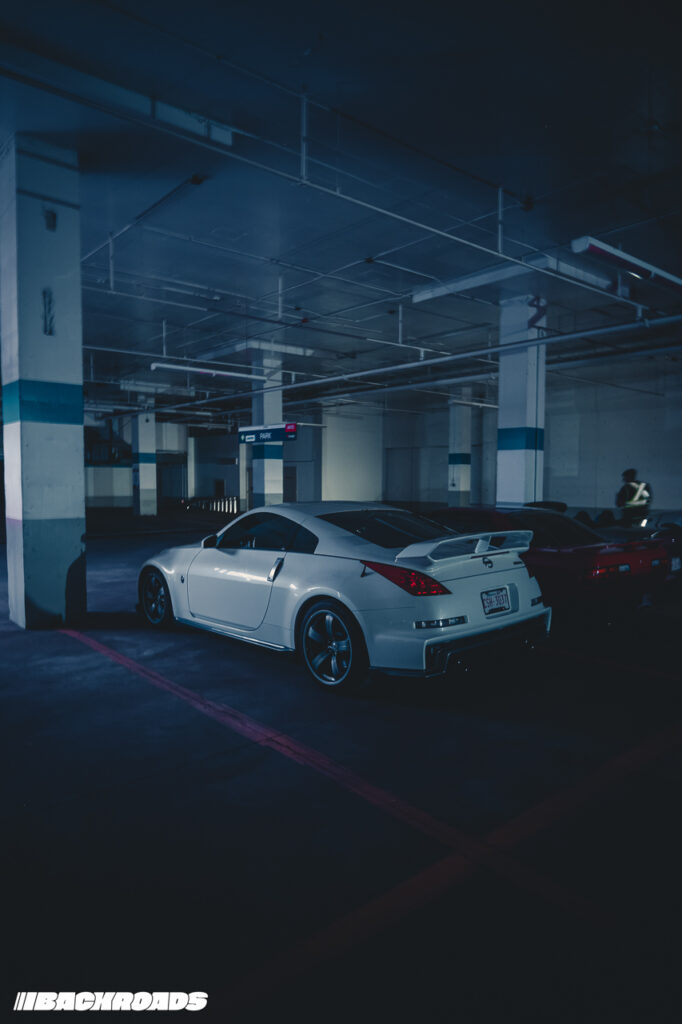
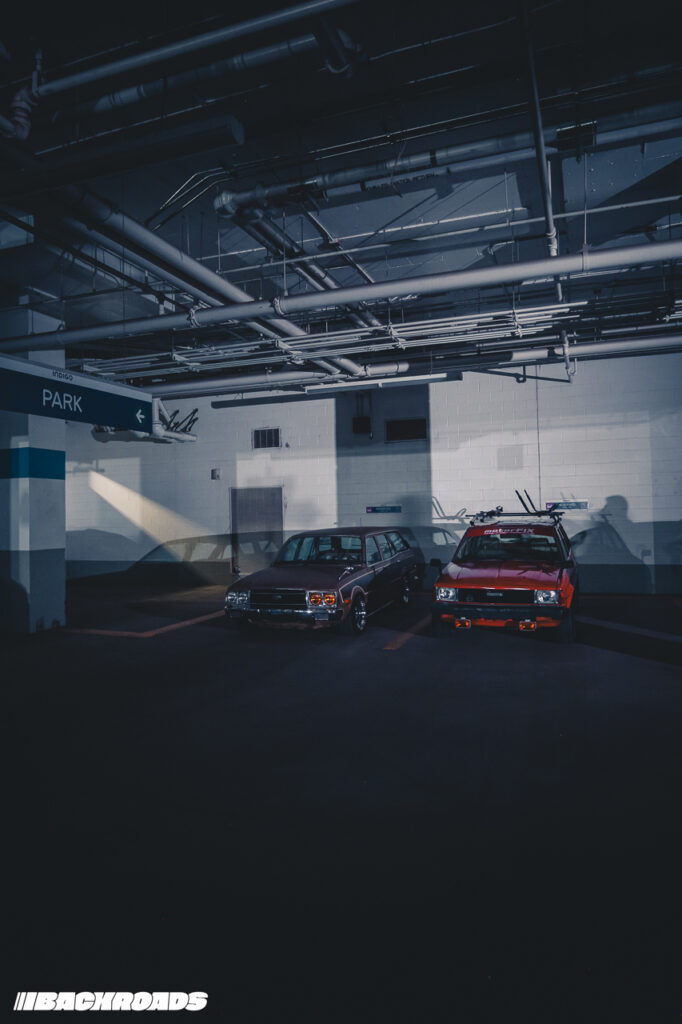
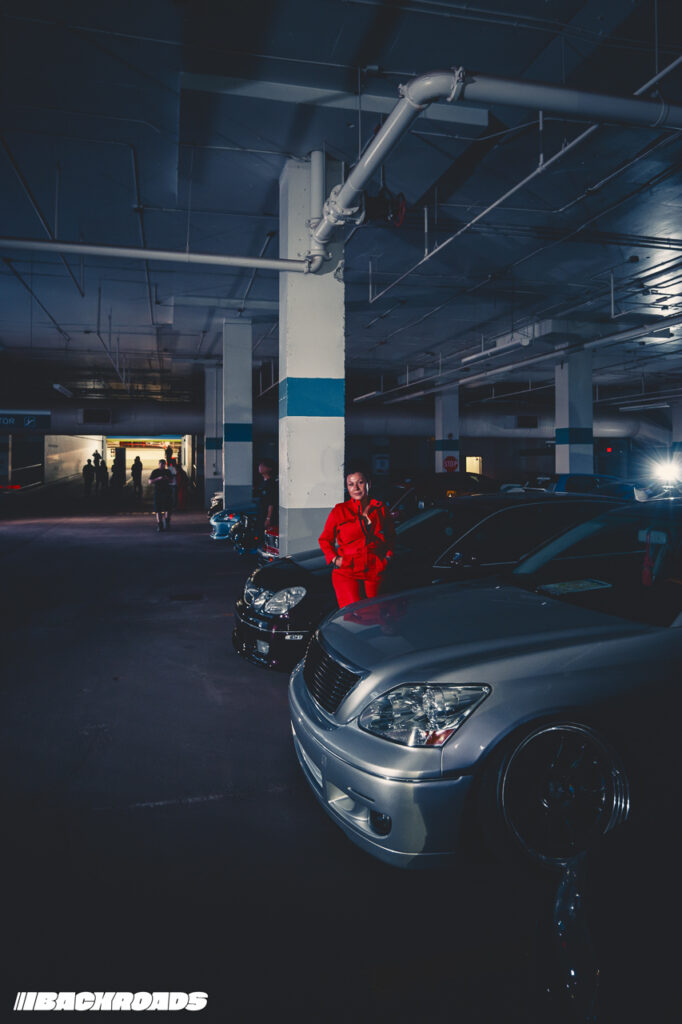
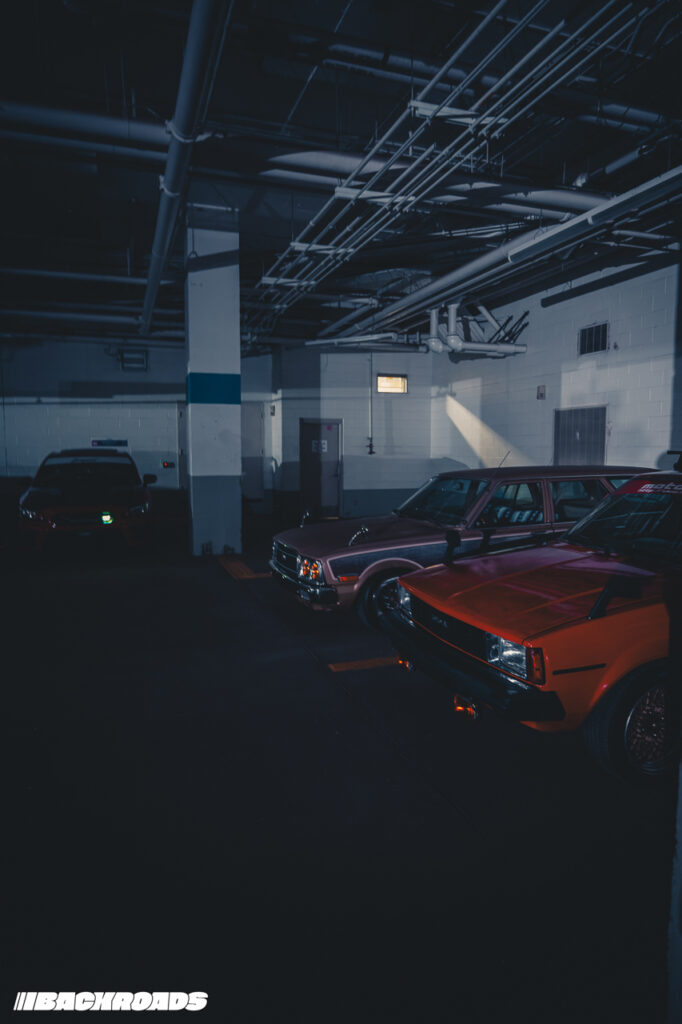
That philosophy resonated at the launch. Several attendees mentioned they’d never seen their cars documented in such a thoughtful way, or that the event felt like something usually reserved for larger cities. For Edmonton, Canada’s talented, dedicated and often underrepresented car community, that validation mattered. The launch felt like more than the start of a magazine. It felt like a marker for where the scene was heading.
As for what comes next, Lex and Viv are keeping things open, but not vague. They want to travel, tell stories in new places and eventually expand Sleeper into more events and creative experiences that connect back to the magazine’s identity. Nothing rushed, nothing forced, just steady, intentional growth with the right people.
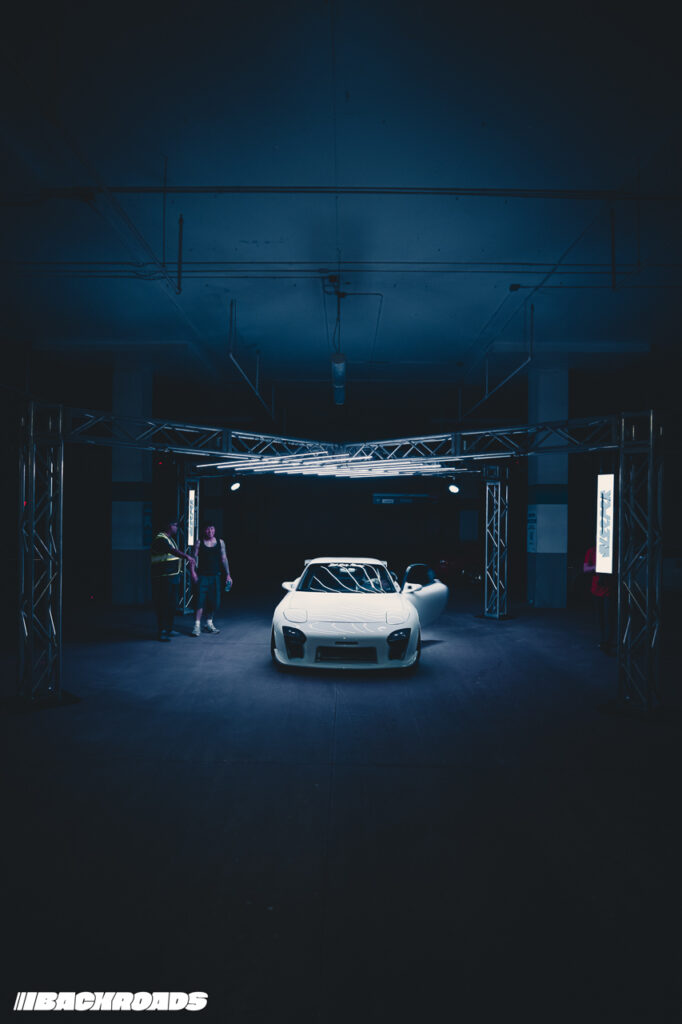
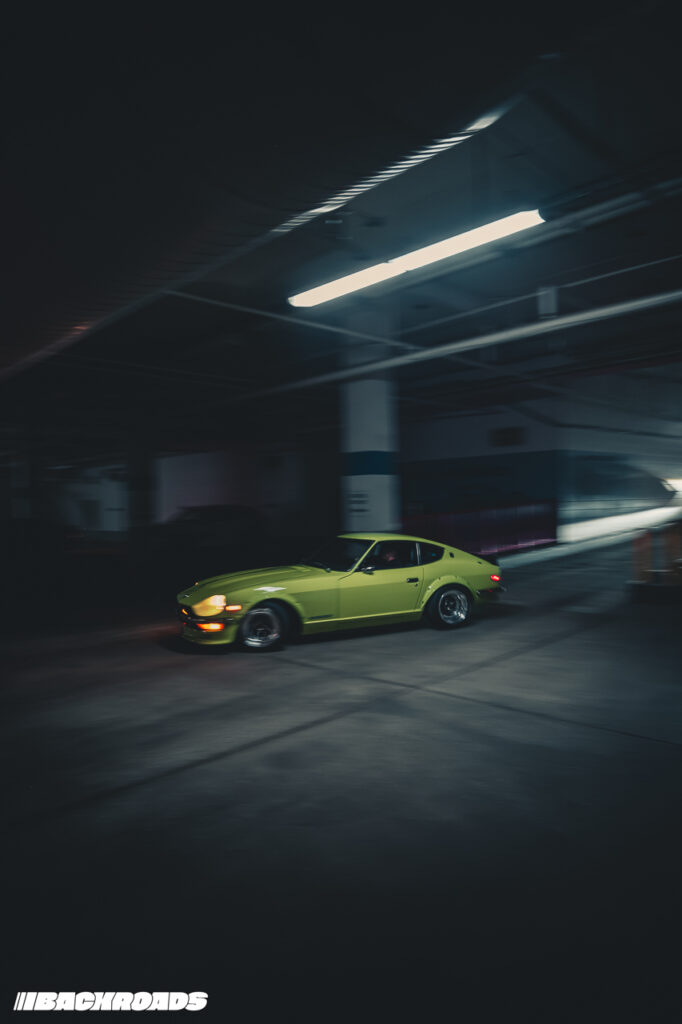
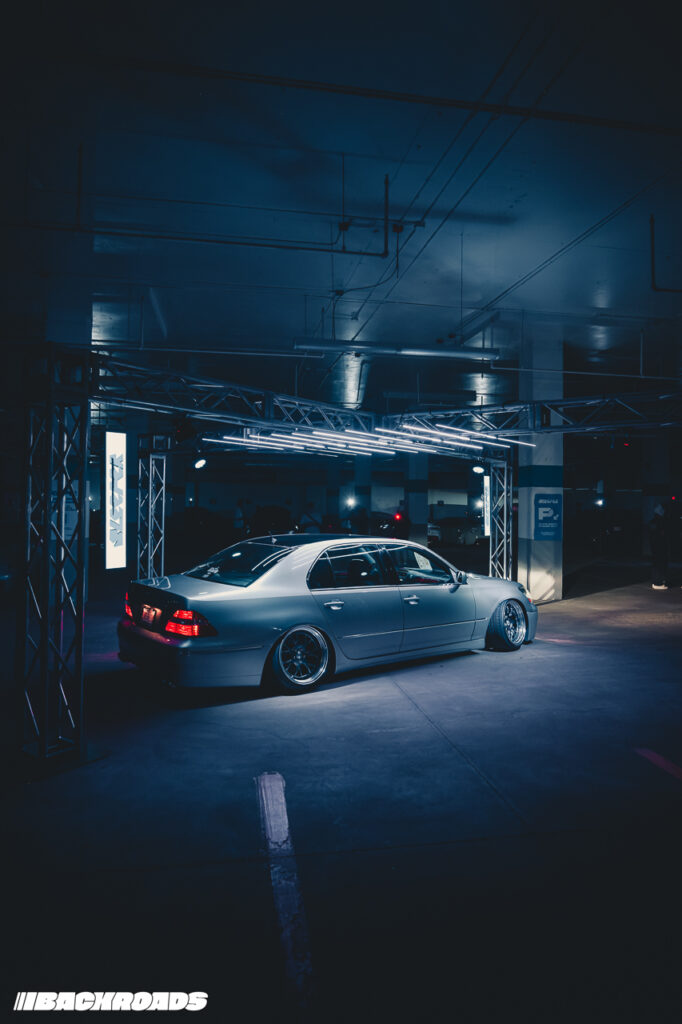
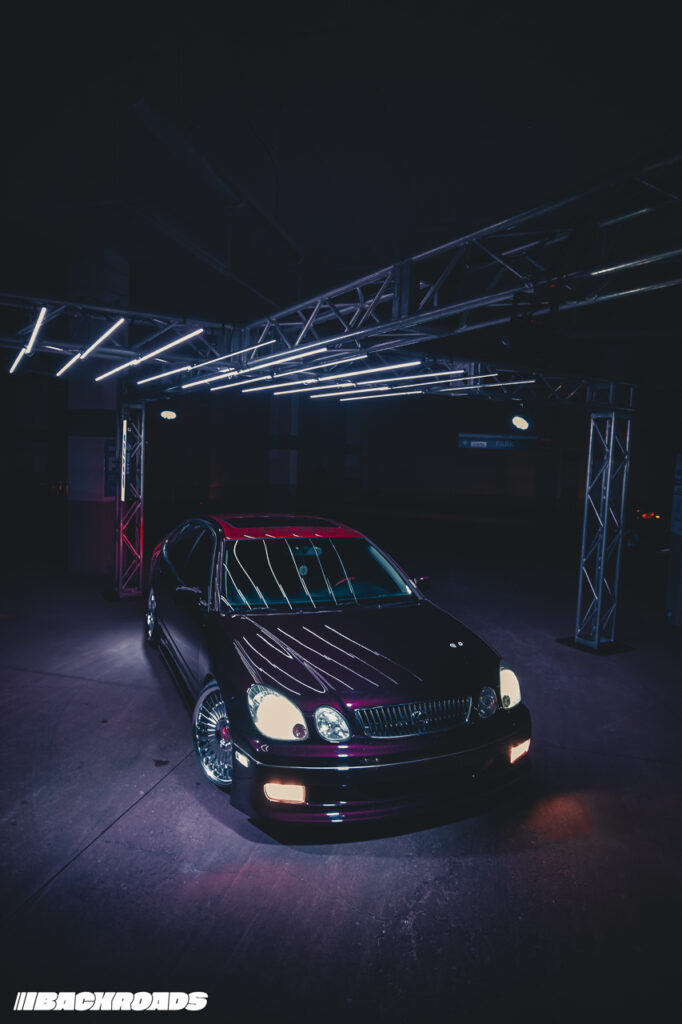
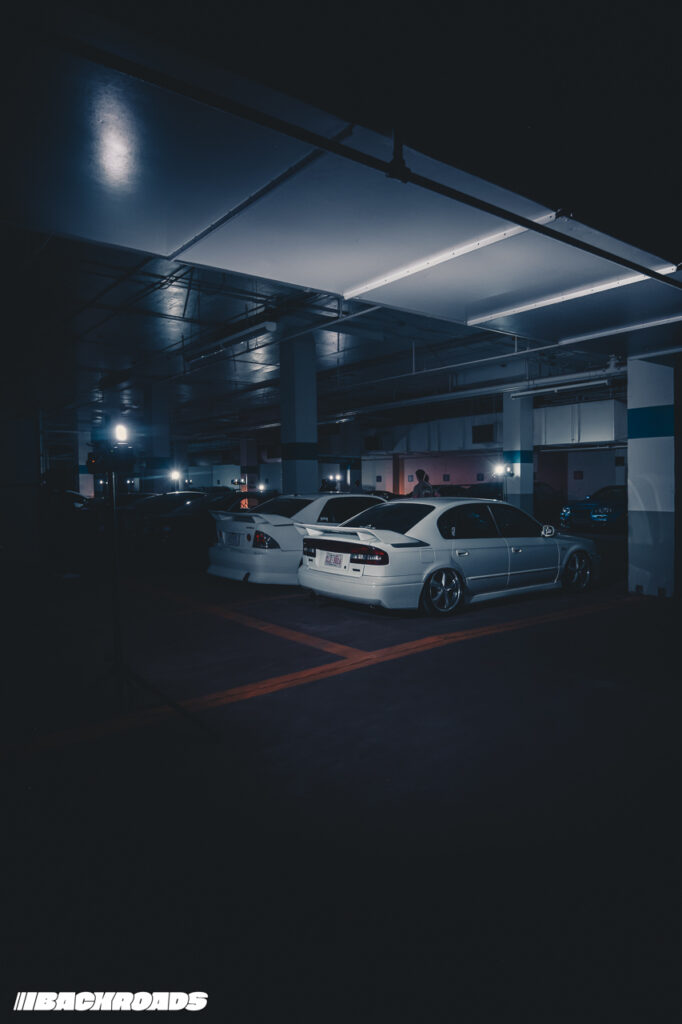
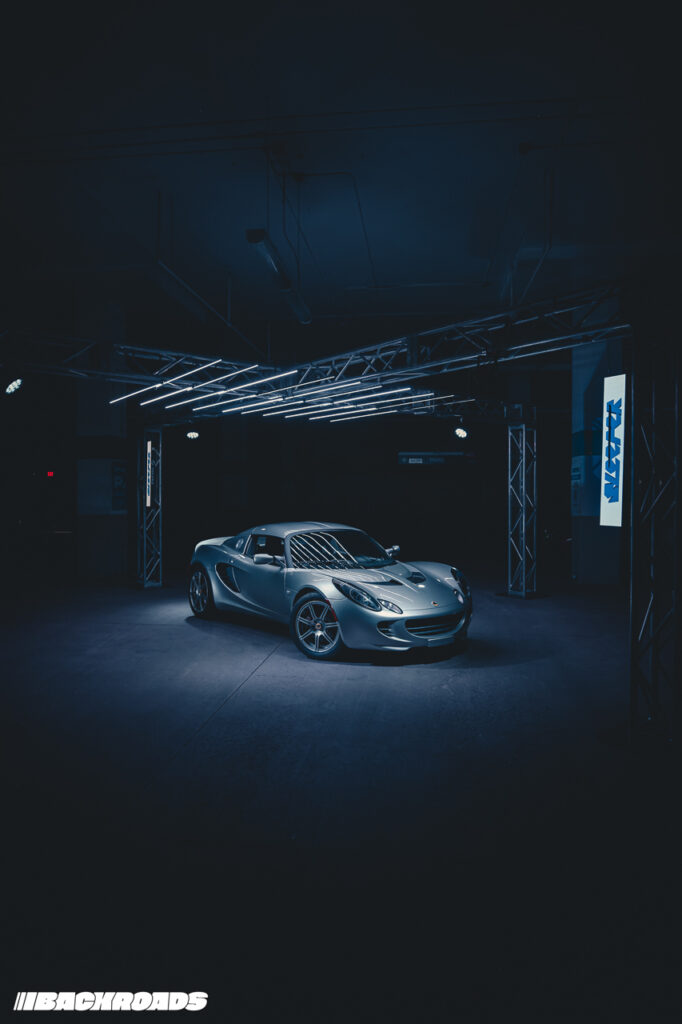
In the heat of that underground parkade, surrounded by builds, spectators and the constant echo of movement, Sleeper Magazine made its first real impression. It wasn’t loud for the sake of being loud and it wasn’t pretending to be bigger than it is.
It was an honest, authentic start to documenting car culture in a way that feels personal again – a reminder of why print, community, and good storytelling still matter.



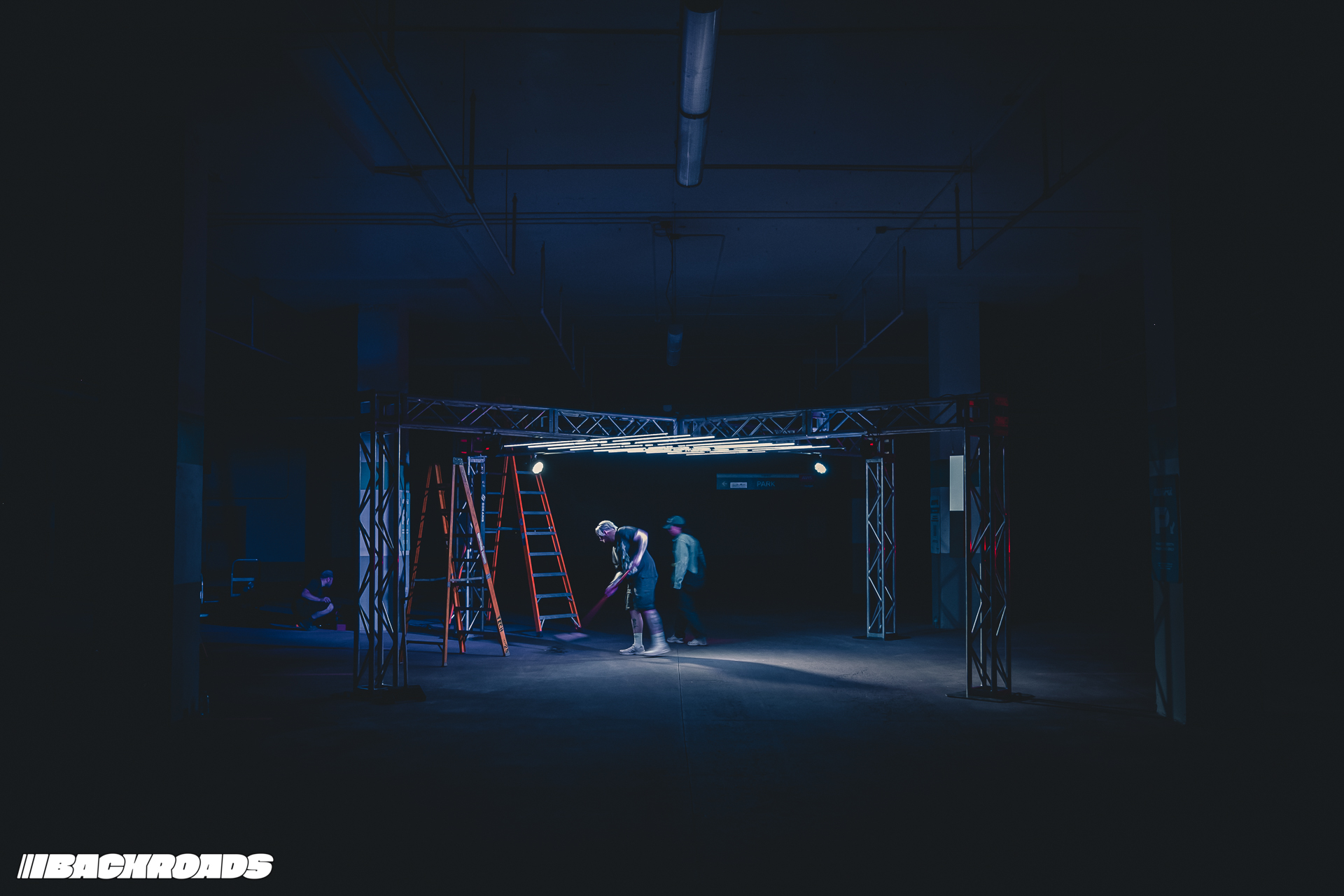
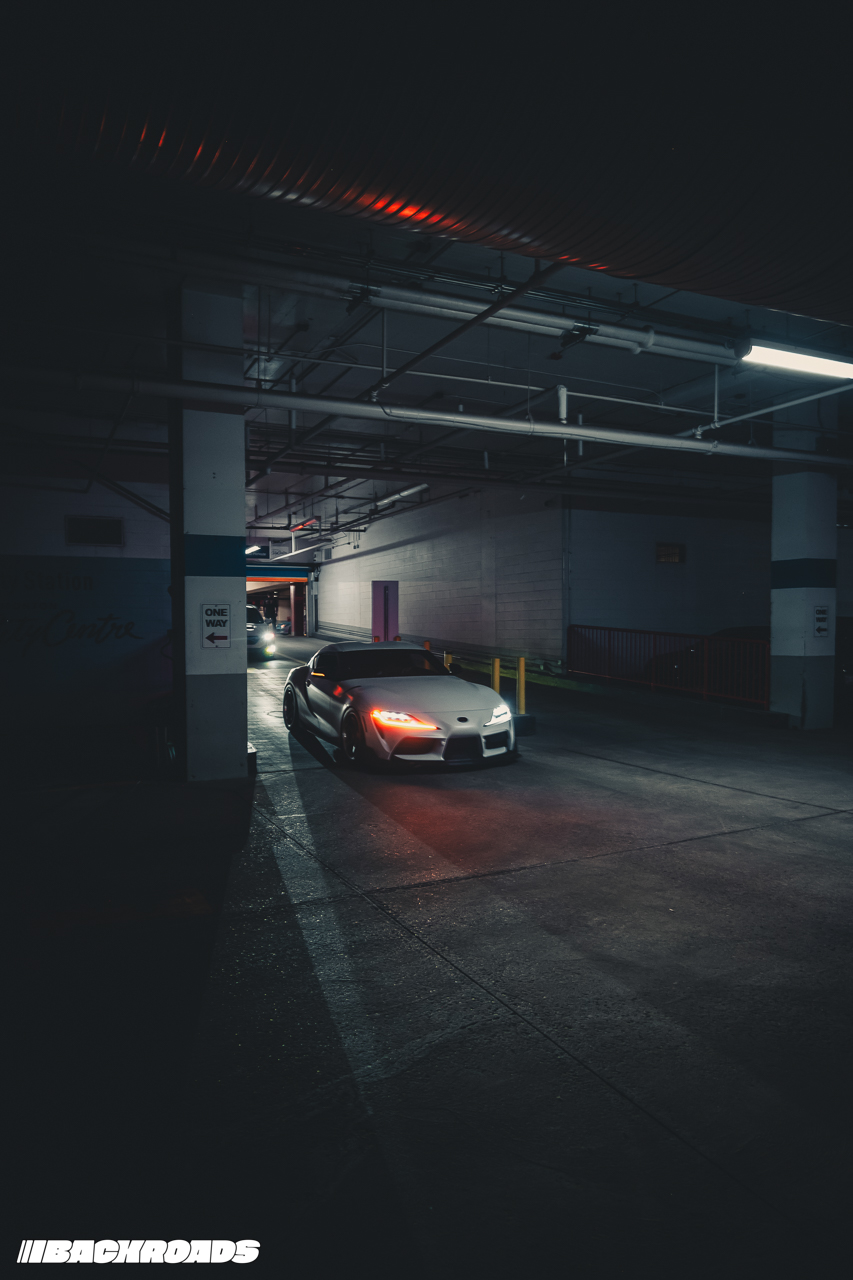



In a space where it seems like there’s more decay than growth, it’s always cool to see something new come together. 👍
Edmonton’s car scene specifically has gone through its up’s and down’s, but in my opinion it’s now better than it’s ever been.
So cool cars in this feature! I would love to read this magazine. Also very interesting to get a glimpse of car culture in Canada 🙂
Kind regards from Sweden!
I would love to check out Sweden’s scene!
The parking garage with the lighting in the background brings back Y2k vibes it’s like seeing the tuner scene becoming reborn again