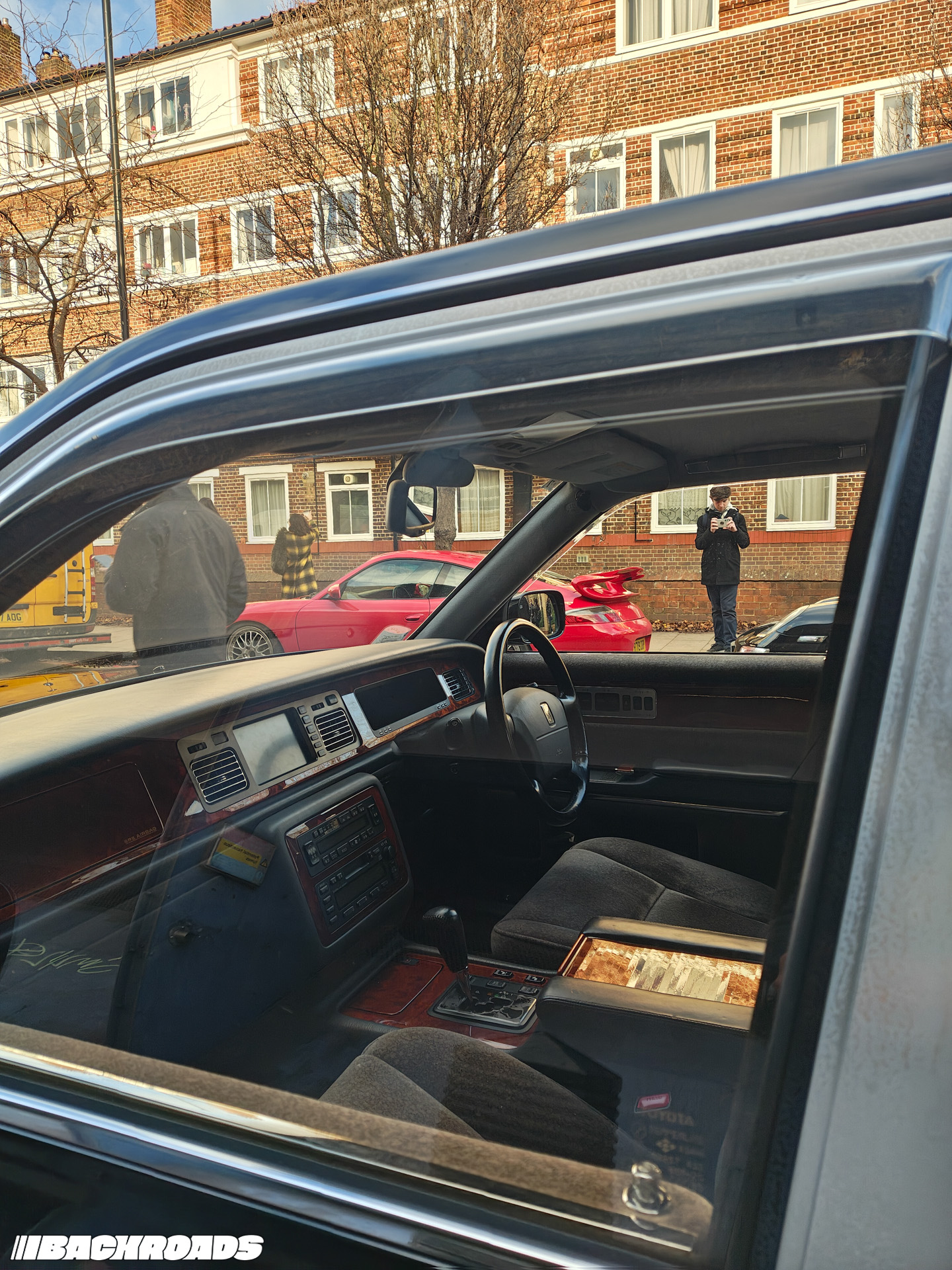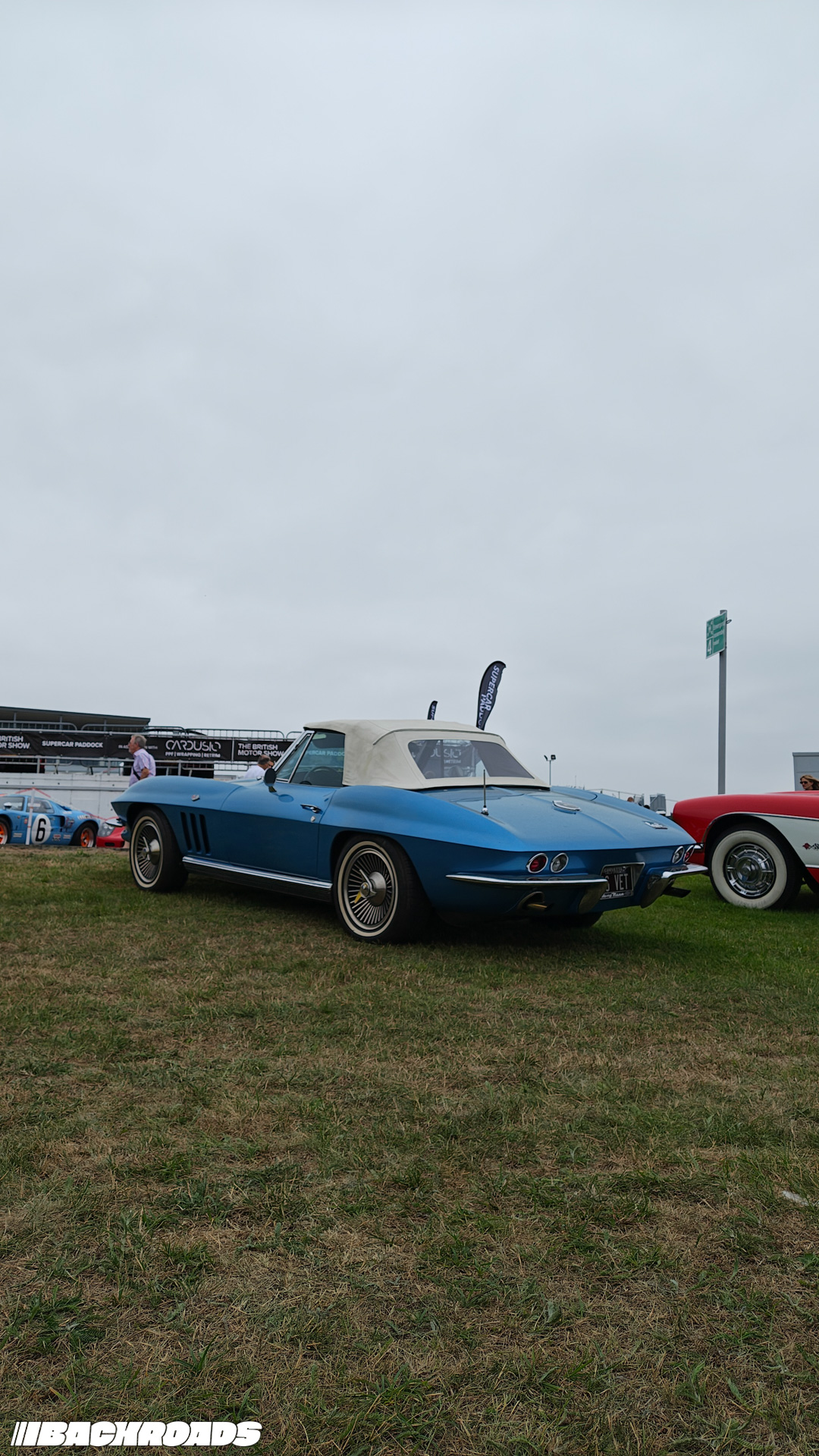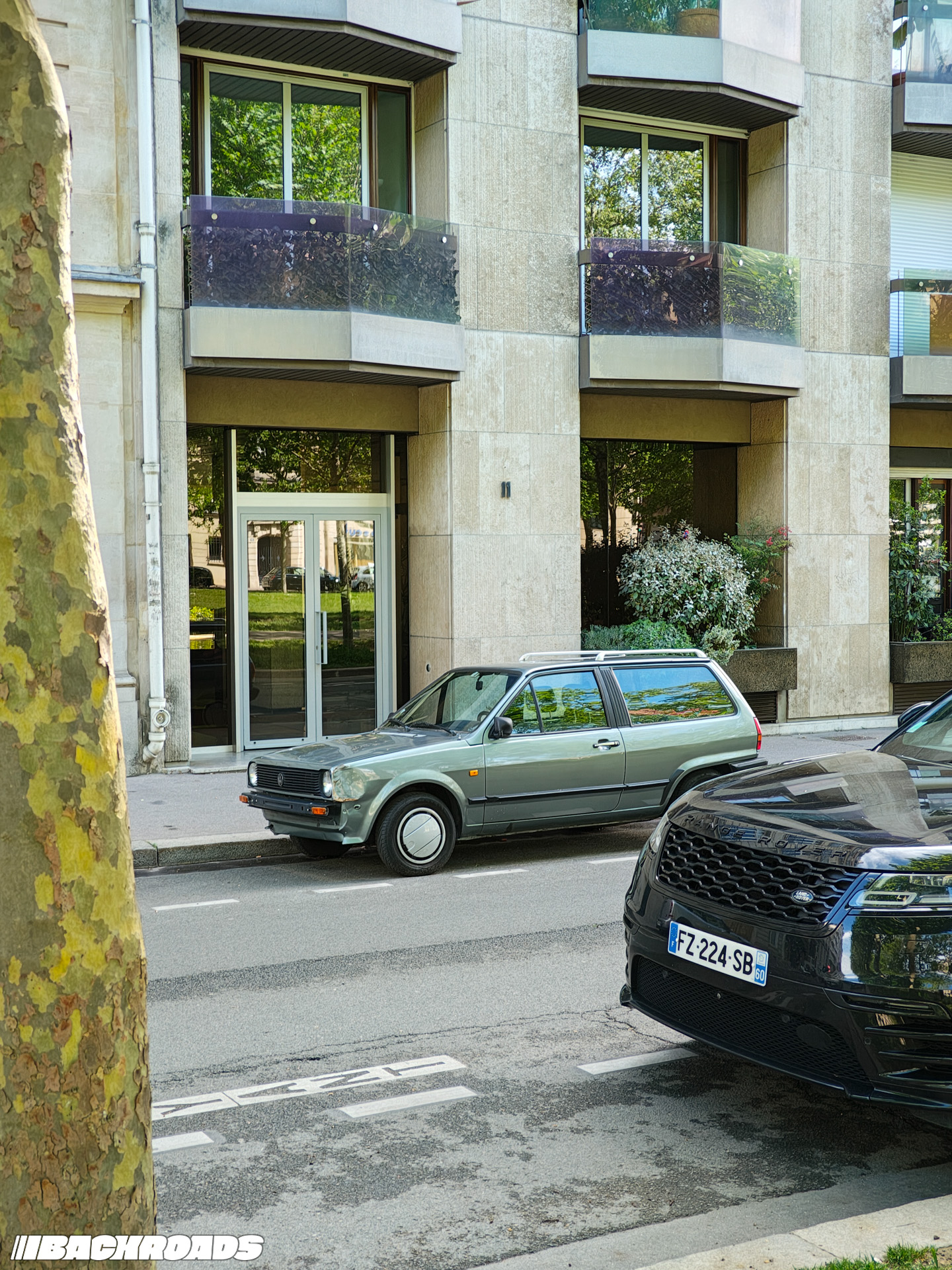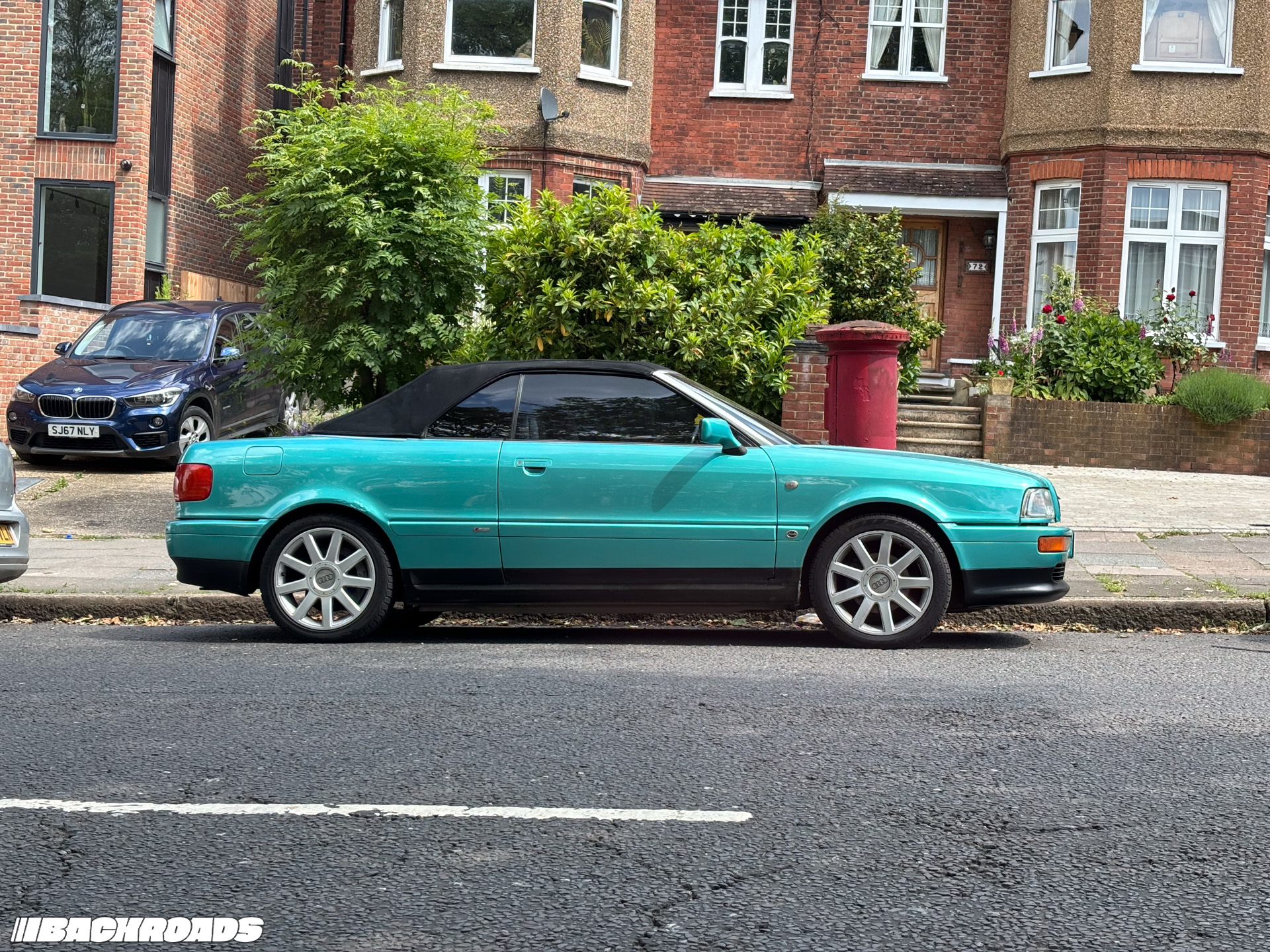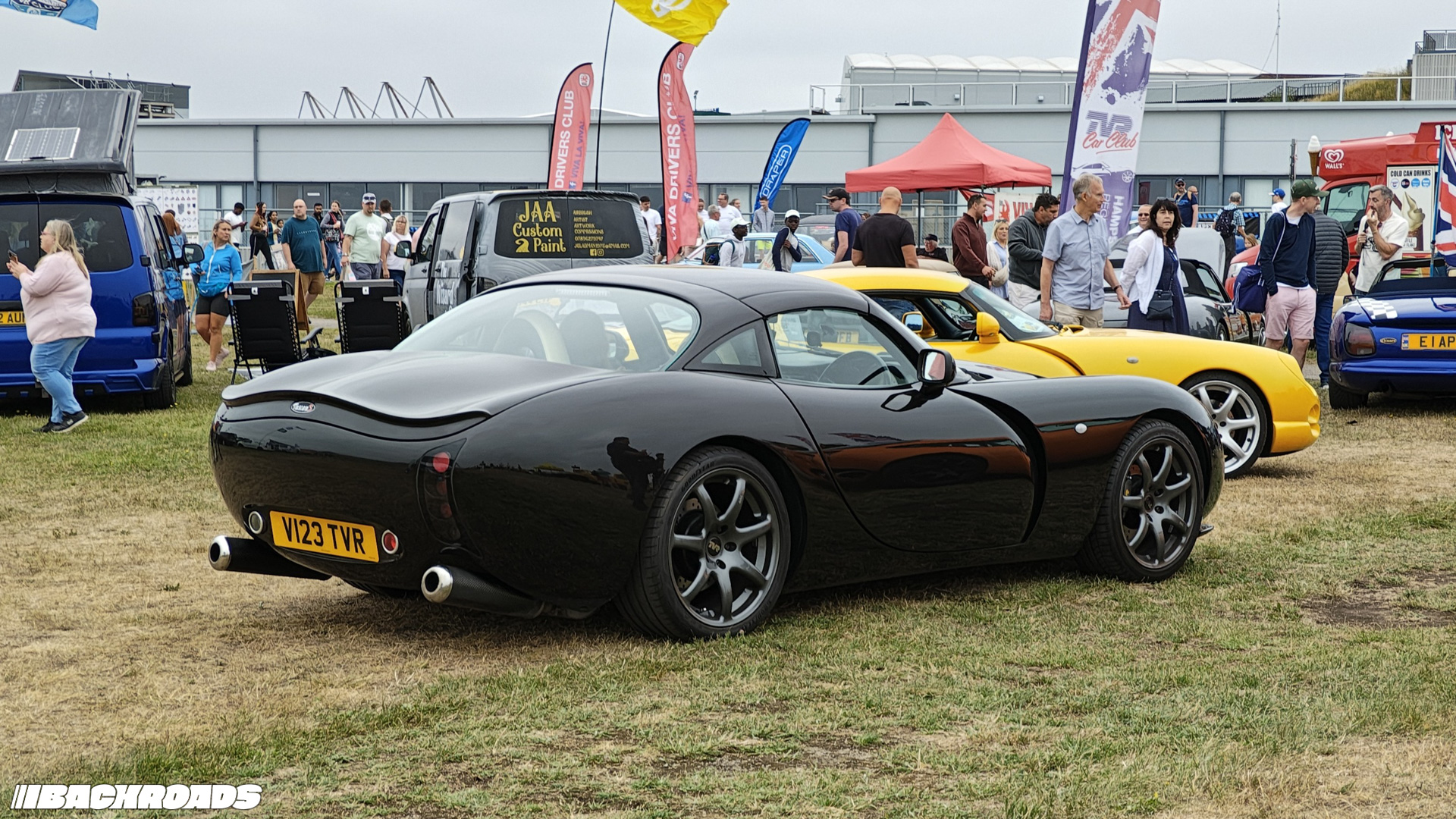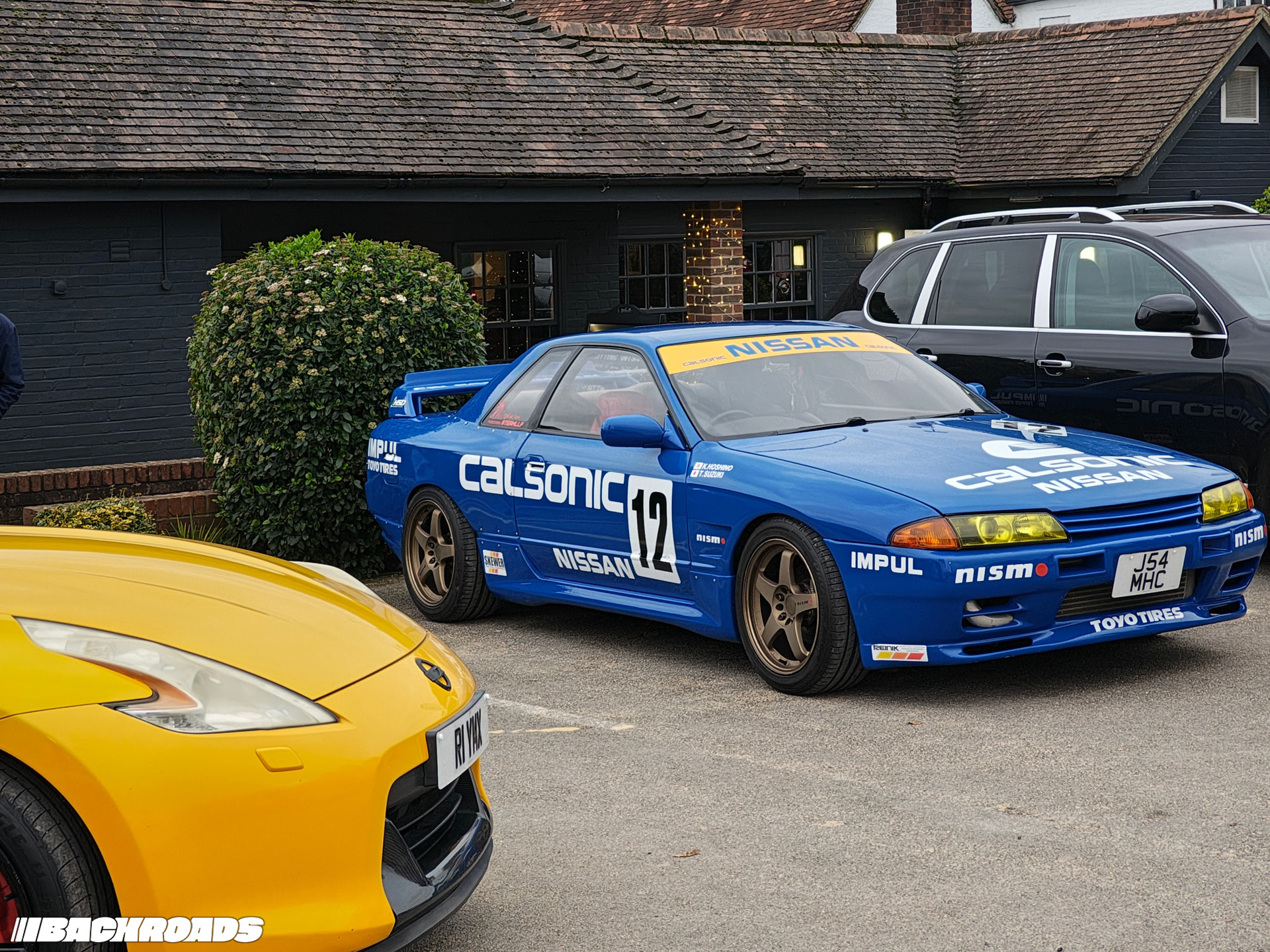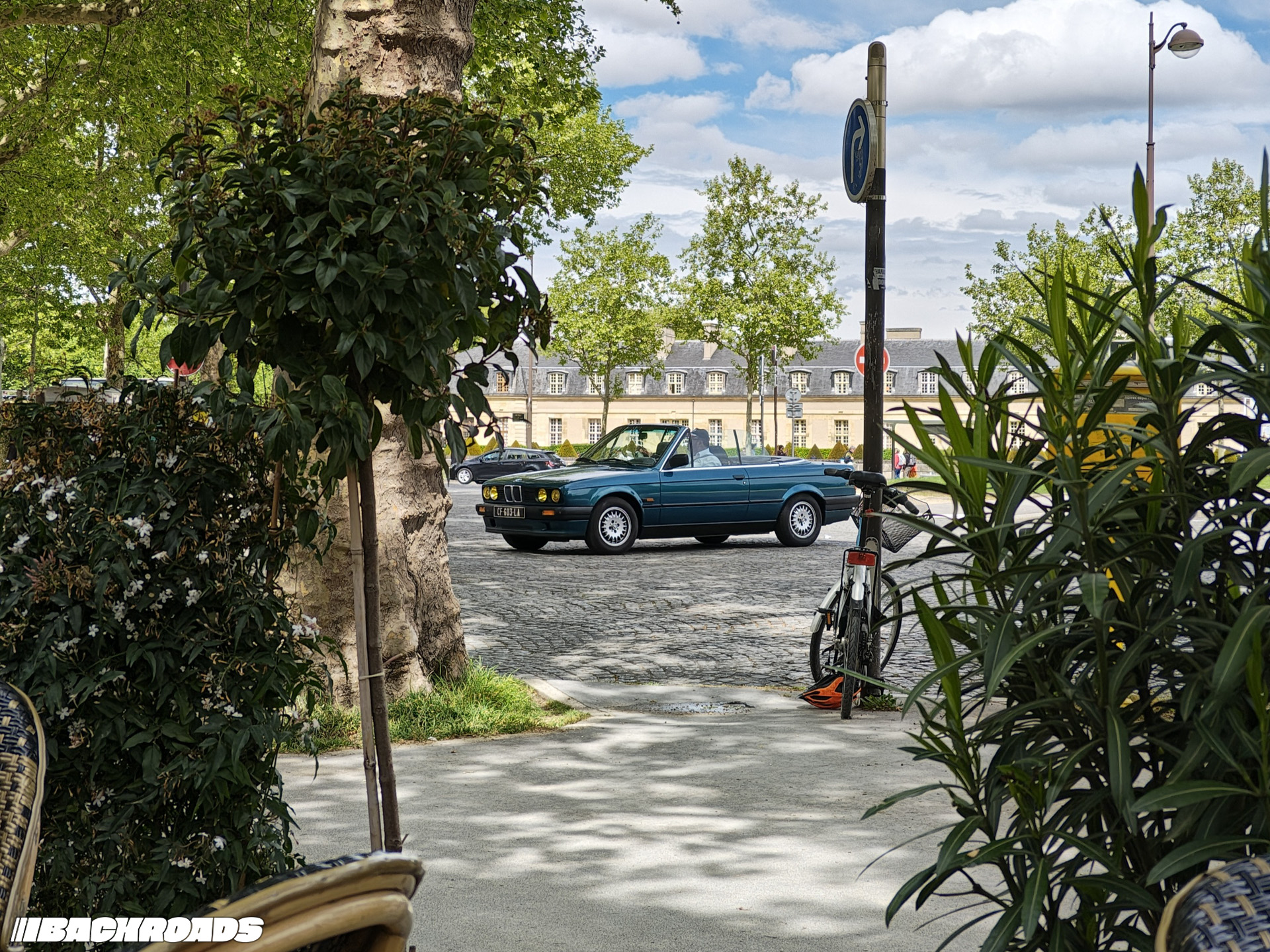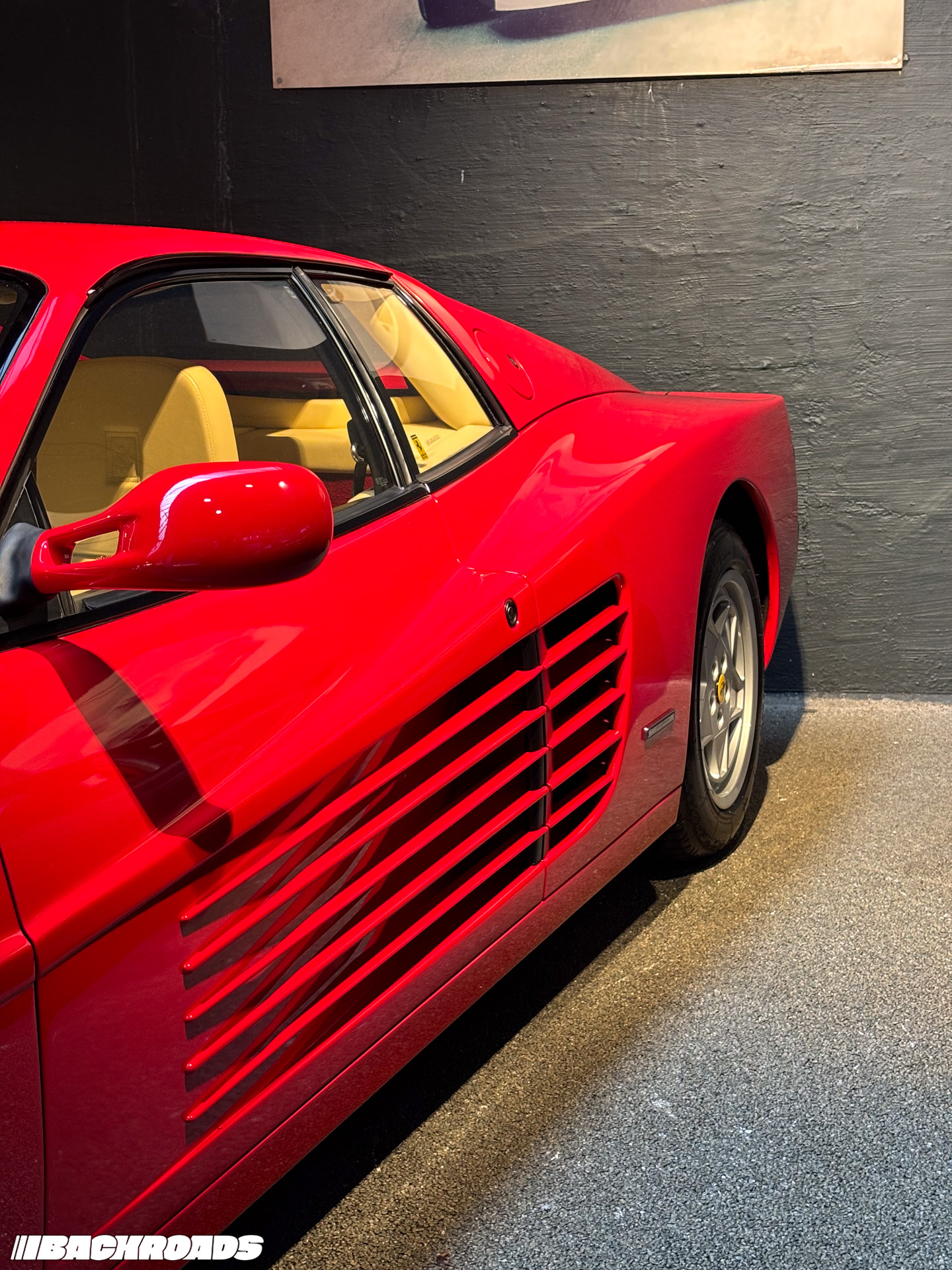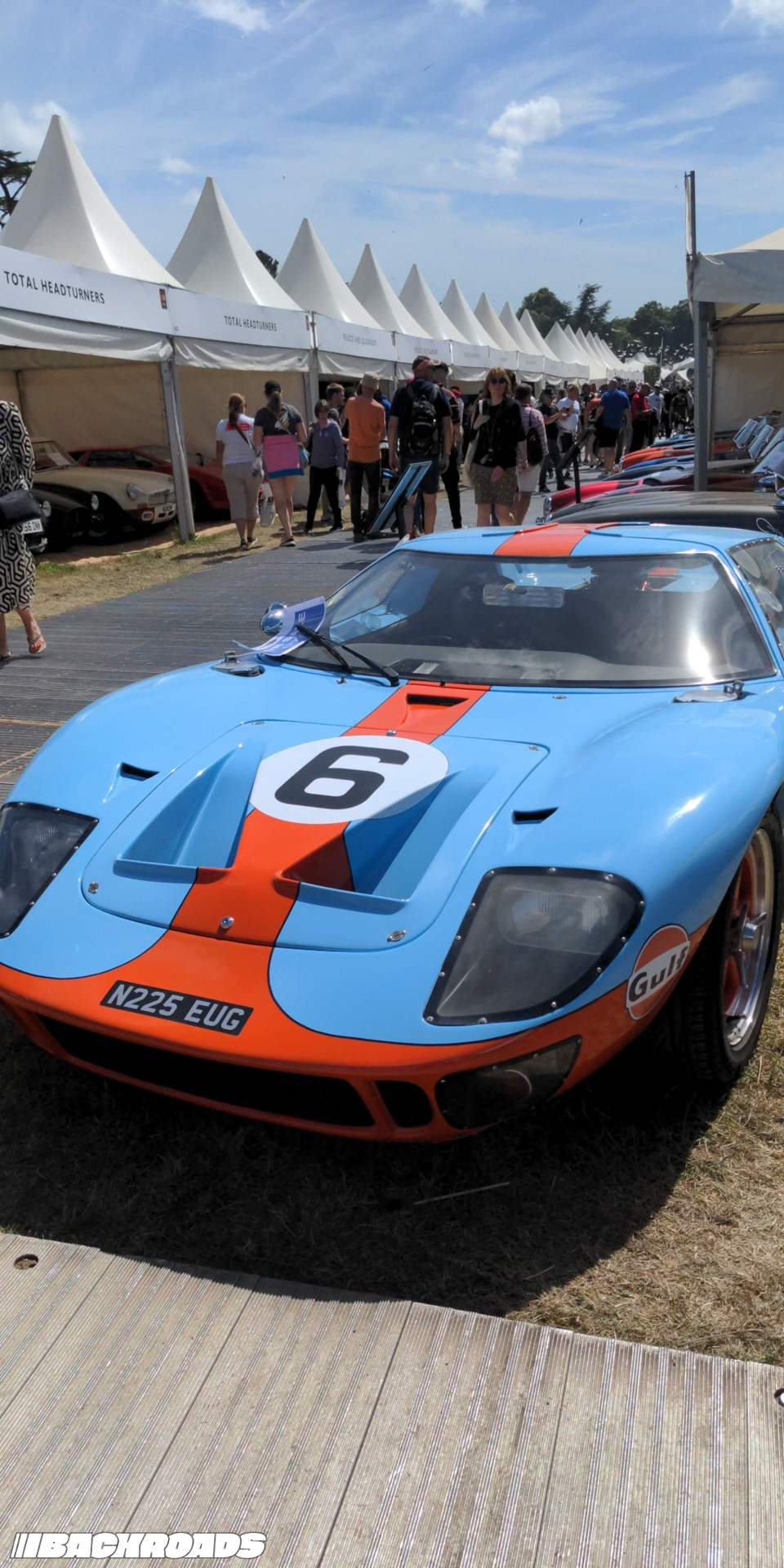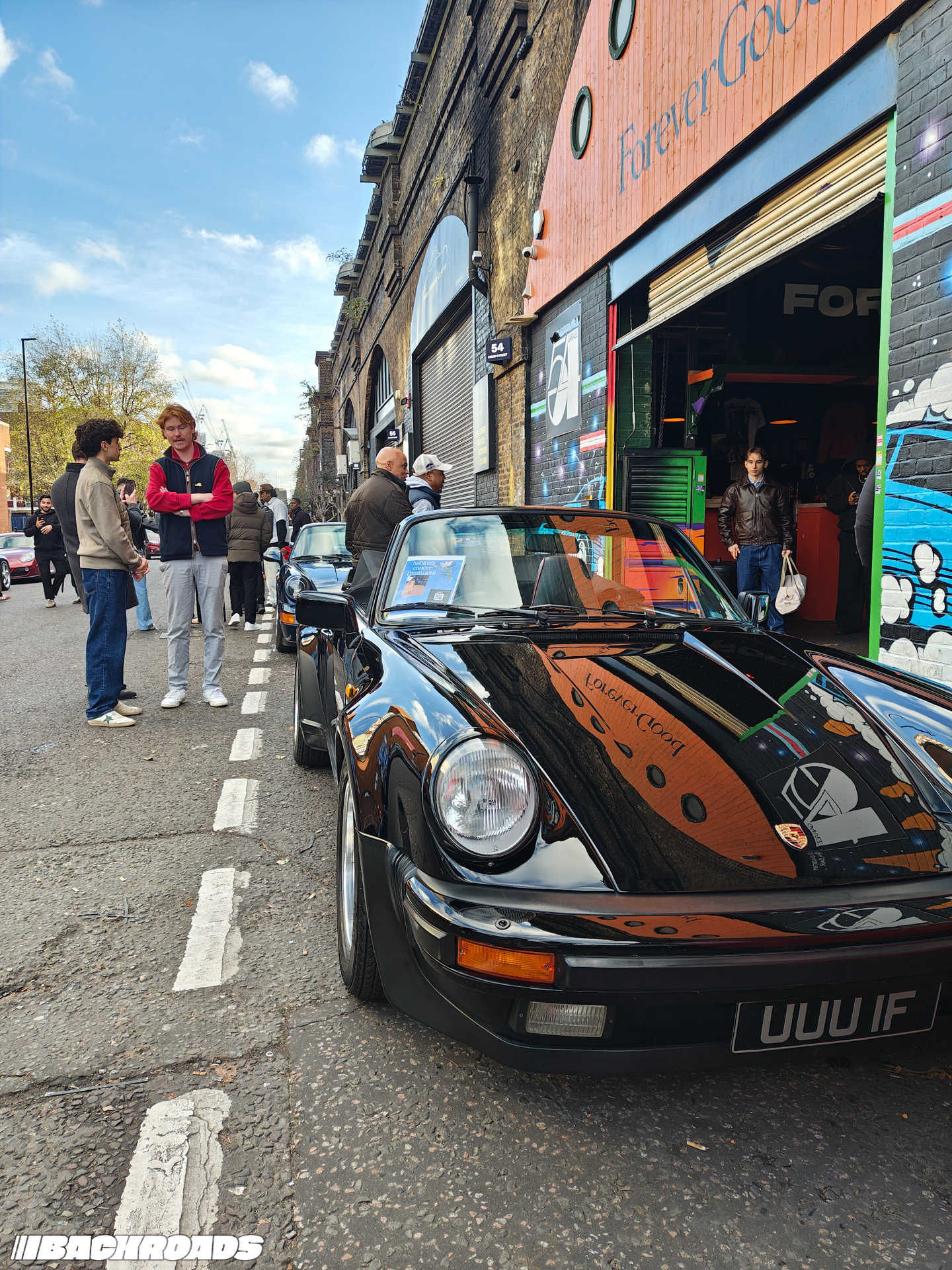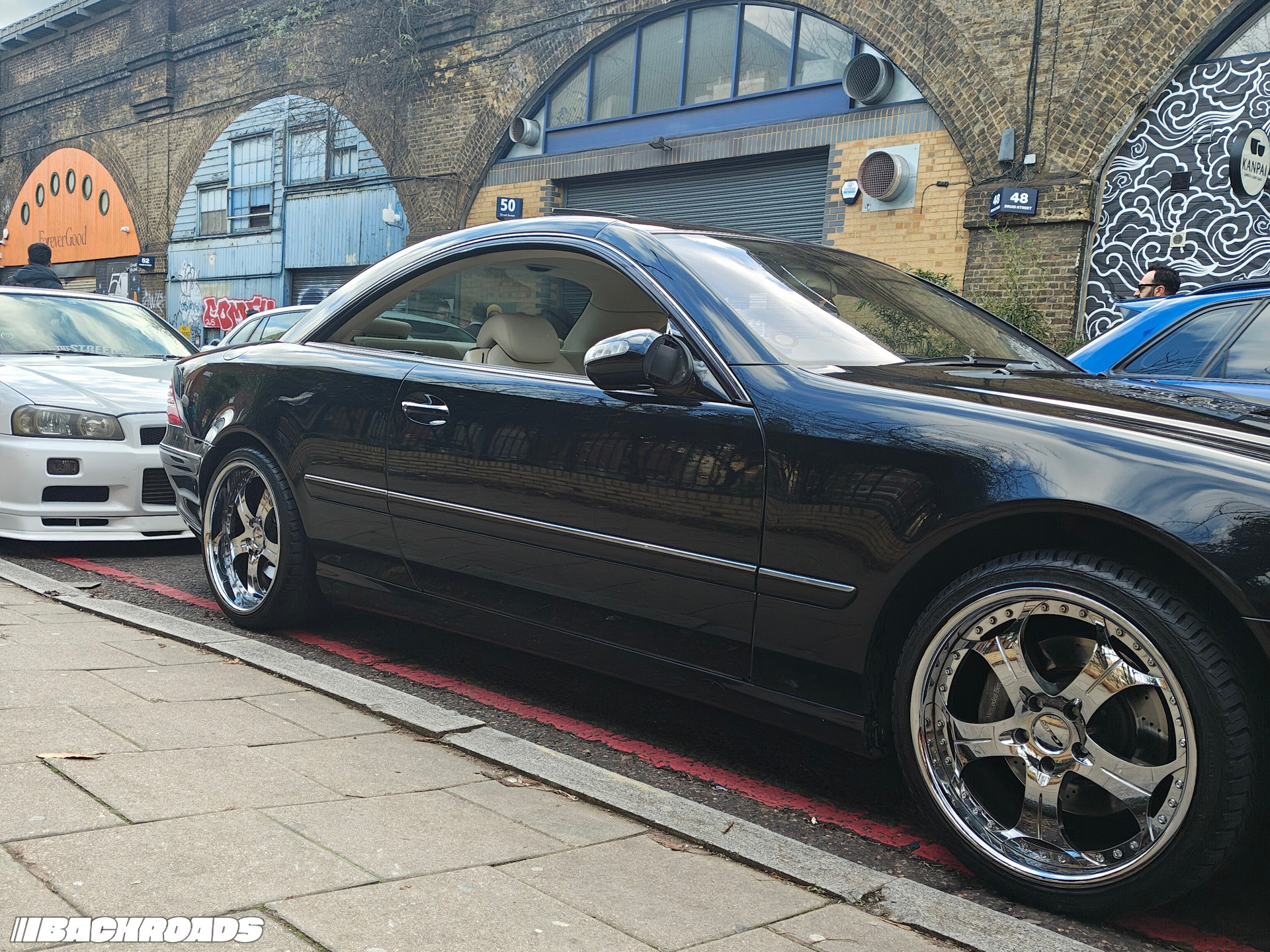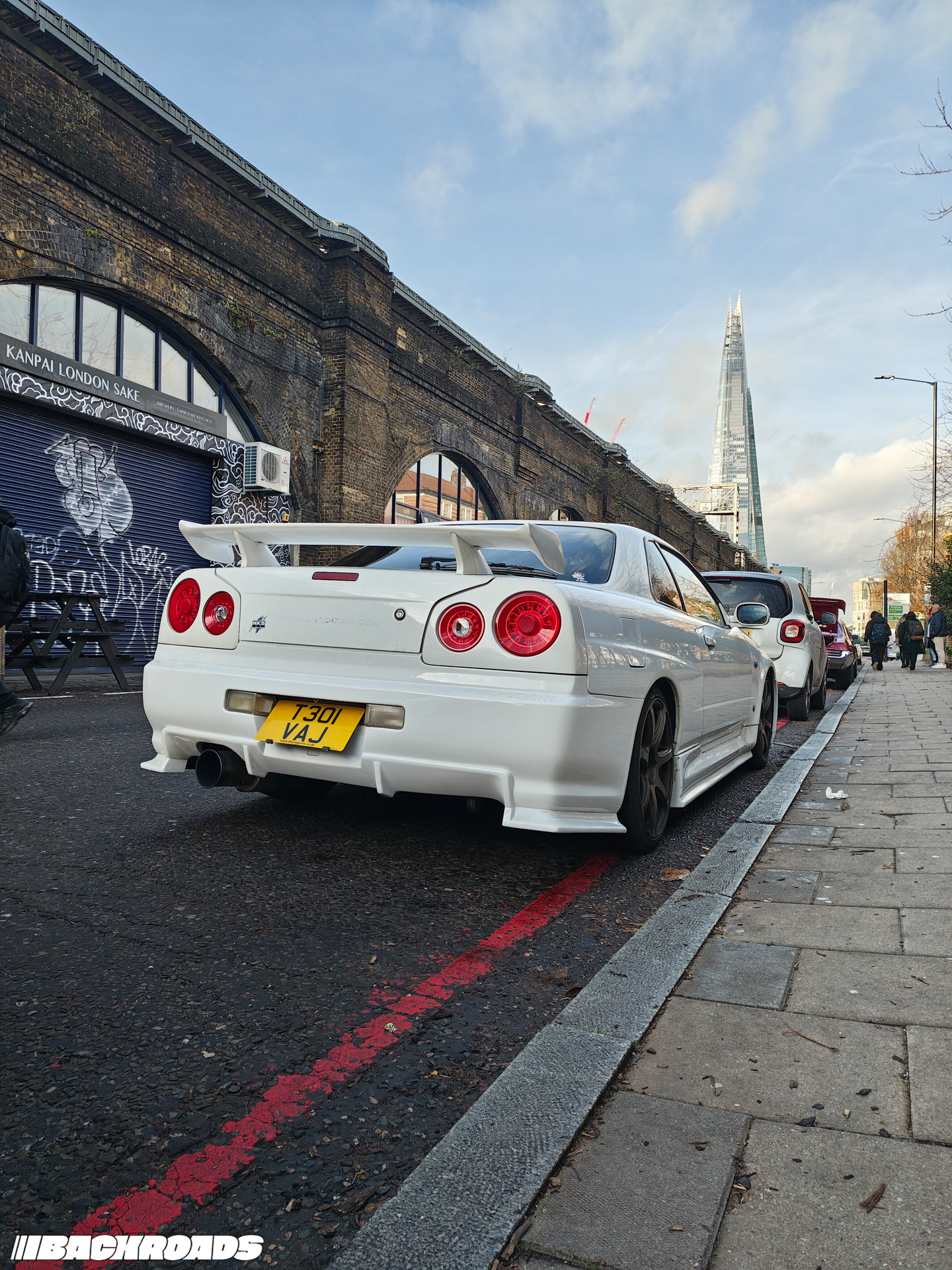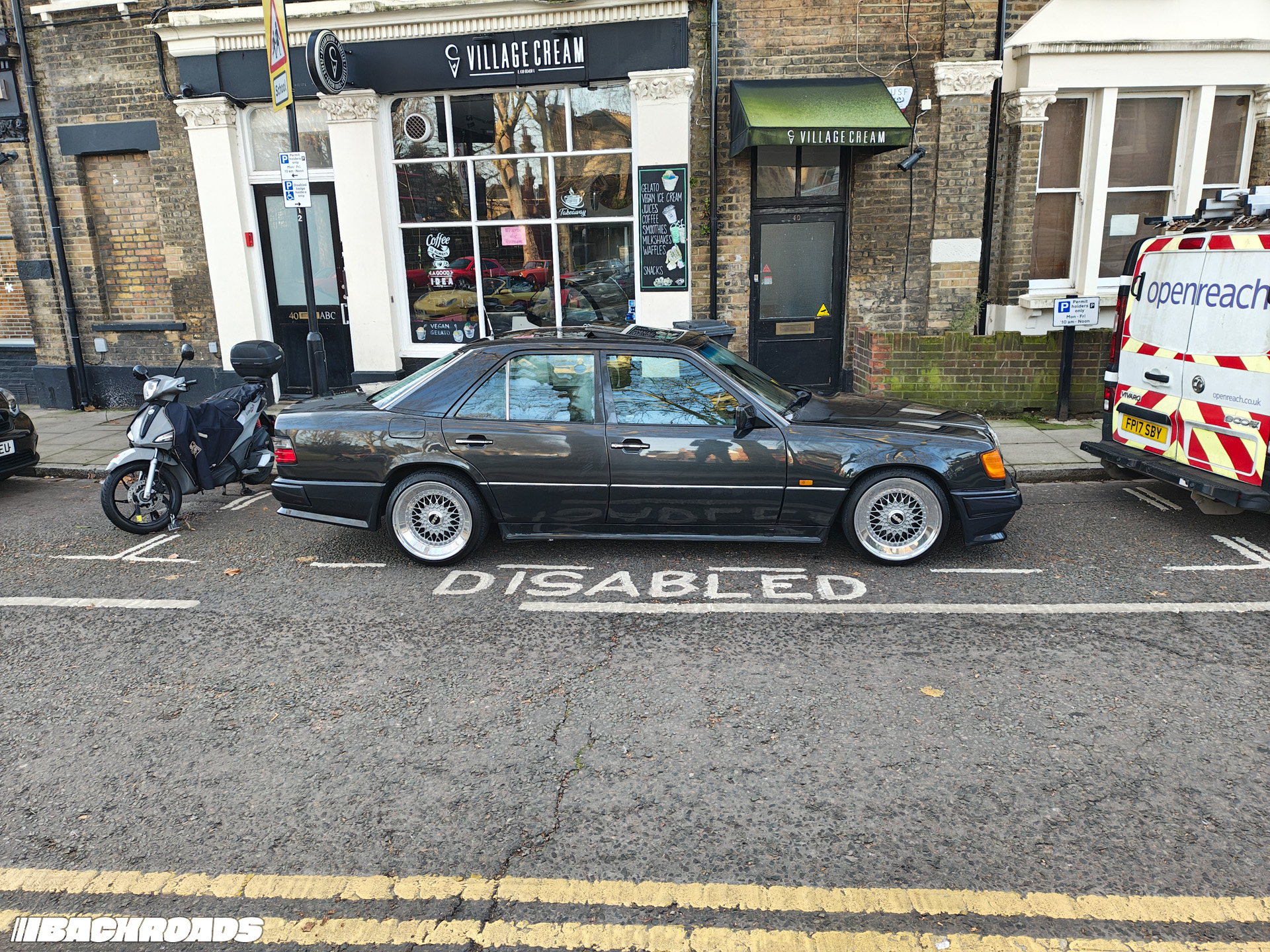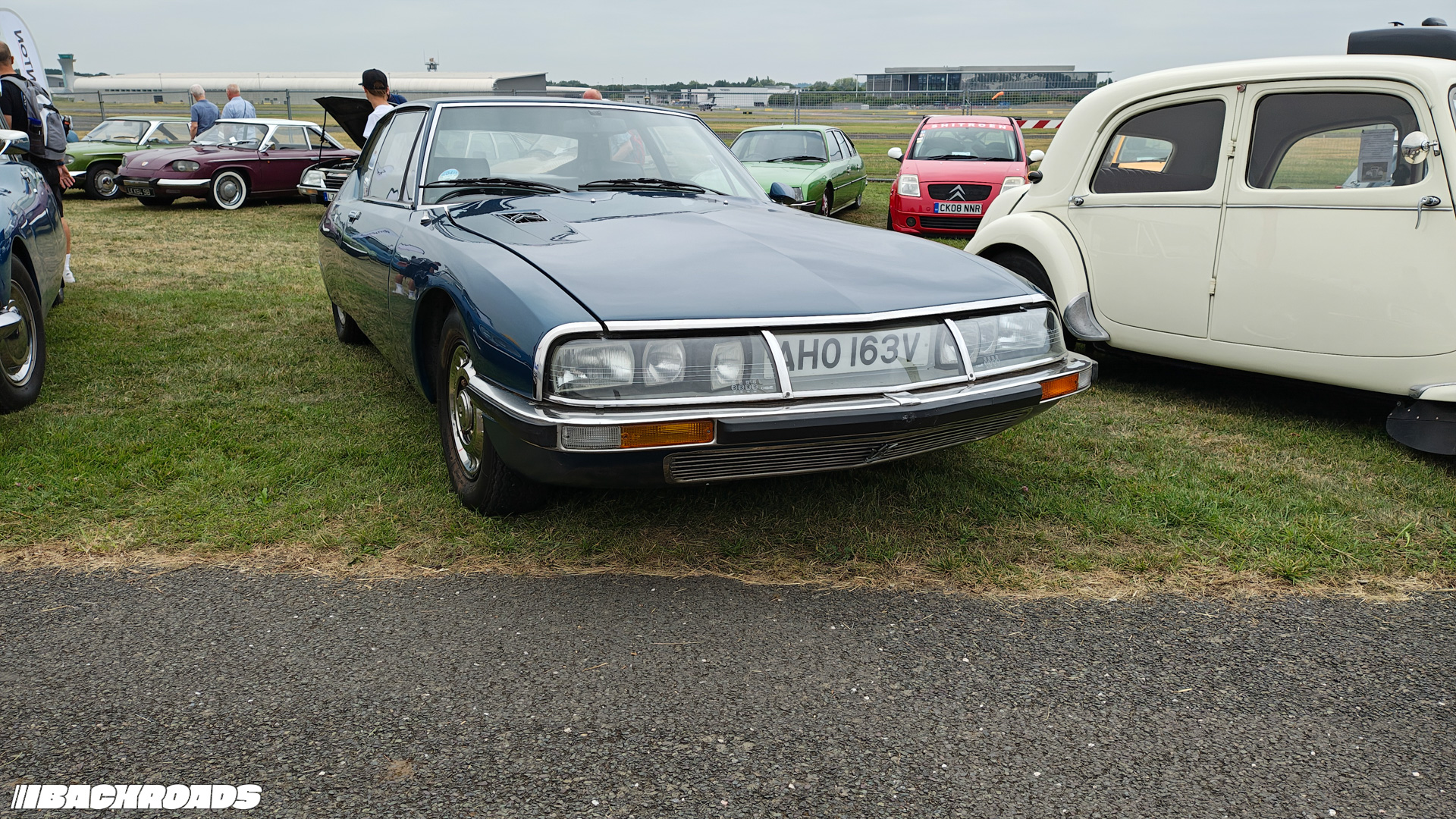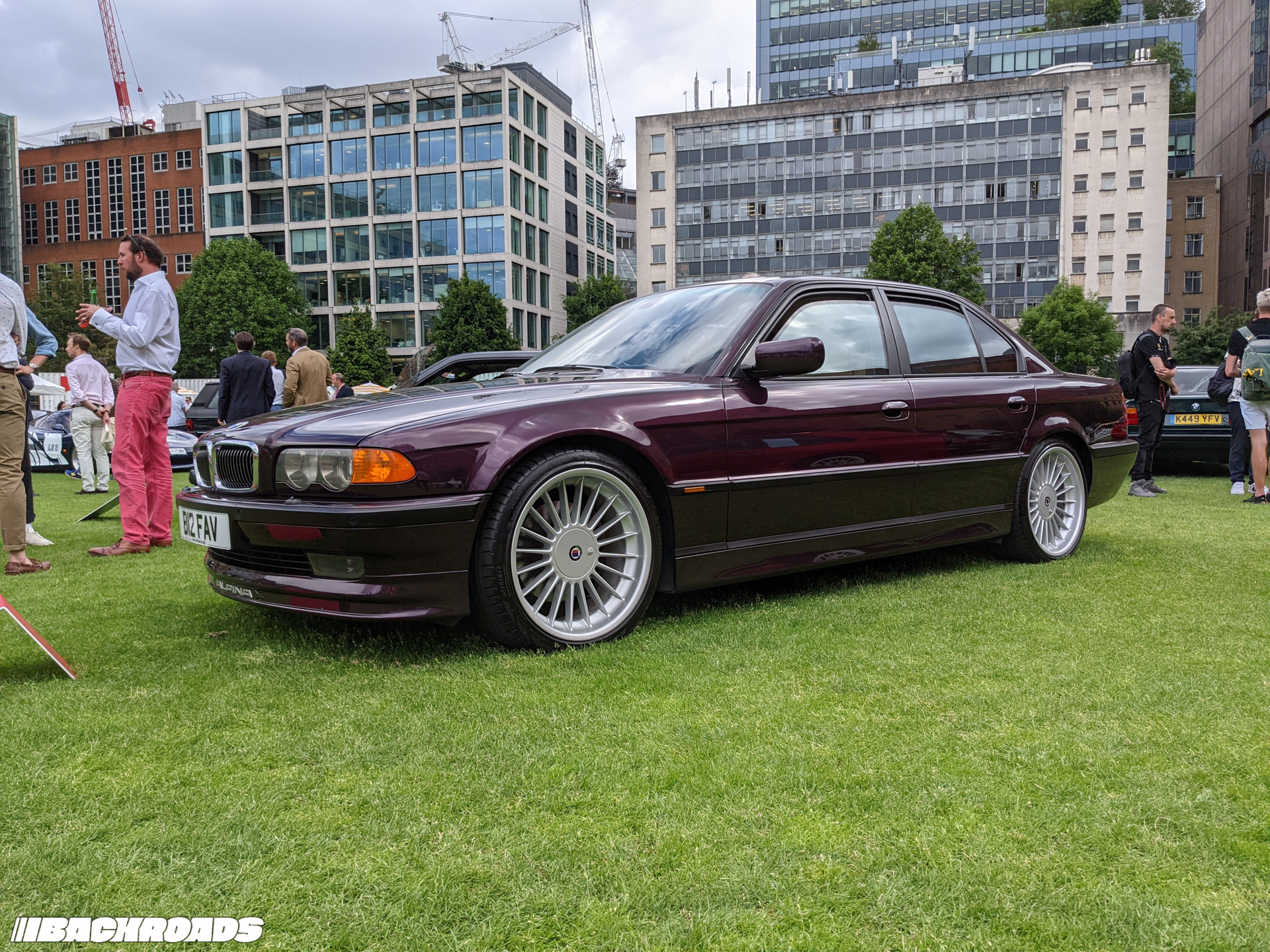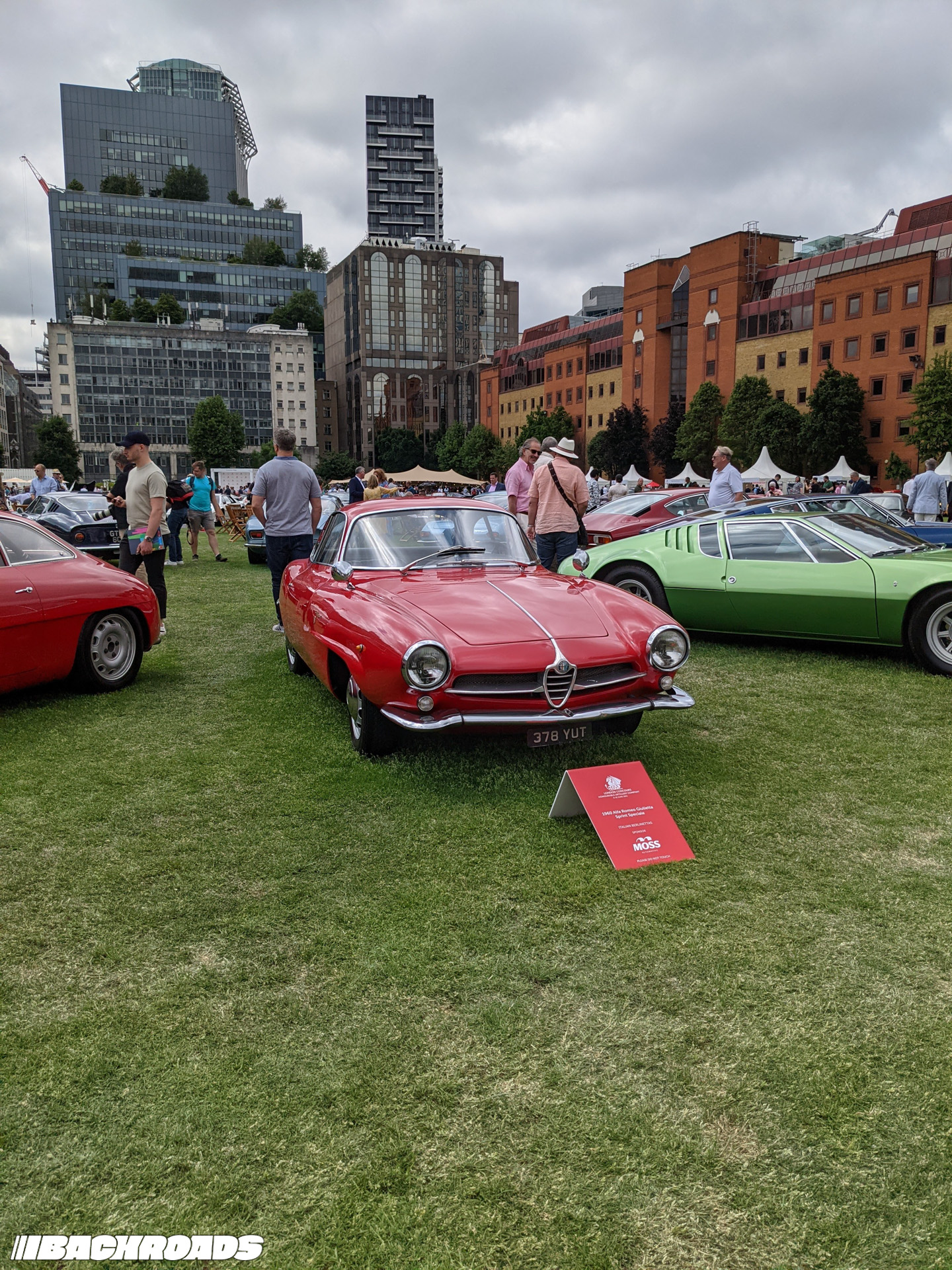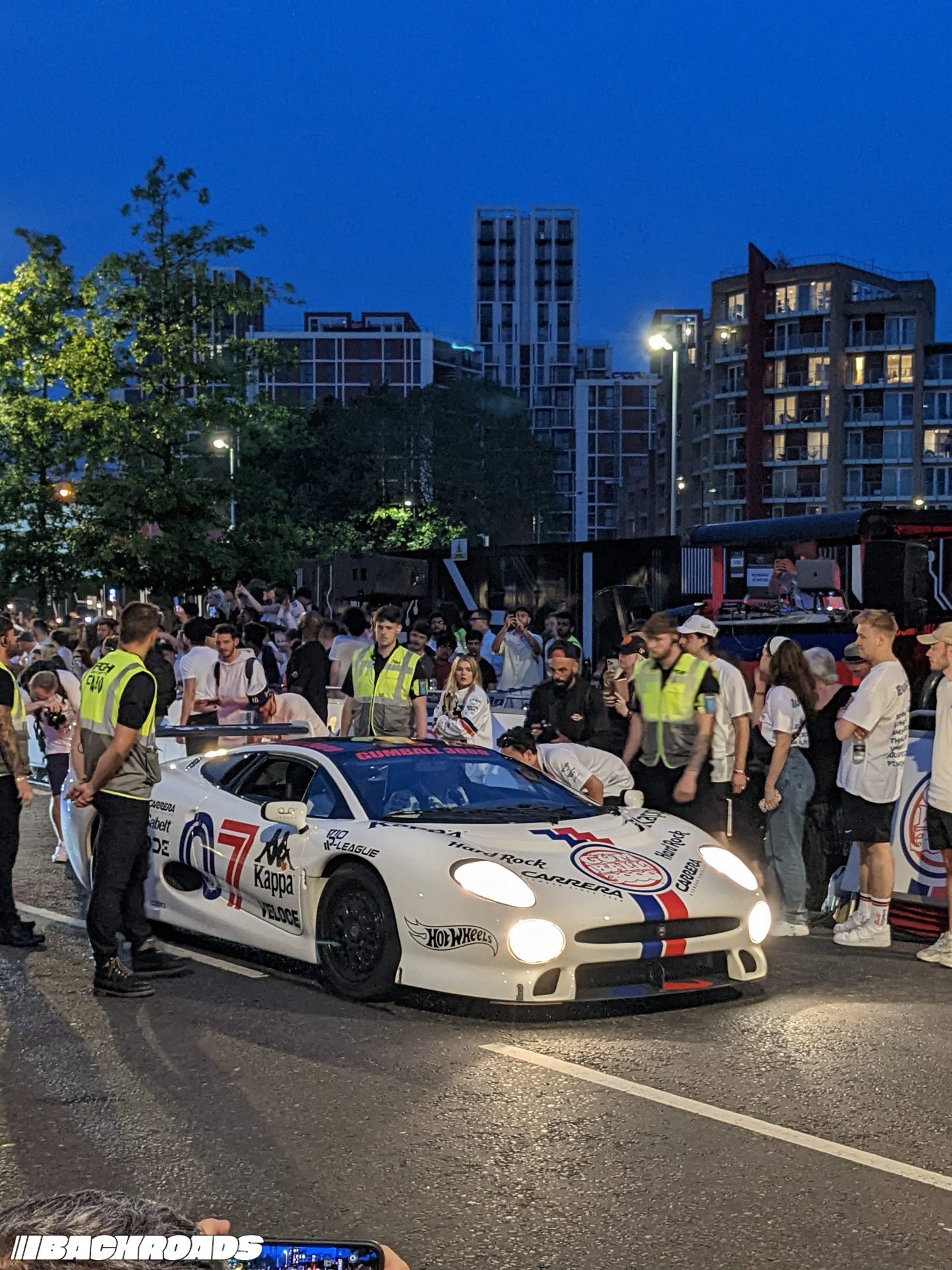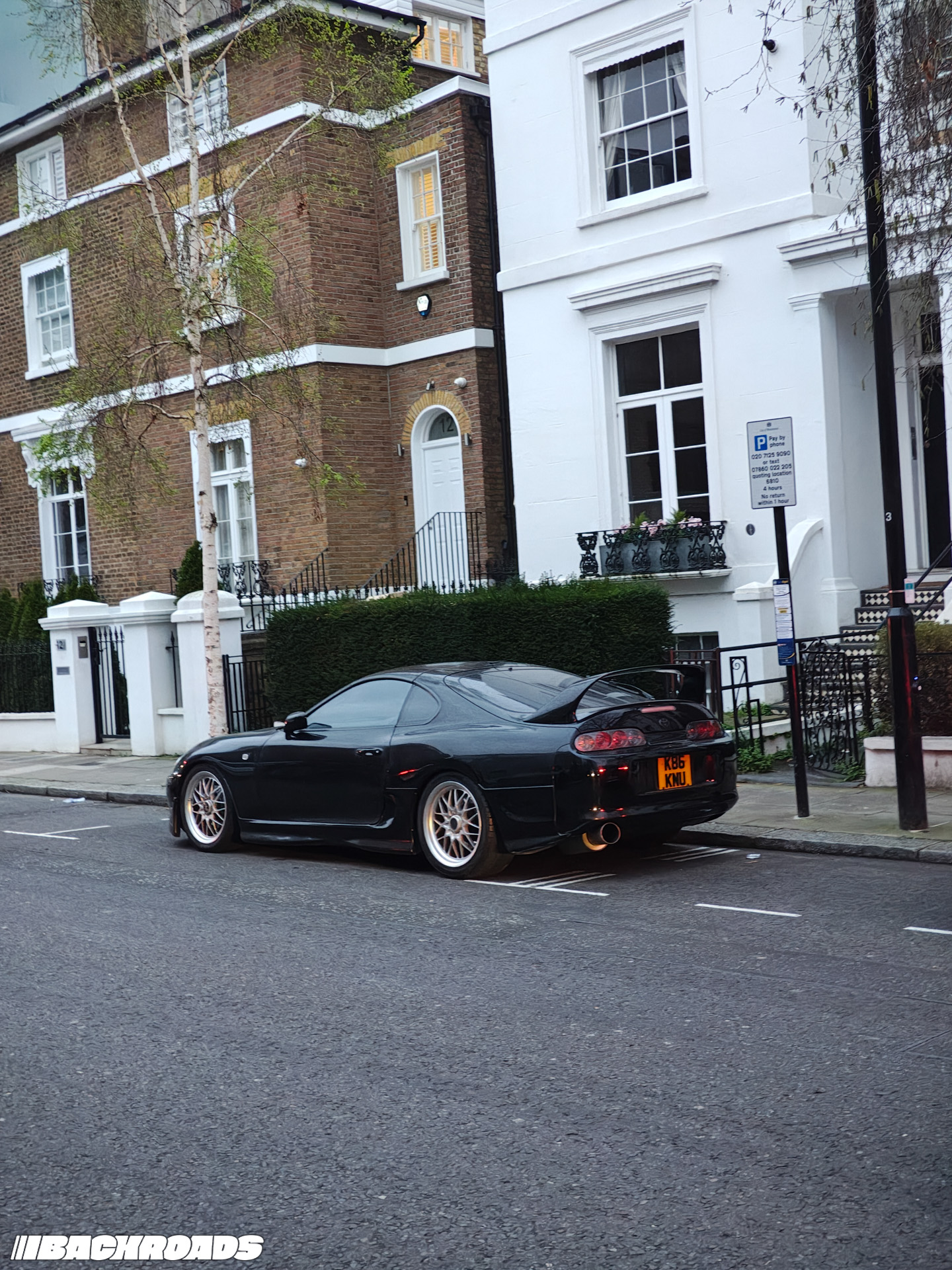
You’ve heard it a million times before: Cars aren’t as good as they used to be. The E46 is the best M3. The Porsche 997 is better than the 992. The R34 is the best GT-R and so on… But why do certain generations of cars have this enduring appeal?
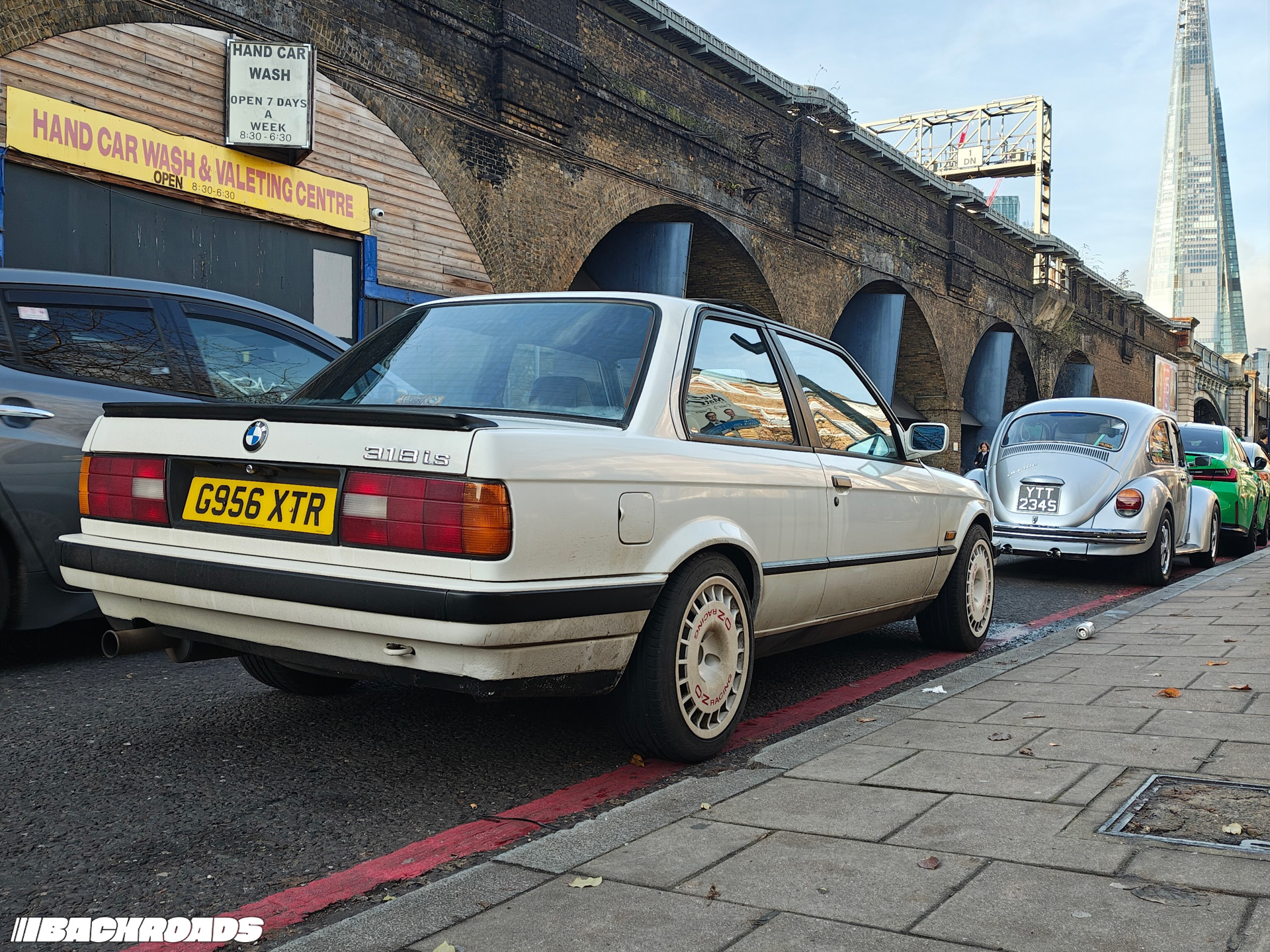
An oft-given explanation is the desire for a tactile and rewarding experience, something that has undoubtedly been eroded as automotive technology has evolved. Older cars let you feel more of what was happening. Things that were previously seen as flaws – heavy steering, poor refinement, the absence of gadgets and gizmos – have all become points of character that enhance the driving experience. They have become valued and more desirable. And as a car gets older, it becomes rarer and less seen, making it something of a novelty when you do spot one in the wild.
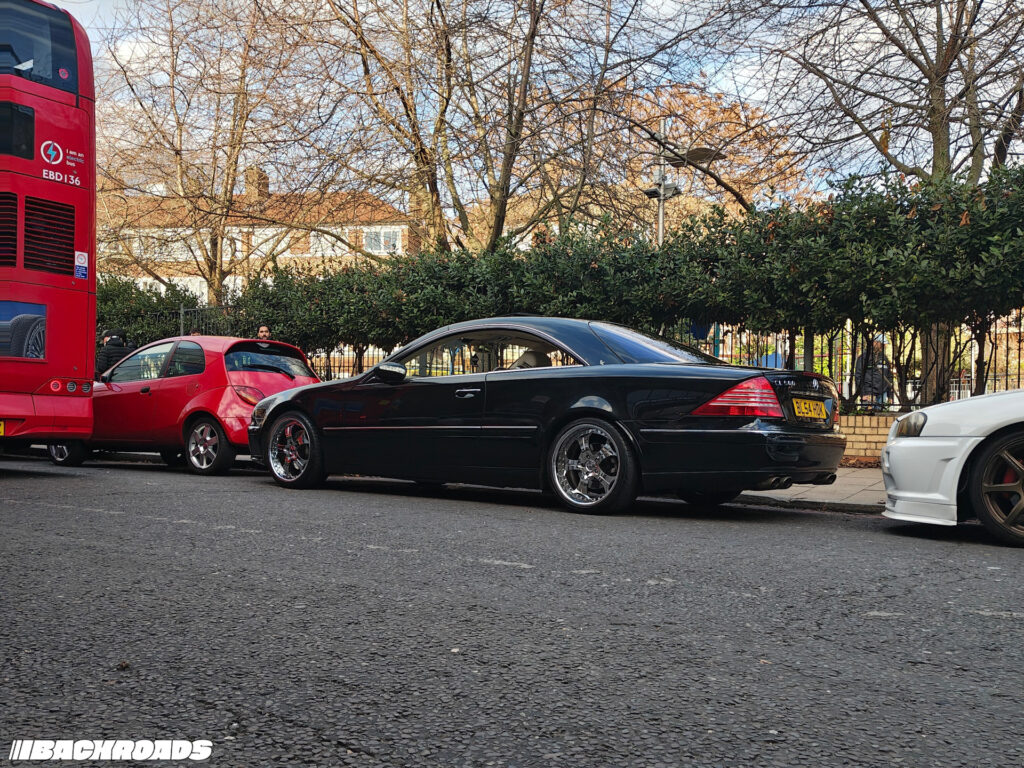
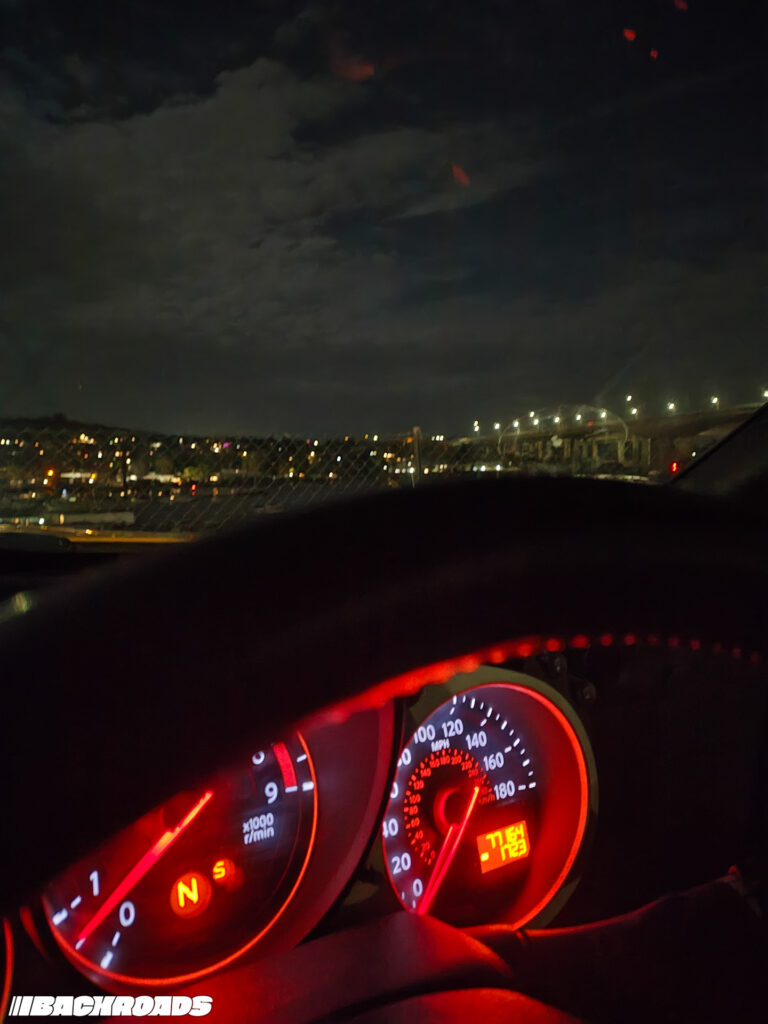
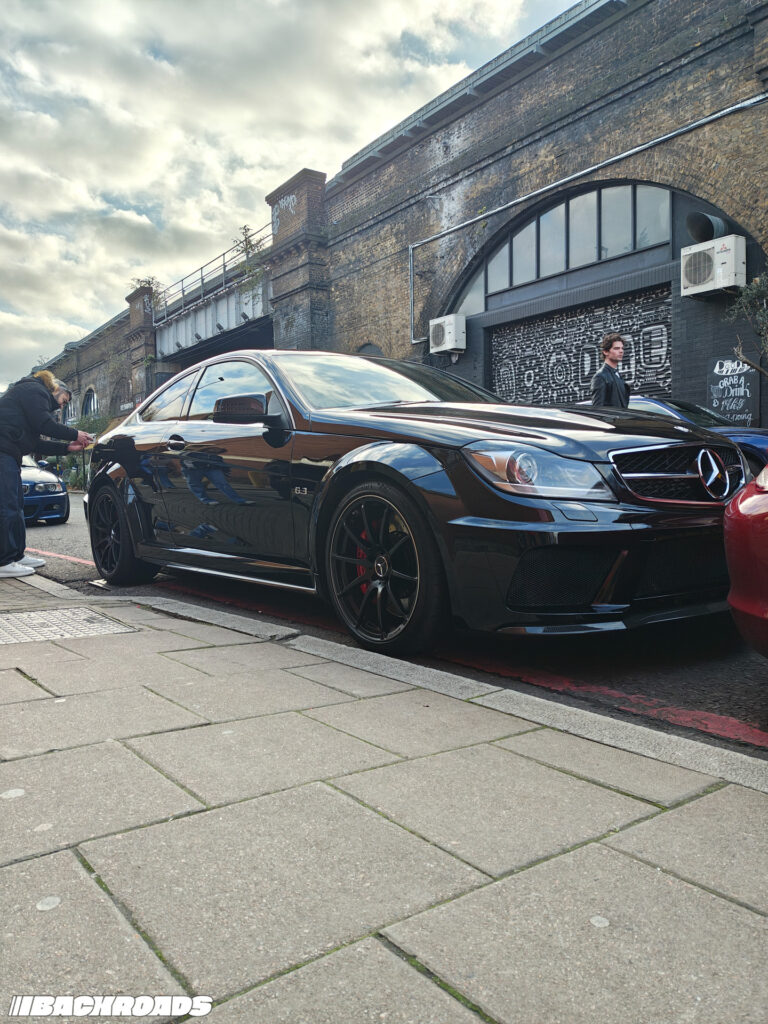
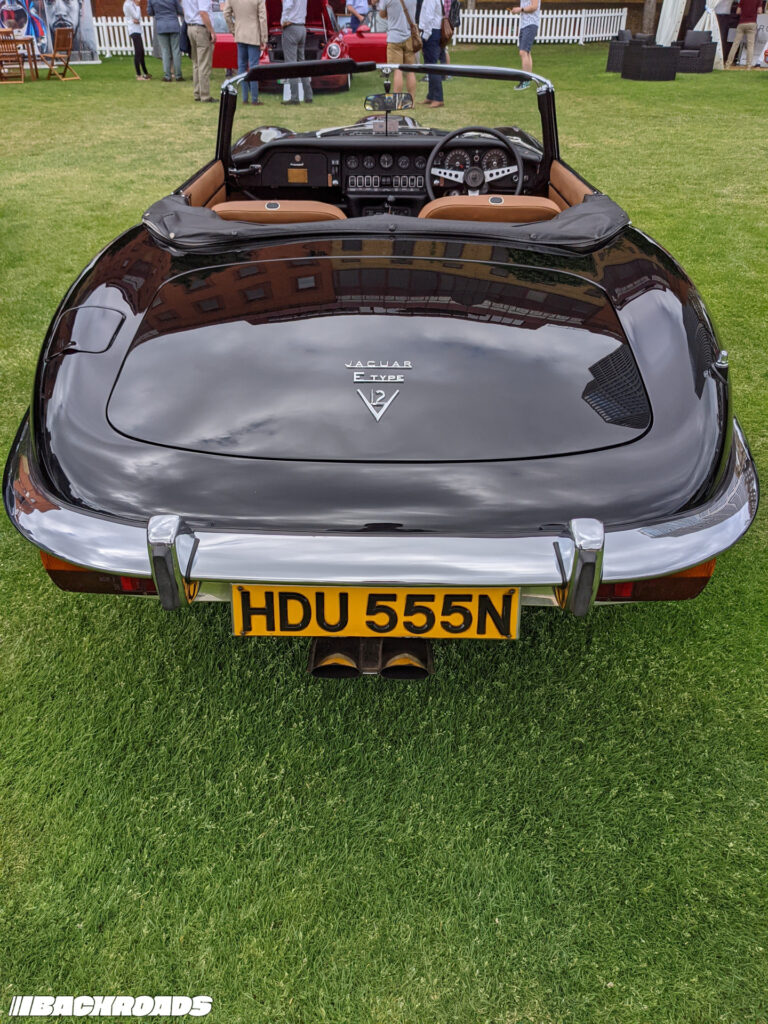
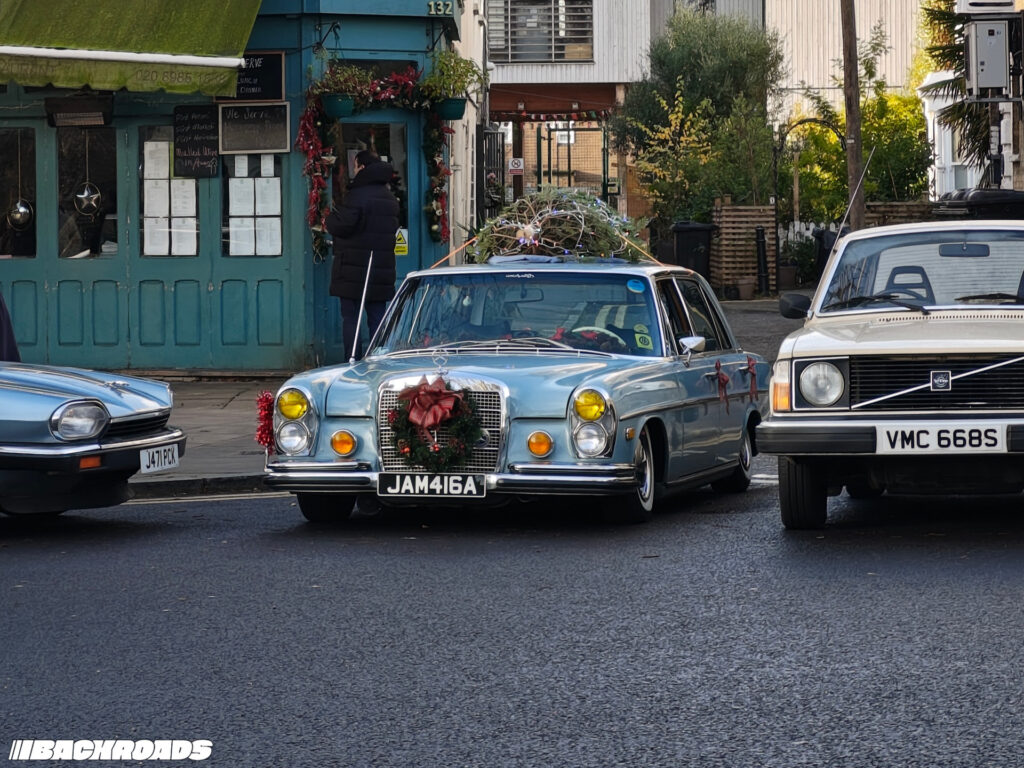
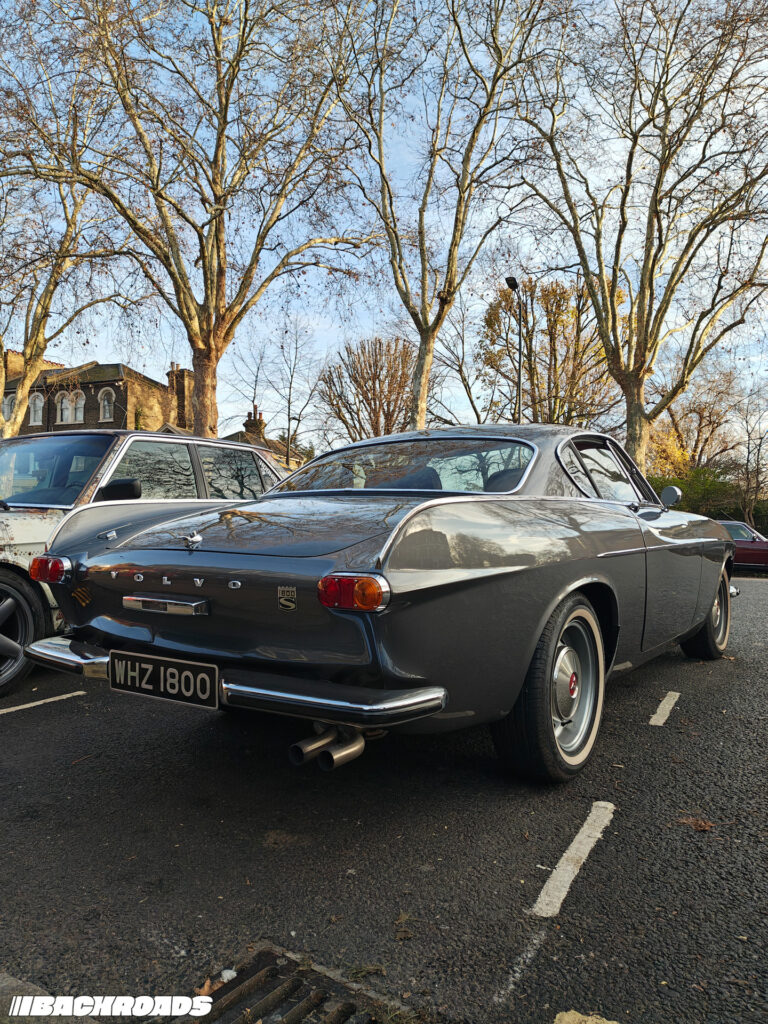
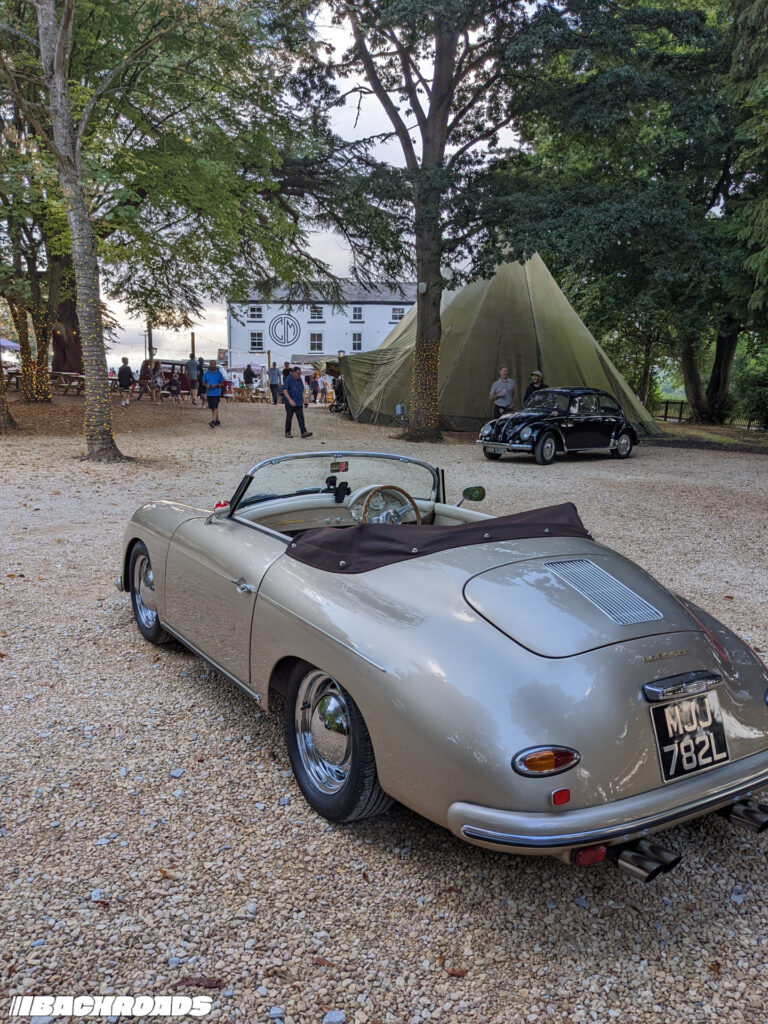
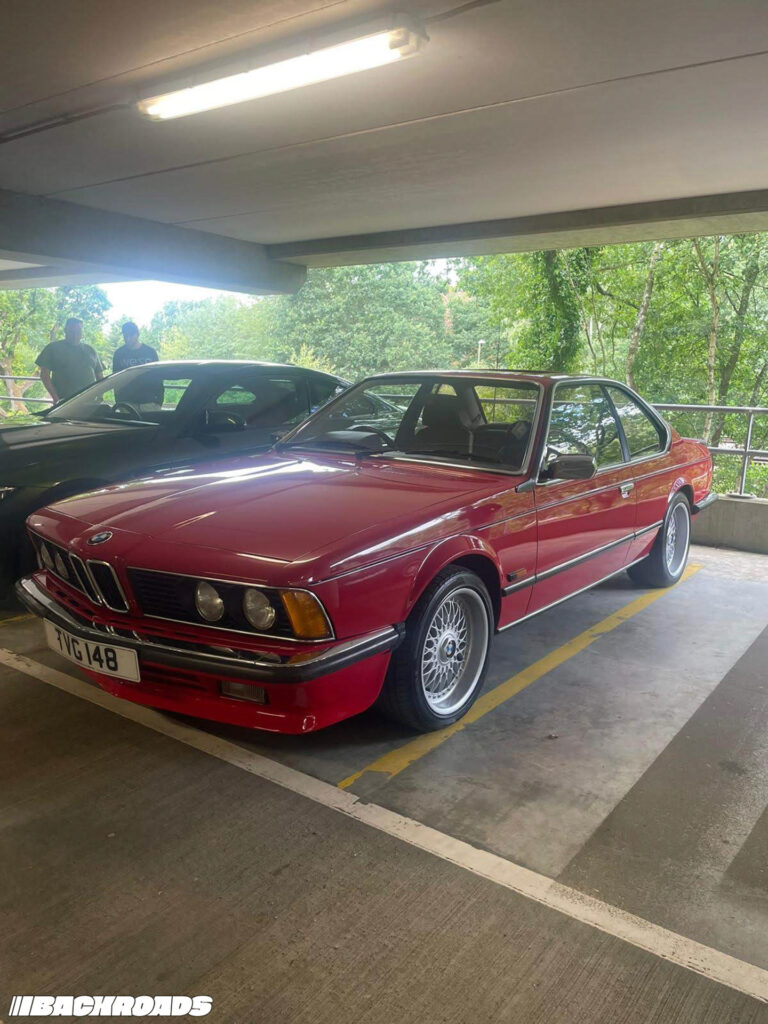
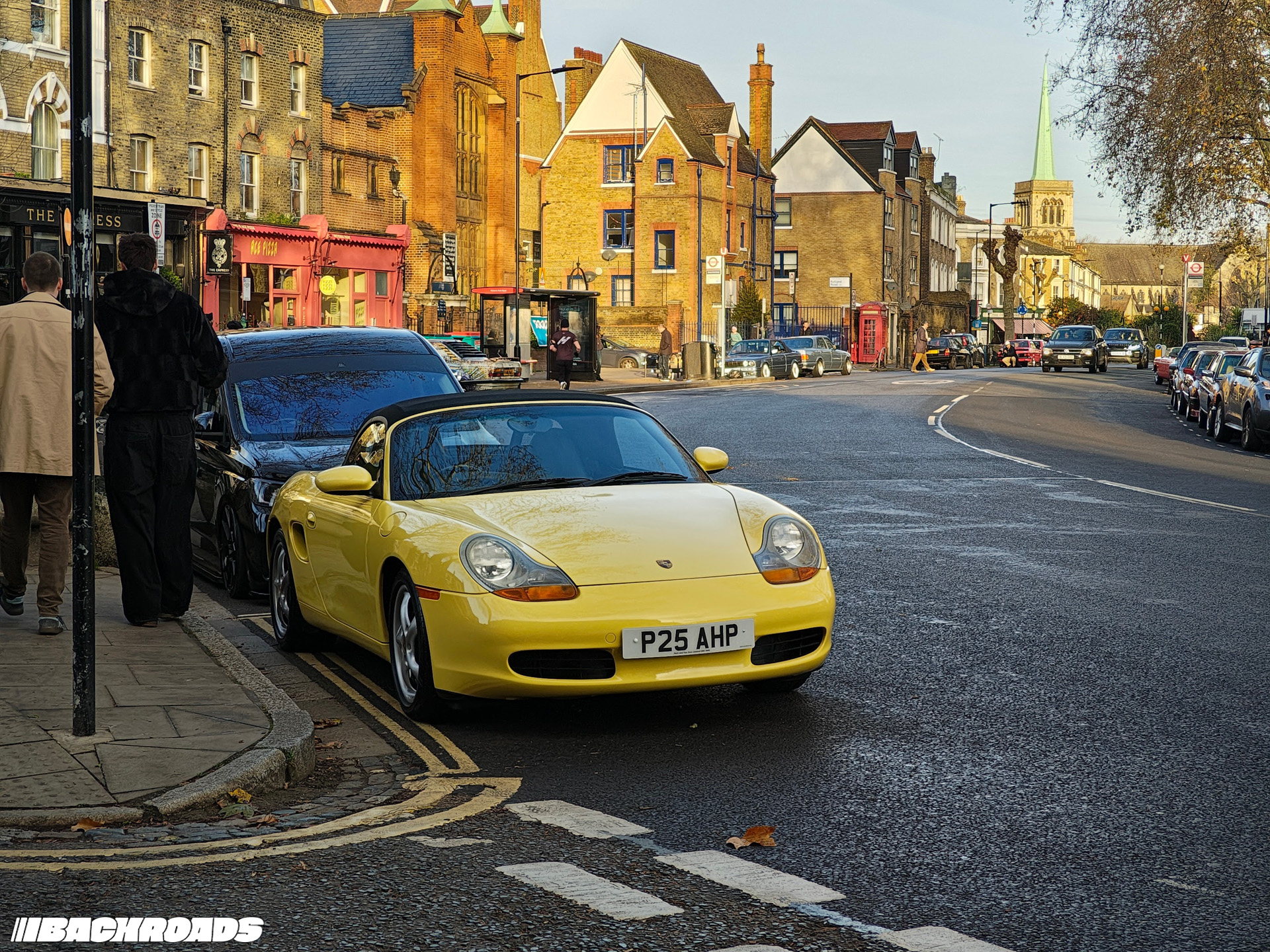
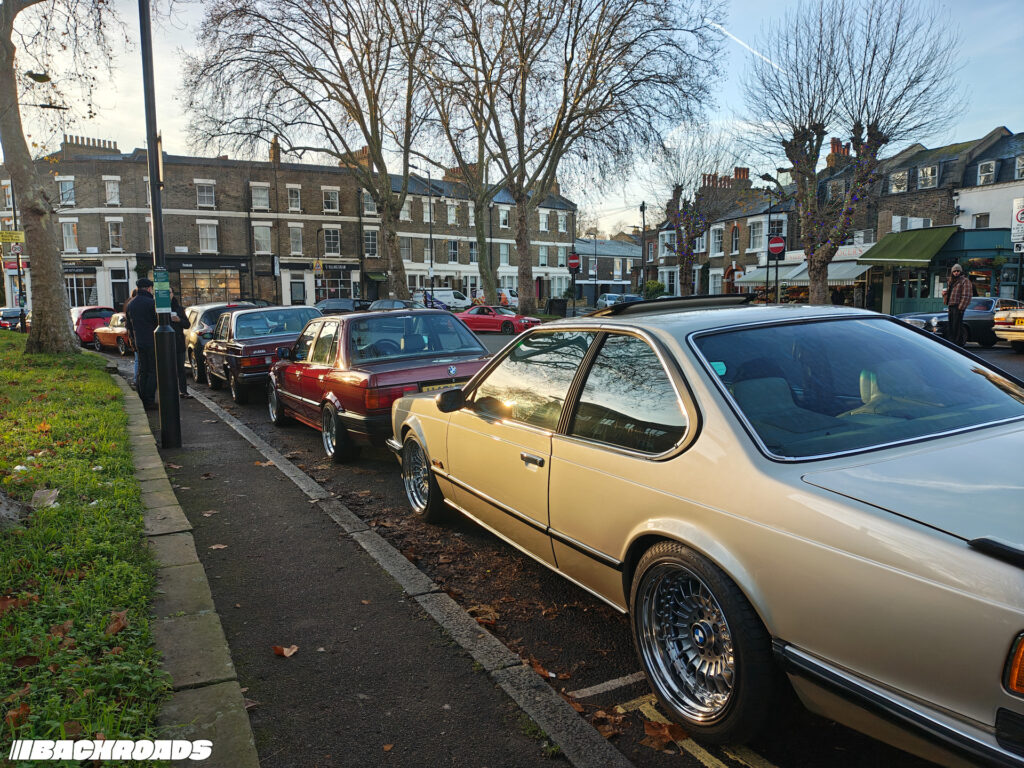
The convenience of relatively modern cars is still a factor, which is likely why late ‘90s/early 2000s performance cars have seen such a rise in popularity. They retain much of the feel of longstanding classics but possess the creature comforts and reliability we’ve come to expect in modern cars. They aren’t exceedingly rare but are uncommon enough to elicit a look of admiration. A D2 Audi S8 will stand out in traffic because it looks a bit different, not because it’s overheating.
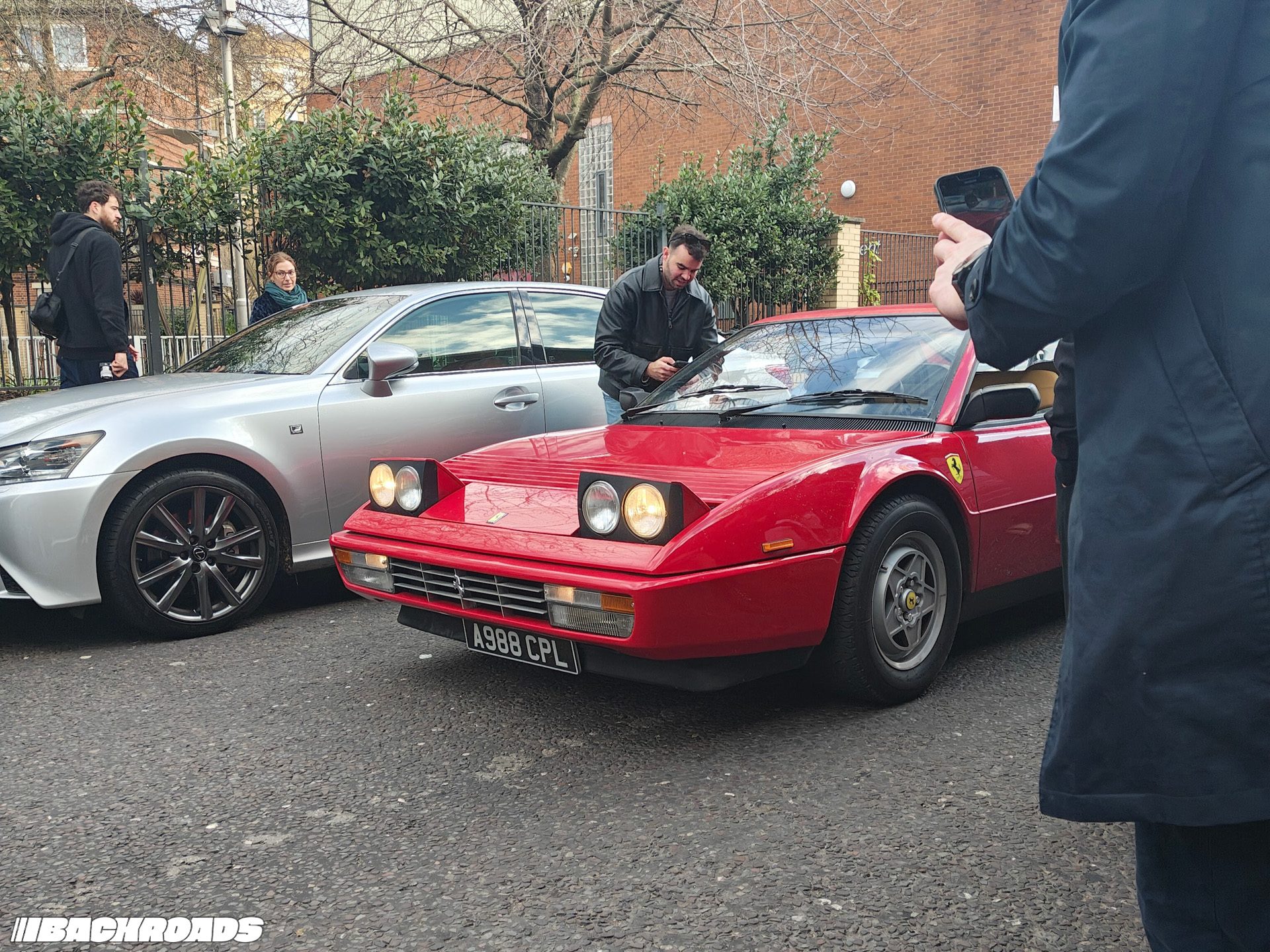
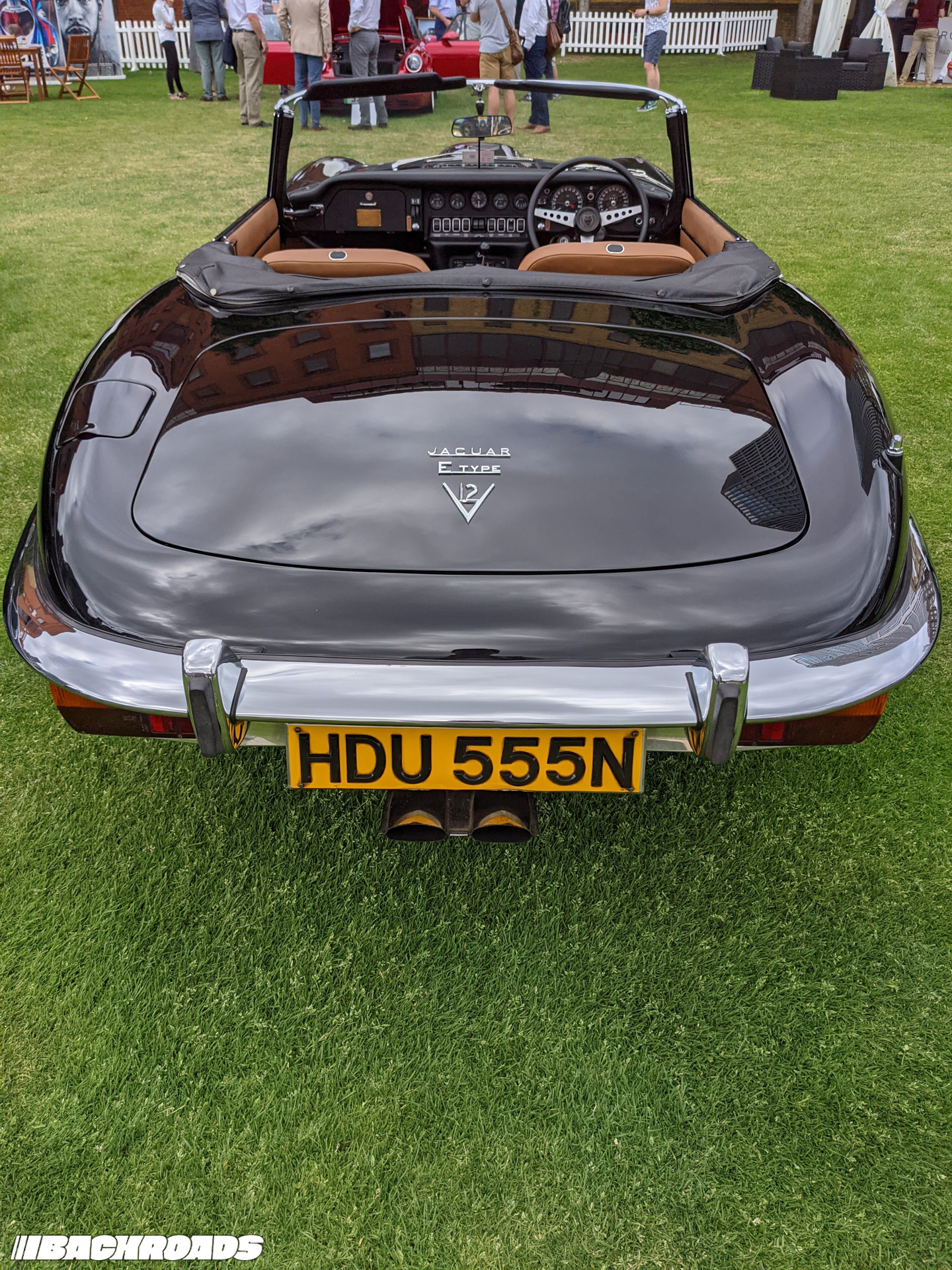
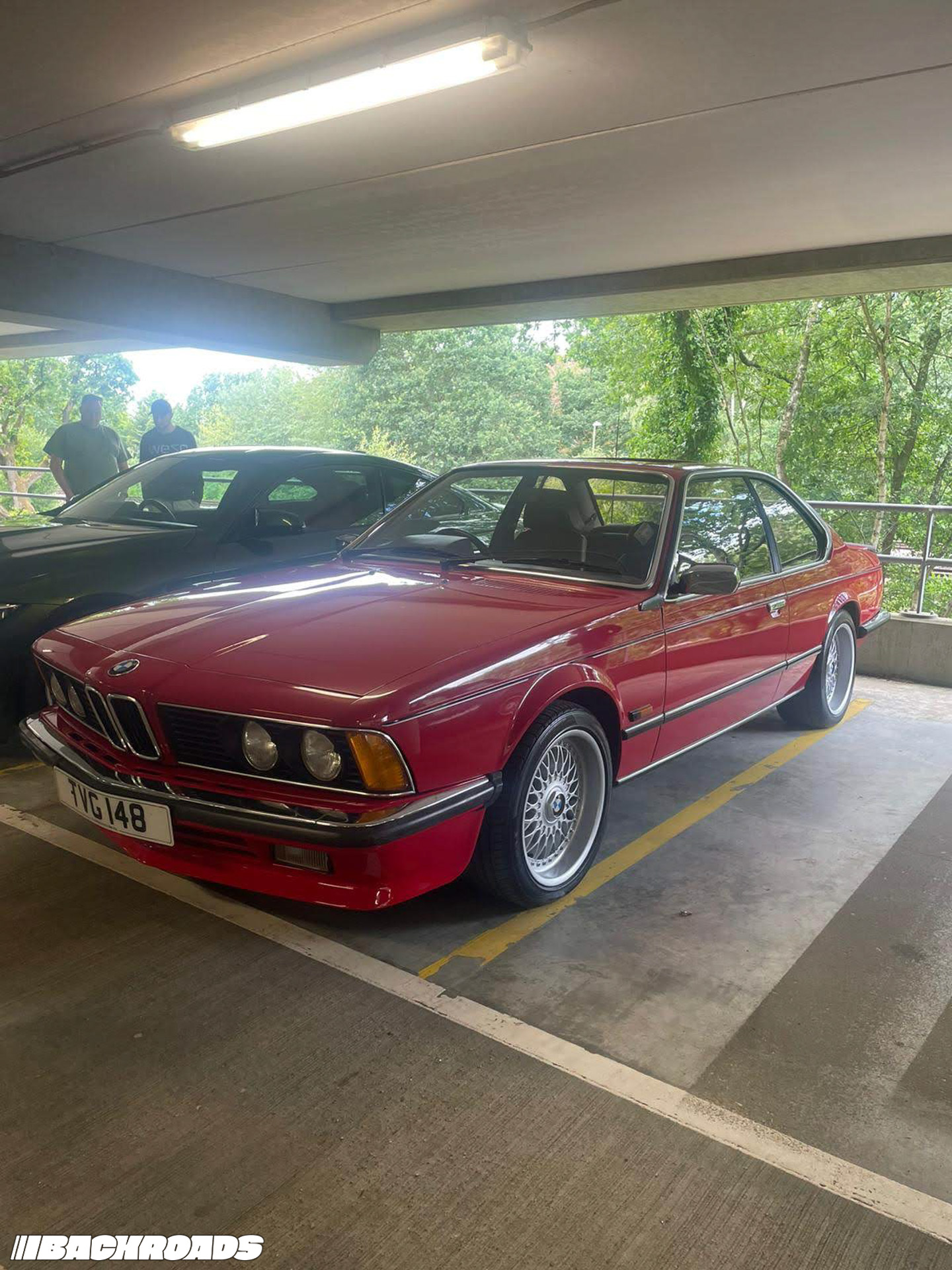
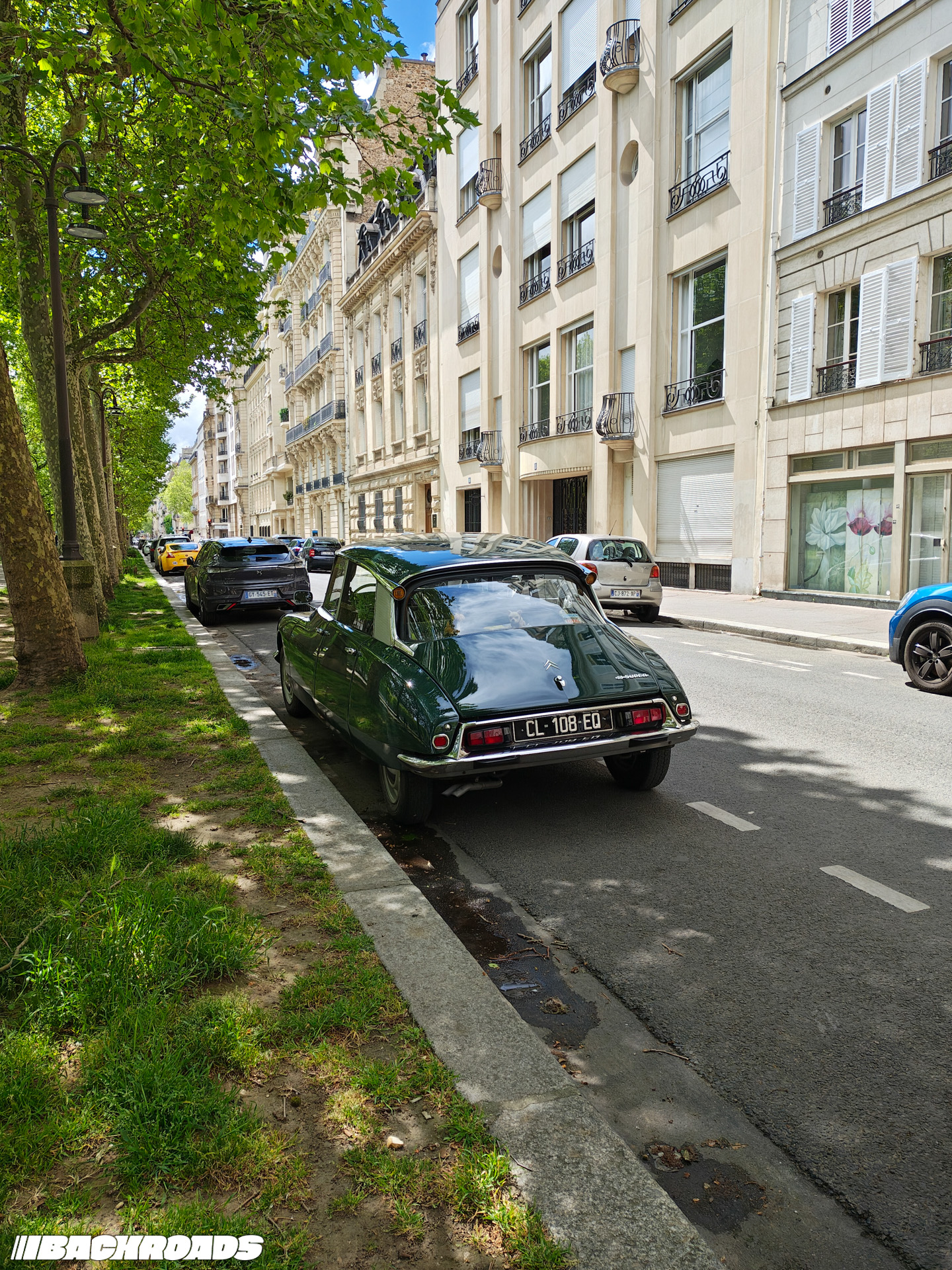
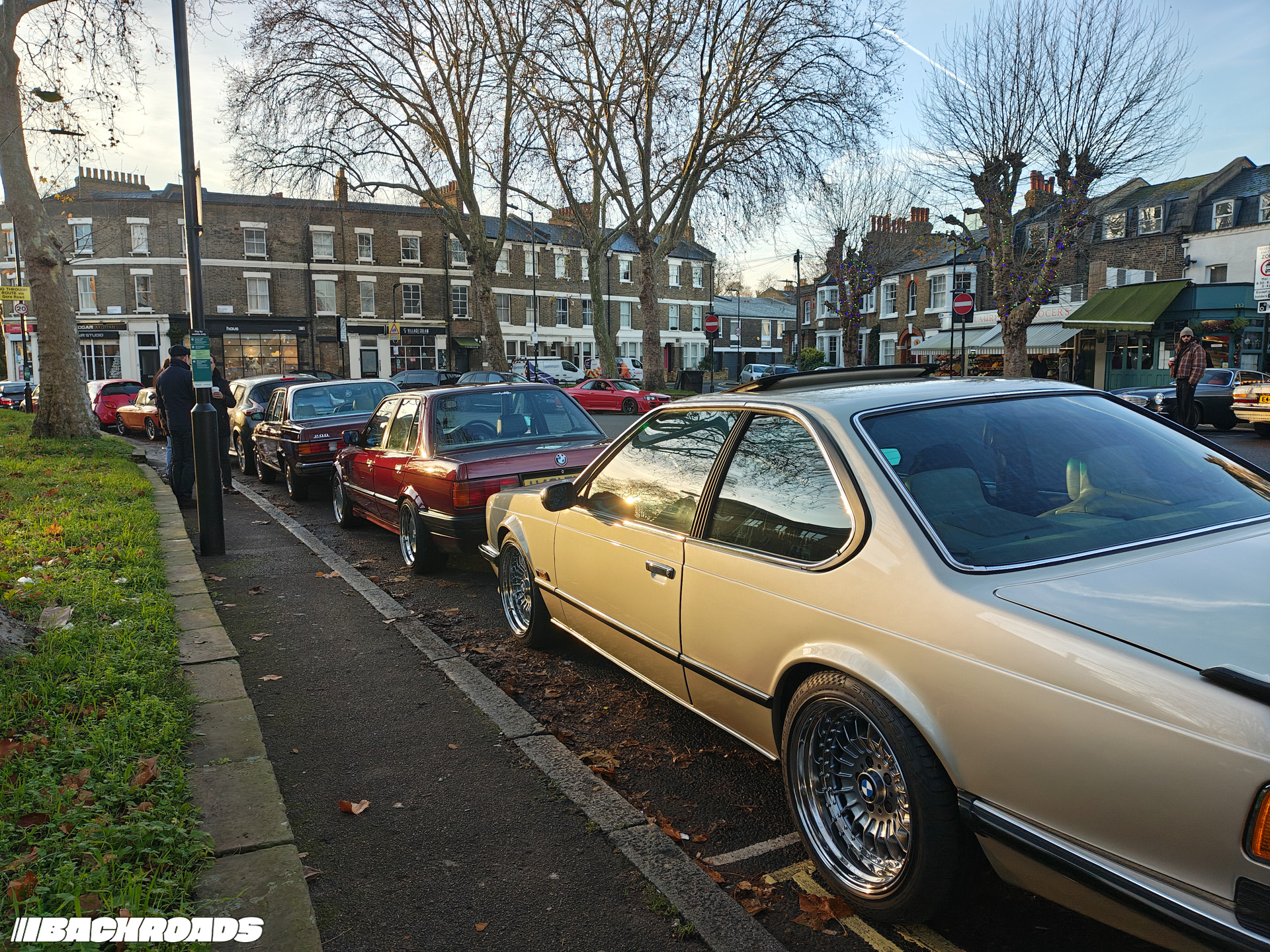
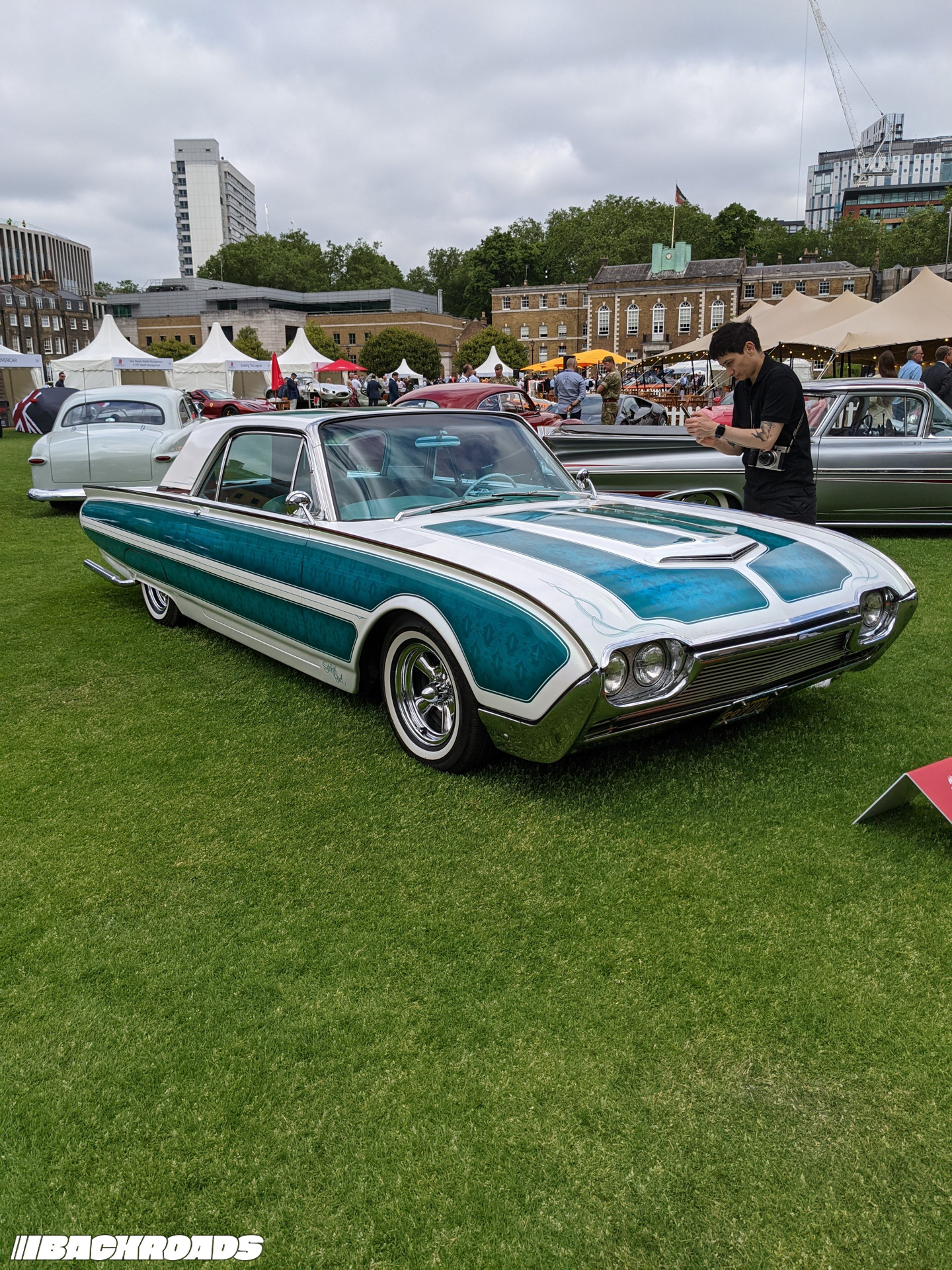
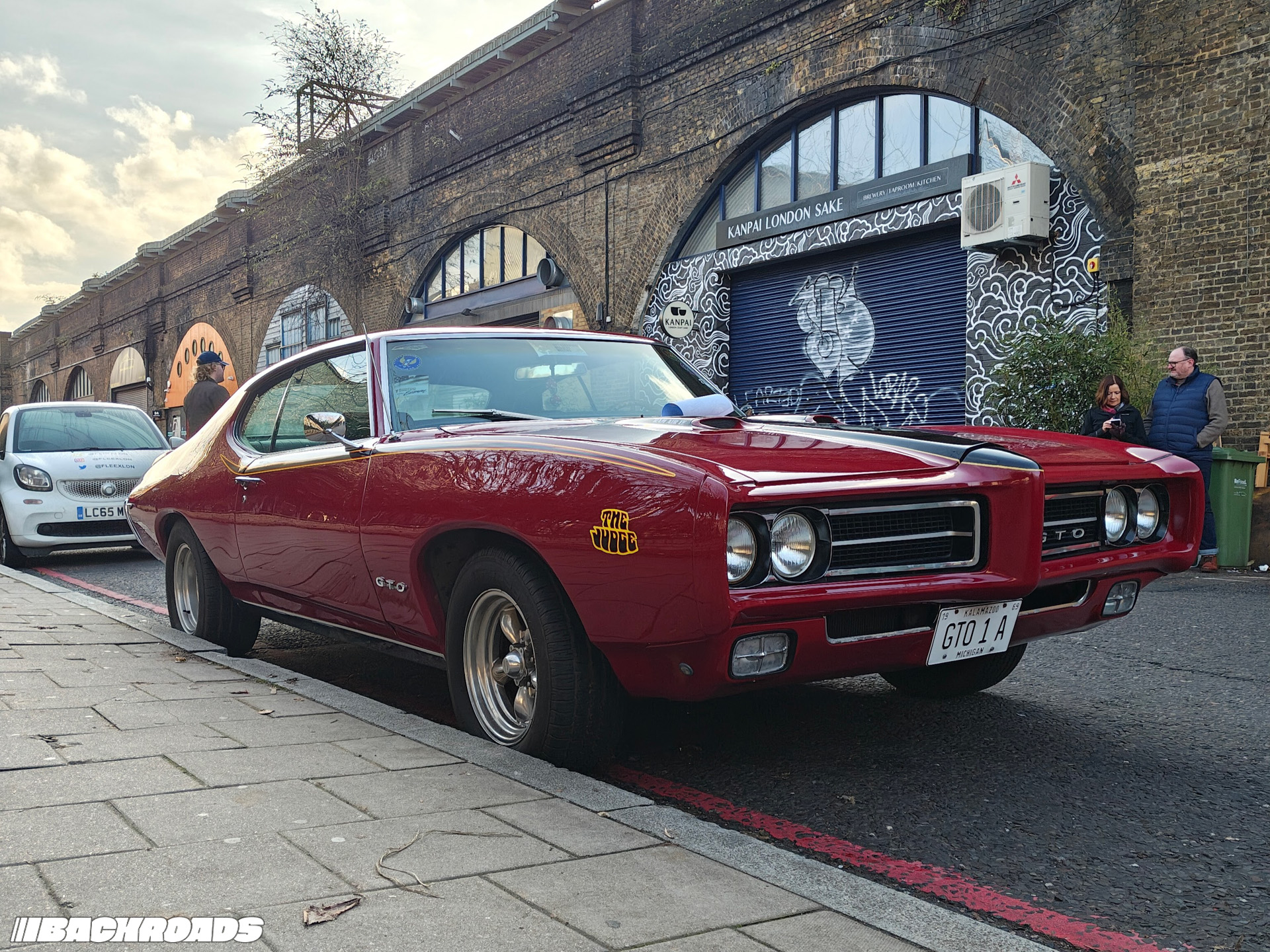
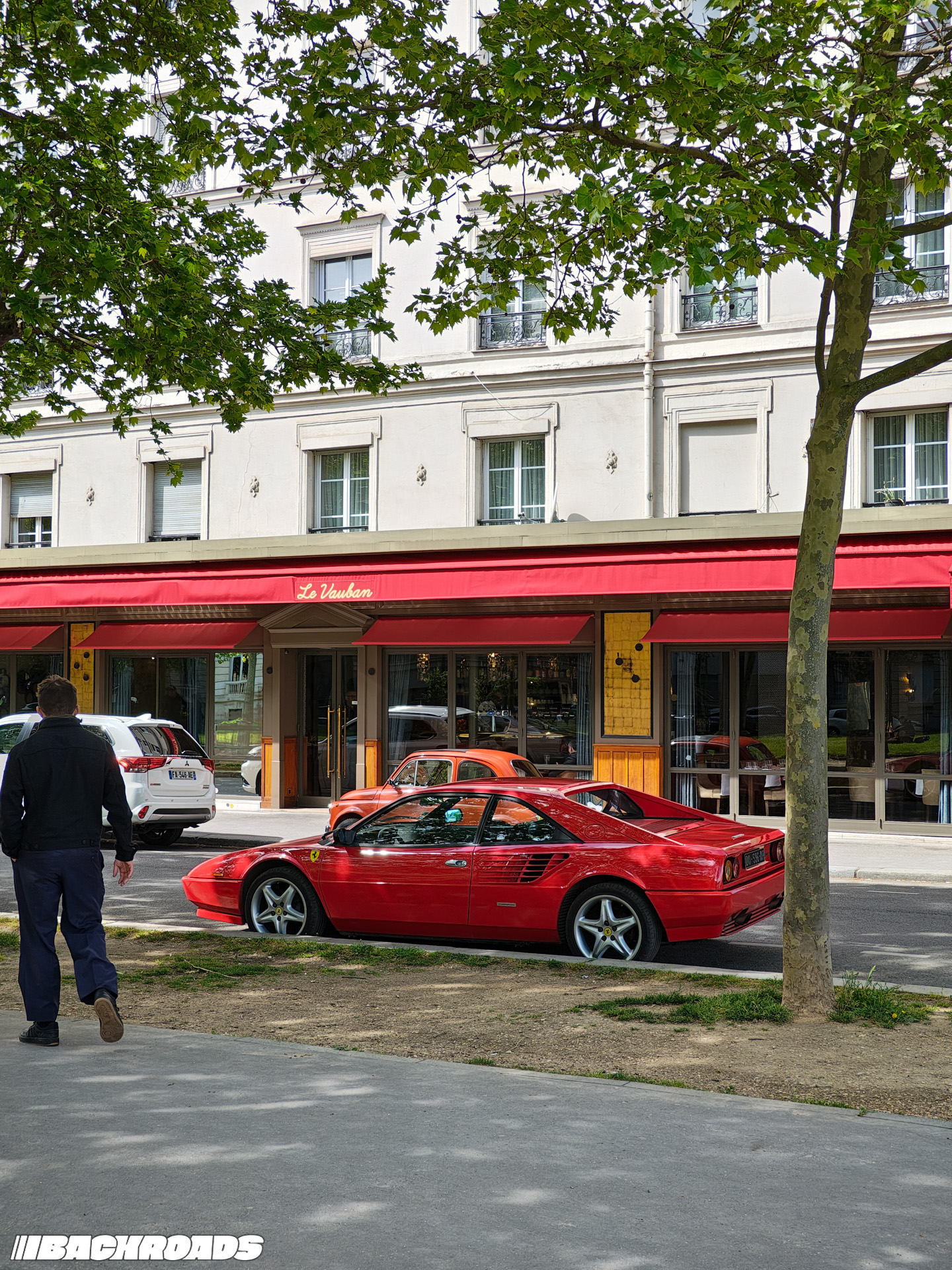
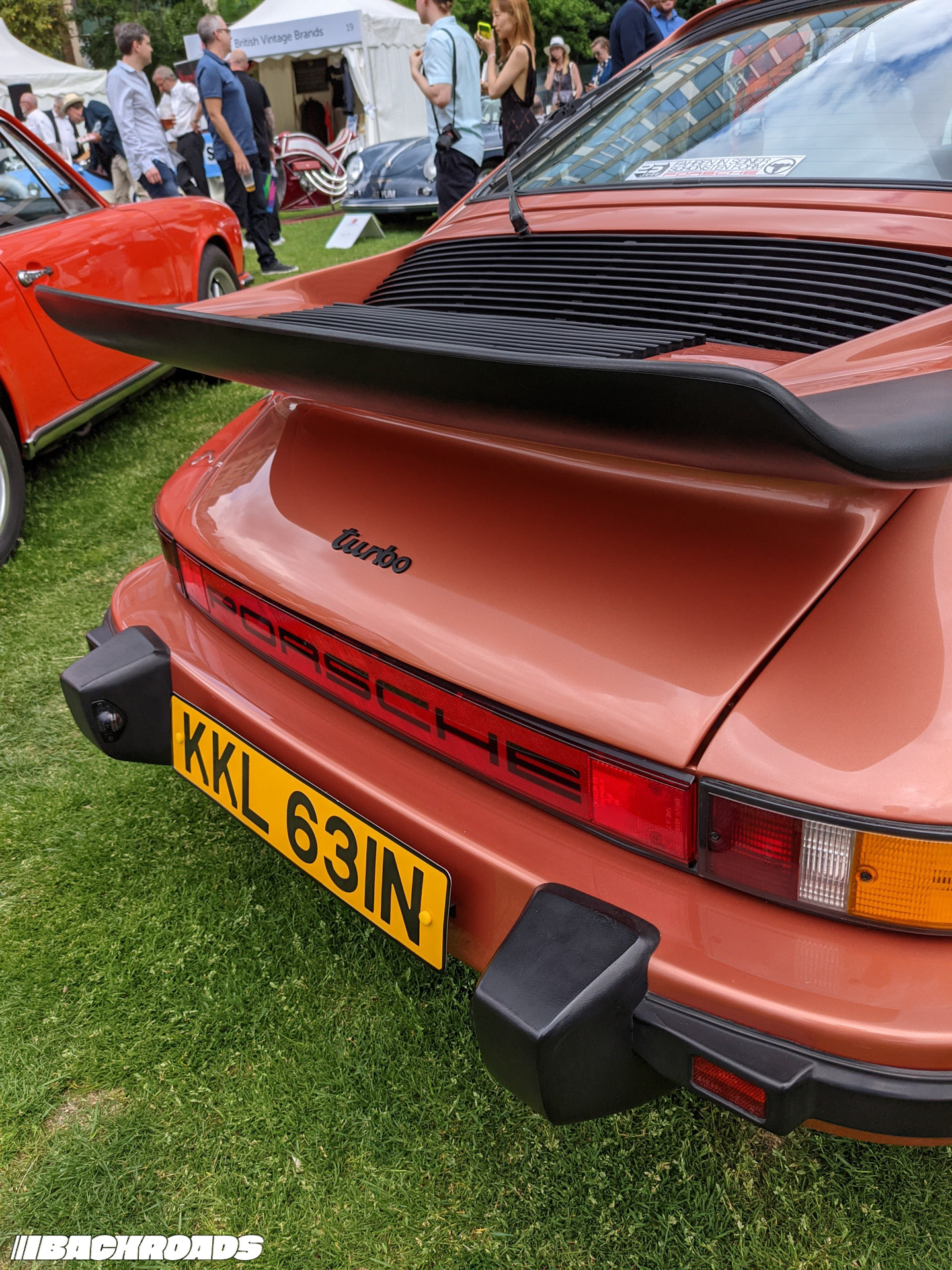
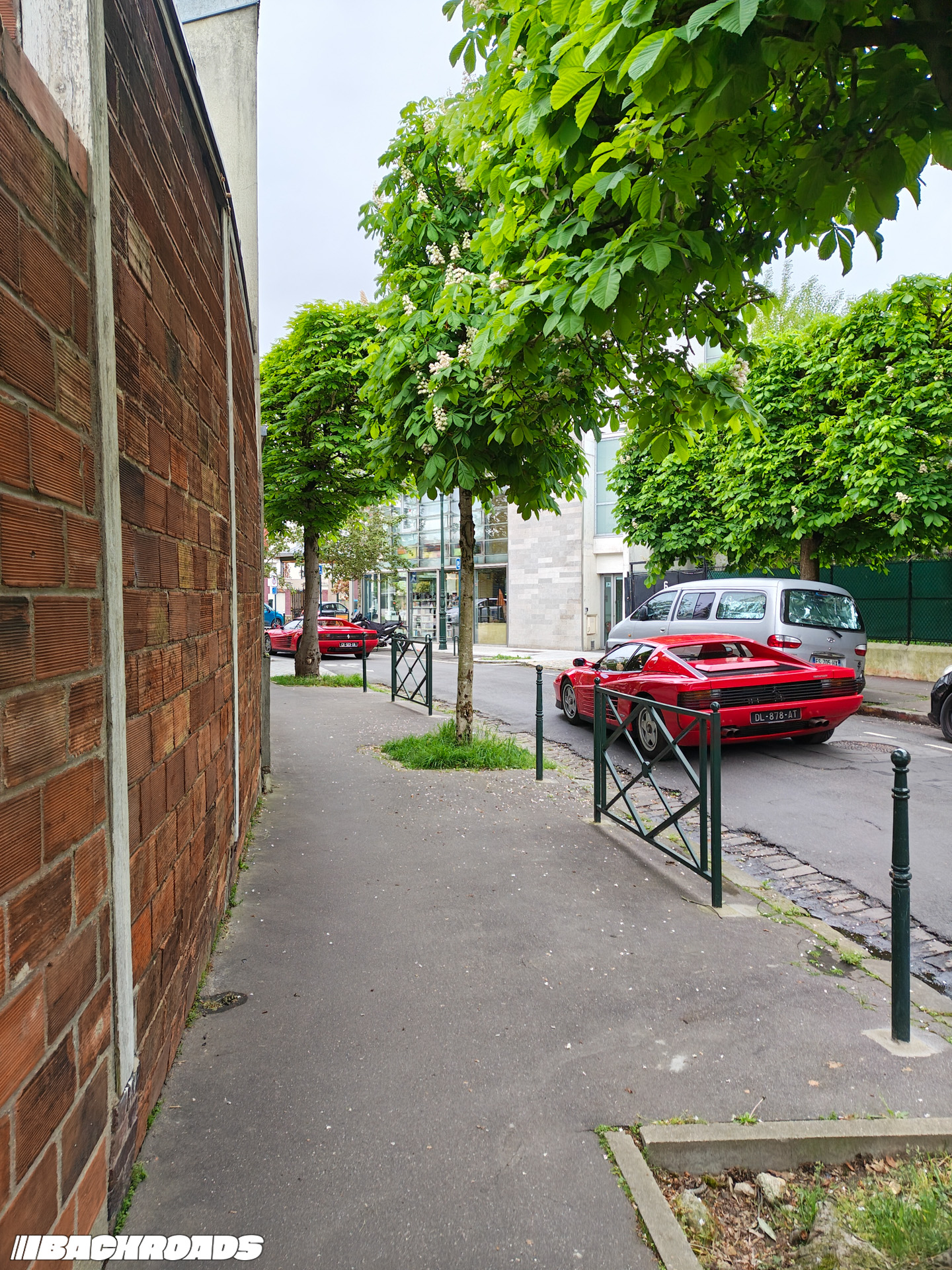
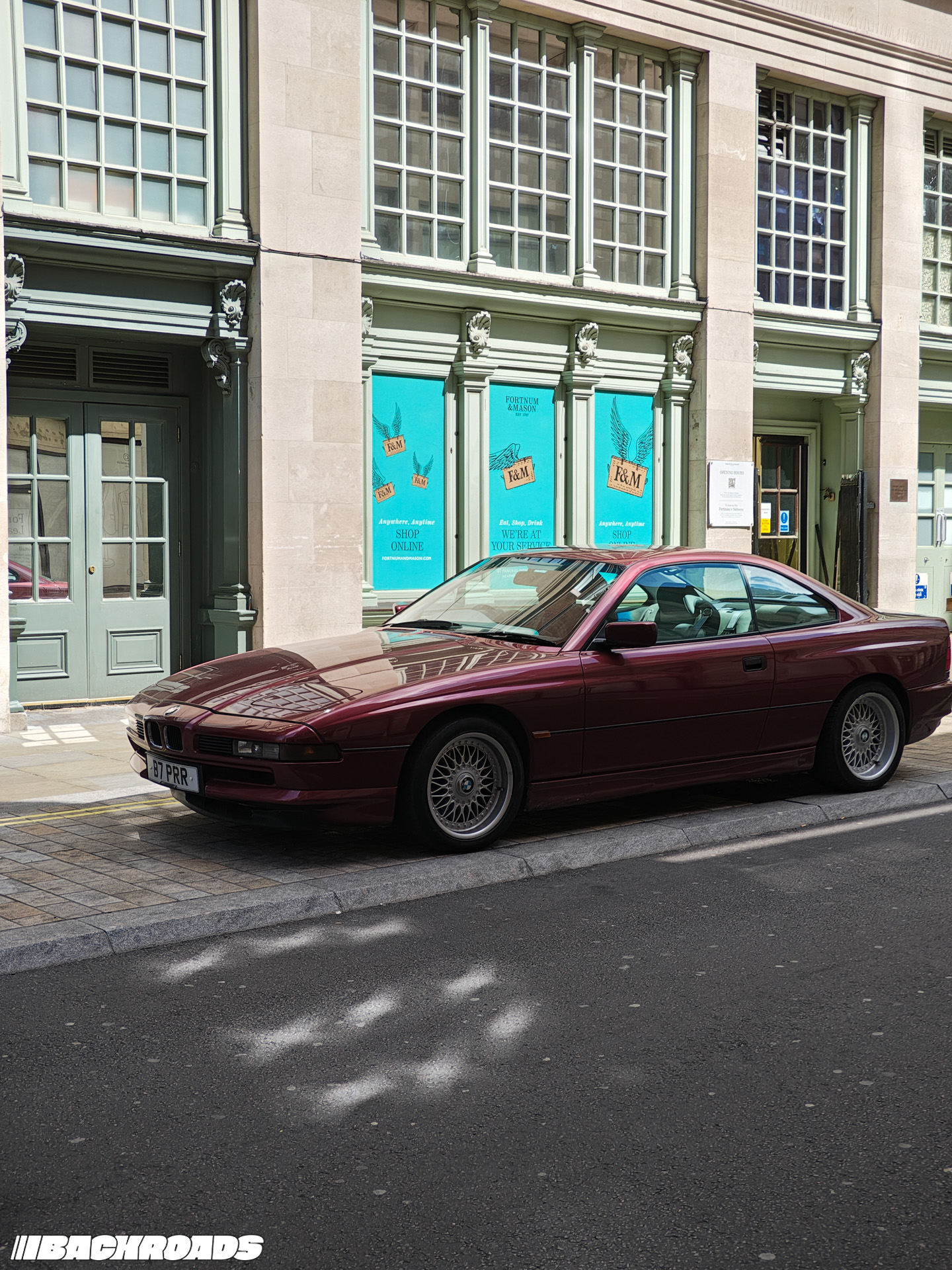
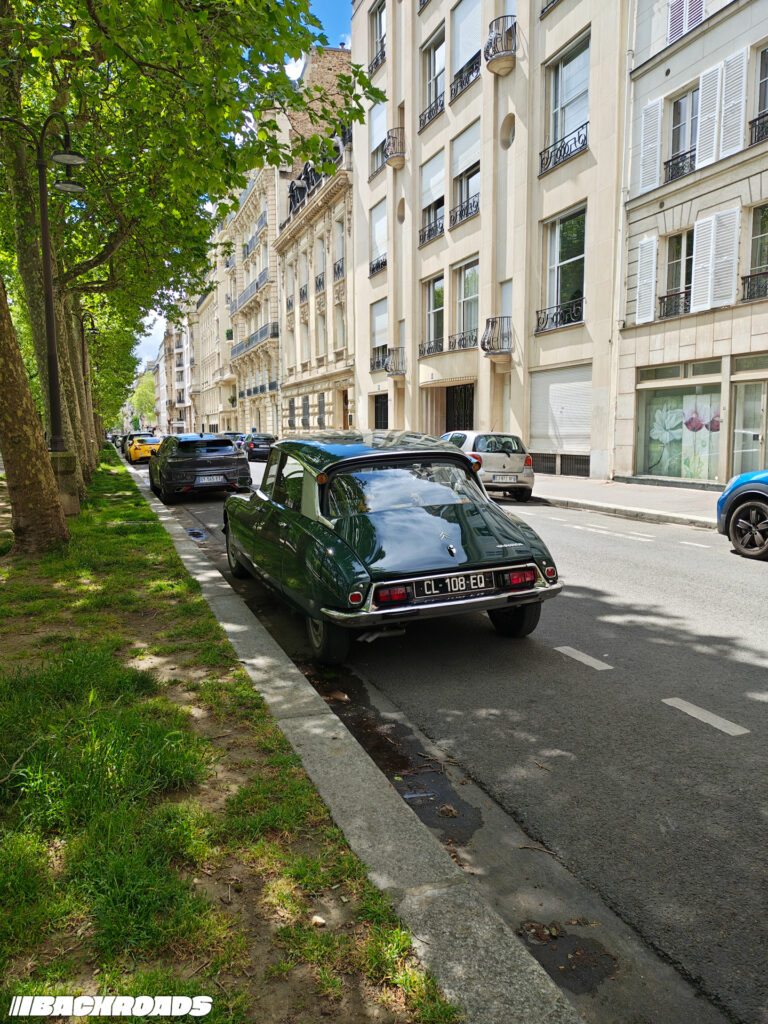
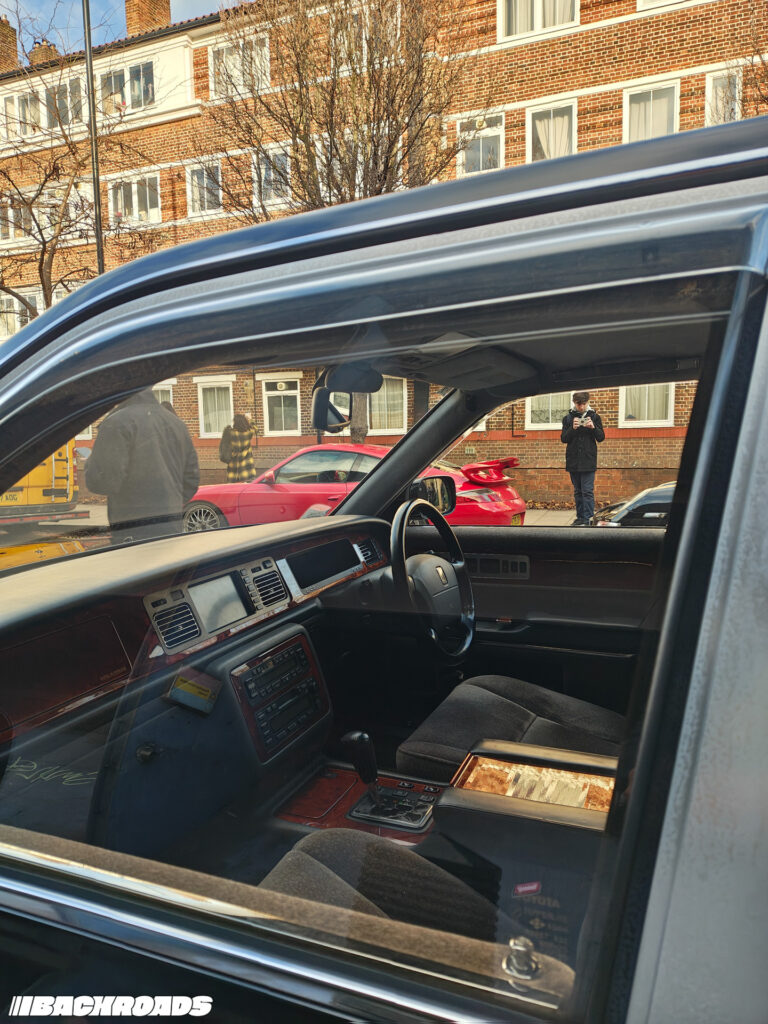
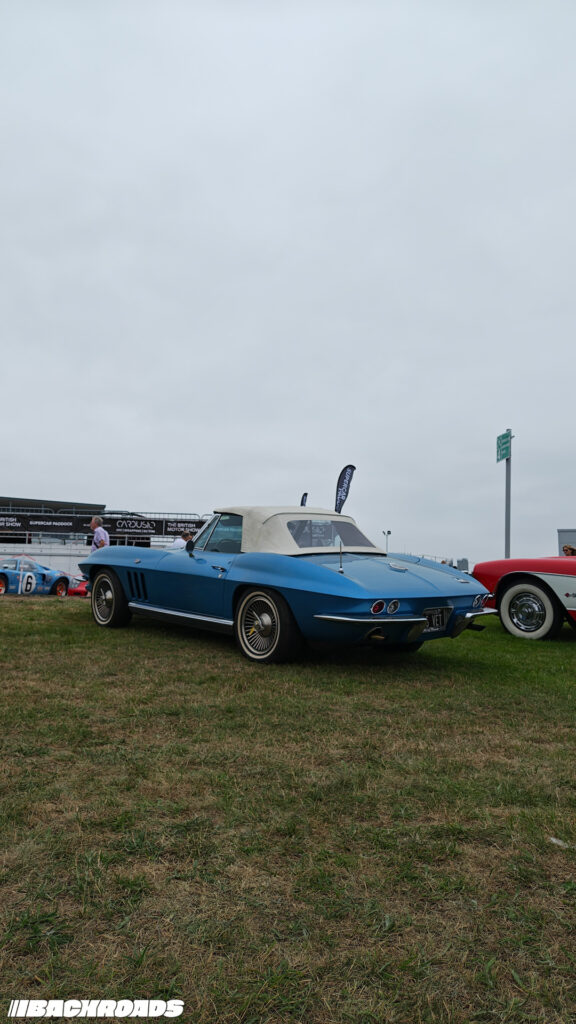
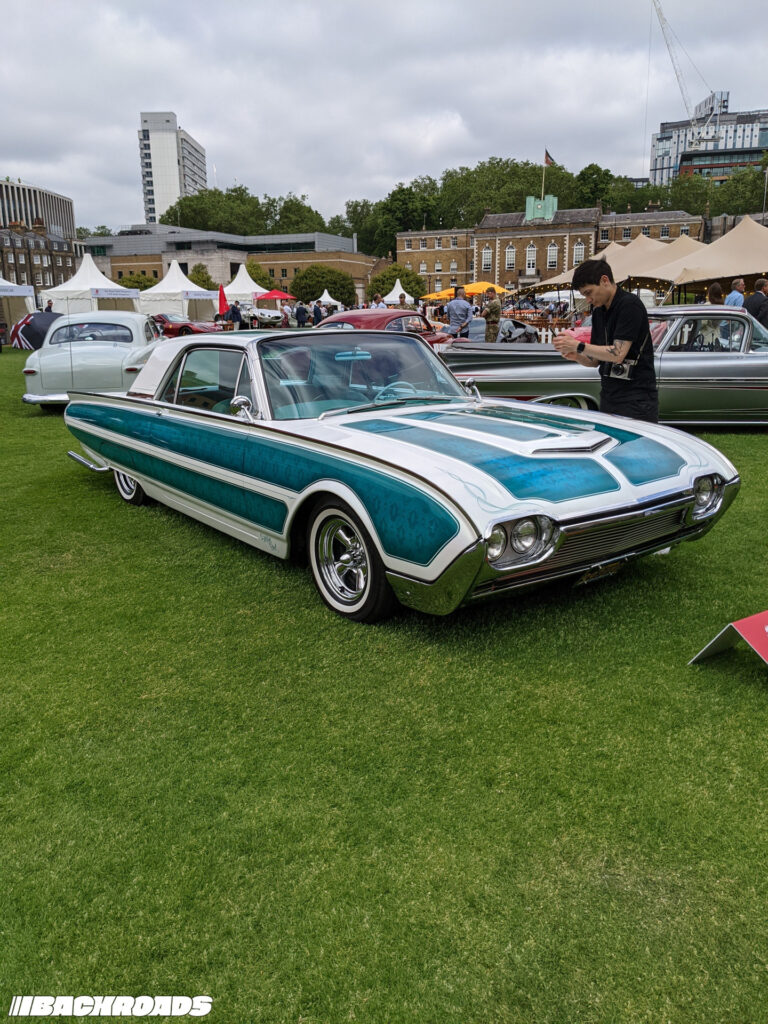
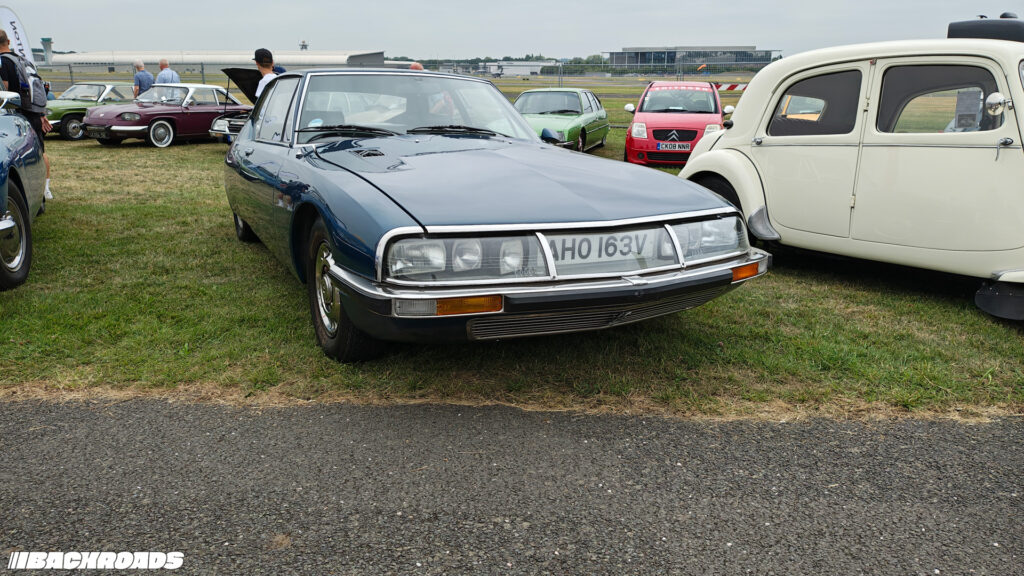
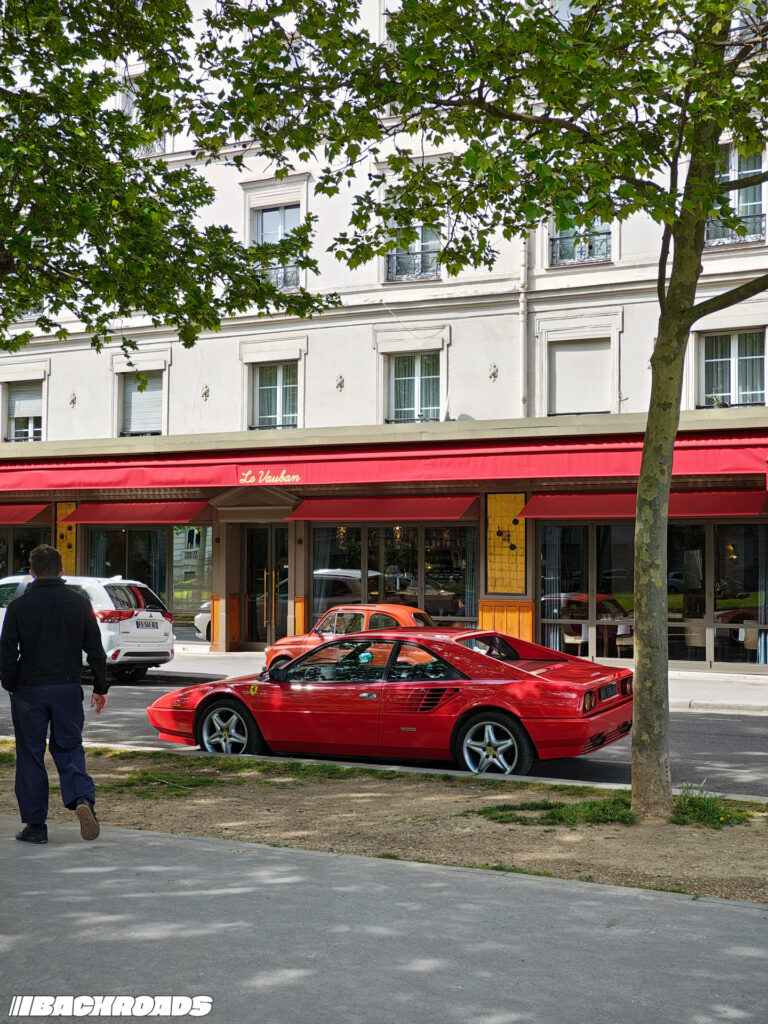
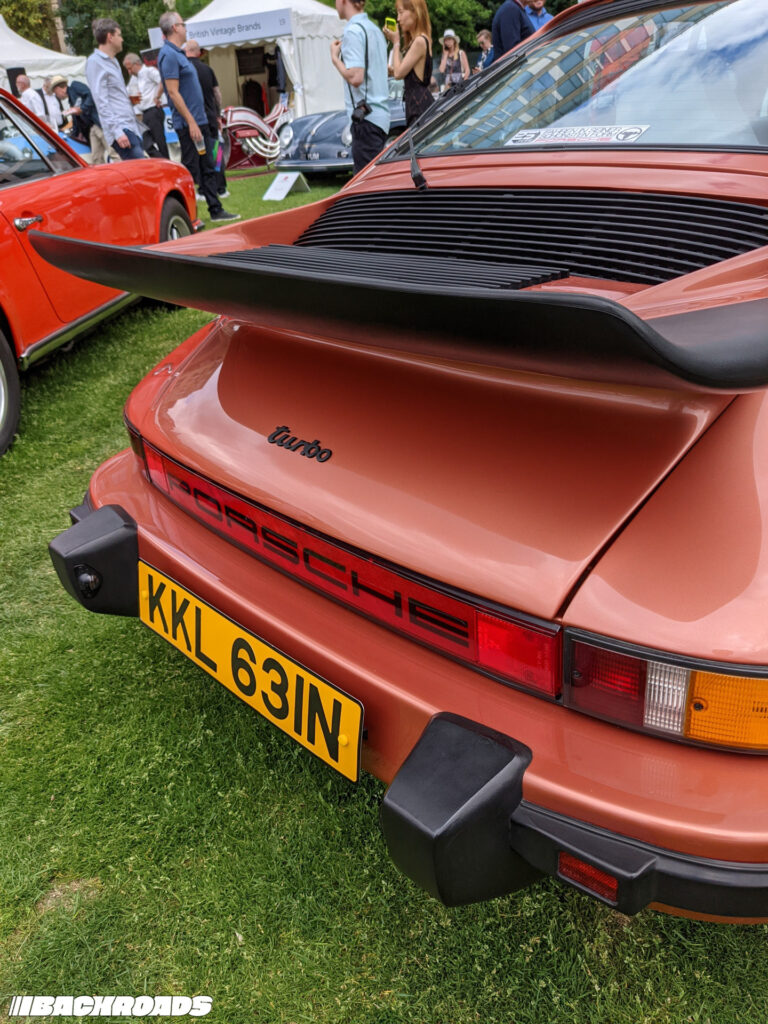
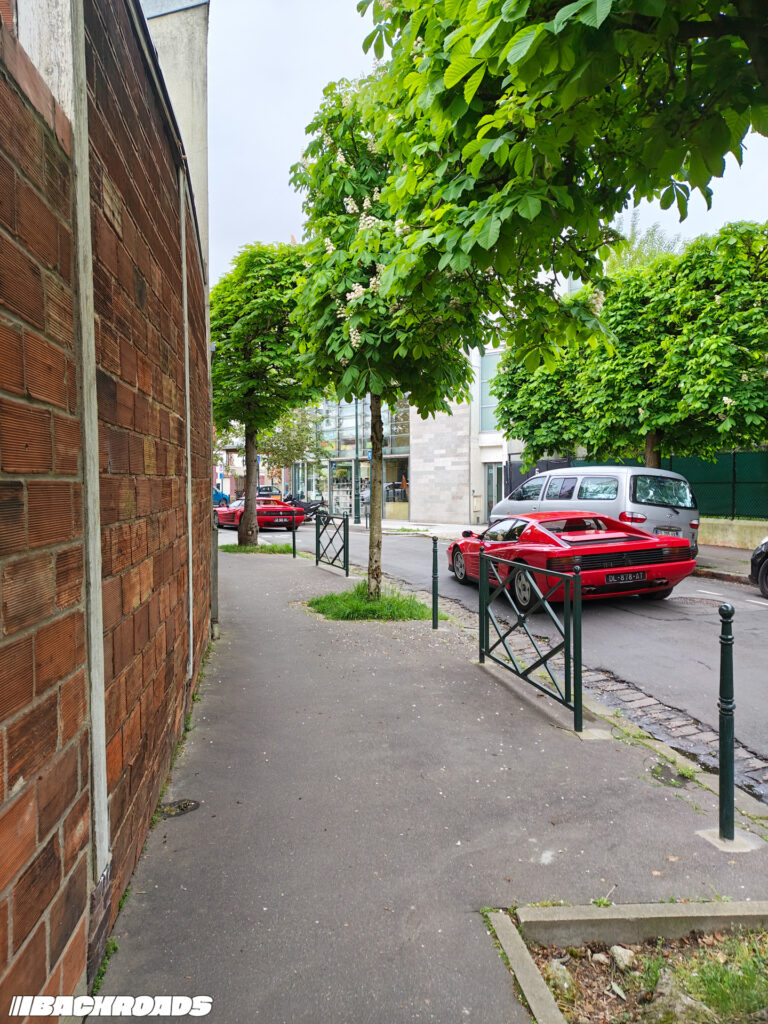
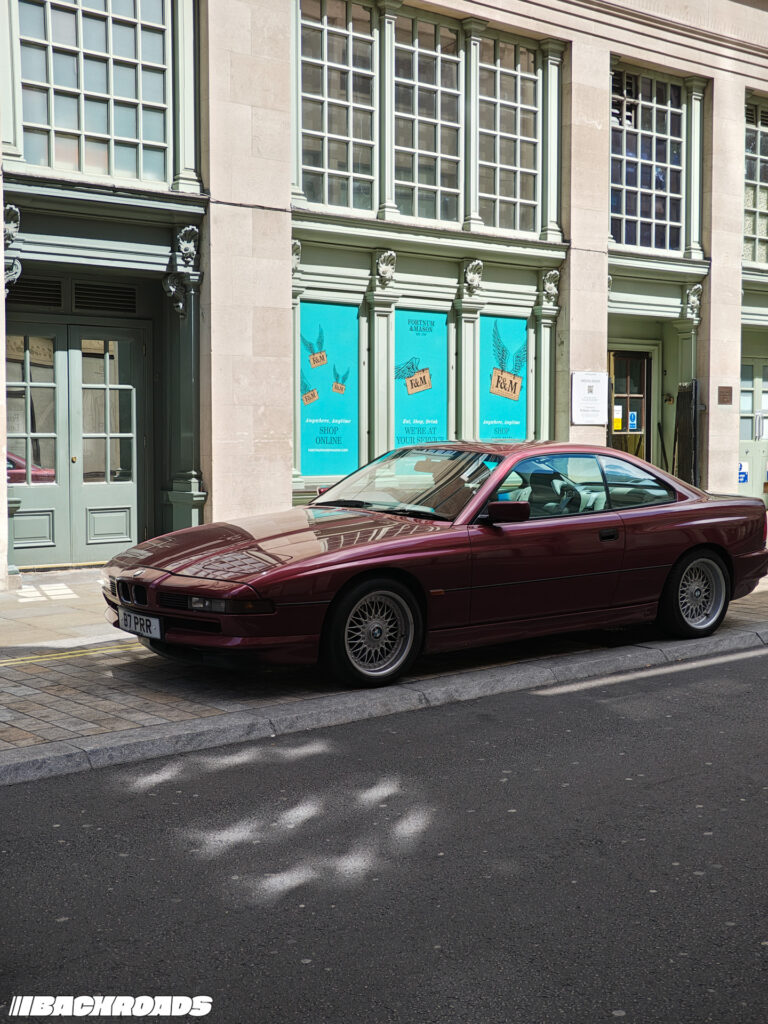
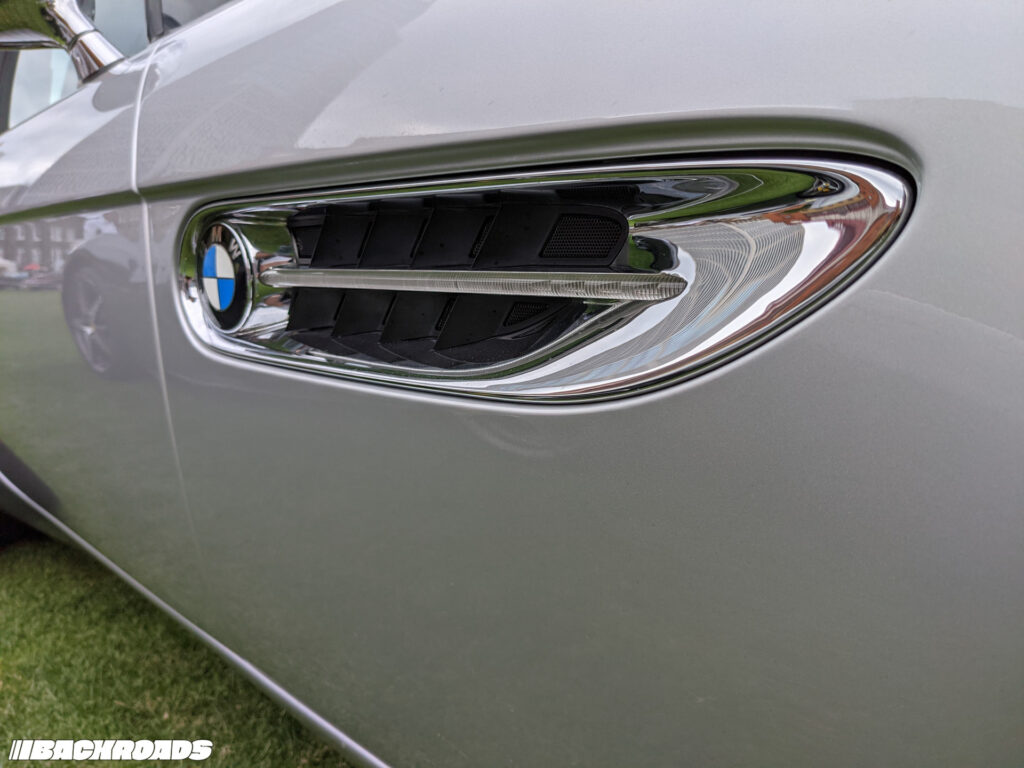
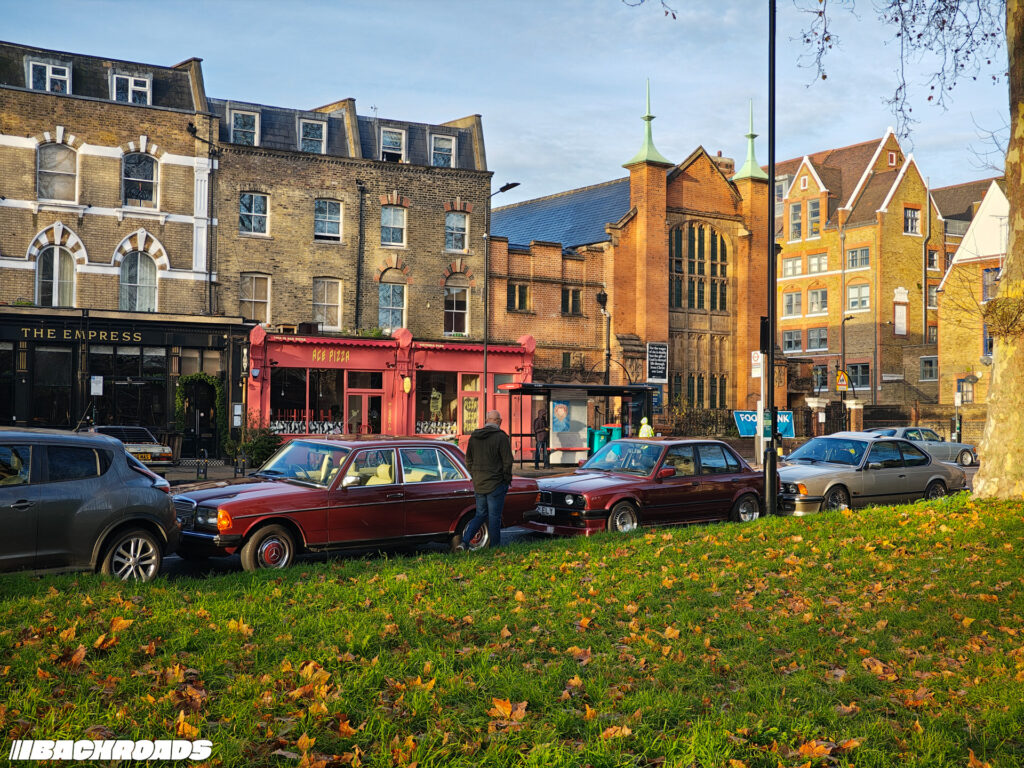
But heated seats and reliability don’t make a car cool. Side strakes and pop-ups do, because they wholeheartedly reflect a time period. They try. Even without Miami Vice, a Testarossa is and always will be cool because it is only being itself. Those lucky enough to choose to drive one are making an intentional decision to express something. By driving a classic like an old DS or an E31 BMW, you’re telling the world that you care about cars, and you’re willing to put in some extra effort in exchange for more involvement and enjoyment.

The three most popular new cars in the UK in 2024 were the Ford Puma, Nissan Qashqai, and Kia Sportage. They are all crossovers that cover a variety of use cases, providing an elevated driving position and relatively low running costs. They do enough of everything for the average buyer, and all look completely inoffensive, but I’d challenge anyone to describe them as cool.
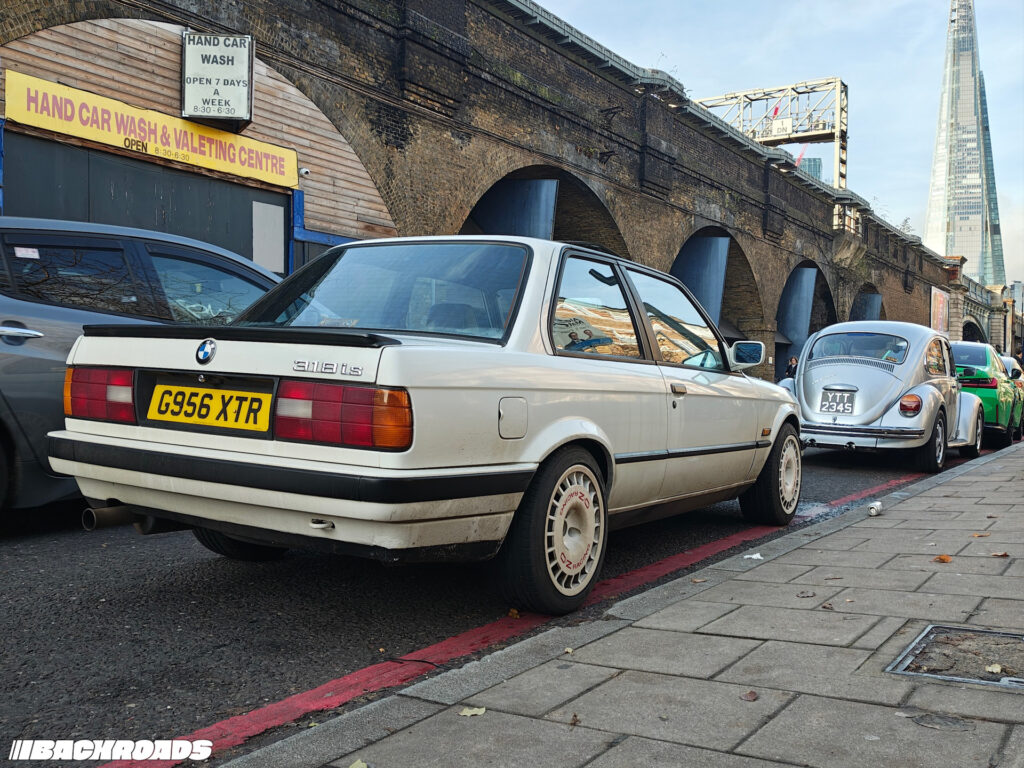
The Puma has good handling dynamics and is a fun car to drive, even if it doesn’t match the much-loved Fiesta. But it doesn’t tout those as its selling points. Ford’s marketing of the Puma focuses on its big screens and its clever driver assistance systems. My personal gripes with driver assistance aside, that’s not the kind of thing that people will fondly remember in 20 years, but people still talk about the original Focus RS and its torque steer. It does, however, appeal to the average consumer, and even I must admit that the realities of owning an older performance car are more laborious than a more modern crossover for similar money. With that original Focus RS, I’d be poring over the car to check for rust every week or keeping a tab open permanently to source a rear suspension arm. There’s no such worry with a new Puma.
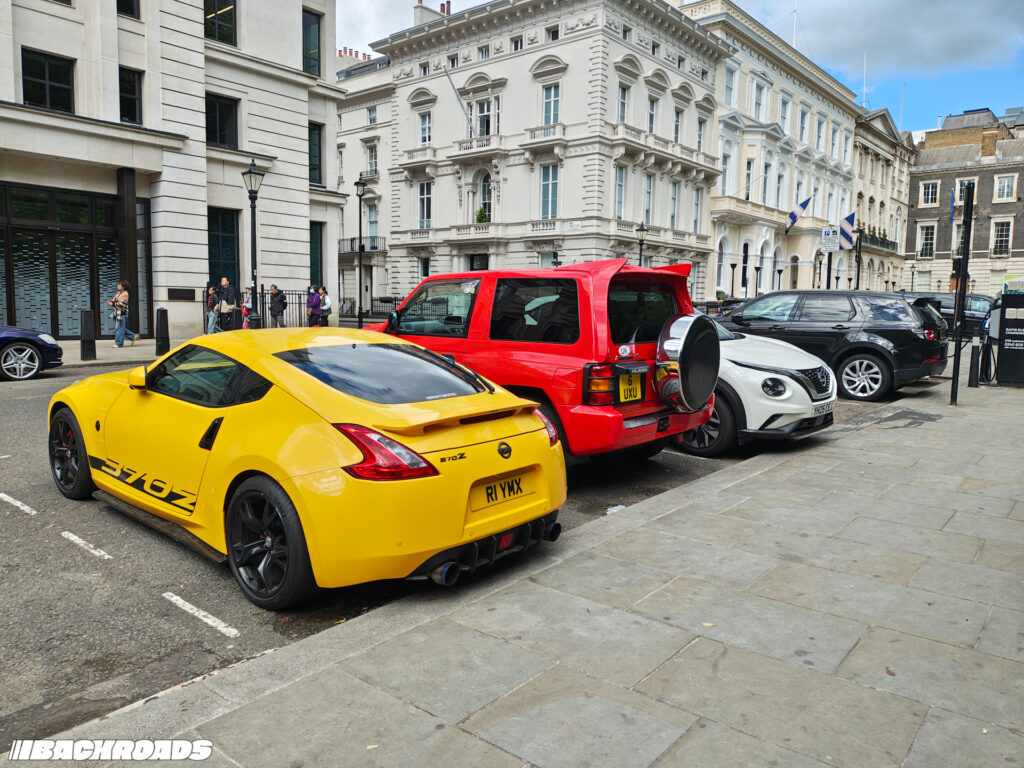
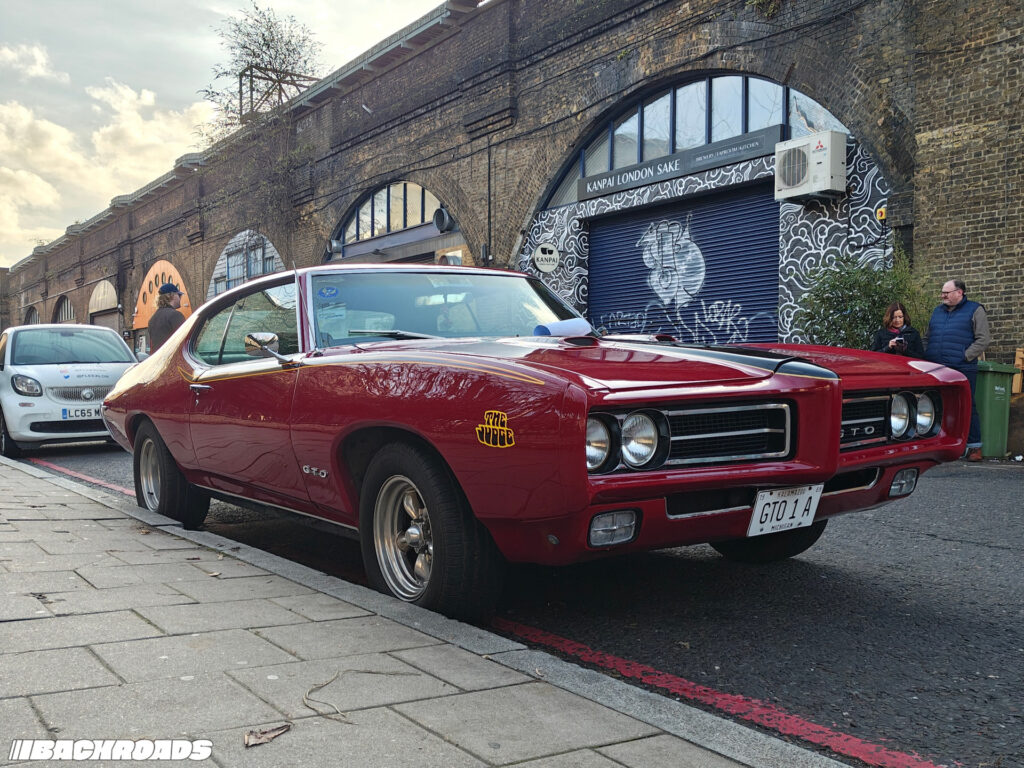
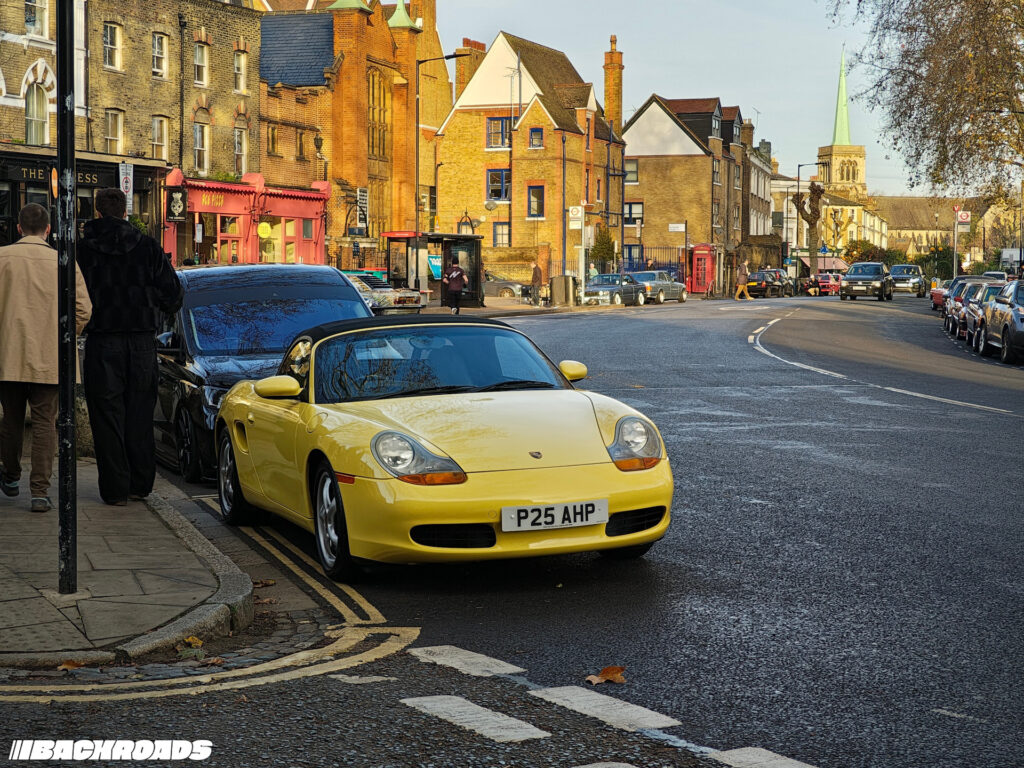
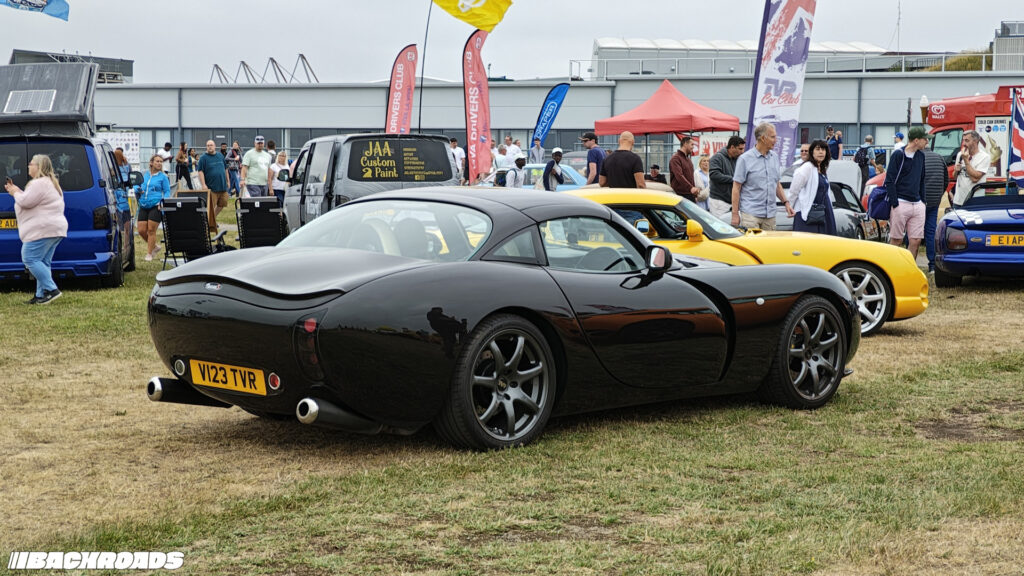

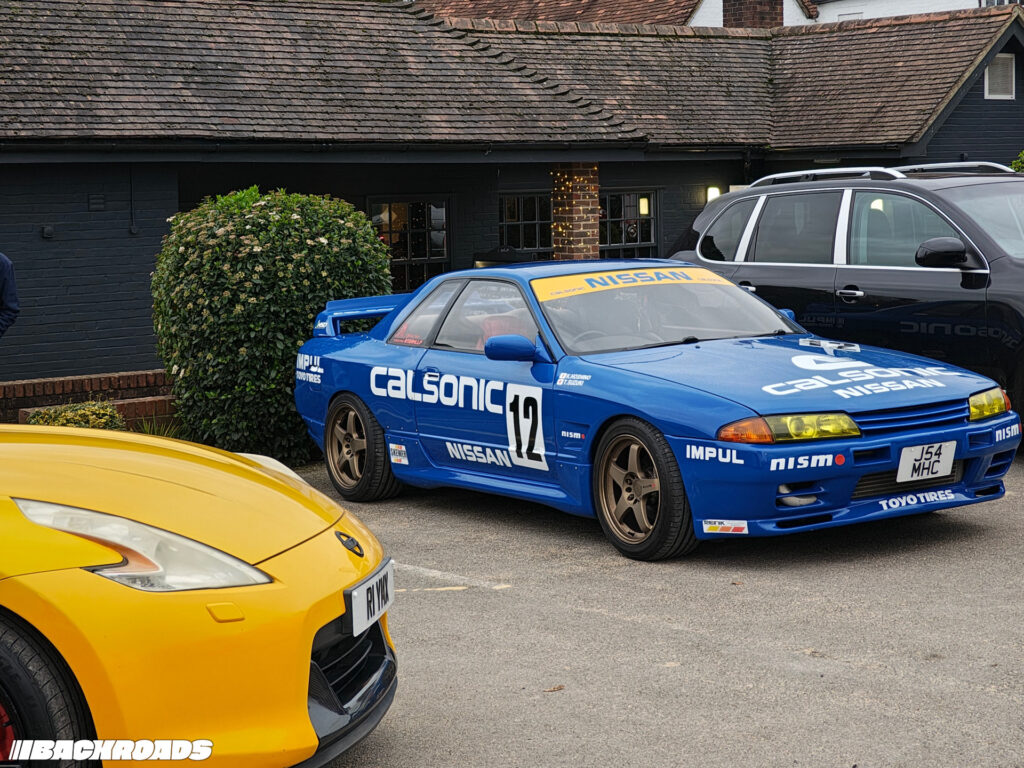
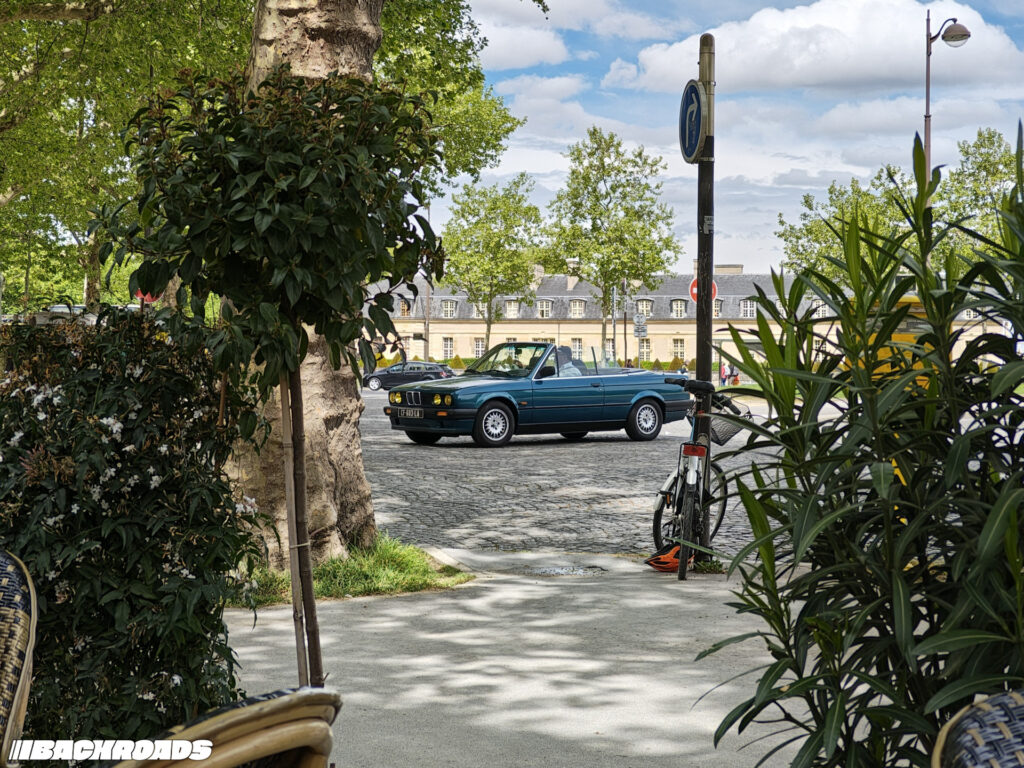
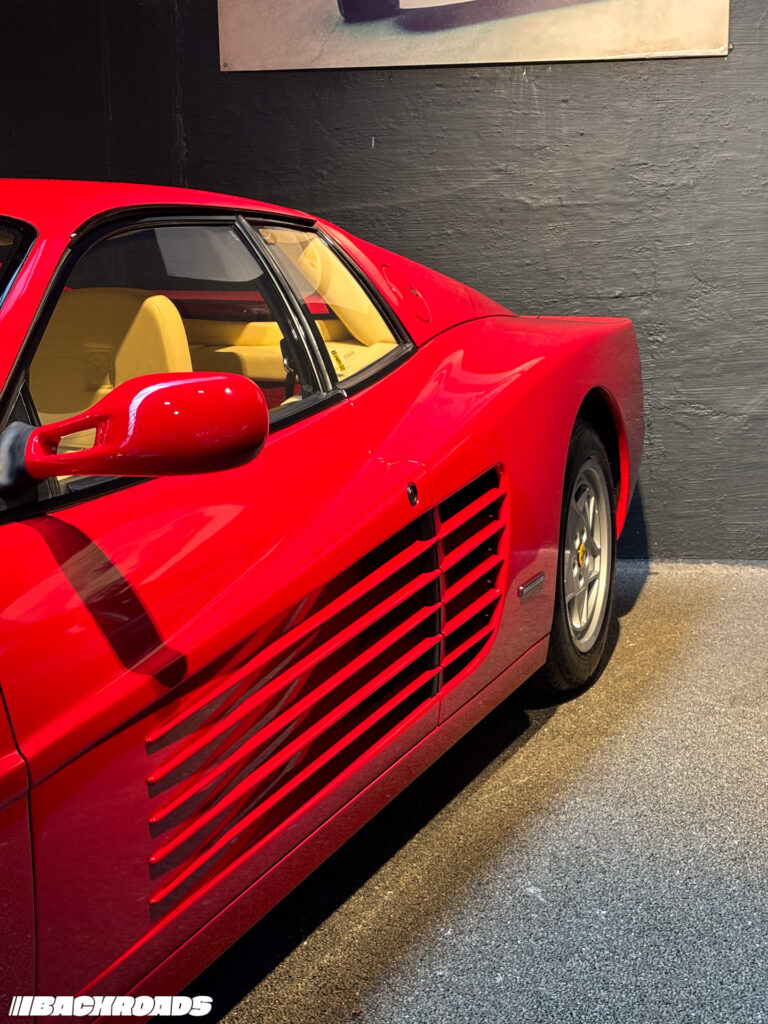
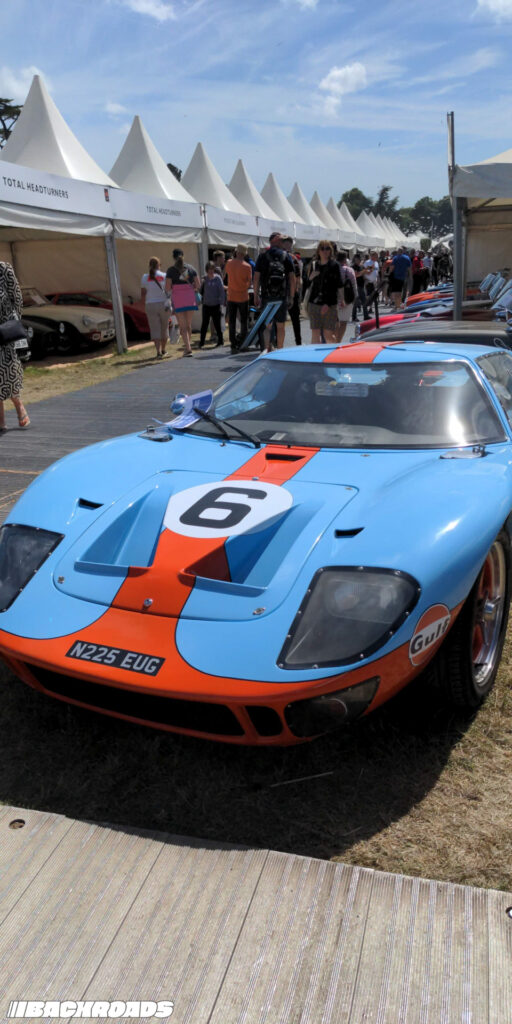
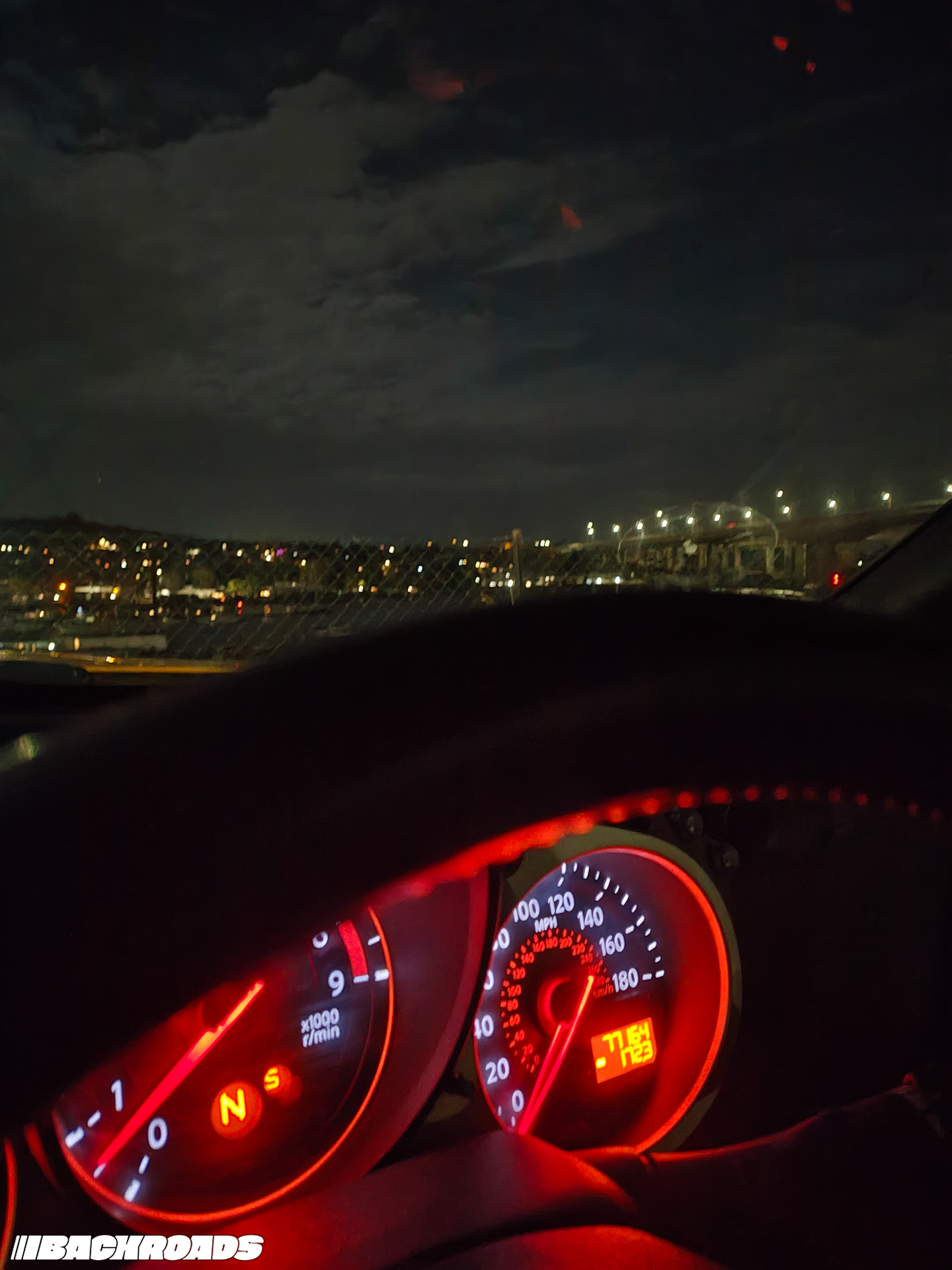
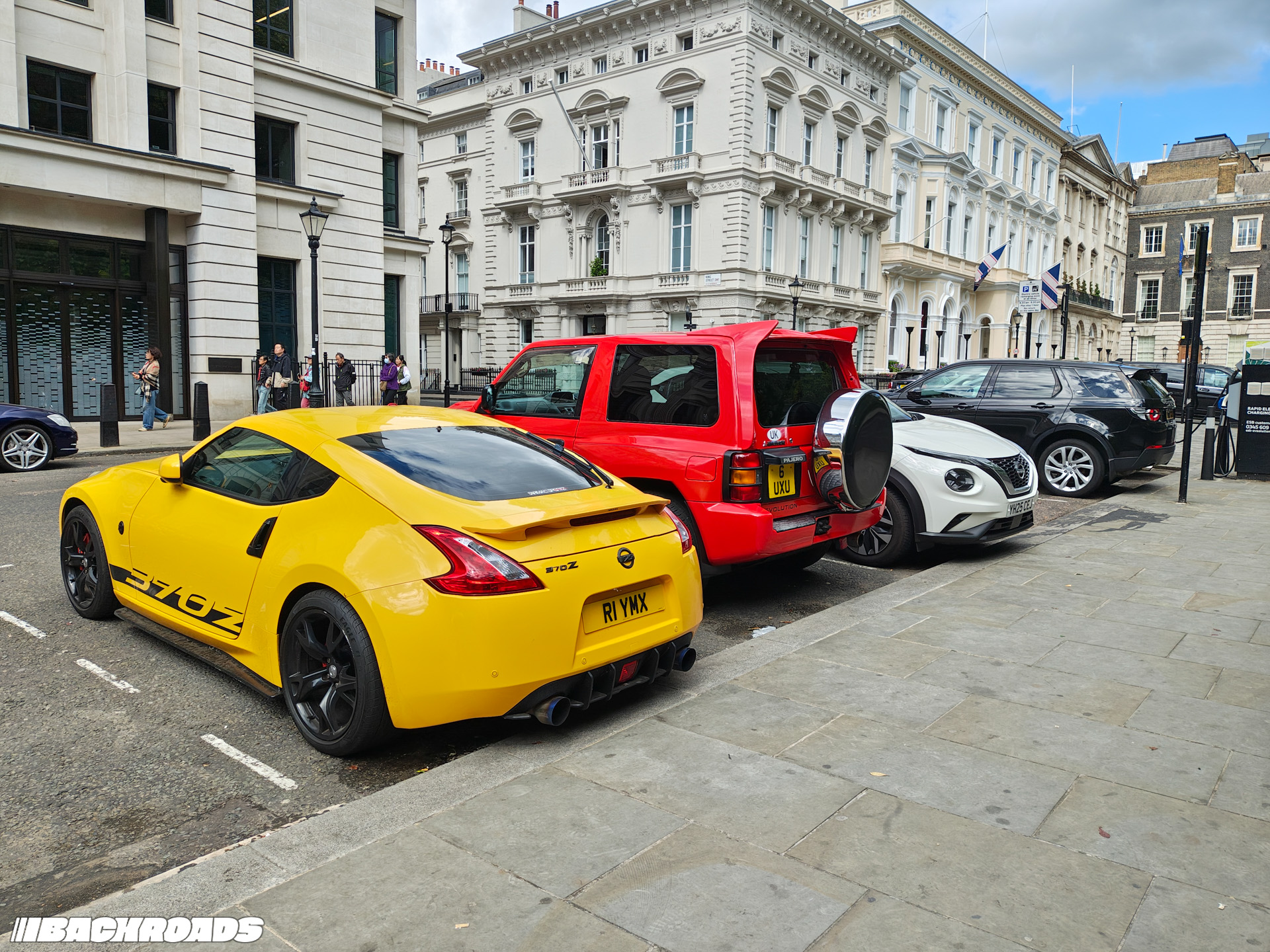
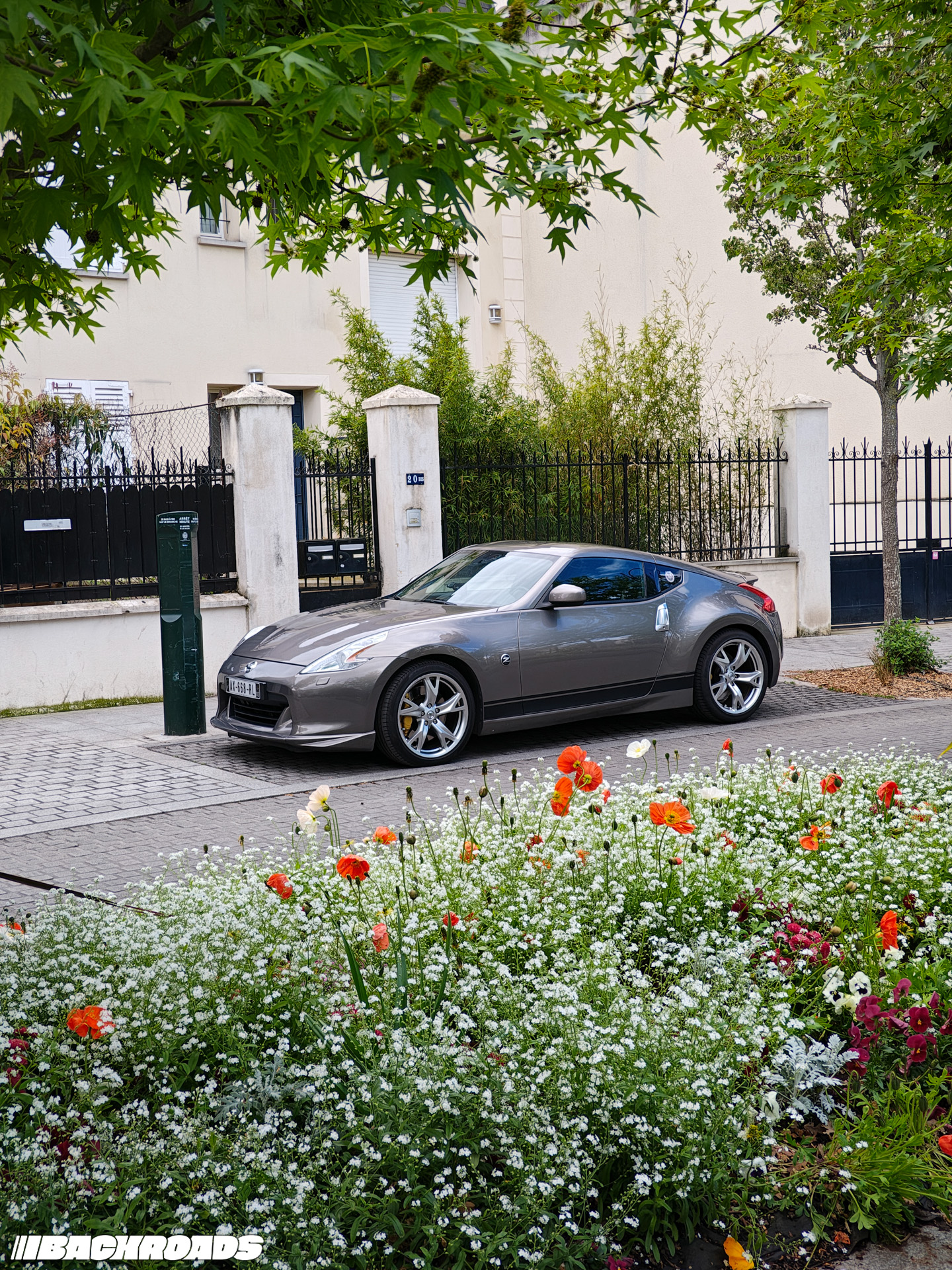
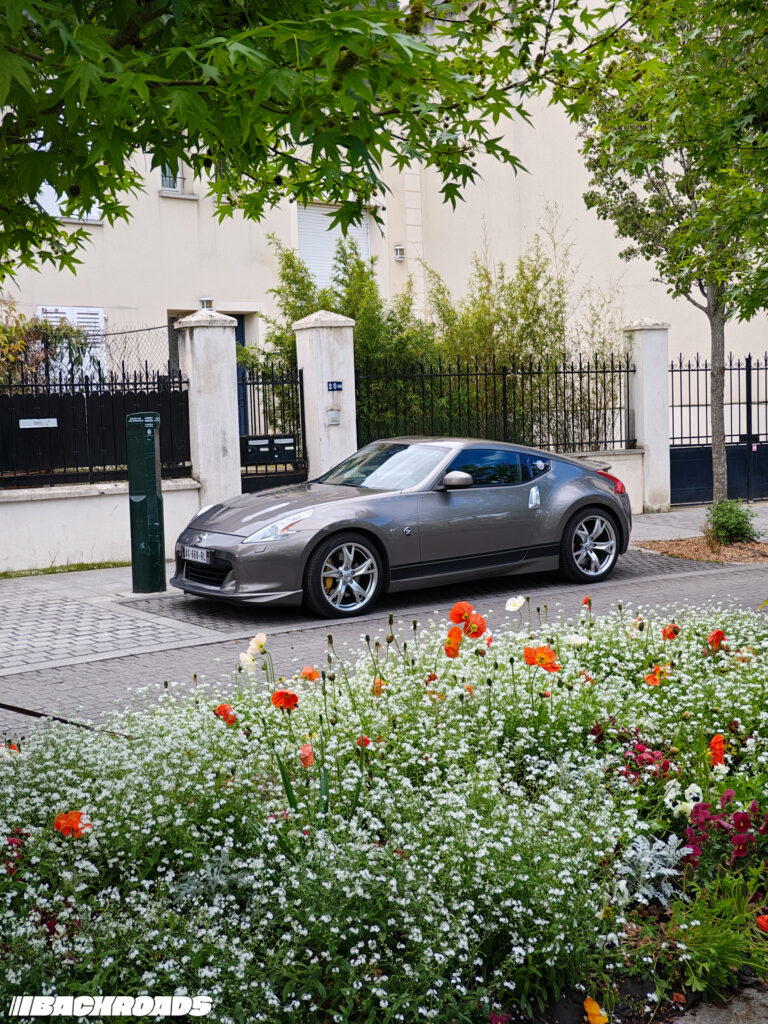
But I hate the fact that most people have stopped trying. They aren’t expressing themselves with their cars as much as they used to, nor are they willing to put in any effort. One of the joys of driving my yellow Nissan 370Z is seeing people’s smiles and waves as I pass. The car is expressive, and says something about me. Yes, to some people, what it says will not be entirely positive, but it creates opinion and discussion.
The depth and nature of what the car says vary from person to person as well. A middle-aged man from Towcester might know that I enjoy oversteer and a sharp throttle. A primary school kid might think I’m a racing driver and that I hit 1,000mph every day. An elderly woman at the bus stop might just think I’m a wanker. Each of those impressions will vary in accuracy, of course, but that’s the fun and enjoyment of it.
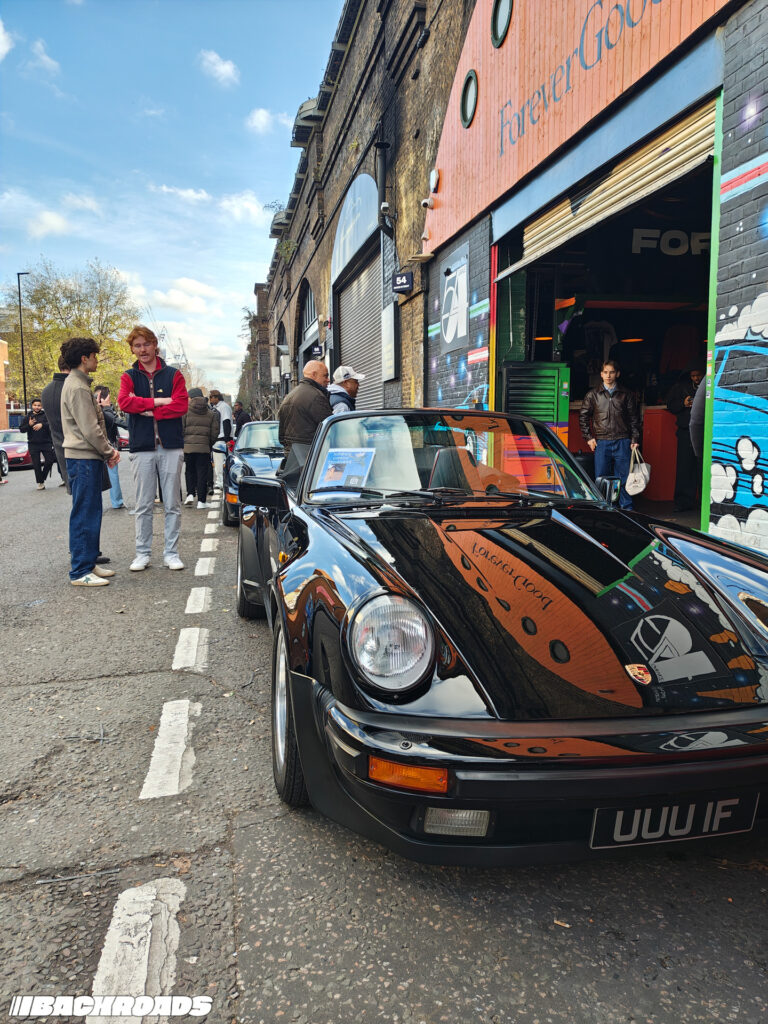
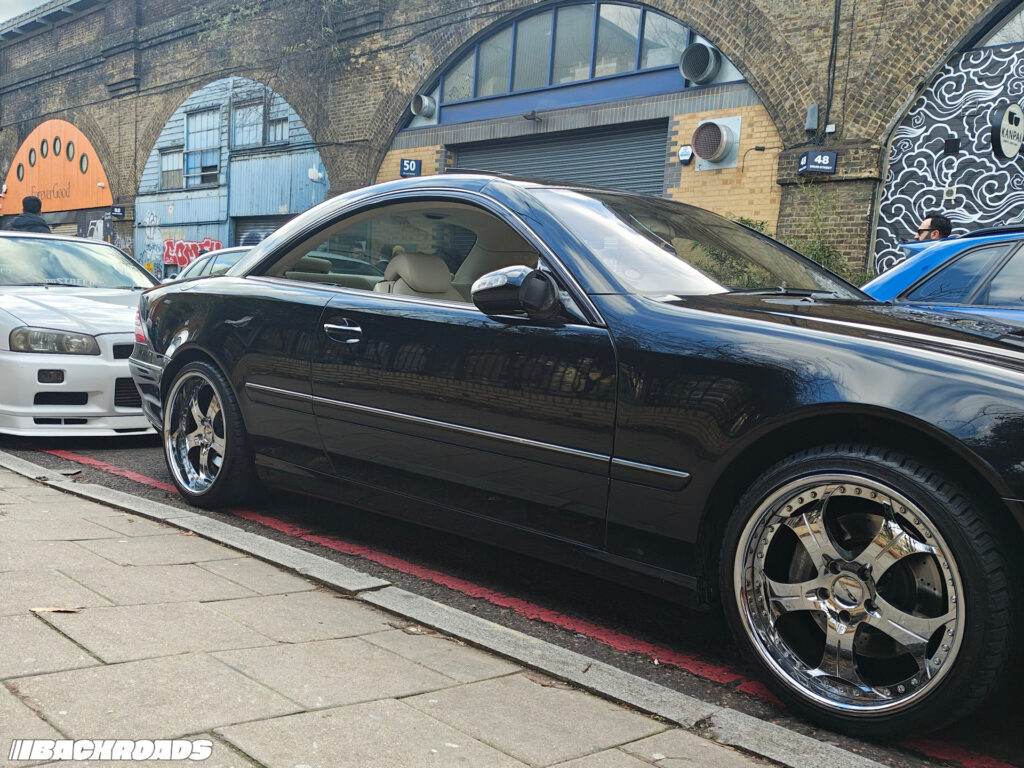
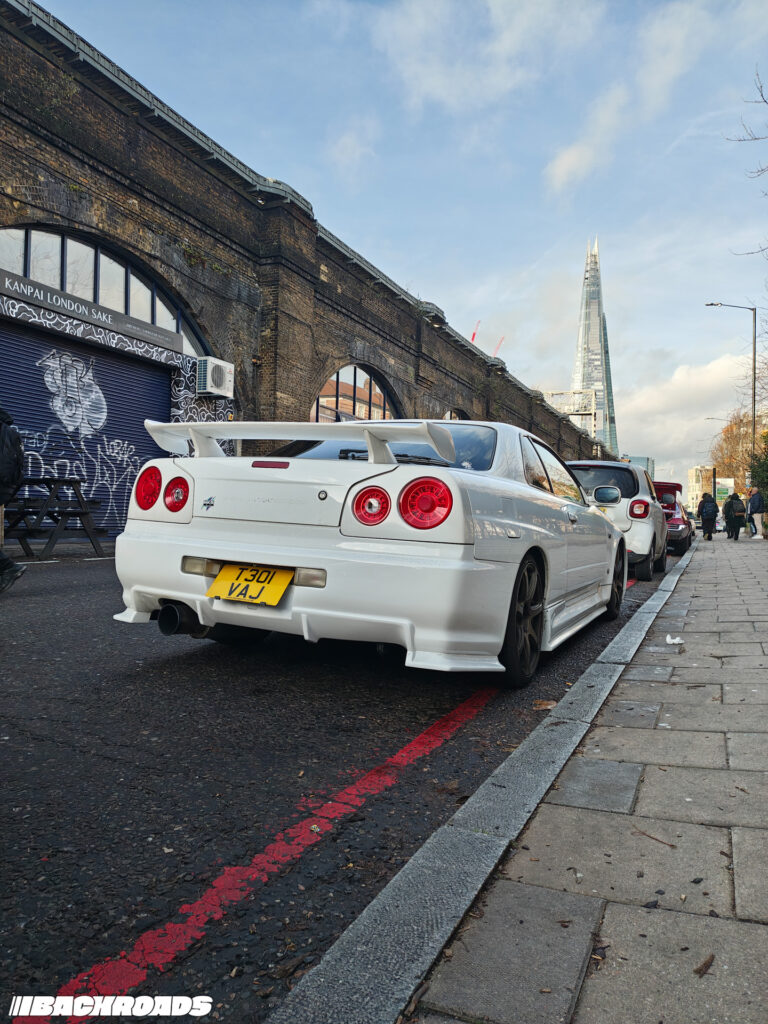
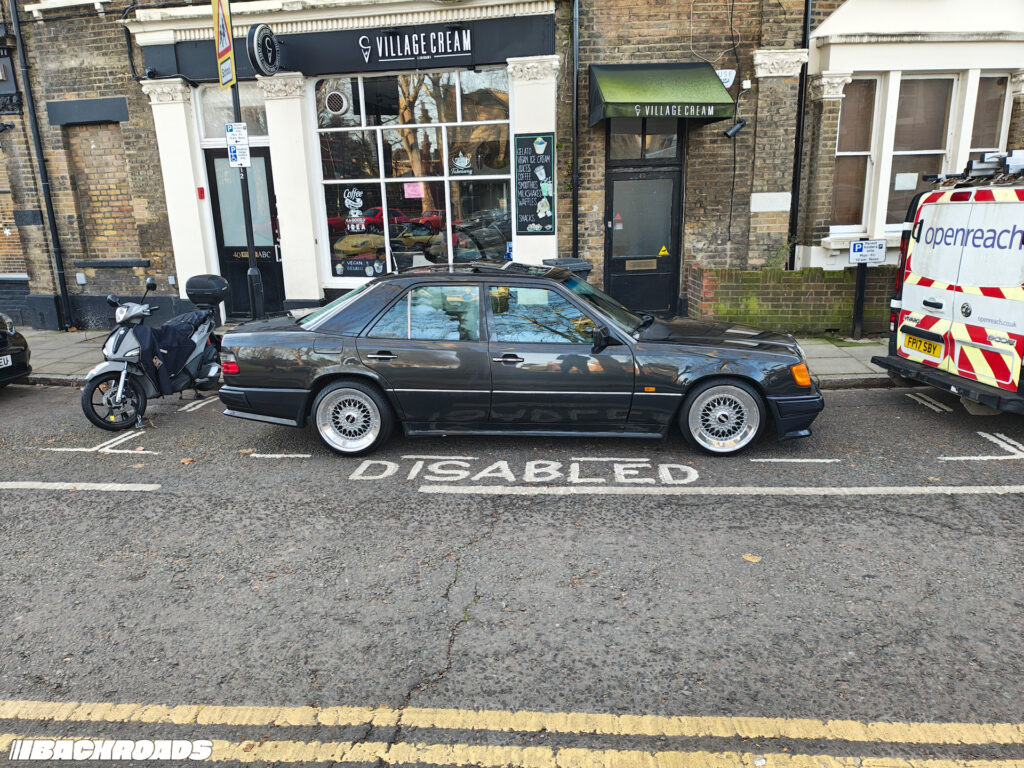


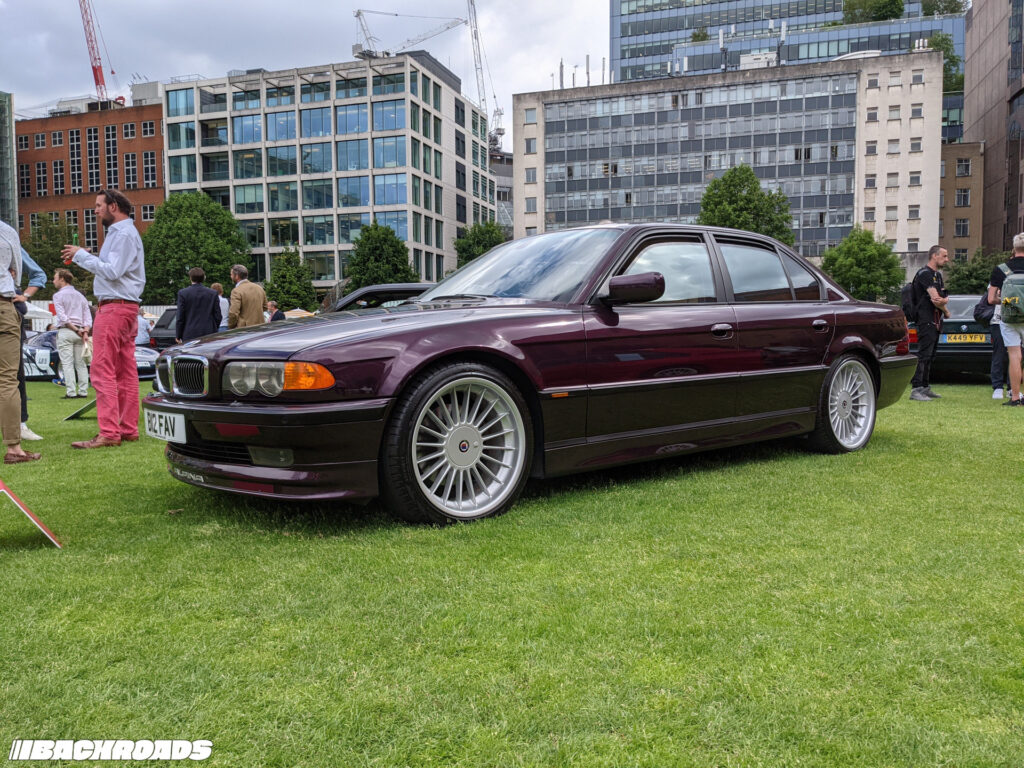
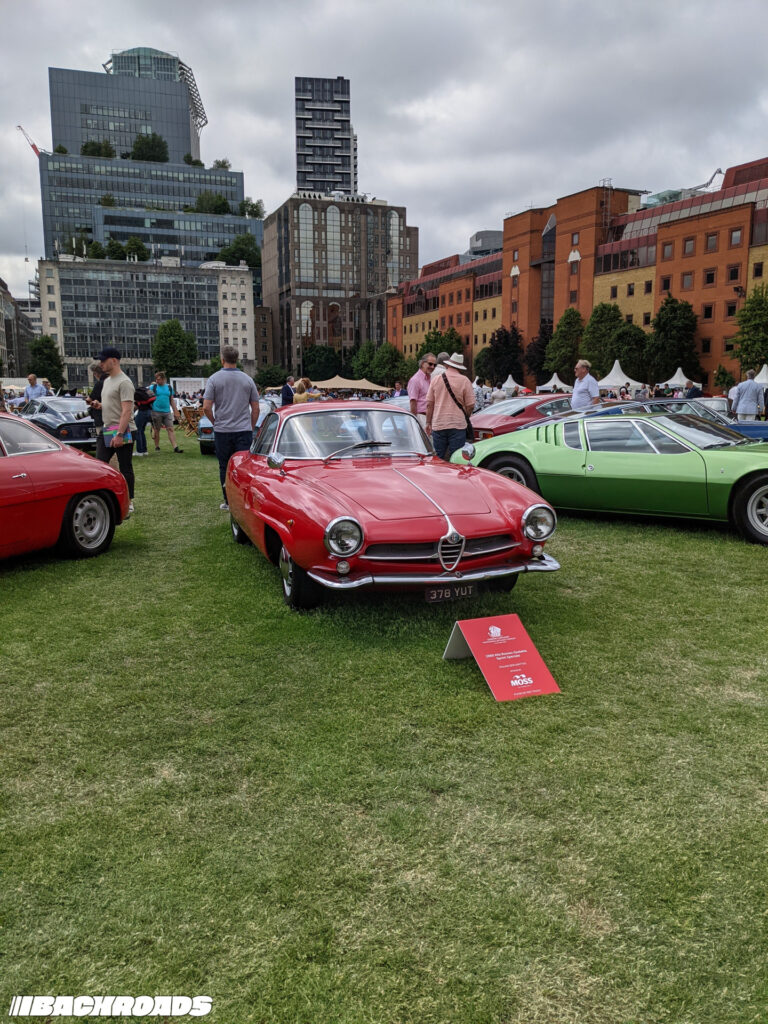
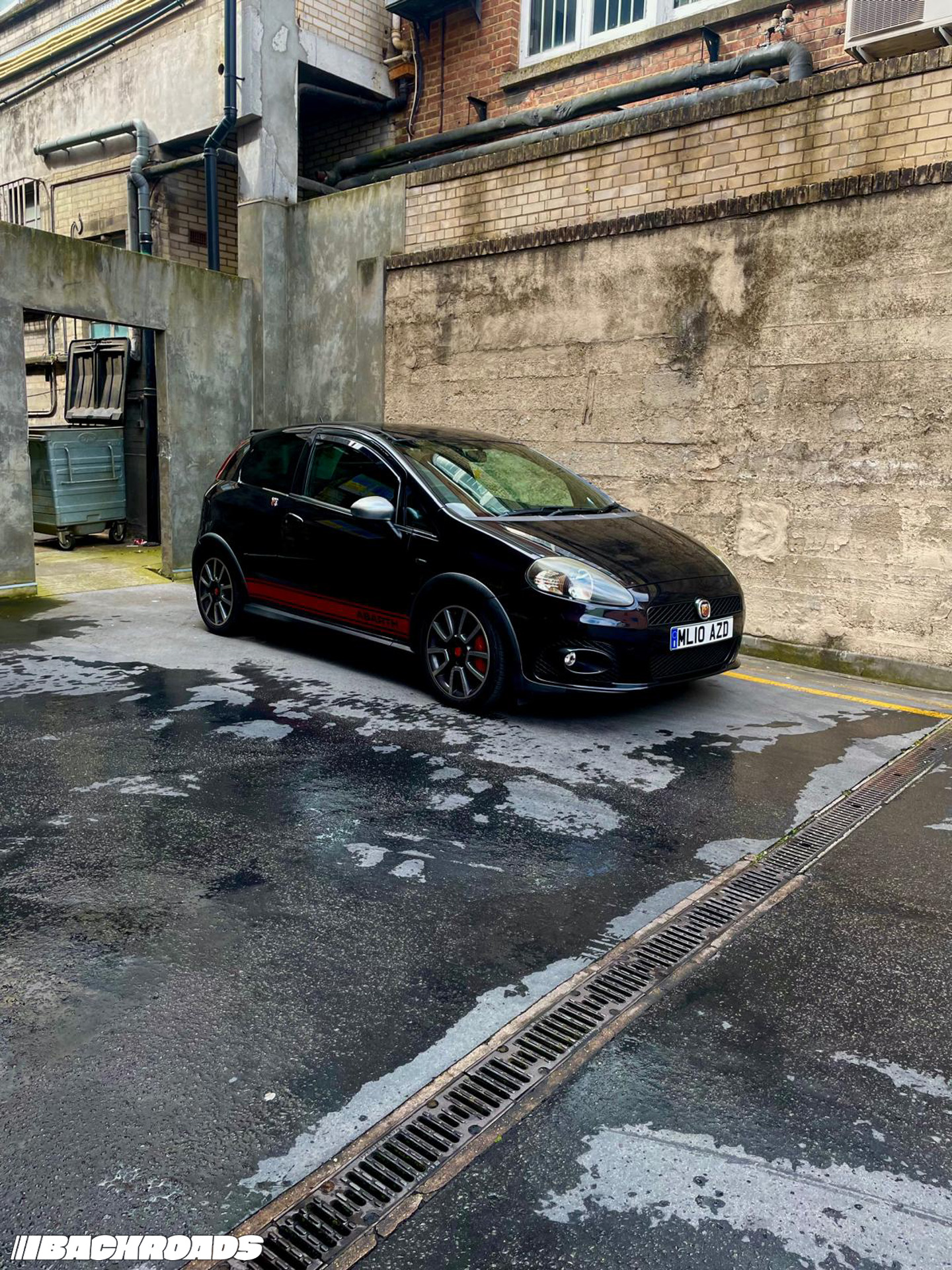
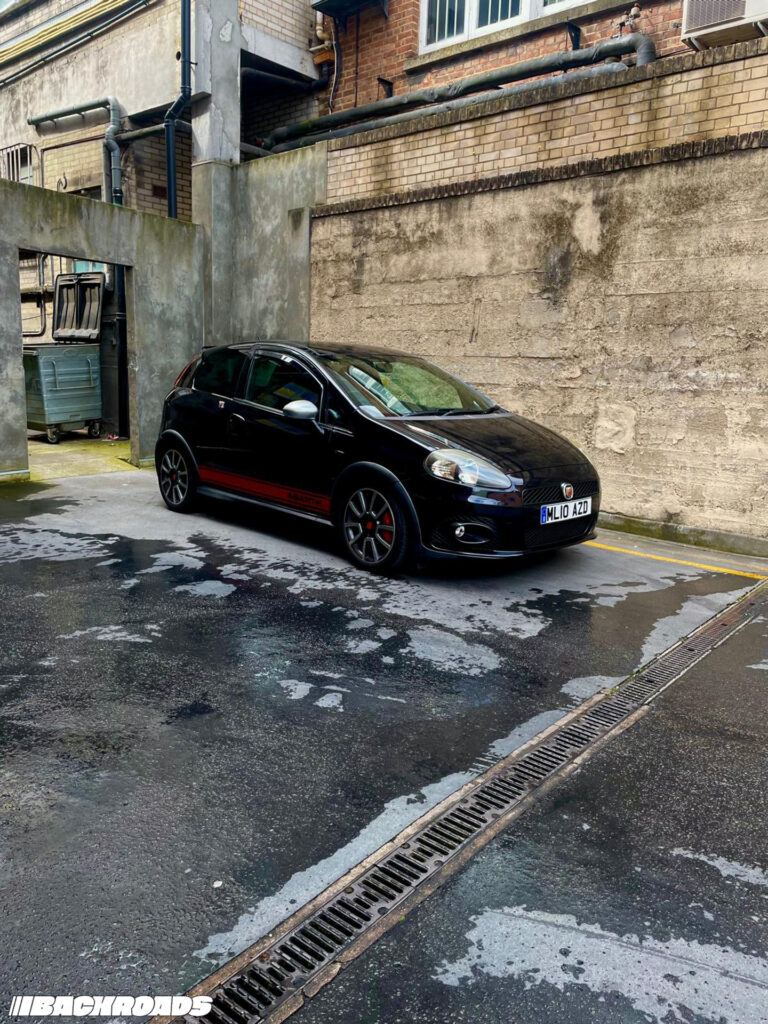
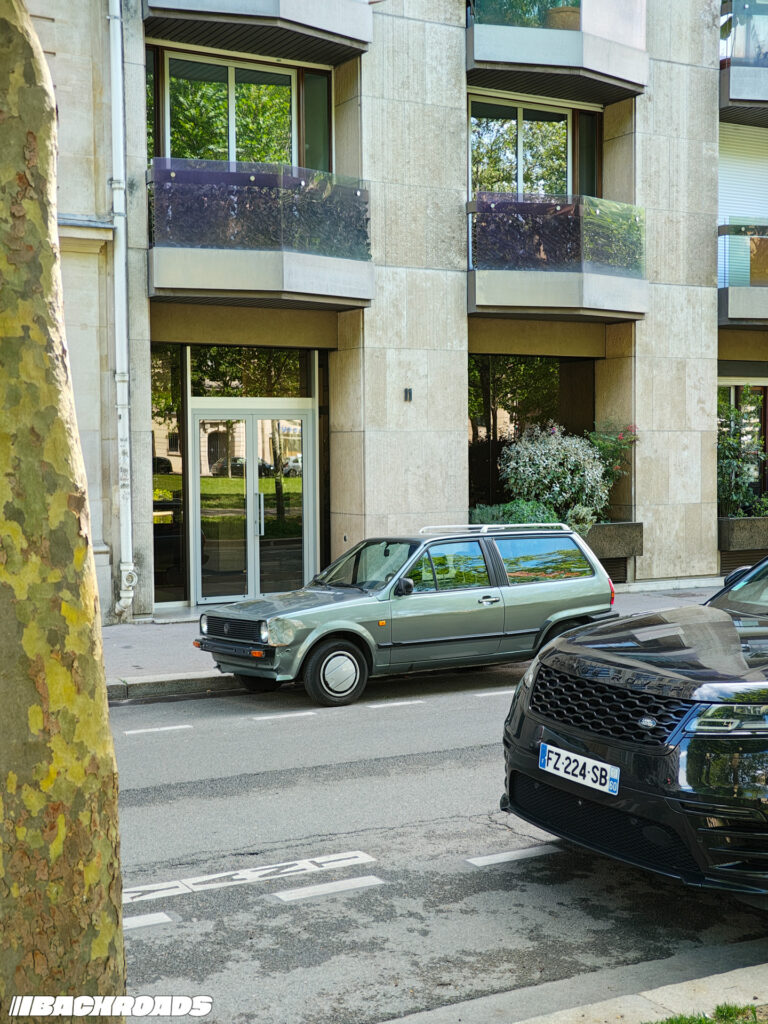
Expression isn’t limited to sports cars or expensive cars. My sister used to drive a 2010 Abarth Punto. It reflected her pesky, effervescent, and punchy nature. My cousin drives a white 2009 Ford Fiesta with blue stripes and white wheels. It tells me he’s still young and doesn’t mind cleaning his car twice as often as others. I have a friend who drives a 2006 Volkswagen Fox. It’s red and has artificial grass as floor mats, and that tells me he’s a lunatic. They’re all cool because they say something about the driver, and the driver is cool because they are saying something about themselves by choosing an older, more expressive machine.
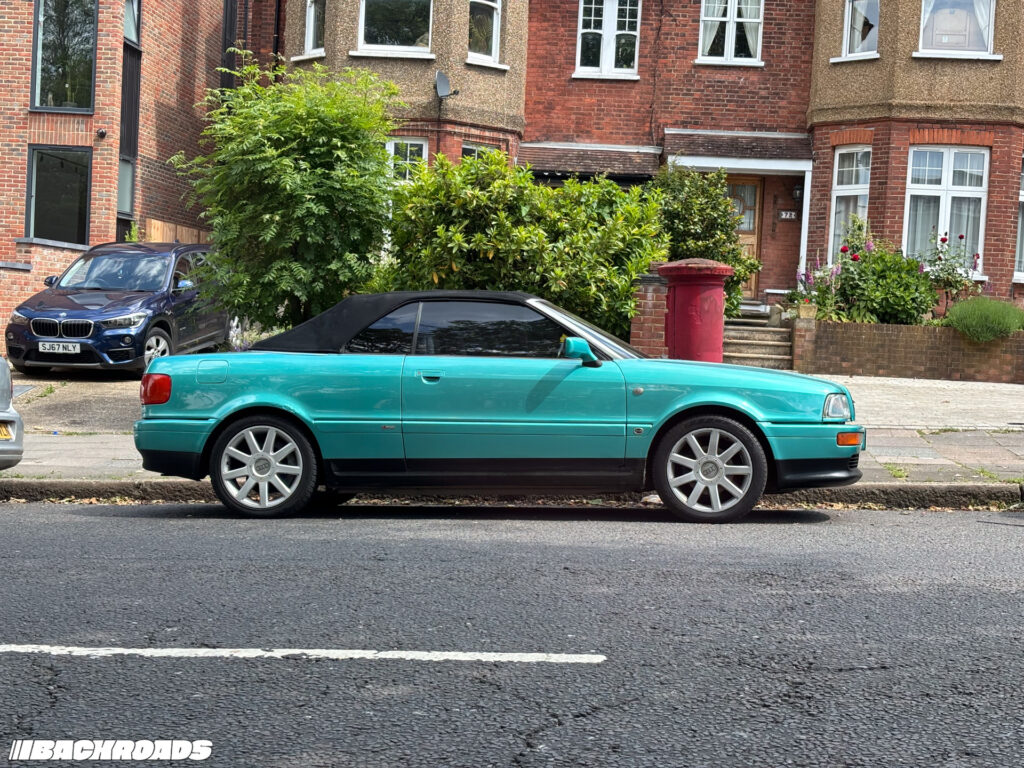
Not everyone wants to stand out, and that is absolutely fine. In fact, being more sensible and practical is in itself quite cool because the car you end up with is a wagon or an estate. A BMW 320d is a very common car on UK roads and therefore, isn’t really that cool. A BMW 320d Touring, however, is cool. It still features BMW driving dynamics, modern German refinement, and is capable of 60mpg, but solely by being the wagon version, it is somehow cooler than the saloon. Extra practicality is cool. The X3? Not quite as cool. It’s just a little too far in terms of compromise.
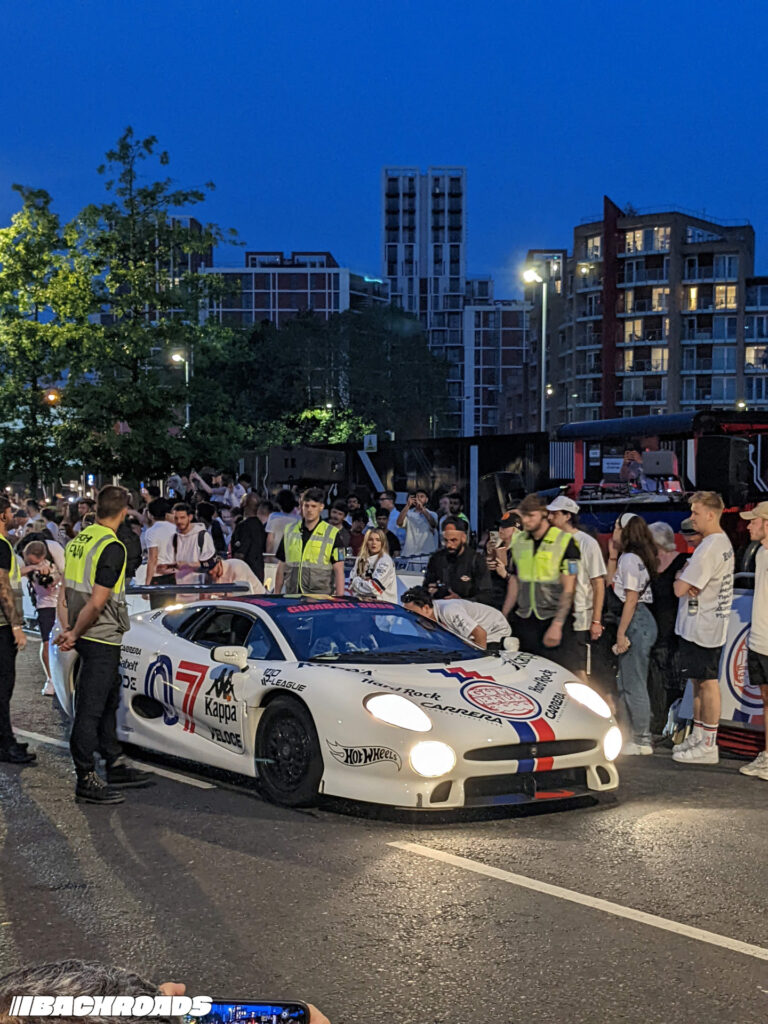
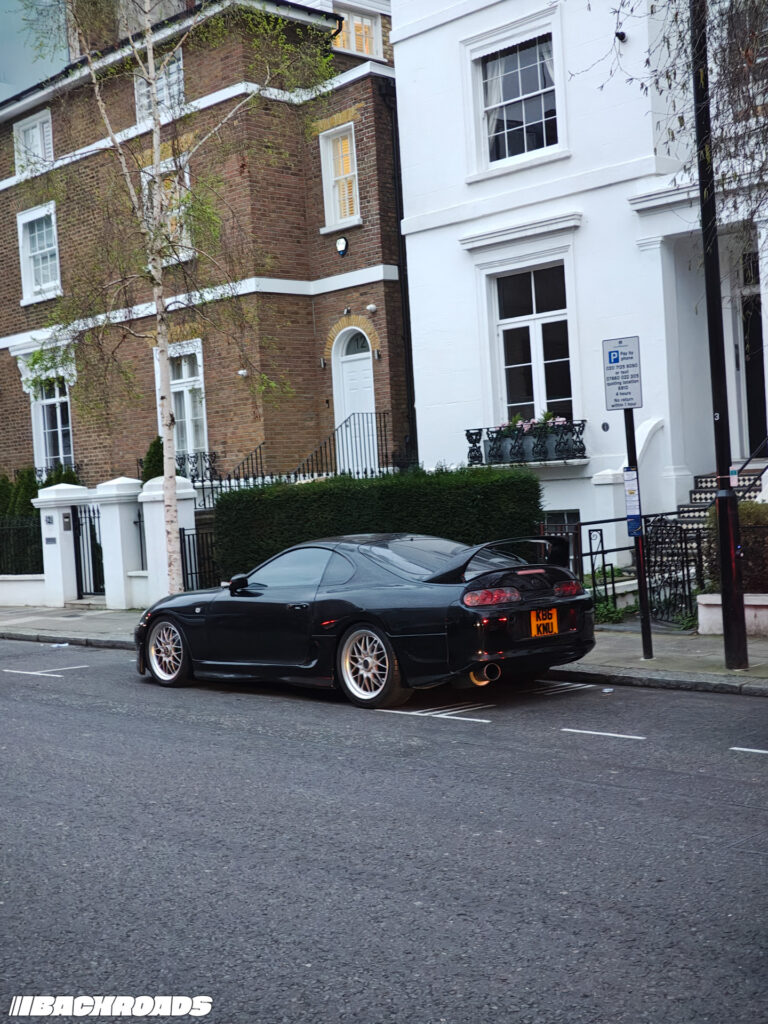
I’m sure that given enough time, and by ranking the range of modern cars and their variants, we can define what is and isn’t cool; however, doing so somehow seems uncool. The vagueness, ambiguity, and ever-changing nature of cool are integral to its very definition, and by that logic, we are all destined to drift away from being cool eventually.
Grandpa Simpson put it best: “I used to be with ‘it’, but then they changed what ‘it’ was. Now what I’m with isn’t ‘it’, and what’s ‘it’ seems weird and scary. It’ll happen to you.”
I’m sure it will in day-to-day life, but in the car community? Old school is cool, and it always will be.