
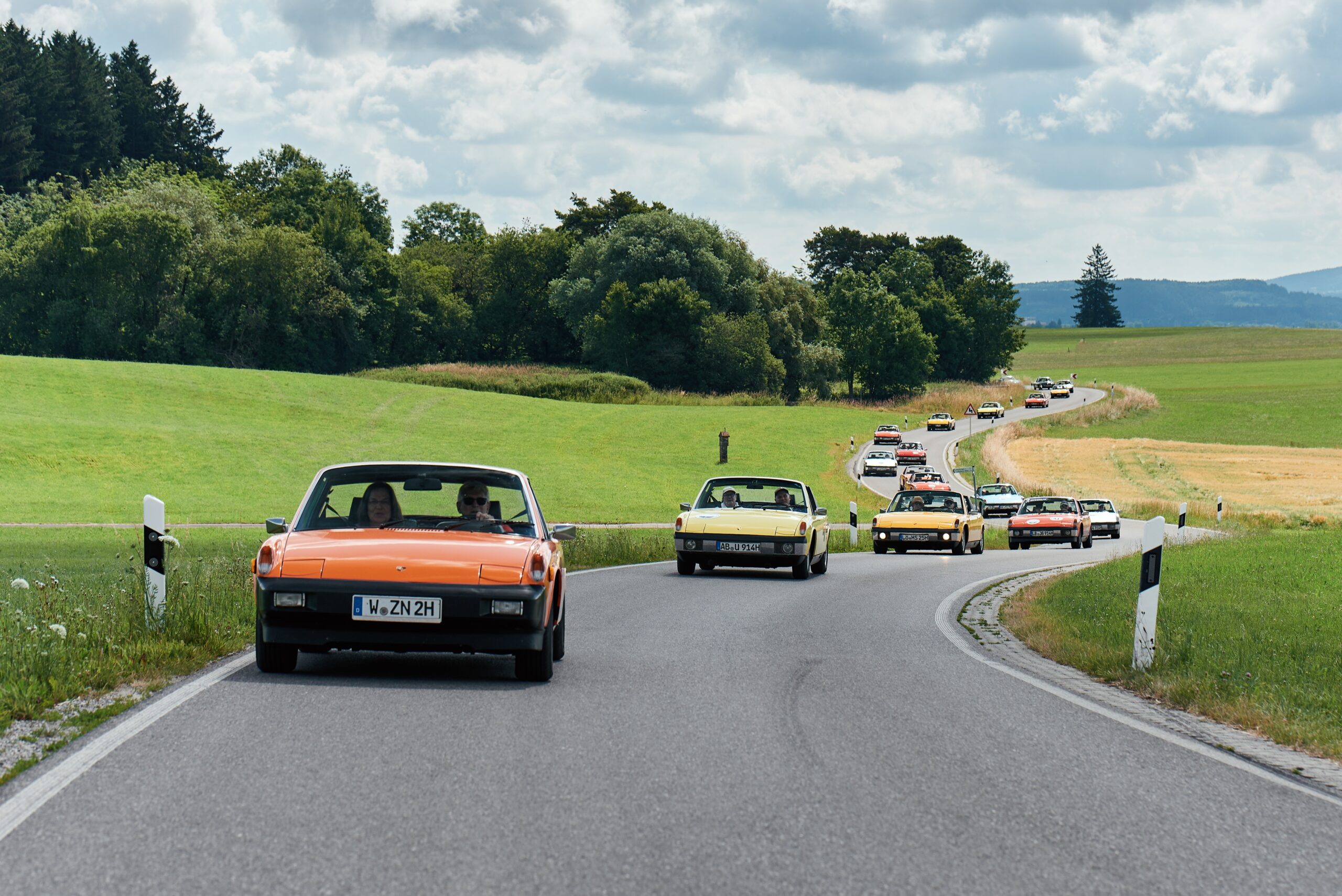
Back in the early 1990s, Harald – a young VW-Porsche 914 owner fascinated by the car’s balance and character, decided to gather fellow enthusiasts for a drive through some alpine passes and scenic backroads.
With no internet or smartphones, he spread the word the old-fashioned way – by slipping handwritten notes with his phone number under the wipers of every 914 he came across.
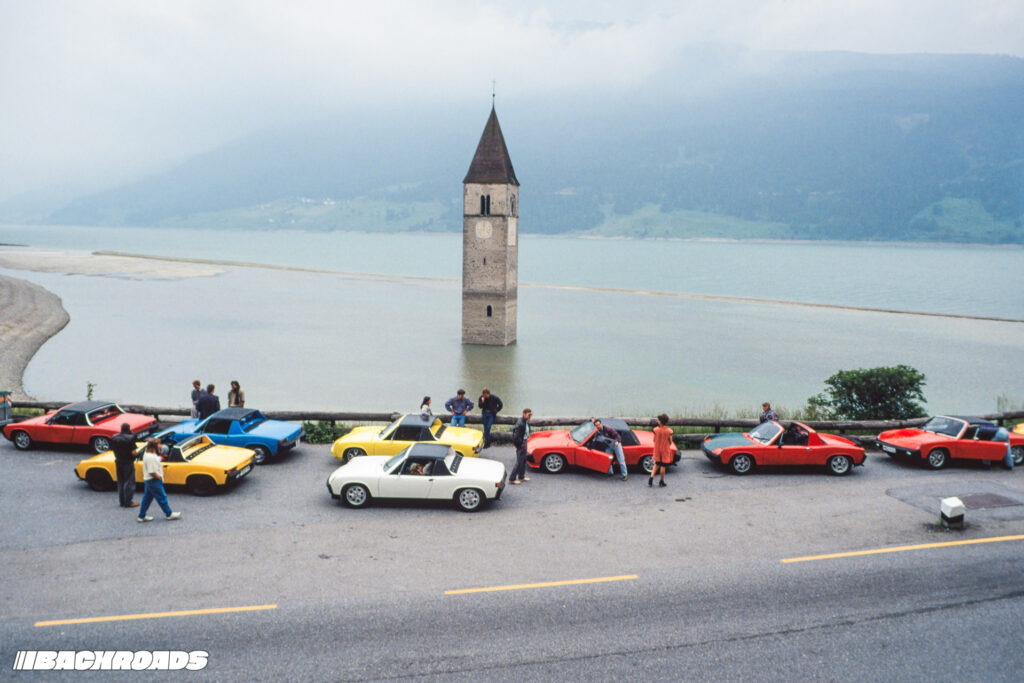
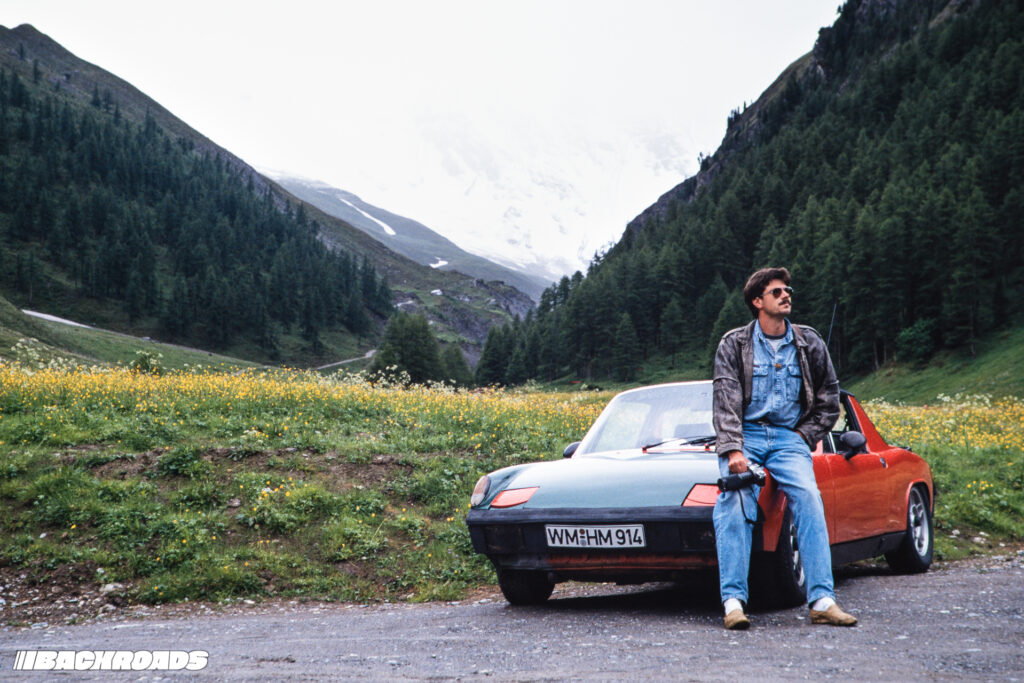
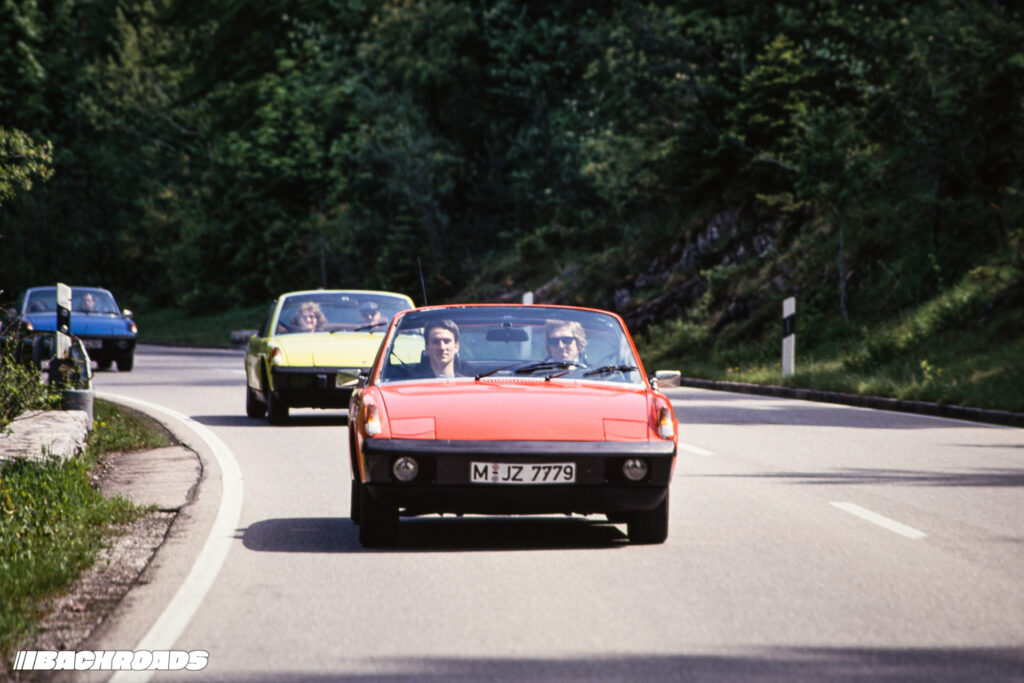


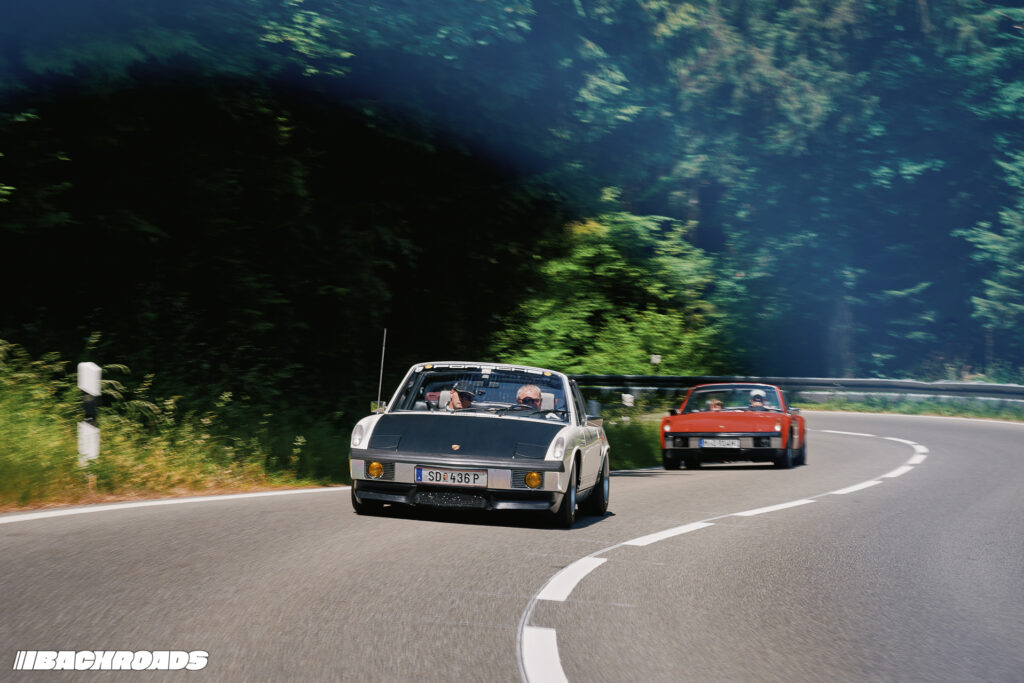
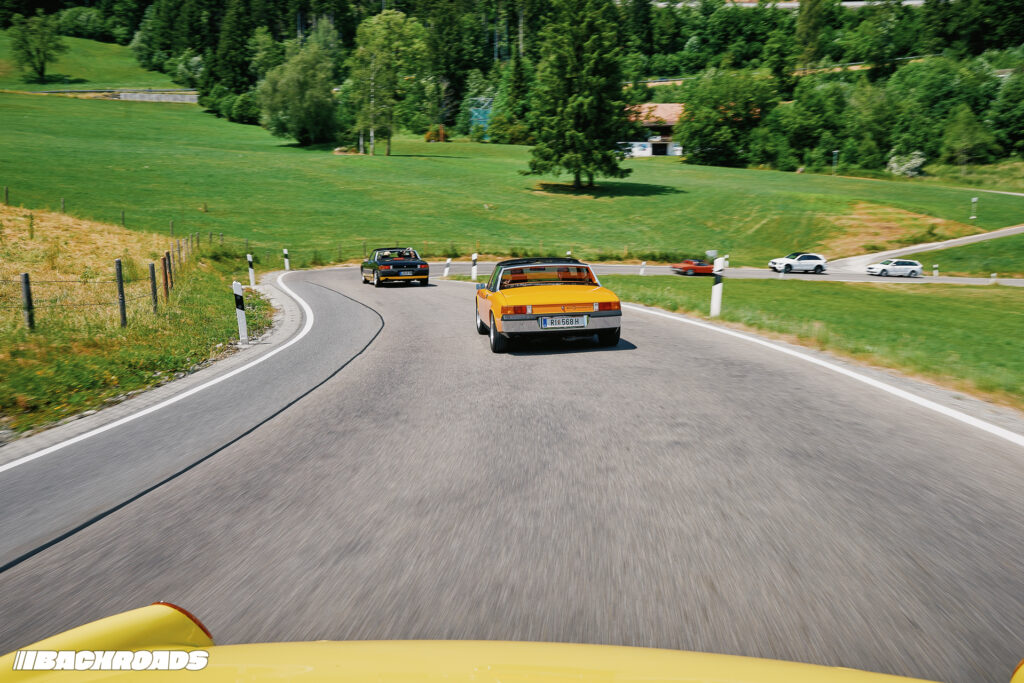

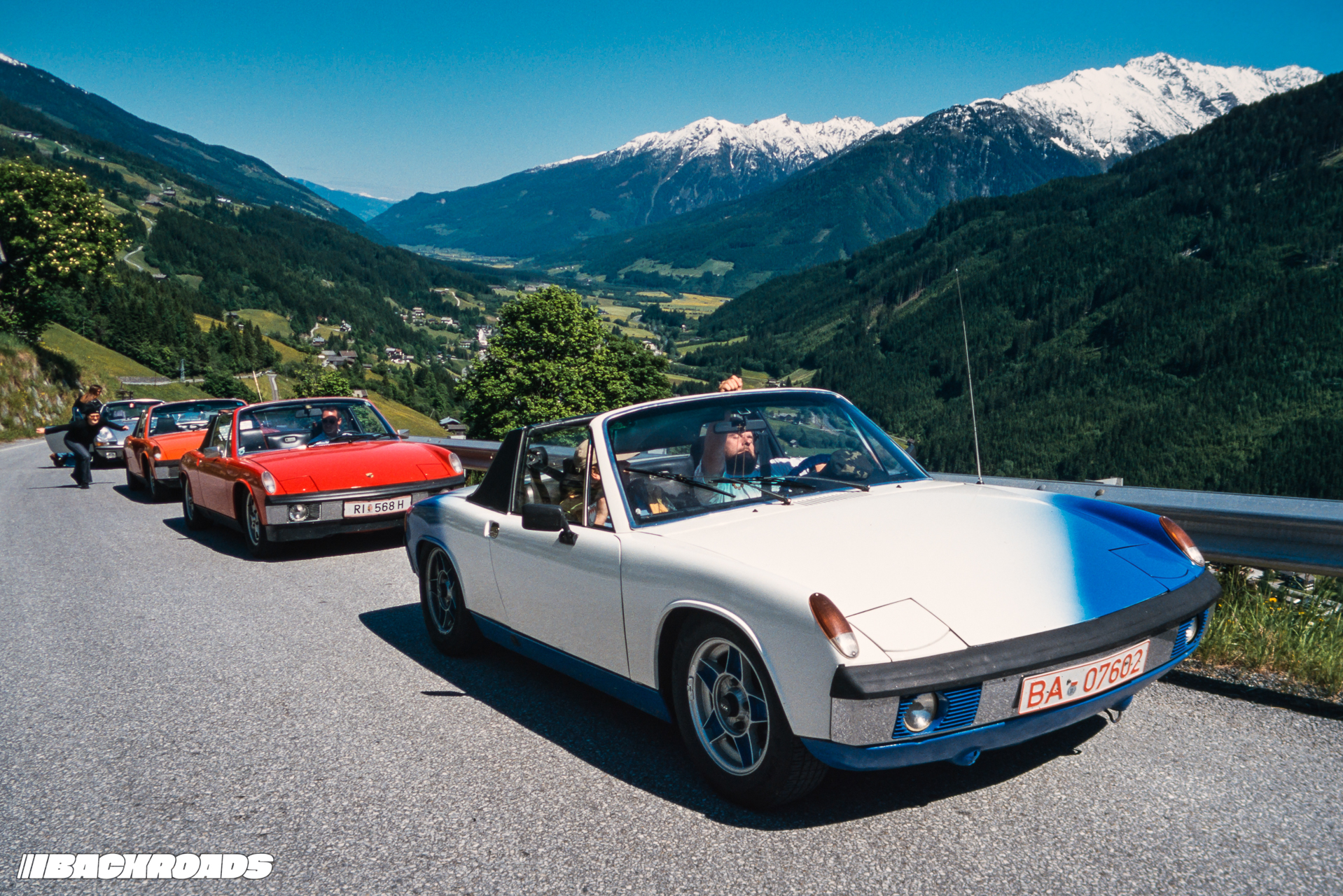
In the summer of 1992, eleven cars met for the first “Ausfahrt.” The route led from Upper Bavaria across the Reschen and Stelvio passes into South Tyrol. The 914 at that time was simply an older, affordable sports car; before being a collector’s piece, driving it as intended – spiritedly, through curves and climbs – was the whole point.
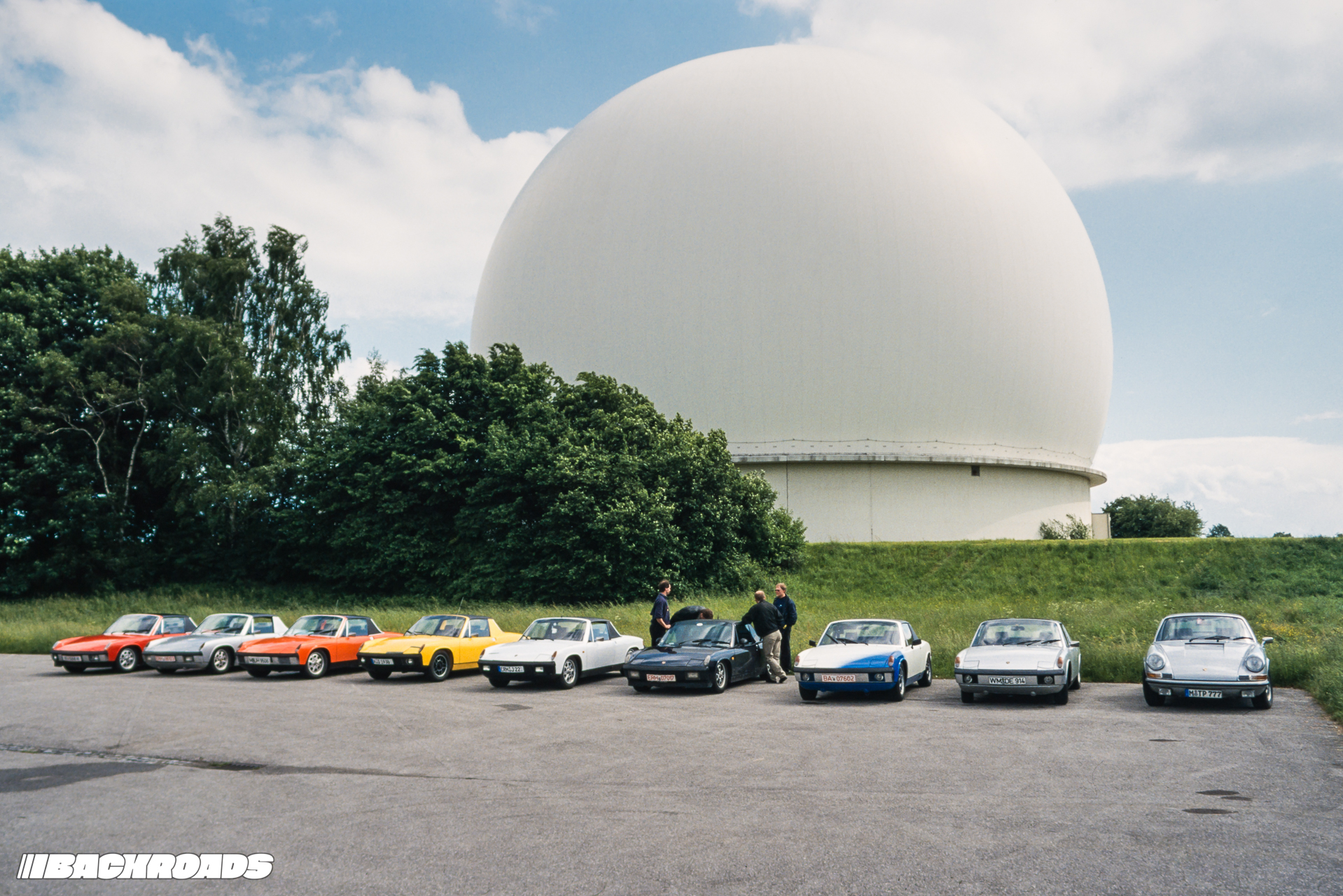
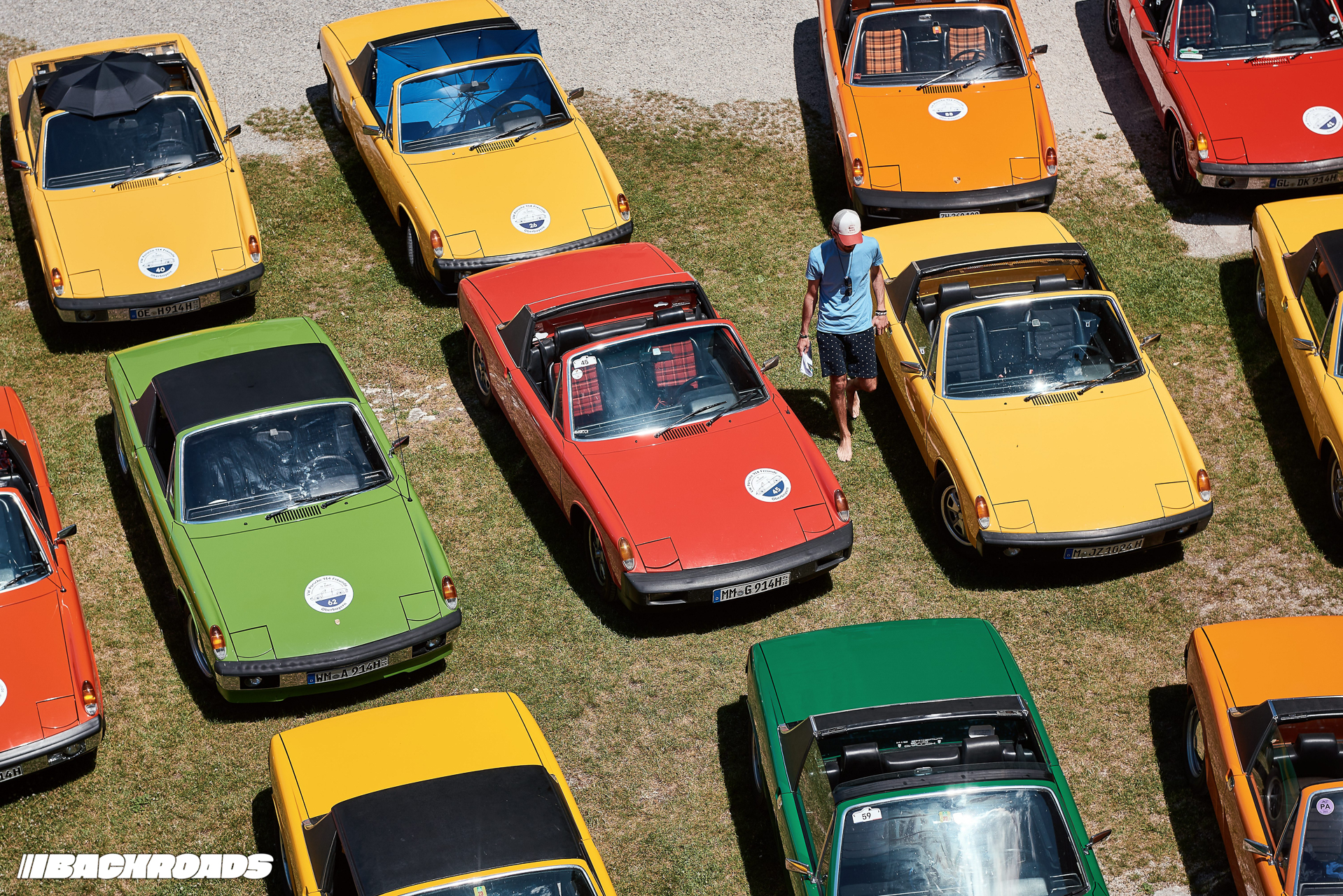
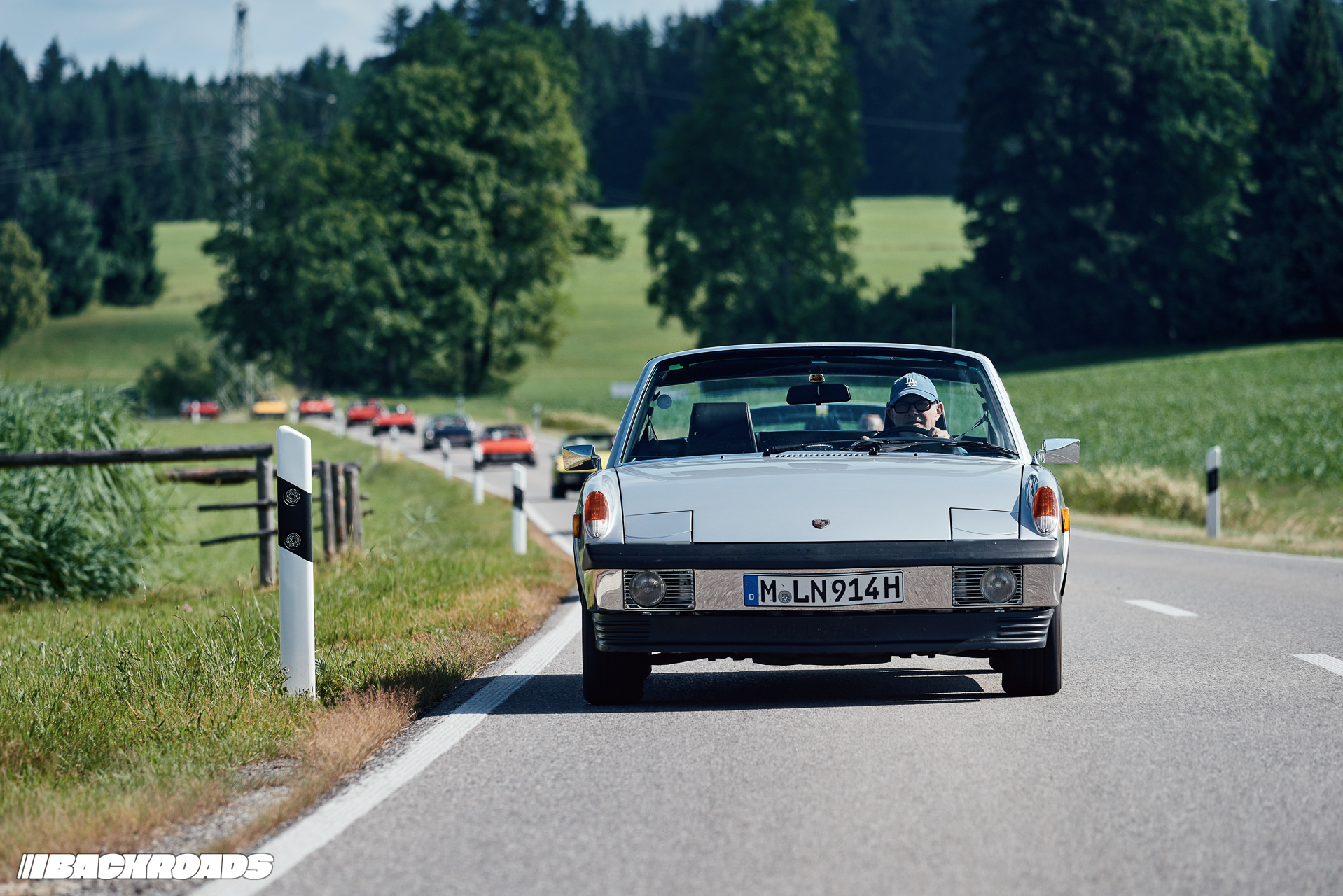
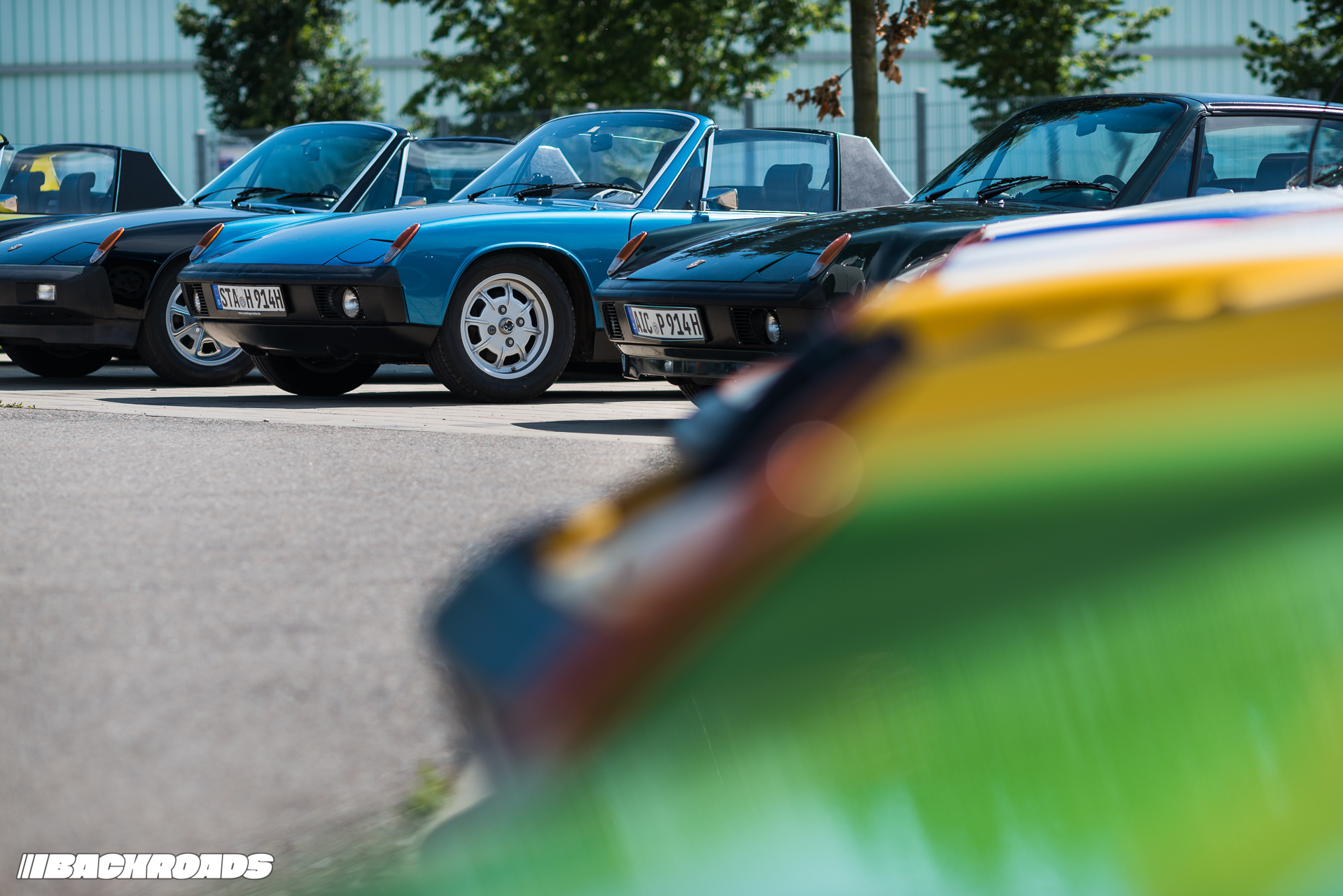
The trip was such a success that everyone agreed it had to be repeated. More than thirty years later, some of the same drivers – and even some of the same cars – still show up each summer. Try to spot them in the pictures.
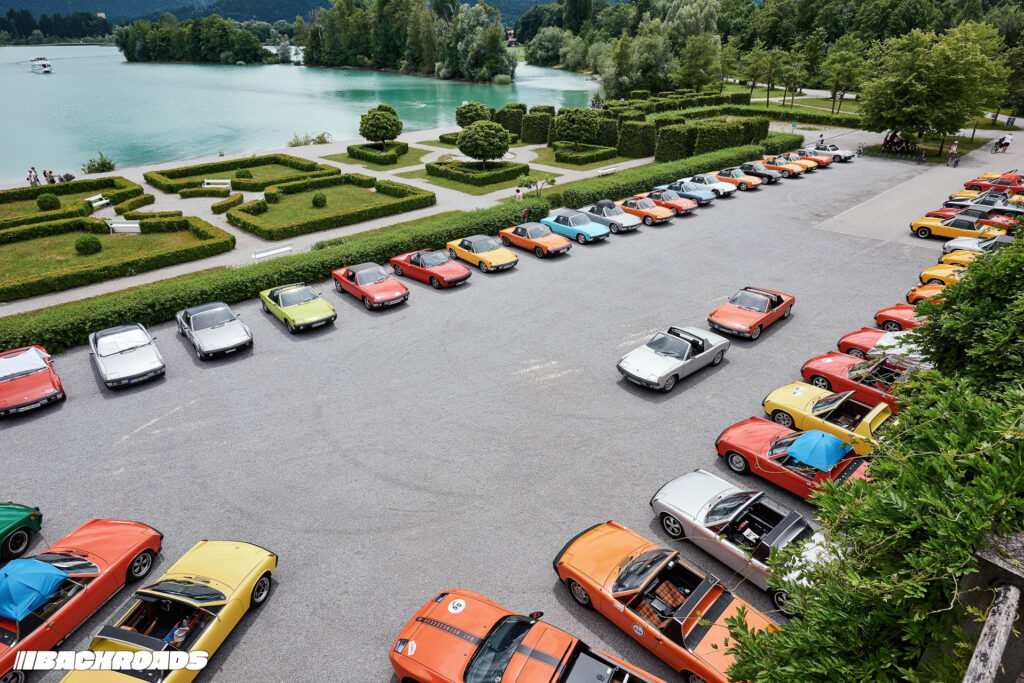
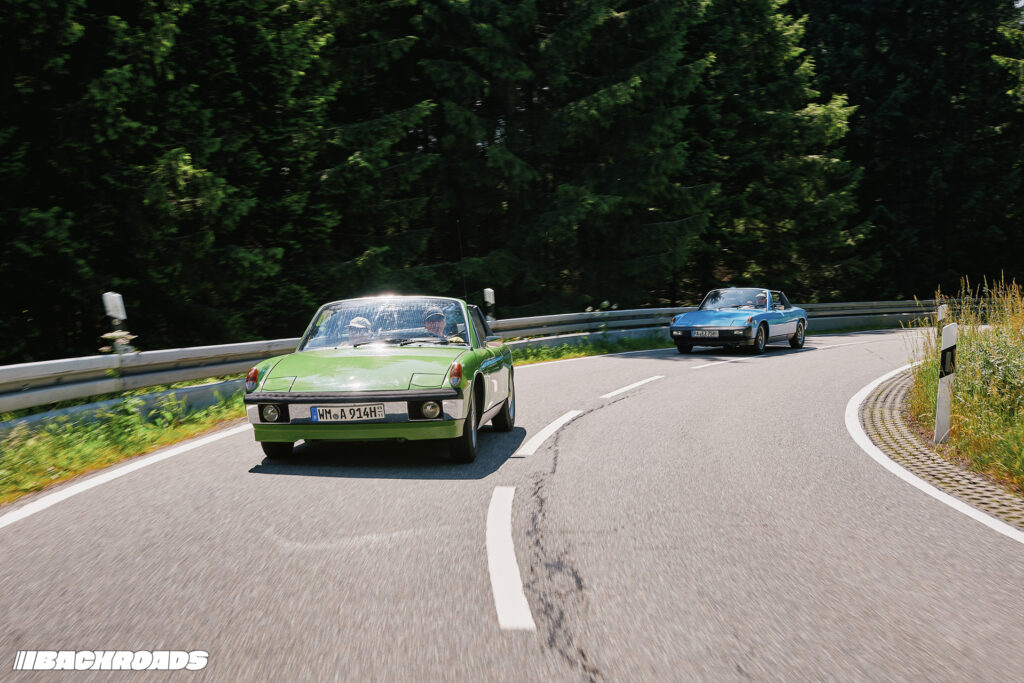

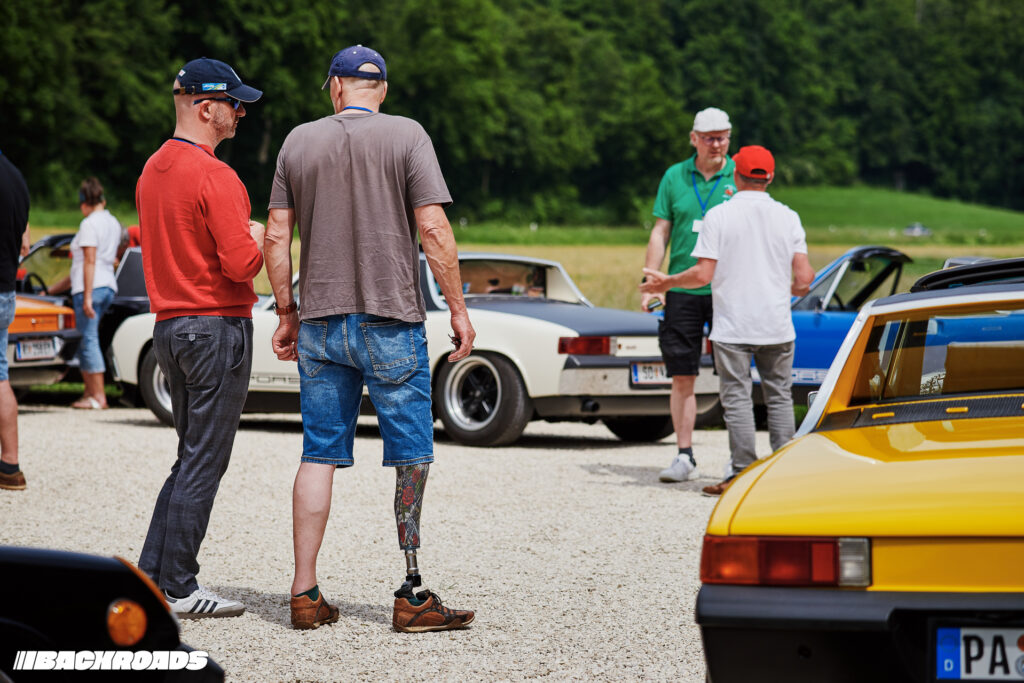
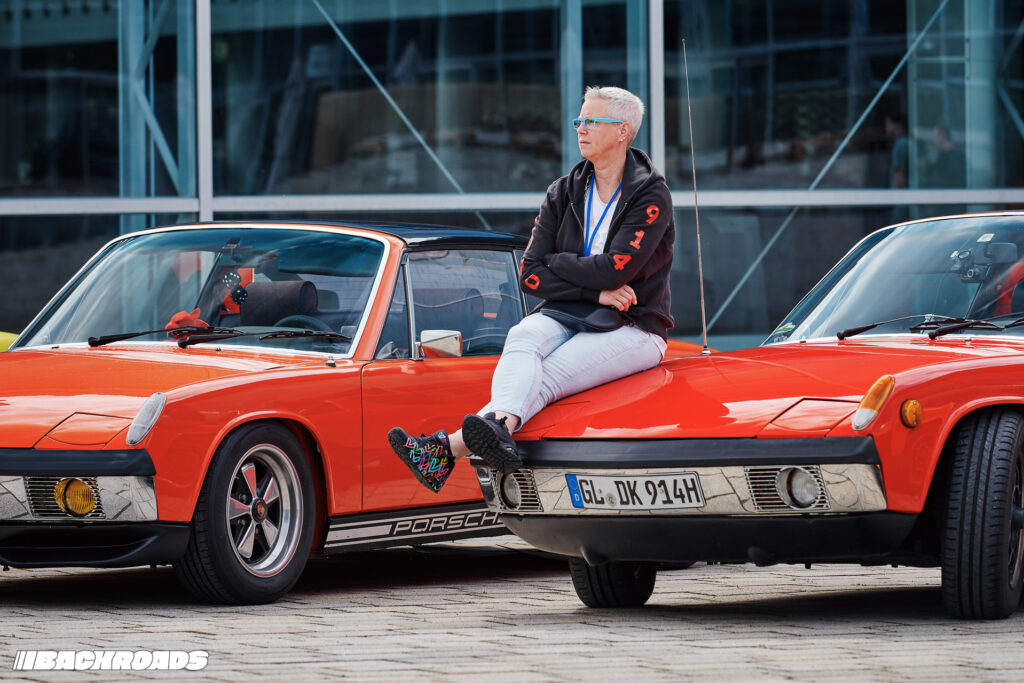

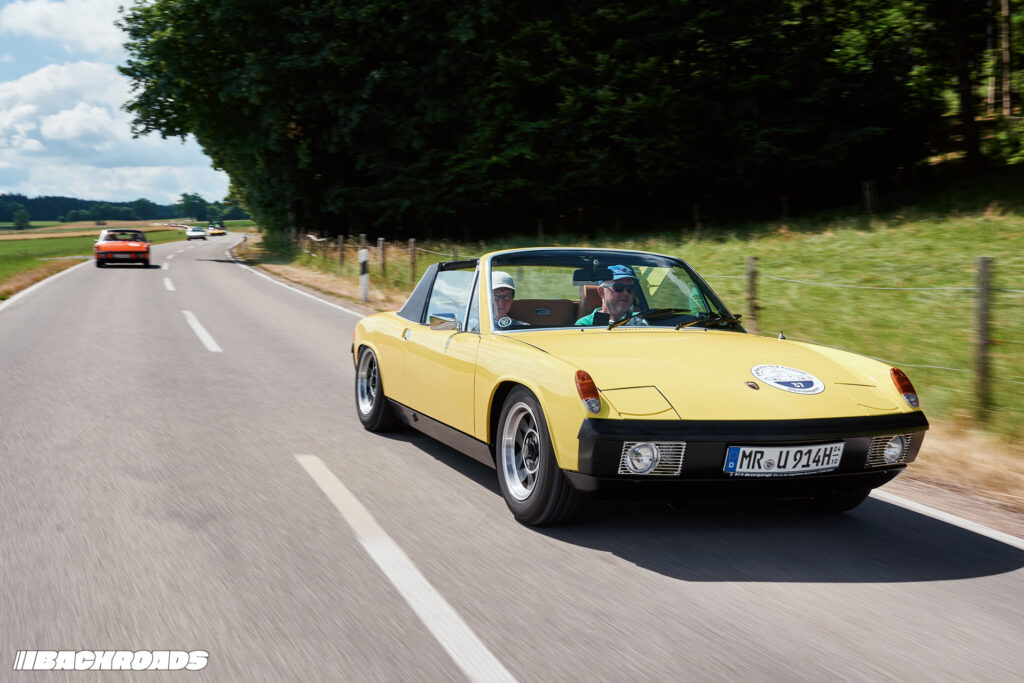

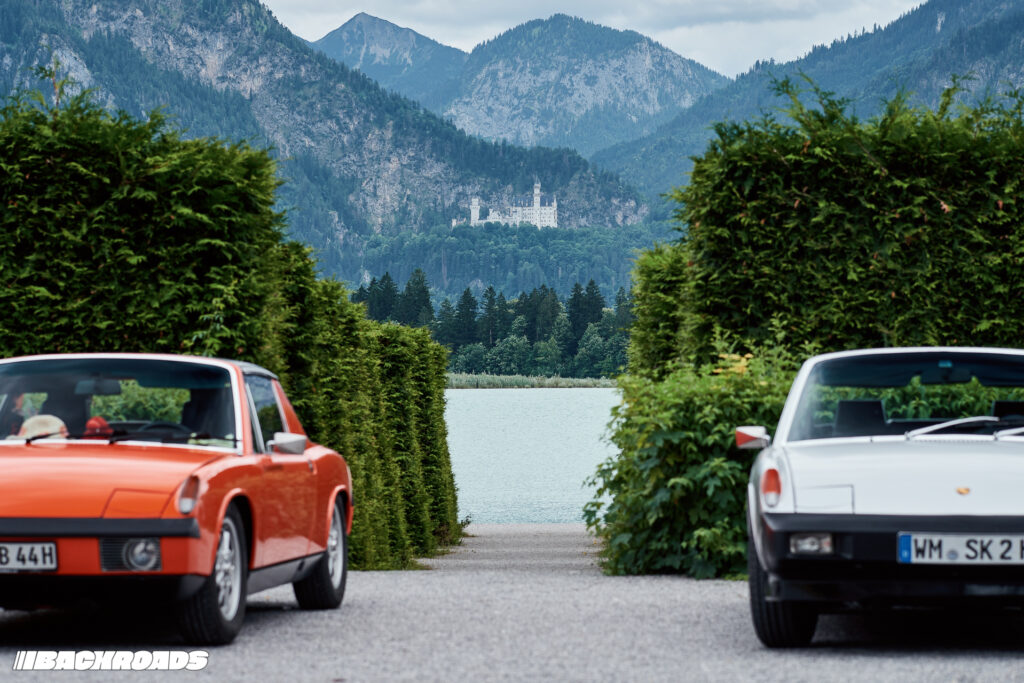
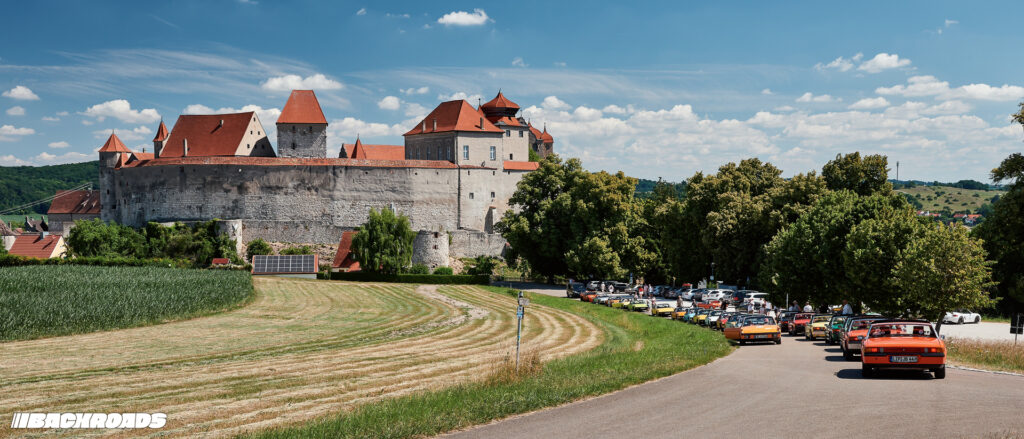
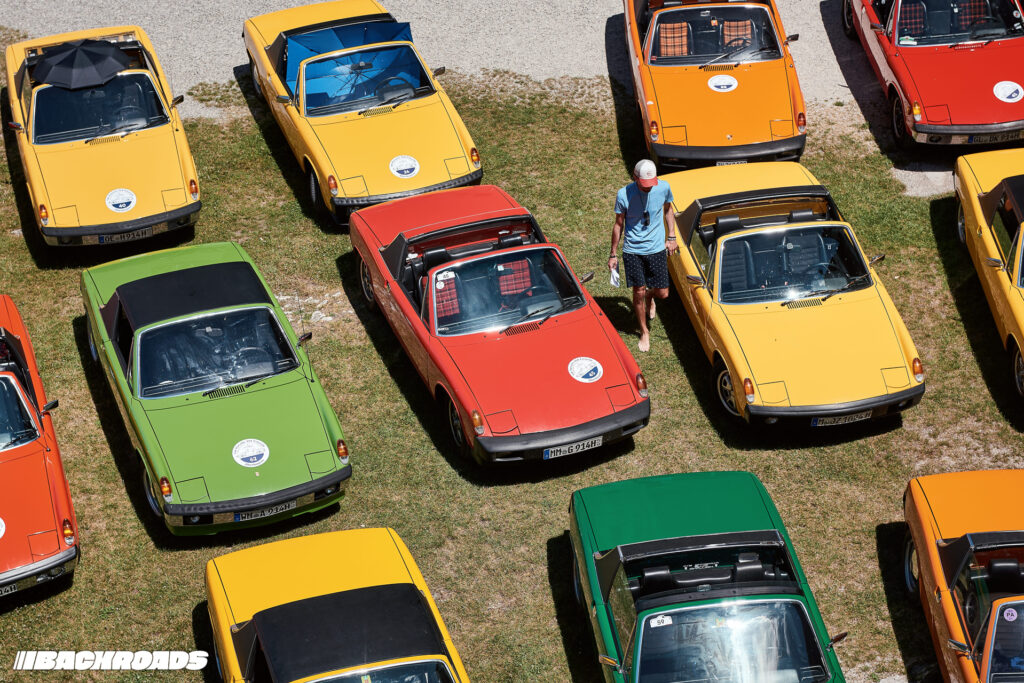
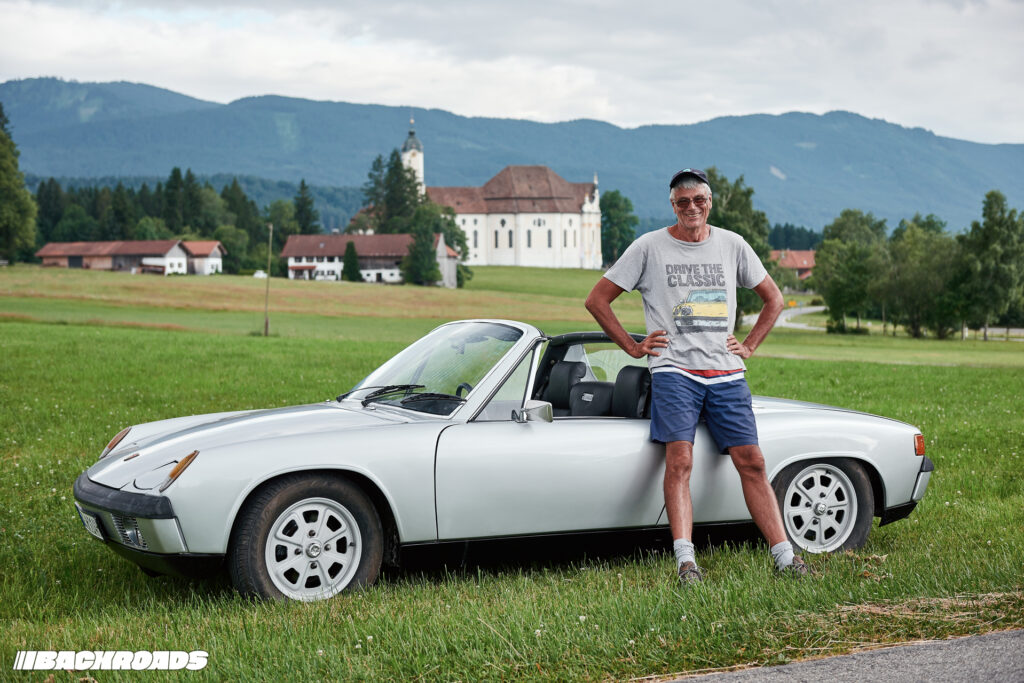
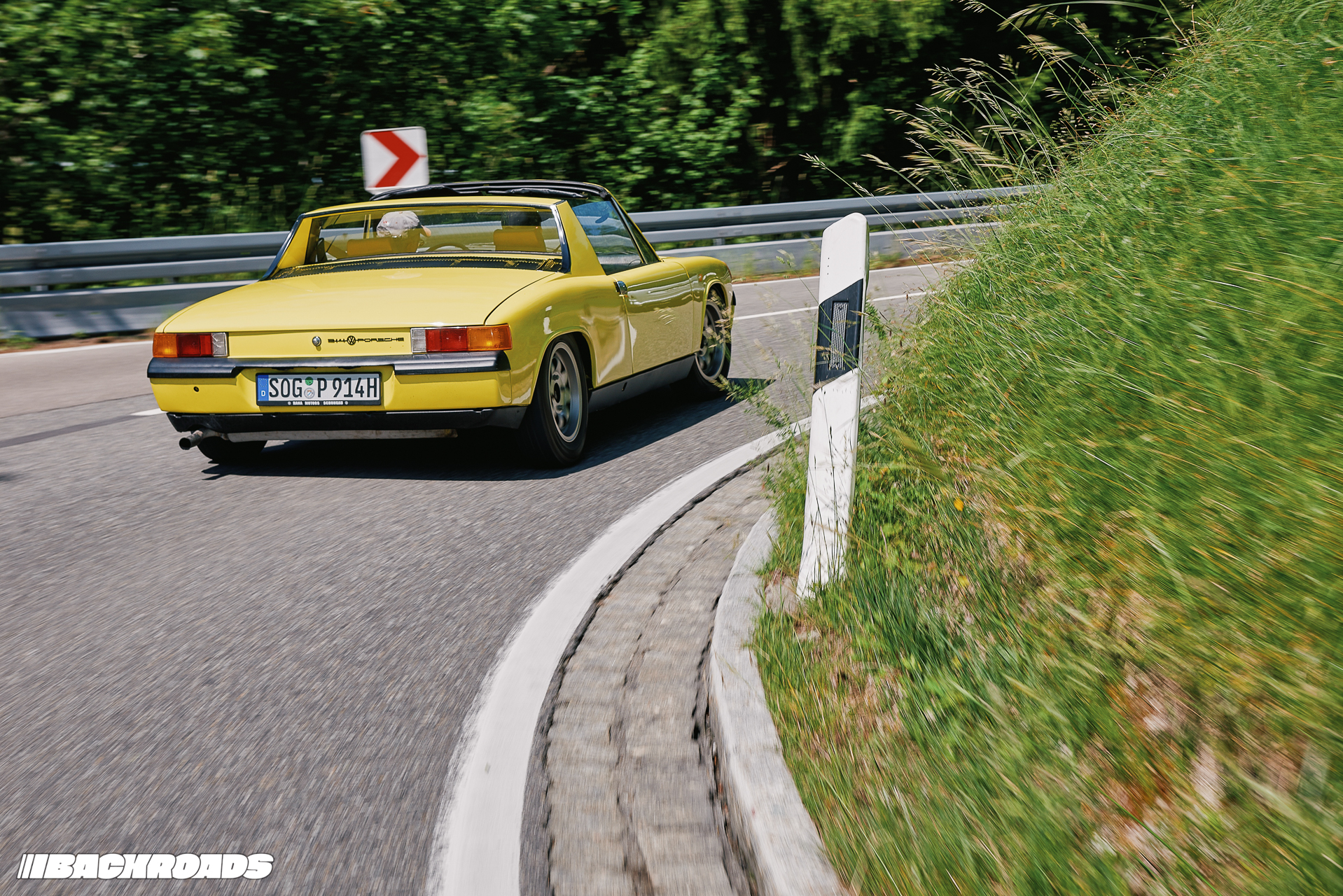
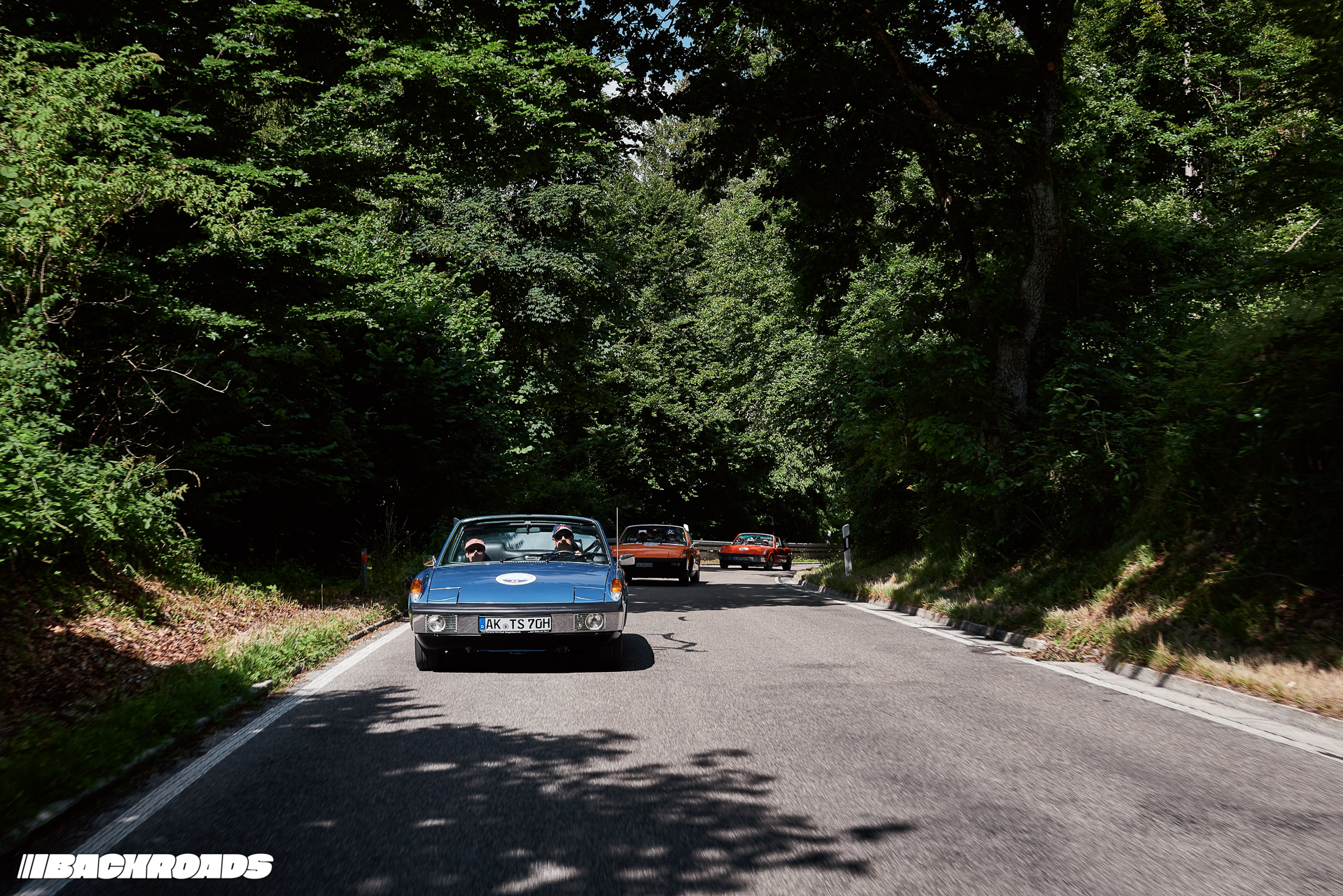
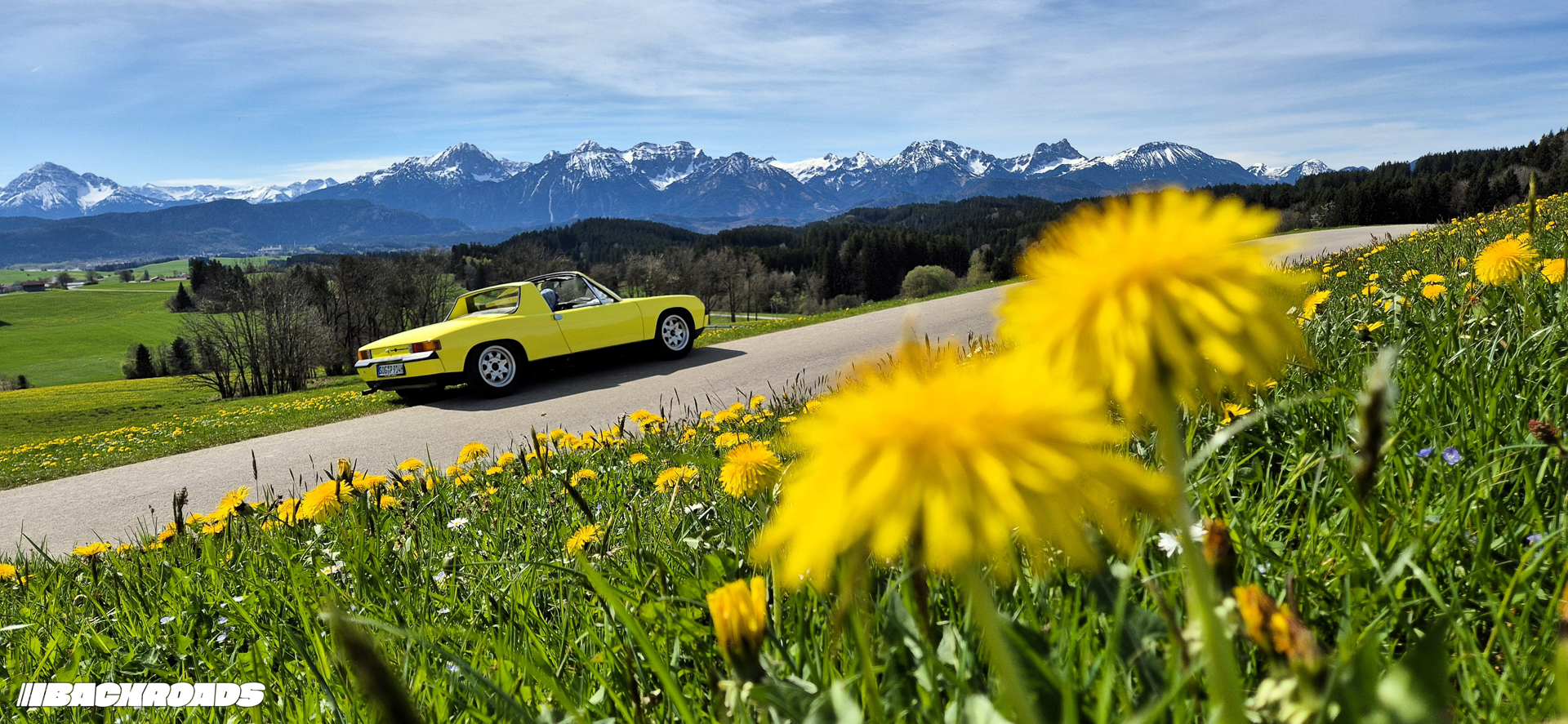
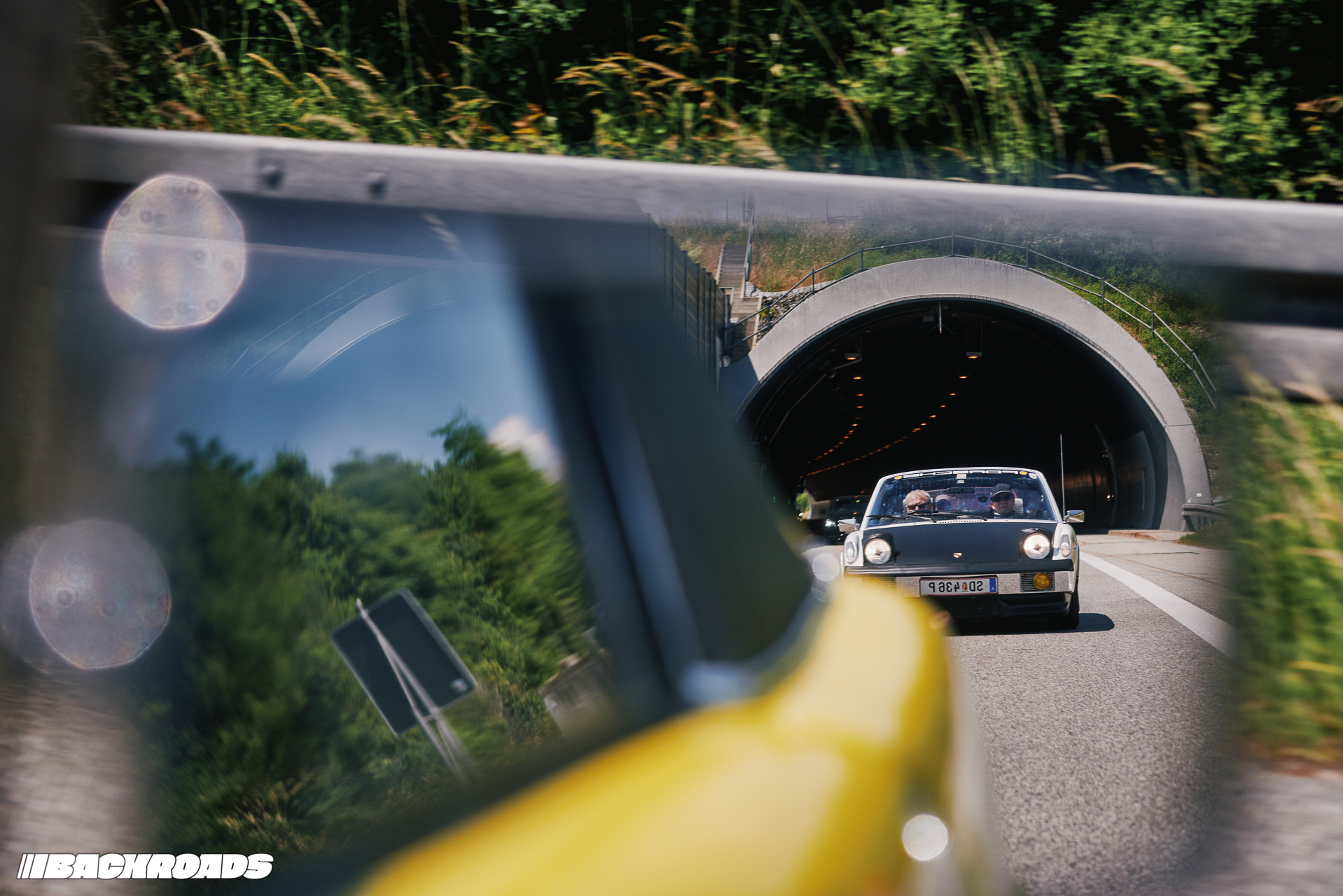
As the 914’s values have risen, Ausfahrt’s spirit has evolved too. What began as a youthful blast through alpine passes has matured into something richer; a laid-back celebration of the moment, of friendship, and of driving these cars along scenic backroads, occasionally opening the taps to remind everyone what a 914 can still do. The routes are chosen for their rhythm and vistas, the kind of backroads where the 914 still feels utterly at home.
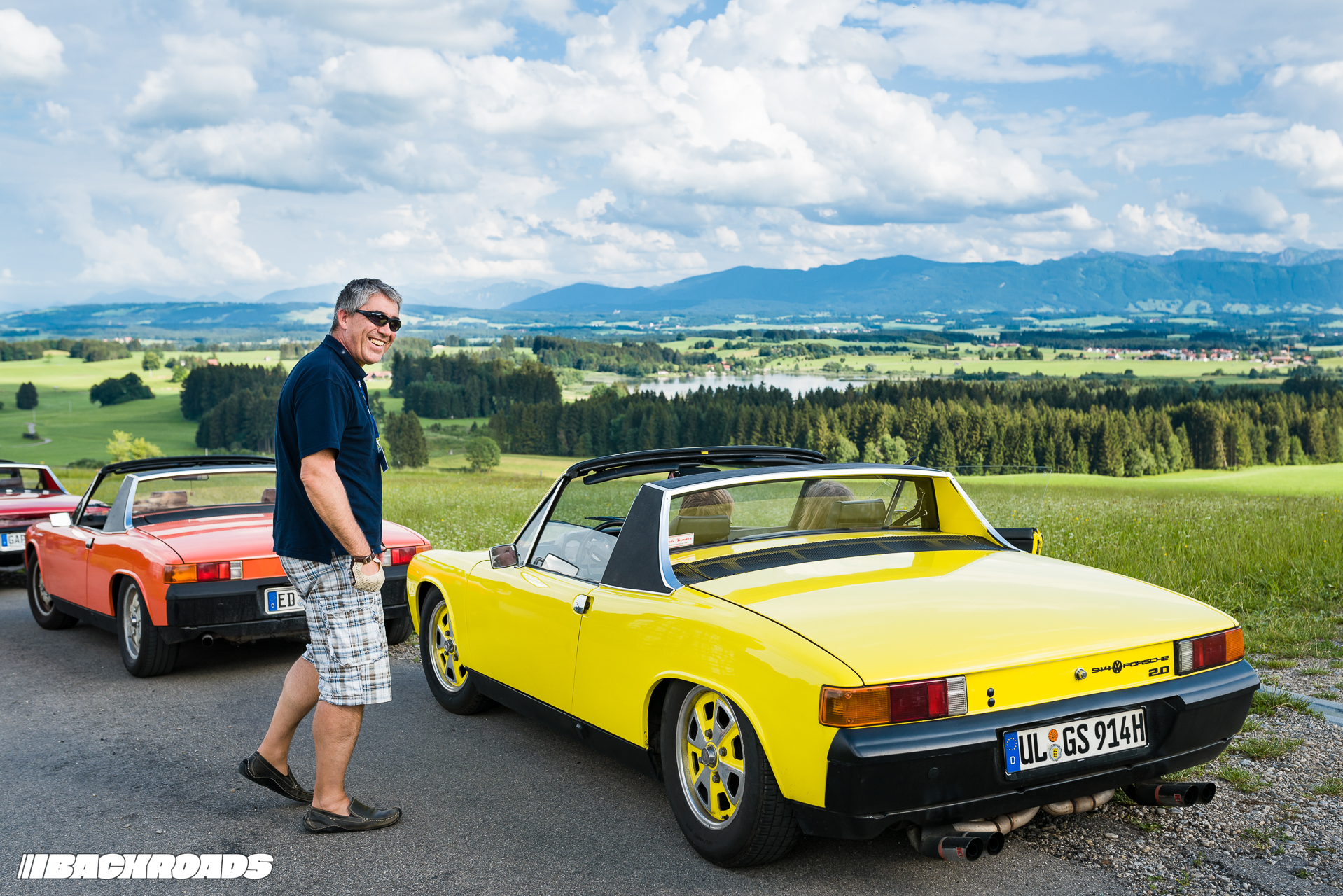
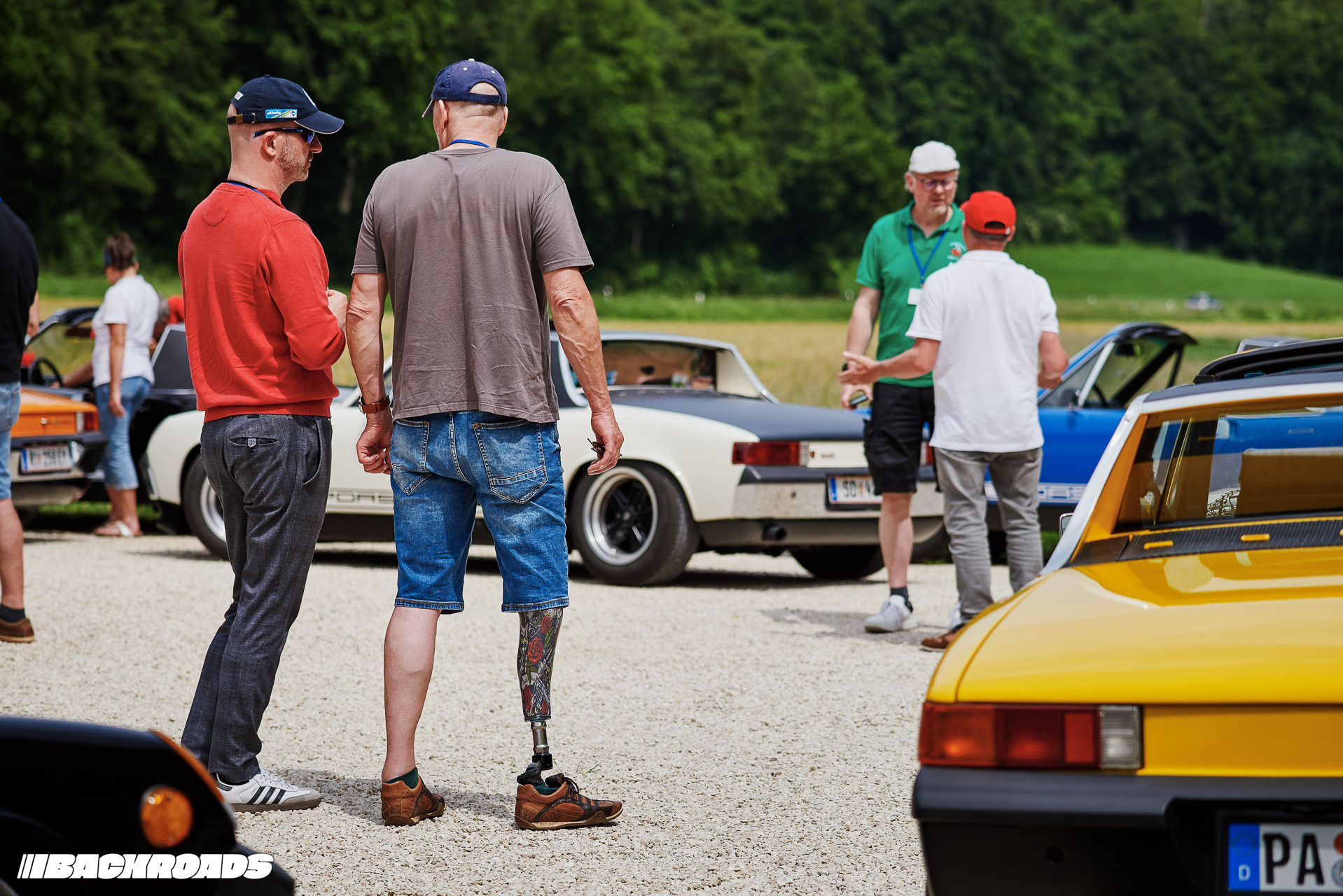
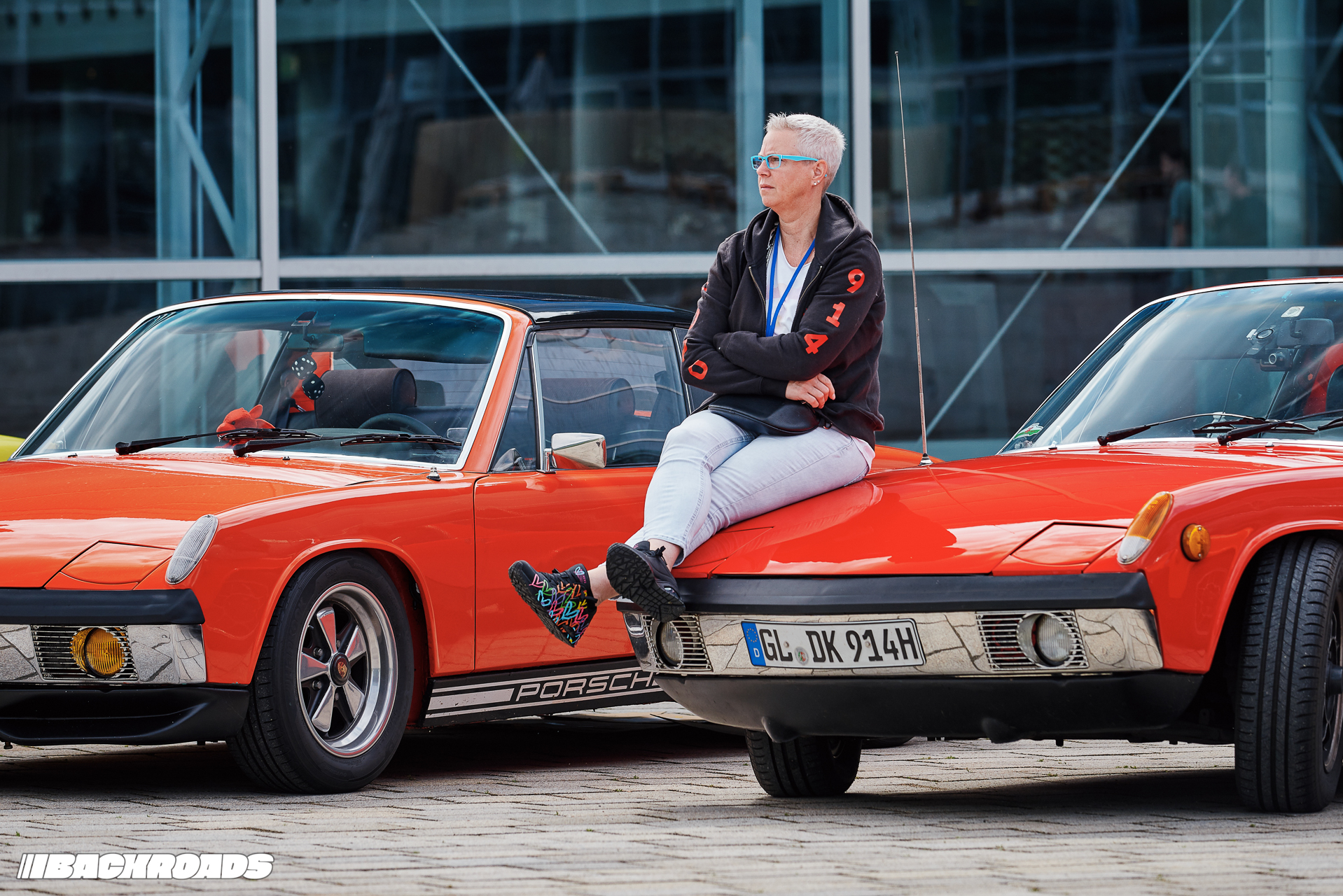
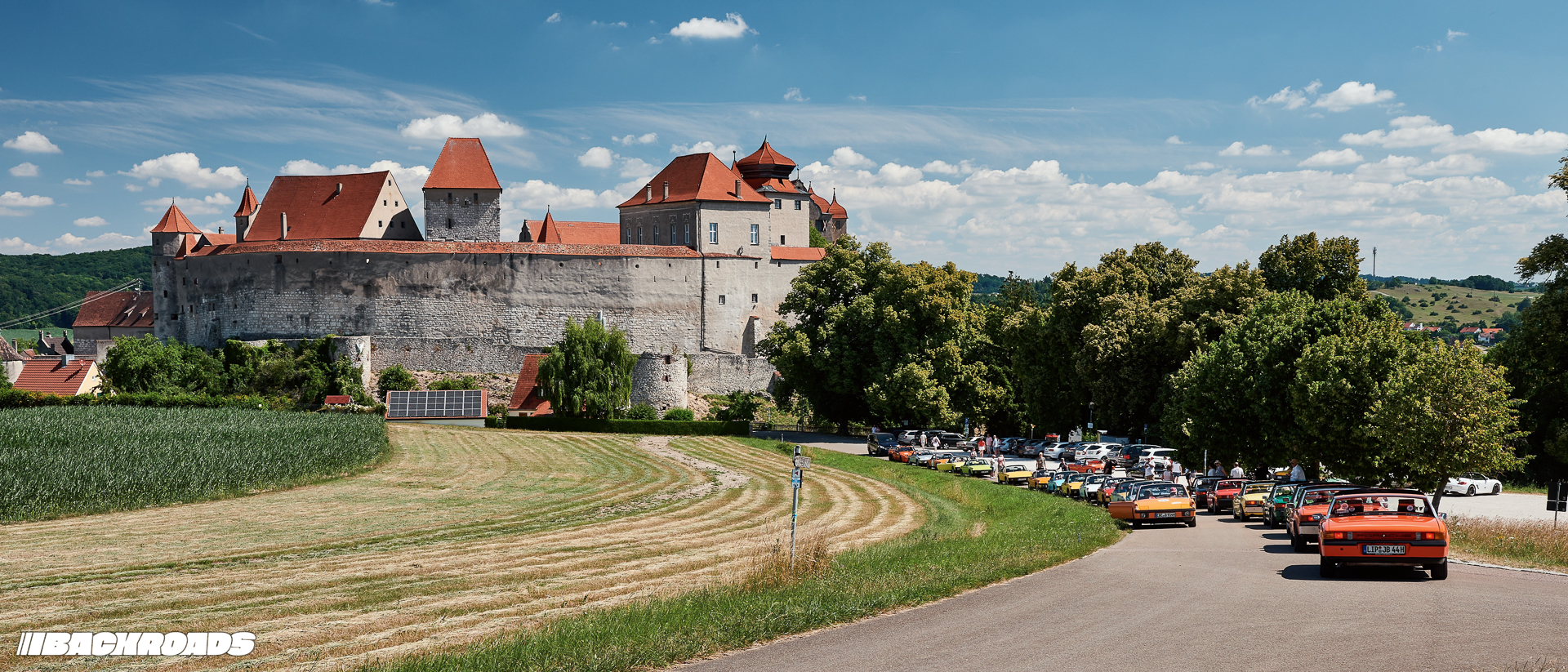
Today, it’s a wonderfully eclectic community, mingling people from all kinds of backgrounds, all bound by the same mid-engine-induced grin. Harald, together with his partner Carmen and a few others, still runs the event purely for the joy of it – this year’s edition saw more than 60 cars joining the drive.
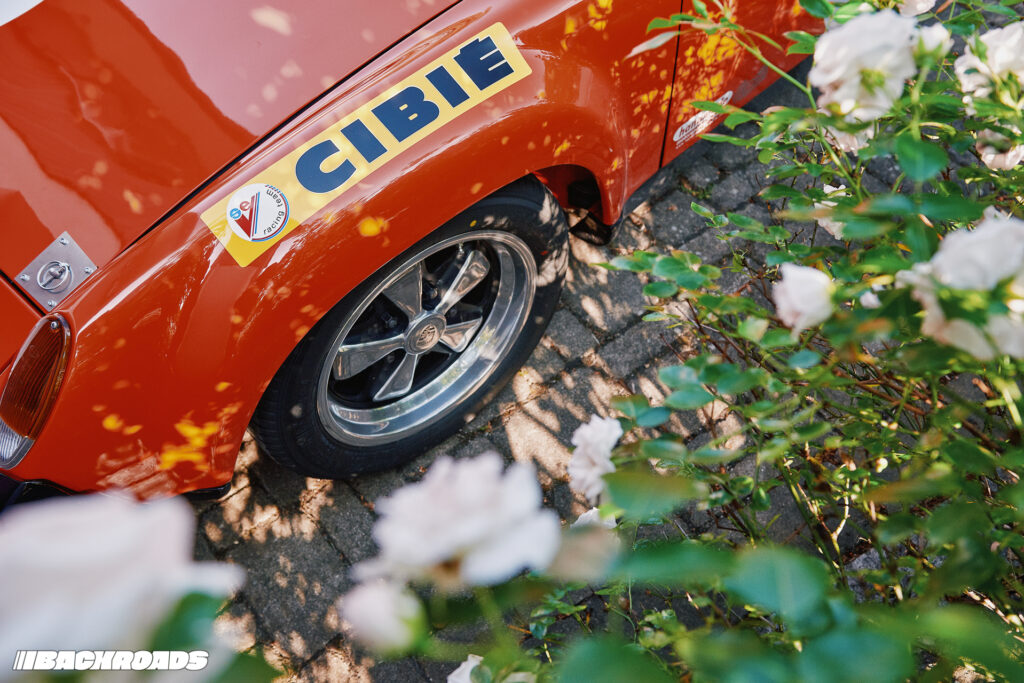
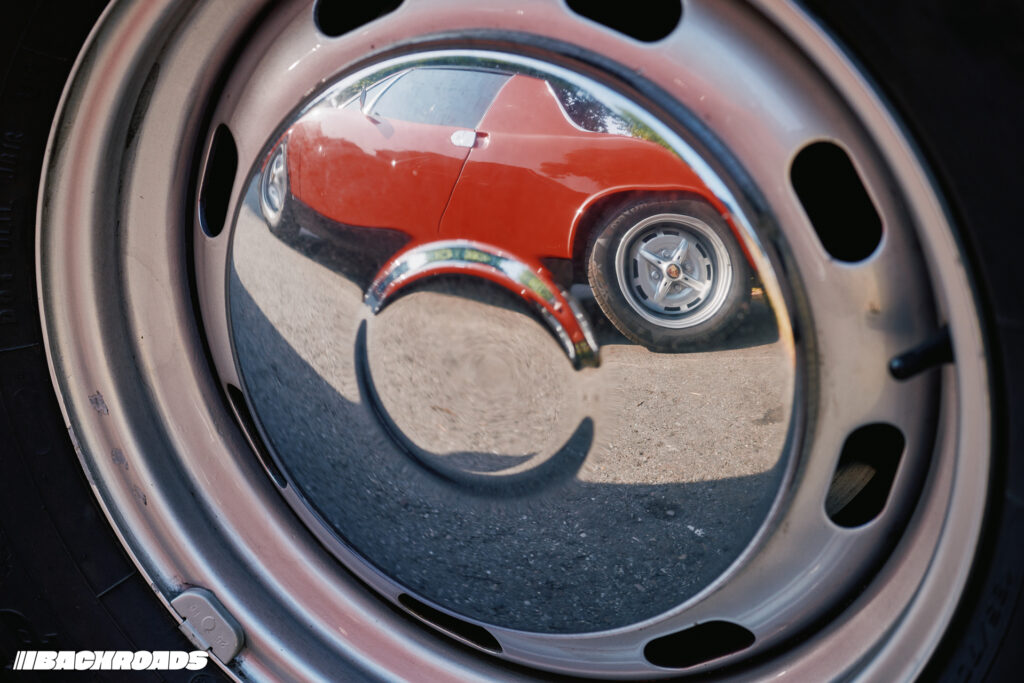
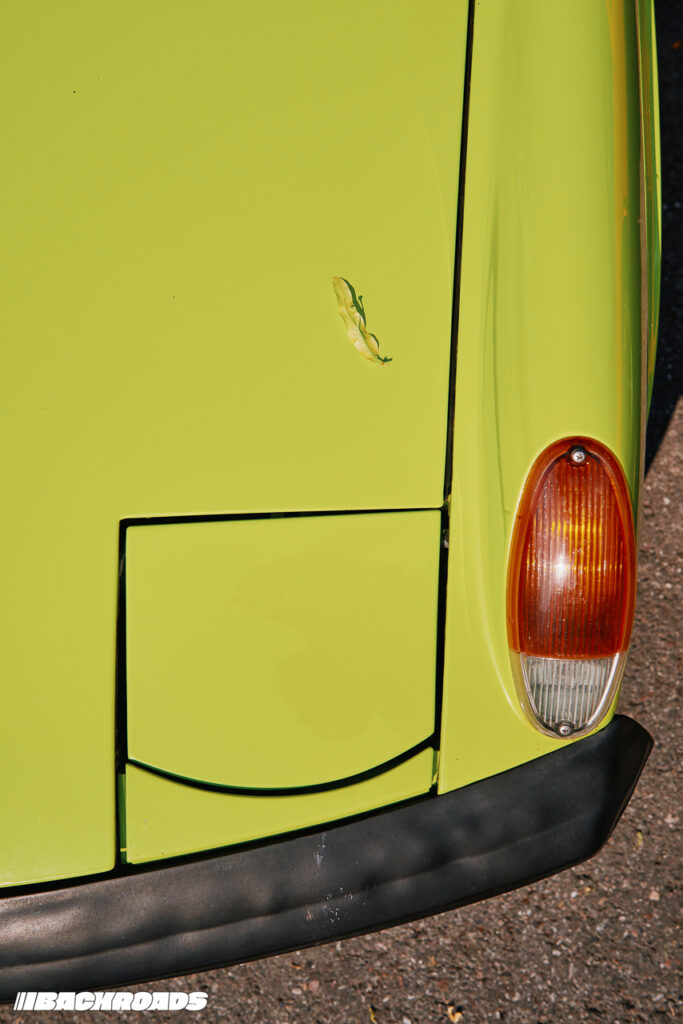


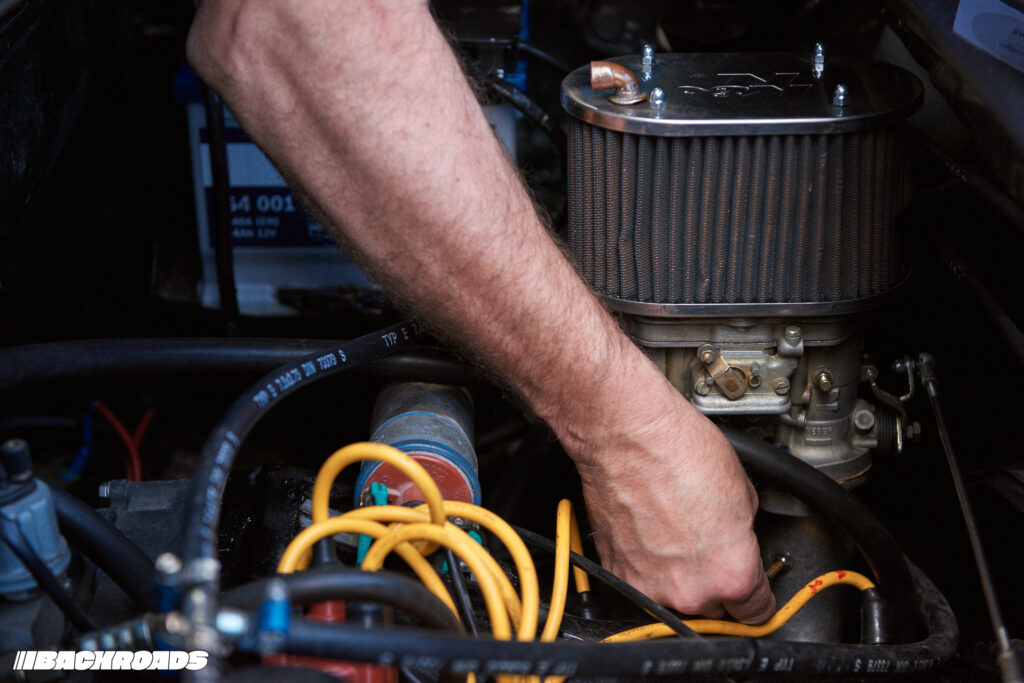
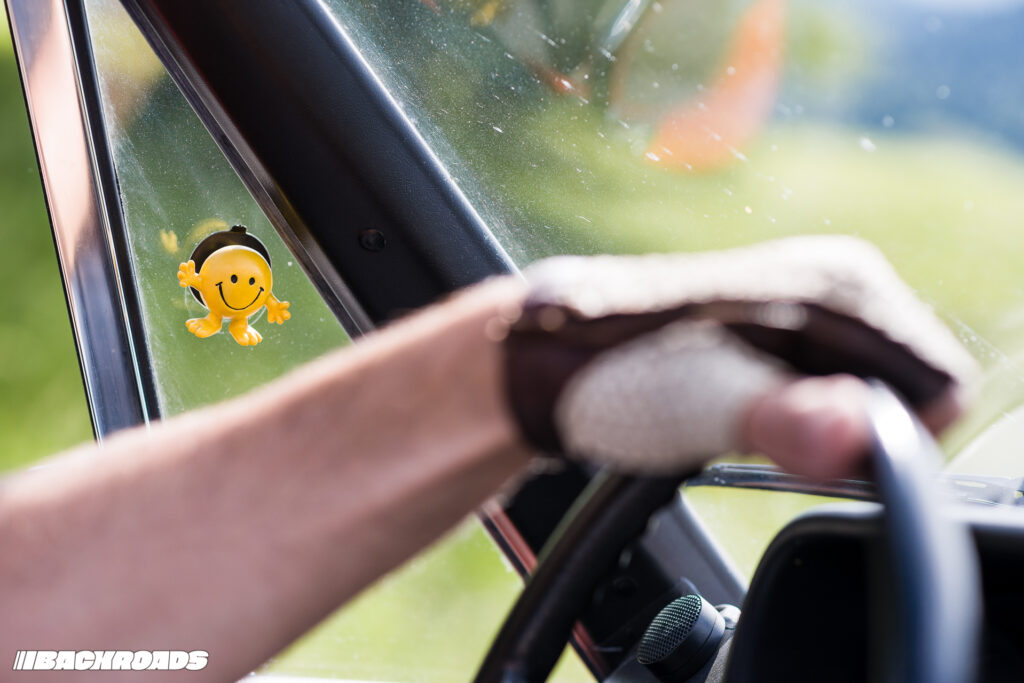
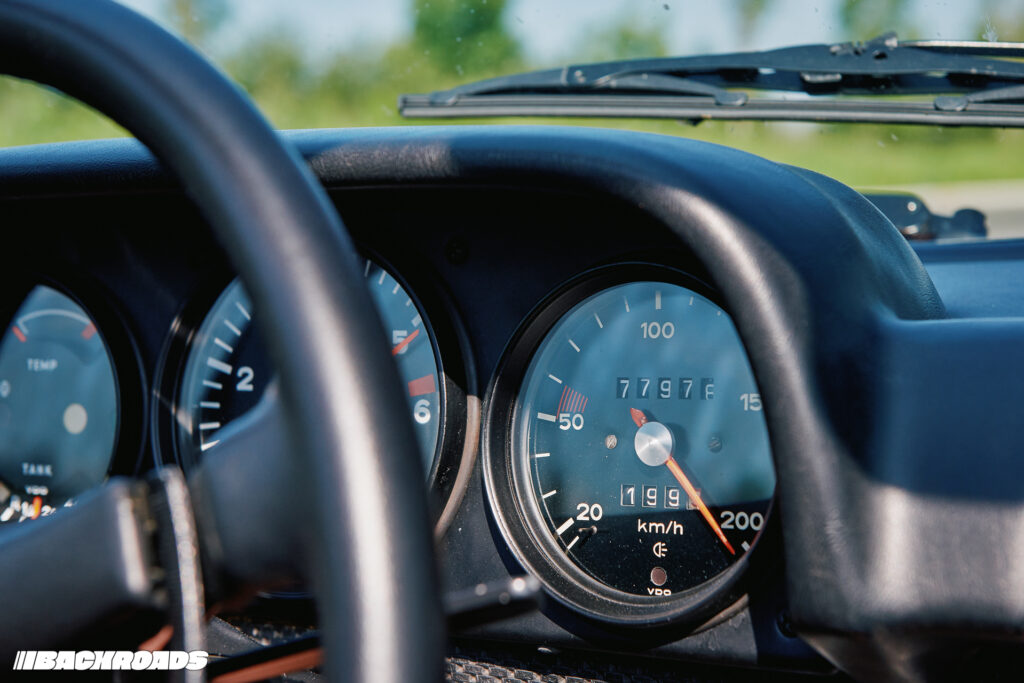
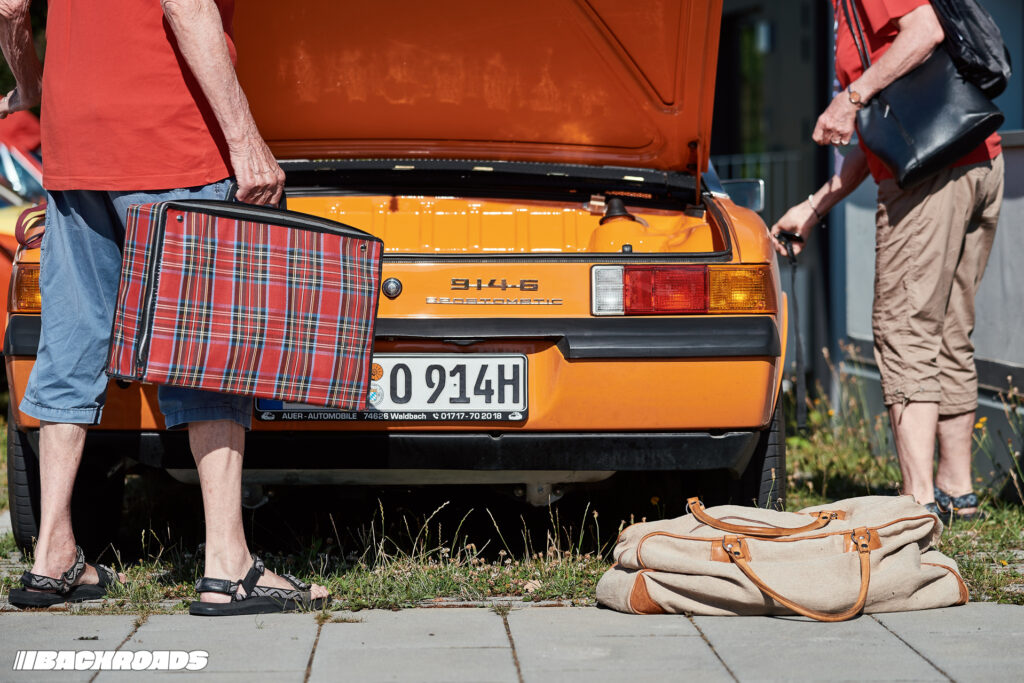


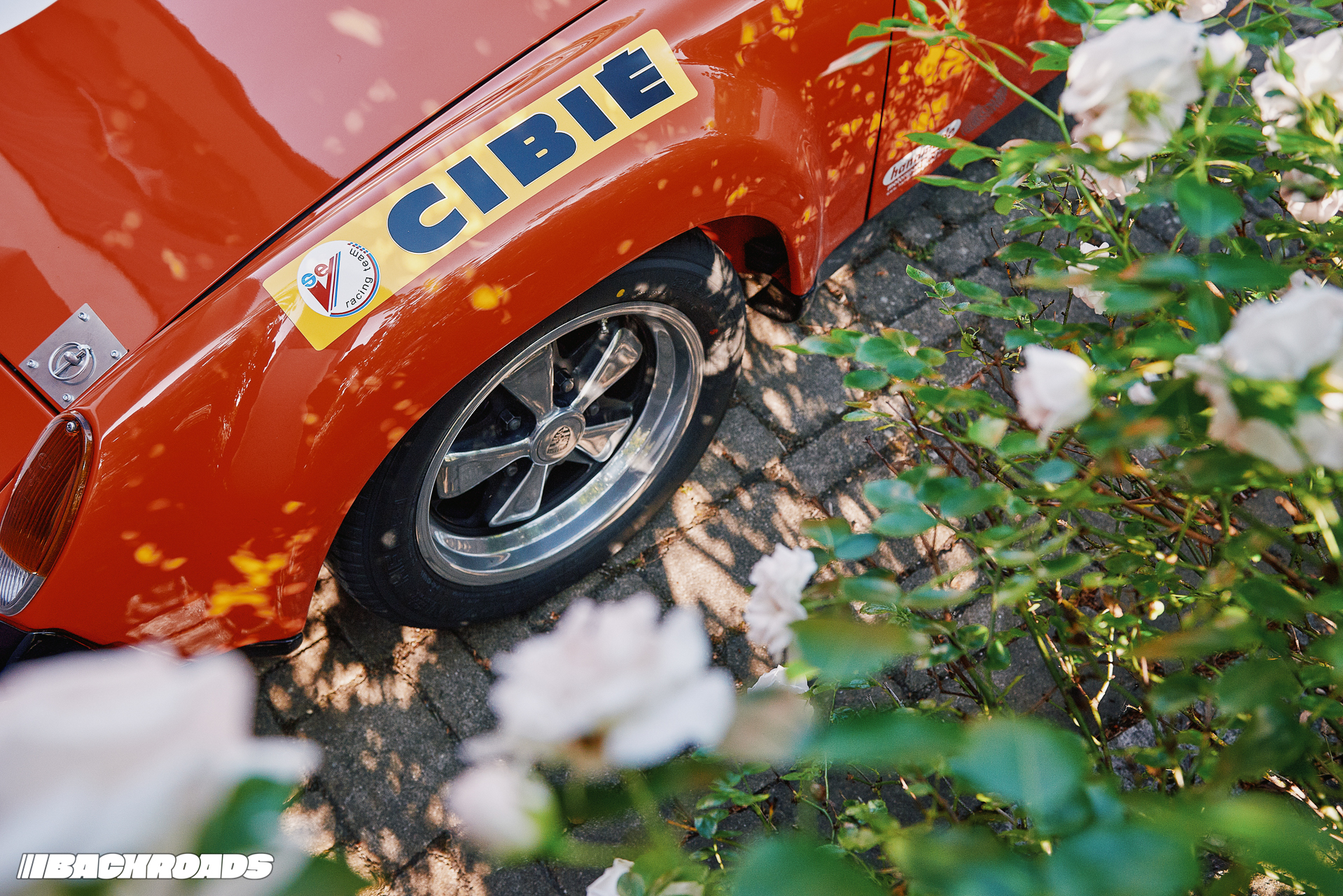
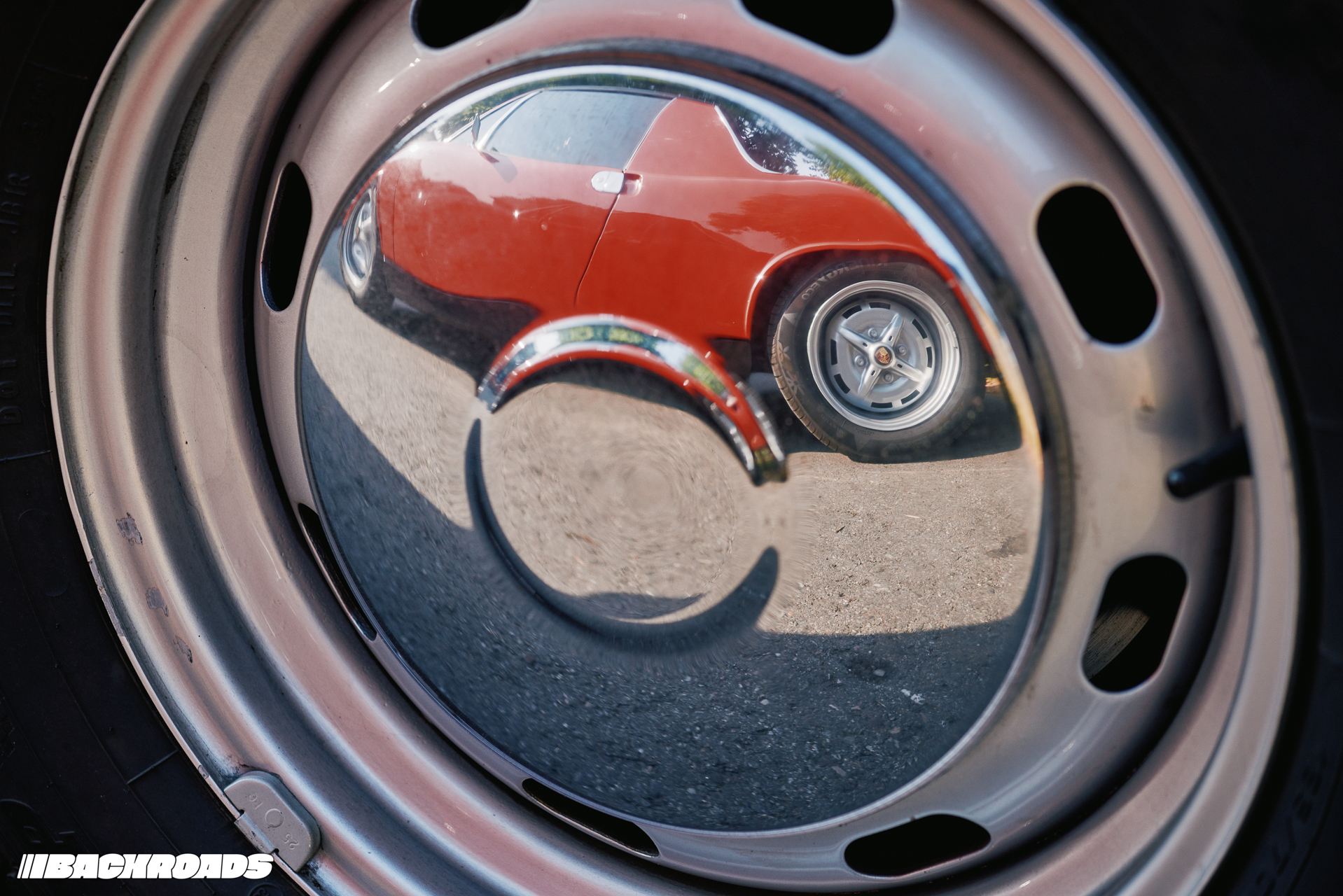
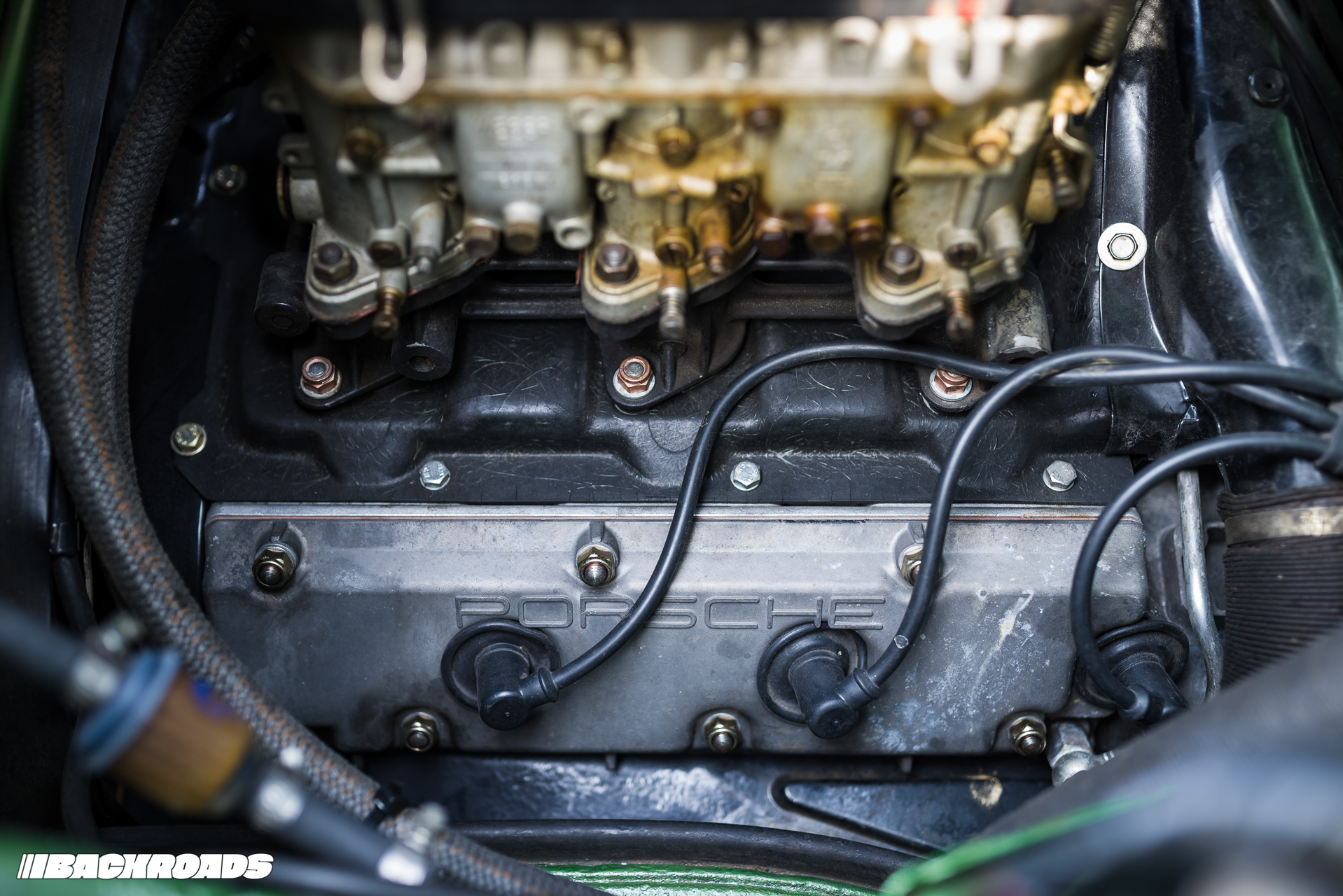
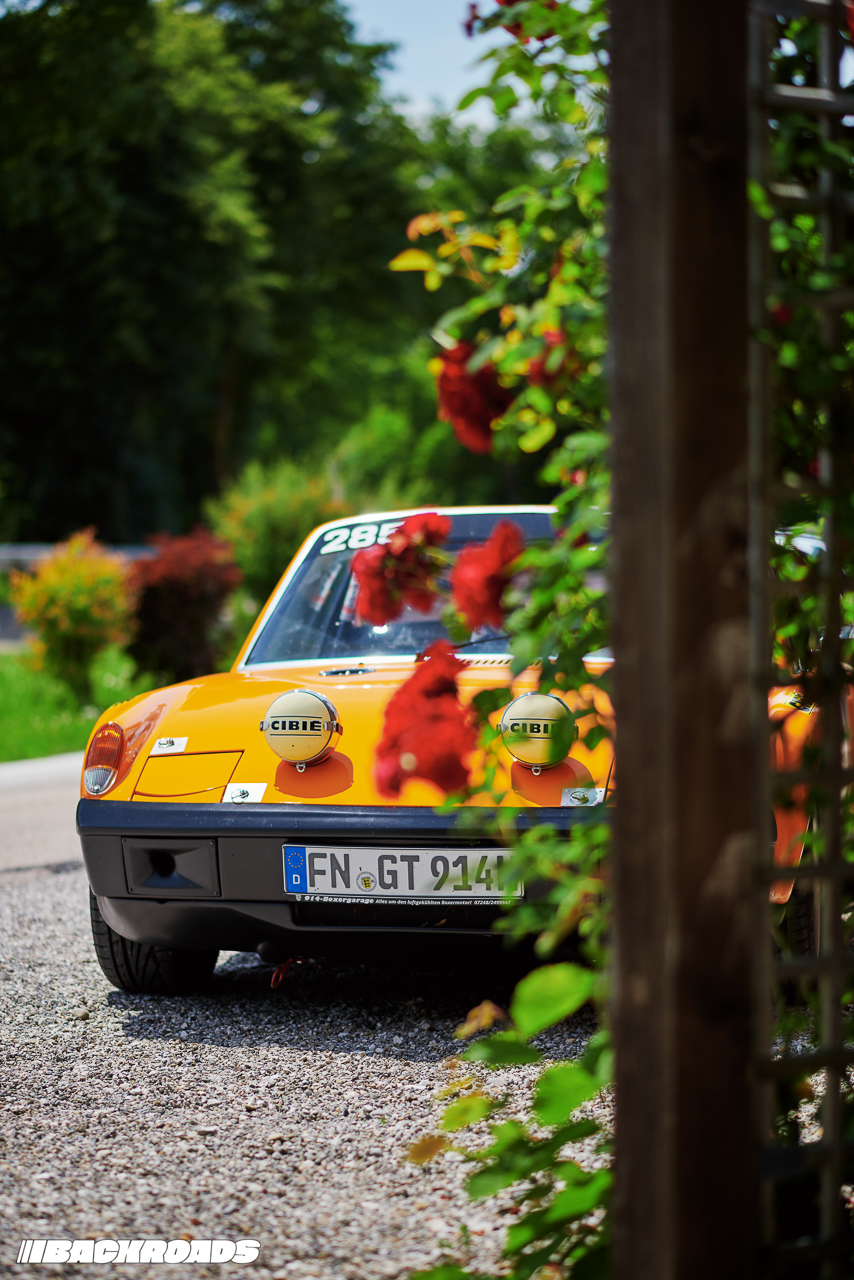
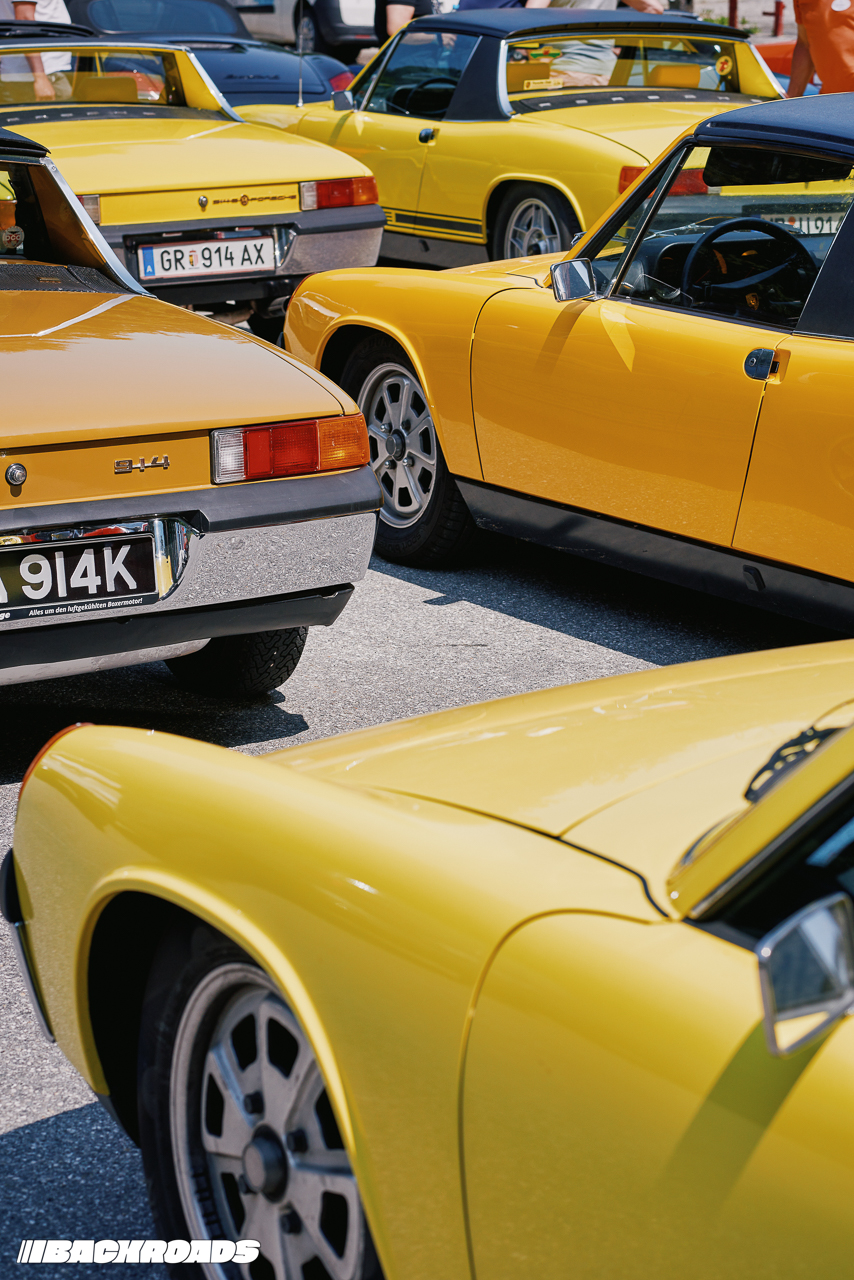
There is no selection process or entry fee, only a small contribution toward costs. Every 914 is welcome, and each reflects its owner’s personality – some wearing their original paint and trim, others built to their driver’s taste with uprated tires, brakes, or even 911 engines. The variety is part of the charm, from humble 1.7-litre engines to heavily tuned, race-prepped examples – and rare six-cylinder 914-6s.
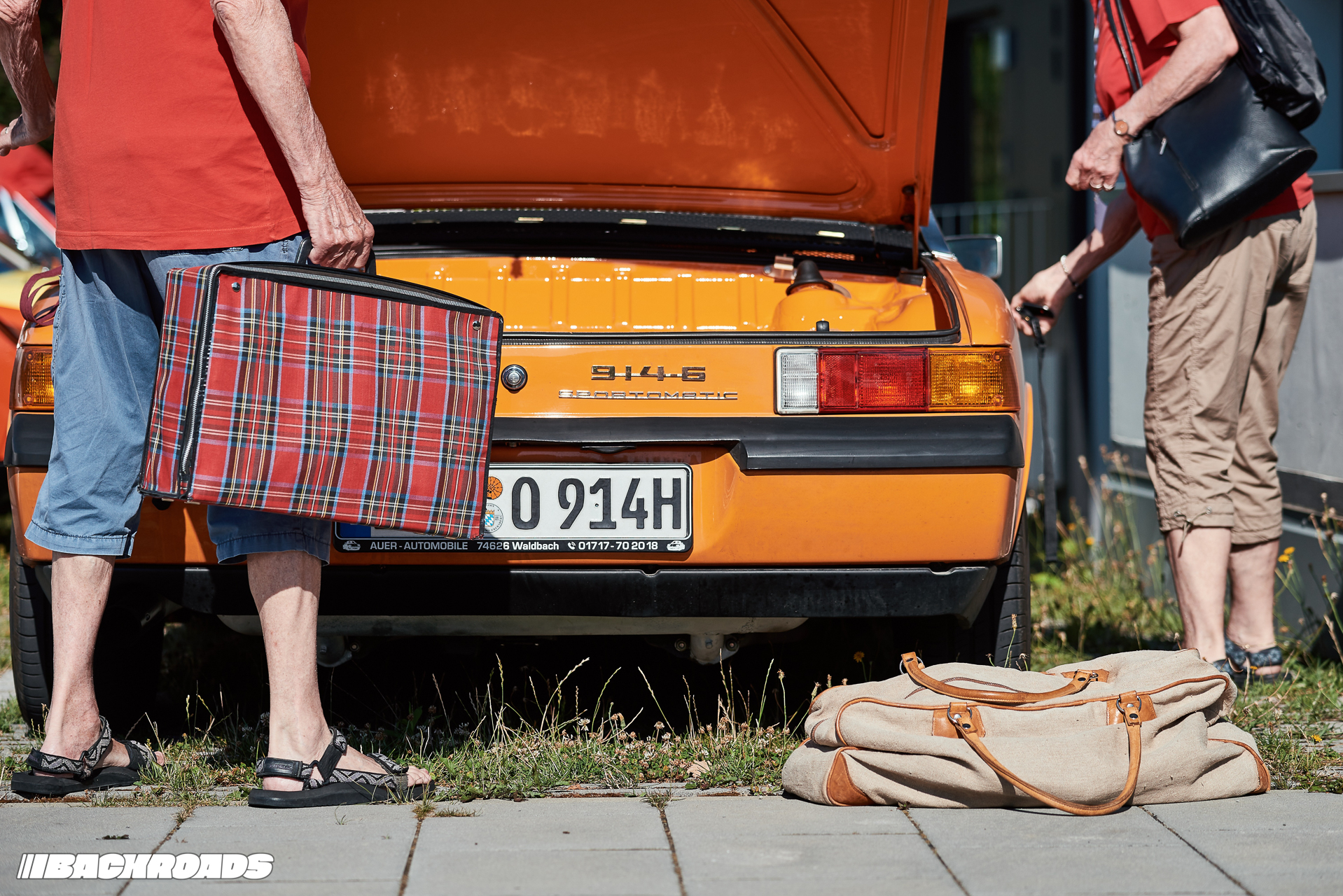
Among them is one of only sixteen 914-6 Sportomatics ever built, bought in the seventies and still driven by the same owners today, now showing more than 400,000 kilometers on the clock – a story worth a feature in itself.

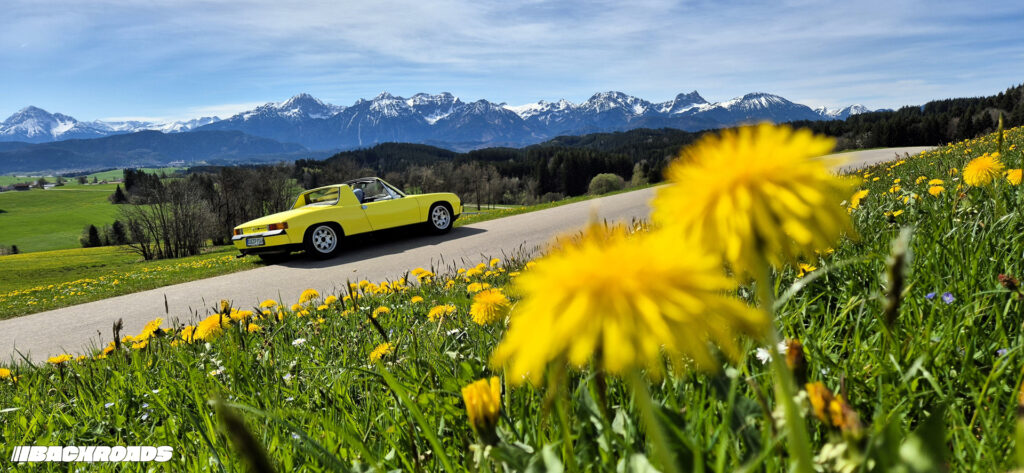
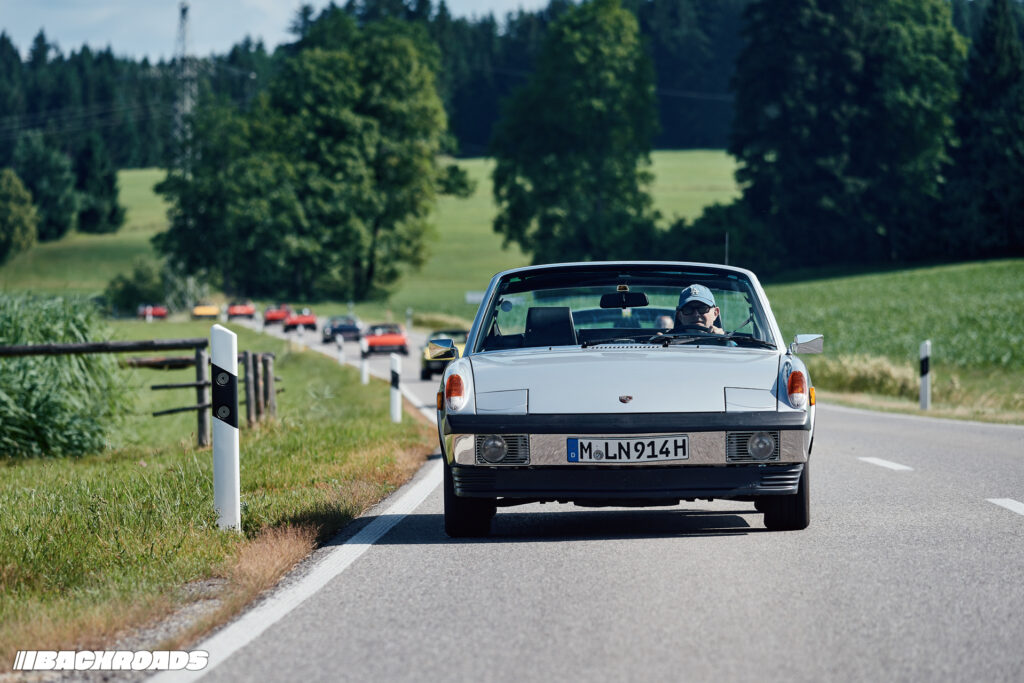
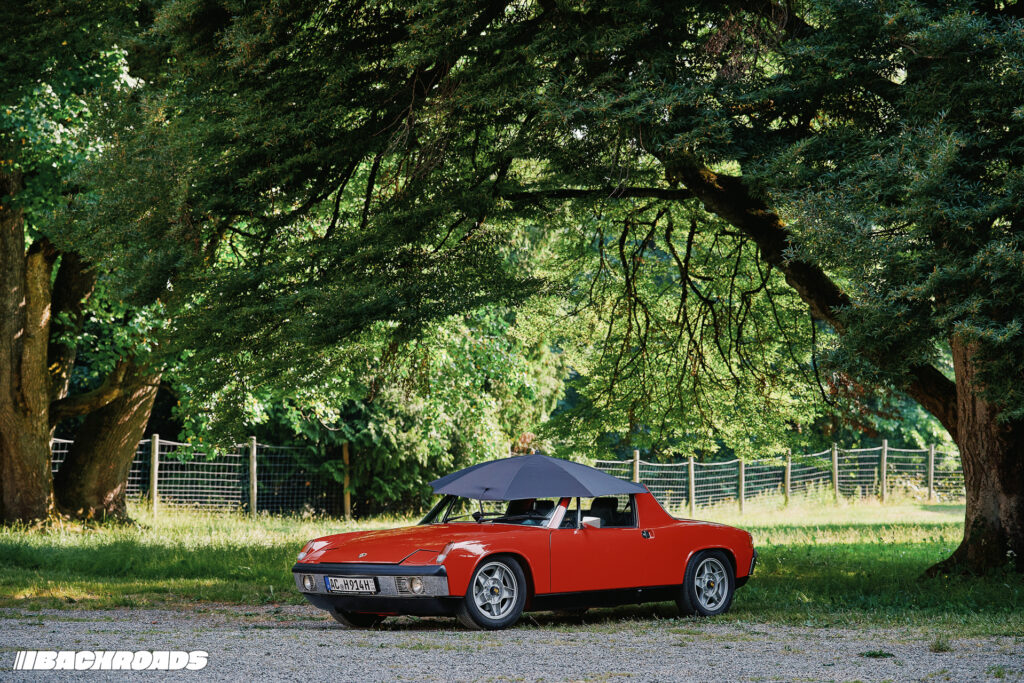

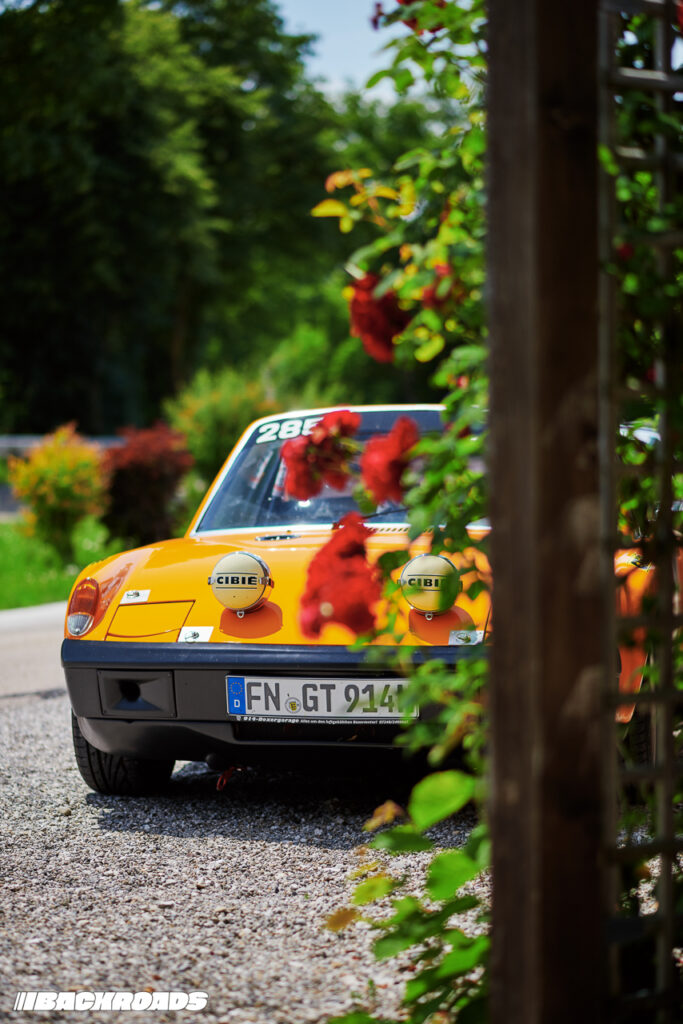

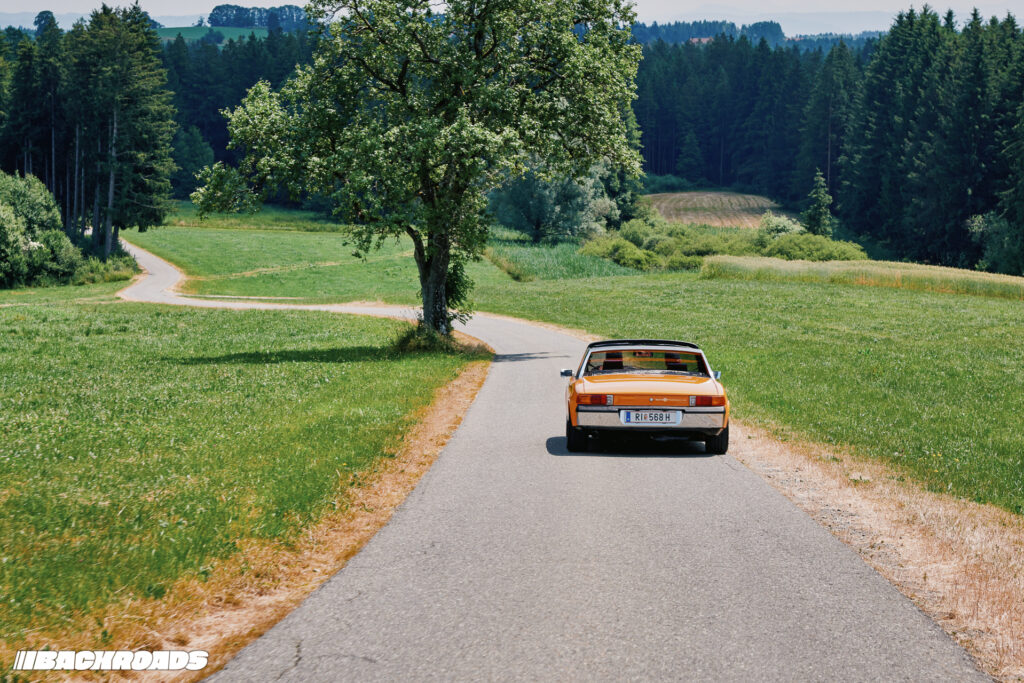
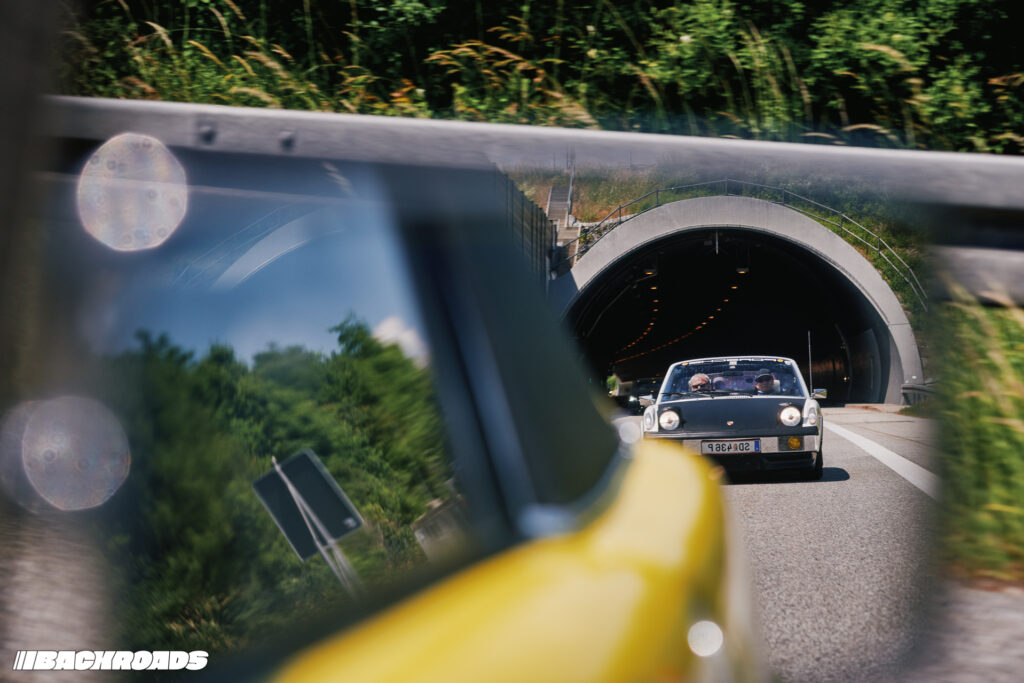
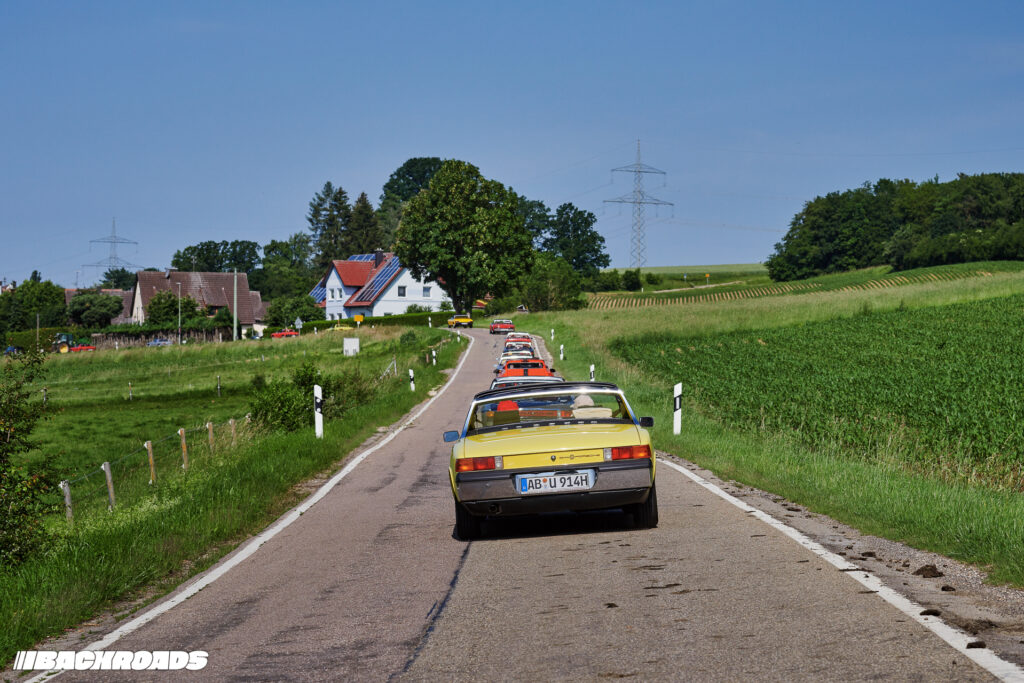
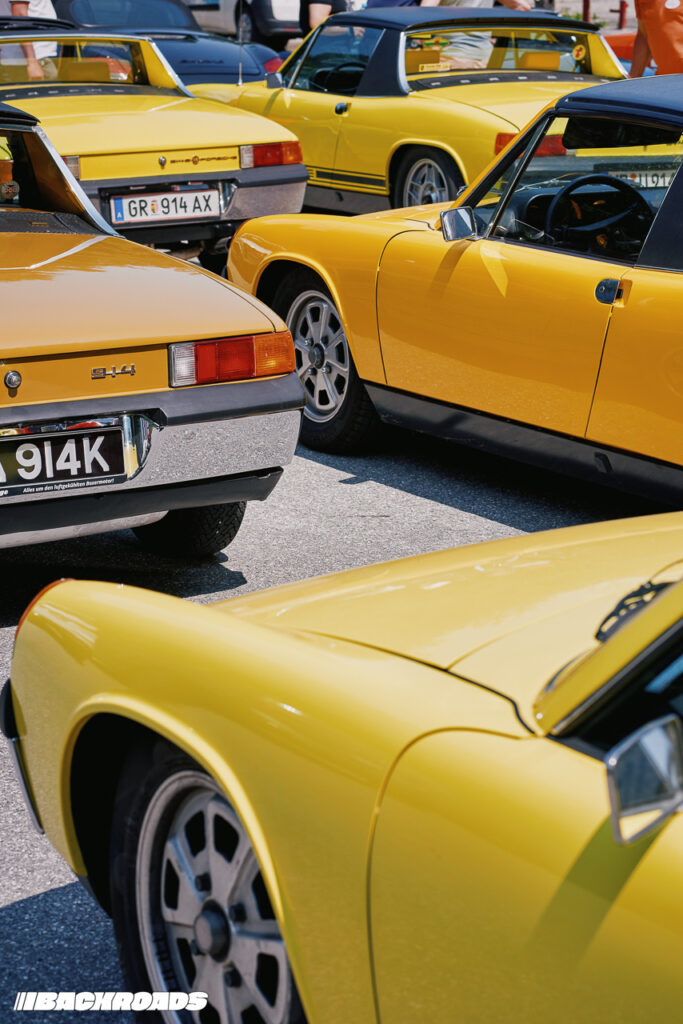

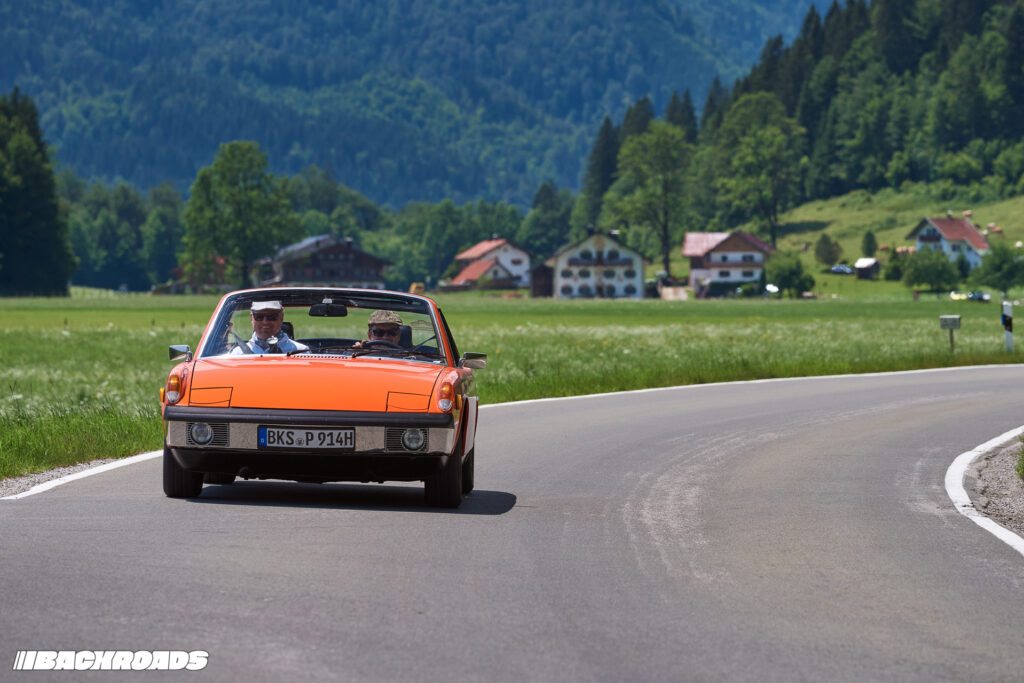
Each year’s journey is captured in a photo calendar – a tangible way to count down the months until the next Ausfahrt. The date is already set: 26-28 June 2026. The route is decided, and let’s just say it won’t disappoint.
If you’re curious, visit the VW-Porsche 914 Freunde Oberbayern Facebook page for more impressions and updates.




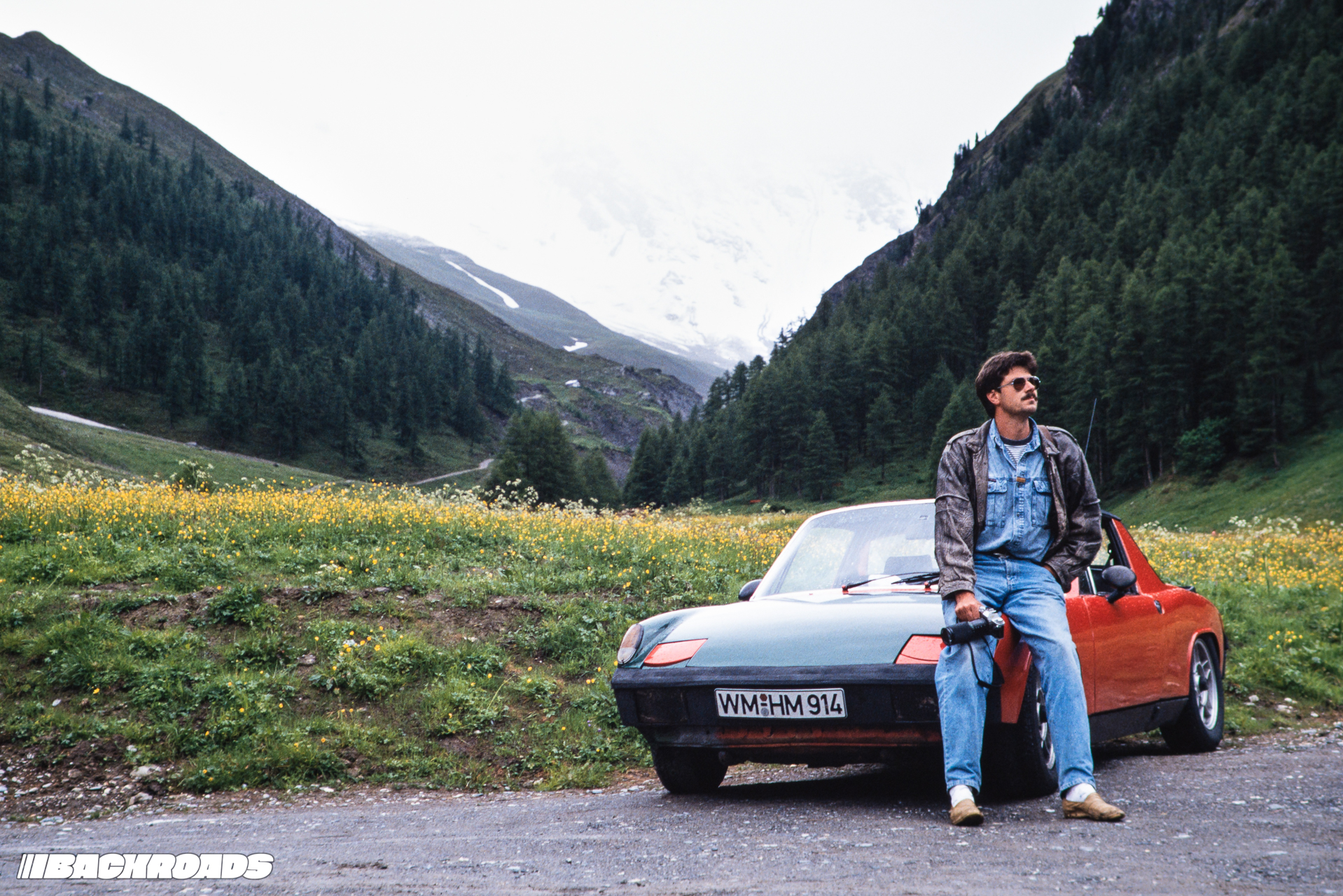





















914s are such under-rated model. Most people only care about the 911.
Definitely. But that difference already started at the factory – the 911 was always Porsche’s flagship, and as a result the 914 (like the later 924, 944, or even the Boxster until recently) never received the same level of development or prestige as its bigger brother. That said, I’d argue that only the four-cylinder 914s are truly underrated, at least in terms of price. There’s a big value gap between those and the original 914/6 models, which now trade in the same range as early 911s.
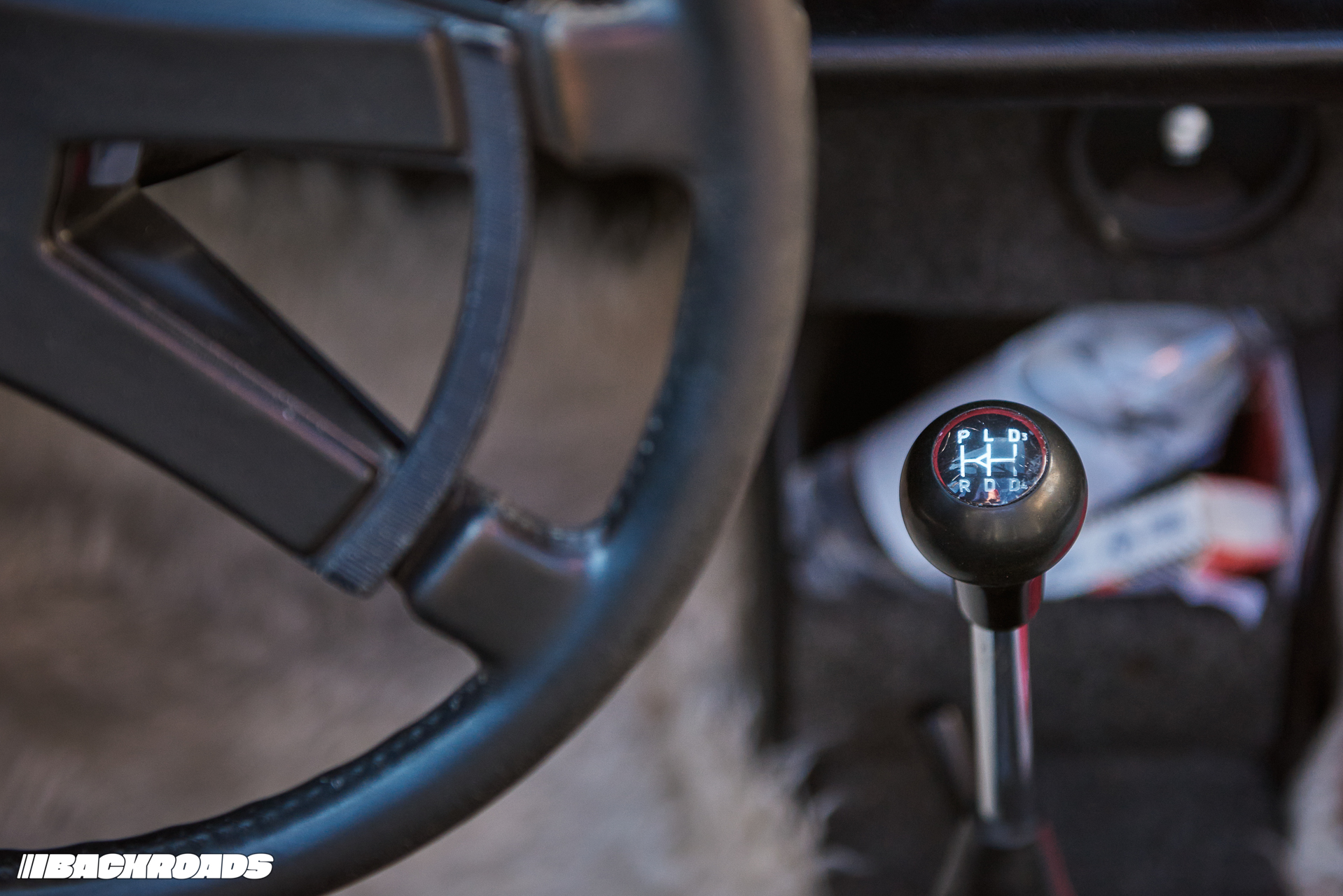
The 914’s mid-engine layout gives even stock cars beautifully balanced handling. The only real downside I’ve noticed while driving is the shifter linkage of the 901 gearbox – selecting first gear without a crunch can be especially tricky. My favourite drive so far was a car with a 3.2-liter Carrera engine from a later G-model and a 915 gearbox (introduced in 911s in 1972). It completely transforms the car – honestly, that’s how the factory should have built the later models in the first place. But then again, such a combo would have been a real threat to a 911 from the same period…
Much like how Stuttgart is still holding Boxster/Cayman back eh? Hahaha!
Yeah, sort of… Though there is at least one option on the market that shows the true potential of the platform since they introduced the GT4 RS models. Obviously, it had to be limited and therefore unaffordable for most – but that’s another topic…