
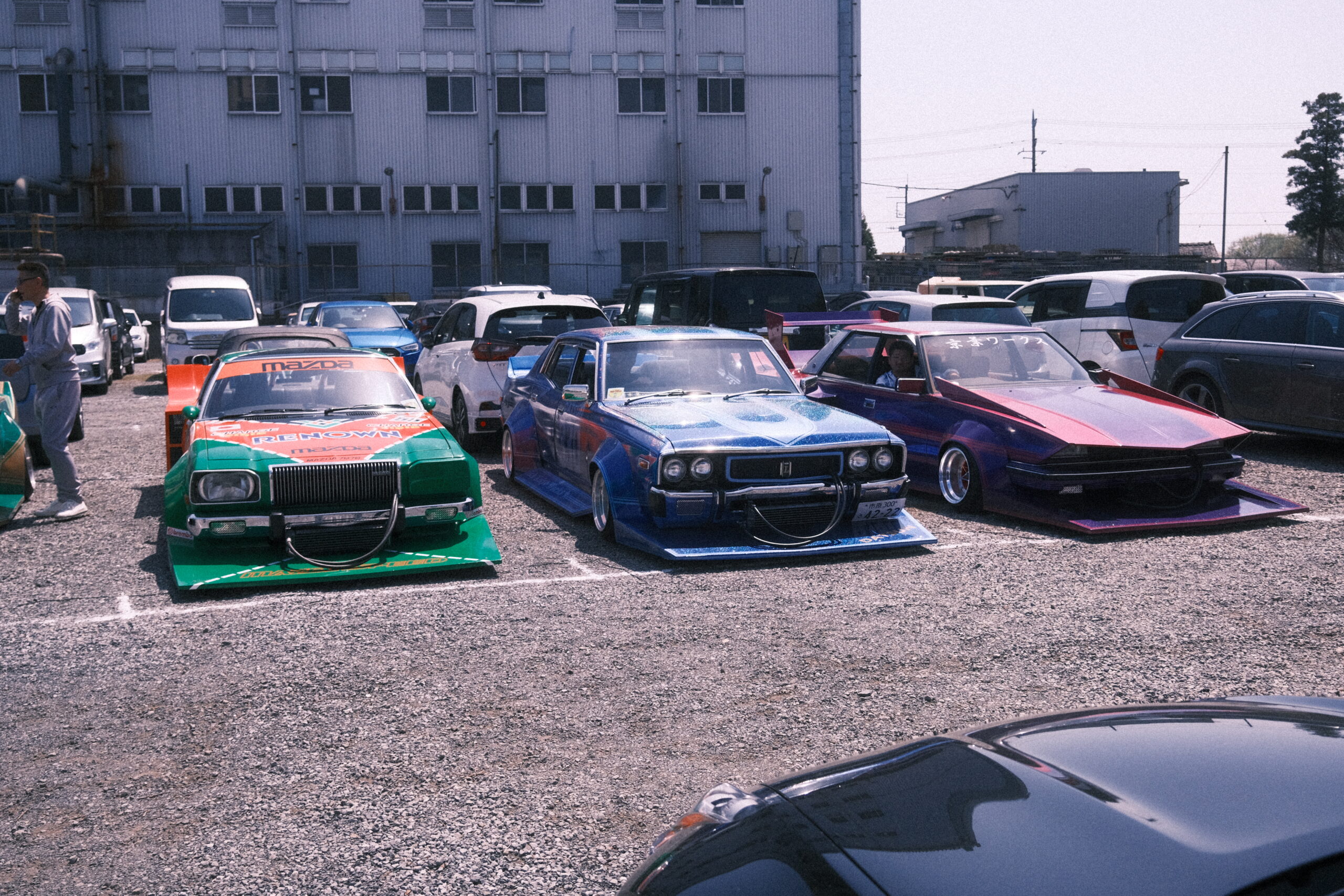
Kaidō racers hold a unique place in Japan’s car culture, with roots tracing back to the mid-1970s at the Fuji Speedway Grand Championship.
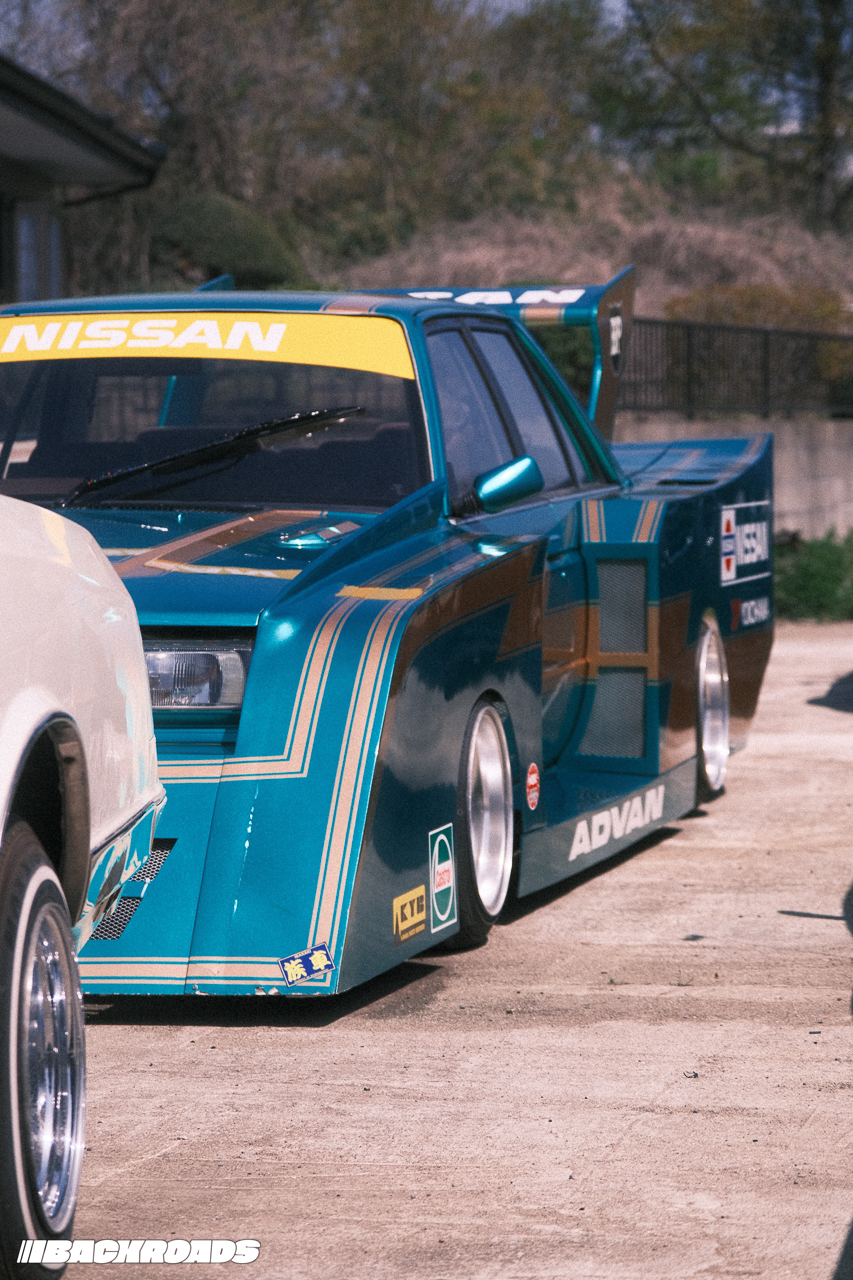
Racing enthusiasts drew inspiration directly from the machines on track and applied the same principles to their own cars, replicating their wide over-fenders, dramatic aero components, and deep three-piece wheels. Over time, what began as imitation evolved into innovation, as builders across Japan developed their own interpretations.
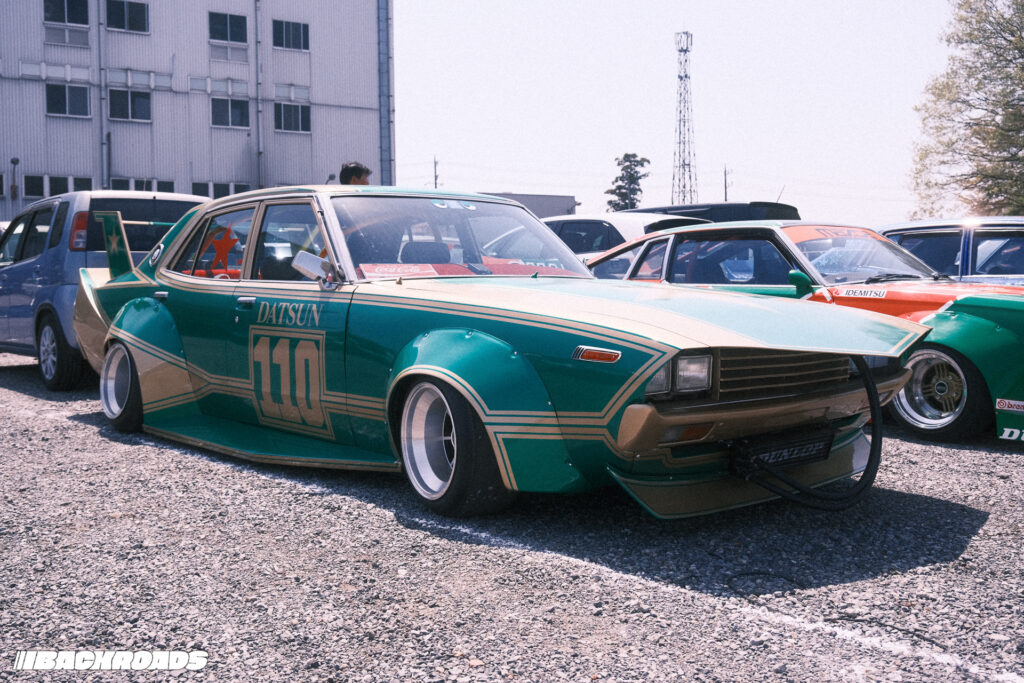
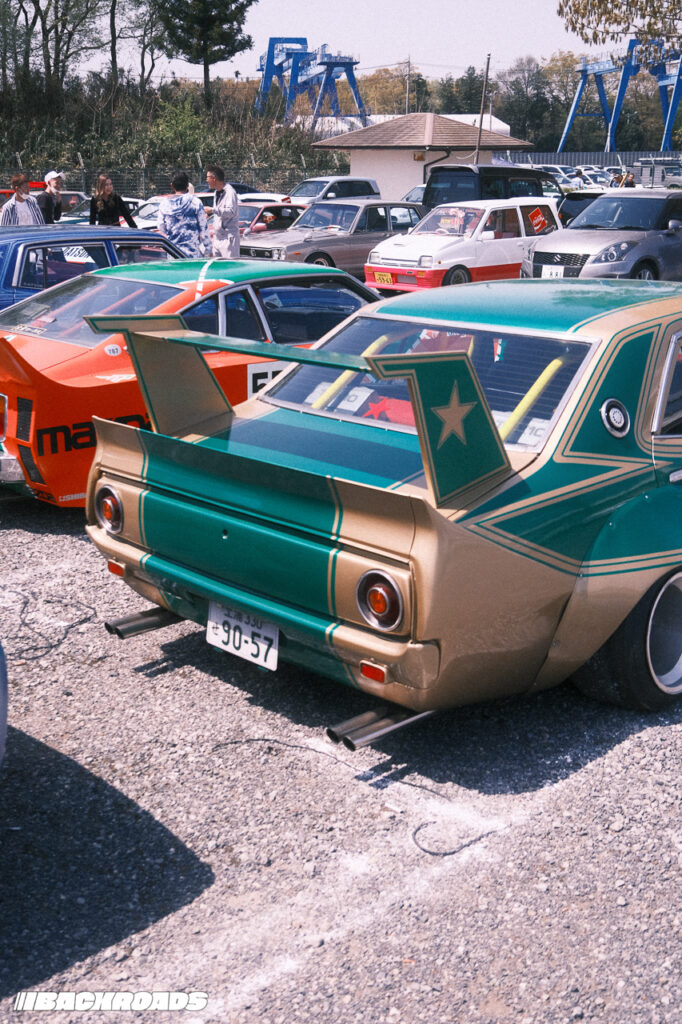
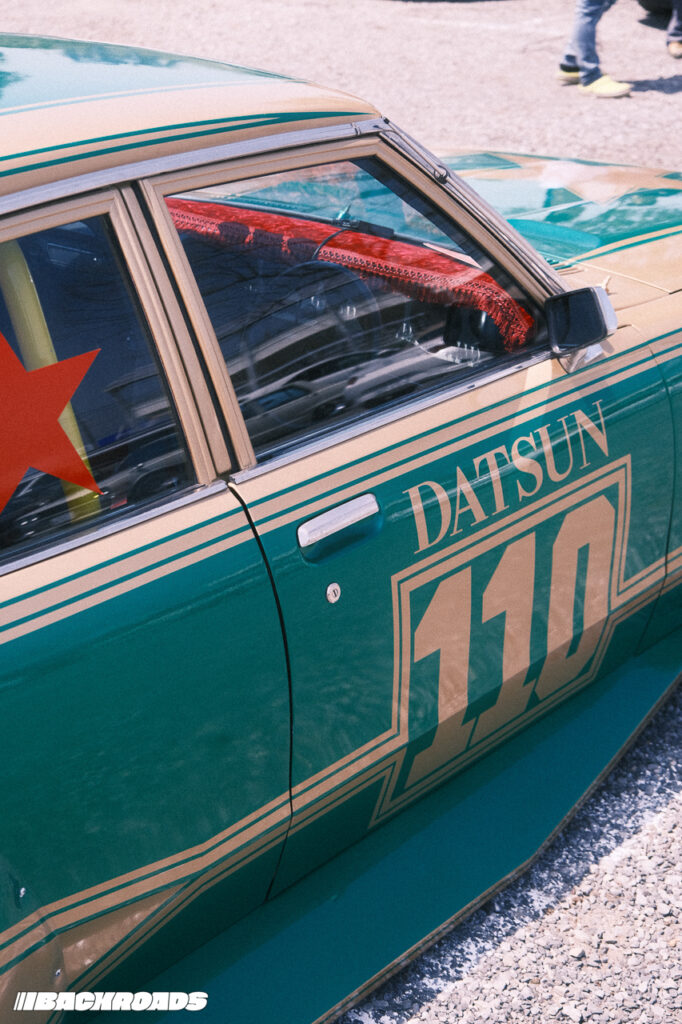
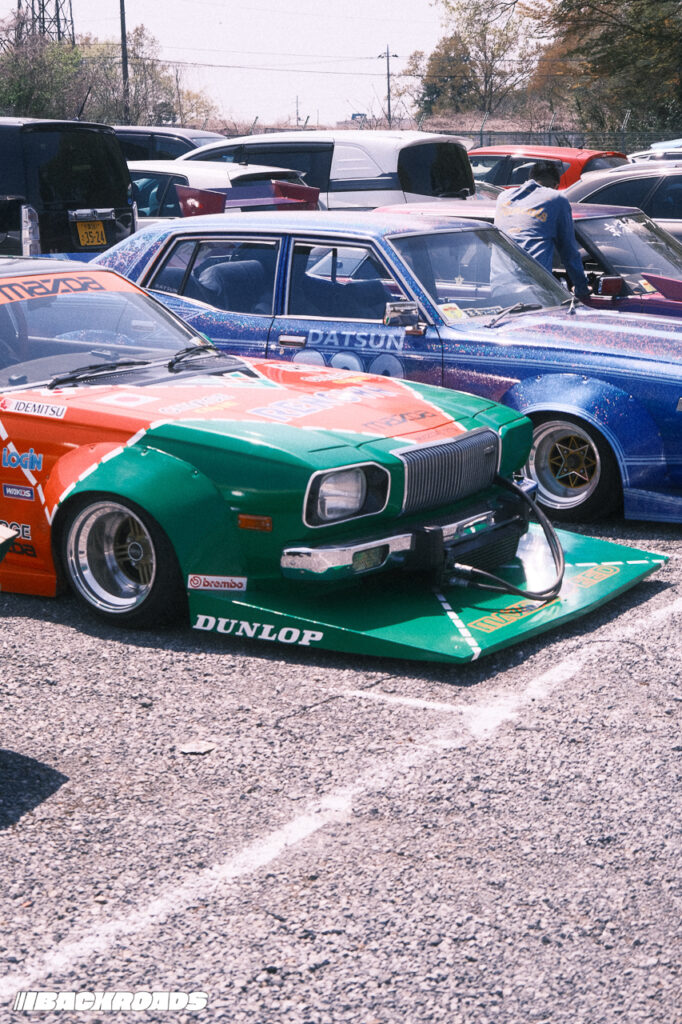
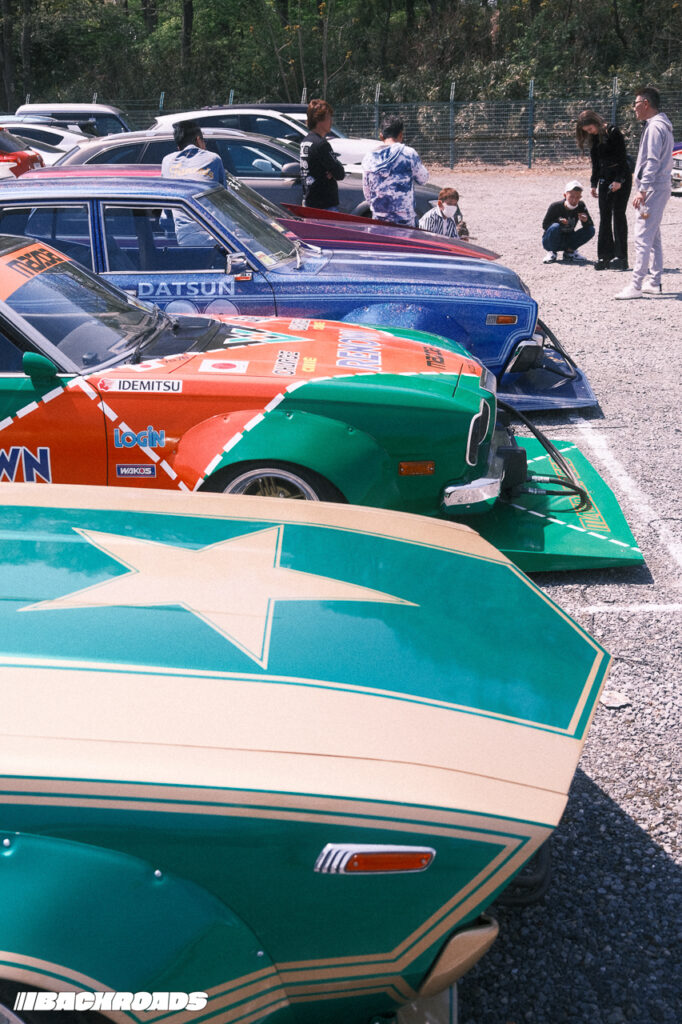


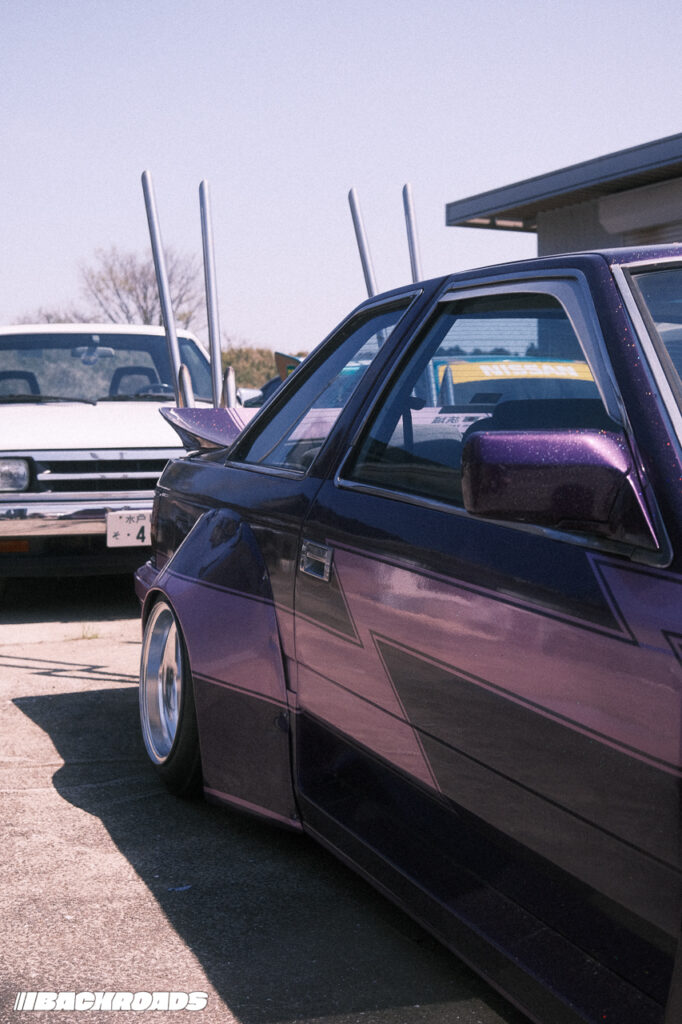

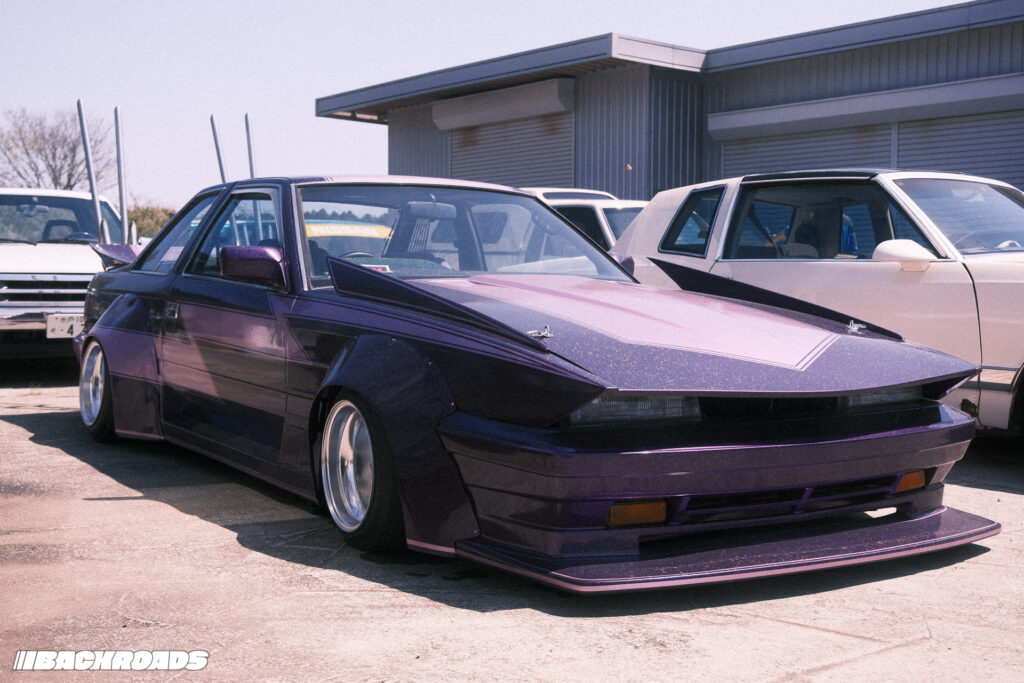
Today, kaidō racers in Japan are defined by regional variations, with Fukuoka, Hokkaido, and Chibaragi among the most distinctive.
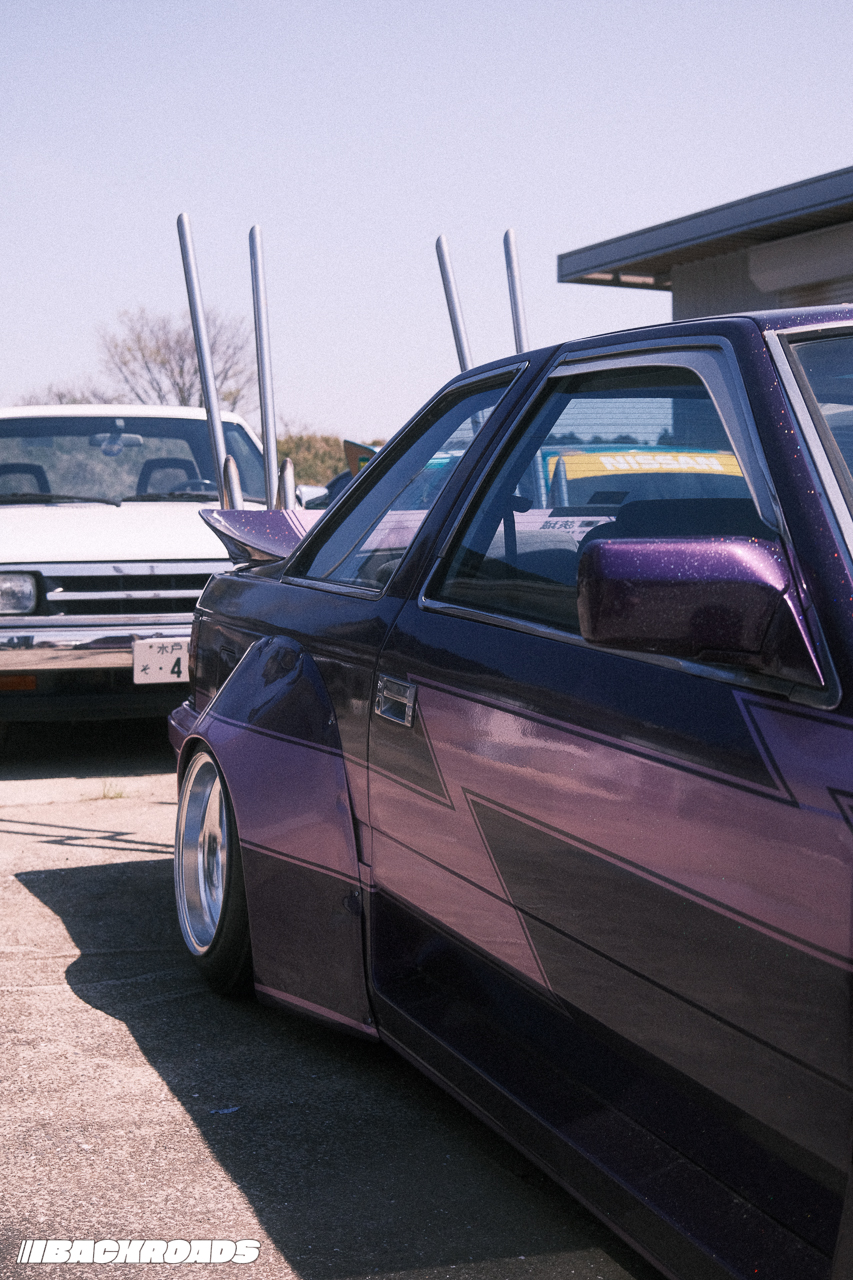
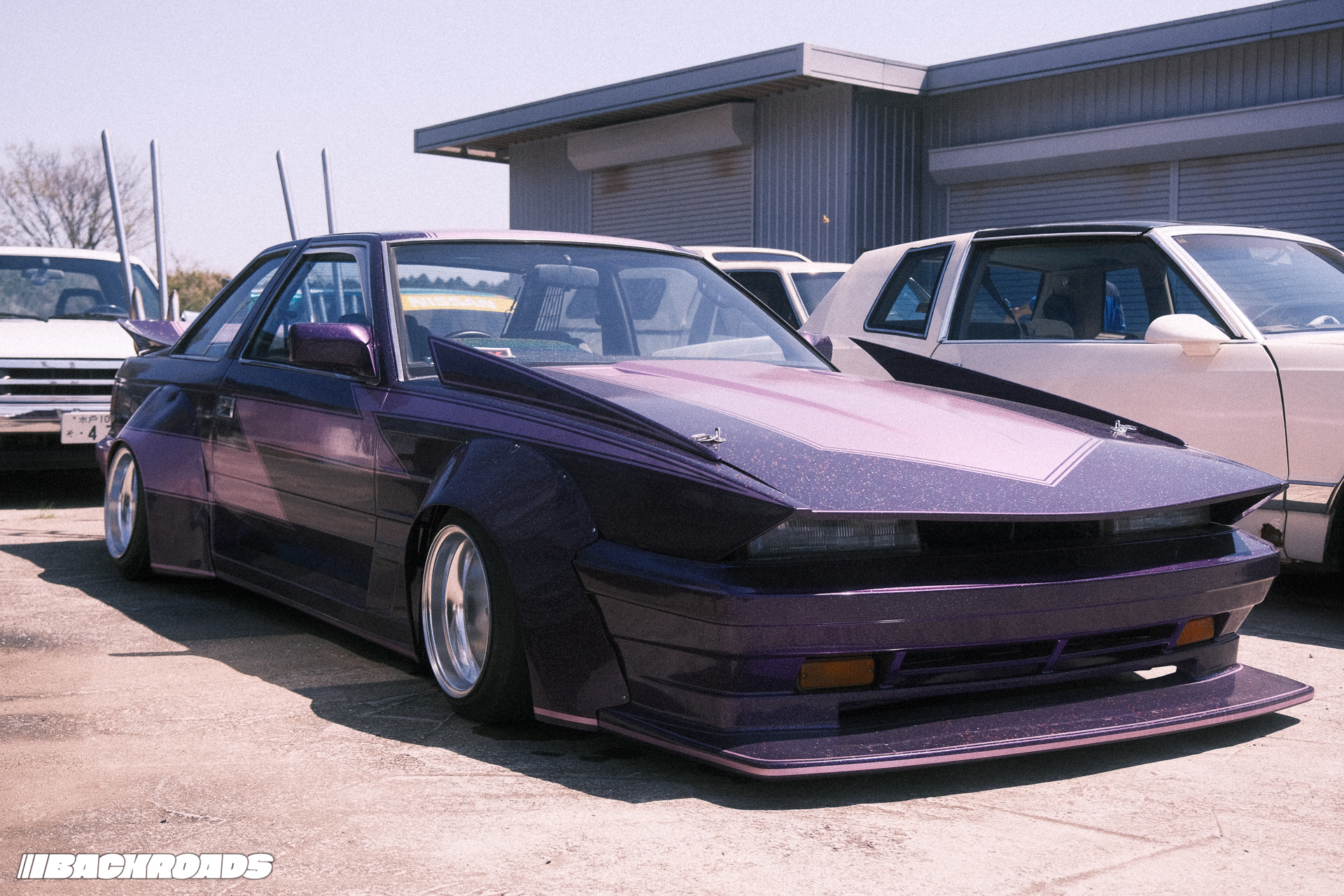
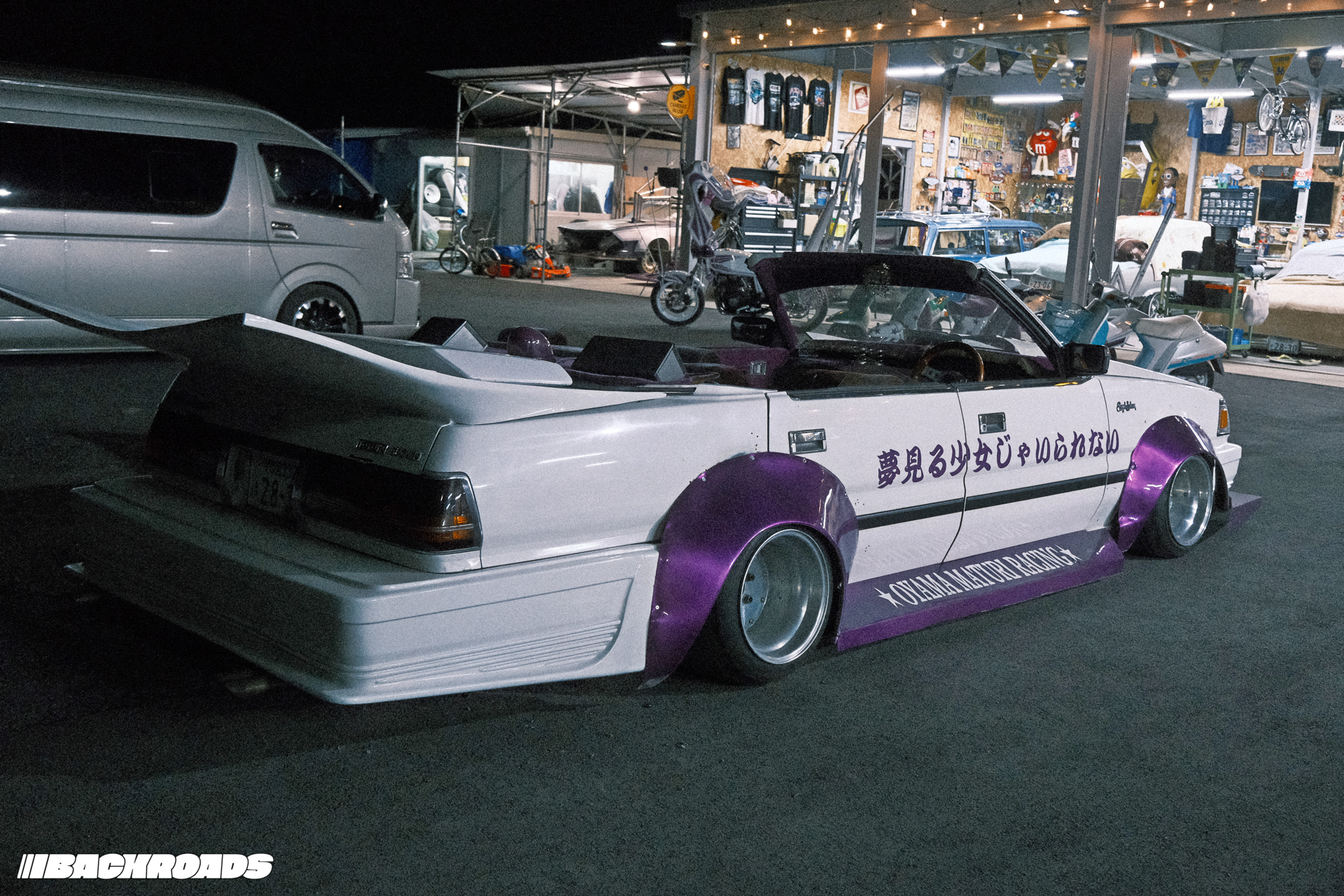
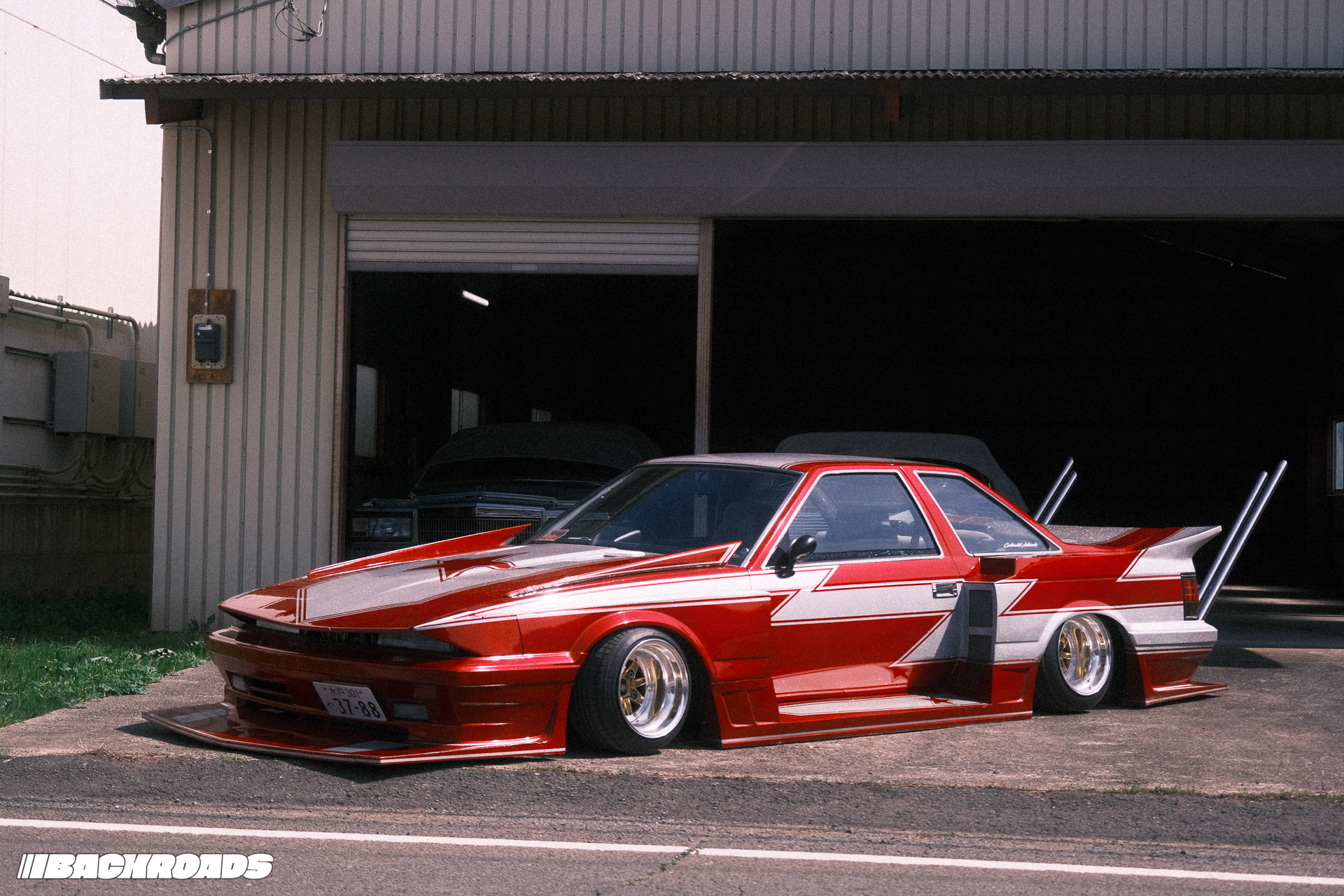
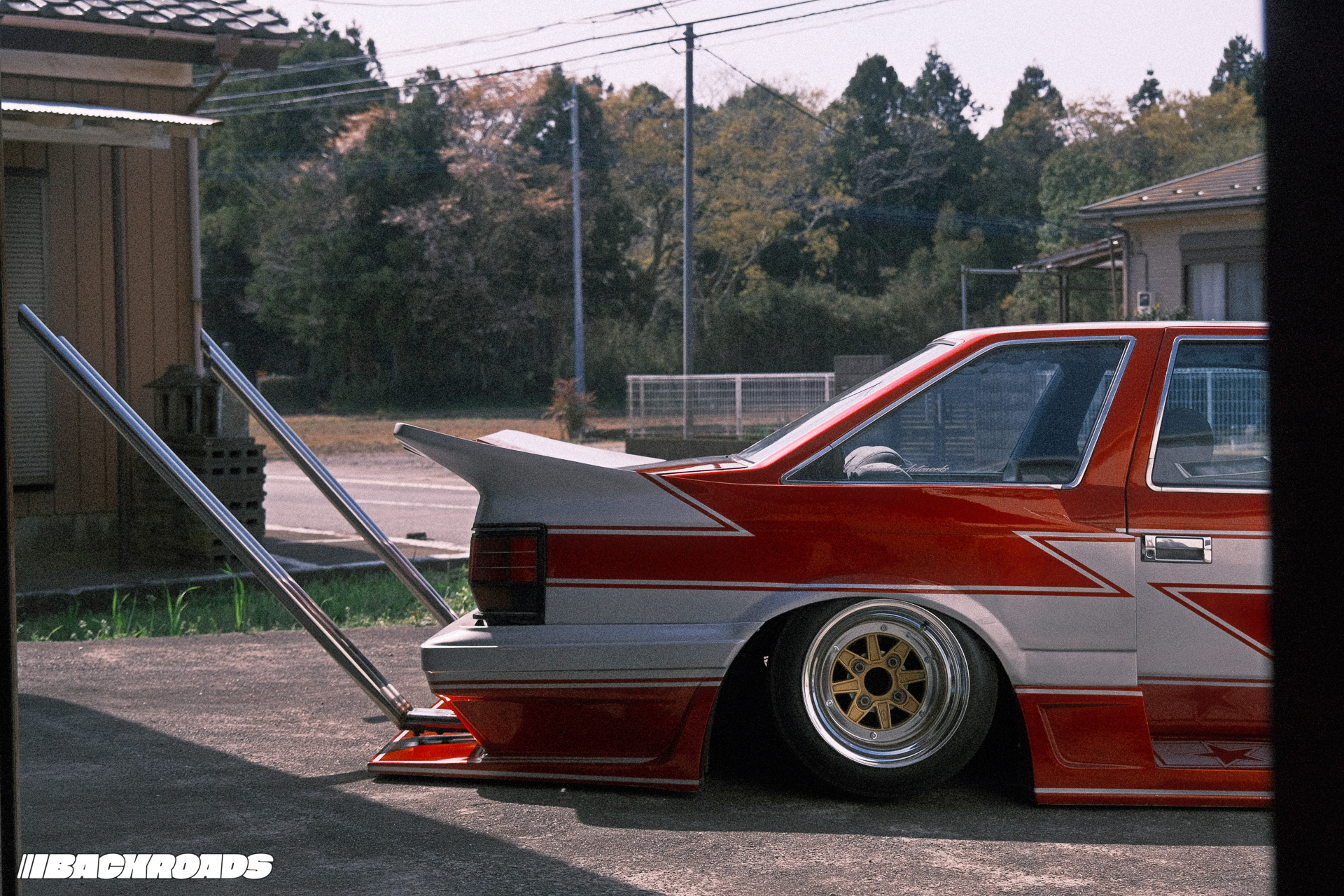
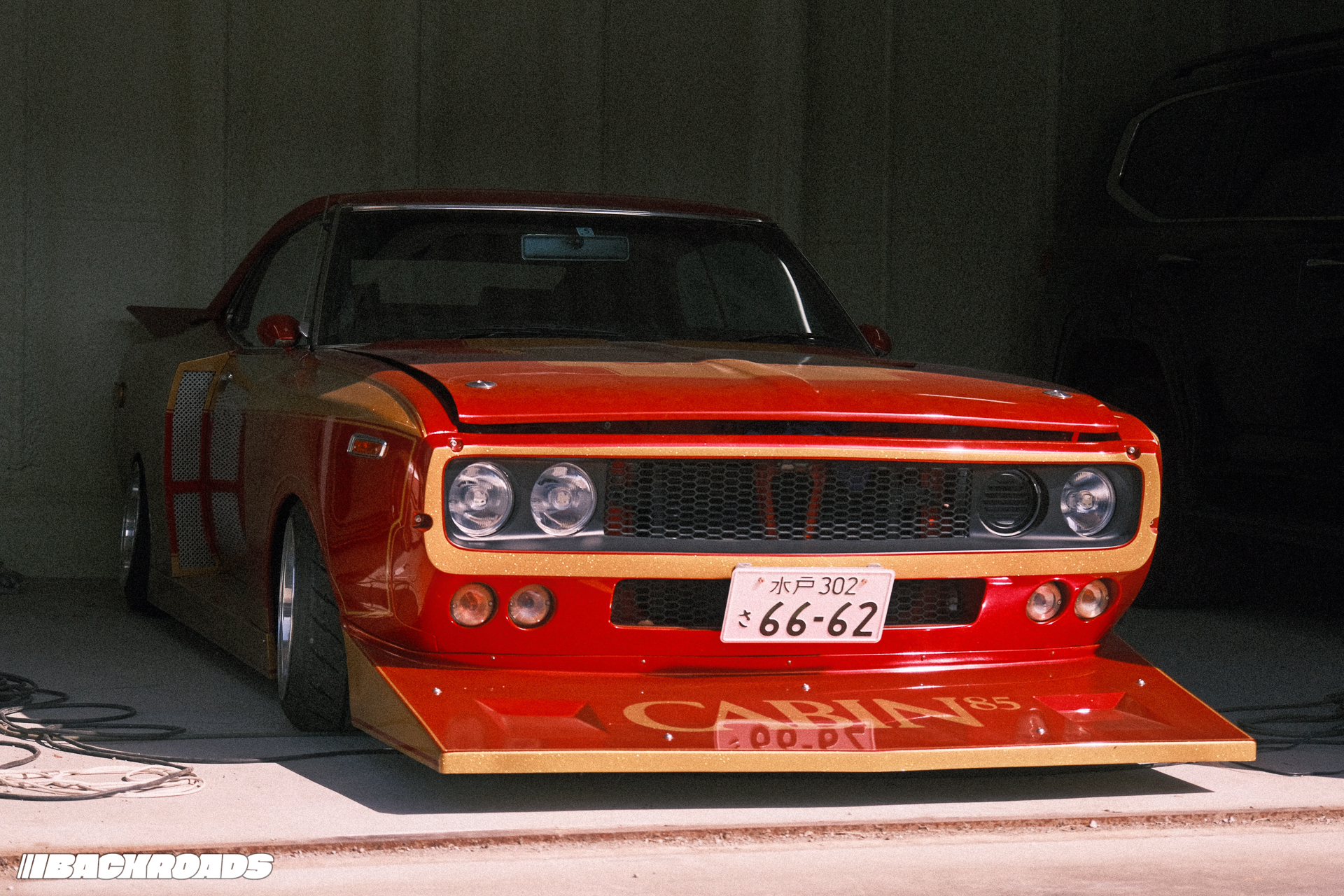
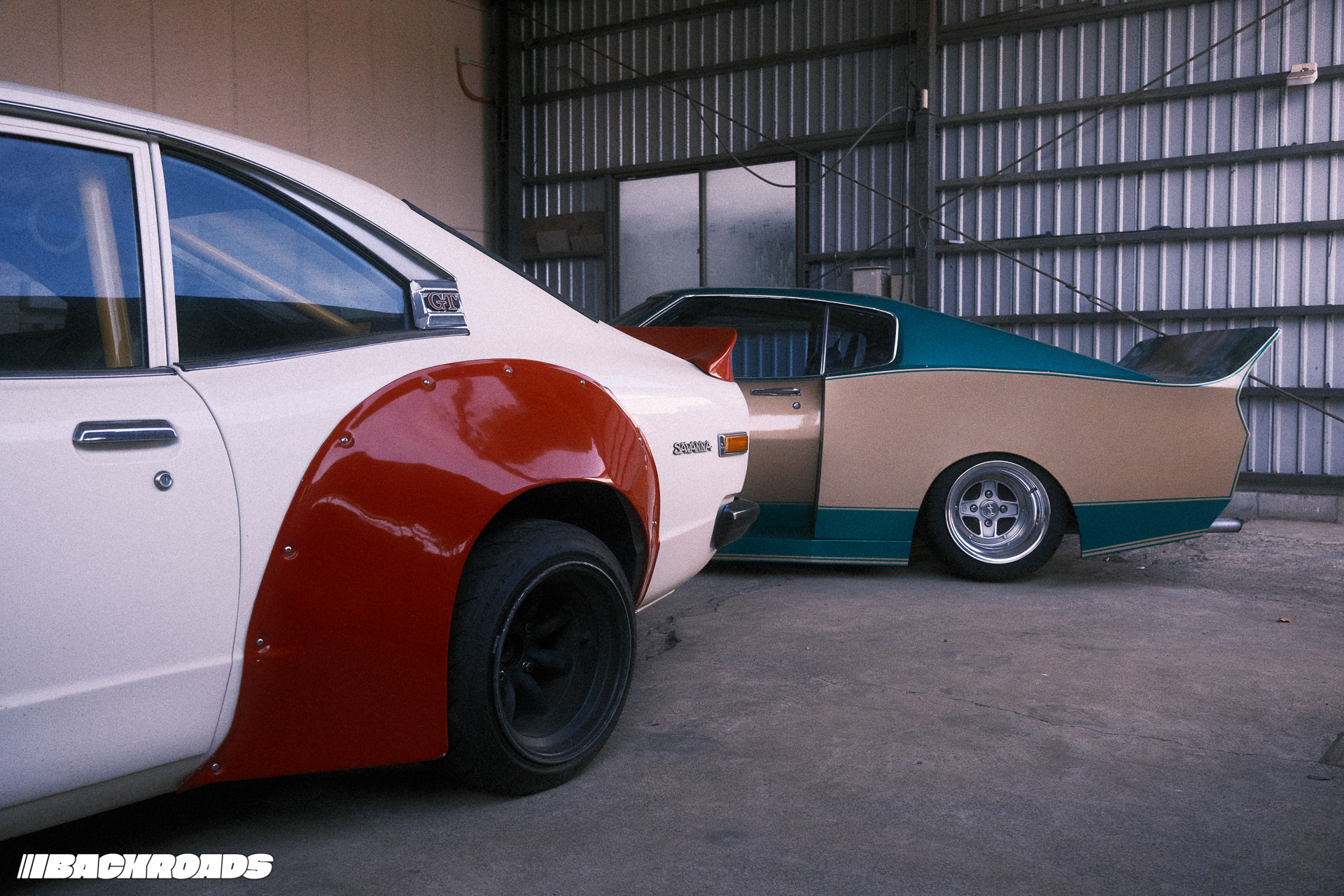
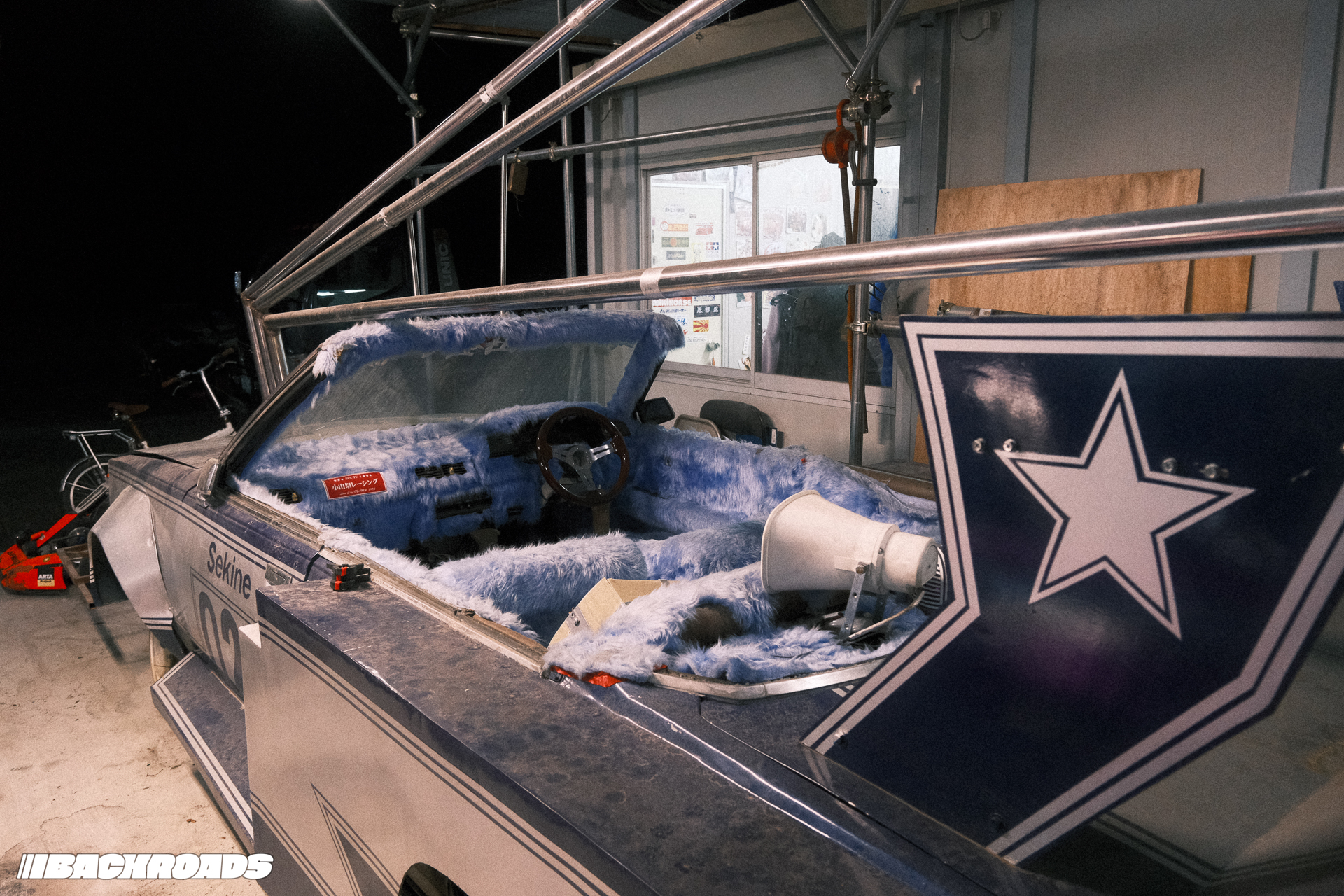
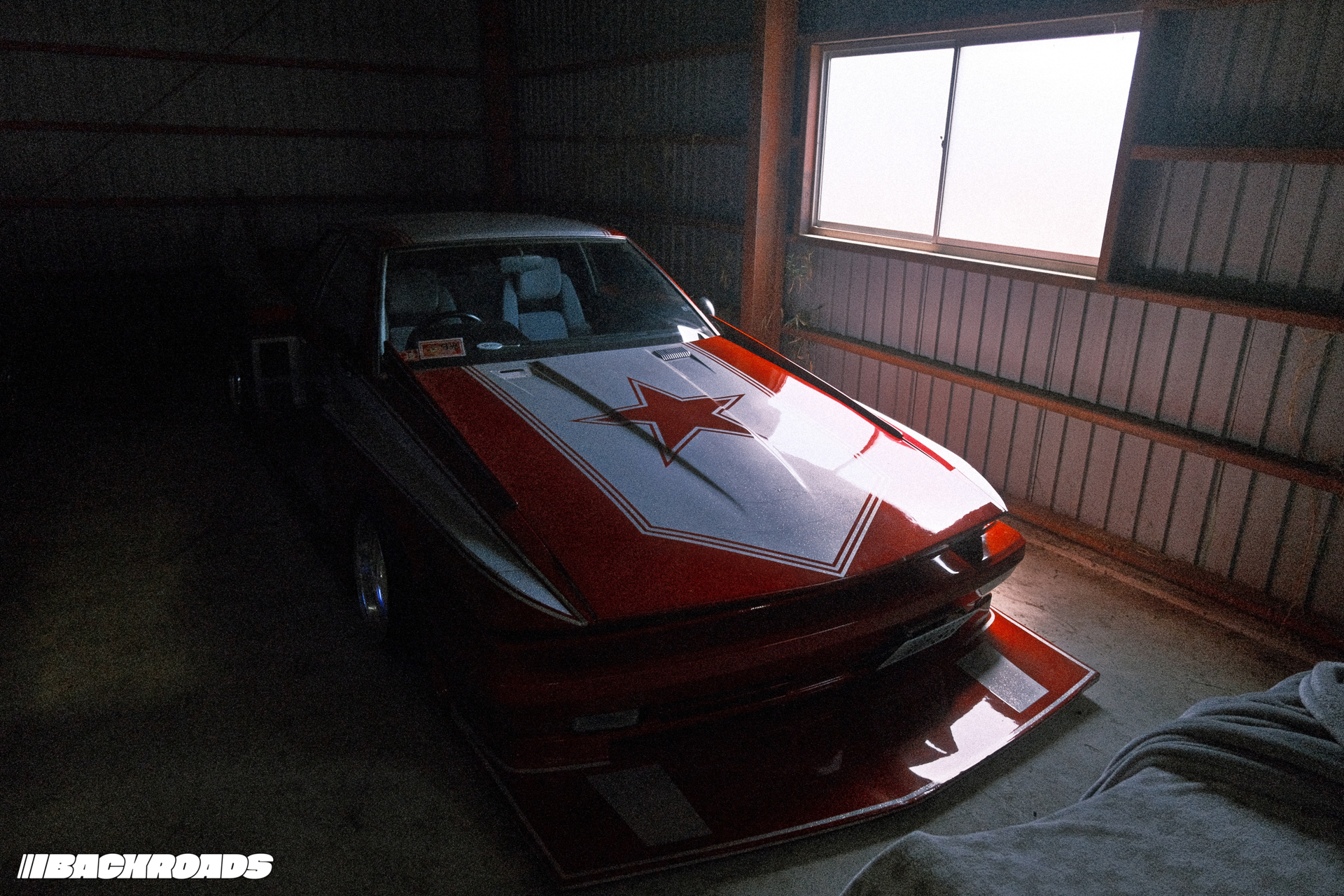
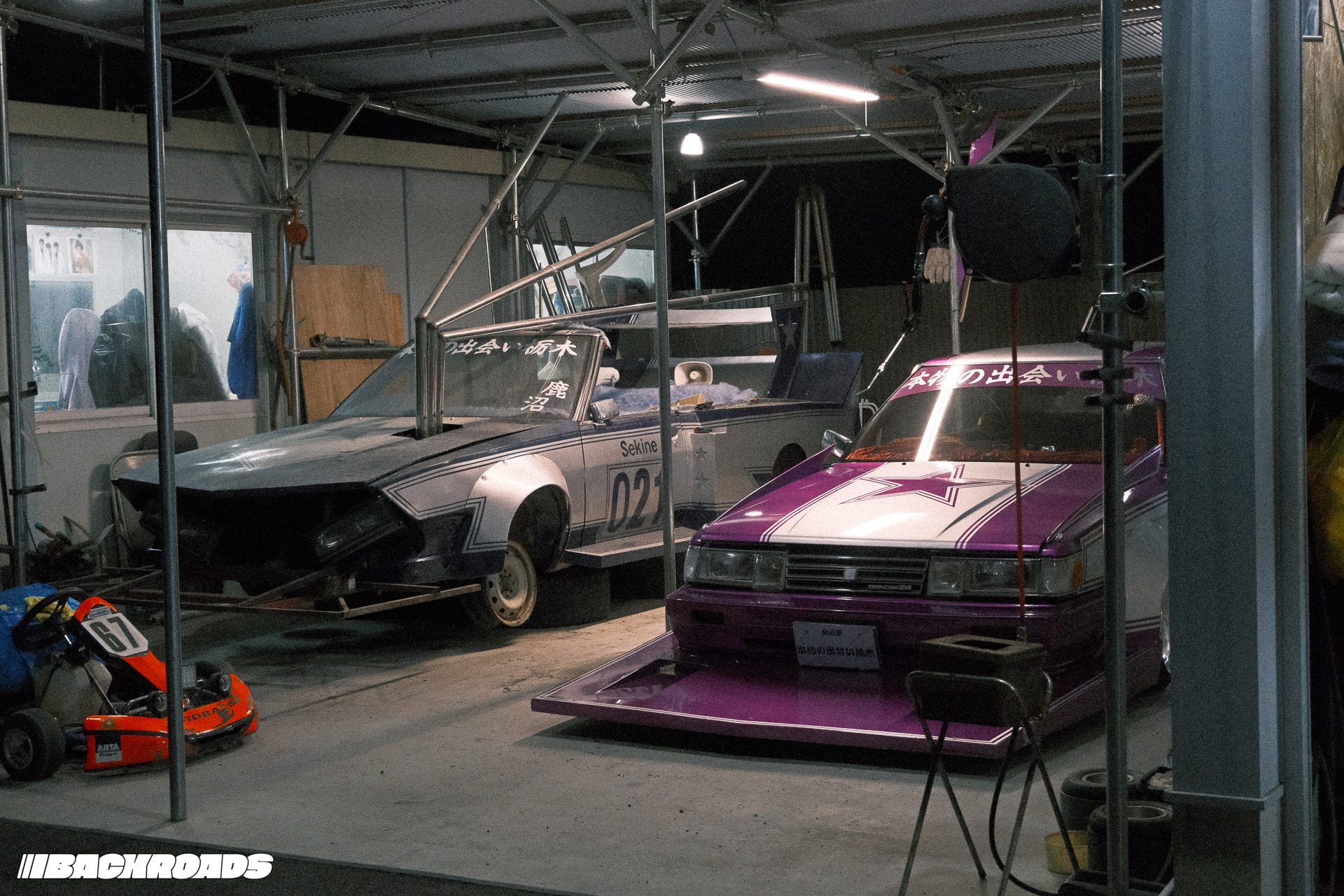
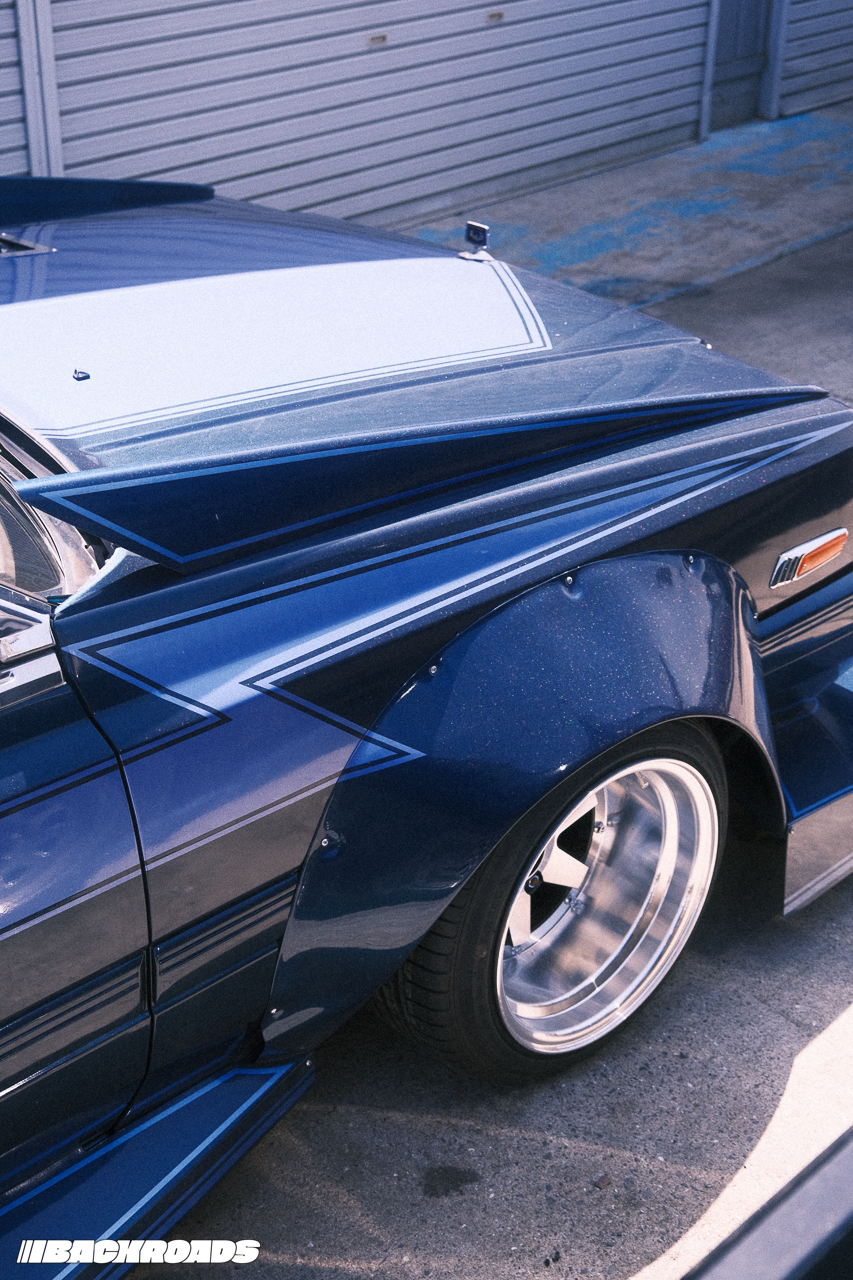
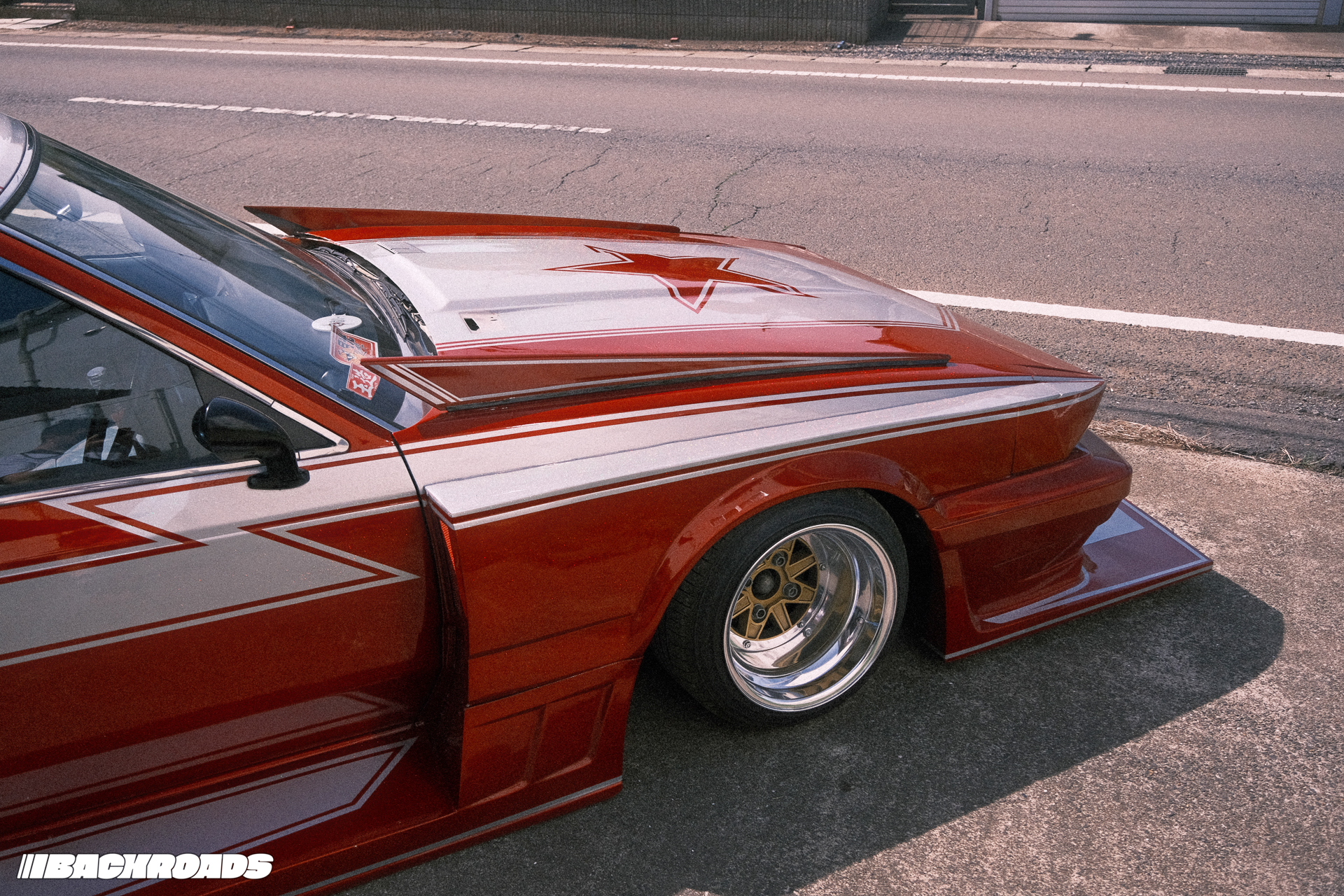
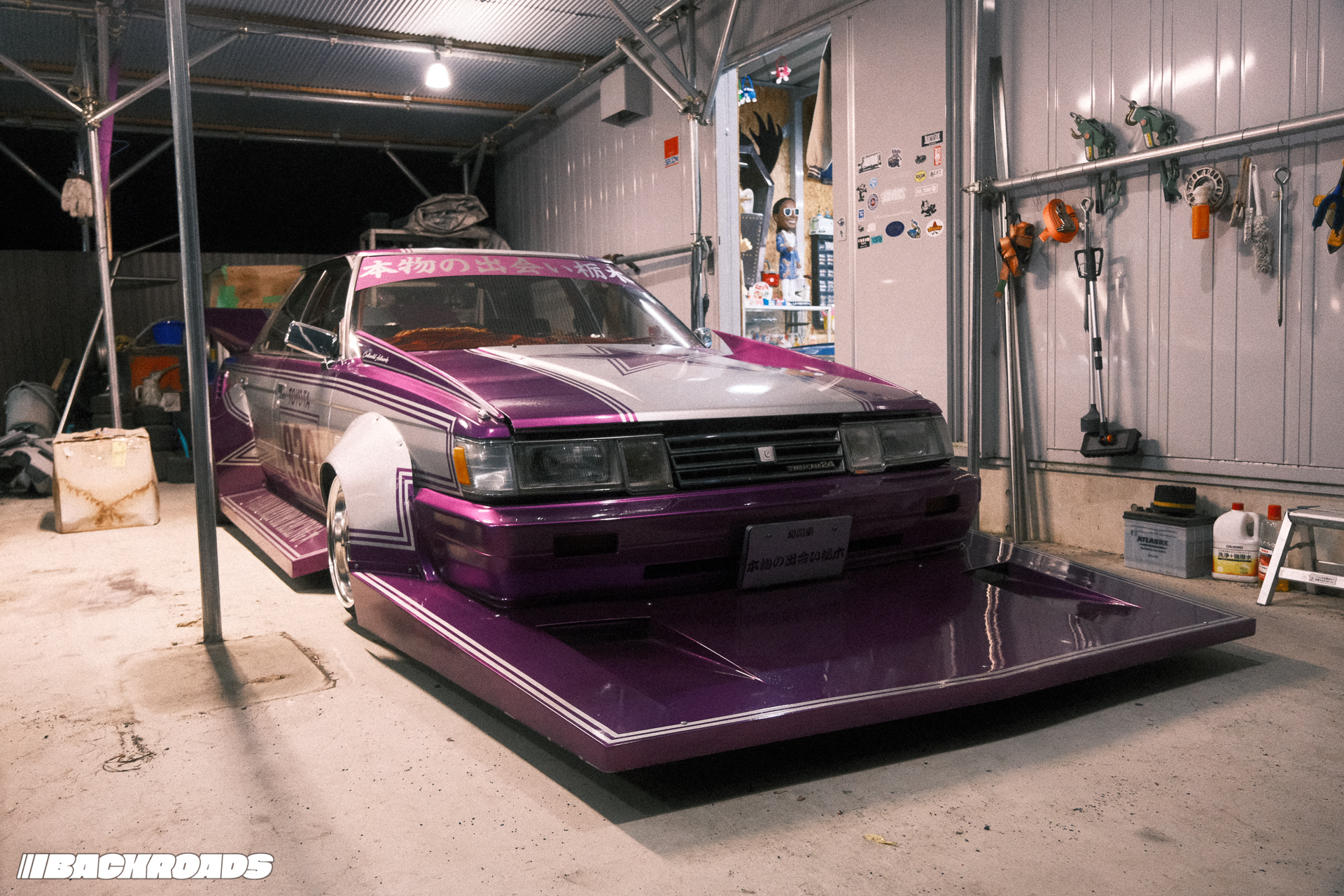
The term ‘Chibaragi’ is a portmanteau of two prefectures on Tokyo’s outskirts: Chiba to the southeast and Ibaraki to the northeast. Cars from these regions have a signature look, often painted in metallic two-tone schemes accented with sharp lines, stars, or lightning motifs. This stands in contrast to the bold, primary colors more typical of Fukuoka’s kaidō racers.

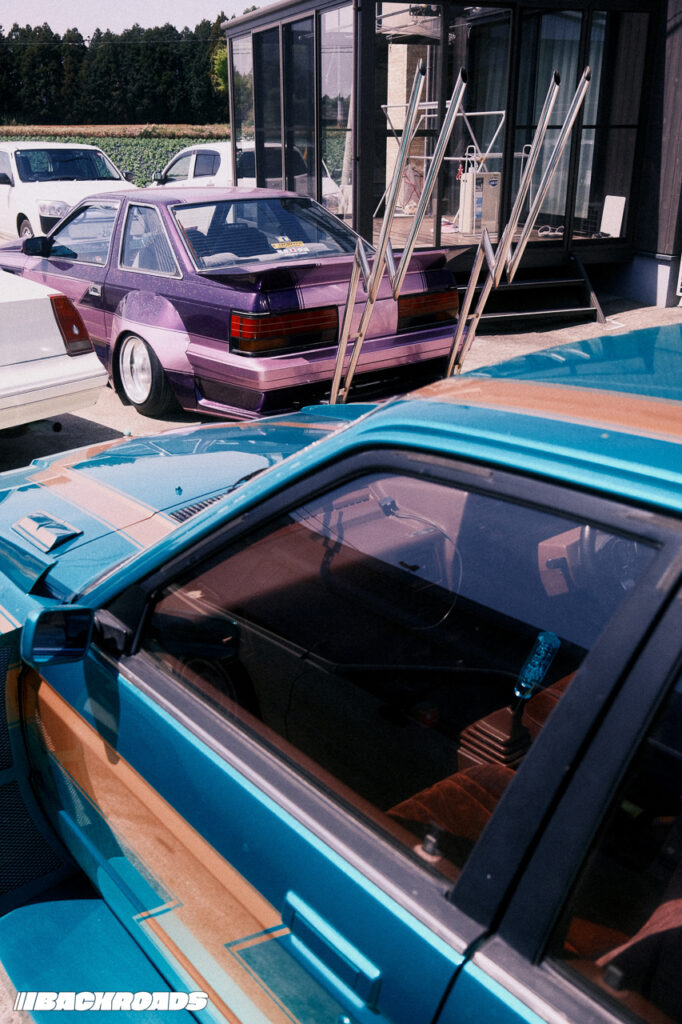


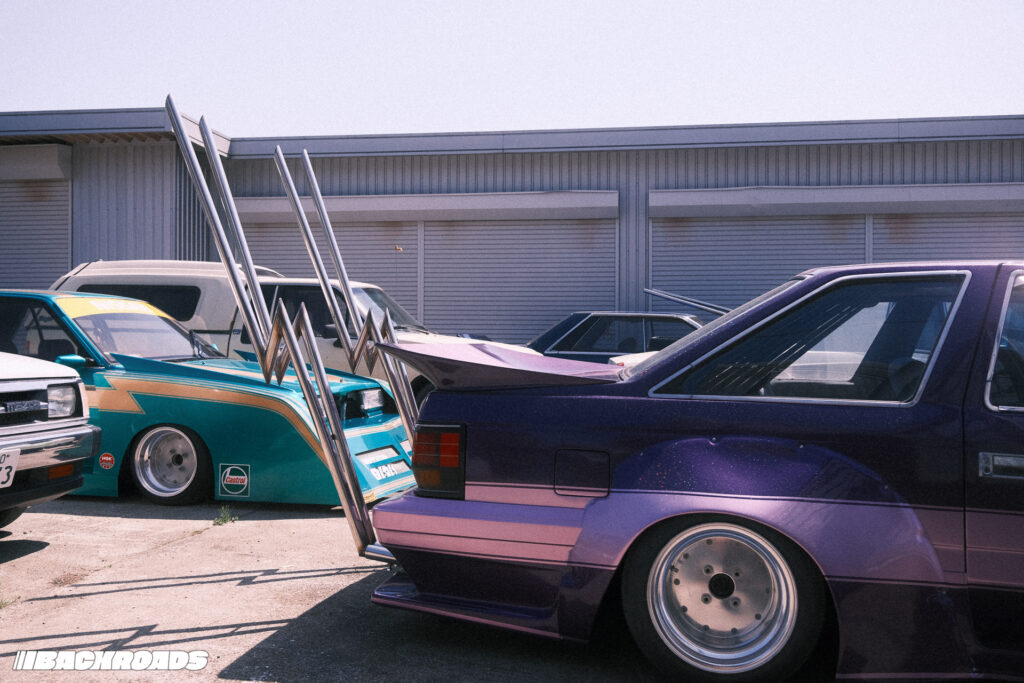
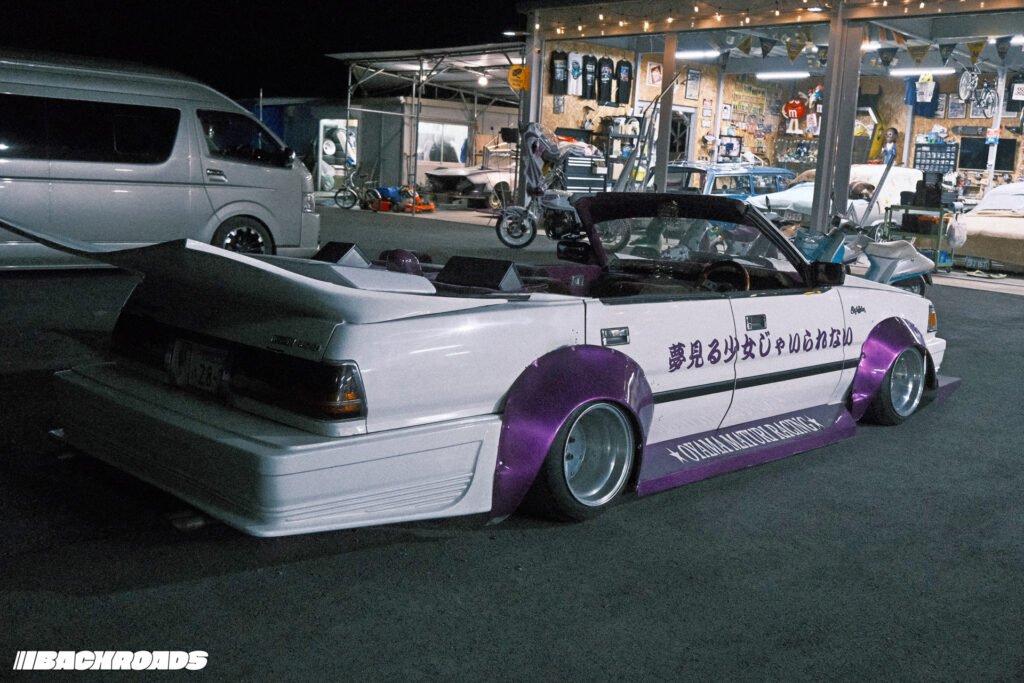
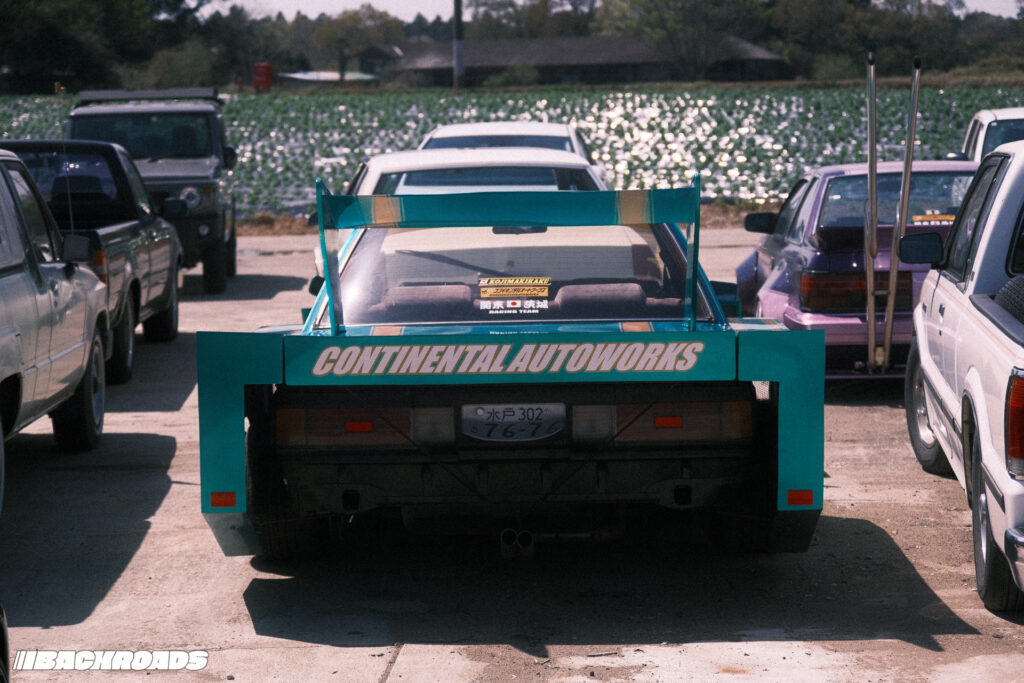

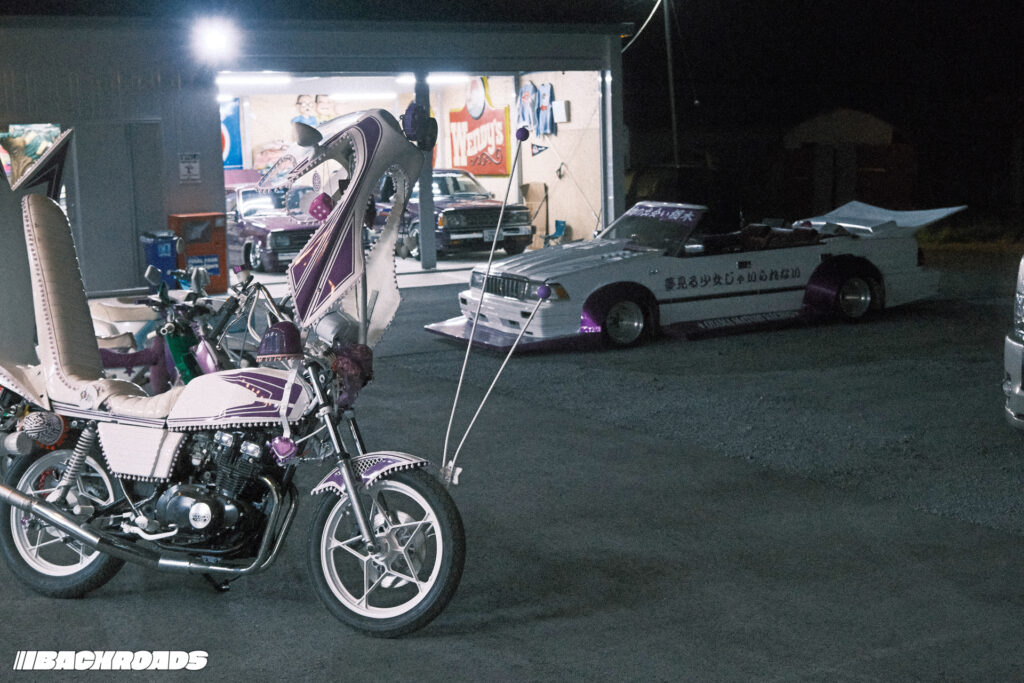
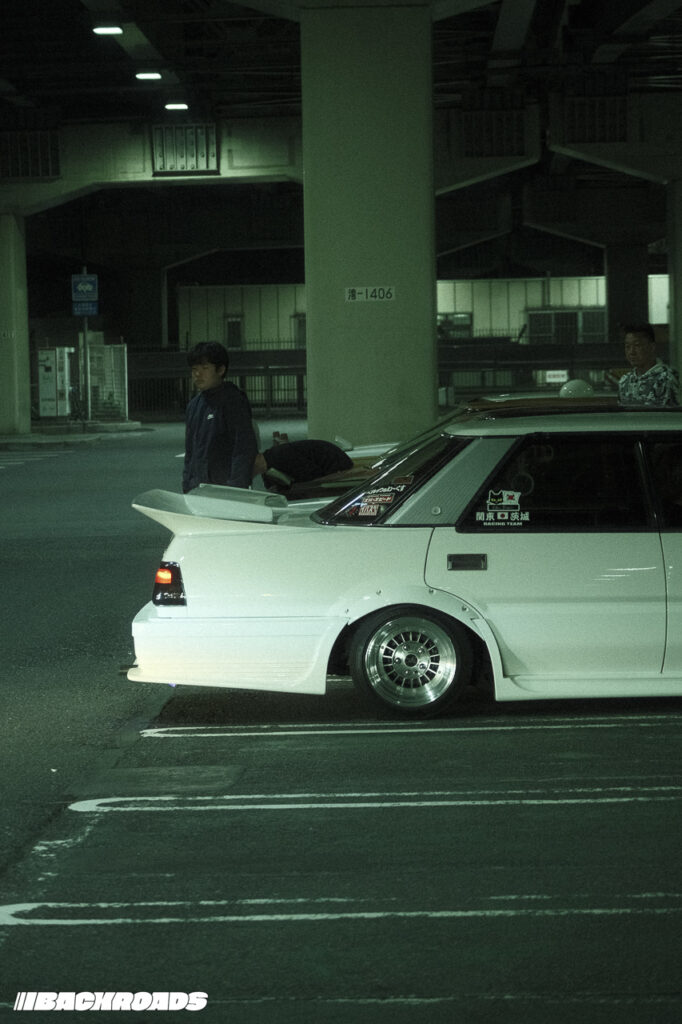
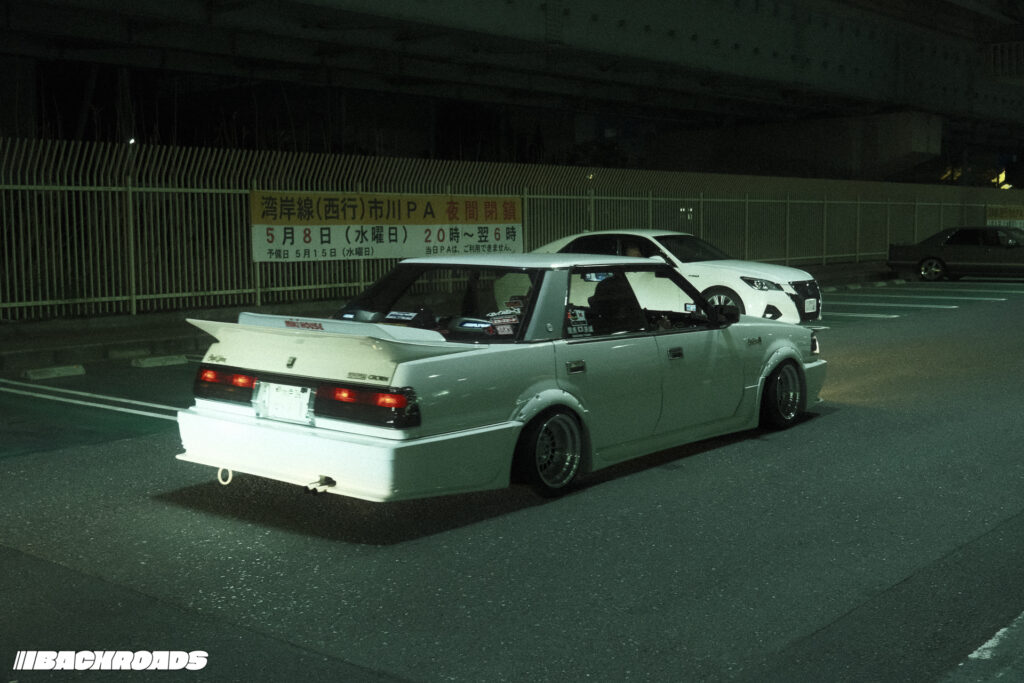
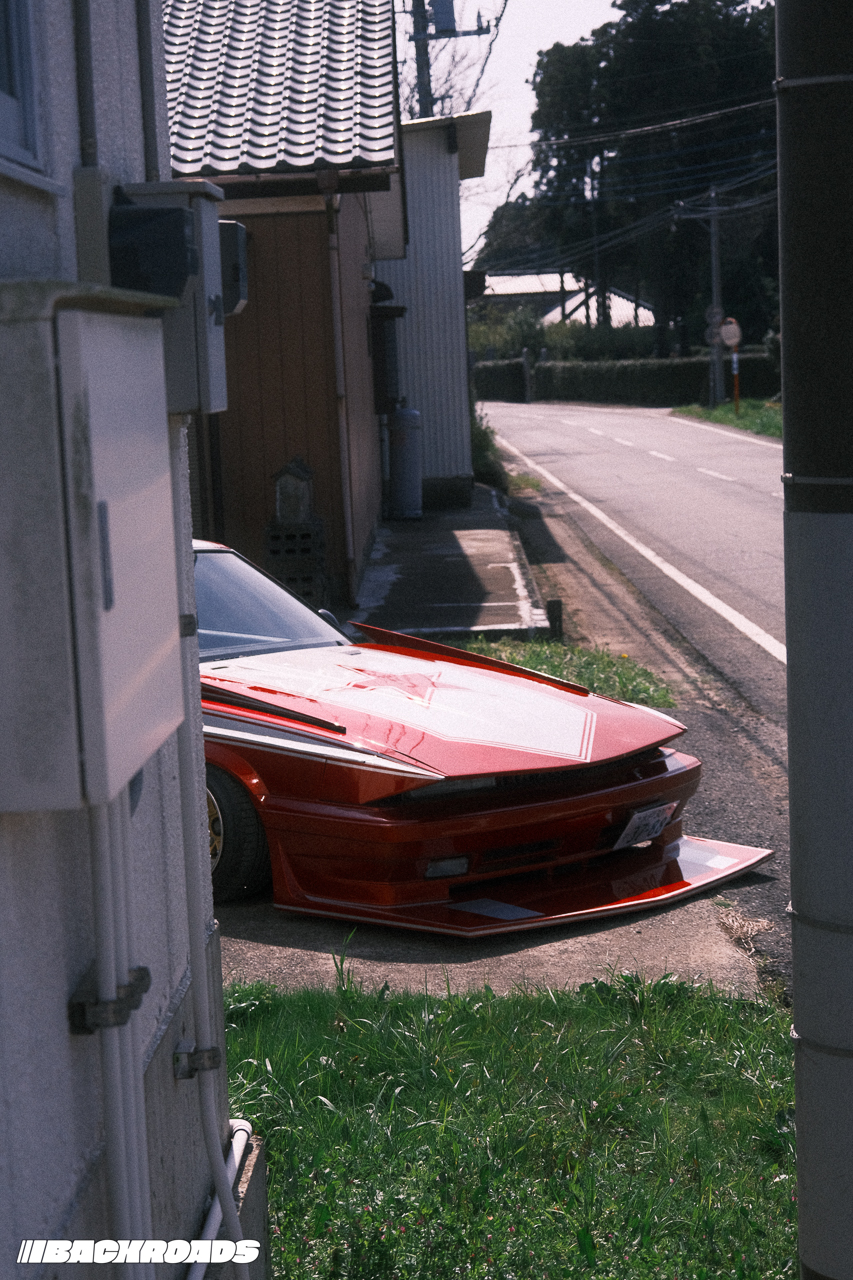
Chibaragi kaidō racers can be elusive. Their owners often arrive at gatherings in tightly-knit groups, linger briefly, and depart just as quickly. Arriving at a meet at 10am might mean you’ve already missed them.
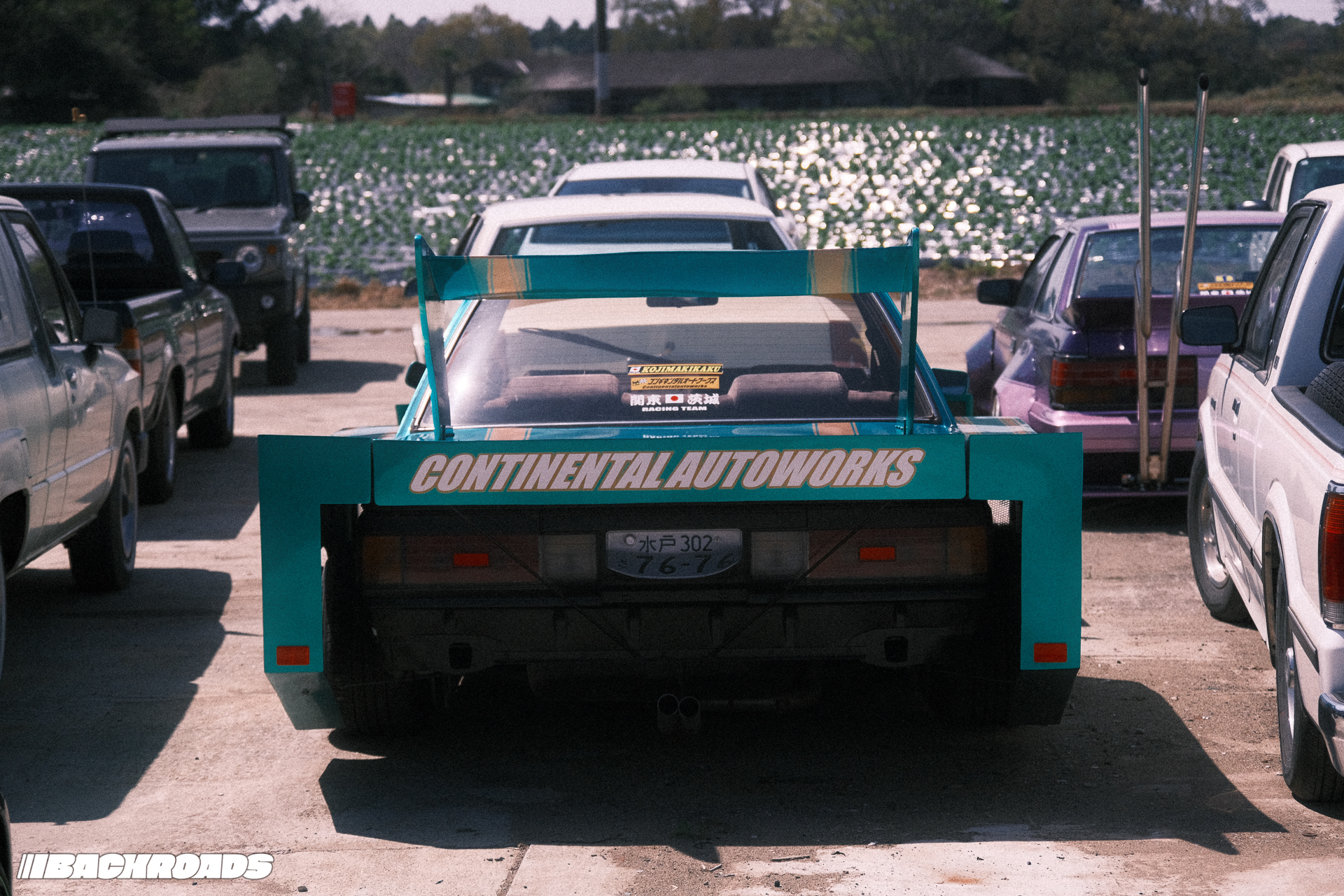
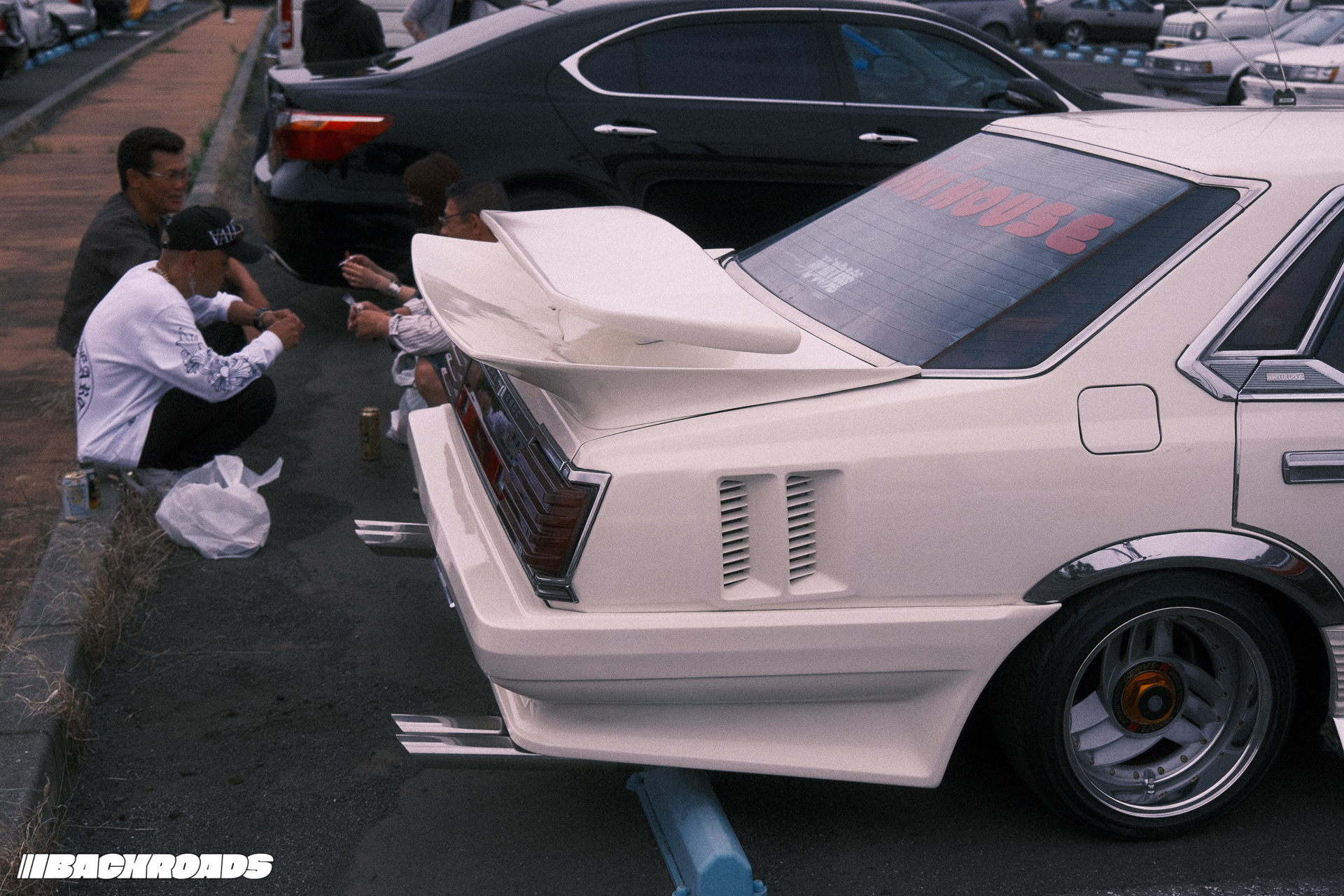
Larger paid events sometimes serve as convenient rendezvous points, though it’s common for Chibaragi owners to skip the official proceedings altogether, choosing instead to congregate with friends in the car park – a practice that has become part of the region’s identity.
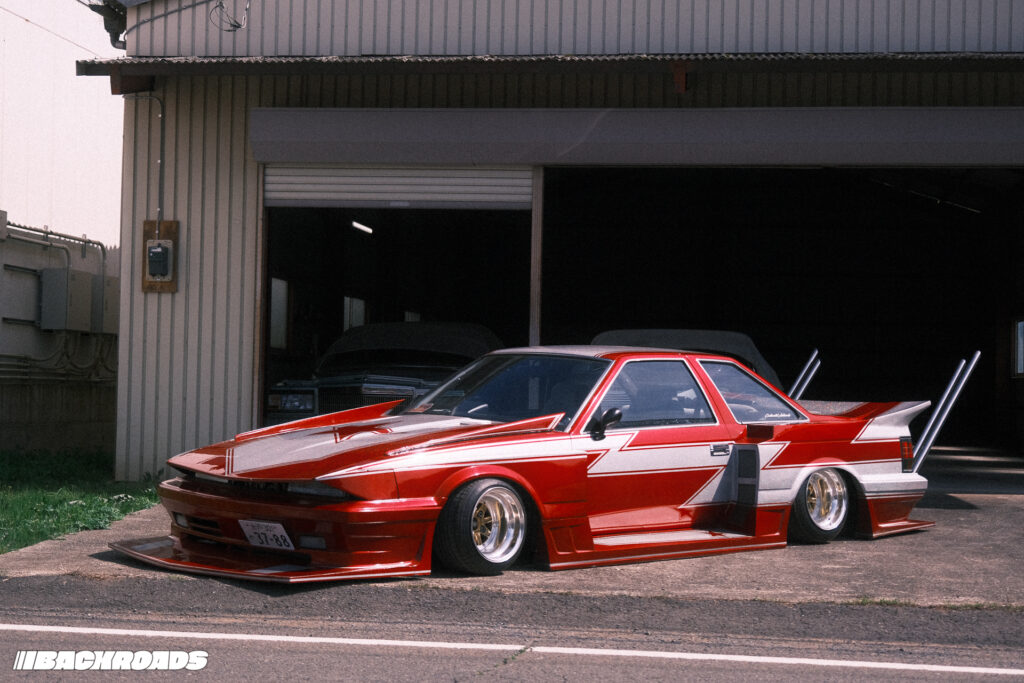
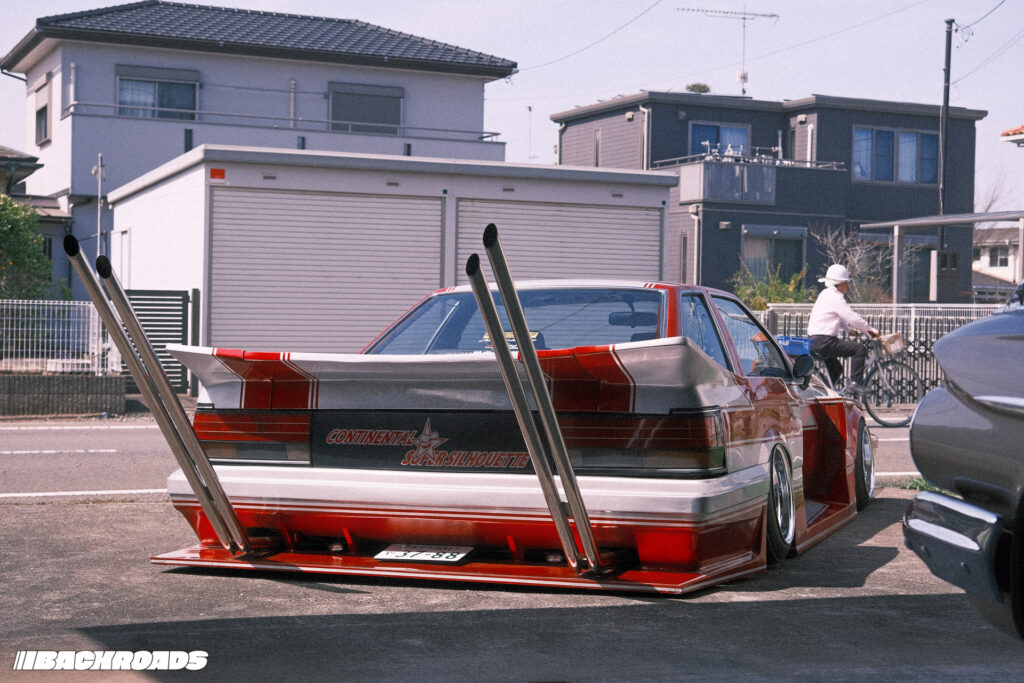
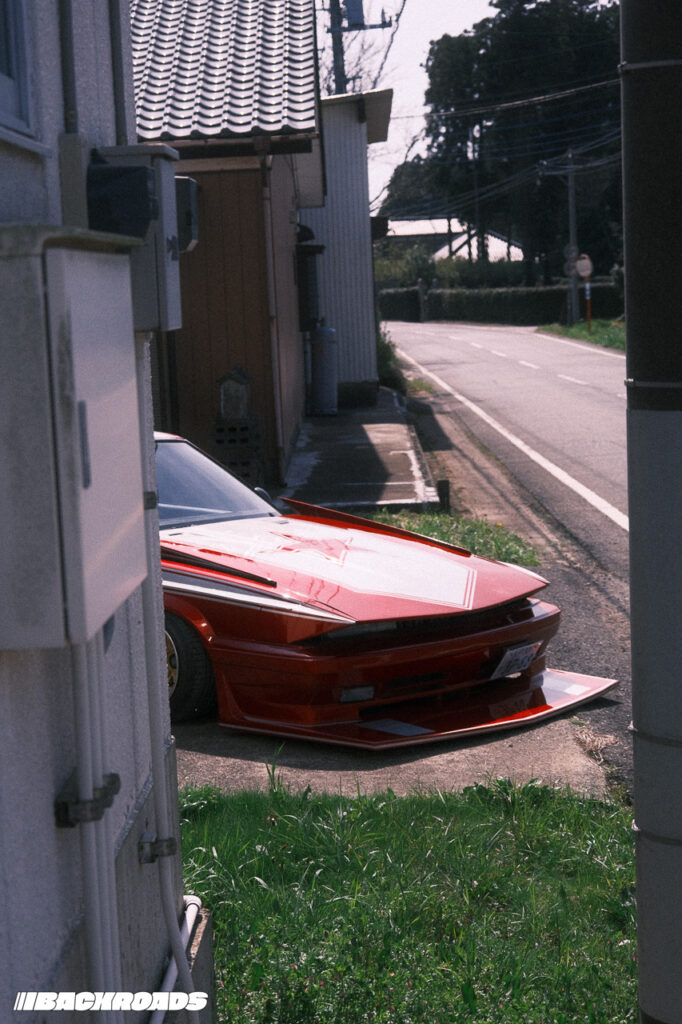

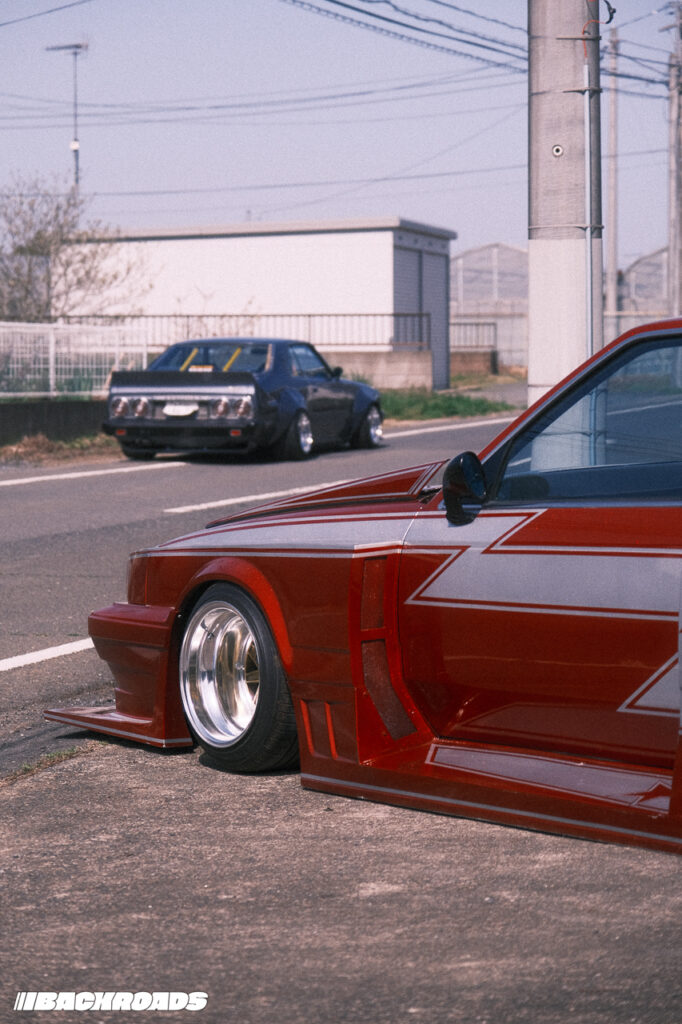
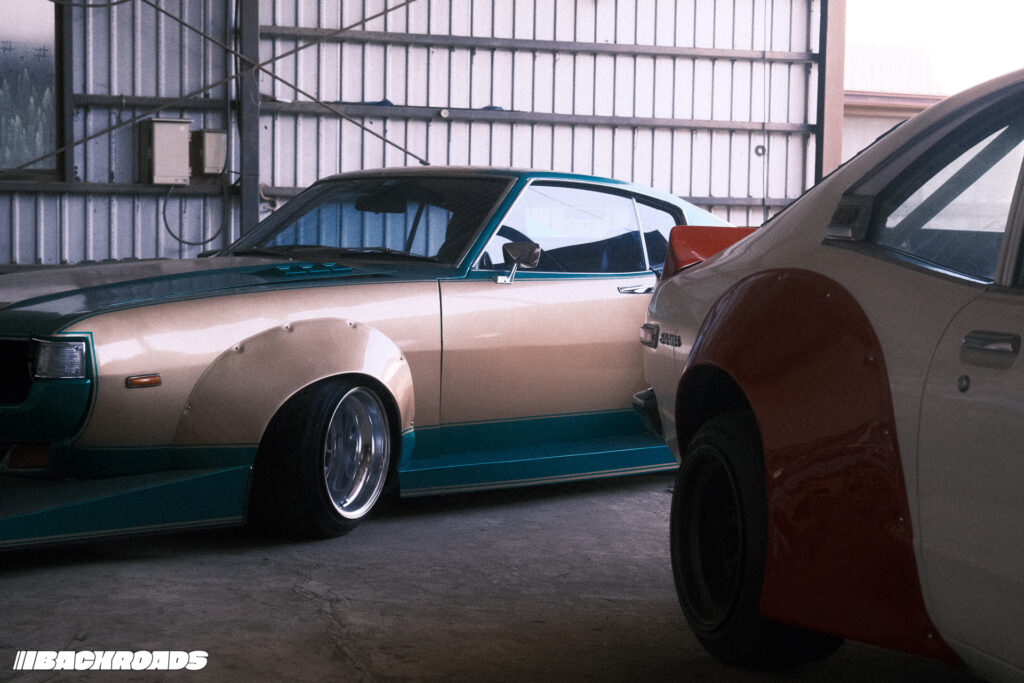

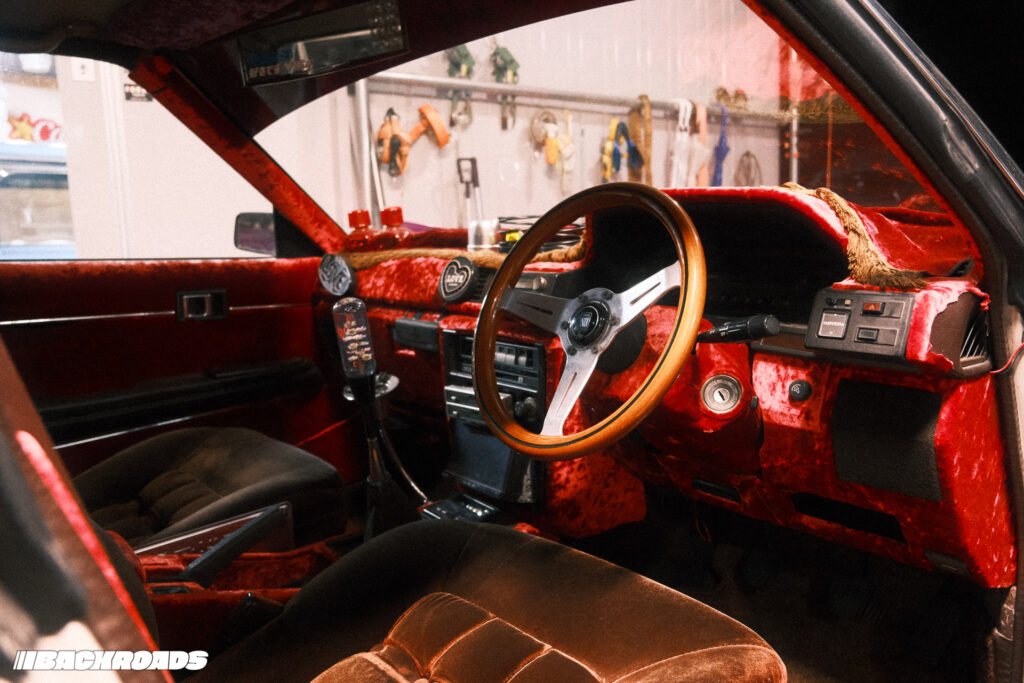
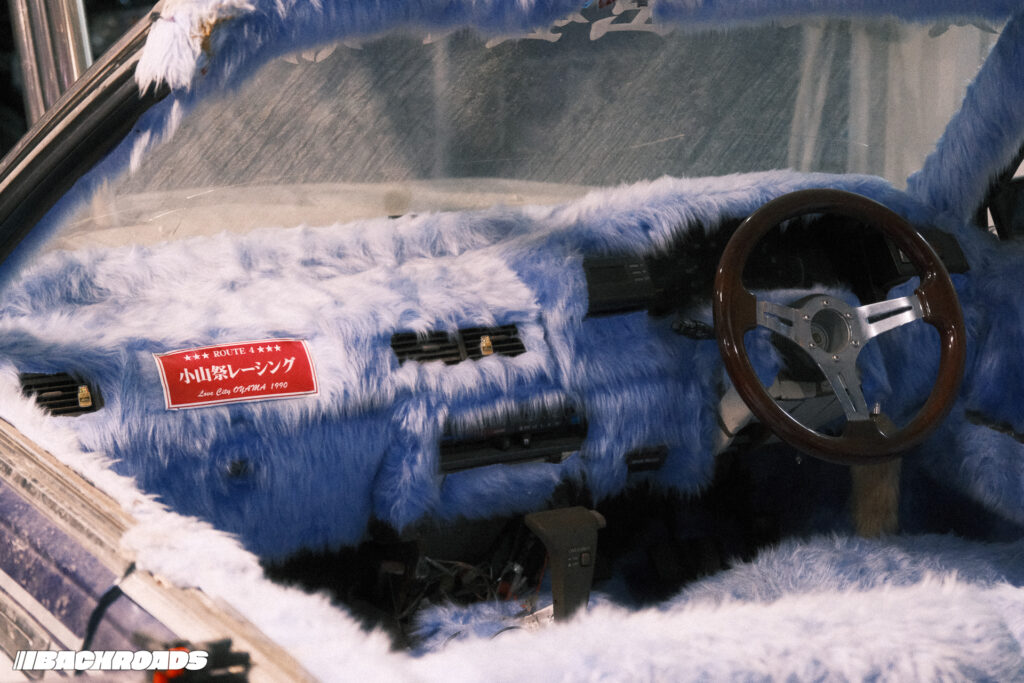

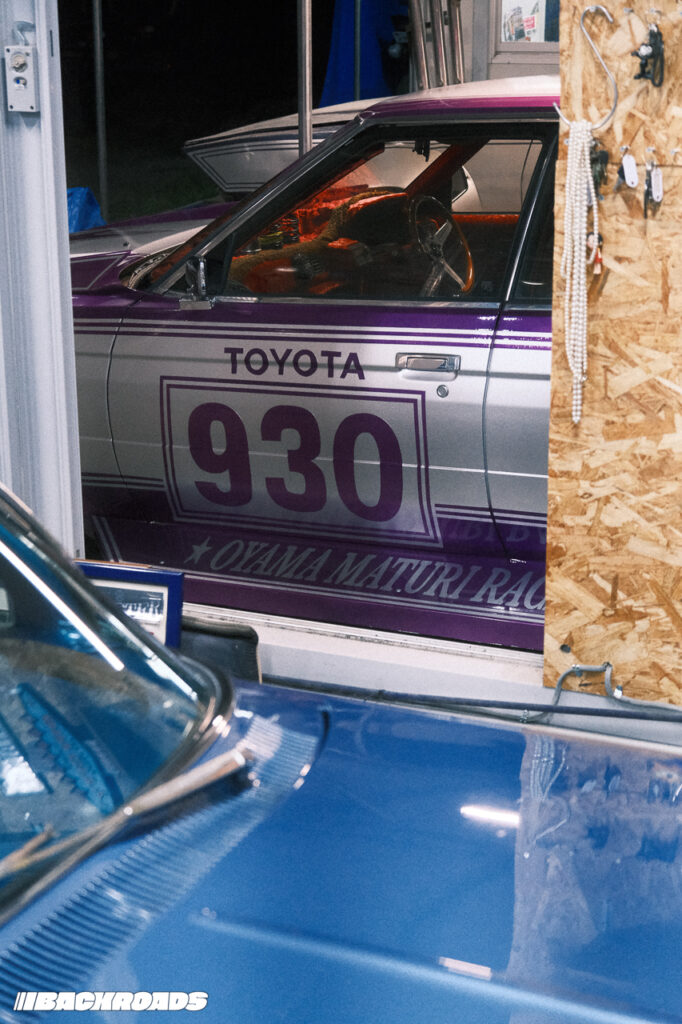
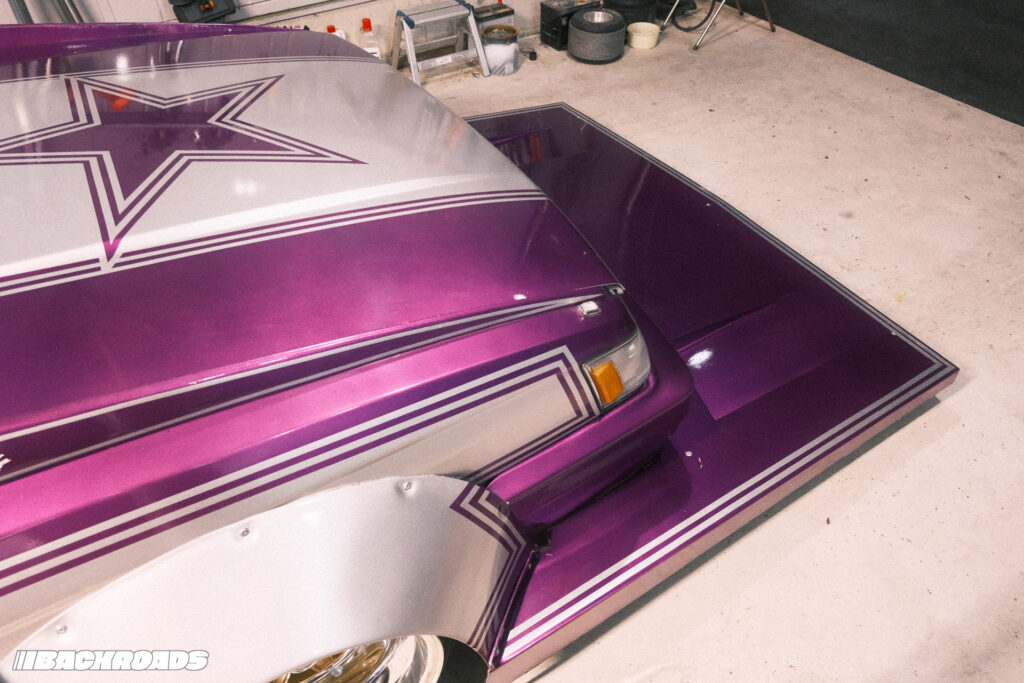
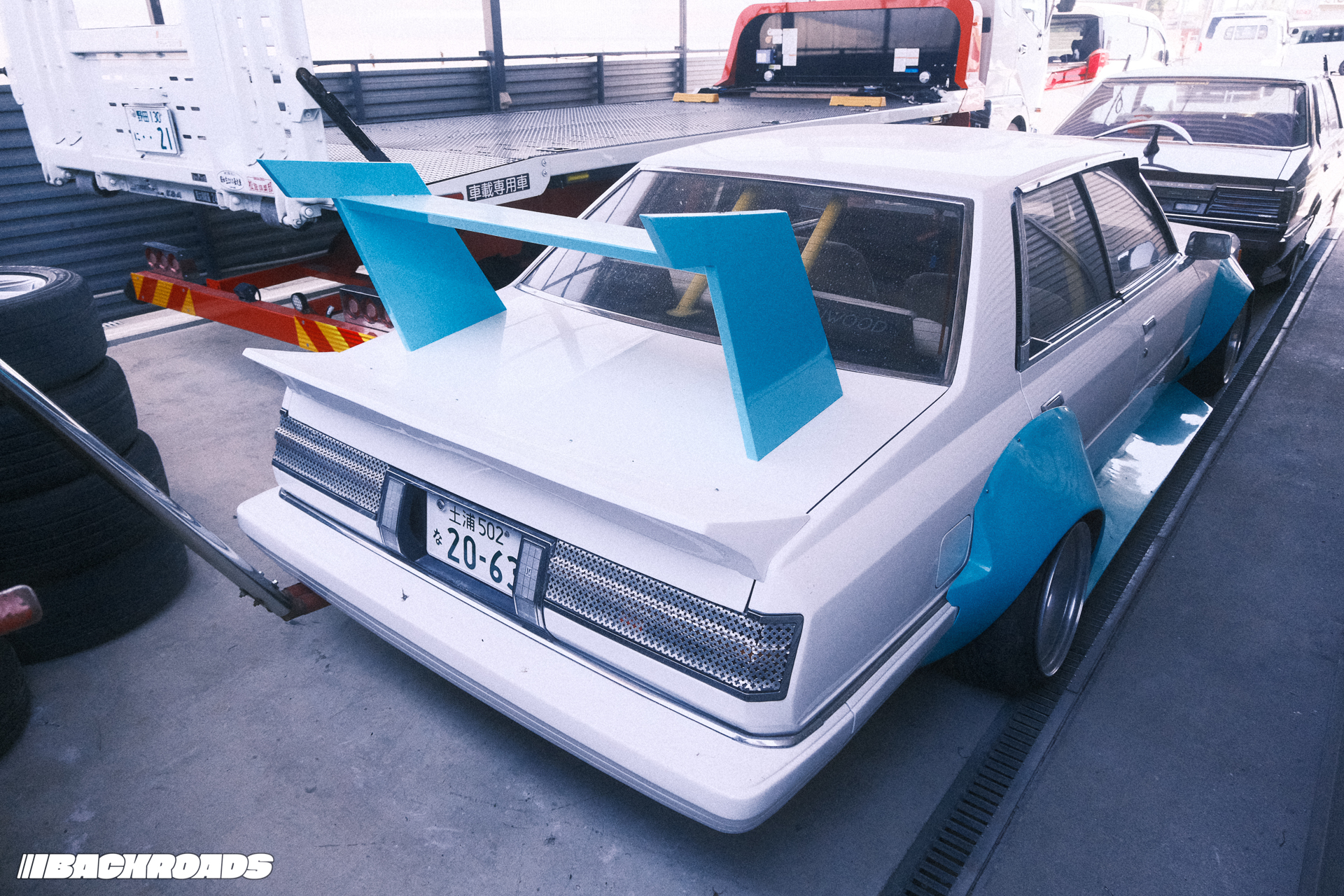
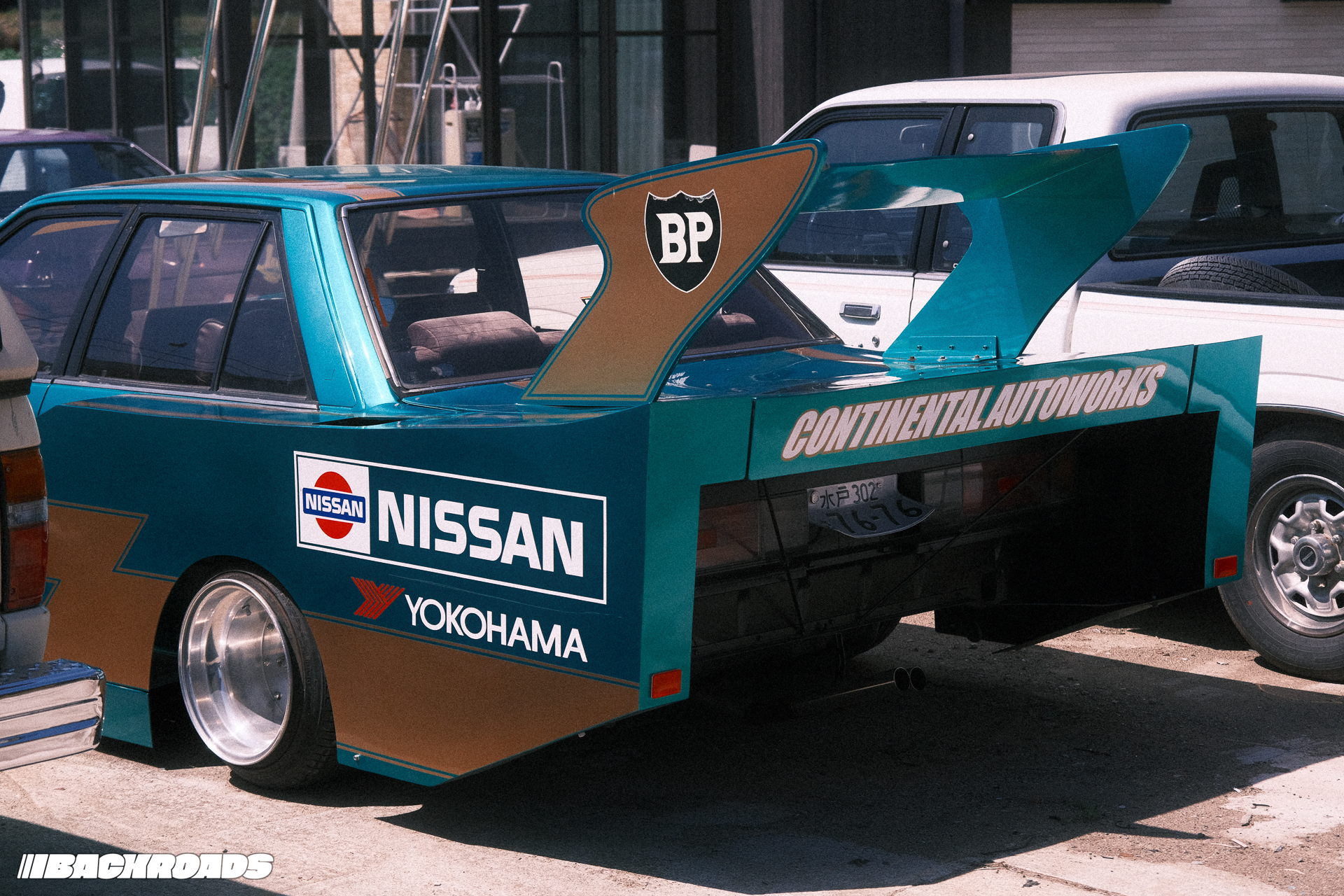
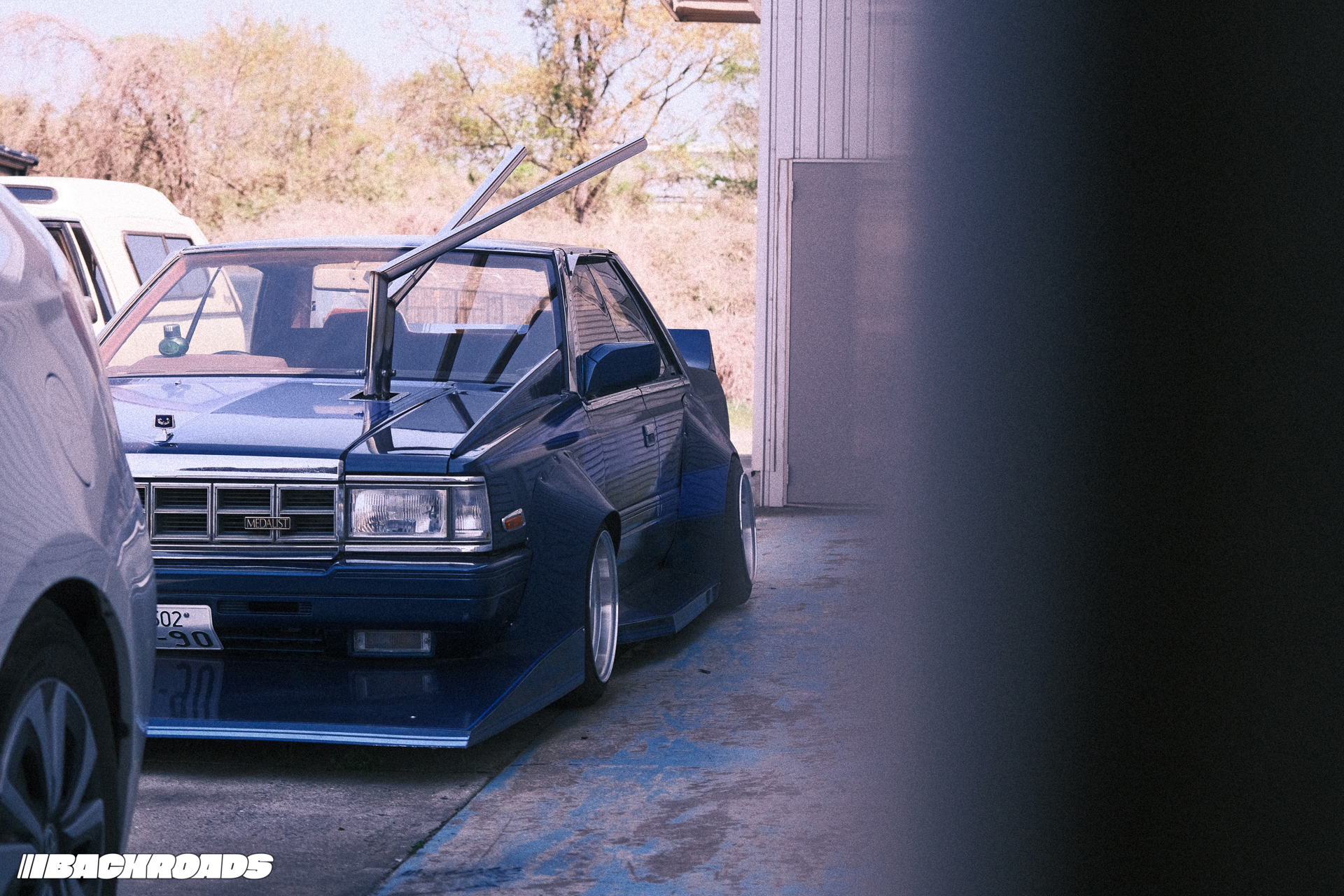
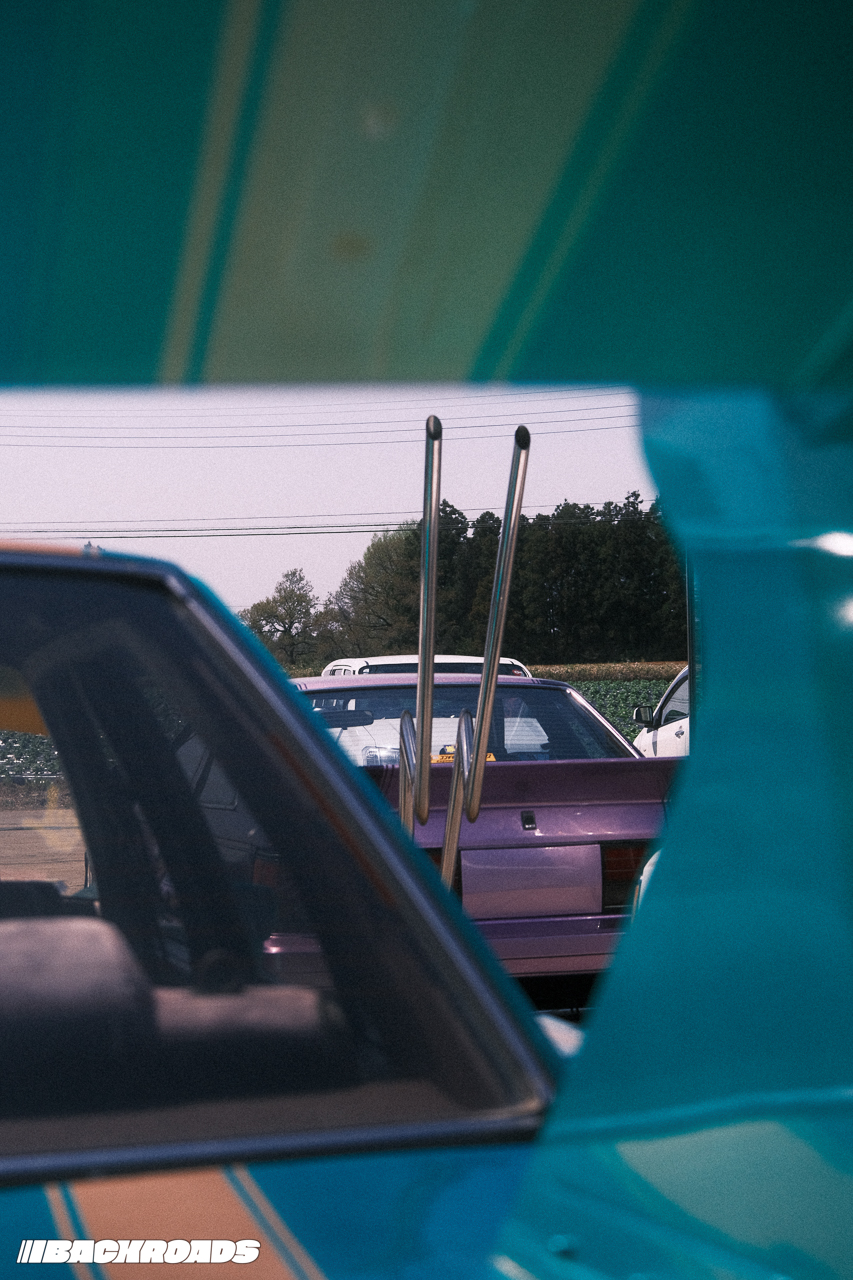
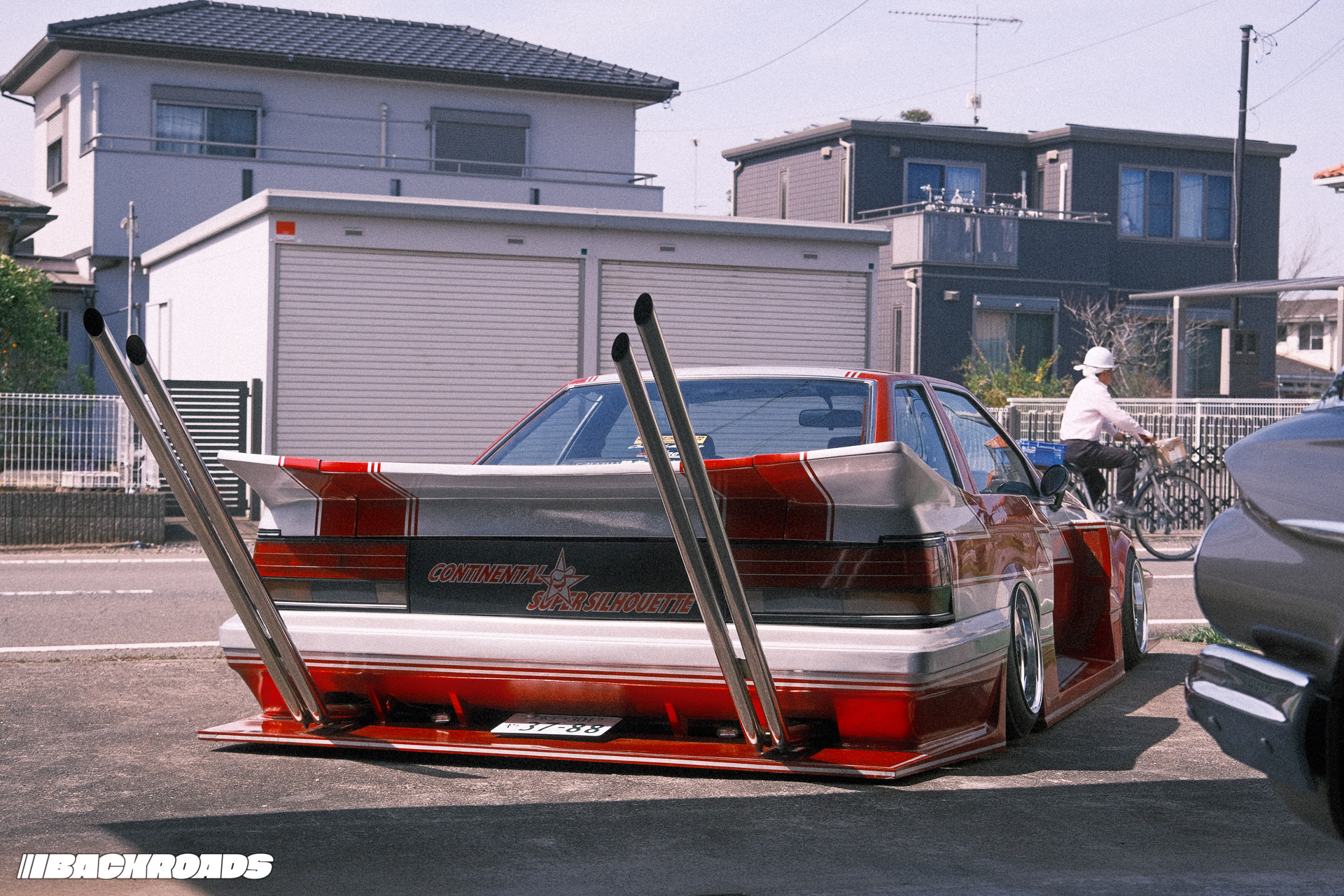
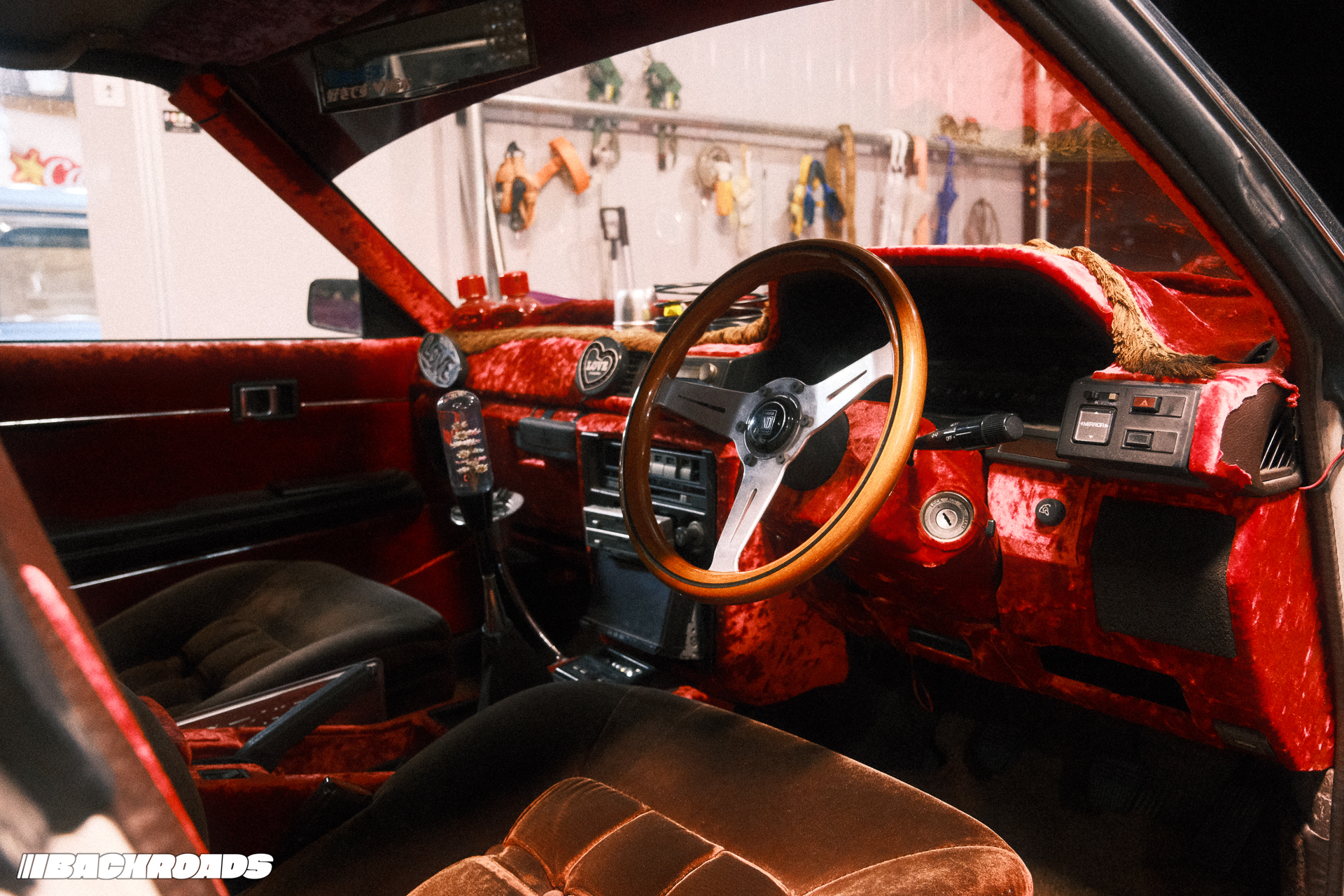
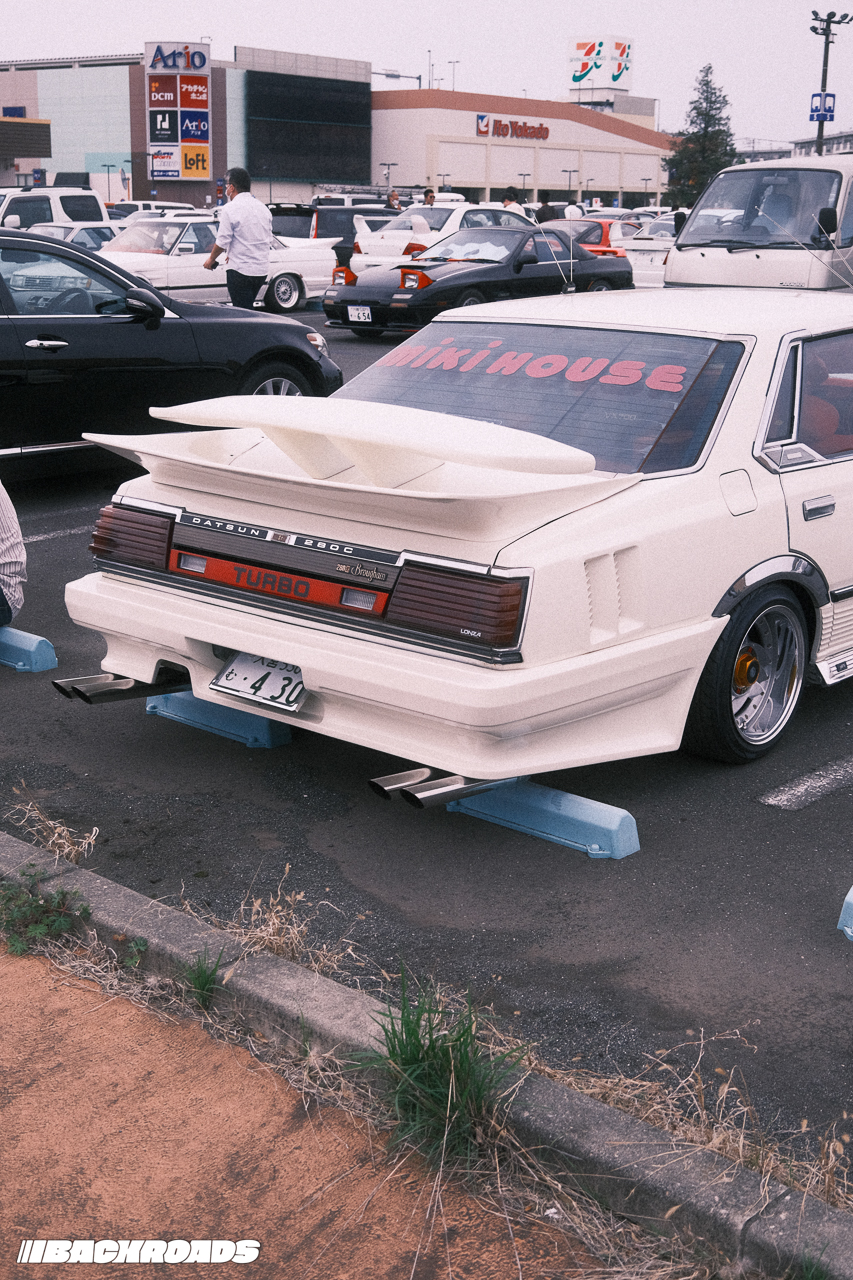
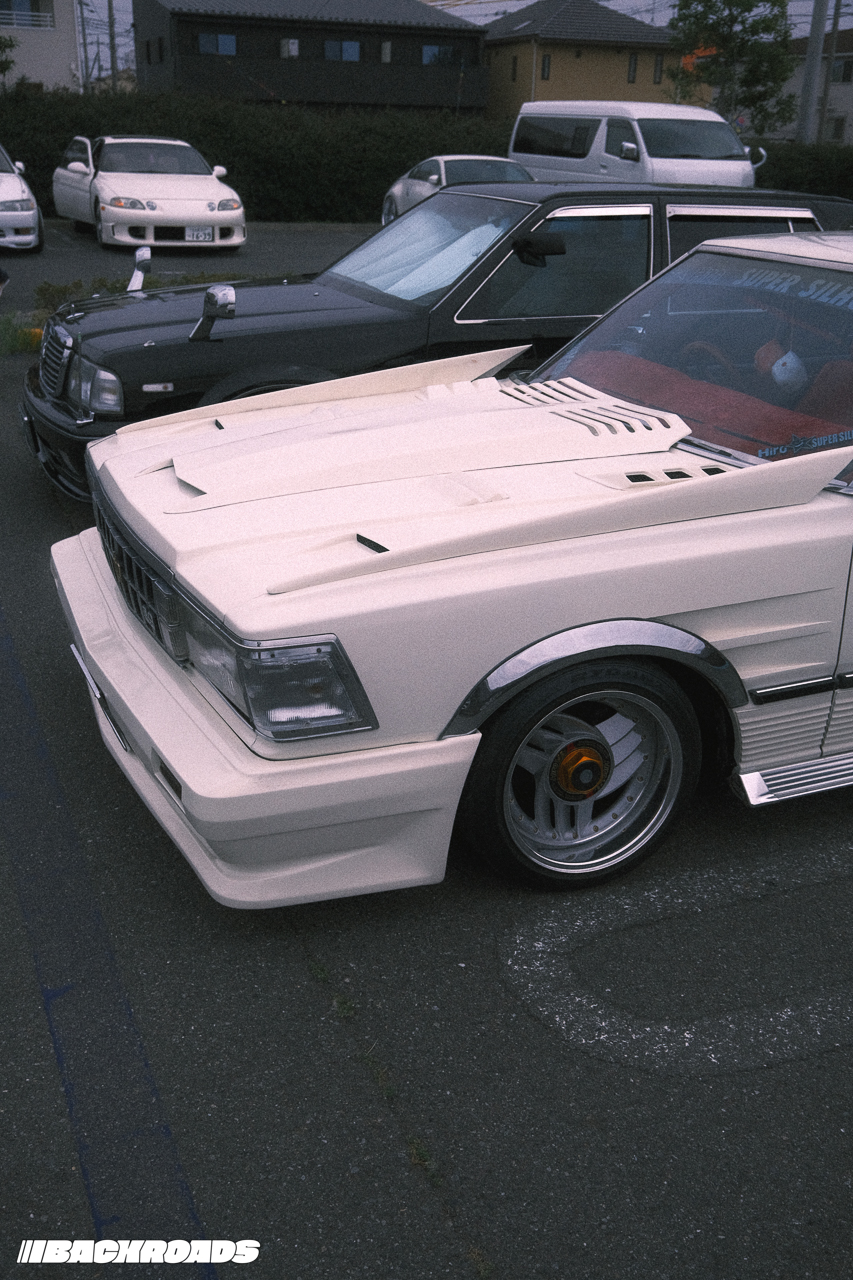
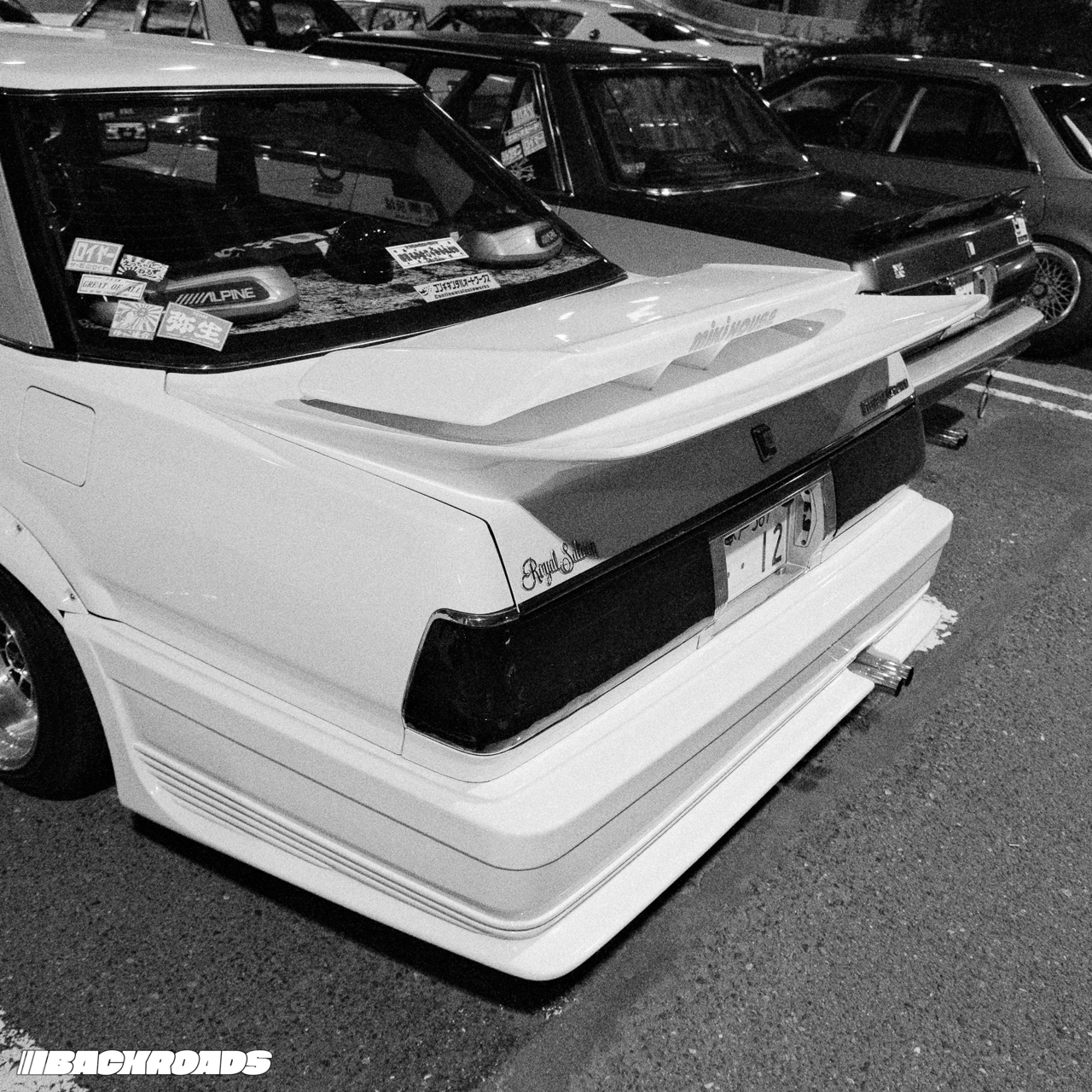
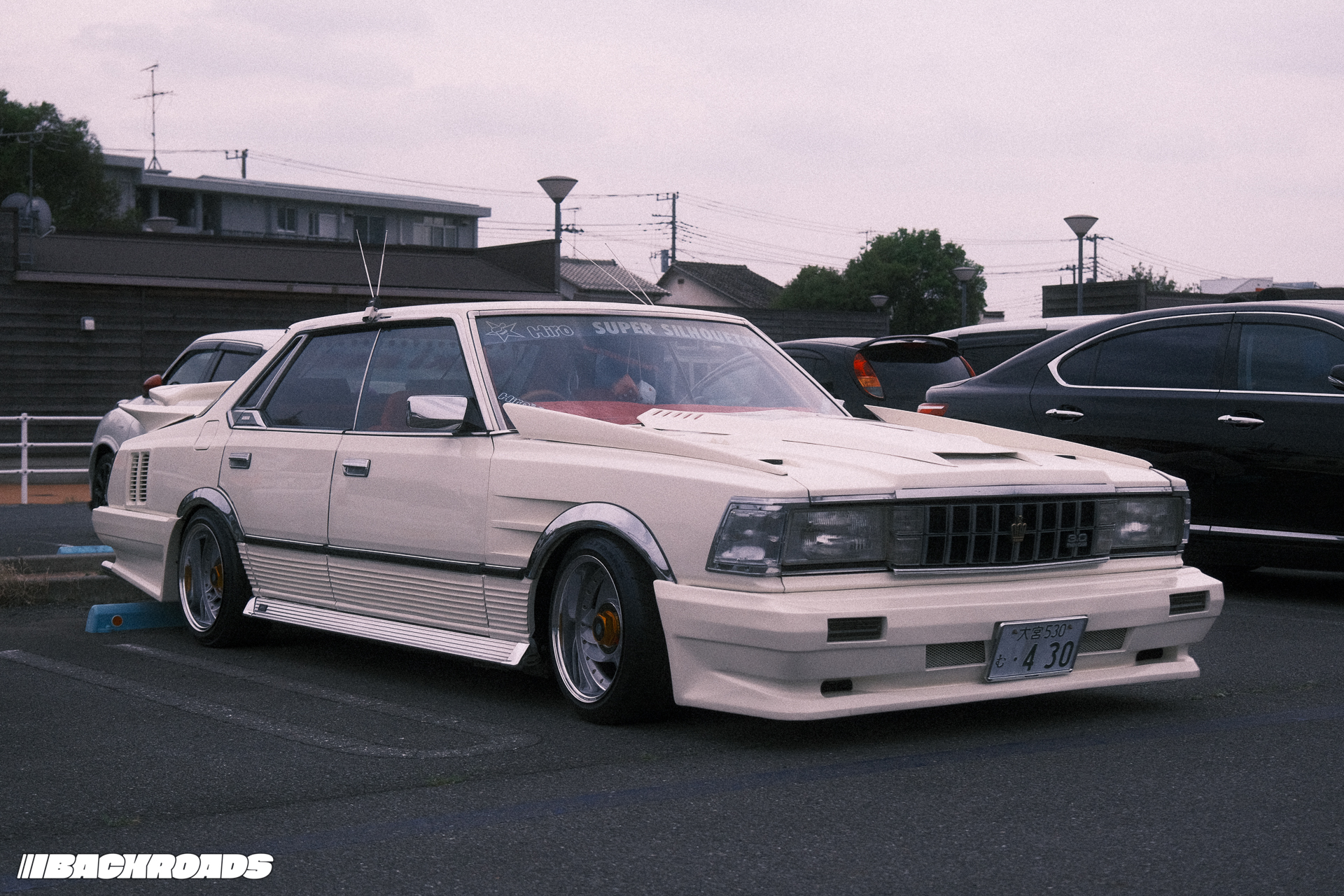
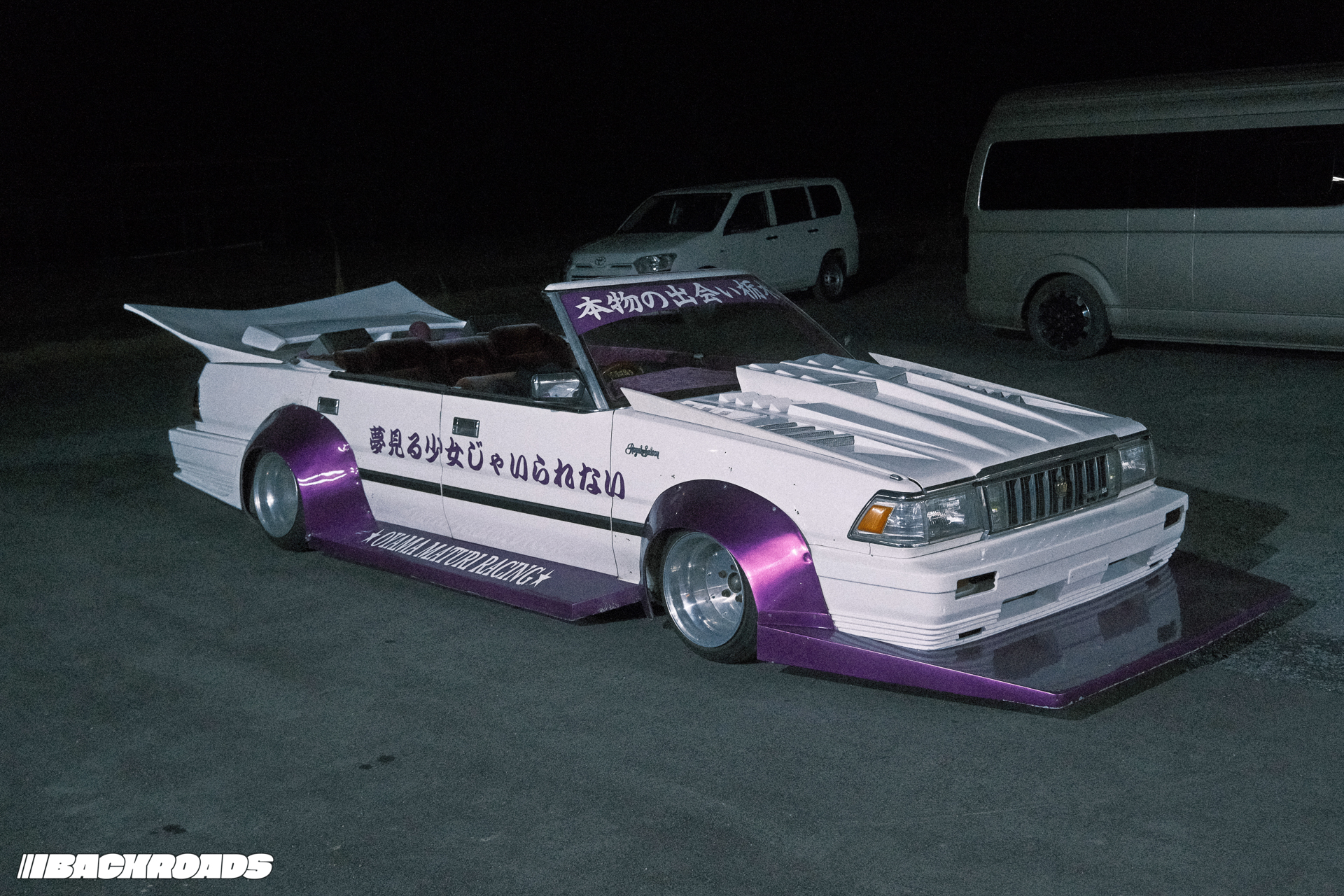
Visually, Chibaragi kaidō racers are among the most dramatic. They are typically heavily modified with long chin spoilers (deppa), towering ‘takeyari’ exhausts, exaggerated over-fenders, bonnet spoilers, extended rear wings, scoops, and vents. The end result is a striking looking kaidō racer which is sometimes unrecognisable from the base car.
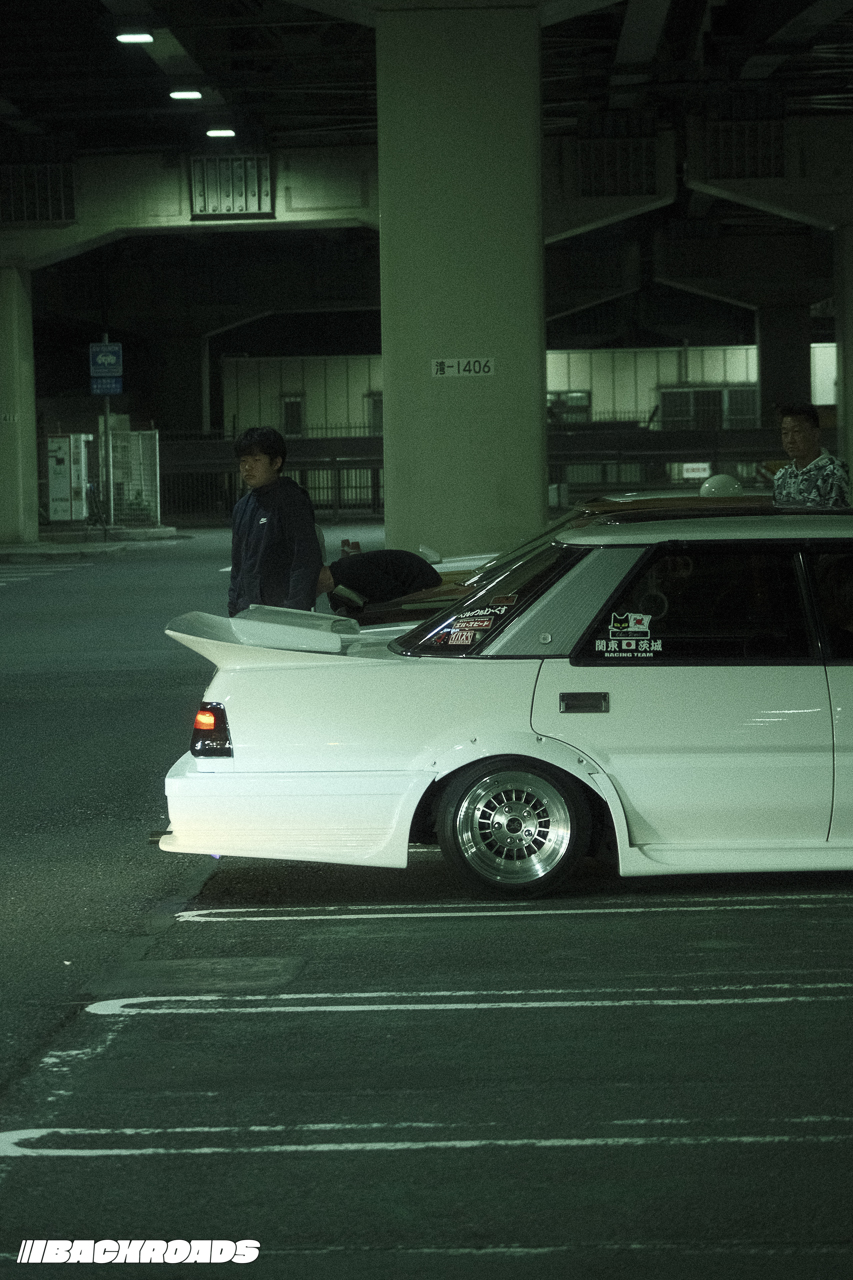
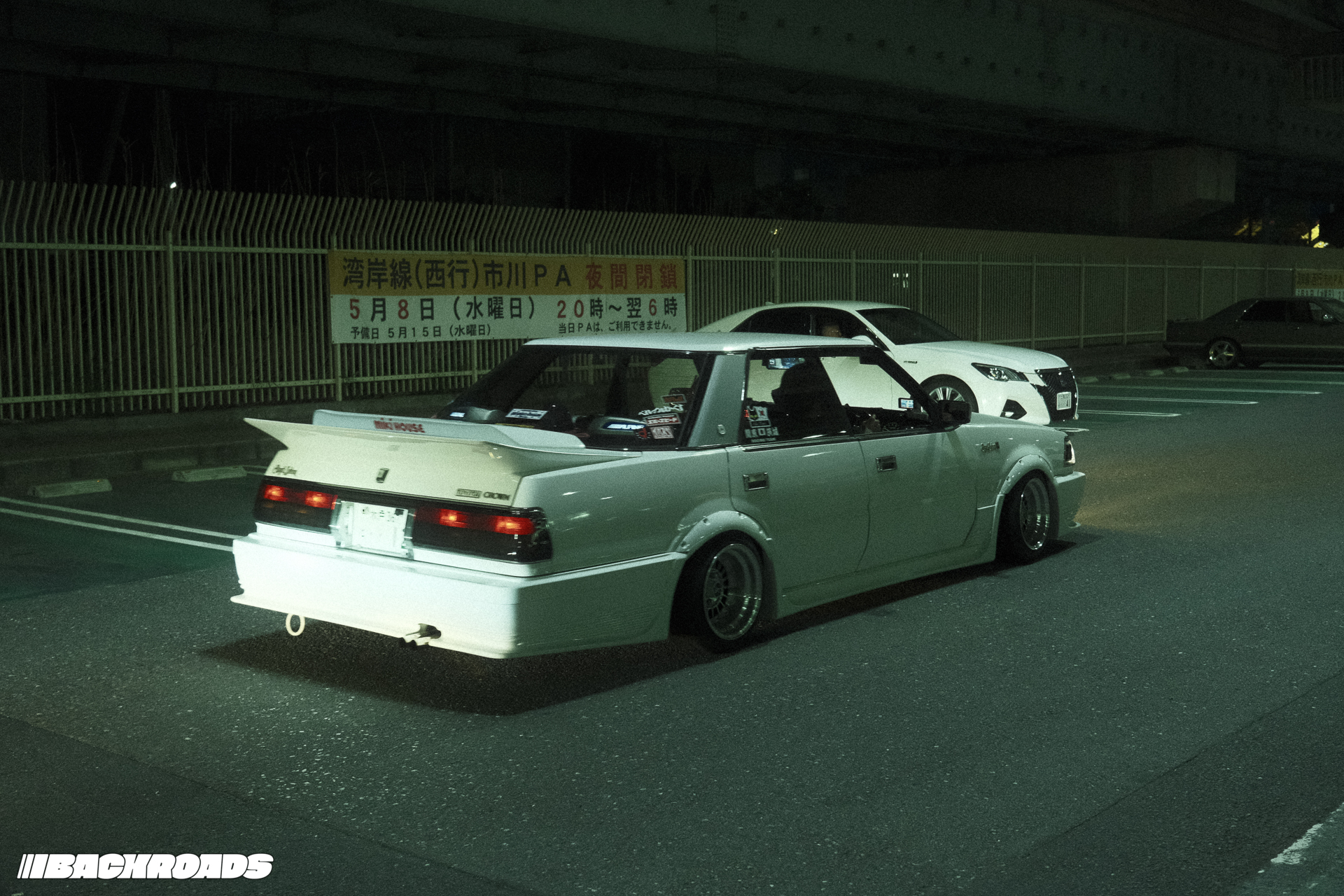
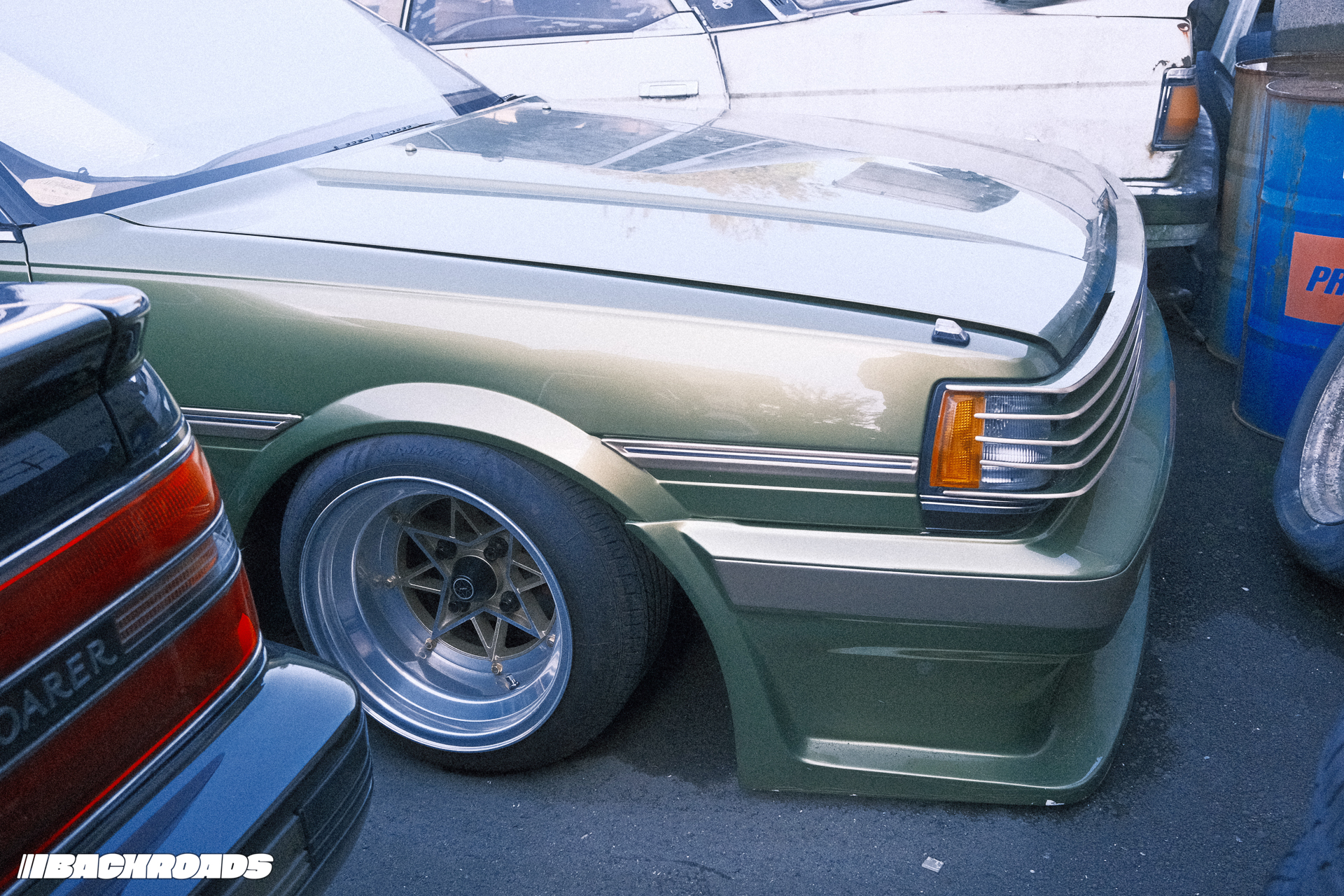
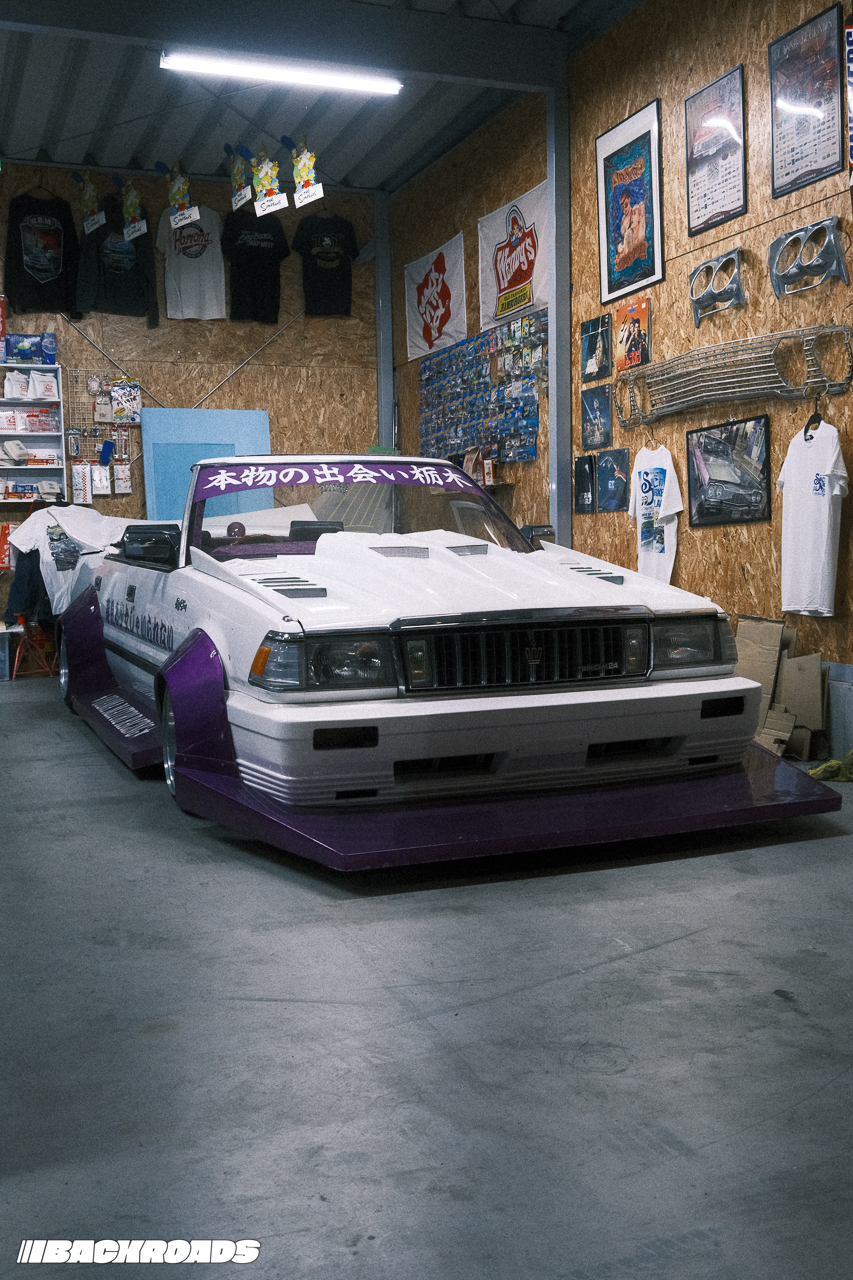
An offshoot of this style, known as Haiso, carries many of the same design cues but with a more refined edge. The name itself is another portmanteau – this time of ‘High Society.’
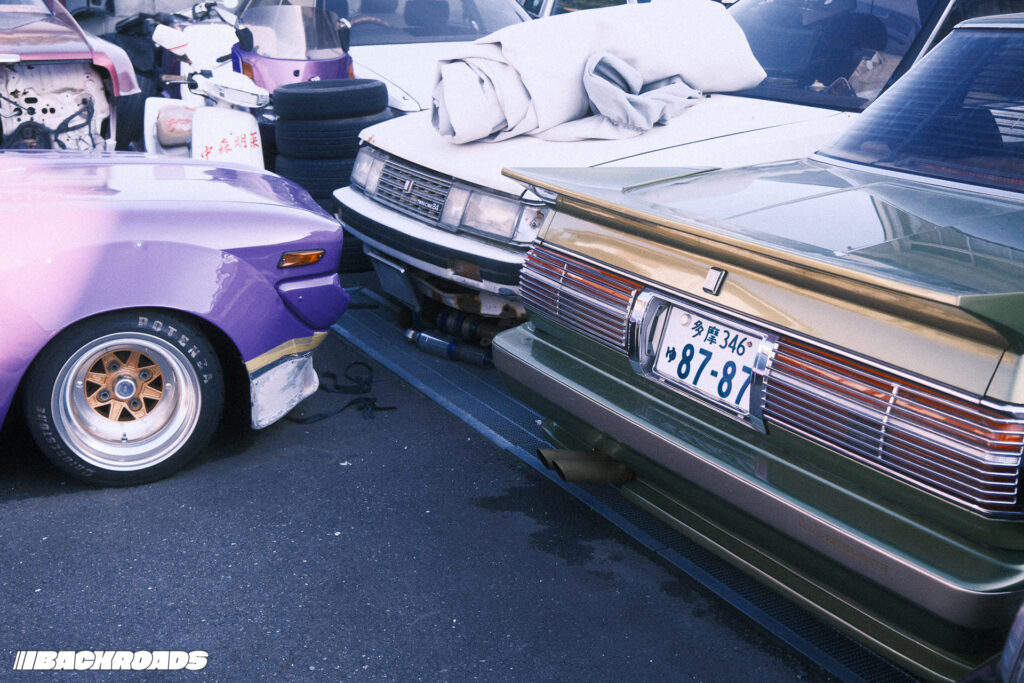


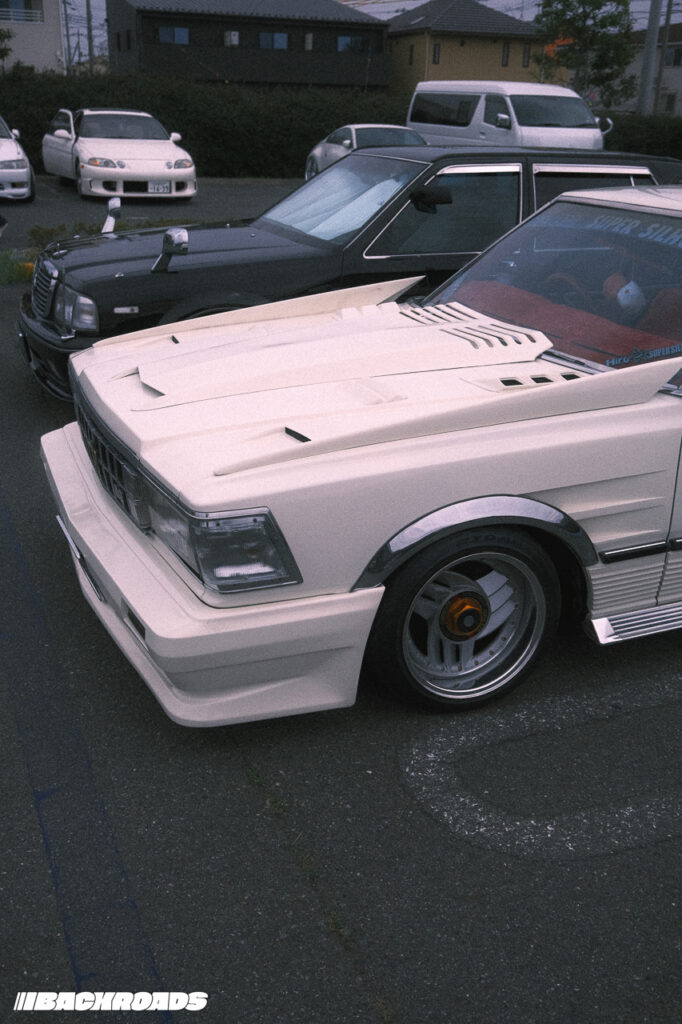

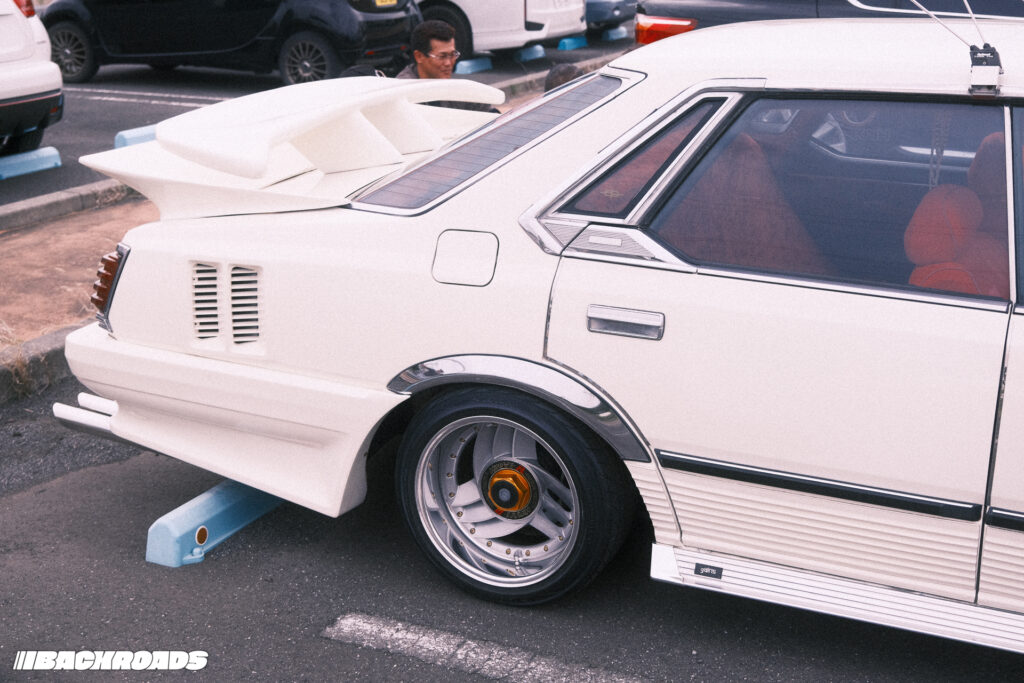
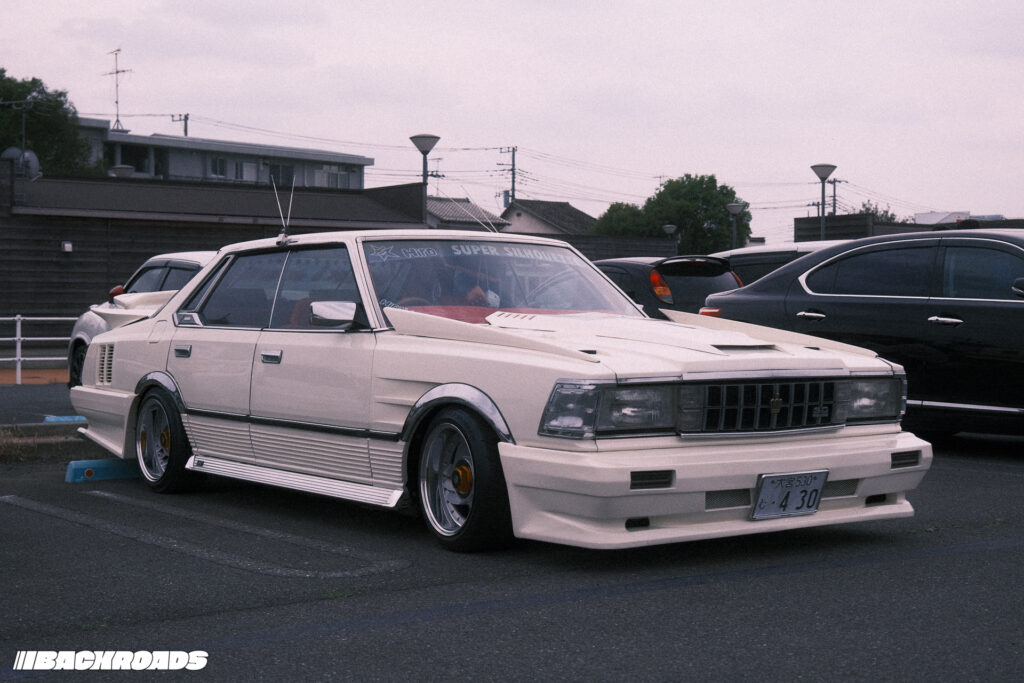
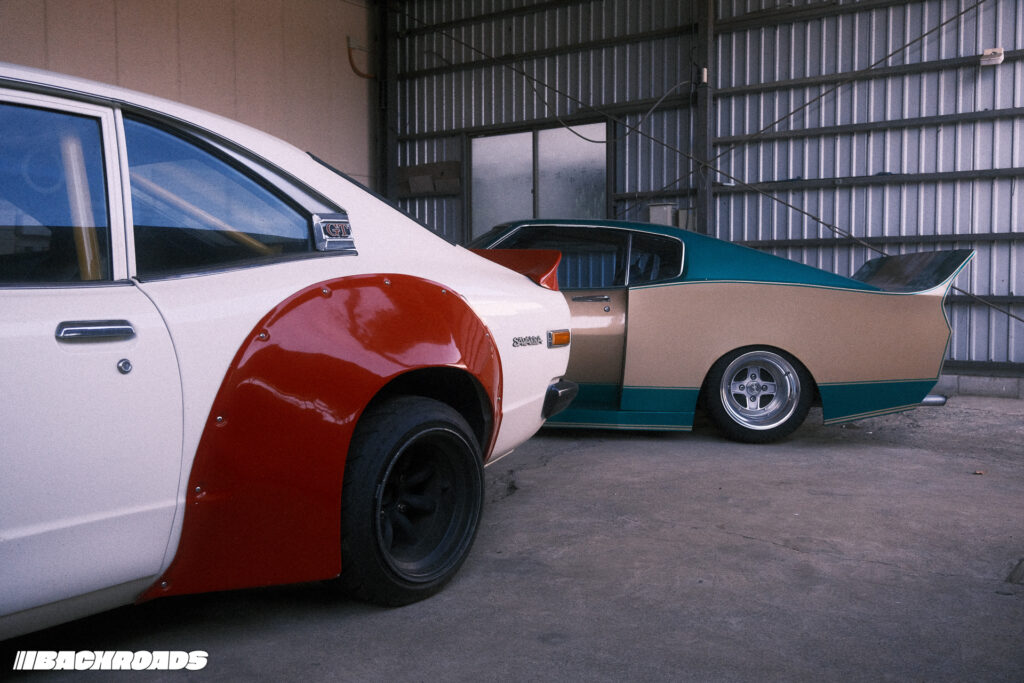
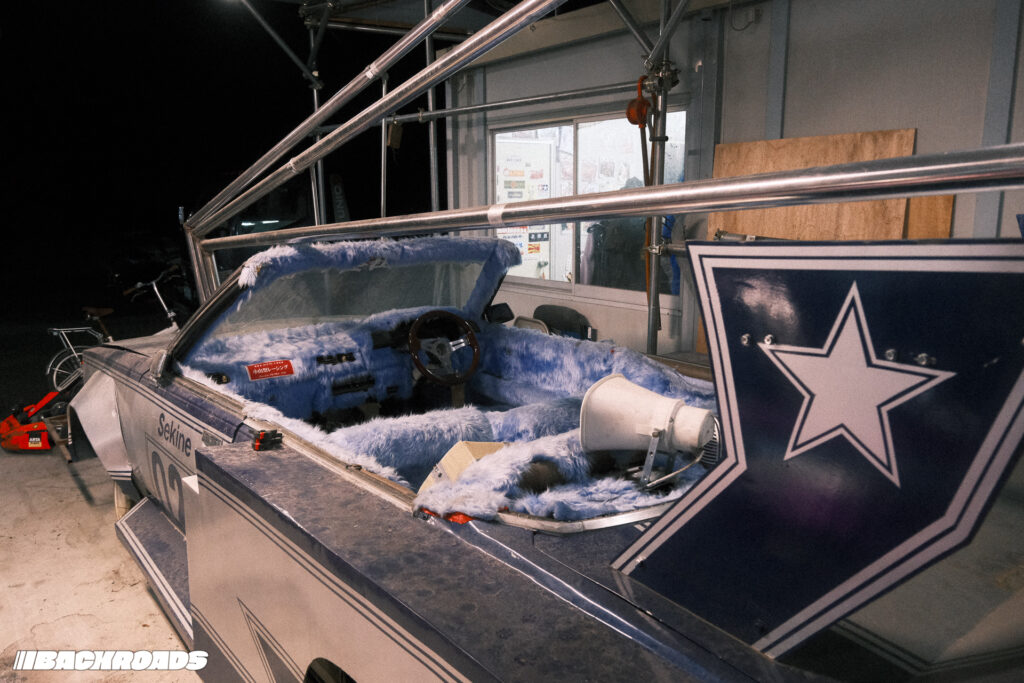

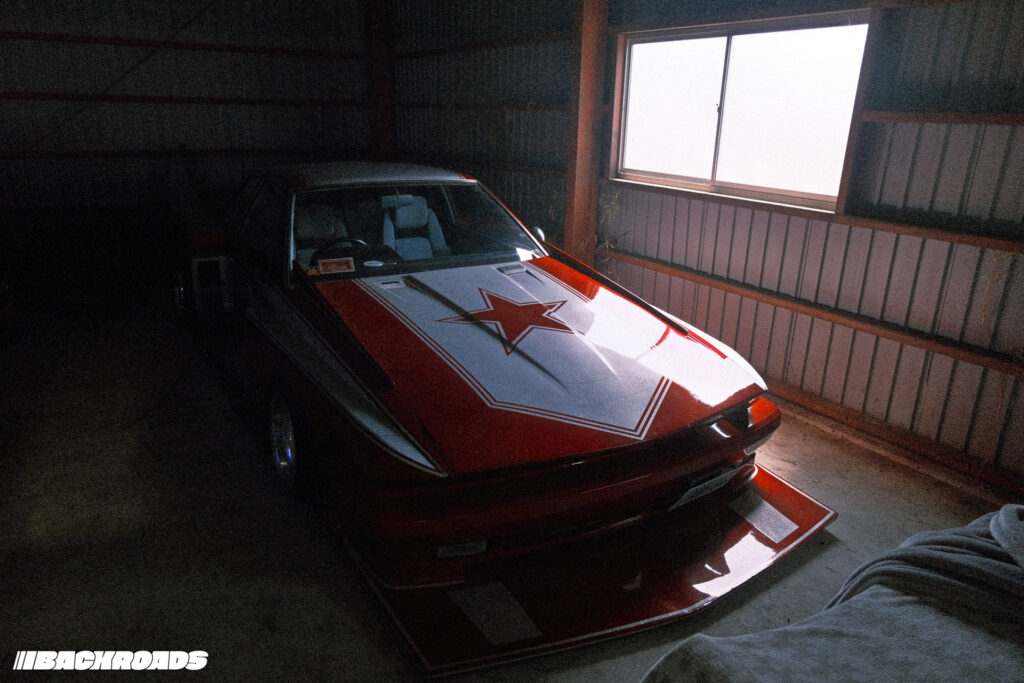
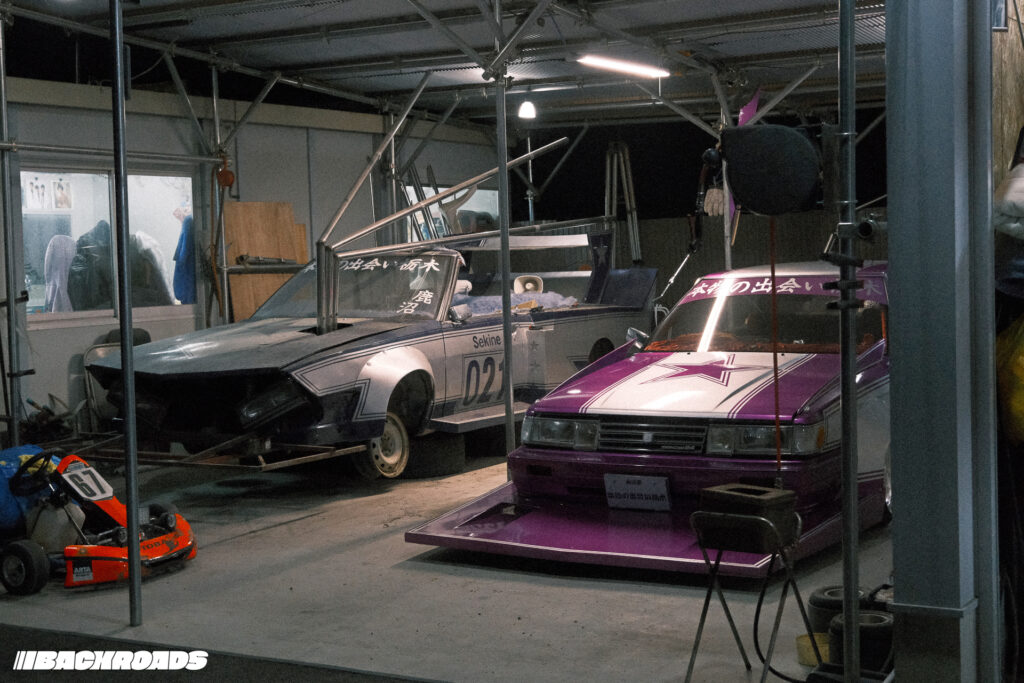
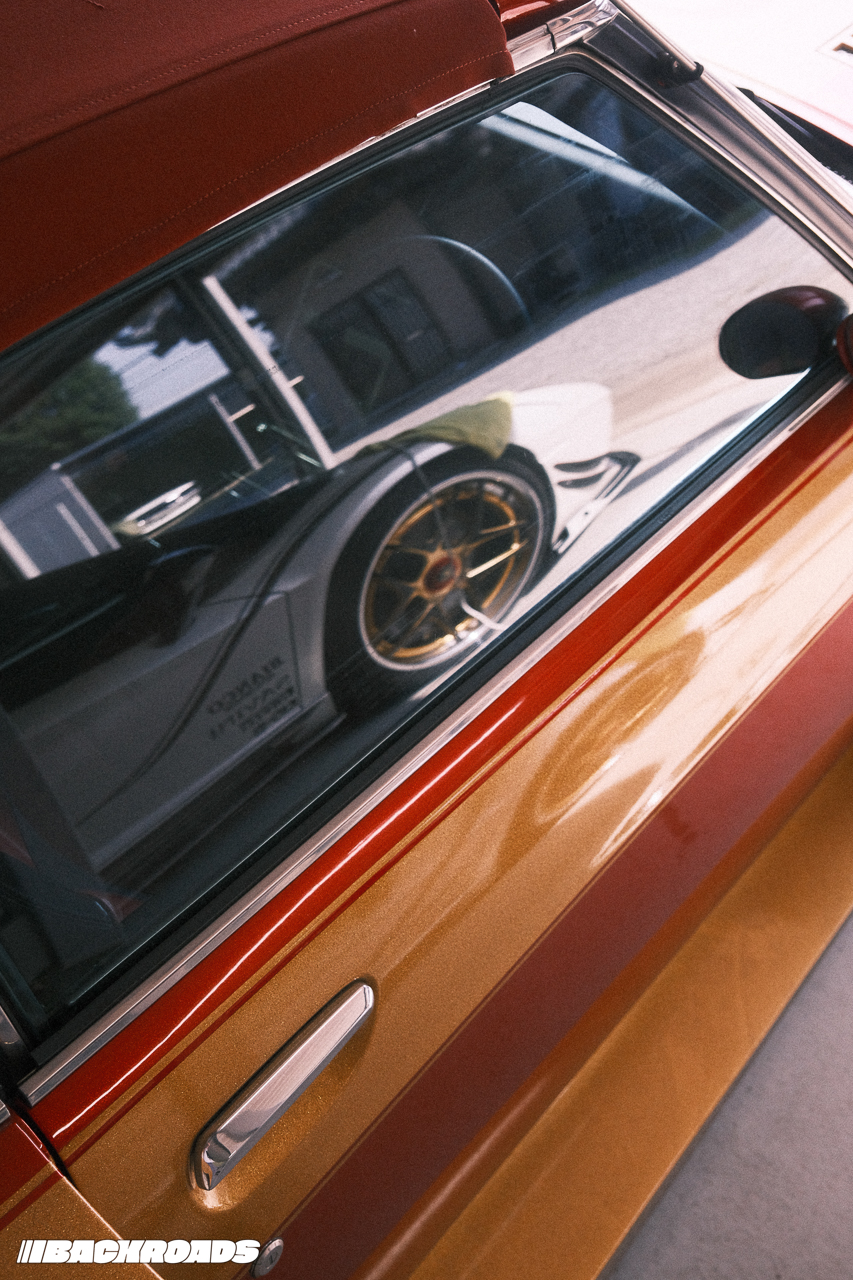
Haiso builds typically use luxury sedans such as the Toyota Crown, Nissan Cedric, or Nissan Gloria as their foundation. Unlike their flamboyant Chibaragi counterparts, Haiso cars favor understated elegance, with looser wheel fitment and restrained two-tone paint schemes in white, silver, or gold.
For international enthusiasts, Chibaragi kaidō racers are some of the most instantly recognisable expressions of kaidō racer culture. Yet, what often goes unnoticed is just how deeply regional – and deliberately personal – these cars are.
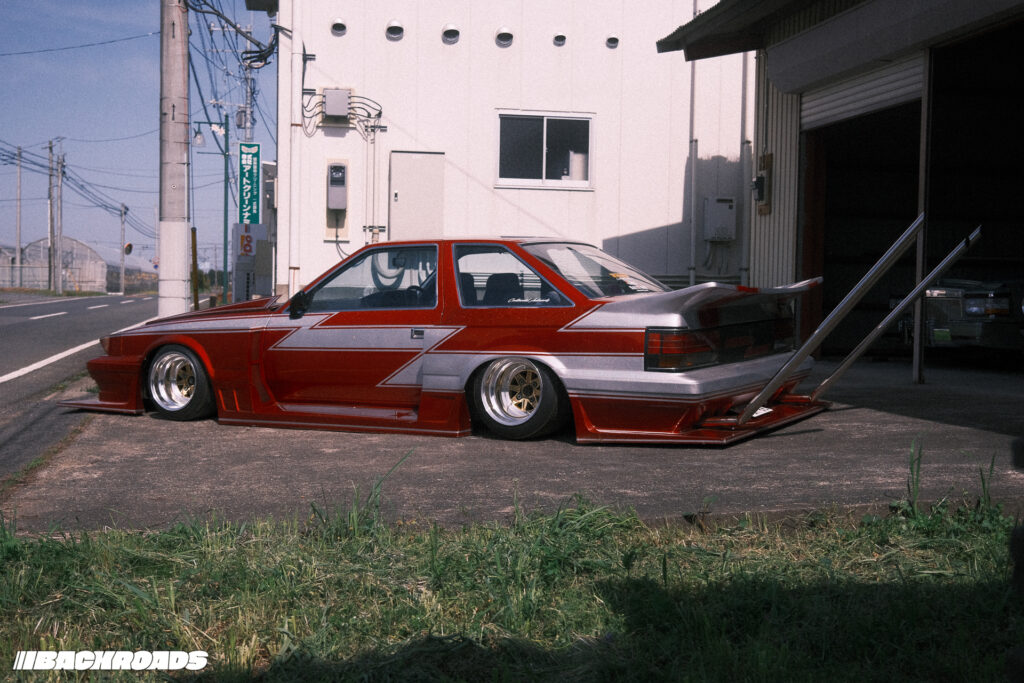
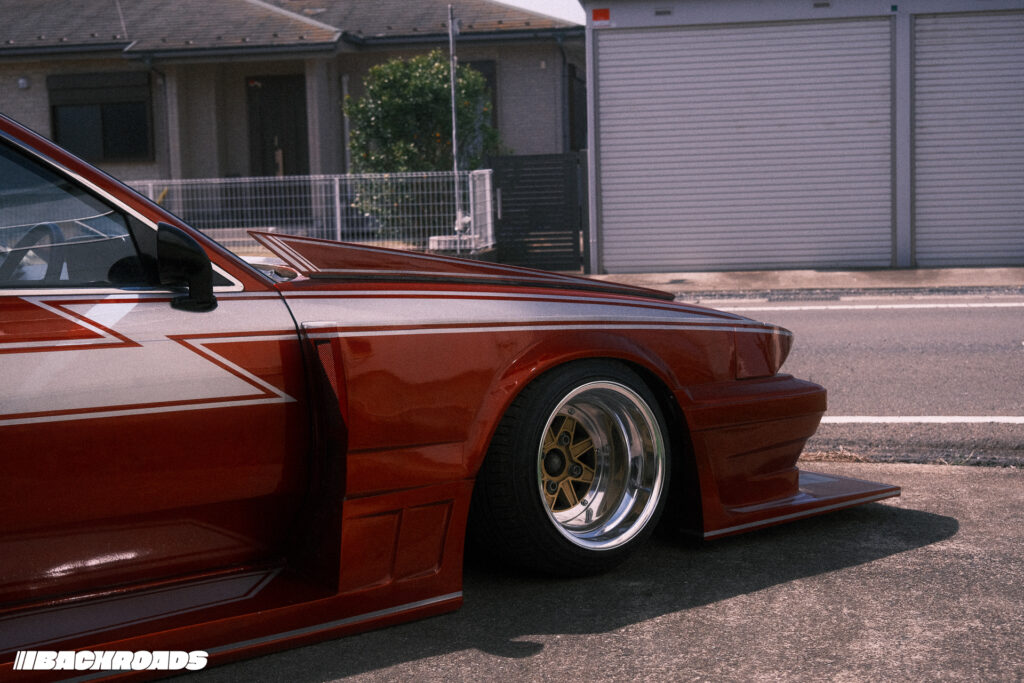


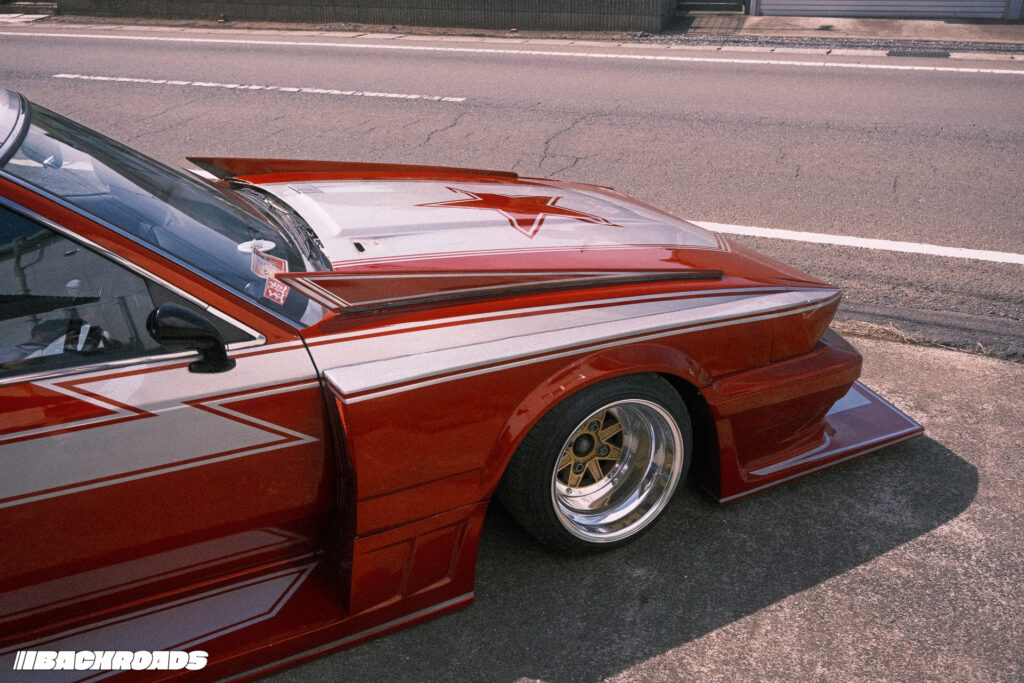
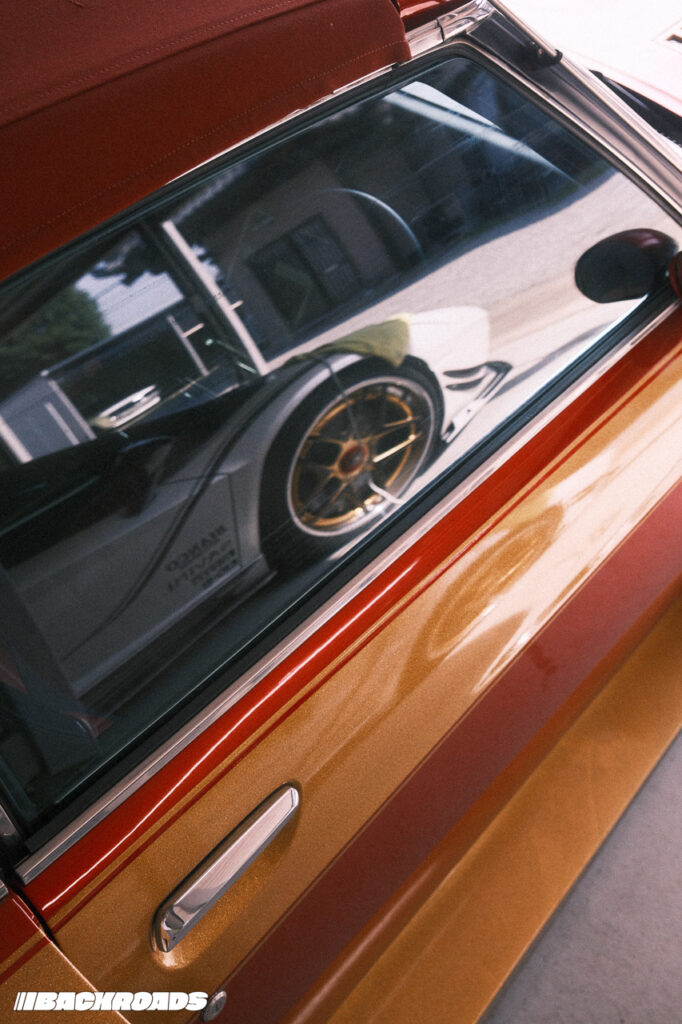
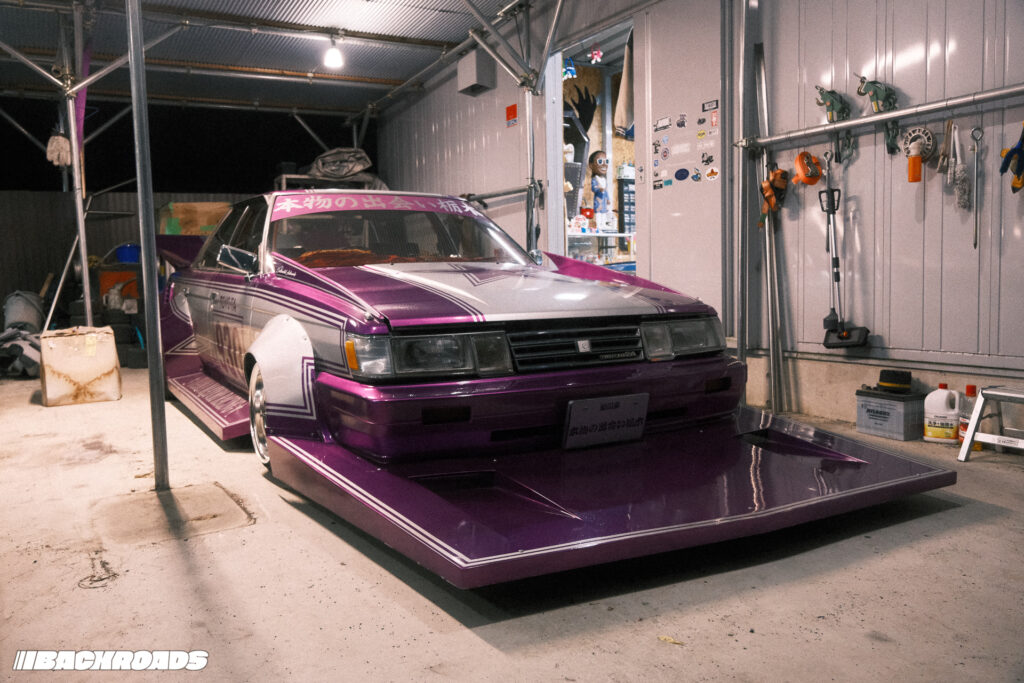
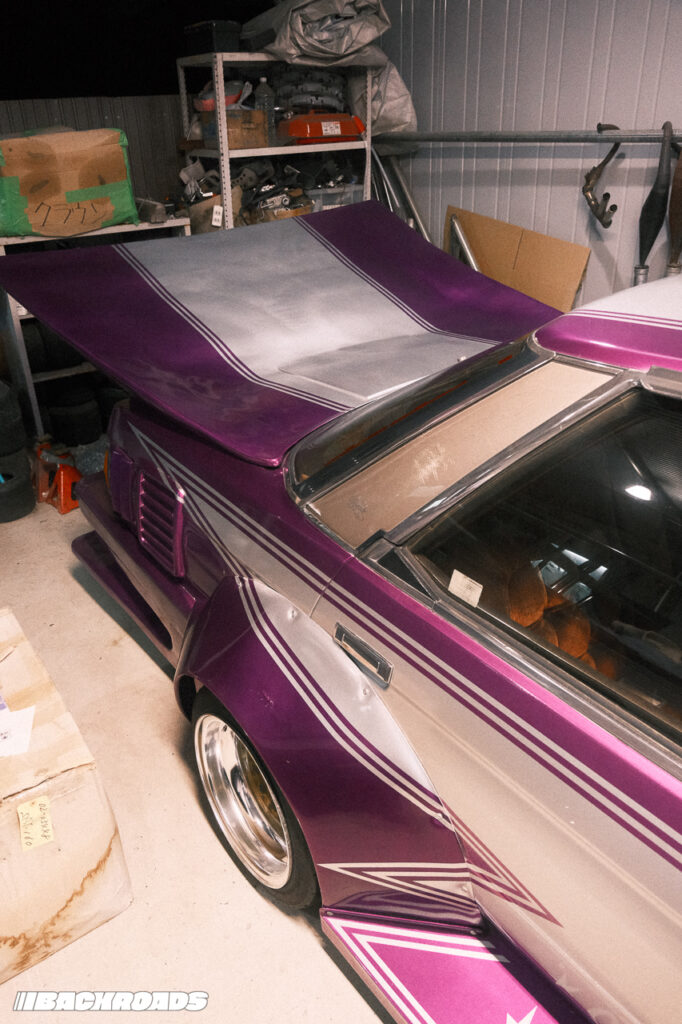

Since the early 1980s, Chibaragi builders have upheld this striking aesthetic, ensuring its legacy remains visible on Japan’s roads and in its car parks to this day.




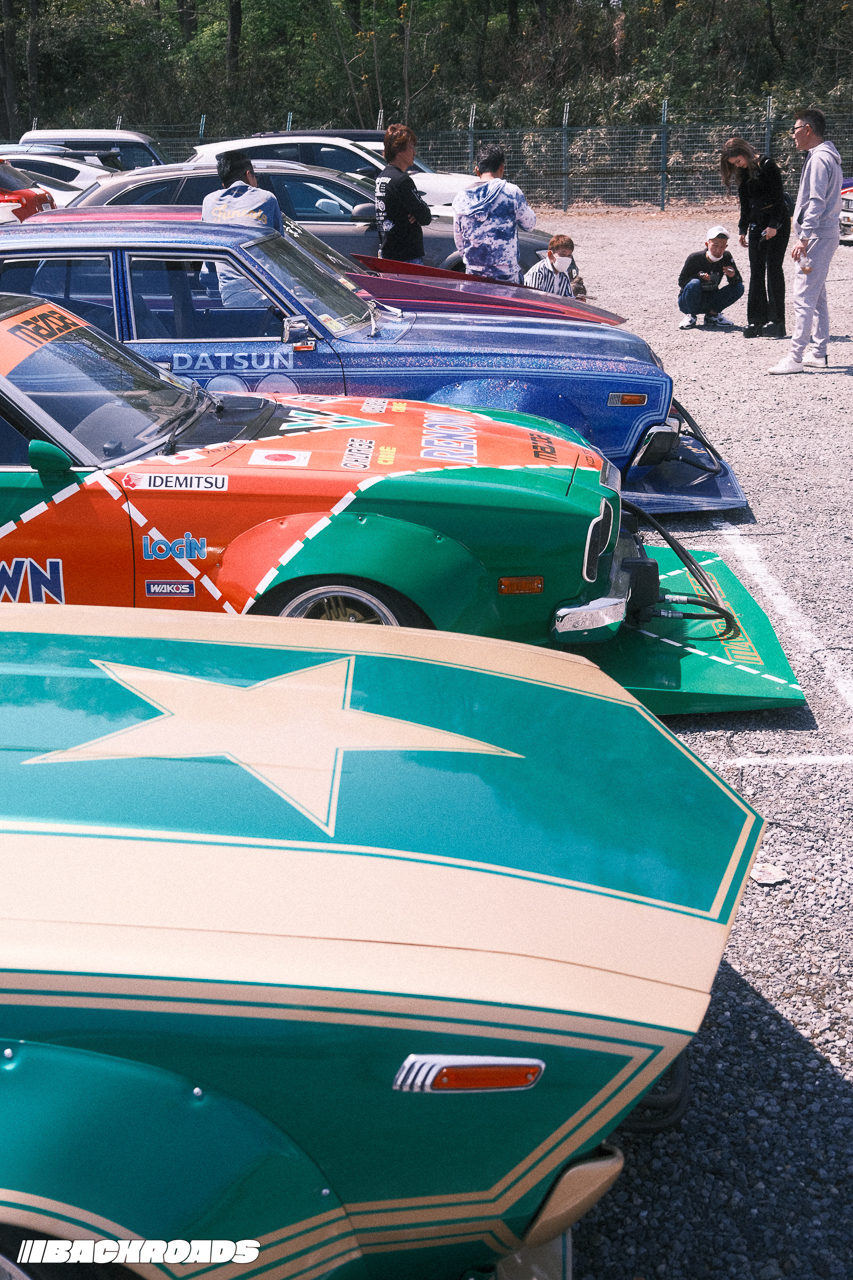
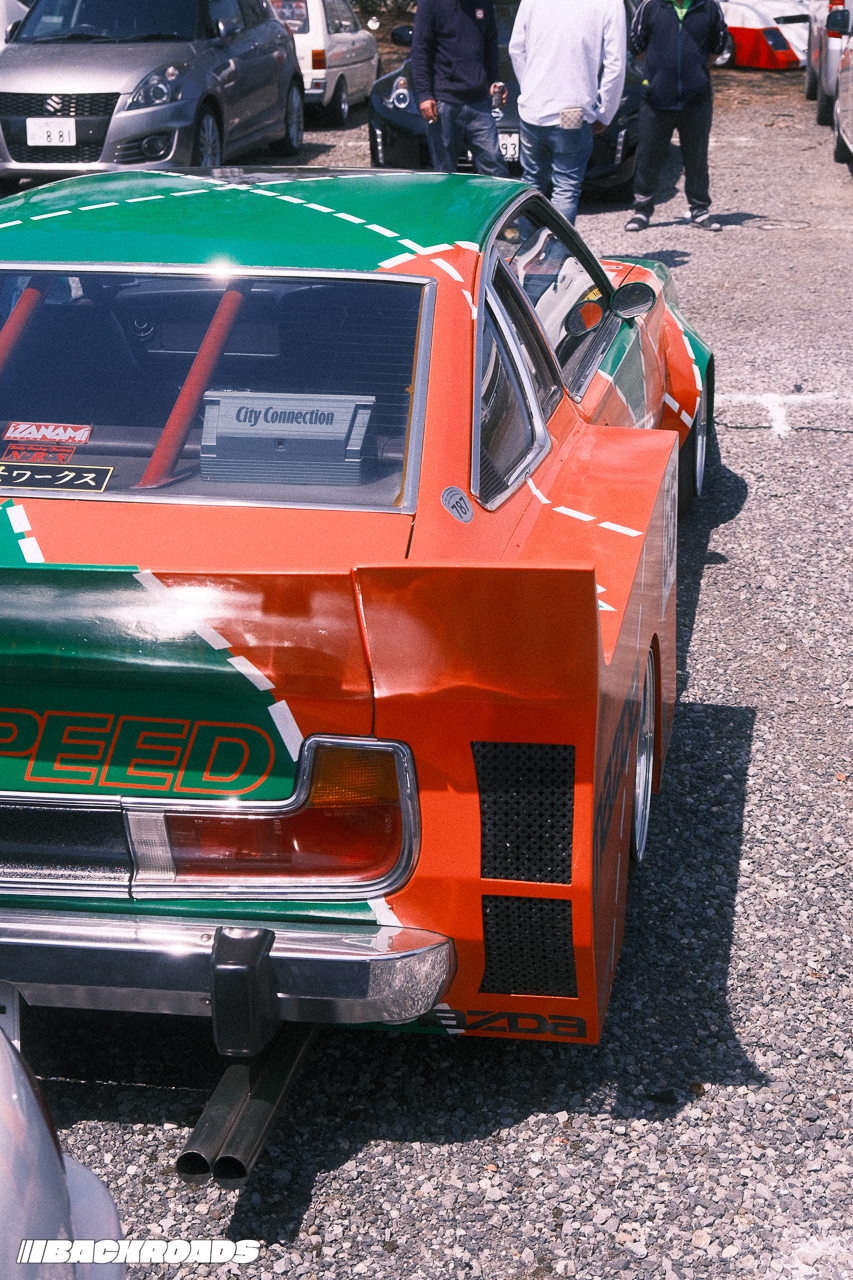













Chibaragi! Love them so much. Thank you for sharing the story!
Planning to build a Chibaragi style Kaido Racer soon.
Cool! What will you use as the base car?