
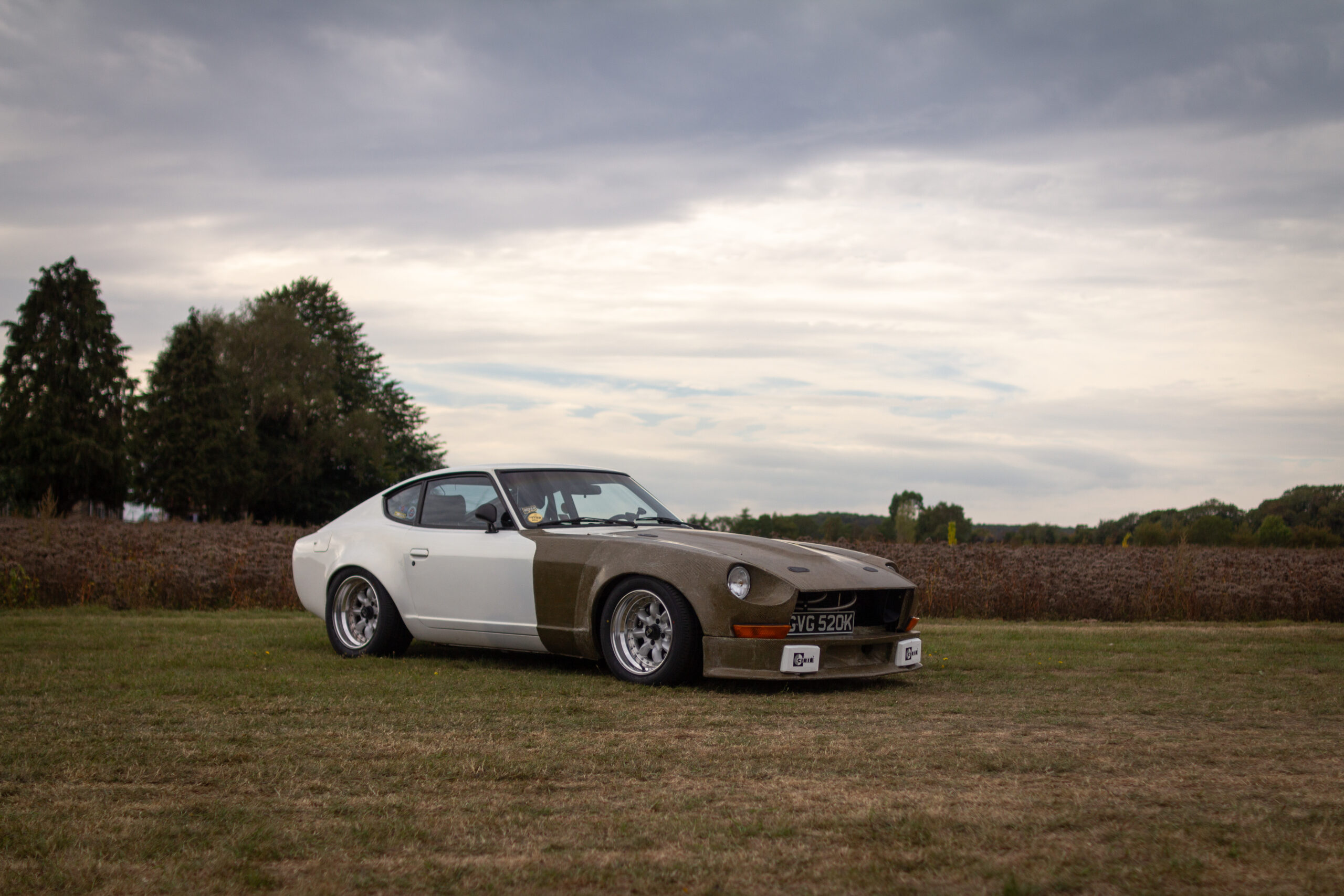
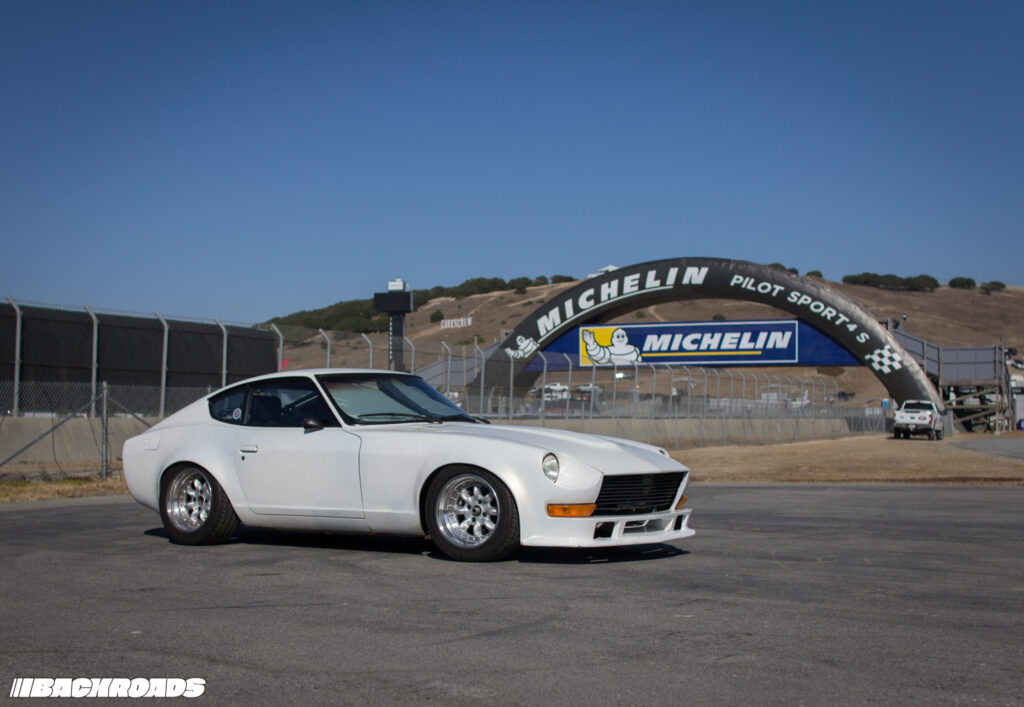
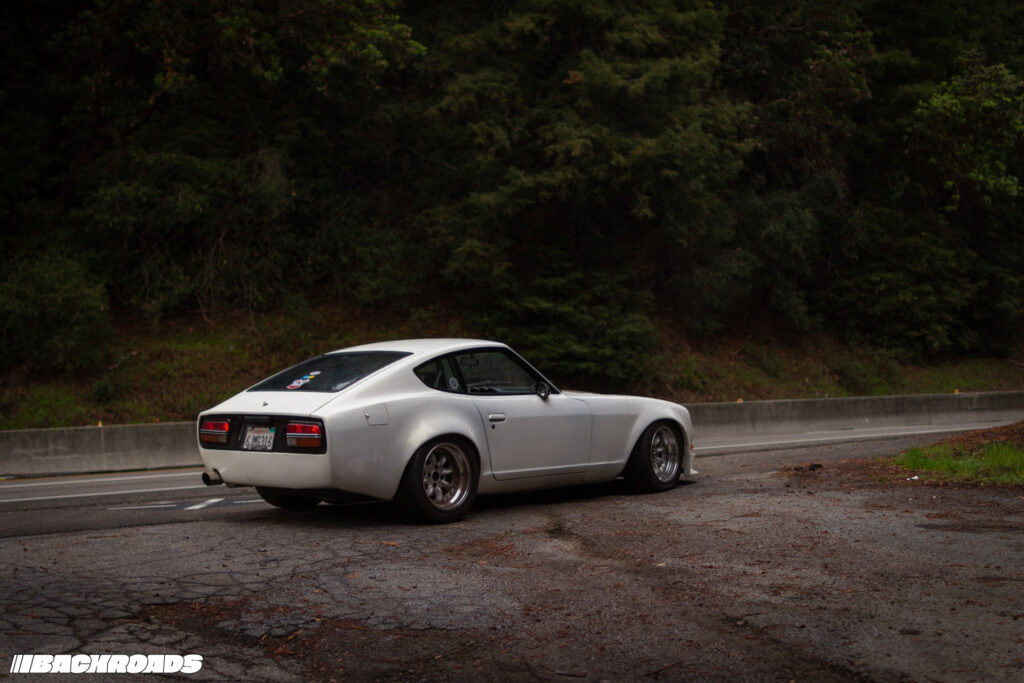
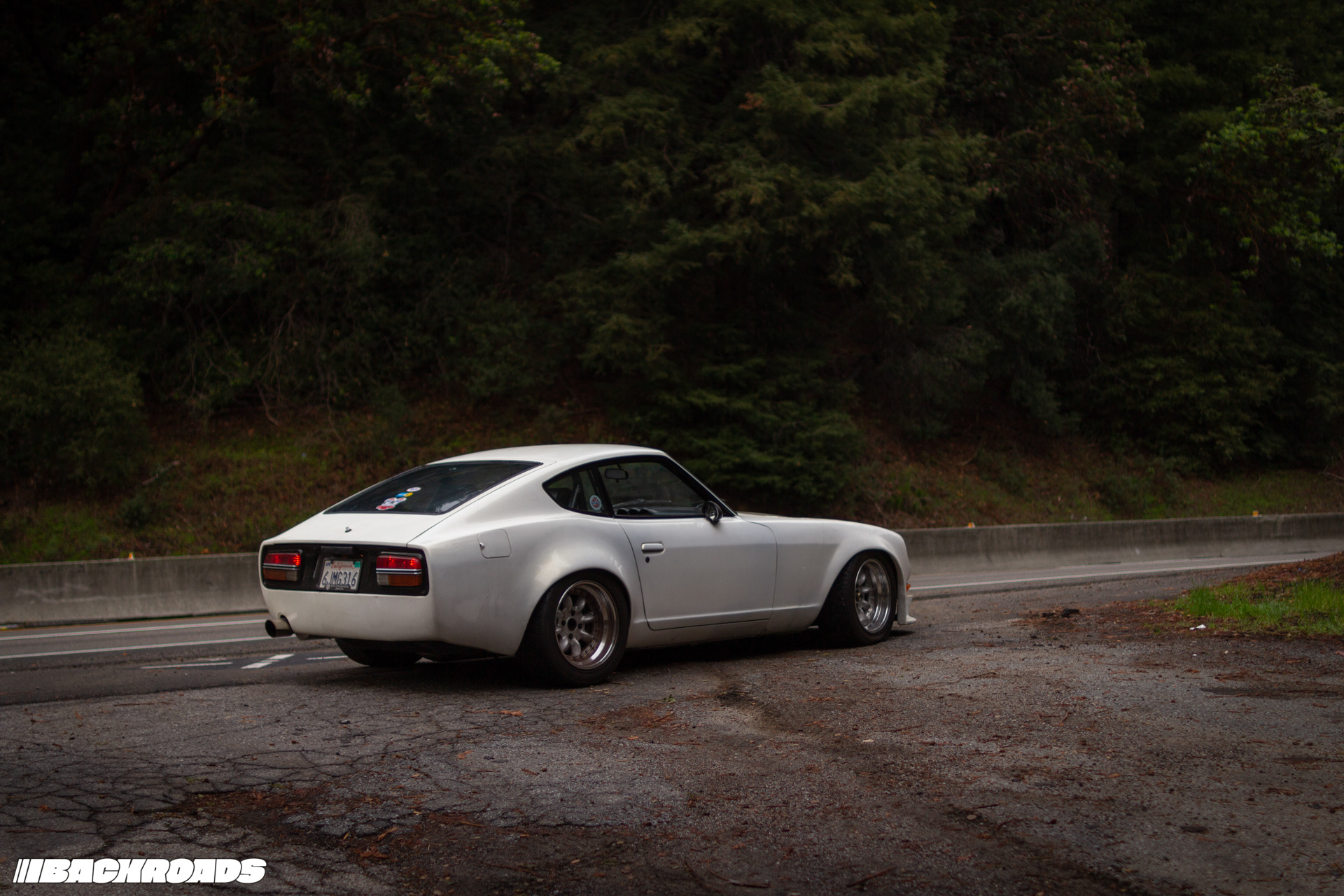
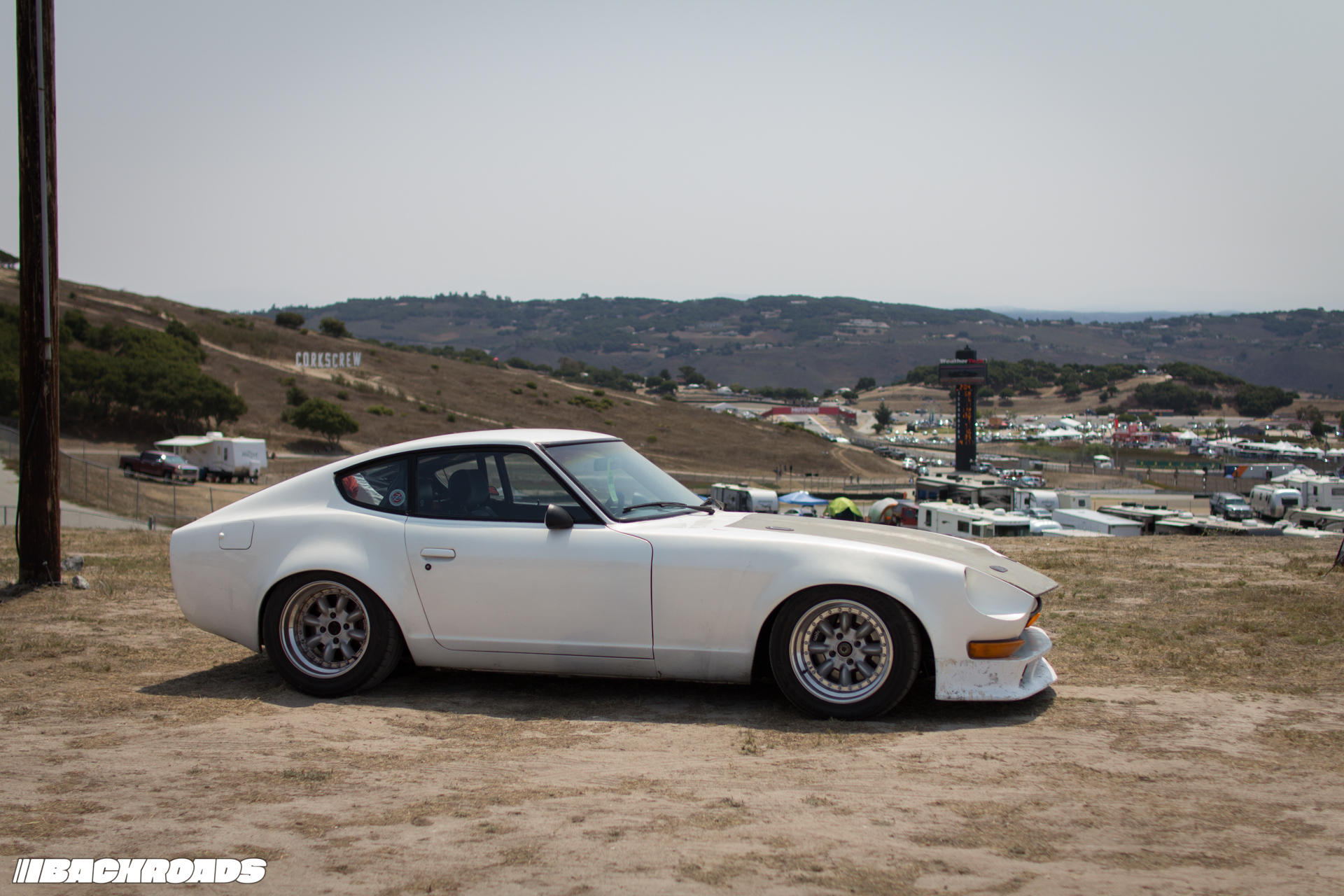
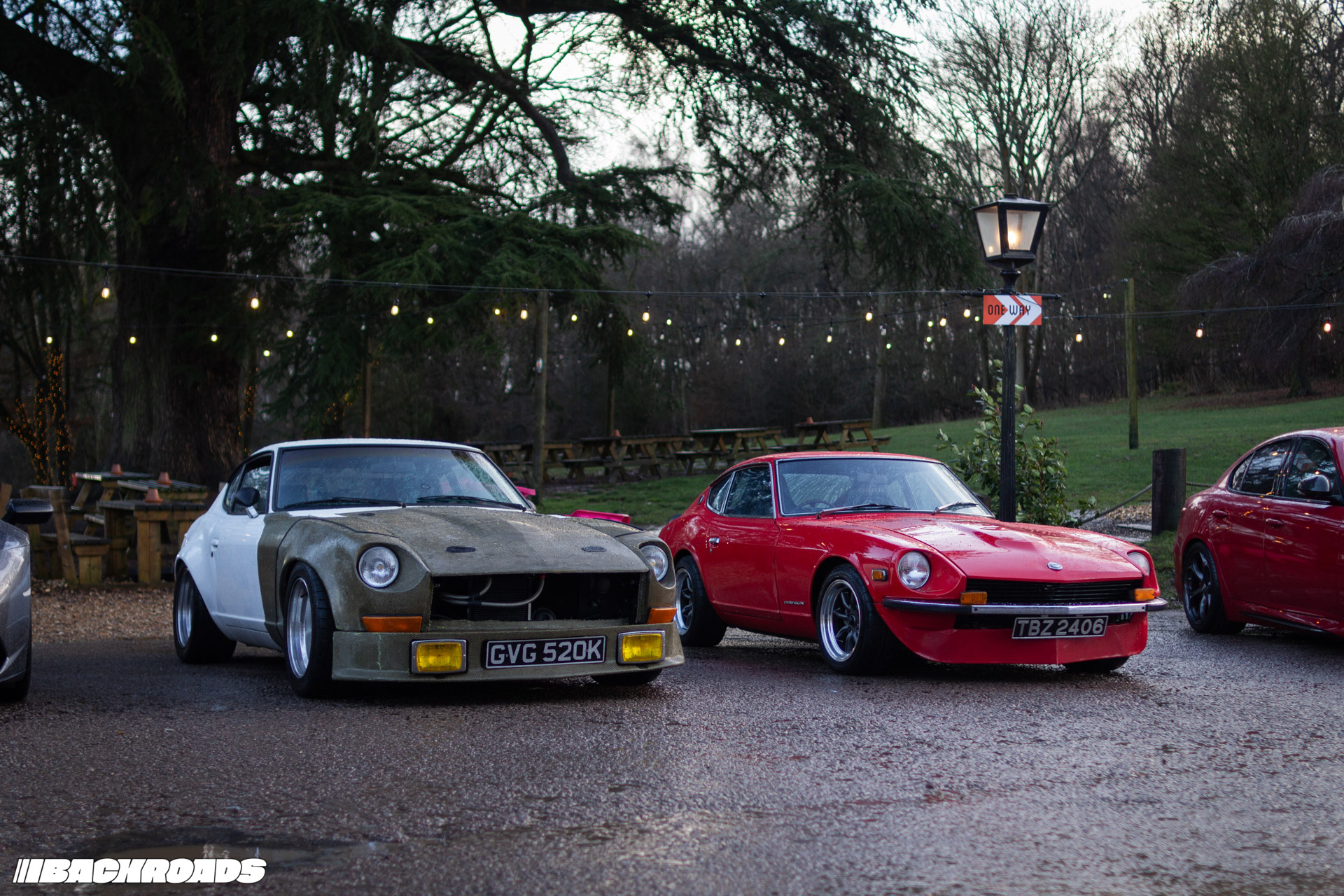
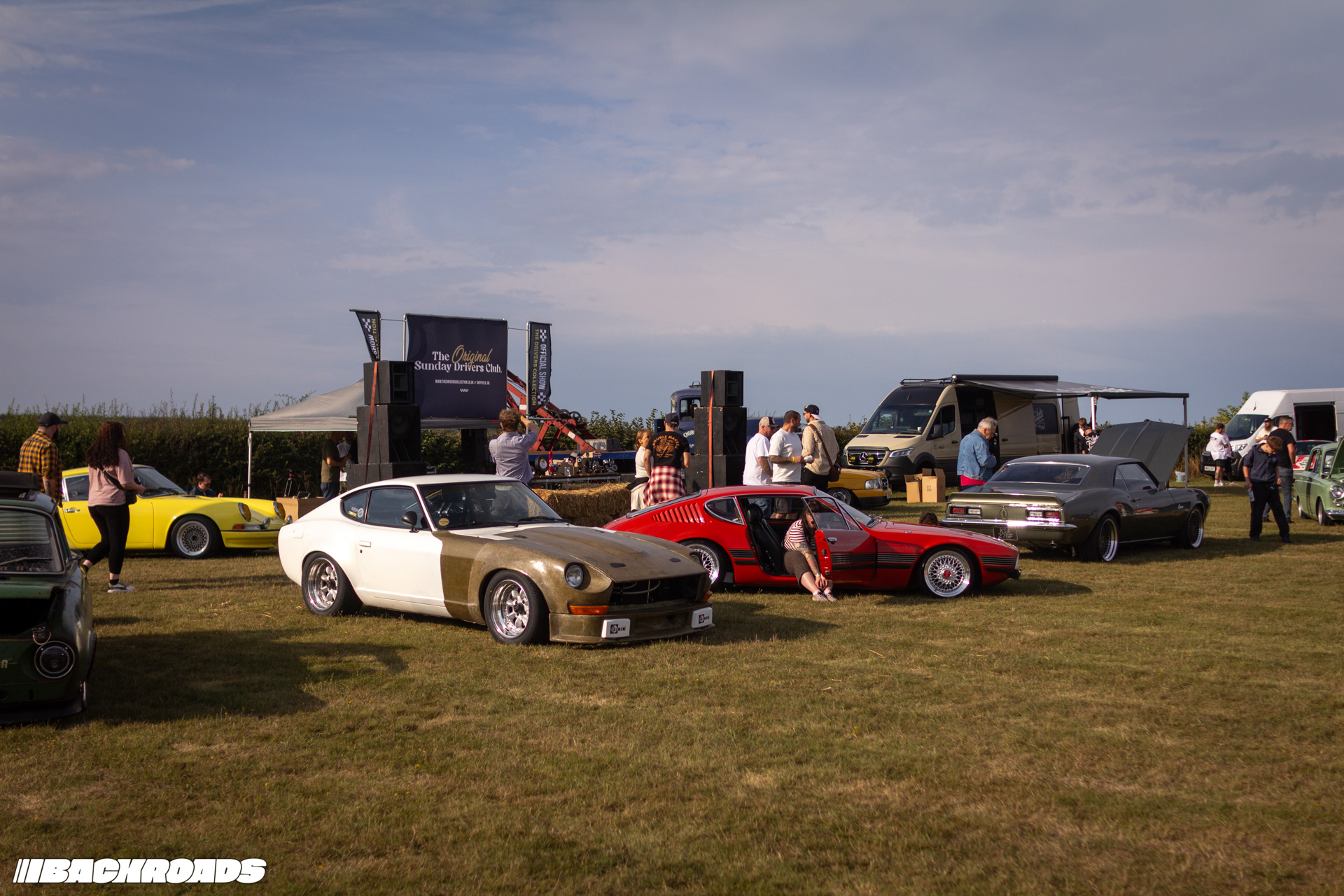
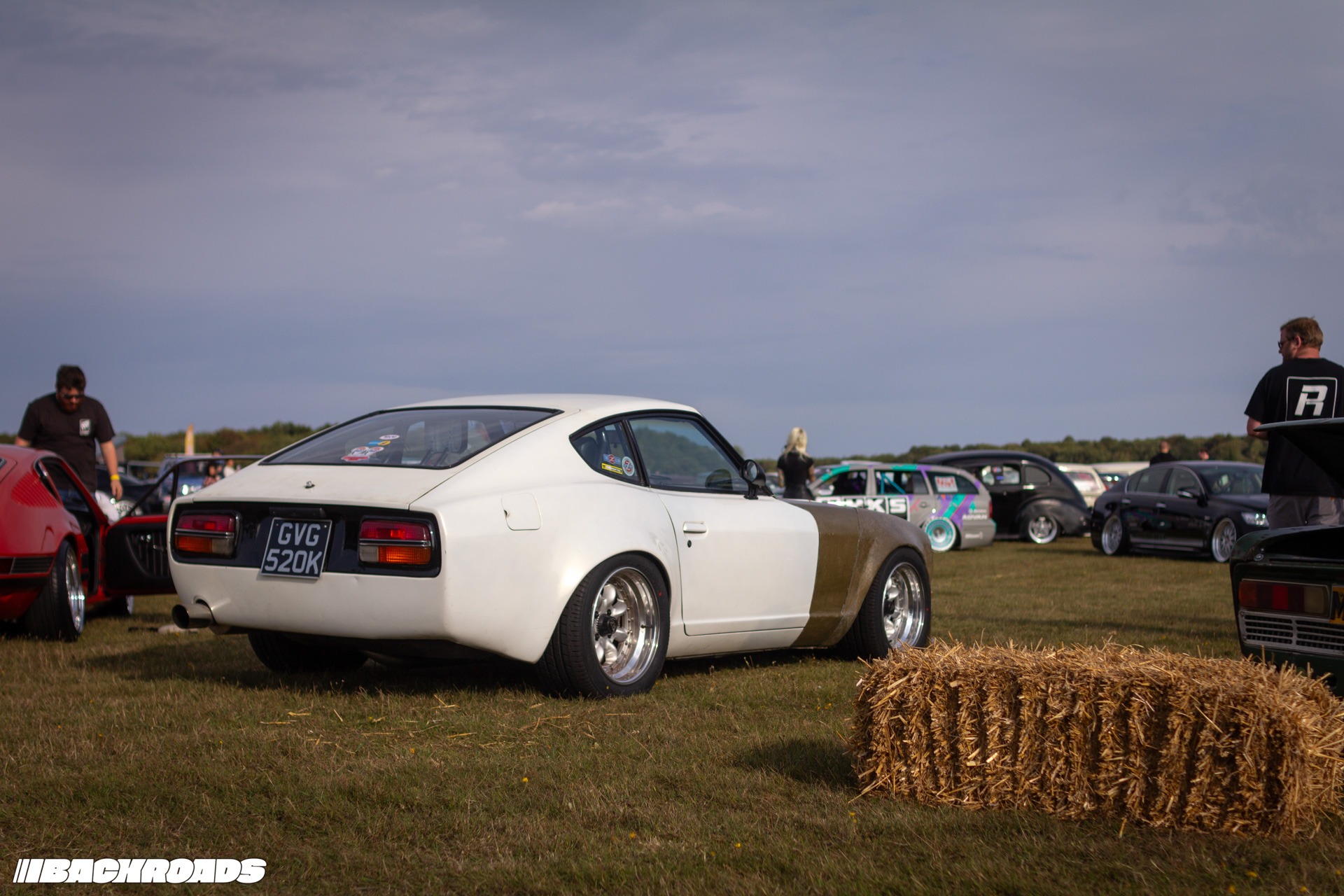
My 1972 Datsun 240Z, which I call Banshee, is a reflection of my commitment to learning and development, and to enjoying that sometimes never-ending ‘work-in-progress’ stage.
I’m a big fan of creative and unique solutions, even if they are not necessarily the objective ‘best’ solutions. Here’s a brief overview of my 10-year journey with my 240Z and some of the decisions taken along the way.

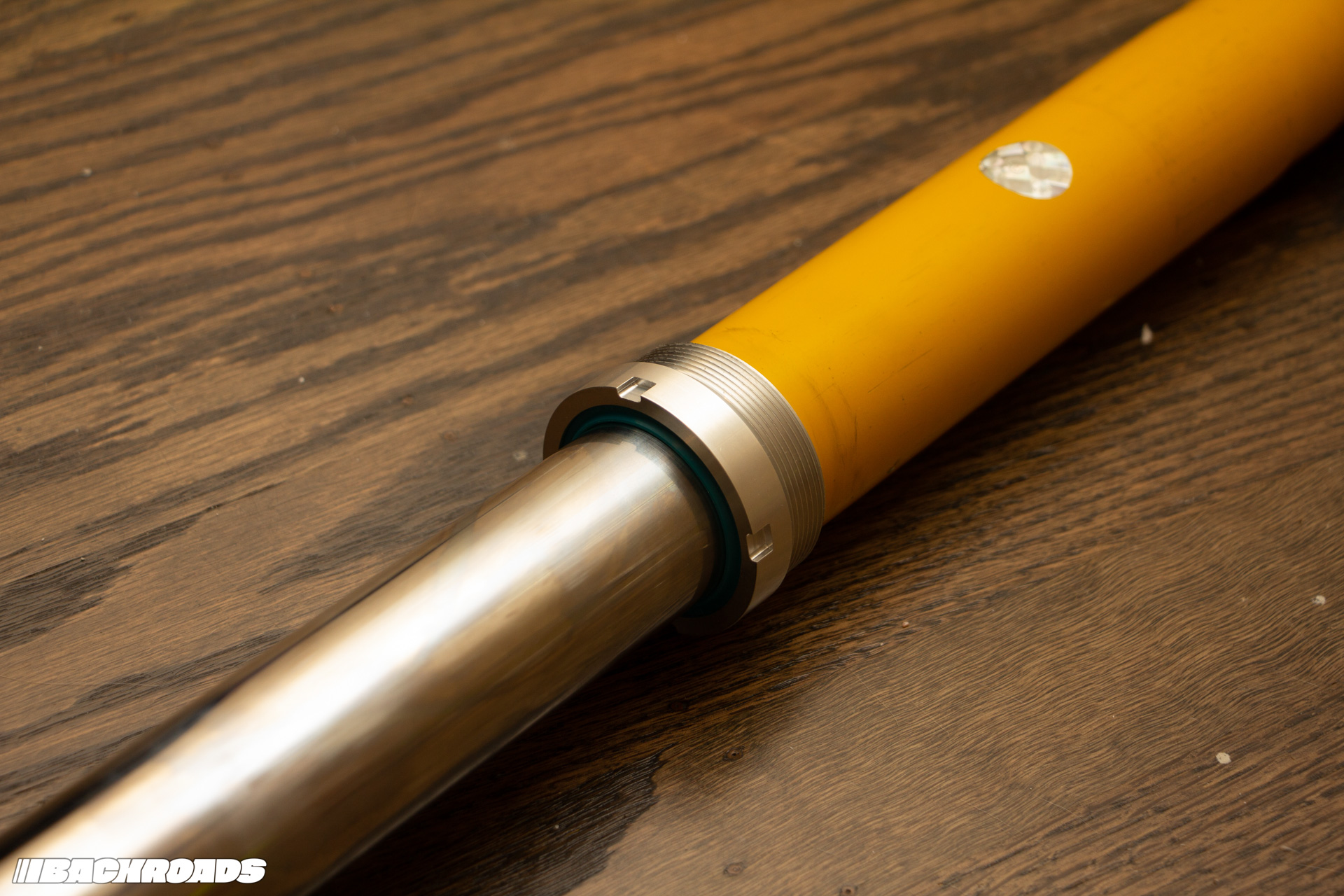
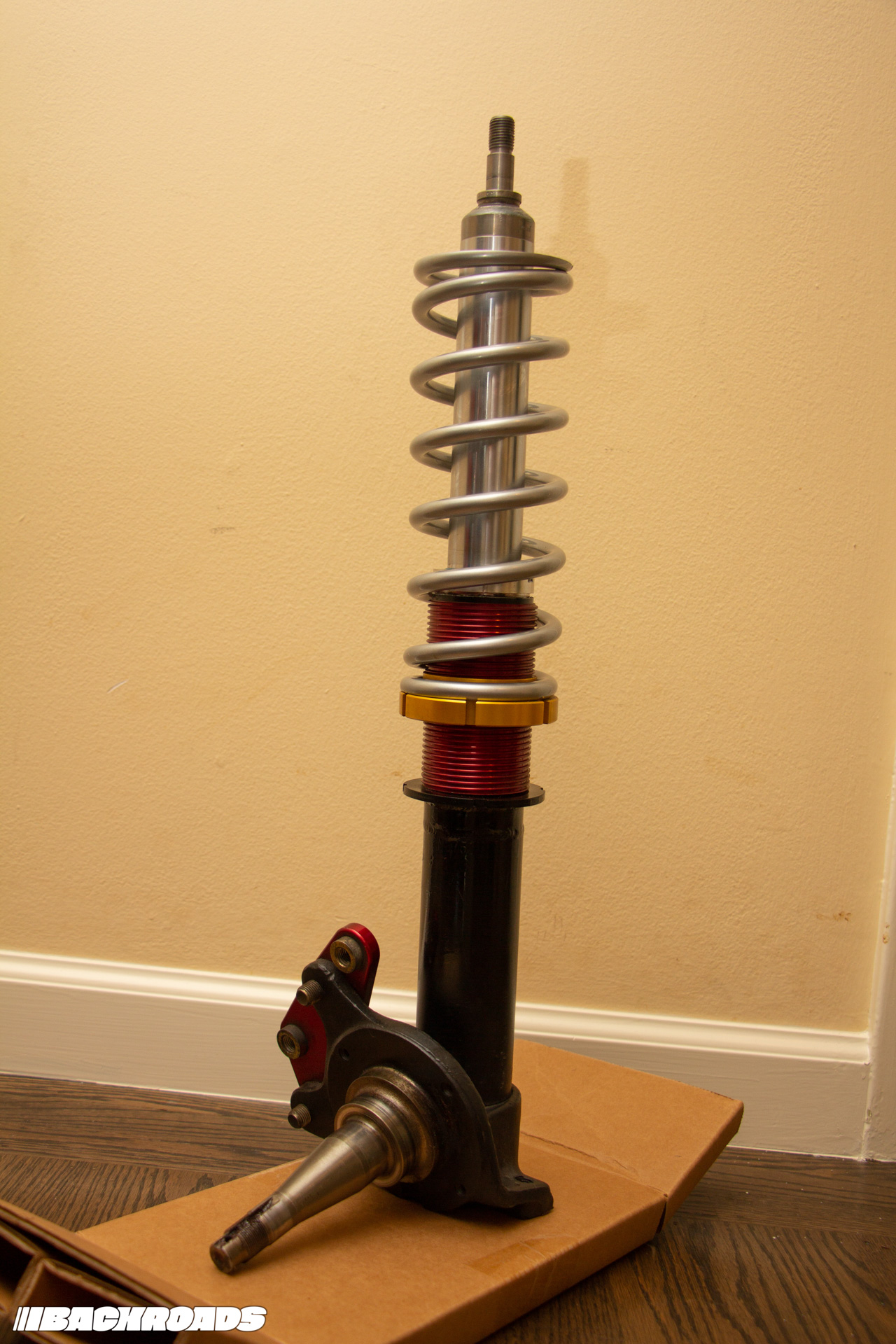
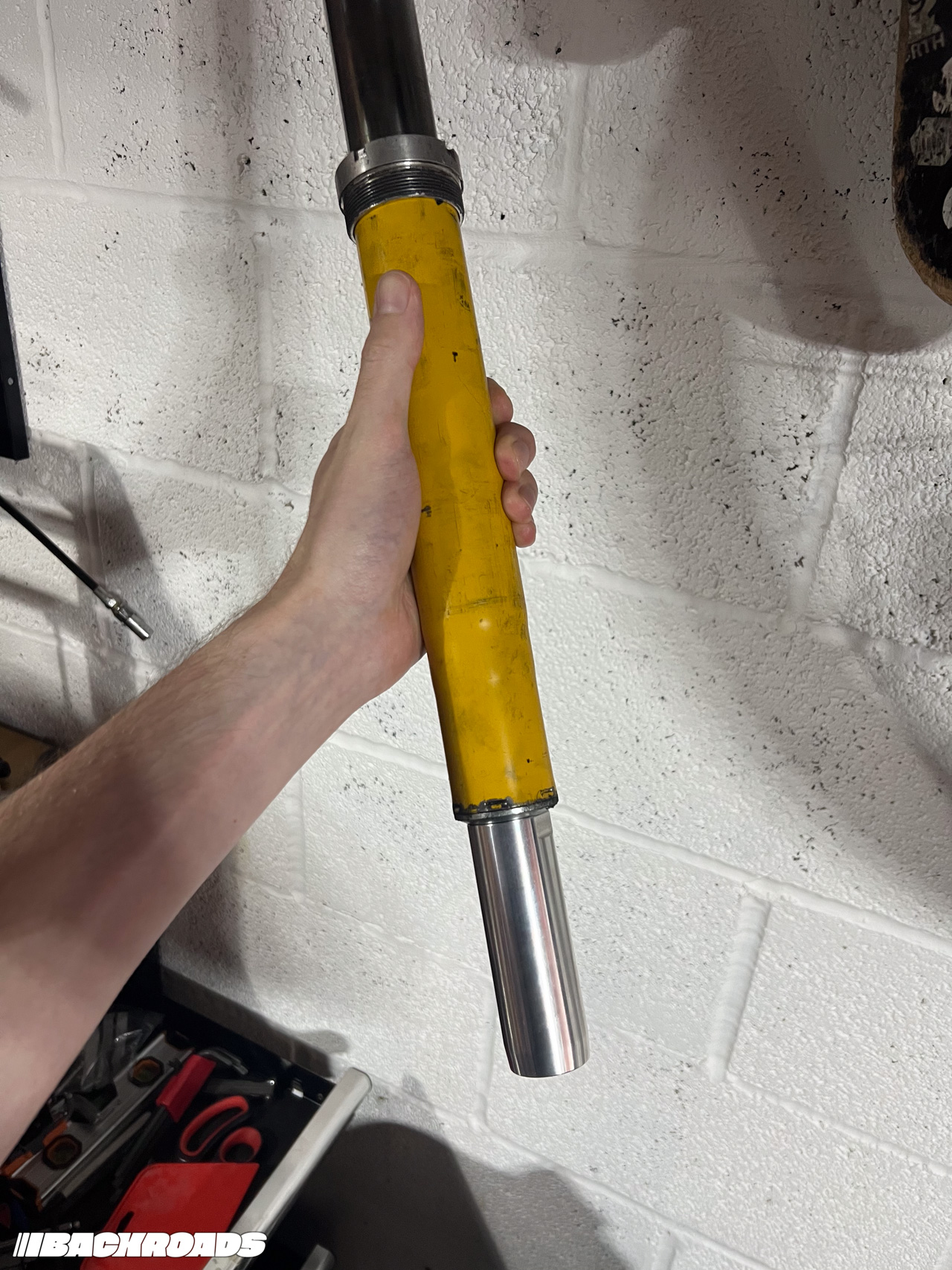
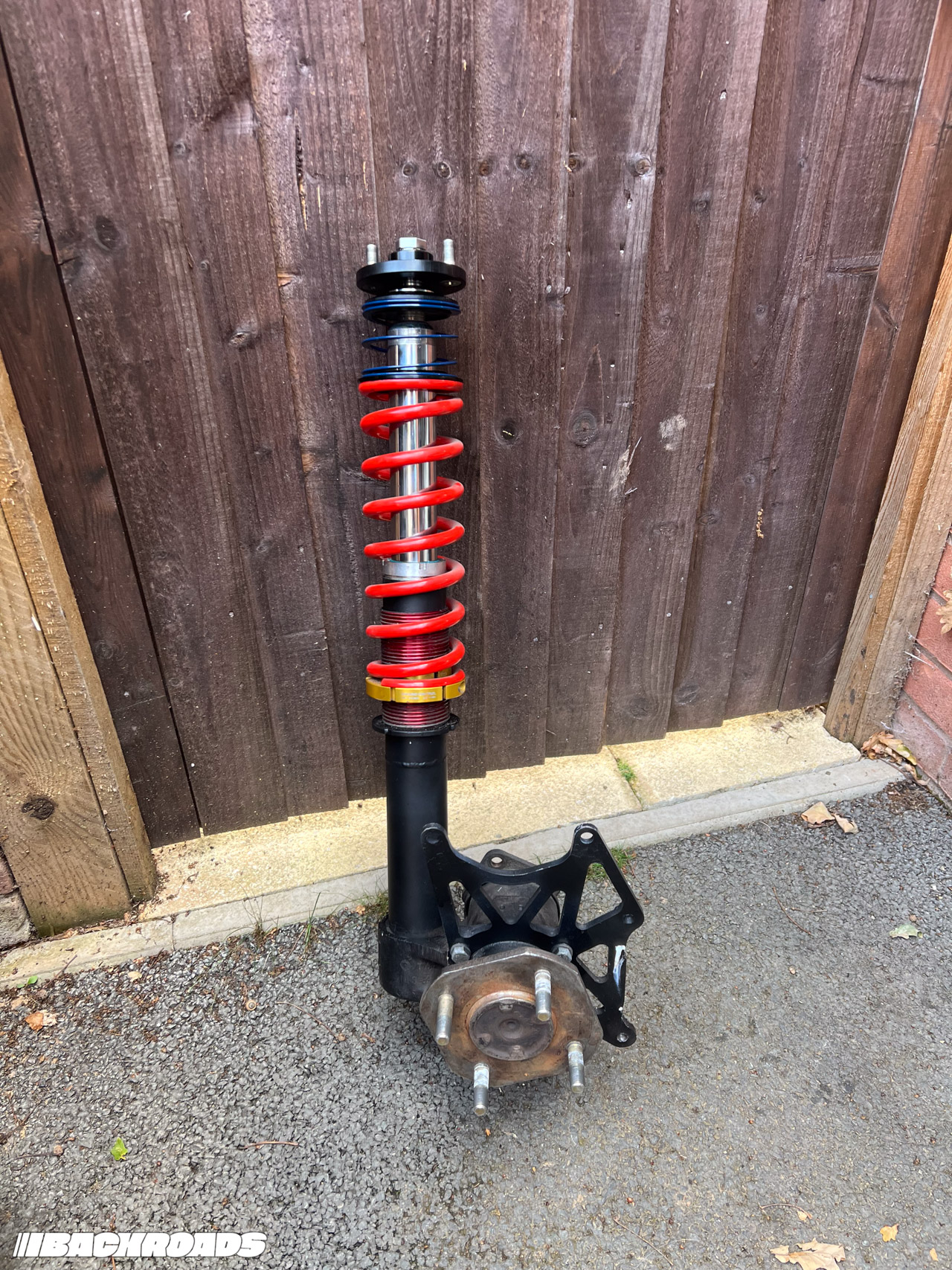
The suspension setup is based around Mitsubishi 3000GT Bilstein monotube dampers. My friend had one of these dampers sitting around and said in theory they fit in the larger diameter 280Z strut housings, but no one had made them work together.
I set about designing a solution.


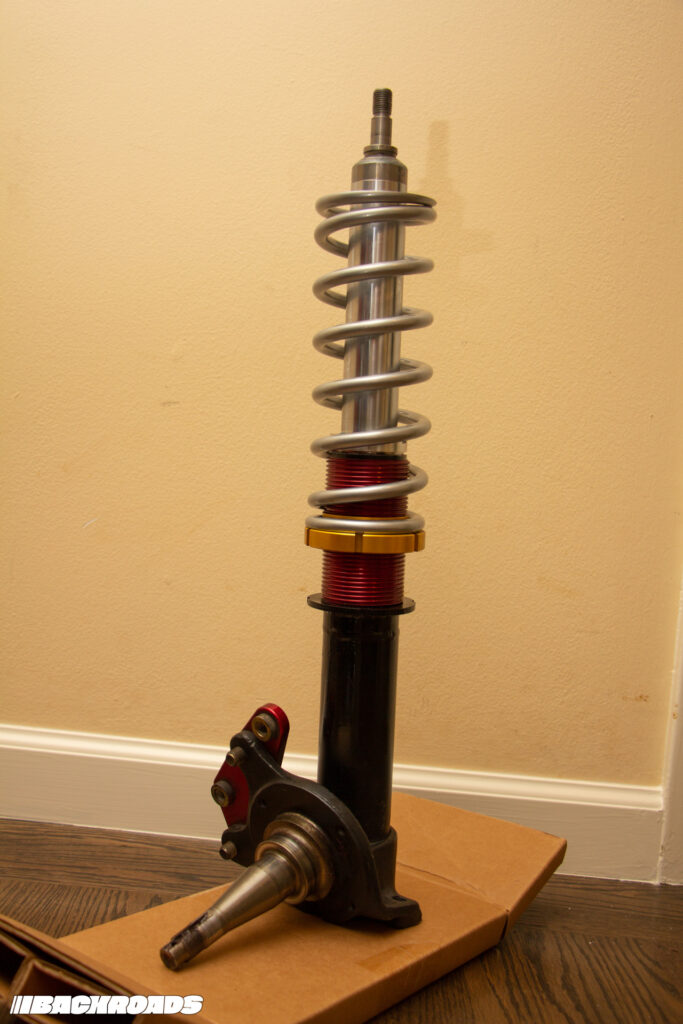
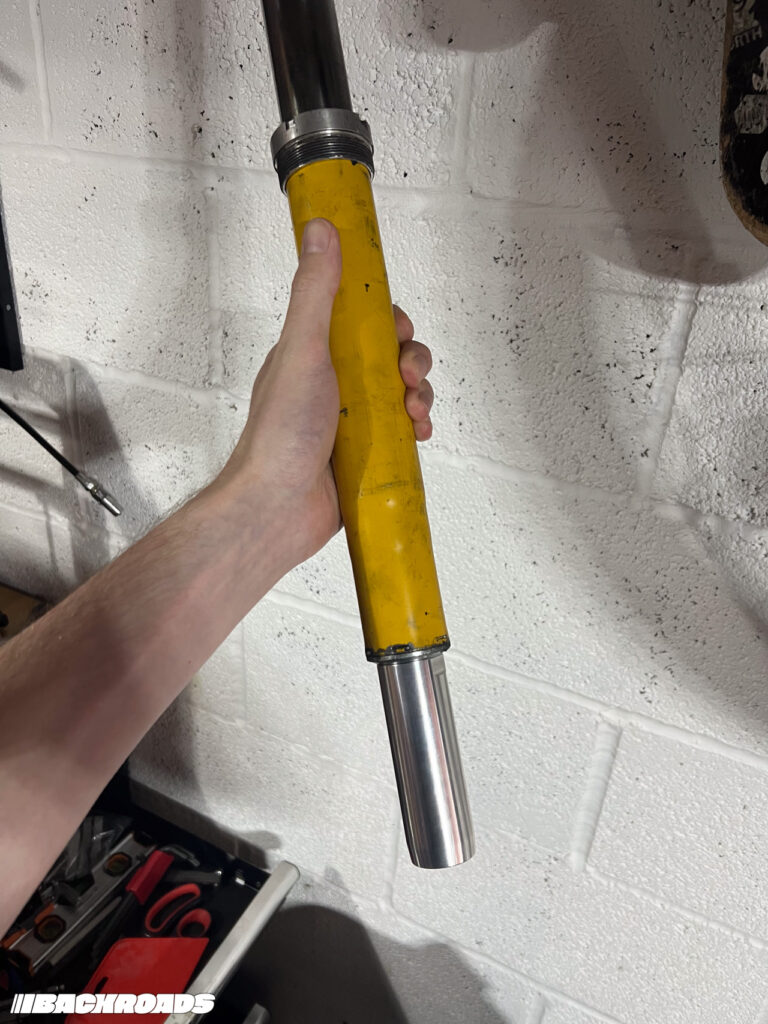
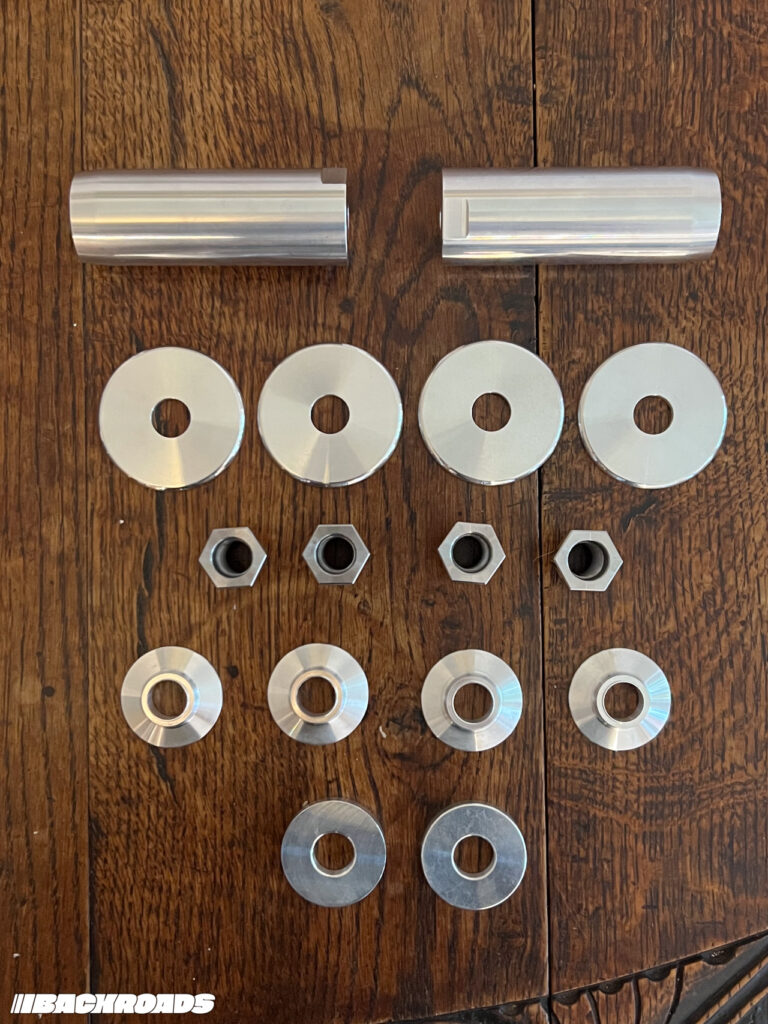
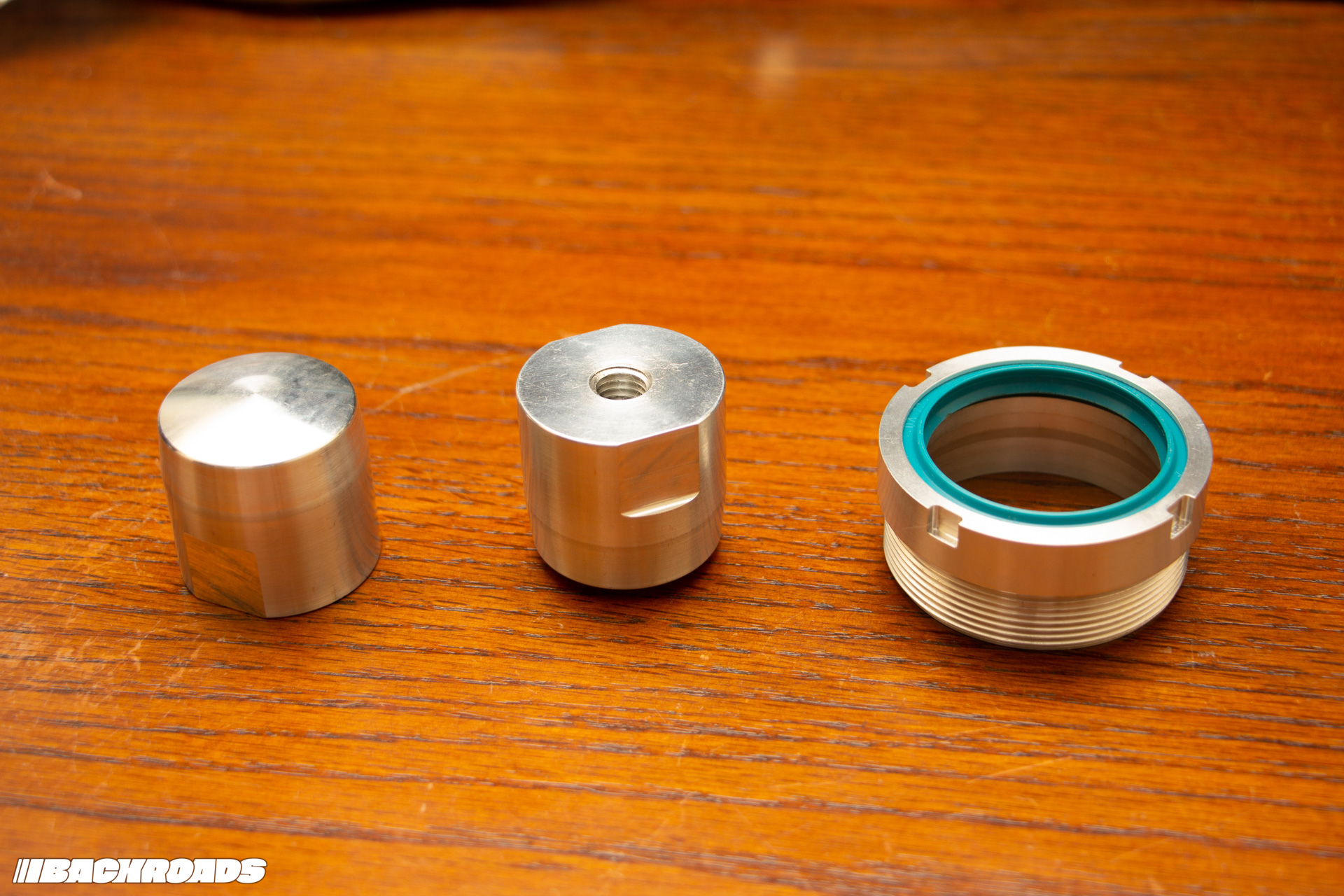
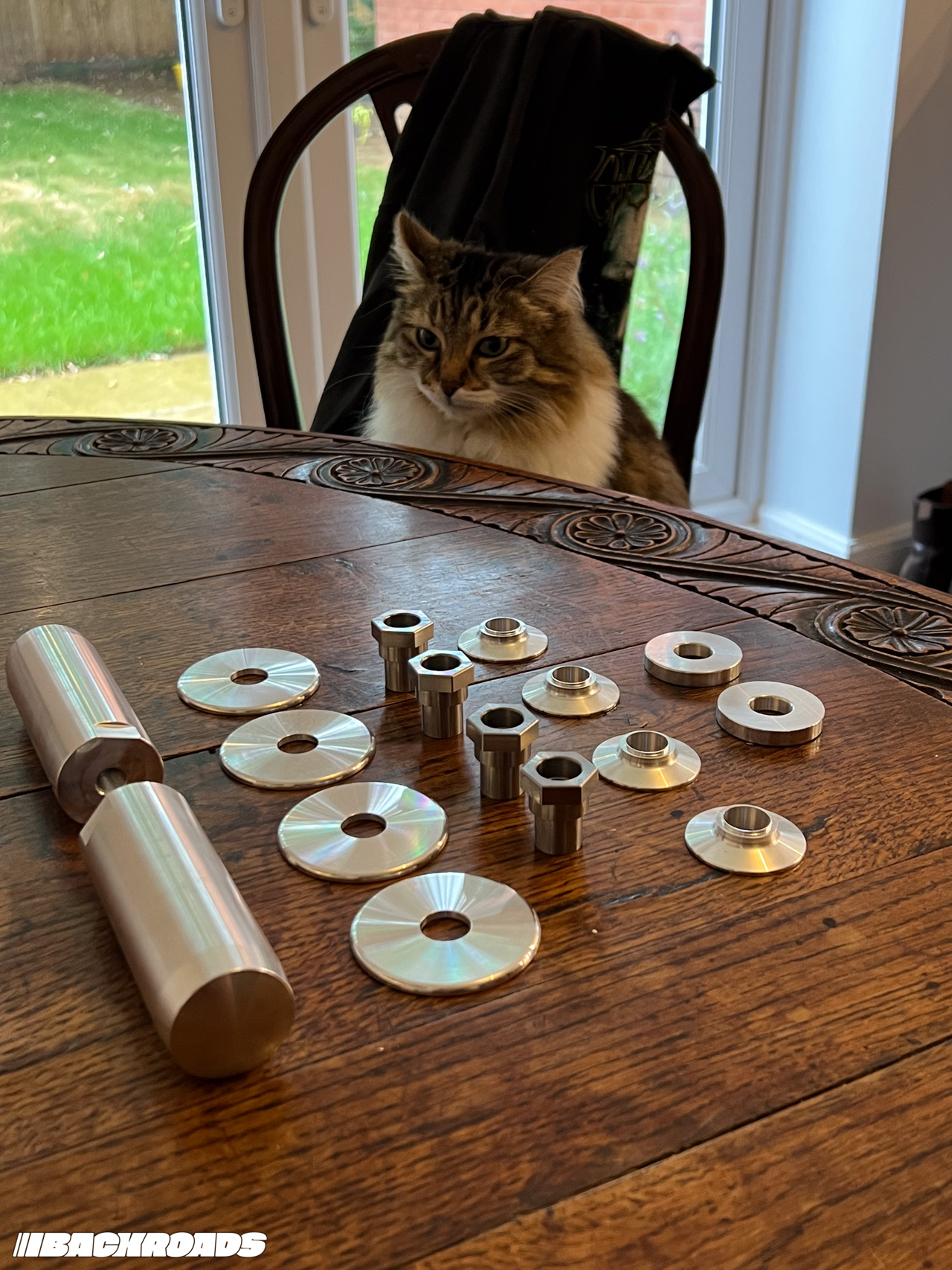
Although there have been several iterations, in my latest version I designed custom billet gland nuts with integrated wiper seals and threaded billet damper spacers.
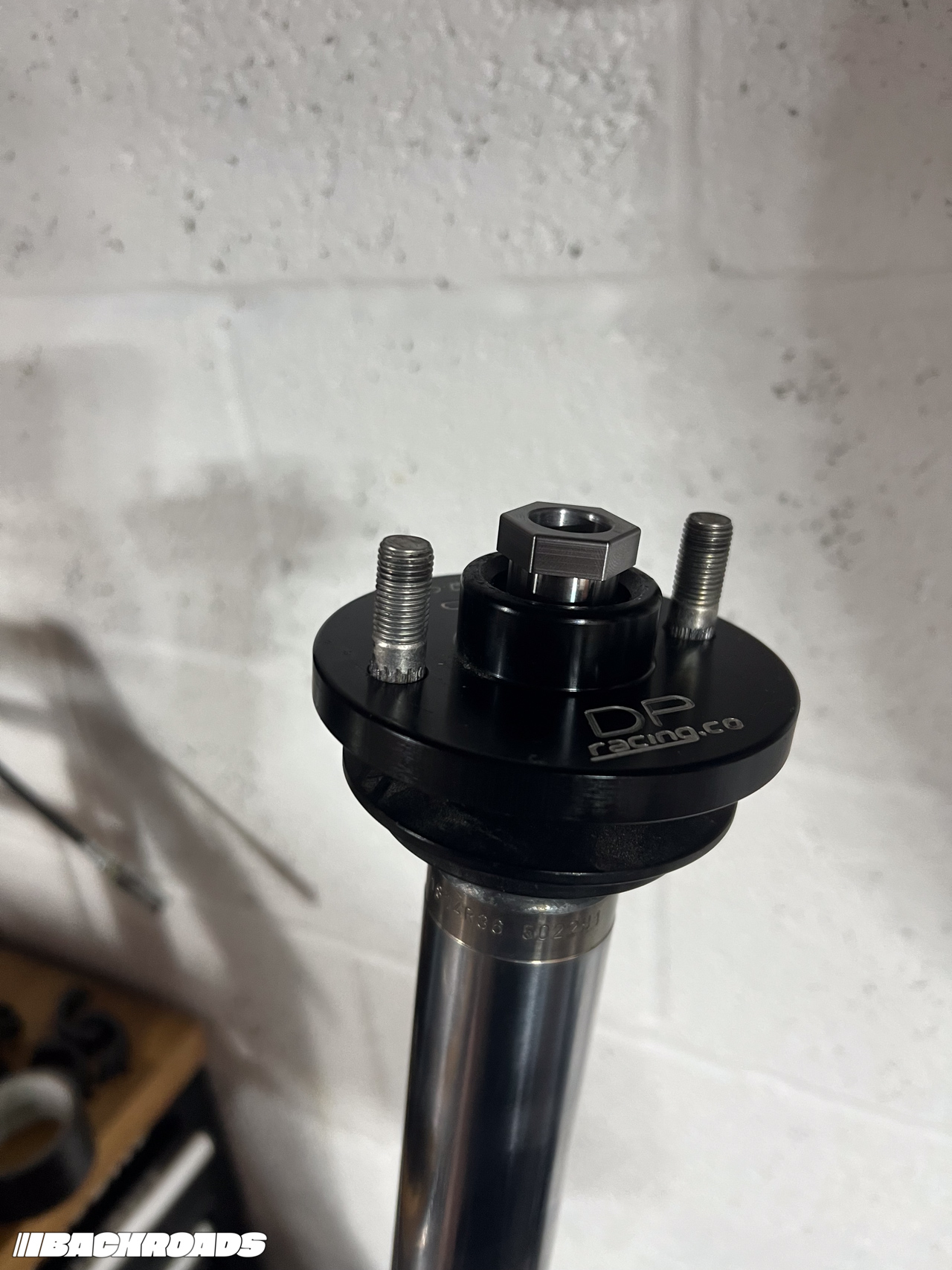
I have also designed new damper sleeve nuts and misalignment spacers so the dampers fit properly into the DP Racing camber plates, to allow for proper articulation of the top mount’s spherical bearing.


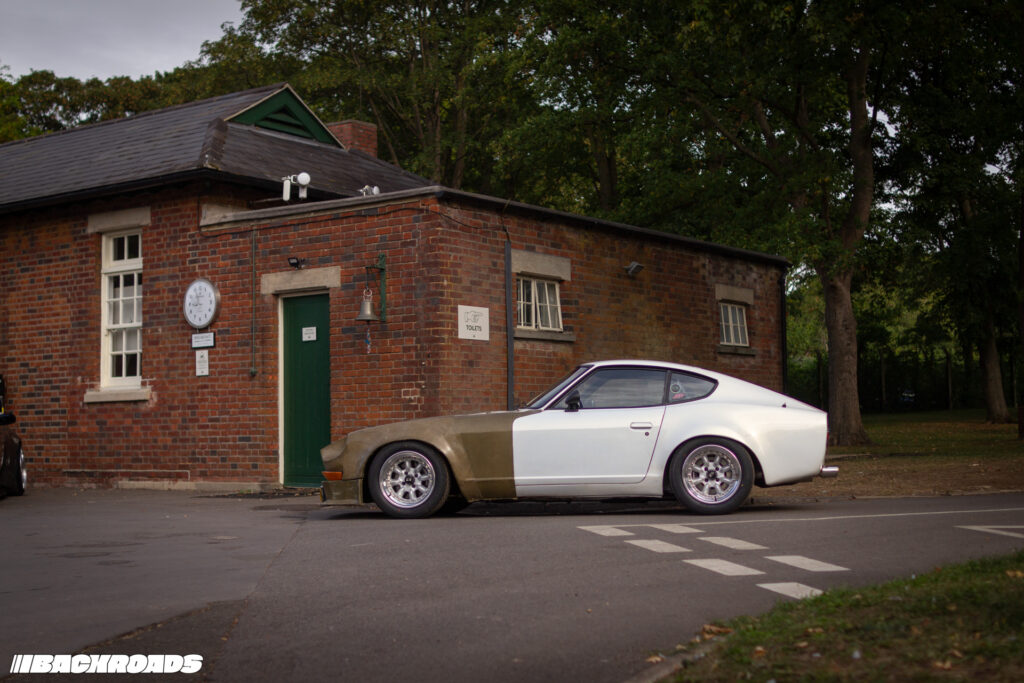
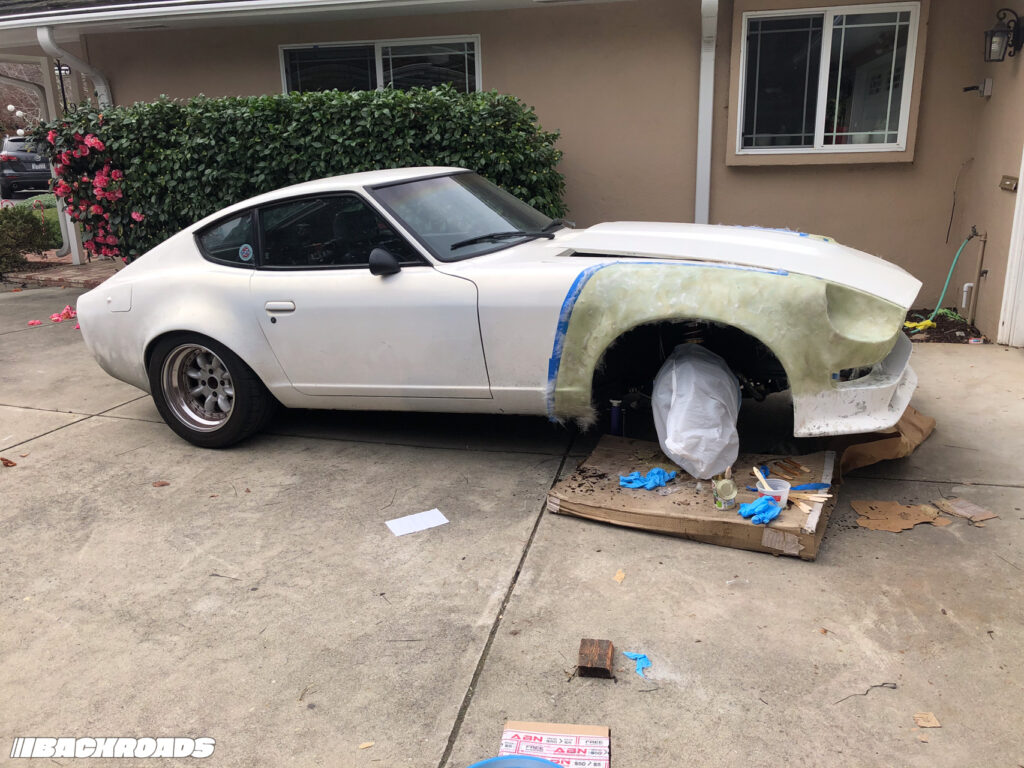
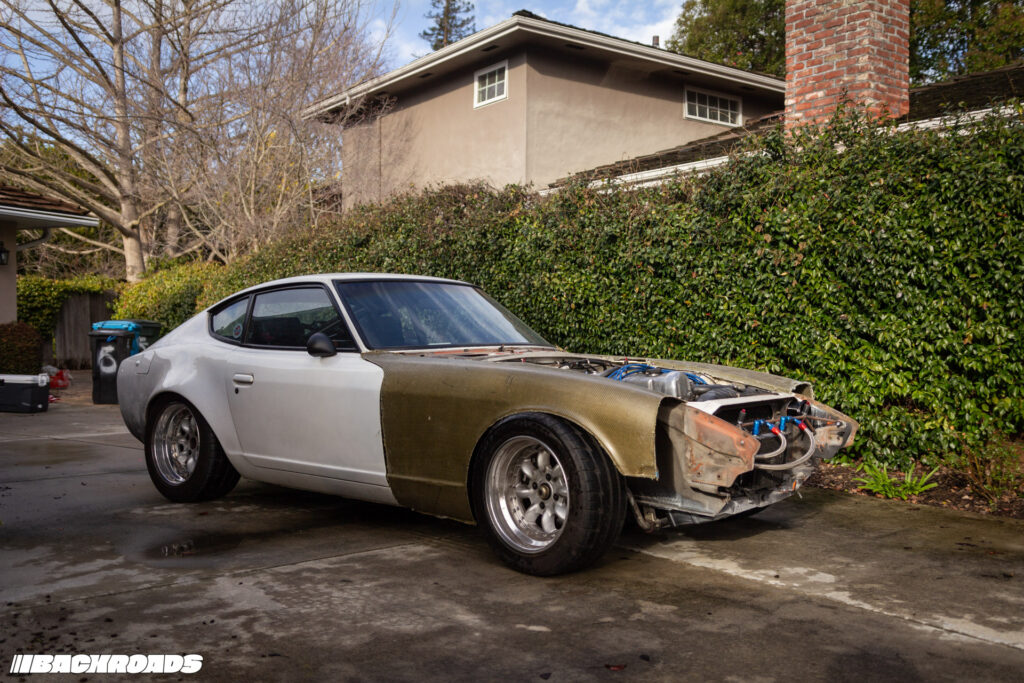
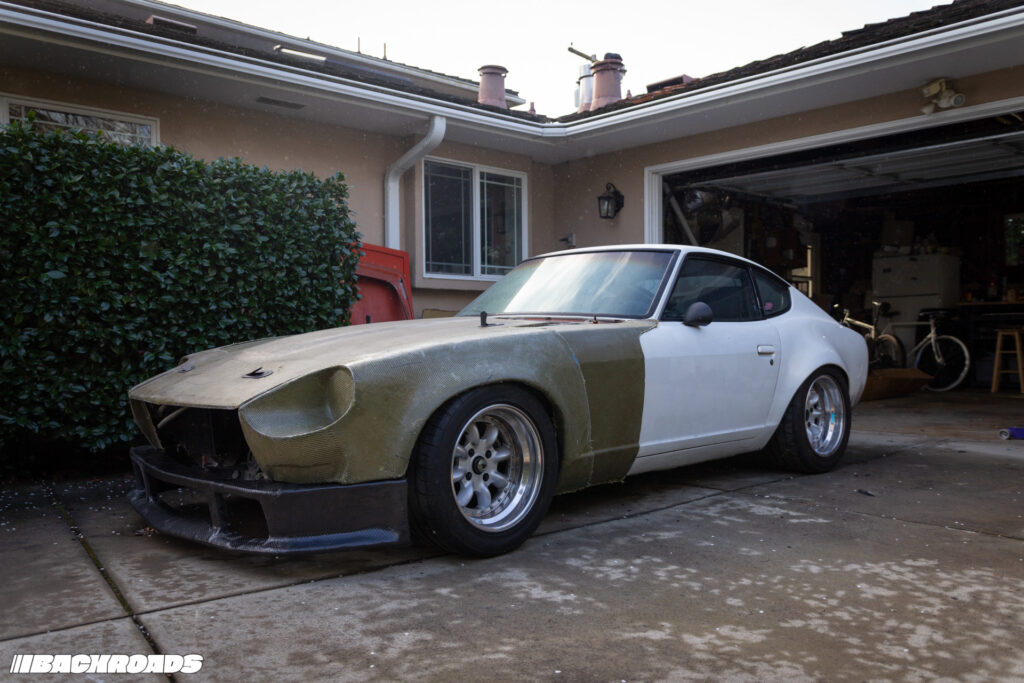
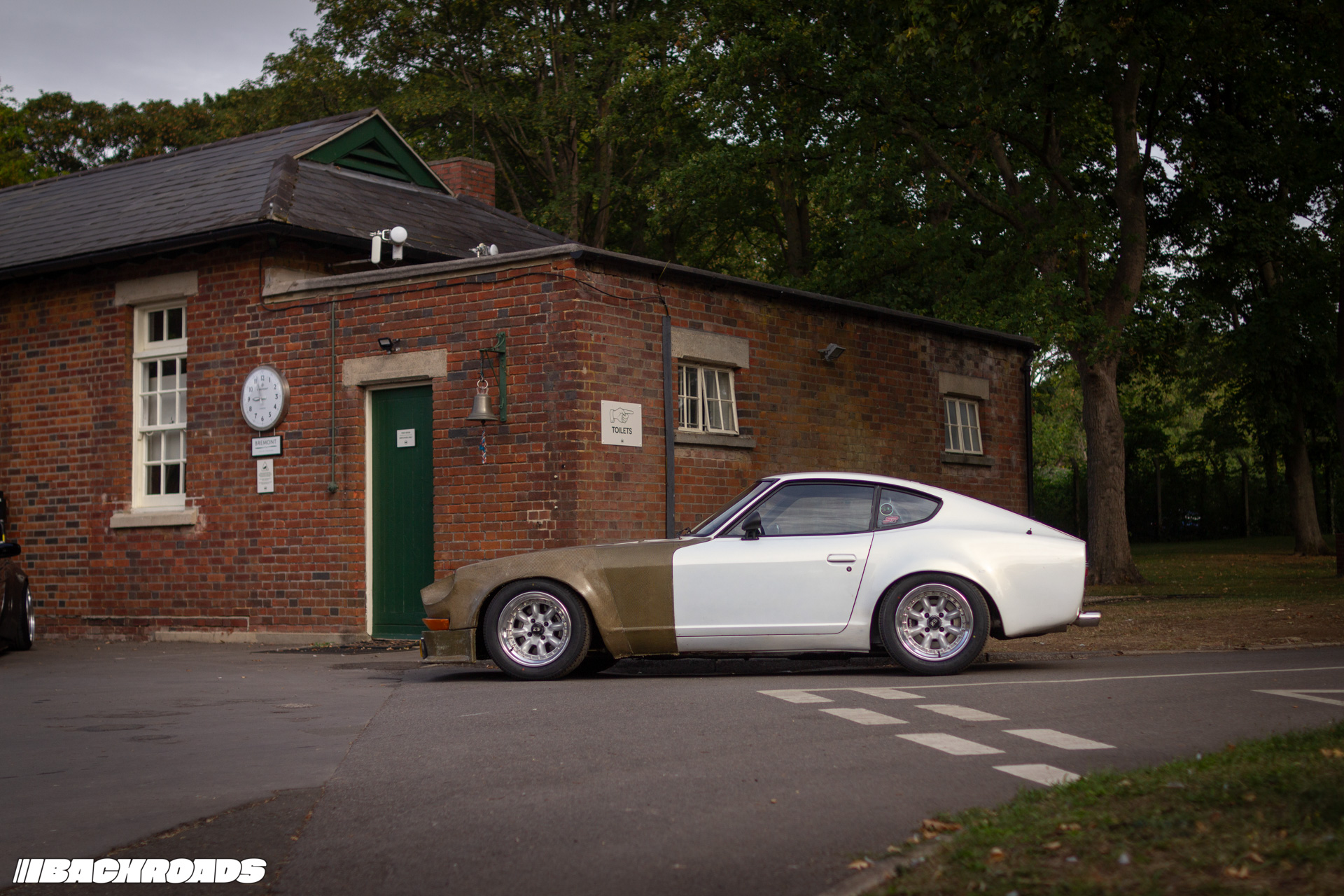
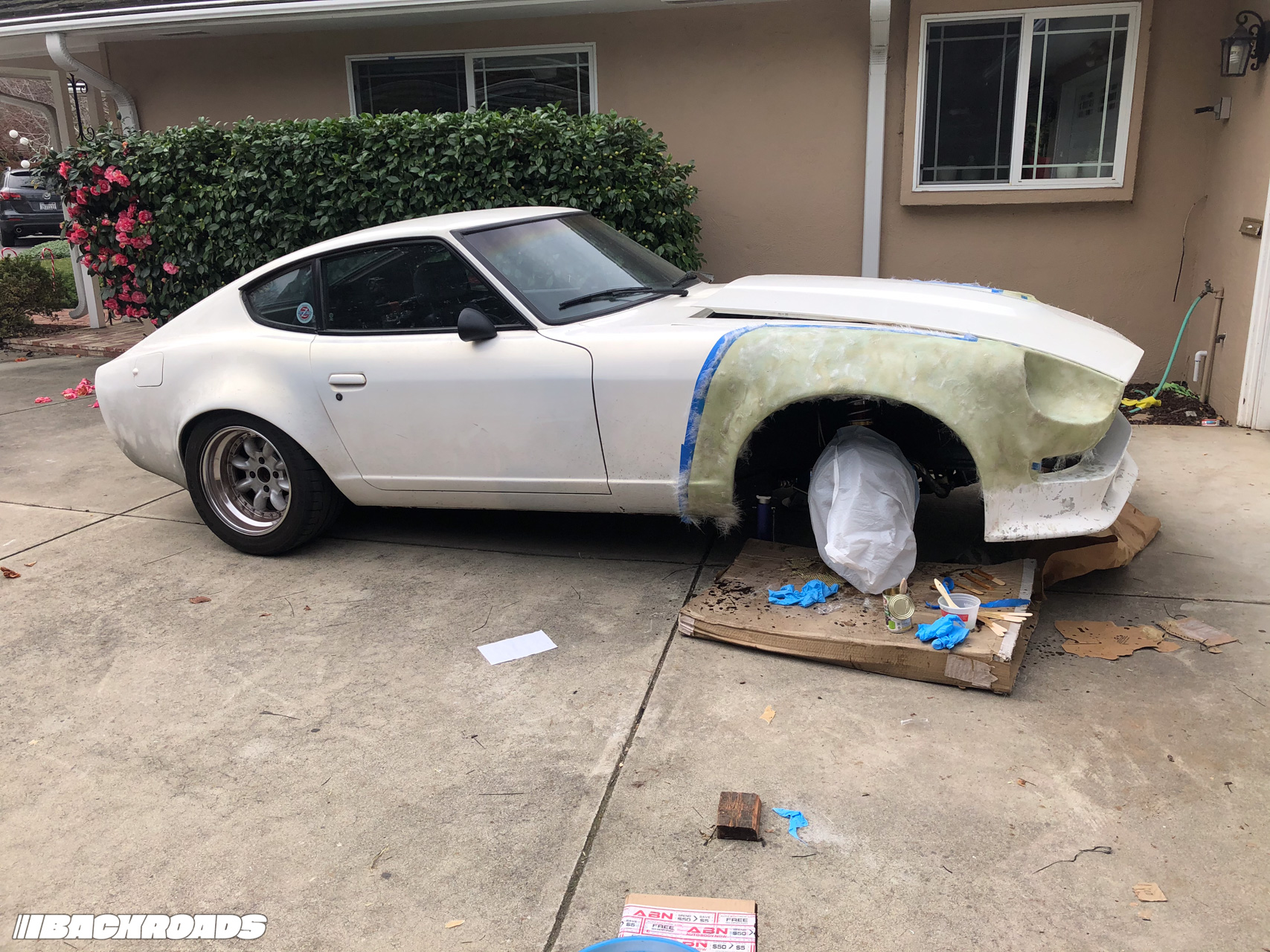
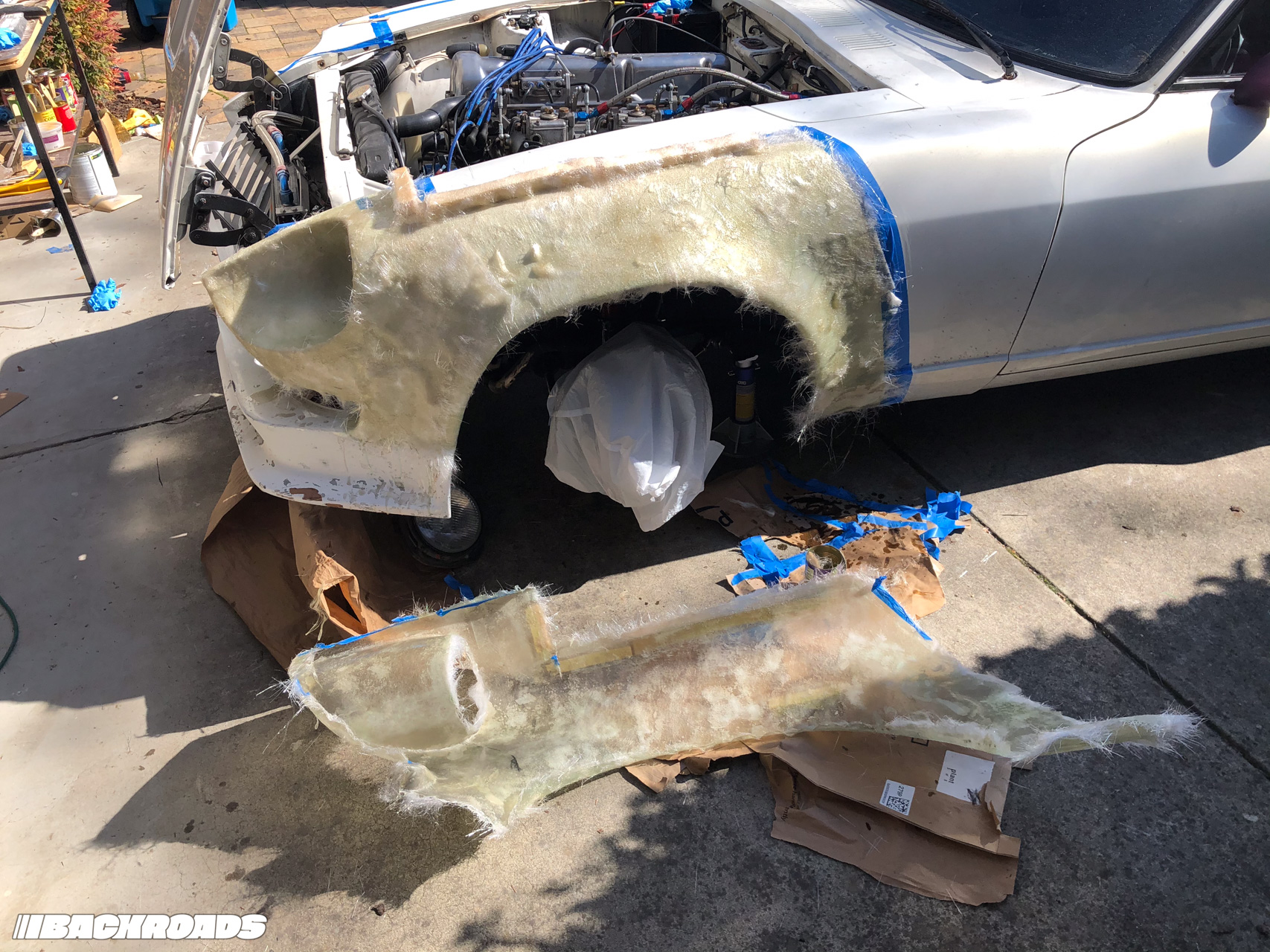
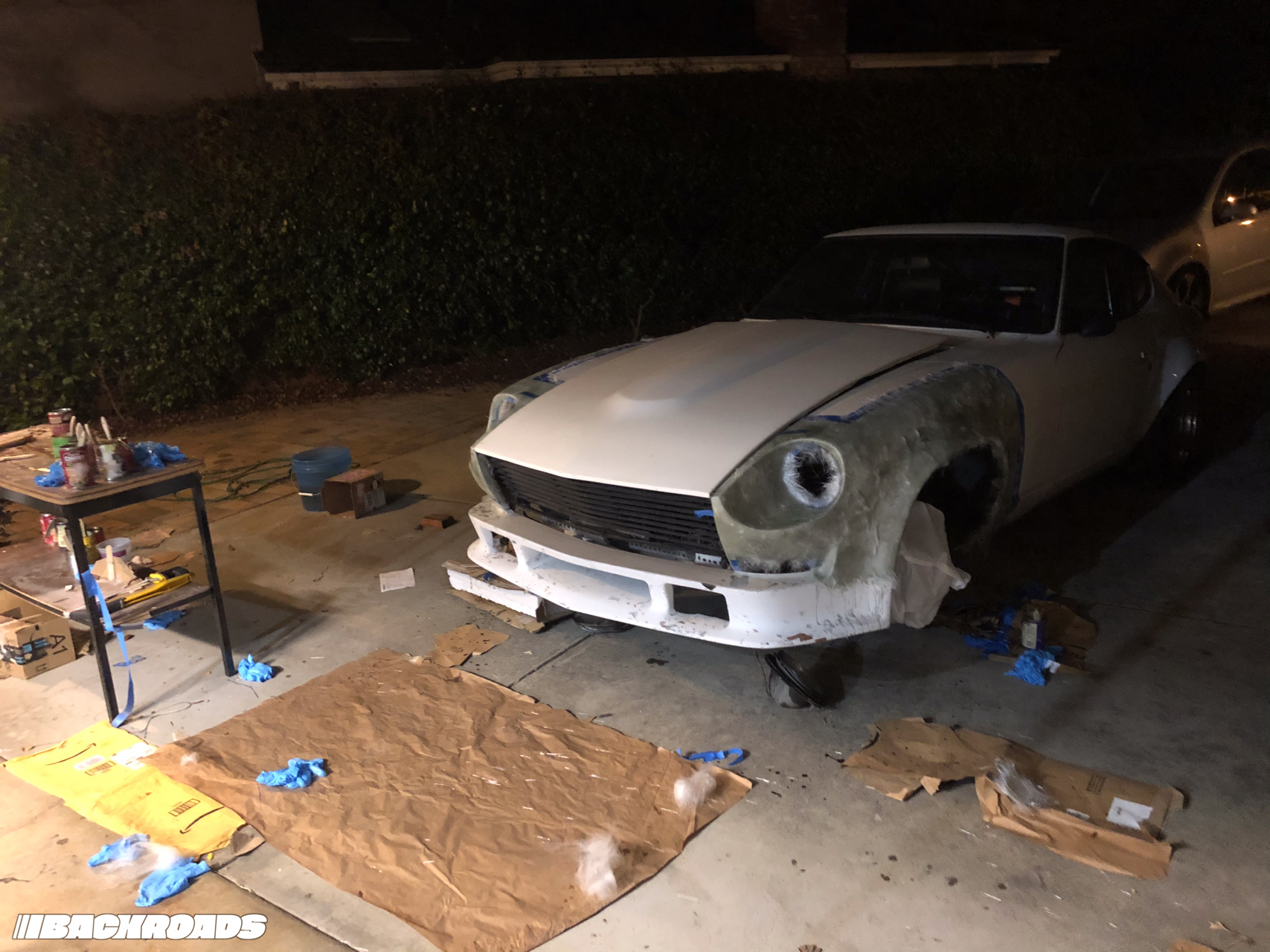
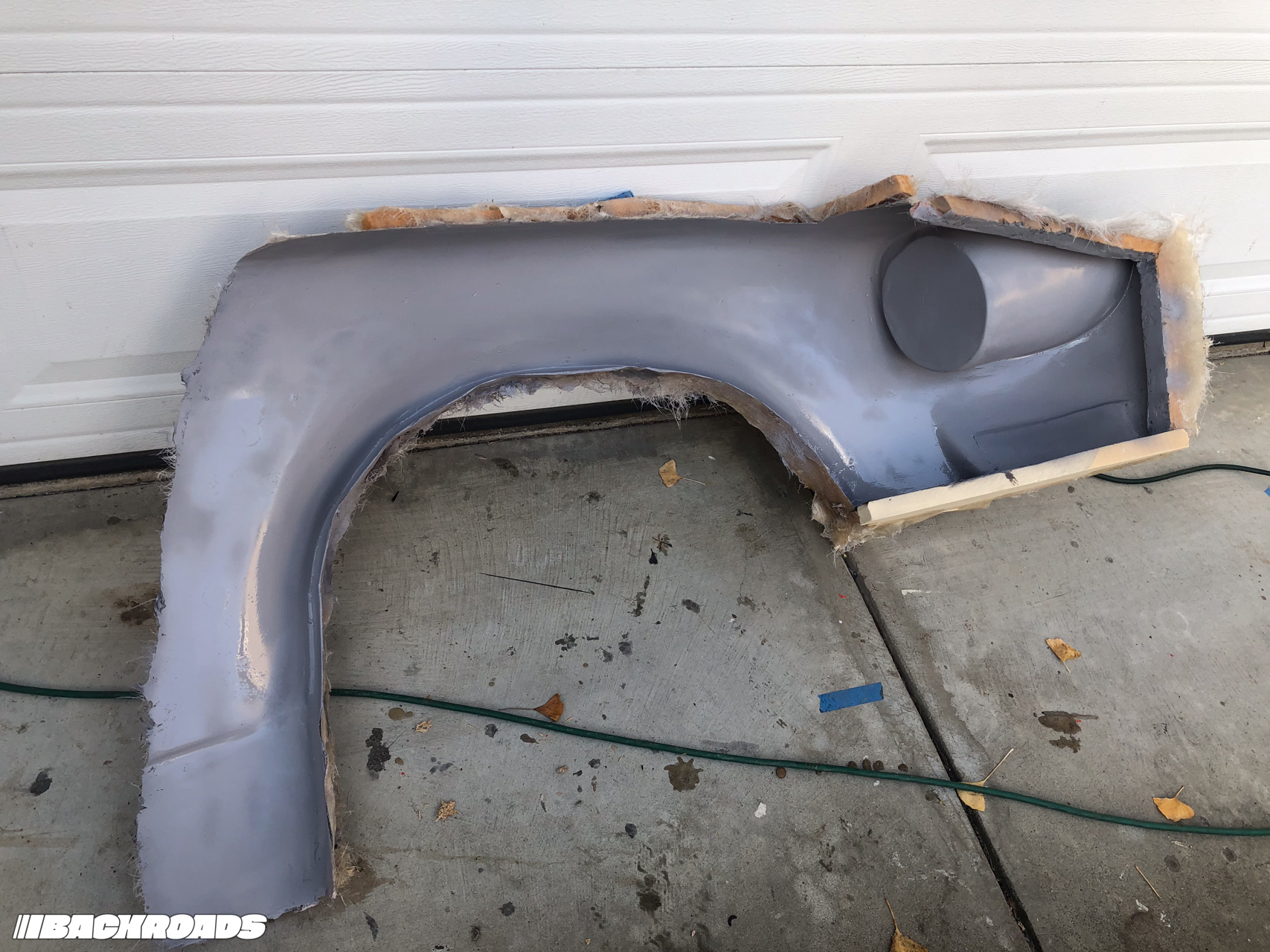
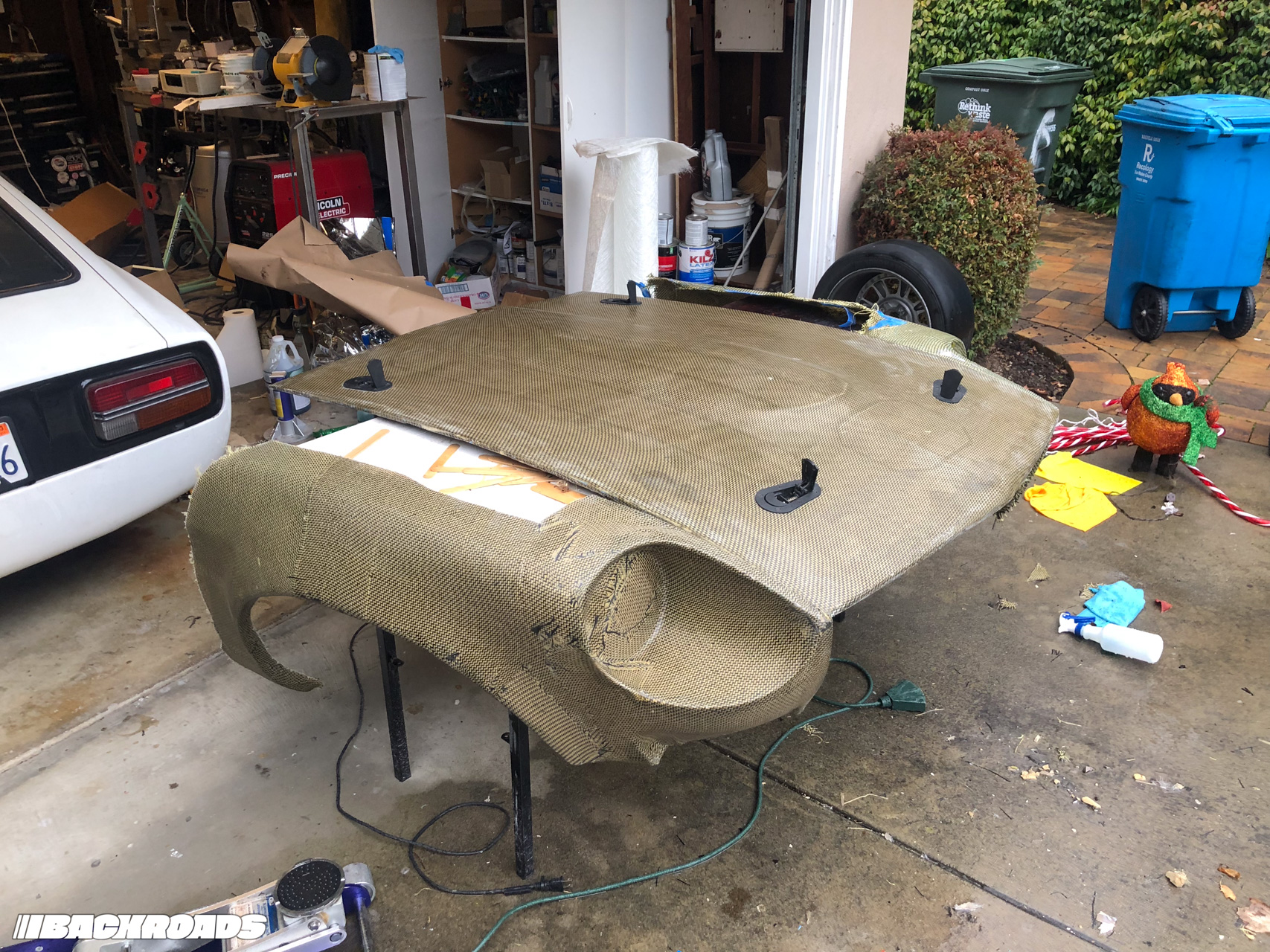
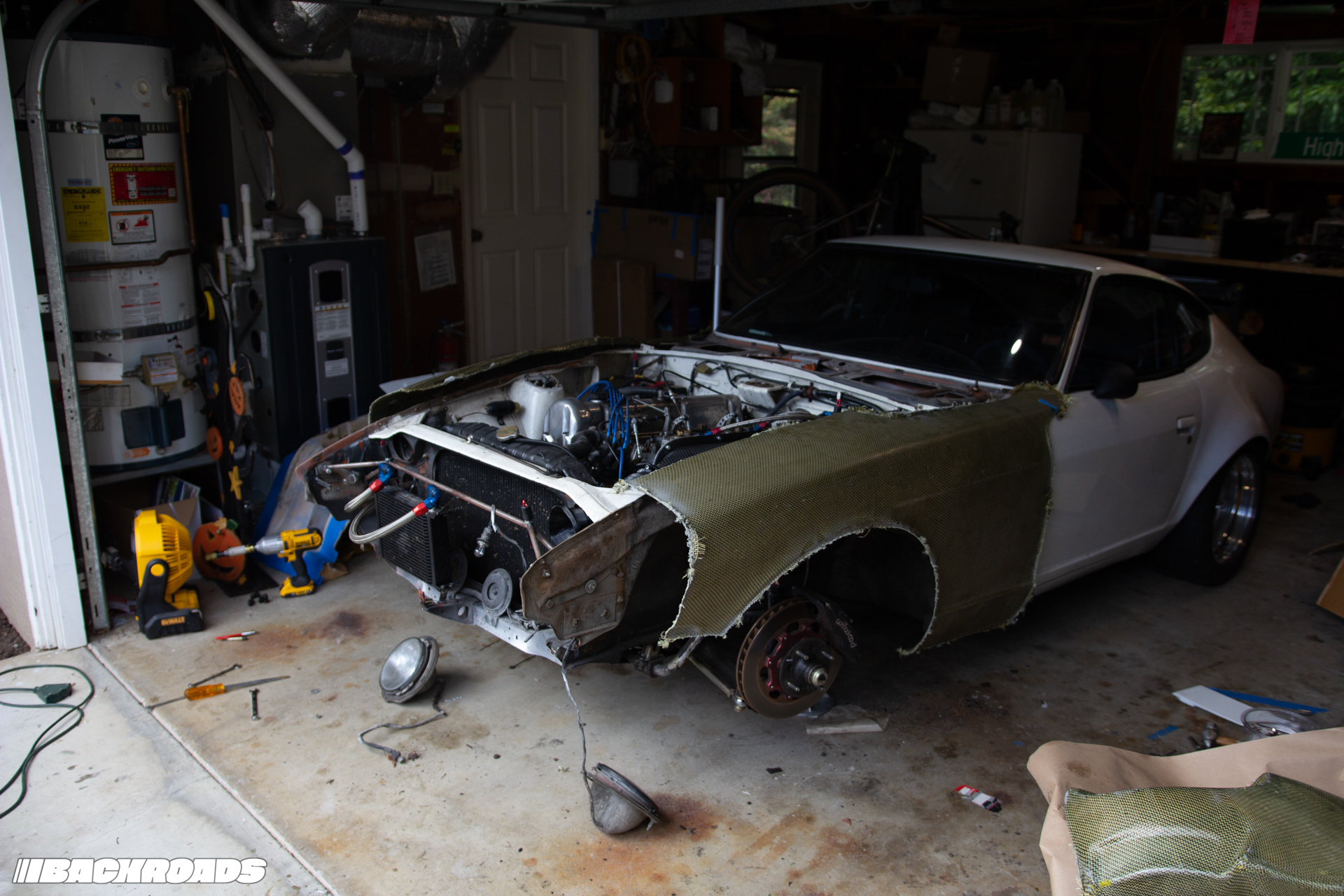
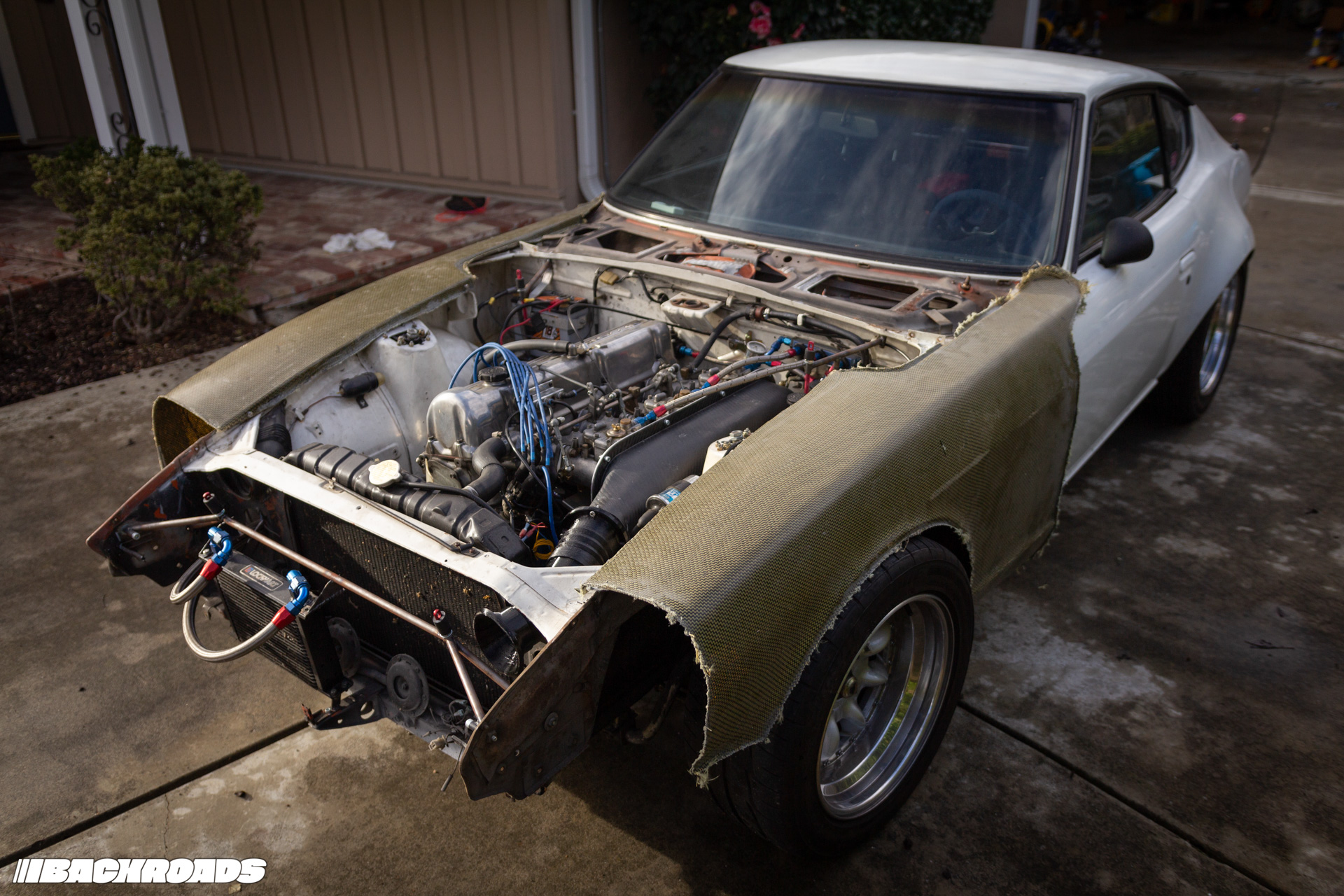
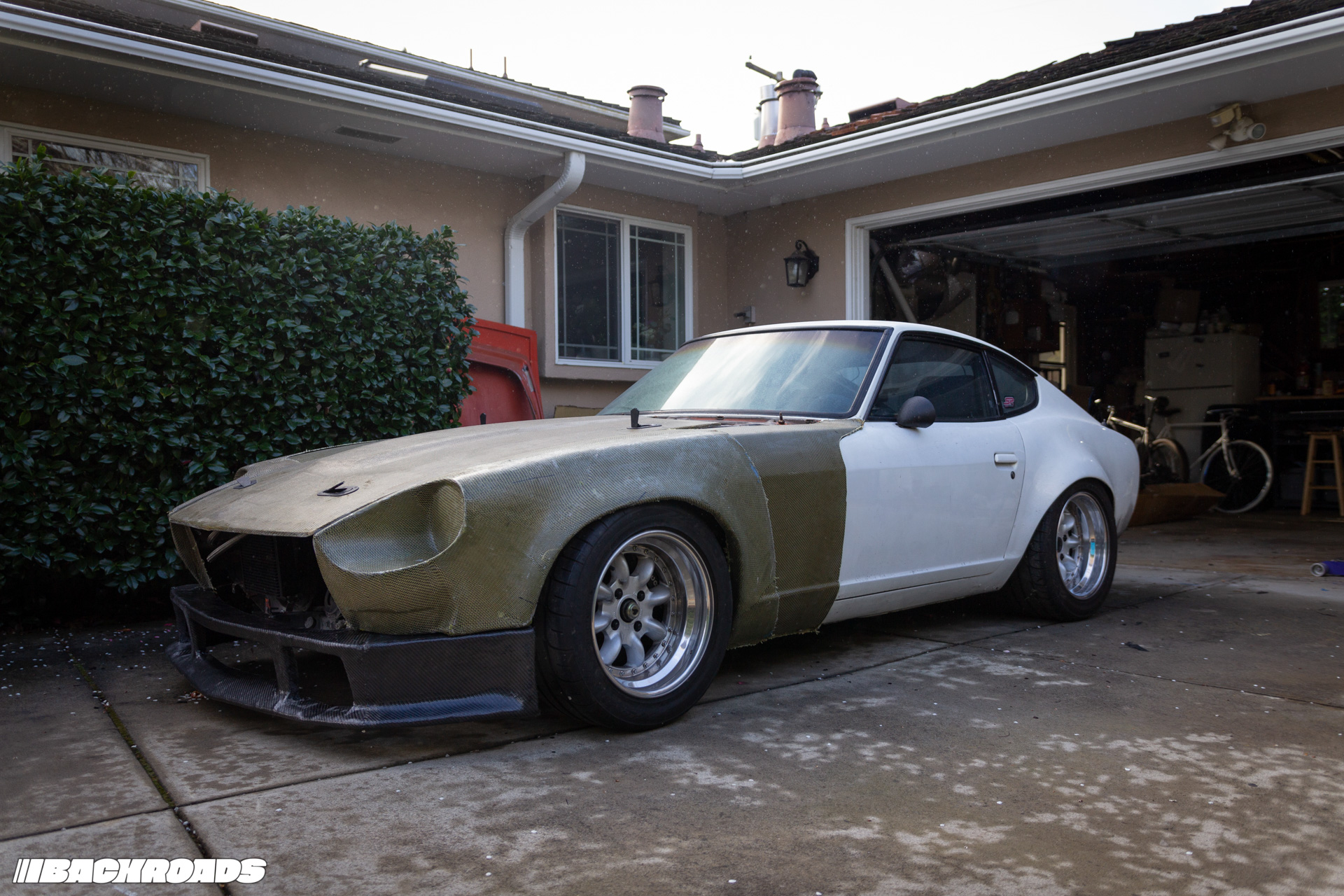
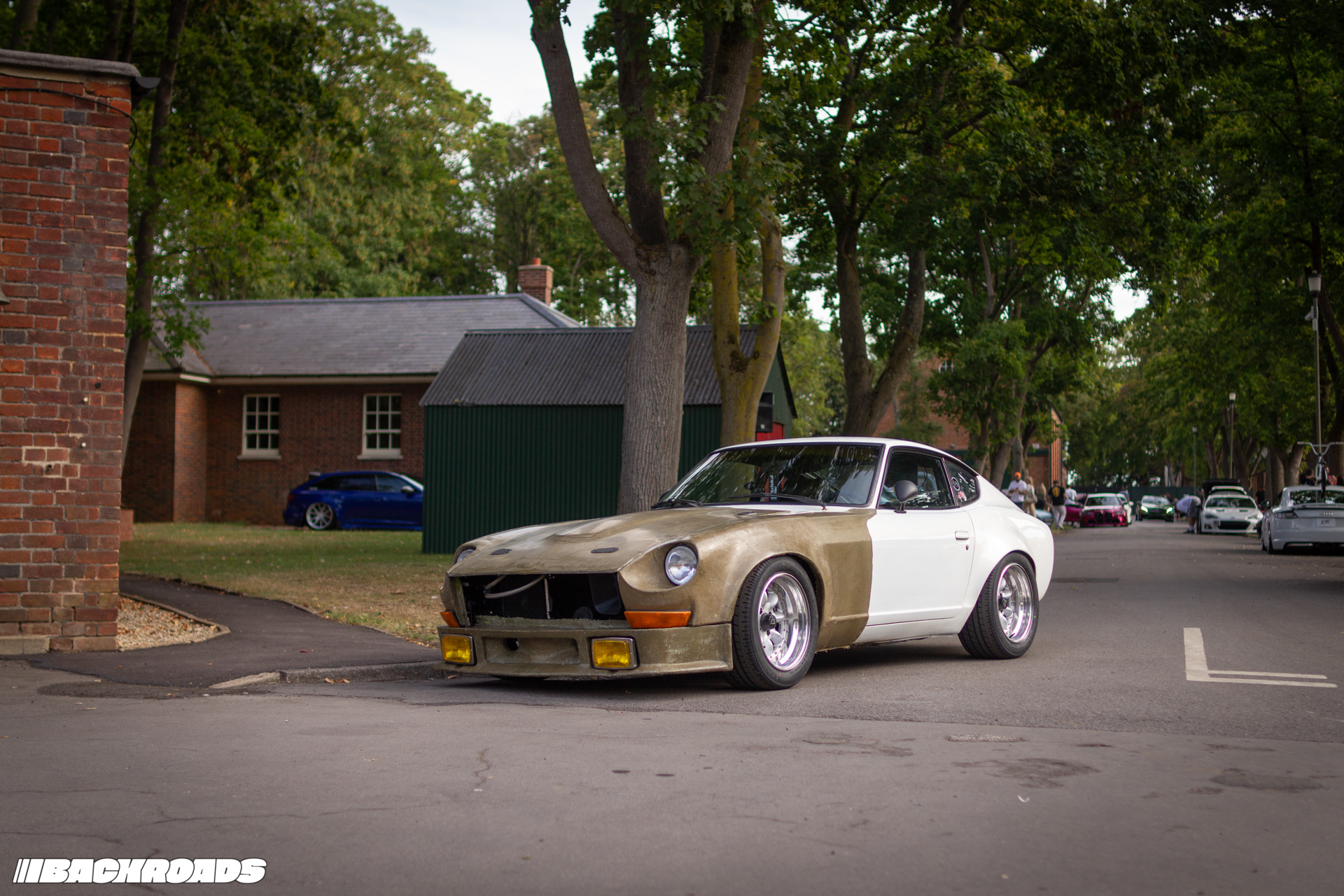
The bodywork is also unique. In the early 90’s it had received front and rear molded flares, with the front having the headlight buckets and Kaminari air dam blended into the fenders. I loved how it looked but it left a lot to be desired as it was made of fiberglass and bodyfiller.
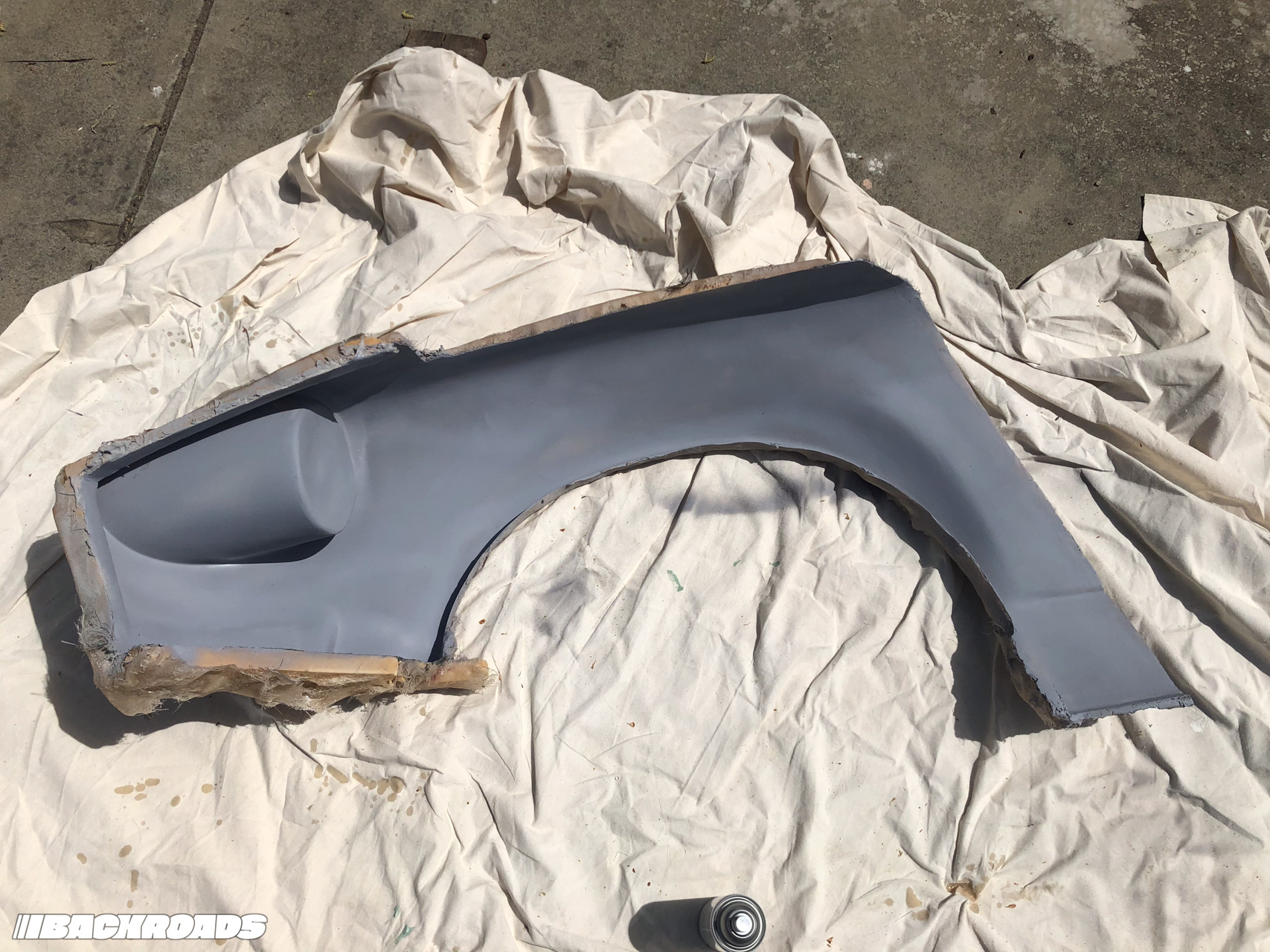
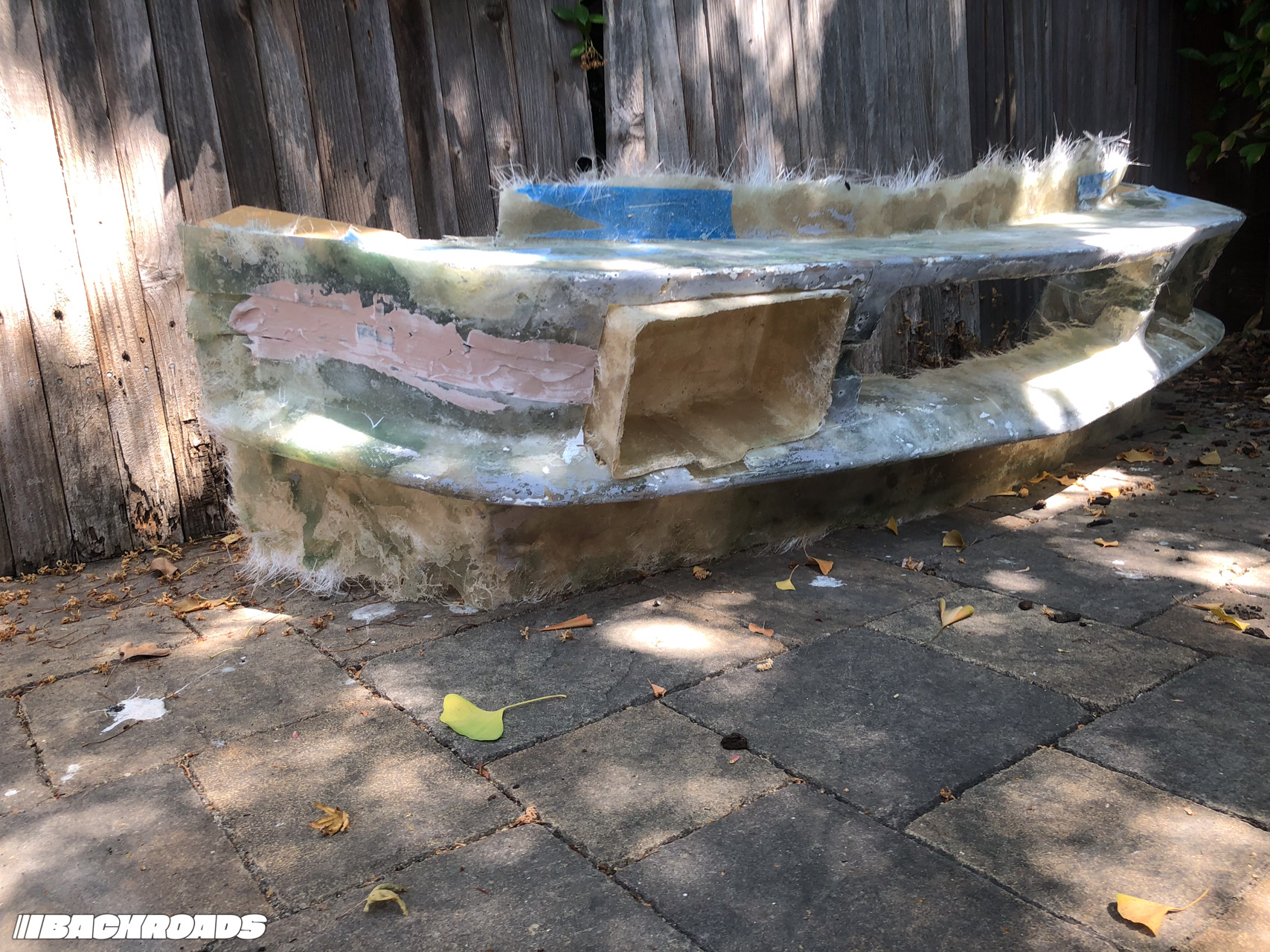
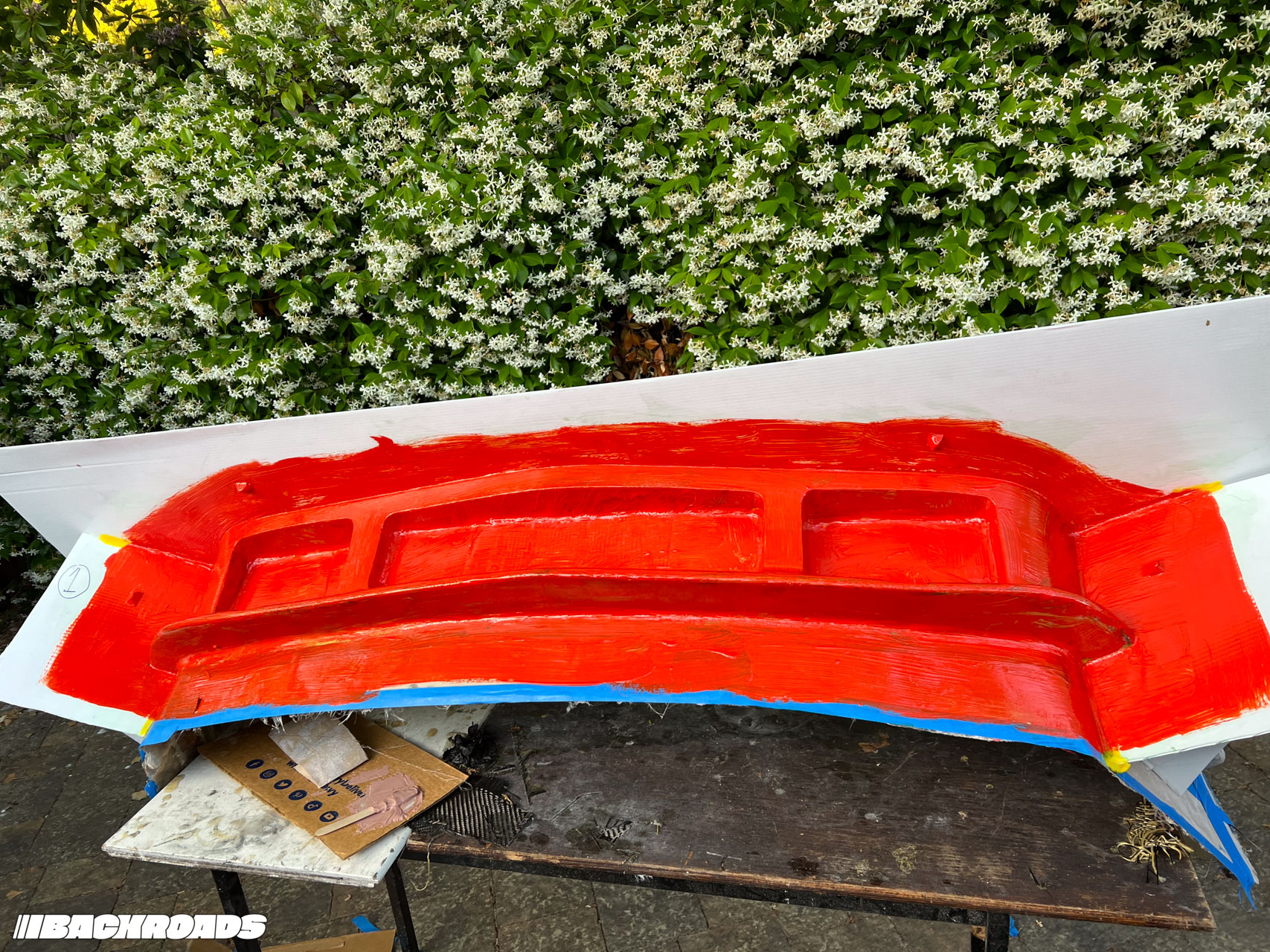
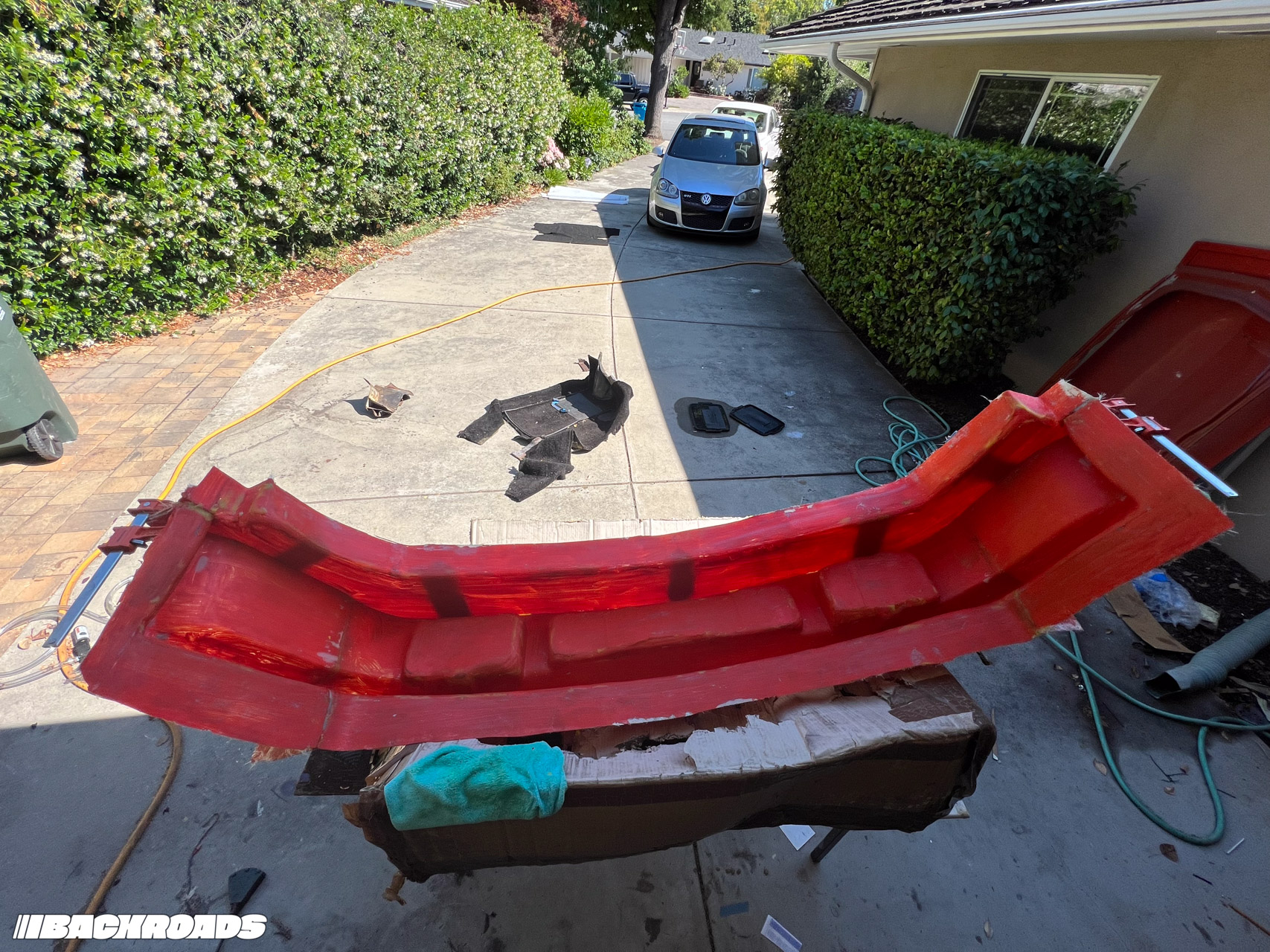
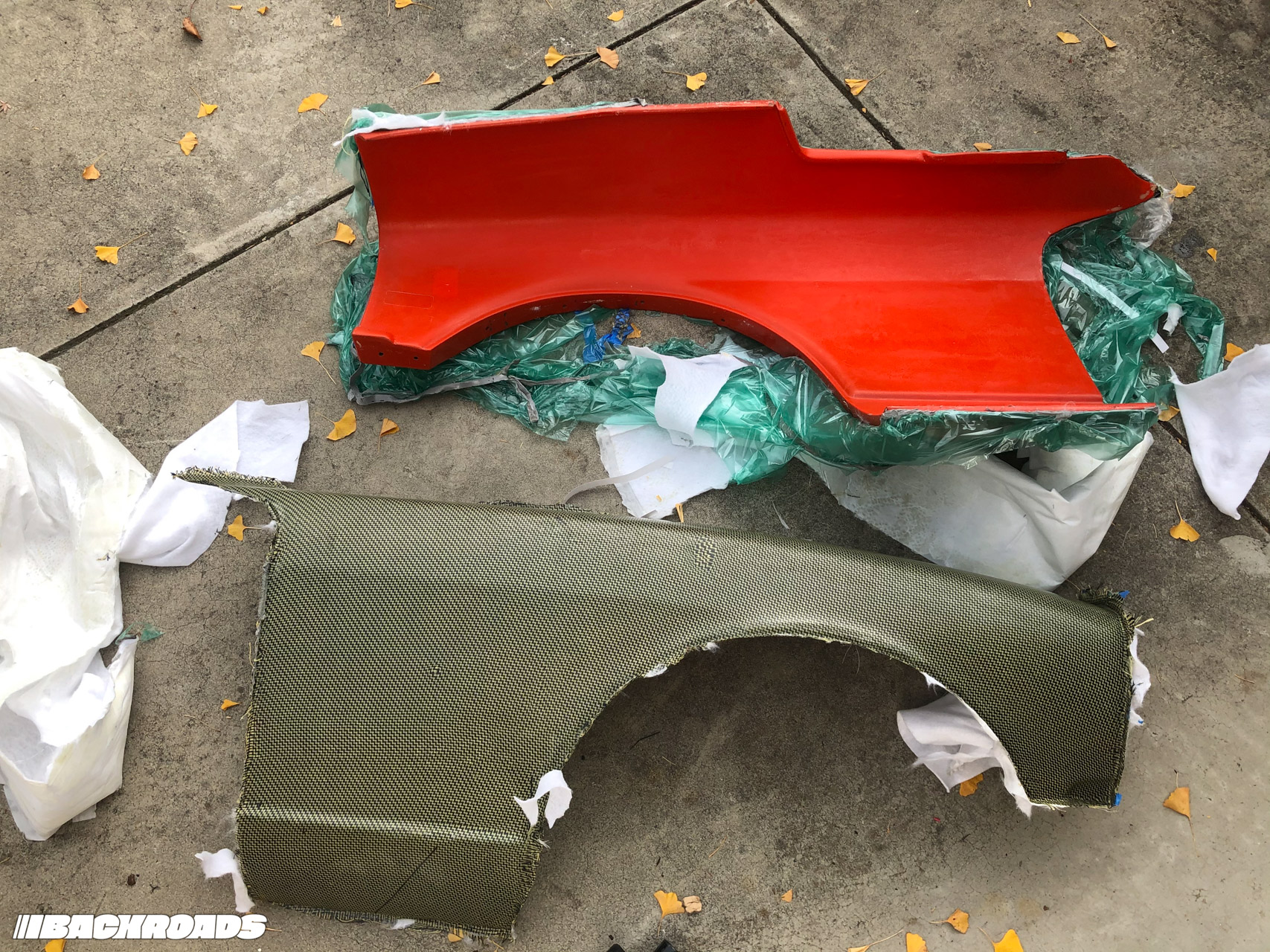
After repairing the cracked sections, I pulled fiberglass molds from the bodywork.
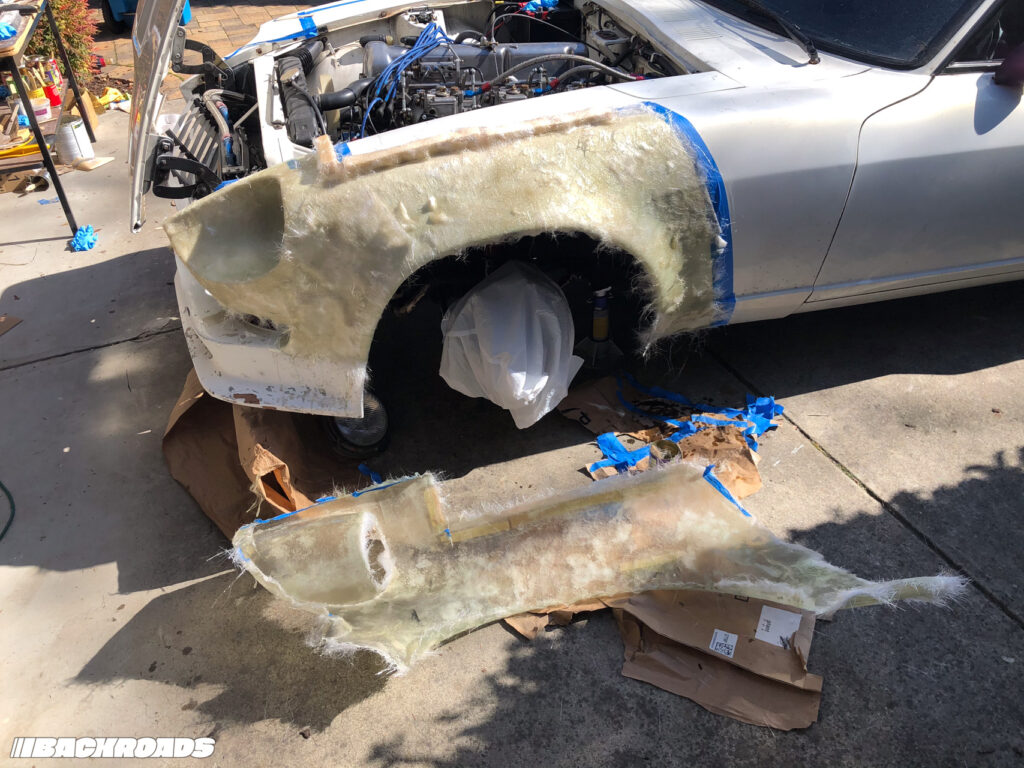
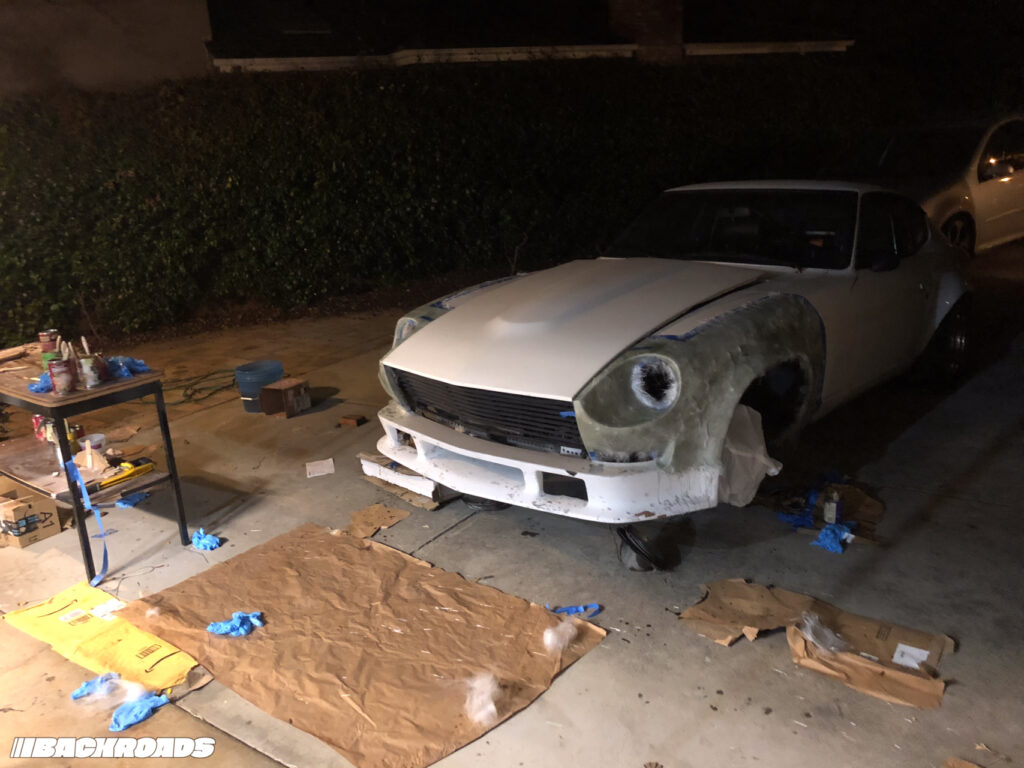


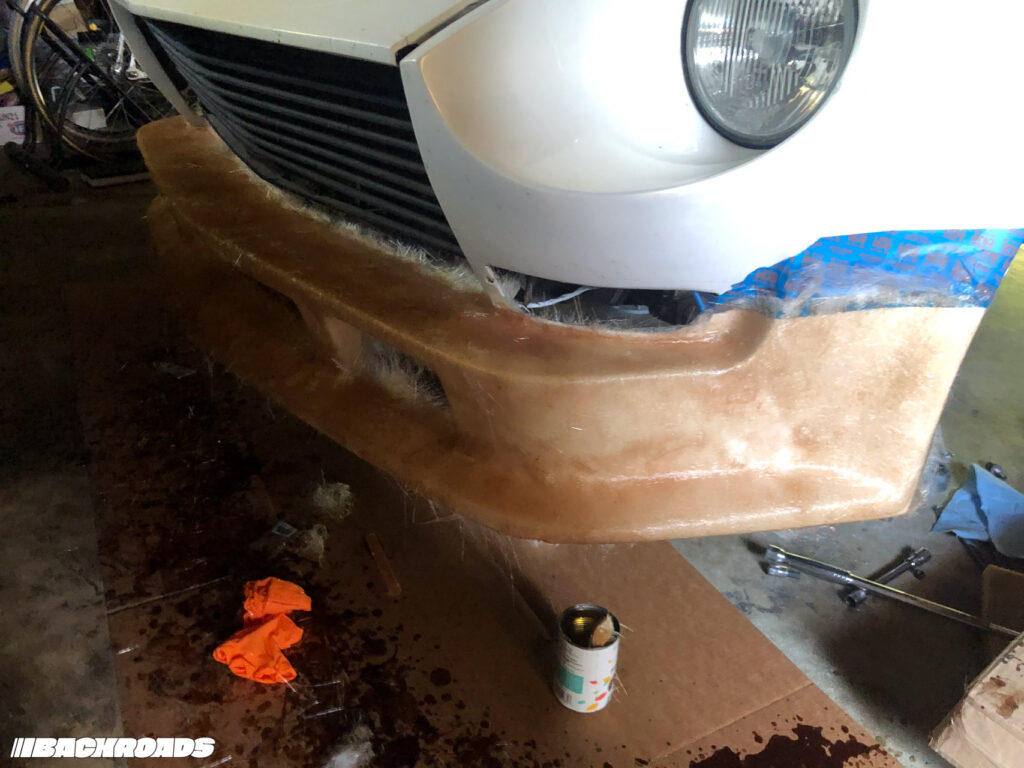
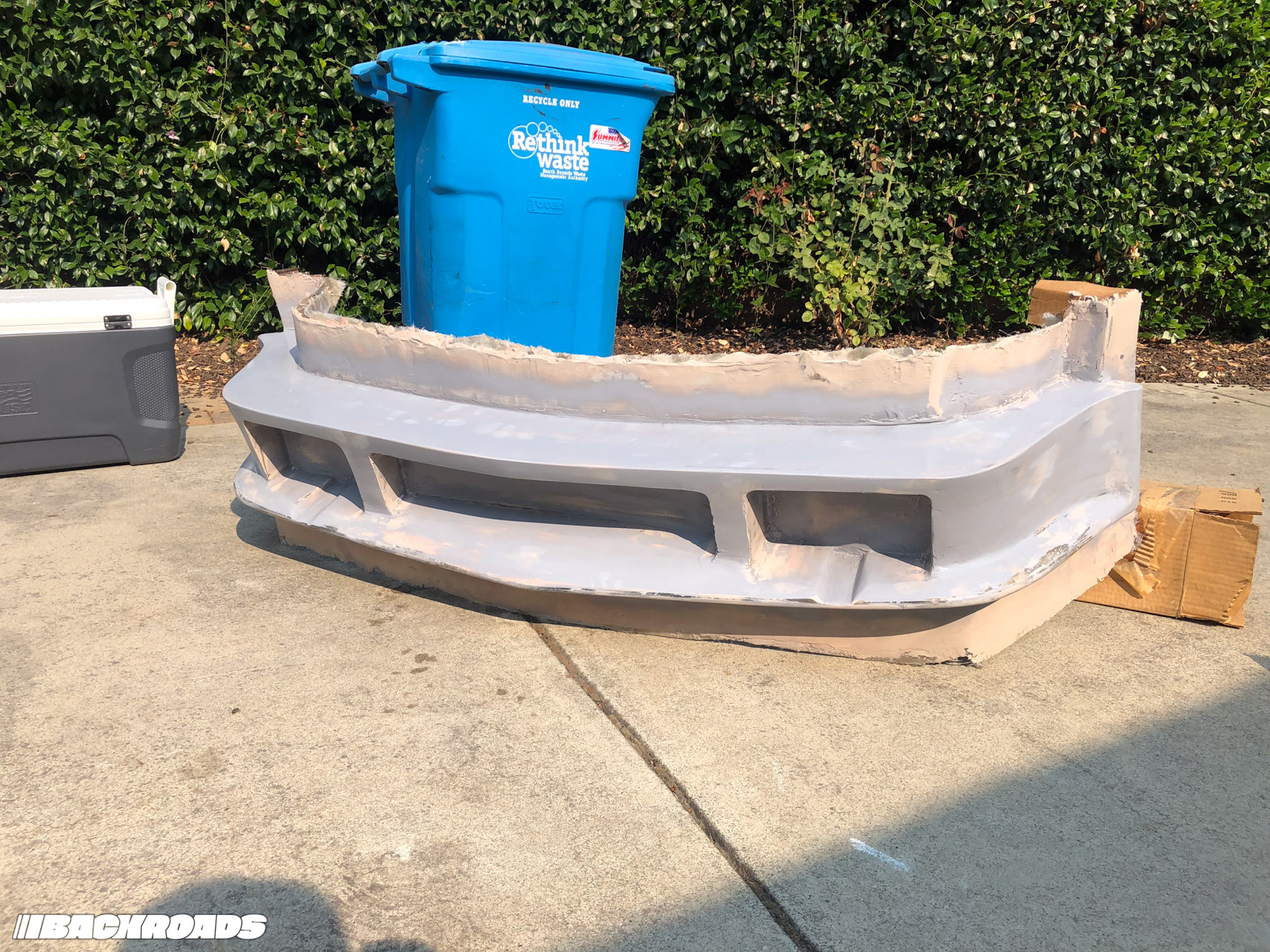
The air dam was very tricky; I ended up using the first mold to create a plug, then completely re-shaped it by hand to extend it vertically and accommodate my Cibie spot lights.


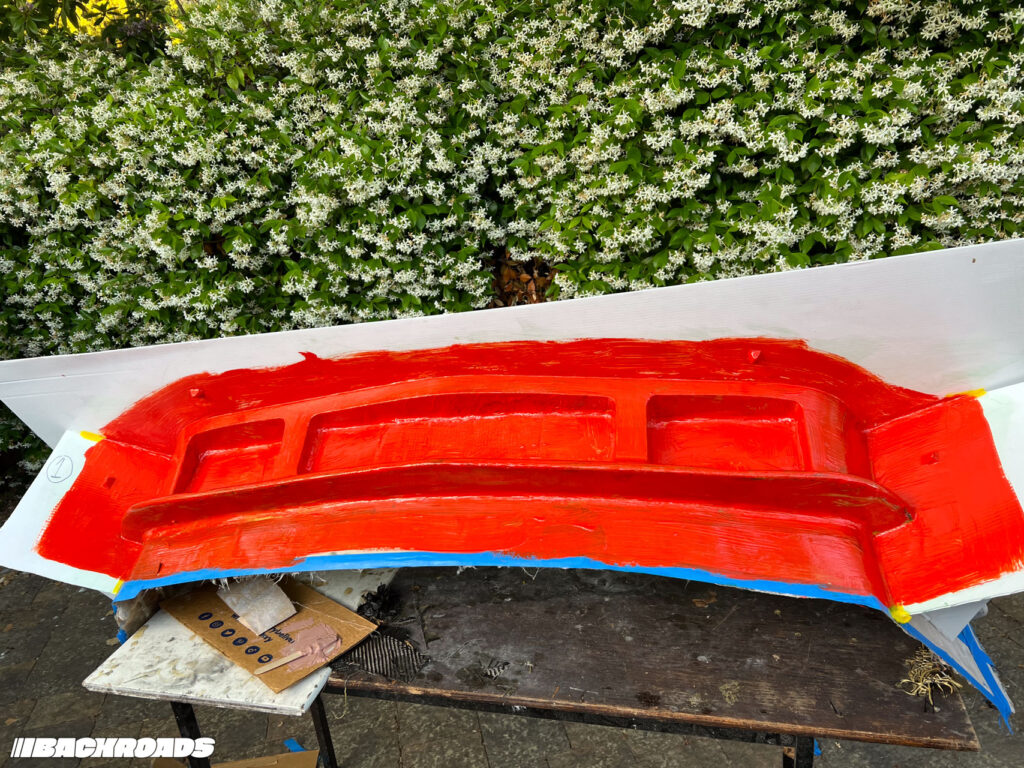

It took a lot of time and effort but I made each part at home in my garage out of Carbon-Kevlar, all of them vacuum-bagged ‘dry carbon’ style. I could tell you that I chose Carbon-Kevlar because of its toughness and abrasion-resistance, or that it is (marginally) lighter than just carbon, but really I chose it because it’s so cool.

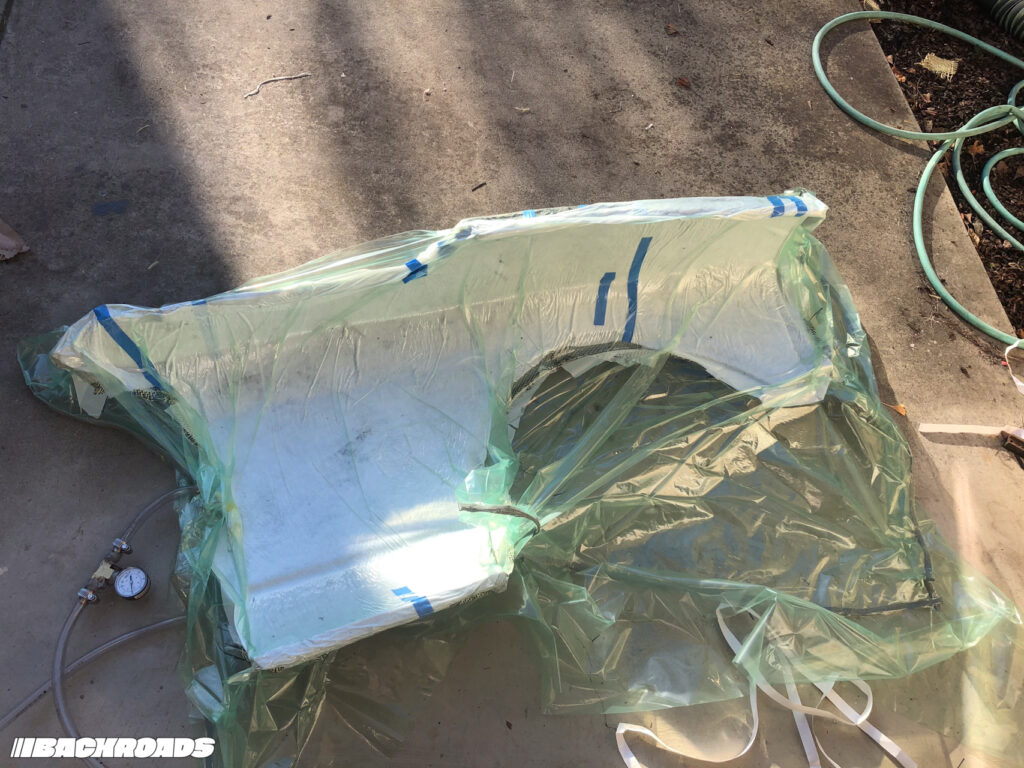
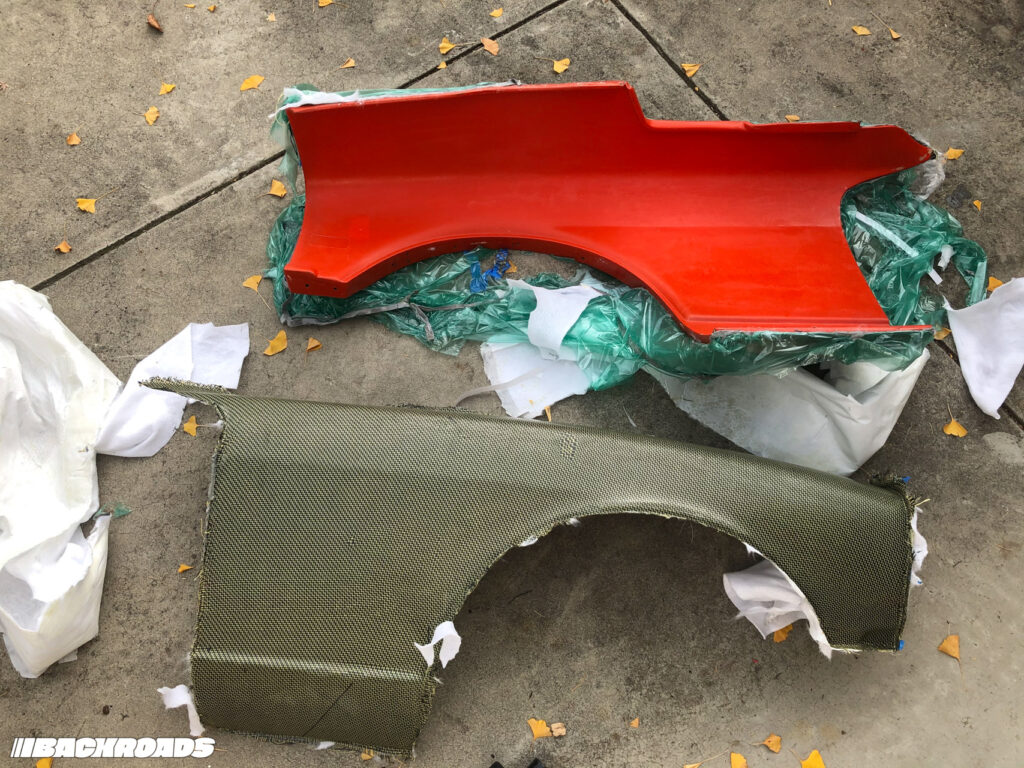

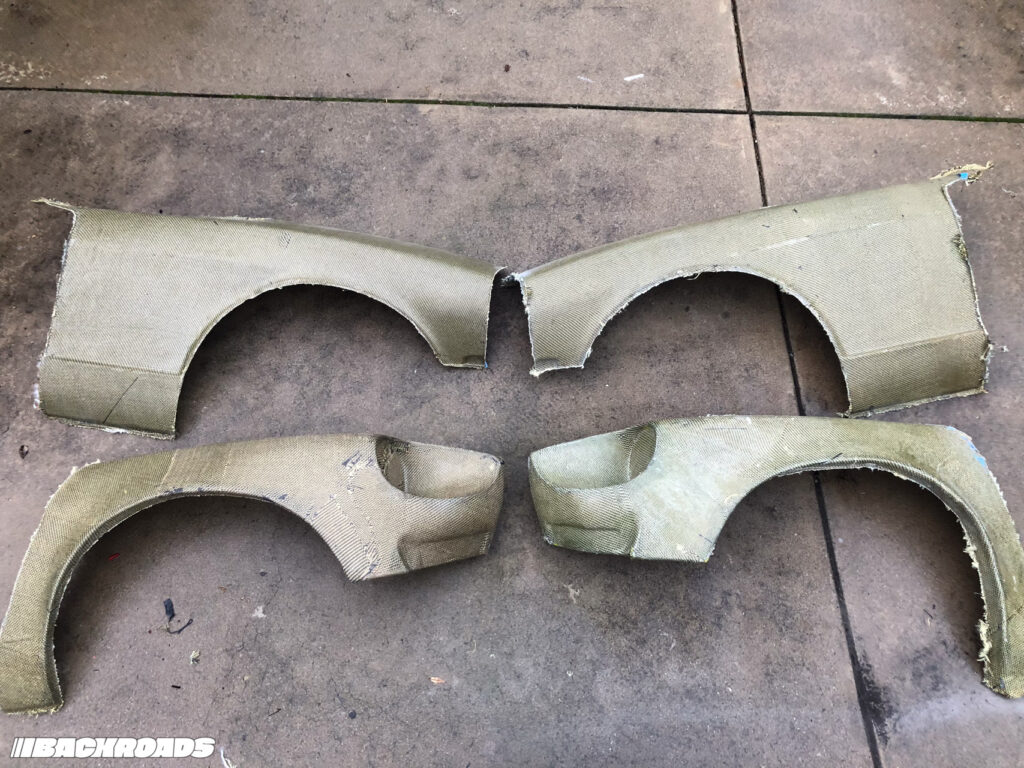
I learned a lot along the way, and there’s a lot of room for improvement, so at some point there will likely be another iteration. Still, I shaved nearly 45kg (100lbs) off the nose of the car (the hood only weighs 3kg – or 6.7lbs).
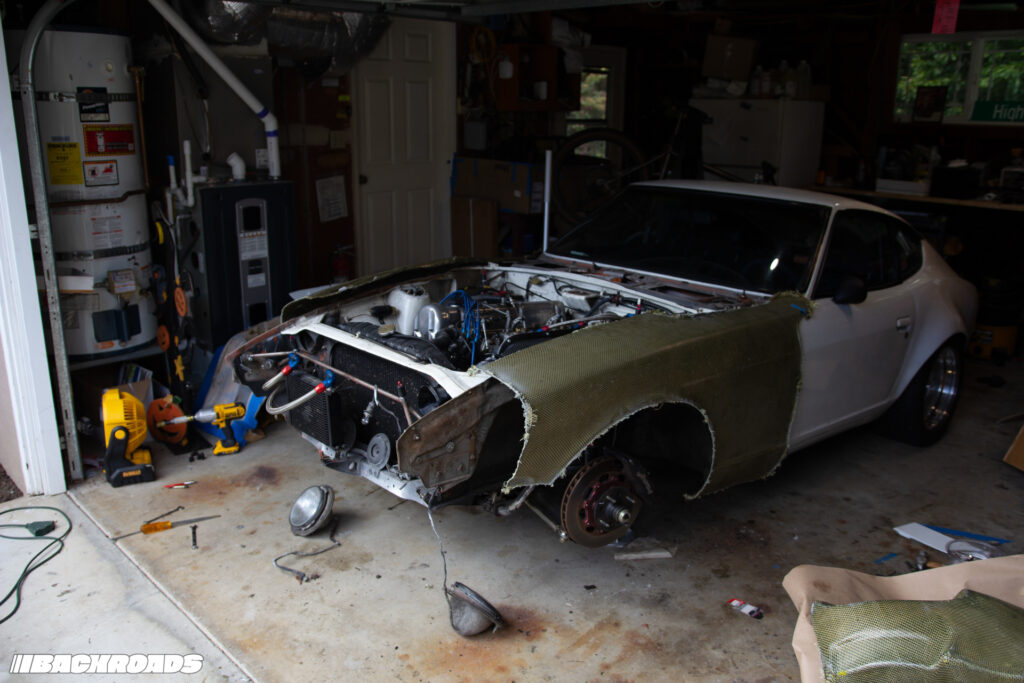


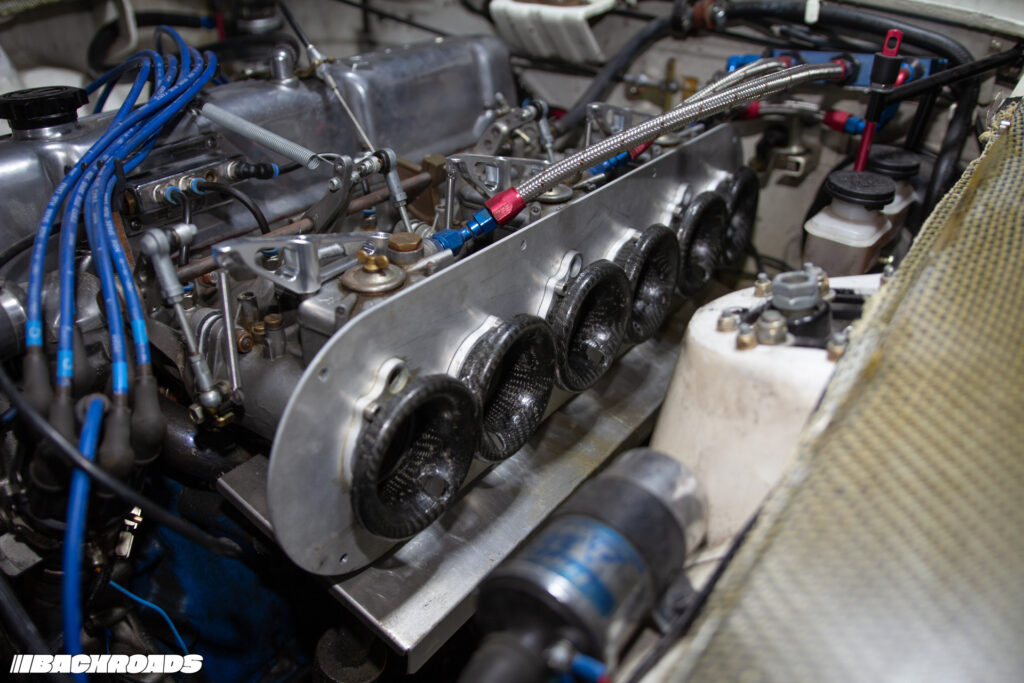
I have come up with quite a few other unique solutions as well. I designed and made my own carbon trumpets and intake plenum using molds that I 3D-printed. The ducting for it was printed from thermosetting polyurethane.
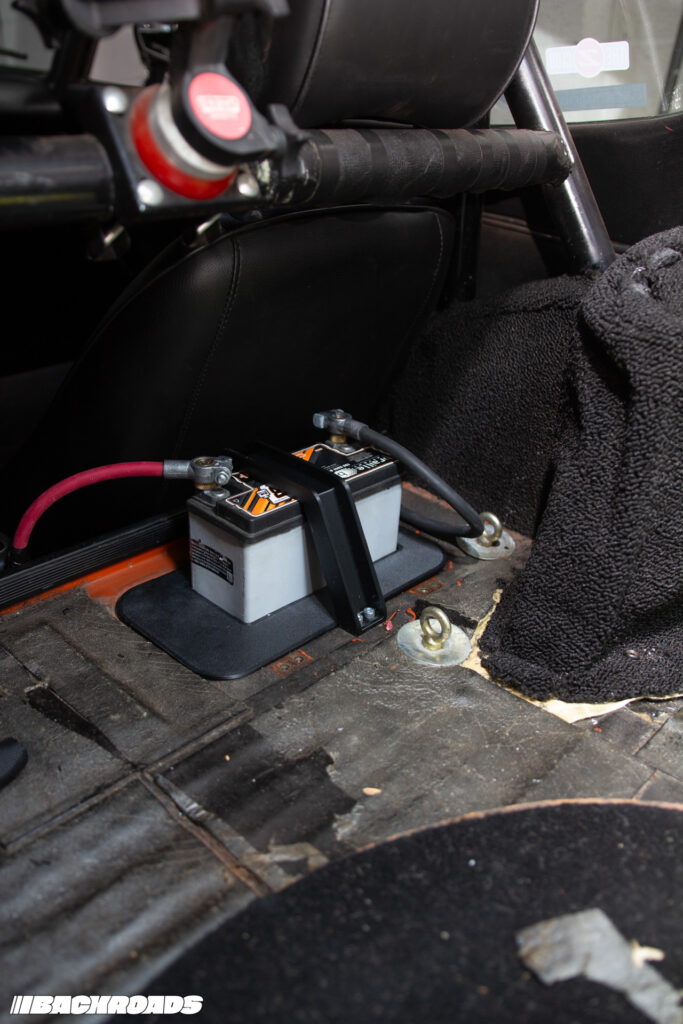
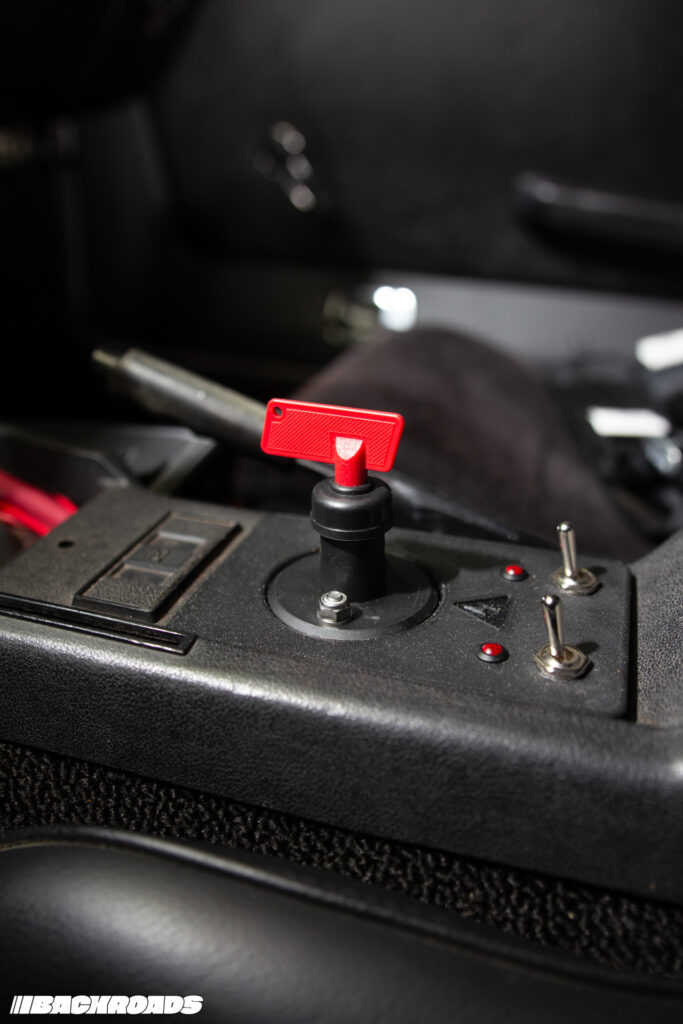
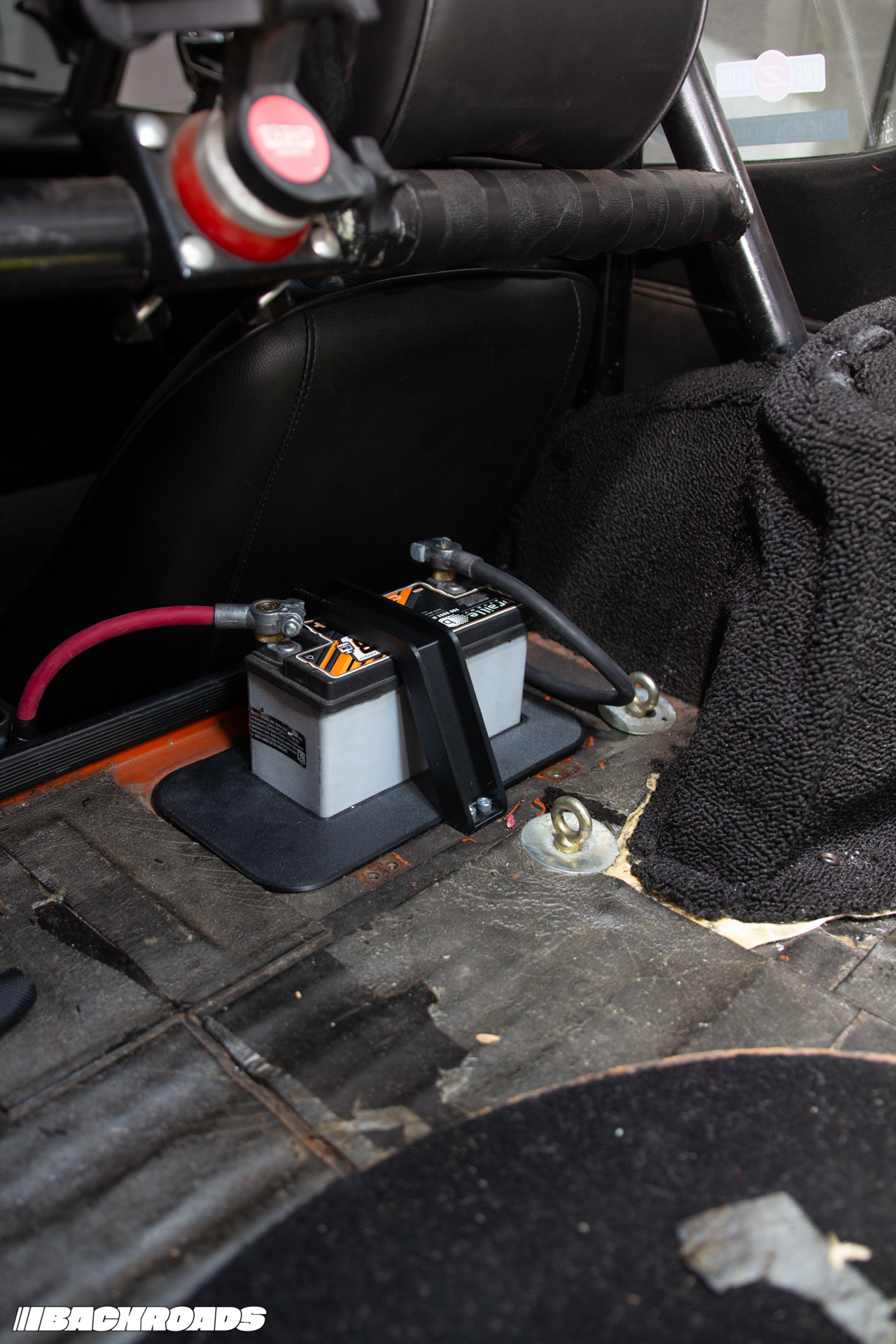
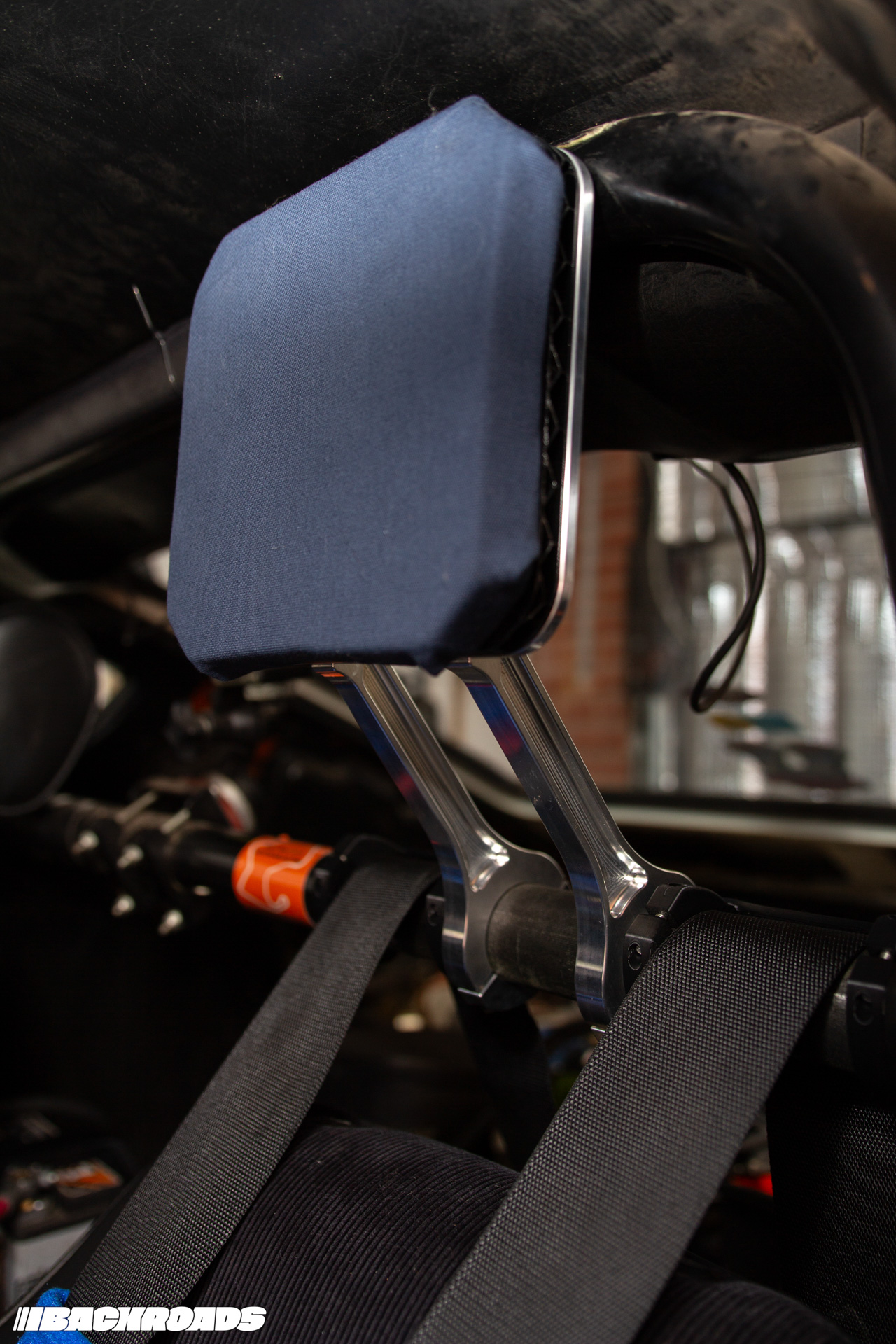
I also designed a 3D-printed disconnect and switch panel, relocating the battery to the rear in a 3D-printed housing. To accommodate my 6’6” frame I bolted my Cobra Classic RSR bucket seat directly to the floor via a lowered crossmember, with a separate billet headrest of my design.


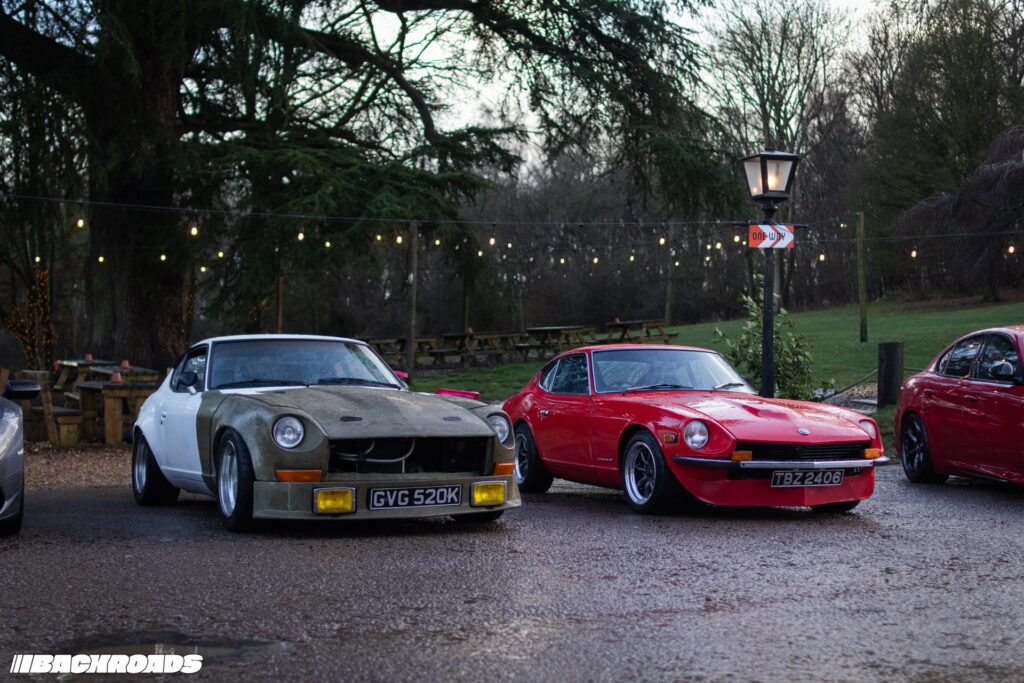
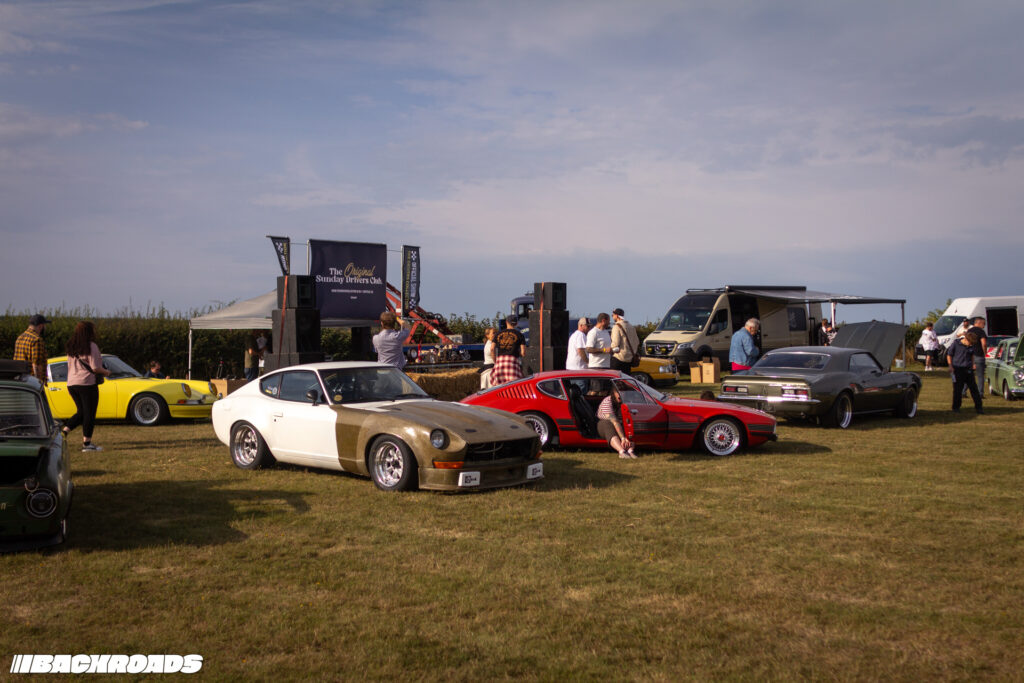
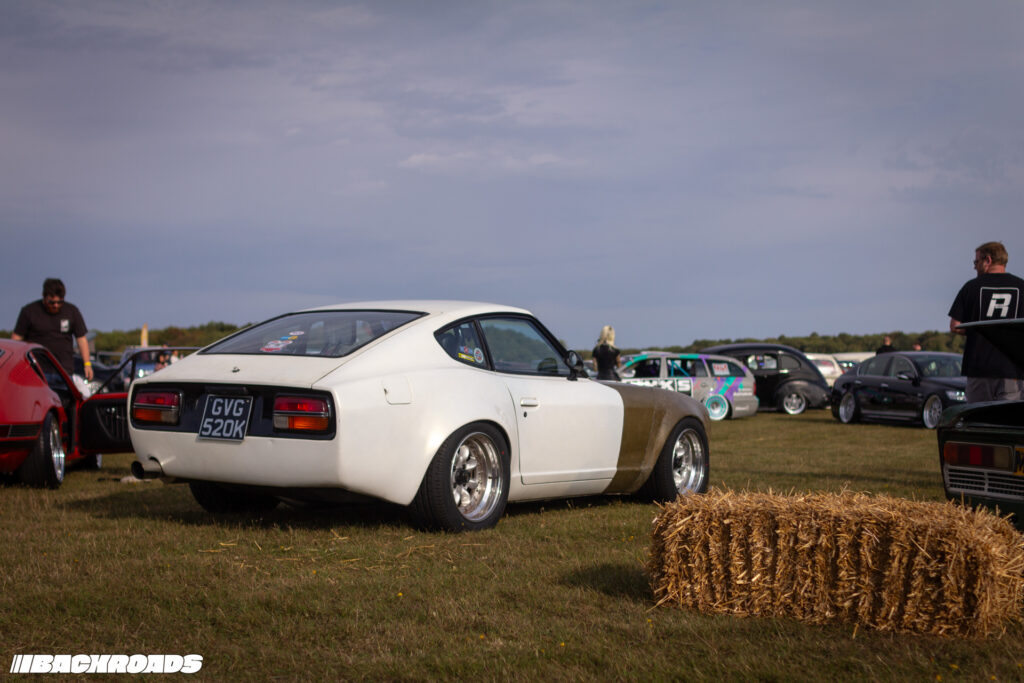

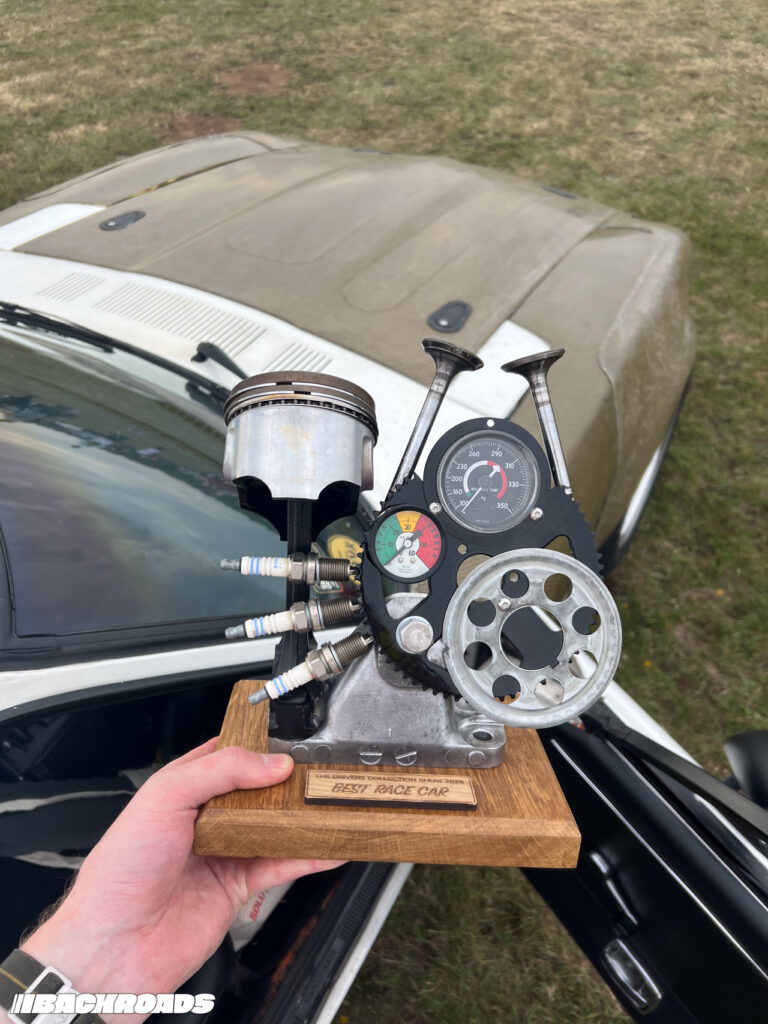

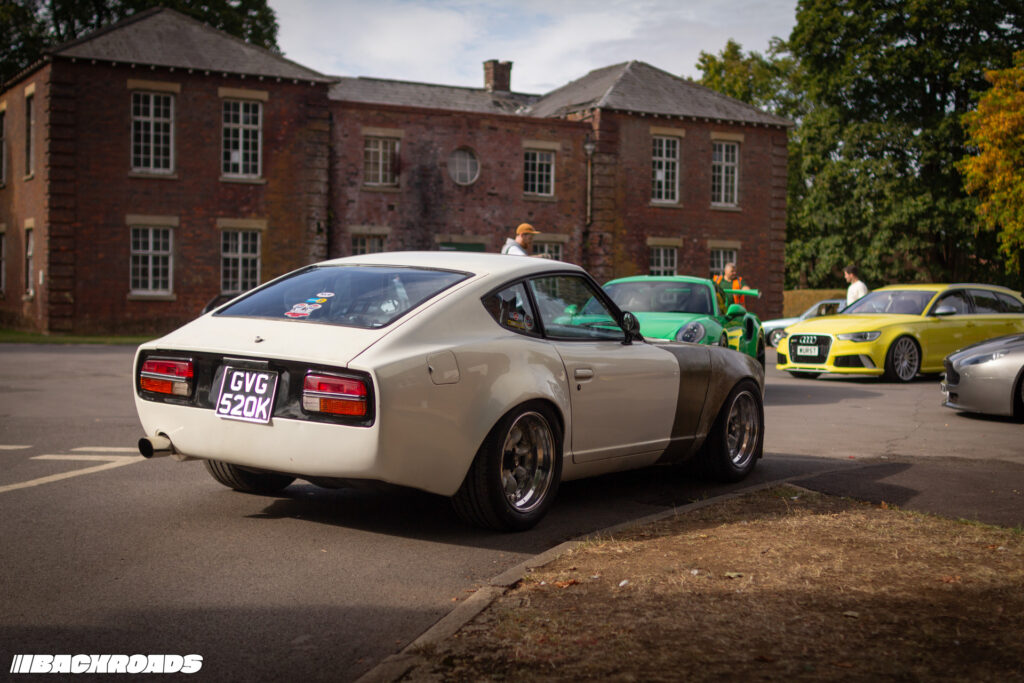
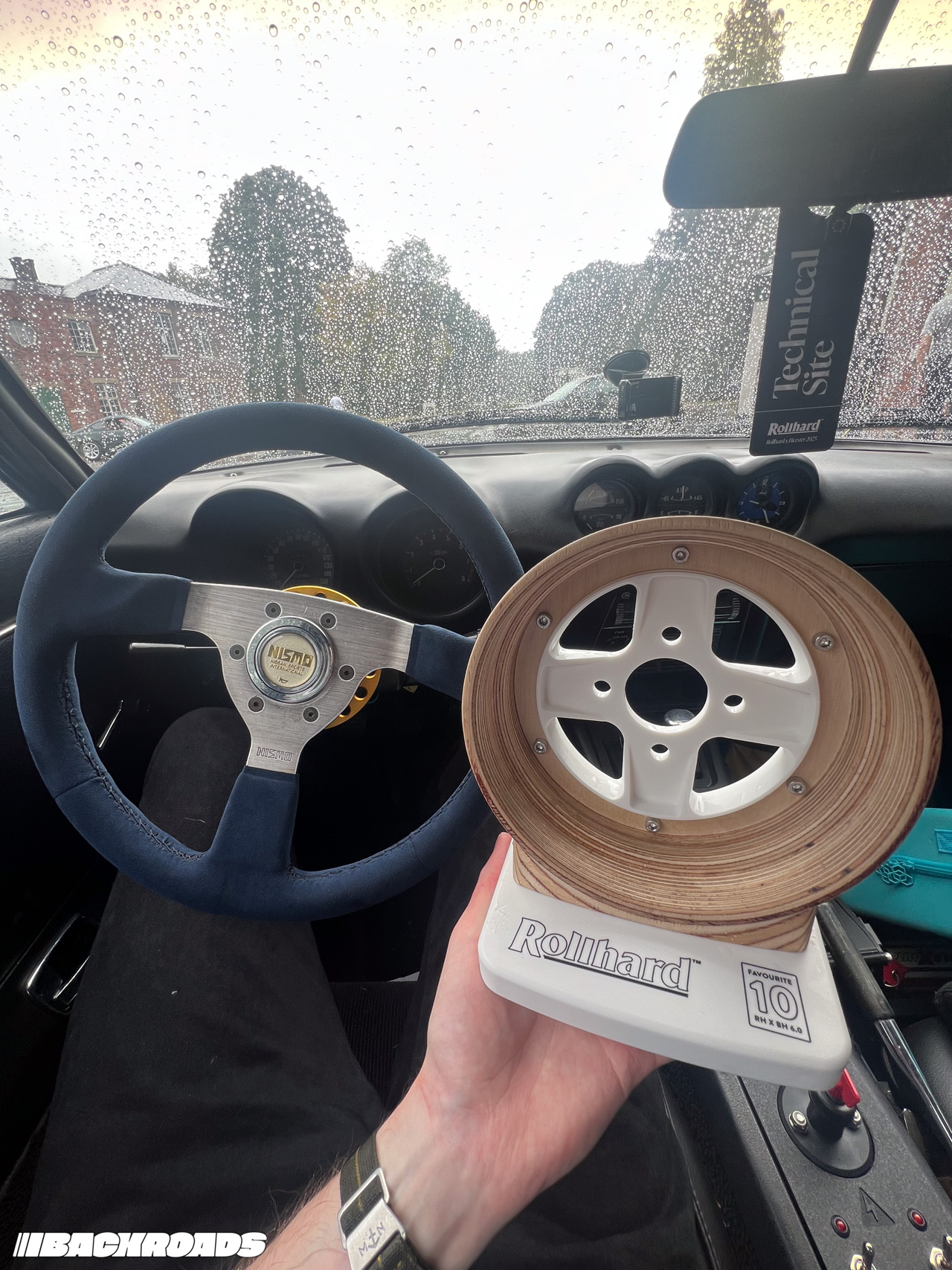
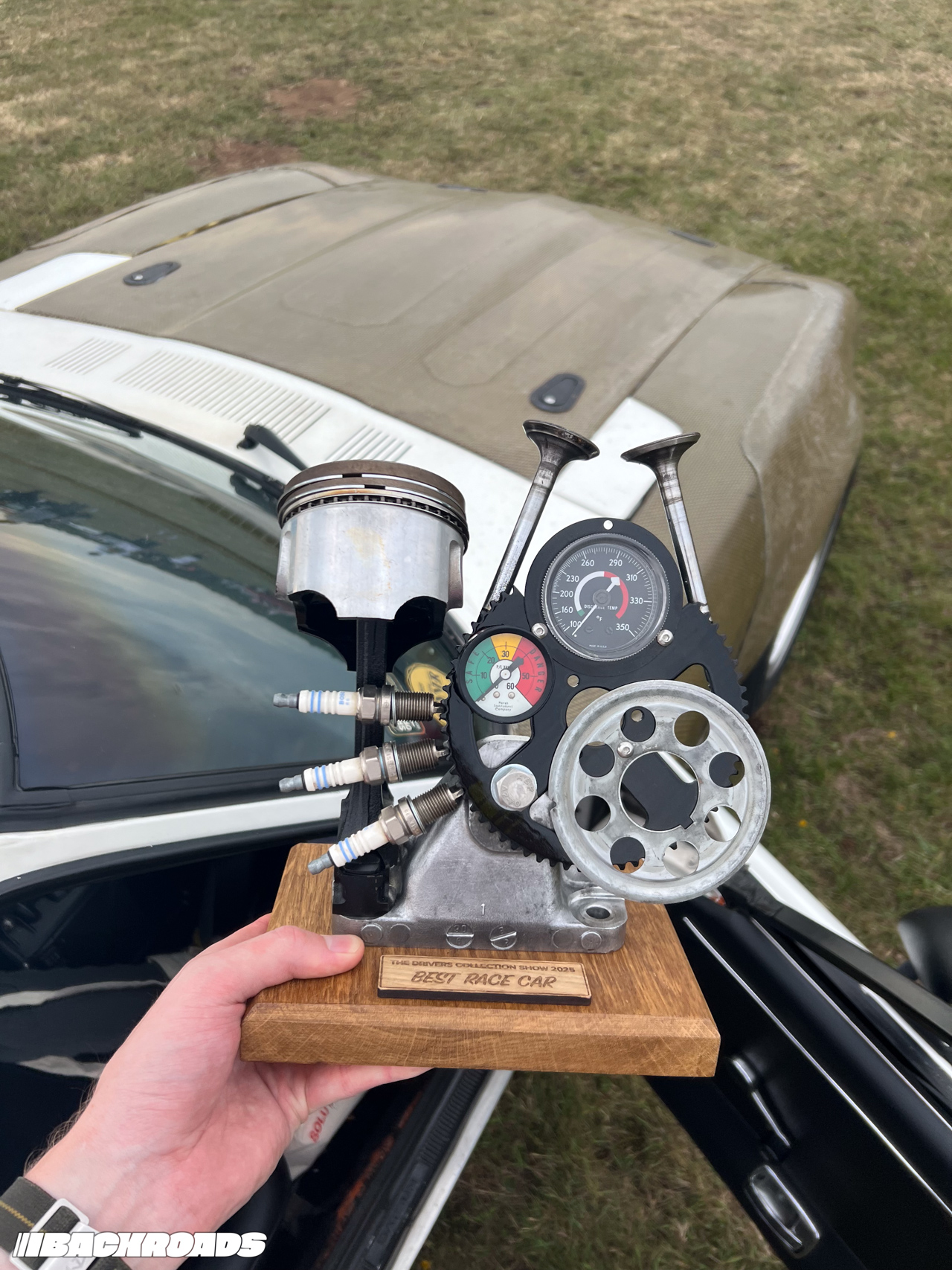
When my wife and I decided to move to the UK, I shipped the Z with us and now I get to continue my journey with Banshee in a new country. The UK car scene has been nothing but welcoming, and I’ve already made new friends attending incredible shows like RollHard and The Driver’s Collection, and hanging out at Caffeine & Machine.
















Love this kind of content. I miss this from the old forums, reading through pages and pages of someone’s build. I hope you post further updates on this car in the future.
Thank you David! I’m more than happy to write more about the Z, I’ve got quite a few different things for it that I’m working on now.
Great work in the car, it’s really awesome
Thank you, I appreciate that!
An excellent intro to the project, but I know this thing is constantly evolving; I can’t wait for the next update of whatever you’re tinkering on! Great little article, and a really, seriously cool car.
Thanks Dan! I’ve got a lot of ideas and some designs floating around, we’ll see what I can do once I put the car away for the winter!
That is really cool and encouraging bro, especially when you made your own Carbon-Kevlar. Nice man!
Thank you! Yeah I try to DIY everything I can, constant learning process!
this absolutely incredible man, major inspiration for my Integra but I just don’t have the facilities to make custom parts just yet.
Thanks man! This was all done in my garage at home (And in the driveway). If you start with smaller parts you don’t need much space at all! The carbon trumpets were a very containable project.