
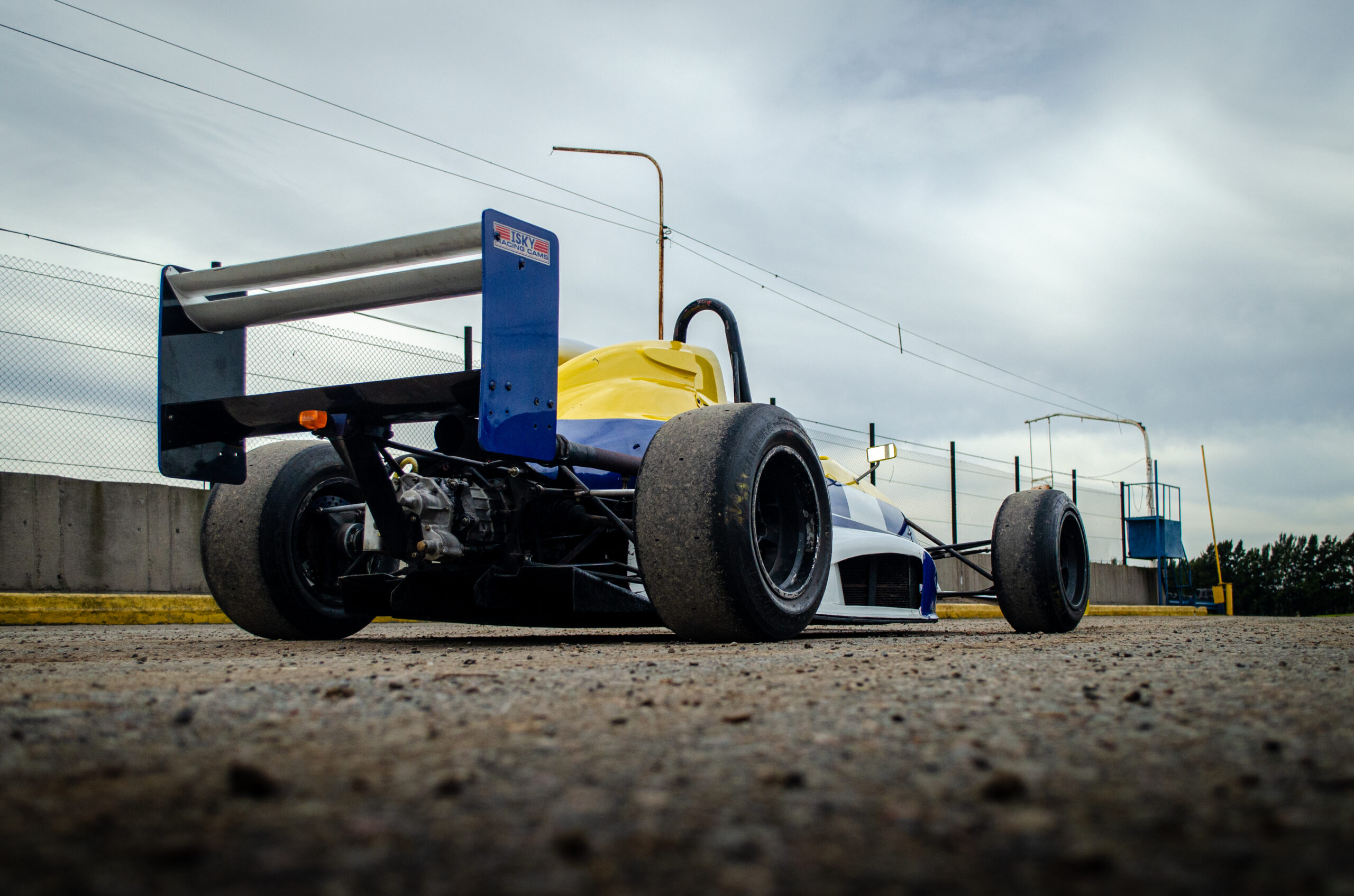
Around ten years ago, there used to be an online forum for owners of open wheelers in Argentina. Then Facebook happened, and like so many niche communities, the forum quietly fell dormant.
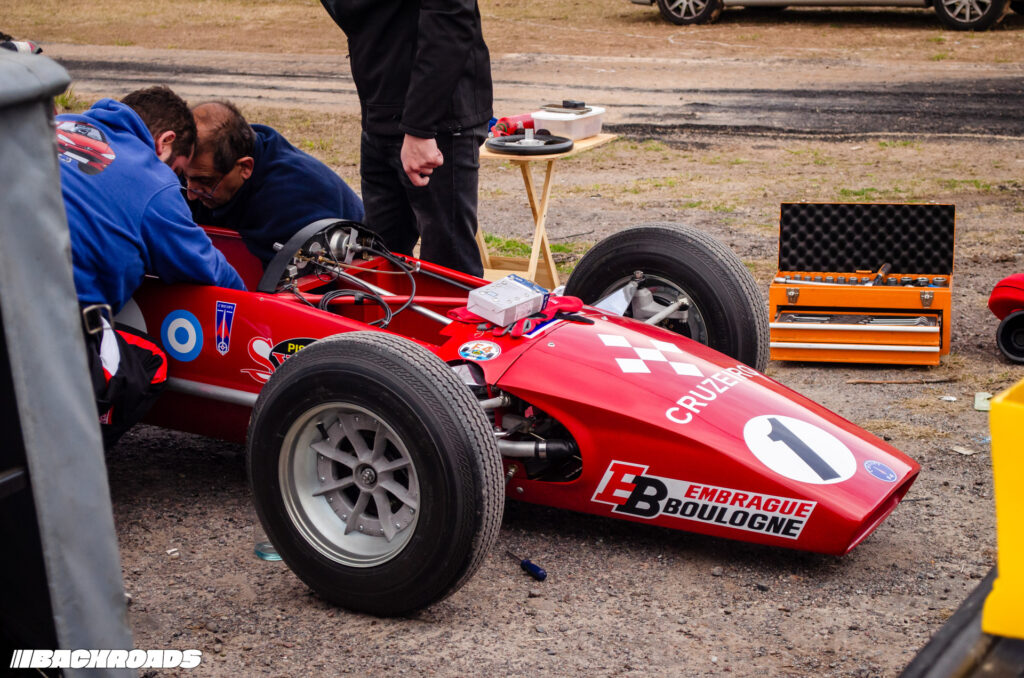
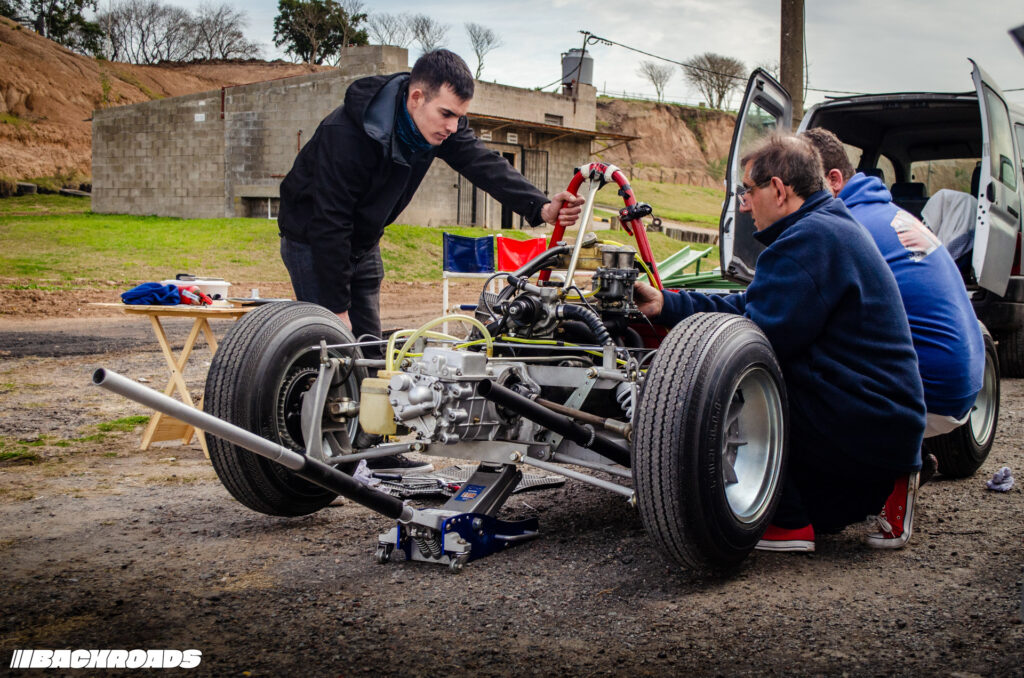
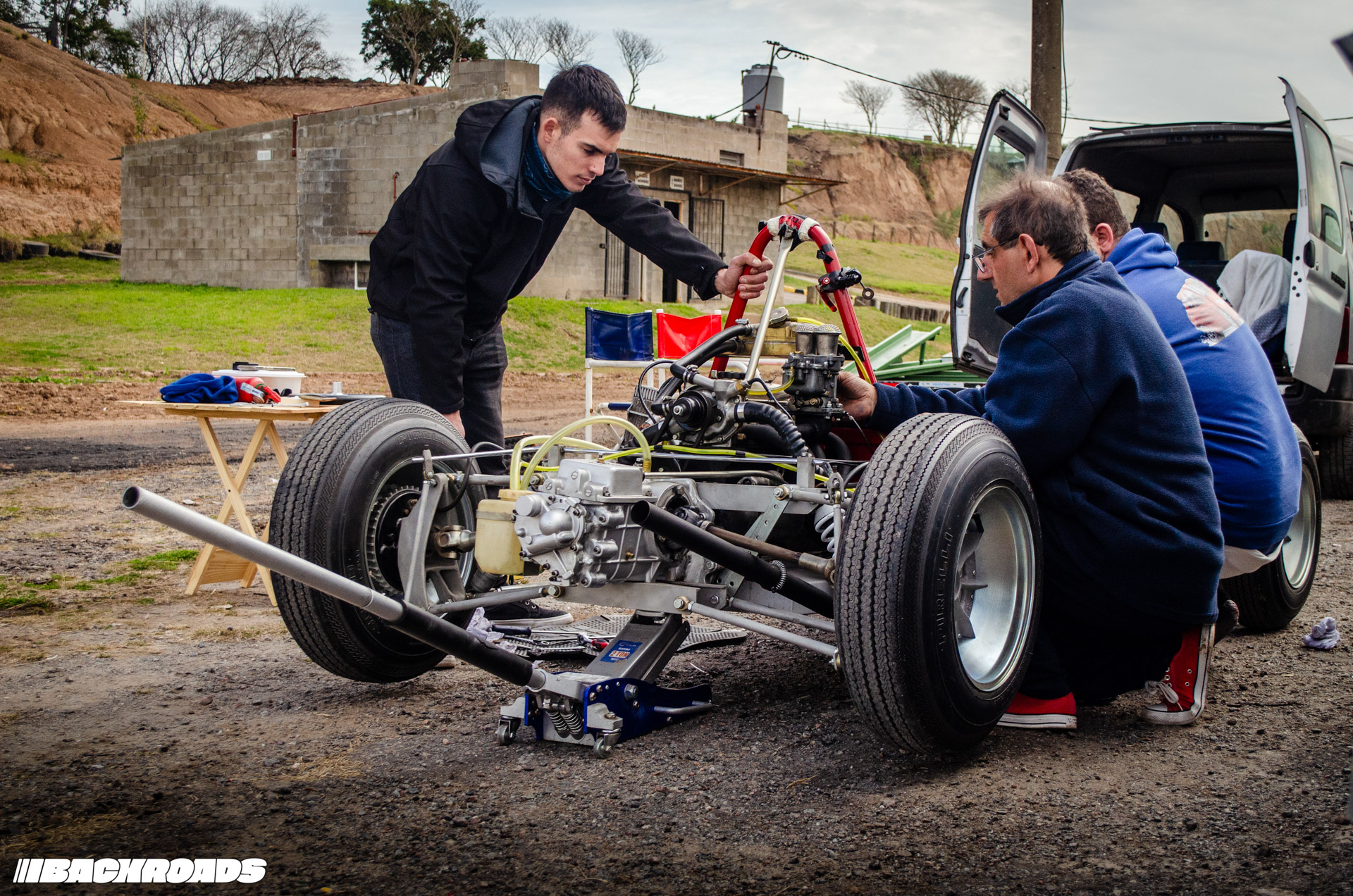
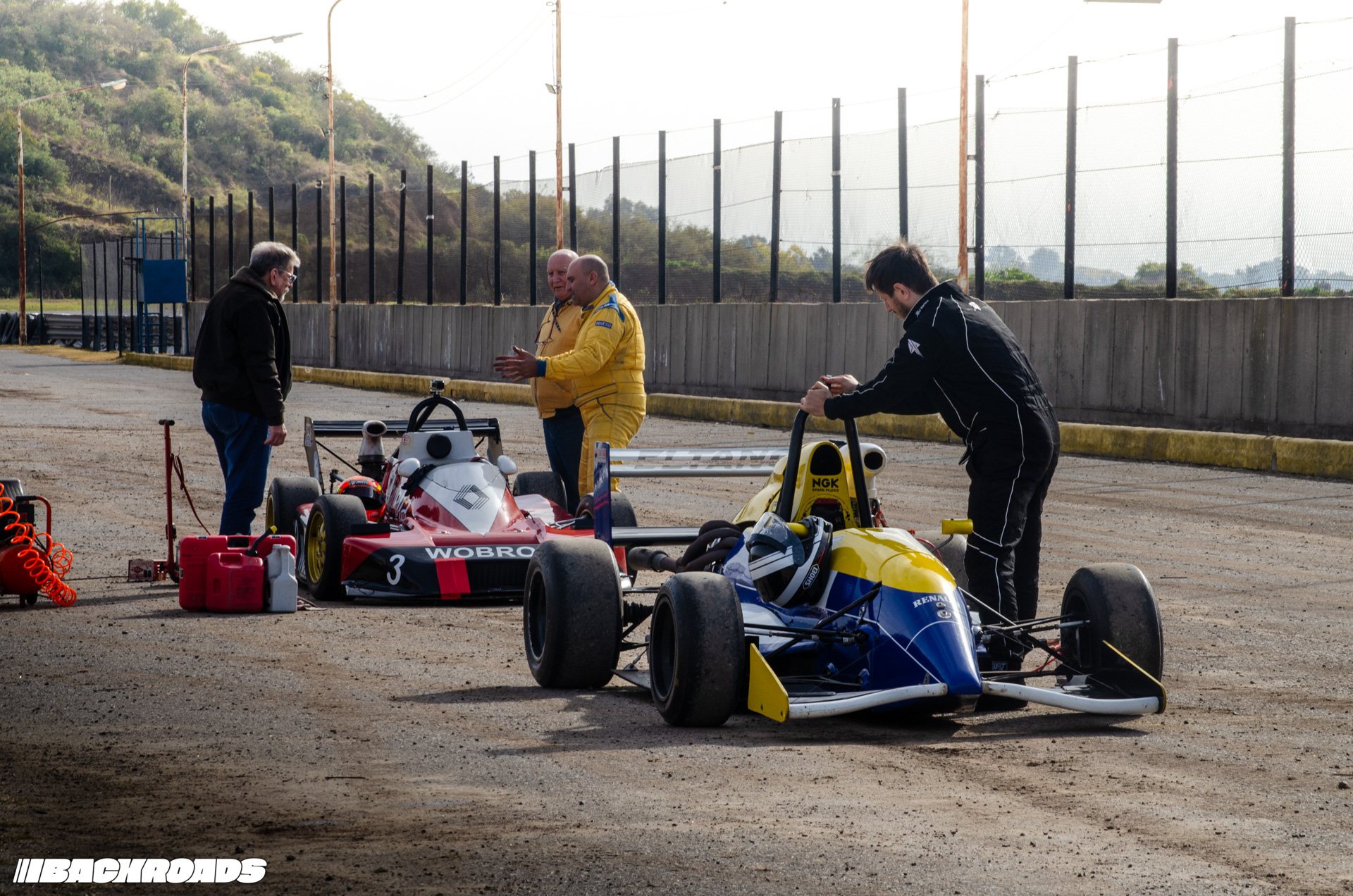
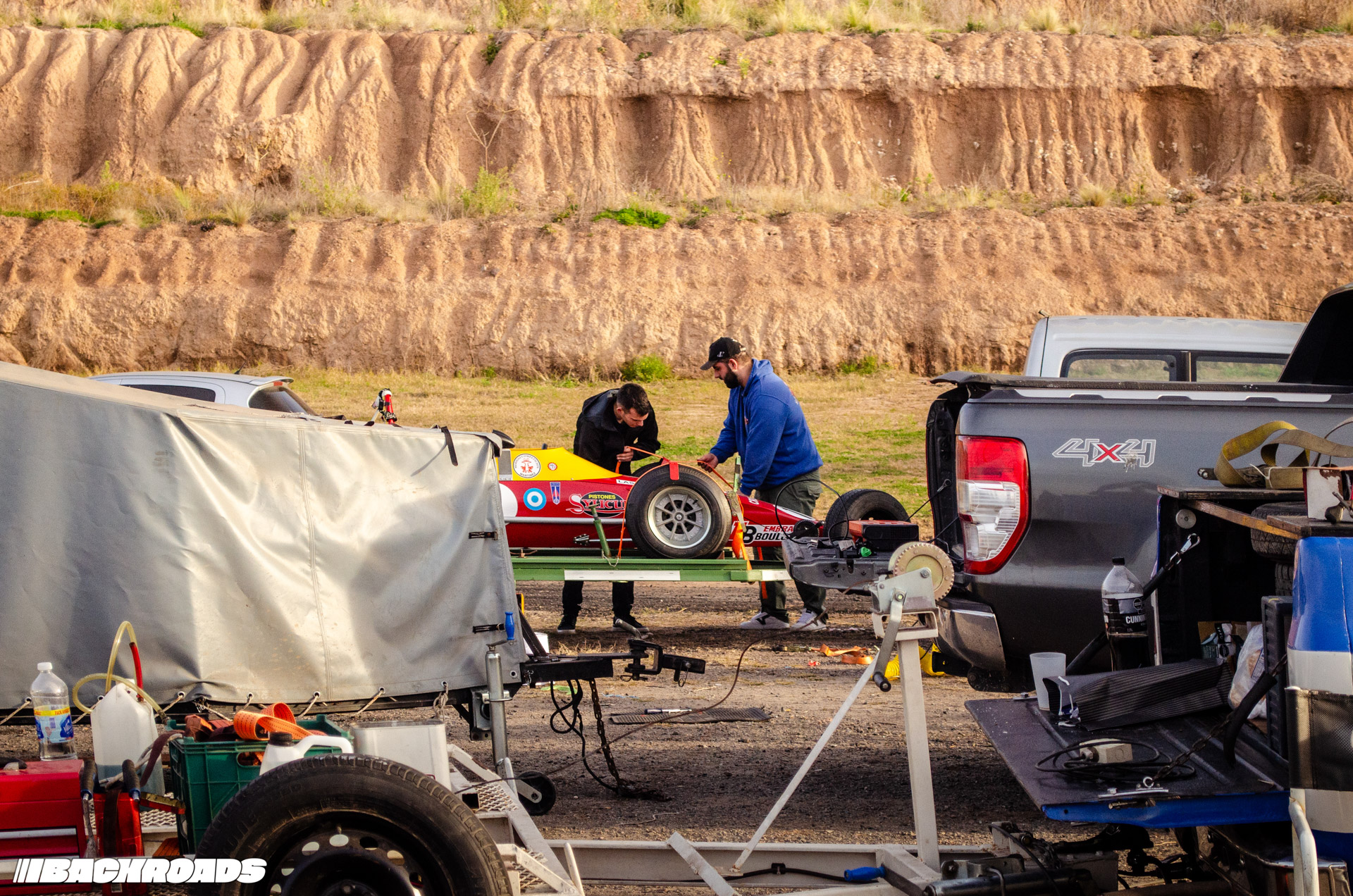
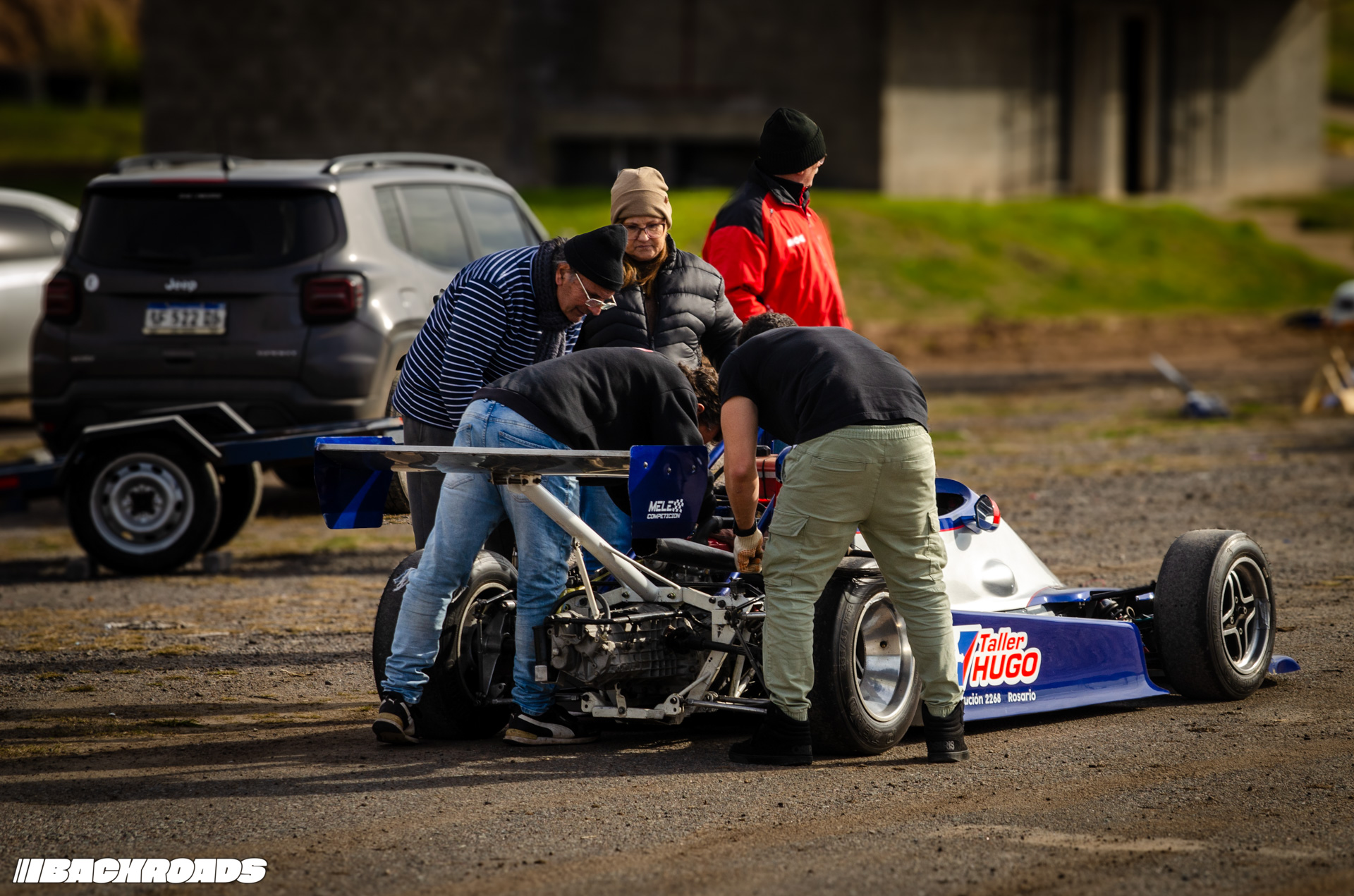
Owning a formula car is not an easy task. First of all, you can’t exactly take one to a Sunday trackday. You’ll need a trailer, tools, and the kind of patience usually reserved for monks.
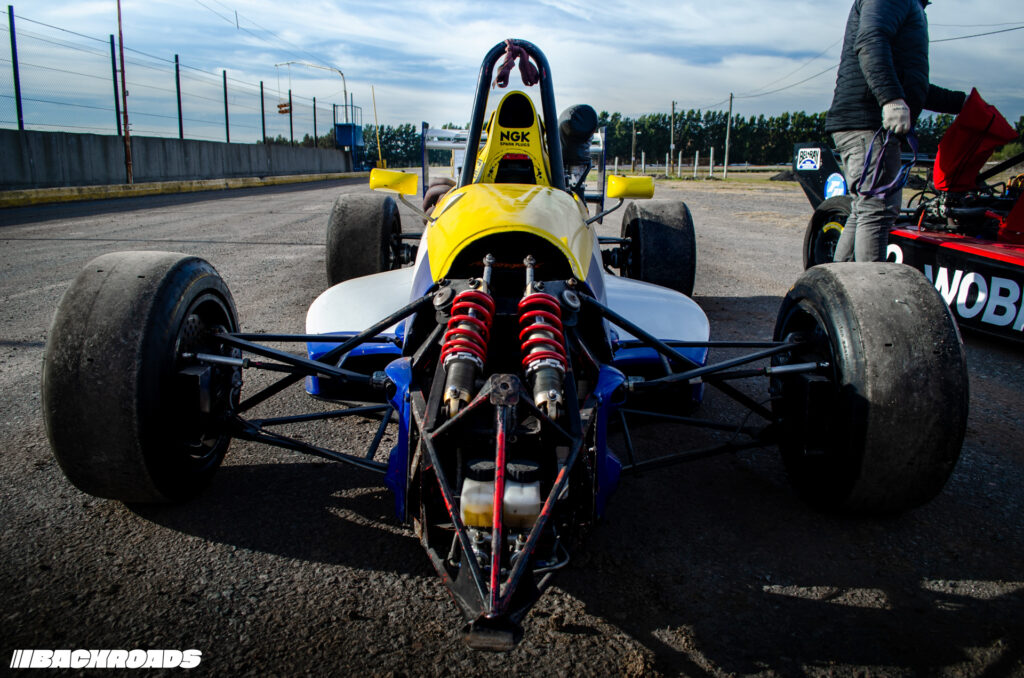
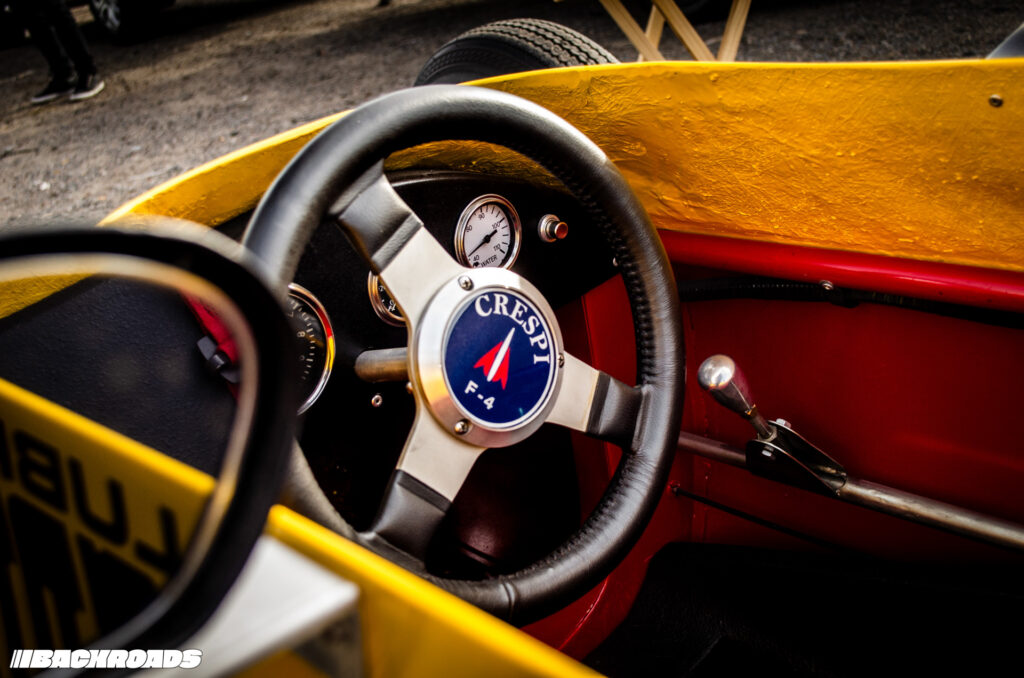
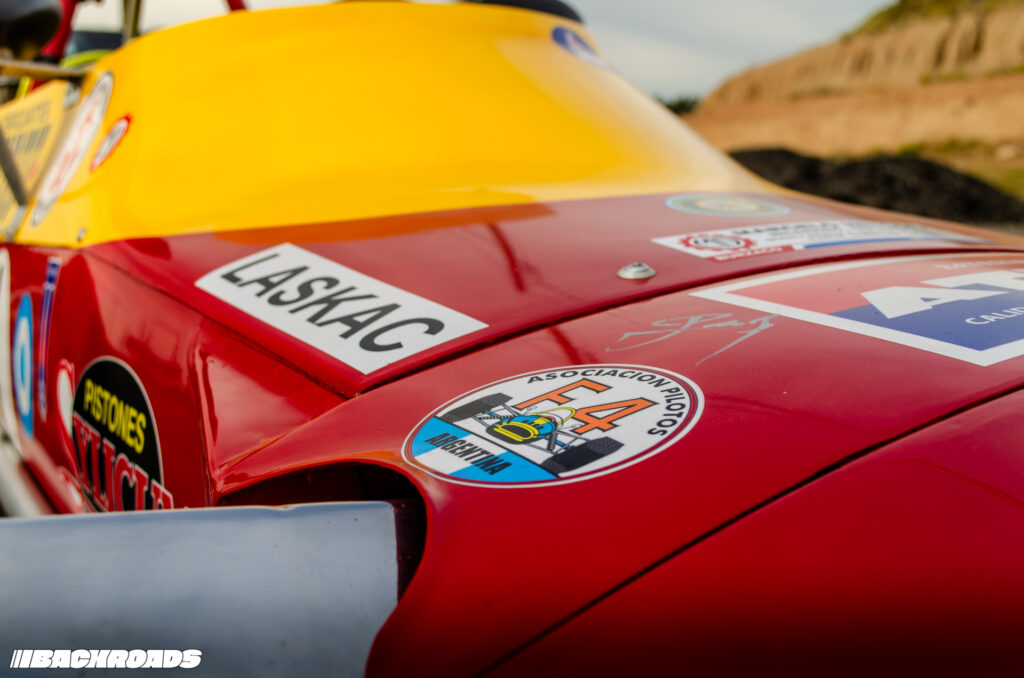
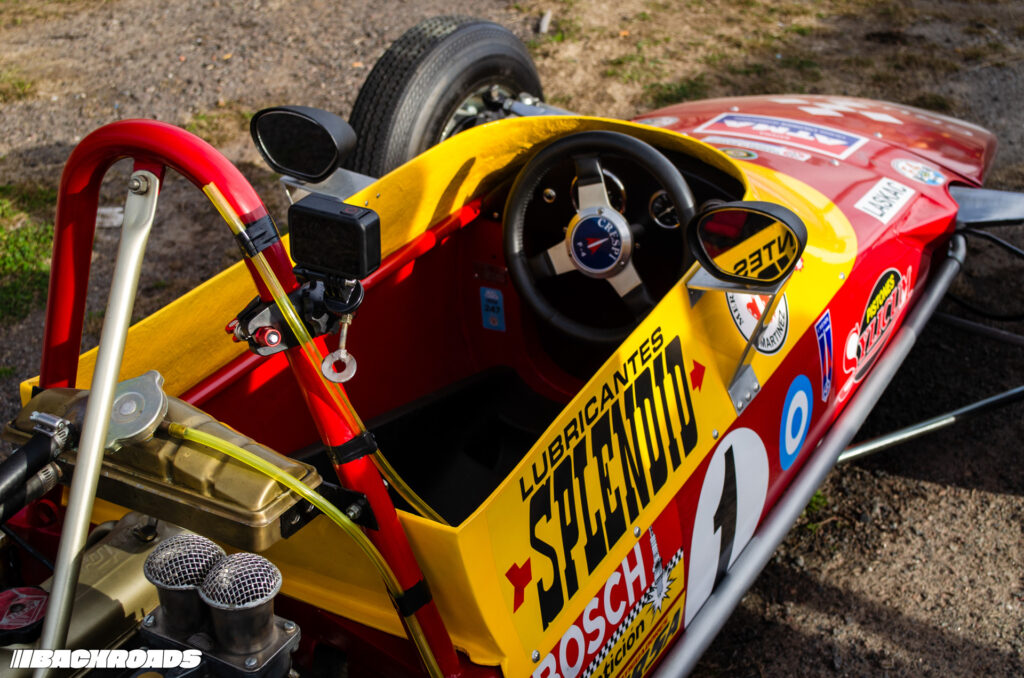
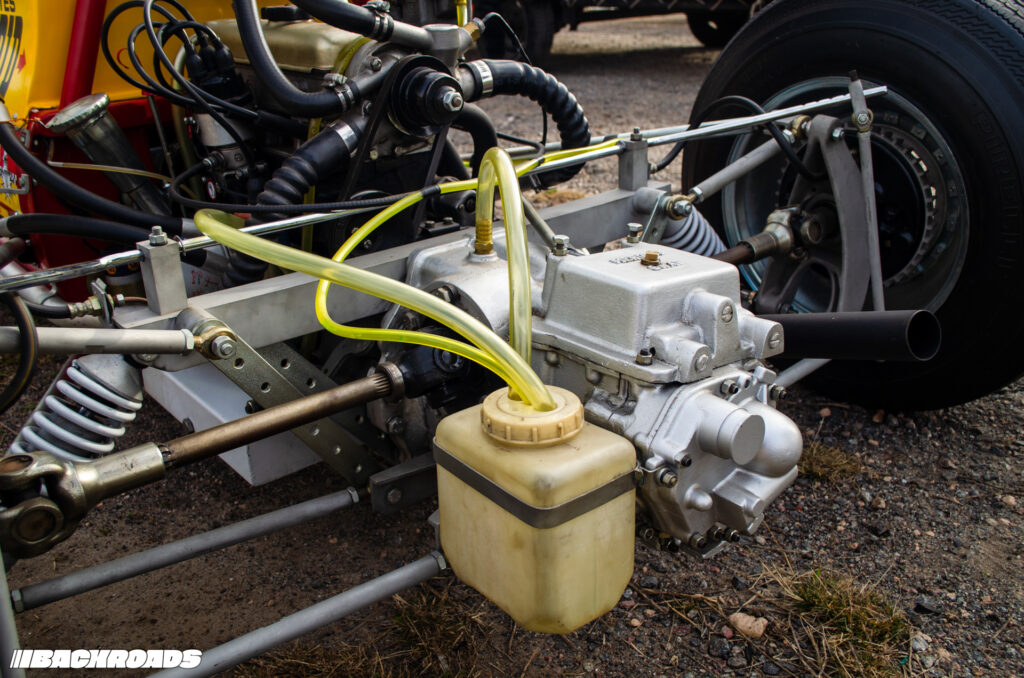
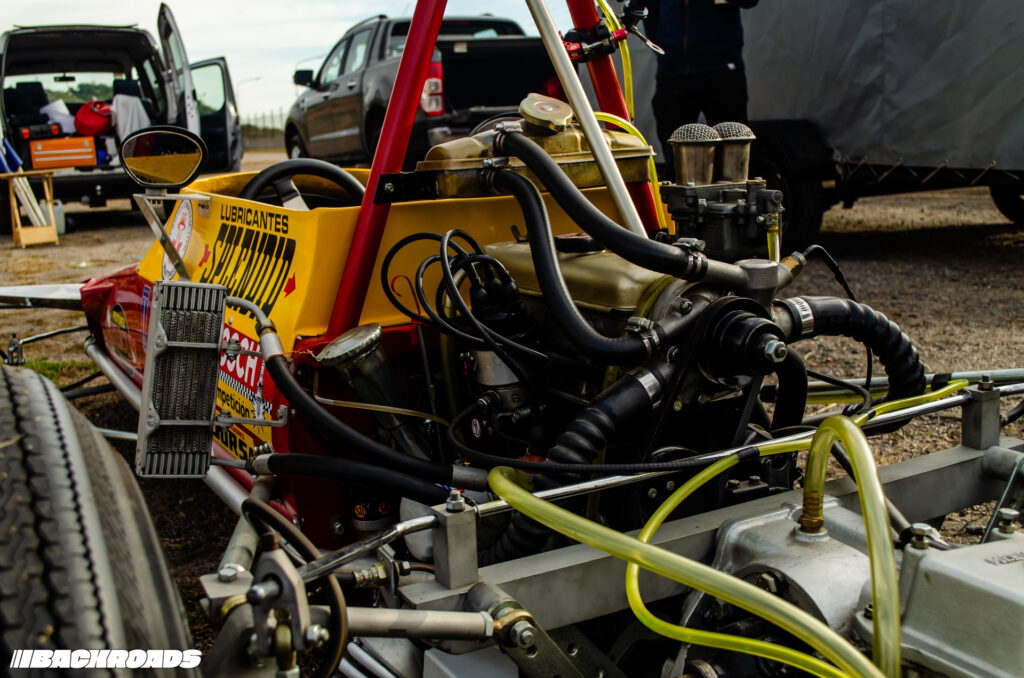
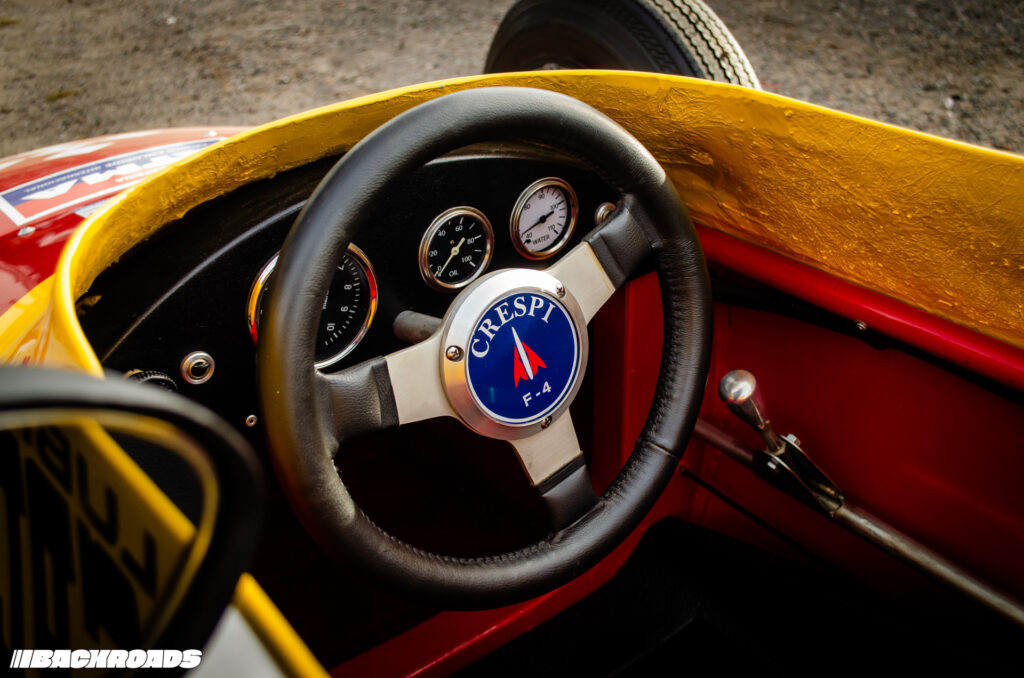
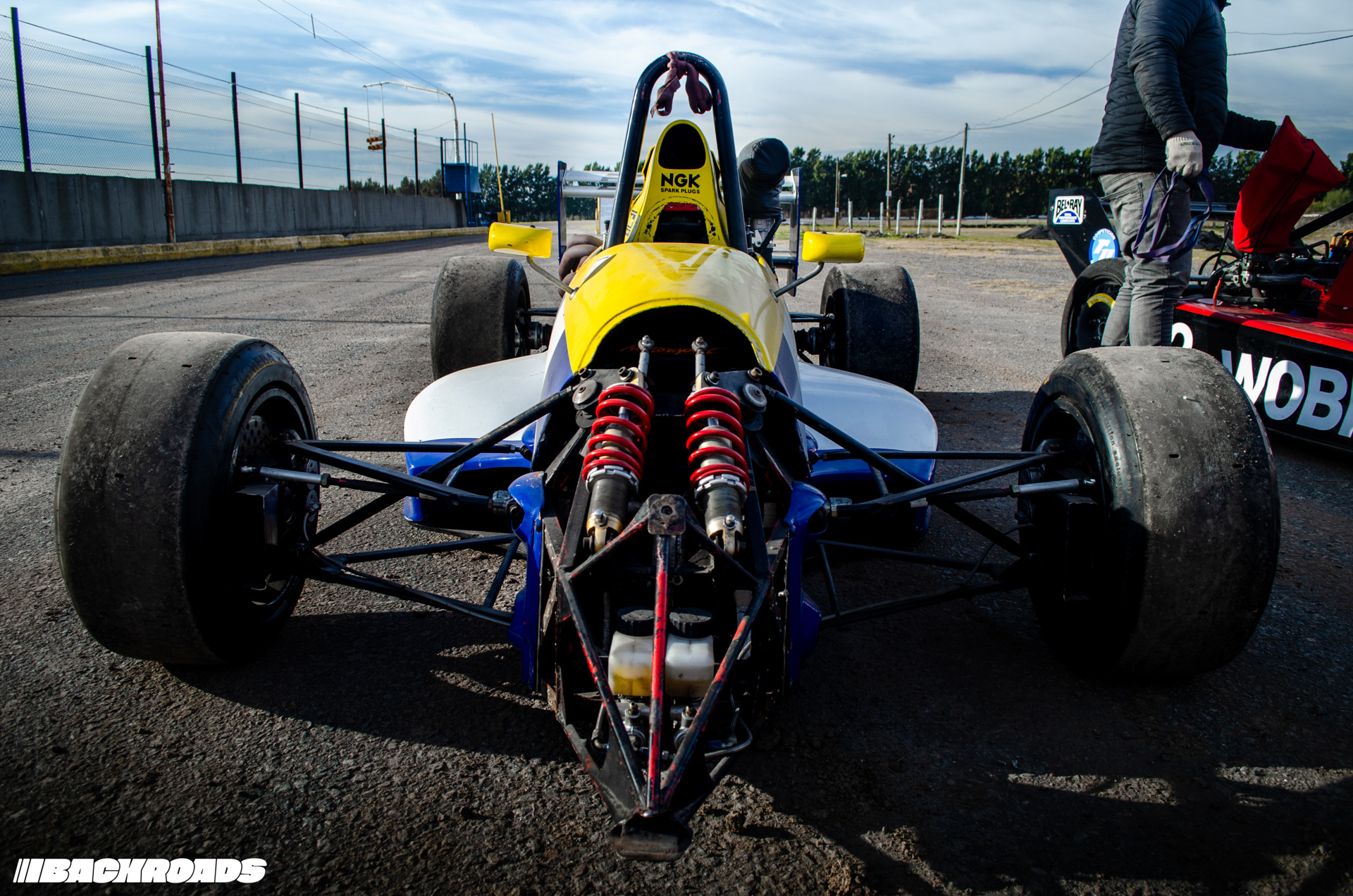
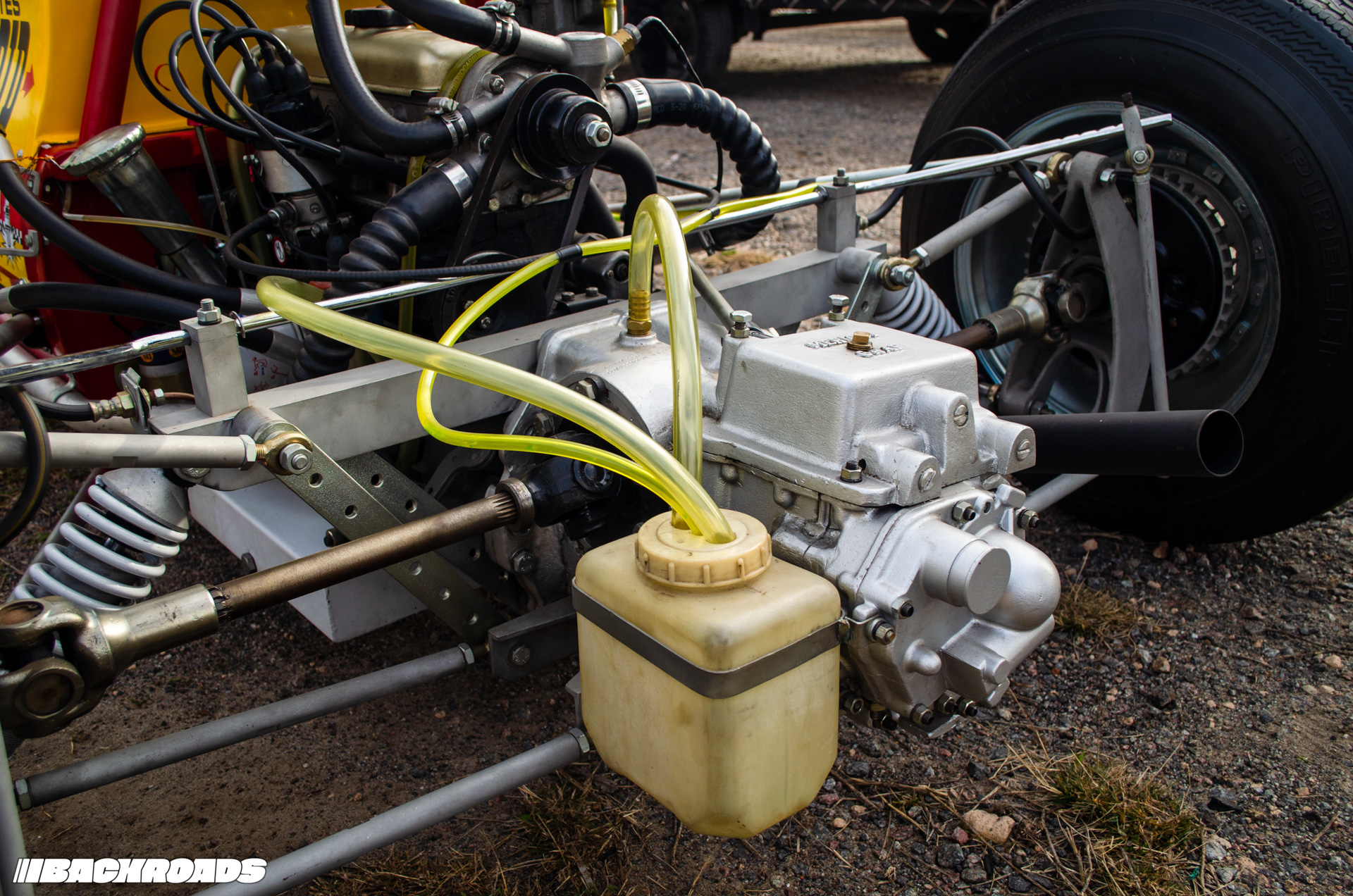
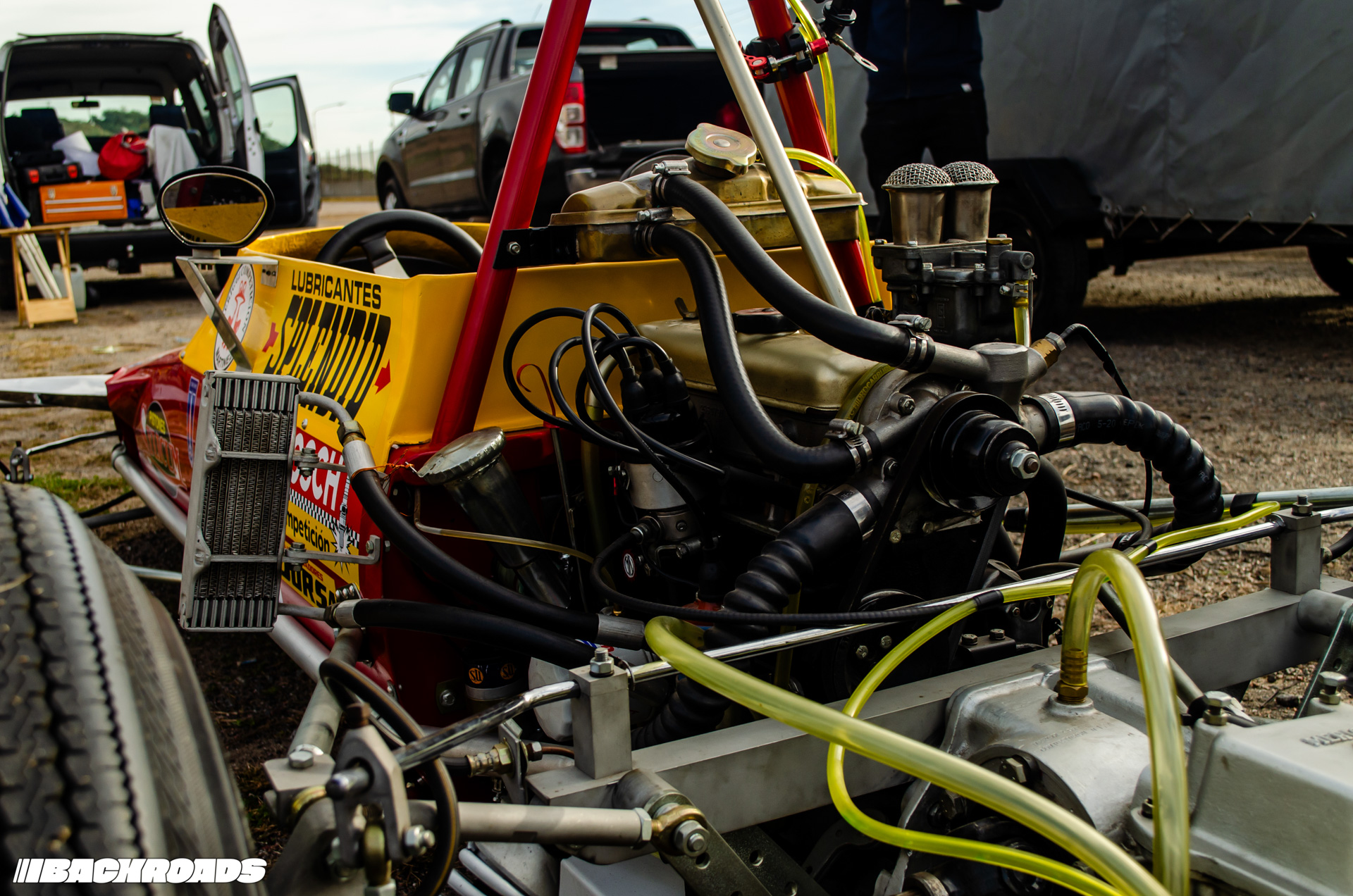
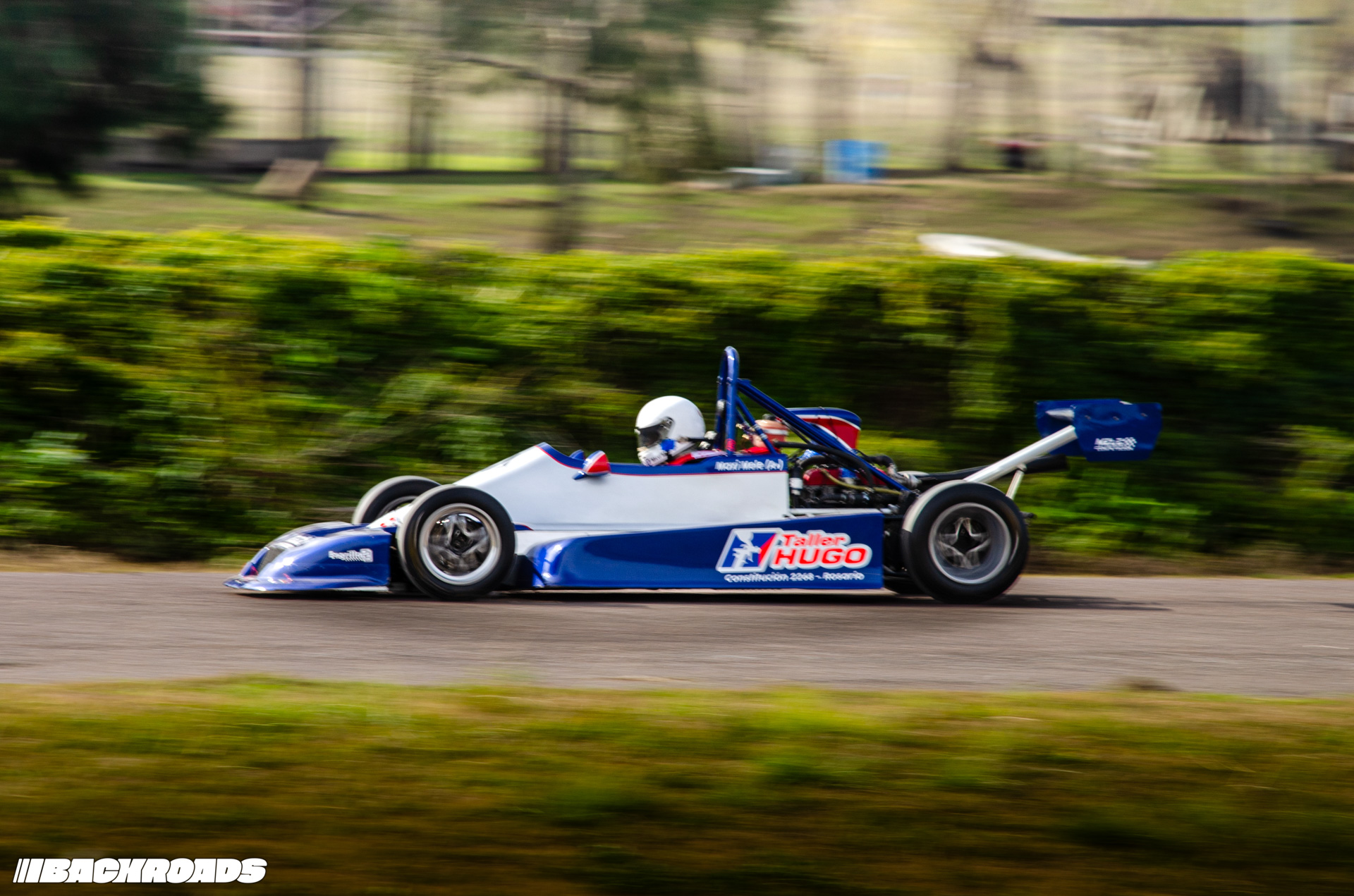
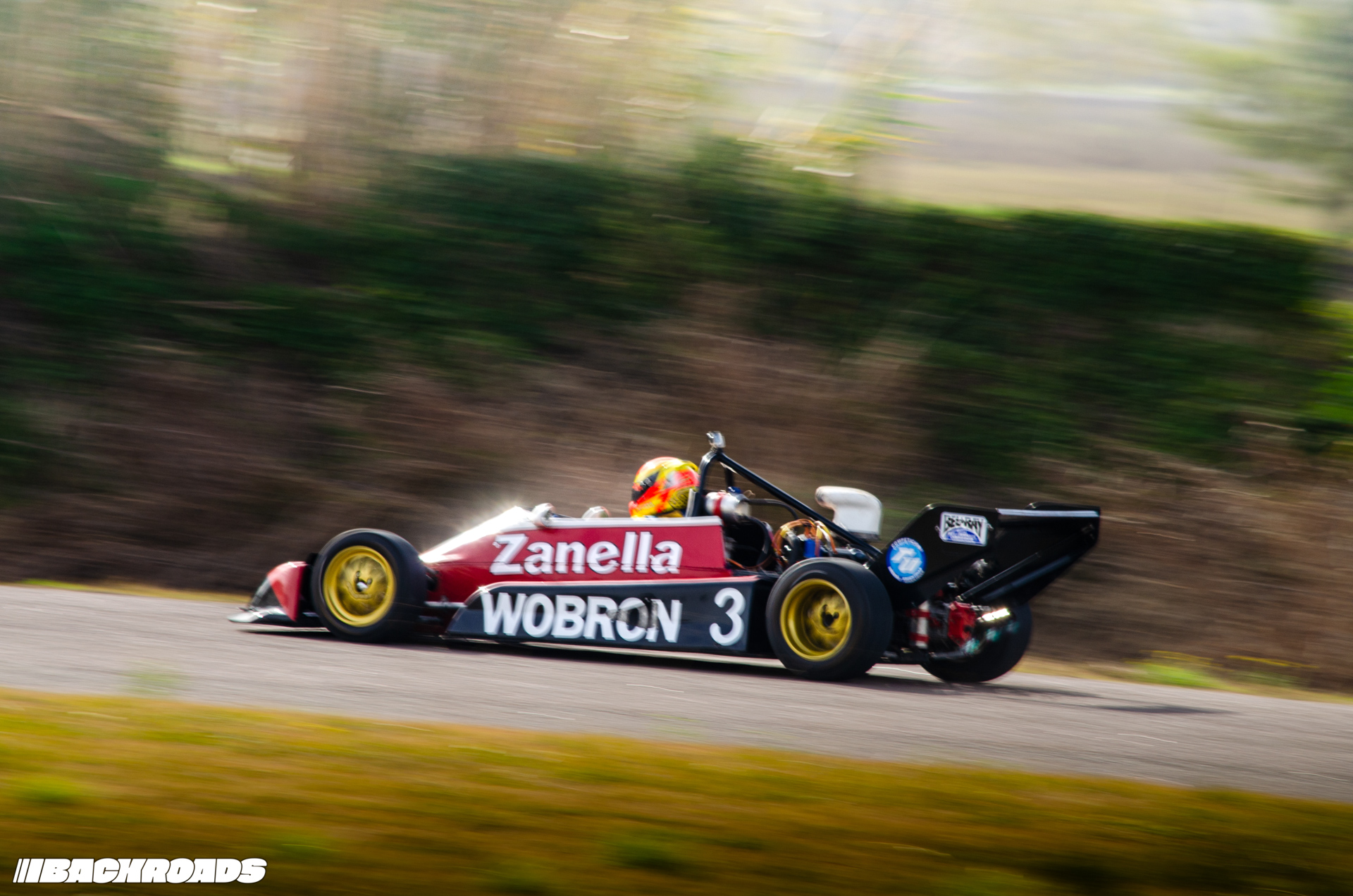
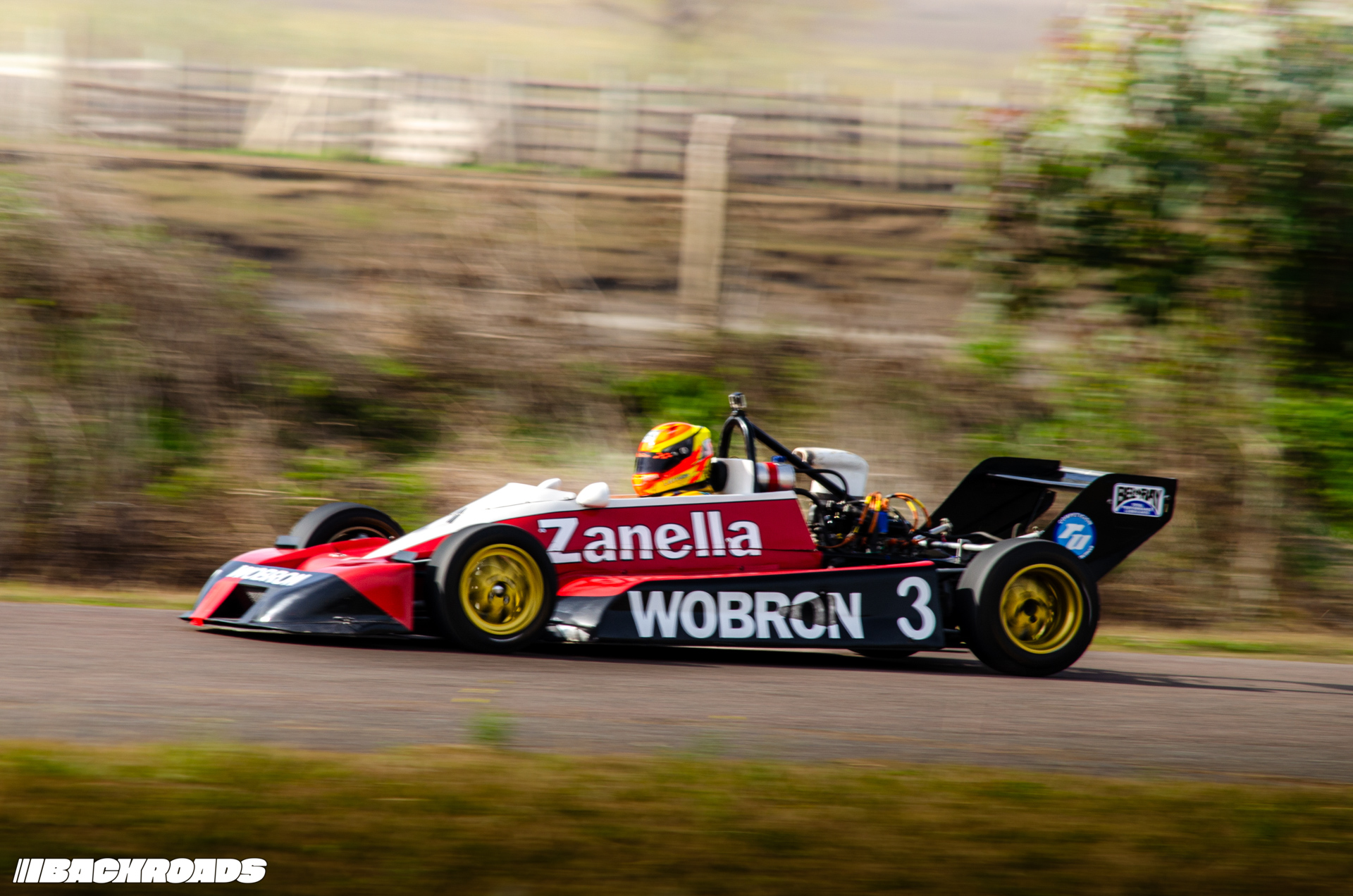
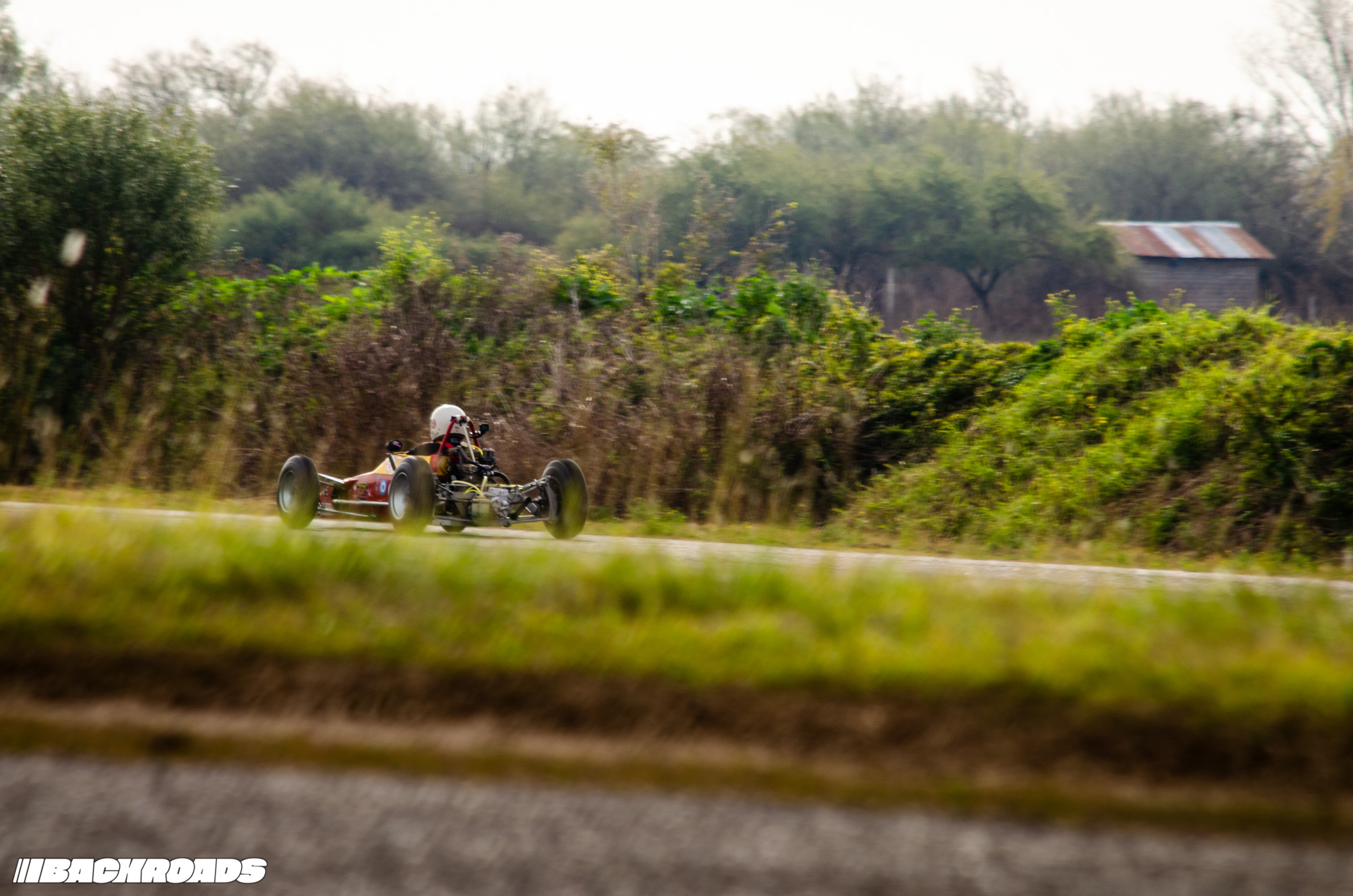
Keeping these things running is not just a hobby, it’s defiance. They were designed to survive a season of racing, maybe two – not half a century. If they’re still running now, it’s only because someone refused to let them rot.
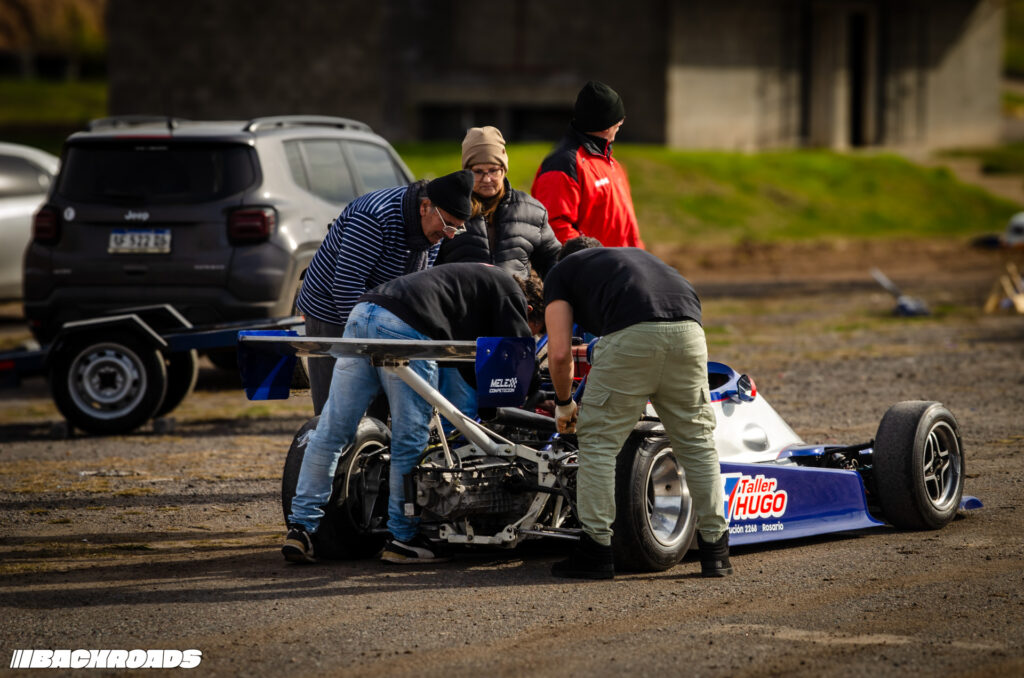
Once upon a time, they had whole teams waiting in the pits. Now, the owner is everything: the mechanic, the transporter, the driver, and when the car inevitably throws a tantrum, the therapist. It’s exhausting, but that struggle is exactly what makes each lap priceless.
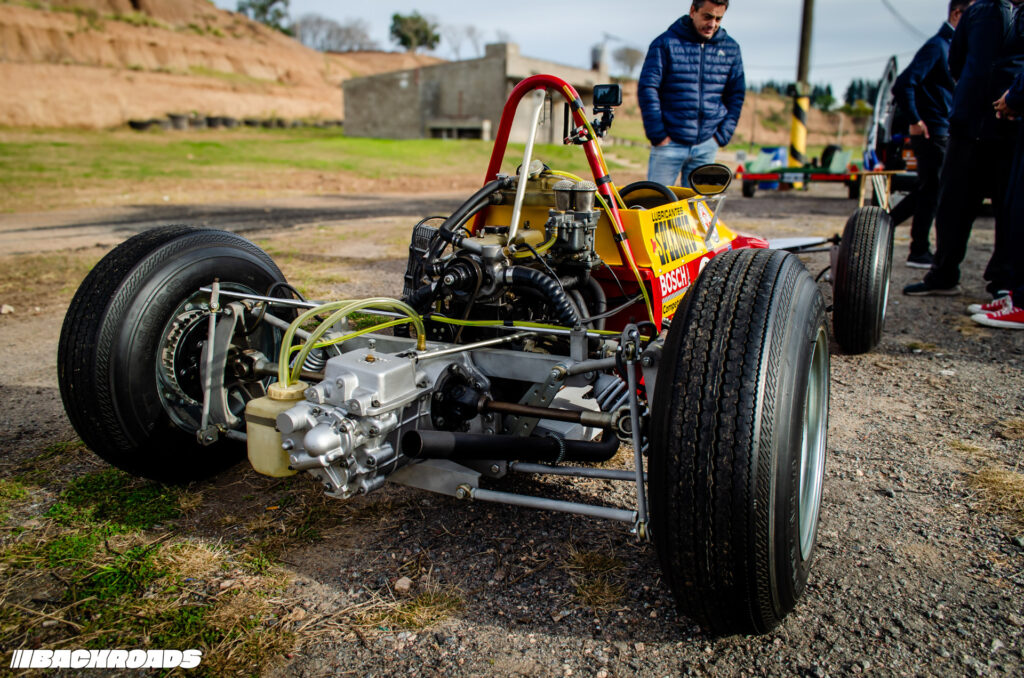
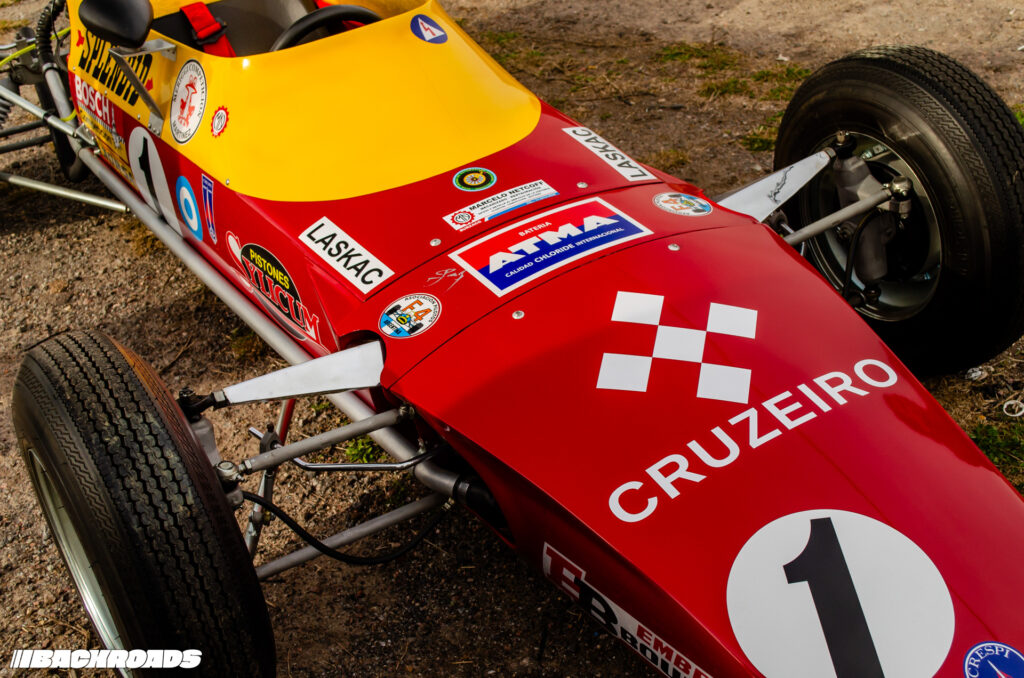
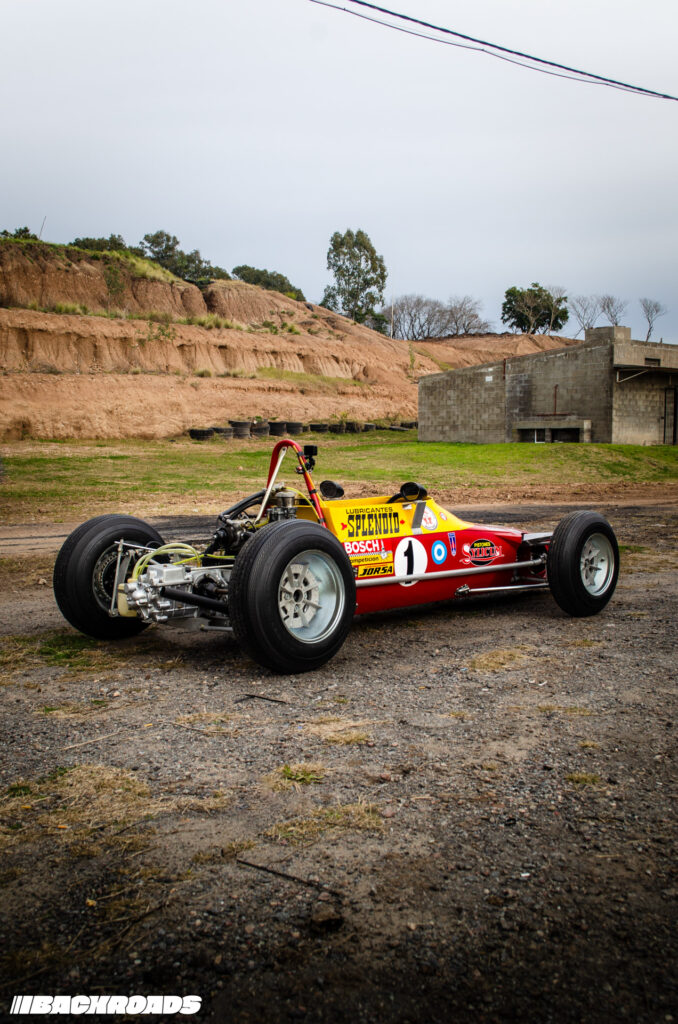
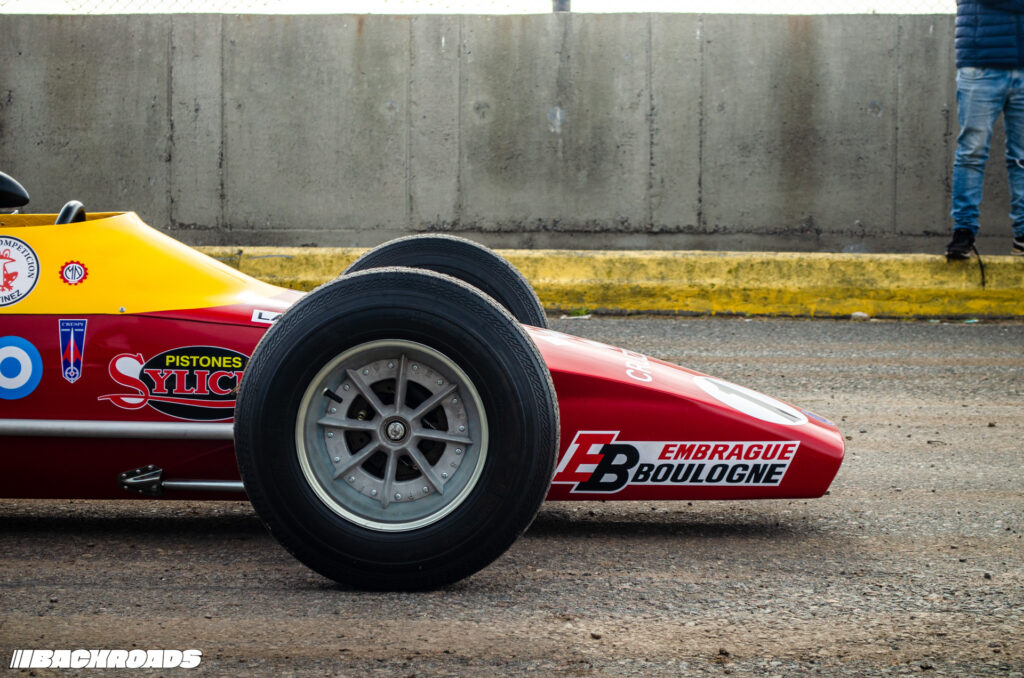
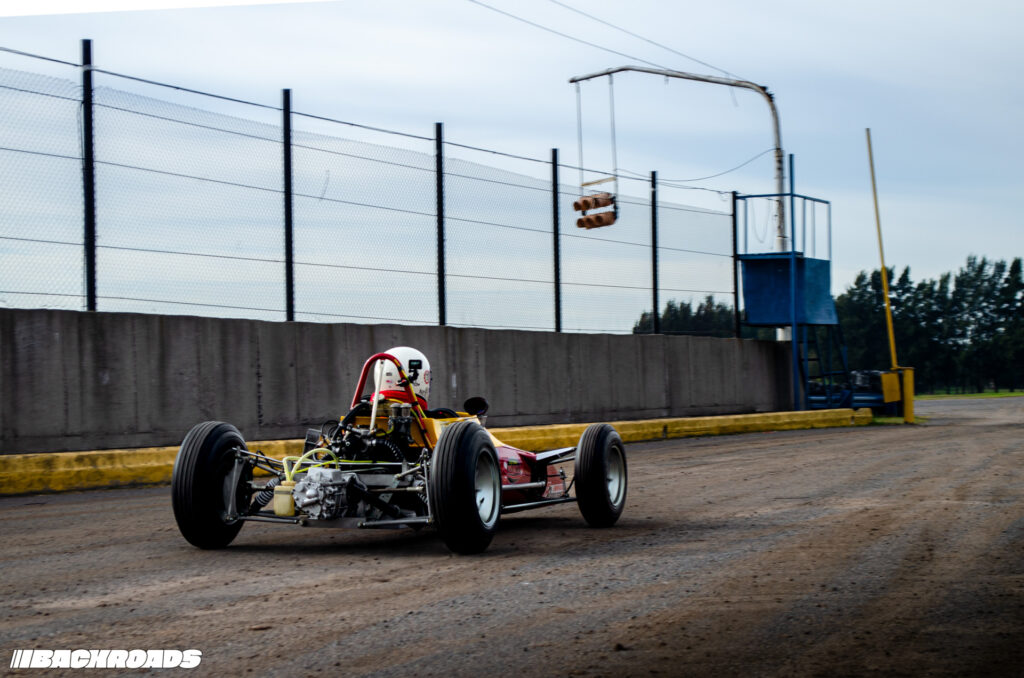
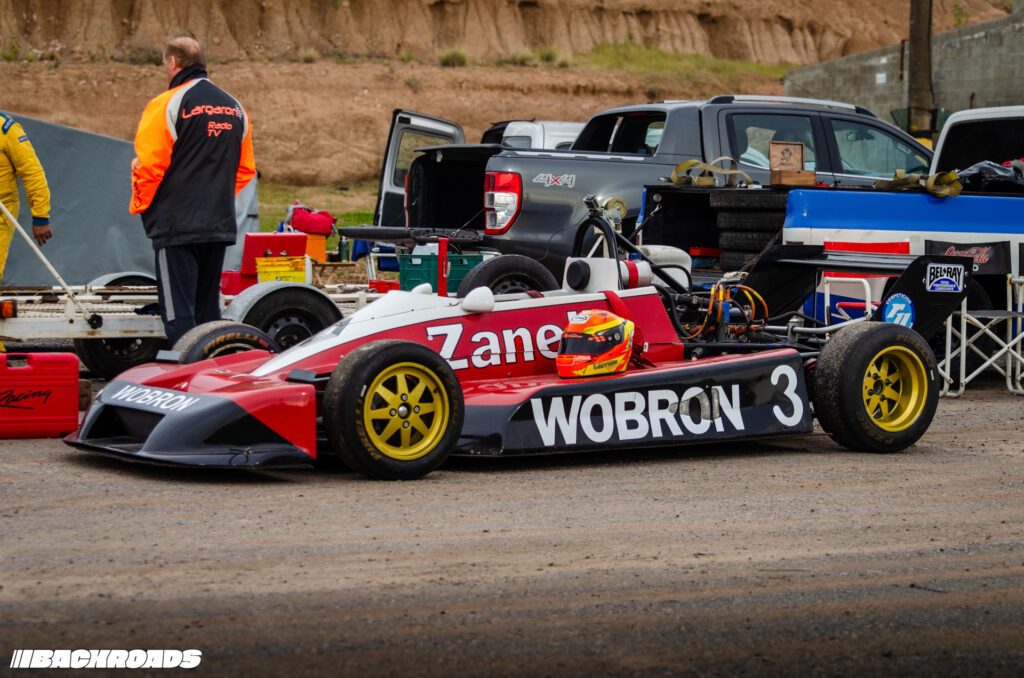
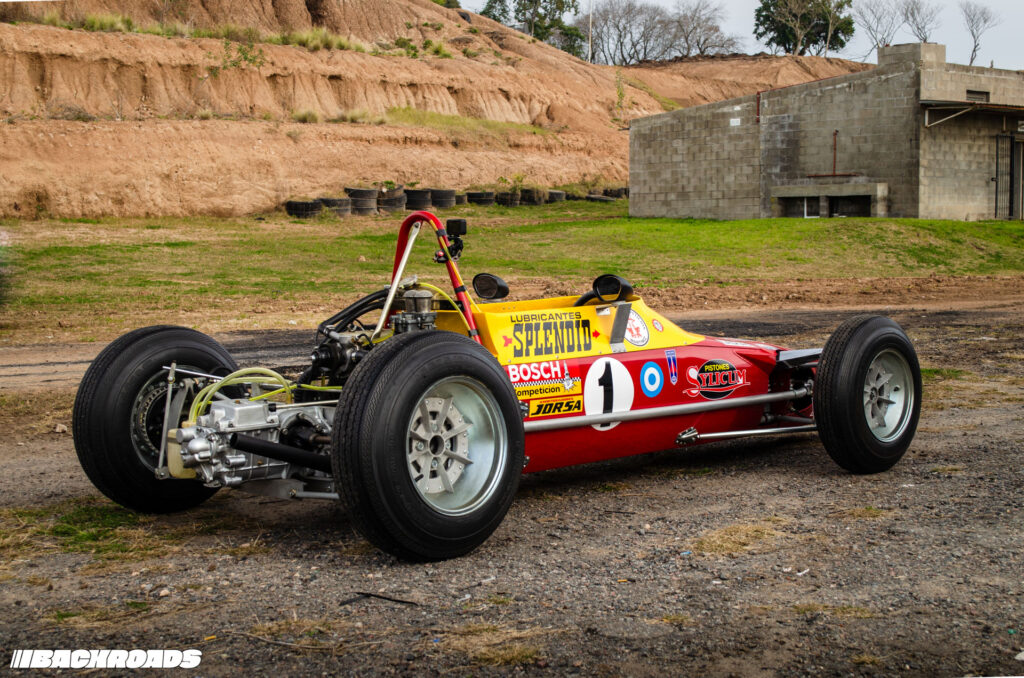
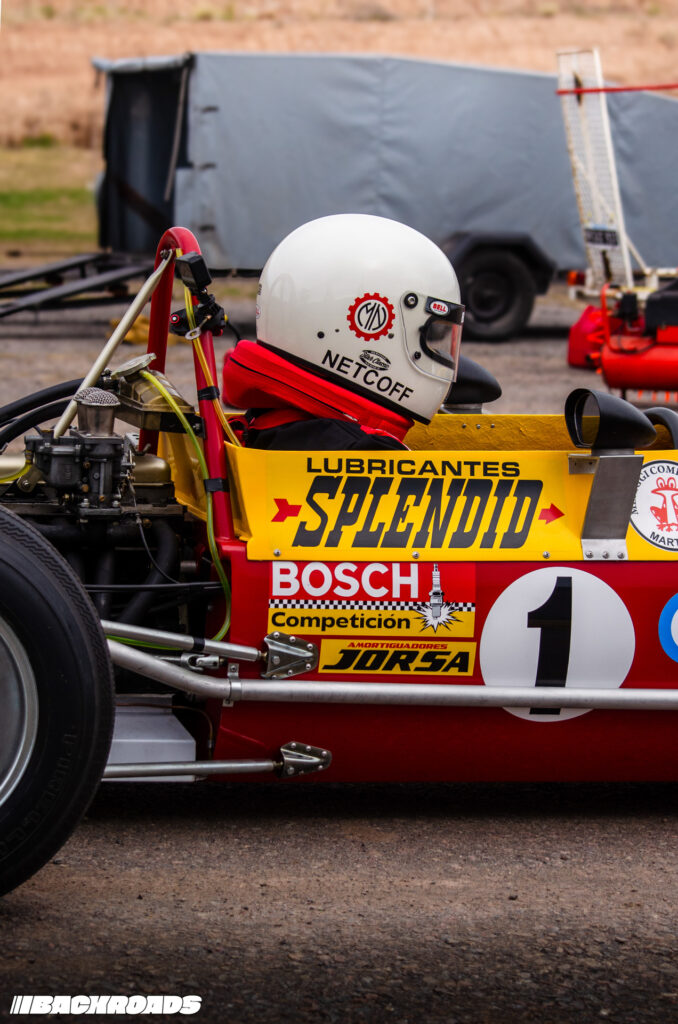
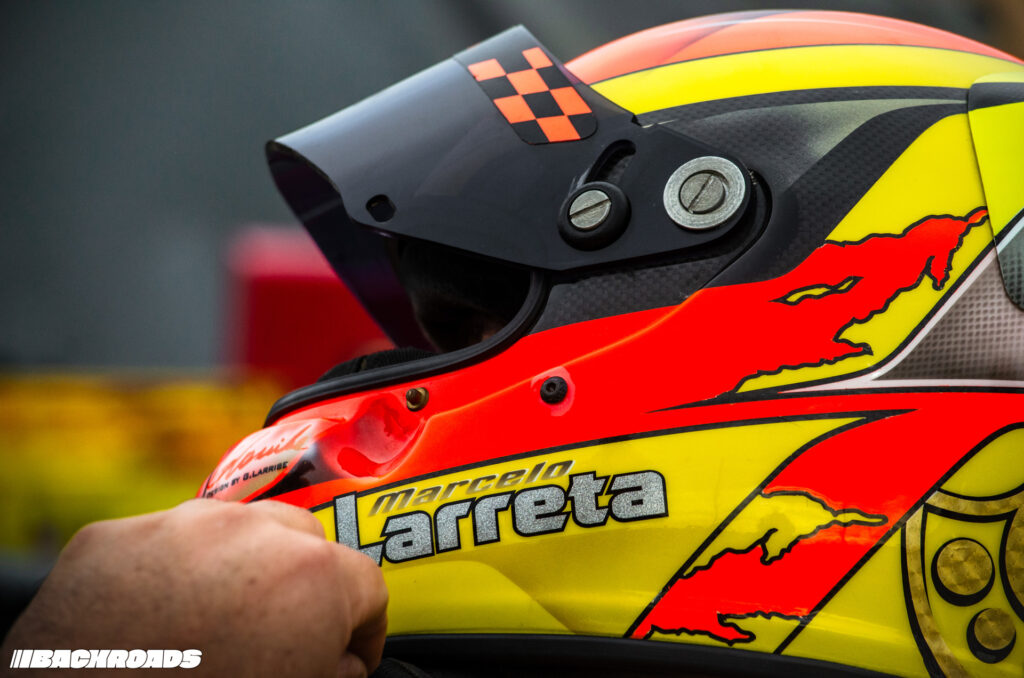
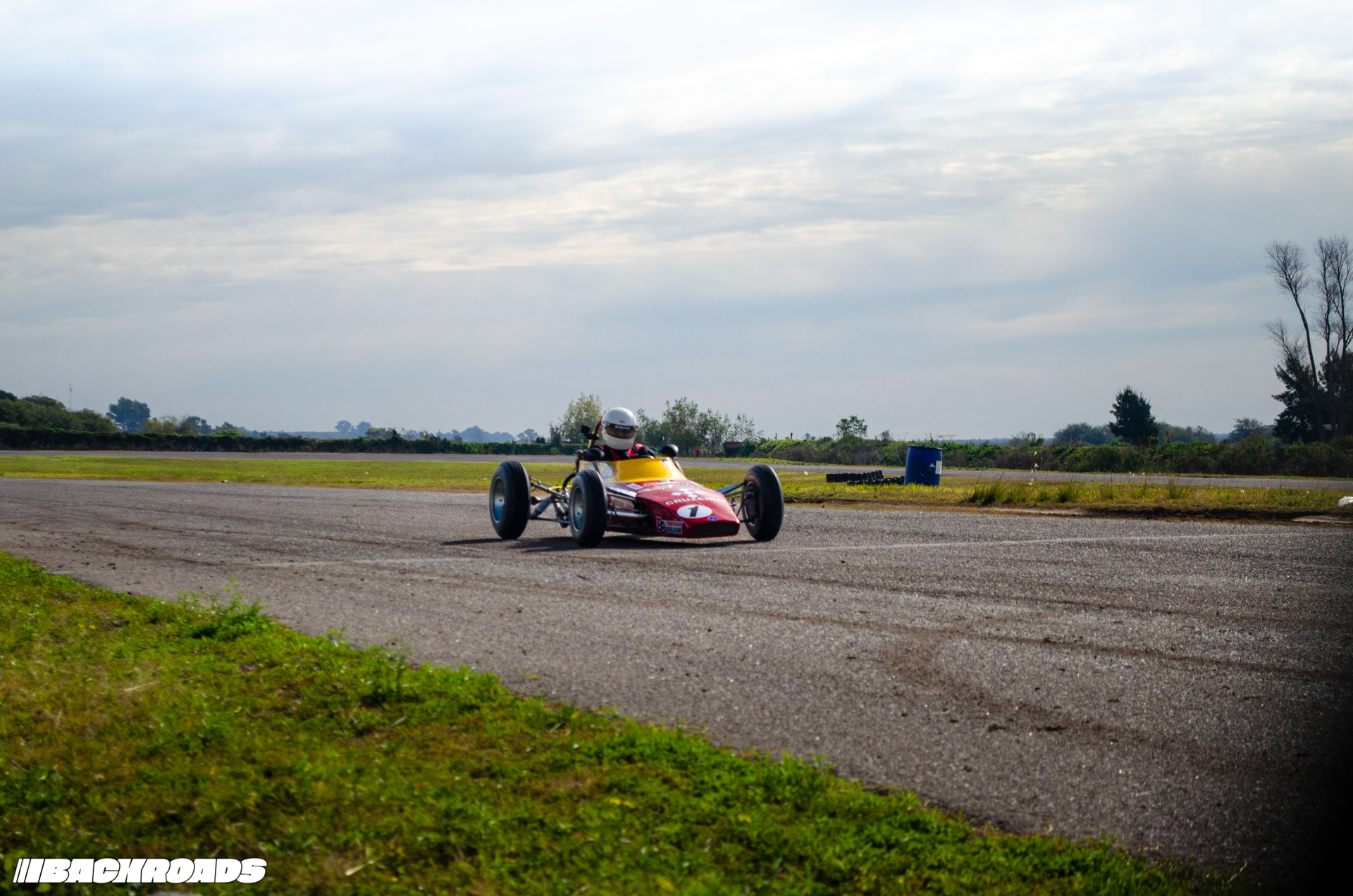
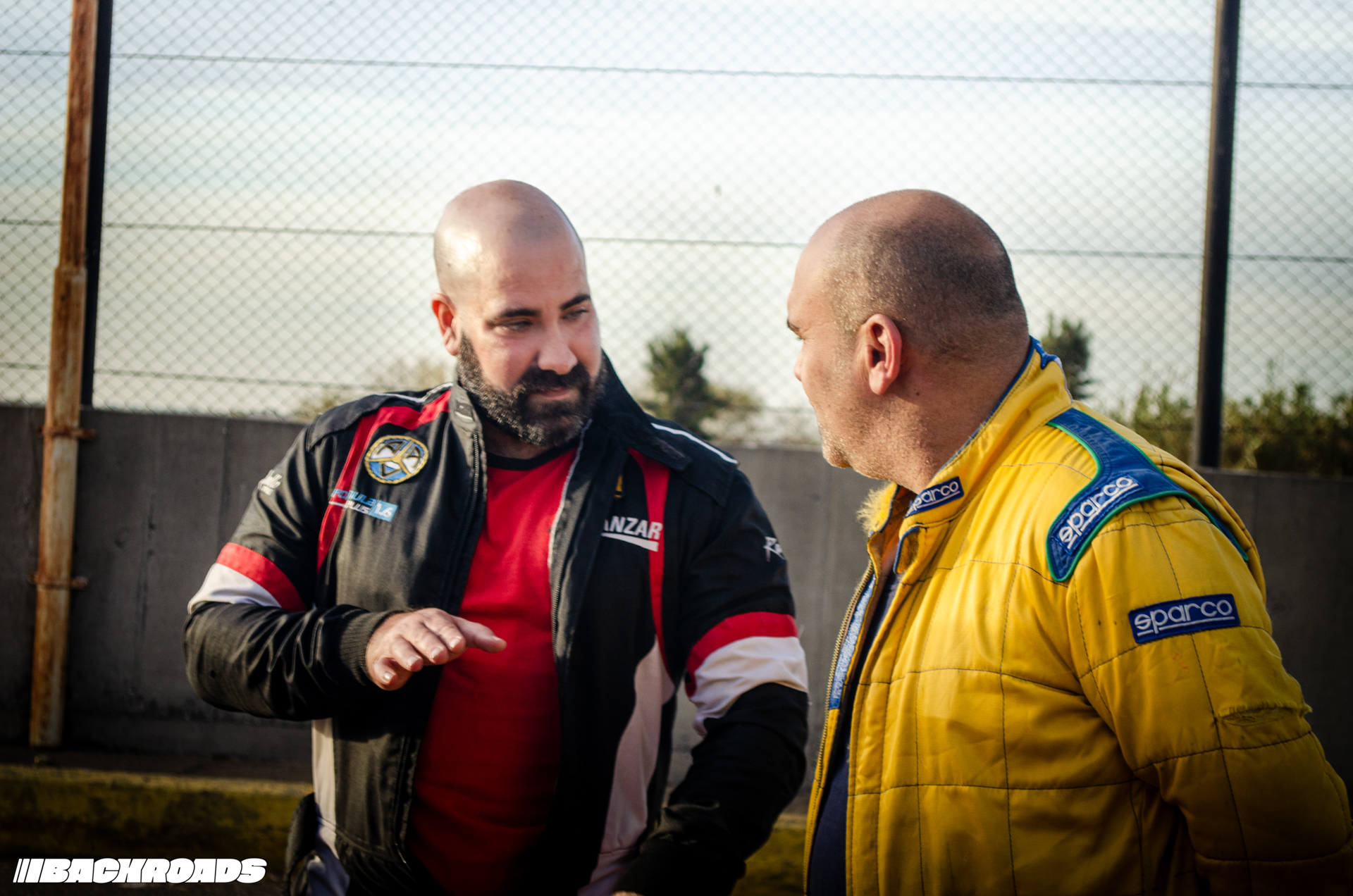
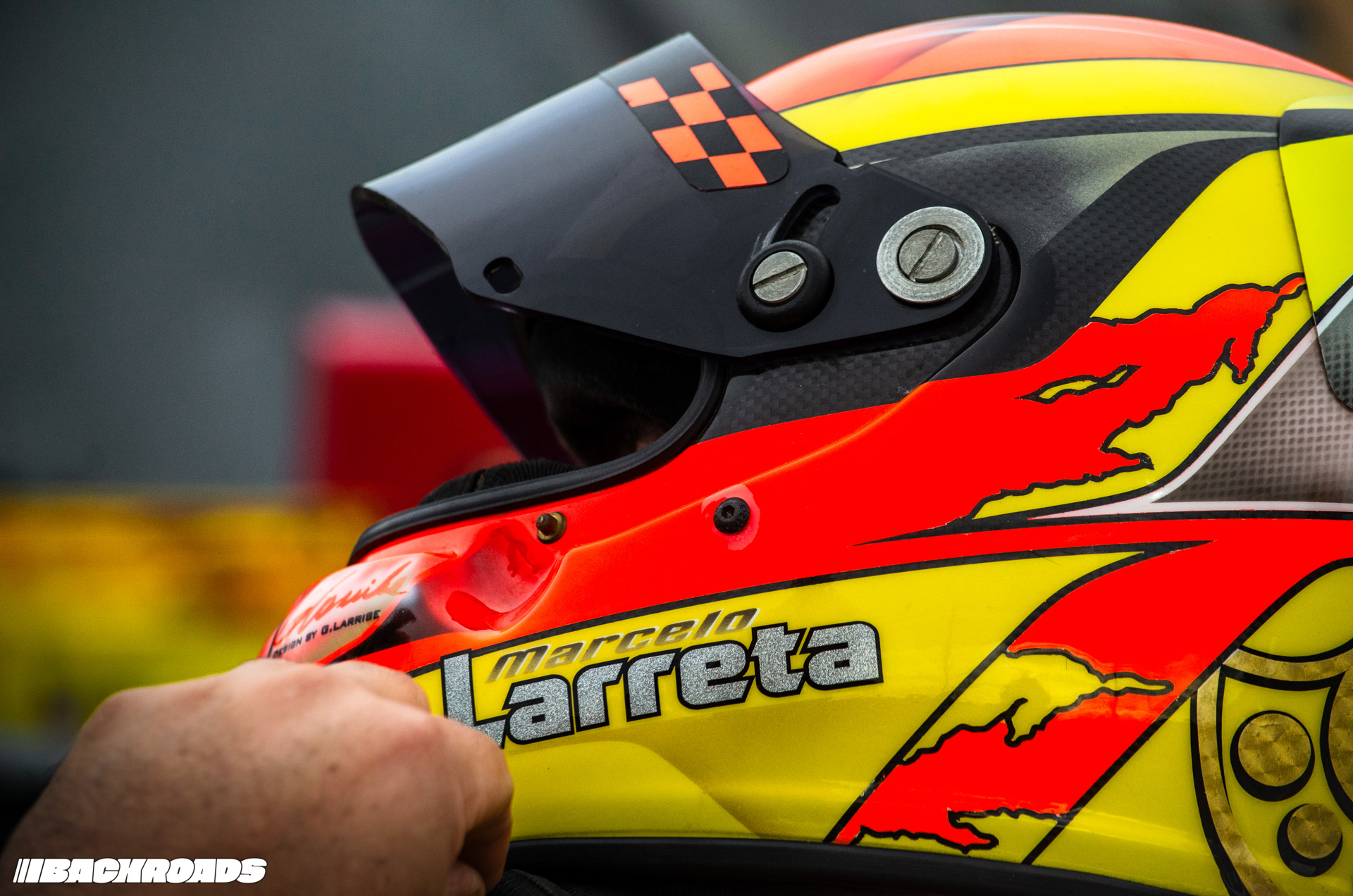
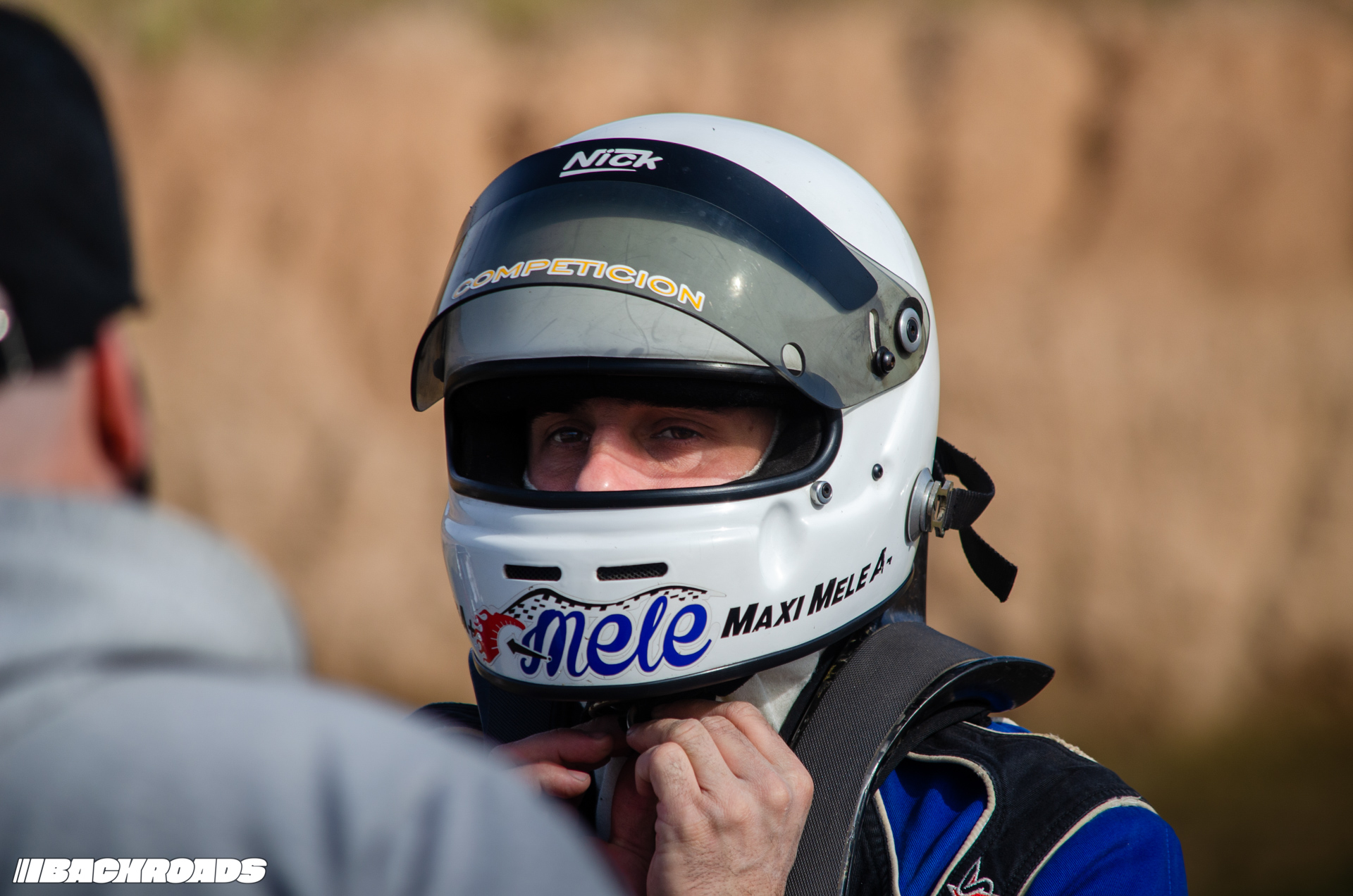
Marcelo “Kelo” Larreta understood this. He wanted to give these cars – and their mad owners – a place to stretch their legs again. Thus, Espacio Fórmula was born. A community with one single rule: own a formula car, end of discussion.
Each chassis tells a story. not just of who drove it, or which races it survived, but of the people who dragged it back from a certain death.
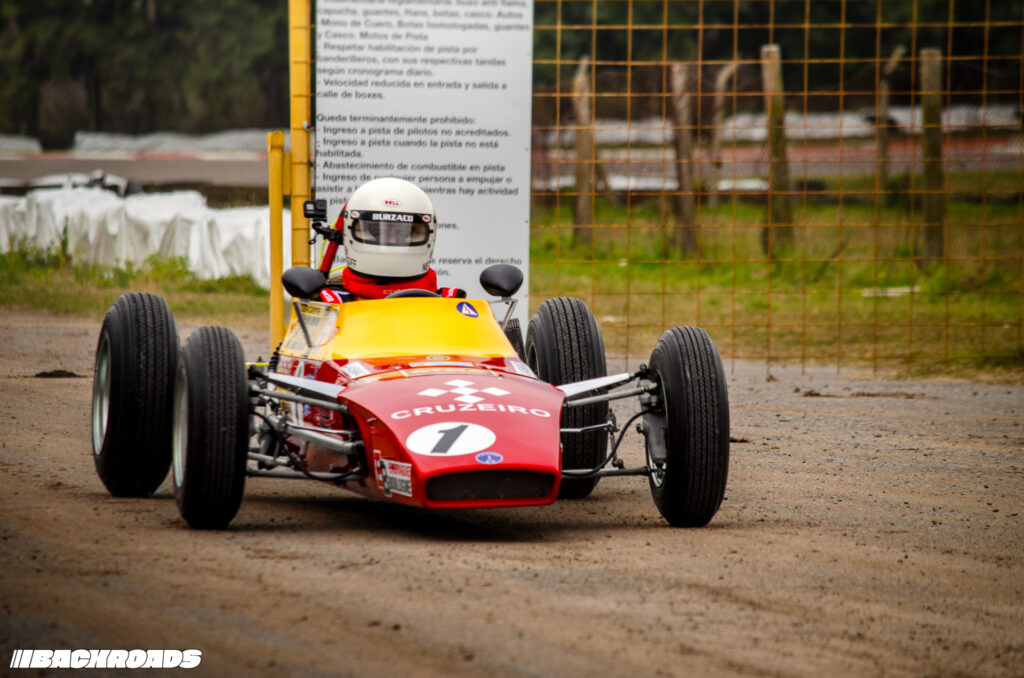
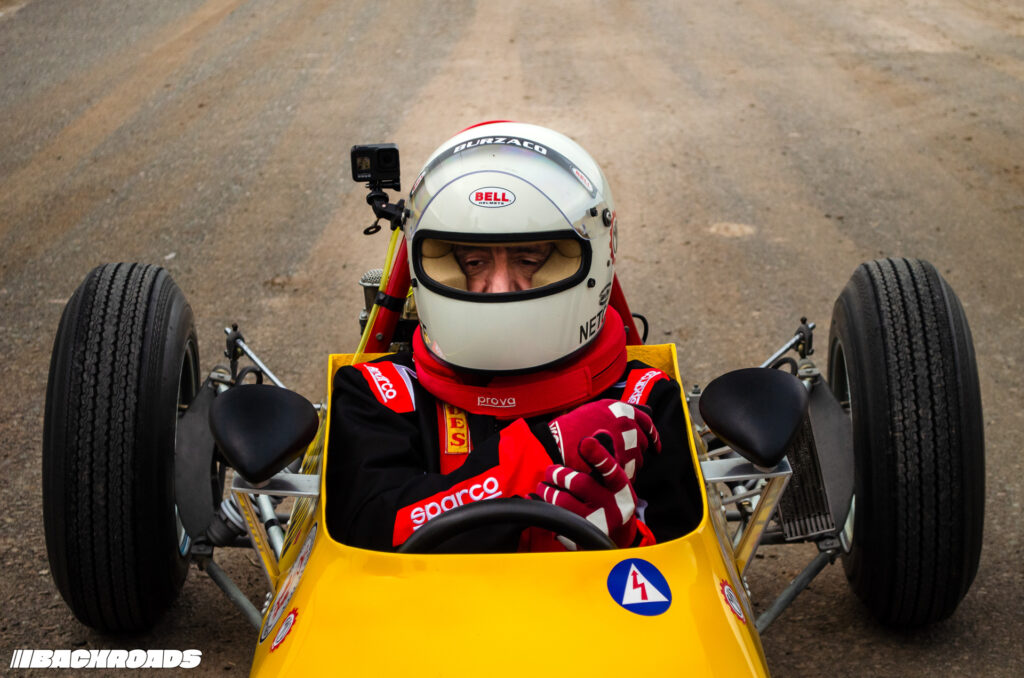
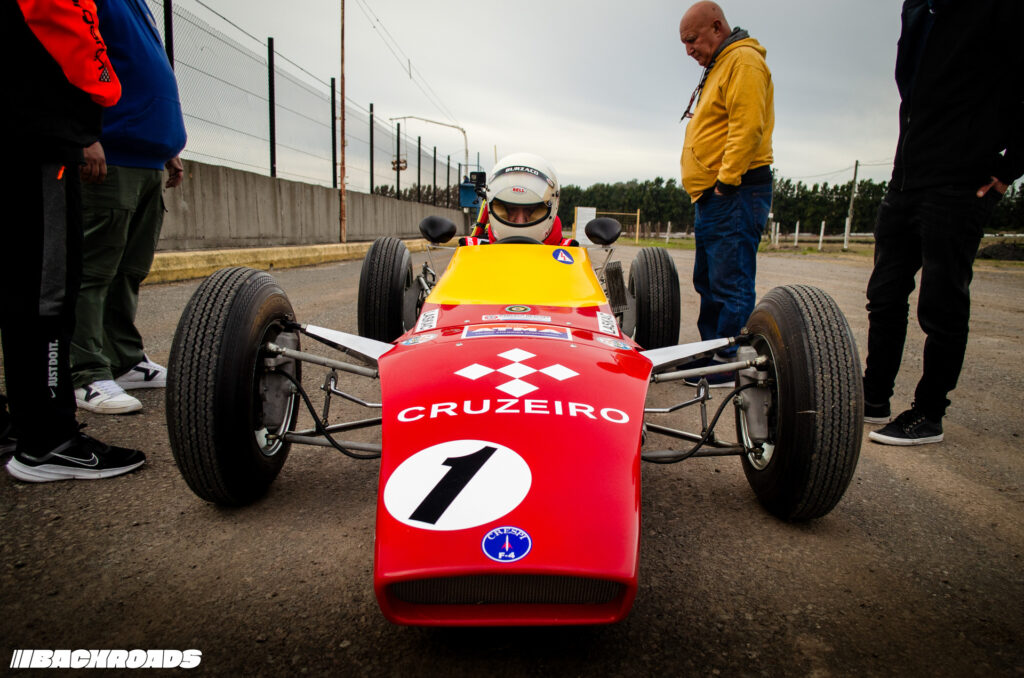
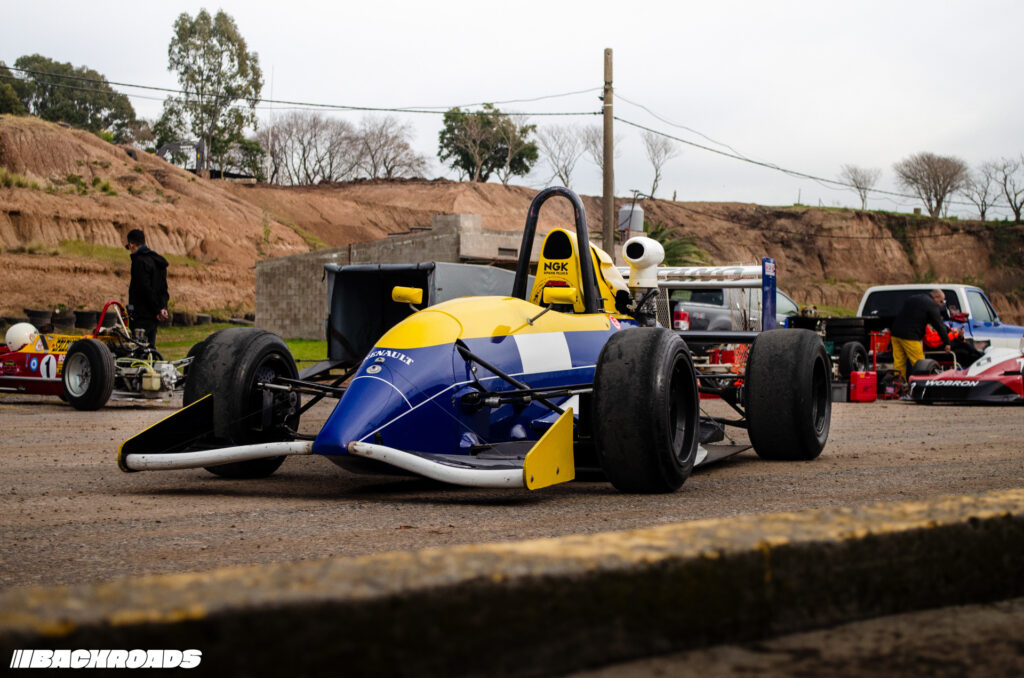
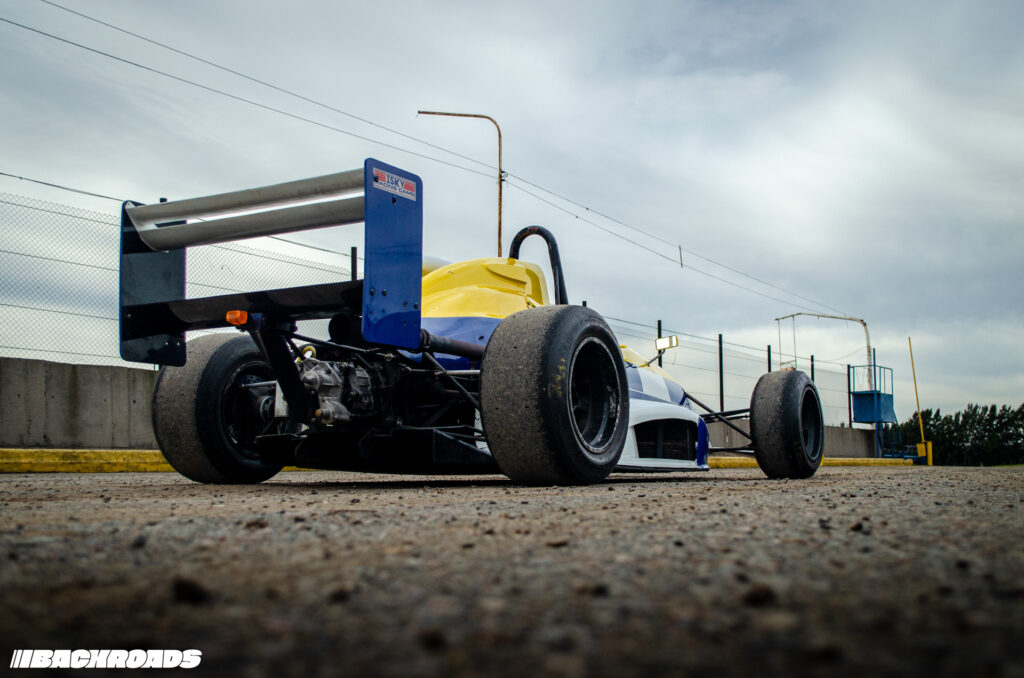
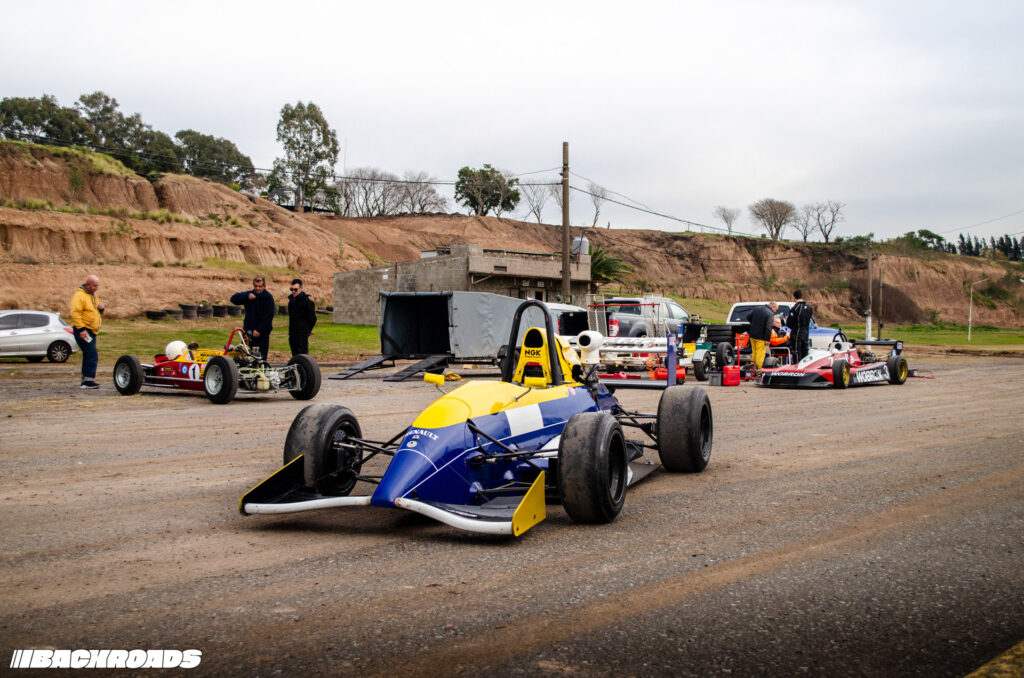
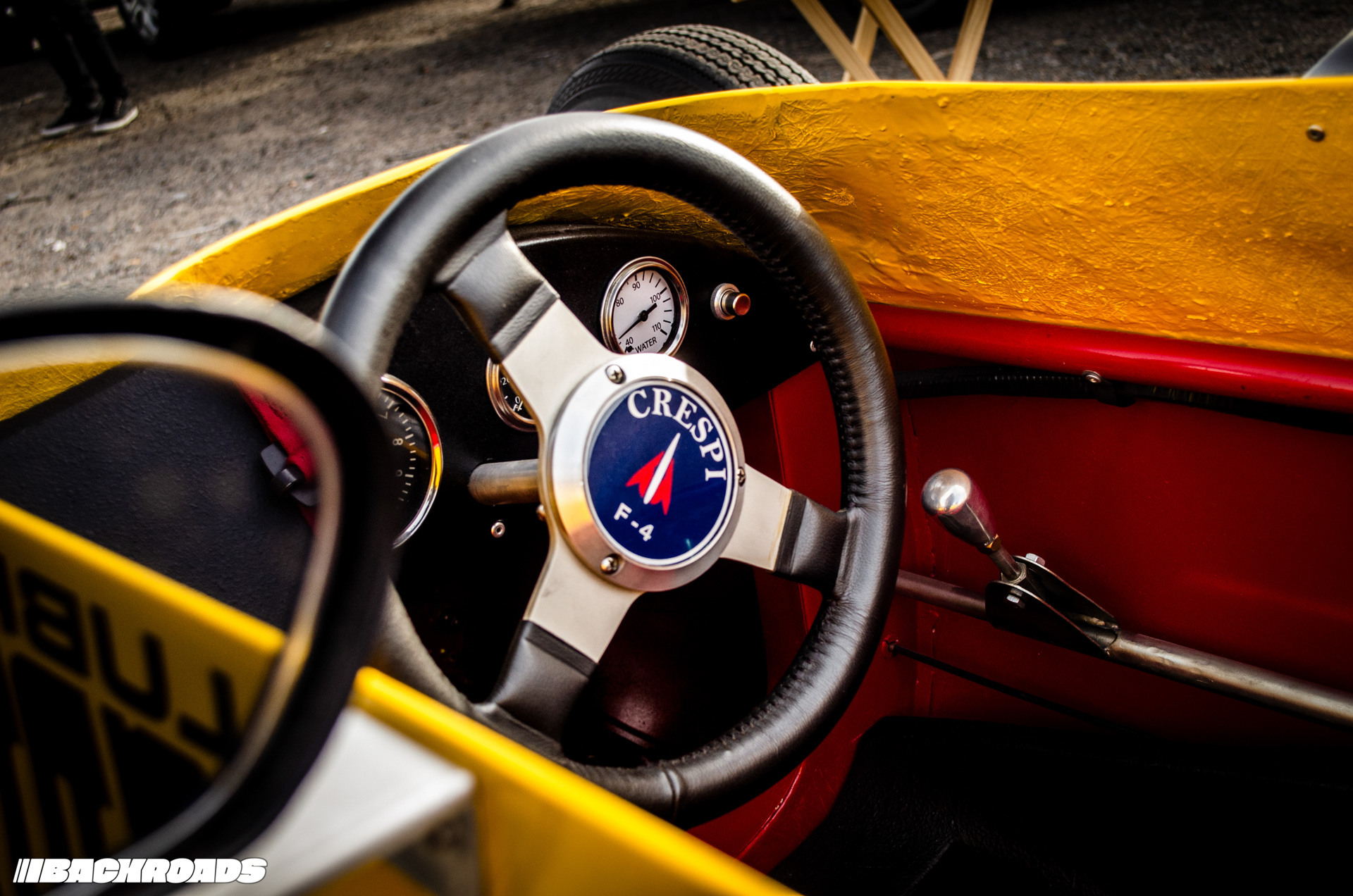
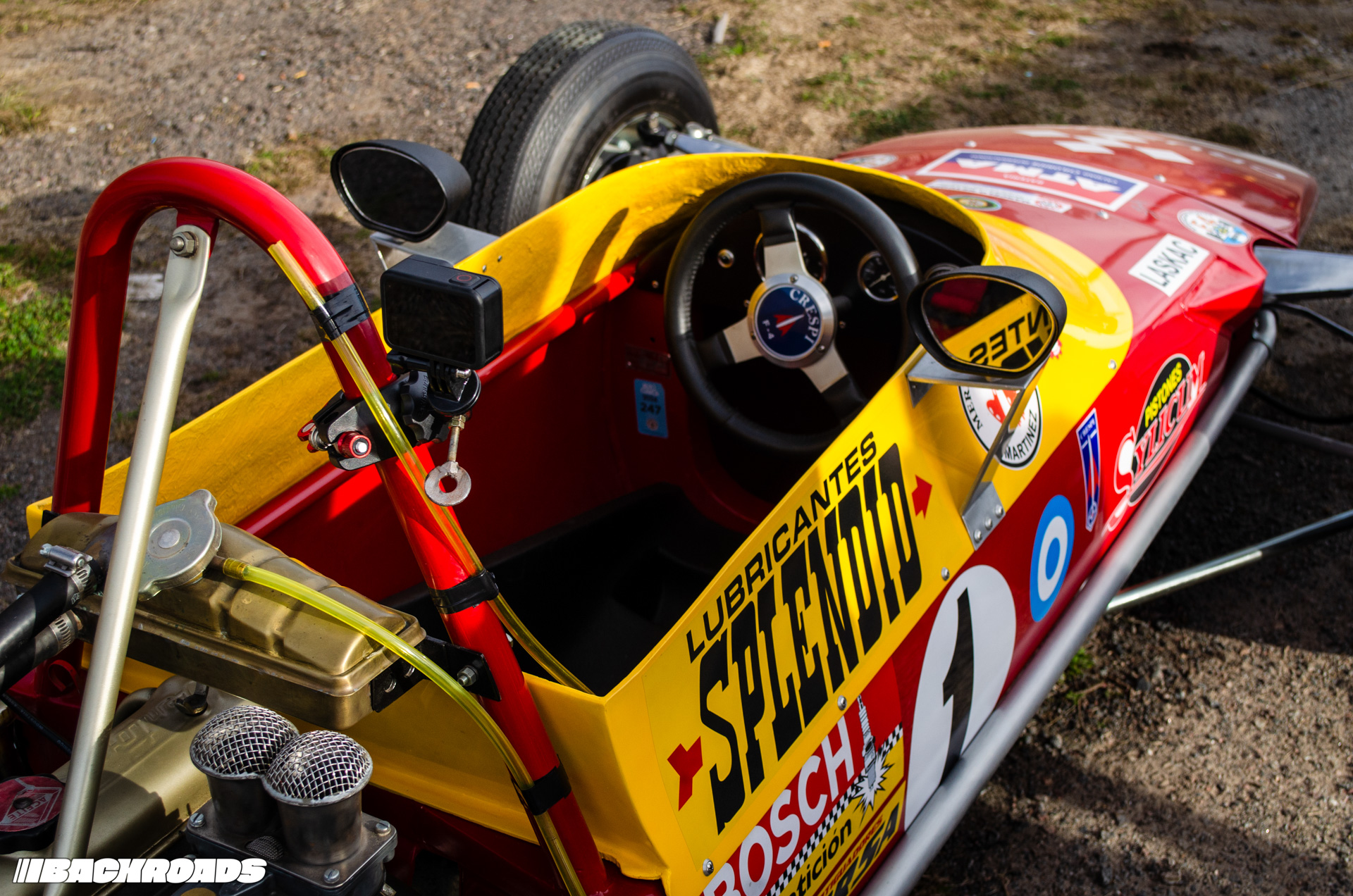
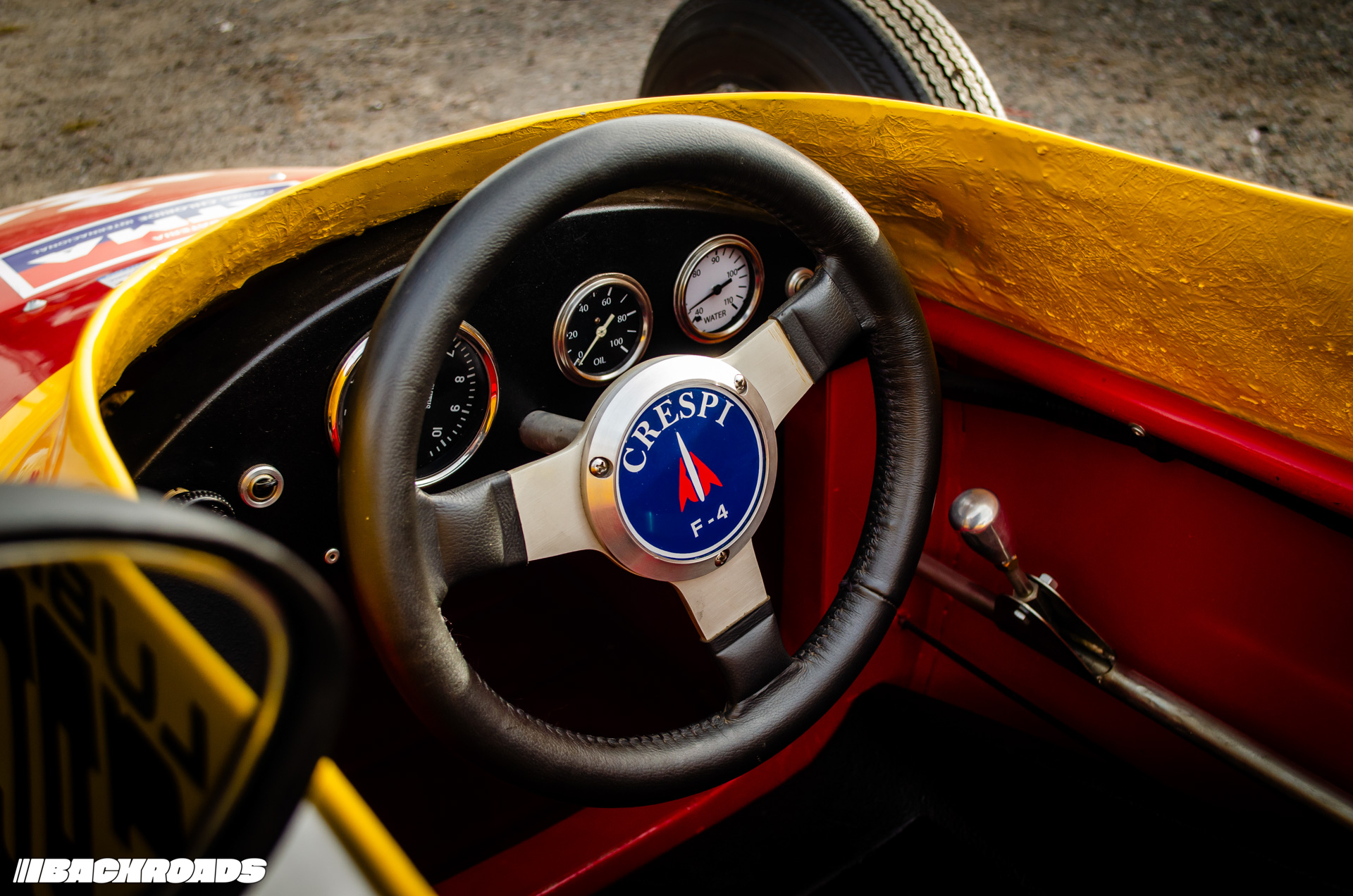
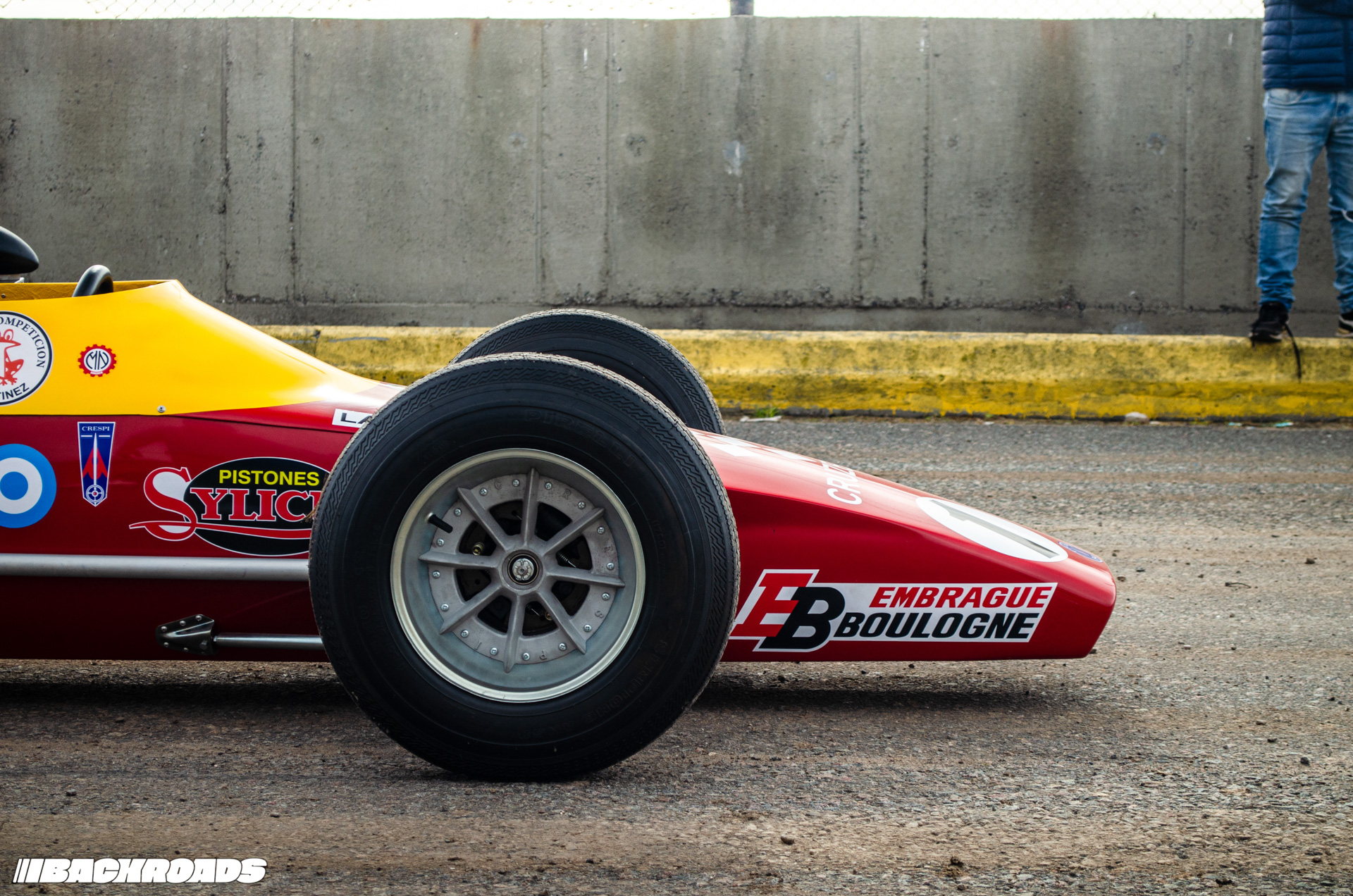
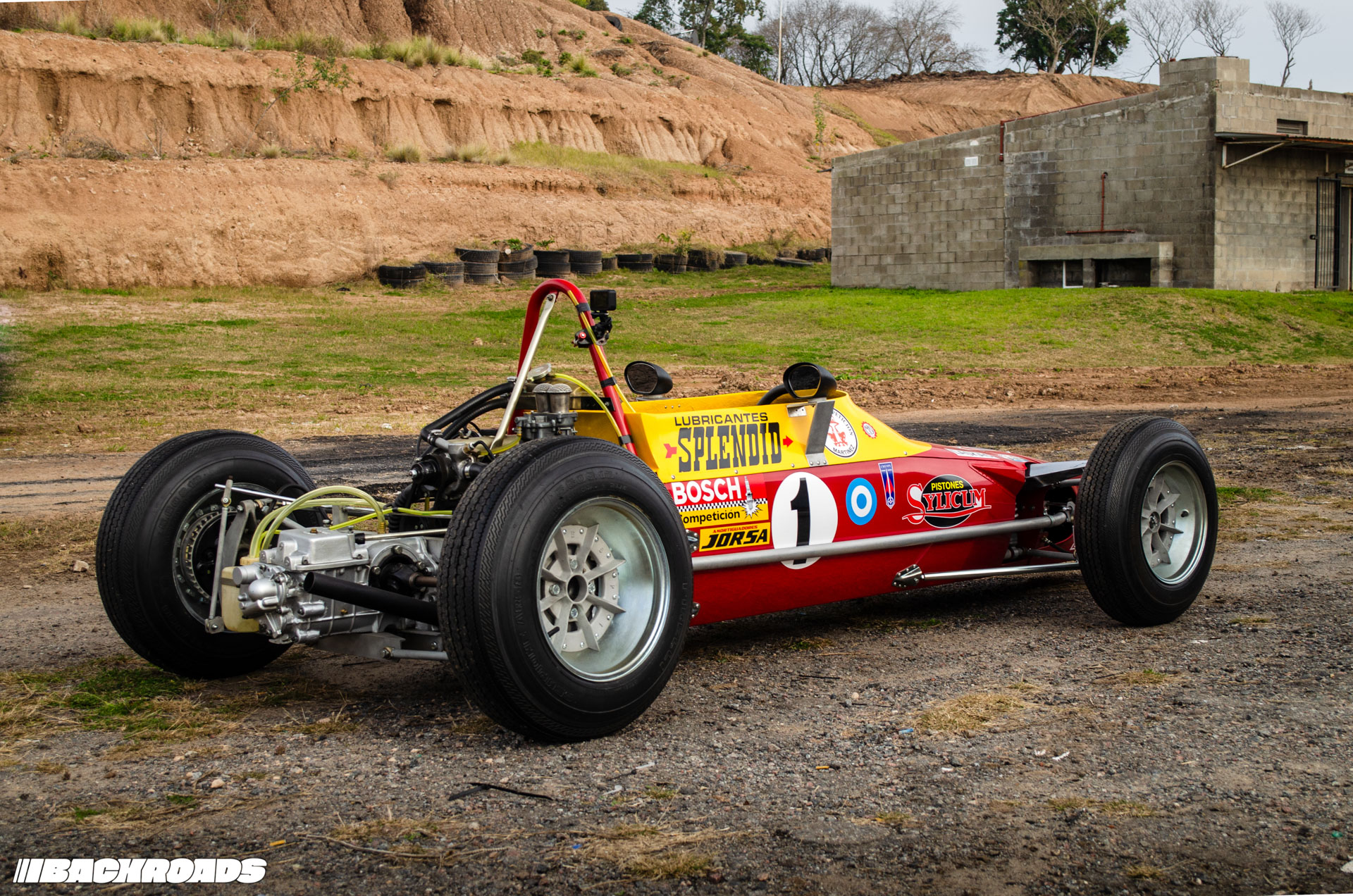
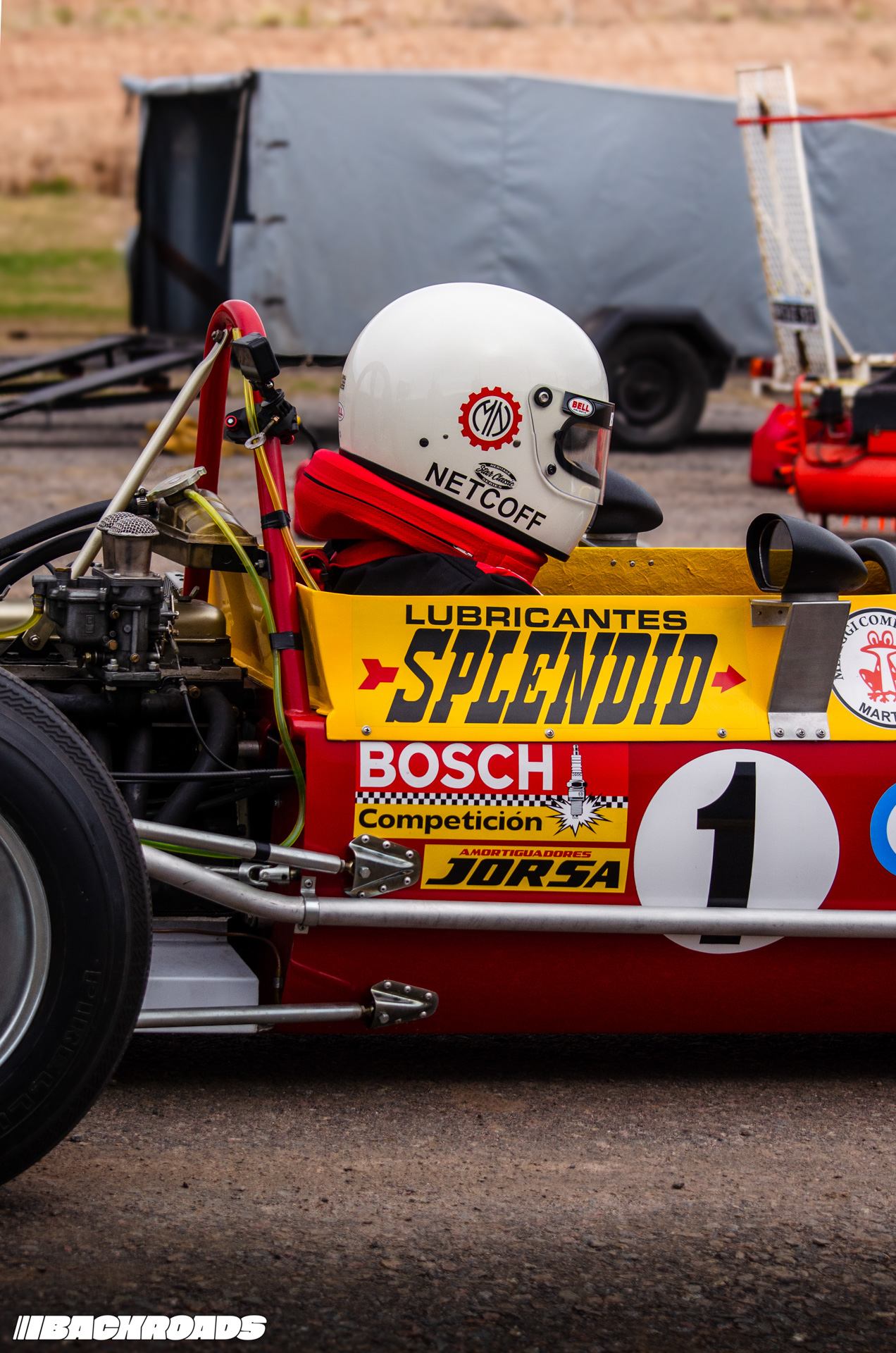
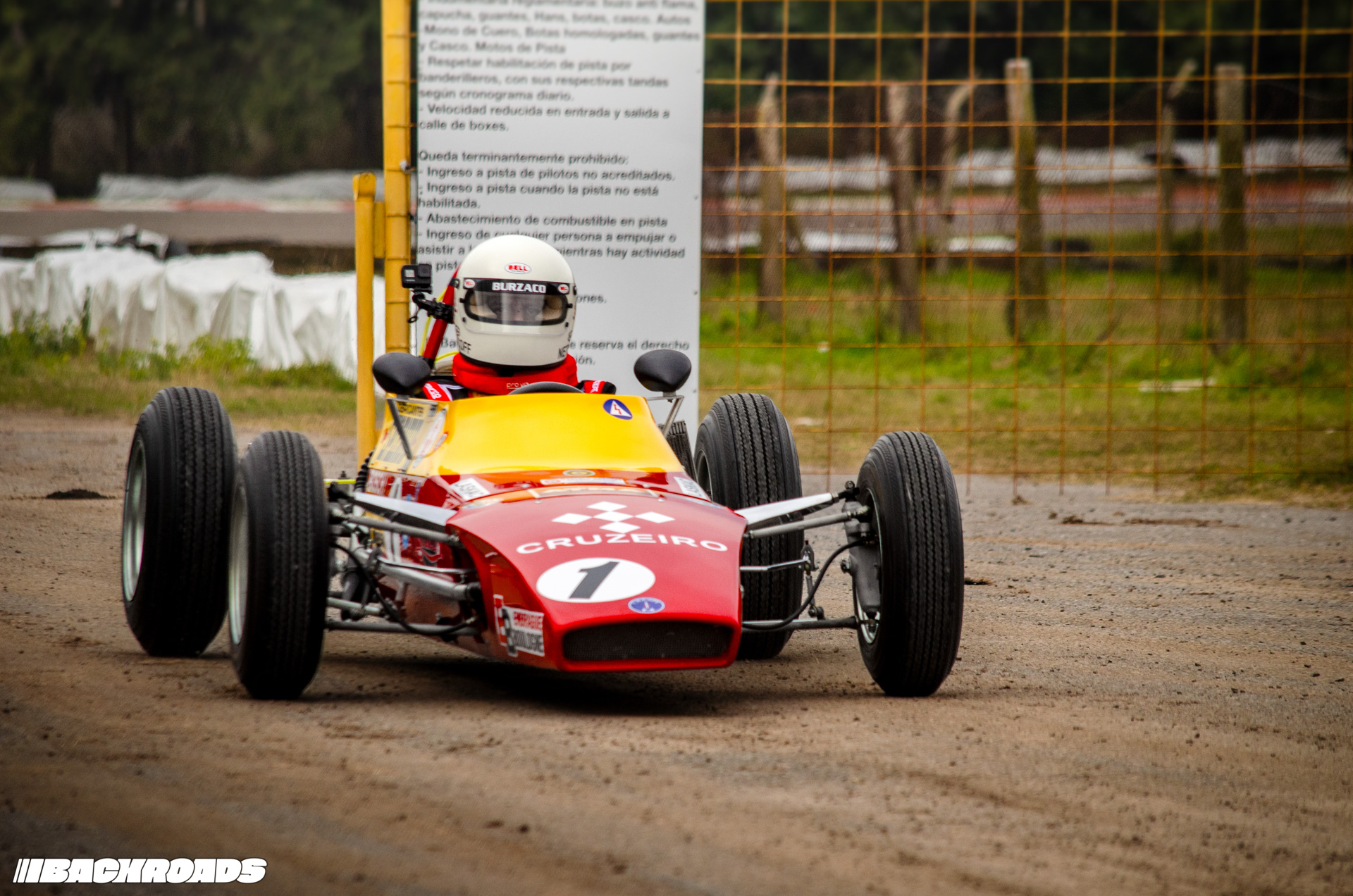
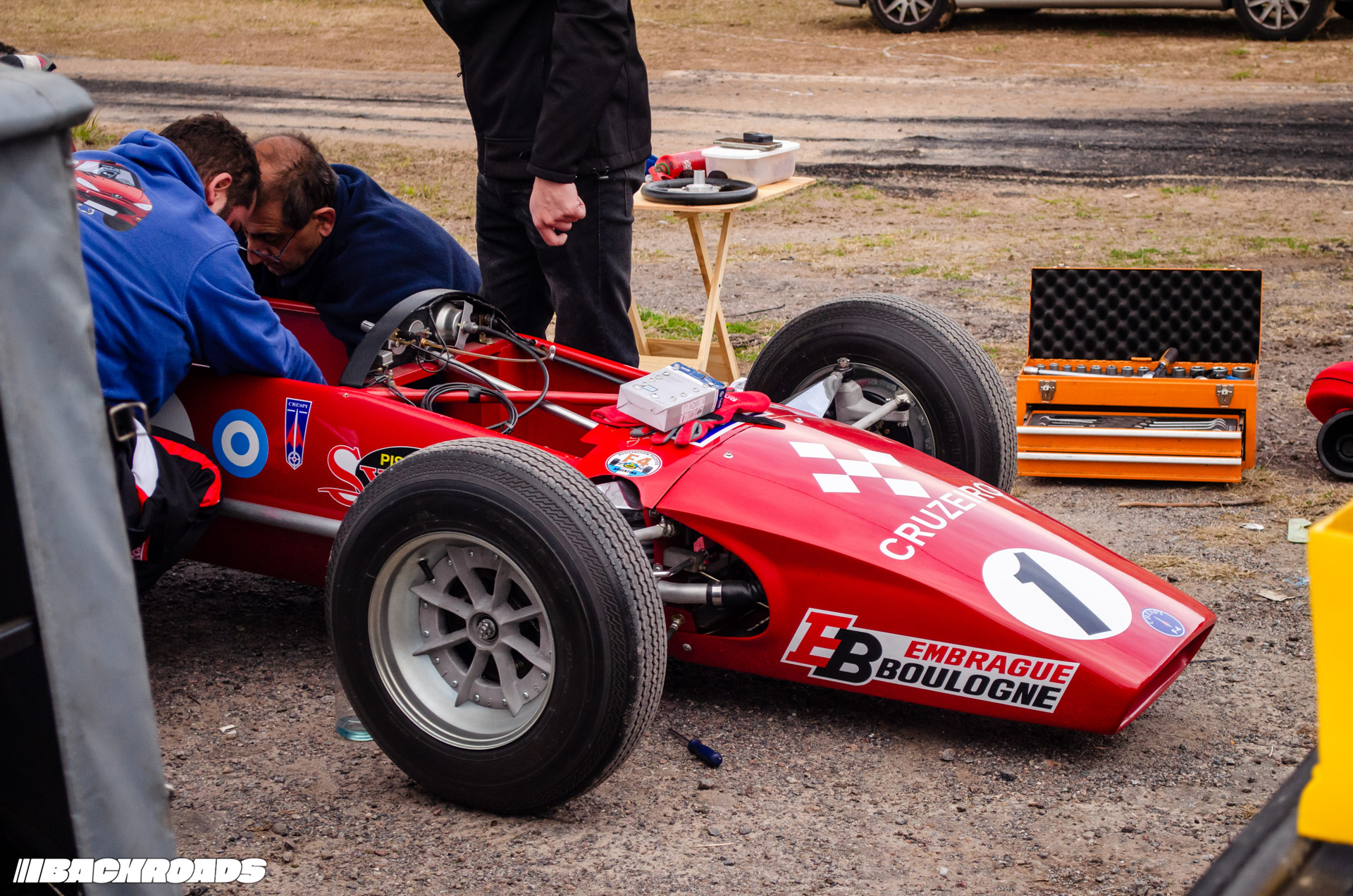
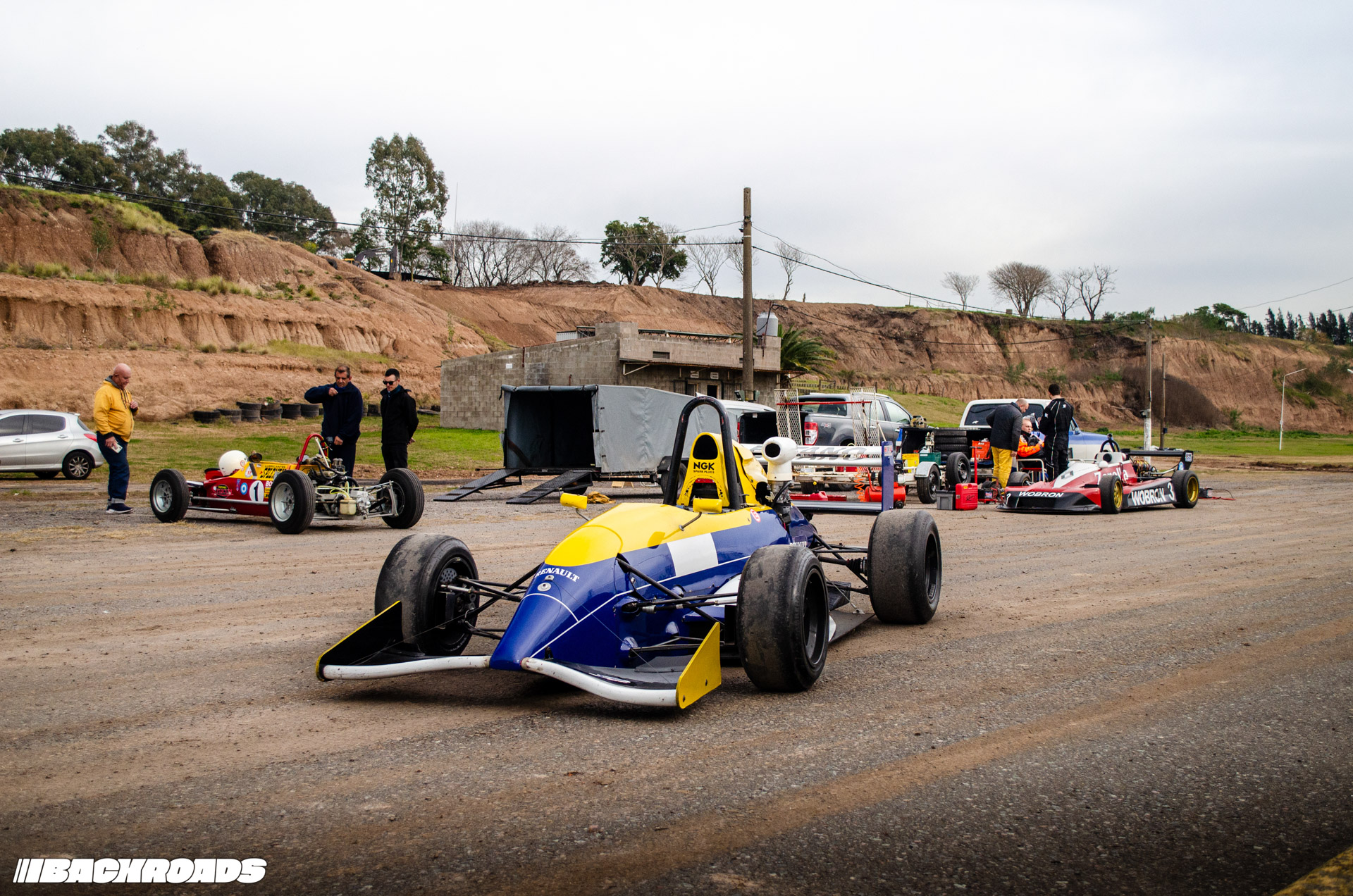
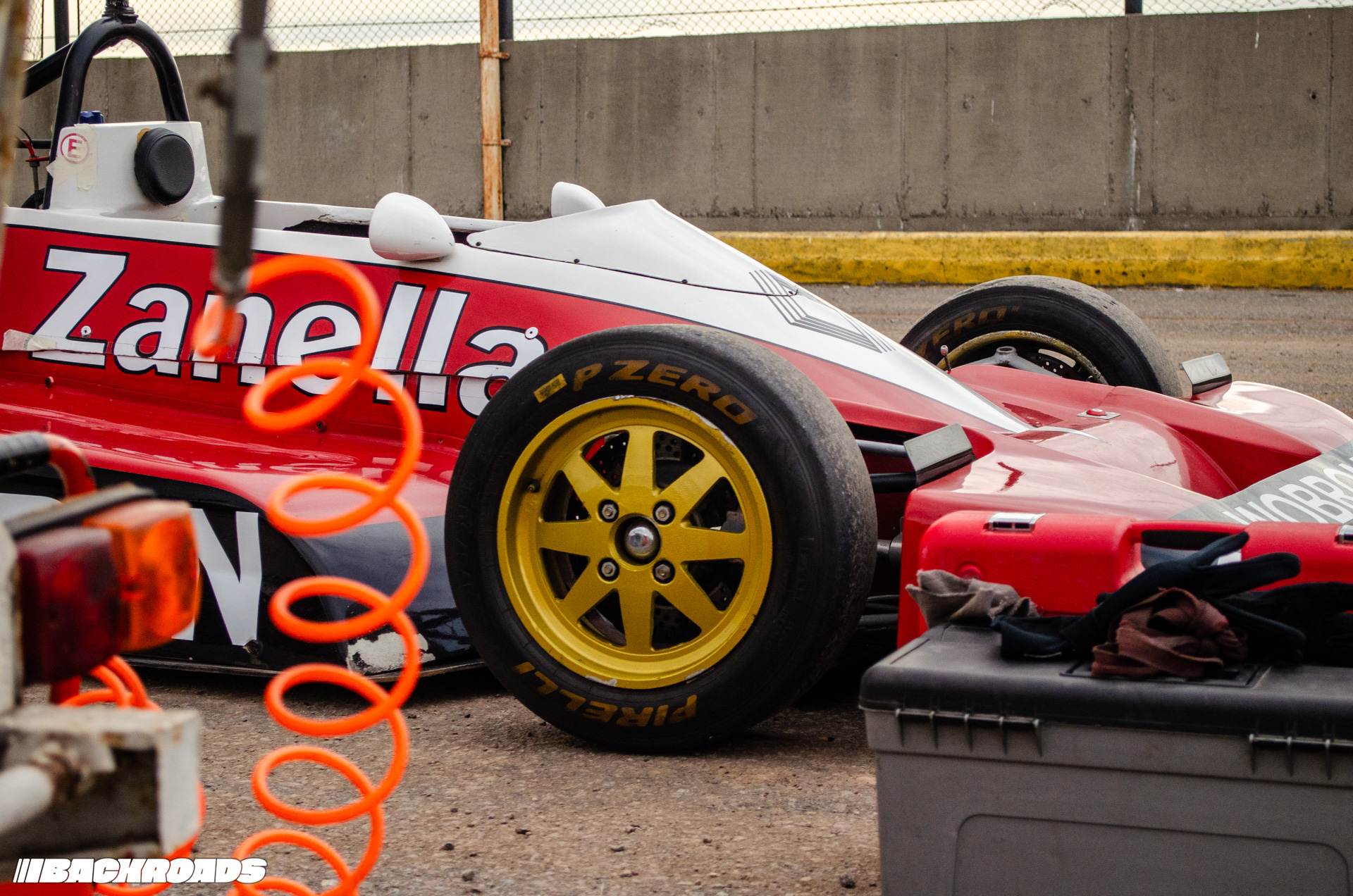
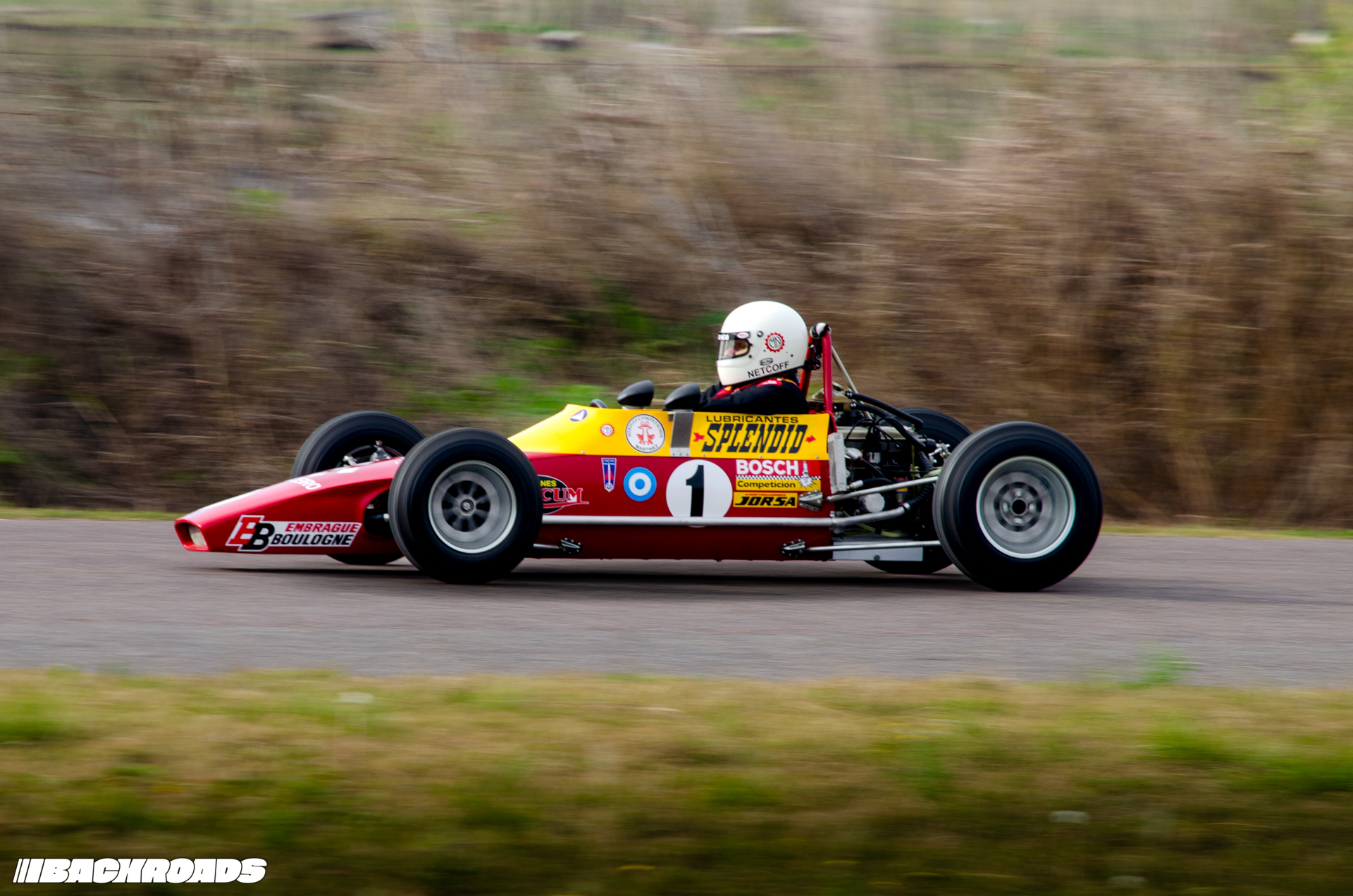
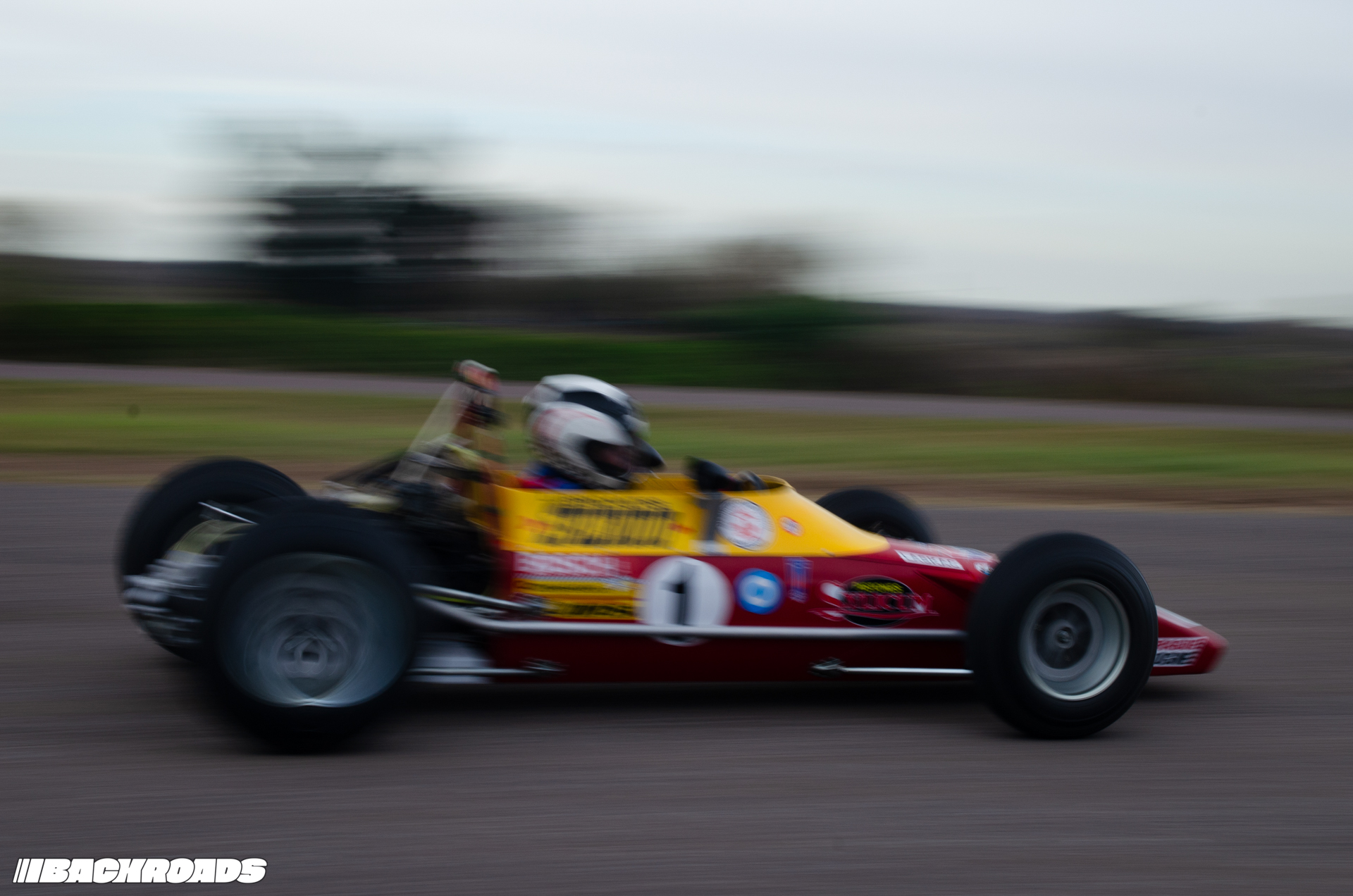
Kelo knows this first-hand. He grew up idolising Gustavo Mandrini, a local Formula Renault legend, and years later Kelo stumbled upon a formula car nearly identical to his hero’s. He restored it, fired it up, and climbed in. He was the owner of a Crespi Tulia XXII from the eighties.
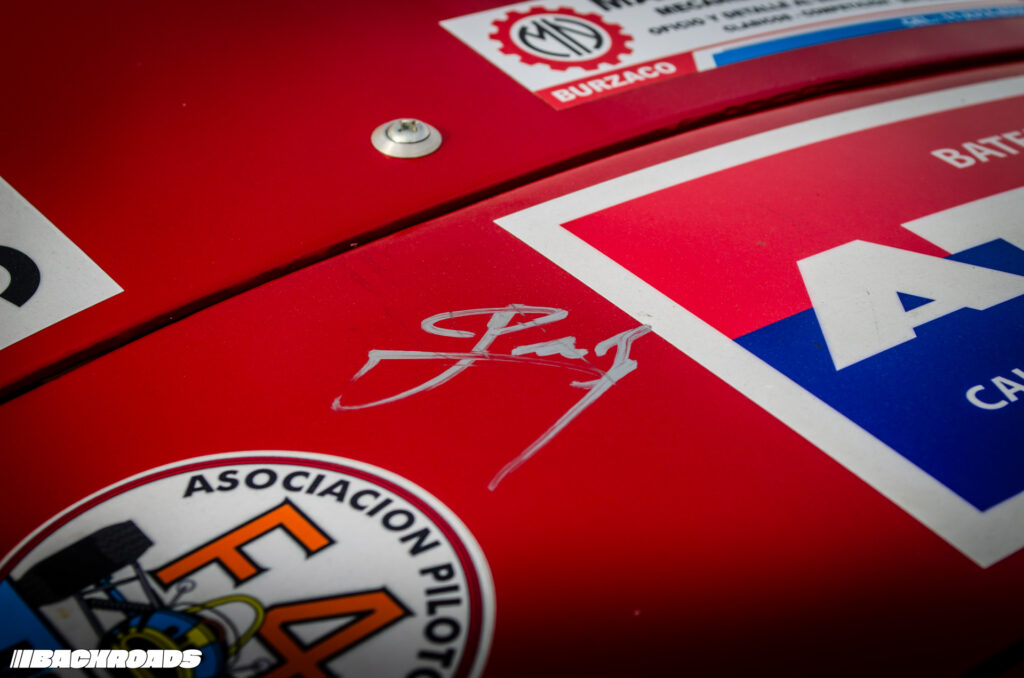
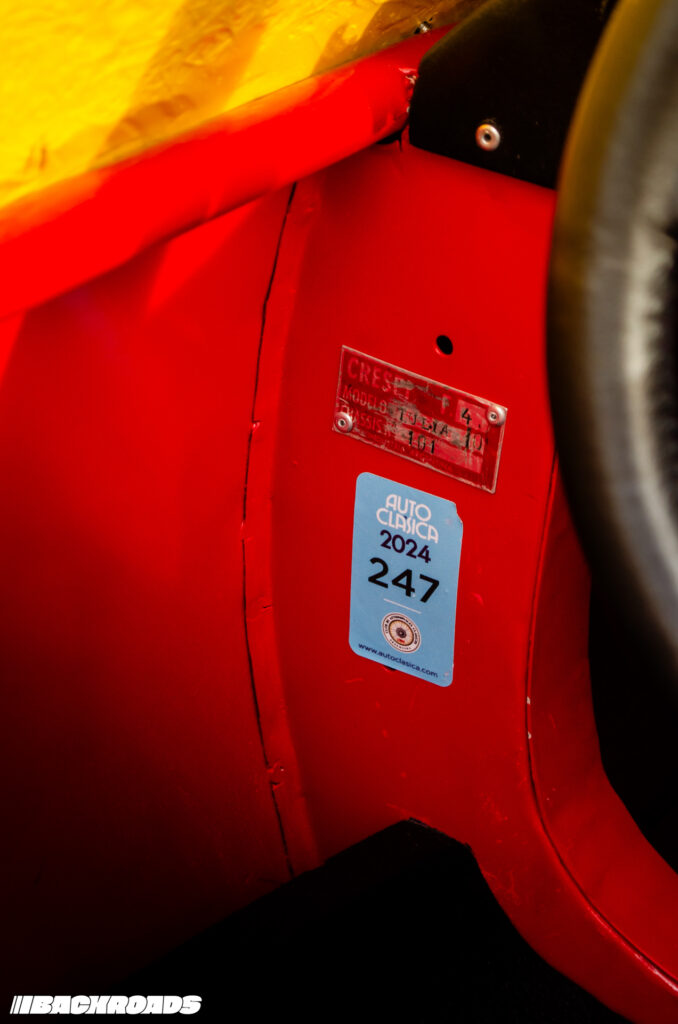
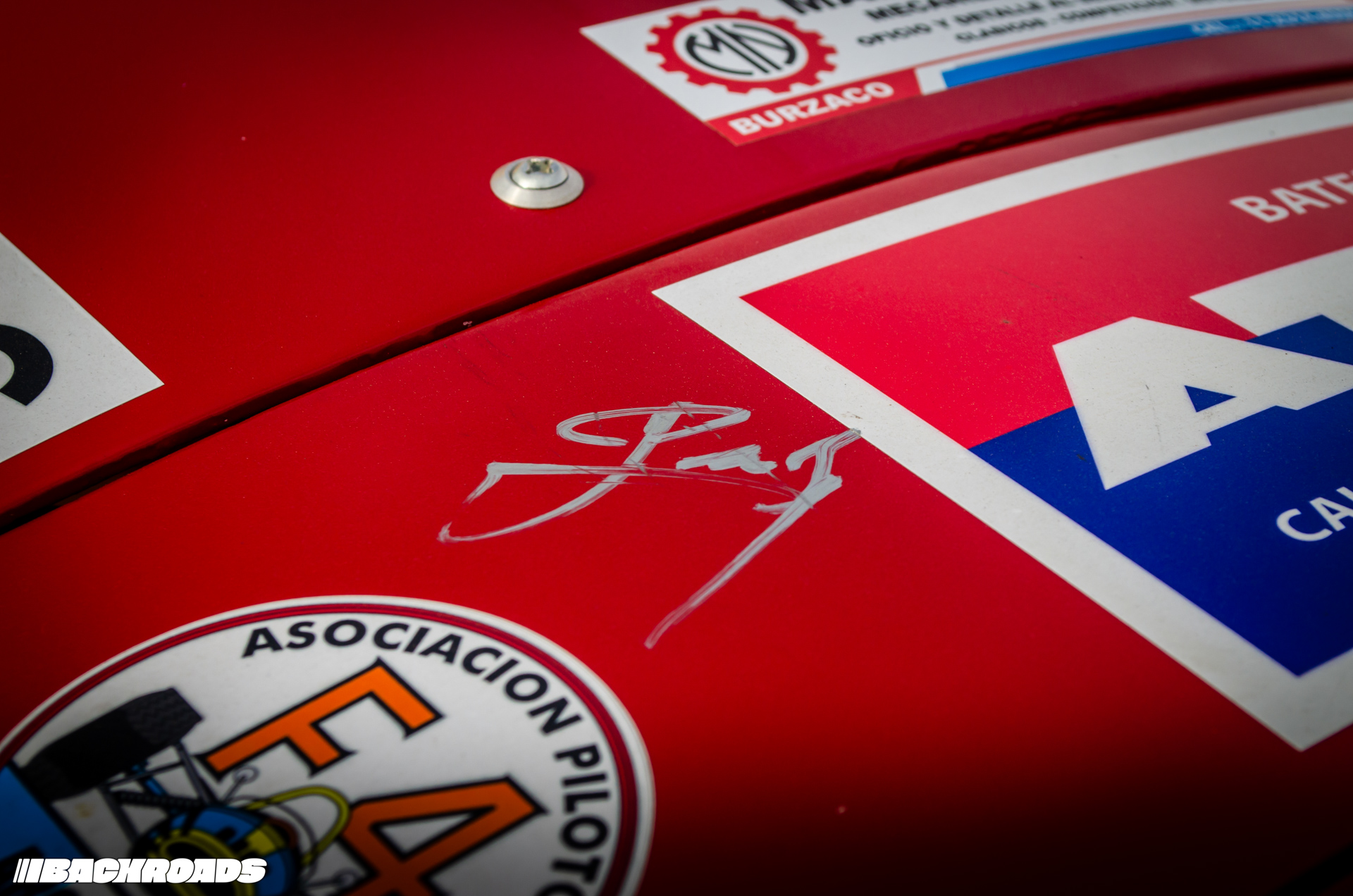
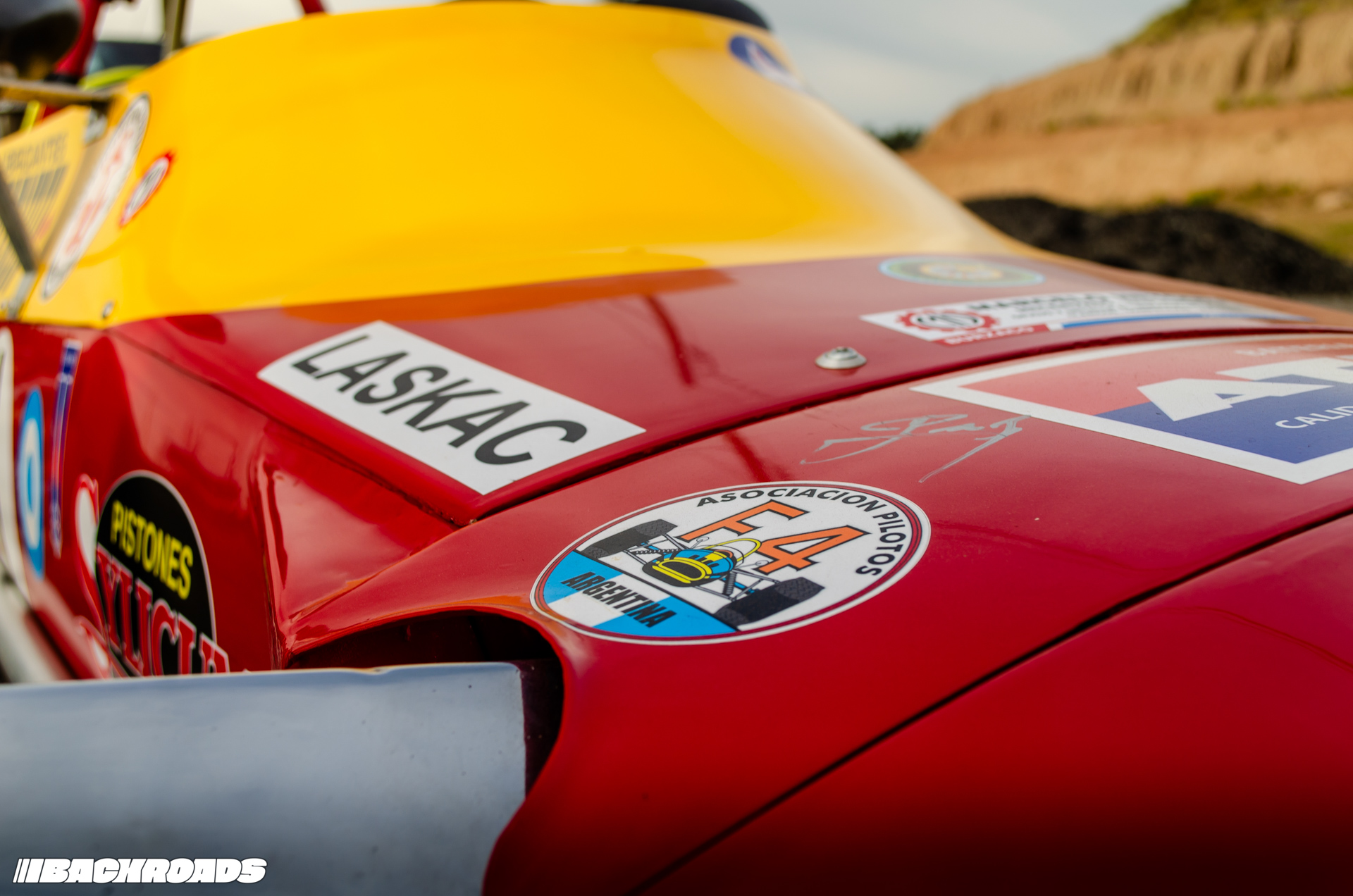
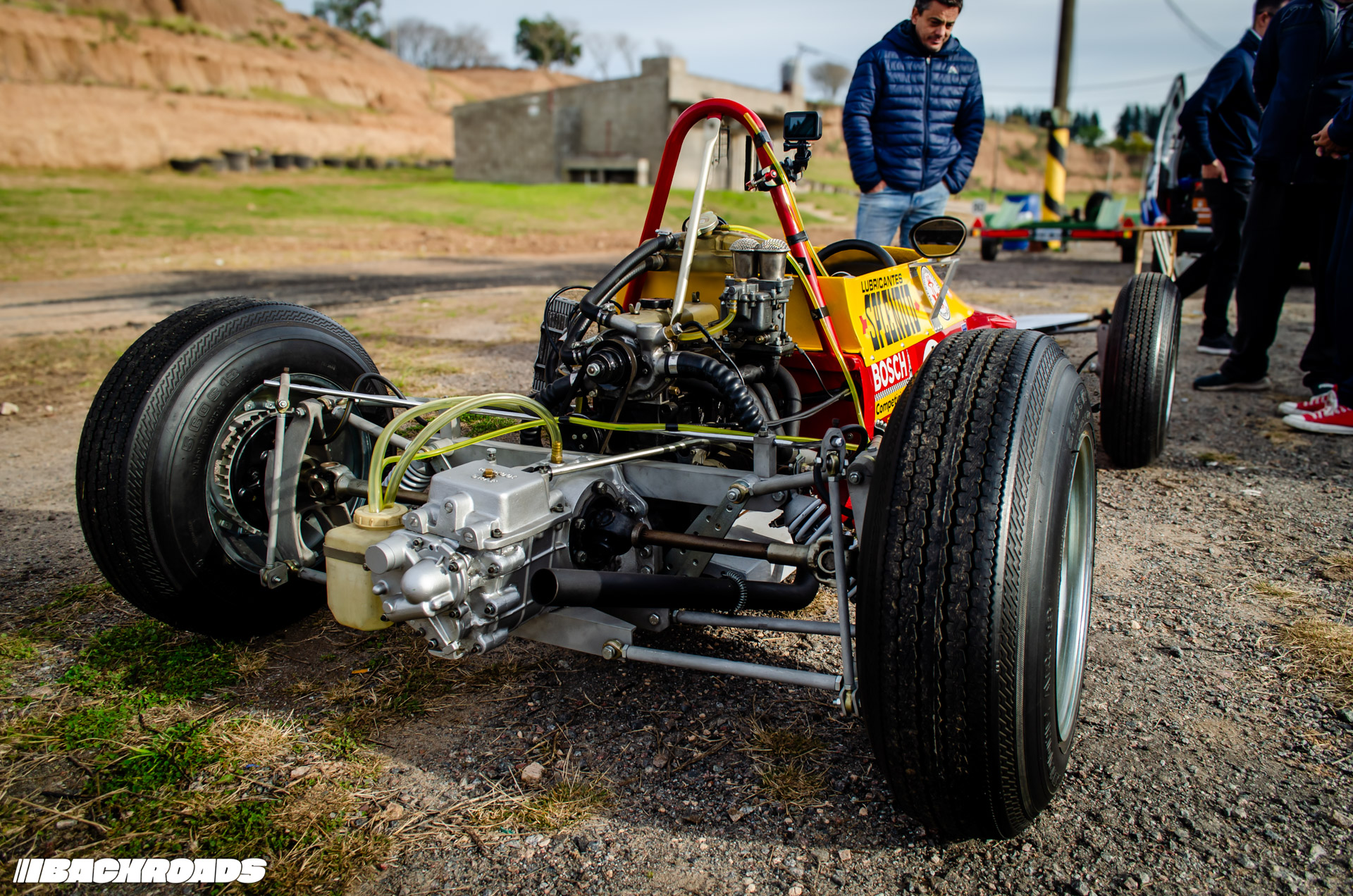
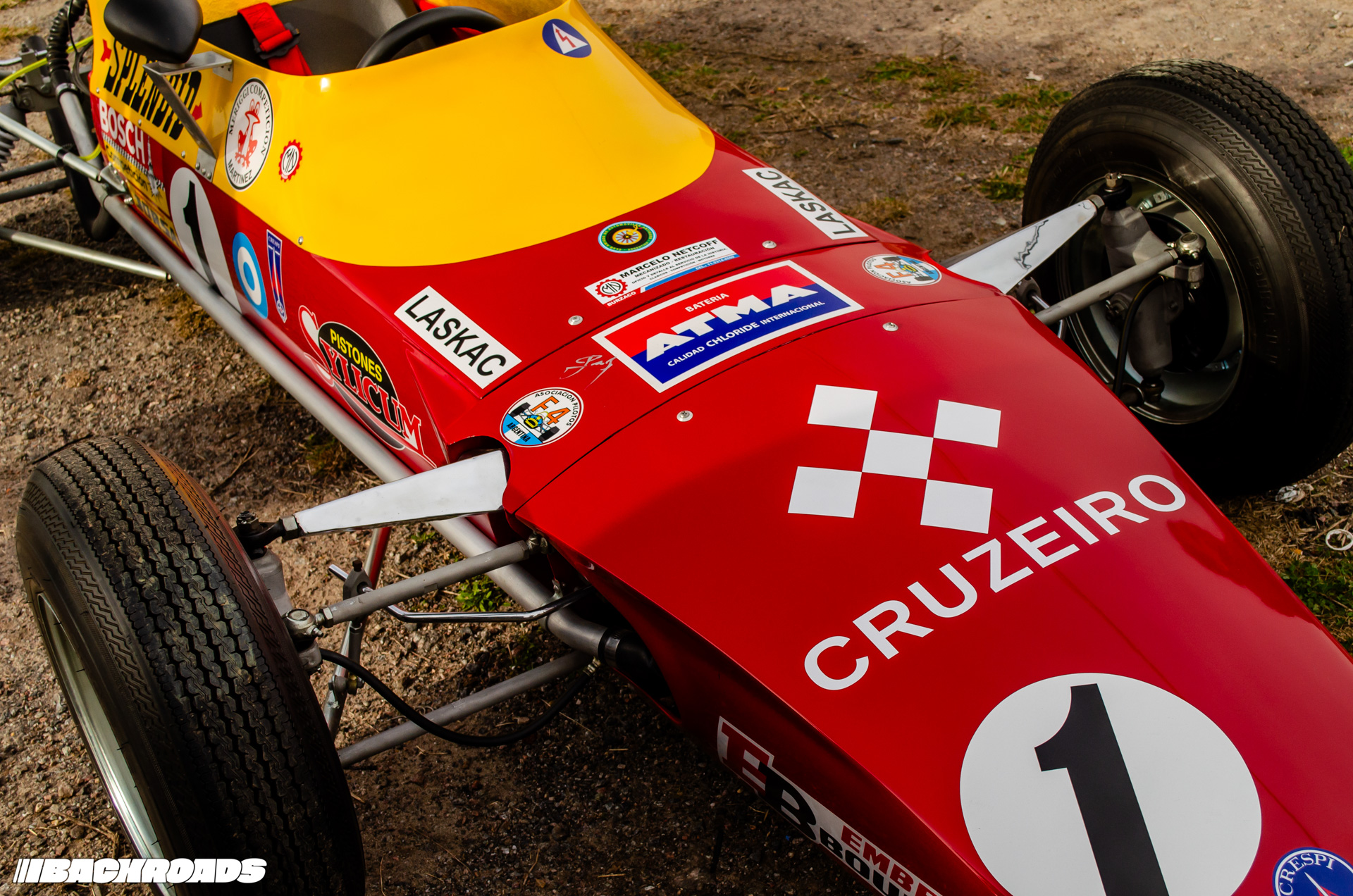
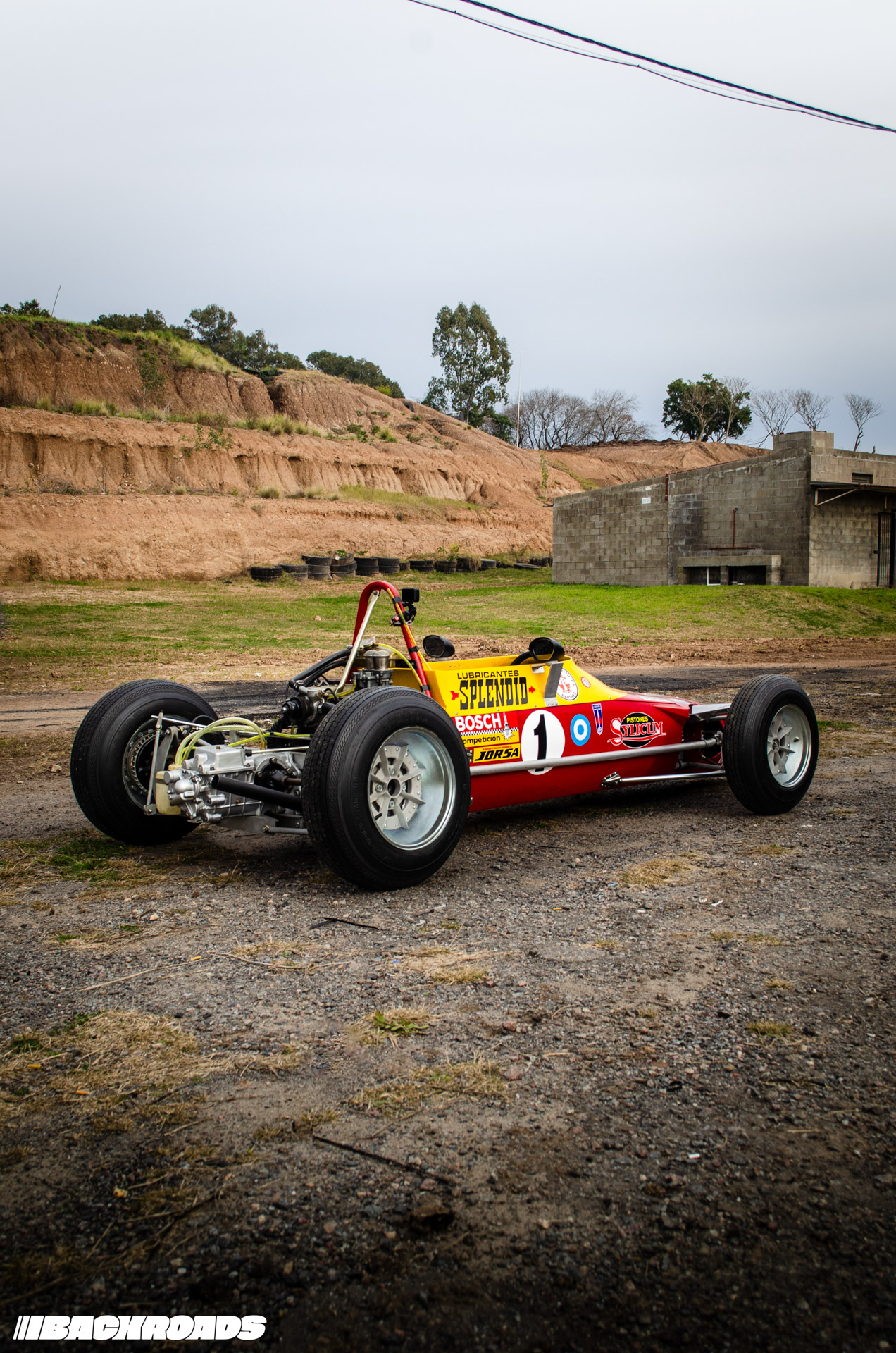
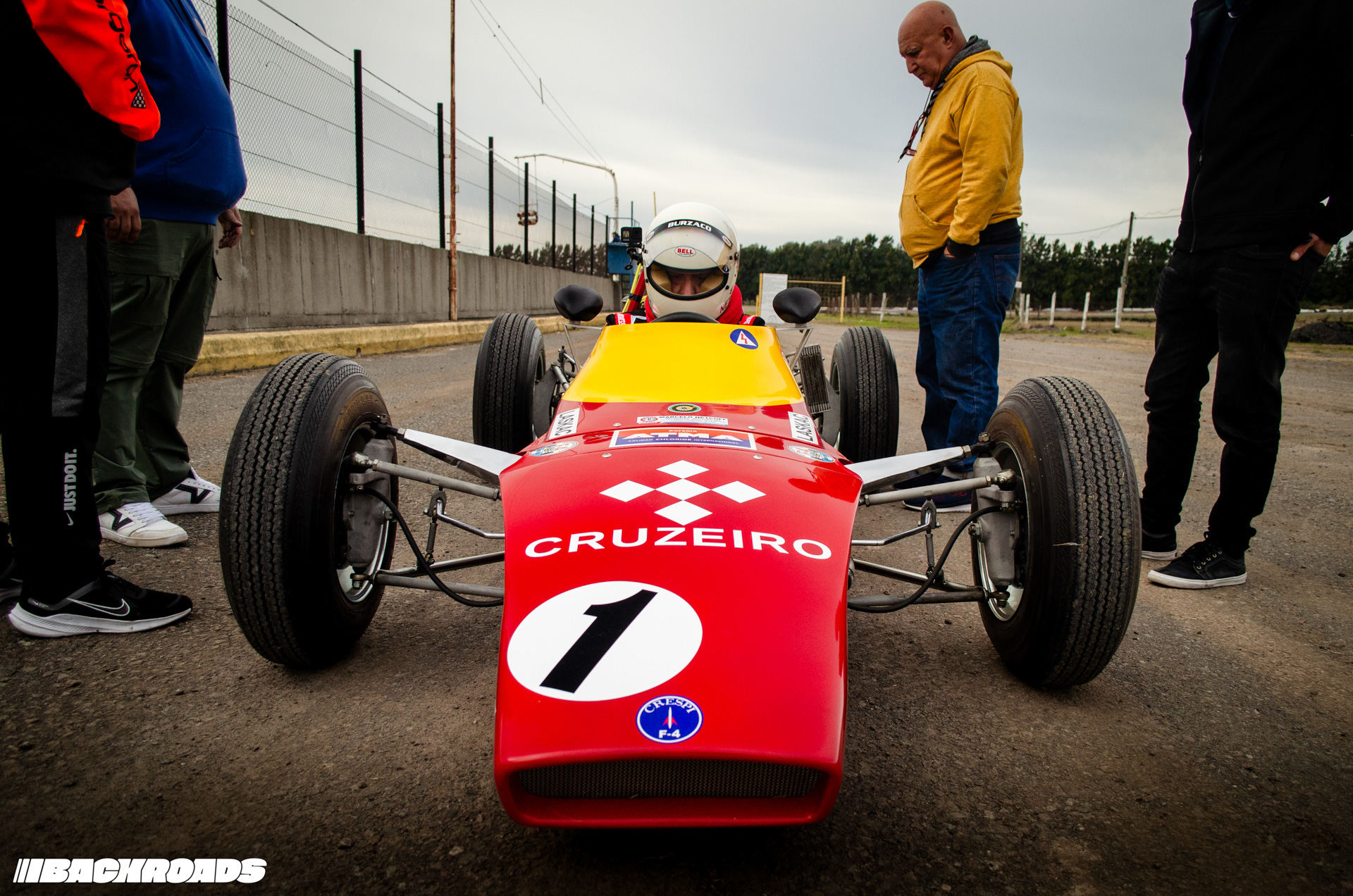
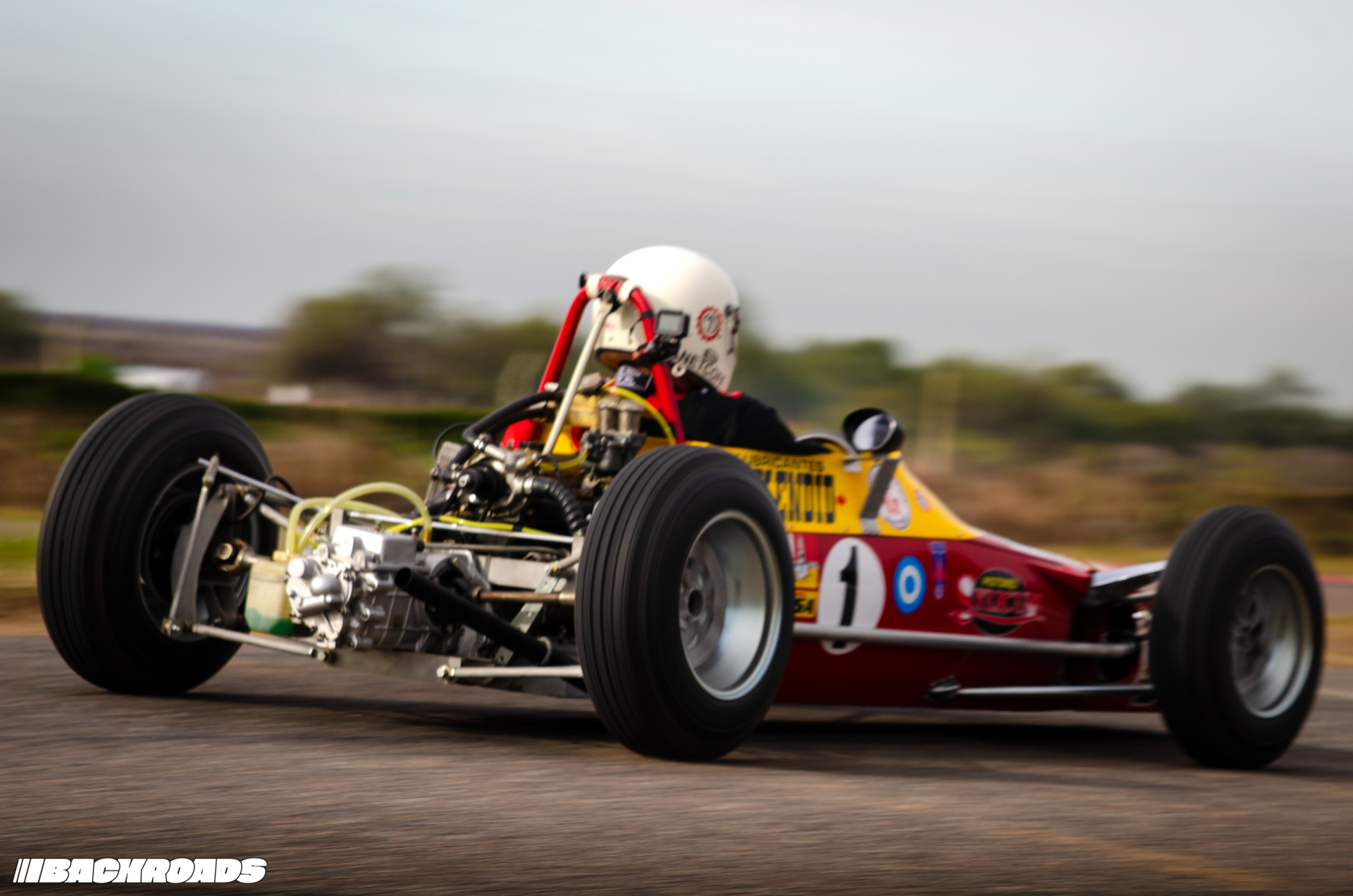
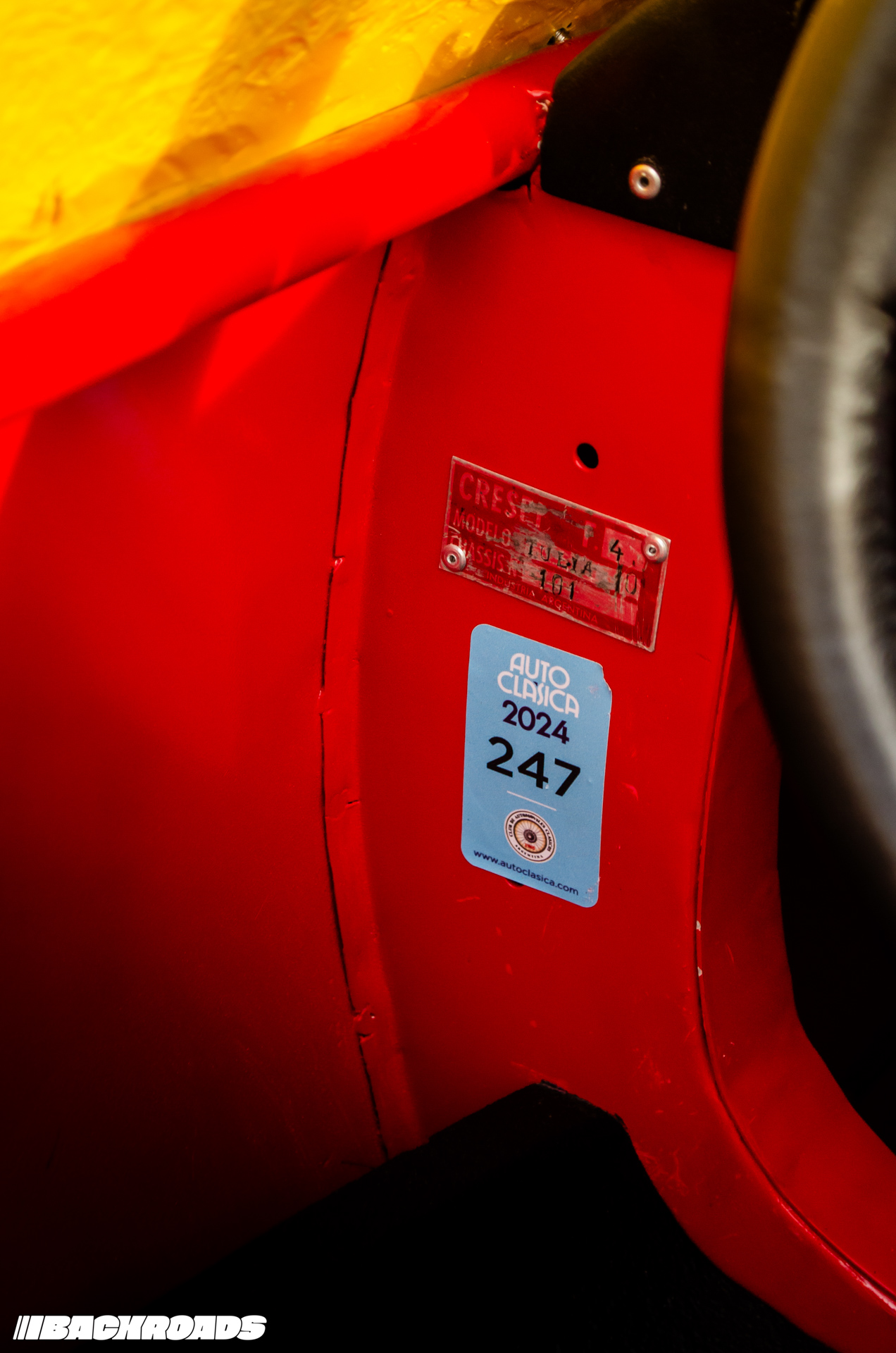
Another one of the members brought another Crespi creation, a Tulia X used in the 1971 Formula 4 championship. This chassis won a prize at Autoclasica – the most prestigious concours event in the country. The original driver had tears while looking at a long lost love, the machine that he won the championship in. The signature on the car is his.
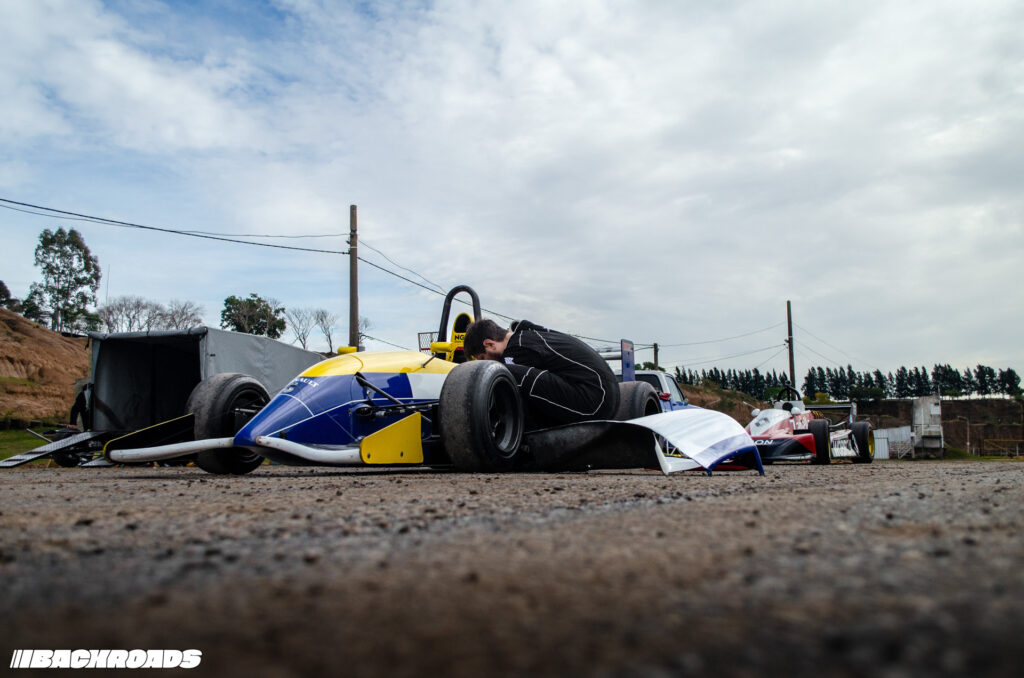
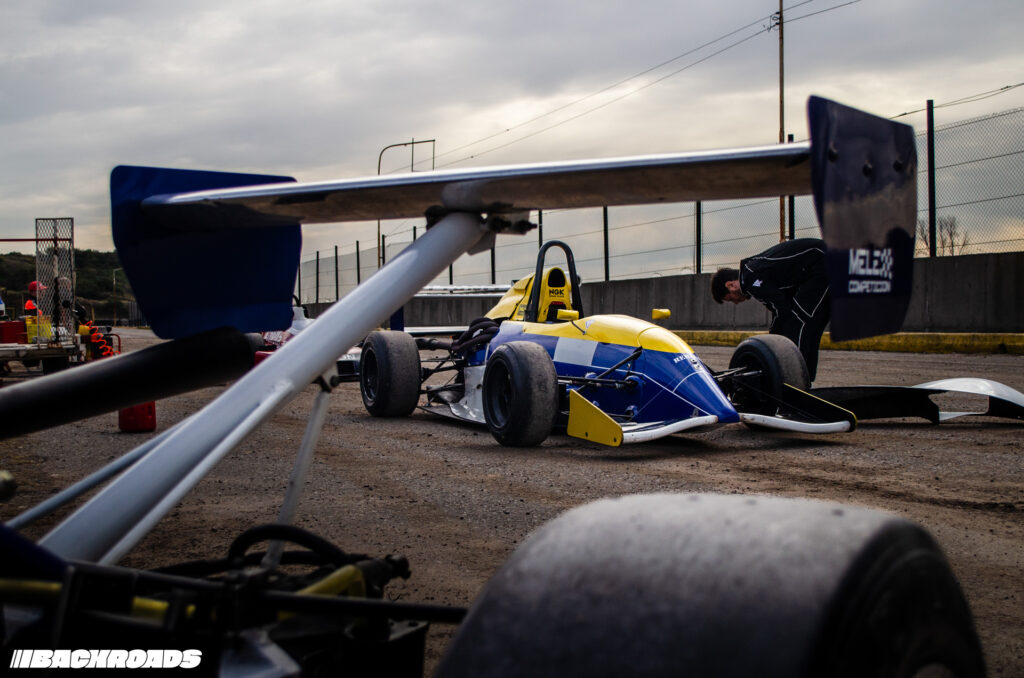
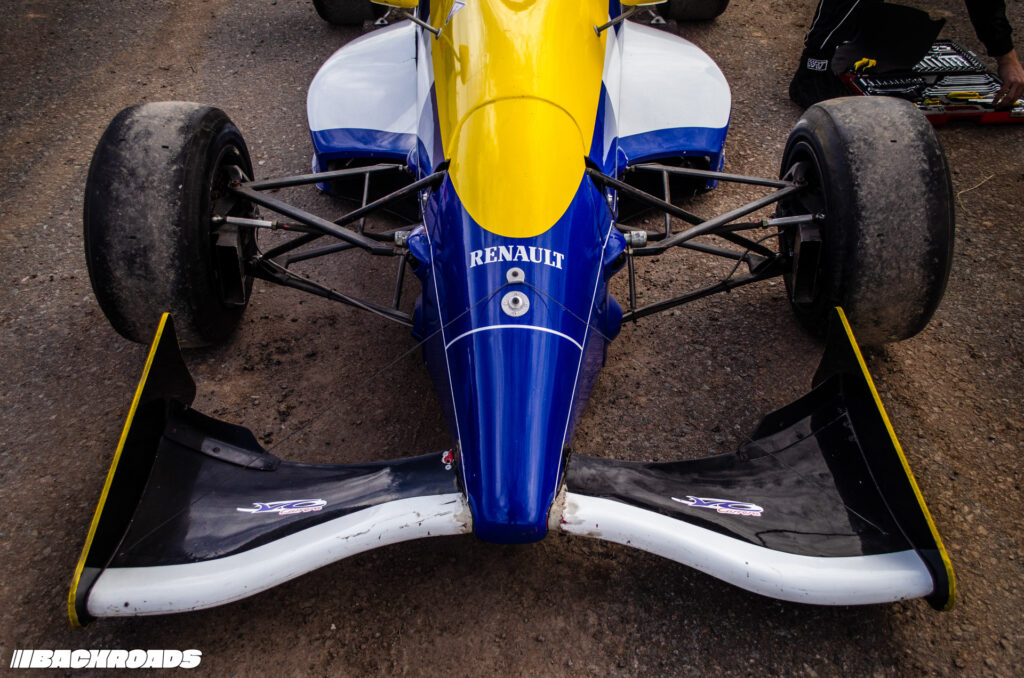
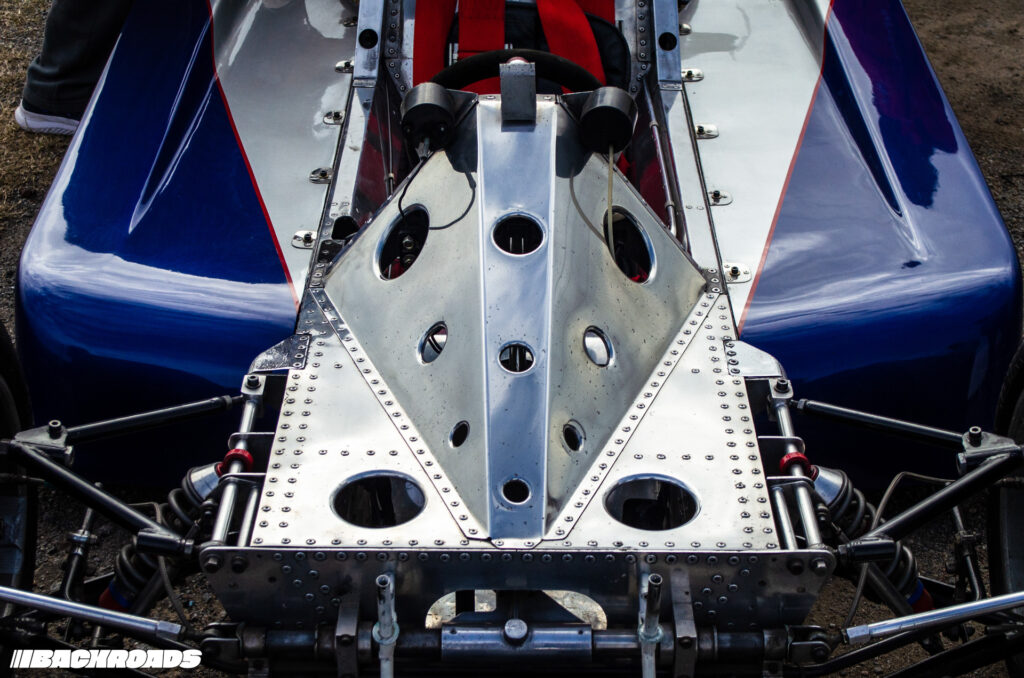
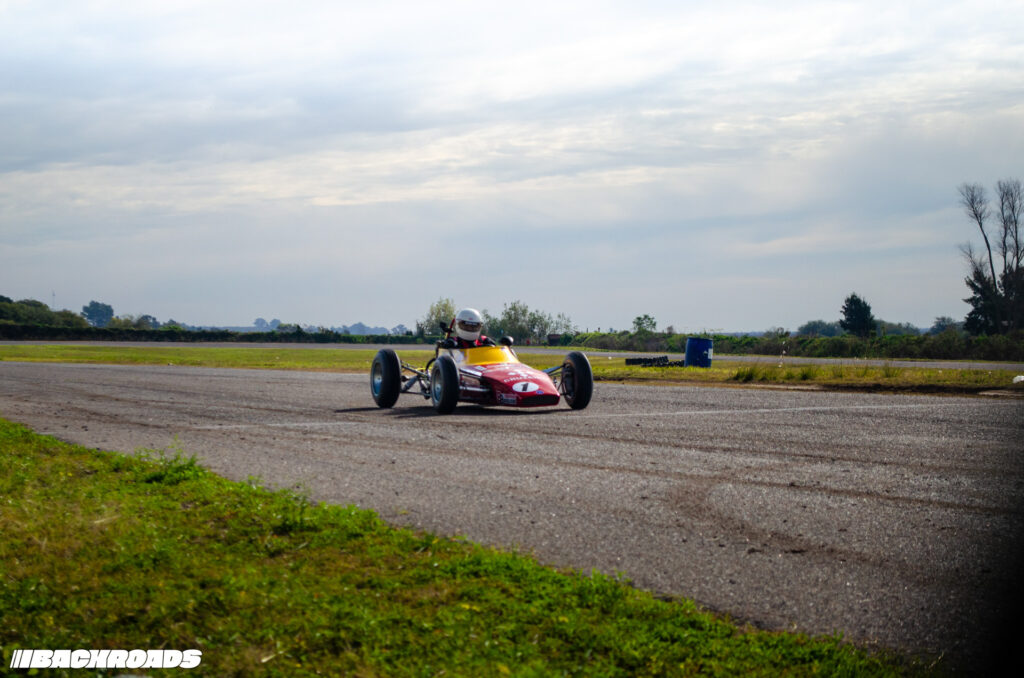
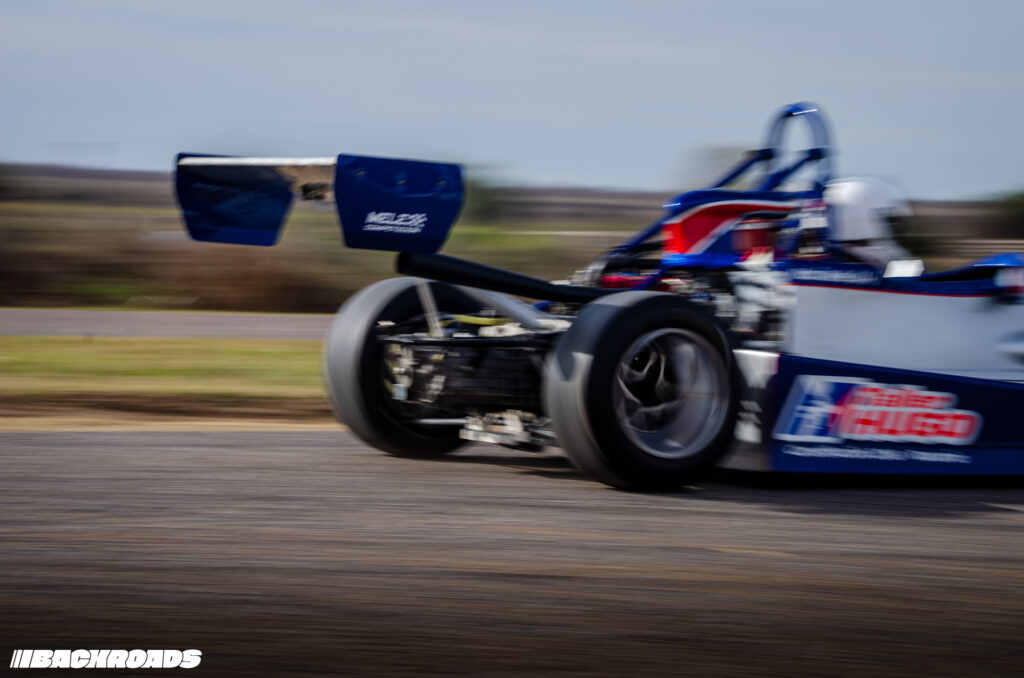
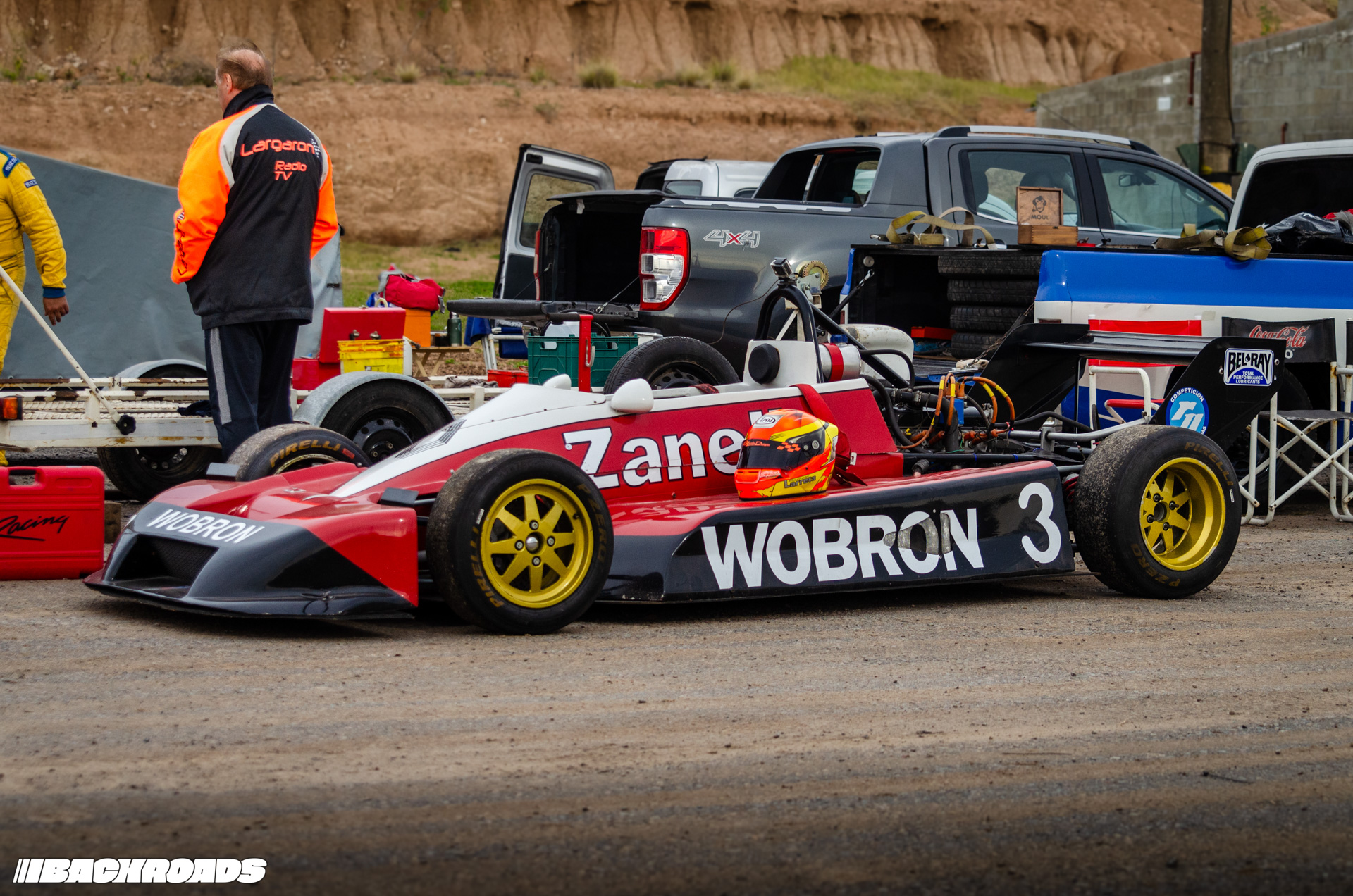
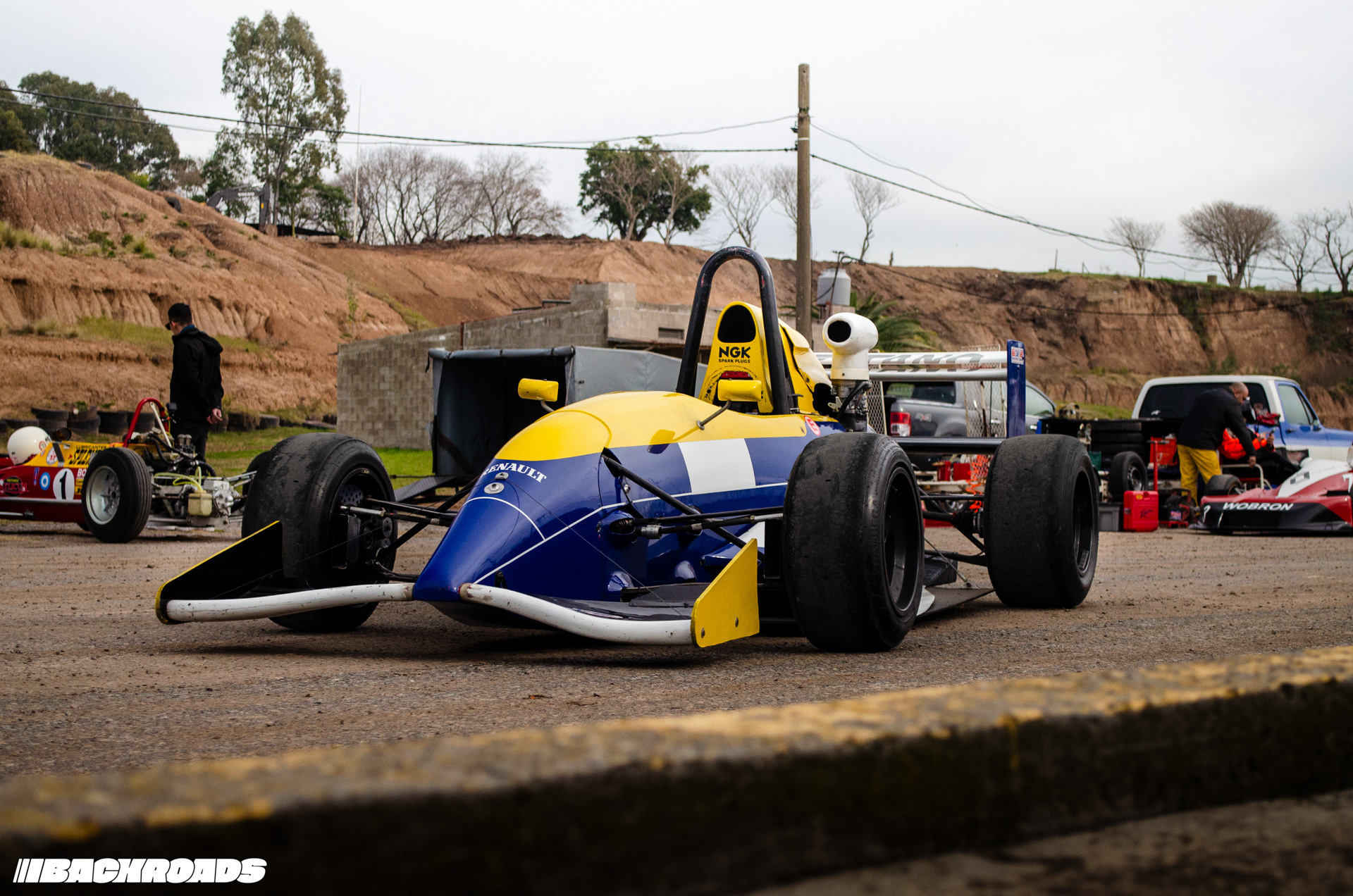
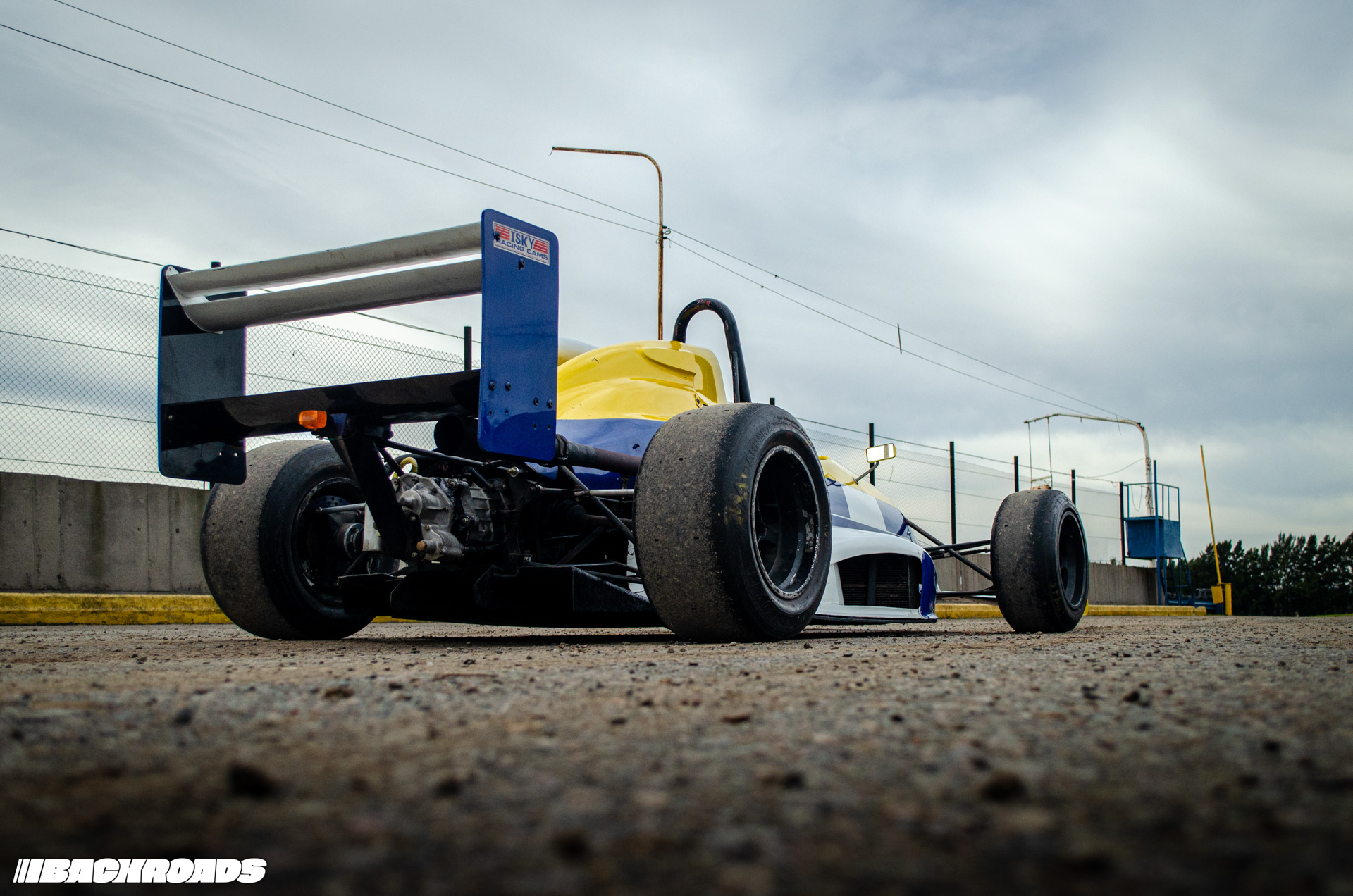
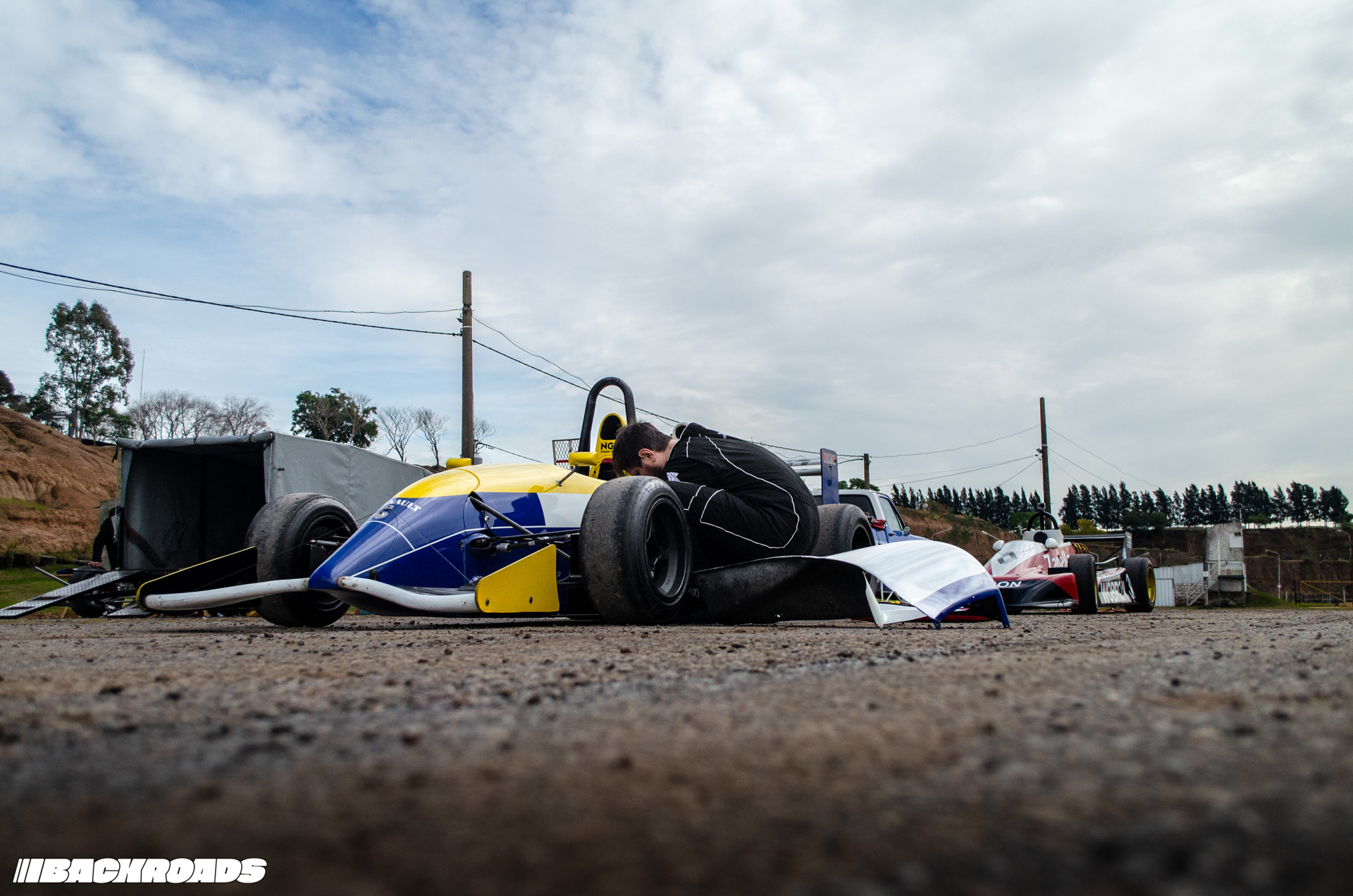
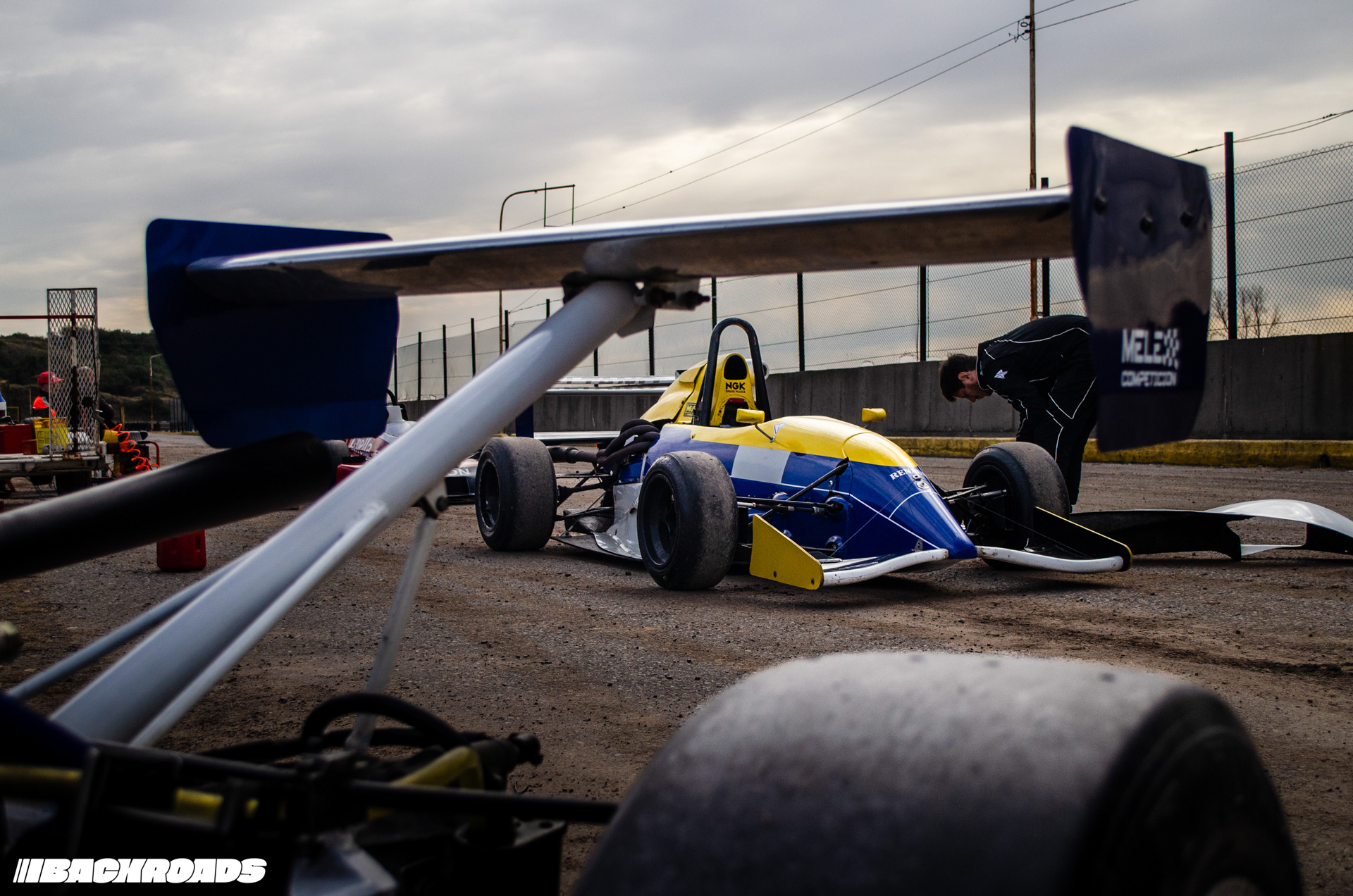
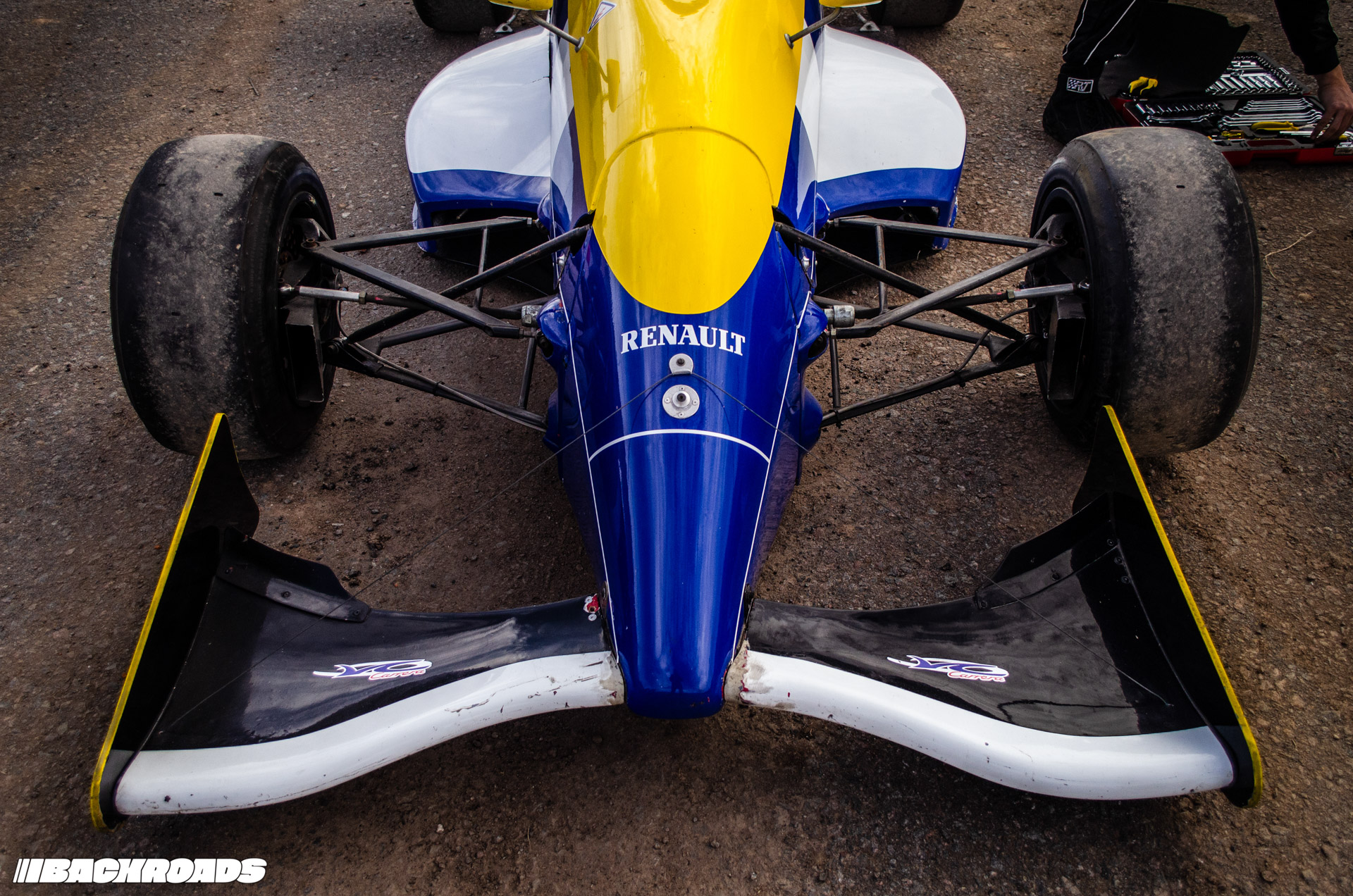
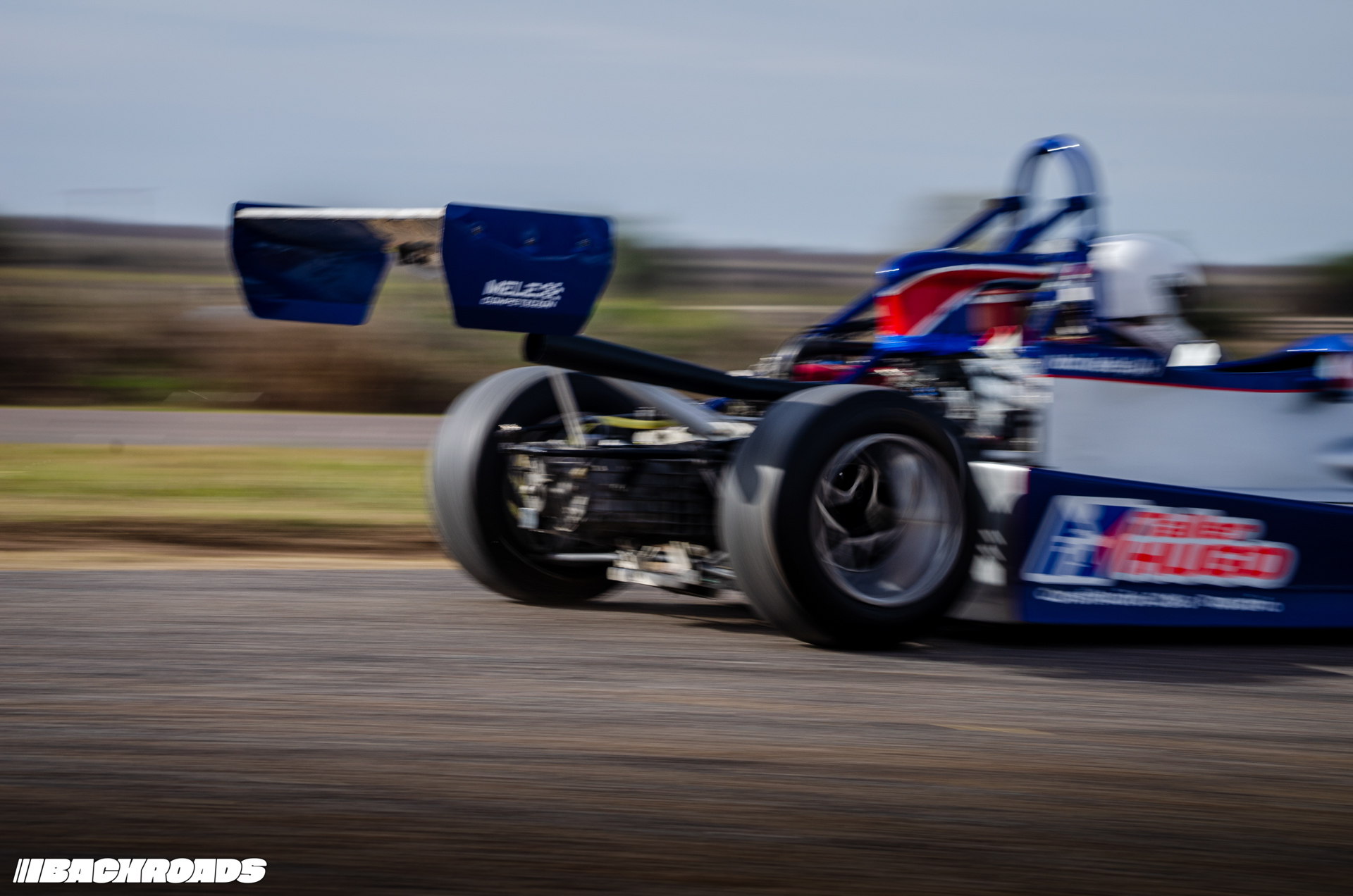
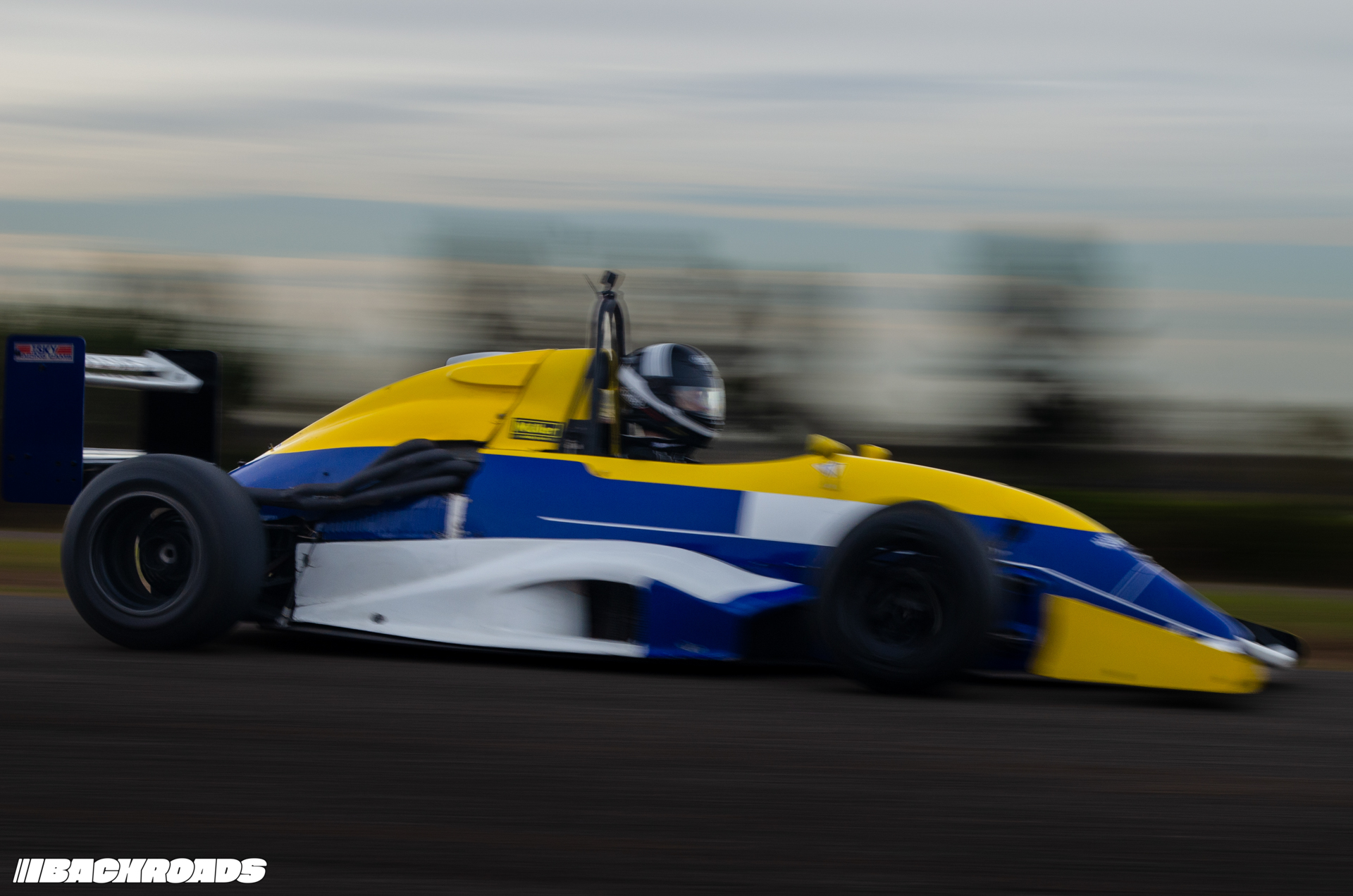
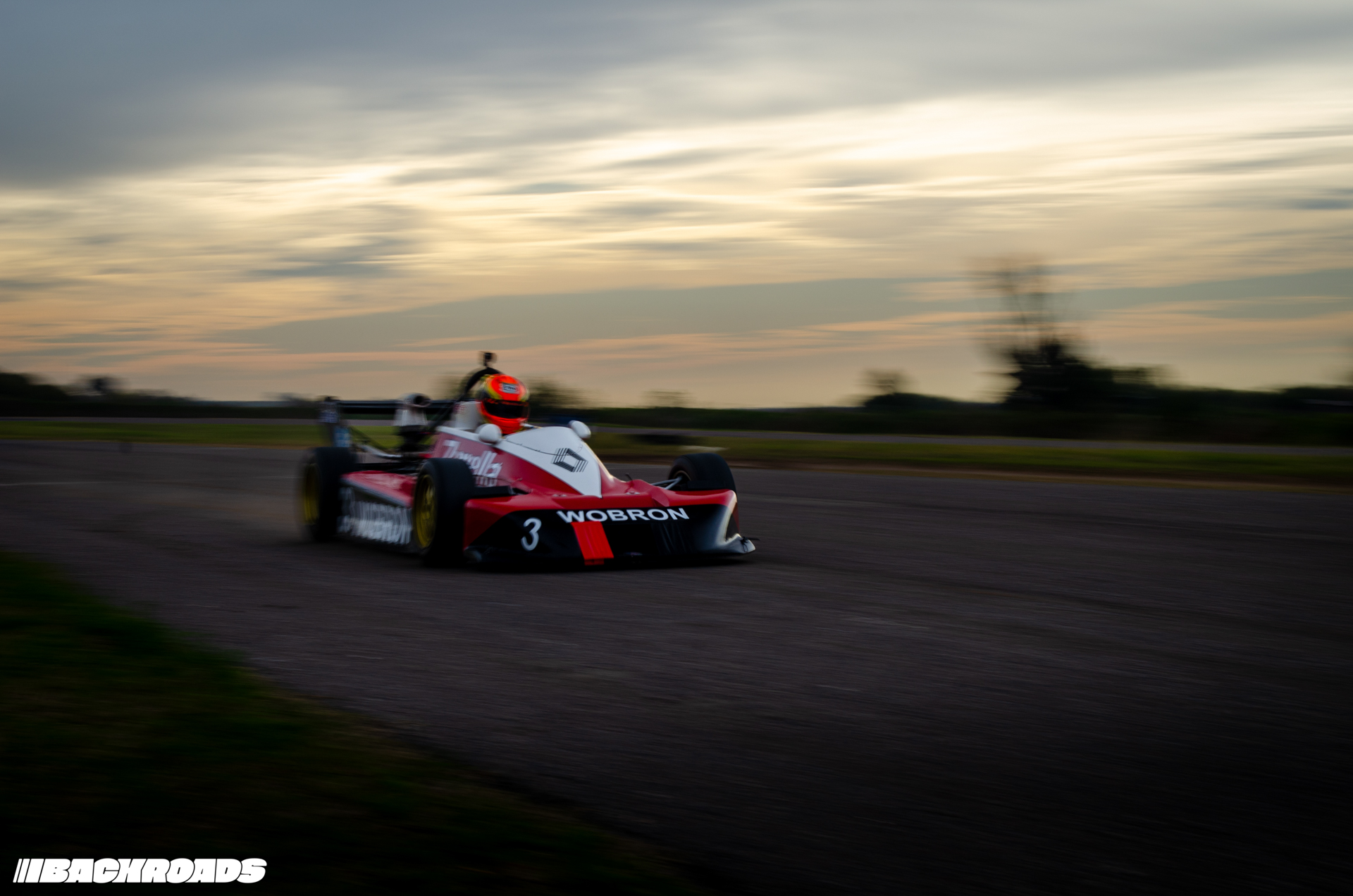
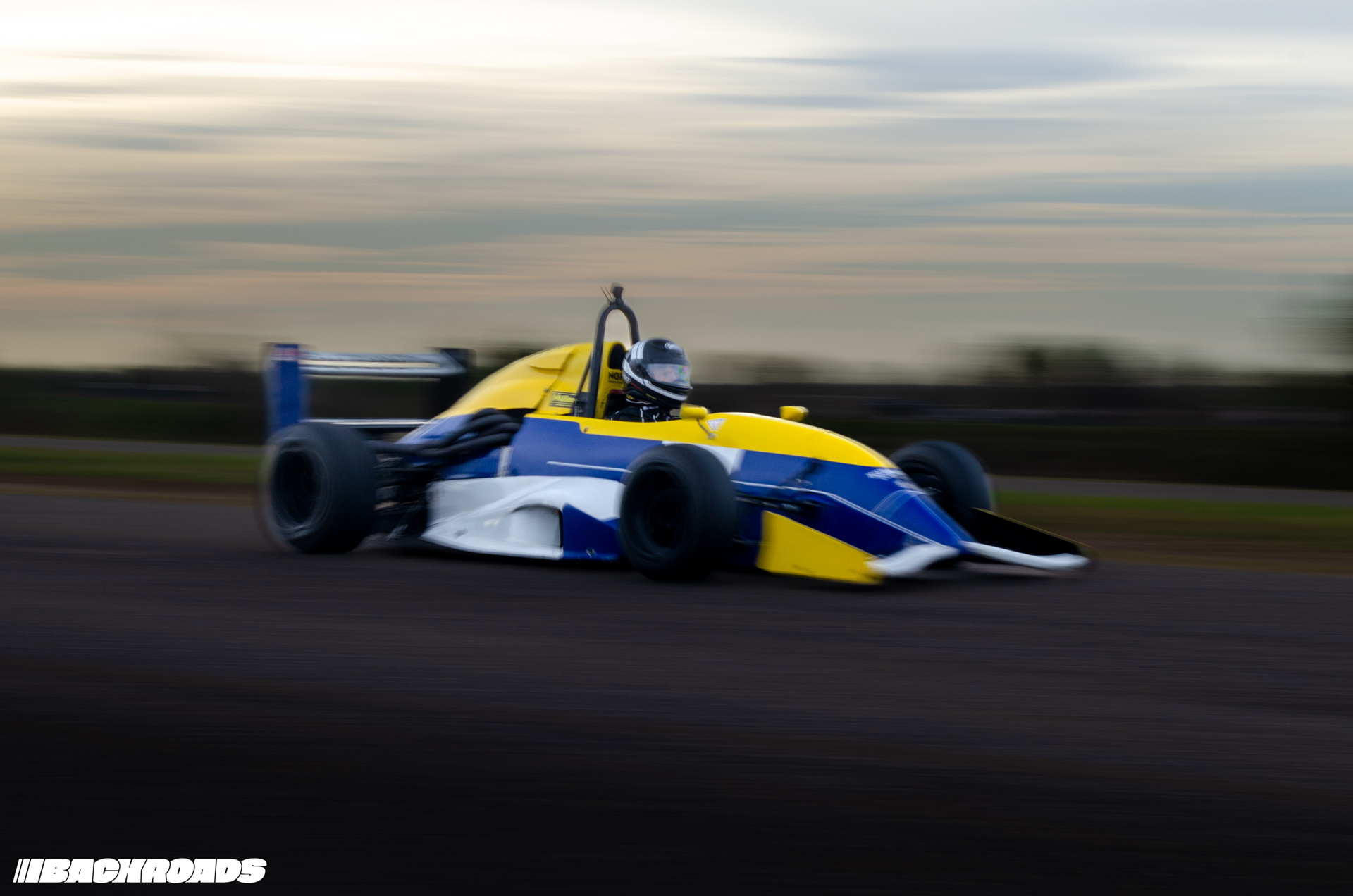
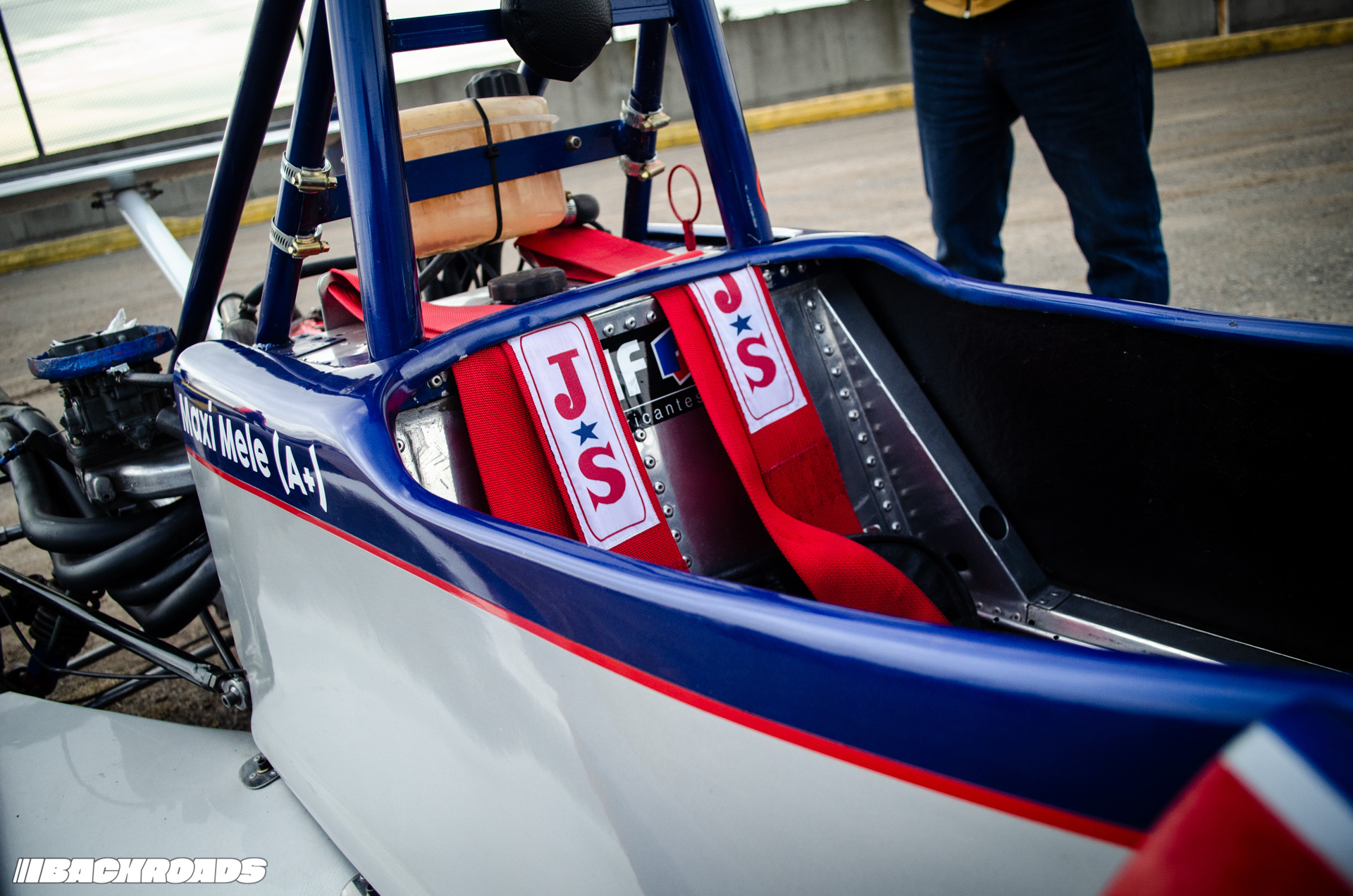
There’s also a Formula Honda, but with a Renault engine since it was later used in local championships. This series of chassis were created by Edgardo Fernandez as “training wheels” for the upper levels of Argentinian formula racing, proven effective as the championship winning Esteban Tuero ended up going to the F1 with Minardi, pretty soon after winning the local championship at just 16 years old.
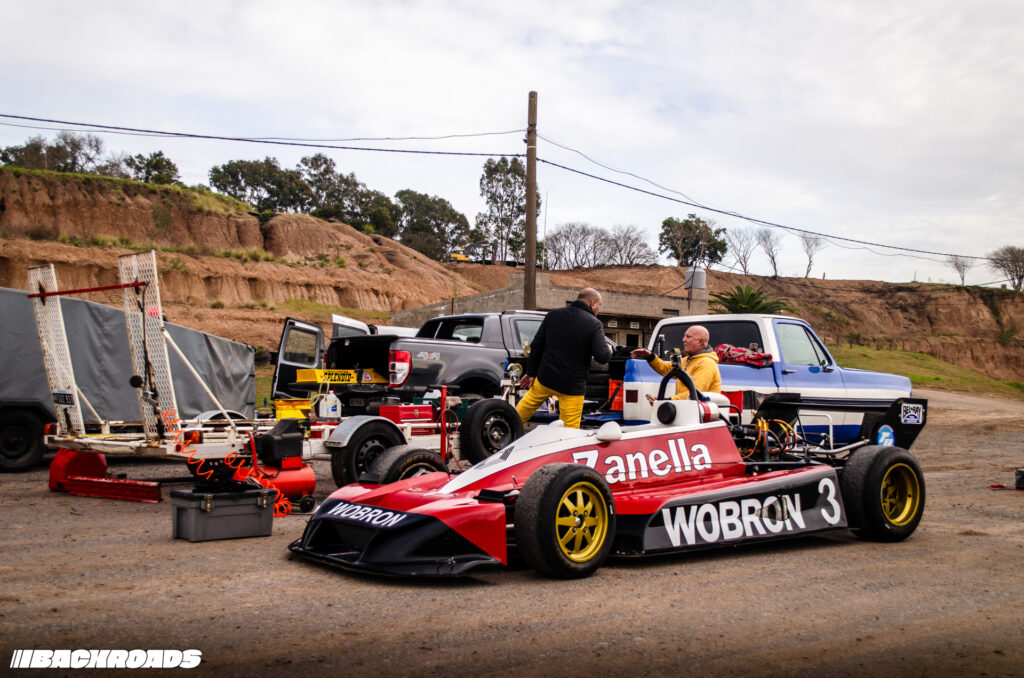
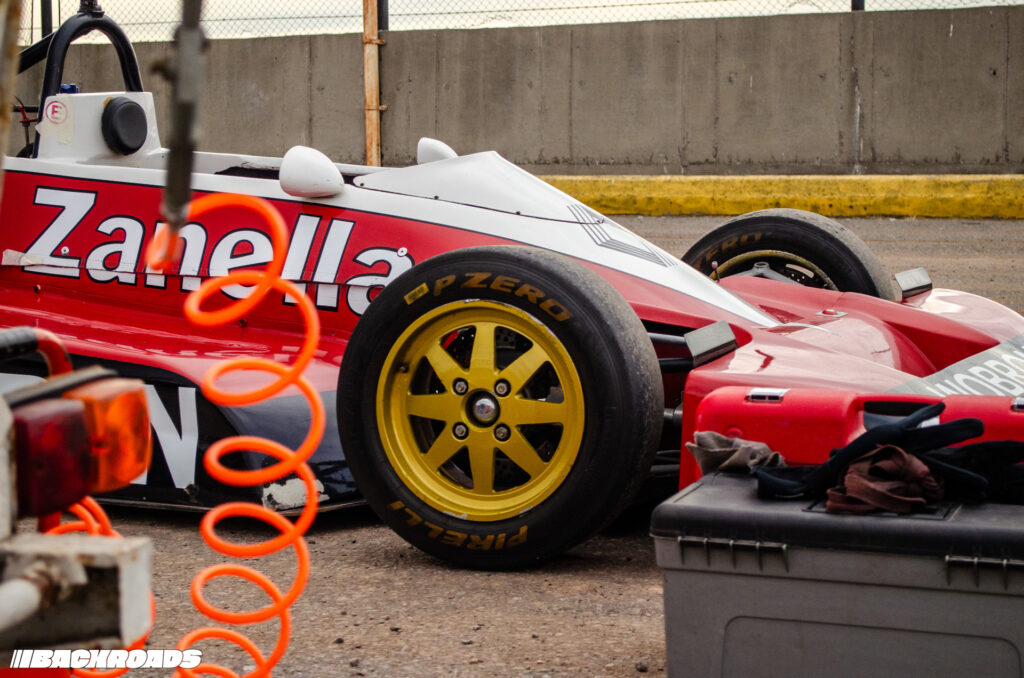
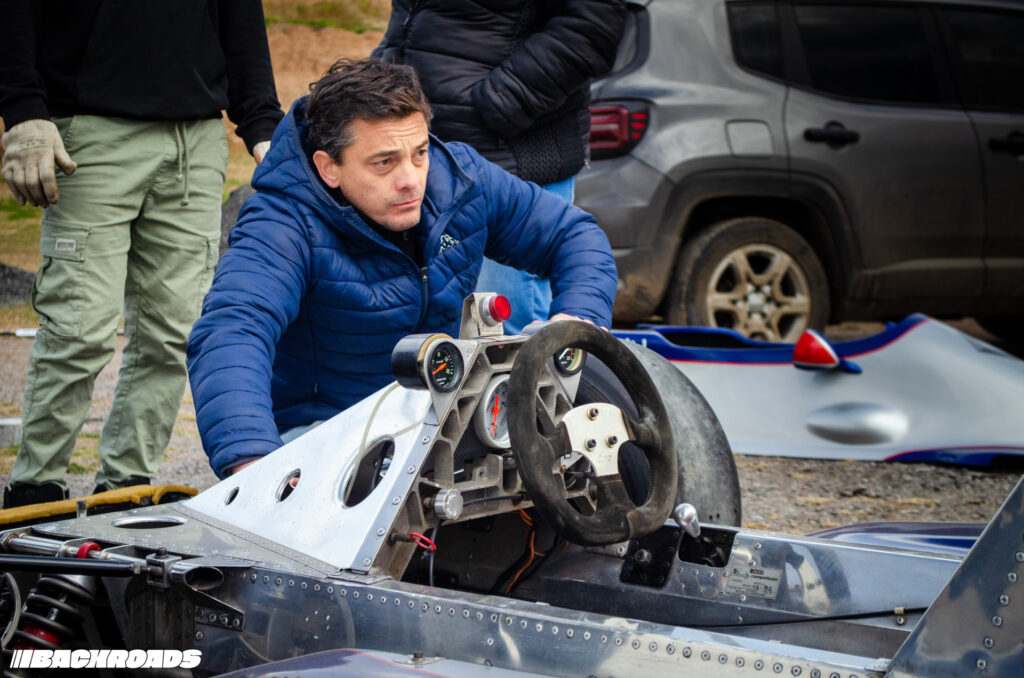
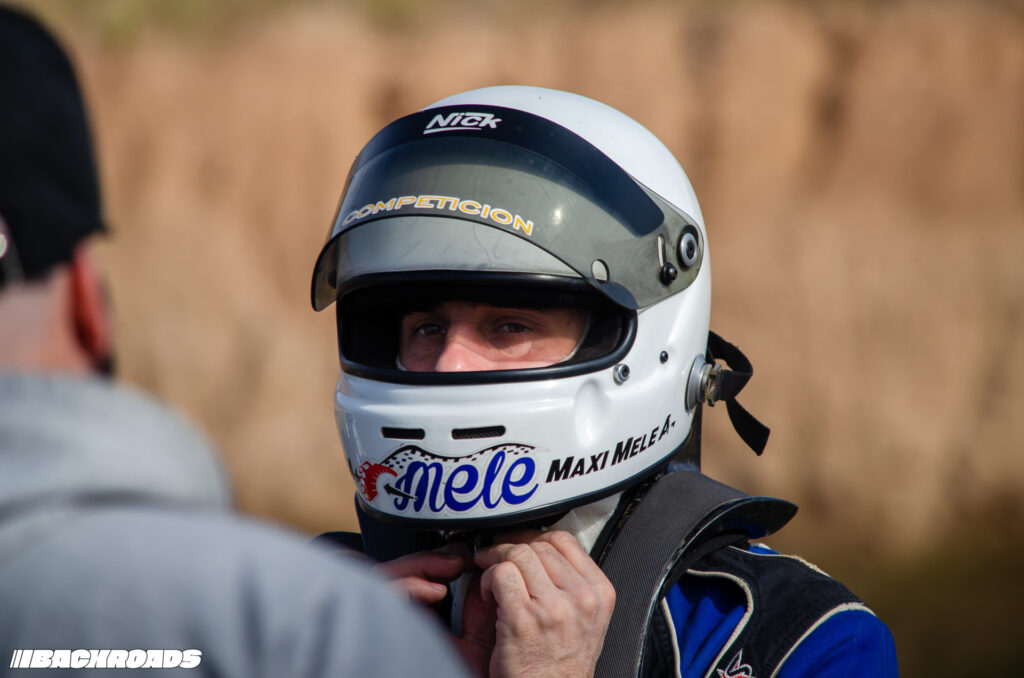
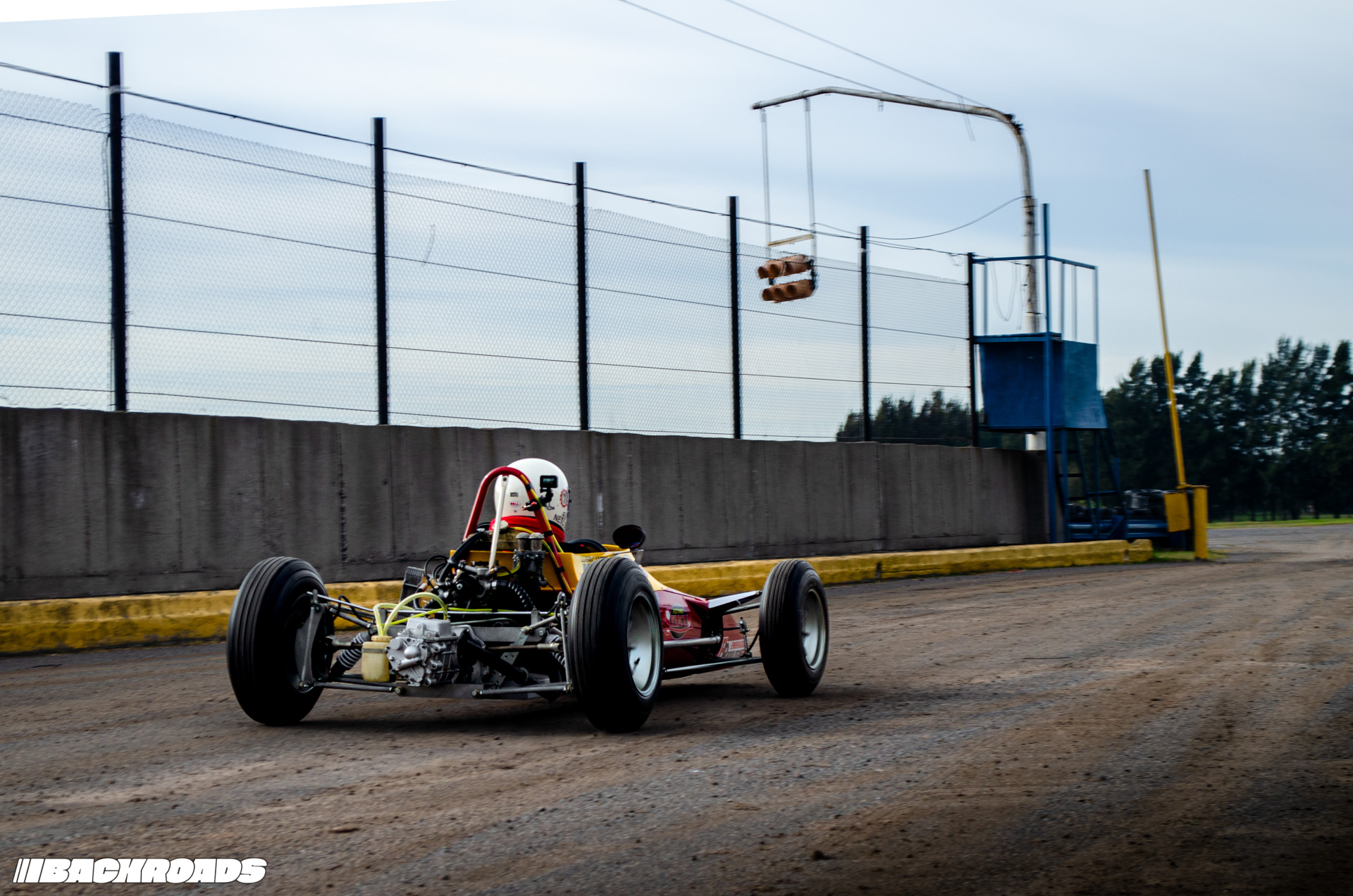
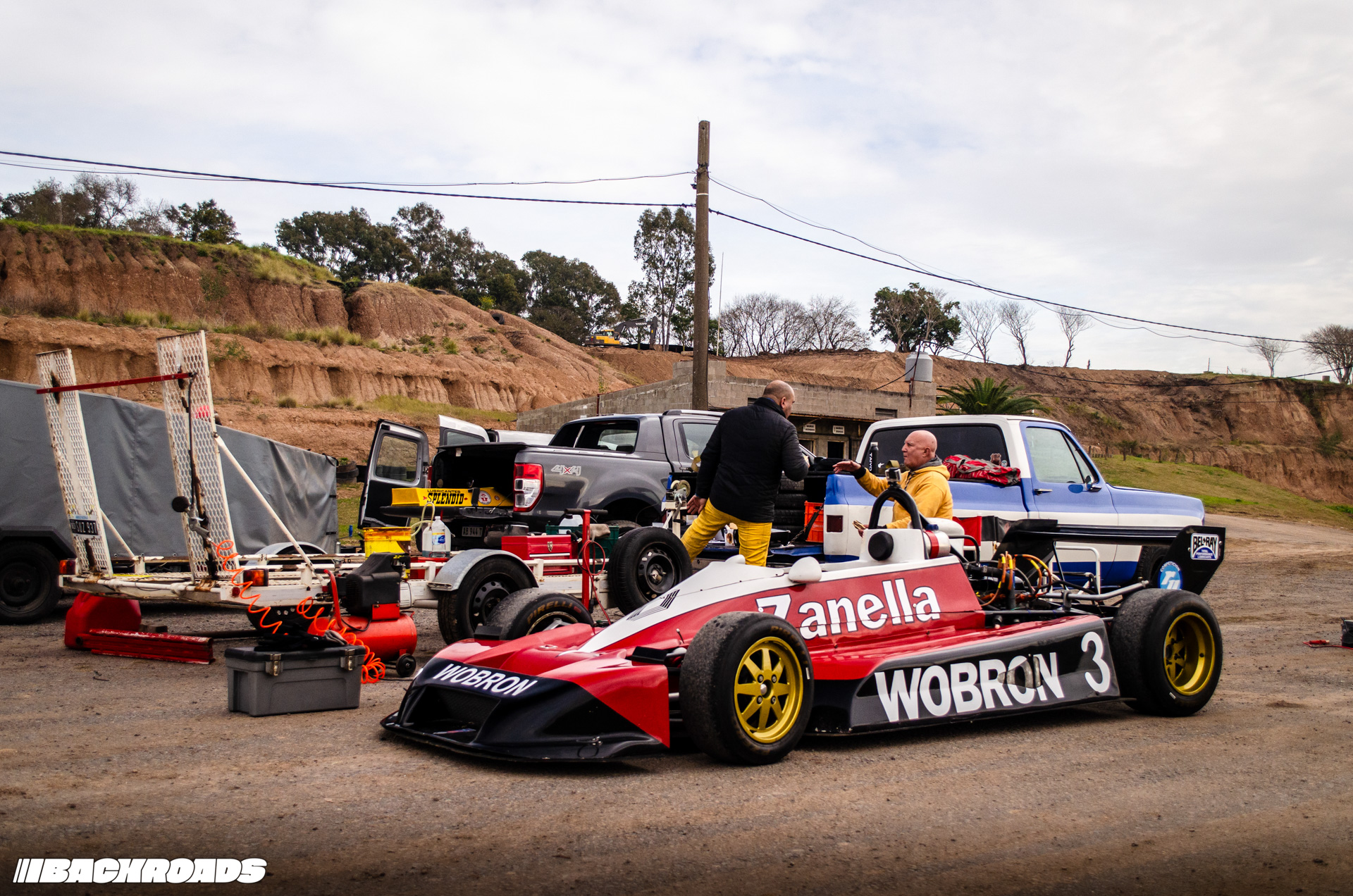
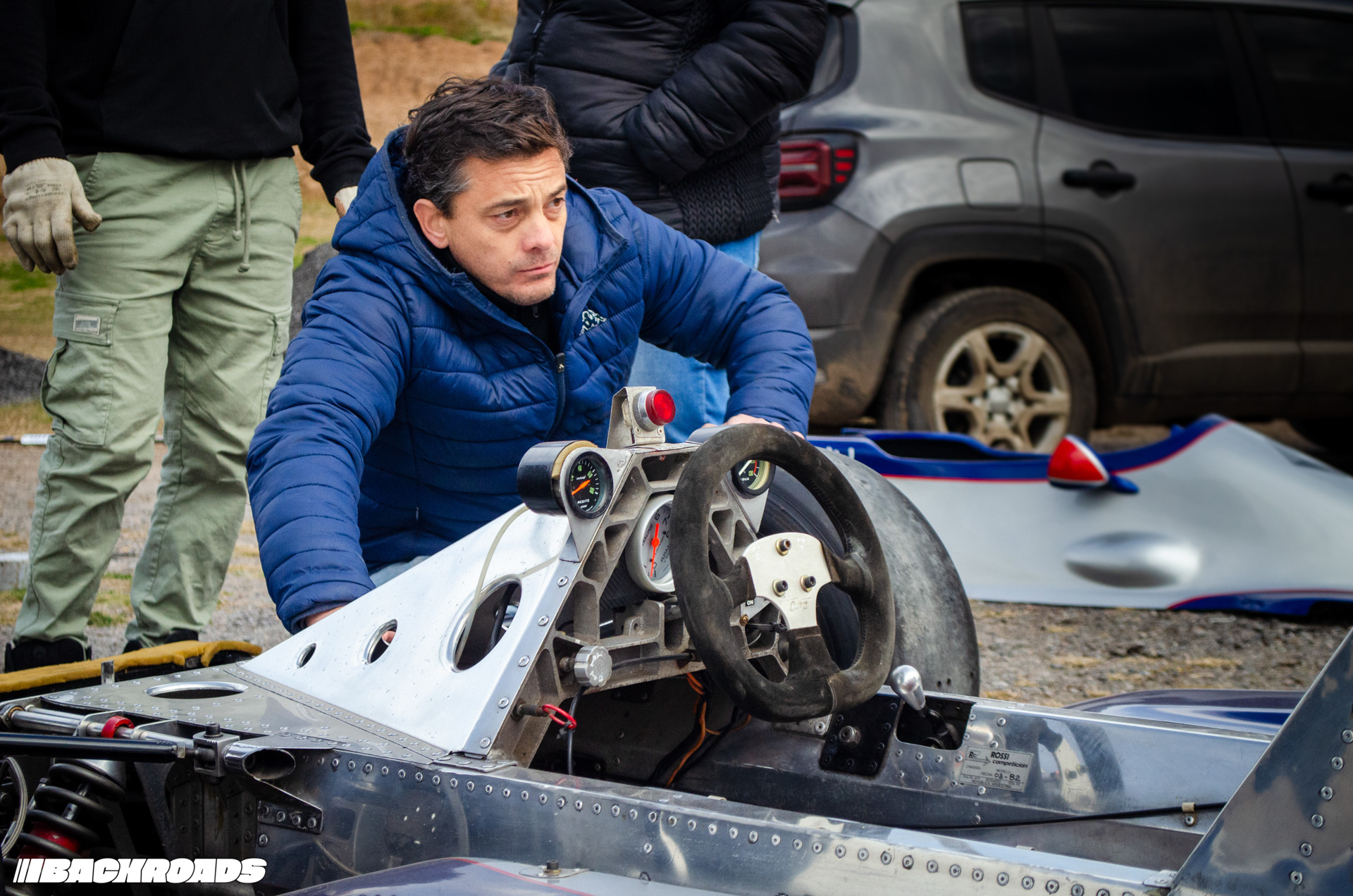
And finally, a Rossi chassis from Rosario, forged in 1983. This car competed in northern championships, even on dirt tracks with FEDENOR. It was ahead of its time; a fully riveted aluminium monocoque, built by Juan Rossi – a man who worked with Osella and Oscar Larrauri.
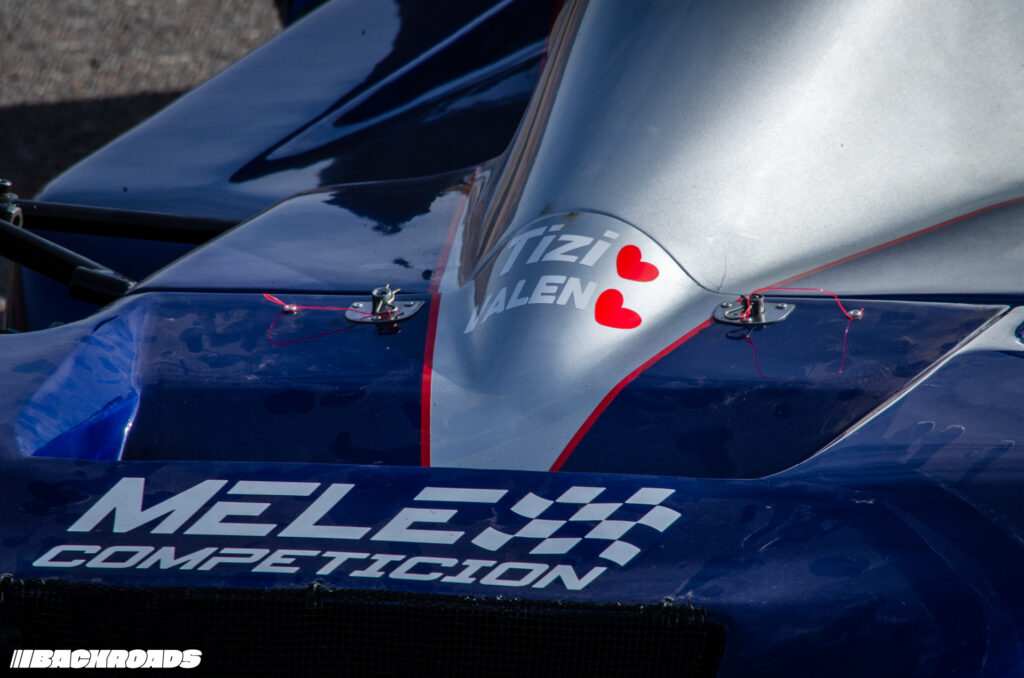
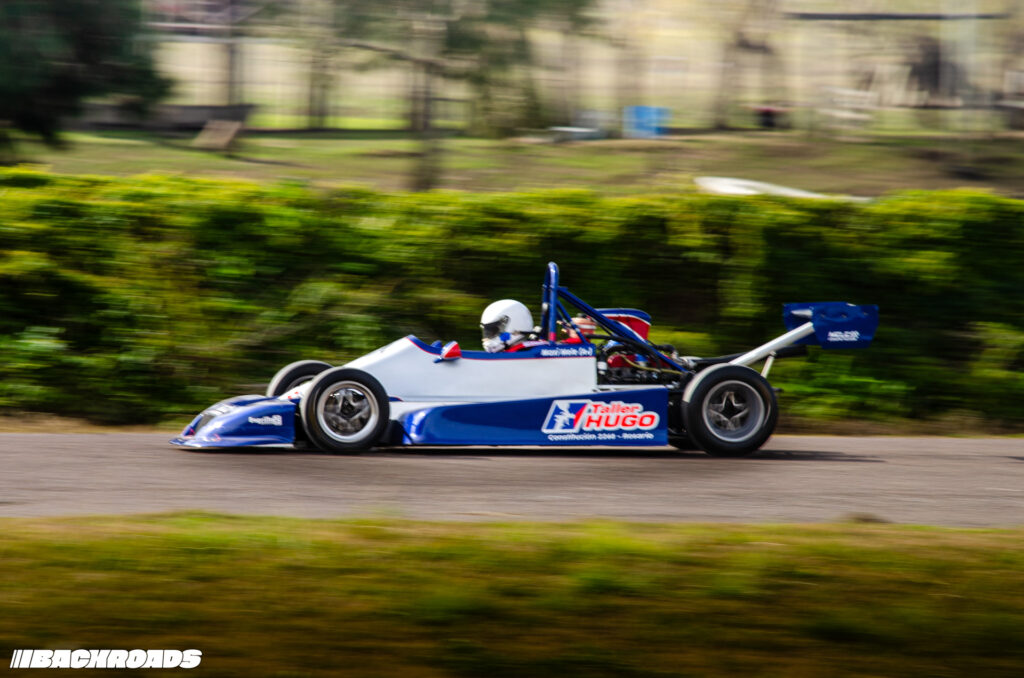
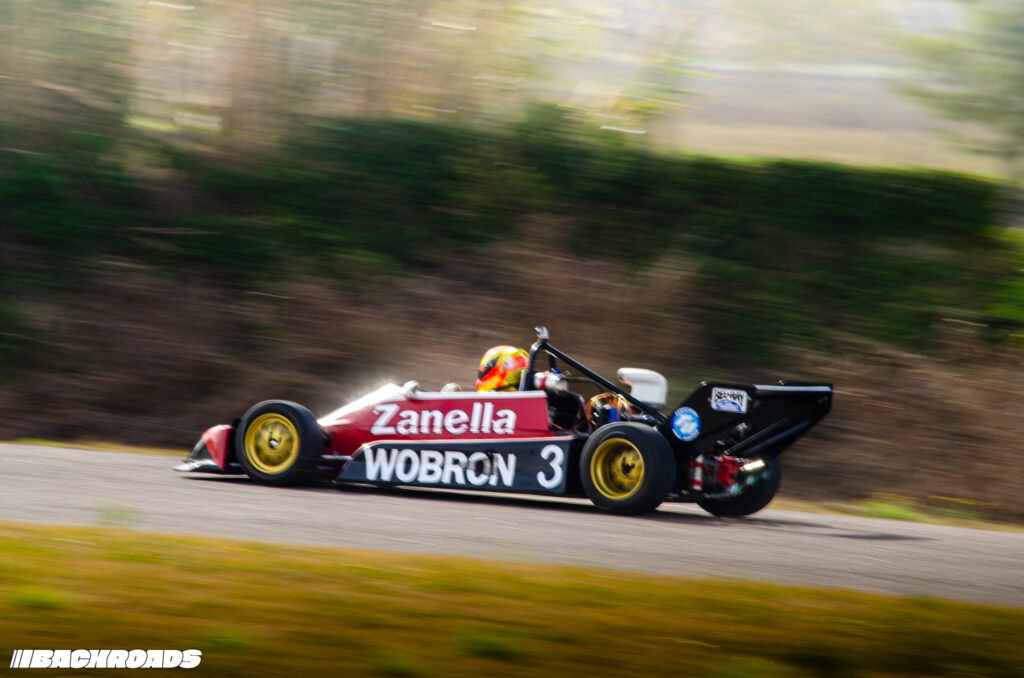
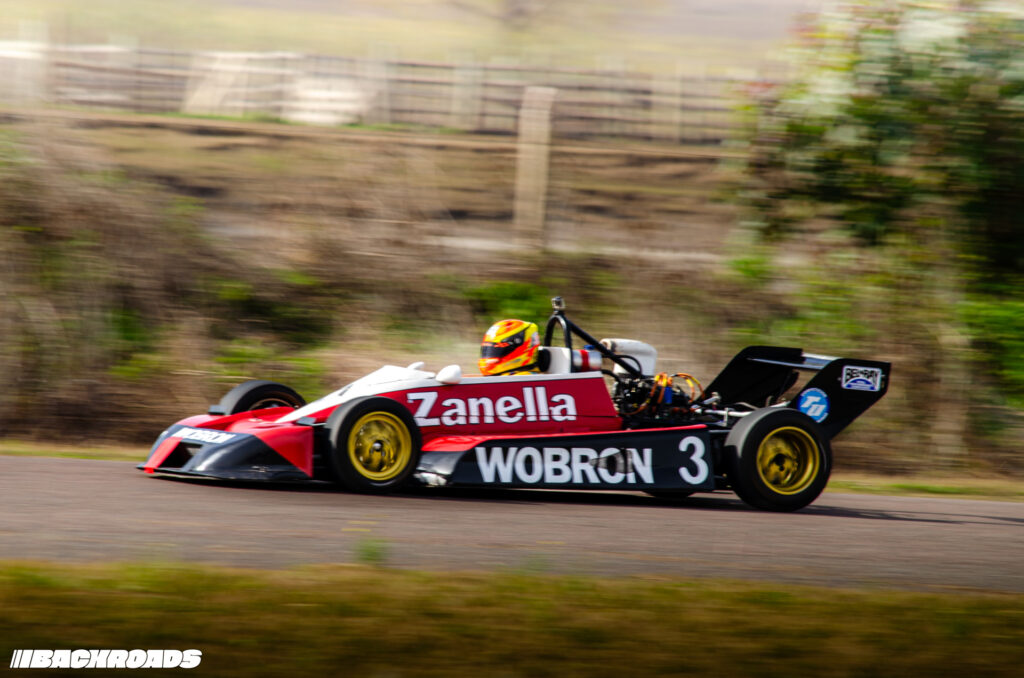
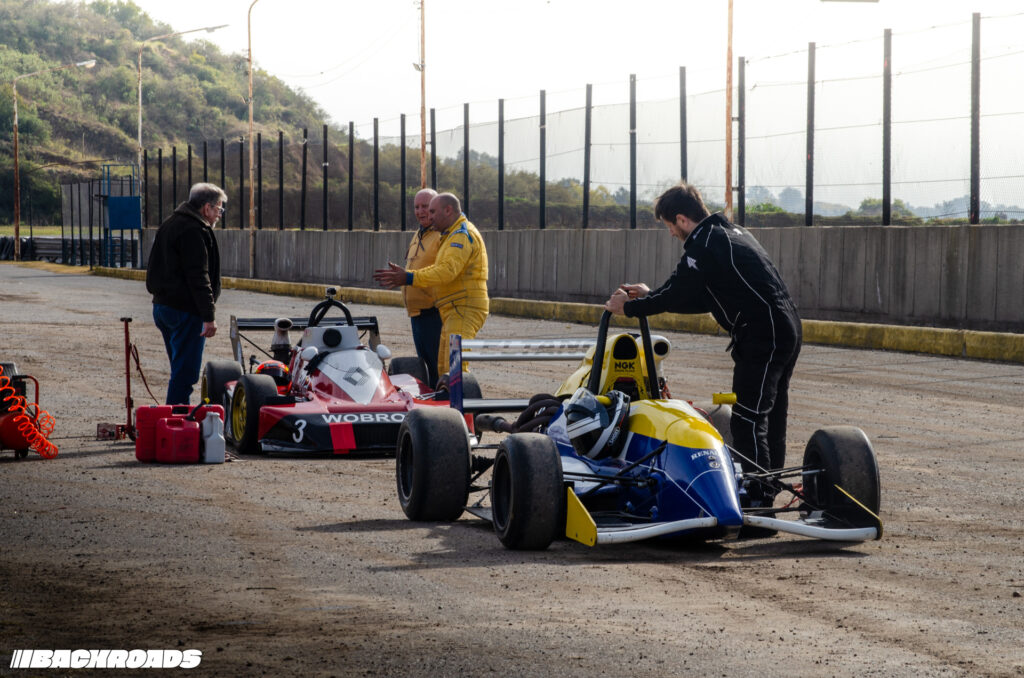
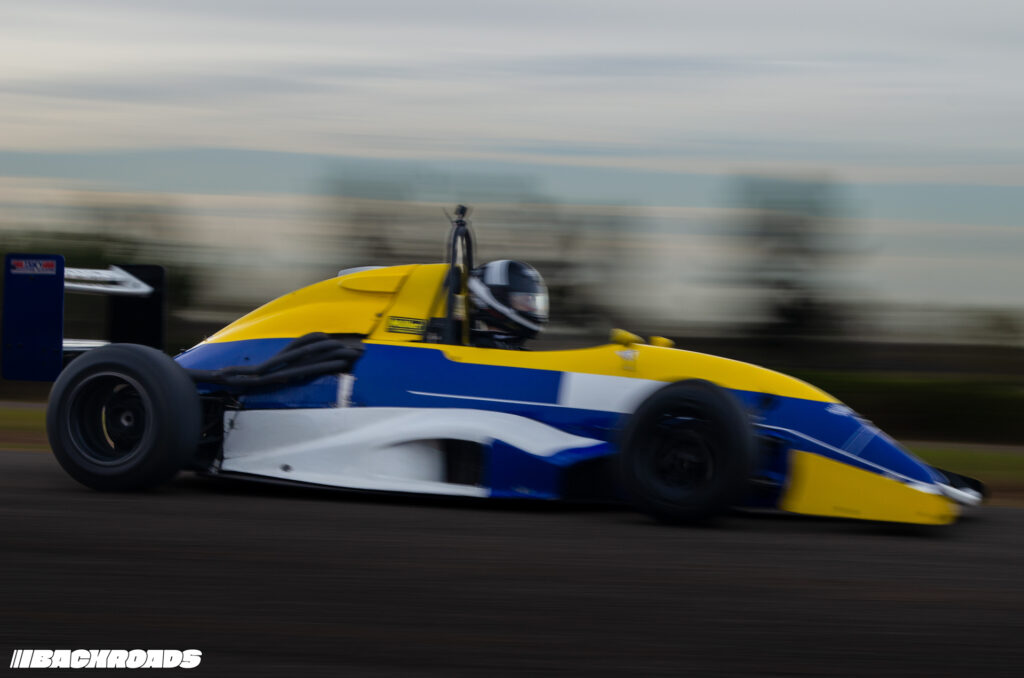
After sitting still for 25 years, it was taken completely apart and restored. Even the original, foreign-made brake master cylinder was saved.
I’m extremely grateful to Kelo, who even drove me many hours to a circuit miles from the capital – despite barely knowing me. His stories about his karting days were more than a delight – they were a window into why he does all this.
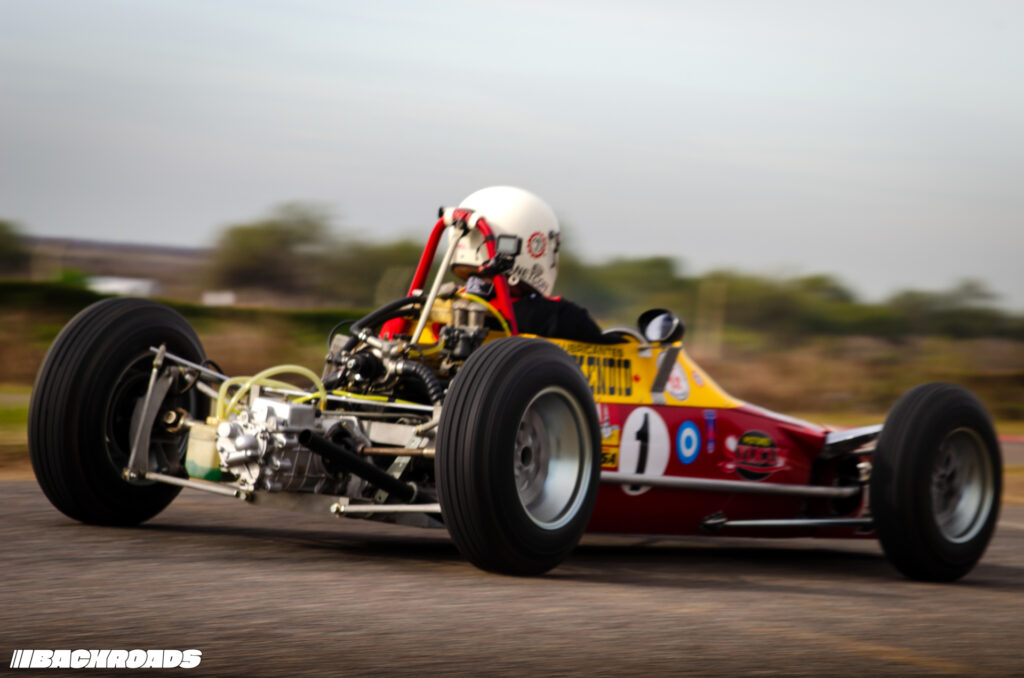
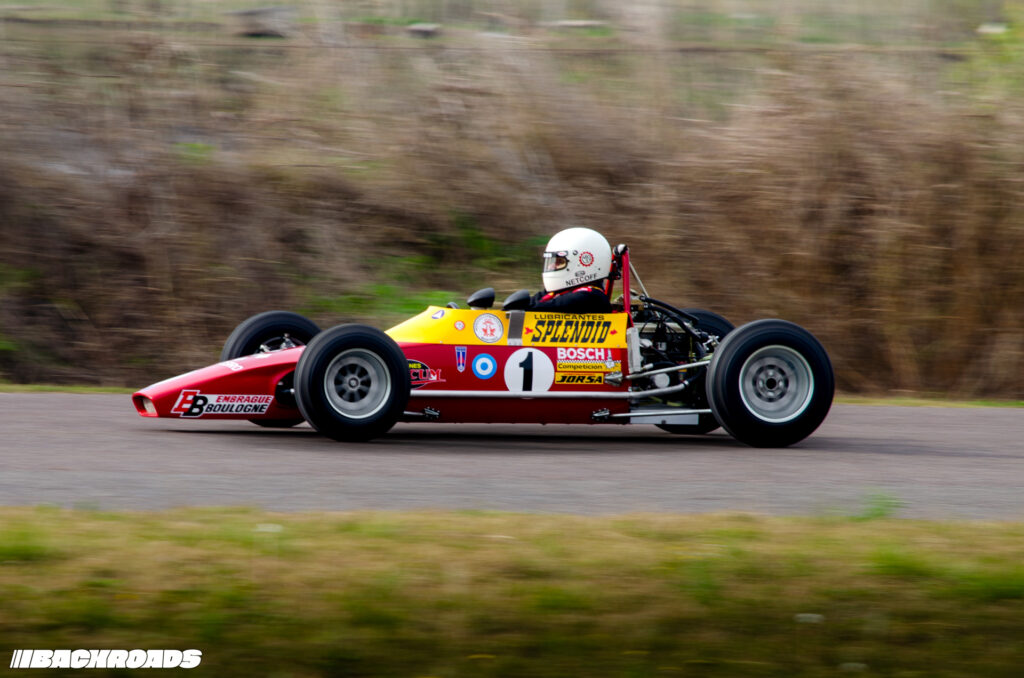
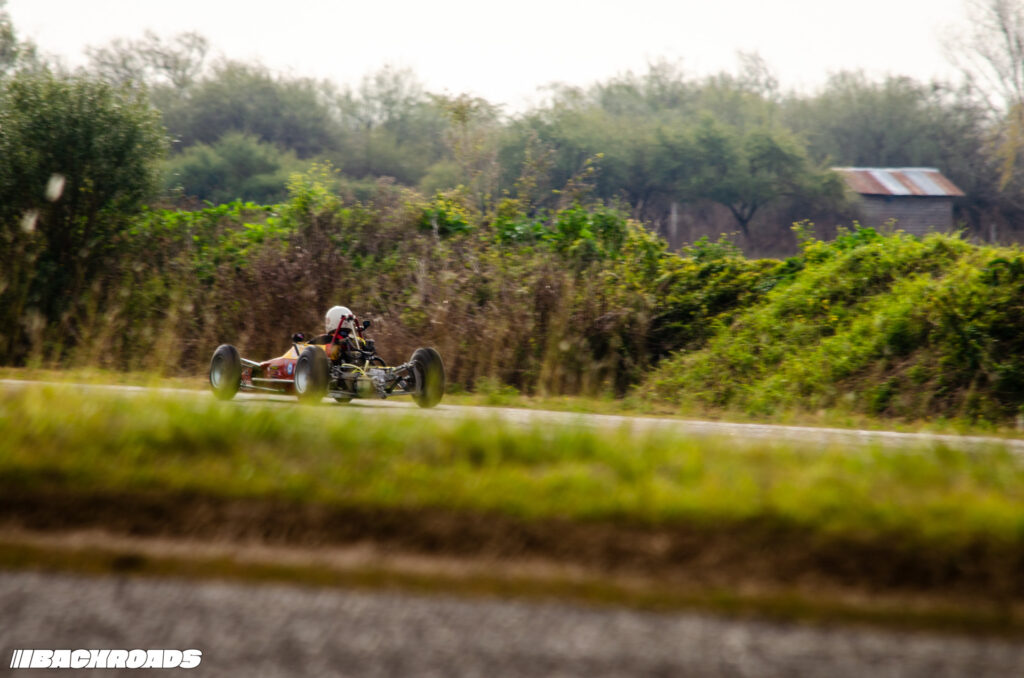
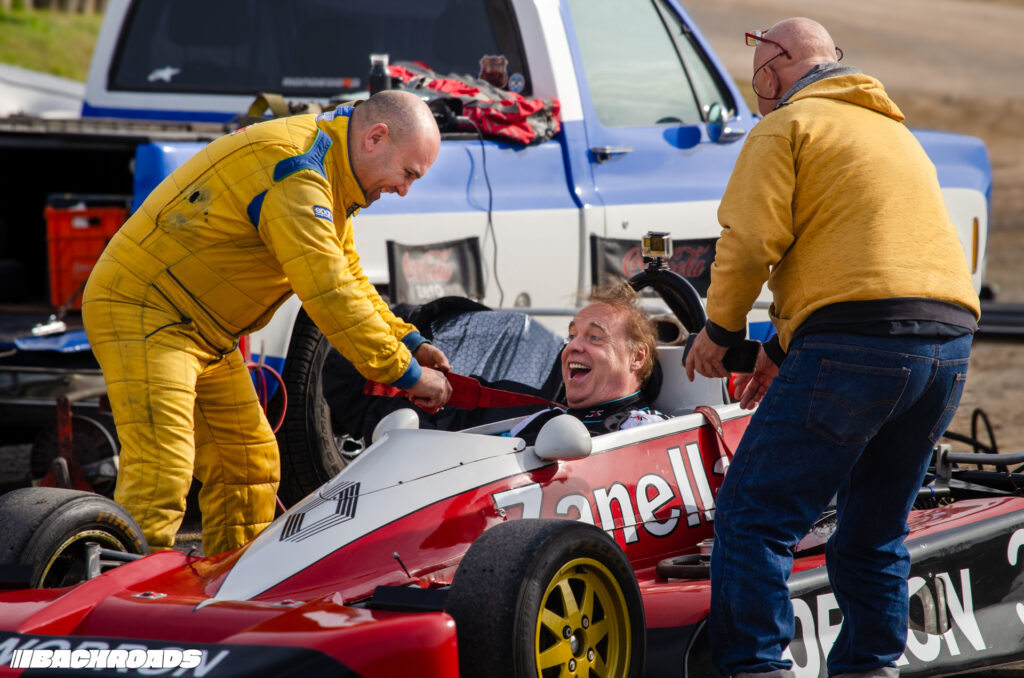
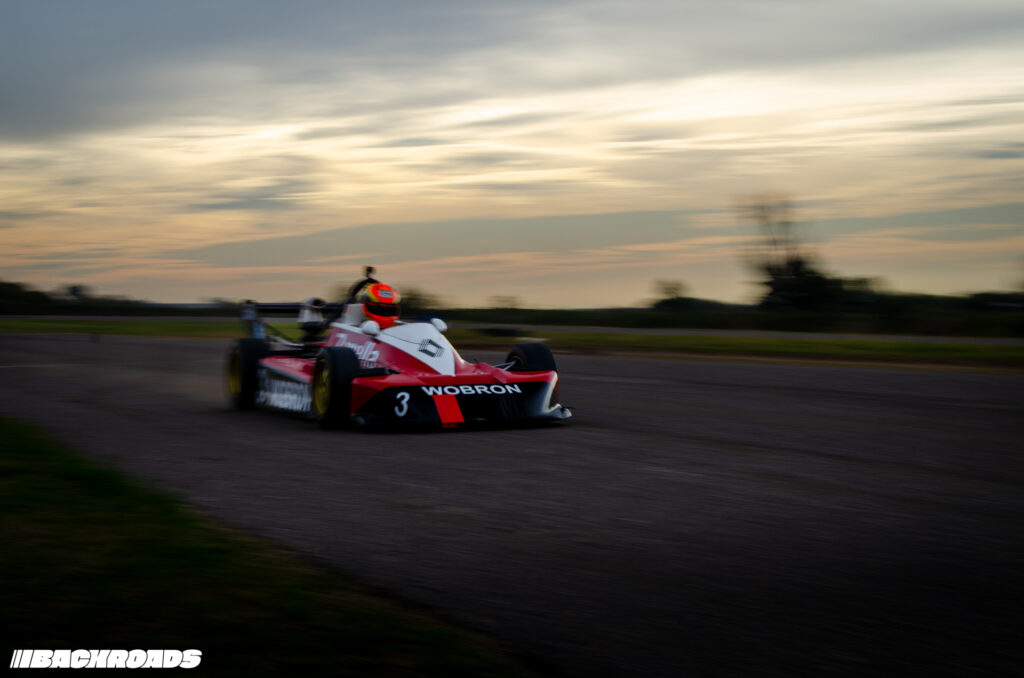
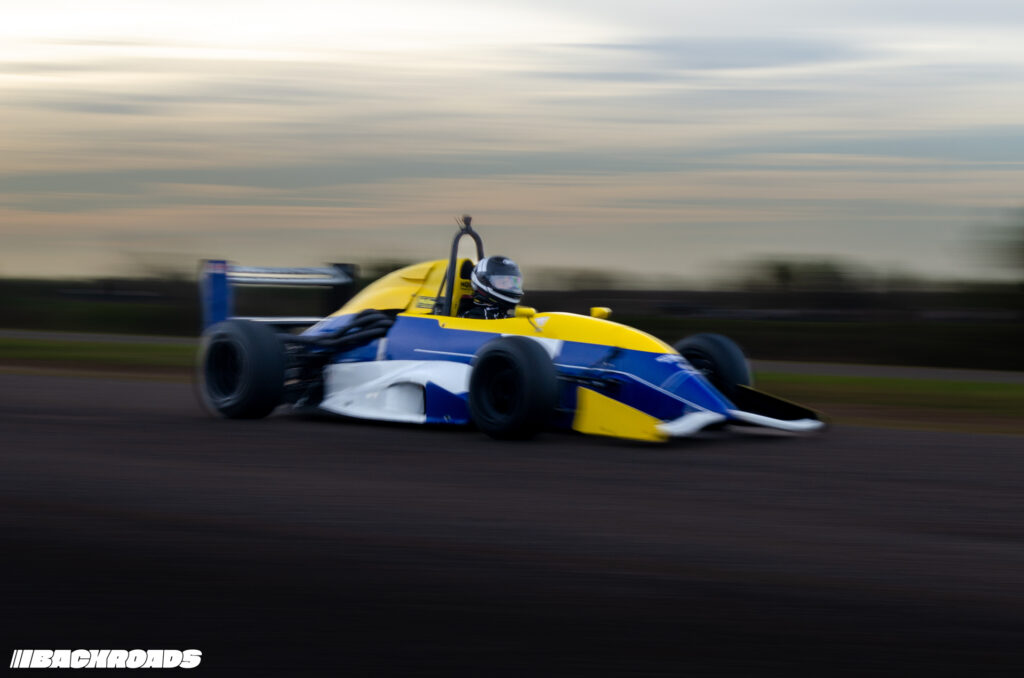
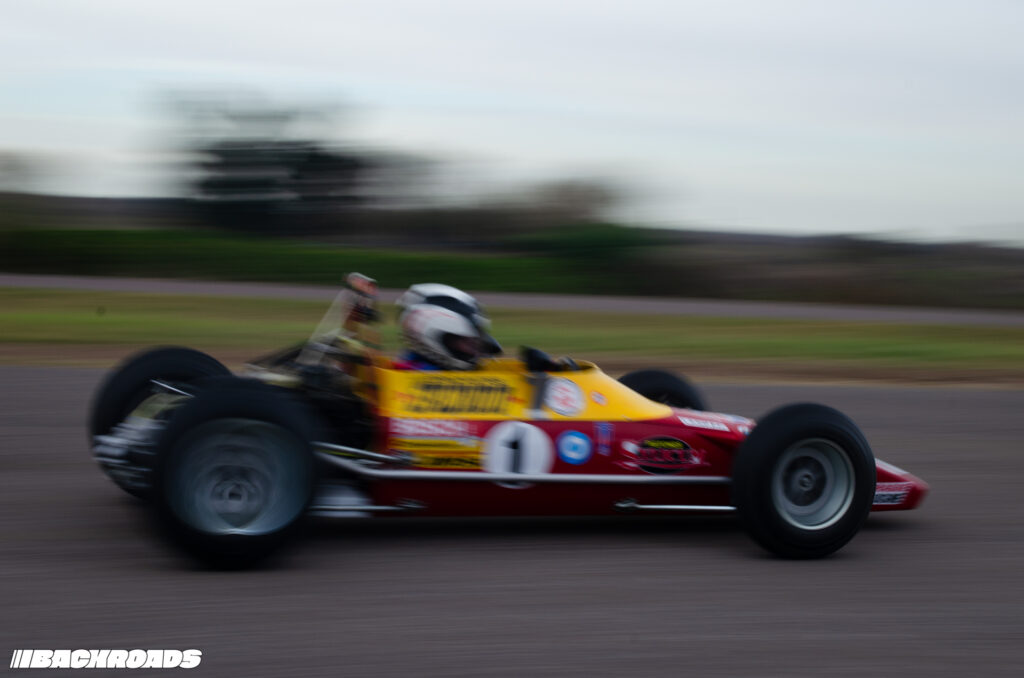
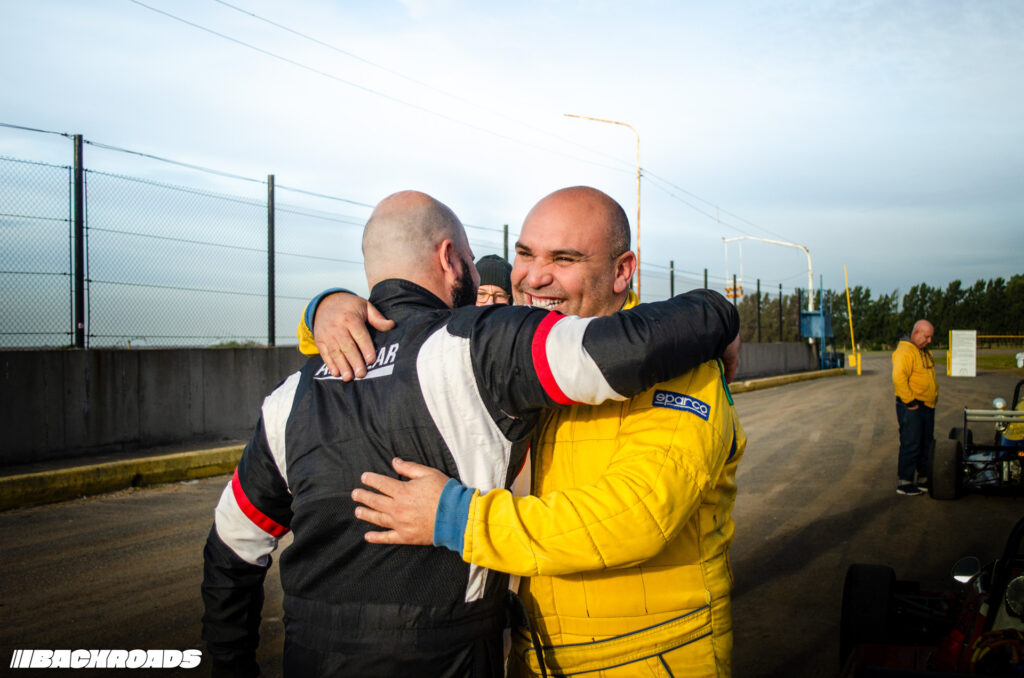
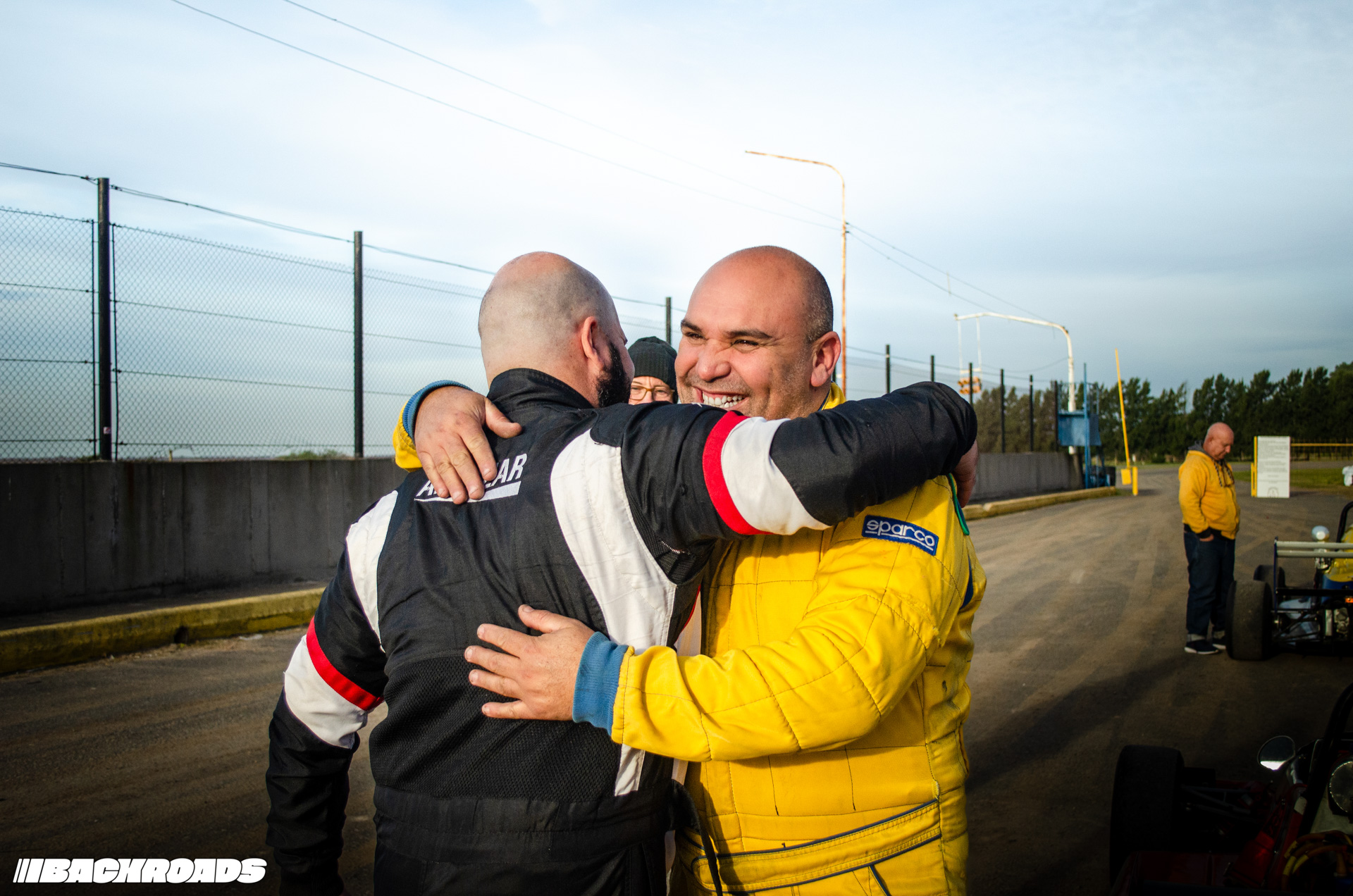
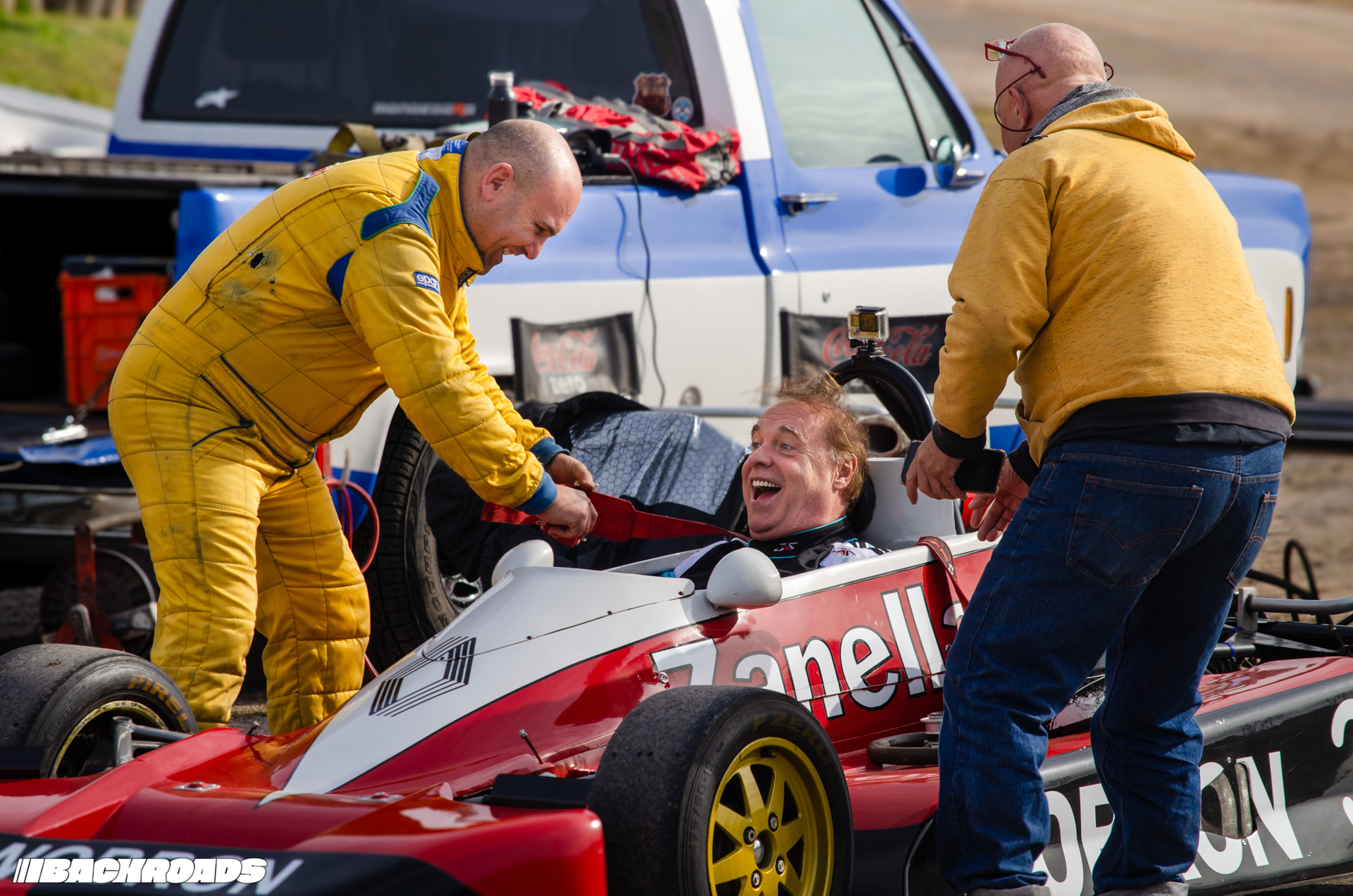
His passion is palpable in everything, from wrenching on friends’ cars and cooking for the owners, to lending out his own machine just so someone else can feel the experience.
Then there was Alejandro de Brito, already planning to bring a formula car next time. An avid collector of motorsport photography, he rescued the forgotten archives of Argentine editorials that seemingly neglected their legacies.
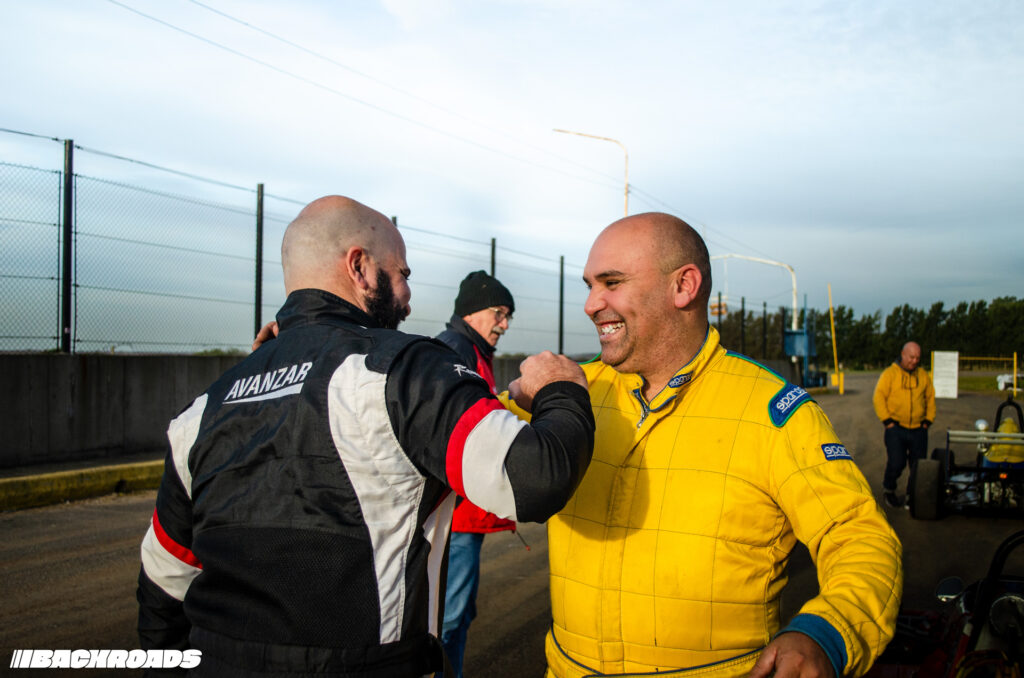
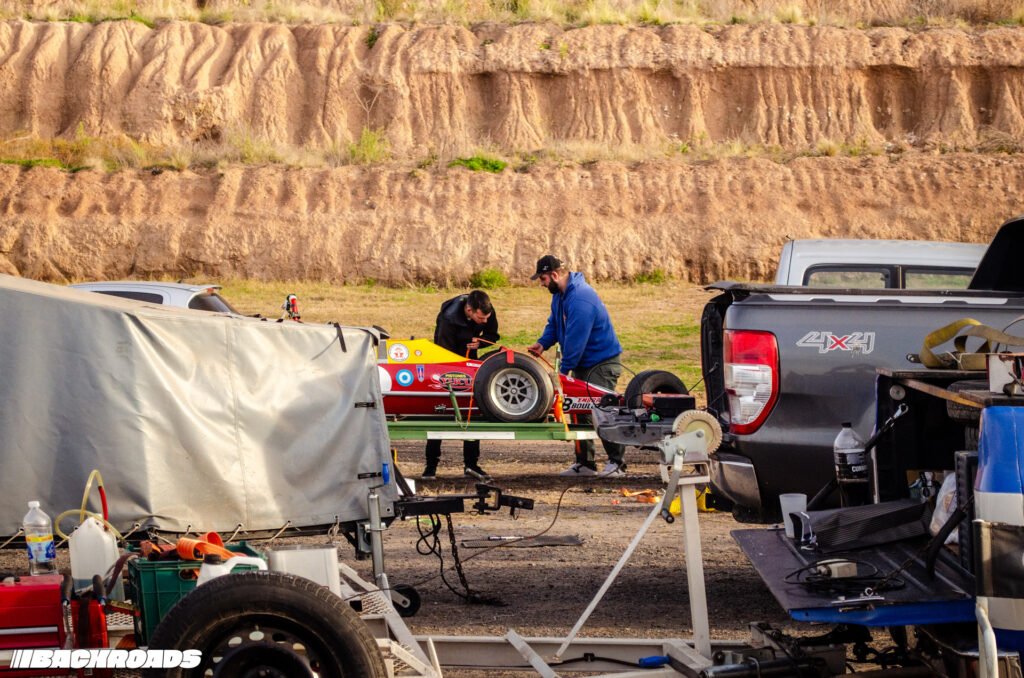

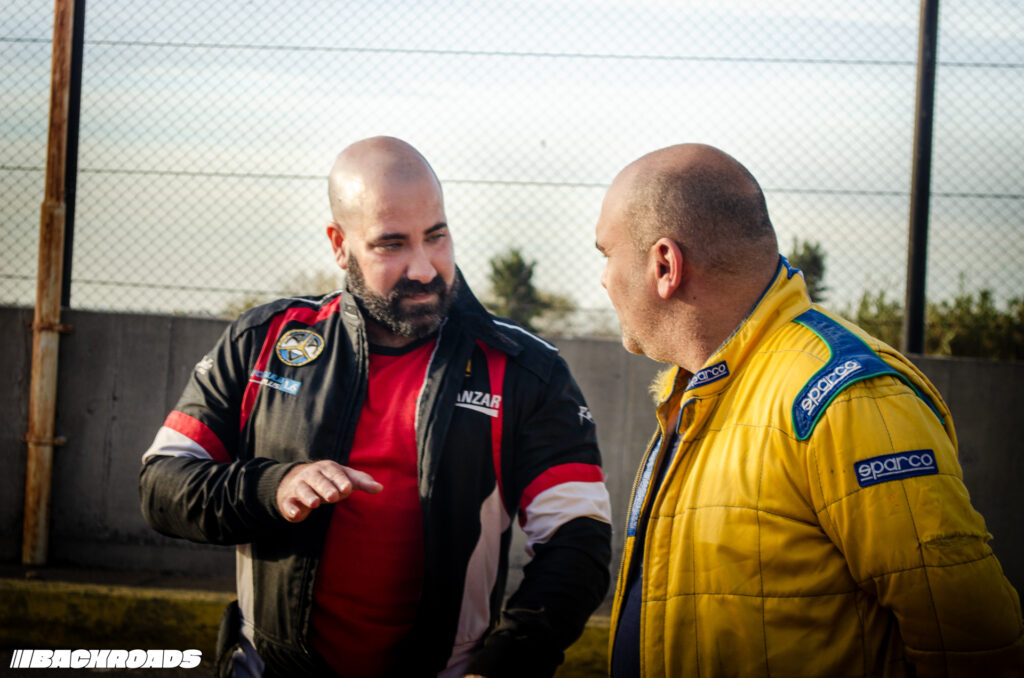
He meticulously scanned everything, preserving decades of racing memories. Listening to his stories about Reutemann and his insight into formula cars was like flipping through a living, breathing history book.
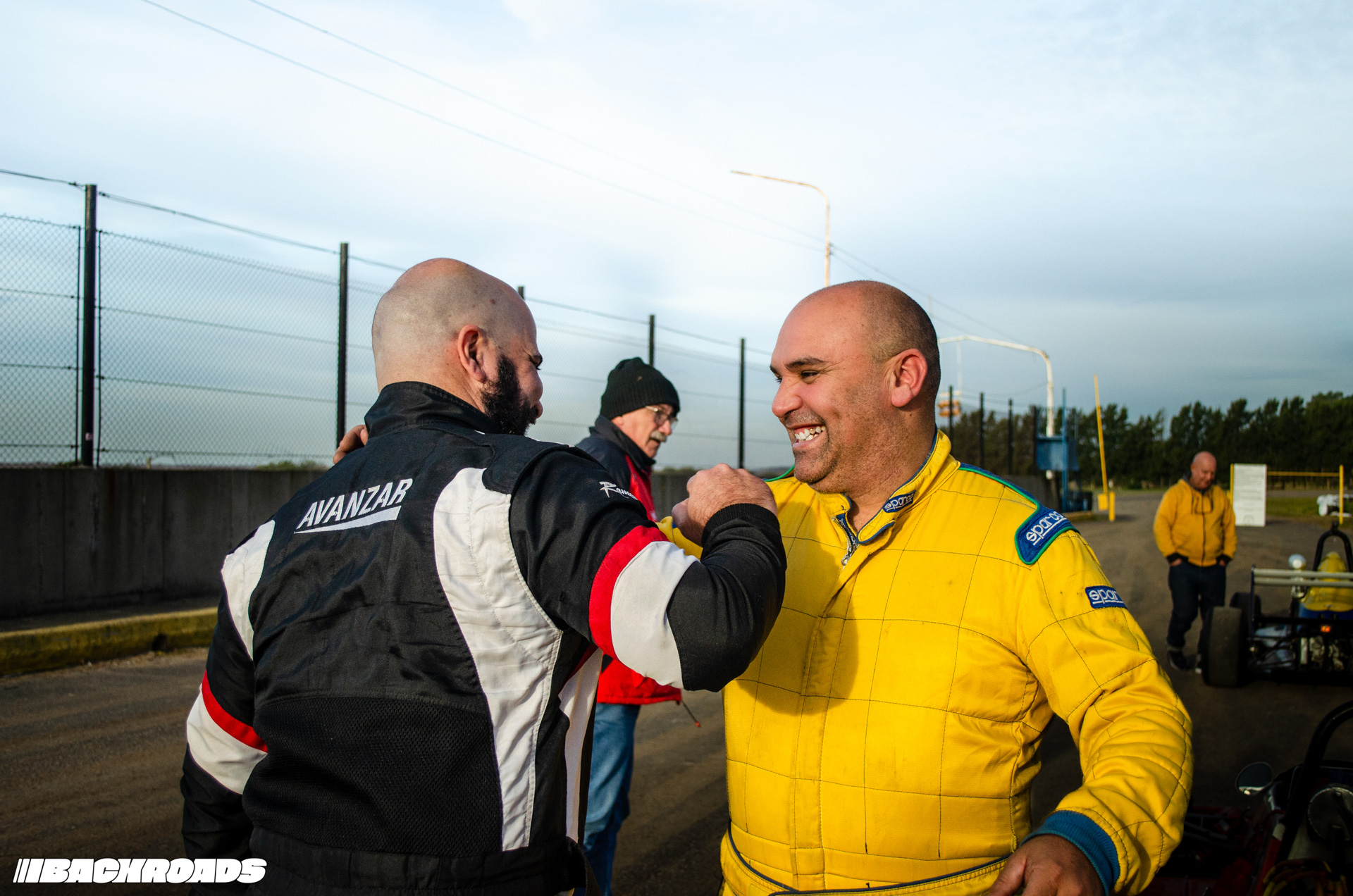
But in the end, like any proper meet, this wasn’t just about the machines. It was about camaraderie, the shared stories, the common stubbornness to keep these cars alive. Families came along too, and the welcome felt less like a club and more like finding old friends you hadn’t seen in years.

Kelo told me not to call it an ‘event,’ because to him it felt too small. But honestly? It was far bigger than that. Whether online or offline, this was the reignition of what these cars once stood for – and judging by the passion on display, the future looks more than bright.






Que Buen post Lucas, como argentino siempre soñe con ver un post sobre nuestra cultura en Speedhunters, cosa que nunca se dio. Con la aparicion de Turnpike la verdad que me hizo resurgir la esperanza y ahora ver esto la verdad que me alegro bastante y me dio ganas de a lo mejor intentar hacer uno yo! Exelente trabajo, Keep It Up!
Gracias Nahuel!
Finally, stories about my country!
Cant wait to see one related to AutoClasica or muscle car culture hangouts done in Hurlingham. We have a great for cars!
Gracias! I wrote an article about Autoclasica, but I will wait to update it until this year edition since I will be there with a surprise!
Motorzone was pretty good too, I am also definitely using my pictures from that one too.