
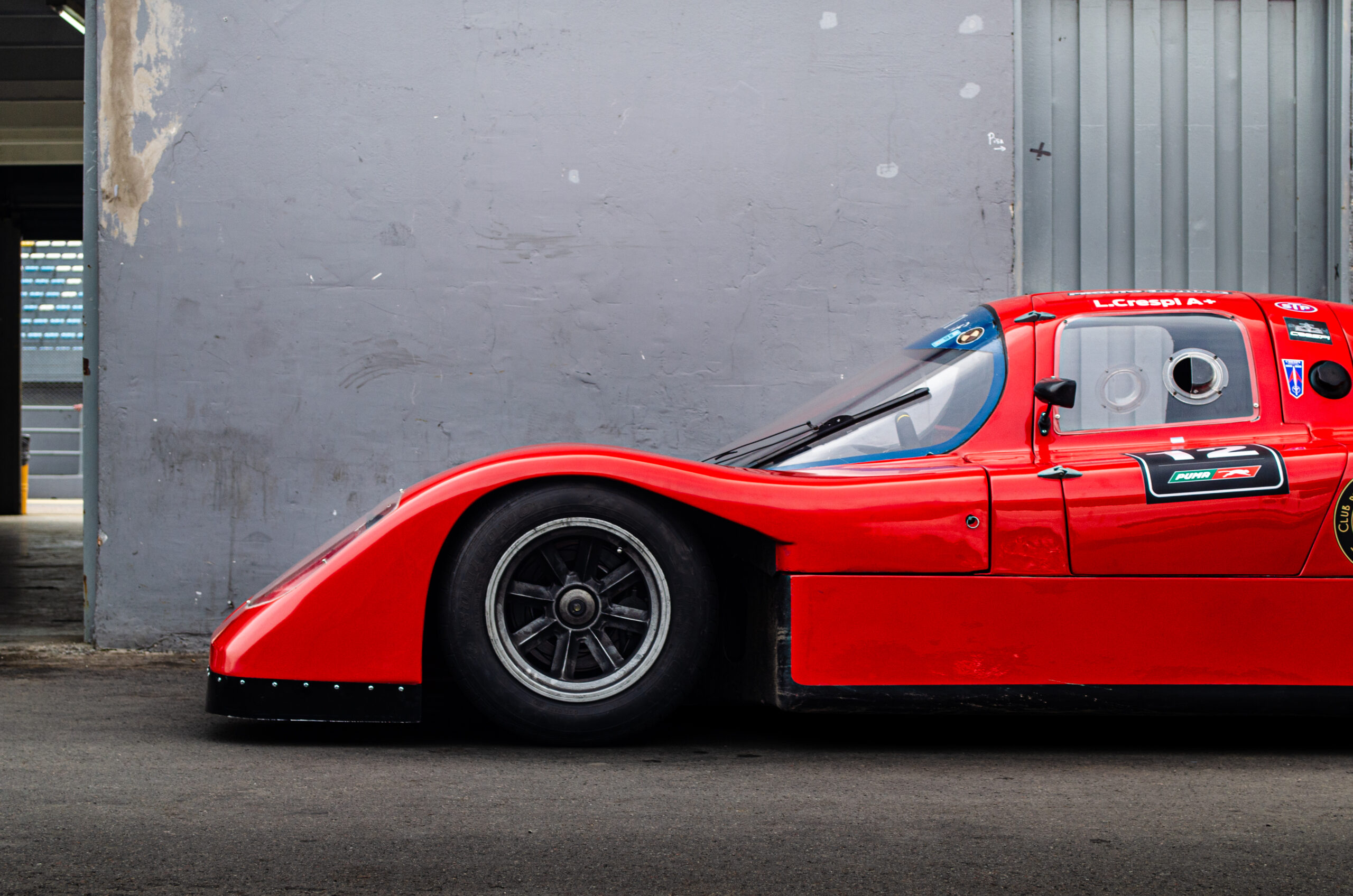
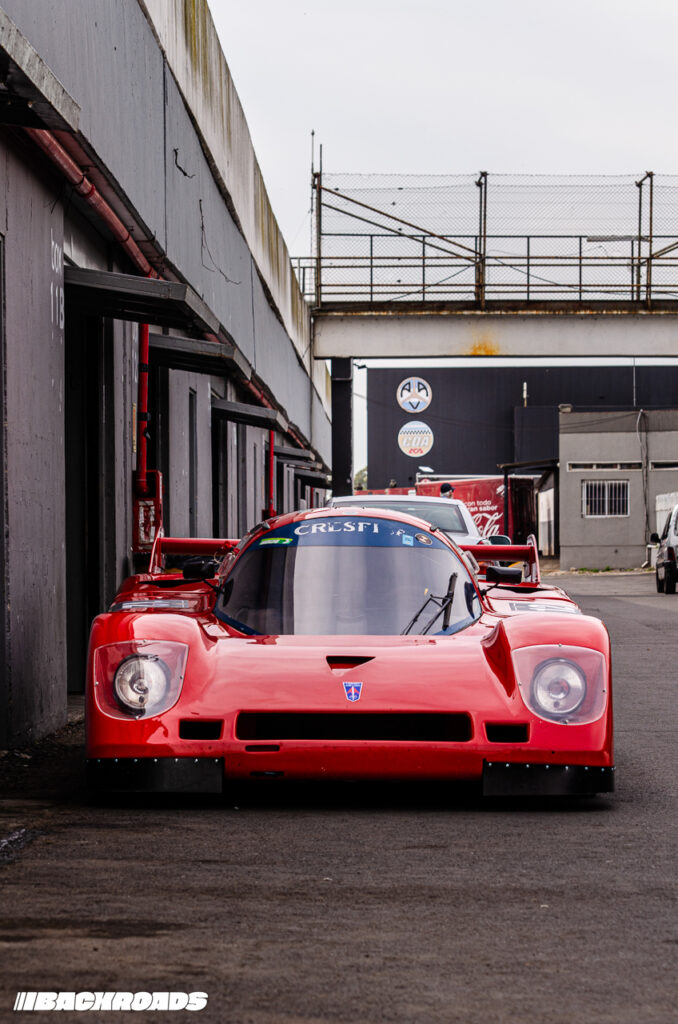
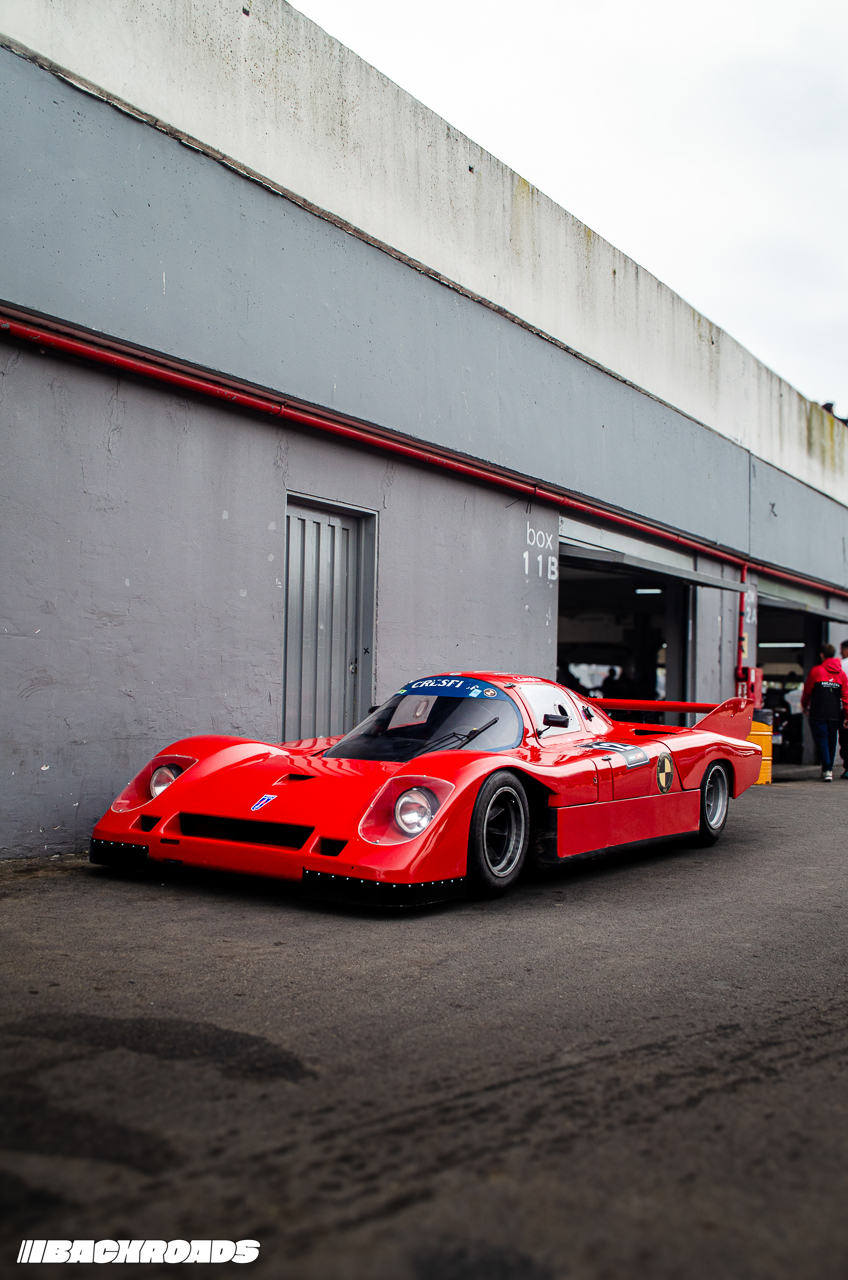
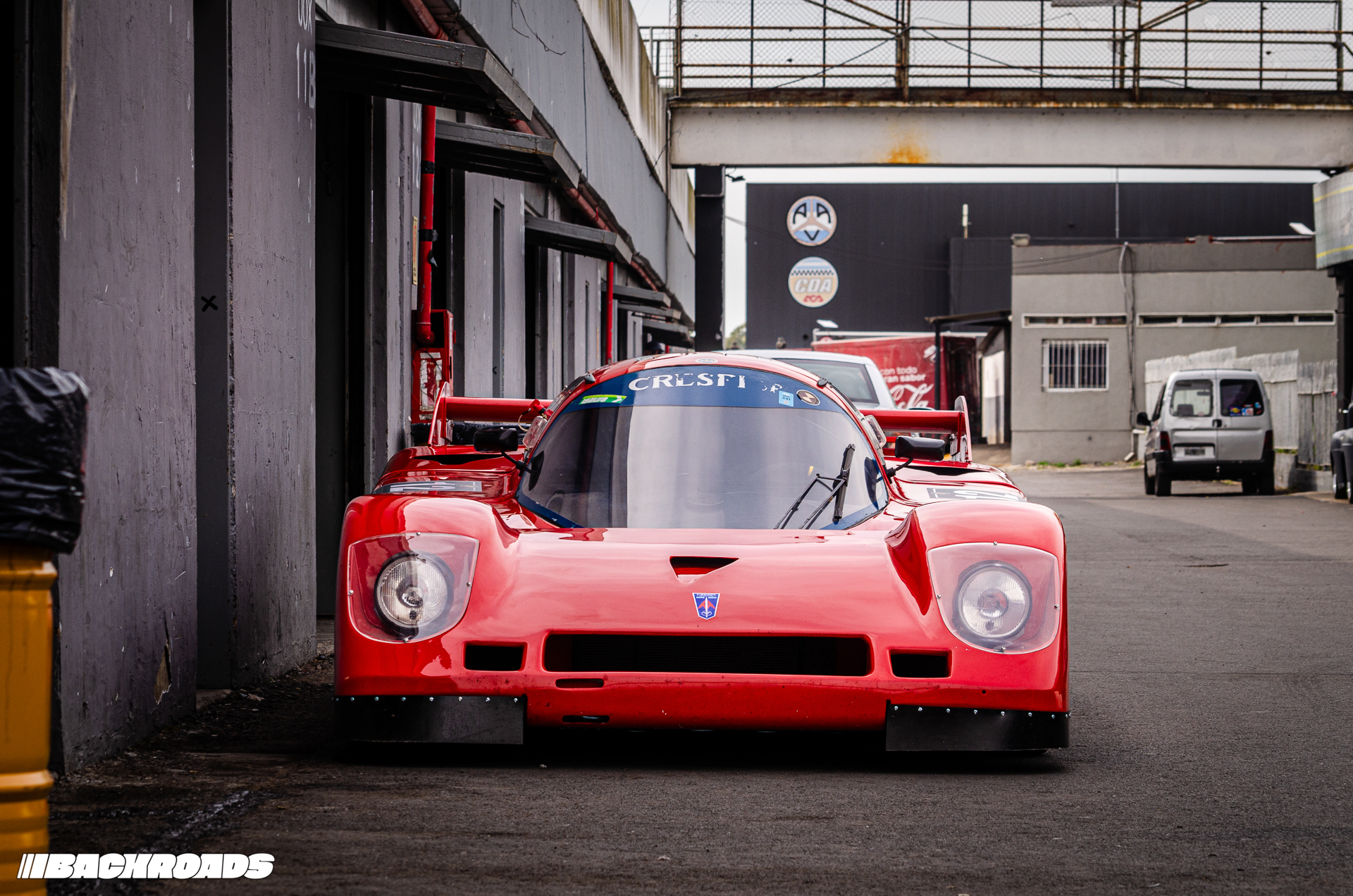
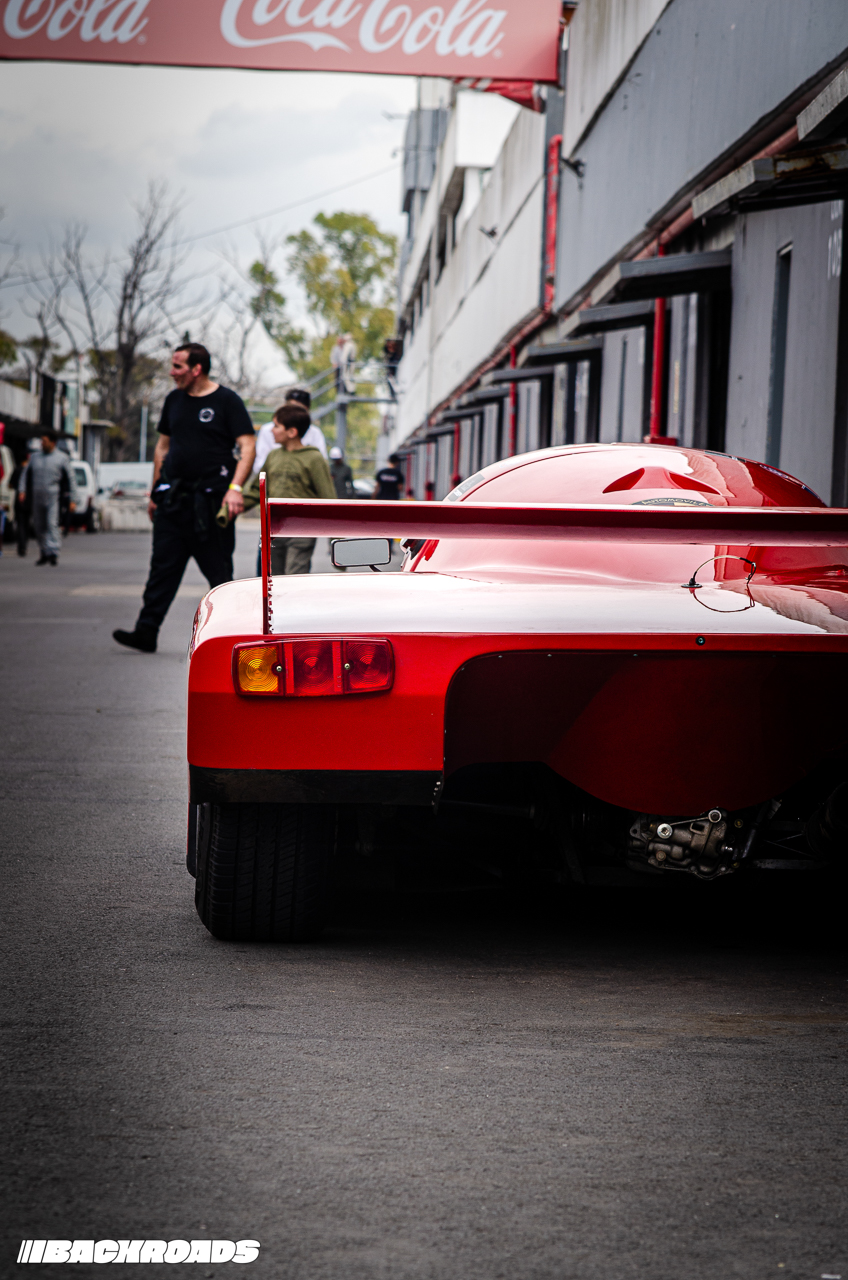
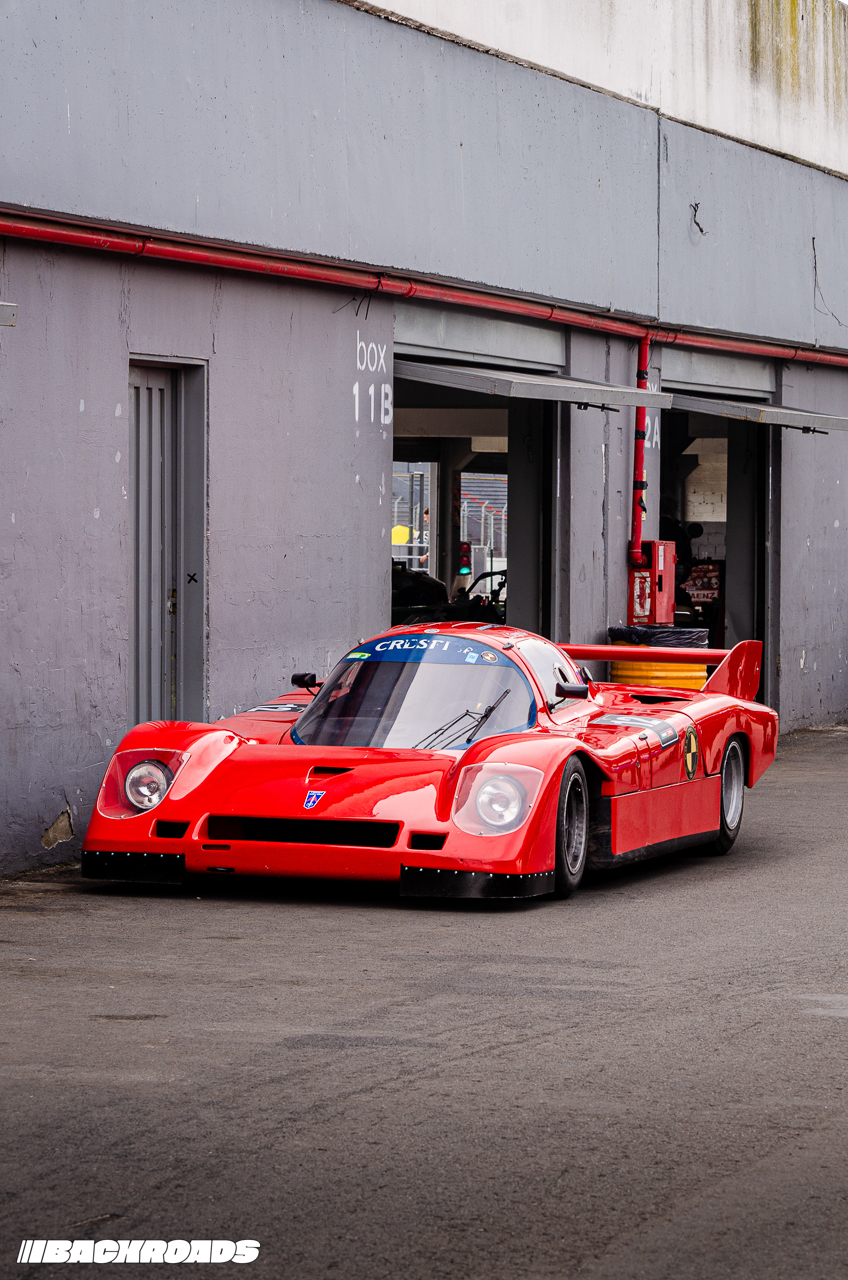
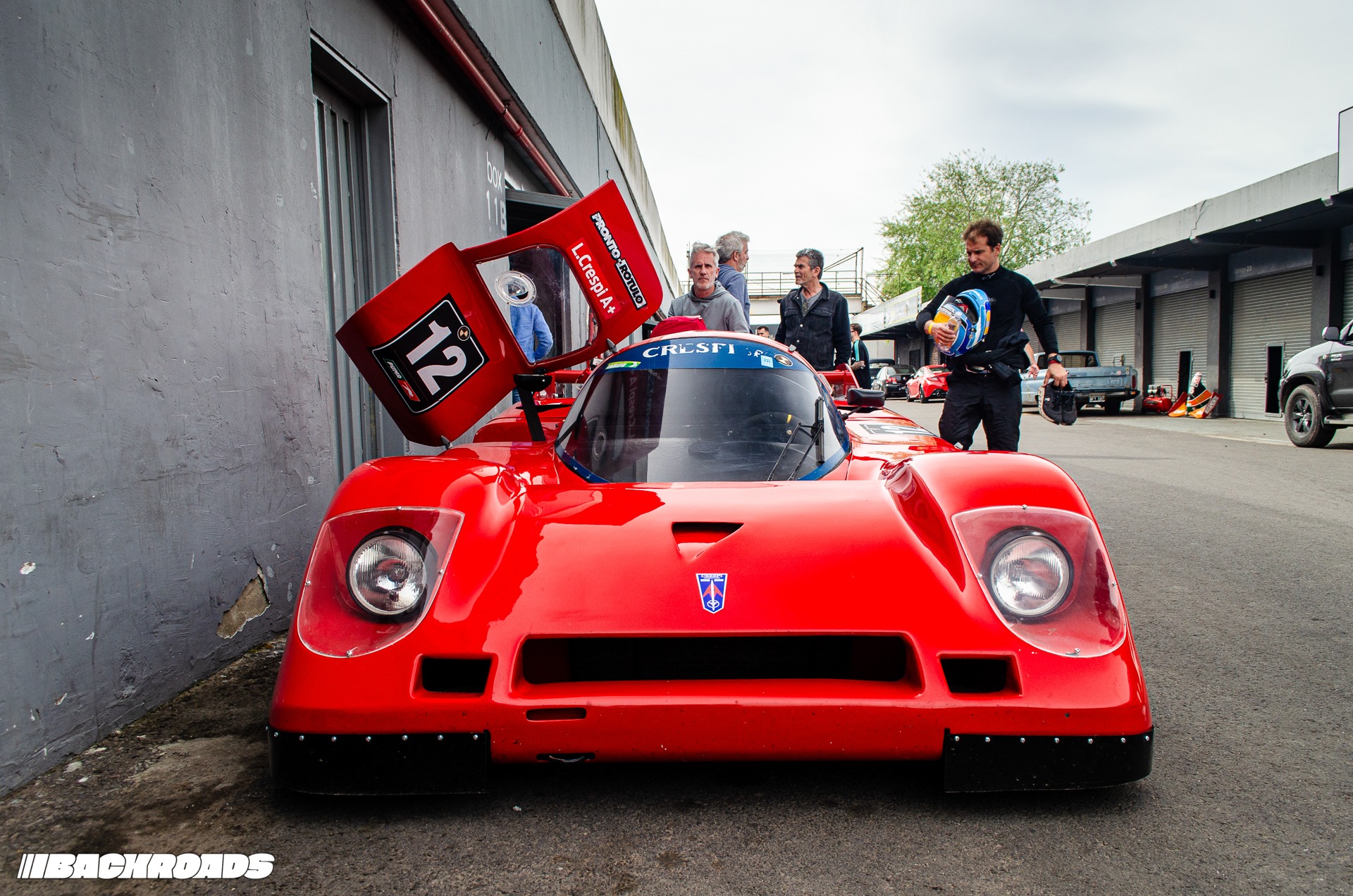
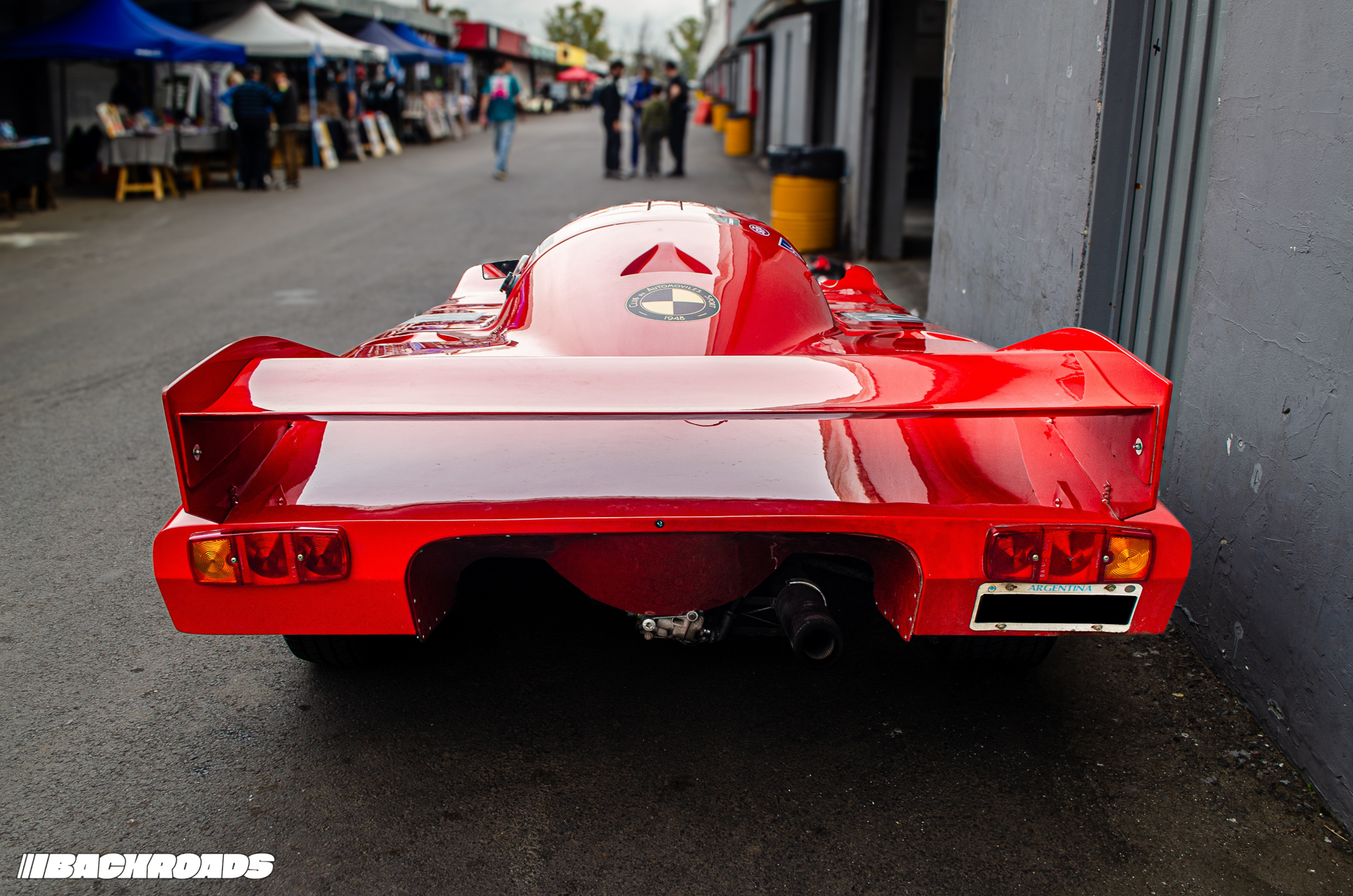
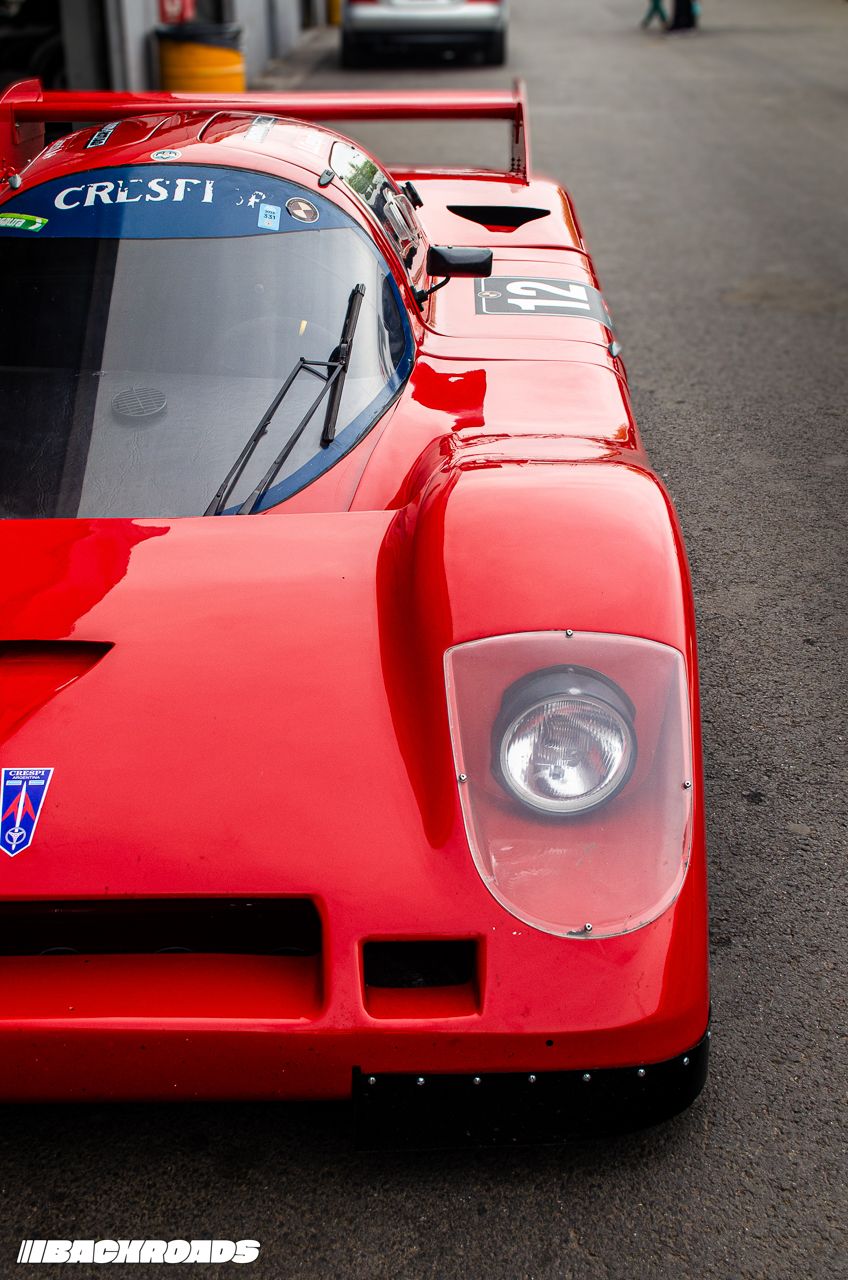
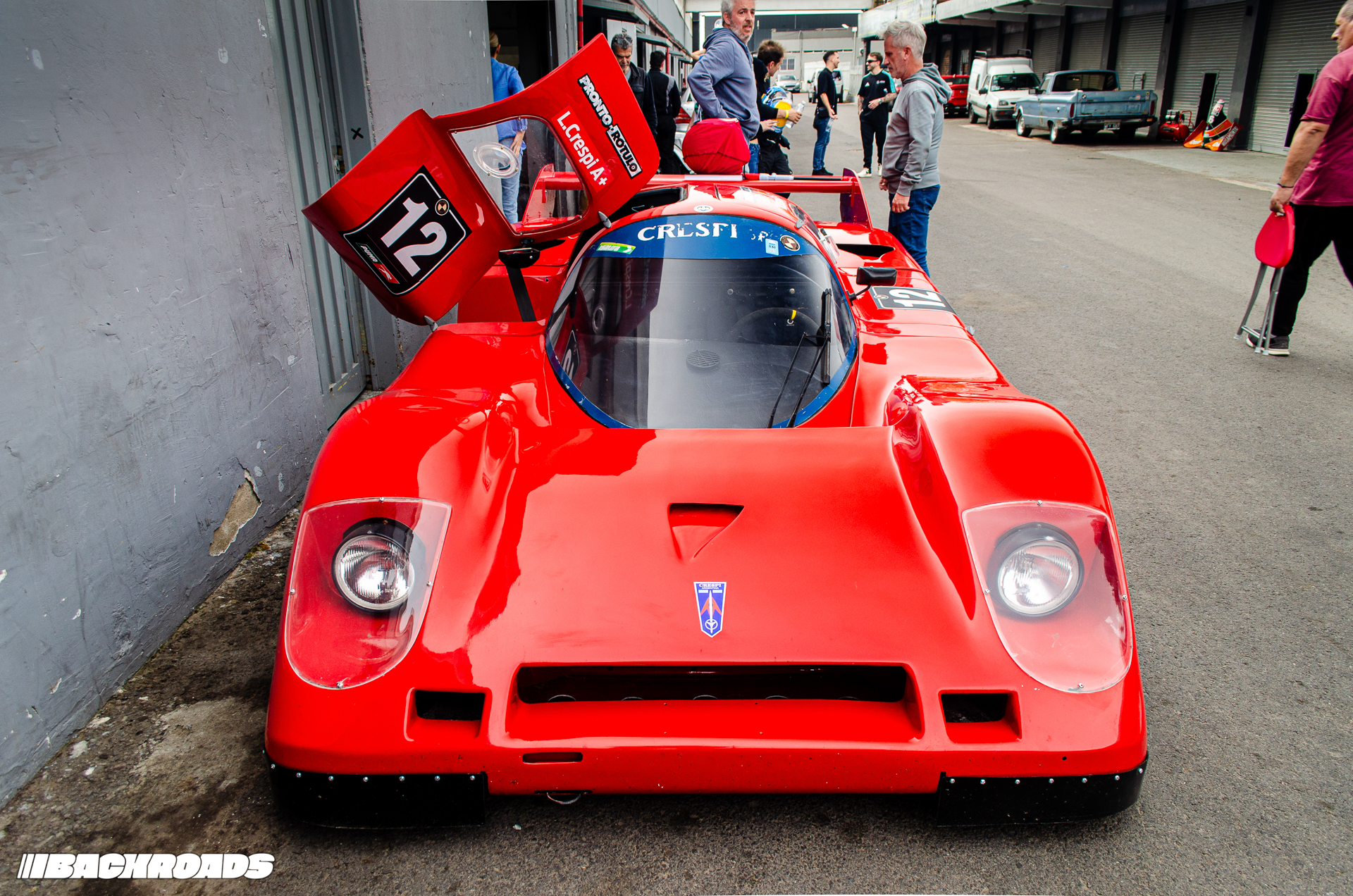
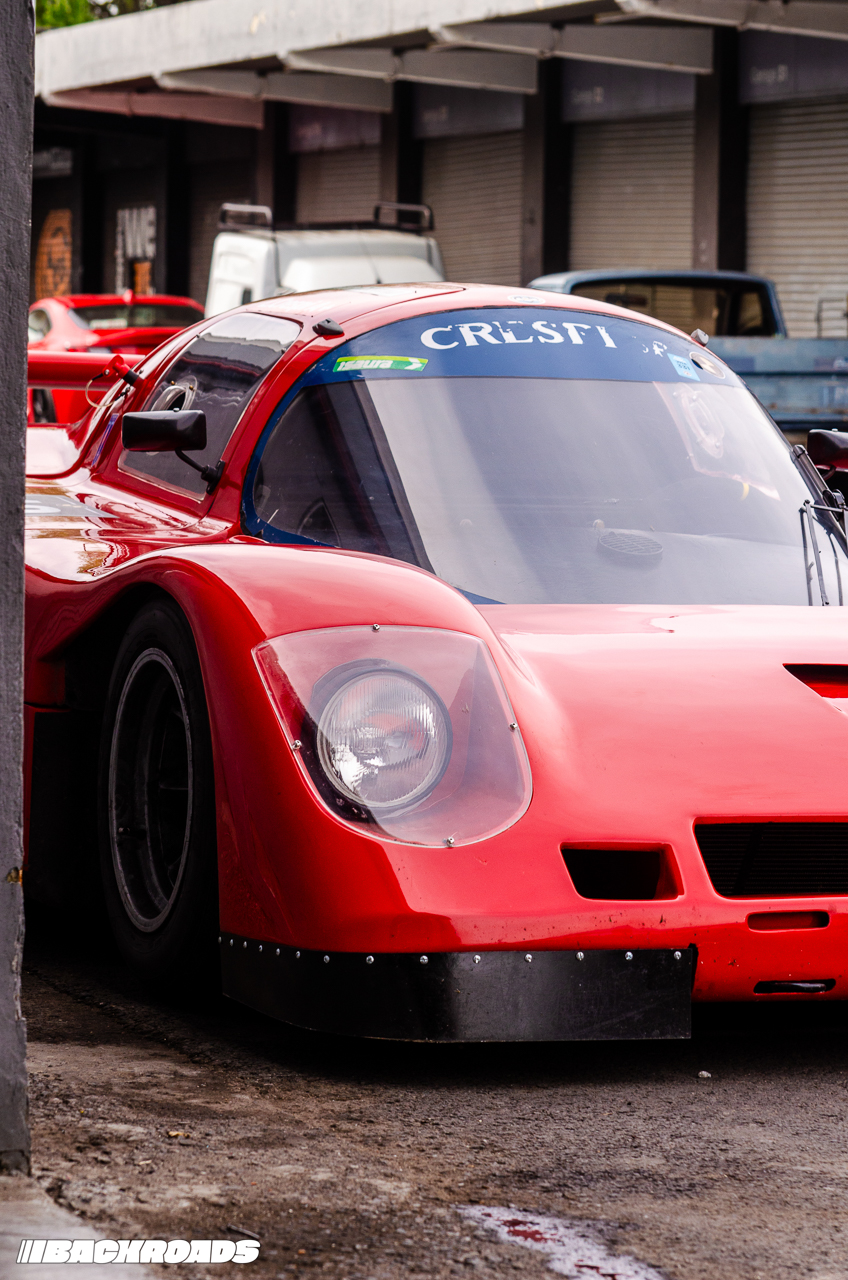
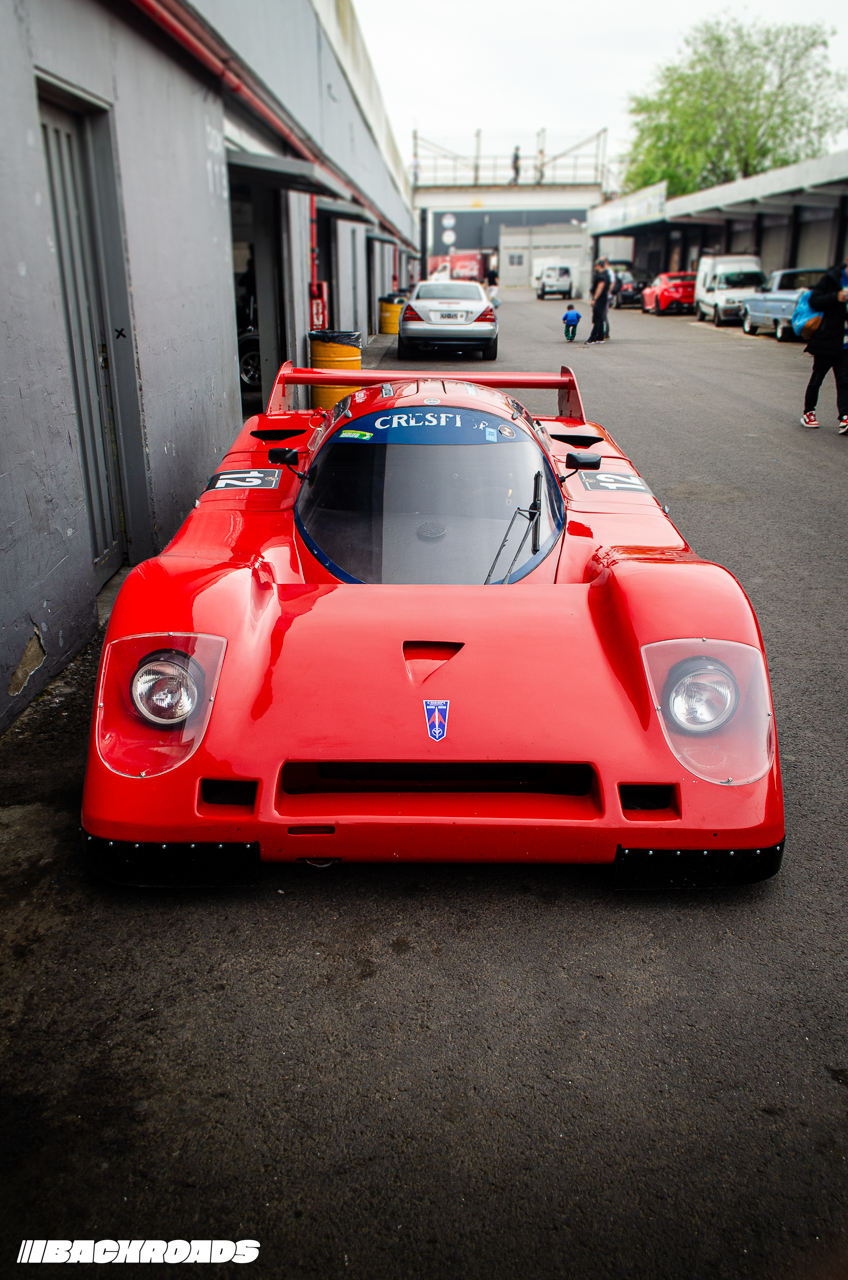
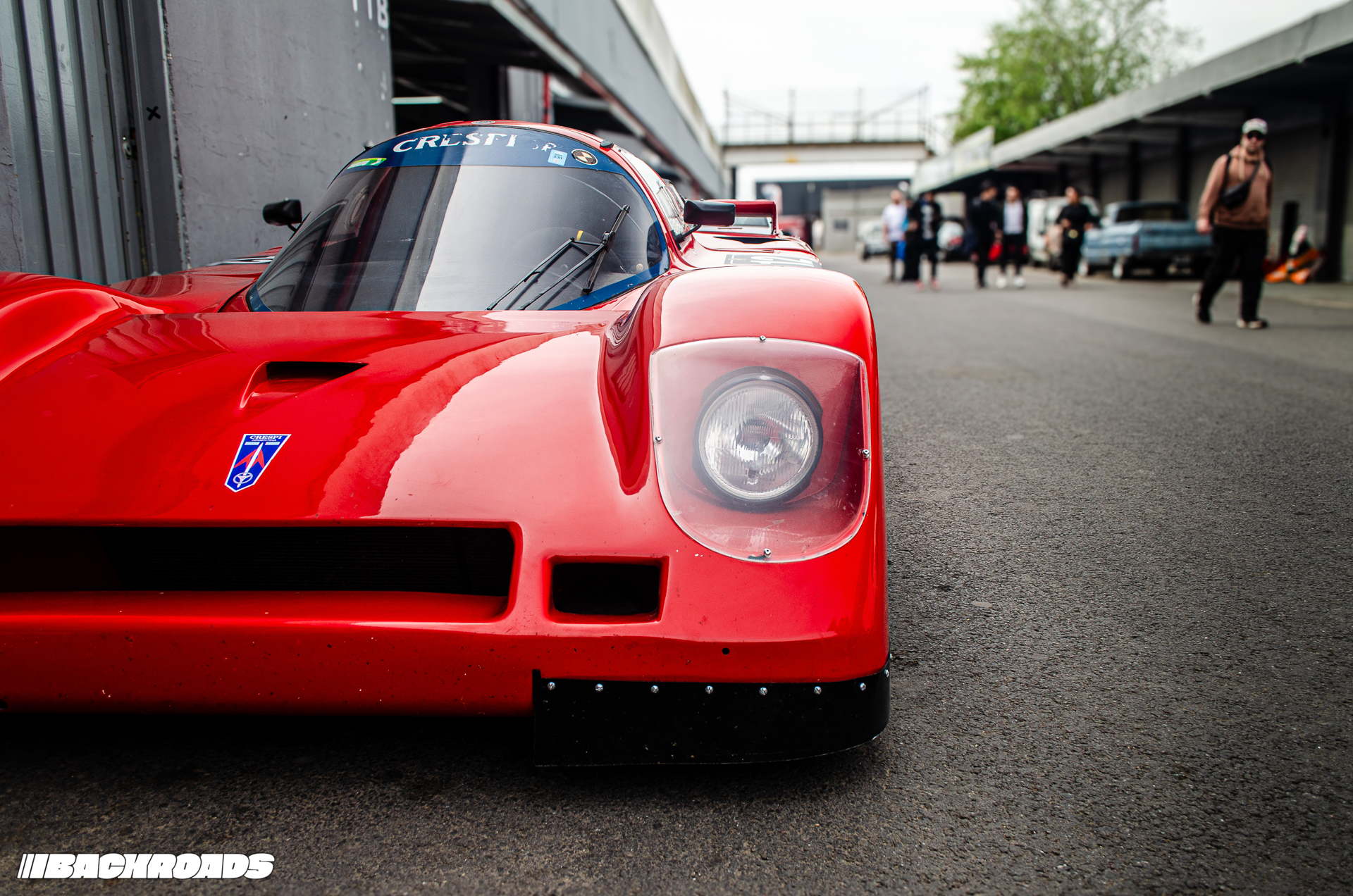
I like to visit Club de Automóviles Sport (CAS) events in Argentina for a very specific reason: to see this car.
Some might even call it the club’s unofficial flagship. With a collection that’s arguably the rarest, most exclusive and affluent in the country, CAS gatherings have been fertile ground for hidden gems since 1948.



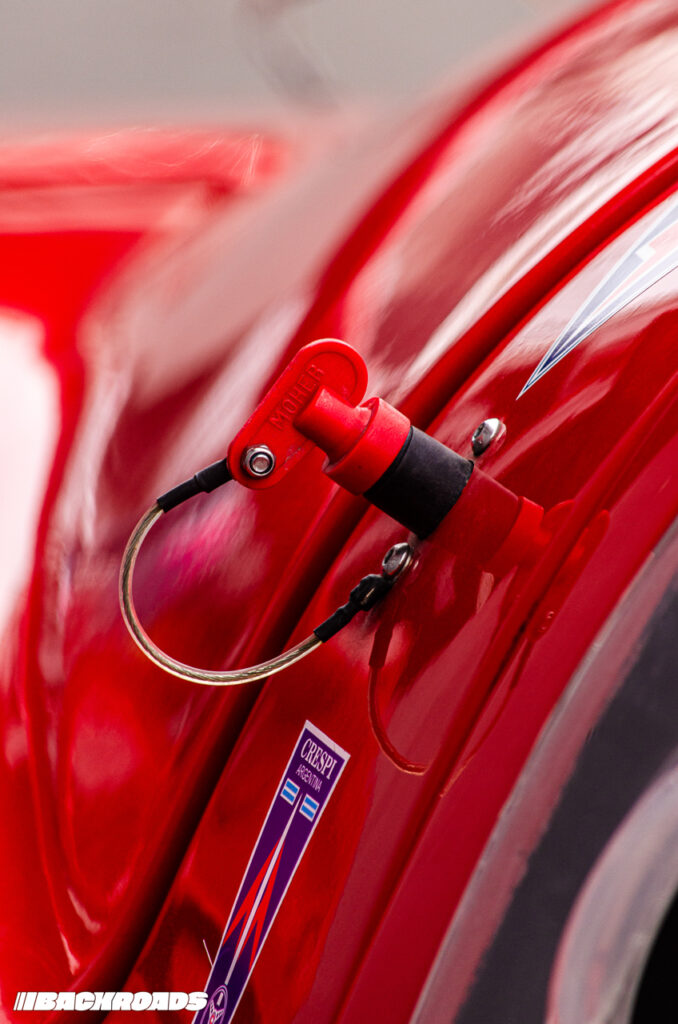
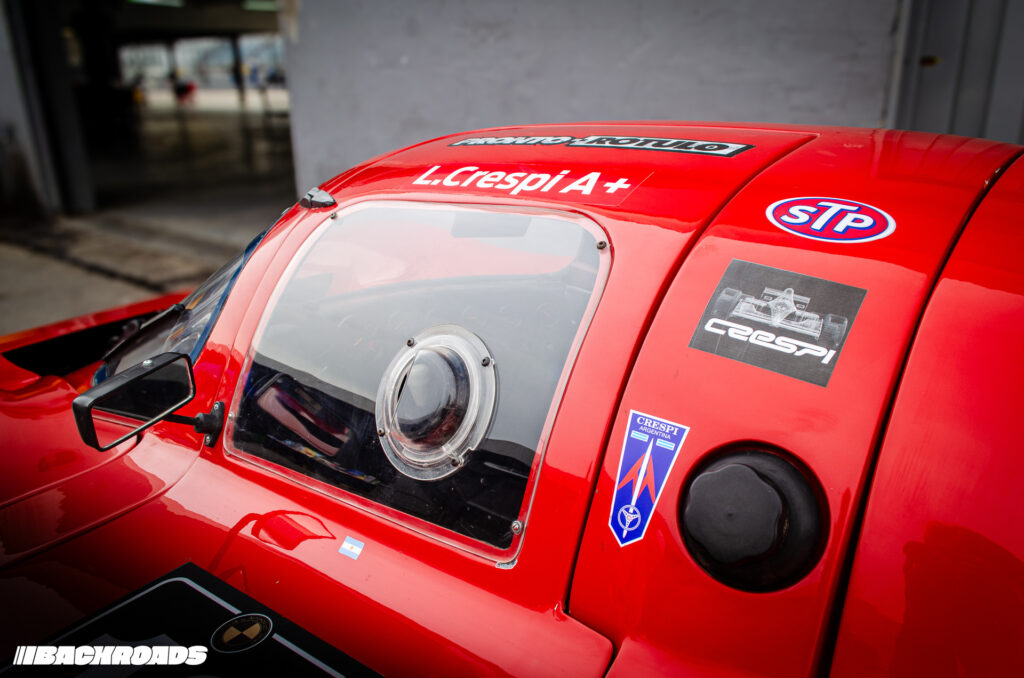
Yet one day, Marcelo Castiñeira, a successful businessman and CAS member, noticed a problem. In Argentina, sourcing parts was a nightmare – difficult shipping and heavy import taxes made it nearly impossible to source and run competitive machinery.
Back in 1989, CAS racing was tough, but most cars relied on costly imported parts or were replicas of 1960s machines. Castiñeira wanted a new kind of car: modern, competitive, and proudly national.





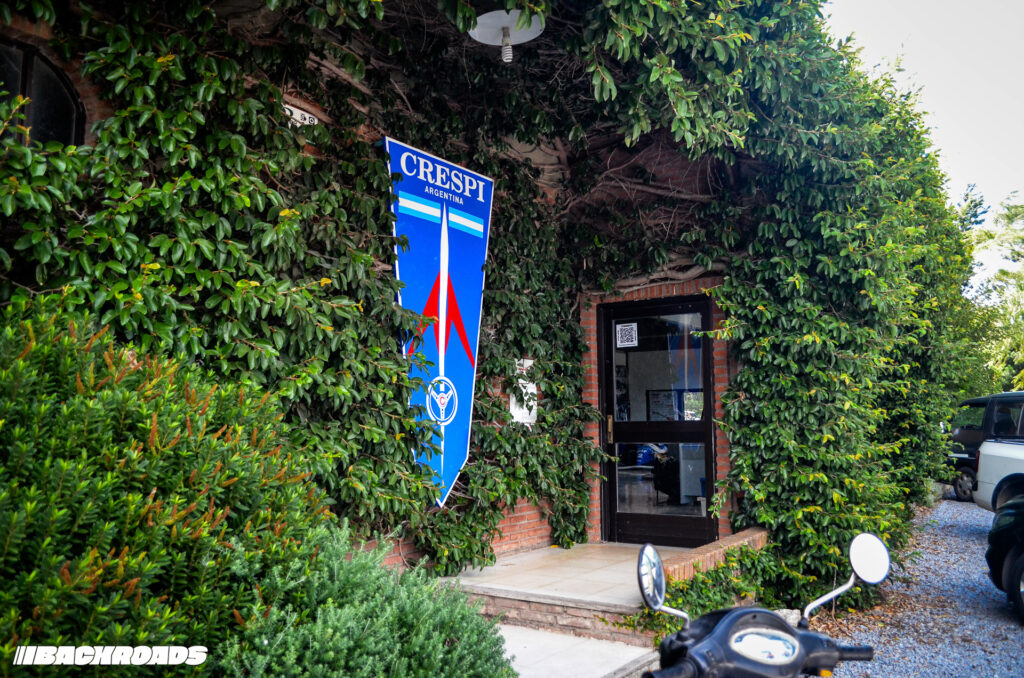
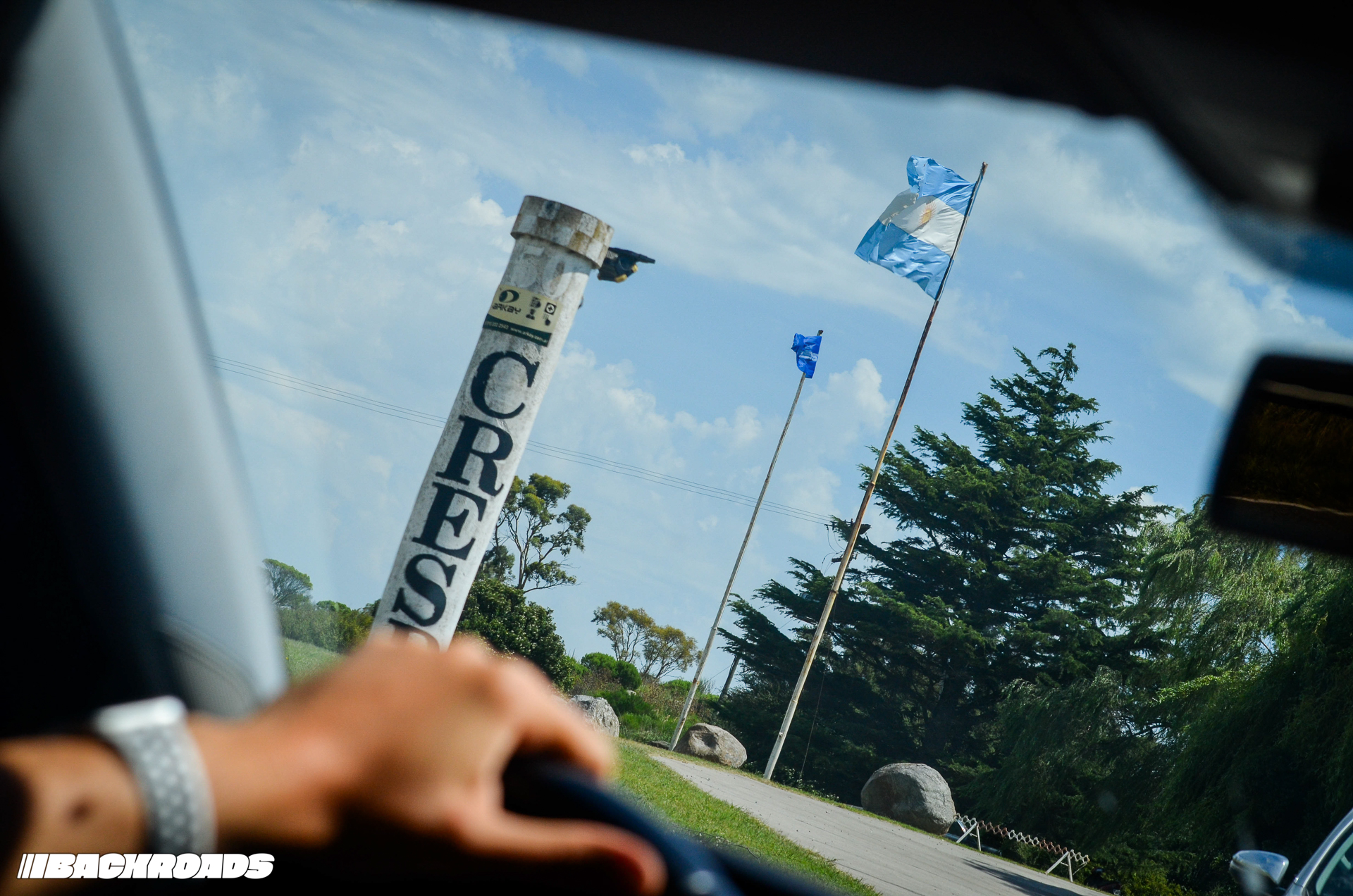
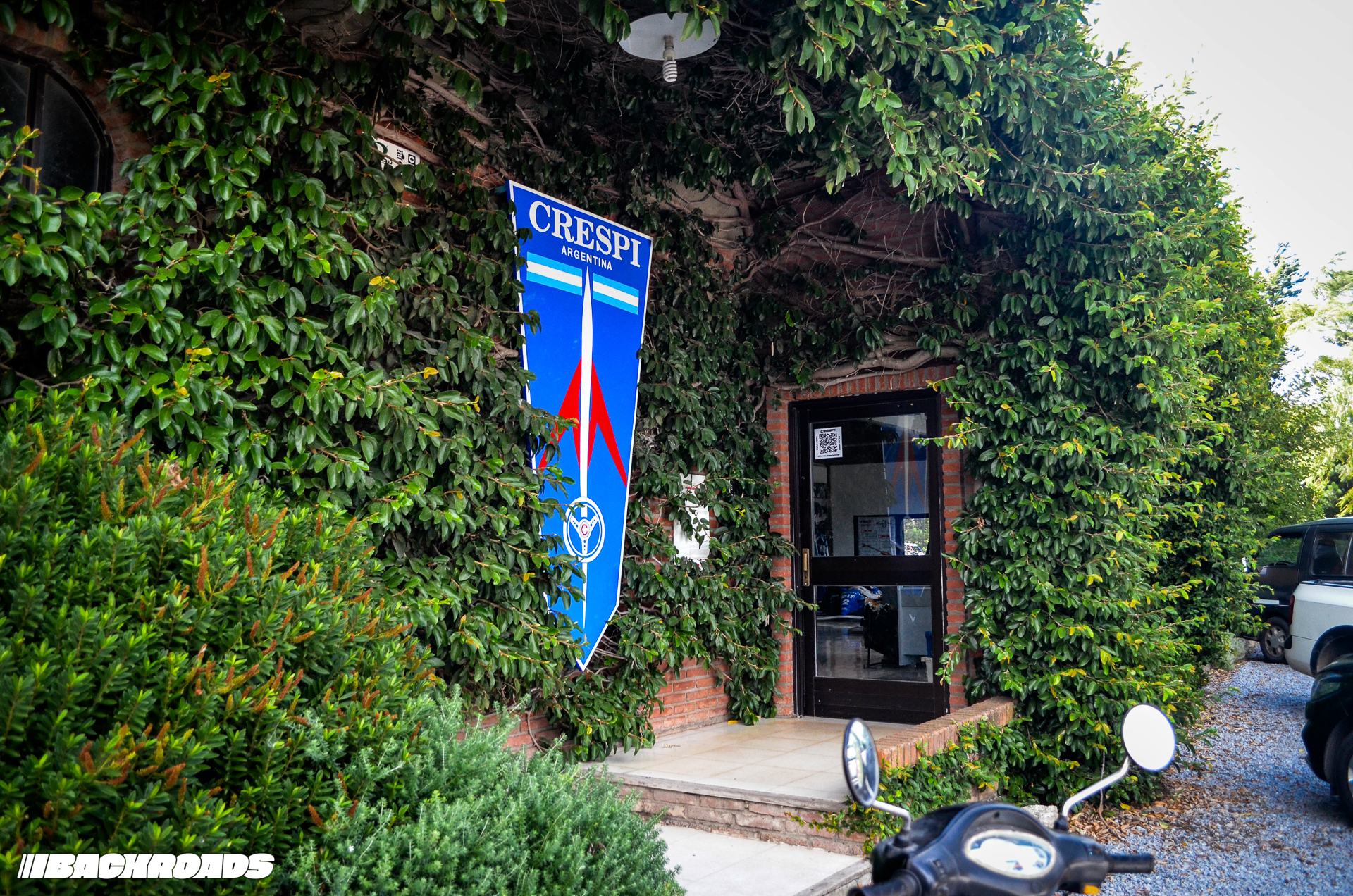
That’s when he turned to Tulio Crespi. If there’s a constructor who’s left an undeniable mark on Argentine motorsport, it’s him. From the early 1960s onwards, there hasn’t been a single open-wheeler or SP category without at least one Crespi chassis on the grid. His latest creation was a series of F1 chassis for Netflix’s “Senna” series.
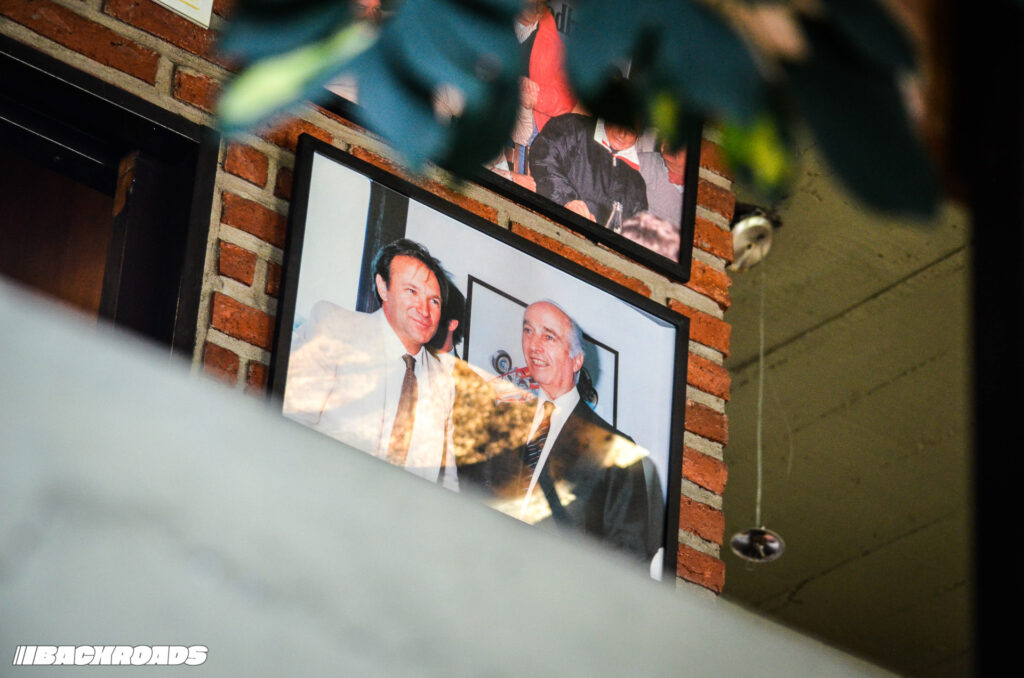
Castiñeira walked into Crespi’s workshop in F1 legend Juan Manuel Fangio’s hometown carrying nothing but a scale model of a Porsche 962 Le Mans car, and pitched a wild idea: build something similar, entirely in Argentina, without a single blueprint.
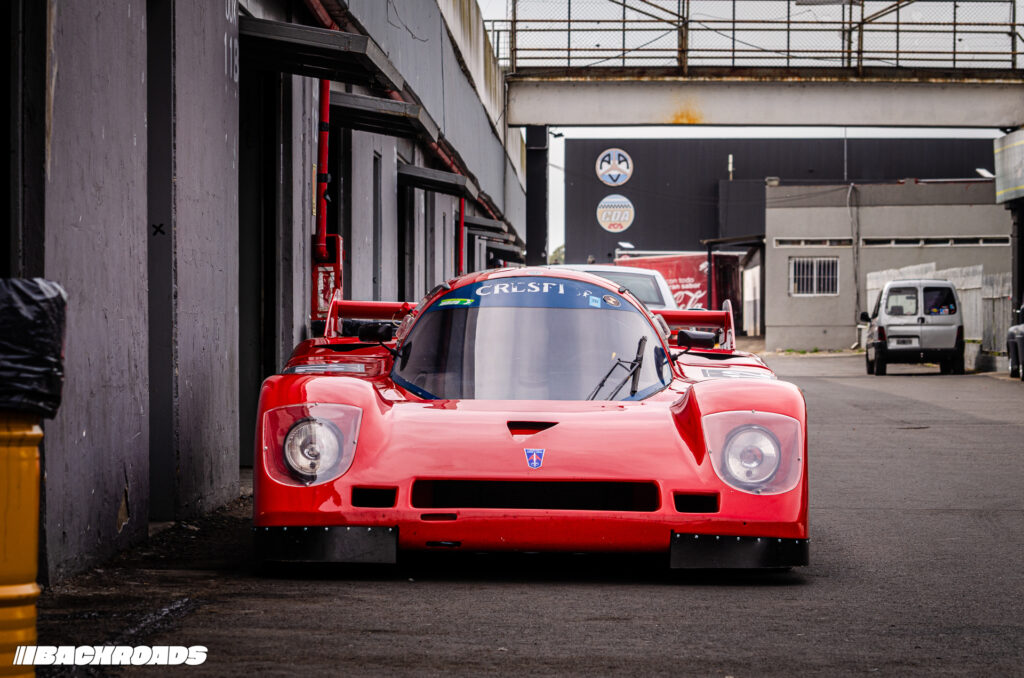
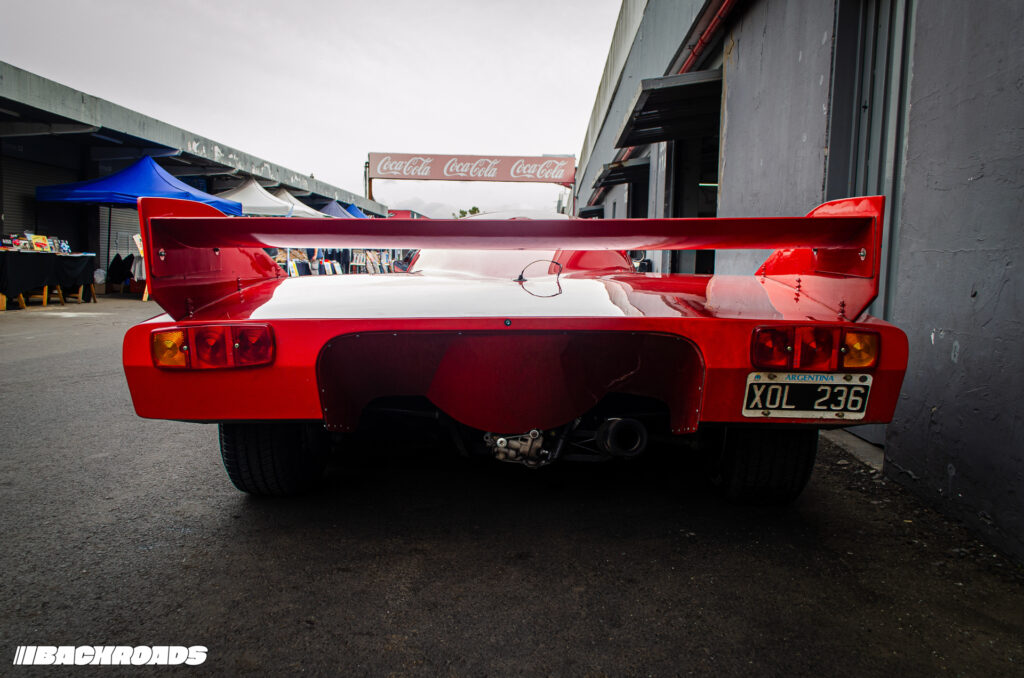

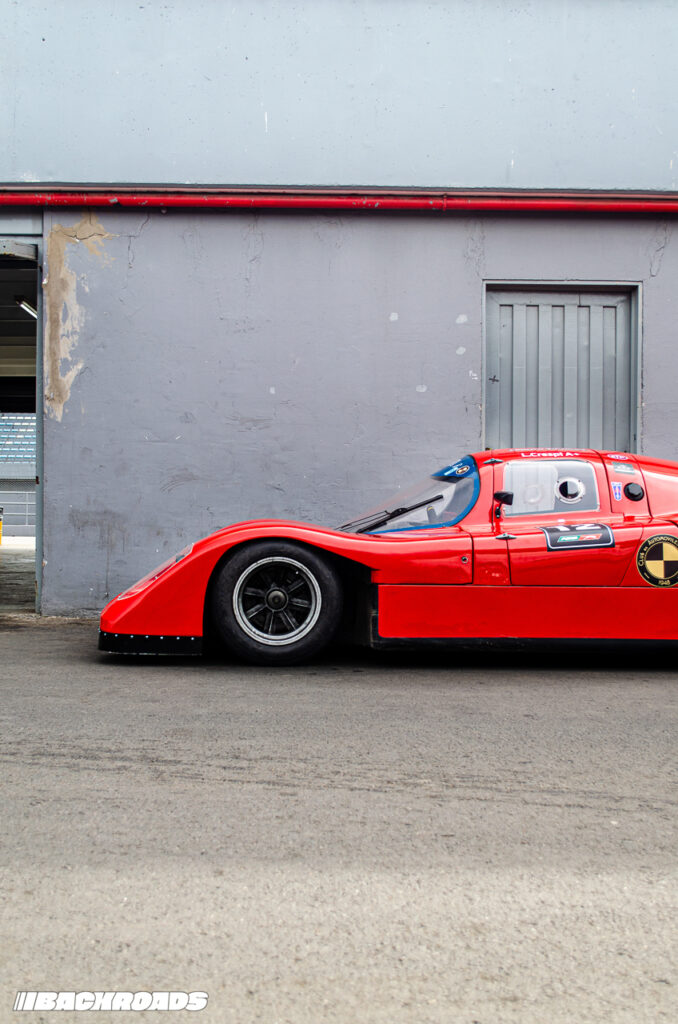
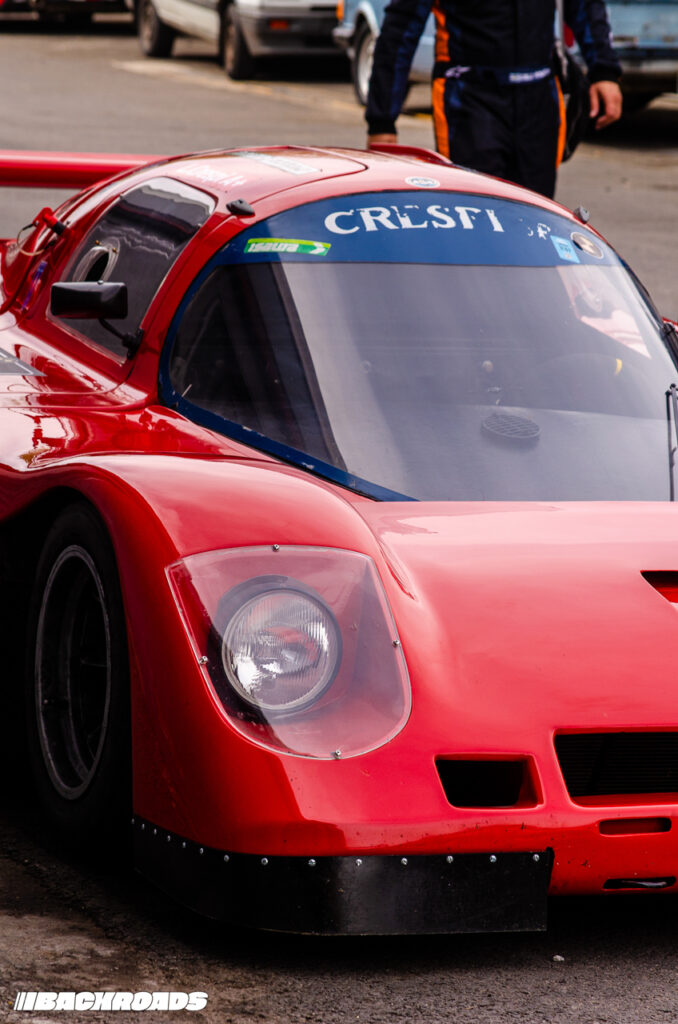


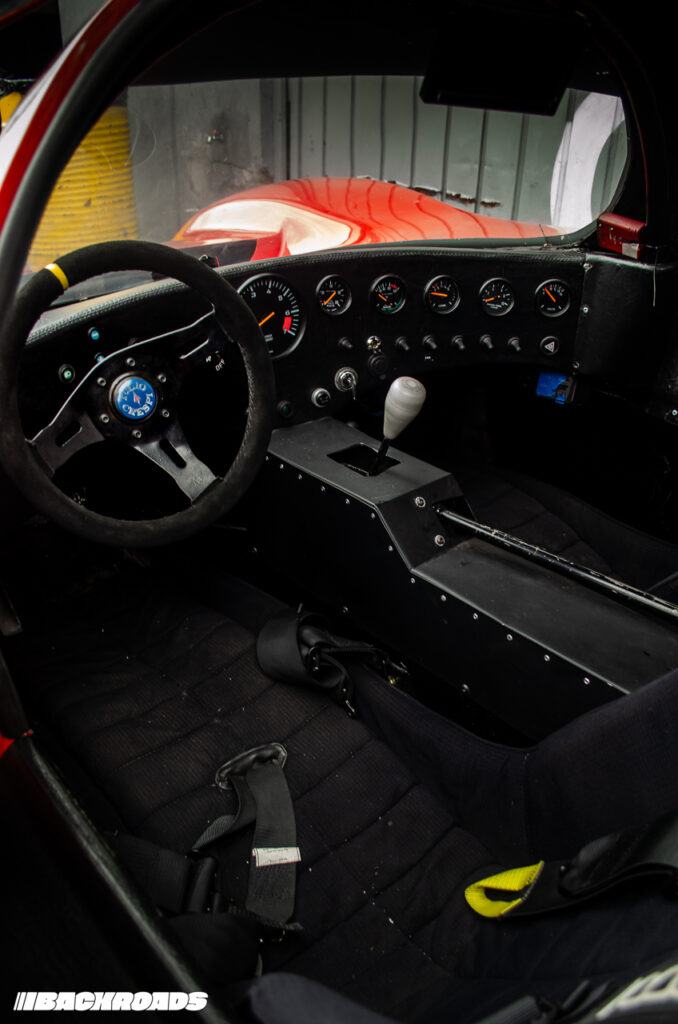
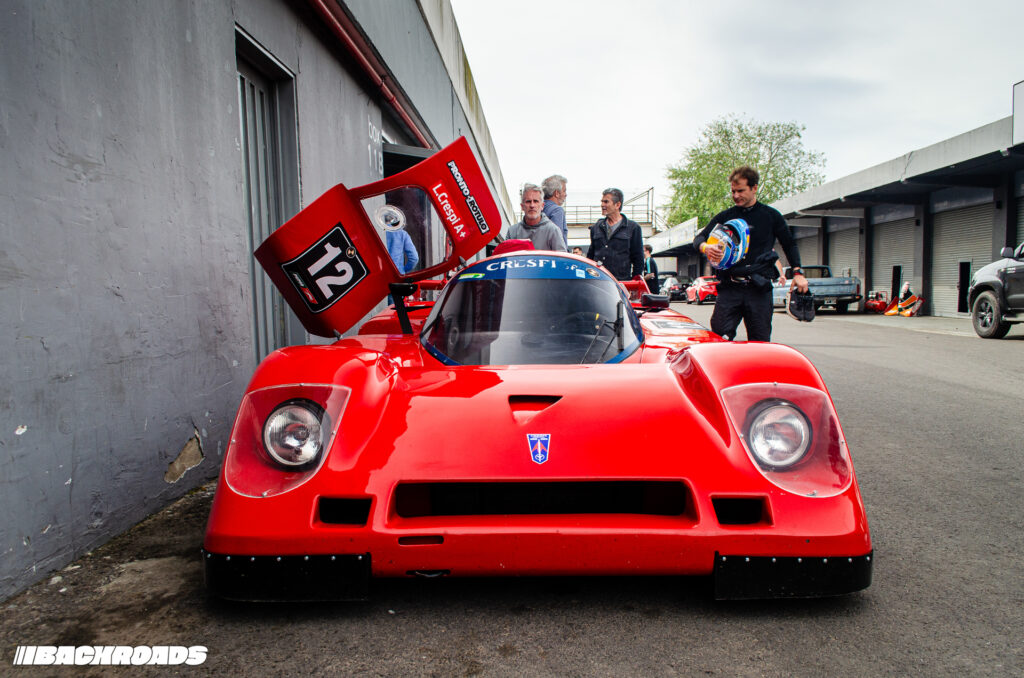
After some laughs from other CAS members, he convinced seven others to join the venture, and the project came alive almost a year later, with the help of Juan Manuel Fangio II lending his IMSA expertise to fine tune the car.
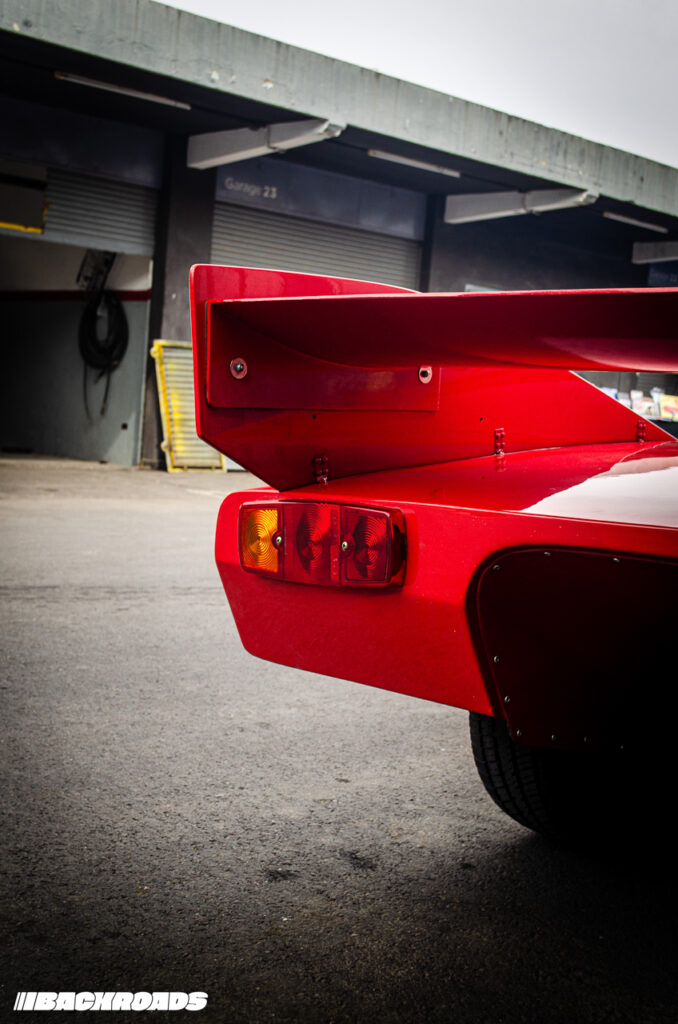
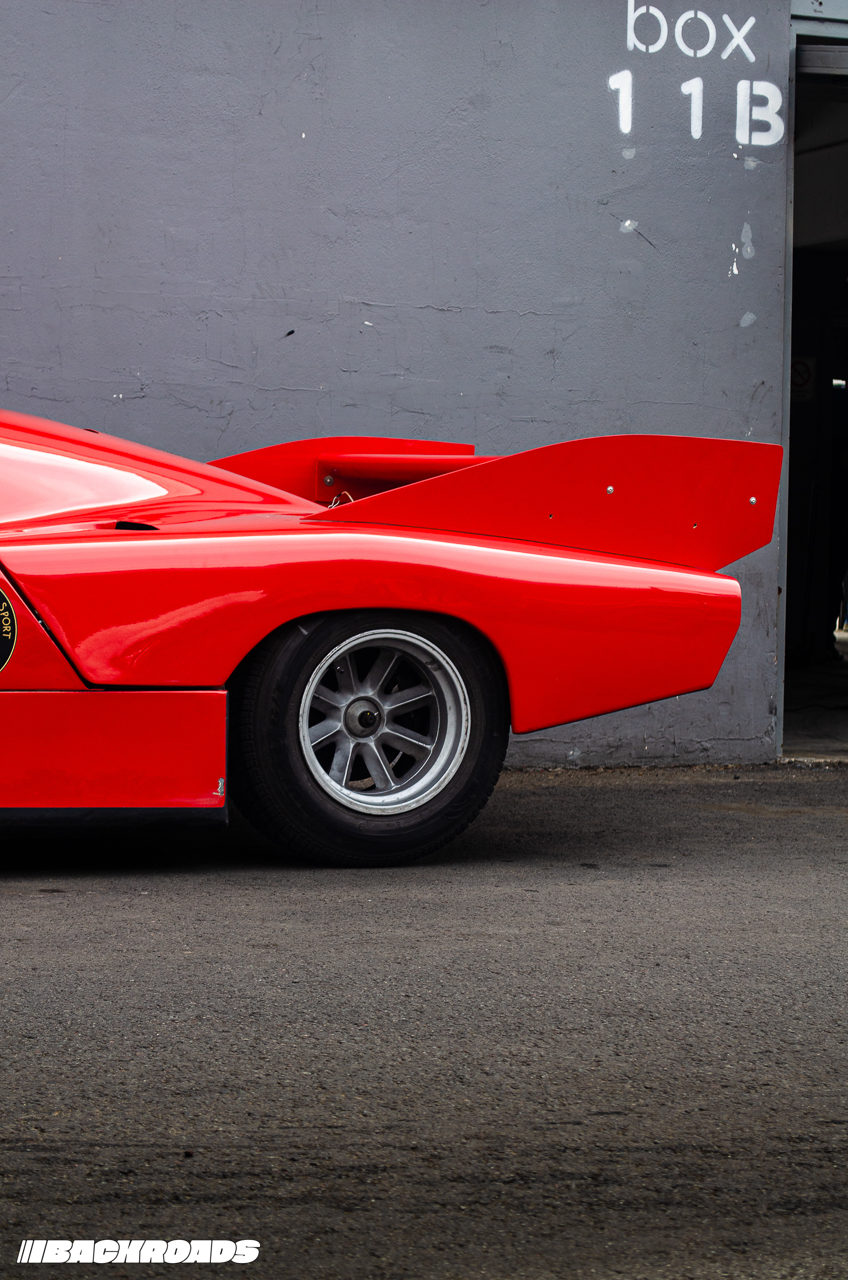
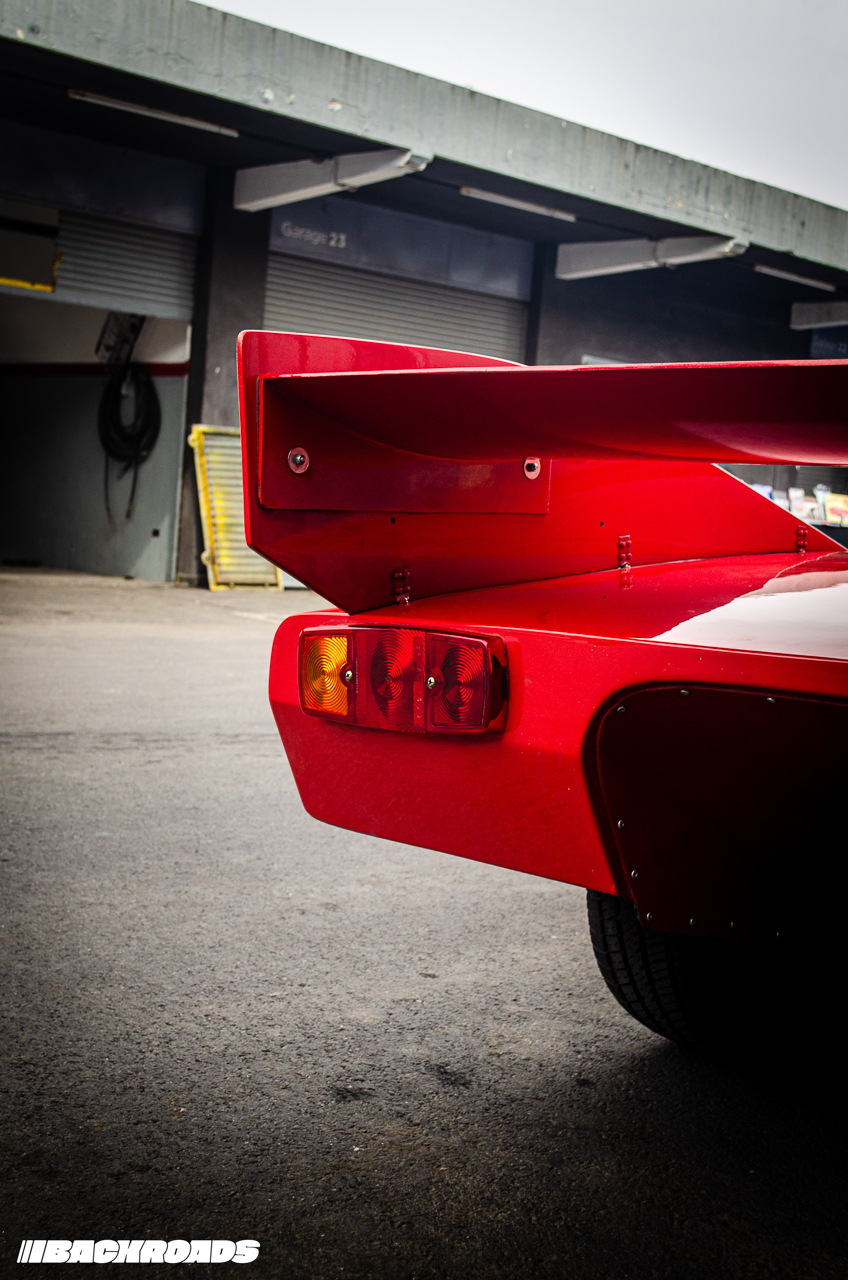
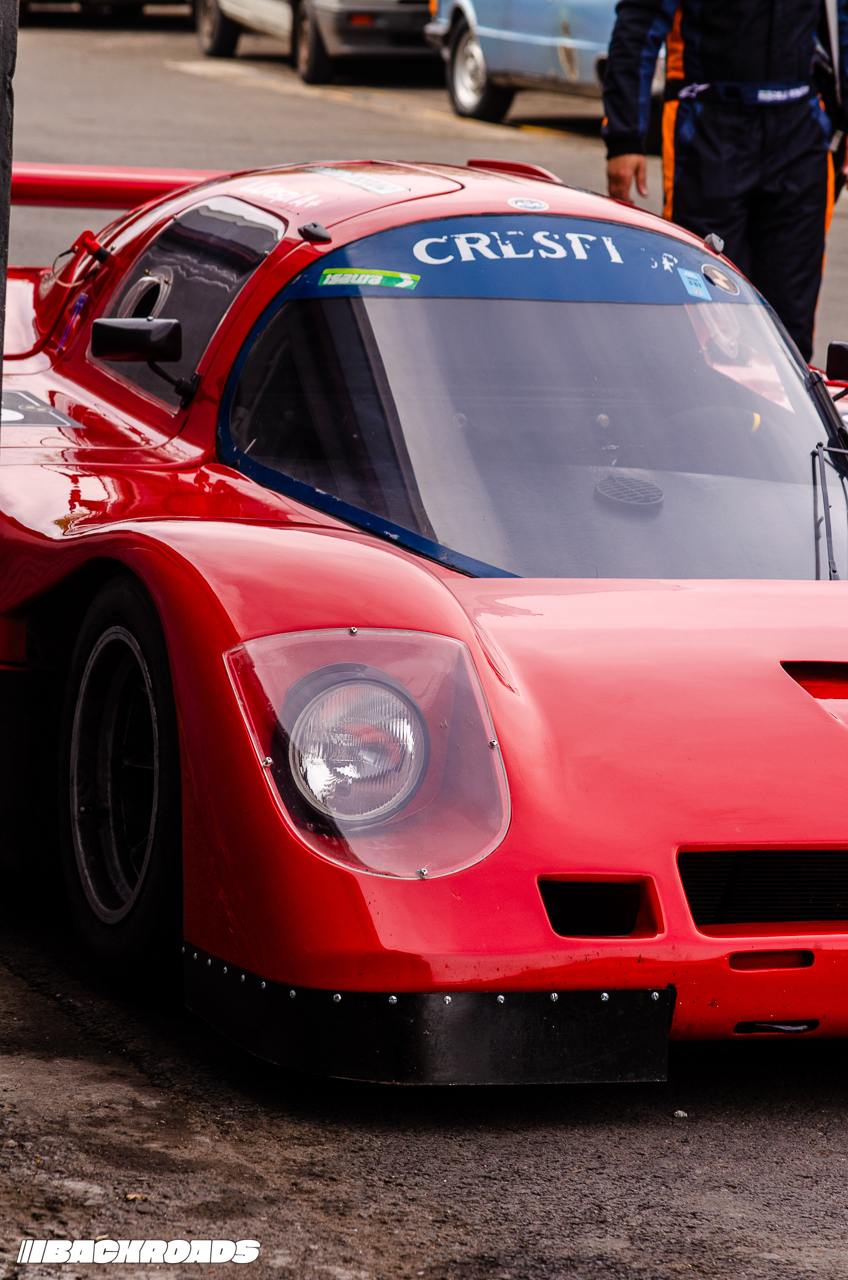
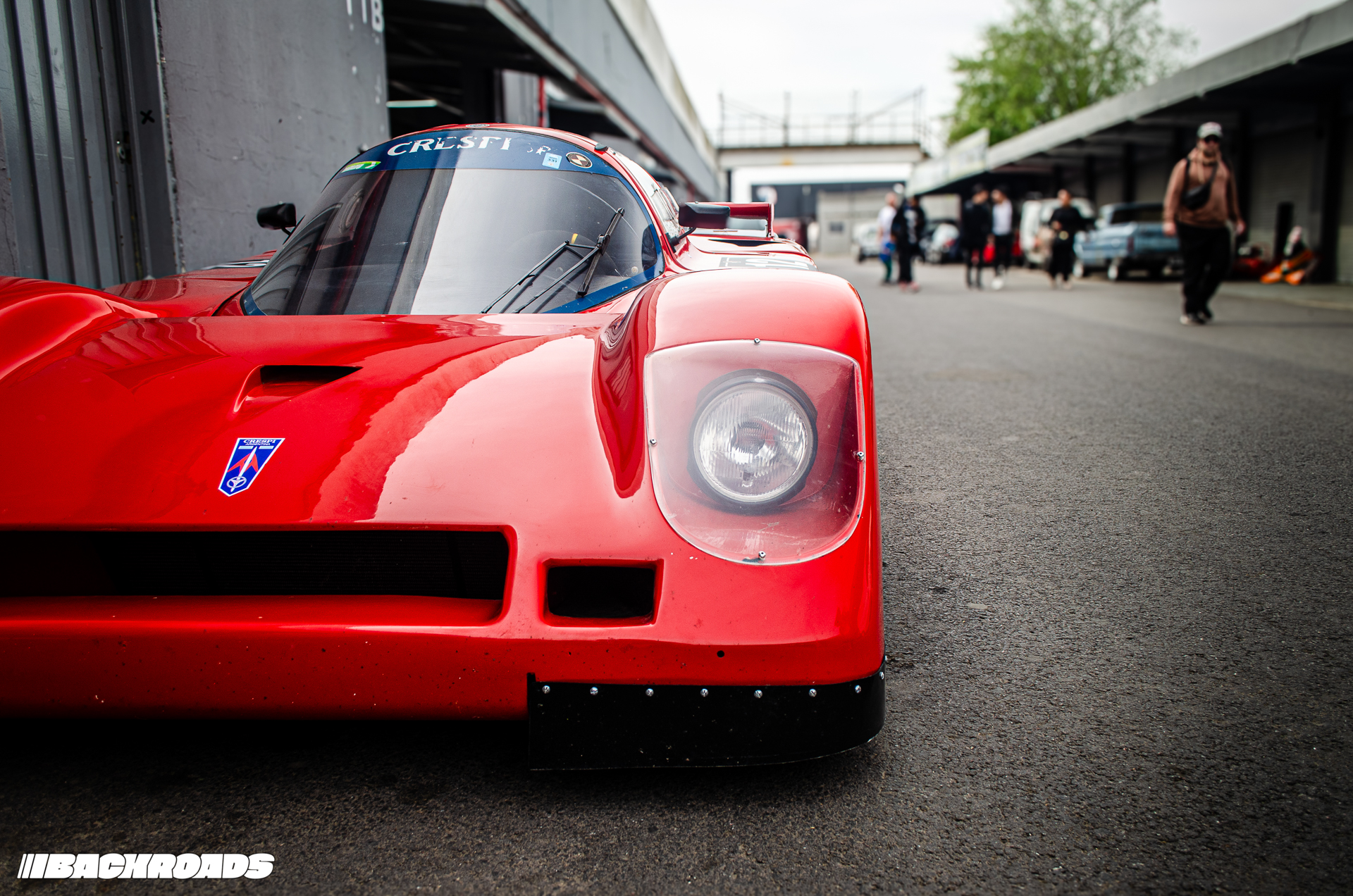
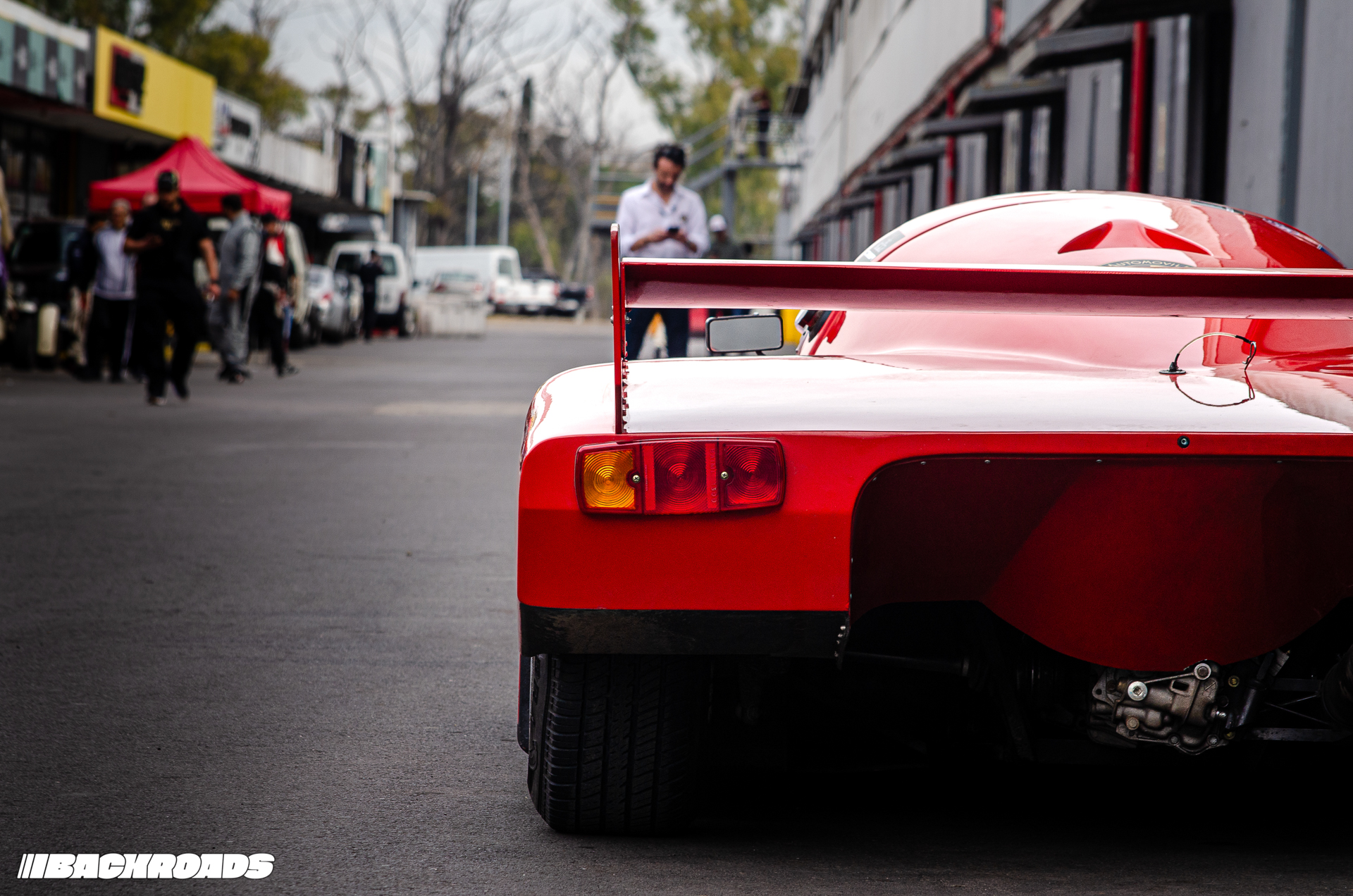
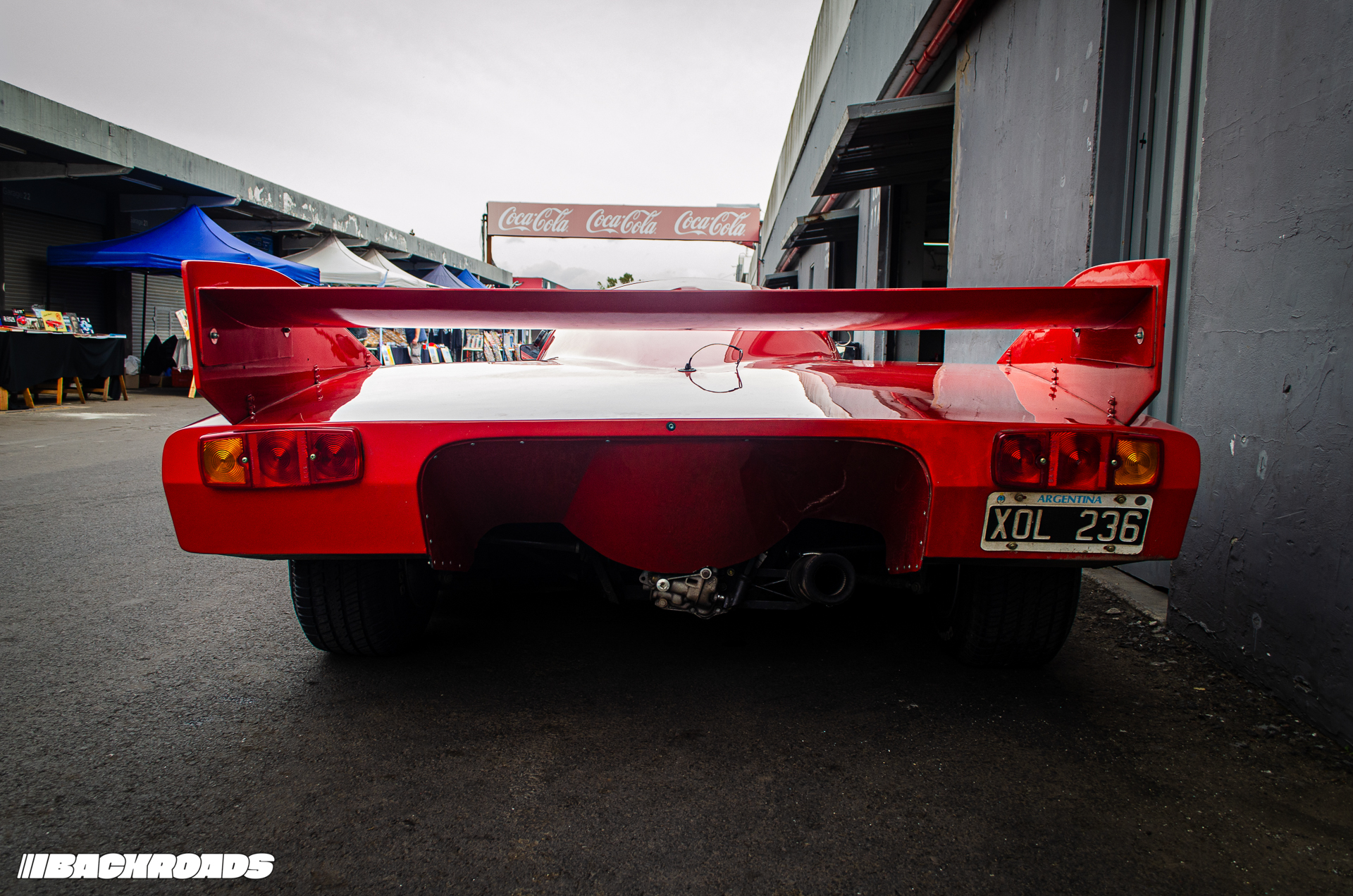
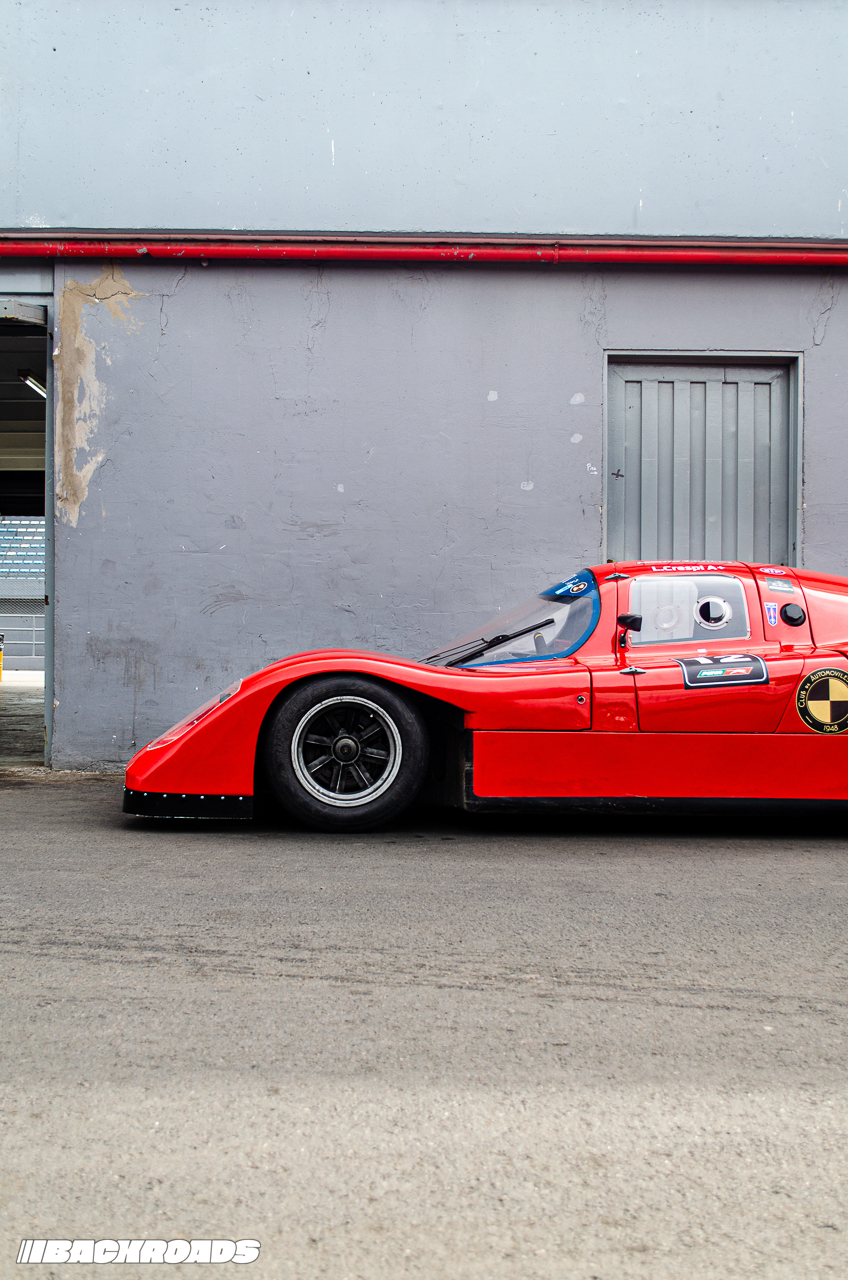
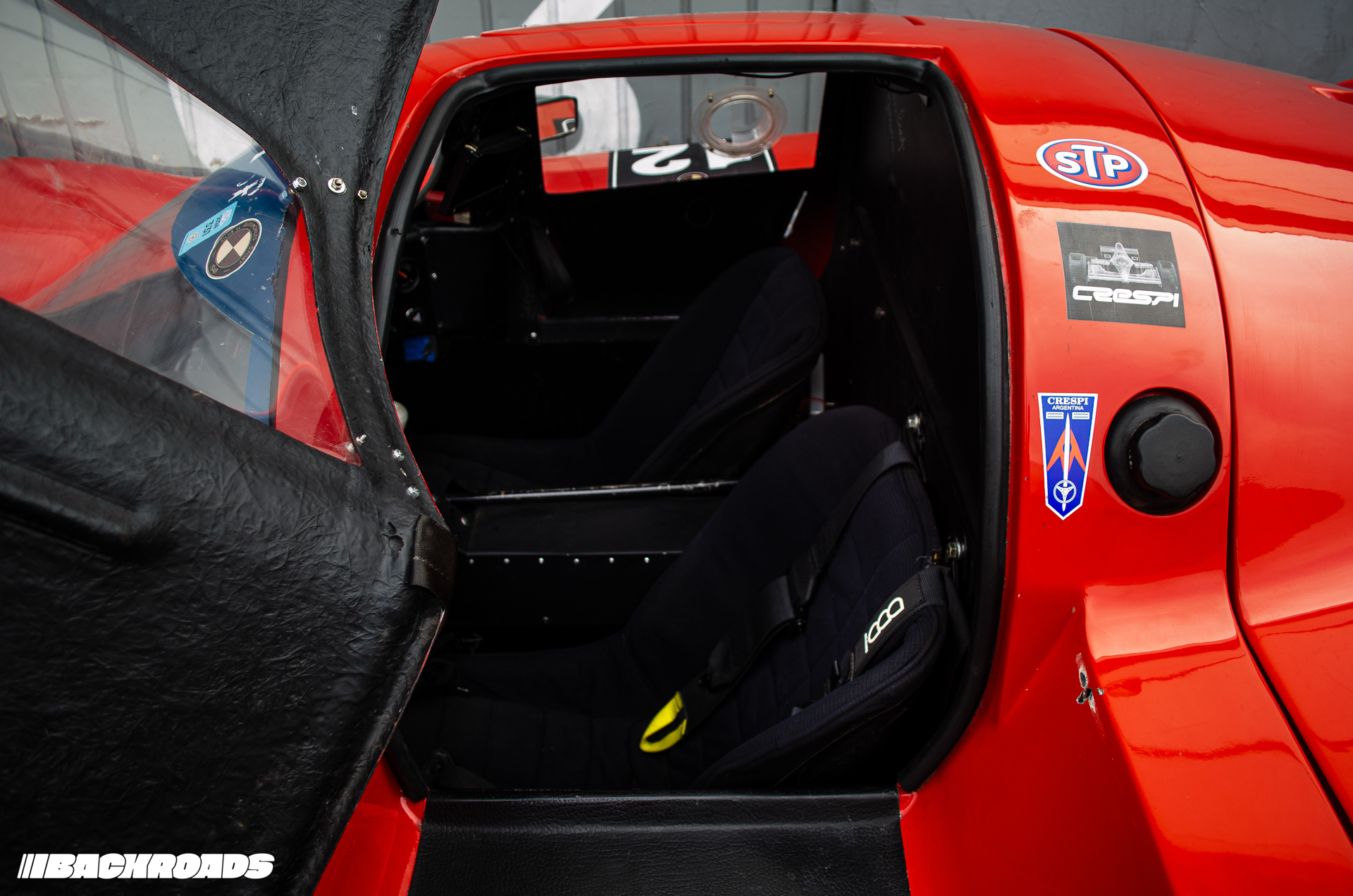
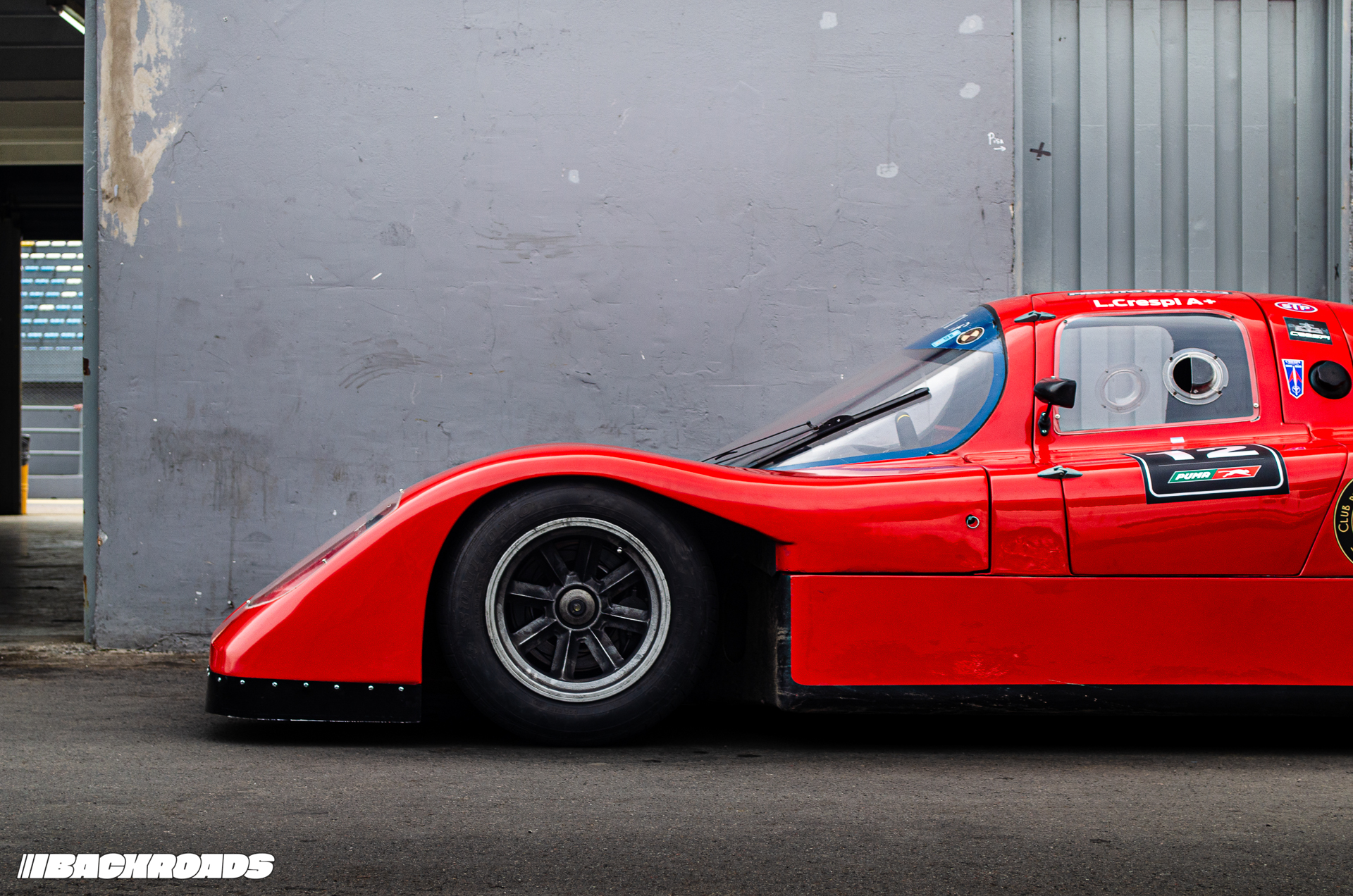
Crespi delivered a fiberglass body with gullwing doors, a tubular chassis, center-lock wheels and a pantograph wiper. Power came from a Renault 18 2.0-litre engine, tuned by none other than Oreste Berta, making 170 hp to move just 750 kg of chassis.
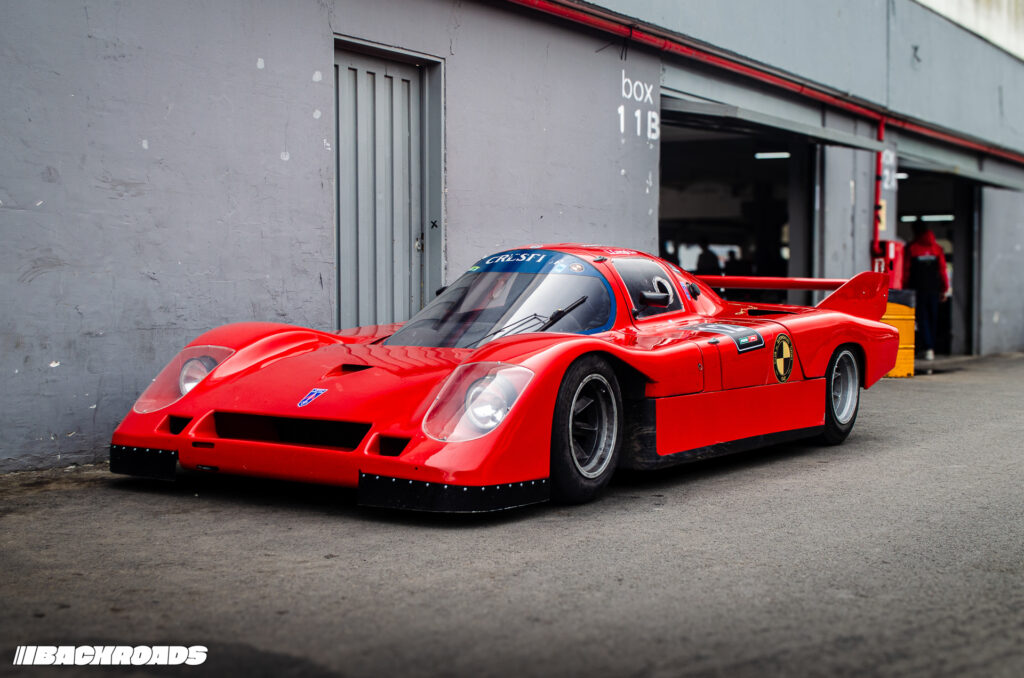

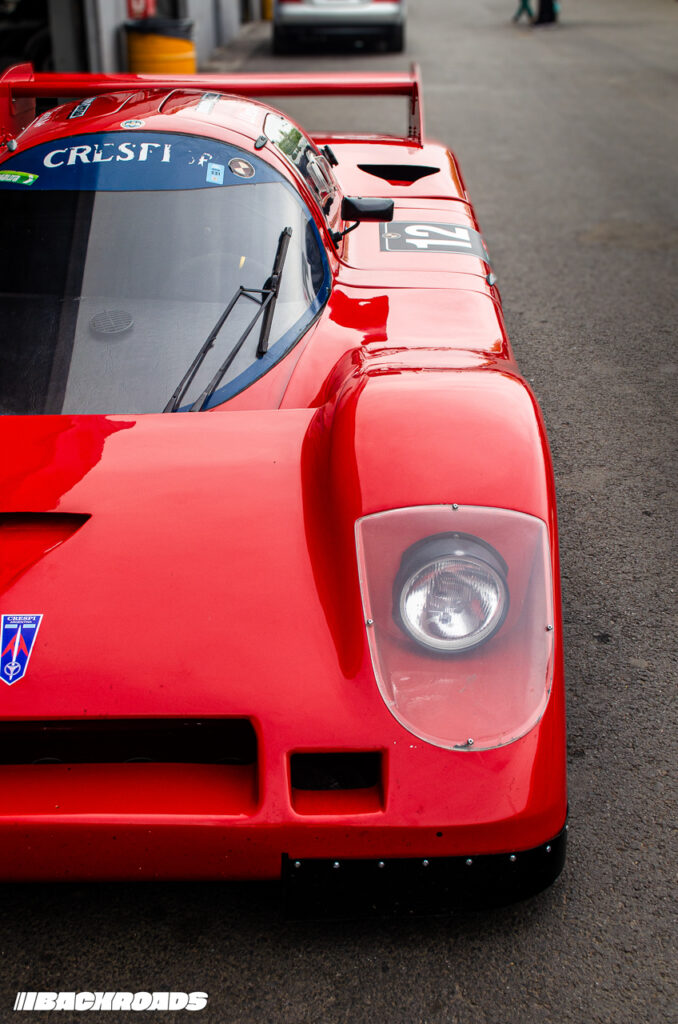
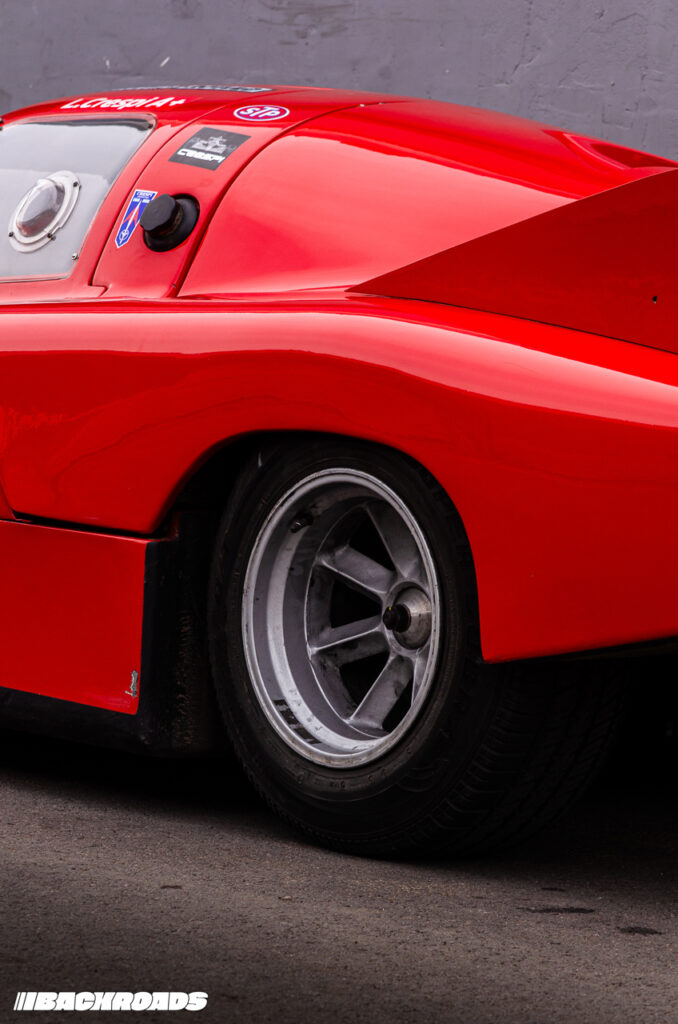
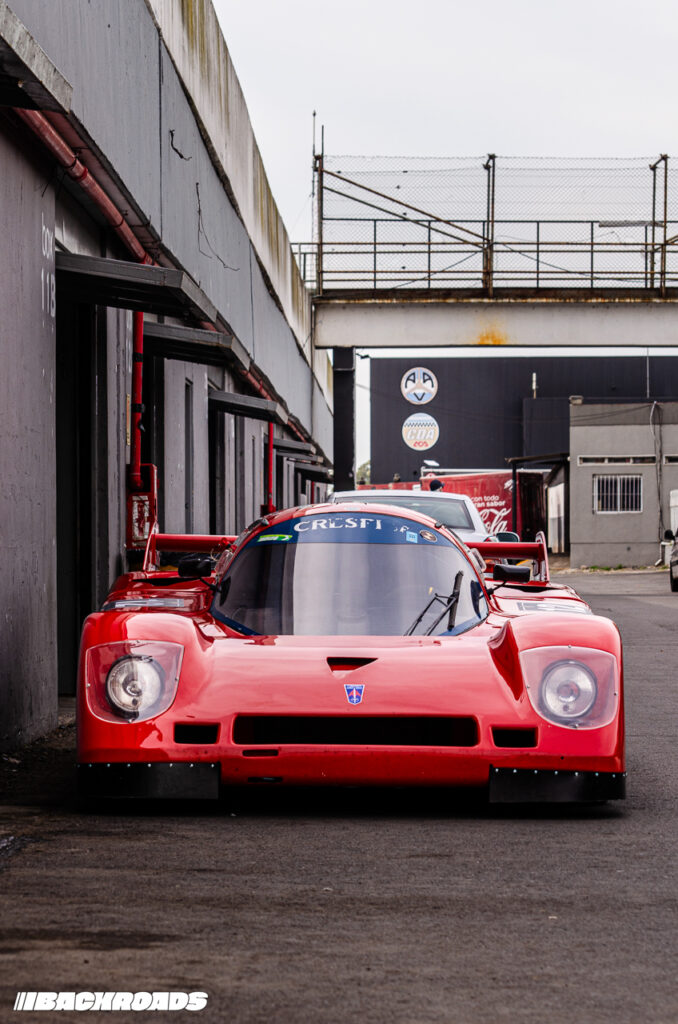
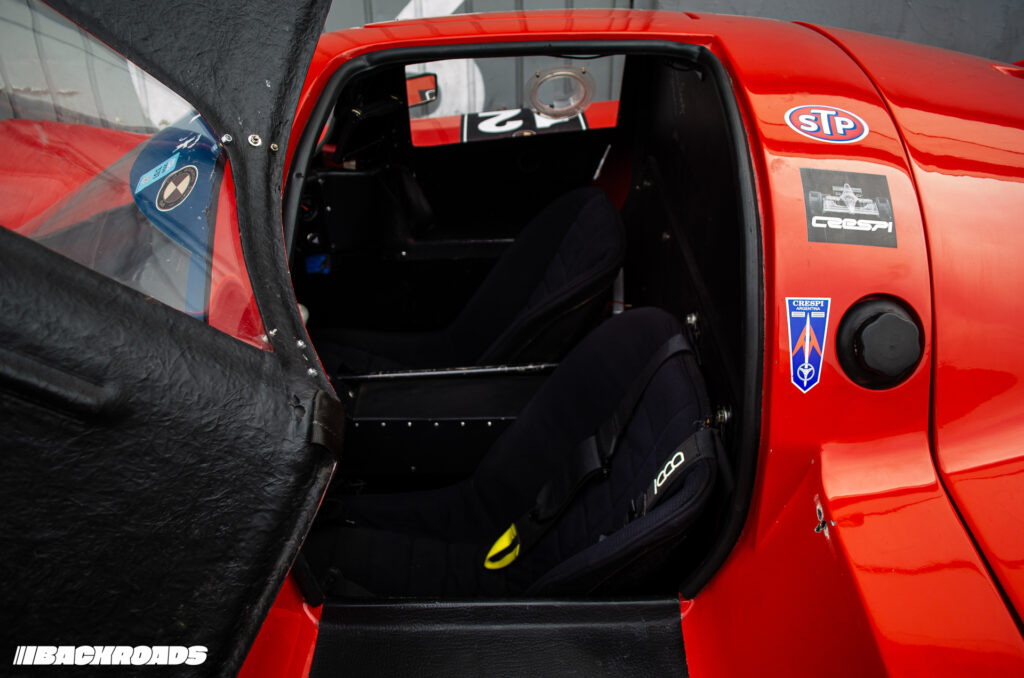
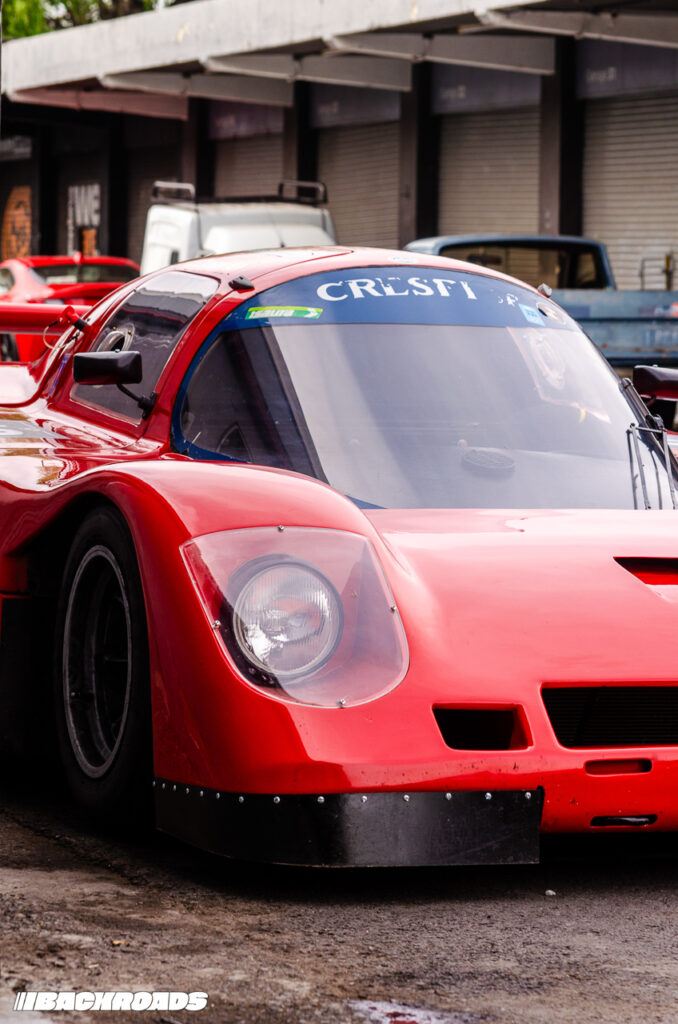
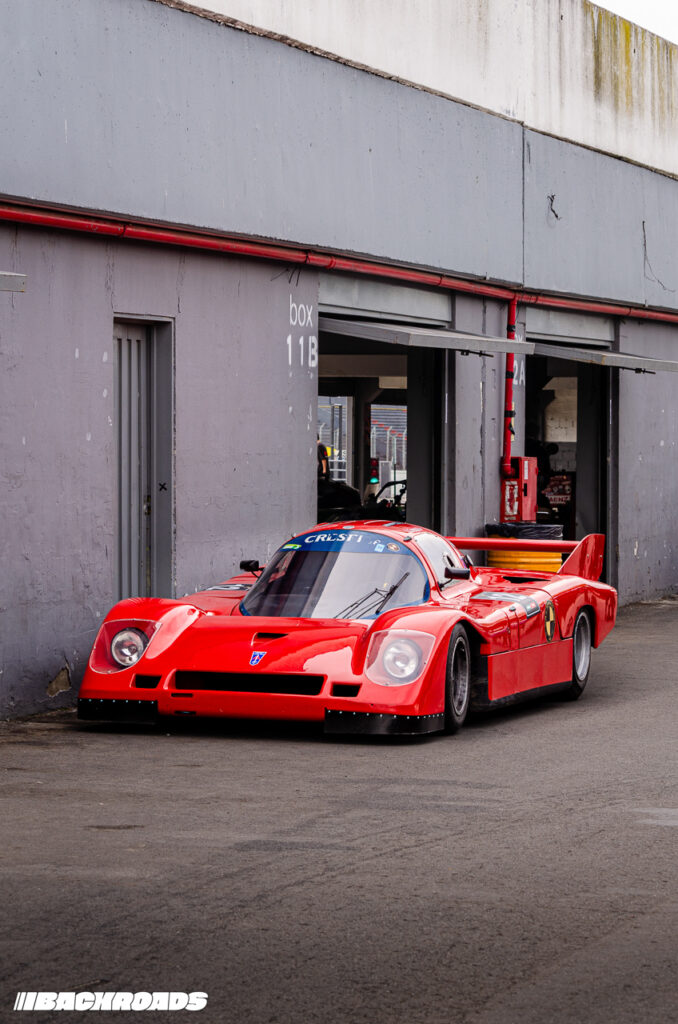

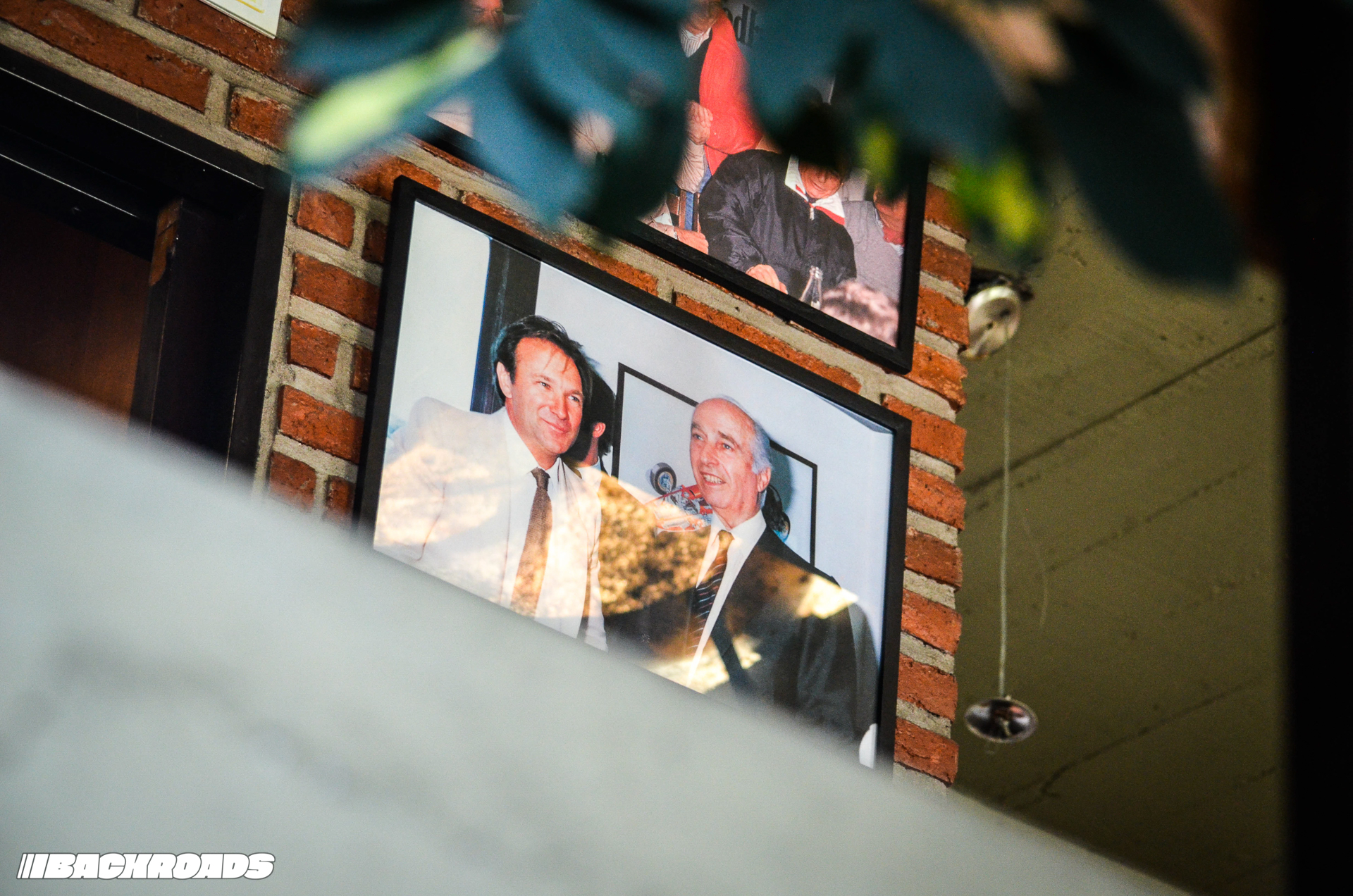
In 1990, the first seven cars were unveiled at the Fangio Museum with the five-time World Champion himself as patron. Their official debut came in 1991 at the 1000 Millas Sport, where the Crespi SP’s dominance was so absolute that CAS had to create a dedicated class just for them.
Fewer than ten units were ever built. Some were even adapted for the street with light homologation tweaks – essentially “domesticated Group C” cars in a similar fashion to Koenigs and Dauers.

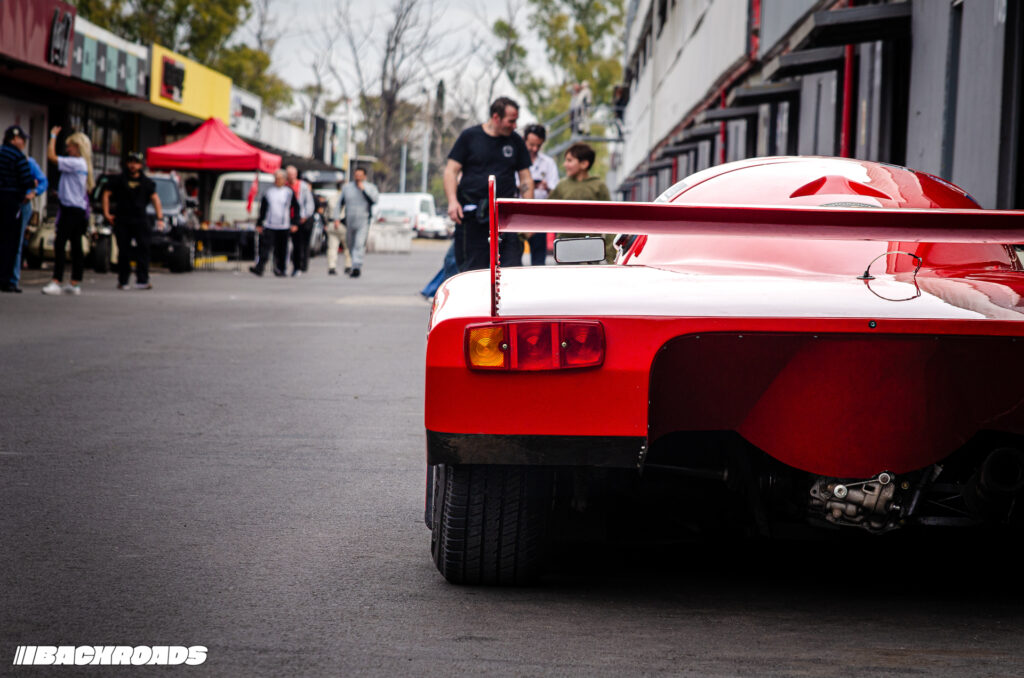
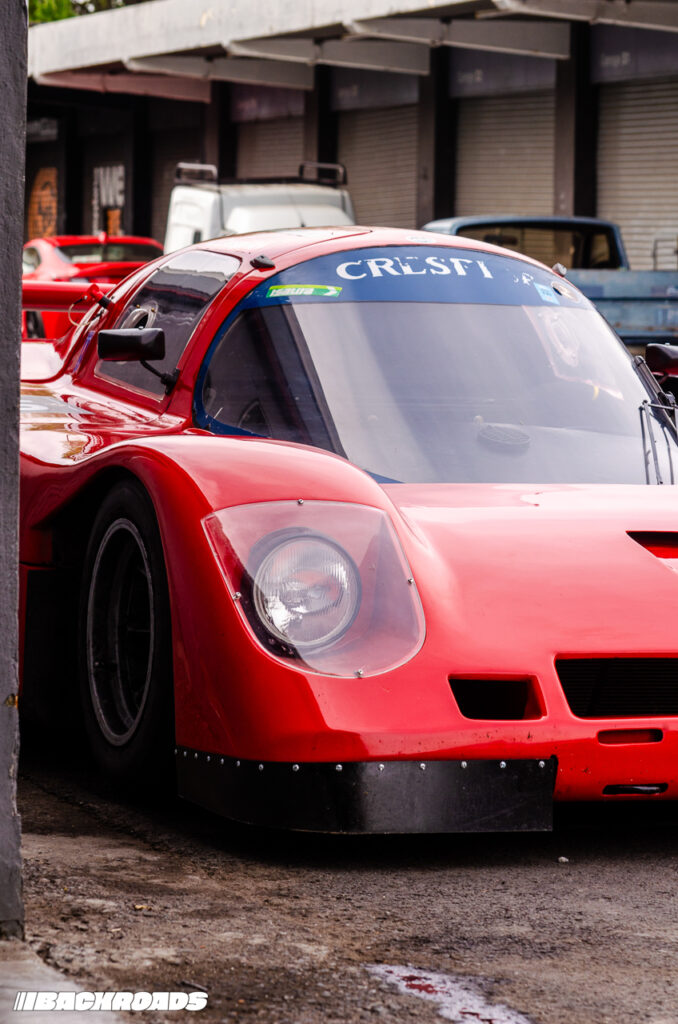

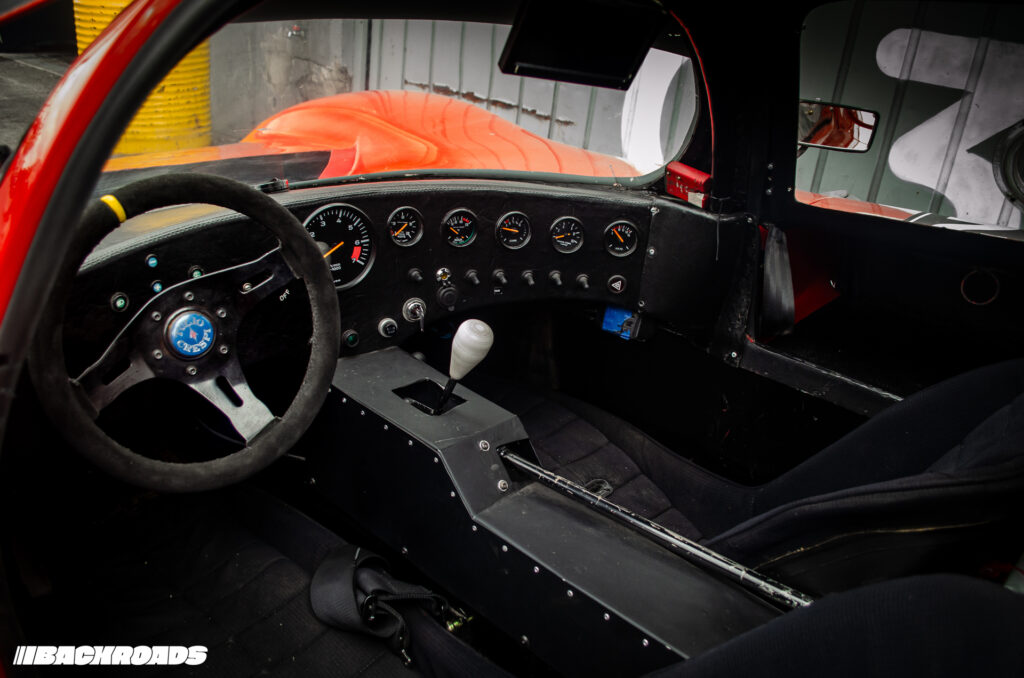
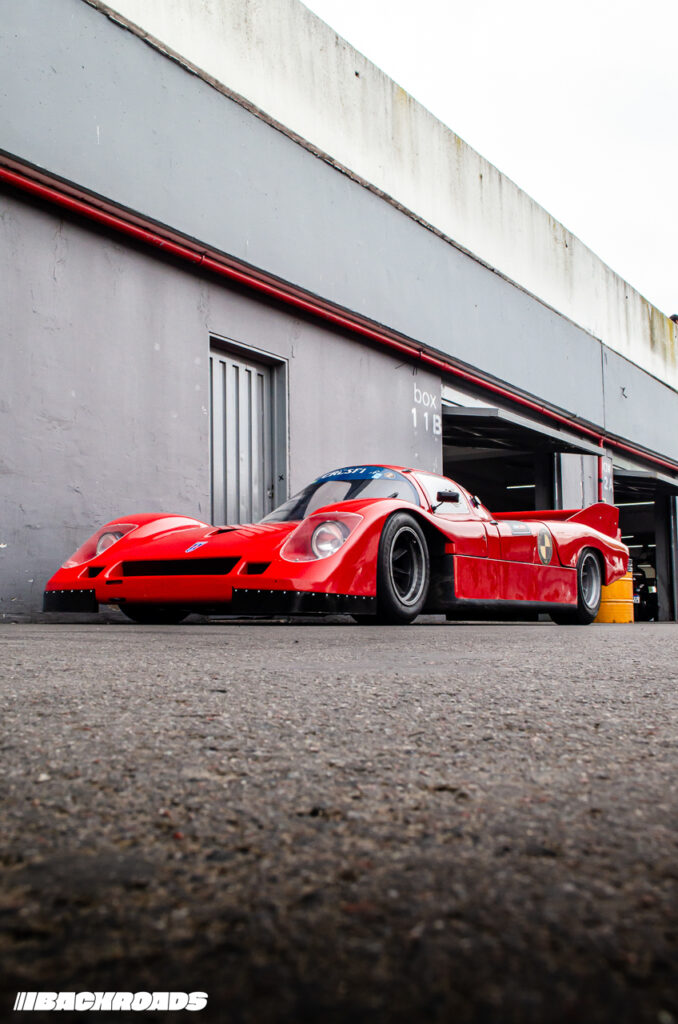
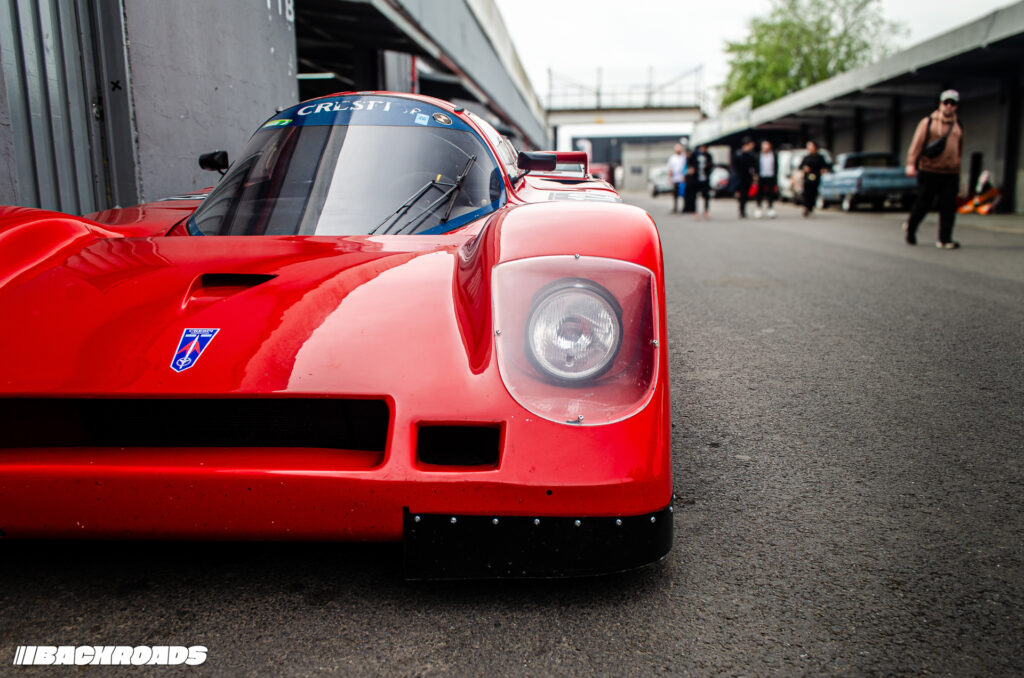
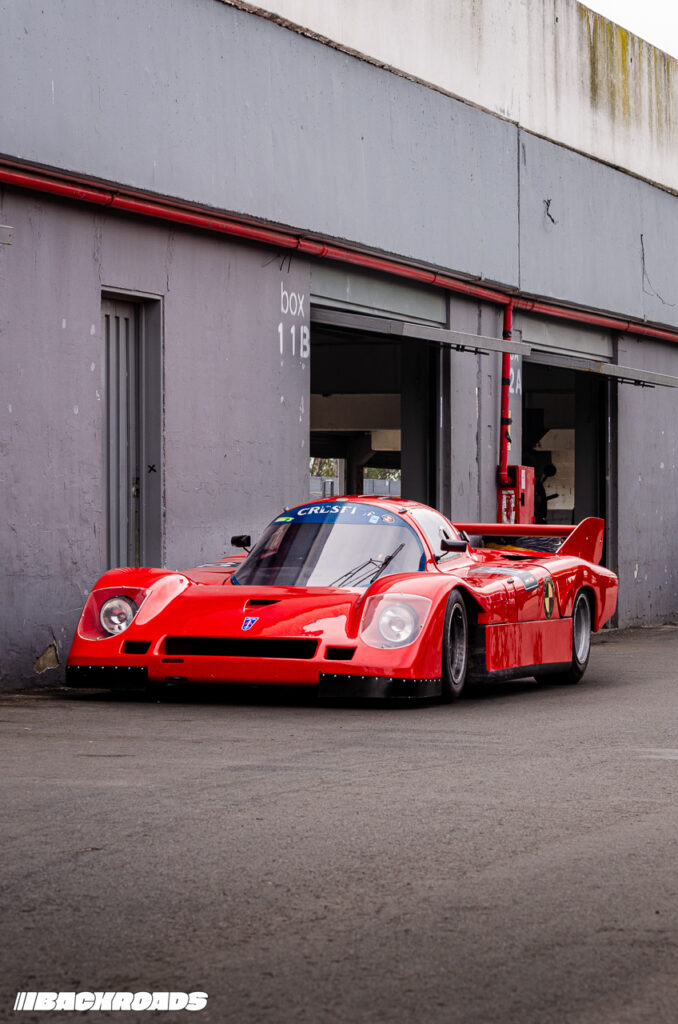
This particular unit was meticulously restored by a family – longtime CAS members with a fierce commitment to preserving Argentina’s sporting heritage. It still carries the Crespi family’s blessing at CAS events, and Tulio’s son is one of its most frequent drivers.
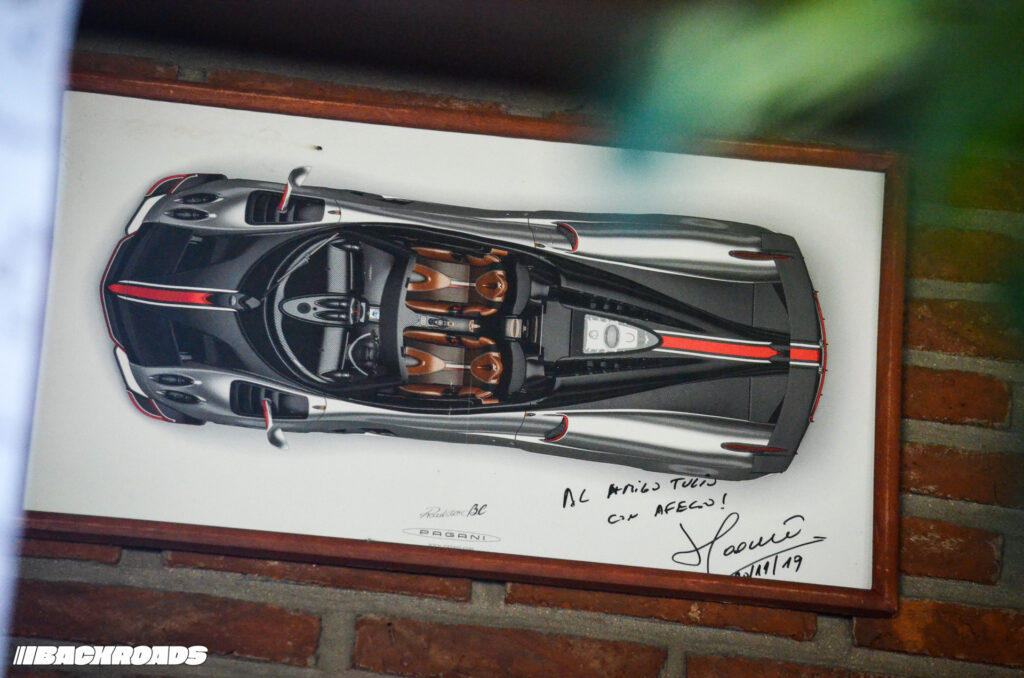
In a fitting tribute, on the car’s 35th anniversary Tulio Crespi received a gift: a scale model of his own creation. The irony wasn’t lost – after all, the car that began as a model eventually returned to model form decades later.
The Crespi SPs competed for over fifteen years, and more than three decades of track time is a rolling testament to the Club de Automóviles Sport and its lasting influence on Argentinian motor racing.



















What a great post!
I really like people being able to see things from Argentina.
Congrats, and keep it up.
Great article Lucas! Some cars are unknown even to argentineans ourselves. Keep it up!