
The Lanzante brand holds different meanings for different generations. Before the 1990s, the company was known for running classic race cars, even helping the McLaren F1 team maintain its heritage fleet. Then, during the ‘90s – 1995 to be precise – McLaren commissioned Lanzante to run the factory development F1 GTR at the 24 hours of LeMans. The rest is history as Lanzante and McLaren clinched the overall victory in both their debut seasons. For the current generation, Lanzante is a McLaren service centre in Petersfield, UK, and also does some mind-blowing bespoke vehicle commissions.
Once a year, the doors at Lanzante are opened to the general public to raise money for charity. Over time, this event has become a mainstay on UK car enthusiasts’ calendars, and the 2025 open day was no different.
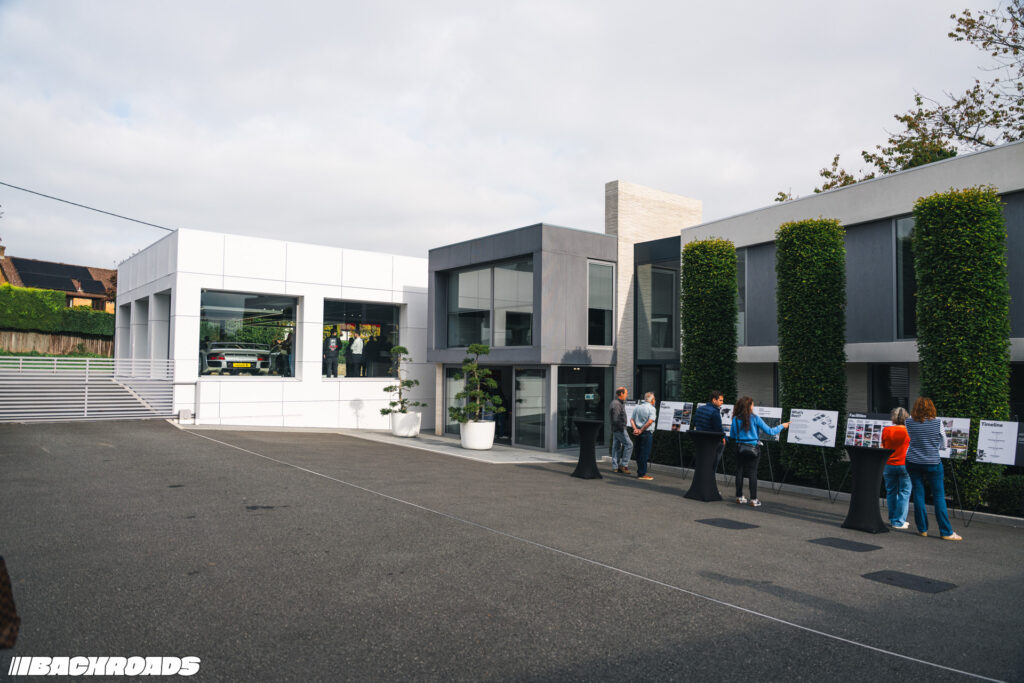
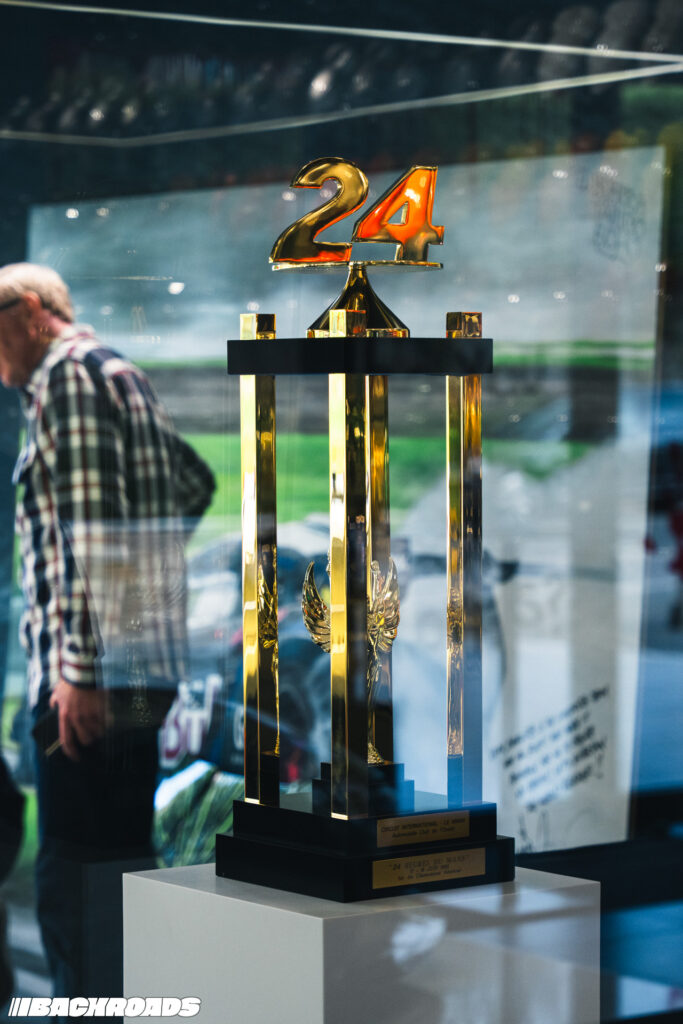
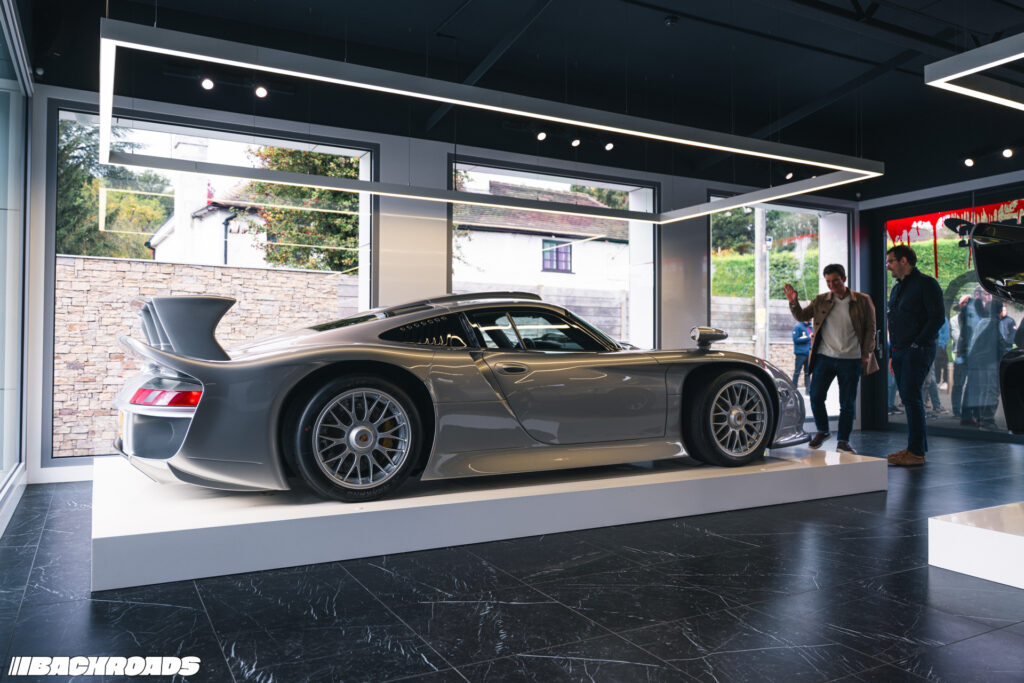
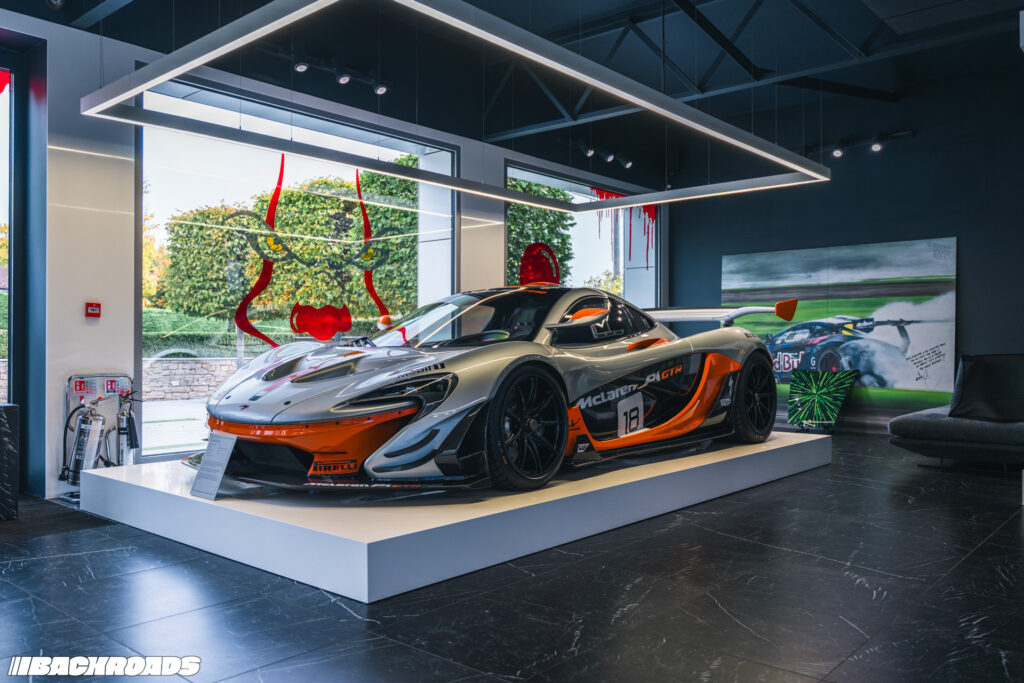
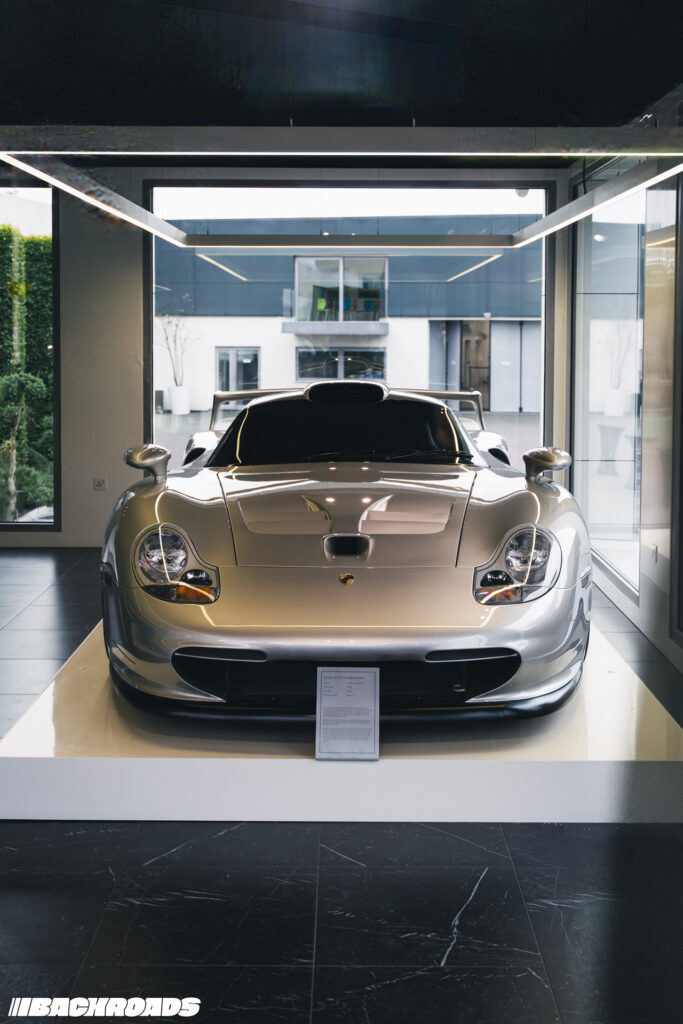
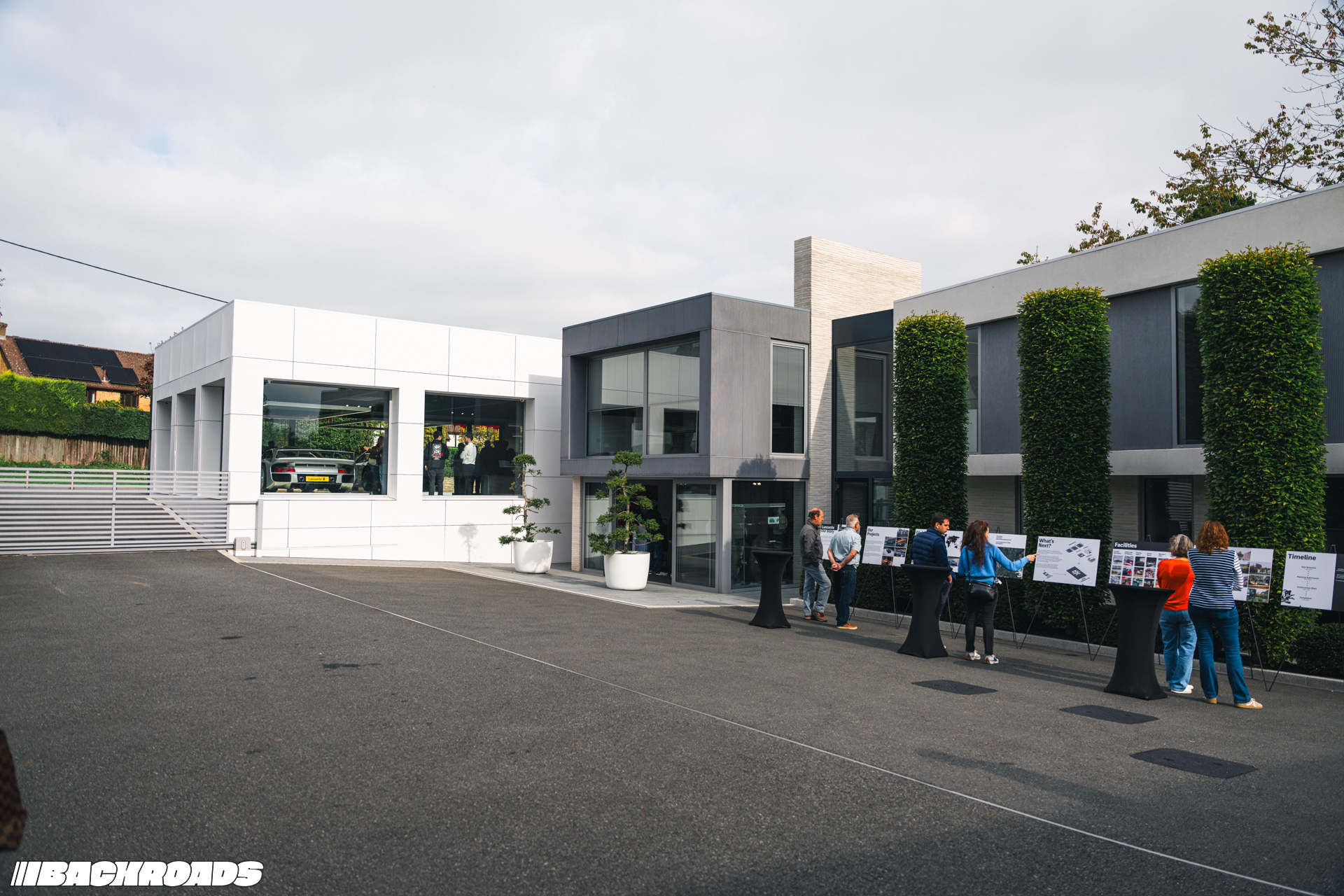
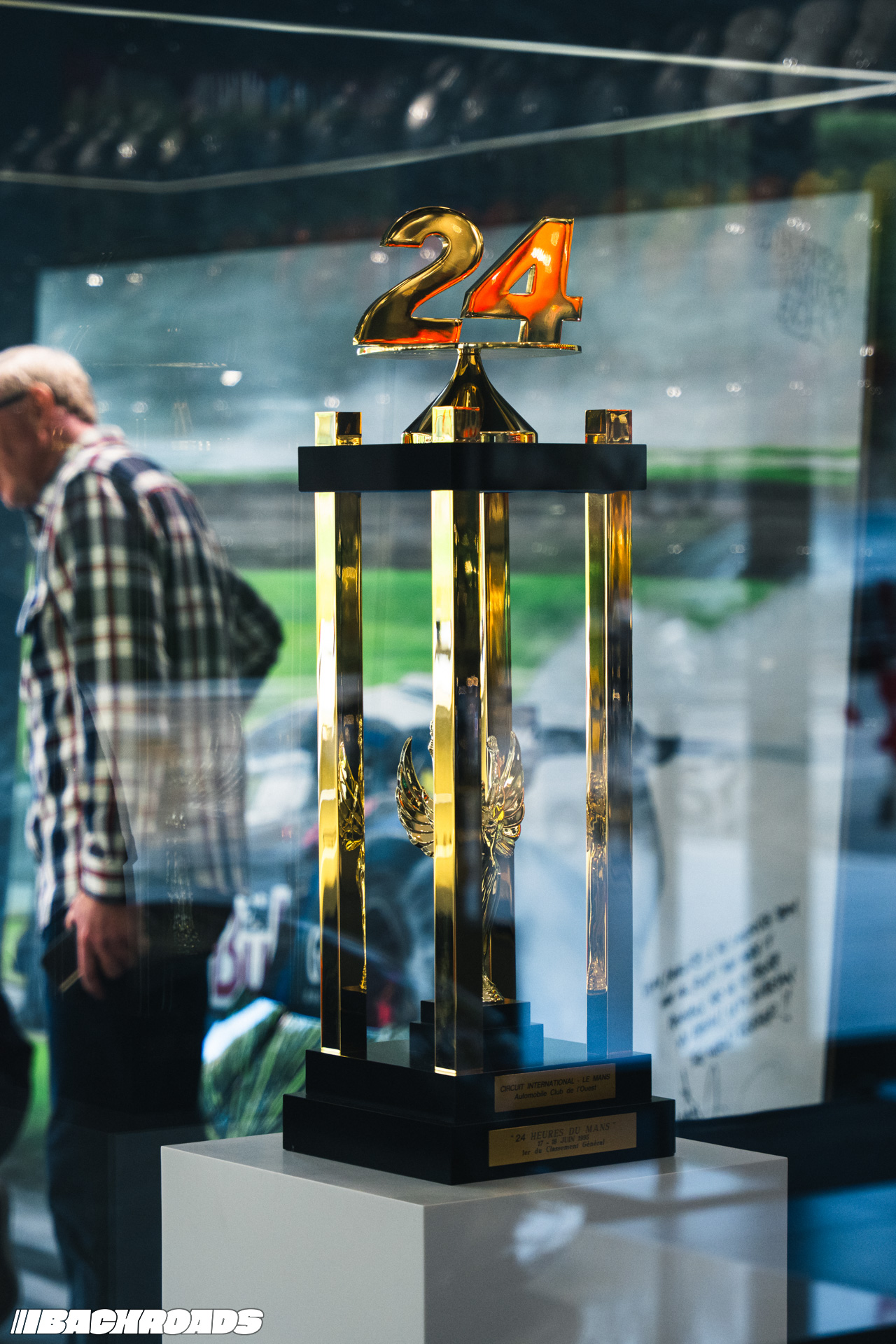
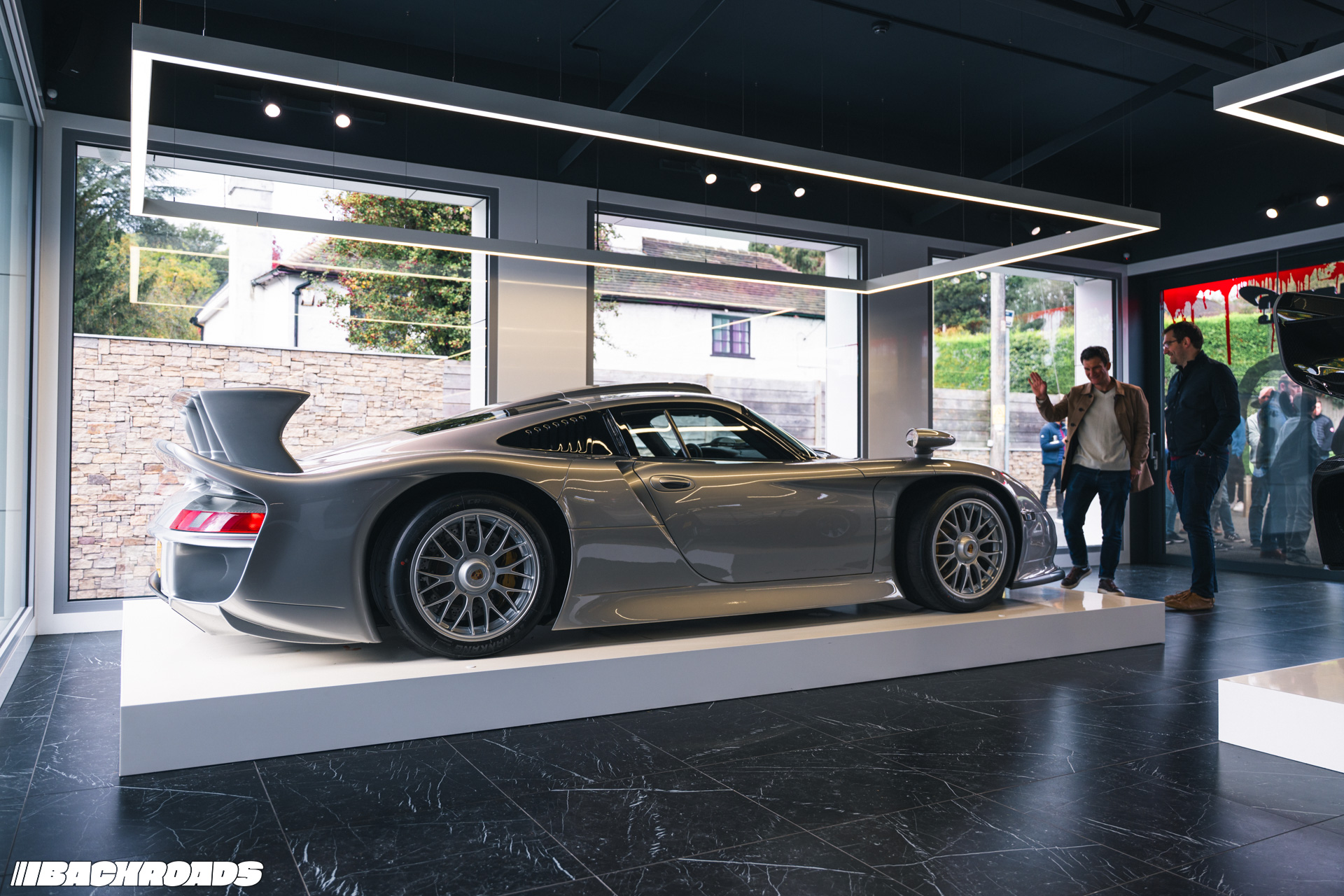
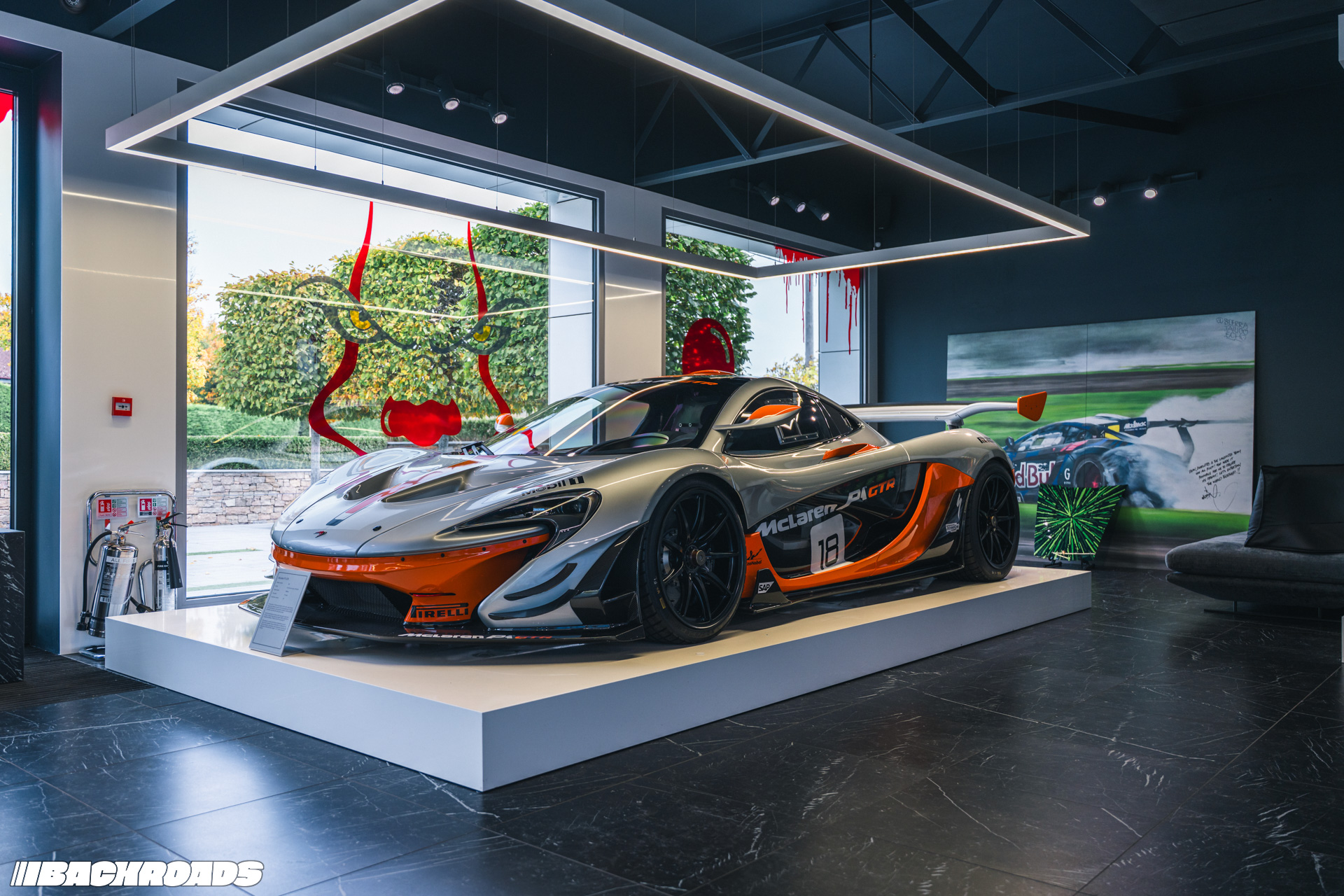
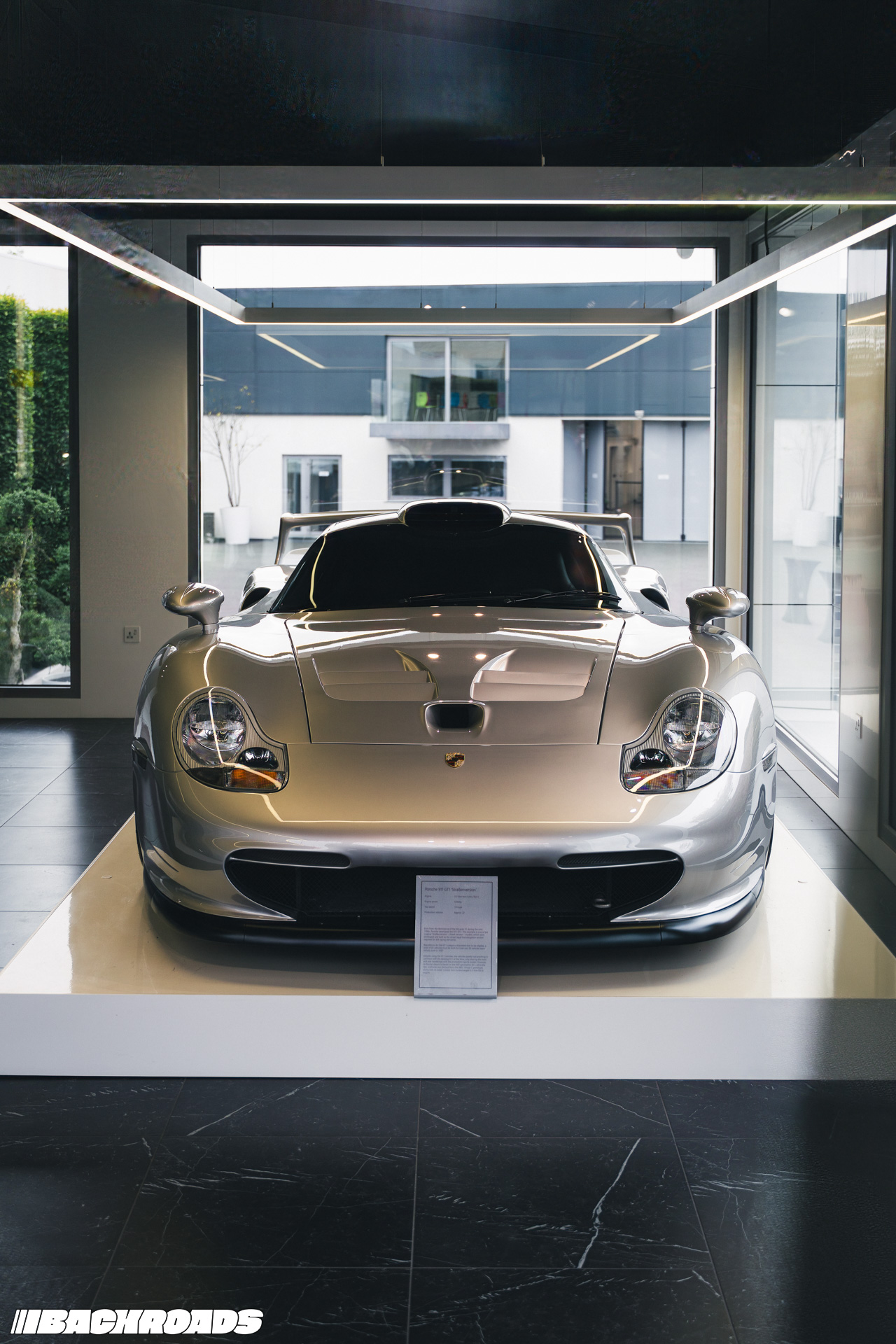
Lanzante’s reception is always a social media favourite during the open day, with three current projects on display. This time, the lineup featured a McLaren P1 GTR alongside a Porsche 935 and the GT1 Strassenversion. The P1 GTR and the 935 are both track-only cars that have been converted for road use by Lanzante (a theme throughout the story). The other star of the reception area was the 1995 24 Hours of Le Mans trophy.
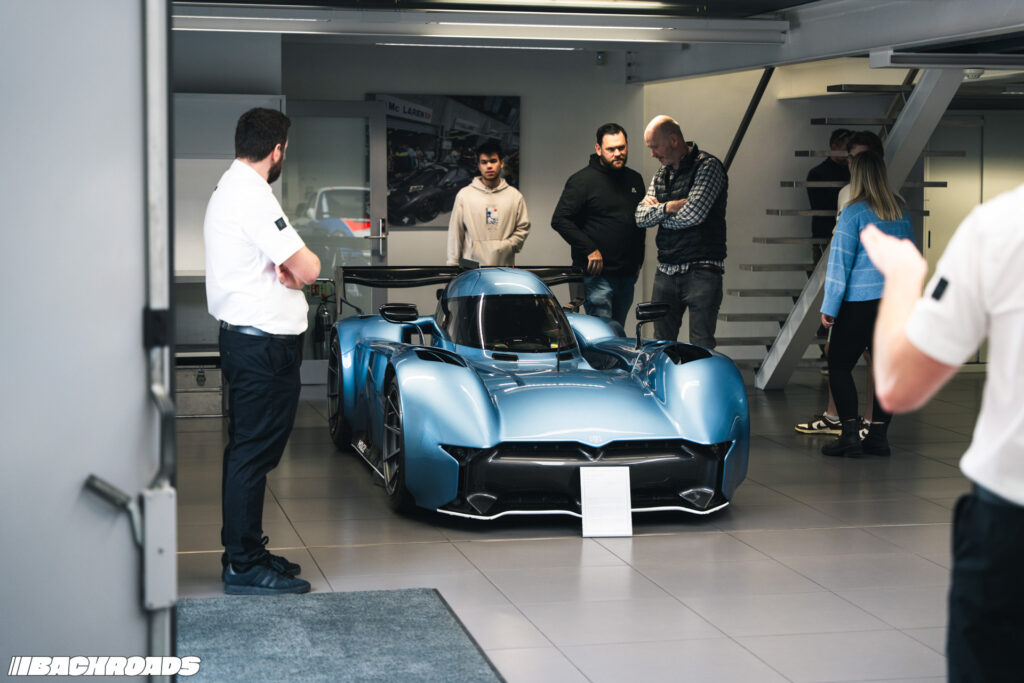
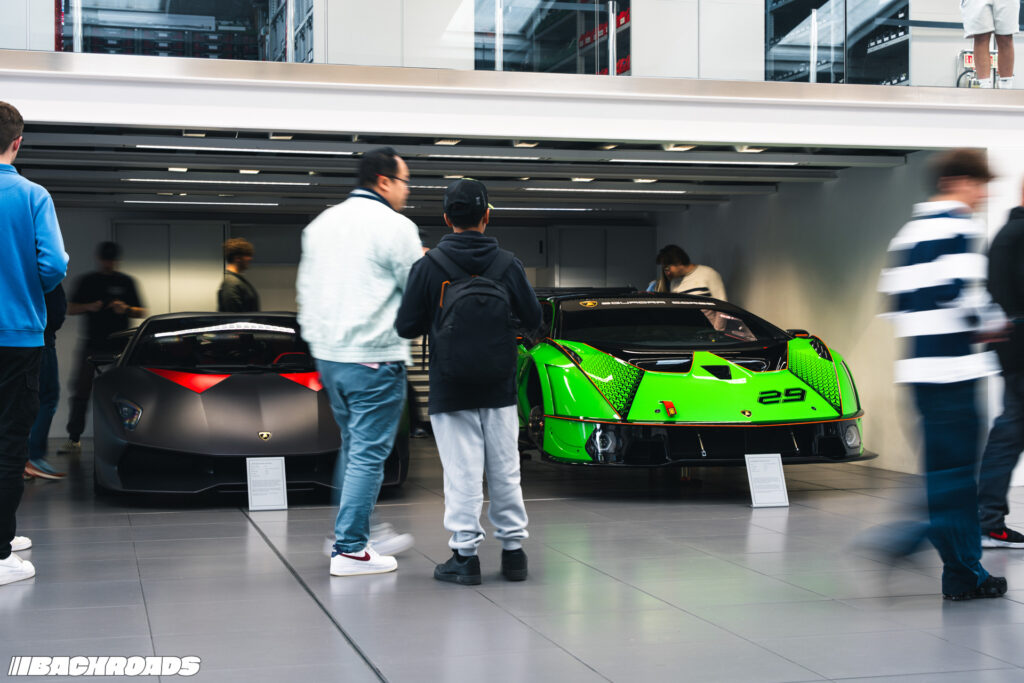
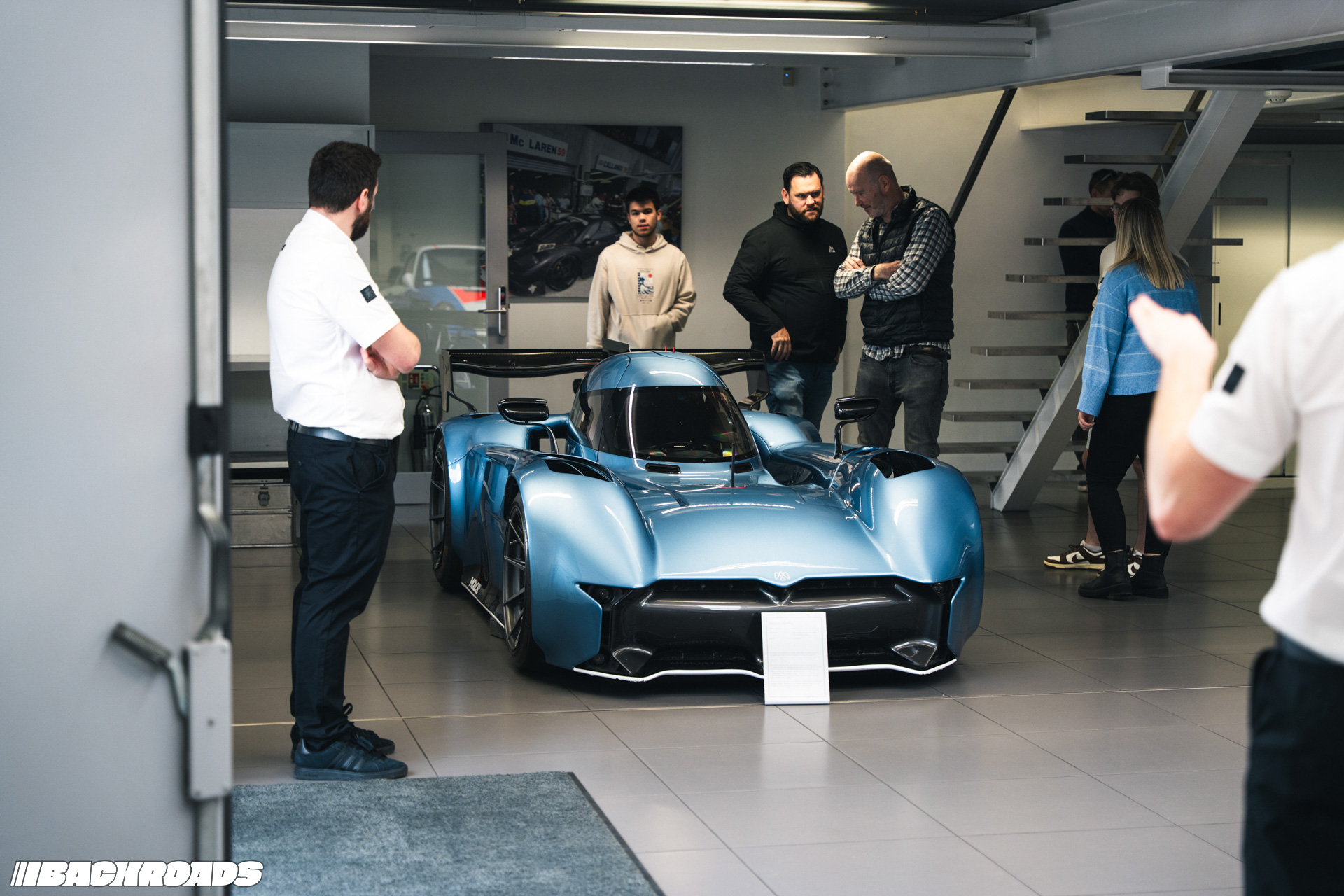
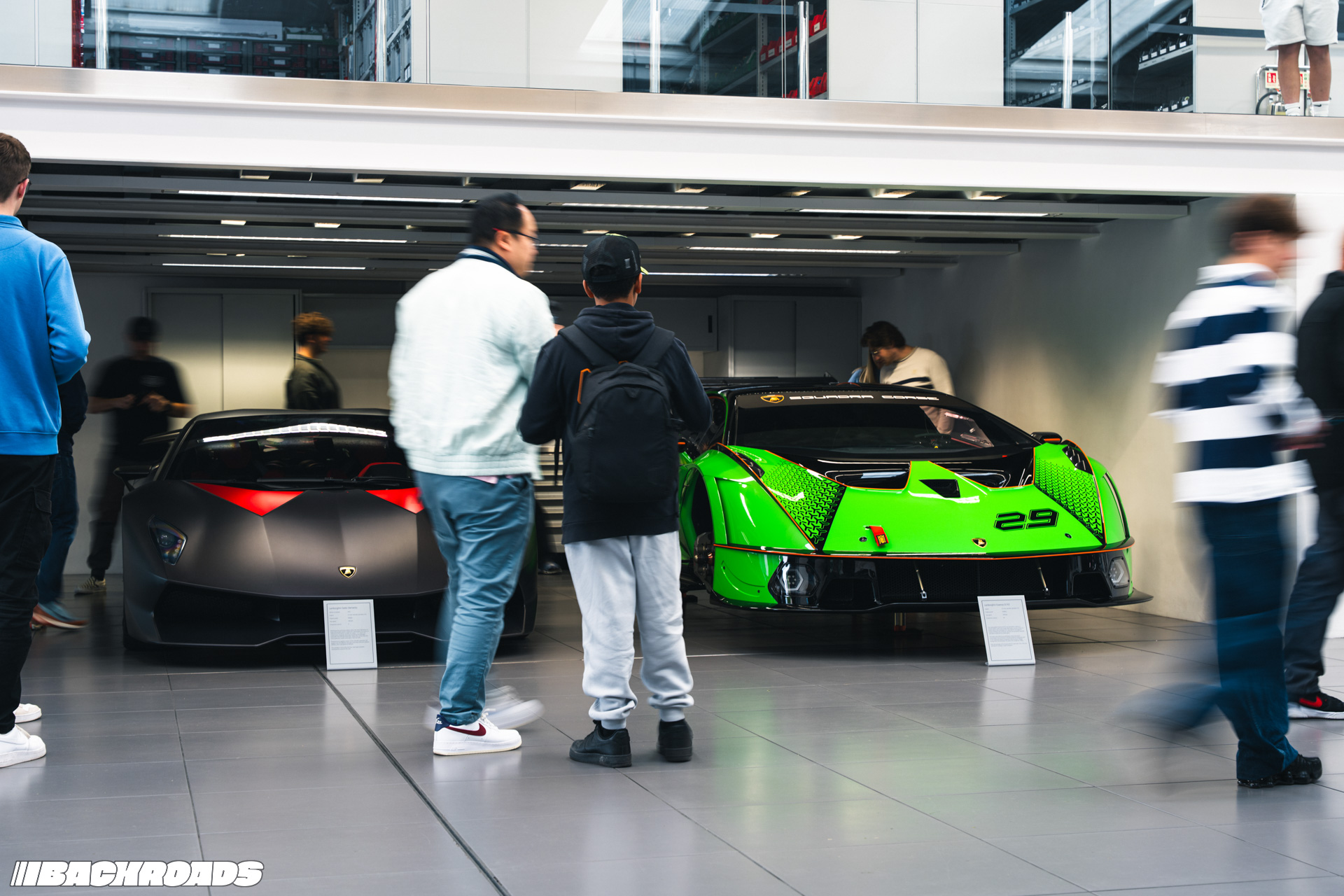
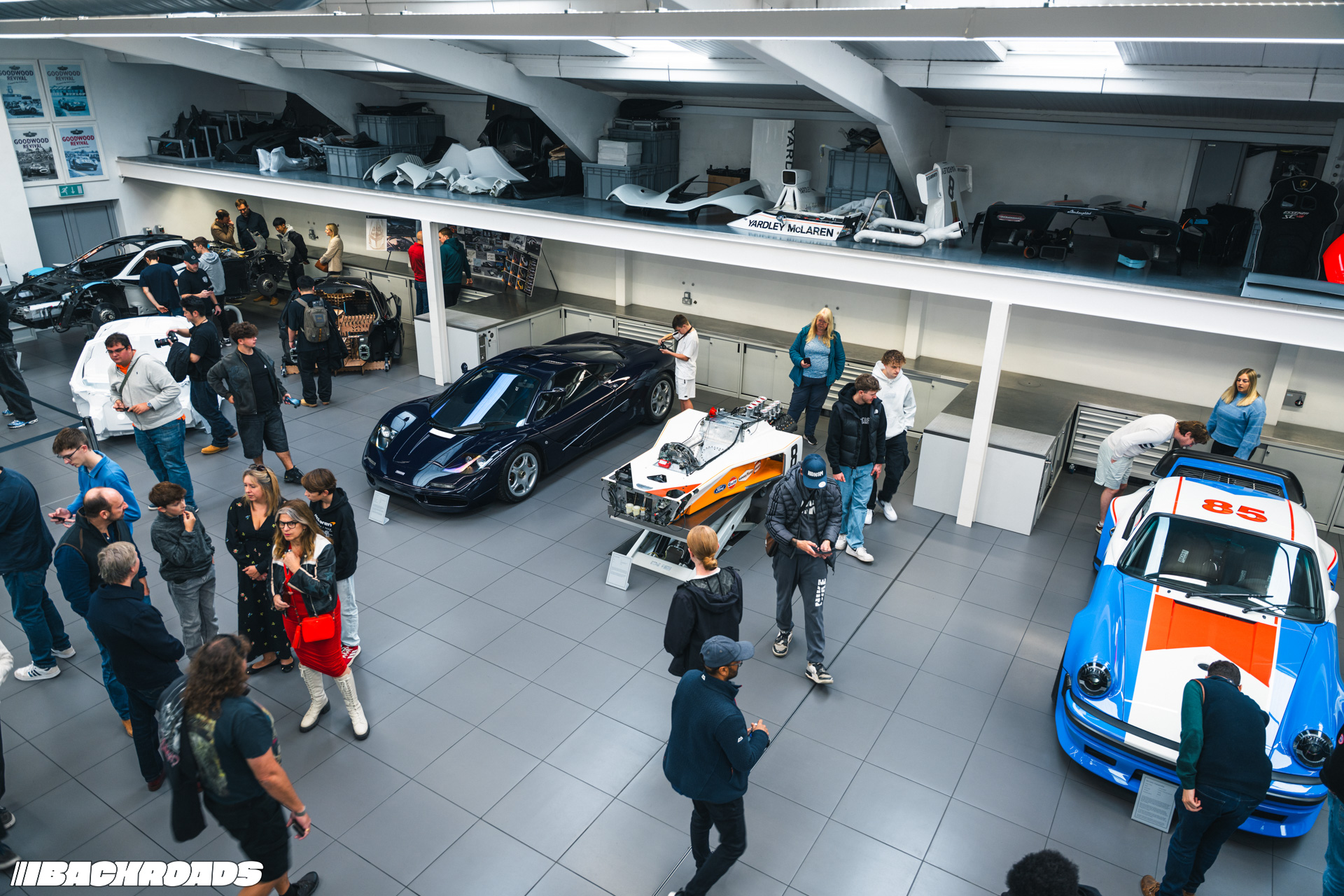
Wandering into the workshop was sensory overload. On my left was a track-only McMurtry Spérling with a plaque in front stating it was at Lanzante to be evaluated for a ‘Spérling Pure’ road conversion. Next to it sat two very angry-looking Lamborghinis – one a Sesto Elemento, which was undergoing a road conversion (the second example to undergo this transformation, I believe), and the other an Essenza SCV12 – a one-of-40, track-only hypercar in for the Lanzante treatment.
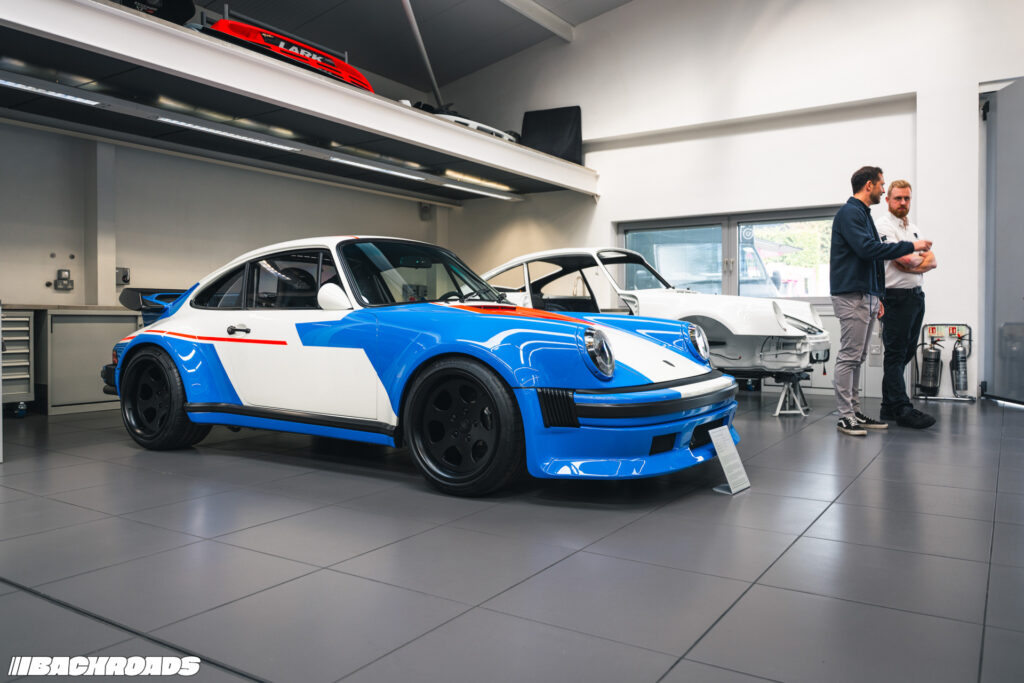
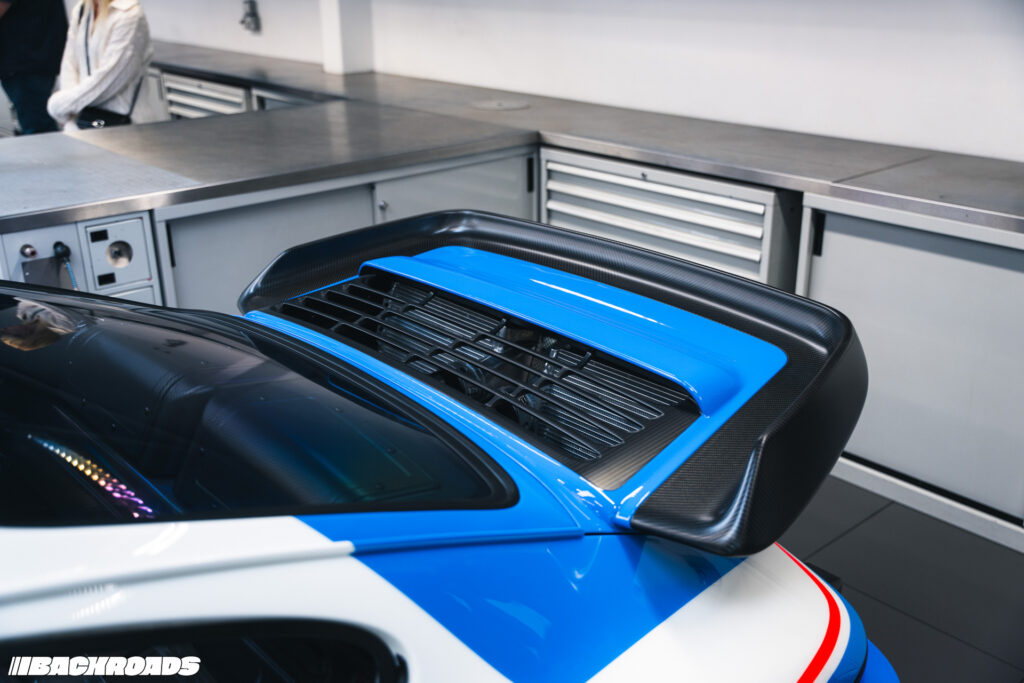
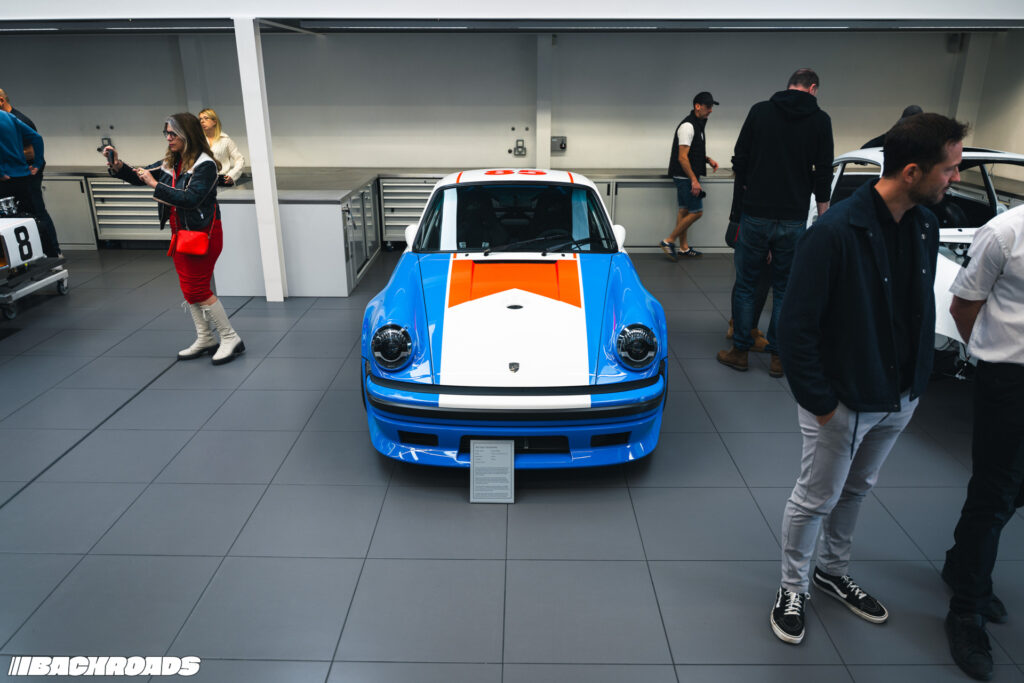
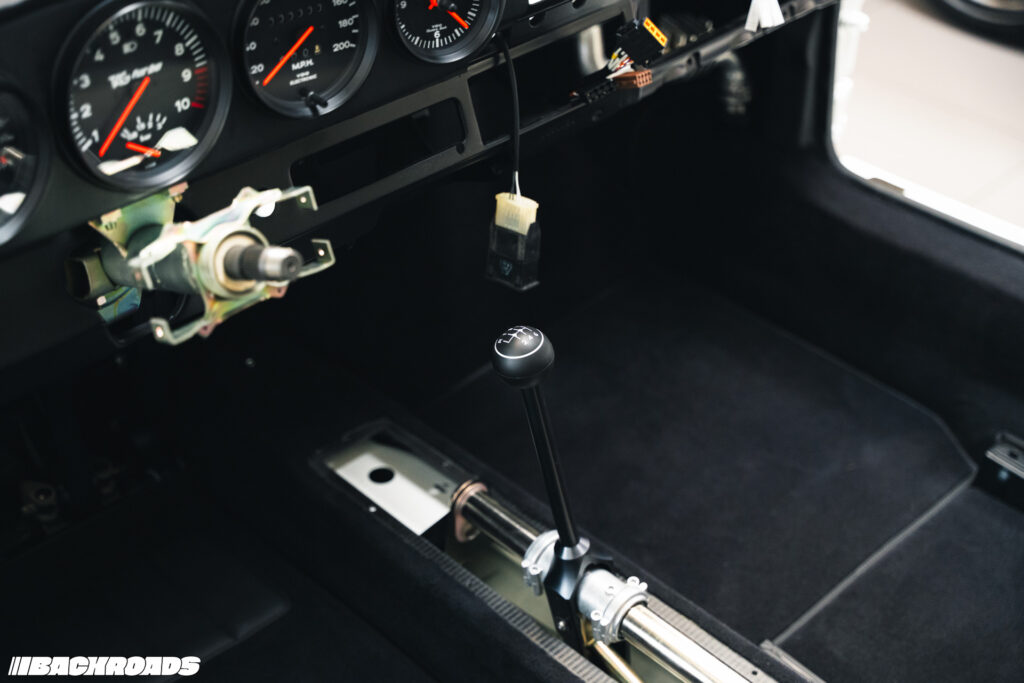
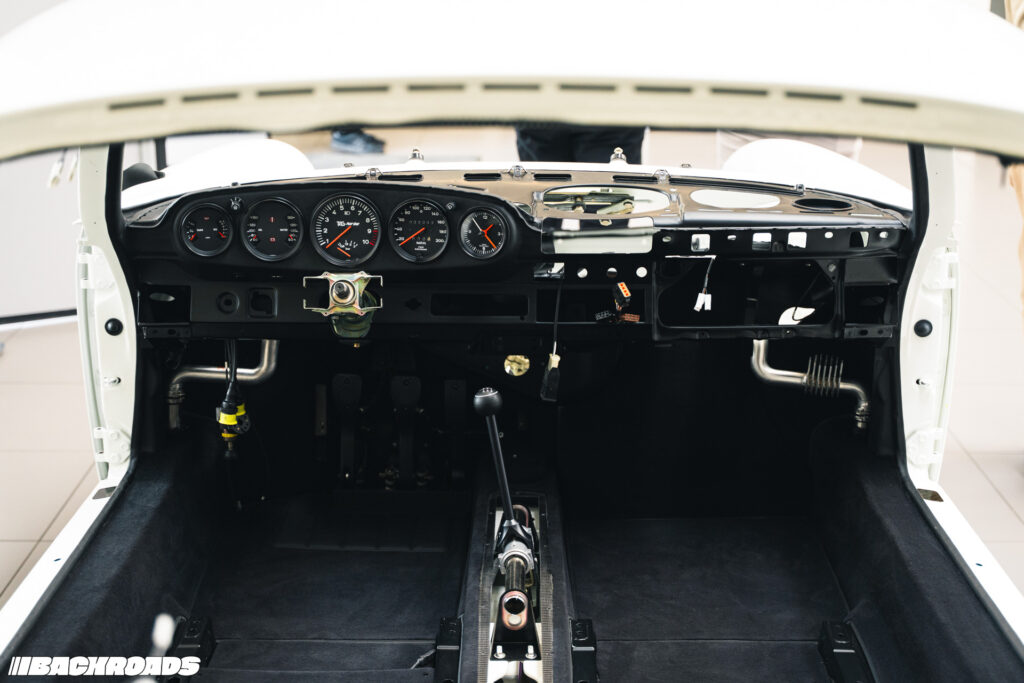
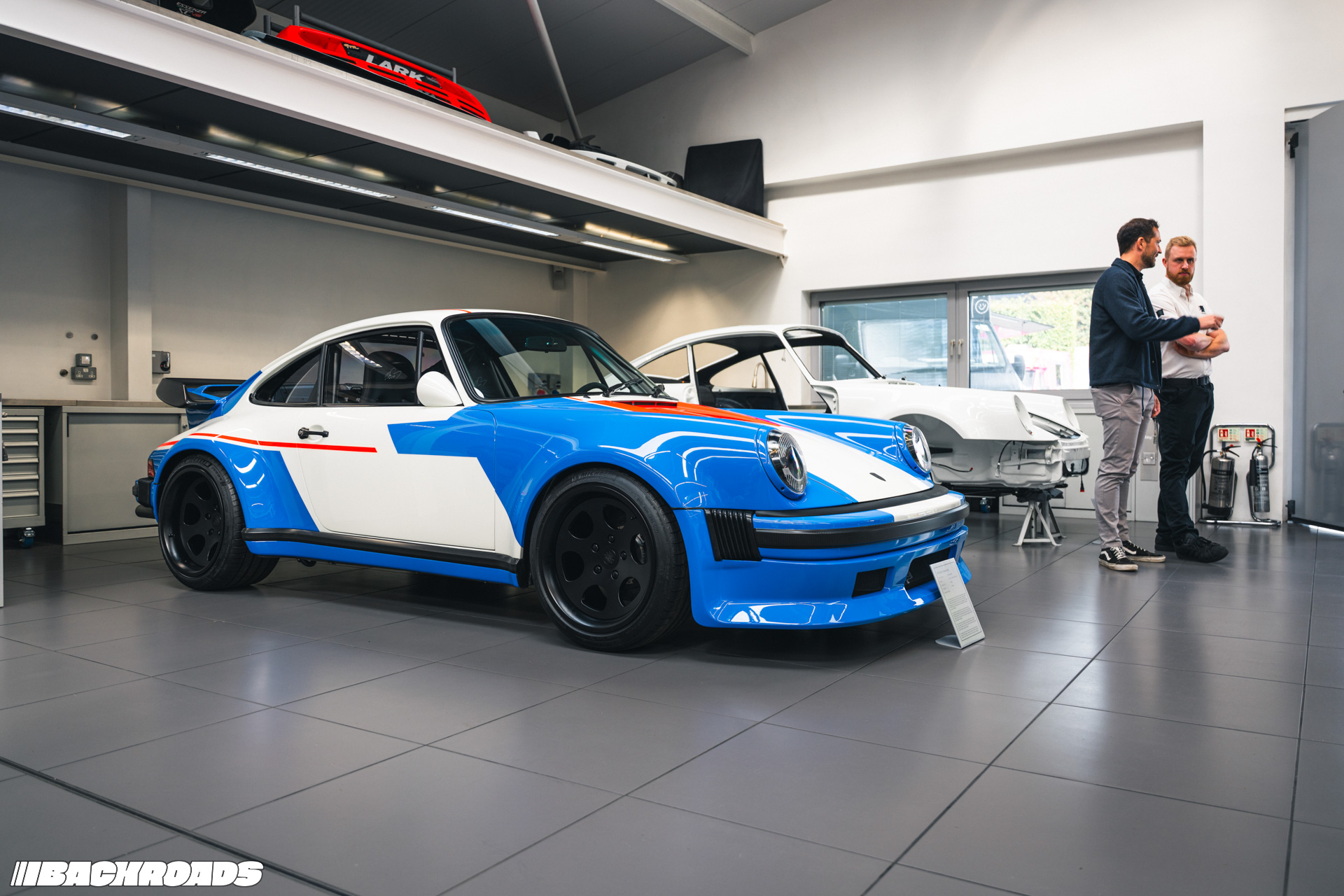
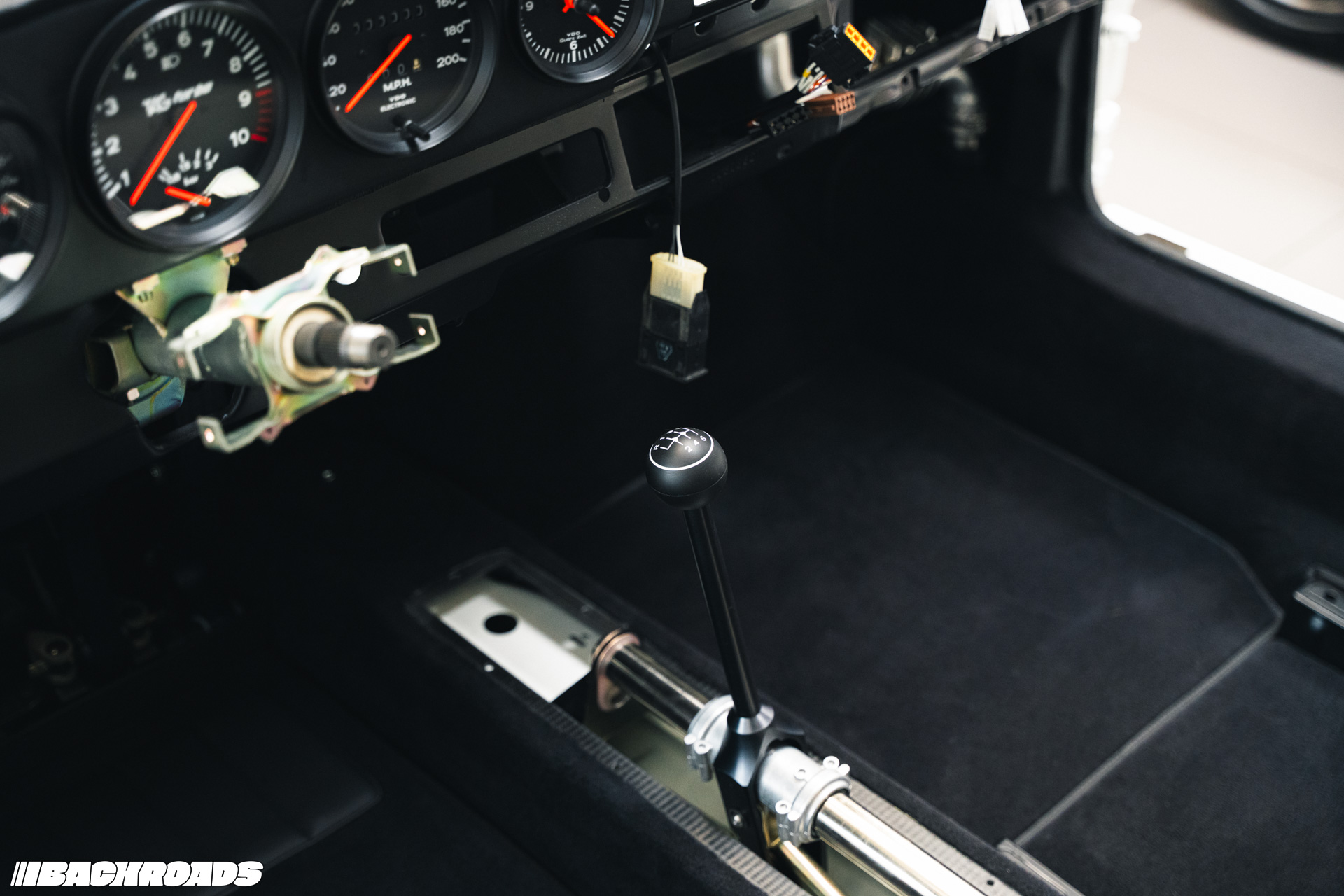
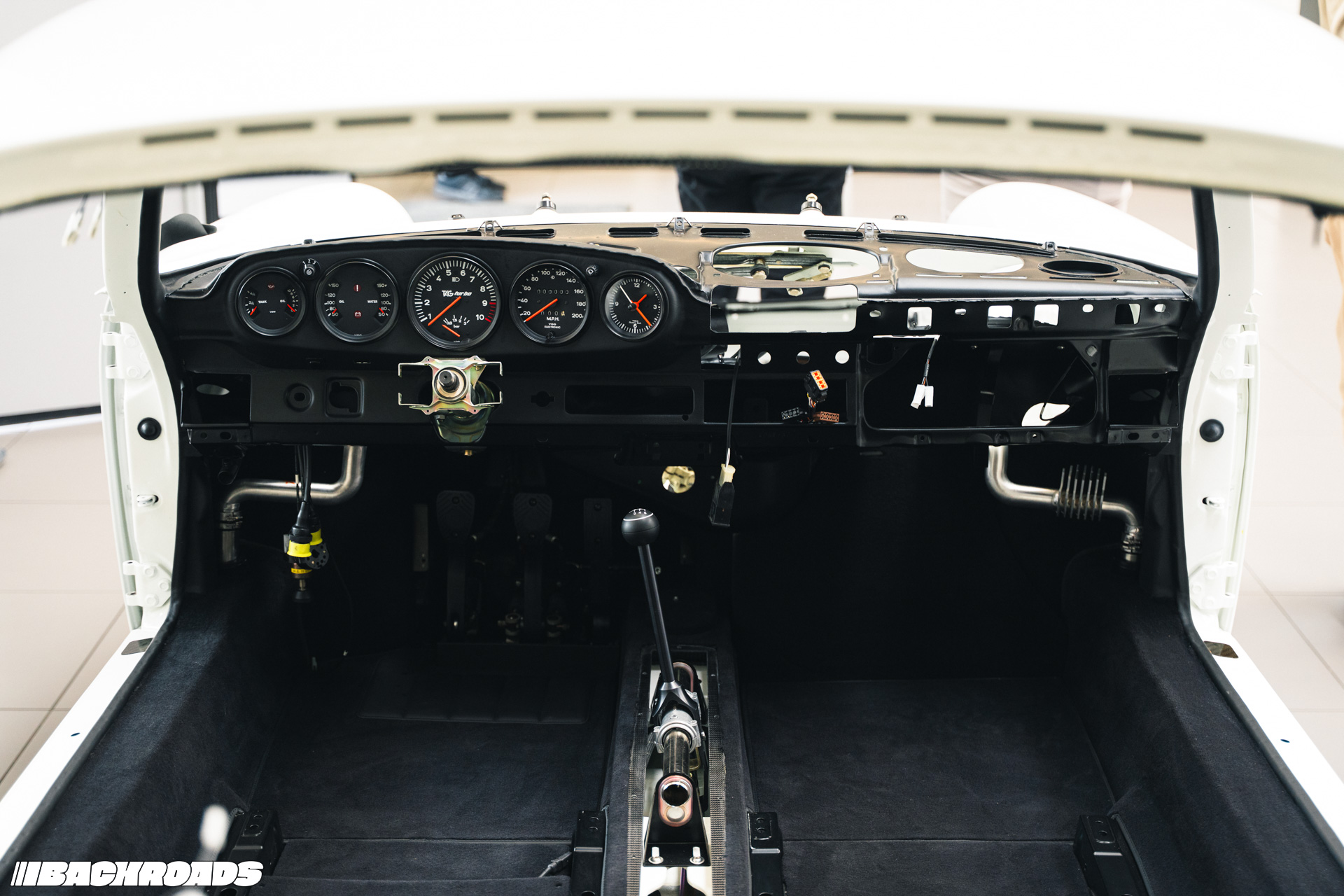
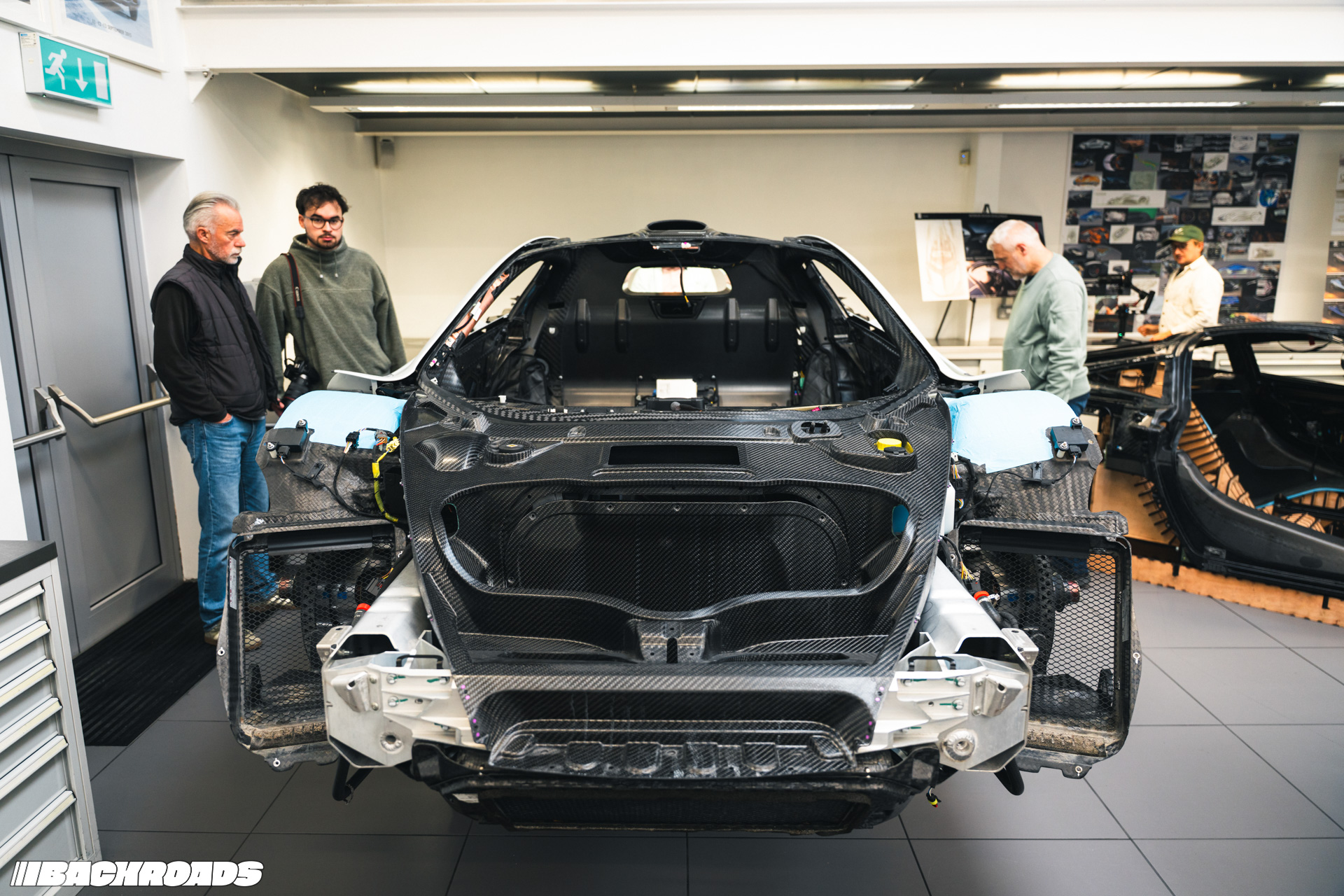
On the right side was a bare 930 TAG Turbo chassis. It’s an impressive project, where Lanzante is paying homage to 1980s McLaren Formula One cars.
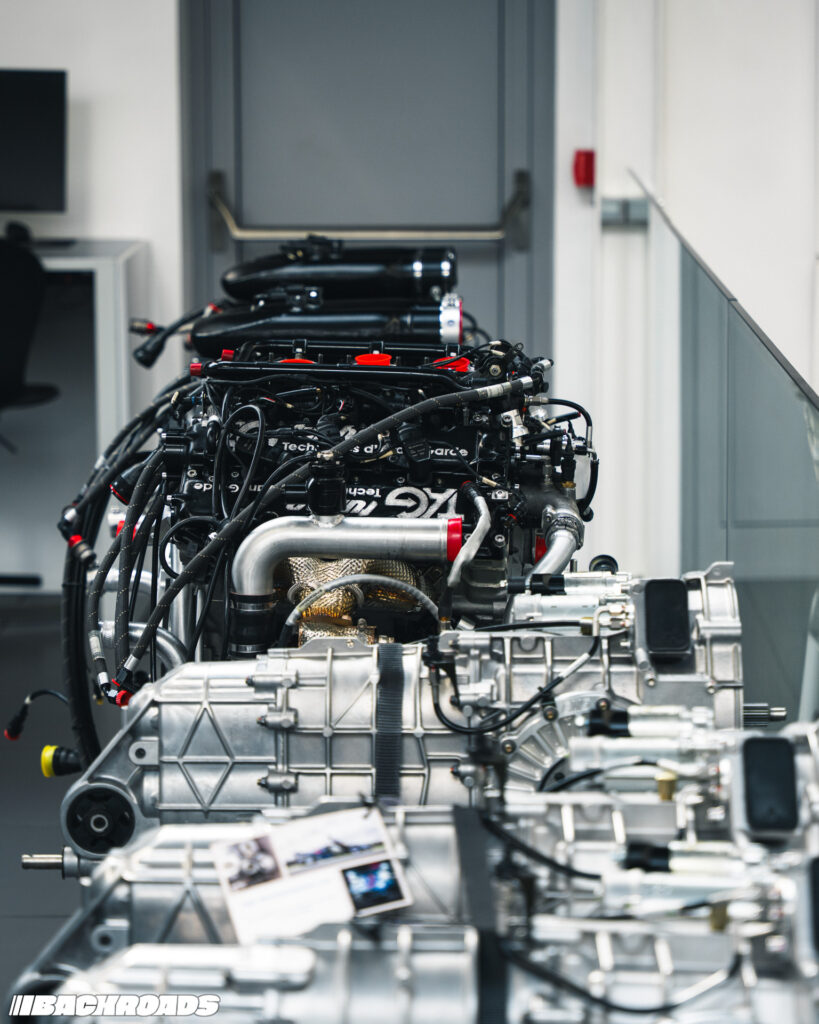
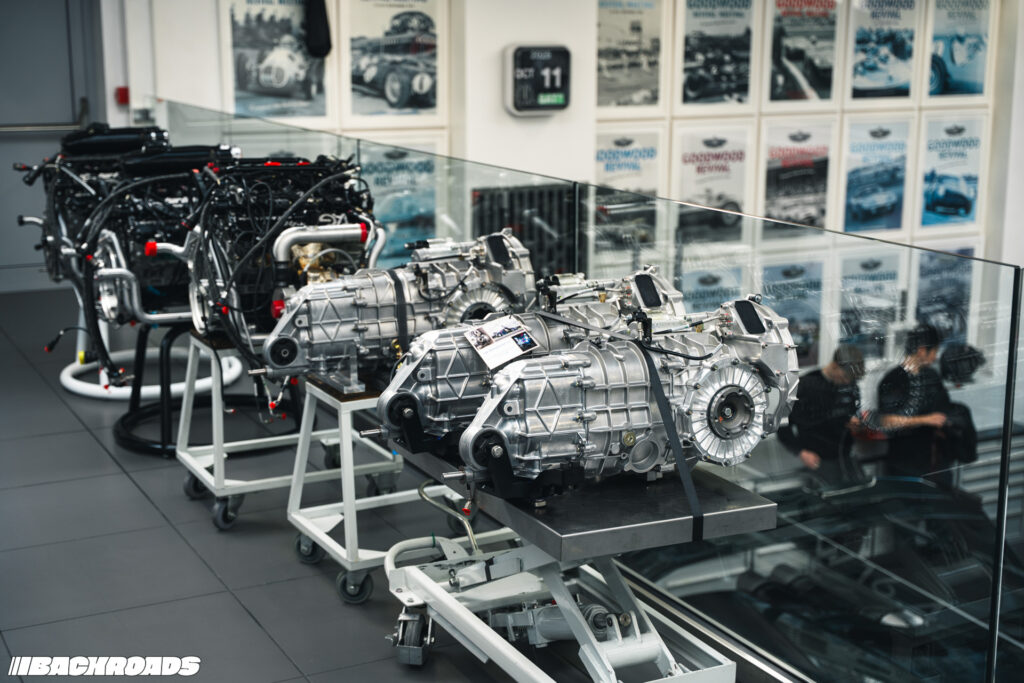
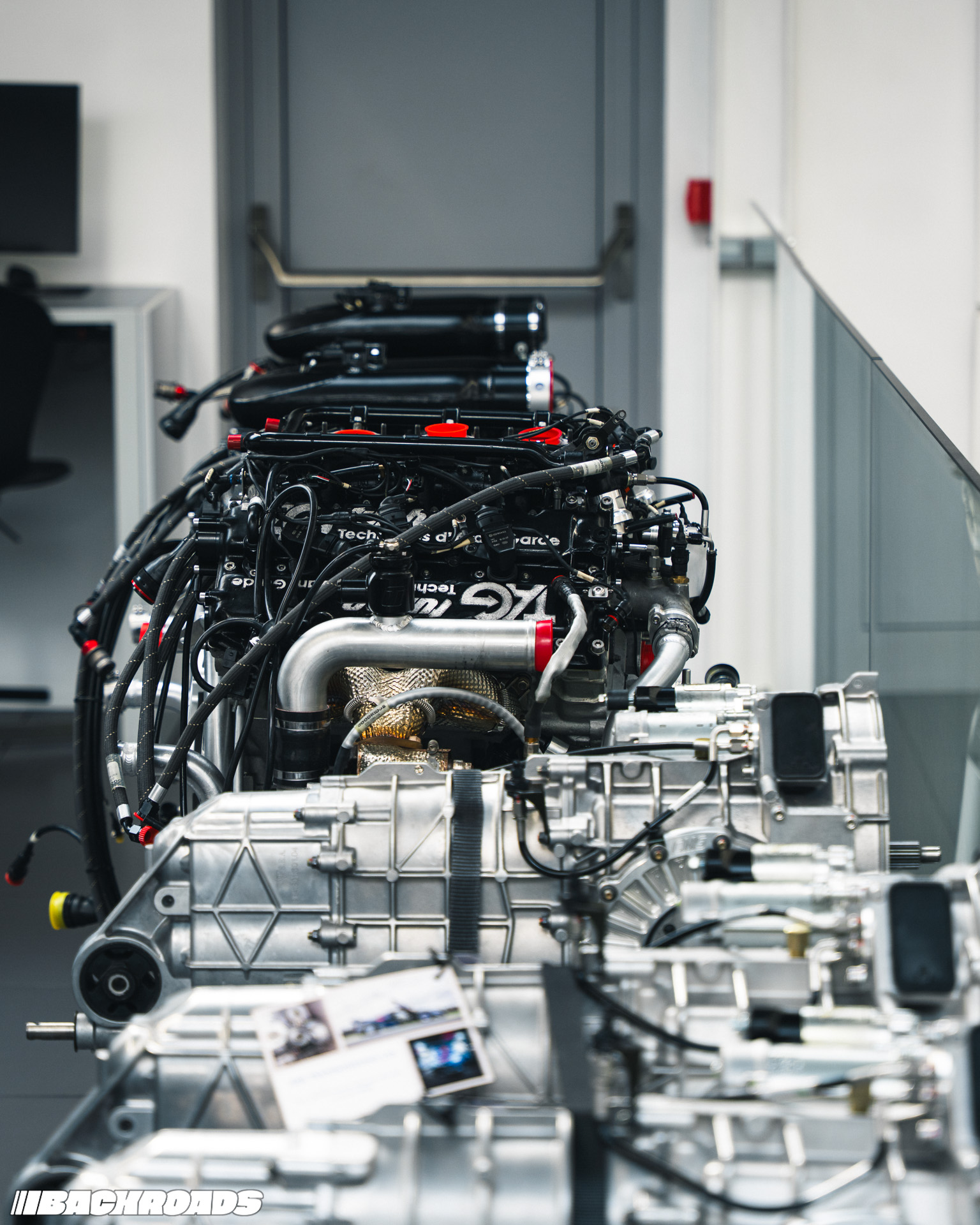
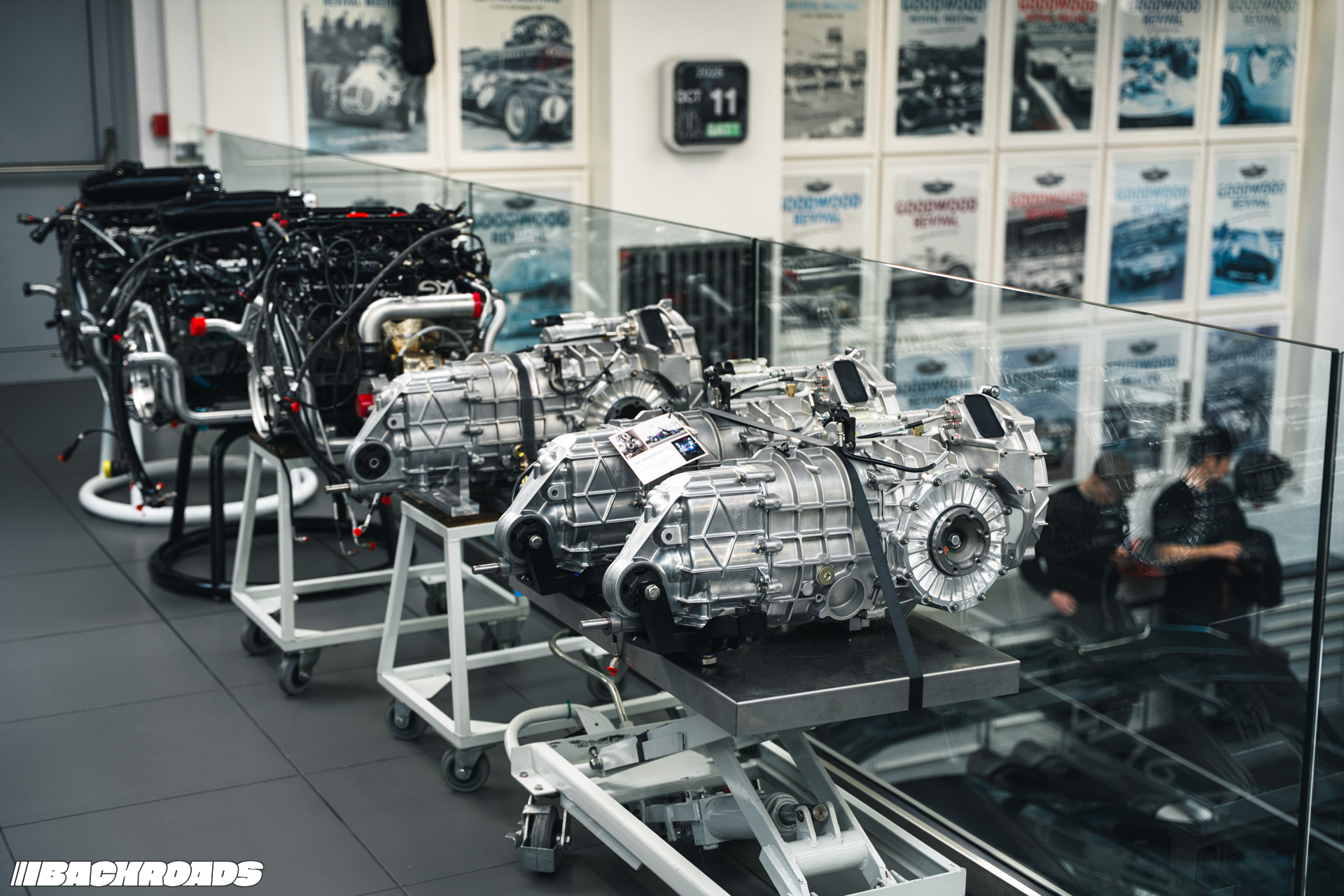
During the ‘80s, McLaren used TAG-branded 1.5-litre V6 power units, which were believed to produce over 1,000hp at their peak. To develop the engines, McLaren used a Porsche 930 Turbo as a test mule.
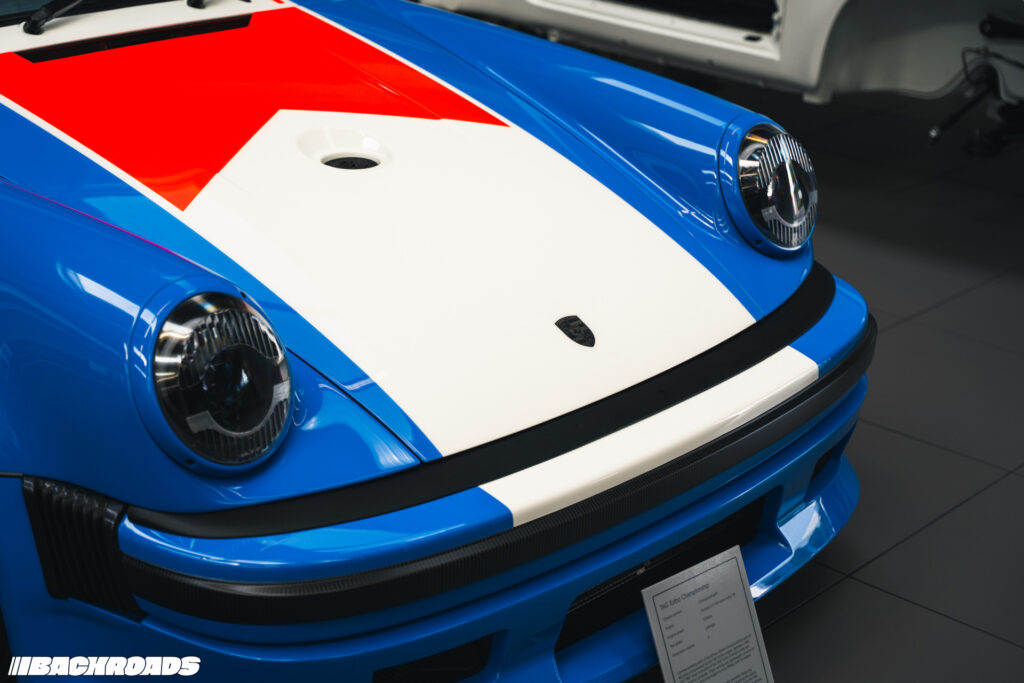
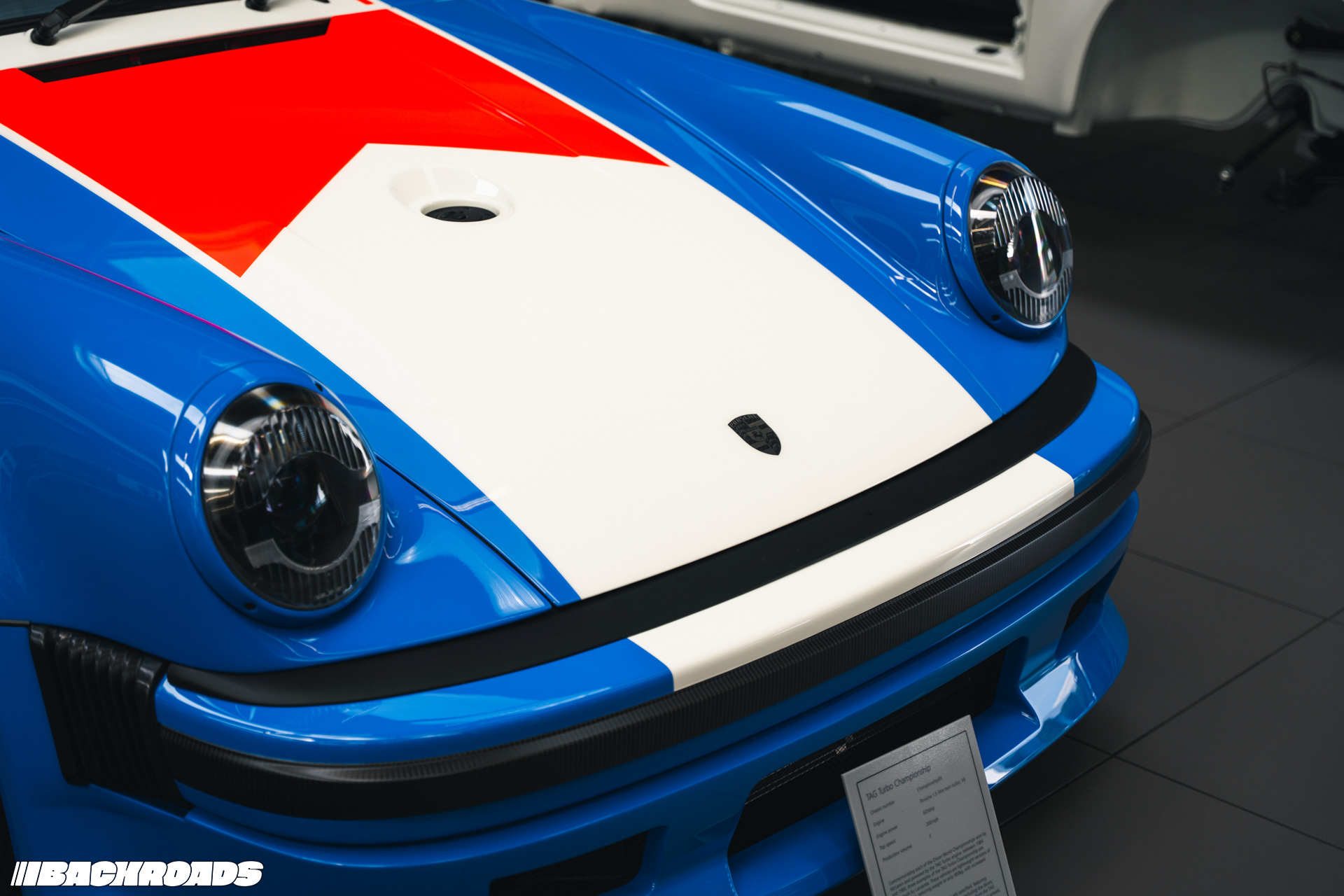
Lanzante has obtained a number of TAG engines and is pairing them to 930 Turbo donor cars. The plan is to build 11 TAG Turbos and three TAG Championship cars to commemorate the titles McLaren won from 1984 to 1986.
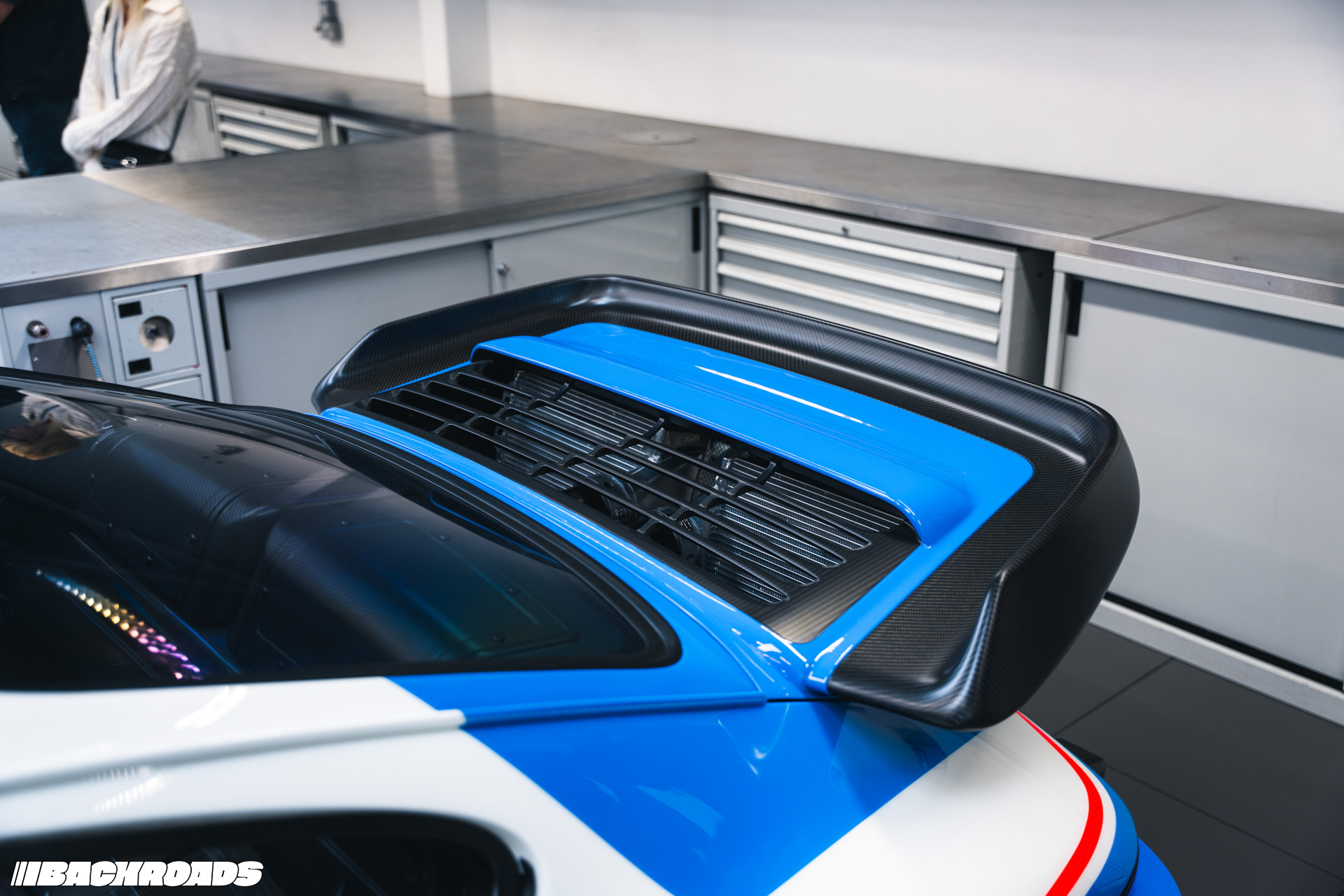
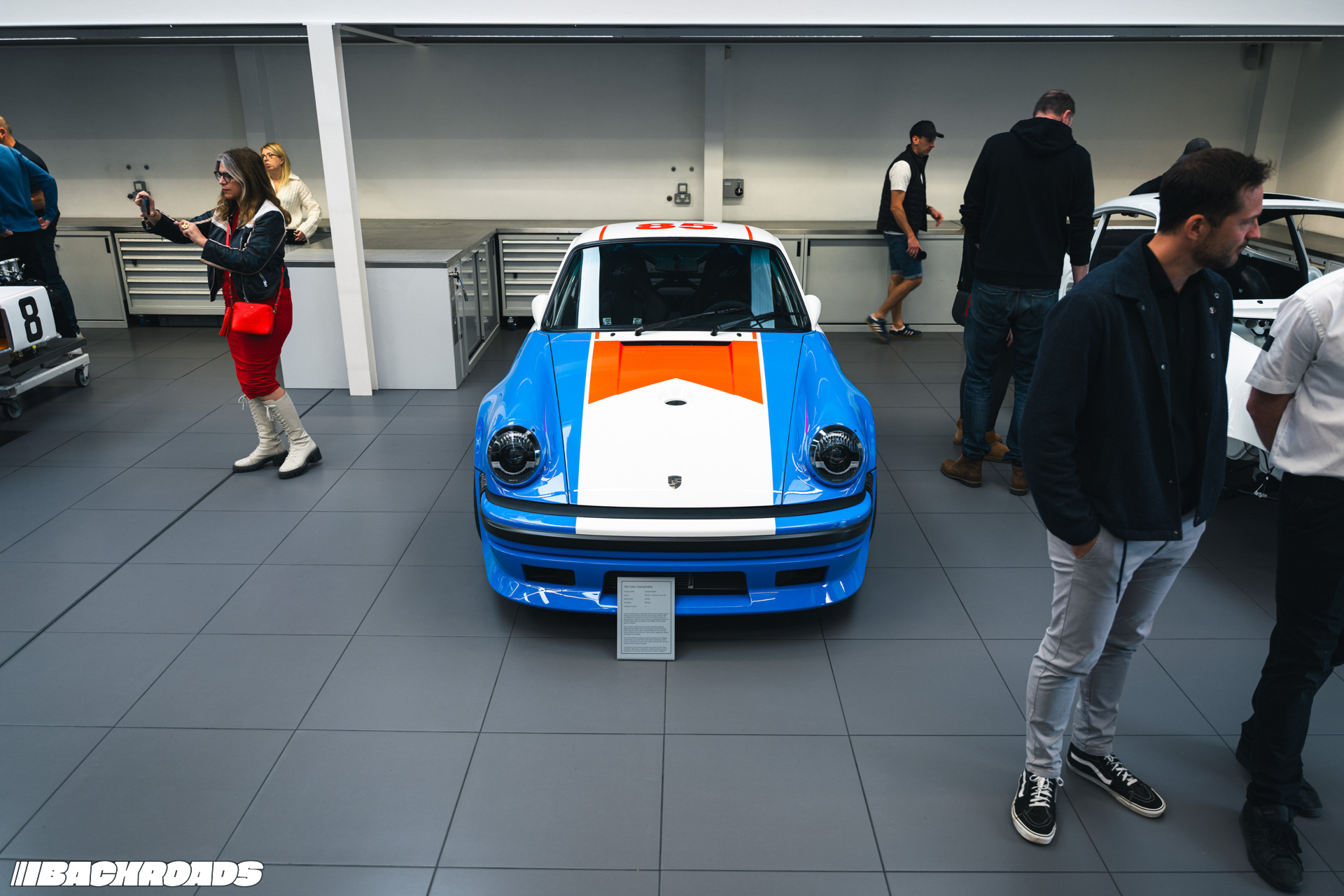
This particular 930 goes even further with the use of carbon fibre – it weighs just 920kg. Next to the TAG Turbo chassis was the completed TAG Championship ’85 car in a white, blue, and red livery.
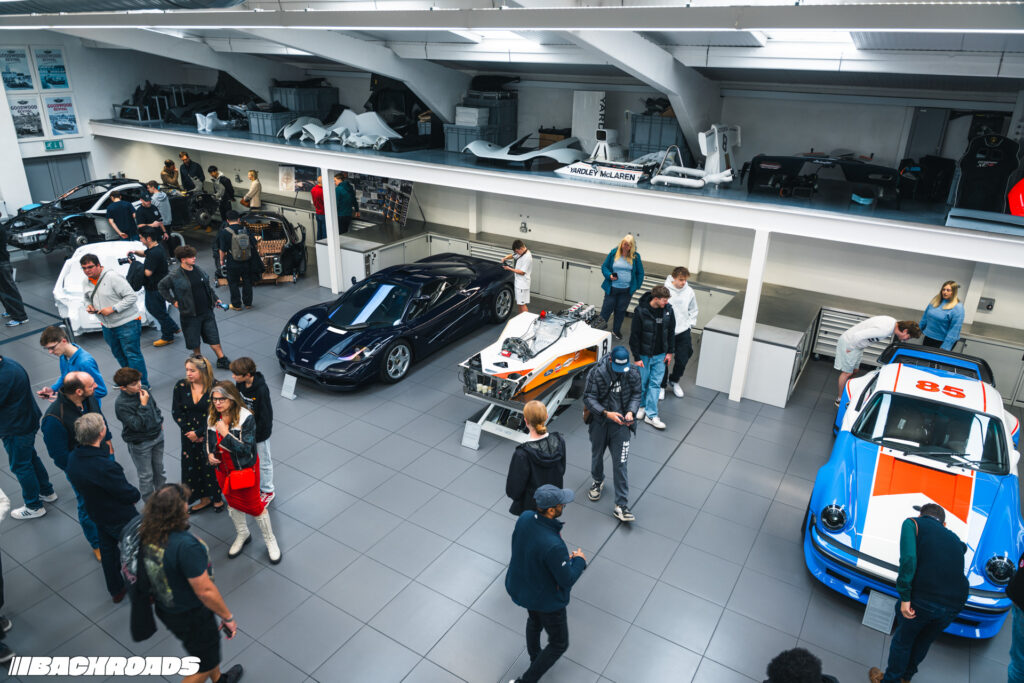
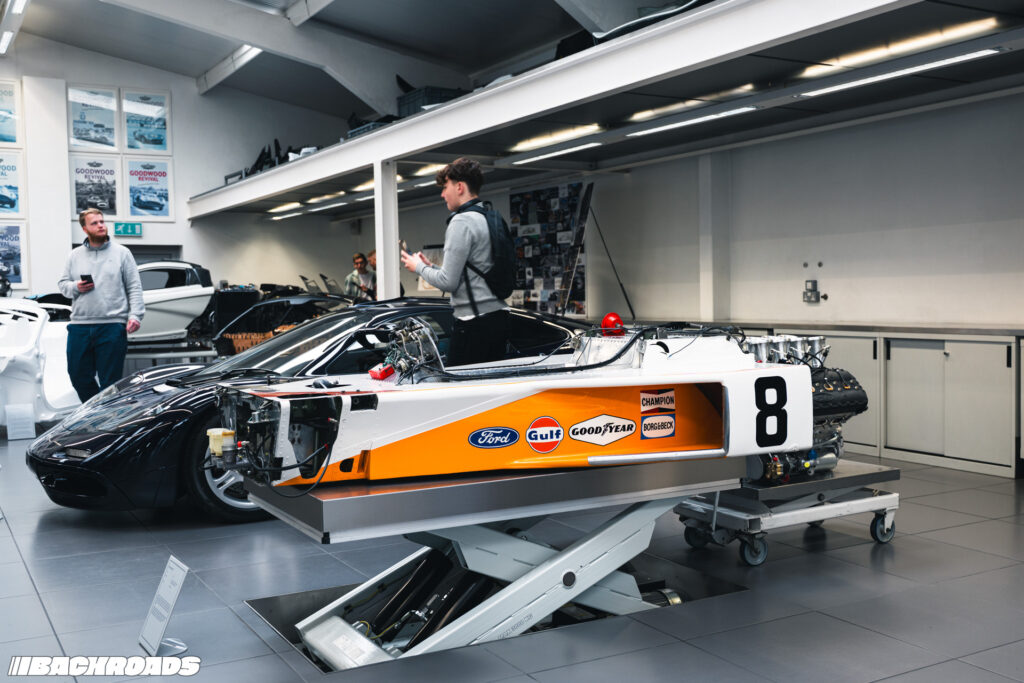
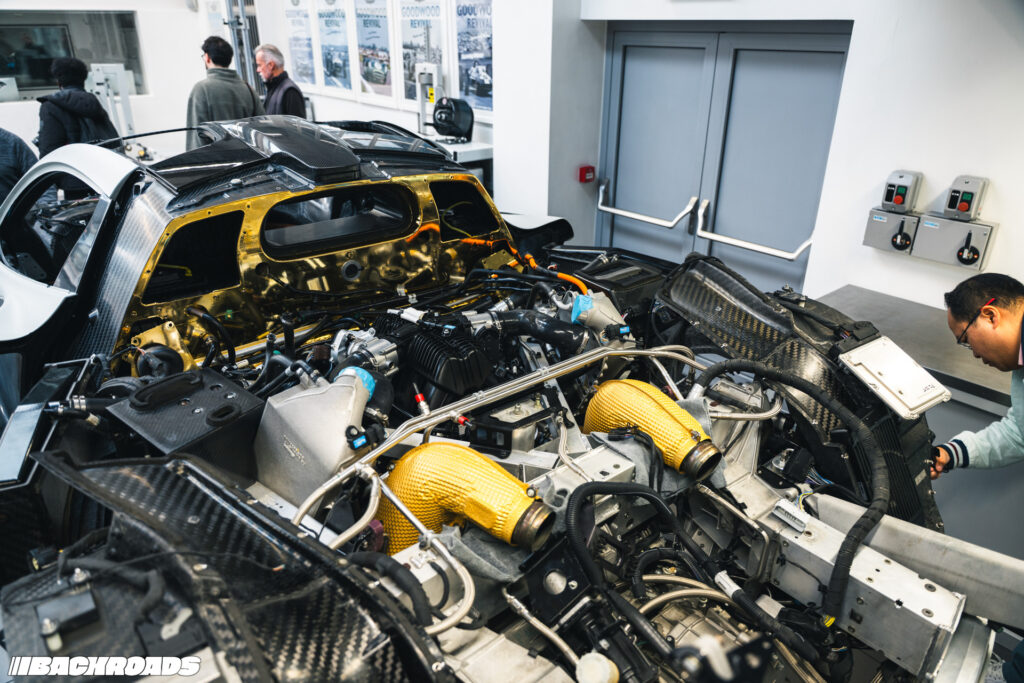
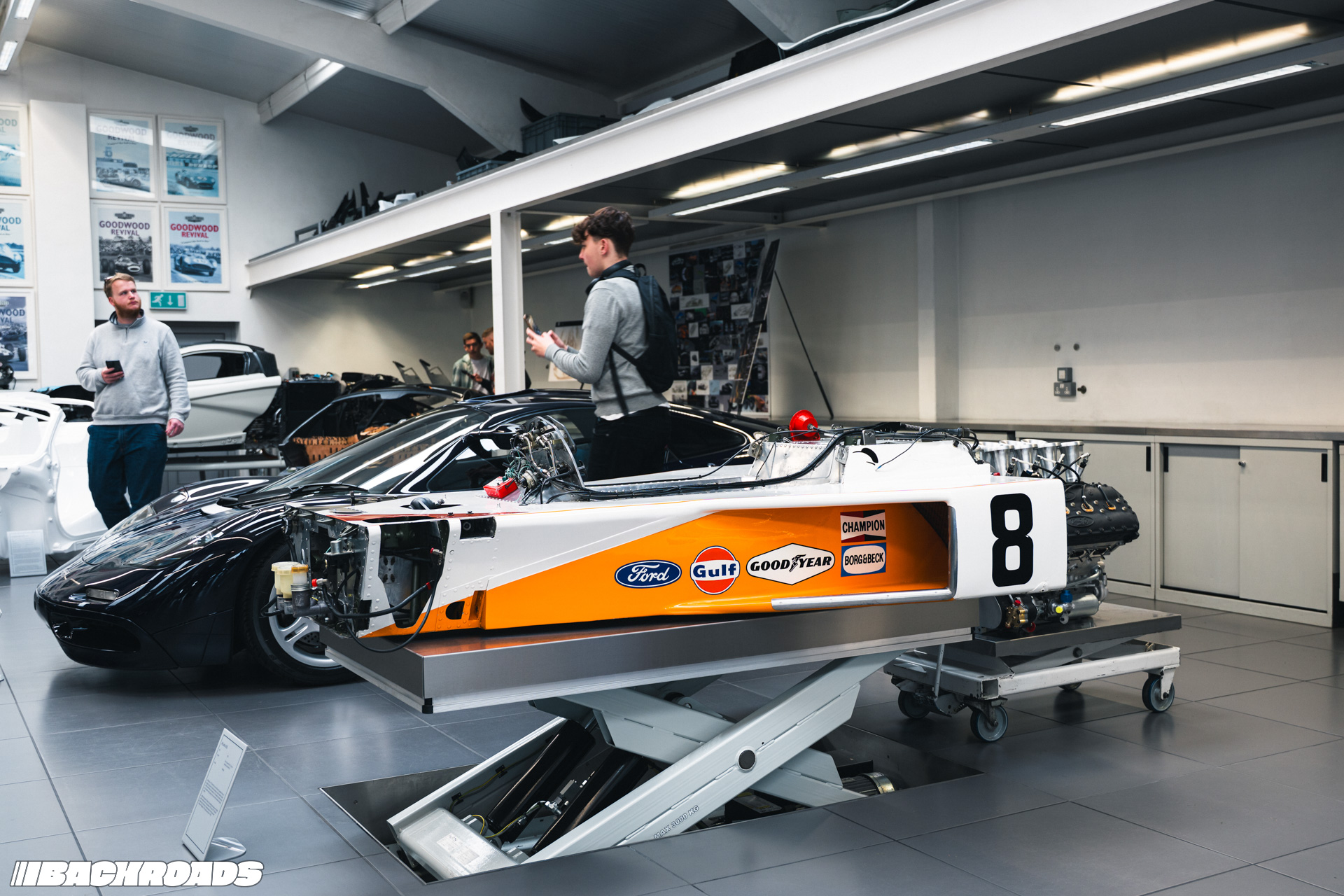
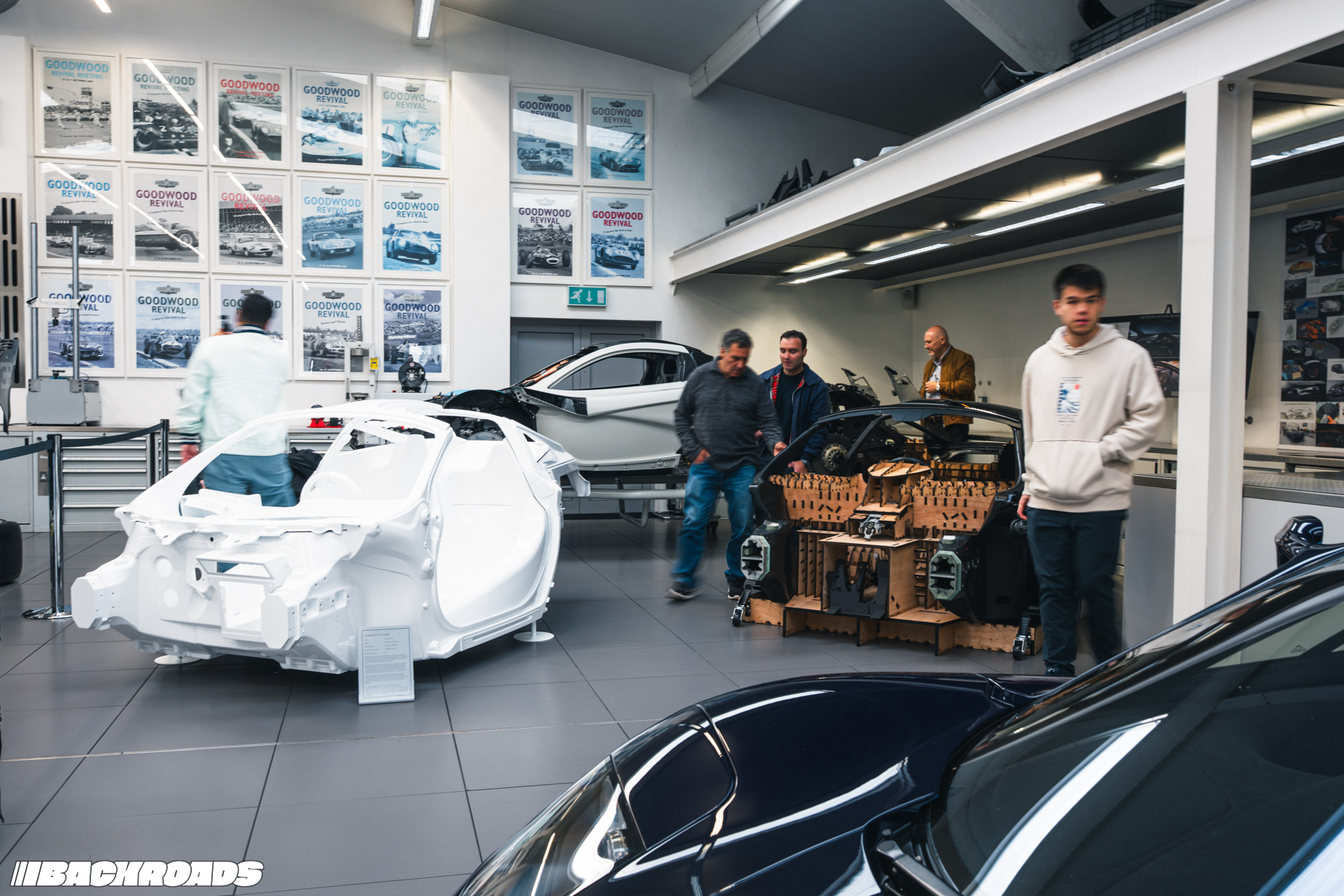
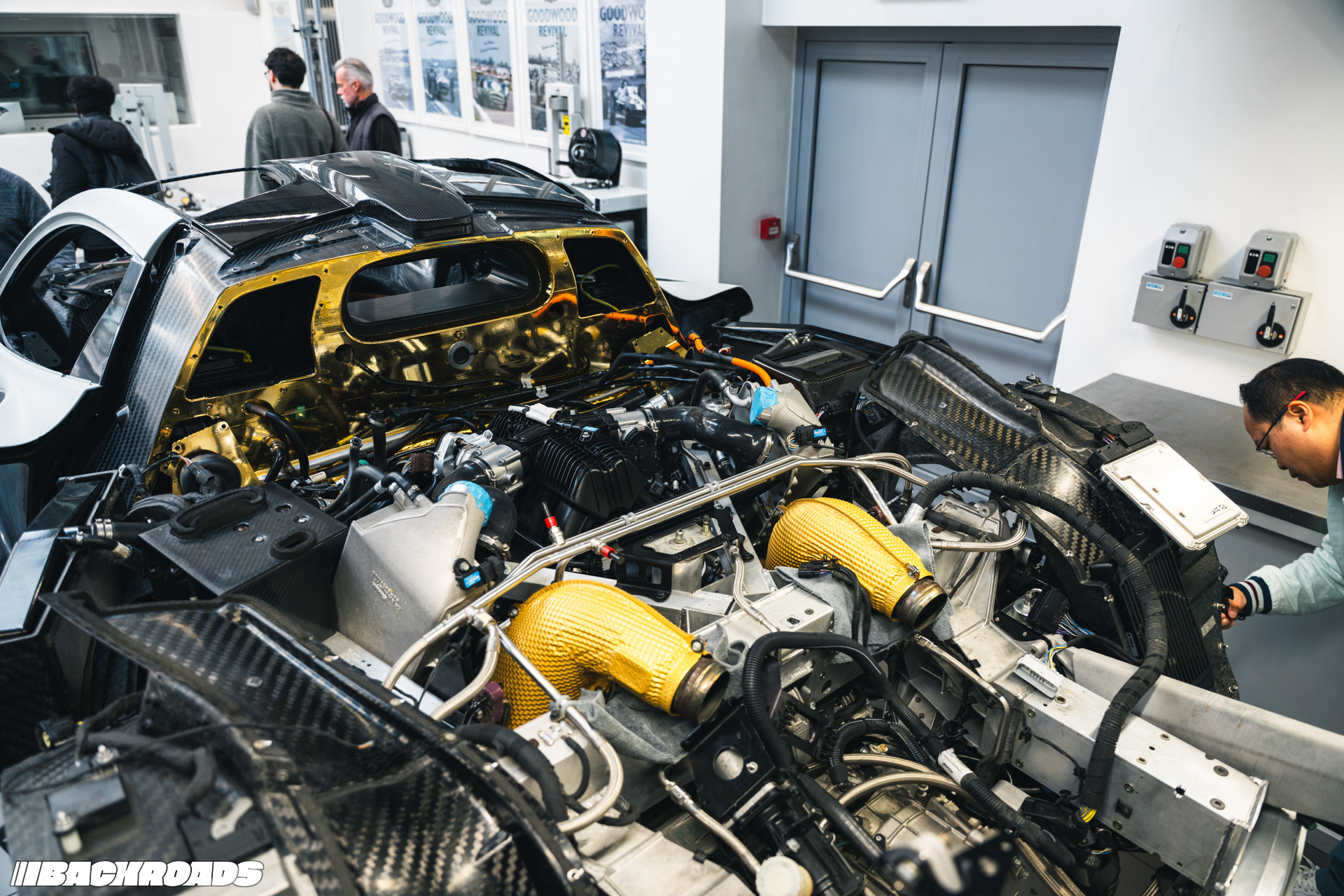
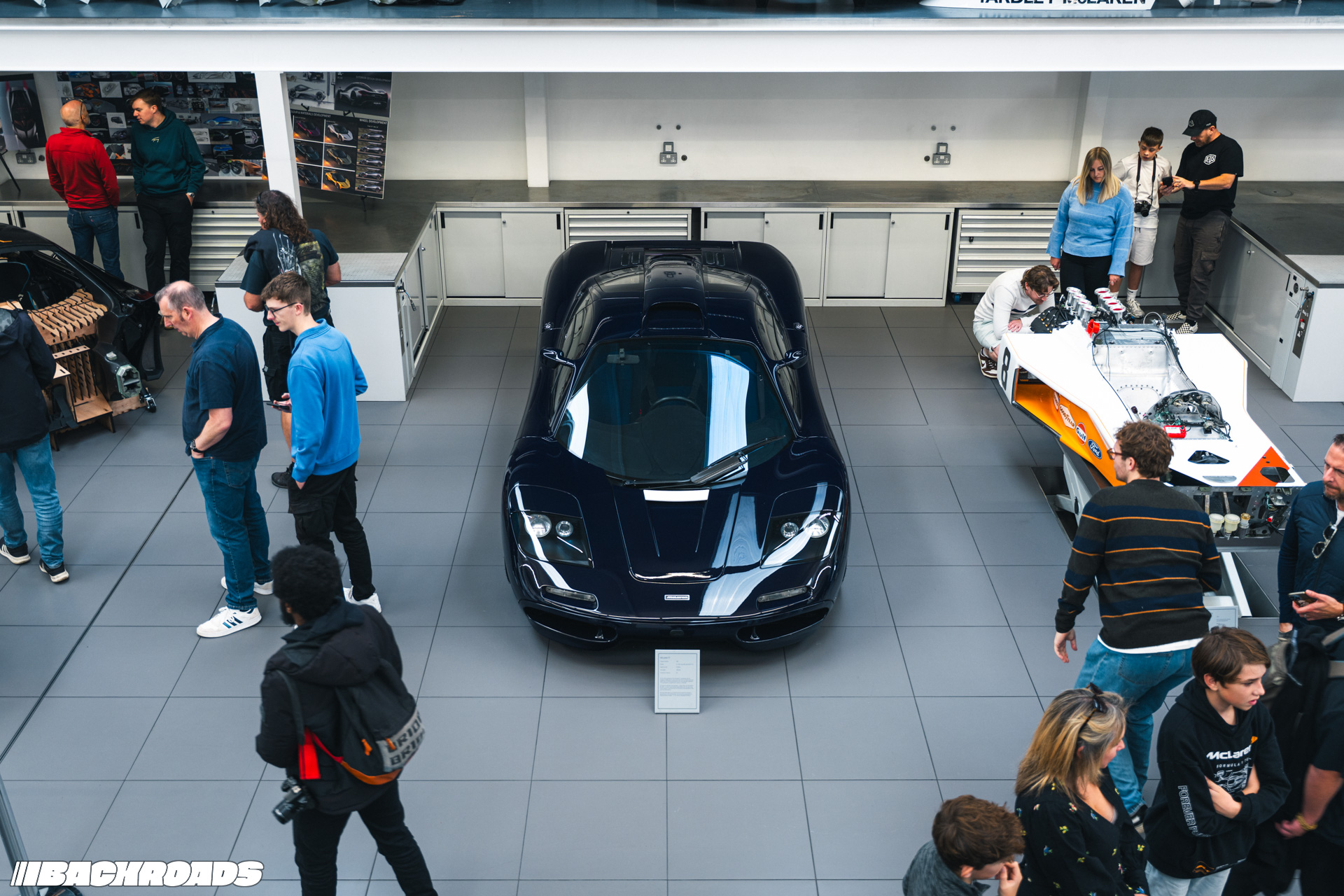
Alongside the Porsche sat an MC23 – the car McLaren’s Formula One team raced from 1973 to 1976 and won the 1974 championship with. Stripped of its bodywork, it sat on a lift like a piece of brick with an engine attached to the back.
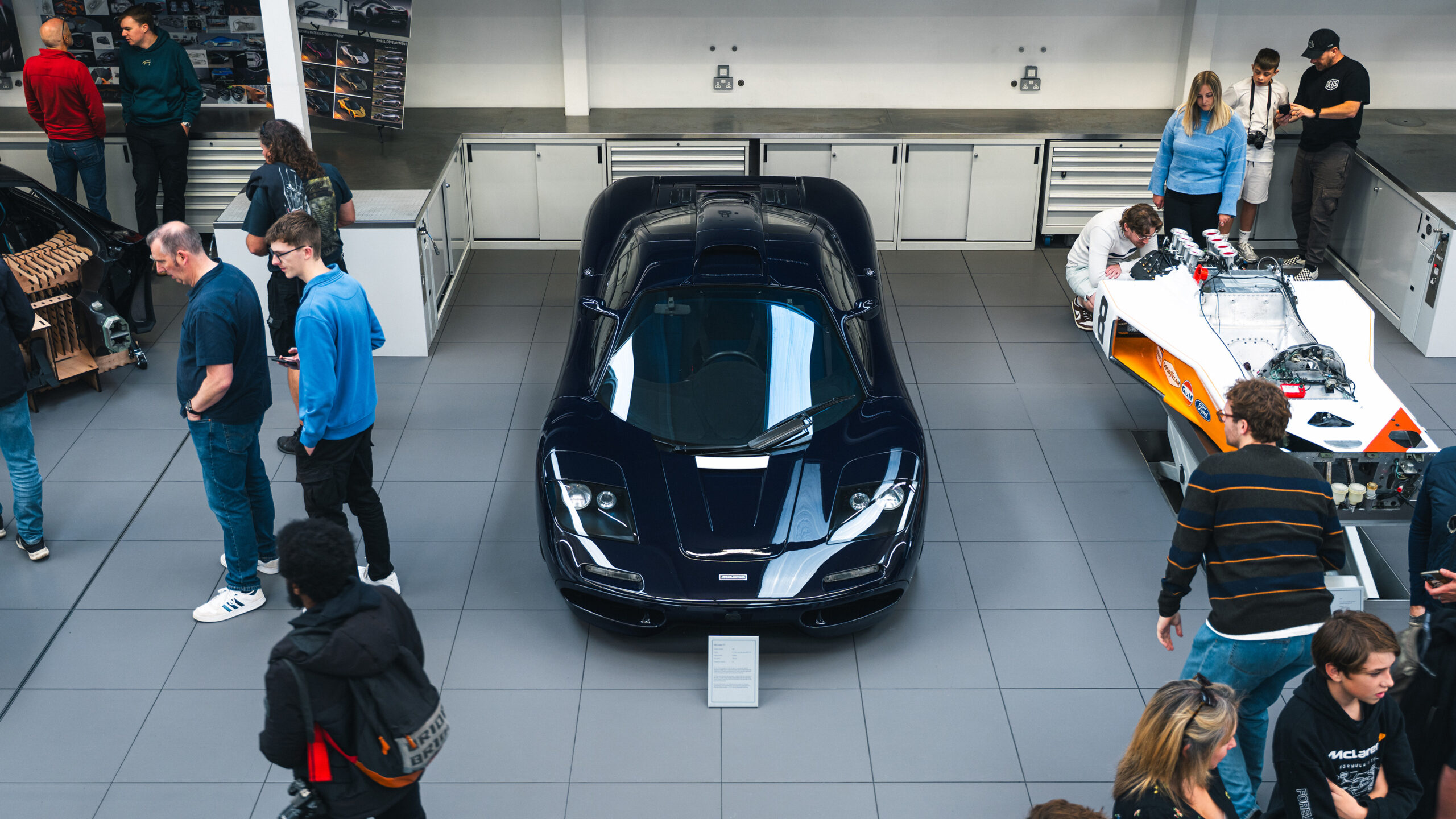
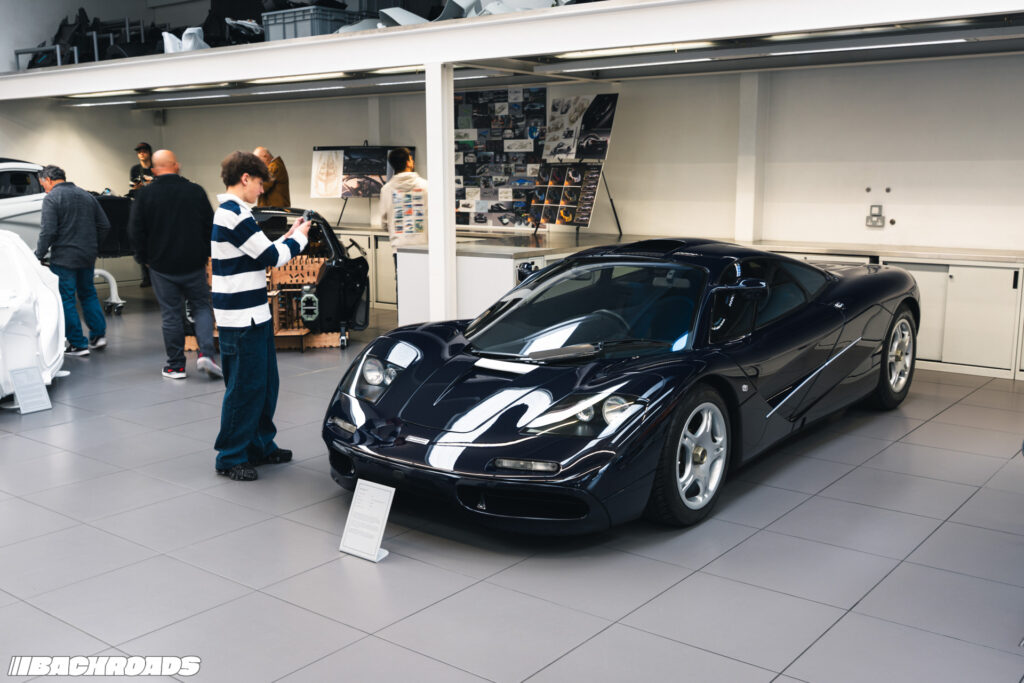
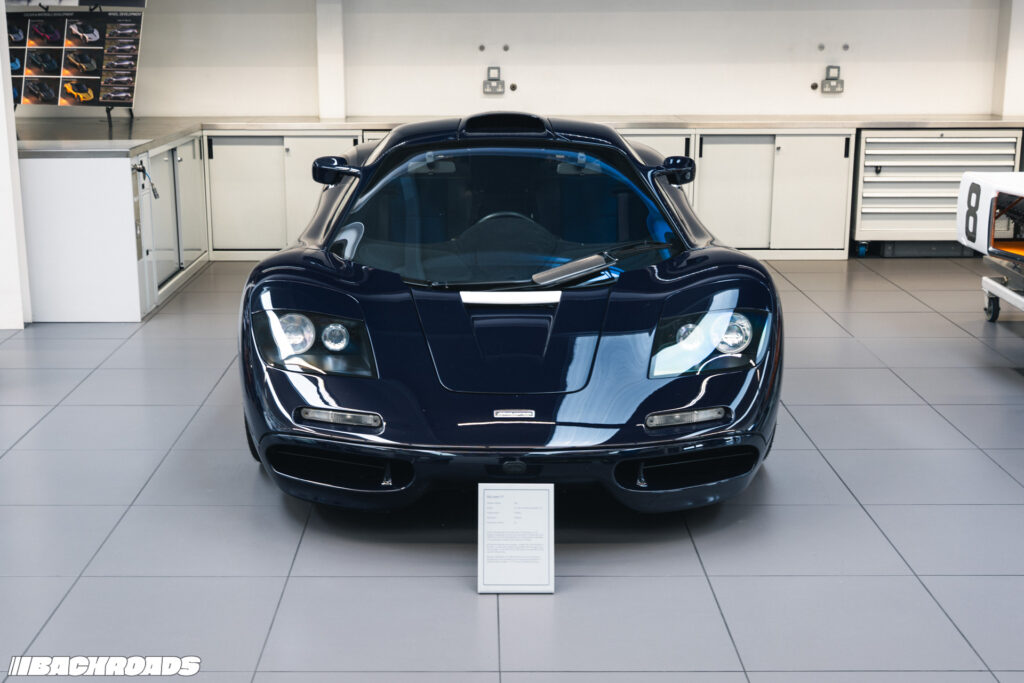
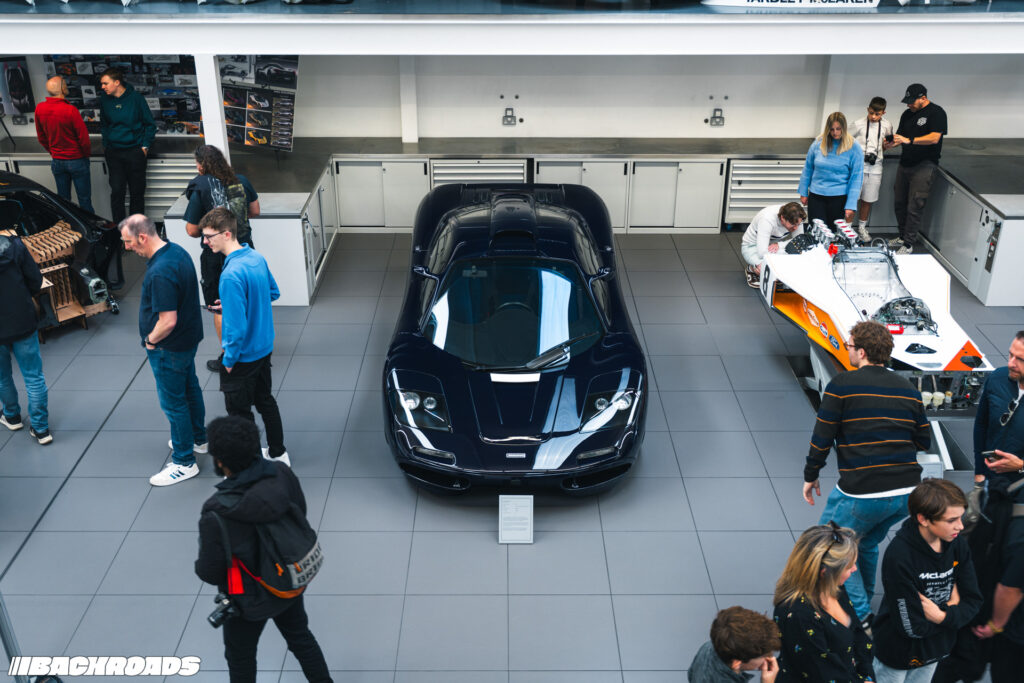
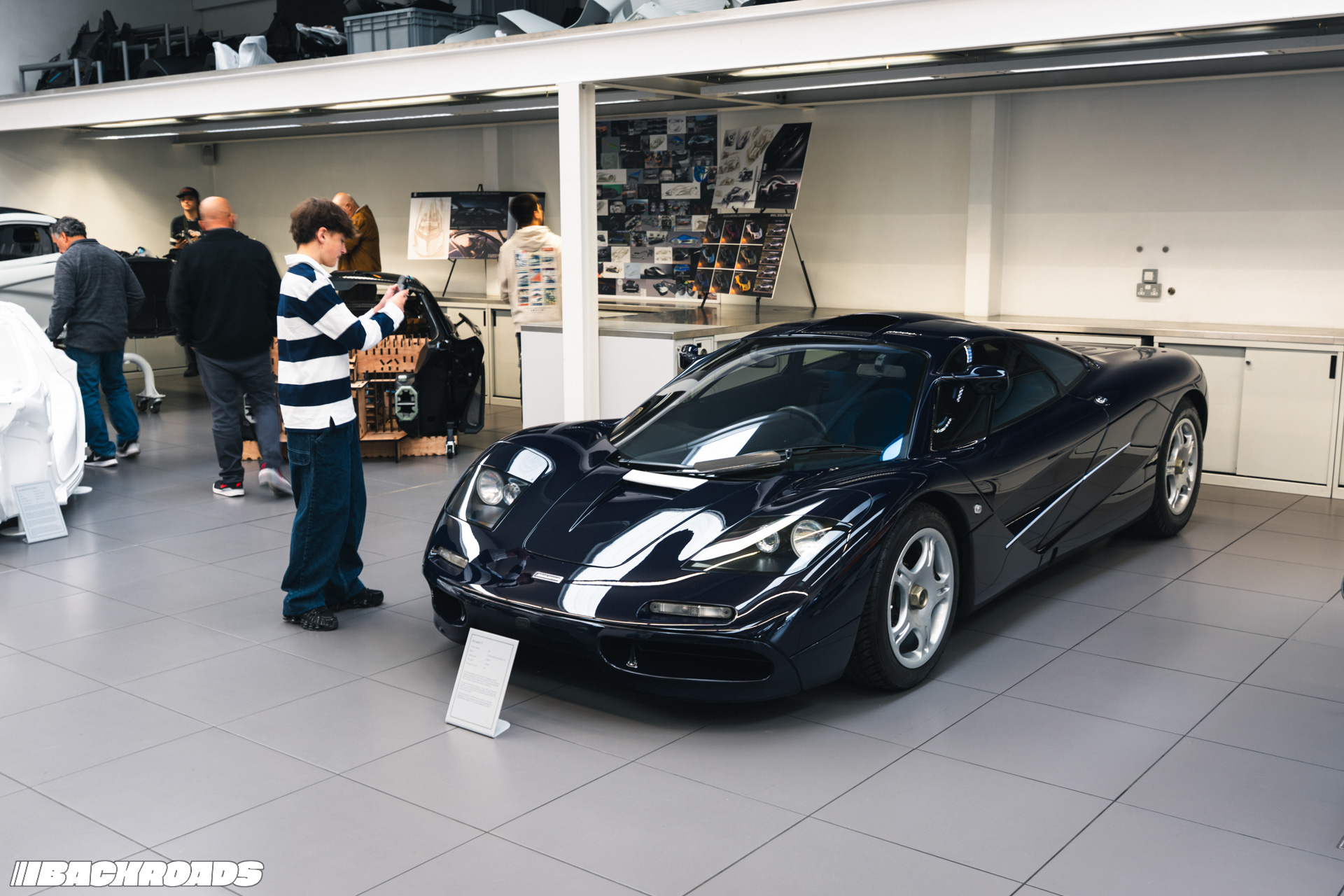
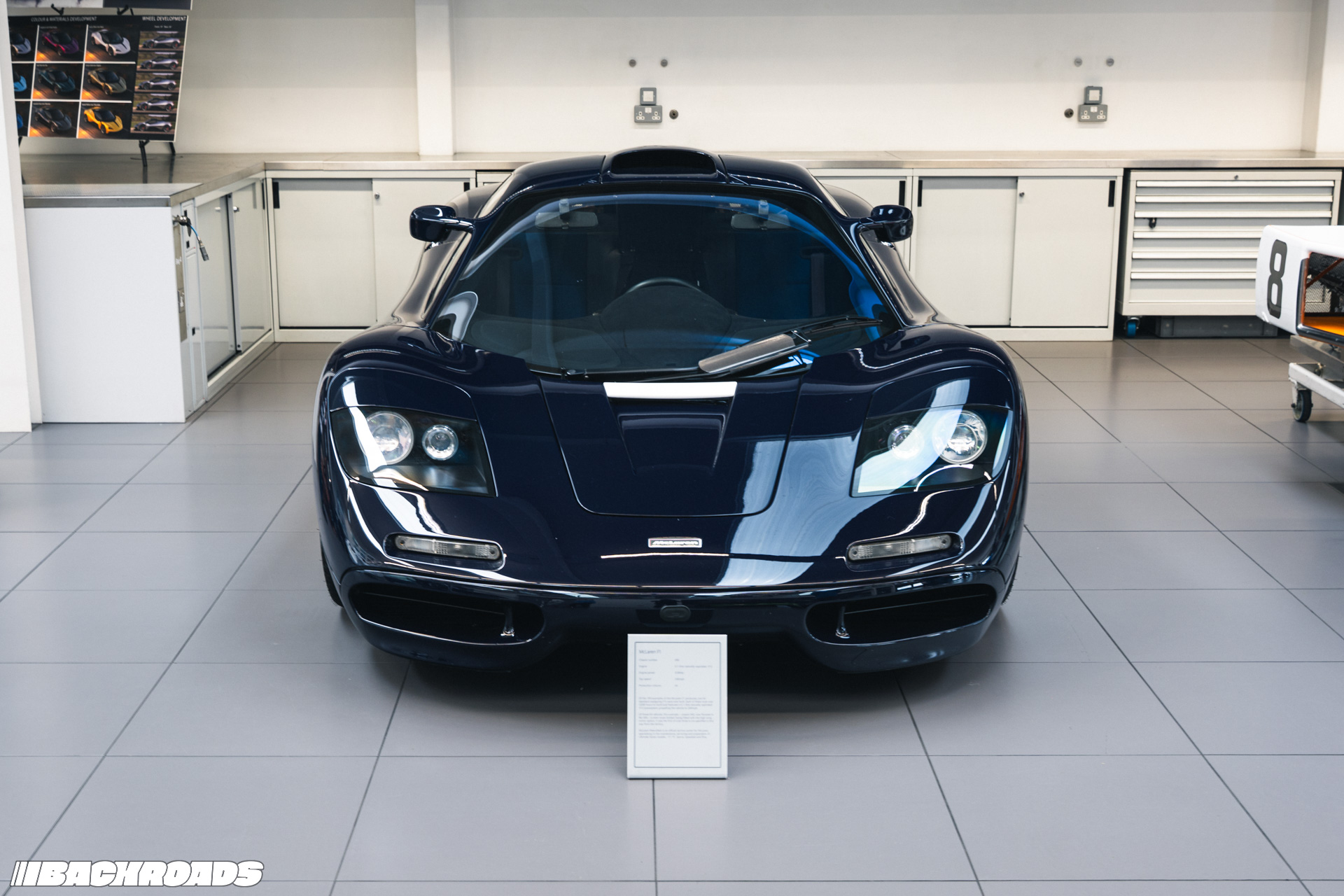
For me, the most exciting car in the workshop was this McLaren F1 – chassis #40, to be precise. Lanzante is also a well-known service centre for McLaren F1s, so it’s no surprise to see one in the workshop or showcased in the reception area.
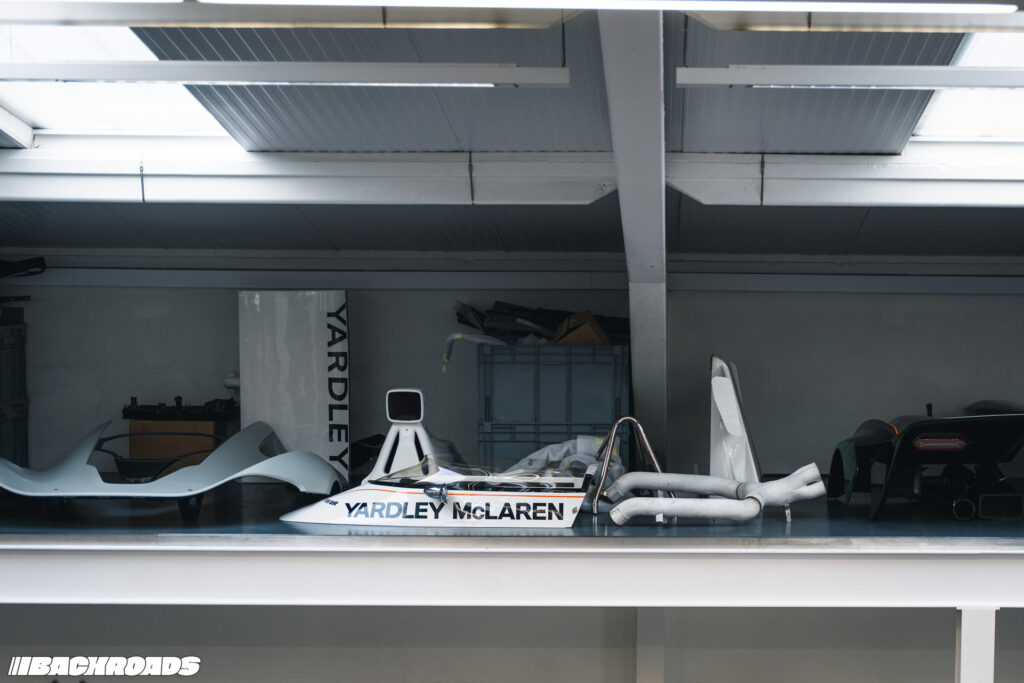
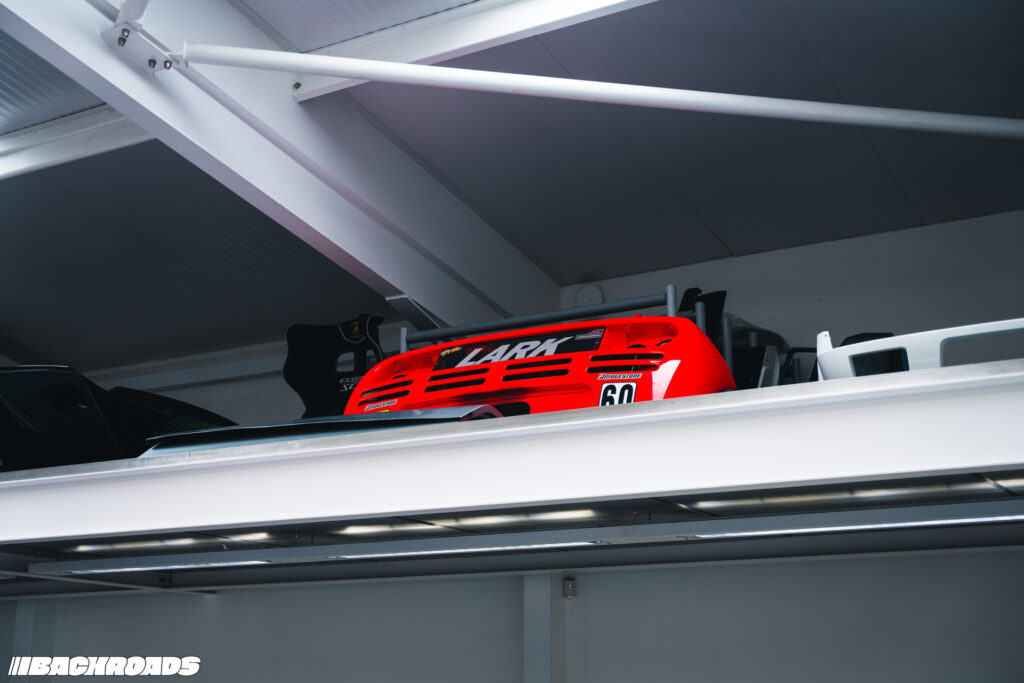
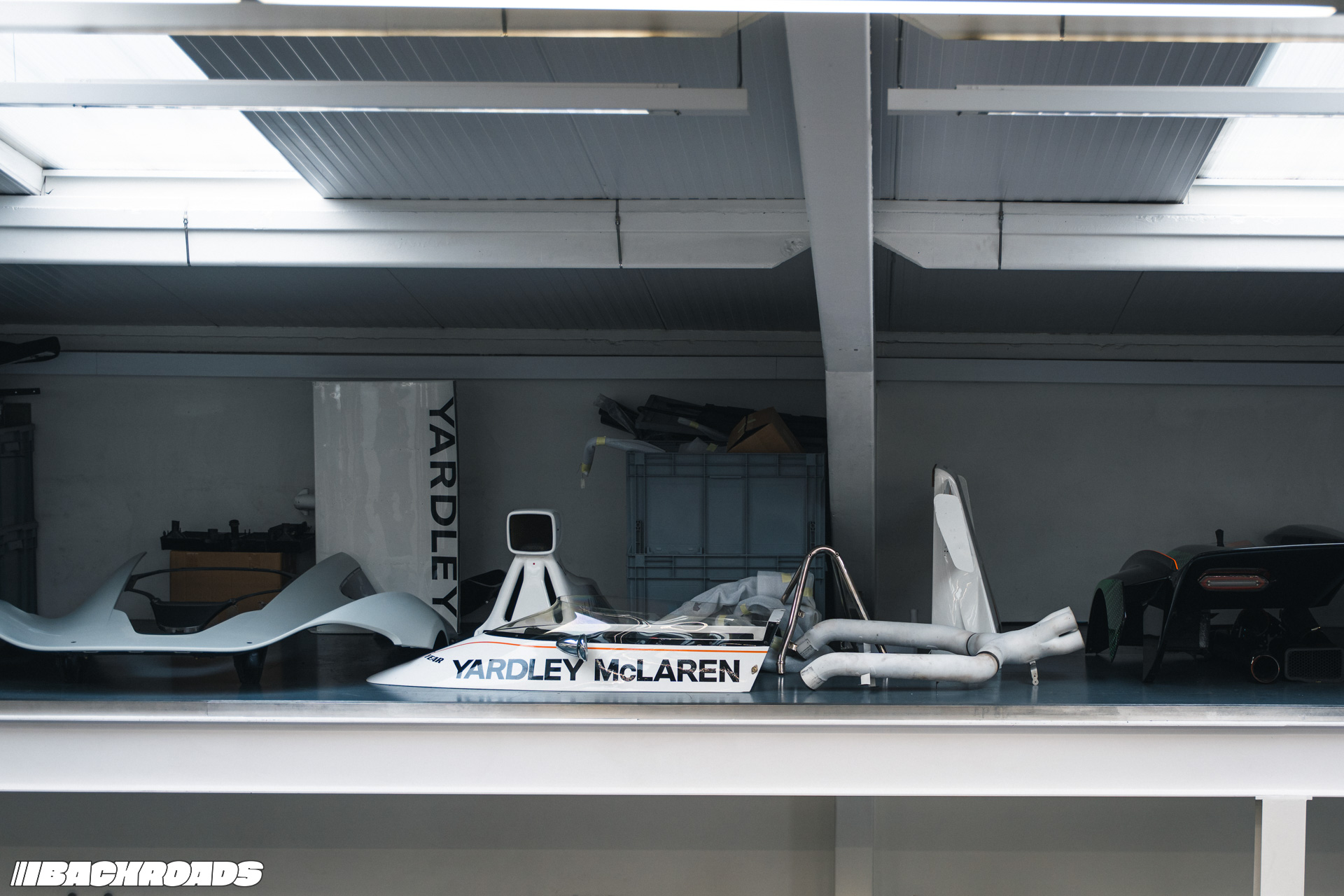
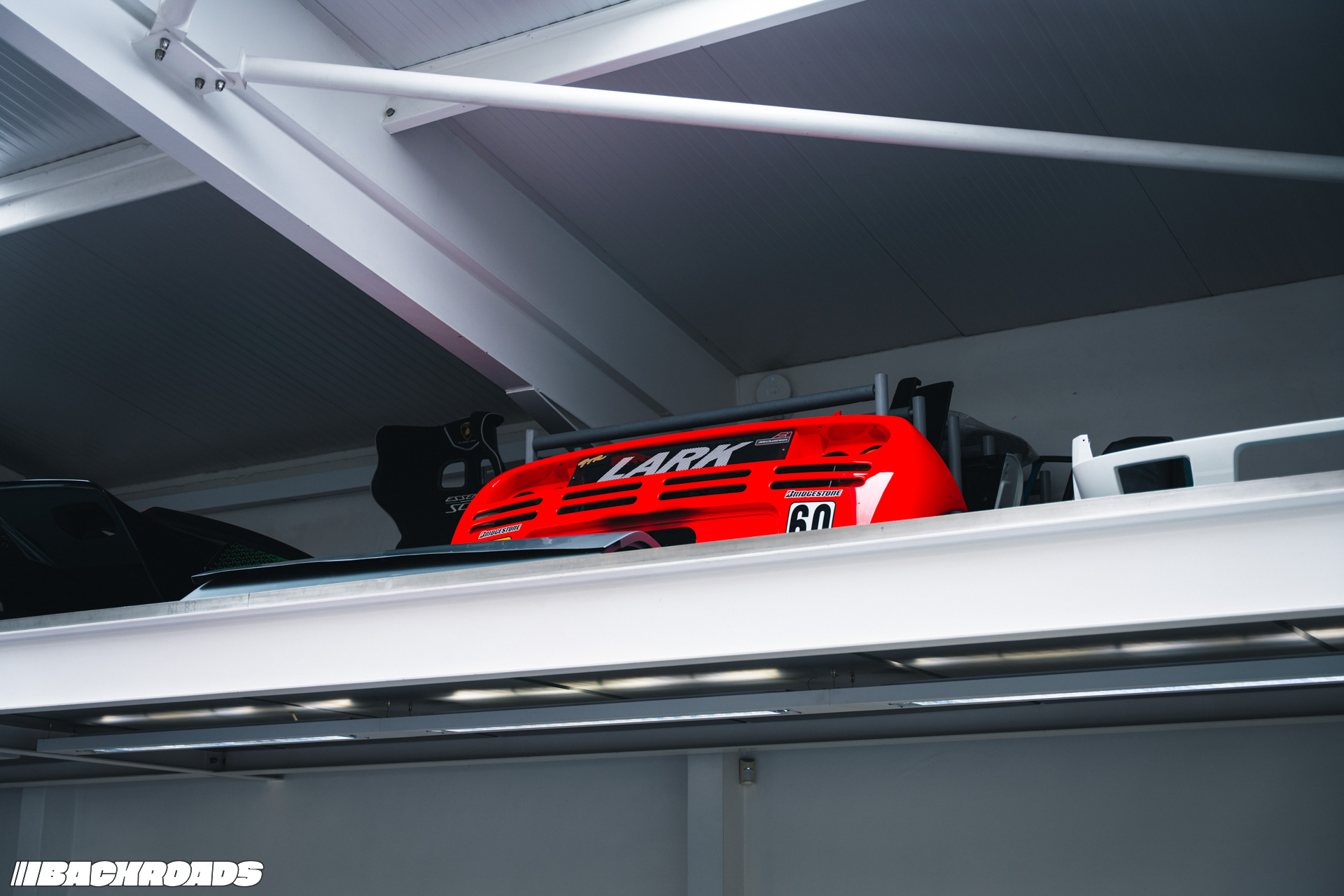
Above the blue F1, on a shelf, was the back end of McLaren F1 GTR chassis #13R, which Lanzante road-converted over 15 years ago. The car competed in the Japanese GT Championship in 1996, where it won three of six races.
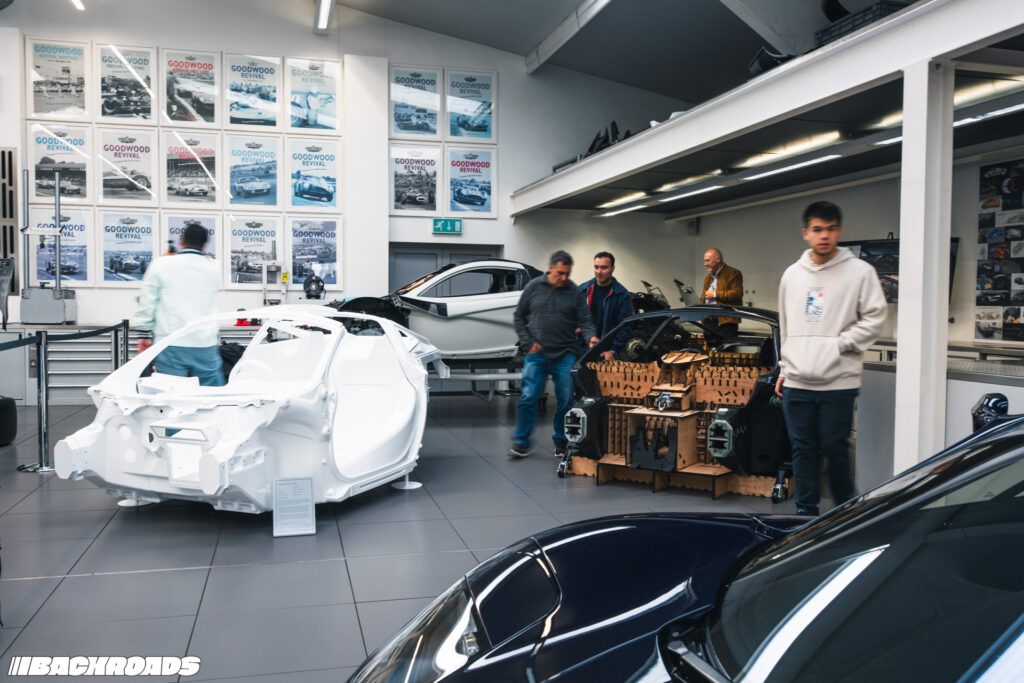
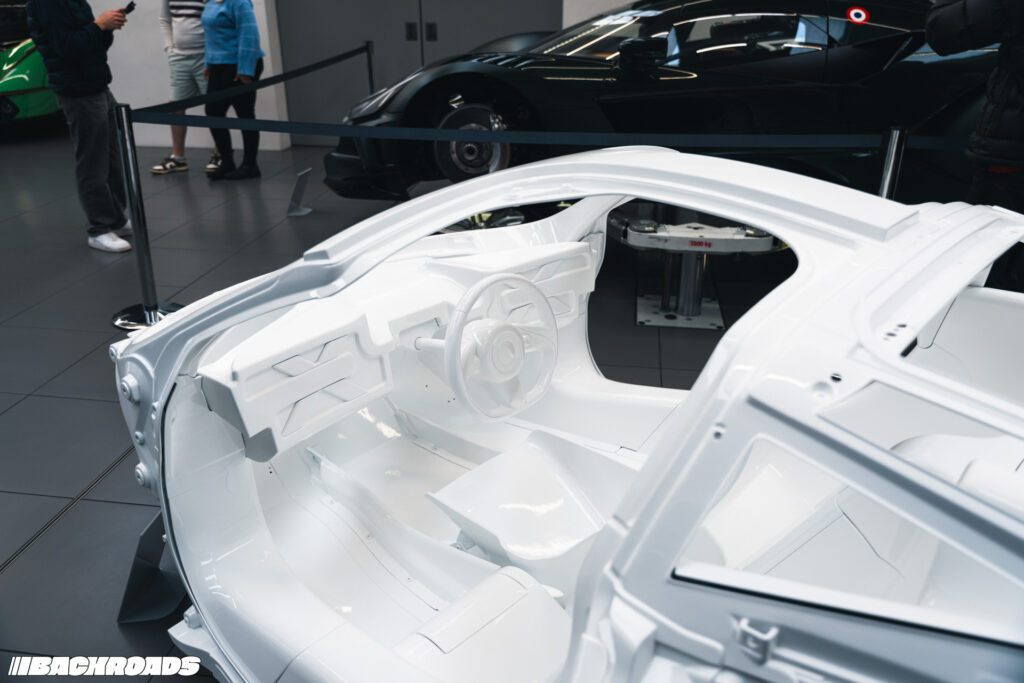
Next to the F1 was Lanzante’s newest project, the 95-59. This is Lanzante’s homage to the 1995 Le Mans-winning #59 car in the form of a three-seater supercar based on a McLaren 750S. The car was unveiled at the 2025 Goodwood Festival of Speed, and Lanzante will be building 59 cars.
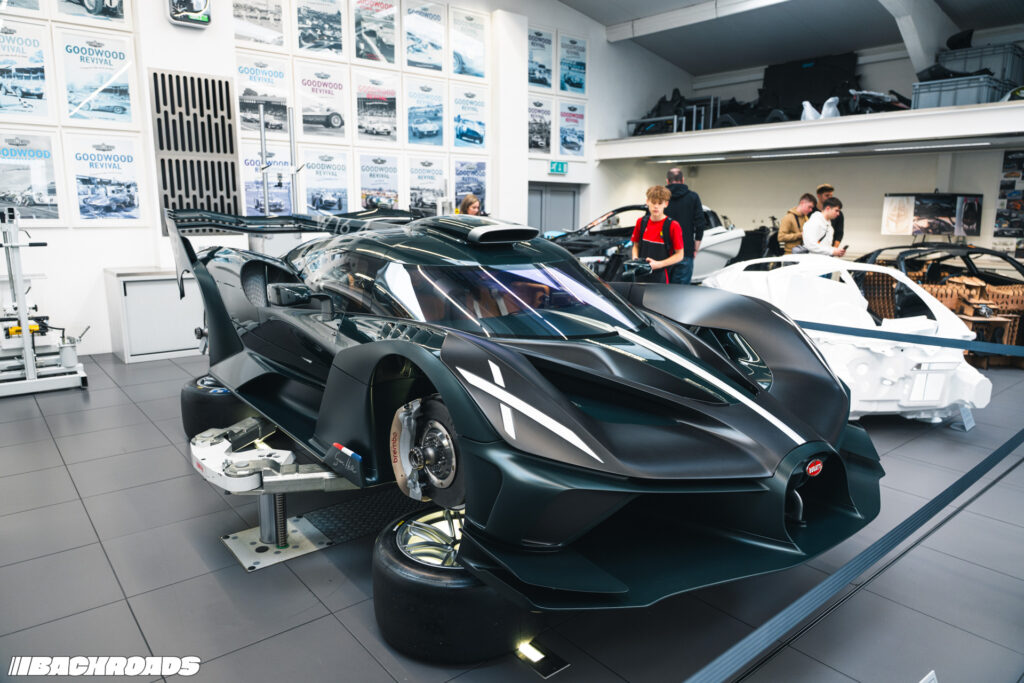
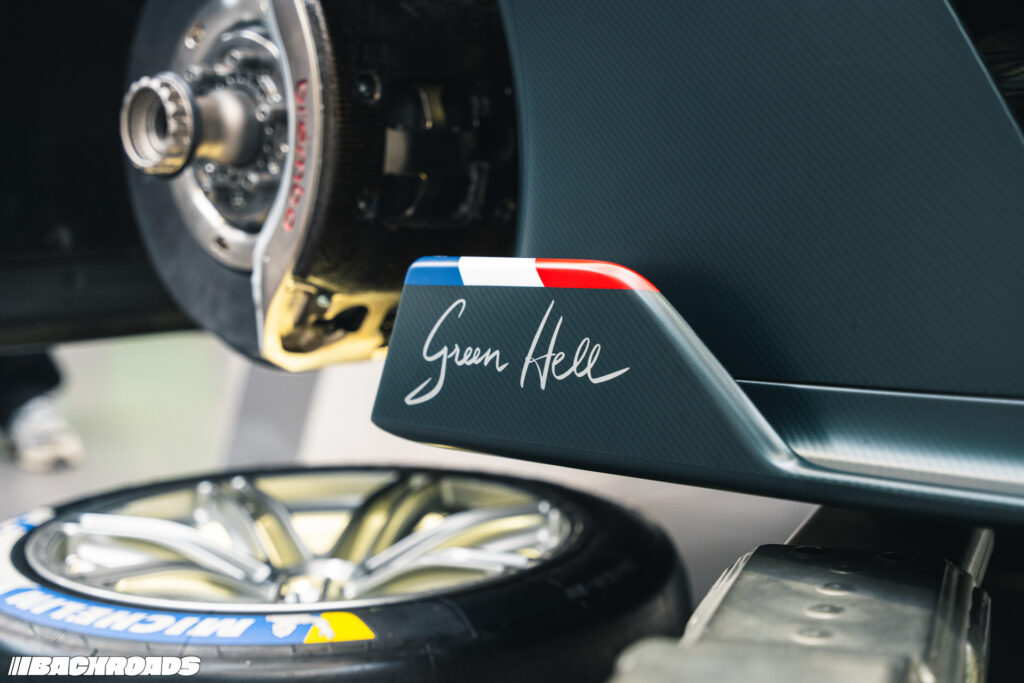
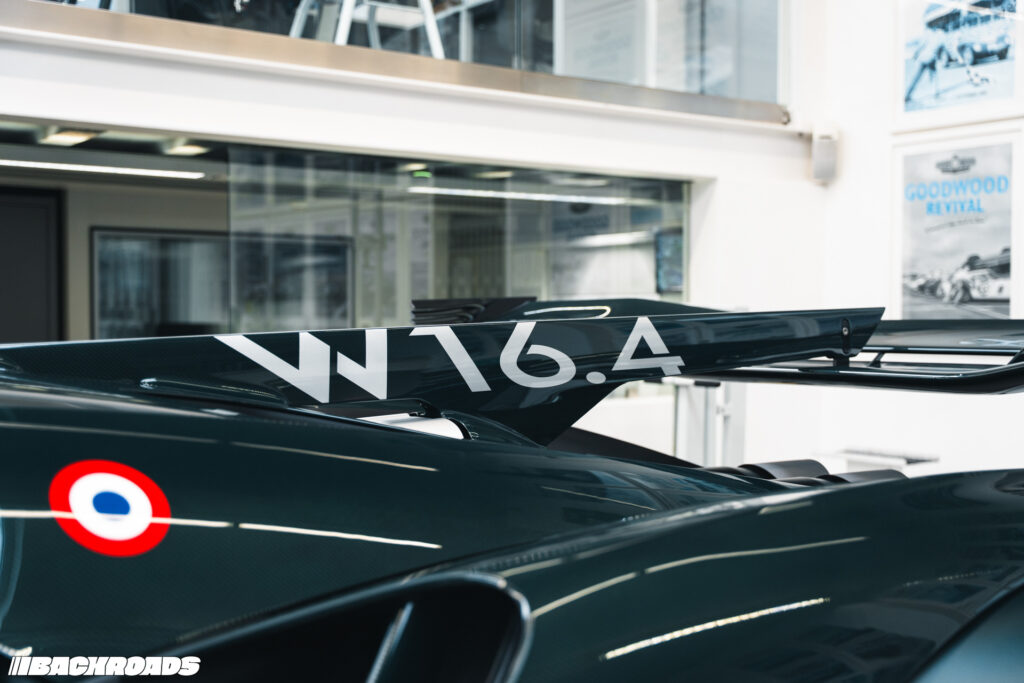
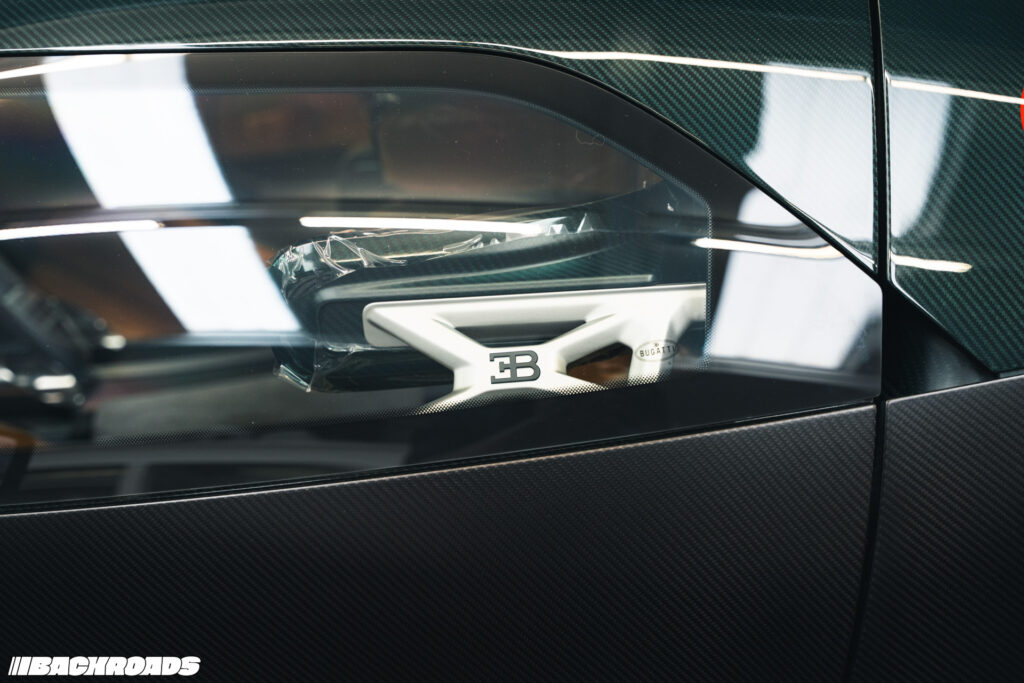
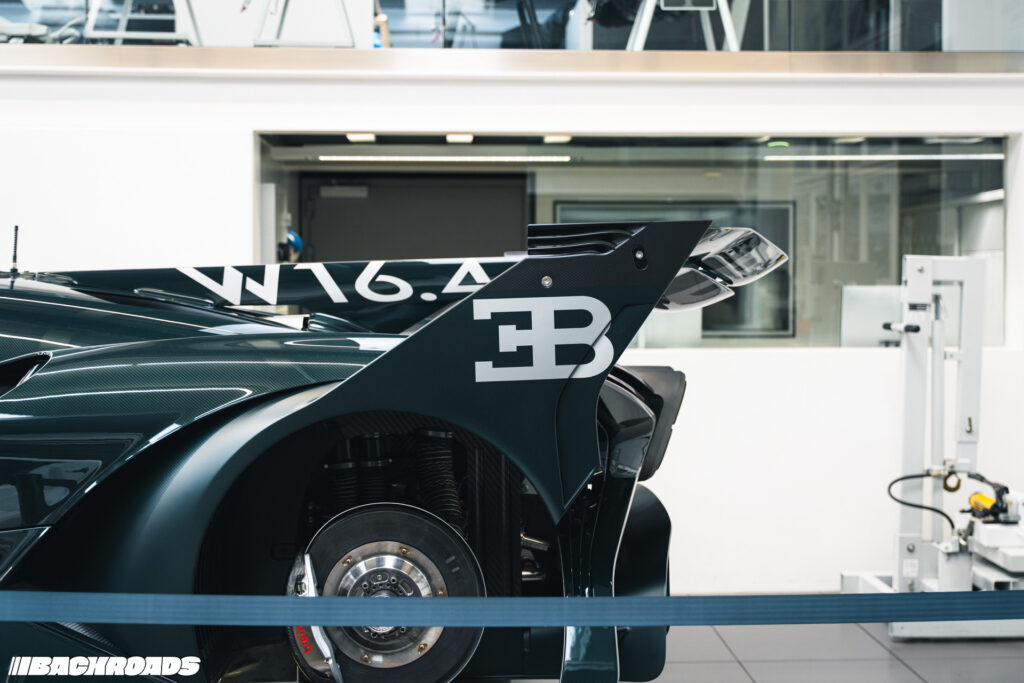
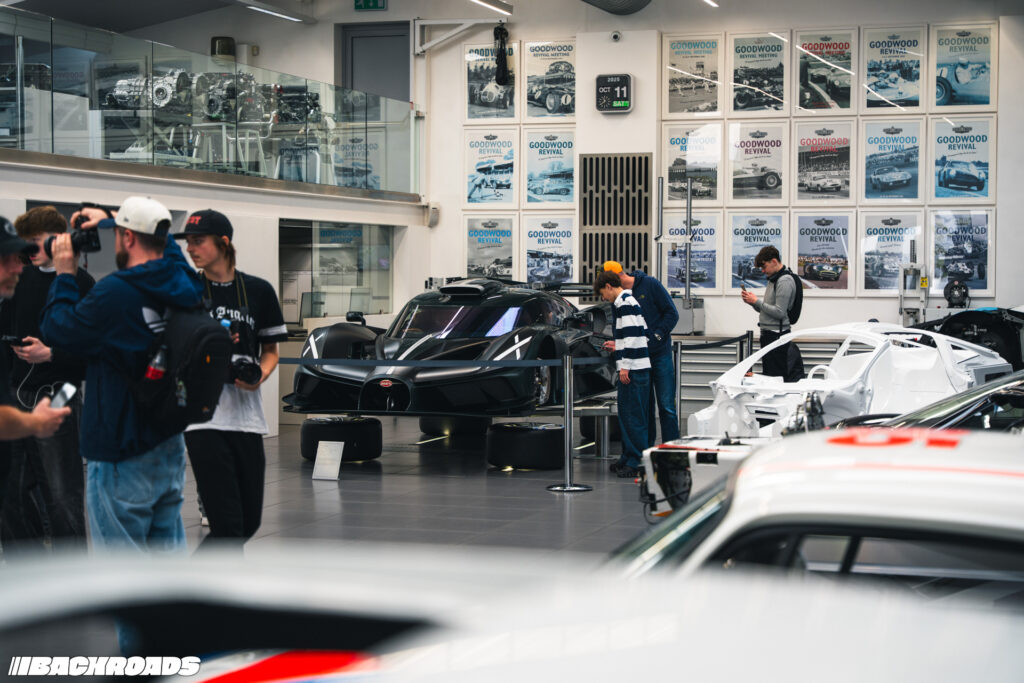
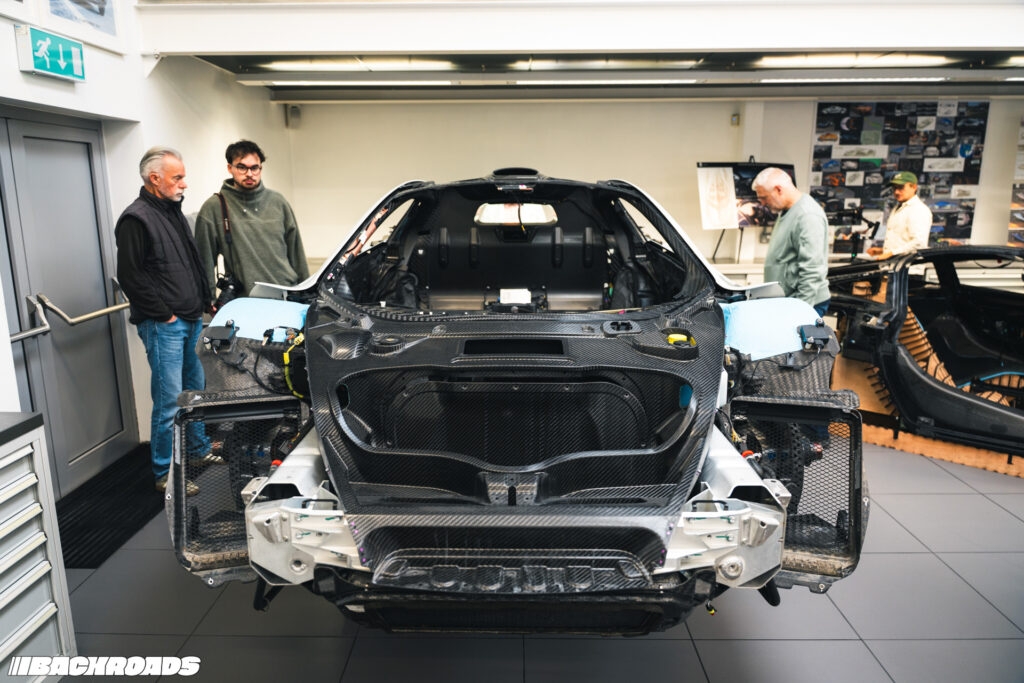
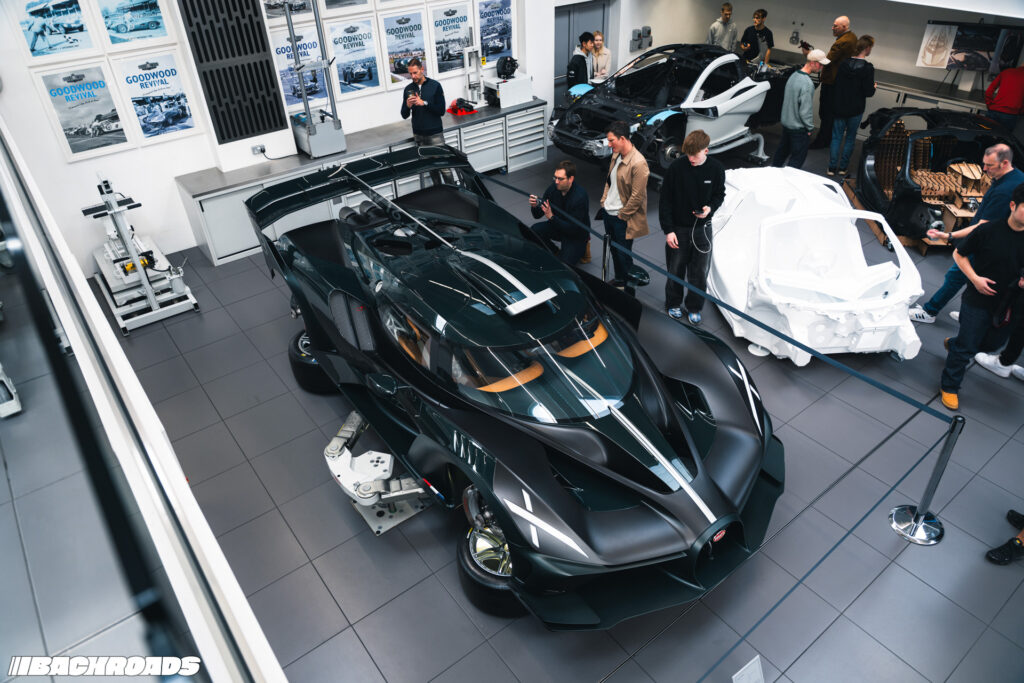
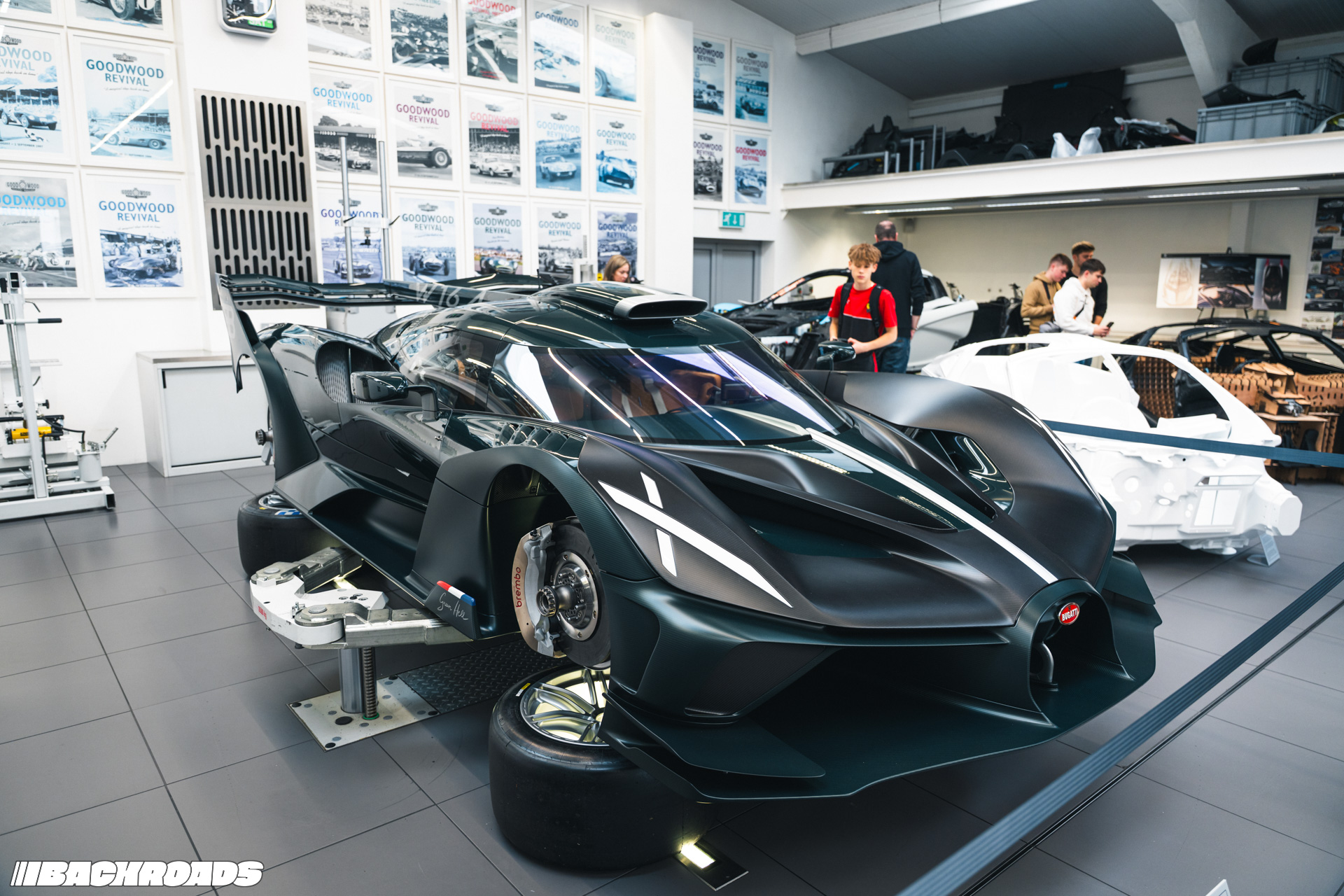
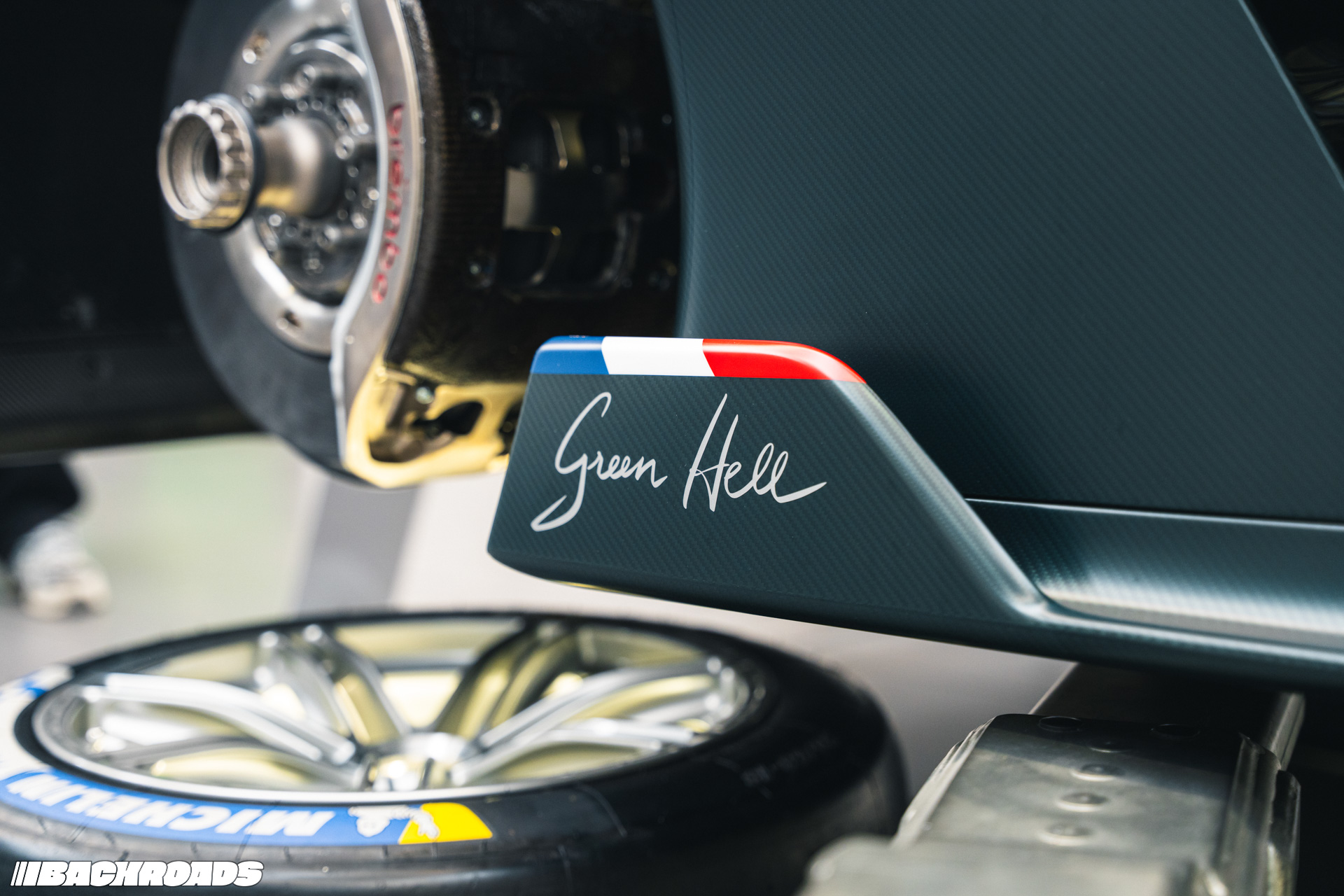
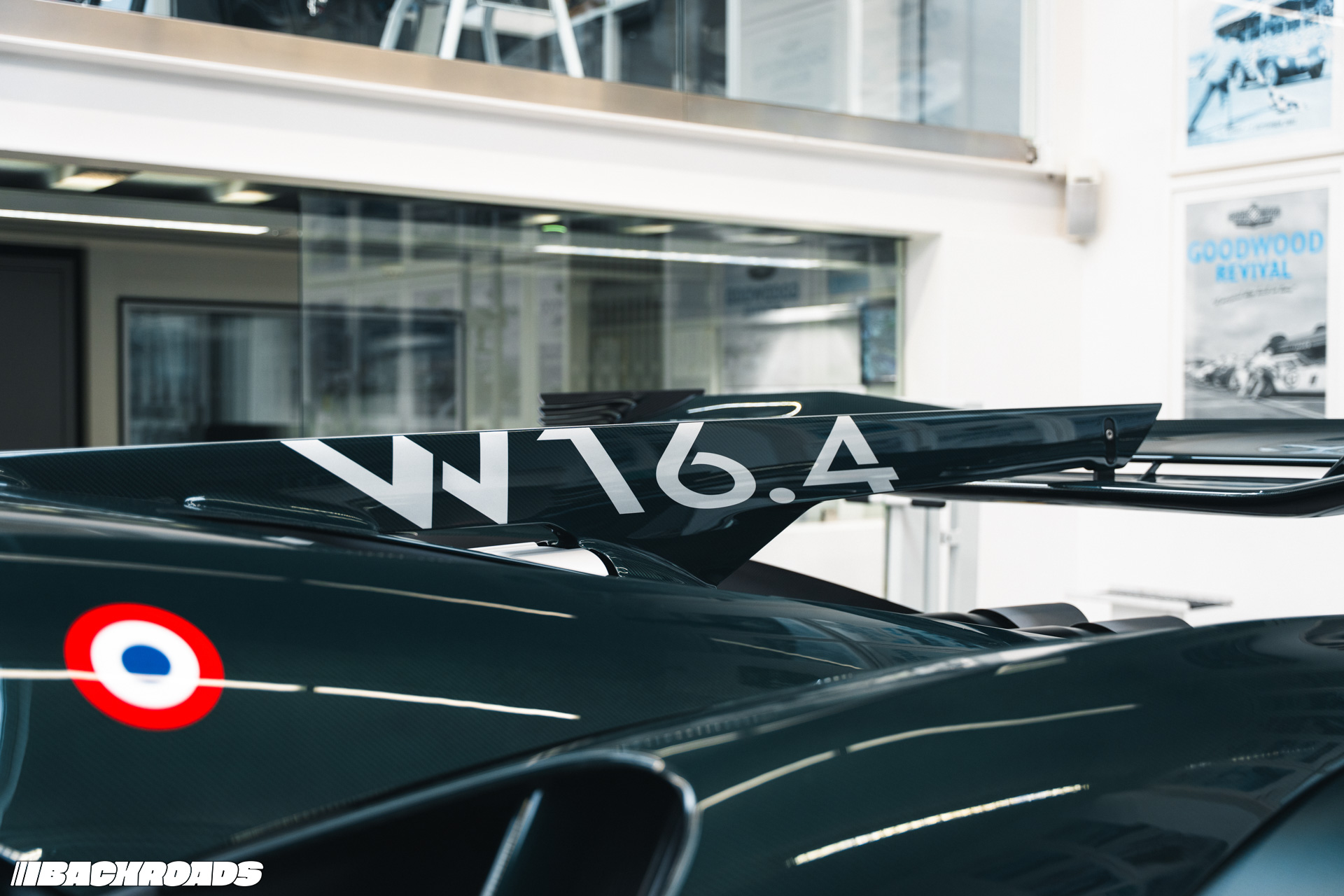
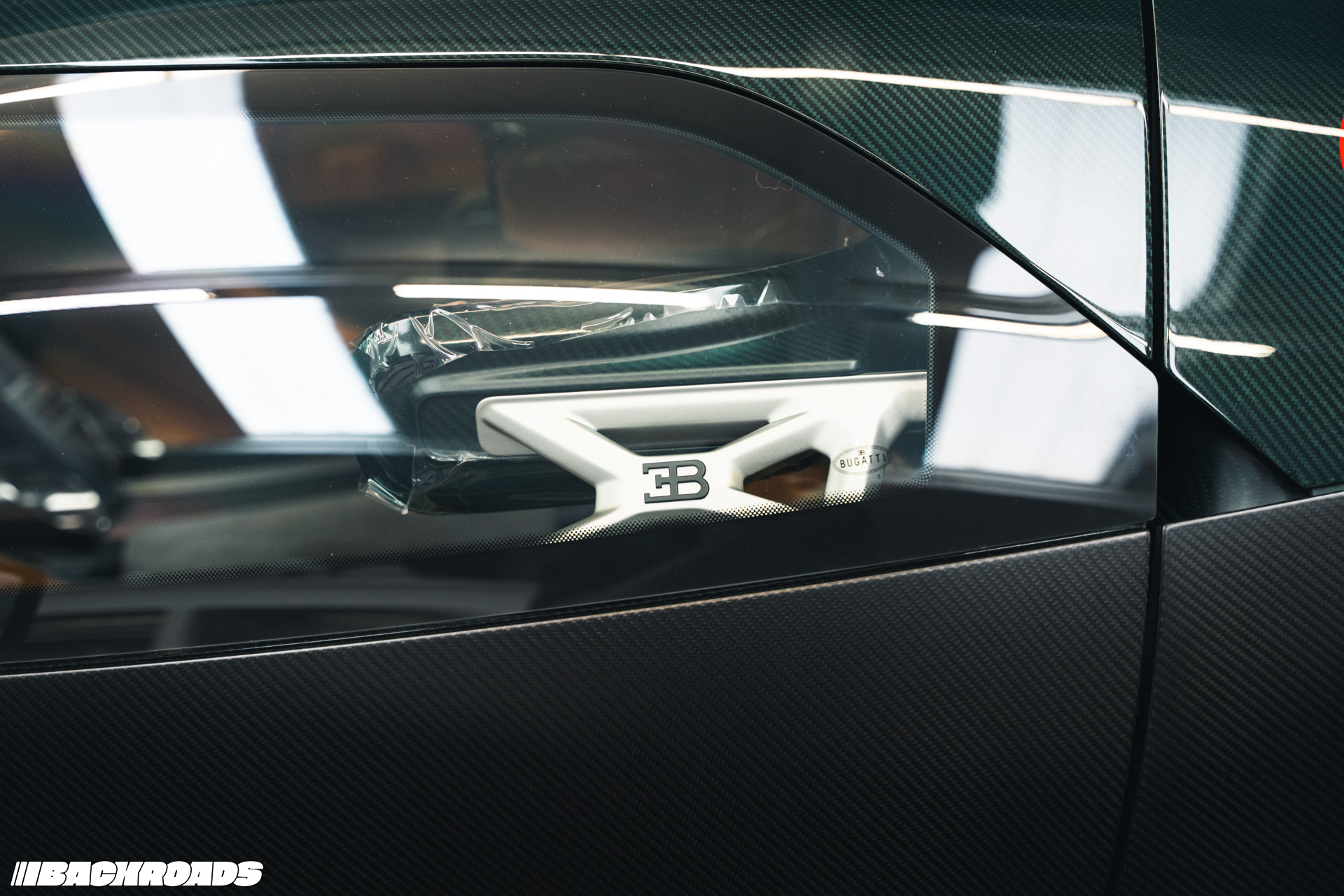
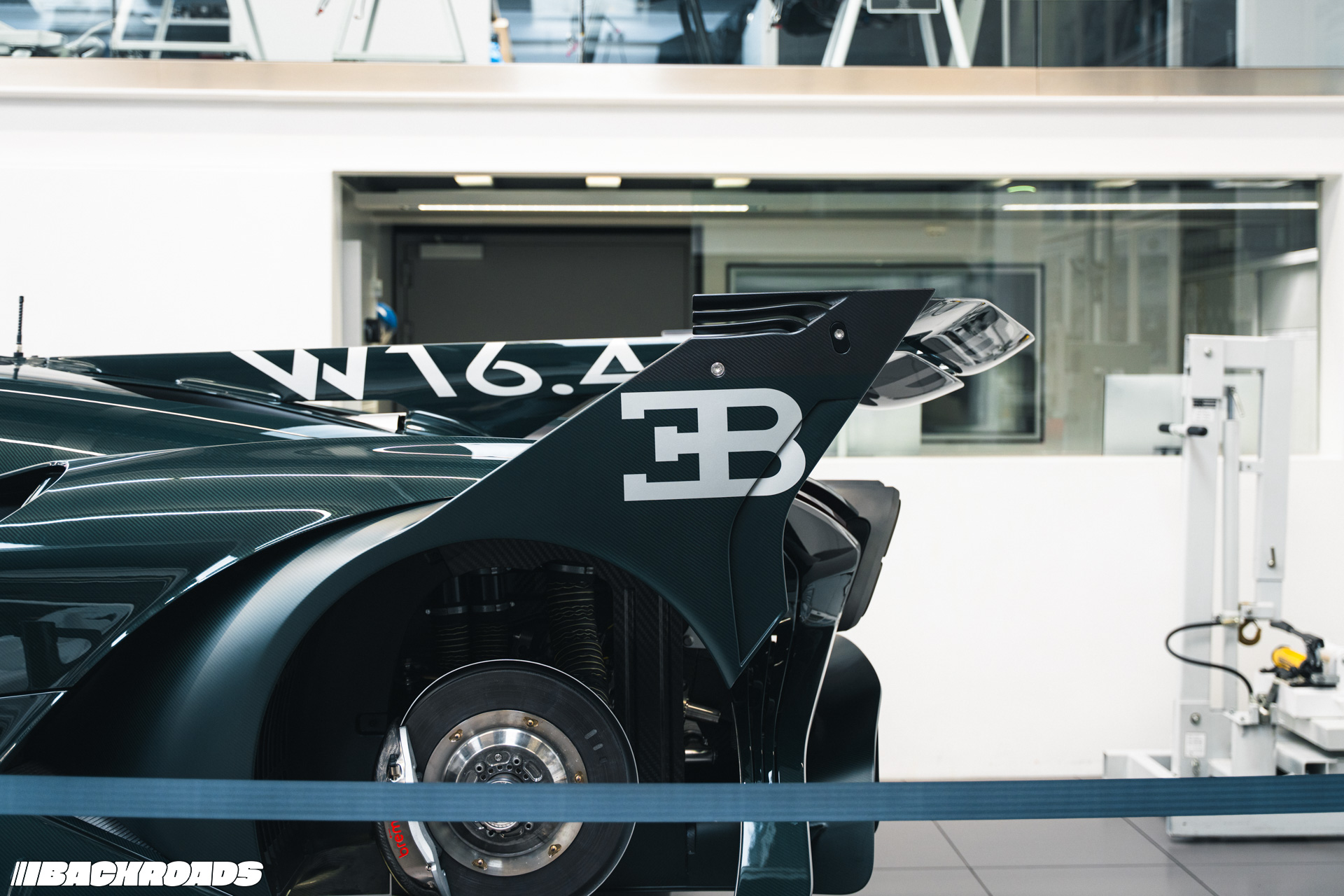
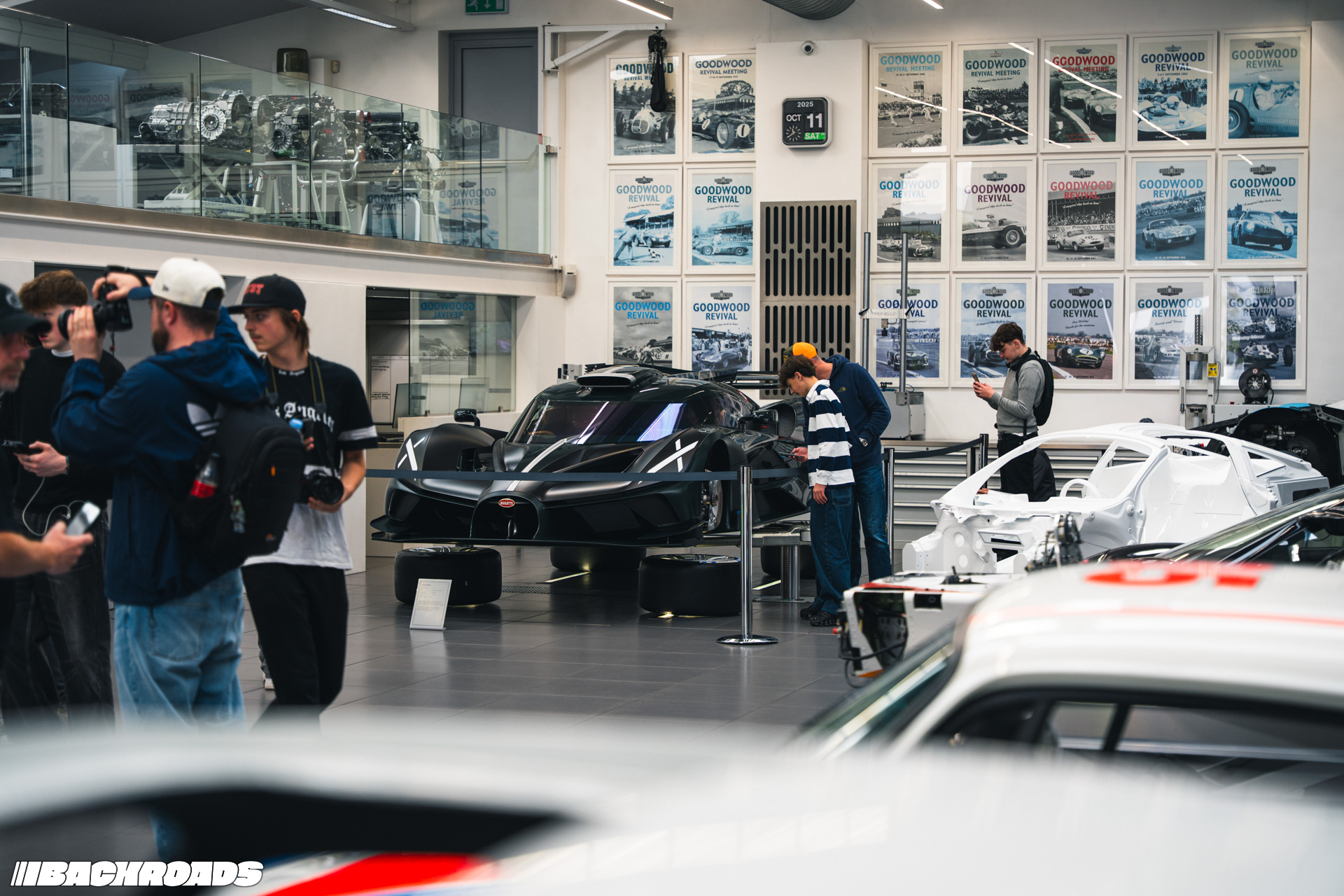
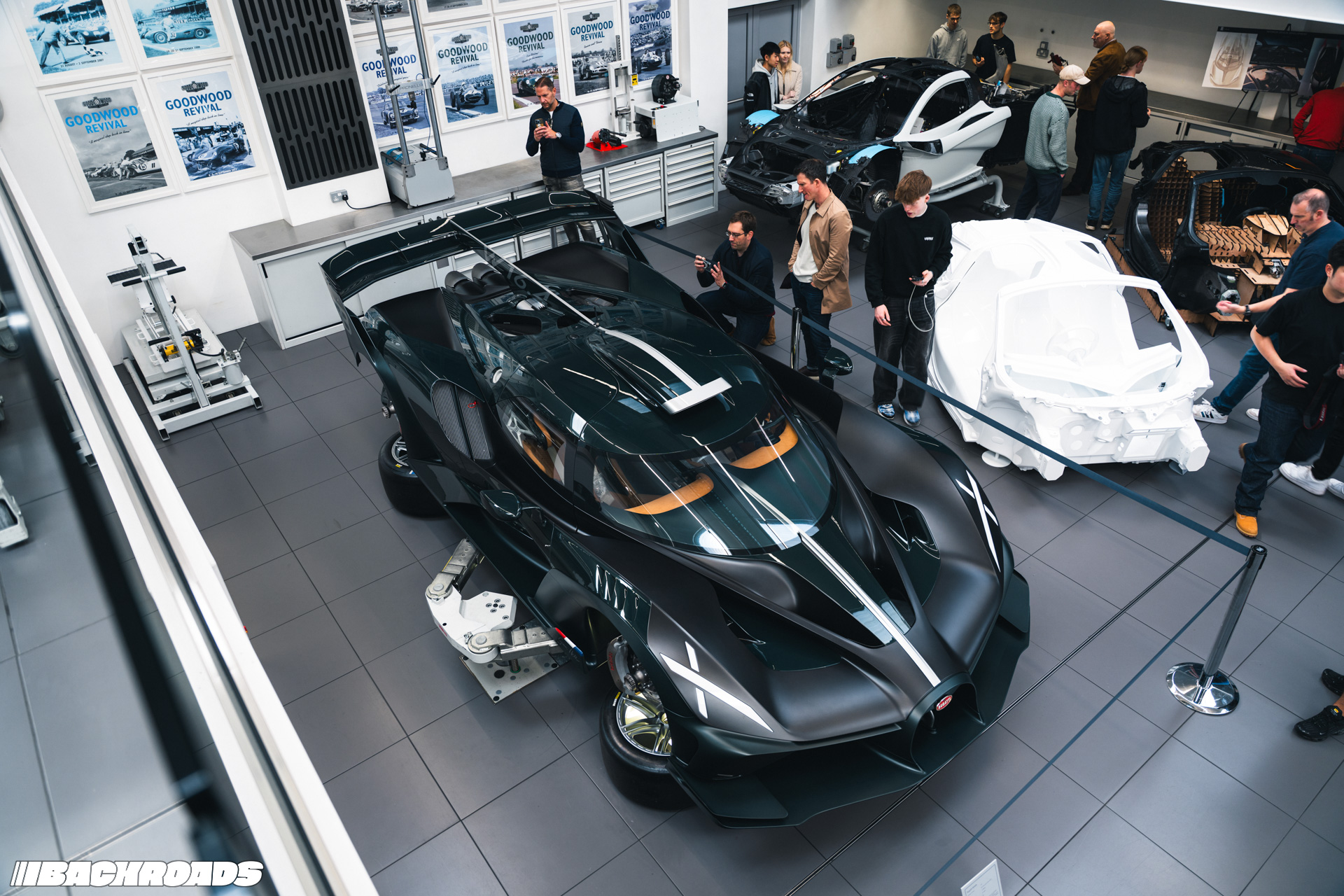
Now that I had time to look left and right of the workshop, I took a deep breath and stared straight ahead because there sat a Bugatti Bolide – the ‘Green Hell’ commission, finished with a green-tinted carbon fibre exterior and tan leather interior. Just 40 of these track-only hypercars were made by Bugatti, and this one is currently undergoing a road conversion. Can you imagine seeing this thing on the street?!
As I came out of the workshop, I bumped into Dean Lanzante, who was happy to sit down for a quick chat.
JT: By now, you have done several road conversions of track-only cars. What was the most difficult project?
DZ: Road conversions are just a part of our business, but each one has its own challenges. A McLaren P1 GTR, for example, is a complex car with active suspension, active aero, and a hybrid powertrain. However, it is also derived from a road car, so meeting emission standards is actually straightforward. A car like the Porsche 935, for example, is not a modified GT2 RS as people think – it’s an amalgamation with a Cup car. Then cars like the Pagani Zonda R and Huayra R have racing gearboxes. So, it’s hard to say if there has been one that has stuck out as the most difficult. Most of these track cars are also very tightly packaged, which brings challenges for cooling and suspension. Then there are things like headlights and wipers to think about.
JT: How do you ensure each car is compliant across the world?
DL: Initially, we build every car to UK regulations, and then we look at which region the owner wants it in. There are some countries we physically can’t meet standards for, and that will always be the way. Some countries will recognise a UK registration, and there will be some tests around that.
JT: Do you choose the cars you want to convert for road use, or do customers reach out with requests?
DL: Some of the cars we convert are projects we want to get involved with, but we also must consider the number of cars that we’re able to do. We can do one car, but the cost of development, tooling, and everything else needs to be factored in. If the customer wants to pay that price, it can be done. But in reality, you are looking for a sweet spot of about five cars. Any fewer than five cars will be quite expensive. For example, the 935 has a minimum order of five sets of wheels. I have only done two cars, and I have three sets of wheels in stock. It is also about the workshop. If you can do three or four cars in one run, you can productionise the build, which makes it much easier for the staff and the process. When we did the P1 GTR, we were doing 15 cars in one year, and we have done 36 of the 37 cars so far.
JT: One final question, how was the experience of working with Mad Mike Whiddett on his P1 drift car?
DL: It was very different for us, but as I always say, you learn something from every element of motorsport. It was never a commercial project because we’re not going to be building drift cars, but I get on really well with Mike, and it was an opportunity to do something different and also keep our staff motivated.



Wow !!! Stunning shots, and really interesting story too, thanks for sharing something not everyone will be able to see from their own eyes 🙂