
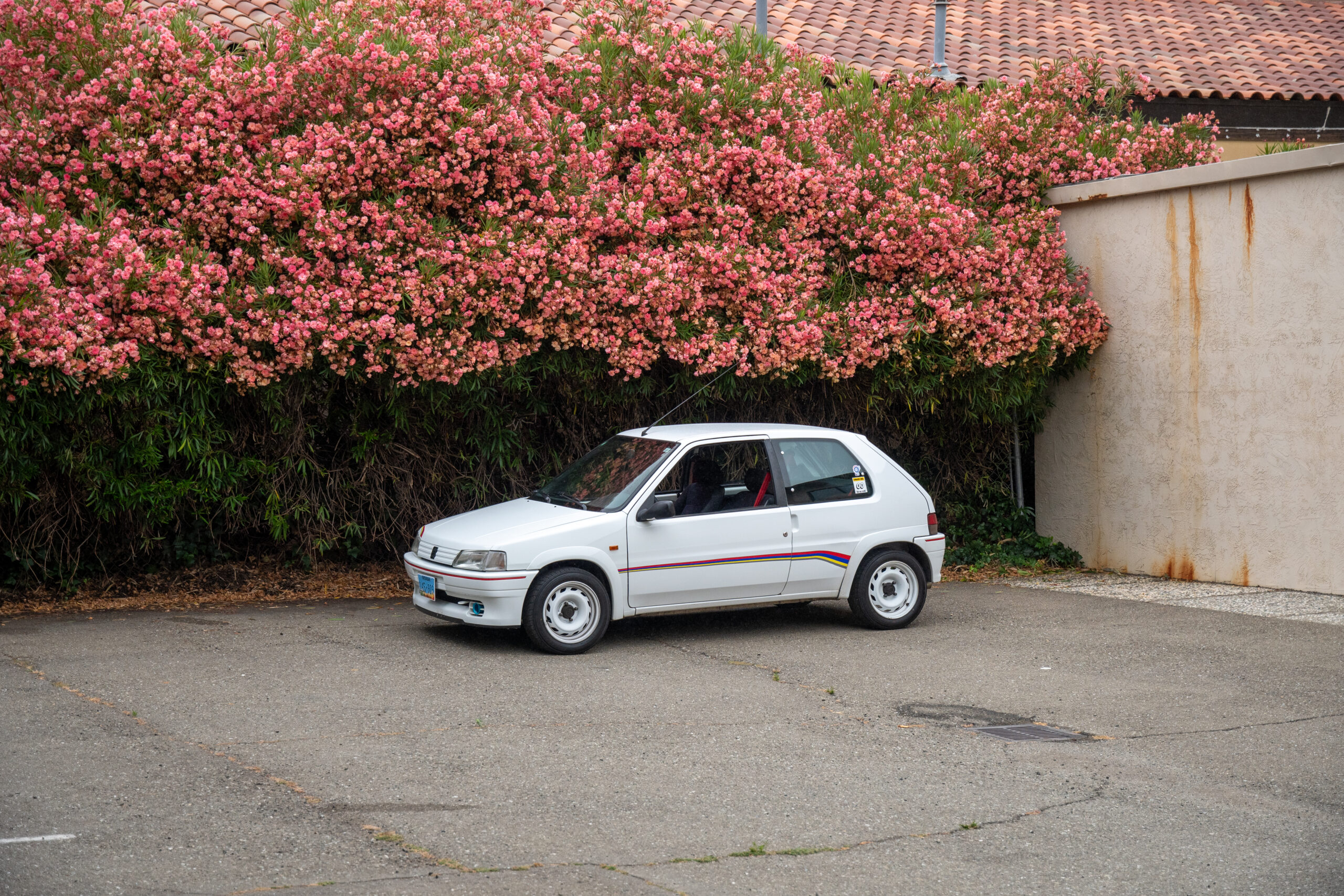
There’s a moment that happens every time I drive my 1995 Peugeot 106 Rallye. It’s when I’m wringing out third gear, tiny 1.3-liter engine screaming toward its 7,200 RPM redline, and I glance down to see I’m barely breaking the speed limit. A UPS truck passed me the other day while I was at full throttle. I was utterly defeated, but I couldn’t stop grinning.
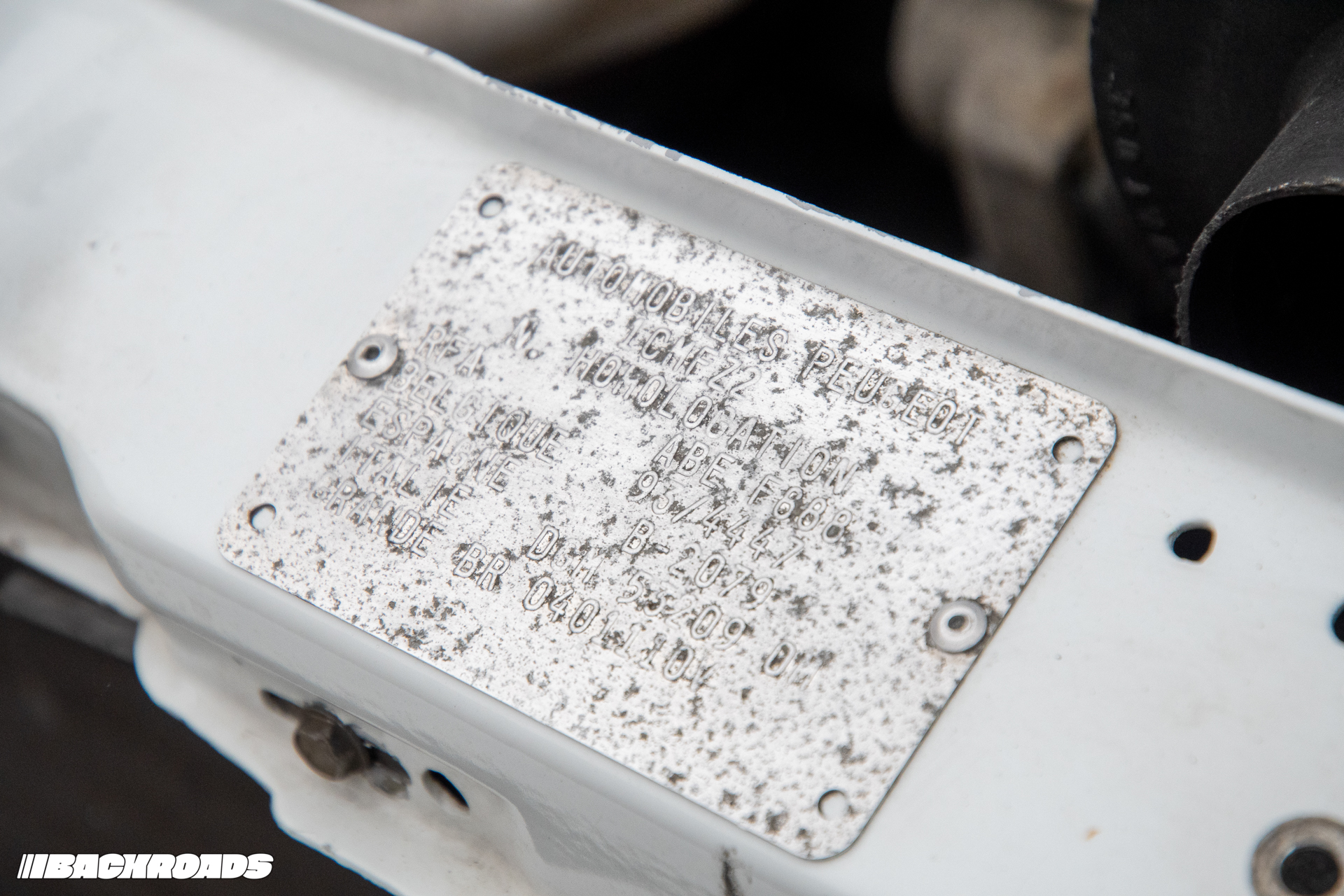
The increasingly rare 106 Rallye Phase I exists because Peugeot needed a production car to go Group N racing in the 1990s. The obvious solution? Well, they stripped everything unnecessary, fitted the little hatchback with a high-compression motor, uprated camshaft and a hilariously short final drive (it sits around 4500 rpm at highway speeds). At 825 kilograms, it weighs less than most Mazda Miatas.


Step inside and you’re greeted by flamboyantly red carpet, honest black plastic and a floor-mounted shifter that sits perfectly within reach. No heated seats, no touchscreens – just you and the machinery. That unassisted steering telegraphs every pebble through the Rallye’s skinny front tires.
The shift lever is short and notchy, begging you to row through gears as the engine screams past 5,000 RPM. Everything is immediate, alive, and visceral in a way modern cars have forgotten.


This is the ‘slow car fast’ philosophy distilled to its essence. You can hold the throttle wide open through fourth gear on the highway and never worry about speeding tickets.
You get to explore every ounce of what the car offers without legal consequences, and somehow, that makes it more thrilling than cars with ten times the power.

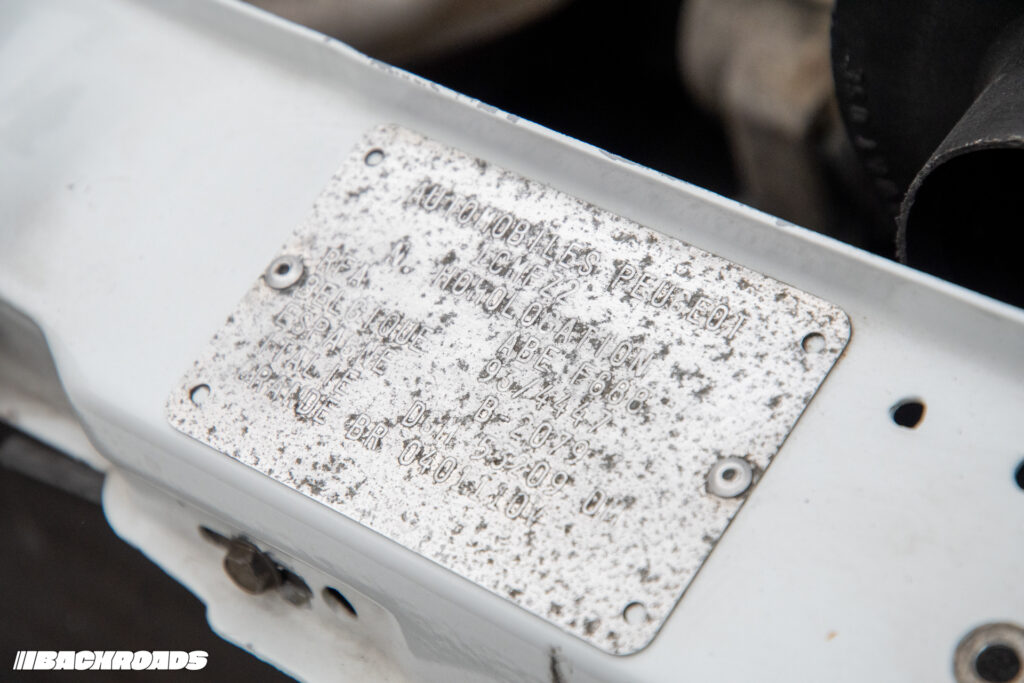


Homologation cars are important because they represent something we’ve lost: building with purpose beyond profit margins. Today’s hot hatches are faster, safer, more capable than even – and utterly sanitized. They’re engineered to flatter mediocre drivers, not reward skilled ones.
This weird little French hatchback exists because racing demanded it, not because focus groups approved it. That distinction makes all the difference.


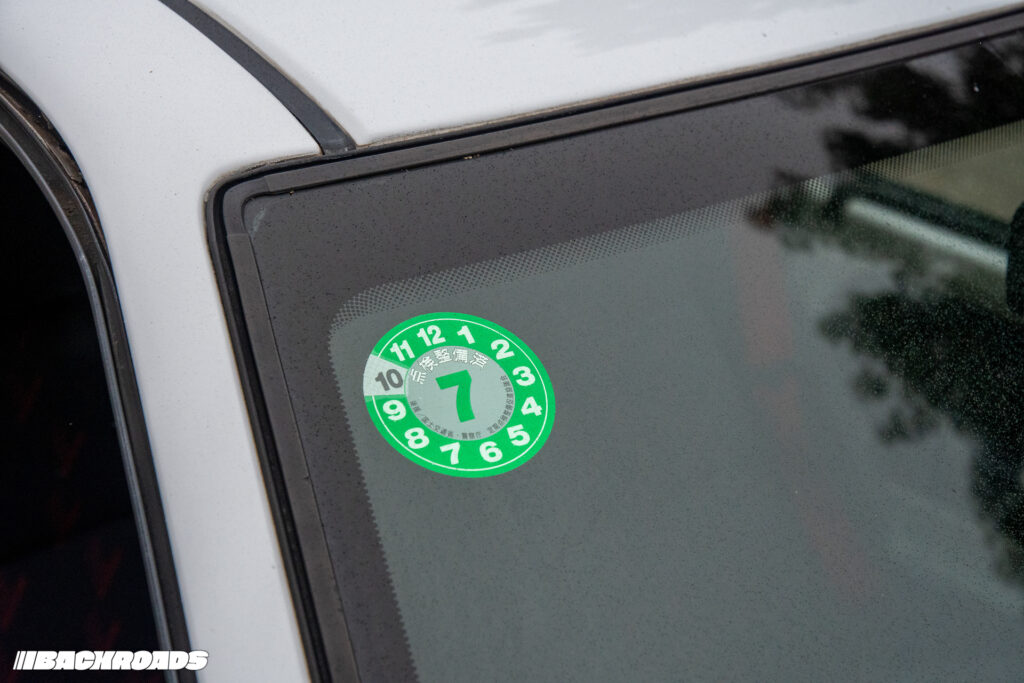

At thirty years old, it creaks and rattles and has zero sound deadening. But the moment you heel-toe into a corner and feel the chassis rotate beneath you, none of that matters. Every time I drop the clutch and feel all 98 horsepower come alive, I’m reminded that the best driving experiences aren’t measured in lap times or zero-to-sixty runs.
They’re measured in grins per mile. And in a 1,800-pound homologation special that screams to redline – when merging onto the highway, those grins are endless.




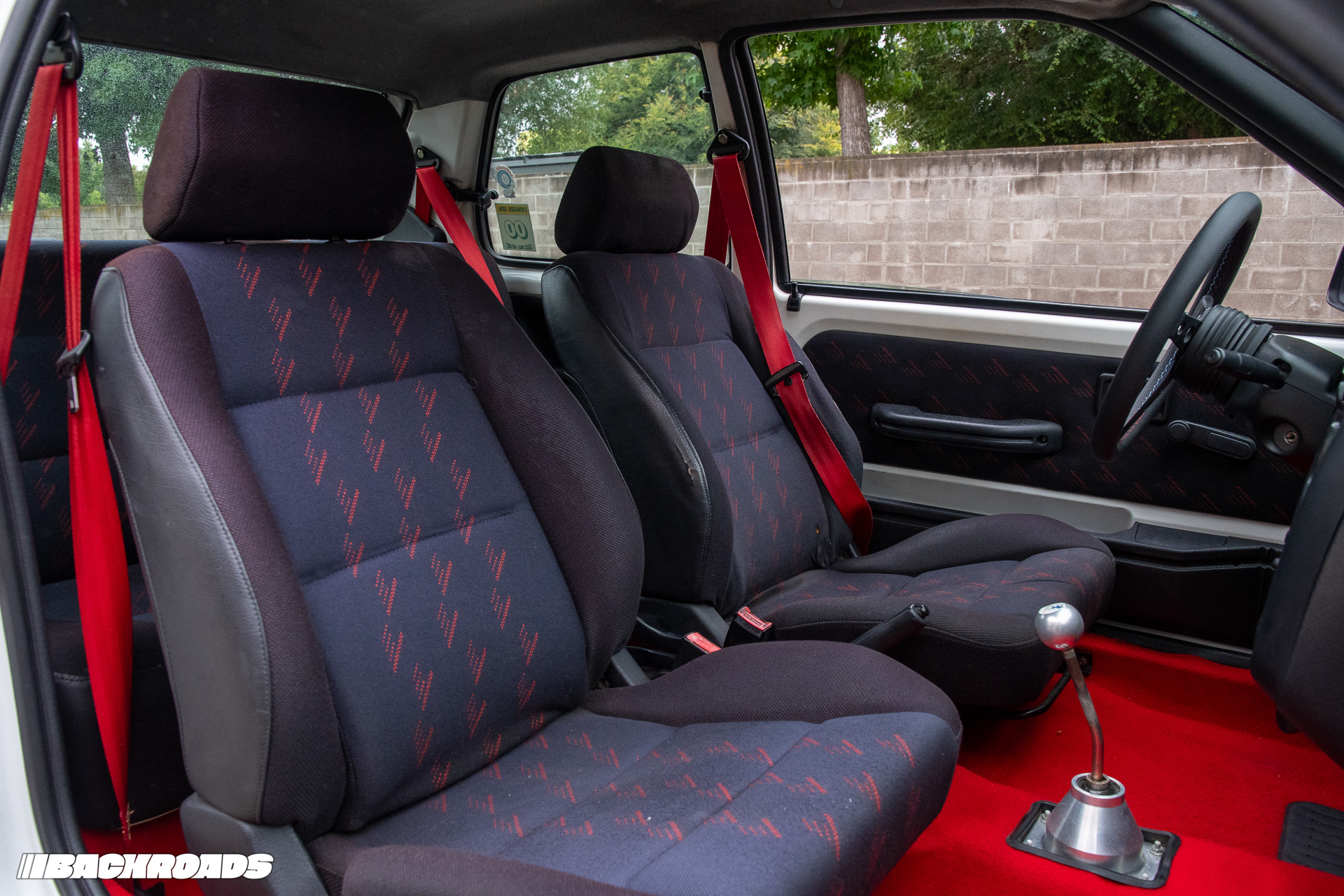
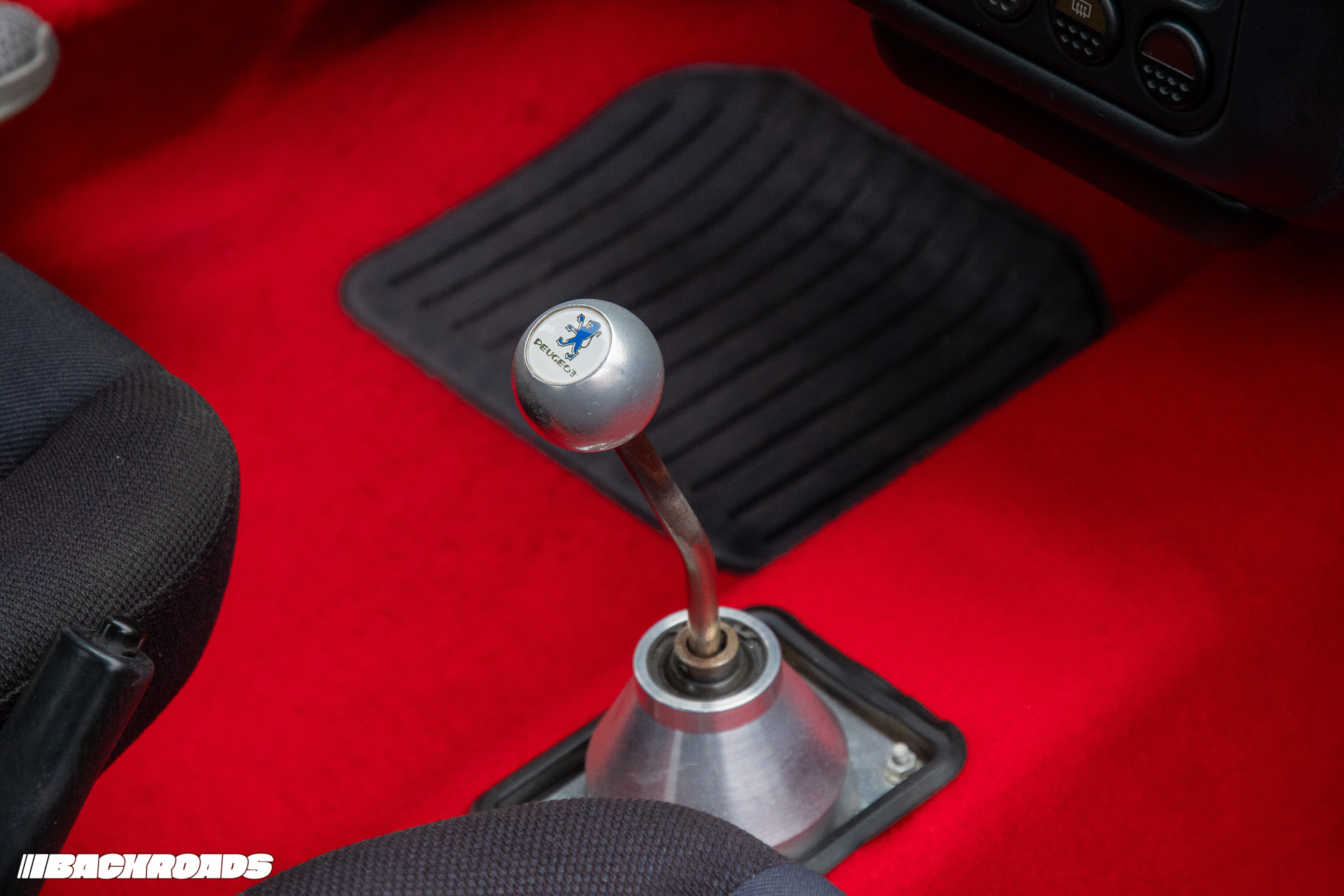
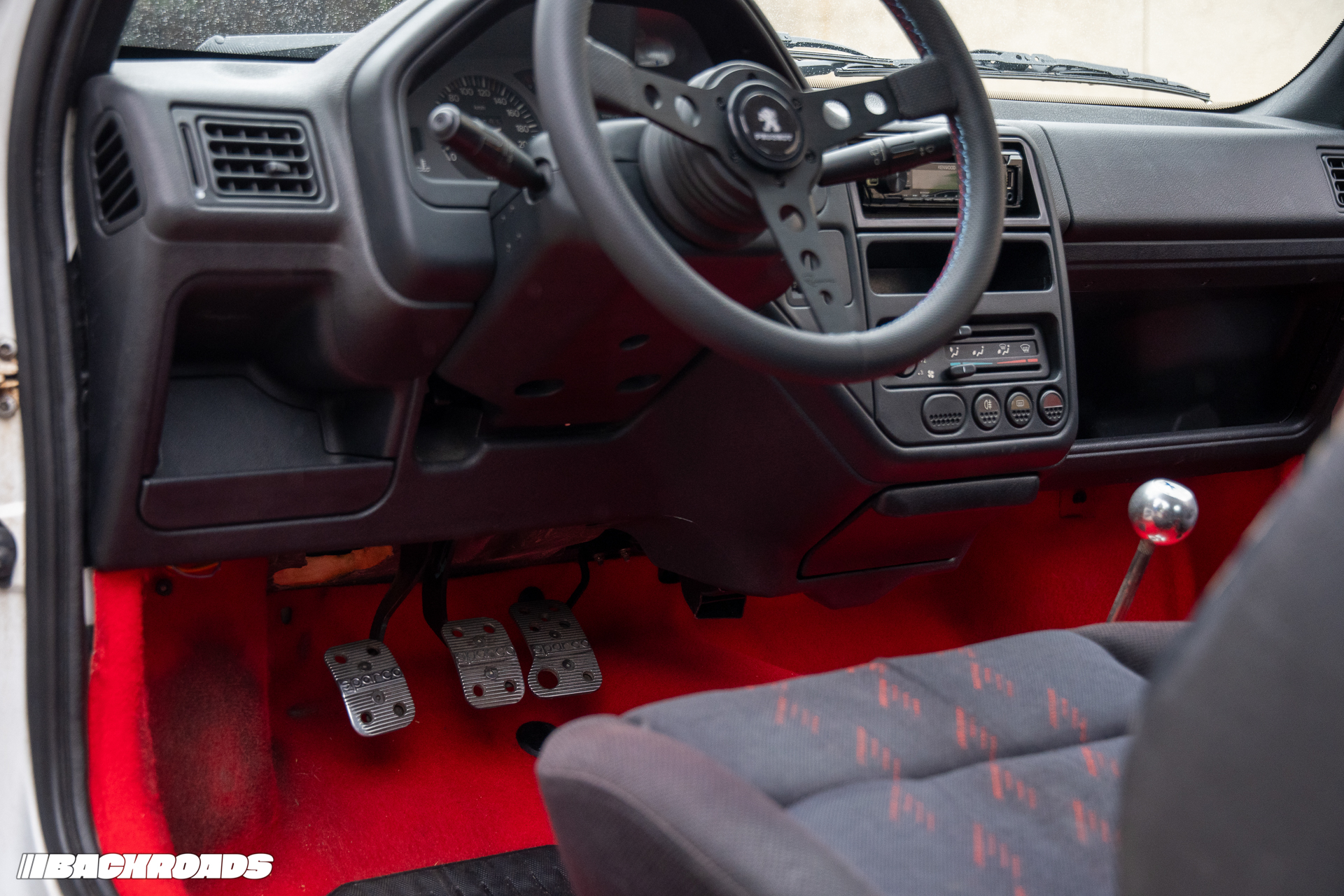

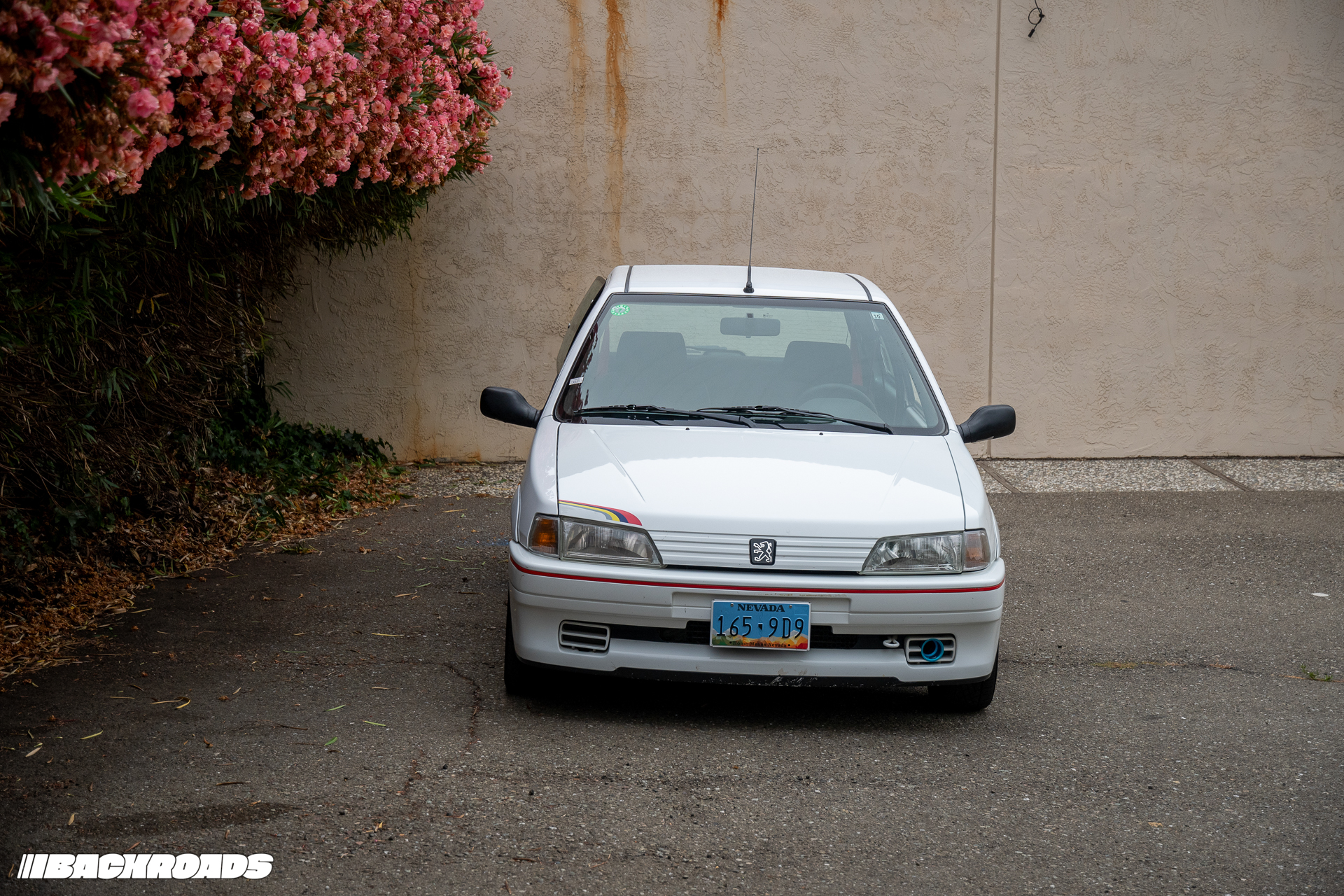
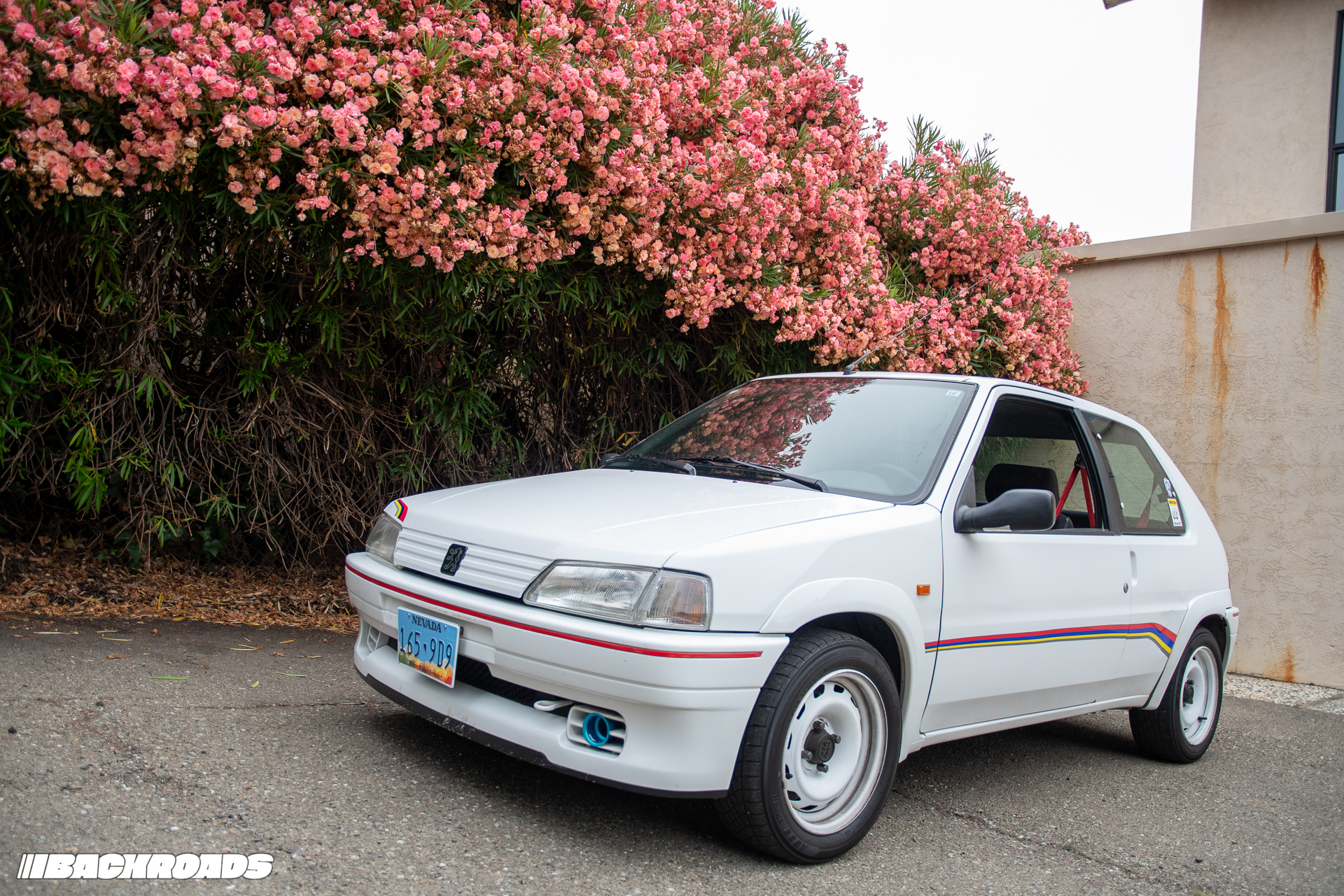


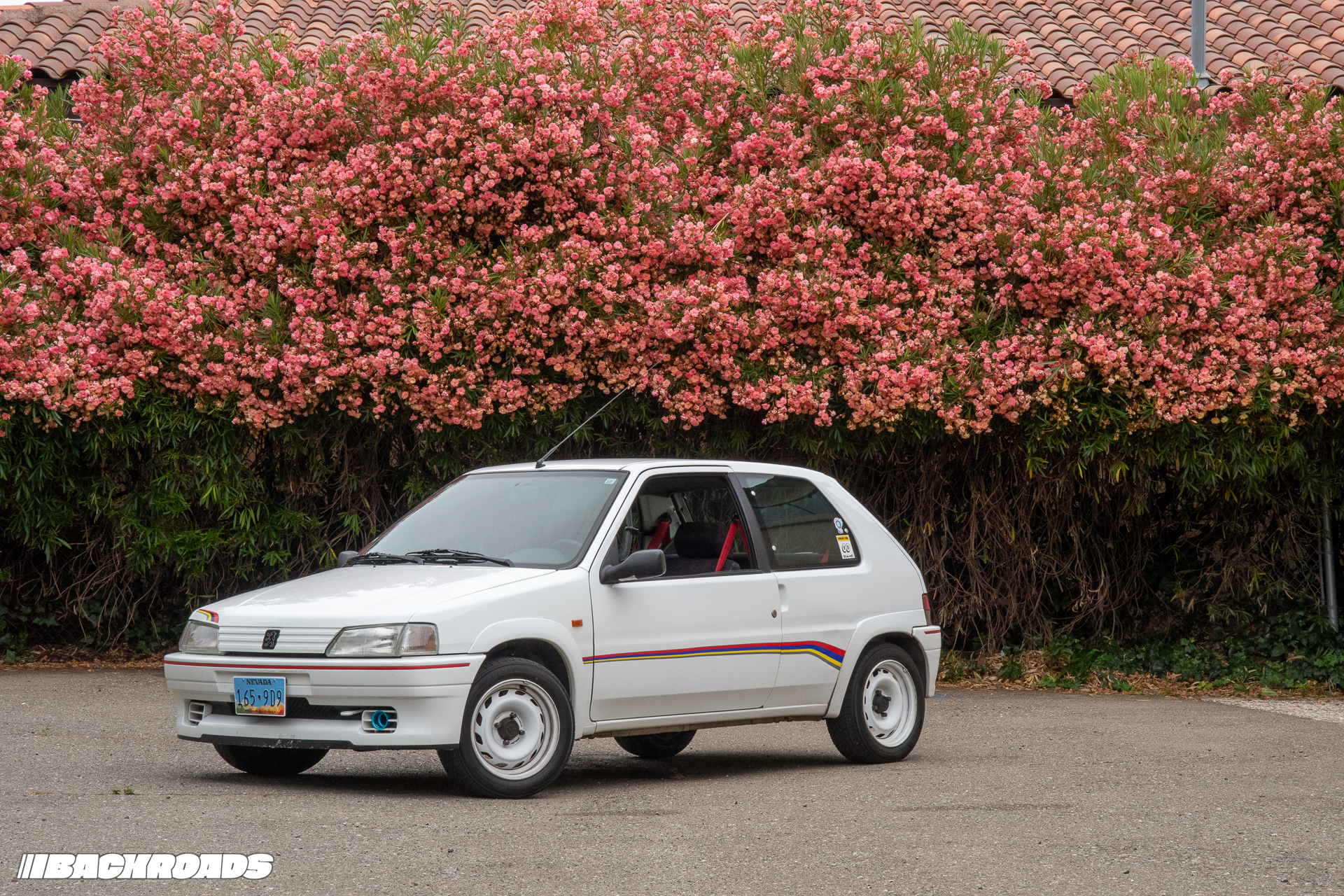
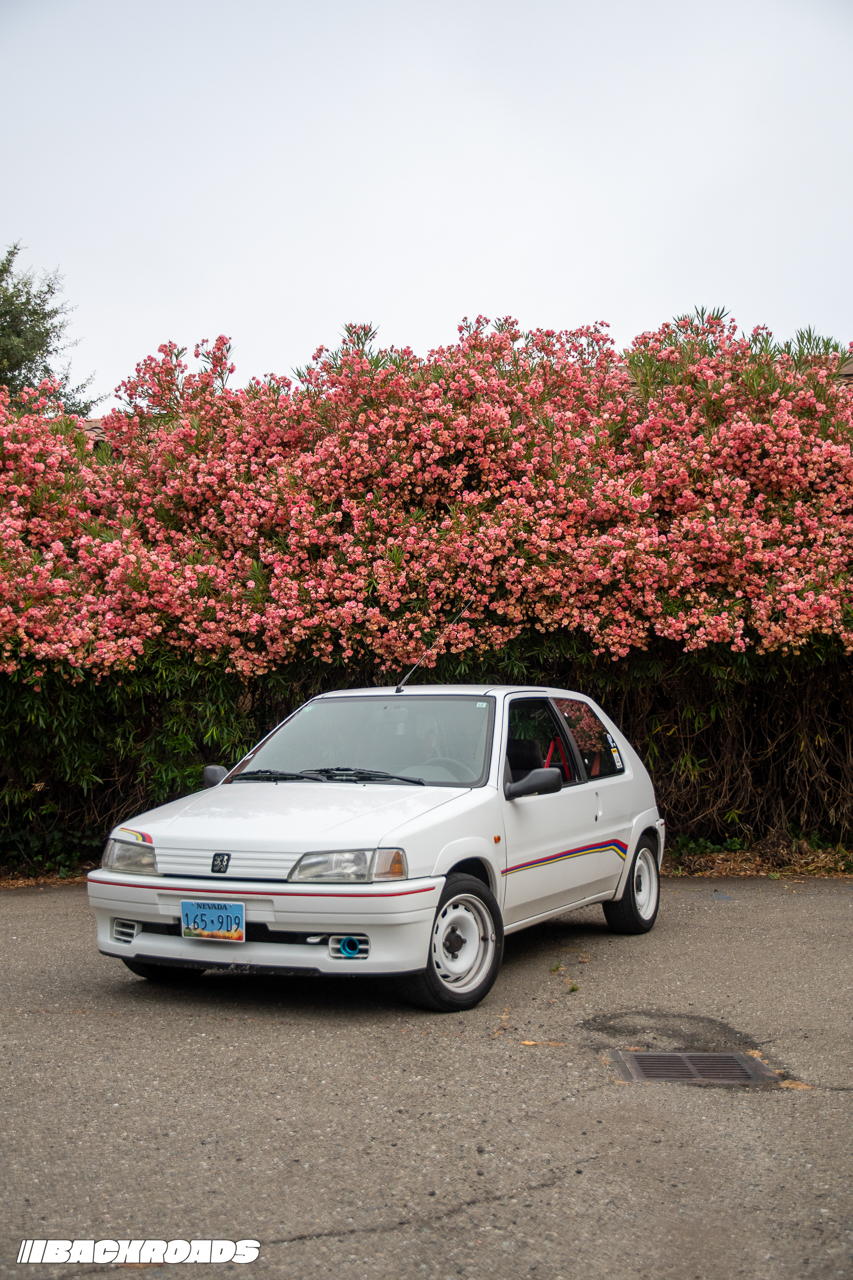
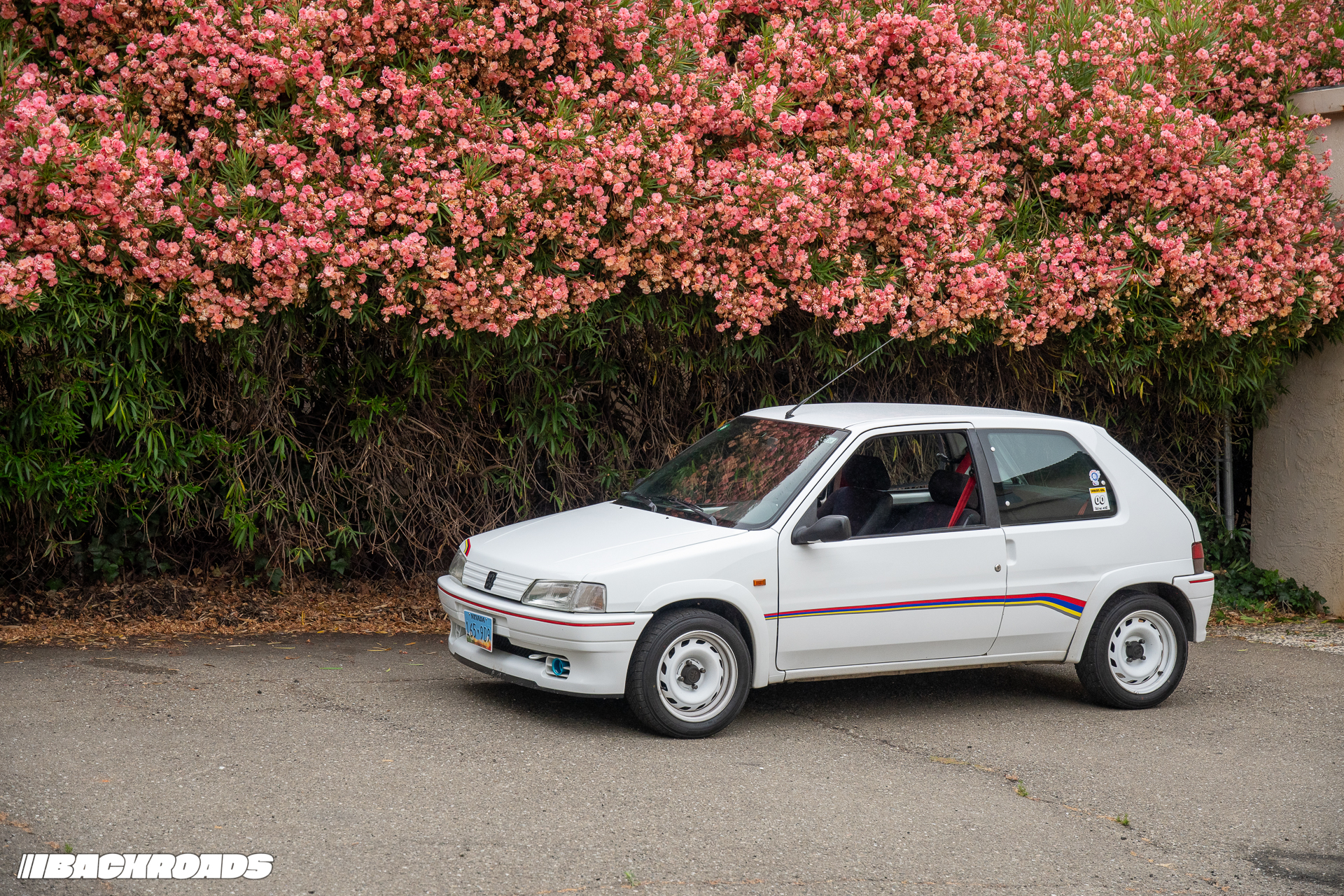
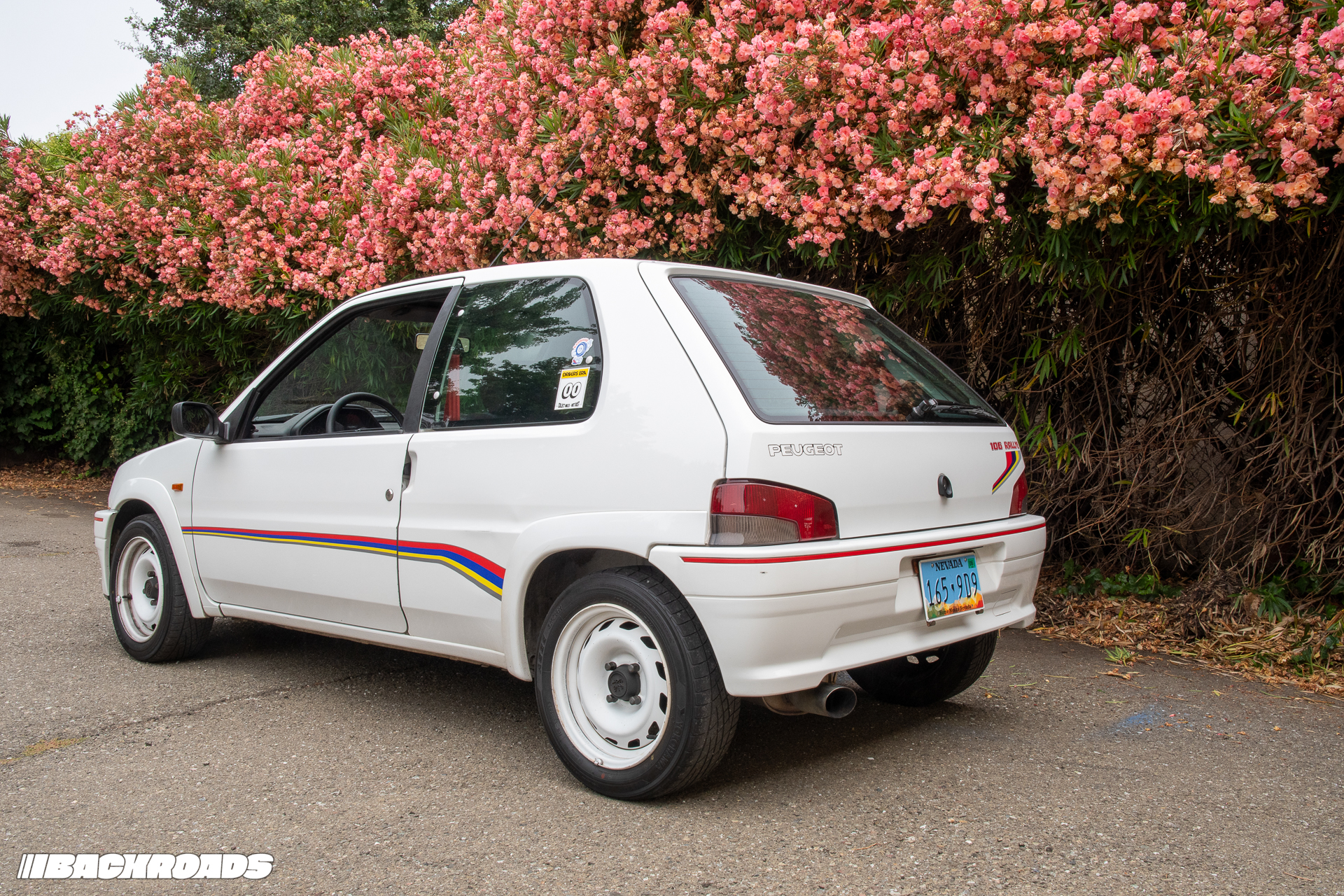

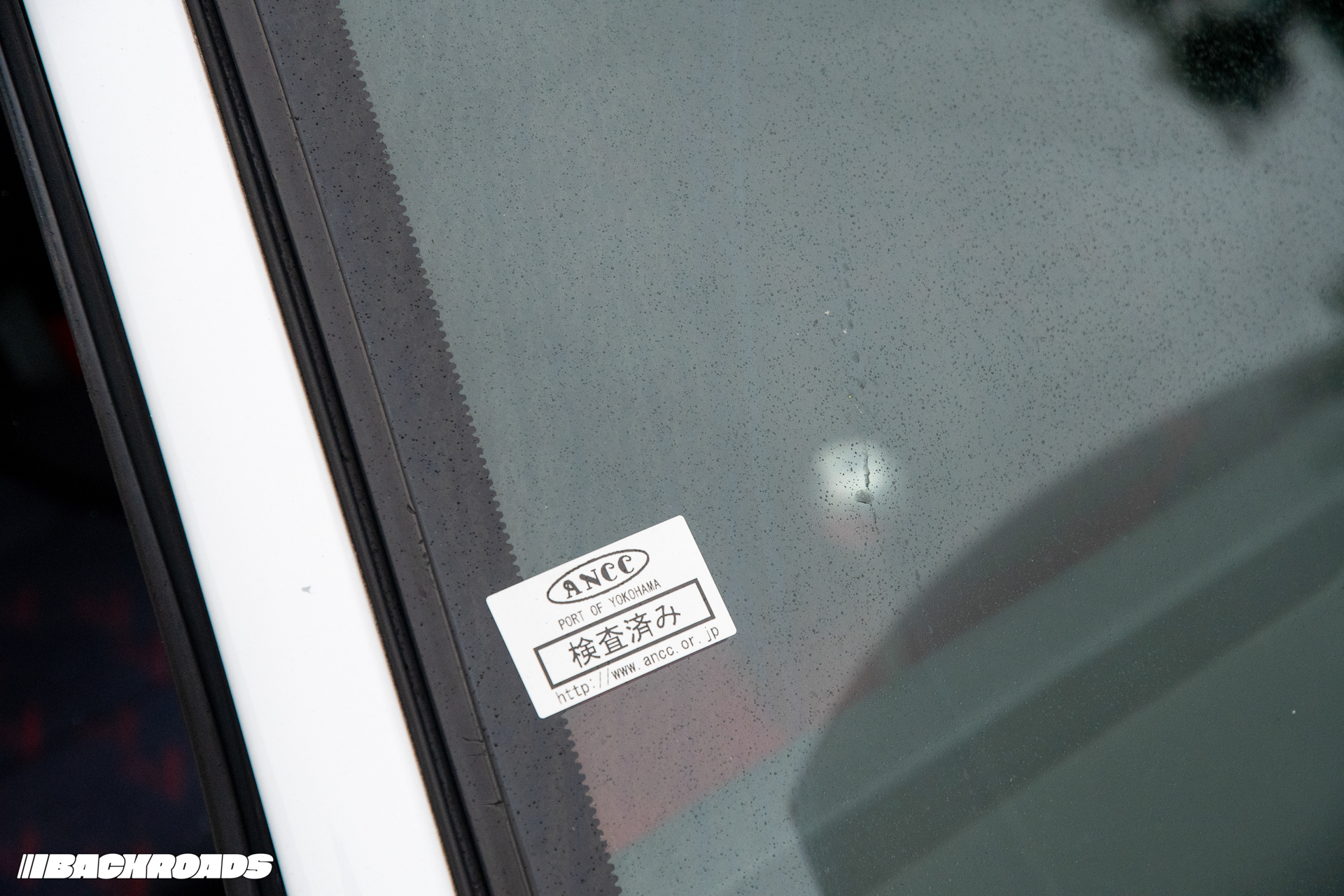

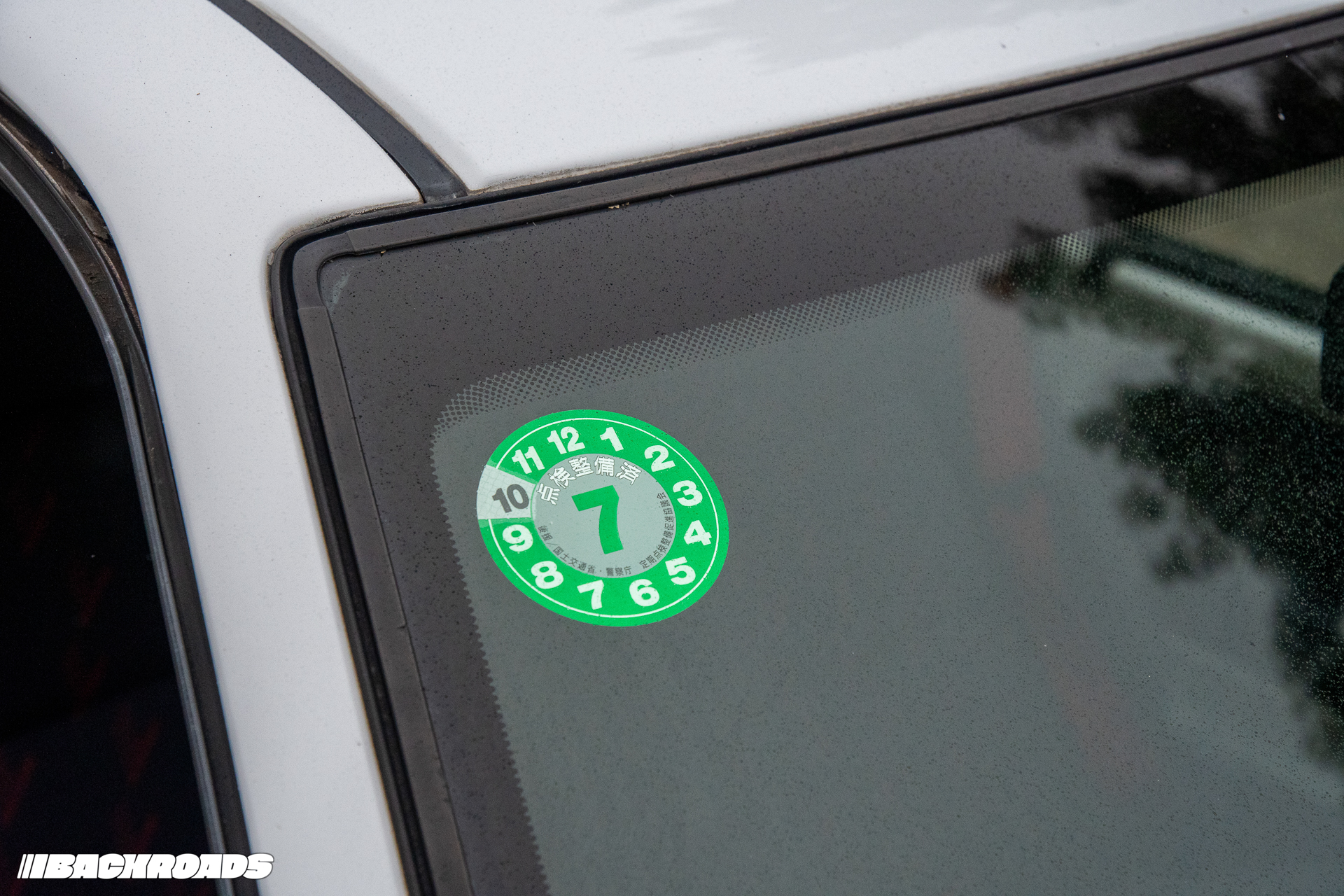
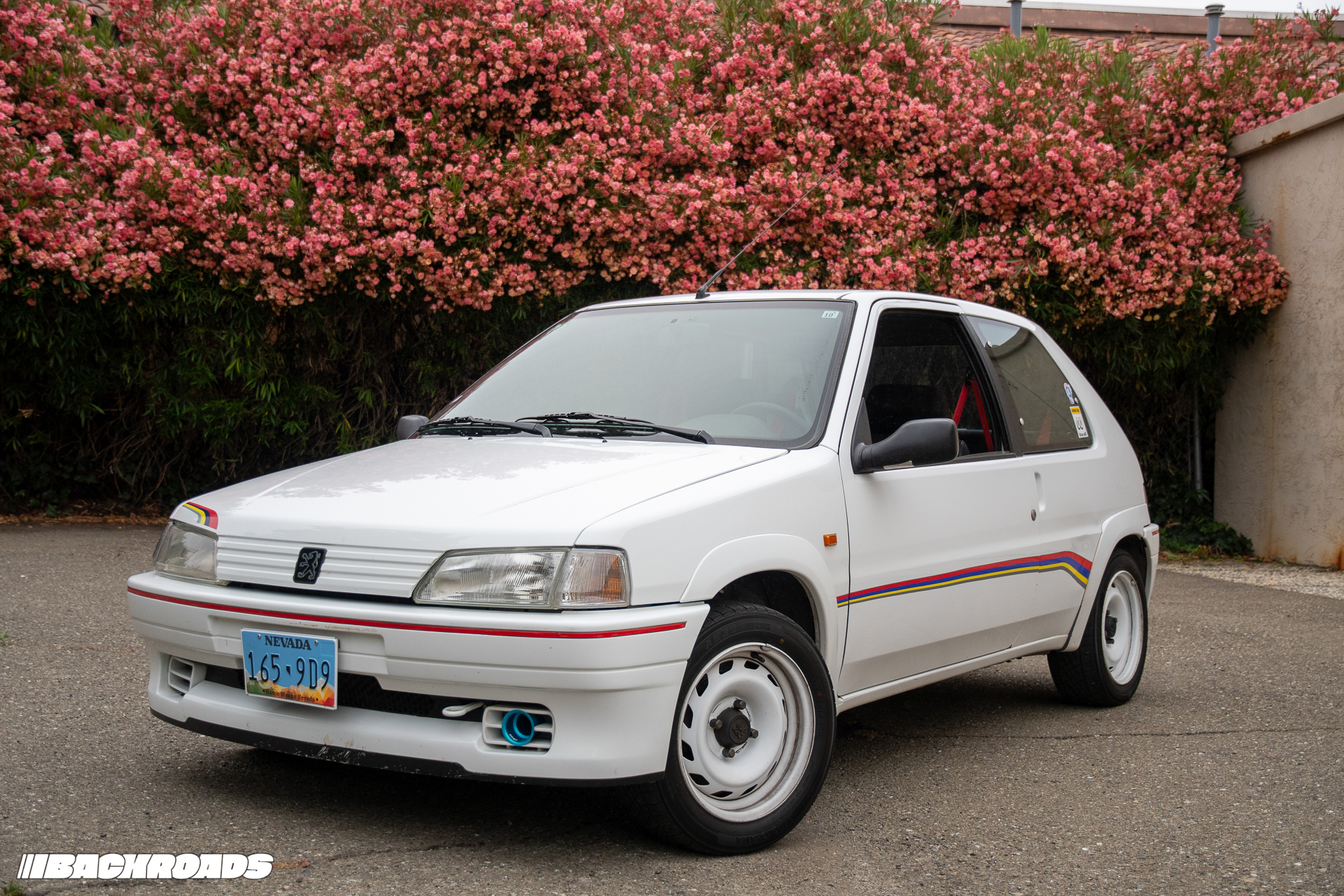
This doesn’t get any more 90s than those graphics on the doors and the carpet and stitching on the seats! The 106 Rallye is truly one of the best cars of all time we won’t get a stupid simple, lightweight hot hatch like this anymore.
It really is the best. Can’t believe I got one, but I don’t think I’ll ever sell it!
Oh yeah it’s definitely a forever car don’t ever give it up!
This is the exakt reason why i love my Swift Sport as well,
its not fast, but so fun to drive, especially on twisty countryside backroads.
Love your little Peugeots whole feeling and aestetic!
Thanks! It’s perfect for backroads.
As a French person used to see those 106 Rallyes quite often, I absolutely loved reading the story of this one being enjoyed by a fellow enthusiast on the other side of the pond! This car is indeed not about power, but about lightness and just pure fun when out driving.. I have never heard anyone complain about this pocket rocket.
Yours, above all, is absolutely stunning!
Thanks, glad you like it! I’ve always wanted a 205 Rallye, but when I stumbled on this, I couldn’t let it go!
This is just perfection! A real gem of a car shot absolutely magnificently!
Thanks! This was actually only my second time shooting with a real camera. I was lucky enough to stumble upon this location during a road trip.
Great car you’ve got there – congrats! Just make sure to keep an eye on rust protection. I once test-drove a 106 Rallye that was up for sale – the drive was an absolute hoot, but the car was also really rotten underneath, so it didn’t end as I’d hoped…
Thanks for the tip, this one isn’t too bad. Nothing that isn’t surface rust. It’s very low humidity where I live now, so it shouldn’t be an issue going forward. Fingers crossed!
its cars like this that keep me a car enthusiast. slow, fun, lightweight FWD cars are the absolute best. its why i loved my little fit so much and why i so deeply regret getting rid of it
I feel the same. I was always a fan of the 205 Rallye, but figured I’d never get one in the States, so I gave up on the idea. I ran into this 106, and it just felt right to pick it up. Zero regrets!